window.__IS_SSR__=true
window.__INITIAL_STATE__={
"attachmentsReducer": {
"audio_0": {
"type": "attachments",
"id": "audio_0",
"imgSizes": {
"kqedFullSize": {
"file": "https://ww2.kqed.org/news/wp-content/themes/KQED-unified/img/audio_bgs/background0.jpg"
}
}
},
"audio_1": {
"type": "attachments",
"id": "audio_1",
"imgSizes": {
"kqedFullSize": {
"file": "https://ww2.kqed.org/news/wp-content/themes/KQED-unified/img/audio_bgs/background1.jpg"
}
}
},
"audio_2": {
"type": "attachments",
"id": "audio_2",
"imgSizes": {
"kqedFullSize": {
"file": "https://ww2.kqed.org/news/wp-content/themes/KQED-unified/img/audio_bgs/background2.jpg"
}
}
},
"audio_3": {
"type": "attachments",
"id": "audio_3",
"imgSizes": {
"kqedFullSize": {
"file": "https://ww2.kqed.org/news/wp-content/themes/KQED-unified/img/audio_bgs/background3.jpg"
}
}
},
"audio_4": {
"type": "attachments",
"id": "audio_4",
"imgSizes": {
"kqedFullSize": {
"file": "https://ww2.kqed.org/news/wp-content/themes/KQED-unified/img/audio_bgs/background4.jpg"
}
}
},
"placeholder": {
"type": "attachments",
"id": "placeholder",
"imgSizes": {
"thumbnail": {
"file": "https://cdn.kqed.org/wp-content/uploads/2024/12/KQED-Default-Image-816638274-2000x1333-1-160x107.jpg",
"width": 160,
"height": 107,
"mimeType": "image/jpeg"
},
"medium": {
"file": "https://cdn.kqed.org/wp-content/uploads/2024/12/KQED-Default-Image-816638274-2000x1333-1-800x533.jpg",
"width": 800,
"height": 533,
"mimeType": "image/jpeg"
},
"medium_large": {
"file": "https://cdn.kqed.org/wp-content/uploads/2024/12/KQED-Default-Image-816638274-2000x1333-1-768x512.jpg",
"width": 768,
"height": 512,
"mimeType": "image/jpeg"
},
"large": {
"file": "https://cdn.kqed.org/wp-content/uploads/2024/12/KQED-Default-Image-816638274-2000x1333-1-1020x680.jpg",
"width": 1020,
"height": 680,
"mimeType": "image/jpeg"
},
"1536x1536": {
"file": "https://cdn.kqed.org/wp-content/uploads/2024/12/KQED-Default-Image-816638274-2000x1333-1-1536x1024.jpg",
"width": 1536,
"height": 1024,
"mimeType": "image/jpeg"
},
"fd-lrg": {
"file": "https://cdn.kqed.org/wp-content/uploads/2024/12/KQED-Default-Image-816638274-2000x1333-1-1536x1024.jpg",
"width": 1536,
"height": 1024,
"mimeType": "image/jpeg"
},
"fd-med": {
"file": "https://cdn.kqed.org/wp-content/uploads/2024/12/KQED-Default-Image-816638274-2000x1333-1-1020x680.jpg",
"width": 1020,
"height": 680,
"mimeType": "image/jpeg"
},
"fd-sm": {
"file": "https://cdn.kqed.org/wp-content/uploads/2024/12/KQED-Default-Image-816638274-2000x1333-1-800x533.jpg",
"width": 800,
"height": 533,
"mimeType": "image/jpeg"
},
"post-thumbnail": {
"file": "https://cdn.kqed.org/wp-content/uploads/2024/12/KQED-Default-Image-816638274-2000x1333-1-672x372.jpg",
"width": 672,
"height": 372,
"mimeType": "image/jpeg"
},
"twentyfourteen-full-width": {
"file": "https://cdn.kqed.org/wp-content/uploads/2024/12/KQED-Default-Image-816638274-2000x1333-1-1038x576.jpg",
"width": 1038,
"height": 576,
"mimeType": "image/jpeg"
},
"xxsmall": {
"file": "https://cdn.kqed.org/wp-content/uploads/2024/12/KQED-Default-Image-816638274-2000x1333-1-160x107.jpg",
"width": 160,
"height": 107,
"mimeType": "image/jpeg"
},
"xsmall": {
"file": "https://cdn.kqed.org/wp-content/uploads/2024/12/KQED-Default-Image-816638274-2000x1333-1-672x372.jpg",
"width": 672,
"height": 372,
"mimeType": "image/jpeg"
},
"small": {
"file": "https://cdn.kqed.org/wp-content/uploads/2024/12/KQED-Default-Image-816638274-2000x1333-1-672x372.jpg",
"width": 672,
"height": 372,
"mimeType": "image/jpeg"
},
"xlarge": {
"file": "https://cdn.kqed.org/wp-content/uploads/2024/12/KQED-Default-Image-816638274-2000x1333-1-1020x680.jpg",
"width": 1020,
"height": 680,
"mimeType": "image/jpeg"
},
"full-width": {
"file": "https://cdn.kqed.org/wp-content/uploads/2024/12/KQED-Default-Image-816638274-2000x1333-1-1920x1280.jpg",
"width": 1920,
"height": 1280,
"mimeType": "image/jpeg"
},
"guest-author-32": {
"file": "https://cdn.kqed.org/wp-content/uploads/2025/01/KQED-Default-Image-816638274-1333x1333-1-160x160.jpg",
"width": 32,
"height": 32,
"mimeType": "image/jpeg"
},
"guest-author-50": {
"file": "https://cdn.kqed.org/wp-content/uploads/2025/01/KQED-Default-Image-816638274-1333x1333-1-160x160.jpg",
"width": 50,
"height": 50,
"mimeType": "image/jpeg"
},
"guest-author-64": {
"file": "https://cdn.kqed.org/wp-content/uploads/2025/01/KQED-Default-Image-816638274-1333x1333-1-160x160.jpg",
"width": 64,
"height": 64,
"mimeType": "image/jpeg"
},
"guest-author-96": {
"file": "https://cdn.kqed.org/wp-content/uploads/2025/01/KQED-Default-Image-816638274-1333x1333-1-160x160.jpg",
"width": 96,
"height": 96,
"mimeType": "image/jpeg"
},
"guest-author-128": {
"file": "https://cdn.kqed.org/wp-content/uploads/2025/01/KQED-Default-Image-816638274-1333x1333-1-160x160.jpg",
"width": 128,
"height": 128,
"mimeType": "image/jpeg"
},
"detail": {
"file": "https://cdn.kqed.org/wp-content/uploads/2025/01/KQED-Default-Image-816638274-1333x1333-1-160x160.jpg",
"width": 160,
"height": 160,
"mimeType": "image/jpeg"
},
"kqedFullSize": {
"file": "https://cdn.kqed.org/wp-content/uploads/2024/12/KQED-Default-Image-816638274-2000x1333-1.jpg",
"width": 2000,
"height": 1333
}
}
},
"news_134714": {
"type": "attachments",
"id": "news_134714",
"meta": {
"index": "attachments_1716263798",
"site": "news",
"id": "134714",
"found": true
},
"parent": 134700,
"imgSizes": {
"kqedFullSize": {
"file": "https://ww2.kqed.org/app/uploads/sites/10/2014/04/IMG_3470-copy.jpg",
"width": 800,
"height": 533
}
},
"publishDate": 1398881627,
"modified": 1398881627,
"caption": "Kathryn Blum holds a handmade sign at Tuesday's Airbnb rally (Mark Andrew Boyer/KQED)",
"description": null,
"title": "IMG_3470-copy",
"credit": null,
"status": "inherit",
"isLoading": false,
"fetchFailed": false
},
"news_132660": {
"type": "attachments",
"id": "news_132660",
"meta": {
"index": "attachments_1716263798",
"site": "news",
"id": "132660",
"found": true
},
"parent": 132646,
"imgSizes": {
"kqedFullSize": {
"file": "https://ww2.kqed.org/app/uploads/sites/10/2014/04/5669872729_f94c13513d_o.jpg",
"width": 827,
"height": 564
}
},
"publishDate": 1397521611,
"modified": 1397521611,
"caption": "Graffiti from 2001, as San Francisco's last boom began to burst. (Wolfgang Sterneck/Flickr)",
"description": "Graffiti from 2001, as San Francisco's last boom began to burst. (Wolfgang Sterneck/Flickr)",
"title": "5669872729_f94c13513d_o",
"credit": null,
"status": "inherit",
"isLoading": false,
"fetchFailed": false
},
"news_130772": {
"type": "attachments",
"id": "news_130772",
"meta": {
"index": "attachments_1716263798",
"site": "news",
"id": "130772",
"found": true
},
"parent": 130707,
"imgSizes": {
"kqedFullSize": {
"file": "https://ww2.kqed.org/app/uploads/sites/10/2014/03/RS2979_IMG_0724.jpg",
"width": 1448,
"height": 1086
}
},
"publishDate": 1395968106,
"modified": 1395968106,
"caption": null,
"description": null,
"title": "RS2979_IMG_0724",
"credit": null,
"status": "inherit",
"isLoading": false,
"fetchFailed": false
},
"news_130404": {
"type": "attachments",
"id": "news_130404",
"meta": {
"index": "attachments_1716263798",
"site": "news",
"id": "130404",
"found": true
},
"parent": 130302,
"imgSizes": {
"kqedFullSize": {
"file": "https://ww2.kqed.org/app/uploads/sites/10/2014/03/2131642205_17df736ffa_z.jpg",
"width": 640,
"height": 427
}
},
"publishDate": 1395791055,
"modified": 1395791055,
"caption": "In-law units are common throughout San Francisco. Photo: Jon Starbuck/Flickr",
"description": null,
"title": "2131642205_17df736ffa_z",
"credit": null,
"status": "inherit",
"isLoading": false,
"fetchFailed": false
},
"news_126781": {
"type": "attachments",
"id": "news_126781",
"meta": {
"index": "attachments_1716263798",
"site": "news",
"id": "126781",
"found": true
},
"parent": 126156,
"imgSizes": {
"kqedFullSize": {
"file": "https://ww2.kqed.org/app/uploads/sites/10/2014/02/richmondproject_832_la1.jpg",
"width": 1200,
"height": 800
}
},
"publishDate": 1392689863,
"modified": 1392689863,
"caption": "The Hacienda public housing complex in Richmond. (Lacy Atkins/San Francisco Chronicle)\n",
"description": "Steve Muccular visits his family at the Hacienda public housing complex in Richmond. The building’s security guards don’t venture up to the sixth floor, he says, so he squatted in the laundry room for months. (Lacy Atkins/San Francisco Chronicle)",
"title": "Richmond Public Housing-Hacienda",
"credit": null,
"status": "inherit",
"isLoading": false,
"fetchFailed": false
},
"news_128394": {
"type": "attachments",
"id": "news_128394",
"meta": {
"index": "attachments_1716263798",
"site": "news",
"id": "128394",
"found": true
},
"parent": 128366,
"imgSizes": {
"kqedFullSize": {
"file": "https://ww2.kqed.org/app/uploads/sites/10/2014/03/RS9092_2014-01-17-07.45.23-lpr.jpg",
"width": 1448,
"height": 1086
}
},
"publishDate": 1393981067,
"modified": 1393981067,
"caption": "A man toasts marshmallows for the crowd gathered to hear \"Eviction Ghost Stories and Other Housing Horrors.\" (Stephanie Martin/KQED)\n",
"description": null,
"title": "S.F. artists struggle",
"credit": null,
"status": "inherit",
"isLoading": false,
"fetchFailed": false
},
"news_127164": {
"type": "attachments",
"id": "news_127164",
"meta": {
"index": "attachments_1716263798",
"site": "news",
"id": "127164",
"found": true
},
"parent": 127158,
"imgSizes": {
"kqedFullSize": {
"file": "https://ww2.kqed.org/app/uploads/sites/10/2014/02/IMG_5036.jpg",
"width": 1000,
"height": 667
}
},
"publishDate": 1392957195,
"modified": 1392957195,
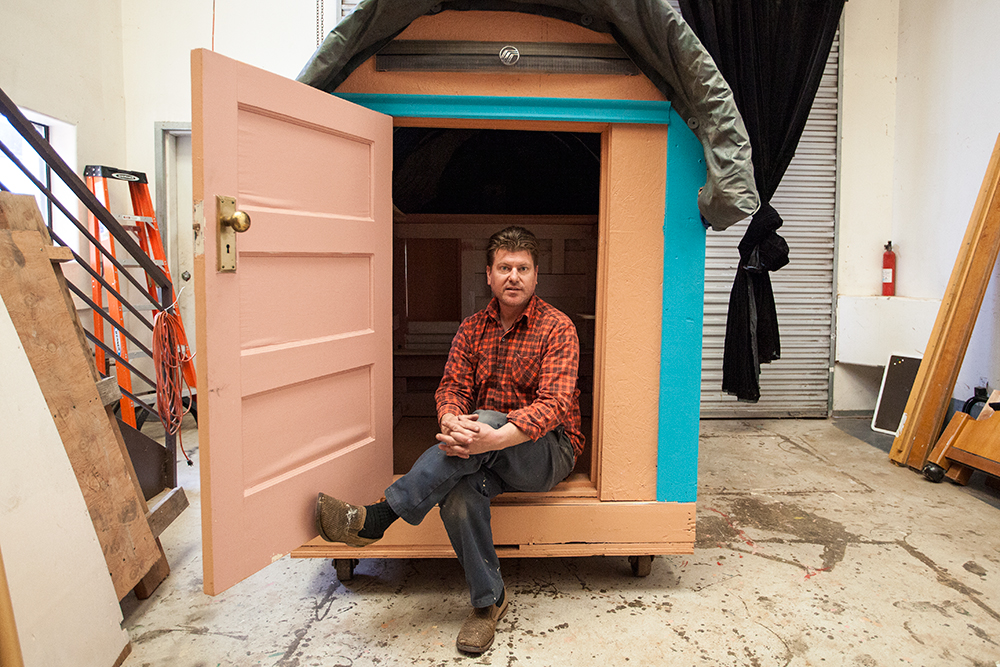
"caption": "Artist and designer Gregory Kloehn sits in the doorway of his latest tiny house, which he calls the Chuckwagon (Mark Andrew Boyer / KQED)",
"description": null,
"title": "Gregory Kloehn",
"credit": null,
"status": "inherit",
"isLoading": false,
"fetchFailed": false
},
"news_125915": {
"type": "attachments",
"id": "news_125915",
"meta": {
"index": "attachments_1716263798",
"site": "news",
"id": "125915",
"found": true
},
"parent": 125900,
"imgSizes": {
"kqedFullSize": {
"file": "https://ww2.kqed.org/app/uploads/sites/10/2014/02/tenants_convention.jpg",
"width": 900,
"height": 598
}
},
"publishDate": 1392148824,
"modified": 1392148824,
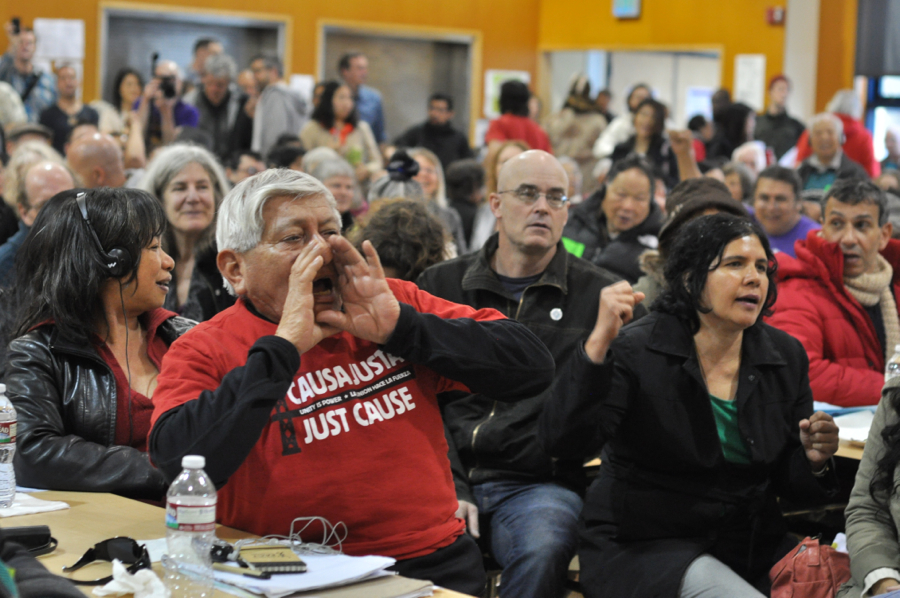
"caption": "Activists gathered Saturday to discuss and vote on a raft of legislative proposals to address the lack of affordable housing in San Francisco. (Josh Wolf / San Francisco Public Press)",
"description": "Activists gathered Saturday to discuss and vote on a raft of legislative proposals to address the lack of affordable housing in San Francisco. (Josh Wolf / San Francisco Public Press)",
"title": "_tenants_convention",
"credit": null,
"status": "inherit",
"isLoading": false,
"fetchFailed": false
},
"news_120270": {
"type": "attachments",
"id": "news_120270",
"meta": {
"index": "attachments_1716263798",
"site": "news",
"id": "120270",
"found": true
},
"parent": 120264,
"imgSizes": {
"kqedFullSize": {
"file": "https://ww2.kqed.org/app/uploads/sites/10/2013/12/11293201603_070575a91a_o-e1386615496451.jpg",
"width": 640,
"height": 416
}
},
"publishDate": 1386615439,
"modified": 1386615439,
"caption": "In a December protest, activists surround a Google bus at 24th and Valencia streets Monday in protest aimed at evictions and displacement in San Francisco's Mission District. (Steve Rhodes via Flickr)",
"description": "In a December protest, activists surround a Google bus at 24th and Valencia streets Monday in protest aimed at evictions and displacement in San Francisco's Mission District. (Steve Rhodes via Flickr)",
"title": "Google Bus",
"credit": null,
"status": "inherit",
"isLoading": false,
"fetchFailed": false
},
"news_123694": {
"type": "attachments",
"id": "news_123694",
"meta": {
"index": "attachments_1716263798",
"site": "news",
"id": "123694",
"found": true
},
"parent": 123502,
"imgSizes": {
"kqedFullSize": {
"file": "https://ww2.kqed.org/app/uploads/sites/10/2078/01/RS549_104161743-scr-e1389921328493.jpg",
"width": 640,
"height": 401
}
},
"publishDate": 1389921246,
"modified": 1389921246,
"caption": "Volunteers prepare meals at St. Anthony's dining hall in the Tenderloin. (Justin Sullivan/Getty Images)",
"description": null,
"title": "RS549_104161743-scr",
"credit": null,
"status": "inherit",
"isLoading": false,
"fetchFailed": false
}
},
"audioPlayerReducer": {
"postId": "stream_live",
"isPaused": true,
"isPlaying": false,
"pfsActive": false,
"pledgeModalIsOpen": true,
"playerDrawerIsOpen": false,
"liveAudioPlayStartedAt": 0,
"liveAudioPlayContext": ""
},
"authorsReducer": {
"smartin": {
"type": "authors",
"id": "89",
"meta": {
"index": "authors_1716337520",
"id": "89",
"found": true
},
"name": "Stephanie Martin Taylor",
"firstName": "Stephanie Martin",
"lastName": "Taylor",
"slug": "smartin",
"email": "smartin@kqed.org",
"display_author_email": false,
"staff_mastheads": [],
"title": null,
"bio": "Stephanie Martin is a radio news reporter and anchor, and an occasional host of the \u003cem>KQED Newsroom \u003c/em>television program. While she currently focuses on housing and development issues, she has also reported on topics ranging from state and local politics to religion to arts and culture.\r\n\r\nPrior to joining KQED in 2005, Stephanie was an anchor and reporter for WFDD, the NPR affiliate in Winston-Salem, NC. She also spent several years as a television anchor, reporter and producer at various stations around the country.\r\n\r\nStephanie has received numerous awards for her reporting, including two National Headliner Awards, the Religion Newswriters Association's Best Radio Reporting Award and honors from the Associated Press and the Radio and Television Digital News Association. A series she produced from Iraq in 2005 earned a Best of Radio Award from the Society of Professional Journalists.\r\n\r\nStephanie received a graduate degree in Journalism from Columbia University. As an undergraduate at Colgate University, she worked and studied in Paris and Dijon, France, and spent a summer interning in the White House Press Office.\r\n\r\nStephanie grew up in Dallas, TX, and now lives with her husband in San Francisco.",
"avatar": "https://secure.gravatar.com/avatar/9fd3f8e9af01e14afde39822c19646e0?s=600&d=blank&r=g",
"twitter": "SMartinTaylor",
"facebook": null,
"instagram": null,
"linkedin": null,
"sites": [
{
"site": "arts",
"roles": [
"Contributor",
"subscriber"
]
},
{
"site": "news",
"roles": [
"subscriber"
]
},
{
"site": "stateofhealth",
"roles": [
"subscriber"
]
}
],
"headData": {
"title": "Stephanie Martin Taylor | KQED",
"description": null,
"ogImgSrc": "https://secure.gravatar.com/avatar/9fd3f8e9af01e14afde39822c19646e0?s=600&d=blank&r=g",
"twImgSrc": "https://secure.gravatar.com/avatar/9fd3f8e9af01e14afde39822c19646e0?s=600&d=blank&r=g"
},
"isLoading": false,
"link": "/author/smartin"
},
"ohubertallen": {
"type": "authors",
"id": "102",
"meta": {
"index": "authors_1716337520",
"id": "102",
"found": true
},
"name": "Olivia Allen-Price",
"firstName": "Olivia",
"lastName": "Allen-Price",
"slug": "ohubertallen",
"email": "oallenprice@kqed.org",
"display_author_email": false,
"staff_mastheads": [
"news"
],
"title": "Senior Editor",
"bio": "Olivia Allen-Price is senior editor and host of the award-winning Bay Curious podcast. Prior to joining KQED in 2013, Olivia worked at The Baltimore Sun and The Virginian-Pilot in Norfolk, Va. She holds degrees in journalism and political science from Elon University. Her work has earned awards from the Society of Professional Journalists, the Hearst Foundation and Hearken. She loves to talk about running and curly hair.\r\n\r\nFollow: \u003ca href=\"https://twitter.com/oallenprice\">@oallenprice\u003c/a>\r\nEmail: \u003ca href=\"mailto:oallenprice@kqed.org\">oallenprice@kqed.org\u003c/a>",
"avatar": "https://secure.gravatar.com/avatar/07f7803c1f6be56f3be58ef276dfa64dce898502e0554408ef4858451a8294f7?s=600&d=blank&r=g",
"twitter": "oallenprice",
"bluesky": null,
"facebook": null,
"instagram": null,
"linkedin": null,
"sites": [
{
"site": "",
"roles": [
"editor"
]
},
{
"site": "arts",
"roles": [
"subscriber"
]
},
{
"site": "news",
"roles": [
"administrator"
]
},
{
"site": "pop",
"roles": [
"administrator"
]
},
{
"site": "bayareabites",
"roles": [
"contributor"
]
},
{
"site": "stateofhealth",
"roles": [
"administrator"
]
},
{
"site": "science",
"roles": [
"editor"
]
}
],
"headData": {
"title": "Olivia Allen-Price | KQED",
"description": "Senior Editor",
"ogImgSrc": "https://secure.gravatar.com/avatar/07f7803c1f6be56f3be58ef276dfa64dce898502e0554408ef4858451a8294f7?s=600&d=blank&r=g",
"twImgSrc": "https://secure.gravatar.com/avatar/07f7803c1f6be56f3be58ef276dfa64dce898502e0554408ef4858451a8294f7?s=600&d=blank&r=g"
},
"isLoading": false,
"link": "/author/ohubertallen"
},
"bgoebel": {
"type": "authors",
"id": "214",
"meta": {
"index": "authors_1716337520",
"id": "214",
"found": true
},
"name": "Bryan Goebel",
"firstName": "Bryan",
"lastName": "Goebel",
"slug": "bgoebel",
"email": "bgoebel@kqed.org",
"display_author_email": false,
"staff_mastheads": [],
"title": null,
"bio": "Bryan Goebel is a reporter focused on transportation and housing issues. He was previously the editor of Streetsblog San Francisco, and an anchor/editor at KCBS Radio. He's a lifelong Californian and has also worked at radio stations in Barstow, Redding and Sacramento.",
"avatar": "https://secure.gravatar.com/avatar/7fdd6b065bfe9a23a71bcfa80848df88?s=600&d=blank&r=g",
"twitter": "velobry",
"facebook": null,
"instagram": null,
"linkedin": null,
"sites": [
{
"site": "news",
"roles": [
"subscriber"
]
},
{
"site": "stateofhealth",
"roles": [
"subscriber"
]
}
],
"headData": {
"title": "Bryan Goebel | KQED",
"description": null,
"ogImgSrc": "https://secure.gravatar.com/avatar/7fdd6b065bfe9a23a71bcfa80848df88?s=600&d=blank&r=g",
"twImgSrc": "https://secure.gravatar.com/avatar/7fdd6b065bfe9a23a71bcfa80848df88?s=600&d=blank&r=g"
},
"isLoading": false,
"link": "/author/bgoebel"
},
"californiawatch": {
"type": "authors",
"id": "217",
"meta": {
"index": "authors_1716337520",
"id": "217",
"found": true
},
"name": "The Center for Investigative Reporting",
"firstName": "The Center for Investigative Reporting",
"lastName": null,
"slug": "californiawatch",
"email": "mfarnsworth@cironline.org",
"display_author_email": false,
"staff_mastheads": [],
"title": null,
"bio": null,
"avatar": "https://secure.gravatar.com/avatar/3decbd1a641caa0185742db6828cb8e4?s=600&d=blank&r=g",
"twitter": null,
"facebook": null,
"instagram": null,
"linkedin": null,
"sites": [
{
"site": "news",
"roles": [
"contributor"
]
}
],
"headData": {
"title": "The Center for Investigative Reporting | KQED",
"description": null,
"ogImgSrc": "https://secure.gravatar.com/avatar/3decbd1a641caa0185742db6828cb8e4?s=600&d=blank&r=g",
"twImgSrc": "https://secure.gravatar.com/avatar/3decbd1a641caa0185742db6828cb8e4?s=600&d=blank&r=g"
},
"isLoading": false,
"link": "/author/californiawatch"
},
"danbrekke": {
"type": "authors",
"id": "222",
"meta": {
"index": "authors_1716337520",
"id": "222",
"found": true
},
"name": "Dan Brekke",
"firstName": "Dan",
"lastName": "Brekke",
"slug": "danbrekke",
"email": "dbrekke@kqed.org",
"display_author_email": true,
"staff_mastheads": [
"news",
"science"
],
"title": "KQED Editor and Reporter",
"bio": "Dan Brekke is a reporter and editor for KQED News, responsible for coverage of topics ranging from California water issues to the Bay Area's transportation challenges. In a newsroom career that began in Chicago in 1972, Dan has worked for \u003cem>The San Francisco Examiner,\u003c/em> Wired and TechTV and has been published in The New York Times, The New York Times Magazine, Business 2.0, Salon and elsewhere.\r\n\r\nSince joining KQED in 2007, Dan has reported, edited and produced both radio and online features and breaking news pieces. He has shared as both editor and reporter in four Society of Professional Journalists Norcal Excellence in Journalism awards and one Edward R. Murrow regional award. He was chosen for a spring 2017 residency at the Mesa Refuge to advance his research on California salmon.\r\n\r\nEmail Dan at: \u003ca href=\"mailto:dbrekke@kqed.org\">dbrekke@kqed.org\u003c/a>\r\n\r\n\u003cstrong>Twitter:\u003c/strong> \u003ca href=\"https://twitter.com/danbrekke\" rel=\"noopener noreferrer\">twitter.com/danbrekke\u003c/a>\r\n\u003cstrong>Facebook:\u003c/strong> \u003ca href=\"https://www.facebook.com/danbrekke\" rel=\"noopener noreferrer\">www.facebook.com/danbrekke\u003c/a>\r\n\u003cstrong>LinkedIn:\u003c/strong> \u003ca href=\"https://www.linkedin.com/in/danbrekke\" rel=\"noopener noreferrer\">www.linkedin.com/in/danbrekke\u003c/a>",
"avatar": "https://secure.gravatar.com/avatar/c8126230345efca3f7aa89b1a402be45?s=600&d=mm&r=g",
"twitter": "danbrekke",
"facebook": null,
"instagram": "https://www.instagram.com/dan.brekke/",
"linkedin": "https://www.linkedin.com/in/danbrekke/",
"sites": [
{
"site": "news",
"roles": [
"administrator",
"create_posts"
]
},
{
"site": "stateofhealth",
"roles": [
"editor"
]
},
{
"site": "science",
"roles": [
"editor"
]
},
{
"site": "quest",
"roles": [
"contributor"
]
},
{
"site": "food",
"roles": [
"contributor"
]
},
{
"site": "forum",
"roles": [
"contributor"
]
},
{
"site": "liveblog",
"roles": [
"editor"
]
}
],
"headData": {
"title": "Dan Brekke | KQED",
"description": "KQED Editor and Reporter",
"ogImgSrc": "https://secure.gravatar.com/avatar/c8126230345efca3f7aa89b1a402be45?s=600&d=mm&r=g",
"twImgSrc": "https://secure.gravatar.com/avatar/c8126230345efca3f7aa89b1a402be45?s=600&d=mm&r=g"
},
"isLoading": false,
"link": "/author/danbrekke"
},
"kqed": {
"type": "authors",
"id": "236",
"meta": {
"index": "authors_1716337520",
"id": "236",
"found": true
},
"name": "KQED News Staff",
"firstName": "KQED News Staff",
"lastName": null,
"slug": "kqed",
"email": "faq@kqed.org",
"display_author_email": false,
"staff_mastheads": [],
"title": null,
"bio": null,
"avatar": "https://secure.gravatar.com/avatar/ef0e801a68c4c54afa9180db14084167?s=600&d=blank&r=g",
"twitter": null,
"facebook": null,
"instagram": null,
"linkedin": null,
"sites": [
{
"site": "arts",
"roles": [
"contributor"
]
},
{
"site": "news",
"roles": [
"editor"
]
},
{
"site": "futureofyou",
"roles": [
"author"
]
}
],
"headData": {
"title": "KQED News Staff | KQED",
"description": null,
"ogImgSrc": "https://secure.gravatar.com/avatar/ef0e801a68c4c54afa9180db14084167?s=600&d=blank&r=g",
"twImgSrc": "https://secure.gravatar.com/avatar/ef0e801a68c4c54afa9180db14084167?s=600&d=blank&r=g"
},
"isLoading": false,
"link": "/author/kqed"
},
"mboyer": {
"type": "authors",
"id": "242",
"meta": {
"index": "authors_1716337520",
"id": "242",
"found": true
},
"name": "Mark Andrew Boyer",
"firstName": "Mark Andrew",
"lastName": "Boyer",
"slug": "mboyer",
"email": "mboyer@kqed.org",
"display_author_email": false,
"staff_mastheads": [],
"title": null,
"bio": null,
"avatar": "https://secure.gravatar.com/avatar/97f25e563059e57d6a08f9c09b43851a?s=600&d=blank&r=g",
"twitter": null,
"facebook": null,
"instagram": null,
"linkedin": null,
"sites": [
{
"site": "news",
"roles": [
"contributor"
]
}
],
"headData": {
"title": "Mark Andrew Boyer | KQED",
"description": null,
"ogImgSrc": "https://secure.gravatar.com/avatar/97f25e563059e57d6a08f9c09b43851a?s=600&d=blank&r=g",
"twImgSrc": "https://secure.gravatar.com/avatar/97f25e563059e57d6a08f9c09b43851a?s=600&d=blank&r=g"
},
"isLoading": false,
"link": "/author/mboyer"
}
},
"pagesReducer": {
"news_tag_housing": {
"type": "terms",
"id": "news_1775",
"meta": {
"index": "terms_1716263798",
"site": "news",
"id": "1775",
"score": 7.0362606
},
"featImg": null,
"name": "housing",
"description": null,
"taxonomy": "tag",
"headData": {
"twImgId": null,
"twTitle": null,
"ogTitle": null,
"ogImgId": null,
"twDescription": null,
"description": null,
"title": "housing Archives | KQED News",
"ogDescription": null
},
"ttid": 1790,
"slug": "housing",
"isLoading": false,
"title": "housing",
"pageMeta": {
"site": "news",
"WpPageTemplate": "page-topic-editorial",
"currentPage": 73
},
"blocks": [
{
"blockName": "kqed/post-list",
"attrs": {
"layout": "cardArticle2",
"query": "posts/news?tag=housing",
"seeMore": false,
"paginated": true,
"page": 73
}
},
{
"blockName": "kqed/ad"
}
]
}
},
"pfsSessionReducer": {},
"postsReducer": {
"stream_live": {
"type": "live",
"id": "stream_live",
"audioUrl": "https://streams.kqed.org/kqedradio",
"title": "Live Stream",
"excerpt": "Live Stream information currently unavailable.",
"link": "/radio",
"featImg": "",
"label": {
"name": "KQED Live",
"link": "/"
}
},
"stream_kqedNewscast": {
"type": "posts",
"id": "stream_kqedNewscast",
"audioUrl": "https://www.kqed.org/.stream/anon/radio/RDnews/newscast.mp3?_=1",
"title": "KQED Newscast",
"featImg": "",
"label": {
"name": "88.5 FM",
"link": "/"
}
},
"news_134700": {
"type": "posts",
"id": "news_134700",
"meta": {
"index": "posts_1716263798",
"site": "news",
"id": "134700",
"score": null,
"sort": [
1398885735000
]
},
"guestAuthors": [],
"slug": "airbnb-supporters-rally-against-possible-regulations",
"title": "Airbnb Tug of War: Opponents, Supporters Rally in San Francisco",
"publishDate": 1398885735,
"format": "aside",
"headTitle": "Airbnb Tug of War: Opponents, Supporters Rally in San Francisco | KQED",
"labelTerm": {
"term": 6944,
"site": "news"
},
"content": "\u003cfigure id=\"attachment_134704\" class=\"wp-caption alignnone\" style=\"max-width: 640px\">\u003ca href=\"http://ww2.kqed.org/news/wp-content/uploads/sites/10/2014/04/IMG_3443-copy.jpg\">\u003cimg loading=\"lazy\" decoding=\"async\" class=\"size-medium wp-image-134704\" src=\"http://ww2.kqed.org/news/wp-content/uploads/sites/10/2014/04/IMG_3443-copy-640x426.jpg\" alt=\"Protestors display signs supporting Airbnb at a rally for short-term rentals in front of San Francisco City Hall (Mark Andrew Boyer/KQED)\" width=\"640\" height=\"426\">\u003c/a>\u003cfigcaption class=\"wp-caption-text\">Protesters display signs supporting Airbnb at a rally for short-term rentals in front of San Francisco City Hall. (Mark Andrew Boyer/KQED) \u003ccite>(Mark Andrew Boyer/KQED)\u003c/cite>\u003c/figcaption>\u003c/figure>\n\u003cp>Airbnb opponents and backers held a pair of rallies at San Francisco’s City Hall on Tuesday as city officials continue to consider regulating short-term rentals and the increasingly popular practice of home-sharing. Airbnb, \u003ca href=\"http://dealbook.nytimes.com/2014/04/21/morning-agenda-airbnbs-10-billion-valuation/\" target=\"_blank\" rel=\"noopener\">currently valued at $10 billion\u003c/a> based on a recent round of venture financing, has operated in a legal gray area until now.\u003c/p>\n\u003cp>In the morning, a coalition of landlords and housing advocates condemned home-sharing, arguing that vacation and short-term rentals are squeezing affordable housing out of the city. \u003cspan style=\"color: #000000\">Supervisor \u003c/span>David Chiu has proposed legislation that would require Airbnb hosts to pay San Francisco\u003cspan style=\"color: #000000\">‘s hotel tax and create a public registry of hosts. \u003c/span>\u003c/p>\n\u003cp>[contextly_sidebar id=”30d63dfeca72c1c4e94c8536d6660eb6″]\u003c/p>\n\u003cp>\u003cspan style=\"color: #000000\">But opponents says Chiu’s proposal doesn’t go far enough. A group that includes housing activist Calvin Welch, former planning commissioner Doug Engmann and PR executive Dale Carlson is calling for placing much tougher restrictions on short-term rentals. Their proposal would restrict Airbnb rentals to neighborhoods with commercial zoning, and it would require hosts to show proof of insurance. \u003c/span>\u003c/p>\n\u003cp>On Tuesday afternoon, Airbnb backers held a rally of their own in response to the proposed rule changes.\u003c/p>\n\u003cfigure id=\"attachment_134707\" class=\"wp-caption alignnone\" style=\"max-width: 640px\">\u003ca href=\"http://ww2.kqed.org/news/wp-content/uploads/sites/10/2014/04/IMG_3413-copy.jpg\">\u003cimg loading=\"lazy\" decoding=\"async\" class=\"size-medium wp-image-134707\" src=\"http://ww2.kqed.org/news/wp-content/uploads/sites/10/2014/04/IMG_3413-copy-640x426.jpg\" alt=\"Victoria Schaller and Tish Kronen attended an Airbnb rally in front of San Francisco City Hall (Mark Andrew Boyer/KQED)\" width=\"640\" height=\"426\">\u003c/a>\u003cfigcaption class=\"wp-caption-text\">Victoria Schaller, left, and Tish Kronen attended an Airbnb rally in front of San Francisco City Hall. (Mark Andrew Boyer/KQED)\u003c/figcaption>\u003c/figure>\n\u003cp>Victoria \u003cspan style=\"color: #3c3c3c\">Schaller came to the rally with her dog, Princess. Schaller has done some cleaning for Airbnb hosts. “I support it because it helps people make a little extra money,” she said.\u003c/span>\u003cbr style=\"color: #3c3c3c\">\u003cbr style=\"color: #3c3c3c\">\u003cspan style=\"color: #3c3c3c\">She was joined by Tish Kronen, who rents out her home through Airbnb. “I’m going through a divorce, and if I didn’t have this, I don’t know if I’d make it through.”\u003c/span>\u003c/p>\n\u003cfigure id=\"attachment_134711\" class=\"wp-caption alignnone\" style=\"max-width: 640px\">\u003ca href=\"http://ww2.kqed.org/news/wp-content/uploads/sites/10/2014/04/IMG_3379-copy.jpg\">\u003cimg loading=\"lazy\" decoding=\"async\" class=\"size-medium wp-image-134711\" src=\"http://ww2.kqed.org/news/wp-content/uploads/sites/10/2014/04/IMG_3379-copy-640x426.jpg\" alt=\"Frank Fahy shows his support for Cher and home-sharing (Mark Andrew Boyer/KQED)\" width=\"640\" height=\"426\">\u003c/a>\u003cfigcaption class=\"wp-caption-text\">Frank Fahy shows his support for Cher and home-sharing. (Mark Andrew Boyer/KQED)\u003c/figcaption>\u003c/figure>\n\u003cp>Ken Goff has been an Airbnb host in the past, but he doesn’t currently have a spare bedroom. Still, he attended Tuesday’s rally at Civic Center Plaza. “I believe really strongly in letting small businesses use technology to make money,” he said.\u003c/p>\n\u003cfigure id=\"attachment_134709\" class=\"wp-caption alignnone\" style=\"max-width: 640px\">\u003ca href=\"http://ww2.kqed.org/news/wp-content/uploads/sites/10/2014/04/IMG_3385-copy.jpg\">\u003cimg loading=\"lazy\" decoding=\"async\" class=\"size-medium wp-image-134709\" src=\"http://ww2.kqed.org/news/wp-content/uploads/sites/10/2014/04/IMG_3385-copy-640x426.jpg\" alt=\"Taxi driver Frank Fahy attended an Airbnb rally at City Hall (Mark Andrew Boyer/KQED)\" width=\"640\" height=\"426\">\u003c/a>\u003cfigcaption class=\"wp-caption-text\">Taxi driver Frank Fahy attended an Airbnb rally at City Hall. (Mark Andrew Boyer/KQED)\u003c/figcaption>\u003c/figure>\n\u003cp>The Airbnb debate has some similarities to the \u003ca href=\"http://ww2.kqed.org/news/tag/tncs/\" target=\"_blank\" rel=\"noopener\">controversy over ride services\u003c/a> such as Lyft and Uber. Frank Fahy drives a taxi in San Francisco, and he has watched a lot of business go to ride services recently. “Everyone who has a car is getting into the taxi business,” he said.\u003c/p>\n\u003cp>[ad fullwidth]\u003c/p>\n\u003cp>To supplement is income, he started renting out his house as a short-term rental a couple months ago. But he’s worried that new restrictions will prevent him from continuing.\u003c/p>\n\u003cfigure id=\"attachment_134714\" class=\"wp-caption alignnone\" style=\"max-width: 640px\">\u003ca href=\"http://ww2.kqed.org/news/wp-content/uploads/sites/10/2014/04/IMG_3470-copy.jpg\">\u003cimg loading=\"lazy\" decoding=\"async\" class=\"size-medium wp-image-134714\" src=\"http://ww2.kqed.org/news/wp-content/uploads/sites/10/2014/04/IMG_3470-copy-640x426.jpg\" alt=\"Kathryn Blum holds a handmade sign at Tuesday's Airbnb rally (Mark Andrew Boyer/KQED)\" width=\"640\" height=\"426\">\u003c/a>\u003cfigcaption class=\"wp-caption-text\">Kathryn Blum holds a handmade sign at Tuesday’s Airbnb rally. (Mark Andrew Boyer/KQED)\u003c/figcaption>\u003c/figure>\n\u003cp>\u003c/p>\n\u003cp>Kathryn Blum rents a spare guest room in her Potrero Hill home, which brings business to the neighborhood, she argued. “It’s my property — I want to be able to do with it as I choose. But I don’t think the harsh regulations will let me keep my home.”\u003c/p>\n\u003cfigure id=\"attachment_134715\" class=\"wp-caption alignnone\" style=\"max-width: 640px\">\u003ca href=\"http://ww2.kqed.org/news/wp-content/uploads/sites/10/2014/04/IMG_3508-copy.jpg\">\u003cimg loading=\"lazy\" decoding=\"async\" class=\"size-medium wp-image-134715\" src=\"http://ww2.kqed.org/news/wp-content/uploads/sites/10/2014/04/IMG_3508-copy-640x426.jpg\" alt=\"Short-term rental supporters sport signs at a rally at Civic Center Plaza (Mark Andrew Boyer/KQED)\" width=\"640\" height=\"426\">\u003c/a>\u003cfigcaption class=\"wp-caption-text\">Short-term rental supporters sport signs at a rally at Civic Center Plaza. (Mark Andrew Boyer/KQED)\u003c/figcaption>\u003c/figure>\n\n",
"blocks": [],
"excerpt": "Those who want more regulation of home-sharing, and those who oppose it, sound off at City Hall. ",
"status": "publish",
"parent": 0,
"modified": 1725923326,
"stats": {
"hasAudio": false,
"hasVideo": false,
"hasChartOrMap": false,
"iframeSrcs": [],
"hasGoogleForm": false,
"hasGallery": false,
"hasHearkenModule": false,
"hasPolis": false,
"paragraphCount": 12,
"wordCount": 587
},
"headData": {
"title": "Airbnb Tug of War: Opponents, Supporters Rally in San Francisco | KQED",
"description": "Those who want more regulation of home-sharing, and those who oppose it, sound off at City Hall. ",
"ogTitle": "",
"ogDescription": "",
"ogImgId": "",
"twTitle": "",
"twDescription": "",
"twImgId": "",
"schema": {
"@context": "https://schema.org",
"@type": "NewsArticle",
"headline": "Airbnb Tug of War: Opponents, Supporters Rally in San Francisco",
"datePublished": "2014-04-30T12:22:15-07:00",
"dateModified": "2024-09-09T16:08:46-07:00",
"image": "https://cdn.kqed.org/wp-content/uploads/2020/02/KQED-OG-Image@1x.png",
"isAccessibleForFree": "True",
"publisher": {
"@type": "NewsMediaOrganization",
"@id": "https://www.kqed.org/#organization",
"name": "KQED",
"logo": "https://cdn.kqed.org/wp-content/uploads/2020/02/KQED-OG-Image@1x.png",
"url": "https://www.kqed.org",
"sameAs": [
"https://www.facebook.com/KQED",
"https://twitter.com/KQED",
"https://www.instagram.com/kqed/",
"https://www.tiktok.com/@kqedofficial",
"https://www.linkedin.com/company/kqed",
"https://www.youtube.com/channel/UCeC0IOo7i1P_61zVUWbJ4nw"
]
}
}
},
"sticky": false,
"customPermalink": "2014/4/30/airbnb-supporters-rally-at-city-hall/",
"path": "/news/134700/airbnb-supporters-rally-against-possible-regulations",
"audioTrackLength": null,
"parsedContent": [
{
"type": "contentString",
"content": "\u003cdiv class=\"post-body\">\u003cp>\u003cfigure id=\"attachment_134704\" class=\"wp-caption alignnone\" style=\"max-width: 640px\">\u003ca href=\"http://ww2.kqed.org/news/wp-content/uploads/sites/10/2014/04/IMG_3443-copy.jpg\">\u003cimg loading=\"lazy\" decoding=\"async\" class=\"size-medium wp-image-134704\" src=\"http://ww2.kqed.org/news/wp-content/uploads/sites/10/2014/04/IMG_3443-copy-640x426.jpg\" alt=\"Protestors display signs supporting Airbnb at a rally for short-term rentals in front of San Francisco City Hall (Mark Andrew Boyer/KQED)\" width=\"640\" height=\"426\">\u003c/a>\u003cfigcaption class=\"wp-caption-text\">Protesters display signs supporting Airbnb at a rally for short-term rentals in front of San Francisco City Hall. (Mark Andrew Boyer/KQED) \u003ccite>(Mark Andrew Boyer/KQED)\u003c/cite>\u003c/figcaption>\u003c/figure>\n\u003cp>Airbnb opponents and backers held a pair of rallies at San Francisco’s City Hall on Tuesday as city officials continue to consider regulating short-term rentals and the increasingly popular practice of home-sharing. Airbnb, \u003ca href=\"http://dealbook.nytimes.com/2014/04/21/morning-agenda-airbnbs-10-billion-valuation/\" target=\"_blank\" rel=\"noopener\">currently valued at $10 billion\u003c/a> based on a recent round of venture financing, has operated in a legal gray area until now.\u003c/p>\n\u003cp>In the morning, a coalition of landlords and housing advocates condemned home-sharing, arguing that vacation and short-term rentals are squeezing affordable housing out of the city. \u003cspan style=\"color: #000000\">Supervisor \u003c/span>David Chiu has proposed legislation that would require Airbnb hosts to pay San Francisco\u003cspan style=\"color: #000000\">‘s hotel tax and create a public registry of hosts. \u003c/span>\u003c/p>\n\u003cp>\u003c/p>\u003cp>\u003c/p>\u003cp>\u003c/p>\n\u003cp>\u003cspan style=\"color: #000000\">But opponents says Chiu’s proposal doesn’t go far enough. A group that includes housing activist Calvin Welch, former planning commissioner Doug Engmann and PR executive Dale Carlson is calling for placing much tougher restrictions on short-term rentals. Their proposal would restrict Airbnb rentals to neighborhoods with commercial zoning, and it would require hosts to show proof of insurance. \u003c/span>\u003c/p>\n\u003cp>On Tuesday afternoon, Airbnb backers held a rally of their own in response to the proposed rule changes.\u003c/p>\n\u003cfigure id=\"attachment_134707\" class=\"wp-caption alignnone\" style=\"max-width: 640px\">\u003ca href=\"http://ww2.kqed.org/news/wp-content/uploads/sites/10/2014/04/IMG_3413-copy.jpg\">\u003cimg loading=\"lazy\" decoding=\"async\" class=\"size-medium wp-image-134707\" src=\"http://ww2.kqed.org/news/wp-content/uploads/sites/10/2014/04/IMG_3413-copy-640x426.jpg\" alt=\"Victoria Schaller and Tish Kronen attended an Airbnb rally in front of San Francisco City Hall (Mark Andrew Boyer/KQED)\" width=\"640\" height=\"426\">\u003c/a>\u003cfigcaption class=\"wp-caption-text\">Victoria Schaller, left, and Tish Kronen attended an Airbnb rally in front of San Francisco City Hall. (Mark Andrew Boyer/KQED)\u003c/figcaption>\u003c/figure>\n\u003cp>Victoria \u003cspan style=\"color: #3c3c3c\">Schaller came to the rally with her dog, Princess. Schaller has done some cleaning for Airbnb hosts. “I support it because it helps people make a little extra money,” she said.\u003c/span>\u003cbr style=\"color: #3c3c3c\">\u003cbr style=\"color: #3c3c3c\">\u003cspan style=\"color: #3c3c3c\">She was joined by Tish Kronen, who rents out her home through Airbnb. “I’m going through a divorce, and if I didn’t have this, I don’t know if I’d make it through.”\u003c/span>\u003c/p>\n\u003cfigure id=\"attachment_134711\" class=\"wp-caption alignnone\" style=\"max-width: 640px\">\u003ca href=\"http://ww2.kqed.org/news/wp-content/uploads/sites/10/2014/04/IMG_3379-copy.jpg\">\u003cimg loading=\"lazy\" decoding=\"async\" class=\"size-medium wp-image-134711\" src=\"http://ww2.kqed.org/news/wp-content/uploads/sites/10/2014/04/IMG_3379-copy-640x426.jpg\" alt=\"Frank Fahy shows his support for Cher and home-sharing (Mark Andrew Boyer/KQED)\" width=\"640\" height=\"426\">\u003c/a>\u003cfigcaption class=\"wp-caption-text\">Frank Fahy shows his support for Cher and home-sharing. (Mark Andrew Boyer/KQED)\u003c/figcaption>\u003c/figure>\n\u003cp>Ken Goff has been an Airbnb host in the past, but he doesn’t currently have a spare bedroom. Still, he attended Tuesday’s rally at Civic Center Plaza. “I believe really strongly in letting small businesses use technology to make money,” he said.\u003c/p>\n\u003cfigure id=\"attachment_134709\" class=\"wp-caption alignnone\" style=\"max-width: 640px\">\u003ca href=\"http://ww2.kqed.org/news/wp-content/uploads/sites/10/2014/04/IMG_3385-copy.jpg\">\u003cimg loading=\"lazy\" decoding=\"async\" class=\"size-medium wp-image-134709\" src=\"http://ww2.kqed.org/news/wp-content/uploads/sites/10/2014/04/IMG_3385-copy-640x426.jpg\" alt=\"Taxi driver Frank Fahy attended an Airbnb rally at City Hall (Mark Andrew Boyer/KQED)\" width=\"640\" height=\"426\">\u003c/a>\u003cfigcaption class=\"wp-caption-text\">Taxi driver Frank Fahy attended an Airbnb rally at City Hall. (Mark Andrew Boyer/KQED)\u003c/figcaption>\u003c/figure>\n\u003cp>The Airbnb debate has some similarities to the \u003ca href=\"http://ww2.kqed.org/news/tag/tncs/\" target=\"_blank\" rel=\"noopener\">controversy over ride services\u003c/a> such as Lyft and Uber. Frank Fahy drives a taxi in San Francisco, and he has watched a lot of business go to ride services recently. “Everyone who has a car is getting into the taxi business,” he said.\u003c/p>\n\u003cp>\u003c/p>\u003c/div>",
"attributes": {
"named": {},
"numeric": []
}
},
{
"type": "component",
"content": "",
"name": "ad",
"attributes": {
"named": {
"label": "fullwidth"
},
"numeric": [
"fullwidth"
]
}
},
{
"type": "contentString",
"content": "\u003cdiv class=\"post-body\">\u003cp>\u003c/p>\n\u003cp>To supplement is income, he started renting out his house as a short-term rental a couple months ago. But he’s worried that new restrictions will prevent him from continuing.\u003c/p>\n\u003cfigure id=\"attachment_134714\" class=\"wp-caption alignnone\" style=\"max-width: 640px\">\u003ca href=\"http://ww2.kqed.org/news/wp-content/uploads/sites/10/2014/04/IMG_3470-copy.jpg\">\u003cimg loading=\"lazy\" decoding=\"async\" class=\"size-medium wp-image-134714\" src=\"http://ww2.kqed.org/news/wp-content/uploads/sites/10/2014/04/IMG_3470-copy-640x426.jpg\" alt=\"Kathryn Blum holds a handmade sign at Tuesday's Airbnb rally (Mark Andrew Boyer/KQED)\" width=\"640\" height=\"426\">\u003c/a>\u003cfigcaption class=\"wp-caption-text\">Kathryn Blum holds a handmade sign at Tuesday’s Airbnb rally. (Mark Andrew Boyer/KQED)\u003c/figcaption>\u003c/figure>\n\u003cp>\u003c/p>\n\u003cp>Kathryn Blum rents a spare guest room in her Potrero Hill home, which brings business to the neighborhood, she argued. “It’s my property — I want to be able to do with it as I choose. But I don’t think the harsh regulations will let me keep my home.”\u003c/p>\n\u003cfigure id=\"attachment_134715\" class=\"wp-caption alignnone\" style=\"max-width: 640px\">\u003ca href=\"http://ww2.kqed.org/news/wp-content/uploads/sites/10/2014/04/IMG_3508-copy.jpg\">\u003cimg loading=\"lazy\" decoding=\"async\" class=\"size-medium wp-image-134715\" src=\"http://ww2.kqed.org/news/wp-content/uploads/sites/10/2014/04/IMG_3508-copy-640x426.jpg\" alt=\"Short-term rental supporters sport signs at a rally at Civic Center Plaza (Mark Andrew Boyer/KQED)\" width=\"640\" height=\"426\">\u003c/a>\u003cfigcaption class=\"wp-caption-text\">Short-term rental supporters sport signs at a rally at Civic Center Plaza. (Mark Andrew Boyer/KQED)\u003c/figcaption>\u003c/figure>\n\n\u003c/div>\u003c/p>",
"attributes": {
"named": {},
"numeric": []
}
}
],
"link": "/news/134700/airbnb-supporters-rally-against-possible-regulations",
"authors": [
"242"
],
"programs": [
"news_6944"
],
"series": [
"news_18549"
],
"categories": [
"news_6266",
"news_248"
],
"tags": [
"news_1735",
"news_6114",
"news_1775",
"news_137",
"news_38"
],
"featImg": "news_134714",
"label": "news_6944"
},
"news_132953": {
"type": "posts",
"id": "news_132953",
"meta": {
"index": "posts_1716263798",
"site": "news",
"id": "132953",
"score": null,
"sort": [
1397754013000
]
},
"guestAuthors": [],
"slug": "a-call-for-san-francisco-to-boost-eviction-defense-funding",
"title": "A Call for San Francisco to Boost Eviction Defense Funding",
"publishDate": 1397754013,
"format": "aside",
"headTitle": "A Call for San Francisco to Boost Eviction Defense Funding | KQED",
"labelTerm": {
"term": 6944,
"site": "news"
},
"content": "\u003cfigure id=\"attachment_132957\" class=\"wp-caption aligncenter\" style=\"max-width: 640px\">\u003ca href=\"http://ww2.kqed.org/news/2014/04/16/san-francisco-tenant-activists-call-on-city-to-boost-eviction-defense-funding/9713scr_8e110a6932f744b/\" rel=\"attachment wp-att-132957\">\u003cimg loading=\"lazy\" decoding=\"async\" class=\"size-medium wp-image-132957\" src=\"http://ww2.kqed.org/news/wp-content/uploads/sites/10/2014/04/9713scr_8e110a6932f744b-640x480.jpg\" alt=\"Tenants call on city officials to boost funding for eviction defense. At podium: Tyler McMillan, executive director of the Eviction Defense Collaborative. (Bryan Goebel/KQED)\" width=\"640\" height=\"480\">\u003c/a>\u003cfigcaption class=\"wp-caption-text\">Tenants rights activists call on city officials to boost funding for eviction defense. At podium: Tyler Macmillan, executive director of the Eviction Defense Collaborative. (Bryan Goebel/KQED)\u003c/figcaption>\u003c/figure>\n\u003cp>Many tenants facing eviction often fight a losing battle because they can rarely afford attorneys, and there is a scarcity of city funding available to the network of nonprofits offering legal assistance, according to tenants rights activists.\u003c/p>\n\u003cp>At City Hall Wednesday, activists were joined by the city’s public defender and Supervisor David Campos at a rally calling on the city to ramp up funding for eviction defense.\u003c/p>\n\u003cp>“The sad fact is that many people being evicted should not be evicted and would not be evicted if they had an attorney,” said Ted Gullickson of the \u003ca href=\"http://sftu.org/\">San Francisco Tenants Union.\u003c/a>\u003c/p>\n\u003cp>At Campos’ request, the city’s budget and legislative analyst \u003ca href=\"http://www.sfbos.org/Modules/ShowDocument.aspx?documentid=48669\">prepared a report\u003c/a> on the number of unlawful detainers in 2012 and 2013 that sheds more light on evictions in the city. An unlawful detainer is the stage in an eviction process when a tenant is summoned to appear in court.\u003c/p>\n\u003cp>Tenant activists say evictions of every kind are up, but the actual numbers haven’t been clear, due in part to what landlords are required to report to the rent board.\u003c/p>\n\u003cp>[ad fullwidth]\u003c/p>\n\u003cp>The budget analyst’s report says there were 3,423 unlawful detainer lawsuits filed in 2013, and 3,695 filed in 2012. Of those, only 17 percent of tenants had legal representation in 2013, and nearly 13 percent had lawyers in 2012.\u003c/p>\n\u003cp>“I’ve seen more and more people being evicted from their homes, people becoming homeless and falling into poverty, and one of the reasons is because tenants, for the most part, are unrepresented,” said Public Defender Jeff Adachi.\u003c/p>\n\u003cp>Adachi’s office is focused on criminal cases but he joined activists in calling on the Board of Supervisors and Mayor Ed Lee to boost eviction defense funding in the next budget. The activists say attorneys who offer pro bono help are reluctant to take cases to trial. And without the threat of trial, settlements are often watered down. Increased city funding could be used to hire more attorneys to represent tenants.\u003c/p>\n\u003cp>“My housing was threatened, and if it had not been for legal assistance for the elderly, I would not have my home,” said artist and Hayes Valley neighborhood activist Madeline Behrens-Brigham. “I just encourage you to appreciate what attorneys can do for a tenant in trouble.”\u003c/p>\n\u003cp>\u003cstrong>The last line of defense\u003c/strong>\u003c/p>\n\u003cp>For more than two decades, a small nonprofit in San Francisco’s Mid-Market neighborhood, which receives the bulk of the \u003ca href=\"http://www.beyondchron.org/articles/Mayor_Lee_to_Triple_Ellis_Eviction_Defense_Funding_11911.html\">city’s eviction defense funding\u003c/a>, has been helping poor tenants fight evictions.\u003c/p>\n\u003cp>Founded by tenant rights activist Miguel Wooding, who \u003ca href=\"http://www.beyondchron.org/news/index.php?itemid=9370\">died in 2011\u003c/a>, the \u003ca href=\"http://www.evictiondefense.org/\">Eviction Defense Collaborative\u003c/a> prides itself on providing a pro bono attorney to any tenant sued by a landlord. It also offers rental assistance.\u003c/p>\n\u003cp>“We do not deny our services to anybody who’s being sued for eviction, ” said Tyler Macmillan, who started as a staff attorney and became executive director after Wooding’s death.\u003c/p>\n\u003cp>It’s a myth that it takes a long time to evict a renter in San Francisco, said Macmillan. The process can actually be very swift.\u003c/p>\n\u003cp>“It can move as fast as three weeks, from you didn’t pay your rent to you are out on the streets,” Macmillan said. “States that we consider ourselves akin to have much longer notice periods, much longer procedures.”\u003c/p>\n\u003cp>After that three – or 30-day notice to pay or quit arrives on your door, panic and fear can set in. Many tenants don’t know where to turn, and some heed their landlord’s orders to leave without putting up a fight, thinking they don’t have a choice.\u003c/p>\n\u003cp>While there has been an uptick in the number of middle-income tenants seeking help at the EDC’s small drop-in clinic, the vast majority of clients are low-income residents, or those living 80 percent below the city’s median income of $80,000. Many are seniors, people with disabilities and single mothers. This year alone, the collaborative is expected to handle more than 2,000 cases.\u003c/p>\n\u003cp>Like other nonprofits that assist tenants, the EDC lacks resources to help everyone who walks through its doors. That’s why Macmillan, who was at the rally, wants the city to take action to help undo what he calls an unfair legal system.\u003c/p>\n\u003cp>“We think eviction defense should always be a high priority for San Francisco,” Macmillan said. “It’s one of the smartest dollars you can spend as a city legislator in terms of what you save on homeless services, emergency services, the costs in hospital visits, or shelter visits.”\u003c/p>\n\u003cp>Hear more about the Eviction Defense Collaborative:\u003c/p>\n\u003cp>\u003ciframe loading=\"lazy\" src=\"https://w.soundcloud.com/player/?url=https%3A//api.soundcloud.com/tracks/145057329&color=ff5500&auto_play=false&hide_related=false&show_artwork=true\" width=\"100%\" height=\"166\" frameborder=\"no\" scrolling=\"no\">\u003c/iframe>\u003c/p>\n\u003cp>\u003c/p>\n\u003cp>\u003cem>\u003cem>Note: A few \u003c/em>\u003cem>years ago, t\u003c/em>\u003cem>he author \u003c/em>\u003cem>received some\u003c/em>\u003cem> counseling at the Eviction Defense Collaborative as a tenant.\u003c/em>\u003cbr>\n\u003c/em>\u003c/p>\n\n",
"blocks": [],
"excerpt": "Infusion of money from city could be used to help tenants hire attorneys to fight threat of displacement.",
"status": "publish",
"parent": 0,
"modified": 1725923329,
"stats": {
"hasAudio": true,
"hasVideo": false,
"hasChartOrMap": false,
"iframeSrcs": [],
"hasGoogleForm": false,
"hasGallery": false,
"hasHearkenModule": false,
"hasPolis": false,
"paragraphCount": 24,
"wordCount": 858
},
"headData": {
"title": "A Call for San Francisco to Boost Eviction Defense Funding | KQED",
"description": "Infusion of money from city could be used to help tenants hire attorneys to fight threat of displacement.",
"ogTitle": "",
"ogDescription": "",
"ogImgId": "",
"twTitle": "",
"twDescription": "",
"twImgId": "",
"schema": {
"@context": "https://schema.org",
"@type": "NewsArticle",
"headline": "A Call for San Francisco to Boost Eviction Defense Funding",
"datePublished": "2014-04-17T10:00:13-07:00",
"dateModified": "2024-09-09T16:08:49-07:00",
"image": "https://cdn.kqed.org/wp-content/uploads/2020/02/KQED-OG-Image@1x.png",
"isAccessibleForFree": "True",
"publisher": {
"@type": "NewsMediaOrganization",
"@id": "https://www.kqed.org/#organization",
"name": "KQED",
"logo": "https://cdn.kqed.org/wp-content/uploads/2020/02/KQED-OG-Image@1x.png",
"url": "https://www.kqed.org",
"sameAs": [
"https://www.facebook.com/KQED",
"https://twitter.com/KQED",
"https://www.instagram.com/kqed/",
"https://www.tiktok.com/@kqedofficial",
"https://www.linkedin.com/company/kqed",
"https://www.youtube.com/channel/UCeC0IOo7i1P_61zVUWbJ4nw"
]
}
}
},
"sticky": false,
"customPermalink": "2014/04/16/san-francisco-tenant-activists-call-on-city-to-boost-eviction-defense-funding/",
"path": "/news/132953/a-call-for-san-francisco-to-boost-eviction-defense-funding",
"audioTrackLength": null,
"parsedContent": [
{
"type": "contentString",
"content": "\u003cdiv class=\"post-body\">\u003cp>\u003cfigure id=\"attachment_132957\" class=\"wp-caption aligncenter\" style=\"max-width: 640px\">\u003ca href=\"http://ww2.kqed.org/news/2014/04/16/san-francisco-tenant-activists-call-on-city-to-boost-eviction-defense-funding/9713scr_8e110a6932f744b/\" rel=\"attachment wp-att-132957\">\u003cimg loading=\"lazy\" decoding=\"async\" class=\"size-medium wp-image-132957\" src=\"http://ww2.kqed.org/news/wp-content/uploads/sites/10/2014/04/9713scr_8e110a6932f744b-640x480.jpg\" alt=\"Tenants call on city officials to boost funding for eviction defense. At podium: Tyler McMillan, executive director of the Eviction Defense Collaborative. (Bryan Goebel/KQED)\" width=\"640\" height=\"480\">\u003c/a>\u003cfigcaption class=\"wp-caption-text\">Tenants rights activists call on city officials to boost funding for eviction defense. At podium: Tyler Macmillan, executive director of the Eviction Defense Collaborative. (Bryan Goebel/KQED)\u003c/figcaption>\u003c/figure>\n\u003cp>Many tenants facing eviction often fight a losing battle because they can rarely afford attorneys, and there is a scarcity of city funding available to the network of nonprofits offering legal assistance, according to tenants rights activists.\u003c/p>\n\u003cp>At City Hall Wednesday, activists were joined by the city’s public defender and Supervisor David Campos at a rally calling on the city to ramp up funding for eviction defense.\u003c/p>\n\u003cp>“The sad fact is that many people being evicted should not be evicted and would not be evicted if they had an attorney,” said Ted Gullickson of the \u003ca href=\"http://sftu.org/\">San Francisco Tenants Union.\u003c/a>\u003c/p>\n\u003cp>At Campos’ request, the city’s budget and legislative analyst \u003ca href=\"http://www.sfbos.org/Modules/ShowDocument.aspx?documentid=48669\">prepared a report\u003c/a> on the number of unlawful detainers in 2012 and 2013 that sheds more light on evictions in the city. An unlawful detainer is the stage in an eviction process when a tenant is summoned to appear in court.\u003c/p>\n\u003cp>Tenant activists say evictions of every kind are up, but the actual numbers haven’t been clear, due in part to what landlords are required to report to the rent board.\u003c/p>\n\u003cp>\u003c/p>\u003c/div>",
"attributes": {
"named": {},
"numeric": []
}
},
{
"type": "component",
"content": "",
"name": "ad",
"attributes": {
"named": {
"label": "fullwidth"
},
"numeric": [
"fullwidth"
]
}
},
{
"type": "contentString",
"content": "\u003cdiv class=\"post-body\">\u003cp>\u003c/p>\n\u003cp>The budget analyst’s report says there were 3,423 unlawful detainer lawsuits filed in 2013, and 3,695 filed in 2012. Of those, only 17 percent of tenants had legal representation in 2013, and nearly 13 percent had lawyers in 2012.\u003c/p>\n\u003cp>“I’ve seen more and more people being evicted from their homes, people becoming homeless and falling into poverty, and one of the reasons is because tenants, for the most part, are unrepresented,” said Public Defender Jeff Adachi.\u003c/p>\n\u003cp>Adachi’s office is focused on criminal cases but he joined activists in calling on the Board of Supervisors and Mayor Ed Lee to boost eviction defense funding in the next budget. The activists say attorneys who offer pro bono help are reluctant to take cases to trial. And without the threat of trial, settlements are often watered down. Increased city funding could be used to hire more attorneys to represent tenants.\u003c/p>\n\u003cp>“My housing was threatened, and if it had not been for legal assistance for the elderly, I would not have my home,” said artist and Hayes Valley neighborhood activist Madeline Behrens-Brigham. “I just encourage you to appreciate what attorneys can do for a tenant in trouble.”\u003c/p>\n\u003cp>\u003cstrong>The last line of defense\u003c/strong>\u003c/p>\n\u003cp>For more than two decades, a small nonprofit in San Francisco’s Mid-Market neighborhood, which receives the bulk of the \u003ca href=\"http://www.beyondchron.org/articles/Mayor_Lee_to_Triple_Ellis_Eviction_Defense_Funding_11911.html\">city’s eviction defense funding\u003c/a>, has been helping poor tenants fight evictions.\u003c/p>\n\u003cp>Founded by tenant rights activist Miguel Wooding, who \u003ca href=\"http://www.beyondchron.org/news/index.php?itemid=9370\">died in 2011\u003c/a>, the \u003ca href=\"http://www.evictiondefense.org/\">Eviction Defense Collaborative\u003c/a> prides itself on providing a pro bono attorney to any tenant sued by a landlord. It also offers rental assistance.\u003c/p>\n\u003cp>“We do not deny our services to anybody who’s being sued for eviction, ” said Tyler Macmillan, who started as a staff attorney and became executive director after Wooding’s death.\u003c/p>\n\u003cp>It’s a myth that it takes a long time to evict a renter in San Francisco, said Macmillan. The process can actually be very swift.\u003c/p>\n\u003cp>“It can move as fast as three weeks, from you didn’t pay your rent to you are out on the streets,” Macmillan said. “States that we consider ourselves akin to have much longer notice periods, much longer procedures.”\u003c/p>\n\u003cp>After that three – or 30-day notice to pay or quit arrives on your door, panic and fear can set in. Many tenants don’t know where to turn, and some heed their landlord’s orders to leave without putting up a fight, thinking they don’t have a choice.\u003c/p>\n\u003cp>While there has been an uptick in the number of middle-income tenants seeking help at the EDC’s small drop-in clinic, the vast majority of clients are low-income residents, or those living 80 percent below the city’s median income of $80,000. Many are seniors, people with disabilities and single mothers. This year alone, the collaborative is expected to handle more than 2,000 cases.\u003c/p>\n\u003cp>Like other nonprofits that assist tenants, the EDC lacks resources to help everyone who walks through its doors. That’s why Macmillan, who was at the rally, wants the city to take action to help undo what he calls an unfair legal system.\u003c/p>\n\u003cp>“We think eviction defense should always be a high priority for San Francisco,” Macmillan said. “It’s one of the smartest dollars you can spend as a city legislator in terms of what you save on homeless services, emergency services, the costs in hospital visits, or shelter visits.”\u003c/p>\n\u003cp>Hear more about the Eviction Defense Collaborative:\u003c/p>\n\u003cp>\u003ciframe loading=\"lazy\" src=\"https://w.soundcloud.com/player/?url=https%3A//api.soundcloud.com/tracks/145057329&color=ff5500&auto_play=false&hide_related=false&show_artwork=true\" width=\"100%\" height=\"166\" frameborder=\"no\" scrolling=\"no\">\u003c/iframe>\u003c/p>\n\u003cp>\u003c/p>\n\u003cp>\u003cem>\u003cem>Note: A few \u003c/em>\u003cem>years ago, t\u003c/em>\u003cem>he author \u003c/em>\u003cem>received some\u003c/em>\u003cem> counseling at the Eviction Defense Collaborative as a tenant.\u003c/em>\u003cbr>\n\u003c/em>\u003c/p>\n\n\u003c/div>\u003c/p>",
"attributes": {
"named": {},
"numeric": []
}
}
],
"link": "/news/132953/a-call-for-san-francisco-to-boost-eviction-defense-funding",
"authors": [
"214"
],
"programs": [
"news_6944"
],
"series": [
"news_18549"
],
"categories": [
"news_6266",
"news_8"
],
"tags": [
"news_1775",
"news_854",
"news_38",
"news_6142"
],
"label": "news_6944"
},
"news_132646": {
"type": "posts",
"id": "news_132646",
"meta": {
"index": "posts_1716263798",
"site": "news",
"id": "132646",
"score": null,
"sort": [
1397568625000
]
},
"guestAuthors": [],
"slug": "san-franciscos-current-boom-repeats-an-old-story",
"title": "San Francisco's Housing Boom Repeats an Old Story",
"publishDate": 1397568625,
"format": "aside",
"headTitle": "San Francisco’s Housing Boom Repeats an Old Story | KQED",
"labelTerm": {
"term": 6944,
"site": "news"
},
"content": "\u003cfigure id=\"attachment_132660\" class=\"wp-caption aligncenter\" style=\"max-width: 640px\">\u003ca href=\"http://ww2.kqed.org/news/wp-content/uploads/sites/10/2014/04/5669872729_f94c13513d_o.jpg\">\u003cimg loading=\"lazy\" decoding=\"async\" class=\"size-medium wp-image-132660\" src=\"http://ww2.kqed.org/news/wp-content/uploads/sites/10/2014/04/5669872729_f94c13513d_o-640x436.jpg\" alt=\"Graffiti from 2001, as San Francisco's last boom began to burst. (Wolfgang Sterneck/Flickr)\" width=\"640\" height=\"436\">\u003c/a>\u003cfigcaption class=\"wp-caption-text\">Graffiti from 2001, as San Francisco’s last boom began to burst. (Wolfgang Sterneck/Flickr)\u003c/figcaption>\u003c/figure>\n\u003cp>Consider the croissant — the flaky pastry found in coffee shops, convenience stores and fast-food chains nationwide. But in the 1980s, croissants, baguettes and the French-style bakery chains that sold them were a fresh hot trend. For many San Franciscans, they were a symbol of the ascendance of “yuppies,” young professionals with high-paying jobs and expensive tastes.\u003c/p>\n\u003cp>San Francisco activist and historian Chris Carlsson moved to the Haight Ashbury in 1978, when it was mostly poor and rundown. But, he says, it didn’t take long for gentrification — or “\u003ca href=\"http://articles.latimes.com/1985-04-03/news/mn-28445_1_san-francisco-s-skyline\">croissantification\u003c/a>,” as some called it at the time — to begin.\u003c/p>\n\u003cp>“And, soon enough, you had conflicts on the streets of the Haight, between new boutiques and bars that were kind of like chi-chi bars and the old dive bars that had been there,” he says.\u003c/p>\n\u003cp>Carlsson says the changes affecting many of the city’s working-class enclaves stemmed largely from a commercial office boom happening downtown. From the late 1970s and well through the ’80s, developers worked with Dianne Feinstein, then the mayor of San Francisco, to build high-rise offices and condominiums serving white-collar workers.\u003c/p>\n\u003cp>\u003cstrong>\u003cem> \u003c/em>\u003c/strong>“And people who had lived in the Haight 10, 15, or 20 years felt like they were losing their neighborhood to these interlopers coming in with all their money,” Carlsson adds.\u003c/p>\n\u003cp>[ad fullwidth]\u003c/p>\n\u003cp>\u003ciframe loading=\"lazy\" width=\"100%\" height=\"166\" scrolling=\"no\" frameborder=\"no\" src=\"https://w.soundcloud.com/player/?url=https%3A//api.soundcloud.com/tracks/144847527&color=ff5500&auto_play=false&hide_related=false&show_artwork=true\">\u003c/iframe>\u003c/p>\n\u003cp>Longtime activist Calvin Welch was, and still is, one of those frustrated residents. Right now, he’s concerned that the young tech workers moving into the city don’t understand San Francisco’s strong sense of place.\u003c/p>\n\u003cp>“Cyberspace, for them, is where life is lived,” Welch says.\u003c/p>\n\u003cp>\u003cstrong>In San Francisco, Activists Have Fought for Affordable Housing for Decades\u003cbr>\n\u003c/strong>\u003cbr>\nWelch has been fighting to control growth and displacement for more than three decades. In 1986, during the \u003ca href=\"http://articles.latimes.com/1988-08-03/news/mn-6786_1_downtown-office-space\">office boom\u003c/a>, he ran a successful campaign to limit high-rise development and preserve affordable housing.\u003c/p>\n\u003cp>“What those of us who are concerned about growth control, and go to the ballots with ballot measures, bank on: Everybody who lives here doesn’t want it to change,” Welch says. “They don’t want it to be different from the first day they came.”\u003c/p>\n\u003cp>He and other activists also had their work cut out for them as economy surged in the 1990s. Dot-com entrepreneurs flooded into San Francisco looking for cheap office space, places to live — not to mention luxuries, such as upscale coffee bars and sushi restaurants. They moved into the former warehouse district south of Market Street and, increasingly, the Mission neighborhood.\u003c/p>\n\u003caside class=\"pullquote alignleft\">‘I’m hoping that 10 or 20 years from now, we’re doing a piece on all the great solutions to the housing crisis that San Francisco was able to put forward.’\u003c/aside>\n\u003cp>A documentary called “\u003ca href=\"http://boomthemovie.org/preview.html\">Boom: The Sound of Eviction\u003c/a>” shows \u003ca href=\"http://articles.latimes.com/1999/jun/21/news/mn-48707\">anti-yuppie graffiti\u003c/a> scrawled on apartment lofts and offices and numerous street demonstrations against rising housing costs and soaring evictions.\u003c/p>\n\u003cp>In one scene, a young woman stands on an outdoor stage in the Mission, clutching a small child, and says goodbye to the place she calls her “barrio”.\u003c/p>\n\u003cp>“We probably won’t be here,” she says, her voice quivering. “But we’ll always come back to make sure that everybody that’s left here can stay, at least.”\u003c/p>\n\u003cp>The mayor, Willie Brown, \u003ca href=\"http://foundsf.org/index.php?title=McFrisco\">took a lot of the blame\u003c/a>. He welcomed the dot-com boom and defended \u003ca href=\"http://www.sfgate.com/default/article/How-S-F-s-live-work-development-boom-began-3272818.php\">the real estate developers\u003c/a> who were cashing in.\u003c/p>\n\u003cp>In the Boom documentary, Brown argued displacement had an upside.\u003c/p>\n\u003cp>“People moving into the Mission are replacing Latinos,” Brown admits to the interviewer. But, he says, “Latinos have taken in many cases money from those old rundown structures that they live in, and they’re buying in Daly City or they’re buying a better structure some other place.”\u003c/p>\n\u003cp>Brown also pointed out that San Francisco neighborhoods have changed hands many times over the years. He said it’s a natural process.\u003c/p>\n\u003cp>“The Mission was not always Latino,” Brown says. “The Mission, at one time, was Irish.”\u003c/p>\n\u003cp>By the time the bubble \u003ca href=\"http://www.sfgate.com/default/article/Wide-open-spaces-Dot-com-demise-sends-2922863.php\">burst\u003c/a>, a new generation of activists had earned its stripes on the streets of San Francisco.\u003c/p>\n\u003cp>Author James Tracy co-founded San Francisco’s Eviction Defense Network and worked with many similar groups. He’s finishing a book about the dot-com period. He says activists had many “small” triumphs.\u003c/p>\n\u003cp>[contextly_sidebar id=”a37d6559416a7ac7f0449a6bf75f4655″]\u003c/p>\n\u003cp>“Housing organizers in San Francisco have pulled many amazing rabbits out of our hats,” says Tracy. “We’ve stopped evictions, we’ve stopped homelessness from happening. We’ve created much better planning policies than were in place before.”\u003c/p>\n\u003cp>“So, it’s not like all has been lost,” he adds.\u003c/p>\n\u003cp>But Tracy says it’s humbling to realize that, after all the sit-ins, trips to jail and meetings with city leaders, San Francisco remains one of the least affordable cities in the U.S. There were no \u003ca href=\"http://ww2.kqed.org/news/tag/google-buses/\">Google buses\u003c/a> to block back in 1999, but he says what’s happening now is essentially the same story.\u003c/p>\n\u003cp>“It is a\u003cstrong> \u003c/strong>little bit too familiar,’ Tracy says. “I’m hoping that 10 or 20 years from now, we’re doing a piece on all the great solutions to the housing crisis that San Francisco was able to put forward.”\u003c/p>\n\u003cp>But activists say it does \u003cem>feel\u003c/em> somewhat different this time around. For one thing, the tech companies are larger and more entrenched.\u003c/p>\n\u003cp>As new residents settle into San Francisco, the changes they bring may be here to stay.\u003c/p>\n\u003cp>\u003c/p>\n\u003cp>Just like the croissant.\u003c/p>\n\n",
"blocks": [],
"excerpt": "Commercial office construction, rabid development and dot-com entrepreneurs have shaped decades of change.",
"status": "publish",
"parent": 0,
"modified": 1721106905,
"stats": {
"hasAudio": true,
"hasVideo": false,
"hasChartOrMap": false,
"iframeSrcs": [],
"hasGoogleForm": false,
"hasGallery": false,
"hasHearkenModule": false,
"hasPolis": false,
"paragraphCount": 30,
"wordCount": 1007
},
"headData": {
"title": "San Francisco's Housing Boom Repeats an Old Story | KQED",
"description": "Commercial office construction, rabid development and dot-com entrepreneurs have shaped decades of change.",
"ogTitle": "",
"ogDescription": "",
"ogImgId": "",
"twTitle": "",
"twDescription": "",
"twImgId": "",
"schema": {
"@context": "https://schema.org",
"@type": "NewsArticle",
"headline": "San Francisco's Housing Boom Repeats an Old Story",
"datePublished": "2014-04-15T06:30:25-07:00",
"dateModified": "2024-07-15T22:15:05-07:00",
"image": "https://cdn.kqed.org/wp-content/uploads/2020/02/KQED-OG-Image@1x.png",
"isAccessibleForFree": "True",
"publisher": {
"@type": "NewsMediaOrganization",
"@id": "https://www.kqed.org/#organization",
"name": "KQED",
"logo": "https://cdn.kqed.org/wp-content/uploads/2020/02/KQED-OG-Image@1x.png",
"url": "https://www.kqed.org",
"sameAs": [
"https://www.facebook.com/KQED",
"https://twitter.com/KQED",
"https://www.instagram.com/kqed/",
"https://www.tiktok.com/@kqedofficial",
"https://www.linkedin.com/company/kqed",
"https://www.youtube.com/channel/UCeC0IOo7i1P_61zVUWbJ4nw"
]
}
}
},
"sticky": false,
"customPermalink": "2014/04/14/San-Franciscos-Current-Boom-Repeats-an-Old-Story/",
"path": "/news/132646/san-franciscos-current-boom-repeats-an-old-story",
"audioTrackLength": null,
"parsedContent": [
{
"type": "contentString",
"content": "\u003cdiv class=\"post-body\">\u003cp>\u003cfigure id=\"attachment_132660\" class=\"wp-caption aligncenter\" style=\"max-width: 640px\">\u003ca href=\"http://ww2.kqed.org/news/wp-content/uploads/sites/10/2014/04/5669872729_f94c13513d_o.jpg\">\u003cimg loading=\"lazy\" decoding=\"async\" class=\"size-medium wp-image-132660\" src=\"http://ww2.kqed.org/news/wp-content/uploads/sites/10/2014/04/5669872729_f94c13513d_o-640x436.jpg\" alt=\"Graffiti from 2001, as San Francisco's last boom began to burst. (Wolfgang Sterneck/Flickr)\" width=\"640\" height=\"436\">\u003c/a>\u003cfigcaption class=\"wp-caption-text\">Graffiti from 2001, as San Francisco’s last boom began to burst. (Wolfgang Sterneck/Flickr)\u003c/figcaption>\u003c/figure>\n\u003cp>Consider the croissant — the flaky pastry found in coffee shops, convenience stores and fast-food chains nationwide. But in the 1980s, croissants, baguettes and the French-style bakery chains that sold them were a fresh hot trend. For many San Franciscans, they were a symbol of the ascendance of “yuppies,” young professionals with high-paying jobs and expensive tastes.\u003c/p>\n\u003cp>San Francisco activist and historian Chris Carlsson moved to the Haight Ashbury in 1978, when it was mostly poor and rundown. But, he says, it didn’t take long for gentrification — or “\u003ca href=\"http://articles.latimes.com/1985-04-03/news/mn-28445_1_san-francisco-s-skyline\">croissantification\u003c/a>,” as some called it at the time — to begin.\u003c/p>\n\u003cp>“And, soon enough, you had conflicts on the streets of the Haight, between new boutiques and bars that were kind of like chi-chi bars and the old dive bars that had been there,” he says.\u003c/p>\n\u003cp>Carlsson says the changes affecting many of the city’s working-class enclaves stemmed largely from a commercial office boom happening downtown. From the late 1970s and well through the ’80s, developers worked with Dianne Feinstein, then the mayor of San Francisco, to build high-rise offices and condominiums serving white-collar workers.\u003c/p>\n\u003cp>\u003cstrong>\u003cem> \u003c/em>\u003c/strong>“And people who had lived in the Haight 10, 15, or 20 years felt like they were losing their neighborhood to these interlopers coming in with all their money,” Carlsson adds.\u003c/p>\n\u003cp>\u003c/p>\u003c/div>",
"attributes": {
"named": {},
"numeric": []
}
},
{
"type": "component",
"content": "",
"name": "ad",
"attributes": {
"named": {
"label": "fullwidth"
},
"numeric": [
"fullwidth"
]
}
},
{
"type": "contentString",
"content": "\u003cdiv class=\"post-body\">\u003cp>\u003c/p>\n\u003cp>\u003ciframe loading=\"lazy\" width=\"100%\" height=\"166\" scrolling=\"no\" frameborder=\"no\" src=\"https://w.soundcloud.com/player/?url=https%3A//api.soundcloud.com/tracks/144847527&color=ff5500&auto_play=false&hide_related=false&show_artwork=true\">\u003c/iframe>\u003c/p>\n\u003cp>Longtime activist Calvin Welch was, and still is, one of those frustrated residents. Right now, he’s concerned that the young tech workers moving into the city don’t understand San Francisco’s strong sense of place.\u003c/p>\n\u003cp>“Cyberspace, for them, is where life is lived,” Welch says.\u003c/p>\n\u003cp>\u003cstrong>In San Francisco, Activists Have Fought for Affordable Housing for Decades\u003cbr>\n\u003c/strong>\u003cbr>\nWelch has been fighting to control growth and displacement for more than three decades. In 1986, during the \u003ca href=\"http://articles.latimes.com/1988-08-03/news/mn-6786_1_downtown-office-space\">office boom\u003c/a>, he ran a successful campaign to limit high-rise development and preserve affordable housing.\u003c/p>\n\u003cp>“What those of us who are concerned about growth control, and go to the ballots with ballot measures, bank on: Everybody who lives here doesn’t want it to change,” Welch says. “They don’t want it to be different from the first day they came.”\u003c/p>\n\u003cp>He and other activists also had their work cut out for them as economy surged in the 1990s. Dot-com entrepreneurs flooded into San Francisco looking for cheap office space, places to live — not to mention luxuries, such as upscale coffee bars and sushi restaurants. They moved into the former warehouse district south of Market Street and, increasingly, the Mission neighborhood.\u003c/p>\n\u003caside class=\"pullquote alignleft\">‘I’m hoping that 10 or 20 years from now, we’re doing a piece on all the great solutions to the housing crisis that San Francisco was able to put forward.’\u003c/aside>\n\u003cp>A documentary called “\u003ca href=\"http://boomthemovie.org/preview.html\">Boom: The Sound of Eviction\u003c/a>” shows \u003ca href=\"http://articles.latimes.com/1999/jun/21/news/mn-48707\">anti-yuppie graffiti\u003c/a> scrawled on apartment lofts and offices and numerous street demonstrations against rising housing costs and soaring evictions.\u003c/p>\n\u003cp>In one scene, a young woman stands on an outdoor stage in the Mission, clutching a small child, and says goodbye to the place she calls her “barrio”.\u003c/p>\n\u003cp>“We probably won’t be here,” she says, her voice quivering. “But we’ll always come back to make sure that everybody that’s left here can stay, at least.”\u003c/p>\n\u003cp>The mayor, Willie Brown, \u003ca href=\"http://foundsf.org/index.php?title=McFrisco\">took a lot of the blame\u003c/a>. He welcomed the dot-com boom and defended \u003ca href=\"http://www.sfgate.com/default/article/How-S-F-s-live-work-development-boom-began-3272818.php\">the real estate developers\u003c/a> who were cashing in.\u003c/p>\n\u003cp>In the Boom documentary, Brown argued displacement had an upside.\u003c/p>\n\u003cp>“People moving into the Mission are replacing Latinos,” Brown admits to the interviewer. But, he says, “Latinos have taken in many cases money from those old rundown structures that they live in, and they’re buying in Daly City or they’re buying a better structure some other place.”\u003c/p>\n\u003cp>Brown also pointed out that San Francisco neighborhoods have changed hands many times over the years. He said it’s a natural process.\u003c/p>\n\u003cp>“The Mission was not always Latino,” Brown says. “The Mission, at one time, was Irish.”\u003c/p>\n\u003cp>By the time the bubble \u003ca href=\"http://www.sfgate.com/default/article/Wide-open-spaces-Dot-com-demise-sends-2922863.php\">burst\u003c/a>, a new generation of activists had earned its stripes on the streets of San Francisco.\u003c/p>\n\u003cp>Author James Tracy co-founded San Francisco’s Eviction Defense Network and worked with many similar groups. He’s finishing a book about the dot-com period. He says activists had many “small” triumphs.\u003c/p>\n\u003cp>\u003c/p>\u003cp>\u003c/p>\u003cp>\u003c/p>\n\u003cp>“Housing organizers in San Francisco have pulled many amazing rabbits out of our hats,” says Tracy. “We’ve stopped evictions, we’ve stopped homelessness from happening. We’ve created much better planning policies than were in place before.”\u003c/p>\n\u003cp>“So, it’s not like all has been lost,” he adds.\u003c/p>\n\u003cp>But Tracy says it’s humbling to realize that, after all the sit-ins, trips to jail and meetings with city leaders, San Francisco remains one of the least affordable cities in the U.S. There were no \u003ca href=\"http://ww2.kqed.org/news/tag/google-buses/\">Google buses\u003c/a> to block back in 1999, but he says what’s happening now is essentially the same story.\u003c/p>\n\u003cp>“It is a\u003cstrong> \u003c/strong>little bit too familiar,’ Tracy says. “I’m hoping that 10 or 20 years from now, we’re doing a piece on all the great solutions to the housing crisis that San Francisco was able to put forward.”\u003c/p>\n\u003cp>But activists say it does \u003cem>feel\u003c/em> somewhat different this time around. For one thing, the tech companies are larger and more entrenched.\u003c/p>\n\u003cp>As new residents settle into San Francisco, the changes they bring may be here to stay.\u003c/p>\n\u003cp>\u003c/p>\n\u003cp>Just like the croissant.\u003c/p>\n\n\u003c/div>\u003c/p>",
"attributes": {
"named": {},
"numeric": []
}
}
],
"link": "/news/132646/san-franciscos-current-boom-repeats-an-old-story",
"authors": [
"89"
],
"programs": [
"news_6944"
],
"series": [
"news_18549"
],
"categories": [
"news_1758",
"news_6266"
],
"tags": [
"news_4613",
"news_1775",
"news_38"
],
"featImg": "news_132660",
"label": "news_6944"
},
"news_130707": {
"type": "posts",
"id": "news_130707",
"meta": {
"index": "posts_1716263798",
"site": "news",
"id": "130707",
"score": null,
"sort": [
1396018839000
]
},
"guestAuthors": [],
"slug": "you-must-earn-29-83-an-hour-to-afford-a-1-bedroom-in-san-francisco",
"title": "Report: You Need to Earn $29.83 an Hour to Afford a 1-Bedroom in San Francisco",
"publishDate": 1396018839,
"format": "aside",
"headTitle": "Report: You Need to Earn $29.83 an Hour to Afford a 1-Bedroom in San Francisco | KQED",
"labelTerm": {
"term": 6944,
"site": "news"
},
"content": "\u003cp>To afford a market-rate one-bedroom apartment in San Francisco, you need to earn $29.83 an hour, or $62,046 annually, according to a new \u003ca href=\"http://nlihc.org/sites/default/files/oor/OOR2014.pdf\" target=\"_blank\">report \u003c/a>out this month from the \u003ca href=\"http://nlihc.org/\" target=\"_blank\">National Low Income Housing Coalition\u003c/a>. Add a second bedroom and your household hourly wage needs to hit $37.62 ($78,249 annually), the highest for any metro region in the country.\u003c/p>\n\u003cp>Things don’t get better in other parts of the Bay Area: San Mateo, Santa Clara and Marin join San Francisco atop the charts as four of the six most expensive counties in America. Oakland-Fremont, Santa Cruz-Watsonville and San Jose-Sunnyvale-Santa Clara join San Francisco in the top 10 most expensive metro regions.\u003c/p>\n\u003cfigure id=\"attachment_130734\" class=\"wp-caption aligncenter\" style=\"max-width: 640px\">\u003cimg loading=\"lazy\" decoding=\"async\" class=\"size-medium wp-image-130734 \" src=\"http://ww2.kqed.org/news/wp-content/uploads/sites/10/2014/03/most-expensive-jurisdictions-640x226.jpg\" alt=\"Several California cities and counties top the list of most expensive places to rent a home. (National Low Income Housing Coalition)\" width=\"640\" height=\"226\">\u003cfigcaption class=\"wp-caption-text\">Several California cities and counties top the list of most expensive places to rent a home. (National Low Income Housing Coalition)\u003c/figcaption>\u003c/figure>\n\u003cp>This report also contains dismal news for minimum-wage workers in California. Those earning the state minimum wage of $8 an hour would need to work 130 hours a week (there are 168 hours in a week total) to afford a market-rate two-bedroom in California based on the statewide real estate average. Though the minimum wage is higher in many California cities, including San Francisco and San Jose, there is still a wide gap between what minimum-wage workers earn and what they need for housing.\u003c/p>\n\u003cp>A campaign to raise the state minimum wage to $12 an hour \u003ca href=\"http://ww2.kqed.org/news/2014/03/17/ron-unz-minimum-wage-measure-unlikely-to-make-ballot\" target=\"_blank\">failed to gather enough financial support\u003c/a> to get on this year’s ballot. KQED’s Do Now project recently asked people across the country \u003ca href=\"http://blogs.kqed.org/education/2014/03/22/minimum-wage/\" target=\"_blank\">how much they think minimum wage should be. \u003c/a>\u003c/p>\n\u003cfigure id=\"attachment_130738\" class=\"wp-caption aligncenter\" style=\"max-width: 628px\">\u003cimg loading=\"lazy\" decoding=\"async\" class=\"size-full wp-image-130738\" src=\"http://ww2.kqed.org/news/wp-content/uploads/sites/10/2014/03/local-min-wage-rates.jpg\" alt=\"Minimum wage workers in San Francisco and San Jose still fall short of being able to afford housing. (National Low Income Housing Coalition)\" width=\"628\" height=\"340\">\u003cfigcaption class=\"wp-caption-text\">Minimum wage workers in San Francisco and San Jose still fall short of being able to afford housing. (National Low Income Housing Coalition)\u003c/figcaption>\u003c/figure>\n\u003cp>If you look at what people in the Bay Area are actually earning, the picture is a\u003cem> bit\u003c/em> less grim. The average renter in San Francisco, for example, earned $31.45 an hour – well above the $10.74 minimum wage. At that rate, it would take 1.2 full-time jobs to afford a two-bedroom in the city. Factor in a roommate or partner to split the rent with, and things look a bit more manageable – at least for those at or above the average.\u003c/p>\n\u003cp>[ad fullwidth]\u003c/p>\n\u003cp>In the San Jose metro region, the average renter is even better off, earning $32.99 an hour, but only $31.71 is needed for a market-rate two-bedroom.\u003c/p>\n\u003cp>Meanwhile, if all of these wage levels seem out of reach, we’ll leave you with a glimpse of all the cheaper places you could live. Hint: Can anybody give us a ride to Idaho?\u003c/p>\n\u003cfigure id=\"attachment_130773\" class=\"wp-caption aligncenter\" style=\"max-width: 640px\">\u003cimg loading=\"lazy\" decoding=\"async\" class=\"size-medium wp-image-130773\" src=\"http://ww2.kqed.org/news/wp-content/uploads/sites/10/2014/03/Screen-Shot-2014-03-27-at-11.00.00-AM-640x516.png\" alt=\"A nationwide view of housing affordability. (National Low Income Housing Coalition)\" width=\"640\" height=\"516\">\u003cfigcaption class=\"wp-caption-text\">A nationwide view of housing affordability. (National Low Income Housing Coalition)\u003c/figcaption>\u003c/figure>\n\u003cp>\u003c/p>\n\u003cp> \u003c/p>\n\n",
"blocks": [],
"excerpt": "Living in the Bay Area isn't easy, but for average-wage workers it could be worse.",
"status": "publish",
"parent": 0,
"modified": 1738785256,
"stats": {
"hasAudio": false,
"hasVideo": false,
"hasChartOrMap": false,
"iframeSrcs": [],
"hasGoogleForm": false,
"hasGallery": false,
"hasHearkenModule": false,
"hasPolis": false,
"paragraphCount": 9,
"wordCount": 472
},
"headData": {
"title": "Report: You Need to Earn $29.83 an Hour to Afford a 1-Bedroom in San Francisco | KQED",
"description": "Living in the Bay Area isn't easy, but for average-wage workers it could be worse.",
"ogTitle": "",
"ogDescription": "",
"ogImgId": "",
"twTitle": "",
"twDescription": "",
"twImgId": "",
"schema": {
"@context": "https://schema.org",
"@type": "NewsArticle",
"headline": "Report: You Need to Earn $29.83 an Hour to Afford a 1-Bedroom in San Francisco",
"datePublished": "2014-03-28T08:00:39-07:00",
"dateModified": "2025-02-05T11:54:16-08:00",
"image": "https://cdn.kqed.org/wp-content/uploads/2020/02/KQED-OG-Image@1x.png",
"isAccessibleForFree": "True",
"publisher": {
"@type": "NewsMediaOrganization",
"@id": "https://www.kqed.org/#organization",
"name": "KQED",
"logo": "https://cdn.kqed.org/wp-content/uploads/2020/02/KQED-OG-Image@1x.png",
"url": "https://www.kqed.org",
"sameAs": [
"https://www.facebook.com/KQED",
"https://twitter.com/KQED",
"https://www.instagram.com/kqed/",
"https://www.tiktok.com/@kqedofficial",
"https://www.linkedin.com/company/kqed",
"https://www.youtube.com/channel/UCeC0IOo7i1P_61zVUWbJ4nw"
]
}
}
},
"sticky": false,
"customPermalink": "2014/03/27/how-much-to-afford-a-1-bedroom-apartment-in-san-francisco/",
"path": "/news/130707/you-must-earn-29-83-an-hour-to-afford-a-1-bedroom-in-san-francisco",
"audioTrackLength": null,
"parsedContent": [
{
"type": "contentString",
"content": "\u003cdiv class=\"post-body\">\u003cp>\u003cp>To afford a market-rate one-bedroom apartment in San Francisco, you need to earn $29.83 an hour, or $62,046 annually, according to a new \u003ca href=\"http://nlihc.org/sites/default/files/oor/OOR2014.pdf\" target=\"_blank\">report \u003c/a>out this month from the \u003ca href=\"http://nlihc.org/\" target=\"_blank\">National Low Income Housing Coalition\u003c/a>. Add a second bedroom and your household hourly wage needs to hit $37.62 ($78,249 annually), the highest for any metro region in the country.\u003c/p>\n\u003cp>Things don’t get better in other parts of the Bay Area: San Mateo, Santa Clara and Marin join San Francisco atop the charts as four of the six most expensive counties in America. Oakland-Fremont, Santa Cruz-Watsonville and San Jose-Sunnyvale-Santa Clara join San Francisco in the top 10 most expensive metro regions.\u003c/p>\n\u003cfigure id=\"attachment_130734\" class=\"wp-caption aligncenter\" style=\"max-width: 640px\">\u003cimg loading=\"lazy\" decoding=\"async\" class=\"size-medium wp-image-130734 \" src=\"http://ww2.kqed.org/news/wp-content/uploads/sites/10/2014/03/most-expensive-jurisdictions-640x226.jpg\" alt=\"Several California cities and counties top the list of most expensive places to rent a home. (National Low Income Housing Coalition)\" width=\"640\" height=\"226\">\u003cfigcaption class=\"wp-caption-text\">Several California cities and counties top the list of most expensive places to rent a home. (National Low Income Housing Coalition)\u003c/figcaption>\u003c/figure>\n\u003cp>This report also contains dismal news for minimum-wage workers in California. Those earning the state minimum wage of $8 an hour would need to work 130 hours a week (there are 168 hours in a week total) to afford a market-rate two-bedroom in California based on the statewide real estate average. Though the minimum wage is higher in many California cities, including San Francisco and San Jose, there is still a wide gap between what minimum-wage workers earn and what they need for housing.\u003c/p>\n\u003cp>A campaign to raise the state minimum wage to $12 an hour \u003ca href=\"http://ww2.kqed.org/news/2014/03/17/ron-unz-minimum-wage-measure-unlikely-to-make-ballot\" target=\"_blank\">failed to gather enough financial support\u003c/a> to get on this year’s ballot. KQED’s Do Now project recently asked people across the country \u003ca href=\"http://blogs.kqed.org/education/2014/03/22/minimum-wage/\" target=\"_blank\">how much they think minimum wage should be. \u003c/a>\u003c/p>\n\u003cfigure id=\"attachment_130738\" class=\"wp-caption aligncenter\" style=\"max-width: 628px\">\u003cimg loading=\"lazy\" decoding=\"async\" class=\"size-full wp-image-130738\" src=\"http://ww2.kqed.org/news/wp-content/uploads/sites/10/2014/03/local-min-wage-rates.jpg\" alt=\"Minimum wage workers in San Francisco and San Jose still fall short of being able to afford housing. (National Low Income Housing Coalition)\" width=\"628\" height=\"340\">\u003cfigcaption class=\"wp-caption-text\">Minimum wage workers in San Francisco and San Jose still fall short of being able to afford housing. (National Low Income Housing Coalition)\u003c/figcaption>\u003c/figure>\n\u003cp>If you look at what people in the Bay Area are actually earning, the picture is a\u003cem> bit\u003c/em> less grim. The average renter in San Francisco, for example, earned $31.45 an hour – well above the $10.74 minimum wage. At that rate, it would take 1.2 full-time jobs to afford a two-bedroom in the city. Factor in a roommate or partner to split the rent with, and things look a bit more manageable – at least for those at or above the average.\u003c/p>\n\u003cp>\u003c/p>\u003c/div>",
"attributes": {
"named": {},
"numeric": []
}
},
{
"type": "component",
"content": "",
"name": "ad",
"attributes": {
"named": {
"label": "fullwidth"
},
"numeric": [
"fullwidth"
]
}
},
{
"type": "contentString",
"content": "\u003cdiv class=\"post-body\">\u003cp>\u003c/p>\n\u003cp>In the San Jose metro region, the average renter is even better off, earning $32.99 an hour, but only $31.71 is needed for a market-rate two-bedroom.\u003c/p>\n\u003cp>Meanwhile, if all of these wage levels seem out of reach, we’ll leave you with a glimpse of all the cheaper places you could live. Hint: Can anybody give us a ride to Idaho?\u003c/p>\n\u003cfigure id=\"attachment_130773\" class=\"wp-caption aligncenter\" style=\"max-width: 640px\">\u003cimg loading=\"lazy\" decoding=\"async\" class=\"size-medium wp-image-130773\" src=\"http://ww2.kqed.org/news/wp-content/uploads/sites/10/2014/03/Screen-Shot-2014-03-27-at-11.00.00-AM-640x516.png\" alt=\"A nationwide view of housing affordability. (National Low Income Housing Coalition)\" width=\"640\" height=\"516\">\u003cfigcaption class=\"wp-caption-text\">A nationwide view of housing affordability. (National Low Income Housing Coalition)\u003c/figcaption>\u003c/figure>\n\u003cp>\u003c/p>\n\u003cp> \u003c/p>\n\n\u003c/div>\u003c/p>",
"attributes": {
"named": {},
"numeric": []
}
}
],
"link": "/news/130707/you-must-earn-29-83-an-hour-to-afford-a-1-bedroom-in-san-francisco",
"authors": [
"102"
],
"programs": [
"news_6944"
],
"series": [
"news_18549"
],
"categories": [
"news_1758",
"news_6266"
],
"tags": [
"news_3921",
"news_1775",
"news_2141",
"news_20967"
],
"featImg": "news_130772",
"label": "news_6944"
},
"news_130302": {
"type": "posts",
"id": "news_130302",
"meta": {
"index": "posts_1716263798",
"site": "news",
"id": "130302",
"score": null,
"sort": [
1395789730000
]
},
"guestAuthors": [],
"slug": "supervisors-will-consider-legalizing-san-francisco-in-law-units",
"title": "Supervisors Will Consider Legalizing San Francisco In-Law Units",
"publishDate": 1395789730,
"format": "aside",
"headTitle": "Supervisors Will Consider Legalizing San Francisco In-Law Units | KQED",
"labelTerm": {
"term": 6944,
"site": "news"
},
"content": "\u003cfigure id=\"attachment_130404\" class=\"wp-caption aligncenter\" style=\"max-width: 640px\">\u003ca href=\"http://www.flickr.com/photos/99278508@N00/2131642205/in/photolist-4fndXP-4jTdrv-4HbpG8-4HbpSK-4KoyW6-5av5je-6i2wbL-78JYXx-7jSRgn-7xqqqa-7xqtzR-7xqvGT-7xqHhK-7xqNop-7xqNGK-7xraQH-7xrcNt-7xuCTU-7xuY5j-7xv1Pu-7xvn55-7xvuUG-kY9yti-9HjRYz-9mA9Bp-awUjwp-dYdFzb-aEgHnF-8srUJT-9xXeHU-8ugbDu-9rjSq7-8ugbG1-frDxSB-8vs62d-8vp2oR-8vs5Xj-8vs61E-8vp2tB-8vp2qx-8vp2rZ-8vp2re-8vp2zT-8vp2vi-8vs677-8vp2w6-8vs65u-8vs63j-8vs69A-8vs67C-8vs6au\">\u003cimg loading=\"lazy\" decoding=\"async\" class=\"size-full wp-image-130404\" src=\"http://ww2.kqed.org/news/wp-content/uploads/sites/10/2014/03/2131642205_17df736ffa_z.jpg\" alt=\"In-law units are common throughout San Francisco. Photo: Jon Starbuck/Flickr\" width=\"640\" height=\"427\">\u003c/a>\u003cfigcaption class=\"wp-caption-text\">In-law units are common throughout San Francisco. Photo: Jon Starbuck/Flickr\u003c/figcaption>\u003c/figure>\n\u003cp>San Francisco supervisors have begun considering a proposal that would allow landlords to voluntarily legalize in-law units, or secondary apartments, that make up a shadow housing market where some of the city’s most vulnerable tenants live, sometimes in substandard conditions.\u003c/p>\n\u003cp>The measure by Supervisor David Chiu is an effort to preserve one of the city’s largest stocks of affordable housing. City officials estimate there are up to 40,000 in-laws, often in the garages or basements of single-family homes, which make up about 10 percent of the housing supply.\u003c/p>\n\u003cp>A public hearing on the proposal Monday before the supervisors’ Land Use and Economic Committee was dominated by questions about how it would affect property owners, who would pay for potentially expensive upgrades to bring the units up to code, and complaints from residents in the city’s western neighborhoods who fear increased density.\u003c/p>\n\u003cp>As \u003ca href=\"http://ww2.kqed.org/news/2013/12/16/120916/in-law-units-San-Francisco\">we reported in December\u003c/a>, low-income families and seniors, including many recent immigrants, are often in-law tenants. Some don’t have signed leases and can be kicked out without any repercussions for landlords, who can easily put units back on the market and raise the rent. Some units lack basics, such as kitchens and stoves.\u003c/p>\n\u003cp>The measure, according to Chiu, could bring thousands of illegal units up to code, protect tenants and “help homeowners make a long-term investment in affordable housing.” Landlords would be allowed to legalize one unit per lot, which would be rent controlled. It would prohibit them from legalizing if they have issued a no-fault eviction within 10 years. After a unit is upgraded, a property owner would be prohibited from converting it into a condo for sale.\u003c/p>\n\u003cp>[ad fullwidth]\u003c/p>\n\u003cp>At the hearing, some property owners testified that landlords shouldn’t have to shoulder the entire costs of bringing a unit up to code. Under the legislation, those costs could not be passed on to tenants, whom Chiu said are often struggling.\u003c/p>\n\u003cp>But some homeowners are elderly and “really depend on the rent from the tenants, who tend to be younger and better employed, to keep up the property,” real estate agent Dena Aslanian-Williams testified. “Not letting that homeowner pass on the cost of legalizing that unit is punitive and it’s actually regressive politics because it’s punishing the elderly homeowner.”\u003c/p>\n\u003cp>Chiu countered that sort of landlord is exactly the kind of homeowner the legislation is meant to target.\u003c/p>\n\u003caside class=\"pullquote alignleft\">The measure, according to Chiu, could bring thousands of illegal units up to code, protect tenants and “help homeowners make a long-term investment in affordable housing.” \u003c/aside>\n\u003cp>“If DBI (Department of Building Inspection) were to send out an inspector, they could shut that down and that elderly homeowner wouldn’t have access to that rent income,” said Chiu. “I’m trying to help protect the status of the tenant to live there, but also the ability for that elderly homeowner to have a legal stream of rental income so they can live in your neighborhood.”\u003c/p>\n\u003cp>Chiu said the measure had been carefully crafted after more than a year of input from tenants rights groups, property owners, neighborhood groups and others. It passed the San Francisco Planning Commission on a 6-1 vote.\u003c/p>\n\u003cp>For decades, San Francisco officials have tried but failed to pass legislation addressing in-law units, but with the city’s worsening economic inequality and housing displacement, Chiu argues the time is right to finally tackle the problem.\u003c/p>\n\u003cp>“We really tried to strike a balance here by making this voluntary. We’re allowing owners that have the ability to make the life safety changes that they need to,” he said.\u003c/p>\n\u003cp>Some homeowners who live in the city’s more suburban neighborhoods were worried the measure would change zoning codes, allowing more density in areas with mostly single-family homes. They also complained the measure would not allow a homeowner to convert back to a single-family home after an in-law is legalized.\u003c/p>\n\u003cp>“How do you prevent the proliferation of rental units in our neighborhoods, cherished for friendly family dwellings and the safe community it fosters from known neighbors, who have a stake in the property as well as respect for the values of the district?” said resident George Wood.\u003c/p>\n\u003cp>Chiu has stressed the legislation covers only existing units. “The unit must have been built prior to this year, so we do not encourage homeowners to add more units without going through the required planning and building process,” Chiu wrote in \u003ca href=\"http://www.sfexaminer.com/sanfrancisco/fighting-to-preserve-affordable-housing-in-san-francisco/Content?oid=2680212\">a San Francisco Examiner op-ed\u003c/a> earlier this year. “The legalization program includes a pre-screening phase to allow a homeowner to gather information about the legalization process without fear of automatic enforcement.”\u003c/p>\n\u003cp>While Supervisor Jane Kim agreed the legislation is important, she was concerned about how many landlords would actually take advantage of the program. She questioned what incentive there would be for homeowners to legalize. “It’s unclear to me what impact this legislation is going to have,” she said.\u003c/p>\n\u003cp>“The idea is to take care of a good percentage of secondary units that really need very minimal changes done in order to be legalized,” Omar Calimbas of the Asian Law Caucus responded. His organization was part of a working group that helped fashion the measure.\u003c/p>\n\u003cp>Chiu said the program would be reevaluated every six months, and suggested that in a few years officials could consider whether the city or other lenders might help homeowners pay for the costs of upgrading.\u003c/p>\n\u003cp>Tim Colen, executive director of the San Francisco Housing Action Coalition, said the problem has persisted for far too long and urged supervisors to pass the legislation.\u003c/p>\n\u003cp>“Maybe it only has a modest effect, and there’s not going to be a flood of people running to the front to have them legalized, but from the city’s perspective, I don’t understand what interest is served by keeping something illegal and having a rule that’s widely flouted or ignored, ” Colen said. “I think this is a very sensible step forward in the right direction.”\u003c/p>\n\u003cp>Unless there are complaints, city building inspectors don’t go after illegal units. Every year the department takes about 100 units off the market for code violations.\u003c/p>\n\u003cp>[ad floatright]\u003c/p>\n\u003cp>At the end of the hearing Monday, the committee voted to move the legislation to the full Board of Supervisors without a recommendation of support. Supervisors Kim and Malia Cohen said they still have several questions, while Supervisor Scott Wiener said he supported it. The board is expected to consider it at its meeting next Tuesday.\u003c/p>\n\n",
"blocks": [],
"excerpt": "City officials estimate there are about 40,000 such units, about 10 percent of the housing supply.",
"status": "publish",
"parent": 0,
"modified": 1721105895,
"stats": {
"hasAudio": false,
"hasVideo": false,
"hasChartOrMap": false,
"iframeSrcs": [],
"hasGoogleForm": false,
"hasGallery": false,
"hasHearkenModule": false,
"hasPolis": false,
"paragraphCount": 24,
"wordCount": 1157
},
"headData": {
"title": "Supervisors Will Consider Legalizing San Francisco In-Law Units | KQED",
"description": "City officials estimate there are about 40,000 such units, about 10 percent of the housing supply.",
"ogTitle": "",
"ogDescription": "",
"ogImgId": "",
"twTitle": "",
"twDescription": "",
"twImgId": "",
"schema": {
"@context": "https://schema.org",
"@type": "NewsArticle",
"headline": "Supervisors Will Consider Legalizing San Francisco In-Law Units",
"datePublished": "2014-03-25T16:22:10-07:00",
"dateModified": "2024-07-15T21:58:15-07:00",
"image": "https://cdn.kqed.org/wp-content/uploads/2020/02/KQED-OG-Image@1x.png",
"isAccessibleForFree": "True",
"publisher": {
"@type": "NewsMediaOrganization",
"@id": "https://www.kqed.org/#organization",
"name": "KQED",
"logo": "https://cdn.kqed.org/wp-content/uploads/2020/02/KQED-OG-Image@1x.png",
"url": "https://www.kqed.org",
"sameAs": [
"https://www.facebook.com/KQED",
"https://twitter.com/KQED",
"https://www.instagram.com/kqed/",
"https://www.tiktok.com/@kqedofficial",
"https://www.linkedin.com/company/kqed",
"https://www.youtube.com/channel/UCeC0IOo7i1P_61zVUWbJ4nw"
]
}
}
},
"sticky": false,
"customPermalink": "2014/03/24/leagalize-san-francisco-in-law-unites/",
"path": "/news/130302/supervisors-will-consider-legalizing-san-francisco-in-law-units",
"audioTrackLength": null,
"parsedContent": [
{
"type": "contentString",
"content": "\u003cdiv class=\"post-body\">\u003cp>\u003cfigure id=\"attachment_130404\" class=\"wp-caption aligncenter\" style=\"max-width: 640px\">\u003ca href=\"http://www.flickr.com/photos/99278508@N00/2131642205/in/photolist-4fndXP-4jTdrv-4HbpG8-4HbpSK-4KoyW6-5av5je-6i2wbL-78JYXx-7jSRgn-7xqqqa-7xqtzR-7xqvGT-7xqHhK-7xqNop-7xqNGK-7xraQH-7xrcNt-7xuCTU-7xuY5j-7xv1Pu-7xvn55-7xvuUG-kY9yti-9HjRYz-9mA9Bp-awUjwp-dYdFzb-aEgHnF-8srUJT-9xXeHU-8ugbDu-9rjSq7-8ugbG1-frDxSB-8vs62d-8vp2oR-8vs5Xj-8vs61E-8vp2tB-8vp2qx-8vp2rZ-8vp2re-8vp2zT-8vp2vi-8vs677-8vp2w6-8vs65u-8vs63j-8vs69A-8vs67C-8vs6au\">\u003cimg loading=\"lazy\" decoding=\"async\" class=\"size-full wp-image-130404\" src=\"http://ww2.kqed.org/news/wp-content/uploads/sites/10/2014/03/2131642205_17df736ffa_z.jpg\" alt=\"In-law units are common throughout San Francisco. Photo: Jon Starbuck/Flickr\" width=\"640\" height=\"427\">\u003c/a>\u003cfigcaption class=\"wp-caption-text\">In-law units are common throughout San Francisco. Photo: Jon Starbuck/Flickr\u003c/figcaption>\u003c/figure>\n\u003cp>San Francisco supervisors have begun considering a proposal that would allow landlords to voluntarily legalize in-law units, or secondary apartments, that make up a shadow housing market where some of the city’s most vulnerable tenants live, sometimes in substandard conditions.\u003c/p>\n\u003cp>The measure by Supervisor David Chiu is an effort to preserve one of the city’s largest stocks of affordable housing. City officials estimate there are up to 40,000 in-laws, often in the garages or basements of single-family homes, which make up about 10 percent of the housing supply.\u003c/p>\n\u003cp>A public hearing on the proposal Monday before the supervisors’ Land Use and Economic Committee was dominated by questions about how it would affect property owners, who would pay for potentially expensive upgrades to bring the units up to code, and complaints from residents in the city’s western neighborhoods who fear increased density.\u003c/p>\n\u003cp>As \u003ca href=\"http://ww2.kqed.org/news/2013/12/16/120916/in-law-units-San-Francisco\">we reported in December\u003c/a>, low-income families and seniors, including many recent immigrants, are often in-law tenants. Some don’t have signed leases and can be kicked out without any repercussions for landlords, who can easily put units back on the market and raise the rent. Some units lack basics, such as kitchens and stoves.\u003c/p>\n\u003cp>The measure, according to Chiu, could bring thousands of illegal units up to code, protect tenants and “help homeowners make a long-term investment in affordable housing.” Landlords would be allowed to legalize one unit per lot, which would be rent controlled. It would prohibit them from legalizing if they have issued a no-fault eviction within 10 years. After a unit is upgraded, a property owner would be prohibited from converting it into a condo for sale.\u003c/p>\n\u003cp>\u003c/p>\u003c/div>",
"attributes": {
"named": {},
"numeric": []
}
},
{
"type": "component",
"content": "",
"name": "ad",
"attributes": {
"named": {
"label": "fullwidth"
},
"numeric": [
"fullwidth"
]
}
},
{
"type": "contentString",
"content": "\u003cdiv class=\"post-body\">\u003cp>\u003c/p>\n\u003cp>At the hearing, some property owners testified that landlords shouldn’t have to shoulder the entire costs of bringing a unit up to code. Under the legislation, those costs could not be passed on to tenants, whom Chiu said are often struggling.\u003c/p>\n\u003cp>But some homeowners are elderly and “really depend on the rent from the tenants, who tend to be younger and better employed, to keep up the property,” real estate agent Dena Aslanian-Williams testified. “Not letting that homeowner pass on the cost of legalizing that unit is punitive and it’s actually regressive politics because it’s punishing the elderly homeowner.”\u003c/p>\n\u003cp>Chiu countered that sort of landlord is exactly the kind of homeowner the legislation is meant to target.\u003c/p>\n\u003caside class=\"pullquote alignleft\">The measure, according to Chiu, could bring thousands of illegal units up to code, protect tenants and “help homeowners make a long-term investment in affordable housing.” \u003c/aside>\n\u003cp>“If DBI (Department of Building Inspection) were to send out an inspector, they could shut that down and that elderly homeowner wouldn’t have access to that rent income,” said Chiu. “I’m trying to help protect the status of the tenant to live there, but also the ability for that elderly homeowner to have a legal stream of rental income so they can live in your neighborhood.”\u003c/p>\n\u003cp>Chiu said the measure had been carefully crafted after more than a year of input from tenants rights groups, property owners, neighborhood groups and others. It passed the San Francisco Planning Commission on a 6-1 vote.\u003c/p>\n\u003cp>For decades, San Francisco officials have tried but failed to pass legislation addressing in-law units, but with the city’s worsening economic inequality and housing displacement, Chiu argues the time is right to finally tackle the problem.\u003c/p>\n\u003cp>“We really tried to strike a balance here by making this voluntary. We’re allowing owners that have the ability to make the life safety changes that they need to,” he said.\u003c/p>\n\u003cp>Some homeowners who live in the city’s more suburban neighborhoods were worried the measure would change zoning codes, allowing more density in areas with mostly single-family homes. They also complained the measure would not allow a homeowner to convert back to a single-family home after an in-law is legalized.\u003c/p>\n\u003cp>“How do you prevent the proliferation of rental units in our neighborhoods, cherished for friendly family dwellings and the safe community it fosters from known neighbors, who have a stake in the property as well as respect for the values of the district?” said resident George Wood.\u003c/p>\n\u003cp>Chiu has stressed the legislation covers only existing units. “The unit must have been built prior to this year, so we do not encourage homeowners to add more units without going through the required planning and building process,” Chiu wrote in \u003ca href=\"http://www.sfexaminer.com/sanfrancisco/fighting-to-preserve-affordable-housing-in-san-francisco/Content?oid=2680212\">a San Francisco Examiner op-ed\u003c/a> earlier this year. “The legalization program includes a pre-screening phase to allow a homeowner to gather information about the legalization process without fear of automatic enforcement.”\u003c/p>\n\u003cp>While Supervisor Jane Kim agreed the legislation is important, she was concerned about how many landlords would actually take advantage of the program. She questioned what incentive there would be for homeowners to legalize. “It’s unclear to me what impact this legislation is going to have,” she said.\u003c/p>\n\u003cp>“The idea is to take care of a good percentage of secondary units that really need very minimal changes done in order to be legalized,” Omar Calimbas of the Asian Law Caucus responded. His organization was part of a working group that helped fashion the measure.\u003c/p>\n\u003cp>Chiu said the program would be reevaluated every six months, and suggested that in a few years officials could consider whether the city or other lenders might help homeowners pay for the costs of upgrading.\u003c/p>\n\u003cp>Tim Colen, executive director of the San Francisco Housing Action Coalition, said the problem has persisted for far too long and urged supervisors to pass the legislation.\u003c/p>\n\u003cp>“Maybe it only has a modest effect, and there’s not going to be a flood of people running to the front to have them legalized, but from the city’s perspective, I don’t understand what interest is served by keeping something illegal and having a rule that’s widely flouted or ignored, ” Colen said. “I think this is a very sensible step forward in the right direction.”\u003c/p>\n\u003cp>Unless there are complaints, city building inspectors don’t go after illegal units. Every year the department takes about 100 units off the market for code violations.\u003c/p>\n\u003cp>\u003c/p>\u003c/div>",
"attributes": {
"named": {},
"numeric": []
}
},
{
"type": "component",
"content": "",
"name": "ad",
"attributes": {
"named": {
"label": "floatright"
},
"numeric": [
"floatright"
]
}
},
{
"type": "contentString",
"content": "\u003cdiv class=\"post-body\">\u003cp>\u003c/p>\n\u003cp>At the end of the hearing Monday, the committee voted to move the legislation to the full Board of Supervisors without a recommendation of support. Supervisors Kim and Malia Cohen said they still have several questions, while Supervisor Scott Wiener said he supported it. The board is expected to consider it at its meeting next Tuesday.\u003c/p>\n\n\u003c/div>\u003c/p>",
"attributes": {
"named": {},
"numeric": []
}
}
],
"link": "/news/130302/supervisors-will-consider-legalizing-san-francisco-in-law-units",
"authors": [
"214"
],
"programs": [
"news_6944"
],
"categories": [
"news_6266"
],
"tags": [
"news_3921",
"news_1775",
"news_854",
"news_38",
"news_196"
],
"featImg": "news_130404",
"label": "news_6944"
},
"news_129225": {
"type": "posts",
"id": "news_129225",
"meta": {
"index": "posts_1716263798",
"site": "news",
"id": "129225",
"score": null,
"sort": [
1394737916000
]
},
"guestAuthors": [],
"slug": "richmond-city-council-votes-to-vacate-troubled-public-housing-complex",
"title": "Richmond City Council Votes to Vacate Troubled Public Housing Complex",
"publishDate": 1394737916,
"format": "aside",
"headTitle": "Richmond City Council Votes to Vacate Troubled Public Housing Complex | KQED",
"labelTerm": {
"term": 6944,
"site": "news"
},
"content": "\u003cfigure id=\"attachment_126781\" class=\"wp-caption aligncenter\" style=\"max-width: 640px\">\u003ca href=\"http://ww2.kqed.org/news/wp-content/uploads/sites/10/2014/02/richmondproject_832_la1.jpg\">\u003cimg loading=\"lazy\" decoding=\"async\" class=\"size-medium wp-image-126781\" src=\"http://ww2.kqed.org/news/wp-content/uploads/sites/10/2014/02/richmondproject_832_la1-640x426.jpg\" alt=\"Steve Muccular visits his family at the Hacienda public housing complex in Richmond. The building’s security guards don’t venture up to the sixth floor, he says, so he squatted in the laundry room for months. (Lacy Atkins/San Francisco Chronicle) \" width=\"640\" height=\"426\">\u003c/a>\u003cfigcaption class=\"wp-caption-text\">Steve Muccular visits his family at the Hacienda public housing complex in Richmond. The building’s security guards don’t venture up to the sixth floor, he says, so he squatted in the laundry room for months. (Lacy Atkins/San Francisco Chronicle)\u003c/figcaption>\u003c/figure>\n\u003cp>Richmond city officials have voted to relocate about 130 residents of the troubled Hacienda housing project, a complex at the center of a recent probe by The Center for Investigative Reporting that uncovered a panoply of health and safety threats, including rampant vermin and mold.\u003c/p>\n\u003cp>The Richmond City Council, meeting Wednesday night as the city’s housing authority commission, started a marathon session hearing the results of recent inspections of the city’s public housing, with a special emphasis on Hacienda.\u003c/p>\n\u003cp>[contextly_sidebar id=”2bc9bad96313ea0f1b30cbbf5a2fba92″]\u003c/p>\n\u003cp>Michael Petragallo of Sterling Management, an inspection firm that the Richmond Housing Authority retained to assess conditions in its buildings, said he had several concerns about conditions there, especially considering that the project is designed to serve senior citizens. He noted the complex’s elevators are “non-operational” and that latches on security bars over windows on the ground floor are corroded and don’t function properly.\u003c/p>\n\u003cp>Petragallo also noted a host of other problems disclosed in CIR’s reporting, including serious roof leaks that have forced the housing authority to leave nearly all top-floor units vacant, unsecured trash chutes that pose a falling hazard, widespread evidence of excessive moisture, windows that don’t open, and a “serious and persistent” infestation of cockroaches and mice.\u003c/p>\n\u003cp>[ad fullwidth]\u003c/p>\n\u003cp>Richmond Housing Authority Executive Director Tim Jones, the principal target of residents’ criticism of conditions throughout the city’s public complexes, told the council that he had invited the Contra Costa County Vector Control District to assess pest infestations at Hacienda. He said a preliminary inspection involving 43 apartments had found 21 with live adult cockroaches, five with cockroaches in the nymph state, 11 with dead cockroaches, seven with mice and one with bedbugs.\u003c/p>\n\u003cp>Jones also reported on results of a citywide survey of public housing residents that found 83 percent of respondents had contacted the agency about maintenance issues in the past three years. Although 85 percent said the authority or contractors had responded to the requests, just 55 percent said the problems had been resolved. Jones conceded the low number of issues resolved indicated the agency has been ineffective at dealing with maintenance requests.\u003c/p>\n\u003cp>“In all honesty, that number should be well above 95, 96, 97 percent,” Jones said. “Otherwise we’re not doing our job.”\u003c/p>\n\u003cp>Given the problems at Hacienda, the council voted to vacate the premises and relocate all 130 or so residents to federally subsidized Section 8 housing units. The Center for Investigative Reporting’s Amy Julia Harris was at the meeting and said many details of the relocation have yet to be settled:\u003c/p>\n\u003cblockquote>\u003cp>There’s still not an exact timeline for when (the relocation) will happen, but the city manager is coming up with a relocation plan in the next two weeks, and also with a plan for how to pay for all of this. The Housing Authority Executive Director, Tim Jones, has said that moving everyone out will cost about $489,000 and they don’t expect the federal government to pay for all this, and the Richmond Housing Authority is $7 million in debt, so the city would ultimately foot the bill for this relocation plan.\u003c/p>\u003c/blockquote>\n\u003cp>\u003c/p>\n\u003cp>After hearing hours of public testimony, the council also held a no-confidence vote in Tim Jones and another senior housing authority official, Kathleen Jones (the Joneses are not related). That motion needed a majority of the nine-member commission and failed with three yes votes, two no votes and two abstentions.\u003c/p>\n\n",
"blocks": [],
"excerpt": "Officials still need to decide on when they'll move about 130 senior and disabled residents. ",
"status": "publish",
"parent": 0,
"modified": 1725923332,
"stats": {
"hasAudio": false,
"hasVideo": false,
"hasChartOrMap": false,
"iframeSrcs": [],
"hasGoogleForm": false,
"hasGallery": false,
"hasHearkenModule": false,
"hasPolis": false,
"paragraphCount": 13,
"wordCount": 645
},
"headData": {
"title": "Richmond City Council Votes to Vacate Troubled Public Housing Complex | KQED",
"description": "Officials still need to decide on when they'll move about 130 senior and disabled residents. ",
"ogTitle": "",
"ogDescription": "",
"ogImgId": "",
"twTitle": "",
"twDescription": "",
"twImgId": "",
"schema": {
"@context": "https://schema.org",
"@type": "NewsArticle",
"headline": "Richmond City Council Votes to Vacate Troubled Public Housing Complex",
"datePublished": "2014-03-13T12:11:56-07:00",
"dateModified": "2024-09-09T16:08:52-07:00",
"image": "https://cdn.kqed.org/wp-content/uploads/2020/02/KQED-OG-Image@1x.png",
"isAccessibleForFree": "True",
"publisher": {
"@type": "NewsMediaOrganization",
"@id": "https://www.kqed.org/#organization",
"name": "KQED",
"logo": "https://cdn.kqed.org/wp-content/uploads/2020/02/KQED-OG-Image@1x.png",
"url": "https://www.kqed.org",
"sameAs": [
"https://www.facebook.com/KQED",
"https://twitter.com/KQED",
"https://www.instagram.com/kqed/",
"https://www.tiktok.com/@kqedofficial",
"https://www.linkedin.com/company/kqed",
"https://www.youtube.com/channel/UCeC0IOo7i1P_61zVUWbJ4nw"
]
}
}
},
"sticky": false,
"customPermalink": "2014/03/13/richmond-city-council-holds-no-confidence-on-housing-agency/",
"path": "/news/129225/richmond-city-council-votes-to-vacate-troubled-public-housing-complex",
"audioTrackLength": null,
"parsedContent": [
{
"type": "contentString",
"content": "\u003cdiv class=\"post-body\">\u003cp>\u003cfigure id=\"attachment_126781\" class=\"wp-caption aligncenter\" style=\"max-width: 640px\">\u003ca href=\"http://ww2.kqed.org/news/wp-content/uploads/sites/10/2014/02/richmondproject_832_la1.jpg\">\u003cimg loading=\"lazy\" decoding=\"async\" class=\"size-medium wp-image-126781\" src=\"http://ww2.kqed.org/news/wp-content/uploads/sites/10/2014/02/richmondproject_832_la1-640x426.jpg\" alt=\"Steve Muccular visits his family at the Hacienda public housing complex in Richmond. The building’s security guards don’t venture up to the sixth floor, he says, so he squatted in the laundry room for months. (Lacy Atkins/San Francisco Chronicle) \" width=\"640\" height=\"426\">\u003c/a>\u003cfigcaption class=\"wp-caption-text\">Steve Muccular visits his family at the Hacienda public housing complex in Richmond. The building’s security guards don’t venture up to the sixth floor, he says, so he squatted in the laundry room for months. (Lacy Atkins/San Francisco Chronicle)\u003c/figcaption>\u003c/figure>\n\u003cp>Richmond city officials have voted to relocate about 130 residents of the troubled Hacienda housing project, a complex at the center of a recent probe by The Center for Investigative Reporting that uncovered a panoply of health and safety threats, including rampant vermin and mold.\u003c/p>\n\u003cp>The Richmond City Council, meeting Wednesday night as the city’s housing authority commission, started a marathon session hearing the results of recent inspections of the city’s public housing, with a special emphasis on Hacienda.\u003c/p>\n\u003cp>\u003c/p>\u003cp>\u003c/p>\u003cp>\u003c/p>\n\u003cp>Michael Petragallo of Sterling Management, an inspection firm that the Richmond Housing Authority retained to assess conditions in its buildings, said he had several concerns about conditions there, especially considering that the project is designed to serve senior citizens. He noted the complex’s elevators are “non-operational” and that latches on security bars over windows on the ground floor are corroded and don’t function properly.\u003c/p>\n\u003cp>Petragallo also noted a host of other problems disclosed in CIR’s reporting, including serious roof leaks that have forced the housing authority to leave nearly all top-floor units vacant, unsecured trash chutes that pose a falling hazard, widespread evidence of excessive moisture, windows that don’t open, and a “serious and persistent” infestation of cockroaches and mice.\u003c/p>\n\u003cp>\u003c/p>\u003c/div>",
"attributes": {
"named": {},
"numeric": []
}
},
{
"type": "component",
"content": "",
"name": "ad",
"attributes": {
"named": {
"label": "fullwidth"
},
"numeric": [
"fullwidth"
]
}
},
{
"type": "contentString",
"content": "\u003cdiv class=\"post-body\">\u003cp>\u003c/p>\n\u003cp>Richmond Housing Authority Executive Director Tim Jones, the principal target of residents’ criticism of conditions throughout the city’s public complexes, told the council that he had invited the Contra Costa County Vector Control District to assess pest infestations at Hacienda. He said a preliminary inspection involving 43 apartments had found 21 with live adult cockroaches, five with cockroaches in the nymph state, 11 with dead cockroaches, seven with mice and one with bedbugs.\u003c/p>\n\u003cp>Jones also reported on results of a citywide survey of public housing residents that found 83 percent of respondents had contacted the agency about maintenance issues in the past three years. Although 85 percent said the authority or contractors had responded to the requests, just 55 percent said the problems had been resolved. Jones conceded the low number of issues resolved indicated the agency has been ineffective at dealing with maintenance requests.\u003c/p>\n\u003cp>“In all honesty, that number should be well above 95, 96, 97 percent,” Jones said. “Otherwise we’re not doing our job.”\u003c/p>\n\u003cp>Given the problems at Hacienda, the council voted to vacate the premises and relocate all 130 or so residents to federally subsidized Section 8 housing units. The Center for Investigative Reporting’s Amy Julia Harris was at the meeting and said many details of the relocation have yet to be settled:\u003c/p>\n\u003cblockquote>\u003cp>There’s still not an exact timeline for when (the relocation) will happen, but the city manager is coming up with a relocation plan in the next two weeks, and also with a plan for how to pay for all of this. The Housing Authority Executive Director, Tim Jones, has said that moving everyone out will cost about $489,000 and they don’t expect the federal government to pay for all this, and the Richmond Housing Authority is $7 million in debt, so the city would ultimately foot the bill for this relocation plan.\u003c/p>\u003c/blockquote>\n\u003cp>\u003c/p>\n\u003cp>After hearing hours of public testimony, the council also held a no-confidence vote in Tim Jones and another senior housing authority official, Kathleen Jones (the Joneses are not related). That motion needed a majority of the nine-member commission and failed with three yes votes, two no votes and two abstentions.\u003c/p>\n\n\u003c/div>\u003c/p>",
"attributes": {
"named": {},
"numeric": []
}
}
],
"link": "/news/129225/richmond-city-council-votes-to-vacate-troubled-public-housing-complex",
"authors": [
"222"
],
"programs": [
"news_6944"
],
"categories": [
"news_6266"
],
"tags": [
"news_3921",
"news_18544",
"news_1775",
"news_854",
"news_5813",
"news_579",
"news_5771"
],
"featImg": "news_126781",
"label": "news_6944"
},
"news_128366": {
"type": "posts",
"id": "news_128366",
"meta": {
"index": "posts_1716263798",
"site": "news",
"id": "128366",
"score": null,
"sort": [
1394031648000
]
},
"guestAuthors": [],
"slug": "san-francisco-artists-struggle-to-stay-in-city-as-housing-costs-skyrocket",
"title": "San Francisco Artists Struggle to Stay in City as Housing Costs Skyrocket",
"publishDate": 1394031648,
"format": "aside",
"headTitle": "San Francisco Artists Struggle to Stay in City as Housing Costs Skyrocket | KQED",
"labelTerm": {
"term": 6944,
"site": "news"
},
"content": "\u003cfigure id=\"attachment_128394\" class=\"wp-caption aligncenter\" style=\"max-width: 640px\">\u003ca href=\"http://ww2.kqed.org/news/wp-content/uploads/sites/10/2014/03/RS9092_2014-01-17-07.45.23-lpr.jpg\">\u003cimg loading=\"lazy\" decoding=\"async\" class=\"size-medium wp-image-128394\" src=\"http://ww2.kqed.org/news/wp-content/uploads/sites/10/2014/03/RS9092_2014-01-17-07.45.23-lpr-640x480.jpg\" alt='A man toasts marshmallows for the crowd gathered to hear \"Eviction Ghost Stories and Other Housing Horrors.\" (Stephanie Martin/KQED)' width=\"640\" height=\"480\">\u003c/a>\u003cfigcaption class=\"wp-caption-text\">A man toasts marshmallows for the crowd gathered to hear “Eviction Ghost Stories and Other Housing Horrors.” (Stephanie Martin/KQED)\u003c/figcaption>\u003c/figure>\n\u003cp>For almost two decades, LisaRuth Elliott has lived a colorful, bohemian life in San Francisco — painting murals, making collages and working as a community historian.\u003c/p>\n\u003cp>She also lived in Seattle, Southern California and Europe, but she says it was San Francisco’s vibrant cultural scene that energized her life and her work.\u003c/p>\n\u003cp>Not now, though.\u003c/p>\n\u003cp>“There was a time when artists would get together and say, ‘Hey, what are you working on?’ ‘Well, I’m really inspired by Pluto!’ or, ‘I’m really inspired by this technological creation!’ Whatever that topic might be,” Elliott says. “Now, it’s, ‘Ugh, how long am I going to be able to stay in the city?’ ”\u003c/p>\n\u003cp>Housing is a major issue for artists in San Francisco. The city does well compared with others around the nation when it comes to \u003ca href=\"http://www.americansforthearts.org/\">funding artists’ work\u003c/a>. But the city’s efforts to create affordable live/work spaces for artists haven’t panned out. Many local artists are now worrying the high cost of housing will force them to leave the city and abandon their creative community.\u003c/p>\n\u003cp>[ad fullwidth]\u003c/p>\n\u003cp>Elliott is one of dozens of artists and community activists who cram into a small courtyard behind a coffee house in San Francisco’s Mission District. A campfire burns before a makeshift stage.\u003c/p>\n\u003cp>She steps up to the microphone.\u003c/p>\n\u003cp>\u003cstrong>“\u003c/strong>Floating, drifting — I have been living as a sort of ghost for the last five months,” she says. The event is called \u003ca href=\"https://www.facebook.com/events/730582570300323/?ref=22\"> “Eviction Ghost Stories and Other Housing Horrors”.\u003c/a>\u003c/p>\n\u003cp>As Elliott talks about her eviction from her home in the Haight, a man sitting next to the fire toasts marshmallows and passes out s’mores to the crowd. The event is supposed to be campy, but the storytellers strain to contain their emotions.\u003c/p>\n\u003cp>If there’s anyone who wants to prevent artists from leaving, it’s Tom DeCaigny, cultural affairs director for the \u003ca href=\"http://www.sfartscommission.org/\">San Francisco Arts Commission\u003c/a>.\u003c/p>\n\u003cp>“I’ve had a couple of artists who are personal friends in the city who have faced eviction and a couple of them have had to leave the city. And on a personal level that’s hard,” DeCaigny says.\u003c/p>\n\u003cp>It’s DeCaigny’s job to promote and preserve the city’s arts and culture industry, which pumps roughly $1.4 billion a year into the local economy. He remembers the last artist exodus, spurred by the dot-com boom of the late 1990s. He’s asking city leaders to study that era to see what worked and what went wrong.\u003c/p>\n\u003cp>“Looking back at ’99 and 2000, the city did make some financial contributions to specific shared-space initiatives,” he says.\u003c/p>\n\u003cp>Those investments gave San Francisco dancers a \u003ca href=\"http://www.odcdance.org/\">state-of-the-art performance and training complex\u003c/a> in the Mission. Independent filmmakers got a new place to screen their work at a new \u003ca href=\"http://www.ninthstreet.org/building\">facility in the mid-Market area\u003c/a>.\u003c/p>\n\u003cp>“So, we know there are solutions by which the city can make investments, and private philanthropy and the nonprofit sector, to foster new innovations in both shared nonprofit space but also developments around artists’ housing,” DeCaigny says.\u003c/p>\n\u003cfigure id=\"attachment_128400\" class=\"wp-caption alignleft\" style=\"max-width: 288px\">\u003ca href=\"http://ww2.kqed.org/news/wp-content/uploads/sites/10/2014/03/RS9090_2014-01-17-08.10.31-lpr1.jpg\">\u003cimg loading=\"lazy\" decoding=\"async\" class=\" wp-image-128400 \" src=\"http://ww2.kqed.org/news/wp-content/uploads/sites/10/2014/03/RS9090_2014-01-17-08.10.31-lpr1-480x640.jpg\" alt=\"San Francisco artist and activist LisaRuth Elliott tells her eviction horror story at an event in the Mission. (Stepha\" width=\"288\" height=\"384\">\u003c/a>\u003cfigcaption class=\"wp-caption-text\">San Francisco artist and activist LisaRuth Elliott tells her eviction horror story at an event in the Mission. (Stephanie Martin/KQED)\u003c/figcaption>\u003c/figure>\n\u003cp>But the last dot-com boom also hurt rezoning efforts designed to create affordable housing for artists. The new live-work spaces attracted an affluent crowd, and artists were priced out.\u003c/p>\n\u003cp>“Art is part of the brand for San Francisco,” says Randy Cohen, who researches and promotes sustainable arts policies at \u003ca href=\"http://www.americansforthearts.org/\">Americans for the Arts\u003c/a>, a nonprofit based in Washington, D.C.\u003c/p>\n\u003cp>“You know San Francisco has many positive attributes, but, globally, it’s thought of as a great cultural city,” he says. “If your artists are leaving town, you’re putting a key component of your brand at risk.”\u003c/p>\n\u003cp>Cohen says that while San Francisco searches for solutions to its housing crunch, less expensive cities like Seattle, Baltimore and Detroit are jumping on the opportunity to cultivate their own cultural brand, and they’re offering artists some enticing housing incentives. In Detroit, for example, homesteading is all the rage, says Cohen.\u003c/p>\n\u003cp>“You know: Live here, move here, work here for five years, and you get the deed,” he adds.\u003c/p>\n\u003cp>Of course, economic factors have long dictated where artists live and work: Artists priced out of Manhattan have moved to Brooklyn. Boston artists have moved to Rhode Island.\u003c/p>\n\u003cp>Right now, Oakland is luring artists from San Francisco and beyond, says Kelley Kahn, Oakland’s economic development director.\u003c/p>\n\u003cp>“I think there’s a sense here that you can come here and actually have a really high quality of life and, at the same time, be able to make a living in fine arts or the industrial art,” she says.\u003c/p>\n\u003cp>\u003c/p>\n\u003cp>Still, some artists hope Oakland won’t get too popular. Housing costs here are also on the rise.\u003c/p>\n\n",
"blocks": [],
"excerpt": "Less expensive cities are offering incentives so they can cultivate their own cultural brands.",
"status": "publish",
"parent": 0,
"modified": 1725923335,
"stats": {
"hasAudio": false,
"hasVideo": false,
"hasChartOrMap": false,
"iframeSrcs": [],
"hasGoogleForm": false,
"hasGallery": false,
"hasHearkenModule": false,
"hasPolis": false,
"paragraphCount": 26,
"wordCount": 895
},
"headData": {
"title": "San Francisco Artists Struggle to Stay in City as Housing Costs Skyrocket | KQED",
"description": "Less expensive cities are offering incentives so they can cultivate their own cultural brands.",
"ogTitle": "",
"ogDescription": "",
"ogImgId": "",
"twTitle": "",
"twDescription": "",
"twImgId": "",
"schema": {
"@context": "https://schema.org",
"@type": "NewsArticle",
"headline": "San Francisco Artists Struggle to Stay in City as Housing Costs Skyrocket",
"datePublished": "2014-03-05T07:00:48-08:00",
"dateModified": "2024-09-09T16:08:55-07:00",
"image": "https://cdn.kqed.org/wp-content/uploads/2020/02/KQED-OG-Image@1x.png",
"isAccessibleForFree": "True",
"publisher": {
"@type": "NewsMediaOrganization",
"@id": "https://www.kqed.org/#organization",
"name": "KQED",
"logo": "https://cdn.kqed.org/wp-content/uploads/2020/02/KQED-OG-Image@1x.png",
"url": "https://www.kqed.org",
"sameAs": [
"https://www.facebook.com/KQED",
"https://twitter.com/KQED",
"https://www.instagram.com/kqed/",
"https://www.tiktok.com/@kqedofficial",
"https://www.linkedin.com/company/kqed",
"https://www.youtube.com/channel/UCeC0IOo7i1P_61zVUWbJ4nw"
]
}
}
},
"sticky": false,
"customPermalink": "2014/03/04/san-francisco-artists-struggle-to-stay-in-city-as-housing-costs-skyrocket/",
"templateType": "standard",
"featuredImageType": "standard",
"excludeFromSiteSearch": "Include",
"articleAge": "0",
"path": "/news/128366/san-francisco-artists-struggle-to-stay-in-city-as-housing-costs-skyrocket",
"audioTrackLength": null,
"parsedContent": [
{
"type": "contentString",
"content": "\u003cdiv class=\"post-body\">\u003cp>\u003cfigure id=\"attachment_128394\" class=\"wp-caption aligncenter\" style=\"max-width: 640px\">\u003ca href=\"http://ww2.kqed.org/news/wp-content/uploads/sites/10/2014/03/RS9092_2014-01-17-07.45.23-lpr.jpg\">\u003cimg loading=\"lazy\" decoding=\"async\" class=\"size-medium wp-image-128394\" src=\"http://ww2.kqed.org/news/wp-content/uploads/sites/10/2014/03/RS9092_2014-01-17-07.45.23-lpr-640x480.jpg\" alt='A man toasts marshmallows for the crowd gathered to hear \"Eviction Ghost Stories and Other Housing Horrors.\" (Stephanie Martin/KQED)' width=\"640\" height=\"480\">\u003c/a>\u003cfigcaption class=\"wp-caption-text\">A man toasts marshmallows for the crowd gathered to hear “Eviction Ghost Stories and Other Housing Horrors.” (Stephanie Martin/KQED)\u003c/figcaption>\u003c/figure>\n\u003cp>For almost two decades, LisaRuth Elliott has lived a colorful, bohemian life in San Francisco — painting murals, making collages and working as a community historian.\u003c/p>\n\u003cp>She also lived in Seattle, Southern California and Europe, but she says it was San Francisco’s vibrant cultural scene that energized her life and her work.\u003c/p>\n\u003cp>Not now, though.\u003c/p>\n\u003cp>“There was a time when artists would get together and say, ‘Hey, what are you working on?’ ‘Well, I’m really inspired by Pluto!’ or, ‘I’m really inspired by this technological creation!’ Whatever that topic might be,” Elliott says. “Now, it’s, ‘Ugh, how long am I going to be able to stay in the city?’ ”\u003c/p>\n\u003cp>Housing is a major issue for artists in San Francisco. The city does well compared with others around the nation when it comes to \u003ca href=\"http://www.americansforthearts.org/\">funding artists’ work\u003c/a>. But the city’s efforts to create affordable live/work spaces for artists haven’t panned out. Many local artists are now worrying the high cost of housing will force them to leave the city and abandon their creative community.\u003c/p>\n\u003cp>\u003c/p>\u003c/div>",
"attributes": {
"named": {},
"numeric": []
}
},
{
"type": "component",
"content": "",
"name": "ad",
"attributes": {
"named": {
"label": "fullwidth"
},
"numeric": [
"fullwidth"
]
}
},
{
"type": "contentString",
"content": "\u003cdiv class=\"post-body\">\u003cp>\u003c/p>\n\u003cp>Elliott is one of dozens of artists and community activists who cram into a small courtyard behind a coffee house in San Francisco’s Mission District. A campfire burns before a makeshift stage.\u003c/p>\n\u003cp>She steps up to the microphone.\u003c/p>\n\u003cp>\u003cstrong>“\u003c/strong>Floating, drifting — I have been living as a sort of ghost for the last five months,” she says. The event is called \u003ca href=\"https://www.facebook.com/events/730582570300323/?ref=22\"> “Eviction Ghost Stories and Other Housing Horrors”.\u003c/a>\u003c/p>\n\u003cp>As Elliott talks about her eviction from her home in the Haight, a man sitting next to the fire toasts marshmallows and passes out s’mores to the crowd. The event is supposed to be campy, but the storytellers strain to contain their emotions.\u003c/p>\n\u003cp>If there’s anyone who wants to prevent artists from leaving, it’s Tom DeCaigny, cultural affairs director for the \u003ca href=\"http://www.sfartscommission.org/\">San Francisco Arts Commission\u003c/a>.\u003c/p>\n\u003cp>“I’ve had a couple of artists who are personal friends in the city who have faced eviction and a couple of them have had to leave the city. And on a personal level that’s hard,” DeCaigny says.\u003c/p>\n\u003cp>It’s DeCaigny’s job to promote and preserve the city’s arts and culture industry, which pumps roughly $1.4 billion a year into the local economy. He remembers the last artist exodus, spurred by the dot-com boom of the late 1990s. He’s asking city leaders to study that era to see what worked and what went wrong.\u003c/p>\n\u003cp>“Looking back at ’99 and 2000, the city did make some financial contributions to specific shared-space initiatives,” he says.\u003c/p>\n\u003cp>Those investments gave San Francisco dancers a \u003ca href=\"http://www.odcdance.org/\">state-of-the-art performance and training complex\u003c/a> in the Mission. Independent filmmakers got a new place to screen their work at a new \u003ca href=\"http://www.ninthstreet.org/building\">facility in the mid-Market area\u003c/a>.\u003c/p>\n\u003cp>“So, we know there are solutions by which the city can make investments, and private philanthropy and the nonprofit sector, to foster new innovations in both shared nonprofit space but also developments around artists’ housing,” DeCaigny says.\u003c/p>\n\u003cfigure id=\"attachment_128400\" class=\"wp-caption alignleft\" style=\"max-width: 288px\">\u003ca href=\"http://ww2.kqed.org/news/wp-content/uploads/sites/10/2014/03/RS9090_2014-01-17-08.10.31-lpr1.jpg\">\u003cimg loading=\"lazy\" decoding=\"async\" class=\" wp-image-128400 \" src=\"http://ww2.kqed.org/news/wp-content/uploads/sites/10/2014/03/RS9090_2014-01-17-08.10.31-lpr1-480x640.jpg\" alt=\"San Francisco artist and activist LisaRuth Elliott tells her eviction horror story at an event in the Mission. (Stepha\" width=\"288\" height=\"384\">\u003c/a>\u003cfigcaption class=\"wp-caption-text\">San Francisco artist and activist LisaRuth Elliott tells her eviction horror story at an event in the Mission. (Stephanie Martin/KQED)\u003c/figcaption>\u003c/figure>\n\u003cp>But the last dot-com boom also hurt rezoning efforts designed to create affordable housing for artists. The new live-work spaces attracted an affluent crowd, and artists were priced out.\u003c/p>\n\u003cp>“Art is part of the brand for San Francisco,” says Randy Cohen, who researches and promotes sustainable arts policies at \u003ca href=\"http://www.americansforthearts.org/\">Americans for the Arts\u003c/a>, a nonprofit based in Washington, D.C.\u003c/p>\n\u003cp>“You know San Francisco has many positive attributes, but, globally, it’s thought of as a great cultural city,” he says. “If your artists are leaving town, you’re putting a key component of your brand at risk.”\u003c/p>\n\u003cp>Cohen says that while San Francisco searches for solutions to its housing crunch, less expensive cities like Seattle, Baltimore and Detroit are jumping on the opportunity to cultivate their own cultural brand, and they’re offering artists some enticing housing incentives. In Detroit, for example, homesteading is all the rage, says Cohen.\u003c/p>\n\u003cp>“You know: Live here, move here, work here for five years, and you get the deed,” he adds.\u003c/p>\n\u003cp>Of course, economic factors have long dictated where artists live and work: Artists priced out of Manhattan have moved to Brooklyn. Boston artists have moved to Rhode Island.\u003c/p>\n\u003cp>Right now, Oakland is luring artists from San Francisco and beyond, says Kelley Kahn, Oakland’s economic development director.\u003c/p>\n\u003cp>“I think there’s a sense here that you can come here and actually have a really high quality of life and, at the same time, be able to make a living in fine arts or the industrial art,” she says.\u003c/p>\n\u003cp>\u003c/p>\n\u003cp>Still, some artists hope Oakland won’t get too popular. Housing costs here are also on the rise.\u003c/p>\n\n\u003c/div>\u003c/p>",
"attributes": {
"named": {},
"numeric": []
}
}
],
"link": "/news/128366/san-francisco-artists-struggle-to-stay-in-city-as-housing-costs-skyrocket",
"authors": [
"89"
],
"programs": [
"news_6944"
],
"series": [
"news_18549"
],
"categories": [
"news_223",
"news_6266"
],
"tags": [
"news_3921",
"news_20013",
"news_1775",
"news_38"
],
"featImg": "news_128394",
"label": "news_6944"
},
"news_127158": {
"type": "posts",
"id": "news_127158",
"meta": {
"index": "posts_1716263798",
"site": "news",
"id": "127158",
"score": null,
"sort": [
1393081222000
]
},
"guestAuthors": [],
"slug": "oakland-artist-crafts-homes-for-those-who-have-none",
"title": "Oakland Artist Crafts Homes for Those Who Have None",
"publishDate": 1393081222,
"format": "aside",
"headTitle": "Oakland Artist Crafts Homes for Those Who Have None | KQED",
"labelTerm": {
"term": 6944,
"site": "news"
},
"content": "\u003cfigure id=\"attachment_127164\" class=\"wp-caption alignnone\" style=\"max-width: 640px\">\u003ca href=\"http://ww2.kqed.org/news/wp-content/uploads/sites/10/2014/02/IMG_5036.jpg\">\u003cimg loading=\"lazy\" decoding=\"async\" class=\"size-medium wp-image-127164\" src=\"http://ww2.kqed.org/news/wp-content/uploads/sites/10/2014/02/IMG_5036-640x426.jpg\" alt=\"Artist and designer Gregory Kloehn sits in the doorway of his latest tiny house, which he calls the Chuckwagon. (Mark Andrew Boyer/KQED)\" width=\"640\" height=\"426\">\u003c/a>\u003cfigcaption class=\"wp-caption-text\">Artist and designer Gregory Kloehn sits in the doorway of his latest tiny house, which he calls the Chuckwagon. (Mark Andrew Boyer/KQED)\u003c/figcaption>\u003c/figure>\n\u003cp>Oakland artist and designer Gregory Kloehn was thrust into the national spotlight in 2011, when he famously transformed a dumpster into a home. Kloehn is again working with tiny structures, but now he’s building them from found materials, and he’s donating the finished structures to homeless people.\u003c/p>\n\u003caside class=\"pullquote alignleft\">‘I just ripped a page from the homeless person’s book, and then took my basic construction skills and came up with something.’\u003ccite>— Artist Gregory Kloehn\u003c/cite>\u003c/aside>\n\u003cp>The homes, all built on wheels, range in size from small boxes that are just big enough to sleep in, to larger structures that you can stand up in. Despite the attention, Kloehn downplays what he’s doing, arguing that his structures are just an upgrade on the many lean-tos and improvised structures homeless people make for themselves. \u003c/p>\n\u003cp>“I just ripped a page from the homeless person’s book, and then took my basic construction skills, and came up with something,” he said.\u003c/p>\n\u003cfigure id=\"attachment_127166\" class=\"wp-caption alignnone\" style=\"max-width: 640px\">\u003ca href=\"http://ww2.kqed.org/news/wp-content/uploads/sites/10/2014/02/IMG_5078-copy.jpg\">\u003cimg loading=\"lazy\" decoding=\"async\" class=\"size-medium wp-image-127166\" src=\"http://ww2.kqed.org/news/wp-content/uploads/sites/10/2014/02/IMG_5078-copy-640x426.jpg\" alt=\"The Chuckwagon is one of the largest structures Kloehn has made for homeless people. (Mark Andrew Boyer/KQED)\" width=\"640\" height=\"426\">\u003c/a>\u003cfigcaption class=\"wp-caption-text\">The Chuckwagon is one of the largest structures Kloehn has made for homeless people. (Mark Andrew Boyer/KQED)\u003c/figcaption>\u003c/figure>\n\u003cp>It all started about two years ago, when Kloehn was working on a self-published book about homeless shelters. He walked around Oakland, observing the makeshift lean-tos and shelters homeless people had created, and he documented them with iPhone photos.\u003c/p>\n\u003cp>“I became enamored of them,” he said, while flipping through the photos. So he gathered some materials and got to work building a structure of his own, to see if he could build a home from found materials for no money. (He actually ended up spending about $40 on that home.) Since then, Kloehn has built about 10 tiny homes for homeless people, and he’s ramping up his operation.\u003c/p>\n\u003cfigure id=\"attachment_127167\" class=\"wp-caption alignnone\" style=\"max-width: 640px\">\u003ca href=\"http://ww2.kqed.org/news/wp-content/uploads/sites/10/2014/02/IMG_4661-copy.jpg\">\u003cimg loading=\"lazy\" decoding=\"async\" class=\"size-medium wp-image-127167\" src=\"http://ww2.kqed.org/news/wp-content/uploads/sites/10/2014/02/IMG_4661-copy-640x426.jpg\" alt=\"Kloehn fits a wooden gutter on the exterior of a tiny house he refers to as the 'Uni-bomber Shack.' (Mark Andrew Boyer/KQED)\" width=\"640\" height=\"426\">\u003c/a>\u003cfigcaption class=\"wp-caption-text\">Kloehn fits a wooden gutter on the exterior of a tiny house he refers to as the ‘Uni-bomber Shack.’ (Mark Andrew Boyer/KQED)\u003c/figcaption>\u003c/figure>\n\u003cp>Kloehn’s studio is located near West Oakland’s Alliance Recycling Center, a popular place for homeless people to return cans for the deposit. Homeless people with shopping carts full of cans — and their possessions — are a common sight in the neighborhood. Several of his structures can be seen throughout the neighborhood. “Sometimes they don’t make it very far,” he says.\u003c/p>\n\u003cp>[ad fullwidth]\u003c/p>\n\u003cp>Kloehn, who has worked as a sculptor, says it’s rewarding to make functional objects that are made to be lived in. \u003c/p>\n\u003cp>“Every one is unique, and every one is different, and every one offers a different challenge,” he says. And because he’s working with found materials and there is no pressure to recoup his costs, he has the freedom to experiment. “For me, this is exciting,” he says.\u003c/p>\n\u003cfigure id=\"attachment_127168\" class=\"wp-caption alignnone\" style=\"max-width: 640px\">\u003ca href=\"http://ww2.kqed.org/news/wp-content/uploads/sites/10/2014/02/IMG_5111-copy.jpg\">\u003cimg loading=\"lazy\" decoding=\"async\" class=\"size-medium wp-image-127168\" src=\"http://ww2.kqed.org/news/wp-content/uploads/sites/10/2014/02/IMG_5111-copy-640x426.jpg\" alt=\"A pair of tiny houses are currently occupied down the street from Kloehn's West Oakland studio. (Mark Andrew Boyer/KQED)\" width=\"640\" height=\"426\">\u003c/a>\u003cfigcaption class=\"wp-caption-text\">A pair of tiny houses are currently occupied down the street from Kloehn’s West Oakland studio. (Mark Andrew Boyer/KQED)\u003c/figcaption>\u003c/figure>\n\u003cp>Kloehn spends a lot of time building the structures, but it doesn’t cost him very much. “I’ll buy gas to drive around, and I’ll buy screws,” he says. But most of the materials come from industrial waste and illegal dump sites around Oakland. He also finds a lot of paint that is illegally dumped in Oakland alleys. He applies several coats of that found paint to his structures so they hold up in the elements.\u003c/p>\n\u003cp>“Within a week I can find enough materials for a home — or maybe even two homes,” he says.\u003c/p>\n\u003cfigure id=\"attachment_127169\" class=\"wp-caption alignnone\" style=\"max-width: 640px\">\u003ca href=\"http://ww2.kqed.org/news/wp-content/uploads/sites/10/2014/02/IMG_4886-copy.jpg\">\u003cimg loading=\"lazy\" decoding=\"async\" class=\"size-medium wp-image-127169\" src=\"http://ww2.kqed.org/news/wp-content/uploads/sites/10/2014/02/IMG_4886-copy-640x426.jpg\" alt=\"Kloehn works on his newest tiny house, which is made mostly from old beds. (Mark Andrew Boyer/KQED)\" width=\"640\" height=\"426\">\u003c/a>\u003cfigcaption class=\"wp-caption-text\">Kloehn works on his newest tiny house, which is made mostly from old beds. (Mark Andrew Boyer/KQED)\u003c/figcaption>\u003c/figure>\n\u003cp>Kloehn’s latest structure is going to be made almost entirely from beds. Most of the home’s frame is made from backboards, and he plans to use a matching triangular headboard and footboard set as the support for a pitched roof. “I let my materials dictate the size and shape of the homes,” Kloehn says. “The challenge is for you to make it work.”\u003c/p>\n\u003cfigure id=\"attachment_127170\" class=\"wp-caption alignnone\" style=\"max-width: 640px\">\u003ca href=\"http://ww2.kqed.org/news/wp-content/uploads/sites/10/2014/02/greg-kloehn-sketches.jpg\">\u003cimg loading=\"lazy\" decoding=\"async\" class=\"size-medium wp-image-127170\" src=\"http://ww2.kqed.org/news/wp-content/uploads/sites/10/2014/02/greg-kloehn-sketches-640x426.jpg\" alt=\"Kloehn shows off sketches of some of his previous tiny homes. (Mark Andrew Boyer/KQED)\" width=\"640\" height=\"426\">\u003c/a>\u003cfigcaption class=\"wp-caption-text\">Kloehn shows off sketches of some of his previous tiny homes. (Mark Andrew Boyer/KQED)\u003c/figcaption>\u003c/figure>\n\u003cp>Since word has gotten out about Kloehn’s tiny homes, he’s been getting more volunteers to help build them. And he’s been invited to hold workshops up the coast in Portland, in Boston, and in South Africa. Soon, he’ll be ramping up his operations and moving to a bigger work space at American Steel Studios in West Oakland. But even as he produces more homes, Kloehn acknowledges that he isn’t making much of a dent in the Bay Area’s homeless problem.\u003c/p>\n\u003cp>“It’s not like I’m trying to end homelessness,” he says. But he’s providing a few people who have no homes a more comfortable place to lay their heads.\u003c/p>\n\u003cp>\u003c/p>\n\u003cp>\u003ca href=\"http://ww2.kqed.org/news/wp-content/uploads/sites/10/2014/02/IMG_5059-copy.jpg\">\u003cimg loading=\"lazy\" decoding=\"async\" class=\"alignnone size-medium wp-image-127171\" src=\"http://ww2.kqed.org/news/wp-content/uploads/sites/10/2014/02/IMG_5059-copy-640x426.jpg\" alt=\"Gregory Kloehn's tiny houses for homeless people\" width=\"640\" height=\"426\">\u003c/a>\u003c/p>\n\n",
"blocks": [],
"excerpt": "Sculptor builds tiny mobile structures that afford privacy and shelter for some of his neighbors. ",
"status": "publish",
"parent": 0,
"modified": 1725923337,
"stats": {
"hasAudio": false,
"hasVideo": false,
"hasChartOrMap": false,
"iframeSrcs": [],
"hasGoogleForm": false,
"hasGallery": false,
"hasHearkenModule": false,
"hasPolis": false,
"paragraphCount": 16,
"wordCount": 858
},
"headData": {
"title": "Oakland Artist Crafts Homes for Those Who Have None | KQED",
"description": "Sculptor builds tiny mobile structures that afford privacy and shelter for some of his neighbors. ",
"ogTitle": "",
"ogDescription": "",
"ogImgId": "",
"twTitle": "",
"twDescription": "",
"twImgId": "",
"schema": {
"@context": "https://schema.org",
"@type": "NewsArticle",
"headline": "Oakland Artist Crafts Homes for Those Who Have None",
"datePublished": "2014-02-22T07:00:22-08:00",
"dateModified": "2024-09-09T16:08:57-07:00",
"image": "https://cdn.kqed.org/wp-content/uploads/2020/02/KQED-OG-Image@1x.png",
"isAccessibleForFree": "True",
"publisher": {
"@type": "NewsMediaOrganization",
"@id": "https://www.kqed.org/#organization",
"name": "KQED",
"logo": "https://cdn.kqed.org/wp-content/uploads/2020/02/KQED-OG-Image@1x.png",
"url": "https://www.kqed.org",
"sameAs": [
"https://www.facebook.com/KQED",
"https://twitter.com/KQED",
"https://www.instagram.com/kqed/",
"https://www.tiktok.com/@kqedofficial",
"https://www.linkedin.com/company/kqed",
"https://www.youtube.com/channel/UCeC0IOo7i1P_61zVUWbJ4nw"
]
}
}
},
"sticky": false,
"customPermalink": "2014/02/21/oakland-artist-gregory-kloehn-builds-tiny-homes-for-homeless/",
"path": "/news/127158/oakland-artist-crafts-homes-for-those-who-have-none",
"audioTrackLength": null,
"parsedContent": [
{
"type": "contentString",
"content": "\u003cdiv class=\"post-body\">\u003cp>\u003cfigure id=\"attachment_127164\" class=\"wp-caption alignnone\" style=\"max-width: 640px\">\u003ca href=\"http://ww2.kqed.org/news/wp-content/uploads/sites/10/2014/02/IMG_5036.jpg\">\u003cimg loading=\"lazy\" decoding=\"async\" class=\"size-medium wp-image-127164\" src=\"http://ww2.kqed.org/news/wp-content/uploads/sites/10/2014/02/IMG_5036-640x426.jpg\" alt=\"Artist and designer Gregory Kloehn sits in the doorway of his latest tiny house, which he calls the Chuckwagon. (Mark Andrew Boyer/KQED)\" width=\"640\" height=\"426\">\u003c/a>\u003cfigcaption class=\"wp-caption-text\">Artist and designer Gregory Kloehn sits in the doorway of his latest tiny house, which he calls the Chuckwagon. (Mark Andrew Boyer/KQED)\u003c/figcaption>\u003c/figure>\n\u003cp>Oakland artist and designer Gregory Kloehn was thrust into the national spotlight in 2011, when he famously transformed a dumpster into a home. Kloehn is again working with tiny structures, but now he’s building them from found materials, and he’s donating the finished structures to homeless people.\u003c/p>\n\u003caside class=\"pullquote alignleft\">‘I just ripped a page from the homeless person’s book, and then took my basic construction skills and came up with something.’\u003ccite>— Artist Gregory Kloehn\u003c/cite>\u003c/aside>\n\u003cp>The homes, all built on wheels, range in size from small boxes that are just big enough to sleep in, to larger structures that you can stand up in. Despite the attention, Kloehn downplays what he’s doing, arguing that his structures are just an upgrade on the many lean-tos and improvised structures homeless people make for themselves. \u003c/p>\n\u003cp>“I just ripped a page from the homeless person’s book, and then took my basic construction skills, and came up with something,” he said.\u003c/p>\n\u003cfigure id=\"attachment_127166\" class=\"wp-caption alignnone\" style=\"max-width: 640px\">\u003ca href=\"http://ww2.kqed.org/news/wp-content/uploads/sites/10/2014/02/IMG_5078-copy.jpg\">\u003cimg loading=\"lazy\" decoding=\"async\" class=\"size-medium wp-image-127166\" src=\"http://ww2.kqed.org/news/wp-content/uploads/sites/10/2014/02/IMG_5078-copy-640x426.jpg\" alt=\"The Chuckwagon is one of the largest structures Kloehn has made for homeless people. (Mark Andrew Boyer/KQED)\" width=\"640\" height=\"426\">\u003c/a>\u003cfigcaption class=\"wp-caption-text\">The Chuckwagon is one of the largest structures Kloehn has made for homeless people. (Mark Andrew Boyer/KQED)\u003c/figcaption>\u003c/figure>\n\u003cp>It all started about two years ago, when Kloehn was working on a self-published book about homeless shelters. He walked around Oakland, observing the makeshift lean-tos and shelters homeless people had created, and he documented them with iPhone photos.\u003c/p>\n\u003cp>“I became enamored of them,” he said, while flipping through the photos. So he gathered some materials and got to work building a structure of his own, to see if he could build a home from found materials for no money. (He actually ended up spending about $40 on that home.) Since then, Kloehn has built about 10 tiny homes for homeless people, and he’s ramping up his operation.\u003c/p>\n\u003cfigure id=\"attachment_127167\" class=\"wp-caption alignnone\" style=\"max-width: 640px\">\u003ca href=\"http://ww2.kqed.org/news/wp-content/uploads/sites/10/2014/02/IMG_4661-copy.jpg\">\u003cimg loading=\"lazy\" decoding=\"async\" class=\"size-medium wp-image-127167\" src=\"http://ww2.kqed.org/news/wp-content/uploads/sites/10/2014/02/IMG_4661-copy-640x426.jpg\" alt=\"Kloehn fits a wooden gutter on the exterior of a tiny house he refers to as the 'Uni-bomber Shack.' (Mark Andrew Boyer/KQED)\" width=\"640\" height=\"426\">\u003c/a>\u003cfigcaption class=\"wp-caption-text\">Kloehn fits a wooden gutter on the exterior of a tiny house he refers to as the ‘Uni-bomber Shack.’ (Mark Andrew Boyer/KQED)\u003c/figcaption>\u003c/figure>\n\u003cp>Kloehn’s studio is located near West Oakland’s Alliance Recycling Center, a popular place for homeless people to return cans for the deposit. Homeless people with shopping carts full of cans — and their possessions — are a common sight in the neighborhood. Several of his structures can be seen throughout the neighborhood. “Sometimes they don’t make it very far,” he says.\u003c/p>\n\u003cp>\u003c/p>\u003c/div>",
"attributes": {
"named": {},
"numeric": []
}
},
{
"type": "component",
"content": "",
"name": "ad",
"attributes": {
"named": {
"label": "fullwidth"
},
"numeric": [
"fullwidth"
]
}
},
{
"type": "contentString",
"content": "\u003cdiv class=\"post-body\">\u003cp>\u003c/p>\n\u003cp>Kloehn, who has worked as a sculptor, says it’s rewarding to make functional objects that are made to be lived in. \u003c/p>\n\u003cp>“Every one is unique, and every one is different, and every one offers a different challenge,” he says. And because he’s working with found materials and there is no pressure to recoup his costs, he has the freedom to experiment. “For me, this is exciting,” he says.\u003c/p>\n\u003cfigure id=\"attachment_127168\" class=\"wp-caption alignnone\" style=\"max-width: 640px\">\u003ca href=\"http://ww2.kqed.org/news/wp-content/uploads/sites/10/2014/02/IMG_5111-copy.jpg\">\u003cimg loading=\"lazy\" decoding=\"async\" class=\"size-medium wp-image-127168\" src=\"http://ww2.kqed.org/news/wp-content/uploads/sites/10/2014/02/IMG_5111-copy-640x426.jpg\" alt=\"A pair of tiny houses are currently occupied down the street from Kloehn's West Oakland studio. (Mark Andrew Boyer/KQED)\" width=\"640\" height=\"426\">\u003c/a>\u003cfigcaption class=\"wp-caption-text\">A pair of tiny houses are currently occupied down the street from Kloehn’s West Oakland studio. (Mark Andrew Boyer/KQED)\u003c/figcaption>\u003c/figure>\n\u003cp>Kloehn spends a lot of time building the structures, but it doesn’t cost him very much. “I’ll buy gas to drive around, and I’ll buy screws,” he says. But most of the materials come from industrial waste and illegal dump sites around Oakland. He also finds a lot of paint that is illegally dumped in Oakland alleys. He applies several coats of that found paint to his structures so they hold up in the elements.\u003c/p>\n\u003cp>“Within a week I can find enough materials for a home — or maybe even two homes,” he says.\u003c/p>\n\u003cfigure id=\"attachment_127169\" class=\"wp-caption alignnone\" style=\"max-width: 640px\">\u003ca href=\"http://ww2.kqed.org/news/wp-content/uploads/sites/10/2014/02/IMG_4886-copy.jpg\">\u003cimg loading=\"lazy\" decoding=\"async\" class=\"size-medium wp-image-127169\" src=\"http://ww2.kqed.org/news/wp-content/uploads/sites/10/2014/02/IMG_4886-copy-640x426.jpg\" alt=\"Kloehn works on his newest tiny house, which is made mostly from old beds. (Mark Andrew Boyer/KQED)\" width=\"640\" height=\"426\">\u003c/a>\u003cfigcaption class=\"wp-caption-text\">Kloehn works on his newest tiny house, which is made mostly from old beds. (Mark Andrew Boyer/KQED)\u003c/figcaption>\u003c/figure>\n\u003cp>Kloehn’s latest structure is going to be made almost entirely from beds. Most of the home’s frame is made from backboards, and he plans to use a matching triangular headboard and footboard set as the support for a pitched roof. “I let my materials dictate the size and shape of the homes,” Kloehn says. “The challenge is for you to make it work.”\u003c/p>\n\u003cfigure id=\"attachment_127170\" class=\"wp-caption alignnone\" style=\"max-width: 640px\">\u003ca href=\"http://ww2.kqed.org/news/wp-content/uploads/sites/10/2014/02/greg-kloehn-sketches.jpg\">\u003cimg loading=\"lazy\" decoding=\"async\" class=\"size-medium wp-image-127170\" src=\"http://ww2.kqed.org/news/wp-content/uploads/sites/10/2014/02/greg-kloehn-sketches-640x426.jpg\" alt=\"Kloehn shows off sketches of some of his previous tiny homes. (Mark Andrew Boyer/KQED)\" width=\"640\" height=\"426\">\u003c/a>\u003cfigcaption class=\"wp-caption-text\">Kloehn shows off sketches of some of his previous tiny homes. (Mark Andrew Boyer/KQED)\u003c/figcaption>\u003c/figure>\n\u003cp>Since word has gotten out about Kloehn’s tiny homes, he’s been getting more volunteers to help build them. And he’s been invited to hold workshops up the coast in Portland, in Boston, and in South Africa. Soon, he’ll be ramping up his operations and moving to a bigger work space at American Steel Studios in West Oakland. But even as he produces more homes, Kloehn acknowledges that he isn’t making much of a dent in the Bay Area’s homeless problem.\u003c/p>\n\u003cp>“It’s not like I’m trying to end homelessness,” he says. But he’s providing a few people who have no homes a more comfortable place to lay their heads.\u003c/p>\n\u003cp>\u003c/p>\n\u003cp>\u003ca href=\"http://ww2.kqed.org/news/wp-content/uploads/sites/10/2014/02/IMG_5059-copy.jpg\">\u003cimg loading=\"lazy\" decoding=\"async\" class=\"alignnone size-medium wp-image-127171\" src=\"http://ww2.kqed.org/news/wp-content/uploads/sites/10/2014/02/IMG_5059-copy-640x426.jpg\" alt=\"Gregory Kloehn's tiny houses for homeless people\" width=\"640\" height=\"426\">\u003c/a>\u003c/p>\n\n\u003c/div>\u003c/p>",
"attributes": {
"named": {},
"numeric": []
}
}
],
"link": "/news/127158/oakland-artist-crafts-homes-for-those-who-have-none",
"authors": [
"242"
],
"programs": [
"news_6944"
],
"categories": [
"news_6266",
"news_8"
],
"tags": [
"news_20013",
"news_4020",
"news_1775",
"news_854",
"news_2318"
],
"featImg": "news_127164",
"label": "news_6944"
},
"news_126156": {
"type": "posts",
"id": "news_126156",
"meta": {
"index": "posts_1716263798",
"site": "news",
"id": "126156",
"score": null,
"sort": [
1392710466000
]
},
"guestAuthors": [],
"slug": "financial-abuse-mismanagement-leave-housing-agency-on-verge-of-takeover",
"title": "Financial Abuse, Mismanagement Leave Richmond Housing Agency Near Takeover",
"publishDate": 1392710466,
"format": "aside",
"headTitle": "Financial Abuse, Mismanagement Leave Richmond Housing Agency Near Takeover | KQED",
"labelTerm": {
"term": 6944,
"site": "news"
},
"content": "\u003cp>\u003cstrong>By Amy Julia Harris\u003cbr>\nThe Center for Investigative Reporting\u003c/strong>\u003c/p>\n\u003cfigure id=\"attachment_126791\" class=\"wp-caption alignright\" style=\"max-width: 640px\">\u003cimg loading=\"lazy\" decoding=\"async\" class=\"size-medium wp-image-126791\" src=\"http://ww2.kqed.org/news/wp-content/uploads/sites/10/2014/02/richmondproject_3561_la-640x426.jpg\" alt=\"Tim Jones (center), executive director of the Richmond Housing Authority, looks over a housing report with Jackie Thompson, president of the Friendship Manor residents council. Friendship Manor is one five public housing complexes owned by the housing authority. (Lacy Atkins/San Francisco Chronicle)\" width=\"640\" height=\"426\">\u003cfigcaption class=\"wp-caption-text\">Tim Jones (center), executive director of the Richmond Housing Authority, looks over a housing report with Jackie Thompson, president of the Friendship Manor residents council. Friendship Manor is one five public housing complexes owned by the housing authority. (Lacy Atkins/San Francisco Chronicle)\u003c/figcaption>\u003c/figure>\n\u003cp>The public housing agency in the East Bay city of Richmond has been racked by years of mismanagement, financial abuse and conflicts of interest, The Center for Investigative Reporting has found.\u003c/p>\n\u003cp>The Richmond Housing Authority is running a nearly $7 million deficit and has to repay $2.2 million for past contracting mistakes. The federal government is threatening to take control of the housing authority this year if key financial benchmarks are not met.\u003c/p>\n\u003cp>In 2012, Richmond failed to collect more than $157,000 in rent from tenants, according to the U.S. Department of Housing and Urban Development’s \u003ca href=\"https://www.documentcloud.org/documents/1015658-richmond-2012-mass-subindicator.html\" target=\"_blank\" rel=\"noopener\">most recent inspection\u003c/a>.\u003c/p>\n\u003cp>As its finances spiraled out of control and residents’ basic needs went ignored, the authority spent lavishly, records show.\u003c/p>\n\u003cp>[ad fullwidth]\u003c/p>\n\u003cp>[contextly_sidebar id=”710c32e9e0a80855a25dd284662579aa”]\u003c/p>\n\u003cp>Its executive director, Tim Jones, charged hundreds of dollars on meals in New York and Washington, including a roughly $400 meal at an upscale midtown Manhattan restaurant\u003cstrong> \u003c/strong>where a strip steak with truffle fries runs $41.\u003c/p>\n\u003cp>The meals cost as much as many public housing tenants pay each month in rent.\u003c/p>\n\u003cp>Jones’ pay also increased about 30 percent over three years as the authority ran up debt.\u003c/p>\n\u003cp>Meanwhile, the housing authority’s finance manager improperly used public money for personal use, putting gas and meals on the agency credit card, records show. Federal inspectors in 2012 called his financial knowledge \u003ca href=\"https://www.documentcloud.org/documents/1015652-june-18-2012-hud-memo.html#document/p12/a144143\" target=\"_blank\" rel=\"noopener\">inadequate\u003c/a>, saying he routinely failed to provide basic paperwork detailing the authority’s finances. He’s still working at the agency.\u003c/p>\n\u003cp>The authority also made several late payments on the agency credit card, triggering late fees,\u003cstrong> \u003c/strong>records show.\u003c/p>\n\u003cp>HUD discovered that the No. 2 man at the agency had steered contracts to his brother and wanted him banned from doing work with the federal government. Two years later, the housing authority paid for his retirement party, violating city rules.\u003c/p>\n\u003cp>These revelations come on top of CIR’s findings of deplorable conditions for residents who occupy the authority’s two largest housing complexes. Residents there\u003cstrong> \u003c/strong>are dealing with severe rodent and insect infestations, mold-ridden walls and a slow reaction to fix basic maintenance problems like plumbing leaks and broken heaters.\u003c/p>\n\u003cp>Lax security has enabled squatters to take up residence in some of the authority’s vacant units. Richmond now ranks among the nation’s worst public housing authorities, according to federal data.\u003c/p>\n\u003cfigure id=\"attachment_126783\" class=\"wp-caption alignright\" style=\"max-width: 384px\">\u003cimg loading=\"lazy\" decoding=\"async\" class=\" wp-image-126783 \" src=\"http://ww2.kqed.org/news/wp-content/uploads/sites/10/2014/02/mice-640x426.jpg\" alt=\"Ruffus Carter disposes of dead mice and roaches caught on a sticky pad in Geneva Eaton’s apartment. Eaton sleeps with the lights on, afraid that the vermin she hears chewing through her walls will bite her in her sleep. (Lacy Atkins/San Francisco Chronicle)\" width=\"384\" height=\"256\">\u003cfigcaption class=\"wp-caption-text\">Ruffus Carter disposes of dead mice and roaches caught on a sticky pad in Geneva Eaton’s apartment. Eaton sleeps with the lights on, afraid that the vermin she hears chewing through her walls will bite her in her sleep. (Lacy Atkins/San Francisco Chronicle)\u003c/figcaption>\u003c/figure>\n\u003cp>To tell this story, CIR reviewed hundreds of pages of HUD audits, internal memos and report cards dating back a decade\u003cstrong> \u003c/strong>that show the troubled housing authority veering further and further out of control. Until now, the story of the housing authority’s financial abuses has not been told.\u003c/p>\n\u003cp>“The place is being badly managed, poorly managed, and something has got to change,” said Jackie Thompson, a resident who serves on the authority’s tenant advisory commission.\u003c/p>\n\u003cp>Jones has been in charge since 2005. He blames the housing authority’s troubles on his predecessor. He said the authority\u003cstrong> \u003c/strong>has cut its staff significantly, has a plan to get out of debt and is working closely with HUD to make fixes.\u003c/p>\n\u003cp>“When I arrived, we had a staff of 65,” Jones said. “Now there’s a staff of about 28. We are lean here. There is no fat.”\u003c/p>\n\u003cp>Jones did not respond to numerous requests for follow-up interviews once the extent of the authority’s financial abuses became clear.\u003c/p>\n\u003cp>Bill Lindsay, Richmond’s city manager, has asked HUD to give Jones a chance to turn the authority around.\u003c/p>\n\u003cp>“He inherited some terrible staff that he can’t unload,” he said. “He took something that was in dismal shape, and he made cuts and stopped this place from really heading for financial disaster.”\u003c/p>\n\u003cp>But the documents show how the financial problems and mismanagement have festered on Jones’ watch.\u003c/p>\n\u003cp>“The current executive director has been there approximately 6 years, but few improvements have been made,” according to a June 18, 2012, \u003ca href=\"https://www.documentcloud.org/documents/1015652-june-18-2012-hud-memo.html#document/p2/a144141\" target=\"_blank\" rel=\"noopener\">HUD memo\u003c/a>. “The financial condition of the authority has gotten worse by the year, and based on audit findings from as far back as 2009 … the total lack of internal controls has contributed significantly to the authority’s current condition.”\u003c/p>\n\u003cp>\u003ciframe loading=\"lazy\" src=\"https://w.soundcloud.com/player/?url=https%3A//api.soundcloud.com/tracks/135520676&color=ff5500&auto_play=false&hide_related=false&show_artwork=true\" frameborder=\"no\" scrolling=\"no\" width=\"100%\" height=\"166\">\u003c/iframe>\u003c/p>\n\u003cp>The abuses weighed on the minds of HUD officials, who \u003ca href=\"https://www.documentcloud.org/documents/1015652-june-18-2012-hud-memo.html#document/p13/a144144\" target=\"_blank\" rel=\"noopener\">wondered in memos\u003c/a> whether firing Jones would solve the problems. But the memos say that Mayor Gayle McLaughlin and the City Council likely would oppose such a move and that there was no qualified successor in the organization.\u003c/p>\n\u003cp>It’s now do-or-die for the Richmond Housing Authority.\u003c/p>\n\u003cp>After years of being warned about money and bookkeeping problems, it is being forced to overhaul its public housing operation. HUD says that so far, Richmond is making progress. But officials there have threatened to seize control of the authority if key benchmarks – such as turning in audits on time and getting out of debt – are not met this year.\u003c/p>\n\u003cp>To get out of debt and pay fines, Richmond is selling an apartment complex that was supposed to be a long-term source of funding for the agency. Officials also said they have a more permanent solution. They have a $65 million plan to refurbish four of the authority’s five public housing complexes and turn them over to private management.\u003c/p>\n\u003cp>The fate of its worst complex, Hacienda, is still undecided.\u003c/p>\n\u003cp>\u003cstrong>Improper contracts\u003c/strong>\u003c/p>\n\u003cp>The Richmond Housing Authority gets about $26 million a year from the federal government to provide safe and decent housing for the needy. In addition to its 715 housing units for poor, elderly and disabled residents, the authority provides Section 8 vouchers to 1,750 Richmond residents who can use these subsidies to pay rent anywhere in the city.\u003c/p>\n\u003cp>In 2005, the authority\u003cstrong> \u003c/strong>was in trouble.\u003c/p>\n\u003cp>The executive director lacked basic skills, its files were in shambles and staff couldn’t carry out rudimentary bookkeeping, \u003ca href=\"https://www.documentcloud.org/documents/846796-rha-doc-6-richmond-moa-part-b-2005-2.html\" target=\"_blank\" rel=\"noopener\">documents show\u003c/a>. Federal auditors swooped in and came up with a 250-point plan on how to turn around the agency. One of their solutions: Hire a qualified executive director.\u003c/p>\n\u003cfigure id=\"attachment_126785\" class=\"wp-caption alignleft\" style=\"max-width: 384px\">\u003cimg loading=\"lazy\" decoding=\"async\" class=\" wp-image-126785 \" src=\"http://ww2.kqed.org/news/wp-content/uploads/sites/10/2014/02/jones-640x426.jpg\" alt=\"Richmond Housing Authority Executive Director Tim Jones hands out copies of notes from a previous meeting to residential council leaders from the city’s public housing properties. Jones blames years of federal funding cuts for the problems plaguing the authority. (Lacy Atkins/San Francisco Chronicle)\" width=\"384\" height=\"256\">\u003cfigcaption class=\"wp-caption-text\">Richmond Housing Authority Executive Director Tim Jones hands out copies of notes from a previous meeting to residential council leaders from the city’s public housing properties. Jones blames years of federal funding cuts for the problems plaguing the authority. (Lacy Atkins/San Francisco Chronicle)\u003c/figcaption>\u003c/figure>\n\u003cp>Richmond brought in Jones, the Oakland Housing Authority’s housing management director, to fix the broken agency. For a few years, it looked like he’d turned the place around. Employees got basic training. A new activist mayor,\u003cstrong> \u003c/strong>McLaughlin, made economic injustice a rallying cry.\u003c/p>\n\u003cp>Then\u003cstrong> \u003c/strong>HUD got a tip that something was amiss.\u003c/p>\n\u003cp>Manuel Rosario, Jones’ No. 2 man at the agency, had steered $61,000 in contracts to his brother in 2008 and 2009, \u003ca href=\"http://www.hud.gov/offices/oig/reports/files/ig0991020.pdf\"> HUD\u003c/a>\u003ca href=\"http://www.hud.gov/offices/oig/reports/files/ig0991020.pdf\" target=\"_blank\" rel=\"noopener\">’s inspector general found.\u003c/a> Rosario sat on a committee that gave his brother’s company an inspection contract. Months later, the contract was renewed for a year even though it didn’t have an option to be extended.\u003c/p>\n\u003cp>Rosario, HUD documents say, also arranged for his brother to get more housing authority work. Jones was supposed to sign off on these documents. But he didn’t.\u003c/p>\n\u003cp>In a properly run system, the absence of these basic functions would have raised red flags. HUD wanted Rosario banned from working with the federal government in 2009. Jones wouldn’t say whether he fired Rosario, but the agency did pay for his retirement pizza party with taxpayer funds, \u003ca href=\"https://www.documentcloud.org/documents/1015652-june-18-2012-hud-memo.html#document/p8/a144421\" target=\"_blank\" rel=\"noopener\">records show\u003c/a>. City policies prohibit spending public money on these kinds of events. It’s unclear from the records how much the party cost.\u003c/p>\n\u003cp>Rosario could not be reached for comment.\u003c/p>\n\u003cp>In total, the federal investigation found the agency had misspent $2.4 million on contracts over the previous decade. While some of that activity occurred under the previous leadership, the report uncovered a host of misdeeds by the new management team.\u003c/p>\n\u003cp>The authority messed up its competitive bidding process for contracts, and it approved payments to contractors without proof that the work had been done.\u003c/p>\n\u003cp>HUD trained authority staff on how to write and manage contracts. Jones, meanwhile, began overseeing contracts. But the problems continued. In 2012, seven out of 25 housing authority payments \u003ca href=\"http://www.ci.richmond.ca.us/DocumentCenter/View/27344\" target=\"_blank\" rel=\"noopener\">reviewed by auditors\u003c/a> didn’t have documents that backed up the work that was done.\u003c/p>\n\u003cp>“The executive director claims he is now the procurement officer, but despite attending procurement training, he lacks the procurement knowledge required to comply with requirements and disregards many requirements,” according to a 2012 \u003ca href=\"https://www.documentcloud.org/documents/1015652-june-18-2012-hud-memo.html#/h\" target=\"_blank\" rel=\"noopener\">internal HUD memo.\u003c/a>\u003c/p>\n\u003cp>Jones,\u003cstrong> \u003c/strong>who by this point had been on the job for more than six years, continued to blame the previous administration for\u003cstrong> \u003c/strong>the breakdown in contracts. “We’re trying to find a way to fix it,” he said\u003cstrong> \u003c/strong>in an interview with CIR.\u003c/p>\n\u003cp>The housing authority is in the process of repaying $2.2 million for its contracting\u003cstrong> \u003c/strong>mistakes. It made its first payment in July. The agency told HUD that\u003cstrong> \u003c/strong>the payments would “severely undermine the Housing Authority’s fiscal stability.”\u003c/p>\n\u003cp>\u003cstrong>Excessive expenses\u003c/strong>\u003c/p>\n\u003cp>HUD delivers an annual\u003cstrong> \u003c/strong>report card on each of the more than 4,000 housing agencies across the country. And Richmond’s low marks have placed it among the nation’s worst housing authorities every year since 2009.\u003c/p>\n\u003cp>The Richmond authority repeatedly has missed its deadlines to file annual financial reports with HUD.\u003cstrong> \u003c/strong>If it had turned in the audits on time, federal officials would have\u003cstrong> \u003c/strong>seen sooner that Richmond was running out of money.\u003c/p>\n\u003cp>The agency has overspent its budget\u003cstrong> \u003c/strong>nearly every year since 2007. Instead of making ends meet, the housing authority regularly went to the city to help pay its workers’ salaries, gradually piling up debts.\u003c/p>\n\u003cp>After Richmond got low financial marks again in 2011,\u003cstrong> \u003c/strong>HUD sent in a team of specialists.\u003c/p>\n\u003cp>The specialists found that as the housing authority was going deeper into a financial hole, top officials were loading up the expense accounts.\u003c/p>\n\u003cfigure id=\"attachment_126786\" class=\"wp-caption alignright\" style=\"max-width: 384px\">\u003cimg loading=\"lazy\" decoding=\"async\" class=\" wp-image-126786 \" src=\"http://ww2.kqed.org/news/wp-content/uploads/sites/10/2014/02/listen-640x426.jpg\" alt=\"John Oliver, 76, a 10-year Nevin Plaza resident, listens as Richmond Housing Authority Executive Director Tim Jones explains issues at a Housing Advisory Commission meeting Oct. 22, 2013. Residents say their pleas for basic maintenance often are ignored by officials paid to provide services to the poor. (Lacy Atkins/San Francisco Chronicle)\" width=\"384\" height=\"256\">\u003cfigcaption class=\"wp-caption-text\">John Oliver, 76, a 10-year Nevin Plaza resident, listens as Richmond Housing Authority Executive Director Tim Jones explains issues at a Housing Advisory Commission meeting Oct. 22, 2013. Residents say their pleas for basic maintenance often are ignored by officials paid to provide services to the poor. (Lacy Atkins/San Francisco Chronicle)\u003c/figcaption>\u003c/figure>\n\u003cp>On a trip to New York in November 2009, Jones got the authority to pay for a $417.34 meal at Fabio Piccolo Fiore, a high-end Italian restaurant, \u003ca href=\"https://www.documentcloud.org/documents/1015652-june-18-2012-hud-memo.html#document/p8/a144149\" target=\"_blank\" rel=\"noopener\">HUD documents show\u003c/a>. In Washington, he had taxpayers fund $130.60 and $279.90 meals at an upscale soul-food restaurant called Georgia Brown’s in 2008 and 2010.\u003c/p>\n\u003cp>HUD found the charges to be excessive, according to a review that stretched from 2008 to 2011. In addition to charging the meals, Jones appears to have billed taxpayers a $40 stipend each day he traveled, records show. Government officials are supposed to limit their meals to the per diem costs, so they shouldn’t be charging meals at all.\u003c/p>\n\u003cp>Jones also charged taxpayers for meals closer to home. He took his\u003cstrong> \u003c/strong>staff to the Italian restaurant Salute E Vita, which overlooks the Richmond marina, three times in three weeks, racking up tabs as high as $195.\u003cstrong> \u003c/strong>In the three years reviewed by\u003cstrong> \u003c/strong>auditors, Jones charged 23 meals from this restaurant at an average of about $80 a meal, \u003ca href=\"https://www.documentcloud.org/documents/1015652-june-18-2012-hud-memo.html#document/p8/a144423\">H\u003c/a>\u003ca href=\"https://www.documentcloud.org/documents/1015652-june-18-2012-hud-memo.html#document/p8/a144423\" target=\"_blank\" rel=\"noopener\">UD records show\u003c/a>.\u003c/p>\n\u003cp>The City of Richmond’s policy specifically prohibits employees from expensing work lunches with other city employees.\u003c/p>\n\u003cp>Jones approved all his own credit card charges with no outside oversight. “There were no internal controls to ensure that such activity does not occur,” auditors wrote. Jones declined to comment on the credit cards.\u003c/p>\n\u003cp>One of the few people who could have\u003cstrong> \u003c/strong>spotted the abuse was the finance manager. But he also was abusing his credit card, \u003ca href=\"https://www.documentcloud.org/documents/1015652-june-18-2012-hud-memo.html#document/p8/a144424\" target=\"_blank\" rel=\"noopener\">documents show\u003c/a>.\u003c/p>\n\u003cp>Tony Taplin, the housing authority’s finance manager, used the card to fix his car, fill it with gas and buy personal meals. The city said all unauthorized purchases were eventually repaid.\u003c/p>\n\u003cp>Taplin didn’t respond to requests for comment.\u003c/p>\n\u003cp>The housing authority also catered its Board of Commissioners meetings, which consist of the City Council and advisory commission members. One catering bill in 2008 came to $2,142.24.\u003c/p>\n\u003cp>City officials have since canceled the agency credit cards.\u003c/p>\n\u003caside class=\"pullquote alignleft\">After the housing authority first was labeled one of the worst in the country, Jones made $205,000 in salary and benefits.\u003c/aside>\n\u003cp>As the finances worsened, Jones’ salary kept rising. The city’s community and economic development director gave Jones a total of 31 percent in raises from 2008 to 2011, at a time when the agency didn’t have enough money to make payroll, HUD auditors found. Auditors described the raises as aggressive.\u003c/p>\n\u003cp>In the year after the housing authority first was labeled one of the worst in the country, Jones made $205,000 in salary and benefits, according to a survey four years ago\u003cstrong> \u003c/strong>of\u003cstrong> \u003c/strong>housing authority executives in California. He was in the top third of the highest-paid housing heads in the state, according to the HUD survey.\u003c/p>\n\u003cp>His pay since has dropped as the housing authority’s budget has gone down. In 2012, he made almost $187,000 a year in salary and benefits, according to city payroll records. HUD no longer ranks executive director pay.\u003c/p>\n\u003cp>In 2012, the agency ran $5.8 million into the red. By 2013, it owed the city almost $7 million.\u003c/p>\n\u003cp>Jones would not answer questions about his pay or his expenses.\u003c/p>\n\u003cp>He said the agency’s finances are getting better. “Our mission is our mission. It can be done as long as we’re trending north,” he said.\u003c/p>\n\u003cp>HUD found problems beyond the staff. Its inspectors faulted the board, which includes the mayor, for allowing the agency to rack up debt year after year.\u003c/p>\n\u003cp>“The Board of Commissioners do not appear to have sufficient knowledge of Housing Authority operations, programs, financial condition, or activities, and as a result, have not provided proper oversight of the Executive Director,” according to a \u003ca href=\"https://www.documentcloud.org/documents/1015652-june-18-2012-hud-memo.html#document/p11/a144157\" target=\"_blank\" rel=\"noopener\">2013 HUD document\u003c/a>.\u003c/p>\n\u003caside>\u003ca href=\"//cironline.org/richmondhousing/partner?partnername=KQED\" target=\"_blank\" rel=\"noopener\">\u003cimg decoding=\"async\" src=\"http://u.s.kqed.net/2014/02/14/CIRsmall.png\" alt=\"\" align=\"middle\">\u003c/a>\u003cbr>\nThis story was produced by The Center for Investigative Reporting in partnership with the San Francisco Chronicle and KQED. \u003ca href=\"http://cironline.org/richmondhousing/partner?partnername=KQED\" target=\"_blank\" rel=\"noopener\">Learn more about CIR’s work.\u003c/a>\u003c/aside>\n\u003cp>The executive director reports directly to the city manager. The City Council occupies seven seats on the nine-member authority board. An advisory board of residents and community members can make recommendations. And HUD inspectors audit and inspect the housing units annually.\u003c/p>\n\u003cp>Lindsay took over the housing authority’s finances in 2012. McLaughlin, who as mayor serves as board chairwoman, said she was not aware of the financial abuses at the agency or Jones’ pay increases.\u003c/p>\n\u003cp>She said once Richmond completes the sale of one of its buildings, it will be debt-free and off HUD’s troubled list. She also pointed the finger at HUD for cutting public housing budgets.\u003c/p>\n\u003cp>“HUD needs to realize that the federal government is being negligent in its responsibility to provide public housing funds for cities that have experienced decades of economic injustices,” she said.\u003c/p>\n\u003cp>When later confronted with questions about Jones’ expenses and pay, McLaughlin deferred to Lindsay.\u003c/p>\n\u003cp>There is only one other housing authority in California that is currently on the troubled list: San Francisco. After it was labeled troubled, Mayor Ed Lee cleaned house. He replaced most of the members of the board of commissioners and hired a new executive director.\u003c/p>\n\u003cp>There has been no such change in Richmond.\u003c/p>\n\u003cp>\u003cstrong>Troubles with rent collection \u003c/strong>\u003c/p>\n\u003cp>Richmond’s most recent federal report card is its worst yet.\u003c/p>\n\u003cp>Housing agencies are rated on a 100-point system, and Richmond got a 47 on its \u003ca href=\"https://www.documentcloud.org/documents/1015477-richmonds-federal-scorecard.html\" target=\"_blank\" rel=\"noopener\">report released in 2013\u003c/a>. Anything below 60 is failing. In addition to financial problems, HUD gave the authority failing marks for its\u003cstrong> \u003c/strong>management.\u003c/p>\n\u003cp>The housing authority is essentially a landlord: It’s supposed to collect tenants’ rent, ensure properties aren’t in disrepair and make sure that people in public housing qualify for the subsidy. But hundreds of thousands of dollars of rent has gone uncollected. The authority also has fallen behind on checking residents’ incomes.\u003c/p>\n\u003cp>Last year, the Richmond Housing Authority was one of the only agencies in California that hadn’t completed the minimum number of income checks for residents, \u003ca href=\"https://www.documentcloud.org/documents/1015709-delinquency-report-9aph-ph-20131108-6.html\" target=\"_blank\" rel=\"noopener\">according to federal data\u003c/a>. Without checking these finances, tenants could be charged too much rent, or they\u003cstrong> \u003c/strong>might\u003cstrong> \u003c/strong>make too much money to qualify for public housing.\u003c/p>\n\u003cp>The dysfunction trickles down to tenants living in the housing projects.\u003c/p>\n\u003cp>Residents say the agency routinely\u003cstrong> \u003c/strong>misplaces their checks and slaps residents with a $25 late fee even when they pay on time. For residents on a fixed income, they say that can mean five meals.\u003c/p>\n\u003cfigure id=\"attachment_126784\" class=\"wp-caption alignleft\" style=\"max-width: 384px\">\u003cimg loading=\"lazy\" decoding=\"async\" class=\" wp-image-126784 \" src=\"http://ww2.kqed.org/news/wp-content/uploads/sites/10/2014/02/hasnat-640x418.jpg\" alt=\"Juanita Hasnat, 47, cleans a wound on her leg in her Nevin Plaza apartment. Hasnat, whose legs were amputated after she contracted the flesh-eating bacteria MRSA, gave herself sponge baths out of her bathroom sink for months because her bathtub didn’t have a safety bar. (Lacy Atkins/San Francisco Chronicle)\" width=\"384\" height=\"251\">\u003cfigcaption class=\"wp-caption-text\">Juanita Hasnat, 47, cleans a wound on her leg in her Nevin Plaza apartment. Hasnat, whose legs were amputated after she contracted the flesh-eating bacteria MRSA, gave herself sponge baths out of her bathroom sink for months because her bathtub didn’t have a safety bar. (Lacy Atkins/San Francisco Chronicle)\u003c/figcaption>\u003c/figure>\n\u003cp>Juanita Hasnat is a double amputee and former nurse. She has lived in Richmond public housing for more than three years. She said she’s paid her $233-a-month rent on time each month since she moved in. But last month and this month, she got a note from the housing agency that she was late on rent\u003cstrong> \u003c/strong>and had to pay a penalty.\u003c/p>\n\u003cp>“If your people put it in late, it’s not on me,” Hasnat said at a public meeting in January.\u003c/p>\n\u003cp>Jones told her that he’d look into the issue and, if Hasnat was correct, he’d give her an apology in writing.\u003c/p>\n\u003cp>The Housing Advisory Commission, a group of tenants and community members that airs resident complaints, repeatedly has brought up the late rent issue to no avail.\u003c/p>\n\u003cp>“It’s management,” said Commissioner Sylvia Gray-White. “They don’t seem to have a clue what they’re doing.”\u003c/p>\n\u003cp>\u003cem>This story was edited by Andrew Donohue and Mark Katches. It was copy edited by Nikki Frick and Christine Lee.\u003c/em>\u003c/p>\n\u003cp>\u003cstrong>This story was produced by the independent, nonprofit Center for Investigative Reporting, the country’s largest investigative reporting team. For more, visit cironline.org. Harris can be reached at aharris@cironline.org.\u003c/strong>\u003c/p>\n\u003cp>[ad floatright]\u003c/p>\n\u003cp> \u003c/p>\n\n",
"blocks": [],
"excerpt": "Executive director spent lavishly, including a $400 meal, as residents' needs were continually ignored.",
"status": "publish",
"parent": 0,
"modified": 1725923340,
"stats": {
"hasAudio": true,
"hasVideo": false,
"hasChartOrMap": false,
"iframeSrcs": [],
"hasGoogleForm": false,
"hasGallery": false,
"hasHearkenModule": false,
"hasPolis": false,
"paragraphCount": 92,
"wordCount": 3271
},
"headData": {
"title": "Financial Abuse, Mismanagement Leave Richmond Housing Agency Near Takeover | KQED",
"description": "Executive director spent lavishly, including a $400 meal, as residents' needs were continually ignored.",
"ogTitle": "",
"ogDescription": "",
"ogImgId": "",
"twTitle": "",
"twDescription": "",
"twImgId": "",
"schema": {
"@context": "https://schema.org",
"@type": "NewsArticle",
"headline": "Financial Abuse, Mismanagement Leave Richmond Housing Agency Near Takeover",
"datePublished": "2014-02-18T00:01:06-08:00",
"dateModified": "2024-09-09T16:09:00-07:00",
"image": "https://cdn.kqed.org/wp-content/uploads/2020/02/KQED-OG-Image@1x.png",
"isAccessibleForFree": "True",
"publisher": {
"@type": "NewsMediaOrganization",
"@id": "https://www.kqed.org/#organization",
"name": "KQED",
"logo": "https://cdn.kqed.org/wp-content/uploads/2020/02/KQED-OG-Image@1x.png",
"url": "https://www.kqed.org",
"sameAs": [
"https://www.facebook.com/KQED",
"https://twitter.com/KQED",
"https://www.instagram.com/kqed/",
"https://www.tiktok.com/@kqedofficial",
"https://www.linkedin.com/company/kqed",
"https://www.youtube.com/channel/UCeC0IOo7i1P_61zVUWbJ4nw"
]
}
}
},
"sticky": false,
"customPermalink": "2014/02/12/financial-abuse-mismanagement-leave-housing-agency-on-verge-of-takeover/",
"path": "/news/126156/financial-abuse-mismanagement-leave-housing-agency-on-verge-of-takeover",
"audioTrackLength": null,
"parsedContent": [
{
"type": "contentString",
"content": "\u003cdiv class=\"post-body\">\u003cp>\u003cp>\u003cstrong>By Amy Julia Harris\u003cbr>\nThe Center for Investigative Reporting\u003c/strong>\u003c/p>\n\u003cfigure id=\"attachment_126791\" class=\"wp-caption alignright\" style=\"max-width: 640px\">\u003cimg loading=\"lazy\" decoding=\"async\" class=\"size-medium wp-image-126791\" src=\"http://ww2.kqed.org/news/wp-content/uploads/sites/10/2014/02/richmondproject_3561_la-640x426.jpg\" alt=\"Tim Jones (center), executive director of the Richmond Housing Authority, looks over a housing report with Jackie Thompson, president of the Friendship Manor residents council. Friendship Manor is one five public housing complexes owned by the housing authority. (Lacy Atkins/San Francisco Chronicle)\" width=\"640\" height=\"426\">\u003cfigcaption class=\"wp-caption-text\">Tim Jones (center), executive director of the Richmond Housing Authority, looks over a housing report with Jackie Thompson, president of the Friendship Manor residents council. Friendship Manor is one five public housing complexes owned by the housing authority. (Lacy Atkins/San Francisco Chronicle)\u003c/figcaption>\u003c/figure>\n\u003cp>The public housing agency in the East Bay city of Richmond has been racked by years of mismanagement, financial abuse and conflicts of interest, The Center for Investigative Reporting has found.\u003c/p>\n\u003cp>The Richmond Housing Authority is running a nearly $7 million deficit and has to repay $2.2 million for past contracting mistakes. The federal government is threatening to take control of the housing authority this year if key financial benchmarks are not met.\u003c/p>\n\u003cp>In 2012, Richmond failed to collect more than $157,000 in rent from tenants, according to the U.S. Department of Housing and Urban Development’s \u003ca href=\"https://www.documentcloud.org/documents/1015658-richmond-2012-mass-subindicator.html\" target=\"_blank\" rel=\"noopener\">most recent inspection\u003c/a>.\u003c/p>\n\u003cp>As its finances spiraled out of control and residents’ basic needs went ignored, the authority spent lavishly, records show.\u003c/p>\n\u003cp>\u003c/p>\u003c/div>",
"attributes": {
"named": {},
"numeric": []
}
},
{
"type": "component",
"content": "",
"name": "ad",
"attributes": {
"named": {
"label": "fullwidth"
},
"numeric": [
"fullwidth"
]
}
},
{
"type": "contentString",
"content": "\u003cdiv class=\"post-body\">\u003cp>\u003c/p>\n\u003cp>\u003c/p>\u003cp>\u003c/p>\u003cp>\u003c/p>\n\u003cp>Its executive director, Tim Jones, charged hundreds of dollars on meals in New York and Washington, including a roughly $400 meal at an upscale midtown Manhattan restaurant\u003cstrong> \u003c/strong>where a strip steak with truffle fries runs $41.\u003c/p>\n\u003cp>The meals cost as much as many public housing tenants pay each month in rent.\u003c/p>\n\u003cp>Jones’ pay also increased about 30 percent over three years as the authority ran up debt.\u003c/p>\n\u003cp>Meanwhile, the housing authority’s finance manager improperly used public money for personal use, putting gas and meals on the agency credit card, records show. Federal inspectors in 2012 called his financial knowledge \u003ca href=\"https://www.documentcloud.org/documents/1015652-june-18-2012-hud-memo.html#document/p12/a144143\" target=\"_blank\" rel=\"noopener\">inadequate\u003c/a>, saying he routinely failed to provide basic paperwork detailing the authority’s finances. He’s still working at the agency.\u003c/p>\n\u003cp>The authority also made several late payments on the agency credit card, triggering late fees,\u003cstrong> \u003c/strong>records show.\u003c/p>\n\u003cp>HUD discovered that the No. 2 man at the agency had steered contracts to his brother and wanted him banned from doing work with the federal government. Two years later, the housing authority paid for his retirement party, violating city rules.\u003c/p>\n\u003cp>These revelations come on top of CIR’s findings of deplorable conditions for residents who occupy the authority’s two largest housing complexes. Residents there\u003cstrong> \u003c/strong>are dealing with severe rodent and insect infestations, mold-ridden walls and a slow reaction to fix basic maintenance problems like plumbing leaks and broken heaters.\u003c/p>\n\u003cp>Lax security has enabled squatters to take up residence in some of the authority’s vacant units. Richmond now ranks among the nation’s worst public housing authorities, according to federal data.\u003c/p>\n\u003cfigure id=\"attachment_126783\" class=\"wp-caption alignright\" style=\"max-width: 384px\">\u003cimg loading=\"lazy\" decoding=\"async\" class=\" wp-image-126783 \" src=\"http://ww2.kqed.org/news/wp-content/uploads/sites/10/2014/02/mice-640x426.jpg\" alt=\"Ruffus Carter disposes of dead mice and roaches caught on a sticky pad in Geneva Eaton’s apartment. Eaton sleeps with the lights on, afraid that the vermin she hears chewing through her walls will bite her in her sleep. (Lacy Atkins/San Francisco Chronicle)\" width=\"384\" height=\"256\">\u003cfigcaption class=\"wp-caption-text\">Ruffus Carter disposes of dead mice and roaches caught on a sticky pad in Geneva Eaton’s apartment. Eaton sleeps with the lights on, afraid that the vermin she hears chewing through her walls will bite her in her sleep. (Lacy Atkins/San Francisco Chronicle)\u003c/figcaption>\u003c/figure>\n\u003cp>To tell this story, CIR reviewed hundreds of pages of HUD audits, internal memos and report cards dating back a decade\u003cstrong> \u003c/strong>that show the troubled housing authority veering further and further out of control. Until now, the story of the housing authority’s financial abuses has not been told.\u003c/p>\n\u003cp>“The place is being badly managed, poorly managed, and something has got to change,” said Jackie Thompson, a resident who serves on the authority’s tenant advisory commission.\u003c/p>\n\u003cp>Jones has been in charge since 2005. He blames the housing authority’s troubles on his predecessor. He said the authority\u003cstrong> \u003c/strong>has cut its staff significantly, has a plan to get out of debt and is working closely with HUD to make fixes.\u003c/p>\n\u003cp>“When I arrived, we had a staff of 65,” Jones said. “Now there’s a staff of about 28. We are lean here. There is no fat.”\u003c/p>\n\u003cp>Jones did not respond to numerous requests for follow-up interviews once the extent of the authority’s financial abuses became clear.\u003c/p>\n\u003cp>Bill Lindsay, Richmond’s city manager, has asked HUD to give Jones a chance to turn the authority around.\u003c/p>\n\u003cp>“He inherited some terrible staff that he can’t unload,” he said. “He took something that was in dismal shape, and he made cuts and stopped this place from really heading for financial disaster.”\u003c/p>\n\u003cp>But the documents show how the financial problems and mismanagement have festered on Jones’ watch.\u003c/p>\n\u003cp>“The current executive director has been there approximately 6 years, but few improvements have been made,” according to a June 18, 2012, \u003ca href=\"https://www.documentcloud.org/documents/1015652-june-18-2012-hud-memo.html#document/p2/a144141\" target=\"_blank\" rel=\"noopener\">HUD memo\u003c/a>. “The financial condition of the authority has gotten worse by the year, and based on audit findings from as far back as 2009 … the total lack of internal controls has contributed significantly to the authority’s current condition.”\u003c/p>\n\u003cp>\u003ciframe loading=\"lazy\" src=\"https://w.soundcloud.com/player/?url=https%3A//api.soundcloud.com/tracks/135520676&color=ff5500&auto_play=false&hide_related=false&show_artwork=true\" frameborder=\"no\" scrolling=\"no\" width=\"100%\" height=\"166\">\u003c/iframe>\u003c/p>\n\u003cp>The abuses weighed on the minds of HUD officials, who \u003ca href=\"https://www.documentcloud.org/documents/1015652-june-18-2012-hud-memo.html#document/p13/a144144\" target=\"_blank\" rel=\"noopener\">wondered in memos\u003c/a> whether firing Jones would solve the problems. But the memos say that Mayor Gayle McLaughlin and the City Council likely would oppose such a move and that there was no qualified successor in the organization.\u003c/p>\n\u003cp>It’s now do-or-die for the Richmond Housing Authority.\u003c/p>\n\u003cp>After years of being warned about money and bookkeeping problems, it is being forced to overhaul its public housing operation. HUD says that so far, Richmond is making progress. But officials there have threatened to seize control of the authority if key benchmarks – such as turning in audits on time and getting out of debt – are not met this year.\u003c/p>\n\u003cp>To get out of debt and pay fines, Richmond is selling an apartment complex that was supposed to be a long-term source of funding for the agency. Officials also said they have a more permanent solution. They have a $65 million plan to refurbish four of the authority’s five public housing complexes and turn them over to private management.\u003c/p>\n\u003cp>The fate of its worst complex, Hacienda, is still undecided.\u003c/p>\n\u003cp>\u003cstrong>Improper contracts\u003c/strong>\u003c/p>\n\u003cp>The Richmond Housing Authority gets about $26 million a year from the federal government to provide safe and decent housing for the needy. In addition to its 715 housing units for poor, elderly and disabled residents, the authority provides Section 8 vouchers to 1,750 Richmond residents who can use these subsidies to pay rent anywhere in the city.\u003c/p>\n\u003cp>In 2005, the authority\u003cstrong> \u003c/strong>was in trouble.\u003c/p>\n\u003cp>The executive director lacked basic skills, its files were in shambles and staff couldn’t carry out rudimentary bookkeeping, \u003ca href=\"https://www.documentcloud.org/documents/846796-rha-doc-6-richmond-moa-part-b-2005-2.html\" target=\"_blank\" rel=\"noopener\">documents show\u003c/a>. Federal auditors swooped in and came up with a 250-point plan on how to turn around the agency. One of their solutions: Hire a qualified executive director.\u003c/p>\n\u003cfigure id=\"attachment_126785\" class=\"wp-caption alignleft\" style=\"max-width: 384px\">\u003cimg loading=\"lazy\" decoding=\"async\" class=\" wp-image-126785 \" src=\"http://ww2.kqed.org/news/wp-content/uploads/sites/10/2014/02/jones-640x426.jpg\" alt=\"Richmond Housing Authority Executive Director Tim Jones hands out copies of notes from a previous meeting to residential council leaders from the city’s public housing properties. Jones blames years of federal funding cuts for the problems plaguing the authority. (Lacy Atkins/San Francisco Chronicle)\" width=\"384\" height=\"256\">\u003cfigcaption class=\"wp-caption-text\">Richmond Housing Authority Executive Director Tim Jones hands out copies of notes from a previous meeting to residential council leaders from the city’s public housing properties. Jones blames years of federal funding cuts for the problems plaguing the authority. (Lacy Atkins/San Francisco Chronicle)\u003c/figcaption>\u003c/figure>\n\u003cp>Richmond brought in Jones, the Oakland Housing Authority’s housing management director, to fix the broken agency. For a few years, it looked like he’d turned the place around. Employees got basic training. A new activist mayor,\u003cstrong> \u003c/strong>McLaughlin, made economic injustice a rallying cry.\u003c/p>\n\u003cp>Then\u003cstrong> \u003c/strong>HUD got a tip that something was amiss.\u003c/p>\n\u003cp>Manuel Rosario, Jones’ No. 2 man at the agency, had steered $61,000 in contracts to his brother in 2008 and 2009, \u003ca href=\"http://www.hud.gov/offices/oig/reports/files/ig0991020.pdf\"> HUD\u003c/a>\u003ca href=\"http://www.hud.gov/offices/oig/reports/files/ig0991020.pdf\" target=\"_blank\" rel=\"noopener\">’s inspector general found.\u003c/a> Rosario sat on a committee that gave his brother’s company an inspection contract. Months later, the contract was renewed for a year even though it didn’t have an option to be extended.\u003c/p>\n\u003cp>Rosario, HUD documents say, also arranged for his brother to get more housing authority work. Jones was supposed to sign off on these documents. But he didn’t.\u003c/p>\n\u003cp>In a properly run system, the absence of these basic functions would have raised red flags. HUD wanted Rosario banned from working with the federal government in 2009. Jones wouldn’t say whether he fired Rosario, but the agency did pay for his retirement pizza party with taxpayer funds, \u003ca href=\"https://www.documentcloud.org/documents/1015652-june-18-2012-hud-memo.html#document/p8/a144421\" target=\"_blank\" rel=\"noopener\">records show\u003c/a>. City policies prohibit spending public money on these kinds of events. It’s unclear from the records how much the party cost.\u003c/p>\n\u003cp>Rosario could not be reached for comment.\u003c/p>\n\u003cp>In total, the federal investigation found the agency had misspent $2.4 million on contracts over the previous decade. While some of that activity occurred under the previous leadership, the report uncovered a host of misdeeds by the new management team.\u003c/p>\n\u003cp>The authority messed up its competitive bidding process for contracts, and it approved payments to contractors without proof that the work had been done.\u003c/p>\n\u003cp>HUD trained authority staff on how to write and manage contracts. Jones, meanwhile, began overseeing contracts. But the problems continued. In 2012, seven out of 25 housing authority payments \u003ca href=\"http://www.ci.richmond.ca.us/DocumentCenter/View/27344\" target=\"_blank\" rel=\"noopener\">reviewed by auditors\u003c/a> didn’t have documents that backed up the work that was done.\u003c/p>\n\u003cp>“The executive director claims he is now the procurement officer, but despite attending procurement training, he lacks the procurement knowledge required to comply with requirements and disregards many requirements,” according to a 2012 \u003ca href=\"https://www.documentcloud.org/documents/1015652-june-18-2012-hud-memo.html#/h\" target=\"_blank\" rel=\"noopener\">internal HUD memo.\u003c/a>\u003c/p>\n\u003cp>Jones,\u003cstrong> \u003c/strong>who by this point had been on the job for more than six years, continued to blame the previous administration for\u003cstrong> \u003c/strong>the breakdown in contracts. “We’re trying to find a way to fix it,” he said\u003cstrong> \u003c/strong>in an interview with CIR.\u003c/p>\n\u003cp>The housing authority is in the process of repaying $2.2 million for its contracting\u003cstrong> \u003c/strong>mistakes. It made its first payment in July. The agency told HUD that\u003cstrong> \u003c/strong>the payments would “severely undermine the Housing Authority’s fiscal stability.”\u003c/p>\n\u003cp>\u003cstrong>Excessive expenses\u003c/strong>\u003c/p>\n\u003cp>HUD delivers an annual\u003cstrong> \u003c/strong>report card on each of the more than 4,000 housing agencies across the country. And Richmond’s low marks have placed it among the nation’s worst housing authorities every year since 2009.\u003c/p>\n\u003cp>The Richmond authority repeatedly has missed its deadlines to file annual financial reports with HUD.\u003cstrong> \u003c/strong>If it had turned in the audits on time, federal officials would have\u003cstrong> \u003c/strong>seen sooner that Richmond was running out of money.\u003c/p>\n\u003cp>The agency has overspent its budget\u003cstrong> \u003c/strong>nearly every year since 2007. Instead of making ends meet, the housing authority regularly went to the city to help pay its workers’ salaries, gradually piling up debts.\u003c/p>\n\u003cp>After Richmond got low financial marks again in 2011,\u003cstrong> \u003c/strong>HUD sent in a team of specialists.\u003c/p>\n\u003cp>The specialists found that as the housing authority was going deeper into a financial hole, top officials were loading up the expense accounts.\u003c/p>\n\u003cfigure id=\"attachment_126786\" class=\"wp-caption alignright\" style=\"max-width: 384px\">\u003cimg loading=\"lazy\" decoding=\"async\" class=\" wp-image-126786 \" src=\"http://ww2.kqed.org/news/wp-content/uploads/sites/10/2014/02/listen-640x426.jpg\" alt=\"John Oliver, 76, a 10-year Nevin Plaza resident, listens as Richmond Housing Authority Executive Director Tim Jones explains issues at a Housing Advisory Commission meeting Oct. 22, 2013. Residents say their pleas for basic maintenance often are ignored by officials paid to provide services to the poor. (Lacy Atkins/San Francisco Chronicle)\" width=\"384\" height=\"256\">\u003cfigcaption class=\"wp-caption-text\">John Oliver, 76, a 10-year Nevin Plaza resident, listens as Richmond Housing Authority Executive Director Tim Jones explains issues at a Housing Advisory Commission meeting Oct. 22, 2013. Residents say their pleas for basic maintenance often are ignored by officials paid to provide services to the poor. (Lacy Atkins/San Francisco Chronicle)\u003c/figcaption>\u003c/figure>\n\u003cp>On a trip to New York in November 2009, Jones got the authority to pay for a $417.34 meal at Fabio Piccolo Fiore, a high-end Italian restaurant, \u003ca href=\"https://www.documentcloud.org/documents/1015652-june-18-2012-hud-memo.html#document/p8/a144149\" target=\"_blank\" rel=\"noopener\">HUD documents show\u003c/a>. In Washington, he had taxpayers fund $130.60 and $279.90 meals at an upscale soul-food restaurant called Georgia Brown’s in 2008 and 2010.\u003c/p>\n\u003cp>HUD found the charges to be excessive, according to a review that stretched from 2008 to 2011. In addition to charging the meals, Jones appears to have billed taxpayers a $40 stipend each day he traveled, records show. Government officials are supposed to limit their meals to the per diem costs, so they shouldn’t be charging meals at all.\u003c/p>\n\u003cp>Jones also charged taxpayers for meals closer to home. He took his\u003cstrong> \u003c/strong>staff to the Italian restaurant Salute E Vita, which overlooks the Richmond marina, three times in three weeks, racking up tabs as high as $195.\u003cstrong> \u003c/strong>In the three years reviewed by\u003cstrong> \u003c/strong>auditors, Jones charged 23 meals from this restaurant at an average of about $80 a meal, \u003ca href=\"https://www.documentcloud.org/documents/1015652-june-18-2012-hud-memo.html#document/p8/a144423\">H\u003c/a>\u003ca href=\"https://www.documentcloud.org/documents/1015652-june-18-2012-hud-memo.html#document/p8/a144423\" target=\"_blank\" rel=\"noopener\">UD records show\u003c/a>.\u003c/p>\n\u003cp>The City of Richmond’s policy specifically prohibits employees from expensing work lunches with other city employees.\u003c/p>\n\u003cp>Jones approved all his own credit card charges with no outside oversight. “There were no internal controls to ensure that such activity does not occur,” auditors wrote. Jones declined to comment on the credit cards.\u003c/p>\n\u003cp>One of the few people who could have\u003cstrong> \u003c/strong>spotted the abuse was the finance manager. But he also was abusing his credit card, \u003ca href=\"https://www.documentcloud.org/documents/1015652-june-18-2012-hud-memo.html#document/p8/a144424\" target=\"_blank\" rel=\"noopener\">documents show\u003c/a>.\u003c/p>\n\u003cp>Tony Taplin, the housing authority’s finance manager, used the card to fix his car, fill it with gas and buy personal meals. The city said all unauthorized purchases were eventually repaid.\u003c/p>\n\u003cp>Taplin didn’t respond to requests for comment.\u003c/p>\n\u003cp>The housing authority also catered its Board of Commissioners meetings, which consist of the City Council and advisory commission members. One catering bill in 2008 came to $2,142.24.\u003c/p>\n\u003cp>City officials have since canceled the agency credit cards.\u003c/p>\n\u003caside class=\"pullquote alignleft\">After the housing authority first was labeled one of the worst in the country, Jones made $205,000 in salary and benefits.\u003c/aside>\n\u003cp>As the finances worsened, Jones’ salary kept rising. The city’s community and economic development director gave Jones a total of 31 percent in raises from 2008 to 2011, at a time when the agency didn’t have enough money to make payroll, HUD auditors found. Auditors described the raises as aggressive.\u003c/p>\n\u003cp>In the year after the housing authority first was labeled one of the worst in the country, Jones made $205,000 in salary and benefits, according to a survey four years ago\u003cstrong> \u003c/strong>of\u003cstrong> \u003c/strong>housing authority executives in California. He was in the top third of the highest-paid housing heads in the state, according to the HUD survey.\u003c/p>\n\u003cp>His pay since has dropped as the housing authority’s budget has gone down. In 2012, he made almost $187,000 a year in salary and benefits, according to city payroll records. HUD no longer ranks executive director pay.\u003c/p>\n\u003cp>In 2012, the agency ran $5.8 million into the red. By 2013, it owed the city almost $7 million.\u003c/p>\n\u003cp>Jones would not answer questions about his pay or his expenses.\u003c/p>\n\u003cp>He said the agency’s finances are getting better. “Our mission is our mission. It can be done as long as we’re trending north,” he said.\u003c/p>\n\u003cp>HUD found problems beyond the staff. Its inspectors faulted the board, which includes the mayor, for allowing the agency to rack up debt year after year.\u003c/p>\n\u003cp>“The Board of Commissioners do not appear to have sufficient knowledge of Housing Authority operations, programs, financial condition, or activities, and as a result, have not provided proper oversight of the Executive Director,” according to a \u003ca href=\"https://www.documentcloud.org/documents/1015652-june-18-2012-hud-memo.html#document/p11/a144157\" target=\"_blank\" rel=\"noopener\">2013 HUD document\u003c/a>.\u003c/p>\n\u003caside>\u003ca href=\"//cironline.org/richmondhousing/partner?partnername=KQED\" target=\"_blank\" rel=\"noopener\">\u003cimg decoding=\"async\" src=\"http://u.s.kqed.net/2014/02/14/CIRsmall.png\" alt=\"\" align=\"middle\">\u003c/a>\u003cbr>\nThis story was produced by The Center for Investigative Reporting in partnership with the San Francisco Chronicle and KQED. \u003ca href=\"http://cironline.org/richmondhousing/partner?partnername=KQED\" target=\"_blank\" rel=\"noopener\">Learn more about CIR’s work.\u003c/a>\u003c/aside>\n\u003cp>The executive director reports directly to the city manager. The City Council occupies seven seats on the nine-member authority board. An advisory board of residents and community members can make recommendations. And HUD inspectors audit and inspect the housing units annually.\u003c/p>\n\u003cp>Lindsay took over the housing authority’s finances in 2012. McLaughlin, who as mayor serves as board chairwoman, said she was not aware of the financial abuses at the agency or Jones’ pay increases.\u003c/p>\n\u003cp>She said once Richmond completes the sale of one of its buildings, it will be debt-free and off HUD’s troubled list. She also pointed the finger at HUD for cutting public housing budgets.\u003c/p>\n\u003cp>“HUD needs to realize that the federal government is being negligent in its responsibility to provide public housing funds for cities that have experienced decades of economic injustices,” she said.\u003c/p>\n\u003cp>When later confronted with questions about Jones’ expenses and pay, McLaughlin deferred to Lindsay.\u003c/p>\n\u003cp>There is only one other housing authority in California that is currently on the troubled list: San Francisco. After it was labeled troubled, Mayor Ed Lee cleaned house. He replaced most of the members of the board of commissioners and hired a new executive director.\u003c/p>\n\u003cp>There has been no such change in Richmond.\u003c/p>\n\u003cp>\u003cstrong>Troubles with rent collection \u003c/strong>\u003c/p>\n\u003cp>Richmond’s most recent federal report card is its worst yet.\u003c/p>\n\u003cp>Housing agencies are rated on a 100-point system, and Richmond got a 47 on its \u003ca href=\"https://www.documentcloud.org/documents/1015477-richmonds-federal-scorecard.html\" target=\"_blank\" rel=\"noopener\">report released in 2013\u003c/a>. Anything below 60 is failing. In addition to financial problems, HUD gave the authority failing marks for its\u003cstrong> \u003c/strong>management.\u003c/p>\n\u003cp>The housing authority is essentially a landlord: It’s supposed to collect tenants’ rent, ensure properties aren’t in disrepair and make sure that people in public housing qualify for the subsidy. But hundreds of thousands of dollars of rent has gone uncollected. The authority also has fallen behind on checking residents’ incomes.\u003c/p>\n\u003cp>Last year, the Richmond Housing Authority was one of the only agencies in California that hadn’t completed the minimum number of income checks for residents, \u003ca href=\"https://www.documentcloud.org/documents/1015709-delinquency-report-9aph-ph-20131108-6.html\" target=\"_blank\" rel=\"noopener\">according to federal data\u003c/a>. Without checking these finances, tenants could be charged too much rent, or they\u003cstrong> \u003c/strong>might\u003cstrong> \u003c/strong>make too much money to qualify for public housing.\u003c/p>\n\u003cp>The dysfunction trickles down to tenants living in the housing projects.\u003c/p>\n\u003cp>Residents say the agency routinely\u003cstrong> \u003c/strong>misplaces their checks and slaps residents with a $25 late fee even when they pay on time. For residents on a fixed income, they say that can mean five meals.\u003c/p>\n\u003cfigure id=\"attachment_126784\" class=\"wp-caption alignleft\" style=\"max-width: 384px\">\u003cimg loading=\"lazy\" decoding=\"async\" class=\" wp-image-126784 \" src=\"http://ww2.kqed.org/news/wp-content/uploads/sites/10/2014/02/hasnat-640x418.jpg\" alt=\"Juanita Hasnat, 47, cleans a wound on her leg in her Nevin Plaza apartment. Hasnat, whose legs were amputated after she contracted the flesh-eating bacteria MRSA, gave herself sponge baths out of her bathroom sink for months because her bathtub didn’t have a safety bar. (Lacy Atkins/San Francisco Chronicle)\" width=\"384\" height=\"251\">\u003cfigcaption class=\"wp-caption-text\">Juanita Hasnat, 47, cleans a wound on her leg in her Nevin Plaza apartment. Hasnat, whose legs were amputated after she contracted the flesh-eating bacteria MRSA, gave herself sponge baths out of her bathroom sink for months because her bathtub didn’t have a safety bar. (Lacy Atkins/San Francisco Chronicle)\u003c/figcaption>\u003c/figure>\n\u003cp>Juanita Hasnat is a double amputee and former nurse. She has lived in Richmond public housing for more than three years. She said she’s paid her $233-a-month rent on time each month since she moved in. But last month and this month, she got a note from the housing agency that she was late on rent\u003cstrong> \u003c/strong>and had to pay a penalty.\u003c/p>\n\u003cp>“If your people put it in late, it’s not on me,” Hasnat said at a public meeting in January.\u003c/p>\n\u003cp>Jones told her that he’d look into the issue and, if Hasnat was correct, he’d give her an apology in writing.\u003c/p>\n\u003cp>The Housing Advisory Commission, a group of tenants and community members that airs resident complaints, repeatedly has brought up the late rent issue to no avail.\u003c/p>\n\u003cp>“It’s management,” said Commissioner Sylvia Gray-White. “They don’t seem to have a clue what they’re doing.”\u003c/p>\n\u003cp>\u003cem>This story was edited by Andrew Donohue and Mark Katches. It was copy edited by Nikki Frick and Christine Lee.\u003c/em>\u003c/p>\n\u003cp>\u003cstrong>This story was produced by the independent, nonprofit Center for Investigative Reporting, the country’s largest investigative reporting team. For more, visit cironline.org. Harris can be reached at aharris@cironline.org.\u003c/strong>\u003c/p>\n\u003cp>\u003c/p>\u003c/div>",
"attributes": {
"named": {},
"numeric": []
}
},
{
"type": "component",
"content": "",
"name": "ad",
"attributes": {
"named": {
"label": "floatright"
},
"numeric": [
"floatright"
]
}
},
{
"type": "contentString",
"content": "\u003cdiv class=\"post-body\">\u003cp>\u003c/p>\n\u003cp> \u003c/p>\n\n\u003c/div>\u003c/p>",
"attributes": {
"named": {},
"numeric": []
}
}
],
"link": "/news/126156/financial-abuse-mismanagement-leave-housing-agency-on-verge-of-takeover",
"authors": [
"217"
],
"programs": [
"news_6944"
],
"categories": [
"news_6266"
],
"tags": [
"news_3921",
"news_1775",
"news_829",
"news_854",
"news_579",
"news_5771"
],
"featImg": "news_126781",
"label": "news_6944"
},
"news_125900": {
"type": "posts",
"id": "news_125900",
"meta": {
"index": "posts_1716263798",
"site": "news",
"id": "125900",
"score": null,
"sort": [
1392149613000
]
},
"guestAuthors": [],
"slug": "activists-debate-fixes-for-san-francisco-affordable-housing-crisis",
"title": "San Francisco Housing Activists Debate Affordability Crisis",
"publishDate": 1392149613,
"format": "aside",
"headTitle": "San Francisco Housing Activists Debate Affordability Crisis | KQED",
"labelTerm": {
"term": 6944,
"site": "news"
},
"content": "\u003cp>\u003cstrong>By Josh Wolf\u003cbr>\n\u003ca href=\"http://sfpublicpress.org/news/2014-02/activists-call-for-revival-of-harvey-milks-anti-speculation-proposal\" target=\"_blank\">San Francisco Public Press\u003c/a>\u003c/strong>\u003c/p>\n\u003cfigure id=\"attachment_125915\" class=\"wp-caption aligncenter\" style=\"max-width: 640px\">\u003ca href=\"http://ww2.kqed.org/news/wp-content/uploads/sites/10/2014/02/tenants_convention.jpg\">\u003cimg loading=\"lazy\" decoding=\"async\" class=\"size-medium wp-image-125915\" src=\"http://ww2.kqed.org/news/wp-content/uploads/sites/10/2014/02/tenants_convention-640x425.jpg\" alt=\"Activists gathered Saturday to discuss and vote on a raft of legislative proposals to address the lack of affordable housing in San Francisco. (Josh Wolf/San Francisco Public Press)\" width=\"640\" height=\"425\">\u003c/a>\u003cfigcaption class=\"wp-caption-text\">Activists gathered Saturday to discuss and vote on a raft of legislative proposals to address the lack of affordable housing in San Francisco. (Josh Wolf/San Francisco Public Press)\u003c/figcaption>\u003c/figure>\n\u003cp>If Harvey Milk had not been assassinated in 1978, the rampant speculation raging across San Francisco might not have become the problem it is today. Or at least that is the perspective brought into focus by one leading San Francisco housing activist who wants to revive one of Milk’s unrealized tenant protection proposals.\u003c/p>\n\u003cp>Before his death, Milk proposed an “anti-speculation” plan that would have heavily taxed profits generated by quickly flipping properties in San Francisco. Now Brian Singer, a housing activist and former president of the nostalgically named \u003ca href=\"http://www.milkclub.org/\" target=\"_blank\">Harvey Milk Democratic Club\u003c/a>, is pushing for the city to resurrect the plan.\u003c/p>\n\u003cp>The idea is that speculators would lose half of their profits from the immediate sale of a newly purchased property. The tax hit would decrease proportionally over the first six years of ownership and drop off completely after six years.\u003c/p>\n\u003cp>“It’s almost overwhelming to think about being able to pass the very last thing Harvey Milk worked on during his life,” Singer said.\u003c/p>\n\u003cp>[ad fullwidth]\u003c/p>\n\u003cp>The proposal was one of seven considered at Saturday’s citywide Tenant Convention at the Tenderloin Community School auditorium. Participants were able to rank their preference for various proposals by ballot. The event was the culmination of a series of neighborhood tenant conventions that aimed to generate ideas to solve the city’s affordable housing crisis.\u003c/p>\n\u003cp>This is happening at the same time that the Board of Supervisors is uniting to pass stronger protections for tenants and encourage the development of both new market-rate and affordable housing. At the convention, which quickly reached legal capacity, six of the 11 supervisors were in attendance: John Avalos, David Campos, David Chiu, Malia Cohen, Jane Kim and Eric Mar.\u003c/p>\n\u003cp>“All of you tenants of San Francisco are angry and outraged and fearful and frustrated, and City Hall knows that,” Sara Shortt, executive director of the \u003ca href=\"http://www.hrcsf.org/\" target=\"_blank\">Housing Rights Committee of San Francisco\u003c/a>, told conventioneers. “You’ve helped us make a great statement that we can no longer wait around until this becomes more than just a crisis but a disaster of epic proportions.”\u003c/p>\n\u003cp>The organizers said they would lobby the supervisors to approve the proposals that receive the most support. And that if the Board of Supervisors ignores them, they would work to advance a ballot measure in November.\u003c/p>\n\u003cp>\u003c/p>\n\u003cp>Participants were asked to rank the following proposals and to suggest one of their own that was not listed:\u003c/p>\n\u003col>\n\u003cli>Anti-speculation tax: Impose a windfall profits tax on speculators who buy and sell housing without keeping their buildings for at least six years. The rate would decrease each year of ownership, starting at 50 percent of the gain. The quicker the “flip,” the higher the tax.\u003c/li>\n\u003cli>Eviction moratorium: One-year pause on certain no-fault evictions, including owner-move-in evictions for long-term tenants with more than 10 years tenancy. A pause also on demolition and capital improvement evictions, except for code compliance or safety upgrades. The moratorium would not apply to Ellis Act evictions. Other exception would apply.\u003c/li>\n\u003cli>Department of Rent Control Enforcement and Compliance: Create a new city office charged with assuring that policies comply with laws protecting tenants, monitoring enforcement — and supporting research on rental housing.\u003c/li>\n\u003cli>Upgrade relocation assistance: Increase relocation payments to tenants for no-fault evictions (aside from Ellis Act evictions) to cover the difference between a displaced tenant’s existing rent and market-rate rent for not less than two years. Proposal would complement currently pending Ellis Act relocation assistance legislation.\u003c/li>\n\u003cli>Excessive rents tax: Create a new tax on new rental agreements if rent exceeds affordability levels set by the city. The tax would increase with higher levels. Under some circumstances, tax costs could be passed through to existing tenants.\u003c/li>\n\u003cli>Housing balance requirement: Restrict or condition city approval of new market-rate housing based upon the developer’s ability to meet affordable housing goals, and replace housing lost because of Ellis Act evictions and demolitions. Policy would create incentives to build new affordable housing and preserve rent-controlled housing.\u003c/li>\n\u003cli>Legalize illegal units: Improve process to convert illegal rental units into legal-rent controlled housing. Restrict “removal of unit” evictions where units can be legalized. Waive nonessential zoning and code enforcements not related to safety.\u003c/li>\n\u003c/ol>\n\n",
"blocks": [],
"excerpt": "In weekend tenants' convention, an anti-speculation idea from the late Harvey Milk is resurrected. ",
"status": "publish",
"parent": 0,
"modified": 1738786070,
"stats": {
"hasAudio": false,
"hasVideo": false,
"hasChartOrMap": false,
"iframeSrcs": [],
"hasGoogleForm": false,
"hasGallery": false,
"hasHearkenModule": false,
"hasPolis": false,
"paragraphCount": 12,
"wordCount": 762
},
"headData": {
"title": "San Francisco Housing Activists Debate Affordability Crisis | KQED",
"description": "In weekend tenants' convention, an anti-speculation idea from the late Harvey Milk is resurrected. ",
"ogTitle": "",
"ogDescription": "",
"ogImgId": "",
"twTitle": "",
"twDescription": "",
"twImgId": "",
"schema": {
"@context": "https://schema.org",
"@type": "NewsArticle",
"headline": "San Francisco Housing Activists Debate Affordability Crisis",
"datePublished": "2014-02-11T12:13:33-08:00",
"dateModified": "2025-02-05T12:07:50-08:00",
"image": "https://cdn.kqed.org/wp-content/uploads/2020/02/KQED-OG-Image@1x.png",
"isAccessibleForFree": "True",
"publisher": {
"@type": "NewsMediaOrganization",
"@id": "https://www.kqed.org/#organization",
"name": "KQED",
"logo": "https://cdn.kqed.org/wp-content/uploads/2020/02/KQED-OG-Image@1x.png",
"url": "https://www.kqed.org",
"sameAs": [
"https://www.facebook.com/KQED",
"https://twitter.com/KQED",
"https://www.instagram.com/kqed/",
"https://www.tiktok.com/@kqedofficial",
"https://www.linkedin.com/company/kqed",
"https://www.youtube.com/channel/UCeC0IOo7i1P_61zVUWbJ4nw"
]
}
}
},
"sticky": false,
"customPermalink": "2014/02/11/san-francisco-housing-activists-debate-affordability-crisis/",
"path": "/news/125900/activists-debate-fixes-for-san-francisco-affordable-housing-crisis",
"audioTrackLength": null,
"parsedContent": [
{
"type": "contentString",
"content": "\u003cdiv class=\"post-body\">\u003cp>\u003cp>\u003cstrong>By Josh Wolf\u003cbr>\n\u003ca href=\"http://sfpublicpress.org/news/2014-02/activists-call-for-revival-of-harvey-milks-anti-speculation-proposal\" target=\"_blank\">San Francisco Public Press\u003c/a>\u003c/strong>\u003c/p>\n\u003cfigure id=\"attachment_125915\" class=\"wp-caption aligncenter\" style=\"max-width: 640px\">\u003ca href=\"http://ww2.kqed.org/news/wp-content/uploads/sites/10/2014/02/tenants_convention.jpg\">\u003cimg loading=\"lazy\" decoding=\"async\" class=\"size-medium wp-image-125915\" src=\"http://ww2.kqed.org/news/wp-content/uploads/sites/10/2014/02/tenants_convention-640x425.jpg\" alt=\"Activists gathered Saturday to discuss and vote on a raft of legislative proposals to address the lack of affordable housing in San Francisco. (Josh Wolf/San Francisco Public Press)\" width=\"640\" height=\"425\">\u003c/a>\u003cfigcaption class=\"wp-caption-text\">Activists gathered Saturday to discuss and vote on a raft of legislative proposals to address the lack of affordable housing in San Francisco. (Josh Wolf/San Francisco Public Press)\u003c/figcaption>\u003c/figure>\n\u003cp>If Harvey Milk had not been assassinated in 1978, the rampant speculation raging across San Francisco might not have become the problem it is today. Or at least that is the perspective brought into focus by one leading San Francisco housing activist who wants to revive one of Milk’s unrealized tenant protection proposals.\u003c/p>\n\u003cp>Before his death, Milk proposed an “anti-speculation” plan that would have heavily taxed profits generated by quickly flipping properties in San Francisco. Now Brian Singer, a housing activist and former president of the nostalgically named \u003ca href=\"http://www.milkclub.org/\" target=\"_blank\">Harvey Milk Democratic Club\u003c/a>, is pushing for the city to resurrect the plan.\u003c/p>\n\u003cp>The idea is that speculators would lose half of their profits from the immediate sale of a newly purchased property. The tax hit would decrease proportionally over the first six years of ownership and drop off completely after six years.\u003c/p>\n\u003cp>“It’s almost overwhelming to think about being able to pass the very last thing Harvey Milk worked on during his life,” Singer said.\u003c/p>\n\u003cp>\u003c/p>\u003c/div>",
"attributes": {
"named": {},
"numeric": []
}
},
{
"type": "component",
"content": "",
"name": "ad",
"attributes": {
"named": {
"label": "fullwidth"
},
"numeric": [
"fullwidth"
]
}
},
{
"type": "contentString",
"content": "\u003cdiv class=\"post-body\">\u003cp>\u003c/p>\n\u003cp>The proposal was one of seven considered at Saturday’s citywide Tenant Convention at the Tenderloin Community School auditorium. Participants were able to rank their preference for various proposals by ballot. The event was the culmination of a series of neighborhood tenant conventions that aimed to generate ideas to solve the city’s affordable housing crisis.\u003c/p>\n\u003cp>This is happening at the same time that the Board of Supervisors is uniting to pass stronger protections for tenants and encourage the development of both new market-rate and affordable housing. At the convention, which quickly reached legal capacity, six of the 11 supervisors were in attendance: John Avalos, David Campos, David Chiu, Malia Cohen, Jane Kim and Eric Mar.\u003c/p>\n\u003cp>“All of you tenants of San Francisco are angry and outraged and fearful and frustrated, and City Hall knows that,” Sara Shortt, executive director of the \u003ca href=\"http://www.hrcsf.org/\" target=\"_blank\">Housing Rights Committee of San Francisco\u003c/a>, told conventioneers. “You’ve helped us make a great statement that we can no longer wait around until this becomes more than just a crisis but a disaster of epic proportions.”\u003c/p>\n\u003cp>The organizers said they would lobby the supervisors to approve the proposals that receive the most support. And that if the Board of Supervisors ignores them, they would work to advance a ballot measure in November.\u003c/p>\n\u003cp>\u003c/p>\n\u003cp>Participants were asked to rank the following proposals and to suggest one of their own that was not listed:\u003c/p>\n\u003col>\n\u003cli>Anti-speculation tax: Impose a windfall profits tax on speculators who buy and sell housing without keeping their buildings for at least six years. The rate would decrease each year of ownership, starting at 50 percent of the gain. The quicker the “flip,” the higher the tax.\u003c/li>\n\u003cli>Eviction moratorium: One-year pause on certain no-fault evictions, including owner-move-in evictions for long-term tenants with more than 10 years tenancy. A pause also on demolition and capital improvement evictions, except for code compliance or safety upgrades. The moratorium would not apply to Ellis Act evictions. Other exception would apply.\u003c/li>\n\u003cli>Department of Rent Control Enforcement and Compliance: Create a new city office charged with assuring that policies comply with laws protecting tenants, monitoring enforcement — and supporting research on rental housing.\u003c/li>\n\u003cli>Upgrade relocation assistance: Increase relocation payments to tenants for no-fault evictions (aside from Ellis Act evictions) to cover the difference between a displaced tenant’s existing rent and market-rate rent for not less than two years. Proposal would complement currently pending Ellis Act relocation assistance legislation.\u003c/li>\n\u003cli>Excessive rents tax: Create a new tax on new rental agreements if rent exceeds affordability levels set by the city. The tax would increase with higher levels. Under some circumstances, tax costs could be passed through to existing tenants.\u003c/li>\n\u003cli>Housing balance requirement: Restrict or condition city approval of new market-rate housing based upon the developer’s ability to meet affordable housing goals, and replace housing lost because of Ellis Act evictions and demolitions. Policy would create incentives to build new affordable housing and preserve rent-controlled housing.\u003c/li>\n\u003cli>Legalize illegal units: Improve process to convert illegal rental units into legal-rent controlled housing. Restrict “removal of unit” evictions where units can be legalized. Waive nonessential zoning and code enforcements not related to safety.\u003c/li>\n\u003c/ol>\n\n\u003c/div>\u003c/p>",
"attributes": {
"named": {},
"numeric": []
}
}
],
"link": "/news/125900/activists-debate-fixes-for-san-francisco-affordable-housing-crisis",
"authors": [
"236"
],
"programs": [
"news_6944"
],
"series": [
"news_18549"
],
"categories": [
"news_6266",
"news_8"
],
"tags": [
"news_3921",
"news_1775",
"news_20967",
"news_5528"
],
"featImg": "news_125915",
"label": "news_6944"
},
"news_124024": {
"type": "posts",
"id": "news_124024",
"meta": {
"index": "posts_1716263798",
"site": "news",
"id": "124024",
"score": null,
"sort": [
1390350307000
]
},
"guestAuthors": [],
"slug": "yet-another-protest-against-tech-buses-in-san-francisco",
"title": "Yet Another Protest Against Tech Buses as San Francisco Adopts Shuttle Plan",
"publishDate": 1390350307,
"format": "aside",
"headTitle": "Yet Another Protest Against Tech Buses as San Francisco Adopts Shuttle Plan | KQED",
"labelTerm": {
"term": 6944,
"site": "news"
},
"content": "\u003cfigure id=\"attachment_120270\" class=\"wp-caption alignright\" style=\"max-width: 640px\">\u003ca href=\"http://ww2.kqed.org/news/wp-content/uploads/sites/10/2013/12/11293201603_070575a91a_o-e1386615496451.jpg\">\u003cimg loading=\"lazy\" decoding=\"async\" class=\"size-medium wp-image-120270\" src=\"http://ww2.kqed.org/news/wp-content/uploads/sites/10/2013/12/11293201603_070575a91a_o-640x480.jpg\" alt=\"In a December protest, activists surround a Google bus at 24th and Valencia streets Monday in protest aimed at evictions and displacement in San Francisco's Mission District. (Steve Rhodes via Flickr)\" width=\"640\" height=\"480\">\u003c/a>\u003cfigcaption class=\"wp-caption-text\">In a December protest, activists surround a Google bus at 24th and Valencia streets Monday in protest aimed at evictions and displacement in San Francisco’s Mission District. (Steve Rhodes via Flickr)\u003c/figcaption>\u003c/figure>\n\u003cp>\u003cstrong>Update, 4:25 p.m.:\u003c/strong> The San Francisco Municipal Transportation Agency board of directors has just approved \u003ca href=\"http://www.sfmta.com/projects-planning/projects/commuter-shuttles-policy-and-pilot-program\" target=\"_blank\">a pilot program\u003c/a> to begin regulating employee shuttles in the city.\u003c/p>\n\u003cp>The proposal was passed by a unanimous voice vote that came after two hours of sometimes angry public comment.\u003c/p>\n\u003cp>The hearing took place after anti-displacement protesters held another in a series of protests against the buses, which are used by Google, Facebook, Apple and other tech firms to transport workers to the South Bay. In today’s action, marchers blocked buses reportedly headed for Google and Facebook at 8th and Market Streets for about 30 minutes during the morning rush hour. The activists, who are demanding the city take action to slow the pace of evictions and limit rent increases, then marched to the San Francisco Association of Realtors before holding a rally at City Hall.\u003c/p>\n\u003cp>The SFMTA’s pilot program would cover shuttles for UCSF and other colleges in the city as well as bus services operated on behalf of large office buildings and the Silicon Valley technology companies. If approved, the SFMTA proposal would:\u003c/p>\n\u003cul>\n\u003cli>Require shuttle operators — both bus firms and companies that set up shuttles for workers — to get permits to operate in San Francisco.\u003c/li>\n\u003cli>Designate 200 stops for shuttle use, many of which are Muni bus stops.\u003c/li>\n\u003cli>Impose rules to prevent shuttles from blocking Muni vehicles or other traffic.\u003c/li>\n\u003cli>Charge buses $1 for every stop they make. SFMTA planners say that will raise $1.5 million over the life of the 18-month pilot and defray the program ‘s costs.\u003c/li>\n\u003c/ul>\n\u003cp>The SFMTA board heard about two hours of public comment on the proposal. On the anti-side, residents and activists said the $1 per stop price was too low, that the buses are out of control on the streets, that they pose a danger to pedestrians and cyclists, and that they’re helping fuel the displacement of tenants unable to pay rents driven upward by the influx of highly paid tech workers.\u003c/p>\n\u003cp>[ad fullwidth]\u003c/p>\n\u003cp>“Nothing’s going to change until people rise up and do something, and stopping these buses would be a step in the right direction,” one speaker said.\u003c/p>\n\u003cp>On the other side, several tech company and bus service employees said they supported both the shuttles and the pilot program. They said the buses reduce car trips, cut pollution and provide economic benefits to the city both by fostering the current tech boom and by encouraging those who commute to Silicon Valley via bus to spend more in the city.\u003c/p>\n\u003cp>A speaker who identified herself as Krista Jones, an employee of bus service Bauer’s Transportation, said activists were indulging in “misplaced hostility” by blaming the buses for the city’s housing and displacement issues. “Wake the hell up to what’s really going on,” she said.\u003c/p>\n\u003cp>KQED’s Mina Kim talks with News Fix editor Dan Brekke about the details of the pilot program:\u003c/p>\n\u003cp>\u003ciframe loading=\"lazy\" src=\"https://w.soundcloud.com/player/?url=https%3A//api.soundcloud.com/tracks/130737142&color=ff6600&auto_play=false&show_artwork=true\" frameborder=\"no\" scrolling=\"no\" width=\"100%\" height=\"166\">\u003c/iframe>\u003c/p>\n\u003cp>\u003cstrong>Update, 2 p.m.:\u003c/strong> The San Francisco Municipal Transportation Agency board meeting has started. On the agenda: \u003ca href=\"http://www.sfmta.com/projects-planning/projects/commuter-shuttles-policy-and-pilot-program\" target=\"_blank\">a pilot program under which shuttle operators would pay for using city-owned and -maintained stops\u003c/a>. (Before that item came up, the MTA board heard public comments calling on the agency to do something to respond to a rising number of pedestrians being struck and killed by cars in the city.)\u003c/p>\n\u003cp>KQED News reporter \u003ca href=\"https://twitter.com/SFNewsReporter\">Alex Emslie\u003c/a> is at the meeting:\u003c/p>\n\u003cblockquote class=\"twitter-tweet\" lang=\"en\">\u003cp>\u003ca href=\"https://twitter.com/search?q=%23SFMTA&src=hash\">#SFMTA\u003c/a> Mtng on \u003ca href=\"https://twitter.com/search?q=%23techshuttle&src=hash\">#techshuttle\u003c/a> regulations getting underway … packed room. Just avoided getting kicked out. \u003ca href=\"http://t.co/Q0xscmFHUL\">pic.twitter.com/Q0xscmFHUL\u003c/a>\u003c/p>\n\u003cp>— Alex Emslie (@SFNewsReporter) \u003ca href=\"https://twitter.com/SFNewsReporter/statuses/425740190708006912\">January 21, 2014\u003c/a>\u003c/p>\u003c/blockquote>\n\u003cblockquote class=\"twitter-tweet\" lang=\"en\">\u003cp>At least 27 speakers waiting to sound off to \u003ca href=\"https://twitter.com/search?q=%23SFMTA&src=hash\">#SFMTA\u003c/a> board abt \u003ca href=\"https://twitter.com/search?q=%23techshuttle&src=hash\">#techshuttle\u003c/a> regulation… next item after director’s report.\u003c/p>\n\u003cp>— Alex Emslie (@SFNewsReporter) \u003ca href=\"https://twitter.com/SFNewsReporter/statuses/425743732051169280\">January 21, 2014\u003c/a>\u003c/p>\u003c/blockquote>\n\u003cp>\u003cstrong>Update, Noon\u003c/strong>:\u003c/p>\n\u003cp>\u003cstrong>Bay City News\u003c/strong>\u003c/p>\n\u003cp>Rebecca Solnit, a local author and historian who has written extensively about the impact of tech workers moving into San Francisco, said today’s protest is about fighting for the “San Francisco dream.”\u003c/p>\n\u003cp>“It’s the dream that you can be idealistic, that you can lead a really meaningful life … that you can live in a city that has room for everyone,” she told the crowd gathered at City Hall this morning.\u003c/p>\n\u003cp>“I think the reason a lot of us were out there blockading this morning is that we’re looking at a city that could become homogeneous, that could become a very dense suburb … as it becomes a bedroom community for the Silicon Valley,” Solnit said.\u003c/p>\n\u003cp>\u003cstrong>Update 10:30 a.m.\u003c/strong>\u003c/p>\n\u003cp>\u003cstrong>Bay City News \u003c/strong>\u003c/p>\n\u003cp>A group of several dozen protesters briefly blocked two tech buses at Market and Eighth streets in San Francisco this morning. As of 10 a.m., the buses had been allowed to leave and the protesters had marched up Market Street to the offices of the San Francisco Association of Realtors at Grove and Franklin streets.\u003c/p>\n\u003cp>“This is ground zero for the battle of renters in San Francisco,” a woman yelled through a bullhorn while gesturing at the building.\u003c/p>\n\u003cp>Other protesters played musical instruments including drums, a saxophone, a trombone and a clarinet. The crowd chanted, “What do we want? Stop the evictions!”\u003c/p>\n\u003cp>Bernal Heights resident Amanda Ream, 38, said she is participating in today’s protest because she wants San Francisco to “maintain the diversity and culture that I love about it.”\u003c/p>\n\u003cp>Protester Barry Hermanson, 62, a homeowner in the Sunset District, said, “The eviction crisis is out of hand…The gentrification in this city is incredible.” Hermanson said he is running for Congress, in part because he says he is concerned about a lack of affordable housing.\u003c/p>\n\u003cp>The group protested outside the Realtors’ office for about 10 minutes before heading back toward Civic Center.\u003c/p>\n\u003cp>***\u003c/p>\n\u003cp>\u003cstrong>[Picking up with our original post:] \u003c/strong>\u003cbr>\nReports via Twitter showed dozens of protesters stopped two buses at 8th and Market streets. It’s unknown right now which tech companies are connected to the vehicles:\u003c/p>\n\u003cblockquote class=\"twitter-tweet\" lang=\"en\">\u003cp>Protesters against the \u003ca href=\"https://twitter.com/google\">@google\u003c/a> bus are at 8th and market. Lots of backed up traffic. Police just arrived \u003ca href=\"https://twitter.com/search?q=%23googlebus&src=hash\">#googlebus\u003c/a> \u003ca href=\"http://t.co/tMHg6EMnTp\">pic.twitter.com/tMHg6EMnTp\u003c/a>\u003c/p>\n\u003cp>— Kyle Wong (@kwong47) \u003ca href=\"https://twitter.com/kwong47/statuses/425683423215120385\">January 21, 2014\u003c/a>\u003c/p>\u003c/blockquote>\n\u003cblockquote class=\"twitter-tweet\" lang=\"en\">\u003cp>RT \u003ca href=\"https://twitter.com/kurtisalexander\">@kurtisalexander\u003c/a>: Exchange between police and tech protesters in downtown S.F. getting testy. \u003ca href=\"https://twitter.com/search?q=%23GoogleBus&src=hash\">#GoogleBus\u003c/a> \u003ca href=\"http://t.co/We5osJRUx1\">pic.twitter.com/We5osJRUx1\u003c/a>\u003c/p>\n\u003cp>— SFGate.com (@SFGate) \u003ca href=\"https://twitter.com/SFGate/statuses/425682837258268673\">January 21, 2014\u003c/a>\u003c/p>\u003c/blockquote>\n\u003cp>[ad floatright]\u003c/p>\n\u003cp>Here’s a press release from the anti-eviction/anti-displacement group that organized this morning’s protest:\u003c/p>\n\u003cblockquote>\u003cp>\u003cstrong>Subject: Embargoed Press Release: Anti-Displacement Action Against the Relationship of Tech, Real Estate Speculation, and City Politics\u003c/strong>\u003c/p>\n\u003cp>Embargoed Press Release (keep embargo until 9am PST on 1/21/14).\u003c/p>\n\u003cp>Press Contacts:\u003cbr>\nRebecca Gourevitch (650)248-1295\u003cbr>\nRoberto Hernandez (415)206-0577\u003c/p>\n\u003cp>\u003cstrong>What: \u003c/strong>Anti-Displacement Action Against the Impacts of the Tech Boom, Real Estate Speculation and City Politics\u003c/p>\n\u003cp>\u003cstrong>Where:\u003c/strong> Beginning at UN Plaza, marching to three locations\u003c/p>\n\u003cp>\u003cstrong>When:\u003c/strong> 8:30am, Tuesday 1/21/14. We will conclude by 11am. Some of us will reconvene at City Hall at 1pm for the SFMTA Hearing on the Tech Bus Pilot Program\u003c/p>\n\u003cp>On Tuesday 1/21/14 at 8:30am, a group of activists, organizers, and community members will join together at UN Plaza to protest the augmenting levels of displacement shattering the heart of San Francisco.\u003c/p>\n\u003cp>The three target locations will highlight what we see as the main causal relationship of displacement in San Francisco: real estate speculators and investors are capitalizing on the tech class that big tech corporations are inputting into the city. The city gives the tech industry major incentives to move in, be they tax breaks or practically free use of public bus stops and other infrastructure. Real estate speculators take advantage of this, abusing state laws such as the Ellis Act to displace longtime residents, disproportionately those who are elderly, disabled, and/or in other ways marginalized. This industry too has long had its hands in the pockets of politicians. The collusion between tech, real estate, and city/state politics is responsible for the unprecedented levels of displacement. Ellis Act evictions have gone up 170% over the last 12 months; no-fault evictions are up 83% over the last three years. Rents are up 20% along tech bus routes, and evictions have skyrocketed in SOMA directly correlating to Twitter settling.\u003c/p>\n\u003cp>We will march to three locations and will have speakers at each one, including community leaders, writers, and tenants who are being displaced.\u003c/p>\n\u003cp>We will reconvene at City Hall at 1pm for the SFMTA Board meeting on the $1/bus stop proposal. We maintain that $1 doesn’t stop displacement.\u003c/p>\u003c/blockquote>\n\n",
"blocks": [],
"excerpt": "Protest blocks buses as city transit board approves plan to formally allow the buses to use Muni stops.",
"status": "publish",
"parent": 0,
"modified": 1740180749,
"stats": {
"hasAudio": true,
"hasVideo": false,
"hasChartOrMap": false,
"iframeSrcs": [],
"hasGoogleForm": false,
"hasGallery": false,
"hasHearkenModule": false,
"hasPolis": false,
"paragraphCount": 48,
"wordCount": 1507
},
"headData": {
"title": "Yet Another Protest Against Tech Buses as San Francisco Adopts Shuttle Plan | KQED",
"description": "Protest blocks buses as city transit board approves plan to formally allow the buses to use Muni stops.",
"ogTitle": "",
"ogDescription": "",
"ogImgId": "",
"twTitle": "",
"twDescription": "",
"twImgId": "",
"schema": {
"@context": "https://schema.org",
"@type": "NewsArticle",
"headline": "Yet Another Protest Against Tech Buses as San Francisco Adopts Shuttle Plan",
"datePublished": "2014-01-21T16:25:07-08:00",
"dateModified": "2025-02-21T15:32:29-08:00",
"image": "https://cdn.kqed.org/wp-content/uploads/2020/02/KQED-OG-Image@1x.png",
"isAccessibleForFree": "True",
"publisher": {
"@type": "NewsMediaOrganization",
"@id": "https://www.kqed.org/#organization",
"name": "KQED",
"logo": "https://cdn.kqed.org/wp-content/uploads/2020/02/KQED-OG-Image@1x.png",
"url": "https://www.kqed.org",
"sameAs": [
"https://www.facebook.com/KQED",
"https://twitter.com/KQED",
"https://www.instagram.com/kqed/",
"https://www.tiktok.com/@kqedofficial",
"https://www.linkedin.com/company/kqed",
"https://www.youtube.com/channel/UCeC0IOo7i1P_61zVUWbJ4nw"
]
}
}
},
"sticky": false,
"customPermalink": "2014/01/21/yet-another-protest-against-tech-buses/",
"path": "/news/124024/yet-another-protest-against-tech-buses-in-san-francisco",
"audioTrackLength": null,
"parsedContent": [
{
"type": "contentString",
"content": "\u003cdiv class=\"post-body\">\u003cp>\u003cfigure id=\"attachment_120270\" class=\"wp-caption alignright\" style=\"max-width: 640px\">\u003ca href=\"http://ww2.kqed.org/news/wp-content/uploads/sites/10/2013/12/11293201603_070575a91a_o-e1386615496451.jpg\">\u003cimg loading=\"lazy\" decoding=\"async\" class=\"size-medium wp-image-120270\" src=\"http://ww2.kqed.org/news/wp-content/uploads/sites/10/2013/12/11293201603_070575a91a_o-640x480.jpg\" alt=\"In a December protest, activists surround a Google bus at 24th and Valencia streets Monday in protest aimed at evictions and displacement in San Francisco's Mission District. (Steve Rhodes via Flickr)\" width=\"640\" height=\"480\">\u003c/a>\u003cfigcaption class=\"wp-caption-text\">In a December protest, activists surround a Google bus at 24th and Valencia streets Monday in protest aimed at evictions and displacement in San Francisco’s Mission District. (Steve Rhodes via Flickr)\u003c/figcaption>\u003c/figure>\n\u003cp>\u003cstrong>Update, 4:25 p.m.:\u003c/strong> The San Francisco Municipal Transportation Agency board of directors has just approved \u003ca href=\"http://www.sfmta.com/projects-planning/projects/commuter-shuttles-policy-and-pilot-program\" target=\"_blank\">a pilot program\u003c/a> to begin regulating employee shuttles in the city.\u003c/p>\n\u003cp>The proposal was passed by a unanimous voice vote that came after two hours of sometimes angry public comment.\u003c/p>\n\u003cp>The hearing took place after anti-displacement protesters held another in a series of protests against the buses, which are used by Google, Facebook, Apple and other tech firms to transport workers to the South Bay. In today’s action, marchers blocked buses reportedly headed for Google and Facebook at 8th and Market Streets for about 30 minutes during the morning rush hour. The activists, who are demanding the city take action to slow the pace of evictions and limit rent increases, then marched to the San Francisco Association of Realtors before holding a rally at City Hall.\u003c/p>\n\u003cp>The SFMTA’s pilot program would cover shuttles for UCSF and other colleges in the city as well as bus services operated on behalf of large office buildings and the Silicon Valley technology companies. If approved, the SFMTA proposal would:\u003c/p>\n\u003cul>\n\u003cli>Require shuttle operators — both bus firms and companies that set up shuttles for workers — to get permits to operate in San Francisco.\u003c/li>\n\u003cli>Designate 200 stops for shuttle use, many of which are Muni bus stops.\u003c/li>\n\u003cli>Impose rules to prevent shuttles from blocking Muni vehicles or other traffic.\u003c/li>\n\u003cli>Charge buses $1 for every stop they make. SFMTA planners say that will raise $1.5 million over the life of the 18-month pilot and defray the program ‘s costs.\u003c/li>\n\u003c/ul>\n\u003cp>The SFMTA board heard about two hours of public comment on the proposal. On the anti-side, residents and activists said the $1 per stop price was too low, that the buses are out of control on the streets, that they pose a danger to pedestrians and cyclists, and that they’re helping fuel the displacement of tenants unable to pay rents driven upward by the influx of highly paid tech workers.\u003c/p>\n\u003cp>\u003c/p>\u003c/div>",
"attributes": {
"named": {},
"numeric": []
}
},
{
"type": "component",
"content": "",
"name": "ad",
"attributes": {
"named": {
"label": "fullwidth"
},
"numeric": [
"fullwidth"
]
}
},
{
"type": "contentString",
"content": "\u003cdiv class=\"post-body\">\u003cp>\u003c/p>\n\u003cp>“Nothing’s going to change until people rise up and do something, and stopping these buses would be a step in the right direction,” one speaker said.\u003c/p>\n\u003cp>On the other side, several tech company and bus service employees said they supported both the shuttles and the pilot program. They said the buses reduce car trips, cut pollution and provide economic benefits to the city both by fostering the current tech boom and by encouraging those who commute to Silicon Valley via bus to spend more in the city.\u003c/p>\n\u003cp>A speaker who identified herself as Krista Jones, an employee of bus service Bauer’s Transportation, said activists were indulging in “misplaced hostility” by blaming the buses for the city’s housing and displacement issues. “Wake the hell up to what’s really going on,” she said.\u003c/p>\n\u003cp>KQED’s Mina Kim talks with News Fix editor Dan Brekke about the details of the pilot program:\u003c/p>\n\u003cp>\u003ciframe loading=\"lazy\" src=\"https://w.soundcloud.com/player/?url=https%3A//api.soundcloud.com/tracks/130737142&color=ff6600&auto_play=false&show_artwork=true\" frameborder=\"no\" scrolling=\"no\" width=\"100%\" height=\"166\">\u003c/iframe>\u003c/p>\n\u003cp>\u003cstrong>Update, 2 p.m.:\u003c/strong> The San Francisco Municipal Transportation Agency board meeting has started. On the agenda: \u003ca href=\"http://www.sfmta.com/projects-planning/projects/commuter-shuttles-policy-and-pilot-program\" target=\"_blank\">a pilot program under which shuttle operators would pay for using city-owned and -maintained stops\u003c/a>. (Before that item came up, the MTA board heard public comments calling on the agency to do something to respond to a rising number of pedestrians being struck and killed by cars in the city.)\u003c/p>\n\u003cp>KQED News reporter \u003ca href=\"https://twitter.com/SFNewsReporter\">Alex Emslie\u003c/a> is at the meeting:\u003c/p>\n\u003cblockquote class=\"twitter-tweet\" lang=\"en\">\u003cp>\u003ca href=\"https://twitter.com/search?q=%23SFMTA&src=hash\">#SFMTA\u003c/a> Mtng on \u003ca href=\"https://twitter.com/search?q=%23techshuttle&src=hash\">#techshuttle\u003c/a> regulations getting underway … packed room. Just avoided getting kicked out. \u003ca href=\"http://t.co/Q0xscmFHUL\">pic.twitter.com/Q0xscmFHUL\u003c/a>\u003c/p>\n\u003cp>— Alex Emslie (@SFNewsReporter) \u003ca href=\"https://twitter.com/SFNewsReporter/statuses/425740190708006912\">January 21, 2014\u003c/a>\u003c/p>\u003c/blockquote>\n\u003cblockquote class=\"twitter-tweet\" lang=\"en\">\u003cp>At least 27 speakers waiting to sound off to \u003ca href=\"https://twitter.com/search?q=%23SFMTA&src=hash\">#SFMTA\u003c/a> board abt \u003ca href=\"https://twitter.com/search?q=%23techshuttle&src=hash\">#techshuttle\u003c/a> regulation… next item after director’s report.\u003c/p>\n\u003cp>— Alex Emslie (@SFNewsReporter) \u003ca href=\"https://twitter.com/SFNewsReporter/statuses/425743732051169280\">January 21, 2014\u003c/a>\u003c/p>\u003c/blockquote>\n\u003cp>\u003cstrong>Update, Noon\u003c/strong>:\u003c/p>\n\u003cp>\u003cstrong>Bay City News\u003c/strong>\u003c/p>\n\u003cp>Rebecca Solnit, a local author and historian who has written extensively about the impact of tech workers moving into San Francisco, said today’s protest is about fighting for the “San Francisco dream.”\u003c/p>\n\u003cp>“It’s the dream that you can be idealistic, that you can lead a really meaningful life … that you can live in a city that has room for everyone,” she told the crowd gathered at City Hall this morning.\u003c/p>\n\u003cp>“I think the reason a lot of us were out there blockading this morning is that we’re looking at a city that could become homogeneous, that could become a very dense suburb … as it becomes a bedroom community for the Silicon Valley,” Solnit said.\u003c/p>\n\u003cp>\u003cstrong>Update 10:30 a.m.\u003c/strong>\u003c/p>\n\u003cp>\u003cstrong>Bay City News \u003c/strong>\u003c/p>\n\u003cp>A group of several dozen protesters briefly blocked two tech buses at Market and Eighth streets in San Francisco this morning. As of 10 a.m., the buses had been allowed to leave and the protesters had marched up Market Street to the offices of the San Francisco Association of Realtors at Grove and Franklin streets.\u003c/p>\n\u003cp>“This is ground zero for the battle of renters in San Francisco,” a woman yelled through a bullhorn while gesturing at the building.\u003c/p>\n\u003cp>Other protesters played musical instruments including drums, a saxophone, a trombone and a clarinet. The crowd chanted, “What do we want? Stop the evictions!”\u003c/p>\n\u003cp>Bernal Heights resident Amanda Ream, 38, said she is participating in today’s protest because she wants San Francisco to “maintain the diversity and culture that I love about it.”\u003c/p>\n\u003cp>Protester Barry Hermanson, 62, a homeowner in the Sunset District, said, “The eviction crisis is out of hand…The gentrification in this city is incredible.” Hermanson said he is running for Congress, in part because he says he is concerned about a lack of affordable housing.\u003c/p>\n\u003cp>The group protested outside the Realtors’ office for about 10 minutes before heading back toward Civic Center.\u003c/p>\n\u003cp>***\u003c/p>\n\u003cp>\u003cstrong>[Picking up with our original post:] \u003c/strong>\u003cbr>\nReports via Twitter showed dozens of protesters stopped two buses at 8th and Market streets. It’s unknown right now which tech companies are connected to the vehicles:\u003c/p>\n\u003cblockquote class=\"twitter-tweet\" lang=\"en\">\u003cp>Protesters against the \u003ca href=\"https://twitter.com/google\">@google\u003c/a> bus are at 8th and market. Lots of backed up traffic. Police just arrived \u003ca href=\"https://twitter.com/search?q=%23googlebus&src=hash\">#googlebus\u003c/a> \u003ca href=\"http://t.co/tMHg6EMnTp\">pic.twitter.com/tMHg6EMnTp\u003c/a>\u003c/p>\n\u003cp>— Kyle Wong (@kwong47) \u003ca href=\"https://twitter.com/kwong47/statuses/425683423215120385\">January 21, 2014\u003c/a>\u003c/p>\u003c/blockquote>\n\u003cblockquote class=\"twitter-tweet\" lang=\"en\">\u003cp>RT \u003ca href=\"https://twitter.com/kurtisalexander\">@kurtisalexander\u003c/a>: Exchange between police and tech protesters in downtown S.F. getting testy. \u003ca href=\"https://twitter.com/search?q=%23GoogleBus&src=hash\">#GoogleBus\u003c/a> \u003ca href=\"http://t.co/We5osJRUx1\">pic.twitter.com/We5osJRUx1\u003c/a>\u003c/p>\n\u003cp>— SFGate.com (@SFGate) \u003ca href=\"https://twitter.com/SFGate/statuses/425682837258268673\">January 21, 2014\u003c/a>\u003c/p>\u003c/blockquote>\n\u003cp>\u003c/p>\u003c/div>",
"attributes": {
"named": {},
"numeric": []
}
},
{
"type": "component",
"content": "",
"name": "ad",
"attributes": {
"named": {
"label": "floatright"
},
"numeric": [
"floatright"
]
}
},
{
"type": "contentString",
"content": "\u003cdiv class=\"post-body\">\u003cp>\u003c/p>\n\u003cp>Here’s a press release from the anti-eviction/anti-displacement group that organized this morning’s protest:\u003c/p>\n\u003cblockquote>\u003cp>\u003cstrong>Subject: Embargoed Press Release: Anti-Displacement Action Against the Relationship of Tech, Real Estate Speculation, and City Politics\u003c/strong>\u003c/p>\n\u003cp>Embargoed Press Release (keep embargo until 9am PST on 1/21/14).\u003c/p>\n\u003cp>Press Contacts:\u003cbr>\nRebecca Gourevitch (650)248-1295\u003cbr>\nRoberto Hernandez (415)206-0577\u003c/p>\n\u003cp>\u003cstrong>What: \u003c/strong>Anti-Displacement Action Against the Impacts of the Tech Boom, Real Estate Speculation and City Politics\u003c/p>\n\u003cp>\u003cstrong>Where:\u003c/strong> Beginning at UN Plaza, marching to three locations\u003c/p>\n\u003cp>\u003cstrong>When:\u003c/strong> 8:30am, Tuesday 1/21/14. We will conclude by 11am. Some of us will reconvene at City Hall at 1pm for the SFMTA Hearing on the Tech Bus Pilot Program\u003c/p>\n\u003cp>On Tuesday 1/21/14 at 8:30am, a group of activists, organizers, and community members will join together at UN Plaza to protest the augmenting levels of displacement shattering the heart of San Francisco.\u003c/p>\n\u003cp>The three target locations will highlight what we see as the main causal relationship of displacement in San Francisco: real estate speculators and investors are capitalizing on the tech class that big tech corporations are inputting into the city. The city gives the tech industry major incentives to move in, be they tax breaks or practically free use of public bus stops and other infrastructure. Real estate speculators take advantage of this, abusing state laws such as the Ellis Act to displace longtime residents, disproportionately those who are elderly, disabled, and/or in other ways marginalized. This industry too has long had its hands in the pockets of politicians. The collusion between tech, real estate, and city/state politics is responsible for the unprecedented levels of displacement. Ellis Act evictions have gone up 170% over the last 12 months; no-fault evictions are up 83% over the last three years. Rents are up 20% along tech bus routes, and evictions have skyrocketed in SOMA directly correlating to Twitter settling.\u003c/p>\n\u003cp>We will march to three locations and will have speakers at each one, including community leaders, writers, and tenants who are being displaced.\u003c/p>\n\u003cp>We will reconvene at City Hall at 1pm for the SFMTA Board meeting on the $1/bus stop proposal. We maintain that $1 doesn’t stop displacement.\u003c/p>\u003c/blockquote>\n\n\u003c/div>\u003c/p>",
"attributes": {
"named": {},
"numeric": []
}
}
],
"link": "/news/124024/yet-another-protest-against-tech-buses-in-san-francisco",
"authors": [
"222"
],
"programs": [
"news_6944"
],
"series": [
"news_18549"
],
"categories": [
"news_6266",
"news_248",
"news_1397"
],
"tags": [
"news_5384",
"news_1775",
"news_320",
"news_38",
"news_1334",
"news_20517"
],
"featImg": "news_120270",
"label": "news_6944"
},
"news_123502": {
"type": "posts",
"id": "news_123502",
"meta": {
"index": "posts_1716263798",
"site": "news",
"id": "123502",
"score": null,
"sort": [
1390316419000
]
},
"guestAuthors": [],
"slug": "how-twitters-neighbor-the-tenderloin-resists-an-upgrade",
"title": "How Twitter's Neighbor, the Tenderloin, Resists an Upgrade",
"publishDate": 1390316419,
"format": "aside",
"headTitle": "How Twitter’s Neighbor, the Tenderloin, Resists an Upgrade | KQED",
"labelTerm": {
"term": 6944,
"site": "news"
},
"content": "\u003cp>\u003ciframe loading=\"lazy\" src=\"//www.youtube.com/embed/NE6PpolDjvQ?rel=0\" frameborder=\"0\" width=\"640\" height=\"360\">\u003c/iframe>\u003c/p>\n\u003cp>\u003cstrong>By Spencer Michels\u003c/strong>\u003c/p>\n\u003cp>\u003cspan style=\"font-size: 4.6875em;float: left;line-height: 0.733em;padding: 0.05em 0.1em 0 0;font-family: times, serif, georgia\">S\u003c/span>an Francisco’s seamy underbelly, the Tenderloin, sits in the heart of the city, flanked by glitzy Union Square hotels and the gleaming, gold-ornamented dome of City Hall. Though just steps away from Twitter’s new headquarters on Market Street, its dirty, crime-ridden 40 square blocks can feel like a world away from affluent San Francisco.\u003c/p>\n\u003cp>About 28,000 people call the Tenderloin home. Many are homeless, and dealing with mental illness or drug addiction. Some have criminal records or work in prostitution. Others are new immigrants, working to find their place in a new country.\u003c/p>\n\u003cp>To outsiders, it’s long been curious why such prime real estate is largely left alone in a city facing a massive housing shortage. Gary Kamiya, author of “Cool Gray City of Love,” has\u003cstrong> \u003ca href=\"http://www.modernluxury.com/san-francisco/story/arise-tenderloin\">written extensively\u003c/a>\u003c/strong> about why he believes the city and the nonprofits that serve the Tenderloin are not improving the neighborhood’s blighted state.\u003c/p>\n\u003cfigure id=\"attachment_123694\" class=\"wp-caption alignright\" style=\"max-width: 300px\">\u003ca href=\"http://ww2.kqed.org/news/2014/01/15/123502/san-francisco-tenderloin-resists-change/rs549_104161743-scr-3/\" rel=\"attachment wp-att-123694\">\u003cimg loading=\"lazy\" decoding=\"async\" class=\"size-thumbnail wp-image-123694 \" src=\"http://ww2.kqed.org/news/wp-content/uploads/sites/10/2078/01/RS549_104161743-scr-300x300.jpg\" alt=\"Volunteers prepare meals at St. Anthony's dining hall in the Tenderloin. (Justin Sullivan/Getty Images)\" width=\"300\" height=\"300\">\u003c/a>\u003cfigcaption class=\"wp-caption-text\">Volunteers prepare about 2,500 meals a day at St. Anthony’s Dining Room in the Tenderloin. (Justin Sullivan/Getty Images)\u003c/figcaption>\u003c/figure>\n\u003cp>“What the nonprofits want to do is maintain their stake here,” Kamiya told me during a “KQED Newsroom” interview. “This is where they have their structures. They’re being part of the solution, but ironically they are also part of the problem.”\u003c/p>\n\u003cp>[ad fullwidth]\u003c/p>\n\u003cp>Housing advocates argue that conditions are gradually improving in the Tenderloin, but that the neighborhood should continue to serve low-income residents. Redeveloping it would leave thousands of low-income families unable to afford to live in San Francisco, they say.\u003c/p>\n\u003cp>“Buildings are in better condition than ever before,” says Randy Shaw, director of the \u003cstrong>\u003ca href=\"http://www.thclinic.org/\">Tenderloin Housing Clinic\u003c/a>\u003c/strong>, a nonprofit that operates housing in the neighborhood. “It’s become San Francisco’s last working-class neighborhood, and the last it will ever have.”\u003c/p>\n\u003cp>\u003cstrong>The City’s Role\u003c/strong>\u003c/p>\n\u003cp>And why don’t lawmakers step in to clean up the place? This could be one reason:\u003c/p>\n\u003cp>In the late 1940s, the city decided to redevelop another “troubled” section of town – \u003ca href=\"http://www.pbs.org/kqed/fillmore/\" target=\"_blank\" rel=\"noopener\">the Fillmore\u003c/a>. Thousands of businesses were forced to close as the city pushed through urban development plans. More than 800 Victorian homes were demolished to make way for new housing and retail – built quickly and cheaply.\u003c/p>\n\u003cp>Without access to goods, services or jobs, many African American families left the neighborhood, and never returned. It is an urban redevelopment horror story that still haunts the city’s psyche, leaving lawmakers reluctant to stir the pot in the Tenderloin. \u003c/p>\n\u003caside class=\"pullquote alignleft\"> Housing advocates say redeveloping it would leave thousands of low-income families unable to afford to live in the city. \u003c/aside>\n\u003cp>“The city is very loath to step in and say, ‘Let’s sweep all this away. Let’s move it somewhere else,’” says Kamiya. “To simply take an undesirable population and go warehouse them someplace, it’s extremely problematic.”\u003c/p>\n\u003cp>\u003cstrong>\u003cstrong>Is Change Inevitable?\u003c/strong>\u003cbr>\n\u003c/strong>\u003c/p>\n\u003cp>While cities like London, New York and San Diego have been quick to redevelop similar neighborhoods, the Tenderloin has so far resisted.\u003c/p>\n\u003cp>Land-use protections, rent controls, zoning protections and a unique housing stock that has no single-family homes make it almost impossible to redevelop, says Shaw.\u003c/p>\n\u003cp>The neighborhood has about 100 single-room-cccupancy hotels – known as SROs – that house many of the city’s poor and disabled residents. These units in particular are shielded from being replaced with upscale apartments, as has happened in other neighborhoods like the Mission District.\u003c/p>\n\u003cp>Despite the legal protections, longtime resident Judy Young eyes the new high-tech neighbors with suspicion. She wonders if a day might come when the Tenderloin becomes out of reach.\u003c/p>\n\u003cp>“Families do live here because it is one of the most affordable places in the city,” she says. “If you can find a studio or one bedroom here for $1,200, that’s pretty affordable compared to other places.”\u003c/p>\n\u003cp>That is an understatement, as a recent city\u003cstrong>\u003ca href=\"http://www.npr.org/2013/12/03/247531636/as-rent-soars-longtime-san-francisco-tenants-fight-to-stay\"> report\u003c/a>\u003c/strong> found that the median rent in San Francisco has reached $3,400 a month.\u003c/p>\n\u003cp>\u003cem>Spencer Michels reported on this story for “KQED Newsroom,” which is a weekly news magazine program on television, radio and online. Watch Fridays at 8 p.m. on KQED Public Television 9, listen on Sundays at 6 p.m. on KQED Public Radio 88.5 FM and watch on demand \u003ca href=\"http://www.kqed.org/tv/programs/newsroom/\" target=\"_blank\" rel=\"noopener\">here\u003c/a>.\u003c/em>\u003c/p>\n\u003cp>\u003c/p>\n\u003cp>\u003cem>Olivia Hubert-Allen contributed to this article.\u003c/em>\u003c/p>\n\n",
"blocks": [],
"excerpt": "Land-use protections, rent controls and a lack of single-family homes constrain development.",
"status": "publish",
"parent": 0,
"modified": 1725923343,
"stats": {
"hasAudio": false,
"hasVideo": true,
"hasChartOrMap": false,
"iframeSrcs": [],
"hasGoogleForm": false,
"hasGallery": false,
"hasHearkenModule": false,
"hasPolis": false,
"paragraphCount": 24,
"wordCount": 771
},
"headData": {
"title": "How Twitter's Neighbor, the Tenderloin, Resists an Upgrade | KQED",
"description": "Land-use protections, rent controls and a lack of single-family homes constrain development.",
"ogTitle": "",
"ogDescription": "",
"ogImgId": "",
"twTitle": "",
"twDescription": "",
"twImgId": "",
"schema": {
"@context": "https://schema.org",
"@type": "NewsArticle",
"headline": "How Twitter's Neighbor, the Tenderloin, Resists an Upgrade",
"datePublished": "2014-01-21T07:00:19-08:00",
"dateModified": "2024-09-09T16:09:03-07:00",
"image": "https://cdn.kqed.org/wp-content/uploads/2020/02/KQED-OG-Image@1x.png",
"isAccessibleForFree": "True",
"publisher": {
"@type": "NewsMediaOrganization",
"@id": "https://www.kqed.org/#organization",
"name": "KQED",
"logo": "https://cdn.kqed.org/wp-content/uploads/2020/02/KQED-OG-Image@1x.png",
"url": "https://www.kqed.org",
"sameAs": [
"https://www.facebook.com/KQED",
"https://twitter.com/KQED",
"https://www.instagram.com/kqed/",
"https://www.tiktok.com/@kqedofficial",
"https://www.linkedin.com/company/kqed",
"https://www.youtube.com/channel/UCeC0IOo7i1P_61zVUWbJ4nw"
]
}
}
},
"sticky": false,
"customPermalink": "2014/01/15/123502/san-francisco-tenderloin-resists-change/",
"path": "/news/123502/how-twitters-neighbor-the-tenderloin-resists-an-upgrade",
"audioTrackLength": null,
"parsedContent": [
{
"type": "contentString",
"content": "\u003cdiv class=\"post-body\">\u003cp>\u003cp>\u003ciframe loading=\"lazy\" src=\"//www.youtube.com/embed/NE6PpolDjvQ?rel=0\" frameborder=\"0\" width=\"640\" height=\"360\">\u003c/iframe>\u003c/p>\n\u003cp>\u003cstrong>By Spencer Michels\u003c/strong>\u003c/p>\n\u003cp>\u003cspan style=\"font-size: 4.6875em;float: left;line-height: 0.733em;padding: 0.05em 0.1em 0 0;font-family: times, serif, georgia\">S\u003c/span>an Francisco’s seamy underbelly, the Tenderloin, sits in the heart of the city, flanked by glitzy Union Square hotels and the gleaming, gold-ornamented dome of City Hall. Though just steps away from Twitter’s new headquarters on Market Street, its dirty, crime-ridden 40 square blocks can feel like a world away from affluent San Francisco.\u003c/p>\n\u003cp>About 28,000 people call the Tenderloin home. Many are homeless, and dealing with mental illness or drug addiction. Some have criminal records or work in prostitution. Others are new immigrants, working to find their place in a new country.\u003c/p>\n\u003cp>To outsiders, it’s long been curious why such prime real estate is largely left alone in a city facing a massive housing shortage. Gary Kamiya, author of “Cool Gray City of Love,” has\u003cstrong> \u003ca href=\"http://www.modernluxury.com/san-francisco/story/arise-tenderloin\">written extensively\u003c/a>\u003c/strong> about why he believes the city and the nonprofits that serve the Tenderloin are not improving the neighborhood’s blighted state.\u003c/p>\n\u003cfigure id=\"attachment_123694\" class=\"wp-caption alignright\" style=\"max-width: 300px\">\u003ca href=\"http://ww2.kqed.org/news/2014/01/15/123502/san-francisco-tenderloin-resists-change/rs549_104161743-scr-3/\" rel=\"attachment wp-att-123694\">\u003cimg loading=\"lazy\" decoding=\"async\" class=\"size-thumbnail wp-image-123694 \" src=\"http://ww2.kqed.org/news/wp-content/uploads/sites/10/2078/01/RS549_104161743-scr-300x300.jpg\" alt=\"Volunteers prepare meals at St. Anthony's dining hall in the Tenderloin. (Justin Sullivan/Getty Images)\" width=\"300\" height=\"300\">\u003c/a>\u003cfigcaption class=\"wp-caption-text\">Volunteers prepare about 2,500 meals a day at St. Anthony’s Dining Room in the Tenderloin. (Justin Sullivan/Getty Images)\u003c/figcaption>\u003c/figure>\n\u003cp>“What the nonprofits want to do is maintain their stake here,” Kamiya told me during a “KQED Newsroom” interview. “This is where they have their structures. They’re being part of the solution, but ironically they are also part of the problem.”\u003c/p>\n\u003cp>\u003c/p>\u003c/div>",
"attributes": {
"named": {},
"numeric": []
}
},
{
"type": "component",
"content": "",
"name": "ad",
"attributes": {
"named": {
"label": "fullwidth"
},
"numeric": [
"fullwidth"
]
}
},
{
"type": "contentString",
"content": "\u003cdiv class=\"post-body\">\u003cp>\u003c/p>\n\u003cp>Housing advocates argue that conditions are gradually improving in the Tenderloin, but that the neighborhood should continue to serve low-income residents. Redeveloping it would leave thousands of low-income families unable to afford to live in San Francisco, they say.\u003c/p>\n\u003cp>“Buildings are in better condition than ever before,” says Randy Shaw, director of the \u003cstrong>\u003ca href=\"http://www.thclinic.org/\">Tenderloin Housing Clinic\u003c/a>\u003c/strong>, a nonprofit that operates housing in the neighborhood. “It’s become San Francisco’s last working-class neighborhood, and the last it will ever have.”\u003c/p>\n\u003cp>\u003cstrong>The City’s Role\u003c/strong>\u003c/p>\n\u003cp>And why don’t lawmakers step in to clean up the place? This could be one reason:\u003c/p>\n\u003cp>In the late 1940s, the city decided to redevelop another “troubled” section of town – \u003ca href=\"http://www.pbs.org/kqed/fillmore/\" target=\"_blank\" rel=\"noopener\">the Fillmore\u003c/a>. Thousands of businesses were forced to close as the city pushed through urban development plans. More than 800 Victorian homes were demolished to make way for new housing and retail – built quickly and cheaply.\u003c/p>\n\u003cp>Without access to goods, services or jobs, many African American families left the neighborhood, and never returned. It is an urban redevelopment horror story that still haunts the city’s psyche, leaving lawmakers reluctant to stir the pot in the Tenderloin. \u003c/p>\n\u003caside class=\"pullquote alignleft\"> Housing advocates say redeveloping it would leave thousands of low-income families unable to afford to live in the city. \u003c/aside>\n\u003cp>“The city is very loath to step in and say, ‘Let’s sweep all this away. Let’s move it somewhere else,’” says Kamiya. “To simply take an undesirable population and go warehouse them someplace, it’s extremely problematic.”\u003c/p>\n\u003cp>\u003cstrong>\u003cstrong>Is Change Inevitable?\u003c/strong>\u003cbr>\n\u003c/strong>\u003c/p>\n\u003cp>While cities like London, New York and San Diego have been quick to redevelop similar neighborhoods, the Tenderloin has so far resisted.\u003c/p>\n\u003cp>Land-use protections, rent controls, zoning protections and a unique housing stock that has no single-family homes make it almost impossible to redevelop, says Shaw.\u003c/p>\n\u003cp>The neighborhood has about 100 single-room-cccupancy hotels – known as SROs – that house many of the city’s poor and disabled residents. These units in particular are shielded from being replaced with upscale apartments, as has happened in other neighborhoods like the Mission District.\u003c/p>\n\u003cp>Despite the legal protections, longtime resident Judy Young eyes the new high-tech neighbors with suspicion. She wonders if a day might come when the Tenderloin becomes out of reach.\u003c/p>\n\u003cp>“Families do live here because it is one of the most affordable places in the city,” she says. “If you can find a studio or one bedroom here for $1,200, that’s pretty affordable compared to other places.”\u003c/p>\n\u003cp>That is an understatement, as a recent city\u003cstrong>\u003ca href=\"http://www.npr.org/2013/12/03/247531636/as-rent-soars-longtime-san-francisco-tenants-fight-to-stay\"> report\u003c/a>\u003c/strong> found that the median rent in San Francisco has reached $3,400 a month.\u003c/p>\n\u003cp>\u003cem>Spencer Michels reported on this story for “KQED Newsroom,” which is a weekly news magazine program on television, radio and online. Watch Fridays at 8 p.m. on KQED Public Television 9, listen on Sundays at 6 p.m. on KQED Public Radio 88.5 FM and watch on demand \u003ca href=\"http://www.kqed.org/tv/programs/newsroom/\" target=\"_blank\" rel=\"noopener\">here\u003c/a>.\u003c/em>\u003c/p>\n\u003cp>\u003c/p>\n\u003cp>\u003cem>Olivia Hubert-Allen contributed to this article.\u003c/em>\u003c/p>\n\n\u003c/div>\u003c/p>",
"attributes": {
"named": {},
"numeric": []
}
}
],
"link": "/news/123502/how-twitters-neighbor-the-tenderloin-resists-an-upgrade",
"authors": [
"236"
],
"programs": [
"news_6944"
],
"series": [
"news_18549"
],
"categories": [
"news_6266",
"news_1169",
"news_8"
],
"tags": [
"news_3921",
"news_2587",
"news_4613",
"news_1775",
"news_2109",
"news_854",
"news_38",
"news_3181"
],
"featImg": "news_123694",
"label": "news_6944"
}
},
"podcastsReducer": {
"isFetching": false,
"fetchFailed": false,
"hasFetched": false,
"podcasts": {}
},
"radioProgramsReducer": {
"isFetching": false,
"fetchFailed": false,
"hasFetched": false,
"radioPrograms": {}
},
"radioSearchSegmentsReducer": {},
"programsReducer": {
"all-things-considered": {
"id": "all-things-considered",
"title": "All Things Considered",
"info": "Every weekday, \u003cem>All Things Considered\u003c/em> hosts Robert Siegel, Audie Cornish, Ari Shapiro, and Kelly McEvers present the program's trademark mix of news, interviews, commentaries, reviews, and offbeat features. Michel Martin hosts on the weekends.",
"airtime": "MON-FRI 1pm-2pm, 4:30pm-6:30pm\u003cbr />SAT-SUN 5pm-6pm",
"imageSrc": "https://cdn.kqed.org/wp-content/uploads/2024/04/All-Things-Considered-Podcast-Tile-360x360-1.jpg",
"officialWebsiteLink": "https://www.npr.org/programs/all-things-considered/",
"meta": {
"site": "news",
"source": "npr"
},
"link": "/radio/program/all-things-considered"
},
"american-suburb-podcast": {
"id": "american-suburb-podcast",
"title": "American Suburb: The Podcast",
"tagline": "The flip side of gentrification, told through one town",
"info": "Gentrification is changing cities across America, forcing people from neighborhoods they have long called home. Call them the displaced. Now those priced out of the Bay Area are looking for a better life in an unlikely place. American Suburb follows this migration to one California town along the Delta, 45 miles from San Francisco. But is this once sleepy suburb ready for them?",
"imageSrc": "https://cdn.kqed.org/wp-content/uploads/2024/04/American-Suburb-Podcast-Tile-703x703-1.jpg",
"officialWebsiteLink": "/news/series/american-suburb-podcast",
"meta": {
"site": "news",
"source": "kqed",
"order": 19
},
"link": "/news/series/american-suburb-podcast/",
"subscribe": {
"npr": "https://rpb3r.app.goo.gl/RBrW",
"apple": "https://itunes.apple.com/WebObjects/MZStore.woa/wa/viewPodcast?mt=2&id=1287748328",
"tuneIn": "https://tunein.com/radio/American-Suburb-p1086805/",
"rss": "https://ww2.kqed.org/news/series/american-suburb-podcast/feed/podcast",
"google": "https://podcasts.google.com/feed/aHR0cHM6Ly9mZWVkcy5tZWdhcGhvbmUuZm0vS1FJTkMzMDExODgxNjA5"
}
},
"baycurious": {
"id": "baycurious",
"title": "Bay Curious",
"tagline": "Exploring the Bay Area, one question at a time",
"info": "KQED’s new podcast, Bay Curious, gets to the bottom of the mysteries — both profound and peculiar — that give the Bay Area its unique identity. And we’ll do it with your help! You ask the questions. You decide what Bay Curious investigates. And you join us on the journey to find the answers.",
"imageSrc": "https://cdn.kqed.org/wp-content/uploads/2024/04/Bay-Curious-Podcast-Tile-703x703-1.jpg",
"imageAlt": "KQED Bay Curious",
"officialWebsiteLink": "/news/series/baycurious",
"meta": {
"site": "news",
"source": "kqed",
"order": 3
},
"link": "/podcasts/baycurious",
"subscribe": {
"apple": "https://podcasts.apple.com/us/podcast/bay-curious/id1172473406",
"npr": "https://www.npr.org/podcasts/500557090/bay-curious",
"rss": "https://ww2.kqed.org/news/category/bay-curious-podcast/feed/podcast",
"amazon": "https://music.amazon.com/podcasts/9a90d476-aa04-455d-9a4c-0871ed6216d4/bay-curious",
"stitcher": "https://www.stitcher.com/podcast/kqed/bay-curious",
"spotify": "https://open.spotify.com/show/6O76IdmhixfijmhTZLIJ8k"
}
},
"bbc-world-service": {
"id": "bbc-world-service",
"title": "BBC World Service",
"info": "The day's top stories from BBC News compiled twice daily in the week, once at weekends.",
"airtime": "MON-FRI 9pm-10pm, TUE-FRI 1am-2am",
"imageSrc": "https://cdn.kqed.org/wp-content/uploads/2024/04/BBC-World-Service-Podcast-Tile-360x360-1.jpg",
"officialWebsiteLink": "https://www.bbc.co.uk/sounds/play/live:bbc_world_service",
"meta": {
"site": "news",
"source": "BBC World Service"
},
"link": "/radio/program/bbc-world-service",
"subscribe": {
"apple": "https://itunes.apple.com/us/podcast/global-news-podcast/id135067274?mt=2",
"tuneIn": "https://tunein.com/radio/BBC-World-Service-p455581/",
"rss": "https://podcasts.files.bbci.co.uk/p02nq0gn.rss"
}
},
"californiareport": {
"id": "californiareport",
"title": "The California Report",
"tagline": "California, day by day",
"info": "KQED’s statewide radio news program providing daily coverage of issues, trends and public policy decisions.",
"imageSrc": "https://cdn.kqed.org/wp-content/uploads/2024/04/The-California-Report-Podcast-Tile-703x703-1.jpg",
"imageAlt": "KQED The California Report",
"officialWebsiteLink": "/californiareport",
"meta": {
"site": "news",
"source": "kqed",
"order": 8
},
"link": "/californiareport",
"subscribe": {
"apple": "https://podcasts.apple.com/us/podcast/kqeds-the-california-report/id79681292",
"amazon": "https://music.amazon.com/podcasts/26099305-72af-4542-9dde-ac1807fe36d5/kqed-s-the-california-report",
"npr": "https://www.npr.org/podcasts/432285393/the-california-report",
"stitcher": "https://www.stitcher.com/podcast/kqedfm-kqeds-the-california-report-podcast-8838",
"rss": "https://ww2.kqed.org/news/tag/tcram/feed/podcast"
}
},
"californiareportmagazine": {
"id": "californiareportmagazine",
"title": "The California Report Magazine",
"tagline": "Your state, your stories",
"info": "Every week, The California Report Magazine takes you on a road trip for the ears: to visit the places and meet the people who make California unique. The in-depth storytelling podcast from the California Report.",
"airtime": "FRI 4:30pm-5pm, 6:30pm-7pm, 11pm-11:30pm",
"imageSrc": "https://cdn.kqed.org/wp-content/uploads/2024/04/The-California-Report-Magazine-Podcast-Tile-703x703-1.jpg",
"imageAlt": "KQED The California Report Magazine",
"officialWebsiteLink": "/californiareportmagazine",
"meta": {
"site": "news",
"source": "kqed",
"order": 10
},
"link": "/californiareportmagazine",
"subscribe": {
"apple": "https://podcasts.apple.com/us/podcast/the-california-report-magazine/id1314750545",
"google": "https://podcasts.google.com/feed/aHR0cHM6Ly9mZWVkcy5tZWdhcGhvbmUuZm0vS1FJTkM3NjkwNjk1OTAz",
"npr": "https://www.npr.org/podcasts/564733126/the-california-report-magazine",
"stitcher": "https://www.stitcher.com/podcast/kqed/the-california-report-magazine",
"rss": "https://ww2.kqed.org/news/tag/tcrmag/feed/podcast"
}
},
"city-arts": {
"id": "city-arts",
"title": "City Arts & Lectures",
"info": "A one-hour radio program to hear celebrated writers, artists and thinkers address contemporary ideas and values, often discussing the creative process. Please note: tapes or transcripts are not available",
"imageSrc": "https://ww2.kqed.org/radio/wp-content/uploads/sites/50/2018/05/cityartsandlecture-300x300.jpg",
"officialWebsiteLink": "https://www.cityarts.net/",
"airtime": "SUN 1pm-2pm, TUE 10pm, WED 1am",
"meta": {
"site": "news",
"source": "City Arts & Lectures"
},
"link": "https://www.cityarts.net",
"subscribe": {
"tuneIn": "https://tunein.com/radio/City-Arts-and-Lectures-p692/",
"rss": "https://www.cityarts.net/feed/"
}
},
"closealltabs": {
"id": "closealltabs",
"title": "Close All Tabs",
"tagline": "Your irreverent guide to the trends redefining our world",
"info": "Close All Tabs breaks down how digital culture shapes our world through thoughtful insights and irreverent humor.",
"imageSrc": "https://cdn.kqed.org/wp-content/uploads/2025/02/CAT_2_Tile-scaled.jpg",
"imageAlt": "KQED Close All Tabs",
"officialWebsiteLink": "/podcasts/closealltabs",
"meta": {
"site": "news",
"source": "kqed",
"order": 1
},
"link": "/podcasts/closealltabs",
"subscribe": {
"apple": "https://podcasts.apple.com/us/podcast/close-all-tabs/id214663465",
"rss": "https://feeds.megaphone.fm/KQINC6993880386",
"amazon": "https://music.amazon.com/podcasts/92d9d4ac-67a3-4eed-b10a-fb45d45b1ef2/close-all-tabs",
"spotify": "https://open.spotify.com/show/6LAJFHnGK1pYXYzv6SIol6?si=deb0cae19813417c"
}
},
"code-switch-life-kit": {
"id": "code-switch-life-kit",
"title": "Code Switch / Life Kit",
"info": "\u003cem>Code Switch\u003c/em>, which listeners will hear in the first part of the hour, has fearless and much-needed conversations about race. Hosted by journalists of color, the show tackles the subject of race head-on, exploring how it impacts every part of society — from politics and pop culture to history, sports and more.\u003cbr />\u003cbr />\u003cem>Life Kit\u003c/em>, which will be in the second part of the hour, guides you through spaces and feelings no one prepares you for — from finances to mental health, from workplace microaggressions to imposter syndrome, from relationships to parenting. The show features experts with real world experience and shares their knowledge. Because everyone needs a little help being human.\u003cbr />\u003cbr />\u003ca href=\"https://www.npr.org/podcasts/510312/codeswitch\">\u003cem>Code Switch\u003c/em> offical site and podcast\u003c/a>\u003cbr />\u003ca href=\"https://www.npr.org/lifekit\">\u003cem>Life Kit\u003c/em> offical site and podcast\u003c/a>\u003cbr />",
"airtime": "SUN 9pm-10pm",
"imageSrc": "https://cdn.kqed.org/wp-content/uploads/2024/04/Code-Switch-Life-Kit-Podcast-Tile-360x360-1.jpg",
"meta": {
"site": "radio",
"source": "npr"
},
"link": "/radio/program/code-switch-life-kit",
"subscribe": {
"apple": "https://podcasts.apple.com/podcast/1112190608?mt=2&at=11l79Y&ct=nprdirectory",
"google": "https://podcasts.google.com/feed/aHR0cHM6Ly93d3cubnByLm9yZy9yc3MvcG9kY2FzdC5waHA_aWQ9NTEwMzEy",
"spotify": "https://open.spotify.com/show/3bExJ9JQpkwNhoHvaIIuyV",
"rss": "https://feeds.npr.org/510312/podcast.xml"
}
},
"commonwealth-club": {
"id": "commonwealth-club",
"title": "Commonwealth Club of California Podcast",
"info": "The Commonwealth Club of California is the nation's oldest and largest public affairs forum. As a non-partisan forum, The Club brings to the public airwaves diverse viewpoints on important topics. The Club's weekly radio broadcast - the oldest in the U.S., dating back to 1924 - is carried across the nation on public radio stations and is now podcasting. Our website archive features audio of our recent programs, as well as selected speeches from our long and distinguished history. This podcast feed is usually updated twice a week and is always un-edited.",
"airtime": "THU 10pm, FRI 1am",
"imageSrc": "https://cdn.kqed.org/wp-content/uploads/2024/04/Commonwealth-Club-Podcast-Tile-360x360-1.jpg",
"officialWebsiteLink": "https://www.commonwealthclub.org/podcasts",
"meta": {
"site": "news",
"source": "Commonwealth Club of California"
},
"link": "/radio/program/commonwealth-club",
"subscribe": {
"apple": "https://itunes.apple.com/us/podcast/commonwealth-club-of-california-podcast/id976334034?mt=2",
"google": "https://podcasts.google.com/feed/aHR0cDovL3d3dy5jb21tb253ZWFsdGhjbHViLm9yZy9hdWRpby9wb2RjYXN0L3dlZWtseS54bWw",
"tuneIn": "https://tunein.com/radio/Commonwealth-Club-of-California-p1060/"
}
},
"forum": {
"id": "forum",
"title": "Forum",
"tagline": "The conversation starts here",
"info": "KQED’s live call-in program discussing local, state, national and international issues, as well as in-depth interviews.",
"airtime": "MON-FRI 9am-11am, 10pm-11pm",
"imageSrc": "https://cdn.kqed.org/wp-content/uploads/2024/04/Forum-Podcast-Tile-703x703-1.jpg",
"imageAlt": "KQED Forum with Mina Kim and Alexis Madrigal",
"officialWebsiteLink": "/forum",
"meta": {
"site": "news",
"source": "kqed",
"order": 9
},
"link": "/forum",
"subscribe": {
"apple": "https://podcasts.apple.com/us/podcast/kqeds-forum/id73329719",
"google": "https://podcasts.google.com/feed/aHR0cHM6Ly9mZWVkcy5tZWdhcGhvbmUuZm0vS1FJTkM5NTU3MzgxNjMz",
"npr": "https://www.npr.org/podcasts/432307980/forum",
"stitcher": "https://www.stitcher.com/podcast/kqedfm-kqeds-forum-podcast",
"rss": "https://feeds.megaphone.fm/KQINC9557381633"
}
},
"freakonomics-radio": {
"id": "freakonomics-radio",
"title": "Freakonomics Radio",
"info": "Freakonomics Radio is a one-hour award-winning podcast and public-radio project hosted by Stephen Dubner, with co-author Steve Levitt as a regular guest. It is produced in partnership with WNYC.",
"imageSrc": "https://ww2.kqed.org/news/wp-content/uploads/sites/10/2018/05/freakonomicsRadio.png",
"officialWebsiteLink": "http://freakonomics.com/",
"airtime": "SUN 1am-2am, SAT 3pm-4pm",
"meta": {
"site": "radio",
"source": "WNYC"
},
"link": "/radio/program/freakonomics-radio",
"subscribe": {
"npr": "https://rpb3r.app.goo.gl/4s8b",
"apple": "https://itunes.apple.com/us/podcast/freakonomics-radio/id354668519",
"tuneIn": "https://tunein.com/podcasts/WNYC-Podcasts/Freakonomics-Radio-p272293/",
"rss": "https://feeds.feedburner.com/freakonomicsradio"
}
},
"fresh-air": {
"id": "fresh-air",
"title": "Fresh Air",
"info": "Hosted by Terry Gross, \u003cem>Fresh Air from WHYY\u003c/em> is the Peabody Award-winning weekday magazine of contemporary arts and issues. One of public radio's most popular programs, Fresh Air features intimate conversations with today's biggest luminaries.",
"airtime": "MON-FRI 7pm-8pm",
"imageSrc": "https://cdn.kqed.org/wp-content/uploads/2024/04/Fresh-Air-Podcast-Tile-360x360-1.jpg",
"officialWebsiteLink": "https://www.npr.org/programs/fresh-air/",
"meta": {
"site": "radio",
"source": "npr"
},
"link": "/radio/program/fresh-air",
"subscribe": {
"npr": "https://rpb3r.app.goo.gl/4s8b",
"apple": "https://itunes.apple.com/WebObjects/MZStore.woa/wa/viewPodcast?s=143441&mt=2&id=214089682&at=11l79Y&ct=nprdirectory",
"tuneIn": "https://tunein.com/radio/Fresh-Air-p17/",
"rss": "https://feeds.npr.org/381444908/podcast.xml"
}
},
"here-and-now": {
"id": "here-and-now",
"title": "Here & Now",
"info": "A live production of NPR and WBUR Boston, in collaboration with stations across the country, Here & Now reflects the fluid world of news as it's happening in the middle of the day, with timely, in-depth news, interviews and conversation. Hosted by Robin Young, Jeremy Hobson and Tonya Mosley.",
"airtime": "MON-THU 11am-12pm",
"imageSrc": "https://cdn.kqed.org/wp-content/uploads/2024/04/Here-And-Now-Podcast-Tile-360x360-1.jpg",
"officialWebsiteLink": "http://www.wbur.org/hereandnow",
"meta": {
"site": "news",
"source": "npr"
},
"link": "/radio/program/here-and-now",
"subsdcribe": {
"apple": "https://itunes.apple.com/WebObjects/MZStore.woa/wa/viewPodcast?mt=2&id=426698661",
"tuneIn": "https://tunein.com/radio/Here--Now-p211/",
"rss": "https://feeds.npr.org/510051/podcast.xml"
}
},
"hidden-brain": {
"id": "hidden-brain",
"title": "Hidden Brain",
"info": "Shankar Vedantam uses science and storytelling to reveal the unconscious patterns that drive human behavior, shape our choices and direct our relationships.",
"imageSrc": "https://ww2.kqed.org/radio/wp-content/uploads/sites/50/2018/05/hiddenbrain.jpg",
"officialWebsiteLink": "https://www.npr.org/series/423302056/hidden-brain",
"airtime": "SUN 7pm-8pm",
"meta": {
"site": "news",
"source": "NPR"
},
"link": "/radio/program/hidden-brain",
"subscribe": {
"apple": "https://itunes.apple.com/us/podcast/hidden-brain/id1028908750?mt=2",
"tuneIn": "https://tunein.com/podcasts/Science-Podcasts/Hidden-Brain-p787503/",
"rss": "https://feeds.npr.org/510308/podcast.xml"
}
},
"how-i-built-this": {
"id": "how-i-built-this",
"title": "How I Built This with Guy Raz",
"info": "Guy Raz dives into the stories behind some of the world's best known companies. How I Built This weaves a narrative journey about innovators, entrepreneurs and idealists—and the movements they built.",
"imageSrc": "https://ww2.kqed.org/news/wp-content/uploads/sites/10/2018/05/howIBuiltThis.png",
"officialWebsiteLink": "https://www.npr.org/podcasts/510313/how-i-built-this",
"airtime": "SUN 7:30pm-8pm",
"meta": {
"site": "news",
"source": "npr"
},
"link": "/radio/program/how-i-built-this",
"subscribe": {
"npr": "https://rpb3r.app.goo.gl/3zxy",
"apple": "https://itunes.apple.com/us/podcast/how-i-built-this-with-guy-raz/id1150510297?mt=2",
"tuneIn": "https://tunein.com/podcasts/Arts--Culture-Podcasts/How-I-Built-This-p910896/",
"rss": "https://feeds.npr.org/510313/podcast.xml"
}
},
"hyphenacion": {
"id": "hyphenacion",
"title": "Hyphenación",
"tagline": "Where conversation and cultura meet",
"info": "What kind of no sabo word is Hyphenación? For us, it’s about living within a hyphenation. Like being a third-gen Mexican-American from the Texas border now living that Bay Area Chicano life. Like Xorje! Each week we bring together a couple of hyphenated Latinos to talk all about personal life choices: family, careers, relationships, belonging … everything is on the table. ",
"imageSrc": "https://cdn.kqed.org/wp-content/uploads/2025/03/Hyphenacion_FinalAssets_PodcastTile.png",
"imageAlt": "KQED Hyphenación",
"officialWebsiteLink": "/podcasts/hyphenacion",
"meta": {
"site": "news",
"source": "kqed",
"order": 15
},
"link": "/podcasts/hyphenacion",
"subscribe": {
"apple": "https://podcasts.apple.com/us/podcast/hyphenaci%C3%B3n/id1191591838",
"spotify": "https://open.spotify.com/show/2p3Fifq96nw9BPcmFdIq0o?si=39209f7b25774f38",
"youtube": "https://www.youtube.com/c/kqedarts",
"amazon": "https://music.amazon.com/podcasts/6c3dd23c-93fb-4aab-97ba-1725fa6315f1/hyphenaci%C3%B3n",
"rss": "https://feeds.megaphone.fm/KQINC2275451163"
}
},
"jerrybrown": {
"id": "jerrybrown",
"title": "The Political Mind of Jerry Brown",
"tagline": "Lessons from a lifetime in politics",
"info": "The Political Mind of Jerry Brown brings listeners the wisdom of the former Governor, Mayor, and presidential candidate. Scott Shafer interviewed Brown for more than 40 hours, covering the former governor's life and half-century in the political game – and Brown has some lessons he'd like to share. ",
"imageSrc": "https://cdn.kqed.org/wp-content/uploads/2024/04/The-Political-Mind-of-Jerry-Brown-Podcast-Tile-703x703-1.jpg",
"imageAlt": "KQED The Political Mind of Jerry Brown",
"officialWebsiteLink": "/podcasts/jerrybrown",
"meta": {
"site": "news",
"source": "kqed",
"order": 18
},
"link": "/podcasts/jerrybrown",
"subscribe": {
"npr": "https://www.npr.org/podcasts/790253322/the-political-mind-of-jerry-brown",
"apple": "https://itunes.apple.com/us/podcast/id1492194549",
"rss": "https://ww2.kqed.org/news/series/jerrybrown/feed/podcast/",
"tuneIn": "http://tun.in/pjGcK",
"stitcher": "https://www.stitcher.com/podcast/kqed/the-political-mind-of-jerry-brown",
"spotify": "https://open.spotify.com/show/54C1dmuyFyKMFttY6X2j6r?si=K8SgRCoISNK6ZbjpXrX5-w",
"amazon": "https://music.amazon.com/podcasts/44420f75-3b0e-4301-ab3b-16da6b09e543/the-political-mind-of-jerry-brown"
}
},
"latino-usa": {
"id": "latino-usa",
"title": "Latino USA",
"airtime": "MON 1am-2am, SUN 6pm-7pm",
"info": "Latino USA, the radio journal of news and culture, is the only national, English-language radio program produced from a Latino perspective.",
"imageSrc": "https://ww2.kqed.org/radio/wp-content/uploads/sites/50/2018/04/latinoUsa.jpg",
"officialWebsiteLink": "http://latinousa.org/",
"meta": {
"site": "news",
"source": "npr"
},
"link": "/radio/program/latino-usa",
"subscribe": {
"npr": "https://rpb3r.app.goo.gl/xtTd",
"apple": "https://itunes.apple.com/WebObjects/MZStore.woa/wa/viewPodcast?s=143441&mt=2&id=79681317&at=11l79Y&ct=nprdirectory",
"tuneIn": "https://tunein.com/radio/Latino-USA-p621/",
"rss": "https://feeds.npr.org/510016/podcast.xml"
}
},
"marketplace": {
"id": "marketplace",
"title": "Marketplace",
"info": "Our flagship program, helmed by Kai Ryssdal, examines what the day in money delivered, through stories, conversations, newsworthy numbers and more. Updated Monday through Friday at about 3:30 p.m. PT.",
"airtime": "MON-FRI 4pm-4:30pm, MON-WED 6:30pm-7pm",
"imageSrc": "https://cdn.kqed.org/wp-content/uploads/2024/04/Marketplace-Podcast-Tile-360x360-1.jpg",
"officialWebsiteLink": "https://www.marketplace.org/",
"meta": {
"site": "news",
"source": "American Public Media"
},
"link": "/radio/program/marketplace",
"subscribe": {
"apple": "https://itunes.apple.com/WebObjects/MZStore.woa/wa/viewPodcast?s=143441&mt=2&id=201853034&at=11l79Y&ct=nprdirectory",
"tuneIn": "https://tunein.com/radio/APM-Marketplace-p88/",
"rss": "https://feeds.publicradio.org/public_feeds/marketplace-pm/rss/rss"
}
},
"masters-of-scale": {
"id": "masters-of-scale",
"title": "Masters of Scale",
"info": "Masters of Scale is an original podcast in which LinkedIn co-founder and Greylock Partner Reid Hoffman sets out to describe and prove theories that explain how great entrepreneurs take their companies from zero to a gazillion in ingenious fashion.",
"airtime": "Every other Wednesday June 12 through October 16 at 8pm (repeats Thursdays at 2am)",
"imageSrc": "https://cdn.kqed.org/wp-content/uploads/2024/04/Masters-of-Scale-Podcast-Tile-360x360-1.jpg",
"officialWebsiteLink": "https://mastersofscale.com/",
"meta": {
"site": "radio",
"source": "WaitWhat"
},
"link": "/radio/program/masters-of-scale",
"subscribe": {
"apple": "http://mastersofscale.app.link/",
"rss": "https://rss.art19.com/masters-of-scale"
}
},
"mindshift": {
"id": "mindshift",
"title": "MindShift",
"tagline": "A podcast about the future of learning and how we raise our kids",
"info": "The MindShift podcast explores the innovations in education that are shaping how kids learn. Hosts Ki Sung and Katrina Schwartz introduce listeners to educators, researchers, parents and students who are developing effective ways to improve how kids learn. We cover topics like how fed-up administrators are developing surprising tactics to deal with classroom disruptions; how listening to podcasts are helping kids develop reading skills; the consequences of overparenting; and why interdisciplinary learning can engage students on all ends of the traditional achievement spectrum. This podcast is part of the MindShift education site, a division of KQED News. KQED is an NPR/PBS member station based in San Francisco. You can also visit the MindShift website for episodes and supplemental blog posts or tweet us \u003ca href=\"https://twitter.com/MindShiftKQED\">@MindShiftKQED\u003c/a> or visit us at \u003ca href=\"/mindshift\">MindShift.KQED.org\u003c/a>",
"imageSrc": "https://cdn.kqed.org/wp-content/uploads/2024/04/Mindshift-Podcast-Tile-703x703-1.jpg",
"imageAlt": "KQED MindShift: How We Will Learn",
"officialWebsiteLink": "/mindshift/",
"meta": {
"site": "news",
"source": "kqed",
"order": 12
},
"link": "/podcasts/mindshift",
"subscribe": {
"apple": "https://podcasts.apple.com/us/podcast/mindshift-podcast/id1078765985",
"google": "https://podcasts.google.com/feed/aHR0cHM6Ly9mZWVkcy5tZWdhcGhvbmUuZm0vS1FJTkM1NzY0NjAwNDI5",
"npr": "https://www.npr.org/podcasts/464615685/mind-shift-podcast",
"stitcher": "https://www.stitcher.com/podcast/kqed/stories-teachers-share",
"spotify": "https://open.spotify.com/show/0MxSpNYZKNprFLCl7eEtyx"
}
},
"morning-edition": {
"id": "morning-edition",
"title": "Morning Edition",
"info": "\u003cem>Morning Edition\u003c/em> takes listeners around the country and the world with multi-faceted stories and commentaries every weekday. Hosts Steve Inskeep, David Greene and Rachel Martin bring you the latest breaking news and features to prepare you for the day.",
"airtime": "MON-FRI 3am-9am",
"imageSrc": "https://cdn.kqed.org/wp-content/uploads/2024/04/Morning-Edition-Podcast-Tile-360x360-1.jpg",
"officialWebsiteLink": "https://www.npr.org/programs/morning-edition/",
"meta": {
"site": "news",
"source": "npr"
},
"link": "/radio/program/morning-edition"
},
"onourwatch": {
"id": "onourwatch",
"title": "On Our Watch",
"tagline": "Deeply-reported investigative journalism",
"info": "For decades, the process for how police police themselves has been inconsistent – if not opaque. In some states, like California, these proceedings were completely hidden. After a new police transparency law unsealed scores of internal affairs files, our reporters set out to examine these cases and the shadow world of police discipline. On Our Watch brings listeners into the rooms where officers are questioned and witnesses are interrogated to find out who this system is really protecting. Is it the officers, or the public they've sworn to serve?",
"imageSrc": "https://cdn.kqed.org/wp-content/uploads/2024/04/On-Our-Watch-Podcast-Tile-703x703-1.jpg",
"imageAlt": "On Our Watch from NPR and KQED",
"officialWebsiteLink": "/podcasts/onourwatch",
"meta": {
"site": "news",
"source": "kqed",
"order": 11
},
"link": "/podcasts/onourwatch",
"subscribe": {
"apple": "https://podcasts.apple.com/podcast/id1567098962",
"google": "https://podcasts.google.com/feed/aHR0cHM6Ly9mZWVkcy5ucHIub3JnLzUxMDM2MC9wb2RjYXN0LnhtbD9zYz1nb29nbGVwb2RjYXN0cw",
"npr": "https://rpb3r.app.goo.gl/onourwatch",
"spotify": "https://open.spotify.com/show/0OLWoyizopu6tY1XiuX70x",
"tuneIn": "https://tunein.com/radio/On-Our-Watch-p1436229/",
"stitcher": "https://www.stitcher.com/show/on-our-watch",
"rss": "https://feeds.npr.org/510360/podcast.xml"
}
},
"on-the-media": {
"id": "on-the-media",
"title": "On The Media",
"info": "Our weekly podcast explores how the media 'sausage' is made, casts an incisive eye on fluctuations in the marketplace of ideas, and examines threats to the freedom of information and expression in America and abroad. For one hour a week, the show tries to lift the veil from the process of \"making media,\" especially news media, because it's through that lens that we see the world and the world sees us",
"airtime": "SUN 2pm-3pm, MON 12am-1am",
"imageSrc": "https://ww2.kqed.org/radio/wp-content/uploads/sites/50/2018/04/onTheMedia.png",
"officialWebsiteLink": "https://www.wnycstudios.org/shows/otm",
"meta": {
"site": "news",
"source": "wnyc"
},
"link": "/radio/program/on-the-media",
"subscribe": {
"apple": "https://itunes.apple.com/us/podcast/on-the-media/id73330715?mt=2",
"tuneIn": "https://tunein.com/radio/On-the-Media-p69/",
"rss": "http://feeds.wnyc.org/onthemedia"
}
},
"pbs-newshour": {
"id": "pbs-newshour",
"title": "PBS NewsHour",
"info": "Analysis, background reports and updates from the PBS NewsHour putting today's news in context.",
"airtime": "MON-FRI 3pm-4pm",
"imageSrc": "https://cdn.kqed.org/wp-content/uploads/2024/04/PBS-News-Hour-Podcast-Tile-360x360-1.jpg",
"officialWebsiteLink": "https://www.pbs.org/newshour/",
"meta": {
"site": "news",
"source": "pbs"
},
"link": "/radio/program/pbs-newshour",
"subscribe": {
"apple": "https://itunes.apple.com/us/podcast/pbs-newshour-full-show/id394432287?mt=2",
"tuneIn": "https://tunein.com/radio/PBS-NewsHour---Full-Show-p425698/",
"rss": "https://www.pbs.org/newshour/feeds/rss/podcasts/show"
}
},
"perspectives": {
"id": "perspectives",
"title": "Perspectives",
"tagline": "KQED's series of daily listener commentaries since 1991",
"info": "KQED's series of daily listener commentaries since 1991.",
"imageSrc": "https://cdn.kqed.org/wp-content/uploads/2025/01/Perspectives_Tile_Final.jpg",
"imageAlt": "KQED Perspectives",
"officialWebsiteLink": "/perspectives/",
"meta": {
"site": "radio",
"source": "kqed",
"order": 14
},
"link": "/perspectives",
"subscribe": {
"apple": "https://podcasts.apple.com/us/podcast/id73801135",
"npr": "https://www.npr.org/podcasts/432309616/perspectives",
"rss": "https://ww2.kqed.org/perspectives/category/perspectives/feed/",
"google": "https://podcasts.google.com/feed/aHR0cHM6Ly93dzIua3FlZC5vcmcvcGVyc3BlY3RpdmVzL2NhdGVnb3J5L3BlcnNwZWN0aXZlcy9mZWVkLw"
}
},
"planet-money": {
"id": "planet-money",
"title": "Planet Money",
"info": "The economy explained. Imagine you could call up a friend and say, Meet me at the bar and tell me what's going on with the economy. Now imagine that's actually a fun evening.",
"airtime": "SUN 3pm-4pm",
"imageSrc": "https://ww2.kqed.org/radio/wp-content/uploads/sites/50/2018/04/planetmoney.jpg",
"officialWebsiteLink": "https://www.npr.org/sections/money/",
"meta": {
"site": "news",
"source": "npr"
},
"link": "/radio/program/planet-money",
"subscribe": {
"npr": "https://rpb3r.app.goo.gl/M4f5",
"apple": "https://itunes.apple.com/us/podcast/planet-money/id290783428?mt=2",
"tuneIn": "https://tunein.com/podcasts/Business--Economics-Podcasts/Planet-Money-p164680/",
"rss": "https://feeds.npr.org/510289/podcast.xml"
}
},
"politicalbreakdown": {
"id": "politicalbreakdown",
"title": "Political Breakdown",
"tagline": "Politics from a personal perspective",
"info": "Political Breakdown is a new series that explores the political intersection of California and the nation. Each week hosts Scott Shafer and Marisa Lagos are joined with a new special guest to unpack politics -- with personality — and offer an insider’s glimpse at how politics happens.",
"airtime": "THU 6:30pm-7pm",
"imageSrc": "https://cdn.kqed.org/wp-content/uploads/2024/04/Political-Breakdown-2024-Podcast-Tile-703x703-1.jpg",
"imageAlt": "KQED Political Breakdown",
"officialWebsiteLink": "/podcasts/politicalbreakdown",
"meta": {
"site": "radio",
"source": "kqed",
"order": 5
},
"link": "/podcasts/politicalbreakdown",
"subscribe": {
"apple": "https://podcasts.apple.com/us/podcast/political-breakdown/id1327641087",
"amazon": "https://music.amazon.com/podcasts/e0c2d153-ad36-4c8d-901d-f1da6a724824/political-breakdown",
"npr": "https://www.npr.org/podcasts/572155894/political-breakdown",
"stitcher": "https://www.stitcher.com/podcast/kqed/political-breakdown",
"spotify": "https://open.spotify.com/show/07RVyIjIdk2WDuVehvBMoN",
"rss": "https://ww2.kqed.org/news/tag/political-breakdown/feed/podcast"
}
},
"possible": {
"id": "possible",
"title": "Possible",
"info": "Possible is hosted by entrepreneur Reid Hoffman and writer Aria Finger. Together in Possible, Hoffman and Finger lead enlightening discussions about building a brighter collective future. The show features interviews with visionary guests like Trevor Noah, Sam Altman and Janette Sadik-Khan. Possible paints an optimistic portrait of the world we can create through science, policy, business, art and our shared humanity. It asks: What if everything goes right for once? How can we get there? Each episode also includes a short fiction story generated by advanced AI GPT-4, serving as a thought-provoking springboard to speculate how humanity could leverage technology for good.",
"airtime": "SUN 2pm",
"imageSrc": "https://cdn.kqed.org/wp-content/uploads/2024/04/Possible-Podcast-Tile-360x360-1.jpg",
"officialWebsiteLink": "https://www.possible.fm/",
"meta": {
"site": "news",
"source": "Possible"
},
"link": "/radio/program/possible",
"subscribe": {
"apple": "https://podcasts.apple.com/us/podcast/possible/id1677184070",
"spotify": "https://open.spotify.com/show/730YpdUSNlMyPQwNnyjp4k"
}
},
"pri-the-world": {
"id": "pri-the-world",
"title": "PRI's The World: Latest Edition",
"info": "Each weekday, host Marco Werman and his team of producers bring you the world's most interesting stories in an hour of radio that reminds us just how small our planet really is.",
"airtime": "MON-FRI 2pm-3pm",
"imageSrc": "https://cdn.kqed.org/wp-content/uploads/2024/04/The-World-Podcast-Tile-360x360-1.jpg",
"officialWebsiteLink": "https://www.pri.org/programs/the-world",
"meta": {
"site": "news",
"source": "PRI"
},
"link": "/radio/program/pri-the-world",
"subscribe": {
"apple": "https://itunes.apple.com/us/podcast/pris-the-world-latest-edition/id278196007?mt=2",
"tuneIn": "https://tunein.com/podcasts/News--Politics-Podcasts/PRIs-The-World-p24/",
"rss": "http://feeds.feedburner.com/pri/theworld"
}
},
"radiolab": {
"id": "radiolab",
"title": "Radiolab",
"info": "A two-time Peabody Award-winner, Radiolab is an investigation told through sounds and stories, and centered around one big idea. In the Radiolab world, information sounds like music and science and culture collide. Hosted by Jad Abumrad and Robert Krulwich, the show is designed for listeners who demand skepticism, but appreciate wonder. WNYC Studios is the producer of other leading podcasts including Freakonomics Radio, Death, Sex & Money, On the Media and many more.",
"airtime": "SUN 12am-1am, SAT 2pm-3pm",
"imageSrc": "https://ww2.kqed.org/radio/wp-content/uploads/sites/50/2018/04/radiolab1400.png",
"officialWebsiteLink": "https://www.wnycstudios.org/shows/radiolab/",
"meta": {
"site": "science",
"source": "WNYC"
},
"link": "/radio/program/radiolab",
"subscribe": {
"apple": "https://itunes.apple.com/us/podcast/radiolab/id152249110?mt=2",
"tuneIn": "https://tunein.com/radio/RadioLab-p68032/",
"rss": "https://feeds.wnyc.org/radiolab"
}
},
"reveal": {
"id": "reveal",
"title": "Reveal",
"info": "Created by The Center for Investigative Reporting and PRX, Reveal is public radios first one-hour weekly radio show and podcast dedicated to investigative reporting. Credible, fact based and without a partisan agenda, Reveal combines the power and artistry of driveway moment storytelling with data-rich reporting on critically important issues. The result is stories that inform and inspire, arming our listeners with information to right injustices, hold the powerful accountable and improve lives.Reveal is hosted by Al Letson and showcases the award-winning work of CIR and newsrooms large and small across the nation. In a radio and podcast market crowded with choices, Reveal focuses on important and often surprising stories that illuminate the world for our listeners.",
"airtime": "SAT 4pm-5pm",
"imageSrc": "https://ww2.kqed.org/radio/wp-content/uploads/sites/50/2018/04/reveal300px.png",
"officialWebsiteLink": "https://www.revealnews.org/episodes/",
"meta": {
"site": "news",
"source": "npr"
},
"link": "/radio/program/reveal",
"subscribe": {
"apple": "https://itunes.apple.com/us/podcast/reveal/id886009669",
"tuneIn": "https://tunein.com/radio/Reveal-p679597/",
"rss": "http://feeds.revealradio.org/revealpodcast"
}
},
"rightnowish": {
"id": "rightnowish",
"title": "Rightnowish",
"tagline": "Art is where you find it",
"info": "Rightnowish digs into life in the Bay Area right now… ish. Journalist Pendarvis Harshaw takes us to galleries painted on the sides of liquor stores in West Oakland. We'll dance in warehouses in the Bayview, make smoothies with kids in South Berkeley, and listen to classical music in a 1984 Cutlass Supreme in Richmond. Every week, Pen talks to movers and shakers about how the Bay Area shapes what they create, and how they shape the place we call home.",
"imageSrc": "https://cdn.kqed.org/wp-content/uploads/2024/04/Rightnowish-Podcast-Tile-500x500-1.jpg",
"imageAlt": "KQED Rightnowish with Pendarvis Harshaw",
"officialWebsiteLink": "/podcasts/rightnowish",
"meta": {
"site": "arts",
"source": "kqed",
"order": 16
},
"link": "/podcasts/rightnowish",
"subscribe": {
"npr": "https://www.npr.org/podcasts/721590300/rightnowish",
"rss": "https://ww2.kqed.org/arts/programs/rightnowish/feed/podcast",
"apple": "https://podcasts.apple.com/us/podcast/rightnowish/id1482187648",
"stitcher": "https://www.stitcher.com/podcast/kqed/rightnowish",
"google": "https://podcasts.google.com/feed/aHR0cHM6Ly9mZWVkcy5tZWdhcGhvbmUuZm0vS1FJTkMxMjU5MTY3NDc4",
"spotify": "https://open.spotify.com/show/7kEJuafTzTVan7B78ttz1I"
}
},
"science-friday": {
"id": "science-friday",
"title": "Science Friday",
"info": "Science Friday is a weekly science talk show, broadcast live over public radio stations nationwide. Each week, the show focuses on science topics that are in the news and tries to bring an educated, balanced discussion to bear on the scientific issues at hand. Panels of expert guests join host Ira Flatow, a veteran science journalist, to discuss science and to take questions from listeners during the call-in portion of the program.",
"airtime": "FRI 11am-1pm",
"imageSrc": "https://cdn.kqed.org/wp-content/uploads/2024/04/Science-Friday-Podcast-Tile-360x360-1.jpg",
"officialWebsiteLink": "https://www.wnycstudios.org/shows/science-friday",
"meta": {
"site": "news",
"source": "npr"
},
"link": "/radio/program/science-friday",
"subscribe": {
"apple": "https://itunes.apple.com/WebObjects/MZStore.woa/wa/viewPodcast?s=143441&mt=2&id=73329284&at=11l79Y&ct=nprdirectory",
"tuneIn": "https://tunein.com/radio/Science-Friday-p394/",
"rss": "http://feeds.wnyc.org/science-friday"
}
},
"snap-judgment": {
"id": "snap-judgment",
"title": "Snap Judgment",
"tagline": "Real stories with killer beats",
"info": "The Snap Judgment radio show and podcast mixes real stories with killer beats to produce cinematic, dramatic radio. Snap's musical brand of storytelling dares listeners to see the world through the eyes of another. This is storytelling... with a BEAT!! Snap first aired on public radio stations nationwide in July 2010. Today, Snap Judgment airs on over 450 public radio stations and is brought to the airwaves by KQED & PRX.",
"airtime": "SAT 1pm-2pm, 9pm-10pm",
"imageSrc": "https://cdn.kqed.org/wp-content/uploads/2024/05/Snap-Judgment-Podcast-Tile-703x703-1.jpg",
"imageAlt": "KQED Snap Judgment",
"officialWebsiteLink": "https://snapjudgment.org",
"meta": {
"site": "arts",
"source": "kqed",
"order": 4
},
"link": "https://snapjudgment.org",
"subscribe": {
"apple": "https://podcasts.apple.com/us/podcast/snap-judgment/id283657561",
"npr": "https://www.npr.org/podcasts/449018144/snap-judgment",
"stitcher": "https://www.pandora.com/podcast/snap-judgment/PC:241?source=stitcher-sunset",
"spotify": "https://open.spotify.com/show/3Cct7ZWmxHNAtLgBTqjC5v",
"rss": "https://snap.feed.snapjudgment.org/"
}
},
"soldout": {
"id": "soldout",
"title": "SOLD OUT: Rethinking Housing in America",
"tagline": "A new future for housing",
"info": "Sold Out: Rethinking Housing in America",
"imageSrc": "https://cdn.kqed.org/wp-content/uploads/2024/04/Sold-Out-Podcast-Tile-703x703-1.jpg",
"imageAlt": "KQED Sold Out: Rethinking Housing in America",
"officialWebsiteLink": "/podcasts/soldout",
"meta": {
"site": "news",
"source": "kqed",
"order": 13
},
"link": "/podcasts/soldout",
"subscribe": {
"npr": "https://www.npr.org/podcasts/911586047/s-o-l-d-o-u-t-a-new-future-for-housing",
"apple": "https://podcasts.apple.com/us/podcast/introducing-sold-out-rethinking-housing-in-america/id1531354937",
"rss": "https://feeds.megaphone.fm/soldout",
"spotify": "https://open.spotify.com/show/38dTBSk2ISFoPiyYNoKn1X",
"stitcher": "https://www.stitcher.com/podcast/kqed/sold-out-rethinking-housing-in-america",
"tunein": "https://tunein.com/radio/SOLD-OUT-Rethinking-Housing-in-America-p1365871/"
}
},
"spooked": {
"id": "spooked",
"title": "Spooked",
"tagline": "True-life supernatural stories",
"info": "",
"imageSrc": "https://cdn.kqed.org/wp-content/uploads/2024/10/Spooked-Podcast-Tile-703x703-1.jpg",
"imageAlt": "KQED Spooked",
"officialWebsiteLink": "https://spookedpodcast.org/",
"meta": {
"site": "news",
"source": "kqed",
"order": 7
},
"link": "https://spookedpodcast.org/",
"subscribe": {
"apple": "https://podcasts.apple.com/us/podcast/spooked/id1279361017",
"npr": "https://www.npr.org/podcasts/549547848/snap-judgment-presents-spooked",
"spotify": "https://open.spotify.com/show/76571Rfl3m7PLJQZKQIGCT",
"rss": "https://feeds.simplecast.com/TBotaapn"
}
},
"tech-nation": {
"id": "tech-nation",
"title": "Tech Nation Radio Podcast",
"info": "Tech Nation is a weekly public radio program, hosted by Dr. Moira Gunn. Founded in 1993, it has grown from a simple interview show to a multi-faceted production, featuring conversations with noted technology and science leaders, and a weekly science and technology-related commentary.",
"airtime": "FRI 10pm",
"imageSrc": "https://cdn.kqed.org/wp-content/uploads/2024/04/Tech-Nation-Radio-Podcast-Tile-360x360-1.jpg",
"officialWebsiteLink": "http://technation.podomatic.com/",
"meta": {
"site": "science",
"source": "Tech Nation Media"
},
"link": "/radio/program/tech-nation",
"subscribe": {
"rss": "https://technation.podomatic.com/rss2.xml"
}
},
"ted-radio-hour": {
"id": "ted-radio-hour",
"title": "TED Radio Hour",
"info": "The TED Radio Hour is a journey through fascinating ideas, astonishing inventions, fresh approaches to old problems, and new ways to think and create.",
"airtime": "SUN 3pm-4pm, SAT 10pm-11pm",
"imageSrc": "https://ww2.kqed.org/radio/wp-content/uploads/sites/50/2018/04/tedRadioHour.jpg",
"officialWebsiteLink": "https://www.npr.org/programs/ted-radio-hour/?showDate=2018-06-22",
"meta": {
"site": "news",
"source": "npr"
},
"link": "/radio/program/ted-radio-hour",
"subscribe": {
"npr": "https://rpb3r.app.goo.gl/8vsS",
"apple": "https://itunes.apple.com/WebObjects/MZStore.woa/wa/viewPodcast?s=143441&mt=2&id=523121474&at=11l79Y&ct=nprdirectory",
"tuneIn": "https://tunein.com/radio/TED-Radio-Hour-p418021/",
"rss": "https://feeds.npr.org/510298/podcast.xml"
}
},
"thebay": {
"id": "thebay",
"title": "The Bay",
"tagline": "Local news to keep you rooted",
"info": "Host Devin Katayama walks you through the biggest story of the day with reporters and newsmakers.",
"imageSrc": "https://cdn.kqed.org/wp-content/uploads/2024/04/The-Bay-Podcast-Tile-703x703-1.jpg",
"imageAlt": "KQED The Bay",
"officialWebsiteLink": "/podcasts/thebay",
"meta": {
"site": "radio",
"source": "kqed",
"order": 2
},
"link": "/podcasts/thebay",
"subscribe": {
"apple": "https://podcasts.apple.com/us/podcast/the-bay/id1350043452",
"amazon": "https://music.amazon.com/podcasts/d800ea4c-7a2c-42f2-b861-edaf78a5db0b/the-bay",
"npr": "https://www.npr.org/podcasts/586725995/the-bay",
"stitcher": "https://www.stitcher.com/podcast/kqed/the-bay",
"spotify": "https://open.spotify.com/show/4BIKBKIujizLHlIlBNaAqQ",
"rss": "https://feeds.megaphone.fm/KQINC8259786327"
}
},
"thelatest": {
"id": "thelatest",
"title": "The Latest",
"tagline": "Trusted local news in real time",
"info": "",
"imageSrc": "https://cdn.kqed.org/wp-content/uploads/2025/05/The-Latest-2025-Podcast-Tile-703x703-1.jpg",
"imageAlt": "KQED The Latest",
"officialWebsiteLink": "/thelatest",
"meta": {
"site": "news",
"source": "kqed",
"order": 6
},
"link": "/thelatest",
"subscribe": {
"apple": "https://podcasts.apple.com/us/podcast/the-latest-from-kqed/id1197721799",
"npr": "https://www.npr.org/podcasts/1257949365/the-latest-from-k-q-e-d",
"spotify": "https://open.spotify.com/show/5KIIXMgM9GTi5AepwOYvIZ?si=bd3053fec7244dba",
"rss": "https://feeds.megaphone.fm/KQINC9137121918"
}
},
"theleap": {
"id": "theleap",
"title": "The Leap",
"tagline": "What if you closed your eyes, and jumped?",
"info": "Stories about people making dramatic, risky changes, told by award-winning public radio reporter Judy Campbell.",
"imageSrc": "https://cdn.kqed.org/wp-content/uploads/2024/04/The-Leap-Podcast-Tile-703x703-1.jpg",
"imageAlt": "KQED The Leap",
"officialWebsiteLink": "/podcasts/theleap",
"meta": {
"site": "news",
"source": "kqed",
"order": 17
},
"link": "/podcasts/theleap",
"subscribe": {
"apple": "https://podcasts.apple.com/us/podcast/the-leap/id1046668171",
"npr": "https://www.npr.org/podcasts/447248267/the-leap",
"stitcher": "https://www.stitcher.com/podcast/kqed/the-leap",
"spotify": "https://open.spotify.com/show/3sSlVHHzU0ytLwuGs1SD1U",
"rss": "https://ww2.kqed.org/news/programs/the-leap/feed/podcast"
}
},
"the-moth-radio-hour": {
"id": "the-moth-radio-hour",
"title": "The Moth Radio Hour",
"info": "Since its launch in 1997, The Moth has presented thousands of true stories, told live and without notes, to standing-room-only crowds worldwide. Moth storytellers stand alone, under a spotlight, with only a microphone and a roomful of strangers. The storyteller and the audience embark on a high-wire act of shared experience which is both terrifying and exhilarating. Since 2008, The Moth podcast has featured many of our favorite stories told live on Moth stages around the country. For information on all of our programs and live events, visit themoth.org.",
"airtime": "SAT 8pm-9pm and SUN 11am-12pm",
"imageSrc": "https://ww2.kqed.org/radio/wp-content/uploads/sites/50/2018/04/theMoth.jpg",
"officialWebsiteLink": "https://themoth.org/",
"meta": {
"site": "arts",
"source": "prx"
},
"link": "/radio/program/the-moth-radio-hour",
"subscribe": {
"apple": "https://itunes.apple.com/us/podcast/the-moth-podcast/id275699983?mt=2",
"tuneIn": "https://tunein.com/radio/The-Moth-p273888/",
"rss": "http://feeds.themoth.org/themothpodcast"
}
},
"the-new-yorker-radio-hour": {
"id": "the-new-yorker-radio-hour",
"title": "The New Yorker Radio Hour",
"info": "The New Yorker Radio Hour is a weekly program presented by the magazine's editor, David Remnick, and produced by WNYC Studios and The New Yorker. Each episode features a diverse mix of interviews, profiles, storytelling, and an occasional burst of humor inspired by the magazine, and shaped by its writers, artists, and editors. This isn't a radio version of a magazine, but something all its own, reflecting the rich possibilities of audio storytelling and conversation. Theme music for the show was composed and performed by Merrill Garbus of tUnE-YArDs.",
"airtime": "SAT 10am-11am",
"imageSrc": "https://cdn.kqed.org/wp-content/uploads/2024/04/The-New-Yorker-Podcast-Tile-360x360-1.jpg",
"officialWebsiteLink": "https://www.wnycstudios.org/shows/tnyradiohour",
"meta": {
"site": "arts",
"source": "WNYC"
},
"link": "/radio/program/the-new-yorker-radio-hour",
"subscribe": {
"apple": "https://itunes.apple.com/us/podcast/id1050430296",
"tuneIn": "https://tunein.com/podcasts/WNYC-Podcasts/New-Yorker-Radio-Hour-p803804/",
"rss": "https://feeds.feedburner.com/newyorkerradiohour"
}
},
"the-sam-sanders-show": {
"id": "the-sam-sanders-show",
"title": "The Sam Sanders Show",
"info": "One of public radio's most dynamic voices, Sam Sanders helped launch The NPR Politics Podcast and hosted NPR's hit show It's Been A Minute. Now, the award-winning host returns with something brand new, The Sam Sanders Show. Every week, Sam Sanders and friends dig into the culture that shapes our lives: what's driving the biggest trends, how artists really think, and even the memes you can't stop scrolling past. Sam is beloved for his way of unpacking the world and bringing you up close to fresh currents and engaging conversations. The Sam Sanders Show is smart, funny and always a good time.",
"airtime": "FRI 12-1pm AND SAT 11am-12pm",
"imageSrc": "https://cdn.kqed.org/wp-content/uploads/2025/11/The-Sam-Sanders-Show-Podcast-Tile-400x400-1.jpg",
"officialWebsiteLink": "https://www.kcrw.com/shows/the-sam-sanders-show/latest",
"meta": {
"site": "arts",
"source": "KCRW"
},
"link": "https://www.kcrw.com/shows/the-sam-sanders-show/latest",
"subscribe": {
"rss": "https://feed.cdnstream1.com/zjb/feed/download/ac/28/59/ac28594c-e1d0-4231-8728-61865cdc80e8.xml"
}
},
"the-splendid-table": {
"id": "the-splendid-table",
"title": "The Splendid Table",
"info": "\u003cem>The Splendid Table\u003c/em> hosts our nation's conversations about cooking, sustainability and food culture.",
"imageSrc": "https://cdn.kqed.org/wp-content/uploads/2024/04/The-Splendid-Table-Podcast-Tile-360x360-1.jpg",
"officialWebsiteLink": "https://www.splendidtable.org/",
"airtime": "SUN 10-11 pm",
"meta": {
"site": "radio",
"source": "npr"
},
"link": "/radio/program/the-splendid-table"
},
"this-american-life": {
"id": "this-american-life",
"title": "This American Life",
"info": "This American Life is a weekly public radio show, heard by 2.2 million people on more than 500 stations. Another 2.5 million people download the weekly podcast. It is hosted by Ira Glass, produced in collaboration with Chicago Public Media, delivered to stations by PRX The Public Radio Exchange, and has won all of the major broadcasting awards.",
"airtime": "SAT 12pm-1pm, 7pm-8pm",
"imageSrc": "https://ww2.kqed.org/radio/wp-content/uploads/sites/50/2018/04/thisAmericanLife.png",
"officialWebsiteLink": "https://www.thisamericanlife.org/",
"meta": {
"site": "news",
"source": "wbez"
},
"link": "/radio/program/this-american-life",
"subscribe": {
"apple": "https://itunes.apple.com/WebObjects/MZStore.woa/wa/viewPodcast?s=143441&mt=2&id=201671138&at=11l79Y&ct=nprdirectory",
"rss": "https://www.thisamericanlife.org/podcast/rss.xml"
}
},
"tinydeskradio": {
"id": "tinydeskradio",
"title": "Tiny Desk Radio",
"info": "We're bringing the best of Tiny Desk to the airwaves, only on public radio.",
"airtime": "SUN 8pm and SAT 9pm",
"imageSrc": "https://cdn.kqed.org/wp-content/uploads/2025/04/300x300-For-Member-Station-Logo-Tiny-Desk-Radio-@2x.png",
"officialWebsiteLink": "https://www.npr.org/series/g-s1-52030/tiny-desk-radio",
"meta": {
"site": "news",
"source": "npr"
},
"link": "/radio/program/tinydeskradio",
"subscribe": {
"rss": "https://feeds.npr.org/g-s1-52030/rss.xml"
}
},
"wait-wait-dont-tell-me": {
"id": "wait-wait-dont-tell-me",
"title": "Wait Wait... Don't Tell Me!",
"info": "Peter Sagal and Bill Kurtis host the weekly NPR News quiz show alongside some of the best and brightest news and entertainment personalities.",
"airtime": "SUN 10am-11am, SAT 11am-12pm, SAT 6pm-7pm",
"imageSrc": "https://cdn.kqed.org/wp-content/uploads/2024/04/Wait-Wait-Podcast-Tile-300x300-1.jpg",
"officialWebsiteLink": "https://www.npr.org/programs/wait-wait-dont-tell-me/",
"meta": {
"site": "news",
"source": "npr"
},
"link": "/radio/program/wait-wait-dont-tell-me",
"subscribe": {
"npr": "https://rpb3r.app.goo.gl/Xogv",
"apple": "https://itunes.apple.com/WebObjects/MZStore.woa/wa/viewPodcast?s=143441&mt=2&id=121493804&at=11l79Y&ct=nprdirectory",
"tuneIn": "https://tunein.com/radio/Wait-Wait-Dont-Tell-Me-p46/",
"rss": "https://feeds.npr.org/344098539/podcast.xml"
}
},
"weekend-edition-saturday": {
"id": "weekend-edition-saturday",
"title": "Weekend Edition Saturday",
"info": "Weekend Edition Saturday wraps up the week's news and offers a mix of analysis and features on a wide range of topics, including arts, sports, entertainment, and human interest stories. The two-hour program is hosted by NPR's Peabody Award-winning Scott Simon.",
"airtime": "SAT 5am-10am",
"imageSrc": "https://cdn.kqed.org/wp-content/uploads/2024/04/Weekend-Edition-Podcast-Tile-360x360-1.jpg",
"officialWebsiteLink": "https://www.npr.org/programs/weekend-edition-saturday/",
"meta": {
"site": "news",
"source": "npr"
},
"link": "/radio/program/weekend-edition-saturday"
},
"weekend-edition-sunday": {
"id": "weekend-edition-sunday",
"title": "Weekend Edition Sunday",
"info": "Weekend Edition Sunday features interviews with newsmakers, artists, scientists, politicians, musicians, writers, theologians and historians. The program has covered news events from Nelson Mandela's 1990 release from a South African prison to the capture of Saddam Hussein.",
"airtime": "SUN 5am-10am",
"imageSrc": "https://cdn.kqed.org/wp-content/uploads/2024/04/Weekend-Edition-Podcast-Tile-360x360-1.jpg",
"officialWebsiteLink": "https://www.npr.org/programs/weekend-edition-sunday/",
"meta": {
"site": "news",
"source": "npr"
},
"link": "/radio/program/weekend-edition-sunday"
}
},
"racesReducer": {},
"racesGenElectionReducer": {},
"racesGenElection2026Reducer": {},
"radioSchedulesReducer": {},
"listsReducer": {
"posts/news?tag=housing": {
"isFetching": false,
"latestQuery": {
"from": 864,
"size": 12
},
"vitalsOnly": false,
"totalRequested": 12,
"isLoading": false,
"isLoadingMore": true,
"total": {
"value": 907,
"relation": "eq"
},
"items": [
"news_134700",
"news_132953",
"news_132646",
"news_130707",
"news_130302",
"news_129225",
"news_128366",
"news_127158",
"news_126156",
"news_125900",
"news_124024",
"news_123502"
],
"complete": true
}
},
"recallGuideReducer": {
"intros": {},
"policy": {},
"candidates": {}
},
"savedArticleReducer": {
"articles": [],
"status": {}
},
"newslettersReducer": {
"isFetching": false,
"fetchFailed": false,
"hasFetched": false,
"newsletters": {},
"isSubscribing": false,
"isUnsubscribing": false,
"subscribedNewsletters": {}
},
"termsReducer": {
"about": {
"name": "About",
"type": "terms",
"id": "about",
"slug": "about",
"link": "/about",
"taxonomy": "site"
},
"arts": {
"name": "Arts & Culture",
"grouping": [
"arts",
"pop",
"trulyca"
],
"description": "KQED Arts provides daily in-depth coverage of the Bay Area's music, art, film, performing arts, literature and arts news, as well as cultural commentary and criticism.",
"type": "terms",
"id": "arts",
"slug": "arts",
"link": "/arts",
"taxonomy": "site"
},
"artschool": {
"name": "Art School",
"parent": "arts",
"type": "terms",
"id": "artschool",
"slug": "artschool",
"link": "/artschool",
"taxonomy": "site"
},
"bayareabites": {
"name": "KQED food",
"grouping": [
"food",
"bayareabites",
"checkplease"
],
"parent": "food",
"type": "terms",
"id": "bayareabites",
"slug": "bayareabites",
"link": "/food",
"taxonomy": "site"
},
"bayareahiphop": {
"name": "Bay Area Hiphop",
"type": "terms",
"id": "bayareahiphop",
"slug": "bayareahiphop",
"link": "/bayareahiphop",
"taxonomy": "site"
},
"campaign21": {
"name": "Campaign 21",
"type": "terms",
"id": "campaign21",
"slug": "campaign21",
"link": "/campaign21",
"taxonomy": "site"
},
"careers": {
"name": "Careers",
"type": "terms",
"id": "careers",
"slug": "careers",
"link": "/careers",
"taxonomy": "site"
},
"checkplease": {
"name": "KQED food",
"grouping": [
"food",
"bayareabites",
"checkplease"
],
"parent": "food",
"type": "terms",
"id": "checkplease",
"slug": "checkplease",
"link": "/food",
"taxonomy": "site"
},
"education": {
"name": "Education",
"grouping": [
"education"
],
"type": "terms",
"id": "education",
"slug": "education",
"link": "/education",
"taxonomy": "site"
},
"elections": {
"name": "Elections",
"type": "terms",
"id": "elections",
"slug": "elections",
"link": "/elections",
"taxonomy": "site"
},
"events": {
"name": "Events",
"type": "terms",
"id": "events",
"slug": "events",
"link": "/events",
"taxonomy": "site"
},
"event": {
"name": "Event",
"alias": "events",
"type": "terms",
"id": "event",
"slug": "event",
"link": "/event",
"taxonomy": "site"
},
"filmschoolshorts": {
"name": "Film School Shorts",
"type": "terms",
"id": "filmschoolshorts",
"slug": "filmschoolshorts",
"link": "/filmschoolshorts",
"taxonomy": "site"
},
"food": {
"name": "KQED food",
"grouping": [
"food",
"bayareabites",
"checkplease"
],
"type": "terms",
"id": "food",
"slug": "food",
"link": "/food",
"taxonomy": "site"
},
"forum": {
"name": "Forum",
"relatedContentQuery": "posts/forum?",
"parent": "news",
"type": "terms",
"id": "forum",
"slug": "forum",
"link": "/forum",
"taxonomy": "site"
},
"futureofyou": {
"name": "Future of You",
"grouping": [
"science",
"futureofyou"
],
"parent": "science",
"type": "terms",
"id": "futureofyou",
"slug": "futureofyou",
"link": "/futureofyou",
"taxonomy": "site"
},
"jpepinheart": {
"name": "KQED food",
"relatedContentQuery": "posts/food,bayareabites,checkplease",
"parent": "food",
"type": "terms",
"id": "jpepinheart",
"slug": "jpepinheart",
"link": "/food",
"taxonomy": "site"
},
"liveblog": {
"name": "Live Blog",
"type": "terms",
"id": "liveblog",
"slug": "liveblog",
"link": "/liveblog",
"taxonomy": "site"
},
"livetv": {
"name": "Live TV",
"parent": "tv",
"type": "terms",
"id": "livetv",
"slug": "livetv",
"link": "/livetv",
"taxonomy": "site"
},
"lowdown": {
"name": "The Lowdown",
"relatedContentQuery": "posts/lowdown?",
"parent": "news",
"type": "terms",
"id": "lowdown",
"slug": "lowdown",
"link": "/lowdown",
"taxonomy": "site"
},
"mindshift": {
"name": "Mindshift",
"parent": "news",
"description": "MindShift explores the future of education by highlighting the innovative – and sometimes counterintuitive – ways educators and parents are helping all children succeed.",
"type": "terms",
"id": "mindshift",
"slug": "mindshift",
"link": "/mindshift",
"taxonomy": "site"
},
"news": {
"name": "News",
"grouping": [
"news",
"forum"
],
"type": "terms",
"id": "news",
"slug": "news",
"link": "/news",
"taxonomy": "site"
},
"newsletters": {
"name": "newsletters",
"type": "terms",
"id": "newsletters",
"slug": "newsletters",
"link": "/newsletters",
"taxonomy": "site"
},
"perspectives": {
"name": "Perspectives",
"parent": "radio",
"type": "terms",
"id": "perspectives",
"slug": "perspectives",
"link": "/perspectives",
"taxonomy": "site"
},
"podcasts": {
"name": "Podcasts",
"type": "terms",
"id": "podcasts",
"slug": "podcasts",
"link": "/podcasts",
"taxonomy": "site"
},
"pop": {
"name": "Pop",
"parent": "arts",
"type": "terms",
"id": "pop",
"slug": "pop",
"link": "/pop",
"taxonomy": "site"
},
"pressroom": {
"name": "Pressroom",
"type": "terms",
"id": "pressroom",
"slug": "pressroom",
"link": "/pressroom",
"taxonomy": "site"
},
"quest": {
"name": "Quest",
"parent": "science",
"type": "terms",
"id": "quest",
"slug": "quest",
"link": "/quest",
"taxonomy": "site"
},
"radio": {
"name": "Radio",
"grouping": [
"forum",
"perspectives"
],
"description": "Listen to KQED Public Radio – home of Forum and The California Report – on 88.5 FM in San Francisco, 89.3 FM in Sacramento, 88.3 FM in Santa Rosa and 88.1 FM in Martinez.",
"type": "terms",
"id": "radio",
"slug": "radio",
"link": "/radio",
"taxonomy": "site"
},
"root": {
"name": "KQED",
"image": "https://ww2.kqed.org/app/uploads/2020/02/KQED-OG-Image@1x.png",
"imageWidth": 1200,
"imageHeight": 630,
"headData": {
"title": "KQED | News, Radio, Podcasts, TV | Public Media for Northern California",
"description": "KQED provides public radio, television, and independent reporting on issues that matter to the Bay Area. We’re the NPR and PBS member station for Northern California."
},
"type": "terms",
"id": "root",
"slug": "root",
"link": "/root",
"taxonomy": "site"
},
"science": {
"name": "Science",
"grouping": [
"science",
"futureofyou"
],
"description": "KQED Science brings you award-winning science and environment coverage from the Bay Area and beyond.",
"type": "terms",
"id": "science",
"slug": "science",
"link": "/science",
"taxonomy": "site"
},
"stateofhealth": {
"name": "State of Health",
"parent": "science",
"type": "terms",
"id": "stateofhealth",
"slug": "stateofhealth",
"link": "/stateofhealth",
"taxonomy": "site"
},
"support": {
"name": "Support",
"type": "terms",
"id": "support",
"slug": "support",
"link": "/support",
"taxonomy": "site"
},
"thedolist": {
"name": "The Do List",
"parent": "arts",
"type": "terms",
"id": "thedolist",
"slug": "thedolist",
"link": "/thedolist",
"taxonomy": "site"
},
"trulyca": {
"name": "Truly CA",
"grouping": [
"arts",
"pop",
"trulyca"
],
"parent": "arts",
"type": "terms",
"id": "trulyca",
"slug": "trulyca",
"link": "/trulyca",
"taxonomy": "site"
},
"tv": {
"name": "TV",
"type": "terms",
"id": "tv",
"slug": "tv",
"link": "/tv",
"taxonomy": "site"
},
"voterguide": {
"name": "Voter Guide",
"parent": "elections",
"alias": "elections",
"type": "terms",
"id": "voterguide",
"slug": "voterguide",
"link": "/voterguide",
"taxonomy": "site"
},
"guiaelectoral": {
"name": "Guia Electoral",
"parent": "elections",
"alias": "elections",
"type": "terms",
"id": "guiaelectoral",
"slug": "guiaelectoral",
"link": "/guiaelectoral",
"taxonomy": "site"
},
"news_tag_housing": {
"isLoading": true
},
"news_1775": {
"type": "terms",
"id": "news_1775",
"meta": {
"index": "terms_1716263798",
"site": "news",
"id": "1775",
"found": true
},
"relationships": {},
"featImg": null,
"name": "housing",
"description": null,
"taxonomy": "tag",
"headData": {
"twImgId": null,
"twTitle": null,
"ogTitle": null,
"ogImgId": null,
"twDescription": null,
"description": null,
"title": "housing Archives | KQED News",
"ogDescription": null
},
"ttid": 1790,
"slug": "housing",
"isLoading": false,
"link": "/news/tag/housing"
},
"news_6944": {
"type": "terms",
"id": "news_6944",
"meta": {
"index": "terms_1716263798",
"site": "news",
"id": "6944",
"found": true
},
"relationships": {},
"featImg": "https://ww2.kqed.org/app/uploads/sites/10/2014/10/News-Fix-Logo-Web-Banners-04.png",
"name": "News Fix",
"description": null,
"taxonomy": "program",
"headData": {
"twImgId": null,
"twTitle": null,
"ogTitle": null,
"ogImgId": null,
"twDescription": null,
"description": "The News Fix is a daily news podcast from KQED that breaks down the latest headlines and provides in-depth analysis of the stories that matter to the Bay Area.",
"title": "News Fix - Daily Dose of Bay Area News | KQED",
"ogDescription": null
},
"ttid": 6968,
"slug": "news-fix",
"isLoading": false,
"link": "/news/program/news-fix"
},
"news_18549": {
"type": "terms",
"id": "news_18549",
"meta": {
"index": "terms_1716263798",
"site": "news",
"id": "18549",
"found": true
},
"relationships": {},
"featImg": null,
"name": "Priced Out",
"description": "It seems that almost everyone in the Bay Area has a housing horror story to tell. Anecdotes abound of renters spending months looking for a new place, and the pound of flesh extracted when they do find one. Equally scary are the stories from aspiring, seemingly qualified homeowners who are turned away by banks. \r\n \r\nThroughout 2014, KQED brought out the facts and stories behind the Bay Area housing crisis as part of our series called ‘Priced Out.’ We told the stories of people struggling and surviving amidst the increasing cost of living. We examined the changing neighborhoods and cities in the Bay Area, looked at who is getting evicted and why, as well as the potential solutions that have emerged.",
"taxonomy": "series",
"headData": {
"twImgId": null,
"twTitle": null,
"ogTitle": null,
"ogImgId": null,
"twDescription": null,
"description": "It seems that almost everyone in the Bay Area has a housing horror story to tell. Anecdotes abound of renters spending months looking for a new place, and the pound of flesh extracted when they do find one. Equally scary are the stories from aspiring, seemingly qualified homeowners who are turned away by banks. Throughout 2014, KQED brought out the facts and stories behind the Bay Area housing crisis as part of our series called ‘Priced Out.’ We told the stories of people struggling and surviving amidst the increasing cost of living. We examined the changing neighborhoods and cities in the Bay Area, looked at who is getting evicted and why, as well as the potential solutions that have emerged.",
"title": "Priced Out Archives | KQED News",
"ogDescription": null
},
"ttid": 5066,
"slug": "priced-out",
"isLoading": false,
"link": "/news/series/priced-out"
},
"news_6266": {
"type": "terms",
"id": "news_6266",
"meta": {
"index": "terms_1716263798",
"site": "news",
"id": "6266",
"found": true
},
"relationships": {},
"featImg": null,
"name": "Housing",
"description": null,
"taxonomy": "category",
"headData": {
"twImgId": null,
"twTitle": null,
"ogTitle": null,
"ogImgId": null,
"twDescription": null,
"description": null,
"title": "Housing Archives | KQED News",
"ogDescription": null
},
"ttid": 6290,
"slug": "housing",
"isLoading": false,
"link": "/news/category/housing"
},
"news_248": {
"type": "terms",
"id": "news_248",
"meta": {
"index": "terms_1716263798",
"site": "news",
"id": "248",
"found": true
},
"relationships": {},
"featImg": null,
"name": "Technology",
"description": null,
"taxonomy": "category",
"headData": {
"twImgId": null,
"twTitle": null,
"ogTitle": null,
"ogImgId": null,
"twDescription": null,
"description": null,
"title": "Technology Archives | KQED News",
"ogDescription": null
},
"ttid": 256,
"slug": "technology",
"isLoading": false,
"link": "/news/category/technology"
},
"news_1735": {
"type": "terms",
"id": "news_1735",
"meta": {
"index": "terms_1716263798",
"site": "news",
"id": "1735",
"found": true
},
"relationships": {},
"featImg": null,
"name": "Airbnb",
"description": null,
"taxonomy": "tag",
"headData": {
"twImgId": null,
"twTitle": null,
"ogTitle": null,
"ogImgId": null,
"twDescription": null,
"description": null,
"title": "Airbnb Archives | KQED News",
"ogDescription": null
},
"ttid": 1747,
"slug": "airbnb",
"isLoading": false,
"link": "/news/tag/airbnb"
},
"news_6114": {
"type": "terms",
"id": "news_6114",
"meta": {
"index": "terms_1716263798",
"site": "news",
"id": "6114",
"found": true
},
"relationships": {},
"featImg": null,
"name": "hotels",
"description": null,
"taxonomy": "tag",
"headData": {
"twImgId": null,
"twTitle": null,
"ogTitle": null,
"ogImgId": null,
"twDescription": null,
"description": null,
"title": "hotels Archives | KQED News",
"ogDescription": null
},
"ttid": 6138,
"slug": "hotels",
"isLoading": false,
"link": "/news/tag/hotels"
},
"news_137": {
"type": "terms",
"id": "news_137",
"meta": {
"index": "terms_1716263798",
"site": "news",
"id": "137",
"found": true
},
"relationships": {},
"featImg": null,
"name": "real estate",
"description": null,
"taxonomy": "tag",
"headData": {
"twImgId": null,
"twTitle": null,
"ogTitle": null,
"ogImgId": null,
"twDescription": null,
"description": null,
"title": "real estate Archives | KQED News",
"ogDescription": null
},
"ttid": 141,
"slug": "real-estate",
"isLoading": false,
"link": "/news/tag/real-estate"
},
"news_38": {
"type": "terms",
"id": "news_38",
"meta": {
"index": "terms_1716263798",
"site": "news",
"id": "38",
"found": true
},
"relationships": {},
"featImg": null,
"name": "San Francisco",
"description": null,
"taxonomy": "tag",
"headData": {
"twImgId": null,
"twTitle": null,
"ogTitle": null,
"ogImgId": null,
"twDescription": null,
"description": null,
"title": "San Francisco Archives | KQED News",
"ogDescription": null
},
"ttid": 58,
"slug": "san-francisco",
"isLoading": false,
"link": "/news/tag/san-francisco"
},
"news_8": {
"type": "terms",
"id": "news_8",
"meta": {
"index": "terms_1716263798",
"site": "news",
"id": "8",
"found": true
},
"relationships": {},
"featImg": null,
"name": "News",
"description": null,
"taxonomy": "category",
"headData": {
"twImgId": null,
"twTitle": null,
"ogTitle": null,
"ogImgId": null,
"twDescription": null,
"description": null,
"title": "News Archives | KQED News",
"ogDescription": null
},
"ttid": 8,
"slug": "news",
"isLoading": false,
"link": "/news/category/news"
},
"news_854": {
"type": "terms",
"id": "news_854",
"meta": {
"index": "terms_1716263798",
"site": "news",
"id": "854",
"found": true
},
"relationships": {},
"featImg": null,
"name": "Poverty Issues",
"description": null,
"taxonomy": "tag",
"headData": {
"twImgId": null,
"twTitle": null,
"ogTitle": null,
"ogImgId": null,
"twDescription": null,
"description": null,
"title": "Poverty Issues Archives | KQED News",
"ogDescription": null
},
"ttid": 864,
"slug": "poverty-issues",
"isLoading": false,
"link": "/news/tag/poverty-issues"
},
"news_6142": {
"type": "terms",
"id": "news_6142",
"meta": {
"index": "terms_1716263798",
"site": "news",
"id": "6142",
"found": true
},
"relationships": {},
"featImg": null,
"name": "San Francisco evictions",
"description": null,
"taxonomy": "tag",
"headData": {
"twImgId": null,
"twTitle": null,
"ogTitle": null,
"ogImgId": null,
"twDescription": null,
"description": null,
"title": "San Francisco evictions Archives | KQED News",
"ogDescription": null
},
"ttid": 6166,
"slug": "san-francisco-evictions",
"isLoading": false,
"link": "/news/tag/san-francisco-evictions"
},
"news_1758": {
"type": "terms",
"id": "news_1758",
"meta": {
"index": "terms_1716263798",
"site": "news",
"id": "1758",
"found": true
},
"relationships": {},
"featImg": null,
"name": "Economy",
"description": null,
"taxonomy": "category",
"headData": {
"twImgId": null,
"twTitle": null,
"ogTitle": null,
"ogImgId": null,
"twDescription": null,
"description": "Full coverage of the economy",
"title": "Economy Archives | KQED News",
"ogDescription": null
},
"ttid": 2648,
"slug": "economy",
"isLoading": false,
"link": "/news/category/economy"
},
"news_4613": {
"type": "terms",
"id": "news_4613",
"meta": {
"index": "terms_1716263798",
"site": "news",
"id": "4613",
"found": true
},
"relationships": {},
"featImg": null,
"name": "gentrification",
"description": null,
"taxonomy": "tag",
"headData": {
"twImgId": null,
"twTitle": null,
"ogTitle": null,
"ogImgId": null,
"twDescription": null,
"description": null,
"title": "gentrification Archives | KQED News",
"ogDescription": null
},
"ttid": 4632,
"slug": "gentrification",
"isLoading": false,
"link": "/news/tag/gentrification"
},
"news_3921": {
"type": "terms",
"id": "news_3921",
"meta": {
"index": "terms_1716263798",
"site": "news",
"id": "3921",
"found": true
},
"relationships": {},
"featImg": null,
"name": "affordable housing",
"description": null,
"taxonomy": "tag",
"headData": {
"twImgId": null,
"twTitle": null,
"ogTitle": null,
"ogImgId": null,
"twDescription": null,
"description": null,
"title": "affordable housing Archives | KQED News",
"ogDescription": null
},
"ttid": 3940,
"slug": "affordable-housing",
"isLoading": false,
"link": "/news/tag/affordable-housing"
},
"news_2141": {
"type": "terms",
"id": "news_2141",
"meta": {
"index": "terms_1716263798",
"site": "news",
"id": "2141",
"found": true
},
"relationships": {},
"featImg": null,
"name": "minimum wage",
"description": null,
"taxonomy": "tag",
"headData": {
"twImgId": null,
"twTitle": null,
"ogTitle": null,
"ogImgId": null,
"twDescription": null,
"description": null,
"title": "minimum wage Archives | KQED News",
"ogDescription": null
},
"ttid": 2156,
"slug": "minimum-wage",
"isLoading": false,
"link": "/news/tag/minimum-wage"
},
"news_20967": {
"type": "terms",
"id": "news_20967",
"meta": {
"index": "terms_1716263798",
"site": "news",
"id": "20967",
"found": true
},
"relationships": {},
"featImg": null,
"name": "Rent",
"description": null,
"taxonomy": "tag",
"headData": {
"twImgId": null,
"twTitle": null,
"ogTitle": null,
"ogImgId": null,
"twDescription": null,
"description": null,
"title": "Rent Archives | KQED News",
"ogDescription": null
},
"ttid": 20984,
"slug": "rent",
"isLoading": false,
"link": "/news/tag/rent"
},
"news_196": {
"type": "terms",
"id": "news_196",
"meta": {
"index": "terms_1716263798",
"site": "news",
"id": "196",
"found": true
},
"relationships": {},
"featImg": null,
"name": "San Francisco Board of Supervisors",
"description": null,
"taxonomy": "tag",
"headData": {
"twImgId": null,
"twTitle": null,
"ogTitle": null,
"ogImgId": null,
"twDescription": null,
"description": null,
"title": "San Francisco Board of Supervisors Archives | KQED News",
"ogDescription": null
},
"ttid": 204,
"slug": "san-francisco-board-of-supervisors",
"isLoading": false,
"link": "/news/tag/san-francisco-board-of-supervisors"
},
"news_18544": {
"type": "terms",
"id": "news_18544",
"meta": {
"index": "terms_1716263798",
"site": "news",
"id": "18544",
"found": true
},
"relationships": {},
"featImg": null,
"name": "Center for Investigative Reporting",
"description": null,
"taxonomy": "tag",
"headData": {
"twImgId": null,
"twTitle": null,
"ogTitle": null,
"ogImgId": null,
"twDescription": null,
"description": null,
"title": "Center for Investigative Reporting Archives | KQED News",
"ogDescription": null
},
"ttid": 1679,
"slug": "center-for-investigative-reporting",
"isLoading": false,
"link": "/news/tag/center-for-investigative-reporting"
},
"news_5813": {
"type": "terms",
"id": "news_5813",
"meta": {
"index": "terms_1716263798",
"site": "news",
"id": "5813",
"found": true
},
"relationships": {},
"featImg": null,
"name": "Public Housing",
"description": null,
"taxonomy": "tag",
"headData": {
"twImgId": null,
"twTitle": null,
"ogTitle": null,
"ogImgId": null,
"twDescription": null,
"description": null,
"title": "Public Housing Archives | KQED News",
"ogDescription": null
},
"ttid": 5837,
"slug": "public-housing",
"isLoading": false,
"link": "/news/tag/public-housing"
},
"news_579": {
"type": "terms",
"id": "news_579",
"meta": {
"index": "terms_1716263798",
"site": "news",
"id": "579",
"found": true
},
"relationships": {},
"featImg": null,
"name": "Richmond",
"description": null,
"taxonomy": "tag",
"headData": {
"twImgId": null,
"twTitle": null,
"ogTitle": null,
"ogImgId": null,
"twDescription": null,
"description": null,
"title": "Richmond Archives | KQED News",
"ogDescription": null
},
"ttid": 2717,
"slug": "richmond",
"isLoading": false,
"link": "/news/tag/richmond"
},
"news_5771": {
"type": "terms",
"id": "news_5771",
"meta": {
"index": "terms_1716263798",
"site": "news",
"id": "5771",
"found": true
},
"relationships": {},
"name": "Richmond Housing Authority",
"slug": "richmond-housing-authority",
"taxonomy": "tag",
"description": null,
"featImg": null,
"headData": {
"title": "Richmond Housing Authority | KQED News",
"description": null,
"ogTitle": null,
"ogDescription": null,
"ogImgId": null,
"twTitle": null,
"twDescription": null,
"twImgId": null,
"metaRobotsNoIndex": "noindex"
},
"ttid": 5795,
"isLoading": false,
"link": "/news/tag/richmond-housing-authority"
},
"news_223": {
"type": "terms",
"id": "news_223",
"meta": {
"index": "terms_1716263798",
"site": "news",
"id": "223",
"found": true
},
"relationships": {},
"featImg": null,
"name": "Arts and Culture",
"description": null,
"taxonomy": "category",
"headData": {
"twImgId": null,
"twTitle": null,
"ogTitle": null,
"ogImgId": null,
"twDescription": null,
"description": null,
"title": "Arts and Culture Archives | KQED News",
"ogDescription": null
},
"ttid": 231,
"slug": "arts-and-culture",
"isLoading": false,
"link": "/news/category/arts-and-culture"
},
"news_20013": {
"type": "terms",
"id": "news_20013",
"meta": {
"index": "terms_1716263798",
"site": "news",
"id": "20013",
"found": true
},
"relationships": {},
"featImg": null,
"name": "education",
"description": null,
"taxonomy": "tag",
"headData": {
"twImgId": null,
"twTitle": null,
"ogTitle": null,
"ogImgId": null,
"twDescription": null,
"description": null,
"title": "education Archives | KQED News",
"ogDescription": null
},
"ttid": 20030,
"slug": "education",
"isLoading": false,
"link": "/news/tag/education"
},
"news_4020": {
"type": "terms",
"id": "news_4020",
"meta": {
"index": "terms_1716263798",
"site": "news",
"id": "4020",
"found": true
},
"relationships": {},
"name": "Homelessness",
"slug": "homelessness",
"taxonomy": "tag",
"description": null,
"featImg": null,
"headData": {
"title": "Homelessness | KQED News",
"description": null,
"ogTitle": null,
"ogDescription": null,
"ogImgId": null,
"twTitle": null,
"twDescription": null,
"twImgId": null,
"metaRobotsNoIndex": "index"
},
"ttid": 4039,
"isLoading": false,
"link": "/news/tag/homelessness"
},
"news_2318": {
"type": "terms",
"id": "news_2318",
"meta": {
"index": "terms_1716263798",
"site": "news",
"id": "2318",
"found": true
},
"relationships": {},
"featImg": null,
"name": "West Oakland",
"description": null,
"taxonomy": "tag",
"headData": {
"twImgId": null,
"twTitle": null,
"ogTitle": null,
"ogImgId": null,
"twDescription": null,
"description": null,
"title": "West Oakland Archives | KQED News",
"ogDescription": null
},
"ttid": 2333,
"slug": "west-oakland",
"isLoading": false,
"link": "/news/tag/west-oakland"
},
"news_829": {
"type": "terms",
"id": "news_829",
"meta": {
"index": "terms_1716263798",
"site": "news",
"id": "829",
"found": true
},
"relationships": {},
"featImg": null,
"name": "hud",
"description": null,
"taxonomy": "tag",
"headData": {
"twImgId": null,
"twTitle": null,
"ogTitle": null,
"ogImgId": null,
"twDescription": null,
"description": null,
"title": "hud Archives | KQED News",
"ogDescription": null
},
"ttid": 839,
"slug": "hud",
"isLoading": false,
"link": "/news/tag/hud"
},
"news_5528": {
"type": "terms",
"id": "news_5528",
"meta": {
"index": "terms_1716263798",
"site": "news",
"id": "5528",
"found": true
},
"relationships": {},
"name": "San Francisco Public Press",
"slug": "san-francisco-public-press",
"taxonomy": "tag",
"description": null,
"featImg": null,
"headData": {
"title": "San Francisco Public Press | KQED News",
"description": null,
"ogTitle": null,
"ogDescription": null,
"ogImgId": null,
"twTitle": null,
"twDescription": null,
"twImgId": null,
"metaRobotsNoIndex": "noindex"
},
"ttid": 5551,
"isLoading": false,
"link": "/news/tag/san-francisco-public-press"
},
"news_1397": {
"type": "terms",
"id": "news_1397",
"meta": {
"index": "terms_1716263798",
"site": "news",
"id": "1397",
"found": true
},
"relationships": {},
"featImg": null,
"name": "Transportation",
"description": null,
"taxonomy": "category",
"headData": {
"twImgId": null,
"twTitle": null,
"ogTitle": null,
"ogImgId": null,
"twDescription": null,
"description": null,
"title": "Transportation Archives | KQED News",
"ogDescription": null
},
"ttid": 1409,
"slug": "transportation",
"isLoading": false,
"link": "/news/category/transportation"
},
"news_5384": {
"type": "terms",
"id": "news_5384",
"meta": {
"index": "terms_1716263798",
"site": "news",
"id": "5384",
"found": true
},
"relationships": {},
"featImg": null,
"name": "Google bus",
"description": null,
"taxonomy": "tag",
"headData": {
"twImgId": null,
"twTitle": null,
"ogTitle": null,
"ogImgId": null,
"twDescription": null,
"description": null,
"title": "Google bus Archives | KQED News",
"ogDescription": null
},
"ttid": 5407,
"slug": "google-bus",
"isLoading": false,
"link": "/news/tag/google-bus"
},
"news_320": {
"type": "terms",
"id": "news_320",
"meta": {
"index": "terms_1716263798",
"site": "news",
"id": "320",
"found": true
},
"relationships": {},
"featImg": null,
"name": "Muni",
"description": null,
"taxonomy": "tag",
"headData": {
"twImgId": null,
"twTitle": null,
"ogTitle": null,
"ogImgId": null,
"twDescription": null,
"description": null,
"title": "Muni Archives | KQED News",
"ogDescription": null
},
"ttid": 328,
"slug": "muni",
"isLoading": false,
"link": "/news/tag/muni"
},
"news_1334": {
"type": "terms",
"id": "news_1334",
"meta": {
"index": "terms_1716263798",
"site": "news",
"id": "1334",
"found": true
},
"relationships": {},
"featImg": null,
"name": "SFMTA",
"description": null,
"taxonomy": "tag",
"headData": {
"twImgId": null,
"twTitle": null,
"ogTitle": null,
"ogImgId": null,
"twDescription": null,
"description": null,
"title": "SFMTA Archives | KQED News",
"ogDescription": null
},
"ttid": 1346,
"slug": "sfmta",
"isLoading": false,
"link": "/news/tag/sfmta"
},
"news_20517": {
"type": "terms",
"id": "news_20517",
"meta": {
"index": "terms_1716263798",
"site": "news",
"id": "20517",
"found": true
},
"relationships": {},
"featImg": null,
"name": "transportation",
"description": null,
"taxonomy": "tag",
"headData": {
"twImgId": null,
"twTitle": null,
"ogTitle": null,
"ogImgId": null,
"twDescription": null,
"description": null,
"title": "transportation Archives | KQED News",
"ogDescription": null
},
"ttid": 20534,
"slug": "transportation",
"isLoading": false,
"link": "/news/tag/transportation"
},
"news_1169": {
"type": "terms",
"id": "news_1169",
"meta": {
"index": "terms_1716263798",
"site": "news",
"id": "1169",
"found": true
},
"relationships": {},
"featImg": null,
"name": "Immigration",
"description": null,
"taxonomy": "category",
"headData": {
"twImgId": null,
"twTitle": null,
"ogTitle": null,
"ogImgId": null,
"twDescription": null,
"description": null,
"title": "Immigration Archives | KQED News",
"ogDescription": null
},
"ttid": 1180,
"slug": "immigration",
"isLoading": false,
"link": "/news/category/immigration"
},
"news_2587": {
"type": "terms",
"id": "news_2587",
"meta": {
"index": "terms_1716263798",
"site": "news",
"id": "2587",
"found": true
},
"relationships": {},
"featImg": null,
"name": "drugs",
"description": null,
"taxonomy": "tag",
"headData": {
"twImgId": null,
"twTitle": null,
"ogTitle": null,
"ogImgId": null,
"twDescription": null,
"description": null,
"title": "drugs Archives | KQED News",
"ogDescription": null
},
"ttid": 2603,
"slug": "drugs",
"isLoading": false,
"link": "/news/tag/drugs"
},
"news_2109": {
"type": "terms",
"id": "news_2109",
"meta": {
"index": "terms_1716263798",
"site": "news",
"id": "2109",
"found": true
},
"relationships": {},
"featImg": null,
"name": "mental health",
"description": null,
"taxonomy": "tag",
"headData": {
"twImgId": null,
"twTitle": null,
"ogTitle": null,
"ogImgId": null,
"twDescription": null,
"description": null,
"title": "mental health Archives | KQED News",
"ogDescription": null
},
"ttid": 2124,
"slug": "mental-health",
"isLoading": false,
"link": "/news/tag/mental-health"
},
"news_3181": {
"type": "terms",
"id": "news_3181",
"meta": {
"index": "terms_1716263798",
"site": "news",
"id": "3181",
"found": true
},
"relationships": {},
"featImg": null,
"name": "Tenderloin",
"description": null,
"taxonomy": "tag",
"headData": {
"twImgId": null,
"twTitle": null,
"ogTitle": null,
"ogImgId": null,
"twDescription": null,
"description": null,
"title": "Tenderloin Archives | KQED News",
"ogDescription": null
},
"ttid": 3199,
"slug": "tenderloin",
"isLoading": false,
"link": "/news/tag/tenderloin"
}
},
"userPermissionsReducer": {
"wpLoggedIn": false
},
"eventsReducer": {},
"fssReducer": {},
"tvDailyScheduleReducer": {},
"tvWeeklyScheduleReducer": {},
"tvPrimetimeScheduleReducer": {},
"tvMonthlyScheduleReducer": {},
"userAccountReducer": {
"user": {
"email": null,
"emailStatus": "EMAIL_UNVALIDATED",
"loggedStatus": "LOGGED_OUT",
"loggingChecked": false,
"articles": [],
"firstName": null,
"lastName": null,
"phoneNumber": null,
"fetchingMembership": false,
"membershipError": false,
"memberships": [
{
"id": null,
"startDate": null,
"firstName": null,
"lastName": null,
"familyNumber": null,
"memberNumber": null,
"memberSince": null,
"expirationDate": null,
"pfsEligible": false,
"isSustaining": false,
"membershipLevel": "Prospect",
"membershipStatus": "Non Member",
"lastGiftDate": null,
"renewalDate": null,
"lastDonationAmount": null
}
]
},
"authModal": {
"isOpen": false,
"view": "LANDING_VIEW"
},
"error": null
},
"youthMediaReducer": {},
"checkPleaseReducer": {
"filterData": {
"region": {
"key": "Restaurant Region",
"filters": [
"Any Region"
]
},
"cuisine": {
"key": "Restaurant Cuisine",
"filters": [
"Any Cuisine"
]
}
},
"restaurantDataById": {},
"restaurantIdsSorted": [],
"error": null
},
"userAgentReducer": {
"userAgent": "Mozilla/5.0 AppleWebKit/537.36 (KHTML, like Gecko; compatible; ClaudeBot/1.0; +claudebot@anthropic.com)",
"isBot": true
},
"requestOutcomesReducer": {
"notFound": []
}
}