window.__IS_SSR__=true
window.__INITIAL_STATE__={
"attachmentsReducer": {
"audio_0": {
"type": "attachments",
"id": "audio_0",
"imgSizes": {
"kqedFullSize": {
"file": "https://ww2.kqed.org/news/wp-content/themes/KQED-unified/img/audio_bgs/background0.jpg"
}
}
},
"audio_1": {
"type": "attachments",
"id": "audio_1",
"imgSizes": {
"kqedFullSize": {
"file": "https://ww2.kqed.org/news/wp-content/themes/KQED-unified/img/audio_bgs/background1.jpg"
}
}
},
"audio_2": {
"type": "attachments",
"id": "audio_2",
"imgSizes": {
"kqedFullSize": {
"file": "https://ww2.kqed.org/news/wp-content/themes/KQED-unified/img/audio_bgs/background2.jpg"
}
}
},
"audio_3": {
"type": "attachments",
"id": "audio_3",
"imgSizes": {
"kqedFullSize": {
"file": "https://ww2.kqed.org/news/wp-content/themes/KQED-unified/img/audio_bgs/background3.jpg"
}
}
},
"audio_4": {
"type": "attachments",
"id": "audio_4",
"imgSizes": {
"kqedFullSize": {
"file": "https://ww2.kqed.org/news/wp-content/themes/KQED-unified/img/audio_bgs/background4.jpg"
}
}
},
"placeholder": {
"type": "attachments",
"id": "placeholder",
"imgSizes": {
"thumbnail": {
"file": "https://cdn.kqed.org/wp-content/uploads/2024/12/KQED-Default-Image-816638274-2000x1333-1-160x107.jpg",
"width": 160,
"height": 107,
"mimeType": "image/jpeg"
},
"medium": {
"file": "https://cdn.kqed.org/wp-content/uploads/2024/12/KQED-Default-Image-816638274-2000x1333-1-800x533.jpg",
"width": 800,
"height": 533,
"mimeType": "image/jpeg"
},
"medium_large": {
"file": "https://cdn.kqed.org/wp-content/uploads/2024/12/KQED-Default-Image-816638274-2000x1333-1-768x512.jpg",
"width": 768,
"height": 512,
"mimeType": "image/jpeg"
},
"large": {
"file": "https://cdn.kqed.org/wp-content/uploads/2024/12/KQED-Default-Image-816638274-2000x1333-1-1020x680.jpg",
"width": 1020,
"height": 680,
"mimeType": "image/jpeg"
},
"1536x1536": {
"file": "https://cdn.kqed.org/wp-content/uploads/2024/12/KQED-Default-Image-816638274-2000x1333-1-1536x1024.jpg",
"width": 1536,
"height": 1024,
"mimeType": "image/jpeg"
},
"fd-lrg": {
"file": "https://cdn.kqed.org/wp-content/uploads/2024/12/KQED-Default-Image-816638274-2000x1333-1-1536x1024.jpg",
"width": 1536,
"height": 1024,
"mimeType": "image/jpeg"
},
"fd-med": {
"file": "https://cdn.kqed.org/wp-content/uploads/2024/12/KQED-Default-Image-816638274-2000x1333-1-1020x680.jpg",
"width": 1020,
"height": 680,
"mimeType": "image/jpeg"
},
"fd-sm": {
"file": "https://cdn.kqed.org/wp-content/uploads/2024/12/KQED-Default-Image-816638274-2000x1333-1-800x533.jpg",
"width": 800,
"height": 533,
"mimeType": "image/jpeg"
},
"post-thumbnail": {
"file": "https://cdn.kqed.org/wp-content/uploads/2024/12/KQED-Default-Image-816638274-2000x1333-1-672x372.jpg",
"width": 672,
"height": 372,
"mimeType": "image/jpeg"
},
"twentyfourteen-full-width": {
"file": "https://cdn.kqed.org/wp-content/uploads/2024/12/KQED-Default-Image-816638274-2000x1333-1-1038x576.jpg",
"width": 1038,
"height": 576,
"mimeType": "image/jpeg"
},
"xxsmall": {
"file": "https://cdn.kqed.org/wp-content/uploads/2024/12/KQED-Default-Image-816638274-2000x1333-1-160x107.jpg",
"width": 160,
"height": 107,
"mimeType": "image/jpeg"
},
"xsmall": {
"file": "https://cdn.kqed.org/wp-content/uploads/2024/12/KQED-Default-Image-816638274-2000x1333-1-672x372.jpg",
"width": 672,
"height": 372,
"mimeType": "image/jpeg"
},
"small": {
"file": "https://cdn.kqed.org/wp-content/uploads/2024/12/KQED-Default-Image-816638274-2000x1333-1-672x372.jpg",
"width": 672,
"height": 372,
"mimeType": "image/jpeg"
},
"xlarge": {
"file": "https://cdn.kqed.org/wp-content/uploads/2024/12/KQED-Default-Image-816638274-2000x1333-1-1020x680.jpg",
"width": 1020,
"height": 680,
"mimeType": "image/jpeg"
},
"full-width": {
"file": "https://cdn.kqed.org/wp-content/uploads/2024/12/KQED-Default-Image-816638274-2000x1333-1-1920x1280.jpg",
"width": 1920,
"height": 1280,
"mimeType": "image/jpeg"
},
"guest-author-32": {
"file": "https://cdn.kqed.org/wp-content/uploads/2025/01/KQED-Default-Image-816638274-1333x1333-1-160x160.jpg",
"width": 32,
"height": 32,
"mimeType": "image/jpeg"
},
"guest-author-50": {
"file": "https://cdn.kqed.org/wp-content/uploads/2025/01/KQED-Default-Image-816638274-1333x1333-1-160x160.jpg",
"width": 50,
"height": 50,
"mimeType": "image/jpeg"
},
"guest-author-64": {
"file": "https://cdn.kqed.org/wp-content/uploads/2025/01/KQED-Default-Image-816638274-1333x1333-1-160x160.jpg",
"width": 64,
"height": 64,
"mimeType": "image/jpeg"
},
"guest-author-96": {
"file": "https://cdn.kqed.org/wp-content/uploads/2025/01/KQED-Default-Image-816638274-1333x1333-1-160x160.jpg",
"width": 96,
"height": 96,
"mimeType": "image/jpeg"
},
"guest-author-128": {
"file": "https://cdn.kqed.org/wp-content/uploads/2025/01/KQED-Default-Image-816638274-1333x1333-1-160x160.jpg",
"width": 128,
"height": 128,
"mimeType": "image/jpeg"
},
"detail": {
"file": "https://cdn.kqed.org/wp-content/uploads/2025/01/KQED-Default-Image-816638274-1333x1333-1-160x160.jpg",
"width": 160,
"height": 160,
"mimeType": "image/jpeg"
},
"kqedFullSize": {
"file": "https://cdn.kqed.org/wp-content/uploads/2024/12/KQED-Default-Image-816638274-2000x1333-1.jpg",
"width": 2000,
"height": 1333
}
}
},
"news_11967496": {
"type": "attachments",
"id": "news_11967496",
"meta": {
"index": "attachments_1716263798",
"site": "news",
"id": "11967496",
"found": true
},
"parent": 11967490,
"imgSizes": {
"twentyfourteen-full-width": {
"file": "https://ww2.kqed.org/app/uploads/sites/10/2023/11/IMG_0477-1020x659-1-1020x576.jpeg",
"width": 1020,
"mimeType": "image/jpeg",
"height": 576
},
"thumbnail": {
"file": "https://ww2.kqed.org/app/uploads/sites/10/2023/11/IMG_0477-1020x659-1-160x103.jpeg",
"width": 160,
"mimeType": "image/jpeg",
"height": 103
},
"post-thumbnail": {
"file": "https://ww2.kqed.org/app/uploads/sites/10/2023/11/IMG_0477-1020x659-1-672x372.jpeg",
"width": 672,
"mimeType": "image/jpeg",
"height": 372
},
"kqedFullSize": {
"file": "https://ww2.kqed.org/app/uploads/sites/10/2023/11/IMG_0477-1020x659-1.jpeg",
"width": 1020,
"height": 659
},
"medium": {
"file": "https://ww2.kqed.org/app/uploads/sites/10/2023/11/IMG_0477-1020x659-1-800x517.jpeg",
"width": 800,
"mimeType": "image/jpeg",
"height": 517
}
},
"publishDate": 1700095995,
"modified": 1700096064,
"caption": null,
"description": null,
"title": "IMG_0477-1020x659",
"credit": "Anna Vignet/KQED",
"status": "inherit",
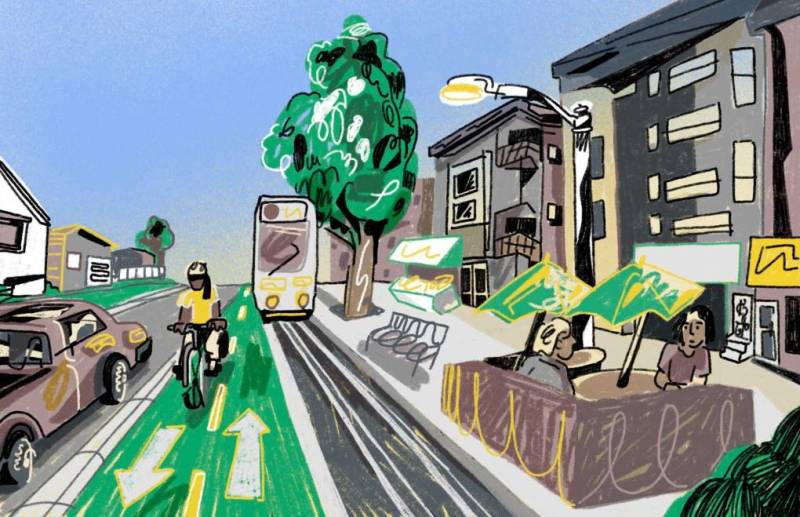
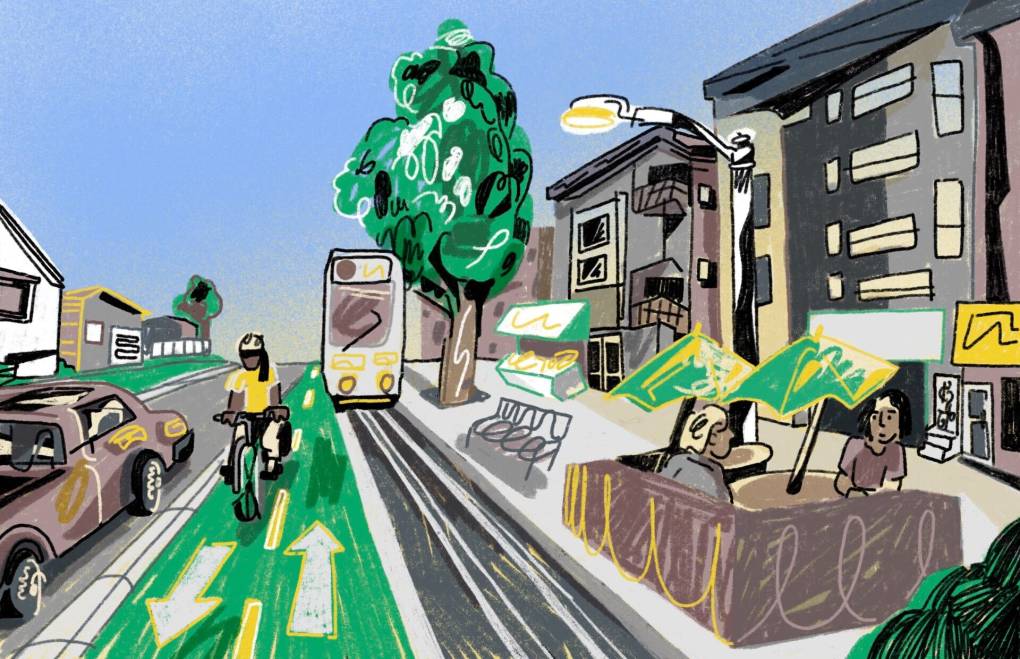
"altTag": "An illustration showing an idealized urban environment featuring apartments, a bike lane, light rail, big sidewalks and a roadway.",
"isLoading": false,
"fetchFailed": false
},
"news_11960227": {
"type": "attachments",
"id": "news_11960227",
"meta": {
"index": "attachments_1716263798",
"site": "news",
"id": "11960227",
"found": true
},
"parent": 0,
"imgSizes": {
"twentyfourteen-full-width": {
"file": "https://ww2.kqed.org/app/uploads/sites/10/2023/09/RS68665_230901-CentralValleyClimateSolutions-40-BL-KQED-1038x576.jpg",
"width": 1038,
"mimeType": "image/jpeg",
"height": 576
},
"thumbnail": {
"file": "https://ww2.kqed.org/app/uploads/sites/10/2023/09/RS68665_230901-CentralValleyClimateSolutions-40-BL-KQED-160x107.jpg",
"width": 160,
"mimeType": "image/jpeg",
"height": 107
},
"post-thumbnail": {
"file": "https://ww2.kqed.org/app/uploads/sites/10/2023/09/RS68665_230901-CentralValleyClimateSolutions-40-BL-KQED-672x372.jpg",
"width": 672,
"mimeType": "image/jpeg",
"height": 372
},
"kqedFullSize": {
"file": "https://ww2.kqed.org/app/uploads/sites/10/2023/09/RS68665_230901-CentralValleyClimateSolutions-40-BL-KQED.jpg",
"width": 2000,
"height": 1333
},
"large": {
"file": "https://ww2.kqed.org/app/uploads/sites/10/2023/09/RS68665_230901-CentralValleyClimateSolutions-40-BL-KQED-1020x680.jpg",
"width": 1020,
"mimeType": "image/jpeg",
"height": 680
},
"1536x1536": {
"file": "https://ww2.kqed.org/app/uploads/sites/10/2023/09/RS68665_230901-CentralValleyClimateSolutions-40-BL-KQED-1536x1024.jpg",
"width": 1536,
"mimeType": "image/jpeg",
"height": 1024
},
"full-width": {
"file": "https://ww2.kqed.org/app/uploads/sites/10/2023/09/RS68665_230901-CentralValleyClimateSolutions-40-BL-KQED-1920x1280.jpg",
"width": 1920,
"mimeType": "image/jpeg",
"height": 1280
},
"medium": {
"file": "https://ww2.kqed.org/app/uploads/sites/10/2023/09/RS68665_230901-CentralValleyClimateSolutions-40-BL-KQED-800x533.jpg",
"width": 800,
"mimeType": "image/jpeg",
"height": 533
}
},
"publishDate": 1694030988,
"modified": 1699570919,
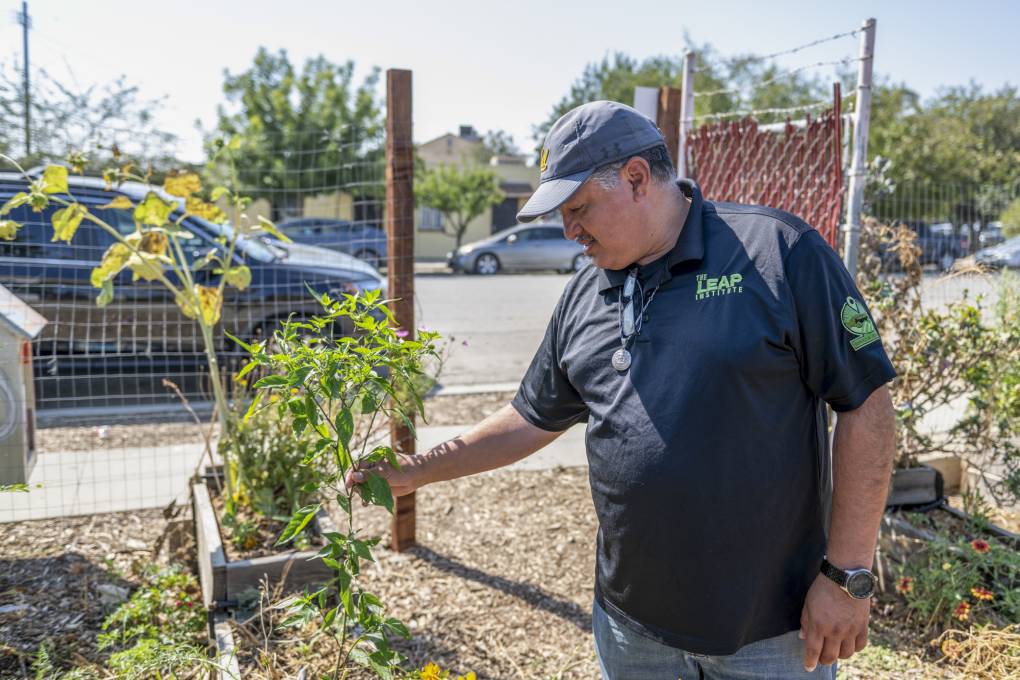
"caption": "Huron Mayor Rey León walks through a community garden and compost hub run by the Latino Equity Advocacy & Policy Institute offices, known as LEAP, in Huron, Calif., on Sept. 1, 2023.",
"description": null,
"title": "RS68665_230901-CentralValleyClimateSolutions-40-BL-KQED",
"credit": "Beth LaBerge/KQED",
"status": "inherit",
"altTag": "A person with a mustache wearing a baseball cap looks at a plant in a garden.",
"isLoading": false,
"fetchFailed": false
},
"news_11966934": {
"type": "attachments",
"id": "news_11966934",
"meta": {
"index": "attachments_1716263798",
"site": "news",
"id": "11966934",
"found": true
},
"parent": 11966931,
"imgSizes": {
"twentyfourteen-full-width": {
"file": "https://ww2.kqed.org/app/uploads/sites/10/2023/11/102321-ELECTRIC-AVE-LEDE-2-KQED-1020x680-3-1020x576.jpeg",
"width": 1020,
"mimeType": "image/jpeg",
"height": 576
},
"thumbnail": {
"file": "https://ww2.kqed.org/app/uploads/sites/10/2023/11/102321-ELECTRIC-AVE-LEDE-2-KQED-1020x680-3-160x107.jpeg",
"width": 160,
"mimeType": "image/jpeg",
"height": 107
},
"post-thumbnail": {
"file": "https://ww2.kqed.org/app/uploads/sites/10/2023/11/102321-ELECTRIC-AVE-LEDE-2-KQED-1020x680-3-672x372.jpeg",
"width": 672,
"mimeType": "image/jpeg",
"height": 372
},
"kqedFullSize": {
"file": "https://ww2.kqed.org/app/uploads/sites/10/2023/11/102321-ELECTRIC-AVE-LEDE-2-KQED-1020x680-3.jpeg",
"width": 1020,
"height": 680
},
"medium": {
"file": "https://ww2.kqed.org/app/uploads/sites/10/2023/11/102321-ELECTRIC-AVE-LEDE-2-KQED-1020x680-3-800x533.jpeg",
"width": 800,
"mimeType": "image/jpeg",
"height": 533
}
},
"publishDate": 1699566806,
"modified": 1699566852,
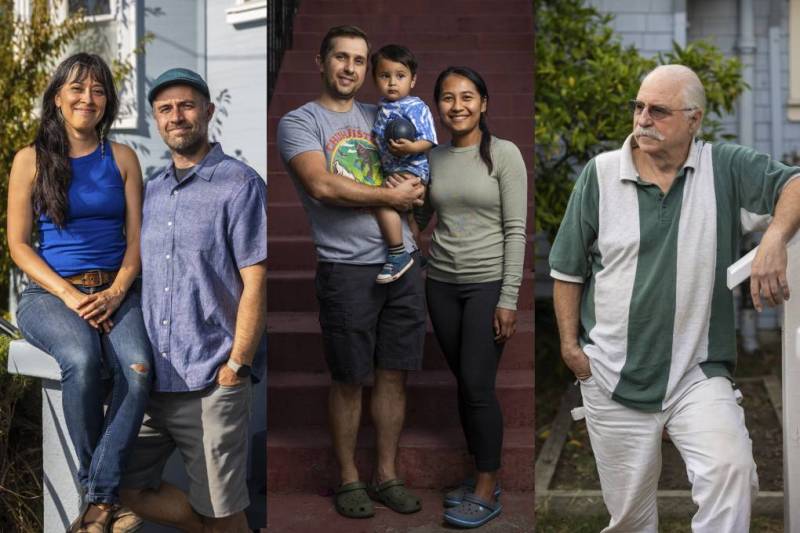
"caption": "(From left) Vivian Santana Pacheco, Isaac Zones, Ivan Sharamok, Gavin Sharamok (2), Jarinya Phansathin and Steven Johnson. ",
"description": null,
"title": "102321-ELECTRIC-AVE-LEDE-2-KQED-1020x680 (3)",
"credit": "Martin do Nascimento/KQED",
"status": "inherit",
"altTag": null,
"isLoading": false,
"fetchFailed": false
},
"news_11966347": {
"type": "attachments",
"id": "news_11966347",
"meta": {
"index": "attachments_1716263798",
"site": "news",
"id": "11966347",
"found": true
},
"parent": 11966342,
"imgSizes": {
"twentyfourteen-full-width": {
"file": "https://ww2.kqed.org/app/uploads/sites/10/2023/11/IMG_0477-1038x576.jpg",
"width": 1038,
"mimeType": "image/jpeg",
"height": 576
},
"thumbnail": {
"file": "https://ww2.kqed.org/app/uploads/sites/10/2023/11/IMG_0477-160x103.jpg",
"width": 160,
"mimeType": "image/jpeg",
"height": 103
},
"post-thumbnail": {
"file": "https://ww2.kqed.org/app/uploads/sites/10/2023/11/IMG_0477-672x372.jpg",
"width": 672,
"mimeType": "image/jpeg",
"height": 372
},
"kqedFullSize": {
"file": "https://ww2.kqed.org/app/uploads/sites/10/2023/11/IMG_0477.jpg",
"width": 1920,
"height": 1240
},
"large": {
"file": "https://ww2.kqed.org/app/uploads/sites/10/2023/11/IMG_0477-1020x659.jpg",
"width": 1020,
"mimeType": "image/jpeg",
"height": 659
},
"1536x1536": {
"file": "https://ww2.kqed.org/app/uploads/sites/10/2023/11/IMG_0477-1536x992.jpg",
"width": 1536,
"mimeType": "image/jpeg",
"height": 992
},
"medium": {
"file": "https://ww2.kqed.org/app/uploads/sites/10/2023/11/IMG_0477-800x517.jpg",
"width": 800,
"mimeType": "image/jpeg",
"height": 517
}
},
"publishDate": 1699045451,
"modified": 1699045474,
"caption": null,
"description": null,
"title": "IMG_0477",
"credit": "Anna Vignet/KQED",
"status": "inherit",
"altTag": null,
"isLoading": false,
"fetchFailed": false
},
"news_11965531": {
"type": "attachments",
"id": "news_11965531",
"meta": {
"index": "attachments_1716263798",
"site": "news",
"id": "11965531",
"found": true
},
"parent": 11965492,
"imgSizes": {
"twentyfourteen-full-width": {
"file": "https://ww2.kqed.org/app/uploads/sites/10/2023/10/GettyImages-1282775801-qut-1038x576.jpg",
"width": 1038,
"mimeType": "image/jpeg",
"height": 576
},
"thumbnail": {
"file": "https://ww2.kqed.org/app/uploads/sites/10/2023/10/GettyImages-1282775801-qut-160x107.jpg",
"width": 160,
"mimeType": "image/jpeg",
"height": 107
},
"post-thumbnail": {
"file": "https://ww2.kqed.org/app/uploads/sites/10/2023/10/GettyImages-1282775801-qut-672x372.jpg",
"width": 672,
"mimeType": "image/jpeg",
"height": 372
},
"kqedFullSize": {
"file": "https://ww2.kqed.org/app/uploads/sites/10/2023/10/GettyImages-1282775801-qut.jpg",
"width": 1920,
"height": 1280
},
"large": {
"file": "https://ww2.kqed.org/app/uploads/sites/10/2023/10/GettyImages-1282775801-qut-1020x680.jpg",
"width": 1020,
"mimeType": "image/jpeg",
"height": 680
},
"1536x1536": {
"file": "https://ww2.kqed.org/app/uploads/sites/10/2023/10/GettyImages-1282775801-qut-1536x1024.jpg",
"width": 1536,
"mimeType": "image/jpeg",
"height": 1024
},
"medium": {
"file": "https://ww2.kqed.org/app/uploads/sites/10/2023/10/GettyImages-1282775801-qut-800x533.jpg",
"width": 800,
"mimeType": "image/jpeg",
"height": 533
}
},
"publishDate": 1698252234,
"modified": 1698252614,
"caption": "The TransAmerica Pyramid peeks out behind wooden walls as workers construct two affordable housing developments in San Francisco in February, 2020. A new state report spells out 18 actions the city must take to streamline its approval process for new housing.",
"description": null,
"title": "Tall wooden walls under construction in the foreground with the towering pyramid of the TransAmerica Pyramid in the background",
"credit": "Jessica Christian/The San Francisco Chronicle via Getty Images",
"status": "inherit",
"altTag": null,
"isLoading": false,
"fetchFailed": false
},
"news_11965070": {
"type": "attachments",
"id": "news_11965070",
"meta": {
"index": "attachments_1716263798",
"site": "news",
"id": "11965070",
"found": true
},
"parent": 0,
"imgSizes": {
"twentyfourteen-full-width": {
"file": "https://ww2.kqed.org/app/uploads/sites/10/2023/10/231017-LakeMercedRVs-006-BL-KQED-1038x576.jpg",
"width": 1038,
"mimeType": "image/jpeg",
"height": 576
},
"thumbnail": {
"file": "https://ww2.kqed.org/app/uploads/sites/10/2023/10/231017-LakeMercedRVs-006-BL-KQED-160x107.jpg",
"width": 160,
"mimeType": "image/jpeg",
"height": 107
},
"post-thumbnail": {
"file": "https://ww2.kqed.org/app/uploads/sites/10/2023/10/231017-LakeMercedRVs-006-BL-KQED-672x372.jpg",
"width": 672,
"mimeType": "image/jpeg",
"height": 372
},
"kqedFullSize": {
"file": "https://ww2.kqed.org/app/uploads/sites/10/2023/10/231017-LakeMercedRVs-006-BL-KQED.jpg",
"width": 2000,
"height": 1333
},
"large": {
"file": "https://ww2.kqed.org/app/uploads/sites/10/2023/10/231017-LakeMercedRVs-006-BL-KQED-1020x680.jpg",
"width": 1020,
"mimeType": "image/jpeg",
"height": 680
},
"1536x1536": {
"file": "https://ww2.kqed.org/app/uploads/sites/10/2023/10/231017-LakeMercedRVs-006-BL-KQED-1536x1024.jpg",
"width": 1536,
"mimeType": "image/jpeg",
"height": 1024
},
"full-width": {
"file": "https://ww2.kqed.org/app/uploads/sites/10/2023/10/231017-LakeMercedRVs-006-BL-KQED-1920x1280.jpg",
"width": 1920,
"mimeType": "image/jpeg",
"height": 1280
},
"medium": {
"file": "https://ww2.kqed.org/app/uploads/sites/10/2023/10/231017-LakeMercedRVs-006-BL-KQED-800x533.jpg",
"width": 800,
"mimeType": "image/jpeg",
"height": 533
}
},
"publishDate": 1697758871,
"modified": 1698104035,
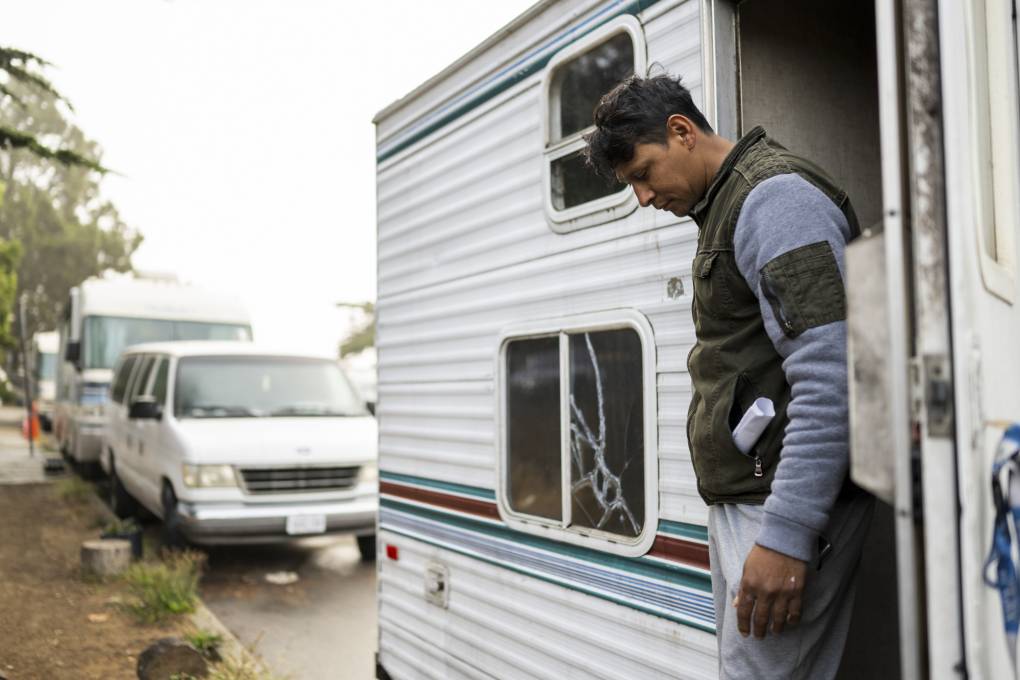
"caption": "Christian de Jesus Guevara Obando stands in the doorway of the RV where he resides on Winston Drive in San Francisco on Oct. 17, 2023. In December, the city plans to start imposing parking restrictions on this street where dozens of families park their RVs.",
"description": null,
"title": "231017-LakeMercedRVs-006-BL-KQED",
"credit": "Beth LaBerge/KQED",
"status": "inherit",
"altTag": "A person exits and RV parked on the side of a road.",
"isLoading": false,
"fetchFailed": false
},
"news_11954906": {
"type": "attachments",
"id": "news_11954906",
"meta": {
"index": "attachments_1716263798",
"site": "news",
"id": "11954906",
"found": true
},
"parent": 11970332,
"imgSizes": {
"twentyfourteen-full-width": {
"file": "https://cdn.kqed.org/wp-content/uploads/sites/10/2023/07/230701-FRESNO-UNHOUSED-HEAT-MHN-01-KQED-1038x576.jpg",
"width": 1038,
"mimeType": "image/jpeg",
"height": 576
},
"thumbnail": {
"file": "https://cdn.kqed.org/wp-content/uploads/sites/10/2023/07/230701-FRESNO-UNHOUSED-HEAT-MHN-01-KQED-160x107.jpg",
"width": 160,
"mimeType": "image/jpeg",
"height": 107
},
"post-thumbnail": {
"file": "https://cdn.kqed.org/wp-content/uploads/sites/10/2023/07/230701-FRESNO-UNHOUSED-HEAT-MHN-01-KQED-672x372.jpg",
"width": 672,
"mimeType": "image/jpeg",
"height": 372
},
"kqedFullSize": {
"file": "https://cdn.kqed.org/wp-content/uploads/sites/10/2023/07/230701-FRESNO-UNHOUSED-HEAT-MHN-01-KQED.jpg",
"width": 2000,
"height": 1333
},
"large": {
"file": "https://cdn.kqed.org/wp-content/uploads/sites/10/2023/07/230701-FRESNO-UNHOUSED-HEAT-MHN-01-KQED-1020x680.jpg",
"width": 1020,
"mimeType": "image/jpeg",
"height": 680
},
"1536x1536": {
"file": "https://cdn.kqed.org/wp-content/uploads/sites/10/2023/07/230701-FRESNO-UNHOUSED-HEAT-MHN-01-KQED-1536x1024.jpg",
"width": 1536,
"mimeType": "image/jpeg",
"height": 1024
},
"full-width": {
"file": "https://cdn.kqed.org/wp-content/uploads/sites/10/2023/07/230701-FRESNO-UNHOUSED-HEAT-MHN-01-KQED-1920x1280.jpg",
"width": 1920,
"mimeType": "image/jpeg",
"height": 1280
},
"medium": {
"file": "https://cdn.kqed.org/wp-content/uploads/sites/10/2023/07/230701-FRESNO-UNHOUSED-HEAT-MHN-01-KQED-800x533.jpg",
"width": 800,
"mimeType": "image/jpeg",
"height": 533
}
},
"publishDate": 1688399236,
"modified": 1702936552,
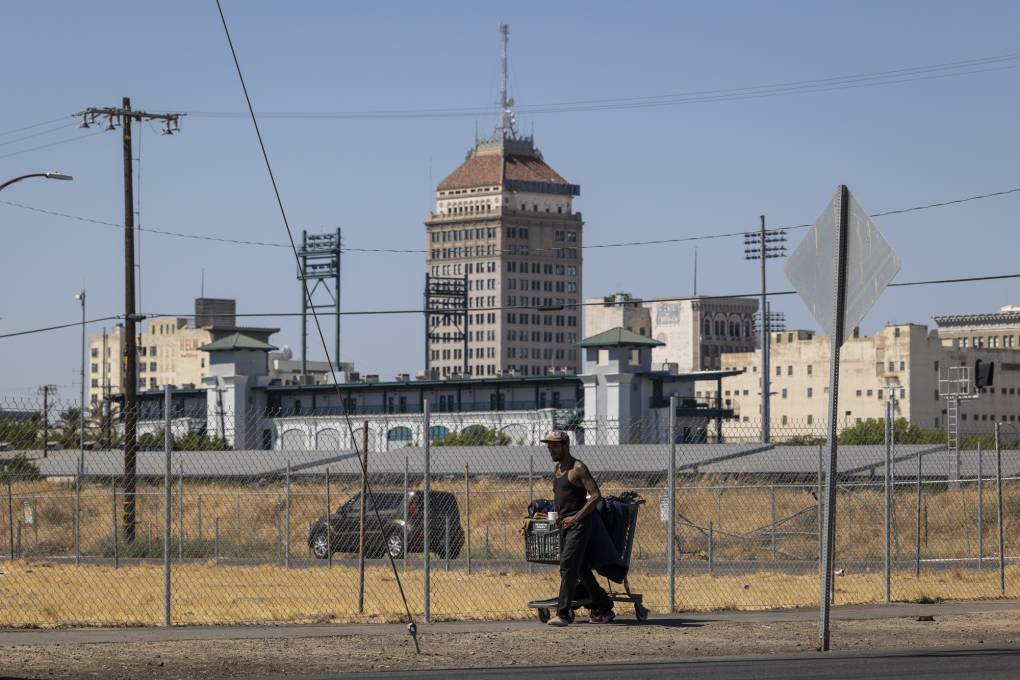
"caption": "A man pushes a cart near downtown Fresno on a 108-degree day. Officials estimate about 1,700 people are currently living on Fresno’s streets. ",
"description": null,
"title": "The Tower District in Fresno on July 1, 2023.",
"credit": "Martin do Nascimento/KQED",
"status": "inherit",
"altTag": "A man in a baseball cap pulls a shopping cart up a sidewalk.",
"isLoading": false,
"fetchFailed": false
},
"news_11963497": {
"type": "attachments",
"id": "news_11963497",
"meta": {
"index": "attachments_1716263798",
"site": "news",
"id": "11963497",
"found": true
},
"parent": 11963482,
"imgSizes": {
"twentyfourteen-full-width": {
"file": "https://ww2.kqed.org/app/uploads/sites/10/2023/10/GettyImages-1258550747-qut-1038x576.jpg",
"width": 1038,
"mimeType": "image/jpeg",
"height": 576
},
"thumbnail": {
"file": "https://ww2.kqed.org/app/uploads/sites/10/2023/10/GettyImages-1258550747-qut-160x107.jpg",
"width": 160,
"mimeType": "image/jpeg",
"height": 107
},
"post-thumbnail": {
"file": "https://ww2.kqed.org/app/uploads/sites/10/2023/10/GettyImages-1258550747-qut-672x372.jpg",
"width": 672,
"mimeType": "image/jpeg",
"height": 372
},
"kqedFullSize": {
"file": "https://ww2.kqed.org/app/uploads/sites/10/2023/10/GettyImages-1258550747-qut.jpg",
"width": 1920,
"height": 1280
},
"large": {
"file": "https://ww2.kqed.org/app/uploads/sites/10/2023/10/GettyImages-1258550747-qut-1020x680.jpg",
"width": 1020,
"mimeType": "image/jpeg",
"height": 680
},
"1536x1536": {
"file": "https://ww2.kqed.org/app/uploads/sites/10/2023/10/GettyImages-1258550747-qut-1536x1024.jpg",
"width": 1536,
"mimeType": "image/jpeg",
"height": 1024
},
"medium": {
"file": "https://ww2.kqed.org/app/uploads/sites/10/2023/10/GettyImages-1258550747-qut-800x533.jpg",
"width": 800,
"mimeType": "image/jpeg",
"height": 533
}
},
"publishDate": 1696464540,
"modified": 1696466201,
"caption": "A tent encampment is seen near City Hall in San Francisco on June 6, 2023.",
"description": null,
"title": "Homelessness in San Francisco",
"credit": "Tayfun Coskun/Anadolu Agency via Getty Images",
"status": "inherit",
"altTag": "A street scene, with cars, people, and tents on the sidewalk.",
"isLoading": false,
"fetchFailed": false
},
"news_11952219": {
"type": "attachments",
"id": "news_11952219",
"meta": {
"index": "attachments_1716263798",
"site": "news",
"id": "11952219",
"found": true
},
"parent": 0,
"imgSizes": {
"twentyfourteen-full-width": {
"file": "https://ww2.kqed.org/app/uploads/sites/10/2023/06/060523-COURT-JUDGE-GETTY-IK-KQED-1038x576.jpg",
"width": 1038,
"mimeType": "image/jpeg",
"height": 576
},
"thumbnail": {
"file": "https://ww2.kqed.org/app/uploads/sites/10/2023/06/060523-COURT-JUDGE-GETTY-IK-KQED-160x107.jpg",
"width": 160,
"mimeType": "image/jpeg",
"height": 107
},
"post-thumbnail": {
"file": "https://ww2.kqed.org/app/uploads/sites/10/2023/06/060523-COURT-JUDGE-GETTY-IK-KQED-672x372.jpg",
"width": 672,
"mimeType": "image/jpeg",
"height": 372
},
"kqedFullSize": {
"file": "https://ww2.kqed.org/app/uploads/sites/10/2023/06/060523-COURT-JUDGE-GETTY-IK-KQED.jpg",
"width": 1920,
"height": 1280
},
"large": {
"file": "https://ww2.kqed.org/app/uploads/sites/10/2023/06/060523-COURT-JUDGE-GETTY-IK-KQED-1020x680.jpg",
"width": 1020,
"mimeType": "image/jpeg",
"height": 680
},
"1536x1536": {
"file": "https://ww2.kqed.org/app/uploads/sites/10/2023/06/060523-COURT-JUDGE-GETTY-IK-KQED-1536x1024.jpg",
"width": 1536,
"mimeType": "image/jpeg",
"height": 1024
},
"medium": {
"file": "https://ww2.kqed.org/app/uploads/sites/10/2023/06/060523-COURT-JUDGE-GETTY-IK-KQED-800x533.jpg",
"width": 800,
"mimeType": "image/jpeg",
"height": 533
}
},
"publishDate": 1685996648,
"modified": 1696359688,
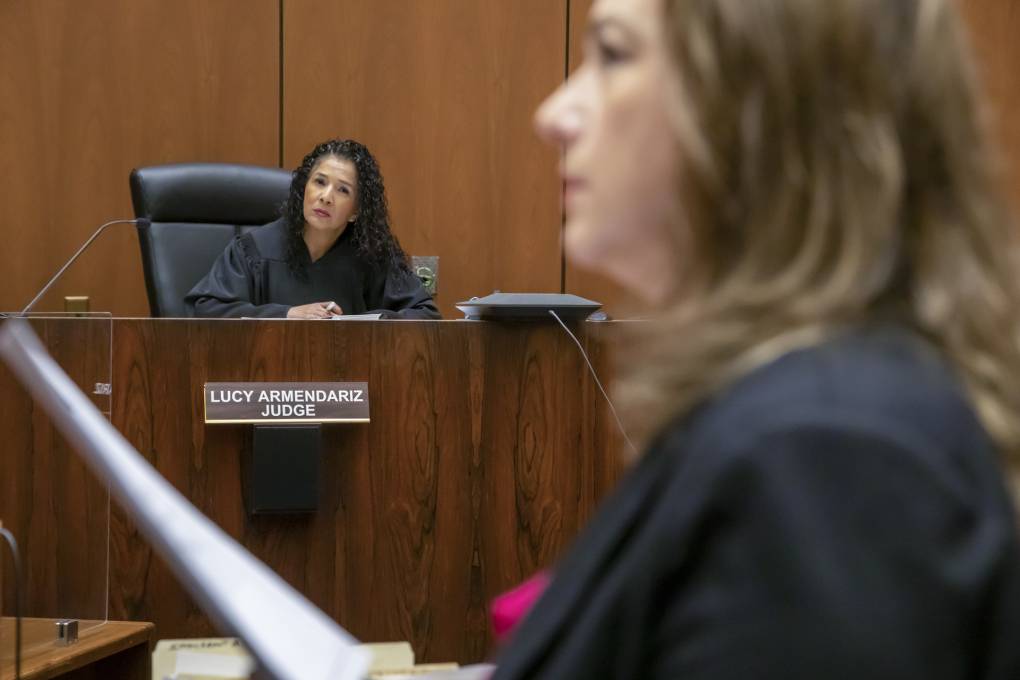
"caption": "A judge presides over a courtroom in Los Angeles on May 24, 2023. San Francisco is among 8 California counties this year, including Los Angeles, poised to implement CARE Courts, which allow first responders, family members, clinicians and others to ask a judge to order treatment plans for people diagnosed with schizophrenia and other psychotic disorders.",
"description": null,
"title": null,
"credit": "Irfan Khan/Los Angeles Times via Getty Images",
"status": "inherit",
"altTag": "A judge presides over a wood-paneled courtroom and looks at a defense attorney.",
"isLoading": false,
"fetchFailed": false
},
"news_11953203": {
"type": "attachments",
"id": "news_11953203",
"meta": {
"index": "attachments_1716263798",
"site": "news",
"id": "11953203",
"found": true
},
"parent": 0,
"imgSizes": {
"twentyfourteen-full-width": {
"file": "https://ww2.kqed.org/app/uploads/sites/10/2023/06/RS66358_230615-brooklyn-basin-239-ks.NEF-24-ks-KQED-1038x576.jpg",
"width": 1038,
"mimeType": "image/jpeg",
"height": 576
},
"thumbnail": {
"file": "https://ww2.kqed.org/app/uploads/sites/10/2023/06/RS66358_230615-brooklyn-basin-239-ks.NEF-24-ks-KQED-160x106.jpg",
"width": 160,
"mimeType": "image/jpeg",
"height": 106
},
"post-thumbnail": {
"file": "https://ww2.kqed.org/app/uploads/sites/10/2023/06/RS66358_230615-brooklyn-basin-239-ks.NEF-24-ks-KQED-672x372.jpg",
"width": 672,
"mimeType": "image/jpeg",
"height": 372
},
"kqedFullSize": {
"file": "https://ww2.kqed.org/app/uploads/sites/10/2023/06/RS66358_230615-brooklyn-basin-239-ks.NEF-24-ks-KQED.jpg",
"width": 2000,
"height": 1331
},
"large": {
"file": "https://ww2.kqed.org/app/uploads/sites/10/2023/06/RS66358_230615-brooklyn-basin-239-ks.NEF-24-ks-KQED-1020x679.jpg",
"width": 1020,
"mimeType": "image/jpeg",
"height": 679
},
"1536x1536": {
"file": "https://ww2.kqed.org/app/uploads/sites/10/2023/06/RS66358_230615-brooklyn-basin-239-ks.NEF-24-ks-KQED-1536x1022.jpg",
"width": 1536,
"mimeType": "image/jpeg",
"height": 1022
},
"full-width": {
"file": "https://ww2.kqed.org/app/uploads/sites/10/2023/06/RS66358_230615-brooklyn-basin-239-ks.NEF-24-ks-KQED-1920x1278.jpg",
"width": 1920,
"mimeType": "image/jpeg",
"height": 1278
},
"medium": {
"file": "https://ww2.kqed.org/app/uploads/sites/10/2023/06/RS66358_230615-brooklyn-basin-239-ks.NEF-24-ks-KQED-800x532.jpg",
"width": 800,
"mimeType": "image/jpeg",
"height": 532
}
},
"publishDate": 1686941533,
"modified": 1695675168,
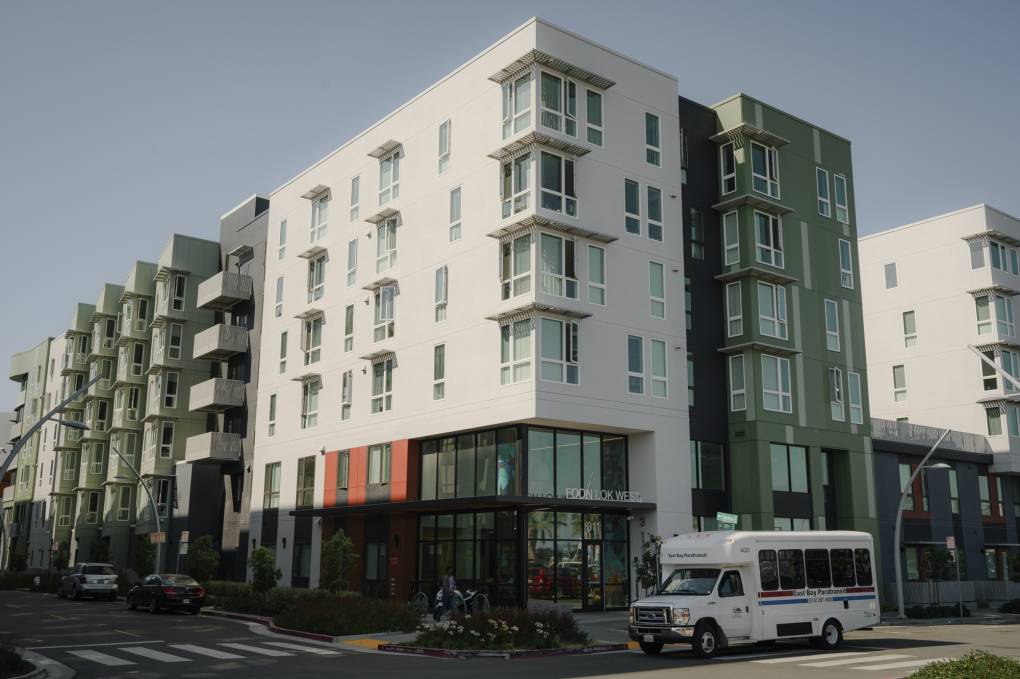
"caption": "The Foon Lok West affordable housing complex is part of the new Brooklyn Basin housing project of Oakland. Brooklyn Basin has added over 1,000 homes to the new neighborhood along the city’s waterfront and plans to add 2,000 more.",
"description": null,
"title": "affordable-housing",
"credit": "Kori Suzuki/KQED",
"status": "inherit",
"altTag": "The facade of a multistory green and white residential building seen from across the street. A white shuttle bus is parked in front.",
"isLoading": false,
"fetchFailed": false
},
"news_11962415": {
"type": "attachments",
"id": "news_11962415",
"meta": {
"index": "attachments_1716263798",
"site": "news",
"id": "11962415",
"found": true
},
"title": "Homelessness and drug situations in San Francisco",
"publishDate": 1695680058,
"status": "inherit",
"parent": 12058779,
"modified": 1759868528,
"caption": "A homeless encampment on a sidewalk in San Francisco on Sept. 2, 2023.",
"credit": "Tayfun Coskun/Anadolu Agency via Getty Images",
"altTag": "A series of tents lined up along a city sidewalk.",
"description": null,
"imgSizes": {
"medium": {
"file": "https://cdn.kqed.org/wp-content/uploads/sites/10/2023/09/230925-ENCAMPMENT-SAN-FRANCISCO-GETTY-KQED-800x533.jpg",
"width": 800,
"height": 533,
"mimeType": "image/jpeg"
},
"large": {
"file": "https://cdn.kqed.org/wp-content/uploads/sites/10/2023/09/230925-ENCAMPMENT-SAN-FRANCISCO-GETTY-KQED-1020x680.jpg",
"width": 1020,
"height": 680,
"mimeType": "image/jpeg"
},
"thumbnail": {
"file": "https://cdn.kqed.org/wp-content/uploads/sites/10/2023/09/230925-ENCAMPMENT-SAN-FRANCISCO-GETTY-KQED-160x107.jpg",
"width": 160,
"height": 107,
"mimeType": "image/jpeg"
},
"1536x1536": {
"file": "https://cdn.kqed.org/wp-content/uploads/sites/10/2023/09/230925-ENCAMPMENT-SAN-FRANCISCO-GETTY-KQED-1536x1024.jpg",
"width": 1536,
"height": 1024,
"mimeType": "image/jpeg"
},
"post-thumbnail": {
"file": "https://cdn.kqed.org/wp-content/uploads/sites/10/2023/09/230925-ENCAMPMENT-SAN-FRANCISCO-GETTY-KQED-672x372.jpg",
"width": 672,
"height": 372,
"mimeType": "image/jpeg"
},
"twentyfourteen-full-width": {
"file": "https://cdn.kqed.org/wp-content/uploads/sites/10/2023/09/230925-ENCAMPMENT-SAN-FRANCISCO-GETTY-KQED-1038x576.jpg",
"width": 1038,
"height": 576,
"mimeType": "image/jpeg"
},
"full-width": {
"file": "https://cdn.kqed.org/wp-content/uploads/sites/10/2023/09/230925-ENCAMPMENT-SAN-FRANCISCO-GETTY-KQED-1920x1280.jpg",
"width": 1920,
"height": 1280,
"mimeType": "image/jpeg"
},
"kqedFullSize": {
"file": "https://cdn.kqed.org/wp-content/uploads/sites/10/2023/09/230925-ENCAMPMENT-SAN-FRANCISCO-GETTY-KQED.jpg",
"width": 2000,
"height": 1333
}
},
"isLoading": false,
"fetchFailed": false
},
"news_11961827": {
"type": "attachments",
"id": "news_11961827",
"meta": {
"index": "attachments_1716263798",
"site": "news",
"id": "11961827",
"found": true
},
"parent": 11961820,
"imgSizes": {
"twentyfourteen-full-width": {
"file": "https://ww2.kqed.org/app/uploads/sites/10/2023/09/009_KQED_Oakland_CoronavirusHomelessRelief_03252020_0028-qut-1038x576.jpg",
"width": 1038,
"mimeType": "image/jpeg",
"height": 576
},
"thumbnail": {
"file": "https://ww2.kqed.org/app/uploads/sites/10/2023/09/009_KQED_Oakland_CoronavirusHomelessRelief_03252020_0028-qut-160x107.jpg",
"width": 160,
"mimeType": "image/jpeg",
"height": 107
},
"post-thumbnail": {
"file": "https://ww2.kqed.org/app/uploads/sites/10/2023/09/009_KQED_Oakland_CoronavirusHomelessRelief_03252020_0028-qut-672x372.jpg",
"width": 672,
"mimeType": "image/jpeg",
"height": 372
},
"kqedFullSize": {
"file": "https://ww2.kqed.org/app/uploads/sites/10/2023/09/009_KQED_Oakland_CoronavirusHomelessRelief_03252020_0028-qut.jpg",
"width": 1920,
"height": 1280
},
"large": {
"file": "https://ww2.kqed.org/app/uploads/sites/10/2023/09/009_KQED_Oakland_CoronavirusHomelessRelief_03252020_0028-qut-1020x680.jpg",
"width": 1020,
"mimeType": "image/jpeg",
"height": 680
},
"1536x1536": {
"file": "https://ww2.kqed.org/app/uploads/sites/10/2023/09/009_KQED_Oakland_CoronavirusHomelessRelief_03252020_0028-qut-1536x1024.jpg",
"width": 1536,
"mimeType": "image/jpeg",
"height": 1024
},
"medium": {
"file": "https://ww2.kqed.org/app/uploads/sites/10/2023/09/009_KQED_Oakland_CoronavirusHomelessRelief_03252020_0028-qut-800x533.jpg",
"width": 800,
"mimeType": "image/jpeg",
"height": 533
}
},
"publishDate": 1695167983,
"modified": 1695169444,
"caption": "Encampments and motor homes near 24th Street in West Oakland.",
"description": null,
"title": "009_KQED_Oakland_CoronavirusHomelessRelief_03252020_0028-qut",
"credit": "Beth LaBerge/KQED",
"status": "inherit",
"altTag": "a row of tents and wood boards up against motor homes under a freeway overpass",
"isLoading": false,
"fetchFailed": false
}
},
"audioPlayerReducer": {
"postId": "stream_live",
"isPaused": true,
"isPlaying": false,
"pfsActive": false,
"pledgeModalIsOpen": true,
"playerDrawerIsOpen": false,
"liveAudioPlayStartedAt": 0,
"liveAudioPlayContext": ""
},
"authorsReducer": {
"byline_news_11963122": {
"type": "authors",
"id": "byline_news_11963122",
"meta": {
"override": true
},
"slug": "byline_news_11963122",
"name": "Janie Har\u003cbr>The Associated Press",
"isLoading": false
},
"ohubertallen": {
"type": "authors",
"id": "102",
"meta": {
"index": "authors_1716337520",
"id": "102",
"found": true
},
"name": "Olivia Allen-Price",
"firstName": "Olivia",
"lastName": "Allen-Price",
"slug": "ohubertallen",
"email": "oallenprice@kqed.org",
"display_author_email": false,
"staff_mastheads": [
"news"
],
"title": "Senior Editor",
"bio": "Olivia Allen-Price is senior editor and host of the award-winning Bay Curious podcast. Prior to joining KQED in 2013, Olivia worked at The Baltimore Sun and The Virginian-Pilot in Norfolk, Va. She holds degrees in journalism and political science from Elon University. Her work has earned awards from the Society of Professional Journalists, the Hearst Foundation and Hearken. She loves to talk about running and curly hair.\r\n\r\nFollow: \u003ca href=\"https://twitter.com/oallenprice\">@oallenprice\u003c/a>\r\nEmail: \u003ca href=\"mailto:oallenprice@kqed.org\">oallenprice@kqed.org\u003c/a>",
"avatar": "https://secure.gravatar.com/avatar/07f7803c1f6be56f3be58ef276dfa64dce898502e0554408ef4858451a8294f7?s=600&d=blank&r=g",
"twitter": "oallenprice",
"bluesky": null,
"facebook": null,
"instagram": null,
"linkedin": null,
"sites": [
{
"site": "",
"roles": [
"editor"
]
},
{
"site": "arts",
"roles": [
"subscriber"
]
},
{
"site": "news",
"roles": [
"administrator"
]
},
{
"site": "pop",
"roles": [
"administrator"
]
},
{
"site": "bayareabites",
"roles": [
"contributor"
]
},
{
"site": "stateofhealth",
"roles": [
"administrator"
]
},
{
"site": "science",
"roles": [
"editor"
]
}
],
"headData": {
"title": "Olivia Allen-Price | KQED",
"description": "Senior Editor",
"ogImgSrc": "https://secure.gravatar.com/avatar/07f7803c1f6be56f3be58ef276dfa64dce898502e0554408ef4858451a8294f7?s=600&d=blank&r=g",
"twImgSrc": "https://secure.gravatar.com/avatar/07f7803c1f6be56f3be58ef276dfa64dce898502e0554408ef4858451a8294f7?s=600&d=blank&r=g"
},
"isLoading": false,
"link": "/author/ohubertallen"
},
"tychehendricks": {
"type": "authors",
"id": "259",
"meta": {
"index": "authors_1716337520",
"id": "259",
"found": true
},
"name": "Tyche Hendricks",
"firstName": "Tyche",
"lastName": "Hendricks",
"slug": "tychehendricks",
"email": "thendricks@kqed.org",
"display_author_email": true,
"staff_mastheads": [
"news"
],
"title": "KQED Senior Editor, Immigration",
"bio": "\u003cspan style=\"font-weight: 400;\">Tyche Hendricks is KQED’s senior editor for immigration, leading coverage of the policy and politics that affect California’s immigrant communities. Her work for KQED’s radio and online audiences is also carried on NPR and other national outlets. She has been recognized with awards from the Radio and Television News Directors Association, the Society for Professional Journalists; the Education Writers Association; the Best of the West and the National Federation of Community Broadcasters. Before joining KQED in 2010, Tyche spent more than a dozen years as a newspaper reporter, notably at the \u003c/span>\u003ci>\u003cspan style=\"font-weight: 400;\">San Francisco Chronicle\u003c/span>\u003c/i>\u003cspan style=\"font-weight: 400;\">. At different times she has covered criminal justice, government and politics and urban planning. Tyche has taught in the MFA Creative Writing program at the University of San Francisco and at UC Berkeley’s Graduate School of Journalism, where she was co-director of a national immigration symposium for professional journalists. She is the author of \u003c/span>\u003ci>\u003cspan style=\"font-weight: 400;\">The Wind Doesn't Need a Passport: Stories from the U.S.-Mexico Borderlands\u003c/span>\u003c/i>\u003cspan style=\"font-weight: 400;\"> (University of California Press). \u003c/span>",
"avatar": "https://secure.gravatar.com/avatar/b8ee458e2731c2d43df86882ce17267e?s=600&d=blank&r=g",
"twitter": "tychehendricks",
"facebook": null,
"instagram": null,
"linkedin": null,
"sites": [
{
"site": "news",
"roles": [
"editor"
]
},
{
"site": "stateofhealth",
"roles": [
"editor"
]
}
],
"headData": {
"title": "Tyche Hendricks | KQED",
"description": "KQED Senior Editor, Immigration",
"ogImgSrc": "https://secure.gravatar.com/avatar/b8ee458e2731c2d43df86882ce17267e?s=600&d=blank&r=g",
"twImgSrc": "https://secure.gravatar.com/avatar/b8ee458e2731c2d43df86882ce17267e?s=600&d=blank&r=g"
},
"isLoading": false,
"link": "/author/tychehendricks"
},
"mlagos": {
"type": "authors",
"id": "3239",
"meta": {
"index": "authors_1716337520",
"id": "3239",
"found": true
},
"name": "Marisa Lagos",
"firstName": "Marisa",
"lastName": "Lagos",
"slug": "mlagos",
"email": "mlagos@kqed.org",
"display_author_email": false,
"staff_mastheads": [
"news"
],
"title": "KQED Contributor",
"bio": "Marisa Lagos is a correspondent for KQED’s California Politics and Government Desk and co-hosts the award-winning show and podcast, Political Breakdown. At KQED, Lagos also conducts reporting, analysis and investigations into state, local and national politics for radio, TV, online and onstage. In 2022, she and co-host, Scott Shafer, moderated the only gubernatorial debate in California. In 2020, the \u003ci>Washington Post\u003c/i> named her one of the top political journalists in California; she was nominated for a Peabody and won several other awards for her work investigating the 2017 California wildfires. She has worked at the \u003ci>San Francisco Chronicle\u003c/i>, \u003ci>San Francisco Examiner\u003c/i> and \u003ci>Los Angeles Times\u003c/i>. A UC Santa Barbara graduate, she lives in San Francisco with her two sons and husband.",
"avatar": "https://secure.gravatar.com/avatar/a261a0d3696fc066871ef96b85b5e7d2?s=600&d=blank&r=g",
"twitter": "@mlagos",
"facebook": null,
"instagram": null,
"linkedin": null,
"sites": [
{
"site": "arts",
"roles": [
"author"
]
},
{
"site": "news",
"roles": [
"editor"
]
},
{
"site": "science",
"roles": [
"editor"
]
},
{
"site": "forum",
"roles": [
"author"
]
},
{
"site": "liveblog",
"roles": [
"author"
]
}
],
"headData": {
"title": "Marisa Lagos | KQED",
"description": "KQED Contributor",
"ogImgSrc": "https://secure.gravatar.com/avatar/a261a0d3696fc066871ef96b85b5e7d2?s=600&d=blank&r=g",
"twImgSrc": "https://secure.gravatar.com/avatar/a261a0d3696fc066871ef96b85b5e7d2?s=600&d=blank&r=g"
},
"isLoading": false,
"link": "/author/mlagos"
},
"lklivans": {
"type": "authors",
"id": "8648",
"meta": {
"index": "authors_1716337520",
"id": "8648",
"found": true
},
"name": "Laura Klivans",
"firstName": "Laura",
"lastName": "Klivans",
"slug": "lklivans",
"email": "lklivans@kqed.org",
"display_author_email": true,
"staff_mastheads": [
"news",
"science"
],
"title": "Reporter",
"bio": "Laura Klivans is an award-winning science reporter for KQED News, where she covers climate change with an eye on both groundbreaking progress and gaps in action. She is the former host of KQED's blockbuster video series about tiny, amazing animals, \u003cem>Deep Look\u003c/em>. Her work reaches national audiences through NPR, \u003cem>Here & Now, \u003c/em>PRI, and other major outlets. \r\n\r\nLaura’s won five Northern California Area Emmy Awards for Deep Look and First Place in the Greater Bay Area Journalism Awards for a podcast exploring how one Oakland neighborhood teamed up to reduce planet-heating pollution.\r\n\r\nBeyond her reporting, she hosts and moderates events. In the past, she taught audio storytelling at the UC Berkeley Graduate School of Journalism, led international education programs, worked with immigrants and refugees along the Thai-Burmese border, taught high schoolers sex ed, and was an actress. \r\n\r\nShe's a former UC Berkeley Human Rights Fellow, USC Center for Health Journalism's California Fellow and Coro Fellow in Public Affairs. Laura has a master’s in journalism from UC Berkeley, a master’s in education from Harvard, and an undergraduate degree from Northwestern University.\r\n\r\nShe loves trying to riddle the meaning out of vanity license plates.",
"avatar": "https://secure.gravatar.com/avatar/2d2ecd1550a494cc10ad4a503406965585902124739e775a9b3817eebf1d88be?s=600&d=blank&r=g",
"twitter": "lauraklivans",
"bluesky": null,
"facebook": null,
"instagram": null,
"linkedin": null,
"sites": [
{
"site": "news",
"roles": [
"editor"
]
},
{
"site": "stateofhealth",
"roles": [
"contributor",
"editor"
]
},
{
"site": "science",
"roles": [
"editor"
]
},
{
"site": "forum",
"roles": [
"editor"
]
}
],
"headData": {
"title": "Laura Klivans | KQED",
"description": "Reporter",
"ogImgSrc": "https://secure.gravatar.com/avatar/2d2ecd1550a494cc10ad4a503406965585902124739e775a9b3817eebf1d88be?s=600&d=blank&r=g",
"twImgSrc": "https://secure.gravatar.com/avatar/2d2ecd1550a494cc10ad4a503406965585902124739e775a9b3817eebf1d88be?s=600&d=blank&r=g"
},
"isLoading": false,
"link": "/author/lklivans"
},
"ecruzguevarra": {
"type": "authors",
"id": "8654",
"meta": {
"index": "authors_1716337520",
"id": "8654",
"found": true
},
"name": "Ericka Cruz Guevarra",
"firstName": "Ericka",
"lastName": "Cruz Guevarra",
"slug": "ecruzguevarra",
"email": "ecruzguevarra@kqed.org",
"display_author_email": true,
"staff_mastheads": [
"news"
],
"title": "Producer, The Bay Podcast",
"bio": "Ericka Cruz Guevarra is host of \u003ca href=\"https://www.kqed.org/podcasts/thebay\">\u003cem>The Bay\u003c/em>\u003c/a> podcast at KQED. Before host, she was the show’s producer. Her work in that capacity includes a three-part reported series on policing in Vallejo, which won a 2020 excellence in journalism award from the Society of Professional Journalists. Ericka has worked as a breaking news reporter at Oregon Public Broadcasting, helped produce the Code Switch podcast, and was KQED’s inaugural Raul Ramirez Diversity Fund intern. She’s also an alumna of NPR’s Next Generation Radio program. Send her an email if you have strong feelings about whether Fairfield and Suisun City are the Bay. Ericka is represented by SAG-AFTRA.",
"avatar": "https://secure.gravatar.com/avatar/accefc1de4bafc7e234b69bcb9b6f6536c130fd84709bc3069ef11a78787e1bb?s=600&d=blank&r=g",
"twitter": "NotoriousECG",
"bluesky": null,
"facebook": null,
"instagram": null,
"linkedin": null,
"sites": [
{
"site": "arts",
"roles": [
"subscriber"
]
},
{
"site": "news",
"roles": [
"editor",
"manage_categories"
]
},
{
"site": "futureofyou",
"roles": [
"subscriber"
]
},
{
"site": "stateofhealth",
"roles": [
"subscriber"
]
},
{
"site": "science",
"roles": [
"editor"
]
},
{
"site": "forum",
"roles": [
"subscriber"
]
}
],
"headData": {
"title": "Ericka Cruz Guevarra | KQED",
"description": "Producer, The Bay Podcast",
"ogImgSrc": "https://secure.gravatar.com/avatar/accefc1de4bafc7e234b69bcb9b6f6536c130fd84709bc3069ef11a78787e1bb?s=600&d=blank&r=g",
"twImgSrc": "https://secure.gravatar.com/avatar/accefc1de4bafc7e234b69bcb9b6f6536c130fd84709bc3069ef11a78787e1bb?s=600&d=blank&r=g"
},
"isLoading": false,
"link": "/author/ecruzguevarra"
},
"vrancano": {
"type": "authors",
"id": "11276",
"meta": {
"index": "authors_1716337520",
"id": "11276",
"found": true
},
"name": "Vanessa Rancaño",
"firstName": "Vanessa",
"lastName": "Rancaño",
"slug": "vrancano",
"email": "vrancano@kqed.org",
"display_author_email": false,
"staff_mastheads": [
"news"
],
"title": "Reporter",
"bio": "Vanessa Rancaño is a features reporter for KQED. She’s also covered homelessness and education for the station and reported from the Central Valley. Her work has aired across public radio, from flagship national news shows to longform narrative podcasts. Before taking up a mic, she worked as a freelance print journalist. She’s been recognized with a number of national and regional awards. Vanessa grew up in California's Central Valley. She's a former NPR Kroc Fellow, and a graduate of the UC Berkeley Graduate School of Journalism.",
"avatar": "https://secure.gravatar.com/avatar/b3a383dfb0e7ee1c17568f2cf067904ab654d6e3de9743fc661f3c788ade1bed?s=600&d=blank&r=g",
"twitter": "vanessarancano",
"bluesky": null,
"facebook": null,
"instagram": null,
"linkedin": null,
"sites": [
{
"site": "arts",
"roles": [
"editor"
]
},
{
"site": "news",
"roles": [
"editor"
]
},
{
"site": "liveblog",
"roles": [
"contributor"
]
}
],
"headData": {
"title": "Vanessa Rancaño | KQED",
"description": "Reporter",
"ogImgSrc": "https://secure.gravatar.com/avatar/b3a383dfb0e7ee1c17568f2cf067904ab654d6e3de9743fc661f3c788ade1bed?s=600&d=blank&r=g",
"twImgSrc": "https://secure.gravatar.com/avatar/b3a383dfb0e7ee1c17568f2cf067904ab654d6e3de9743fc661f3c788ade1bed?s=600&d=blank&r=g"
},
"isLoading": false,
"link": "/author/vrancano"
},
"btorres": {
"type": "authors",
"id": "11666",
"meta": {
"index": "authors_1716337520",
"id": "11666",
"found": true
},
"name": "Blanca Torres",
"firstName": "Blanca",
"lastName": "Torres",
"slug": "btorres",
"email": "btorres@kqed.org",
"display_author_email": true,
"staff_mastheads": [
"news"
],
"title": "Producer, Forum",
"bio": "Blanca Torres brings sharp news judgement and keen sense of lively conversation to her work as producer for Forum. She loves producing shows that leave listeners feeling like they heard distinctive voices, learned something new and gained a fresh perspective.\r\n\r\nShe joined KQED in January of 2020 after 16 years of working as a newspaper reporter most recently at the \u003cem>San Francisco Business Times,\u003c/em> where she wrote about real estate and economic development. Before that, she covered a variety of beats including crime, education, retail, workplace, the economy, consumer issues, and small business for the \u003cem>Contra Costa Times, Baltimore Sun\u003c/em> and\u003cem> The Seattle Times\u003c/em>. In addition to reporting, she worked as an editorial writer and columnist for the \u003cem>Seattle Times\u003c/em>. From 2017 to 2020, Blanca won a total of ten awards from the National Association of Real Estate Editors and won first place for land use reporting from the California News Publishers Association two years in a row. She is also a member and former board member for the National Association of Hispanic Journalists.\r\n\r\nA native of the Pacific Northwest, Blanca earned her bachelor's degree from Vanderbilt University in Nashville and a master's in fine arts in creative writing at Mills College. She lives in the East Bay with her family.",
"avatar": "https://secure.gravatar.com/avatar/50b49d19b14a1eed34f26ebf4681152cdd81574ed21851100871ccd29e578cdc?s=600&d=blank&r=g",
"twitter": "@blancawrites",
"bluesky": null,
"facebook": null,
"instagram": null,
"linkedin": null,
"sites": [
{
"site": "arts",
"roles": [
"editor"
]
},
{
"site": "news",
"roles": [
"editor"
]
},
{
"site": "forum",
"roles": [
"editor"
]
}
],
"headData": {
"title": "Blanca Torres | KQED",
"description": "Producer, Forum",
"ogImgSrc": "https://secure.gravatar.com/avatar/50b49d19b14a1eed34f26ebf4681152cdd81574ed21851100871ccd29e578cdc?s=600&d=blank&r=g",
"twImgSrc": "https://secure.gravatar.com/avatar/50b49d19b14a1eed34f26ebf4681152cdd81574ed21851100871ccd29e578cdc?s=600&d=blank&r=g"
},
"isLoading": false,
"link": "/author/btorres"
},
"abandlamudi": {
"type": "authors",
"id": "11672",
"meta": {
"index": "authors_1716337520",
"id": "11672",
"found": true
},
"name": "Adhiti Bandlamudi",
"firstName": "Adhiti",
"lastName": "Bandlamudi",
"slug": "abandlamudi",
"email": "abandlamudi@kqed.org",
"display_author_email": false,
"staff_mastheads": [
"news"
],
"title": "KQED Housing Reporter",
"bio": "Adhiti Bandlamudi reports for KQED's Housing desk. She focuses on how housing gets built across the Bay Area. Before joining KQED in 2020, she reported for WUNC in Durham, North Carolina, WABE in Atlanta, Georgia and Capital Public Radio in Sacramento. In 2017, she was awarded a Kroc Fellowship at NPR where she reported on everything from sprinkles to the Golden State Killer's arrest. When she's not reporting, she's baking new recipes in her kitchen or watching movies with friends and family. She's originally from Georgia and has strong opinions about Great British Bake Off.",
"avatar": "https://secure.gravatar.com/avatar/868129c8b257bb99a3500e2c86a65400?s=600&d=mm&r=g",
"twitter": "oddity_adhiti",
"facebook": null,
"instagram": null,
"linkedin": null,
"sites": [
{
"site": "arts",
"roles": [
"author"
]
},
{
"site": "news",
"roles": [
"editor"
]
},
{
"site": "liveblog",
"roles": [
"author"
]
}
],
"headData": {
"title": "Adhiti Bandlamudi | KQED",
"description": "KQED Housing Reporter",
"ogImgSrc": "https://secure.gravatar.com/avatar/868129c8b257bb99a3500e2c86a65400?s=600&d=mm&r=g",
"twImgSrc": "https://secure.gravatar.com/avatar/868129c8b257bb99a3500e2c86a65400?s=600&d=mm&r=g"
},
"isLoading": false,
"link": "/author/abandlamudi"
},
"sjohnson": {
"type": "authors",
"id": "11840",
"meta": {
"index": "authors_1716337520",
"id": "11840",
"found": true
},
"name": "Sydney Johnson",
"firstName": "Sydney",
"lastName": "Johnson",
"slug": "sjohnson",
"email": "sjohnson@kqed.org",
"display_author_email": false,
"staff_mastheads": [
"news"
],
"title": "KQED Reporter",
"bio": "Sydney Johnson is a general assignment reporter at KQED. She previously reported on public health and city government at the San Francisco Examiner, and before that, she covered statewide education policy for EdSource. Her reporting has won multiple local, state and national awards. Sydney is a graduate of the University of California, Berkeley and lives in San Francisco.",
"avatar": "https://secure.gravatar.com/avatar/97855f2719b72ad6190b7c535fe642c8?s=600&d=blank&r=g",
"twitter": "sydneyfjohnson",
"facebook": null,
"instagram": null,
"linkedin": null,
"sites": [
{
"site": "news",
"roles": [
"editor"
]
}
],
"headData": {
"title": "Sydney Johnson | KQED",
"description": "KQED Reporter",
"ogImgSrc": "https://secure.gravatar.com/avatar/97855f2719b72ad6190b7c535fe642c8?s=600&d=blank&r=g",
"twImgSrc": "https://secure.gravatar.com/avatar/97855f2719b72ad6190b7c535fe642c8?s=600&d=blank&r=g"
},
"isLoading": false,
"link": "/author/sjohnson"
}
},
"pagesReducer": {
"news_tag_housing": {
"type": "terms",
"id": "news_1775",
"meta": {
"index": "terms_1716263798",
"site": "news",
"id": "1775",
"score": 7.0362196
},
"featImg": null,
"name": "housing",
"description": null,
"taxonomy": "tag",
"headData": {
"twImgId": null,
"twTitle": null,
"ogTitle": null,
"ogImgId": null,
"twDescription": null,
"description": null,
"title": "housing Archives | KQED News",
"ogDescription": null
},
"ttid": 1790,
"slug": "housing",
"isLoading": false,
"title": "housing",
"pageMeta": {
"site": "news",
"WpPageTemplate": "page-topic-editorial",
"currentPage": 44
},
"blocks": [
{
"blockName": "kqed/post-list",
"attrs": {
"layout": "cardArticle2",
"query": "posts/news?tag=housing",
"seeMore": false,
"paginated": true,
"page": 44
}
},
{
"blockName": "kqed/ad"
}
]
}
},
"pfsSessionReducer": {},
"postsReducer": {
"stream_live": {
"type": "live",
"id": "stream_live",
"audioUrl": "https://streams.kqed.org/kqedradio",
"title": "Live Stream",
"excerpt": "Live Stream information currently unavailable.",
"link": "/radio",
"featImg": "",
"label": {
"name": "KQED Live",
"link": "/"
}
},
"stream_kqedNewscast": {
"type": "posts",
"id": "stream_kqedNewscast",
"audioUrl": "https://www.kqed.org/.stream/anon/radio/RDnews/newscast.mp3?_=1",
"title": "KQED Newscast",
"featImg": "",
"label": {
"name": "88.5 FM",
"link": "/"
}
},
"news_11967490": {
"type": "posts",
"id": "news_11967490",
"meta": {
"index": "posts_1716263798",
"site": "news",
"id": "11967490",
"score": null,
"sort": [
1700132447000
]
},
"guestAuthors": [],
"slug": "the-american-dream-led-san-jose-to-urban-sprawl-but-the-future-requires-density",
"title": "The 'American Dream' Led San José to Urban Sprawl, but the Future Requires Density",
"publishDate": 1700132447,
"format": "standard",
"headTitle": "The ‘American Dream’ Led San José to Urban Sprawl, but the Future Requires Density | KQED",
"labelTerm": {},
"content": "\u003cp>\u003ca href=\"#episode-transcript\">\u003cem>Read a transcript of this episode. \u003c/em>\u003c/a>\u003c/p>\n\u003cp>Housing in the Bay Area is a \u003cem>hot\u003c/em> topic, so it’s no wonder that \u003ca href=\"https://baycurious.org/\">Bay Curious\u003c/a> gets a lot of listener questions about it. Why is it so expensive? How do middle-class people afford homes here? Is the housing shortage really an overpopulation problem? While we’ve answered some of these over the years, we often direct people to KQED’s \u003ca href=\"https://www.kqed.org/podcasts/soldout\">Sold Out podcast\u003c/a>, a seasonal show focused specifically on these issues. Today, we’re presenting an episode from their latest season, which examines the intersection of the housing crisis and climate change.\u003c/p>\n\u003cp>This episode answers the question: What is San \u003cspan style=\"font-weight: 400\">José\u003c/span> doing about urban sprawl?\u003c/p>\n\u003cp>You can read \u003ca href=\"https://www.kqed.org/news/11966342/how-the-bay-areas-biggest-city-wants-to-overcome-its-sprawl\">Sold Out’s web story here\u003c/a>, or listen to the episode and read our episode transcript below.\u003c/p>\n\u003cp>\u003c!-- iframe plugin v.4.3 wordpress.org/plugins/iframe/ -->\u003cbr>\n\u003ciframe loading=\"lazy\" frameborder=\"0\" height=\"200\" scrolling=\"no\" src=\"https://playlist.megaphone.fm/?e=KQINC8701615319&light=true\" width=\"100%\" class=\"iframe-class\">\u003c/iframe>\u003c/p>\n\u003ch2 id=\"episode-transcript\">Episode Transcript\u003c/h2>\n\u003cp>\u003cstrong>Olivia Allen-Price:\u003c/strong> \u003cspan style=\"font-weight: 400\">Hey everyone, Olivia Allen-Price here and this is Bay Curious. We’re starting off this week in San José. It’s \u003c/span>\u003ci>\u003cspan style=\"font-weight: 400\">the\u003c/span>\u003c/i>\u003cspan style=\"font-weight: 400\"> most populated city in the Bay Area … one million people live within city limits. That’s more than twice the population of Oakland. And yet, for a city its size … it’s remarkably spread out. It doesn’t \u003c/span>\u003ci>\u003cspan style=\"font-weight: 400\">feel\u003c/span>\u003c/i>\u003cspan style=\"font-weight: 400\"> like a big city when you’re walking around…\u003c/span>\u003cspan style=\"font-weight: 400\">\u003cbr>\n\u003c/span>\u003c/p>\n\u003cp>[ad fullwidth]\u003c/p>\n\u003cp>\u003cb>Olivia Allen-Price:\u003c/b>\u003cspan style=\"font-weight: 400\"> That’s largely because of \u003c/span>\u003ci>\u003cspan style=\"font-weight: 400\">when \u003c/span>\u003c/i>\u003cspan style=\"font-weight: 400\">San José had its biggest development boom…\u003c/span>\u003cspan style=\"font-weight: 400\">\u003cbr>\n\u003c/span>\u003c/p>\n\u003cp>\u003cb>Archival audio: \u003c/b>\u003cspan style=\"font-weight: 400\">It is now possible to have the individual styling every family wants in its home. And still have all the benefits of mass production.\u003c/span>\u003c/p>\n\u003cp>\u003cb>Olivia Allen-Price: \u003c/b>\u003cspan style=\"font-weight: 400\">In the years after World War II, millions of soldiers returned home, got married, and started looking to buy property… you know, that whole American Dream thing.\u003c/span>\u003c/p>\n\u003cp>\u003cb>Archival audio: \u003c/b>\u003cspan style=\"font-weight: 400\">Homebuilders anticipated the needs of newlyweds and young families. They built new suburbs that appealed to countless first time homebuyers. \u003c/span>\u003c/p>\n\u003cp>\u003cb>Olivia Allen-Price: \u003c/b>\u003cspan style=\"font-weight: 400\">Up until then about two-thirds of Americans lived in cities. That’s where the jobs were. But with the availability of spacious, new homes — at least for white buyers — people left those cities. \u003c/span>\u003c/p>\n\u003cp>\u003cb>Archival audio: \u003c/b>\u003cspan style=\"font-weight: 400\">At the center … an efficient kitchen … serving of meals.\u003c/span>\u003c/p>\n\u003cp>\u003cb>Olivia Allen-Price:\u003c/b>\u003cspan style=\"font-weight: 400\"> And all of this was made possible with another big change. The interstate highway system.\u003c/span>\u003c/p>\n\u003cp>\u003cb>Archival audio: \u003c/b>\u003cspan style=\"font-weight: 400\">Most of these roads will be four, six, even eight lane expressways. \u003c/span>\u003cspan style=\"font-weight: 400\"> \u003c/span>\u003c/p>\n\u003cp>\u003cb>Olivia Allen-Price: \u003c/b>\u003cspan style=\"font-weight: 400\">These two ideas — suburbs and highways — went hand in hand. A perfect cocktail for the kind of urban sprawl we see in cities like San José. \u003c/span>\u003cspan style=\"font-weight: 400\">\u003cbr>\n\u003c/span>\u003cspan style=\"font-weight: 400\">\u003cbr>\n\u003c/span>\u003cb>Olivia Allen-Price: \u003c/b>\u003cspan style=\"font-weight: 400\">That kind of sprawl that has turned out to have some pretty big problems. First off, all that driving has not been good for climate change. Cars and trucks account for nearly half of California’s total carbon emissions. And then there’s another problem. Once all the single family lots are full, how can you house a population that’s still growing?\u003c/span>\u003c/p>\n\u003cp>\u003cb>Olivia Allen-Price:\u003c/b>\u003cspan style=\"font-weight: 400\"> Today, we are presenting an episode from KQED’s podcast: SOLD OUT: Rethinking Housing in America. We’ll look at how leaders in San José are trying to reimagine how residents live … and how they get around. We’ll be right back with that story. \u003c/span>\u003c/p>\n\u003cp>\u003cb>SPONSOR MESSAGE\u003c/b>\u003c/p>\n\u003cp>\u003cb>Olivia Allen-Price: \u003c/b>\u003cspan style=\"font-weight: 400\">San José was built for single family homes and cars. Housing reporter Adhiti Bandlamudi walks us through how they’re now trying to build for a denser, greener future …\u003c/span>\u003cspan style=\"font-weight: 400\">\u003cbr>\n\u003c/span>\u003cspan style=\"font-weight: 400\">\u003cbr>\n\u003c/span>\u003ci>\u003cspan style=\"font-weight: 400\">Ambient sound from Berryessa BART station\u003c/span>\u003c/i>\u003c/p>\n\u003cp>\u003cb>Adhiti Bandlamudi: \u003c/b>\u003cspan style=\"font-weight: 400\">It’s a warm evening and I’m hanging at the BART train station in San José. For the past few weeks, I’ve been looking to interview someone who thinks a lot about housing and public transit. And I keep striking out. Either people are too busy or they see my big microphone and just walk the other way. But then, I spot Monika Rivera. She rides into the station, dressed all in black, on a shiny gray bike. And she doesn’t run away from me when I approach her.\u003c/span>\u003c/p>\n\u003cp>\u003cb>\u003c/b>\u003cb>Monika Rivera:\u003c/b>\u003cspan style=\"font-weight: 400\"> Honestly, I tell people making your commute, like either biking or walking, it makes such a big difference in how you feel throughout the day. \u003c/span>\u003c/p>\n\u003cp>\u003cb>Adhiti Bandlamudi:\u003c/b>\u003cspan style=\"font-weight: 400\"> She’s still facing a 45 minute commute on the train, but she’s so energetic. \u003c/span>\u003c/p>\n\u003cp>\u003cb>Monika Rivera:\u003c/b>\u003cspan style=\"font-weight: 400\"> It makes you feel like more connected to the community, too, because you’re like biking by businesses, you like are biking by your neighbors and you just see more people. And when you’re in the car, you’re just you’re not as focused on like what’s going on around you.\u003c/span>\u003c/p>\n\u003cp>\u003cb>Adhiti Bandlamudi:\u003c/b>\u003cspan style=\"font-weight: 400\"> A couple days a week, Monika wakes up at 5:30, bikes from her apartment to the train station, takes the train to San José and then bikes to City Hall, where she helps manage the city’s recycling program. It sounds like a lot to me. \u003c/span>\u003c/p>\n\u003cp>\u003cb>Monika Rivera:\u003c/b>\u003cspan style=\"font-weight: 400\"> To me, it makes a big difference for the environment, knowing that I’m not putting all those pollutants into the air every day.\u003c/span>\u003c/p>\n\u003cp>\u003ci>\u003cspan style=\"font-weight: 400\">Music\u003c/span>\u003c/i>\u003c/p>\n\u003cp>\u003cb>Adhiti Bandlamudi:\u003c/b>\u003cspan style=\"font-weight: 400\"> Monika and I are a lot alike. We’re both 29, recently married. We care about the environment, love being outside. And we both want to settle down in the same kind of house, in the same kind neighborhood.\u003c/span>\u003c/p>\n\u003cp>\u003cb>Monika Rivera:\u003c/b>\u003cspan style=\"font-weight: 400\"> I would want a home that’s in a neighborhood that’s walking distance to things like we could go to a restaurant or a coffee shop or like a grocery store, you know, and be able to be within like a ten minute walk, um ideally be close to whatever job I have.\u003c/span>\u003c/p>\n\u003cp>\u003cb>Adhiti Bandlamudi:\u003c/b>\u003cspan style=\"font-weight: 400\"> She and her husband have been trying to find that in the Bay Area, but homes in those kinds of neighborhoods are way out of her price range. The homes they can afford aren’t much bigger than the studio apartment they’re renting. \u003c/span>\u003c/p>\n\u003cp>\u003cb>Monika Rivera:\u003c/b>\u003cspan style=\"font-weight: 400\"> If we buy a home, I don’t want to go just from one tiny place to another tiny place.\u003c/span>\u003c/p>\n\u003cp>\u003cb>Adhiti Bandlamudi:\u003c/b>\u003cspan style=\"font-weight: 400\"> Buying a home is really important to Monika because of how she grew up. \u003c/span>\u003c/p>\n\u003cp>\u003cb>Monika Rivera:\u003c/b>\u003cspan style=\"font-weight: 400\"> I grew up in a small– like with my family and my sibling– like a tiny two bedroom house that they were renting.\u003c/span>\u003c/p>\n\u003cp>\u003cb>Adhiti Bandlamudi:\u003c/b>\u003cspan style=\"font-weight: 400\"> So she and her husband started looking for a place to buy. \u003c/span>\u003c/p>\n\u003cp>\u003cb>Monika Rivera:\u003c/b>\u003cspan style=\"font-weight: 400\"> I wanted to prove to myself, you know, that I could reach that.\u003c/span>\u003c/p>\n\u003cp>\u003cb>Adhiti Bandlamudi:\u003c/b>\u003cspan style=\"font-weight: 400\"> After months of house hunting, she found a home in Lathrop, about a 2 hour drive from San José in California’s Central Valley. \u003c/span>\u003c/p>\n\u003cp>\u003cb>Monika Rivera:\u003c/b>\u003cspan style=\"font-weight: 400\"> It’s three bedrooms, two baths, it has a nice backyard, has some grass, some trees and plants. We have an orange tree and a lemon tree, which is really nice. \u003c/span>\u003c/p>\n\u003cp>\u003cb>Adhiti Bandlamudi:\u003c/b>\u003cspan style=\"font-weight: 400\"> She said it was a relief to finally sign the papers. \u003c/span>\u003c/p>\n\u003cp>\u003cb>Monika Rivera:\u003c/b>\u003cspan style=\"font-weight: 400\"> It felt good. Yeah, it felt really good. I mean, I’ve been saving for years now, and, like, just all of the sacrifices that we’ve made.\u003c/span>\u003c/p>\n\u003cp>\u003cb>Adhiti Bandlamudi:\u003c/b>\u003cspan style=\"font-weight: 400\"> But she had to compromise – because biking to work, walking around her neighborhood– she can’t really do that in Lathrop. Nothing is within walking distance. \u003c/span>\u003c/p>\n\u003cp>\u003cb>Monika Rivera:\u003c/b>\u003cspan style=\"font-weight: 400\"> Even being able to go to like a coffee shop in the morning, or if you forget something at the store, you have to get in the car to go.\u003c/span>\u003c/p>\n\u003cp>\u003cb>Adhiti Bandlamudi:\u003c/b>\u003cspan style=\"font-weight: 400\"> When she did live in the Bay Area, she loved going to the city everyday or to the beach on the weekends.\u003c/span>\u003c/p>\n\u003cp>\u003cb>Monika Rivera:\u003c/b>\u003cspan style=\"font-weight: 400\"> Now it’s like to reach any of those destinations. I have to add like an hour, which is a small price to pay. You know, like you need to make sacrifices, but it’s still just something that I’m going to have to get used to.\u003c/span>\u003c/p>\n\u003cp>\u003cb>Adhiti Bandlamudi:\u003c/b>\u003cspan style=\"font-weight: 400\"> Another thing she’s getting used to: the heat. For the past few years, Lathrop has seen record high temperatures in the summer. Soon after they moved in, Monika got COVID.\u003c/span>\u003c/p>\n\u003cp>\u003cb>Monika Rivera:\u003c/b>\u003cspan style=\"font-weight: 400\"> Oh, I was sick in 100 degree heat. We, like, didn’t have blinds on our windows yet, and it was just a nightmare. I’m not used to it.\u003c/span>\u003c/p>\n\u003cp>\u003ci>\u003cspan style=\"font-weight: 400\">Music\u003c/span>\u003c/i>\u003c/p>\n\u003cp>\u003cb>Adhiti Bandlamudi:\u003c/b>\u003cspan style=\"font-weight: 400\"> Here’s the paradox: cities like Lathrop are one of the few places in California where housing is being built– housing that’s affordable for people like Monika. But at the same time, temperatures in California’s Central Valley are soaring higher and higher each summer.\u003c/span>\u003c/p>\n\u003cp>\u003cb>Adhiti Bandlamudi:\u003c/b>\u003cspan style=\"font-weight: 400\"> Lathrop wasn’t Monika’s first choice. She was really hoping to find a place where she could keep riding her bike and taking the train, but with what she could afford, Lathrop felt like her only choice.\u003c/span>\u003c/p>\n\u003cp>\u003cb>Monika Rivera:\u003c/b>\u003cspan style=\"font-weight: 400\"> Why? Why is our society like, encouraging this or allowing it to happen?\u003c/span>\u003c/p>\n\u003cp>\u003cb>Adhiti Bandlamudi:\u003c/b>\u003cspan style=\"font-weight: 400\"> This is an urgent problem. As the housing crisis pushes people further away from big cities, they drive more and emit more carbon. That makes climate change worse. So, instead of continuing to sprawl, why not build more homes in the city? Close to public transit and in neighborhoods where people could walk more? \u003c/span>\u003c/p>\n\u003cp>\u003cb>Adhiti Bandlamudi:\u003c/b>\u003cspan style=\"font-weight: 400\"> I used to live in San José, so when I heard the city was trying to make this a reality, I was really curious about it. Before I moved there from the East Coast, I had this image of a bustling metropolis. But it’s actually pretty quiet. \u003c/span>\u003c/p>\n\u003cp>\u003cb>Adhiti Bandlamudi:\u003c/b>\u003cspan style=\"font-weight: 400\"> A lot of people live there, but they’re all spread out. So, what would it mean if this city made good on this promise? \u003c/span>\u003c/p>\n\u003cp>\u003ci>\u003cspan style=\"font-weight: 400\">Music fades out. Ambient sound of Facchino district.\u003c/span>\u003c/i>\u003c/p>\n\u003cp>\u003cb>Erik Schoennauer: \u003c/b>\u003cspan style=\"font-weight: 400\">I’d love to just sort of get a lay of the land. Like what? You know what it’s going to look like one day from here.\u003c/span>\u003c/p>\n\u003cp>\u003cb>Adhiti Bandlamudi:\u003c/b>\u003cspan style=\"font-weight: 400\"> Erik Schoennauer points toward an old wooden fence surrounding a big vacant lot \u003c/span>\u003cspan style=\"font-weight: 400\">\u003cbr>\n\u003c/span>\u003cspan style=\"font-weight: 400\">\u003cbr>\n\u003c/span>\u003cb>Erik Schoennauer: \u003c/b>\u003cspan style=\"font-weight: 400\">And what is inside of the site right now? Just trucks and equipment.\u003c/span>\u003c/p>\n\u003cp>\u003cb>Adhiti Bandlamudi:\u003c/b>\u003cspan style=\"font-weight: 400\"> Erik’s technical title is land use consultant. For more than 20 years, he’s been working with developers and the city to build more housing in San José. And he wants to transform this area into a thriving urban neighborhood. \u003c/span>\u003c/p>\n\u003cp>\u003cb>Erik Schoennauer: \u003c/b>\u003cspan style=\"font-weight: 400\">High density housing, high density jobs, retail, parks, mixed use neighborhoods.\u003c/span>\u003c/p>\n\u003cp>\u003cb>Adhiti Bandlamudi:\u003c/b>\u003cspan style=\"font-weight: 400\"> Three years ago, BART opened a train station nearby\u003c/span>\u003ci>\u003cspan style=\"font-weight: 400\">– \u003c/span>\u003c/i>\u003cspan style=\"font-weight: 400\">where I met Monika. And the city figured it would be the perfect place for more\u003c/span> \u003cspan style=\"font-weight: 400\">housing. \u003c/span>\u003c/p>\n\u003cp>\u003cb>Erik Schoennauer: \u003c/b>\u003cspan style=\"font-weight: 400\">We have to everywhere make cities that are not reliant on fossil fuels to get around.\u003c/span>\u003c/p>\n\u003cp>\u003cb>Adhiti Bandlamudi:\u003c/b>\u003cspan style=\"font-weight: 400\"> This is all part of San José’s larger goal to combat sprawl. More than 10 years ago, city officials noticed that too many people were getting priced out. City workers had commutes up to 2 hours long. So they came up with a plan to build 60 urban villages across San José. \u003c/span>\u003c/p>\n\u003cp>\u003cb>Adhiti Bandlamudi:\u003c/b>\u003cspan style=\"font-weight: 400\"> State Assembly Member Ash Kalra represents the city and was one of the loudest advocates for the plan. Here he is selling the idea in a promotional video.\u003c/span>\u003c/p>\n\u003cp>\u003cb>Sam Liccardo: \u003c/b>\u003cspan style=\"font-weight: 400\">Urban villages have a lot of benefits. First of all, by bringing people together, both in terms of their housing and their jobs and the stores and restaurants they go to, you’re being much more efficient with your use of land.\u003c/span>\u003c/p>\n\u003cp>\u003cb>Adhiti Bandlamudi:\u003c/b>\u003cspan style=\"font-weight: 400\"> Imagine tall apartment buildings with shops on the bottom and a train line running through the middle. A pedestrian’s paradise.\u003c/span>\u003c/p>\n\u003cp>\u003ci>\u003cspan style=\"font-weight: 400\">Music\u003c/span>\u003c/i>\u003c/p>\n\u003cp>\u003cb>Adhiti Bandlamudi:\u003c/b>\u003cspan style=\"font-weight: 400\"> This new housing would be a big change for San José. It’s the 12th largest city in the country, but it feels like a giant suburb– all the homes are spread out.And that’s because of its history. \u003c/span>\u003c/p>\n\u003cp>\u003cb>Adhiti Bandlamudi:\u003c/b>\u003cspan style=\"font-weight: 400\"> Between the 1950s and 1970s, highway expansion set the tone for city planning. Sam Assefa runs California’s Office for Planning and Research — that’s basically the state’s own think tank to solve its toughest problems, like sprawl.\u003c/span>\u003c/p>\n\u003cp>\u003cb>Sam Assefa:\u003c/b>\u003cspan style=\"font-weight: 400\"> Sprawl was literally on steroids with single family developments quickly gobbling up farmland, open space and spreading out.\u003c/span>\u003c/p>\n\u003cp>\u003cb>Adhiti Bandlamudi:\u003c/b>\u003cspan style=\"font-weight: 400\"> In the early 1900s, San José was a small city of only 17 square miles. Today it’s 181 square miles. And most of it is dominated by single family homes — a house that’s home to only one family. \u003c/span>\u003c/p>\n\u003cp>\u003cb>Sam Assefa:\u003c/b>\u003cspan style=\"font-weight: 400\"> This is the American dream. And we know that single family homes generally perpetuate sprawl.\u003c/span>\u003c/p>\n\u003cp>\u003cb>Adhiti Bandlamudi:\u003c/b>\u003cspan style=\"font-weight: 400\"> More than 90% of San José’s land is zoned for single family homes. For decades, it was illegal to build other kinds of housing — like apartments and duplexes — in most of the city.\u003c/span> \u003cspan style=\"font-weight: 400\">That history created a lot of housing inequity. \u003c/span>\u003c/p>\n\u003cp>\u003cb>Adhiti Bandlamudi:\u003c/b>\u003cspan style=\"font-weight: 400\"> Starting in the early 1950s, white families were moving into San José from bigger cities like San Francisco and Oakland. Fair housing laws hadn’t been passed yet, so a lot of the new homes were off limits to practically anyone who wasn’t white.\u003c/span>\u003cspan style=\"font-weight: 400\"> Scars from that history are still visible today. Black and Latinx residents of San José are far less likely to own their homes than white and Asian residents. \u003c/span>\u003cspan style=\"font-weight: 400\">San José wants to right some of those wrongs. And the urban villages could help. They are supposed to include some affordable housing, bring more jobs and give more people the opportunity to live here.\u003c/span>\u003c/p>\n\u003cp>\u003ci>\u003cspan style=\"font-weight: 400\">Sound of walking around Berryessa Urban Village\u003c/span>\u003c/i>\u003c/p>\n\u003cp>\u003cb>Adhiti Bandlamudi:\u003c/b>\u003cspan style=\"font-weight: 400\"> But this whole urban village dream is really slow going. It’s been more than 10 years since San José officials said they wanted urban villages all over the city. \u003c/span>\u003cspan style=\"font-weight: 400\">So far, only a handful have been built. There’s already part of an urban village next to the BART Station.\u003c/span> \u003cspan style=\"font-weight: 400\">There’s a tall apartment building with hundreds of units. But walking around that area…\u003c/span>\u003c/p>\n\u003cp>\u003cb>Adhiti Bandlamudi (in the field): \u003c/b>\u003cspan style=\"font-weight: 400\">So I just had to cross a one, two, three, four, five, six lane road to get to the other side.\u003c/span>\u003c/p>\n\u003cp>\u003cb>Adhiti Bandlamudi:\u003c/b>\u003cspan style=\"font-weight: 400\"> It’s just not that easy. This is one obstacle San José is up against. It’s trying to build a pedestrian-friendly neighborhood in a place planned around cars. Sidewalks run alongside the apartment building, but it’s just not very welcoming to walk next to a busy road. There is a Safeway and a Dunkin Donuts, but you have to cross a huge parking lot and another four-lane road to get there. \u003c/span>\u003c/p>\n\u003cp>\u003cb>Adhiti Bandlamudi:\u003c/b>\u003cspan style=\"font-weight: 400\"> The apartment building was built with shop and restaurant space on the ground floor, to make it more convenient and interesting to live here — but it’s mostly vacant. That’s partly because demand is down post pandemic. \u003c/span>\u003c/p>\n\u003cp>\u003cb>Adhiti Bandlamudi:\u003c/b>\u003cspan style=\"font-weight: 400\"> There’s barely anyone walking around. I finally run into Juan Carlos Navarro. He lives in a townhome a few blocks away and is out with his dogs. I’m so excited to see someone, I’m fumbling over myself. \u003c/span>\u003c/p>\n\u003cp>\u003cb>Adhiti Bandlamudi, in the field interviewing Carlos Navarro: \u003c/b>\u003cspan style=\"font-weight: 400\">How do you feel about all of this new development coming and the…\u003c/span>\u003c/p>\n\u003cp>\u003cb>Carlos Navarro: \u003c/b>\u003cspan style=\"font-weight: 400\">And let me call you back, okay? (hangs up phone) Oh, sorry.\u003c/span>\u003c/p>\n\u003cp>\u003cb>Adhiti Bandlamudi:\u003c/b>\u003cspan style=\"font-weight: 400\"> He says this area used to be a bit of a ghost town, but that’s starting to change.\u003c/span>\u003cspan style=\"font-weight: 400\"> \u003c/span>\u003c/p>\n\u003cp>\u003cb>Carlos Navarro: \u003c/b>\u003cspan style=\"font-weight: 400\">We definitely like it because it’s uh– we feel better. We feel secure now walking along the block because this was all empty before. And it wasn’t– it wasn’t as good as it is now. So we definitely like it.\u003c/span>\u003cb>\u003cbr>\n\u003c/b>\u003cb>\u003cbr>\n\u003c/b>\u003cb>Adhiti Bandlamudi:\u003c/b>\u003cspan style=\"font-weight: 400\"> He hopes it becomes more lively as more housing gets built and more shops get filled. \u003c/span>\u003c/p>\n\u003cp>\u003cb>Carlos Navarro: I hope to see more people, more, you know, entertainment areas, stores and [00:10:40] I would hope to see that. \u003c/b>\u003c/p>\n\u003cp>\u003ci>\u003cspan style=\"font-weight: 400\">Music\u003c/span>\u003c/i>\u003c/p>\n\u003cp>\u003cb>Adhiti Bandlamudi:\u003c/b>\u003cspan style=\"font-weight: 400\"> As San José tries to make good on its urban village promise, it’s kinda handcuffed by some of its own policies. And you can see it in the plans for Erik Schoennauer’s development. He has a vision for tall apartment buildings, but what’s the first thing he’s going to build?\u003c/span>\u003c/p>\n\u003cp>\u003cb>Erik Schoennauer: \u003c/b>\u003cspan style=\"font-weight: 400\">Single family and townhomes.\u003c/span>\u003c/p>\n\u003cp>\u003cb>Adhiti Bandlamudi:\u003c/b>\u003cspan style=\"font-weight: 400\"> Yeah. The first thing Erik is going to build is more standalone houses. That’s because the neighborhood around the empty lot is already full of single family homes. And city policy doesn’t allow tall buildings to be built right next to them. Because it might cast a shadow. So Erik has to build a buffer. \u003c/span>\u003c/p>\n\u003cp>\u003cb>Erik Schoennauer: \u003c/b>\u003cspan style=\"font-weight: 400\">Put a row of lower density housing units up against the existing single family and put the taller buildings more internal on the site.\u003c/span>\u003c/p>\n\u003cp>\u003cb>Adhiti Bandlamudi:\u003c/b>\u003cspan style=\"font-weight: 400\"> Cities across California have laws like these which protect single family homes and prevent denser housing like apartments and condos from being built nearby.\u003c/span>\u003c/p>\n\u003cp>\u003cb>Adhiti Bandlamudi:\u003c/b>\u003cspan style=\"font-weight: 400\"> What’s more, apartment buildings are riskier because developers have to build the whole thing before they can rent or sell any of the units.\u003c/span>\u003c/p>\n\u003cp>\u003cb>Erik Schoennauer: \u003c/b>Whereas single family and townhomes, you can build and sell as you go.\u003c/p>\n\u003cp>\u003cb>Adhiti Bandlamudi:\u003c/b>\u003cspan style=\"font-weight: 400\"> Even though the city wants to see more dense development, they’re not the ones building it — it’s up to developers. And it has to make sense to their bottom line. Right now, it doesn’t. Interest rates and construction costs have soared and there’s less demand for office and retail space. Erik hopes another developer will eventually build the apartments — but he’s uncertain as to when that might happen. \u003c/span>\u003c/p>\n\u003cp>\u003cb>Erik Schoennauer: \u003c/b>\u003cspan style=\"font-weight: 400\">I believe it’s an inevitable evolution to move towards denser, more mixed use development. It’s all evolving in the right direction, but it takes time.\u003c/span>\u003c/p>\n\u003cp>\u003ci>\u003cspan style=\"font-weight: 400\">Fade Music Out Here\u003c/span>\u003c/i>\u003c/p>\n\u003cp>\u003cb>Adhiti Bandlamudi:\u003c/b>\u003cspan style=\"font-weight: 400\"> Evolution takes a long time.\u003c/span>\u003c/p>\n\u003cp>\u003cb>Kelly Snider: \u003c/b>\u003cspan style=\"font-weight: 400\">It’s just waiting. I mean, everyone’s waiting. There’s no- it’s not happening.\u003c/span>\u003c/p>\n\u003cp>\u003cb>Adhiti Bandlamudi:\u003c/b>\u003cspan style=\"font-weight: 400\"> Kelly Snider has been living in San José since 1999. She teaches Real Estate Development at San Jose State and is really frustrated with the city’s progress with their urban village plan. \u003c/span>\u003c/p>\n\u003cp>\u003cb>Adhiti Bandlamudi:\u003c/b>\u003cspan style=\"font-weight: 400\"> She thinks there’s a different way to get more housing built. \u003c/span>\u003c/p>\n\u003cp>\u003cb>Adhiti Bandlamudi:\u003c/b>\u003cspan style=\"font-weight: 400\"> I meet her in a quiet neighborhood filled with small bungalows, each with their own front lawn. \u003c/span>\u003c/p>\n\u003cp>\u003cb>Kelly Snider: \u003c/b>\u003cspan style=\"font-weight: 400\">So, where are we? Where are we right now? We are in downtown San José, outskirts of downtown San José.\u003c/span>\u003c/p>\n\u003cp>\u003cb>Adhiti Bandlamudi:\u003c/b>\u003cspan style=\"font-weight: 400\"> It’s a little brown house with bright blue accents around the windows. It’s got three bedrooms, two bathrooms and a big backyard. At the end of the block, there’s a train station where you can catch a ride to downtown San José. \u003c/span>\u003c/p>\n\u003cp>\u003cb>Kelly Snider: \u003c/b>\u003cspan style=\"font-weight: 400\">We have a fantastic public elementary school on this corner. \u003c/span>\u003c/p>\n\u003cp>\u003cb>Adhiti Bandlamudi:\u003c/b>\u003cspan style=\"font-weight: 400\"> This house is Kelly’s pilot project. She bought it from Raul Lozano, a local activist who wanted to see more housing built here. He wanted to split his home into two separate units, but was struggling with the process. And at the same time, Kelly, who is an experienced developer, wanted to help. \u003c/span>\u003c/p>\n\u003cp>\u003cb>Kelly Snider: \u003c/b>\u003cspan style=\"font-weight: 400\">This front unit is a one bedroom, so it’s got a living room and a nice kitchen, a full bathroom, and then a nice bedroom. And we charge $1500 a month for this. And that includes utilities.\u003c/span>\u003c/p>\n\u003cp>\u003cb>Adhiti Bandlamudi:\u003c/b>\u003cspan style=\"font-weight: 400\"> $1,500 for all that is a steal in the Bay Area. And Kelly didn’t stop there. She also built a small two bedroom house in the backyard, where Raul lived until he passed away in February. It’s now home to two of Raul’s friends who were dealing with housing insecurity. \u003c/span>\u003c/p>\n\u003cp>\u003cb>Kelly Snider: \u003c/b>\u003cspan style=\"font-weight: 400\">They would often, you know, spend time with family in the valley and then sleep in their cars one or two nights a week here. We approached the mother and said, Would you like to move into this house? And she said, yes. And she and her son live here now.\u003c/span>\u003c/p>\n\u003cp>\u003cb>Adhiti Bandlamudi:\u003c/b>\u003cspan style=\"font-weight: 400\"> That small house is technically called an ADU, or an accessory dwelling unit. You might know it as a granny flat or a casita. And it’s the hottest thing in California housing. \u003c/span>\u003c/p>\n\u003cp>\u003cb>Adhiti Bandlamudi:\u003c/b>\u003cspan style=\"font-weight: 400\"> Recent state and local laws have made them easier to build. There are even grant programs that will cover some of the costs. And San José has really embraced them. Last year, the city issued over 500 permits to build new ADUs. There’s still some space on Kelly’s lot. And she wants to build a duplex there — so even more homes on a plot of land that used to just have one. Kelly knows there are skeptics. \u003c/span>\u003c/p>\n\u003cp>\u003cb>Kelly Snider: \u003c/b>\u003cspan style=\"font-weight: 400\">One of the reasons why I wanted to do this is because every time I bring someone here they’re like, Well, that’s just a tiny little lot. You can’t fit a whole new house on there. And I’m like, Oh, I can fit a whole house on there.\u003c/span>\u003c/p>\n\u003cp>\u003cb>Adhiti Bandlamudi:\u003c/b>\u003cspan style=\"font-weight: 400\"> Even if she can build it, not everyone wants it. Many of the people who moved to San José came for the backyard and the quiet neighborhood with tree-lined streets.\u003c/span> \u003cspan style=\"font-weight: 400\">But Kelly wants to show people, you can still have that and add more housing. After buying Raul’s place, she formed a company to help more people split their homes. \u003c/span>\u003c/p>\n\u003cp>\u003cb>Kelly Snider: \u003c/b>\u003cspan style=\"font-weight: 400\">Everyone who comes to see it says, Oh, I didn’t know it would look this nice. I didn’t know you could fit all of this.\u003c/span>\u003c/p>\n\u003cp>\u003ci>\u003cspan style=\"font-weight: 400\">Music\u003c/span>\u003c/i>\u003c/p>\n\u003cp>\u003cb>Adhiti Bandlamudi:\u003c/b>\u003cspan style=\"font-weight: 400\"> And for what it’s worth, it doesn’t feel crowded. This is still a quiet street and there isn’t a tall building in sight. Kelly thinks San José is moving in the right direction with ADUs and just needs to keep making it cheaper and easier to build them.\u003c/span>\u003cspan style=\"font-weight: 400\"> \u003c/span>\u003c/p>\n\u003cp>\u003cb>Kelly Snider: \u003c/b>\u003cspan style=\"font-weight: 400\">They know the knob to switch and they’ve already started twisting it. They just need to twist it further.\u003c/span>\u003c/p>\n\u003cp>\u003ci>\u003cspan style=\"font-weight: 400\">Music\u003c/span>\u003c/i>\u003c/p>\n\u003cp>\u003cb>Adhiti Bandlamudi:\u003c/b>\u003cspan style=\"font-weight: 400\"> I know I’ve been picking on San José, but the thing is, it’s like a lot of cities in California. They were all built on an idea that sounded great at the time — a spacious home with a yard of your own. A car that could take you anywhere. But that idea has led California into its housing and climate crisis. \u003c/span>\u003c/p>\n\u003cp>\u003cb>Adhiti Bandlamudi:\u003c/b>\u003cspan style=\"font-weight: 400\"> So, maybe it’s time to embrace some new ideas for how our cities are built and how we’ll create a sustainable future. It might mean living closer to each other, driving less, walking more. And, if you ask me, that actually sounds pretty great. \u003c/span>\u003c/p>\n\u003cp>\u003cb>Olivia Allen-Price\u003c/b>\u003cspan style=\"font-weight: 400\">: That was KQED housing reporter Adhiti Bandlamudi. This story is from the KQED podcast: SOLD OUT, Rethinking Housing in America. Their latest season explores the intersection of climate and the housing crisis. Another episode you might enjoy is called “Electric Avenue” and it follows a group of neighbors in Oakland who are working together to make their homes more efficient and climate resilient. Find Sold Out wherever you listen.\u003c/span>\u003c/p>\n\u003cp>\u003cb>Olivia Allen-Price\u003c/b>\u003cspan style=\"font-weight: 400\">: This story was edited by Erika Kelly and Kevin Stark. Sold Out is hosted by Erin Baldassari. Jen Chien was a contributing editor. Sound engineering by Brendan Willard. Cedric Wilson wrote the Sold Out theme song. Thanks also to Katie Sprenger, Cesar Saldaña, Maha Sanad, Ethan Toven-Lindsey, Holly Kernan, Otis Taylor Jr., Molly Solomon, Amanda Font, Christopher Beale and the whole KQED Family.\u003c/span>\u003c/p>\n\u003cp>\u003cb>Olivia Allen-Price\u003c/b>\u003cspan style=\"font-weight: 400\">: I’m Olivia Allen-Price. Bay Curious is going to be dark next week for the Thanksgiving holiday, so I’ll say this now… We are so thankful that you listen to our show … it is truly an honor and privilege. And we hope you have a joy-filled week, whatever that looks like to you. \u003c/span>\u003c/p>\n\u003cp>\u003cspan style=\"font-weight: 400\">Have a good one.\u003c/span>\u003c/p>\n\u003cp>[ad floatright]\u003c/p>\n\u003cp>\u003ci>\u003cspan style=\"font-weight: 400\">Music fades\u003c/span>\u003c/i>\u003c/p>\n\n",
"blocks": [],
"excerpt": "San José is the biggest city in the Bay Area, but among the least dense. The city is working to change that, and bring in new, multifamily developments oriented around public transit. ",
"status": "publish",
"parent": 0,
"modified": 1725922155,
"stats": {
"hasAudio": true,
"hasVideo": false,
"hasChartOrMap": false,
"iframeSrcs": [],
"hasGoogleForm": false,
"hasGallery": false,
"hasHearkenModule": false,
"hasPolis": false,
"paragraphCount": 121,
"wordCount": 4275
},
"headData": {
"title": "The 'American Dream' Led San José to Urban Sprawl, but the Future Requires Density | KQED",
"description": "San José is the biggest city in the Bay Area, but among the least dense. The city is working to change that, and bring in new, multifamily developments oriented around public transit. ",
"ogTitle": "",
"ogDescription": "",
"ogImgId": "",
"twTitle": "",
"twDescription": "",
"twImgId": "",
"schema": {
"@context": "https://schema.org",
"@type": "NewsArticle",
"headline": "The 'American Dream' Led San José to Urban Sprawl, but the Future Requires Density",
"datePublished": "2023-11-16T03:00:47-08:00",
"dateModified": "2024-09-09T15:49:15-07:00",
"image": "https://cdn.kqed.org/wp-content/uploads/2020/02/KQED-OG-Image@1x.png",
"isAccessibleForFree": "True",
"publisher": {
"@type": "NewsMediaOrganization",
"@id": "https://www.kqed.org/#organization",
"name": "KQED",
"logo": "https://cdn.kqed.org/wp-content/uploads/2020/02/KQED-OG-Image@1x.png",
"url": "https://www.kqed.org",
"sameAs": [
"https://www.facebook.com/KQED",
"https://twitter.com/KQED",
"https://www.instagram.com/kqed/",
"https://www.tiktok.com/@kqedofficial",
"https://www.linkedin.com/company/kqed",
"https://www.youtube.com/channel/UCeC0IOo7i1P_61zVUWbJ4nw"
]
}
}
},
"source": "Bay Curious",
"sourceUrl": "https://www.kqed.org/podcasts/baycurious/",
"audioUrl": "https://www.podtrac.com/pts/redirect.mp3/pdst.fm/e/chrt.fm/track/G6C7C3/traffic.megaphone.fm/KQINC8701615319.mp3?updated=1700096490",
"sticky": false,
"excludeFromSiteSearch": "Include",
"articleAge": "0",
"path": "/news/11967490/the-american-dream-led-san-jose-to-urban-sprawl-but-the-future-requires-density",
"audioTrackLength": null,
"parsedContent": [
{
"type": "contentString",
"content": "\u003cdiv class=\"post-body\">\u003cp>\u003cp>\u003ca href=\"#episode-transcript\">\u003cem>Read a transcript of this episode. \u003c/em>\u003c/a>\u003c/p>\n\u003cp>Housing in the Bay Area is a \u003cem>hot\u003c/em> topic, so it’s no wonder that \u003ca href=\"https://baycurious.org/\">Bay Curious\u003c/a> gets a lot of listener questions about it. Why is it so expensive? How do middle-class people afford homes here? Is the housing shortage really an overpopulation problem? While we’ve answered some of these over the years, we often direct people to KQED’s \u003ca href=\"https://www.kqed.org/podcasts/soldout\">Sold Out podcast\u003c/a>, a seasonal show focused specifically on these issues. Today, we’re presenting an episode from their latest season, which examines the intersection of the housing crisis and climate change.\u003c/p>\n\u003cp>This episode answers the question: What is San \u003cspan style=\"font-weight: 400\">José\u003c/span> doing about urban sprawl?\u003c/p>\n\u003cp>You can read \u003ca href=\"https://www.kqed.org/news/11966342/how-the-bay-areas-biggest-city-wants-to-overcome-its-sprawl\">Sold Out’s web story here\u003c/a>, or listen to the episode and read our episode transcript below.\u003c/p>\n\u003cp>\u003c!-- iframe plugin v.4.3 wordpress.org/plugins/iframe/ -->\u003cbr>\n\u003ciframe loading=\"lazy\" frameborder=\"0\" height=\"200\" scrolling=\"no\" src=\"https://playlist.megaphone.fm/?e=KQINC8701615319&light=true\" width=\"100%\" class=\"iframe-class\">\u003c/iframe>\u003c/div>",
"attributes": {
"named": {},
"numeric": []
}
},
{
"type": "contentString",
"content": "\u003cdiv class=\"post-content post-body\">\u003ch2 id=\"episode-transcript\">Episode Transcript\u003c/h2>\n\u003cp>\u003cstrong>Olivia Allen-Price:\u003c/strong> \u003cspan style=\"font-weight: 400\">Hey everyone, Olivia Allen-Price here and this is Bay Curious. We’re starting off this week in San José. It’s \u003c/span>\u003ci>\u003cspan style=\"font-weight: 400\">the\u003c/span>\u003c/i>\u003cspan style=\"font-weight: 400\"> most populated city in the Bay Area … one million people live within city limits. That’s more than twice the population of Oakland. And yet, for a city its size … it’s remarkably spread out. It doesn’t \u003c/span>\u003ci>\u003cspan style=\"font-weight: 400\">feel\u003c/span>\u003c/i>\u003cspan style=\"font-weight: 400\"> like a big city when you’re walking around…\u003c/span>\u003cspan style=\"font-weight: 400\">\u003cbr>\n\u003c/span>\u003c/p>\n\u003cp>\u003c/p>\n\u003cp>\u003cb>Olivia Allen-Price:\u003c/b>\u003cspan style=\"font-weight: 400\"> That’s largely because of \u003c/span>\u003ci>\u003cspan style=\"font-weight: 400\">when \u003c/span>\u003c/i>\u003cspan style=\"font-weight: 400\">San José had its biggest development boom…\u003c/span>\u003cspan style=\"font-weight: 400\">\u003cbr>\n\u003c/span>\u003c/p>\n\u003cp>\u003cb>Archival audio: \u003c/b>\u003cspan style=\"font-weight: 400\">It is now possible to have the individual styling every family wants in its home. And still have all the benefits of mass production.\u003c/span>\u003c/p>\n\u003cp>\u003cb>Olivia Allen-Price: \u003c/b>\u003cspan style=\"font-weight: 400\">In the years after World War II, millions of soldiers returned home, got married, and started looking to buy property… you know, that whole American Dream thing.\u003c/span>\u003c/p>\n\u003cp>\u003cb>Archival audio: \u003c/b>\u003cspan style=\"font-weight: 400\">Homebuilders anticipated the needs of newlyweds and young families. They built new suburbs that appealed to countless first time homebuyers. \u003c/span>\u003c/p>\n\u003cp>\u003cb>Olivia Allen-Price: \u003c/b>\u003cspan style=\"font-weight: 400\">Up until then about two-thirds of Americans lived in cities. That’s where the jobs were. But with the availability of spacious, new homes — at least for white buyers — people left those cities. \u003c/span>\u003c/p>\n\u003cp>\u003cb>Archival audio: \u003c/b>\u003cspan style=\"font-weight: 400\">At the center … an efficient kitchen … serving of meals.\u003c/span>\u003c/p>\n\u003cp>\u003cb>Olivia Allen-Price:\u003c/b>\u003cspan style=\"font-weight: 400\"> And all of this was made possible with another big change. The interstate highway system.\u003c/span>\u003c/p>\n\u003cp>\u003cb>Archival audio: \u003c/b>\u003cspan style=\"font-weight: 400\">Most of these roads will be four, six, even eight lane expressways. \u003c/span>\u003cspan style=\"font-weight: 400\"> \u003c/span>\u003c/p>\n\u003cp>\u003cb>Olivia Allen-Price: \u003c/b>\u003cspan style=\"font-weight: 400\">These two ideas — suburbs and highways — went hand in hand. A perfect cocktail for the kind of urban sprawl we see in cities like San José. \u003c/span>\u003cspan style=\"font-weight: 400\">\u003cbr>\n\u003c/span>\u003cspan style=\"font-weight: 400\">\u003cbr>\n\u003c/span>\u003cb>Olivia Allen-Price: \u003c/b>\u003cspan style=\"font-weight: 400\">That kind of sprawl that has turned out to have some pretty big problems. First off, all that driving has not been good for climate change. Cars and trucks account for nearly half of California’s total carbon emissions. And then there’s another problem. Once all the single family lots are full, how can you house a population that’s still growing?\u003c/span>\u003c/p>\n\u003cp>\u003cb>Olivia Allen-Price:\u003c/b>\u003cspan style=\"font-weight: 400\"> Today, we are presenting an episode from KQED’s podcast: SOLD OUT: Rethinking Housing in America. We’ll look at how leaders in San José are trying to reimagine how residents live … and how they get around. We’ll be right back with that story. \u003c/span>\u003c/p>\n\u003cp>\u003cb>SPONSOR MESSAGE\u003c/b>\u003c/p>\n\u003cp>\u003cb>Olivia Allen-Price: \u003c/b>\u003cspan style=\"font-weight: 400\">San José was built for single family homes and cars. Housing reporter Adhiti Bandlamudi walks us through how they’re now trying to build for a denser, greener future …\u003c/span>\u003cspan style=\"font-weight: 400\">\u003cbr>\n\u003c/span>\u003cspan style=\"font-weight: 400\">\u003cbr>\n\u003c/span>\u003ci>\u003cspan style=\"font-weight: 400\">Ambient sound from Berryessa BART station\u003c/span>\u003c/i>\u003c/p>\n\u003cp>\u003cb>Adhiti Bandlamudi: \u003c/b>\u003cspan style=\"font-weight: 400\">It’s a warm evening and I’m hanging at the BART train station in San José. For the past few weeks, I’ve been looking to interview someone who thinks a lot about housing and public transit. And I keep striking out. Either people are too busy or they see my big microphone and just walk the other way. But then, I spot Monika Rivera. She rides into the station, dressed all in black, on a shiny gray bike. And she doesn’t run away from me when I approach her.\u003c/span>\u003c/p>\n\u003cp>\u003cb>\u003c/b>\u003cb>Monika Rivera:\u003c/b>\u003cspan style=\"font-weight: 400\"> Honestly, I tell people making your commute, like either biking or walking, it makes such a big difference in how you feel throughout the day. \u003c/span>\u003c/p>\n\u003cp>\u003cb>Adhiti Bandlamudi:\u003c/b>\u003cspan style=\"font-weight: 400\"> She’s still facing a 45 minute commute on the train, but she’s so energetic. \u003c/span>\u003c/p>\n\u003cp>\u003cb>Monika Rivera:\u003c/b>\u003cspan style=\"font-weight: 400\"> It makes you feel like more connected to the community, too, because you’re like biking by businesses, you like are biking by your neighbors and you just see more people. And when you’re in the car, you’re just you’re not as focused on like what’s going on around you.\u003c/span>\u003c/p>\n\u003cp>\u003cb>Adhiti Bandlamudi:\u003c/b>\u003cspan style=\"font-weight: 400\"> A couple days a week, Monika wakes up at 5:30, bikes from her apartment to the train station, takes the train to San José and then bikes to City Hall, where she helps manage the city’s recycling program. It sounds like a lot to me. \u003c/span>\u003c/p>\n\u003cp>\u003cb>Monika Rivera:\u003c/b>\u003cspan style=\"font-weight: 400\"> To me, it makes a big difference for the environment, knowing that I’m not putting all those pollutants into the air every day.\u003c/span>\u003c/p>\n\u003cp>\u003ci>\u003cspan style=\"font-weight: 400\">Music\u003c/span>\u003c/i>\u003c/p>\n\u003cp>\u003cb>Adhiti Bandlamudi:\u003c/b>\u003cspan style=\"font-weight: 400\"> Monika and I are a lot alike. We’re both 29, recently married. We care about the environment, love being outside. And we both want to settle down in the same kind of house, in the same kind neighborhood.\u003c/span>\u003c/p>\n\u003cp>\u003cb>Monika Rivera:\u003c/b>\u003cspan style=\"font-weight: 400\"> I would want a home that’s in a neighborhood that’s walking distance to things like we could go to a restaurant or a coffee shop or like a grocery store, you know, and be able to be within like a ten minute walk, um ideally be close to whatever job I have.\u003c/span>\u003c/p>\n\u003cp>\u003cb>Adhiti Bandlamudi:\u003c/b>\u003cspan style=\"font-weight: 400\"> She and her husband have been trying to find that in the Bay Area, but homes in those kinds of neighborhoods are way out of her price range. The homes they can afford aren’t much bigger than the studio apartment they’re renting. \u003c/span>\u003c/p>\n\u003cp>\u003cb>Monika Rivera:\u003c/b>\u003cspan style=\"font-weight: 400\"> If we buy a home, I don’t want to go just from one tiny place to another tiny place.\u003c/span>\u003c/p>\n\u003cp>\u003cb>Adhiti Bandlamudi:\u003c/b>\u003cspan style=\"font-weight: 400\"> Buying a home is really important to Monika because of how she grew up. \u003c/span>\u003c/p>\n\u003cp>\u003cb>Monika Rivera:\u003c/b>\u003cspan style=\"font-weight: 400\"> I grew up in a small– like with my family and my sibling– like a tiny two bedroom house that they were renting.\u003c/span>\u003c/p>\n\u003cp>\u003cb>Adhiti Bandlamudi:\u003c/b>\u003cspan style=\"font-weight: 400\"> So she and her husband started looking for a place to buy. \u003c/span>\u003c/p>\n\u003cp>\u003cb>Monika Rivera:\u003c/b>\u003cspan style=\"font-weight: 400\"> I wanted to prove to myself, you know, that I could reach that.\u003c/span>\u003c/p>\n\u003cp>\u003cb>Adhiti Bandlamudi:\u003c/b>\u003cspan style=\"font-weight: 400\"> After months of house hunting, she found a home in Lathrop, about a 2 hour drive from San José in California’s Central Valley. \u003c/span>\u003c/p>\n\u003cp>\u003cb>Monika Rivera:\u003c/b>\u003cspan style=\"font-weight: 400\"> It’s three bedrooms, two baths, it has a nice backyard, has some grass, some trees and plants. We have an orange tree and a lemon tree, which is really nice. \u003c/span>\u003c/p>\n\u003cp>\u003cb>Adhiti Bandlamudi:\u003c/b>\u003cspan style=\"font-weight: 400\"> She said it was a relief to finally sign the papers. \u003c/span>\u003c/p>\n\u003cp>\u003cb>Monika Rivera:\u003c/b>\u003cspan style=\"font-weight: 400\"> It felt good. Yeah, it felt really good. I mean, I’ve been saving for years now, and, like, just all of the sacrifices that we’ve made.\u003c/span>\u003c/p>\n\u003cp>\u003cb>Adhiti Bandlamudi:\u003c/b>\u003cspan style=\"font-weight: 400\"> But she had to compromise – because biking to work, walking around her neighborhood– she can’t really do that in Lathrop. Nothing is within walking distance. \u003c/span>\u003c/p>\n\u003cp>\u003cb>Monika Rivera:\u003c/b>\u003cspan style=\"font-weight: 400\"> Even being able to go to like a coffee shop in the morning, or if you forget something at the store, you have to get in the car to go.\u003c/span>\u003c/p>\n\u003cp>\u003cb>Adhiti Bandlamudi:\u003c/b>\u003cspan style=\"font-weight: 400\"> When she did live in the Bay Area, she loved going to the city everyday or to the beach on the weekends.\u003c/span>\u003c/p>\n\u003cp>\u003cb>Monika Rivera:\u003c/b>\u003cspan style=\"font-weight: 400\"> Now it’s like to reach any of those destinations. I have to add like an hour, which is a small price to pay. You know, like you need to make sacrifices, but it’s still just something that I’m going to have to get used to.\u003c/span>\u003c/p>\n\u003cp>\u003cb>Adhiti Bandlamudi:\u003c/b>\u003cspan style=\"font-weight: 400\"> Another thing she’s getting used to: the heat. For the past few years, Lathrop has seen record high temperatures in the summer. Soon after they moved in, Monika got COVID.\u003c/span>\u003c/p>\n\u003cp>\u003cb>Monika Rivera:\u003c/b>\u003cspan style=\"font-weight: 400\"> Oh, I was sick in 100 degree heat. We, like, didn’t have blinds on our windows yet, and it was just a nightmare. I’m not used to it.\u003c/span>\u003c/p>\n\u003cp>\u003ci>\u003cspan style=\"font-weight: 400\">Music\u003c/span>\u003c/i>\u003c/p>\n\u003cp>\u003cb>Adhiti Bandlamudi:\u003c/b>\u003cspan style=\"font-weight: 400\"> Here’s the paradox: cities like Lathrop are one of the few places in California where housing is being built– housing that’s affordable for people like Monika. But at the same time, temperatures in California’s Central Valley are soaring higher and higher each summer.\u003c/span>\u003c/p>\n\u003cp>\u003cb>Adhiti Bandlamudi:\u003c/b>\u003cspan style=\"font-weight: 400\"> Lathrop wasn’t Monika’s first choice. She was really hoping to find a place where she could keep riding her bike and taking the train, but with what she could afford, Lathrop felt like her only choice.\u003c/span>\u003c/p>\n\u003cp>\u003cb>Monika Rivera:\u003c/b>\u003cspan style=\"font-weight: 400\"> Why? Why is our society like, encouraging this or allowing it to happen?\u003c/span>\u003c/p>\n\u003cp>\u003cb>Adhiti Bandlamudi:\u003c/b>\u003cspan style=\"font-weight: 400\"> This is an urgent problem. As the housing crisis pushes people further away from big cities, they drive more and emit more carbon. That makes climate change worse. So, instead of continuing to sprawl, why not build more homes in the city? Close to public transit and in neighborhoods where people could walk more? \u003c/span>\u003c/p>\n\u003cp>\u003cb>Adhiti Bandlamudi:\u003c/b>\u003cspan style=\"font-weight: 400\"> I used to live in San José, so when I heard the city was trying to make this a reality, I was really curious about it. Before I moved there from the East Coast, I had this image of a bustling metropolis. But it’s actually pretty quiet. \u003c/span>\u003c/p>\n\u003cp>\u003cb>Adhiti Bandlamudi:\u003c/b>\u003cspan style=\"font-weight: 400\"> A lot of people live there, but they’re all spread out. So, what would it mean if this city made good on this promise? \u003c/span>\u003c/p>\n\u003cp>\u003ci>\u003cspan style=\"font-weight: 400\">Music fades out. Ambient sound of Facchino district.\u003c/span>\u003c/i>\u003c/p>\n\u003cp>\u003cb>Erik Schoennauer: \u003c/b>\u003cspan style=\"font-weight: 400\">I’d love to just sort of get a lay of the land. Like what? You know what it’s going to look like one day from here.\u003c/span>\u003c/p>\n\u003cp>\u003cb>Adhiti Bandlamudi:\u003c/b>\u003cspan style=\"font-weight: 400\"> Erik Schoennauer points toward an old wooden fence surrounding a big vacant lot \u003c/span>\u003cspan style=\"font-weight: 400\">\u003cbr>\n\u003c/span>\u003cspan style=\"font-weight: 400\">\u003cbr>\n\u003c/span>\u003cb>Erik Schoennauer: \u003c/b>\u003cspan style=\"font-weight: 400\">And what is inside of the site right now? Just trucks and equipment.\u003c/span>\u003c/p>\n\u003cp>\u003cb>Adhiti Bandlamudi:\u003c/b>\u003cspan style=\"font-weight: 400\"> Erik’s technical title is land use consultant. For more than 20 years, he’s been working with developers and the city to build more housing in San José. And he wants to transform this area into a thriving urban neighborhood. \u003c/span>\u003c/p>\n\u003cp>\u003cb>Erik Schoennauer: \u003c/b>\u003cspan style=\"font-weight: 400\">High density housing, high density jobs, retail, parks, mixed use neighborhoods.\u003c/span>\u003c/p>\n\u003cp>\u003cb>Adhiti Bandlamudi:\u003c/b>\u003cspan style=\"font-weight: 400\"> Three years ago, BART opened a train station nearby\u003c/span>\u003ci>\u003cspan style=\"font-weight: 400\">– \u003c/span>\u003c/i>\u003cspan style=\"font-weight: 400\">where I met Monika. And the city figured it would be the perfect place for more\u003c/span> \u003cspan style=\"font-weight: 400\">housing. \u003c/span>\u003c/p>\n\u003cp>\u003cb>Erik Schoennauer: \u003c/b>\u003cspan style=\"font-weight: 400\">We have to everywhere make cities that are not reliant on fossil fuels to get around.\u003c/span>\u003c/p>\n\u003cp>\u003cb>Adhiti Bandlamudi:\u003c/b>\u003cspan style=\"font-weight: 400\"> This is all part of San José’s larger goal to combat sprawl. More than 10 years ago, city officials noticed that too many people were getting priced out. City workers had commutes up to 2 hours long. So they came up with a plan to build 60 urban villages across San José. \u003c/span>\u003c/p>\n\u003cp>\u003cb>Adhiti Bandlamudi:\u003c/b>\u003cspan style=\"font-weight: 400\"> State Assembly Member Ash Kalra represents the city and was one of the loudest advocates for the plan. Here he is selling the idea in a promotional video.\u003c/span>\u003c/p>\n\u003cp>\u003cb>Sam Liccardo: \u003c/b>\u003cspan style=\"font-weight: 400\">Urban villages have a lot of benefits. First of all, by bringing people together, both in terms of their housing and their jobs and the stores and restaurants they go to, you’re being much more efficient with your use of land.\u003c/span>\u003c/p>\n\u003cp>\u003cb>Adhiti Bandlamudi:\u003c/b>\u003cspan style=\"font-weight: 400\"> Imagine tall apartment buildings with shops on the bottom and a train line running through the middle. A pedestrian’s paradise.\u003c/span>\u003c/p>\n\u003cp>\u003ci>\u003cspan style=\"font-weight: 400\">Music\u003c/span>\u003c/i>\u003c/p>\n\u003cp>\u003cb>Adhiti Bandlamudi:\u003c/b>\u003cspan style=\"font-weight: 400\"> This new housing would be a big change for San José. It’s the 12th largest city in the country, but it feels like a giant suburb– all the homes are spread out.And that’s because of its history. \u003c/span>\u003c/p>\n\u003cp>\u003cb>Adhiti Bandlamudi:\u003c/b>\u003cspan style=\"font-weight: 400\"> Between the 1950s and 1970s, highway expansion set the tone for city planning. Sam Assefa runs California’s Office for Planning and Research — that’s basically the state’s own think tank to solve its toughest problems, like sprawl.\u003c/span>\u003c/p>\n\u003cp>\u003cb>Sam Assefa:\u003c/b>\u003cspan style=\"font-weight: 400\"> Sprawl was literally on steroids with single family developments quickly gobbling up farmland, open space and spreading out.\u003c/span>\u003c/p>\n\u003cp>\u003cb>Adhiti Bandlamudi:\u003c/b>\u003cspan style=\"font-weight: 400\"> In the early 1900s, San José was a small city of only 17 square miles. Today it’s 181 square miles. And most of it is dominated by single family homes — a house that’s home to only one family. \u003c/span>\u003c/p>\n\u003cp>\u003cb>Sam Assefa:\u003c/b>\u003cspan style=\"font-weight: 400\"> This is the American dream. And we know that single family homes generally perpetuate sprawl.\u003c/span>\u003c/p>\n\u003cp>\u003cb>Adhiti Bandlamudi:\u003c/b>\u003cspan style=\"font-weight: 400\"> More than 90% of San José’s land is zoned for single family homes. For decades, it was illegal to build other kinds of housing — like apartments and duplexes — in most of the city.\u003c/span> \u003cspan style=\"font-weight: 400\">That history created a lot of housing inequity. \u003c/span>\u003c/p>\n\u003cp>\u003cb>Adhiti Bandlamudi:\u003c/b>\u003cspan style=\"font-weight: 400\"> Starting in the early 1950s, white families were moving into San José from bigger cities like San Francisco and Oakland. Fair housing laws hadn’t been passed yet, so a lot of the new homes were off limits to practically anyone who wasn’t white.\u003c/span>\u003cspan style=\"font-weight: 400\"> Scars from that history are still visible today. Black and Latinx residents of San José are far less likely to own their homes than white and Asian residents. \u003c/span>\u003cspan style=\"font-weight: 400\">San José wants to right some of those wrongs. And the urban villages could help. They are supposed to include some affordable housing, bring more jobs and give more people the opportunity to live here.\u003c/span>\u003c/p>\n\u003cp>\u003ci>\u003cspan style=\"font-weight: 400\">Sound of walking around Berryessa Urban Village\u003c/span>\u003c/i>\u003c/p>\n\u003cp>\u003cb>Adhiti Bandlamudi:\u003c/b>\u003cspan style=\"font-weight: 400\"> But this whole urban village dream is really slow going. It’s been more than 10 years since San José officials said they wanted urban villages all over the city. \u003c/span>\u003cspan style=\"font-weight: 400\">So far, only a handful have been built. There’s already part of an urban village next to the BART Station.\u003c/span> \u003cspan style=\"font-weight: 400\">There’s a tall apartment building with hundreds of units. But walking around that area…\u003c/span>\u003c/p>\n\u003cp>\u003cb>Adhiti Bandlamudi (in the field): \u003c/b>\u003cspan style=\"font-weight: 400\">So I just had to cross a one, two, three, four, five, six lane road to get to the other side.\u003c/span>\u003c/p>\n\u003cp>\u003cb>Adhiti Bandlamudi:\u003c/b>\u003cspan style=\"font-weight: 400\"> It’s just not that easy. This is one obstacle San José is up against. It’s trying to build a pedestrian-friendly neighborhood in a place planned around cars. Sidewalks run alongside the apartment building, but it’s just not very welcoming to walk next to a busy road. There is a Safeway and a Dunkin Donuts, but you have to cross a huge parking lot and another four-lane road to get there. \u003c/span>\u003c/p>\n\u003cp>\u003cb>Adhiti Bandlamudi:\u003c/b>\u003cspan style=\"font-weight: 400\"> The apartment building was built with shop and restaurant space on the ground floor, to make it more convenient and interesting to live here — but it’s mostly vacant. That’s partly because demand is down post pandemic. \u003c/span>\u003c/p>\n\u003cp>\u003cb>Adhiti Bandlamudi:\u003c/b>\u003cspan style=\"font-weight: 400\"> There’s barely anyone walking around. I finally run into Juan Carlos Navarro. He lives in a townhome a few blocks away and is out with his dogs. I’m so excited to see someone, I’m fumbling over myself. \u003c/span>\u003c/p>\n\u003cp>\u003cb>Adhiti Bandlamudi, in the field interviewing Carlos Navarro: \u003c/b>\u003cspan style=\"font-weight: 400\">How do you feel about all of this new development coming and the…\u003c/span>\u003c/p>\n\u003cp>\u003cb>Carlos Navarro: \u003c/b>\u003cspan style=\"font-weight: 400\">And let me call you back, okay? (hangs up phone) Oh, sorry.\u003c/span>\u003c/p>\n\u003cp>\u003cb>Adhiti Bandlamudi:\u003c/b>\u003cspan style=\"font-weight: 400\"> He says this area used to be a bit of a ghost town, but that’s starting to change.\u003c/span>\u003cspan style=\"font-weight: 400\"> \u003c/span>\u003c/p>\n\u003cp>\u003cb>Carlos Navarro: \u003c/b>\u003cspan style=\"font-weight: 400\">We definitely like it because it’s uh– we feel better. We feel secure now walking along the block because this was all empty before. And it wasn’t– it wasn’t as good as it is now. So we definitely like it.\u003c/span>\u003cb>\u003cbr>\n\u003c/b>\u003cb>\u003cbr>\n\u003c/b>\u003cb>Adhiti Bandlamudi:\u003c/b>\u003cspan style=\"font-weight: 400\"> He hopes it becomes more lively as more housing gets built and more shops get filled. \u003c/span>\u003c/p>\n\u003cp>\u003cb>Carlos Navarro: I hope to see more people, more, you know, entertainment areas, stores and [00:10:40] I would hope to see that. \u003c/b>\u003c/p>\n\u003cp>\u003ci>\u003cspan style=\"font-weight: 400\">Music\u003c/span>\u003c/i>\u003c/p>\n\u003cp>\u003cb>Adhiti Bandlamudi:\u003c/b>\u003cspan style=\"font-weight: 400\"> As San José tries to make good on its urban village promise, it’s kinda handcuffed by some of its own policies. And you can see it in the plans for Erik Schoennauer’s development. He has a vision for tall apartment buildings, but what’s the first thing he’s going to build?\u003c/span>\u003c/p>\n\u003cp>\u003cb>Erik Schoennauer: \u003c/b>\u003cspan style=\"font-weight: 400\">Single family and townhomes.\u003c/span>\u003c/p>\n\u003cp>\u003cb>Adhiti Bandlamudi:\u003c/b>\u003cspan style=\"font-weight: 400\"> Yeah. The first thing Erik is going to build is more standalone houses. That’s because the neighborhood around the empty lot is already full of single family homes. And city policy doesn’t allow tall buildings to be built right next to them. Because it might cast a shadow. So Erik has to build a buffer. \u003c/span>\u003c/p>\n\u003cp>\u003cb>Erik Schoennauer: \u003c/b>\u003cspan style=\"font-weight: 400\">Put a row of lower density housing units up against the existing single family and put the taller buildings more internal on the site.\u003c/span>\u003c/p>\n\u003cp>\u003cb>Adhiti Bandlamudi:\u003c/b>\u003cspan style=\"font-weight: 400\"> Cities across California have laws like these which protect single family homes and prevent denser housing like apartments and condos from being built nearby.\u003c/span>\u003c/p>\n\u003cp>\u003cb>Adhiti Bandlamudi:\u003c/b>\u003cspan style=\"font-weight: 400\"> What’s more, apartment buildings are riskier because developers have to build the whole thing before they can rent or sell any of the units.\u003c/span>\u003c/p>\n\u003cp>\u003cb>Erik Schoennauer: \u003c/b>Whereas single family and townhomes, you can build and sell as you go.\u003c/p>\n\u003cp>\u003cb>Adhiti Bandlamudi:\u003c/b>\u003cspan style=\"font-weight: 400\"> Even though the city wants to see more dense development, they’re not the ones building it — it’s up to developers. And it has to make sense to their bottom line. Right now, it doesn’t. Interest rates and construction costs have soared and there’s less demand for office and retail space. Erik hopes another developer will eventually build the apartments — but he’s uncertain as to when that might happen. \u003c/span>\u003c/p>\n\u003cp>\u003cb>Erik Schoennauer: \u003c/b>\u003cspan style=\"font-weight: 400\">I believe it’s an inevitable evolution to move towards denser, more mixed use development. It’s all evolving in the right direction, but it takes time.\u003c/span>\u003c/p>\n\u003cp>\u003ci>\u003cspan style=\"font-weight: 400\">Fade Music Out Here\u003c/span>\u003c/i>\u003c/p>\n\u003cp>\u003cb>Adhiti Bandlamudi:\u003c/b>\u003cspan style=\"font-weight: 400\"> Evolution takes a long time.\u003c/span>\u003c/p>\n\u003cp>\u003cb>Kelly Snider: \u003c/b>\u003cspan style=\"font-weight: 400\">It’s just waiting. I mean, everyone’s waiting. There’s no- it’s not happening.\u003c/span>\u003c/p>\n\u003cp>\u003cb>Adhiti Bandlamudi:\u003c/b>\u003cspan style=\"font-weight: 400\"> Kelly Snider has been living in San José since 1999. She teaches Real Estate Development at San Jose State and is really frustrated with the city’s progress with their urban village plan. \u003c/span>\u003c/p>\n\u003cp>\u003cb>Adhiti Bandlamudi:\u003c/b>\u003cspan style=\"font-weight: 400\"> She thinks there’s a different way to get more housing built. \u003c/span>\u003c/p>\n\u003cp>\u003cb>Adhiti Bandlamudi:\u003c/b>\u003cspan style=\"font-weight: 400\"> I meet her in a quiet neighborhood filled with small bungalows, each with their own front lawn. \u003c/span>\u003c/p>\n\u003cp>\u003cb>Kelly Snider: \u003c/b>\u003cspan style=\"font-weight: 400\">So, where are we? Where are we right now? We are in downtown San José, outskirts of downtown San José.\u003c/span>\u003c/p>\n\u003cp>\u003cb>Adhiti Bandlamudi:\u003c/b>\u003cspan style=\"font-weight: 400\"> It’s a little brown house with bright blue accents around the windows. It’s got three bedrooms, two bathrooms and a big backyard. At the end of the block, there’s a train station where you can catch a ride to downtown San José. \u003c/span>\u003c/p>\n\u003cp>\u003cb>Kelly Snider: \u003c/b>\u003cspan style=\"font-weight: 400\">We have a fantastic public elementary school on this corner. \u003c/span>\u003c/p>\n\u003cp>\u003cb>Adhiti Bandlamudi:\u003c/b>\u003cspan style=\"font-weight: 400\"> This house is Kelly’s pilot project. She bought it from Raul Lozano, a local activist who wanted to see more housing built here. He wanted to split his home into two separate units, but was struggling with the process. And at the same time, Kelly, who is an experienced developer, wanted to help. \u003c/span>\u003c/p>\n\u003cp>\u003cb>Kelly Snider: \u003c/b>\u003cspan style=\"font-weight: 400\">This front unit is a one bedroom, so it’s got a living room and a nice kitchen, a full bathroom, and then a nice bedroom. And we charge $1500 a month for this. And that includes utilities.\u003c/span>\u003c/p>\n\u003cp>\u003cb>Adhiti Bandlamudi:\u003c/b>\u003cspan style=\"font-weight: 400\"> $1,500 for all that is a steal in the Bay Area. And Kelly didn’t stop there. She also built a small two bedroom house in the backyard, where Raul lived until he passed away in February. It’s now home to two of Raul’s friends who were dealing with housing insecurity. \u003c/span>\u003c/p>\n\u003cp>\u003cb>Kelly Snider: \u003c/b>\u003cspan style=\"font-weight: 400\">They would often, you know, spend time with family in the valley and then sleep in their cars one or two nights a week here. We approached the mother and said, Would you like to move into this house? And she said, yes. And she and her son live here now.\u003c/span>\u003c/p>\n\u003cp>\u003cb>Adhiti Bandlamudi:\u003c/b>\u003cspan style=\"font-weight: 400\"> That small house is technically called an ADU, or an accessory dwelling unit. You might know it as a granny flat or a casita. And it’s the hottest thing in California housing. \u003c/span>\u003c/p>\n\u003cp>\u003cb>Adhiti Bandlamudi:\u003c/b>\u003cspan style=\"font-weight: 400\"> Recent state and local laws have made them easier to build. There are even grant programs that will cover some of the costs. And San José has really embraced them. Last year, the city issued over 500 permits to build new ADUs. There’s still some space on Kelly’s lot. And she wants to build a duplex there — so even more homes on a plot of land that used to just have one. Kelly knows there are skeptics. \u003c/span>\u003c/p>\n\u003cp>\u003cb>Kelly Snider: \u003c/b>\u003cspan style=\"font-weight: 400\">One of the reasons why I wanted to do this is because every time I bring someone here they’re like, Well, that’s just a tiny little lot. You can’t fit a whole new house on there. And I’m like, Oh, I can fit a whole house on there.\u003c/span>\u003c/p>\n\u003cp>\u003cb>Adhiti Bandlamudi:\u003c/b>\u003cspan style=\"font-weight: 400\"> Even if she can build it, not everyone wants it. Many of the people who moved to San José came for the backyard and the quiet neighborhood with tree-lined streets.\u003c/span> \u003cspan style=\"font-weight: 400\">But Kelly wants to show people, you can still have that and add more housing. After buying Raul’s place, she formed a company to help more people split their homes. \u003c/span>\u003c/p>\n\u003cp>\u003cb>Kelly Snider: \u003c/b>\u003cspan style=\"font-weight: 400\">Everyone who comes to see it says, Oh, I didn’t know it would look this nice. I didn’t know you could fit all of this.\u003c/span>\u003c/p>\n\u003cp>\u003ci>\u003cspan style=\"font-weight: 400\">Music\u003c/span>\u003c/i>\u003c/p>\n\u003cp>\u003cb>Adhiti Bandlamudi:\u003c/b>\u003cspan style=\"font-weight: 400\"> And for what it’s worth, it doesn’t feel crowded. This is still a quiet street and there isn’t a tall building in sight. Kelly thinks San José is moving in the right direction with ADUs and just needs to keep making it cheaper and easier to build them.\u003c/span>\u003cspan style=\"font-weight: 400\"> \u003c/span>\u003c/p>\n\u003cp>\u003cb>Kelly Snider: \u003c/b>\u003cspan style=\"font-weight: 400\">They know the knob to switch and they’ve already started twisting it. They just need to twist it further.\u003c/span>\u003c/p>\n\u003cp>\u003ci>\u003cspan style=\"font-weight: 400\">Music\u003c/span>\u003c/i>\u003c/p>\n\u003cp>\u003cb>Adhiti Bandlamudi:\u003c/b>\u003cspan style=\"font-weight: 400\"> I know I’ve been picking on San José, but the thing is, it’s like a lot of cities in California. They were all built on an idea that sounded great at the time — a spacious home with a yard of your own. A car that could take you anywhere. But that idea has led California into its housing and climate crisis. \u003c/span>\u003c/p>\n\u003cp>\u003cb>Adhiti Bandlamudi:\u003c/b>\u003cspan style=\"font-weight: 400\"> So, maybe it’s time to embrace some new ideas for how our cities are built and how we’ll create a sustainable future. It might mean living closer to each other, driving less, walking more. And, if you ask me, that actually sounds pretty great. \u003c/span>\u003c/p>\n\u003cp>\u003cb>Olivia Allen-Price\u003c/b>\u003cspan style=\"font-weight: 400\">: That was KQED housing reporter Adhiti Bandlamudi. This story is from the KQED podcast: SOLD OUT, Rethinking Housing in America. Their latest season explores the intersection of climate and the housing crisis. Another episode you might enjoy is called “Electric Avenue” and it follows a group of neighbors in Oakland who are working together to make their homes more efficient and climate resilient. Find Sold Out wherever you listen.\u003c/span>\u003c/p>\n\u003cp>\u003cb>Olivia Allen-Price\u003c/b>\u003cspan style=\"font-weight: 400\">: This story was edited by Erika Kelly and Kevin Stark. Sold Out is hosted by Erin Baldassari. Jen Chien was a contributing editor. Sound engineering by Brendan Willard. Cedric Wilson wrote the Sold Out theme song. Thanks also to Katie Sprenger, Cesar Saldaña, Maha Sanad, Ethan Toven-Lindsey, Holly Kernan, Otis Taylor Jr., Molly Solomon, Amanda Font, Christopher Beale and the whole KQED Family.\u003c/span>\u003c/p>\n\u003cp>\u003cb>Olivia Allen-Price\u003c/b>\u003cspan style=\"font-weight: 400\">: I’m Olivia Allen-Price. Bay Curious is going to be dark next week for the Thanksgiving holiday, so I’ll say this now… We are so thankful that you listen to our show … it is truly an honor and privilege. And we hope you have a joy-filled week, whatever that looks like to you. \u003c/span>\u003c/p>\n\u003cp>\u003cspan style=\"font-weight: 400\">Have a good one.\u003c/span>\u003c/p>\n\u003cp>\u003c/p>\n\u003cp>\u003ci>\u003cspan style=\"font-weight: 400\">Music fades\u003c/span>\u003c/i>\u003c/p>\n\n\u003c/div>"
}
],
"link": "/news/11967490/the-american-dream-led-san-jose-to-urban-sprawl-but-the-future-requires-density",
"authors": [
"102",
"11672"
],
"programs": [
"news_33523"
],
"series": [
"news_17986"
],
"categories": [
"news_6266",
"news_8",
"news_33520"
],
"tags": [
"news_1775",
"news_1730",
"news_18541"
],
"featImg": "news_11967496",
"label": "source_news_11967490"
},
"news_11966862": {
"type": "posts",
"id": "news_11966862",
"meta": {
"index": "posts_1716263798",
"site": "news",
"id": "11966862",
"score": null,
"sort": [
1699876819000
]
},
"guestAuthors": [],
"slug": "how-central-valley-farmworker-communities-are-tackling-climate-change",
"title": "How Central Valley Farmworker Communities Are Tackling Climate Change",
"publishDate": 1699876819,
"format": "standard",
"headTitle": "How Central Valley Farmworker Communities Are Tackling Climate Change | KQED",
"labelTerm": {
"term": 72,
"site": "news"
},
"content": "\u003cp>A rural community on the banks of the San Joaquin River was spared from flooding during last winter’s powerful storms after hundreds of acres of former farmland were \u003ca href=\"https://www.kqed.org/news/11965257/california-looks-to-restore-floodplains-to-protect-communities-from-impacts-of-climate-change\">restored to their natural state as floodplains\u003c/a>, giving the rising water a place to go.\u003c/p>\n\u003cp>An immigrant family in the Central Valley city of Tulare got relief from 100-degree heat and sky-high energy bills with insulation and energy retrofits installed under a state program to weatherize the homes of low-income farmworkers.\u003c/p>\n\u003cp>A small town mayor in a region with some of the most polluted air in the nation launched a free rideshare program with a fleet of electric vehicles — the first step in his goal of creating hundreds of green jobs.\u003c/p>\n\u003cp>These are a few of the climate resilience strategies emerging in hard-hit agricultural communities in California’s Central Valley, supported by state and federal funds that could enable local initiatives to scale up. But the very places that need help the most may have the hardest time accessing the funding available, \u003ca href=\"https://protect-us.mimecast.com/s/aYv2COYZQzi2BvYEskPu2V?domain=next10.org\">research shows\u003c/a>.\u003c/p>\n\u003cp>[ad fullwidth]\u003c/p>\n\u003cp>Residents of San Joaquin Valley face a barrage of challenges as the planet warms and weather patterns shift, often with catastrophic results. Land development has been engineered over decades to maximize agricultural productivity, with little attention to environmental resilience. And low-income immigrant workers, who are the backbone of this economy, are on the front lines, living in communities that lack resources and critical infrastructure to cope.\u003c/p>\n\u003cp>Summer temperatures throughout the valley routinely spike into triple digits, making outdoor work dangerous and shoddily built homes stifling. Wildfires repeatedly blanket the region with smoke, exacerbating the air pollution that leads to the state’s worst rates of asthma.\u003c/p>\n\u003cfigure id=\"attachment_11966814\" class=\"wp-caption aligncenter\" style=\"max-width: 2000px\">\u003cimg loading=\"lazy\" decoding=\"async\" class=\"size-full wp-image-11966814\" src=\"https://ww2.kqed.org/app/uploads/sites/10/2023/11/231108-CLIMATE-FLOODPLAIN-TH-02-KQED.jpg\" alt=\"A dry field with an irrigation channel alongside it.\" width=\"2000\" height=\"1333\" srcset=\"https://cdn.kqed.org/wp-content/uploads/sites/10/2023/11/231108-CLIMATE-FLOODPLAIN-TH-02-KQED.jpg 2000w, https://cdn.kqed.org/wp-content/uploads/sites/10/2023/11/231108-CLIMATE-FLOODPLAIN-TH-02-KQED-800x533.jpg 800w, https://cdn.kqed.org/wp-content/uploads/sites/10/2023/11/231108-CLIMATE-FLOODPLAIN-TH-02-KQED-1020x680.jpg 1020w, https://cdn.kqed.org/wp-content/uploads/sites/10/2023/11/231108-CLIMATE-FLOODPLAIN-TH-02-KQED-160x107.jpg 160w, https://cdn.kqed.org/wp-content/uploads/sites/10/2023/11/231108-CLIMATE-FLOODPLAIN-TH-02-KQED-1536x1024.jpg 1536w, https://cdn.kqed.org/wp-content/uploads/sites/10/2023/11/231108-CLIMATE-FLOODPLAIN-TH-02-KQED-1920x1280.jpg 1920w\" sizes=\"(max-width: 2000px) 100vw, 2000px\">\u003cfigcaption class=\"wp-caption-text\">An irrigation channel carries water to new plantings in the recently restored floodplain on the banks of the San Joaquin River near Grayson, Calif., on Aug. 31. The restoration work was conducted by the nonprofit River Partners to allow the fast-moving river to spread out over a wider expanse, diminishing its destructive force and preventing catastrophic flooding. \u003ccite>(Tyche Hendricks/KQED)\u003c/cite>\u003c/figcaption>\u003c/figure>\n\u003cp>Violent floods wash away homes and livelihoods in communities with neglected levees and insufficient storm drains. And recurring drought contributes to the fact that most of the \u003ca href=\"https://www.auditor.ca.gov/reports/2021-118/index.html\">nearly 1 million Californians who lack access to safe drinking water\u003c/a> live in the Central Valley. [pullquote size=\"medium\" align=\"right\" citation=\"Pablo Ortiz-Partida, senior water and climate scientist, Union of Concerned Scientists\"]‘The biggest problem is the combination of things: farmworker communities not having a rest from one climate impact to another.’[/pullquote]“The biggest problem is the combination of things: farmworker communities not having a rest from one climate impact to another,” said Pablo Ortiz-Partida, senior water and climate scientist with the Union of Concerned Scientists. “All these things start interconnecting.”\u003c/p>\n\u003cp>Ortiz-Partida said policymakers must listen to those who live with these impacts daily.\u003c/p>\n\u003cp>“There needs to be some top-down solutions, but also some bottom-up solutions,” he said. “How can we start that process of equitable transition to cleaner energies? … How can we start bringing a new, more sustainable vision of agriculture in the San Joaquin Valley?”\u003c/p>\n\u003ch2>Left behind in the clean energy transition\u003c/h2>\n\u003cp>California has established itself as a national leader in climate policy. The \u003ca href=\"https://www.nrdc.org/bio/merrian-borgeson/ca-climate-energy-policy-update-summer-2023\">Natural Resources Defense Council estimates\u003c/a> the state has committed to spend more than $52 billion over the next several years to \u003ca href=\"https://ww2.arb.ca.gov/our-work/programs/ab-32-climate-change-scoping-plan/2022-scoping-plan-documents\">transition off fossil fuels\u003c/a> and tackle the effects of climate change. That’s in addition to the hundreds of millions of dollars from President Joe Biden’s Infrastructure Act and \u003ca href=\"https://www.whitehouse.gov/wp-content/uploads/2022/08/California.pdf\">Inflation Reduction Act\u003c/a> that will soon flow to the state to fight climate change.\u003c/p>\n\u003cp>Yet low-income immigrant communities in rural areas that are among the most impacted have not always seen the benefit — and could be at risk of losing out again. [aside postID=news_11943590 hero='https://ww2.kqed.org/app/uploads/sites/10/2023/03/CalMatters_01-1020x680.jpg'] A \u003ca href=\"https://www.next10.org/publications/local-climate\">new report\u003c/a> from UC Berkeley’s Center for Law, Energy, & the Environment, and two nonprofits — the Institute for Local Government and Next 10 — found that many California municipalities, especially smaller ones, need to staff up and develop detailed climate action plans if they want a shot at competitive grants for the unprecedented funding.\u003c/p>\n\u003cp>“As the state faces worsening impacts from climate change, local governments are the front-line defense for our communities,” said F. Noel Perry, founder of Next 10. “We need to identify the barriers cities and counties face so we can take full advantage of the historic federal and state funding available to better protect ourselves now and in the future.”\u003c/p>\n\u003cp>State Sen. Anna Caballero represents some of the San Joaquin Valley’s poorest places and said climate policies don’t work if they only benefit wealthier residents of coastal cities like Los Angeles and San Francisco.\u003c/p>\n\u003cp>She’s seen plenty of well-intentioned climate programs miss the mark for her Central Valley constituents. One example is rebates for purchasing electric cars and solar panels, which require paying the full price upfront and getting the discount later.\u003c/p>\n\u003cp>“The urgency of getting this right and including rural communities in our discussion about climate change is that we’re going to end up with two separate worlds,” she said. “If you can afford it, you have an electric vehicle and a solar rooftop. And if you can’t, there’s nothing for you. There’s no job. There’s no way to pay your bills. And your community has no way of sustaining itself.” [pullquote size=\"medium\" align=\"right\" citation=\"State Sen. Anna Caballero\"]‘If you can afford it, you have an electric vehicle and a solar rooftop. And if you can’t, there’s nothing for you.’[/pullquote]The region’s economy is dominated by agriculture and fossil fuel extraction industries, whose leaders trend Republican and have often resisted Democratic moves to slash carbon emissions and protect water and ecosystems.\u003c/p>\n\u003cp>Meanwhile, 55% of the San Joaquin Valley’s 4.3 million residents live in disadvantaged communities, according to \u003ca href=\"https://www.energy.ca.gov/sites/default/files/2022-01/CA4_CCA_SJ_Region_Eng_ada.pdf\">California’s Fourth Climate Change Assessment\u003c/a> for the region. \u003ca href=\"https://www.dol.gov/sites/dolgov/files/ETA/naws/pdfs/NAWS%20Research%20Report%2015.pdf\">Among California farmworkers, 9 in 10 are immigrants\u003c/a>, and 8 in 10 are not citizens. Though their labor is essential, and many have lived here for decades, they can’t vote, so their voices and experiences aren’t always represented.\u003c/p>\n\u003cp>Yet Caballero, a Democrat, and many other lawmakers and advocates have been pushing for equitable solutions, and some are beginning to bear fruit.\u003c/p>\n\u003ch2>‘The river is their backyard’\u003c/h2>\n\u003cp>The unincorporated community of Grayson, on the west bank of the San Joaquin River, is just five-by-six blocks. The only business, The One-Stop, is a gas station, convenience store, lunch counter and laundromat rolled into one. Residents rely on wells for drinking water that are often contaminated with agricultural chemicals from surrounding fields. Flooding has long been a risk.\u003c/p>\n\u003cp>Lilia Lomelí-Gil, who runs the Grayson United Community Center, pointed out some older homes on Charles Street, where the water rose ominously as rain pounded the region last winter.\u003c/p>\n\u003cfigure id=\"attachment_11966813\" class=\"wp-caption aligncenter\" style=\"max-width: 2000px\">\u003cimg loading=\"lazy\" decoding=\"async\" class=\"size-full wp-image-11966813\" src=\"https://ww2.kqed.org/app/uploads/sites/10/2023/11/231108-CLIMATE-FLOODPLAIN-TH-01-KQED.jpg\" alt=\"A person with long hair stands in front of a dry field.\" width=\"2000\" height=\"1333\" srcset=\"https://cdn.kqed.org/wp-content/uploads/sites/10/2023/11/231108-CLIMATE-FLOODPLAIN-TH-01-KQED.jpg 2000w, https://cdn.kqed.org/wp-content/uploads/sites/10/2023/11/231108-CLIMATE-FLOODPLAIN-TH-01-KQED-800x533.jpg 800w, https://cdn.kqed.org/wp-content/uploads/sites/10/2023/11/231108-CLIMATE-FLOODPLAIN-TH-01-KQED-1020x680.jpg 1020w, https://cdn.kqed.org/wp-content/uploads/sites/10/2023/11/231108-CLIMATE-FLOODPLAIN-TH-01-KQED-160x107.jpg 160w, https://cdn.kqed.org/wp-content/uploads/sites/10/2023/11/231108-CLIMATE-FLOODPLAIN-TH-01-KQED-1536x1024.jpg 1536w, https://cdn.kqed.org/wp-content/uploads/sites/10/2023/11/231108-CLIMATE-FLOODPLAIN-TH-01-KQED-1920x1280.jpg 1920w\" sizes=\"(max-width: 2000px) 100vw, 2000px\">\u003cfigcaption class=\"wp-caption-text\">Lilia Lomelí-Gil walks along the recently restored floodplain on the banks of the San Joaquin River near her home in Grayson, Calif., on Aug. 31. Lomelí-Gil, who runs the Grayson United Community Center, said the natural floodplain protected Grayson from flooding last winter and creates a place where community residents can get closer to nature. \u003ccite>(Tyche Hendricks/KQED)\u003c/cite>\u003c/figcaption>\u003c/figure>\n\u003cp>“The river is their backyard,” she said. “The lady that lives right there in that little house was at risk of getting flooded. It did go up to their yard.”\u003c/p>\n\u003cp>Lomelí-Gil, 71, knows that risk firsthand. Back in 1997, she was living in nearby Modesto when \u003ca href=\"https://www.youtube.com/watch?v=mXEza6kPyFk\">a massive flood hit on New Year’s Day\u003c/a>.\u003c/p>\n\u003cp>“I lost my home,” she said. “Because the waters came in 4-feet high. And since we were downriver from the sewage plant, of course, it was all contaminated waters.”\u003c/p>\n\u003cp>She salvaged what she could and moved back to Grayson, where she’d grown up the daughter of farmworkers from Mexico. [pullquote size=\"medium\" align=\"right\" citation=\"Lilia Lomelí-Gil, co-founder, Grayson United Community Center\"]‘Going back to nature … It works with mental health and your physical health and your spiritual health. I think that triangle is the key to facing life’s challenges.’[/pullquote]During last winter’s storms, levees failed and catastrophic floods devastated other farmworker communities, like Pajaro and Planada.\u003c/p>\n\u003cp>In Grayson, the San Joaquin River surged, but the outcome was very different: the town did not flood. One reason? A \u003ca href=\"https://www.npr.org/2023/05/28/1178441292/flood-protection-california\">recent floodplain restoration project\u003c/a> allowed the fast-moving river to spread over a wider expanse, diminishing its destructive force.\u003c/p>\n\u003cp>The work was done by \u003ca href=\"https://riverpartners.org\">River Partners\u003c/a>, a nonprofit organization that restores riverside habitats around California. The group purchased unused farmland abutting the river, then removed the earthen berms holding the water in its channel. Dozens of people from the local community, including Lomelí-Gil, got involved in planting native tree saplings and grasses to restore wildlife habitat in the new floodplain.\u003c/p>\n\u003cp>On a recent weekday, Lomelí-Gil tramped down an abandoned road at the end of Minnie Street to show off the plantings. Once the work is complete, she said, she’s looking forward to taking kids and seniors from the community center out to walk along trails by the river.\u003c/p>\n\u003cp>“Going back to nature … It works with mental health and your physical health and your spiritual health,” she said, stopping to listen to the sound of the birds and the babbling water. “I think that triangle is the key to facing life’s challenges.”\u003c/p>\n\u003cp>Removing levees to allow floods to flow across fallow farmland is a low-tech solution with significant payoffs, River Partners executive director Julie Rentner said. It not only reduces flood risk and expands wildlife habitat and space for recreation, but it refills underground aquifers that have been depleted by decades of over-pumping — and that should lead to cleaner drinking water for Lomelí-Gil and her neighbors.\u003c/p>\n\u003cp>Similar projects will soon break ground. In the wake of last winter’s storms, state lawmakers budgeted nearly half a billion dollars to shore up levees and rebuild damaged communities. Tucked in there was $40 million for River Partners to restore natural floodplains on 2,500 more acres elsewhere along the San Joaquin River.\u003c/p>\n\u003cp>That money is only a downpayment on what’s ultimately needed, Rentner said, but it’s an important step that could be a game-changer.\u003c/p>\n\u003cp>“It’s thinking more holistically about how we manage our water and our soil and our communities,” she said. ”So that we can find solutions to climate resilience that benefit us all.”\u003c/p>\n\u003ch2>‘Weatherization on steroids’\u003c/h2>\n\u003cp>Extreme heat is another consequence of climate change hitting the San Joaquin Valley hard. Scientists calculate that annual average maximum \u003ca href=\"https://www.energy.ca.gov/sites/default/files/2022-01/CA4_CCA_SJ_Region_Eng_ada.pdf\">temperatures increased by 1F from 1950 to 2020\u003c/a>. In 2021, Fresno experienced \u003ca href=\"https://www.weather.gov/media/hnx/SEPTEMBER%202021%20WEATHER%20SUMMARY.pdf\">a record 69 straight days with temperatures over 100F\u003c/a>.\u003c/p>\n\u003cp>Outside the little city of Tulare, nearly three hours south of Grayson, Arturo Yañez, 55, unloads crates of kiwis and pomegranates. He said in the three decades he’s lived in the valley, he’s felt it get a little hotter each year.\u003c/p>\n\u003cfigure id=\"attachment_11966816\" class=\"wp-caption aligncenter\" style=\"max-width: 2000px\">\u003cimg loading=\"lazy\" decoding=\"async\" class=\"size-full wp-image-11966816\" src=\"https://ww2.kqed.org/app/uploads/sites/10/2023/11/231108-CLIMATE-FLOODPLAIN-TH-04-KQED.jpg\" alt=\"A person in a baseball cap looks at photos on a shelf inside a home.\" width=\"2000\" height=\"1333\" srcset=\"https://cdn.kqed.org/wp-content/uploads/sites/10/2023/11/231108-CLIMATE-FLOODPLAIN-TH-04-KQED.jpg 2000w, https://cdn.kqed.org/wp-content/uploads/sites/10/2023/11/231108-CLIMATE-FLOODPLAIN-TH-04-KQED-800x533.jpg 800w, https://cdn.kqed.org/wp-content/uploads/sites/10/2023/11/231108-CLIMATE-FLOODPLAIN-TH-04-KQED-1020x680.jpg 1020w, https://cdn.kqed.org/wp-content/uploads/sites/10/2023/11/231108-CLIMATE-FLOODPLAIN-TH-04-KQED-160x107.jpg 160w, https://cdn.kqed.org/wp-content/uploads/sites/10/2023/11/231108-CLIMATE-FLOODPLAIN-TH-04-KQED-1536x1024.jpg 1536w, https://cdn.kqed.org/wp-content/uploads/sites/10/2023/11/231108-CLIMATE-FLOODPLAIN-TH-04-KQED-1920x1280.jpg 1920w\" sizes=\"(max-width: 2000px) 100vw, 2000px\">\u003cfigcaption class=\"wp-caption-text\">Arturo Yañez looks at family photos at his home in Tulare on Aug. 31. He received home weatherization and solar panels through a state program for green energy retrofits for farmworkers’ households. \u003ccite>(Tyche Hendricks/KQED)\u003c/cite>\u003c/figcaption>\u003c/figure>\n\u003cp>“This year, too, it was extremely hot,” he said in Spanish. “To work in these temperatures is tough.”\u003c/p>\n\u003cp>To help mitigate the heat, California uses funds from the state’s \u003ca href=\"https://ww2.arb.ca.gov/our-work/programs/california-climate-investments\">cap-and-trade program\u003c/a> to weatherize homes of low-income families, with some of that money \u003ca href=\"https://www.csd.ca.gov/Pages/Farmworker-Housing-Component.aspx\">carved out for the small percentage of farmworkers who are homeowners\u003c/a>.\u003c/p>\n\u003cp>Yañez is one of them. On a late summer afternoon, he showed where a crew had laid insulation in his attic and installed ceiling fans. An efficient, electric air-conditioning system was on the way.\u003c/p>\n\u003cp>With the thermometer outdoors still reading 103 F at 5 p.m., those measures would make the house more comfortable, he said, and keep his energy costs more manageable.\u003c/p>\n\u003cp>“Sometimes, it’s tough to cover all the bills,” he said, adding that when it’s too hot to safely work outside, farmworkers are sent home early, costing them hours on their paychecks. [pullquote size=\"medium\" align=\"right\" citation=\"Arturo Yañez, San Joaquin Valley resident\"]‘We’ll be saving energy. And we can help reduce global warming too.’[/pullquote]Yañez had also applied for solar panels through the weatherization program, and that afternoon he learned that he’d qualified. His face lit up in relief.\u003c/p>\n\u003cp>“That’s wonderful!” he said. “We’ll be saving energy. And we can help reduce global warming too.”\u003c/p>\n\u003cp>Caballero said efforts like these are exactly what the valley needs but they must expand rapidly, to include hundreds of thousands of farmworker families who rent, often in shoddy homes with poor insulation and no air conditioning.\u003c/p>\n\u003cp>“It’s kind of ‘weatherization on steroids,’” she said. “The benefits could be very, very powerful.”\u003c/p>\n\u003cp>Last year, Gov. Gavin Newsom’s office published an \u003ca href=\"https://resources.ca.gov/-/media/CNRA-Website/Files/Initiatives/Climate-Resilience/2022-Final-Extreme-Heat-Action-Plan.pdf\">extreme heat action plan\u003c/a>, and the legislature budgeted $1.1 billion for “decarbonization” retrofits in the homes of low- and moderate-income Californians, such as electric appliances and heat pumps for heating and cooling.\u003c/p>\n\u003cp>This year, Caballero wrote a bill, signed by Gov. Newsom, to monitor where those funds are spent.\u003c/p>\n\u003cp>“We wanted to make sure that, with limited funds, we started with the communities that had the worst extreme heat,” she said.\u003c/p>\n\u003ch2>Building a greener economy\u003c/h2>\n\u003cp>In the town of Huron, becoming more climate resilient is also about creating new jobs.\u003c/p>\n\u003cp>Surrounded by tomato fields and almond orchards, the Fresno County town of about 6,000 is not the kind of place you’d expect to see Teslas and Chevy Volts. The poverty rate is 40%, and just 3 in 10 adults have finished high school.\u003c/p>\n\u003cfigure id=\"attachment_11960228\" class=\"wp-caption aligncenter\" style=\"max-width: 2000px\">\u003cimg loading=\"lazy\" decoding=\"async\" class=\"size-full wp-image-11960228\" src=\"https://ww2.kqed.org/app/uploads/sites/10/2023/09/RS68672_230901-CentralValleyClimateSolutions-50-BL-KQED-1.jpg\" alt=\"A person with a moustache and wearing a baseball cap stands in front of a white car.\" width=\"2000\" height=\"1333\" srcset=\"https://cdn.kqed.org/wp-content/uploads/sites/10/2023/09/RS68672_230901-CentralValleyClimateSolutions-50-BL-KQED-1.jpg 2000w, https://cdn.kqed.org/wp-content/uploads/sites/10/2023/09/RS68672_230901-CentralValleyClimateSolutions-50-BL-KQED-1-800x533.jpg 800w, https://cdn.kqed.org/wp-content/uploads/sites/10/2023/09/RS68672_230901-CentralValleyClimateSolutions-50-BL-KQED-1-1020x680.jpg 1020w, https://cdn.kqed.org/wp-content/uploads/sites/10/2023/09/RS68672_230901-CentralValleyClimateSolutions-50-BL-KQED-1-160x107.jpg 160w, https://cdn.kqed.org/wp-content/uploads/sites/10/2023/09/RS68672_230901-CentralValleyClimateSolutions-50-BL-KQED-1-1536x1024.jpg 1536w, https://cdn.kqed.org/wp-content/uploads/sites/10/2023/09/RS68672_230901-CentralValleyClimateSolutions-50-BL-KQED-1-1920x1280.jpg 1920w\" sizes=\"(max-width: 2000px) 100vw, 2000px\">\u003cfigcaption class=\"wp-caption-text\">Huron Mayor Rey León stands near an electric vehicle outside the Latino Equity Advocacy & Policy Institute offices, known as LEAP, in Huron, Calif., on Sept. 1, 2023. \u003ccite>(Beth LaBerge/KQED)\u003c/cite>\u003c/figcaption>\u003c/figure>\n\u003cp>Yet, from a former diesel garage on an alley behind the struggling main street, a busy rideshare service dispatches drivers in shiny electric cars to ferry Huron residents to the doctor and other appointments.\u003c/p>\n\u003cp>The free program is called \u003ca href=\"https://greenraiteros.org\">Green Raiteros\u003c/a>, a play on the Spanish slang for someone who gives rides. The five-year-old project is the brainchild of Rey León, founding director of the nonprofit \u003ca href=\"https://theleapinstitute.org\">Latino Equity Advocacy & Policy Institute\u003c/a>, or LEAP. Green Raiteros is funded with state grants. And drivers are employees, not gig workers, with pay starting at $18 per hour, according to LEAP staff.\u003c/p>\n\u003cp>León, who’s also Huron’s mayor, said the program is part of his vision of meeting basic needs like transportation while leaning into the green economy. The hope is to both reduce emissions and create jobs, preparing the workforce as climate change-induced drought disrupts the agricultural economy of the Central Valley. [pullquote size=\"medium\" align=\"right\" citation=\"Huron Mayor Rey León\"]‘Huron is in an area that’s been not just drought-stricken, but poverty-stricken for a very long time.’[/pullquote]“Huron is in an area that’s been not just drought-stricken, but poverty-stricken for a very long time,” said León, sitting in his office upstairs from the dispatchers. “We hope we can make the investments necessary to employ, empower and really animate folks from the community to advance their economy — with innovative technologies so that we can simultaneously fight the climate crisis.”\u003c/p>\n\u003cp>León sees the physical health of his community as intertwined with its economic health — and both as inextricably linked with the health of the environment where they live: \u003ca href=\"https://www.pbs.org/newshour/nation/california-has-some-of-the-worst-air-quality-in-the-country-the-problem-is-rooted-in-the-san-joaquin-valley\">one of the most contaminated air basins in the nation\u003c/a>. Huron residents breathe air that carries dust from the fields, pesticides and smog from nearby Interstate 5.\u003c/p>\n\u003cp>Among other efforts, León has installed 30 EV charging stations around town, planted 300 street trees and enacted measures to promote water conservation.\u003c/p>\n\u003cp>Meanwhile, León is aware that \u003ca href=\"https://www.kvpr.org/environment/2022-11-03/amid-californias-three-year-drought-a-san-joaquin-valley-farmworker-considers-seeking-work-outside-the-region\">tens of thousands of agricultural jobs could dry up\u003c/a> in coming years, as climate-change-fueled drought persists and environmental laws to restore depleted aquifers take effect. The LEAP headquarters on the alley is an incubator for projects he hopes will eventually lead to hundreds of well-paying jobs in manufacturing and environmental stewardship.\u003c/p>\n\u003cfigure id=\"attachment_11960224\" class=\"wp-caption aligncenter\" style=\"max-width: 2000px\">\u003cimg loading=\"lazy\" decoding=\"async\" class=\"size-full wp-image-11960224\" src=\"https://ww2.kqed.org/app/uploads/sites/10/2023/09/RS68646_230901-CentralValleyClimateSolutions-13-BL-KQED-1.jpg\" alt=\"A person wearing a baseball cap looks out the window from the backseat of a car.\" width=\"2000\" height=\"1333\" srcset=\"https://cdn.kqed.org/wp-content/uploads/sites/10/2023/09/RS68646_230901-CentralValleyClimateSolutions-13-BL-KQED-1.jpg 2000w, https://cdn.kqed.org/wp-content/uploads/sites/10/2023/09/RS68646_230901-CentralValleyClimateSolutions-13-BL-KQED-1-800x533.jpg 800w, https://cdn.kqed.org/wp-content/uploads/sites/10/2023/09/RS68646_230901-CentralValleyClimateSolutions-13-BL-KQED-1-1020x680.jpg 1020w, https://cdn.kqed.org/wp-content/uploads/sites/10/2023/09/RS68646_230901-CentralValleyClimateSolutions-13-BL-KQED-1-160x107.jpg 160w, https://cdn.kqed.org/wp-content/uploads/sites/10/2023/09/RS68646_230901-CentralValleyClimateSolutions-13-BL-KQED-1-1536x1024.jpg 1536w, https://cdn.kqed.org/wp-content/uploads/sites/10/2023/09/RS68646_230901-CentralValleyClimateSolutions-13-BL-KQED-1-1920x1280.jpg 1920w\" sizes=\"(max-width: 2000px) 100vw, 2000px\">\u003cfigcaption class=\"wp-caption-text\">Enrique Contreras gets a ride in an all-electric vehicle from the Green Raiteros rideshare program in Huron, Calif., to a doctor’s appointment on Sept. 1, 2023. The program is run by Latino Equity Advocacy & Policy Institute offices, known as Leap. \u003ccite>(Beth LaBerge/KQED)\u003c/cite>\u003c/figcaption>\u003c/figure>\n\u003cp>In one bay of the garage, several men were building prototypes of portable trailers with solar panels on top, that the \u003ca href=\"https://www.grants.ca.gov/grants/gfo-20-310-mobile-renewable-backup-generation-morbugs/\">California Energy Commission hopes can serve as emergency shelters\u003c/a> and power stations, to deploy during wildfires or other disasters.\u003c/p>\n\u003cp>And in a greenhouse behind the garage, two workers are running an experiment, funded by the USDA, to test a liquid organic fertilizer on tomatoes — with hopes of scaling up production and using local agricultural waste.\u003c/p>\n\u003cp>As Huron’s mayor, León is also \u003ca href=\"https://www.grants.ca.gov/grants/gfo-20-310-mobile-renewable-backup-generation-morbugs/\">scoping the possibility of developing a park\u003c/a> and nature conservancy on 3,000 acres of overgrown federal land just outside of town. He envisions replenishing the underground aquifer there using the town’s treated wastewater, and employing residents to build trails and plant native trees grown in LEAP greenhouses.\u003cbr>\n[pullquote size=\"medium\" align=\"right\" citation=\"Solange Gould, co-director, Human Impact Partners\"]‘There’s a lot of funding, but the state needs to provide more technical assistance to Central Valley groups to be able to access that money.’[/pullquote]León’s dreams are big, but they’ll take more money, political muscle and capacity building to realize. He knows they won’t happen overnight and, for now, he’s experimenting at a small scale. The Green Raiteros fleet in Huron has 11 cars, but state grants are funding an expansion, with five additional vehicles in Fresno and three more in the Salinas Valley town of Pajaro. In a poor community like his, León said, such government funding has been essential.\u003c/p>\n\u003cp>“If not for the resources provided by state agencies, it really wouldn’t be possible,” he said. “We’re farmworkers and, traditionally, farmworkers have never been afforded the privilege of being able to build up wealth. … We hope that with the projects we’re doing, they could see them as pilots for what could be done in similar communities throughout the state.”\u003c/p>\n\u003cp>Small farming towns like Huron have had some success winning competitive grants. But even with all the new money flowing from state and federal governments, it often goes to big cities and large nonprofits with sophisticated fundraising operations, leaving small, rural places at a disadvantage — even if their need is intense, some advocates say.\u003c/p>\n\u003cp>“There are dire inequities on every measure of human wellbeing in the Central Valley because of past and current policies and disinvestment,” said Solange Gould, co-director of Human Impact Partners, a nonprofit that advocates for health equity. “There’s a lot of funding, but the state needs to provide more technical assistance to Central Valley groups to be able to access that money.”\u003c/p>\n\u003cp>[ad floatright]\u003c/p>\n",
"blocks": [],
"excerpt": "The Central Valley’s agriculture-driven communities strive for climate resilience with state and federal aid, but funding hurdles persist for its most vulnerable residents.",
"status": "publish",
"parent": 0,
"modified": 1727905235,
"stats": {
"hasAudio": false,
"hasVideo": false,
"hasChartOrMap": false,
"iframeSrcs": [],
"hasGoogleForm": false,
"hasGallery": false,
"hasHearkenModule": false,
"hasPolis": false,
"paragraphCount": 60,
"wordCount": 3418
},
"headData": {
"title": "How Central Valley Farmworker Communities Are Tackling Climate Change | KQED",
"description": "The Central Valley’s agriculture-driven communities strive for climate resilience with state and federal aid, but funding hurdles persist for its most vulnerable residents.",
"ogTitle": "",
"ogDescription": "",
"ogImgId": "",
"twTitle": "",
"twDescription": "",
"twImgId": "",
"schema": {
"@context": "https://schema.org",
"@type": "NewsArticle",
"headline": "How Central Valley Farmworker Communities Are Tackling Climate Change",
"datePublished": "2023-11-13T04:00:19-08:00",
"dateModified": "2024-10-02T14:40:35-07:00",
"image": "https://cdn.kqed.org/wp-content/uploads/2020/02/KQED-OG-Image@1x.png",
"isAccessibleForFree": "True",
"publisher": {
"@type": "NewsMediaOrganization",
"@id": "https://www.kqed.org/#organization",
"name": "KQED",
"logo": "https://cdn.kqed.org/wp-content/uploads/2020/02/KQED-OG-Image@1x.png",
"url": "https://www.kqed.org",
"sameAs": [
"https://www.facebook.com/KQED",
"https://twitter.com/KQED",
"https://www.instagram.com/kqed/",
"https://www.tiktok.com/@kqedofficial",
"https://www.linkedin.com/company/kqed",
"https://www.youtube.com/channel/UCeC0IOo7i1P_61zVUWbJ4nw"
]
}
}
},
"audioUrl": "https://traffic.omny.fm/d/clips/0af137ef-751e-4b19-a055-aaef00d2d578/ffca7e9f-6831-41c5-bcaf-aaef00f5a073/52c0dce5-45de-4888-8ce0-b0b9010e9b06/audio.mp3",
"sticky": false,
"excludeFromSiteSearch": "Include",
"articleAge": "0",
"path": "/news/11966862/how-central-valley-farmworker-communities-are-tackling-climate-change",
"audioTrackLength": null,
"parsedContent": [
{
"type": "contentString",
"content": "\u003cdiv class=\"post-body\">\u003cp>\u003cp>A rural community on the banks of the San Joaquin River was spared from flooding during last winter’s powerful storms after hundreds of acres of former farmland were \u003ca href=\"https://www.kqed.org/news/11965257/california-looks-to-restore-floodplains-to-protect-communities-from-impacts-of-climate-change\">restored to their natural state as floodplains\u003c/a>, giving the rising water a place to go.\u003c/p>\n\u003cp>An immigrant family in the Central Valley city of Tulare got relief from 100-degree heat and sky-high energy bills with insulation and energy retrofits installed under a state program to weatherize the homes of low-income farmworkers.\u003c/p>\n\u003cp>A small town mayor in a region with some of the most polluted air in the nation launched a free rideshare program with a fleet of electric vehicles — the first step in his goal of creating hundreds of green jobs.\u003c/p>\n\u003cp>These are a few of the climate resilience strategies emerging in hard-hit agricultural communities in California’s Central Valley, supported by state and federal funds that could enable local initiatives to scale up. But the very places that need help the most may have the hardest time accessing the funding available, \u003ca href=\"https://protect-us.mimecast.com/s/aYv2COYZQzi2BvYEskPu2V?domain=next10.org\">research shows\u003c/a>.\u003c/p>\n\u003cp>\u003c/p>\u003c/div>",
"attributes": {
"named": {},
"numeric": []
}
},
{
"type": "component",
"content": "",
"name": "ad",
"attributes": {
"named": {
"label": "fullwidth"
},
"numeric": [
"fullwidth"
]
}
},
{
"type": "contentString",
"content": "\u003cdiv class=\"post-body\">\u003cp>\u003c/p>\n\u003cp>Residents of San Joaquin Valley face a barrage of challenges as the planet warms and weather patterns shift, often with catastrophic results. Land development has been engineered over decades to maximize agricultural productivity, with little attention to environmental resilience. And low-income immigrant workers, who are the backbone of this economy, are on the front lines, living in communities that lack resources and critical infrastructure to cope.\u003c/p>\n\u003cp>Summer temperatures throughout the valley routinely spike into triple digits, making outdoor work dangerous and shoddily built homes stifling. Wildfires repeatedly blanket the region with smoke, exacerbating the air pollution that leads to the state’s worst rates of asthma.\u003c/p>\n\u003cfigure id=\"attachment_11966814\" class=\"wp-caption aligncenter\" style=\"max-width: 2000px\">\u003cimg loading=\"lazy\" decoding=\"async\" class=\"size-full wp-image-11966814\" src=\"https://ww2.kqed.org/app/uploads/sites/10/2023/11/231108-CLIMATE-FLOODPLAIN-TH-02-KQED.jpg\" alt=\"A dry field with an irrigation channel alongside it.\" width=\"2000\" height=\"1333\" srcset=\"https://cdn.kqed.org/wp-content/uploads/sites/10/2023/11/231108-CLIMATE-FLOODPLAIN-TH-02-KQED.jpg 2000w, https://cdn.kqed.org/wp-content/uploads/sites/10/2023/11/231108-CLIMATE-FLOODPLAIN-TH-02-KQED-800x533.jpg 800w, https://cdn.kqed.org/wp-content/uploads/sites/10/2023/11/231108-CLIMATE-FLOODPLAIN-TH-02-KQED-1020x680.jpg 1020w, https://cdn.kqed.org/wp-content/uploads/sites/10/2023/11/231108-CLIMATE-FLOODPLAIN-TH-02-KQED-160x107.jpg 160w, https://cdn.kqed.org/wp-content/uploads/sites/10/2023/11/231108-CLIMATE-FLOODPLAIN-TH-02-KQED-1536x1024.jpg 1536w, https://cdn.kqed.org/wp-content/uploads/sites/10/2023/11/231108-CLIMATE-FLOODPLAIN-TH-02-KQED-1920x1280.jpg 1920w\" sizes=\"(max-width: 2000px) 100vw, 2000px\">\u003cfigcaption class=\"wp-caption-text\">An irrigation channel carries water to new plantings in the recently restored floodplain on the banks of the San Joaquin River near Grayson, Calif., on Aug. 31. The restoration work was conducted by the nonprofit River Partners to allow the fast-moving river to spread out over a wider expanse, diminishing its destructive force and preventing catastrophic flooding. \u003ccite>(Tyche Hendricks/KQED)\u003c/cite>\u003c/figcaption>\u003c/figure>\n\u003cp>Violent floods wash away homes and livelihoods in communities with neglected levees and insufficient storm drains. And recurring drought contributes to the fact that most of the \u003ca href=\"https://www.auditor.ca.gov/reports/2021-118/index.html\">nearly 1 million Californians who lack access to safe drinking water\u003c/a> live in the Central Valley. \u003c/p>\u003c/div>",
"attributes": {
"named": {},
"numeric": []
}
},
{
"type": "component",
"content": "‘The biggest problem is the combination of things: farmworker communities not having a rest from one climate impact to another.’",
"name": "pullquote",
"attributes": {
"named": {
"size": "medium",
"align": "right",
"citation": "Pablo Ortiz-Partida, senior water and climate scientist, Union of Concerned Scientists",
"label": ""
},
"numeric": []
}
},
{
"type": "contentString",
"content": "\u003cdiv class=\"post-body\">\u003cp>“The biggest problem is the combination of things: farmworker communities not having a rest from one climate impact to another,” said Pablo Ortiz-Partida, senior water and climate scientist with the Union of Concerned Scientists. “All these things start interconnecting.”\u003c/p>\n\u003cp>Ortiz-Partida said policymakers must listen to those who live with these impacts daily.\u003c/p>\n\u003cp>“There needs to be some top-down solutions, but also some bottom-up solutions,” he said. “How can we start that process of equitable transition to cleaner energies? … How can we start bringing a new, more sustainable vision of agriculture in the San Joaquin Valley?”\u003c/p>\n\u003ch2>Left behind in the clean energy transition\u003c/h2>\n\u003cp>California has established itself as a national leader in climate policy. The \u003ca href=\"https://www.nrdc.org/bio/merrian-borgeson/ca-climate-energy-policy-update-summer-2023\">Natural Resources Defense Council estimates\u003c/a> the state has committed to spend more than $52 billion over the next several years to \u003ca href=\"https://ww2.arb.ca.gov/our-work/programs/ab-32-climate-change-scoping-plan/2022-scoping-plan-documents\">transition off fossil fuels\u003c/a> and tackle the effects of climate change. That’s in addition to the hundreds of millions of dollars from President Joe Biden’s Infrastructure Act and \u003ca href=\"https://www.whitehouse.gov/wp-content/uploads/2022/08/California.pdf\">Inflation Reduction Act\u003c/a> that will soon flow to the state to fight climate change.\u003c/p>\n\u003cp>Yet low-income immigrant communities in rural areas that are among the most impacted have not always seen the benefit — and could be at risk of losing out again. \u003c/p>\u003c/div>",
"attributes": {
"named": {},
"numeric": []
}
},
{
"type": "component",
"content": "",
"name": "aside",
"attributes": {
"named": {
"postid": "news_11943590",
"hero": "https://ww2.kqed.org/app/uploads/sites/10/2023/03/CalMatters_01-1020x680.jpg",
"label": ""
},
"numeric": []
}
},
{
"type": "contentString",
"content": "\u003cdiv class=\"post-body\">\u003cp> A \u003ca href=\"https://www.next10.org/publications/local-climate\">new report\u003c/a> from UC Berkeley’s Center for Law, Energy, & the Environment, and two nonprofits — the Institute for Local Government and Next 10 — found that many California municipalities, especially smaller ones, need to staff up and develop detailed climate action plans if they want a shot at competitive grants for the unprecedented funding.\u003c/p>\n\u003cp>“As the state faces worsening impacts from climate change, local governments are the front-line defense for our communities,” said F. Noel Perry, founder of Next 10. “We need to identify the barriers cities and counties face so we can take full advantage of the historic federal and state funding available to better protect ourselves now and in the future.”\u003c/p>\n\u003cp>State Sen. Anna Caballero represents some of the San Joaquin Valley’s poorest places and said climate policies don’t work if they only benefit wealthier residents of coastal cities like Los Angeles and San Francisco.\u003c/p>\n\u003cp>She’s seen plenty of well-intentioned climate programs miss the mark for her Central Valley constituents. One example is rebates for purchasing electric cars and solar panels, which require paying the full price upfront and getting the discount later.\u003c/p>\n\u003cp>“The urgency of getting this right and including rural communities in our discussion about climate change is that we’re going to end up with two separate worlds,” she said. “If you can afford it, you have an electric vehicle and a solar rooftop. And if you can’t, there’s nothing for you. There’s no job. There’s no way to pay your bills. And your community has no way of sustaining itself.” \u003c/p>\u003c/div>",
"attributes": {
"named": {},
"numeric": []
}
},
{
"type": "component",
"content": "‘If you can afford it, you have an electric vehicle and a solar rooftop. And if you can’t, there’s nothing for you.’",
"name": "pullquote",
"attributes": {
"named": {
"size": "medium",
"align": "right",
"citation": "State Sen. Anna Caballero",
"label": ""
},
"numeric": []
}
},
{
"type": "contentString",
"content": "\u003cdiv class=\"post-body\">\u003cp>The region’s economy is dominated by agriculture and fossil fuel extraction industries, whose leaders trend Republican and have often resisted Democratic moves to slash carbon emissions and protect water and ecosystems.\u003c/p>\n\u003cp>Meanwhile, 55% of the San Joaquin Valley’s 4.3 million residents live in disadvantaged communities, according to \u003ca href=\"https://www.energy.ca.gov/sites/default/files/2022-01/CA4_CCA_SJ_Region_Eng_ada.pdf\">California’s Fourth Climate Change Assessment\u003c/a> for the region. \u003ca href=\"https://www.dol.gov/sites/dolgov/files/ETA/naws/pdfs/NAWS%20Research%20Report%2015.pdf\">Among California farmworkers, 9 in 10 are immigrants\u003c/a>, and 8 in 10 are not citizens. Though their labor is essential, and many have lived here for decades, they can’t vote, so their voices and experiences aren’t always represented.\u003c/p>\n\u003cp>Yet Caballero, a Democrat, and many other lawmakers and advocates have been pushing for equitable solutions, and some are beginning to bear fruit.\u003c/p>\n\u003ch2>‘The river is their backyard’\u003c/h2>\n\u003cp>The unincorporated community of Grayson, on the west bank of the San Joaquin River, is just five-by-six blocks. The only business, The One-Stop, is a gas station, convenience store, lunch counter and laundromat rolled into one. Residents rely on wells for drinking water that are often contaminated with agricultural chemicals from surrounding fields. Flooding has long been a risk.\u003c/p>\n\u003cp>Lilia Lomelí-Gil, who runs the Grayson United Community Center, pointed out some older homes on Charles Street, where the water rose ominously as rain pounded the region last winter.\u003c/p>\n\u003cfigure id=\"attachment_11966813\" class=\"wp-caption aligncenter\" style=\"max-width: 2000px\">\u003cimg loading=\"lazy\" decoding=\"async\" class=\"size-full wp-image-11966813\" src=\"https://ww2.kqed.org/app/uploads/sites/10/2023/11/231108-CLIMATE-FLOODPLAIN-TH-01-KQED.jpg\" alt=\"A person with long hair stands in front of a dry field.\" width=\"2000\" height=\"1333\" srcset=\"https://cdn.kqed.org/wp-content/uploads/sites/10/2023/11/231108-CLIMATE-FLOODPLAIN-TH-01-KQED.jpg 2000w, https://cdn.kqed.org/wp-content/uploads/sites/10/2023/11/231108-CLIMATE-FLOODPLAIN-TH-01-KQED-800x533.jpg 800w, https://cdn.kqed.org/wp-content/uploads/sites/10/2023/11/231108-CLIMATE-FLOODPLAIN-TH-01-KQED-1020x680.jpg 1020w, https://cdn.kqed.org/wp-content/uploads/sites/10/2023/11/231108-CLIMATE-FLOODPLAIN-TH-01-KQED-160x107.jpg 160w, https://cdn.kqed.org/wp-content/uploads/sites/10/2023/11/231108-CLIMATE-FLOODPLAIN-TH-01-KQED-1536x1024.jpg 1536w, https://cdn.kqed.org/wp-content/uploads/sites/10/2023/11/231108-CLIMATE-FLOODPLAIN-TH-01-KQED-1920x1280.jpg 1920w\" sizes=\"(max-width: 2000px) 100vw, 2000px\">\u003cfigcaption class=\"wp-caption-text\">Lilia Lomelí-Gil walks along the recently restored floodplain on the banks of the San Joaquin River near her home in Grayson, Calif., on Aug. 31. Lomelí-Gil, who runs the Grayson United Community Center, said the natural floodplain protected Grayson from flooding last winter and creates a place where community residents can get closer to nature. \u003ccite>(Tyche Hendricks/KQED)\u003c/cite>\u003c/figcaption>\u003c/figure>\n\u003cp>“The river is their backyard,” she said. “The lady that lives right there in that little house was at risk of getting flooded. It did go up to their yard.”\u003c/p>\n\u003cp>Lomelí-Gil, 71, knows that risk firsthand. Back in 1997, she was living in nearby Modesto when \u003ca href=\"https://www.youtube.com/watch?v=mXEza6kPyFk\">a massive flood hit on New Year’s Day\u003c/a>.\u003c/p>\n\u003cp>“I lost my home,” she said. “Because the waters came in 4-feet high. And since we were downriver from the sewage plant, of course, it was all contaminated waters.”\u003c/p>\n\u003cp>She salvaged what she could and moved back to Grayson, where she’d grown up the daughter of farmworkers from Mexico. \u003c/p>\u003c/div>",
"attributes": {
"named": {},
"numeric": []
}
},
{
"type": "component",
"content": "‘Going back to nature … It works with mental health and your physical health and your spiritual health. I think that triangle is the key to facing life’s challenges.’",
"name": "pullquote",
"attributes": {
"named": {
"size": "medium",
"align": "right",
"citation": "Lilia Lomelí-Gil, co-founder, Grayson United Community Center",
"label": ""
},
"numeric": []
}
},
{
"type": "contentString",
"content": "\u003cdiv class=\"post-body\">\u003cp>During last winter’s storms, levees failed and catastrophic floods devastated other farmworker communities, like Pajaro and Planada.\u003c/p>\n\u003cp>In Grayson, the San Joaquin River surged, but the outcome was very different: the town did not flood. One reason? A \u003ca href=\"https://www.npr.org/2023/05/28/1178441292/flood-protection-california\">recent floodplain restoration project\u003c/a> allowed the fast-moving river to spread over a wider expanse, diminishing its destructive force.\u003c/p>\n\u003cp>The work was done by \u003ca href=\"https://riverpartners.org\">River Partners\u003c/a>, a nonprofit organization that restores riverside habitats around California. The group purchased unused farmland abutting the river, then removed the earthen berms holding the water in its channel. Dozens of people from the local community, including Lomelí-Gil, got involved in planting native tree saplings and grasses to restore wildlife habitat in the new floodplain.\u003c/p>\n\u003cp>On a recent weekday, Lomelí-Gil tramped down an abandoned road at the end of Minnie Street to show off the plantings. Once the work is complete, she said, she’s looking forward to taking kids and seniors from the community center out to walk along trails by the river.\u003c/p>\n\u003cp>“Going back to nature … It works with mental health and your physical health and your spiritual health,” she said, stopping to listen to the sound of the birds and the babbling water. “I think that triangle is the key to facing life’s challenges.”\u003c/p>\n\u003cp>Removing levees to allow floods to flow across fallow farmland is a low-tech solution with significant payoffs, River Partners executive director Julie Rentner said. It not only reduces flood risk and expands wildlife habitat and space for recreation, but it refills underground aquifers that have been depleted by decades of over-pumping — and that should lead to cleaner drinking water for Lomelí-Gil and her neighbors.\u003c/p>\n\u003cp>Similar projects will soon break ground. In the wake of last winter’s storms, state lawmakers budgeted nearly half a billion dollars to shore up levees and rebuild damaged communities. Tucked in there was $40 million for River Partners to restore natural floodplains on 2,500 more acres elsewhere along the San Joaquin River.\u003c/p>\n\u003cp>That money is only a downpayment on what’s ultimately needed, Rentner said, but it’s an important step that could be a game-changer.\u003c/p>\n\u003cp>“It’s thinking more holistically about how we manage our water and our soil and our communities,” she said. ”So that we can find solutions to climate resilience that benefit us all.”\u003c/p>\n\u003ch2>‘Weatherization on steroids’\u003c/h2>\n\u003cp>Extreme heat is another consequence of climate change hitting the San Joaquin Valley hard. Scientists calculate that annual average maximum \u003ca href=\"https://www.energy.ca.gov/sites/default/files/2022-01/CA4_CCA_SJ_Region_Eng_ada.pdf\">temperatures increased by 1F from 1950 to 2020\u003c/a>. In 2021, Fresno experienced \u003ca href=\"https://www.weather.gov/media/hnx/SEPTEMBER%202021%20WEATHER%20SUMMARY.pdf\">a record 69 straight days with temperatures over 100F\u003c/a>.\u003c/p>\n\u003cp>Outside the little city of Tulare, nearly three hours south of Grayson, Arturo Yañez, 55, unloads crates of kiwis and pomegranates. He said in the three decades he’s lived in the valley, he’s felt it get a little hotter each year.\u003c/p>\n\u003cfigure id=\"attachment_11966816\" class=\"wp-caption aligncenter\" style=\"max-width: 2000px\">\u003cimg loading=\"lazy\" decoding=\"async\" class=\"size-full wp-image-11966816\" src=\"https://ww2.kqed.org/app/uploads/sites/10/2023/11/231108-CLIMATE-FLOODPLAIN-TH-04-KQED.jpg\" alt=\"A person in a baseball cap looks at photos on a shelf inside a home.\" width=\"2000\" height=\"1333\" srcset=\"https://cdn.kqed.org/wp-content/uploads/sites/10/2023/11/231108-CLIMATE-FLOODPLAIN-TH-04-KQED.jpg 2000w, https://cdn.kqed.org/wp-content/uploads/sites/10/2023/11/231108-CLIMATE-FLOODPLAIN-TH-04-KQED-800x533.jpg 800w, https://cdn.kqed.org/wp-content/uploads/sites/10/2023/11/231108-CLIMATE-FLOODPLAIN-TH-04-KQED-1020x680.jpg 1020w, https://cdn.kqed.org/wp-content/uploads/sites/10/2023/11/231108-CLIMATE-FLOODPLAIN-TH-04-KQED-160x107.jpg 160w, https://cdn.kqed.org/wp-content/uploads/sites/10/2023/11/231108-CLIMATE-FLOODPLAIN-TH-04-KQED-1536x1024.jpg 1536w, https://cdn.kqed.org/wp-content/uploads/sites/10/2023/11/231108-CLIMATE-FLOODPLAIN-TH-04-KQED-1920x1280.jpg 1920w\" sizes=\"(max-width: 2000px) 100vw, 2000px\">\u003cfigcaption class=\"wp-caption-text\">Arturo Yañez looks at family photos at his home in Tulare on Aug. 31. He received home weatherization and solar panels through a state program for green energy retrofits for farmworkers’ households. \u003ccite>(Tyche Hendricks/KQED)\u003c/cite>\u003c/figcaption>\u003c/figure>\n\u003cp>“This year, too, it was extremely hot,” he said in Spanish. “To work in these temperatures is tough.”\u003c/p>\n\u003cp>To help mitigate the heat, California uses funds from the state’s \u003ca href=\"https://ww2.arb.ca.gov/our-work/programs/california-climate-investments\">cap-and-trade program\u003c/a> to weatherize homes of low-income families, with some of that money \u003ca href=\"https://www.csd.ca.gov/Pages/Farmworker-Housing-Component.aspx\">carved out for the small percentage of farmworkers who are homeowners\u003c/a>.\u003c/p>\n\u003cp>Yañez is one of them. On a late summer afternoon, he showed where a crew had laid insulation in his attic and installed ceiling fans. An efficient, electric air-conditioning system was on the way.\u003c/p>\n\u003cp>With the thermometer outdoors still reading 103 F at 5 p.m., those measures would make the house more comfortable, he said, and keep his energy costs more manageable.\u003c/p>\n\u003cp>“Sometimes, it’s tough to cover all the bills,” he said, adding that when it’s too hot to safely work outside, farmworkers are sent home early, costing them hours on their paychecks. \u003c/p>\u003c/div>",
"attributes": {
"named": {},
"numeric": []
}
},
{
"type": "component",
"content": "‘We’ll be saving energy. And we can help reduce global warming too.’",
"name": "pullquote",
"attributes": {
"named": {
"size": "medium",
"align": "right",
"citation": "Arturo Yañez, San Joaquin Valley resident",
"label": ""
},
"numeric": []
}
},
{
"type": "contentString",
"content": "\u003cdiv class=\"post-body\">\u003cp>Yañez had also applied for solar panels through the weatherization program, and that afternoon he learned that he’d qualified. His face lit up in relief.\u003c/p>\n\u003cp>“That’s wonderful!” he said. “We’ll be saving energy. And we can help reduce global warming too.”\u003c/p>\n\u003cp>Caballero said efforts like these are exactly what the valley needs but they must expand rapidly, to include hundreds of thousands of farmworker families who rent, often in shoddy homes with poor insulation and no air conditioning.\u003c/p>\n\u003cp>“It’s kind of ‘weatherization on steroids,’” she said. “The benefits could be very, very powerful.”\u003c/p>\n\u003cp>Last year, Gov. Gavin Newsom’s office published an \u003ca href=\"https://resources.ca.gov/-/media/CNRA-Website/Files/Initiatives/Climate-Resilience/2022-Final-Extreme-Heat-Action-Plan.pdf\">extreme heat action plan\u003c/a>, and the legislature budgeted $1.1 billion for “decarbonization” retrofits in the homes of low- and moderate-income Californians, such as electric appliances and heat pumps for heating and cooling.\u003c/p>\n\u003cp>This year, Caballero wrote a bill, signed by Gov. Newsom, to monitor where those funds are spent.\u003c/p>\n\u003cp>“We wanted to make sure that, with limited funds, we started with the communities that had the worst extreme heat,” she said.\u003c/p>\n\u003ch2>Building a greener economy\u003c/h2>\n\u003cp>In the town of Huron, becoming more climate resilient is also about creating new jobs.\u003c/p>\n\u003cp>Surrounded by tomato fields and almond orchards, the Fresno County town of about 6,000 is not the kind of place you’d expect to see Teslas and Chevy Volts. The poverty rate is 40%, and just 3 in 10 adults have finished high school.\u003c/p>\n\u003cfigure id=\"attachment_11960228\" class=\"wp-caption aligncenter\" style=\"max-width: 2000px\">\u003cimg loading=\"lazy\" decoding=\"async\" class=\"size-full wp-image-11960228\" src=\"https://ww2.kqed.org/app/uploads/sites/10/2023/09/RS68672_230901-CentralValleyClimateSolutions-50-BL-KQED-1.jpg\" alt=\"A person with a moustache and wearing a baseball cap stands in front of a white car.\" width=\"2000\" height=\"1333\" srcset=\"https://cdn.kqed.org/wp-content/uploads/sites/10/2023/09/RS68672_230901-CentralValleyClimateSolutions-50-BL-KQED-1.jpg 2000w, https://cdn.kqed.org/wp-content/uploads/sites/10/2023/09/RS68672_230901-CentralValleyClimateSolutions-50-BL-KQED-1-800x533.jpg 800w, https://cdn.kqed.org/wp-content/uploads/sites/10/2023/09/RS68672_230901-CentralValleyClimateSolutions-50-BL-KQED-1-1020x680.jpg 1020w, https://cdn.kqed.org/wp-content/uploads/sites/10/2023/09/RS68672_230901-CentralValleyClimateSolutions-50-BL-KQED-1-160x107.jpg 160w, https://cdn.kqed.org/wp-content/uploads/sites/10/2023/09/RS68672_230901-CentralValleyClimateSolutions-50-BL-KQED-1-1536x1024.jpg 1536w, https://cdn.kqed.org/wp-content/uploads/sites/10/2023/09/RS68672_230901-CentralValleyClimateSolutions-50-BL-KQED-1-1920x1280.jpg 1920w\" sizes=\"(max-width: 2000px) 100vw, 2000px\">\u003cfigcaption class=\"wp-caption-text\">Huron Mayor Rey León stands near an electric vehicle outside the Latino Equity Advocacy & Policy Institute offices, known as LEAP, in Huron, Calif., on Sept. 1, 2023. \u003ccite>(Beth LaBerge/KQED)\u003c/cite>\u003c/figcaption>\u003c/figure>\n\u003cp>Yet, from a former diesel garage on an alley behind the struggling main street, a busy rideshare service dispatches drivers in shiny electric cars to ferry Huron residents to the doctor and other appointments.\u003c/p>\n\u003cp>The free program is called \u003ca href=\"https://greenraiteros.org\">Green Raiteros\u003c/a>, a play on the Spanish slang for someone who gives rides. The five-year-old project is the brainchild of Rey León, founding director of the nonprofit \u003ca href=\"https://theleapinstitute.org\">Latino Equity Advocacy & Policy Institute\u003c/a>, or LEAP. Green Raiteros is funded with state grants. And drivers are employees, not gig workers, with pay starting at $18 per hour, according to LEAP staff.\u003c/p>\n\u003cp>León, who’s also Huron’s mayor, said the program is part of his vision of meeting basic needs like transportation while leaning into the green economy. The hope is to both reduce emissions and create jobs, preparing the workforce as climate change-induced drought disrupts the agricultural economy of the Central Valley. \u003c/p>\u003c/div>",
"attributes": {
"named": {},
"numeric": []
}
},
{
"type": "component",
"content": "‘Huron is in an area that’s been not just drought-stricken, but poverty-stricken for a very long time.’",
"name": "pullquote",
"attributes": {
"named": {
"size": "medium",
"align": "right",
"citation": "Huron Mayor Rey León",
"label": ""
},
"numeric": []
}
},
{
"type": "contentString",
"content": "\u003cdiv class=\"post-body\">\u003cp>“Huron is in an area that’s been not just drought-stricken, but poverty-stricken for a very long time,” said León, sitting in his office upstairs from the dispatchers. “We hope we can make the investments necessary to employ, empower and really animate folks from the community to advance their economy — with innovative technologies so that we can simultaneously fight the climate crisis.”\u003c/p>\n\u003cp>León sees the physical health of his community as intertwined with its economic health — and both as inextricably linked with the health of the environment where they live: \u003ca href=\"https://www.pbs.org/newshour/nation/california-has-some-of-the-worst-air-quality-in-the-country-the-problem-is-rooted-in-the-san-joaquin-valley\">one of the most contaminated air basins in the nation\u003c/a>. Huron residents breathe air that carries dust from the fields, pesticides and smog from nearby Interstate 5.\u003c/p>\n\u003cp>Among other efforts, León has installed 30 EV charging stations around town, planted 300 street trees and enacted measures to promote water conservation.\u003c/p>\n\u003cp>Meanwhile, León is aware that \u003ca href=\"https://www.kvpr.org/environment/2022-11-03/amid-californias-three-year-drought-a-san-joaquin-valley-farmworker-considers-seeking-work-outside-the-region\">tens of thousands of agricultural jobs could dry up\u003c/a> in coming years, as climate-change-fueled drought persists and environmental laws to restore depleted aquifers take effect. The LEAP headquarters on the alley is an incubator for projects he hopes will eventually lead to hundreds of well-paying jobs in manufacturing and environmental stewardship.\u003c/p>\n\u003cfigure id=\"attachment_11960224\" class=\"wp-caption aligncenter\" style=\"max-width: 2000px\">\u003cimg loading=\"lazy\" decoding=\"async\" class=\"size-full wp-image-11960224\" src=\"https://ww2.kqed.org/app/uploads/sites/10/2023/09/RS68646_230901-CentralValleyClimateSolutions-13-BL-KQED-1.jpg\" alt=\"A person wearing a baseball cap looks out the window from the backseat of a car.\" width=\"2000\" height=\"1333\" srcset=\"https://cdn.kqed.org/wp-content/uploads/sites/10/2023/09/RS68646_230901-CentralValleyClimateSolutions-13-BL-KQED-1.jpg 2000w, https://cdn.kqed.org/wp-content/uploads/sites/10/2023/09/RS68646_230901-CentralValleyClimateSolutions-13-BL-KQED-1-800x533.jpg 800w, https://cdn.kqed.org/wp-content/uploads/sites/10/2023/09/RS68646_230901-CentralValleyClimateSolutions-13-BL-KQED-1-1020x680.jpg 1020w, https://cdn.kqed.org/wp-content/uploads/sites/10/2023/09/RS68646_230901-CentralValleyClimateSolutions-13-BL-KQED-1-160x107.jpg 160w, https://cdn.kqed.org/wp-content/uploads/sites/10/2023/09/RS68646_230901-CentralValleyClimateSolutions-13-BL-KQED-1-1536x1024.jpg 1536w, https://cdn.kqed.org/wp-content/uploads/sites/10/2023/09/RS68646_230901-CentralValleyClimateSolutions-13-BL-KQED-1-1920x1280.jpg 1920w\" sizes=\"(max-width: 2000px) 100vw, 2000px\">\u003cfigcaption class=\"wp-caption-text\">Enrique Contreras gets a ride in an all-electric vehicle from the Green Raiteros rideshare program in Huron, Calif., to a doctor’s appointment on Sept. 1, 2023. The program is run by Latino Equity Advocacy & Policy Institute offices, known as Leap. \u003ccite>(Beth LaBerge/KQED)\u003c/cite>\u003c/figcaption>\u003c/figure>\n\u003cp>In one bay of the garage, several men were building prototypes of portable trailers with solar panels on top, that the \u003ca href=\"https://www.grants.ca.gov/grants/gfo-20-310-mobile-renewable-backup-generation-morbugs/\">California Energy Commission hopes can serve as emergency shelters\u003c/a> and power stations, to deploy during wildfires or other disasters.\u003c/p>\n\u003cp>And in a greenhouse behind the garage, two workers are running an experiment, funded by the USDA, to test a liquid organic fertilizer on tomatoes — with hopes of scaling up production and using local agricultural waste.\u003c/p>\n\u003cp>As Huron’s mayor, León is also \u003ca href=\"https://www.grants.ca.gov/grants/gfo-20-310-mobile-renewable-backup-generation-morbugs/\">scoping the possibility of developing a park\u003c/a> and nature conservancy on 3,000 acres of overgrown federal land just outside of town. He envisions replenishing the underground aquifer there using the town’s treated wastewater, and employing residents to build trails and plant native trees grown in LEAP greenhouses.\u003cbr>\n\u003c/p>\u003c/div>",
"attributes": {
"named": {},
"numeric": []
}
},
{
"type": "component",
"content": "‘There’s a lot of funding, but the state needs to provide more technical assistance to Central Valley groups to be able to access that money.’",
"name": "pullquote",
"attributes": {
"named": {
"size": "medium",
"align": "right",
"citation": "Solange Gould, co-director, Human Impact Partners",
"label": ""
},
"numeric": []
}
},
{
"type": "contentString",
"content": "\u003cdiv class=\"post-body\">\u003cp>León’s dreams are big, but they’ll take more money, political muscle and capacity building to realize. He knows they won’t happen overnight and, for now, he’s experimenting at a small scale. The Green Raiteros fleet in Huron has 11 cars, but state grants are funding an expansion, with five additional vehicles in Fresno and three more in the Salinas Valley town of Pajaro. In a poor community like his, León said, such government funding has been essential.\u003c/p>\n\u003cp>“If not for the resources provided by state agencies, it really wouldn’t be possible,” he said. “We’re farmworkers and, traditionally, farmworkers have never been afforded the privilege of being able to build up wealth. … We hope that with the projects we’re doing, they could see them as pilots for what could be done in similar communities throughout the state.”\u003c/p>\n\u003cp>Small farming towns like Huron have had some success winning competitive grants. But even with all the new money flowing from state and federal governments, it often goes to big cities and large nonprofits with sophisticated fundraising operations, leaving small, rural places at a disadvantage — even if their need is intense, some advocates say.\u003c/p>\n\u003cp>“There are dire inequities on every measure of human wellbeing in the Central Valley because of past and current policies and disinvestment,” said Solange Gould, co-director of Human Impact Partners, a nonprofit that advocates for health equity. “There’s a lot of funding, but the state needs to provide more technical assistance to Central Valley groups to be able to access that money.”\u003c/p>\n\u003cp>\u003c/p>\u003c/div>",
"attributes": {
"named": {},
"numeric": []
}
},
{
"type": "component",
"content": "",
"name": "ad",
"attributes": {
"named": {
"label": "floatright"
},
"numeric": [
"floatright"
]
}
},
{
"type": "contentString",
"content": "\u003cdiv class=\"post-body\">\u003cp>\u003c/p>\n\u003c/div>\u003c/p>",
"attributes": {
"named": {},
"numeric": []
}
}
],
"link": "/news/11966862/how-central-valley-farmworker-communities-are-tackling-climate-change",
"authors": [
"259"
],
"programs": [
"news_72"
],
"categories": [
"news_34165",
"news_6266",
"news_1169",
"news_8",
"news_33520"
],
"tags": [
"news_4092",
"news_18538",
"news_311",
"news_21349",
"news_19204",
"news_255",
"news_20023",
"news_18269",
"news_27626",
"news_3431",
"news_37",
"news_32157",
"news_2929",
"news_31551",
"news_5525",
"news_1775",
"news_32889",
"news_20202",
"news_32519",
"news_4695",
"news_18699"
],
"featImg": "news_11960227",
"label": "news_72"
},
"news_11966931": {
"type": "posts",
"id": "news_11966931",
"meta": {
"index": "posts_1716263798",
"site": "news",
"id": "11966931",
"score": null,
"sort": [
1699873248000
]
},
"guestAuthors": [],
"slug": "sold-out-the-oakland-block-thats-ditching-natural-gas",
"title": "Sold Out: The Oakland Block That’s Ditching Natural Gas",
"publishDate": 1699873248,
"format": "quote",
"headTitle": "Sold Out: The Oakland Block That’s Ditching Natural Gas | KQED",
"labelTerm": {},
"content": "\u003cp>\u003ca href=\"#episode-transcript\">\u003ci>\u003cspan style=\"font-weight: 400\">View the full episode transcript.\u003c/span>\u003c/i>\u003c/a>\u003c/p>\n\u003cp>\u003cspan style=\"font-weight: 400\">A quarter of California’s carbon emissions come from homes and buildings — from the appliances we use to keep ourselves warm and our families fed. In this episode of KQED’s \u003ca href=\"https://www.kqed.org/podcasts/soldout\">Sold Out: Rethinking Housing in America\u003c/a>, we head to a neighborhood in Oakland that is taking a revolutionary approach to reducing their emissions: by electrifying together, all at once.\u003c/span>\u003c/p>\n\u003cp>\u003c!-- iframe plugin v.4.3 wordpress.org/plugins/iframe/ -->\u003cbr>\n\u003ciframe loading=\"lazy\" frameborder=\"0\" height=\"200\" scrolling=\"no\" src=\"https://playlist.megaphone.fm/?e=KQINC8848715021\" width=\"100%\" class=\"iframe-class\">\u003c/iframe>\u003c/p>\n\u003ch2 id=\"episode-transcript\">Episode Transcript\u003c/h2>\n\u003cp>\u003ci>\u003cspan style=\"font-weight: 400\">A full transcript will be available 1–2 workdays after the episode’s publication.\u003c/span>\u003c/i>\u003c/p>\n\u003cp>\u003cstrong>Ericka Cruz Guevarra: \u003c/strong>I’m Ericka Cruz Guevarra and welcome to the Bay. Local news to Keep You Rooted. A quarter of California’s carbon emissions come from homes and buildings, from the appliances we use to keep ourselves warm and feed our families. We know that replacing gas powered appliances with electric ones can help, but that process can take a long time and cost a lot of money. In the latest season of Sold Out Rethinking Housing in America, KQED reporters explore the intersection of climate change and our state’s housing crisis. And in this episode, KQED’s Laura Klivans takes us to one neighborhood in Oakland that’s taking a revolutionary approach to reducing carbon emissions by electrifying together all at once. Stay with us.\u003c/p>\n\u003cp>[ad fullwidth]\u003c/p>\n\u003cp>\u003cstrong>Laura Klivans: \u003c/strong>There’s a street in Oakland, a cul de sac. As you walk toward its end. It gets quieter and quieter. You’ll find all kinds of people here.\u003c/p>\n\u003cp>*voices from the community*\u003c/p>\n\u003cp>\u003cstrong>Laura Klivans: \u003c/strong>The tight knit community here is due in large part to a handful of people. One of them is musician, Isaac Zones.\u003c/p>\n\u003cp>\u003cstrong>Laura Klivans: \u003c/strong>Isaac’s all about community. He’s the kind of guy who reaches out. He doesn’t just give a thumbs up on a text message. He hurts it. Seven years ago, Isaac and his wife Vivian, bought a home here. One of the first things they did was kick off a block party, which has become an August tradition.\u003c/p>\n\u003cp>\u003cstrong>Isaac Zones: \u003c/strong>We went door to door and introduced ourselves and encouraged people to come. And, you know, we had no idea if it would happen.\u003c/p>\n\u003cp>\u003cstrong>Laura Klivans: \u003c/strong>But people came. Someone made a cake and they sang Happy Birthday to the Street.\u003c/p>\n\u003cp>\u003cstrong>Isaac Zones: \u003c/strong>Which has become a ritual since then. So there were some very funny things like that.\u003c/p>\n\u003cp>\u003cstrong>Laura Klivans: \u003c/strong>But it takes real work to build those ties.\u003c/p>\n\u003cp>\u003cstrong>Isaac Zones: \u003c/strong>There is a sense of camaraderie on the block, but it feels tenuous sometimes. Part of that, I think, is having a group that’s so diverse racially and class wise. Like, there’s just a lot to sift through to, like, find each other and feel connected and feel like we can trust each other.\u003c/p>\n\u003cp>\u003cstrong>Laura Klivans: \u003c/strong>Isaac is the one who first heard about an interesting opportunity. A friend sent him an email that read Do you and your neighbors want to save money on your energy bills, reduce carbon emissions and survive the next power outage?\u003c/p>\n\u003cp>\u003cstrong>Isaac Zones: \u003c/strong>Basically, I read it as like free solar for everybody on my block. That sounds great.\u003c/p>\n\u003cp>\u003cstrong>Laura Klivans: \u003c/strong>But it’s not just free solar. It’s a research project called Eco BLOCK, and it’s run out of UC Berkeley. The point is to figure out how to quickly cut the carbon pollution produced by existing homes. That means replacing inefficient appliances, installing solar panels and connecting those solar powered homes to a battery that can keep the lights on when all else fails.\u003c/p>\n\u003cp>\u003cstrong>Isaac Zones: \u003c/strong>There was a plan to have like a shared electric vehicle on the block.\u003c/p>\n\u003cp>\u003cstrong>Laura Klivans: \u003c/strong>And all these perks would be free. In turn, the researchers at UC Berkeley would get to learn. Can this be replicated? What does it take legally, financially, and technically to pull it off? And super important. What does it take socially? Homeowners would need to sign on and some would need to help manage community assets like a shared backup battery.\u003c/p>\n\u003cp>\u003cstrong>Isaac Zones: \u003c/strong>Party application was like, draw us a map of all the houses that have signed off and said they want to participate. So I to be honest, I fudged that.\u003c/p>\n\u003cp>\u003cstrong>Laura Klivans: \u003c/strong>About a month after he turned in the application, Isaac heard their block was a finalist.\u003c/p>\n\u003cp>\u003cstrong>Isaac Zones: \u003c/strong>In their competitive juices, got flowing.\u003c/p>\n\u003cp>\u003cstrong>Laura Klivans: \u003c/strong>Again. He went door to door like he did for the block party. He signed folks up for real.\u003c/p>\n\u003cp>\u003cstrong>Isaac Zones: \u003c/strong>We did finally get word that we were being chosen to be the eco block, which was felt like a huge victory.\u003c/p>\n\u003cp>\u003cstrong>Laura Klivans: \u003c/strong>Vivian Santana Pacheco is married to Isaac. This community is a huge part of her life, too. All these veggies bursting from garden boxes on the street, they’re mostly her doing so.\u003c/p>\n\u003cp>\u003cstrong>Vivian Santana Pacheco: \u003c/strong>I’ve been helping people use the space that they have to to grow food. And like I started a ton of tomatoes in my living room.\u003c/p>\n\u003cp>\u003cstrong>Laura Klivans: \u003c/strong>Vivian thinks about the climate crisis all the time. She’s one of five homeowners who’s leading the neighborhood association for Eco BLOCK. And here’s one other big reason she and Isaac are so invested. Now, their four year old.\u003c/p>\n\u003cp>\u003cstrong>Laura Klivans: \u003c/strong>His name is Moisés. But right now he’s, you know, a cat.\u003c/p>\n\u003cp>\u003cstrong>Laura Klivans: \u003c/strong>Now we want this world to be a habitable one for him. Being able to say like we did as much as we could to be part of that, and already I felt like we’re behind and that I’m not doing enough. This feels more tangible than showing up to a protest.\u003c/p>\n\u003cp>\u003cstrong>Laura Klivans: \u003c/strong>Across the street and just a few doors down, I meet up with another family, Ismael Plascencia, or IS shows me around the two bedroom apartment they rent. There’s a lot of life packed in here.\u003c/p>\n\u003cp>\u003cstrong>Ismael Plascencia: \u003c/strong>It’s a leopard gecko. Sometimes he can call or.\u003c/p>\n\u003cp>\u003cstrong>Laura Klivans: \u003c/strong>And up in the tall Tupperware on the mantle.\u003c/p>\n\u003cp>\u003cstrong>Ismael Plascencia: \u003c/strong>The spider was. It was like a tiny house spider. And we’ve been raising it for the past two months.\u003c/p>\n\u003cp>\u003cstrong>Laura Klivans: \u003c/strong>Plus, there are snails. A lot of snails.\u003c/p>\n\u003cp>\u003cstrong>Ismael Jr.: \u003c/strong>I think I have 21 of them.\u003c/p>\n\u003cp>\u003cstrong>Laura Klivans: \u003c/strong>That’s six year old Ismael Junior. Both Ismail’s plus mom, Cheryl Kleinsmith and their daughter moved here about five years ago.\u003c/p>\n\u003cp>\u003cstrong>Ismael Plascencia: \u003c/strong>It’s nice. Just tons of windows. And then we realized how hot it got this place.\u003c/p>\n\u003cp>\u003cstrong>Cheryl Kleinsmith: \u003c/strong>When it’s hot, it’s hot. When it’s cold, it’s very cold.\u003c/p>\n\u003cp>\u003cstrong>Laura Klivans: \u003c/strong>So when they heard about Eco block, they wanted in, but they would need to get their property owners to sign on.\u003c/p>\n\u003cp>\u003cstrong>Ismael Plascencia: \u003c/strong>I reached out to them and they’re like, Oh, yeah, this is some guy’s been calling us.\u003c/p>\n\u003cp>\u003cstrong>Laura Klivans: \u003c/strong>That guy was Isaac.\u003c/p>\n\u003cp>\u003cstrong>Ismael Plascencia: \u003c/strong>It’s like, it’s too good to be true. We we don’t want to do any of that. And, you know, I was like, well, it does kind of sound too good to be true. I get that. But I’m like, you know, what do you have to lose? I’m like, you know, it’s it’s going to increase your property value.\u003c/p>\n\u003cp>\u003cstrong>Laura Klivans: \u003c/strong>The owners agreed as long as is, and Cheryl went to the meetings and shared back. While they don’t own their place now, they’d like to someday.\u003c/p>\n\u003cp>\u003cstrong>Ismael Plascencia: \u003c/strong>I was super interested in the project, so I’m like, even just for educational purposes, I’d love to just sit at all these meetings or totally would do that.\u003c/p>\n\u003cp>\u003cstrong>Laura Klivans: \u003c/strong>One of the upgrades Cheryl is and other neighbors would get is a heat pump. It’s a machine that works as both a heater and an AC. It’s electric and way more efficient than the wall heater they never turn on. They’d get to ditch their gas powered water heater, too. Right now, it sits behind a wooden door in their kitchen. When that’s gone and the new electric water heater is installed outside, Cheryl’s got a vision.\u003c/p>\n\u003cp>\u003cstrong>Cheryl Kleinsmith: \u003c/strong>Maybe that’s crazy, but one of the things I’m most excited about is getting a pantry instead of a water heater.\u003c/p>\n\u003cp>\u003cstrong>Laura Klivans: \u003c/strong>Is and Cheryl both grew up here in Oakland. They both work in Oakland. She’s a scheduler in a surgeon’s office, and he runs community programs for an art school. Even as rents have increased. They’ve made it work to stay and raise their kids here. What they saw in Eco BLOCK was a commitment to all of Oakland, not just the wealthier parts of the city where people could probably afford to upgrade their own homes.\u003c/p>\n\u003cp>\u003cstrong>Ismael Plascencia: \u003c/strong>They presented this like this opportunity to transform Oakland in a way that, you know, I don’t think that that most folks would have prioritized a community like this. But projects like this are just you know, they’re inspiring to me just to know that we can transform a neighbor. That could potentially transform a whole community.\u003c/p>\n\u003cp>\u003cstrong>Laura Klivans: \u003c/strong>This project didn’t start with the residents, though. It started in the minds of researchers like Therese Peffer. She walks me around the block, often stopping as she goes through an invisible mental checklist. Right now she’s kicking around leaves and staring at the sidewalk beneath her.\u003c/p>\n\u003cp>\u003cstrong>Therese Peffer: \u003c/strong>I was told that there was a water meter seven feet away from that train and see if.\u003c/p>\n\u003cp>\u003cstrong>Laura Klivans: \u003c/strong>She’s looking for a spot where she could place a charger for a shared electric vehicle.\u003c/p>\n\u003cp>\u003cstrong>Therese Peffer: \u003c/strong>Because it has to be so far away from the pole for the meter from a fire hose. Oh, it can’t be so close to that. Oh, here. There’s a red curb here.\u003c/p>\n\u003cp>\u003cstrong>Laura Klivans: \u003c/strong>Most of her days are made up of details like this. This is where the electrification rubber meets the road. Therese has been fascinated with energy for decades. She spent a chunk of her toes living off the grid in Oregon in a community powered by just the sun and wind.\u003c/p>\n\u003cp>\u003cstrong>Therese Peffer: \u003c/strong>And I just learned a ton about really living within your means, especially your energy means. I brought up a toaster oven one time and we could only use it when the sun was very plentiful that day. No clouds. And if the wind was blowing really hard.\u003c/p>\n\u003cp>\u003cstrong>Laura Klivans: \u003c/strong>She became captivated by how to reduce carbon emissions that come from people’s homes, not the brand new ones, like at that futuristic Southern California development, but the homes that have been around for decades. Here in Oakland.\u003c/p>\n\u003cp>\u003cstrong>Therese Peffer: \u003c/strong>Two thirds of all homes in California were built before energy codes, no insulation, single pane windows.\u003c/p>\n\u003cp>\u003cstrong>Laura Klivans: \u003c/strong>A.k.a. a huge waste of energy.\u003c/p>\n\u003cp>\u003cstrong>Therese Peffer: \u003c/strong>New construction is easy, right? And it’s sexy and it’s fun, but it’s not where the biggest problem is. If we’re going to try to really combat climate change, it is looking at the existing buildings in this country.\u003c/p>\n\u003cp>\u003cstrong>Laura Klivans: \u003c/strong>Tackle them separately. Home by home, appliance by appliance. It would take a long time. It would be expensive and it would exclude people who can’t afford to electrify. Tackle one block together. You could buy appliances in bulk. Guarantee work for contractors. Drive down the cost. You could have neighbors talking up the benefits to their peers to make it work on eco block. Theresa needs to bring together a whole host of.\u003c/p>\n\u003cp>\u003cstrong>Therese Peffer: \u003c/strong>People, contractor, architect, experts on microgrid, experts on energy inside the home. We have a civil engineer. We have a mobility expert, solar contractor, urban planners, energy regulatory lawyer, cooperative lawyer. I have a real estate lawyer and they don’t have the same language attached to each other. So it takes a lot of meetings to kind of figure that out.\u003c/p>\n\u003cp>\u003cstrong>Laura Klivans: \u003c/strong>It’s an intimidating idea, but Terrace loves being a bridge between all these people and the residents.\u003c/p>\n\u003cp>\u003cstrong>Therese Peffer: \u003c/strong>Something about tapping into a community and strengthening the real relationships with people, not the Facebook relationships or Instagram or whatever, but the door to door, the face to face, the people that pass you day to day on the street.\u003c/p>\n\u003cp>\u003cstrong>Laura Klivans: \u003c/strong>Eco BLOCK draws folks in. Well, most folks. Hello. How’s it going?\u003c/p>\n\u003cp>\u003cstrong>Steve Johnson: \u003c/strong>Oh, pretty good.\u003c/p>\n\u003cp>\u003cstrong>Laura Klivans: \u003c/strong>I meet Steve Johnson midday on a Saturday. He just came back from a coffee with his buddies. A ritual he’s followed for about 40 years.\u003c/p>\n\u003cp>\u003cstrong>Steve Johnson: \u003c/strong>A little bit of iced tea right here.\u003c/p>\n\u003cp>\u003cstrong>Laura Klivans: \u003c/strong>Oh, thank you so much. Sure.\u003c/p>\n\u003cp>\u003cstrong>Steve Johnson: \u003c/strong>Okay. Well, this house was bought by my immigrant grandparents in 1925. So this house has been in my family for almost 100 years. Matter of fact, my mother was born in that room over there. Well, in 1930, you know, that’s the way they did it. She was born at home on some newspapers.\u003c/p>\n\u003cp>\u003cstrong>Laura Klivans: \u003c/strong>Steve remembers coming here when he was a kid, hanging out with his grandparents, especially in the backyard.\u003c/p>\n\u003cp>\u003cstrong>Steve Johnson: \u003c/strong>This actually is an apple tree that my father gave me. Planted it, like 25 years ago. No way. My grandmother planted that tree maybe 1990 years ago. These two houses over here were a giant vacant lot.\u003c/p>\n\u003cp>\u003cstrong>Laura Klivans: \u003c/strong>He points to the house next door. And. And is this place.\u003c/p>\n\u003cp>\u003cstrong>Steve Johnson: \u003c/strong>And those two vacant lots were a gigantic garden. It was a huge victory garden when I was a young boy.\u003c/p>\n\u003cp>\u003cstrong>Laura Klivans: \u003c/strong>Steve bought the house from his grandmother nearly 50 years ago, and he rebuilt it himself. He’s a retired contractor.\u003c/p>\n\u003cp>\u003cstrong>Steve Johnson: \u003c/strong>You know, I spent maybe 30 years on and off remodeling this house, and I just finally got it completely remodeled. And for my taste.\u003c/p>\n\u003cp>\u003cstrong>Laura Klivans: \u003c/strong>He insulated it, added skylights and even put in his own greywater system that runs water from his drains straight to his garden.\u003c/p>\n\u003cp>\u003cstrong>Steve Johnson: \u003c/strong>So every time I take a shower, I’m watering the apple tree or something like that.\u003c/p>\n\u003cp>\u003cstrong>Laura Klivans: \u003c/strong>The guy generally uses very little energy. So by all accounts, you’d think he’d be all in on eco block. Right.\u003c/p>\n\u003cp>\u003cstrong>Steve Johnson: \u003c/strong>You know, I’m 70 years old. I just didn’t want to go through a lot of new construction all over again because I really don’t need it. I wanted to show you this is my puny bill.\u003c/p>\n\u003cp>\u003cstrong>Laura Klivans: \u003c/strong>His monthly electricity bill is 46 bucks. And Steve’s not the only holdout. Ten out of the 25 buildings here have not signed on to Eco block. Some people don’t want to be so tied to their neighbors. Others have done unpermitted work on their homes and despite assurances from the city, are worried they’ll get in trouble.\u003c/p>\n\u003cp>\u003cstrong>Steve Johnson: \u003c/strong>And then the other thing is that any time we have a family party, I do all the cooking for everybody. I just can’t imagine not cooking on gas. And the whole eco block wanted to take away the gas.\u003c/p>\n\u003cp>\u003cstrong>Laura Klivans: \u003c/strong>Capping off the gas line was one dream for this project. But here’s the thing. State code says that if one person on a block wants a gas appliance, the whole gas line stretching invisibly below our feet must stay. That means the utility has to maintain it and customers have to pay for it. So Steve said no, but it wasn’t so easy.\u003c/p>\n\u003cp>\u003cstrong>Steve Johnson: \u003c/strong>There was a little bit of peer pressure in the beginning when everybody was sort of recruiting to have everybody sign up to join the project.\u003c/p>\n\u003cp>\u003cstrong>Laura Klivans: \u003c/strong>Even before Steve felt a bit of a generational divide. He’s in his seventies. The residents leaning eco block are decades younger. He says they worked hard to include him anyway.\u003c/p>\n\u003cp>\u003cstrong>Steve Johnson: \u003c/strong>Still, if you weren’t really all for it, then everybody’s trying to convince you why you should be for it. And I kind of felt that I was starting to get sort of left out of the general scene, even though I’m kind of like the senior citizen on this block.\u003c/p>\n\u003cp>\u003cstrong>Laura Klivans: \u003c/strong>It’s not that Steve doesn’t care about reducing carbon emissions. He just thinks we should tackle other stuff first, like airplanes or shipping. He has real concerns about the supply of energy, the cost. What would happen if there were a power outage?\u003c/p>\n\u003cp>\u003cstrong>Steve Johnson: \u003c/strong>It’s just there is overwhelmingly, sweepingly changing everything in my life that I wanted.\u003c/p>\n\u003cp>\u003cstrong>Laura Klivans: \u003c/strong>And he’s not alone. People have all kinds of cultural and emotional ties to things like gas stoves. There is a fear of change, and not everyone wants to move so fast. When you compare Echo BLOCK to what it looked like at the start of the project, here’s what you’ll notice. Not much has changed. Why the Street was chosen for the project right at the start of 2020. You may remember the life altering events of that time.\u003c/p>\n\u003cp>\u003cstrong>Steve Johnson: \u003c/strong>The pandemic has pushed prices beyond what anyone might have expected. For those renovating, building a home, or buying one from a developer.\u003c/p>\n\u003cp>\u003cstrong>Laura Klivans: \u003c/strong>Tyrese says they couldn’t get the lumber to shore up roofs for solar. And this was on top of a budget based on 2016.\u003c/p>\n\u003cp>\u003cstrong>Therese Peffer: \u003c/strong>Numbers, and they were just woefully inadequate.\u003c/p>\n\u003cp>\u003cstrong>Laura Klivans: \u003c/strong>The budget they’re working with to electrify one city block is slightly more than 8 million bucks. Five of that comes from the state. The rest is from an anonymous donor. So Theresa’s constantly applying for more grants to supplement that amount.\u003c/p>\n\u003cp>\u003cstrong>Therese Peffer: \u003c/strong>The fact that the project has stretched out so long that eats away at our budget.\u003c/p>\n\u003cp>\u003cstrong>Laura Klivans: \u003c/strong>The project’s scope has shrunk. Some residents told me they’d be getting new doors and stoves. They won’t remember that micro-grid and shared battery. While I was reporting this story, the grant for it fell through. At this point, residents will mainly be getting insulation, heat pumps and solar panels and red tape from the city, and utility keeps slowing down the process. After I first talked with residents, Pegg and he decided to upgrade the electric lines on the street to support a bigger load. While the utility fast tracked the process, it will still take around six more months for the residents. The waiting can be frustrating and is most apparent in little ways, like Isaac and Vivian’s fridge. They’re pretty sure the project won’t provide one, but they’re holding out hope that some additional grant will come through.\u003c/p>\n\u003cp>\u003cstrong>Laura Klivans: \u003c/strong>They’re grateful. They don’t have to deal with all the details, all the behind the scenes work, but they feel some pressure that this succeeds.\u003c/p>\n\u003cp>\u003cstrong>Isaac Zones: \u003c/strong>As I was like going door to door and trying to get people to sign a letter of intent to be part of the eco block, I think probably some of that was like, did they trust me or not? You know, I often felt like some of my credibility as a neighbor is on the line here of this project going well.\u003c/p>\n\u003cp>\u003cstrong>Laura Klivans: \u003c/strong>In the few months I spent reporting this story, I started rooting for Eco BLOCK. They’re trying something new. If the project works, it could inspire other neighborhoods across the Bay Area and the country. But when you look at what this group set out to do, it doesn’t seem like they’ll achieve it. And that made me feel discouraged. Time is not on our side. As we race to cut the harmful pollution our society was built on. If eco block can’t make it work, maybe this type of electrification is a nonstarter.\u003c/p>\n\u003cp>\u003cstrong>Ram Rajagopal: \u003c/strong>The way I see it is the opposite.\u003c/p>\n\u003cp>\u003cstrong>Laura Klivans: \u003c/strong>Ram Rajagopal is an engineering professor at Stanford University. He’s not involved in this project but works on similar ones. He says as a society, we’re past the first phase of electrification when it was a niche.\u003c/p>\n\u003cp>\u003cstrong>Ram Rajagopal: \u003c/strong>And it’s usually the super rich dude in Palo Alto.\u003c/p>\n\u003cp>\u003cstrong>Laura Klivans: \u003c/strong>But now electrification is going mainstream. Heat pumps outsold gas furnaces for the first time last year, and the Biden administration passed a major climate law offering billions for households to electrify.\u003c/p>\n\u003cp>\u003cstrong>Ram Rajagopal: \u003c/strong>The fact that we’re all frustrated now is a good sign because we’re frustrated by the right thing. We’re really trying to replace these things and we are now seeing the roadblocks.\u003c/p>\n\u003cp>\u003cstrong>Laura Klivans: \u003c/strong>Eco BLOCK may not be the perfect model for neighborhood scale electrification. It’s more of a rough draft. It is a research project. There are lessons in its successes and in its failures.\u003c/p>\n\u003cp>\u003cstrong>Ram Rajagopal: \u003c/strong>It would be a mistake to say, okay, we’re not going to support this eco block project because of, you know, things are too slow. Actually, I would say we now need to give them money to figure out how to make it go fast.\u003c/p>\n\u003cp>\u003cstrong>Laura Klivans: \u003c/strong>He thinks we need hundreds of projects like this one all over the country to figure out every day crucial details. A block is a place we live. We rent or buy. We come with excitement. Or just because this place was the right size at the right price at the right time. We spend our days here, we hear the same sounds as our neighbors. We watch the same colors move across the sky. But a lot of times we don’t know each other’s names. And that’s where this Oakland block is different. Tyreece, the researcher, feels that.\u003c/p>\n\u003cp>\u003cstrong>Therese Peffer: \u003c/strong>We’ve struck a chord here. Oh, we just need to finish it. But but I think there’s something exciting about working with your neighbors. You’re building those relationships and building that social resilience, I call it.\u003c/p>\n\u003cp>\u003cstrong>Laura Klivans: \u003c/strong>It’s not some utopia, but it is a place where social ties are stronger because of this shared project where people could help to shield each other from extreme heat, wildfire smoke, power outages. Here’s Vivian.\u003c/p>\n\u003cp>I feel like all of this is helping us remember that we’re like, interconnected and that we can rely on each other. And I think that that’s the only way that we’re going to solve this climate crisis.\u003c/p>\n\u003cp>\u003cstrong>Laura Klivans: \u003c/strong>In early fall, construction finally began. Homes are getting new insulation. Heat pumps are going in. With luck, residents will be able to actually connect their new electric appliances to the power grid this winter. And come summer, any and all residents will celebrate together at their annual block party.\u003c/p>\n\u003cp>[ad floatright]\u003c/p>\n\u003cp>\u003cstrong>Ericka Cruz Guevarra: \u003c/strong>That was KQED reporter Laura Klivans. You can find more from the latest season of Sold Out Rethinking Housing in America wherever You Get Your Podcasts. This episode was written and reported by Laura Klivans, and it was edited by Kevin Stark and Erica Kelly and engineered by Brendan Willard. The series is hosted by Erin Baldassari. Shout out as well to the KQED Podcast team. That’s Jen Chien, our director of podcasts. Katie Sprenger, our podcast operations manager, Cesar Saldana and Maha Sanad for engagement support, and Holly Kernan, our chief Content officer. I’m Ericka Cruz Guevarra. Thanks for listening. Talk to you Wednesday.\u003c/p>\n\n",
"blocks": [],
"excerpt": "A quarter of California’s carbon emissions come from homes and buildings.",
"status": "publish",
"parent": 0,
"modified": 1726000631,
"stats": {
"hasAudio": true,
"hasVideo": false,
"hasChartOrMap": false,
"iframeSrcs": [],
"hasGoogleForm": false,
"hasGallery": false,
"hasHearkenModule": false,
"hasPolis": false,
"paragraphCount": 111,
"wordCount": 4151
},
"headData": {
"title": "Sold Out: The Oakland Block That’s Ditching Natural Gas | KQED",
"description": "A quarter of California’s carbon emissions come from homes and buildings.",
"ogTitle": "",
"ogDescription": "",
"ogImgId": "",
"twTitle": "",
"twDescription": "",
"twImgId": "",
"schema": {
"@context": "https://schema.org",
"@type": "NewsArticle",
"headline": "Sold Out: The Oakland Block That’s Ditching Natural Gas",
"datePublished": "2023-11-13T03:00:48-08:00",
"dateModified": "2024-09-10T13:37:11-07:00",
"image": "https://cdn.kqed.org/wp-content/uploads/2020/02/KQED-OG-Image@1x.png",
"isAccessibleForFree": "True",
"publisher": {
"@type": "NewsMediaOrganization",
"@id": "https://www.kqed.org/#organization",
"name": "KQED",
"logo": "https://cdn.kqed.org/wp-content/uploads/2020/02/KQED-OG-Image@1x.png",
"url": "https://www.kqed.org",
"sameAs": [
"https://www.facebook.com/KQED",
"https://twitter.com/KQED",
"https://www.instagram.com/kqed/",
"https://www.tiktok.com/@kqedofficial",
"https://www.linkedin.com/company/kqed",
"https://www.youtube.com/channel/UCeC0IOo7i1P_61zVUWbJ4nw"
]
}
}
},
"source": "The Bay",
"sourceUrl": "https://www.kqed.org/podcasts/thebay",
"audioUrl": "https://www.podtrac.com/pts/redirect.mp3/chrt.fm/track/G6C7C3/traffic.megaphone.fm/KQINC8848715021.mp3?updated=1699567687",
"sticky": false,
"excludeFromSiteSearch": "Include",
"articleAge": "0",
"path": "/news/11966931/sold-out-the-oakland-block-thats-ditching-natural-gas",
"audioTrackLength": null,
"parsedContent": [
{
"type": "contentString",
"content": "\u003cdiv class=\"post-body\">\u003cp>\u003cp>\u003ca href=\"#episode-transcript\">\u003ci>\u003cspan style=\"font-weight: 400\">View the full episode transcript.\u003c/span>\u003c/i>\u003c/a>\u003c/p>\n\u003cp>\u003cspan style=\"font-weight: 400\">A quarter of California’s carbon emissions come from homes and buildings — from the appliances we use to keep ourselves warm and our families fed. In this episode of KQED’s \u003ca href=\"https://www.kqed.org/podcasts/soldout\">Sold Out: Rethinking Housing in America\u003c/a>, we head to a neighborhood in Oakland that is taking a revolutionary approach to reducing their emissions: by electrifying together, all at once.\u003c/span>\u003c/p>\n\u003cp>\u003c!-- iframe plugin v.4.3 wordpress.org/plugins/iframe/ -->\u003cbr>\n\u003ciframe loading=\"lazy\" frameborder=\"0\" height=\"200\" scrolling=\"no\" src=\"https://playlist.megaphone.fm/?e=KQINC8848715021\" width=\"100%\" class=\"iframe-class\">\u003c/iframe>\u003c/div>",
"attributes": {
"named": {},
"numeric": []
}
},
{
"type": "contentString",
"content": "\u003cdiv class=\"post-content post-body\">\u003ch2 id=\"episode-transcript\">Episode Transcript\u003c/h2>\n\u003cp>\u003ci>\u003cspan style=\"font-weight: 400\">A full transcript will be available 1–2 workdays after the episode’s publication.\u003c/span>\u003c/i>\u003c/p>\n\u003cp>\u003cstrong>Ericka Cruz Guevarra: \u003c/strong>I’m Ericka Cruz Guevarra and welcome to the Bay. Local news to Keep You Rooted. A quarter of California’s carbon emissions come from homes and buildings, from the appliances we use to keep ourselves warm and feed our families. We know that replacing gas powered appliances with electric ones can help, but that process can take a long time and cost a lot of money. In the latest season of Sold Out Rethinking Housing in America, KQED reporters explore the intersection of climate change and our state’s housing crisis. And in this episode, KQED’s Laura Klivans takes us to one neighborhood in Oakland that’s taking a revolutionary approach to reducing carbon emissions by electrifying together all at once. Stay with us.\u003c/p>\n\u003cp>\u003c/p>\n\u003cp>\u003cstrong>Laura Klivans: \u003c/strong>There’s a street in Oakland, a cul de sac. As you walk toward its end. It gets quieter and quieter. You’ll find all kinds of people here.\u003c/p>\n\u003cp>*voices from the community*\u003c/p>\n\u003cp>\u003cstrong>Laura Klivans: \u003c/strong>The tight knit community here is due in large part to a handful of people. One of them is musician, Isaac Zones.\u003c/p>\n\u003cp>\u003cstrong>Laura Klivans: \u003c/strong>Isaac’s all about community. He’s the kind of guy who reaches out. He doesn’t just give a thumbs up on a text message. He hurts it. Seven years ago, Isaac and his wife Vivian, bought a home here. One of the first things they did was kick off a block party, which has become an August tradition.\u003c/p>\n\u003cp>\u003cstrong>Isaac Zones: \u003c/strong>We went door to door and introduced ourselves and encouraged people to come. And, you know, we had no idea if it would happen.\u003c/p>\n\u003cp>\u003cstrong>Laura Klivans: \u003c/strong>But people came. Someone made a cake and they sang Happy Birthday to the Street.\u003c/p>\n\u003cp>\u003cstrong>Isaac Zones: \u003c/strong>Which has become a ritual since then. So there were some very funny things like that.\u003c/p>\n\u003cp>\u003cstrong>Laura Klivans: \u003c/strong>But it takes real work to build those ties.\u003c/p>\n\u003cp>\u003cstrong>Isaac Zones: \u003c/strong>There is a sense of camaraderie on the block, but it feels tenuous sometimes. Part of that, I think, is having a group that’s so diverse racially and class wise. Like, there’s just a lot to sift through to, like, find each other and feel connected and feel like we can trust each other.\u003c/p>\n\u003cp>\u003cstrong>Laura Klivans: \u003c/strong>Isaac is the one who first heard about an interesting opportunity. A friend sent him an email that read Do you and your neighbors want to save money on your energy bills, reduce carbon emissions and survive the next power outage?\u003c/p>\n\u003cp>\u003cstrong>Isaac Zones: \u003c/strong>Basically, I read it as like free solar for everybody on my block. That sounds great.\u003c/p>\n\u003cp>\u003cstrong>Laura Klivans: \u003c/strong>But it’s not just free solar. It’s a research project called Eco BLOCK, and it’s run out of UC Berkeley. The point is to figure out how to quickly cut the carbon pollution produced by existing homes. That means replacing inefficient appliances, installing solar panels and connecting those solar powered homes to a battery that can keep the lights on when all else fails.\u003c/p>\n\u003cp>\u003cstrong>Isaac Zones: \u003c/strong>There was a plan to have like a shared electric vehicle on the block.\u003c/p>\n\u003cp>\u003cstrong>Laura Klivans: \u003c/strong>And all these perks would be free. In turn, the researchers at UC Berkeley would get to learn. Can this be replicated? What does it take legally, financially, and technically to pull it off? And super important. What does it take socially? Homeowners would need to sign on and some would need to help manage community assets like a shared backup battery.\u003c/p>\n\u003cp>\u003cstrong>Isaac Zones: \u003c/strong>Party application was like, draw us a map of all the houses that have signed off and said they want to participate. So I to be honest, I fudged that.\u003c/p>\n\u003cp>\u003cstrong>Laura Klivans: \u003c/strong>About a month after he turned in the application, Isaac heard their block was a finalist.\u003c/p>\n\u003cp>\u003cstrong>Isaac Zones: \u003c/strong>In their competitive juices, got flowing.\u003c/p>\n\u003cp>\u003cstrong>Laura Klivans: \u003c/strong>Again. He went door to door like he did for the block party. He signed folks up for real.\u003c/p>\n\u003cp>\u003cstrong>Isaac Zones: \u003c/strong>We did finally get word that we were being chosen to be the eco block, which was felt like a huge victory.\u003c/p>\n\u003cp>\u003cstrong>Laura Klivans: \u003c/strong>Vivian Santana Pacheco is married to Isaac. This community is a huge part of her life, too. All these veggies bursting from garden boxes on the street, they’re mostly her doing so.\u003c/p>\n\u003cp>\u003cstrong>Vivian Santana Pacheco: \u003c/strong>I’ve been helping people use the space that they have to to grow food. And like I started a ton of tomatoes in my living room.\u003c/p>\n\u003cp>\u003cstrong>Laura Klivans: \u003c/strong>Vivian thinks about the climate crisis all the time. She’s one of five homeowners who’s leading the neighborhood association for Eco BLOCK. And here’s one other big reason she and Isaac are so invested. Now, their four year old.\u003c/p>\n\u003cp>\u003cstrong>Laura Klivans: \u003c/strong>His name is Moisés. But right now he’s, you know, a cat.\u003c/p>\n\u003cp>\u003cstrong>Laura Klivans: \u003c/strong>Now we want this world to be a habitable one for him. Being able to say like we did as much as we could to be part of that, and already I felt like we’re behind and that I’m not doing enough. This feels more tangible than showing up to a protest.\u003c/p>\n\u003cp>\u003cstrong>Laura Klivans: \u003c/strong>Across the street and just a few doors down, I meet up with another family, Ismael Plascencia, or IS shows me around the two bedroom apartment they rent. There’s a lot of life packed in here.\u003c/p>\n\u003cp>\u003cstrong>Ismael Plascencia: \u003c/strong>It’s a leopard gecko. Sometimes he can call or.\u003c/p>\n\u003cp>\u003cstrong>Laura Klivans: \u003c/strong>And up in the tall Tupperware on the mantle.\u003c/p>\n\u003cp>\u003cstrong>Ismael Plascencia: \u003c/strong>The spider was. It was like a tiny house spider. And we’ve been raising it for the past two months.\u003c/p>\n\u003cp>\u003cstrong>Laura Klivans: \u003c/strong>Plus, there are snails. A lot of snails.\u003c/p>\n\u003cp>\u003cstrong>Ismael Jr.: \u003c/strong>I think I have 21 of them.\u003c/p>\n\u003cp>\u003cstrong>Laura Klivans: \u003c/strong>That’s six year old Ismael Junior. Both Ismail’s plus mom, Cheryl Kleinsmith and their daughter moved here about five years ago.\u003c/p>\n\u003cp>\u003cstrong>Ismael Plascencia: \u003c/strong>It’s nice. Just tons of windows. And then we realized how hot it got this place.\u003c/p>\n\u003cp>\u003cstrong>Cheryl Kleinsmith: \u003c/strong>When it’s hot, it’s hot. When it’s cold, it’s very cold.\u003c/p>\n\u003cp>\u003cstrong>Laura Klivans: \u003c/strong>So when they heard about Eco block, they wanted in, but they would need to get their property owners to sign on.\u003c/p>\n\u003cp>\u003cstrong>Ismael Plascencia: \u003c/strong>I reached out to them and they’re like, Oh, yeah, this is some guy’s been calling us.\u003c/p>\n\u003cp>\u003cstrong>Laura Klivans: \u003c/strong>That guy was Isaac.\u003c/p>\n\u003cp>\u003cstrong>Ismael Plascencia: \u003c/strong>It’s like, it’s too good to be true. We we don’t want to do any of that. And, you know, I was like, well, it does kind of sound too good to be true. I get that. But I’m like, you know, what do you have to lose? I’m like, you know, it’s it’s going to increase your property value.\u003c/p>\n\u003cp>\u003cstrong>Laura Klivans: \u003c/strong>The owners agreed as long as is, and Cheryl went to the meetings and shared back. While they don’t own their place now, they’d like to someday.\u003c/p>\n\u003cp>\u003cstrong>Ismael Plascencia: \u003c/strong>I was super interested in the project, so I’m like, even just for educational purposes, I’d love to just sit at all these meetings or totally would do that.\u003c/p>\n\u003cp>\u003cstrong>Laura Klivans: \u003c/strong>One of the upgrades Cheryl is and other neighbors would get is a heat pump. It’s a machine that works as both a heater and an AC. It’s electric and way more efficient than the wall heater they never turn on. They’d get to ditch their gas powered water heater, too. Right now, it sits behind a wooden door in their kitchen. When that’s gone and the new electric water heater is installed outside, Cheryl’s got a vision.\u003c/p>\n\u003cp>\u003cstrong>Cheryl Kleinsmith: \u003c/strong>Maybe that’s crazy, but one of the things I’m most excited about is getting a pantry instead of a water heater.\u003c/p>\n\u003cp>\u003cstrong>Laura Klivans: \u003c/strong>Is and Cheryl both grew up here in Oakland. They both work in Oakland. She’s a scheduler in a surgeon’s office, and he runs community programs for an art school. Even as rents have increased. They’ve made it work to stay and raise their kids here. What they saw in Eco BLOCK was a commitment to all of Oakland, not just the wealthier parts of the city where people could probably afford to upgrade their own homes.\u003c/p>\n\u003cp>\u003cstrong>Ismael Plascencia: \u003c/strong>They presented this like this opportunity to transform Oakland in a way that, you know, I don’t think that that most folks would have prioritized a community like this. But projects like this are just you know, they’re inspiring to me just to know that we can transform a neighbor. That could potentially transform a whole community.\u003c/p>\n\u003cp>\u003cstrong>Laura Klivans: \u003c/strong>This project didn’t start with the residents, though. It started in the minds of researchers like Therese Peffer. She walks me around the block, often stopping as she goes through an invisible mental checklist. Right now she’s kicking around leaves and staring at the sidewalk beneath her.\u003c/p>\n\u003cp>\u003cstrong>Therese Peffer: \u003c/strong>I was told that there was a water meter seven feet away from that train and see if.\u003c/p>\n\u003cp>\u003cstrong>Laura Klivans: \u003c/strong>She’s looking for a spot where she could place a charger for a shared electric vehicle.\u003c/p>\n\u003cp>\u003cstrong>Therese Peffer: \u003c/strong>Because it has to be so far away from the pole for the meter from a fire hose. Oh, it can’t be so close to that. Oh, here. There’s a red curb here.\u003c/p>\n\u003cp>\u003cstrong>Laura Klivans: \u003c/strong>Most of her days are made up of details like this. This is where the electrification rubber meets the road. Therese has been fascinated with energy for decades. She spent a chunk of her toes living off the grid in Oregon in a community powered by just the sun and wind.\u003c/p>\n\u003cp>\u003cstrong>Therese Peffer: \u003c/strong>And I just learned a ton about really living within your means, especially your energy means. I brought up a toaster oven one time and we could only use it when the sun was very plentiful that day. No clouds. And if the wind was blowing really hard.\u003c/p>\n\u003cp>\u003cstrong>Laura Klivans: \u003c/strong>She became captivated by how to reduce carbon emissions that come from people’s homes, not the brand new ones, like at that futuristic Southern California development, but the homes that have been around for decades. Here in Oakland.\u003c/p>\n\u003cp>\u003cstrong>Therese Peffer: \u003c/strong>Two thirds of all homes in California were built before energy codes, no insulation, single pane windows.\u003c/p>\n\u003cp>\u003cstrong>Laura Klivans: \u003c/strong>A.k.a. a huge waste of energy.\u003c/p>\n\u003cp>\u003cstrong>Therese Peffer: \u003c/strong>New construction is easy, right? And it’s sexy and it’s fun, but it’s not where the biggest problem is. If we’re going to try to really combat climate change, it is looking at the existing buildings in this country.\u003c/p>\n\u003cp>\u003cstrong>Laura Klivans: \u003c/strong>Tackle them separately. Home by home, appliance by appliance. It would take a long time. It would be expensive and it would exclude people who can’t afford to electrify. Tackle one block together. You could buy appliances in bulk. Guarantee work for contractors. Drive down the cost. You could have neighbors talking up the benefits to their peers to make it work on eco block. Theresa needs to bring together a whole host of.\u003c/p>\n\u003cp>\u003cstrong>Therese Peffer: \u003c/strong>People, contractor, architect, experts on microgrid, experts on energy inside the home. We have a civil engineer. We have a mobility expert, solar contractor, urban planners, energy regulatory lawyer, cooperative lawyer. I have a real estate lawyer and they don’t have the same language attached to each other. So it takes a lot of meetings to kind of figure that out.\u003c/p>\n\u003cp>\u003cstrong>Laura Klivans: \u003c/strong>It’s an intimidating idea, but Terrace loves being a bridge between all these people and the residents.\u003c/p>\n\u003cp>\u003cstrong>Therese Peffer: \u003c/strong>Something about tapping into a community and strengthening the real relationships with people, not the Facebook relationships or Instagram or whatever, but the door to door, the face to face, the people that pass you day to day on the street.\u003c/p>\n\u003cp>\u003cstrong>Laura Klivans: \u003c/strong>Eco BLOCK draws folks in. Well, most folks. Hello. How’s it going?\u003c/p>\n\u003cp>\u003cstrong>Steve Johnson: \u003c/strong>Oh, pretty good.\u003c/p>\n\u003cp>\u003cstrong>Laura Klivans: \u003c/strong>I meet Steve Johnson midday on a Saturday. He just came back from a coffee with his buddies. A ritual he’s followed for about 40 years.\u003c/p>\n\u003cp>\u003cstrong>Steve Johnson: \u003c/strong>A little bit of iced tea right here.\u003c/p>\n\u003cp>\u003cstrong>Laura Klivans: \u003c/strong>Oh, thank you so much. Sure.\u003c/p>\n\u003cp>\u003cstrong>Steve Johnson: \u003c/strong>Okay. Well, this house was bought by my immigrant grandparents in 1925. So this house has been in my family for almost 100 years. Matter of fact, my mother was born in that room over there. Well, in 1930, you know, that’s the way they did it. She was born at home on some newspapers.\u003c/p>\n\u003cp>\u003cstrong>Laura Klivans: \u003c/strong>Steve remembers coming here when he was a kid, hanging out with his grandparents, especially in the backyard.\u003c/p>\n\u003cp>\u003cstrong>Steve Johnson: \u003c/strong>This actually is an apple tree that my father gave me. Planted it, like 25 years ago. No way. My grandmother planted that tree maybe 1990 years ago. These two houses over here were a giant vacant lot.\u003c/p>\n\u003cp>\u003cstrong>Laura Klivans: \u003c/strong>He points to the house next door. And. And is this place.\u003c/p>\n\u003cp>\u003cstrong>Steve Johnson: \u003c/strong>And those two vacant lots were a gigantic garden. It was a huge victory garden when I was a young boy.\u003c/p>\n\u003cp>\u003cstrong>Laura Klivans: \u003c/strong>Steve bought the house from his grandmother nearly 50 years ago, and he rebuilt it himself. He’s a retired contractor.\u003c/p>\n\u003cp>\u003cstrong>Steve Johnson: \u003c/strong>You know, I spent maybe 30 years on and off remodeling this house, and I just finally got it completely remodeled. And for my taste.\u003c/p>\n\u003cp>\u003cstrong>Laura Klivans: \u003c/strong>He insulated it, added skylights and even put in his own greywater system that runs water from his drains straight to his garden.\u003c/p>\n\u003cp>\u003cstrong>Steve Johnson: \u003c/strong>So every time I take a shower, I’m watering the apple tree or something like that.\u003c/p>\n\u003cp>\u003cstrong>Laura Klivans: \u003c/strong>The guy generally uses very little energy. So by all accounts, you’d think he’d be all in on eco block. Right.\u003c/p>\n\u003cp>\u003cstrong>Steve Johnson: \u003c/strong>You know, I’m 70 years old. I just didn’t want to go through a lot of new construction all over again because I really don’t need it. I wanted to show you this is my puny bill.\u003c/p>\n\u003cp>\u003cstrong>Laura Klivans: \u003c/strong>His monthly electricity bill is 46 bucks. And Steve’s not the only holdout. Ten out of the 25 buildings here have not signed on to Eco block. Some people don’t want to be so tied to their neighbors. Others have done unpermitted work on their homes and despite assurances from the city, are worried they’ll get in trouble.\u003c/p>\n\u003cp>\u003cstrong>Steve Johnson: \u003c/strong>And then the other thing is that any time we have a family party, I do all the cooking for everybody. I just can’t imagine not cooking on gas. And the whole eco block wanted to take away the gas.\u003c/p>\n\u003cp>\u003cstrong>Laura Klivans: \u003c/strong>Capping off the gas line was one dream for this project. But here’s the thing. State code says that if one person on a block wants a gas appliance, the whole gas line stretching invisibly below our feet must stay. That means the utility has to maintain it and customers have to pay for it. So Steve said no, but it wasn’t so easy.\u003c/p>\n\u003cp>\u003cstrong>Steve Johnson: \u003c/strong>There was a little bit of peer pressure in the beginning when everybody was sort of recruiting to have everybody sign up to join the project.\u003c/p>\n\u003cp>\u003cstrong>Laura Klivans: \u003c/strong>Even before Steve felt a bit of a generational divide. He’s in his seventies. The residents leaning eco block are decades younger. He says they worked hard to include him anyway.\u003c/p>\n\u003cp>\u003cstrong>Steve Johnson: \u003c/strong>Still, if you weren’t really all for it, then everybody’s trying to convince you why you should be for it. And I kind of felt that I was starting to get sort of left out of the general scene, even though I’m kind of like the senior citizen on this block.\u003c/p>\n\u003cp>\u003cstrong>Laura Klivans: \u003c/strong>It’s not that Steve doesn’t care about reducing carbon emissions. He just thinks we should tackle other stuff first, like airplanes or shipping. He has real concerns about the supply of energy, the cost. What would happen if there were a power outage?\u003c/p>\n\u003cp>\u003cstrong>Steve Johnson: \u003c/strong>It’s just there is overwhelmingly, sweepingly changing everything in my life that I wanted.\u003c/p>\n\u003cp>\u003cstrong>Laura Klivans: \u003c/strong>And he’s not alone. People have all kinds of cultural and emotional ties to things like gas stoves. There is a fear of change, and not everyone wants to move so fast. When you compare Echo BLOCK to what it looked like at the start of the project, here’s what you’ll notice. Not much has changed. Why the Street was chosen for the project right at the start of 2020. You may remember the life altering events of that time.\u003c/p>\n\u003cp>\u003cstrong>Steve Johnson: \u003c/strong>The pandemic has pushed prices beyond what anyone might have expected. For those renovating, building a home, or buying one from a developer.\u003c/p>\n\u003cp>\u003cstrong>Laura Klivans: \u003c/strong>Tyrese says they couldn’t get the lumber to shore up roofs for solar. And this was on top of a budget based on 2016.\u003c/p>\n\u003cp>\u003cstrong>Therese Peffer: \u003c/strong>Numbers, and they were just woefully inadequate.\u003c/p>\n\u003cp>\u003cstrong>Laura Klivans: \u003c/strong>The budget they’re working with to electrify one city block is slightly more than 8 million bucks. Five of that comes from the state. The rest is from an anonymous donor. So Theresa’s constantly applying for more grants to supplement that amount.\u003c/p>\n\u003cp>\u003cstrong>Therese Peffer: \u003c/strong>The fact that the project has stretched out so long that eats away at our budget.\u003c/p>\n\u003cp>\u003cstrong>Laura Klivans: \u003c/strong>The project’s scope has shrunk. Some residents told me they’d be getting new doors and stoves. They won’t remember that micro-grid and shared battery. While I was reporting this story, the grant for it fell through. At this point, residents will mainly be getting insulation, heat pumps and solar panels and red tape from the city, and utility keeps slowing down the process. After I first talked with residents, Pegg and he decided to upgrade the electric lines on the street to support a bigger load. While the utility fast tracked the process, it will still take around six more months for the residents. The waiting can be frustrating and is most apparent in little ways, like Isaac and Vivian’s fridge. They’re pretty sure the project won’t provide one, but they’re holding out hope that some additional grant will come through.\u003c/p>\n\u003cp>\u003cstrong>Laura Klivans: \u003c/strong>They’re grateful. They don’t have to deal with all the details, all the behind the scenes work, but they feel some pressure that this succeeds.\u003c/p>\n\u003cp>\u003cstrong>Isaac Zones: \u003c/strong>As I was like going door to door and trying to get people to sign a letter of intent to be part of the eco block, I think probably some of that was like, did they trust me or not? You know, I often felt like some of my credibility as a neighbor is on the line here of this project going well.\u003c/p>\n\u003cp>\u003cstrong>Laura Klivans: \u003c/strong>In the few months I spent reporting this story, I started rooting for Eco BLOCK. They’re trying something new. If the project works, it could inspire other neighborhoods across the Bay Area and the country. But when you look at what this group set out to do, it doesn’t seem like they’ll achieve it. And that made me feel discouraged. Time is not on our side. As we race to cut the harmful pollution our society was built on. If eco block can’t make it work, maybe this type of electrification is a nonstarter.\u003c/p>\n\u003cp>\u003cstrong>Ram Rajagopal: \u003c/strong>The way I see it is the opposite.\u003c/p>\n\u003cp>\u003cstrong>Laura Klivans: \u003c/strong>Ram Rajagopal is an engineering professor at Stanford University. He’s not involved in this project but works on similar ones. He says as a society, we’re past the first phase of electrification when it was a niche.\u003c/p>\n\u003cp>\u003cstrong>Ram Rajagopal: \u003c/strong>And it’s usually the super rich dude in Palo Alto.\u003c/p>\n\u003cp>\u003cstrong>Laura Klivans: \u003c/strong>But now electrification is going mainstream. Heat pumps outsold gas furnaces for the first time last year, and the Biden administration passed a major climate law offering billions for households to electrify.\u003c/p>\n\u003cp>\u003cstrong>Ram Rajagopal: \u003c/strong>The fact that we’re all frustrated now is a good sign because we’re frustrated by the right thing. We’re really trying to replace these things and we are now seeing the roadblocks.\u003c/p>\n\u003cp>\u003cstrong>Laura Klivans: \u003c/strong>Eco BLOCK may not be the perfect model for neighborhood scale electrification. It’s more of a rough draft. It is a research project. There are lessons in its successes and in its failures.\u003c/p>\n\u003cp>\u003cstrong>Ram Rajagopal: \u003c/strong>It would be a mistake to say, okay, we’re not going to support this eco block project because of, you know, things are too slow. Actually, I would say we now need to give them money to figure out how to make it go fast.\u003c/p>\n\u003cp>\u003cstrong>Laura Klivans: \u003c/strong>He thinks we need hundreds of projects like this one all over the country to figure out every day crucial details. A block is a place we live. We rent or buy. We come with excitement. Or just because this place was the right size at the right price at the right time. We spend our days here, we hear the same sounds as our neighbors. We watch the same colors move across the sky. But a lot of times we don’t know each other’s names. And that’s where this Oakland block is different. Tyreece, the researcher, feels that.\u003c/p>\n\u003cp>\u003cstrong>Therese Peffer: \u003c/strong>We’ve struck a chord here. Oh, we just need to finish it. But but I think there’s something exciting about working with your neighbors. You’re building those relationships and building that social resilience, I call it.\u003c/p>\n\u003cp>\u003cstrong>Laura Klivans: \u003c/strong>It’s not some utopia, but it is a place where social ties are stronger because of this shared project where people could help to shield each other from extreme heat, wildfire smoke, power outages. Here’s Vivian.\u003c/p>\n\u003cp>I feel like all of this is helping us remember that we’re like, interconnected and that we can rely on each other. And I think that that’s the only way that we’re going to solve this climate crisis.\u003c/p>\n\u003cp>\u003cstrong>Laura Klivans: \u003c/strong>In early fall, construction finally began. Homes are getting new insulation. Heat pumps are going in. With luck, residents will be able to actually connect their new electric appliances to the power grid this winter. And come summer, any and all residents will celebrate together at their annual block party.\u003c/p>\n\u003cp>\u003c/p>\n\u003cp>\u003cstrong>Ericka Cruz Guevarra: \u003c/strong>That was KQED reporter Laura Klivans. You can find more from the latest season of Sold Out Rethinking Housing in America wherever You Get Your Podcasts. This episode was written and reported by Laura Klivans, and it was edited by Kevin Stark and Erica Kelly and engineered by Brendan Willard. The series is hosted by Erin Baldassari. Shout out as well to the KQED Podcast team. That’s Jen Chien, our director of podcasts. Katie Sprenger, our podcast operations manager, Cesar Saldana and Maha Sanad for engagement support, and Holly Kernan, our chief Content officer. I’m Ericka Cruz Guevarra. Thanks for listening. Talk to you Wednesday.\u003c/p>\n\n\u003c/div>"
}
],
"link": "/news/11966931/sold-out-the-oakland-block-thats-ditching-natural-gas",
"authors": [
"8654",
"8648"
],
"programs": [
"news_28779"
],
"categories": [
"news_34165",
"news_6266",
"news_8",
"news_33520"
],
"tags": [
"news_255",
"news_20013",
"news_1775",
"news_22598"
],
"featImg": "news_11966934",
"label": "source_news_11966931"
},
"news_11966342": {
"type": "posts",
"id": "news_11966342",
"meta": {
"index": "posts_1716263798",
"site": "news",
"id": "11966342",
"score": null,
"sort": [
1699284609000
]
},
"guestAuthors": [],
"slug": "how-the-bay-areas-biggest-city-wants-to-overcome-its-sprawl",
"title": "How the Bay Area's Biggest City Wants to Overcome Its Sprawl",
"publishDate": 1699284609,
"format": "standard",
"headTitle": "How the Bay Area’s Biggest City Wants to Overcome Its Sprawl | KQED",
"labelTerm": {
"term": 33522,
"site": "news"
},
"content": "\u003cp>\u003cem>This story is part of the third season of KQED’s podcast Sold Out: Rethinking Housing in America. You can \u003c/em>\u003ca href=\"https://www.kqed.org/podcasts/soldout\">\u003cem>find that series here\u003c/em>\u003c/a>\u003cem> and read about why \u003c/em>\u003ca href=\"https://www.kqed.org/science/1984697/why-kqed-focused-a-season-of-its-housing-podcast-on-climate-change#:~:text=Sold%20Out%20Is%20Back%20With%20Season%203&text=Host%20Erin%20Baldassari%20leads%20a,an%20affordable%20place%20to%20live.\">\u003cem>KQED chose to focus a season of its housing podcast on climate change\u003c/em>\u003c/a>\u003cem>.\u003c/em>\u003c/p>\n\u003cp>Monika Rivera really enjoys her commute.\u003c/p>\n\u003cp>Even though she has to wake up at 5:30 a.m. and travel an hour and 15 minutes to get from her apartment in Hayward, a city east of San Francisco, to her job in San José, she’s turned it into a routine. She pops in her earbuds, blasts Taylor Swift’s \u003cem>Maroon,\u003c/em> and rides her gray, Specialized bike to the train station for the rest of her commute.\u003c/p>\n\u003cp>Ditching her car has been liberating.\u003c/p>\n\u003cp>“It makes such a big difference in how you feel throughout the day. It makes you feel more connected to the community,” she said.\u003c/p>\n\u003cp>The 29-year-old environmental services worker never thought she’d be a bike commuter. Now, she doesn’t want to give it up. Biking and taking BART, the Bay Area’s commuter train, to work has made Rivera happier. She exercises more often, and it makes her feel like she’s doing her part for the environment, “knowing that I’m not putting all those pollutants into the air every day.”\u003c/p>\n\u003cp>[ad fullwidth]\u003c/p>\n\u003cp>“The small actions you can take can make a big difference, and just changing your lifestyle, making those habits, are really important,” she continued.\u003c/p>\n\u003cp>But she’s willing to give up that lifestyle to become a homeowner, a lifelong goal she’s been working for years to achieve. To do that, she and her husband recently purchased a home two hours away in the Central Valley city of Lathrop.\u003c/p>\n\u003cp>“I looked [in the Bay Area], and what I could find wasn’t what I wanted,” she said. “I was thinking to myself, I wanted a home.”\u003c/p>\n\u003cp>[pullquote align=\"right\" size=\"medium\" citation=\"Matthew Lewis, communications director, California YIMBY.\"]‘At the end of the day, it’s really a geometry problem. The amount of land you have in a city is finite, and if you use all of it for single-unit homes, you’re going to quickly run out of land to house the people who want to live there.’[/pullquote]A former agricultural city, Lathrop \u003ca href=\"https://dof.ca.gov/wp-content/uploads/sites/352/Forecasting/Demographics/Documents/E-1_2023PressRelease.pdf\">has a population that’s grown 11% in the past year (PDF)\u003c/a> as workers priced out of the Bay Area flocked to the area for its relatively affordable housing. But as they do, those workers commute farther into the cities for their jobs.\u003c/p>\n\u003cp>The Bay Area now has the \u003ca href=\"https://www.apartmentlist.com/research/traffic-trains-or-teleconference-the-changing-american-commute\">largest share of super commuters nationwide\u003c/a>, commuters who spend more than 90 minutes traveling to work or back each day, according to an Apartment List study. Transportation now accounts for \u003ca href=\"https://www.energy.ca.gov/about/core-responsibility-fact-sheets/transforming-transportation\">nearly half\u003c/a> of the state’s carbon emissions.\u003c/p>\n\u003cp>California’s housing and climate officials hope to combat these emissions by encouraging — or, in some cases, forcing — cities to allow more apartment buildings to be built near train stations and along major bus routes. In San José, a Silicon Valley city with sprawling single-family neighborhoods and highways that run through the middle, housing advocates and urban planners are trying to redesign its suburban streets into compact, walkable neighborhoods.\u003c/p>\n\u003cp>“At the end of the day, it’s really a geometry problem,” said Matthew Lewis, the communications director for the housing advocacy group California YIMBY. “The amount of land you have in a city is finite, and if you use all of it for single-unit homes, you’re going to quickly run out of land to house the people who want to live there.”\u003c/p>\n\u003cp>But the shift from suburban to urban hasn’t been easy, partially because many of the city’s policies favor sprawl and work against the changes planners want to see. Some argue the city’s proposals are too ambitious and its development requirements are overly bureaucratic for apartments and commercial spaces to be built quickly and within budget. Housing advocates are pushing for gentler options, like adding smaller homes to existing single-family lots.\u003c/p>\n\u003cp>As San José tries to dramatically reduce its carbon emissions and build more housing simultaneously, the lessons it learns are relevant nationwide as other cities seek to do the same.\u003c/p>\n\u003cp>\u003c!-- iframe plugin v.4.3 wordpress.org/plugins/iframe/ -->\u003cbr>\n\u003ciframe loading=\"lazy\" frameborder=\"0\" height=\"200\" scrolling=\"no\" src=\"https://playlist.megaphone.fm/?e=KQINC3494938610&light=true\" width=\"100%\" class=\"iframe-class\">\u003c/iframe>\u003c/p>\n\u003ch2>The urban village plan\u003c/h2>\n\u003cp>More than a decade ago, officials in San José adopted a plan to transform underused lots near train stations into thriving neighborhoods called “urban villages.” State officials say this kind of development is the way forward for California to meet its ambitious housing and climate goals to add 2.5 million new homes to the housing stock and to cut its carbon emissions in half by 2030.\u003c/p>\n\u003cp>“Given the persistent housing crisis California faces, we know that we’re not going to build our way out of that crisis by building single-family homes,” said Sam Assefa, director of the Governor’s Office for Planning and Research. “More compact, transit-oriented development is the sensible way to do it.”\u003c/p>\n\u003cp>\u003c!-- iframe plugin v.4.3 wordpress.org/plugins/iframe/ -->\u003cbr>\n\u003ciframe loading=\"lazy\" frameborder=\"0\" class=\"juxtapose\" width=\"100%\" height=\"580\" src=\"https://cdn.knightlab.com/libs/juxtapose/latest/embed/index.html?uid=0508465c-783d-11ee-b5be-6595d9b17862\" scrolling=\"yes\">\u003c/iframe>\u003c/p>\n\u003cp>\u003cem>San José’s urban village plan wants to transform underused lots into vibrant, urban neighborhoods. In this artist’s rendition of what the Berryessa BART Urban Village could look like, the Berryessa Flea Market would be replaced with more housing, outdoor parks and room for cyclists and pedestrians.\u003c/em>\u003c/p>\n\u003cp>In 2011, the city council envisioned 60 of these urban villages spread across the city — tall apartment buildings with stores and restaurants on the ground floor, all built near train stations or along major bus routes. Two years after the city passed the plan, it partnered with local climate advocacy group The Greenbelt Alliance to release a \u003ca href=\"https://www.youtube.com/watch?v=81uSC06nDQI&ab_channel=GreenbeltAlliance\">video\u003c/a> championing the idea.\u003c/p>\n\u003cp>“They promote community, the opportunity to enjoy an outdoor cafe in a public space, meet new people, engage in new conversations, and ultimately build relationships in the community,” former mayor Sam Liccardo said in the video.\u003c/p>\n\u003cp>\u003c!-- iframe plugin v.4.3 wordpress.org/plugins/iframe/ -->\u003cbr>\n\u003ciframe loading=\"lazy\" frameborder=\"0\" class=\"juxtapose\" width=\"100%\" height=\"580\" src=\"https://cdn.knightlab.com/libs/juxtapose/latest/embed/index.html?uid=1cbb72a6-783d-11ee-b5be-6595d9b17862\" scrolling=\"yes\">\u003c/iframe>\u003c/p>\n\u003cp>\u003cem>One of the most highly anticipated urban villages to be built would surround the city’s first BART station once completed. Note: this illustration is an artist’s rendition of what the development could look like once completed, but the design could change once a developer takes over the project.\u003c/em>\u003c/p>\n\u003cp>But the 12-year-old plan has been slow to come to fruition. So far, only 12 of the 60 villages have been approved, and only a handful of those have been completed. According to a 2019 report from the housing advocacy group SPUR, \u003ca href=\"https://www.spur.org/sites/default/files/2020-03/SPUR_It_Takes_a_Village.pdf\">developers have admitted to actively avoiding urban village projects (PDF)\u003c/a> due to their cost and the complicated approval process.\u003c/p>\n\u003cp>“This kind of dense housing is more expensive to build, and the biggest barrier right now — not just for urban villages, but for anything — is the cost of construction,” said Michael Brilliot, deputy director of citywide planning for San José. “Cost of construction continues to go up year after year. Interest rates have gone up, so these projects no longer pencil out [for developers].”\u003c/p>\n\u003cp>The Berryessa BART Urban Village, one of the most highly anticipated pieces of this plan, illustrates the many problems developers and city planners are running up against when trying to bring this urban village vision to life. Situated adjacent to the city’s first BART station, which opened in 2020, the development is expected to add more than a thousand new homes and acres of retail space to the area.\u003c/p>\n\u003cp>Developers have built a 551-unit apartment complex with retail and restaurant space on the ground floor. But two years after the complex opened, the commercial space is mostly vacant, driven by lower demand for retail space since the pandemic.\u003c/p>\n\u003cp>“I hope to see more people, more entertainment areas, stores — I would hope to see that soon,” said Juan Carlos Navarro, who has lived in this neighborhood for the past two decades. “This [block] was all empty before [the apartments were built].”\u003c/p>\n\u003cp>But, advocates for pedestrian-friendly design argue that the urban village is still too focused on cars. A large parking lot serving a strip mall with a Safeway, a Dunkin Donuts and a CVS next door to the apartment complex is rarely full, and the apartments’ residents have to cross a busy, four-lane thoroughfare to get there.\u003c/p>\n\u003cp>“I think there’s a lot to re-imagine here in terms of reusing some of the car lanes into places that can better serve people,” said Erika Pinto from the housing advocacy group SPUR. “Imagine if the bike lane was better protected so that bicyclists felt safer moving around. Imagine if the sidewalk was increased to allow people to walk by, for vendors to set up shop.”\u003c/p>\n\u003cp>The city’s policies, which have historically favored single-family housing and office space, restrict where tall apartments can be built and, in some ways, counteract efforts to make the neighborhood less suburban.\u003c/p>\n\u003cp>[aside label=\"Related Stories\" postID=\"news_11964985,news_11962814,news_11957907\"]At the Berryessa BART Urban Village, for instance, developers are preparing to start construction on another section that promises 850 new homes along with commercial and retail space. But city law requires developers to build a row of single-family homes and townhomes to act as a buffer between the low- and high-density neighborhoods.\u003c/p>\n\u003cp>“I represent urban development, so I’d put a high-rise on every corner,” said Erik Schoennauer, a land-use consultant working with developers on this project. “But it’s not my decision. We are simply implementing what the city told us to do.”\u003c/p>\n\u003cp>The city’s urban village plan also requires developers to build office space along with housing. But even before the pandemic, demand for new offices declined, Schoennauer said. After the pandemic, that demand is even lower.\u003c/p>\n\u003cp>“It makes no financial sense to invest $100 million in overall infrastructure for a new neighborhood, when half of the site has no development potential as office,” Schoennauer said.\u003c/p>\n\u003cp>Other housing developments oriented around transit in San José are making progress, however. The Santa Clara Valley Transportation Authority is pursuing\u003ca href=\"https://www.vta.org/transit-oriented-communities-projects\"> a number of mixed-use housing projects\u003c/a> that could add more than 900 new homes to San José, with more than 400 of them considered affordable for lower- and middle-income residents.\u003c/p>\n\u003cp>While these projects aim to serve environmentally conscious home-seekers like Rivera, the units aren’t coming to the market fast enough. And Rivera is skeptical about whether those homes will be truly affordable for her.\u003c/p>\n\u003cp>“I find the areas of mostly any city that are affordable are always the ones far away from the nice restaurants or coffee shops,” she said. “I always see new construction and condos going up close to BART. That’s the selling point. And those are always the more pricey condos or apartments.”\u003c/p>\n\u003ch2>\u003cstrong>Making the most out of San José’s land \u003c/strong>\u003c/h2>\n\u003cp>While the city focuses on increasing housing around transit, housing advocates argue it’s missing another opportunity: adding smaller homes to existing single-family lots.\u003c/p>\n\u003cp>\u003ca href=\"https://www.sanjoseca.gov/your-government/departments-offices/planning-building-code-enforcement/planning-division/citywide-planning/opportunity-housing#:~:text=In%20San%20Jos%C3%A9%2C%20approximately%2094,designated%20for%20single%2Dfamily%20houses.\">More than 90%\u003c/a> of the city’s residential land is zoned for single-family homes, which means for decades, only one home could be built on each lot.\u003c/p>\n\u003cp>[pullquote align=\"right\" size=\"medium\" citation=\"Kelly Snider, director, San José State Real Estate Development Certificate program\"]‘The resource we have [in San José] is big lots with a bunch of unusable parking [and] garages being used as storage containers. Turn that garage into an ADU, and we can double our housing stock.’[/pullquote]That changed around 2015 after state and local laws started to ease restrictions to build accessory dwelling units — often called granny flats, casitas or in-law units — which housing advocates say empower homeowners to make the most out of their single-family lots by renting out the backyard cottages or converted garages.\u003c/p>\n\u003cp>Their popularity soared after the state passed a series of laws over the past five years requiring cities to make it easier to build them. San José has embraced the concept, passing local measures that streamline the approval process.\u003c/p>\n\u003cp>Kelly Snider, a developer and the director of San José State’s Real Estate Development Certificate program, has advocated for more ADUs and other smaller-scale solutions for adding housing. Snider said this approach, often called “gentle density” by housing advocates, offers a grassroots alternative to the developer-driven urban village model.\u003c/p>\n\u003cfigure id=\"attachment_11966319\" class=\"wp-caption alignnone\" style=\"max-width: 2000px\">\u003cimg loading=\"lazy\" decoding=\"async\" class=\"size-full wp-image-11966319\" src=\"https://ww2.kqed.org/app/uploads/sites/10/2023/11/20231102-San-Jose-ADU-005-JY-KQED.jpg\" alt=\"A person with long hair sits on the stairs in front of a red home and smiles.\" width=\"2000\" height=\"1333\" srcset=\"https://cdn.kqed.org/wp-content/uploads/sites/10/2023/11/20231102-San-Jose-ADU-005-JY-KQED.jpg 2000w, https://cdn.kqed.org/wp-content/uploads/sites/10/2023/11/20231102-San-Jose-ADU-005-JY-KQED-800x533.jpg 800w, https://cdn.kqed.org/wp-content/uploads/sites/10/2023/11/20231102-San-Jose-ADU-005-JY-KQED-1020x680.jpg 1020w, https://cdn.kqed.org/wp-content/uploads/sites/10/2023/11/20231102-San-Jose-ADU-005-JY-KQED-160x107.jpg 160w, https://cdn.kqed.org/wp-content/uploads/sites/10/2023/11/20231102-San-Jose-ADU-005-JY-KQED-1536x1024.jpg 1536w, https://cdn.kqed.org/wp-content/uploads/sites/10/2023/11/20231102-San-Jose-ADU-005-JY-KQED-1920x1280.jpg 1920w\" sizes=\"auto, (max-width: 2000px) 100vw, 2000px\">\u003cfigcaption class=\"wp-caption-text\">Kelly Snider sits for a portrait on the steps of the front unit at her property in San José, on Nov. 2, 2023. Snider originally built an accessory dwelling unit (ADU) on the property behind the front unit for her partner, but rented the unit out after his passing. \u003ccite>(Juliana Yamada/KQED)\u003c/cite>\u003c/figcaption>\u003c/figure>\n\u003cp>“The resource we have [in San José] is big lots with a bunch of unusable parking [and] garages being used as storage containers,” Snider said. “Turn that garage into an ADU, and we can double our housing stock.”\u003c/p>\n\u003cp>Because ADUs don’t require a homeowner to purchase new land or pay for major new infrastructure, parking or elevators, they are often cheaper to build than apartments, \u003ca href=\"https://www.hcd.ca.gov/policy-and-research/accessory-dwelling-units\">according to California’s Department of Housing and Community Development.\u003c/a>\u003c/p>\n\u003cp>The city has taken steps to make the permitting process easier. In 2021, San José officials created a process that allows homeowners to select a pre-approved ADU design and receive a permit the same day. This year, Gov. Gavin Newsom signed AB 1332, which takes that local initiative statewide.\u003c/p>\n\u003cp>Some argue that ADUs don’t make a meaningful dent in the city’s housing shortage because not all enter the rental market. But Snider argues they could still help create an influx of new housing San José has struggled to add over the past decade.\u003c/p>\n\u003cp>“If we build 30,000 [ADUs] and half of them are turned into home offices and gyms, that’s still 15,000 more new homes,” Snider said.\u003c/p>\n\u003cp>Two years ago, she partnered with Raul Lozano, a local food justice activist who was frustrated by the process of trying to split his San José home into two units.\u003c/p>\n\u003cfigure id=\"attachment_11966322\" class=\"wp-caption alignnone\" style=\"max-width: 2000px\">\u003cimg loading=\"lazy\" decoding=\"async\" class=\"size-full wp-image-11966322\" src=\"https://ww2.kqed.org/app/uploads/sites/10/2023/11/20231102-San-Jose-ADU-019-JY-KQED.jpg\" alt=\"A red house and its yard.\" width=\"2000\" height=\"1333\" srcset=\"https://cdn.kqed.org/wp-content/uploads/sites/10/2023/11/20231102-San-Jose-ADU-019-JY-KQED.jpg 2000w, https://cdn.kqed.org/wp-content/uploads/sites/10/2023/11/20231102-San-Jose-ADU-019-JY-KQED-800x533.jpg 800w, https://cdn.kqed.org/wp-content/uploads/sites/10/2023/11/20231102-San-Jose-ADU-019-JY-KQED-1020x680.jpg 1020w, https://cdn.kqed.org/wp-content/uploads/sites/10/2023/11/20231102-San-Jose-ADU-019-JY-KQED-160x107.jpg 160w, https://cdn.kqed.org/wp-content/uploads/sites/10/2023/11/20231102-San-Jose-ADU-019-JY-KQED-1536x1024.jpg 1536w, https://cdn.kqed.org/wp-content/uploads/sites/10/2023/11/20231102-San-Jose-ADU-019-JY-KQED-1920x1280.jpg 1920w\" sizes=\"auto, (max-width: 2000px) 100vw, 2000px\">\u003cfigcaption class=\"wp-caption-text\">The main building on Kelly Snider’s property is seen in San Jose on Nov. 2, 2023. The unit is converted into two separate units, with an accessory dwelling unit (ADU) in the back. Snider has been advocating for the city to make it easier for homeowners to build ADUs in their backyard. The concept has taken off among San José residents after the city streamlined the approval process. \u003ccite>(Juliana Yamada/KQED)\u003c/cite>\u003c/figcaption>\u003c/figure>\n\u003cp>“I was introduced to Raul, and he was like, ‘Yeah, whatever you can do, I would love it if other young families could live here,’” Snider said. “It was his dream that started it.”\u003c/p>\n\u003cp>She bought Lozano’s house in 2021 and built a two-bedroom ADU in the backyard where Lozano lived until he passed away in February. Two of his colleagues, who had previously been living in their cars, have moved into the ADU.\u003c/p>\n\u003cp>The main house has been converted into two apartments, one of which Snider rents out for $1,500 a month, far below San José’s\u003ca href=\"https://www.rentcafe.com/average-rent-market-trends/us/ca/santa-clara-county/san-jose/\"> $3,000 median rent\u003c/a>. She plans to turn the other apartment into a daycare center.\u003c/p>\n\u003cfigure id=\"attachment_11966320\" class=\"wp-caption alignnone\" style=\"max-width: 2000px\">\u003cimg loading=\"lazy\" decoding=\"async\" class=\"size-full wp-image-11966320\" src=\"https://ww2.kqed.org/app/uploads/sites/10/2023/11/20231102-San-Jose-ADU-012-JY-KQED.jpg\" alt=\"A small kitchen space.\" width=\"2000\" height=\"1333\" srcset=\"https://cdn.kqed.org/wp-content/uploads/sites/10/2023/11/20231102-San-Jose-ADU-012-JY-KQED.jpg 2000w, https://cdn.kqed.org/wp-content/uploads/sites/10/2023/11/20231102-San-Jose-ADU-012-JY-KQED-800x533.jpg 800w, https://cdn.kqed.org/wp-content/uploads/sites/10/2023/11/20231102-San-Jose-ADU-012-JY-KQED-1020x680.jpg 1020w, https://cdn.kqed.org/wp-content/uploads/sites/10/2023/11/20231102-San-Jose-ADU-012-JY-KQED-160x107.jpg 160w, https://cdn.kqed.org/wp-content/uploads/sites/10/2023/11/20231102-San-Jose-ADU-012-JY-KQED-1536x1024.jpg 1536w, https://cdn.kqed.org/wp-content/uploads/sites/10/2023/11/20231102-San-Jose-ADU-012-JY-KQED-1920x1280.jpg 1920w\" sizes=\"auto, (max-width: 2000px) 100vw, 2000px\">\u003cfigcaption class=\"wp-caption-text\">The kitchen of the main unit on Kelly Snider’s property is seen in San José on Nov. 2, 2023. After purchasing a home near downtown San José, Snider split the single-family home into two separate units for rent. She also built a two-bedroom ADU in the backyard. \u003ccite>(Juliana Yamada/KQED)\u003c/cite>\u003c/figcaption>\u003c/figure>\n\u003cp>“I’m just charging a rent that covers my costs,” Snider said. “It is a revenue source for me, but I’m not charging the highest possible rents.”\u003c/p>\n\u003cp>Inspired by her experience with Lozano, Snider started Inca Homes, a company that aims to help homeowners build ADUs and split their homes into separate units to add more housing in the city.\u003c/p>\n\u003cp>“The stuff San José has done to ease ADU restrictions is good,” Snider said. “They can do that more and get more results. They know the knob, and they’ve already started twisting it. They just need to twist it further. We have to mine housing out of the resource we have.”\u003c/p>\n\u003cp>[ad floatright]\u003c/p>\n",
"blocks": [],
"excerpt": "San José, the Bay Area's largest city by population and area, is known for its overwhelming sprawl. The city is trying to solve that problem in ways big and small, but the change isn't coming fast enough for some residents.",
"status": "publish",
"parent": 0,
"modified": 1739919810,
"stats": {
"hasAudio": true,
"hasVideo": false,
"hasChartOrMap": true,
"iframeSrcs": [
"https://cdn.knightlab.com/libs/juxtapose/latest/embed/index.html"
],
"hasGoogleForm": false,
"hasGallery": false,
"hasHearkenModule": false,
"hasPolis": false,
"paragraphCount": 58,
"wordCount": 2834
},
"headData": {
"title": "How the Bay Area's Biggest City Wants to Overcome Its Sprawl | KQED",
"description": "San José, the Bay Area's largest city by population and area, is known for its overwhelming sprawl. The city is trying to solve that problem in ways big and small, but the change isn't coming fast enough for some residents.",
"ogTitle": "",
"ogDescription": "",
"ogImgId": "",
"twTitle": "",
"twDescription": "",
"twImgId": "",
"schema": {
"@context": "https://schema.org",
"@type": "NewsArticle",
"headline": "How the Bay Area's Biggest City Wants to Overcome Its Sprawl",
"datePublished": "2023-11-06T07:30:09-08:00",
"dateModified": "2025-02-18T15:03:30-08:00",
"image": "https://cdn.kqed.org/wp-content/uploads/2020/02/KQED-OG-Image@1x.png",
"isAccessibleForFree": "True",
"publisher": {
"@type": "NewsMediaOrganization",
"@id": "https://www.kqed.org/#organization",
"name": "KQED",
"logo": "https://cdn.kqed.org/wp-content/uploads/2020/02/KQED-OG-Image@1x.png",
"url": "https://www.kqed.org",
"sameAs": [
"https://www.facebook.com/KQED",
"https://twitter.com/KQED",
"https://www.instagram.com/kqed/",
"https://www.tiktok.com/@kqedofficial",
"https://www.linkedin.com/company/kqed",
"https://www.youtube.com/channel/UCeC0IOo7i1P_61zVUWbJ4nw"
]
}
}
},
"sticky": false,
"excludeFromSiteSearch": "Include",
"articleAge": "0",
"path": "/news/11966342/how-the-bay-areas-biggest-city-wants-to-overcome-its-sprawl",
"audioTrackLength": null,
"parsedContent": [
{
"type": "contentString",
"content": "\u003cdiv class=\"post-body\">\u003cp>\u003cp>\u003cem>This story is part of the third season of KQED’s podcast Sold Out: Rethinking Housing in America. You can \u003c/em>\u003ca href=\"https://www.kqed.org/podcasts/soldout\">\u003cem>find that series here\u003c/em>\u003c/a>\u003cem> and read about why \u003c/em>\u003ca href=\"https://www.kqed.org/science/1984697/why-kqed-focused-a-season-of-its-housing-podcast-on-climate-change#:~:text=Sold%20Out%20Is%20Back%20With%20Season%203&text=Host%20Erin%20Baldassari%20leads%20a,an%20affordable%20place%20to%20live.\">\u003cem>KQED chose to focus a season of its housing podcast on climate change\u003c/em>\u003c/a>\u003cem>.\u003c/em>\u003c/p>\n\u003cp>Monika Rivera really enjoys her commute.\u003c/p>\n\u003cp>Even though she has to wake up at 5:30 a.m. and travel an hour and 15 minutes to get from her apartment in Hayward, a city east of San Francisco, to her job in San José, she’s turned it into a routine. She pops in her earbuds, blasts Taylor Swift’s \u003cem>Maroon,\u003c/em> and rides her gray, Specialized bike to the train station for the rest of her commute.\u003c/p>\n\u003cp>Ditching her car has been liberating.\u003c/p>\n\u003cp>“It makes such a big difference in how you feel throughout the day. It makes you feel more connected to the community,” she said.\u003c/p>\n\u003cp>The 29-year-old environmental services worker never thought she’d be a bike commuter. Now, she doesn’t want to give it up. Biking and taking BART, the Bay Area’s commuter train, to work has made Rivera happier. She exercises more often, and it makes her feel like she’s doing her part for the environment, “knowing that I’m not putting all those pollutants into the air every day.”\u003c/p>\n\u003cp>\u003c/p>\u003c/div>",
"attributes": {
"named": {},
"numeric": []
}
},
{
"type": "component",
"content": "",
"name": "ad",
"attributes": {
"named": {
"label": "fullwidth"
},
"numeric": [
"fullwidth"
]
}
},
{
"type": "contentString",
"content": "\u003cdiv class=\"post-body\">\u003cp>\u003c/p>\n\u003cp>“The small actions you can take can make a big difference, and just changing your lifestyle, making those habits, are really important,” she continued.\u003c/p>\n\u003cp>But she’s willing to give up that lifestyle to become a homeowner, a lifelong goal she’s been working for years to achieve. To do that, she and her husband recently purchased a home two hours away in the Central Valley city of Lathrop.\u003c/p>\n\u003cp>“I looked [in the Bay Area], and what I could find wasn’t what I wanted,” she said. “I was thinking to myself, I wanted a home.”\u003c/p>\n\u003cp>\u003c/p>\u003c/div>",
"attributes": {
"named": {},
"numeric": []
}
},
{
"type": "component",
"content": "‘At the end of the day, it’s really a geometry problem. The amount of land you have in a city is finite, and if you use all of it for single-unit homes, you’re going to quickly run out of land to house the people who want to live there.’",
"name": "pullquote",
"attributes": {
"named": {
"align": "right",
"size": "medium",
"citation": "Matthew Lewis, communications director, California YIMBY.",
"label": ""
},
"numeric": []
}
},
{
"type": "contentString",
"content": "\u003cdiv class=\"post-body\">\u003cp>A former agricultural city, Lathrop \u003ca href=\"https://dof.ca.gov/wp-content/uploads/sites/352/Forecasting/Demographics/Documents/E-1_2023PressRelease.pdf\">has a population that’s grown 11% in the past year (PDF)\u003c/a> as workers priced out of the Bay Area flocked to the area for its relatively affordable housing. But as they do, those workers commute farther into the cities for their jobs.\u003c/p>\n\u003cp>The Bay Area now has the \u003ca href=\"https://www.apartmentlist.com/research/traffic-trains-or-teleconference-the-changing-american-commute\">largest share of super commuters nationwide\u003c/a>, commuters who spend more than 90 minutes traveling to work or back each day, according to an Apartment List study. Transportation now accounts for \u003ca href=\"https://www.energy.ca.gov/about/core-responsibility-fact-sheets/transforming-transportation\">nearly half\u003c/a> of the state’s carbon emissions.\u003c/p>\n\u003cp>California’s housing and climate officials hope to combat these emissions by encouraging — or, in some cases, forcing — cities to allow more apartment buildings to be built near train stations and along major bus routes. In San José, a Silicon Valley city with sprawling single-family neighborhoods and highways that run through the middle, housing advocates and urban planners are trying to redesign its suburban streets into compact, walkable neighborhoods.\u003c/p>\n\u003cp>“At the end of the day, it’s really a geometry problem,” said Matthew Lewis, the communications director for the housing advocacy group California YIMBY. “The amount of land you have in a city is finite, and if you use all of it for single-unit homes, you’re going to quickly run out of land to house the people who want to live there.”\u003c/p>\n\u003cp>But the shift from suburban to urban hasn’t been easy, partially because many of the city’s policies favor sprawl and work against the changes planners want to see. Some argue the city’s proposals are too ambitious and its development requirements are overly bureaucratic for apartments and commercial spaces to be built quickly and within budget. Housing advocates are pushing for gentler options, like adding smaller homes to existing single-family lots.\u003c/p>\n\u003cp>As San José tries to dramatically reduce its carbon emissions and build more housing simultaneously, the lessons it learns are relevant nationwide as other cities seek to do the same.\u003c/p>\n\u003cp>\u003c!-- iframe plugin v.4.3 wordpress.org/plugins/iframe/ -->\u003cbr>\n\u003ciframe loading=\"lazy\" frameborder=\"0\" height=\"200\" scrolling=\"no\" src=\"https://playlist.megaphone.fm/?e=KQINC3494938610&light=true\" width=\"100%\" class=\"iframe-class\">\u003c/iframe>\u003c/p>\n\u003ch2>The urban village plan\u003c/h2>\n\u003cp>More than a decade ago, officials in San José adopted a plan to transform underused lots near train stations into thriving neighborhoods called “urban villages.” State officials say this kind of development is the way forward for California to meet its ambitious housing and climate goals to add 2.5 million new homes to the housing stock and to cut its carbon emissions in half by 2030.\u003c/p>\n\u003cp>“Given the persistent housing crisis California faces, we know that we’re not going to build our way out of that crisis by building single-family homes,” said Sam Assefa, director of the Governor’s Office for Planning and Research. “More compact, transit-oriented development is the sensible way to do it.”\u003c/p>\n\u003cp>\u003c!-- iframe plugin v.4.3 wordpress.org/plugins/iframe/ -->\u003cbr>\n\u003ciframe loading=\"lazy\" frameborder=\"0\" class=\"juxtapose\" width=\"100%\" height=\"580\" src=\"https://cdn.knightlab.com/libs/juxtapose/latest/embed/index.html?uid=0508465c-783d-11ee-b5be-6595d9b17862\" scrolling=\"yes\">\u003c/iframe>\u003c/p>\n\u003cp>\u003cem>San José’s urban village plan wants to transform underused lots into vibrant, urban neighborhoods. In this artist’s rendition of what the Berryessa BART Urban Village could look like, the Berryessa Flea Market would be replaced with more housing, outdoor parks and room for cyclists and pedestrians.\u003c/em>\u003c/p>\n\u003cp>In 2011, the city council envisioned 60 of these urban villages spread across the city — tall apartment buildings with stores and restaurants on the ground floor, all built near train stations or along major bus routes. Two years after the city passed the plan, it partnered with local climate advocacy group The Greenbelt Alliance to release a \u003ca href=\"https://www.youtube.com/watch?v=81uSC06nDQI&ab_channel=GreenbeltAlliance\">video\u003c/a> championing the idea.\u003c/p>\n\u003cp>“They promote community, the opportunity to enjoy an outdoor cafe in a public space, meet new people, engage in new conversations, and ultimately build relationships in the community,” former mayor Sam Liccardo said in the video.\u003c/p>\n\u003cp>\u003c!-- iframe plugin v.4.3 wordpress.org/plugins/iframe/ -->\u003cbr>\n\u003ciframe loading=\"lazy\" frameborder=\"0\" class=\"juxtapose\" width=\"100%\" height=\"580\" src=\"https://cdn.knightlab.com/libs/juxtapose/latest/embed/index.html?uid=1cbb72a6-783d-11ee-b5be-6595d9b17862\" scrolling=\"yes\">\u003c/iframe>\u003c/p>\n\u003cp>\u003cem>One of the most highly anticipated urban villages to be built would surround the city’s first BART station once completed. Note: this illustration is an artist’s rendition of what the development could look like once completed, but the design could change once a developer takes over the project.\u003c/em>\u003c/p>\n\u003cp>But the 12-year-old plan has been slow to come to fruition. So far, only 12 of the 60 villages have been approved, and only a handful of those have been completed. According to a 2019 report from the housing advocacy group SPUR, \u003ca href=\"https://www.spur.org/sites/default/files/2020-03/SPUR_It_Takes_a_Village.pdf\">developers have admitted to actively avoiding urban village projects (PDF)\u003c/a> due to their cost and the complicated approval process.\u003c/p>\n\u003cp>“This kind of dense housing is more expensive to build, and the biggest barrier right now — not just for urban villages, but for anything — is the cost of construction,” said Michael Brilliot, deputy director of citywide planning for San José. “Cost of construction continues to go up year after year. Interest rates have gone up, so these projects no longer pencil out [for developers].”\u003c/p>\n\u003cp>The Berryessa BART Urban Village, one of the most highly anticipated pieces of this plan, illustrates the many problems developers and city planners are running up against when trying to bring this urban village vision to life. Situated adjacent to the city’s first BART station, which opened in 2020, the development is expected to add more than a thousand new homes and acres of retail space to the area.\u003c/p>\n\u003cp>Developers have built a 551-unit apartment complex with retail and restaurant space on the ground floor. But two years after the complex opened, the commercial space is mostly vacant, driven by lower demand for retail space since the pandemic.\u003c/p>\n\u003cp>“I hope to see more people, more entertainment areas, stores — I would hope to see that soon,” said Juan Carlos Navarro, who has lived in this neighborhood for the past two decades. “This [block] was all empty before [the apartments were built].”\u003c/p>\n\u003cp>But, advocates for pedestrian-friendly design argue that the urban village is still too focused on cars. A large parking lot serving a strip mall with a Safeway, a Dunkin Donuts and a CVS next door to the apartment complex is rarely full, and the apartments’ residents have to cross a busy, four-lane thoroughfare to get there.\u003c/p>\n\u003cp>“I think there’s a lot to re-imagine here in terms of reusing some of the car lanes into places that can better serve people,” said Erika Pinto from the housing advocacy group SPUR. “Imagine if the bike lane was better protected so that bicyclists felt safer moving around. Imagine if the sidewalk was increased to allow people to walk by, for vendors to set up shop.”\u003c/p>\n\u003cp>The city’s policies, which have historically favored single-family housing and office space, restrict where tall apartments can be built and, in some ways, counteract efforts to make the neighborhood less suburban.\u003c/p>\n\u003cp>\u003c/p>\u003c/div>",
"attributes": {
"named": {},
"numeric": []
}
},
{
"type": "component",
"content": "",
"name": "aside",
"attributes": {
"named": {
"label": "Related Stories ",
"postid": "news_11964985,news_11962814,news_11957907"
},
"numeric": []
}
},
{
"type": "contentString",
"content": "\u003cdiv class=\"post-body\">\u003cp>At the Berryessa BART Urban Village, for instance, developers are preparing to start construction on another section that promises 850 new homes along with commercial and retail space. But city law requires developers to build a row of single-family homes and townhomes to act as a buffer between the low- and high-density neighborhoods.\u003c/p>\n\u003cp>“I represent urban development, so I’d put a high-rise on every corner,” said Erik Schoennauer, a land-use consultant working with developers on this project. “But it’s not my decision. We are simply implementing what the city told us to do.”\u003c/p>\n\u003cp>The city’s urban village plan also requires developers to build office space along with housing. But even before the pandemic, demand for new offices declined, Schoennauer said. After the pandemic, that demand is even lower.\u003c/p>\n\u003cp>“It makes no financial sense to invest $100 million in overall infrastructure for a new neighborhood, when half of the site has no development potential as office,” Schoennauer said.\u003c/p>\n\u003cp>Other housing developments oriented around transit in San José are making progress, however. The Santa Clara Valley Transportation Authority is pursuing\u003ca href=\"https://www.vta.org/transit-oriented-communities-projects\"> a number of mixed-use housing projects\u003c/a> that could add more than 900 new homes to San José, with more than 400 of them considered affordable for lower- and middle-income residents.\u003c/p>\n\u003cp>While these projects aim to serve environmentally conscious home-seekers like Rivera, the units aren’t coming to the market fast enough. And Rivera is skeptical about whether those homes will be truly affordable for her.\u003c/p>\n\u003cp>“I find the areas of mostly any city that are affordable are always the ones far away from the nice restaurants or coffee shops,” she said. “I always see new construction and condos going up close to BART. That’s the selling point. And those are always the more pricey condos or apartments.”\u003c/p>\n\u003ch2>\u003cstrong>Making the most out of San José’s land \u003c/strong>\u003c/h2>\n\u003cp>While the city focuses on increasing housing around transit, housing advocates argue it’s missing another opportunity: adding smaller homes to existing single-family lots.\u003c/p>\n\u003cp>\u003ca href=\"https://www.sanjoseca.gov/your-government/departments-offices/planning-building-code-enforcement/planning-division/citywide-planning/opportunity-housing#:~:text=In%20San%20Jos%C3%A9%2C%20approximately%2094,designated%20for%20single%2Dfamily%20houses.\">More than 90%\u003c/a> of the city’s residential land is zoned for single-family homes, which means for decades, only one home could be built on each lot.\u003c/p>\n\u003cp>\u003c/p>\u003c/div>",
"attributes": {
"named": {},
"numeric": []
}
},
{
"type": "component",
"content": "‘The resource we have [in San José] is big lots with a bunch of unusable parking [and] garages being used as storage containers. Turn that garage into an ADU, and we can double our housing stock.’",
"name": "pullquote",
"attributes": {
"named": {
"align": "right",
"size": "medium",
"citation": "Kelly Snider, director, San José State Real Estate Development Certificate program",
"label": ""
},
"numeric": []
}
},
{
"type": "contentString",
"content": "\u003cdiv class=\"post-body\">\u003cp>That changed around 2015 after state and local laws started to ease restrictions to build accessory dwelling units — often called granny flats, casitas or in-law units — which housing advocates say empower homeowners to make the most out of their single-family lots by renting out the backyard cottages or converted garages.\u003c/p>\n\u003cp>Their popularity soared after the state passed a series of laws over the past five years requiring cities to make it easier to build them. San José has embraced the concept, passing local measures that streamline the approval process.\u003c/p>\n\u003cp>Kelly Snider, a developer and the director of San José State’s Real Estate Development Certificate program, has advocated for more ADUs and other smaller-scale solutions for adding housing. Snider said this approach, often called “gentle density” by housing advocates, offers a grassroots alternative to the developer-driven urban village model.\u003c/p>\n\u003cfigure id=\"attachment_11966319\" class=\"wp-caption alignnone\" style=\"max-width: 2000px\">\u003cimg loading=\"lazy\" decoding=\"async\" class=\"size-full wp-image-11966319\" src=\"https://ww2.kqed.org/app/uploads/sites/10/2023/11/20231102-San-Jose-ADU-005-JY-KQED.jpg\" alt=\"A person with long hair sits on the stairs in front of a red home and smiles.\" width=\"2000\" height=\"1333\" srcset=\"https://cdn.kqed.org/wp-content/uploads/sites/10/2023/11/20231102-San-Jose-ADU-005-JY-KQED.jpg 2000w, https://cdn.kqed.org/wp-content/uploads/sites/10/2023/11/20231102-San-Jose-ADU-005-JY-KQED-800x533.jpg 800w, https://cdn.kqed.org/wp-content/uploads/sites/10/2023/11/20231102-San-Jose-ADU-005-JY-KQED-1020x680.jpg 1020w, https://cdn.kqed.org/wp-content/uploads/sites/10/2023/11/20231102-San-Jose-ADU-005-JY-KQED-160x107.jpg 160w, https://cdn.kqed.org/wp-content/uploads/sites/10/2023/11/20231102-San-Jose-ADU-005-JY-KQED-1536x1024.jpg 1536w, https://cdn.kqed.org/wp-content/uploads/sites/10/2023/11/20231102-San-Jose-ADU-005-JY-KQED-1920x1280.jpg 1920w\" sizes=\"auto, (max-width: 2000px) 100vw, 2000px\">\u003cfigcaption class=\"wp-caption-text\">Kelly Snider sits for a portrait on the steps of the front unit at her property in San José, on Nov. 2, 2023. Snider originally built an accessory dwelling unit (ADU) on the property behind the front unit for her partner, but rented the unit out after his passing. \u003ccite>(Juliana Yamada/KQED)\u003c/cite>\u003c/figcaption>\u003c/figure>\n\u003cp>“The resource we have [in San José] is big lots with a bunch of unusable parking [and] garages being used as storage containers,” Snider said. “Turn that garage into an ADU, and we can double our housing stock.”\u003c/p>\n\u003cp>Because ADUs don’t require a homeowner to purchase new land or pay for major new infrastructure, parking or elevators, they are often cheaper to build than apartments, \u003ca href=\"https://www.hcd.ca.gov/policy-and-research/accessory-dwelling-units\">according to California’s Department of Housing and Community Development.\u003c/a>\u003c/p>\n\u003cp>The city has taken steps to make the permitting process easier. In 2021, San José officials created a process that allows homeowners to select a pre-approved ADU design and receive a permit the same day. This year, Gov. Gavin Newsom signed AB 1332, which takes that local initiative statewide.\u003c/p>\n\u003cp>Some argue that ADUs don’t make a meaningful dent in the city’s housing shortage because not all enter the rental market. But Snider argues they could still help create an influx of new housing San José has struggled to add over the past decade.\u003c/p>\n\u003cp>“If we build 30,000 [ADUs] and half of them are turned into home offices and gyms, that’s still 15,000 more new homes,” Snider said.\u003c/p>\n\u003cp>Two years ago, she partnered with Raul Lozano, a local food justice activist who was frustrated by the process of trying to split his San José home into two units.\u003c/p>\n\u003cfigure id=\"attachment_11966322\" class=\"wp-caption alignnone\" style=\"max-width: 2000px\">\u003cimg loading=\"lazy\" decoding=\"async\" class=\"size-full wp-image-11966322\" src=\"https://ww2.kqed.org/app/uploads/sites/10/2023/11/20231102-San-Jose-ADU-019-JY-KQED.jpg\" alt=\"A red house and its yard.\" width=\"2000\" height=\"1333\" srcset=\"https://cdn.kqed.org/wp-content/uploads/sites/10/2023/11/20231102-San-Jose-ADU-019-JY-KQED.jpg 2000w, https://cdn.kqed.org/wp-content/uploads/sites/10/2023/11/20231102-San-Jose-ADU-019-JY-KQED-800x533.jpg 800w, https://cdn.kqed.org/wp-content/uploads/sites/10/2023/11/20231102-San-Jose-ADU-019-JY-KQED-1020x680.jpg 1020w, https://cdn.kqed.org/wp-content/uploads/sites/10/2023/11/20231102-San-Jose-ADU-019-JY-KQED-160x107.jpg 160w, https://cdn.kqed.org/wp-content/uploads/sites/10/2023/11/20231102-San-Jose-ADU-019-JY-KQED-1536x1024.jpg 1536w, https://cdn.kqed.org/wp-content/uploads/sites/10/2023/11/20231102-San-Jose-ADU-019-JY-KQED-1920x1280.jpg 1920w\" sizes=\"auto, (max-width: 2000px) 100vw, 2000px\">\u003cfigcaption class=\"wp-caption-text\">The main building on Kelly Snider’s property is seen in San Jose on Nov. 2, 2023. The unit is converted into two separate units, with an accessory dwelling unit (ADU) in the back. Snider has been advocating for the city to make it easier for homeowners to build ADUs in their backyard. The concept has taken off among San José residents after the city streamlined the approval process. \u003ccite>(Juliana Yamada/KQED)\u003c/cite>\u003c/figcaption>\u003c/figure>\n\u003cp>“I was introduced to Raul, and he was like, ‘Yeah, whatever you can do, I would love it if other young families could live here,’” Snider said. “It was his dream that started it.”\u003c/p>\n\u003cp>She bought Lozano’s house in 2021 and built a two-bedroom ADU in the backyard where Lozano lived until he passed away in February. Two of his colleagues, who had previously been living in their cars, have moved into the ADU.\u003c/p>\n\u003cp>The main house has been converted into two apartments, one of which Snider rents out for $1,500 a month, far below San José’s\u003ca href=\"https://www.rentcafe.com/average-rent-market-trends/us/ca/santa-clara-county/san-jose/\"> $3,000 median rent\u003c/a>. She plans to turn the other apartment into a daycare center.\u003c/p>\n\u003cfigure id=\"attachment_11966320\" class=\"wp-caption alignnone\" style=\"max-width: 2000px\">\u003cimg loading=\"lazy\" decoding=\"async\" class=\"size-full wp-image-11966320\" src=\"https://ww2.kqed.org/app/uploads/sites/10/2023/11/20231102-San-Jose-ADU-012-JY-KQED.jpg\" alt=\"A small kitchen space.\" width=\"2000\" height=\"1333\" srcset=\"https://cdn.kqed.org/wp-content/uploads/sites/10/2023/11/20231102-San-Jose-ADU-012-JY-KQED.jpg 2000w, https://cdn.kqed.org/wp-content/uploads/sites/10/2023/11/20231102-San-Jose-ADU-012-JY-KQED-800x533.jpg 800w, https://cdn.kqed.org/wp-content/uploads/sites/10/2023/11/20231102-San-Jose-ADU-012-JY-KQED-1020x680.jpg 1020w, https://cdn.kqed.org/wp-content/uploads/sites/10/2023/11/20231102-San-Jose-ADU-012-JY-KQED-160x107.jpg 160w, https://cdn.kqed.org/wp-content/uploads/sites/10/2023/11/20231102-San-Jose-ADU-012-JY-KQED-1536x1024.jpg 1536w, https://cdn.kqed.org/wp-content/uploads/sites/10/2023/11/20231102-San-Jose-ADU-012-JY-KQED-1920x1280.jpg 1920w\" sizes=\"auto, (max-width: 2000px) 100vw, 2000px\">\u003cfigcaption class=\"wp-caption-text\">The kitchen of the main unit on Kelly Snider’s property is seen in San José on Nov. 2, 2023. After purchasing a home near downtown San José, Snider split the single-family home into two separate units for rent. She also built a two-bedroom ADU in the backyard. \u003ccite>(Juliana Yamada/KQED)\u003c/cite>\u003c/figcaption>\u003c/figure>\n\u003cp>“I’m just charging a rent that covers my costs,” Snider said. “It is a revenue source for me, but I’m not charging the highest possible rents.”\u003c/p>\n\u003cp>Inspired by her experience with Lozano, Snider started Inca Homes, a company that aims to help homeowners build ADUs and split their homes into separate units to add more housing in the city.\u003c/p>\n\u003cp>“The stuff San José has done to ease ADU restrictions is good,” Snider said. “They can do that more and get more results. They know the knob, and they’ve already started twisting it. They just need to twist it further. We have to mine housing out of the resource we have.”\u003c/p>\n\u003cp>\u003c/p>\u003c/div>",
"attributes": {
"named": {},
"numeric": []
}
},
{
"type": "component",
"content": "",
"name": "ad",
"attributes": {
"named": {
"label": "floatright"
},
"numeric": [
"floatright"
]
}
},
{
"type": "contentString",
"content": "\u003cdiv class=\"post-body\">\u003cp>\u003c/p>\n\u003c/div>\u003c/p>",
"attributes": {
"named": {},
"numeric": []
}
}
],
"link": "/news/11966342/how-the-bay-areas-biggest-city-wants-to-overcome-its-sprawl",
"authors": [
"11672"
],
"programs": [
"news_33522"
],
"categories": [
"news_6266",
"news_8",
"news_33520",
"news_30302"
],
"tags": [
"news_33444",
"news_1775",
"news_18541",
"news_28541"
],
"featImg": "news_11966347",
"label": "news_33522"
},
"news_11965492": {
"type": "posts",
"id": "news_11965492",
"meta": {
"index": "posts_1716263798",
"site": "news",
"id": "11965492",
"score": null,
"sort": [
1698256825000
]
},
"parent": 0,
"labelTerm": {
"site": "news"
},
"blocks": [],
"publishDate": 1698256825,
"format": "standard",
"title": "San Francisco Takes Forever to Approve New Housing. California Officials Are Forcing Change",
"headTitle": "San Francisco Takes Forever to Approve New Housing. California Officials Are Forcing Change | KQED",
"content": "\u003cp>California housing authorities are demanding a host of changes to the way San Francisco approves new housing following a yearlong state review into the city’s notoriously difficult permitting process.\u003c/p>\n\u003cp>The California Department of Housing and Community Development \u003ca href=\"https://www.hcd.ca.gov/sites/default/files/docs/policy-and-research/plan-report/sf-housing-policy-and-practice-review.pdf\">report\u003c/a>, released Wednesday morning, concluded that delays are so baked into the city’s approval process that one person can stall or kill projects that should be allowed under state law.\u003c/p>\n\u003cp>The first-of-its-kind probe into San Francisco found that the city’s policies and politics stifle the construction of apartments or condos at nearly every step, driving developers to pursue business elsewhere. Under state law, HCD’s Housing Accountability Unit will now require the city to change a number of practices and rewrite city laws governing the housing permitting and appeals process.\u003c/p>\n\u003cp>[pullquote size=\"medium\" align=\"right\" citation=\"Gov. Gavin Newsom\"]‘California’s affordability crisis is one of our own making. The decisions we made limited the creation of housing we need. Nowhere is this fact more evident than in San Francisco.’[/pullquote]The changes will make it far easier to build homes in San Francisco, said Gustavo Velasquez, director of the Department of Housing and Community Development, and far more difficult for neighbors and politicians to delay or kill projects that should be allowed under state law and existing local zoning.\u003c/p>\n\u003cp>“People who were born and raised in San Francisco cannot afford to stay and raise their own families,“ he said. “And why is that? Primarily because the cost of housing is exorbitant in San Francisco and the cost of housing is exorbitant simply because there just isn’t enough of it.”\u003c/p>\n\u003cp>Gov. Gavin Newsom’s administration launched the review in August of 2021, noting that San Francisco has the longest timelines in the state for approving housing projects and among the highest housing and construction costs. The city also received the most complaints about potential violations of state housing laws of any California jurisdiction, nearly double the next city’s.\u003c/p>\n\u003cp>[ad fullwidth]\u003c/p>\n\u003cp>“California’s affordability crisis is one of our own making,” Newsom said in an email to KQED. “The decisions we made limited the creation of housing we need. Nowhere is this fact more evident than in San Francisco. This report is an important first step to address the decades of issues that have held back San Francisco’s ability to build more housing. City leaders have come to the table to work with us on addressing these issues and [to] implement solutions.”\u003c/p>\n\u003cp>The state’s report spells out 18 actions the city must take and a specific timeline for completing them. A series of laws passed in recent years gives state officials more power to force local jurisdictions to build.\u003c/p>\n\u003cp>“San Francisco takes more than 10 months longer than the next-slowest jurisdiction to give the green light to build a house. These entrenched problems have been going on for a long time,” Velasquez said. “We’re going to be watching closely what the city does next… Failure to meet [the 18 actions] in the specified timeframes will initiate a process [of enforcement that could lead to lawsuits].”\u003c/p>\n\u003cp>The scathing report finds that many of the city’s laws and policies are in conflict with state law and have created “major inequities across the city” — concentrating density and affordable housing in certain neighborhoods while allowing “affluent NIMBYs” to “weaponize” the process and prevent construction in their areas.\u003c/p>\n\u003cp>[pullquote size=\"medium\" align=\"right\" citation=\"Dori Ganetsos, lead project manager for the state Housing and Community Development Department's report\"]‘We just want a very clear, easy process where if you’re proposing to build what the city says you’re allowed to build, you get approval.’[/pullquote]Among the key problems identified in the 44-page report are the city’s practice of making all permitting discretionary — that is, subject to review by city officials — and allowing appeals after a project has already been approved, and its local laws that add more onerous requirements to state environmental law, and go far beyond what’s required.\u003c/p>\n\u003cp>Those requirements allow for appeals that, even if dropped, delay projects and add costs to both developers and city taxpayers, the report states.\u003c/p>\n\u003cp>In both cases, the state is giving San Francisco a deadline to change those practices: It must revise laws governing the permitting process by 2026 and eliminate additional environmental requirements within one to three years.\u003c/p>\n\u003cp>Dori Ganetsos, HCD’s lead project manager on the San Francisco review, said the changes required by the report should make building far simpler.\u003c/p>\n\u003cp>“We just want a very clear, easy process where if you’re proposing to build what the city says you’re allowed to build, you get approval,” she said.\u003c/p>\n\u003cp>The report was largely based on research conducted by Moira O’Neill, an associate research scientist at UC Berkeley’s Institute of Urban and Regional Development. She noted that, unlike other cities, a proposed project in San Francisco will undergo exhaustive reviews by planning officials even if it conforms to the city’s zoning and planning laws. In other cities, those types of projects are automatically approved.\u003c/p>\n\u003cp>“The law, as it is written and as applied to the developments that I’ve showcased in this report, creates opportunity for a single project opponent to step forward and disrupt the approval pathway … even if the proposed development conforms to the local law as it is written,” O’Neill said.\u003c/p>\n\u003cp>[aside label='More Housing Coverage' tag='housing']That opportunity for subjective review adds delays and risk for developers, O’Neill said. Her review found that the median time for approving multifamily housing in San Francisco was 34 months between 2018 and 2021 — up from 27 months just a few years before. That process can be dragged out further because San Francisco law allows additional time for appeals.\u003c/p>\n\u003cp>O’Neill said many of these local laws were written to encourage the proliferation of dense housing. But over the years, they have done the opposite.\u003c/p>\n\u003cp>“San Francisco actually has comparatively more land zoned for dense housing than a lot of the other jurisdictions in California I’ve studied,” she said. “So the local law is both written in a way to try to say we want to welcome people, we want to have multifamily housing, and yet it’s written in a way to make the process so onerous, so unpredictable, it effectively blocks the development of multifamily housing. And that has huge implications for how inclusive San Francisco truly can be.”\u003c/p>\n\u003cp>But changing discretionary policies works, the report states. It cites the implementation of a 2017 state law, \u003ca href=\"https://www.kqed.org/news/11617088/housing-bills-clear-toughest-hurdle-at-state-capitol\">Senate Bill 35\u003c/a>, which required local governments to streamline approval of some projects.\u003c/p>\n\u003cp>Before SB 35, San Francisco approved just five affordable housing projects over three years from 2014–2017. Since it took effect, 18 were approved between 2018 and 2021, 14 of them directly because of SB 35.\u003c/p>\n\u003cp>Velasquez said that these numbers, and the lessons gleaned from this report and its outcomes, will help the state speed up housing production in other cities around California.\u003c/p>\n\u003cp>“A ministerial approval process is essential, to take politics, subjectivity out of the equation, out of the decision-making process. San Francisco needs to do that,” he said. “These lessons that we’re learning .… other jurisdictions will just learn from and try to apply.”\u003c/p>\n\u003cp>The report notes that to meet its housing goals, set by state law, the city would need to build more than 10,000 housing units a year, more than half of them affordable, each year through 2031. The city’s goals call for more than 82,000 new units to be constructed by 2031.\u003c/p>\n\u003cp>“Yet they have permitted less than one home per day in 2023,” Velasquez said. “The comparison just is egregious of what they have to approve versus what they’re approving now.”\u003c/p>\n\u003cp>[ad floatright]\u003c/p>\n",
"stats": {
"hasVideo": false,
"hasChartOrMap": false,
"hasAudio": false,
"hasPolis": false,
"wordCount": 1391,
"hasGoogleForm": false,
"hasGallery": false,
"hasHearkenModule": false,
"iframeSrcs": [],
"paragraphCount": 28
},
"modified": 1698260614,
"excerpt": "A first-of-its-kind report concluded that delays are so baked into the city’s approval process that one person can stall or kill projects that should be allowed under state law.",
"headData": {
"twImgId": "",
"twTitle": "",
"ogTitle": "",
"ogImgId": "",
"twDescription": "",
"description": "A first-of-its-kind report concluded that delays are so baked into the city’s approval process that one person can stall or kill projects that should be allowed under state law.",
"title": "San Francisco Takes Forever to Approve New Housing. California Officials Are Forcing Change | KQED",
"ogDescription": "",
"schema": {
"@context": "https://schema.org",
"@type": "NewsArticle",
"headline": "San Francisco Takes Forever to Approve New Housing. California Officials Are Forcing Change",
"datePublished": "2023-10-25T11:00:25-07:00",
"dateModified": "2023-10-25T12:03:34-07:00",
"image": "https://cdn.kqed.org/wp-content/uploads/2020/02/KQED-OG-Image@1x.png",
"isAccessibleForFree": "True",
"publisher": {
"@type": "NewsMediaOrganization",
"@id": "https://www.kqed.org/#organization",
"name": "KQED",
"logo": "https://cdn.kqed.org/wp-content/uploads/2020/02/KQED-OG-Image@1x.png",
"url": "https://www.kqed.org",
"sameAs": [
"https://www.facebook.com/KQED",
"https://twitter.com/KQED",
"https://www.instagram.com/kqed/",
"https://www.tiktok.com/@kqedofficial",
"https://www.linkedin.com/company/kqed",
"https://www.youtube.com/channel/UCeC0IOo7i1P_61zVUWbJ4nw"
]
}
}
},
"guestAuthors": [],
"slug": "san-francisco-takes-forever-to-approve-new-housing-california-officials-are-forcing-change",
"status": "publish",
"excludeFromSiteSearch": "Include",
"articleAge": "0",
"path": "/news/11965492/san-francisco-takes-forever-to-approve-new-housing-california-officials-are-forcing-change",
"audioTrackLength": null,
"parsedContent": [
{
"type": "contentString",
"content": "\u003cdiv class=\"post-body\">\u003cp>\u003cp>California housing authorities are demanding a host of changes to the way San Francisco approves new housing following a yearlong state review into the city’s notoriously difficult permitting process.\u003c/p>\n\u003cp>The California Department of Housing and Community Development \u003ca href=\"https://www.hcd.ca.gov/sites/default/files/docs/policy-and-research/plan-report/sf-housing-policy-and-practice-review.pdf\">report\u003c/a>, released Wednesday morning, concluded that delays are so baked into the city’s approval process that one person can stall or kill projects that should be allowed under state law.\u003c/p>\n\u003cp>The first-of-its-kind probe into San Francisco found that the city’s policies and politics stifle the construction of apartments or condos at nearly every step, driving developers to pursue business elsewhere. Under state law, HCD’s Housing Accountability Unit will now require the city to change a number of practices and rewrite city laws governing the housing permitting and appeals process.\u003c/p>\n\u003cp>\u003c/p>\u003c/div>",
"attributes": {
"named": {},
"numeric": []
}
},
{
"type": "component",
"content": "‘California’s affordability crisis is one of our own making. The decisions we made limited the creation of housing we need. Nowhere is this fact more evident than in San Francisco.’",
"name": "pullquote",
"attributes": {
"named": {
"size": "medium",
"align": "right",
"citation": "Gov. Gavin Newsom",
"label": ""
},
"numeric": []
}
},
{
"type": "contentString",
"content": "\u003cdiv class=\"post-body\">\u003cp>The changes will make it far easier to build homes in San Francisco, said Gustavo Velasquez, director of the Department of Housing and Community Development, and far more difficult for neighbors and politicians to delay or kill projects that should be allowed under state law and existing local zoning.\u003c/p>\n\u003cp>“People who were born and raised in San Francisco cannot afford to stay and raise their own families,“ he said. “And why is that? Primarily because the cost of housing is exorbitant in San Francisco and the cost of housing is exorbitant simply because there just isn’t enough of it.”\u003c/p>\n\u003cp>Gov. Gavin Newsom’s administration launched the review in August of 2021, noting that San Francisco has the longest timelines in the state for approving housing projects and among the highest housing and construction costs. The city also received the most complaints about potential violations of state housing laws of any California jurisdiction, nearly double the next city’s.\u003c/p>\n\u003cp>\u003c/p>\u003c/div>",
"attributes": {
"named": {},
"numeric": []
}
},
{
"type": "component",
"content": "",
"name": "ad",
"attributes": {
"named": {
"label": "fullwidth"
},
"numeric": [
"fullwidth"
]
}
},
{
"type": "contentString",
"content": "\u003cdiv class=\"post-body\">\u003cp>\u003c/p>\n\u003cp>“California’s affordability crisis is one of our own making,” Newsom said in an email to KQED. “The decisions we made limited the creation of housing we need. Nowhere is this fact more evident than in San Francisco. This report is an important first step to address the decades of issues that have held back San Francisco’s ability to build more housing. City leaders have come to the table to work with us on addressing these issues and [to] implement solutions.”\u003c/p>\n\u003cp>The state’s report spells out 18 actions the city must take and a specific timeline for completing them. A series of laws passed in recent years gives state officials more power to force local jurisdictions to build.\u003c/p>\n\u003cp>“San Francisco takes more than 10 months longer than the next-slowest jurisdiction to give the green light to build a house. These entrenched problems have been going on for a long time,” Velasquez said. “We’re going to be watching closely what the city does next… Failure to meet [the 18 actions] in the specified timeframes will initiate a process [of enforcement that could lead to lawsuits].”\u003c/p>\n\u003cp>The scathing report finds that many of the city’s laws and policies are in conflict with state law and have created “major inequities across the city” — concentrating density and affordable housing in certain neighborhoods while allowing “affluent NIMBYs” to “weaponize” the process and prevent construction in their areas.\u003c/p>\n\u003cp>\u003c/p>\u003c/div>",
"attributes": {
"named": {},
"numeric": []
}
},
{
"type": "component",
"content": "‘We just want a very clear, easy process where if you’re proposing to build what the city says you’re allowed to build, you get approval.’",
"name": "pullquote",
"attributes": {
"named": {
"size": "medium",
"align": "right",
"citation": "Dori Ganetsos, lead project manager for the state Housing and Community Development Department's report",
"label": ""
},
"numeric": []
}
},
{
"type": "contentString",
"content": "\u003cdiv class=\"post-body\">\u003cp>Among the key problems identified in the 44-page report are the city’s practice of making all permitting discretionary — that is, subject to review by city officials — and allowing appeals after a project has already been approved, and its local laws that add more onerous requirements to state environmental law, and go far beyond what’s required.\u003c/p>\n\u003cp>Those requirements allow for appeals that, even if dropped, delay projects and add costs to both developers and city taxpayers, the report states.\u003c/p>\n\u003cp>In both cases, the state is giving San Francisco a deadline to change those practices: It must revise laws governing the permitting process by 2026 and eliminate additional environmental requirements within one to three years.\u003c/p>\n\u003cp>Dori Ganetsos, HCD’s lead project manager on the San Francisco review, said the changes required by the report should make building far simpler.\u003c/p>\n\u003cp>“We just want a very clear, easy process where if you’re proposing to build what the city says you’re allowed to build, you get approval,” she said.\u003c/p>\n\u003cp>The report was largely based on research conducted by Moira O’Neill, an associate research scientist at UC Berkeley’s Institute of Urban and Regional Development. She noted that, unlike other cities, a proposed project in San Francisco will undergo exhaustive reviews by planning officials even if it conforms to the city’s zoning and planning laws. In other cities, those types of projects are automatically approved.\u003c/p>\n\u003cp>“The law, as it is written and as applied to the developments that I’ve showcased in this report, creates opportunity for a single project opponent to step forward and disrupt the approval pathway … even if the proposed development conforms to the local law as it is written,” O’Neill said.\u003c/p>\n\u003cp>\u003c/p>\u003c/div>",
"attributes": {
"named": {},
"numeric": []
}
},
{
"type": "component",
"content": "",
"name": "aside",
"attributes": {
"named": {
"label": "More Housing Coverage ",
"tag": "housing"
},
"numeric": []
}
},
{
"type": "contentString",
"content": "\u003cdiv class=\"post-body\">\u003cp>That opportunity for subjective review adds delays and risk for developers, O’Neill said. Her review found that the median time for approving multifamily housing in San Francisco was 34 months between 2018 and 2021 — up from 27 months just a few years before. That process can be dragged out further because San Francisco law allows additional time for appeals.\u003c/p>\n\u003cp>O’Neill said many of these local laws were written to encourage the proliferation of dense housing. But over the years, they have done the opposite.\u003c/p>\n\u003cp>“San Francisco actually has comparatively more land zoned for dense housing than a lot of the other jurisdictions in California I’ve studied,” she said. “So the local law is both written in a way to try to say we want to welcome people, we want to have multifamily housing, and yet it’s written in a way to make the process so onerous, so unpredictable, it effectively blocks the development of multifamily housing. And that has huge implications for how inclusive San Francisco truly can be.”\u003c/p>\n\u003cp>But changing discretionary policies works, the report states. It cites the implementation of a 2017 state law, \u003ca href=\"https://www.kqed.org/news/11617088/housing-bills-clear-toughest-hurdle-at-state-capitol\">Senate Bill 35\u003c/a>, which required local governments to streamline approval of some projects.\u003c/p>\n\u003cp>Before SB 35, San Francisco approved just five affordable housing projects over three years from 2014–2017. Since it took effect, 18 were approved between 2018 and 2021, 14 of them directly because of SB 35.\u003c/p>\n\u003cp>Velasquez said that these numbers, and the lessons gleaned from this report and its outcomes, will help the state speed up housing production in other cities around California.\u003c/p>\n\u003cp>“A ministerial approval process is essential, to take politics, subjectivity out of the equation, out of the decision-making process. San Francisco needs to do that,” he said. “These lessons that we’re learning .… other jurisdictions will just learn from and try to apply.”\u003c/p>\n\u003cp>The report notes that to meet its housing goals, set by state law, the city would need to build more than 10,000 housing units a year, more than half of them affordable, each year through 2031. The city’s goals call for more than 82,000 new units to be constructed by 2031.\u003c/p>\n\u003cp>“Yet they have permitted less than one home per day in 2023,” Velasquez said. “The comparison just is egregious of what they have to approve versus what they’re approving now.”\u003c/p>\n\u003cp>\u003c/p>\u003c/div>",
"attributes": {
"named": {},
"numeric": []
}
},
{
"type": "component",
"content": "",
"name": "ad",
"attributes": {
"named": {
"label": "floatright"
},
"numeric": [
"floatright"
]
}
},
{
"type": "contentString",
"content": "\u003cdiv class=\"post-body\">\u003cp>\u003c/p>\n\u003c/div>\u003c/p>",
"attributes": {
"named": {},
"numeric": []
}
}
],
"link": "/news/11965492/san-francisco-takes-forever-to-approve-new-housing-california-officials-are-forcing-change",
"authors": [
"3239"
],
"categories": [
"news_6266",
"news_8"
],
"tags": [
"news_3921",
"news_4248",
"news_27626",
"news_1775",
"news_17968",
"news_38"
],
"featImg": "news_11965531",
"label": "news"
},
"news_11965352": {
"type": "posts",
"id": "news_11965352",
"meta": {
"index": "posts_1716263798",
"site": "news",
"id": "11965352",
"score": null,
"sort": [
1698145312000
]
},
"guestAuthors": [],
"slug": "san-francisco-rv-community-fears-new-parking-rules-could-push-them-closer-to-homelessness",
"title": "San Francisco RV Community Fears New Parking Rules Could Push Them Closer to Homelessness",
"publishDate": 1698145312,
"format": "standard",
"headTitle": "San Francisco RV Community Fears New Parking Rules Could Push Them Closer to Homelessness | KQED",
"labelTerm": {
"site": "news"
},
"content": "\u003cp>\u003cem>Updated 11:05 a.m. Tuesday\u003c/em>\u003c/p>\n\u003cp>Kiko Suarez struggled to afford living in the Bay Area until he got a decent deal on an RV. Since making it his home in January, the carpenter has slowly found his footing again, working construction jobs in San Jose.\u003c/p>\n\u003cp>But, after months of parking his vehicle on Winston Drive behind Stonestown Mall in southwest San Francisco, Suarez could soon be forced out of the area and the community he’s helped build.\u003c/p>\n\u003cp>The city plans to impose new four-hour parking restrictions on the street where he and dozens of other families park their RVs starting Dec. 19.\u003c/p>\n\u003cp>“I’m not going to be able to deal with that, not with my schedule,” Suarez told KQED. “I don’t know where I will go or where I will park it.”\u003c/p>\n\u003cp>[ad fullwidth]\u003c/p>\n\u003cp>There are currently few parking restrictions on the strip of Winston Drive, where Suarez and the other families park, except for weekly street cleanings.\u003c/p>\n\u003cp>Starting Dec. 19, however, the San Francisco Municipal Transportation Agency will enforce four-hour parking between Lake Merced Boulevard and Buckingham Way from 8 a.m. to 6 p.m. Monday to Friday.\u003c/p>\n\u003cp>People who don’t move their cars will be issued a $92 ticket.\u003c/p>\n\u003cfigure id=\"attachment_11965071\" class=\"wp-caption aligncenter\" style=\"max-width: 2000px\">\u003cimg loading=\"lazy\" decoding=\"async\" class=\"size-full wp-image-11965071\" src=\"https://ww2.kqed.org/app/uploads/sites/10/2023/10/231017-LakeMercedRVs-009-BL-KQED.jpg\" alt=\"Hands leaf through a binder filled with tickets.\" width=\"2000\" height=\"1333\" srcset=\"https://cdn.kqed.org/wp-content/uploads/sites/10/2023/10/231017-LakeMercedRVs-009-BL-KQED.jpg 2000w, https://cdn.kqed.org/wp-content/uploads/sites/10/2023/10/231017-LakeMercedRVs-009-BL-KQED-800x533.jpg 800w, https://cdn.kqed.org/wp-content/uploads/sites/10/2023/10/231017-LakeMercedRVs-009-BL-KQED-1020x680.jpg 1020w, https://cdn.kqed.org/wp-content/uploads/sites/10/2023/10/231017-LakeMercedRVs-009-BL-KQED-160x107.jpg 160w, https://cdn.kqed.org/wp-content/uploads/sites/10/2023/10/231017-LakeMercedRVs-009-BL-KQED-1536x1024.jpg 1536w, https://cdn.kqed.org/wp-content/uploads/sites/10/2023/10/231017-LakeMercedRVs-009-BL-KQED-1920x1280.jpg 1920w\" sizes=\"(max-width: 2000px) 100vw, 2000px\">\u003cfigcaption class=\"wp-caption-text\">Resident Kiko Suarez displays all of the SFMTA parking tickets he’s received while living in his RV on Winston Drive. \u003ccite>(Beth LaBerge/KQED)\u003c/cite>\u003c/figcaption>\u003c/figure>\n\u003cp>Earlier this year, SFMTA proposed the daytime parking limits at the request of Supervisor Myrna Melgar, according to the transit agency, “to make Winston Drive safer for pedestrians and cyclists who currently navigate the sidewalks and bike lane to travel between Lowell High School, SF State, Lake Merced, and the Stonestown shopping center,” SFMTA spokesperson Erica Kato told KQED in an email.\u003c/p>\n\u003cp>The changes, approved at a \u003ca href=\"https://www.sfmta.com/calendar/board-directors-meeting-september-19-2023\">Sept. 19 SFMTA Board meeting\u003c/a>, are also intended to open up parking for nearby San Francisco State University staff, students and visitors and to make way for a \u003ca href=\"https://www.sfmta.com/projects/lake-merced-quick-build-project\">traffic improvement project\u003c/a>.\u003c/p>\n\u003cp>But several people living in the RVs say they will have nowhere to go and have been pushing the city to create a space where they could safely park, similar to the vehicle triage center that was set up in the Bayview during the pandemic.\u003c/p>\n\u003cp>[pullquote size=\"medium\" align=\"right\" citation=\"Jessica Coello, Winston Drive RV resident\"]‘We aren’t going to have a safe place to go, and we’ll get a lot of tickets. If we get a lot of tickets, they’ll tow the RVs, and we won’t have anywhere to live.’[/pullquote]The city is considering at least two contenders for a safe parking location for RVs. But there are no plans to open such a site before the parking restrictions go into effect.\u003c/p>\n\u003cp>“Despite assessing dozens of sites over the past two years, we have been unable to identify a suitable property for this service,” Emily Cohen, deputy director for communications and legislative affairs at the city’s Department of Homelessness and Supportive Housing, said in an email to KQED. “We are not giving up on the goal of opening a westside safe parking program.”\u003c/p>\n\u003cp>Supervisor Melgar declined to comment on this story.\u003c/p>\n\u003cp>In the meantime, HSH has been meeting with the RV residents to connect people with housing.\u003c/p>\n\u003cp>HSH said it is actively in contact with about 70 households living in vehicles on Winston. Of those, 20 are families with children that have been offered short-term and long-term housing vouchers, according to Cohen.\u003c/p>\n\u003cp>Around 20 people living in vehicles in that area have already moved into their new short- or long-term housing offer. Dozens more are enrolled in the city’s shelter system, waiting for referrals to go through.\u003c/p>\n\u003cp>“We are actively working with these households to move them into long-term housing,” Cohen said.\u003c/p>\n\u003cp>But there are still many people living in the area who don’t have any housing lined up or a place to move their RV come December.\u003c/p>\n\u003cp>[aside label='More Housing Coverage' tag='housing']Finding temporary shelter in the interim won’t be easy. As of Oct. 23, there were \u003ca href=\"https://hsh.sfgov.org/services/how-to-get-services/accessing-temporary-shelter/adult-temporary-shelter/shelter-reservation-waitlist/\">377 people on the waiting list for emergency shelter in San Francisco\u003c/a>.\u003c/p>\n\u003cp>With the clock now ticking, advocates for unhoused people say the city must find a solution quickly so no residents are ticketed, towed, or forced to abandon their vehicles and live on the street.\u003c/p>\n\u003cp>“The families on Winston Drive and Buckingham Way deserve dignity and safety, including a safe parking site and access to permanent housing,” Eleana Binder, policy manager for the homeless services nonprofit Glide, said in a written statement. “Implementing the parking restrictions without options will push them deeper into instability and homelessness.”\u003c/p>\n\u003cp>People like Suarez say it will be impossible to move their vehicle every four hours while at work, so they’ll have to find a new place to park to avoid the $92 parking tickets. For him, a single parking ticket is nearly half of this daily $220 paycheck.\u003c/p>\n\u003cp>SFMTA also noted it has payment plans for tickets, community service alternatives and \u003ca href=\"https://www.sfmta.com/discounts-people-experiencing-homelessness\">discounts for people experiencing homelessness\u003c/a>.\u003c/p>\n\u003cfigure id=\"attachment_11965072\" class=\"wp-caption aligncenter\" style=\"max-width: 2000px\">\u003cimg loading=\"lazy\" decoding=\"async\" class=\"size-full wp-image-11965072\" src=\"https://ww2.kqed.org/app/uploads/sites/10/2023/10/231017-LakeMercedRVs-015-BL-KQED.jpg\" alt=\"A person with long hair in a bun puts something under the wheel of an RV.\" width=\"2000\" height=\"1333\" srcset=\"https://cdn.kqed.org/wp-content/uploads/sites/10/2023/10/231017-LakeMercedRVs-015-BL-KQED.jpg 2000w, https://cdn.kqed.org/wp-content/uploads/sites/10/2023/10/231017-LakeMercedRVs-015-BL-KQED-800x533.jpg 800w, https://cdn.kqed.org/wp-content/uploads/sites/10/2023/10/231017-LakeMercedRVs-015-BL-KQED-1020x680.jpg 1020w, https://cdn.kqed.org/wp-content/uploads/sites/10/2023/10/231017-LakeMercedRVs-015-BL-KQED-160x107.jpg 160w, https://cdn.kqed.org/wp-content/uploads/sites/10/2023/10/231017-LakeMercedRVs-015-BL-KQED-1536x1024.jpg 1536w, https://cdn.kqed.org/wp-content/uploads/sites/10/2023/10/231017-LakeMercedRVs-015-BL-KQED-1920x1280.jpg 1920w\" sizes=\"(max-width: 2000px) 100vw, 2000px\">\u003cfigcaption class=\"wp-caption-text\">Jessica Coello puts a wedge under the front tire of her RV after moving it for street sweeping on Winston Drive in San Francisco on Oct. 17, 2023. \u003ccite>(Beth LaBerge/KQED)\u003c/cite>\u003c/figcaption>\u003c/figure>\n\u003cp>Others said they have no other option but to try to stay and move their vehicle when they can.\u003c/p>\n\u003cp>Jessica Coello has lived on Winston Drive for about a year with her two kids, ages 15 and 17, who go to high school in the city. Like many of her neighbors, she started living on Winston during the pandemic after she lost work. It was cheaper than paying rent and has allowed her to save up some money for her kids’ college education.\u003c/p>\n\u003cp>“We aren’t going to have a safe place to go, and we’ll get a lot of tickets,” she told KQED about her fears looking ahead. “If we get a lot of tickets, they’ll tow the RVs, and we won’t have anywhere to live.”\u003c/p>\n\u003cp>Coello, who works in childcare and housekeeping, has struggled to find regular work after the pandemic. But she wants to stay close to her children’s school so they can graduate on time. She feels lost without options.\u003c/p>\n\u003cp>“They don’t accept RVs anywhere. Either they are too close to the houses, and people there don’t want RVs near, or we are on the streets, and they can’t stay there,” she told KQED. “If you put restrictions, we’ll be homeless. It will be an even worse situation for us.”\u003c/p>\n\u003cfigure id=\"attachment_11965419\" class=\"wp-caption aligncenter\" style=\"max-width: 2000px\">\u003cimg loading=\"lazy\" decoding=\"async\" src=\"https://ww2.kqed.org/app/uploads/sites/10/2023/10/231024-LakeMercedRVPresser-003-BL-KQED.jpg\" alt=\"A group of people stand together holding signs in an outdoor setting.\" width=\"2000\" height=\"1333\" class=\"size-full wp-image-11965419\" srcset=\"https://cdn.kqed.org/wp-content/uploads/sites/10/2023/10/231024-LakeMercedRVPresser-003-BL-KQED.jpg 2000w, https://cdn.kqed.org/wp-content/uploads/sites/10/2023/10/231024-LakeMercedRVPresser-003-BL-KQED-800x533.jpg 800w, https://cdn.kqed.org/wp-content/uploads/sites/10/2023/10/231024-LakeMercedRVPresser-003-BL-KQED-1020x680.jpg 1020w, https://cdn.kqed.org/wp-content/uploads/sites/10/2023/10/231024-LakeMercedRVPresser-003-BL-KQED-160x107.jpg 160w, https://cdn.kqed.org/wp-content/uploads/sites/10/2023/10/231024-LakeMercedRVPresser-003-BL-KQED-1536x1024.jpg 1536w, https://cdn.kqed.org/wp-content/uploads/sites/10/2023/10/231024-LakeMercedRVPresser-003-BL-KQED-1920x1280.jpg 1920w\" sizes=\"(max-width: 2000px) 100vw, 2000px\">\u003cfigcaption class=\"wp-caption-text\">Residents chant during a rally calling on San Francisco to provide safe parking sites and housing for families living in RVs near San Francisco State University at risk of eviction on Winston Drive on Oct. 24, 2023. \u003ccite>(Beth LaBerge/KQED)\u003c/cite>\u003c/figcaption>\u003c/figure>\n\u003cp>Joshua Hernandez, 21, moved to an RV on Winston Drive with his girlfriend just three months ago, after it got too expensive to continue renting their apartment in Daly City. He’s working as a plumber and his girlfriend is taking classes at Skyline Community College. \u003c/p>\n\u003cp>“Even if we worked long days everyday, it wasn’t enough to pay our bills and still go to college. So we moved here. And it feels way better now, we can save for our future,” he told KQED outside a rally on Tuesday morning where families living in RVs were demanding the city find a safe parking site before the new rules kick in. \u003c/p>\n\u003cp>For many of the families parked next to him, Suarez said, the new parking limits will “pretty much force everyone out.”\u003c/p>\n\u003cp>But Suarez hopes he’s wrong.\u003c/p>\n\u003cp>[ad floatright]\u003c/p>\n\u003cp>“I know people are fed up with homelessness, but what else are we supposed to do?” Suarez said. “The government needs to listen and do what’s appropriate. That’s all I hope for.”\u003c/p>\n\n",
"blocks": [],
"excerpt": "New parking limits aim to clear a street of RVs near San Francisco State University and Lowell High School. But families living in vehicles there fear they have nowhere to go.",
"status": "publish",
"parent": 0,
"modified": 1721129984,
"stats": {
"hasAudio": false,
"hasVideo": false,
"hasChartOrMap": false,
"iframeSrcs": [],
"hasGoogleForm": false,
"hasGallery": false,
"hasHearkenModule": false,
"hasPolis": false,
"paragraphCount": 36,
"wordCount": 1380
},
"headData": {
"title": "San Francisco RV Community Fears New Parking Rules Could Push Them Closer to Homelessness | KQED",
"description": "New parking limits aim to clear a street of RVs near San Francisco State University and Lowell High School. But families living in vehicles there fear they have nowhere to go.",
"ogTitle": "",
"ogDescription": "",
"ogImgId": "",
"twTitle": "",
"twDescription": "",
"twImgId": "",
"schema": {
"@context": "https://schema.org",
"@type": "NewsArticle",
"headline": "San Francisco RV Community Fears New Parking Rules Could Push Them Closer to Homelessness",
"datePublished": "2023-10-24T04:01:52-07:00",
"dateModified": "2024-07-16T04:39:44-07:00",
"image": "https://cdn.kqed.org/wp-content/uploads/2020/02/KQED-OG-Image@1x.png",
"isAccessibleForFree": "True",
"publisher": {
"@type": "NewsMediaOrganization",
"@id": "https://www.kqed.org/#organization",
"name": "KQED",
"logo": "https://cdn.kqed.org/wp-content/uploads/2020/02/KQED-OG-Image@1x.png",
"url": "https://www.kqed.org",
"sameAs": [
"https://www.facebook.com/KQED",
"https://twitter.com/KQED",
"https://www.instagram.com/kqed/",
"https://www.tiktok.com/@kqedofficial",
"https://www.linkedin.com/company/kqed",
"https://www.youtube.com/channel/UCeC0IOo7i1P_61zVUWbJ4nw"
]
}
}
},
"sticky": false,
"excludeFromSiteSearch": "Include",
"articleAge": "0",
"path": "/news/11965352/san-francisco-rv-community-fears-new-parking-rules-could-push-them-closer-to-homelessness",
"audioTrackLength": null,
"parsedContent": [
{
"type": "contentString",
"content": "\u003cdiv class=\"post-body\">\u003cp>\u003cp>\u003cem>Updated 11:05 a.m. Tuesday\u003c/em>\u003c/p>\n\u003cp>Kiko Suarez struggled to afford living in the Bay Area until he got a decent deal on an RV. Since making it his home in January, the carpenter has slowly found his footing again, working construction jobs in San Jose.\u003c/p>\n\u003cp>But, after months of parking his vehicle on Winston Drive behind Stonestown Mall in southwest San Francisco, Suarez could soon be forced out of the area and the community he’s helped build.\u003c/p>\n\u003cp>The city plans to impose new four-hour parking restrictions on the street where he and dozens of other families park their RVs starting Dec. 19.\u003c/p>\n\u003cp>“I’m not going to be able to deal with that, not with my schedule,” Suarez told KQED. “I don’t know where I will go or where I will park it.”\u003c/p>\n\u003cp>\u003c/p>\u003c/div>",
"attributes": {
"named": {},
"numeric": []
}
},
{
"type": "component",
"content": "",
"name": "ad",
"attributes": {
"named": {
"label": "fullwidth"
},
"numeric": [
"fullwidth"
]
}
},
{
"type": "contentString",
"content": "\u003cdiv class=\"post-body\">\u003cp>\u003c/p>\n\u003cp>There are currently few parking restrictions on the strip of Winston Drive, where Suarez and the other families park, except for weekly street cleanings.\u003c/p>\n\u003cp>Starting Dec. 19, however, the San Francisco Municipal Transportation Agency will enforce four-hour parking between Lake Merced Boulevard and Buckingham Way from 8 a.m. to 6 p.m. Monday to Friday.\u003c/p>\n\u003cp>People who don’t move their cars will be issued a $92 ticket.\u003c/p>\n\u003cfigure id=\"attachment_11965071\" class=\"wp-caption aligncenter\" style=\"max-width: 2000px\">\u003cimg loading=\"lazy\" decoding=\"async\" class=\"size-full wp-image-11965071\" src=\"https://ww2.kqed.org/app/uploads/sites/10/2023/10/231017-LakeMercedRVs-009-BL-KQED.jpg\" alt=\"Hands leaf through a binder filled with tickets.\" width=\"2000\" height=\"1333\" srcset=\"https://cdn.kqed.org/wp-content/uploads/sites/10/2023/10/231017-LakeMercedRVs-009-BL-KQED.jpg 2000w, https://cdn.kqed.org/wp-content/uploads/sites/10/2023/10/231017-LakeMercedRVs-009-BL-KQED-800x533.jpg 800w, https://cdn.kqed.org/wp-content/uploads/sites/10/2023/10/231017-LakeMercedRVs-009-BL-KQED-1020x680.jpg 1020w, https://cdn.kqed.org/wp-content/uploads/sites/10/2023/10/231017-LakeMercedRVs-009-BL-KQED-160x107.jpg 160w, https://cdn.kqed.org/wp-content/uploads/sites/10/2023/10/231017-LakeMercedRVs-009-BL-KQED-1536x1024.jpg 1536w, https://cdn.kqed.org/wp-content/uploads/sites/10/2023/10/231017-LakeMercedRVs-009-BL-KQED-1920x1280.jpg 1920w\" sizes=\"(max-width: 2000px) 100vw, 2000px\">\u003cfigcaption class=\"wp-caption-text\">Resident Kiko Suarez displays all of the SFMTA parking tickets he’s received while living in his RV on Winston Drive. \u003ccite>(Beth LaBerge/KQED)\u003c/cite>\u003c/figcaption>\u003c/figure>\n\u003cp>Earlier this year, SFMTA proposed the daytime parking limits at the request of Supervisor Myrna Melgar, according to the transit agency, “to make Winston Drive safer for pedestrians and cyclists who currently navigate the sidewalks and bike lane to travel between Lowell High School, SF State, Lake Merced, and the Stonestown shopping center,” SFMTA spokesperson Erica Kato told KQED in an email.\u003c/p>\n\u003cp>The changes, approved at a \u003ca href=\"https://www.sfmta.com/calendar/board-directors-meeting-september-19-2023\">Sept. 19 SFMTA Board meeting\u003c/a>, are also intended to open up parking for nearby San Francisco State University staff, students and visitors and to make way for a \u003ca href=\"https://www.sfmta.com/projects/lake-merced-quick-build-project\">traffic improvement project\u003c/a>.\u003c/p>\n\u003cp>But several people living in the RVs say they will have nowhere to go and have been pushing the city to create a space where they could safely park, similar to the vehicle triage center that was set up in the Bayview during the pandemic.\u003c/p>\n\u003cp>\u003c/p>\u003c/div>",
"attributes": {
"named": {},
"numeric": []
}
},
{
"type": "component",
"content": "‘We aren’t going to have a safe place to go, and we’ll get a lot of tickets. If we get a lot of tickets, they’ll tow the RVs, and we won’t have anywhere to live.’",
"name": "pullquote",
"attributes": {
"named": {
"size": "medium",
"align": "right",
"citation": "Jessica Coello, Winston Drive RV resident",
"label": ""
},
"numeric": []
}
},
{
"type": "contentString",
"content": "\u003cdiv class=\"post-body\">\u003cp>The city is considering at least two contenders for a safe parking location for RVs. But there are no plans to open such a site before the parking restrictions go into effect.\u003c/p>\n\u003cp>“Despite assessing dozens of sites over the past two years, we have been unable to identify a suitable property for this service,” Emily Cohen, deputy director for communications and legislative affairs at the city’s Department of Homelessness and Supportive Housing, said in an email to KQED. “We are not giving up on the goal of opening a westside safe parking program.”\u003c/p>\n\u003cp>Supervisor Melgar declined to comment on this story.\u003c/p>\n\u003cp>In the meantime, HSH has been meeting with the RV residents to connect people with housing.\u003c/p>\n\u003cp>HSH said it is actively in contact with about 70 households living in vehicles on Winston. Of those, 20 are families with children that have been offered short-term and long-term housing vouchers, according to Cohen.\u003c/p>\n\u003cp>Around 20 people living in vehicles in that area have already moved into their new short- or long-term housing offer. Dozens more are enrolled in the city’s shelter system, waiting for referrals to go through.\u003c/p>\n\u003cp>“We are actively working with these households to move them into long-term housing,” Cohen said.\u003c/p>\n\u003cp>But there are still many people living in the area who don’t have any housing lined up or a place to move their RV come December.\u003c/p>\n\u003cp>\u003c/p>\u003c/div>",
"attributes": {
"named": {},
"numeric": []
}
},
{
"type": "component",
"content": "",
"name": "aside",
"attributes": {
"named": {
"label": "More Housing Coverage ",
"tag": "housing"
},
"numeric": []
}
},
{
"type": "contentString",
"content": "\u003cdiv class=\"post-body\">\u003cp>Finding temporary shelter in the interim won’t be easy. As of Oct. 23, there were \u003ca href=\"https://hsh.sfgov.org/services/how-to-get-services/accessing-temporary-shelter/adult-temporary-shelter/shelter-reservation-waitlist/\">377 people on the waiting list for emergency shelter in San Francisco\u003c/a>.\u003c/p>\n\u003cp>With the clock now ticking, advocates for unhoused people say the city must find a solution quickly so no residents are ticketed, towed, or forced to abandon their vehicles and live on the street.\u003c/p>\n\u003cp>“The families on Winston Drive and Buckingham Way deserve dignity and safety, including a safe parking site and access to permanent housing,” Eleana Binder, policy manager for the homeless services nonprofit Glide, said in a written statement. “Implementing the parking restrictions without options will push them deeper into instability and homelessness.”\u003c/p>\n\u003cp>People like Suarez say it will be impossible to move their vehicle every four hours while at work, so they’ll have to find a new place to park to avoid the $92 parking tickets. For him, a single parking ticket is nearly half of this daily $220 paycheck.\u003c/p>\n\u003cp>SFMTA also noted it has payment plans for tickets, community service alternatives and \u003ca href=\"https://www.sfmta.com/discounts-people-experiencing-homelessness\">discounts for people experiencing homelessness\u003c/a>.\u003c/p>\n\u003cfigure id=\"attachment_11965072\" class=\"wp-caption aligncenter\" style=\"max-width: 2000px\">\u003cimg loading=\"lazy\" decoding=\"async\" class=\"size-full wp-image-11965072\" src=\"https://ww2.kqed.org/app/uploads/sites/10/2023/10/231017-LakeMercedRVs-015-BL-KQED.jpg\" alt=\"A person with long hair in a bun puts something under the wheel of an RV.\" width=\"2000\" height=\"1333\" srcset=\"https://cdn.kqed.org/wp-content/uploads/sites/10/2023/10/231017-LakeMercedRVs-015-BL-KQED.jpg 2000w, https://cdn.kqed.org/wp-content/uploads/sites/10/2023/10/231017-LakeMercedRVs-015-BL-KQED-800x533.jpg 800w, https://cdn.kqed.org/wp-content/uploads/sites/10/2023/10/231017-LakeMercedRVs-015-BL-KQED-1020x680.jpg 1020w, https://cdn.kqed.org/wp-content/uploads/sites/10/2023/10/231017-LakeMercedRVs-015-BL-KQED-160x107.jpg 160w, https://cdn.kqed.org/wp-content/uploads/sites/10/2023/10/231017-LakeMercedRVs-015-BL-KQED-1536x1024.jpg 1536w, https://cdn.kqed.org/wp-content/uploads/sites/10/2023/10/231017-LakeMercedRVs-015-BL-KQED-1920x1280.jpg 1920w\" sizes=\"(max-width: 2000px) 100vw, 2000px\">\u003cfigcaption class=\"wp-caption-text\">Jessica Coello puts a wedge under the front tire of her RV after moving it for street sweeping on Winston Drive in San Francisco on Oct. 17, 2023. \u003ccite>(Beth LaBerge/KQED)\u003c/cite>\u003c/figcaption>\u003c/figure>\n\u003cp>Others said they have no other option but to try to stay and move their vehicle when they can.\u003c/p>\n\u003cp>Jessica Coello has lived on Winston Drive for about a year with her two kids, ages 15 and 17, who go to high school in the city. Like many of her neighbors, she started living on Winston during the pandemic after she lost work. It was cheaper than paying rent and has allowed her to save up some money for her kids’ college education.\u003c/p>\n\u003cp>“We aren’t going to have a safe place to go, and we’ll get a lot of tickets,” she told KQED about her fears looking ahead. “If we get a lot of tickets, they’ll tow the RVs, and we won’t have anywhere to live.”\u003c/p>\n\u003cp>Coello, who works in childcare and housekeeping, has struggled to find regular work after the pandemic. But she wants to stay close to her children’s school so they can graduate on time. She feels lost without options.\u003c/p>\n\u003cp>“They don’t accept RVs anywhere. Either they are too close to the houses, and people there don’t want RVs near, or we are on the streets, and they can’t stay there,” she told KQED. “If you put restrictions, we’ll be homeless. It will be an even worse situation for us.”\u003c/p>\n\u003cfigure id=\"attachment_11965419\" class=\"wp-caption aligncenter\" style=\"max-width: 2000px\">\u003cimg loading=\"lazy\" decoding=\"async\" src=\"https://ww2.kqed.org/app/uploads/sites/10/2023/10/231024-LakeMercedRVPresser-003-BL-KQED.jpg\" alt=\"A group of people stand together holding signs in an outdoor setting.\" width=\"2000\" height=\"1333\" class=\"size-full wp-image-11965419\" srcset=\"https://cdn.kqed.org/wp-content/uploads/sites/10/2023/10/231024-LakeMercedRVPresser-003-BL-KQED.jpg 2000w, https://cdn.kqed.org/wp-content/uploads/sites/10/2023/10/231024-LakeMercedRVPresser-003-BL-KQED-800x533.jpg 800w, https://cdn.kqed.org/wp-content/uploads/sites/10/2023/10/231024-LakeMercedRVPresser-003-BL-KQED-1020x680.jpg 1020w, https://cdn.kqed.org/wp-content/uploads/sites/10/2023/10/231024-LakeMercedRVPresser-003-BL-KQED-160x107.jpg 160w, https://cdn.kqed.org/wp-content/uploads/sites/10/2023/10/231024-LakeMercedRVPresser-003-BL-KQED-1536x1024.jpg 1536w, https://cdn.kqed.org/wp-content/uploads/sites/10/2023/10/231024-LakeMercedRVPresser-003-BL-KQED-1920x1280.jpg 1920w\" sizes=\"(max-width: 2000px) 100vw, 2000px\">\u003cfigcaption class=\"wp-caption-text\">Residents chant during a rally calling on San Francisco to provide safe parking sites and housing for families living in RVs near San Francisco State University at risk of eviction on Winston Drive on Oct. 24, 2023. \u003ccite>(Beth LaBerge/KQED)\u003c/cite>\u003c/figcaption>\u003c/figure>\n\u003cp>Joshua Hernandez, 21, moved to an RV on Winston Drive with his girlfriend just three months ago, after it got too expensive to continue renting their apartment in Daly City. He’s working as a plumber and his girlfriend is taking classes at Skyline Community College. \u003c/p>\n\u003cp>“Even if we worked long days everyday, it wasn’t enough to pay our bills and still go to college. So we moved here. And it feels way better now, we can save for our future,” he told KQED outside a rally on Tuesday morning where families living in RVs were demanding the city find a safe parking site before the new rules kick in. \u003c/p>\n\u003cp>For many of the families parked next to him, Suarez said, the new parking limits will “pretty much force everyone out.”\u003c/p>\n\u003cp>But Suarez hopes he’s wrong.\u003c/p>\n\u003cp>\u003c/p>\u003c/div>",
"attributes": {
"named": {},
"numeric": []
}
},
{
"type": "component",
"content": "",
"name": "ad",
"attributes": {
"named": {
"label": "floatright"
},
"numeric": [
"floatright"
]
}
},
{
"type": "contentString",
"content": "\u003cdiv class=\"post-body\">\u003cp>\u003c/p>\n\u003cp>“I know people are fed up with homelessness, but what else are we supposed to do?” Suarez said. “The government needs to listen and do what’s appropriate. That’s all I hope for.”\u003c/p>\n\n\u003c/div>\u003c/p>",
"attributes": {
"named": {},
"numeric": []
}
}
],
"link": "/news/11965352/san-francisco-rv-community-fears-new-parking-rules-could-push-them-closer-to-homelessness",
"authors": [
"11840"
],
"categories": [
"news_6266",
"news_8"
],
"tags": [
"news_3921",
"news_27626",
"news_4020",
"news_1775",
"news_17968",
"news_24635",
"news_38"
],
"featImg": "news_11965070",
"label": "news"
},
"news_11965063": {
"type": "posts",
"id": "news_11965063",
"meta": {
"index": "posts_1716263798",
"site": "news",
"id": "11965063",
"score": null,
"sort": [
1698058845000
]
},
"guestAuthors": [],
"slug": "unhoused-californians-are-living-on-the-bleeding-edge-of-climate-change",
"title": "Unhoused Californians Are Living on the 'Bleeding Edge' of Climate Change",
"publishDate": 1698058845,
"format": "standard",
"headTitle": "Unhoused Californians Are Living on the ‘Bleeding Edge’ of Climate Change | KQED",
"labelTerm": {
"term": 33522,
"site": "news"
},
"content": "\u003cp>\u003cem>This story is part of the third season of KQED’s podcast Sold Out: Rethinking Housing in America. You can \u003ca href=\"https://www.kqed.org/podcasts/soldout\">find that series here\u003c/a> and read about why \u003ca href=\"https://www.kqed.org/science/1984697/why-kqed-focused-a-season-of-its-housing-podcast-on-climate-change#:~:text=Sold%20Out%20Is%20Back%20With%20Season%203&text=Host%20Erin%20Baldassari%20leads%20a,an%20affordable%20place%20to%20live.\">KQED chose to focus a season of its housing podcast on climate change\u003c/a>.\u003c/em>\u003c/p>\n\u003cp>[dropcap]W[/dropcap]hen summer temperatures in Fresno break 100 degrees, Deana Everhart cooks. It’s a rare privilege for a woman without a kitchen or a house.\u003c/p>\n\u003cp>Marie Callender’s TV dinners are her favorite, and she puts them on the sidewalk to let the sun do an oven’s work.\u003c/p>\n\u003cp>“They will cook as if they were in a microwave,” she said on a 108-degree day in July. “In about 30 minutes, they’re hot and ready.”\u003c/p>\n\u003cp>It might be the only perk that’s come with the increasingly hellish summers plaguing her hometown.\u003c/p>\n\u003cp>At 61, Everhart has lived about 20 years cycling on and off Fresno’s streets. But as she gets older, and the \u003ca href=\"https://experience.arcgis.com/experience/bdd9567a847a4b52abd20253539143df/page/Weather-and-Climate/?views=All-Climate-Indicators%2CHeat-Waves\">heat waves become more frequent\u003c/a>, it’s harder to survive outside.\u003c/p>\n\u003cp>[ad fullwidth]\u003c/p>\n\u003cp>This past year has been especially challenging as \u003ca href=\"https://www.nesdis.noaa.gov/news/atmospheric-rivers-hit-west-coast\">historic winter storms\u003c/a> gave way to a blistering summer. Now, she’s bracing for yet another potentially drenching winter, thanks to El Niño.\u003c/p>\n\u003cp>Meanwhile, Everhart is caught in the middle of an ever-changing web of policies, put in place by Fresno city leaders who face pressures to reduce street homelessness while mitigating the harm unhoused residents face from deadly weather.\u003c/p>\n\u003cp>It’s a story playing out across California as our climate and housing crises collide. \u003ca href=\"https://www.hudexchange.info/programs/coc/coc-homeless-populations-and-subpopulations-reports/?filter_Year=2019&filter_Scope=State&filter_State=CA&filter_CoC=&program=CoC&group=PopSub\">The number of unsheltered people in California rose 6.5%\u003c/a> from 2019 to 2022. The increase is much steeper in Fresno, where unsheltered homelessness has spiked 48% since 2019, the vast majority of that increase during the first year of the pandemic, according to the city.\u003c/p>\n\u003cp>\u003c!-- iframe plugin v.4.3 wordpress.org/plugins/iframe/ -->\u003cbr>\n\u003ciframe loading=\"lazy\" title=\"Dangerously Hot Days Are on the Rise in Fresno\" aria-label=\"Interactive line chart\" id=\"datawrapper-chart-EbsnW\" src=\"https://datawrapper.dwcdn.net/EbsnW/6/\" scrolling=\"no\" frameborder=\"0\" style=\"border: none;\" width=\"1000\" height=\"600\" data-external=\"1\" class=\"iframe-class\">\u003c/iframe>\u003c/p>\n\u003cp>\u003cem>The heat index is what the temperature feels like to the human body when relative humidity is combined with the air temperature. As the heat index rises, so does the risk of heat-related illness.\u003c/em>\u003c/p>\n\u003cp>At the same time, the number of dangerously hot days in Fresno has \u003ca href=\"https://www.climatecentral.org/graphic/high-heat-index-days-2023?graphicSet=High+Heat+Index+Days&location=Fresno&lang=en\">gone up by 17 days a year\u003c/a> since 1979. The state is \u003ca href=\"https://oehha.ca.gov/climate-change/epic-2022/changes-climate/precipitation\">increasingly yo-yoing between periods of drought and heavy rain\u003c/a>, \u003ca href=\"https://blog.ucsusa.org/pablo-ortiz/climate-change-impacts-on-california-central-valley-the-warning-shot-the-us-is-ignoring/\">a trend that’s particularly pronounced in the Central Valley\u003c/a>, where bursts of heavy precipitation easily lead to flooding.\u003c/p>\n\u003cp>Seniors like Everhart are \u003ca href=\"https://www.cdc.gov/disasters/extremeheat/older-adults-heat.html\">especially vulnerable\u003c/a> to the elements, and \u003ca href=\"https://www.ncbi.nlm.nih.gov/pmc/articles/PMC10061143/#:~:text=The%20cumulative%20disadvantage%20experienced%20by,functional%20and%20cognitive%20impairment%2C%20incontinence\">living on the streets hastens aging\u003c/a>. Dr. Margot Kushel, director of the UCSF Benioff Homelessness and Housing Initiative, compared the physical condition of a 50-year-old living outside to that of a person two to three decades older in the general population.\u003c/p>\n\u003cp>“Folks experiencing homelessness are on the bleeding edge of the health crises that are happening with extremes of temperature,” said Kushel, the lead investigator on a \u003ca href=\"https://homelessness.ucsf.edu/our-impact/our-studies/california-statewide-study-people-experiencing-homelessness\">landmark survey\u003c/a> of houseless Californians released this year.\u003c/p>\n\u003cp>It found that people 50 years and older now represent nearly half of single adults experiencing homelessness.\u003c/p>\n\u003cp>“It’s just hard,” Everhart said. “At my age, everything combined is hard on me.”\u003c/p>\n\u003ch2>‘The most-best shade in all of Fresno’\u003c/h2>\n\u003cp>It was sometime in late spring when Everhart rolled her belongings onto a patch of dirt under an overpass near downtown Fresno. She was thinking about the oncoming heat when she chose the spot, shielded by hundreds of tons of concrete.\u003c/p>\n\u003cp>“This is the most-best shade, I bet, in all of Fresno, right here,” Everhart said.\u003c/p>\n\u003cp>\u003c!-- iframe plugin v.4.3 wordpress.org/plugins/iframe/ -->\u003cbr>\n\u003ciframe loading=\"lazy\" frameborder=\"0\" height=\"200\" scrolling=\"no\" src=\"https://playlist.megaphone.fm/?e=KQINC5564168870&light=true\" width=\"100%\" class=\"iframe-class\">\u003c/iframe>\u003c/p>\n\u003cp>The camp she made there with a longtime friend, Shannon Thom, was a jumble of carts and strollers piled with dozens of bulging plastic bags, chairs in various states of disrepair, empty food containers and a molding sheet cake.\u003c/p>\n\u003cp>“Somebody gave it to us, but it’s already old,” Everhart said. “Out here, you learn to accept stuff.”\u003c/p>\n\u003cfigure id=\"attachment_11954896\" class=\"wp-caption aligncenter\" style=\"max-width: 2000px\">\u003cimg loading=\"lazy\" decoding=\"async\" class=\"wp-image-11954896 size-full\" src=\"https://cdn.kqed.org/wp-content/uploads/sites/10/2023/07/230701-FRESNO-UNHOUSED-HEAT-MHN-06-KQED.jpg\" alt=\"A woman in a pink hat leans on a chainlink fence under a freeway overpass.\" width=\"2000\" height=\"1333\" srcset=\"https://cdn.kqed.org/wp-content/uploads/sites/10/2023/07/230701-FRESNO-UNHOUSED-HEAT-MHN-06-KQED.jpg 2000w, https://cdn.kqed.org/wp-content/uploads/sites/10/2023/07/230701-FRESNO-UNHOUSED-HEAT-MHN-06-KQED-800x533.jpg 800w, https://cdn.kqed.org/wp-content/uploads/sites/10/2023/07/230701-FRESNO-UNHOUSED-HEAT-MHN-06-KQED-1020x680.jpg 1020w, https://cdn.kqed.org/wp-content/uploads/sites/10/2023/07/230701-FRESNO-UNHOUSED-HEAT-MHN-06-KQED-160x107.jpg 160w, https://cdn.kqed.org/wp-content/uploads/sites/10/2023/07/230701-FRESNO-UNHOUSED-HEAT-MHN-06-KQED-1536x1024.jpg 1536w, https://cdn.kqed.org/wp-content/uploads/sites/10/2023/07/230701-FRESNO-UNHOUSED-HEAT-MHN-06-KQED-1920x1280.jpg 1920w\" sizes=\"auto, (max-width: 2000px) 100vw, 2000px\">\u003cfigcaption class=\"wp-caption-text\">Deana Everhart, 61, spent the hottest part of the summer sheltering under an overpass near downtown Fresno. She’s been unhoused on and off for about 20 years. “I remember how scared I was the first time sleeping by myself,” she said of her early days on the streets. Today, it’s hard for her to imagine another way of life. While she said she wants housing, the responsibility that comes with it feels daunting. \u003ccite>(Martin do Nascimento/KQED)\u003c/cite>\u003c/figcaption>\u003c/figure>\n\u003cp>The living arrangement was chaotic but reflected their years of combined street savvy: cell phones, documents, food and clothes concealed by junky-looking bags were less likely to entice thieves. Allowing trash to build up around them was less likely to draw complaints than throwing it into the dumpster outside a nearby apartment complex.\u003c/p>\n\u003cp>Over the years, they’ve camped together and developed a system to keep each other and their things safe.\u003c/p>\n\u003cp>“We take shifts on sleeping because we have to watch the stuff 24/7,” Everhart said.\u003c/p>\n\u003cp>Her skin is tanned and freckled from years of sun, but there’s something girlish about her. She wears her long, dark hair in low pigtails. In her 20s, Everhart played guitar in an all-girl metal band called Sweet Lies — “Like sweet, but not so sweet,” she said. “We were rocker girls.”\u003c/p>\n\u003cp>She still seems to relish the spotlight, but these days, she tends to hold her hand in front of her mouth while she talks because she’s shy about her teeth. She can’t always brush them outside.\u003c/p>\n\u003cp>Everhart’s path to homelessness is entwined with her mental illness. As her obsessive-compulsive disorder became increasingly debilitating, she struggled to hold on to housing. Court records show she has been evicted twice.\u003c/p>\n\u003cp>Everhart now lives on $1,252 a month in Social Security disability benefits, plus food stamps — less than the median rent in Fresno, which spiked in recent years. Between 2017 and 2021, \u003ca href=\"https://www.latimes.com/homeless-housing/story/2021-03-31/fresno-rent-spike-taps-into-california-covid-housing-trends\">rents rose almost 40\u003c/a>%, the biggest increase of any large city in the country. [aside postID=news_11964791 hero='https://ww2.kqed.org/app/uploads/sites/10/2023/10/CalMatters01-1020x680.jpg']Despite her situation, she is less worried about herself than her son, Travis Everhart. He’s 39, has schizophrenia and lives on Fresno’s streets, too.\u003c/p>\n\u003cp>At the camp, she pointed out a box full of his things and the mat where he sleeps beside her when he’s not wandering the city alone.\u003c/p>\n\u003cp>The last time she and Thom, 41, shared a room, they said her son was banned from visiting because his psychosis caused him to yell out. Early last summer, after a string of hot days gave him a nasty sunburn that turned his nose the mottled blue-red of raw hamburger meat, Everhart gave up her housing to be closer to him.\u003c/p>\n\u003cp>“I thought, I’ll go to him,” she said. “I’m trying to keep my son alive.”\u003c/p>\n\u003cp>A few months later, her anxiety about his well-being reached a new level after the death of his friend, Patrick Weaver, who was also unhoused.\u003c/p>\n\u003cp>The two were close in age, shared a love of comic books and a diagnosis of schizophrenia, Everhart said, adding, “It’s hard for my son to find a good friend like that.”\u003c/p>\n\u003cp>Weaver was found dead in a parking lot, according to a city official, at the tail end of a solid month of triple-digit temperatures.\u003c/p>\n\u003cp>“Devastating is the only word I could think of to describe that,” Everhart said.\u003c/p>\n\u003cp>She believes heat played a role in Weaver’s death. He died four days after Fresno reached its second hottest temperature on record: 114 degrees.\u003c/p>\n\u003cp>The Fresno County Sheriff-Coroner’s Office has yet to release his death report to KQED but did confirm the official cause was an overdose. Weaver had methamphetamine and fentanyl in his system. Meth raises a person’s body temperature and contributes \u003ca href=\"https://www.latimes.com/california/story/2023-08-31/california-heat-related-deaths-climate-change-homelessness-methamphetamine\">to heat-related illness and death\u003c/a> across California. \u003ca href=\"https://homelessness.ucsf.edu/our-impact/our-studies/california-statewide-study-people-experiencing-homelessness\">Almost one-third\u003c/a> of unhoused Californians reported using it, according to the UCSF survey Kushel led.\u003c/p>\n\u003cp>Schizophrenia, which is \u003ca href=\"https://bmcpsychiatry.biomedcentral.com/articles/10.1186/s12888-019-2361-7\">vastly more common\u003c/a> among unhoused people than the general population, affects the brain’s ability to regulate body temperature and make reasoned decisions, potentially putting people at a \u003ca href=\"https://www.science.org/content/article/schizophrenia-pinpointed-key-factor-heat-deaths#:~:text=Epidemiologists%20combing%20through%20provincial%20health,increase%20compared%20with%20typical%20summers.\">higher risk of heat-related death\u003c/a>.\u003c/p>\n\u003cp>The number of unhoused people who die due to extreme weather in Fresno, and around California, is hard to know. Historically, most coroners haven’t tracked housing status. KQED public records requests to coroners and medical examiners across the state yielded few results.\u003c/p>\n\u003cp>But people experiencing homelessness are \u003ca href=\"https://bfi.uchicago.edu/wp-content/uploads/2023/03/BFI_WP_2023-41.pdf\">already far more likely to die than their housed counterparts\u003c/a>. Depending on age, studies found that \u003ca href=\"https://jamanetwork.com/journals/jamainternalmedicine/fullarticle/2795475?guestAccessKey=7ac6269d-6dbd-4288-a405-b1ecca6e082e&utm_source=For_The_Media&utm_medium=referral&utm_campaign=ftm_links&utm_content=tfl&utm_term=082922\">death is three\u003c/a> to \u003ca href=\"https://jamanetwork.com/journals/jamainternalmedicine/fullarticle/1556797\">nine times\u003c/a> more common on the streets. And there is some evidence extreme weather worsens those odds.\u003c/p>\n\u003cp>Unhoused people made up almost \u003ca href=\"https://www.latimes.com/california/story/2023-02-19/la-me-homeless-heat-deaths#:~:text=Although%20the%20unhoused%20population%20represents,data%20from%20the%20coroner's%20office.\">half of heat-related deaths in Los Angeles County last year, though they represent less than 1% of the population\u003c/a>. In Sacramento County, the \u003ca href=\"https://www.srceh.org/_files/ugd/ee52bb_c3a8312b492b4ded8980857803c67708.pdf\">death rate among people experiencing homelessness in 2021 from hypothermia was 215.5 times higher than the county rate overall\u003c/a>.\u003c/p>\n\u003ch2>A ‘complete disaster’ or a lifesaver?\u003c/h2>\n\u003cp>Faced with the confluence of increasingly deadly weather and a growing homeless population that’s especially vulnerable to it, Fresno city leaders are being forced to respond. Last year, under pressure from advocates, they \u003ca href=\"https://fresno.legistar.com/View.ashx?M=F&ID=11257222&GUID=51A17E03-0CE8-412D-BA38-6CB5A21A72C1\">expanded the city’s warming and cooling centers\u003c/a>, the primary resource for unhoused people during extreme weather events.\u003c/p>\n\u003cp>Cooling centers now open when temperatures reach 100 degrees, instead of 105, and stay open longer.\u003c/p>\n\u003cp>The bigger change was to warming centers last winter. Because of the heavy rain, city officials \u003ca href=\"https://fresno.legistar.com/View.ashx?M=F&ID=11534615&GUID=D8ADCBC2-BA69-4C93-B820-E5B00A3589CB\">voted to keep certain centers open\u003c/a> for more than three months straight.\u003c/p>\n\u003cp>People crowded in, filling them beyond capacity. The community centers, once home to after-school programs, services for the elderly and adult recreational activities, became de facto homeless shelters.\u003c/p>\n\u003cp>“In response to climate change, we’re having to fundamentally change the use of community centers in neighborhoods,” said City Councilmember Miguel Arias, who represents the district where Everhart and most of the city’s unhoused residents live.\u003c/p>\n\u003cp>The backlash came fast and loud.\u003c/p>\n\u003cfigure id=\"attachment_11954903\" class=\"wp-caption aligncenter\" style=\"max-width: 2000px\">\u003cimg loading=\"lazy\" decoding=\"async\" class=\"wp-image-11954903 size-full\" src=\"https://cdn.kqed.org/wp-content/uploads/sites/10/2023/07/230701-FRESNO-UNHOUSED-HEAT-MHN-11-KQED.jpg\" alt='The doors of a large community center are seen beyond a gate with a sign reading \"cooling center.\"' width=\"2000\" height=\"1333\" srcset=\"https://cdn.kqed.org/wp-content/uploads/sites/10/2023/07/230701-FRESNO-UNHOUSED-HEAT-MHN-11-KQED.jpg 2000w, https://cdn.kqed.org/wp-content/uploads/sites/10/2023/07/230701-FRESNO-UNHOUSED-HEAT-MHN-11-KQED-800x533.jpg 800w, https://cdn.kqed.org/wp-content/uploads/sites/10/2023/07/230701-FRESNO-UNHOUSED-HEAT-MHN-11-KQED-1020x680.jpg 1020w, https://cdn.kqed.org/wp-content/uploads/sites/10/2023/07/230701-FRESNO-UNHOUSED-HEAT-MHN-11-KQED-160x107.jpg 160w, https://cdn.kqed.org/wp-content/uploads/sites/10/2023/07/230701-FRESNO-UNHOUSED-HEAT-MHN-11-KQED-1536x1024.jpg 1536w, https://cdn.kqed.org/wp-content/uploads/sites/10/2023/07/230701-FRESNO-UNHOUSED-HEAT-MHN-11-KQED-1920x1280.jpg 1920w\" sizes=\"auto, (max-width: 2000px) 100vw, 2000px\">\u003cfigcaption class=\"wp-caption-text\">The Ted C. Wills Community Center in Fresno hosts a temporary reprieve during triple-digit heat. In Fresno, like in many cities, warming and cooling centers are the main resource for unhoused people in extreme weather. Changes to Fresno’s centers have generated a backlash from residents in surrounding neighborhoods. \u003ccite>(Martin do Nascimento/KQED)\u003c/cite>\u003c/figcaption>\u003c/figure>\n\u003cp>“It was a complete disaster for our neighborhood,” said Chris Collins, who lives with his family directly next to the Ted C. Wills Community Center, one of four recreation centers that became a warming center last winter.\u003c/p>\n\u003cp>He said someone was living in a tent in the alley behind their house, and more tents lined the sidewalk around the corner. Another person dumped a stroller full of belongings in their front yard, and in the middle of the night, a man pounded on his neighbor’s door and refused to leave until the owner pulled out a gun.\u003c/p>\n\u003cp>Meanwhile, staff at the center were completely overwhelmed, according to one parks department employee who declined to be identified because they aren’t authorized to speak to the media.\u003c/p>\n\u003cp>People brought alcohol and weapons into the sleeping area, used drugs in the bathroom and left huge messes, according to the staffer. They said before the community center’s preschool program was put on pause, a little girl stepped in human waste and ended up smearing it on her clothes.\u003c/p>\n\u003cp>Arias acknowledged the challenges. Almost overnight, he said, employees accustomed to running rec rooms were disinfecting cots and triaging ailments ranging from gangrene to diabetic seizures.\u003c/p>\n\u003cp>“There’s got to be a better solution,” Collins said, adding that neighbors never had a problem with the center operating as it had in the past, a few days at a time. [aside postID=news_11956715 hero='https://ww2.kqed.org/app/uploads/sites/10/2023/07/GettyImages-1557929497-KQED-1020x661.jpg']But as the stretches of wild weather get longer and city leaders are forced to step in, Arias expects this kind of conflict isn’t going away.\u003c/p>\n\u003cp>“This is one of the many unintended consequences of climate change at the local level,” he said. “And residents will continue to push back on local government as we try to adjust and expand services to save lives.”\u003c/p>\n\u003cp>The changes that made Collins and his neighbors miserable made the center lifesaving for Everhart, who stayed there nearly the whole time it was open.\u003c/p>\n\u003cp>“Everybody loved it and most of the people in there were seniors,” she said.\u003c/p>\n\u003cp>In the past, she rarely used the warming centers because the sporadic schedules made them impractical and people weren’t allowed to bring their belongings inside.\u003c/p>\n\u003cp>Last winter, she’s not sure how she would have survived without it. “I was truly scared,” she said.\u003c/p>\n\u003cp>Managing the centers now requires a full-time city employee, and Fresno has already more than doubled what it spends on them, from $300,000 to $800,000, Arias said. By next year, he expects that will rise to $1 million annually.\u003c/p>\n\u003cp>After the controversy last winter, the city is looking for ways to minimize the impact on neighbors and center staff. The plan is to \u003ca href=\"https://www.planetbids.com/Fresno/BMfiles/20230707105523093%20PUBLIC%20NOTICE%2012400023.pdf\">turn over management to nonprofits and churches\u003c/a>, who would run the programs out of the community centers for now, and eventually find alternative facilities, Arias hopes.\u003c/p>\n\u003ch2>A painful family history\u003c/h2>\n\u003cp>Everhart once held jobs, went to community college and had an apartment and a car. There were always signs of her mental illness, but as she grew older, it progressed into a severe case of obsessive-compulsive disorder.\u003c/p>\n\u003cp>By her early 30s, she had four children, no income except what welfare programs supplied and couldn’t manage the responsibilities of parenting or maintaining a home. All of her kids ended up with their grandparents.\u003c/p>\n\u003cp>“She was not capable of raising children because of how her mental illness affected her way to function,” her daughter Carolyn Mercer, 30, wrote in an email.\u003c/p>\n\u003cp>Mercer, who was out of her mother’s care by the time she was 2 years old, described her as neglectful.\u003c/p>\n\u003cfigure id=\"attachment_11954907\" class=\"wp-caption aligncenter\" style=\"max-width: 2000px\">\u003cimg loading=\"lazy\" decoding=\"async\" class=\"wp-image-11954907 size-full\" src=\"https://cdn.kqed.org/wp-content/uploads/sites/10/2023/07/230701-FRESNO-UNHOUSED-HEAT-MHN-04-02-KQED.jpg\" alt=\"A car drives up a street set below a freeway overpass.\" width=\"2000\" height=\"1333\" srcset=\"https://cdn.kqed.org/wp-content/uploads/sites/10/2023/07/230701-FRESNO-UNHOUSED-HEAT-MHN-04-02-KQED.jpg 2000w, https://cdn.kqed.org/wp-content/uploads/sites/10/2023/07/230701-FRESNO-UNHOUSED-HEAT-MHN-04-02-KQED-800x533.jpg 800w, https://cdn.kqed.org/wp-content/uploads/sites/10/2023/07/230701-FRESNO-UNHOUSED-HEAT-MHN-04-02-KQED-1020x680.jpg 1020w, https://cdn.kqed.org/wp-content/uploads/sites/10/2023/07/230701-FRESNO-UNHOUSED-HEAT-MHN-04-02-KQED-160x107.jpg 160w, https://cdn.kqed.org/wp-content/uploads/sites/10/2023/07/230701-FRESNO-UNHOUSED-HEAT-MHN-04-02-KQED-1536x1024.jpg 1536w, https://cdn.kqed.org/wp-content/uploads/sites/10/2023/07/230701-FRESNO-UNHOUSED-HEAT-MHN-04-02-KQED-1920x1280.jpg 1920w\" sizes=\"auto, (max-width: 2000px) 100vw, 2000px\">\u003cfigcaption class=\"wp-caption-text\">An overpass along State Route 180, near the place Deana and Shannon camped during the summer. \u003ccite>(Martin do Nascimento/KQED)\u003c/cite>\u003c/figcaption>\u003c/figure>\n\u003cp>“I know I wasn’t taking as good of care of the kids as I felt I should,” Everhart said, acknowledging she was struggling with her mental health at the time.\u003c/p>\n\u003cp>“Having OCD is like working two or three jobs — it’s mentally exhausting,” she said. “I did the best I could. I needed help.”\u003c/p>\n\u003cp>Since she became homeless, Everhart has only lived indoors for short stretches. She said she lost a room in an SRO because she spent four hours in the shower, convinced she was still covered in soap, and got kicked out of a women’s shelter because she couldn’t keep up with their schedule.\u003c/p>\n\u003cp>She and Thom said they’re on waiting lists for housing, but Everhart finds the obligations that come with being housed daunting. She was hesitant when asked if she’d take what the city might eventually be able to offer: a converted motel room.\u003c/p>\n\u003cp>“I’m not opposed to it, but if I have to be out here I’m OK,” she said, adding that she feels a sense of duty to help care for more severely incapacitated people living on the streets. “Maybe I just feel like I need to be out here to help them.”\u003c/p>\n\u003cp>It’s one responsibility, perhaps the only one, she feels equal to.\u003c/p>\n\u003cfigure id=\"attachment_11954897\" class=\"wp-caption aligncenter\" style=\"max-width: 2000px\">\u003cimg loading=\"lazy\" decoding=\"async\" class=\"wp-image-11954897 size-full\" src=\"https://cdn.kqed.org/wp-content/uploads/sites/10/2023/07/230701-FRESNO-UNHOUSED-HEAT-MHN-07-KQED.jpg\" alt=\"A woman stands in the shade under a freeway overpass grasping the post of a street sign.\" width=\"2000\" height=\"1333\" srcset=\"https://cdn.kqed.org/wp-content/uploads/sites/10/2023/07/230701-FRESNO-UNHOUSED-HEAT-MHN-07-KQED.jpg 2000w, https://cdn.kqed.org/wp-content/uploads/sites/10/2023/07/230701-FRESNO-UNHOUSED-HEAT-MHN-07-KQED-800x533.jpg 800w, https://cdn.kqed.org/wp-content/uploads/sites/10/2023/07/230701-FRESNO-UNHOUSED-HEAT-MHN-07-KQED-1020x680.jpg 1020w, https://cdn.kqed.org/wp-content/uploads/sites/10/2023/07/230701-FRESNO-UNHOUSED-HEAT-MHN-07-KQED-160x107.jpg 160w, https://cdn.kqed.org/wp-content/uploads/sites/10/2023/07/230701-FRESNO-UNHOUSED-HEAT-MHN-07-KQED-1536x1024.jpg 1536w, https://cdn.kqed.org/wp-content/uploads/sites/10/2023/07/230701-FRESNO-UNHOUSED-HEAT-MHN-07-KQED-1920x1280.jpg 1920w\" sizes=\"auto, (max-width: 2000px) 100vw, 2000px\">\u003cfigcaption class=\"wp-caption-text\">Shannon Thom, 41, has camped with Deana for the past several years. Living together allows them to sleep in shifts to keep watch over each other and their things. They take turns using the bathroom at a liquor store, or take short breaks from the heat at a nearby cooling center. Shannon grew up in Fresno, bouncing around apartments with her mother and sister. At one point, she ended up homeless with her mother on L.A.’s Skid Row, she said. After her mother and sister died, she was left without any close relatives. \u003ccite>(Martin do Nascimento/KQED)\u003c/cite>\u003c/figcaption>\u003c/figure>\n\u003cp>In the winter, she and Thom keep extra blankets and jackets from thrift stores to hand out. She found one man’s family on Facebook and reconnected them, and when another young man wandered over to their camp confused and hungry one afternoon, Everhart was eager to help.\u003c/p>\n\u003cp>“Honey, if you wait a minute we’ll go to the store over there and get you a cup o’ noodle and we’ll heat it in the microwave and get you a little soda,” she said. “Do you want that?”\u003c/p>\n\u003cp>All I see in her is a little girl that never got the love and affection she truly deserved from her parents. I wish she would see the little girl in me that needed that same love, but she never will.’[/pullquote]She finds purpose in caring for people on the streets, trying in her way to “mother” them — most of all, her own son.\u003c/p>\n\u003cp>But Everhart’s daughter said she never benefited from this tenderness.\u003c/p>\n\u003cp>“I finally came to the realization that I will never get the mother I always wanted and needed,” she said. Mercer is no longer in contact with her mother.\u003c/p>\n\u003cp>She’s come to understand the pain her mother caused her as a legacy of Everhart’s own abuse and neglect.\u003c/p>\n\u003cp>“All I see in her is a little girl that never got the love and affection she truly deserved from her parents,” she said, speculating that this played a role in the development of Everhart’s mental illness. “I wish she would see the little girl in me that needed that same love, but she never will.”\u003c/p>\n\u003cp>Still, Mercer can’t help but worry about her mother, aging on the streets.\u003c/p>\n\u003cp>“It always keeps me up at night when I’m able to keep warm in my home with a heater in the winter or be comfortable with AC in the summer,” she said. “I always feel a sense of guilt that I never know if she’s ‘comfortable’ and safe from the elements outdoors while I’m able to live comfortably.”\u003c/p>\n\u003ch2>Business as usual\u003c/h2>\n\u003cp>Early this past summer, even as Fresno was expanding cooling centers, city leaders were taking aim at unhoused residents with a \u003ca href=\"https://fresno.legistar.com/View.ashx?M=F&ID=12032871&GUID=50F7141B-5564-4058-A28C-71BC9843868A\">new law restricting access to any place designated a “sensitive area.\u003c/a>”\u003c/p>\n\u003cp>Among the many sites listed as possible targets are overpasses, underpasses and bridges — places where Everhart often finds refuge from heat and rain.\u003c/p>\n\u003cp>Everhart and Thom fretted about where they would go to avoid the new law.\u003c/p>\n\u003cp>“We can’t be under here. We thought they were bad — they went from bad to worse,” Everhart said, referring to the city’s Homeless Assistance Response Team. “We’re very scared now.”\u003c/p>\n\u003cfigure id=\"attachment_11954898\" class=\"wp-caption aligncenter\" style=\"max-width: 2000px\">\u003cimg loading=\"lazy\" decoding=\"async\" class=\"wp-image-11954898 size-full\" src=\"https://cdn.kqed.org/wp-content/uploads/sites/10/2023/07/230701-FRESNO-UNHOUSED-HEAT-MHN-14-KQED.jpg\" alt=\"A man in a light pink button down shirt stands in front of large brown doors.\" width=\"2000\" height=\"1333\" srcset=\"https://cdn.kqed.org/wp-content/uploads/sites/10/2023/07/230701-FRESNO-UNHOUSED-HEAT-MHN-14-KQED.jpg 2000w, https://cdn.kqed.org/wp-content/uploads/sites/10/2023/07/230701-FRESNO-UNHOUSED-HEAT-MHN-14-KQED-800x533.jpg 800w, https://cdn.kqed.org/wp-content/uploads/sites/10/2023/07/230701-FRESNO-UNHOUSED-HEAT-MHN-14-KQED-1020x680.jpg 1020w, https://cdn.kqed.org/wp-content/uploads/sites/10/2023/07/230701-FRESNO-UNHOUSED-HEAT-MHN-14-KQED-160x107.jpg 160w, https://cdn.kqed.org/wp-content/uploads/sites/10/2023/07/230701-FRESNO-UNHOUSED-HEAT-MHN-14-KQED-1536x1024.jpg 1536w, https://cdn.kqed.org/wp-content/uploads/sites/10/2023/07/230701-FRESNO-UNHOUSED-HEAT-MHN-14-KQED-1920x1280.jpg 1920w\" sizes=\"auto, (max-width: 2000px) 100vw, 2000px\">\u003cfigcaption class=\"wp-caption-text\">Fresno City Councilmember Miguel Arias outside the entrance to the cooling center at the Ted C Wills community center. He and other city officials are facing pressure from homeowners and businesses to clean up homelessness while advocates simultaneously demand urgent action to protect unhoused people from increasingly extreme weather. \u003ccite>(Martin do Nascimento/KQED)\u003c/cite>\u003c/figcaption>\u003c/figure>\n\u003cp>Before they could figure out a plan, the Response Team showed up — a visit that had nothing to do with the new law, as far as Everhart could tell. It was just business as usual.\u003c/p>\n\u003cp>It was forecast to hit 110 degrees in Fresno that day, and the National Weather Service was \u003ca href=\"https://x.com/NWSHanford/status/1680213678715723776?s=20\">warning of a “major to extreme risk” for heat-related illnesses\u003c/a>, especially for people with no escape from the elements.\u003c/p>\n\u003cp>Undeterred, city workers cleared the trash surrounding the camp, then told Everhart and Thom to leave the area.\u003c/p>\n\u003cp>“You know, it’s real hot,” Everhart recalled telling one of the police officers with the team that responds to complaints about encampments. “Where can we go? I’m 61 years old. You want me to roll my stuff in the 110-degree [heat] and die?”\u003c/p>\n\u003cp>Sweeps like this one have become routine, but advocates worry the new law, with its heightened restrictions, will make them even more frequent. Fresno city leaders approved the plan despite warnings that the consequences could be dire.\u003c/p>\n\u003cp>“It’s as though the city council looked for places where people go, where they can find shelter, and singled out those places,” said ACLU attorney William Freeman, who \u003ca href=\"https://www.fresnobee.com/news/local/article276239381.html\">urged the city council not to pass the plan\u003c/a>, arguing it violates the constitutions of the United States and California. “Ordinances that essentially require people to constantly be moving and prohibit them from having any fixed place to be just puts tremendous stress on them.”\u003c/p>\n\u003cp>Arias, one of the council members who put the new rule forward, said it was about ensuring unhoused people and their things don’t block public rights of way, a goal another official chalked up to an attempt to avoid a lawsuit similar to the one \u003ca href=\"https://www.sacbee.com/news/local/article272274053.html\">Sacramento is facing\u003c/a> from residents with disabilities who say homeless camps have taken over sidewalks, making it impossible for them to get around the city.\u003c/p>\n\u003cp>And, Arias said, clearing encampments is a public health requirement.\u003c/p>\n\u003cfigure id=\"attachment_11954904\" class=\"wp-caption aligncenter\" style=\"max-width: 2000px\">\u003cimg loading=\"lazy\" decoding=\"async\" class=\"wp-image-11954904 size-full\" src=\"https://cdn.kqed.org/wp-content/uploads/sites/10/2023/07/230701-FRESNO-UNHOUSED-HEAT-MHN-17-KQED.jpg\" alt=\"A hand holds two bottles of cold water.\" width=\"2000\" height=\"1333\" srcset=\"https://cdn.kqed.org/wp-content/uploads/sites/10/2023/07/230701-FRESNO-UNHOUSED-HEAT-MHN-17-KQED.jpg 2000w, https://cdn.kqed.org/wp-content/uploads/sites/10/2023/07/230701-FRESNO-UNHOUSED-HEAT-MHN-17-KQED-800x533.jpg 800w, https://cdn.kqed.org/wp-content/uploads/sites/10/2023/07/230701-FRESNO-UNHOUSED-HEAT-MHN-17-KQED-1020x680.jpg 1020w, https://cdn.kqed.org/wp-content/uploads/sites/10/2023/07/230701-FRESNO-UNHOUSED-HEAT-MHN-17-KQED-160x107.jpg 160w, https://cdn.kqed.org/wp-content/uploads/sites/10/2023/07/230701-FRESNO-UNHOUSED-HEAT-MHN-17-KQED-1536x1024.jpg 1536w, https://cdn.kqed.org/wp-content/uploads/sites/10/2023/07/230701-FRESNO-UNHOUSED-HEAT-MHN-17-KQED-1920x1280.jpg 1920w\" sizes=\"auto, (max-width: 2000px) 100vw, 2000px\">\u003cfigcaption class=\"wp-caption-text\">Nas, an unhoused man in the Tower District in Fresno, holds cold water bottles given to him by\u003cbr>local advocates with the Fresno Homeless Union, Bob and Linda McCloskey, on July 1, 2023. \u003ccite>(Martin do Nascimento/KQED)\u003c/cite>\u003c/figcaption>\u003c/figure>\n\u003cp>“When you have the amount of feces, the amount of drug paraphernalia, the amount of rotting food, all in one location, you get outbreaks of disease,” he said. “That’s why we have to respond.”\u003c/p>\n\u003cp>After city workers left, Everhart and Thom set up their camp again — this time, about 200 feet from where they’d been, still under the same overpass.\u003c/p>\n\u003cp>The city formed the response team last year, \u003ca href=\"https://www.fresnobee.com/news/local/article257698758.html\">pitching it as a more compassionate alternative\u003c/a> to the police department’s former homeless task force. The team includes outreach workers from a local nonprofit, staff from the code enforcement department and police officers. The city rolled it out along with a new 311 line to field complaints about unhoused people.\u003c/p>\n\u003cp>“Everything we do, everything, revolves around them — trying to evade them,” Everhart said.\u003c/p>\n\u003cp>She and Thom said the team has thrown away nearly all their possessions several times, a mental and financial blow that can be especially grave in extreme weather. They’ve lost things they need to survive in the heat and the cold, like blankets, clothes, food and water. By Everhart’s count, the response team has shuffled them around the city seven times in less than a year.\u003c/p>\n\u003cp>Activists here have tried — without success — to get the city to stop sweeps during extreme weather. This past summer, the Sacramento Homeless Union won a \u003ca href=\"https://www.sacbee.com/news/local/article277931013.html\" target=\"_blank\" rel=\"noopener\">temporary injunction\u003c/a> banning the city from cleaning encampments during a heat wave, a case Everhart followed closely when she could charge her phone. [aside label='More Stories on Housing' tag='housing']Advocates are pushing for sanctioned encampments where people can set up tents or RVs with the city’s permission and tiny home villages with air conditioning. Everhart has helped them lobby for dumpsters and porta-potties to solve some of the sanitation concerns about camps. Long term, they are fighting for rent control and more affordable housing.\u003c/p>\n\u003cp>Since 2019, Fresno has spent over $100 million to address homelessness, more than 90% of it on housing, according to the city. It’s permanently housed nearly 1,900 people while sheltering or temporarily putting up more than 3,000.\u003c/p>\n\u003cp>But the city estimates there are still 1,700 people living on its streets. “And that’s because the unhoused numbers continue to grow,” Arias said.\u003c/p>\n\u003ch2>A welcome ‘vacation’\u003c/h2>\n\u003cp>In early September, an infected spider bite sent Everhart to the hospital.\u003c/p>\n\u003cp>She suspects a black widow because she spotted one near where she was sleeping. She had surgery to remove the necrotic flesh on her thumb, and the doctor put in a drain she described as a McDonald’s straw.\u003c/p>\n\u003cp>“My thumb looks like the zombie apocalypse,” she joked from her hospital bed. “I am not exaggerating either. It looks terrible.”\u003c/p>\n\u003cp>A couple of weeks earlier, her son, Travis Everhart, went to jail for property damage and resisting arrest. Everhart’s understanding is that he threw some rocks at a car, “because the car was loud,” she said.\u003c/p>\n\u003cp>She’s glad he’s set to be released in November, but in a way, she’s relieved he’s in jail. At least she knows where he is and that he has food and shelter.\u003c/p>\n\u003cp>Amid of all this, the hospital, with its air conditioning and bed, is almost a welcome vacation.\u003c/p>\n\u003cp>“It’s been nice, I’ll tell you that,” she said. “They bring your food, you lay in this comfortable bed that has lots of pillows.”\u003c/p>\n\u003cp>She met with a social worker there, but when she explained she was already on a waiting list for housing, Everhart said the woman told her there wasn’t much else to do but wait.\u003c/p>\n\u003cp>When she gets released from the hospital, the plan is to have Thom help her tie a plastic bag around her bandaged hand to keep out the dirt. Their camp is alongside a different stretch of freeway now, where they’ll wait for her son to get out of jail. There, under a tarp and umbrella, they’ll try to shelter from the waning heat and the coming rains.\u003c/p>\n\u003cp>[ad floatright]\u003c/p>\n",
"blocks": [],
"excerpt": "KQED follows one woman struggling to survive on the streets of Fresno during a summer of blisteringly hot temperatures.",
"status": "publish",
"parent": 0,
"modified": 1781733790,
"stats": {
"hasAudio": true,
"hasVideo": false,
"hasChartOrMap": true,
"iframeSrcs": [
"https://datawrapper.dwcdn.net/EbsnW/6/"
],
"hasGoogleForm": false,
"hasGallery": false,
"hasHearkenModule": false,
"hasPolis": false,
"paragraphCount": 110,
"wordCount": 4443
},
"headData": {
"title": "Unhoused Californians Are Living on the 'Bleeding Edge' of Climate Change | KQED",
"description": "KQED follows one woman struggling to survive on the streets of Fresno during a summer of blisteringly hot temperatures.",
"ogTitle": "",
"ogDescription": "",
"ogImgId": "",
"twTitle": "",
"twDescription": "",
"twImgId": "",
"schema": {
"@context": "https://schema.org",
"@type": "NewsArticle",
"headline": "Unhoused Californians Are Living on the 'Bleeding Edge' of Climate Change",
"datePublished": "2023-10-23T04:00:45-07:00",
"dateModified": "2026-06-17T15:03:10-07:00",
"image": "https://cdn.kqed.org/wp-content/uploads/2020/02/KQED-OG-Image@1x.png",
"isAccessibleForFree": "True",
"publisher": {
"@type": "NewsMediaOrganization",
"@id": "https://www.kqed.org/#organization",
"name": "KQED",
"logo": "https://cdn.kqed.org/wp-content/uploads/2020/02/KQED-OG-Image@1x.png",
"url": "https://www.kqed.org",
"sameAs": [
"https://www.facebook.com/KQED",
"https://twitter.com/KQED",
"https://www.instagram.com/kqed/",
"https://www.tiktok.com/@kqedofficial",
"https://www.linkedin.com/company/kqed",
"https://www.youtube.com/channel/UCeC0IOo7i1P_61zVUWbJ4nw"
]
}
}
},
"primaryCategory": {
"termId": 8,
"slug": "news",
"name": "News"
},
"sticky": false,
"nprStoryId": "kqed-11965063",
"templateType": "standard",
"featuredImageType": "standard",
"excludeFromSiteSearch": "Include",
"articleAge": "0",
"path": "/news/11965063/unhoused-californians-are-living-on-the-bleeding-edge-of-climate-change",
"audioTrackLength": null,
"parsedContent": [
{
"type": "contentString",
"content": "\u003cdiv class=\"post-body\">\u003cp>\u003cp>\u003cem>This story is part of the third season of KQED’s podcast Sold Out: Rethinking Housing in America. You can \u003ca href=\"https://www.kqed.org/podcasts/soldout\">find that series here\u003c/a> and read about why \u003ca href=\"https://www.kqed.org/science/1984697/why-kqed-focused-a-season-of-its-housing-podcast-on-climate-change#:~:text=Sold%20Out%20Is%20Back%20With%20Season%203&text=Host%20Erin%20Baldassari%20leads%20a,an%20affordable%20place%20to%20live.\">KQED chose to focus a season of its housing podcast on climate change\u003c/a>.\u003c/em>\u003c/p>\n\u003cp>\u003c/p>\u003cp>\u003cspan class=\"utils-parseShortcode-shortcodes-__dropcapShortcode__dropcap\">W\u003c/span>\u003c/p>\u003cp>hen summer temperatures in Fresno break 100 degrees, Deana Everhart cooks. It’s a rare privilege for a woman without a kitchen or a house.\u003c/p>\n\u003cp>Marie Callender’s TV dinners are her favorite, and she puts them on the sidewalk to let the sun do an oven’s work.\u003c/p>\n\u003cp>“They will cook as if they were in a microwave,” she said on a 108-degree day in July. “In about 30 minutes, they’re hot and ready.”\u003c/p>\n\u003cp>It might be the only perk that’s come with the increasingly hellish summers plaguing her hometown.\u003c/p>\n\u003cp>At 61, Everhart has lived about 20 years cycling on and off Fresno’s streets. But as she gets older, and the \u003ca href=\"https://experience.arcgis.com/experience/bdd9567a847a4b52abd20253539143df/page/Weather-and-Climate/?views=All-Climate-Indicators%2CHeat-Waves\">heat waves become more frequent\u003c/a>, it’s harder to survive outside.\u003c/p>\n\u003cp>\u003c/p>\u003c/div>",
"attributes": {
"named": {},
"numeric": []
}
},
{
"type": "component",
"content": "",
"name": "ad",
"attributes": {
"named": {
"label": "fullwidth"
},
"numeric": [
"fullwidth"
]
}
},
{
"type": "contentString",
"content": "\u003cdiv class=\"post-body\">\u003cp>\u003c/p>\n\u003cp>This past year has been especially challenging as \u003ca href=\"https://www.nesdis.noaa.gov/news/atmospheric-rivers-hit-west-coast\">historic winter storms\u003c/a> gave way to a blistering summer. Now, she’s bracing for yet another potentially drenching winter, thanks to El Niño.\u003c/p>\n\u003cp>Meanwhile, Everhart is caught in the middle of an ever-changing web of policies, put in place by Fresno city leaders who face pressures to reduce street homelessness while mitigating the harm unhoused residents face from deadly weather.\u003c/p>\n\u003cp>It’s a story playing out across California as our climate and housing crises collide. \u003ca href=\"https://www.hudexchange.info/programs/coc/coc-homeless-populations-and-subpopulations-reports/?filter_Year=2019&filter_Scope=State&filter_State=CA&filter_CoC=&program=CoC&group=PopSub\">The number of unsheltered people in California rose 6.5%\u003c/a> from 2019 to 2022. The increase is much steeper in Fresno, where unsheltered homelessness has spiked 48% since 2019, the vast majority of that increase during the first year of the pandemic, according to the city.\u003c/p>\n\u003cp>\u003c!-- iframe plugin v.4.3 wordpress.org/plugins/iframe/ -->\u003cbr>\n\u003ciframe loading=\"lazy\" title=\"Dangerously Hot Days Are on the Rise in Fresno\" aria-label=\"Interactive line chart\" id=\"datawrapper-chart-EbsnW\" src=\"https://datawrapper.dwcdn.net/EbsnW/6/\" scrolling=\"no\" frameborder=\"0\" style=\"border: none;\" width=\"1000\" height=\"600\" data-external=\"1\" class=\"iframe-class\">\u003c/iframe>\u003c/p>\n\u003cp>\u003cem>The heat index is what the temperature feels like to the human body when relative humidity is combined with the air temperature. As the heat index rises, so does the risk of heat-related illness.\u003c/em>\u003c/p>\n\u003cp>At the same time, the number of dangerously hot days in Fresno has \u003ca href=\"https://www.climatecentral.org/graphic/high-heat-index-days-2023?graphicSet=High+Heat+Index+Days&location=Fresno&lang=en\">gone up by 17 days a year\u003c/a> since 1979. The state is \u003ca href=\"https://oehha.ca.gov/climate-change/epic-2022/changes-climate/precipitation\">increasingly yo-yoing between periods of drought and heavy rain\u003c/a>, \u003ca href=\"https://blog.ucsusa.org/pablo-ortiz/climate-change-impacts-on-california-central-valley-the-warning-shot-the-us-is-ignoring/\">a trend that’s particularly pronounced in the Central Valley\u003c/a>, where bursts of heavy precipitation easily lead to flooding.\u003c/p>\n\u003cp>Seniors like Everhart are \u003ca href=\"https://www.cdc.gov/disasters/extremeheat/older-adults-heat.html\">especially vulnerable\u003c/a> to the elements, and \u003ca href=\"https://www.ncbi.nlm.nih.gov/pmc/articles/PMC10061143/#:~:text=The%20cumulative%20disadvantage%20experienced%20by,functional%20and%20cognitive%20impairment%2C%20incontinence\">living on the streets hastens aging\u003c/a>. Dr. Margot Kushel, director of the UCSF Benioff Homelessness and Housing Initiative, compared the physical condition of a 50-year-old living outside to that of a person two to three decades older in the general population.\u003c/p>\n\u003cp>“Folks experiencing homelessness are on the bleeding edge of the health crises that are happening with extremes of temperature,” said Kushel, the lead investigator on a \u003ca href=\"https://homelessness.ucsf.edu/our-impact/our-studies/california-statewide-study-people-experiencing-homelessness\">landmark survey\u003c/a> of houseless Californians released this year.\u003c/p>\n\u003cp>It found that people 50 years and older now represent nearly half of single adults experiencing homelessness.\u003c/p>\n\u003cp>“It’s just hard,” Everhart said. “At my age, everything combined is hard on me.”\u003c/p>\n\u003ch2>‘The most-best shade in all of Fresno’\u003c/h2>\n\u003cp>It was sometime in late spring when Everhart rolled her belongings onto a patch of dirt under an overpass near downtown Fresno. She was thinking about the oncoming heat when she chose the spot, shielded by hundreds of tons of concrete.\u003c/p>\n\u003cp>“This is the most-best shade, I bet, in all of Fresno, right here,” Everhart said.\u003c/p>\n\u003cp>\u003c!-- iframe plugin v.4.3 wordpress.org/plugins/iframe/ -->\u003cbr>\n\u003ciframe loading=\"lazy\" frameborder=\"0\" height=\"200\" scrolling=\"no\" src=\"https://playlist.megaphone.fm/?e=KQINC5564168870&light=true\" width=\"100%\" class=\"iframe-class\">\u003c/iframe>\u003c/p>\n\u003cp>The camp she made there with a longtime friend, Shannon Thom, was a jumble of carts and strollers piled with dozens of bulging plastic bags, chairs in various states of disrepair, empty food containers and a molding sheet cake.\u003c/p>\n\u003cp>“Somebody gave it to us, but it’s already old,” Everhart said. “Out here, you learn to accept stuff.”\u003c/p>\n\u003cfigure id=\"attachment_11954896\" class=\"wp-caption aligncenter\" style=\"max-width: 2000px\">\u003cimg loading=\"lazy\" decoding=\"async\" class=\"wp-image-11954896 size-full\" src=\"https://cdn.kqed.org/wp-content/uploads/sites/10/2023/07/230701-FRESNO-UNHOUSED-HEAT-MHN-06-KQED.jpg\" alt=\"A woman in a pink hat leans on a chainlink fence under a freeway overpass.\" width=\"2000\" height=\"1333\" srcset=\"https://cdn.kqed.org/wp-content/uploads/sites/10/2023/07/230701-FRESNO-UNHOUSED-HEAT-MHN-06-KQED.jpg 2000w, https://cdn.kqed.org/wp-content/uploads/sites/10/2023/07/230701-FRESNO-UNHOUSED-HEAT-MHN-06-KQED-800x533.jpg 800w, https://cdn.kqed.org/wp-content/uploads/sites/10/2023/07/230701-FRESNO-UNHOUSED-HEAT-MHN-06-KQED-1020x680.jpg 1020w, https://cdn.kqed.org/wp-content/uploads/sites/10/2023/07/230701-FRESNO-UNHOUSED-HEAT-MHN-06-KQED-160x107.jpg 160w, https://cdn.kqed.org/wp-content/uploads/sites/10/2023/07/230701-FRESNO-UNHOUSED-HEAT-MHN-06-KQED-1536x1024.jpg 1536w, https://cdn.kqed.org/wp-content/uploads/sites/10/2023/07/230701-FRESNO-UNHOUSED-HEAT-MHN-06-KQED-1920x1280.jpg 1920w\" sizes=\"auto, (max-width: 2000px) 100vw, 2000px\">\u003cfigcaption class=\"wp-caption-text\">Deana Everhart, 61, spent the hottest part of the summer sheltering under an overpass near downtown Fresno. She’s been unhoused on and off for about 20 years. “I remember how scared I was the first time sleeping by myself,” she said of her early days on the streets. Today, it’s hard for her to imagine another way of life. While she said she wants housing, the responsibility that comes with it feels daunting. \u003ccite>(Martin do Nascimento/KQED)\u003c/cite>\u003c/figcaption>\u003c/figure>\n\u003cp>The living arrangement was chaotic but reflected their years of combined street savvy: cell phones, documents, food and clothes concealed by junky-looking bags were less likely to entice thieves. Allowing trash to build up around them was less likely to draw complaints than throwing it into the dumpster outside a nearby apartment complex.\u003c/p>\n\u003cp>Over the years, they’ve camped together and developed a system to keep each other and their things safe.\u003c/p>\n\u003cp>“We take shifts on sleeping because we have to watch the stuff 24/7,” Everhart said.\u003c/p>\n\u003cp>Her skin is tanned and freckled from years of sun, but there’s something girlish about her. She wears her long, dark hair in low pigtails. In her 20s, Everhart played guitar in an all-girl metal band called Sweet Lies — “Like sweet, but not so sweet,” she said. “We were rocker girls.”\u003c/p>\n\u003cp>She still seems to relish the spotlight, but these days, she tends to hold her hand in front of her mouth while she talks because she’s shy about her teeth. She can’t always brush them outside.\u003c/p>\n\u003cp>Everhart’s path to homelessness is entwined with her mental illness. As her obsessive-compulsive disorder became increasingly debilitating, she struggled to hold on to housing. Court records show she has been evicted twice.\u003c/p>\n\u003cp>Everhart now lives on $1,252 a month in Social Security disability benefits, plus food stamps — less than the median rent in Fresno, which spiked in recent years. Between 2017 and 2021, \u003ca href=\"https://www.latimes.com/homeless-housing/story/2021-03-31/fresno-rent-spike-taps-into-california-covid-housing-trends\">rents rose almost 40\u003c/a>%, the biggest increase of any large city in the country. \u003c/p>\u003c/div>",
"attributes": {
"named": {},
"numeric": []
}
},
{
"type": "component",
"content": "",
"name": "aside",
"attributes": {
"named": {
"postid": "news_11964791",
"hero": "https://ww2.kqed.org/app/uploads/sites/10/2023/10/CalMatters01-1020x680.jpg",
"label": ""
},
"numeric": []
}
},
{
"type": "contentString",
"content": "\u003cdiv class=\"post-body\">\u003cp>Despite her situation, she is less worried about herself than her son, Travis Everhart. He’s 39, has schizophrenia and lives on Fresno’s streets, too.\u003c/p>\n\u003cp>At the camp, she pointed out a box full of his things and the mat where he sleeps beside her when he’s not wandering the city alone.\u003c/p>\n\u003cp>The last time she and Thom, 41, shared a room, they said her son was banned from visiting because his psychosis caused him to yell out. Early last summer, after a string of hot days gave him a nasty sunburn that turned his nose the mottled blue-red of raw hamburger meat, Everhart gave up her housing to be closer to him.\u003c/p>\n\u003cp>“I thought, I’ll go to him,” she said. “I’m trying to keep my son alive.”\u003c/p>\n\u003cp>A few months later, her anxiety about his well-being reached a new level after the death of his friend, Patrick Weaver, who was also unhoused.\u003c/p>\n\u003cp>The two were close in age, shared a love of comic books and a diagnosis of schizophrenia, Everhart said, adding, “It’s hard for my son to find a good friend like that.”\u003c/p>\n\u003cp>Weaver was found dead in a parking lot, according to a city official, at the tail end of a solid month of triple-digit temperatures.\u003c/p>\n\u003cp>“Devastating is the only word I could think of to describe that,” Everhart said.\u003c/p>\n\u003cp>She believes heat played a role in Weaver’s death. He died four days after Fresno reached its second hottest temperature on record: 114 degrees.\u003c/p>\n\u003cp>The Fresno County Sheriff-Coroner’s Office has yet to release his death report to KQED but did confirm the official cause was an overdose. Weaver had methamphetamine and fentanyl in his system. Meth raises a person’s body temperature and contributes \u003ca href=\"https://www.latimes.com/california/story/2023-08-31/california-heat-related-deaths-climate-change-homelessness-methamphetamine\">to heat-related illness and death\u003c/a> across California. \u003ca href=\"https://homelessness.ucsf.edu/our-impact/our-studies/california-statewide-study-people-experiencing-homelessness\">Almost one-third\u003c/a> of unhoused Californians reported using it, according to the UCSF survey Kushel led.\u003c/p>\n\u003cp>Schizophrenia, which is \u003ca href=\"https://bmcpsychiatry.biomedcentral.com/articles/10.1186/s12888-019-2361-7\">vastly more common\u003c/a> among unhoused people than the general population, affects the brain’s ability to regulate body temperature and make reasoned decisions, potentially putting people at a \u003ca href=\"https://www.science.org/content/article/schizophrenia-pinpointed-key-factor-heat-deaths#:~:text=Epidemiologists%20combing%20through%20provincial%20health,increase%20compared%20with%20typical%20summers.\">higher risk of heat-related death\u003c/a>.\u003c/p>\n\u003cp>The number of unhoused people who die due to extreme weather in Fresno, and around California, is hard to know. Historically, most coroners haven’t tracked housing status. KQED public records requests to coroners and medical examiners across the state yielded few results.\u003c/p>\n\u003cp>But people experiencing homelessness are \u003ca href=\"https://bfi.uchicago.edu/wp-content/uploads/2023/03/BFI_WP_2023-41.pdf\">already far more likely to die than their housed counterparts\u003c/a>. Depending on age, studies found that \u003ca href=\"https://jamanetwork.com/journals/jamainternalmedicine/fullarticle/2795475?guestAccessKey=7ac6269d-6dbd-4288-a405-b1ecca6e082e&utm_source=For_The_Media&utm_medium=referral&utm_campaign=ftm_links&utm_content=tfl&utm_term=082922\">death is three\u003c/a> to \u003ca href=\"https://jamanetwork.com/journals/jamainternalmedicine/fullarticle/1556797\">nine times\u003c/a> more common on the streets. And there is some evidence extreme weather worsens those odds.\u003c/p>\n\u003cp>Unhoused people made up almost \u003ca href=\"https://www.latimes.com/california/story/2023-02-19/la-me-homeless-heat-deaths#:~:text=Although%20the%20unhoused%20population%20represents,data%20from%20the%20coroner's%20office.\">half of heat-related deaths in Los Angeles County last year, though they represent less than 1% of the population\u003c/a>. In Sacramento County, the \u003ca href=\"https://www.srceh.org/_files/ugd/ee52bb_c3a8312b492b4ded8980857803c67708.pdf\">death rate among people experiencing homelessness in 2021 from hypothermia was 215.5 times higher than the county rate overall\u003c/a>.\u003c/p>\n\u003ch2>A ‘complete disaster’ or a lifesaver?\u003c/h2>\n\u003cp>Faced with the confluence of increasingly deadly weather and a growing homeless population that’s especially vulnerable to it, Fresno city leaders are being forced to respond. Last year, under pressure from advocates, they \u003ca href=\"https://fresno.legistar.com/View.ashx?M=F&ID=11257222&GUID=51A17E03-0CE8-412D-BA38-6CB5A21A72C1\">expanded the city’s warming and cooling centers\u003c/a>, the primary resource for unhoused people during extreme weather events.\u003c/p>\n\u003cp>Cooling centers now open when temperatures reach 100 degrees, instead of 105, and stay open longer.\u003c/p>\n\u003cp>The bigger change was to warming centers last winter. Because of the heavy rain, city officials \u003ca href=\"https://fresno.legistar.com/View.ashx?M=F&ID=11534615&GUID=D8ADCBC2-BA69-4C93-B820-E5B00A3589CB\">voted to keep certain centers open\u003c/a> for more than three months straight.\u003c/p>\n\u003cp>People crowded in, filling them beyond capacity. The community centers, once home to after-school programs, services for the elderly and adult recreational activities, became de facto homeless shelters.\u003c/p>\n\u003cp>“In response to climate change, we’re having to fundamentally change the use of community centers in neighborhoods,” said City Councilmember Miguel Arias, who represents the district where Everhart and most of the city’s unhoused residents live.\u003c/p>\n\u003cp>The backlash came fast and loud.\u003c/p>\n\u003cfigure id=\"attachment_11954903\" class=\"wp-caption aligncenter\" style=\"max-width: 2000px\">\u003cimg loading=\"lazy\" decoding=\"async\" class=\"wp-image-11954903 size-full\" src=\"https://cdn.kqed.org/wp-content/uploads/sites/10/2023/07/230701-FRESNO-UNHOUSED-HEAT-MHN-11-KQED.jpg\" alt='The doors of a large community center are seen beyond a gate with a sign reading \"cooling center.\"' width=\"2000\" height=\"1333\" srcset=\"https://cdn.kqed.org/wp-content/uploads/sites/10/2023/07/230701-FRESNO-UNHOUSED-HEAT-MHN-11-KQED.jpg 2000w, https://cdn.kqed.org/wp-content/uploads/sites/10/2023/07/230701-FRESNO-UNHOUSED-HEAT-MHN-11-KQED-800x533.jpg 800w, https://cdn.kqed.org/wp-content/uploads/sites/10/2023/07/230701-FRESNO-UNHOUSED-HEAT-MHN-11-KQED-1020x680.jpg 1020w, https://cdn.kqed.org/wp-content/uploads/sites/10/2023/07/230701-FRESNO-UNHOUSED-HEAT-MHN-11-KQED-160x107.jpg 160w, https://cdn.kqed.org/wp-content/uploads/sites/10/2023/07/230701-FRESNO-UNHOUSED-HEAT-MHN-11-KQED-1536x1024.jpg 1536w, https://cdn.kqed.org/wp-content/uploads/sites/10/2023/07/230701-FRESNO-UNHOUSED-HEAT-MHN-11-KQED-1920x1280.jpg 1920w\" sizes=\"auto, (max-width: 2000px) 100vw, 2000px\">\u003cfigcaption class=\"wp-caption-text\">The Ted C. Wills Community Center in Fresno hosts a temporary reprieve during triple-digit heat. In Fresno, like in many cities, warming and cooling centers are the main resource for unhoused people in extreme weather. Changes to Fresno’s centers have generated a backlash from residents in surrounding neighborhoods. \u003ccite>(Martin do Nascimento/KQED)\u003c/cite>\u003c/figcaption>\u003c/figure>\n\u003cp>“It was a complete disaster for our neighborhood,” said Chris Collins, who lives with his family directly next to the Ted C. Wills Community Center, one of four recreation centers that became a warming center last winter.\u003c/p>\n\u003cp>He said someone was living in a tent in the alley behind their house, and more tents lined the sidewalk around the corner. Another person dumped a stroller full of belongings in their front yard, and in the middle of the night, a man pounded on his neighbor’s door and refused to leave until the owner pulled out a gun.\u003c/p>\n\u003cp>Meanwhile, staff at the center were completely overwhelmed, according to one parks department employee who declined to be identified because they aren’t authorized to speak to the media.\u003c/p>\n\u003cp>People brought alcohol and weapons into the sleeping area, used drugs in the bathroom and left huge messes, according to the staffer. They said before the community center’s preschool program was put on pause, a little girl stepped in human waste and ended up smearing it on her clothes.\u003c/p>\n\u003cp>Arias acknowledged the challenges. Almost overnight, he said, employees accustomed to running rec rooms were disinfecting cots and triaging ailments ranging from gangrene to diabetic seizures.\u003c/p>\n\u003cp>“There’s got to be a better solution,” Collins said, adding that neighbors never had a problem with the center operating as it had in the past, a few days at a time. \u003c/p>\u003c/div>",
"attributes": {
"named": {},
"numeric": []
}
},
{
"type": "component",
"content": "",
"name": "aside",
"attributes": {
"named": {
"postid": "news_11956715",
"hero": "https://ww2.kqed.org/app/uploads/sites/10/2023/07/GettyImages-1557929497-KQED-1020x661.jpg",
"label": ""
},
"numeric": []
}
},
{
"type": "contentString",
"content": "\u003cdiv class=\"post-body\">\u003cp>But as the stretches of wild weather get longer and city leaders are forced to step in, Arias expects this kind of conflict isn’t going away.\u003c/p>\n\u003cp>“This is one of the many unintended consequences of climate change at the local level,” he said. “And residents will continue to push back on local government as we try to adjust and expand services to save lives.”\u003c/p>\n\u003cp>The changes that made Collins and his neighbors miserable made the center lifesaving for Everhart, who stayed there nearly the whole time it was open.\u003c/p>\n\u003cp>“Everybody loved it and most of the people in there were seniors,” she said.\u003c/p>\n\u003cp>In the past, she rarely used the warming centers because the sporadic schedules made them impractical and people weren’t allowed to bring their belongings inside.\u003c/p>\n\u003cp>Last winter, she’s not sure how she would have survived without it. “I was truly scared,” she said.\u003c/p>\n\u003cp>Managing the centers now requires a full-time city employee, and Fresno has already more than doubled what it spends on them, from $300,000 to $800,000, Arias said. By next year, he expects that will rise to $1 million annually.\u003c/p>\n\u003cp>After the controversy last winter, the city is looking for ways to minimize the impact on neighbors and center staff. The plan is to \u003ca href=\"https://www.planetbids.com/Fresno/BMfiles/20230707105523093%20PUBLIC%20NOTICE%2012400023.pdf\">turn over management to nonprofits and churches\u003c/a>, who would run the programs out of the community centers for now, and eventually find alternative facilities, Arias hopes.\u003c/p>\n\u003ch2>A painful family history\u003c/h2>\n\u003cp>Everhart once held jobs, went to community college and had an apartment and a car. There were always signs of her mental illness, but as she grew older, it progressed into a severe case of obsessive-compulsive disorder.\u003c/p>\n\u003cp>By her early 30s, she had four children, no income except what welfare programs supplied and couldn’t manage the responsibilities of parenting or maintaining a home. All of her kids ended up with their grandparents.\u003c/p>\n\u003cp>“She was not capable of raising children because of how her mental illness affected her way to function,” her daughter Carolyn Mercer, 30, wrote in an email.\u003c/p>\n\u003cp>Mercer, who was out of her mother’s care by the time she was 2 years old, described her as neglectful.\u003c/p>\n\u003cfigure id=\"attachment_11954907\" class=\"wp-caption aligncenter\" style=\"max-width: 2000px\">\u003cimg loading=\"lazy\" decoding=\"async\" class=\"wp-image-11954907 size-full\" src=\"https://cdn.kqed.org/wp-content/uploads/sites/10/2023/07/230701-FRESNO-UNHOUSED-HEAT-MHN-04-02-KQED.jpg\" alt=\"A car drives up a street set below a freeway overpass.\" width=\"2000\" height=\"1333\" srcset=\"https://cdn.kqed.org/wp-content/uploads/sites/10/2023/07/230701-FRESNO-UNHOUSED-HEAT-MHN-04-02-KQED.jpg 2000w, https://cdn.kqed.org/wp-content/uploads/sites/10/2023/07/230701-FRESNO-UNHOUSED-HEAT-MHN-04-02-KQED-800x533.jpg 800w, https://cdn.kqed.org/wp-content/uploads/sites/10/2023/07/230701-FRESNO-UNHOUSED-HEAT-MHN-04-02-KQED-1020x680.jpg 1020w, https://cdn.kqed.org/wp-content/uploads/sites/10/2023/07/230701-FRESNO-UNHOUSED-HEAT-MHN-04-02-KQED-160x107.jpg 160w, https://cdn.kqed.org/wp-content/uploads/sites/10/2023/07/230701-FRESNO-UNHOUSED-HEAT-MHN-04-02-KQED-1536x1024.jpg 1536w, https://cdn.kqed.org/wp-content/uploads/sites/10/2023/07/230701-FRESNO-UNHOUSED-HEAT-MHN-04-02-KQED-1920x1280.jpg 1920w\" sizes=\"auto, (max-width: 2000px) 100vw, 2000px\">\u003cfigcaption class=\"wp-caption-text\">An overpass along State Route 180, near the place Deana and Shannon camped during the summer. \u003ccite>(Martin do Nascimento/KQED)\u003c/cite>\u003c/figcaption>\u003c/figure>\n\u003cp>“I know I wasn’t taking as good of care of the kids as I felt I should,” Everhart said, acknowledging she was struggling with her mental health at the time.\u003c/p>\n\u003cp>“Having OCD is like working two or three jobs — it’s mentally exhausting,” she said. “I did the best I could. I needed help.”\u003c/p>\n\u003cp>Since she became homeless, Everhart has only lived indoors for short stretches. She said she lost a room in an SRO because she spent four hours in the shower, convinced she was still covered in soap, and got kicked out of a women’s shelter because she couldn’t keep up with their schedule.\u003c/p>\n\u003cp>She and Thom said they’re on waiting lists for housing, but Everhart finds the obligations that come with being housed daunting. She was hesitant when asked if she’d take what the city might eventually be able to offer: a converted motel room.\u003c/p>\n\u003cp>“I’m not opposed to it, but if I have to be out here I’m OK,” she said, adding that she feels a sense of duty to help care for more severely incapacitated people living on the streets. “Maybe I just feel like I need to be out here to help them.”\u003c/p>\n\u003cp>It’s one responsibility, perhaps the only one, she feels equal to.\u003c/p>\n\u003cfigure id=\"attachment_11954897\" class=\"wp-caption aligncenter\" style=\"max-width: 2000px\">\u003cimg loading=\"lazy\" decoding=\"async\" class=\"wp-image-11954897 size-full\" src=\"https://cdn.kqed.org/wp-content/uploads/sites/10/2023/07/230701-FRESNO-UNHOUSED-HEAT-MHN-07-KQED.jpg\" alt=\"A woman stands in the shade under a freeway overpass grasping the post of a street sign.\" width=\"2000\" height=\"1333\" srcset=\"https://cdn.kqed.org/wp-content/uploads/sites/10/2023/07/230701-FRESNO-UNHOUSED-HEAT-MHN-07-KQED.jpg 2000w, https://cdn.kqed.org/wp-content/uploads/sites/10/2023/07/230701-FRESNO-UNHOUSED-HEAT-MHN-07-KQED-800x533.jpg 800w, https://cdn.kqed.org/wp-content/uploads/sites/10/2023/07/230701-FRESNO-UNHOUSED-HEAT-MHN-07-KQED-1020x680.jpg 1020w, https://cdn.kqed.org/wp-content/uploads/sites/10/2023/07/230701-FRESNO-UNHOUSED-HEAT-MHN-07-KQED-160x107.jpg 160w, https://cdn.kqed.org/wp-content/uploads/sites/10/2023/07/230701-FRESNO-UNHOUSED-HEAT-MHN-07-KQED-1536x1024.jpg 1536w, https://cdn.kqed.org/wp-content/uploads/sites/10/2023/07/230701-FRESNO-UNHOUSED-HEAT-MHN-07-KQED-1920x1280.jpg 1920w\" sizes=\"auto, (max-width: 2000px) 100vw, 2000px\">\u003cfigcaption class=\"wp-caption-text\">Shannon Thom, 41, has camped with Deana for the past several years. Living together allows them to sleep in shifts to keep watch over each other and their things. They take turns using the bathroom at a liquor store, or take short breaks from the heat at a nearby cooling center. Shannon grew up in Fresno, bouncing around apartments with her mother and sister. At one point, she ended up homeless with her mother on L.A.’s Skid Row, she said. After her mother and sister died, she was left without any close relatives. \u003ccite>(Martin do Nascimento/KQED)\u003c/cite>\u003c/figcaption>\u003c/figure>\n\u003cp>In the winter, she and Thom keep extra blankets and jackets from thrift stores to hand out. She found one man’s family on Facebook and reconnected them, and when another young man wandered over to their camp confused and hungry one afternoon, Everhart was eager to help.\u003c/p>\n\u003cp>“Honey, if you wait a minute we’ll go to the store over there and get you a cup o’ noodle and we’ll heat it in the microwave and get you a little soda,” she said. “Do you want that?”\u003c/p>\n\u003cp>All I see in her is a little girl that never got the love and affection she truly deserved from her parents. I wish she would see the little girl in me that needed that same love, but she never will.’[/pullquote]She finds purpose in caring for people on the streets, trying in her way to “mother” them — most of all, her own son.\u003c/p>\n\u003cp>But Everhart’s daughter said she never benefited from this tenderness.\u003c/p>\n\u003cp>“I finally came to the realization that I will never get the mother I always wanted and needed,” she said. Mercer is no longer in contact with her mother.\u003c/p>\n\u003cp>She’s come to understand the pain her mother caused her as a legacy of Everhart’s own abuse and neglect.\u003c/p>\n\u003cp>“All I see in her is a little girl that never got the love and affection she truly deserved from her parents,” she said, speculating that this played a role in the development of Everhart’s mental illness. “I wish she would see the little girl in me that needed that same love, but she never will.”\u003c/p>\n\u003cp>Still, Mercer can’t help but worry about her mother, aging on the streets.\u003c/p>\n\u003cp>“It always keeps me up at night when I’m able to keep warm in my home with a heater in the winter or be comfortable with AC in the summer,” she said. “I always feel a sense of guilt that I never know if she’s ‘comfortable’ and safe from the elements outdoors while I’m able to live comfortably.”\u003c/p>\n\u003ch2>Business as usual\u003c/h2>\n\u003cp>Early this past summer, even as Fresno was expanding cooling centers, city leaders were taking aim at unhoused residents with a \u003ca href=\"https://fresno.legistar.com/View.ashx?M=F&ID=12032871&GUID=50F7141B-5564-4058-A28C-71BC9843868A\">new law restricting access to any place designated a “sensitive area.\u003c/a>”\u003c/p>\n\u003cp>Among the many sites listed as possible targets are overpasses, underpasses and bridges — places where Everhart often finds refuge from heat and rain.\u003c/p>\n\u003cp>Everhart and Thom fretted about where they would go to avoid the new law.\u003c/p>\n\u003cp>“We can’t be under here. We thought they were bad — they went from bad to worse,” Everhart said, referring to the city’s Homeless Assistance Response Team. “We’re very scared now.”\u003c/p>\n\u003cfigure id=\"attachment_11954898\" class=\"wp-caption aligncenter\" style=\"max-width: 2000px\">\u003cimg loading=\"lazy\" decoding=\"async\" class=\"wp-image-11954898 size-full\" src=\"https://cdn.kqed.org/wp-content/uploads/sites/10/2023/07/230701-FRESNO-UNHOUSED-HEAT-MHN-14-KQED.jpg\" alt=\"A man in a light pink button down shirt stands in front of large brown doors.\" width=\"2000\" height=\"1333\" srcset=\"https://cdn.kqed.org/wp-content/uploads/sites/10/2023/07/230701-FRESNO-UNHOUSED-HEAT-MHN-14-KQED.jpg 2000w, https://cdn.kqed.org/wp-content/uploads/sites/10/2023/07/230701-FRESNO-UNHOUSED-HEAT-MHN-14-KQED-800x533.jpg 800w, https://cdn.kqed.org/wp-content/uploads/sites/10/2023/07/230701-FRESNO-UNHOUSED-HEAT-MHN-14-KQED-1020x680.jpg 1020w, https://cdn.kqed.org/wp-content/uploads/sites/10/2023/07/230701-FRESNO-UNHOUSED-HEAT-MHN-14-KQED-160x107.jpg 160w, https://cdn.kqed.org/wp-content/uploads/sites/10/2023/07/230701-FRESNO-UNHOUSED-HEAT-MHN-14-KQED-1536x1024.jpg 1536w, https://cdn.kqed.org/wp-content/uploads/sites/10/2023/07/230701-FRESNO-UNHOUSED-HEAT-MHN-14-KQED-1920x1280.jpg 1920w\" sizes=\"auto, (max-width: 2000px) 100vw, 2000px\">\u003cfigcaption class=\"wp-caption-text\">Fresno City Councilmember Miguel Arias outside the entrance to the cooling center at the Ted C Wills community center. He and other city officials are facing pressure from homeowners and businesses to clean up homelessness while advocates simultaneously demand urgent action to protect unhoused people from increasingly extreme weather. \u003ccite>(Martin do Nascimento/KQED)\u003c/cite>\u003c/figcaption>\u003c/figure>\n\u003cp>Before they could figure out a plan, the Response Team showed up — a visit that had nothing to do with the new law, as far as Everhart could tell. It was just business as usual.\u003c/p>\n\u003cp>It was forecast to hit 110 degrees in Fresno that day, and the National Weather Service was \u003ca href=\"https://x.com/NWSHanford/status/1680213678715723776?s=20\">warning of a “major to extreme risk” for heat-related illnesses\u003c/a>, especially for people with no escape from the elements.\u003c/p>\n\u003cp>Undeterred, city workers cleared the trash surrounding the camp, then told Everhart and Thom to leave the area.\u003c/p>\n\u003cp>“You know, it’s real hot,” Everhart recalled telling one of the police officers with the team that responds to complaints about encampments. “Where can we go? I’m 61 years old. You want me to roll my stuff in the 110-degree [heat] and die?”\u003c/p>\n\u003cp>Sweeps like this one have become routine, but advocates worry the new law, with its heightened restrictions, will make them even more frequent. Fresno city leaders approved the plan despite warnings that the consequences could be dire.\u003c/p>\n\u003cp>“It’s as though the city council looked for places where people go, where they can find shelter, and singled out those places,” said ACLU attorney William Freeman, who \u003ca href=\"https://www.fresnobee.com/news/local/article276239381.html\">urged the city council not to pass the plan\u003c/a>, arguing it violates the constitutions of the United States and California. “Ordinances that essentially require people to constantly be moving and prohibit them from having any fixed place to be just puts tremendous stress on them.”\u003c/p>\n\u003cp>Arias, one of the council members who put the new rule forward, said it was about ensuring unhoused people and their things don’t block public rights of way, a goal another official chalked up to an attempt to avoid a lawsuit similar to the one \u003ca href=\"https://www.sacbee.com/news/local/article272274053.html\">Sacramento is facing\u003c/a> from residents with disabilities who say homeless camps have taken over sidewalks, making it impossible for them to get around the city.\u003c/p>\n\u003cp>And, Arias said, clearing encampments is a public health requirement.\u003c/p>\n\u003cfigure id=\"attachment_11954904\" class=\"wp-caption aligncenter\" style=\"max-width: 2000px\">\u003cimg loading=\"lazy\" decoding=\"async\" class=\"wp-image-11954904 size-full\" src=\"https://cdn.kqed.org/wp-content/uploads/sites/10/2023/07/230701-FRESNO-UNHOUSED-HEAT-MHN-17-KQED.jpg\" alt=\"A hand holds two bottles of cold water.\" width=\"2000\" height=\"1333\" srcset=\"https://cdn.kqed.org/wp-content/uploads/sites/10/2023/07/230701-FRESNO-UNHOUSED-HEAT-MHN-17-KQED.jpg 2000w, https://cdn.kqed.org/wp-content/uploads/sites/10/2023/07/230701-FRESNO-UNHOUSED-HEAT-MHN-17-KQED-800x533.jpg 800w, https://cdn.kqed.org/wp-content/uploads/sites/10/2023/07/230701-FRESNO-UNHOUSED-HEAT-MHN-17-KQED-1020x680.jpg 1020w, https://cdn.kqed.org/wp-content/uploads/sites/10/2023/07/230701-FRESNO-UNHOUSED-HEAT-MHN-17-KQED-160x107.jpg 160w, https://cdn.kqed.org/wp-content/uploads/sites/10/2023/07/230701-FRESNO-UNHOUSED-HEAT-MHN-17-KQED-1536x1024.jpg 1536w, https://cdn.kqed.org/wp-content/uploads/sites/10/2023/07/230701-FRESNO-UNHOUSED-HEAT-MHN-17-KQED-1920x1280.jpg 1920w\" sizes=\"auto, (max-width: 2000px) 100vw, 2000px\">\u003cfigcaption class=\"wp-caption-text\">Nas, an unhoused man in the Tower District in Fresno, holds cold water bottles given to him by\u003cbr>local advocates with the Fresno Homeless Union, Bob and Linda McCloskey, on July 1, 2023. \u003ccite>(Martin do Nascimento/KQED)\u003c/cite>\u003c/figcaption>\u003c/figure>\n\u003cp>“When you have the amount of feces, the amount of drug paraphernalia, the amount of rotting food, all in one location, you get outbreaks of disease,” he said. “That’s why we have to respond.”\u003c/p>\n\u003cp>After city workers left, Everhart and Thom set up their camp again — this time, about 200 feet from where they’d been, still under the same overpass.\u003c/p>\n\u003cp>The city formed the response team last year, \u003ca href=\"https://www.fresnobee.com/news/local/article257698758.html\">pitching it as a more compassionate alternative\u003c/a> to the police department’s former homeless task force. The team includes outreach workers from a local nonprofit, staff from the code enforcement department and police officers. The city rolled it out along with a new 311 line to field complaints about unhoused people.\u003c/p>\n\u003cp>“Everything we do, everything, revolves around them — trying to evade them,” Everhart said.\u003c/p>\n\u003cp>She and Thom said the team has thrown away nearly all their possessions several times, a mental and financial blow that can be especially grave in extreme weather. They’ve lost things they need to survive in the heat and the cold, like blankets, clothes, food and water. By Everhart’s count, the response team has shuffled them around the city seven times in less than a year.\u003c/p>\n\u003cp>Activists here have tried — without success — to get the city to stop sweeps during extreme weather. This past summer, the Sacramento Homeless Union won a \u003ca href=\"https://www.sacbee.com/news/local/article277931013.html\" target=\"_blank\" rel=\"noopener\">temporary injunction\u003c/a> banning the city from cleaning encampments during a heat wave, a case Everhart followed closely when she could charge her phone. \u003c/p>\u003c/div>",
"attributes": {
"named": {},
"numeric": []
}
},
{
"type": "component",
"content": "",
"name": "aside",
"attributes": {
"named": {
"label": "More Stories on Housing ",
"tag": "housing"
},
"numeric": []
}
},
{
"type": "contentString",
"content": "\u003cdiv class=\"post-body\">\u003cp>Advocates are pushing for sanctioned encampments where people can set up tents or RVs with the city’s permission and tiny home villages with air conditioning. Everhart has helped them lobby for dumpsters and porta-potties to solve some of the sanitation concerns about camps. Long term, they are fighting for rent control and more affordable housing.\u003c/p>\n\u003cp>Since 2019, Fresno has spent over $100 million to address homelessness, more than 90% of it on housing, according to the city. It’s permanently housed nearly 1,900 people while sheltering or temporarily putting up more than 3,000.\u003c/p>\n\u003cp>But the city estimates there are still 1,700 people living on its streets. “And that’s because the unhoused numbers continue to grow,” Arias said.\u003c/p>\n\u003ch2>A welcome ‘vacation’\u003c/h2>\n\u003cp>In early September, an infected spider bite sent Everhart to the hospital.\u003c/p>\n\u003cp>She suspects a black widow because she spotted one near where she was sleeping. She had surgery to remove the necrotic flesh on her thumb, and the doctor put in a drain she described as a McDonald’s straw.\u003c/p>\n\u003cp>“My thumb looks like the zombie apocalypse,” she joked from her hospital bed. “I am not exaggerating either. It looks terrible.”\u003c/p>\n\u003cp>A couple of weeks earlier, her son, Travis Everhart, went to jail for property damage and resisting arrest. Everhart’s understanding is that he threw some rocks at a car, “because the car was loud,” she said.\u003c/p>\n\u003cp>She’s glad he’s set to be released in November, but in a way, she’s relieved he’s in jail. At least she knows where he is and that he has food and shelter.\u003c/p>\n\u003cp>Amid of all this, the hospital, with its air conditioning and bed, is almost a welcome vacation.\u003c/p>\n\u003cp>“It’s been nice, I’ll tell you that,” she said. “They bring your food, you lay in this comfortable bed that has lots of pillows.”\u003c/p>\n\u003cp>She met with a social worker there, but when she explained she was already on a waiting list for housing, Everhart said the woman told her there wasn’t much else to do but wait.\u003c/p>\n\u003cp>When she gets released from the hospital, the plan is to have Thom help her tie a plastic bag around her bandaged hand to keep out the dirt. Their camp is alongside a different stretch of freeway now, where they’ll wait for her son to get out of jail. There, under a tarp and umbrella, they’ll try to shelter from the waning heat and the coming rains.\u003c/p>\n\u003cp>\u003c/p>\u003c/div>",
"attributes": {
"named": {},
"numeric": []
}
},
{
"type": "component",
"content": "",
"name": "ad",
"attributes": {
"named": {
"label": "floatright"
},
"numeric": [
"floatright"
]
}
},
{
"type": "contentString",
"content": "\u003cdiv class=\"post-body\">\u003cp>\u003c/p>\n\u003c/div>\u003c/p>",
"attributes": {
"named": {},
"numeric": []
}
}
],
"link": "/news/11965063/unhoused-californians-are-living-on-the-bleeding-edge-of-climate-change",
"authors": [
"11276"
],
"programs": [
"news_33522"
],
"categories": [
"news_6266",
"news_8",
"news_33520",
"news_30302"
],
"tags": [
"news_18538",
"news_27017",
"news_27626",
"news_37",
"news_21216",
"news_21214",
"news_4020",
"news_1775",
"news_2109",
"news_95",
"news_28541",
"news_29607"
],
"featImg": "news_11954906",
"label": "news_33522"
},
"news_11963482": {
"type": "posts",
"id": "news_11963482",
"meta": {
"index": "posts_1716263798",
"site": "news",
"id": "11963482",
"score": null,
"sort": [
1696503656000
]
},
"guestAuthors": [],
"slug": "housing-first-paperwork-later-san-francisco-looks-to-move-people-off-the-streets-more-quickly",
"title": "Housing First, Paperwork Later: San Francisco Looks to Move People Off the Streets More Quickly",
"publishDate": 1696503656,
"format": "standard",
"headTitle": "Housing First, Paperwork Later: San Francisco Looks to Move People Off the Streets More Quickly | KQED",
"labelTerm": {
"site": "news"
},
"content": "\u003cp>San Francisco’s homelessness department is hoping to move more people who are living on the street into the city’s hundreds of vacant city-subsidized housing units.\u003c/p>\n\u003cp>Officials on Wednesday announced a plan where people living on the street can move into available units before completing necessary paperwork proving their eligibility, which can often stall the housing placement process or deter people altogether.\u003c/p>\n\u003cp>“Somebody can move from living unsheltered on the streets and in two hours be home,” Emily Cohen, deputy director for communications and legislative affairs at the Dept. of Homelessness and Supportive Housing (HSH), told reporters at a press conference Wednesday. “The homeless outreach team is out on the street. They are identifying people who are already prioritized for housing but don’t have their documents together at all yet.”\u003c/p>\n\u003cp>[ad fullwidth]\u003c/p>\n\u003cp>In 2022, San Francisco had an estimated 7,754 people experiencing homelessness, a 3.5% decrease from the last point-in-time count in 2019, according to city data. More than 4,000 of those counted were unsheltered, meaning they didn’t have access to any temporary shelter.\u003c/p>\n\u003cp>[pullquote size=\"medium\" align=\"right\" citation=\"Shireen McSpadden, executive director, Dept. of Homelessness and Supportive Housing\"]‘This is a real opportunity for us to move people directly off the street and into housing.’[/pullquote]Meanwhile, reports have also shown that \u003ca href=\"https://www.propublica.org/article/in-san-francisco-hundreds-of-homes-for-the-homeless-sit-vacant\">hundreds of the city’s permanent supportive housing units may sit vacant on any given day\u003c/a>. Advocates for unhoused San Franciscans have criticized the stark contrast between the volume of vacant units and the city’s well-documented need for housing.\u003c/p>\n\u003cp>San Francisco’s vacancy rate for units that are eligible for the rapid housing program is currently at around 9.5%, or around 1,000 units, according to Chris Block, housing placement manager at HSH. Only about a third of those units are immediately available, he said.\u003c/p>\n\u003cp>“This is a real opportunity for us to move people directly off the street and into housing,” said Shireen McSpadden, executive director of HSH. “It really helps with our vacancy rate in permanent supportive housing.”\u003c/p>\n\u003cp>The city’s main housing pipeline will continue to function as-is. That program, \u003ca href=\"https://hsh.sfgov.org/services/the-homelessness-response-system/coordinated-entry/\">called Coordinated Entry\u003c/a>, is used to assess someone’s needs and prioritize their placement for limited subsidized housing slots.\u003c/p>\n\u003cp>This new effort comes after San Francisco and other cities in California opened up hotels for people experiencing homelessness during the pandemic and were able to rapidly house thousands of people by reducing some bureaucratic barriers before moving them in, Cohen said.\u003c/p>\n\u003cfigure id=\"attachment_11963502\" class=\"wp-caption aligncenter\" style=\"max-width: 1920px\">\u003cimg loading=\"lazy\" decoding=\"async\" class=\"size-full wp-image-11963502\" src=\"https://ww2.kqed.org/app/uploads/sites/10/2023/10/004_SanFrancisco_AbigailHotel_10222021-qut.jpg\" alt=\"\" width=\"1920\" height=\"1280\" srcset=\"https://cdn.kqed.org/wp-content/uploads/sites/10/2023/10/004_SanFrancisco_AbigailHotel_10222021-qut.jpg 1920w, https://cdn.kqed.org/wp-content/uploads/sites/10/2023/10/004_SanFrancisco_AbigailHotel_10222021-qut-800x533.jpg 800w, https://cdn.kqed.org/wp-content/uploads/sites/10/2023/10/004_SanFrancisco_AbigailHotel_10222021-qut-1020x680.jpg 1020w, https://cdn.kqed.org/wp-content/uploads/sites/10/2023/10/004_SanFrancisco_AbigailHotel_10222021-qut-160x107.jpg 160w, https://cdn.kqed.org/wp-content/uploads/sites/10/2023/10/004_SanFrancisco_AbigailHotel_10222021-qut-1536x1024.jpg 1536w\" sizes=\"auto, (max-width: 1920px) 100vw, 1920px\">\u003cfigcaption class=\"wp-caption-text\">Shireen McSpadden, director of the Dept. of Homelessness and Supportive Housing, sits in a newly renovated room at the Abigail Hotel in San Francisco on Oct. 22, 2021. \u003ccite>(Beth LaBerge/KQED)\u003c/cite>\u003c/figcaption>\u003c/figure>\n\u003cp>The city has already started using the so-called “presumptive eligibility” approach and housed seven people in September, Block said.\u003c/p>\n\u003cp>The approach focuses on people who are engaged with social services but may not have all their necessary documents to show they qualify for housing.\u003c/p>\n\u003cp>HSH is currently using the approach for vacant units funded directly by the city. Cohen said that her department has requested permission from federal officials to use the same process for some federally funded housing sites.\u003c/p>\n\u003cp>Although the city sheltered thousands of people through short-term pandemic relief programs, San Francisco still has a higher portion of its unhoused population living outdoors compared to cities such as San José, Long Beach, Denver, Boston and Washington, D.C., \u003ca href=\"https://sf.gov/sites/default/files/2023-07/2023%20Homelessness%20Benchmarking%20Report.pdf\">according to a 2023 report from the city’s controller (PDF)\u003c/a>.\u003c/p>\n\u003cp>In addition, more than 340 people were on \u003ca href=\"https://hsh.sfgov.org/services/how-to-get-services/accessing-temporary-shelter/adult-temporary-shelter/shelter-reservation-waitlist/\">the city’s waiting list for temporary shelter\u003c/a> as of Wednesday morning.\u003c/p>\n\u003cp>[aside label='More Housing Stories' tag='housing']Cohen said that the new approach would not be a “silver bullet” to the city’s homelessness crisis, but a way to make it easier and faster for people to move into available units.\u003c/p>\n\u003cp>The \u003ca href=\"https://hsh.sfgov.org/wp-content/uploads/2023/02/Home-by-the-Bay-Single_Page-Layout.pdf\">city’s strategic plan (PDF)\u003c/a> aims to cut unsheltered homelessness in half and total homelessness by 15% by June 2028. To get there, the city still needs at least 3,250 units of permanent supportive housing, 1,075 shelter beds, and services to prevent homelessness for more than 4,000 households, the plan reads.\u003c/p>\n\u003cp>Efforts to more quickly move people into housing come as \u003ca href=\"https://www.kqed.org/news/11960279/where-things-stand-in-san-franciscos-legal-battle-over-street-encampments\">San Francisco is fighting a lawsuit over how it responds to street homelessness\u003c/a>.\u003c/p>\n\u003cp>In September 2022, the Coalition on Homelessness sued the city for allegedly failing to adhere to its own policies around how to clear tent encampments on sidewalks, arguing that personal belongings were repeatedly thrown away and people were not first offered shelter. A judge has since banned San Francisco from sweeping homeless encampments unless it followed those policies. \u003ca href=\"https://www.kqed.org/news/11960279/where-things-stand-in-san-franciscos-legal-battle-over-street-encampments\">The city is now appealing the judge’s temporary order\u003c/a> while the broader lawsuit is under review.\u003c/p>\n\u003cp>“This was the natural next step,” to furthering some of the city’s housing goals, said Cohen. “We are going to presume you meet the needs in eligibility for this housing based on everything we know about you, and we’ll worry about the paperwork later.”\u003c/p>\n\u003cp>\u003c/p>\n",
"blocks": [],
"excerpt": "Nearly 1,000 units of subsidized housing are currently vacant in San Francisco as a homelessness crisis persists.",
"status": "publish",
"parent": 0,
"modified": 1740530295,
"stats": {
"hasAudio": false,
"hasVideo": false,
"hasChartOrMap": false,
"iframeSrcs": [],
"hasGoogleForm": false,
"hasGallery": false,
"hasHearkenModule": false,
"hasPolis": false,
"paragraphCount": 21,
"wordCount": 880
},
"headData": {
"title": "Housing First, Paperwork Later: San Francisco Looks to Move People Off the Streets More Quickly | KQED",
"description": "Nearly 1,000 units of subsidized housing are currently vacant in San Francisco as a homelessness crisis persists.",
"ogTitle": "",
"ogDescription": "",
"ogImgId": "",
"twTitle": "",
"twDescription": "",
"twImgId": "",
"schema": {
"@context": "https://schema.org",
"@type": "NewsArticle",
"headline": "Housing First, Paperwork Later: San Francisco Looks to Move People Off the Streets More Quickly",
"datePublished": "2023-10-05T04:00:56-07:00",
"dateModified": "2025-02-25T16:38:15-08:00",
"image": "https://cdn.kqed.org/wp-content/uploads/2020/02/KQED-OG-Image@1x.png",
"isAccessibleForFree": "True",
"publisher": {
"@type": "NewsMediaOrganization",
"@id": "https://www.kqed.org/#organization",
"name": "KQED",
"logo": "https://cdn.kqed.org/wp-content/uploads/2020/02/KQED-OG-Image@1x.png",
"url": "https://www.kqed.org",
"sameAs": [
"https://www.facebook.com/KQED",
"https://twitter.com/KQED",
"https://www.instagram.com/kqed/",
"https://www.tiktok.com/@kqedofficial",
"https://www.linkedin.com/company/kqed",
"https://www.youtube.com/channel/UCeC0IOo7i1P_61zVUWbJ4nw"
]
}
}
},
"sticky": false,
"excludeFromSiteSearch": "Include",
"articleAge": "0",
"path": "/news/11963482/housing-first-paperwork-later-san-francisco-looks-to-move-people-off-the-streets-more-quickly",
"audioTrackLength": null,
"parsedContent": [
{
"type": "contentString",
"content": "\u003cdiv class=\"post-body\">\u003cp>\u003cp>San Francisco’s homelessness department is hoping to move more people who are living on the street into the city’s hundreds of vacant city-subsidized housing units.\u003c/p>\n\u003cp>Officials on Wednesday announced a plan where people living on the street can move into available units before completing necessary paperwork proving their eligibility, which can often stall the housing placement process or deter people altogether.\u003c/p>\n\u003cp>“Somebody can move from living unsheltered on the streets and in two hours be home,” Emily Cohen, deputy director for communications and legislative affairs at the Dept. of Homelessness and Supportive Housing (HSH), told reporters at a press conference Wednesday. “The homeless outreach team is out on the street. They are identifying people who are already prioritized for housing but don’t have their documents together at all yet.”\u003c/p>\n\u003cp>\u003c/p>\u003c/div>",
"attributes": {
"named": {},
"numeric": []
}
},
{
"type": "component",
"content": "",
"name": "ad",
"attributes": {
"named": {
"label": "fullwidth"
},
"numeric": [
"fullwidth"
]
}
},
{
"type": "contentString",
"content": "\u003cdiv class=\"post-body\">\u003cp>\u003c/p>\n\u003cp>In 2022, San Francisco had an estimated 7,754 people experiencing homelessness, a 3.5% decrease from the last point-in-time count in 2019, according to city data. More than 4,000 of those counted were unsheltered, meaning they didn’t have access to any temporary shelter.\u003c/p>\n\u003cp>\u003c/p>\u003c/div>",
"attributes": {
"named": {},
"numeric": []
}
},
{
"type": "component",
"content": "‘This is a real opportunity for us to move people directly off the street and into housing.’",
"name": "pullquote",
"attributes": {
"named": {
"size": "medium",
"align": "right",
"citation": "Shireen McSpadden, executive director, Dept. of Homelessness and Supportive Housing",
"label": ""
},
"numeric": []
}
},
{
"type": "contentString",
"content": "\u003cdiv class=\"post-body\">\u003cp>Meanwhile, reports have also shown that \u003ca href=\"https://www.propublica.org/article/in-san-francisco-hundreds-of-homes-for-the-homeless-sit-vacant\">hundreds of the city’s permanent supportive housing units may sit vacant on any given day\u003c/a>. Advocates for unhoused San Franciscans have criticized the stark contrast between the volume of vacant units and the city’s well-documented need for housing.\u003c/p>\n\u003cp>San Francisco’s vacancy rate for units that are eligible for the rapid housing program is currently at around 9.5%, or around 1,000 units, according to Chris Block, housing placement manager at HSH. Only about a third of those units are immediately available, he said.\u003c/p>\n\u003cp>“This is a real opportunity for us to move people directly off the street and into housing,” said Shireen McSpadden, executive director of HSH. “It really helps with our vacancy rate in permanent supportive housing.”\u003c/p>\n\u003cp>The city’s main housing pipeline will continue to function as-is. That program, \u003ca href=\"https://hsh.sfgov.org/services/the-homelessness-response-system/coordinated-entry/\">called Coordinated Entry\u003c/a>, is used to assess someone’s needs and prioritize their placement for limited subsidized housing slots.\u003c/p>\n\u003cp>This new effort comes after San Francisco and other cities in California opened up hotels for people experiencing homelessness during the pandemic and were able to rapidly house thousands of people by reducing some bureaucratic barriers before moving them in, Cohen said.\u003c/p>\n\u003cfigure id=\"attachment_11963502\" class=\"wp-caption aligncenter\" style=\"max-width: 1920px\">\u003cimg loading=\"lazy\" decoding=\"async\" class=\"size-full wp-image-11963502\" src=\"https://ww2.kqed.org/app/uploads/sites/10/2023/10/004_SanFrancisco_AbigailHotel_10222021-qut.jpg\" alt=\"\" width=\"1920\" height=\"1280\" srcset=\"https://cdn.kqed.org/wp-content/uploads/sites/10/2023/10/004_SanFrancisco_AbigailHotel_10222021-qut.jpg 1920w, https://cdn.kqed.org/wp-content/uploads/sites/10/2023/10/004_SanFrancisco_AbigailHotel_10222021-qut-800x533.jpg 800w, https://cdn.kqed.org/wp-content/uploads/sites/10/2023/10/004_SanFrancisco_AbigailHotel_10222021-qut-1020x680.jpg 1020w, https://cdn.kqed.org/wp-content/uploads/sites/10/2023/10/004_SanFrancisco_AbigailHotel_10222021-qut-160x107.jpg 160w, https://cdn.kqed.org/wp-content/uploads/sites/10/2023/10/004_SanFrancisco_AbigailHotel_10222021-qut-1536x1024.jpg 1536w\" sizes=\"auto, (max-width: 1920px) 100vw, 1920px\">\u003cfigcaption class=\"wp-caption-text\">Shireen McSpadden, director of the Dept. of Homelessness and Supportive Housing, sits in a newly renovated room at the Abigail Hotel in San Francisco on Oct. 22, 2021. \u003ccite>(Beth LaBerge/KQED)\u003c/cite>\u003c/figcaption>\u003c/figure>\n\u003cp>The city has already started using the so-called “presumptive eligibility” approach and housed seven people in September, Block said.\u003c/p>\n\u003cp>The approach focuses on people who are engaged with social services but may not have all their necessary documents to show they qualify for housing.\u003c/p>\n\u003cp>HSH is currently using the approach for vacant units funded directly by the city. Cohen said that her department has requested permission from federal officials to use the same process for some federally funded housing sites.\u003c/p>\n\u003cp>Although the city sheltered thousands of people through short-term pandemic relief programs, San Francisco still has a higher portion of its unhoused population living outdoors compared to cities such as San José, Long Beach, Denver, Boston and Washington, D.C., \u003ca href=\"https://sf.gov/sites/default/files/2023-07/2023%20Homelessness%20Benchmarking%20Report.pdf\">according to a 2023 report from the city’s controller (PDF)\u003c/a>.\u003c/p>\n\u003cp>In addition, more than 340 people were on \u003ca href=\"https://hsh.sfgov.org/services/how-to-get-services/accessing-temporary-shelter/adult-temporary-shelter/shelter-reservation-waitlist/\">the city’s waiting list for temporary shelter\u003c/a> as of Wednesday morning.\u003c/p>\n\u003cp>\u003c/p>\u003c/div>",
"attributes": {
"named": {},
"numeric": []
}
},
{
"type": "component",
"content": "",
"name": "aside",
"attributes": {
"named": {
"label": "More Housing Stories ",
"tag": "housing"
},
"numeric": []
}
},
{
"type": "contentString",
"content": "\u003cdiv class=\"post-body\">\u003cp>Cohen said that the new approach would not be a “silver bullet” to the city’s homelessness crisis, but a way to make it easier and faster for people to move into available units.\u003c/p>\n\u003cp>The \u003ca href=\"https://hsh.sfgov.org/wp-content/uploads/2023/02/Home-by-the-Bay-Single_Page-Layout.pdf\">city’s strategic plan (PDF)\u003c/a> aims to cut unsheltered homelessness in half and total homelessness by 15% by June 2028. To get there, the city still needs at least 3,250 units of permanent supportive housing, 1,075 shelter beds, and services to prevent homelessness for more than 4,000 households, the plan reads.\u003c/p>\n\u003cp>Efforts to more quickly move people into housing come as \u003ca href=\"https://www.kqed.org/news/11960279/where-things-stand-in-san-franciscos-legal-battle-over-street-encampments\">San Francisco is fighting a lawsuit over how it responds to street homelessness\u003c/a>.\u003c/p>\n\u003cp>In September 2022, the Coalition on Homelessness sued the city for allegedly failing to adhere to its own policies around how to clear tent encampments on sidewalks, arguing that personal belongings were repeatedly thrown away and people were not first offered shelter. A judge has since banned San Francisco from sweeping homeless encampments unless it followed those policies. \u003ca href=\"https://www.kqed.org/news/11960279/where-things-stand-in-san-franciscos-legal-battle-over-street-encampments\">The city is now appealing the judge’s temporary order\u003c/a> while the broader lawsuit is under review.\u003c/p>\n\u003cp>“This was the natural next step,” to furthering some of the city’s housing goals, said Cohen. “We are going to presume you meet the needs in eligibility for this housing based on everything we know about you, and we’ll worry about the paperwork later.”\u003c/p>\n\u003cp>\u003c/p>\n\u003c/div>\u003c/p>",
"attributes": {
"named": {},
"numeric": []
}
}
],
"link": "/news/11963482/housing-first-paperwork-later-san-francisco-looks-to-move-people-off-the-streets-more-quickly",
"authors": [
"11840"
],
"categories": [
"news_6266",
"news_8",
"news_13"
],
"tags": [
"news_4020",
"news_1775",
"news_38",
"news_29607"
],
"featImg": "news_11963497",
"label": "news"
},
"news_11963122": {
"type": "posts",
"id": "news_11963122",
"meta": {
"index": "posts_1716263798",
"site": "news",
"id": "11963122",
"score": null,
"sort": [
1696278307000
]
},
"parent": 0,
"labelTerm": {
"site": "news"
},
"blocks": [],
"publishDate": 1696278307,
"format": "standard",
"title": "California's 'CARE Court' Program Starts Amid Concerns Over Effectiveness",
"headTitle": "California’s ‘CARE Court’ Program Starts Amid Concerns Over Effectiveness | KQED",
"content": "\u003cp>An alternative mental health court program designed to fast-track people with untreated schizophrenia and other psychotic disorders into housing and medical care — potentially without their consent — kicked off in seven California counties, including San Francisco, on Monday.\u003c/p>\n\u003cp>Democratic Gov. Gavin Newsom created the new civil court process, \u003ca href=\"https://www.kqed.org/news/tag/care-court\">called CARE Court,\u003c/a> as part of a massive push to address the homelessness crisis in California. Lawmakers approved it despite \u003ca href=\"https://apnews.com/article/health-california-legislature-san-francisco-gavin-newsom-245e23bf1c02ea4b900649c6c54ba139\">deep misgivings over\u003c/a> insufficient housing and services, saying they needed to try something new to help those suffering in public from apparent psychotic breaks.\u003c/p>\n\u003cp>[pullquote size=\"medium\" align=\"right\" citation=\"San Francisco Superior Court Judge Michael Begert\"]‘It’s hopefully going to help some people who need some help, and it is probably not going to make a huge dent in what you observe in the community.’[/pullquote]Families of people diagnosed with severe mental illness rejoiced because the new law allows them to petition the court for treatment for their loved ones. Residents dismayed by the estimated 171,000 people experiencing homelessness in California cheered at the possibility of getting them help and off the streets.\u003c/p>\n\u003cp>Critics blasted the new program as ineffective and punitive, given that it could coerce people into treatment.\u003c/p>\n\u003cp>But as petitions roll in Monday, it’s not clear who the program might help nor how effective it will be. That’s because the eligibility criteria is narrow and limited largely to people with \u003ca href=\"https://www.courts.ca.gov/documents/CARE-Act-Eligibility-Criteria.pdf\">untreated schizophrenia and related disorders (PDF)\u003c/a>. Severe depression, bipolar disorder and addiction by itself do not qualify.\u003c/p>\n\u003cp>[ad fullwidth]\u003c/p>\n\u003cp>“It’s hopefully going to help some people who need some help, and it is probably not going to make a huge dent in what you observe in the community,” said San Francisco Superior Court Judge Michael Begert, who will supervise the court.\u003c/p>\n\u003cp>Here are things to know about the new system:\u003c/p>\n\u003ch2>What is ‘CARE Court’ and who is eligible?\u003c/h2>\n\u003cp>Dr. Mark Ghaly, secretary of the California Health and Human Services Agency, said in a news briefing last week that the program is aimed at catching people before their condition worsens.\u003c/p>\n\u003cp>Family members and first responders are among those who can now file a petition on behalf of an adult they believe “is unlikely to survive safely” without supervision and whose condition is rapidly deteriorating. They also can file if an adult needs services and support to prevent relapse or deterioration that would likely result in “grave disability or serious harm” to themselves or others.\u003c/p>\n\u003cp>[aside postID=\"news_11959302,news_11955211,news_11958561\" label=\"Related Stories\"]To be eligible, the person needs a diagnosis on the \u003ca href=\"https://www.courts.ca.gov/documents/CARE-Act-Eligibility-Criteria.pdf\">schizophrenia spectrum or other qualifying disorders (PDF)\u003c/a>. People with severe depression or bipolar disorder do not qualify. A person does not have to be homeless to be eligible.\u003c/p>\n\u003cp>A special civil court in each county will review each petition with the county behavioral health agency evaluating eligibility. The individual will be appointed a lawyer and a support person of their choice.\u003c/p>\n\u003cp>If the court determines the individual meets eligibility criteria, they will be asked to work with the county on a voluntary plan that includes housing, medication, counseling and other social services. The agreement would be in effect for up to a year with the possibility of extending it for another year.\u003c/p>\n\u003cp>If all parties cannot agree to a voluntary plan, the statute says the court will order they work on a plan.\u003c/p>\n\u003ch2>What happens if the person does not want to participate?\u003c/h2>\n\u003cp>Civil rights advocates have raised fears that the new process will result in vulnerable people being forced into treatment.\u003c/p>\n\u003cp>A person who does not successfully complete a plan could be subject to conservatorship and involuntary treatment, said Tal Klement, a deputy public defender in San Francisco who is among critics of the new process.\u003c/p>\n\u003cp>But the statute also allows the court to dismiss the proceedings if the individual declines to participate or to follow the agreement. Judge Begert, in San Francisco, said he cannot compel someone to engage; the best he can do is start building a relationship with the person.\u003c/p>\n\u003cp>Veronica Kelley, Orange County behavioral health director, said the county’s judges understand building rapport with eligible candidates takes time and have agreed to grant her team extra time to reach voluntary agreements, despite the statute’s deadlines.\u003c/p>\n\u003ch2>Are there enough homes, treatment beds and support?\u003c/h2>\n\u003cp>The state has allocated money for emergency shelters — but critics say there is a constant shortage of case managers, appropriate in-patient treatment facilities and supportive housing.\u003c/p>\n\u003cp>San Francisco officials said in a statement that about 10% of more than 2,500 beds are open for new people. The treatment beds range from detox to step-down care for people leaving long-term care.\u003c/p>\n\u003cp>Opponents of the program say the state should have invested in more housing and existing services rather than establishing a new court system.\u003c/p>\n\u003cp>“The issue is not that these resources are available and people aren’t using them,” said Samuel Jain, senior policy attorney at Disability Rights California. “It’s that these voluntary community-based services are under-resourced and not accessible.”\u003c/p>\n\u003ch2>What happens if the person is not eligible for care?\u003c/h2>\n\u003cp>The National Alliance on Mental Illness in California, a grassroots organization supporting people with a mental illness and their families, pushed for the new mental health program. Some family members have long wanted a way to order their loved ones into treatment, the organization said.\u003c/p>\n\u003cp>Jessica Cruz, the group’s CEO, encourages people not to give up if their family member does not qualify because other resources may be available.\u003c/p>\n\u003cp>“For us, it is just really about making sure that our loved ones have the best life that they could possibly have,” she said. “Living on the streets and dying on the streets is not the way for anybody to live.”\u003c/p>\n\u003ch2>Which counties are accepting petitions?\u003c/h2>\n\u003cp>San Francisco, Orange, San Diego, Riverside, Stanislaus, Tuolumne and Glenn counties launched the new program Monday. Los Angeles County will begin its program Dec. 1.\u003c/p>\n\u003cp>The state estimates roughly 1,800 to 3,100 people could be eligible in the first seven counties. Los Angeles could bump up estimates to 3,600 to 6,200, although uptake could take time.\u003c/p>\n\u003cp>[ad floatright]\u003c/p>\n\u003cp>The rest of the state has until December 2024 to establish mental health courts.\u003c/p>\n\n",
"stats": {
"hasVideo": false,
"hasChartOrMap": false,
"hasAudio": false,
"hasPolis": false,
"wordCount": 1077,
"hasGoogleForm": false,
"hasGallery": false,
"hasHearkenModule": false,
"iframeSrcs": [],
"paragraphCount": 29
},
"modified": 1696359691,
"excerpt": "A program designed to help people with untreated schizophrenia to access housing and medical care launched Monday in San Francisco and 6 other California counties. But it's not clear how effective it will be.",
"headData": {
"twImgId": "",
"twTitle": "",
"ogTitle": "",
"ogImgId": "",
"twDescription": "",
"description": "A program designed to help people with untreated schizophrenia to access housing and medical care launched Monday in San Francisco and 6 other California counties. But it's not clear how effective it will be.",
"title": "California's 'CARE Court' Program Starts Amid Concerns Over Effectiveness | KQED",
"ogDescription": "",
"schema": {
"@context": "https://schema.org",
"@type": "NewsArticle",
"headline": "California's 'CARE Court' Program Starts Amid Concerns Over Effectiveness",
"datePublished": "2023-10-02T13:25:07-07:00",
"dateModified": "2023-10-03T12:01:31-07:00",
"image": "https://cdn.kqed.org/wp-content/uploads/2020/02/KQED-OG-Image@1x.png",
"isAccessibleForFree": "True",
"publisher": {
"@type": "NewsMediaOrganization",
"@id": "https://www.kqed.org/#organization",
"name": "KQED",
"logo": "https://cdn.kqed.org/wp-content/uploads/2020/02/KQED-OG-Image@1x.png",
"url": "https://www.kqed.org",
"sameAs": [
"https://www.facebook.com/KQED",
"https://twitter.com/KQED",
"https://www.instagram.com/kqed/",
"https://www.tiktok.com/@kqedofficial",
"https://www.linkedin.com/company/kqed",
"https://www.youtube.com/channel/UCeC0IOo7i1P_61zVUWbJ4nw"
]
}
}
},
"guestAuthors": [],
"slug": "californias-care-court-program-starts-amid-concerns-over-effectiveness",
"status": "publish",
"nprByline": "Janie Har\u003cbr>The Associated Press",
"excludeFromSiteSearch": "Include",
"showOnAuthorArchivePages": "No",
"articleAge": "0",
"path": "/news/11963122/californias-care-court-program-starts-amid-concerns-over-effectiveness",
"audioTrackLength": null,
"parsedContent": [
{
"type": "contentString",
"content": "\u003cdiv class=\"post-body\">\u003cp>\u003cp>An alternative mental health court program designed to fast-track people with untreated schizophrenia and other psychotic disorders into housing and medical care — potentially without their consent — kicked off in seven California counties, including San Francisco, on Monday.\u003c/p>\n\u003cp>Democratic Gov. Gavin Newsom created the new civil court process, \u003ca href=\"https://www.kqed.org/news/tag/care-court\">called CARE Court,\u003c/a> as part of a massive push to address the homelessness crisis in California. Lawmakers approved it despite \u003ca href=\"https://apnews.com/article/health-california-legislature-san-francisco-gavin-newsom-245e23bf1c02ea4b900649c6c54ba139\">deep misgivings over\u003c/a> insufficient housing and services, saying they needed to try something new to help those suffering in public from apparent psychotic breaks.\u003c/p>\n\u003cp>\u003c/p>\u003c/div>",
"attributes": {
"named": {},
"numeric": []
}
},
{
"type": "component",
"content": "‘It’s hopefully going to help some people who need some help, and it is probably not going to make a huge dent in what you observe in the community.’",
"name": "pullquote",
"attributes": {
"named": {
"size": "medium",
"align": "right",
"citation": "San Francisco Superior Court Judge Michael Begert",
"label": ""
},
"numeric": []
}
},
{
"type": "contentString",
"content": "\u003cdiv class=\"post-body\">\u003cp>Families of people diagnosed with severe mental illness rejoiced because the new law allows them to petition the court for treatment for their loved ones. Residents dismayed by the estimated 171,000 people experiencing homelessness in California cheered at the possibility of getting them help and off the streets.\u003c/p>\n\u003cp>Critics blasted the new program as ineffective and punitive, given that it could coerce people into treatment.\u003c/p>\n\u003cp>But as petitions roll in Monday, it’s not clear who the program might help nor how effective it will be. That’s because the eligibility criteria is narrow and limited largely to people with \u003ca href=\"https://www.courts.ca.gov/documents/CARE-Act-Eligibility-Criteria.pdf\">untreated schizophrenia and related disorders (PDF)\u003c/a>. Severe depression, bipolar disorder and addiction by itself do not qualify.\u003c/p>\n\u003cp>\u003c/p>\u003c/div>",
"attributes": {
"named": {},
"numeric": []
}
},
{
"type": "component",
"content": "",
"name": "ad",
"attributes": {
"named": {
"label": "fullwidth"
},
"numeric": [
"fullwidth"
]
}
},
{
"type": "contentString",
"content": "\u003cdiv class=\"post-body\">\u003cp>\u003c/p>\n\u003cp>“It’s hopefully going to help some people who need some help, and it is probably not going to make a huge dent in what you observe in the community,” said San Francisco Superior Court Judge Michael Begert, who will supervise the court.\u003c/p>\n\u003cp>Here are things to know about the new system:\u003c/p>\n\u003ch2>What is ‘CARE Court’ and who is eligible?\u003c/h2>\n\u003cp>Dr. Mark Ghaly, secretary of the California Health and Human Services Agency, said in a news briefing last week that the program is aimed at catching people before their condition worsens.\u003c/p>\n\u003cp>Family members and first responders are among those who can now file a petition on behalf of an adult they believe “is unlikely to survive safely” without supervision and whose condition is rapidly deteriorating. They also can file if an adult needs services and support to prevent relapse or deterioration that would likely result in “grave disability or serious harm” to themselves or others.\u003c/p>\n\u003cp>\u003c/p>\u003c/div>",
"attributes": {
"named": {},
"numeric": []
}
},
{
"type": "component",
"content": "",
"name": "aside",
"attributes": {
"named": {
"postid": "news_11959302,news_11955211,news_11958561",
"label": "Related Stories "
},
"numeric": []
}
},
{
"type": "contentString",
"content": "\u003cdiv class=\"post-body\">\u003cp>To be eligible, the person needs a diagnosis on the \u003ca href=\"https://www.courts.ca.gov/documents/CARE-Act-Eligibility-Criteria.pdf\">schizophrenia spectrum or other qualifying disorders (PDF)\u003c/a>. People with severe depression or bipolar disorder do not qualify. A person does not have to be homeless to be eligible.\u003c/p>\n\u003cp>A special civil court in each county will review each petition with the county behavioral health agency evaluating eligibility. The individual will be appointed a lawyer and a support person of their choice.\u003c/p>\n\u003cp>If the court determines the individual meets eligibility criteria, they will be asked to work with the county on a voluntary plan that includes housing, medication, counseling and other social services. The agreement would be in effect for up to a year with the possibility of extending it for another year.\u003c/p>\n\u003cp>If all parties cannot agree to a voluntary plan, the statute says the court will order they work on a plan.\u003c/p>\n\u003ch2>What happens if the person does not want to participate?\u003c/h2>\n\u003cp>Civil rights advocates have raised fears that the new process will result in vulnerable people being forced into treatment.\u003c/p>\n\u003cp>A person who does not successfully complete a plan could be subject to conservatorship and involuntary treatment, said Tal Klement, a deputy public defender in San Francisco who is among critics of the new process.\u003c/p>\n\u003cp>But the statute also allows the court to dismiss the proceedings if the individual declines to participate or to follow the agreement. Judge Begert, in San Francisco, said he cannot compel someone to engage; the best he can do is start building a relationship with the person.\u003c/p>\n\u003cp>Veronica Kelley, Orange County behavioral health director, said the county’s judges understand building rapport with eligible candidates takes time and have agreed to grant her team extra time to reach voluntary agreements, despite the statute’s deadlines.\u003c/p>\n\u003ch2>Are there enough homes, treatment beds and support?\u003c/h2>\n\u003cp>The state has allocated money for emergency shelters — but critics say there is a constant shortage of case managers, appropriate in-patient treatment facilities and supportive housing.\u003c/p>\n\u003cp>San Francisco officials said in a statement that about 10% of more than 2,500 beds are open for new people. The treatment beds range from detox to step-down care for people leaving long-term care.\u003c/p>\n\u003cp>Opponents of the program say the state should have invested in more housing and existing services rather than establishing a new court system.\u003c/p>\n\u003cp>“The issue is not that these resources are available and people aren’t using them,” said Samuel Jain, senior policy attorney at Disability Rights California. “It’s that these voluntary community-based services are under-resourced and not accessible.”\u003c/p>\n\u003ch2>What happens if the person is not eligible for care?\u003c/h2>\n\u003cp>The National Alliance on Mental Illness in California, a grassroots organization supporting people with a mental illness and their families, pushed for the new mental health program. Some family members have long wanted a way to order their loved ones into treatment, the organization said.\u003c/p>\n\u003cp>Jessica Cruz, the group’s CEO, encourages people not to give up if their family member does not qualify because other resources may be available.\u003c/p>\n\u003cp>“For us, it is just really about making sure that our loved ones have the best life that they could possibly have,” she said. “Living on the streets and dying on the streets is not the way for anybody to live.”\u003c/p>\n\u003ch2>Which counties are accepting petitions?\u003c/h2>\n\u003cp>San Francisco, Orange, San Diego, Riverside, Stanislaus, Tuolumne and Glenn counties launched the new program Monday. Los Angeles County will begin its program Dec. 1.\u003c/p>\n\u003cp>The state estimates roughly 1,800 to 3,100 people could be eligible in the first seven counties. Los Angeles could bump up estimates to 3,600 to 6,200, although uptake could take time.\u003c/p>\n\u003cp>\u003c/p>\u003c/div>",
"attributes": {
"named": {},
"numeric": []
}
},
{
"type": "component",
"content": "",
"name": "ad",
"attributes": {
"named": {
"label": "floatright"
},
"numeric": [
"floatright"
]
}
},
{
"type": "contentString",
"content": "\u003cdiv class=\"post-body\">\u003cp>\u003c/p>\n\u003cp>The rest of the state has until December 2024 to establish mental health courts.\u003c/p>\n\n\u003c/div>\u003c/p>",
"attributes": {
"named": {},
"numeric": []
}
}
],
"link": "/news/11963122/californias-care-court-program-starts-amid-concerns-over-effectiveness",
"authors": [
"byline_news_11963122"
],
"categories": [
"news_457",
"news_6266",
"news_8",
"news_356"
],
"tags": [
"news_31336",
"news_16",
"news_1775",
"news_33281",
"news_33280",
"news_17983"
],
"featImg": "news_11952219",
"label": "news"
},
"news_11962307": {
"type": "posts",
"id": "news_11962307",
"meta": {
"index": "posts_1716263798",
"site": "news",
"id": "11962307",
"score": null,
"sort": [
1695726039000
]
},
"guestAuthors": [],
"slug": "oaklands-largest-housing-project-aims-to-build-3700-homes-on-site",
"title": "Oakland's Largest Housing Project Aims to Build 3,700 Homes On-Site",
"publishDate": 1695726039,
"format": "standard",
"headTitle": "Oakland’s Largest Housing Project Aims to Build 3,700 Homes On-Site | KQED",
"labelTerm": {
"site": "news"
},
"content": "\u003cp>If you’ve driven south on Interstate 880 past downtown Oakland, you’ve likely seen the cluster of apartment buildings sprouting in \u003ca href=\"https://www.kqed.org/news/11959720/millions-earmarked-for-affordable-housing-in-california\">Brooklyn Basin\u003c/a>, a 64-acre peninsula that juts out into the Oakland Estuary.\u003c/p>\n\u003cp>When Dayona Johnson leased one of the new apartments, she hadn’t even heard the name Brooklyn Basin.\u003c/p>\n\u003cp>During her first visit, the neighborhood felt bare, but she loved the waterfront views, the quiet and the feeling that the area was “up and coming.” Moving to Brooklyn Basin for her 7-year-old son “has been life-changing,” Johnson, 34, said.\u003c/p>\n\u003cp>“I’m a strong believer that your environment and where you live really sets the tone for how your day is going to go,” she added.\u003c/p>\n\u003cfigure id=\"attachment_11953202\" class=\"wp-caption aligncenter\" style=\"max-width: 2000px\">\u003cimg loading=\"lazy\" decoding=\"async\" class=\"size-full wp-image-11953202\" src=\"https://ww2.kqed.org/app/uploads/sites/10/2023/06/RS66352_230615-brooklyn-basin-239-ks.NEF-17-ks-KQED.jpg\" alt=\"A woman wearing a white baseball cap leans against a wall in a kitchen and smiles at the camera.\" width=\"2000\" height=\"1331\" srcset=\"https://cdn.kqed.org/wp-content/uploads/sites/10/2023/06/RS66352_230615-brooklyn-basin-239-ks.NEF-17-ks-KQED.jpg 2000w, https://cdn.kqed.org/wp-content/uploads/sites/10/2023/06/RS66352_230615-brooklyn-basin-239-ks.NEF-17-ks-KQED-800x532.jpg 800w, https://cdn.kqed.org/wp-content/uploads/sites/10/2023/06/RS66352_230615-brooklyn-basin-239-ks.NEF-17-ks-KQED-1020x679.jpg 1020w, https://cdn.kqed.org/wp-content/uploads/sites/10/2023/06/RS66352_230615-brooklyn-basin-239-ks.NEF-17-ks-KQED-160x106.jpg 160w, https://cdn.kqed.org/wp-content/uploads/sites/10/2023/06/RS66352_230615-brooklyn-basin-239-ks.NEF-17-ks-KQED-1536x1022.jpg 1536w, https://cdn.kqed.org/wp-content/uploads/sites/10/2023/06/RS66352_230615-brooklyn-basin-239-ks.NEF-17-ks-KQED-1920x1278.jpg 1920w\" sizes=\"(max-width: 2000px) 100vw, 2000px\">\u003cfigcaption class=\"wp-caption-text\">Dayona Johnson stands for a portrait in her new kitchen at an affordable housing complex in the Brooklyn Basin neighborhood of Oakland on June 15, 2023. \u003ccite>(Kori Suzuki/KQED)\u003c/cite>\u003c/figcaption>\u003c/figure>\n\u003cp>At a time when the Bay Area faces a major housing shortage, megaprojects like Brooklyn Basin create large-scale, high-density housing tucked into an urban area. The master-planned community is the largest residential project under construction in Oakland and promises to add up to 3,700 homes on the site of a former shipping dock.\u003c/p>\n\u003cp>But building any new housing in the Bay Area is challenging, let alone a whole neighborhood from the ground up the way developers are doing at Brooklyn Basin. Megaprojects require years, if not decades, of planning and face challenges such as regulatory hurdles, complex environmental cleanup and difficulty lining up financing. [pullquote size=\"medium\" align=\"right\" citation=\"Dayona Johnson, resident, Brooklyn Basin\"]‘I’m a strong believer that your environment and where you live really sets the tone for how your day is going to go.’[/pullquote]After two decades, Brooklyn Basin is only about one-third of the way through development. Reaching completion could take another decade — and that’s a best-case scenario, which rarely happens with housing development in California.\u003c/p>\n\u003cp>“We always thought [Brooklyn Basin] would be a big project,” said Mike Ghielmetti, CEO of Signature Development, the lead developer of the project. “It has a large acreage. It’s on the waterfront. It’s close to transit. It’s close to jobs. It’s a former industrial site that really wanted to be something different.”\u003c/p>\n\u003cp>The site was once a bustling dock where Mormon travelers from New York disembarked in Oakland off a ship named the Brooklyn in the mid-1800s. Brooklyn was also the name of a town that was later annexed by Oakland.\u003c/p>\n\u003cp>The area’s mix of industrial buildings, warehouses, marinas and a ship terminal were largely abandoned when the Port of Oakland selected Signature Development to buy the land for $18 million in 2001.\u003c/p>\n\u003cp>[ad fullwidth]\u003c/p>\n\u003cp>Five years later, the city approved Signature’s development proposal. Securing more approvals from various state and local agencies took another four years. Then came a series of legal battles from groups claiming the project did not meet state environmental laws. Other opponents wanted to convert the entire site into a park.\u003c/p>\n\u003cp>When the challenges were resolved in 2011, the real estate industry was reeling from the Great Recession, which made it hard to secure a construction loan. Signature finally broke ground in 2014 after Zarsion, a Chinese company, stepped in as a partner with $1.5 billion in financing. [aside postID=news_11956396 hero='https://ww2.kqed.org/app/uploads/sites/10/2023/06/RS66358_230615-brooklyn-basin-239-ks.NEF-24-ks-KQED-1020x679.jpg']“It shouldn’t be this hard to produce housing for our children and grandchildren. And it shouldn’t be this hard to create places where people want to stay and call home,” Ghielmetti said.\u003c/p>\n\u003cp>Brooklyn Basin is slated to include up to 200,000 square feet of commercial space and 30 acres of parks and open space. A total of 13 residential buildings are planned — four of which will be for residents with lower income.\u003c/p>\n\u003cp>Township Commons, a former shipping facility repurposed into a park, draws people from inside and outside the neighborhood for activities ranging from picnics to salsa dancing. The historic Ninth Avenue Terminal building was refurbished into a retail hall for restaurants and shops.\u003c/p>\n\u003cp>A small grocery store, Rocky’s Market, opened in April 2020 but closed two years later citing complications from the pandemic and a lack of foot traffic. The former space, inside the terminal building, will be taken over by The Lumpia Company, a Filipino-inspired restaurant backed by Bay Area rapper E-40. The terminal building also houses an Oaklandish boutique and a California Canoe and Kayak.\u003c/p>\n\u003cfigure id=\"attachment_11953201\" class=\"wp-caption aligncenter\" style=\"max-width: 2000px\">\u003cimg loading=\"lazy\" decoding=\"async\" class=\"size-full wp-image-11953201\" src=\"https://ww2.kqed.org/app/uploads/sites/10/2023/06/RS66345_230615-brooklyn-basin-239-ks.NEF-04-ks-KQED.jpg\" alt=\"A large sunny plaza with a smattering of people set beside a body of water with a sail boat floating in it and others docked on the opposite shore.\" width=\"2000\" height=\"1331\" srcset=\"https://cdn.kqed.org/wp-content/uploads/sites/10/2023/06/RS66345_230615-brooklyn-basin-239-ks.NEF-04-ks-KQED.jpg 2000w, https://cdn.kqed.org/wp-content/uploads/sites/10/2023/06/RS66345_230615-brooklyn-basin-239-ks.NEF-04-ks-KQED-800x532.jpg 800w, https://cdn.kqed.org/wp-content/uploads/sites/10/2023/06/RS66345_230615-brooklyn-basin-239-ks.NEF-04-ks-KQED-1020x679.jpg 1020w, https://cdn.kqed.org/wp-content/uploads/sites/10/2023/06/RS66345_230615-brooklyn-basin-239-ks.NEF-04-ks-KQED-160x106.jpg 160w, https://cdn.kqed.org/wp-content/uploads/sites/10/2023/06/RS66345_230615-brooklyn-basin-239-ks.NEF-04-ks-KQED-1536x1022.jpg 1536w, https://cdn.kqed.org/wp-content/uploads/sites/10/2023/06/RS66345_230615-brooklyn-basin-239-ks.NEF-04-ks-KQED-1920x1278.jpg 1920w\" sizes=\"(max-width: 2000px) 100vw, 2000px\">\u003cfigcaption class=\"wp-caption-text\">The view from one of the apartments in Brooklyn Basin. The project includes redeveloping the former shipping buildings and terminals. \u003ccite>(Kori Suzuki/KQED)\u003c/cite>\u003c/figcaption>\u003c/figure>\n\u003cp>In February, Zocalo Coffee and Kitchen opened on the ground floor of one of the apartment buildings. Owner Sara Ubelhart said the shop does have some regulars, but weekday mornings are lighter than she would like. The shop is an expansion of Zocalo’s original coffee shop and roastery in San Leandro.\u003c/p>\n\u003cp>“I actually didn’t want to open up a new cafe,” she said. “But what really attracted me was the Commons — so much space outside, people outside using it, kids skating and on their bikes, and just all this community happening outside.”\u003c/p>\n\u003cp>The cafe fills up on weekends when people from outside the neighborhood come to hang out along the water. She expects it will take time to build up a larger customer base and is working on hosting more events in the cafe to draw crowds.\u003c/p>\n\u003cp>Setting up in Brooklyn Basin “was definitely risky, is feeling risky. Not felt — \u003cem>feeling,\u003c/em>” she said. “We’ve got the water on one side and the freeway on the other, and then all of our neighborhood and community members are above us. So we’re really trying to figure out how to connect with those folks.”\u003c/p>\n\u003cp>So far, builders have constructed six mid-rise buildings with more than 1,000 apartments — three market-rate buildings and three of the affordable subsidized housing buildings. About 1,500 residents have moved in since leasing began in late 2019.[pullquote size=\"medium\" align=\"right\" citation=\"Sara Ubelhart, owner, Zocalo Coffee and Kitchen\"]‘What really attracted me was the Commons — so much space outside, people outside using it, kids skating and on their bikes, and just all this community happening outside.’[/pullquote]The first was the 241-unit Orion building, which opened just months before the COVID-19 pandemic took hold. Last year, tenants began filling up the 241-unit Artizan Apartments. This month, the first phase of the 378-unit Caspian will welcome its first residents. Rents start around $2,000 per month for a studio and range up to $5,300 for a three-bedroom apartment.\u003c/p>\n\u003cp>“Now that the project is successful, people say, ‘Oh, yeah, I’ve always loved that project,’” Ghielmetti said. “But there were a group of folks that didn’t and sued and delayed it. Those parks could have been opened five, eight years earlier. And the housing should have been there five, eight years earlier.”\u003c/p>\n\u003cp>The Bay Area has not built nearly enough housing to keep up with job and population growth for the past few decades, according to Sarah Karlinsky, a housing and land use policy expert with SPUR, a San Francisco-based planning and urban development think tank.\u003c/p>\n\u003cp>A \u003ca href=\"https://www.spur.org/sites/default/files/2021-05/SPUR_What_It_Will_Really_Take_To_Create_An_Affordable_Bay_Area_Report.pdf\">2021 report from SPUR (PDF)\u003c/a> found that the nine-county Bay Area added about 360,000 homes between 2000 and 2018, about one-third of what was needed. The organization estimates that the Bay Area needs to produce at least 2.2 million more homes by 2070, or roughly 45,000 units per year.\u003c/p>\n\u003cp>When a megaproject can add thousands of homes to a city’s inventory, Karlinsky said, that is significant.\u003c/p>\n\u003cp>“Even if our future population growth is not as strong as our prior population growth, we still have an affordability crisis, we still have incredibly expensive housing,” she said. “We’ve actually pushed out a lot of our low- and middle-income households to either far-flung portions of the region, outside of the region to the Central Valley or to other states entirely. And that is not healthy.”\u003c/p>\n\u003cp>All over the Bay Area, developers and city planners are reimagining numerous sites, including former industrial parks, military bases or massive parking lots. Treasure Island, a former naval station, is slated for more than 8,000 homes. Google is crafting plans for about 5,900 homes in downtown San José near Diridon Station. The San Francisco Giants are converting 28 acres of former surface parking in Mission Bay into 1,200 homes and 1.7 million square feet of commercial space. In San Mateo, developers have turned the former Bay Meadows Racetrack into an urban village now home to tech company offices, 1,000 homes, parks, restaurants and breweries.\u003c/p>\n\u003cp>“[Megaprojects] are not going to solve our housing crisis. But without them, we have no chance of solving our housing crisis,” said Matt Regan, senior vice president of public policy for the Bay Area Council, a business advocacy group.\u003c/p>\n\u003cp>The state’s lengthy and complicated development process could be faster for smaller projects, Karlinsky said, but megaprojects are a different category.\u003c/p>\n\u003cp>“These are going to be people’s homes for generations, right? So you really want to make sure you get the environmental right. You want to make sure that you get the planning right,” she said. “They are the sort of projects that I would say are deserving of more community input and more scrutiny. And so, they do take a really long time to get done.”\u003c/p>\n\u003cp>In 2015, nonprofit developer MidPen Housing signed on to build the affordable housing component of Brooklyn Basin, including four subsidized buildings for older adults with lower-income, families and formerly unhoused people. Those units will make up around 14% of all the homes in Brooklyn Basin.\u003c/p>\n\u003cp>Three of these affordable housing projects, including the one where Johnson lives, are completed and have added 341 homes that are now occupied. The fourth, a 124-unit building, is under construction. The cost of all four buildings, funded by a combination of local, state and federal grants and loans, is around $340 million.\u003c/p>\n\u003cfigure id=\"attachment_11953200\" class=\"wp-caption aligncenter\" style=\"max-width: 2000px\">\u003cimg loading=\"lazy\" decoding=\"async\" class=\"size-full wp-image-11953200\" src=\"https://ww2.kqed.org/app/uploads/sites/10/2023/06/RS66339_230615-brooklyn-basin-239-ks.NEF-08-ks-KQED.jpg\" alt=\"A man in a plaid sport coat leans on a railing while standing in front of the bright green exterior paneling of a building and large windows.\" width=\"2000\" height=\"1331\" srcset=\"https://cdn.kqed.org/wp-content/uploads/sites/10/2023/06/RS66339_230615-brooklyn-basin-239-ks.NEF-08-ks-KQED.jpg 2000w, https://cdn.kqed.org/wp-content/uploads/sites/10/2023/06/RS66339_230615-brooklyn-basin-239-ks.NEF-08-ks-KQED-800x532.jpg 800w, https://cdn.kqed.org/wp-content/uploads/sites/10/2023/06/RS66339_230615-brooklyn-basin-239-ks.NEF-08-ks-KQED-1020x679.jpg 1020w, https://cdn.kqed.org/wp-content/uploads/sites/10/2023/06/RS66339_230615-brooklyn-basin-239-ks.NEF-08-ks-KQED-160x106.jpg 160w, https://cdn.kqed.org/wp-content/uploads/sites/10/2023/06/RS66339_230615-brooklyn-basin-239-ks.NEF-08-ks-KQED-1536x1022.jpg 1536w, https://cdn.kqed.org/wp-content/uploads/sites/10/2023/06/RS66339_230615-brooklyn-basin-239-ks.NEF-08-ks-KQED-1920x1278.jpg 1920w\" sizes=\"(max-width: 2000px) 100vw, 2000px\">\u003cfigcaption class=\"wp-caption-text\">MidPen Housing President Matt Franklin stands for a portrait on the rooftop patio of an affordable housing complex in Brooklyn Basin on June 15, 2023. MidPen has signed on to build 4 buildings of subsidized housing. \u003ccite>(Kori Suzuki/KQED)\u003c/cite>\u003c/figcaption>\u003c/figure>\n\u003cp>“We feel really fortunate to be able to do 465 units in a new neighborhood in this central location in Oakland,” said Matt Franklin, head of MidPen. “We got over 13,000 applications for the three phases that we have done here. That’s just a small representation of how deep the need is here in Oakland and really throughout the Bay Area.”\u003c/p>\n\u003cp>MidPen was drawn in by the waterfront and park space, but also the density of the buildings, Franklin said. Building up to seven or eight stories allows for more residents to access the neighborhood’s views and amenities. [aside label='More on Affordable Housing' tag='affordable-housing']“We’ve done a really nice job collectively for this to really feel like a neighborhood,” Franklin said. “All of the buildings are distinct from one another, but all are of a similar high quality. It’s indistinguishable, what’s a market rate unit or what’s an affordable unit.”\u003c/p>\n\u003cp>On a recent afternoon, Johnson relaxed on a navy sofa in her living room that overlooks a playground she frequents with her son. Her apartment was adorned in soothing blue hues with tasteful decor akin to a Pinterest inspiration board. She gushed over the spaciousness of her two-bedroom unit and the waterfront park where she and her son spend hours walking, biking and riding scooters.\u003c/p>\n\u003cp>Before moving here, Johnson rented a cramped, one-bedroom in East Oakland for several years. The area was noisy thanks in part to frequent sideshows. The worst part was the violence, she said. She packed up and left after a shooting in her building. She and her son were staying in a hotel when she received a call that she had been selected for a home eight months after she put her name on the list. [pullquote size=\"medium\" align=\"right\" citation=\"Dayona Johnson, resident, Brooklyn Basin\"]‘This community has enhanced our overall wellness, mentally and spiritually — just everything. It’s been a great adjustment to our lives.’[/pullquote]“This environment has been a blessing to us,” Johnson said. “I want my son to be very well-rounded. I want him to be a grounded young man. I want him to be a kind person, a mindful person. And it’s difficult to do that in neighborhoods where there’s so much going on. You see so many things — homelessness — and just people not living their best lives.”\u003c/p>\n\u003cp>She is focused on completing an associate’s degree at Laney College, about a half-mile from Brooklyn Basin. Johnson, who has dabbled in podcasting, has three semesters to go. She dreams of working in media production, and eventually becoming a homeowner. For now, she’s grateful she can make a home in Brooklyn Basin.\u003c/p>\n\u003cp>“You feel safe and comfortable,” Johnson said. “This community has enhanced our overall wellness, mentally and spiritually — just everything. It’s been a great adjustment to our lives.”\u003c/p>\n\u003cp>[ad floatright]\u003c/p>\n",
"blocks": [],
"excerpt": "Builders at Brooklyn Basin's housing development have completed 5 mid-rise apartment buildings with a 6th nearing completion on the site of a former shipping dock.",
"status": "publish",
"parent": 0,
"modified": 1721149912,
"stats": {
"hasAudio": false,
"hasVideo": false,
"hasChartOrMap": false,
"iframeSrcs": [],
"hasGoogleForm": false,
"hasGallery": false,
"hasHearkenModule": false,
"hasPolis": false,
"paragraphCount": 38,
"wordCount": 2350
},
"headData": {
"title": "Oakland's Largest Housing Project Aims to Build 3,700 Homes On-Site | KQED",
"description": "Builders at Brooklyn Basin's housing development have completed 5 mid-rise apartment buildings with a 6th nearing completion on the site of a former shipping dock.",
"ogTitle": "",
"ogDescription": "",
"ogImgId": "",
"twTitle": "",
"twDescription": "",
"twImgId": "",
"schema": {
"@context": "https://schema.org",
"@type": "NewsArticle",
"headline": "Oakland's Largest Housing Project Aims to Build 3,700 Homes On-Site",
"datePublished": "2023-09-26T04:00:39-07:00",
"dateModified": "2024-07-16T10:11:52-07:00",
"image": "https://cdn.kqed.org/wp-content/uploads/2020/02/KQED-OG-Image@1x.png",
"isAccessibleForFree": "True",
"publisher": {
"@type": "NewsMediaOrganization",
"@id": "https://www.kqed.org/#organization",
"name": "KQED",
"logo": "https://cdn.kqed.org/wp-content/uploads/2020/02/KQED-OG-Image@1x.png",
"url": "https://www.kqed.org",
"sameAs": [
"https://www.facebook.com/KQED",
"https://twitter.com/KQED",
"https://www.instagram.com/kqed/",
"https://www.tiktok.com/@kqedofficial",
"https://www.linkedin.com/company/kqed",
"https://www.youtube.com/channel/UCeC0IOo7i1P_61zVUWbJ4nw"
]
}
}
},
"sticky": false,
"excludeFromSiteSearch": "Include",
"articleAge": "0",
"path": "/news/11962307/oaklands-largest-housing-project-aims-to-build-3700-homes-on-site",
"audioTrackLength": null,
"parsedContent": [
{
"type": "contentString",
"content": "\u003cdiv class=\"post-body\">\u003cp>\u003cp>If you’ve driven south on Interstate 880 past downtown Oakland, you’ve likely seen the cluster of apartment buildings sprouting in \u003ca href=\"https://www.kqed.org/news/11959720/millions-earmarked-for-affordable-housing-in-california\">Brooklyn Basin\u003c/a>, a 64-acre peninsula that juts out into the Oakland Estuary.\u003c/p>\n\u003cp>When Dayona Johnson leased one of the new apartments, she hadn’t even heard the name Brooklyn Basin.\u003c/p>\n\u003cp>During her first visit, the neighborhood felt bare, but she loved the waterfront views, the quiet and the feeling that the area was “up and coming.” Moving to Brooklyn Basin for her 7-year-old son “has been life-changing,” Johnson, 34, said.\u003c/p>\n\u003cp>“I’m a strong believer that your environment and where you live really sets the tone for how your day is going to go,” she added.\u003c/p>\n\u003cfigure id=\"attachment_11953202\" class=\"wp-caption aligncenter\" style=\"max-width: 2000px\">\u003cimg loading=\"lazy\" decoding=\"async\" class=\"size-full wp-image-11953202\" src=\"https://ww2.kqed.org/app/uploads/sites/10/2023/06/RS66352_230615-brooklyn-basin-239-ks.NEF-17-ks-KQED.jpg\" alt=\"A woman wearing a white baseball cap leans against a wall in a kitchen and smiles at the camera.\" width=\"2000\" height=\"1331\" srcset=\"https://cdn.kqed.org/wp-content/uploads/sites/10/2023/06/RS66352_230615-brooklyn-basin-239-ks.NEF-17-ks-KQED.jpg 2000w, https://cdn.kqed.org/wp-content/uploads/sites/10/2023/06/RS66352_230615-brooklyn-basin-239-ks.NEF-17-ks-KQED-800x532.jpg 800w, https://cdn.kqed.org/wp-content/uploads/sites/10/2023/06/RS66352_230615-brooklyn-basin-239-ks.NEF-17-ks-KQED-1020x679.jpg 1020w, https://cdn.kqed.org/wp-content/uploads/sites/10/2023/06/RS66352_230615-brooklyn-basin-239-ks.NEF-17-ks-KQED-160x106.jpg 160w, https://cdn.kqed.org/wp-content/uploads/sites/10/2023/06/RS66352_230615-brooklyn-basin-239-ks.NEF-17-ks-KQED-1536x1022.jpg 1536w, https://cdn.kqed.org/wp-content/uploads/sites/10/2023/06/RS66352_230615-brooklyn-basin-239-ks.NEF-17-ks-KQED-1920x1278.jpg 1920w\" sizes=\"(max-width: 2000px) 100vw, 2000px\">\u003cfigcaption class=\"wp-caption-text\">Dayona Johnson stands for a portrait in her new kitchen at an affordable housing complex in the Brooklyn Basin neighborhood of Oakland on June 15, 2023. \u003ccite>(Kori Suzuki/KQED)\u003c/cite>\u003c/figcaption>\u003c/figure>\n\u003cp>At a time when the Bay Area faces a major housing shortage, megaprojects like Brooklyn Basin create large-scale, high-density housing tucked into an urban area. The master-planned community is the largest residential project under construction in Oakland and promises to add up to 3,700 homes on the site of a former shipping dock.\u003c/p>\n\u003cp>But building any new housing in the Bay Area is challenging, let alone a whole neighborhood from the ground up the way developers are doing at Brooklyn Basin. Megaprojects require years, if not decades, of planning and face challenges such as regulatory hurdles, complex environmental cleanup and difficulty lining up financing. \u003c/p>\u003c/div>",
"attributes": {
"named": {},
"numeric": []
}
},
{
"type": "component",
"content": "‘I’m a strong believer that your environment and where you live really sets the tone for how your day is going to go.’",
"name": "pullquote",
"attributes": {
"named": {
"size": "medium",
"align": "right",
"citation": "Dayona Johnson, resident, Brooklyn Basin",
"label": ""
},
"numeric": []
}
},
{
"type": "contentString",
"content": "\u003cdiv class=\"post-body\">\u003cp>After two decades, Brooklyn Basin is only about one-third of the way through development. Reaching completion could take another decade — and that’s a best-case scenario, which rarely happens with housing development in California.\u003c/p>\n\u003cp>“We always thought [Brooklyn Basin] would be a big project,” said Mike Ghielmetti, CEO of Signature Development, the lead developer of the project. “It has a large acreage. It’s on the waterfront. It’s close to transit. It’s close to jobs. It’s a former industrial site that really wanted to be something different.”\u003c/p>\n\u003cp>The site was once a bustling dock where Mormon travelers from New York disembarked in Oakland off a ship named the Brooklyn in the mid-1800s. Brooklyn was also the name of a town that was later annexed by Oakland.\u003c/p>\n\u003cp>The area’s mix of industrial buildings, warehouses, marinas and a ship terminal were largely abandoned when the Port of Oakland selected Signature Development to buy the land for $18 million in 2001.\u003c/p>\n\u003cp>\u003c/p>\u003c/div>",
"attributes": {
"named": {},
"numeric": []
}
},
{
"type": "component",
"content": "",
"name": "ad",
"attributes": {
"named": {
"label": "fullwidth"
},
"numeric": [
"fullwidth"
]
}
},
{
"type": "contentString",
"content": "\u003cdiv class=\"post-body\">\u003cp>\u003c/p>\n\u003cp>Five years later, the city approved Signature’s development proposal. Securing more approvals from various state and local agencies took another four years. Then came a series of legal battles from groups claiming the project did not meet state environmental laws. Other opponents wanted to convert the entire site into a park.\u003c/p>\n\u003cp>When the challenges were resolved in 2011, the real estate industry was reeling from the Great Recession, which made it hard to secure a construction loan. Signature finally broke ground in 2014 after Zarsion, a Chinese company, stepped in as a partner with $1.5 billion in financing. \u003c/p>\u003c/div>",
"attributes": {
"named": {},
"numeric": []
}
},
{
"type": "component",
"content": "",
"name": "aside",
"attributes": {
"named": {
"postid": "news_11956396",
"hero": "https://ww2.kqed.org/app/uploads/sites/10/2023/06/RS66358_230615-brooklyn-basin-239-ks.NEF-24-ks-KQED-1020x679.jpg",
"label": ""
},
"numeric": []
}
},
{
"type": "contentString",
"content": "\u003cdiv class=\"post-body\">\u003cp>“It shouldn’t be this hard to produce housing for our children and grandchildren. And it shouldn’t be this hard to create places where people want to stay and call home,” Ghielmetti said.\u003c/p>\n\u003cp>Brooklyn Basin is slated to include up to 200,000 square feet of commercial space and 30 acres of parks and open space. A total of 13 residential buildings are planned — four of which will be for residents with lower income.\u003c/p>\n\u003cp>Township Commons, a former shipping facility repurposed into a park, draws people from inside and outside the neighborhood for activities ranging from picnics to salsa dancing. The historic Ninth Avenue Terminal building was refurbished into a retail hall for restaurants and shops.\u003c/p>\n\u003cp>A small grocery store, Rocky’s Market, opened in April 2020 but closed two years later citing complications from the pandemic and a lack of foot traffic. The former space, inside the terminal building, will be taken over by The Lumpia Company, a Filipino-inspired restaurant backed by Bay Area rapper E-40. The terminal building also houses an Oaklandish boutique and a California Canoe and Kayak.\u003c/p>\n\u003cfigure id=\"attachment_11953201\" class=\"wp-caption aligncenter\" style=\"max-width: 2000px\">\u003cimg loading=\"lazy\" decoding=\"async\" class=\"size-full wp-image-11953201\" src=\"https://ww2.kqed.org/app/uploads/sites/10/2023/06/RS66345_230615-brooklyn-basin-239-ks.NEF-04-ks-KQED.jpg\" alt=\"A large sunny plaza with a smattering of people set beside a body of water with a sail boat floating in it and others docked on the opposite shore.\" width=\"2000\" height=\"1331\" srcset=\"https://cdn.kqed.org/wp-content/uploads/sites/10/2023/06/RS66345_230615-brooklyn-basin-239-ks.NEF-04-ks-KQED.jpg 2000w, https://cdn.kqed.org/wp-content/uploads/sites/10/2023/06/RS66345_230615-brooklyn-basin-239-ks.NEF-04-ks-KQED-800x532.jpg 800w, https://cdn.kqed.org/wp-content/uploads/sites/10/2023/06/RS66345_230615-brooklyn-basin-239-ks.NEF-04-ks-KQED-1020x679.jpg 1020w, https://cdn.kqed.org/wp-content/uploads/sites/10/2023/06/RS66345_230615-brooklyn-basin-239-ks.NEF-04-ks-KQED-160x106.jpg 160w, https://cdn.kqed.org/wp-content/uploads/sites/10/2023/06/RS66345_230615-brooklyn-basin-239-ks.NEF-04-ks-KQED-1536x1022.jpg 1536w, https://cdn.kqed.org/wp-content/uploads/sites/10/2023/06/RS66345_230615-brooklyn-basin-239-ks.NEF-04-ks-KQED-1920x1278.jpg 1920w\" sizes=\"(max-width: 2000px) 100vw, 2000px\">\u003cfigcaption class=\"wp-caption-text\">The view from one of the apartments in Brooklyn Basin. The project includes redeveloping the former shipping buildings and terminals. \u003ccite>(Kori Suzuki/KQED)\u003c/cite>\u003c/figcaption>\u003c/figure>\n\u003cp>In February, Zocalo Coffee and Kitchen opened on the ground floor of one of the apartment buildings. Owner Sara Ubelhart said the shop does have some regulars, but weekday mornings are lighter than she would like. The shop is an expansion of Zocalo’s original coffee shop and roastery in San Leandro.\u003c/p>\n\u003cp>“I actually didn’t want to open up a new cafe,” she said. “But what really attracted me was the Commons — so much space outside, people outside using it, kids skating and on their bikes, and just all this community happening outside.”\u003c/p>\n\u003cp>The cafe fills up on weekends when people from outside the neighborhood come to hang out along the water. She expects it will take time to build up a larger customer base and is working on hosting more events in the cafe to draw crowds.\u003c/p>\n\u003cp>Setting up in Brooklyn Basin “was definitely risky, is feeling risky. Not felt — \u003cem>feeling,\u003c/em>” she said. “We’ve got the water on one side and the freeway on the other, and then all of our neighborhood and community members are above us. So we’re really trying to figure out how to connect with those folks.”\u003c/p>\n\u003cp>So far, builders have constructed six mid-rise buildings with more than 1,000 apartments — three market-rate buildings and three of the affordable subsidized housing buildings. About 1,500 residents have moved in since leasing began in late 2019.\u003c/p>\u003c/div>",
"attributes": {
"named": {},
"numeric": []
}
},
{
"type": "component",
"content": "‘What really attracted me was the Commons — so much space outside, people outside using it, kids skating and on their bikes, and just all this community happening outside.’",
"name": "pullquote",
"attributes": {
"named": {
"size": "medium",
"align": "right",
"citation": "Sara Ubelhart, owner, Zocalo Coffee and Kitchen",
"label": ""
},
"numeric": []
}
},
{
"type": "contentString",
"content": "\u003cdiv class=\"post-body\">\u003cp>The first was the 241-unit Orion building, which opened just months before the COVID-19 pandemic took hold. Last year, tenants began filling up the 241-unit Artizan Apartments. This month, the first phase of the 378-unit Caspian will welcome its first residents. Rents start around $2,000 per month for a studio and range up to $5,300 for a three-bedroom apartment.\u003c/p>\n\u003cp>“Now that the project is successful, people say, ‘Oh, yeah, I’ve always loved that project,’” Ghielmetti said. “But there were a group of folks that didn’t and sued and delayed it. Those parks could have been opened five, eight years earlier. And the housing should have been there five, eight years earlier.”\u003c/p>\n\u003cp>The Bay Area has not built nearly enough housing to keep up with job and population growth for the past few decades, according to Sarah Karlinsky, a housing and land use policy expert with SPUR, a San Francisco-based planning and urban development think tank.\u003c/p>\n\u003cp>A \u003ca href=\"https://www.spur.org/sites/default/files/2021-05/SPUR_What_It_Will_Really_Take_To_Create_An_Affordable_Bay_Area_Report.pdf\">2021 report from SPUR (PDF)\u003c/a> found that the nine-county Bay Area added about 360,000 homes between 2000 and 2018, about one-third of what was needed. The organization estimates that the Bay Area needs to produce at least 2.2 million more homes by 2070, or roughly 45,000 units per year.\u003c/p>\n\u003cp>When a megaproject can add thousands of homes to a city’s inventory, Karlinsky said, that is significant.\u003c/p>\n\u003cp>“Even if our future population growth is not as strong as our prior population growth, we still have an affordability crisis, we still have incredibly expensive housing,” she said. “We’ve actually pushed out a lot of our low- and middle-income households to either far-flung portions of the region, outside of the region to the Central Valley or to other states entirely. And that is not healthy.”\u003c/p>\n\u003cp>All over the Bay Area, developers and city planners are reimagining numerous sites, including former industrial parks, military bases or massive parking lots. Treasure Island, a former naval station, is slated for more than 8,000 homes. Google is crafting plans for about 5,900 homes in downtown San José near Diridon Station. The San Francisco Giants are converting 28 acres of former surface parking in Mission Bay into 1,200 homes and 1.7 million square feet of commercial space. In San Mateo, developers have turned the former Bay Meadows Racetrack into an urban village now home to tech company offices, 1,000 homes, parks, restaurants and breweries.\u003c/p>\n\u003cp>“[Megaprojects] are not going to solve our housing crisis. But without them, we have no chance of solving our housing crisis,” said Matt Regan, senior vice president of public policy for the Bay Area Council, a business advocacy group.\u003c/p>\n\u003cp>The state’s lengthy and complicated development process could be faster for smaller projects, Karlinsky said, but megaprojects are a different category.\u003c/p>\n\u003cp>“These are going to be people’s homes for generations, right? So you really want to make sure you get the environmental right. You want to make sure that you get the planning right,” she said. “They are the sort of projects that I would say are deserving of more community input and more scrutiny. And so, they do take a really long time to get done.”\u003c/p>\n\u003cp>In 2015, nonprofit developer MidPen Housing signed on to build the affordable housing component of Brooklyn Basin, including four subsidized buildings for older adults with lower-income, families and formerly unhoused people. Those units will make up around 14% of all the homes in Brooklyn Basin.\u003c/p>\n\u003cp>Three of these affordable housing projects, including the one where Johnson lives, are completed and have added 341 homes that are now occupied. The fourth, a 124-unit building, is under construction. The cost of all four buildings, funded by a combination of local, state and federal grants and loans, is around $340 million.\u003c/p>\n\u003cfigure id=\"attachment_11953200\" class=\"wp-caption aligncenter\" style=\"max-width: 2000px\">\u003cimg loading=\"lazy\" decoding=\"async\" class=\"size-full wp-image-11953200\" src=\"https://ww2.kqed.org/app/uploads/sites/10/2023/06/RS66339_230615-brooklyn-basin-239-ks.NEF-08-ks-KQED.jpg\" alt=\"A man in a plaid sport coat leans on a railing while standing in front of the bright green exterior paneling of a building and large windows.\" width=\"2000\" height=\"1331\" srcset=\"https://cdn.kqed.org/wp-content/uploads/sites/10/2023/06/RS66339_230615-brooklyn-basin-239-ks.NEF-08-ks-KQED.jpg 2000w, https://cdn.kqed.org/wp-content/uploads/sites/10/2023/06/RS66339_230615-brooklyn-basin-239-ks.NEF-08-ks-KQED-800x532.jpg 800w, https://cdn.kqed.org/wp-content/uploads/sites/10/2023/06/RS66339_230615-brooklyn-basin-239-ks.NEF-08-ks-KQED-1020x679.jpg 1020w, https://cdn.kqed.org/wp-content/uploads/sites/10/2023/06/RS66339_230615-brooklyn-basin-239-ks.NEF-08-ks-KQED-160x106.jpg 160w, https://cdn.kqed.org/wp-content/uploads/sites/10/2023/06/RS66339_230615-brooklyn-basin-239-ks.NEF-08-ks-KQED-1536x1022.jpg 1536w, https://cdn.kqed.org/wp-content/uploads/sites/10/2023/06/RS66339_230615-brooklyn-basin-239-ks.NEF-08-ks-KQED-1920x1278.jpg 1920w\" sizes=\"(max-width: 2000px) 100vw, 2000px\">\u003cfigcaption class=\"wp-caption-text\">MidPen Housing President Matt Franklin stands for a portrait on the rooftop patio of an affordable housing complex in Brooklyn Basin on June 15, 2023. MidPen has signed on to build 4 buildings of subsidized housing. \u003ccite>(Kori Suzuki/KQED)\u003c/cite>\u003c/figcaption>\u003c/figure>\n\u003cp>“We feel really fortunate to be able to do 465 units in a new neighborhood in this central location in Oakland,” said Matt Franklin, head of MidPen. “We got over 13,000 applications for the three phases that we have done here. That’s just a small representation of how deep the need is here in Oakland and really throughout the Bay Area.”\u003c/p>\n\u003cp>MidPen was drawn in by the waterfront and park space, but also the density of the buildings, Franklin said. Building up to seven or eight stories allows for more residents to access the neighborhood’s views and amenities. \u003c/p>\u003c/div>",
"attributes": {
"named": {},
"numeric": []
}
},
{
"type": "component",
"content": "",
"name": "aside",
"attributes": {
"named": {
"label": "More on Affordable Housing ",
"tag": "affordable-housing"
},
"numeric": []
}
},
{
"type": "contentString",
"content": "\u003cdiv class=\"post-body\">\u003cp>“We’ve done a really nice job collectively for this to really feel like a neighborhood,” Franklin said. “All of the buildings are distinct from one another, but all are of a similar high quality. It’s indistinguishable, what’s a market rate unit or what’s an affordable unit.”\u003c/p>\n\u003cp>On a recent afternoon, Johnson relaxed on a navy sofa in her living room that overlooks a playground she frequents with her son. Her apartment was adorned in soothing blue hues with tasteful decor akin to a Pinterest inspiration board. She gushed over the spaciousness of her two-bedroom unit and the waterfront park where she and her son spend hours walking, biking and riding scooters.\u003c/p>\n\u003cp>Before moving here, Johnson rented a cramped, one-bedroom in East Oakland for several years. The area was noisy thanks in part to frequent sideshows. The worst part was the violence, she said. She packed up and left after a shooting in her building. She and her son were staying in a hotel when she received a call that she had been selected for a home eight months after she put her name on the list. \u003c/p>\u003c/div>",
"attributes": {
"named": {},
"numeric": []
}
},
{
"type": "component",
"content": "‘This community has enhanced our overall wellness, mentally and spiritually — just everything. It’s been a great adjustment to our lives.’",
"name": "pullquote",
"attributes": {
"named": {
"size": "medium",
"align": "right",
"citation": "Dayona Johnson, resident, Brooklyn Basin",
"label": ""
},
"numeric": []
}
},
{
"type": "contentString",
"content": "\u003cdiv class=\"post-body\">\u003cp>“This environment has been a blessing to us,” Johnson said. “I want my son to be very well-rounded. I want him to be a grounded young man. I want him to be a kind person, a mindful person. And it’s difficult to do that in neighborhoods where there’s so much going on. You see so many things — homelessness — and just people not living their best lives.”\u003c/p>\n\u003cp>She is focused on completing an associate’s degree at Laney College, about a half-mile from Brooklyn Basin. Johnson, who has dabbled in podcasting, has three semesters to go. She dreams of working in media production, and eventually becoming a homeowner. For now, she’s grateful she can make a home in Brooklyn Basin.\u003c/p>\n\u003cp>“You feel safe and comfortable,” Johnson said. “This community has enhanced our overall wellness, mentally and spiritually — just everything. It’s been a great adjustment to our lives.”\u003c/p>\n\u003cp>\u003c/p>\u003c/div>",
"attributes": {
"named": {},
"numeric": []
}
},
{
"type": "component",
"content": "",
"name": "ad",
"attributes": {
"named": {
"label": "floatright"
},
"numeric": [
"floatright"
]
}
},
{
"type": "contentString",
"content": "\u003cdiv class=\"post-body\">\u003cp>\u003c/p>\n\u003c/div>\u003c/p>",
"attributes": {
"named": {},
"numeric": []
}
}
],
"link": "/news/11962307/oaklands-largest-housing-project-aims-to-build-3700-homes-on-site",
"authors": [
"11666"
],
"categories": [
"news_6266",
"news_8"
],
"tags": [
"news_3921",
"news_1386",
"news_33239",
"news_20013",
"news_27626",
"news_1775",
"news_30796",
"news_32313"
],
"featImg": "news_11953203",
"label": "news"
},
"news_11962388": {
"type": "posts",
"id": "news_11962388",
"meta": {
"index": "posts_1716263798",
"site": "news",
"id": "11962388",
"score": null,
"sort": [
1695680896000
]
},
"guestAuthors": [],
"slug": "san-francisco-will-enforce-sit-lie-laws-when-people-refuse-shelter",
"title": "San Francisco Will Enforce Sit-Lie Laws When People Refuse Shelter",
"publishDate": 1695680896,
"format": "standard",
"headTitle": "San Francisco Will Enforce Sit-Lie Laws When People Refuse Shelter | KQED",
"labelTerm": {
"site": "news"
},
"content": "\u003cp>San Francisco will continue clearing tents from sidewalks and enforce the city’s sit-lie laws when people refuse offers of shelter, Mayor London Breed declared Monday.\u003c/p>\n\u003cp>Breed’s announcement follows recent \u003ca href=\"https://www.kqed.org/news/11959120/judge-partially-denies-motion-to-more-strictly-enforce-ban-on-homeless-encampment-sweeps\">guidance from the Ninth Circuit Court of Appeals\u003c/a> on a \u003ca href=\"https://www.kqed.org/news/11958939/sf-homelessness-lawsuit-faces-critical-hearing-over-sweeps-ban\">lawsuit started in September 2022\u003c/a>, when the Coalition on Homelessness sued the city of San Francisco for violating its own ordinances around clearing homeless encampments.\u003c/p>\n\u003cp>In December 2022, U.S. Magistrate Judge Donna Ryu ordered an injunction to prevent the city from enforcing sit-lie laws if no shelter is offered.\u003c/p>\n\u003cp>“For this entire year, a federal injunction has limited the city from enforcing certain laws against those who refuse shelter on our streets,” Breed tweeted on Monday. “The good news: a recent clarification from the court now sets a path forward for us.”\u003c/p>\n\u003cp>The mayor underscored that city workers will receive updated training on how to clear sidewalks and engage with unhoused people in a way that complies with the temporary injunction barring the city from forcefully moving someone living on the street without first offering them a genuine shelter option.\u003c/p>\n\u003cp>Last month, Judge Ryu ordered the city to do exactly that, while \u003ca href=\"https://www.kqed.org/news/11959120/judge-partially-denies-motion-to-more-strictly-enforce-ban-on-homeless-encampment-sweeps\">the city’s appeal against the overall injunction is under review\u003c/a>.\u003c/p>\n\u003cp>[ad fullwidth]\u003c/p>\n\u003cp>“Our city workers have been doing the best job they can in carrying out encampment resolutions under the injunction, and they are now getting prepared to enforce these laws in light of this recent clarification by the Ninth Circuit,” \u003ca href=\"https://twitter.com/LondonBreed/status/1706354197409698280?s=20\">Breed wrote on Monday on X\u003c/a>, the social media website formerly known as Twitter. “This preparation is necessary so our workers understand what has changed, but also because the plaintiffs in this case will still be out interfering with their work. Filming them. Trying to tell our workers what they can and cannot do.”\u003c/p>\n\u003cp>Attorneys for the Coalition on Homelessness, representing both the ACLU and Lawyers’ Committee for Civil Rights of the San Francisco Bay Area, argue that the city has violated federal precedent by not providing appropriate shelter before removing unhoused people, and that the city trashed personal belongings during its sweeps.\u003c/p>\n\u003cp>“Where we continue to see political theater from the city is this assumption or at least this articulation in the press that there are mass shelter refusals,” Zal Shroff, interim legal director for the Lawyers’ Committee for Civil Rights of the San Francisco Bay Area, told KQED on Monday. “That doesn’t actually pan out in the data, even remotely.”\u003c/p>\n\u003cp>The city is still thousands of temporary shelter beds and housing units short of meeting the current need. There are only about 3,500 shelter beds in San Francisco’s overloaded system, and as of Thursday, \u003ca href=\"https://hsh.sfgov.org/services/how-to-get-services/accessing-temporary-shelter/adult-temporary-shelter/shelter-reservation-waitlist/\">nearly 400 people were on the online shelter wait list\u003c/a>.\u003c/p>\n\u003cp>Officials representing the city, including the mayor and City Attorney David Chiu, said that the lawsuit and temporary ban on sweeps when shelter is not available have thwarted the city’s ability to keep sidewalks clean and free of hazards.\u003c/p>\n\u003cp>An issue throughout the legal conflict has been whether or not the city can forcefully move people who are considered “involuntarily homeless” and what that means.\u003c/p>\n\u003cp>[aside label='Related Stories' tag='homelessness']Last month, the Ninth Circuit clarified that people who reject a valid shelter offering cannot be considered involuntarily homeless and, therefore, the city can enforce its laws against public sleeping and camping on sidewalks and in parks, in those cases.\u003c/p>\n\u003cp>In reviewing San Francisco’s appeal, Ryu asked the city to report how it trains law enforcement and street clearing crews, and to also identify which city workers have and have not been trained on the specifics of the injunction.\u003c/p>\n\u003cp>Regardless of the injunction, the city has been able to carry out most of its street cleaning and public safety operations, and can enforce many of its laws governing street and sidewalk activity. For example, under the injunction, the city can still clear encampments for accessibility, such as in the case of an emergency or providing room for a wheelchair passage, if they give 72 hours notice. The injunction does not impact law enforcement around health and safety codes, including drug use, and the city can still clear encampments for certain health or safety reasons.\u003c/p>\n\u003cp>Gov. Gavin Newsom — formerly the mayor of San Francisco — \u003ca href=\"https://twitter.com/GavinNewsom/status/1696600790188822690\">meanwhile has also criticized the judge’s rulings\u003c/a> in San Francisco’s homelessness lawsuit, as well as similar cases and rulings that have provided the basis for Ryu’s decisions.\u003c/p>\n\u003cp>Those cases include \u003ca href=\"https://homelesslaw.org/supreme-court-martin-v-boise/\">Martin v. Boise\u003c/a> and \u003ca href=\"https://cdn.ca9.uscourts.gov/datastore/opinions/2022/09/28/20-35752.pdf\">Johnson v. Grants Pass (PDF)\u003c/a>, which both have directed cities not to force unhoused residents to move unless they are offered shelter.\u003c/p>\n\u003cp>On Friday, \u003ca href=\"https://www.supremecourt.gov/DocketPDF/23/23-175/280288/20230922163648635_Amicus%20Brief%20for%20Governor%20Newsom%20-%20Grants%20Pass_Final.pdf\">Newsom issued an amicus brief (PDF)\u003c/a> asking the U.S. Supreme Court to review the Grants Pass, Oregon case and urging the court to give cities more freedom to clear encampments.\u003c/p>\n\u003cp>“While I agree with the basic principle that a city shouldn’t criminalize homeless individuals for sleeping outside when they have nowhere else to go within that city’s boundaries, courts continue to reach well beyond that narrow limit to block any number of reasonable efforts to protect homeless individuals and the broader public from the harms of uncontrolled encampments,” Newsom said in a press announcement. “It’s time for the courts to stop these confusing, impractical and costly rulings that only serve to worsen this humanitarian crisis.”\u003c/p>\n\u003cp>Breed \u003ca href=\"https://londonbreed.medium.com/injunction-update-our-path-forward-11b7a7ce9f14\">wrote on Monday on Medium\u003c/a> that “over the next few weeks we will be reiterating and updating [city workers’] training and making sure they understand what they can and cannot do in line with the injunction and Ninth Circuit’s recent clarification.”\u003c/p>\n\u003cp>Shroff, the plaintiffs’ attorney, said that there’s never been any dispute over the definition of involuntarily homeless, and agreed the city can enforce sit-lie laws when someone rejects an appropriate shelter option.\u003c/p>\n\u003cp>He disagreed, however, with the idea that shelter is commonly rejected. Instead, he argues that the city has continued to sweep encampments without following protocols outlined in the city’s own policies, which include to offer shelter and to “bag and tag” personal belongings rather than disposing of them.\u003c/p>\n\u003cp>“The shelter system is at capacity every single day of the year because there is such a high demand for shelter and because for decades the city has failed to meaningfully invest in affordable housing for vulnerable residents of the city during the time of a tech boom and unprecedented and skyrocketing rents,” Shroff said. “They’re clearly seeking some justification for their continuing enforcement operations.”\u003c/p>\n\u003cp>[ad floatright]\u003c/p>\n",
"blocks": [],
"excerpt": "Mayor London Breed's announcement Monday comes amid a legal conflict about whether or not the city can forcefully move people who are 'involuntarily homeless,' and what that means.",
"status": "publish",
"parent": 0,
"modified": 1740611656,
"stats": {
"hasAudio": false,
"hasVideo": false,
"hasChartOrMap": false,
"iframeSrcs": [],
"hasGoogleForm": false,
"hasGallery": false,
"hasHearkenModule": false,
"hasPolis": false,
"paragraphCount": 25,
"wordCount": 1136
},
"headData": {
"title": "San Francisco Will Enforce Sit-Lie Laws When People Refuse Shelter | KQED",
"description": "Mayor London Breed's announcement Monday comes amid a legal conflict about whether or not the city can forcefully move people who are 'involuntarily homeless,' and what that means.",
"ogTitle": "",
"ogDescription": "",
"ogImgId": "",
"twTitle": "",
"twDescription": "",
"twImgId": "",
"schema": {
"@context": "https://schema.org",
"@type": "NewsArticle",
"headline": "San Francisco Will Enforce Sit-Lie Laws When People Refuse Shelter",
"datePublished": "2023-09-25T15:28:16-07:00",
"dateModified": "2025-02-26T15:14:16-08:00",
"image": "https://cdn.kqed.org/wp-content/uploads/2020/02/KQED-OG-Image@1x.png",
"isAccessibleForFree": "True",
"publisher": {
"@type": "NewsMediaOrganization",
"@id": "https://www.kqed.org/#organization",
"name": "KQED",
"logo": "https://cdn.kqed.org/wp-content/uploads/2020/02/KQED-OG-Image@1x.png",
"url": "https://www.kqed.org",
"sameAs": [
"https://www.facebook.com/KQED",
"https://twitter.com/KQED",
"https://www.instagram.com/kqed/",
"https://www.tiktok.com/@kqedofficial",
"https://www.linkedin.com/company/kqed",
"https://www.youtube.com/channel/UCeC0IOo7i1P_61zVUWbJ4nw"
]
}
}
},
"sticky": false,
"excludeFromSiteSearch": "Include",
"articleAge": "0",
"path": "/news/11962388/san-francisco-will-enforce-sit-lie-laws-when-people-refuse-shelter",
"audioTrackLength": null,
"parsedContent": [
{
"type": "contentString",
"content": "\u003cdiv class=\"post-body\">\u003cp>\u003cp>San Francisco will continue clearing tents from sidewalks and enforce the city’s sit-lie laws when people refuse offers of shelter, Mayor London Breed declared Monday.\u003c/p>\n\u003cp>Breed’s announcement follows recent \u003ca href=\"https://www.kqed.org/news/11959120/judge-partially-denies-motion-to-more-strictly-enforce-ban-on-homeless-encampment-sweeps\">guidance from the Ninth Circuit Court of Appeals\u003c/a> on a \u003ca href=\"https://www.kqed.org/news/11958939/sf-homelessness-lawsuit-faces-critical-hearing-over-sweeps-ban\">lawsuit started in September 2022\u003c/a>, when the Coalition on Homelessness sued the city of San Francisco for violating its own ordinances around clearing homeless encampments.\u003c/p>\n\u003cp>In December 2022, U.S. Magistrate Judge Donna Ryu ordered an injunction to prevent the city from enforcing sit-lie laws if no shelter is offered.\u003c/p>\n\u003cp>“For this entire year, a federal injunction has limited the city from enforcing certain laws against those who refuse shelter on our streets,” Breed tweeted on Monday. “The good news: a recent clarification from the court now sets a path forward for us.”\u003c/p>\n\u003cp>The mayor underscored that city workers will receive updated training on how to clear sidewalks and engage with unhoused people in a way that complies with the temporary injunction barring the city from forcefully moving someone living on the street without first offering them a genuine shelter option.\u003c/p>\n\u003cp>Last month, Judge Ryu ordered the city to do exactly that, while \u003ca href=\"https://www.kqed.org/news/11959120/judge-partially-denies-motion-to-more-strictly-enforce-ban-on-homeless-encampment-sweeps\">the city’s appeal against the overall injunction is under review\u003c/a>.\u003c/p>\n\u003cp>\u003c/p>\u003c/div>",
"attributes": {
"named": {},
"numeric": []
}
},
{
"type": "component",
"content": "",
"name": "ad",
"attributes": {
"named": {
"label": "fullwidth"
},
"numeric": [
"fullwidth"
]
}
},
{
"type": "contentString",
"content": "\u003cdiv class=\"post-body\">\u003cp>\u003c/p>\n\u003cp>“Our city workers have been doing the best job they can in carrying out encampment resolutions under the injunction, and they are now getting prepared to enforce these laws in light of this recent clarification by the Ninth Circuit,” \u003ca href=\"https://twitter.com/LondonBreed/status/1706354197409698280?s=20\">Breed wrote on Monday on X\u003c/a>, the social media website formerly known as Twitter. “This preparation is necessary so our workers understand what has changed, but also because the plaintiffs in this case will still be out interfering with their work. Filming them. Trying to tell our workers what they can and cannot do.”\u003c/p>\n\u003cp>Attorneys for the Coalition on Homelessness, representing both the ACLU and Lawyers’ Committee for Civil Rights of the San Francisco Bay Area, argue that the city has violated federal precedent by not providing appropriate shelter before removing unhoused people, and that the city trashed personal belongings during its sweeps.\u003c/p>\n\u003cp>“Where we continue to see political theater from the city is this assumption or at least this articulation in the press that there are mass shelter refusals,” Zal Shroff, interim legal director for the Lawyers’ Committee for Civil Rights of the San Francisco Bay Area, told KQED on Monday. “That doesn’t actually pan out in the data, even remotely.”\u003c/p>\n\u003cp>The city is still thousands of temporary shelter beds and housing units short of meeting the current need. There are only about 3,500 shelter beds in San Francisco’s overloaded system, and as of Thursday, \u003ca href=\"https://hsh.sfgov.org/services/how-to-get-services/accessing-temporary-shelter/adult-temporary-shelter/shelter-reservation-waitlist/\">nearly 400 people were on the online shelter wait list\u003c/a>.\u003c/p>\n\u003cp>Officials representing the city, including the mayor and City Attorney David Chiu, said that the lawsuit and temporary ban on sweeps when shelter is not available have thwarted the city’s ability to keep sidewalks clean and free of hazards.\u003c/p>\n\u003cp>An issue throughout the legal conflict has been whether or not the city can forcefully move people who are considered “involuntarily homeless” and what that means.\u003c/p>\n\u003cp>\u003c/p>\u003c/div>",
"attributes": {
"named": {},
"numeric": []
}
},
{
"type": "component",
"content": "",
"name": "aside",
"attributes": {
"named": {
"label": "Related Stories ",
"tag": "homelessness"
},
"numeric": []
}
},
{
"type": "contentString",
"content": "\u003cdiv class=\"post-body\">\u003cp>Last month, the Ninth Circuit clarified that people who reject a valid shelter offering cannot be considered involuntarily homeless and, therefore, the city can enforce its laws against public sleeping and camping on sidewalks and in parks, in those cases.\u003c/p>\n\u003cp>In reviewing San Francisco’s appeal, Ryu asked the city to report how it trains law enforcement and street clearing crews, and to also identify which city workers have and have not been trained on the specifics of the injunction.\u003c/p>\n\u003cp>Regardless of the injunction, the city has been able to carry out most of its street cleaning and public safety operations, and can enforce many of its laws governing street and sidewalk activity. For example, under the injunction, the city can still clear encampments for accessibility, such as in the case of an emergency or providing room for a wheelchair passage, if they give 72 hours notice. The injunction does not impact law enforcement around health and safety codes, including drug use, and the city can still clear encampments for certain health or safety reasons.\u003c/p>\n\u003cp>Gov. Gavin Newsom — formerly the mayor of San Francisco — \u003ca href=\"https://twitter.com/GavinNewsom/status/1696600790188822690\">meanwhile has also criticized the judge’s rulings\u003c/a> in San Francisco’s homelessness lawsuit, as well as similar cases and rulings that have provided the basis for Ryu’s decisions.\u003c/p>\n\u003cp>Those cases include \u003ca href=\"https://homelesslaw.org/supreme-court-martin-v-boise/\">Martin v. Boise\u003c/a> and \u003ca href=\"https://cdn.ca9.uscourts.gov/datastore/opinions/2022/09/28/20-35752.pdf\">Johnson v. Grants Pass (PDF)\u003c/a>, which both have directed cities not to force unhoused residents to move unless they are offered shelter.\u003c/p>\n\u003cp>On Friday, \u003ca href=\"https://www.supremecourt.gov/DocketPDF/23/23-175/280288/20230922163648635_Amicus%20Brief%20for%20Governor%20Newsom%20-%20Grants%20Pass_Final.pdf\">Newsom issued an amicus brief (PDF)\u003c/a> asking the U.S. Supreme Court to review the Grants Pass, Oregon case and urging the court to give cities more freedom to clear encampments.\u003c/p>\n\u003cp>“While I agree with the basic principle that a city shouldn’t criminalize homeless individuals for sleeping outside when they have nowhere else to go within that city’s boundaries, courts continue to reach well beyond that narrow limit to block any number of reasonable efforts to protect homeless individuals and the broader public from the harms of uncontrolled encampments,” Newsom said in a press announcement. “It’s time for the courts to stop these confusing, impractical and costly rulings that only serve to worsen this humanitarian crisis.”\u003c/p>\n\u003cp>Breed \u003ca href=\"https://londonbreed.medium.com/injunction-update-our-path-forward-11b7a7ce9f14\">wrote on Monday on Medium\u003c/a> that “over the next few weeks we will be reiterating and updating [city workers’] training and making sure they understand what they can and cannot do in line with the injunction and Ninth Circuit’s recent clarification.”\u003c/p>\n\u003cp>Shroff, the plaintiffs’ attorney, said that there’s never been any dispute over the definition of involuntarily homeless, and agreed the city can enforce sit-lie laws when someone rejects an appropriate shelter option.\u003c/p>\n\u003cp>He disagreed, however, with the idea that shelter is commonly rejected. Instead, he argues that the city has continued to sweep encampments without following protocols outlined in the city’s own policies, which include to offer shelter and to “bag and tag” personal belongings rather than disposing of them.\u003c/p>\n\u003cp>“The shelter system is at capacity every single day of the year because there is such a high demand for shelter and because for decades the city has failed to meaningfully invest in affordable housing for vulnerable residents of the city during the time of a tech boom and unprecedented and skyrocketing rents,” Shroff said. “They’re clearly seeking some justification for their continuing enforcement operations.”\u003c/p>\n\u003cp>\u003c/p>\u003c/div>",
"attributes": {
"named": {},
"numeric": []
}
},
{
"type": "component",
"content": "",
"name": "ad",
"attributes": {
"named": {
"label": "floatright"
},
"numeric": [
"floatright"
]
}
},
{
"type": "contentString",
"content": "\u003cdiv class=\"post-body\">\u003cp>\u003c/p>\n\u003c/div>\u003c/p>",
"attributes": {
"named": {},
"numeric": []
}
}
],
"link": "/news/11962388/san-francisco-will-enforce-sit-lie-laws-when-people-refuse-shelter",
"authors": [
"11840"
],
"categories": [
"news_6266",
"news_8"
],
"tags": [
"news_27626",
"news_21214",
"news_4020",
"news_1775",
"news_6931",
"news_17968",
"news_38",
"news_29607"
],
"featImg": "news_11962415",
"label": "news"
},
"news_11961820": {
"type": "posts",
"id": "news_11961820",
"meta": {
"index": "posts_1716263798",
"site": "news",
"id": "11961820",
"score": null,
"sort": [
1695169809000
]
},
"guestAuthors": [],
"slug": "alameda-county-declares-state-of-emergency-on-homelessness-what-does-that-mean",
"title": "Alameda County Declares State of Emergency on Homelessness. What Does That Mean?",
"publishDate": 1695169809,
"format": "standard",
"headTitle": "Alameda County Declares State of Emergency on Homelessness. What Does That Mean? | KQED",
"labelTerm": {
"site": "news"
},
"content": "\u003cp>The Alameda County Board of Supervisors on Tuesday unanimously approved \u003ca href=\"https://www.acgov.org/board/bos_calendar/documents/DocsAgendaReg_09_19_23/GENERAL%20ADMINISTRATION/Set%20Matter%20Calendar/President%20Miley_356939.pdf\">a countywide state of emergency (PDF)\u003c/a> on homelessness in the East Bay.\u003c/p>\n\u003cp>The order directs county staff at the Office of Homeless Care and Coordination to develop an emergency response plan, including determining how much funding is needed to significantly decrease homelessness and where to direct those resources. Supervisors said the hope is to fast-track funding and bypass regulations. But specifics around what that means have largely not yet been determined.\u003c/p>\n\u003cp>“I introduced this resolution because the number of people experiencing homelessness is surging, creating dangerous, inhumane situations across the county,” said Alameda County Board of Supervisors President Nate Miley, who represents parts of Oakland, Pleasanton, Ashland, Castro Valley and Fairview. “Alameda County is in crisis — this is an emergency, and it’s our job to respond accordingly!”\u003c/p>\n\u003cp>According to the latest \u003ca href=\"https://homelessness.acgov.org/homelessness-assets/docs/reports/2022-Alameda-County-PIT-Report_9.22.22-FINAL-3.pdf\">county Point-in-Time data (PDF)\u003c/a>, the number of unhoused people in Alameda County increased by 22% from 2017 to 2022, going up from 5,629 to 9,747. The majority (73%) of unhoused residents in the county live outside, in cars or otherwise without access to shelter.\u003c/p>\n\u003cp>[aside postID=news_11955554,news_11954909,news_11764548,news_11953216]Alameda County’s decision follows similar moves in places like \u003ca href=\"https://www.cbsnews.com/news/los-angeles-county-state-of-emergency-homeless-crisis/\">Los Angeles County\u003c/a>, which in January of this year also declared a state of emergency over its homelessness crisis.\u003c/p>\n\u003cp>Supporters of the emergency order called the situation a health issue, and pointed to the fact that people in Alameda County who are unhoused have significantly higher mortality rates than Alameda residents on average. More than 1,100 Alameda County residents died while homeless between 2018 and 2021 — 5.8 times greater than the number who died in the general population, according to county data.\u003c/p>\n\u003cp>Across the Bay Area and in Alameda County, homelessness also disproportionately impacts communities of color. Black residents make up nearly 43% of the county’s unhoused population but only 10% of the county’s overall population.\u003c/p>\n\u003cp>Since 2020, Alameda County has allocated more than $200 million to address homelessness through programs ranging from assisted living support to adding new units, in addition to crafting \u003ca href=\"https://homelessness.acgov.org/homelessness-assets/docs/reports/Home-Together-2026_Executive-Summary_050922.pdf\">the Home Together Plan (PDF)\u003c/a> last year. That plan provides a blueprint for the county to significantly reduce homelessness by 2026, from prevention efforts that would keep people housed to increasing housing and shelter placements for people who are unhoused.\u003c/p>\n\u003cp>At the Board of Supervisors hearing on Tuesday, Miley said that the Home Together Plan has “some very good deliverables,” but that “there still is a situation that’s pressing upon us here in Alameda County.”\u003c/p>\n\u003cp>[ad fullwidth]\u003c/p>\n\u003cp>Authors of the Home Together Plan estimate that the county needs to add more than 24,000 housing units and subsidy slots, more temporary shelters, and a variety of programs like short-term support to prevent eviction, rental subsidies and supportive services within housing.\u003c/p>\n\u003cp>The total cost for increasing the shelter and housing opportunities across Alameda is about $2.5 billion, according to the plan, plus one-time development costs for acquiring and constructing new buildings.\u003c/p>\n\u003cp>“Despite the enormous efforts by the county, homelessness continues to increase. Combined with an\u003ca href=\"https://www.kqed.org/news/11955733/oaklands-eviction-moratorium-just-ended-whats-next-for-renters-and-landlords\"> expected wave of evictions as pandemic-era renter protections end\u003c/a>, and we believe the situation is only going to get worse,” Erin Armstrong, senior policy advisor for Miley, wrote in an email to KQED. “Our hope is that this emergency [declaration] will unlock the tools and resources needed to fully address the crisis.”\u003c/p>\n\u003cp>[pullquote size=\"medium\" align=\"right\" citation=\"Erin Armstrong, senior policy advisor\"]‘Despite the enormous efforts by the county, homelessness continues to increase.’[/pullquote]The first phase of the emergency response will be looking into what the county can actually do with such an order. (At Tuesday’s meeting Miley misspoke, saying the proposal would only require the county to explore an emergency plan, but his aid and legal council noted the actual item being voted on was the emergency declaration itself).\u003c/p>\n\u003cp>Miley said he hopes that Alameda County will be able to potentially accelerate hiring workers on the frontlines for homelessness and behavioral health needs, as well as to more efficiently build or convert housing and request resources from the state and federal government.\u003c/p>\n\u003cp>Kerry Abbot, who directs the Office of Homeless Care and Coordination, said at the meeting on Thursday that it currently takes about six to nine months for the staff recruitment process to get underway.\u003c/p>\n\u003cp>The board’s legal council said at the meeting that they still need to review what specific ways the emergency declaration will allow the county to circumvent certain rules and legislation, and that will look different for cities that have their own planning and hiring procedures as opposed to unincorporated areas of the county.\u003c/p>\n\u003cp>“All our respective districts are reaching out about this issue,” said Supervisor Keith Carson. “When we come back in 60 days, I hope we can be more specific about what we can do as well as what we want to do.”\u003c/p>\n\u003cp>\u003c/p>\n",
"blocks": [],
"excerpt": "The order directs county staff at the Office of Homeless Care and Coordination to develop an emergency response plan.",
"status": "publish",
"parent": 0,
"modified": 1740530297,
"stats": {
"hasAudio": false,
"hasVideo": false,
"hasChartOrMap": false,
"iframeSrcs": [],
"hasGoogleForm": false,
"hasGallery": false,
"hasHearkenModule": false,
"hasPolis": false,
"paragraphCount": 19,
"wordCount": 856
},
"headData": {
"title": "Alameda County Declares State of Emergency on Homelessness. What Does That Mean? | KQED",
"description": "The order directs county staff at the Office of Homeless Care and Coordination to develop an emergency response plan.",
"ogTitle": "",
"ogDescription": "",
"ogImgId": "",
"twTitle": "",
"twDescription": "",
"twImgId": "",
"schema": {
"@context": "https://schema.org",
"@type": "NewsArticle",
"headline": "Alameda County Declares State of Emergency on Homelessness. What Does That Mean?",
"datePublished": "2023-09-19T17:30:09-07:00",
"dateModified": "2025-02-25T16:38:17-08:00",
"image": "https://cdn.kqed.org/wp-content/uploads/2020/02/KQED-OG-Image@1x.png",
"isAccessibleForFree": "True",
"publisher": {
"@type": "NewsMediaOrganization",
"@id": "https://www.kqed.org/#organization",
"name": "KQED",
"logo": "https://cdn.kqed.org/wp-content/uploads/2020/02/KQED-OG-Image@1x.png",
"url": "https://www.kqed.org",
"sameAs": [
"https://www.facebook.com/KQED",
"https://twitter.com/KQED",
"https://www.instagram.com/kqed/",
"https://www.tiktok.com/@kqedofficial",
"https://www.linkedin.com/company/kqed",
"https://www.youtube.com/channel/UCeC0IOo7i1P_61zVUWbJ4nw"
]
}
}
},
"sticky": false,
"excludeFromSiteSearch": "Include",
"articleAge": "0",
"path": "/news/11961820/alameda-county-declares-state-of-emergency-on-homelessness-what-does-that-mean",
"audioTrackLength": null,
"parsedContent": [
{
"type": "contentString",
"content": "\u003cdiv class=\"post-body\">\u003cp>\u003cp>The Alameda County Board of Supervisors on Tuesday unanimously approved \u003ca href=\"https://www.acgov.org/board/bos_calendar/documents/DocsAgendaReg_09_19_23/GENERAL%20ADMINISTRATION/Set%20Matter%20Calendar/President%20Miley_356939.pdf\">a countywide state of emergency (PDF)\u003c/a> on homelessness in the East Bay.\u003c/p>\n\u003cp>The order directs county staff at the Office of Homeless Care and Coordination to develop an emergency response plan, including determining how much funding is needed to significantly decrease homelessness and where to direct those resources. Supervisors said the hope is to fast-track funding and bypass regulations. But specifics around what that means have largely not yet been determined.\u003c/p>\n\u003cp>“I introduced this resolution because the number of people experiencing homelessness is surging, creating dangerous, inhumane situations across the county,” said Alameda County Board of Supervisors President Nate Miley, who represents parts of Oakland, Pleasanton, Ashland, Castro Valley and Fairview. “Alameda County is in crisis — this is an emergency, and it’s our job to respond accordingly!”\u003c/p>\n\u003cp>According to the latest \u003ca href=\"https://homelessness.acgov.org/homelessness-assets/docs/reports/2022-Alameda-County-PIT-Report_9.22.22-FINAL-3.pdf\">county Point-in-Time data (PDF)\u003c/a>, the number of unhoused people in Alameda County increased by 22% from 2017 to 2022, going up from 5,629 to 9,747. The majority (73%) of unhoused residents in the county live outside, in cars or otherwise without access to shelter.\u003c/p>\n\u003cp>\u003c/p>\u003c/div>",
"attributes": {
"named": {},
"numeric": []
}
},
{
"type": "component",
"content": "",
"name": "aside",
"attributes": {
"named": {
"postid": "news_11955554,news_11954909,news_11764548,news_11953216",
"label": ""
},
"numeric": []
}
},
{
"type": "contentString",
"content": "\u003cdiv class=\"post-body\">\u003cp>Alameda County’s decision follows similar moves in places like \u003ca href=\"https://www.cbsnews.com/news/los-angeles-county-state-of-emergency-homeless-crisis/\">Los Angeles County\u003c/a>, which in January of this year also declared a state of emergency over its homelessness crisis.\u003c/p>\n\u003cp>Supporters of the emergency order called the situation a health issue, and pointed to the fact that people in Alameda County who are unhoused have significantly higher mortality rates than Alameda residents on average. More than 1,100 Alameda County residents died while homeless between 2018 and 2021 — 5.8 times greater than the number who died in the general population, according to county data.\u003c/p>\n\u003cp>Across the Bay Area and in Alameda County, homelessness also disproportionately impacts communities of color. Black residents make up nearly 43% of the county’s unhoused population but only 10% of the county’s overall population.\u003c/p>\n\u003cp>Since 2020, Alameda County has allocated more than $200 million to address homelessness through programs ranging from assisted living support to adding new units, in addition to crafting \u003ca href=\"https://homelessness.acgov.org/homelessness-assets/docs/reports/Home-Together-2026_Executive-Summary_050922.pdf\">the Home Together Plan (PDF)\u003c/a> last year. That plan provides a blueprint for the county to significantly reduce homelessness by 2026, from prevention efforts that would keep people housed to increasing housing and shelter placements for people who are unhoused.\u003c/p>\n\u003cp>At the Board of Supervisors hearing on Tuesday, Miley said that the Home Together Plan has “some very good deliverables,” but that “there still is a situation that’s pressing upon us here in Alameda County.”\u003c/p>\n\u003cp>\u003c/p>\u003c/div>",
"attributes": {
"named": {},
"numeric": []
}
},
{
"type": "component",
"content": "",
"name": "ad",
"attributes": {
"named": {
"label": "fullwidth"
},
"numeric": [
"fullwidth"
]
}
},
{
"type": "contentString",
"content": "\u003cdiv class=\"post-body\">\u003cp>\u003c/p>\n\u003cp>Authors of the Home Together Plan estimate that the county needs to add more than 24,000 housing units and subsidy slots, more temporary shelters, and a variety of programs like short-term support to prevent eviction, rental subsidies and supportive services within housing.\u003c/p>\n\u003cp>The total cost for increasing the shelter and housing opportunities across Alameda is about $2.5 billion, according to the plan, plus one-time development costs for acquiring and constructing new buildings.\u003c/p>\n\u003cp>“Despite the enormous efforts by the county, homelessness continues to increase. Combined with an\u003ca href=\"https://www.kqed.org/news/11955733/oaklands-eviction-moratorium-just-ended-whats-next-for-renters-and-landlords\"> expected wave of evictions as pandemic-era renter protections end\u003c/a>, and we believe the situation is only going to get worse,” Erin Armstrong, senior policy advisor for Miley, wrote in an email to KQED. “Our hope is that this emergency [declaration] will unlock the tools and resources needed to fully address the crisis.”\u003c/p>\n\u003cp>\u003c/p>\u003c/div>",
"attributes": {
"named": {},
"numeric": []
}
},
{
"type": "component",
"content": "‘Despite the enormous efforts by the county, homelessness continues to increase.’",
"name": "pullquote",
"attributes": {
"named": {
"size": "medium",
"align": "right",
"citation": "Erin Armstrong, senior policy advisor",
"label": ""
},
"numeric": []
}
},
{
"type": "contentString",
"content": "\u003cdiv class=\"post-body\">\u003cp>The first phase of the emergency response will be looking into what the county can actually do with such an order. (At Tuesday’s meeting Miley misspoke, saying the proposal would only require the county to explore an emergency plan, but his aid and legal council noted the actual item being voted on was the emergency declaration itself).\u003c/p>\n\u003cp>Miley said he hopes that Alameda County will be able to potentially accelerate hiring workers on the frontlines for homelessness and behavioral health needs, as well as to more efficiently build or convert housing and request resources from the state and federal government.\u003c/p>\n\u003cp>Kerry Abbot, who directs the Office of Homeless Care and Coordination, said at the meeting on Thursday that it currently takes about six to nine months for the staff recruitment process to get underway.\u003c/p>\n\u003cp>The board’s legal council said at the meeting that they still need to review what specific ways the emergency declaration will allow the county to circumvent certain rules and legislation, and that will look different for cities that have their own planning and hiring procedures as opposed to unincorporated areas of the county.\u003c/p>\n\u003cp>“All our respective districts are reaching out about this issue,” said Supervisor Keith Carson. “When we come back in 60 days, I hope we can be more specific about what we can do as well as what we want to do.”\u003c/p>\n\u003cp>\u003c/p>\n\u003c/div>\u003c/p>",
"attributes": {
"named": {},
"numeric": []
}
}
],
"link": "/news/11961820/alameda-county-declares-state-of-emergency-on-homelessness-what-does-that-mean",
"authors": [
"11840"
],
"categories": [
"news_6266",
"news_8"
],
"tags": [
"news_260",
"news_27626",
"news_4020",
"news_1775"
],
"featImg": "news_11961827",
"label": "news"
}
},
"podcastsReducer": {
"isFetching": false,
"fetchFailed": false,
"hasFetched": false,
"podcasts": {}
},
"radioProgramsReducer": {
"isFetching": false,
"fetchFailed": false,
"hasFetched": false,
"radioPrograms": {}
},
"radioSearchSegmentsReducer": {},
"programsReducer": {
"all-things-considered": {
"id": "all-things-considered",
"title": "All Things Considered",
"info": "Every weekday, \u003cem>All Things Considered\u003c/em> hosts Robert Siegel, Audie Cornish, Ari Shapiro, and Kelly McEvers present the program's trademark mix of news, interviews, commentaries, reviews, and offbeat features. Michel Martin hosts on the weekends.",
"airtime": "MON-FRI 1pm-2pm, 4:30pm-6:30pm\u003cbr />SAT-SUN 5pm-6pm",
"imageSrc": "https://cdn.kqed.org/wp-content/uploads/2024/04/All-Things-Considered-Podcast-Tile-360x360-1.jpg",
"officialWebsiteLink": "https://www.npr.org/programs/all-things-considered/",
"meta": {
"site": "news",
"source": "npr"
},
"link": "/radio/program/all-things-considered"
},
"american-suburb-podcast": {
"id": "american-suburb-podcast",
"title": "American Suburb: The Podcast",
"tagline": "The flip side of gentrification, told through one town",
"info": "Gentrification is changing cities across America, forcing people from neighborhoods they have long called home. Call them the displaced. Now those priced out of the Bay Area are looking for a better life in an unlikely place. American Suburb follows this migration to one California town along the Delta, 45 miles from San Francisco. But is this once sleepy suburb ready for them?",
"imageSrc": "https://cdn.kqed.org/wp-content/uploads/2024/04/American-Suburb-Podcast-Tile-703x703-1.jpg",
"officialWebsiteLink": "/news/series/american-suburb-podcast",
"meta": {
"site": "news",
"source": "kqed",
"order": 19
},
"link": "/news/series/american-suburb-podcast/",
"subscribe": {
"npr": "https://rpb3r.app.goo.gl/RBrW",
"apple": "https://itunes.apple.com/WebObjects/MZStore.woa/wa/viewPodcast?mt=2&id=1287748328",
"tuneIn": "https://tunein.com/radio/American-Suburb-p1086805/",
"rss": "https://ww2.kqed.org/news/series/american-suburb-podcast/feed/podcast",
"google": "https://podcasts.google.com/feed/aHR0cHM6Ly9mZWVkcy5tZWdhcGhvbmUuZm0vS1FJTkMzMDExODgxNjA5"
}
},
"baycurious": {
"id": "baycurious",
"title": "Bay Curious",
"tagline": "Exploring the Bay Area, one question at a time",
"info": "KQED’s new podcast, Bay Curious, gets to the bottom of the mysteries — both profound and peculiar — that give the Bay Area its unique identity. And we’ll do it with your help! You ask the questions. You decide what Bay Curious investigates. And you join us on the journey to find the answers.",
"imageSrc": "https://cdn.kqed.org/wp-content/uploads/2024/04/Bay-Curious-Podcast-Tile-703x703-1.jpg",
"imageAlt": "KQED Bay Curious",
"officialWebsiteLink": "/news/series/baycurious",
"meta": {
"site": "news",
"source": "kqed",
"order": 3
},
"link": "/podcasts/baycurious",
"subscribe": {
"apple": "https://podcasts.apple.com/us/podcast/bay-curious/id1172473406",
"npr": "https://www.npr.org/podcasts/500557090/bay-curious",
"rss": "https://ww2.kqed.org/news/category/bay-curious-podcast/feed/podcast",
"amazon": "https://music.amazon.com/podcasts/9a90d476-aa04-455d-9a4c-0871ed6216d4/bay-curious",
"stitcher": "https://www.stitcher.com/podcast/kqed/bay-curious",
"spotify": "https://open.spotify.com/show/6O76IdmhixfijmhTZLIJ8k"
}
},
"bbc-world-service": {
"id": "bbc-world-service",
"title": "BBC World Service",
"info": "The day's top stories from BBC News compiled twice daily in the week, once at weekends.",
"airtime": "MON-FRI 9pm-10pm, TUE-FRI 1am-2am",
"imageSrc": "https://cdn.kqed.org/wp-content/uploads/2024/04/BBC-World-Service-Podcast-Tile-360x360-1.jpg",
"officialWebsiteLink": "https://www.bbc.co.uk/sounds/play/live:bbc_world_service",
"meta": {
"site": "news",
"source": "BBC World Service"
},
"link": "/radio/program/bbc-world-service",
"subscribe": {
"apple": "https://itunes.apple.com/us/podcast/global-news-podcast/id135067274?mt=2",
"tuneIn": "https://tunein.com/radio/BBC-World-Service-p455581/",
"rss": "https://podcasts.files.bbci.co.uk/p02nq0gn.rss"
}
},
"californiareport": {
"id": "californiareport",
"title": "The California Report",
"tagline": "California, day by day",
"info": "KQED’s statewide radio news program providing daily coverage of issues, trends and public policy decisions.",
"imageSrc": "https://cdn.kqed.org/wp-content/uploads/2024/04/The-California-Report-Podcast-Tile-703x703-1.jpg",
"imageAlt": "KQED The California Report",
"officialWebsiteLink": "/californiareport",
"meta": {
"site": "news",
"source": "kqed",
"order": 8
},
"link": "/californiareport",
"subscribe": {
"apple": "https://podcasts.apple.com/us/podcast/kqeds-the-california-report/id79681292",
"amazon": "https://music.amazon.com/podcasts/26099305-72af-4542-9dde-ac1807fe36d5/kqed-s-the-california-report",
"npr": "https://www.npr.org/podcasts/432285393/the-california-report",
"stitcher": "https://www.stitcher.com/podcast/kqedfm-kqeds-the-california-report-podcast-8838",
"rss": "https://ww2.kqed.org/news/tag/tcram/feed/podcast"
}
},
"californiareportmagazine": {
"id": "californiareportmagazine",
"title": "The California Report Magazine",
"tagline": "Your state, your stories",
"info": "Every week, The California Report Magazine takes you on a road trip for the ears: to visit the places and meet the people who make California unique. The in-depth storytelling podcast from the California Report.",
"airtime": "FRI 4:30pm-5pm, 6:30pm-7pm, 11pm-11:30pm",
"imageSrc": "https://cdn.kqed.org/wp-content/uploads/2024/04/The-California-Report-Magazine-Podcast-Tile-703x703-1.jpg",
"imageAlt": "KQED The California Report Magazine",
"officialWebsiteLink": "/californiareportmagazine",
"meta": {
"site": "news",
"source": "kqed",
"order": 10
},
"link": "/californiareportmagazine",
"subscribe": {
"apple": "https://podcasts.apple.com/us/podcast/the-california-report-magazine/id1314750545",
"google": "https://podcasts.google.com/feed/aHR0cHM6Ly9mZWVkcy5tZWdhcGhvbmUuZm0vS1FJTkM3NjkwNjk1OTAz",
"npr": "https://www.npr.org/podcasts/564733126/the-california-report-magazine",
"stitcher": "https://www.stitcher.com/podcast/kqed/the-california-report-magazine",
"rss": "https://ww2.kqed.org/news/tag/tcrmag/feed/podcast"
}
},
"city-arts": {
"id": "city-arts",
"title": "City Arts & Lectures",
"info": "A one-hour radio program to hear celebrated writers, artists and thinkers address contemporary ideas and values, often discussing the creative process. Please note: tapes or transcripts are not available",
"imageSrc": "https://ww2.kqed.org/radio/wp-content/uploads/sites/50/2018/05/cityartsandlecture-300x300.jpg",
"officialWebsiteLink": "https://www.cityarts.net/",
"airtime": "SUN 1pm-2pm, TUE 10pm, WED 1am",
"meta": {
"site": "news",
"source": "City Arts & Lectures"
},
"link": "https://www.cityarts.net",
"subscribe": {
"tuneIn": "https://tunein.com/radio/City-Arts-and-Lectures-p692/",
"rss": "https://www.cityarts.net/feed/"
}
},
"closealltabs": {
"id": "closealltabs",
"title": "Close All Tabs",
"tagline": "Your irreverent guide to the trends redefining our world",
"info": "Close All Tabs breaks down how digital culture shapes our world through thoughtful insights and irreverent humor.",
"imageSrc": "https://cdn.kqed.org/wp-content/uploads/2025/02/CAT_2_Tile-scaled.jpg",
"imageAlt": "KQED Close All Tabs",
"officialWebsiteLink": "/podcasts/closealltabs",
"meta": {
"site": "news",
"source": "kqed",
"order": 1
},
"link": "/podcasts/closealltabs",
"subscribe": {
"apple": "https://podcasts.apple.com/us/podcast/close-all-tabs/id214663465",
"rss": "https://feeds.megaphone.fm/KQINC6993880386",
"amazon": "https://music.amazon.com/podcasts/92d9d4ac-67a3-4eed-b10a-fb45d45b1ef2/close-all-tabs",
"spotify": "https://open.spotify.com/show/6LAJFHnGK1pYXYzv6SIol6?si=deb0cae19813417c"
}
},
"code-switch-life-kit": {
"id": "code-switch-life-kit",
"title": "Code Switch / Life Kit",
"info": "\u003cem>Code Switch\u003c/em>, which listeners will hear in the first part of the hour, has fearless and much-needed conversations about race. Hosted by journalists of color, the show tackles the subject of race head-on, exploring how it impacts every part of society — from politics and pop culture to history, sports and more.\u003cbr />\u003cbr />\u003cem>Life Kit\u003c/em>, which will be in the second part of the hour, guides you through spaces and feelings no one prepares you for — from finances to mental health, from workplace microaggressions to imposter syndrome, from relationships to parenting. The show features experts with real world experience and shares their knowledge. Because everyone needs a little help being human.\u003cbr />\u003cbr />\u003ca href=\"https://www.npr.org/podcasts/510312/codeswitch\">\u003cem>Code Switch\u003c/em> offical site and podcast\u003c/a>\u003cbr />\u003ca href=\"https://www.npr.org/lifekit\">\u003cem>Life Kit\u003c/em> offical site and podcast\u003c/a>\u003cbr />",
"airtime": "SUN 9pm-10pm",
"imageSrc": "https://cdn.kqed.org/wp-content/uploads/2024/04/Code-Switch-Life-Kit-Podcast-Tile-360x360-1.jpg",
"meta": {
"site": "radio",
"source": "npr"
},
"link": "/radio/program/code-switch-life-kit",
"subscribe": {
"apple": "https://podcasts.apple.com/podcast/1112190608?mt=2&at=11l79Y&ct=nprdirectory",
"google": "https://podcasts.google.com/feed/aHR0cHM6Ly93d3cubnByLm9yZy9yc3MvcG9kY2FzdC5waHA_aWQ9NTEwMzEy",
"spotify": "https://open.spotify.com/show/3bExJ9JQpkwNhoHvaIIuyV",
"rss": "https://feeds.npr.org/510312/podcast.xml"
}
},
"commonwealth-club": {
"id": "commonwealth-club",
"title": "Commonwealth Club of California Podcast",
"info": "The Commonwealth Club of California is the nation's oldest and largest public affairs forum. As a non-partisan forum, The Club brings to the public airwaves diverse viewpoints on important topics. The Club's weekly radio broadcast - the oldest in the U.S., dating back to 1924 - is carried across the nation on public radio stations and is now podcasting. Our website archive features audio of our recent programs, as well as selected speeches from our long and distinguished history. This podcast feed is usually updated twice a week and is always un-edited.",
"airtime": "THU 10pm, FRI 1am",
"imageSrc": "https://cdn.kqed.org/wp-content/uploads/2024/04/Commonwealth-Club-Podcast-Tile-360x360-1.jpg",
"officialWebsiteLink": "https://www.commonwealthclub.org/podcasts",
"meta": {
"site": "news",
"source": "Commonwealth Club of California"
},
"link": "/radio/program/commonwealth-club",
"subscribe": {
"apple": "https://itunes.apple.com/us/podcast/commonwealth-club-of-california-podcast/id976334034?mt=2",
"google": "https://podcasts.google.com/feed/aHR0cDovL3d3dy5jb21tb253ZWFsdGhjbHViLm9yZy9hdWRpby9wb2RjYXN0L3dlZWtseS54bWw",
"tuneIn": "https://tunein.com/radio/Commonwealth-Club-of-California-p1060/"
}
},
"forum": {
"id": "forum",
"title": "Forum",
"tagline": "The conversation starts here",
"info": "KQED’s live call-in program discussing local, state, national and international issues, as well as in-depth interviews.",
"airtime": "MON-FRI 9am-11am, 10pm-11pm",
"imageSrc": "https://cdn.kqed.org/wp-content/uploads/2024/04/Forum-Podcast-Tile-703x703-1.jpg",
"imageAlt": "KQED Forum with Mina Kim and Alexis Madrigal",
"officialWebsiteLink": "/forum",
"meta": {
"site": "news",
"source": "kqed",
"order": 9
},
"link": "/forum",
"subscribe": {
"apple": "https://podcasts.apple.com/us/podcast/kqeds-forum/id73329719",
"google": "https://podcasts.google.com/feed/aHR0cHM6Ly9mZWVkcy5tZWdhcGhvbmUuZm0vS1FJTkM5NTU3MzgxNjMz",
"npr": "https://www.npr.org/podcasts/432307980/forum",
"stitcher": "https://www.stitcher.com/podcast/kqedfm-kqeds-forum-podcast",
"rss": "https://feeds.megaphone.fm/KQINC9557381633"
}
},
"freakonomics-radio": {
"id": "freakonomics-radio",
"title": "Freakonomics Radio",
"info": "Freakonomics Radio is a one-hour award-winning podcast and public-radio project hosted by Stephen Dubner, with co-author Steve Levitt as a regular guest. It is produced in partnership with WNYC.",
"imageSrc": "https://ww2.kqed.org/news/wp-content/uploads/sites/10/2018/05/freakonomicsRadio.png",
"officialWebsiteLink": "http://freakonomics.com/",
"airtime": "SUN 1am-2am, SAT 3pm-4pm",
"meta": {
"site": "radio",
"source": "WNYC"
},
"link": "/radio/program/freakonomics-radio",
"subscribe": {
"npr": "https://rpb3r.app.goo.gl/4s8b",
"apple": "https://itunes.apple.com/us/podcast/freakonomics-radio/id354668519",
"tuneIn": "https://tunein.com/podcasts/WNYC-Podcasts/Freakonomics-Radio-p272293/",
"rss": "https://feeds.feedburner.com/freakonomicsradio"
}
},
"fresh-air": {
"id": "fresh-air",
"title": "Fresh Air",
"info": "Hosted by Terry Gross, \u003cem>Fresh Air from WHYY\u003c/em> is the Peabody Award-winning weekday magazine of contemporary arts and issues. One of public radio's most popular programs, Fresh Air features intimate conversations with today's biggest luminaries.",
"airtime": "MON-FRI 7pm-8pm",
"imageSrc": "https://cdn.kqed.org/wp-content/uploads/2024/04/Fresh-Air-Podcast-Tile-360x360-1.jpg",
"officialWebsiteLink": "https://www.npr.org/programs/fresh-air/",
"meta": {
"site": "radio",
"source": "npr"
},
"link": "/radio/program/fresh-air",
"subscribe": {
"npr": "https://rpb3r.app.goo.gl/4s8b",
"apple": "https://itunes.apple.com/WebObjects/MZStore.woa/wa/viewPodcast?s=143441&mt=2&id=214089682&at=11l79Y&ct=nprdirectory",
"tuneIn": "https://tunein.com/radio/Fresh-Air-p17/",
"rss": "https://feeds.npr.org/381444908/podcast.xml"
}
},
"here-and-now": {
"id": "here-and-now",
"title": "Here & Now",
"info": "A live production of NPR and WBUR Boston, in collaboration with stations across the country, Here & Now reflects the fluid world of news as it's happening in the middle of the day, with timely, in-depth news, interviews and conversation. Hosted by Robin Young, Jeremy Hobson and Tonya Mosley.",
"airtime": "MON-THU 11am-12pm",
"imageSrc": "https://cdn.kqed.org/wp-content/uploads/2024/04/Here-And-Now-Podcast-Tile-360x360-1.jpg",
"officialWebsiteLink": "http://www.wbur.org/hereandnow",
"meta": {
"site": "news",
"source": "npr"
},
"link": "/radio/program/here-and-now",
"subsdcribe": {
"apple": "https://itunes.apple.com/WebObjects/MZStore.woa/wa/viewPodcast?mt=2&id=426698661",
"tuneIn": "https://tunein.com/radio/Here--Now-p211/",
"rss": "https://feeds.npr.org/510051/podcast.xml"
}
},
"hidden-brain": {
"id": "hidden-brain",
"title": "Hidden Brain",
"info": "Shankar Vedantam uses science and storytelling to reveal the unconscious patterns that drive human behavior, shape our choices and direct our relationships.",
"imageSrc": "https://ww2.kqed.org/radio/wp-content/uploads/sites/50/2018/05/hiddenbrain.jpg",
"officialWebsiteLink": "https://www.npr.org/series/423302056/hidden-brain",
"airtime": "SUN 7pm-8pm",
"meta": {
"site": "news",
"source": "NPR"
},
"link": "/radio/program/hidden-brain",
"subscribe": {
"apple": "https://itunes.apple.com/us/podcast/hidden-brain/id1028908750?mt=2",
"tuneIn": "https://tunein.com/podcasts/Science-Podcasts/Hidden-Brain-p787503/",
"rss": "https://feeds.npr.org/510308/podcast.xml"
}
},
"how-i-built-this": {
"id": "how-i-built-this",
"title": "How I Built This with Guy Raz",
"info": "Guy Raz dives into the stories behind some of the world's best known companies. How I Built This weaves a narrative journey about innovators, entrepreneurs and idealists—and the movements they built.",
"imageSrc": "https://ww2.kqed.org/news/wp-content/uploads/sites/10/2018/05/howIBuiltThis.png",
"officialWebsiteLink": "https://www.npr.org/podcasts/510313/how-i-built-this",
"airtime": "SUN 7:30pm-8pm",
"meta": {
"site": "news",
"source": "npr"
},
"link": "/radio/program/how-i-built-this",
"subscribe": {
"npr": "https://rpb3r.app.goo.gl/3zxy",
"apple": "https://itunes.apple.com/us/podcast/how-i-built-this-with-guy-raz/id1150510297?mt=2",
"tuneIn": "https://tunein.com/podcasts/Arts--Culture-Podcasts/How-I-Built-This-p910896/",
"rss": "https://feeds.npr.org/510313/podcast.xml"
}
},
"hyphenacion": {
"id": "hyphenacion",
"title": "Hyphenación",
"tagline": "Where conversation and cultura meet",
"info": "What kind of no sabo word is Hyphenación? For us, it’s about living within a hyphenation. Like being a third-gen Mexican-American from the Texas border now living that Bay Area Chicano life. Like Xorje! Each week we bring together a couple of hyphenated Latinos to talk all about personal life choices: family, careers, relationships, belonging … everything is on the table. ",
"imageSrc": "https://cdn.kqed.org/wp-content/uploads/2025/03/Hyphenacion_FinalAssets_PodcastTile.png",
"imageAlt": "KQED Hyphenación",
"officialWebsiteLink": "/podcasts/hyphenacion",
"meta": {
"site": "news",
"source": "kqed",
"order": 15
},
"link": "/podcasts/hyphenacion",
"subscribe": {
"apple": "https://podcasts.apple.com/us/podcast/hyphenaci%C3%B3n/id1191591838",
"spotify": "https://open.spotify.com/show/2p3Fifq96nw9BPcmFdIq0o?si=39209f7b25774f38",
"youtube": "https://www.youtube.com/c/kqedarts",
"amazon": "https://music.amazon.com/podcasts/6c3dd23c-93fb-4aab-97ba-1725fa6315f1/hyphenaci%C3%B3n",
"rss": "https://feeds.megaphone.fm/KQINC2275451163"
}
},
"jerrybrown": {
"id": "jerrybrown",
"title": "The Political Mind of Jerry Brown",
"tagline": "Lessons from a lifetime in politics",
"info": "The Political Mind of Jerry Brown brings listeners the wisdom of the former Governor, Mayor, and presidential candidate. Scott Shafer interviewed Brown for more than 40 hours, covering the former governor's life and half-century in the political game – and Brown has some lessons he'd like to share. ",
"imageSrc": "https://cdn.kqed.org/wp-content/uploads/2024/04/The-Political-Mind-of-Jerry-Brown-Podcast-Tile-703x703-1.jpg",
"imageAlt": "KQED The Political Mind of Jerry Brown",
"officialWebsiteLink": "/podcasts/jerrybrown",
"meta": {
"site": "news",
"source": "kqed",
"order": 18
},
"link": "/podcasts/jerrybrown",
"subscribe": {
"npr": "https://www.npr.org/podcasts/790253322/the-political-mind-of-jerry-brown",
"apple": "https://itunes.apple.com/us/podcast/id1492194549",
"rss": "https://ww2.kqed.org/news/series/jerrybrown/feed/podcast/",
"tuneIn": "http://tun.in/pjGcK",
"stitcher": "https://www.stitcher.com/podcast/kqed/the-political-mind-of-jerry-brown",
"spotify": "https://open.spotify.com/show/54C1dmuyFyKMFttY6X2j6r?si=K8SgRCoISNK6ZbjpXrX5-w",
"amazon": "https://music.amazon.com/podcasts/44420f75-3b0e-4301-ab3b-16da6b09e543/the-political-mind-of-jerry-brown"
}
},
"latino-usa": {
"id": "latino-usa",
"title": "Latino USA",
"airtime": "MON 1am-2am, SUN 6pm-7pm",
"info": "Latino USA, the radio journal of news and culture, is the only national, English-language radio program produced from a Latino perspective.",
"imageSrc": "https://ww2.kqed.org/radio/wp-content/uploads/sites/50/2018/04/latinoUsa.jpg",
"officialWebsiteLink": "http://latinousa.org/",
"meta": {
"site": "news",
"source": "npr"
},
"link": "/radio/program/latino-usa",
"subscribe": {
"npr": "https://rpb3r.app.goo.gl/xtTd",
"apple": "https://itunes.apple.com/WebObjects/MZStore.woa/wa/viewPodcast?s=143441&mt=2&id=79681317&at=11l79Y&ct=nprdirectory",
"tuneIn": "https://tunein.com/radio/Latino-USA-p621/",
"rss": "https://feeds.npr.org/510016/podcast.xml"
}
},
"marketplace": {
"id": "marketplace",
"title": "Marketplace",
"info": "Our flagship program, helmed by Kai Ryssdal, examines what the day in money delivered, through stories, conversations, newsworthy numbers and more. Updated Monday through Friday at about 3:30 p.m. PT.",
"airtime": "MON-FRI 4pm-4:30pm, MON-WED 6:30pm-7pm",
"imageSrc": "https://cdn.kqed.org/wp-content/uploads/2024/04/Marketplace-Podcast-Tile-360x360-1.jpg",
"officialWebsiteLink": "https://www.marketplace.org/",
"meta": {
"site": "news",
"source": "American Public Media"
},
"link": "/radio/program/marketplace",
"subscribe": {
"apple": "https://itunes.apple.com/WebObjects/MZStore.woa/wa/viewPodcast?s=143441&mt=2&id=201853034&at=11l79Y&ct=nprdirectory",
"tuneIn": "https://tunein.com/radio/APM-Marketplace-p88/",
"rss": "https://feeds.publicradio.org/public_feeds/marketplace-pm/rss/rss"
}
},
"masters-of-scale": {
"id": "masters-of-scale",
"title": "Masters of Scale",
"info": "Masters of Scale is an original podcast in which LinkedIn co-founder and Greylock Partner Reid Hoffman sets out to describe and prove theories that explain how great entrepreneurs take their companies from zero to a gazillion in ingenious fashion.",
"airtime": "Every other Wednesday June 12 through October 16 at 8pm (repeats Thursdays at 2am)",
"imageSrc": "https://cdn.kqed.org/wp-content/uploads/2024/04/Masters-of-Scale-Podcast-Tile-360x360-1.jpg",
"officialWebsiteLink": "https://mastersofscale.com/",
"meta": {
"site": "radio",
"source": "WaitWhat"
},
"link": "/radio/program/masters-of-scale",
"subscribe": {
"apple": "http://mastersofscale.app.link/",
"rss": "https://rss.art19.com/masters-of-scale"
}
},
"mindshift": {
"id": "mindshift",
"title": "MindShift",
"tagline": "A podcast about the future of learning and how we raise our kids",
"info": "The MindShift podcast explores the innovations in education that are shaping how kids learn. Hosts Ki Sung and Katrina Schwartz introduce listeners to educators, researchers, parents and students who are developing effective ways to improve how kids learn. We cover topics like how fed-up administrators are developing surprising tactics to deal with classroom disruptions; how listening to podcasts are helping kids develop reading skills; the consequences of overparenting; and why interdisciplinary learning can engage students on all ends of the traditional achievement spectrum. This podcast is part of the MindShift education site, a division of KQED News. KQED is an NPR/PBS member station based in San Francisco. You can also visit the MindShift website for episodes and supplemental blog posts or tweet us \u003ca href=\"https://twitter.com/MindShiftKQED\">@MindShiftKQED\u003c/a> or visit us at \u003ca href=\"/mindshift\">MindShift.KQED.org\u003c/a>",
"imageSrc": "https://cdn.kqed.org/wp-content/uploads/2024/04/Mindshift-Podcast-Tile-703x703-1.jpg",
"imageAlt": "KQED MindShift: How We Will Learn",
"officialWebsiteLink": "/mindshift/",
"meta": {
"site": "news",
"source": "kqed",
"order": 12
},
"link": "/podcasts/mindshift",
"subscribe": {
"apple": "https://podcasts.apple.com/us/podcast/mindshift-podcast/id1078765985",
"google": "https://podcasts.google.com/feed/aHR0cHM6Ly9mZWVkcy5tZWdhcGhvbmUuZm0vS1FJTkM1NzY0NjAwNDI5",
"npr": "https://www.npr.org/podcasts/464615685/mind-shift-podcast",
"stitcher": "https://www.stitcher.com/podcast/kqed/stories-teachers-share",
"spotify": "https://open.spotify.com/show/0MxSpNYZKNprFLCl7eEtyx"
}
},
"morning-edition": {
"id": "morning-edition",
"title": "Morning Edition",
"info": "\u003cem>Morning Edition\u003c/em> takes listeners around the country and the world with multi-faceted stories and commentaries every weekday. Hosts Steve Inskeep, David Greene and Rachel Martin bring you the latest breaking news and features to prepare you for the day.",
"airtime": "MON-FRI 3am-9am",
"imageSrc": "https://cdn.kqed.org/wp-content/uploads/2024/04/Morning-Edition-Podcast-Tile-360x360-1.jpg",
"officialWebsiteLink": "https://www.npr.org/programs/morning-edition/",
"meta": {
"site": "news",
"source": "npr"
},
"link": "/radio/program/morning-edition"
},
"onourwatch": {
"id": "onourwatch",
"title": "On Our Watch",
"tagline": "Deeply-reported investigative journalism",
"info": "For decades, the process for how police police themselves has been inconsistent – if not opaque. In some states, like California, these proceedings were completely hidden. After a new police transparency law unsealed scores of internal affairs files, our reporters set out to examine these cases and the shadow world of police discipline. On Our Watch brings listeners into the rooms where officers are questioned and witnesses are interrogated to find out who this system is really protecting. Is it the officers, or the public they've sworn to serve?",
"imageSrc": "https://cdn.kqed.org/wp-content/uploads/2024/04/On-Our-Watch-Podcast-Tile-703x703-1.jpg",
"imageAlt": "On Our Watch from NPR and KQED",
"officialWebsiteLink": "/podcasts/onourwatch",
"meta": {
"site": "news",
"source": "kqed",
"order": 11
},
"link": "/podcasts/onourwatch",
"subscribe": {
"apple": "https://podcasts.apple.com/podcast/id1567098962",
"google": "https://podcasts.google.com/feed/aHR0cHM6Ly9mZWVkcy5ucHIub3JnLzUxMDM2MC9wb2RjYXN0LnhtbD9zYz1nb29nbGVwb2RjYXN0cw",
"npr": "https://rpb3r.app.goo.gl/onourwatch",
"spotify": "https://open.spotify.com/show/0OLWoyizopu6tY1XiuX70x",
"tuneIn": "https://tunein.com/radio/On-Our-Watch-p1436229/",
"stitcher": "https://www.stitcher.com/show/on-our-watch",
"rss": "https://feeds.npr.org/510360/podcast.xml"
}
},
"on-the-media": {
"id": "on-the-media",
"title": "On The Media",
"info": "Our weekly podcast explores how the media 'sausage' is made, casts an incisive eye on fluctuations in the marketplace of ideas, and examines threats to the freedom of information and expression in America and abroad. For one hour a week, the show tries to lift the veil from the process of \"making media,\" especially news media, because it's through that lens that we see the world and the world sees us",
"airtime": "SUN 2pm-3pm, MON 12am-1am",
"imageSrc": "https://ww2.kqed.org/radio/wp-content/uploads/sites/50/2018/04/onTheMedia.png",
"officialWebsiteLink": "https://www.wnycstudios.org/shows/otm",
"meta": {
"site": "news",
"source": "wnyc"
},
"link": "/radio/program/on-the-media",
"subscribe": {
"apple": "https://itunes.apple.com/us/podcast/on-the-media/id73330715?mt=2",
"tuneIn": "https://tunein.com/radio/On-the-Media-p69/",
"rss": "http://feeds.wnyc.org/onthemedia"
}
},
"pbs-newshour": {
"id": "pbs-newshour",
"title": "PBS NewsHour",
"info": "Analysis, background reports and updates from the PBS NewsHour putting today's news in context.",
"airtime": "MON-FRI 3pm-4pm",
"imageSrc": "https://cdn.kqed.org/wp-content/uploads/2024/04/PBS-News-Hour-Podcast-Tile-360x360-1.jpg",
"officialWebsiteLink": "https://www.pbs.org/newshour/",
"meta": {
"site": "news",
"source": "pbs"
},
"link": "/radio/program/pbs-newshour",
"subscribe": {
"apple": "https://itunes.apple.com/us/podcast/pbs-newshour-full-show/id394432287?mt=2",
"tuneIn": "https://tunein.com/radio/PBS-NewsHour---Full-Show-p425698/",
"rss": "https://www.pbs.org/newshour/feeds/rss/podcasts/show"
}
},
"perspectives": {
"id": "perspectives",
"title": "Perspectives",
"tagline": "KQED's series of daily listener commentaries since 1991",
"info": "KQED's series of daily listener commentaries since 1991.",
"imageSrc": "https://cdn.kqed.org/wp-content/uploads/2025/01/Perspectives_Tile_Final.jpg",
"imageAlt": "KQED Perspectives",
"officialWebsiteLink": "/perspectives/",
"meta": {
"site": "radio",
"source": "kqed",
"order": 14
},
"link": "/perspectives",
"subscribe": {
"apple": "https://podcasts.apple.com/us/podcast/id73801135",
"npr": "https://www.npr.org/podcasts/432309616/perspectives",
"rss": "https://ww2.kqed.org/perspectives/category/perspectives/feed/",
"google": "https://podcasts.google.com/feed/aHR0cHM6Ly93dzIua3FlZC5vcmcvcGVyc3BlY3RpdmVzL2NhdGVnb3J5L3BlcnNwZWN0aXZlcy9mZWVkLw"
}
},
"planet-money": {
"id": "planet-money",
"title": "Planet Money",
"info": "The economy explained. Imagine you could call up a friend and say, Meet me at the bar and tell me what's going on with the economy. Now imagine that's actually a fun evening.",
"airtime": "SUN 3pm-4pm",
"imageSrc": "https://ww2.kqed.org/radio/wp-content/uploads/sites/50/2018/04/planetmoney.jpg",
"officialWebsiteLink": "https://www.npr.org/sections/money/",
"meta": {
"site": "news",
"source": "npr"
},
"link": "/radio/program/planet-money",
"subscribe": {
"npr": "https://rpb3r.app.goo.gl/M4f5",
"apple": "https://itunes.apple.com/us/podcast/planet-money/id290783428?mt=2",
"tuneIn": "https://tunein.com/podcasts/Business--Economics-Podcasts/Planet-Money-p164680/",
"rss": "https://feeds.npr.org/510289/podcast.xml"
}
},
"politicalbreakdown": {
"id": "politicalbreakdown",
"title": "Political Breakdown",
"tagline": "Politics from a personal perspective",
"info": "Political Breakdown is a new series that explores the political intersection of California and the nation. Each week hosts Scott Shafer and Marisa Lagos are joined with a new special guest to unpack politics -- with personality — and offer an insider’s glimpse at how politics happens.",
"airtime": "THU 6:30pm-7pm",
"imageSrc": "https://cdn.kqed.org/wp-content/uploads/2024/04/Political-Breakdown-2024-Podcast-Tile-703x703-1.jpg",
"imageAlt": "KQED Political Breakdown",
"officialWebsiteLink": "/podcasts/politicalbreakdown",
"meta": {
"site": "radio",
"source": "kqed",
"order": 5
},
"link": "/podcasts/politicalbreakdown",
"subscribe": {
"apple": "https://podcasts.apple.com/us/podcast/political-breakdown/id1327641087",
"amazon": "https://music.amazon.com/podcasts/e0c2d153-ad36-4c8d-901d-f1da6a724824/political-breakdown",
"npr": "https://www.npr.org/podcasts/572155894/political-breakdown",
"stitcher": "https://www.stitcher.com/podcast/kqed/political-breakdown",
"spotify": "https://open.spotify.com/show/07RVyIjIdk2WDuVehvBMoN",
"rss": "https://ww2.kqed.org/news/tag/political-breakdown/feed/podcast"
}
},
"possible": {
"id": "possible",
"title": "Possible",
"info": "Possible is hosted by entrepreneur Reid Hoffman and writer Aria Finger. Together in Possible, Hoffman and Finger lead enlightening discussions about building a brighter collective future. The show features interviews with visionary guests like Trevor Noah, Sam Altman and Janette Sadik-Khan. Possible paints an optimistic portrait of the world we can create through science, policy, business, art and our shared humanity. It asks: What if everything goes right for once? How can we get there? Each episode also includes a short fiction story generated by advanced AI GPT-4, serving as a thought-provoking springboard to speculate how humanity could leverage technology for good.",
"airtime": "SUN 2pm",
"imageSrc": "https://cdn.kqed.org/wp-content/uploads/2024/04/Possible-Podcast-Tile-360x360-1.jpg",
"officialWebsiteLink": "https://www.possible.fm/",
"meta": {
"site": "news",
"source": "Possible"
},
"link": "/radio/program/possible",
"subscribe": {
"apple": "https://podcasts.apple.com/us/podcast/possible/id1677184070",
"spotify": "https://open.spotify.com/show/730YpdUSNlMyPQwNnyjp4k"
}
},
"pri-the-world": {
"id": "pri-the-world",
"title": "PRI's The World: Latest Edition",
"info": "Each weekday, host Marco Werman and his team of producers bring you the world's most interesting stories in an hour of radio that reminds us just how small our planet really is.",
"airtime": "MON-FRI 2pm-3pm",
"imageSrc": "https://cdn.kqed.org/wp-content/uploads/2024/04/The-World-Podcast-Tile-360x360-1.jpg",
"officialWebsiteLink": "https://www.pri.org/programs/the-world",
"meta": {
"site": "news",
"source": "PRI"
},
"link": "/radio/program/pri-the-world",
"subscribe": {
"apple": "https://itunes.apple.com/us/podcast/pris-the-world-latest-edition/id278196007?mt=2",
"tuneIn": "https://tunein.com/podcasts/News--Politics-Podcasts/PRIs-The-World-p24/",
"rss": "http://feeds.feedburner.com/pri/theworld"
}
},
"radiolab": {
"id": "radiolab",
"title": "Radiolab",
"info": "A two-time Peabody Award-winner, Radiolab is an investigation told through sounds and stories, and centered around one big idea. In the Radiolab world, information sounds like music and science and culture collide. Hosted by Jad Abumrad and Robert Krulwich, the show is designed for listeners who demand skepticism, but appreciate wonder. WNYC Studios is the producer of other leading podcasts including Freakonomics Radio, Death, Sex & Money, On the Media and many more.",
"airtime": "SUN 12am-1am, SAT 2pm-3pm",
"imageSrc": "https://ww2.kqed.org/radio/wp-content/uploads/sites/50/2018/04/radiolab1400.png",
"officialWebsiteLink": "https://www.wnycstudios.org/shows/radiolab/",
"meta": {
"site": "science",
"source": "WNYC"
},
"link": "/radio/program/radiolab",
"subscribe": {
"apple": "https://itunes.apple.com/us/podcast/radiolab/id152249110?mt=2",
"tuneIn": "https://tunein.com/radio/RadioLab-p68032/",
"rss": "https://feeds.wnyc.org/radiolab"
}
},
"reveal": {
"id": "reveal",
"title": "Reveal",
"info": "Created by The Center for Investigative Reporting and PRX, Reveal is public radios first one-hour weekly radio show and podcast dedicated to investigative reporting. Credible, fact based and without a partisan agenda, Reveal combines the power and artistry of driveway moment storytelling with data-rich reporting on critically important issues. The result is stories that inform and inspire, arming our listeners with information to right injustices, hold the powerful accountable and improve lives.Reveal is hosted by Al Letson and showcases the award-winning work of CIR and newsrooms large and small across the nation. In a radio and podcast market crowded with choices, Reveal focuses on important and often surprising stories that illuminate the world for our listeners.",
"airtime": "SAT 4pm-5pm",
"imageSrc": "https://ww2.kqed.org/radio/wp-content/uploads/sites/50/2018/04/reveal300px.png",
"officialWebsiteLink": "https://www.revealnews.org/episodes/",
"meta": {
"site": "news",
"source": "npr"
},
"link": "/radio/program/reveal",
"subscribe": {
"apple": "https://itunes.apple.com/us/podcast/reveal/id886009669",
"tuneIn": "https://tunein.com/radio/Reveal-p679597/",
"rss": "http://feeds.revealradio.org/revealpodcast"
}
},
"rightnowish": {
"id": "rightnowish",
"title": "Rightnowish",
"tagline": "Art is where you find it",
"info": "Rightnowish digs into life in the Bay Area right now… ish. Journalist Pendarvis Harshaw takes us to galleries painted on the sides of liquor stores in West Oakland. We'll dance in warehouses in the Bayview, make smoothies with kids in South Berkeley, and listen to classical music in a 1984 Cutlass Supreme in Richmond. Every week, Pen talks to movers and shakers about how the Bay Area shapes what they create, and how they shape the place we call home.",
"imageSrc": "https://cdn.kqed.org/wp-content/uploads/2024/04/Rightnowish-Podcast-Tile-500x500-1.jpg",
"imageAlt": "KQED Rightnowish with Pendarvis Harshaw",
"officialWebsiteLink": "/podcasts/rightnowish",
"meta": {
"site": "arts",
"source": "kqed",
"order": 16
},
"link": "/podcasts/rightnowish",
"subscribe": {
"npr": "https://www.npr.org/podcasts/721590300/rightnowish",
"rss": "https://ww2.kqed.org/arts/programs/rightnowish/feed/podcast",
"apple": "https://podcasts.apple.com/us/podcast/rightnowish/id1482187648",
"stitcher": "https://www.stitcher.com/podcast/kqed/rightnowish",
"google": "https://podcasts.google.com/feed/aHR0cHM6Ly9mZWVkcy5tZWdhcGhvbmUuZm0vS1FJTkMxMjU5MTY3NDc4",
"spotify": "https://open.spotify.com/show/7kEJuafTzTVan7B78ttz1I"
}
},
"science-friday": {
"id": "science-friday",
"title": "Science Friday",
"info": "Science Friday is a weekly science talk show, broadcast live over public radio stations nationwide. Each week, the show focuses on science topics that are in the news and tries to bring an educated, balanced discussion to bear on the scientific issues at hand. Panels of expert guests join host Ira Flatow, a veteran science journalist, to discuss science and to take questions from listeners during the call-in portion of the program.",
"airtime": "FRI 11am-1pm",
"imageSrc": "https://cdn.kqed.org/wp-content/uploads/2024/04/Science-Friday-Podcast-Tile-360x360-1.jpg",
"officialWebsiteLink": "https://www.wnycstudios.org/shows/science-friday",
"meta": {
"site": "news",
"source": "npr"
},
"link": "/radio/program/science-friday",
"subscribe": {
"apple": "https://itunes.apple.com/WebObjects/MZStore.woa/wa/viewPodcast?s=143441&mt=2&id=73329284&at=11l79Y&ct=nprdirectory",
"tuneIn": "https://tunein.com/radio/Science-Friday-p394/",
"rss": "http://feeds.wnyc.org/science-friday"
}
},
"snap-judgment": {
"id": "snap-judgment",
"title": "Snap Judgment",
"tagline": "Real stories with killer beats",
"info": "The Snap Judgment radio show and podcast mixes real stories with killer beats to produce cinematic, dramatic radio. Snap's musical brand of storytelling dares listeners to see the world through the eyes of another. This is storytelling... with a BEAT!! Snap first aired on public radio stations nationwide in July 2010. Today, Snap Judgment airs on over 450 public radio stations and is brought to the airwaves by KQED & PRX.",
"airtime": "SAT 1pm-2pm, 9pm-10pm",
"imageSrc": "https://cdn.kqed.org/wp-content/uploads/2024/05/Snap-Judgment-Podcast-Tile-703x703-1.jpg",
"imageAlt": "KQED Snap Judgment",
"officialWebsiteLink": "https://snapjudgment.org",
"meta": {
"site": "arts",
"source": "kqed",
"order": 4
},
"link": "https://snapjudgment.org",
"subscribe": {
"apple": "https://podcasts.apple.com/us/podcast/snap-judgment/id283657561",
"npr": "https://www.npr.org/podcasts/449018144/snap-judgment",
"stitcher": "https://www.pandora.com/podcast/snap-judgment/PC:241?source=stitcher-sunset",
"spotify": "https://open.spotify.com/show/3Cct7ZWmxHNAtLgBTqjC5v",
"rss": "https://snap.feed.snapjudgment.org/"
}
},
"soldout": {
"id": "soldout",
"title": "SOLD OUT: Rethinking Housing in America",
"tagline": "A new future for housing",
"info": "Sold Out: Rethinking Housing in America",
"imageSrc": "https://cdn.kqed.org/wp-content/uploads/2024/04/Sold-Out-Podcast-Tile-703x703-1.jpg",
"imageAlt": "KQED Sold Out: Rethinking Housing in America",
"officialWebsiteLink": "/podcasts/soldout",
"meta": {
"site": "news",
"source": "kqed",
"order": 13
},
"link": "/podcasts/soldout",
"subscribe": {
"npr": "https://www.npr.org/podcasts/911586047/s-o-l-d-o-u-t-a-new-future-for-housing",
"apple": "https://podcasts.apple.com/us/podcast/introducing-sold-out-rethinking-housing-in-america/id1531354937",
"rss": "https://feeds.megaphone.fm/soldout",
"spotify": "https://open.spotify.com/show/38dTBSk2ISFoPiyYNoKn1X",
"stitcher": "https://www.stitcher.com/podcast/kqed/sold-out-rethinking-housing-in-america",
"tunein": "https://tunein.com/radio/SOLD-OUT-Rethinking-Housing-in-America-p1365871/"
}
},
"spooked": {
"id": "spooked",
"title": "Spooked",
"tagline": "True-life supernatural stories",
"info": "",
"imageSrc": "https://cdn.kqed.org/wp-content/uploads/2024/10/Spooked-Podcast-Tile-703x703-1.jpg",
"imageAlt": "KQED Spooked",
"officialWebsiteLink": "https://spookedpodcast.org/",
"meta": {
"site": "news",
"source": "kqed",
"order": 7
},
"link": "https://spookedpodcast.org/",
"subscribe": {
"apple": "https://podcasts.apple.com/us/podcast/spooked/id1279361017",
"npr": "https://www.npr.org/podcasts/549547848/snap-judgment-presents-spooked",
"spotify": "https://open.spotify.com/show/76571Rfl3m7PLJQZKQIGCT",
"rss": "https://feeds.simplecast.com/TBotaapn"
}
},
"tech-nation": {
"id": "tech-nation",
"title": "Tech Nation Radio Podcast",
"info": "Tech Nation is a weekly public radio program, hosted by Dr. Moira Gunn. Founded in 1993, it has grown from a simple interview show to a multi-faceted production, featuring conversations with noted technology and science leaders, and a weekly science and technology-related commentary.",
"airtime": "FRI 10pm",
"imageSrc": "https://cdn.kqed.org/wp-content/uploads/2024/04/Tech-Nation-Radio-Podcast-Tile-360x360-1.jpg",
"officialWebsiteLink": "http://technation.podomatic.com/",
"meta": {
"site": "science",
"source": "Tech Nation Media"
},
"link": "/radio/program/tech-nation",
"subscribe": {
"rss": "https://technation.podomatic.com/rss2.xml"
}
},
"ted-radio-hour": {
"id": "ted-radio-hour",
"title": "TED Radio Hour",
"info": "The TED Radio Hour is a journey through fascinating ideas, astonishing inventions, fresh approaches to old problems, and new ways to think and create.",
"airtime": "SUN 3pm-4pm, SAT 10pm-11pm",
"imageSrc": "https://ww2.kqed.org/radio/wp-content/uploads/sites/50/2018/04/tedRadioHour.jpg",
"officialWebsiteLink": "https://www.npr.org/programs/ted-radio-hour/?showDate=2018-06-22",
"meta": {
"site": "news",
"source": "npr"
},
"link": "/radio/program/ted-radio-hour",
"subscribe": {
"npr": "https://rpb3r.app.goo.gl/8vsS",
"apple": "https://itunes.apple.com/WebObjects/MZStore.woa/wa/viewPodcast?s=143441&mt=2&id=523121474&at=11l79Y&ct=nprdirectory",
"tuneIn": "https://tunein.com/radio/TED-Radio-Hour-p418021/",
"rss": "https://feeds.npr.org/510298/podcast.xml"
}
},
"thebay": {
"id": "thebay",
"title": "The Bay",
"tagline": "Local news to keep you rooted",
"info": "Host Devin Katayama walks you through the biggest story of the day with reporters and newsmakers.",
"imageSrc": "https://cdn.kqed.org/wp-content/uploads/2024/04/The-Bay-Podcast-Tile-703x703-1.jpg",
"imageAlt": "KQED The Bay",
"officialWebsiteLink": "/podcasts/thebay",
"meta": {
"site": "radio",
"source": "kqed",
"order": 2
},
"link": "/podcasts/thebay",
"subscribe": {
"apple": "https://podcasts.apple.com/us/podcast/the-bay/id1350043452",
"amazon": "https://music.amazon.com/podcasts/d800ea4c-7a2c-42f2-b861-edaf78a5db0b/the-bay",
"npr": "https://www.npr.org/podcasts/586725995/the-bay",
"stitcher": "https://www.stitcher.com/podcast/kqed/the-bay",
"spotify": "https://open.spotify.com/show/4BIKBKIujizLHlIlBNaAqQ",
"rss": "https://feeds.megaphone.fm/KQINC8259786327"
}
},
"thelatest": {
"id": "thelatest",
"title": "The Latest",
"tagline": "Trusted local news in real time",
"info": "",
"imageSrc": "https://cdn.kqed.org/wp-content/uploads/2025/05/The-Latest-2025-Podcast-Tile-703x703-1.jpg",
"imageAlt": "KQED The Latest",
"officialWebsiteLink": "/thelatest",
"meta": {
"site": "news",
"source": "kqed",
"order": 6
},
"link": "/thelatest",
"subscribe": {
"apple": "https://podcasts.apple.com/us/podcast/the-latest-from-kqed/id1197721799",
"npr": "https://www.npr.org/podcasts/1257949365/the-latest-from-k-q-e-d",
"spotify": "https://open.spotify.com/show/5KIIXMgM9GTi5AepwOYvIZ?si=bd3053fec7244dba",
"rss": "https://feeds.megaphone.fm/KQINC9137121918"
}
},
"theleap": {
"id": "theleap",
"title": "The Leap",
"tagline": "What if you closed your eyes, and jumped?",
"info": "Stories about people making dramatic, risky changes, told by award-winning public radio reporter Judy Campbell.",
"imageSrc": "https://cdn.kqed.org/wp-content/uploads/2024/04/The-Leap-Podcast-Tile-703x703-1.jpg",
"imageAlt": "KQED The Leap",
"officialWebsiteLink": "/podcasts/theleap",
"meta": {
"site": "news",
"source": "kqed",
"order": 17
},
"link": "/podcasts/theleap",
"subscribe": {
"apple": "https://podcasts.apple.com/us/podcast/the-leap/id1046668171",
"npr": "https://www.npr.org/podcasts/447248267/the-leap",
"stitcher": "https://www.stitcher.com/podcast/kqed/the-leap",
"spotify": "https://open.spotify.com/show/3sSlVHHzU0ytLwuGs1SD1U",
"rss": "https://ww2.kqed.org/news/programs/the-leap/feed/podcast"
}
},
"the-moth-radio-hour": {
"id": "the-moth-radio-hour",
"title": "The Moth Radio Hour",
"info": "Since its launch in 1997, The Moth has presented thousands of true stories, told live and without notes, to standing-room-only crowds worldwide. Moth storytellers stand alone, under a spotlight, with only a microphone and a roomful of strangers. The storyteller and the audience embark on a high-wire act of shared experience which is both terrifying and exhilarating. Since 2008, The Moth podcast has featured many of our favorite stories told live on Moth stages around the country. For information on all of our programs and live events, visit themoth.org.",
"airtime": "SAT 8pm-9pm and SUN 11am-12pm",
"imageSrc": "https://ww2.kqed.org/radio/wp-content/uploads/sites/50/2018/04/theMoth.jpg",
"officialWebsiteLink": "https://themoth.org/",
"meta": {
"site": "arts",
"source": "prx"
},
"link": "/radio/program/the-moth-radio-hour",
"subscribe": {
"apple": "https://itunes.apple.com/us/podcast/the-moth-podcast/id275699983?mt=2",
"tuneIn": "https://tunein.com/radio/The-Moth-p273888/",
"rss": "http://feeds.themoth.org/themothpodcast"
}
},
"the-new-yorker-radio-hour": {
"id": "the-new-yorker-radio-hour",
"title": "The New Yorker Radio Hour",
"info": "The New Yorker Radio Hour is a weekly program presented by the magazine's editor, David Remnick, and produced by WNYC Studios and The New Yorker. Each episode features a diverse mix of interviews, profiles, storytelling, and an occasional burst of humor inspired by the magazine, and shaped by its writers, artists, and editors. This isn't a radio version of a magazine, but something all its own, reflecting the rich possibilities of audio storytelling and conversation. Theme music for the show was composed and performed by Merrill Garbus of tUnE-YArDs.",
"airtime": "SAT 10am-11am",
"imageSrc": "https://cdn.kqed.org/wp-content/uploads/2024/04/The-New-Yorker-Podcast-Tile-360x360-1.jpg",
"officialWebsiteLink": "https://www.wnycstudios.org/shows/tnyradiohour",
"meta": {
"site": "arts",
"source": "WNYC"
},
"link": "/radio/program/the-new-yorker-radio-hour",
"subscribe": {
"apple": "https://itunes.apple.com/us/podcast/id1050430296",
"tuneIn": "https://tunein.com/podcasts/WNYC-Podcasts/New-Yorker-Radio-Hour-p803804/",
"rss": "https://feeds.feedburner.com/newyorkerradiohour"
}
},
"the-sam-sanders-show": {
"id": "the-sam-sanders-show",
"title": "The Sam Sanders Show",
"info": "One of public radio's most dynamic voices, Sam Sanders helped launch The NPR Politics Podcast and hosted NPR's hit show It's Been A Minute. Now, the award-winning host returns with something brand new, The Sam Sanders Show. Every week, Sam Sanders and friends dig into the culture that shapes our lives: what's driving the biggest trends, how artists really think, and even the memes you can't stop scrolling past. Sam is beloved for his way of unpacking the world and bringing you up close to fresh currents and engaging conversations. The Sam Sanders Show is smart, funny and always a good time.",
"airtime": "FRI 12-1pm AND SAT 11am-12pm",
"imageSrc": "https://cdn.kqed.org/wp-content/uploads/2025/11/The-Sam-Sanders-Show-Podcast-Tile-400x400-1.jpg",
"officialWebsiteLink": "https://www.kcrw.com/shows/the-sam-sanders-show/latest",
"meta": {
"site": "arts",
"source": "KCRW"
},
"link": "https://www.kcrw.com/shows/the-sam-sanders-show/latest",
"subscribe": {
"rss": "https://feed.cdnstream1.com/zjb/feed/download/ac/28/59/ac28594c-e1d0-4231-8728-61865cdc80e8.xml"
}
},
"the-splendid-table": {
"id": "the-splendid-table",
"title": "The Splendid Table",
"info": "\u003cem>The Splendid Table\u003c/em> hosts our nation's conversations about cooking, sustainability and food culture.",
"imageSrc": "https://cdn.kqed.org/wp-content/uploads/2024/04/The-Splendid-Table-Podcast-Tile-360x360-1.jpg",
"officialWebsiteLink": "https://www.splendidtable.org/",
"airtime": "SUN 10-11 pm",
"meta": {
"site": "radio",
"source": "npr"
},
"link": "/radio/program/the-splendid-table"
},
"this-american-life": {
"id": "this-american-life",
"title": "This American Life",
"info": "This American Life is a weekly public radio show, heard by 2.2 million people on more than 500 stations. Another 2.5 million people download the weekly podcast. It is hosted by Ira Glass, produced in collaboration with Chicago Public Media, delivered to stations by PRX The Public Radio Exchange, and has won all of the major broadcasting awards.",
"airtime": "SAT 12pm-1pm, 7pm-8pm",
"imageSrc": "https://ww2.kqed.org/radio/wp-content/uploads/sites/50/2018/04/thisAmericanLife.png",
"officialWebsiteLink": "https://www.thisamericanlife.org/",
"meta": {
"site": "news",
"source": "wbez"
},
"link": "/radio/program/this-american-life",
"subscribe": {
"apple": "https://itunes.apple.com/WebObjects/MZStore.woa/wa/viewPodcast?s=143441&mt=2&id=201671138&at=11l79Y&ct=nprdirectory",
"rss": "https://www.thisamericanlife.org/podcast/rss.xml"
}
},
"tinydeskradio": {
"id": "tinydeskradio",
"title": "Tiny Desk Radio",
"info": "We're bringing the best of Tiny Desk to the airwaves, only on public radio.",
"airtime": "SUN 8pm and SAT 9pm",
"imageSrc": "https://cdn.kqed.org/wp-content/uploads/2025/04/300x300-For-Member-Station-Logo-Tiny-Desk-Radio-@2x.png",
"officialWebsiteLink": "https://www.npr.org/series/g-s1-52030/tiny-desk-radio",
"meta": {
"site": "news",
"source": "npr"
},
"link": "/radio/program/tinydeskradio",
"subscribe": {
"rss": "https://feeds.npr.org/g-s1-52030/rss.xml"
}
},
"wait-wait-dont-tell-me": {
"id": "wait-wait-dont-tell-me",
"title": "Wait Wait... Don't Tell Me!",
"info": "Peter Sagal and Bill Kurtis host the weekly NPR News quiz show alongside some of the best and brightest news and entertainment personalities.",
"airtime": "SUN 10am-11am, SAT 11am-12pm, SAT 6pm-7pm",
"imageSrc": "https://cdn.kqed.org/wp-content/uploads/2024/04/Wait-Wait-Podcast-Tile-300x300-1.jpg",
"officialWebsiteLink": "https://www.npr.org/programs/wait-wait-dont-tell-me/",
"meta": {
"site": "news",
"source": "npr"
},
"link": "/radio/program/wait-wait-dont-tell-me",
"subscribe": {
"npr": "https://rpb3r.app.goo.gl/Xogv",
"apple": "https://itunes.apple.com/WebObjects/MZStore.woa/wa/viewPodcast?s=143441&mt=2&id=121493804&at=11l79Y&ct=nprdirectory",
"tuneIn": "https://tunein.com/radio/Wait-Wait-Dont-Tell-Me-p46/",
"rss": "https://feeds.npr.org/344098539/podcast.xml"
}
},
"weekend-edition-saturday": {
"id": "weekend-edition-saturday",
"title": "Weekend Edition Saturday",
"info": "Weekend Edition Saturday wraps up the week's news and offers a mix of analysis and features on a wide range of topics, including arts, sports, entertainment, and human interest stories. The two-hour program is hosted by NPR's Peabody Award-winning Scott Simon.",
"airtime": "SAT 5am-10am",
"imageSrc": "https://cdn.kqed.org/wp-content/uploads/2024/04/Weekend-Edition-Podcast-Tile-360x360-1.jpg",
"officialWebsiteLink": "https://www.npr.org/programs/weekend-edition-saturday/",
"meta": {
"site": "news",
"source": "npr"
},
"link": "/radio/program/weekend-edition-saturday"
},
"weekend-edition-sunday": {
"id": "weekend-edition-sunday",
"title": "Weekend Edition Sunday",
"info": "Weekend Edition Sunday features interviews with newsmakers, artists, scientists, politicians, musicians, writers, theologians and historians. The program has covered news events from Nelson Mandela's 1990 release from a South African prison to the capture of Saddam Hussein.",
"airtime": "SUN 5am-10am",
"imageSrc": "https://cdn.kqed.org/wp-content/uploads/2024/04/Weekend-Edition-Podcast-Tile-360x360-1.jpg",
"officialWebsiteLink": "https://www.npr.org/programs/weekend-edition-sunday/",
"meta": {
"site": "news",
"source": "npr"
},
"link": "/radio/program/weekend-edition-sunday"
}
},
"racesReducer": {},
"racesGenElectionReducer": {},
"racesGenElection2026Reducer": {},
"radioSchedulesReducer": {},
"listsReducer": {
"posts/news?tag=housing": {
"isFetching": false,
"latestQuery": {
"from": 516,
"size": 12
},
"vitalsOnly": false,
"totalRequested": 12,
"isLoading": false,
"isLoadingMore": true,
"total": {
"value": 907,
"relation": "eq"
},
"items": [
"news_11967490",
"news_11966862",
"news_11966931",
"news_11966342",
"news_11965492",
"news_11965352",
"news_11965063",
"news_11963482",
"news_11963122",
"news_11962307",
"news_11962388",
"news_11961820"
],
"complete": true
}
},
"recallGuideReducer": {
"intros": {},
"policy": {},
"candidates": {}
},
"savedArticleReducer": {
"articles": [],
"status": {}
},
"newslettersReducer": {
"isFetching": false,
"fetchFailed": false,
"hasFetched": false,
"newsletters": {},
"isSubscribing": false,
"isUnsubscribing": false,
"subscribedNewsletters": {}
},
"termsReducer": {
"about": {
"name": "About",
"type": "terms",
"id": "about",
"slug": "about",
"link": "/about",
"taxonomy": "site"
},
"arts": {
"name": "Arts & Culture",
"grouping": [
"arts",
"pop",
"trulyca"
],
"description": "KQED Arts provides daily in-depth coverage of the Bay Area's music, art, film, performing arts, literature and arts news, as well as cultural commentary and criticism.",
"type": "terms",
"id": "arts",
"slug": "arts",
"link": "/arts",
"taxonomy": "site"
},
"artschool": {
"name": "Art School",
"parent": "arts",
"type": "terms",
"id": "artschool",
"slug": "artschool",
"link": "/artschool",
"taxonomy": "site"
},
"bayareabites": {
"name": "KQED food",
"grouping": [
"food",
"bayareabites",
"checkplease"
],
"parent": "food",
"type": "terms",
"id": "bayareabites",
"slug": "bayareabites",
"link": "/food",
"taxonomy": "site"
},
"bayareahiphop": {
"name": "Bay Area Hiphop",
"type": "terms",
"id": "bayareahiphop",
"slug": "bayareahiphop",
"link": "/bayareahiphop",
"taxonomy": "site"
},
"campaign21": {
"name": "Campaign 21",
"type": "terms",
"id": "campaign21",
"slug": "campaign21",
"link": "/campaign21",
"taxonomy": "site"
},
"careers": {
"name": "Careers",
"type": "terms",
"id": "careers",
"slug": "careers",
"link": "/careers",
"taxonomy": "site"
},
"checkplease": {
"name": "KQED food",
"grouping": [
"food",
"bayareabites",
"checkplease"
],
"parent": "food",
"type": "terms",
"id": "checkplease",
"slug": "checkplease",
"link": "/food",
"taxonomy": "site"
},
"education": {
"name": "Education",
"grouping": [
"education"
],
"type": "terms",
"id": "education",
"slug": "education",
"link": "/education",
"taxonomy": "site"
},
"elections": {
"name": "Elections",
"type": "terms",
"id": "elections",
"slug": "elections",
"link": "/elections",
"taxonomy": "site"
},
"events": {
"name": "Events",
"type": "terms",
"id": "events",
"slug": "events",
"link": "/events",
"taxonomy": "site"
},
"event": {
"name": "Event",
"alias": "events",
"type": "terms",
"id": "event",
"slug": "event",
"link": "/event",
"taxonomy": "site"
},
"filmschoolshorts": {
"name": "Film School Shorts",
"type": "terms",
"id": "filmschoolshorts",
"slug": "filmschoolshorts",
"link": "/filmschoolshorts",
"taxonomy": "site"
},
"food": {
"name": "KQED food",
"grouping": [
"food",
"bayareabites",
"checkplease"
],
"type": "terms",
"id": "food",
"slug": "food",
"link": "/food",
"taxonomy": "site"
},
"forum": {
"name": "Forum",
"relatedContentQuery": "posts/forum?",
"parent": "news",
"type": "terms",
"id": "forum",
"slug": "forum",
"link": "/forum",
"taxonomy": "site"
},
"futureofyou": {
"name": "Future of You",
"grouping": [
"science",
"futureofyou"
],
"parent": "science",
"type": "terms",
"id": "futureofyou",
"slug": "futureofyou",
"link": "/futureofyou",
"taxonomy": "site"
},
"jpepinheart": {
"name": "KQED food",
"relatedContentQuery": "posts/food,bayareabites,checkplease",
"parent": "food",
"type": "terms",
"id": "jpepinheart",
"slug": "jpepinheart",
"link": "/food",
"taxonomy": "site"
},
"liveblog": {
"name": "Live Blog",
"type": "terms",
"id": "liveblog",
"slug": "liveblog",
"link": "/liveblog",
"taxonomy": "site"
},
"livetv": {
"name": "Live TV",
"parent": "tv",
"type": "terms",
"id": "livetv",
"slug": "livetv",
"link": "/livetv",
"taxonomy": "site"
},
"lowdown": {
"name": "The Lowdown",
"relatedContentQuery": "posts/lowdown?",
"parent": "news",
"type": "terms",
"id": "lowdown",
"slug": "lowdown",
"link": "/lowdown",
"taxonomy": "site"
},
"mindshift": {
"name": "Mindshift",
"parent": "news",
"description": "MindShift explores the future of education by highlighting the innovative – and sometimes counterintuitive – ways educators and parents are helping all children succeed.",
"type": "terms",
"id": "mindshift",
"slug": "mindshift",
"link": "/mindshift",
"taxonomy": "site"
},
"news": {
"name": "News",
"grouping": [
"news",
"forum"
],
"type": "terms",
"id": "news",
"slug": "news",
"link": "/news",
"taxonomy": "site"
},
"newsletters": {
"name": "newsletters",
"type": "terms",
"id": "newsletters",
"slug": "newsletters",
"link": "/newsletters",
"taxonomy": "site"
},
"perspectives": {
"name": "Perspectives",
"parent": "radio",
"type": "terms",
"id": "perspectives",
"slug": "perspectives",
"link": "/perspectives",
"taxonomy": "site"
},
"podcasts": {
"name": "Podcasts",
"type": "terms",
"id": "podcasts",
"slug": "podcasts",
"link": "/podcasts",
"taxonomy": "site"
},
"pop": {
"name": "Pop",
"parent": "arts",
"type": "terms",
"id": "pop",
"slug": "pop",
"link": "/pop",
"taxonomy": "site"
},
"pressroom": {
"name": "Pressroom",
"type": "terms",
"id": "pressroom",
"slug": "pressroom",
"link": "/pressroom",
"taxonomy": "site"
},
"quest": {
"name": "Quest",
"parent": "science",
"type": "terms",
"id": "quest",
"slug": "quest",
"link": "/quest",
"taxonomy": "site"
},
"radio": {
"name": "Radio",
"grouping": [
"forum",
"perspectives"
],
"description": "Listen to KQED Public Radio – home of Forum and The California Report – on 88.5 FM in San Francisco, 89.3 FM in Sacramento, 88.3 FM in Santa Rosa and 88.1 FM in Martinez.",
"type": "terms",
"id": "radio",
"slug": "radio",
"link": "/radio",
"taxonomy": "site"
},
"root": {
"name": "KQED",
"image": "https://ww2.kqed.org/app/uploads/2020/02/KQED-OG-Image@1x.png",
"imageWidth": 1200,
"imageHeight": 630,
"headData": {
"title": "KQED | News, Radio, Podcasts, TV | Public Media for Northern California",
"description": "KQED provides public radio, television, and independent reporting on issues that matter to the Bay Area. We’re the NPR and PBS member station for Northern California."
},
"type": "terms",
"id": "root",
"slug": "root",
"link": "/root",
"taxonomy": "site"
},
"science": {
"name": "Science",
"grouping": [
"science",
"futureofyou"
],
"description": "KQED Science brings you award-winning science and environment coverage from the Bay Area and beyond.",
"type": "terms",
"id": "science",
"slug": "science",
"link": "/science",
"taxonomy": "site"
},
"stateofhealth": {
"name": "State of Health",
"parent": "science",
"type": "terms",
"id": "stateofhealth",
"slug": "stateofhealth",
"link": "/stateofhealth",
"taxonomy": "site"
},
"support": {
"name": "Support",
"type": "terms",
"id": "support",
"slug": "support",
"link": "/support",
"taxonomy": "site"
},
"thedolist": {
"name": "The Do List",
"parent": "arts",
"type": "terms",
"id": "thedolist",
"slug": "thedolist",
"link": "/thedolist",
"taxonomy": "site"
},
"trulyca": {
"name": "Truly CA",
"grouping": [
"arts",
"pop",
"trulyca"
],
"parent": "arts",
"type": "terms",
"id": "trulyca",
"slug": "trulyca",
"link": "/trulyca",
"taxonomy": "site"
},
"tv": {
"name": "TV",
"type": "terms",
"id": "tv",
"slug": "tv",
"link": "/tv",
"taxonomy": "site"
},
"voterguide": {
"name": "Voter Guide",
"parent": "elections",
"alias": "elections",
"type": "terms",
"id": "voterguide",
"slug": "voterguide",
"link": "/voterguide",
"taxonomy": "site"
},
"guiaelectoral": {
"name": "Guia Electoral",
"parent": "elections",
"alias": "elections",
"type": "terms",
"id": "guiaelectoral",
"slug": "guiaelectoral",
"link": "/guiaelectoral",
"taxonomy": "site"
},
"news_tag_housing": {
"isLoading": true
},
"news_1775": {
"type": "terms",
"id": "news_1775",
"meta": {
"index": "terms_1716263798",
"site": "news",
"id": "1775",
"found": true
},
"relationships": {},
"featImg": null,
"name": "housing",
"description": null,
"taxonomy": "tag",
"headData": {
"twImgId": null,
"twTitle": null,
"ogTitle": null,
"ogImgId": null,
"twDescription": null,
"description": null,
"title": "housing Archives | KQED News",
"ogDescription": null
},
"ttid": 1790,
"slug": "housing",
"isLoading": false,
"link": "/news/tag/housing"
},
"source_news_11967490": {
"type": "terms",
"id": "source_news_11967490",
"meta": {
"override": true
},
"name": "Bay Curious",
"link": "https://www.kqed.org/podcasts/baycurious/",
"isLoading": false
},
"source_news_11966931": {
"type": "terms",
"id": "source_news_11966931",
"meta": {
"override": true
},
"name": "The Bay",
"link": "https://www.kqed.org/podcasts/thebay",
"isLoading": false
},
"news_33523": {
"type": "terms",
"id": "news_33523",
"meta": {
"index": "terms_1716263798",
"site": "news",
"id": "33523",
"found": true
},
"relationships": {},
"featImg": null,
"name": "Bay Curious",
"description": null,
"taxonomy": "program",
"headData": {
"twImgId": null,
"twTitle": null,
"ogTitle": null,
"ogImgId": null,
"twDescription": null,
"description": null,
"title": "Bay Curious Archives | KQED News",
"ogDescription": null
},
"ttid": 33540,
"slug": "bay-curious",
"isLoading": false,
"link": "/news/program/bay-curious"
},
"news_17986": {
"type": "terms",
"id": "news_17986",
"meta": {
"index": "terms_1716263798",
"site": "news",
"id": "17986",
"found": true
},
"relationships": {},
"featImg": "https://ww2.kqed.org/app/uploads/sites/10/2016/11/BayCuriousLogoFinal01-e1493662037229.png",
"name": "Bay Curious",
"description": "\u003ch2>A podcast exploring the Bay Area one question at a time\u003c/h2>\r\n\r\n\u003caside>\r\n\u003cdiv style=\"width: 100%; padding-right: 20px;\">\r\n\r\nKQED’s \u003cstrong>Bay Curious\u003c/strong> gets to the bottom of the mysteries — both profound and peculiar — that give the Bay Area its unique identity. And we’ll do it with your help! You ask the questions. You decide what Bay Curious investigates. And you join us on the journey to find the answers.\r\n\u003cbr />\r\n\u003cspan class=\"alignleft\">\u003ca href=\"https://itunes.apple.com/us/podcast/id1172473406\">\u003cimg width=\"75px\" src=\"https://ww2.kqed.org/news/wp-content/uploads/sites/10/2016/11/DownloadOniTunes_100x100.png\">\u003c/a> \u003ca href=\"https://goo.gl/app/playmusic?ibi=com.google.PlayMusic&isi=691797987&ius=googleplaymusic&link=https://play.google.com/music/m/Ipi2mc5aqfen4nr2daayiziiyuy?t%3DBay_Curious\">\u003cimg width=\"75px\" src=\"https://ww2.kqed.org/news/wp-content/uploads/sites/10/2016/11/Google_Play_100x100.png\">\u003c/a>\u003c/span>\u003c/div>\r\n\u003c/aside> \r\n\u003ch2>What's your question?\u003c/h2>\r\n\u003cdiv id=\"huxq6\" class=\"curiosity-module\" data-pym-src=\"//modules.wearehearken.com/kqed/curiosity_modules/133\">\u003c/div>\r\n\u003cscript src=\"//assets.wearehearken.com/production/thirdparty/p.m.js\">\u003c/script>\r\n\u003ch2>Bay Curious monthly newsletter\u003c/h2>\r\nWe're launching it soon! \u003ca href=\"https://docs.google.com/forms/d/e/1FAIpQLSdEtzbyNbSQkRHCCAkKhoGiAl3Bd0zWxhk0ZseJ1KH_o_ZDjQ/viewform\" target=\"_blank\">Sign up\u003c/a> so you don't miss it when it drops.\r\n",
"taxonomy": "series",
"headData": {
"twImgId": null,
"twTitle": null,
"ogTitle": null,
"ogImgId": null,
"twDescription": null,
"description": "A podcast exploring the Bay Area one question at a time KQED’s Bay Curious gets to the bottom of the mysteries — both profound and peculiar — that give the Bay Area its unique identity. And we’ll do it with your help! You ask the questions. You decide what Bay Curious investigates. And you join us on the journey to find the answers. What's your question? Bay Curious monthly newsletter We're launching it soon! Sign up so you don't miss it when it drops.",
"title": "Bay Curious Archives | KQED News",
"ogDescription": null
},
"ttid": 18020,
"slug": "baycurious",
"isLoading": false,
"link": "/news/series/baycurious"
},
"news_6266": {
"type": "terms",
"id": "news_6266",
"meta": {
"index": "terms_1716263798",
"site": "news",
"id": "6266",
"found": true
},
"relationships": {},
"featImg": null,
"name": "Housing",
"description": null,
"taxonomy": "category",
"headData": {
"twImgId": null,
"twTitle": null,
"ogTitle": null,
"ogImgId": null,
"twDescription": null,
"description": null,
"title": "Housing Archives | KQED News",
"ogDescription": null
},
"ttid": 6290,
"slug": "housing",
"isLoading": false,
"link": "/news/category/housing"
},
"news_8": {
"type": "terms",
"id": "news_8",
"meta": {
"index": "terms_1716263798",
"site": "news",
"id": "8",
"found": true
},
"relationships": {},
"featImg": null,
"name": "News",
"description": null,
"taxonomy": "category",
"headData": {
"twImgId": null,
"twTitle": null,
"ogTitle": null,
"ogImgId": null,
"twDescription": null,
"description": null,
"title": "News Archives | KQED News",
"ogDescription": null
},
"ttid": 8,
"slug": "news",
"isLoading": false,
"link": "/news/category/news"
},
"news_33520": {
"type": "terms",
"id": "news_33520",
"meta": {
"index": "terms_1716263798",
"site": "news",
"id": "33520",
"found": true
},
"relationships": {},
"featImg": null,
"name": "Podcast",
"description": null,
"taxonomy": "category",
"headData": {
"twImgId": null,
"twTitle": null,
"ogTitle": null,
"ogImgId": null,
"twDescription": null,
"description": null,
"title": "Podcast Archives | KQED News",
"ogDescription": null
},
"ttid": 33537,
"slug": "podcast",
"isLoading": false,
"link": "/news/category/podcast"
},
"news_1730": {
"type": "terms",
"id": "news_1730",
"meta": {
"index": "terms_1716263798",
"site": "news",
"id": "1730",
"found": true
},
"relationships": {},
"featImg": null,
"name": "infrastructure",
"description": null,
"taxonomy": "tag",
"headData": {
"twImgId": null,
"twTitle": null,
"ogTitle": null,
"ogImgId": null,
"twDescription": null,
"description": null,
"title": "infrastructure Archives | KQED News",
"ogDescription": null
},
"ttid": 1742,
"slug": "infrastructure",
"isLoading": false,
"link": "/news/tag/infrastructure"
},
"news_18541": {
"type": "terms",
"id": "news_18541",
"meta": {
"index": "terms_1716263798",
"site": "news",
"id": "18541",
"found": true
},
"relationships": {},
"featImg": null,
"name": "San Jose",
"description": null,
"taxonomy": "tag",
"headData": {
"twImgId": null,
"twTitle": null,
"ogTitle": null,
"ogImgId": null,
"twDescription": null,
"description": null,
"title": "San Jose Archives | KQED News",
"ogDescription": null
},
"ttid": 91,
"slug": "san-jose",
"isLoading": false,
"link": "/news/tag/san-jose"
},
"news_72": {
"type": "terms",
"id": "news_72",
"meta": {
"index": "terms_1716263798",
"site": "news",
"id": "72",
"found": true
},
"relationships": {},
"featImg": "https://ww2.kqed.org/app/uploads/sites/10/2014/10/TCR-2-Logo-Web-Banners-03.png",
"name": "The California Report",
"description": null,
"taxonomy": "program",
"headData": {
"twImgId": null,
"twTitle": null,
"ogTitle": null,
"ogImgId": null,
"twDescription": null,
"description": null,
"title": "The California Report Archives | KQED News",
"ogDescription": null
},
"ttid": 6969,
"slug": "the-california-report",
"isLoading": false,
"link": "/news/program/the-california-report"
},
"news_34165": {
"type": "terms",
"id": "news_34165",
"meta": {
"index": "terms_1716263798",
"site": "news",
"id": "34165",
"found": true
},
"relationships": {},
"name": "Climate",
"slug": "climate",
"taxonomy": "category",
"description": null,
"featImg": null,
"headData": {
"title": "Climate Archives | KQED News",
"description": null,
"ogTitle": null,
"ogDescription": null,
"ogImgId": null,
"twTitle": null,
"twDescription": null,
"twImgId": null
},
"ttid": 34182,
"isLoading": false,
"link": "/news/category/climate"
},
"news_1169": {
"type": "terms",
"id": "news_1169",
"meta": {
"index": "terms_1716263798",
"site": "news",
"id": "1169",
"found": true
},
"relationships": {},
"featImg": null,
"name": "Immigration",
"description": null,
"taxonomy": "category",
"headData": {
"twImgId": null,
"twTitle": null,
"ogTitle": null,
"ogImgId": null,
"twDescription": null,
"description": null,
"title": "Immigration Archives | KQED News",
"ogDescription": null
},
"ttid": 1180,
"slug": "immigration",
"isLoading": false,
"link": "/news/category/immigration"
},
"news_4092": {
"type": "terms",
"id": "news_4092",
"meta": {
"index": "terms_1716263798",
"site": "news",
"id": "4092",
"found": true
},
"relationships": {},
"featImg": null,
"name": "agriculture",
"description": null,
"taxonomy": "tag",
"headData": {
"twImgId": null,
"twTitle": null,
"ogTitle": null,
"ogImgId": null,
"twDescription": null,
"description": null,
"title": "agriculture Archives | KQED News",
"ogDescription": null
},
"ttid": 4111,
"slug": "agriculture-2",
"isLoading": false,
"link": "/news/tag/agriculture-2"
},
"news_18538": {
"type": "terms",
"id": "news_18538",
"meta": {
"index": "terms_1716263798",
"site": "news",
"id": "18538",
"found": true
},
"relationships": {},
"featImg": null,
"name": "California",
"description": null,
"taxonomy": "tag",
"headData": {
"twImgId": null,
"twTitle": null,
"ogTitle": null,
"ogImgId": null,
"twDescription": null,
"description": null,
"title": "California Archives | KQED News",
"ogDescription": null
},
"ttid": 31,
"slug": "california",
"isLoading": false,
"link": "/news/tag/california"
},
"news_311": {
"type": "terms",
"id": "news_311",
"meta": {
"index": "terms_1716263798",
"site": "news",
"id": "311",
"found": true
},
"relationships": {},
"featImg": null,
"name": "Central Valley",
"description": null,
"taxonomy": "tag",
"headData": {
"twImgId": null,
"twTitle": null,
"ogTitle": null,
"ogImgId": null,
"twDescription": null,
"description": null,
"title": "Central Valley Archives | KQED News",
"ogDescription": null
},
"ttid": 319,
"slug": "central-valley",
"isLoading": false,
"link": "/news/tag/central-valley"
},
"news_21349": {
"type": "terms",
"id": "news_21349",
"meta": {
"index": "terms_1716263798",
"site": "news",
"id": "21349",
"found": true
},
"relationships": {},
"featImg": null,
"name": "clean energy",
"description": null,
"taxonomy": "tag",
"headData": {
"twImgId": null,
"twTitle": null,
"ogTitle": null,
"ogImgId": null,
"twDescription": null,
"description": null,
"title": "clean energy Archives | KQED News",
"ogDescription": null
},
"ttid": 21366,
"slug": "clean-energy",
"isLoading": false,
"link": "/news/tag/clean-energy"
},
"news_19204": {
"type": "terms",
"id": "news_19204",
"meta": {
"index": "terms_1716263798",
"site": "news",
"id": "19204",
"found": true
},
"relationships": {},
"featImg": null,
"name": "climate",
"description": null,
"taxonomy": "tag",
"headData": {
"twImgId": null,
"twTitle": null,
"ogTitle": null,
"ogImgId": null,
"twDescription": null,
"description": null,
"title": "climate Archives | KQED News",
"ogDescription": null
},
"ttid": 19221,
"slug": "climate",
"isLoading": false,
"link": "/news/tag/climate"
},
"news_255": {
"type": "terms",
"id": "news_255",
"meta": {
"index": "terms_1716263798",
"site": "news",
"id": "255",
"found": true
},
"relationships": {},
"featImg": null,
"name": "climate change",
"description": null,
"taxonomy": "tag",
"headData": {
"twImgId": null,
"twTitle": null,
"ogTitle": null,
"ogImgId": null,
"twDescription": null,
"description": null,
"title": "climate change Archives | KQED News",
"ogDescription": null
},
"ttid": 263,
"slug": "climate-change",
"isLoading": false,
"link": "/news/tag/climate-change"
},
"news_20023": {
"type": "terms",
"id": "news_20023",
"meta": {
"index": "terms_1716263798",
"site": "news",
"id": "20023",
"found": true
},
"relationships": {},
"featImg": null,
"name": "environment",
"description": null,
"taxonomy": "tag",
"headData": {
"twImgId": null,
"twTitle": null,
"ogTitle": null,
"ogImgId": null,
"twDescription": null,
"description": null,
"title": "environment Archives | KQED News",
"ogDescription": null
},
"ttid": 20040,
"slug": "environment",
"isLoading": false,
"link": "/news/tag/environment"
},
"news_18269": {
"type": "terms",
"id": "news_18269",
"meta": {
"index": "terms_1716263798",
"site": "news",
"id": "18269",
"found": true
},
"relationships": {},
"featImg": null,
"name": "farmworkers",
"description": null,
"taxonomy": "tag",
"headData": {
"twImgId": null,
"twTitle": null,
"ogTitle": null,
"ogImgId": null,
"twDescription": null,
"description": null,
"title": "farmworkers Archives | KQED News",
"ogDescription": null
},
"ttid": 18303,
"slug": "farmworkers",
"isLoading": false,
"link": "/news/tag/farmworkers"
},
"news_27626": {
"type": "terms",
"id": "news_27626",
"meta": {
"index": "terms_1716263798",
"site": "news",
"id": "27626",
"found": true
},
"relationships": {},
"featImg": null,
"name": "featured-news",
"description": null,
"taxonomy": "tag",
"headData": {
"twImgId": null,
"twTitle": null,
"ogTitle": null,
"ogImgId": null,
"twDescription": null,
"description": null,
"title": "featured-news Archives | KQED News",
"ogDescription": null
},
"ttid": 27643,
"slug": "featured-news",
"isLoading": false,
"link": "/news/tag/featured-news"
},
"news_3431": {
"type": "terms",
"id": "news_3431",
"meta": {
"index": "terms_1716263798",
"site": "news",
"id": "3431",
"found": true
},
"relationships": {},
"name": "Flooding",
"slug": "flooding",
"taxonomy": "tag",
"description": null,
"featImg": null,
"headData": {
"title": "Flooding | KQED News",
"description": null,
"ogTitle": null,
"ogDescription": null,
"ogImgId": null,
"twTitle": null,
"twDescription": null,
"twImgId": null
},
"ttid": 3449,
"isLoading": false,
"link": "/news/tag/flooding"
},
"news_37": {
"type": "terms",
"id": "news_37",
"meta": {
"index": "terms_1716263798",
"site": "news",
"id": "37",
"found": true
},
"relationships": {},
"featImg": null,
"name": "Fresno",
"description": null,
"taxonomy": "tag",
"headData": {
"twImgId": null,
"twTitle": null,
"ogTitle": null,
"ogImgId": null,
"twDescription": null,
"description": null,
"title": "Fresno Archives | KQED News",
"ogDescription": null
},
"ttid": 37,
"slug": "fresno",
"isLoading": false,
"link": "/news/tag/fresno"
},
"news_32157": {
"type": "terms",
"id": "news_32157",
"meta": {
"index": "terms_1716263798",
"site": "news",
"id": "32157",
"found": true
},
"relationships": {},
"featImg": null,
"name": "green energy",
"description": null,
"taxonomy": "tag",
"headData": {
"twImgId": null,
"twTitle": null,
"ogTitle": null,
"ogImgId": null,
"twDescription": null,
"description": null,
"title": "green energy Archives | KQED News",
"ogDescription": null
},
"ttid": 32174,
"slug": "green-energy",
"isLoading": false,
"link": "/news/tag/green-energy"
},
"news_2929": {
"type": "terms",
"id": "news_2929",
"meta": {
"index": "terms_1716263798",
"site": "news",
"id": "2929",
"found": true
},
"relationships": {},
"featImg": null,
"name": "heat",
"description": null,
"taxonomy": "tag",
"headData": {
"twImgId": null,
"twTitle": null,
"ogTitle": null,
"ogImgId": null,
"twDescription": null,
"description": null,
"title": "heat Archives | KQED News",
"ogDescription": null
},
"ttid": 2947,
"slug": "heat",
"isLoading": false,
"link": "/news/tag/heat"
},
"news_31551": {
"type": "terms",
"id": "news_31551",
"meta": {
"index": "terms_1716263798",
"site": "news",
"id": "31551",
"found": true
},
"relationships": {},
"featImg": null,
"name": "heat illness",
"description": null,
"taxonomy": "tag",
"headData": {
"twImgId": null,
"twTitle": null,
"ogTitle": null,
"ogImgId": null,
"twDescription": null,
"description": null,
"title": "heat illness Archives | KQED News",
"ogDescription": null
},
"ttid": 31568,
"slug": "heat-illness",
"isLoading": false,
"link": "/news/tag/heat-illness"
},
"news_5525": {
"type": "terms",
"id": "news_5525",
"meta": {
"index": "terms_1716263798",
"site": "news",
"id": "5525",
"found": true
},
"relationships": {},
"name": "high temperatures",
"slug": "high-temperatures",
"taxonomy": "tag",
"description": null,
"featImg": null,
"headData": {
"title": "high temperatures | KQED News",
"description": null,
"ogTitle": null,
"ogDescription": null,
"ogImgId": null,
"twTitle": null,
"twDescription": null,
"twImgId": null,
"metaRobotsNoIndex": "noindex"
},
"ttid": 5548,
"isLoading": false,
"link": "/news/tag/high-temperatures"
},
"news_32889": {
"type": "terms",
"id": "news_32889",
"meta": {
"index": "terms_1716263798",
"site": "news",
"id": "32889",
"found": true
},
"relationships": {},
"featImg": null,
"name": "immigrant farmworkers",
"description": null,
"taxonomy": "tag",
"headData": {
"twImgId": null,
"twTitle": null,
"ogTitle": null,
"ogImgId": null,
"twDescription": null,
"description": null,
"title": "immigrant farmworkers Archives | KQED News",
"ogDescription": null
},
"ttid": 32906,
"slug": "immigrant-farmworkers",
"isLoading": false,
"link": "/news/tag/immigrant-farmworkers"
},
"news_20202": {
"type": "terms",
"id": "news_20202",
"meta": {
"index": "terms_1716263798",
"site": "news",
"id": "20202",
"found": true
},
"relationships": {},
"featImg": null,
"name": "immigration",
"description": null,
"taxonomy": "tag",
"headData": {
"twImgId": null,
"twTitle": null,
"ogTitle": null,
"ogImgId": null,
"twDescription": null,
"description": null,
"title": "immigration Archives | KQED News",
"ogDescription": null
},
"ttid": 20219,
"slug": "immigration",
"isLoading": false,
"link": "/news/tag/immigration"
},
"news_32519": {
"type": "terms",
"id": "news_32519",
"meta": {
"index": "terms_1716263798",
"site": "news",
"id": "32519",
"found": true
},
"relationships": {},
"featImg": null,
"name": "pajaro",
"description": null,
"taxonomy": "tag",
"headData": {
"twImgId": null,
"twTitle": null,
"ogTitle": null,
"ogImgId": null,
"twDescription": null,
"description": null,
"title": "pajaro Archives | KQED News",
"ogDescription": null
},
"ttid": 32536,
"slug": "pajaro",
"isLoading": false,
"link": "/news/tag/pajaro"
},
"news_4695": {
"type": "terms",
"id": "news_4695",
"meta": {
"index": "terms_1716263798",
"site": "news",
"id": "4695",
"found": true
},
"relationships": {},
"featImg": null,
"name": "solar energy",
"description": null,
"taxonomy": "tag",
"headData": {
"twImgId": null,
"twTitle": null,
"ogTitle": null,
"ogImgId": null,
"twDescription": null,
"description": null,
"title": "solar energy Archives | KQED News",
"ogDescription": null
},
"ttid": 4714,
"slug": "solar-energy",
"isLoading": false,
"link": "/news/tag/solar-energy"
},
"news_18699": {
"type": "terms",
"id": "news_18699",
"meta": {
"index": "terms_1716263798",
"site": "news",
"id": "18699",
"found": true
},
"relationships": {},
"featImg": null,
"name": "Tulare",
"description": null,
"taxonomy": "tag",
"headData": {
"twImgId": null,
"twTitle": null,
"ogTitle": null,
"ogImgId": null,
"twDescription": null,
"description": null,
"title": "Tulare Archives | KQED News",
"ogDescription": null
},
"ttid": 18716,
"slug": "tulare",
"isLoading": false,
"link": "/news/tag/tulare"
},
"news_28779": {
"type": "terms",
"id": "news_28779",
"meta": {
"index": "terms_1716263798",
"site": "news",
"id": "28779",
"found": true
},
"relationships": {},
"featImg": null,
"name": "The Bay",
"description": null,
"taxonomy": "program",
"headData": {
"twImgId": null,
"twTitle": null,
"ogTitle": null,
"ogImgId": null,
"twDescription": null,
"description": "The Bay is a daily news and culture program from KQED that covers the latest headlines, trends, and stories that matter to the Bay Area.",
"title": "The Bay Area Archives | KQED",
"ogDescription": null
},
"ttid": 28796,
"slug": "the-bay",
"isLoading": false,
"link": "/news/program/the-bay"
},
"news_20013": {
"type": "terms",
"id": "news_20013",
"meta": {
"index": "terms_1716263798",
"site": "news",
"id": "20013",
"found": true
},
"relationships": {},
"featImg": null,
"name": "education",
"description": null,
"taxonomy": "tag",
"headData": {
"twImgId": null,
"twTitle": null,
"ogTitle": null,
"ogImgId": null,
"twDescription": null,
"description": null,
"title": "education Archives | KQED News",
"ogDescription": null
},
"ttid": 20030,
"slug": "education",
"isLoading": false,
"link": "/news/tag/education"
},
"news_22598": {
"type": "terms",
"id": "news_22598",
"meta": {
"index": "terms_1716263798",
"site": "news",
"id": "22598",
"found": true
},
"relationships": {},
"featImg": null,
"name": "The Bay",
"description": "\u003cimg class=\"alignnone size-medium wp-image-11638190\" src=\"https://ww2.kqed.org/news/wp-content/uploads/sites/10/2018/02/TheBay_1200x6301.png\" alt=\"\" />\r\n\u003cbr/>\r\n\r\nEvery good story starts local. So that’s where we start. \u003ci>The Bay\u003c/i> is storytelling for daily news. KQED host Devin Katayama talks with reporters to help us make sense of what’s happening in the Bay Area. One story. One conversation. One idea.\r\n\r\n\u003cstrong>Subscribe to The Bay:\u003c/strong>\r\n\r\n\u003ca href=\"https://itunes.apple.com/us/podcast/the-bay/id1350043452?mt=2\">\u003cimg src=\"https://ww2.kqed.org/news/wp-content/uploads/sites/10/2018/01/Listen_on_Apple_Podcasts_sRGB_US-e1515635079510.png\" />\u003c/a>",
"taxonomy": "tag",
"headData": {
"twImgId": null,
"twTitle": null,
"ogTitle": null,
"ogImgId": null,
"twDescription": null,
"description": "Every good story starts local. So that’s where we start. The Bay is storytelling for daily news. KQED host Devin Katayama talks with reporters to help us make sense of what’s happening in the Bay Area. One story. One conversation. One idea. Subscribe to The Bay:",
"title": "The Bay Archives | KQED News",
"ogDescription": null
},
"ttid": 22615,
"slug": "the-bay",
"isLoading": false,
"link": "/news/tag/the-bay"
},
"news_33522": {
"type": "terms",
"id": "news_33522",
"meta": {
"index": "terms_1716263798",
"site": "news",
"id": "33522",
"found": true
},
"relationships": {},
"featImg": null,
"name": "SOLD OUT",
"description": null,
"taxonomy": "program",
"headData": {
"twImgId": null,
"twTitle": null,
"ogTitle": null,
"ogImgId": null,
"twDescription": null,
"description": null,
"title": "SOLD OUT Archives | KQED News",
"ogDescription": null
},
"ttid": 33539,
"slug": "sold-out",
"isLoading": false,
"link": "/news/program/sold-out"
},
"news_30302": {
"type": "terms",
"id": "news_30302",
"meta": {
"index": "terms_1716263798",
"site": "news",
"id": "30302",
"found": true
},
"relationships": {},
"featImg": null,
"name": "Sold Out",
"description": null,
"taxonomy": "category",
"headData": {
"twImgId": null,
"twTitle": null,
"ogTitle": null,
"ogImgId": null,
"twDescription": null,
"description": null,
"title": "Sold Out Archives | KQED News",
"ogDescription": null
},
"ttid": 30319,
"slug": "sold-out",
"isLoading": false,
"link": "/news/category/sold-out"
},
"news_33444": {
"type": "terms",
"id": "news_33444",
"meta": {
"index": "terms_1716263798",
"site": "news",
"id": "33444",
"found": true
},
"relationships": {},
"name": "ADU",
"slug": "adu",
"taxonomy": "tag",
"description": null,
"featImg": null,
"headData": {
"title": "ADU | KQED News",
"description": null,
"ogTitle": null,
"ogDescription": null,
"ogImgId": null,
"twTitle": null,
"twDescription": null,
"twImgId": null,
"metaRobotsNoIndex": "noindex"
},
"ttid": 33461,
"isLoading": false,
"link": "/news/tag/adu"
},
"news_28541": {
"type": "terms",
"id": "news_28541",
"meta": {
"index": "terms_1716263798",
"site": "news",
"id": "28541",
"found": true
},
"relationships": {},
"featImg": null,
"name": "sold out",
"description": null,
"taxonomy": "tag",
"headData": {
"twImgId": null,
"twTitle": null,
"ogTitle": null,
"ogImgId": null,
"twDescription": null,
"description": null,
"title": "sold out Archives | KQED News",
"ogDescription": null
},
"ttid": 28558,
"slug": "sold-out",
"isLoading": false,
"link": "/news/tag/sold-out"
},
"news_3921": {
"type": "terms",
"id": "news_3921",
"meta": {
"index": "terms_1716263798",
"site": "news",
"id": "3921",
"found": true
},
"relationships": {},
"featImg": null,
"name": "affordable housing",
"description": null,
"taxonomy": "tag",
"headData": {
"twImgId": null,
"twTitle": null,
"ogTitle": null,
"ogImgId": null,
"twDescription": null,
"description": null,
"title": "affordable housing Archives | KQED News",
"ogDescription": null
},
"ttid": 3940,
"slug": "affordable-housing",
"isLoading": false,
"link": "/news/tag/affordable-housing"
},
"news_4248": {
"type": "terms",
"id": "news_4248",
"meta": {
"index": "terms_1716263798",
"site": "news",
"id": "4248",
"found": true
},
"relationships": {},
"featImg": null,
"name": "ceqa",
"description": null,
"taxonomy": "tag",
"headData": {
"twImgId": null,
"twTitle": null,
"ogTitle": null,
"ogImgId": null,
"twDescription": null,
"description": null,
"title": "ceqa Archives | KQED News",
"ogDescription": null
},
"ttid": 4267,
"slug": "ceqa",
"isLoading": false,
"link": "/news/tag/ceqa"
},
"news_17968": {
"type": "terms",
"id": "news_17968",
"meta": {
"index": "terms_1716263798",
"site": "news",
"id": "17968",
"found": true
},
"relationships": {},
"name": "Politics",
"slug": "politics",
"taxonomy": "tag",
"description": null,
"featImg": null,
"headData": {
"title": "Politics | KQED News",
"description": null,
"ogTitle": null,
"ogDescription": null,
"ogImgId": null,
"twTitle": null,
"twDescription": null,
"twImgId": null
},
"ttid": 18002,
"isLoading": false,
"link": "/news/tag/politics"
},
"news_38": {
"type": "terms",
"id": "news_38",
"meta": {
"index": "terms_1716263798",
"site": "news",
"id": "38",
"found": true
},
"relationships": {},
"featImg": null,
"name": "San Francisco",
"description": null,
"taxonomy": "tag",
"headData": {
"twImgId": null,
"twTitle": null,
"ogTitle": null,
"ogImgId": null,
"twDescription": null,
"description": null,
"title": "San Francisco Archives | KQED News",
"ogDescription": null
},
"ttid": 58,
"slug": "san-francisco",
"isLoading": false,
"link": "/news/tag/san-francisco"
},
"news_4020": {
"type": "terms",
"id": "news_4020",
"meta": {
"index": "terms_1716263798",
"site": "news",
"id": "4020",
"found": true
},
"relationships": {},
"name": "Homelessness",
"slug": "homelessness",
"taxonomy": "tag",
"description": null,
"featImg": null,
"headData": {
"title": "Homelessness | KQED News",
"description": null,
"ogTitle": null,
"ogDescription": null,
"ogImgId": null,
"twTitle": null,
"twDescription": null,
"twImgId": null,
"metaRobotsNoIndex": "index"
},
"ttid": 4039,
"isLoading": false,
"link": "/news/tag/homelessness"
},
"news_24635": {
"type": "terms",
"id": "news_24635",
"meta": {
"index": "terms_1716263798",
"site": "news",
"id": "24635",
"found": true
},
"relationships": {},
"featImg": null,
"name": "RVs",
"description": null,
"taxonomy": "tag",
"headData": {
"twImgId": null,
"twTitle": null,
"ogTitle": null,
"ogImgId": null,
"twDescription": null,
"description": null,
"title": "RVs Archives | KQED News",
"ogDescription": null
},
"ttid": 24652,
"slug": "rvs",
"isLoading": false,
"link": "/news/tag/rvs"
},
"news_27017": {
"type": "terms",
"id": "news_27017",
"meta": {
"index": "terms_1716263798",
"site": "news",
"id": "27017",
"found": true
},
"relationships": {},
"featImg": null,
"name": "emergency preparedness",
"description": null,
"taxonomy": "tag",
"headData": {
"twImgId": null,
"twTitle": null,
"ogTitle": null,
"ogImgId": null,
"twDescription": null,
"description": null,
"title": "emergency preparedness Archives | KQED News",
"ogDescription": null
},
"ttid": 27034,
"slug": "emergency-preparedness",
"isLoading": false,
"link": "/news/tag/emergency-preparedness"
},
"news_21216": {
"type": "terms",
"id": "news_21216",
"meta": {
"index": "terms_1716263798",
"site": "news",
"id": "21216",
"found": true
},
"relationships": {},
"featImg": null,
"name": "Fresno County",
"description": null,
"taxonomy": "tag",
"headData": {
"twImgId": null,
"twTitle": null,
"ogTitle": null,
"ogImgId": null,
"twDescription": null,
"description": null,
"title": "Fresno County Archives | KQED News",
"ogDescription": null
},
"ttid": 21233,
"slug": "fresno-county",
"isLoading": false,
"link": "/news/tag/fresno-county"
},
"news_21214": {
"type": "terms",
"id": "news_21214",
"meta": {
"index": "terms_1716263798",
"site": "news",
"id": "21214",
"found": true
},
"relationships": {},
"featImg": null,
"name": "homeless encampments",
"description": null,
"taxonomy": "tag",
"headData": {
"twImgId": null,
"twTitle": null,
"ogTitle": null,
"ogImgId": null,
"twDescription": null,
"description": null,
"title": "homeless encampments Archives | KQED News",
"ogDescription": null
},
"ttid": 21231,
"slug": "homeless-encampments",
"isLoading": false,
"link": "/news/tag/homeless-encampments"
},
"news_2109": {
"type": "terms",
"id": "news_2109",
"meta": {
"index": "terms_1716263798",
"site": "news",
"id": "2109",
"found": true
},
"relationships": {},
"featImg": null,
"name": "mental health",
"description": null,
"taxonomy": "tag",
"headData": {
"twImgId": null,
"twTitle": null,
"ogTitle": null,
"ogImgId": null,
"twDescription": null,
"description": null,
"title": "mental health Archives | KQED News",
"ogDescription": null
},
"ttid": 2124,
"slug": "mental-health",
"isLoading": false,
"link": "/news/tag/mental-health"
},
"news_95": {
"type": "terms",
"id": "news_95",
"meta": {
"index": "terms_1716263798",
"site": "news",
"id": "95",
"found": true
},
"relationships": {},
"featImg": null,
"name": "Sacramento",
"description": null,
"taxonomy": "tag",
"headData": {
"twImgId": null,
"twTitle": null,
"ogTitle": null,
"ogImgId": null,
"twDescription": null,
"description": null,
"title": "Sacramento Archives | KQED News",
"ogDescription": null
},
"ttid": 411,
"slug": "sacramento",
"isLoading": false,
"link": "/news/tag/sacramento"
},
"news_29607": {
"type": "terms",
"id": "news_29607",
"meta": {
"index": "terms_1716263798",
"site": "news",
"id": "29607",
"found": true
},
"relationships": {},
"featImg": null,
"name": "unhoused",
"description": null,
"taxonomy": "tag",
"headData": {
"twImgId": null,
"twTitle": null,
"ogTitle": null,
"ogImgId": null,
"twDescription": null,
"description": null,
"title": "unhoused Archives | KQED News",
"ogDescription": null
},
"ttid": 29624,
"slug": "unhoused",
"isLoading": false,
"link": "/news/tag/unhoused"
},
"news_13": {
"type": "terms",
"id": "news_13",
"meta": {
"index": "terms_1716263798",
"site": "news",
"id": "13",
"found": true
},
"relationships": {},
"name": "Politics",
"slug": "politics",
"taxonomy": "category",
"description": null,
"featImg": null,
"headData": {
"title": "Politics | KQED News",
"description": null,
"ogTitle": null,
"ogDescription": null,
"ogImgId": null,
"twTitle": null,
"twDescription": null,
"twImgId": null
},
"ttid": 13,
"isLoading": false,
"link": "/news/category/politics"
},
"news_457": {
"type": "terms",
"id": "news_457",
"meta": {
"index": "terms_1716263798",
"site": "news",
"id": "457",
"found": true
},
"relationships": {},
"featImg": null,
"name": "Health",
"description": null,
"taxonomy": "category",
"headData": {
"twImgId": null,
"twTitle": null,
"ogTitle": null,
"ogImgId": null,
"twDescription": null,
"description": null,
"title": "Health Archives | KQED News",
"ogDescription": null
},
"ttid": 16998,
"slug": "health",
"isLoading": false,
"link": "/news/category/health"
},
"news_356": {
"type": "terms",
"id": "news_356",
"meta": {
"index": "terms_1716263798",
"site": "news",
"id": "356",
"found": true
},
"relationships": {},
"featImg": null,
"name": "Science",
"description": null,
"taxonomy": "category",
"headData": {
"twImgId": null,
"twTitle": null,
"ogTitle": null,
"ogImgId": null,
"twDescription": null,
"description": null,
"title": "Science Archives | KQED News",
"ogDescription": null
},
"ttid": 364,
"slug": "science",
"isLoading": false,
"link": "/news/category/science"
},
"news_31336": {
"type": "terms",
"id": "news_31336",
"meta": {
"index": "terms_1716263798",
"site": "news",
"id": "31336",
"found": true
},
"relationships": {},
"featImg": null,
"name": "CARE court",
"description": null,
"taxonomy": "tag",
"headData": {
"twImgId": null,
"twTitle": null,
"ogTitle": null,
"ogImgId": null,
"twDescription": null,
"description": null,
"title": "CARE court Archives | KQED News",
"ogDescription": null
},
"ttid": 31353,
"slug": "care-court",
"isLoading": false,
"link": "/news/tag/care-court"
},
"news_16": {
"type": "terms",
"id": "news_16",
"meta": {
"index": "terms_1716263798",
"site": "news",
"id": "16",
"found": true
},
"relationships": {},
"featImg": null,
"name": "Gavin Newsom",
"description": null,
"taxonomy": "tag",
"headData": {
"twImgId": null,
"twTitle": null,
"ogTitle": null,
"ogImgId": null,
"twDescription": null,
"description": null,
"title": "Gavin Newsom Archives | KQED News",
"ogDescription": null
},
"ttid": 16,
"slug": "gavin-newsom",
"isLoading": false,
"link": "/news/tag/gavin-newsom"
},
"news_17983": {
"type": "terms",
"id": "news_17983",
"meta": {
"index": "terms_1716263798",
"site": "news",
"id": "17983",
"found": true
},
"relationships": {},
"featImg": null,
"name": "mental illness",
"description": null,
"taxonomy": "tag",
"headData": {
"twImgId": null,
"twTitle": null,
"ogTitle": null,
"ogImgId": null,
"twDescription": null,
"description": null,
"title": "mental illness Archives | KQED News",
"ogDescription": null
},
"ttid": 18017,
"slug": "mental-illness",
"isLoading": false,
"link": "/news/tag/mental-illness"
},
"news_1386": {
"type": "terms",
"id": "news_1386",
"meta": {
"index": "terms_1716263798",
"site": "news",
"id": "1386",
"found": true
},
"relationships": {},
"featImg": null,
"name": "Bay Area",
"description": null,
"taxonomy": "tag",
"headData": {
"twImgId": null,
"twTitle": null,
"ogTitle": null,
"ogImgId": null,
"twDescription": null,
"description": null,
"title": "Bay Area Archives | KQED News",
"ogDescription": null
},
"ttid": 1398,
"slug": "bay-area",
"isLoading": false,
"link": "/news/tag/bay-area"
},
"news_33239": {
"type": "terms",
"id": "news_33239",
"meta": {
"index": "terms_1716263798",
"site": "news",
"id": "33239",
"found": true
},
"relationships": {},
"name": "Brooklyn Basin",
"slug": "brooklyn-basin",
"taxonomy": "tag",
"description": null,
"featImg": null,
"headData": {
"title": "Brooklyn Basin | KQED News",
"description": null,
"ogTitle": null,
"ogDescription": null,
"ogImgId": null,
"twTitle": null,
"twDescription": null,
"twImgId": null,
"metaRobotsNoIndex": "noindex"
},
"ttid": 33256,
"isLoading": false,
"link": "/news/tag/brooklyn-basin"
},
"news_30796": {
"type": "terms",
"id": "news_30796",
"meta": {
"index": "terms_1716263798",
"site": "news",
"id": "30796",
"found": true
},
"relationships": {},
"featImg": null,
"name": "housing market",
"description": null,
"taxonomy": "tag",
"headData": {
"twImgId": null,
"twTitle": null,
"ogTitle": null,
"ogImgId": null,
"twDescription": null,
"description": null,
"title": "housing market Archives | KQED News",
"ogDescription": null
},
"ttid": 30813,
"slug": "housing-market",
"isLoading": false,
"link": "/news/tag/housing-market"
},
"news_32313": {
"type": "terms",
"id": "news_32313",
"meta": {
"index": "terms_1716263798",
"site": "news",
"id": "32313",
"found": true
},
"relationships": {},
"name": "multifamily apartments",
"slug": "multifamily-apartments",
"taxonomy": "tag",
"description": null,
"featImg": null,
"headData": {
"title": "multifamily apartments | KQED News",
"description": null,
"ogTitle": null,
"ogDescription": null,
"ogImgId": null,
"twTitle": null,
"twDescription": null,
"twImgId": null,
"metaRobotsNoIndex": "noindex"
},
"ttid": 32330,
"isLoading": false,
"link": "/news/tag/multifamily-apartments"
},
"news_6931": {
"type": "terms",
"id": "news_6931",
"meta": {
"index": "terms_1716263798",
"site": "news",
"id": "6931",
"found": true
},
"relationships": {},
"featImg": null,
"name": "London Breed",
"description": null,
"taxonomy": "tag",
"headData": {
"twImgId": null,
"twTitle": null,
"ogTitle": null,
"ogImgId": null,
"twDescription": null,
"description": null,
"title": "London Breed Archives | KQED News",
"ogDescription": null
},
"ttid": 6955,
"slug": "london-breed",
"isLoading": false,
"link": "/news/tag/london-breed"
},
"news_260": {
"type": "terms",
"id": "news_260",
"meta": {
"index": "terms_1716263798",
"site": "news",
"id": "260",
"found": true
},
"relationships": {},
"featImg": null,
"name": "Alameda County",
"description": null,
"taxonomy": "tag",
"headData": {
"twImgId": null,
"twTitle": null,
"ogTitle": null,
"ogImgId": null,
"twDescription": null,
"description": null,
"title": "Alameda County Archives | KQED News",
"ogDescription": null
},
"ttid": 268,
"slug": "alameda-county",
"isLoading": false,
"link": "/news/tag/alameda-county"
}
},
"userPermissionsReducer": {
"wpLoggedIn": false
},
"eventsReducer": {},
"fssReducer": {},
"tvDailyScheduleReducer": {},
"tvWeeklyScheduleReducer": {},
"tvPrimetimeScheduleReducer": {},
"tvMonthlyScheduleReducer": {},
"userAccountReducer": {
"user": {
"email": null,
"emailStatus": "EMAIL_UNVALIDATED",
"loggedStatus": "LOGGED_OUT",
"loggingChecked": false,
"articles": [],
"firstName": null,
"lastName": null,
"phoneNumber": null,
"fetchingMembership": false,
"membershipError": false,
"memberships": [
{
"id": null,
"startDate": null,
"firstName": null,
"lastName": null,
"familyNumber": null,
"memberNumber": null,
"memberSince": null,
"expirationDate": null,
"pfsEligible": false,
"isSustaining": false,
"membershipLevel": "Prospect",
"membershipStatus": "Non Member",
"lastGiftDate": null,
"renewalDate": null,
"lastDonationAmount": null
}
]
},
"authModal": {
"isOpen": false,
"view": "LANDING_VIEW"
},
"error": null
},
"youthMediaReducer": {},
"checkPleaseReducer": {
"filterData": {
"region": {
"key": "Restaurant Region",
"filters": [
"Any Region"
]
},
"cuisine": {
"key": "Restaurant Cuisine",
"filters": [
"Any Cuisine"
]
}
},
"restaurantDataById": {},
"restaurantIdsSorted": [],
"error": null
},
"userAgentReducer": {
"userAgent": "Mozilla/5.0 AppleWebKit/537.36 (KHTML, like Gecko; compatible; ClaudeBot/1.0; +claudebot@anthropic.com)",
"isBot": true
},
"requestOutcomesReducer": {
"notFound": []
}
}