window.__IS_SSR__=true
window.__INITIAL_STATE__={
"attachmentsReducer": {
"audio_0": {
"type": "attachments",
"id": "audio_0",
"imgSizes": {
"kqedFullSize": {
"file": "https://ww2.kqed.org/news/wp-content/themes/KQED-unified/img/audio_bgs/background0.jpg"
}
}
},
"audio_1": {
"type": "attachments",
"id": "audio_1",
"imgSizes": {
"kqedFullSize": {
"file": "https://ww2.kqed.org/news/wp-content/themes/KQED-unified/img/audio_bgs/background1.jpg"
}
}
},
"audio_2": {
"type": "attachments",
"id": "audio_2",
"imgSizes": {
"kqedFullSize": {
"file": "https://ww2.kqed.org/news/wp-content/themes/KQED-unified/img/audio_bgs/background2.jpg"
}
}
},
"audio_3": {
"type": "attachments",
"id": "audio_3",
"imgSizes": {
"kqedFullSize": {
"file": "https://ww2.kqed.org/news/wp-content/themes/KQED-unified/img/audio_bgs/background3.jpg"
}
}
},
"audio_4": {
"type": "attachments",
"id": "audio_4",
"imgSizes": {
"kqedFullSize": {
"file": "https://ww2.kqed.org/news/wp-content/themes/KQED-unified/img/audio_bgs/background4.jpg"
}
}
},
"placeholder": {
"type": "attachments",
"id": "placeholder",
"imgSizes": {
"thumbnail": {
"file": "https://cdn.kqed.org/wp-content/uploads/2024/12/KQED-Default-Image-816638274-2000x1333-1-160x107.jpg",
"width": 160,
"height": 107,
"mimeType": "image/jpeg"
},
"medium": {
"file": "https://cdn.kqed.org/wp-content/uploads/2024/12/KQED-Default-Image-816638274-2000x1333-1-800x533.jpg",
"width": 800,
"height": 533,
"mimeType": "image/jpeg"
},
"medium_large": {
"file": "https://cdn.kqed.org/wp-content/uploads/2024/12/KQED-Default-Image-816638274-2000x1333-1-768x512.jpg",
"width": 768,
"height": 512,
"mimeType": "image/jpeg"
},
"large": {
"file": "https://cdn.kqed.org/wp-content/uploads/2024/12/KQED-Default-Image-816638274-2000x1333-1-1020x680.jpg",
"width": 1020,
"height": 680,
"mimeType": "image/jpeg"
},
"1536x1536": {
"file": "https://cdn.kqed.org/wp-content/uploads/2024/12/KQED-Default-Image-816638274-2000x1333-1-1536x1024.jpg",
"width": 1536,
"height": 1024,
"mimeType": "image/jpeg"
},
"fd-lrg": {
"file": "https://cdn.kqed.org/wp-content/uploads/2024/12/KQED-Default-Image-816638274-2000x1333-1-1536x1024.jpg",
"width": 1536,
"height": 1024,
"mimeType": "image/jpeg"
},
"fd-med": {
"file": "https://cdn.kqed.org/wp-content/uploads/2024/12/KQED-Default-Image-816638274-2000x1333-1-1020x680.jpg",
"width": 1020,
"height": 680,
"mimeType": "image/jpeg"
},
"fd-sm": {
"file": "https://cdn.kqed.org/wp-content/uploads/2024/12/KQED-Default-Image-816638274-2000x1333-1-800x533.jpg",
"width": 800,
"height": 533,
"mimeType": "image/jpeg"
},
"post-thumbnail": {
"file": "https://cdn.kqed.org/wp-content/uploads/2024/12/KQED-Default-Image-816638274-2000x1333-1-672x372.jpg",
"width": 672,
"height": 372,
"mimeType": "image/jpeg"
},
"twentyfourteen-full-width": {
"file": "https://cdn.kqed.org/wp-content/uploads/2024/12/KQED-Default-Image-816638274-2000x1333-1-1038x576.jpg",
"width": 1038,
"height": 576,
"mimeType": "image/jpeg"
},
"xxsmall": {
"file": "https://cdn.kqed.org/wp-content/uploads/2024/12/KQED-Default-Image-816638274-2000x1333-1-160x107.jpg",
"width": 160,
"height": 107,
"mimeType": "image/jpeg"
},
"xsmall": {
"file": "https://cdn.kqed.org/wp-content/uploads/2024/12/KQED-Default-Image-816638274-2000x1333-1-672x372.jpg",
"width": 672,
"height": 372,
"mimeType": "image/jpeg"
},
"small": {
"file": "https://cdn.kqed.org/wp-content/uploads/2024/12/KQED-Default-Image-816638274-2000x1333-1-672x372.jpg",
"width": 672,
"height": 372,
"mimeType": "image/jpeg"
},
"xlarge": {
"file": "https://cdn.kqed.org/wp-content/uploads/2024/12/KQED-Default-Image-816638274-2000x1333-1-1020x680.jpg",
"width": 1020,
"height": 680,
"mimeType": "image/jpeg"
},
"full-width": {
"file": "https://cdn.kqed.org/wp-content/uploads/2024/12/KQED-Default-Image-816638274-2000x1333-1-1920x1280.jpg",
"width": 1920,
"height": 1280,
"mimeType": "image/jpeg"
},
"guest-author-32": {
"file": "https://cdn.kqed.org/wp-content/uploads/2025/01/KQED-Default-Image-816638274-1333x1333-1-160x160.jpg",
"width": 32,
"height": 32,
"mimeType": "image/jpeg"
},
"guest-author-50": {
"file": "https://cdn.kqed.org/wp-content/uploads/2025/01/KQED-Default-Image-816638274-1333x1333-1-160x160.jpg",
"width": 50,
"height": 50,
"mimeType": "image/jpeg"
},
"guest-author-64": {
"file": "https://cdn.kqed.org/wp-content/uploads/2025/01/KQED-Default-Image-816638274-1333x1333-1-160x160.jpg",
"width": 64,
"height": 64,
"mimeType": "image/jpeg"
},
"guest-author-96": {
"file": "https://cdn.kqed.org/wp-content/uploads/2025/01/KQED-Default-Image-816638274-1333x1333-1-160x160.jpg",
"width": 96,
"height": 96,
"mimeType": "image/jpeg"
},
"guest-author-128": {
"file": "https://cdn.kqed.org/wp-content/uploads/2025/01/KQED-Default-Image-816638274-1333x1333-1-160x160.jpg",
"width": 128,
"height": 128,
"mimeType": "image/jpeg"
},
"detail": {
"file": "https://cdn.kqed.org/wp-content/uploads/2025/01/KQED-Default-Image-816638274-1333x1333-1-160x160.jpg",
"width": 160,
"height": 160,
"mimeType": "image/jpeg"
},
"kqedFullSize": {
"file": "https://cdn.kqed.org/wp-content/uploads/2024/12/KQED-Default-Image-816638274-2000x1333-1.jpg",
"width": 2000,
"height": 1333
}
}
},
"news_10889597": {
"type": "attachments",
"id": "news_10889597",
"meta": {
"index": "attachments_1716263798",
"site": "news",
"id": "10889597",
"found": true
},
"parent": 10889547,
"imgSizes": {
"twentyfourteen-full-width": {
"file": "https://ww2.kqed.org/app/uploads/sites/10/2016/03/floridastreet-1038x576.jpg",
"width": 1038,
"mimeType": "image/jpeg",
"height": 576
},
"thumbnail": {
"file": "https://ww2.kqed.org/app/uploads/sites/10/2016/03/floridastreet-400x300.jpg",
"width": 400,
"mimeType": "image/jpeg",
"height": 300
},
"fd-sm": {
"file": "https://ww2.kqed.org/app/uploads/sites/10/2016/03/floridastreet-960x720.jpg",
"width": 960,
"mimeType": "image/jpeg",
"height": 720
},
"post-thumbnail": {
"file": "https://ww2.kqed.org/app/uploads/sites/10/2016/03/floridastreet-672x372.jpg",
"width": 672,
"mimeType": "image/jpeg",
"height": 372
},
"kqedFullSize": {
"file": "https://ww2.kqed.org/app/uploads/sites/10/2016/03/floridastreet.jpg",
"width": 1920,
"height": 1440
},
"large": {
"file": "https://ww2.kqed.org/app/uploads/sites/10/2016/03/floridastreet-1920x1440.jpg",
"width": 1920,
"mimeType": "image/jpeg",
"height": 1440
},
"guest-author-96": {
"file": "https://ww2.kqed.org/app/uploads/sites/10/2016/03/floridastreet-96x96.jpg",
"width": 96,
"mimeType": "image/jpeg",
"height": 96
},
"medium": {
"file": "https://ww2.kqed.org/app/uploads/sites/10/2016/03/floridastreet-800x600.jpg",
"width": 800,
"mimeType": "image/jpeg",
"height": 600
},
"guest-author-64": {
"file": "https://ww2.kqed.org/app/uploads/sites/10/2016/03/floridastreet-64x64.jpg",
"width": 64,
"mimeType": "image/jpeg",
"height": 64
},
"guest-author-32": {
"file": "https://ww2.kqed.org/app/uploads/sites/10/2016/03/floridastreet-32x32.jpg",
"width": 32,
"mimeType": "image/jpeg",
"height": 32
},
"jmtc-small-thumb": {
"file": "https://ww2.kqed.org/app/uploads/sites/10/2016/03/floridastreet-280x150.jpg",
"width": 280,
"mimeType": "image/jpeg",
"height": 150
},
"fd-lrg": {
"file": "https://ww2.kqed.org/app/uploads/sites/10/2016/03/floridastreet-1920x1440.jpg",
"width": 1920,
"mimeType": "image/jpeg",
"height": 1440
},
"fd-med": {
"file": "https://ww2.kqed.org/app/uploads/sites/10/2016/03/floridastreet-1180x885.jpg",
"width": 1180,
"mimeType": "image/jpeg",
"height": 885
},
"detail": {
"file": "https://ww2.kqed.org/app/uploads/sites/10/2016/03/floridastreet-75x75.jpg",
"width": 75,
"mimeType": "image/jpeg",
"height": 75
},
"guest-author-128": {
"file": "https://ww2.kqed.org/app/uploads/sites/10/2016/03/floridastreet-128x128.jpg",
"width": 128,
"mimeType": "image/jpeg",
"height": 128
}
},
"publishDate": 1457470010,
"modified": 1686698404,
"caption": "Tents pitched on Florida Street, north of 16th Street, in the northeastern corner of the Mission District.",
"description": null,
"title": "San Francisco-Homeless Tents",
"credit": "Dan Brekke/KQED",
"status": "inherit",
"altTag": "Tents pitched Monday night (March 7, 2016) on Florida Street, north of 16th Street, in northeastern corner of Mission District.",
"isLoading": false,
"fetchFailed": false
},
"news_10886409": {
"type": "attachments",
"id": "news_10886409",
"meta": {
"index": "attachments_1716263798",
"site": "news",
"id": "10886409",
"found": true
},
"parent": 10886216,
"imgSizes": {
"twentyfourteen-full-width": {
"file": "https://ww2.kqed.org/app/uploads/sites/10/2016/03/pier80-1038x576.png",
"width": 1038,
"mimeType": "image/png",
"height": 576
},
"jmtc-small-thumb": {
"file": "https://ww2.kqed.org/app/uploads/sites/10/2016/03/pier80-280x150.png",
"width": 280,
"mimeType": "image/png",
"height": 150
},
"thumbnail": {
"file": "https://ww2.kqed.org/app/uploads/sites/10/2016/03/pier80-400x244.png",
"width": 400,
"mimeType": "image/png",
"height": 244
},
"fd-sm": {
"file": "https://ww2.kqed.org/app/uploads/sites/10/2016/03/pier80-960x587.png",
"width": 960,
"mimeType": "image/png",
"height": 587
},
"post-thumbnail": {
"file": "https://ww2.kqed.org/app/uploads/sites/10/2016/03/pier80-672x372.png",
"width": 672,
"mimeType": "image/png",
"height": 372
},
"kqedFullSize": {
"file": "https://ww2.kqed.org/app/uploads/sites/10/2016/03/pier80.png",
"width": 1054,
"height": 644
},
"guest-author-96": {
"file": "https://ww2.kqed.org/app/uploads/sites/10/2016/03/pier80-96x96.png",
"width": 96,
"mimeType": "image/png",
"height": 96
},
"medium": {
"file": "https://ww2.kqed.org/app/uploads/sites/10/2016/03/pier80-800x489.png",
"width": 800,
"mimeType": "image/png",
"height": 489
},
"guest-author-64": {
"file": "https://ww2.kqed.org/app/uploads/sites/10/2016/03/pier80-64x64.png",
"width": 64,
"mimeType": "image/png",
"height": 64
},
"detail": {
"file": "https://ww2.kqed.org/app/uploads/sites/10/2016/03/pier80-75x75.png",
"width": 75,
"mimeType": "image/png",
"height": 75
},
"guest-author-32": {
"file": "https://ww2.kqed.org/app/uploads/sites/10/2016/03/pier80-32x32.png",
"width": 32,
"mimeType": "image/png",
"height": 32
},
"guest-author-128": {
"file": "https://ww2.kqed.org/app/uploads/sites/10/2016/03/pier80-128x128.png",
"width": 128,
"mimeType": "image/png",
"height": 128
}
},
"publishDate": 1457141491,
"modified": 1457141557,
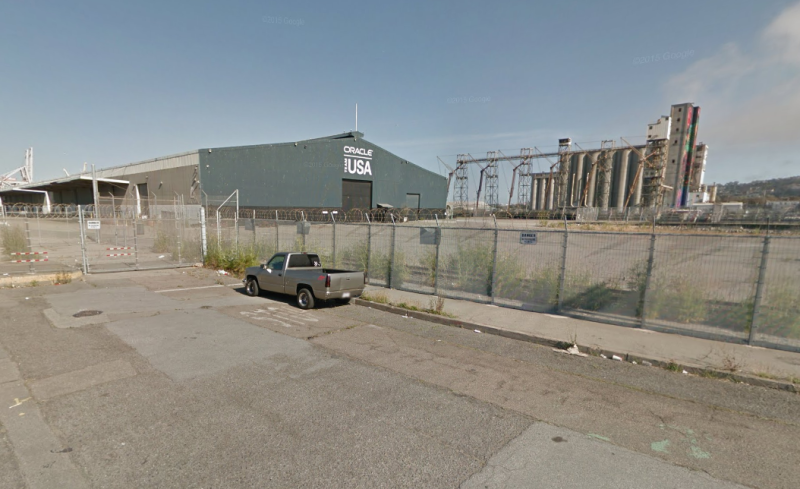
"caption": "Former Oracle Racing base at San Francisco's Pier 80 has been turned into what the city is describing as a temporary homeless shelter.",
"description": null,
"title": "Pier 80-San Francisco",
"credit": "Google Streetview",
"status": "inherit",
"isLoading": false,
"fetchFailed": false
},
"news_10885354": {
"type": "attachments",
"id": "news_10885354",
"meta": {
"index": "attachments_1716263798",
"site": "news",
"id": "10885354",
"found": true
},
"parent": 10885349,
"imgSizes": {
"twentyfourteen-full-width": {
"file": "https://ww2.kqed.org/app/uploads/sites/10/2016/03/TinyHouseLA-1038x576.jpg",
"width": 1038,
"mimeType": "image/jpeg",
"height": 576
},
"thumbnail": {
"file": "https://ww2.kqed.org/app/uploads/sites/10/2016/03/TinyHouseLA-400x234.jpg",
"width": 400,
"mimeType": "image/jpeg",
"height": 234
},
"fd-sm": {
"file": "https://ww2.kqed.org/app/uploads/sites/10/2016/03/TinyHouseLA-960x561.jpg",
"width": 960,
"mimeType": "image/jpeg",
"height": 561
},
"post-thumbnail": {
"file": "https://ww2.kqed.org/app/uploads/sites/10/2016/03/TinyHouseLA-672x372.jpg",
"width": 672,
"mimeType": "image/jpeg",
"height": 372
},
"kqedFullSize": {
"file": "https://ww2.kqed.org/app/uploads/sites/10/2016/03/TinyHouseLA.jpg",
"width": 1920,
"height": 1121
},
"large": {
"file": "https://ww2.kqed.org/app/uploads/sites/10/2016/03/TinyHouseLA-1920x1121.jpg",
"width": 1920,
"mimeType": "image/jpeg",
"height": 1121
},
"guest-author-96": {
"file": "https://ww2.kqed.org/app/uploads/sites/10/2016/03/TinyHouseLA-96x96.jpg",
"width": 96,
"mimeType": "image/jpeg",
"height": 96
},
"medium": {
"file": "https://ww2.kqed.org/app/uploads/sites/10/2016/03/TinyHouseLA-800x467.jpg",
"width": 800,
"mimeType": "image/jpeg",
"height": 467
},
"guest-author-64": {
"file": "https://ww2.kqed.org/app/uploads/sites/10/2016/03/TinyHouseLA-64x64.jpg",
"width": 64,
"mimeType": "image/jpeg",
"height": 64
},
"guest-author-32": {
"file": "https://ww2.kqed.org/app/uploads/sites/10/2016/03/TinyHouseLA-32x32.jpg",
"width": 32,
"mimeType": "image/jpeg",
"height": 32
},
"jmtc-small-thumb": {
"file": "https://ww2.kqed.org/app/uploads/sites/10/2016/03/TinyHouseLA-280x150.jpg",
"width": 280,
"mimeType": "image/jpeg",
"height": 150
},
"fd-lrg": {
"file": "https://ww2.kqed.org/app/uploads/sites/10/2016/03/TinyHouseLA-1920x1121.jpg",
"width": 1920,
"mimeType": "image/jpeg",
"height": 1121
},
"fd-med": {
"file": "https://ww2.kqed.org/app/uploads/sites/10/2016/03/TinyHouseLA-1180x689.jpg",
"width": 1180,
"mimeType": "image/jpeg",
"height": 689
},
"detail": {
"file": "https://ww2.kqed.org/app/uploads/sites/10/2016/03/TinyHouseLA-75x75.jpg",
"width": 75,
"mimeType": "image/jpeg",
"height": 75
},
"guest-author-128": {
"file": "https://ww2.kqed.org/app/uploads/sites/10/2016/03/TinyHouseLA-128x128.jpg",
"width": 128,
"mimeType": "image/jpeg",
"height": 128
}
},
"publishDate": 1457048535,
"modified": 1457048609,
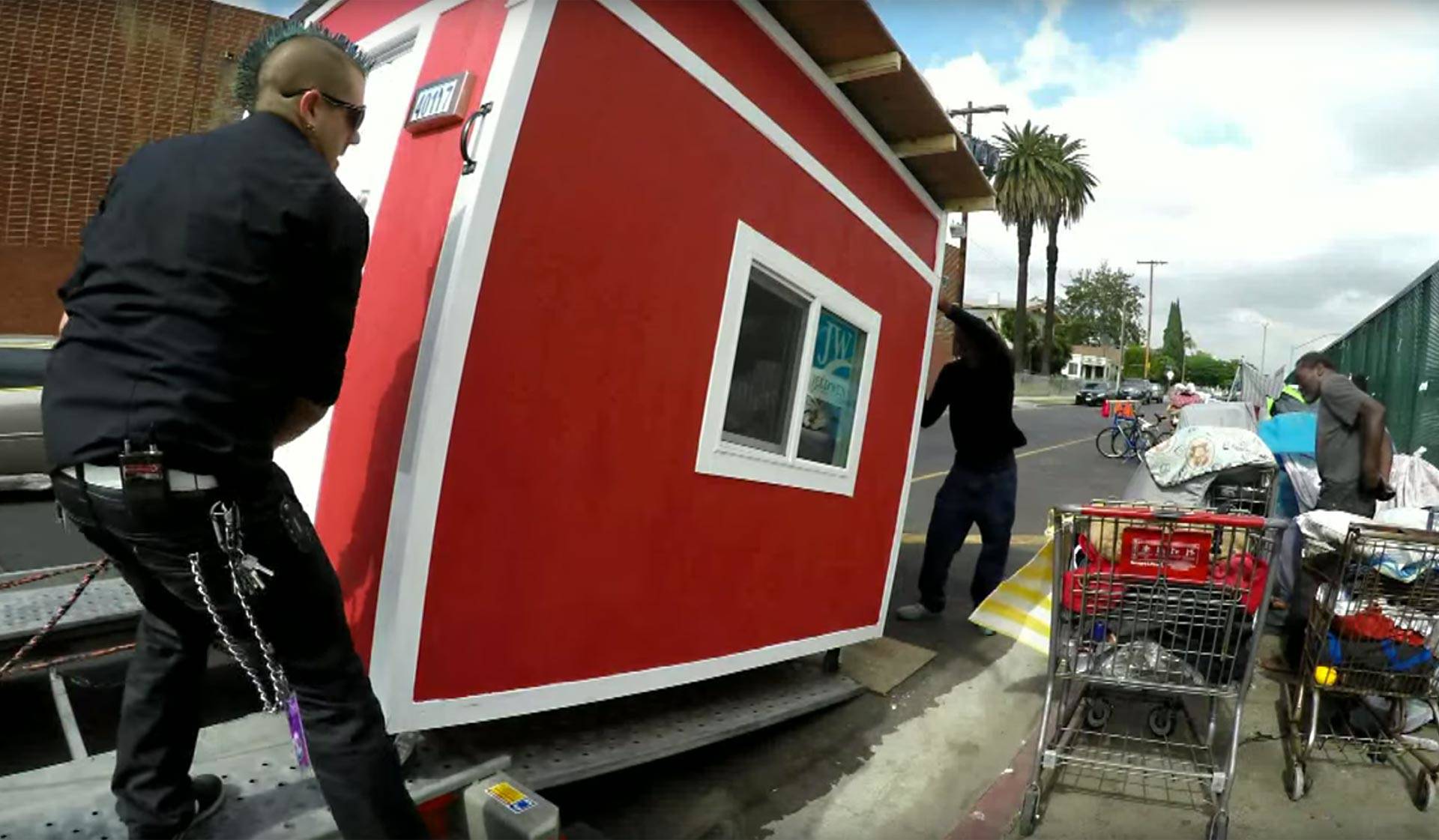
"caption": "Elvis Summers (L) unloads one of his tiny houses for the homeless onto a street in Los Angeles.",
"description": "Elvis Summers (L) unloads one of his tiny houses for the homeless onto a street in Los Angeles.",
"title": "TinyHouseLA",
"credit": "Starting Human/YouTube",
"status": "inherit",
"isLoading": false,
"fetchFailed": false
},
"news_10883194": {
"type": "attachments",
"id": "news_10883194",
"meta": {
"index": "attachments_1716263798",
"site": "news",
"id": "10883194",
"found": true
},
"parent": 10883192,
"imgSizes": {
"twentyfourteen-full-width": {
"file": "https://ww2.kqed.org/app/uploads/sites/10/2016/03/25168134291_9e9008d5be_o-1-1038x576.jpg",
"width": 1038,
"mimeType": "image/jpeg",
"height": 576
},
"thumbnail": {
"file": "https://ww2.kqed.org/app/uploads/sites/10/2016/03/25168134291_9e9008d5be_o-1-400x320.jpg",
"width": 400,
"mimeType": "image/jpeg",
"height": 320
},
"fd-sm": {
"file": "https://ww2.kqed.org/app/uploads/sites/10/2016/03/25168134291_9e9008d5be_o-1-960x769.jpg",
"width": 960,
"mimeType": "image/jpeg",
"height": 769
},
"post-thumbnail": {
"file": "https://ww2.kqed.org/app/uploads/sites/10/2016/03/25168134291_9e9008d5be_o-1-672x372.jpg",
"width": 672,
"mimeType": "image/jpeg",
"height": 372
},
"kqedFullSize": {
"file": "https://ww2.kqed.org/app/uploads/sites/10/2016/03/25168134291_9e9008d5be_o-1-e1530171703254.jpg",
"width": 1920,
"height": 1537
},
"large": {
"file": "https://ww2.kqed.org/app/uploads/sites/10/2016/03/25168134291_9e9008d5be_o-1-1920x1537.jpg",
"width": 1920,
"mimeType": "image/jpeg",
"height": 1537
},
"guest-author-96": {
"file": "https://ww2.kqed.org/app/uploads/sites/10/2016/03/25168134291_9e9008d5be_o-1-96x96.jpg",
"width": 96,
"mimeType": "image/jpeg",
"height": 96
},
"medium": {
"file": "https://ww2.kqed.org/app/uploads/sites/10/2016/03/25168134291_9e9008d5be_o-1-800x640.jpg",
"width": 800,
"mimeType": "image/jpeg",
"height": 640
},
"guest-author-64": {
"file": "https://ww2.kqed.org/app/uploads/sites/10/2016/03/25168134291_9e9008d5be_o-1-64x64.jpg",
"width": 64,
"mimeType": "image/jpeg",
"height": 64
},
"guest-author-32": {
"file": "https://ww2.kqed.org/app/uploads/sites/10/2016/03/25168134291_9e9008d5be_o-1-32x32.jpg",
"width": 32,
"mimeType": "image/jpeg",
"height": 32
},
"jmtc-small-thumb": {
"file": "https://ww2.kqed.org/app/uploads/sites/10/2016/03/25168134291_9e9008d5be_o-1-280x150.jpg",
"width": 280,
"mimeType": "image/jpeg",
"height": 150
},
"fd-lrg": {
"file": "https://ww2.kqed.org/app/uploads/sites/10/2016/03/25168134291_9e9008d5be_o-1-1920x1537.jpg",
"width": 1920,
"mimeType": "image/jpeg",
"height": 1537
},
"fd-med": {
"file": "https://ww2.kqed.org/app/uploads/sites/10/2016/03/25168134291_9e9008d5be_o-1-1180x945.jpg",
"width": 1180,
"mimeType": "image/jpeg",
"height": 945
},
"detail": {
"file": "https://ww2.kqed.org/app/uploads/sites/10/2016/03/25168134291_9e9008d5be_o-1-75x75.jpg",
"width": 75,
"mimeType": "image/jpeg",
"height": 75
},
"guest-author-128": {
"file": "https://ww2.kqed.org/app/uploads/sites/10/2016/03/25168134291_9e9008d5be_o-1-128x128.jpg",
"width": 128,
"mimeType": "image/jpeg",
"height": 128
}
},
"publishDate": 1456878540,
"modified": 1530171685,
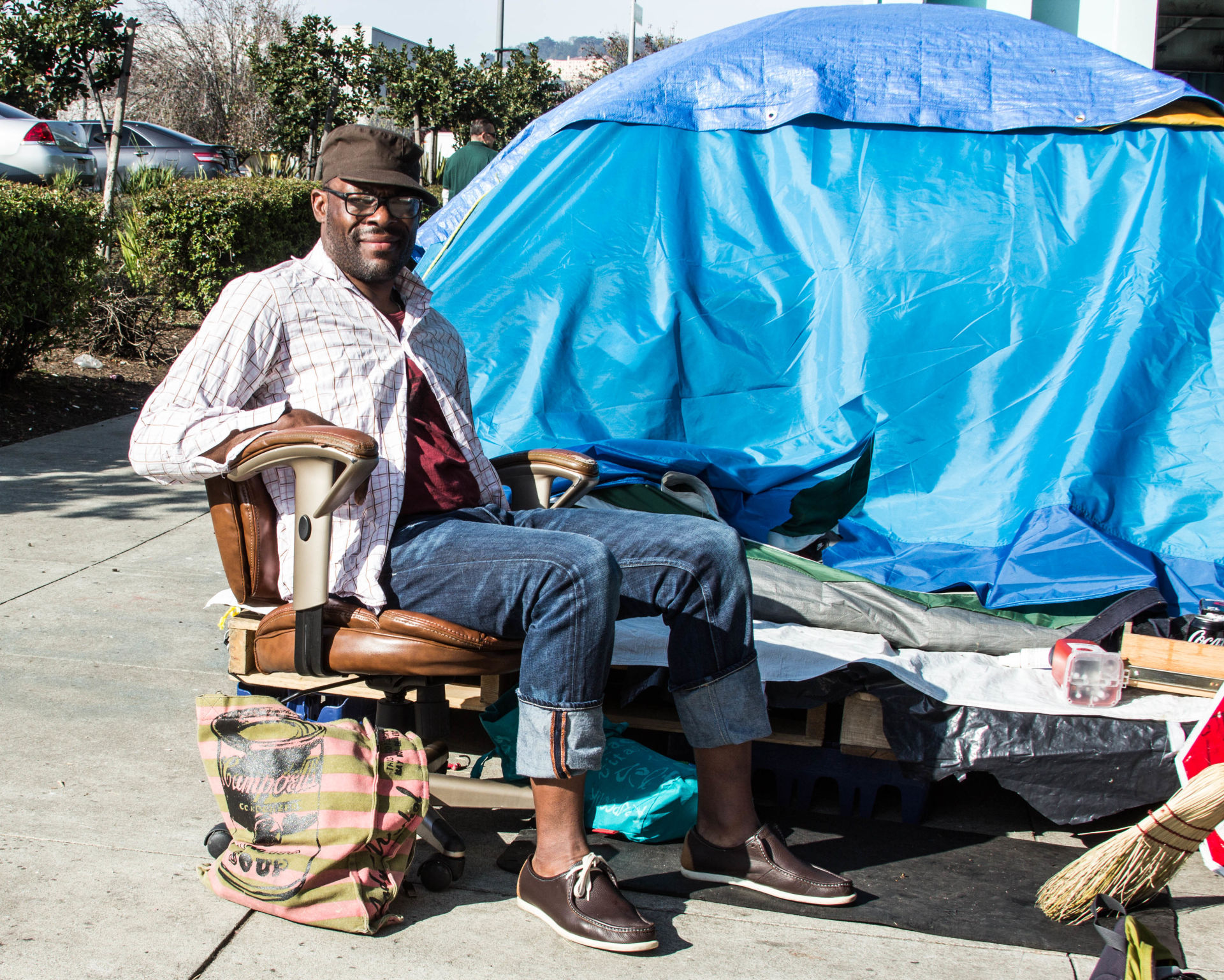
"caption": "Perry Foster lived in early 2016 on Division Street between Harrison and Bryant streets. He was from Grand Rapids, Michigan, where he was still a legend among high school classmates as the football star who led his team to an undefeated season and a state championship. Foster died of a heroin overdose on April 11, 2018. ",
"description": null,
"title": "Division Street-Perry Foster",
"credit": "Dan Brekke/KQED",
"status": "inherit",
"isLoading": false,
"fetchFailed": false
},
"news_10882728": {
"type": "attachments",
"id": "news_10882728",
"meta": {
"index": "attachments_1716263798",
"site": "news",
"id": "10882728",
"found": true
},
"parent": 10882685,
"imgSizes": {
"twentyfourteen-full-width": {
"file": "https://ww2.kqed.org/app/uploads/sites/10/2016/03/divisionstreet-1038x576.jpg",
"width": 1038,
"mimeType": "image/jpeg",
"height": 576
},
"thumbnail": {
"file": "https://ww2.kqed.org/app/uploads/sites/10/2016/03/divisionstreet-400x267.jpg",
"width": 400,
"mimeType": "image/jpeg",
"height": 267
},
"fd-sm": {
"file": "https://ww2.kqed.org/app/uploads/sites/10/2016/03/divisionstreet-960x640.jpg",
"width": 960,
"mimeType": "image/jpeg",
"height": 640
},
"post-thumbnail": {
"file": "https://ww2.kqed.org/app/uploads/sites/10/2016/03/divisionstreet-672x372.jpg",
"width": 672,
"mimeType": "image/jpeg",
"height": 372
},
"kqedFullSize": {
"file": "https://ww2.kqed.org/app/uploads/sites/10/2016/03/divisionstreet.jpg",
"width": 1920,
"height": 1280
},
"large": {
"file": "https://ww2.kqed.org/app/uploads/sites/10/2016/03/divisionstreet-1920x1280.jpg",
"width": 1920,
"mimeType": "image/jpeg",
"height": 1280
},
"guest-author-96": {
"file": "https://ww2.kqed.org/app/uploads/sites/10/2016/03/divisionstreet-96x96.jpg",
"width": 96,
"mimeType": "image/jpeg",
"height": 96
},
"medium": {
"file": "https://ww2.kqed.org/app/uploads/sites/10/2016/03/divisionstreet-800x533.jpg",
"width": 800,
"mimeType": "image/jpeg",
"height": 533
},
"guest-author-64": {
"file": "https://ww2.kqed.org/app/uploads/sites/10/2016/03/divisionstreet-64x64.jpg",
"width": 64,
"mimeType": "image/jpeg",
"height": 64
},
"guest-author-32": {
"file": "https://ww2.kqed.org/app/uploads/sites/10/2016/03/divisionstreet-32x32.jpg",
"width": 32,
"mimeType": "image/jpeg",
"height": 32
},
"jmtc-small-thumb": {
"file": "https://ww2.kqed.org/app/uploads/sites/10/2016/03/divisionstreet-280x150.jpg",
"width": 280,
"mimeType": "image/jpeg",
"height": 150
},
"fd-lrg": {
"file": "https://ww2.kqed.org/app/uploads/sites/10/2016/03/divisionstreet-1920x1280.jpg",
"width": 1920,
"mimeType": "image/jpeg",
"height": 1280
},
"fd-med": {
"file": "https://ww2.kqed.org/app/uploads/sites/10/2016/03/divisionstreet-1180x787.jpg",
"width": 1180,
"mimeType": "image/jpeg",
"height": 787
},
"detail": {
"file": "https://ww2.kqed.org/app/uploads/sites/10/2016/03/divisionstreet-75x75.jpg",
"width": 75,
"mimeType": "image/jpeg",
"height": 75
},
"guest-author-128": {
"file": "https://ww2.kqed.org/app/uploads/sites/10/2016/03/divisionstreet-128x128.jpg",
"width": 128,
"mimeType": "image/jpeg",
"height": 128
}
},
"publishDate": 1456847304,
"modified": 1456847362,
"caption": "A sign posted outside one of the Division Street tents after city declared the area a public health hazard last week.",
"description": null,
"title": "Division Street Tents",
"credit": "Dan Brekke/KQED",
"status": "inherit",
"isLoading": false,
"fetchFailed": false
},
"news_10843791": {
"type": "attachments",
"id": "news_10843791",
"meta": {
"index": "attachments_1716263798",
"site": "news",
"id": "10843791",
"found": true
},
"parent": 10842599,
"imgSizes": {
"twentyfourteen-full-width": {
"file": "https://ww2.kqed.org/app/uploads/sites/10/2016/01/divisionstreet160104-1038x576.jpg",
"width": 1038,
"mimeType": "image/jpeg",
"height": 576
},
"thumbnail": {
"file": "https://ww2.kqed.org/app/uploads/sites/10/2016/01/divisionstreet160104-400x303.jpg",
"width": 400,
"mimeType": "image/jpeg",
"height": 303
},
"fd-sm": {
"file": "https://ww2.kqed.org/app/uploads/sites/10/2016/01/divisionstreet160104-960x727.jpg",
"width": 960,
"mimeType": "image/jpeg",
"height": 727
},
"post-thumbnail": {
"file": "https://ww2.kqed.org/app/uploads/sites/10/2016/01/divisionstreet160104-672x372.jpg",
"width": 672,
"mimeType": "image/jpeg",
"height": 372
},
"kqedFullSize": {
"file": "https://ww2.kqed.org/app/uploads/sites/10/2016/01/divisionstreet160104.jpg",
"width": 1920,
"height": 1454
},
"large": {
"file": "https://ww2.kqed.org/app/uploads/sites/10/2016/01/divisionstreet160104-1440x1091.jpg",
"width": 1440,
"mimeType": "image/jpeg",
"height": 1091
},
"guest-author-96": {
"file": "https://ww2.kqed.org/app/uploads/sites/10/2016/01/divisionstreet160104-96x96.jpg",
"width": 96,
"mimeType": "image/jpeg",
"height": 96
},
"medium": {
"file": "https://ww2.kqed.org/app/uploads/sites/10/2016/01/divisionstreet160104-800x606.jpg",
"width": 800,
"mimeType": "image/jpeg",
"height": 606
},
"guest-author-64": {
"file": "https://ww2.kqed.org/app/uploads/sites/10/2016/01/divisionstreet160104-64x64.jpg",
"width": 64,
"mimeType": "image/jpeg",
"height": 64
},
"guest-author-32": {
"file": "https://ww2.kqed.org/app/uploads/sites/10/2016/01/divisionstreet160104-32x32.jpg",
"width": 32,
"mimeType": "image/jpeg",
"height": 32
},
"jmtc-small-thumb": {
"file": "https://ww2.kqed.org/app/uploads/sites/10/2016/01/divisionstreet160104-280x150.jpg",
"width": 280,
"mimeType": "image/jpeg",
"height": 150
},
"fd-lrg": {
"file": "https://ww2.kqed.org/app/uploads/sites/10/2016/01/divisionstreet160104-1920x1454.jpg",
"width": 1920,
"mimeType": "image/jpeg",
"height": 1454
},
"fd-med": {
"file": "https://ww2.kqed.org/app/uploads/sites/10/2016/01/divisionstreet160104-1180x894.jpg",
"width": 1180,
"mimeType": "image/jpeg",
"height": 894
},
"detail": {
"file": "https://ww2.kqed.org/app/uploads/sites/10/2016/01/divisionstreet160104-75x75.jpg",
"width": 75,
"mimeType": "image/jpeg",
"height": 75
},
"medium_large": {
"file": "https://ww2.kqed.org/app/uploads/sites/10/2016/01/divisionstreet160104-768x582.jpg",
"width": 768,
"mimeType": "image/jpeg",
"height": 582
},
"guest-author-128": {
"file": "https://ww2.kqed.org/app/uploads/sites/10/2016/01/divisionstreet160104-128x128.jpg",
"width": 128,
"mimeType": "image/jpeg",
"height": 128
}
},
"publishDate": 1453679263,
"modified": 1456334546,
"caption": "Pictured in early January, a homeless tent camp stretches along Division Street between Bryant and Potrero at the northern end of the Mission District.",
"description": null,
"title": "San Francisco-Division Street Tents",
"credit": "Dan Brekke/KQED",
"status": "inherit",
"isLoading": false,
"fetchFailed": false
},
"news_10869688": {
"type": "attachments",
"id": "news_10869688",
"meta": {
"index": "attachments_1716263798",
"site": "news",
"id": "10869688",
"found": true
},
"parent": 10869630,
"imgSizes": {
"twentyfourteen-full-width": {
"file": "https://ww2.kqed.org/app/uploads/sites/10/2016/02/pic-768x576.jpg",
"width": 768,
"mimeType": "image/jpeg",
"height": 576
},
"jmtc-small-thumb": {
"file": "https://ww2.kqed.org/app/uploads/sites/10/2016/02/pic-280x150.jpg",
"width": 280,
"mimeType": "image/jpeg",
"height": 150
},
"thumbnail": {
"file": "https://ww2.kqed.org/app/uploads/sites/10/2016/02/pic-400x533.jpg",
"width": 400,
"mimeType": "image/jpeg",
"height": 533
},
"post-thumbnail": {
"file": "https://ww2.kqed.org/app/uploads/sites/10/2016/02/pic-672x372.jpg",
"width": 672,
"mimeType": "image/jpeg",
"height": 372
},
"kqedFullSize": {
"file": "https://ww2.kqed.org/app/uploads/sites/10/2016/02/pic.jpg",
"width": 768,
"height": 1024
},
"guest-author-96": {
"file": "https://ww2.kqed.org/app/uploads/sites/10/2016/02/pic-96x96.jpg",
"width": 96,
"mimeType": "image/jpeg",
"height": 96
},
"guest-author-64": {
"file": "https://ww2.kqed.org/app/uploads/sites/10/2016/02/pic-64x64.jpg",
"width": 64,
"mimeType": "image/jpeg",
"height": 64
},
"detail": {
"file": "https://ww2.kqed.org/app/uploads/sites/10/2016/02/pic-75x75.jpg",
"width": 75,
"mimeType": "image/jpeg",
"height": 75
},
"guest-author-32": {
"file": "https://ww2.kqed.org/app/uploads/sites/10/2016/02/pic-32x32.jpg",
"width": 32,
"mimeType": "image/jpeg",
"height": 32
},
"guest-author-128": {
"file": "https://ww2.kqed.org/app/uploads/sites/10/2016/02/pic-128x128.jpg",
"width": 128,
"mimeType": "image/jpeg",
"height": 128
}
},
"publishDate": 1455823176,
"modified": 1456187791,
"caption": "Danielle Parker lost her job, apartment and car in 2013. She and her son, Christian, would sleep with family members and sometimes in a vehicle.",
"description": null,
"title": "Danielle Parker and her son Christian",
"credit": "Devin Katayama/KQED",
"status": "inherit",
"isLoading": false,
"fetchFailed": false
},
"news_10854766": {
"type": "attachments",
"id": "news_10854766",
"meta": {
"index": "attachments_1716263798",
"site": "news",
"id": "10854766",
"found": true
},
"parent": 10854398,
"imgSizes": {
"twentyfourteen-full-width": {
"file": "https://ww2.kqed.org/app/uploads/sites/10/2016/02/IMG_0162-1038x576.jpg",
"width": 1038,
"mimeType": "image/jpeg",
"height": 576
},
"thumbnail": {
"file": "https://ww2.kqed.org/app/uploads/sites/10/2016/02/IMG_0162-400x267.jpg",
"width": 400,
"mimeType": "image/jpeg",
"height": 267
},
"fd-sm": {
"file": "https://ww2.kqed.org/app/uploads/sites/10/2016/02/IMG_0162-960x640.jpg",
"width": 960,
"mimeType": "image/jpeg",
"height": 640
},
"post-thumbnail": {
"file": "https://ww2.kqed.org/app/uploads/sites/10/2016/02/IMG_0162-672x372.jpg",
"width": 672,
"mimeType": "image/jpeg",
"height": 372
},
"kqedFullSize": {
"file": "https://ww2.kqed.org/app/uploads/sites/10/2016/02/IMG_0162.jpg",
"width": 5472,
"height": 3648
},
"large": {
"file": "https://ww2.kqed.org/app/uploads/sites/10/2016/02/IMG_0162-1440x960.jpg",
"width": 1440,
"mimeType": "image/jpeg",
"height": 960
},
"guest-author-96": {
"file": "https://ww2.kqed.org/app/uploads/sites/10/2016/02/IMG_0162-96x96.jpg",
"width": 96,
"mimeType": "image/jpeg",
"height": 96
},
"medium": {
"file": "https://ww2.kqed.org/app/uploads/sites/10/2016/02/IMG_0162-800x533.jpg",
"width": 800,
"mimeType": "image/jpeg",
"height": 533
},
"guest-author-64": {
"file": "https://ww2.kqed.org/app/uploads/sites/10/2016/02/IMG_0162-64x64.jpg",
"width": 64,
"mimeType": "image/jpeg",
"height": 64
},
"guest-author-32": {
"file": "https://ww2.kqed.org/app/uploads/sites/10/2016/02/IMG_0162-32x32.jpg",
"width": 32,
"mimeType": "image/jpeg",
"height": 32
},
"jmtc-small-thumb": {
"file": "https://ww2.kqed.org/app/uploads/sites/10/2016/02/IMG_0162-280x150.jpg",
"width": 280,
"mimeType": "image/jpeg",
"height": 150
},
"fd-lrg": {
"file": "https://ww2.kqed.org/app/uploads/sites/10/2016/02/IMG_0162-1920x1280.jpg",
"width": 1920,
"mimeType": "image/jpeg",
"height": 1280
},
"fd-med": {
"file": "https://ww2.kqed.org/app/uploads/sites/10/2016/02/IMG_0162-1180x787.jpg",
"width": 1180,
"mimeType": "image/jpeg",
"height": 787
},
"detail": {
"file": "https://ww2.kqed.org/app/uploads/sites/10/2016/02/IMG_0162-75x75.jpg",
"width": 75,
"mimeType": "image/jpeg",
"height": 75
},
"medium_large": {
"file": "https://ww2.kqed.org/app/uploads/sites/10/2016/02/IMG_0162-768x512.jpg",
"width": 768,
"mimeType": "image/jpeg",
"height": 512
},
"guest-author-128": {
"file": "https://ww2.kqed.org/app/uploads/sites/10/2016/02/IMG_0162-128x128.jpg",
"width": 128,
"mimeType": "image/jpeg",
"height": 128
}
},
"publishDate": 1454634464,
"modified": 1454636822,
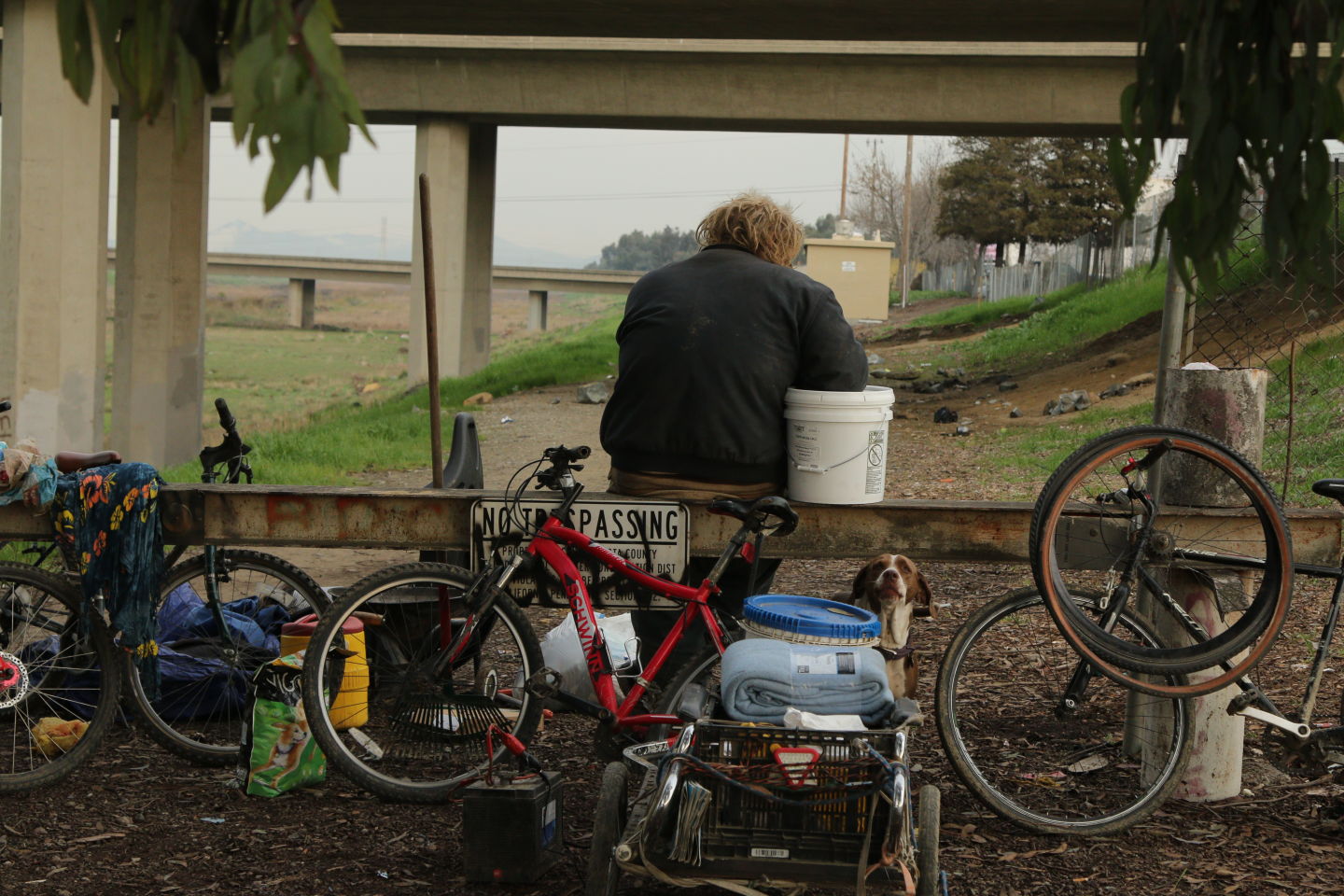
"caption": "A homeless man sits at his encampment in Contra Costa County, where volunteers warned of a rainstorm that could flood the canal under the overpass where he was situated. ",
"description": null,
"title": "IMG_0162",
"credit": "Ericka Cruz Guevarra/KQED",
"status": "inherit",
"isLoading": false,
"fetchFailed": false
},
"news_10853858": {
"type": "attachments",
"id": "news_10853858",
"meta": {
"index": "attachments_1716263798",
"site": "news",
"id": "10853858",
"found": true
},
"parent": 10853857,
"imgSizes": {
"twentyfourteen-full-width": {
"file": "https://ww2.kqed.org/app/uploads/sites/10/2016/02/RS18303_IMG_4341-qut-1038x576.jpg",
"width": 1038,
"mimeType": "image/jpeg",
"height": 576
},
"thumbnail": {
"file": "https://ww2.kqed.org/app/uploads/sites/10/2016/02/RS18303_IMG_4341-qut-400x300.jpg",
"width": 400,
"mimeType": "image/jpeg",
"height": 300
},
"fd-sm": {
"file": "https://ww2.kqed.org/app/uploads/sites/10/2016/02/RS18303_IMG_4341-qut-960x720.jpg",
"width": 960,
"mimeType": "image/jpeg",
"height": 720
},
"post-thumbnail": {
"file": "https://ww2.kqed.org/app/uploads/sites/10/2016/02/RS18303_IMG_4341-qut-672x372.jpg",
"width": 672,
"mimeType": "image/jpeg",
"height": 372
},
"kqedFullSize": {
"file": "https://ww2.kqed.org/app/uploads/sites/10/2016/02/RS18303_IMG_4341-qut.jpg",
"width": 1920,
"height": 1440
},
"large": {
"file": "https://ww2.kqed.org/app/uploads/sites/10/2016/02/RS18303_IMG_4341-qut-1440x1080.jpg",
"width": 1440,
"mimeType": "image/jpeg",
"height": 1080
},
"guest-author-96": {
"file": "https://ww2.kqed.org/app/uploads/sites/10/2016/02/RS18303_IMG_4341-qut-96x96.jpg",
"width": 96,
"mimeType": "image/jpeg",
"height": 96
},
"medium": {
"file": "https://ww2.kqed.org/app/uploads/sites/10/2016/02/RS18303_IMG_4341-qut-800x600.jpg",
"width": 800,
"mimeType": "image/jpeg",
"height": 600
},
"guest-author-64": {
"file": "https://ww2.kqed.org/app/uploads/sites/10/2016/02/RS18303_IMG_4341-qut-64x64.jpg",
"width": 64,
"mimeType": "image/jpeg",
"height": 64
},
"guest-author-32": {
"file": "https://ww2.kqed.org/app/uploads/sites/10/2016/02/RS18303_IMG_4341-qut-32x32.jpg",
"width": 32,
"mimeType": "image/jpeg",
"height": 32
},
"jmtc-small-thumb": {
"file": "https://ww2.kqed.org/app/uploads/sites/10/2016/02/RS18303_IMG_4341-qut-280x150.jpg",
"width": 280,
"mimeType": "image/jpeg",
"height": 150
},
"fd-lrg": {
"file": "https://ww2.kqed.org/app/uploads/sites/10/2016/02/RS18303_IMG_4341-qut-1920x1440.jpg",
"width": 1920,
"mimeType": "image/jpeg",
"height": 1440
},
"fd-med": {
"file": "https://ww2.kqed.org/app/uploads/sites/10/2016/02/RS18303_IMG_4341-qut-1180x885.jpg",
"width": 1180,
"mimeType": "image/jpeg",
"height": 885
},
"detail": {
"file": "https://ww2.kqed.org/app/uploads/sites/10/2016/02/RS18303_IMG_4341-qut-75x75.jpg",
"width": 75,
"mimeType": "image/jpeg",
"height": 75
},
"medium_large": {
"file": "https://ww2.kqed.org/app/uploads/sites/10/2016/02/RS18303_IMG_4341-qut-768x576.jpg",
"width": 768,
"mimeType": "image/jpeg",
"height": 576
},
"guest-author-128": {
"file": "https://ww2.kqed.org/app/uploads/sites/10/2016/02/RS18303_IMG_4341-qut-128x128.jpg",
"width": 128,
"mimeType": "image/jpeg",
"height": 128
}
},
"publishDate": 1454561468,
"modified": 1454561601,
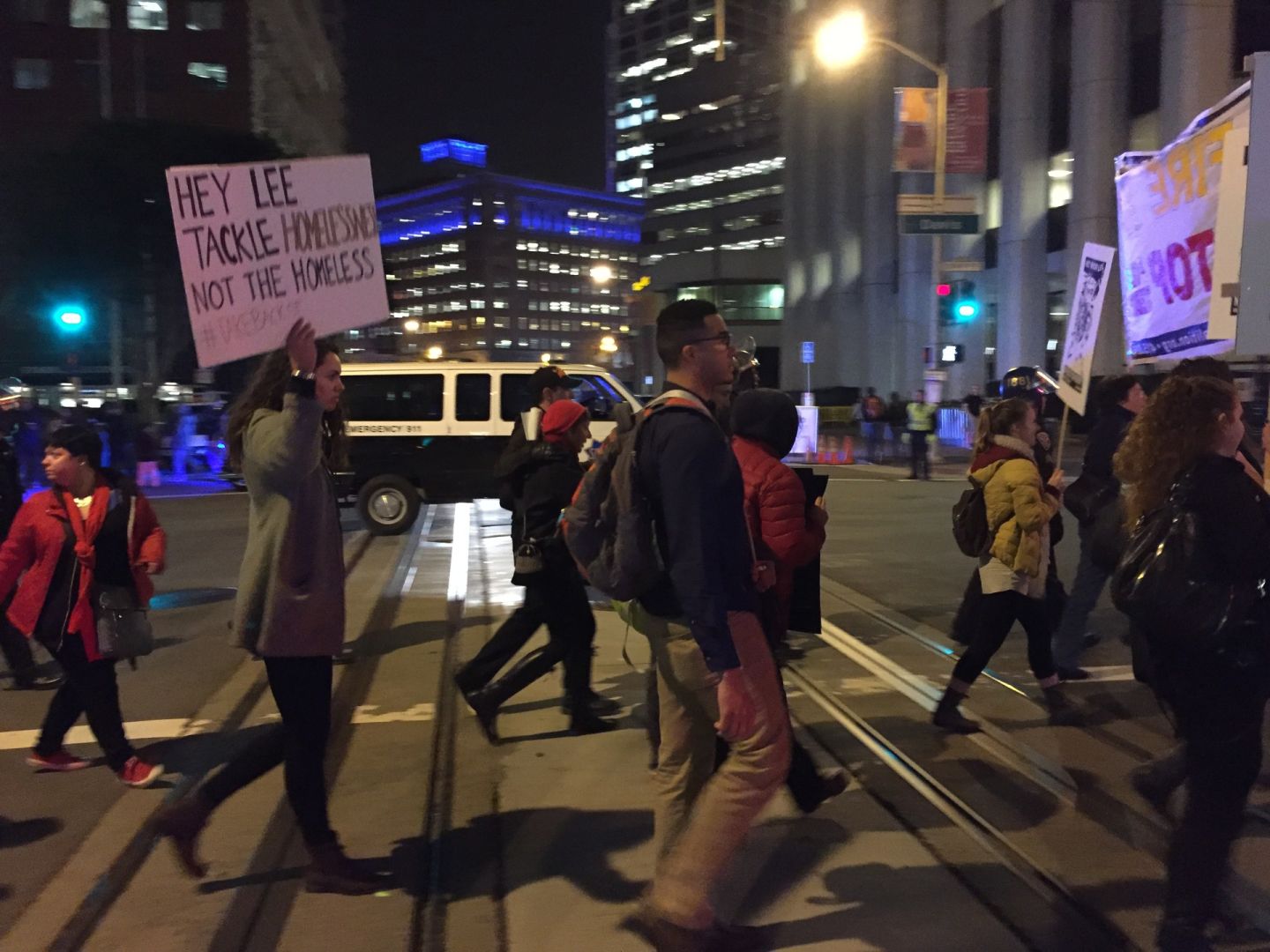
"caption": "A strong presence of San Francisco police officers directed a peaceful march of about 700 people protesting San Francisco's treatment of the homeless around Super Bowl City on Feb. 3.",
"description": "A strong presence of San Francisco police officers directed a peaceful march of about 700 people protesting San Francisco's treatment of the homeless around Super Bowl City on Feb. 3.",
"title": "RS18303_IMG_4341-qut",
"credit": "Alex Emslie/KQED",
"status": "inherit",
"isLoading": false,
"fetchFailed": false
},
"news_10852265": {
"type": "attachments",
"id": "news_10852265",
"meta": {
"index": "attachments_1716263798",
"site": "news",
"id": "10852265",
"found": true
},
"parent": 10852225,
"imgSizes": {
"twentyfourteen-full-width": {
"file": "https://ww2.kqed.org/app/uploads/sites/10/2016/02/Capture3-1038x576.png",
"width": 1038,
"mimeType": "image/png",
"height": 576
},
"thumbnail": {
"file": "https://ww2.kqed.org/app/uploads/sites/10/2016/02/Capture3-400x225.png",
"width": 400,
"mimeType": "image/png",
"height": 225
},
"fd-sm": {
"file": "https://ww2.kqed.org/app/uploads/sites/10/2016/02/Capture3-960x539.png",
"width": 960,
"mimeType": "image/png",
"height": 539
},
"post-thumbnail": {
"file": "https://ww2.kqed.org/app/uploads/sites/10/2016/02/Capture3-672x372.png",
"width": 672,
"mimeType": "image/png",
"height": 372
},
"kqedFullSize": {
"file": "https://ww2.kqed.org/app/uploads/sites/10/2016/02/Capture3.png",
"width": 1280,
"height": 719
},
"guest-author-96": {
"file": "https://ww2.kqed.org/app/uploads/sites/10/2016/02/Capture3-96x96.png",
"width": 96,
"mimeType": "image/png",
"height": 96
},
"medium": {
"file": "https://ww2.kqed.org/app/uploads/sites/10/2016/02/Capture3-800x449.png",
"width": 800,
"mimeType": "image/png",
"height": 449
},
"guest-author-64": {
"file": "https://ww2.kqed.org/app/uploads/sites/10/2016/02/Capture3-64x64.png",
"width": 64,
"mimeType": "image/png",
"height": 64
},
"guest-author-32": {
"file": "https://ww2.kqed.org/app/uploads/sites/10/2016/02/Capture3-32x32.png",
"width": 32,
"mimeType": "image/png",
"height": 32
},
"jmtc-small-thumb": {
"file": "https://ww2.kqed.org/app/uploads/sites/10/2016/02/Capture3-280x150.png",
"width": 280,
"mimeType": "image/png",
"height": 150
},
"fd-med": {
"file": "https://ww2.kqed.org/app/uploads/sites/10/2016/02/Capture3-1180x663.png",
"width": 1180,
"mimeType": "image/png",
"height": 663
},
"detail": {
"file": "https://ww2.kqed.org/app/uploads/sites/10/2016/02/Capture3-75x75.png",
"width": 75,
"mimeType": "image/png",
"height": 75
},
"medium_large": {
"file": "https://ww2.kqed.org/app/uploads/sites/10/2016/02/Capture3-768x431.png",
"width": 768,
"mimeType": "image/png",
"height": 431
},
"guest-author-128": {
"file": "https://ww2.kqed.org/app/uploads/sites/10/2016/02/Capture3-128x128.png",
"width": 128,
"mimeType": "image/png",
"height": 128
}
},
"publishDate": 1454425319,
"modified": 1454452311,
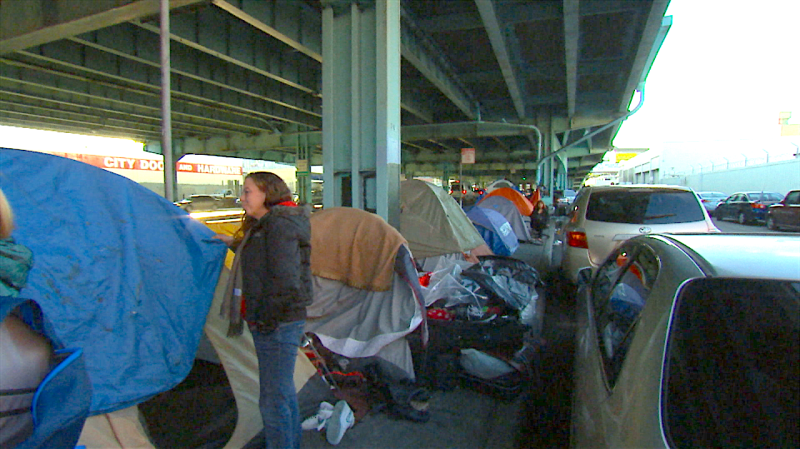
"caption": "Rebecca Padilla lives in a tent on Division Street under busy Highway 101.",
"description": "Rebecca Padilla lives in a tent on Division Street under the busy 101 Freeway.",
"title": "Division Street tents",
"credit": "Aaron Drury/KQED Newsroom",
"status": "inherit",
"isLoading": false,
"fetchFailed": false
},
"news_10849196": {
"type": "attachments",
"id": "news_10849196",
"meta": {
"index": "attachments_1716263798",
"site": "news",
"id": "10849196",
"found": true
},
"parent": 10848872,
"imgSizes": {
"twentyfourteen-full-width": {
"file": "https://ww2.kqed.org/app/uploads/sites/10/2016/01/RS18282_IMG_1388-qut-1038x576.jpg",
"width": 1038,
"mimeType": "image/jpeg",
"height": 576
},
"thumbnail": {
"file": "https://ww2.kqed.org/app/uploads/sites/10/2016/01/RS18282_IMG_1388-qut-400x300.jpg",
"width": 400,
"mimeType": "image/jpeg",
"height": 300
},
"fd-sm": {
"file": "https://ww2.kqed.org/app/uploads/sites/10/2016/01/RS18282_IMG_1388-qut-960x720.jpg",
"width": 960,
"mimeType": "image/jpeg",
"height": 720
},
"post-thumbnail": {
"file": "https://ww2.kqed.org/app/uploads/sites/10/2016/01/RS18282_IMG_1388-qut-672x372.jpg",
"width": 672,
"mimeType": "image/jpeg",
"height": 372
},
"kqedFullSize": {
"file": "https://ww2.kqed.org/app/uploads/sites/10/2016/01/RS18282_IMG_1388-qut.jpg",
"width": 1920,
"height": 1440
},
"large": {
"file": "https://ww2.kqed.org/app/uploads/sites/10/2016/01/RS18282_IMG_1388-qut-1440x1080.jpg",
"width": 1440,
"mimeType": "image/jpeg",
"height": 1080
},
"guest-author-96": {
"file": "https://ww2.kqed.org/app/uploads/sites/10/2016/01/RS18282_IMG_1388-qut-96x96.jpg",
"width": 96,
"mimeType": "image/jpeg",
"height": 96
},
"medium": {
"file": "https://ww2.kqed.org/app/uploads/sites/10/2016/01/RS18282_IMG_1388-qut-800x600.jpg",
"width": 800,
"mimeType": "image/jpeg",
"height": 600
},
"guest-author-64": {
"file": "https://ww2.kqed.org/app/uploads/sites/10/2016/01/RS18282_IMG_1388-qut-64x64.jpg",
"width": 64,
"mimeType": "image/jpeg",
"height": 64
},
"guest-author-32": {
"file": "https://ww2.kqed.org/app/uploads/sites/10/2016/01/RS18282_IMG_1388-qut-32x32.jpg",
"width": 32,
"mimeType": "image/jpeg",
"height": 32
},
"jmtc-small-thumb": {
"file": "https://ww2.kqed.org/app/uploads/sites/10/2016/01/RS18282_IMG_1388-qut-280x150.jpg",
"width": 280,
"mimeType": "image/jpeg",
"height": 150
},
"fd-lrg": {
"file": "https://ww2.kqed.org/app/uploads/sites/10/2016/01/RS18282_IMG_1388-qut-1920x1440.jpg",
"width": 1920,
"mimeType": "image/jpeg",
"height": 1440
},
"fd-med": {
"file": "https://ww2.kqed.org/app/uploads/sites/10/2016/01/RS18282_IMG_1388-qut-1180x885.jpg",
"width": 1180,
"mimeType": "image/jpeg",
"height": 885
},
"detail": {
"file": "https://ww2.kqed.org/app/uploads/sites/10/2016/01/RS18282_IMG_1388-qut-75x75.jpg",
"width": 75,
"mimeType": "image/jpeg",
"height": 75
},
"medium_large": {
"file": "https://ww2.kqed.org/app/uploads/sites/10/2016/01/RS18282_IMG_1388-qut-768x576.jpg",
"width": 768,
"mimeType": "image/jpeg",
"height": 576
},
"guest-author-128": {
"file": "https://ww2.kqed.org/app/uploads/sites/10/2016/01/RS18282_IMG_1388-qut-128x128.jpg",
"width": 128,
"mimeType": "image/jpeg",
"height": 128
}
},
"publishDate": 1454119127,
"modified": 1454119144,
"caption": "Terrance Dixon lives in an encampment at 35th and Peralta streets in Oakland.",
"description": "Terrance Dixon lives in an encampment at 35th and Peralta streets in Oakland.",
"title": "RS18282_IMG_1388-qut",
"credit": "Devin Katayama/KQED",
"status": "inherit",
"isLoading": false,
"fetchFailed": false
},
"news_10847938": {
"type": "attachments",
"id": "news_10847938",
"meta": {
"index": "attachments_1716263798",
"site": "news",
"id": "10847938",
"found": true
},
"parent": 10844950,
"imgSizes": {
"twentyfourteen-full-width": {
"file": "https://ww2.kqed.org/app/uploads/sites/10/2016/01/HomelessCount-1038x576.jpg",
"width": 1038,
"mimeType": "image/jpeg",
"height": 576
},
"thumbnail": {
"file": "https://ww2.kqed.org/app/uploads/sites/10/2016/01/HomelessCount-400x213.jpg",
"width": 400,
"mimeType": "image/jpeg",
"height": 213
},
"fd-sm": {
"file": "https://ww2.kqed.org/app/uploads/sites/10/2016/01/HomelessCount-960x511.jpg",
"width": 960,
"mimeType": "image/jpeg",
"height": 511
},
"post-thumbnail": {
"file": "https://ww2.kqed.org/app/uploads/sites/10/2016/01/HomelessCount-672x372.jpg",
"width": 672,
"mimeType": "image/jpeg",
"height": 372
},
"kqedFullSize": {
"file": "https://ww2.kqed.org/app/uploads/sites/10/2016/01/HomelessCount.jpg",
"width": 1920,
"height": 1022
},
"large": {
"file": "https://ww2.kqed.org/app/uploads/sites/10/2016/01/HomelessCount-1440x767.jpg",
"width": 1440,
"mimeType": "image/jpeg",
"height": 767
},
"guest-author-96": {
"file": "https://ww2.kqed.org/app/uploads/sites/10/2016/01/HomelessCount-96x96.jpg",
"width": 96,
"mimeType": "image/jpeg",
"height": 96
},
"medium": {
"file": "https://ww2.kqed.org/app/uploads/sites/10/2016/01/HomelessCount-800x426.jpg",
"width": 800,
"mimeType": "image/jpeg",
"height": 426
},
"guest-author-64": {
"file": "https://ww2.kqed.org/app/uploads/sites/10/2016/01/HomelessCount-64x64.jpg",
"width": 64,
"mimeType": "image/jpeg",
"height": 64
},
"guest-author-32": {
"file": "https://ww2.kqed.org/app/uploads/sites/10/2016/01/HomelessCount-32x32.jpg",
"width": 32,
"mimeType": "image/jpeg",
"height": 32
},
"jmtc-small-thumb": {
"file": "https://ww2.kqed.org/app/uploads/sites/10/2016/01/HomelessCount-280x150.jpg",
"width": 280,
"mimeType": "image/jpeg",
"height": 150
},
"fd-lrg": {
"file": "https://ww2.kqed.org/app/uploads/sites/10/2016/01/HomelessCount-1920x1022.jpg",
"width": 1920,
"mimeType": "image/jpeg",
"height": 1022
},
"fd-med": {
"file": "https://ww2.kqed.org/app/uploads/sites/10/2016/01/HomelessCount-1180x628.jpg",
"width": 1180,
"mimeType": "image/jpeg",
"height": 628
},
"detail": {
"file": "https://ww2.kqed.org/app/uploads/sites/10/2016/01/HomelessCount-75x75.jpg",
"width": 75,
"mimeType": "image/jpeg",
"height": 75
},
"medium_large": {
"file": "https://ww2.kqed.org/app/uploads/sites/10/2016/01/HomelessCount-768x409.jpg",
"width": 768,
"mimeType": "image/jpeg",
"height": 409
},
"guest-author-128": {
"file": "https://ww2.kqed.org/app/uploads/sites/10/2016/01/HomelessCount-128x128.jpg",
"width": 128,
"mimeType": "image/jpeg",
"height": 128
}
},
"publishDate": 1454018272,
"modified": 1454018455,
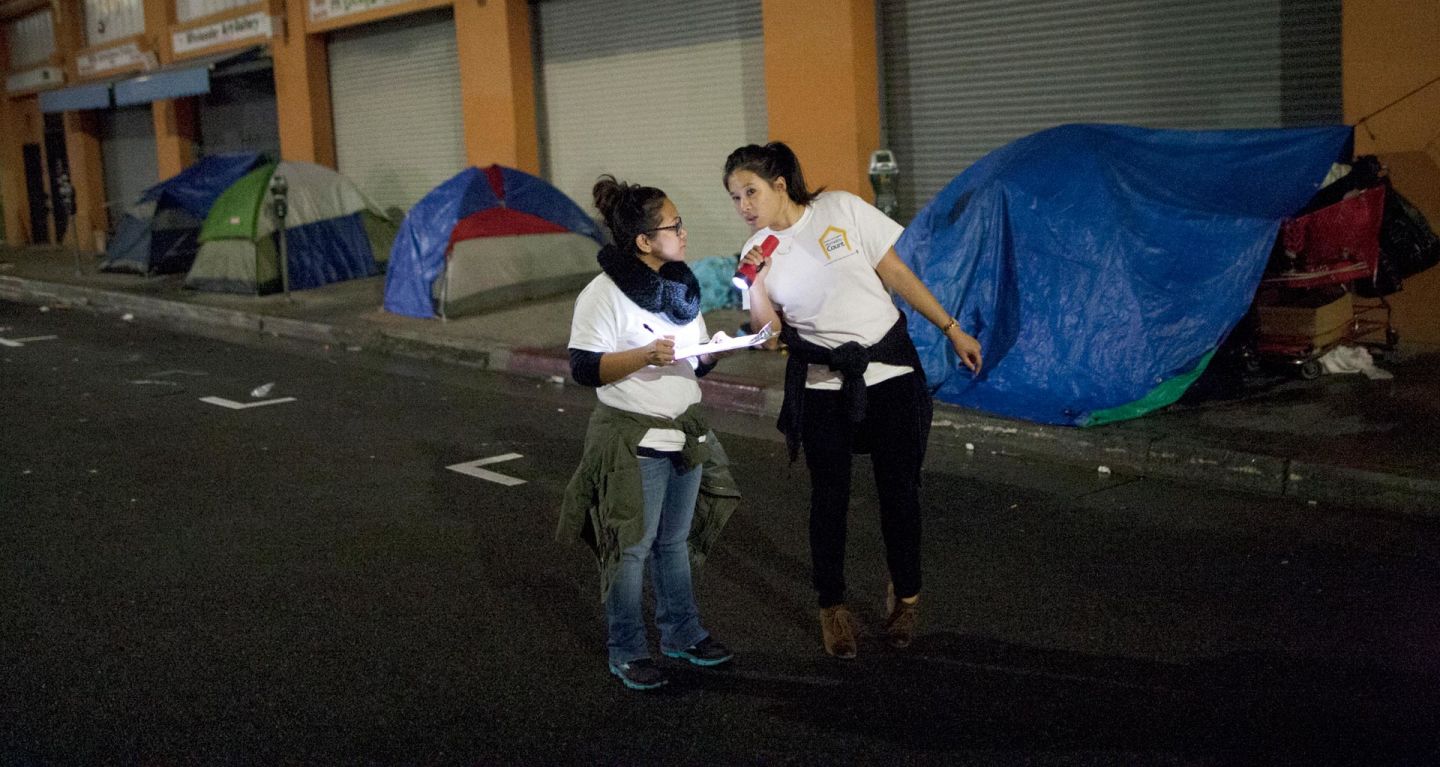
"caption": "Thousands of people have fanned out across L.A. County this week for the region’s three-day homeless count. That includes tallying the scores of people living on the streets of downtown’s Skid Row, pictured here as volunteers conduct the 2015 homeless count.",
"description": "Thousands of people have fanned out across L.A. County this week for the region’s three-day homeless count. That includes tallying the scores of people living on the streets of downtown’s Skid Row, pictured here as volunteers conduct the 2015 homeless count.",
"title": "HomelessCount",
"credit": "David McNew/Getty Images",
"status": "inherit",
"isLoading": false,
"fetchFailed": false
}
},
"audioPlayerReducer": {
"postId": "stream_live",
"isPaused": true,
"isPlaying": false,
"pfsActive": false,
"pledgeModalIsOpen": true,
"playerDrawerIsOpen": false,
"liveAudioPlayStartedAt": 0,
"liveAudioPlayContext": ""
},
"authorsReducer": {
"byline_news_10885349": {
"type": "authors",
"id": "byline_news_10885349",
"meta": {
"override": true
},
"slug": "byline_news_10885349",
"name": "\u003cstrong>Anna Scott\u003cbr>NPR\u003c/strong>",
"isLoading": false
},
"byline_news_10876728": {
"type": "authors",
"id": "byline_news_10876728",
"meta": {
"override": true
},
"slug": "byline_news_10876728",
"name": "\u003cstrong>\u003ca href=\"http://missionlocal.org/author/joer/\" target=\"_blank\">Joe Rivano Barros\u003c/a>\u003cbr />Mission Local\u003c/strong>",
"isLoading": false
},
"byline_news_10852225": {
"type": "authors",
"id": "byline_news_10852225",
"meta": {
"override": true
},
"slug": "byline_news_10852225",
"name": "Monica Lam, Rachel Berger and Nicole Reinert",
"isLoading": false
},
"smartin": {
"type": "authors",
"id": "89",
"meta": {
"index": "authors_1716337520",
"id": "89",
"found": true
},
"name": "Stephanie Martin Taylor",
"firstName": "Stephanie Martin",
"lastName": "Taylor",
"slug": "smartin",
"email": "smartin@kqed.org",
"display_author_email": false,
"staff_mastheads": [],
"title": null,
"bio": "Stephanie Martin is a radio news reporter and anchor, and an occasional host of the \u003cem>KQED Newsroom \u003c/em>television program. While she currently focuses on housing and development issues, she has also reported on topics ranging from state and local politics to religion to arts and culture.\r\n\r\nPrior to joining KQED in 2005, Stephanie was an anchor and reporter for WFDD, the NPR affiliate in Winston-Salem, NC. She also spent several years as a television anchor, reporter and producer at various stations around the country.\r\n\r\nStephanie has received numerous awards for her reporting, including two National Headliner Awards, the Religion Newswriters Association's Best Radio Reporting Award and honors from the Associated Press and the Radio and Television Digital News Association. A series she produced from Iraq in 2005 earned a Best of Radio Award from the Society of Professional Journalists.\r\n\r\nStephanie received a graduate degree in Journalism from Columbia University. As an undergraduate at Colgate University, she worked and studied in Paris and Dijon, France, and spent a summer interning in the White House Press Office.\r\n\r\nStephanie grew up in Dallas, TX, and now lives with her husband in San Francisco.",
"avatar": "https://secure.gravatar.com/avatar/9fd3f8e9af01e14afde39822c19646e0?s=600&d=blank&r=g",
"twitter": "SMartinTaylor",
"facebook": null,
"instagram": null,
"linkedin": null,
"sites": [
{
"site": "arts",
"roles": [
"Contributor",
"subscriber"
]
},
{
"site": "news",
"roles": [
"subscriber"
]
},
{
"site": "stateofhealth",
"roles": [
"subscriber"
]
}
],
"headData": {
"title": "Stephanie Martin Taylor | KQED",
"description": null,
"ogImgSrc": "https://secure.gravatar.com/avatar/9fd3f8e9af01e14afde39822c19646e0?s=600&d=blank&r=g",
"twImgSrc": "https://secure.gravatar.com/avatar/9fd3f8e9af01e14afde39822c19646e0?s=600&d=blank&r=g"
},
"isLoading": false,
"link": "/author/smartin"
},
"danbrekke": {
"type": "authors",
"id": "222",
"meta": {
"index": "authors_1716337520",
"id": "222",
"found": true
},
"name": "Dan Brekke",
"firstName": "Dan",
"lastName": "Brekke",
"slug": "danbrekke",
"email": "dbrekke@kqed.org",
"display_author_email": true,
"staff_mastheads": [
"news",
"science"
],
"title": "KQED Editor and Reporter",
"bio": "Dan Brekke is a reporter and editor for KQED News, responsible for coverage of topics ranging from California water issues to the Bay Area's transportation challenges. In a newsroom career that began in Chicago in 1972, Dan has worked for \u003cem>The San Francisco Examiner,\u003c/em> Wired and TechTV and has been published in The New York Times, The New York Times Magazine, Business 2.0, Salon and elsewhere.\r\n\r\nSince joining KQED in 2007, Dan has reported, edited and produced both radio and online features and breaking news pieces. He has shared as both editor and reporter in four Society of Professional Journalists Norcal Excellence in Journalism awards and one Edward R. Murrow regional award. He was chosen for a spring 2017 residency at the Mesa Refuge to advance his research on California salmon.\r\n\r\nEmail Dan at: \u003ca href=\"mailto:dbrekke@kqed.org\">dbrekke@kqed.org\u003c/a>\r\n\r\n\u003cstrong>Twitter:\u003c/strong> \u003ca href=\"https://twitter.com/danbrekke\" rel=\"noopener noreferrer\">twitter.com/danbrekke\u003c/a>\r\n\u003cstrong>Facebook:\u003c/strong> \u003ca href=\"https://www.facebook.com/danbrekke\" rel=\"noopener noreferrer\">www.facebook.com/danbrekke\u003c/a>\r\n\u003cstrong>LinkedIn:\u003c/strong> \u003ca href=\"https://www.linkedin.com/in/danbrekke\" rel=\"noopener noreferrer\">www.linkedin.com/in/danbrekke\u003c/a>",
"avatar": "https://secure.gravatar.com/avatar/c8126230345efca3f7aa89b1a402be45?s=600&d=mm&r=g",
"twitter": "danbrekke",
"facebook": null,
"instagram": "https://www.instagram.com/dan.brekke/",
"linkedin": "https://www.linkedin.com/in/danbrekke/",
"sites": [
{
"site": "news",
"roles": [
"administrator",
"create_posts"
]
},
{
"site": "stateofhealth",
"roles": [
"editor"
]
},
{
"site": "science",
"roles": [
"editor"
]
},
{
"site": "quest",
"roles": [
"contributor"
]
},
{
"site": "food",
"roles": [
"contributor"
]
},
{
"site": "forum",
"roles": [
"contributor"
]
},
{
"site": "liveblog",
"roles": [
"editor"
]
}
],
"headData": {
"title": "Dan Brekke | KQED",
"description": "KQED Editor and Reporter",
"ogImgSrc": "https://secure.gravatar.com/avatar/c8126230345efca3f7aa89b1a402be45?s=600&d=mm&r=g",
"twImgSrc": "https://secure.gravatar.com/avatar/c8126230345efca3f7aa89b1a402be45?s=600&d=mm&r=g"
},
"isLoading": false,
"link": "/author/danbrekke"
},
"tgoldberg": {
"type": "authors",
"id": "258",
"meta": {
"index": "authors_1716337520",
"id": "258",
"found": true
},
"name": "Ted Goldberg",
"firstName": "Ted",
"lastName": "Goldberg",
"slug": "tgoldberg",
"email": "tgoldberg@kqed.org",
"display_author_email": true,
"staff_mastheads": [
"news"
],
"title": "KQED Managing Editor, News and Newscasts",
"bio": "Ted Goldberg is Managing Editor of News and Newscasts at KQED. His main reporting beat is the Bay Area's oil refining industry.\r\n\r\nPrior to joining KQED in 2014, Ted worked at CBS News and WCBS AM in New York and Bay City News and KCBS Radio in San Francisco. He graduated from Oberlin College in Ohio in 1998.",
"avatar": "https://secure.gravatar.com/avatar/16d702c9ec5f696d78dbfb76b592cf0a?s=600&d=blank&r=g",
"twitter": "TedrickG",
"bluesky": null,
"facebook": null,
"instagram": null,
"linkedin": null,
"sites": [
{
"site": "news",
"roles": [
"editor"
]
},
{
"site": "science",
"roles": [
"editor"
]
}
],
"headData": {
"title": "Ted Goldberg | KQED",
"description": "KQED Managing Editor, News and Newscasts",
"ogImgSrc": "https://secure.gravatar.com/avatar/16d702c9ec5f696d78dbfb76b592cf0a?s=600&d=blank&r=g",
"twImgSrc": "https://secure.gravatar.com/avatar/16d702c9ec5f696d78dbfb76b592cf0a?s=600&d=blank&r=g"
},
"isLoading": false,
"link": "/author/tgoldberg"
},
"scuevas": {
"type": "authors",
"id": "2600",
"meta": {
"index": "authors_1716337520",
"id": "2600",
"found": true
},
"name": "Steven Cuevas",
"firstName": "Steven",
"lastName": "Cuevas",
"slug": "scuevas",
"email": "scuevas@kqed.org",
"display_author_email": false,
"staff_mastheads": [],
"title": "KQED Contributor",
"bio": "Steven is a former Los Angeles bureau chief for The California Report.\r\n\r\nHe reports on an array of issues across the Southland, from immigration and regional politics to religion, the performing arts and pop culture.\r\n\r\nPrior to joining KQED in 2012, Steven covered Inland southern California for KPCC in Pasadena. He also helped establish the first newsroom at \u003ca href=\"http://kut.org/\">KUT\u003c/a> in Austin, Texas where he was a general assignment reporter.\r\n\r\nSteven has received numerous awards for his reporting including an RTNDA Edward R. Murrow Award for investigative reporting in addition to awards from the LA Press Club, the Associated Press and the Society for Professional Journalists.\r\n\r\nSteven grew up in and around San Francisco and now lives in Pasadena just a short jog from the foot of the San Gabriel Mountains.",
"avatar": "https://secure.gravatar.com/avatar/bbb0bb7b496f83ab350e23ad0dc7c81c?s=600&d=blank&r=g",
"twitter": null,
"facebook": null,
"instagram": null,
"linkedin": null,
"sites": [
{
"site": "news",
"roles": [
"contributor"
]
},
{
"site": "stateofhealth",
"roles": [
"author"
]
}
],
"headData": {
"title": "Steven Cuevas | KQED",
"description": "KQED Contributor",
"ogImgSrc": "https://secure.gravatar.com/avatar/bbb0bb7b496f83ab350e23ad0dc7c81c?s=600&d=blank&r=g",
"twImgSrc": "https://secure.gravatar.com/avatar/bbb0bb7b496f83ab350e23ad0dc7c81c?s=600&d=blank&r=g"
},
"isLoading": false,
"link": "/author/scuevas"
},
"aemslie": {
"type": "authors",
"id": "3206",
"meta": {
"index": "authors_1716337520",
"id": "3206",
"found": true
},
"name": "Alex Emslie",
"firstName": "Alex",
"lastName": "Emslie",
"slug": "aemslie",
"email": "aemslie@kqed.org",
"display_author_email": true,
"staff_mastheads": [
"news"
],
"title": "KQED Senior Editor",
"bio": "Alex Emslie is senior editor of talent and development at KQED, where he manages dozens of early career journalists and oversees news department internships.\r\n\r\nHe is a former carpenter and proud graduate of City College of San Francisco and San Francisco State University, where he studied journalism and criminal justice before joining KQED in 2013.\r\n\r\nAlex produced investigative journalism focused on \u003ca href=\"https://www.kqed.org/news/11667594/the-trials-of-marvin-mutch-video\">criminal justice\u003c/a> and policing for most of a decade. He has broken major stories about \u003ca href=\"https://www.kqed.org/news/135682/amid-a-series-of-vallejo-police-shootings-one-officers-name-stands-out\">police use of deadly force\u003c/a>, \u003ca href=\"https://www.kqed.org/news/10454955/racist-texts-prompt-sfpd-internal-investigation\">officer misconduct\u003c/a> and \u003ca href=\"https://www.kqed.org/news/11712239/terrorist-or-troll-judge-to-weigh-whether-oakland-man-really-intended-to-attack-bay-area\">other\u003c/a> \u003ca href=\"https://www.kqed.org/news/11221414/hayward-paid-159000-to-husband-of-retired-police-chief-documents-show\">high\u003c/a>-\u003ca href=\"https://www.kqed.org/news/10622762/the-forgotten-tracking-two-homicides-in-san-francisco-public-housing\">profile\u003c/a> \u003ca href=\"https://www.kqed.org/news/11624516/federal-agency-promoted-ranger-just-months-after-his-gun-was-stolen-and-used-in-steinle-killing\">cases\u003c/a>. He co-founded the \u003ca href=\"https://projects.scpr.org/california-reporting-project/\">California Reporting Project\u003c/a> in 2019 to obtain and report on previously confidential police internal investigations. The effort produced well over 100 original stories and changed the course of multiple criminal cases.\r\n\r\nHis work has been recognized with numerous journalism awards, including a national Edward R. Murrow award for several years of \u003ca href=\"https://www.kqed.org/news/11688481/sfpd-officers-in-mario-woods-case-recount-shooting-in-newly-filed-depositions\">reporting\u003c/a> on the San Francisco Police shooting of Mario Woods. His \u003ca href=\"https://www.kqed.org/news/147854/half-of-those-killed-by-san-francisco-police-are-mentally-ill\">reporting\u003c/a> on police killings of people in psychiatric crisis was cited in amicus briefs before the U.S. Supreme Court.\r\n\r\nAlex now enjoys mentoring the next generation of journalists at KQED.",
"avatar": "https://secure.gravatar.com/avatar/e691e65209f20e9da202bd730ead5663?s=600&d=blank&r=g",
"twitter": "SFNewsReporter",
"facebook": null,
"instagram": null,
"linkedin": null,
"sites": [
{
"site": "arts",
"roles": [
"editor"
]
},
{
"site": "news",
"roles": [
"editor"
]
},
{
"site": "mindshift",
"roles": [
"editor"
]
},
{
"site": "stateofhealth",
"roles": [
"editor"
]
},
{
"site": "science",
"roles": [
"administrator"
]
}
],
"headData": {
"title": "Alex Emslie | KQED",
"description": "KQED Senior Editor",
"ogImgSrc": "https://secure.gravatar.com/avatar/e691e65209f20e9da202bd730ead5663?s=600&d=blank&r=g",
"twImgSrc": "https://secure.gravatar.com/avatar/e691e65209f20e9da202bd730ead5663?s=600&d=blank&r=g"
},
"isLoading": false,
"link": "/author/aemslie"
},
"dkatayama": {
"type": "authors",
"id": "7240",
"meta": {
"index": "authors_1716337520",
"id": "7240",
"found": true
},
"name": "Devin Katayama",
"firstName": "Devin",
"lastName": "Katayama",
"slug": "dkatayama",
"email": "dkatayama@kqed.org",
"display_author_email": true,
"staff_mastheads": [
"news"
],
"title": "Editor of Talent and Development",
"bio": "Devin Katayama is former Editor of Talent and Development for KQED. He supported our internship program and on-call staff by looking for equitable opportunities to improve the newsroom.\r\n\r\nHe previously hosted The Bay and American Suburb podcasts from KQED News. Prior to returning to the Bay Area in 2015, Devin was the education reporter for WFPL in Louisville and worked as a producer with radio stations in Chicago and Portland, OR. His work has appeared on NPR’s \u003cem>Morning Edition, All Things Considered, The Takeaway\u003c/em> and \u003cem>Here and Now.\u003c/em>\r\n\r\nDevin earned his MA in Journalism from Columbia College Chicago, where he was a Follett Fellow and the recipient of the 2011 Studs Terkel Community Media Workshop Scholarship for his story on Chicago's homeless youth. He won WBUR's 2014 Daniel Schorr award and a regional RTNDA Edward R. Murrow Award for his documentary \"At Risk\" that looked at issues facing some of Louisville's students. Devin has also received numerous local awards from the Associated Press and the Society of Professional Journalists.",
"avatar": "https://secure.gravatar.com/avatar/d0d2978a31002fb2de107921a8e18405?s=600&d=blank&r=g",
"twitter": "RadioDevin",
"facebook": null,
"instagram": null,
"linkedin": null,
"sites": [
{
"site": "arts",
"roles": []
},
{
"site": "news",
"roles": [
"author"
]
},
{
"site": "stateofhealth",
"roles": [
"author"
]
},
{
"site": "forum",
"roles": [
"editor"
]
},
{
"site": "perspectives",
"roles": [
"editor"
]
}
],
"headData": {
"title": "Devin Katayama | KQED",
"description": "Editor of Talent and Development",
"ogImgSrc": "https://secure.gravatar.com/avatar/d0d2978a31002fb2de107921a8e18405?s=600&d=blank&r=g",
"twImgSrc": "https://secure.gravatar.com/avatar/d0d2978a31002fb2de107921a8e18405?s=600&d=blank&r=g"
},
"isLoading": false,
"link": "/author/dkatayama"
},
"ecruzguevarra": {
"type": "authors",
"id": "8654",
"meta": {
"index": "authors_1716337520",
"id": "8654",
"found": true
},
"name": "Ericka Cruz Guevarra",
"firstName": "Ericka",
"lastName": "Cruz Guevarra",
"slug": "ecruzguevarra",
"email": "ecruzguevarra@kqed.org",
"display_author_email": true,
"staff_mastheads": [
"news"
],
"title": "Producer, The Bay Podcast",
"bio": "Ericka Cruz Guevarra is host of \u003ca href=\"https://www.kqed.org/podcasts/thebay\">\u003cem>The Bay\u003c/em>\u003c/a> podcast at KQED. Before host, she was the show’s producer. Her work in that capacity includes a three-part reported series on policing in Vallejo, which won a 2020 excellence in journalism award from the Society of Professional Journalists. Ericka has worked as a breaking news reporter at Oregon Public Broadcasting, helped produce the Code Switch podcast, and was KQED’s inaugural Raul Ramirez Diversity Fund intern. She’s also an alumna of NPR’s Next Generation Radio program. Send her an email if you have strong feelings about whether Fairfield and Suisun City are the Bay. Ericka is represented by SAG-AFTRA.",
"avatar": "https://secure.gravatar.com/avatar/25e5ab8d3d53fad2dcc7bb2b5c506b1a?s=600&d=blank&r=g",
"twitter": "NotoriousECG",
"facebook": null,
"instagram": null,
"linkedin": null,
"sites": [
{
"site": "arts",
"roles": [
"subscriber"
]
},
{
"site": "news",
"roles": [
"editor",
"manage_categories"
]
},
{
"site": "futureofyou",
"roles": [
"subscriber"
]
},
{
"site": "stateofhealth",
"roles": [
"subscriber"
]
},
{
"site": "science",
"roles": [
"editor"
]
},
{
"site": "forum",
"roles": [
"subscriber"
]
}
],
"headData": {
"title": "Ericka Cruz Guevarra | KQED",
"description": "Producer, The Bay Podcast",
"ogImgSrc": "https://secure.gravatar.com/avatar/25e5ab8d3d53fad2dcc7bb2b5c506b1a?s=600&d=blank&r=g",
"twImgSrc": "https://secure.gravatar.com/avatar/25e5ab8d3d53fad2dcc7bb2b5c506b1a?s=600&d=blank&r=g"
},
"isLoading": false,
"link": "/author/ecruzguevarra"
},
"stan": {
"type": "authors",
"id": "11214",
"meta": {
"index": "authors_1716337520",
"id": "11214",
"found": true
},
"name": "Sarah Tan",
"firstName": "Sarah",
"lastName": "Tan",
"slug": "stan",
"email": "stan@KQED.org",
"display_author_email": false,
"staff_mastheads": [],
"title": null,
"bio": null,
"avatar": "https://secure.gravatar.com/avatar/71988f6db77b6876dbd9a5c23c1e6b9e?s=600&d=blank&r=g",
"twitter": null,
"facebook": null,
"instagram": null,
"linkedin": null,
"sites": [
{
"site": "news",
"roles": [
"author"
]
}
],
"headData": {
"title": "Sarah Tan | KQED",
"description": null,
"ogImgSrc": "https://secure.gravatar.com/avatar/71988f6db77b6876dbd9a5c23c1e6b9e?s=600&d=blank&r=g",
"twImgSrc": "https://secure.gravatar.com/avatar/71988f6db77b6876dbd9a5c23c1e6b9e?s=600&d=blank&r=g"
},
"isLoading": false,
"link": "/author/stan"
}
},
"pagesReducer": {
"news_tag_homelessness": {
"type": "terms",
"id": "news_4020",
"meta": {
"index": "terms_1716263798",
"site": "news",
"id": "4020",
"score": 8.554564
},
"name": "Homelessness",
"slug": "homelessness",
"taxonomy": "tag",
"description": null,
"featImg": null,
"headData": {
"title": "Homelessness | KQED News",
"description": null,
"ogTitle": null,
"ogDescription": null,
"ogImgId": null,
"twTitle": null,
"twDescription": null,
"twImgId": null,
"metaRobotsNoIndex": "index"
},
"ttid": 4039,
"isLoading": false,
"title": "Homelessness",
"pageMeta": {
"site": "news",
"WpPageTemplate": "page-topic-editorial",
"currentPage": 61
},
"blocks": [
{
"blockName": "kqed/post-list",
"attrs": {
"layout": "cardArticle2",
"query": "posts/news?tag=homelessness",
"seeMore": false,
"paginated": true,
"page": 61
}
},
{
"blockName": "kqed/ad"
}
]
}
},
"pfsSessionReducer": {},
"postsReducer": {
"stream_live": {
"type": "live",
"id": "stream_live",
"audioUrl": "https://streams.kqed.org/kqedradio",
"title": "Live Stream",
"excerpt": "Live Stream information currently unavailable.",
"link": "/radio",
"featImg": "",
"label": {
"name": "KQED Live",
"link": "/"
}
},
"stream_kqedNewscast": {
"type": "posts",
"id": "stream_kqedNewscast",
"audioUrl": "https://www.kqed.org/.stream/anon/radio/RDnews/newscast.mp3?_=1",
"title": "KQED Newscast",
"featImg": "",
"label": {
"name": "88.5 FM",
"link": "/"
}
},
"news_10889547": {
"type": "posts",
"id": "news_10889547",
"meta": {
"index": "posts_1716263798",
"site": "news",
"id": "10889547",
"score": null,
"sort": [
1457469409000
]
},
"parent": 0,
"labelTerm": {
"site": "news",
"term": 6944
},
"blocks": [],
"publishDate": 1457469409,
"format": "standard",
"disqusTitle": "Mission District Supervisor Calls for S.F. State of Emergency on Homelessness",
"title": "Mission District Supervisor Calls for S.F. State of Emergency on Homelessness",
"headTitle": "Boomtown | News Fix | KQED News",
"content": "\u003cp>In the wake of \u003ca href=\"http://ww2.kqed.org/news/2016/03/01/s-f-clearing-homeless-holdouts-from-division-street-neighborhood\">last week's sweep\u003c/a> of tent camps on and near Division Street, the man who represents the neighborhood on the Board of Supervisors wants the city to declare a state of emergency to deal with an issue he says has become a crisis.\u003c/p>\n\u003cp>Supervisor David Campos said he's fielding angry phone calls from constituents and watching homeless people being pushed around the city for years.\u003c/p>\n\u003cp>\"To be honest, I am tired of being sick and tired,\" Campos said.\u003c/p>\n\u003cp>Campos said that after San Francisco Public Works moved in last week, people simply moved their tents and tarps to side streets and even onto private driveways.\u003c/p>\n\u003cp>\"This is not just a problem, it's a crisis. And I think we need to treat it as a crisis,\" he said.\u003c/p>\n\u003cp>[ad fullwidth]\u003c/p>\n\u003cp>Tuesday, Campos plans to ask the Board of Supervisors to activate a \u003ca href=\"http://www.leginfo.ca.gov/cgi-bin/displaycode?section=gov&group=08001-09000&file=8698-8698.2\">provision in state law\u003c/a> that's usually reserved for natural disasters such as floods and earthquakes.\u003c/p>\n\u003cp>Campos said the move would allow the city to use its own land and facilities for homeless housing. It would also allow the city to waive or loosen some zoning, health and safety requirements to speed up the process.\u003c/p>\n\u003cp>San Francisco would not be the first city to declare a homeless state of emergency. Los Angeles, Seattle, Portland and the state of Hawaii have all taken similar steps recently.\u003c/p>\n\u003cp>The declarations address the sense of urgency many people feel, said Nan Roman, president of the \u003ca href=\"http://www.endhomelessness.org/\">National Alliance to End Homelessness\u003c/a>. But whether the states of emergency can spark lasting change remains an open question.\u003c/p>\n\u003cp>\"I don't think we really know yet what's going to work about them and not work about them, because this is not something we've seen a lot of before,\" Roman said.\u003c/p>\n\u003cp>Campos' primary objective is to get the city to build more \u003ca href=\"http://www.leginfo.ca.gov/cgi-bin/displaycode?section=gov&group=08001-09000&file=8698-8698.2\">navigation centers\u003c/a> modeled after a facility and program operating in the Mission now.\u003c/p>\n\u003cp>The existing center has reportedly been successful in getting homeless residents into permanent housing. At a City Hall hearing last week, the mayor's homeless czar, Sam Dodge, told Campos and other supervisors it could take another six months to open the next center.\u003c/p>\n\u003cp>\"We were very close to one location and it fell through,\" Dodge said.\u003c/p>\n\u003cp>\u003c/p>\n\u003cp>If Campos' emergency declaration passes, he plans to introduce follow-up legislation requiring the mayor to build six additional navigation centers in the next year.\u003c/p>\n\n",
"disqusIdentifier": "10889547 http://ww2.kqed.org/news/?p=10889547",
"disqusUrl": "https://ww2.kqed.org/news/2016/03/08/mission-district-supervisor-calls-for-s-f-state-of-emergency-on-homelessness/",
"stats": {
"hasVideo": false,
"hasChartOrMap": false,
"hasAudio": false,
"hasPolis": false,
"wordCount": 412,
"hasGoogleForm": false,
"hasGallery": false,
"hasHearkenModule": false,
"iframeSrcs": [],
"paragraphCount": 16
},
"modified": 1466464336,
"excerpt": "David Campos hopes to prompt city to expand program that aims to place homeless in permanent housing.",
"headData": {
"twImgId": "",
"twTitle": "",
"ogTitle": "",
"ogImgId": "",
"twDescription": "",
"description": "David Campos hopes to prompt city to expand program that aims to place homeless in permanent housing.",
"title": "Mission District Supervisor Calls for S.F. State of Emergency on Homelessness | KQED",
"ogDescription": "",
"schema": {
"@context": "https://schema.org",
"@type": "NewsArticle",
"headline": "Mission District Supervisor Calls for S.F. State of Emergency on Homelessness",
"datePublished": "2016-03-08T12:36:49-08:00",
"dateModified": "2016-06-20T16:12:16-07:00",
"image": "https://cdn.kqed.org/wp-content/uploads/2020/02/KQED-OG-Image@1x.png",
"isAccessibleForFree": "True",
"publisher": {
"@type": "NewsMediaOrganization",
"@id": "https://www.kqed.org/#organization",
"name": "KQED",
"logo": "https://cdn.kqed.org/wp-content/uploads/2020/02/KQED-OG-Image@1x.png",
"url": "https://www.kqed.org",
"sameAs": [
"https://www.facebook.com/KQED",
"https://twitter.com/KQED",
"https://www.instagram.com/kqed/",
"https://www.tiktok.com/@kqedofficial",
"https://www.linkedin.com/company/kqed",
"https://www.youtube.com/channel/UCeC0IOo7i1P_61zVUWbJ4nw"
]
}
}
},
"guestAuthors": [],
"slug": "mission-district-supervisor-calls-for-s-f-state-of-emergency-on-homelessness",
"status": "publish",
"path": "/news/10889547/mission-district-supervisor-calls-for-s-f-state-of-emergency-on-homelessness",
"audioTrackLength": null,
"parsedContent": [
{
"type": "contentString",
"content": "\u003cdiv class=\"post-body\">\u003cp>\u003cp>In the wake of \u003ca href=\"http://ww2.kqed.org/news/2016/03/01/s-f-clearing-homeless-holdouts-from-division-street-neighborhood\">last week's sweep\u003c/a> of tent camps on and near Division Street, the man who represents the neighborhood on the Board of Supervisors wants the city to declare a state of emergency to deal with an issue he says has become a crisis.\u003c/p>\n\u003cp>Supervisor David Campos said he's fielding angry phone calls from constituents and watching homeless people being pushed around the city for years.\u003c/p>\n\u003cp>\"To be honest, I am tired of being sick and tired,\" Campos said.\u003c/p>\n\u003cp>Campos said that after San Francisco Public Works moved in last week, people simply moved their tents and tarps to side streets and even onto private driveways.\u003c/p>\n\u003cp>\"This is not just a problem, it's a crisis. And I think we need to treat it as a crisis,\" he said.\u003c/p>\n\u003cp>\u003c/p>\u003c/div>",
"attributes": {
"named": {},
"numeric": []
}
},
{
"type": "component",
"content": "",
"name": "ad",
"attributes": {
"named": {
"label": "fullwidth"
},
"numeric": [
"fullwidth"
]
}
},
{
"type": "contentString",
"content": "\u003cdiv class=\"post-body\">\u003cp>\u003c/p>\n\u003cp>Tuesday, Campos plans to ask the Board of Supervisors to activate a \u003ca href=\"http://www.leginfo.ca.gov/cgi-bin/displaycode?section=gov&group=08001-09000&file=8698-8698.2\">provision in state law\u003c/a> that's usually reserved for natural disasters such as floods and earthquakes.\u003c/p>\n\u003cp>Campos said the move would allow the city to use its own land and facilities for homeless housing. It would also allow the city to waive or loosen some zoning, health and safety requirements to speed up the process.\u003c/p>\n\u003cp>San Francisco would not be the first city to declare a homeless state of emergency. Los Angeles, Seattle, Portland and the state of Hawaii have all taken similar steps recently.\u003c/p>\n\u003cp>The declarations address the sense of urgency many people feel, said Nan Roman, president of the \u003ca href=\"http://www.endhomelessness.org/\">National Alliance to End Homelessness\u003c/a>. But whether the states of emergency can spark lasting change remains an open question.\u003c/p>\n\u003cp>\"I don't think we really know yet what's going to work about them and not work about them, because this is not something we've seen a lot of before,\" Roman said.\u003c/p>\n\u003cp>Campos' primary objective is to get the city to build more \u003ca href=\"http://www.leginfo.ca.gov/cgi-bin/displaycode?section=gov&group=08001-09000&file=8698-8698.2\">navigation centers\u003c/a> modeled after a facility and program operating in the Mission now.\u003c/p>\n\u003cp>The existing center has reportedly been successful in getting homeless residents into permanent housing. At a City Hall hearing last week, the mayor's homeless czar, Sam Dodge, told Campos and other supervisors it could take another six months to open the next center.\u003c/p>\n\u003cp>\"We were very close to one location and it fell through,\" Dodge said.\u003c/p>\n\u003cp>\u003c/p>\n\u003cp>If Campos' emergency declaration passes, he plans to introduce follow-up legislation requiring the mayor to build six additional navigation centers in the next year.\u003c/p>\n\n\u003c/div>\u003c/p>",
"attributes": {
"named": {},
"numeric": []
}
}
],
"link": "/news/10889547/mission-district-supervisor-calls-for-s-f-state-of-emergency-on-homelessness",
"authors": [
"89"
],
"programs": [
"news_6944"
],
"series": [
"news_17411"
],
"categories": [
"news_6266",
"news_13"
],
"tags": [
"news_4020",
"news_38"
],
"featImg": "news_10889597",
"label": "news_6944"
},
"news_10886216": {
"type": "posts",
"id": "news_10886216",
"meta": {
"index": "posts_1716263798",
"site": "news",
"id": "10886216",
"score": null,
"sort": [
1457143543000
]
},
"guestAuthors": [],
"slug": "a-visit-to-pier-80-s-f-s-temporary-homeless-shelter-in-remote-corner-of-city",
"title": "A Visit to Pier 80, S.F.'s Temporary Homeless Shelter in Remote Corner of City",
"publishDate": 1457143543,
"format": "standard",
"headTitle": "A Visit to Pier 80, S.F.’s Temporary Homeless Shelter in Remote Corner of City | KQED",
"labelTerm": {
"term": 6944,
"site": "news"
},
"content": "\u003cp>The cab driver dropped me off at Pier 80 at what looked like the logical spot, an automated gate at the eastern end of Cesar Chavez Street where a banner proclaimed in square blue letters, “Pier 80.”\u003c/p>\n\u003cp>But from the other side of the gate, a man yelled that this wasn’t the homeless shelter I was looking for. He’d heard of it, he said, but had no idea where it was.\u003c/p>\n\u003caside class=\"aligncenter\">\n\u003cstrong>Homelessness is a complex issue. \u003ca href=\"http://ww2.kqed.org/news/series/sf-homeless-project\" target=\"_blank\" rel=\"noopener\">Learn more >>\u003c/a>\u003c/strong>\n\u003cp>\u003ca href=\"http://ww2.kqed.org/news/series/sf-homeless-project\" target=\"_blank\" rel=\"noopener\">\u003cimg loading=\"lazy\" decoding=\"async\" src=\"http://ww2.kqed.org/news/wp-content/uploads/sites/10/2016/06/sfproject3-800x240.jpg\" alt=\"sfproject3\" width=\"800\" height=\"240\" class=\"aligncenter size-medium wp-image-11004769\" srcset=\"https://cdn.kqed.org/wp-content/uploads/sites/10/2016/06/sfproject3.jpg 800w, https://cdn.kqed.org/wp-content/uploads/sites/10/2016/06/sfproject3-400x120.jpg 400w\" sizes=\"(max-width: 800px) 100vw, 800px\">\u003c/a>\u003c/p>\u003c/aside>\n\u003cp>I had to backtrack to Illinois Street to find the shelter, a cavernous warehouse once occupied by billionaire Larry Ellison’s America’s Cup yacht-racing team that now serves as a refuge for some of the city’s most destitute residents.\u003c/p>\n\u003cp>Located in a desolate part of the city’s southeast waterfront, the facility is surrounded by chainlink fences topped by razor wire and acres of empty asphalt crisscrossed by defunct railroad tracks. Just outside the fence, a man lies behind some bushes, apparently searching for a vein.\u003c/p>\n\u003cp>Initially designated by the city as a temporary shelter from expected El Niño rains, Pier 80 has been pressed into service as a destination for some of those recently forced to disband tent camps in the South of Market and Mission districts. The center has grown from 100 to 120 to 150 and now to 180 “beds” — foam mats laid in rows on the floor of a giant tent inside the warehouse.\u003c/p>\n\u003cp>[ad fullwidth]\u003c/p>\n\u003cp>The building also houses a room filled with plastic tables and chairs arrayed in front of a TV. The facility also features showers, portable toilets and dog crates where shelter residents can keep their pets. There’s also a gated area where people’s belongings sit in garbage bags.\u003c/p>\n\u003cfigure id=\"attachment_10886421\" class=\"wp-caption alignright\" style=\"max-width: 400px\">\u003ca href=\"http://ww2.kqed.org/news/wp-content/uploads/sites/10/2016/03/IMG_4808-1.jpg\" rel=\"attachment wp-att-10886421\">\u003cimg loading=\"lazy\" decoding=\"async\" class=\"size-thumbnail wp-image-10886421\" src=\"http://ww2.kqed.org/news/wp-content/uploads/sites/10/2016/03/IMG_4808-1-400x300.jpg\" alt=\"Tents on Bryant Street set up after encampments were cleared from nearby Division Street.\" width=\"400\" height=\"300\" srcset=\"https://cdn.kqed.org/wp-content/uploads/sites/10/2016/03/IMG_4808-1-400x300.jpg 400w, https://cdn.kqed.org/wp-content/uploads/sites/10/2016/03/IMG_4808-1-800x600.jpg 800w, https://cdn.kqed.org/wp-content/uploads/sites/10/2016/03/IMG_4808-1-1920x1440.jpg 1920w, https://cdn.kqed.org/wp-content/uploads/sites/10/2016/03/IMG_4808-1-1180x885.jpg 1180w, https://cdn.kqed.org/wp-content/uploads/sites/10/2016/03/IMG_4808-1-960x720.jpg 960w\" sizes=\"(max-width: 400px) 100vw, 400px\">\u003c/a>\u003cfigcaption class=\"wp-caption-text\">Tents on Bryant Street set up after encampments were cleared from nearby Division Street. \u003ccite>(Dan Brekke/KQED)\u003c/cite>\u003c/figcaption>\u003c/figure>\n\u003cp>When I visited Thursday afternoon, the space was eerily empty. The sound of a basketball bouncing and a woman’s inarticulate, staccato shouting echoed off the structure’s metal walls. None of the handful of people I encountered at the shelter wanted to talk.\u003c/p>\n\u003cp>Mayor Lee’s homeless czar, Sam Dodge, said that since there’s no curfew or checkout at the shelter, the facility clears out every day and fills up again at night. Not that every spot in the shelter is taken: Dodge said that about 30 beds have been vacant each night.\u003c/p>\n\u003cp>“People are making other choices,” Dodge said. “You know, people have civil rights, and we make the opportunities available, and we try to work with people to get in there.”\u003c/p>\n\u003cp>Jennifer Friedenbach, executive director of the city’s Coalition on Homelessness, said there are other reasons many beds are going unclaimed at Pier 80. She says the problem is that in order to get a space at Pier 80, those living on the street must first be referred by the city’s homeless outreach team or wait all day at an intake center.\u003c/p>\n\u003cp>Added to this, she said, is media coverage of the temporary shelter that has pointed out its stark appearance and location in an isolated part of the city, far from services that many of the homeless need during the day.\u003c/p>\n\u003cp>“Most of the people we’ve talked to have said they haven’t been offered anything. A lot of them are saying they’d like to go somewhere but they have nowhere to go,” Friedenbach said. “Since they’re limiting access in this way that you have to be referred by an outreach worker, you have to be lucky.”\u003c/p>\n\u003cp>\u003c/p>\n\u003cp>Meantime, both city officials and homeless advocates say that many of those forced to vacate blocks along and near Division Street over the past week or so have simply relocated to nearby areas.\u003c/p>\n\n",
"blocks": [],
"excerpt": "A cavernous warehouse that once housed a billionaire's yacht racing team has been pressed into service as a refuge for those living on the street.",
"status": "publish",
"parent": 0,
"modified": 1725926779,
"stats": {
"hasAudio": false,
"hasVideo": false,
"hasChartOrMap": false,
"iframeSrcs": [],
"hasGoogleForm": false,
"hasGallery": false,
"hasHearkenModule": false,
"hasPolis": false,
"paragraphCount": 16,
"wordCount": 664
},
"headData": {
"title": "A Visit to Pier 80, S.F.'s Temporary Homeless Shelter in Remote Corner of City | KQED",
"description": "A cavernous warehouse that once housed a billionaire's yacht racing team has been pressed into service as a refuge for those living on the street.",
"ogTitle": "",
"ogDescription": "",
"ogImgId": "",
"twTitle": "",
"twDescription": "",
"twImgId": "",
"schema": {
"@context": "https://schema.org",
"@type": "NewsArticle",
"headline": "A Visit to Pier 80, S.F.'s Temporary Homeless Shelter in Remote Corner of City",
"datePublished": "2016-03-04T18:05:43-08:00",
"dateModified": "2024-09-09T17:06:19-07:00",
"image": "https://cdn.kqed.org/wp-content/uploads/2020/02/KQED-OG-Image@1x.png",
"isAccessibleForFree": "True",
"publisher": {
"@type": "NewsMediaOrganization",
"@id": "https://www.kqed.org/#organization",
"name": "KQED",
"logo": "https://cdn.kqed.org/wp-content/uploads/2020/02/KQED-OG-Image@1x.png",
"url": "https://www.kqed.org",
"sameAs": [
"https://www.facebook.com/KQED",
"https://twitter.com/KQED",
"https://www.instagram.com/kqed/",
"https://www.tiktok.com/@kqedofficial",
"https://www.linkedin.com/company/kqed",
"https://www.youtube.com/channel/UCeC0IOo7i1P_61zVUWbJ4nw"
]
}
}
},
"sticky": false,
"path": "/news/10886216/a-visit-to-pier-80-s-f-s-temporary-homeless-shelter-in-remote-corner-of-city",
"audioTrackLength": null,
"parsedContent": [
{
"type": "contentString",
"content": "\u003cdiv class=\"post-body\">\u003cp>\u003cp>The cab driver dropped me off at Pier 80 at what looked like the logical spot, an automated gate at the eastern end of Cesar Chavez Street where a banner proclaimed in square blue letters, “Pier 80.”\u003c/p>\n\u003cp>But from the other side of the gate, a man yelled that this wasn’t the homeless shelter I was looking for. He’d heard of it, he said, but had no idea where it was.\u003c/p>\n\u003caside class=\"aligncenter\">\n\u003cstrong>Homelessness is a complex issue. \u003ca href=\"http://ww2.kqed.org/news/series/sf-homeless-project\" target=\"_blank\" rel=\"noopener\">Learn more >>\u003c/a>\u003c/strong>\n\u003cp>\u003ca href=\"http://ww2.kqed.org/news/series/sf-homeless-project\" target=\"_blank\" rel=\"noopener\">\u003cimg loading=\"lazy\" decoding=\"async\" src=\"http://ww2.kqed.org/news/wp-content/uploads/sites/10/2016/06/sfproject3-800x240.jpg\" alt=\"sfproject3\" width=\"800\" height=\"240\" class=\"aligncenter size-medium wp-image-11004769\" srcset=\"https://cdn.kqed.org/wp-content/uploads/sites/10/2016/06/sfproject3.jpg 800w, https://cdn.kqed.org/wp-content/uploads/sites/10/2016/06/sfproject3-400x120.jpg 400w\" sizes=\"(max-width: 800px) 100vw, 800px\">\u003c/a>\u003c/p>\u003c/aside>\n\u003cp>I had to backtrack to Illinois Street to find the shelter, a cavernous warehouse once occupied by billionaire Larry Ellison’s America’s Cup yacht-racing team that now serves as a refuge for some of the city’s most destitute residents.\u003c/p>\n\u003cp>Located in a desolate part of the city’s southeast waterfront, the facility is surrounded by chainlink fences topped by razor wire and acres of empty asphalt crisscrossed by defunct railroad tracks. Just outside the fence, a man lies behind some bushes, apparently searching for a vein.\u003c/p>\n\u003cp>Initially designated by the city as a temporary shelter from expected El Niño rains, Pier 80 has been pressed into service as a destination for some of those recently forced to disband tent camps in the South of Market and Mission districts. The center has grown from 100 to 120 to 150 and now to 180 “beds” — foam mats laid in rows on the floor of a giant tent inside the warehouse.\u003c/p>\n\u003cp>\u003c/p>\u003c/div>",
"attributes": {
"named": {},
"numeric": []
}
},
{
"type": "component",
"content": "",
"name": "ad",
"attributes": {
"named": {
"label": "fullwidth"
},
"numeric": [
"fullwidth"
]
}
},
{
"type": "contentString",
"content": "\u003cdiv class=\"post-body\">\u003cp>\u003c/p>\n\u003cp>The building also houses a room filled with plastic tables and chairs arrayed in front of a TV. The facility also features showers, portable toilets and dog crates where shelter residents can keep their pets. There’s also a gated area where people’s belongings sit in garbage bags.\u003c/p>\n\u003cfigure id=\"attachment_10886421\" class=\"wp-caption alignright\" style=\"max-width: 400px\">\u003ca href=\"http://ww2.kqed.org/news/wp-content/uploads/sites/10/2016/03/IMG_4808-1.jpg\" rel=\"attachment wp-att-10886421\">\u003cimg loading=\"lazy\" decoding=\"async\" class=\"size-thumbnail wp-image-10886421\" src=\"http://ww2.kqed.org/news/wp-content/uploads/sites/10/2016/03/IMG_4808-1-400x300.jpg\" alt=\"Tents on Bryant Street set up after encampments were cleared from nearby Division Street.\" width=\"400\" height=\"300\" srcset=\"https://cdn.kqed.org/wp-content/uploads/sites/10/2016/03/IMG_4808-1-400x300.jpg 400w, https://cdn.kqed.org/wp-content/uploads/sites/10/2016/03/IMG_4808-1-800x600.jpg 800w, https://cdn.kqed.org/wp-content/uploads/sites/10/2016/03/IMG_4808-1-1920x1440.jpg 1920w, https://cdn.kqed.org/wp-content/uploads/sites/10/2016/03/IMG_4808-1-1180x885.jpg 1180w, https://cdn.kqed.org/wp-content/uploads/sites/10/2016/03/IMG_4808-1-960x720.jpg 960w\" sizes=\"(max-width: 400px) 100vw, 400px\">\u003c/a>\u003cfigcaption class=\"wp-caption-text\">Tents on Bryant Street set up after encampments were cleared from nearby Division Street. \u003ccite>(Dan Brekke/KQED)\u003c/cite>\u003c/figcaption>\u003c/figure>\n\u003cp>When I visited Thursday afternoon, the space was eerily empty. The sound of a basketball bouncing and a woman’s inarticulate, staccato shouting echoed off the structure’s metal walls. None of the handful of people I encountered at the shelter wanted to talk.\u003c/p>\n\u003cp>Mayor Lee’s homeless czar, Sam Dodge, said that since there’s no curfew or checkout at the shelter, the facility clears out every day and fills up again at night. Not that every spot in the shelter is taken: Dodge said that about 30 beds have been vacant each night.\u003c/p>\n\u003cp>“People are making other choices,” Dodge said. “You know, people have civil rights, and we make the opportunities available, and we try to work with people to get in there.”\u003c/p>\n\u003cp>Jennifer Friedenbach, executive director of the city’s Coalition on Homelessness, said there are other reasons many beds are going unclaimed at Pier 80. She says the problem is that in order to get a space at Pier 80, those living on the street must first be referred by the city’s homeless outreach team or wait all day at an intake center.\u003c/p>\n\u003cp>Added to this, she said, is media coverage of the temporary shelter that has pointed out its stark appearance and location in an isolated part of the city, far from services that many of the homeless need during the day.\u003c/p>\n\u003cp>“Most of the people we’ve talked to have said they haven’t been offered anything. A lot of them are saying they’d like to go somewhere but they have nowhere to go,” Friedenbach said. “Since they’re limiting access in this way that you have to be referred by an outreach worker, you have to be lucky.”\u003c/p>\n\u003cp>\u003c/p>\n\u003cp>Meantime, both city officials and homeless advocates say that many of those forced to vacate blocks along and near Division Street over the past week or so have simply relocated to nearby areas.\u003c/p>\n\n\u003c/div>\u003c/p>",
"attributes": {
"named": {},
"numeric": []
}
}
],
"link": "/news/10886216/a-visit-to-pier-80-s-f-s-temporary-homeless-shelter-in-remote-corner-of-city",
"authors": [
"11214"
],
"programs": [
"news_6944"
],
"series": [
"news_19491"
],
"categories": [
"news_6266",
"news_8"
],
"tags": [
"news_4020",
"news_38"
],
"featImg": "news_10886409",
"label": "news_6944"
},
"news_10885349": {
"type": "posts",
"id": "news_10885349",
"meta": {
"index": "posts_1716263798",
"site": "news",
"id": "10885349",
"score": null,
"sort": [
1457078706000
]
},
"parent": 0,
"labelTerm": {},
"blocks": [],
"publishDate": 1457078706,
"format": "standard",
"disqusTitle": "L.A. Officials Bring the Hammer Down on Tiny Houses for Homeless",
"title": "L.A. Officials Bring the Hammer Down on Tiny Houses for Homeless",
"headTitle": "The California Report | KQED News",
"content": "\u003cp>Elvis Summers is not part of any nonprofit or government agency. He's just a 38-year-old guy with a mohawk and tattooed arms who started a GoFundMe campaign last spring so he could build tiny houses for homeless people to live in. He got the idea after befriending a homeless woman in his neighborhood.\u003c/p>\n\u003cp>\"It just got to me, you know, I'm just like, you know, everybody in this neighborhood knows you, they like you,\" he says. \"Why does nobody give a crap that you're sleeping in the dirt? Literally.\"\u003c/p>\n\u003cp>\u003c!-- iframe plugin v.4.3 wordpress.org/plugins/iframe/ -->\u003cbr>\n\u003ciframe src=\"http://www.npr.org/player/embed/469054634/469083227\" width=\"100%\" height=\"290\" frameborder=\"0\" scrolling=\"no\" title=\"NPR embedded audio player\" class=\"iframe-class\">\u003c/iframe>\u003c/p>\n\u003cp>So far Summer has given out 37 tiny 6- by-8-foot houses, which cost $1,200 each to build. They resemble sheds, painted in bright, solid colors, with solar panels on the roof, wheels to make them mobile and a portable camping toilet.\u003c/p>\n\u003cp>But recently, city sanitation workers confiscated three of the houses from a sidewalk in South Los Angeles and tagged others for removal.\u003c/p>\n\u003cp>[ad fullwidth]\u003c/p>\n\u003cp>\"Unfortunately, these structures are a safety hazard,\" says Connie Llanos, a spokeswoman for L.A. Mayor Eric Garcetti. \"These structures, some of the materials that were found in some of them, just the thought of folks having some of these things in a space so small, so confined, without the proper insulation, it really does put their lives in danger.\"\u003c/p>\n\u003cp>Llanos says they'd be better off taking advantage of official resources like shelters or housing vouchers.\u003c/p>\n\u003cp>https://www.youtube.com/watch?v=L8nTcqwqdU4\u003c/p>\n\u003cp>According to the latest count, 44,000 people live on the streets in and around L.A. The city's sweep put some people back on the sidewalks, and since then Summers has been handing out tents instead.\u003c/p>\n\u003cp>Willie Hadnot lost his tiny house when the city confiscated it.\u003c/p>\n\u003cp>\"About my house, you know, you know I had a peace of mind,\" he says. \"I could shut the door, go lay down, quiet. And that's what I miss a whole lot, man. I don't want to start crying.\"\u003c/p>\n\u003cp>[contextly_sidebar id=\"pyxL9x4wLepdPRzLgGjuuNLa4vgkaLbE\"]\u003c/p>\n\u003cp>Someone who understands that pain is Kevin Green, whose tiny house was tagged for removal. Before the city could take it, Summers moved it to the parking lot where it now stands, temporarily.\u003c/p>\n\u003cp>\"When you're homeless, your day is consumed with, you know, that you don't have a place to store your things so you're walking around carrying all this stuff with you, you know, what can you get accomplished?\" asks Green, who lived on the streets of South L.A. for six months before he got this house around Christmas. His bed takes up most of his tiny blue house. Green is proud to have a roof over his head as he opens the door and steps inside.\u003c/p>\n\u003cp>\"I have two windows, one on each side with blue curtains, thin enough to allow the breeze to come through,\" he says. \"You know, I keep my keys around a keychain that I hang around my neck.\u003c/p>\n\u003cp>\"But you know, it's a constant reminder with it around my neck that I have something that I can call mine.\"\u003c/p>\n\u003cp>\u003c/p>\n\u003cp>Copyright 2016 KCRW-FM. To see more, visit \u003ca href=\"http://www.kcrw.com\">KCRW-FM\u003c/a>.\u003c/p>\n\n",
"disqusIdentifier": "10885349 http://ww2.kqed.org/news/?p=10885349",
"disqusUrl": "https://ww2.kqed.org/news/2016/03/04/l-a-officials-bring-the-hammer-down-on-tiny-houses-for-homeless/",
"stats": {
"hasVideo": true,
"hasChartOrMap": false,
"hasAudio": false,
"hasPolis": false,
"wordCount": 530,
"hasGoogleForm": false,
"hasGallery": false,
"hasHearkenModule": false,
"iframeSrcs": [],
"paragraphCount": 18
},
"modified": 1457137291,
"excerpt": "Elvis Summers built dozens of small shelters and gave them to L.A.'s homeless. But the city says the structures are unsafe.",
"headData": {
"twImgId": "",
"twTitle": "",
"ogTitle": "",
"ogImgId": "",
"twDescription": "",
"description": "Elvis Summers built dozens of small shelters and gave them to L.A.'s homeless. But the city says the structures are unsafe.",
"title": "L.A. Officials Bring the Hammer Down on Tiny Houses for Homeless | KQED",
"ogDescription": "",
"schema": {
"@context": "https://schema.org",
"@type": "NewsArticle",
"headline": "L.A. Officials Bring the Hammer Down on Tiny Houses for Homeless",
"datePublished": "2016-03-04T00:05:06-08:00",
"dateModified": "2016-03-04T16:21:31-08:00",
"image": "https://cdn.kqed.org/wp-content/uploads/2020/02/KQED-OG-Image@1x.png",
"isAccessibleForFree": "True",
"publisher": {
"@type": "NewsMediaOrganization",
"@id": "https://www.kqed.org/#organization",
"name": "KQED",
"logo": "https://cdn.kqed.org/wp-content/uploads/2020/02/KQED-OG-Image@1x.png",
"url": "https://www.kqed.org",
"sameAs": [
"https://www.facebook.com/KQED",
"https://twitter.com/KQED",
"https://www.instagram.com/kqed/",
"https://www.tiktok.com/@kqedofficial",
"https://www.linkedin.com/company/kqed",
"https://www.youtube.com/channel/UCeC0IOo7i1P_61zVUWbJ4nw"
]
}
}
},
"guestAuthors": [],
"slug": "l-a-officials-bring-the-hammer-down-on-tiny-houses-for-homeless",
"status": "publish",
"nprApiLink": "http://api.npr.org/query?id=469054634&apiKey=MDAxOTAwOTE4MDEyMTkxMDAzNjczZDljZA004",
"nprStoryDate": "Thu, 03 Mar 2016 15:10:00 -0500",
"nprLastModifiedDate": "Thu, 03 Mar 2016 17:30:30 -0500",
"nprHtmlLink": "http://www.npr.org/2016/03/03/469054634/la-officials-bring-the-hammer-down-on-tiny-houses-for-homeless?ft=nprml&f=469054634",
"nprAudio": "http://pd.npr.org/anon.npr-mp3/npr/atc/2016/03/20160303_atc_la_officials_bring_the_hammer_down_on_tiny_houses_for_homeless.mp3?orgId=55&topicId=1091&d=226&p=2&story=469054634&t=progseg&e=469015473&seg=17&ft=nprml&f=469054634",
"nprImageAgency": "AP",
"source": "NPR",
"nprAudioM3u": "http://api.npr.org/m3u/1469083227-818a79.m3u?orgId=55&topicId=1091&d=226&p=2&story=469054634&t=progseg&e=469015473&seg=17&ft=nprml&f=469054634",
"nprStoryId": "469054634",
"sourceUrl": "http://www.npr.org/",
"nprByline": "\u003cstrong>Anna Scott\u003cbr>NPR\u003c/strong>",
"nprImageCredit": "Damian Dovarganes",
"nprRetrievedStory": "1",
"nprPubDate": "Thu, 03 Mar 2016 17:30:00 -0500",
"path": "/news/10885349/l-a-officials-bring-the-hammer-down-on-tiny-houses-for-homeless",
"audioUrl": "http://pd.npr.org/anon.npr-mp3/npr/atc/2016/03/20160303_atc_la_officials_bring_the_hammer_down_on_tiny_houses_for_homeless.mp3?orgId=55&topicId=1091&d=226&p=2&story=469054634&t=progseg&e=469015473&seg=17&ft=nprml&f=469054634",
"audioTrackLength": null,
"parsedContent": [
{
"type": "contentString",
"content": "\u003cdiv class=\"post-body\">\u003cp>\u003cp>Elvis Summers is not part of any nonprofit or government agency. He's just a 38-year-old guy with a mohawk and tattooed arms who started a GoFundMe campaign last spring so he could build tiny houses for homeless people to live in. He got the idea after befriending a homeless woman in his neighborhood.\u003c/p>\n\u003cp>\"It just got to me, you know, I'm just like, you know, everybody in this neighborhood knows you, they like you,\" he says. \"Why does nobody give a crap that you're sleeping in the dirt? Literally.\"\u003c/p>\n\u003cp>\u003c!-- iframe plugin v.4.3 wordpress.org/plugins/iframe/ -->\u003cbr>\n\u003ciframe src=\"http://www.npr.org/player/embed/469054634/469083227\" width=\"100%\" height=\"290\" frameborder=\"0\" scrolling=\"no\" title=\"NPR embedded audio player\" class=\"iframe-class\">\u003c/iframe>\u003c/p>\n\u003cp>So far Summer has given out 37 tiny 6- by-8-foot houses, which cost $1,200 each to build. They resemble sheds, painted in bright, solid colors, with solar panels on the roof, wheels to make them mobile and a portable camping toilet.\u003c/p>\n\u003cp>But recently, city sanitation workers confiscated three of the houses from a sidewalk in South Los Angeles and tagged others for removal.\u003c/p>\n\u003cp>\u003c/p>\u003c/div>",
"attributes": {
"named": {},
"numeric": []
}
},
{
"type": "component",
"content": "",
"name": "ad",
"attributes": {
"named": {
"label": "fullwidth"
},
"numeric": [
"fullwidth"
]
}
},
{
"type": "contentString",
"content": "\u003cdiv class=\"post-body\">\u003cp>\u003c/p>\n\u003cp>\"Unfortunately, these structures are a safety hazard,\" says Connie Llanos, a spokeswoman for L.A. Mayor Eric Garcetti. \"These structures, some of the materials that were found in some of them, just the thought of folks having some of these things in a space so small, so confined, without the proper insulation, it really does put their lives in danger.\"\u003c/p>\n\u003cp>Llanos says they'd be better off taking advantage of official resources like shelters or housing vouchers.\u003c/p>\u003c/p>\u003cp>\u003cspan class='utils-parseShortcode-shortcodes-__youtubeShortcode__embedYoutube'>\n \u003cspan class='utils-parseShortcode-shortcodes-__youtubeShortcode__embedYoutubeInside'>\n \u003ciframe\n loading='lazy'\n class='utils-parseShortcode-shortcodes-__youtubeShortcode__youtubePlayer'\n type='text/html'\n src='//www.youtube.com/embed/L8nTcqwqdU4'\n title='//www.youtube.com/embed/L8nTcqwqdU4'\n allowfullscreen='true'\n style='border:0;'>\u003c/iframe>\n \u003c/span>\n \u003c/span>\u003c/p>\u003cp>\u003cp>According to the latest count, 44,000 people live on the streets in and around L.A. The city's sweep put some people back on the sidewalks, and since then Summers has been handing out tents instead.\u003c/p>\n\u003cp>Willie Hadnot lost his tiny house when the city confiscated it.\u003c/p>\n\u003cp>\"About my house, you know, you know I had a peace of mind,\" he says. \"I could shut the door, go lay down, quiet. And that's what I miss a whole lot, man. I don't want to start crying.\"\u003c/p>\n\u003cp>\u003c/p>\u003cp>\u003c/p>\u003cp>\u003c/p>\n\u003cp>Someone who understands that pain is Kevin Green, whose tiny house was tagged for removal. Before the city could take it, Summers moved it to the parking lot where it now stands, temporarily.\u003c/p>\n\u003cp>\"When you're homeless, your day is consumed with, you know, that you don't have a place to store your things so you're walking around carrying all this stuff with you, you know, what can you get accomplished?\" asks Green, who lived on the streets of South L.A. for six months before he got this house around Christmas. His bed takes up most of his tiny blue house. Green is proud to have a roof over his head as he opens the door and steps inside.\u003c/p>\n\u003cp>\"I have two windows, one on each side with blue curtains, thin enough to allow the breeze to come through,\" he says. \"You know, I keep my keys around a keychain that I hang around my neck.\u003c/p>\n\u003cp>\"But you know, it's a constant reminder with it around my neck that I have something that I can call mine.\"\u003c/p>\n\u003cp>\u003c/p>\n\u003cp>Copyright 2016 KCRW-FM. To see more, visit \u003ca href=\"http://www.kcrw.com\">KCRW-FM\u003c/a>.\u003c/p>\n\n\u003c/div>\u003c/p>",
"attributes": {
"named": {},
"numeric": []
}
}
],
"link": "/news/10885349/l-a-officials-bring-the-hammer-down-on-tiny-houses-for-homeless",
"authors": [
"byline_news_10885349"
],
"programs": [
"news_72"
],
"categories": [
"news_6266",
"news_8",
"news_13"
],
"tags": [
"news_4020",
"news_17286",
"news_19083"
],
"affiliates": [
"news_253"
],
"featImg": "news_10885354",
"label": "source_news_10885349"
},
"news_10883192": {
"type": "posts",
"id": "news_10883192",
"meta": {
"index": "posts_1716263798",
"site": "news",
"id": "10883192",
"score": null,
"sort": [
1456882620000
]
},
"guestAuthors": [],
"slug": "life-on-division-street-i-never-thought-it-would-be-part-of-my-walk",
"title": "Life on Division Street: 'I Never Thought It Would Be Part of My Walk'",
"publishDate": 1456882620,
"format": "standard",
"headTitle": "Life on Division Street: ‘I Never Thought It Would Be Part of My Walk’ | KQED",
"labelTerm": {
"term": 19491,
"site": "news"
},
"content": "\u003cp>Perry Foster’s existence on San Francisco’s Division Street is a long way from the life he says he lived before 2009. That’s when he was shot while living in San Francisco’s Tenderloin.\u003c/p>\n\u003cp>What were the circumstances?\u003c/p>\n\u003cp>[pullquote size='medium' align='right' citation=\"Perry Foster, Division Street resident\"]‘This city says it’s brilliant. Well, I want to see some brilliance. I want to see this thing be resolved.’[/pullquote]\u003c/p>\n\u003cp>“Wrong place, wrong time,” Foster says. “My addiction kicked in. It was over drugs, to be honest.”\u003c/p>\n\u003cp>Before that, he says, he was trying to make his way through the City College of San Francisco and had hopes of attending UC Berkeley. Since then, “it’s been a struggle.”\u003c/p>\n\u003cp>“I was never homeless. I never thought in my wildest dreams that I’d be pushing a buggy,” Foster says. “Not that I’m above it, or better or worse, I just never imagined that would be part of my walk.”\u003c/p>\n\u003cp>I met Foster while walking along Division Street last week, after the city declared the tent encampments in the area a public health hazard and before Tuesday’s operation to clear the area and attempt to prevent tent dwellers from returning.\u003c/p>\n\u003cp>[ad fullwidth]\u003c/p>\n\u003cp>Foster, a Grand Rapids, Michigan, native, said he’s skeptical that things will really change in the neighborhood. He notes that street dwellers have been moving from block to block ahead of city crews in the Division Street corridor for years.\u003c/p>\n\u003cp>“We’ll do what we always do,” he says. “If I’m here, I’ll pack up, but I can pack up and go around the corner. Or wait till they leave. They leave and we’re right back here.”\u003c/p>\n\u003cp>More shelter facilities that allow people to live with “some semblance of normalcy” would be a start, he says.\u003c/p>\n\u003cfigure id=\"attachment_10883305\" class=\"wp-caption aligncenter\" style=\"max-width: 400px\">\u003ca href=\"http://ww2.kqed.org/news/wp-content/uploads/sites/10/2016/03/24979831790_d087f6c9e4_o.jpg\" rel=\"attachment wp-att-10883305\">\u003cimg loading=\"lazy\" decoding=\"async\" class=\"size-thumbnail wp-image-10883305\" src=\"http://ww2.kqed.org/news/wp-content/uploads/sites/10/2016/03/24979831790_d087f6c9e4_o-400x300.jpg\" alt=\"A sign responding to city's notice last week that Division Street tent camps constituted a public health hazard and would be cleared. \" width=\"400\" height=\"300\" srcset=\"https://cdn.kqed.org/wp-content/uploads/sites/10/2016/03/24979831790_d087f6c9e4_o-400x300.jpg 400w, https://cdn.kqed.org/wp-content/uploads/sites/10/2016/03/24979831790_d087f6c9e4_o-800x600.jpg 800w, https://cdn.kqed.org/wp-content/uploads/sites/10/2016/03/24979831790_d087f6c9e4_o-1920x1440.jpg 1920w, https://cdn.kqed.org/wp-content/uploads/sites/10/2016/03/24979831790_d087f6c9e4_o-1180x885.jpg 1180w, https://cdn.kqed.org/wp-content/uploads/sites/10/2016/03/24979831790_d087f6c9e4_o-960x720.jpg 960w\" sizes=\"auto, (max-width: 400px) 100vw, 400px\">\u003c/a>\u003cfigcaption class=\"wp-caption-text\">A sign responding to city’s notice last week that Division Street tent camps constituted a public health hazard and would be cleared. \u003ccite>(Dan Brekke/KQED)\u003c/cite>\u003c/figcaption>\u003c/figure>\n\u003cp>“Why don’t you come with a solution instead of, ‘You have to move. I don’t care where you move, but you have to move from here,’ ” Foster says. “That’s not a solution. That’s not even a Band-Aid. … This city says it’s brilliant. … Well, I want to see some brilliance. I want to see this thing be resolved.”\u003c/p>\n\u003cp>If he had the power to change one thing for those living on the streets?\u003c/p>\n\u003cp>“Empower people,” he says. “Tell people you have the opportunity, you have what it takes. You have to empower people. You have to give them opportunities, you have to give them incentive, you have to tell them you need to aspire for something. You need to reach out to something. You need to ask for help. And if you ask, it’s there for you.”\u003c/p>\n\u003cp>\u003c/p>\n",
"blocks": [],
"excerpt": "One of neighborhood's tent dwellers says city needs to live up to its reputation for 'brilliance' in finding solutions to homelessness. ",
"status": "publish",
"parent": 0,
"modified": 1740612122,
"stats": {
"hasAudio": false,
"hasVideo": false,
"hasChartOrMap": false,
"iframeSrcs": [],
"hasGoogleForm": false,
"hasGallery": false,
"hasHearkenModule": false,
"hasPolis": false,
"paragraphCount": 15,
"wordCount": 526
},
"headData": {
"title": "Life on Division Street: 'I Never Thought It Would Be Part of My Walk' | KQED",
"description": "One of neighborhood's tent dwellers says city needs to live up to its reputation for 'brilliance' in finding solutions to homelessness. ",
"ogTitle": "",
"ogDescription": "",
"ogImgId": "",
"twTitle": "",
"twDescription": "",
"twImgId": "",
"schema": {
"@context": "https://schema.org",
"@type": "NewsArticle",
"headline": "Life on Division Street: 'I Never Thought It Would Be Part of My Walk'",
"datePublished": "2016-03-01T17:37:00-08:00",
"dateModified": "2025-02-26T15:22:02-08:00",
"image": "https://cdn.kqed.org/wp-content/uploads/2020/02/KQED-OG-Image@1x.png",
"isAccessibleForFree": "True",
"publisher": {
"@type": "NewsMediaOrganization",
"@id": "https://www.kqed.org/#organization",
"name": "KQED",
"logo": "https://cdn.kqed.org/wp-content/uploads/2020/02/KQED-OG-Image@1x.png",
"url": "https://www.kqed.org",
"sameAs": [
"https://www.facebook.com/KQED",
"https://twitter.com/KQED",
"https://www.instagram.com/kqed/",
"https://www.tiktok.com/@kqedofficial",
"https://www.linkedin.com/company/kqed",
"https://www.youtube.com/channel/UCeC0IOo7i1P_61zVUWbJ4nw"
]
}
}
},
"sticky": false,
"path": "/news/10883192/life-on-division-street-i-never-thought-it-would-be-part-of-my-walk",
"audioTrackLength": null,
"parsedContent": [
{
"type": "contentString",
"content": "\u003cdiv class=\"post-body\">\u003cp>\u003cp>Perry Foster’s existence on San Francisco’s Division Street is a long way from the life he says he lived before 2009. That’s when he was shot while living in San Francisco’s Tenderloin.\u003c/p>\n\u003cp>What were the circumstances?\u003c/p>\n\u003cp>\u003c/p>\u003c/div>",
"attributes": {
"named": {},
"numeric": []
}
},
{
"type": "component",
"content": "‘This city says it’s brilliant. Well, I want to see some brilliance. I want to see this thing be resolved.’",
"name": "pullquote",
"attributes": {
"named": {
"size": "medium",
"align": "right",
"citation": "Perry Foster, Division Street resident",
"label": ""
},
"numeric": []
}
},
{
"type": "contentString",
"content": "\u003cdiv class=\"post-body\">\u003cp>\u003c/p>\n\u003cp>“Wrong place, wrong time,” Foster says. “My addiction kicked in. It was over drugs, to be honest.”\u003c/p>\n\u003cp>Before that, he says, he was trying to make his way through the City College of San Francisco and had hopes of attending UC Berkeley. Since then, “it’s been a struggle.”\u003c/p>\n\u003cp>“I was never homeless. I never thought in my wildest dreams that I’d be pushing a buggy,” Foster says. “Not that I’m above it, or better or worse, I just never imagined that would be part of my walk.”\u003c/p>\n\u003cp>I met Foster while walking along Division Street last week, after the city declared the tent encampments in the area a public health hazard and before Tuesday’s operation to clear the area and attempt to prevent tent dwellers from returning.\u003c/p>\n\u003cp>\u003c/p>\u003c/div>",
"attributes": {
"named": {},
"numeric": []
}
},
{
"type": "component",
"content": "",
"name": "ad",
"attributes": {
"named": {
"label": "fullwidth"
},
"numeric": [
"fullwidth"
]
}
},
{
"type": "contentString",
"content": "\u003cdiv class=\"post-body\">\u003cp>\u003c/p>\n\u003cp>Foster, a Grand Rapids, Michigan, native, said he’s skeptical that things will really change in the neighborhood. He notes that street dwellers have been moving from block to block ahead of city crews in the Division Street corridor for years.\u003c/p>\n\u003cp>“We’ll do what we always do,” he says. “If I’m here, I’ll pack up, but I can pack up and go around the corner. Or wait till they leave. They leave and we’re right back here.”\u003c/p>\n\u003cp>More shelter facilities that allow people to live with “some semblance of normalcy” would be a start, he says.\u003c/p>\n\u003cfigure id=\"attachment_10883305\" class=\"wp-caption aligncenter\" style=\"max-width: 400px\">\u003ca href=\"http://ww2.kqed.org/news/wp-content/uploads/sites/10/2016/03/24979831790_d087f6c9e4_o.jpg\" rel=\"attachment wp-att-10883305\">\u003cimg loading=\"lazy\" decoding=\"async\" class=\"size-thumbnail wp-image-10883305\" src=\"http://ww2.kqed.org/news/wp-content/uploads/sites/10/2016/03/24979831790_d087f6c9e4_o-400x300.jpg\" alt=\"A sign responding to city's notice last week that Division Street tent camps constituted a public health hazard and would be cleared. \" width=\"400\" height=\"300\" srcset=\"https://cdn.kqed.org/wp-content/uploads/sites/10/2016/03/24979831790_d087f6c9e4_o-400x300.jpg 400w, https://cdn.kqed.org/wp-content/uploads/sites/10/2016/03/24979831790_d087f6c9e4_o-800x600.jpg 800w, https://cdn.kqed.org/wp-content/uploads/sites/10/2016/03/24979831790_d087f6c9e4_o-1920x1440.jpg 1920w, https://cdn.kqed.org/wp-content/uploads/sites/10/2016/03/24979831790_d087f6c9e4_o-1180x885.jpg 1180w, https://cdn.kqed.org/wp-content/uploads/sites/10/2016/03/24979831790_d087f6c9e4_o-960x720.jpg 960w\" sizes=\"auto, (max-width: 400px) 100vw, 400px\">\u003c/a>\u003cfigcaption class=\"wp-caption-text\">A sign responding to city’s notice last week that Division Street tent camps constituted a public health hazard and would be cleared. \u003ccite>(Dan Brekke/KQED)\u003c/cite>\u003c/figcaption>\u003c/figure>\n\u003cp>“Why don’t you come with a solution instead of, ‘You have to move. I don’t care where you move, but you have to move from here,’ ” Foster says. “That’s not a solution. That’s not even a Band-Aid. … This city says it’s brilliant. … Well, I want to see some brilliance. I want to see this thing be resolved.”\u003c/p>\n\u003cp>If he had the power to change one thing for those living on the streets?\u003c/p>\n\u003cp>“Empower people,” he says. “Tell people you have the opportunity, you have what it takes. You have to empower people. You have to give them opportunities, you have to give them incentive, you have to tell them you need to aspire for something. You need to reach out to something. You need to ask for help. And if you ask, it’s there for you.”\u003c/p>\n\u003cp>\u003c/p>\n\u003c/div>\u003c/p>",
"attributes": {
"named": {},
"numeric": []
}
}
],
"link": "/news/10883192/life-on-division-street-i-never-thought-it-would-be-part-of-my-walk",
"authors": [
"222"
],
"series": [
"news_19491"
],
"categories": [
"news_1758",
"news_457",
"news_6266",
"news_8"
],
"tags": [
"news_4020",
"news_38"
],
"featImg": "news_10883194",
"label": "news_19491"
},
"news_10882685": {
"type": "posts",
"id": "news_10882685",
"meta": {
"index": "posts_1716263798",
"site": "news",
"id": "10882685",
"score": null,
"sort": [
1456847096000
]
},
"guestAuthors": [],
"slug": "s-f-clearing-homeless-holdouts-from-division-street-neighborhood",
"title": "S.F. Clears Tent Camps From Division Street Neighborhood",
"publishDate": 1456847096,
"format": "standard",
"headTitle": "S.F. Clears Tent Camps From Division Street Neighborhood | KQED",
"labelTerm": {
"term": 6944,
"site": "news"
},
"content": "\u003cp>San Francisco Public Works moved in before dawn Tuesday to remove dozens of tents and their residents from the Division Street corridor that the city declared a health hazard last week.\u003c/p>\n\u003cp>Public Works Director Mohammed Nuru said crews were removing about 30 tents from a stretch of Division Street running from about Eighth Street to 13th Street.\u003c/p>\n\u003cfigure id=\"attachment_10882817\" class=\"wp-caption alignright\" style=\"max-width: 400px\">\u003ca href=\"http://ww2.kqed.org/news/wp-content/uploads/sites/10/2016/03/IMG_1598.jpg\" rel=\"attachment wp-att-10882817\">\u003cimg loading=\"lazy\" decoding=\"async\" class=\"size-thumbnail wp-image-10882817\" src=\"http://ww2.kqed.org/news/wp-content/uploads/sites/10/2016/03/IMG_1598-400x300.jpg\" alt=\"Beth Stromer, 45, one of the residents evicted early Tuesday from Division Street's tent camp.\" width=\"400\" height=\"300\" srcset=\"https://cdn.kqed.org/wp-content/uploads/sites/10/2016/03/IMG_1598-400x300.jpg 400w, https://cdn.kqed.org/wp-content/uploads/sites/10/2016/03/IMG_1598.jpg 640w\" sizes=\"(max-width: 400px) 100vw, 400px\">\u003c/a>\u003cfigcaption class=\"wp-caption-text\">Beth Stromer, 45, one of the residents evicted early Tuesday from Division Street’s tent camp. \u003ccite>(Stephanie Martin Taylor/KQED)\u003c/cite>\u003c/figcaption>\u003c/figure>\n\u003cp>He said dozens more homeless campers were also being evicted from San Bruno Avenue and other streets near Showplace Square. The area has been frequented for years by people living on the street — and the scene of periodic city clearing and cleanup operations.\u003c/p>\n\u003cp>Cleanup crews were accompanied by police officers. Nuru said people ordered to move from the Division Street corridor, beneath the Central Freeway, were cooperative.\u003c/p>\n\u003cp>Public Works spokeswoman Rachel Gordon said some of the conditions uncovered during Tuesday’s operation “left no doubt this is a public health hazard.”\u003c/p>\n\u003cp>[ad fullwidth]\u003c/p>\n\u003cp>“We’ve seen rats, mice, lots of feces, urine, rotting garbage,” said Gordon, standing near Trainor Street, off 14th between Harrison and Folsom. “Just behind me, hundreds of pounds of garbage are being picked up. Just from this one small street.”\u003c/p>\n\u003cp>But campers said they’re unhappy with city action that puts them on the move without any clear idea of what’s next.\u003c/p>\n\u003cp>“They just cleared us all out,” said Beth Stromer, 45, one of those evicted from the tents along Division Street. “[They] said, ‘Don’t come back’. Put up barricades. I don’t know what to do next.”\u003c/p>\n\u003cp>Stromer wept as she said she’s waiting to see whether she can get into a shelter.\u003c/p>\n\u003cp>“I’d just like to get back to my family in Yuba City,” she said. “But I messed all that up.”\u003c/p>\n\u003cp>Rebecca Padilla, 34, described the morning as “chaotic” and “stressful” and said she doesn’t know where she’ll sleep Tuesday night.\u003c/p>\n\u003cp>“I don’t think too many people care, to tell you the truth,” Padilla said. “But they fail to realize we’re no different from anybody else You know, maybe our backgrounds may be a little different, but did anybody ever think about what we’ve been through? What’s happened to us, you know? Some of us don’t have anybody.”\u003c/p>\n\u003cp>Many campers began moving from the area after the Department of Public Health notice last week. Some have relocated to Pier 80, where the city has created a new shelter. Others have simply shifted to streets in the South of Market and Mission districts.\u003c/p>\n\u003cfigure id=\"attachment_10882866\" class=\"wp-caption alignleft\" style=\"max-width: 400px\">\u003ca href=\"http://ww2.kqed.org/news/wp-content/uploads/sites/10/2016/03/divisionstreetb.jpg\" rel=\"attachment wp-att-10882866\">\u003cimg loading=\"lazy\" decoding=\"async\" class=\"size-thumbnail wp-image-10882866\" src=\"http://ww2.kqed.org/news/wp-content/uploads/sites/10/2016/03/divisionstreetb-400x297.jpg\" alt=\"Ana Held, one of the tent residents forced to move off Division Street, pulls cart with her belongings to a new location near South Van Ness Avenue.\" width=\"400\" height=\"297\" srcset=\"https://cdn.kqed.org/wp-content/uploads/sites/10/2016/03/divisionstreetb-400x297.jpg 400w, https://cdn.kqed.org/wp-content/uploads/sites/10/2016/03/divisionstreetb.jpg 526w\" sizes=\"(max-width: 400px) 100vw, 400px\">\u003c/a>\u003cfigcaption class=\"wp-caption-text\">Ana Held, one of the tent residents forced to move off Division Street, pulls cart with her belongings to a new location near South Van Ness Avenue. \u003ccite>(Stephanie Martin Taylor/KQED)\u003c/cite>\u003c/figcaption>\u003c/figure>\n\u003cp>Ana Held, 29, another tent resident forced to leave Tuesday, said she intended to relocate to Plum Street, off South Van Ness Avenue just a few blocks from Division.\u003c/p>\n\u003cp>“I don’t want to go to Pier 80 because it’s temporary, for one,” she said. “For two, it’s a tarp on the floor. I’ve got a tarp on the floor with my tent, you know what I mean? And I can make it more comfortable than I could at Pier 80, so I’d rather stay in my tent.”\u003c/p>\n\u003cp>Nuru acknowledged in an early-morning interview from the scene that the homeless campers aren’t going far.\u003c/p>\n\u003cp>“Some people are going to nearby streets,” he said. “Other people are just rolling away from the areas that we’ve told them they cannot be.”\u003c/p>\n\u003cp>Nuru said the city is working to prevent future homeless encampments in the area.\u003c/p>\n\u003cp>\u003c/p>\n\u003cp>“We’re just going to have a few police barricades that will just tell people that these areas are part of the areas that have been declared a public health nuisance and that people cannot come here,” Nuru said.\u003c/p>\n\n",
"blocks": [],
"excerpt": "City cleanup crews move in before dawn to remove dozens of homeless campers from corridor that's become site of tent city. ",
"status": "publish",
"parent": 0,
"modified": 1725926783,
"stats": {
"hasAudio": false,
"hasVideo": false,
"hasChartOrMap": false,
"iframeSrcs": [],
"hasGoogleForm": false,
"hasGallery": false,
"hasHearkenModule": false,
"hasPolis": false,
"paragraphCount": 21,
"wordCount": 716
},
"headData": {
"title": "S.F. Clears Tent Camps From Division Street Neighborhood | KQED",
"description": "City cleanup crews move in before dawn to remove dozens of homeless campers from corridor that's become site of tent city. ",
"ogTitle": "",
"ogDescription": "",
"ogImgId": "",
"twTitle": "",
"twDescription": "",
"twImgId": "",
"schema": {
"@context": "https://schema.org",
"@type": "NewsArticle",
"headline": "S.F. Clears Tent Camps From Division Street Neighborhood",
"datePublished": "2016-03-01T07:44:56-08:00",
"dateModified": "2024-09-09T17:06:23-07:00",
"image": "https://cdn.kqed.org/wp-content/uploads/2020/02/KQED-OG-Image@1x.png",
"isAccessibleForFree": "True",
"publisher": {
"@type": "NewsMediaOrganization",
"@id": "https://www.kqed.org/#organization",
"name": "KQED",
"logo": "https://cdn.kqed.org/wp-content/uploads/2020/02/KQED-OG-Image@1x.png",
"url": "https://www.kqed.org",
"sameAs": [
"https://www.facebook.com/KQED",
"https://twitter.com/KQED",
"https://www.instagram.com/kqed/",
"https://www.tiktok.com/@kqedofficial",
"https://www.linkedin.com/company/kqed",
"https://www.youtube.com/channel/UCeC0IOo7i1P_61zVUWbJ4nw"
]
}
}
},
"sticky": false,
"path": "/news/10882685/s-f-clearing-homeless-holdouts-from-division-street-neighborhood",
"audioTrackLength": null,
"parsedContent": [
{
"type": "contentString",
"content": "\u003cdiv class=\"post-body\">\u003cp>\u003cp>San Francisco Public Works moved in before dawn Tuesday to remove dozens of tents and their residents from the Division Street corridor that the city declared a health hazard last week.\u003c/p>\n\u003cp>Public Works Director Mohammed Nuru said crews were removing about 30 tents from a stretch of Division Street running from about Eighth Street to 13th Street.\u003c/p>\n\u003cfigure id=\"attachment_10882817\" class=\"wp-caption alignright\" style=\"max-width: 400px\">\u003ca href=\"http://ww2.kqed.org/news/wp-content/uploads/sites/10/2016/03/IMG_1598.jpg\" rel=\"attachment wp-att-10882817\">\u003cimg loading=\"lazy\" decoding=\"async\" class=\"size-thumbnail wp-image-10882817\" src=\"http://ww2.kqed.org/news/wp-content/uploads/sites/10/2016/03/IMG_1598-400x300.jpg\" alt=\"Beth Stromer, 45, one of the residents evicted early Tuesday from Division Street's tent camp.\" width=\"400\" height=\"300\" srcset=\"https://cdn.kqed.org/wp-content/uploads/sites/10/2016/03/IMG_1598-400x300.jpg 400w, https://cdn.kqed.org/wp-content/uploads/sites/10/2016/03/IMG_1598.jpg 640w\" sizes=\"(max-width: 400px) 100vw, 400px\">\u003c/a>\u003cfigcaption class=\"wp-caption-text\">Beth Stromer, 45, one of the residents evicted early Tuesday from Division Street’s tent camp. \u003ccite>(Stephanie Martin Taylor/KQED)\u003c/cite>\u003c/figcaption>\u003c/figure>\n\u003cp>He said dozens more homeless campers were also being evicted from San Bruno Avenue and other streets near Showplace Square. The area has been frequented for years by people living on the street — and the scene of periodic city clearing and cleanup operations.\u003c/p>\n\u003cp>Cleanup crews were accompanied by police officers. Nuru said people ordered to move from the Division Street corridor, beneath the Central Freeway, were cooperative.\u003c/p>\n\u003cp>Public Works spokeswoman Rachel Gordon said some of the conditions uncovered during Tuesday’s operation “left no doubt this is a public health hazard.”\u003c/p>\n\u003cp>\u003c/p>\u003c/div>",
"attributes": {
"named": {},
"numeric": []
}
},
{
"type": "component",
"content": "",
"name": "ad",
"attributes": {
"named": {
"label": "fullwidth"
},
"numeric": [
"fullwidth"
]
}
},
{
"type": "contentString",
"content": "\u003cdiv class=\"post-body\">\u003cp>\u003c/p>\n\u003cp>“We’ve seen rats, mice, lots of feces, urine, rotting garbage,” said Gordon, standing near Trainor Street, off 14th between Harrison and Folsom. “Just behind me, hundreds of pounds of garbage are being picked up. Just from this one small street.”\u003c/p>\n\u003cp>But campers said they’re unhappy with city action that puts them on the move without any clear idea of what’s next.\u003c/p>\n\u003cp>“They just cleared us all out,” said Beth Stromer, 45, one of those evicted from the tents along Division Street. “[They] said, ‘Don’t come back’. Put up barricades. I don’t know what to do next.”\u003c/p>\n\u003cp>Stromer wept as she said she’s waiting to see whether she can get into a shelter.\u003c/p>\n\u003cp>“I’d just like to get back to my family in Yuba City,” she said. “But I messed all that up.”\u003c/p>\n\u003cp>Rebecca Padilla, 34, described the morning as “chaotic” and “stressful” and said she doesn’t know where she’ll sleep Tuesday night.\u003c/p>\n\u003cp>“I don’t think too many people care, to tell you the truth,” Padilla said. “But they fail to realize we’re no different from anybody else You know, maybe our backgrounds may be a little different, but did anybody ever think about what we’ve been through? What’s happened to us, you know? Some of us don’t have anybody.”\u003c/p>\n\u003cp>Many campers began moving from the area after the Department of Public Health notice last week. Some have relocated to Pier 80, where the city has created a new shelter. Others have simply shifted to streets in the South of Market and Mission districts.\u003c/p>\n\u003cfigure id=\"attachment_10882866\" class=\"wp-caption alignleft\" style=\"max-width: 400px\">\u003ca href=\"http://ww2.kqed.org/news/wp-content/uploads/sites/10/2016/03/divisionstreetb.jpg\" rel=\"attachment wp-att-10882866\">\u003cimg loading=\"lazy\" decoding=\"async\" class=\"size-thumbnail wp-image-10882866\" src=\"http://ww2.kqed.org/news/wp-content/uploads/sites/10/2016/03/divisionstreetb-400x297.jpg\" alt=\"Ana Held, one of the tent residents forced to move off Division Street, pulls cart with her belongings to a new location near South Van Ness Avenue.\" width=\"400\" height=\"297\" srcset=\"https://cdn.kqed.org/wp-content/uploads/sites/10/2016/03/divisionstreetb-400x297.jpg 400w, https://cdn.kqed.org/wp-content/uploads/sites/10/2016/03/divisionstreetb.jpg 526w\" sizes=\"(max-width: 400px) 100vw, 400px\">\u003c/a>\u003cfigcaption class=\"wp-caption-text\">Ana Held, one of the tent residents forced to move off Division Street, pulls cart with her belongings to a new location near South Van Ness Avenue. \u003ccite>(Stephanie Martin Taylor/KQED)\u003c/cite>\u003c/figcaption>\u003c/figure>\n\u003cp>Ana Held, 29, another tent resident forced to leave Tuesday, said she intended to relocate to Plum Street, off South Van Ness Avenue just a few blocks from Division.\u003c/p>\n\u003cp>“I don’t want to go to Pier 80 because it’s temporary, for one,” she said. “For two, it’s a tarp on the floor. I’ve got a tarp on the floor with my tent, you know what I mean? And I can make it more comfortable than I could at Pier 80, so I’d rather stay in my tent.”\u003c/p>\n\u003cp>Nuru acknowledged in an early-morning interview from the scene that the homeless campers aren’t going far.\u003c/p>\n\u003cp>“Some people are going to nearby streets,” he said. “Other people are just rolling away from the areas that we’ve told them they cannot be.”\u003c/p>\n\u003cp>Nuru said the city is working to prevent future homeless encampments in the area.\u003c/p>\n\u003cp>\u003c/p>\n\u003cp>“We’re just going to have a few police barricades that will just tell people that these areas are part of the areas that have been declared a public health nuisance and that people cannot come here,” Nuru said.\u003c/p>\n\n\u003c/div>\u003c/p>",
"attributes": {
"named": {},
"numeric": []
}
}
],
"link": "/news/10882685/s-f-clearing-homeless-holdouts-from-division-street-neighborhood",
"authors": [
"222",
"258",
"89"
],
"programs": [
"news_6944"
],
"series": [
"news_19491"
],
"categories": [
"news_6266",
"news_8"
],
"tags": [
"news_4020",
"news_38"
],
"featImg": "news_10882728",
"label": "news_6944"
},
"news_10876728": {
"type": "posts",
"id": "news_10876728",
"meta": {
"index": "posts_1716263798",
"site": "news",
"id": "10876728",
"score": null,
"sort": [
1456334640000
]
},
"parent": 0,
"labelTerm": {
"site": "news",
"term": 6944
},
"blocks": [],
"publishDate": 1456334640,
"format": "standard",
"disqusTitle": "S.F. Declares Public Health Emergency for Division Street Tent Camps",
"title": "S.F. Declares Public Health Emergency for Division Street Tent Camps",
"headTitle": "News Fix | KQED News",
"content": "\u003cp>The San Francisco Department of Public Health declared the homeless encampments on Division Street underneath Highway 101 a public health hazard on Tuesday and posted signs ordering street denizens to dismantle their tents within 72 hours — or face referral to the Police Department.\u003c/p>\n\u003cp>“The conditions have really deteriorated and it is no longer safe for them,” said Rachael Kagan, a spokeswoman with the department. “When you have growing numbers of people living in those types of environments, the opportunity for disease to spread and other risks multiply.”\u003c/p>\n\u003cp>A growing number of tents have sprung up on the Mission-SoMa border in the last six weeks. Many homeless moved in response to worsening weather and downtown sweeps in the weeks before the Super Bowl, prompting a citywide debate in which supervisors, newspaper columnists and former mayors weighed in on the need to clean up encampments.\u003c/p>\n\u003cp>The Department of Public Works began its own cleanup on Tuesday afternoon, leading some media outlets to speculate that Public Works was dismantling encampments ahead of schedule — something the department denies.\u003c/p>\n\u003cp>“This really is not much different than what we’ve been doing,” said Rachel Gordon, a spokeswoman for Public Works.\u003c/p>\n\u003cp>[ad fullwidth]\u003c/p>\n\u003cp>\u003c/p>\n\u003cp>Read the full story on Mission Local: \u003ca href=\"http://missionlocal.org/2016/02/sf-declares-public-health-emergency-at-homeless-camps-on-division/\" target=\"_blank\">S.F. Declares Public Health Emergency at Homeless Camps on Division Street\u003c/a>\u003c/p>\n\n",
"disqusIdentifier": "10876728 http://ww2.kqed.org/news/?p=10876728",
"disqusUrl": "https://ww2.kqed.org/news/2016/02/24/s-f-declares-public-health-emergency-for-division-street-tent-camps/",
"stats": {
"hasVideo": false,
"hasChartOrMap": false,
"hasAudio": false,
"hasPolis": false,
"wordCount": 225,
"hasGoogleForm": false,
"hasGallery": false,
"hasHearkenModule": false,
"iframeSrcs": [],
"paragraphCount": 8
},
"modified": 1456362681,
"excerpt": "City notice declares tents must move before end of the week or occupants will face action by police. ",
"headData": {
"twImgId": "",
"twTitle": "",
"ogTitle": "",
"ogImgId": "",
"twDescription": "",
"description": "City notice declares tents must move before end of the week or occupants will face action by police. ",
"title": "S.F. Declares Public Health Emergency for Division Street Tent Camps | KQED",
"ogDescription": "",
"schema": {
"@context": "https://schema.org",
"@type": "NewsArticle",
"headline": "S.F. Declares Public Health Emergency for Division Street Tent Camps",
"datePublished": "2016-02-24T09:24:00-08:00",
"dateModified": "2016-02-24T17:11:21-08:00",
"image": "https://cdn.kqed.org/wp-content/uploads/2020/02/KQED-OG-Image@1x.png",
"isAccessibleForFree": "True",
"publisher": {
"@type": "NewsMediaOrganization",
"@id": "https://www.kqed.org/#organization",
"name": "KQED",
"logo": "https://cdn.kqed.org/wp-content/uploads/2020/02/KQED-OG-Image@1x.png",
"url": "https://www.kqed.org",
"sameAs": [
"https://www.facebook.com/KQED",
"https://twitter.com/KQED",
"https://www.instagram.com/kqed/",
"https://www.tiktok.com/@kqedofficial",
"https://www.linkedin.com/company/kqed",
"https://www.youtube.com/channel/UCeC0IOo7i1P_61zVUWbJ4nw"
]
}
}
},
"guestAuthors": [],
"slug": "s-f-declares-public-health-emergency-for-division-street-tent-camps",
"status": "publish",
"nprByline": "\u003cstrong>\u003ca href=\"http://missionlocal.org/author/joer/\" target=\"_blank\">Joe Rivano Barros\u003c/a>\u003cbr />Mission Local\u003c/strong>",
"path": "/news/10876728/s-f-declares-public-health-emergency-for-division-street-tent-camps",
"audioTrackLength": null,
"parsedContent": [
{
"type": "contentString",
"content": "\u003cdiv class=\"post-body\">\u003cp>\u003cp>The San Francisco Department of Public Health declared the homeless encampments on Division Street underneath Highway 101 a public health hazard on Tuesday and posted signs ordering street denizens to dismantle their tents within 72 hours — or face referral to the Police Department.\u003c/p>\n\u003cp>“The conditions have really deteriorated and it is no longer safe for them,” said Rachael Kagan, a spokeswoman with the department. “When you have growing numbers of people living in those types of environments, the opportunity for disease to spread and other risks multiply.”\u003c/p>\n\u003cp>A growing number of tents have sprung up on the Mission-SoMa border in the last six weeks. Many homeless moved in response to worsening weather and downtown sweeps in the weeks before the Super Bowl, prompting a citywide debate in which supervisors, newspaper columnists and former mayors weighed in on the need to clean up encampments.\u003c/p>\n\u003cp>The Department of Public Works began its own cleanup on Tuesday afternoon, leading some media outlets to speculate that Public Works was dismantling encampments ahead of schedule — something the department denies.\u003c/p>\n\u003cp>“This really is not much different than what we’ve been doing,” said Rachel Gordon, a spokeswoman for Public Works.\u003c/p>\n\u003cp>\u003c/p>\u003c/div>",
"attributes": {
"named": {},
"numeric": []
}
},
{
"type": "component",
"content": "",
"name": "ad",
"attributes": {
"named": {
"label": "fullwidth"
},
"numeric": [
"fullwidth"
]
}
},
{
"type": "contentString",
"content": "\u003cdiv class=\"post-body\">\u003cp>\u003c/p>\n\u003cp>\u003c/p>\n\u003cp>Read the full story on Mission Local: \u003ca href=\"http://missionlocal.org/2016/02/sf-declares-public-health-emergency-at-homeless-camps-on-division/\" target=\"_blank\">S.F. Declares Public Health Emergency at Homeless Camps on Division Street\u003c/a>\u003c/p>\n\n\u003c/div>\u003c/p>",
"attributes": {
"named": {},
"numeric": []
}
}
],
"link": "/news/10876728/s-f-declares-public-health-emergency-for-division-street-tent-camps",
"authors": [
"byline_news_10876728"
],
"programs": [
"news_6944"
],
"categories": [
"news_1758",
"news_6266"
],
"tags": [
"news_4020",
"news_38",
"news_18743"
],
"affiliates": [
"news_6439"
],
"featImg": "news_10843791",
"label": "news_6944"
},
"news_10869630": {
"type": "posts",
"id": "news_10869630",
"meta": {
"index": "posts_1716263798",
"site": "news",
"id": "10869630",
"score": null,
"sort": [
1456241400000
]
},
"parent": 0,
"labelTerm": {
"site": "news",
"term": 6944
},
"blocks": [],
"publishDate": 1456241400,
"format": "standard",
"disqusTitle": "A Conversation Between a Mother and Her Son, Both of Whom Are Homeless",
"title": "A Conversation Between a Mother and Her Son, Both of Whom Are Homeless",
"headTitle": "SF Homeless Project | News Fix | KQED News",
"content": "\u003cp>Christian Lee is a fourth-grader at Richmond College Prep. He excels in math, is a good reader and can draw pretty well. He even skipped kindergarten because he was ahead of his class.\u003c/p>\n\u003cp>He is also considered homeless.\u003c/p>\n\u003cp>In a conversation with his mother, Danielle Parker, 8-year-old Christian says he thinks about being homeless while in school.\u003c/p>\n\u003cp>[soundcloud url=\"https://api.soundcloud.com/tracks/247948438\" params=\"color=ff5500&auto_play=false&hide_related=false&show_comments=true&show_user=true&show_reposts=false\" width=\"100%\" height='166' iframe=\"true\" /]\u003c/p>\n\u003cp>\"It makes me feel kind of sad,\" he tells her. \"That's one of the reasons I'm kind of distracted a lot because I'm really focused on that.\"\u003c/p>\n\u003cp>[ad fullwidth]\u003c/p>\n\u003cp>Hearing these stories is important to understanding how to help the families and children who deal with long commutes, tired eyes or stress in school and life as a result of being homeless.\u003c/p>\n\u003cp>In California alone, nearly 300,000 children experience homelessness throughout the school year in some form, according to \u003ca href=\"http://www.kidsdata.org/topic/230/homeless-students/table#fmt=355&loc=127,347,1763,331,348,336,171,321,345,357,332,324,369,358,362,360,337,327,364,356,217,353,328,354,323,352,320,339,334,365,343,330,367,344,355,366,368,265,349,361,4,273,59,370,326,333,322,341,338,350,342,329,325,359,351,363,340,335,2&tf=79&sortType=asc\">KidsData\u003c/a>. That growing number also shows that a majority of the state's homeless students are in elementary schools, like Christian.\u003c/p>\n\u003cp>But many people don't know much about who these children are or what their stories sound like.\u003c/p>\n\u003cp>Erica Mohan, who founded \u003ca href=\"http://www.calcep.org/\">Community Education Partnerships\u003c/a> in 2010 to help tutor Bay Area homeless students, says many people she speaks with about youth homelessness initially think of families living on the street, which is just one way that homelessness can look.\u003c/p>\n\u003cp>“We need to challenge those stereotypes. And I think once we do that we’re going to find people willing to engage with homeless families and get the help and support that they need,” says Mohan.\u003c/p>\n\u003cp>There are several definitions of what student homelessness actually looks like, according to the federal \u003ca href=\"http://www2.ed.gov/policy/elsec/leg/esea02/pg116.html\">McKinney-Vento Act\u003c/a>. Included are students \"who lack a fixed, regular and adequate nighttime residence,\" which may mean they live with relatives, in an emergency shelter or in a motel.\u003c/p>\n\u003cp>In fact, most homeless youth live in families that are \"doubled up,\" or live with other families in the same household, according to the \u003ca href=\"http://nchespp.serve.org/profile/CA?residence_year=2012-13\">National Center for Homeless Education\u003c/a>.\u003c/p>\n\u003cp>The effects that different types of \u003ca href=\"http://developingchild.harvard.edu/science/key-concepts/toxic-stress/\">stress and trauma\u003c/a> can have on children have been well documented, along with the \u003ca href=\"http://www.icphusa.org/PDF/reports/Aftershocks_2_3_A_FIN.pdf\">impact of homelessness\u003c/a> and poverty on young people trying to learn.\u003c/p>\n\u003cp>Some people, like those involved in the \u003ca href=\"http://cahomelessyouth.library.ca.gov/docs/pdf/CaliforniasHomelessStudents_AGrowingPopulation.pdf\">California Homeless Youth Project\u003c/a>, have argued that understanding homelessness as its own separate issue is important to understanding the unique needs of homeless children and families.\u003c/p>\n\u003cp>Stories like Danielle's and Christian's help us form the emotional connection to all the numbers and data that are used to make change.\u003c/p>\n\u003cp>\u003c/p>\n\u003cp>\u003cem>The story of Danielle and Christian came out of KQED's Oakland Open Newsroom, where we asked the public for their story ideas.\u003c/em>\u003c/p>\n\n",
"disqusIdentifier": "10869630 http://ww2.kqed.org/news/?p=10869630",
"disqusUrl": "https://ww2.kqed.org/news/2016/02/23/a-conversation-between-a-mother-and-her-son-both-of-whom-are-homeless/",
"stats": {
"hasVideo": false,
"hasChartOrMap": false,
"hasAudio": false,
"hasPolis": false,
"wordCount": 495,
"hasGoogleForm": false,
"hasGallery": false,
"hasHearkenModule": false,
"iframeSrcs": [],
"paragraphCount": 18
},
"modified": 1466550680,
"excerpt": "Almost 300,000 California students will experience homelessness this year. Here’s one story.",
"headData": {
"twImgId": "",
"twTitle": "",
"ogTitle": "",
"ogImgId": "",
"twDescription": "",
"description": "Almost 300,000 California students will experience homelessness this year. Here’s one story.",
"title": "A Conversation Between a Mother and Her Son, Both of Whom Are Homeless | KQED",
"ogDescription": "",
"schema": {
"@context": "https://schema.org",
"@type": "NewsArticle",
"headline": "A Conversation Between a Mother and Her Son, Both of Whom Are Homeless",
"datePublished": "2016-02-23T07:30:00-08:00",
"dateModified": "2016-06-21T16:11:20-07:00",
"image": "https://cdn.kqed.org/wp-content/uploads/2020/02/KQED-OG-Image@1x.png",
"isAccessibleForFree": "True",
"publisher": {
"@type": "NewsMediaOrganization",
"@id": "https://www.kqed.org/#organization",
"name": "KQED",
"logo": "https://cdn.kqed.org/wp-content/uploads/2020/02/KQED-OG-Image@1x.png",
"url": "https://www.kqed.org",
"sameAs": [
"https://www.facebook.com/KQED",
"https://twitter.com/KQED",
"https://www.instagram.com/kqed/",
"https://www.tiktok.com/@kqedofficial",
"https://www.linkedin.com/company/kqed",
"https://www.youtube.com/channel/UCeC0IOo7i1P_61zVUWbJ4nw"
]
}
}
},
"guestAuthors": [],
"slug": "a-conversation-between-a-mother-and-her-son-both-of-whom-are-homeless",
"status": "publish",
"path": "/news/10869630/a-conversation-between-a-mother-and-her-son-both-of-whom-are-homeless",
"audioTrackLength": null,
"parsedContent": [
{
"type": "contentString",
"content": "\u003cdiv class=\"post-body\">\u003cp>\u003cp>Christian Lee is a fourth-grader at Richmond College Prep. He excels in math, is a good reader and can draw pretty well. He even skipped kindergarten because he was ahead of his class.\u003c/p>\n\u003cp>He is also considered homeless.\u003c/p>\n\u003cp>In a conversation with his mother, Danielle Parker, 8-year-old Christian says he thinks about being homeless while in school.\u003c/p>\n\u003cp>\u003c/p>\u003cp>\u003cdiv class='utils-parseShortcode-shortcodes-__shortcodes__shortcodeWrapper'>\n \u003ciframe width='100%' height='166'\n scrolling='no' frameborder='no'\n src='https://w.soundcloud.com/player/?url=https://api.soundcloud.com/tracks/247948438&visual=true&color=ff5500&auto_play=false&hide_related=false&show_comments=true&show_user=true&show_reposts=false'\n title='https://api.soundcloud.com/tracks/247948438'>\n \u003c/iframe>\n \u003c/div>\u003c/p>\u003cp>\u003c/p>\n\u003cp>\"It makes me feel kind of sad,\" he tells her. \"That's one of the reasons I'm kind of distracted a lot because I'm really focused on that.\"\u003c/p>\n\u003cp>\u003c/p>\u003c/div>",
"attributes": {
"named": {},
"numeric": []
}
},
{
"type": "component",
"content": "",
"name": "ad",
"attributes": {
"named": {
"label": "fullwidth"
},
"numeric": [
"fullwidth"
]
}
},
{
"type": "contentString",
"content": "\u003cdiv class=\"post-body\">\u003cp>\u003c/p>\n\u003cp>Hearing these stories is important to understanding how to help the families and children who deal with long commutes, tired eyes or stress in school and life as a result of being homeless.\u003c/p>\n\u003cp>In California alone, nearly 300,000 children experience homelessness throughout the school year in some form, according to \u003ca href=\"http://www.kidsdata.org/topic/230/homeless-students/table#fmt=355&loc=127,347,1763,331,348,336,171,321,345,357,332,324,369,358,362,360,337,327,364,356,217,353,328,354,323,352,320,339,334,365,343,330,367,344,355,366,368,265,349,361,4,273,59,370,326,333,322,341,338,350,342,329,325,359,351,363,340,335,2&tf=79&sortType=asc\">KidsData\u003c/a>. That growing number also shows that a majority of the state's homeless students are in elementary schools, like Christian.\u003c/p>\n\u003cp>But many people don't know much about who these children are or what their stories sound like.\u003c/p>\n\u003cp>Erica Mohan, who founded \u003ca href=\"http://www.calcep.org/\">Community Education Partnerships\u003c/a> in 2010 to help tutor Bay Area homeless students, says many people she speaks with about youth homelessness initially think of families living on the street, which is just one way that homelessness can look.\u003c/p>\n\u003cp>“We need to challenge those stereotypes. And I think once we do that we’re going to find people willing to engage with homeless families and get the help and support that they need,” says Mohan.\u003c/p>\n\u003cp>There are several definitions of what student homelessness actually looks like, according to the federal \u003ca href=\"http://www2.ed.gov/policy/elsec/leg/esea02/pg116.html\">McKinney-Vento Act\u003c/a>. Included are students \"who lack a fixed, regular and adequate nighttime residence,\" which may mean they live with relatives, in an emergency shelter or in a motel.\u003c/p>\n\u003cp>In fact, most homeless youth live in families that are \"doubled up,\" or live with other families in the same household, according to the \u003ca href=\"http://nchespp.serve.org/profile/CA?residence_year=2012-13\">National Center for Homeless Education\u003c/a>.\u003c/p>\n\u003cp>The effects that different types of \u003ca href=\"http://developingchild.harvard.edu/science/key-concepts/toxic-stress/\">stress and trauma\u003c/a> can have on children have been well documented, along with the \u003ca href=\"http://www.icphusa.org/PDF/reports/Aftershocks_2_3_A_FIN.pdf\">impact of homelessness\u003c/a> and poverty on young people trying to learn.\u003c/p>\n\u003cp>Some people, like those involved in the \u003ca href=\"http://cahomelessyouth.library.ca.gov/docs/pdf/CaliforniasHomelessStudents_AGrowingPopulation.pdf\">California Homeless Youth Project\u003c/a>, have argued that understanding homelessness as its own separate issue is important to understanding the unique needs of homeless children and families.\u003c/p>\n\u003cp>Stories like Danielle's and Christian's help us form the emotional connection to all the numbers and data that are used to make change.\u003c/p>\n\u003cp>\u003c/p>\n\u003cp>\u003cem>The story of Danielle and Christian came out of KQED's Oakland Open Newsroom, where we asked the public for their story ideas.\u003c/em>\u003c/p>\n\n\u003c/div>\u003c/p>",
"attributes": {
"named": {},
"numeric": []
}
}
],
"link": "/news/10869630/a-conversation-between-a-mother-and-her-son-both-of-whom-are-homeless",
"authors": [
"7240"
],
"programs": [
"news_6944"
],
"series": [
"news_19491"
],
"categories": [
"news_6266",
"news_8"
],
"tags": [
"news_4020",
"news_18743",
"news_98"
],
"featImg": "news_10869688",
"label": "news_6944"
},
"news_10854398": {
"type": "posts",
"id": "news_10854398",
"meta": {
"index": "posts_1716263798",
"site": "news",
"id": "10854398",
"score": null,
"sort": [
1455120011000
]
},
"parent": 0,
"labelTerm": {
"site": "news",
"term": 72
},
"blocks": [],
"publishDate": 1455120011,
"format": "image",
"disqusTitle": "The Faces Behind Contra Costa's Annual Homeless Count",
"title": "The Faces Behind Contra Costa's Annual Homeless Count",
"headTitle": "SF Homeless Project | The California Report | KQED News",
"content": "\u003cp>The last time it rained, Jarrett Keesling watched from under a bridge as the canal in front of his tent encampment rose past the pillars that held up a small overpass.\u003c/p>\n\u003cp>\"I tend to hunker us down,\" said Keesling, who's 30 and lives in a tent with his dog, Douja, and his friend, Kelly Lengele. \"I'm pretty good at MacGyvering us a shelter. When this thing floods, I sit right here and watch it.\"\u003c/p>\n\u003cp>But they often have to move. And the last time they did, they lost a bunch of clothes. Keesling says the clothes were picked up by the county and that these were items they could have used to keep warm.\u003cimg class=\"aligncenter wp-image-10854761 size-full\" src=\"http://ww2.kqed.org/news/wp-content/uploads/sites/10/2016/02/IMG_0170.jpg\" alt=\"IMG_0170\" width=\"5472\" height=\"3648\" srcset=\"https://ww2.kqed.org/app/uploads/sites/10/2016/02/IMG_0170.jpg 5472w, https://ww2.kqed.org/app/uploads/sites/10/2016/02/IMG_0170-400x267.jpg 400w, https://ww2.kqed.org/app/uploads/sites/10/2016/02/IMG_0170-800x533.jpg 800w, https://ww2.kqed.org/app/uploads/sites/10/2016/02/IMG_0170-768x512.jpg 768w, https://ww2.kqed.org/app/uploads/sites/10/2016/02/IMG_0170-1440x960.jpg 1440w, https://ww2.kqed.org/app/uploads/sites/10/2016/02/IMG_0170-1920x1280.jpg 1920w, https://ww2.kqed.org/app/uploads/sites/10/2016/02/IMG_0170-1180x787.jpg 1180w, https://ww2.kqed.org/app/uploads/sites/10/2016/02/IMG_0170-960x640.jpg 960w\" sizes=\"(max-width: 5472px) 100vw, 5472px\">\u003c/p>\n\u003cp>\"I used to stay at a shelter but, yeah, my dog. That's my kid,\" said Keesling.\u003c/p>\n\u003cp>Frequently, those seeking shelter are not allowed to take their pets with them. So Keesling chooses to stay outside.\u003c/p>\n\u003cp>[ad fullwidth]\u003c/p>\n\u003cp>\"I used to keep her in the van while I stayed in the shelter and I was up all night, periodically checking on her. I felt bad. Guilty. My dog should be sleeping in my bed with me.\"\u003c/p>\n\u003cp>\u003cstrong>Federally Mandated Count\u003c/strong>\u003c/p>\n\u003cp>Keesling is one of many faces behind Contra Costa's annual Point in Time \u003ca href=\"http://www.contracostatimes.com/breaking-news/ci_29446196/contra-contra-county-conducts-annual-homeless-census\" target=\"_blank\">homelessness count\u003c/a>. Every year for the past 11 years, the county has sent volunteers to canvass encampments as part of a national federally mandated count conducted by all counties that receive federal funding for homeless services.\u003c/p>\n\u003cp>\"We have an extremely tight housing market. And it will be interesting to see how our housing market has impacted our numbers over the last year,\" said Lavonna Martin, chief of homeless services for Contra Costa County.\u003c/p>\n\u003cp>But behind the numbers are people with stories. Here are a few.\u003c/p>\n\u003cp>\u003cimg class=\"aligncenter wp-image-10854689 size-full\" src=\"http://ww2.kqed.org/news/wp-content/uploads/sites/10/2016/02/IMG_0183.jpg\" alt=\"IMG_0183\" width=\"5472\" height=\"3648\" srcset=\"https://ww2.kqed.org/app/uploads/sites/10/2016/02/IMG_0183.jpg 5472w, https://ww2.kqed.org/app/uploads/sites/10/2016/02/IMG_0183-400x267.jpg 400w, https://ww2.kqed.org/app/uploads/sites/10/2016/02/IMG_0183-800x533.jpg 800w, https://ww2.kqed.org/app/uploads/sites/10/2016/02/IMG_0183-768x512.jpg 768w, https://ww2.kqed.org/app/uploads/sites/10/2016/02/IMG_0183-1440x960.jpg 1440w, https://ww2.kqed.org/app/uploads/sites/10/2016/02/IMG_0183-1920x1280.jpg 1920w, https://ww2.kqed.org/app/uploads/sites/10/2016/02/IMG_0183-1180x787.jpg 1180w, https://ww2.kqed.org/app/uploads/sites/10/2016/02/IMG_0183-960x640.jpg 960w\" sizes=\"(max-width: 5472px) 100vw, 5472px\">\u003c/p>\n\u003cp>Keesling has been homeless on and off since he was 14. He met Lengele when he was a teenager.\u003c/p>\n\u003cp>\"I was a typical teen, picking fights with the older guys,\" said Keesling. \"Kelly was the one who'd stop it.\"\u003c/p>\n\u003cp>Keesling considers her to be his best friend, \"and then some.\" But when they first got together, they were in disagreement about the other female in his life: his dog.\u003c/p>\n\u003cp>\"I was like, 'Dude, the dog sleeps in the bed, I'm sorry. She is my foot warmer,' \" he said. \"Now she gets it and is like, 'OK, warm feet.' \"\u003c/p>\n\u003cp>Keesling said that it was Lengele who saved him from a rough and abusive relationship. When he said that, Lengele chimed in from the back. \"You saved yourself,\" she said.\u003c/p>\n\u003cp>\u003cimg class=\"aligncenter wp-image-10854743 size-full\" src=\"http://ww2.kqed.org/news/wp-content/uploads/sites/10/2016/02/IMG_0251.jpg\" alt=\"IMG_0251\" width=\"5472\" height=\"3648\" srcset=\"https://ww2.kqed.org/app/uploads/sites/10/2016/02/IMG_0251.jpg 5472w, https://ww2.kqed.org/app/uploads/sites/10/2016/02/IMG_0251-400x267.jpg 400w, https://ww2.kqed.org/app/uploads/sites/10/2016/02/IMG_0251-800x533.jpg 800w, https://ww2.kqed.org/app/uploads/sites/10/2016/02/IMG_0251-768x512.jpg 768w, https://ww2.kqed.org/app/uploads/sites/10/2016/02/IMG_0251-1440x960.jpg 1440w, https://ww2.kqed.org/app/uploads/sites/10/2016/02/IMG_0251-1920x1280.jpg 1920w, https://ww2.kqed.org/app/uploads/sites/10/2016/02/IMG_0251-1180x787.jpg 1180w, https://ww2.kqed.org/app/uploads/sites/10/2016/02/IMG_0251-960x640.jpg 960w\" sizes=\"(max-width: 5472px) 100vw, 5472px\">\u003c/p>\n\u003cp>\u003cstrong>Things Fell Apart in 2012\u003c/strong>\u003c/p>\n\u003cp>T'enha Brown has been homeless since March 15, 2012. That was the year she lost her father, godfather and boyfriend.\u003c/p>\n\u003cp>\"And then life changed,\" she said. \"I had to figure it out because I don't know how to do homelessness. I've always been sheltered and comfortable and housed. I've never been \u003cem>this\u003c/em> kind of homeless.\"\u003c/p>\n\u003cp>After that, she lived under bridges with friends. She called it \"hell's kitchen,\" and a place that became \"dangerously comfortable\".\u003c/p>\n\u003cp>\"Each day is a different test,\" she said.\u003c/p>\n\u003cp>But Brown said she's grateful for the challenges. They shaped her, she said. Her most recent challenge involved the house she was supposed to move into a few weeks ago. There have been a lot of delays, but she shrugs them off. As far as she's concerned, she said, she's already been through hellfire.\u003c/p>\n\u003cp>\"There's a glitch in the matrix. It's minor. Minuscule. God got it. I ain't worried about it,\" said Brown.\u003c/p>\n\u003cp>\u003cimg class=\"wp-image-10854686 size-full aligncenter\" src=\"http://ww2.kqed.org/news/wp-content/uploads/sites/10/2016/02/IMG_0239.jpg\" alt=\"IMG_0239\" width=\"5472\" height=\"3648\" srcset=\"https://ww2.kqed.org/app/uploads/sites/10/2016/02/IMG_0239.jpg 5472w, https://ww2.kqed.org/app/uploads/sites/10/2016/02/IMG_0239-400x267.jpg 400w, https://ww2.kqed.org/app/uploads/sites/10/2016/02/IMG_0239-800x533.jpg 800w, https://ww2.kqed.org/app/uploads/sites/10/2016/02/IMG_0239-768x512.jpg 768w, https://ww2.kqed.org/app/uploads/sites/10/2016/02/IMG_0239-1440x960.jpg 1440w, https://ww2.kqed.org/app/uploads/sites/10/2016/02/IMG_0239-1920x1280.jpg 1920w, https://ww2.kqed.org/app/uploads/sites/10/2016/02/IMG_0239-1180x787.jpg 1180w, https://ww2.kqed.org/app/uploads/sites/10/2016/02/IMG_0239-960x640.jpg 960w\" sizes=\"(max-width: 5472px) 100vw, 5472px\">\u003c/p>\n\u003cp>\u003cstrong>Moving to a Boat\u003c/strong>\u003c/p>\n\u003cp>Matthew Mannering was diagnosed with Stage 4 cancer. He's been at the Adult Homeless Shelter in Concord for about four months.\u003c/p>\n\u003cp>\"I don't require a whole lot. I just want a place where I can be secure, safe and happy,\" said Mannering.\u003c/p>\n\u003cp>He became homeless after he couldn't find an affordable place that would take him and his dogs. But being at the shelter gave him some time to save up enough money to buy a boat. It's not ready, he said, and it needs a lot of work. But he said he'll sleep on the floor if he has to. It's the first time in a long time that he's had a place to call his own. He'll be moving in this month.\u003c/p>\n\u003cp>\"I'd rather sit in a room with my dogs on my lap and a cup of coffee watching the water go by. To me, that's good living,\" he said.\u003c/p>\n\u003cp>\u003cimg class=\"aligncenter wp-image-10854756 size-full\" src=\"http://ww2.kqed.org/news/wp-content/uploads/sites/10/2016/02/IMG_0284.jpg\" alt=\"IMG_0284\" width=\"5472\" height=\"3648\" srcset=\"https://ww2.kqed.org/app/uploads/sites/10/2016/02/IMG_0284.jpg 5472w, https://ww2.kqed.org/app/uploads/sites/10/2016/02/IMG_0284-400x267.jpg 400w, https://ww2.kqed.org/app/uploads/sites/10/2016/02/IMG_0284-800x533.jpg 800w, https://ww2.kqed.org/app/uploads/sites/10/2016/02/IMG_0284-768x512.jpg 768w, https://ww2.kqed.org/app/uploads/sites/10/2016/02/IMG_0284-1440x960.jpg 1440w, https://ww2.kqed.org/app/uploads/sites/10/2016/02/IMG_0284-1920x1280.jpg 1920w, https://ww2.kqed.org/app/uploads/sites/10/2016/02/IMG_0284-1180x787.jpg 1180w, https://ww2.kqed.org/app/uploads/sites/10/2016/02/IMG_0284-960x640.jpg 960w\" sizes=\"(max-width: 5472px) 100vw, 5472px\">\u003c/p>\n\u003cp>\u003cstrong>Clean for nine months\u003c/strong>\u003c/p>\n\u003cp>Nicole Williams, 43, has been homeless for more than five years.\u003c/p>\n\u003cp>She was in an abusive relationship and was addicted to drugs. But once she was diagnosed with cancer, she knew she had to turn her life around.\u003c/p>\n\u003cp>\"I knew I needed help,\" said Williams, who was living on the streets at the time. And if she wasn't on the streets, she said, she was in jail.\u003c/p>\n\u003cp>Williams, who has eight children and seven grandchildren, met her husband at the Adult Homeless Shelter in Concord. She receives treatment for her cancer regularly, and has been clean for nine months now.\u003c/p>\n\u003cp>\u003c/p>\n\u003cp>\"I've got everything from here,\" she said.\u003c/p>\n\n",
"disqusIdentifier": "10854398 http://ww2.kqed.org/news/?p=10854398",
"disqusUrl": "https://ww2.kqed.org/news/2016/02/10/the-faces-behind-contra-costas-annual-homeless-count/",
"stats": {
"hasVideo": false,
"hasChartOrMap": false,
"hasAudio": false,
"hasPolis": false,
"wordCount": 887,
"hasGoogleForm": false,
"hasGallery": false,
"hasHearkenModule": false,
"iframeSrcs": [],
"paragraphCount": 39
},
"modified": 1466550732,
"excerpt": "'I don't require a whole lot. I just want a place where I can be secure, safe and happy.'",
"headData": {
"twImgId": "",
"twTitle": "",
"ogTitle": "",
"ogImgId": "",
"twDescription": "",
"description": "'I don't require a whole lot. I just want a place where I can be secure, safe and happy.'",
"title": "The Faces Behind Contra Costa's Annual Homeless Count | KQED",
"ogDescription": "",
"schema": {
"@context": "https://schema.org",
"@type": "NewsArticle",
"headline": "The Faces Behind Contra Costa's Annual Homeless Count",
"datePublished": "2016-02-10T08:00:11-08:00",
"dateModified": "2016-06-21T16:12:12-07:00",
"image": "https://cdn.kqed.org/wp-content/uploads/2020/02/KQED-OG-Image@1x.png",
"isAccessibleForFree": "True",
"publisher": {
"@type": "NewsMediaOrganization",
"@id": "https://www.kqed.org/#organization",
"name": "KQED",
"logo": "https://cdn.kqed.org/wp-content/uploads/2020/02/KQED-OG-Image@1x.png",
"url": "https://www.kqed.org",
"sameAs": [
"https://www.facebook.com/KQED",
"https://twitter.com/KQED",
"https://www.instagram.com/kqed/",
"https://www.tiktok.com/@kqedofficial",
"https://www.linkedin.com/company/kqed",
"https://www.youtube.com/channel/UCeC0IOo7i1P_61zVUWbJ4nw"
]
}
}
},
"guestAuthors": [],
"slug": "the-faces-behind-contra-costas-annual-homeless-count",
"status": "publish",
"path": "/news/10854398/the-faces-behind-contra-costas-annual-homeless-count",
"audioTrackLength": null,
"parsedContent": [
{
"type": "contentString",
"content": "\u003cdiv class=\"post-body\">\u003cp>\u003cp>The last time it rained, Jarrett Keesling watched from under a bridge as the canal in front of his tent encampment rose past the pillars that held up a small overpass.\u003c/p>\n\u003cp>\"I tend to hunker us down,\" said Keesling, who's 30 and lives in a tent with his dog, Douja, and his friend, Kelly Lengele. \"I'm pretty good at MacGyvering us a shelter. When this thing floods, I sit right here and watch it.\"\u003c/p>\n\u003cp>But they often have to move. And the last time they did, they lost a bunch of clothes. Keesling says the clothes were picked up by the county and that these were items they could have used to keep warm.\u003cimg class=\"aligncenter wp-image-10854761 size-full\" src=\"http://ww2.kqed.org/news/wp-content/uploads/sites/10/2016/02/IMG_0170.jpg\" alt=\"IMG_0170\" width=\"5472\" height=\"3648\" srcset=\"https://ww2.kqed.org/app/uploads/sites/10/2016/02/IMG_0170.jpg 5472w, https://ww2.kqed.org/app/uploads/sites/10/2016/02/IMG_0170-400x267.jpg 400w, https://ww2.kqed.org/app/uploads/sites/10/2016/02/IMG_0170-800x533.jpg 800w, https://ww2.kqed.org/app/uploads/sites/10/2016/02/IMG_0170-768x512.jpg 768w, https://ww2.kqed.org/app/uploads/sites/10/2016/02/IMG_0170-1440x960.jpg 1440w, https://ww2.kqed.org/app/uploads/sites/10/2016/02/IMG_0170-1920x1280.jpg 1920w, https://ww2.kqed.org/app/uploads/sites/10/2016/02/IMG_0170-1180x787.jpg 1180w, https://ww2.kqed.org/app/uploads/sites/10/2016/02/IMG_0170-960x640.jpg 960w\" sizes=\"(max-width: 5472px) 100vw, 5472px\">\u003c/p>\n\u003cp>\"I used to stay at a shelter but, yeah, my dog. That's my kid,\" said Keesling.\u003c/p>\n\u003cp>Frequently, those seeking shelter are not allowed to take their pets with them. So Keesling chooses to stay outside.\u003c/p>\n\u003cp>\u003c/p>\u003c/div>",
"attributes": {
"named": {},
"numeric": []
}
},
{
"type": "component",
"content": "",
"name": "ad",
"attributes": {
"named": {
"label": "fullwidth"
},
"numeric": [
"fullwidth"
]
}
},
{
"type": "contentString",
"content": "\u003cdiv class=\"post-body\">\u003cp>\u003c/p>\n\u003cp>\"I used to keep her in the van while I stayed in the shelter and I was up all night, periodically checking on her. I felt bad. Guilty. My dog should be sleeping in my bed with me.\"\u003c/p>\n\u003cp>\u003cstrong>Federally Mandated Count\u003c/strong>\u003c/p>\n\u003cp>Keesling is one of many faces behind Contra Costa's annual Point in Time \u003ca href=\"http://www.contracostatimes.com/breaking-news/ci_29446196/contra-contra-county-conducts-annual-homeless-census\" target=\"_blank\">homelessness count\u003c/a>. Every year for the past 11 years, the county has sent volunteers to canvass encampments as part of a national federally mandated count conducted by all counties that receive federal funding for homeless services.\u003c/p>\n\u003cp>\"We have an extremely tight housing market. And it will be interesting to see how our housing market has impacted our numbers over the last year,\" said Lavonna Martin, chief of homeless services for Contra Costa County.\u003c/p>\n\u003cp>But behind the numbers are people with stories. Here are a few.\u003c/p>\n\u003cp>\u003cimg class=\"aligncenter wp-image-10854689 size-full\" src=\"http://ww2.kqed.org/news/wp-content/uploads/sites/10/2016/02/IMG_0183.jpg\" alt=\"IMG_0183\" width=\"5472\" height=\"3648\" srcset=\"https://ww2.kqed.org/app/uploads/sites/10/2016/02/IMG_0183.jpg 5472w, https://ww2.kqed.org/app/uploads/sites/10/2016/02/IMG_0183-400x267.jpg 400w, https://ww2.kqed.org/app/uploads/sites/10/2016/02/IMG_0183-800x533.jpg 800w, https://ww2.kqed.org/app/uploads/sites/10/2016/02/IMG_0183-768x512.jpg 768w, https://ww2.kqed.org/app/uploads/sites/10/2016/02/IMG_0183-1440x960.jpg 1440w, https://ww2.kqed.org/app/uploads/sites/10/2016/02/IMG_0183-1920x1280.jpg 1920w, https://ww2.kqed.org/app/uploads/sites/10/2016/02/IMG_0183-1180x787.jpg 1180w, https://ww2.kqed.org/app/uploads/sites/10/2016/02/IMG_0183-960x640.jpg 960w\" sizes=\"(max-width: 5472px) 100vw, 5472px\">\u003c/p>\n\u003cp>Keesling has been homeless on and off since he was 14. He met Lengele when he was a teenager.\u003c/p>\n\u003cp>\"I was a typical teen, picking fights with the older guys,\" said Keesling. \"Kelly was the one who'd stop it.\"\u003c/p>\n\u003cp>Keesling considers her to be his best friend, \"and then some.\" But when they first got together, they were in disagreement about the other female in his life: his dog.\u003c/p>\n\u003cp>\"I was like, 'Dude, the dog sleeps in the bed, I'm sorry. She is my foot warmer,' \" he said. \"Now she gets it and is like, 'OK, warm feet.' \"\u003c/p>\n\u003cp>Keesling said that it was Lengele who saved him from a rough and abusive relationship. When he said that, Lengele chimed in from the back. \"You saved yourself,\" she said.\u003c/p>\n\u003cp>\u003cimg class=\"aligncenter wp-image-10854743 size-full\" src=\"http://ww2.kqed.org/news/wp-content/uploads/sites/10/2016/02/IMG_0251.jpg\" alt=\"IMG_0251\" width=\"5472\" height=\"3648\" srcset=\"https://ww2.kqed.org/app/uploads/sites/10/2016/02/IMG_0251.jpg 5472w, https://ww2.kqed.org/app/uploads/sites/10/2016/02/IMG_0251-400x267.jpg 400w, https://ww2.kqed.org/app/uploads/sites/10/2016/02/IMG_0251-800x533.jpg 800w, https://ww2.kqed.org/app/uploads/sites/10/2016/02/IMG_0251-768x512.jpg 768w, https://ww2.kqed.org/app/uploads/sites/10/2016/02/IMG_0251-1440x960.jpg 1440w, https://ww2.kqed.org/app/uploads/sites/10/2016/02/IMG_0251-1920x1280.jpg 1920w, https://ww2.kqed.org/app/uploads/sites/10/2016/02/IMG_0251-1180x787.jpg 1180w, https://ww2.kqed.org/app/uploads/sites/10/2016/02/IMG_0251-960x640.jpg 960w\" sizes=\"(max-width: 5472px) 100vw, 5472px\">\u003c/p>\n\u003cp>\u003cstrong>Things Fell Apart in 2012\u003c/strong>\u003c/p>\n\u003cp>T'enha Brown has been homeless since March 15, 2012. That was the year she lost her father, godfather and boyfriend.\u003c/p>\n\u003cp>\"And then life changed,\" she said. \"I had to figure it out because I don't know how to do homelessness. I've always been sheltered and comfortable and housed. I've never been \u003cem>this\u003c/em> kind of homeless.\"\u003c/p>\n\u003cp>After that, she lived under bridges with friends. She called it \"hell's kitchen,\" and a place that became \"dangerously comfortable\".\u003c/p>\n\u003cp>\"Each day is a different test,\" she said.\u003c/p>\n\u003cp>But Brown said she's grateful for the challenges. They shaped her, she said. Her most recent challenge involved the house she was supposed to move into a few weeks ago. There have been a lot of delays, but she shrugs them off. As far as she's concerned, she said, she's already been through hellfire.\u003c/p>\n\u003cp>\"There's a glitch in the matrix. It's minor. Minuscule. God got it. I ain't worried about it,\" said Brown.\u003c/p>\n\u003cp>\u003cimg class=\"wp-image-10854686 size-full aligncenter\" src=\"http://ww2.kqed.org/news/wp-content/uploads/sites/10/2016/02/IMG_0239.jpg\" alt=\"IMG_0239\" width=\"5472\" height=\"3648\" srcset=\"https://ww2.kqed.org/app/uploads/sites/10/2016/02/IMG_0239.jpg 5472w, https://ww2.kqed.org/app/uploads/sites/10/2016/02/IMG_0239-400x267.jpg 400w, https://ww2.kqed.org/app/uploads/sites/10/2016/02/IMG_0239-800x533.jpg 800w, https://ww2.kqed.org/app/uploads/sites/10/2016/02/IMG_0239-768x512.jpg 768w, https://ww2.kqed.org/app/uploads/sites/10/2016/02/IMG_0239-1440x960.jpg 1440w, https://ww2.kqed.org/app/uploads/sites/10/2016/02/IMG_0239-1920x1280.jpg 1920w, https://ww2.kqed.org/app/uploads/sites/10/2016/02/IMG_0239-1180x787.jpg 1180w, https://ww2.kqed.org/app/uploads/sites/10/2016/02/IMG_0239-960x640.jpg 960w\" sizes=\"(max-width: 5472px) 100vw, 5472px\">\u003c/p>\n\u003cp>\u003cstrong>Moving to a Boat\u003c/strong>\u003c/p>\n\u003cp>Matthew Mannering was diagnosed with Stage 4 cancer. He's been at the Adult Homeless Shelter in Concord for about four months.\u003c/p>\n\u003cp>\"I don't require a whole lot. I just want a place where I can be secure, safe and happy,\" said Mannering.\u003c/p>\n\u003cp>He became homeless after he couldn't find an affordable place that would take him and his dogs. But being at the shelter gave him some time to save up enough money to buy a boat. It's not ready, he said, and it needs a lot of work. But he said he'll sleep on the floor if he has to. It's the first time in a long time that he's had a place to call his own. He'll be moving in this month.\u003c/p>\n\u003cp>\"I'd rather sit in a room with my dogs on my lap and a cup of coffee watching the water go by. To me, that's good living,\" he said.\u003c/p>\n\u003cp>\u003cimg class=\"aligncenter wp-image-10854756 size-full\" src=\"http://ww2.kqed.org/news/wp-content/uploads/sites/10/2016/02/IMG_0284.jpg\" alt=\"IMG_0284\" width=\"5472\" height=\"3648\" srcset=\"https://ww2.kqed.org/app/uploads/sites/10/2016/02/IMG_0284.jpg 5472w, https://ww2.kqed.org/app/uploads/sites/10/2016/02/IMG_0284-400x267.jpg 400w, https://ww2.kqed.org/app/uploads/sites/10/2016/02/IMG_0284-800x533.jpg 800w, https://ww2.kqed.org/app/uploads/sites/10/2016/02/IMG_0284-768x512.jpg 768w, https://ww2.kqed.org/app/uploads/sites/10/2016/02/IMG_0284-1440x960.jpg 1440w, https://ww2.kqed.org/app/uploads/sites/10/2016/02/IMG_0284-1920x1280.jpg 1920w, https://ww2.kqed.org/app/uploads/sites/10/2016/02/IMG_0284-1180x787.jpg 1180w, https://ww2.kqed.org/app/uploads/sites/10/2016/02/IMG_0284-960x640.jpg 960w\" sizes=\"(max-width: 5472px) 100vw, 5472px\">\u003c/p>\n\u003cp>\u003cstrong>Clean for nine months\u003c/strong>\u003c/p>\n\u003cp>Nicole Williams, 43, has been homeless for more than five years.\u003c/p>\n\u003cp>She was in an abusive relationship and was addicted to drugs. But once she was diagnosed with cancer, she knew she had to turn her life around.\u003c/p>\n\u003cp>\"I knew I needed help,\" said Williams, who was living on the streets at the time. And if she wasn't on the streets, she said, she was in jail.\u003c/p>\n\u003cp>Williams, who has eight children and seven grandchildren, met her husband at the Adult Homeless Shelter in Concord. She receives treatment for her cancer regularly, and has been clean for nine months now.\u003c/p>\n\u003cp>\u003c/p>\n\u003cp>\"I've got everything from here,\" she said.\u003c/p>\n\n\u003c/div>\u003c/p>",
"attributes": {
"named": {},
"numeric": []
}
}
],
"link": "/news/10854398/the-faces-behind-contra-costas-annual-homeless-count",
"authors": [
"8654"
],
"programs": [
"news_6944",
"news_72"
],
"series": [
"news_19491"
],
"categories": [
"news_6266",
"news_8"
],
"tags": [
"news_1467",
"news_4020",
"news_17286"
],
"featImg": "news_10854766",
"label": "news_72"
},
"news_10853857": {
"type": "posts",
"id": "news_10853857",
"meta": {
"index": "posts_1716263798",
"site": "news",
"id": "10853857",
"score": null,
"sort": [
1454565964000
]
},
"parent": 0,
"labelTerm": {
"site": "news",
"term": 6944
},
"blocks": [],
"publishDate": 1454565964,
"format": "standard",
"disqusTitle": "Huge Police Presence Herds S.F. Homeless Protest Around Super Bowl City",
"title": "Huge Police Presence Herds S.F. Homeless Protest Around Super Bowl City",
"headTitle": "News Fix | KQED News",
"content": "\u003cp>A crowd of several hundred people gathered on San Francisco's waterfront and near an NFL \"fan village\" Wednesday evening to draw attention to the city's homeless population and what they say was an effort to move homeless people away from Super Bowl events.\u003c/p>\n\u003cp>Organizers had hoped to set up a sort of Occupy-style tent city steps from Super Bowl City, an area brimming with corporate booths, football-themed carnival games and live music.\u003c/p>\n\u003cp>\"Homeless people are telling us over and over again that they’re being cleared out,\" said Jennifer Friedenbach, director of the San Francisco Coalition on Homelessness and demonstration organizer. \"They’re feeling really squeezed by the Super Bowl and they’re feeling really upset about it.”\u003c/p>\n\u003cp>The idea of a protest encampment was short-lived, though. A San Francisco police officer warned protesters shortly after they gathered that a few tents erected on the Embarcadero's sidewalk would have to come down within a minute, or arrests would be made.\u003c/p>\n\u003cfigure id=\"attachment_10853897\" class=\"wp-caption alignright\" style=\"max-width: 800px\">\u003ca href=\"http://ww2.kqed.org/news/wp-content/uploads/sites/10/2016/02/RS18300_IMG_4292-qut.jpg\" rel=\"attachment wp-att-10853897\">\u003cimg class=\"wp-image-10853897 size-medium\" src=\"http://ww2.kqed.org/news/wp-content/uploads/sites/10/2016/02/RS18300_IMG_4292-qut-800x600.jpg\" alt=\"San Francisco Police officers keep a crowd protesting how San Francisco handles its homeless population corralled on a sidewalk across the street from NFL 'fan village' Super Bowl City.\" width=\"800\" height=\"600\" srcset=\"https://ww2.kqed.org/app/uploads/sites/10/2016/02/RS18300_IMG_4292-qut-800x600.jpg 800w, https://ww2.kqed.org/app/uploads/sites/10/2016/02/RS18300_IMG_4292-qut-400x300.jpg 400w, https://ww2.kqed.org/app/uploads/sites/10/2016/02/RS18300_IMG_4292-qut-768x576.jpg 768w, https://ww2.kqed.org/app/uploads/sites/10/2016/02/RS18300_IMG_4292-qut-1440x1080.jpg 1440w, https://ww2.kqed.org/app/uploads/sites/10/2016/02/RS18300_IMG_4292-qut.jpg 1920w, https://ww2.kqed.org/app/uploads/sites/10/2016/02/RS18300_IMG_4292-qut-1180x885.jpg 1180w, https://ww2.kqed.org/app/uploads/sites/10/2016/02/RS18300_IMG_4292-qut-960x720.jpg 960w\" sizes=\"(max-width: 800px) 100vw, 800px\">\u003c/a>\u003cfigcaption class=\"wp-caption-text\">San Francisco police officers keep a crowd protesting how San Francisco handles its homeless population corralled on a sidewalk across the street from NFL 'fan village' Super Bowl City. \u003ccite>(Alex Emslie/KQED)\u003c/cite>\u003c/figcaption>\u003c/figure>\n\u003cp>\"It's completely unnecessary,\" San Francisco resident Sylvia Smith said of the police presence that at times appeared to rival the crowd's numbers. \"It's a show of force to protect the property of the elite.\"\u003c/p>\n\u003cp>[ad fullwidth]\u003c/p>\n\u003cp>Police Chief Greg Suhr said at a Super Bowl security briefing earlier Wednesday that police would facilitate peaceful demonstrations \"right up until the point where they knock up against somebody else’s constitutional right, and then we’ll just have to make a call on a case-by-case basis.\"\u003c/p>\n\u003cp>Protesters lifted their tents -- bearing scrawled messages like \"Tackle Homelessness, Evict Ed Lee and SFPD\" -- and carried them on a march around Super Bowl City. Hundreds of SFPD officers in riot gear kept the crowd on sidewalks and directed them away from any entrances.\u003c/p>\n\u003cp>Protest organizers say there's been a rise in \"quality-of-life\" citations, like for sitting or sleeping on a public sidewalk, around Super Bowl events in San Francisco.\u003c/p>\n\u003cp>Sam Dodge, the mayor's director of Housing, Opportunity, Partnerships & Engagement, said two dozen people living on the streets were relocated from the area that became Super Bowl City, and they were offered shelter beds. He said there was no systematic effort to move people from other parts of the city ahead of Super Bowl Sunday.\u003c/p>\n\u003cp>But advocates said they're receiving reports from all over town that homeless people are being rousted.\u003c/p>\n\u003cp>\"We’re seeing it,\" Friedenbach said. “I’m not sure what the disconnect is between what the mayor’s saying and what’s happening to homeless people, but the end result for homeless people is the same.\"\u003c/p>\n\u003cp>Another protest organizer, Stuart Schuffman aka \"Broke-Ass Stuart,\" said the demonstration captured the attention of worldwide news media and was a success.\u003c/p>\n\u003cp>\"It's important to show that the people in power in San Francisco would rather hide our problems than actually fix them,\" he said. \"And they are fixable.\"\u003c/p>\n\u003cp>Supervisor David Campos, who was at the protest, is among a bloc of city legislators critical of San Francisco's deal with the NFL to host celebrations with no reimbursement.\u003c/p>\n\u003cp>\u003c/p>\n\u003cp>\"San Francisco is not hosting the Super Bowl,\" Campos said. \"Santa Clara is hosting the Super Bowl. San Francisco is hosting the traffic of the Super Bowl.\"\u003c/p>\n\n",
"disqusIdentifier": "10853857 http://ww2.kqed.org/news/?p=10853857",
"disqusUrl": "https://ww2.kqed.org/news/2016/02/03/huge-police-presence-herds-s-f-homeless-protest-around-super-bowl-city/",
"stats": {
"hasVideo": false,
"hasChartOrMap": false,
"hasAudio": false,
"hasPolis": false,
"wordCount": 590,
"hasGoogleForm": false,
"hasGallery": false,
"hasHearkenModule": false,
"iframeSrcs": [],
"paragraphCount": 17
},
"modified": 1454566287,
"excerpt": "Plans to set up an Occupy-style encampment next to Super Bowl City 'fan village' were short-lived, but demonstrators say their message was heard.",
"headData": {
"twImgId": "",
"twTitle": "",
"ogTitle": "",
"ogImgId": "",
"twDescription": "",
"description": "Plans to set up an Occupy-style encampment next to Super Bowl City 'fan village' were short-lived, but demonstrators say their message was heard.",
"title": "Huge Police Presence Herds S.F. Homeless Protest Around Super Bowl City | KQED",
"ogDescription": "",
"schema": {
"@context": "https://schema.org",
"@type": "NewsArticle",
"headline": "Huge Police Presence Herds S.F. Homeless Protest Around Super Bowl City",
"datePublished": "2016-02-03T22:06:04-08:00",
"dateModified": "2016-02-03T22:11:27-08:00",
"image": "https://cdn.kqed.org/wp-content/uploads/2020/02/KQED-OG-Image@1x.png",
"isAccessibleForFree": "True",
"publisher": {
"@type": "NewsMediaOrganization",
"@id": "https://www.kqed.org/#organization",
"name": "KQED",
"logo": "https://cdn.kqed.org/wp-content/uploads/2020/02/KQED-OG-Image@1x.png",
"url": "https://www.kqed.org",
"sameAs": [
"https://www.facebook.com/KQED",
"https://twitter.com/KQED",
"https://www.instagram.com/kqed/",
"https://www.tiktok.com/@kqedofficial",
"https://www.linkedin.com/company/kqed",
"https://www.youtube.com/channel/UCeC0IOo7i1P_61zVUWbJ4nw"
]
}
}
},
"guestAuthors": [],
"slug": "huge-police-presence-herds-s-f-homeless-protest-around-super-bowl-city",
"status": "publish",
"nprStoryId": "465521789",
"path": "/news/10853857/huge-police-presence-herds-s-f-homeless-protest-around-super-bowl-city",
"audioTrackLength": null,
"parsedContent": [
{
"type": "contentString",
"content": "\u003cdiv class=\"post-body\">\u003cp>\u003cp>A crowd of several hundred people gathered on San Francisco's waterfront and near an NFL \"fan village\" Wednesday evening to draw attention to the city's homeless population and what they say was an effort to move homeless people away from Super Bowl events.\u003c/p>\n\u003cp>Organizers had hoped to set up a sort of Occupy-style tent city steps from Super Bowl City, an area brimming with corporate booths, football-themed carnival games and live music.\u003c/p>\n\u003cp>\"Homeless people are telling us over and over again that they’re being cleared out,\" said Jennifer Friedenbach, director of the San Francisco Coalition on Homelessness and demonstration organizer. \"They’re feeling really squeezed by the Super Bowl and they’re feeling really upset about it.”\u003c/p>\n\u003cp>The idea of a protest encampment was short-lived, though. A San Francisco police officer warned protesters shortly after they gathered that a few tents erected on the Embarcadero's sidewalk would have to come down within a minute, or arrests would be made.\u003c/p>\n\u003cfigure id=\"attachment_10853897\" class=\"wp-caption alignright\" style=\"max-width: 800px\">\u003ca href=\"http://ww2.kqed.org/news/wp-content/uploads/sites/10/2016/02/RS18300_IMG_4292-qut.jpg\" rel=\"attachment wp-att-10853897\">\u003cimg class=\"wp-image-10853897 size-medium\" src=\"http://ww2.kqed.org/news/wp-content/uploads/sites/10/2016/02/RS18300_IMG_4292-qut-800x600.jpg\" alt=\"San Francisco Police officers keep a crowd protesting how San Francisco handles its homeless population corralled on a sidewalk across the street from NFL 'fan village' Super Bowl City.\" width=\"800\" height=\"600\" srcset=\"https://ww2.kqed.org/app/uploads/sites/10/2016/02/RS18300_IMG_4292-qut-800x600.jpg 800w, https://ww2.kqed.org/app/uploads/sites/10/2016/02/RS18300_IMG_4292-qut-400x300.jpg 400w, https://ww2.kqed.org/app/uploads/sites/10/2016/02/RS18300_IMG_4292-qut-768x576.jpg 768w, https://ww2.kqed.org/app/uploads/sites/10/2016/02/RS18300_IMG_4292-qut-1440x1080.jpg 1440w, https://ww2.kqed.org/app/uploads/sites/10/2016/02/RS18300_IMG_4292-qut.jpg 1920w, https://ww2.kqed.org/app/uploads/sites/10/2016/02/RS18300_IMG_4292-qut-1180x885.jpg 1180w, https://ww2.kqed.org/app/uploads/sites/10/2016/02/RS18300_IMG_4292-qut-960x720.jpg 960w\" sizes=\"(max-width: 800px) 100vw, 800px\">\u003c/a>\u003cfigcaption class=\"wp-caption-text\">San Francisco police officers keep a crowd protesting how San Francisco handles its homeless population corralled on a sidewalk across the street from NFL 'fan village' Super Bowl City. \u003ccite>(Alex Emslie/KQED)\u003c/cite>\u003c/figcaption>\u003c/figure>\n\u003cp>\"It's completely unnecessary,\" San Francisco resident Sylvia Smith said of the police presence that at times appeared to rival the crowd's numbers. \"It's a show of force to protect the property of the elite.\"\u003c/p>\n\u003cp>\u003c/p>\u003c/div>",
"attributes": {
"named": {},
"numeric": []
}
},
{
"type": "component",
"content": "",
"name": "ad",
"attributes": {
"named": {
"label": "fullwidth"
},
"numeric": [
"fullwidth"
]
}
},
{
"type": "contentString",
"content": "\u003cdiv class=\"post-body\">\u003cp>\u003c/p>\n\u003cp>Police Chief Greg Suhr said at a Super Bowl security briefing earlier Wednesday that police would facilitate peaceful demonstrations \"right up until the point where they knock up against somebody else’s constitutional right, and then we’ll just have to make a call on a case-by-case basis.\"\u003c/p>\n\u003cp>Protesters lifted their tents -- bearing scrawled messages like \"Tackle Homelessness, Evict Ed Lee and SFPD\" -- and carried them on a march around Super Bowl City. Hundreds of SFPD officers in riot gear kept the crowd on sidewalks and directed them away from any entrances.\u003c/p>\n\u003cp>Protest organizers say there's been a rise in \"quality-of-life\" citations, like for sitting or sleeping on a public sidewalk, around Super Bowl events in San Francisco.\u003c/p>\n\u003cp>Sam Dodge, the mayor's director of Housing, Opportunity, Partnerships & Engagement, said two dozen people living on the streets were relocated from the area that became Super Bowl City, and they were offered shelter beds. He said there was no systematic effort to move people from other parts of the city ahead of Super Bowl Sunday.\u003c/p>\n\u003cp>But advocates said they're receiving reports from all over town that homeless people are being rousted.\u003c/p>\n\u003cp>\"We’re seeing it,\" Friedenbach said. “I’m not sure what the disconnect is between what the mayor’s saying and what’s happening to homeless people, but the end result for homeless people is the same.\"\u003c/p>\n\u003cp>Another protest organizer, Stuart Schuffman aka \"Broke-Ass Stuart,\" said the demonstration captured the attention of worldwide news media and was a success.\u003c/p>\n\u003cp>\"It's important to show that the people in power in San Francisco would rather hide our problems than actually fix them,\" he said. \"And they are fixable.\"\u003c/p>\n\u003cp>Supervisor David Campos, who was at the protest, is among a bloc of city legislators critical of San Francisco's deal with the NFL to host celebrations with no reimbursement.\u003c/p>\n\u003cp>\u003c/p>\n\u003cp>\"San Francisco is not hosting the Super Bowl,\" Campos said. \"Santa Clara is hosting the Super Bowl. San Francisco is hosting the traffic of the Super Bowl.\"\u003c/p>\n\n\u003c/div>\u003c/p>",
"attributes": {
"named": {},
"numeric": []
}
}
],
"link": "/news/10853857/huge-police-presence-herds-s-f-homeless-protest-around-super-bowl-city",
"authors": [
"89",
"3206"
],
"programs": [
"news_6944"
],
"categories": [
"news_6266",
"news_8"
],
"tags": [
"news_4020",
"news_545",
"news_17605"
],
"featImg": "news_10853858",
"label": "news_6944"
},
"news_10852225": {
"type": "posts",
"id": "news_10852225",
"meta": {
"index": "posts_1716263798",
"site": "news",
"id": "10852225",
"score": null,
"sort": [
1454438533000
]
},
"parent": 0,
"labelTerm": {
"site": "news",
"term": 7052
},
"blocks": [],
"publishDate": 1454438533,
"format": "video",
"disqusTitle": "Tent Cities Compete With Super Bowl City for Attention",
"title": "Tent Cities Compete With Super Bowl City for Attention",
"headTitle": "SF Homeless Project | KQED Newsroom | KQED News",
"content": "\u003cp>\u003cspan style=\"font-weight: 400\">It's a tale of two cities. \u003c/span>\u003c/p>\n\u003cp>\u003cspan style=\"font-weight: 400\">Super Bowl City, recently erected on San Francisco's waterfront, was built to entertain visitors from around the world as they flock to the Bay Area for football's biggest event.\u003c/span>\u003c/p>\n\u003cp>\u003cspan style=\"font-weight: 400\">Another, much less glamorous community, is made of tents, tarps and even welcome mats and an American flag: the tent cities and homeless encampments lining many San Francisco thoroughfares. \u003c/span>\u003c/p>\n\u003cp>In the runup to the Super Bowl, there's been speculation that these homeless encampments would be forcibly cleared out. The question no one seems able to answer, however, is where would all the homeless people go.\u003c/p>\n\u003cp>\u003cspan style=\"font-weight: 400\">We followed along on a recent morning as a cleanup crew from San Francisco Public Works went to various homeless encampments to sweep up garbage and scrub sidewalks.\u003c/span>\u003c/p>\n\u003cp>[ad fullwidth]\u003c/p>\n\u003cp>\u003cspan style=\"font-weight: 400\">Darryl McMath is an environmental service worker with Public Works. Dressed in a light-blue Tyvek suit and wearing heavy protective gloves, he approached a homeless man camped on Shotwell Street.\u003c/span>\u003c/p>\n\u003cp>“My friend, are there any other things you would like to get rid of?” McMath asked gently.\u003c/p>\n\u003cp>\u003cspan style=\"font-weight: 400\">McMath threw out a few cardboard boxes, but didn’t disturb the man’s tent or the belongings piled around it — including about two dozen bicycle wheels, a wooden pallet and clothing.\u003c/span>\u003c/p>\n\u003cp>\u003cspan style=\"font-weight: 400\">Every day, an average of a ton of trash, human waste and hypodermic needles is hauled off by McMath and other crews across the city. \u003c/span>\u003c/p>\n\u003cp>\u003cspan style=\"font-weight: 400\">Public Works spokeswoman Rachel Gordon said the crews don’t take personal property or force anyone to move. Instead, they clean around the tents, she said, and try to keep the sidewalks as clean and sanitary as possible.\u003c/span>\u003c/p>\n\u003cp>\u003cspan style=\"font-weight: 400\">But at a different encampment, under Highway 101 at San Bruno Avenue, David Tompkins said things are different when the media aren’t around. \u003c/span>\u003c/p>\n\u003cp>\u003cspan style=\"font-weight: 400\">“They don’t ask you to move, they tell you to move,” Tompkins said, indicating the Public Works crew. “I woke up to these guys throwing my things in the garbage.” \u003c/span>\u003c/p>\n\u003cp>\u003cspan style=\"font-weight: 400\">Every homeless person seems to have a different story. Rebecca Padilla lives in a tent under the freeway on Division Street, where tents often line both sides of the street and fill the median strip. She said she’s been homeless for about a year, and is now worried that the Super Bowl means more trouble from the police. \u003c/span>\u003c/p>\n\u003cp>\u003cspan style=\"font-weight: 400\">“We were told that we had to move from the area because of the Super Bowl,” Padilla said. “The mayor doesn’t want all this to be seen by the public eye.”\u003c/span>\u003c/p>\n\u003cp>\u003cspan style=\"font-weight: 400\">Mayor Ed Lee made headlines last August when he was widely quoted as saying that the city’s homeless “must leave the streets” before the Super Bowl. \u003c/span>\u003c/p>\n\u003cp>\u003cspan style=\"font-weight: 400\">But Sam Dodge, the mayor’s point man on homelessness, said the mayor’s remarks were blown out of proportion. \u003c/span>\u003c/p>\n\u003cp>\u003cspan style=\"font-weight: 400\">“There's no formal city policy and no instructions given to cops to move people for the Super Bowl,” Dodge said. “The real things that we're concerned with right now are El Niño and people's health.”\u003c/span>\u003c/p>\n\u003cp>\u003cspan style=\"font-weight: 400\">Dodge said outreach workers have been trying to connect homeless people with alternatives, including services and shelter beds. The city operates about 1,200 shelter beds year-round and has been constructing temporary rain shelters for the winter months. \u003c/span>\u003c/p>\n\u003cp>\u003cspan style=\"font-weight: 400\">But many of the homeless people we spoke to complained that shelters are dirty, dangerous and, ultimately, only a short-term solution.\u003c/span>\u003c/p>\n\u003cp>\u003cspan style=\"font-weight: 400\">“They just let you stay in their shelter for a week or two, and then they throw you back out on the street,” said Marin Santi. At 38, Santi says she’s been homeless since she was 11.\u003c/span>\u003c/p>\n\u003cp>“So it’s like, why put yourself through that, get comfortable in a bed, just to go back out on the streets?\" she said. \"That’s just a torture of another torture.”\u003c/p>\n\u003cp>\u003cspan style=\"font-weight: 400\">Shortly before Christmas, Santi moved into the city’s new pilot project, the Navigation Center. Unlike other shelters, the Navigation Center is designed for long-term stays. Homeless people can move in as a group and bring their pets -- and they can stay as long as it takes to find permanent housing.\u003c/span>\u003c/p>\n\u003cp>\u003cspan style=\"font-weight: 400\">Dodge, whose title is director of the Mayor's Office of Housing Opportunity, Partnership & Engagement (HOPE), knows many of the clients at the Navigation Center. On a recent visit, he congratulated one man on finding housing and gave Santi a hug to welcome her. “Get warm and rest up,” he told Santi. \u003c/span>\u003c/p>\n\u003cp>\u003cspan style=\"font-weight: 400\">“I’ve been in and out of group homes,” Santi said. “I never stayed long because I was always paranoid. I have bad paranoia schizophrenia.”\u003c/span>\u003c/p>\n\u003cp>\u003cspan style=\"font-weight: 400\">Santi hopes the Navigation Center, which has 75 beds, will give her the safe haven she needs to get her life in order. Dodge says it takes an average of 70 days to place people with long-term housing.\u003c/span>\u003c/p>\n\u003cp>\u003cspan style=\"font-weight: 400\">About half of San Francisco's estimated 6,700 homeless people live on the streets -- an existence that makes it hard to avoid breaking the law. \u003c/span>\u003c/p>\n\u003cp>\u003cspan style=\"font-weight: 400\">Last year, San Francisco police handed out about 2,300 citations a month — or 77 a day — for offenses such as sleeping in the park, blocking a sidewalk or drinking in public, according to city statistics. When the citations pile up, offenders can be taken to jail.\u003c/span>\u003c/p>\n\u003cp>Santi said she’d been jailed three times.\u003c/p>\n\u003cp>“They take my tent, they’ve put my dog in jail,” she said. “I have no clothes, no tent, they’ve taken everything I own.” Including, Santi said, her medications for HIV.\u003c/p>\n\u003cp>Dodge and others recognize the futility of arresting homeless people.\u003c/p>\n\u003cp>“My police colleagues tell me all the time that they want more real solutions, that people need housing, they need a place to go,” Dodge said. But housing in the Bay Area is already in short supply and building affordable housing can take years.\u003c/p>\n\u003cp>\u003cspan style=\"font-weight: 400\">“Ending homelessness is a matter of both resources and political will and public support,” said Dodge.\u003c/span>\u003c/p>\n\u003cp>\u003cspan style=\"font-weight: 400\">The annual homeless count has stayed relatively stable in recent years and suggests only a small growth in actual numbers. Gordon, with the DPW, thinks that widespread development is pushing homeless people into more central areas. \u003c/span>\u003c/p>\n\u003cp>\u003cspan style=\"font-weight: 400\">“Our crews certainly have seen that they’re more visible,” Gordon said. And that means more friction and more calls to the city’s 311 information and service request phone line.\u003c/span>\u003c/p>\n\u003cp>\u003cspan style=\"font-weight: 400\">It’s often a 311 call that Public Works crews are responding to on their morning routes. Until a long-term solution to homelessness is found, they’ll continue their daily visits to homeless encampments, morning after morning, from 4 a.m. until midday, sweeping, scrubbing and hauling away trash.\u003c/span>\u003c/p>\n\u003cp>“If you could offer a way out, most people here would grab it with both hands,” said David Tompkins, who shelters in a tiny wooden box on wheels that he constructed himself.\u003c/p>\n\u003cp>\u003cspan style=\"font-weight: 400\">Still, Tompkins takes a pretty cynical view of city leadership.\u003c/span>\u003c/p>\n\u003cp>[ad floatright]\u003c/p>\n\u003cp>\u003cspan style=\"font-weight: 400\">“Who wants to tackle a problem in public office when there is no fix?” he said.\u003c/span>\u003c/p>\n\n",
"disqusIdentifier": "10852225 http://ww2.kqed.org/news/?p=10852225",
"disqusUrl": "https://ww2.kqed.org/news/2016/02/02/tent-cities-compete-with-super-bowl-city-for-attention/",
"stats": {
"hasVideo": false,
"hasChartOrMap": false,
"hasAudio": false,
"hasPolis": false,
"wordCount": 1247,
"hasGoogleForm": false,
"hasGallery": false,
"hasHearkenModule": false,
"iframeSrcs": [],
"paragraphCount": 40
},
"modified": 1466461481,
"excerpt": "Against the backdrop of a lavish celebration for football fans, camps along city streets draw new attention to homelessness in San Francisco.",
"headData": {
"twImgId": "",
"twTitle": "",
"ogTitle": "",
"ogImgId": "",
"twDescription": "",
"description": "With the Super Bowl around the corner, are the city's homeless being forced to move off the streets? The city says no, but some homeless don't agree.",
"title": "Tent Cities Compete With Super Bowl City for Attention | KQED",
"ogDescription": "",
"schema": {
"@context": "https://schema.org",
"@type": "NewsArticle",
"headline": "Tent Cities Compete With Super Bowl City for Attention",
"datePublished": "2016-02-02T10:42:13-08:00",
"dateModified": "2016-06-20T15:24:41-07:00",
"image": "https://cdn.kqed.org/wp-content/uploads/2020/02/KQED-OG-Image@1x.png",
"isAccessibleForFree": "True",
"publisher": {
"@type": "NewsMediaOrganization",
"@id": "https://www.kqed.org/#organization",
"name": "KQED",
"logo": "https://cdn.kqed.org/wp-content/uploads/2020/02/KQED-OG-Image@1x.png",
"url": "https://www.kqed.org",
"sameAs": [
"https://www.facebook.com/KQED",
"https://twitter.com/KQED",
"https://www.instagram.com/kqed/",
"https://www.tiktok.com/@kqedofficial",
"https://www.linkedin.com/company/kqed",
"https://www.youtube.com/channel/UCeC0IOo7i1P_61zVUWbJ4nw"
]
}
}
},
"guestAuthors": [],
"slug": "tent-cities-compete-with-super-bowl-city-for-attention",
"status": "publish",
"videoEmbed": "https://youtu.be/dZ_5HI0wLy4",
"nprByline": "Monica Lam, Rachel Berger and Nicole Reinert",
"nprStoryId": "465301538",
"path": "/news/10852225/tent-cities-compete-with-super-bowl-city-for-attention",
"audioTrackLength": null,
"parsedContent": [
{
"type": "contentString",
"content": "\u003cdiv class=\"post-body\">\u003cp>\u003cp>\u003cspan style=\"font-weight: 400\">It's a tale of two cities. \u003c/span>\u003c/p>\n\u003cp>\u003cspan style=\"font-weight: 400\">Super Bowl City, recently erected on San Francisco's waterfront, was built to entertain visitors from around the world as they flock to the Bay Area for football's biggest event.\u003c/span>\u003c/p>\n\u003cp>\u003cspan style=\"font-weight: 400\">Another, much less glamorous community, is made of tents, tarps and even welcome mats and an American flag: the tent cities and homeless encampments lining many San Francisco thoroughfares. \u003c/span>\u003c/p>\n\u003cp>In the runup to the Super Bowl, there's been speculation that these homeless encampments would be forcibly cleared out. The question no one seems able to answer, however, is where would all the homeless people go.\u003c/p>\n\u003cp>\u003cspan style=\"font-weight: 400\">We followed along on a recent morning as a cleanup crew from San Francisco Public Works went to various homeless encampments to sweep up garbage and scrub sidewalks.\u003c/span>\u003c/p>\n\u003cp>\u003c/p>\u003c/div>",
"attributes": {
"named": {},
"numeric": []
}
},
{
"type": "component",
"content": "",
"name": "ad",
"attributes": {
"named": {
"label": "fullwidth"
},
"numeric": [
"fullwidth"
]
}
},
{
"type": "contentString",
"content": "\u003cdiv class=\"post-body\">\u003cp>\u003c/p>\n\u003cp>\u003cspan style=\"font-weight: 400\">Darryl McMath is an environmental service worker with Public Works. Dressed in a light-blue Tyvek suit and wearing heavy protective gloves, he approached a homeless man camped on Shotwell Street.\u003c/span>\u003c/p>\n\u003cp>“My friend, are there any other things you would like to get rid of?” McMath asked gently.\u003c/p>\n\u003cp>\u003cspan style=\"font-weight: 400\">McMath threw out a few cardboard boxes, but didn’t disturb the man’s tent or the belongings piled around it — including about two dozen bicycle wheels, a wooden pallet and clothing.\u003c/span>\u003c/p>\n\u003cp>\u003cspan style=\"font-weight: 400\">Every day, an average of a ton of trash, human waste and hypodermic needles is hauled off by McMath and other crews across the city. \u003c/span>\u003c/p>\n\u003cp>\u003cspan style=\"font-weight: 400\">Public Works spokeswoman Rachel Gordon said the crews don’t take personal property or force anyone to move. Instead, they clean around the tents, she said, and try to keep the sidewalks as clean and sanitary as possible.\u003c/span>\u003c/p>\n\u003cp>\u003cspan style=\"font-weight: 400\">But at a different encampment, under Highway 101 at San Bruno Avenue, David Tompkins said things are different when the media aren’t around. \u003c/span>\u003c/p>\n\u003cp>\u003cspan style=\"font-weight: 400\">“They don’t ask you to move, they tell you to move,” Tompkins said, indicating the Public Works crew. “I woke up to these guys throwing my things in the garbage.” \u003c/span>\u003c/p>\n\u003cp>\u003cspan style=\"font-weight: 400\">Every homeless person seems to have a different story. Rebecca Padilla lives in a tent under the freeway on Division Street, where tents often line both sides of the street and fill the median strip. She said she’s been homeless for about a year, and is now worried that the Super Bowl means more trouble from the police. \u003c/span>\u003c/p>\n\u003cp>\u003cspan style=\"font-weight: 400\">“We were told that we had to move from the area because of the Super Bowl,” Padilla said. “The mayor doesn’t want all this to be seen by the public eye.”\u003c/span>\u003c/p>\n\u003cp>\u003cspan style=\"font-weight: 400\">Mayor Ed Lee made headlines last August when he was widely quoted as saying that the city’s homeless “must leave the streets” before the Super Bowl. \u003c/span>\u003c/p>\n\u003cp>\u003cspan style=\"font-weight: 400\">But Sam Dodge, the mayor’s point man on homelessness, said the mayor’s remarks were blown out of proportion. \u003c/span>\u003c/p>\n\u003cp>\u003cspan style=\"font-weight: 400\">“There's no formal city policy and no instructions given to cops to move people for the Super Bowl,” Dodge said. “The real things that we're concerned with right now are El Niño and people's health.”\u003c/span>\u003c/p>\n\u003cp>\u003cspan style=\"font-weight: 400\">Dodge said outreach workers have been trying to connect homeless people with alternatives, including services and shelter beds. The city operates about 1,200 shelter beds year-round and has been constructing temporary rain shelters for the winter months. \u003c/span>\u003c/p>\n\u003cp>\u003cspan style=\"font-weight: 400\">But many of the homeless people we spoke to complained that shelters are dirty, dangerous and, ultimately, only a short-term solution.\u003c/span>\u003c/p>\n\u003cp>\u003cspan style=\"font-weight: 400\">“They just let you stay in their shelter for a week or two, and then they throw you back out on the street,” said Marin Santi. At 38, Santi says she’s been homeless since she was 11.\u003c/span>\u003c/p>\n\u003cp>“So it’s like, why put yourself through that, get comfortable in a bed, just to go back out on the streets?\" she said. \"That’s just a torture of another torture.”\u003c/p>\n\u003cp>\u003cspan style=\"font-weight: 400\">Shortly before Christmas, Santi moved into the city’s new pilot project, the Navigation Center. Unlike other shelters, the Navigation Center is designed for long-term stays. Homeless people can move in as a group and bring their pets -- and they can stay as long as it takes to find permanent housing.\u003c/span>\u003c/p>\n\u003cp>\u003cspan style=\"font-weight: 400\">Dodge, whose title is director of the Mayor's Office of Housing Opportunity, Partnership & Engagement (HOPE), knows many of the clients at the Navigation Center. On a recent visit, he congratulated one man on finding housing and gave Santi a hug to welcome her. “Get warm and rest up,” he told Santi. \u003c/span>\u003c/p>\n\u003cp>\u003cspan style=\"font-weight: 400\">“I’ve been in and out of group homes,” Santi said. “I never stayed long because I was always paranoid. I have bad paranoia schizophrenia.”\u003c/span>\u003c/p>\n\u003cp>\u003cspan style=\"font-weight: 400\">Santi hopes the Navigation Center, which has 75 beds, will give her the safe haven she needs to get her life in order. Dodge says it takes an average of 70 days to place people with long-term housing.\u003c/span>\u003c/p>\n\u003cp>\u003cspan style=\"font-weight: 400\">About half of San Francisco's estimated 6,700 homeless people live on the streets -- an existence that makes it hard to avoid breaking the law. \u003c/span>\u003c/p>\n\u003cp>\u003cspan style=\"font-weight: 400\">Last year, San Francisco police handed out about 2,300 citations a month — or 77 a day — for offenses such as sleeping in the park, blocking a sidewalk or drinking in public, according to city statistics. When the citations pile up, offenders can be taken to jail.\u003c/span>\u003c/p>\n\u003cp>Santi said she’d been jailed three times.\u003c/p>\n\u003cp>“They take my tent, they’ve put my dog in jail,” she said. “I have no clothes, no tent, they’ve taken everything I own.” Including, Santi said, her medications for HIV.\u003c/p>\n\u003cp>Dodge and others recognize the futility of arresting homeless people.\u003c/p>\n\u003cp>“My police colleagues tell me all the time that they want more real solutions, that people need housing, they need a place to go,” Dodge said. But housing in the Bay Area is already in short supply and building affordable housing can take years.\u003c/p>\n\u003cp>\u003cspan style=\"font-weight: 400\">“Ending homelessness is a matter of both resources and political will and public support,” said Dodge.\u003c/span>\u003c/p>\n\u003cp>\u003cspan style=\"font-weight: 400\">The annual homeless count has stayed relatively stable in recent years and suggests only a small growth in actual numbers. Gordon, with the DPW, thinks that widespread development is pushing homeless people into more central areas. \u003c/span>\u003c/p>\n\u003cp>\u003cspan style=\"font-weight: 400\">“Our crews certainly have seen that they’re more visible,” Gordon said. And that means more friction and more calls to the city’s 311 information and service request phone line.\u003c/span>\u003c/p>\n\u003cp>\u003cspan style=\"font-weight: 400\">It’s often a 311 call that Public Works crews are responding to on their morning routes. Until a long-term solution to homelessness is found, they’ll continue their daily visits to homeless encampments, morning after morning, from 4 a.m. until midday, sweeping, scrubbing and hauling away trash.\u003c/span>\u003c/p>\n\u003cp>“If you could offer a way out, most people here would grab it with both hands,” said David Tompkins, who shelters in a tiny wooden box on wheels that he constructed himself.\u003c/p>\n\u003cp>\u003cspan style=\"font-weight: 400\">Still, Tompkins takes a pretty cynical view of city leadership.\u003c/span>\u003c/p>\n\u003cp>\u003c/p>\u003c/div>",
"attributes": {
"named": {},
"numeric": []
}
},
{
"type": "component",
"content": "",
"name": "ad",
"attributes": {
"named": {
"label": "floatright"
},
"numeric": [
"floatright"
]
}
},
{
"type": "contentString",
"content": "\u003cdiv class=\"post-body\">\u003cp>\u003c/p>\n\u003cp>\u003cspan style=\"font-weight: 400\">“Who wants to tackle a problem in public office when there is no fix?” he said.\u003c/span>\u003c/p>\n\n\u003c/div>\u003c/p>",
"attributes": {
"named": {},
"numeric": []
}
}
],
"link": "/news/10852225/tent-cities-compete-with-super-bowl-city-for-attention",
"authors": [
"byline_news_10852225"
],
"programs": [
"news_6944",
"news_7052"
],
"series": [
"news_19491"
],
"categories": [
"news_1758",
"news_6266",
"news_8",
"news_10"
],
"tags": [
"news_4020",
"news_19177",
"news_17605"
],
"featImg": "news_10852265",
"label": "news_7052"
},
"news_10848872": {
"type": "posts",
"id": "news_10848872",
"meta": {
"index": "posts_1716263798",
"site": "news",
"id": "10848872",
"score": null,
"sort": [
1454338856000
]
},
"parent": 0,
"labelTerm": {
"site": "news",
"term": 6944
},
"blocks": [],
"publishDate": 1454338856,
"format": "standard",
"disqusTitle": "Can Oakland Better Support Residents Living in Homeless Encampments?",
"title": "Can Oakland Better Support Residents Living in Homeless Encampments?",
"headTitle": "SF Homeless Project | News Fix | KQED News",
"content": "\u003cp>Milton Murphy crowds in with a small group under the freeway at 35th and Peralta streets in West Oakland on a recent Wednesday morning. Several people who have been living in this camp over the past few months are standing around, some sweeping their spaces, while the sidewalks fill with stacks of their belongings ready to be picked up and either stored or thrown away by the city.\u003c/p>\n\u003cp>It's the scene of a homeless encampment about to be cleared.\u003c/p>\n\u003cp>“We have scouts going out to figure out the best place that would be comfortable and suitable for us as homeless people,” said Murphy, who says he's been living on the streets for about 12 years.\u003c/p>\n\u003cp>[soundcloud url=\"https://api.soundcloud.com/tracks/244505475\" params=\"color=ff5500&auto_play=false&hide_related=false&show_comments=true&show_user=true&show_reposts=false\" width=\"100%\" height=\"166\" iframe=\"true\" /]\u003c/p>\n\u003caside class=\"pullquote alignright\">'It only took about a month for everybody to get here.'\u003ccite>Milton Murphy,\u003cbr>\ncamp resident\u003c/cite>\u003c/aside>\n\u003cp>A paper sign on a nearby concrete pillar says, “Notice to Vacate: Illegal Encampment,” in stark all-caps lettering.\u003c/p>\n\u003cp>[ad fullwidth]\u003c/p>\n\u003cp>In the last eight months of 2015, Oakland cleared homeless encampments 162 times, according to the city. The residents, who often seek shelter under overpasses or in areas tucked away from view, pick up their things and move what they can. Many of them won’t use services offered by the city and nonprofits to find housing, and housing in the East Bay is increasingly hard to come by.\u003c/p>\n\u003cp>San Francisco and other major cities are \u003ca href=\"http://ww2.kqed.org/news/2016/01/25/s-f-supervisor-scott-wiener-city-needs-fast-response-to-homeless-tent-camps\" target=\"_blank\">seeing more homeless encampments\u003c/a>. There are an estimated 2,100 homeless people in Oakland, according to a recent count conducted throughout Alameda County.\u003c/p>\n\u003cp>And as the Bay Area's housing crisis creates more scarcity in Oakland, the city is considering what other options it has.\u003c/p>\n\u003cp>[soundcloud url=\"https://api.soundcloud.com/tracks/244478583\" params=\"color=ff5500&auto_play=false&hide_related=false&show_comments=true&show_user=true&show_reposts=false\" width=\"100%\" height='166' iframe=\"true\" /]\u003c/p>\n\u003cp>\u003cstrong>Camps Often Come Back\u003c/strong>\u003c/p>\n\u003cp>Homeless encampments in Oakland often begin with just one tent, Murphy tells me. Then they grow and grow. On the morning last week when Murphy and others were cleared from 35th and Peralta, around a dozen tents were still standing, while others had been taken down, their owners in the process of leaving.\u003c/p>\n\u003cp>“It only took about a month for everybody to get here,” he said.\u003c/p>\n\u003caside class=\"pullquote alignright\">'There is a certain level of housekeeping that we have to do, or it’s just going to get out of control.'\u003ccite>Joe DeVries,\u003cbr>\nAssistant to the Oakland city manager\u003c/cite>\u003c/aside>\n\u003cp>Camp clearing is driven by complaints that get funneled through the city’s Public Works Department. The city will alert an encampment 72 hours before crews clean the site, sometimes with the help of police, said Joe DeVries, the Oakland staffer who receives the complaints. DeVries takes offense when people say the city “closes” homeless encampments.\u003c/p>\n\u003cp>“We’re really providing a cleaning,” he said. “We have rat infestations, human waste, feces.”\u003c/p>\n\u003cp>Depending on where the encampment is located, the previous inhabitants will often resettle in the same spot a day later, he said.\u003c/p>\n\u003cp>So clearing a camp isn't a permanent answer to the city’s homelessness problem.\u003c/p>\n\u003cp>“We do want to provide something different and better than what we’re doing now,” DeVries said. “But there is a certain level of housekeeping that we have to do, or it’s just going to get out of control.”\u003c/p>\n\u003cp>\u003cstrong>Berkeley Students Challenge 'Status Quo'\u003c/strong>\u003c/p>\n\u003cfigure id=\"attachment_10585950\" class=\"wp-caption alignright\" style=\"max-width: 800px\">\u003cimg class=\"wp-image-10585950 size-medium\" src=\"http://ww2.kqed.org/news/wp-content/uploads/sites/10/2015/07/RS15949_IMG_0024-qut-800x600.jpg\" alt=\"Oakland staffer Joe Devries has visited many homeless encampments. He says clearing camps helps maintain the health and safety of residents, and after an area is cleaned it's often quickly repopulated.\" width=\"800\" height=\"600\" srcset=\"https://ww2.kqed.org/app/uploads/sites/10/2015/07/RS15949_IMG_0024-qut-800x600.jpg 800w, https://ww2.kqed.org/app/uploads/sites/10/2015/07/RS15949_IMG_0024-qut-400x300.jpg 400w, https://ww2.kqed.org/app/uploads/sites/10/2015/07/RS15949_IMG_0024-qut-1440x1080.jpg 1440w, https://ww2.kqed.org/app/uploads/sites/10/2015/07/RS15949_IMG_0024-qut-1180x885.jpg 1180w, https://ww2.kqed.org/app/uploads/sites/10/2015/07/RS15949_IMG_0024-qut-960x720.jpg 960w, https://ww2.kqed.org/app/uploads/sites/10/2015/07/RS15949_IMG_0024-qut.jpg 1920w\" sizes=\"(max-width: 800px) 100vw, 800px\">\u003cfigcaption class=\"wp-caption-text\">Oakland staffer Joe DeVries has visited many homeless encampments. He says clearing camps helps maintain the health and safety of residents, and after an area is cleaned it's often quickly repopulated.\u003c/figcaption>\u003c/figure>\n\u003cp>Oakland is currently considering alternative solutions that would better serve the growing number of people living on the streets. The city spends around $240,000 annually on its homeless outreach to try and connect homeless people with services, according to DeVries.\u003c/p>\n\u003cp>But sometimes that outreach doesn't work, or people don't want to use the services. Plus, some of the encampments have really intricate home designs made out of very little.\u003c/p>\n\u003cp>“If we could provide an area for people where they could live temporarily while we navigated them into a permanent supportive housing -- I do believe that would be really helpful,” DeVries said.\u003c/p>\n\u003cp>Legalizing homeless encampments was one recommendation in a report written by students at UC Berkeley’s Goldman School of Public Policy, which concluded that “the status quo [regarding the camp-clearing process] serves as a cyclical disruption for camp residents and creates an additional barrier on their pathway to housing.”\u003c/p>\n\u003cp>People who work with the homeless, whether through the city or a network of nonprofits, are currently committed to finding housing for homeless individuals first, said Peter Radu, one of the five students who co-authored the report for the city’s Human Services Department.\u003c/p>\n\u003cp>“The problem now is that the East Bay housing market is just so tight and so expensive,” he said.\u003c/p>\n\u003cp>[contextly_sidebar id=\"T4z9JeYT0FikBEKhZkqmElWMWEXS6eSX\"]\u003c/p>\n\u003cp>Even with outreach and case managers striving to provide one-on-one help for homeless people, it’s \u003ca href=\"http://ww2.kqed.org/news/2015/11/17/for-one-man-looking-for-housing-means-putting-fatherhood-on-hold\" target=\"_blank\">still hard\u003c/a> to find permanent housing.\u003c/p>\n\u003cp>“In the meantime, there are folks on the street tonight with nowhere to go,” Radu said. “There are not enough shelter beds. And even if there were shelter beds, a lot of folks are unable or unwilling to use those shelter beds because of a lot of personal issues.”\u003c/p>\n\u003cp>Legalizing homeless encampments wasn’t among the \u003ca href=\"https://oakland.legistar.com/LegislationDetail.aspx?ID=2545922&GUID=434AAC04-C98E-4D9C-A2A9-AB95B964308E&Options=&Search=\" target=\"_blank\">six possible investments\u003c/a> to respond to homelessness proposed to the City Council last week. There were, however, other ideas with “low barriers to entry,\" including creating tiny homes, converting shipping containers into interim housing or modifying a large warehouse for shelter.\u003c/p>\n\u003cp>“The spirit of our recommendation is definitely being met and we’re very excited,” Radu said.\u003c/p>\n\u003cp>The council plans to vote this week on spending $180,000 more on emergency winter shelters, which could double the number of beds currently available in the city. But funding a larger system, which could provide better accommodations for unsheltered people and also lead to permanent housing, is a more complicated feat.\u003c/p>\n\u003cp>\u003cstrong>More Respect on the Streets\u003c/strong>\u003c/p>\n\u003cp>[soundcloud url=\"https://api.soundcloud.com/tracks/244479286\" params=\"color=ff5500&auto_play=false&hide_related=false&show_comments=true&show_user=true&show_reposts=false\" width=\"100%\" height='166' iframe=\"true\" /]\u003c/p>\n\u003cp>Within two days, a dozen tents have already reappeared under the overpass at 35th and Peralta streets. The sidewalks have been swept and the belongings that lay around just a couple of days ago are gone.\u003c/p>\n\u003cp>When I approach Terrance Dixon, he is lying in his tent, speaking to a friend who sits on a chair right outside the flap. Dixon tells me he is an ex-felon who is addicted to drugs. He's been homeless for a couple of years by choice.\u003c/p>\n\u003cp>He points out the tents down the street and says his cousin and friend live down the sidewalk from him. It's a community.\u003c/p>\n\u003cp>“We all out here,\" he said, \"and we’re struggling together out here.”\u003c/p>\n\u003cp>Dixon shows me bags of donated food supplies. The bags have soap, a blanket, toothpaste, Kleenex, hand wipes and a toothbrush. He says that he’d rather live on the streets than have to compete for housing and income in the ways society expects him to.\u003c/p>\n\u003cp>“Even though I’m in a tent, I get more respect than an average man who has got a house got,” he says.\u003c/p>\n\u003cp>[ad floatright]\u003c/p>\n\u003cp>As Dixon begins to tear up, his wife comes over and gives him a hug, telling him it's all right.\u003c/p>\n\n",
"disqusIdentifier": "10848872 http://ww2.kqed.org/news/?p=10848872",
"disqusUrl": "https://ww2.kqed.org/news/2016/02/01/can-oakland-better-support-residents-living-in-homeless-encampments/",
"stats": {
"hasVideo": false,
"hasChartOrMap": false,
"hasAudio": false,
"hasPolis": false,
"wordCount": 1340,
"hasGoogleForm": false,
"hasGallery": false,
"hasHearkenModule": false,
"iframeSrcs": [],
"paragraphCount": 41
},
"modified": 1466550747,
"excerpt": "Following the cycle of a homeless camp cleared by the city, then re-spawned over the course of a week.",
"headData": {
"twImgId": "",
"twTitle": "",
"ogTitle": "",
"ogImgId": "",
"twDescription": "",
"description": "Following the cycle of a homeless camp cleared by the city, then re-spawned over the course of a week.",
"title": "Can Oakland Better Support Residents Living in Homeless Encampments? | KQED",
"ogDescription": "",
"schema": {
"@context": "https://schema.org",
"@type": "NewsArticle",
"headline": "Can Oakland Better Support Residents Living in Homeless Encampments?",
"datePublished": "2016-02-01T07:00:56-08:00",
"dateModified": "2016-06-21T16:12:27-07:00",
"image": "https://cdn.kqed.org/wp-content/uploads/2020/02/KQED-OG-Image@1x.png",
"isAccessibleForFree": "True",
"publisher": {
"@type": "NewsMediaOrganization",
"@id": "https://www.kqed.org/#organization",
"name": "KQED",
"logo": "https://cdn.kqed.org/wp-content/uploads/2020/02/KQED-OG-Image@1x.png",
"url": "https://www.kqed.org",
"sameAs": [
"https://www.facebook.com/KQED",
"https://twitter.com/KQED",
"https://www.instagram.com/kqed/",
"https://www.tiktok.com/@kqedofficial",
"https://www.linkedin.com/company/kqed",
"https://www.youtube.com/channel/UCeC0IOo7i1P_61zVUWbJ4nw"
]
}
}
},
"guestAuthors": [],
"slug": "can-oakland-better-support-residents-living-in-homeless-encampments",
"status": "publish",
"nprStoryId": "465135499",
"path": "/news/10848872/can-oakland-better-support-residents-living-in-homeless-encampments",
"audioTrackLength": null,
"parsedContent": [
{
"type": "contentString",
"content": "\u003cdiv class=\"post-body\">\u003cp>\u003cp>Milton Murphy crowds in with a small group under the freeway at 35th and Peralta streets in West Oakland on a recent Wednesday morning. Several people who have been living in this camp over the past few months are standing around, some sweeping their spaces, while the sidewalks fill with stacks of their belongings ready to be picked up and either stored or thrown away by the city.\u003c/p>\n\u003cp>It's the scene of a homeless encampment about to be cleared.\u003c/p>\n\u003cp>“We have scouts going out to figure out the best place that would be comfortable and suitable for us as homeless people,” said Murphy, who says he's been living on the streets for about 12 years.\u003c/p>\n\u003cp>\u003c/p>\u003cp>\u003cdiv class='utils-parseShortcode-shortcodes-__shortcodes__shortcodeWrapper'>\n \u003ciframe width='100%' height='166'\n scrolling='no' frameborder='no'\n src='https://w.soundcloud.com/player/?url=https://api.soundcloud.com/tracks/244505475&visual=true&color=ff5500&auto_play=false&hide_related=false&show_comments=true&show_user=true&show_reposts=false'\n title='https://api.soundcloud.com/tracks/244505475'>\n \u003c/iframe>\n \u003c/div>\u003c/p>\u003cp>\u003c/p>\n\u003caside class=\"pullquote alignright\">'It only took about a month for everybody to get here.'\u003ccite>Milton Murphy,\u003cbr>\ncamp resident\u003c/cite>\u003c/aside>\n\u003cp>A paper sign on a nearby concrete pillar says, “Notice to Vacate: Illegal Encampment,” in stark all-caps lettering.\u003c/p>\n\u003cp>\u003c/p>\u003c/div>",
"attributes": {
"named": {},
"numeric": []
}
},
{
"type": "component",
"content": "",
"name": "ad",
"attributes": {
"named": {
"label": "fullwidth"
},
"numeric": [
"fullwidth"
]
}
},
{
"type": "contentString",
"content": "\u003cdiv class=\"post-body\">\u003cp>\u003c/p>\n\u003cp>In the last eight months of 2015, Oakland cleared homeless encampments 162 times, according to the city. The residents, who often seek shelter under overpasses or in areas tucked away from view, pick up their things and move what they can. Many of them won’t use services offered by the city and nonprofits to find housing, and housing in the East Bay is increasingly hard to come by.\u003c/p>\n\u003cp>San Francisco and other major cities are \u003ca href=\"http://ww2.kqed.org/news/2016/01/25/s-f-supervisor-scott-wiener-city-needs-fast-response-to-homeless-tent-camps\" target=\"_blank\">seeing more homeless encampments\u003c/a>. There are an estimated 2,100 homeless people in Oakland, according to a recent count conducted throughout Alameda County.\u003c/p>\n\u003cp>And as the Bay Area's housing crisis creates more scarcity in Oakland, the city is considering what other options it has.\u003c/p>\n\u003cp>\u003c/p>\u003cp>\u003cdiv class='utils-parseShortcode-shortcodes-__shortcodes__shortcodeWrapper'>\n \u003ciframe width='100%' height='166'\n scrolling='no' frameborder='no'\n src='https://w.soundcloud.com/player/?url=https://api.soundcloud.com/tracks/244478583&visual=true&color=ff5500&auto_play=false&hide_related=false&show_comments=true&show_user=true&show_reposts=false'\n title='https://api.soundcloud.com/tracks/244478583'>\n \u003c/iframe>\n \u003c/div>\u003c/p>\u003cp>\u003c/p>\n\u003cp>\u003cstrong>Camps Often Come Back\u003c/strong>\u003c/p>\n\u003cp>Homeless encampments in Oakland often begin with just one tent, Murphy tells me. Then they grow and grow. On the morning last week when Murphy and others were cleared from 35th and Peralta, around a dozen tents were still standing, while others had been taken down, their owners in the process of leaving.\u003c/p>\n\u003cp>“It only took about a month for everybody to get here,” he said.\u003c/p>\n\u003caside class=\"pullquote alignright\">'There is a certain level of housekeeping that we have to do, or it’s just going to get out of control.'\u003ccite>Joe DeVries,\u003cbr>\nAssistant to the Oakland city manager\u003c/cite>\u003c/aside>\n\u003cp>Camp clearing is driven by complaints that get funneled through the city’s Public Works Department. The city will alert an encampment 72 hours before crews clean the site, sometimes with the help of police, said Joe DeVries, the Oakland staffer who receives the complaints. DeVries takes offense when people say the city “closes” homeless encampments.\u003c/p>\n\u003cp>“We’re really providing a cleaning,” he said. “We have rat infestations, human waste, feces.”\u003c/p>\n\u003cp>Depending on where the encampment is located, the previous inhabitants will often resettle in the same spot a day later, he said.\u003c/p>\n\u003cp>So clearing a camp isn't a permanent answer to the city’s homelessness problem.\u003c/p>\n\u003cp>“We do want to provide something different and better than what we’re doing now,” DeVries said. “But there is a certain level of housekeeping that we have to do, or it’s just going to get out of control.”\u003c/p>\n\u003cp>\u003cstrong>Berkeley Students Challenge 'Status Quo'\u003c/strong>\u003c/p>\n\u003cfigure id=\"attachment_10585950\" class=\"wp-caption alignright\" style=\"max-width: 800px\">\u003cimg class=\"wp-image-10585950 size-medium\" src=\"http://ww2.kqed.org/news/wp-content/uploads/sites/10/2015/07/RS15949_IMG_0024-qut-800x600.jpg\" alt=\"Oakland staffer Joe Devries has visited many homeless encampments. He says clearing camps helps maintain the health and safety of residents, and after an area is cleaned it's often quickly repopulated.\" width=\"800\" height=\"600\" srcset=\"https://ww2.kqed.org/app/uploads/sites/10/2015/07/RS15949_IMG_0024-qut-800x600.jpg 800w, https://ww2.kqed.org/app/uploads/sites/10/2015/07/RS15949_IMG_0024-qut-400x300.jpg 400w, https://ww2.kqed.org/app/uploads/sites/10/2015/07/RS15949_IMG_0024-qut-1440x1080.jpg 1440w, https://ww2.kqed.org/app/uploads/sites/10/2015/07/RS15949_IMG_0024-qut-1180x885.jpg 1180w, https://ww2.kqed.org/app/uploads/sites/10/2015/07/RS15949_IMG_0024-qut-960x720.jpg 960w, https://ww2.kqed.org/app/uploads/sites/10/2015/07/RS15949_IMG_0024-qut.jpg 1920w\" sizes=\"(max-width: 800px) 100vw, 800px\">\u003cfigcaption class=\"wp-caption-text\">Oakland staffer Joe DeVries has visited many homeless encampments. He says clearing camps helps maintain the health and safety of residents, and after an area is cleaned it's often quickly repopulated.\u003c/figcaption>\u003c/figure>\n\u003cp>Oakland is currently considering alternative solutions that would better serve the growing number of people living on the streets. The city spends around $240,000 annually on its homeless outreach to try and connect homeless people with services, according to DeVries.\u003c/p>\n\u003cp>But sometimes that outreach doesn't work, or people don't want to use the services. Plus, some of the encampments have really intricate home designs made out of very little.\u003c/p>\n\u003cp>“If we could provide an area for people where they could live temporarily while we navigated them into a permanent supportive housing -- I do believe that would be really helpful,” DeVries said.\u003c/p>\n\u003cp>Legalizing homeless encampments was one recommendation in a report written by students at UC Berkeley’s Goldman School of Public Policy, which concluded that “the status quo [regarding the camp-clearing process] serves as a cyclical disruption for camp residents and creates an additional barrier on their pathway to housing.”\u003c/p>\n\u003cp>People who work with the homeless, whether through the city or a network of nonprofits, are currently committed to finding housing for homeless individuals first, said Peter Radu, one of the five students who co-authored the report for the city’s Human Services Department.\u003c/p>\n\u003cp>“The problem now is that the East Bay housing market is just so tight and so expensive,” he said.\u003c/p>\n\u003cp>\u003c/p>\u003cp>\u003c/p>\u003cp>\u003c/p>\n\u003cp>Even with outreach and case managers striving to provide one-on-one help for homeless people, it’s \u003ca href=\"http://ww2.kqed.org/news/2015/11/17/for-one-man-looking-for-housing-means-putting-fatherhood-on-hold\" target=\"_blank\">still hard\u003c/a> to find permanent housing.\u003c/p>\n\u003cp>“In the meantime, there are folks on the street tonight with nowhere to go,” Radu said. “There are not enough shelter beds. And even if there were shelter beds, a lot of folks are unable or unwilling to use those shelter beds because of a lot of personal issues.”\u003c/p>\n\u003cp>Legalizing homeless encampments wasn’t among the \u003ca href=\"https://oakland.legistar.com/LegislationDetail.aspx?ID=2545922&GUID=434AAC04-C98E-4D9C-A2A9-AB95B964308E&Options=&Search=\" target=\"_blank\">six possible investments\u003c/a> to respond to homelessness proposed to the City Council last week. There were, however, other ideas with “low barriers to entry,\" including creating tiny homes, converting shipping containers into interim housing or modifying a large warehouse for shelter.\u003c/p>\n\u003cp>“The spirit of our recommendation is definitely being met and we’re very excited,” Radu said.\u003c/p>\n\u003cp>The council plans to vote this week on spending $180,000 more on emergency winter shelters, which could double the number of beds currently available in the city. But funding a larger system, which could provide better accommodations for unsheltered people and also lead to permanent housing, is a more complicated feat.\u003c/p>\n\u003cp>\u003cstrong>More Respect on the Streets\u003c/strong>\u003c/p>\n\u003cp>\u003c/p>\u003cp>\u003cdiv class='utils-parseShortcode-shortcodes-__shortcodes__shortcodeWrapper'>\n \u003ciframe width='100%' height='166'\n scrolling='no' frameborder='no'\n src='https://w.soundcloud.com/player/?url=https://api.soundcloud.com/tracks/244479286&visual=true&color=ff5500&auto_play=false&hide_related=false&show_comments=true&show_user=true&show_reposts=false'\n title='https://api.soundcloud.com/tracks/244479286'>\n \u003c/iframe>\n \u003c/div>\u003c/p>\u003cp>\u003c/p>\n\u003cp>Within two days, a dozen tents have already reappeared under the overpass at 35th and Peralta streets. The sidewalks have been swept and the belongings that lay around just a couple of days ago are gone.\u003c/p>\n\u003cp>When I approach Terrance Dixon, he is lying in his tent, speaking to a friend who sits on a chair right outside the flap. Dixon tells me he is an ex-felon who is addicted to drugs. He's been homeless for a couple of years by choice.\u003c/p>\n\u003cp>He points out the tents down the street and says his cousin and friend live down the sidewalk from him. It's a community.\u003c/p>\n\u003cp>“We all out here,\" he said, \"and we’re struggling together out here.”\u003c/p>\n\u003cp>Dixon shows me bags of donated food supplies. The bags have soap, a blanket, toothpaste, Kleenex, hand wipes and a toothbrush. He says that he’d rather live on the streets than have to compete for housing and income in the ways society expects him to.\u003c/p>\n\u003cp>“Even though I’m in a tent, I get more respect than an average man who has got a house got,” he says.\u003c/p>\n\u003cp>\u003c/p>\u003c/div>",
"attributes": {
"named": {},
"numeric": []
}
},
{
"type": "component",
"content": "",
"name": "ad",
"attributes": {
"named": {
"label": "floatright"
},
"numeric": [
"floatright"
]
}
},
{
"type": "contentString",
"content": "\u003cdiv class=\"post-body\">\u003cp>\u003c/p>\n\u003cp>As Dixon begins to tear up, his wife comes over and gives him a hug, telling him it's all right.\u003c/p>\n\n\u003c/div>\u003c/p>",
"attributes": {
"named": {},
"numeric": []
}
}
],
"link": "/news/10848872/can-oakland-better-support-residents-living-in-homeless-encampments",
"authors": [
"7240"
],
"programs": [
"news_6944"
],
"series": [
"news_19491"
],
"categories": [
"news_6266",
"news_8"
],
"tags": [
"news_4020",
"news_2318"
],
"featImg": "news_10849196",
"label": "news_6944"
},
"news_10844950": {
"type": "posts",
"id": "news_10844950",
"meta": {
"index": "posts_1716263798",
"site": "news",
"id": "10844950",
"score": null,
"sort": [
1454025073000
]
},
"parent": 0,
"labelTerm": {
"site": "news",
"term": 72
},
"blocks": [],
"publishDate": 1454025073,
"format": "image",
"disqusTitle": "The Important, Imperfect Science of Counting L.A.'s Homeless",
"title": "The Important, Imperfect Science of Counting L.A.'s Homeless",
"headTitle": "SF Homeless Project | The California Report | KQED News",
"content": "\u003cp>For three days and nights, several thousand volunteers have fanned out across Los Angeles County trying to get an accurate tally of the county's immense homeless population. The Greater Los Angeles Homeless Count is considered the largest such effort in the nation. The count is now done annually, one of several changes intended to make it more efficient and effective.\u003c/p>\n\u003cp>Conducting a \u003ca href=\"http://www.theycountwillyou.org/\">homeless count \u003c/a>is not easy. Volunteers traipse into dry river bottoms, push through thick brush at public parks and cruise along dimly lit city streets.\u003c/p>\n\u003cp>[soundcloud url=\"https://api.soundcloud.com/tracks/244233532\" params=\"color=ff5500&auto_play=false&hide_related=false&show_comments=true&show_user=true&show_reposts=false\" width=\"100%\" height=\"166\" iframe=\"true\" /]\u003c/p>\n\u003cp>Volunteer counters are discouraged from having too much interaction with people -- there’s a more comprehensive census-style survey that is done separately from the actual counting -- or from disturbing people holed up in makeshift outdoor shelters or vehicles.\u003c/p>\n\u003cfigure id=\"attachment_10847788\" class=\"wp-caption alignright\" style=\"max-width: 700px\">\u003ca href=\"http://ww2.kqed.org/news/?attachment_id=10847788\">\u003cimg class=\"wp-image-10847788 size-full\" src=\"http://ww2.kqed.org/news/wp-content/uploads/sites/10/2016/01/homless-count-the-2015-homeless-count-demographic-survey-p1-normal.gif\" alt=\"The L.A. County annual homeless count includes a more comprehensive census-style survey portion that's done separately from the actual counting.\" width=\"700\" height=\"906\">\u003c/a>\u003cfigcaption class=\"wp-caption-text\">The L.A. County annual homeless count includes a more comprehensive census-style survey portion that's done separately from the actual counting. \u003ccite>(Los Angeles County Homeless Authority)\u003c/cite>\u003c/figcaption>\u003c/figure>\n\u003cp>So volunteers, typically led by members of the \u003ca href=\"http://www.lahsa.org/\">Los Angeles County Homeless Authority’s \u003c/a>street outreach team, typically rely on their own intuition, instinct and internal extrapolation.\u003c/p>\n\u003cp>[ad fullwidth]\u003c/p>\n\u003cp>It’s an imperfect science, to be sure.\u003c/p>\n\u003cp>\"The way the count is conducted, it is often done drive-by, right. You're in a car looking for people, but really the people are not to be found,” says Wade Trimmer, director of the \u003ca href=\"http://sfvrescuemission.org/\">San Fernando Rescue Mission\u003c/a>, about 30 miles northeast of downtown L.A.\u003c/p>\n\u003cp>Trimmer says there’s been a significant spike in the San Fernando Valley’s homeless population. But he doesn’t think it’s accurately reflected in recent L.A. County homeless counts, partly because of how the count is done: mostly at night by relatively inexperienced volunteers.\u003c/p>\n\u003cp>\"If you look at downtown [Los Angeles], it makes a lot of sense to count at night because people are congregated downtown at night,\" says Trimmer.\u003c/p>\n\u003cp>“It doesn't make as much sense to me to do the count at night in the San Fernando Valley because people are not congregating on the street,\" he says. \"They’re finding a place to sleep, they're in the canyons or behind a building.”\u003c/p>\n\u003cp>It can be frustrating, says Trimmer, because shelters and other services depend on the data collected during the count. It’s the number cited by local leaders to justify spending more or less of their own resources. It’s how the U.S. Department of Housing and Urban Development figures how much money to give L.A. County.\u003c/p>\n\u003cfigure id=\"attachment_10848007\" class=\"wp-caption aligncenter\" style=\"max-width: 800px\">\u003cimg src=\"http://ww2.kqed.org/news/wp-content/uploads/sites/10/2016/01/HomelessFoodLine-800x518.jpg\" alt=\"People wait for a meal outside the Midnight Mission on Skid Row. Roughly half of L.A. County’s homeless live in the city of Los Angeles, several thousand in shelters and on the streets of downtown’s Skid Row. \" width=\"800\" height=\"518\" class=\"size-medium wp-image-10848007\" srcset=\"https://ww2.kqed.org/app/uploads/sites/10/2016/01/HomelessFoodLine-800x518.jpg 800w, https://ww2.kqed.org/app/uploads/sites/10/2016/01/HomelessFoodLine-400x259.jpg 400w, https://ww2.kqed.org/app/uploads/sites/10/2016/01/HomelessFoodLine-768x498.jpg 768w, https://ww2.kqed.org/app/uploads/sites/10/2016/01/HomelessFoodLine-1440x933.jpg 1440w, https://ww2.kqed.org/app/uploads/sites/10/2016/01/HomelessFoodLine.jpg 1920w, https://ww2.kqed.org/app/uploads/sites/10/2016/01/HomelessFoodLine-1180x765.jpg 1180w, https://ww2.kqed.org/app/uploads/sites/10/2016/01/HomelessFoodLine-960x622.jpg 960w\" sizes=\"(max-width: 800px) 100vw, 800px\">\u003cfigcaption class=\"wp-caption-text\">People wait for a meal outside the Midnight Mission on Skid Row. Roughly half of L.A. County’s homeless live in the city of Los Angeles, several thousand in shelters and on the streets of downtown’s Skid Row. \u003ccite>(ROBYN BECK/AFP/Getty Images)\u003c/cite>\u003c/figcaption>\u003c/figure>\n\u003cp>“It helps us advocate for our fair share of funding,” explains L.A. County Homeless Authority spokeswoman Naomi Goldman. \"It's also data that helps us work with the community-based organizations and the homeless service providers to figure out where best to allocate the dollars so that'll do the most impact.\"\u003c/p>\n\u003cp>Last year's L.A. County homeless count recorded a 12 percent increase from 2013, or around 41,000 people living on the streets and in shelters across the region.\u003c/p>\n\u003cp>More than half of them were living in the city of Los Angeles alone, with the greatest number concentrated in and around downtown’s Skid Row.\u003c/p>\n\u003cp>[contextly_sidebar id=\"W4TkWX7xJXRwXIBiOWoCKIpIUoxFVAGJ\"]\u003c/p>\n\u003cp>But the raw numbers are just part of the picture. Just as important, says Todd Palmquist, is a survey portion that works a little like a census survey.\u003c/p>\n\u003cp>\"Certain numbers of the homeless are actually interviewed,\" says Palmquist, former director of the San Gabriel Valley Consortium on Homelessness and a volunteer homeless count coordinator and trainer.\u003c/p>\n\u003cp>The survey helps identify trends, such as more people living in cars, for example, or spikes in the number of kids or military veterans living on the street.\u003c/p>\n\u003cp>\"It can really give a good idea of populations that are in need of help, and hopefully eventually be able to be used to identify and set up programs to prevent homelessness rather than just help people get out of homelessness,” says Palmquist.\u003c/p>\n\u003cp>This year L.A. County shifts to an annual count, a move it hopes results in more consistent data. The count used to be done every other year.\u003c/p>\n\u003cfigure id=\"attachment_10848013\" class=\"wp-caption alignleft\" style=\"max-width: 800px\">\u003cimg src=\"http://ww2.kqed.org/news/wp-content/uploads/sites/10/2016/01/SkidRowCartsGuys-800x521.jpg\" alt=\"Many homeless people come to Skid Row because they could not find services in their own communities. Still, recent counts have shown spikes in homelessness in L.A. neighborhoods farther and farther from downtown. Part of the 2016 count included an effort to link people to services.\" width=\"800\" height=\"521\" class=\"size-medium wp-image-10848013\" srcset=\"https://ww2.kqed.org/app/uploads/sites/10/2016/01/SkidRowCartsGuys.jpg 800w, https://ww2.kqed.org/app/uploads/sites/10/2016/01/SkidRowCartsGuys-400x261.jpg 400w, https://ww2.kqed.org/app/uploads/sites/10/2016/01/SkidRowCartsGuys-768x500.jpg 768w\" sizes=\"(max-width: 800px) 100vw, 800px\">\u003cfigcaption class=\"wp-caption-text\">Many homeless people come to Skid Row because they could not find services in their own communities. Still, recent counts have shown spikes in homelessness in L.A. neighborhoods farther and farther from downtown. Part of the 2016 count included an effort to link people to services. \u003ccite>(Steven Cuevas/KQED)\u003c/cite>\u003c/figcaption>\u003c/figure>\n\u003cp>It's also deploying more teams to far-flung areas of the county where homeless people are harder to find, and expanding efforts to link people to services on the spot. But counts are still done mostly the old-fashioned way, says Wade Trimmer.\u003c/p>\n\u003cp>“Why can't we do the count on the smartphone or do it on a tablet?” wonders Trimmer. “It’s (still) pencil and paper and I have volunteers who are always surprised, who come back and say: 'This is how we do the count?' ”\u003c/p>\n\u003cp>LAHSA’s Naomi Goldman says the count is starting to go high tech, though slowly.\u003c/p>\n\u003cp>\"We're always looking to refine and see what can we improve,\" says Goldman. \"We do have parts of the count that are using iPads and Survey Monkey, which will make some of the counting and some of the process a little more streamlined, a little bit faster.\"\u003c/p>\n\u003cp>\u003c/p>\n\u003cp>Results of the 2016 Greater Los Angeles Homeless Count should be available by spring.\u003c/p>\n\n",
"disqusIdentifier": "10844950 http://ww2.kqed.org/news/?p=10844950",
"disqusUrl": "https://ww2.kqed.org/news/2016/01/28/the-important-imperfect-science-of-counting-l-a-s-homeless/",
"stats": {
"hasVideo": false,
"hasChartOrMap": false,
"hasAudio": false,
"hasPolis": false,
"wordCount": 1006,
"hasGoogleForm": false,
"hasGallery": false,
"hasHearkenModule": false,
"iframeSrcs": [],
"paragraphCount": 27
},
"modified": 1466557200,
"excerpt": "The count is now done annually, one of several changes intended to make it more efficient and effective.",
"headData": {
"twImgId": "",
"twTitle": "",
"ogTitle": "",
"ogImgId": "",
"twDescription": "",
"description": "The count is now done annually, one of several changes intended to make it more efficient and effective.",
"title": "The Important, Imperfect Science of Counting L.A.'s Homeless | KQED",
"ogDescription": "",
"schema": {
"@context": "https://schema.org",
"@type": "NewsArticle",
"headline": "The Important, Imperfect Science of Counting L.A.'s Homeless",
"datePublished": "2016-01-28T15:51:13-08:00",
"dateModified": "2016-06-21T18:00:00-07:00",
"image": "https://cdn.kqed.org/wp-content/uploads/2020/02/KQED-OG-Image@1x.png",
"isAccessibleForFree": "True",
"publisher": {
"@type": "NewsMediaOrganization",
"@id": "https://www.kqed.org/#organization",
"name": "KQED",
"logo": "https://cdn.kqed.org/wp-content/uploads/2020/02/KQED-OG-Image@1x.png",
"url": "https://www.kqed.org",
"sameAs": [
"https://www.facebook.com/KQED",
"https://twitter.com/KQED",
"https://www.instagram.com/kqed/",
"https://www.tiktok.com/@kqedofficial",
"https://www.linkedin.com/company/kqed",
"https://www.youtube.com/channel/UCeC0IOo7i1P_61zVUWbJ4nw"
]
}
}
},
"guestAuthors": [],
"slug": "the-important-imperfect-science-of-counting-l-a-s-homeless",
"status": "publish",
"nprStoryId": "464771844",
"path": "/news/10844950/the-important-imperfect-science-of-counting-l-a-s-homeless",
"audioTrackLength": null,
"parsedContent": [
{
"type": "contentString",
"content": "\u003cdiv class=\"post-body\">\u003cp>\u003cp>For three days and nights, several thousand volunteers have fanned out across Los Angeles County trying to get an accurate tally of the county's immense homeless population. The Greater Los Angeles Homeless Count is considered the largest such effort in the nation. The count is now done annually, one of several changes intended to make it more efficient and effective.\u003c/p>\n\u003cp>Conducting a \u003ca href=\"http://www.theycountwillyou.org/\">homeless count \u003c/a>is not easy. Volunteers traipse into dry river bottoms, push through thick brush at public parks and cruise along dimly lit city streets.\u003c/p>\n\u003cp>\u003c/p>\u003cp>\u003cdiv class='utils-parseShortcode-shortcodes-__shortcodes__shortcodeWrapper'>\n \u003ciframe width='100%' height='166'\n scrolling='no' frameborder='no'\n src='https://w.soundcloud.com/player/?url=https://api.soundcloud.com/tracks/244233532&visual=true&color=ff5500&auto_play=false&hide_related=false&show_comments=true&show_user=true&show_reposts=false'\n title='https://api.soundcloud.com/tracks/244233532'>\n \u003c/iframe>\n \u003c/div>\u003c/p>\u003cp>\u003c/p>\n\u003cp>Volunteer counters are discouraged from having too much interaction with people -- there’s a more comprehensive census-style survey that is done separately from the actual counting -- or from disturbing people holed up in makeshift outdoor shelters or vehicles.\u003c/p>\n\u003cfigure id=\"attachment_10847788\" class=\"wp-caption alignright\" style=\"max-width: 700px\">\u003ca href=\"http://ww2.kqed.org/news/?attachment_id=10847788\">\u003cimg class=\"wp-image-10847788 size-full\" src=\"http://ww2.kqed.org/news/wp-content/uploads/sites/10/2016/01/homless-count-the-2015-homeless-count-demographic-survey-p1-normal.gif\" alt=\"The L.A. County annual homeless count includes a more comprehensive census-style survey portion that's done separately from the actual counting.\" width=\"700\" height=\"906\">\u003c/a>\u003cfigcaption class=\"wp-caption-text\">The L.A. County annual homeless count includes a more comprehensive census-style survey portion that's done separately from the actual counting. \u003ccite>(Los Angeles County Homeless Authority)\u003c/cite>\u003c/figcaption>\u003c/figure>\n\u003cp>So volunteers, typically led by members of the \u003ca href=\"http://www.lahsa.org/\">Los Angeles County Homeless Authority’s \u003c/a>street outreach team, typically rely on their own intuition, instinct and internal extrapolation.\u003c/p>\n\u003cp>\u003c/p>\u003c/div>",
"attributes": {
"named": {},
"numeric": []
}
},
{
"type": "component",
"content": "",
"name": "ad",
"attributes": {
"named": {
"label": "fullwidth"
},
"numeric": [
"fullwidth"
]
}
},
{
"type": "contentString",
"content": "\u003cdiv class=\"post-body\">\u003cp>\u003c/p>\n\u003cp>It’s an imperfect science, to be sure.\u003c/p>\n\u003cp>\"The way the count is conducted, it is often done drive-by, right. You're in a car looking for people, but really the people are not to be found,” says Wade Trimmer, director of the \u003ca href=\"http://sfvrescuemission.org/\">San Fernando Rescue Mission\u003c/a>, about 30 miles northeast of downtown L.A.\u003c/p>\n\u003cp>Trimmer says there’s been a significant spike in the San Fernando Valley’s homeless population. But he doesn’t think it’s accurately reflected in recent L.A. County homeless counts, partly because of how the count is done: mostly at night by relatively inexperienced volunteers.\u003c/p>\n\u003cp>\"If you look at downtown [Los Angeles], it makes a lot of sense to count at night because people are congregated downtown at night,\" says Trimmer.\u003c/p>\n\u003cp>“It doesn't make as much sense to me to do the count at night in the San Fernando Valley because people are not congregating on the street,\" he says. \"They’re finding a place to sleep, they're in the canyons or behind a building.”\u003c/p>\n\u003cp>It can be frustrating, says Trimmer, because shelters and other services depend on the data collected during the count. It’s the number cited by local leaders to justify spending more or less of their own resources. It’s how the U.S. Department of Housing and Urban Development figures how much money to give L.A. County.\u003c/p>\n\u003cfigure id=\"attachment_10848007\" class=\"wp-caption aligncenter\" style=\"max-width: 800px\">\u003cimg src=\"http://ww2.kqed.org/news/wp-content/uploads/sites/10/2016/01/HomelessFoodLine-800x518.jpg\" alt=\"People wait for a meal outside the Midnight Mission on Skid Row. Roughly half of L.A. County’s homeless live in the city of Los Angeles, several thousand in shelters and on the streets of downtown’s Skid Row. \" width=\"800\" height=\"518\" class=\"size-medium wp-image-10848007\" srcset=\"https://ww2.kqed.org/app/uploads/sites/10/2016/01/HomelessFoodLine-800x518.jpg 800w, https://ww2.kqed.org/app/uploads/sites/10/2016/01/HomelessFoodLine-400x259.jpg 400w, https://ww2.kqed.org/app/uploads/sites/10/2016/01/HomelessFoodLine-768x498.jpg 768w, https://ww2.kqed.org/app/uploads/sites/10/2016/01/HomelessFoodLine-1440x933.jpg 1440w, https://ww2.kqed.org/app/uploads/sites/10/2016/01/HomelessFoodLine.jpg 1920w, https://ww2.kqed.org/app/uploads/sites/10/2016/01/HomelessFoodLine-1180x765.jpg 1180w, https://ww2.kqed.org/app/uploads/sites/10/2016/01/HomelessFoodLine-960x622.jpg 960w\" sizes=\"(max-width: 800px) 100vw, 800px\">\u003cfigcaption class=\"wp-caption-text\">People wait for a meal outside the Midnight Mission on Skid Row. Roughly half of L.A. County’s homeless live in the city of Los Angeles, several thousand in shelters and on the streets of downtown’s Skid Row. \u003ccite>(ROBYN BECK/AFP/Getty Images)\u003c/cite>\u003c/figcaption>\u003c/figure>\n\u003cp>“It helps us advocate for our fair share of funding,” explains L.A. County Homeless Authority spokeswoman Naomi Goldman. \"It's also data that helps us work with the community-based organizations and the homeless service providers to figure out where best to allocate the dollars so that'll do the most impact.\"\u003c/p>\n\u003cp>Last year's L.A. County homeless count recorded a 12 percent increase from 2013, or around 41,000 people living on the streets and in shelters across the region.\u003c/p>\n\u003cp>More than half of them were living in the city of Los Angeles alone, with the greatest number concentrated in and around downtown’s Skid Row.\u003c/p>\n\u003cp>\u003c/p>\u003cp>\u003c/p>\u003cp>\u003c/p>\n\u003cp>But the raw numbers are just part of the picture. Just as important, says Todd Palmquist, is a survey portion that works a little like a census survey.\u003c/p>\n\u003cp>\"Certain numbers of the homeless are actually interviewed,\" says Palmquist, former director of the San Gabriel Valley Consortium on Homelessness and a volunteer homeless count coordinator and trainer.\u003c/p>\n\u003cp>The survey helps identify trends, such as more people living in cars, for example, or spikes in the number of kids or military veterans living on the street.\u003c/p>\n\u003cp>\"It can really give a good idea of populations that are in need of help, and hopefully eventually be able to be used to identify and set up programs to prevent homelessness rather than just help people get out of homelessness,” says Palmquist.\u003c/p>\n\u003cp>This year L.A. County shifts to an annual count, a move it hopes results in more consistent data. The count used to be done every other year.\u003c/p>\n\u003cfigure id=\"attachment_10848013\" class=\"wp-caption alignleft\" style=\"max-width: 800px\">\u003cimg src=\"http://ww2.kqed.org/news/wp-content/uploads/sites/10/2016/01/SkidRowCartsGuys-800x521.jpg\" alt=\"Many homeless people come to Skid Row because they could not find services in their own communities. Still, recent counts have shown spikes in homelessness in L.A. neighborhoods farther and farther from downtown. Part of the 2016 count included an effort to link people to services.\" width=\"800\" height=\"521\" class=\"size-medium wp-image-10848013\" srcset=\"https://ww2.kqed.org/app/uploads/sites/10/2016/01/SkidRowCartsGuys.jpg 800w, https://ww2.kqed.org/app/uploads/sites/10/2016/01/SkidRowCartsGuys-400x261.jpg 400w, https://ww2.kqed.org/app/uploads/sites/10/2016/01/SkidRowCartsGuys-768x500.jpg 768w\" sizes=\"(max-width: 800px) 100vw, 800px\">\u003cfigcaption class=\"wp-caption-text\">Many homeless people come to Skid Row because they could not find services in their own communities. Still, recent counts have shown spikes in homelessness in L.A. neighborhoods farther and farther from downtown. Part of the 2016 count included an effort to link people to services. \u003ccite>(Steven Cuevas/KQED)\u003c/cite>\u003c/figcaption>\u003c/figure>\n\u003cp>It's also deploying more teams to far-flung areas of the county where homeless people are harder to find, and expanding efforts to link people to services on the spot. But counts are still done mostly the old-fashioned way, says Wade Trimmer.\u003c/p>\n\u003cp>“Why can't we do the count on the smartphone or do it on a tablet?” wonders Trimmer. “It’s (still) pencil and paper and I have volunteers who are always surprised, who come back and say: 'This is how we do the count?' ”\u003c/p>\n\u003cp>LAHSA’s Naomi Goldman says the count is starting to go high tech, though slowly.\u003c/p>\n\u003cp>\"We're always looking to refine and see what can we improve,\" says Goldman. \"We do have parts of the count that are using iPads and Survey Monkey, which will make some of the counting and some of the process a little more streamlined, a little bit faster.\"\u003c/p>\n\u003cp>\u003c/p>\n\u003cp>Results of the 2016 Greater Los Angeles Homeless Count should be available by spring.\u003c/p>\n\n\u003c/div>\u003c/p>",
"attributes": {
"named": {},
"numeric": []
}
}
],
"link": "/news/10844950/the-important-imperfect-science-of-counting-l-a-s-homeless",
"authors": [
"2600"
],
"programs": [
"news_72"
],
"series": [
"news_19491"
],
"categories": [
"news_6266",
"news_8"
],
"tags": [
"news_4020",
"news_4",
"news_17954",
"news_17286",
"news_17041"
],
"featImg": "news_10847938",
"label": "news_72"
}
},
"podcastsReducer": {
"isFetching": false,
"fetchFailed": false,
"hasFetched": false,
"podcasts": {}
},
"radioProgramsReducer": {
"isFetching": false,
"fetchFailed": false,
"hasFetched": false,
"radioPrograms": {}
},
"programsReducer": {
"all-things-considered": {
"id": "all-things-considered",
"title": "All Things Considered",
"info": "Every weekday, \u003cem>All Things Considered\u003c/em> hosts Robert Siegel, Audie Cornish, Ari Shapiro, and Kelly McEvers present the program's trademark mix of news, interviews, commentaries, reviews, and offbeat features. Michel Martin hosts on the weekends.",
"airtime": "MON-FRI 1pm-2pm, 4:30pm-6:30pm\u003cbr />SAT-SUN 5pm-6pm",
"imageSrc": "https://cdn.kqed.org/wp-content/uploads/2024/04/All-Things-Considered-Podcast-Tile-360x360-1.jpg",
"officialWebsiteLink": "https://www.npr.org/programs/all-things-considered/",
"meta": {
"site": "news",
"source": "npr"
},
"link": "/radio/program/all-things-considered"
},
"american-suburb-podcast": {
"id": "american-suburb-podcast",
"title": "American Suburb: The Podcast",
"tagline": "The flip side of gentrification, told through one town",
"info": "Gentrification is changing cities across America, forcing people from neighborhoods they have long called home. Call them the displaced. Now those priced out of the Bay Area are looking for a better life in an unlikely place. American Suburb follows this migration to one California town along the Delta, 45 miles from San Francisco. But is this once sleepy suburb ready for them?",
"imageSrc": "https://cdn.kqed.org/wp-content/uploads/2024/04/American-Suburb-Podcast-Tile-703x703-1.jpg",
"officialWebsiteLink": "/news/series/american-suburb-podcast",
"meta": {
"site": "news",
"source": "kqed",
"order": 19
},
"link": "/news/series/american-suburb-podcast/",
"subscribe": {
"npr": "https://rpb3r.app.goo.gl/RBrW",
"apple": "https://itunes.apple.com/WebObjects/MZStore.woa/wa/viewPodcast?mt=2&id=1287748328",
"tuneIn": "https://tunein.com/radio/American-Suburb-p1086805/",
"rss": "https://ww2.kqed.org/news/series/american-suburb-podcast/feed/podcast",
"google": "https://podcasts.google.com/feed/aHR0cHM6Ly9mZWVkcy5tZWdhcGhvbmUuZm0vS1FJTkMzMDExODgxNjA5"
}
},
"baycurious": {
"id": "baycurious",
"title": "Bay Curious",
"tagline": "Exploring the Bay Area, one question at a time",
"info": "KQED’s new podcast, Bay Curious, gets to the bottom of the mysteries — both profound and peculiar — that give the Bay Area its unique identity. And we’ll do it with your help! You ask the questions. You decide what Bay Curious investigates. And you join us on the journey to find the answers.",
"imageSrc": "https://cdn.kqed.org/wp-content/uploads/2024/04/Bay-Curious-Podcast-Tile-703x703-1.jpg",
"imageAlt": "KQED Bay Curious",
"officialWebsiteLink": "/news/series/baycurious",
"meta": {
"site": "news",
"source": "kqed",
"order": 3
},
"link": "/podcasts/baycurious",
"subscribe": {
"apple": "https://podcasts.apple.com/us/podcast/bay-curious/id1172473406",
"npr": "https://www.npr.org/podcasts/500557090/bay-curious",
"rss": "https://ww2.kqed.org/news/category/bay-curious-podcast/feed/podcast",
"amazon": "https://music.amazon.com/podcasts/9a90d476-aa04-455d-9a4c-0871ed6216d4/bay-curious",
"stitcher": "https://www.stitcher.com/podcast/kqed/bay-curious",
"spotify": "https://open.spotify.com/show/6O76IdmhixfijmhTZLIJ8k"
}
},
"bbc-world-service": {
"id": "bbc-world-service",
"title": "BBC World Service",
"info": "The day's top stories from BBC News compiled twice daily in the week, once at weekends.",
"airtime": "MON-FRI 9pm-10pm, TUE-FRI 1am-2am",
"imageSrc": "https://cdn.kqed.org/wp-content/uploads/2024/04/BBC-World-Service-Podcast-Tile-360x360-1.jpg",
"officialWebsiteLink": "https://www.bbc.co.uk/sounds/play/live:bbc_world_service",
"meta": {
"site": "news",
"source": "BBC World Service"
},
"link": "/radio/program/bbc-world-service",
"subscribe": {
"apple": "https://itunes.apple.com/us/podcast/global-news-podcast/id135067274?mt=2",
"tuneIn": "https://tunein.com/radio/BBC-World-Service-p455581/",
"rss": "https://podcasts.files.bbci.co.uk/p02nq0gn.rss"
}
},
"californiareport": {
"id": "californiareport",
"title": "The California Report",
"tagline": "California, day by day",
"info": "KQED’s statewide radio news program providing daily coverage of issues, trends and public policy decisions.",
"imageSrc": "https://cdn.kqed.org/wp-content/uploads/2024/04/The-California-Report-Podcast-Tile-703x703-1.jpg",
"imageAlt": "KQED The California Report",
"officialWebsiteLink": "/californiareport",
"meta": {
"site": "news",
"source": "kqed",
"order": 8
},
"link": "/californiareport",
"subscribe": {
"apple": "https://podcasts.apple.com/us/podcast/kqeds-the-california-report/id79681292",
"amazon": "https://music.amazon.com/podcasts/26099305-72af-4542-9dde-ac1807fe36d5/kqed-s-the-california-report",
"npr": "https://www.npr.org/podcasts/432285393/the-california-report",
"stitcher": "https://www.stitcher.com/podcast/kqedfm-kqeds-the-california-report-podcast-8838",
"rss": "https://ww2.kqed.org/news/tag/tcram/feed/podcast"
}
},
"californiareportmagazine": {
"id": "californiareportmagazine",
"title": "The California Report Magazine",
"tagline": "Your state, your stories",
"info": "Every week, The California Report Magazine takes you on a road trip for the ears: to visit the places and meet the people who make California unique. The in-depth storytelling podcast from the California Report.",
"airtime": "FRI 4:30pm-5pm, 6:30pm-7pm, 11pm-11:30pm",
"imageSrc": "https://cdn.kqed.org/wp-content/uploads/2024/04/The-California-Report-Magazine-Podcast-Tile-703x703-1.jpg",
"imageAlt": "KQED The California Report Magazine",
"officialWebsiteLink": "/californiareportmagazine",
"meta": {
"site": "news",
"source": "kqed",
"order": 10
},
"link": "/californiareportmagazine",
"subscribe": {
"apple": "https://podcasts.apple.com/us/podcast/the-california-report-magazine/id1314750545",
"google": "https://podcasts.google.com/feed/aHR0cHM6Ly9mZWVkcy5tZWdhcGhvbmUuZm0vS1FJTkM3NjkwNjk1OTAz",
"npr": "https://www.npr.org/podcasts/564733126/the-california-report-magazine",
"stitcher": "https://www.stitcher.com/podcast/kqed/the-california-report-magazine",
"rss": "https://ww2.kqed.org/news/tag/tcrmag/feed/podcast"
}
},
"city-arts": {
"id": "city-arts",
"title": "City Arts & Lectures",
"info": "A one-hour radio program to hear celebrated writers, artists and thinkers address contemporary ideas and values, often discussing the creative process. Please note: tapes or transcripts are not available",
"imageSrc": "https://ww2.kqed.org/radio/wp-content/uploads/sites/50/2018/05/cityartsandlecture-300x300.jpg",
"officialWebsiteLink": "https://www.cityarts.net/",
"airtime": "SUN 1pm-2pm, TUE 10pm, WED 1am",
"meta": {
"site": "news",
"source": "City Arts & Lectures"
},
"link": "https://www.cityarts.net",
"subscribe": {
"tuneIn": "https://tunein.com/radio/City-Arts-and-Lectures-p692/",
"rss": "https://www.cityarts.net/feed/"
}
},
"closealltabs": {
"id": "closealltabs",
"title": "Close All Tabs",
"tagline": "Your irreverent guide to the trends redefining our world",
"info": "Close All Tabs breaks down how digital culture shapes our world through thoughtful insights and irreverent humor.",
"imageSrc": "https://cdn.kqed.org/wp-content/uploads/2025/02/CAT_2_Tile-scaled.jpg",
"imageAlt": "KQED Close All Tabs",
"officialWebsiteLink": "/podcasts/closealltabs",
"meta": {
"site": "news",
"source": "kqed",
"order": 1
},
"link": "/podcasts/closealltabs",
"subscribe": {
"apple": "https://podcasts.apple.com/us/podcast/close-all-tabs/id214663465",
"rss": "https://feeds.megaphone.fm/KQINC6993880386",
"amazon": "https://music.amazon.com/podcasts/92d9d4ac-67a3-4eed-b10a-fb45d45b1ef2/close-all-tabs",
"spotify": "https://open.spotify.com/show/6LAJFHnGK1pYXYzv6SIol6?si=deb0cae19813417c"
}
},
"code-switch-life-kit": {
"id": "code-switch-life-kit",
"title": "Code Switch / Life Kit",
"info": "\u003cem>Code Switch\u003c/em>, which listeners will hear in the first part of the hour, has fearless and much-needed conversations about race. Hosted by journalists of color, the show tackles the subject of race head-on, exploring how it impacts every part of society — from politics and pop culture to history, sports and more.\u003cbr />\u003cbr />\u003cem>Life Kit\u003c/em>, which will be in the second part of the hour, guides you through spaces and feelings no one prepares you for — from finances to mental health, from workplace microaggressions to imposter syndrome, from relationships to parenting. The show features experts with real world experience and shares their knowledge. Because everyone needs a little help being human.\u003cbr />\u003cbr />\u003ca href=\"https://www.npr.org/podcasts/510312/codeswitch\">\u003cem>Code Switch\u003c/em> offical site and podcast\u003c/a>\u003cbr />\u003ca href=\"https://www.npr.org/lifekit\">\u003cem>Life Kit\u003c/em> offical site and podcast\u003c/a>\u003cbr />",
"airtime": "SUN 9pm-10pm",
"imageSrc": "https://cdn.kqed.org/wp-content/uploads/2024/04/Code-Switch-Life-Kit-Podcast-Tile-360x360-1.jpg",
"meta": {
"site": "radio",
"source": "npr"
},
"link": "/radio/program/code-switch-life-kit",
"subscribe": {
"apple": "https://podcasts.apple.com/podcast/1112190608?mt=2&at=11l79Y&ct=nprdirectory",
"google": "https://podcasts.google.com/feed/aHR0cHM6Ly93d3cubnByLm9yZy9yc3MvcG9kY2FzdC5waHA_aWQ9NTEwMzEy",
"spotify": "https://open.spotify.com/show/3bExJ9JQpkwNhoHvaIIuyV",
"rss": "https://feeds.npr.org/510312/podcast.xml"
}
},
"commonwealth-club": {
"id": "commonwealth-club",
"title": "Commonwealth Club of California Podcast",
"info": "The Commonwealth Club of California is the nation's oldest and largest public affairs forum. As a non-partisan forum, The Club brings to the public airwaves diverse viewpoints on important topics. The Club's weekly radio broadcast - the oldest in the U.S., dating back to 1924 - is carried across the nation on public radio stations and is now podcasting. Our website archive features audio of our recent programs, as well as selected speeches from our long and distinguished history. This podcast feed is usually updated twice a week and is always un-edited.",
"airtime": "THU 10pm, FRI 1am",
"imageSrc": "https://cdn.kqed.org/wp-content/uploads/2024/04/Commonwealth-Club-Podcast-Tile-360x360-1.jpg",
"officialWebsiteLink": "https://www.commonwealthclub.org/podcasts",
"meta": {
"site": "news",
"source": "Commonwealth Club of California"
},
"link": "/radio/program/commonwealth-club",
"subscribe": {
"apple": "https://itunes.apple.com/us/podcast/commonwealth-club-of-california-podcast/id976334034?mt=2",
"google": "https://podcasts.google.com/feed/aHR0cDovL3d3dy5jb21tb253ZWFsdGhjbHViLm9yZy9hdWRpby9wb2RjYXN0L3dlZWtseS54bWw",
"tuneIn": "https://tunein.com/radio/Commonwealth-Club-of-California-p1060/"
}
},
"forum": {
"id": "forum",
"title": "Forum",
"tagline": "The conversation starts here",
"info": "KQED’s live call-in program discussing local, state, national and international issues, as well as in-depth interviews.",
"airtime": "MON-FRI 9am-11am, 10pm-11pm",
"imageSrc": "https://cdn.kqed.org/wp-content/uploads/2024/04/Forum-Podcast-Tile-703x703-1.jpg",
"imageAlt": "KQED Forum with Mina Kim and Alexis Madrigal",
"officialWebsiteLink": "/forum",
"meta": {
"site": "news",
"source": "kqed",
"order": 9
},
"link": "/forum",
"subscribe": {
"apple": "https://podcasts.apple.com/us/podcast/kqeds-forum/id73329719",
"google": "https://podcasts.google.com/feed/aHR0cHM6Ly9mZWVkcy5tZWdhcGhvbmUuZm0vS1FJTkM5NTU3MzgxNjMz",
"npr": "https://www.npr.org/podcasts/432307980/forum",
"stitcher": "https://www.stitcher.com/podcast/kqedfm-kqeds-forum-podcast",
"rss": "https://feeds.megaphone.fm/KQINC9557381633"
}
},
"freakonomics-radio": {
"id": "freakonomics-radio",
"title": "Freakonomics Radio",
"info": "Freakonomics Radio is a one-hour award-winning podcast and public-radio project hosted by Stephen Dubner, with co-author Steve Levitt as a regular guest. It is produced in partnership with WNYC.",
"imageSrc": "https://ww2.kqed.org/news/wp-content/uploads/sites/10/2018/05/freakonomicsRadio.png",
"officialWebsiteLink": "http://freakonomics.com/",
"airtime": "SUN 1am-2am, SAT 3pm-4pm",
"meta": {
"site": "radio",
"source": "WNYC"
},
"link": "/radio/program/freakonomics-radio",
"subscribe": {
"npr": "https://rpb3r.app.goo.gl/4s8b",
"apple": "https://itunes.apple.com/us/podcast/freakonomics-radio/id354668519",
"tuneIn": "https://tunein.com/podcasts/WNYC-Podcasts/Freakonomics-Radio-p272293/",
"rss": "https://feeds.feedburner.com/freakonomicsradio"
}
},
"fresh-air": {
"id": "fresh-air",
"title": "Fresh Air",
"info": "Hosted by Terry Gross, \u003cem>Fresh Air from WHYY\u003c/em> is the Peabody Award-winning weekday magazine of contemporary arts and issues. One of public radio's most popular programs, Fresh Air features intimate conversations with today's biggest luminaries.",
"airtime": "MON-FRI 7pm-8pm",
"imageSrc": "https://cdn.kqed.org/wp-content/uploads/2024/04/Fresh-Air-Podcast-Tile-360x360-1.jpg",
"officialWebsiteLink": "https://www.npr.org/programs/fresh-air/",
"meta": {
"site": "radio",
"source": "npr"
},
"link": "/radio/program/fresh-air",
"subscribe": {
"npr": "https://rpb3r.app.goo.gl/4s8b",
"apple": "https://itunes.apple.com/WebObjects/MZStore.woa/wa/viewPodcast?s=143441&mt=2&id=214089682&at=11l79Y&ct=nprdirectory",
"tuneIn": "https://tunein.com/radio/Fresh-Air-p17/",
"rss": "https://feeds.npr.org/381444908/podcast.xml"
}
},
"here-and-now": {
"id": "here-and-now",
"title": "Here & Now",
"info": "A live production of NPR and WBUR Boston, in collaboration with stations across the country, Here & Now reflects the fluid world of news as it's happening in the middle of the day, with timely, in-depth news, interviews and conversation. Hosted by Robin Young, Jeremy Hobson and Tonya Mosley.",
"airtime": "MON-THU 11am-12pm",
"imageSrc": "https://cdn.kqed.org/wp-content/uploads/2024/04/Here-And-Now-Podcast-Tile-360x360-1.jpg",
"officialWebsiteLink": "http://www.wbur.org/hereandnow",
"meta": {
"site": "news",
"source": "npr"
},
"link": "/radio/program/here-and-now",
"subsdcribe": {
"apple": "https://itunes.apple.com/WebObjects/MZStore.woa/wa/viewPodcast?mt=2&id=426698661",
"tuneIn": "https://tunein.com/radio/Here--Now-p211/",
"rss": "https://feeds.npr.org/510051/podcast.xml"
}
},
"hidden-brain": {
"id": "hidden-brain",
"title": "Hidden Brain",
"info": "Shankar Vedantam uses science and storytelling to reveal the unconscious patterns that drive human behavior, shape our choices and direct our relationships.",
"imageSrc": "https://ww2.kqed.org/radio/wp-content/uploads/sites/50/2018/05/hiddenbrain.jpg",
"officialWebsiteLink": "https://www.npr.org/series/423302056/hidden-brain",
"airtime": "SUN 7pm-8pm",
"meta": {
"site": "news",
"source": "NPR"
},
"link": "/radio/program/hidden-brain",
"subscribe": {
"apple": "https://itunes.apple.com/us/podcast/hidden-brain/id1028908750?mt=2",
"tuneIn": "https://tunein.com/podcasts/Science-Podcasts/Hidden-Brain-p787503/",
"rss": "https://feeds.npr.org/510308/podcast.xml"
}
},
"how-i-built-this": {
"id": "how-i-built-this",
"title": "How I Built This with Guy Raz",
"info": "Guy Raz dives into the stories behind some of the world's best known companies. How I Built This weaves a narrative journey about innovators, entrepreneurs and idealists—and the movements they built.",
"imageSrc": "https://ww2.kqed.org/news/wp-content/uploads/sites/10/2018/05/howIBuiltThis.png",
"officialWebsiteLink": "https://www.npr.org/podcasts/510313/how-i-built-this",
"airtime": "SUN 7:30pm-8pm",
"meta": {
"site": "news",
"source": "npr"
},
"link": "/radio/program/how-i-built-this",
"subscribe": {
"npr": "https://rpb3r.app.goo.gl/3zxy",
"apple": "https://itunes.apple.com/us/podcast/how-i-built-this-with-guy-raz/id1150510297?mt=2",
"tuneIn": "https://tunein.com/podcasts/Arts--Culture-Podcasts/How-I-Built-This-p910896/",
"rss": "https://feeds.npr.org/510313/podcast.xml"
}
},
"hyphenacion": {
"id": "hyphenacion",
"title": "Hyphenación",
"tagline": "Where conversation and cultura meet",
"info": "What kind of no sabo word is Hyphenación? For us, it’s about living within a hyphenation. Like being a third-gen Mexican-American from the Texas border now living that Bay Area Chicano life. Like Xorje! Each week we bring together a couple of hyphenated Latinos to talk all about personal life choices: family, careers, relationships, belonging … everything is on the table. ",
"imageSrc": "https://cdn.kqed.org/wp-content/uploads/2025/03/Hyphenacion_FinalAssets_PodcastTile.png",
"imageAlt": "KQED Hyphenación",
"officialWebsiteLink": "/podcasts/hyphenacion",
"meta": {
"site": "news",
"source": "kqed",
"order": 15
},
"link": "/podcasts/hyphenacion",
"subscribe": {
"apple": "https://podcasts.apple.com/us/podcast/hyphenaci%C3%B3n/id1191591838",
"spotify": "https://open.spotify.com/show/2p3Fifq96nw9BPcmFdIq0o?si=39209f7b25774f38",
"youtube": "https://www.youtube.com/c/kqedarts",
"amazon": "https://music.amazon.com/podcasts/6c3dd23c-93fb-4aab-97ba-1725fa6315f1/hyphenaci%C3%B3n",
"rss": "https://feeds.megaphone.fm/KQINC2275451163"
}
},
"jerrybrown": {
"id": "jerrybrown",
"title": "The Political Mind of Jerry Brown",
"tagline": "Lessons from a lifetime in politics",
"info": "The Political Mind of Jerry Brown brings listeners the wisdom of the former Governor, Mayor, and presidential candidate. Scott Shafer interviewed Brown for more than 40 hours, covering the former governor's life and half-century in the political game – and Brown has some lessons he'd like to share. ",
"imageSrc": "https://cdn.kqed.org/wp-content/uploads/2024/04/The-Political-Mind-of-Jerry-Brown-Podcast-Tile-703x703-1.jpg",
"imageAlt": "KQED The Political Mind of Jerry Brown",
"officialWebsiteLink": "/podcasts/jerrybrown",
"meta": {
"site": "news",
"source": "kqed",
"order": 18
},
"link": "/podcasts/jerrybrown",
"subscribe": {
"npr": "https://www.npr.org/podcasts/790253322/the-political-mind-of-jerry-brown",
"apple": "https://itunes.apple.com/us/podcast/id1492194549",
"rss": "https://ww2.kqed.org/news/series/jerrybrown/feed/podcast/",
"tuneIn": "http://tun.in/pjGcK",
"stitcher": "https://www.stitcher.com/podcast/kqed/the-political-mind-of-jerry-brown",
"spotify": "https://open.spotify.com/show/54C1dmuyFyKMFttY6X2j6r?si=K8SgRCoISNK6ZbjpXrX5-w",
"amazon": "https://music.amazon.com/podcasts/44420f75-3b0e-4301-ab3b-16da6b09e543/the-political-mind-of-jerry-brown"
}
},
"latino-usa": {
"id": "latino-usa",
"title": "Latino USA",
"airtime": "MON 1am-2am, SUN 6pm-7pm",
"info": "Latino USA, the radio journal of news and culture, is the only national, English-language radio program produced from a Latino perspective.",
"imageSrc": "https://ww2.kqed.org/radio/wp-content/uploads/sites/50/2018/04/latinoUsa.jpg",
"officialWebsiteLink": "http://latinousa.org/",
"meta": {
"site": "news",
"source": "npr"
},
"link": "/radio/program/latino-usa",
"subscribe": {
"npr": "https://rpb3r.app.goo.gl/xtTd",
"apple": "https://itunes.apple.com/WebObjects/MZStore.woa/wa/viewPodcast?s=143441&mt=2&id=79681317&at=11l79Y&ct=nprdirectory",
"tuneIn": "https://tunein.com/radio/Latino-USA-p621/",
"rss": "https://feeds.npr.org/510016/podcast.xml"
}
},
"marketplace": {
"id": "marketplace",
"title": "Marketplace",
"info": "Our flagship program, helmed by Kai Ryssdal, examines what the day in money delivered, through stories, conversations, newsworthy numbers and more. Updated Monday through Friday at about 3:30 p.m. PT.",
"airtime": "MON-FRI 4pm-4:30pm, MON-WED 6:30pm-7pm",
"imageSrc": "https://cdn.kqed.org/wp-content/uploads/2024/04/Marketplace-Podcast-Tile-360x360-1.jpg",
"officialWebsiteLink": "https://www.marketplace.org/",
"meta": {
"site": "news",
"source": "American Public Media"
},
"link": "/radio/program/marketplace",
"subscribe": {
"apple": "https://itunes.apple.com/WebObjects/MZStore.woa/wa/viewPodcast?s=143441&mt=2&id=201853034&at=11l79Y&ct=nprdirectory",
"tuneIn": "https://tunein.com/radio/APM-Marketplace-p88/",
"rss": "https://feeds.publicradio.org/public_feeds/marketplace-pm/rss/rss"
}
},
"masters-of-scale": {
"id": "masters-of-scale",
"title": "Masters of Scale",
"info": "Masters of Scale is an original podcast in which LinkedIn co-founder and Greylock Partner Reid Hoffman sets out to describe and prove theories that explain how great entrepreneurs take their companies from zero to a gazillion in ingenious fashion.",
"airtime": "Every other Wednesday June 12 through October 16 at 8pm (repeats Thursdays at 2am)",
"imageSrc": "https://cdn.kqed.org/wp-content/uploads/2024/04/Masters-of-Scale-Podcast-Tile-360x360-1.jpg",
"officialWebsiteLink": "https://mastersofscale.com/",
"meta": {
"site": "radio",
"source": "WaitWhat"
},
"link": "/radio/program/masters-of-scale",
"subscribe": {
"apple": "http://mastersofscale.app.link/",
"rss": "https://rss.art19.com/masters-of-scale"
}
},
"mindshift": {
"id": "mindshift",
"title": "MindShift",
"tagline": "A podcast about the future of learning and how we raise our kids",
"info": "The MindShift podcast explores the innovations in education that are shaping how kids learn. Hosts Ki Sung and Katrina Schwartz introduce listeners to educators, researchers, parents and students who are developing effective ways to improve how kids learn. We cover topics like how fed-up administrators are developing surprising tactics to deal with classroom disruptions; how listening to podcasts are helping kids develop reading skills; the consequences of overparenting; and why interdisciplinary learning can engage students on all ends of the traditional achievement spectrum. This podcast is part of the MindShift education site, a division of KQED News. KQED is an NPR/PBS member station based in San Francisco. You can also visit the MindShift website for episodes and supplemental blog posts or tweet us \u003ca href=\"https://twitter.com/MindShiftKQED\">@MindShiftKQED\u003c/a> or visit us at \u003ca href=\"/mindshift\">MindShift.KQED.org\u003c/a>",
"imageSrc": "https://cdn.kqed.org/wp-content/uploads/2024/04/Mindshift-Podcast-Tile-703x703-1.jpg",
"imageAlt": "KQED MindShift: How We Will Learn",
"officialWebsiteLink": "/mindshift/",
"meta": {
"site": "news",
"source": "kqed",
"order": 12
},
"link": "/podcasts/mindshift",
"subscribe": {
"apple": "https://podcasts.apple.com/us/podcast/mindshift-podcast/id1078765985",
"google": "https://podcasts.google.com/feed/aHR0cHM6Ly9mZWVkcy5tZWdhcGhvbmUuZm0vS1FJTkM1NzY0NjAwNDI5",
"npr": "https://www.npr.org/podcasts/464615685/mind-shift-podcast",
"stitcher": "https://www.stitcher.com/podcast/kqed/stories-teachers-share",
"spotify": "https://open.spotify.com/show/0MxSpNYZKNprFLCl7eEtyx"
}
},
"morning-edition": {
"id": "morning-edition",
"title": "Morning Edition",
"info": "\u003cem>Morning Edition\u003c/em> takes listeners around the country and the world with multi-faceted stories and commentaries every weekday. Hosts Steve Inskeep, David Greene and Rachel Martin bring you the latest breaking news and features to prepare you for the day.",
"airtime": "MON-FRI 3am-9am",
"imageSrc": "https://cdn.kqed.org/wp-content/uploads/2024/04/Morning-Edition-Podcast-Tile-360x360-1.jpg",
"officialWebsiteLink": "https://www.npr.org/programs/morning-edition/",
"meta": {
"site": "news",
"source": "npr"
},
"link": "/radio/program/morning-edition"
},
"onourwatch": {
"id": "onourwatch",
"title": "On Our Watch",
"tagline": "Deeply-reported investigative journalism",
"info": "For decades, the process for how police police themselves has been inconsistent – if not opaque. In some states, like California, these proceedings were completely hidden. After a new police transparency law unsealed scores of internal affairs files, our reporters set out to examine these cases and the shadow world of police discipline. On Our Watch brings listeners into the rooms where officers are questioned and witnesses are interrogated to find out who this system is really protecting. Is it the officers, or the public they've sworn to serve?",
"imageSrc": "https://cdn.kqed.org/wp-content/uploads/2024/04/On-Our-Watch-Podcast-Tile-703x703-1.jpg",
"imageAlt": "On Our Watch from NPR and KQED",
"officialWebsiteLink": "/podcasts/onourwatch",
"meta": {
"site": "news",
"source": "kqed",
"order": 11
},
"link": "/podcasts/onourwatch",
"subscribe": {
"apple": "https://podcasts.apple.com/podcast/id1567098962",
"google": "https://podcasts.google.com/feed/aHR0cHM6Ly9mZWVkcy5ucHIub3JnLzUxMDM2MC9wb2RjYXN0LnhtbD9zYz1nb29nbGVwb2RjYXN0cw",
"npr": "https://rpb3r.app.goo.gl/onourwatch",
"spotify": "https://open.spotify.com/show/0OLWoyizopu6tY1XiuX70x",
"tuneIn": "https://tunein.com/radio/On-Our-Watch-p1436229/",
"stitcher": "https://www.stitcher.com/show/on-our-watch",
"rss": "https://feeds.npr.org/510360/podcast.xml"
}
},
"on-the-media": {
"id": "on-the-media",
"title": "On The Media",
"info": "Our weekly podcast explores how the media 'sausage' is made, casts an incisive eye on fluctuations in the marketplace of ideas, and examines threats to the freedom of information and expression in America and abroad. For one hour a week, the show tries to lift the veil from the process of \"making media,\" especially news media, because it's through that lens that we see the world and the world sees us",
"airtime": "SUN 2pm-3pm, MON 12am-1am",
"imageSrc": "https://ww2.kqed.org/radio/wp-content/uploads/sites/50/2018/04/onTheMedia.png",
"officialWebsiteLink": "https://www.wnycstudios.org/shows/otm",
"meta": {
"site": "news",
"source": "wnyc"
},
"link": "/radio/program/on-the-media",
"subscribe": {
"apple": "https://itunes.apple.com/us/podcast/on-the-media/id73330715?mt=2",
"tuneIn": "https://tunein.com/radio/On-the-Media-p69/",
"rss": "http://feeds.wnyc.org/onthemedia"
}
},
"pbs-newshour": {
"id": "pbs-newshour",
"title": "PBS NewsHour",
"info": "Analysis, background reports and updates from the PBS NewsHour putting today's news in context.",
"airtime": "MON-FRI 3pm-4pm",
"imageSrc": "https://cdn.kqed.org/wp-content/uploads/2024/04/PBS-News-Hour-Podcast-Tile-360x360-1.jpg",
"officialWebsiteLink": "https://www.pbs.org/newshour/",
"meta": {
"site": "news",
"source": "pbs"
},
"link": "/radio/program/pbs-newshour",
"subscribe": {
"apple": "https://itunes.apple.com/us/podcast/pbs-newshour-full-show/id394432287?mt=2",
"tuneIn": "https://tunein.com/radio/PBS-NewsHour---Full-Show-p425698/",
"rss": "https://www.pbs.org/newshour/feeds/rss/podcasts/show"
}
},
"perspectives": {
"id": "perspectives",
"title": "Perspectives",
"tagline": "KQED's series of daily listener commentaries since 1991",
"info": "KQED's series of daily listener commentaries since 1991.",
"imageSrc": "https://cdn.kqed.org/wp-content/uploads/2025/01/Perspectives_Tile_Final.jpg",
"imageAlt": "KQED Perspectives",
"officialWebsiteLink": "/perspectives/",
"meta": {
"site": "radio",
"source": "kqed",
"order": 14
},
"link": "/perspectives",
"subscribe": {
"apple": "https://podcasts.apple.com/us/podcast/id73801135",
"npr": "https://www.npr.org/podcasts/432309616/perspectives",
"rss": "https://ww2.kqed.org/perspectives/category/perspectives/feed/",
"google": "https://podcasts.google.com/feed/aHR0cHM6Ly93dzIua3FlZC5vcmcvcGVyc3BlY3RpdmVzL2NhdGVnb3J5L3BlcnNwZWN0aXZlcy9mZWVkLw"
}
},
"planet-money": {
"id": "planet-money",
"title": "Planet Money",
"info": "The economy explained. Imagine you could call up a friend and say, Meet me at the bar and tell me what's going on with the economy. Now imagine that's actually a fun evening.",
"airtime": "SUN 3pm-4pm",
"imageSrc": "https://ww2.kqed.org/radio/wp-content/uploads/sites/50/2018/04/planetmoney.jpg",
"officialWebsiteLink": "https://www.npr.org/sections/money/",
"meta": {
"site": "news",
"source": "npr"
},
"link": "/radio/program/planet-money",
"subscribe": {
"npr": "https://rpb3r.app.goo.gl/M4f5",
"apple": "https://itunes.apple.com/us/podcast/planet-money/id290783428?mt=2",
"tuneIn": "https://tunein.com/podcasts/Business--Economics-Podcasts/Planet-Money-p164680/",
"rss": "https://feeds.npr.org/510289/podcast.xml"
}
},
"politicalbreakdown": {
"id": "politicalbreakdown",
"title": "Political Breakdown",
"tagline": "Politics from a personal perspective",
"info": "Political Breakdown is a new series that explores the political intersection of California and the nation. Each week hosts Scott Shafer and Marisa Lagos are joined with a new special guest to unpack politics -- with personality — and offer an insider’s glimpse at how politics happens.",
"airtime": "THU 6:30pm-7pm",
"imageSrc": "https://cdn.kqed.org/wp-content/uploads/2024/04/Political-Breakdown-2024-Podcast-Tile-703x703-1.jpg",
"imageAlt": "KQED Political Breakdown",
"officialWebsiteLink": "/podcasts/politicalbreakdown",
"meta": {
"site": "radio",
"source": "kqed",
"order": 5
},
"link": "/podcasts/politicalbreakdown",
"subscribe": {
"apple": "https://podcasts.apple.com/us/podcast/political-breakdown/id1327641087",
"amazon": "https://music.amazon.com/podcasts/e0c2d153-ad36-4c8d-901d-f1da6a724824/political-breakdown",
"npr": "https://www.npr.org/podcasts/572155894/political-breakdown",
"stitcher": "https://www.stitcher.com/podcast/kqed/political-breakdown",
"spotify": "https://open.spotify.com/show/07RVyIjIdk2WDuVehvBMoN",
"rss": "https://ww2.kqed.org/news/tag/political-breakdown/feed/podcast"
}
},
"possible": {
"id": "possible",
"title": "Possible",
"info": "Possible is hosted by entrepreneur Reid Hoffman and writer Aria Finger. Together in Possible, Hoffman and Finger lead enlightening discussions about building a brighter collective future. The show features interviews with visionary guests like Trevor Noah, Sam Altman and Janette Sadik-Khan. Possible paints an optimistic portrait of the world we can create through science, policy, business, art and our shared humanity. It asks: What if everything goes right for once? How can we get there? Each episode also includes a short fiction story generated by advanced AI GPT-4, serving as a thought-provoking springboard to speculate how humanity could leverage technology for good.",
"airtime": "SUN 2pm",
"imageSrc": "https://cdn.kqed.org/wp-content/uploads/2024/04/Possible-Podcast-Tile-360x360-1.jpg",
"officialWebsiteLink": "https://www.possible.fm/",
"meta": {
"site": "news",
"source": "Possible"
},
"link": "/radio/program/possible",
"subscribe": {
"apple": "https://podcasts.apple.com/us/podcast/possible/id1677184070",
"spotify": "https://open.spotify.com/show/730YpdUSNlMyPQwNnyjp4k"
}
},
"pri-the-world": {
"id": "pri-the-world",
"title": "PRI's The World: Latest Edition",
"info": "Each weekday, host Marco Werman and his team of producers bring you the world's most interesting stories in an hour of radio that reminds us just how small our planet really is.",
"airtime": "MON-FRI 2pm-3pm",
"imageSrc": "https://cdn.kqed.org/wp-content/uploads/2024/04/The-World-Podcast-Tile-360x360-1.jpg",
"officialWebsiteLink": "https://www.pri.org/programs/the-world",
"meta": {
"site": "news",
"source": "PRI"
},
"link": "/radio/program/pri-the-world",
"subscribe": {
"apple": "https://itunes.apple.com/us/podcast/pris-the-world-latest-edition/id278196007?mt=2",
"tuneIn": "https://tunein.com/podcasts/News--Politics-Podcasts/PRIs-The-World-p24/",
"rss": "http://feeds.feedburner.com/pri/theworld"
}
},
"radiolab": {
"id": "radiolab",
"title": "Radiolab",
"info": "A two-time Peabody Award-winner, Radiolab is an investigation told through sounds and stories, and centered around one big idea. In the Radiolab world, information sounds like music and science and culture collide. Hosted by Jad Abumrad and Robert Krulwich, the show is designed for listeners who demand skepticism, but appreciate wonder. WNYC Studios is the producer of other leading podcasts including Freakonomics Radio, Death, Sex & Money, On the Media and many more.",
"airtime": "SUN 12am-1am, SAT 2pm-3pm",
"imageSrc": "https://ww2.kqed.org/radio/wp-content/uploads/sites/50/2018/04/radiolab1400.png",
"officialWebsiteLink": "https://www.wnycstudios.org/shows/radiolab/",
"meta": {
"site": "science",
"source": "WNYC"
},
"link": "/radio/program/radiolab",
"subscribe": {
"apple": "https://itunes.apple.com/us/podcast/radiolab/id152249110?mt=2",
"tuneIn": "https://tunein.com/radio/RadioLab-p68032/",
"rss": "https://feeds.wnyc.org/radiolab"
}
},
"reveal": {
"id": "reveal",
"title": "Reveal",
"info": "Created by The Center for Investigative Reporting and PRX, Reveal is public radios first one-hour weekly radio show and podcast dedicated to investigative reporting. Credible, fact based and without a partisan agenda, Reveal combines the power and artistry of driveway moment storytelling with data-rich reporting on critically important issues. The result is stories that inform and inspire, arming our listeners with information to right injustices, hold the powerful accountable and improve lives.Reveal is hosted by Al Letson and showcases the award-winning work of CIR and newsrooms large and small across the nation. In a radio and podcast market crowded with choices, Reveal focuses on important and often surprising stories that illuminate the world for our listeners.",
"airtime": "SAT 4pm-5pm",
"imageSrc": "https://ww2.kqed.org/radio/wp-content/uploads/sites/50/2018/04/reveal300px.png",
"officialWebsiteLink": "https://www.revealnews.org/episodes/",
"meta": {
"site": "news",
"source": "npr"
},
"link": "/radio/program/reveal",
"subscribe": {
"apple": "https://itunes.apple.com/us/podcast/reveal/id886009669",
"tuneIn": "https://tunein.com/radio/Reveal-p679597/",
"rss": "http://feeds.revealradio.org/revealpodcast"
}
},
"rightnowish": {
"id": "rightnowish",
"title": "Rightnowish",
"tagline": "Art is where you find it",
"info": "Rightnowish digs into life in the Bay Area right now… ish. Journalist Pendarvis Harshaw takes us to galleries painted on the sides of liquor stores in West Oakland. We'll dance in warehouses in the Bayview, make smoothies with kids in South Berkeley, and listen to classical music in a 1984 Cutlass Supreme in Richmond. Every week, Pen talks to movers and shakers about how the Bay Area shapes what they create, and how they shape the place we call home.",
"imageSrc": "https://cdn.kqed.org/wp-content/uploads/2024/04/Rightnowish-Podcast-Tile-500x500-1.jpg",
"imageAlt": "KQED Rightnowish with Pendarvis Harshaw",
"officialWebsiteLink": "/podcasts/rightnowish",
"meta": {
"site": "arts",
"source": "kqed",
"order": 16
},
"link": "/podcasts/rightnowish",
"subscribe": {
"npr": "https://www.npr.org/podcasts/721590300/rightnowish",
"rss": "https://ww2.kqed.org/arts/programs/rightnowish/feed/podcast",
"apple": "https://podcasts.apple.com/us/podcast/rightnowish/id1482187648",
"stitcher": "https://www.stitcher.com/podcast/kqed/rightnowish",
"google": "https://podcasts.google.com/feed/aHR0cHM6Ly9mZWVkcy5tZWdhcGhvbmUuZm0vS1FJTkMxMjU5MTY3NDc4",
"spotify": "https://open.spotify.com/show/7kEJuafTzTVan7B78ttz1I"
}
},
"science-friday": {
"id": "science-friday",
"title": "Science Friday",
"info": "Science Friday is a weekly science talk show, broadcast live over public radio stations nationwide. Each week, the show focuses on science topics that are in the news and tries to bring an educated, balanced discussion to bear on the scientific issues at hand. Panels of expert guests join host Ira Flatow, a veteran science journalist, to discuss science and to take questions from listeners during the call-in portion of the program.",
"airtime": "FRI 11am-1pm",
"imageSrc": "https://cdn.kqed.org/wp-content/uploads/2024/04/Science-Friday-Podcast-Tile-360x360-1.jpg",
"officialWebsiteLink": "https://www.wnycstudios.org/shows/science-friday",
"meta": {
"site": "news",
"source": "npr"
},
"link": "/radio/program/science-friday",
"subscribe": {
"apple": "https://itunes.apple.com/WebObjects/MZStore.woa/wa/viewPodcast?s=143441&mt=2&id=73329284&at=11l79Y&ct=nprdirectory",
"tuneIn": "https://tunein.com/radio/Science-Friday-p394/",
"rss": "http://feeds.wnyc.org/science-friday"
}
},
"snap-judgment": {
"id": "snap-judgment",
"title": "Snap Judgment",
"tagline": "Real stories with killer beats",
"info": "The Snap Judgment radio show and podcast mixes real stories with killer beats to produce cinematic, dramatic radio. Snap's musical brand of storytelling dares listeners to see the world through the eyes of another. This is storytelling... with a BEAT!! Snap first aired on public radio stations nationwide in July 2010. Today, Snap Judgment airs on over 450 public radio stations and is brought to the airwaves by KQED & PRX.",
"airtime": "SAT 1pm-2pm, 9pm-10pm",
"imageSrc": "https://cdn.kqed.org/wp-content/uploads/2024/05/Snap-Judgment-Podcast-Tile-703x703-1.jpg",
"imageAlt": "KQED Snap Judgment",
"officialWebsiteLink": "https://snapjudgment.org",
"meta": {
"site": "arts",
"source": "kqed",
"order": 4
},
"link": "https://snapjudgment.org",
"subscribe": {
"apple": "https://podcasts.apple.com/us/podcast/snap-judgment/id283657561",
"npr": "https://www.npr.org/podcasts/449018144/snap-judgment",
"stitcher": "https://www.pandora.com/podcast/snap-judgment/PC:241?source=stitcher-sunset",
"spotify": "https://open.spotify.com/show/3Cct7ZWmxHNAtLgBTqjC5v",
"rss": "https://snap.feed.snapjudgment.org/"
}
},
"soldout": {
"id": "soldout",
"title": "SOLD OUT: Rethinking Housing in America",
"tagline": "A new future for housing",
"info": "Sold Out: Rethinking Housing in America",
"imageSrc": "https://cdn.kqed.org/wp-content/uploads/2024/04/Sold-Out-Podcast-Tile-703x703-1.jpg",
"imageAlt": "KQED Sold Out: Rethinking Housing in America",
"officialWebsiteLink": "/podcasts/soldout",
"meta": {
"site": "news",
"source": "kqed",
"order": 13
},
"link": "/podcasts/soldout",
"subscribe": {
"npr": "https://www.npr.org/podcasts/911586047/s-o-l-d-o-u-t-a-new-future-for-housing",
"apple": "https://podcasts.apple.com/us/podcast/introducing-sold-out-rethinking-housing-in-america/id1531354937",
"rss": "https://feeds.megaphone.fm/soldout",
"spotify": "https://open.spotify.com/show/38dTBSk2ISFoPiyYNoKn1X",
"stitcher": "https://www.stitcher.com/podcast/kqed/sold-out-rethinking-housing-in-america",
"tunein": "https://tunein.com/radio/SOLD-OUT-Rethinking-Housing-in-America-p1365871/"
}
},
"spooked": {
"id": "spooked",
"title": "Spooked",
"tagline": "True-life supernatural stories",
"info": "",
"imageSrc": "https://cdn.kqed.org/wp-content/uploads/2024/10/Spooked-Podcast-Tile-703x703-1.jpg",
"imageAlt": "KQED Spooked",
"officialWebsiteLink": "https://spookedpodcast.org/",
"meta": {
"site": "news",
"source": "kqed",
"order": 7
},
"link": "https://spookedpodcast.org/",
"subscribe": {
"apple": "https://podcasts.apple.com/us/podcast/spooked/id1279361017",
"npr": "https://www.npr.org/podcasts/549547848/snap-judgment-presents-spooked",
"spotify": "https://open.spotify.com/show/76571Rfl3m7PLJQZKQIGCT",
"rss": "https://feeds.simplecast.com/TBotaapn"
}
},
"tech-nation": {
"id": "tech-nation",
"title": "Tech Nation Radio Podcast",
"info": "Tech Nation is a weekly public radio program, hosted by Dr. Moira Gunn. Founded in 1993, it has grown from a simple interview show to a multi-faceted production, featuring conversations with noted technology and science leaders, and a weekly science and technology-related commentary.",
"airtime": "FRI 10pm",
"imageSrc": "https://cdn.kqed.org/wp-content/uploads/2024/04/Tech-Nation-Radio-Podcast-Tile-360x360-1.jpg",
"officialWebsiteLink": "http://technation.podomatic.com/",
"meta": {
"site": "science",
"source": "Tech Nation Media"
},
"link": "/radio/program/tech-nation",
"subscribe": {
"rss": "https://technation.podomatic.com/rss2.xml"
}
},
"ted-radio-hour": {
"id": "ted-radio-hour",
"title": "TED Radio Hour",
"info": "The TED Radio Hour is a journey through fascinating ideas, astonishing inventions, fresh approaches to old problems, and new ways to think and create.",
"airtime": "SUN 3pm-4pm, SAT 10pm-11pm",
"imageSrc": "https://ww2.kqed.org/radio/wp-content/uploads/sites/50/2018/04/tedRadioHour.jpg",
"officialWebsiteLink": "https://www.npr.org/programs/ted-radio-hour/?showDate=2018-06-22",
"meta": {
"site": "news",
"source": "npr"
},
"link": "/radio/program/ted-radio-hour",
"subscribe": {
"npr": "https://rpb3r.app.goo.gl/8vsS",
"apple": "https://itunes.apple.com/WebObjects/MZStore.woa/wa/viewPodcast?s=143441&mt=2&id=523121474&at=11l79Y&ct=nprdirectory",
"tuneIn": "https://tunein.com/radio/TED-Radio-Hour-p418021/",
"rss": "https://feeds.npr.org/510298/podcast.xml"
}
},
"thebay": {
"id": "thebay",
"title": "The Bay",
"tagline": "Local news to keep you rooted",
"info": "Host Devin Katayama walks you through the biggest story of the day with reporters and newsmakers.",
"imageSrc": "https://cdn.kqed.org/wp-content/uploads/2024/04/The-Bay-Podcast-Tile-703x703-1.jpg",
"imageAlt": "KQED The Bay",
"officialWebsiteLink": "/podcasts/thebay",
"meta": {
"site": "radio",
"source": "kqed",
"order": 2
},
"link": "/podcasts/thebay",
"subscribe": {
"apple": "https://podcasts.apple.com/us/podcast/the-bay/id1350043452",
"amazon": "https://music.amazon.com/podcasts/d800ea4c-7a2c-42f2-b861-edaf78a5db0b/the-bay",
"npr": "https://www.npr.org/podcasts/586725995/the-bay",
"stitcher": "https://www.stitcher.com/podcast/kqed/the-bay",
"spotify": "https://open.spotify.com/show/4BIKBKIujizLHlIlBNaAqQ",
"rss": "https://feeds.megaphone.fm/KQINC8259786327"
}
},
"thelatest": {
"id": "thelatest",
"title": "The Latest",
"tagline": "Trusted local news in real time",
"info": "",
"imageSrc": "https://cdn.kqed.org/wp-content/uploads/2025/05/The-Latest-2025-Podcast-Tile-703x703-1.jpg",
"imageAlt": "KQED The Latest",
"officialWebsiteLink": "/thelatest",
"meta": {
"site": "news",
"source": "kqed",
"order": 6
},
"link": "/thelatest",
"subscribe": {
"apple": "https://podcasts.apple.com/us/podcast/the-latest-from-kqed/id1197721799",
"npr": "https://www.npr.org/podcasts/1257949365/the-latest-from-k-q-e-d",
"spotify": "https://open.spotify.com/show/5KIIXMgM9GTi5AepwOYvIZ?si=bd3053fec7244dba",
"rss": "https://feeds.megaphone.fm/KQINC9137121918"
}
},
"theleap": {
"id": "theleap",
"title": "The Leap",
"tagline": "What if you closed your eyes, and jumped?",
"info": "Stories about people making dramatic, risky changes, told by award-winning public radio reporter Judy Campbell.",
"imageSrc": "https://cdn.kqed.org/wp-content/uploads/2024/04/The-Leap-Podcast-Tile-703x703-1.jpg",
"imageAlt": "KQED The Leap",
"officialWebsiteLink": "/podcasts/theleap",
"meta": {
"site": "news",
"source": "kqed",
"order": 17
},
"link": "/podcasts/theleap",
"subscribe": {
"apple": "https://podcasts.apple.com/us/podcast/the-leap/id1046668171",
"npr": "https://www.npr.org/podcasts/447248267/the-leap",
"stitcher": "https://www.stitcher.com/podcast/kqed/the-leap",
"spotify": "https://open.spotify.com/show/3sSlVHHzU0ytLwuGs1SD1U",
"rss": "https://ww2.kqed.org/news/programs/the-leap/feed/podcast"
}
},
"the-moth-radio-hour": {
"id": "the-moth-radio-hour",
"title": "The Moth Radio Hour",
"info": "Since its launch in 1997, The Moth has presented thousands of true stories, told live and without notes, to standing-room-only crowds worldwide. Moth storytellers stand alone, under a spotlight, with only a microphone and a roomful of strangers. The storyteller and the audience embark on a high-wire act of shared experience which is both terrifying and exhilarating. Since 2008, The Moth podcast has featured many of our favorite stories told live on Moth stages around the country. For information on all of our programs and live events, visit themoth.org.",
"airtime": "SAT 8pm-9pm and SUN 11am-12pm",
"imageSrc": "https://ww2.kqed.org/radio/wp-content/uploads/sites/50/2018/04/theMoth.jpg",
"officialWebsiteLink": "https://themoth.org/",
"meta": {
"site": "arts",
"source": "prx"
},
"link": "/radio/program/the-moth-radio-hour",
"subscribe": {
"apple": "https://itunes.apple.com/us/podcast/the-moth-podcast/id275699983?mt=2",
"tuneIn": "https://tunein.com/radio/The-Moth-p273888/",
"rss": "http://feeds.themoth.org/themothpodcast"
}
},
"the-new-yorker-radio-hour": {
"id": "the-new-yorker-radio-hour",
"title": "The New Yorker Radio Hour",
"info": "The New Yorker Radio Hour is a weekly program presented by the magazine's editor, David Remnick, and produced by WNYC Studios and The New Yorker. Each episode features a diverse mix of interviews, profiles, storytelling, and an occasional burst of humor inspired by the magazine, and shaped by its writers, artists, and editors. This isn't a radio version of a magazine, but something all its own, reflecting the rich possibilities of audio storytelling and conversation. Theme music for the show was composed and performed by Merrill Garbus of tUnE-YArDs.",
"airtime": "SAT 10am-11am",
"imageSrc": "https://cdn.kqed.org/wp-content/uploads/2024/04/The-New-Yorker-Podcast-Tile-360x360-1.jpg",
"officialWebsiteLink": "https://www.wnycstudios.org/shows/tnyradiohour",
"meta": {
"site": "arts",
"source": "WNYC"
},
"link": "/radio/program/the-new-yorker-radio-hour",
"subscribe": {
"apple": "https://itunes.apple.com/us/podcast/id1050430296",
"tuneIn": "https://tunein.com/podcasts/WNYC-Podcasts/New-Yorker-Radio-Hour-p803804/",
"rss": "https://feeds.feedburner.com/newyorkerradiohour"
}
},
"the-sam-sanders-show": {
"id": "the-sam-sanders-show",
"title": "The Sam Sanders Show",
"info": "One of public radio's most dynamic voices, Sam Sanders helped launch The NPR Politics Podcast and hosted NPR's hit show It's Been A Minute. Now, the award-winning host returns with something brand new, The Sam Sanders Show. Every week, Sam Sanders and friends dig into the culture that shapes our lives: what's driving the biggest trends, how artists really think, and even the memes you can't stop scrolling past. Sam is beloved for his way of unpacking the world and bringing you up close to fresh currents and engaging conversations. The Sam Sanders Show is smart, funny and always a good time.",
"airtime": "FRI 12-1pm AND SAT 11am-12pm",
"imageSrc": "https://cdn.kqed.org/wp-content/uploads/2025/11/The-Sam-Sanders-Show-Podcast-Tile-400x400-1.jpg",
"officialWebsiteLink": "https://www.kcrw.com/shows/the-sam-sanders-show/latest",
"meta": {
"site": "arts",
"source": "KCRW"
},
"link": "https://www.kcrw.com/shows/the-sam-sanders-show/latest",
"subscribe": {
"rss": "https://feed.cdnstream1.com/zjb/feed/download/ac/28/59/ac28594c-e1d0-4231-8728-61865cdc80e8.xml"
}
},
"the-splendid-table": {
"id": "the-splendid-table",
"title": "The Splendid Table",
"info": "\u003cem>The Splendid Table\u003c/em> hosts our nation's conversations about cooking, sustainability and food culture.",
"imageSrc": "https://cdn.kqed.org/wp-content/uploads/2024/04/The-Splendid-Table-Podcast-Tile-360x360-1.jpg",
"officialWebsiteLink": "https://www.splendidtable.org/",
"airtime": "SUN 10-11 pm",
"meta": {
"site": "radio",
"source": "npr"
},
"link": "/radio/program/the-splendid-table"
},
"this-american-life": {
"id": "this-american-life",
"title": "This American Life",
"info": "This American Life is a weekly public radio show, heard by 2.2 million people on more than 500 stations. Another 2.5 million people download the weekly podcast. It is hosted by Ira Glass, produced in collaboration with Chicago Public Media, delivered to stations by PRX The Public Radio Exchange, and has won all of the major broadcasting awards.",
"airtime": "SAT 12pm-1pm, 7pm-8pm",
"imageSrc": "https://ww2.kqed.org/radio/wp-content/uploads/sites/50/2018/04/thisAmericanLife.png",
"officialWebsiteLink": "https://www.thisamericanlife.org/",
"meta": {
"site": "news",
"source": "wbez"
},
"link": "/radio/program/this-american-life",
"subscribe": {
"apple": "https://itunes.apple.com/WebObjects/MZStore.woa/wa/viewPodcast?s=143441&mt=2&id=201671138&at=11l79Y&ct=nprdirectory",
"rss": "https://www.thisamericanlife.org/podcast/rss.xml"
}
},
"tinydeskradio": {
"id": "tinydeskradio",
"title": "Tiny Desk Radio",
"info": "We're bringing the best of Tiny Desk to the airwaves, only on public radio.",
"airtime": "SUN 8pm and SAT 9pm",
"imageSrc": "https://cdn.kqed.org/wp-content/uploads/2025/04/300x300-For-Member-Station-Logo-Tiny-Desk-Radio-@2x.png",
"officialWebsiteLink": "https://www.npr.org/series/g-s1-52030/tiny-desk-radio",
"meta": {
"site": "news",
"source": "npr"
},
"link": "/radio/program/tinydeskradio",
"subscribe": {
"rss": "https://feeds.npr.org/g-s1-52030/rss.xml"
}
},
"wait-wait-dont-tell-me": {
"id": "wait-wait-dont-tell-me",
"title": "Wait Wait... Don't Tell Me!",
"info": "Peter Sagal and Bill Kurtis host the weekly NPR News quiz show alongside some of the best and brightest news and entertainment personalities.",
"airtime": "SUN 10am-11am, SAT 11am-12pm, SAT 6pm-7pm",
"imageSrc": "https://cdn.kqed.org/wp-content/uploads/2024/04/Wait-Wait-Podcast-Tile-300x300-1.jpg",
"officialWebsiteLink": "https://www.npr.org/programs/wait-wait-dont-tell-me/",
"meta": {
"site": "news",
"source": "npr"
},
"link": "/radio/program/wait-wait-dont-tell-me",
"subscribe": {
"npr": "https://rpb3r.app.goo.gl/Xogv",
"apple": "https://itunes.apple.com/WebObjects/MZStore.woa/wa/viewPodcast?s=143441&mt=2&id=121493804&at=11l79Y&ct=nprdirectory",
"tuneIn": "https://tunein.com/radio/Wait-Wait-Dont-Tell-Me-p46/",
"rss": "https://feeds.npr.org/344098539/podcast.xml"
}
},
"weekend-edition-saturday": {
"id": "weekend-edition-saturday",
"title": "Weekend Edition Saturday",
"info": "Weekend Edition Saturday wraps up the week's news and offers a mix of analysis and features on a wide range of topics, including arts, sports, entertainment, and human interest stories. The two-hour program is hosted by NPR's Peabody Award-winning Scott Simon.",
"airtime": "SAT 5am-10am",
"imageSrc": "https://cdn.kqed.org/wp-content/uploads/2024/04/Weekend-Edition-Podcast-Tile-360x360-1.jpg",
"officialWebsiteLink": "https://www.npr.org/programs/weekend-edition-saturday/",
"meta": {
"site": "news",
"source": "npr"
},
"link": "/radio/program/weekend-edition-saturday"
},
"weekend-edition-sunday": {
"id": "weekend-edition-sunday",
"title": "Weekend Edition Sunday",
"info": "Weekend Edition Sunday features interviews with newsmakers, artists, scientists, politicians, musicians, writers, theologians and historians. The program has covered news events from Nelson Mandela's 1990 release from a South African prison to the capture of Saddam Hussein.",
"airtime": "SUN 5am-10am",
"imageSrc": "https://cdn.kqed.org/wp-content/uploads/2024/04/Weekend-Edition-Podcast-Tile-360x360-1.jpg",
"officialWebsiteLink": "https://www.npr.org/programs/weekend-edition-sunday/",
"meta": {
"site": "news",
"source": "npr"
},
"link": "/radio/program/weekend-edition-sunday"
}
},
"racesReducer": {},
"racesGenElectionReducer": {},
"racesGenElection2026Reducer": {},
"radioSchedulesReducer": {},
"listsReducer": {
"posts/news?tag=homelessness": {
"isFetching": false,
"latestQuery": {
"from": 720,
"size": 12
},
"vitalsOnly": false,
"totalRequested": 12,
"isLoading": false,
"isLoadingMore": true,
"total": {
"value": 799,
"relation": "eq"
},
"items": [
"news_10889547",
"news_10886216",
"news_10885349",
"news_10883192",
"news_10882685",
"news_10876728",
"news_10869630",
"news_10854398",
"news_10853857",
"news_10852225",
"news_10848872",
"news_10844950"
],
"complete": true
}
},
"recallGuideReducer": {
"intros": {},
"policy": {},
"candidates": {}
},
"savedArticleReducer": {
"articles": [],
"status": {}
},
"newslettersReducer": {
"isFetching": false,
"fetchFailed": false,
"hasFetched": false,
"newsletters": {},
"isSubscribing": false,
"isUnsubscribing": false,
"subscribedNewsletters": {}
},
"termsReducer": {
"about": {
"name": "About",
"type": "terms",
"id": "about",
"slug": "about",
"link": "/about",
"taxonomy": "site"
},
"arts": {
"name": "Arts & Culture",
"grouping": [
"arts",
"pop",
"trulyca"
],
"description": "KQED Arts provides daily in-depth coverage of the Bay Area's music, art, film, performing arts, literature and arts news, as well as cultural commentary and criticism.",
"type": "terms",
"id": "arts",
"slug": "arts",
"link": "/arts",
"taxonomy": "site"
},
"artschool": {
"name": "Art School",
"parent": "arts",
"type": "terms",
"id": "artschool",
"slug": "artschool",
"link": "/artschool",
"taxonomy": "site"
},
"bayareabites": {
"name": "KQED food",
"grouping": [
"food",
"bayareabites",
"checkplease"
],
"parent": "food",
"type": "terms",
"id": "bayareabites",
"slug": "bayareabites",
"link": "/food",
"taxonomy": "site"
},
"bayareahiphop": {
"name": "Bay Area Hiphop",
"type": "terms",
"id": "bayareahiphop",
"slug": "bayareahiphop",
"link": "/bayareahiphop",
"taxonomy": "site"
},
"campaign21": {
"name": "Campaign 21",
"type": "terms",
"id": "campaign21",
"slug": "campaign21",
"link": "/campaign21",
"taxonomy": "site"
},
"careers": {
"name": "Careers",
"type": "terms",
"id": "careers",
"slug": "careers",
"link": "/careers",
"taxonomy": "site"
},
"checkplease": {
"name": "KQED food",
"grouping": [
"food",
"bayareabites",
"checkplease"
],
"parent": "food",
"type": "terms",
"id": "checkplease",
"slug": "checkplease",
"link": "/food",
"taxonomy": "site"
},
"education": {
"name": "Education",
"grouping": [
"education"
],
"type": "terms",
"id": "education",
"slug": "education",
"link": "/education",
"taxonomy": "site"
},
"elections": {
"name": "Elections",
"type": "terms",
"id": "elections",
"slug": "elections",
"link": "/elections",
"taxonomy": "site"
},
"events": {
"name": "Events",
"type": "terms",
"id": "events",
"slug": "events",
"link": "/events",
"taxonomy": "site"
},
"event": {
"name": "Event",
"alias": "events",
"type": "terms",
"id": "event",
"slug": "event",
"link": "/event",
"taxonomy": "site"
},
"filmschoolshorts": {
"name": "Film School Shorts",
"type": "terms",
"id": "filmschoolshorts",
"slug": "filmschoolshorts",
"link": "/filmschoolshorts",
"taxonomy": "site"
},
"food": {
"name": "KQED food",
"grouping": [
"food",
"bayareabites",
"checkplease"
],
"type": "terms",
"id": "food",
"slug": "food",
"link": "/food",
"taxonomy": "site"
},
"forum": {
"name": "Forum",
"relatedContentQuery": "posts/forum?",
"parent": "news",
"type": "terms",
"id": "forum",
"slug": "forum",
"link": "/forum",
"taxonomy": "site"
},
"futureofyou": {
"name": "Future of You",
"grouping": [
"science",
"futureofyou"
],
"parent": "science",
"type": "terms",
"id": "futureofyou",
"slug": "futureofyou",
"link": "/futureofyou",
"taxonomy": "site"
},
"jpepinheart": {
"name": "KQED food",
"relatedContentQuery": "posts/food,bayareabites,checkplease",
"parent": "food",
"type": "terms",
"id": "jpepinheart",
"slug": "jpepinheart",
"link": "/food",
"taxonomy": "site"
},
"liveblog": {
"name": "Live Blog",
"type": "terms",
"id": "liveblog",
"slug": "liveblog",
"link": "/liveblog",
"taxonomy": "site"
},
"livetv": {
"name": "Live TV",
"parent": "tv",
"type": "terms",
"id": "livetv",
"slug": "livetv",
"link": "/livetv",
"taxonomy": "site"
},
"lowdown": {
"name": "The Lowdown",
"relatedContentQuery": "posts/lowdown?",
"parent": "news",
"type": "terms",
"id": "lowdown",
"slug": "lowdown",
"link": "/lowdown",
"taxonomy": "site"
},
"mindshift": {
"name": "Mindshift",
"parent": "news",
"description": "MindShift explores the future of education by highlighting the innovative – and sometimes counterintuitive – ways educators and parents are helping all children succeed.",
"type": "terms",
"id": "mindshift",
"slug": "mindshift",
"link": "/mindshift",
"taxonomy": "site"
},
"news": {
"name": "News",
"grouping": [
"news",
"forum"
],
"type": "terms",
"id": "news",
"slug": "news",
"link": "/news",
"taxonomy": "site"
},
"newsletters": {
"name": "newsletters",
"type": "terms",
"id": "newsletters",
"slug": "newsletters",
"link": "/newsletters",
"taxonomy": "site"
},
"perspectives": {
"name": "Perspectives",
"parent": "radio",
"type": "terms",
"id": "perspectives",
"slug": "perspectives",
"link": "/perspectives",
"taxonomy": "site"
},
"podcasts": {
"name": "Podcasts",
"type": "terms",
"id": "podcasts",
"slug": "podcasts",
"link": "/podcasts",
"taxonomy": "site"
},
"pop": {
"name": "Pop",
"parent": "arts",
"type": "terms",
"id": "pop",
"slug": "pop",
"link": "/pop",
"taxonomy": "site"
},
"pressroom": {
"name": "Pressroom",
"type": "terms",
"id": "pressroom",
"slug": "pressroom",
"link": "/pressroom",
"taxonomy": "site"
},
"quest": {
"name": "Quest",
"parent": "science",
"type": "terms",
"id": "quest",
"slug": "quest",
"link": "/quest",
"taxonomy": "site"
},
"radio": {
"name": "Radio",
"grouping": [
"forum",
"perspectives"
],
"description": "Listen to KQED Public Radio – home of Forum and The California Report – on 88.5 FM in San Francisco, 89.3 FM in Sacramento, 88.3 FM in Santa Rosa and 88.1 FM in Martinez.",
"type": "terms",
"id": "radio",
"slug": "radio",
"link": "/radio",
"taxonomy": "site"
},
"root": {
"name": "KQED",
"image": "https://ww2.kqed.org/app/uploads/2020/02/KQED-OG-Image@1x.png",
"imageWidth": 1200,
"imageHeight": 630,
"headData": {
"title": "KQED | News, Radio, Podcasts, TV | Public Media for Northern California",
"description": "KQED provides public radio, television, and independent reporting on issues that matter to the Bay Area. We’re the NPR and PBS member station for Northern California."
},
"type": "terms",
"id": "root",
"slug": "root",
"link": "/root",
"taxonomy": "site"
},
"science": {
"name": "Science",
"grouping": [
"science",
"futureofyou"
],
"description": "KQED Science brings you award-winning science and environment coverage from the Bay Area and beyond.",
"type": "terms",
"id": "science",
"slug": "science",
"link": "/science",
"taxonomy": "site"
},
"stateofhealth": {
"name": "State of Health",
"parent": "science",
"type": "terms",
"id": "stateofhealth",
"slug": "stateofhealth",
"link": "/stateofhealth",
"taxonomy": "site"
},
"support": {
"name": "Support",
"type": "terms",
"id": "support",
"slug": "support",
"link": "/support",
"taxonomy": "site"
},
"thedolist": {
"name": "The Do List",
"parent": "arts",
"type": "terms",
"id": "thedolist",
"slug": "thedolist",
"link": "/thedolist",
"taxonomy": "site"
},
"trulyca": {
"name": "Truly CA",
"grouping": [
"arts",
"pop",
"trulyca"
],
"parent": "arts",
"type": "terms",
"id": "trulyca",
"slug": "trulyca",
"link": "/trulyca",
"taxonomy": "site"
},
"tv": {
"name": "TV",
"type": "terms",
"id": "tv",
"slug": "tv",
"link": "/tv",
"taxonomy": "site"
},
"voterguide": {
"name": "Voter Guide",
"parent": "elections",
"alias": "elections",
"type": "terms",
"id": "voterguide",
"slug": "voterguide",
"link": "/voterguide",
"taxonomy": "site"
},
"guiaelectoral": {
"name": "Guia Electoral",
"parent": "elections",
"alias": "elections",
"type": "terms",
"id": "guiaelectoral",
"slug": "guiaelectoral",
"link": "/guiaelectoral",
"taxonomy": "site"
},
"news_tag_homelessness": {
"isLoading": true
},
"news_4020": {
"type": "terms",
"id": "news_4020",
"meta": {
"index": "terms_1716263798",
"site": "news",
"id": "4020",
"found": true
},
"relationships": {},
"name": "Homelessness",
"slug": "homelessness",
"taxonomy": "tag",
"description": null,
"featImg": null,
"headData": {
"title": "Homelessness | KQED News",
"description": null,
"ogTitle": null,
"ogDescription": null,
"ogImgId": null,
"twTitle": null,
"twDescription": null,
"twImgId": null,
"metaRobotsNoIndex": "index"
},
"ttid": 4039,
"isLoading": false,
"link": "/news/tag/homelessness"
},
"source_news_10885349": {
"type": "terms",
"id": "source_news_10885349",
"meta": {
"override": true
},
"name": "NPR",
"link": "http://www.npr.org/",
"isLoading": false
},
"news_6944": {
"type": "terms",
"id": "news_6944",
"meta": {
"index": "terms_1716263798",
"site": "news",
"id": "6944",
"found": true
},
"relationships": {},
"featImg": "https://ww2.kqed.org/app/uploads/sites/10/2014/10/News-Fix-Logo-Web-Banners-04.png",
"name": "News Fix",
"description": null,
"taxonomy": "program",
"headData": {
"twImgId": null,
"twTitle": null,
"ogTitle": null,
"ogImgId": null,
"twDescription": null,
"description": "The News Fix is a daily news podcast from KQED that breaks down the latest headlines and provides in-depth analysis of the stories that matter to the Bay Area.",
"title": "News Fix - Daily Dose of Bay Area News | KQED",
"ogDescription": null
},
"ttid": 6968,
"slug": "news-fix",
"isLoading": false,
"link": "/news/program/news-fix"
},
"news_17411": {
"type": "terms",
"id": "news_17411",
"meta": {
"index": "terms_1716263798",
"site": "news",
"id": "17411",
"found": true
},
"relationships": {},
"featImg": "https://ww2.kqed.org/app/uploads/sites/10/2014/12/boomtown-logo-series.jpg",
"name": "Boomtown",
"description": "Boom-bust. Starting with the Gold Rush in 1849, the Bay Area has experienced dramatic up-and-down cycles that generate tremendous new wealth for some and trouble for others. Exhibit A is the current tech boom.\r\n\r\nKQED’s “Boomtown” series seeks to identify not only what is happening in real time in this boom but drawing out the causes and possible solutions to the conflicts and pressures between the old and the new.",
"taxonomy": "series",
"headData": {
"twImgId": null,
"twTitle": null,
"ogTitle": null,
"ogImgId": null,
"twDescription": null,
"description": "Boom-bust. Starting with the Gold Rush in 1849, the Bay Area has experienced dramatic up-and-down cycles that generate tremendous new wealth for some and trouble for others. Exhibit A is the current tech boom. KQED’s “Boomtown” series seeks to identify not only what is happening in real time in this boom but drawing out the causes and possible solutions to the conflicts and pressures between the old and the new.",
"title": "Boomtown Archives | KQED News",
"ogDescription": null
},
"ttid": 17444,
"slug": "boomtown",
"isLoading": false,
"link": "/news/series/boomtown"
},
"news_6266": {
"type": "terms",
"id": "news_6266",
"meta": {
"index": "terms_1716263798",
"site": "news",
"id": "6266",
"found": true
},
"relationships": {},
"featImg": null,
"name": "Housing",
"description": null,
"taxonomy": "category",
"headData": {
"twImgId": null,
"twTitle": null,
"ogTitle": null,
"ogImgId": null,
"twDescription": null,
"description": null,
"title": "Housing Archives | KQED News",
"ogDescription": null
},
"ttid": 6290,
"slug": "housing",
"isLoading": false,
"link": "/news/category/housing"
},
"news_13": {
"type": "terms",
"id": "news_13",
"meta": {
"index": "terms_1716263798",
"site": "news",
"id": "13",
"found": true
},
"relationships": {},
"name": "Politics",
"slug": "politics",
"taxonomy": "category",
"description": null,
"featImg": null,
"headData": {
"title": "Politics | KQED News",
"description": null,
"ogTitle": null,
"ogDescription": null,
"ogImgId": null,
"twTitle": null,
"twDescription": null,
"twImgId": null
},
"ttid": 13,
"isLoading": false,
"link": "/news/category/politics"
},
"news_38": {
"type": "terms",
"id": "news_38",
"meta": {
"index": "terms_1716263798",
"site": "news",
"id": "38",
"found": true
},
"relationships": {},
"featImg": null,
"name": "San Francisco",
"description": null,
"taxonomy": "tag",
"headData": {
"twImgId": null,
"twTitle": null,
"ogTitle": null,
"ogImgId": null,
"twDescription": null,
"description": null,
"title": "San Francisco Archives | KQED News",
"ogDescription": null
},
"ttid": 58,
"slug": "san-francisco",
"isLoading": false,
"link": "/news/tag/san-francisco"
},
"news_19491": {
"type": "terms",
"id": "news_19491",
"meta": {
"index": "terms_1716263798",
"site": "news",
"id": "19491",
"found": true
},
"relationships": {},
"featImg": "https://ww2.kqed.org/app/uploads/sites/10/2016/06/SFHomeless_long_Horizontal-02-e1467163328567.png",
"name": "SF Homeless Project",
"description": "Thousands of people are homeless in San Francisco, and even more throughout the Bay Area. Despite years of concern and millions of dollars of investment, the problem persists.\r\n\r\nWho are the people who live on the streets and on the edge of homelessness? Why have we failed to create lasting change? And are there solutions that offer hope for the future? \u003cstrong>As part of a collaboration with dozens of Bay Area news organizations, KQED is exploring these questions, and more.\u003c/strong>",
"taxonomy": "series",
"headData": {
"twImgId": null,
"twTitle": null,
"ogTitle": null,
"ogImgId": null,
"twDescription": null,
"description": "KQED's SF Homeless Project is an in-depth look at homelessness in SF. We explore the causes, the challenges, and the efforts being made to address this crisis.",
"title": "SF Homeless Project: Diving into Homelessness in SF | KQED",
"ogDescription": null
},
"ttid": 19508,
"slug": "sf-homeless-project",
"isLoading": false,
"link": "/news/series/sf-homeless-project"
},
"news_8": {
"type": "terms",
"id": "news_8",
"meta": {
"index": "terms_1716263798",
"site": "news",
"id": "8",
"found": true
},
"relationships": {},
"featImg": null,
"name": "News",
"description": null,
"taxonomy": "category",
"headData": {
"twImgId": null,
"twTitle": null,
"ogTitle": null,
"ogImgId": null,
"twDescription": null,
"description": null,
"title": "News Archives | KQED News",
"ogDescription": null
},
"ttid": 8,
"slug": "news",
"isLoading": false,
"link": "/news/category/news"
},
"news_72": {
"type": "terms",
"id": "news_72",
"meta": {
"index": "terms_1716263798",
"site": "news",
"id": "72",
"found": true
},
"relationships": {},
"featImg": "https://ww2.kqed.org/app/uploads/sites/10/2014/10/TCR-2-Logo-Web-Banners-03.png",
"name": "The California Report",
"description": null,
"taxonomy": "program",
"headData": {
"twImgId": null,
"twTitle": null,
"ogTitle": null,
"ogImgId": null,
"twDescription": null,
"description": null,
"title": "The California Report Archives | KQED News",
"ogDescription": null
},
"ttid": 6969,
"slug": "the-california-report",
"isLoading": false,
"link": "/news/program/the-california-report"
},
"news_17286": {
"type": "terms",
"id": "news_17286",
"meta": {
"index": "terms_1716263798",
"site": "news",
"id": "17286",
"found": true
},
"relationships": {},
"featImg": null,
"name": "tcr",
"description": null,
"taxonomy": "tag",
"headData": {
"twImgId": null,
"twTitle": null,
"ogTitle": null,
"ogImgId": null,
"twDescription": null,
"description": null,
"title": "tcr Archives | KQED News",
"ogDescription": null
},
"ttid": 17318,
"slug": "tcr",
"isLoading": false,
"link": "/news/tag/tcr"
},
"news_19083": {
"type": "terms",
"id": "news_19083",
"meta": {
"index": "terms_1716263798",
"site": "news",
"id": "19083",
"found": true
},
"relationships": {},
"featImg": null,
"name": "Tiny Houses",
"description": null,
"taxonomy": "tag",
"headData": {
"twImgId": null,
"twTitle": null,
"ogTitle": null,
"ogImgId": null,
"twDescription": null,
"description": null,
"title": "Tiny Houses Archives | KQED News",
"ogDescription": null
},
"ttid": 19100,
"slug": "tiny-houses",
"isLoading": false,
"link": "/news/tag/tiny-houses"
},
"news_253": {
"type": "terms",
"id": "news_253",
"meta": {
"index": "terms_1716263798",
"site": "news",
"id": "253",
"found": true
},
"relationships": {},
"featImg": null,
"name": "NPR",
"description": null,
"taxonomy": "affiliate",
"headData": {
"twImgId": null,
"twTitle": null,
"ogTitle": null,
"ogImgId": null,
"twDescription": null,
"description": "KQED is the NPR station for the Bay Area, providing award-winning news, programming, and community engagement.",
"title": "NPR Archives - Get the Latest News and Reports from California | KQED",
"ogDescription": null
},
"ttid": 7083,
"slug": "npr",
"isLoading": false,
"link": "/news/affiliate/npr"
},
"news_1758": {
"type": "terms",
"id": "news_1758",
"meta": {
"index": "terms_1716263798",
"site": "news",
"id": "1758",
"found": true
},
"relationships": {},
"featImg": null,
"name": "Economy",
"description": null,
"taxonomy": "category",
"headData": {
"twImgId": null,
"twTitle": null,
"ogTitle": null,
"ogImgId": null,
"twDescription": null,
"description": "Full coverage of the economy",
"title": "Economy Archives | KQED News",
"ogDescription": null
},
"ttid": 2648,
"slug": "economy",
"isLoading": false,
"link": "/news/category/economy"
},
"news_457": {
"type": "terms",
"id": "news_457",
"meta": {
"index": "terms_1716263798",
"site": "news",
"id": "457",
"found": true
},
"relationships": {},
"featImg": null,
"name": "Health",
"description": null,
"taxonomy": "category",
"headData": {
"twImgId": null,
"twTitle": null,
"ogTitle": null,
"ogImgId": null,
"twDescription": null,
"description": null,
"title": "Health Archives | KQED News",
"ogDescription": null
},
"ttid": 16998,
"slug": "health",
"isLoading": false,
"link": "/news/category/health"
},
"news_18743": {
"type": "terms",
"id": "news_18743",
"meta": {
"index": "terms_1716263798",
"site": "news",
"id": "18743",
"found": true
},
"relationships": {},
"featImg": null,
"name": "Stories Shared on Instagram",
"description": null,
"taxonomy": "tag",
"headData": {
"twImgId": null,
"twTitle": null,
"ogTitle": null,
"ogImgId": null,
"twDescription": null,
"description": null,
"title": "Stories Shared on Instagram Archives | KQED News",
"ogDescription": null
},
"ttid": 18760,
"slug": "insta",
"isLoading": false,
"link": "/news/tag/insta"
},
"news_6439": {
"type": "terms",
"id": "news_6439",
"meta": {
"index": "terms_1716263798",
"site": "news",
"id": "6439",
"found": true
},
"relationships": {},
"featImg": null,
"name": "Mission Local",
"description": null,
"taxonomy": "affiliate",
"headData": {
"twImgId": null,
"twTitle": null,
"ogTitle": null,
"ogImgId": null,
"twDescription": null,
"description": null,
"title": "Mission Local Archives | KQED Arts",
"ogDescription": null
},
"ttid": 7087,
"slug": "mission-local",
"isLoading": false,
"link": "/news/affiliate/mission-local"
},
"news_98": {
"type": "terms",
"id": "news_98",
"meta": {
"index": "terms_1716263798",
"site": "news",
"id": "98",
"found": true
},
"relationships": {},
"featImg": null,
"name": "Youth",
"description": null,
"taxonomy": "tag",
"headData": {
"twImgId": null,
"twTitle": null,
"ogTitle": null,
"ogImgId": null,
"twDescription": null,
"description": null,
"title": "Youth Archives | KQED News",
"ogDescription": null
},
"ttid": 101,
"slug": "youth",
"isLoading": false,
"link": "/news/tag/youth"
},
"news_1467": {
"type": "terms",
"id": "news_1467",
"meta": {
"index": "terms_1716263798",
"site": "news",
"id": "1467",
"found": true
},
"relationships": {},
"featImg": null,
"name": "Contra Costa County",
"description": null,
"taxonomy": "tag",
"headData": {
"twImgId": null,
"twTitle": null,
"ogTitle": null,
"ogImgId": null,
"twDescription": null,
"description": null,
"title": "Contra Costa County Archives | KQED News",
"ogDescription": null
},
"ttid": 1479,
"slug": "contra-costa-county",
"isLoading": false,
"link": "/news/tag/contra-costa-county"
},
"news_545": {
"type": "terms",
"id": "news_545",
"meta": {
"index": "terms_1716263798",
"site": "news",
"id": "545",
"found": true
},
"relationships": {},
"featImg": null,
"name": "San Francisco Police Department",
"description": null,
"taxonomy": "tag",
"headData": {
"twImgId": null,
"twTitle": null,
"ogTitle": null,
"ogImgId": null,
"twDescription": null,
"description": null,
"title": "San Francisco Police Department Archives | KQED News",
"ogDescription": null
},
"ttid": 554,
"slug": "san-francisco-police-department",
"isLoading": false,
"link": "/news/tag/san-francisco-police-department"
},
"news_17605": {
"type": "terms",
"id": "news_17605",
"meta": {
"index": "terms_1716263798",
"site": "news",
"id": "17605",
"found": true
},
"relationships": {},
"featImg": null,
"name": "Super Bowl 50",
"description": null,
"taxonomy": "tag",
"headData": {
"twImgId": null,
"twTitle": null,
"ogTitle": null,
"ogImgId": null,
"twDescription": null,
"description": null,
"title": "Super Bowl 50 Archives | KQED News",
"ogDescription": null
},
"ttid": 17639,
"slug": "super-bowl-50",
"isLoading": false,
"link": "/news/tag/super-bowl-50"
},
"news_7052": {
"type": "terms",
"id": "news_7052",
"meta": {
"index": "terms_1716263798",
"site": "news",
"id": "7052",
"found": true
},
"relationships": {
"ogImgId": {
"data": {
"type": "attachments",
"id": "news_117396"
}
}
},
"featImg": "https://ww2.kqed.org/app/uploads/sites/10/2014/10/KQED-Newsroom-Logo-Web-Banners-051.png",
"name": "KQED Newsroom",
"description": null,
"taxonomy": "program",
"headData": {
"twImgId": null,
"twTitle": null,
"ogTitle": "KQED Newsroom",
"ogImgId": "news_117396",
"twDescription": null,
"description": "KQED Newsroom airs every Friday on KQED-9",
"title": "KQED Newsroom | KQED Arts",
"ogDescription": "KQED Newsroom is our weekly show highlighting the issues that matter most to the people of Northern California."
},
"ttid": 7078,
"slug": "kqed-newsroom",
"isLoading": false,
"link": "/news/program/kqed-newsroom"
},
"news_10": {
"type": "terms",
"id": "news_10",
"meta": {
"index": "terms_1716263798",
"site": "news",
"id": "10",
"found": true
},
"relationships": {},
"featImg": null,
"name": "Sports",
"description": null,
"taxonomy": "category",
"headData": {
"twImgId": null,
"twTitle": null,
"ogTitle": null,
"ogImgId": null,
"twDescription": null,
"description": null,
"title": "Sports Archives | KQED News",
"ogDescription": null
},
"ttid": 10,
"slug": "sports",
"isLoading": false,
"link": "/news/category/sports"
},
"news_19177": {
"type": "terms",
"id": "news_19177",
"meta": {
"index": "terms_1716263798",
"site": "news",
"id": "19177",
"found": true
},
"relationships": {},
"featImg": null,
"name": "kqed-newsroom-featured",
"description": null,
"taxonomy": "tag",
"headData": {
"twImgId": null,
"twTitle": null,
"ogTitle": null,
"ogImgId": null,
"twDescription": null,
"description": null,
"title": "kqed-newsroom-featured Archives | KQED News",
"ogDescription": null
},
"ttid": 19194,
"slug": "kqed-newsroom-featured",
"isLoading": false,
"link": "/news/tag/kqed-newsroom-featured"
},
"news_2318": {
"type": "terms",
"id": "news_2318",
"meta": {
"index": "terms_1716263798",
"site": "news",
"id": "2318",
"found": true
},
"relationships": {},
"featImg": null,
"name": "West Oakland",
"description": null,
"taxonomy": "tag",
"headData": {
"twImgId": null,
"twTitle": null,
"ogTitle": null,
"ogImgId": null,
"twDescription": null,
"description": null,
"title": "West Oakland Archives | KQED News",
"ogDescription": null
},
"ttid": 2333,
"slug": "west-oakland",
"isLoading": false,
"link": "/news/tag/west-oakland"
},
"news_4": {
"type": "terms",
"id": "news_4",
"meta": {
"index": "terms_1716263798",
"site": "news",
"id": "4",
"found": true
},
"relationships": {},
"featImg": null,
"name": "los angeles",
"description": null,
"taxonomy": "tag",
"headData": {
"twImgId": null,
"twTitle": null,
"ogTitle": null,
"ogImgId": null,
"twDescription": null,
"description": null,
"title": "los angeles Archives | KQED News",
"ogDescription": null
},
"ttid": 4,
"slug": "los-angeles",
"isLoading": false,
"link": "/news/tag/los-angeles"
},
"news_17954": {
"type": "terms",
"id": "news_17954",
"meta": {
"index": "terms_1716263798",
"site": "news",
"id": "17954",
"found": true
},
"relationships": {},
"featImg": null,
"name": "Skid Row",
"description": null,
"taxonomy": "tag",
"headData": {
"twImgId": null,
"twTitle": null,
"ogTitle": null,
"ogImgId": null,
"twDescription": null,
"description": null,
"title": "Skid Row Archives | KQED News",
"ogDescription": null
},
"ttid": 17988,
"slug": "skid-row",
"isLoading": false,
"link": "/news/tag/skid-row"
},
"news_17041": {
"type": "terms",
"id": "news_17041",
"meta": {
"index": "terms_1716263798",
"site": "news",
"id": "17041",
"found": true
},
"relationships": {},
"featImg": null,
"name": "the-california-report-featured",
"description": null,
"taxonomy": "tag",
"headData": {
"twImgId": null,
"twTitle": null,
"ogTitle": null,
"ogImgId": null,
"twDescription": null,
"description": null,
"title": "the-california-report-featured Archives | KQED News",
"ogDescription": null
},
"ttid": 17067,
"slug": "the-california-report-featured",
"isLoading": false,
"link": "/news/tag/the-california-report-featured"
}
},
"userPermissionsReducer": {
"wpLoggedIn": false
},
"eventsReducer": {},
"fssReducer": {},
"tvDailyScheduleReducer": {},
"tvWeeklyScheduleReducer": {},
"tvPrimetimeScheduleReducer": {},
"tvMonthlyScheduleReducer": {},
"userAccountReducer": {
"user": {
"email": null,
"emailStatus": "EMAIL_UNVALIDATED",
"loggedStatus": "LOGGED_OUT",
"loggingChecked": false,
"articles": [],
"firstName": null,
"lastName": null,
"phoneNumber": null,
"fetchingMembership": false,
"membershipError": false,
"memberships": [
{
"id": null,
"startDate": null,
"firstName": null,
"lastName": null,
"familyNumber": null,
"memberNumber": null,
"memberSince": null,
"expirationDate": null,
"pfsEligible": false,
"isSustaining": false,
"membershipLevel": "Prospect",
"membershipStatus": "Non Member",
"lastGiftDate": null,
"renewalDate": null,
"lastDonationAmount": null
}
]
},
"authModal": {
"isOpen": false,
"view": "LANDING_VIEW"
},
"error": null
},
"youthMediaReducer": {},
"checkPleaseReducer": {
"filterData": {
"region": {
"key": "Restaurant Region",
"filters": [
"Any Region"
]
},
"cuisine": {
"key": "Restaurant Cuisine",
"filters": [
"Any Cuisine"
]
}
},
"restaurantDataById": {},
"restaurantIdsSorted": [],
"error": null
},
"userAgentReducer": {
"userAgent": "Mozilla/5.0 AppleWebKit/537.36 (KHTML, like Gecko; compatible; ClaudeBot/1.0; +claudebot@anthropic.com)",
"isBot": true
}
}