window.__IS_SSR__=true
window.__INITIAL_STATE__={
"attachmentsReducer": {
"audio_0": {
"type": "attachments",
"id": "audio_0",
"imgSizes": {
"kqedFullSize": {
"file": "https://ww2.kqed.org/news/wp-content/themes/KQED-unified/img/audio_bgs/background0.jpg"
}
}
},
"audio_1": {
"type": "attachments",
"id": "audio_1",
"imgSizes": {
"kqedFullSize": {
"file": "https://ww2.kqed.org/news/wp-content/themes/KQED-unified/img/audio_bgs/background1.jpg"
}
}
},
"audio_2": {
"type": "attachments",
"id": "audio_2",
"imgSizes": {
"kqedFullSize": {
"file": "https://ww2.kqed.org/news/wp-content/themes/KQED-unified/img/audio_bgs/background2.jpg"
}
}
},
"audio_3": {
"type": "attachments",
"id": "audio_3",
"imgSizes": {
"kqedFullSize": {
"file": "https://ww2.kqed.org/news/wp-content/themes/KQED-unified/img/audio_bgs/background3.jpg"
}
}
},
"audio_4": {
"type": "attachments",
"id": "audio_4",
"imgSizes": {
"kqedFullSize": {
"file": "https://ww2.kqed.org/news/wp-content/themes/KQED-unified/img/audio_bgs/background4.jpg"
}
}
},
"placeholder": {
"type": "attachments",
"id": "placeholder",
"imgSizes": {
"thumbnail": {
"file": "https://cdn.kqed.org/wp-content/uploads/2024/12/KQED-Default-Image-816638274-2000x1333-1-160x107.jpg",
"width": 160,
"height": 107,
"mimeType": "image/jpeg"
},
"medium": {
"file": "https://cdn.kqed.org/wp-content/uploads/2024/12/KQED-Default-Image-816638274-2000x1333-1-800x533.jpg",
"width": 800,
"height": 533,
"mimeType": "image/jpeg"
},
"medium_large": {
"file": "https://cdn.kqed.org/wp-content/uploads/2024/12/KQED-Default-Image-816638274-2000x1333-1-768x512.jpg",
"width": 768,
"height": 512,
"mimeType": "image/jpeg"
},
"large": {
"file": "https://cdn.kqed.org/wp-content/uploads/2024/12/KQED-Default-Image-816638274-2000x1333-1-1020x680.jpg",
"width": 1020,
"height": 680,
"mimeType": "image/jpeg"
},
"1536x1536": {
"file": "https://cdn.kqed.org/wp-content/uploads/2024/12/KQED-Default-Image-816638274-2000x1333-1-1536x1024.jpg",
"width": 1536,
"height": 1024,
"mimeType": "image/jpeg"
},
"fd-lrg": {
"file": "https://cdn.kqed.org/wp-content/uploads/2024/12/KQED-Default-Image-816638274-2000x1333-1-1536x1024.jpg",
"width": 1536,
"height": 1024,
"mimeType": "image/jpeg"
},
"fd-med": {
"file": "https://cdn.kqed.org/wp-content/uploads/2024/12/KQED-Default-Image-816638274-2000x1333-1-1020x680.jpg",
"width": 1020,
"height": 680,
"mimeType": "image/jpeg"
},
"fd-sm": {
"file": "https://cdn.kqed.org/wp-content/uploads/2024/12/KQED-Default-Image-816638274-2000x1333-1-800x533.jpg",
"width": 800,
"height": 533,
"mimeType": "image/jpeg"
},
"post-thumbnail": {
"file": "https://cdn.kqed.org/wp-content/uploads/2024/12/KQED-Default-Image-816638274-2000x1333-1-672x372.jpg",
"width": 672,
"height": 372,
"mimeType": "image/jpeg"
},
"twentyfourteen-full-width": {
"file": "https://cdn.kqed.org/wp-content/uploads/2024/12/KQED-Default-Image-816638274-2000x1333-1-1038x576.jpg",
"width": 1038,
"height": 576,
"mimeType": "image/jpeg"
},
"xxsmall": {
"file": "https://cdn.kqed.org/wp-content/uploads/2024/12/KQED-Default-Image-816638274-2000x1333-1-160x107.jpg",
"width": 160,
"height": 107,
"mimeType": "image/jpeg"
},
"xsmall": {
"file": "https://cdn.kqed.org/wp-content/uploads/2024/12/KQED-Default-Image-816638274-2000x1333-1-672x372.jpg",
"width": 672,
"height": 372,
"mimeType": "image/jpeg"
},
"small": {
"file": "https://cdn.kqed.org/wp-content/uploads/2024/12/KQED-Default-Image-816638274-2000x1333-1-672x372.jpg",
"width": 672,
"height": 372,
"mimeType": "image/jpeg"
},
"xlarge": {
"file": "https://cdn.kqed.org/wp-content/uploads/2024/12/KQED-Default-Image-816638274-2000x1333-1-1020x680.jpg",
"width": 1020,
"height": 680,
"mimeType": "image/jpeg"
},
"full-width": {
"file": "https://cdn.kqed.org/wp-content/uploads/2024/12/KQED-Default-Image-816638274-2000x1333-1-1920x1280.jpg",
"width": 1920,
"height": 1280,
"mimeType": "image/jpeg"
},
"guest-author-32": {
"file": "https://cdn.kqed.org/wp-content/uploads/2025/01/KQED-Default-Image-816638274-1333x1333-1-160x160.jpg",
"width": 32,
"height": 32,
"mimeType": "image/jpeg"
},
"guest-author-50": {
"file": "https://cdn.kqed.org/wp-content/uploads/2025/01/KQED-Default-Image-816638274-1333x1333-1-160x160.jpg",
"width": 50,
"height": 50,
"mimeType": "image/jpeg"
},
"guest-author-64": {
"file": "https://cdn.kqed.org/wp-content/uploads/2025/01/KQED-Default-Image-816638274-1333x1333-1-160x160.jpg",
"width": 64,
"height": 64,
"mimeType": "image/jpeg"
},
"guest-author-96": {
"file": "https://cdn.kqed.org/wp-content/uploads/2025/01/KQED-Default-Image-816638274-1333x1333-1-160x160.jpg",
"width": 96,
"height": 96,
"mimeType": "image/jpeg"
},
"guest-author-128": {
"file": "https://cdn.kqed.org/wp-content/uploads/2025/01/KQED-Default-Image-816638274-1333x1333-1-160x160.jpg",
"width": 128,
"height": 128,
"mimeType": "image/jpeg"
},
"detail": {
"file": "https://cdn.kqed.org/wp-content/uploads/2025/01/KQED-Default-Image-816638274-1333x1333-1-160x160.jpg",
"width": 160,
"height": 160,
"mimeType": "image/jpeg"
},
"kqedFullSize": {
"file": "https://cdn.kqed.org/wp-content/uploads/2024/12/KQED-Default-Image-816638274-2000x1333-1.jpg",
"width": 2000,
"height": 1333
}
}
},
"news_10998016": {
"type": "attachments",
"id": "news_10998016",
"meta": {
"index": "attachments_1716263798",
"site": "news",
"id": "10998016",
"found": true
},
"parent": 10997967,
"imgSizes": {
"twentyfourteen-full-width": {
"file": "https://ww2.kqed.org/app/uploads/sites/10/2016/06/tohaveandhavenot_1-1038x576.jpg",
"width": 1038,
"mimeType": "image/jpeg",
"height": 576
},
"thumbnail": {
"file": "https://ww2.kqed.org/app/uploads/sites/10/2016/06/tohaveandhavenot_1-400x225.jpg",
"width": 400,
"mimeType": "image/jpeg",
"height": 225
},
"fd-sm": {
"file": "https://ww2.kqed.org/app/uploads/sites/10/2016/06/tohaveandhavenot_1-960x540.jpg",
"width": 960,
"mimeType": "image/jpeg",
"height": 540
},
"post-thumbnail": {
"file": "https://ww2.kqed.org/app/uploads/sites/10/2016/06/tohaveandhavenot_1-672x372.jpg",
"width": 672,
"mimeType": "image/jpeg",
"height": 372
},
"kqedFullSize": {
"file": "https://ww2.kqed.org/app/uploads/sites/10/2016/06/tohaveandhavenot_1.jpg",
"width": 1920,
"height": 1080
},
"large": {
"file": "https://ww2.kqed.org/app/uploads/sites/10/2016/06/tohaveandhavenot_1-1920x1080.jpg",
"width": 1920,
"mimeType": "image/jpeg",
"height": 1080
},
"guest-author-50": {
"file": "https://ww2.kqed.org/app/uploads/sites/10/2016/06/tohaveandhavenot_1-50x50.jpg",
"width": 50,
"mimeType": "image/jpeg",
"height": 50
},
"guest-author-96": {
"file": "https://ww2.kqed.org/app/uploads/sites/10/2016/06/tohaveandhavenot_1-96x96.jpg",
"width": 96,
"mimeType": "image/jpeg",
"height": 96
},
"medium": {
"file": "https://ww2.kqed.org/app/uploads/sites/10/2016/06/tohaveandhavenot_1-800x450.jpg",
"width": 800,
"mimeType": "image/jpeg",
"height": 450
},
"guest-author-64": {
"file": "https://ww2.kqed.org/app/uploads/sites/10/2016/06/tohaveandhavenot_1-64x64.jpg",
"width": 64,
"mimeType": "image/jpeg",
"height": 64
},
"guest-author-32": {
"file": "https://ww2.kqed.org/app/uploads/sites/10/2016/06/tohaveandhavenot_1-32x32.jpg",
"width": 32,
"mimeType": "image/jpeg",
"height": 32
},
"jmtc-small-thumb": {
"file": "https://ww2.kqed.org/app/uploads/sites/10/2016/06/tohaveandhavenot_1-280x150.jpg",
"width": 280,
"mimeType": "image/jpeg",
"height": 150
},
"fd-lrg": {
"file": "https://ww2.kqed.org/app/uploads/sites/10/2016/06/tohaveandhavenot_1-1920x1080.jpg",
"width": 1920,
"mimeType": "image/jpeg",
"height": 1080
},
"fd-med": {
"file": "https://ww2.kqed.org/app/uploads/sites/10/2016/06/tohaveandhavenot_1-1180x664.jpg",
"width": 1180,
"mimeType": "image/jpeg",
"height": 664
},
"detail": {
"file": "https://ww2.kqed.org/app/uploads/sites/10/2016/06/tohaveandhavenot_1-150x150.jpg",
"width": 150,
"mimeType": "image/jpeg",
"height": 150
},
"guest-author-128": {
"file": "https://ww2.kqed.org/app/uploads/sites/10/2016/06/tohaveandhavenot_1-128x128.jpg",
"width": 128,
"mimeType": "image/jpeg",
"height": 128
}
},
"publishDate": 1466622924,
"modified": 1466622949,
"caption": "A still from the 1983 KQED documentary, \"To Have and Have Not.\"",
"description": null,
"title": "tohaveandhavenot_1",
"credit": "KQED",
"status": "inherit",
"isLoading": false,
"fetchFailed": false
},
"news_11000143": {
"type": "attachments",
"id": "news_11000143",
"meta": {
"index": "attachments_1716263798",
"site": "news",
"id": "11000143",
"found": true
},
"parent": 10999942,
"imgSizes": {
"twentyfourteen-full-width": {
"file": "https://ww2.kqed.org/app/uploads/sites/10/2016/06/homeless_share_05_1920-1038x576.jpg",
"width": 1038,
"mimeType": "image/jpeg",
"height": 576
},
"thumbnail": {
"file": "https://ww2.kqed.org/app/uploads/sites/10/2016/06/homeless_share_05_1920-400x267.jpg",
"width": 400,
"mimeType": "image/jpeg",
"height": 267
},
"fd-sm": {
"file": "https://ww2.kqed.org/app/uploads/sites/10/2016/06/homeless_share_05_1920-960x640.jpg",
"width": 960,
"mimeType": "image/jpeg",
"height": 640
},
"post-thumbnail": {
"file": "https://ww2.kqed.org/app/uploads/sites/10/2016/06/homeless_share_05_1920-672x372.jpg",
"width": 672,
"mimeType": "image/jpeg",
"height": 372
},
"kqedFullSize": {
"file": "https://ww2.kqed.org/app/uploads/sites/10/2016/06/homeless_share_05_1920.jpg",
"width": 1920,
"height": 1280
},
"large": {
"file": "https://ww2.kqed.org/app/uploads/sites/10/2016/06/homeless_share_05_1920-1920x1280.jpg",
"width": 1920,
"mimeType": "image/jpeg",
"height": 1280
},
"guest-author-50": {
"file": "https://ww2.kqed.org/app/uploads/sites/10/2016/06/homeless_share_05_1920-50x50.jpg",
"width": 50,
"mimeType": "image/jpeg",
"height": 50
},
"guest-author-96": {
"file": "https://ww2.kqed.org/app/uploads/sites/10/2016/06/homeless_share_05_1920-96x96.jpg",
"width": 96,
"mimeType": "image/jpeg",
"height": 96
},
"medium": {
"file": "https://ww2.kqed.org/app/uploads/sites/10/2016/06/homeless_share_05_1920-800x533.jpg",
"width": 800,
"mimeType": "image/jpeg",
"height": 533
},
"guest-author-64": {
"file": "https://ww2.kqed.org/app/uploads/sites/10/2016/06/homeless_share_05_1920-64x64.jpg",
"width": 64,
"mimeType": "image/jpeg",
"height": 64
},
"guest-author-32": {
"file": "https://ww2.kqed.org/app/uploads/sites/10/2016/06/homeless_share_05_1920-32x32.jpg",
"width": 32,
"mimeType": "image/jpeg",
"height": 32
},
"jmtc-small-thumb": {
"file": "https://ww2.kqed.org/app/uploads/sites/10/2016/06/homeless_share_05_1920-280x150.jpg",
"width": 280,
"mimeType": "image/jpeg",
"height": 150
},
"fd-lrg": {
"file": "https://ww2.kqed.org/app/uploads/sites/10/2016/06/homeless_share_05_1920-1920x1280.jpg",
"width": 1920,
"mimeType": "image/jpeg",
"height": 1280
},
"fd-med": {
"file": "https://ww2.kqed.org/app/uploads/sites/10/2016/06/homeless_share_05_1920-1180x787.jpg",
"width": 1180,
"mimeType": "image/jpeg",
"height": 787
},
"detail": {
"file": "https://ww2.kqed.org/app/uploads/sites/10/2016/06/homeless_share_05_1920-150x150.jpg",
"width": 150,
"mimeType": "image/jpeg",
"height": 150
},
"guest-author-128": {
"file": "https://ww2.kqed.org/app/uploads/sites/10/2016/06/homeless_share_05_1920-128x128.jpg",
"width": 128,
"mimeType": "image/jpeg",
"height": 128
}
},
"publishDate": 1466805678,
"modified": 1466810854,
"caption": "A person is seen sleeping on the ground at Civic Center Plaza in front of City Hall in San Francisco, CA, Thursday, January 9, 2014.",
"description": null,
"title": "homeless_share_05_1920",
"credit": "Michael Short/Special to the San Francisco Chronicle",
"status": "inherit",
"isLoading": false,
"fetchFailed": false
},
"forum_2010101855331": {
"type": "attachments",
"id": "forum_2010101855331",
"meta": {
"index": "attachments_1716263798",
"site": "forum",
"id": "2010101855331",
"found": true
},
"parent": 2010101855328,
"imgSizes": {
"twentyfourteen-full-width": {
"file": "https://ww2.kqed.org/app/uploads/sites/43/2016/06/hands-holding-a-cup-Justin-Sullivan-Getty-1038x576.jpg",
"width": 1038,
"mimeType": "image/jpeg",
"height": 576
},
"thumbnail": {
"file": "https://ww2.kqed.org/app/uploads/sites/43/2016/06/hands-holding-a-cup-Justin-Sullivan-Getty-400x225.jpg",
"width": 400,
"mimeType": "image/jpeg",
"height": 225
},
"fd-sm": {
"file": "https://ww2.kqed.org/app/uploads/sites/43/2016/06/hands-holding-a-cup-Justin-Sullivan-Getty-960x540.jpg",
"width": 960,
"mimeType": "image/jpeg",
"height": 540
},
"post-thumbnail": {
"file": "https://ww2.kqed.org/app/uploads/sites/43/2016/06/hands-holding-a-cup-Justin-Sullivan-Getty-672x372.jpg",
"width": 672,
"mimeType": "image/jpeg",
"height": 372
},
"kqedFullSize": {
"file": "https://ww2.kqed.org/app/uploads/sites/43/2016/06/hands-holding-a-cup-Justin-Sullivan-Getty.jpg",
"width": 1920,
"height": 1080
},
"large": {
"file": "https://ww2.kqed.org/app/uploads/sites/43/2016/06/hands-holding-a-cup-Justin-Sullivan-Getty-1180x664.jpg",
"width": 1180,
"mimeType": "image/jpeg",
"height": 664
},
"guest-author-50": {
"file": "https://ww2.kqed.org/app/uploads/sites/43/2016/06/hands-holding-a-cup-Justin-Sullivan-Getty-50x50.jpg",
"width": 50,
"mimeType": "image/jpeg",
"height": 50
},
"guest-author-96": {
"file": "https://ww2.kqed.org/app/uploads/sites/43/2016/06/hands-holding-a-cup-Justin-Sullivan-Getty-96x96.jpg",
"width": 96,
"mimeType": "image/jpeg",
"height": 96
},
"medium": {
"file": "https://ww2.kqed.org/app/uploads/sites/43/2016/06/hands-holding-a-cup-Justin-Sullivan-Getty-800x450.jpg",
"width": 800,
"mimeType": "image/jpeg",
"height": 450
},
"guest-author-64": {
"file": "https://ww2.kqed.org/app/uploads/sites/43/2016/06/hands-holding-a-cup-Justin-Sullivan-Getty-64x64.jpg",
"width": 64,
"mimeType": "image/jpeg",
"height": 64
},
"guest-author-32": {
"file": "https://ww2.kqed.org/app/uploads/sites/43/2016/06/hands-holding-a-cup-Justin-Sullivan-Getty-32x32.jpg",
"width": 32,
"mimeType": "image/jpeg",
"height": 32
},
"fd-lrg": {
"file": "https://ww2.kqed.org/app/uploads/sites/43/2016/06/hands-holding-a-cup-Justin-Sullivan-Getty-1920x1080.jpg",
"width": 1920,
"mimeType": "image/jpeg",
"height": 1080
},
"fd-med": {
"file": "https://ww2.kqed.org/app/uploads/sites/43/2016/06/hands-holding-a-cup-Justin-Sullivan-Getty-1180x664.jpg",
"width": 1180,
"mimeType": "image/jpeg",
"height": 664
},
"detail": {
"file": "https://ww2.kqed.org/app/uploads/sites/43/2016/06/hands-holding-a-cup-Justin-Sullivan-Getty-150x150.jpg",
"width": 150,
"mimeType": "image/jpeg",
"height": 150
},
"medium_large": {
"file": "https://ww2.kqed.org/app/uploads/sites/43/2016/06/hands-holding-a-cup-Justin-Sullivan-Getty-768x432.jpg",
"width": 768,
"mimeType": "image/jpeg",
"height": 432
},
"guest-author-128": {
"file": "https://ww2.kqed.org/app/uploads/sites/43/2016/06/hands-holding-a-cup-Justin-Sullivan-Getty-128x128.jpg",
"width": 128,
"mimeType": "image/jpeg",
"height": 128
}
},
"publishDate": 1466551049,
"modified": 1466551145,
"caption": " A homeless man holds a cup as he begs for spare change.",
"description": " A homeless man holds a cup as he begs for spare change.",
"title": "Poverty Rate Rises To 15 Year High",
"credit": "Photo: Justin Sullivan/Getty Images",
"status": "inherit",
"isLoading": false,
"fetchFailed": false
},
"news_10882725": {
"type": "attachments",
"id": "news_10882725",
"meta": {
"index": "attachments_1716263798",
"site": "news",
"id": "10882725",
"found": true
},
"parent": 10882685,
"imgSizes": {
"twentyfourteen-full-width": {
"file": "https://ww2.kqed.org/app/uploads/sites/10/2016/03/divisionstreeta-1038x576.jpg",
"width": 1038,
"mimeType": "image/jpeg",
"height": 576
},
"thumbnail": {
"file": "https://ww2.kqed.org/app/uploads/sites/10/2016/03/divisionstreeta-400x262.jpg",
"width": 400,
"mimeType": "image/jpeg",
"height": 262
},
"fd-sm": {
"file": "https://ww2.kqed.org/app/uploads/sites/10/2016/03/divisionstreeta-960x628.jpg",
"width": 960,
"mimeType": "image/jpeg",
"height": 628
},
"post-thumbnail": {
"file": "https://ww2.kqed.org/app/uploads/sites/10/2016/03/divisionstreeta-672x372.jpg",
"width": 672,
"mimeType": "image/jpeg",
"height": 372
},
"kqedFullSize": {
"file": "https://ww2.kqed.org/app/uploads/sites/10/2016/03/divisionstreeta.jpg",
"width": 1920,
"height": 1256
},
"large": {
"file": "https://ww2.kqed.org/app/uploads/sites/10/2016/03/divisionstreeta-1920x1256.jpg",
"width": 1920,
"mimeType": "image/jpeg",
"height": 1256
},
"guest-author-96": {
"file": "https://ww2.kqed.org/app/uploads/sites/10/2016/03/divisionstreeta-96x96.jpg",
"width": 96,
"mimeType": "image/jpeg",
"height": 96
},
"medium": {
"file": "https://ww2.kqed.org/app/uploads/sites/10/2016/03/divisionstreeta-800x523.jpg",
"width": 800,
"mimeType": "image/jpeg",
"height": 523
},
"guest-author-64": {
"file": "https://ww2.kqed.org/app/uploads/sites/10/2016/03/divisionstreeta-64x64.jpg",
"width": 64,
"mimeType": "image/jpeg",
"height": 64
},
"guest-author-32": {
"file": "https://ww2.kqed.org/app/uploads/sites/10/2016/03/divisionstreeta-32x32.jpg",
"width": 32,
"mimeType": "image/jpeg",
"height": 32
},
"jmtc-small-thumb": {
"file": "https://ww2.kqed.org/app/uploads/sites/10/2016/03/divisionstreeta-280x150.jpg",
"width": 280,
"mimeType": "image/jpeg",
"height": 150
},
"fd-lrg": {
"file": "https://ww2.kqed.org/app/uploads/sites/10/2016/03/divisionstreeta-1920x1256.jpg",
"width": 1920,
"mimeType": "image/jpeg",
"height": 1256
},
"fd-med": {
"file": "https://ww2.kqed.org/app/uploads/sites/10/2016/03/divisionstreeta-1180x772.jpg",
"width": 1180,
"mimeType": "image/jpeg",
"height": 772
},
"detail": {
"file": "https://ww2.kqed.org/app/uploads/sites/10/2016/03/divisionstreeta-75x75.jpg",
"width": 75,
"mimeType": "image/jpeg",
"height": 75
},
"guest-author-128": {
"file": "https://ww2.kqed.org/app/uploads/sites/10/2016/03/divisionstreeta-128x128.jpg",
"width": 128,
"mimeType": "image/jpeg",
"height": 128
}
},
"publishDate": 1456846810,
"modified": 1456846983,
"caption": "Part of the Division Street tent camp, near Harrison and 12th streets, pictured on Feb. 25. ",
"description": null,
"title": "Division Street Tents",
"credit": "Dan Brekke/KQED",
"status": "inherit",
"isLoading": false,
"fetchFailed": false
},
"news_10821115": {
"type": "attachments",
"id": "news_10821115",
"meta": {
"index": "attachments_1716263798",
"site": "news",
"id": "10821115",
"found": true
},
"parent": 10816420,
"imgSizes": {
"twentyfourteen-full-width": {
"file": "https://ww2.kqed.org/app/uploads/sites/10/2016/01/CapDome-1038x576.jpg",
"width": 1038,
"mimeType": "image/jpeg",
"height": 576
},
"thumbnail": {
"file": "https://ww2.kqed.org/app/uploads/sites/10/2016/01/CapDome-400x346.jpg",
"width": 400,
"mimeType": "image/jpeg",
"height": 346
},
"fd-sm": {
"file": "https://ww2.kqed.org/app/uploads/sites/10/2016/01/CapDome-960x831.jpg",
"width": 960,
"mimeType": "image/jpeg",
"height": 831
},
"post-thumbnail": {
"file": "https://ww2.kqed.org/app/uploads/sites/10/2016/01/CapDome-672x372.jpg",
"width": 672,
"mimeType": "image/jpeg",
"height": 372
},
"kqedFullSize": {
"file": "https://ww2.kqed.org/app/uploads/sites/10/2016/01/CapDome.jpg",
"width": 1920,
"height": 1662
},
"large": {
"file": "https://ww2.kqed.org/app/uploads/sites/10/2016/01/CapDome-1440x1247.jpg",
"width": 1440,
"mimeType": "image/jpeg",
"height": 1247
},
"guest-author-96": {
"file": "https://ww2.kqed.org/app/uploads/sites/10/2016/01/CapDome-96x96.jpg",
"width": 96,
"mimeType": "image/jpeg",
"height": 96
},
"medium": {
"file": "https://ww2.kqed.org/app/uploads/sites/10/2016/01/CapDome-800x693.jpg",
"width": 800,
"mimeType": "image/jpeg",
"height": 693
},
"guest-author-64": {
"file": "https://ww2.kqed.org/app/uploads/sites/10/2016/01/CapDome-64x64.jpg",
"width": 64,
"mimeType": "image/jpeg",
"height": 64
},
"guest-author-32": {
"file": "https://ww2.kqed.org/app/uploads/sites/10/2016/01/CapDome-32x32.jpg",
"width": 32,
"mimeType": "image/jpeg",
"height": 32
},
"jmtc-small-thumb": {
"file": "https://ww2.kqed.org/app/uploads/sites/10/2016/01/CapDome-280x150.jpg",
"width": 280,
"mimeType": "image/jpeg",
"height": 150
},
"fd-lrg": {
"file": "https://ww2.kqed.org/app/uploads/sites/10/2016/01/CapDome-1920x1662.jpg",
"width": 1920,
"mimeType": "image/jpeg",
"height": 1662
},
"fd-med": {
"file": "https://ww2.kqed.org/app/uploads/sites/10/2016/01/CapDome-1180x1021.jpg",
"width": 1180,
"mimeType": "image/jpeg",
"height": 1021
},
"detail": {
"file": "https://ww2.kqed.org/app/uploads/sites/10/2016/01/CapDome-75x75.jpg",
"width": 75,
"mimeType": "image/jpeg",
"height": 75
},
"medium_large": {
"file": "https://ww2.kqed.org/app/uploads/sites/10/2016/01/CapDome-768x665.jpg",
"width": 768,
"mimeType": "image/jpeg",
"height": 665
},
"guest-author-128": {
"file": "https://ww2.kqed.org/app/uploads/sites/10/2016/01/CapDome-128x128.jpg",
"width": 128,
"mimeType": "image/jpeg",
"height": 128
}
},
"publishDate": 1451937980,
"modified": 1451938001,
"caption": "A detail of the top of the dome of the California Capitol building in Sacramento, California.",
"description": "A detail of the top of the dome of the California Capitol building in Sacramento, California.",
"title": "CapDome",
"credit": "Robyn Beck/AFP/Getty Images",
"status": "inherit",
"isLoading": false,
"fetchFailed": false
},
"news_10962202": {
"type": "attachments",
"id": "news_10962202",
"meta": {
"index": "attachments_1716263798",
"site": "news",
"id": "10962202",
"found": true
},
"parent": 10960771,
"imgSizes": {
"twentyfourteen-full-width": {
"file": "https://ww2.kqed.org/app/uploads/sites/10/2016/05/GeorgeArthur-1038x576.jpg",
"width": 1038,
"mimeType": "image/jpeg",
"height": 576
},
"thumbnail": {
"file": "https://ww2.kqed.org/app/uploads/sites/10/2016/05/GeorgeArthur-400x264.jpg",
"width": 400,
"mimeType": "image/jpeg",
"height": 264
},
"fd-sm": {
"file": "https://ww2.kqed.org/app/uploads/sites/10/2016/05/GeorgeArthur-960x634.jpg",
"width": 960,
"mimeType": "image/jpeg",
"height": 634
},
"post-thumbnail": {
"file": "https://ww2.kqed.org/app/uploads/sites/10/2016/05/GeorgeArthur-672x372.jpg",
"width": 672,
"mimeType": "image/jpeg",
"height": 372
},
"kqedFullSize": {
"file": "https://ww2.kqed.org/app/uploads/sites/10/2016/05/GeorgeArthur.jpg",
"width": 1920,
"height": 1267
},
"large": {
"file": "https://ww2.kqed.org/app/uploads/sites/10/2016/05/GeorgeArthur-1920x1267.jpg",
"width": 1920,
"mimeType": "image/jpeg",
"height": 1267
},
"guest-author-50": {
"file": "https://ww2.kqed.org/app/uploads/sites/10/2016/05/GeorgeArthur-50x50.jpg",
"width": 50,
"mimeType": "image/jpeg",
"height": 50
},
"guest-author-96": {
"file": "https://ww2.kqed.org/app/uploads/sites/10/2016/05/GeorgeArthur-96x96.jpg",
"width": 96,
"mimeType": "image/jpeg",
"height": 96
},
"medium": {
"file": "https://ww2.kqed.org/app/uploads/sites/10/2016/05/GeorgeArthur-800x528.jpg",
"width": 800,
"mimeType": "image/jpeg",
"height": 528
},
"guest-author-64": {
"file": "https://ww2.kqed.org/app/uploads/sites/10/2016/05/GeorgeArthur-64x64.jpg",
"width": 64,
"mimeType": "image/jpeg",
"height": 64
},
"guest-author-32": {
"file": "https://ww2.kqed.org/app/uploads/sites/10/2016/05/GeorgeArthur-32x32.jpg",
"width": 32,
"mimeType": "image/jpeg",
"height": 32
},
"jmtc-small-thumb": {
"file": "https://ww2.kqed.org/app/uploads/sites/10/2016/05/GeorgeArthur-280x150.jpg",
"width": 280,
"mimeType": "image/jpeg",
"height": 150
},
"fd-lrg": {
"file": "https://ww2.kqed.org/app/uploads/sites/10/2016/05/GeorgeArthur-1920x1267.jpg",
"width": 1920,
"mimeType": "image/jpeg",
"height": 1267
},
"fd-med": {
"file": "https://ww2.kqed.org/app/uploads/sites/10/2016/05/GeorgeArthur-1180x779.jpg",
"width": 1180,
"mimeType": "image/jpeg",
"height": 779
},
"detail": {
"file": "https://ww2.kqed.org/app/uploads/sites/10/2016/05/GeorgeArthur-150x150.jpg",
"width": 150,
"mimeType": "image/jpeg",
"height": 150
},
"guest-author-128": {
"file": "https://ww2.kqed.org/app/uploads/sites/10/2016/05/GeorgeArthur-128x128.jpg",
"width": 128,
"mimeType": "image/jpeg",
"height": 128
}
},
"publishDate": 1463782255,
"modified": 1463794633,
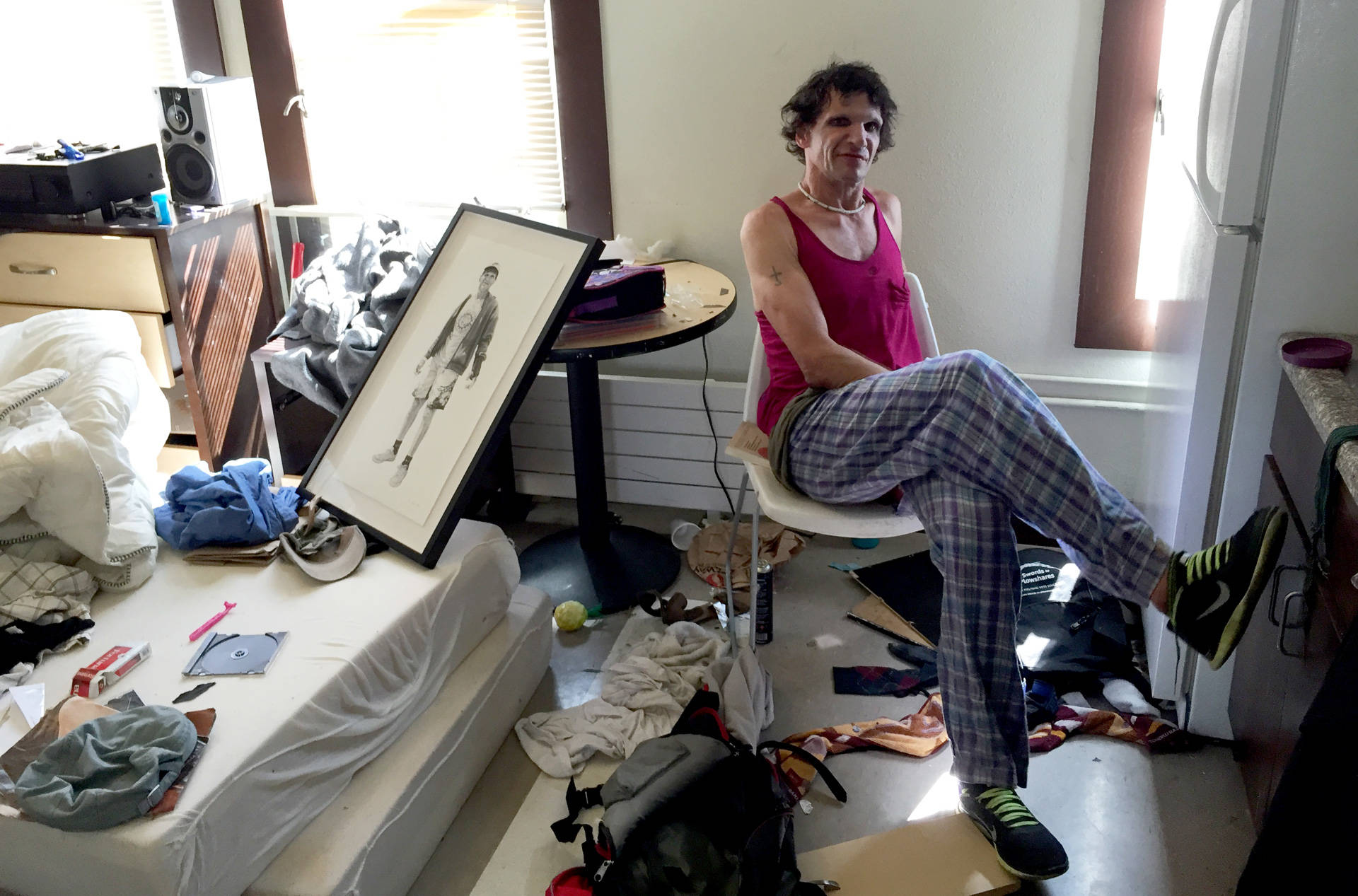
"caption": "George Arthur sits in his new studio apartment in San Francisco, after spending 25 years living in shelters and on the streets.",
"description": "George Arthur sits in his new studio apartment in San Francisco, after spending 25 years living in shelters and on the streets.",
"title": "GeorgeArthur",
"credit": "Alexander Cwalinski/KQED",
"status": "inherit",
"isLoading": false,
"fetchFailed": false
},
"news_10960001": {
"type": "attachments",
"id": "news_10960001",
"meta": {
"index": "attachments_1716263798",
"site": "news",
"id": "10960001",
"found": true
},
"parent": 10958891,
"imgSizes": {
"twentyfourteen-full-width": {
"file": "https://ww2.kqed.org/app/uploads/sites/10/2016/05/HomelessLA-1038x576.jpg",
"width": 1038,
"mimeType": "image/jpeg",
"height": 576
},
"thumbnail": {
"file": "https://ww2.kqed.org/app/uploads/sites/10/2016/05/HomelessLA-400x213.jpg",
"width": 400,
"mimeType": "image/jpeg",
"height": 213
},
"fd-sm": {
"file": "https://ww2.kqed.org/app/uploads/sites/10/2016/05/HomelessLA-960x511.jpg",
"width": 960,
"mimeType": "image/jpeg",
"height": 511
},
"post-thumbnail": {
"file": "https://ww2.kqed.org/app/uploads/sites/10/2016/05/HomelessLA-672x372.jpg",
"width": 672,
"mimeType": "image/jpeg",
"height": 372
},
"kqedFullSize": {
"file": "https://ww2.kqed.org/app/uploads/sites/10/2016/05/HomelessLA.jpg",
"width": 1920,
"height": 1022
},
"large": {
"file": "https://ww2.kqed.org/app/uploads/sites/10/2016/05/HomelessLA-1920x1022.jpg",
"width": 1920,
"mimeType": "image/jpeg",
"height": 1022
},
"guest-author-50": {
"file": "https://ww2.kqed.org/app/uploads/sites/10/2016/05/HomelessLA-50x50.jpg",
"width": 50,
"mimeType": "image/jpeg",
"height": 50
},
"guest-author-96": {
"file": "https://ww2.kqed.org/app/uploads/sites/10/2016/05/HomelessLA-96x96.jpg",
"width": 96,
"mimeType": "image/jpeg",
"height": 96
},
"medium": {
"file": "https://ww2.kqed.org/app/uploads/sites/10/2016/05/HomelessLA-800x426.jpg",
"width": 800,
"mimeType": "image/jpeg",
"height": 426
},
"guest-author-64": {
"file": "https://ww2.kqed.org/app/uploads/sites/10/2016/05/HomelessLA-64x64.jpg",
"width": 64,
"mimeType": "image/jpeg",
"height": 64
},
"guest-author-32": {
"file": "https://ww2.kqed.org/app/uploads/sites/10/2016/05/HomelessLA-32x32.jpg",
"width": 32,
"mimeType": "image/jpeg",
"height": 32
},
"jmtc-small-thumb": {
"file": "https://ww2.kqed.org/app/uploads/sites/10/2016/05/HomelessLA-280x150.jpg",
"width": 280,
"mimeType": "image/jpeg",
"height": 150
},
"fd-lrg": {
"file": "https://ww2.kqed.org/app/uploads/sites/10/2016/05/HomelessLA-1920x1022.jpg",
"width": 1920,
"mimeType": "image/jpeg",
"height": 1022
},
"fd-med": {
"file": "https://ww2.kqed.org/app/uploads/sites/10/2016/05/HomelessLA-1180x628.jpg",
"width": 1180,
"mimeType": "image/jpeg",
"height": 628
},
"detail": {
"file": "https://ww2.kqed.org/app/uploads/sites/10/2016/05/HomelessLA-150x150.jpg",
"width": 150,
"mimeType": "image/jpeg",
"height": 150
},
"guest-author-128": {
"file": "https://ww2.kqed.org/app/uploads/sites/10/2016/05/HomelessLA-128x128.jpg",
"width": 128,
"mimeType": "image/jpeg",
"height": 128
}
},
"publishDate": 1463618731,
"modified": 1463618769,
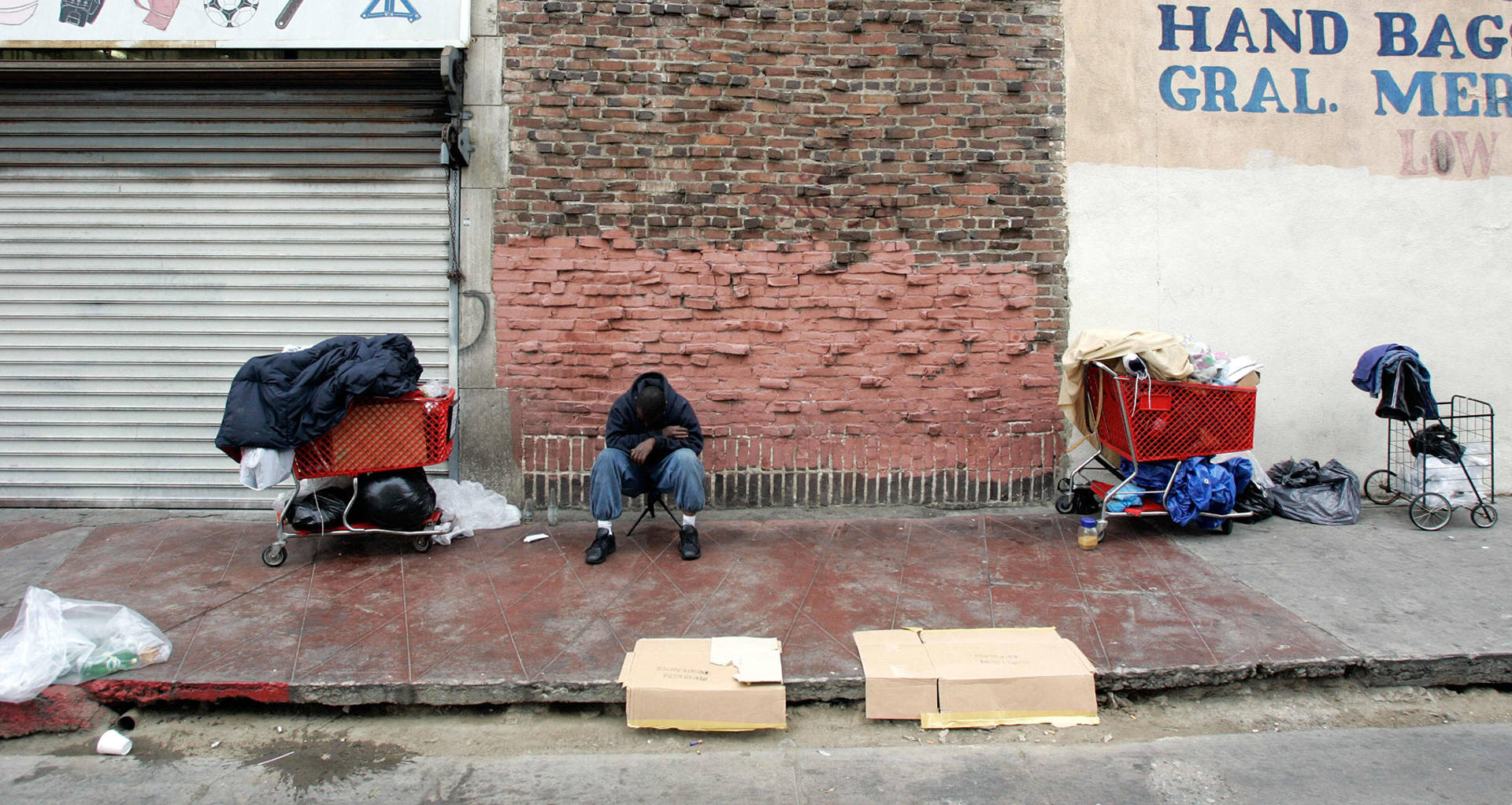
"caption": "A homeless man waits to get in line for food distribution in Los Angeles.",
"description": "A homeless man waits to get in line for food distribution in Los Angeles.",
"title": "HomelessLA",
"credit": "HECTOR MATA/AFP/Getty Images",
"status": "inherit",
"isLoading": false,
"fetchFailed": false
},
"news_10945316": {
"type": "attachments",
"id": "news_10945316",
"meta": {
"index": "attachments_1716263798",
"site": "news",
"id": "10945316",
"found": true
},
"parent": 10945315,
"imgSizes": {
"twentyfourteen-full-width": {
"file": "https://ww2.kqed.org/app/uploads/sites/10/2016/05/IMG_0283-e1462328312998-1038x576.jpg",
"width": 1038,
"mimeType": "image/jpeg",
"height": 576
},
"thumbnail": {
"file": "https://ww2.kqed.org/app/uploads/sites/10/2016/05/IMG_0283-e1462328312998-400x369.jpg",
"width": 400,
"mimeType": "image/jpeg",
"height": 369
},
"fd-sm": {
"file": "https://ww2.kqed.org/app/uploads/sites/10/2016/05/IMG_0283-e1462328312998-960x887.jpg",
"width": 960,
"mimeType": "image/jpeg",
"height": 887
},
"post-thumbnail": {
"file": "https://ww2.kqed.org/app/uploads/sites/10/2016/05/IMG_0283-e1462328312998-672x372.jpg",
"width": 672,
"mimeType": "image/jpeg",
"height": 372
},
"kqedFullSize": {
"file": "https://ww2.kqed.org/app/uploads/sites/10/2016/05/IMG_0283-e1462328312998.jpg",
"width": 1936,
"height": 1788
},
"large": {
"file": "https://ww2.kqed.org/app/uploads/sites/10/2016/05/IMG_0283-e1462328312998-1920x1773.jpg",
"width": 1920,
"mimeType": "image/jpeg",
"height": 1773
},
"guest-author-96": {
"file": "https://ww2.kqed.org/app/uploads/sites/10/2016/05/IMG_0283-e1462328312998-96x96.jpg",
"width": 96,
"mimeType": "image/jpeg",
"height": 96
},
"medium": {
"file": "https://ww2.kqed.org/app/uploads/sites/10/2016/05/IMG_0283-e1462328312998-800x739.jpg",
"width": 800,
"mimeType": "image/jpeg",
"height": 739
},
"guest-author-64": {
"file": "https://ww2.kqed.org/app/uploads/sites/10/2016/05/IMG_0283-e1462328312998-64x64.jpg",
"width": 64,
"mimeType": "image/jpeg",
"height": 64
},
"guest-author-32": {
"file": "https://ww2.kqed.org/app/uploads/sites/10/2016/05/IMG_0283-e1462328312998-32x32.jpg",
"width": 32,
"mimeType": "image/jpeg",
"height": 32
},
"jmtc-small-thumb": {
"file": "https://ww2.kqed.org/app/uploads/sites/10/2016/05/IMG_0283-e1462328312998-280x150.jpg",
"width": 280,
"mimeType": "image/jpeg",
"height": 150
},
"fd-lrg": {
"file": "https://ww2.kqed.org/app/uploads/sites/10/2016/05/IMG_0283-e1462328312998-1920x1773.jpg",
"width": 1920,
"mimeType": "image/jpeg",
"height": 1773
},
"fd-med": {
"file": "https://ww2.kqed.org/app/uploads/sites/10/2016/05/IMG_0283-e1462328312998-1180x1090.jpg",
"width": 1180,
"mimeType": "image/jpeg",
"height": 1090
},
"detail": {
"file": "https://ww2.kqed.org/app/uploads/sites/10/2016/05/IMG_0283-e1462328312998-150x150.jpg",
"width": 150,
"mimeType": "image/jpeg",
"height": 150
},
"guest-author-128": {
"file": "https://ww2.kqed.org/app/uploads/sites/10/2016/05/IMG_0283-e1462328312998-128x128.jpg",
"width": 128,
"mimeType": "image/jpeg",
"height": 128
}
},
"publishDate": 1462328155,
"modified": 1463032202,
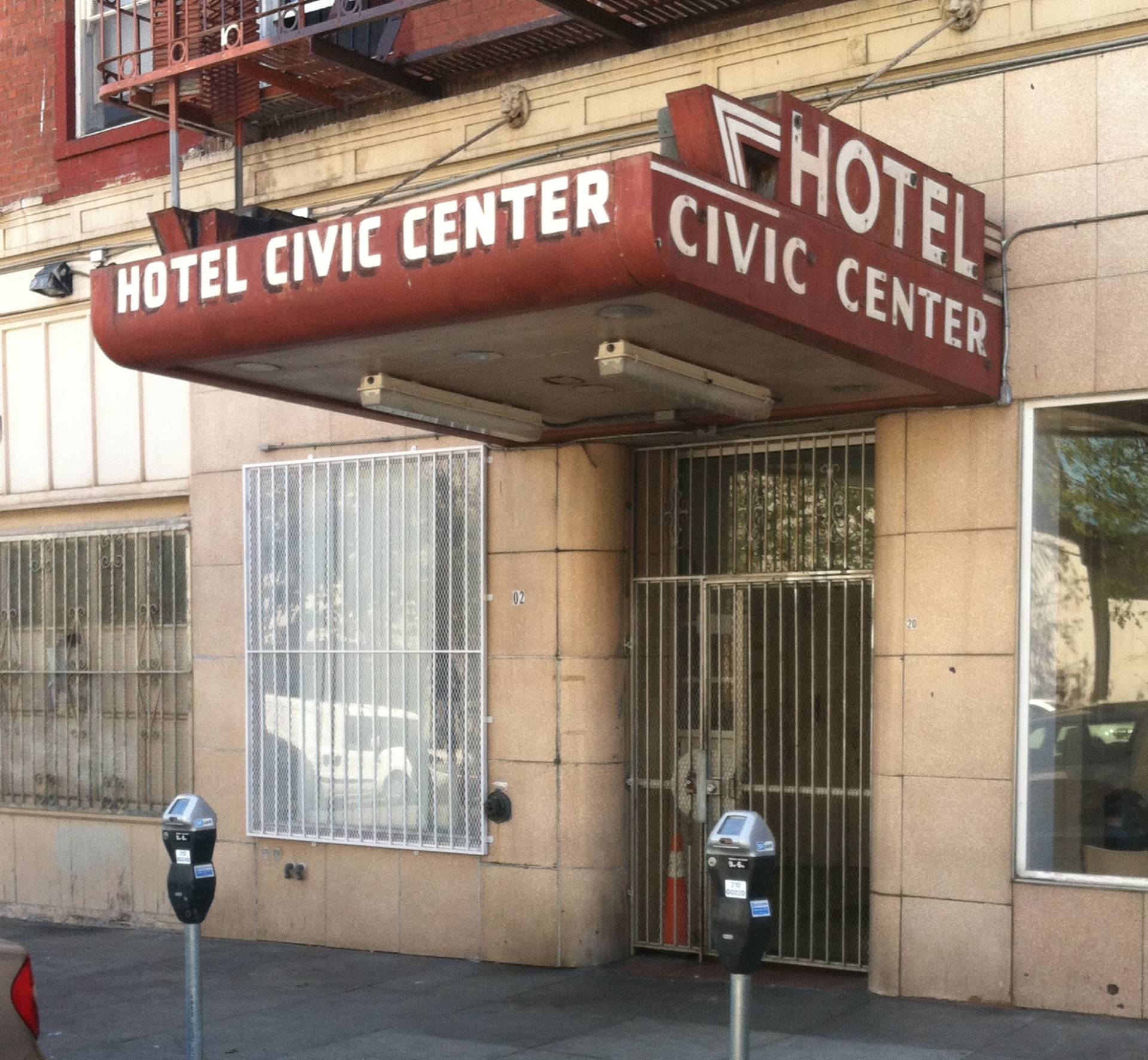
"caption": "San Francisco turned the old Civic Center Hotel into its second Navigation Center.",
"description": null,
"title": "2nd Navigation Center",
"credit": "Sam Harnett/KQED",
"status": "inherit",
"isLoading": false,
"fetchFailed": false
},
"news_10945202": {
"type": "attachments",
"id": "news_10945202",
"meta": {
"index": "attachments_1716263798",
"site": "news",
"id": "10945202",
"found": true
},
"parent": 10945201,
"imgSizes": {
"twentyfourteen-full-width": {
"file": "https://ww2.kqed.org/app/uploads/sites/10/2016/05/gettyimages-535059167-3c4534df25a84c16246189ea2bd1dc9ebb96b9e4-1038x576.jpg",
"width": 1038,
"mimeType": "image/jpeg",
"height": 576
},
"thumbnail": {
"file": "https://ww2.kqed.org/app/uploads/sites/10/2016/05/gettyimages-535059167-3c4534df25a84c16246189ea2bd1dc9ebb96b9e4-400x300.jpg",
"width": 400,
"mimeType": "image/jpeg",
"height": 300
},
"fd-sm": {
"file": "https://ww2.kqed.org/app/uploads/sites/10/2016/05/gettyimages-535059167-3c4534df25a84c16246189ea2bd1dc9ebb96b9e4-960x720.jpg",
"width": 960,
"mimeType": "image/jpeg",
"height": 720
},
"post-thumbnail": {
"file": "https://ww2.kqed.org/app/uploads/sites/10/2016/05/gettyimages-535059167-3c4534df25a84c16246189ea2bd1dc9ebb96b9e4-672x372.jpg",
"width": 672,
"mimeType": "image/jpeg",
"height": 372
},
"kqedFullSize": {
"file": "https://ww2.kqed.org/app/uploads/sites/10/2016/05/gettyimages-535059167-3c4534df25a84c16246189ea2bd1dc9ebb96b9e4-e1472144109189.jpg",
"width": 1920,
"height": 1440
},
"large": {
"file": "https://ww2.kqed.org/app/uploads/sites/10/2016/05/gettyimages-535059167-3c4534df25a84c16246189ea2bd1dc9ebb96b9e4-1920x1440.jpg",
"width": 1920,
"mimeType": "image/jpeg",
"height": 1440
},
"guest-author-96": {
"file": "https://ww2.kqed.org/app/uploads/sites/10/2016/05/gettyimages-535059167-3c4534df25a84c16246189ea2bd1dc9ebb96b9e4-96x96.jpg",
"width": 96,
"mimeType": "image/jpeg",
"height": 96
},
"medium": {
"file": "https://ww2.kqed.org/app/uploads/sites/10/2016/05/gettyimages-535059167-3c4534df25a84c16246189ea2bd1dc9ebb96b9e4-800x600.jpg",
"width": 800,
"mimeType": "image/jpeg",
"height": 600
},
"guest-author-64": {
"file": "https://ww2.kqed.org/app/uploads/sites/10/2016/05/gettyimages-535059167-3c4534df25a84c16246189ea2bd1dc9ebb96b9e4-64x64.jpg",
"width": 64,
"mimeType": "image/jpeg",
"height": 64
},
"guest-author-32": {
"file": "https://ww2.kqed.org/app/uploads/sites/10/2016/05/gettyimages-535059167-3c4534df25a84c16246189ea2bd1dc9ebb96b9e4-32x32.jpg",
"width": 32,
"mimeType": "image/jpeg",
"height": 32
},
"jmtc-small-thumb": {
"file": "https://ww2.kqed.org/app/uploads/sites/10/2016/05/gettyimages-535059167-3c4534df25a84c16246189ea2bd1dc9ebb96b9e4-280x150.jpg",
"width": 280,
"mimeType": "image/jpeg",
"height": 150
},
"fd-lrg": {
"file": "https://ww2.kqed.org/app/uploads/sites/10/2016/05/gettyimages-535059167-3c4534df25a84c16246189ea2bd1dc9ebb96b9e4-1920x1440.jpg",
"width": 1920,
"mimeType": "image/jpeg",
"height": 1440
},
"fd-med": {
"file": "https://ww2.kqed.org/app/uploads/sites/10/2016/05/gettyimages-535059167-3c4534df25a84c16246189ea2bd1dc9ebb96b9e4-1180x885.jpg",
"width": 1180,
"mimeType": "image/jpeg",
"height": 885
},
"detail": {
"file": "https://ww2.kqed.org/app/uploads/sites/10/2016/05/gettyimages-535059167-3c4534df25a84c16246189ea2bd1dc9ebb96b9e4-150x150.jpg",
"width": 150,
"mimeType": "image/jpeg",
"height": 150
},
"guest-author-128": {
"file": "https://ww2.kqed.org/app/uploads/sites/10/2016/05/gettyimages-535059167-3c4534df25a84c16246189ea2bd1dc9ebb96b9e4-128x128.jpg",
"width": 128,
"mimeType": "image/jpeg",
"height": 128
}
},
"publishDate": 1462321240,
"modified": 1472144140,
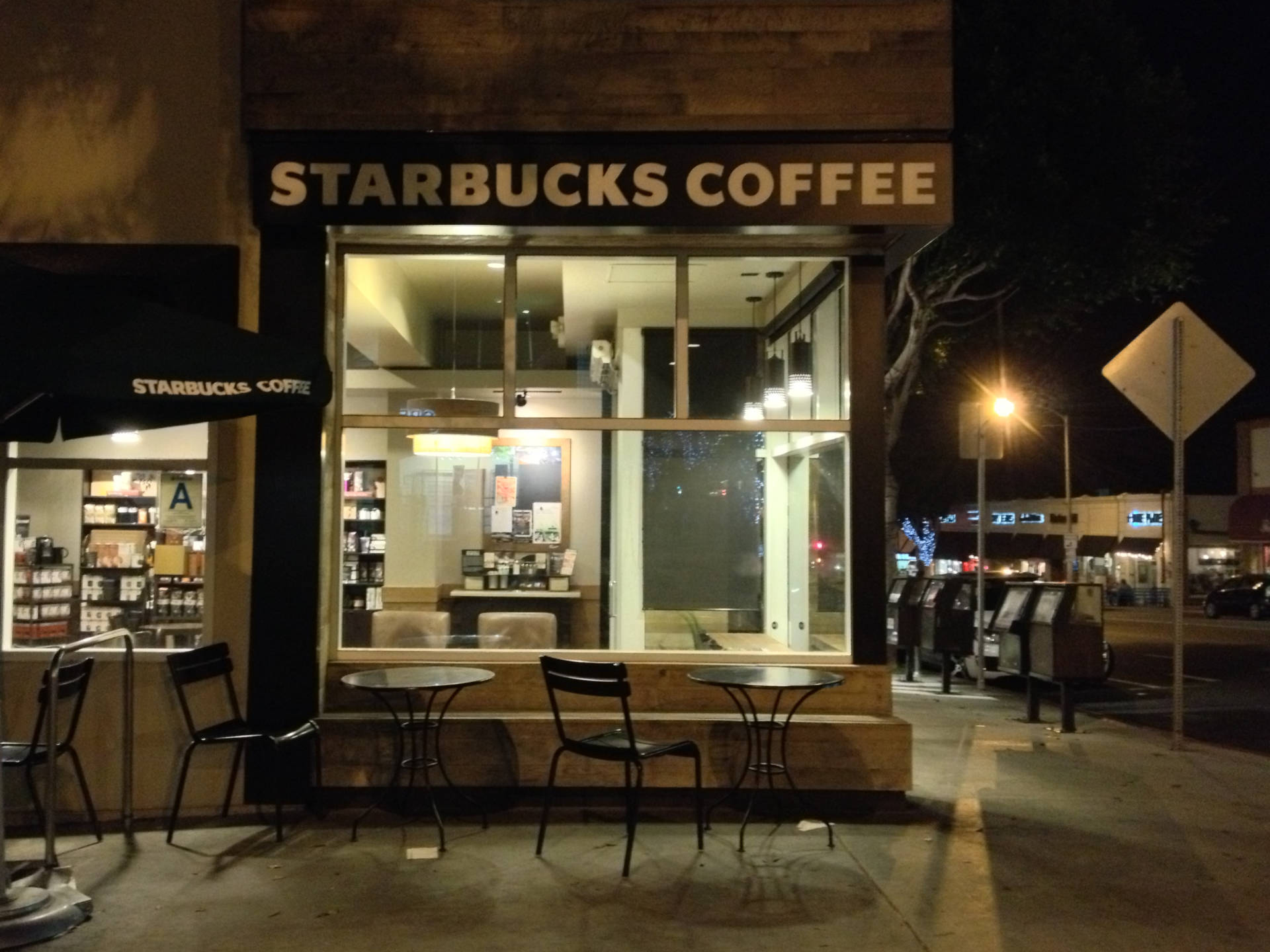
"caption": "A Starbucks in Santa Monica. ",
"description": "A Starbucks in Santa Monica. With no other place to go, many of Los Angeles' homeless end up at the chain's outlets — to the consternation of some employees.",
"title": "Starbucks",
"credit": "Denise Taylor/Moment Editorial-Getty Images",
"status": "inherit",
"isLoading": false,
"fetchFailed": false
},
"news_10907123": {
"type": "attachments",
"id": "news_10907123",
"meta": {
"index": "attachments_1716263798",
"site": "news",
"id": "10907123",
"found": true
},
"parent": 10905680,
"imgSizes": {
"twentyfourteen-full-width": {
"file": "https://ww2.kqed.org/app/uploads/sites/10/2016/03/Henry-Hotel-005-1038x576.jpg",
"width": 1038,
"mimeType": "image/jpeg",
"height": 576
},
"thumbnail": {
"file": "https://ww2.kqed.org/app/uploads/sites/10/2016/03/Henry-Hotel-005-400x267.jpg",
"width": 400,
"mimeType": "image/jpeg",
"height": 267
},
"fd-sm": {
"file": "https://ww2.kqed.org/app/uploads/sites/10/2016/03/Henry-Hotel-005-960x640.jpg",
"width": 960,
"mimeType": "image/jpeg",
"height": 640
},
"post-thumbnail": {
"file": "https://ww2.kqed.org/app/uploads/sites/10/2016/03/Henry-Hotel-005-672x372.jpg",
"width": 672,
"mimeType": "image/jpeg",
"height": 372
},
"kqedFullSize": {
"file": "https://ww2.kqed.org/app/uploads/sites/10/2016/03/Henry-Hotel-005-e1458846517921.jpg",
"width": 1920,
"height": 1280
},
"large": {
"file": "https://ww2.kqed.org/app/uploads/sites/10/2016/03/Henry-Hotel-005-1920x1280.jpg",
"width": 1920,
"mimeType": "image/jpeg",
"height": 1280
},
"guest-author-96": {
"file": "https://ww2.kqed.org/app/uploads/sites/10/2016/03/Henry-Hotel-005-96x96.jpg",
"width": 96,
"mimeType": "image/jpeg",
"height": 96
},
"medium": {
"file": "https://ww2.kqed.org/app/uploads/sites/10/2016/03/Henry-Hotel-005-800x533.jpg",
"width": 800,
"mimeType": "image/jpeg",
"height": 533
},
"guest-author-64": {
"file": "https://ww2.kqed.org/app/uploads/sites/10/2016/03/Henry-Hotel-005-64x64.jpg",
"width": 64,
"mimeType": "image/jpeg",
"height": 64
},
"guest-author-32": {
"file": "https://ww2.kqed.org/app/uploads/sites/10/2016/03/Henry-Hotel-005-32x32.jpg",
"width": 32,
"mimeType": "image/jpeg",
"height": 32
},
"jmtc-small-thumb": {
"file": "https://ww2.kqed.org/app/uploads/sites/10/2016/03/Henry-Hotel-005-280x150.jpg",
"width": 280,
"mimeType": "image/jpeg",
"height": 150
},
"fd-lrg": {
"file": "https://ww2.kqed.org/app/uploads/sites/10/2016/03/Henry-Hotel-005-1920x1280.jpg",
"width": 1920,
"mimeType": "image/jpeg",
"height": 1280
},
"fd-med": {
"file": "https://ww2.kqed.org/app/uploads/sites/10/2016/03/Henry-Hotel-005-1180x787.jpg",
"width": 1180,
"mimeType": "image/jpeg",
"height": 787
},
"detail": {
"file": "https://ww2.kqed.org/app/uploads/sites/10/2016/03/Henry-Hotel-005-75x75.jpg",
"width": 75,
"mimeType": "image/jpeg",
"height": 75
},
"guest-author-128": {
"file": "https://ww2.kqed.org/app/uploads/sites/10/2016/03/Henry-Hotel-005-128x128.jpg",
"width": 128,
"mimeType": "image/jpeg",
"height": 128
}
},
"publishDate": 1458801496,
"modified": 1458801552,
"caption": "The old Henry Hotel has been converted into housing for the homeless.",
"description": null,
"title": "Henry Hotel 005",
"credit": "Alyssa Schrag/ECS",
"status": "inherit",
"isLoading": false,
"fetchFailed": false
},
"news_10904000": {
"type": "attachments",
"id": "news_10904000",
"meta": {
"index": "attachments_1716263798",
"site": "news",
"id": "10904000",
"found": true
},
"parent": 10903998,
"imgSizes": {
"twentyfourteen-full-width": {
"file": "https://ww2.kqed.org/app/uploads/sites/10/2016/03/youth-radio-01_custom-be326287ff6896974d12f0216c5502937354e1d5-1038x576.jpg",
"width": 1038,
"mimeType": "image/jpeg",
"height": 576
},
"thumbnail": {
"file": "https://ww2.kqed.org/app/uploads/sites/10/2016/03/youth-radio-01_custom-be326287ff6896974d12f0216c5502937354e1d5-400x266.jpg",
"width": 400,
"mimeType": "image/jpeg",
"height": 266
},
"fd-sm": {
"file": "https://ww2.kqed.org/app/uploads/sites/10/2016/03/youth-radio-01_custom-be326287ff6896974d12f0216c5502937354e1d5-960x639.jpg",
"width": 960,
"mimeType": "image/jpeg",
"height": 639
},
"post-thumbnail": {
"file": "https://ww2.kqed.org/app/uploads/sites/10/2016/03/youth-radio-01_custom-be326287ff6896974d12f0216c5502937354e1d5-672x372.jpg",
"width": 672,
"mimeType": "image/jpeg",
"height": 372
},
"kqedFullSize": {
"file": "https://ww2.kqed.org/app/uploads/sites/10/2016/03/youth-radio-01_custom-be326287ff6896974d12f0216c5502937354e1d5.jpg",
"width": 3000,
"height": 1998
},
"large": {
"file": "https://ww2.kqed.org/app/uploads/sites/10/2016/03/youth-radio-01_custom-be326287ff6896974d12f0216c5502937354e1d5-1920x1279.jpg",
"width": 1920,
"mimeType": "image/jpeg",
"height": 1279
},
"guest-author-96": {
"file": "https://ww2.kqed.org/app/uploads/sites/10/2016/03/youth-radio-01_custom-be326287ff6896974d12f0216c5502937354e1d5-96x96.jpg",
"width": 96,
"mimeType": "image/jpeg",
"height": 96
},
"medium": {
"file": "https://ww2.kqed.org/app/uploads/sites/10/2016/03/youth-radio-01_custom-be326287ff6896974d12f0216c5502937354e1d5-800x533.jpg",
"width": 800,
"mimeType": "image/jpeg",
"height": 533
},
"guest-author-64": {
"file": "https://ww2.kqed.org/app/uploads/sites/10/2016/03/youth-radio-01_custom-be326287ff6896974d12f0216c5502937354e1d5-64x64.jpg",
"width": 64,
"mimeType": "image/jpeg",
"height": 64
},
"guest-author-32": {
"file": "https://ww2.kqed.org/app/uploads/sites/10/2016/03/youth-radio-01_custom-be326287ff6896974d12f0216c5502937354e1d5-32x32.jpg",
"width": 32,
"mimeType": "image/jpeg",
"height": 32
},
"jmtc-small-thumb": {
"file": "https://ww2.kqed.org/app/uploads/sites/10/2016/03/youth-radio-01_custom-be326287ff6896974d12f0216c5502937354e1d5-280x150.jpg",
"width": 280,
"mimeType": "image/jpeg",
"height": 150
},
"fd-lrg": {
"file": "https://ww2.kqed.org/app/uploads/sites/10/2016/03/youth-radio-01_custom-be326287ff6896974d12f0216c5502937354e1d5-1920x1279.jpg",
"width": 1920,
"mimeType": "image/jpeg",
"height": 1279
},
"fd-med": {
"file": "https://ww2.kqed.org/app/uploads/sites/10/2016/03/youth-radio-01_custom-be326287ff6896974d12f0216c5502937354e1d5-1180x786.jpg",
"width": 1180,
"mimeType": "image/jpeg",
"height": 786
},
"detail": {
"file": "https://ww2.kqed.org/app/uploads/sites/10/2016/03/youth-radio-01_custom-be326287ff6896974d12f0216c5502937354e1d5-75x75.jpg",
"width": 75,
"mimeType": "image/jpeg",
"height": 75
},
"guest-author-128": {
"file": "https://ww2.kqed.org/app/uploads/sites/10/2016/03/youth-radio-01_custom-be326287ff6896974d12f0216c5502937354e1d5-128x128.jpg",
"width": 128,
"mimeType": "image/jpeg",
"height": 128
}
},
"publishDate": 1458586133,
"modified": 1458595961,
"caption": "Mercy, a San Francisco-based nonprofit, provides subsidized affordable housing for low-income residents, including 25 apartments reserved for 18- to 24-year-olds.",
"description": "Mercy, a San Francisco-based nonprofit, provides subsidized affordable housing for low-income residents, including 25 apartments reserved for 18- to 24-year-olds.",
"title": "Mercy, a San Francisco-based nonprofit, provides subsidized affordable housing for low-income residents, including 25 apartments reserved for 18- to 24-year-olds.",
"credit": "Shawn Wen/Youth Radio",
"status": "inherit",
"isLoading": false,
"fetchFailed": false
},
"news_10508463": {
"type": "attachments",
"id": "news_10508463",
"meta": {
"index": "attachments_1716263798",
"site": "news",
"id": "10508463",
"found": true
},
"parent": 10507908,
"imgSizes": {
"twentyfourteen-full-width": {
"file": "https://ww2.kqed.org/app/uploads/sites/10/2015/04/EdLee-1038x576.jpg",
"width": 1038,
"mimeType": "image/jpeg",
"height": 576
},
"thumbnail": {
"file": "https://ww2.kqed.org/app/uploads/sites/10/2015/04/EdLee-400x345.jpg",
"width": 400,
"mimeType": "image/jpeg",
"height": 345
},
"fd-sm": {
"file": "https://ww2.kqed.org/app/uploads/sites/10/2015/04/EdLee-960x829.jpg",
"width": 960,
"mimeType": "image/jpeg",
"height": 829
},
"post-thumbnail": {
"file": "https://ww2.kqed.org/app/uploads/sites/10/2015/04/EdLee-672x372.jpg",
"width": 672,
"mimeType": "image/jpeg",
"height": 372
},
"kqedFullSize": {
"file": "https://ww2.kqed.org/app/uploads/sites/10/2015/04/EdLee.jpg",
"width": 1920,
"height": 1658
},
"large": {
"file": "https://ww2.kqed.org/app/uploads/sites/10/2015/04/EdLee-1440x1244.jpg",
"width": 1440,
"mimeType": "image/jpeg",
"height": 1244
},
"guest-author-96": {
"file": "https://ww2.kqed.org/app/uploads/sites/10/2015/04/EdLee-96x96.jpg",
"width": 96,
"mimeType": "image/jpeg",
"height": 96
},
"medium": {
"file": "https://ww2.kqed.org/app/uploads/sites/10/2015/04/EdLee-800x691.jpg",
"width": 800,
"mimeType": "image/jpeg",
"height": 691
},
"guest-author-64": {
"file": "https://ww2.kqed.org/app/uploads/sites/10/2015/04/EdLee-64x64.jpg",
"width": 64,
"mimeType": "image/jpeg",
"height": 64
},
"guest-author-32": {
"file": "https://ww2.kqed.org/app/uploads/sites/10/2015/04/EdLee-32x32.jpg",
"width": 32,
"mimeType": "image/jpeg",
"height": 32
},
"fd-med": {
"file": "https://ww2.kqed.org/app/uploads/sites/10/2015/04/EdLee-1180x1019.jpg",
"width": 1180,
"mimeType": "image/jpeg",
"height": 1019
},
"detail": {
"file": "https://ww2.kqed.org/app/uploads/sites/10/2015/04/EdLee-75x75.jpg",
"width": 75,
"mimeType": "image/jpeg",
"height": 75
},
"guest-author-128": {
"file": "https://ww2.kqed.org/app/uploads/sites/10/2015/04/EdLee-128x128.jpg",
"width": 128,
"mimeType": "image/jpeg",
"height": 128
}
},
"publishDate": 1430441361,
"modified": 1452724444,
"caption": "San Francisco Mayor Ed Lee.",
"description": "San Francisco Mayor Ed Lee announced a proposal to purchase 1,600 to 1,800 police body cameras over the next two years.",
"title": "EdLee",
"credit": "Michelle Gachet/KQED",
"status": "inherit",
"isLoading": false,
"fetchFailed": false
}
},
"audioPlayerReducer": {
"postId": "stream_live",
"isPaused": true,
"isPlaying": false,
"pfsActive": false,
"pledgeModalIsOpen": true,
"playerDrawerIsOpen": false,
"liveAudioPlayStartedAt": 0,
"liveAudioPlayContext": ""
},
"authorsReducer": {
"byline_news_10997967": {
"type": "authors",
"id": "byline_news_10997967",
"meta": {
"override": true
},
"slug": "byline_news_10997967",
"name": "Stephen Talbot",
"isLoading": false
},
"byline_news_10999942": {
"type": "authors",
"id": "byline_news_10999942",
"meta": {
"override": true
},
"slug": "byline_news_10999942",
"name": "\u003cstrong>\u003ca href=\"http://www.sfchronicle.com/author/kevin-fagan/\">Kevin Fagan\u003c/a>\u003cbr />\u003ca href=\"http://www.sfchronicle.com/\">San Francisco Chronicle\u003c/a>\u003c/strong>",
"isLoading": false
},
"byline_news_10960771": {
"type": "authors",
"id": "byline_news_10960771",
"meta": {
"override": true
},
"slug": "byline_news_10960771",
"name": "Michael Montgomery",
"isLoading": false
},
"byline_news_10945201": {
"type": "authors",
"id": "byline_news_10945201",
"meta": {
"override": true
},
"slug": "byline_news_10945201",
"name": "\u003cstrong>Anna Scott\u003cbr>\u003ca href=\"http://www.npr.org/\">NPR\u003c/a>\u003c/strong>",
"isLoading": false
},
"byline_news_10903998": {
"type": "authors",
"id": "byline_news_10903998",
"meta": {
"override": true
},
"slug": "byline_news_10903998",
"name": "\u003cstrong>\u003ca href=\"https://youthradio.org/staff/kasey-saeturn/\">Kasey Saeturn\u003c/a>\u003cbr>\u003ca href=\"https://youthradio.org/\">Youth Radio\u003c/a>\u003c/strong>",
"isLoading": false
},
"danbrekke": {
"type": "authors",
"id": "222",
"meta": {
"index": "authors_1716337520",
"id": "222",
"found": true
},
"name": "Dan Brekke",
"firstName": "Dan",
"lastName": "Brekke",
"slug": "danbrekke",
"email": "dbrekke@kqed.org",
"display_author_email": true,
"staff_mastheads": [
"news",
"science"
],
"title": "KQED Editor and Reporter",
"bio": "Dan Brekke is a reporter and editor for KQED News, responsible for coverage of topics ranging from California water issues to the Bay Area's transportation challenges. In a newsroom career that began in Chicago in 1972, Dan has worked for \u003cem>The San Francisco Examiner,\u003c/em> Wired and TechTV and has been published in The New York Times, The New York Times Magazine, Business 2.0, Salon and elsewhere.\r\n\r\nSince joining KQED in 2007, Dan has reported, edited and produced both radio and online features and breaking news pieces. He has shared as both editor and reporter in four Society of Professional Journalists Norcal Excellence in Journalism awards and one Edward R. Murrow regional award. He was chosen for a spring 2017 residency at the Mesa Refuge to advance his research on California salmon.\r\n\r\nEmail Dan at: \u003ca href=\"mailto:dbrekke@kqed.org\">dbrekke@kqed.org\u003c/a>\r\n\r\n\u003cstrong>Twitter:\u003c/strong> \u003ca href=\"https://twitter.com/danbrekke\" rel=\"noopener noreferrer\">twitter.com/danbrekke\u003c/a>\r\n\u003cstrong>Facebook:\u003c/strong> \u003ca href=\"https://www.facebook.com/danbrekke\" rel=\"noopener noreferrer\">www.facebook.com/danbrekke\u003c/a>\r\n\u003cstrong>LinkedIn:\u003c/strong> \u003ca href=\"https://www.linkedin.com/in/danbrekke\" rel=\"noopener noreferrer\">www.linkedin.com/in/danbrekke\u003c/a>",
"avatar": "https://secure.gravatar.com/avatar/c8126230345efca3f7aa89b1a402be45?s=600&d=mm&r=g",
"twitter": "danbrekke",
"facebook": null,
"instagram": "https://www.instagram.com/dan.brekke/",
"linkedin": "https://www.linkedin.com/in/danbrekke/",
"sites": [
{
"site": "news",
"roles": [
"administrator",
"create_posts"
]
},
{
"site": "stateofhealth",
"roles": [
"editor"
]
},
{
"site": "science",
"roles": [
"editor"
]
},
{
"site": "quest",
"roles": [
"contributor"
]
},
{
"site": "food",
"roles": [
"contributor"
]
},
{
"site": "forum",
"roles": [
"contributor"
]
},
{
"site": "liveblog",
"roles": [
"editor"
]
}
],
"headData": {
"title": "Dan Brekke | KQED",
"description": "KQED Editor and Reporter",
"ogImgSrc": "https://secure.gravatar.com/avatar/c8126230345efca3f7aa89b1a402be45?s=600&d=mm&r=g",
"twImgSrc": "https://secure.gravatar.com/avatar/c8126230345efca3f7aa89b1a402be45?s=600&d=mm&r=g"
},
"isLoading": false,
"link": "/author/danbrekke"
},
"samharnett": {
"type": "authors",
"id": "253",
"meta": {
"index": "authors_1716337520",
"id": "253",
"found": true
},
"name": "Sam Harnett",
"firstName": "Sam",
"lastName": "Harnett",
"slug": "samharnett",
"email": "samharnett@gmail.com",
"display_author_email": false,
"staff_mastheads": [],
"title": "KQED Contributor",
"bio": "Sam Harnett covered tech and work at KQED. He is the co-creator of \u003cem>\u003ca href=\"http://www.theworldaccordingtosound.org\">The World According to Sound\u003c/a>,\u003c/em> a 90-second podcast that features different sounds and the stories behind them.\r\n\r\nBefore coming to KQED, Sam worked as an independent reporter who contributed regularly to \u003cem>The California Report, Marketplace,\u003c/em> \u003cem>The World \u003c/em>and NPR.",
"avatar": "https://secure.gravatar.com/avatar/2538b972ac02f2b9546c7a6c59a0f3d0?s=600&d=blank&r=g",
"twitter": "Samwharnett",
"facebook": null,
"instagram": null,
"linkedin": null,
"sites": [
{
"site": "news",
"roles": [
"edit_others_posts",
"subscriber"
]
},
{
"site": "stateofhealth",
"roles": [
"author"
]
},
{
"site": "science",
"roles": [
"editor"
]
},
{
"site": "quest",
"roles": [
"subscriber"
]
}
],
"headData": {
"title": "Sam Harnett | KQED",
"description": "KQED Contributor",
"ogImgSrc": "https://secure.gravatar.com/avatar/2538b972ac02f2b9546c7a6c59a0f3d0?s=600&d=blank&r=g",
"twImgSrc": "https://secure.gravatar.com/avatar/2538b972ac02f2b9546c7a6c59a0f3d0?s=600&d=blank&r=g"
},
"isLoading": false,
"link": "/author/samharnett"
},
"scuevas": {
"type": "authors",
"id": "2600",
"meta": {
"index": "authors_1716337520",
"id": "2600",
"found": true
},
"name": "Steven Cuevas",
"firstName": "Steven",
"lastName": "Cuevas",
"slug": "scuevas",
"email": "scuevas@kqed.org",
"display_author_email": false,
"staff_mastheads": [],
"title": "KQED Contributor",
"bio": "Steven is a former Los Angeles bureau chief for The California Report.\r\n\r\nHe reports on an array of issues across the Southland, from immigration and regional politics to religion, the performing arts and pop culture.\r\n\r\nPrior to joining KQED in 2012, Steven covered Inland southern California for KPCC in Pasadena. He also helped establish the first newsroom at \u003ca href=\"http://kut.org/\">KUT\u003c/a> in Austin, Texas where he was a general assignment reporter.\r\n\r\nSteven has received numerous awards for his reporting including an RTNDA Edward R. Murrow Award for investigative reporting in addition to awards from the LA Press Club, the Associated Press and the Society for Professional Journalists.\r\n\r\nSteven grew up in and around San Francisco and now lives in Pasadena just a short jog from the foot of the San Gabriel Mountains.",
"avatar": "https://secure.gravatar.com/avatar/bbb0bb7b496f83ab350e23ad0dc7c81c?s=600&d=blank&r=g",
"twitter": null,
"facebook": null,
"instagram": null,
"linkedin": null,
"sites": [
{
"site": "news",
"roles": [
"contributor"
]
},
{
"site": "stateofhealth",
"roles": [
"author"
]
}
],
"headData": {
"title": "Steven Cuevas | KQED",
"description": "KQED Contributor",
"ogImgSrc": "https://secure.gravatar.com/avatar/bbb0bb7b496f83ab350e23ad0dc7c81c?s=600&d=blank&r=g",
"twImgSrc": "https://secure.gravatar.com/avatar/bbb0bb7b496f83ab350e23ad0dc7c81c?s=600&d=blank&r=g"
},
"isLoading": false,
"link": "/author/scuevas"
},
"korr": {
"type": "authors",
"id": "11200",
"meta": {
"index": "authors_1716337520",
"id": "11200",
"found": true
},
"name": "Katie Orr",
"firstName": "Katie",
"lastName": "Orr",
"slug": "korr",
"email": "korr@kqed.org",
"display_author_email": false,
"staff_mastheads": [],
"title": "KQED Contributor",
"bio": "Katie Orr was a Sacramento-based reporter for KQED's Politics and Government Desk, covering the state Capitol and a variety of issues including women in politics, voting and elections and legislation. Prior to joining KQED in 2016, Katie was state government reporter for Capital Public Radio in Sacramento. She's also worked for KPBS in San Diego, where she covered City Hall.\r\n\r\nKatie received her masters degree in political science from San Diego State University and holds a Bachelors degree in broadcast journalism from Arizona State University.\r\n\r\nIn 2015 Katie won a national Clarion Award for a series of stories she did on women in California politics. She's been honored by the Society for Professional Journalists and, in 2013, was named by \u003cem>The Washington Post\u003c/em> as one of the country's top state Capitol reporters. She's also reported for the award-winning documentary series \u003cem>The View from Here \u003c/em>and was part of the team that won national PRNDI and Gabriel Awards in 2015. She lives in Sacramento with her husband. Twitter: @1KatieOrr",
"avatar": "https://secure.gravatar.com/avatar/41a40b25845adc78f50808670860449e?s=600&d=blank&r=g",
"twitter": "1katieorr",
"facebook": null,
"instagram": null,
"linkedin": null,
"sites": [
{
"site": "news",
"roles": [
"subscriber"
]
},
{
"site": "stateofhealth",
"roles": [
"author"
]
},
{
"site": "forum",
"roles": [
"author"
]
}
],
"headData": {
"title": "Katie Orr | KQED",
"description": "KQED Contributor",
"ogImgSrc": "https://secure.gravatar.com/avatar/41a40b25845adc78f50808670860449e?s=600&d=blank&r=g",
"twImgSrc": "https://secure.gravatar.com/avatar/41a40b25845adc78f50808670860449e?s=600&d=blank&r=g"
},
"isLoading": false,
"link": "/author/korr"
},
"mkrasny": {
"type": "authors",
"id": "11247",
"meta": {
"index": "authors_1716337520",
"id": "11247",
"found": true
},
"name": "Michael Krasny",
"firstName": "Michael",
"lastName": "Krasny",
"slug": "mkrasny",
"email": "mkrasny@kqed.org",
"display_author_email": false,
"staff_mastheads": [],
"title": "KQED Contributor",
"bio": "Michael Krasny was the former host of the program, Forum. He was with ABC in both radio and television and migrated to public broadcasting in 1993. He was a Professor of English at San Francisco State University and also taught at Stanford, the University of San Francisco and the University of California, as well as in the Fulbright International Institutes. A veteran interviewer for the nationally broadcast City Arts and Lectures, he is the author of a number of books, including “Off Mike: A Memoir of Talk Radio and Literary Life” (Stanford University Press) “Spiritual Envy” (New World); “Sound Ideas” (with M.E. Sokolik/ McGraw-Hill); “Let There Be Laughter” (Harper-Collins) as well as the twenty-four lecture series in DVD, audio and book, “Short Story Masterpieces” (The Teaching Company). He has interviewed many of the world’s leading political, cultural, literary, science and technology figures, as well as major figures from the world of entertainment. He is the recipient of many awards and honors including the S.Y. Agnon Medal for Intellectual Achievement; The Eugene Block Award for Human Rights Journalism; the James Madison Freedom of Information Award; the Excellence in Journalism Award from the National Lesbian and Gay Journalists Association; Career Achievement Award from the Society of Professional Journalists and an award from the Radio and Television News Directors Association. He holds a B.A. (cum laude) and M.A. from Ohio University and a PhD from the University of Wisconsin.",
"avatar": "https://secure.gravatar.com/avatar/243c9ef51f3b90a42850d3a766d24865?s=600&d=blank&r=g",
"twitter": null,
"facebook": null,
"instagram": null,
"linkedin": null,
"sites": [
{
"site": "forum",
"roles": [
"subscriber"
]
}
],
"headData": {
"title": "Michael Krasny | KQED",
"description": "KQED Contributor",
"ogImgSrc": "https://secure.gravatar.com/avatar/243c9ef51f3b90a42850d3a766d24865?s=600&d=blank&r=g",
"twImgSrc": "https://secure.gravatar.com/avatar/243c9ef51f3b90a42850d3a766d24865?s=600&d=blank&r=g"
},
"isLoading": false,
"link": "/author/mkrasny"
}
},
"pagesReducer": {
"news_tag_homelessness": {
"type": "terms",
"id": "news_4020",
"meta": {
"index": "terms_1716263798",
"site": "news",
"id": "4020",
"score": 8.555192
},
"name": "Homelessness",
"slug": "homelessness",
"taxonomy": "tag",
"description": null,
"featImg": null,
"headData": {
"title": "Homelessness | KQED News",
"description": null,
"ogTitle": null,
"ogDescription": null,
"ogImgId": null,
"twTitle": null,
"twDescription": null,
"twImgId": null,
"metaRobotsNoIndex": "index"
},
"ttid": 4039,
"isLoading": false,
"title": "Homelessness",
"pageMeta": {
"site": "news",
"WpPageTemplate": "page-topic-editorial",
"currentPage": 60
},
"blocks": [
{
"blockName": "kqed/post-list",
"attrs": {
"layout": "cardArticle2",
"query": "posts/news?tag=homelessness",
"seeMore": false,
"paginated": true,
"page": 60
}
},
{
"blockName": "kqed/ad"
}
]
}
},
"pfsSessionReducer": {},
"postsReducer": {
"stream_live": {
"type": "live",
"id": "stream_live",
"audioUrl": "https://streams.kqed.org/kqedradio",
"title": "Live Stream",
"excerpt": "Live Stream information currently unavailable.",
"link": "/radio",
"featImg": "",
"label": {
"name": "KQED Live",
"link": "/"
}
},
"stream_kqedNewscast": {
"type": "posts",
"id": "stream_kqedNewscast",
"audioUrl": "https://www.kqed.org/.stream/anon/radio/RDnews/newscast.mp3?_=1",
"title": "KQED Newscast",
"featImg": "",
"label": {
"name": "88.5 FM",
"link": "/"
}
},
"news_10997967": {
"type": "posts",
"id": "news_10997967",
"meta": {
"index": "posts_1716263798",
"site": "news",
"id": "10997967",
"score": null,
"sort": [
1467039605000
]
},
"parent": 0,
"labelTerm": {
"site": "news",
"term": 6944
},
"blocks": [],
"publishDate": 1467039605,
"format": "video",
"disqusTitle": "'To Have and Have Not': The Early Days of Bay Area Homelessness",
"title": "'To Have and Have Not': The Early Days of Bay Area Homelessness",
"headTitle": "SF Homeless Project | News Fix | KQED News",
"content": "\u003cp>Once upon a time there were no homeless people in San Francisco. Or California. Or the country, for that matter. Really. At least not in the way we have come to define “the homeless.”\u003c/p>\n\u003cp>I remember when I first saw homeless people on the streets of San Francisco. It was fall of 1982 and I was producing a local documentary for KQED called “To Have and Have Not” about the growing gap between rich and poor in San Francisco.\u003c/p>\n\u003caside class=\"pullquote alignright\">Recession, unemployment, cutbacks in federal support and a breakdown in mental health services -- all this formed a perfect storm.\u003c/aside>\n\u003cp>Sound familiar?\u003c/p>\n\u003cp>In the Tenderloin and other run-down corners of the city, my TV crew and I began to notice and speak with people who told us they had nowhere to live. I’d been renting a place in the city for five years. I was accustomed to a few panhandlers downtown, winos and derelicts in the Tenderloin, some runaways in the Haight. But this was different.\u003c/p>\n\u003cp>Suddenly, St. Anthony’s Dining Hall was swamped with people needing a free meal. Emergency shelters were overrun. At night, people huddled in storefronts in the rain.\u003c/p>\n\u003caside class=\"aligncenter\">\n\u003cstrong>Homelessness is a complex issue. \u003ca href=\"http://ww2.kqed.org/news/series/sf-homeless-project\" target=\"_blank\">Learn more >>\u003c/a>\u003c/strong>\n\u003cp>\u003ca href=\"http://ww2.kqed.org/news/series/sf-homeless-project\" target=\"_blank\">\u003cimg src=\"http://ww2.kqed.org/news/wp-content/uploads/sites/10/2016/06/sfproject3-800x240.jpg\" alt=\"sfproject3\" width=\"800\" height=\"240\" class=\"aligncenter size-medium wp-image-11004769\" srcset=\"https://ww2.kqed.org/app/uploads/sites/10/2016/06/sfproject3.jpg 800w, https://ww2.kqed.org/app/uploads/sites/10/2016/06/sfproject3-400x120.jpg 400w\" sizes=\"(max-width: 800px) 100vw, 800px\">\u003c/a>\u003c/p>\u003c/aside>\n\u003cp>“We’re seeing more and more women and children,” Clare Doyle, the director of a Catholic-run soup kitchen in the Mission, told us. “More families. More children who come in here by themselves, sometimes with jars saying, ‘Can I have some soup to take home to my mom?’ ”\u003c/p>\n\u003cfigure id=\"attachment_10998213\" class=\"wp-caption alignright\" style=\"max-width: 640px\">\u003cimg class=\"wp-image-10998213 size-large\" src=\"http://ww2.kqed.org/news/wp-content/uploads/sites/10/2016/06/tohaveandhavenot-1920x1080.jpg\" alt=\"tohaveandhavenot\" width=\"640\" height=\"360\" srcset=\"https://ww2.kqed.org/app/uploads/sites/10/2016/06/tohaveandhavenot.jpg 1920w, https://ww2.kqed.org/app/uploads/sites/10/2016/06/tohaveandhavenot-400x225.jpg 400w, https://ww2.kqed.org/app/uploads/sites/10/2016/06/tohaveandhavenot-800x450.jpg 800w, https://ww2.kqed.org/app/uploads/sites/10/2016/06/tohaveandhavenot-1180x664.jpg 1180w, https://ww2.kqed.org/app/uploads/sites/10/2016/06/tohaveandhavenot-960x540.jpg 960w\" sizes=\"(max-width: 640px) 100vw, 640px\">\u003cfigcaption class=\"wp-caption-text\">A still from the 1983 KQED documentary. (KQED)\u003c/figcaption>\u003c/figure>\n\u003cp>This was shocking and it was new. Homeless people in San Francisco. No one was sure how many, but emergency shelters were taking in close to a thousand, while many more eked out a life in the alleys and the parks.\u003c/p>\n\u003cp>[ad fullwidth]\u003c/p>\n\u003cp>Why was this happening?\u003c/p>\n\u003cp>For one thing, we were in the middle of a recession. Twelve million people were unemployed across the country, 1.5 million in California, and 150,000 in the Bay Area. Manufacturing plants were shutting down, people were hurting. It was the beginning of what we now know as “the de-industrialization of America.”\u003c/p>\n\u003cp>Newsweek declared it “The Hard-Luck Christmas of ’82,” saying “with 12 million unemployed and 2 million homeless, private charity cannot make up for federal cutbacks.”\u003c/p>\n\u003cp>And that was the other reason: cutbacks. Under President Ronald Reagan, who was elected in 1980, the government had slashed federal housing subsidies and poverty programs, including food stamps. Low-cost housing was vanishing, especially in cities like San Francisco, where the housing market was already tight and expensive.\u003c/p>\n\u003cfigure id=\"attachment_10998258\" class=\"wp-caption alignright\" style=\"max-width: 1418px\">\u003cimg class=\"size-full wp-image-10998258\" src=\"http://ww2.kqed.org/news/wp-content/uploads/sites/10/2016/06/tohaveandhavenot_1-2.jpg\" alt='A still from the 1983 KQED documentary, \"To Have and Have Not.\"' width=\"1418\" height=\"1080\" srcset=\"https://ww2.kqed.org/app/uploads/sites/10/2016/06/tohaveandhavenot_1-2.jpg 1418w, https://ww2.kqed.org/app/uploads/sites/10/2016/06/tohaveandhavenot_1-2-400x305.jpg 400w, https://ww2.kqed.org/app/uploads/sites/10/2016/06/tohaveandhavenot_1-2-800x609.jpg 800w, https://ww2.kqed.org/app/uploads/sites/10/2016/06/tohaveandhavenot_1-2-1180x899.jpg 1180w, https://ww2.kqed.org/app/uploads/sites/10/2016/06/tohaveandhavenot_1-2-960x731.jpg 960w\" sizes=\"(max-width: 1418px) 100vw, 1418px\">\u003cfigcaption class=\"wp-caption-text\">A still from the 1983 KQED documentary, \"To Have and Have Not.\" \u003ccite>(KQED)\u003c/cite>\u003c/figcaption>\u003c/figure>\n\u003cp>There was at least one more cause of this new homeless calamity: the closing of mental health hospitals without creating an adequate safety net of neighborhood clinics and support services. This process had begun in the '70s but deepened every year. “We have a lot more people with emotional problems,” Doyle told us at her shelter in the Mission. “A lot of people who have been dumped out of the mental health system literally with a handful of Thorazine and dumped on the streets.”\u003c/p>\n\u003cp>Recession, unemployment, cutbacks in federal support for housing and the poor, and a breakdown in mental health services -- all this formed a perfect storm, and the victims were people we began to call “the homeless.”\u003c/p>\n\u003cp>It wasn’t as bad as the Great Depression of the 1930s, when a third of the country was unemployed, and sprawling camps of the hungry and desperate – “Hoovervilles” – emerged everywhere from New York’s Central Park to downtown L.A.\u003c/p>\n\u003cp>But in some ways it had a nastier edge. The homeless in San Francisco in the early 1980s lived in the midst of recession-proof wealth. They were surrounded by those with old Pacific Heights money and the new prosperity of Silicon Valley entrepreneurs and venture capitalists. In Los Gatos, a Ferrari dealer told me he was experiencing record sales. Sometimes customers forked over $80,000 in cash for a new sports car.\u003c/p>\n\u003cp>In my lifetime, which began in the postwar prosperity of the ’50s and '60s, this “tale of two cities” clash was the beginning of the long era of “income inequality” that has so divided our country.\u003c/p>\n\u003cp>[gallery type=\"rectangular\" ids=\"10998256,10998255\"]\u003c/p>\n\u003cp>There are scenes in “To Have and Have Not” of homeless people and their advocates starting to organize and march on City Hall to demand and receive emergency shelter. There’s also a skirmish in which police drag off some homeless men who refused to leave the temporary sanctuary of a broken-down Muni bus.\u003c/p>\n\u003cp>In many ways, this is still what’s happening, still the way we treat the homeless: provide services, which are ample but never enough, tolerate a certain level of suffering on the streets, and resort to criminal prosecution and even police shootings when someone feels threatened.\u003c/p>\n\u003cp>Thirty-four years after I first saw and filmed homeless people in the City of St. Francis, I never expected to see this crisis still festering, still unresolved. And I have the same thought I had back then: We are a resilient, democratic, prosperous society, but at what point does a city, a country, become so economically divided that it tears itself apart?\u003c/p>\n\u003cp>\u003c/p>\n\u003cp>\u003cem>Stephen Talbot was a staff reporter and producer at KQED-TV from 1980 to 1989. He went on to become a producer for the PBS series \"Frontline,\" but has returned to KQED over the years to produce documentaries like “The Celebrity and the City” about Jerry Brown as mayor of Oakland and the show \u003ca href=\"http://www.pbs.org/soundtracks/\">“Sound Tracks: Music Without Borders.”\u003c/a> He just completed senior producing an independent documentary in Indianapolis called \u003ca href=\"https://www.facebook.com/underthebridgedoc/\" target=\"_blank\">“Under the Bridge: The Criminalization of Homelessness.”\u003c/a> Talbot now works for \u003ca href=\"http://itvs.org/\">ITVS\u003c/a>, the San Francisco-based nonprofit that runs the documentary series \"Independent Lens.\"\u003c/em>\u003c/p>\n\n",
"disqusIdentifier": "10997967 http://ww2.kqed.org/news/?p=10997967",
"disqusUrl": "https://ww2.kqed.org/news/2016/06/27/to-have-and-have-not-a-look-back-at-the-early-days-of-the-bay-areas-homeless-problem/",
"stats": {
"hasVideo": false,
"hasChartOrMap": false,
"hasAudio": false,
"hasPolis": false,
"wordCount": 1028,
"hasGoogleForm": false,
"hasGallery": true,
"hasHearkenModule": false,
"iframeSrcs": [],
"paragraphCount": 24
},
"modified": 1467240132,
"excerpt": "The 1983 KQED documentary explored the growing gap between rich and poor in San Francisco. Sound familiar?",
"headData": {
"twImgId": "",
"twTitle": "",
"ogTitle": "",
"ogImgId": "",
"twDescription": "",
"description": "The 1983 KQED documentary explored the growing gap between rich and poor in San Francisco. Sound familiar?",
"title": "'To Have and Have Not': The Early Days of Bay Area Homelessness | KQED",
"ogDescription": "",
"schema": {
"@context": "https://schema.org",
"@type": "NewsArticle",
"headline": "'To Have and Have Not': The Early Days of Bay Area Homelessness",
"datePublished": "2016-06-27T08:00:05-07:00",
"dateModified": "2016-06-29T15:42:12-07:00",
"image": "https://cdn.kqed.org/wp-content/uploads/2020/02/KQED-OG-Image@1x.png",
"isAccessibleForFree": "True",
"publisher": {
"@type": "NewsMediaOrganization",
"@id": "https://www.kqed.org/#organization",
"name": "KQED",
"logo": "https://cdn.kqed.org/wp-content/uploads/2020/02/KQED-OG-Image@1x.png",
"url": "https://www.kqed.org",
"sameAs": [
"https://www.facebook.com/KQED",
"https://twitter.com/KQED",
"https://www.instagram.com/kqed/",
"https://www.tiktok.com/@kqedofficial",
"https://www.linkedin.com/company/kqed",
"https://www.youtube.com/channel/UCeC0IOo7i1P_61zVUWbJ4nw"
]
}
}
},
"guestAuthors": [],
"slug": "to-have-and-have-not-a-look-back-at-the-early-days-of-the-bay-areas-homeless-problem",
"status": "publish",
"videoEmbed": "https://youtu.be/HAsf-1BHwQQ",
"nprByline": "Stephen Talbot",
"path": "/news/10997967/to-have-and-have-not-a-look-back-at-the-early-days-of-the-bay-areas-homeless-problem",
"audioTrackLength": null,
"parsedContent": [
{
"type": "contentString",
"content": "\u003cdiv class=\"post-body\">\u003cp>\u003cp>Once upon a time there were no homeless people in San Francisco. Or California. Or the country, for that matter. Really. At least not in the way we have come to define “the homeless.”\u003c/p>\n\u003cp>I remember when I first saw homeless people on the streets of San Francisco. It was fall of 1982 and I was producing a local documentary for KQED called “To Have and Have Not” about the growing gap between rich and poor in San Francisco.\u003c/p>\n\u003caside class=\"pullquote alignright\">Recession, unemployment, cutbacks in federal support and a breakdown in mental health services -- all this formed a perfect storm.\u003c/aside>\n\u003cp>Sound familiar?\u003c/p>\n\u003cp>In the Tenderloin and other run-down corners of the city, my TV crew and I began to notice and speak with people who told us they had nowhere to live. I’d been renting a place in the city for five years. I was accustomed to a few panhandlers downtown, winos and derelicts in the Tenderloin, some runaways in the Haight. But this was different.\u003c/p>\n\u003cp>Suddenly, St. Anthony’s Dining Hall was swamped with people needing a free meal. Emergency shelters were overrun. At night, people huddled in storefronts in the rain.\u003c/p>\n\u003caside class=\"aligncenter\">\n\u003cstrong>Homelessness is a complex issue. \u003ca href=\"http://ww2.kqed.org/news/series/sf-homeless-project\" target=\"_blank\">Learn more >>\u003c/a>\u003c/strong>\n\u003cp>\u003ca href=\"http://ww2.kqed.org/news/series/sf-homeless-project\" target=\"_blank\">\u003cimg src=\"http://ww2.kqed.org/news/wp-content/uploads/sites/10/2016/06/sfproject3-800x240.jpg\" alt=\"sfproject3\" width=\"800\" height=\"240\" class=\"aligncenter size-medium wp-image-11004769\" srcset=\"https://ww2.kqed.org/app/uploads/sites/10/2016/06/sfproject3.jpg 800w, https://ww2.kqed.org/app/uploads/sites/10/2016/06/sfproject3-400x120.jpg 400w\" sizes=\"(max-width: 800px) 100vw, 800px\">\u003c/a>\u003c/p>\u003c/aside>\n\u003cp>“We’re seeing more and more women and children,” Clare Doyle, the director of a Catholic-run soup kitchen in the Mission, told us. “More families. More children who come in here by themselves, sometimes with jars saying, ‘Can I have some soup to take home to my mom?’ ”\u003c/p>\n\u003cfigure id=\"attachment_10998213\" class=\"wp-caption alignright\" style=\"max-width: 640px\">\u003cimg class=\"wp-image-10998213 size-large\" src=\"http://ww2.kqed.org/news/wp-content/uploads/sites/10/2016/06/tohaveandhavenot-1920x1080.jpg\" alt=\"tohaveandhavenot\" width=\"640\" height=\"360\" srcset=\"https://ww2.kqed.org/app/uploads/sites/10/2016/06/tohaveandhavenot.jpg 1920w, https://ww2.kqed.org/app/uploads/sites/10/2016/06/tohaveandhavenot-400x225.jpg 400w, https://ww2.kqed.org/app/uploads/sites/10/2016/06/tohaveandhavenot-800x450.jpg 800w, https://ww2.kqed.org/app/uploads/sites/10/2016/06/tohaveandhavenot-1180x664.jpg 1180w, https://ww2.kqed.org/app/uploads/sites/10/2016/06/tohaveandhavenot-960x540.jpg 960w\" sizes=\"(max-width: 640px) 100vw, 640px\">\u003cfigcaption class=\"wp-caption-text\">A still from the 1983 KQED documentary. (KQED)\u003c/figcaption>\u003c/figure>\n\u003cp>This was shocking and it was new. Homeless people in San Francisco. No one was sure how many, but emergency shelters were taking in close to a thousand, while many more eked out a life in the alleys and the parks.\u003c/p>\n\u003cp>\u003c/p>\u003c/div>",
"attributes": {
"named": {},
"numeric": []
}
},
{
"type": "component",
"content": "",
"name": "ad",
"attributes": {
"named": {
"label": "fullwidth"
},
"numeric": [
"fullwidth"
]
}
},
{
"type": "contentString",
"content": "\u003cdiv class=\"post-body\">\u003cp>\u003c/p>\n\u003cp>Why was this happening?\u003c/p>\n\u003cp>For one thing, we were in the middle of a recession. Twelve million people were unemployed across the country, 1.5 million in California, and 150,000 in the Bay Area. Manufacturing plants were shutting down, people were hurting. It was the beginning of what we now know as “the de-industrialization of America.”\u003c/p>\n\u003cp>Newsweek declared it “The Hard-Luck Christmas of ’82,” saying “with 12 million unemployed and 2 million homeless, private charity cannot make up for federal cutbacks.”\u003c/p>\n\u003cp>And that was the other reason: cutbacks. Under President Ronald Reagan, who was elected in 1980, the government had slashed federal housing subsidies and poverty programs, including food stamps. Low-cost housing was vanishing, especially in cities like San Francisco, where the housing market was already tight and expensive.\u003c/p>\n\u003cfigure id=\"attachment_10998258\" class=\"wp-caption alignright\" style=\"max-width: 1418px\">\u003cimg class=\"size-full wp-image-10998258\" src=\"http://ww2.kqed.org/news/wp-content/uploads/sites/10/2016/06/tohaveandhavenot_1-2.jpg\" alt='A still from the 1983 KQED documentary, \"To Have and Have Not.\"' width=\"1418\" height=\"1080\" srcset=\"https://ww2.kqed.org/app/uploads/sites/10/2016/06/tohaveandhavenot_1-2.jpg 1418w, https://ww2.kqed.org/app/uploads/sites/10/2016/06/tohaveandhavenot_1-2-400x305.jpg 400w, https://ww2.kqed.org/app/uploads/sites/10/2016/06/tohaveandhavenot_1-2-800x609.jpg 800w, https://ww2.kqed.org/app/uploads/sites/10/2016/06/tohaveandhavenot_1-2-1180x899.jpg 1180w, https://ww2.kqed.org/app/uploads/sites/10/2016/06/tohaveandhavenot_1-2-960x731.jpg 960w\" sizes=\"(max-width: 1418px) 100vw, 1418px\">\u003cfigcaption class=\"wp-caption-text\">A still from the 1983 KQED documentary, \"To Have and Have Not.\" \u003ccite>(KQED)\u003c/cite>\u003c/figcaption>\u003c/figure>\n\u003cp>There was at least one more cause of this new homeless calamity: the closing of mental health hospitals without creating an adequate safety net of neighborhood clinics and support services. This process had begun in the '70s but deepened every year. “We have a lot more people with emotional problems,” Doyle told us at her shelter in the Mission. “A lot of people who have been dumped out of the mental health system literally with a handful of Thorazine and dumped on the streets.”\u003c/p>\n\u003cp>Recession, unemployment, cutbacks in federal support for housing and the poor, and a breakdown in mental health services -- all this formed a perfect storm, and the victims were people we began to call “the homeless.”\u003c/p>\n\u003cp>It wasn’t as bad as the Great Depression of the 1930s, when a third of the country was unemployed, and sprawling camps of the hungry and desperate – “Hoovervilles” – emerged everywhere from New York’s Central Park to downtown L.A.\u003c/p>\n\u003cp>But in some ways it had a nastier edge. The homeless in San Francisco in the early 1980s lived in the midst of recession-proof wealth. They were surrounded by those with old Pacific Heights money and the new prosperity of Silicon Valley entrepreneurs and venture capitalists. In Los Gatos, a Ferrari dealer told me he was experiencing record sales. Sometimes customers forked over $80,000 in cash for a new sports car.\u003c/p>\n\u003cp>In my lifetime, which began in the postwar prosperity of the ’50s and '60s, this “tale of two cities” clash was the beginning of the long era of “income inequality” that has so divided our country.\u003c/p>\n\u003cp>\u003c/p>\u003c/div>",
"attributes": {
"named": {},
"numeric": []
}
},
{
"type": "component",
"content": "",
"name": "gallery",
"attributes": {
"named": {
"type": "rectangular",
"ids": "10998256,10998255",
"label": ""
},
"numeric": []
}
},
{
"type": "contentString",
"content": "\u003cdiv class=\"post-body\">\u003cp>\u003c/p>\n\u003cp>There are scenes in “To Have and Have Not” of homeless people and their advocates starting to organize and march on City Hall to demand and receive emergency shelter. There’s also a skirmish in which police drag off some homeless men who refused to leave the temporary sanctuary of a broken-down Muni bus.\u003c/p>\n\u003cp>In many ways, this is still what’s happening, still the way we treat the homeless: provide services, which are ample but never enough, tolerate a certain level of suffering on the streets, and resort to criminal prosecution and even police shootings when someone feels threatened.\u003c/p>\n\u003cp>Thirty-four years after I first saw and filmed homeless people in the City of St. Francis, I never expected to see this crisis still festering, still unresolved. And I have the same thought I had back then: We are a resilient, democratic, prosperous society, but at what point does a city, a country, become so economically divided that it tears itself apart?\u003c/p>\n\u003cp>\u003c/p>\n\u003cp>\u003cem>Stephen Talbot was a staff reporter and producer at KQED-TV from 1980 to 1989. He went on to become a producer for the PBS series \"Frontline,\" but has returned to KQED over the years to produce documentaries like “The Celebrity and the City” about Jerry Brown as mayor of Oakland and the show \u003ca href=\"http://www.pbs.org/soundtracks/\">“Sound Tracks: Music Without Borders.”\u003c/a> He just completed senior producing an independent documentary in Indianapolis called \u003ca href=\"https://www.facebook.com/underthebridgedoc/\" target=\"_blank\">“Under the Bridge: The Criminalization of Homelessness.”\u003c/a> Talbot now works for \u003ca href=\"http://itvs.org/\">ITVS\u003c/a>, the San Francisco-based nonprofit that runs the documentary series \"Independent Lens.\"\u003c/em>\u003c/p>\n\n\u003c/div>\u003c/p>",
"attributes": {
"named": {},
"numeric": []
}
}
],
"link": "/news/10997967/to-have-and-have-not-a-look-back-at-the-early-days-of-the-bay-areas-homeless-problem",
"authors": [
"byline_news_10997967"
],
"programs": [
"news_6944"
],
"series": [
"news_19491"
],
"categories": [
"news_6266",
"news_8"
],
"tags": [
"news_4020",
"news_38",
"news_150"
],
"featImg": "news_10998016",
"label": "news_6944"
},
"news_10999942": {
"type": "posts",
"id": "news_10999942",
"meta": {
"index": "posts_1716263798",
"site": "news",
"id": "10999942",
"score": null,
"sort": [
1467034200000
]
},
"parent": 0,
"labelTerm": {},
"blocks": [],
"publishDate": 1467034200,
"format": "standard",
"disqusTitle": "S.F. Homeless Problem Looks the Same as It Did 20 Years Ago",
"title": "S.F. Homeless Problem Looks the Same as It Did 20 Years Ago",
"headTitle": "SF Homeless Project | The California Report | KQED News",
"content": "\u003cp>Fifty years ago, the destitute figures who dotted America’s streets were called winos and hobos, and in San Francisco they mainly stuck to Third Street’s Skid Row.\u003c/p>\n\u003cp>Then, with the end of the Vietnam War, battle-shocked veterans began filling urban alleyways. The 1980s brought Reaganomics’ decimation of federal social and housing programs, and a cascade of the poor and mentally ill landed on the streets.\u003c/p>\n\u003cp>By the end of that decade, a new term had entered the lexicon of San Francisco and the rest of the nation: homeless.\u003c/p>\n\u003cp>[soundcloud url=\"https://api.soundcloud.com/tracks/271154169\" params=\"color=ff5500&auto_play=false&hide_related=false&show_comments=true&show_user=true&show_reposts=false\" width=\"100%\" height=\"166\" iframe=\"true\" /]\u003c/p>\n\u003cp>Today, despite the efforts of six mayoral administrations dating back to Dianne Feinstein, homelessness is stamped into the city so deeply it has become a defining characteristic.\u003c/p>\n\u003cp>[ad fullwidth]\u003c/p>\n\u003cp>San Francisco initially responded by providing temporary, spartan shelters. Now, it permanently houses thousands of people salvaged from the streets through multimillion-dollar residential and counseling programs. But still, the city remains home to sprawling tent cities, junkies squatting on blankets shooting heroin, and all manner of anguished destitute people and beggars holding out hands.\u003c/p>\n\u003caside class=\"aligncenter\">\n\u003cstrong>Homelessness is a complex issue. \u003ca href=\"http://ww2.kqed.org/news/series/sf-homeless-project\" target=\"_blank\">Learn more >>\u003c/a>\u003c/strong>\n\u003cp>\u003ca href=\"http://ww2.kqed.org/news/series/sf-homeless-project\" target=\"_blank\">\u003cimg src=\"http://ww2.kqed.org/news/wp-content/uploads/sites/10/2016/06/sfproject3-800x240.jpg\" alt=\"sfproject3\" width=\"800\" height=\"240\" class=\"aligncenter size-medium wp-image-11004769\" srcset=\"https://ww2.kqed.org/app/uploads/sites/10/2016/06/sfproject3.jpg 800w, https://ww2.kqed.org/app/uploads/sites/10/2016/06/sfproject3-400x120.jpg 400w\" sizes=\"(max-width: 800px) 100vw, 800px\">\u003c/a>\u003c/p>\u003c/aside>\n\u003cp>The city’s last official one-day count, in 2015, put the adult homeless population at 6,686. But another city survey puts the total closer to 10,000, and many officials and advocates for homeless people say the number may be higher.\u003c/p>\n\u003cp>Whatever the case, homelessness in San Francisco doesn’t look much different than it did 10 years ago. Or 20.\u003c/p>\n\u003cp>Money has always been part of the problem -- no matter how much the city has spent, it has never been enough. But homelessness has also persisted because of a lack of focus and because good intentions have fallen short.\u003c/p>\n\u003cfigure id=\"attachment_11000154\" class=\"wp-caption aligncenter\" style=\"max-width: 800px\">\u003cimg class=\"size-medium wp-image-11000154\" src=\"http://ww2.kqed.org/news/wp-content/uploads/sites/10/2016/06/homeless_share_01_1920-800x541.jpg\" alt=\"A homeless woman from the encampment on 5th Street near the Bay Bridge entrance laid in the sidewalk and street Tuesday March 3, 2015. Homeless encampments are still prevalent in San Francisco, Calif. and their locations are becoming more apparent.\" width=\"800\" height=\"541\" srcset=\"https://ww2.kqed.org/app/uploads/sites/10/2016/06/homeless_share_01_1920-800x541.jpg 800w, https://ww2.kqed.org/app/uploads/sites/10/2016/06/homeless_share_01_1920-400x270.jpg 400w, https://ww2.kqed.org/app/uploads/sites/10/2016/06/homeless_share_01_1920.jpg 1920w, https://ww2.kqed.org/app/uploads/sites/10/2016/06/homeless_share_01_1920-1180x798.jpg 1180w, https://ww2.kqed.org/app/uploads/sites/10/2016/06/homeless_share_01_1920-960x649.jpg 960w\" sizes=\"(max-width: 800px) 100vw, 800px\">\u003cfigcaption class=\"wp-caption-text\">A homeless woman from the encampment on 5th Street near the Bay Bridge entrance laid in the sidewalk and street Tuesday March 3, 2015. Homeless encampments are still prevalent in San Francisco, Calif. and their locations are becoming more apparent. \u003ccite>(Brant Ward/San Francisco Chronicle)\u003c/cite>\u003c/figcaption>\u003c/figure>\n\u003cp>\u003cstrong>Shelters Weren’t Answer\u003c/strong>\u003c/p>\n\u003cp>In the mid-1980s, as a growing number of street people began living out of shopping carts downtown, Mayor Feinstein joined the rest of the country in adopting the shelter-bed-and-a-sandwich approach. Offer a place of respite, the thought was, and they can turn it around.\u003c/p>\n\u003cp>It didn’t work.\u003c/p>\n\u003cp>Cities from San Francisco to New York learned that without dealing with the underlying factors that cause the most acutely troubled people to lose their housing -- mental illness, substance abuse, disabilities and joblessness -- temporary shelters accomplish little. That realization led to another: Doing more than just providing a cot for the night is incredibly expensive.\u003c/p>\n\u003cp>San Francisco has been a national leader in getting people off the streets and into housing where they receive the counseling services they need. Since 2004, it has put more than 22,000 people under roofs. But it now spends $241 million a year on homeless programs -- more than double the budget for the city Recreation and Park Department.\u003c/p>\n\u003cp>Such spending can seem like sand shoveled into a tide. Workers at the eight city departments and 76 private and nonprofit organizations who devote themselves to restoring street-ravaged lives say there has been a lot of progress, but no end of frustration and criticism.\u003c/p>\n\u003cp>“Sometimes I shake my head and think, ‘What are we trying to do here?’” Mayor Ed Lee said one day as he watched a homeless camp being disassembled and its inhabitants moved into the city’s one-stop Navigation Center of homeless housing services.\u003c/p>\n\u003cp>“We’re trying everything we can,” Lee said. “It takes time. It is not easy.”\u003c/p>\n\u003cp>\u003cstrong>‘Why Can’t They Do More?’\u003c/strong>\u003c/p>\n\u003cp>Khalid Abdul-Rahim, who works as a security guard along the Embarcadero, regularly has to shoo homeless people away from Justin Herman Plaza.\u003c/p>\n\u003cp>“They do new shelters like that Navigation Center, but why can’t they do more real housing permanently?” he asked one rainy night last winter as he watched three people shiver under thin blankets in a bus shelter. “I had one guy pull a fork on me to stab me once out here. I see people all the time hungry, sleeping outside, miserable. How can this be in a city this rich? It’s about humanity. Shouldn’t be this way.”\u003c/p>\n\u003cp>Few understand the misery of homelessness better than Daniel Pledger. Born and raised in San Francisco, he’s been without a roof off and on for many of his 65 years -- a notable exception being when he played bass in the locally popular punk band Seizure in the 1970s and ’80s.\u003c/p>\n\u003cp>Pledger has spent most of the past year sleeping on the streets around Potrero Hill. He kicked heroin five years ago, but his struggles with alcohol have gotten him evicted from one place after another.\u003c/p>\n\u003cp>“I used to have a wife,” he said recently, sitting on a Tenderloin sidewalk with a Hefty bag full of his clothes. “I had a place to live.\u003c/p>\n\u003cp>“Now I am the invisible man. People walk right by me. I have to get control of this demon -- of the booze -- but there are a lot of guys like me out here. Have they given up on us?”\u003c/p>\n\u003cp>\u003cstrong>First Innovation\u003c/strong>\u003c/p>\n\u003cp>Mayor Art Agnos took the first step in San Francisco to move beyond overnight shelters. In the late 1980s, he created two large complexes with not just beds, but also mental health and substance-abuse counselors on site -- what have come to be called supportive services. He envisioned a program that would direct street people from there into permanent housing.\u003c/p>\n\u003cp>But there wasn’t enough housing available. As Agnos struggled to ramp up his plans, a colony of homeless people in front of City Hall grew into the hundreds and was derisively dubbed “Camp Agnos.”\u003c/p>\n\u003cp>In July 1990, Agnos finally ordered police to sweep out the Civic Center squatters, abandoning his promise to transition them inside. Yet the stench of civic ineffectiveness had set in. The homelessness issue Agnos had taken on with such hope sank his bid for re-election.\u003c/p>\n\u003cp>Today, the shelter-counseling complexes that Agnos created are mere shelters -- and he remains frustrated.\u003c/p>\n\u003cp>“We do know what to do, but we haven’t had the conviction or the commitment to make it happen,” Agnos said. “We could end homelessness as a commonplace occurrence in American cities if we adopted the same kind of commitment we did in addressing World War II: if we treat it like we want to win.\u003c/p>\n\u003cp>“But until the public and the politicians who serve them say we are going to win this, we won’t. There is a bright spot here and there, and bleakness in everything else.”\u003c/p>\n\u003cp>The man who succeeded Agnos as mayor, former Police Chief Frank Jordan, changed tactics, using police as outreach workers as well as enforcers. Under his Matrix program, their job was to clear the streets of homeless camps and aggressive panhandlers and steer them into housing and counseling programs.\u003c/p>\n\u003cp>But again, there weren’t enough programs to handle the thousands of indigents on the streets. And enlisting police as social workers drew ceaseless attacks from the city’s progressives, torpedoing Jordan’s re-election bid as well.\u003c/p>\n\u003cp>Mayor Willie Brown followed with efforts at supportive housing, but ultimately -- and famously -- declared the homeless problem unsolvable.\u003c/p>\n\u003cp>His successor, Gavin Newsom, took the most aggressive stance yet toward tackling the issue. In 2004, he announced a 10-year plan to end chronic homelessness.\u003c/p>\n\u003cp>While it failed to reach that goal, it did result in moving 22,000 homeless people off the streets into either housing or onto buses headed home. And in the past few years, the majority of the city’s destitute military veterans -- many suffering post-traumatic stress from as far back as the 1970s -- have been moved indoors, thanks in part to a national effort led by the U.S. Department of Veterans Affairs.\u003c/p>\n\u003cp>And yet the city’s streets look the same today.\u003c/p>\n\u003cp>“There’s a mythology that you can, quote unquote, end homelessness at any moment,” Newsom said in 2014. “But there are new people coming in, suffering through the cycles of their lives. It’s the manifestation of complete, abject failure as a society. We’ll never solve this at City Hall.”\u003c/p>\n\u003cp>Former Supervisor Angela Alioto, who was in charge of crafting the 10-year plan, says it failed because it didn’t create enough counseling and engagement, not just for street people, but for those already housed -- some of whom still panhandle, making the homeless landscape look even worse than it is.\u003c/p>\n\u003cp>“You have to do housing, what I call ‘minute clinics’ for health and counseling in every building, and get the homeless involved in things that make them feel good about themselves -- volunteer work, charity, whatever,” Alioto said recently as she handed out dollar bills to a couple of panhandlers in North Beach. “It’s about dignity. Housing is not the end, it’s the beginning, if you really want to get everyone off the streets.”\u003c/p>\n\u003cfigure id=\"attachment_11000156\" class=\"wp-caption aligncenter\" style=\"max-width: 800px\">\u003cimg class=\"size-medium wp-image-11000156\" src=\"http://ww2.kqed.org/news/wp-content/uploads/sites/10/2016/06/homeless_share_06_1920-800x581.jpg\" alt=\"A homeless panhandler plied his trade as traffic came off the freeway near 13th Street Wednesday July 15, 2015. Although San Francisco housed over 3,000 homeless people in the last two years, the overall homeless count stubbornly remains about the same. \" width=\"800\" height=\"581\" srcset=\"https://ww2.kqed.org/app/uploads/sites/10/2016/06/homeless_share_06_1920-800x581.jpg 800w, https://ww2.kqed.org/app/uploads/sites/10/2016/06/homeless_share_06_1920-400x290.jpg 400w, https://ww2.kqed.org/app/uploads/sites/10/2016/06/homeless_share_06_1920.jpg 1920w, https://ww2.kqed.org/app/uploads/sites/10/2016/06/homeless_share_06_1920-1180x857.jpg 1180w, https://ww2.kqed.org/app/uploads/sites/10/2016/06/homeless_share_06_1920-960x697.jpg 960w\" sizes=\"(max-width: 800px) 100vw, 800px\">\u003cfigcaption class=\"wp-caption-text\">A homeless panhandler plied his trade as traffic came off the freeway near 13th Street Wednesday July 15, 2015. Although San Francisco housed over 3,000 homeless people in the last two years, the overall homeless count stubbornly remains about the same. \u003ccite>(Brant Ward/San Francisco Chronicle)\u003c/cite>\u003c/figcaption>\u003c/figure>\n\u003cp>\u003cstrong>Different Types of Homeless\u003c/strong>\u003c/p>\n\u003cp>What became clear over all the years is that the city’s homeless population is anything but homogeneous.\u003c/p>\n\u003cp>Today, there are about 1,300 homeless people in San Francisco in either individual or family shelters, and another 1,500 in jail, transitional housing, hospitals or otherwise indoors. Some 3,500 are estimated to be “unsheltered,” and about half of those make up the hard-core street population -- the most obvious, most troubled and most expensive homeless people in the city to care for.\u003c/p>\n\u003cp>Estimates by San Francisco officials and by the Silicon Valley Economic Roundtable are that each of those chronic cases costs about $80,000 a year in police, jail, ambulance and other tabs. By contrast, it costs about $20,000 a year to keep a person in a supportive environment -- the permanent housing where on-site mental therapists, substance abuse counselors and other social workers can help keep a person off the streets.\u003c/p>\n\u003cp>Many chronically homeless people crowd into the Tenderloin, where soup kitchens, rehab clinics and poverty-aid organizations are centered. Homeless drug addicts have spread into areas where their dealers are easiest to find: heroin in the Mission District, methamphetamine around Division Street, crack in the Tenderloin.\u003c/p>\n\u003cp>\u003cstrong>Mental Illness\u003c/strong>\u003c/p>\n\u003cp>Perhaps the most heart-rending subpopulation is made up of the mentally ill. Here, good intentions are at the heart of how San Francisco’s streets became an open-air mental ward, with deranged people railing at telephone poles or passersby, or muttering to themselves for hours.\u003c/p>\n\u003cp>Back in the 1960s and ’70s, state-run mental institutions, where troubled people were once committed against their will, came to be seen by advocates as a means of violating individuals’ rights. Closing them saved money.\u003c/p>\n\u003cp>With their demise, the plan, supported by both conservatives and liberals, was for community-based centers across the country to help people instead -- but those were underfunded. The result: A growing population of mentally ill people were turned loose to fend for themselves.\u003c/p>\n\u003cp>Today, it’s estimated that a third or more of homeless people in San Francisco and nationally suffer from mental illness. The city would need hundreds of new psychiatric-care beds to get them off the sidewalks -- the current inventory of fewer than 1,000 is not nearly enough.\u003c/p>\n\u003cp>But even if it created those beds, getting people into them is difficult. Unless they are judged a danger to themselves or others, the mentally ill can’t be forced into care.\u003c/p>\n\u003cp>One example: Tatiana and Oksana, Ukrainian immigrants who speak little English and give no last name. Believed to be mother and daughter, they’ve been on the streets for at least a decade, with brief stints in emergency housing.\u003c/p>\n\u003cp>The pair pose no threat as they push their heaped shopping cart through downtown and the Mission, sleeping in doorways and glancing suspiciously at everyone who passes by, so they can’t be compelled to leave the streets. Any conversation with them veers quickly, wildly off track.\u003c/p>\n\u003cp>Two social workers, barred by state privacy rules from being identified, interviewed them several times. They concluded that Tatiana is in her 50s and Oksana is in her 30s, and that they are probably mentally ill or impaired. For three years, social workers have tried to get them to give their required permission for psychiatric care -- but the pair won’t commit.\u003c/p>\n\u003cp>\u003cstrong>Afraid of the ‘Russkies’\u003c/strong>\u003c/p>\n\u003cp>The two women have repeatedly told The Chronicle through Ukrainian interpreters they don’t need help.\u003c/p>\n\u003cp>“We’re afraid of everyone, afraid we’ll be sent back to the old country,” Tatiana said. “Russians want us to leave the city, they are bad, they are everywhere, but we won’t go. We’re not homeless. We are just on the street. We will not go inside where the Russkies can get us.”\u003c/p>\n\u003cp>Mental health programs weren’t the only ones bludgeoned by budget cuts. Federal housing aid and social programs were slashed by as much as 80 percent in the 1980s, and state and local governments couldn’t catch up. Many of the people who wound up homeless that decade have never left the street, pushing the average age among the street population to 58.\u003c/p>\n\u003cp>\u003cstrong>Millions in Poverty\u003c/strong>\u003c/p>\n\u003cp>Today, with the minimum wage supplying about half or less of the buying power it did in 1980 and about 30 percent of Americans living at or near poverty level, there is a continual flow of people becoming homeless, said Peter Edelman, a Georgetown University law professor specializing in poverty.\u003c/p>\n\u003cp>“We never even replaced the affordable-housing support that was destroyed in the 1980s, so if you want to solve homelessness, you need to not have so much poverty,” Edelman said. “What we’ve got is a problem of homelessness created because we haven’t done what we should have in the first place, so now we have to handle it in the second place -- with techniques like supportive housing.”\u003c/p>\n\u003cp>That’s one area in which San Francisco, with among the highest rents and greatest gulfs between rich and poor in the country, is actually a leader in innovation.\u003c/p>\n\u003cp>Over the past decade, the city has refined a system of sending outreach counselors into the street to persuade the chronically indigent to accept housing, shelter, employment or medical help -- and then move into permanent supportive housing before they can wander off again. In the past 12 years, San Francisco has put about 12,000 people into such housing.\u003c/p>\n\u003cp>The trouble is that the city is at least 2,500 supportive-housing units short of what it needs to clear the streets of the most expensive and visible chronically homeless people -- about 1,500 of them -- and to stay ahead of the incoming chronic population every year. But that’s not insurmountable.\u003c/p>\n\u003cp>The situation could be dramatically improved through new private-public funding models, cheaper forms of modular housing, and streamlining techniques for helping people move out of supportive housing after they’ve been stabilized.\u003c/p>\n\u003cp>If the city’s shelters were expanded by hundreds of beds, and fashioned more along the lines of the 15-month-old Navigation Center, they could finally become the routing tools into housing that Agnos envisioned a quarter-century ago. The center at Mission and 16th streets takes in street campers with their partners, pets and gear and surrounds them with case managers to help them get their lives together quickly. The city is already heading that way: A second center is scheduled to open at Market and 12th streets this week, and the Board of Supervisors has voted to open five more Navigation Centers over the next two years.\u003c/p>\n\u003cp>With the city’s establishment of a new Department of Homelessness and Supportive Housing, streamlining city services for street people under one roof into a more direct focus on housing and counseling, San Francisco has its best opportunity in years to clear the streets.\u003c/p>\n\u003cp>“We know how to do what we need to do,” said Jeff Kositsky, head of the new department. “The approach now is the same -- we just have to be creative.”\u003c/p>\n\u003cp>\u003cstrong>Bit of Optimism\u003c/strong>\u003c/p>\n\u003cp>Jennifer Friedenbach, whose Coalition on Homelessness advocacy group has spent decades pushing the city to create more housing and services for the indigent, is skeptically optimistic.\u003c/p>\n\u003cp>Even though Matrix is in the trash bin of history and police leaders insist cracking down isn’t the way to solve homelessness, Friedenbach said, the city still puts too much emphasis on breaking up camps whose residents have nowhere good to go and issuing tickets for quality-of-life violations like sitting on sidewalks.\u003c/p>\n\u003cp>\u003cstrong>‘Wasting Money’\u003c/strong>\u003c/p>\n\u003cp>A city report in May that found taxpayers spend $20 million a year enforcing such laws quantifies the futility of the effort, she said. To Friedenbach, ticketing street people boils down to just two things: “San Francisco is either ruining homeless people’s lives and wasting money, or harassing homeless people and wasting money.\u003c/p>\n\u003cp>“With little to show for it, it is time for a new approach,” she said. For Friedenbach, “new” actually means ramping up old concepts -- more efficiently.\u003c/p>\n\u003cp>“It’s about money,” she said. “We need a sustained revenue source to double the housing units for homeless people, and to do prevention to keep people in their homes and to not become homeless to begin with.\u003c/p>\n\u003cp>“It’s not that complicated,” she said. “I think in San Francisco, people are ready to do something different. But then, I’ve seen that before.”\u003c/p>\n\u003cp>\u003cem>Kevin Fagan is a San Francisco Chronicle staff writer. Email: kfagan@sfchronicle.com Twitter: @KevinChron\u003c/em>\u003c/p>\n\u003cp>[ad floatright]\u003c/p>\n\u003cp>\u003cem>About this project: This week, the Chronicle will join more than 70 other news organizations to focus San Francisco’s attention on the seemingly intractable problem of homelessness in our city. The S.F. Homeless Project aims to explore possible solutions that might ease, if not end, the suffering of so many thousands of unfortunate people living on our streets, and improve the quality of life for all residents. The project’s primary day of coverage is June 29, but the Chronicle will publish stories and editorials all week. Videos, interactive graphics, and coverage from other media can be found online at \u003ca href=\"http://sfchronicle.com/homeless\">sfchronicle.com/homeless\u003c/a> and \u003ca href=\"http://medium.com/sfhomelessproject\">sfhomelessproject\u003c/a>.com, and on Twitter at @bayareahomeless. Join the online conversation at #sfhomelessproject.\u003c/em>\u003c/p>\n\n",
"disqusIdentifier": "10999942 http://ww2.kqed.org/news/?p=10999942",
"disqusUrl": "https://ww2.kqed.org/news/2016/06/27/endless-efforts-meager-results/",
"stats": {
"hasVideo": false,
"hasChartOrMap": false,
"hasAudio": false,
"hasPolis": false,
"wordCount": 3260,
"hasGoogleForm": false,
"hasGallery": false,
"hasHearkenModule": false,
"iframeSrcs": [],
"paragraphCount": 81
},
"modified": 1467240202,
"excerpt": "San Francisco's long struggle to cope with the legions of destitute people living on its streets has yielded little.",
"headData": {
"twImgId": "",
"twTitle": "",
"ogTitle": "",
"ogImgId": "",
"twDescription": "",
"description": "San Francisco's long struggle to cope with the legions of destitute people living on its streets has yielded little.",
"title": "S.F. Homeless Problem Looks the Same as It Did 20 Years Ago | KQED",
"ogDescription": "",
"schema": {
"@context": "https://schema.org",
"@type": "NewsArticle",
"headline": "S.F. Homeless Problem Looks the Same as It Did 20 Years Ago",
"datePublished": "2016-06-27T06:30:00-07:00",
"dateModified": "2016-06-29T15:43:22-07:00",
"image": "https://cdn.kqed.org/wp-content/uploads/2020/02/KQED-OG-Image@1x.png",
"isAccessibleForFree": "True",
"publisher": {
"@type": "NewsMediaOrganization",
"@id": "https://www.kqed.org/#organization",
"name": "KQED",
"logo": "https://cdn.kqed.org/wp-content/uploads/2020/02/KQED-OG-Image@1x.png",
"url": "https://www.kqed.org",
"sameAs": [
"https://www.facebook.com/KQED",
"https://twitter.com/KQED",
"https://www.instagram.com/kqed/",
"https://www.tiktok.com/@kqedofficial",
"https://www.linkedin.com/company/kqed",
"https://www.youtube.com/channel/UCeC0IOo7i1P_61zVUWbJ4nw"
]
}
}
},
"guestAuthors": [],
"slug": "endless-efforts-meager-results",
"status": "publish",
"sourceUrl": "http://www.sfchronicle.com/",
"nprByline": "\u003cstrong>\u003ca href=\"http://www.sfchronicle.com/author/kevin-fagan/\">Kevin Fagan\u003c/a>\u003cbr />\u003ca href=\"http://www.sfchronicle.com/\">San Francisco Chronicle\u003c/a>\u003c/strong>",
"source": "San Francisco Chronicle",
"path": "/news/10999942/endless-efforts-meager-results",
"audioTrackLength": null,
"parsedContent": [
{
"type": "contentString",
"content": "\u003cdiv class=\"post-body\">\u003cp>\u003cp>Fifty years ago, the destitute figures who dotted America’s streets were called winos and hobos, and in San Francisco they mainly stuck to Third Street’s Skid Row.\u003c/p>\n\u003cp>Then, with the end of the Vietnam War, battle-shocked veterans began filling urban alleyways. The 1980s brought Reaganomics’ decimation of federal social and housing programs, and a cascade of the poor and mentally ill landed on the streets.\u003c/p>\n\u003cp>By the end of that decade, a new term had entered the lexicon of San Francisco and the rest of the nation: homeless.\u003c/p>\n\u003cp>\u003c/p>\u003cp>\u003cdiv class='utils-parseShortcode-shortcodes-__shortcodes__shortcodeWrapper'>\n \u003ciframe width='100%' height='166'\n scrolling='no' frameborder='no'\n src='https://w.soundcloud.com/player/?url=https://api.soundcloud.com/tracks/271154169&visual=true&color=ff5500&auto_play=false&hide_related=false&show_comments=true&show_user=true&show_reposts=false'\n title='https://api.soundcloud.com/tracks/271154169'>\n \u003c/iframe>\n \u003c/div>\u003c/p>\u003cp>\u003c/p>\n\u003cp>Today, despite the efforts of six mayoral administrations dating back to Dianne Feinstein, homelessness is stamped into the city so deeply it has become a defining characteristic.\u003c/p>\n\u003cp>\u003c/p>\u003c/div>",
"attributes": {
"named": {},
"numeric": []
}
},
{
"type": "component",
"content": "",
"name": "ad",
"attributes": {
"named": {
"label": "fullwidth"
},
"numeric": [
"fullwidth"
]
}
},
{
"type": "contentString",
"content": "\u003cdiv class=\"post-body\">\u003cp>\u003c/p>\n\u003cp>San Francisco initially responded by providing temporary, spartan shelters. Now, it permanently houses thousands of people salvaged from the streets through multimillion-dollar residential and counseling programs. But still, the city remains home to sprawling tent cities, junkies squatting on blankets shooting heroin, and all manner of anguished destitute people and beggars holding out hands.\u003c/p>\n\u003caside class=\"aligncenter\">\n\u003cstrong>Homelessness is a complex issue. \u003ca href=\"http://ww2.kqed.org/news/series/sf-homeless-project\" target=\"_blank\">Learn more >>\u003c/a>\u003c/strong>\n\u003cp>\u003ca href=\"http://ww2.kqed.org/news/series/sf-homeless-project\" target=\"_blank\">\u003cimg src=\"http://ww2.kqed.org/news/wp-content/uploads/sites/10/2016/06/sfproject3-800x240.jpg\" alt=\"sfproject3\" width=\"800\" height=\"240\" class=\"aligncenter size-medium wp-image-11004769\" srcset=\"https://ww2.kqed.org/app/uploads/sites/10/2016/06/sfproject3.jpg 800w, https://ww2.kqed.org/app/uploads/sites/10/2016/06/sfproject3-400x120.jpg 400w\" sizes=\"(max-width: 800px) 100vw, 800px\">\u003c/a>\u003c/p>\u003c/aside>\n\u003cp>The city’s last official one-day count, in 2015, put the adult homeless population at 6,686. But another city survey puts the total closer to 10,000, and many officials and advocates for homeless people say the number may be higher.\u003c/p>\n\u003cp>Whatever the case, homelessness in San Francisco doesn’t look much different than it did 10 years ago. Or 20.\u003c/p>\n\u003cp>Money has always been part of the problem -- no matter how much the city has spent, it has never been enough. But homelessness has also persisted because of a lack of focus and because good intentions have fallen short.\u003c/p>\n\u003cfigure id=\"attachment_11000154\" class=\"wp-caption aligncenter\" style=\"max-width: 800px\">\u003cimg class=\"size-medium wp-image-11000154\" src=\"http://ww2.kqed.org/news/wp-content/uploads/sites/10/2016/06/homeless_share_01_1920-800x541.jpg\" alt=\"A homeless woman from the encampment on 5th Street near the Bay Bridge entrance laid in the sidewalk and street Tuesday March 3, 2015. Homeless encampments are still prevalent in San Francisco, Calif. and their locations are becoming more apparent.\" width=\"800\" height=\"541\" srcset=\"https://ww2.kqed.org/app/uploads/sites/10/2016/06/homeless_share_01_1920-800x541.jpg 800w, https://ww2.kqed.org/app/uploads/sites/10/2016/06/homeless_share_01_1920-400x270.jpg 400w, https://ww2.kqed.org/app/uploads/sites/10/2016/06/homeless_share_01_1920.jpg 1920w, https://ww2.kqed.org/app/uploads/sites/10/2016/06/homeless_share_01_1920-1180x798.jpg 1180w, https://ww2.kqed.org/app/uploads/sites/10/2016/06/homeless_share_01_1920-960x649.jpg 960w\" sizes=\"(max-width: 800px) 100vw, 800px\">\u003cfigcaption class=\"wp-caption-text\">A homeless woman from the encampment on 5th Street near the Bay Bridge entrance laid in the sidewalk and street Tuesday March 3, 2015. Homeless encampments are still prevalent in San Francisco, Calif. and their locations are becoming more apparent. \u003ccite>(Brant Ward/San Francisco Chronicle)\u003c/cite>\u003c/figcaption>\u003c/figure>\n\u003cp>\u003cstrong>Shelters Weren’t Answer\u003c/strong>\u003c/p>\n\u003cp>In the mid-1980s, as a growing number of street people began living out of shopping carts downtown, Mayor Feinstein joined the rest of the country in adopting the shelter-bed-and-a-sandwich approach. Offer a place of respite, the thought was, and they can turn it around.\u003c/p>\n\u003cp>It didn’t work.\u003c/p>\n\u003cp>Cities from San Francisco to New York learned that without dealing with the underlying factors that cause the most acutely troubled people to lose their housing -- mental illness, substance abuse, disabilities and joblessness -- temporary shelters accomplish little. That realization led to another: Doing more than just providing a cot for the night is incredibly expensive.\u003c/p>\n\u003cp>San Francisco has been a national leader in getting people off the streets and into housing where they receive the counseling services they need. Since 2004, it has put more than 22,000 people under roofs. But it now spends $241 million a year on homeless programs -- more than double the budget for the city Recreation and Park Department.\u003c/p>\n\u003cp>Such spending can seem like sand shoveled into a tide. Workers at the eight city departments and 76 private and nonprofit organizations who devote themselves to restoring street-ravaged lives say there has been a lot of progress, but no end of frustration and criticism.\u003c/p>\n\u003cp>“Sometimes I shake my head and think, ‘What are we trying to do here?’” Mayor Ed Lee said one day as he watched a homeless camp being disassembled and its inhabitants moved into the city’s one-stop Navigation Center of homeless housing services.\u003c/p>\n\u003cp>“We’re trying everything we can,” Lee said. “It takes time. It is not easy.”\u003c/p>\n\u003cp>\u003cstrong>‘Why Can’t They Do More?’\u003c/strong>\u003c/p>\n\u003cp>Khalid Abdul-Rahim, who works as a security guard along the Embarcadero, regularly has to shoo homeless people away from Justin Herman Plaza.\u003c/p>\n\u003cp>“They do new shelters like that Navigation Center, but why can’t they do more real housing permanently?” he asked one rainy night last winter as he watched three people shiver under thin blankets in a bus shelter. “I had one guy pull a fork on me to stab me once out here. I see people all the time hungry, sleeping outside, miserable. How can this be in a city this rich? It’s about humanity. Shouldn’t be this way.”\u003c/p>\n\u003cp>Few understand the misery of homelessness better than Daniel Pledger. Born and raised in San Francisco, he’s been without a roof off and on for many of his 65 years -- a notable exception being when he played bass in the locally popular punk band Seizure in the 1970s and ’80s.\u003c/p>\n\u003cp>Pledger has spent most of the past year sleeping on the streets around Potrero Hill. He kicked heroin five years ago, but his struggles with alcohol have gotten him evicted from one place after another.\u003c/p>\n\u003cp>“I used to have a wife,” he said recently, sitting on a Tenderloin sidewalk with a Hefty bag full of his clothes. “I had a place to live.\u003c/p>\n\u003cp>“Now I am the invisible man. People walk right by me. I have to get control of this demon -- of the booze -- but there are a lot of guys like me out here. Have they given up on us?”\u003c/p>\n\u003cp>\u003cstrong>First Innovation\u003c/strong>\u003c/p>\n\u003cp>Mayor Art Agnos took the first step in San Francisco to move beyond overnight shelters. In the late 1980s, he created two large complexes with not just beds, but also mental health and substance-abuse counselors on site -- what have come to be called supportive services. He envisioned a program that would direct street people from there into permanent housing.\u003c/p>\n\u003cp>But there wasn’t enough housing available. As Agnos struggled to ramp up his plans, a colony of homeless people in front of City Hall grew into the hundreds and was derisively dubbed “Camp Agnos.”\u003c/p>\n\u003cp>In July 1990, Agnos finally ordered police to sweep out the Civic Center squatters, abandoning his promise to transition them inside. Yet the stench of civic ineffectiveness had set in. The homelessness issue Agnos had taken on with such hope sank his bid for re-election.\u003c/p>\n\u003cp>Today, the shelter-counseling complexes that Agnos created are mere shelters -- and he remains frustrated.\u003c/p>\n\u003cp>“We do know what to do, but we haven’t had the conviction or the commitment to make it happen,” Agnos said. “We could end homelessness as a commonplace occurrence in American cities if we adopted the same kind of commitment we did in addressing World War II: if we treat it like we want to win.\u003c/p>\n\u003cp>“But until the public and the politicians who serve them say we are going to win this, we won’t. There is a bright spot here and there, and bleakness in everything else.”\u003c/p>\n\u003cp>The man who succeeded Agnos as mayor, former Police Chief Frank Jordan, changed tactics, using police as outreach workers as well as enforcers. Under his Matrix program, their job was to clear the streets of homeless camps and aggressive panhandlers and steer them into housing and counseling programs.\u003c/p>\n\u003cp>But again, there weren’t enough programs to handle the thousands of indigents on the streets. And enlisting police as social workers drew ceaseless attacks from the city’s progressives, torpedoing Jordan’s re-election bid as well.\u003c/p>\n\u003cp>Mayor Willie Brown followed with efforts at supportive housing, but ultimately -- and famously -- declared the homeless problem unsolvable.\u003c/p>\n\u003cp>His successor, Gavin Newsom, took the most aggressive stance yet toward tackling the issue. In 2004, he announced a 10-year plan to end chronic homelessness.\u003c/p>\n\u003cp>While it failed to reach that goal, it did result in moving 22,000 homeless people off the streets into either housing or onto buses headed home. And in the past few years, the majority of the city’s destitute military veterans -- many suffering post-traumatic stress from as far back as the 1970s -- have been moved indoors, thanks in part to a national effort led by the U.S. Department of Veterans Affairs.\u003c/p>\n\u003cp>And yet the city’s streets look the same today.\u003c/p>\n\u003cp>“There’s a mythology that you can, quote unquote, end homelessness at any moment,” Newsom said in 2014. “But there are new people coming in, suffering through the cycles of their lives. It’s the manifestation of complete, abject failure as a society. We’ll never solve this at City Hall.”\u003c/p>\n\u003cp>Former Supervisor Angela Alioto, who was in charge of crafting the 10-year plan, says it failed because it didn’t create enough counseling and engagement, not just for street people, but for those already housed -- some of whom still panhandle, making the homeless landscape look even worse than it is.\u003c/p>\n\u003cp>“You have to do housing, what I call ‘minute clinics’ for health and counseling in every building, and get the homeless involved in things that make them feel good about themselves -- volunteer work, charity, whatever,” Alioto said recently as she handed out dollar bills to a couple of panhandlers in North Beach. “It’s about dignity. Housing is not the end, it’s the beginning, if you really want to get everyone off the streets.”\u003c/p>\n\u003cfigure id=\"attachment_11000156\" class=\"wp-caption aligncenter\" style=\"max-width: 800px\">\u003cimg class=\"size-medium wp-image-11000156\" src=\"http://ww2.kqed.org/news/wp-content/uploads/sites/10/2016/06/homeless_share_06_1920-800x581.jpg\" alt=\"A homeless panhandler plied his trade as traffic came off the freeway near 13th Street Wednesday July 15, 2015. Although San Francisco housed over 3,000 homeless people in the last two years, the overall homeless count stubbornly remains about the same. \" width=\"800\" height=\"581\" srcset=\"https://ww2.kqed.org/app/uploads/sites/10/2016/06/homeless_share_06_1920-800x581.jpg 800w, https://ww2.kqed.org/app/uploads/sites/10/2016/06/homeless_share_06_1920-400x290.jpg 400w, https://ww2.kqed.org/app/uploads/sites/10/2016/06/homeless_share_06_1920.jpg 1920w, https://ww2.kqed.org/app/uploads/sites/10/2016/06/homeless_share_06_1920-1180x857.jpg 1180w, https://ww2.kqed.org/app/uploads/sites/10/2016/06/homeless_share_06_1920-960x697.jpg 960w\" sizes=\"(max-width: 800px) 100vw, 800px\">\u003cfigcaption class=\"wp-caption-text\">A homeless panhandler plied his trade as traffic came off the freeway near 13th Street Wednesday July 15, 2015. Although San Francisco housed over 3,000 homeless people in the last two years, the overall homeless count stubbornly remains about the same. \u003ccite>(Brant Ward/San Francisco Chronicle)\u003c/cite>\u003c/figcaption>\u003c/figure>\n\u003cp>\u003cstrong>Different Types of Homeless\u003c/strong>\u003c/p>\n\u003cp>What became clear over all the years is that the city’s homeless population is anything but homogeneous.\u003c/p>\n\u003cp>Today, there are about 1,300 homeless people in San Francisco in either individual or family shelters, and another 1,500 in jail, transitional housing, hospitals or otherwise indoors. Some 3,500 are estimated to be “unsheltered,” and about half of those make up the hard-core street population -- the most obvious, most troubled and most expensive homeless people in the city to care for.\u003c/p>\n\u003cp>Estimates by San Francisco officials and by the Silicon Valley Economic Roundtable are that each of those chronic cases costs about $80,000 a year in police, jail, ambulance and other tabs. By contrast, it costs about $20,000 a year to keep a person in a supportive environment -- the permanent housing where on-site mental therapists, substance abuse counselors and other social workers can help keep a person off the streets.\u003c/p>\n\u003cp>Many chronically homeless people crowd into the Tenderloin, where soup kitchens, rehab clinics and poverty-aid organizations are centered. Homeless drug addicts have spread into areas where their dealers are easiest to find: heroin in the Mission District, methamphetamine around Division Street, crack in the Tenderloin.\u003c/p>\n\u003cp>\u003cstrong>Mental Illness\u003c/strong>\u003c/p>\n\u003cp>Perhaps the most heart-rending subpopulation is made up of the mentally ill. Here, good intentions are at the heart of how San Francisco’s streets became an open-air mental ward, with deranged people railing at telephone poles or passersby, or muttering to themselves for hours.\u003c/p>\n\u003cp>Back in the 1960s and ’70s, state-run mental institutions, where troubled people were once committed against their will, came to be seen by advocates as a means of violating individuals’ rights. Closing them saved money.\u003c/p>\n\u003cp>With their demise, the plan, supported by both conservatives and liberals, was for community-based centers across the country to help people instead -- but those were underfunded. The result: A growing population of mentally ill people were turned loose to fend for themselves.\u003c/p>\n\u003cp>Today, it’s estimated that a third or more of homeless people in San Francisco and nationally suffer from mental illness. The city would need hundreds of new psychiatric-care beds to get them off the sidewalks -- the current inventory of fewer than 1,000 is not nearly enough.\u003c/p>\n\u003cp>But even if it created those beds, getting people into them is difficult. Unless they are judged a danger to themselves or others, the mentally ill can’t be forced into care.\u003c/p>\n\u003cp>One example: Tatiana and Oksana, Ukrainian immigrants who speak little English and give no last name. Believed to be mother and daughter, they’ve been on the streets for at least a decade, with brief stints in emergency housing.\u003c/p>\n\u003cp>The pair pose no threat as they push their heaped shopping cart through downtown and the Mission, sleeping in doorways and glancing suspiciously at everyone who passes by, so they can’t be compelled to leave the streets. Any conversation with them veers quickly, wildly off track.\u003c/p>\n\u003cp>Two social workers, barred by state privacy rules from being identified, interviewed them several times. They concluded that Tatiana is in her 50s and Oksana is in her 30s, and that they are probably mentally ill or impaired. For three years, social workers have tried to get them to give their required permission for psychiatric care -- but the pair won’t commit.\u003c/p>\n\u003cp>\u003cstrong>Afraid of the ‘Russkies’\u003c/strong>\u003c/p>\n\u003cp>The two women have repeatedly told The Chronicle through Ukrainian interpreters they don’t need help.\u003c/p>\n\u003cp>“We’re afraid of everyone, afraid we’ll be sent back to the old country,” Tatiana said. “Russians want us to leave the city, they are bad, they are everywhere, but we won’t go. We’re not homeless. We are just on the street. We will not go inside where the Russkies can get us.”\u003c/p>\n\u003cp>Mental health programs weren’t the only ones bludgeoned by budget cuts. Federal housing aid and social programs were slashed by as much as 80 percent in the 1980s, and state and local governments couldn’t catch up. Many of the people who wound up homeless that decade have never left the street, pushing the average age among the street population to 58.\u003c/p>\n\u003cp>\u003cstrong>Millions in Poverty\u003c/strong>\u003c/p>\n\u003cp>Today, with the minimum wage supplying about half or less of the buying power it did in 1980 and about 30 percent of Americans living at or near poverty level, there is a continual flow of people becoming homeless, said Peter Edelman, a Georgetown University law professor specializing in poverty.\u003c/p>\n\u003cp>“We never even replaced the affordable-housing support that was destroyed in the 1980s, so if you want to solve homelessness, you need to not have so much poverty,” Edelman said. “What we’ve got is a problem of homelessness created because we haven’t done what we should have in the first place, so now we have to handle it in the second place -- with techniques like supportive housing.”\u003c/p>\n\u003cp>That’s one area in which San Francisco, with among the highest rents and greatest gulfs between rich and poor in the country, is actually a leader in innovation.\u003c/p>\n\u003cp>Over the past decade, the city has refined a system of sending outreach counselors into the street to persuade the chronically indigent to accept housing, shelter, employment or medical help -- and then move into permanent supportive housing before they can wander off again. In the past 12 years, San Francisco has put about 12,000 people into such housing.\u003c/p>\n\u003cp>The trouble is that the city is at least 2,500 supportive-housing units short of what it needs to clear the streets of the most expensive and visible chronically homeless people -- about 1,500 of them -- and to stay ahead of the incoming chronic population every year. But that’s not insurmountable.\u003c/p>\n\u003cp>The situation could be dramatically improved through new private-public funding models, cheaper forms of modular housing, and streamlining techniques for helping people move out of supportive housing after they’ve been stabilized.\u003c/p>\n\u003cp>If the city’s shelters were expanded by hundreds of beds, and fashioned more along the lines of the 15-month-old Navigation Center, they could finally become the routing tools into housing that Agnos envisioned a quarter-century ago. The center at Mission and 16th streets takes in street campers with their partners, pets and gear and surrounds them with case managers to help them get their lives together quickly. The city is already heading that way: A second center is scheduled to open at Market and 12th streets this week, and the Board of Supervisors has voted to open five more Navigation Centers over the next two years.\u003c/p>\n\u003cp>With the city’s establishment of a new Department of Homelessness and Supportive Housing, streamlining city services for street people under one roof into a more direct focus on housing and counseling, San Francisco has its best opportunity in years to clear the streets.\u003c/p>\n\u003cp>“We know how to do what we need to do,” said Jeff Kositsky, head of the new department. “The approach now is the same -- we just have to be creative.”\u003c/p>\n\u003cp>\u003cstrong>Bit of Optimism\u003c/strong>\u003c/p>\n\u003cp>Jennifer Friedenbach, whose Coalition on Homelessness advocacy group has spent decades pushing the city to create more housing and services for the indigent, is skeptically optimistic.\u003c/p>\n\u003cp>Even though Matrix is in the trash bin of history and police leaders insist cracking down isn’t the way to solve homelessness, Friedenbach said, the city still puts too much emphasis on breaking up camps whose residents have nowhere good to go and issuing tickets for quality-of-life violations like sitting on sidewalks.\u003c/p>\n\u003cp>\u003cstrong>‘Wasting Money’\u003c/strong>\u003c/p>\n\u003cp>A city report in May that found taxpayers spend $20 million a year enforcing such laws quantifies the futility of the effort, she said. To Friedenbach, ticketing street people boils down to just two things: “San Francisco is either ruining homeless people’s lives and wasting money, or harassing homeless people and wasting money.\u003c/p>\n\u003cp>“With little to show for it, it is time for a new approach,” she said. For Friedenbach, “new” actually means ramping up old concepts -- more efficiently.\u003c/p>\n\u003cp>“It’s about money,” she said. “We need a sustained revenue source to double the housing units for homeless people, and to do prevention to keep people in their homes and to not become homeless to begin with.\u003c/p>\n\u003cp>“It’s not that complicated,” she said. “I think in San Francisco, people are ready to do something different. But then, I’ve seen that before.”\u003c/p>\n\u003cp>\u003cem>Kevin Fagan is a San Francisco Chronicle staff writer. Email: kfagan@sfchronicle.com Twitter: @KevinChron\u003c/em>\u003c/p>\n\u003cp>\u003c/p>\u003c/div>",
"attributes": {
"named": {},
"numeric": []
}
},
{
"type": "component",
"content": "",
"name": "ad",
"attributes": {
"named": {
"label": "floatright"
},
"numeric": [
"floatright"
]
}
},
{
"type": "contentString",
"content": "\u003cdiv class=\"post-body\">\u003cp>\u003c/p>\n\u003cp>\u003cem>About this project: This week, the Chronicle will join more than 70 other news organizations to focus San Francisco’s attention on the seemingly intractable problem of homelessness in our city. The S.F. Homeless Project aims to explore possible solutions that might ease, if not end, the suffering of so many thousands of unfortunate people living on our streets, and improve the quality of life for all residents. The project’s primary day of coverage is June 29, but the Chronicle will publish stories and editorials all week. Videos, interactive graphics, and coverage from other media can be found online at \u003ca href=\"http://sfchronicle.com/homeless\">sfchronicle.com/homeless\u003c/a> and \u003ca href=\"http://medium.com/sfhomelessproject\">sfhomelessproject\u003c/a>.com, and on Twitter at @bayareahomeless. Join the online conversation at #sfhomelessproject.\u003c/em>\u003c/p>\n\n\u003c/div>\u003c/p>",
"attributes": {
"named": {},
"numeric": []
}
}
],
"link": "/news/10999942/endless-efforts-meager-results",
"authors": [
"byline_news_10999942"
],
"programs": [
"news_6944",
"news_72"
],
"series": [
"news_19491"
],
"categories": [
"news_6266"
],
"tags": [
"news_19542",
"news_4020",
"news_38"
],
"affiliates": [
"news_18117"
],
"featImg": "news_11000143",
"label": "source_news_10999942"
},
"forum_2010101855328": {
"type": "posts",
"id": "forum_2010101855328",
"meta": {
"index": "posts_1716263798",
"site": "forum",
"id": "2010101855328",
"score": null,
"sort": [
1466614800000
]
},
"parent": 0,
"labelTerm": {
"site": "forum",
"term": 3
},
"blocks": [],
"publishDate": 1466551164,
"format": "audio",
"title": "Forum on the Road: San Rafael's Homeless Plan Stirs Debate",
"headTitle": "Forum on the Road: San Rafael’s Homeless Plan Stirs Debate | KQED",
"content": "\u003cp>A nonprofit serving San Rafael’s homeless has set off a community wide debate about what services should be provided to Marin County’s homeless population and where. The Ritter Center has reached an agreement with city officials to move its services, like showers and a medical center, elsewhere. That agreement comes on the tail of complaints from businesses and residents that the center was attracting homeless residents to San Rafael’s small downtown. We’ll discuss how one of the nation’s wealthiest counties is coping with an enduring problem.\u003c/p>\n\u003cp>\u003cstrong>Related Links:\u003c/strong>\u003c/p>\n\u003cul>\n\u003cli class=\"title entry-title cleanprint-title\">\u003ca href=\"http://www.marinij.com/article/NO/20160614/LOCAL1/160619898\">San Rafael Leaders are Working on a Homeless Solution\u003c/a> (Marin Independent Journal)\u003c/li>\n\u003cli class=\"title entry-title cleanprint-title\">\u003ca href=\"http://www.rittercenter.org/\">Ritter Center’s Website\u003c/a>\u003c/li>\n\u003c/ul>\n\u003cp>[ad fullwidth]\u003c/p>\u003cp>\u003c/p>\n",
"stats": {
"hasVideo": false,
"hasChartOrMap": false,
"hasAudio": false,
"hasPolis": false,
"wordCount": 123,
"hasGoogleForm": false,
"hasGallery": false,
"hasHearkenModule": false,
"iframeSrcs": [],
"paragraphCount": 4
},
"modified": 1704435639,
"excerpt": "A nonprofit serving San Rafael's homeless has set off a community wide debate about what services should be provided to Marin County's homeless population and where. The Ritter Center has reached an agreement with city officials to move its services, like showers and a medical center, elsewhere. That agreement comes on the tail of complaints from businesses and residents that the center was attracting homeless residents to San Rafael's small downtown. We’ll discuss how one of the nation's wealthiest counties is coping with an enduring problem.",
"headData": {
"twImgId": "",
"twTitle": "",
"ogTitle": "",
"ogImgId": "",
"twDescription": "",
"description": "A nonprofit serving San Rafael's homeless has set off a community wide debate about what services should be provided to Marin County's homeless population and where. The Ritter Center has reached an agreement with city officials to move its services, like showers and a medical center, elsewhere. That agreement comes on the tail of complaints from businesses and residents that the center was attracting homeless residents to San Rafael's small downtown. We’ll discuss how one of the nation's wealthiest counties is coping with an enduring problem.",
"title": "Forum on the Road: San Rafael's Homeless Plan Stirs Debate | KQED",
"ogDescription": "",
"schema": {
"@context": "https://schema.org",
"@type": "Article",
"headline": "Forum on the Road: San Rafael's Homeless Plan Stirs Debate",
"datePublished": "2016-06-21T16:19:24-07:00",
"dateModified": "2024-01-04T22:20:39-08:00",
"image": "https://cdn.kqed.org/wp-content/uploads/2020/02/KQED-OG-Image@1x.png"
}
},
"guestAuthors": [],
"slug": "forum-on-the-road-san-rafael-s-homeless-plan-stirs-debate",
"status": "publish",
"audioUrl": "https://www.kqed.org/.stream/mp3splice/radio/forum/2016/06/Forum20160622b.mp3",
"forumGuests": [
{
"name": "Cia Byrnes",
"bio": " executive director, Ritter Center"
},
{
"name": "Andrew Hening",
"bio": " director, homeless planning and outreach, City of San Rafael"
},
{
"name": "Christine Paquette ",
"bio": "executive director, St. Vincent de Paul Society of Marin County"
},
{
"name": "Joanne Webster",
"bio": "president, San Rafael Chamber of Commerce"
}
],
"airdate": 1466614800,
"sticky": false,
"path": "/forum/2010101855328/forum-on-the-road-san-rafael-s-homeless-plan-stirs-debate",
"audioDuration": 3148000,
"audioTrackLength": null,
"parsedContent": [
{
"type": "contentString",
"content": "\u003cdiv class=\"post-body\">\u003cp>\u003cp>A nonprofit serving San Rafael’s homeless has set off a community wide debate about what services should be provided to Marin County’s homeless population and where. The Ritter Center has reached an agreement with city officials to move its services, like showers and a medical center, elsewhere. That agreement comes on the tail of complaints from businesses and residents that the center was attracting homeless residents to San Rafael’s small downtown. We’ll discuss how one of the nation’s wealthiest counties is coping with an enduring problem.\u003c/p>\n\u003cp>\u003cstrong>Related Links:\u003c/strong>\u003c/p>\n\u003cul>\n\u003cli class=\"title entry-title cleanprint-title\">\u003ca href=\"http://www.marinij.com/article/NO/20160614/LOCAL1/160619898\">San Rafael Leaders are Working on a Homeless Solution\u003c/a> (Marin Independent Journal)\u003c/li>\n\u003cli class=\"title entry-title cleanprint-title\">\u003ca href=\"http://www.rittercenter.org/\">Ritter Center’s Website\u003c/a>\u003c/li>\n\u003c/ul>\n\u003cp>\u003c/p>\u003c/div>",
"attributes": {
"named": {},
"numeric": []
}
},
{
"type": "component",
"content": "",
"name": "ad",
"attributes": {
"named": {
"label": "fullwidth"
},
"numeric": [
"fullwidth"
]
}
},
{
"type": "contentString",
"content": "\u003cdiv class=\"post-body\">\u003cp>\u003c/p>\u003cp>\u003c/p>\n\u003c/div>\u003c/p>",
"attributes": {
"named": {},
"numeric": []
}
}
],
"link": "/forum/2010101855328/forum-on-the-road-san-rafael-s-homeless-plan-stirs-debate",
"authors": [
"11247"
],
"programs": [
"forum_3"
],
"categories": [
"forum_1623"
],
"tags": [
"forum_201",
"forum_200",
"forum_199"
],
"featImg": "forum_2010101855331",
"label": "forum_3"
},
"news_10997722": {
"type": "posts",
"id": "news_10997722",
"meta": {
"index": "posts_1716263798",
"site": "news",
"id": "10997722",
"score": null,
"sort": [
1466607996000
]
},
"parent": 0,
"labelTerm": {
"site": "news",
"term": 6944
},
"blocks": [],
"publishDate": 1466607996,
"format": "standard",
"disqusTitle": "San Franciscans to Vote on 'Housing Not Tents' Homelessness Measure",
"title": "San Franciscans to Vote on 'Housing Not Tents' Homelessness Measure",
"headTitle": "SF Homeless Project | News Fix | KQED News",
"content": "\u003cp>We're sure you remember San Francisco's great \u003ca href=\"http://ww2.kqed.org/news/2016/03/01/s-f-clearing-homeless-holdouts-from-division-street-neighborhood\" target=\"_blank\">homeless tent sweep of 2016\u003c/a>.\u003c/p>\n\u003cp>Earlier this year, city officials decided \u003ca href=\"http://ww2.kqed.org/news/2016/01/25/s-f-supervisor-scott-wiener-city-needs-fast-response-to-homeless-tent-camps\" target=\"_blank\">they'd had it\u003c/a> with the growing presence of tent encampments along \u003ca href=\"http://ww2.kqed.org/news/2016/03/01/life-on-division-street-i-never-thought-it-would-be-part-of-my-walk?utm_source=twitter&utm_medium=socialmedia&utm_campaign=kqedmain\" target=\"_blank\">Division Street\u003c/a>, beneath the elevated 101 freeway, and forced the street dwellers to move.\u003c/p>\n\u003caside class=\"aligncenter\">\u003cstrong>Homelessness is a complex issue. \u003ca href=\"http://ww2.kqed.org/news/series/sf-homeless-project\" target=\"_blank\">Learn more >>\u003c/a>\u003c/strong>\u003ca href=\"http://ww2.kqed.org/news/series/sf-homeless-project\" target=\"_blank\">\u003cimg class=\"aligncenter size-medium wp-image-11004769\" src=\"http://ww2.kqed.org/news/wp-content/uploads/sites/10/2016/06/sfproject3-800x240.jpg\" alt=\"sfproject3\" width=\"800\" height=\"240\" srcset=\"https://ww2.kqed.org/app/uploads/sites/10/2016/06/sfproject3.jpg 800w, https://ww2.kqed.org/app/uploads/sites/10/2016/06/sfproject3-400x120.jpg 400w\" sizes=\"(max-width: 800px) 100vw, 800px\">\u003c/a>\n\u003c/aside>\n\u003cp>While some of the people living in tents went to \u003ca href=\"https://ww2.kqed.org/news/2016/03/04/a-visit-to-pier-80-s-f-s-temporary-homeless-shelter-in-remote-corner-of-city\" target=\"_blank\">a temporary shelter\u003c/a> at Pier 80, most of the tent residents appear to have merely carried their belongings to new locations, as they have for years.\u003c/p>\n\u003cp>So now comes the next step in the city's campaign to make the tents vanish.\u003c/p>\n\u003cp>On Tuesday, Supervisor Mark Farrell submitted a \"\u003ca href=\"http://www.sfbos.org/index.aspx?page=19368\" target=\"_blank\">Housing Not Tents\u003c/a>\" measure for the November ballot that will make it easier for public officials to clear camps from the streets.\u003c/p>\n\u003cp>[ad fullwidth]\u003c/p>\n\u003cp>\"The laws that are on the books are not directly applicable to our tent encampments right now,\" said Farrell, whose District 2 includes Pacific Heights, Sea Cliff and the Marina. \"They are used -- our police code is used, and blocking the right-of-way laws are used -- to really enforce the encampments and make sure they don't grow, but this is something that we wanted to make very specific.\"\u003c/p>\n\u003cp>The measure would permit the city to remove tents, provided it offers specific shelter or housing opportunities to the people living there. A tent camp could also be removed if a resident participates in the city's \u003ca href=\"http://www.sfhsa.org/79.htm\" target=\"_blank\">Homeward Bound\u003c/a> program -- an initiative under which the city pays for bus tickets for homeless residents who have out-of-town family or friends willing to take them in.\u003c/p>\n\u003cp>The \"Housing Not Tents\" proposal would require the city to give 24 hours' notice that it intends to remove an encampment. It would also require the city to store camp residents' belongings for 90 days after a removal.\u003c/p>\n\u003cp>In announcing the ballot measure, Farrell disputed the notion that allowing people to live in tents is a compassionate option for people who can't or won't find other housing.\u003c/p>\n\u003cp>\"The reality is nobody is getting healthier, nobody is getting better,\" he said.\u003c/p>\n\u003cp>Farrell placed the initiative on the ballot with the backing of fellow Board of Supervisors moderates Scott Wiener, Katy Tang and Malia Cohen.\u003c/p>\n\u003cp>Supervisor John Avalos, a member of the board's progressive majority, blasted the measure Tuesday and accused Farrell and allies of playing politics with homelessness.\u003c/p>\n\u003cp>“There are not enough shelter beds for all the people living in encampments,” Avalos \u003ca href=\"http://www.sfgate.com/politics/article/Tent-city-law-headed-to-ballot-in-SF-8316714.php\" target=\"_blank\">told the San Francisco Chronicle\u003c/a>. “We all know it. So why this legislation? It’s a fallacy, and they are just politicizing the ballot in a desperate move to give moderates some issue to campaign on in November.”\u003c/p>\n\u003cp>\u003c/p>\n\u003cp>Instead of clearing the camps, which house an undetermined number of the city's \u003ca href=\"http://www.sfgate.com/bayarea/article/S-F-homeless-population-getting-sicker-older-6387308.php\" target=\"_blank\">roughly 6,700 homeless residents\u003c/a>, Avalos and some advocates for the homeless would like the city to provide basic services for them.\u003cbr>\n\u003cem>\u003cbr>\nKQED's Stephanie Martin Taylor contributed to this post.\u003c/em>\u003c/p>\n\n",
"disqusIdentifier": "10997722 http://ww2.kqed.org/news/?p=10997722",
"disqusUrl": "https://ww2.kqed.org/news/2016/06/22/san-francisco-to-vote-on-housing-not-tents-homelessness-measure/",
"stats": {
"hasVideo": false,
"hasChartOrMap": false,
"hasAudio": false,
"hasPolis": false,
"wordCount": 506,
"hasGoogleForm": false,
"hasGallery": false,
"hasHearkenModule": false,
"iframeSrcs": [],
"paragraphCount": 16
},
"modified": 1468865306,
"excerpt": "Supervisor Mark Farrell, backed by board moderates, places measure on November ballot. ",
"headData": {
"twImgId": "",
"twTitle": "",
"ogTitle": "",
"ogImgId": "",
"twDescription": "",
"description": "Supervisor Mark Farrell, backed by board moderates, places measure on November ballot. ",
"title": "San Franciscans to Vote on 'Housing Not Tents' Homelessness Measure | KQED",
"ogDescription": "",
"schema": {
"@context": "https://schema.org",
"@type": "NewsArticle",
"headline": "San Franciscans to Vote on 'Housing Not Tents' Homelessness Measure",
"datePublished": "2016-06-22T08:06:36-07:00",
"dateModified": "2016-07-18T11:08:26-07:00",
"image": "https://cdn.kqed.org/wp-content/uploads/2020/02/KQED-OG-Image@1x.png",
"isAccessibleForFree": "True",
"publisher": {
"@type": "NewsMediaOrganization",
"@id": "https://www.kqed.org/#organization",
"name": "KQED",
"logo": "https://cdn.kqed.org/wp-content/uploads/2020/02/KQED-OG-Image@1x.png",
"url": "https://www.kqed.org",
"sameAs": [
"https://www.facebook.com/KQED",
"https://twitter.com/KQED",
"https://www.instagram.com/kqed/",
"https://www.tiktok.com/@kqedofficial",
"https://www.linkedin.com/company/kqed",
"https://www.youtube.com/channel/UCeC0IOo7i1P_61zVUWbJ4nw"
]
}
}
},
"guestAuthors": [],
"slug": "san-francisco-to-vote-on-housing-not-tents-homelessness-measure",
"status": "publish",
"path": "/news/10997722/san-francisco-to-vote-on-housing-not-tents-homelessness-measure",
"audioTrackLength": null,
"parsedContent": [
{
"type": "contentString",
"content": "\u003cdiv class=\"post-body\">\u003cp>\u003cp>We're sure you remember San Francisco's great \u003ca href=\"http://ww2.kqed.org/news/2016/03/01/s-f-clearing-homeless-holdouts-from-division-street-neighborhood\" target=\"_blank\">homeless tent sweep of 2016\u003c/a>.\u003c/p>\n\u003cp>Earlier this year, city officials decided \u003ca href=\"http://ww2.kqed.org/news/2016/01/25/s-f-supervisor-scott-wiener-city-needs-fast-response-to-homeless-tent-camps\" target=\"_blank\">they'd had it\u003c/a> with the growing presence of tent encampments along \u003ca href=\"http://ww2.kqed.org/news/2016/03/01/life-on-division-street-i-never-thought-it-would-be-part-of-my-walk?utm_source=twitter&utm_medium=socialmedia&utm_campaign=kqedmain\" target=\"_blank\">Division Street\u003c/a>, beneath the elevated 101 freeway, and forced the street dwellers to move.\u003c/p>\n\u003caside class=\"aligncenter\">\u003cstrong>Homelessness is a complex issue. \u003ca href=\"http://ww2.kqed.org/news/series/sf-homeless-project\" target=\"_blank\">Learn more >>\u003c/a>\u003c/strong>\u003ca href=\"http://ww2.kqed.org/news/series/sf-homeless-project\" target=\"_blank\">\u003cimg class=\"aligncenter size-medium wp-image-11004769\" src=\"http://ww2.kqed.org/news/wp-content/uploads/sites/10/2016/06/sfproject3-800x240.jpg\" alt=\"sfproject3\" width=\"800\" height=\"240\" srcset=\"https://ww2.kqed.org/app/uploads/sites/10/2016/06/sfproject3.jpg 800w, https://ww2.kqed.org/app/uploads/sites/10/2016/06/sfproject3-400x120.jpg 400w\" sizes=\"(max-width: 800px) 100vw, 800px\">\u003c/a>\n\u003c/aside>\n\u003cp>While some of the people living in tents went to \u003ca href=\"https://ww2.kqed.org/news/2016/03/04/a-visit-to-pier-80-s-f-s-temporary-homeless-shelter-in-remote-corner-of-city\" target=\"_blank\">a temporary shelter\u003c/a> at Pier 80, most of the tent residents appear to have merely carried their belongings to new locations, as they have for years.\u003c/p>\n\u003cp>So now comes the next step in the city's campaign to make the tents vanish.\u003c/p>\n\u003cp>On Tuesday, Supervisor Mark Farrell submitted a \"\u003ca href=\"http://www.sfbos.org/index.aspx?page=19368\" target=\"_blank\">Housing Not Tents\u003c/a>\" measure for the November ballot that will make it easier for public officials to clear camps from the streets.\u003c/p>\n\u003cp>\u003c/p>\u003c/div>",
"attributes": {
"named": {},
"numeric": []
}
},
{
"type": "component",
"content": "",
"name": "ad",
"attributes": {
"named": {
"label": "fullwidth"
},
"numeric": [
"fullwidth"
]
}
},
{
"type": "contentString",
"content": "\u003cdiv class=\"post-body\">\u003cp>\u003c/p>\n\u003cp>\"The laws that are on the books are not directly applicable to our tent encampments right now,\" said Farrell, whose District 2 includes Pacific Heights, Sea Cliff and the Marina. \"They are used -- our police code is used, and blocking the right-of-way laws are used -- to really enforce the encampments and make sure they don't grow, but this is something that we wanted to make very specific.\"\u003c/p>\n\u003cp>The measure would permit the city to remove tents, provided it offers specific shelter or housing opportunities to the people living there. A tent camp could also be removed if a resident participates in the city's \u003ca href=\"http://www.sfhsa.org/79.htm\" target=\"_blank\">Homeward Bound\u003c/a> program -- an initiative under which the city pays for bus tickets for homeless residents who have out-of-town family or friends willing to take them in.\u003c/p>\n\u003cp>The \"Housing Not Tents\" proposal would require the city to give 24 hours' notice that it intends to remove an encampment. It would also require the city to store camp residents' belongings for 90 days after a removal.\u003c/p>\n\u003cp>In announcing the ballot measure, Farrell disputed the notion that allowing people to live in tents is a compassionate option for people who can't or won't find other housing.\u003c/p>\n\u003cp>\"The reality is nobody is getting healthier, nobody is getting better,\" he said.\u003c/p>\n\u003cp>Farrell placed the initiative on the ballot with the backing of fellow Board of Supervisors moderates Scott Wiener, Katy Tang and Malia Cohen.\u003c/p>\n\u003cp>Supervisor John Avalos, a member of the board's progressive majority, blasted the measure Tuesday and accused Farrell and allies of playing politics with homelessness.\u003c/p>\n\u003cp>“There are not enough shelter beds for all the people living in encampments,” Avalos \u003ca href=\"http://www.sfgate.com/politics/article/Tent-city-law-headed-to-ballot-in-SF-8316714.php\" target=\"_blank\">told the San Francisco Chronicle\u003c/a>. “We all know it. So why this legislation? It’s a fallacy, and they are just politicizing the ballot in a desperate move to give moderates some issue to campaign on in November.”\u003c/p>\n\u003cp>\u003c/p>\n\u003cp>Instead of clearing the camps, which house an undetermined number of the city's \u003ca href=\"http://www.sfgate.com/bayarea/article/S-F-homeless-population-getting-sicker-older-6387308.php\" target=\"_blank\">roughly 6,700 homeless residents\u003c/a>, Avalos and some advocates for the homeless would like the city to provide basic services for them.\u003cbr>\n\u003cem>\u003cbr>\nKQED's Stephanie Martin Taylor contributed to this post.\u003c/em>\u003c/p>\n\n\u003c/div>\u003c/p>",
"attributes": {
"named": {},
"numeric": []
}
}
],
"link": "/news/10997722/san-francisco-to-vote-on-housing-not-tents-homelessness-measure",
"authors": [
"222"
],
"programs": [
"news_6944"
],
"series": [
"news_19101",
"news_19491"
],
"categories": [
"news_6266"
],
"tags": [
"news_19542",
"news_4020",
"news_38"
],
"featImg": "news_10882725",
"label": "news_6944"
},
"news_10990124": {
"type": "posts",
"id": "news_10990124",
"meta": {
"index": "posts_1716263798",
"site": "news",
"id": "10990124",
"score": null,
"sort": [
1466039827000
]
},
"guestAuthors": [],
"slug": "legislature-approves-122-billion-general-fund-budget",
"title": "Legislature Approves $122 Billion General Fund Budget",
"publishDate": 1466039827,
"format": "standard",
"headTitle": "Legislature Approves $122 Billion General Fund Budget | KQED",
"labelTerm": {
"term": 72,
"site": "news"
},
"content": "\u003cp>California lawmakers have approved a $122.5 billion general fund \u003ca href=\"http://leginfo.legislature.ca.gov/faces/billNavClient.xhtml?bill_id=201520160SB826\">state budget\u003c/a>. Senate Leader Kevin de Leon says the budget is fiscally responsible and increases the state’s reserves, bringing them up to more than $8 billion.\u003c/p>\n\u003cp>“That being said, at the same time, we pushed and we pushed hard to make sure we make investments in the most vulnerable communities in California,” he said.\u003c/p>\n\u003cp>The \u003ca href=\"http://ww2.kqed.org/news/2016/06/10/kids-housing-and-rainy-day-fund-winners-in-state-budget-deal\">spending plan\u003c/a> repeals a decades-old welfare rule that limited aid to children. It allocates more than $500 million over several years to increase reimbursement rates for child care providers and adds slots to state-funded pre-school programs. It also sets aside $400 million for affordable housing.\u003c/p>\n\u003cp>[contextly_sidebar id=”BNq6EnOVRFEYL8weNWoQcEWTU7ruX3zT”]\u003c/p>\n\u003cp>Assembly Speaker Anthony Rendon called the budget historic for both its social polices and its level of reserves.\u003c/p>\n\u003cp>[ad fullwidth]\u003c/p>\n\u003cp>“While no one ever gets everything they want in a budget, this one goes a long way toward meeting our priorities,” Rendon said. “And its imperfections are part of any budget compromise.”\u003c/p>\n\u003cp>Republicans criticized increased spending in the budget. Assembly Republican Leader Chad Mayes said there is nothing to celebrate in the spending plan.\u003c/p>\n\u003cp>“While supposedly balanced, the budget passed today sets the state on a clear path to future deficits,” he said in a statement. “Gov. Brown has warned that California will soon experience a recession and face large budget deficits. We’ve seen this before and it results in teacher layoffs, cuts in health care funding and the elimination of social programs that serve our most vulnerable communities. We can’t make this mistake again.”\u003c/p>\n\u003cp>\u003c/p>\n\u003cp>Lawmakers are scheduled to vote Thursday on a related budget bill that would allocate \u003ca href=\"http://leginfo.legislature.ca.gov/faces/billTextClient.xhtml?bill_id=201520160AB1618\">$2 billion in bond money\u003c/a> to house chronically homeless people with mental illnesses. The measure requires a two-thirds vote of the Legislature.\u003c/p>\n\n",
"blocks": [],
"excerpt": "Affordable housing, child care and the state’s reserve funds all came out winners.",
"status": "publish",
"parent": 0,
"modified": 1725926628,
"stats": {
"hasAudio": false,
"hasVideo": false,
"hasChartOrMap": false,
"iframeSrcs": [],
"hasGoogleForm": false,
"hasGallery": false,
"hasHearkenModule": false,
"hasPolis": false,
"paragraphCount": 11,
"wordCount": 324
},
"headData": {
"title": "Legislature Approves $122 Billion General Fund Budget | KQED",
"description": "Affordable housing, child care and the state’s reserve funds all came out winners.",
"ogTitle": "",
"ogDescription": "",
"ogImgId": "",
"twTitle": "",
"twDescription": "",
"twImgId": "",
"schema": {
"@context": "https://schema.org",
"@type": "NewsArticle",
"headline": "Legislature Approves $122 Billion General Fund Budget",
"datePublished": "2016-06-15T18:17:07-07:00",
"dateModified": "2024-09-09T17:03:48-07:00",
"image": "https://cdn.kqed.org/wp-content/uploads/2020/02/KQED-OG-Image@1x.png",
"isAccessibleForFree": "True",
"publisher": {
"@type": "NewsMediaOrganization",
"@id": "https://www.kqed.org/#organization",
"name": "KQED",
"logo": "https://cdn.kqed.org/wp-content/uploads/2020/02/KQED-OG-Image@1x.png",
"url": "https://www.kqed.org",
"sameAs": [
"https://www.facebook.com/KQED",
"https://twitter.com/KQED",
"https://www.instagram.com/kqed/",
"https://www.tiktok.com/@kqedofficial",
"https://www.linkedin.com/company/kqed",
"https://www.youtube.com/channel/UCeC0IOo7i1P_61zVUWbJ4nw"
]
}
}
},
"sticky": false,
"path": "/news/10990124/legislature-approves-122-billion-general-fund-budget",
"audioTrackLength": null,
"parsedContent": [
{
"type": "contentString",
"content": "\u003cdiv class=\"post-body\">\u003cp>\u003cp>California lawmakers have approved a $122.5 billion general fund \u003ca href=\"http://leginfo.legislature.ca.gov/faces/billNavClient.xhtml?bill_id=201520160SB826\">state budget\u003c/a>. Senate Leader Kevin de Leon says the budget is fiscally responsible and increases the state’s reserves, bringing them up to more than $8 billion.\u003c/p>\n\u003cp>“That being said, at the same time, we pushed and we pushed hard to make sure we make investments in the most vulnerable communities in California,” he said.\u003c/p>\n\u003cp>The \u003ca href=\"http://ww2.kqed.org/news/2016/06/10/kids-housing-and-rainy-day-fund-winners-in-state-budget-deal\">spending plan\u003c/a> repeals a decades-old welfare rule that limited aid to children. It allocates more than $500 million over several years to increase reimbursement rates for child care providers and adds slots to state-funded pre-school programs. It also sets aside $400 million for affordable housing.\u003c/p>\n\u003cp>\u003c/p>\u003cp>\u003c/p>\u003cp>\u003c/p>\n\u003cp>Assembly Speaker Anthony Rendon called the budget historic for both its social polices and its level of reserves.\u003c/p>\n\u003cp>\u003c/p>\u003c/div>",
"attributes": {
"named": {},
"numeric": []
}
},
{
"type": "component",
"content": "",
"name": "ad",
"attributes": {
"named": {
"label": "fullwidth"
},
"numeric": [
"fullwidth"
]
}
},
{
"type": "contentString",
"content": "\u003cdiv class=\"post-body\">\u003cp>\u003c/p>\n\u003cp>“While no one ever gets everything they want in a budget, this one goes a long way toward meeting our priorities,” Rendon said. “And its imperfections are part of any budget compromise.”\u003c/p>\n\u003cp>Republicans criticized increased spending in the budget. Assembly Republican Leader Chad Mayes said there is nothing to celebrate in the spending plan.\u003c/p>\n\u003cp>“While supposedly balanced, the budget passed today sets the state on a clear path to future deficits,” he said in a statement. “Gov. Brown has warned that California will soon experience a recession and face large budget deficits. We’ve seen this before and it results in teacher layoffs, cuts in health care funding and the elimination of social programs that serve our most vulnerable communities. We can’t make this mistake again.”\u003c/p>\n\u003cp>\u003c/p>\n\u003cp>Lawmakers are scheduled to vote Thursday on a related budget bill that would allocate \u003ca href=\"http://leginfo.legislature.ca.gov/faces/billTextClient.xhtml?bill_id=201520160AB1618\">$2 billion in bond money\u003c/a> to house chronically homeless people with mental illnesses. The measure requires a two-thirds vote of the Legislature.\u003c/p>\n\n\u003c/div>\u003c/p>",
"attributes": {
"named": {},
"numeric": []
}
}
],
"link": "/news/10990124/legislature-approves-122-billion-general-fund-budget",
"authors": [
"11200"
],
"programs": [
"news_6944",
"news_72"
],
"categories": [
"news_1758",
"news_6266",
"news_8",
"news_13"
],
"tags": [
"news_3921",
"news_2704",
"news_4020",
"news_17286",
"news_17041"
],
"featImg": "news_10821115",
"label": "news_72"
},
"news_10960771": {
"type": "posts",
"id": "news_10960771",
"meta": {
"index": "posts_1716263798",
"site": "news",
"id": "10960771",
"score": null,
"sort": [
1463814330000
]
},
"parent": 0,
"labelTerm": {
"site": "news",
"term": 72
},
"blocks": [],
"publishDate": 1463814330,
"format": "image",
"disqusTitle": "How One Veteran Got Housing After 25 Years of Homelessness",
"title": "How One Veteran Got Housing After 25 Years of Homelessness",
"headTitle": "SF Homeless Project | The California Report | KQED News",
"content": "\u003cp>The thick surgical scars running up and down George Arthur’s arms, chest and neck tell a story of pain, tragedy and incredible survival.\u003c/p>\n\u003cp>\"I am programmed to survive,\" George tells me in one of the many conversations we’ve had over the past four years.\u003c/p>\n\u003cp>George learned some of his survival skills during a brief stint in the military. But his real test has been on the streets. For the past 25 years or so he’s lived in flophouses, shelters, parks, sometimes on the sidewalk. He's survived drug overdoses, brutal fights and a dramatic suicide attempt that's claimed the lives of more than 1,500 other people: a leap from the Golden Gate Bridge.\u003c/p>\n\u003cp>[soundcloud url=\"https://api.soundcloud.com/tracks/265149628\" params=\"color=ff5500&auto_play=false&hide_related=false&show_comments=true&show_user=true&show_reposts=false\" width=\"100%\" height=\"166\" iframe=\"true\" /]\u003c/p>\n\u003cp>At one time, military veterans like George made up as much as half the homeless population in some American cities. But in recent years there’s been surprising progress and the number of vets living in shelters and on the streets has dropped by as much as 50 percent. Are there clues here for solving our broader homeless crisis? Maybe. But one thing is clear to me. The push to help vets is radically changing the lives of people like George Arthur.\u003c/p>\n\u003cp>[ad fullwidth]\u003c/p>\n\u003cp>I met George for the first time four years ago, not on the streets but behind bars. I was touring a San Francisco jail facility where officers were showing off a special section for incarcerated military veterans, part of a program called COVER. It was something the Sheriff’s Department was proud of -- a relatively peaceful place without a lot of the violence and racial tension endemic to most California lockups.\u003c/p>\n\u003caside class=\"aligncenter\">\n\u003cstrong>Homelessness is a complex issue. \u003ca href=\"http://ww2.kqed.org/news/series/sf-homeless-project\" target=\"_blank\">Learn more >>\u003c/a>\u003c/strong>\n\u003cp>\u003ca href=\"http://ww2.kqed.org/news/series/sf-homeless-project\" target=\"_blank\">\u003cimg src=\"http://ww2.kqed.org/news/wp-content/uploads/sites/10/2016/06/sfproject3-800x240.jpg\" alt=\"sfproject3\" width=\"800\" height=\"240\" class=\"aligncenter size-medium wp-image-11004769\" srcset=\"https://ww2.kqed.org/app/uploads/sites/10/2016/06/sfproject3.jpg 800w, https://ww2.kqed.org/app/uploads/sites/10/2016/06/sfproject3-400x120.jpg 400w\" sizes=\"(max-width: 800px) 100vw, 800px\">\u003c/a>\u003c/p>\u003c/aside>\n\u003cp>When I entered the cell area, inmates were hanging out in the day room working on an art project. George approached me and in a soft voice said he wanted to talk. He told me he'd been in and out of jail and prison for drugs and petty theft.\u003c/p>\n\u003cp>\"The revolving door,\" he said with a timid smile.\u003c/p>\n\u003caside class=\"pullquote alignright\">Few people have survived a fall from the Golden Gate Bridge. Even fewer were ever able to walk again.\u003c/aside>\n\u003cp>George is about 6 feet tall, with short brown hair, a craggy face and deep-set eyes. His body is sinewy and crooked and got me thinking about a statue that’s about to topple over. I noticed he was walking stiffly and seemed to be in pain.\u003c/p>\n\u003cp>\"I literally have enough metal on the inside of my skin, holding my bones together, that I shouldn’t be breathing,\" he told me. \"I shouldn’t even be walking.\"\u003c/p>\n\u003cp>When I asked George what he needed most, he said it's obvious: a safe place to live.\u003c/p>\n\u003cp>\"When you don't have housing -- you know, literally being out on the streets -- it's a lot easier on the streets if you are on dope,\" George said. \"You know, it just is.\"\u003c/p>\n\u003cfigure id=\"attachment_10962464\" class=\"wp-caption aligncenter\" style=\"max-width: 800px\">\u003cimg src=\"http://ww2.kqed.org/news/wp-content/uploads/sites/10/2016/05/GeorgePortrait-800x1528.jpg\" alt=\"Artist Joel Daniel Phillips drew this charcoal and graphite portrait of George Arthur.\" width=\"800\" height=\"1528\" class=\"size-medium wp-image-10962464\" srcset=\"https://ww2.kqed.org/app/uploads/sites/10/2016/05/GeorgePortrait-800x1528.jpg 800w, https://ww2.kqed.org/app/uploads/sites/10/2016/05/GeorgePortrait-400x764.jpg 400w, https://ww2.kqed.org/app/uploads/sites/10/2016/05/GeorgePortrait.jpg 1920w, https://ww2.kqed.org/app/uploads/sites/10/2016/05/GeorgePortrait-1180x2254.jpg 1180w, https://ww2.kqed.org/app/uploads/sites/10/2016/05/GeorgePortrait-960x1834.jpg 960w\" sizes=\"(max-width: 800px) 100vw, 800px\">\u003cfigcaption class=\"wp-caption-text\">Artist Joel Daniel Phillips drew this charcoal and graphite portrait of George Arthur. \u003ccite>(Courtesy Joel Daniel Phillips)\u003c/cite>\u003c/figcaption>\u003c/figure>\n\u003cp>George was right. After he got out of jail he went back to the streets and back to drugs. It was kind of strange because I kept bumping into George. I’d see him passing by KQED on his way to San Francisco General Hospital. Or in front of Trader Joe's on Bryant Street. Or near my son's school on Nob Hill. Sometimes he was in a daze and didn't recognize me.\u003c/p>\n\u003cp>Then he started showing up near my house in the Lower Haight. On Sundays he’d grab a free breakfast at a nearby church and sit on a bench to watch the dogs playing in Duboce Park. One morning I found him lounging in the sun with his shirt off, reading a paperback (Plato's \"Republic\"), nibbling on a bagel and smiling at a small white terrier named Pepper.\u003c/p>\n\u003cp>George recognized me and I joined him on the bench. He talked about trying to get housing at a newly opened facility for homeless vets called Veterans Commons. But there seemed to be obstacles. His mood darkened as he talked about the daily struggles of life on the street, especially the challenge of staying safe.\u003c/p>\n\u003cp>\"Often times I feel as though I'm in combat,\" he said. \"Or in a combat environment.\"\u003c/p>\n\u003cp>This was two years ago, about the time George got a new caseworker named Charlie Berman. He's a social worker at Citywide Case Management, a program that provides services to San Francisco's homeless and mentally ill. By the time Berman was assigned the case, George had racked up more than 200 visits to treatment programs and the emergency room. He was belligerent. Sometimes violent. Berman explained to me that George had multiple brain injuries that made it hard to remember people and events and to put things together to make good decisions.\u003c/p>\n\u003caside class=\"pullquote alignright\">George looks back on these years as a slow-motion suicide. 'Killing myself, killing the developed me... That’s what I was doing.'\u003c/aside>\n\u003cp>\"George is someone who's been through a lot,\" he said. \"He's a survivor.\"\u003c/p>\n\u003cp>When I first met George I assumed his injuries happened in combat. But it turns out he was never in combat because his time in the military was very brief. George joined the Marines back in the late 1980s, hoping to follow in his father’s footsteps in the military. But he flunked out of basic training due to a shoulder injury and allegations of drug use prior to enlisting. It's a failure that still haunts George today. He was living in Chicago at the time. He got married and had a son who died just a few days after birth. So George came West to escape his grief. But in San Francisco his marriage fell apart and he got deeper and deeper into drugs -- weed, meth, cocaine. He got into brutal fights and had a bad motorcycle accident.\u003c/p>\n\u003cp>George looks back on these years as a slow-motion suicide. \"Killing myself, killing the developed me,\" he says. \"That’s what I was doing.\"\u003c/p>\n\u003cp>Deeply troubled, George decided to end his life. He remembers hopping the bus to San Francisco’s Presidio -- the former Army base. He drank a bottle of scotch and made his way up to the Golden Gate Bridge.\u003c/p>\n\u003cp>I got a copy of the Coast Guard report from that day, March 9, 2008. It describes officers rushing to the center of the bridge to save a man who was hanging by his hands from a railing. That man was George. The officers tried to talk him back but he let go and plunged more than 200 feet into the water. A Coast Guard boat had been alerted and the crew quickly pulled him out.\u003c/p>\n\u003cp>Few people have survived a fall from the Golden Gate Bridge. Even fewer were ever able to walk again. George's recovery was brutal -- he spent months immobilized in a hospital. His case wasn't picked up by the media. I could find no record of it on the Internet, and other survivors I spoke with have never heard of George. But over the years he’s shared his story with therapists, caseworkers and people he meets on the streets.\u003c/p>\n\u003cfigure id=\"attachment_10962455\" class=\"wp-caption aligncenter\" style=\"max-width: 800px\">\u003cimg src=\"http://ww2.kqed.org/news/wp-content/uploads/sites/10/2016/05/JoelDanielPhillips-800x702.jpg\" alt=\"Artist Joel Daniel Phillips creates iconic, life-size drawings of people living on the streets.\" width=\"800\" height=\"702\" class=\"size-medium wp-image-10962455\" srcset=\"https://ww2.kqed.org/app/uploads/sites/10/2016/05/JoelDanielPhillips-800x702.jpg 800w, https://ww2.kqed.org/app/uploads/sites/10/2016/05/JoelDanielPhillips-400x351.jpg 400w, https://ww2.kqed.org/app/uploads/sites/10/2016/05/JoelDanielPhillips.jpg 1920w, https://ww2.kqed.org/app/uploads/sites/10/2016/05/JoelDanielPhillips-1180x1036.jpg 1180w, https://ww2.kqed.org/app/uploads/sites/10/2016/05/JoelDanielPhillips-960x843.jpg 960w\" sizes=\"(max-width: 800px) 100vw, 800px\">\u003cfigcaption class=\"wp-caption-text\">Artist Joel Daniel Phillips creates iconic, life-size drawings of people living on the streets. \u003ccite>(Courtesy Shaun Robert)\u003c/cite>\u003c/figcaption>\u003c/figure>\n\u003cp>One day about a year ago an artist named Joel Daniel Phillips was taking photographs at Sixth and Mission streets, images he uses to create iconic, life-size drawings of people living on the streets. He met George and they ended up talking for nearly an hour.\u003c/p>\n\u003cp>\"He told me the basic synopsis of his story and I was totally astounded,\" Phillips said. \"There are so many people who are, essentially, social dark matter. Who, for a variety of reasons, we don't know how to respond to. People that we walk by and refuse to make eye contact with, even. There are so many stories that aren't told that are just as compelling or even more compelling because they're overlooked.\"\u003c/p>\n\u003cp>Phillips snapped a couple of photos and from those images drew a portrait of George that's part of a larger series.\u003c/p>\n\u003cp>At that time, George didn’t know about the growing push to get veterans off the streets, the billions of dollars the Obama administration was pumping into housing and support programs. In San Francisco, officials created a registry to prioritize the most urgent cases. But when it came to getting George housing, some people thought he wasn't ready. \u003c/p>\n\u003cp>He wasn't sober and since he barely served in the military he didn't qualify for most VA benefits. But George made it onto the veterans' registry anyway. And after being homeless for nearly 25 years, he got his own apartment at Veterans Commons a few months ago.\u003c/p>\n\u003cfigure id=\"attachment_10962452\" class=\"wp-caption alignright\" style=\"max-width: 800px\">\u003cimg src=\"http://ww2.kqed.org/news/wp-content/uploads/sites/10/2016/05/GeorgesApartment-800x810.jpg\" alt=\"George Arthur enters his new apartment in San Francisco.\" width=\"800\" height=\"810\" class=\"size-medium wp-image-10962452\" srcset=\"https://ww2.kqed.org/app/uploads/sites/10/2016/05/GeorgesApartment-800x810.jpg 800w, https://ww2.kqed.org/app/uploads/sites/10/2016/05/GeorgesApartment-400x405.jpg 400w, https://ww2.kqed.org/app/uploads/sites/10/2016/05/GeorgesApartment.jpg 1920w, https://ww2.kqed.org/app/uploads/sites/10/2016/05/GeorgesApartment-1180x1195.jpg 1180w, https://ww2.kqed.org/app/uploads/sites/10/2016/05/GeorgesApartment-960x972.jpg 960w, https://ww2.kqed.org/app/uploads/sites/10/2016/05/GeorgesApartment-32x32.jpg 32w, https://ww2.kqed.org/app/uploads/sites/10/2016/05/GeorgesApartment-50x50.jpg 50w, https://ww2.kqed.org/app/uploads/sites/10/2016/05/GeorgesApartment-64x64.jpg 64w, https://ww2.kqed.org/app/uploads/sites/10/2016/05/GeorgesApartment-96x96.jpg 96w\" sizes=\"(max-width: 800px) 100vw, 800px\">\u003cfigcaption class=\"wp-caption-text\">George Arthur enters his new apartment in San Francisco. \u003ccite>(Alexander Cwalinski/KQED)\u003c/cite>\u003c/figcaption>\u003c/figure>\n\u003cp>When Charlie Berman helped George move in, he recalls it was deeply emotional for both men.\u003c/p>\n\u003cp>\"George has such a pattern in his life of things not working out that for him actually to get what he wants, what he hoped for, is a big deal,\" he said.\u003c/p>\n\u003cp>George now had a place to live in one of America's most expensive cities. But Berman is the first to admit that arriving from the streets to a new apartment is a major challenge. I saw that close-up when I joined him on a check-in visit a few weeks after George got his new place.\u003c/p>\n\u003cp>When we entered the studio apartment, George was in a fog and told us he was stoned. Clothes, paper and food were scattered around the room. We sat at a small kitchen table and chatted, and then Berman helped George pick things up. By the time we left, George was feeling better. Berman noted the obvious: Housing is not a cure-all.\u003c/p>\n\u003cp>\"There are these very tangible benefits for George that we can see,\" he told me. \"He's not going to the hospital as much. He's making our appointments for the first time ever on time. It’s amazing.\"\u003c/p>\n\u003caside class=\"pullquote alignleft\">'There are so many people who are, essentially, social dark matter. Who, for a variety of reasons, we don't know how to respond to.'\u003c/aside>\n\u003cp>And at the same time George continues to struggle.\u003c/p>\n\u003cp>\"Something that I've talked to him about is certain behaviors like saving things you find on the ground. Or being aggressive and fighting with people as a way to defend yourself are really functional and make a lot of sense when you're living on the street, but just don't translate well into being housed,” Berman said.\u003c/p>\n\u003cp>Focusing resources on long-term homeless vets like George is paying off around California. Since 2011, Los Angeles, San Diego, Riverside, Fresno and San Francisco have all seen steady declines in the number of military veterans living on the streets or in shelters by as much as 50 percent.\u003c/p>\n\u003cp>“Veterans in the last five years, compared to other homeless subpopulations, have received a great deal of resources,” said Leon Winston, chief operating officer at Swords to Plowshares, the group that operates the Veterans Commons facility, just south of Market Street. \"It’s been a bit of an embarrassment of riches.\"\u003c/p>\n\u003cfigure id=\"attachment_10962458\" class=\"wp-caption aligncenter\" style=\"max-width: 800px\">\u003cimg src=\"http://ww2.kqed.org/news/wp-content/uploads/sites/10/2016/05/GeorgeWithPortrait-800x825.jpg\" alt=\"George Arthur poses with reporter Michael Montgomery (L) and artist Joel Daniel Phillips (R), who holds the portrait he drew of George.\" width=\"800\" height=\"825\" class=\"size-medium wp-image-10962458\" srcset=\"https://ww2.kqed.org/app/uploads/sites/10/2016/05/GeorgeWithPortrait-800x825.jpg 800w, https://ww2.kqed.org/app/uploads/sites/10/2016/05/GeorgeWithPortrait-400x412.jpg 400w, https://ww2.kqed.org/app/uploads/sites/10/2016/05/GeorgeWithPortrait.jpg 1920w, https://ww2.kqed.org/app/uploads/sites/10/2016/05/GeorgeWithPortrait-1180x1216.jpg 1180w, https://ww2.kqed.org/app/uploads/sites/10/2016/05/GeorgeWithPortrait-960x990.jpg 960w, https://ww2.kqed.org/app/uploads/sites/10/2016/05/GeorgeWithPortrait-32x32.jpg 32w\" sizes=\"(max-width: 800px) 100vw, 800px\">\u003cfigcaption class=\"wp-caption-text\">George Arthur poses with reporter Michael Montgomery (L) and artist Joel Daniel Phillips (R), who holds the portrait he drew of George.\u003cbr> \u003ccite>(Charlie Berman/KQED)\u003c/cite>\u003c/figcaption>\u003c/figure>\n\u003cp>As a coda to this story, I gathered recently at the offices of Citywide Case Management with George Arthur, Charlie Berman and Joel Daniel Phillips. Phillips brought along his portrait of George, mounted in a heavy frame. In the drawing, George is dressed in a T-shirt, sweatshirt and surf shorts, and is staring straight at the viewer.\u003c/p>\n\u003cp>\"That’s kind of my look,\" he said with a laugh.\u003c/p>\n\u003cp>George was seeing the portrait for the first time and took a very close look.\u003c/p>\n\u003cp>\"It makes me wonder what it is that is in his/my mind. It’s really expressive work. There's no question,\" he said.\u003c/p>\n\u003cp>He told me he liked it. But he had a concern -- what was he to do with the drawing? It was too large to carry around on the streets. I reminded George that he now has an apartment \u003cem>with walls\u003c/em>. He could hang the portrait there. And that’s what he did, and that’s where it is today. At George’s place.\u003c/p>\n\u003cp>[ad floatright]\u003c/p>\n\u003cp>\u003cem>Editor's Note: To receive VA health care benefits, recent veterans must have served 24 continuous months or the full period for which they were called to active duty, although there are exceptions. However, as part of the VA’s homeless program, a person can be considered a veteran eligible for certain benefits regardless of the length of active service.\u003c/em>\u003c/p>\n\n",
"disqusIdentifier": "10960771 http://ww2.kqed.org/news/?p=10960771",
"disqusUrl": "https://ww2.kqed.org/news/2016/05/21/one-homeless-veterans-dramatic-story-of-survival/",
"stats": {
"hasVideo": false,
"hasChartOrMap": false,
"hasAudio": false,
"hasPolis": false,
"wordCount": 2219,
"hasGoogleForm": false,
"hasGallery": false,
"hasHearkenModule": false,
"iframeSrcs": [],
"paragraphCount": 46
},
"modified": 1467240963,
"excerpt": "\"I’m programmed to survive,\" says San Francisco's George Arthur, who has survived overdoses, brutal fights and a suicide attempt that should have killed him.",
"headData": {
"twImgId": "",
"twTitle": "",
"ogTitle": "",
"ogImgId": "",
"twDescription": "",
"description": ""I’m programmed to survive," says San Francisco's George Arthur, who has survived overdoses, brutal fights and a suicide attempt that should have killed him.",
"title": "How One Veteran Got Housing After 25 Years of Homelessness | KQED",
"ogDescription": "",
"schema": {
"@context": "https://schema.org",
"@type": "NewsArticle",
"headline": "How One Veteran Got Housing After 25 Years of Homelessness",
"datePublished": "2016-05-21T00:05:30-07:00",
"dateModified": "2016-06-29T15:56:03-07:00",
"image": "https://cdn.kqed.org/wp-content/uploads/2020/02/KQED-OG-Image@1x.png",
"isAccessibleForFree": "True",
"publisher": {
"@type": "NewsMediaOrganization",
"@id": "https://www.kqed.org/#organization",
"name": "KQED",
"logo": "https://cdn.kqed.org/wp-content/uploads/2020/02/KQED-OG-Image@1x.png",
"url": "https://www.kqed.org",
"sameAs": [
"https://www.facebook.com/KQED",
"https://twitter.com/KQED",
"https://www.instagram.com/kqed/",
"https://www.tiktok.com/@kqedofficial",
"https://www.linkedin.com/company/kqed",
"https://www.youtube.com/channel/UCeC0IOo7i1P_61zVUWbJ4nw"
]
}
}
},
"guestAuthors": [],
"slug": "one-homeless-veterans-dramatic-story-of-survival",
"status": "publish",
"nprByline": "Michael Montgomery",
"nprStoryId": "478948559",
"path": "/news/10960771/one-homeless-veterans-dramatic-story-of-survival",
"audioTrackLength": null,
"parsedContent": [
{
"type": "contentString",
"content": "\u003cdiv class=\"post-body\">\u003cp>\u003cp>The thick surgical scars running up and down George Arthur’s arms, chest and neck tell a story of pain, tragedy and incredible survival.\u003c/p>\n\u003cp>\"I am programmed to survive,\" George tells me in one of the many conversations we’ve had over the past four years.\u003c/p>\n\u003cp>George learned some of his survival skills during a brief stint in the military. But his real test has been on the streets. For the past 25 years or so he’s lived in flophouses, shelters, parks, sometimes on the sidewalk. He's survived drug overdoses, brutal fights and a dramatic suicide attempt that's claimed the lives of more than 1,500 other people: a leap from the Golden Gate Bridge.\u003c/p>\n\u003cp>\u003c/p>\u003cp>\u003cdiv class='utils-parseShortcode-shortcodes-__shortcodes__shortcodeWrapper'>\n \u003ciframe width='100%' height='166'\n scrolling='no' frameborder='no'\n src='https://w.soundcloud.com/player/?url=https://api.soundcloud.com/tracks/265149628&visual=true&color=ff5500&auto_play=false&hide_related=false&show_comments=true&show_user=true&show_reposts=false'\n title='https://api.soundcloud.com/tracks/265149628'>\n \u003c/iframe>\n \u003c/div>\u003c/p>\u003cp>\u003c/p>\n\u003cp>At one time, military veterans like George made up as much as half the homeless population in some American cities. But in recent years there’s been surprising progress and the number of vets living in shelters and on the streets has dropped by as much as 50 percent. Are there clues here for solving our broader homeless crisis? Maybe. But one thing is clear to me. The push to help vets is radically changing the lives of people like George Arthur.\u003c/p>\n\u003cp>\u003c/p>\u003c/div>",
"attributes": {
"named": {},
"numeric": []
}
},
{
"type": "component",
"content": "",
"name": "ad",
"attributes": {
"named": {
"label": "fullwidth"
},
"numeric": [
"fullwidth"
]
}
},
{
"type": "contentString",
"content": "\u003cdiv class=\"post-body\">\u003cp>\u003c/p>\n\u003cp>I met George for the first time four years ago, not on the streets but behind bars. I was touring a San Francisco jail facility where officers were showing off a special section for incarcerated military veterans, part of a program called COVER. It was something the Sheriff’s Department was proud of -- a relatively peaceful place without a lot of the violence and racial tension endemic to most California lockups.\u003c/p>\n\u003caside class=\"aligncenter\">\n\u003cstrong>Homelessness is a complex issue. \u003ca href=\"http://ww2.kqed.org/news/series/sf-homeless-project\" target=\"_blank\">Learn more >>\u003c/a>\u003c/strong>\n\u003cp>\u003ca href=\"http://ww2.kqed.org/news/series/sf-homeless-project\" target=\"_blank\">\u003cimg src=\"http://ww2.kqed.org/news/wp-content/uploads/sites/10/2016/06/sfproject3-800x240.jpg\" alt=\"sfproject3\" width=\"800\" height=\"240\" class=\"aligncenter size-medium wp-image-11004769\" srcset=\"https://ww2.kqed.org/app/uploads/sites/10/2016/06/sfproject3.jpg 800w, https://ww2.kqed.org/app/uploads/sites/10/2016/06/sfproject3-400x120.jpg 400w\" sizes=\"(max-width: 800px) 100vw, 800px\">\u003c/a>\u003c/p>\u003c/aside>\n\u003cp>When I entered the cell area, inmates were hanging out in the day room working on an art project. George approached me and in a soft voice said he wanted to talk. He told me he'd been in and out of jail and prison for drugs and petty theft.\u003c/p>\n\u003cp>\"The revolving door,\" he said with a timid smile.\u003c/p>\n\u003caside class=\"pullquote alignright\">Few people have survived a fall from the Golden Gate Bridge. Even fewer were ever able to walk again.\u003c/aside>\n\u003cp>George is about 6 feet tall, with short brown hair, a craggy face and deep-set eyes. His body is sinewy and crooked and got me thinking about a statue that’s about to topple over. I noticed he was walking stiffly and seemed to be in pain.\u003c/p>\n\u003cp>\"I literally have enough metal on the inside of my skin, holding my bones together, that I shouldn’t be breathing,\" he told me. \"I shouldn’t even be walking.\"\u003c/p>\n\u003cp>When I asked George what he needed most, he said it's obvious: a safe place to live.\u003c/p>\n\u003cp>\"When you don't have housing -- you know, literally being out on the streets -- it's a lot easier on the streets if you are on dope,\" George said. \"You know, it just is.\"\u003c/p>\n\u003cfigure id=\"attachment_10962464\" class=\"wp-caption aligncenter\" style=\"max-width: 800px\">\u003cimg src=\"http://ww2.kqed.org/news/wp-content/uploads/sites/10/2016/05/GeorgePortrait-800x1528.jpg\" alt=\"Artist Joel Daniel Phillips drew this charcoal and graphite portrait of George Arthur.\" width=\"800\" height=\"1528\" class=\"size-medium wp-image-10962464\" srcset=\"https://ww2.kqed.org/app/uploads/sites/10/2016/05/GeorgePortrait-800x1528.jpg 800w, https://ww2.kqed.org/app/uploads/sites/10/2016/05/GeorgePortrait-400x764.jpg 400w, https://ww2.kqed.org/app/uploads/sites/10/2016/05/GeorgePortrait.jpg 1920w, https://ww2.kqed.org/app/uploads/sites/10/2016/05/GeorgePortrait-1180x2254.jpg 1180w, https://ww2.kqed.org/app/uploads/sites/10/2016/05/GeorgePortrait-960x1834.jpg 960w\" sizes=\"(max-width: 800px) 100vw, 800px\">\u003cfigcaption class=\"wp-caption-text\">Artist Joel Daniel Phillips drew this charcoal and graphite portrait of George Arthur. \u003ccite>(Courtesy Joel Daniel Phillips)\u003c/cite>\u003c/figcaption>\u003c/figure>\n\u003cp>George was right. After he got out of jail he went back to the streets and back to drugs. It was kind of strange because I kept bumping into George. I’d see him passing by KQED on his way to San Francisco General Hospital. Or in front of Trader Joe's on Bryant Street. Or near my son's school on Nob Hill. Sometimes he was in a daze and didn't recognize me.\u003c/p>\n\u003cp>Then he started showing up near my house in the Lower Haight. On Sundays he’d grab a free breakfast at a nearby church and sit on a bench to watch the dogs playing in Duboce Park. One morning I found him lounging in the sun with his shirt off, reading a paperback (Plato's \"Republic\"), nibbling on a bagel and smiling at a small white terrier named Pepper.\u003c/p>\n\u003cp>George recognized me and I joined him on the bench. He talked about trying to get housing at a newly opened facility for homeless vets called Veterans Commons. But there seemed to be obstacles. His mood darkened as he talked about the daily struggles of life on the street, especially the challenge of staying safe.\u003c/p>\n\u003cp>\"Often times I feel as though I'm in combat,\" he said. \"Or in a combat environment.\"\u003c/p>\n\u003cp>This was two years ago, about the time George got a new caseworker named Charlie Berman. He's a social worker at Citywide Case Management, a program that provides services to San Francisco's homeless and mentally ill. By the time Berman was assigned the case, George had racked up more than 200 visits to treatment programs and the emergency room. He was belligerent. Sometimes violent. Berman explained to me that George had multiple brain injuries that made it hard to remember people and events and to put things together to make good decisions.\u003c/p>\n\u003caside class=\"pullquote alignright\">George looks back on these years as a slow-motion suicide. 'Killing myself, killing the developed me... That’s what I was doing.'\u003c/aside>\n\u003cp>\"George is someone who's been through a lot,\" he said. \"He's a survivor.\"\u003c/p>\n\u003cp>When I first met George I assumed his injuries happened in combat. But it turns out he was never in combat because his time in the military was very brief. George joined the Marines back in the late 1980s, hoping to follow in his father’s footsteps in the military. But he flunked out of basic training due to a shoulder injury and allegations of drug use prior to enlisting. It's a failure that still haunts George today. He was living in Chicago at the time. He got married and had a son who died just a few days after birth. So George came West to escape his grief. But in San Francisco his marriage fell apart and he got deeper and deeper into drugs -- weed, meth, cocaine. He got into brutal fights and had a bad motorcycle accident.\u003c/p>\n\u003cp>George looks back on these years as a slow-motion suicide. \"Killing myself, killing the developed me,\" he says. \"That’s what I was doing.\"\u003c/p>\n\u003cp>Deeply troubled, George decided to end his life. He remembers hopping the bus to San Francisco’s Presidio -- the former Army base. He drank a bottle of scotch and made his way up to the Golden Gate Bridge.\u003c/p>\n\u003cp>I got a copy of the Coast Guard report from that day, March 9, 2008. It describes officers rushing to the center of the bridge to save a man who was hanging by his hands from a railing. That man was George. The officers tried to talk him back but he let go and plunged more than 200 feet into the water. A Coast Guard boat had been alerted and the crew quickly pulled him out.\u003c/p>\n\u003cp>Few people have survived a fall from the Golden Gate Bridge. Even fewer were ever able to walk again. George's recovery was brutal -- he spent months immobilized in a hospital. His case wasn't picked up by the media. I could find no record of it on the Internet, and other survivors I spoke with have never heard of George. But over the years he’s shared his story with therapists, caseworkers and people he meets on the streets.\u003c/p>\n\u003cfigure id=\"attachment_10962455\" class=\"wp-caption aligncenter\" style=\"max-width: 800px\">\u003cimg src=\"http://ww2.kqed.org/news/wp-content/uploads/sites/10/2016/05/JoelDanielPhillips-800x702.jpg\" alt=\"Artist Joel Daniel Phillips creates iconic, life-size drawings of people living on the streets.\" width=\"800\" height=\"702\" class=\"size-medium wp-image-10962455\" srcset=\"https://ww2.kqed.org/app/uploads/sites/10/2016/05/JoelDanielPhillips-800x702.jpg 800w, https://ww2.kqed.org/app/uploads/sites/10/2016/05/JoelDanielPhillips-400x351.jpg 400w, https://ww2.kqed.org/app/uploads/sites/10/2016/05/JoelDanielPhillips.jpg 1920w, https://ww2.kqed.org/app/uploads/sites/10/2016/05/JoelDanielPhillips-1180x1036.jpg 1180w, https://ww2.kqed.org/app/uploads/sites/10/2016/05/JoelDanielPhillips-960x843.jpg 960w\" sizes=\"(max-width: 800px) 100vw, 800px\">\u003cfigcaption class=\"wp-caption-text\">Artist Joel Daniel Phillips creates iconic, life-size drawings of people living on the streets. \u003ccite>(Courtesy Shaun Robert)\u003c/cite>\u003c/figcaption>\u003c/figure>\n\u003cp>One day about a year ago an artist named Joel Daniel Phillips was taking photographs at Sixth and Mission streets, images he uses to create iconic, life-size drawings of people living on the streets. He met George and they ended up talking for nearly an hour.\u003c/p>\n\u003cp>\"He told me the basic synopsis of his story and I was totally astounded,\" Phillips said. \"There are so many people who are, essentially, social dark matter. Who, for a variety of reasons, we don't know how to respond to. People that we walk by and refuse to make eye contact with, even. There are so many stories that aren't told that are just as compelling or even more compelling because they're overlooked.\"\u003c/p>\n\u003cp>Phillips snapped a couple of photos and from those images drew a portrait of George that's part of a larger series.\u003c/p>\n\u003cp>At that time, George didn’t know about the growing push to get veterans off the streets, the billions of dollars the Obama administration was pumping into housing and support programs. In San Francisco, officials created a registry to prioritize the most urgent cases. But when it came to getting George housing, some people thought he wasn't ready. \u003c/p>\n\u003cp>He wasn't sober and since he barely served in the military he didn't qualify for most VA benefits. But George made it onto the veterans' registry anyway. And after being homeless for nearly 25 years, he got his own apartment at Veterans Commons a few months ago.\u003c/p>\n\u003cfigure id=\"attachment_10962452\" class=\"wp-caption alignright\" style=\"max-width: 800px\">\u003cimg src=\"http://ww2.kqed.org/news/wp-content/uploads/sites/10/2016/05/GeorgesApartment-800x810.jpg\" alt=\"George Arthur enters his new apartment in San Francisco.\" width=\"800\" height=\"810\" class=\"size-medium wp-image-10962452\" srcset=\"https://ww2.kqed.org/app/uploads/sites/10/2016/05/GeorgesApartment-800x810.jpg 800w, https://ww2.kqed.org/app/uploads/sites/10/2016/05/GeorgesApartment-400x405.jpg 400w, https://ww2.kqed.org/app/uploads/sites/10/2016/05/GeorgesApartment.jpg 1920w, https://ww2.kqed.org/app/uploads/sites/10/2016/05/GeorgesApartment-1180x1195.jpg 1180w, https://ww2.kqed.org/app/uploads/sites/10/2016/05/GeorgesApartment-960x972.jpg 960w, https://ww2.kqed.org/app/uploads/sites/10/2016/05/GeorgesApartment-32x32.jpg 32w, https://ww2.kqed.org/app/uploads/sites/10/2016/05/GeorgesApartment-50x50.jpg 50w, https://ww2.kqed.org/app/uploads/sites/10/2016/05/GeorgesApartment-64x64.jpg 64w, https://ww2.kqed.org/app/uploads/sites/10/2016/05/GeorgesApartment-96x96.jpg 96w\" sizes=\"(max-width: 800px) 100vw, 800px\">\u003cfigcaption class=\"wp-caption-text\">George Arthur enters his new apartment in San Francisco. \u003ccite>(Alexander Cwalinski/KQED)\u003c/cite>\u003c/figcaption>\u003c/figure>\n\u003cp>When Charlie Berman helped George move in, he recalls it was deeply emotional for both men.\u003c/p>\n\u003cp>\"George has such a pattern in his life of things not working out that for him actually to get what he wants, what he hoped for, is a big deal,\" he said.\u003c/p>\n\u003cp>George now had a place to live in one of America's most expensive cities. But Berman is the first to admit that arriving from the streets to a new apartment is a major challenge. I saw that close-up when I joined him on a check-in visit a few weeks after George got his new place.\u003c/p>\n\u003cp>When we entered the studio apartment, George was in a fog and told us he was stoned. Clothes, paper and food were scattered around the room. We sat at a small kitchen table and chatted, and then Berman helped George pick things up. By the time we left, George was feeling better. Berman noted the obvious: Housing is not a cure-all.\u003c/p>\n\u003cp>\"There are these very tangible benefits for George that we can see,\" he told me. \"He's not going to the hospital as much. He's making our appointments for the first time ever on time. It’s amazing.\"\u003c/p>\n\u003caside class=\"pullquote alignleft\">'There are so many people who are, essentially, social dark matter. Who, for a variety of reasons, we don't know how to respond to.'\u003c/aside>\n\u003cp>And at the same time George continues to struggle.\u003c/p>\n\u003cp>\"Something that I've talked to him about is certain behaviors like saving things you find on the ground. Or being aggressive and fighting with people as a way to defend yourself are really functional and make a lot of sense when you're living on the street, but just don't translate well into being housed,” Berman said.\u003c/p>\n\u003cp>Focusing resources on long-term homeless vets like George is paying off around California. Since 2011, Los Angeles, San Diego, Riverside, Fresno and San Francisco have all seen steady declines in the number of military veterans living on the streets or in shelters by as much as 50 percent.\u003c/p>\n\u003cp>“Veterans in the last five years, compared to other homeless subpopulations, have received a great deal of resources,” said Leon Winston, chief operating officer at Swords to Plowshares, the group that operates the Veterans Commons facility, just south of Market Street. \"It’s been a bit of an embarrassment of riches.\"\u003c/p>\n\u003cfigure id=\"attachment_10962458\" class=\"wp-caption aligncenter\" style=\"max-width: 800px\">\u003cimg src=\"http://ww2.kqed.org/news/wp-content/uploads/sites/10/2016/05/GeorgeWithPortrait-800x825.jpg\" alt=\"George Arthur poses with reporter Michael Montgomery (L) and artist Joel Daniel Phillips (R), who holds the portrait he drew of George.\" width=\"800\" height=\"825\" class=\"size-medium wp-image-10962458\" srcset=\"https://ww2.kqed.org/app/uploads/sites/10/2016/05/GeorgeWithPortrait-800x825.jpg 800w, https://ww2.kqed.org/app/uploads/sites/10/2016/05/GeorgeWithPortrait-400x412.jpg 400w, https://ww2.kqed.org/app/uploads/sites/10/2016/05/GeorgeWithPortrait.jpg 1920w, https://ww2.kqed.org/app/uploads/sites/10/2016/05/GeorgeWithPortrait-1180x1216.jpg 1180w, https://ww2.kqed.org/app/uploads/sites/10/2016/05/GeorgeWithPortrait-960x990.jpg 960w, https://ww2.kqed.org/app/uploads/sites/10/2016/05/GeorgeWithPortrait-32x32.jpg 32w\" sizes=\"(max-width: 800px) 100vw, 800px\">\u003cfigcaption class=\"wp-caption-text\">George Arthur poses with reporter Michael Montgomery (L) and artist Joel Daniel Phillips (R), who holds the portrait he drew of George.\u003cbr> \u003ccite>(Charlie Berman/KQED)\u003c/cite>\u003c/figcaption>\u003c/figure>\n\u003cp>As a coda to this story, I gathered recently at the offices of Citywide Case Management with George Arthur, Charlie Berman and Joel Daniel Phillips. Phillips brought along his portrait of George, mounted in a heavy frame. In the drawing, George is dressed in a T-shirt, sweatshirt and surf shorts, and is staring straight at the viewer.\u003c/p>\n\u003cp>\"That’s kind of my look,\" he said with a laugh.\u003c/p>\n\u003cp>George was seeing the portrait for the first time and took a very close look.\u003c/p>\n\u003cp>\"It makes me wonder what it is that is in his/my mind. It’s really expressive work. There's no question,\" he said.\u003c/p>\n\u003cp>He told me he liked it. But he had a concern -- what was he to do with the drawing? It was too large to carry around on the streets. I reminded George that he now has an apartment \u003cem>with walls\u003c/em>. He could hang the portrait there. And that’s what he did, and that’s where it is today. At George’s place.\u003c/p>\n\u003cp>\u003c/p>\u003c/div>",
"attributes": {
"named": {},
"numeric": []
}
},
{
"type": "component",
"content": "",
"name": "ad",
"attributes": {
"named": {
"label": "floatright"
},
"numeric": [
"floatright"
]
}
},
{
"type": "contentString",
"content": "\u003cdiv class=\"post-body\">\u003cp>\u003c/p>\n\u003cp>\u003cem>Editor's Note: To receive VA health care benefits, recent veterans must have served 24 continuous months or the full period for which they were called to active duty, although there are exceptions. However, as part of the VA’s homeless program, a person can be considered a veteran eligible for certain benefits regardless of the length of active service.\u003c/em>\u003c/p>\n\n\u003c/div>\u003c/p>",
"attributes": {
"named": {},
"numeric": []
}
}
],
"link": "/news/10960771/one-homeless-veterans-dramatic-story-of-survival",
"authors": [
"byline_news_10960771"
],
"programs": [
"news_72"
],
"series": [
"news_19491"
],
"categories": [
"news_6266",
"news_8"
],
"tags": [
"news_4020",
"news_38",
"news_17286",
"news_17041",
"news_237"
],
"featImg": "news_10962202",
"label": "news_72"
},
"news_10958891": {
"type": "posts",
"id": "news_10958891",
"meta": {
"index": "posts_1716263798",
"site": "news",
"id": "10958891",
"score": null,
"sort": [
1463641547000
]
},
"guestAuthors": [],
"slug": "l-a-county-pushes-millionaires-tax-to-help-homeless",
"title": "L.A. County Pushes ‘Millionaire's Tax’ to Help Homeless",
"publishDate": 1463641547,
"format": "image",
"headTitle": "L.A. County Pushes ‘Millionaire’s Tax’ to Help Homeless | KQED",
"labelTerm": {
"term": 72,
"site": "news"
},
"content": "\u003cp>Los Angeles County supervisors moved a step closer on Tuesday to placing a so-called \u003ca href=\"http://file.lacounty.gov/bos/supdocs/103824.pdf\">millionaire’s tax \u003c/a>on the November ballot. The .5 percent levy on residents earning over $1 million a year could bring in more than $250 million a year in revenue, according to the county’s own calculations. The money would be used to expand services for the county’s roughly 47,000 homeless residents.\u003c/p>\n\u003cp>It’s nothing new for a county or local municipality to impose a sales or tourism tax to help pay for day-to-day operating costs. But trying to impose a personal income tax to help finance a specific need is nothing if not unusual. \u003c/p>\n\u003caside class=\"aligncenter\">\n\u003cstrong>Homelessness is a complex issue. \u003ca href=\"http://ww2.kqed.org/news/series/sf-homeless-project\" target=\"_blank\" rel=\"noopener\">Learn more >>\u003c/a>\u003c/strong>\n\u003cp>\u003ca href=\"http://ww2.kqed.org/news/series/sf-homeless-project\" target=\"_blank\" rel=\"noopener\">\u003cimg loading=\"lazy\" decoding=\"async\" src=\"http://ww2.kqed.org/news/wp-content/uploads/sites/10/2016/06/sfproject3-800x240.jpg\" alt=\"sfproject3\" width=\"800\" height=\"240\" class=\"aligncenter size-medium wp-image-11004769\" srcset=\"https://cdn.kqed.org/wp-content/uploads/sites/10/2016/06/sfproject3.jpg 800w, https://cdn.kqed.org/wp-content/uploads/sites/10/2016/06/sfproject3-400x120.jpg 400w\" sizes=\"(max-width: 800px) 100vw, 800px\">\u003c/a>\u003c/p>\u003c/aside>\n\u003cp>For one, L.A. doesn’t have the authority to do it on its own. What Tuesday’s narrow 3-2 vote does is clear the way for the county to seek a state amendment allowing California counties to impose such a tax. So, before L.A. County can impose the tax, it needs the backing of the state Legislature and Gov. Jerry Brown.\u003c/p>\n\u003cp>The governor has already signaled a willingness to help combat surges of homelessness in the Los Angeles metropolitan area, the Bay Area and other parts of California. Last week he backed a massive $2 billion bond effort focused on housing the state’s mentally ill homeless residents. The bonds would be repaid over time with revenue from \u003ca href=\"http://prop63.org/\">Proposition 63\u003c/a>, the state’s own \u003ca href=\"http://www.latimes.com/local/lanow/la-me-ln-millionaires-tax-20160510-story.html\">“millionaire’s tax”\u003c/a> approved by voters in 2004.\u003c/p>\n\u003cp>[contextly_sidebar id=”mcI3sVGdwSohUkfOuKdoxUZ5iH8xhUwW”]\u003c/p>\n\u003cp>“And now it’s time for us to seek every conceivable way possible to fund rent subsidies, rapid rehousing, the whole range of services that are needed for those who are suffering,” says L.A. County Supervisor Mark Ridley-Thomas, who co-authored the county’s tax proposal.\u003c/p>\n\u003cp>[ad fullwidth]\u003c/p>\n\u003cp>“All of us know that we can and we should engage in a significant way,” says Ridley-Thomas.\u003c/p>\n\u003cp>Opponents of the county “millionaire’s tax,” including Supervisor Mike Antonovich, complain it would hurt high-income county taxpayers and businesses. California millionaires already pay among the highest state income tax in the nation at just over 13 percent. Antonovich says the county measure also fails to address the underlying economic pressures that often contribute to homelessness.\u003c/p>\n\u003cp>\u003c/p>\n\u003cp>Should L.A. County’s “millionaire’s tax” proposal make it to the November ballot, it will require a two-thirds majority for passage.\u003c/p>\n\n",
"blocks": [],
"excerpt": "What Tuesday’s narrow 3-2 vote does is clear the way for the county to seek a state amendment allowing California counties to impose such a tax.",
"status": "publish",
"parent": 0,
"modified": 1725926632,
"stats": {
"hasAudio": false,
"hasVideo": false,
"hasChartOrMap": false,
"iframeSrcs": [],
"hasGoogleForm": false,
"hasGallery": false,
"hasHearkenModule": false,
"hasPolis": false,
"paragraphCount": 12,
"wordCount": 442
},
"headData": {
"title": "L.A. County Pushes ‘Millionaire's Tax’ to Help Homeless | KQED",
"description": "What Tuesday’s narrow 3-2 vote does is clear the way for the county to seek a state amendment allowing California counties to impose such a tax.",
"ogTitle": "",
"ogDescription": "",
"ogImgId": "",
"twTitle": "",
"twDescription": "",
"twImgId": "",
"schema": {
"@context": "https://schema.org",
"@type": "NewsArticle",
"headline": "L.A. County Pushes ‘Millionaire's Tax’ to Help Homeless",
"datePublished": "2016-05-19T00:05:47-07:00",
"dateModified": "2024-09-09T17:03:52-07:00",
"image": "https://cdn.kqed.org/wp-content/uploads/2020/02/KQED-OG-Image@1x.png",
"isAccessibleForFree": "True",
"publisher": {
"@type": "NewsMediaOrganization",
"@id": "https://www.kqed.org/#organization",
"name": "KQED",
"logo": "https://cdn.kqed.org/wp-content/uploads/2020/02/KQED-OG-Image@1x.png",
"url": "https://www.kqed.org",
"sameAs": [
"https://www.facebook.com/KQED",
"https://twitter.com/KQED",
"https://www.instagram.com/kqed/",
"https://www.tiktok.com/@kqedofficial",
"https://www.linkedin.com/company/kqed",
"https://www.youtube.com/channel/UCeC0IOo7i1P_61zVUWbJ4nw"
]
}
}
},
"sticky": false,
"nprStoryId": "478640405",
"path": "/news/10958891/l-a-county-pushes-millionaires-tax-to-help-homeless",
"audioTrackLength": null,
"parsedContent": [
{
"type": "contentString",
"content": "\u003cdiv class=\"post-body\">\u003cp>\u003cp>Los Angeles County supervisors moved a step closer on Tuesday to placing a so-called \u003ca href=\"http://file.lacounty.gov/bos/supdocs/103824.pdf\">millionaire’s tax \u003c/a>on the November ballot. The .5 percent levy on residents earning over $1 million a year could bring in more than $250 million a year in revenue, according to the county’s own calculations. The money would be used to expand services for the county’s roughly 47,000 homeless residents.\u003c/p>\n\u003cp>It’s nothing new for a county or local municipality to impose a sales or tourism tax to help pay for day-to-day operating costs. But trying to impose a personal income tax to help finance a specific need is nothing if not unusual. \u003c/p>\n\u003caside class=\"aligncenter\">\n\u003cstrong>Homelessness is a complex issue. \u003ca href=\"http://ww2.kqed.org/news/series/sf-homeless-project\" target=\"_blank\" rel=\"noopener\">Learn more >>\u003c/a>\u003c/strong>\n\u003cp>\u003ca href=\"http://ww2.kqed.org/news/series/sf-homeless-project\" target=\"_blank\" rel=\"noopener\">\u003cimg loading=\"lazy\" decoding=\"async\" src=\"http://ww2.kqed.org/news/wp-content/uploads/sites/10/2016/06/sfproject3-800x240.jpg\" alt=\"sfproject3\" width=\"800\" height=\"240\" class=\"aligncenter size-medium wp-image-11004769\" srcset=\"https://cdn.kqed.org/wp-content/uploads/sites/10/2016/06/sfproject3.jpg 800w, https://cdn.kqed.org/wp-content/uploads/sites/10/2016/06/sfproject3-400x120.jpg 400w\" sizes=\"(max-width: 800px) 100vw, 800px\">\u003c/a>\u003c/p>\u003c/aside>\n\u003cp>For one, L.A. doesn’t have the authority to do it on its own. What Tuesday’s narrow 3-2 vote does is clear the way for the county to seek a state amendment allowing California counties to impose such a tax. So, before L.A. County can impose the tax, it needs the backing of the state Legislature and Gov. Jerry Brown.\u003c/p>\n\u003cp>The governor has already signaled a willingness to help combat surges of homelessness in the Los Angeles metropolitan area, the Bay Area and other parts of California. Last week he backed a massive $2 billion bond effort focused on housing the state’s mentally ill homeless residents. The bonds would be repaid over time with revenue from \u003ca href=\"http://prop63.org/\">Proposition 63\u003c/a>, the state’s own \u003ca href=\"http://www.latimes.com/local/lanow/la-me-ln-millionaires-tax-20160510-story.html\">“millionaire’s tax”\u003c/a> approved by voters in 2004.\u003c/p>\n\u003cp>\u003c/p>\u003cp>\u003c/p>\u003cp>\u003c/p>\n\u003cp>“And now it’s time for us to seek every conceivable way possible to fund rent subsidies, rapid rehousing, the whole range of services that are needed for those who are suffering,” says L.A. County Supervisor Mark Ridley-Thomas, who co-authored the county’s tax proposal.\u003c/p>\n\u003cp>\u003c/p>\u003c/div>",
"attributes": {
"named": {},
"numeric": []
}
},
{
"type": "component",
"content": "",
"name": "ad",
"attributes": {
"named": {
"label": "fullwidth"
},
"numeric": [
"fullwidth"
]
}
},
{
"type": "contentString",
"content": "\u003cdiv class=\"post-body\">\u003cp>\u003c/p>\n\u003cp>“All of us know that we can and we should engage in a significant way,” says Ridley-Thomas.\u003c/p>\n\u003cp>Opponents of the county “millionaire’s tax,” including Supervisor Mike Antonovich, complain it would hurt high-income county taxpayers and businesses. California millionaires already pay among the highest state income tax in the nation at just over 13 percent. Antonovich says the county measure also fails to address the underlying economic pressures that often contribute to homelessness.\u003c/p>\n\u003cp>\u003c/p>\n\u003cp>Should L.A. County’s “millionaire’s tax” proposal make it to the November ballot, it will require a two-thirds majority for passage.\u003c/p>\n\n\u003c/div>\u003c/p>",
"attributes": {
"named": {},
"numeric": []
}
}
],
"link": "/news/10958891/l-a-county-pushes-millionaires-tax-to-help-homeless",
"authors": [
"2600"
],
"programs": [
"news_72"
],
"series": [
"news_19101",
"news_19491"
],
"categories": [
"news_6266",
"news_8",
"news_13"
],
"tags": [
"news_4020",
"news_30",
"news_4",
"news_423",
"news_17286"
],
"featImg": "news_10960001",
"label": "news_72"
},
"news_10945315": {
"type": "posts",
"id": "news_10945315",
"meta": {
"index": "posts_1716263798",
"site": "news",
"id": "10945315",
"score": null,
"sort": [
1463058027000
]
},
"parent": 0,
"labelTerm": {
"site": "news",
"term": 6944
},
"blocks": [],
"publishDate": 1463058027,
"format": "standard",
"disqusTitle": "Pitching the Economic Logic for Ending Homelessness in San Francisco",
"title": "Pitching the Economic Logic for Ending Homelessness in San Francisco",
"headTitle": "SF Homeless Project | News Fix | KQED News",
"content": "\u003cp>San Francisco Mayor Ed Lee is on a campaign to show that the city’s latest tools to combat homeless — its Navigation Centers — are producing results.\u003c/p>\n\u003cp>Over the last month, Lee has popped up for photo ops at these new shelters and the supportive housing units that go along with them. Behind the scenes, \u003ca href=\"http://www.sfmayor.org/index.aspx?page=904\">the city's homeless czar, Sam Dodge\u003c/a>, has been gathering data to build the case another way -- with numbers.\u003c/p>\n\u003cp>I met Dodge at the old Civic Center Hotel on 12th Street at Market. He showed me a small room he thinks will save many people's lives. It was nothing special -- just a well-used hotel room with a new coat of paint.\u003c/p>\n\u003caside class=\"aligncenter\">\n\u003cstrong>Homelessness is a complex issue. \u003ca href=\"http://ww2.kqed.org/news/series/sf-homeless-project\" target=\"_blank\">Learn more >>\u003c/a>\u003c/strong>\n\u003cp>\u003ca href=\"http://ww2.kqed.org/news/series/sf-homeless-project\" target=\"_blank\">\u003cimg src=\"http://ww2.kqed.org/news/wp-content/uploads/sites/10/2016/06/sfproject3-800x240.jpg\" alt=\"sfproject3\" width=\"800\" height=\"240\" class=\"aligncenter size-medium wp-image-11004769\" srcset=\"https://ww2.kqed.org/app/uploads/sites/10/2016/06/sfproject3.jpg 800w, https://ww2.kqed.org/app/uploads/sites/10/2016/06/sfproject3-400x120.jpg 400w\" sizes=\"(max-width: 800px) 100vw, 800px\">\u003c/a>\u003c/p>\u003c/aside>\n\u003cp>This hotel has been converted into the city’s second Navigation Center. \u003ca href=\"http://ww2.kqed.org/news/2015/06/22/san-francisco-hopes-new-homeless-shelter-impresses-tech-sector\">The first is near the 16th Street BART Station\u003c/a> in the Mission, and the city is currently planning a third.\u003c/p>\n\u003cp>At these new shelters the homeless can come for a few months to sign up for benefits and get on a path to housing. \u003ca href=\"http://ww2.kqed.org/news/2016/03/24/navigating-a-path-from-homelessness-to-housing-in-san-francisco\">The city is buying up other old hotels\u003c/a> to accommodate the homeless coming out of these shelters. “Absent this kind of intensive intervention,” Dodge says, “they are going to die on the street.”\u003c/p>\n\u003caside class=\"pullquote alignright\">'Absent this kind of intensive intervention, they are going to die on the street.' \u003ccite>Sam Dodge,\u003cbr>\nSan Francisco homeless czar\u003c/cite>\u003c/aside>\n\u003cp>The stakes are high for Dodge, who last October became the director of the city's Housing Opportunity, Partnerships and Engagement. The city is spending $241 million a year on homelessness, and Mayor Lee is counting on Dodge to make the Navigation Centers successful and to show voters the city can tackle an issue that has plagued it for decades. Everyone, Dodge says, is watching.\u003c/p>\n\u003cp>[ad fullwidth]\u003c/p>\n\u003cp>“This has been an open experiment that a lot of the city has been following in the past year,\" he says. In order to prove the experiment is working, Dodge is gathering hard data.\u003c/p>\n\u003cp>The city says it is tracking what happens to every person passing through a Navigation Center. Dodge says 80 percent or so of the clients, about 430 people, have moved into housing or in with family. He says that success rate has helped him convince the city to expand the program.\u003c/p>\n\u003cp>“This is a way to really tell the story about how we can use supportive housing to solve the homeless crisis,” Dodge says.\u003c/p>\n\u003cp>Not everyone is convinced. There are still thousands of homeless people in the city. \u003ca href=\"http://ww2.kqed.org/news/2016/03/01/s-f-clearing-homeless-holdouts-from-division-street-neighborhood\">Tent encampments are swelling\u003c/a> beneath the freeways. Critics say the Navigation Centers take too long to get people into housing and cost too much to set up.\u003c/p>\n\u003cp>To make his case, Dodge has to pull out a calculator.\u003c/p>\n\u003cp>“I end up having to make economic arguments,” he says. “They resonate more than the moral or ethical arguments.” This, he says, is just the sad reality of living in our neoliberal society.\u003c/p>\n\u003cp>Here is Dodge’s reluctant economic pitch.\u003c/p>\n\u003cp>The $241 million the city spends on homelessness is only 3 percent of the whole budget, he says, not that much for what he considers to be the city’s biggest issue. Housing, Dodge says, is the cheapest way to deal with the problem. He says out on the street the worst-off homeless cost the city $80,000 per person a year in emergency services. On the other hand, he says it takes only $20,000 a year to shelter and care for a homeless person with supportive housing.\u003c/p>\n\u003cp>“It's not as if we're not spending money,” Dodge says. “It's just we aren't getting good results for that money.”\u003c/p>\n\u003cp>\u003c/p>\n\u003cp>Dodge says that even operating optimally, a lot more would have to be spent to really address homelessness. The Navigation Centers will not fix the problem, he says, but he hopes they are enough to make people believe a solution is possible.\u003c/p>\n\n",
"disqusIdentifier": "10945315 http://ww2.kqed.org/news/?p=10945315",
"disqusUrl": "https://ww2.kqed.org/news/2016/05/12/an-economic-pitch-to-end-san-franciscos-homelessness/",
"stats": {
"hasVideo": false,
"hasChartOrMap": false,
"hasAudio": false,
"hasPolis": false,
"wordCount": 683,
"hasGoogleForm": false,
"hasGallery": false,
"hasHearkenModule": false,
"iframeSrcs": [],
"paragraphCount": 19
},
"modified": 1467246323,
"excerpt": "City's homeless czar says the financial case for getting the homeless into housing resonates more with skeptics than moral arguments.",
"headData": {
"twImgId": "",
"twTitle": "",
"ogTitle": "",
"ogImgId": "",
"twDescription": "",
"description": "City's homeless czar says the financial case for getting the homeless into housing resonates more with skeptics than moral arguments.",
"title": "Pitching the Economic Logic for Ending Homelessness in San Francisco | KQED",
"ogDescription": "",
"schema": {
"@context": "https://schema.org",
"@type": "NewsArticle",
"headline": "Pitching the Economic Logic for Ending Homelessness in San Francisco",
"datePublished": "2016-05-12T06:00:27-07:00",
"dateModified": "2016-06-29T17:25:23-07:00",
"image": "https://cdn.kqed.org/wp-content/uploads/2020/02/KQED-OG-Image@1x.png",
"isAccessibleForFree": "True",
"publisher": {
"@type": "NewsMediaOrganization",
"@id": "https://www.kqed.org/#organization",
"name": "KQED",
"logo": "https://cdn.kqed.org/wp-content/uploads/2020/02/KQED-OG-Image@1x.png",
"url": "https://www.kqed.org",
"sameAs": [
"https://www.facebook.com/KQED",
"https://twitter.com/KQED",
"https://www.instagram.com/kqed/",
"https://www.tiktok.com/@kqedofficial",
"https://www.linkedin.com/company/kqed",
"https://www.youtube.com/channel/UCeC0IOo7i1P_61zVUWbJ4nw"
]
}
}
},
"guestAuthors": [],
"slug": "an-economic-pitch-to-end-san-franciscos-homelessness",
"status": "publish",
"nprStoryId": "477776730",
"path": "/news/10945315/an-economic-pitch-to-end-san-franciscos-homelessness",
"audioTrackLength": null,
"parsedContent": [
{
"type": "contentString",
"content": "\u003cdiv class=\"post-body\">\u003cp>\u003cp>San Francisco Mayor Ed Lee is on a campaign to show that the city’s latest tools to combat homeless — its Navigation Centers — are producing results.\u003c/p>\n\u003cp>Over the last month, Lee has popped up for photo ops at these new shelters and the supportive housing units that go along with them. Behind the scenes, \u003ca href=\"http://www.sfmayor.org/index.aspx?page=904\">the city's homeless czar, Sam Dodge\u003c/a>, has been gathering data to build the case another way -- with numbers.\u003c/p>\n\u003cp>I met Dodge at the old Civic Center Hotel on 12th Street at Market. He showed me a small room he thinks will save many people's lives. It was nothing special -- just a well-used hotel room with a new coat of paint.\u003c/p>\n\u003caside class=\"aligncenter\">\n\u003cstrong>Homelessness is a complex issue. \u003ca href=\"http://ww2.kqed.org/news/series/sf-homeless-project\" target=\"_blank\">Learn more >>\u003c/a>\u003c/strong>\n\u003cp>\u003ca href=\"http://ww2.kqed.org/news/series/sf-homeless-project\" target=\"_blank\">\u003cimg src=\"http://ww2.kqed.org/news/wp-content/uploads/sites/10/2016/06/sfproject3-800x240.jpg\" alt=\"sfproject3\" width=\"800\" height=\"240\" class=\"aligncenter size-medium wp-image-11004769\" srcset=\"https://ww2.kqed.org/app/uploads/sites/10/2016/06/sfproject3.jpg 800w, https://ww2.kqed.org/app/uploads/sites/10/2016/06/sfproject3-400x120.jpg 400w\" sizes=\"(max-width: 800px) 100vw, 800px\">\u003c/a>\u003c/p>\u003c/aside>\n\u003cp>This hotel has been converted into the city’s second Navigation Center. \u003ca href=\"http://ww2.kqed.org/news/2015/06/22/san-francisco-hopes-new-homeless-shelter-impresses-tech-sector\">The first is near the 16th Street BART Station\u003c/a> in the Mission, and the city is currently planning a third.\u003c/p>\n\u003cp>At these new shelters the homeless can come for a few months to sign up for benefits and get on a path to housing. \u003ca href=\"http://ww2.kqed.org/news/2016/03/24/navigating-a-path-from-homelessness-to-housing-in-san-francisco\">The city is buying up other old hotels\u003c/a> to accommodate the homeless coming out of these shelters. “Absent this kind of intensive intervention,” Dodge says, “they are going to die on the street.”\u003c/p>\n\u003caside class=\"pullquote alignright\">'Absent this kind of intensive intervention, they are going to die on the street.' \u003ccite>Sam Dodge,\u003cbr>\nSan Francisco homeless czar\u003c/cite>\u003c/aside>\n\u003cp>The stakes are high for Dodge, who last October became the director of the city's Housing Opportunity, Partnerships and Engagement. The city is spending $241 million a year on homelessness, and Mayor Lee is counting on Dodge to make the Navigation Centers successful and to show voters the city can tackle an issue that has plagued it for decades. Everyone, Dodge says, is watching.\u003c/p>\n\u003cp>\u003c/p>\u003c/div>",
"attributes": {
"named": {},
"numeric": []
}
},
{
"type": "component",
"content": "",
"name": "ad",
"attributes": {
"named": {
"label": "fullwidth"
},
"numeric": [
"fullwidth"
]
}
},
{
"type": "contentString",
"content": "\u003cdiv class=\"post-body\">\u003cp>\u003c/p>\n\u003cp>“This has been an open experiment that a lot of the city has been following in the past year,\" he says. In order to prove the experiment is working, Dodge is gathering hard data.\u003c/p>\n\u003cp>The city says it is tracking what happens to every person passing through a Navigation Center. Dodge says 80 percent or so of the clients, about 430 people, have moved into housing or in with family. He says that success rate has helped him convince the city to expand the program.\u003c/p>\n\u003cp>“This is a way to really tell the story about how we can use supportive housing to solve the homeless crisis,” Dodge says.\u003c/p>\n\u003cp>Not everyone is convinced. There are still thousands of homeless people in the city. \u003ca href=\"http://ww2.kqed.org/news/2016/03/01/s-f-clearing-homeless-holdouts-from-division-street-neighborhood\">Tent encampments are swelling\u003c/a> beneath the freeways. Critics say the Navigation Centers take too long to get people into housing and cost too much to set up.\u003c/p>\n\u003cp>To make his case, Dodge has to pull out a calculator.\u003c/p>\n\u003cp>“I end up having to make economic arguments,” he says. “They resonate more than the moral or ethical arguments.” This, he says, is just the sad reality of living in our neoliberal society.\u003c/p>\n\u003cp>Here is Dodge’s reluctant economic pitch.\u003c/p>\n\u003cp>The $241 million the city spends on homelessness is only 3 percent of the whole budget, he says, not that much for what he considers to be the city’s biggest issue. Housing, Dodge says, is the cheapest way to deal with the problem. He says out on the street the worst-off homeless cost the city $80,000 per person a year in emergency services. On the other hand, he says it takes only $20,000 a year to shelter and care for a homeless person with supportive housing.\u003c/p>\n\u003cp>“It's not as if we're not spending money,” Dodge says. “It's just we aren't getting good results for that money.”\u003c/p>\n\u003cp>\u003c/p>\n\u003cp>Dodge says that even operating optimally, a lot more would have to be spent to really address homelessness. The Navigation Centers will not fix the problem, he says, but he hopes they are enough to make people believe a solution is possible.\u003c/p>\n\n\u003c/div>\u003c/p>",
"attributes": {
"named": {},
"numeric": []
}
}
],
"link": "/news/10945315/an-economic-pitch-to-end-san-franciscos-homelessness",
"authors": [
"253"
],
"programs": [
"news_6944"
],
"series": [
"news_18549",
"news_19491"
],
"categories": [
"news_6266",
"news_8"
],
"tags": [
"news_4020",
"news_38"
],
"featImg": "news_10945316",
"label": "news_6944"
},
"news_10945201": {
"type": "posts",
"id": "news_10945201",
"meta": {
"index": "posts_1716263798",
"site": "news",
"id": "10945201",
"score": null,
"sort": [
1462345506000
]
},
"parent": 0,
"labelTerm": {
"site": "news",
"term": 72
},
"blocks": [],
"publishDate": 1462345506,
"format": "standard",
"disqusTitle": "How Starbucks Got Tangled Up in L.A.'s Homelessness Crisis",
"title": "How Starbucks Got Tangled Up in L.A.'s Homelessness Crisis",
"headTitle": "The California Report | KQED News",
"content": "\u003cp>It's about 6:30 in the morning at a Starbucks near Santa Monica Beach, and David Rodriguez Ordunez is checking Facebook while charging his phone.\u003c/p>\n\u003cp>He's one of 44,000 people living on the streets in and around Los Angeles — and he's one of three homeless people at the coffee shop this morning.\u003c/p>\n\u003cp>\"Since there's Internet here, that's mainly one of the purposes. I've usually got to find locations to actually have access,\" Ordunez explains.\u003c/p>\n\u003cp>Why Starbucks instead of the library? \"Well, the library opens like at 10 o'clock or something,\" he says.\u003c/p>\n\u003cp>Most shelters close early in the morning, pushing people out onto the sidewalks — where they sometimes go back to sleep. \"And then a lot of times if you're homeless, you've got to get up at a certain time 'cause if not, they'll give you a ticket,\" Ordunez adds. \"That's totally inhumane. I'm like, give me a place to live or somewhere to go or something.\"\u003c/p>\n\u003cp>[ad fullwidth]\u003c/p>\n\u003cp>With more than 400 branches in the L.A. area, often the place to go is Starbucks. And that's why lately, these coffee shops are finding themselves on the front line of the city's homeless crisis.\u003c/p>\n\u003cp>In the past few months, three Starbucks outlets in L.A. have closed their bathrooms completely, even to paying customers. Those stores are located in downtown and Hollywood, areas with big homeless populations.\u003c/p>\n\u003cp>[contextly_sidebar id=\"uXxzUfSMvmisqaTEvoyBblCCBgT7MJXd\"]\u003c/p>\n\u003cp>In a statement, the company said the closures are because of unspecified safety concerns. But former Starbucks supervisor Lester Monzon says the chain has had a long-standing struggle with the homeless relying on its bathrooms.\u003c/p>\n\u003cp>\"A lot of the homeless people that do tend to come in, and they will buy a cup of coffee, they use the restroom as their shower time,\" he says. \"They'll take off their shirts, they'll bathe themselves. When they leave, the whole bathroom is just completely destroyed.\" Some current employees, who aren't allowed to speak on tape, had similar complaints.\u003c/p>\n\u003cp>But regulating bathroom use is just one concern. Twenty to 25 percent of the homeless population in the U.S. suffers from some form of severe mental illness — and many baristas aren't sure how to interact with homeless customers showing signs of mental distress. Should they ask the person to leave? Call the police?\u003c/p>\n\u003cp>And they have to take customers into account, too, Monzon says. \"Half the people that are watching are seeing if you're gonna be a jerk. Half the people don't want them there and half the people are like, more compassion,\" he says. \"You try to do your best.\"\u003c/p>\n\u003cp>On a recent afternoon, a woman came out of a Starbucks near the Hollywood Walk of Fame, yelling at nobody. She was pulling a shopping cart full of bags — and carrying a cup of coffee.\u003c/p>\n\u003cp>It's a tough situation, says Mary McNeall, who frequents a Starbucks near Venice Beach. \"My heart goes out to them, and it's definitely something delicate,\" she says. \"It can get uncomfortable.\"\u003c/p>\n\u003cp>And yet — it makes sense that Starbucks is one of several places where the city's growing number of homeless patch together their days, says \u003ca href=\"https://law.ucla.edu/faculty/faculty-profiles/gary-l-blasi/\">Gary Blasi\u003c/a>, a professor emeritus at the UCLA School of Law and a longtime advocate for the homeless. The problem is, \"there is no social safety net,\" he says. \"Or if there is, it's comprised mainly of holes.\"\u003c/p>\n\u003cp>\"Frankly, I think a lot of people who are hanging out in a Starbucks would rather be hanging out at home,\" he adds.\u003c/p>\n\u003cp>That's where Ordunez — the man charging his phone in Santa Monica — would rather be.\u003c/p>\n\u003cp>People aren't that friendly when you walk in, carrying a bunch of bags, he says. \"And you just notice it, you know?\"\u003c/p>\n\u003cp>\u003c/p>\n\u003cp>Copyright 2016 NPR. To see more, visit http://www.npr.org/.\u003c/p>\n\n",
"disqusIdentifier": "10945201 http://ww2.kqed.org/news/?p=10945201",
"disqusUrl": "https://ww2.kqed.org/news/2016/05/04/how-starbucks-got-tangled-up-in-l-a-s-homelessness-crisis/",
"stats": {
"hasVideo": false,
"hasChartOrMap": false,
"hasAudio": false,
"hasPolis": false,
"wordCount": 662,
"hasGoogleForm": false,
"hasGallery": false,
"hasHearkenModule": false,
"iframeSrcs": [],
"paragraphCount": 21
},
"modified": 1462407316,
"excerpt": "There are 44,000 people living on the streets in and around Los Angeles. With no other place to go, many end up at a Starbucks -- to the consternation of some employees.",
"headData": {
"twImgId": "",
"twTitle": "",
"ogTitle": "",
"ogImgId": "",
"twDescription": "",
"description": "There are 44,000 people living on the streets in and around Los Angeles. With no other place to go, many end up at a Starbucks -- to the consternation of some employees.",
"title": "How Starbucks Got Tangled Up in L.A.'s Homelessness Crisis | KQED",
"ogDescription": "",
"schema": {
"@context": "https://schema.org",
"@type": "NewsArticle",
"headline": "How Starbucks Got Tangled Up in L.A.'s Homelessness Crisis",
"datePublished": "2016-05-04T00:05:06-07:00",
"dateModified": "2016-05-04T17:15:16-07:00",
"image": "https://cdn.kqed.org/wp-content/uploads/2020/02/KQED-OG-Image@1x.png",
"isAccessibleForFree": "True",
"publisher": {
"@type": "NewsMediaOrganization",
"@id": "https://www.kqed.org/#organization",
"name": "KQED",
"logo": "https://cdn.kqed.org/wp-content/uploads/2020/02/KQED-OG-Image@1x.png",
"url": "https://www.kqed.org",
"sameAs": [
"https://www.facebook.com/KQED",
"https://twitter.com/KQED",
"https://www.instagram.com/kqed/",
"https://www.tiktok.com/@kqedofficial",
"https://www.linkedin.com/company/kqed",
"https://www.youtube.com/channel/UCeC0IOo7i1P_61zVUWbJ4nw"
]
}
}
},
"guestAuthors": [],
"slug": "how-starbucks-got-tangled-up-in-l-a-s-homelessness-crisis",
"status": "publish",
"nprApiLink": "http://api.npr.org/query?id=476456674&apiKey=MDAxOTAwOTE4MDEyMTkxMDAzNjczZDljZA004",
"nprByline": "\u003cstrong>Anna Scott\u003cbr>\u003ca href=\"http://www.npr.org/\">NPR\u003c/a>\u003c/strong>",
"nprStoryDate": "Tue, 03 May 2016 17:48:00 -0400",
"nprLastModifiedDate": "Tue, 03 May 2016 19:01:57 -0400",
"nprHtmlLink": "http://www.npr.org/sections/thesalt/2016/05/03/476456674/how-starbucks-got-tangled-up-in-las-homelessness-crisis?ft=nprml&f=476456674",
"nprAudio": "http://pd.npr.org/anon.npr-mp3/npr/atc/2016/05/20160503_atc_how_coffee_shops_got_tangled_up_in_las_homelessness_crisis.mp3?orgId=1&topicId=1053&d=224&p=2&story=476456674&t=progseg&e=476561374&seg=18&ft=nprml&f=476456674",
"nprImageAgency": "Moment Editorial/Getty Images",
"nprImageCredit": "Denise Taylor",
"nprAudioM3u": "http://api.npr.org/m3u/1476639307-51c352.m3u?orgId=1&topicId=1053&d=224&p=2&story=476456674&t=progseg&e=476561374&seg=18&ft=nprml&f=476456674",
"nprStoryId": "476456674",
"nprRetrievedStory": "1",
"nprPubDate": "Tue, 03 May 2016 19:14:00 -0400",
"path": "/news/10945201/how-starbucks-got-tangled-up-in-l-a-s-homelessness-crisis",
"audioUrl": "http://pd.npr.org/anon.npr-mp3/npr/atc/2016/05/20160503_atc_how_coffee_shops_got_tangled_up_in_las_homelessness_crisis.mp3?orgId=1&topicId=1053&d=224&p=2&story=476456674&t=progseg&e=476561374&seg=18&ft=nprml&f=476456674",
"audioTrackLength": null,
"parsedContent": [
{
"type": "contentString",
"content": "\u003cdiv class=\"post-body\">\u003cp>\u003cp>It's about 6:30 in the morning at a Starbucks near Santa Monica Beach, and David Rodriguez Ordunez is checking Facebook while charging his phone.\u003c/p>\n\u003cp>He's one of 44,000 people living on the streets in and around Los Angeles — and he's one of three homeless people at the coffee shop this morning.\u003c/p>\n\u003cp>\"Since there's Internet here, that's mainly one of the purposes. I've usually got to find locations to actually have access,\" Ordunez explains.\u003c/p>\n\u003cp>Why Starbucks instead of the library? \"Well, the library opens like at 10 o'clock or something,\" he says.\u003c/p>\n\u003cp>Most shelters close early in the morning, pushing people out onto the sidewalks — where they sometimes go back to sleep. \"And then a lot of times if you're homeless, you've got to get up at a certain time 'cause if not, they'll give you a ticket,\" Ordunez adds. \"That's totally inhumane. I'm like, give me a place to live or somewhere to go or something.\"\u003c/p>\n\u003cp>\u003c/p>\u003c/div>",
"attributes": {
"named": {},
"numeric": []
}
},
{
"type": "component",
"content": "",
"name": "ad",
"attributes": {
"named": {
"label": "fullwidth"
},
"numeric": [
"fullwidth"
]
}
},
{
"type": "contentString",
"content": "\u003cdiv class=\"post-body\">\u003cp>\u003c/p>\n\u003cp>With more than 400 branches in the L.A. area, often the place to go is Starbucks. And that's why lately, these coffee shops are finding themselves on the front line of the city's homeless crisis.\u003c/p>\n\u003cp>In the past few months, three Starbucks outlets in L.A. have closed their bathrooms completely, even to paying customers. Those stores are located in downtown and Hollywood, areas with big homeless populations.\u003c/p>\n\u003cp>\u003c/p>\u003cp>\u003c/p>\u003cp>\u003c/p>\n\u003cp>In a statement, the company said the closures are because of unspecified safety concerns. But former Starbucks supervisor Lester Monzon says the chain has had a long-standing struggle with the homeless relying on its bathrooms.\u003c/p>\n\u003cp>\"A lot of the homeless people that do tend to come in, and they will buy a cup of coffee, they use the restroom as their shower time,\" he says. \"They'll take off their shirts, they'll bathe themselves. When they leave, the whole bathroom is just completely destroyed.\" Some current employees, who aren't allowed to speak on tape, had similar complaints.\u003c/p>\n\u003cp>But regulating bathroom use is just one concern. Twenty to 25 percent of the homeless population in the U.S. suffers from some form of severe mental illness — and many baristas aren't sure how to interact with homeless customers showing signs of mental distress. Should they ask the person to leave? Call the police?\u003c/p>\n\u003cp>And they have to take customers into account, too, Monzon says. \"Half the people that are watching are seeing if you're gonna be a jerk. Half the people don't want them there and half the people are like, more compassion,\" he says. \"You try to do your best.\"\u003c/p>\n\u003cp>On a recent afternoon, a woman came out of a Starbucks near the Hollywood Walk of Fame, yelling at nobody. She was pulling a shopping cart full of bags — and carrying a cup of coffee.\u003c/p>\n\u003cp>It's a tough situation, says Mary McNeall, who frequents a Starbucks near Venice Beach. \"My heart goes out to them, and it's definitely something delicate,\" she says. \"It can get uncomfortable.\"\u003c/p>\n\u003cp>And yet — it makes sense that Starbucks is one of several places where the city's growing number of homeless patch together their days, says \u003ca href=\"https://law.ucla.edu/faculty/faculty-profiles/gary-l-blasi/\">Gary Blasi\u003c/a>, a professor emeritus at the UCLA School of Law and a longtime advocate for the homeless. The problem is, \"there is no social safety net,\" he says. \"Or if there is, it's comprised mainly of holes.\"\u003c/p>\n\u003cp>\"Frankly, I think a lot of people who are hanging out in a Starbucks would rather be hanging out at home,\" he adds.\u003c/p>\n\u003cp>That's where Ordunez — the man charging his phone in Santa Monica — would rather be.\u003c/p>\n\u003cp>People aren't that friendly when you walk in, carrying a bunch of bags, he says. \"And you just notice it, you know?\"\u003c/p>\n\u003cp>\u003c/p>\n\u003cp>Copyright 2016 NPR. To see more, visit http://www.npr.org/.\u003c/p>\n\n\u003c/div>\u003c/p>",
"attributes": {
"named": {},
"numeric": []
}
}
],
"link": "/news/10945201/how-starbucks-got-tangled-up-in-l-a-s-homelessness-crisis",
"authors": [
"byline_news_10945201"
],
"programs": [
"news_72"
],
"categories": [
"news_6266",
"news_8"
],
"tags": [
"news_4020",
"news_4",
"news_18226",
"news_2559",
"news_17286"
],
"affiliates": [
"news_253"
],
"featImg": "news_10945202",
"label": "news_72"
},
"news_10905680": {
"type": "posts",
"id": "news_10905680",
"meta": {
"index": "posts_1716263798",
"site": "news",
"id": "10905680",
"score": null,
"sort": [
1458836564000
]
},
"parent": 0,
"labelTerm": {
"site": "news",
"term": 6944
},
"blocks": [],
"publishDate": 1458836564,
"format": "standard",
"disqusTitle": "Navigating a Path From Homelessness to Housing in San Francisco",
"title": "Navigating a Path From Homelessness to Housing in San Francisco",
"headTitle": "SF Homeless Project | News Fix | KQED News",
"content": "\u003cp>Renay Nonog does not have a bed. She decided to get a futon instead. Every morning she folds the futon into a couch and tucks away her blankets. This way visitors like me have somewhere to sit. Nonog likes guests, but she is not used to welcoming them into her home. This is the first one she has had in six years.\u003c/p>\n\u003caside class=\"aligncenter\">\n\u003cstrong>Homelessness is a complex issue. \u003ca href=\"http://ww2.kqed.org/news/series/sf-homeless-project\" target=\"_blank\">Learn more >>\u003c/a>\u003c/strong>\n\u003cp>\u003ca href=\"http://ww2.kqed.org/news/series/sf-homeless-project\" target=\"_blank\">\u003cimg src=\"http://ww2.kqed.org/news/wp-content/uploads/sites/10/2016/06/sfproject3-800x240.jpg\" alt=\"sfproject3\" width=\"800\" height=\"240\" class=\"aligncenter size-medium wp-image-11004769\" srcset=\"https://ww2.kqed.org/app/uploads/sites/10/2016/06/sfproject3.jpg 800w, https://ww2.kqed.org/app/uploads/sites/10/2016/06/sfproject3-400x120.jpg 400w\" sizes=\"(max-width: 800px) 100vw, 800px\">\u003c/a>\u003c/p>\u003c/aside>\n\u003cp>Nonog is living in a room at the old Henry Hotel at Sixth and Mission streets, one of \u003ca href=\"http://www.sfgate.com/bayarea/article/6th-and-Mission-intersection-city-s-hottest-crime-2369466.php\" target=\"_blank\">the city's toughest corners\u003c/a>. The city has partnered with \u003ca href=\"http://www.ecs-sf.org/\">Episcopal Community Services\u003c/a> to lease the run-down SRO and transform it into supportive housing for the homeless.\u003c/p>\n\u003cfigure id=\"attachment_10905685\" class=\"wp-caption alignleft\" style=\"max-width: 266px\">\u003cimg class=\" wp-image-10905685\" src=\"http://ww2.kqed.org/news/wp-content/uploads/sites/10/2016/03/IMG_0205-800x1071.jpg\" alt=\"Renay Nonog says she feels blessed to have a home for the first time in six years.\" width=\"266\" height=\"356\" srcset=\"https://ww2.kqed.org/app/uploads/sites/10/2016/03/IMG_0205-800x1071.jpg 800w, https://ww2.kqed.org/app/uploads/sites/10/2016/03/IMG_0205-400x536.jpg 400w, https://ww2.kqed.org/app/uploads/sites/10/2016/03/IMG_0205-1920x2571.jpg 1920w, https://ww2.kqed.org/app/uploads/sites/10/2016/03/IMG_0205-1180x1580.jpg 1180w, https://ww2.kqed.org/app/uploads/sites/10/2016/03/IMG_0205-960x1285.jpg 960w, https://ww2.kqed.org/app/uploads/sites/10/2016/03/IMG_0205.jpg 1936w\" sizes=\"(max-width: 266px) 100vw, 266px\">\u003cfigcaption class=\"wp-caption-text\">Renay Nonog says she feels blessed to have a home for the first time in six years. \u003ccite>(Sam Harnett/KQED)\u003c/cite>\u003c/figcaption>\u003c/figure>\n\u003cp>Many of the new residents, like Nonog, are coming from the city's Navigation Center. The year-old shelter has different rules from most and promises a quick transition from the street to housing. The city is touting the shelter as an \u003ca href=\"http://ww2.kqed.org/news/2015/06/22/san-francisco-hopes-new-homeless-shelter-impresses-tech-sector\">innovative approach to homelessness\u003c/a>.\u003c/p>\n\u003cp>City officials are so confident about the Navigation Center that it's in the process of opening a second one, along with 200 more supportive housing units for those transitioning out of these shelters. The idea is that this housing, like the old Henry Hotel, will be a next step for those leaving the shelters.\u003c/p>\n\u003cp>Nonog moved into her room about a month ago. The place is about 8 feet by 12 feet. The room is packed with her belongings -- her collection of baseball hats, a stand with cosmetics, a television. There is a little sink, which is great, Nonog says, because she can hand-wash her clothes. She tells me not to look in her closet. It’s too messy.\u003c/p>\n\u003cp>[ad fullwidth]\u003c/p>\n\u003cp>[soundcloud url=\"https://api.soundcloud.com/tracks/254832499\" params=\"color=ff5500&auto_play=false&hide_related=false&show_comments=true&show_user=true&show_reposts=false\" width=\"100%\" height=\"166\" iframe=\"true\" /]\u003c/p>\n\u003cp>Nonog says she has been homeless for six years. Near the end, a man she thought was her friend started abusing her. She had to get off the street, she says.\u003c/p>\n\u003cp>“I was determined because I was tired,” she says, “This foot says, 'I'm tired.' This one says, 'Me, too.' I'm sorry to get sentimental. It's just a blessing. You know, that I did this, this far.”\u003c/p>\n\u003cp>Nonog went to the Navigation Center, which is located at an old public school site on Mission Street between 15th and 16th streets. Residents are expected to work with case managers to get signed up for benefits and housing.\u003c/p>\n\u003cp>Nonog followed the rules, she says, so after about a month the shelter staff sent her to the hotel. They gave her a little housewarming package before she left -- a toaster oven, soup pot and some other kitchen supplies.\u003c/p>\n\u003cp>\"I love to cook,\" Nonog says.\u003c/p>\n\u003cp>Nonog also brought some things she had been carrying around with her for years. She has a sound system she found on the street. She tied it in plastic bags and let it sit for a week to kill any bugs that could be living inside it. Next to the sound system are all the CDs she’s picked up over the years. At the top of the stack are Beethoven and Al Green, two of her favorites.\u003c/p>\n\u003cp>The Navigation Center is designed for the chronically homeless, people who have been on the street for over a year. So far, 142 people have passed through the center into housing. That is a fraction of what the city estimates to be about \u003ca href=\"http://www.sfgate.com/bayarea/article/S-F-homeless-population-getting-sicker-older-6387308.php\" target=\"_blank\">1,700 chronically homeless\u003c/a> in San Francisco.\u003c/p>\n\u003cp>Sam Dodge is \u003ca href=\"http://www.sfmayor.org/index.aspx?page=903\">director of Mayor Ed Lee's office of Housing Opportunity, Partnerships & Engagement\u003c/a>, or HOPE. Basically, he's the city’s homelessness czar.\u003c/p>\n\u003cp>“We're struggling, clearly, on the street with so much inflow, so many people becoming homeless,” he says.\u003c/p>\n\u003caside class=\"pullquote alignleft\">'We're struggling, clearly, on the street with so much inflow, so many people becoming homeless.'\u003ccite>Sam Dodge,\u003cbr>\nSan Francisco homelessness czar\u003c/cite>\u003c/aside>\n\u003cp>Dodge says the Navigation Center is just a start, a way to show that the city can actually address homelessness. It pursued a lease of the Henry Hotel in part to provide a next step for those coming out of the shelter.\u003c/p>\n\u003cp>The Henry “is not the end for them,” Dodge says, “It's just a vehicle that they can land in permanent housing and then work on for the rest of their lives for whatever goals they are pursuing.”\u003c/p>\n\u003cp>Dodge says there is no quick fix. The chronically homeless often do not have IDs, bank accounts or health care. They suffer from physical disabilities, mental illness or the trauma that comes with living on the street.\u003c/p>\n\u003cfigure id=\"attachment_10905686\" class=\"wp-caption alignright\" style=\"max-width: 350px\">\u003cimg class=\"wp-image-10905686\" src=\"http://ww2.kqed.org/news/wp-content/uploads/sites/10/2016/03/IMG_0225-800x598.jpg\" alt=\"Loretta Olivencia runs the support services at The Henry Hotel\" width=\"350\" height=\"262\" srcset=\"https://ww2.kqed.org/app/uploads/sites/10/2016/03/IMG_0225-800x598.jpg 800w, https://ww2.kqed.org/app/uploads/sites/10/2016/03/IMG_0225-400x299.jpg 400w, https://ww2.kqed.org/app/uploads/sites/10/2016/03/IMG_0225-1920x1434.jpg 1920w, https://ww2.kqed.org/app/uploads/sites/10/2016/03/IMG_0225-1180x881.jpg 1180w, https://ww2.kqed.org/app/uploads/sites/10/2016/03/IMG_0225-960x717.jpg 960w\" sizes=\"(max-width: 350px) 100vw, 350px\">\u003cfigcaption class=\"wp-caption-text\">Loretta Olivencia runs support services at the Henry Hotel. \u003ccite>(Sam Harnett/KQED)\u003c/cite>\u003c/figcaption>\u003c/figure>\n\u003cp>The Henry Hotel is now operated by Episcopal Community Services, which provides on-site case managers to help out residents.\u003c/p>\n\u003cp>Loretta Olivencia runs all the support services at the Henry. She says new tenants have lots of questions. Some are big ones like how to manage money, get health care or apply for a job. But sometimes residents just need to know where to buy furniture and food.\u003c/p>\n\u003cp>The Henry Hotel has not always been a place to go for answers. It has a dark history. There are bullet holes in the front facade. And the furniture in the rooms is still bolted to the floor. But the building has been made over -- cleaned and repainted. For many here, like Phillip Torres, it is the best housing they have had in years.\u003c/p>\n\u003caside class=\"pullquote alignleft\">'When I walked in here I was like: Wow, this is what I was looking for all my life.'\u003ccite>Phillip Torres,\u003cbr>\nHenry Hotel resident\u003c/cite>\u003c/aside>\n\u003cp>When I ask Phillip Torres to introduce himself, he says he is “a 31-year old Puerto Rican male from San Francisco.” Torres says he has been homeless since he was 11.\u003c/p>\n\u003cp>Torres is showing me his room. It takes him a minute to open the door. He is not used to using a key.\u003c/p>\n\u003cp>“When I walked in here I was like: Wow, this is what I was looking for all my life.'”\u003c/p>\n\u003cfigure id=\"attachment_10905682\" class=\"wp-caption alignleft\" style=\"max-width: 291px\">\u003cimg class=\" wp-image-10905682\" src=\"http://ww2.kqed.org/news/wp-content/uploads/sites/10/2016/03/IMG_0222-800x1071.jpg\" alt=\"Phillip Torres says he's been homeless since he was 11.\" width=\"291\" height=\"389\" srcset=\"https://ww2.kqed.org/app/uploads/sites/10/2016/03/IMG_0222-800x1071.jpg 800w, https://ww2.kqed.org/app/uploads/sites/10/2016/03/IMG_0222-400x536.jpg 400w, https://ww2.kqed.org/app/uploads/sites/10/2016/03/IMG_0222-1920x2571.jpg 1920w, https://ww2.kqed.org/app/uploads/sites/10/2016/03/IMG_0222-1180x1580.jpg 1180w, https://ww2.kqed.org/app/uploads/sites/10/2016/03/IMG_0222-960x1285.jpg 960w, https://ww2.kqed.org/app/uploads/sites/10/2016/03/IMG_0222.jpg 1936w\" sizes=\"(max-width: 291px) 100vw, 291px\">\u003cfigcaption class=\"wp-caption-text\">Phillip Torres says he's been homeless since he was 11. \u003ccite>(Sam Harnett/KQED)\u003c/cite>\u003c/figcaption>\u003c/figure>\n\u003cp>Torres is in a relationship with Renay Nonog, but they are staying in separate rooms, getting their own lives together. Torres says for years he has had no real family. He relied on a gang for support and often had to fend for himself.\u003c/p>\n\u003cp>“I've slept under cardboard,” Toress says, “I've went couch-hopping. I've went into abandoned homes. I’ve put a .357 to my head because I wasn't loved.”\u003c/p>\n\u003cp>Torres tells me there were four times he prepared to shoot himself. We are sitting on his bed. On a side table there is a yellow notepad. It's opened to the sketch of a flower, a tulip. Torres has written rap lyrics next to his drawing. He says the song is all about leaving gang life behind.\u003c/p>\n\u003cp>Torres says the hotel is only temporary. He wants to move with Nonog into their own place and have a normal life. Exactly how they will do that, he doesn’t know yet.\u003c/p>\n\u003cp>[ad floatright]\u003c/p>\n\u003cp>Torres says he is just trying to take it one step at a time.\u003c/p>\n\n",
"disqusIdentifier": "10905680 http://ww2.kqed.org/news/?p=10905680",
"disqusUrl": "https://ww2.kqed.org/news/2016/03/24/navigating-a-path-from-homelessness-to-housing-in-san-francisco/",
"stats": {
"hasVideo": false,
"hasChartOrMap": false,
"hasAudio": false,
"hasPolis": false,
"wordCount": 1273,
"hasGoogleForm": false,
"hasGallery": false,
"hasHearkenModule": false,
"iframeSrcs": [],
"paragraphCount": 32
},
"modified": 1467246508,
"excerpt": "Path from city's Navigation Center leads to a cleaned-up SRO on a tough block South of Market. ",
"headData": {
"twImgId": "",
"twTitle": "",
"ogTitle": "",
"ogImgId": "",
"twDescription": "",
"description": "Path from city's Navigation Center leads to a cleaned-up SRO on a tough block South of Market. ",
"title": "Navigating a Path From Homelessness to Housing in San Francisco | KQED",
"ogDescription": "",
"schema": {
"@context": "https://schema.org",
"@type": "NewsArticle",
"headline": "Navigating a Path From Homelessness to Housing in San Francisco",
"datePublished": "2016-03-24T09:22:44-07:00",
"dateModified": "2016-06-29T17:28:28-07:00",
"image": "https://cdn.kqed.org/wp-content/uploads/2020/02/KQED-OG-Image@1x.png",
"isAccessibleForFree": "True",
"publisher": {
"@type": "NewsMediaOrganization",
"@id": "https://www.kqed.org/#organization",
"name": "KQED",
"logo": "https://cdn.kqed.org/wp-content/uploads/2020/02/KQED-OG-Image@1x.png",
"url": "https://www.kqed.org",
"sameAs": [
"https://www.facebook.com/KQED",
"https://twitter.com/KQED",
"https://www.instagram.com/kqed/",
"https://www.tiktok.com/@kqedofficial",
"https://www.linkedin.com/company/kqed",
"https://www.youtube.com/channel/UCeC0IOo7i1P_61zVUWbJ4nw"
]
}
}
},
"guestAuthors": [],
"slug": "navigating-a-path-from-homelessness-to-housing-in-san-francisco",
"status": "publish",
"path": "/news/10905680/navigating-a-path-from-homelessness-to-housing-in-san-francisco",
"audioTrackLength": null,
"parsedContent": [
{
"type": "contentString",
"content": "\u003cdiv class=\"post-body\">\u003cp>\u003cp>Renay Nonog does not have a bed. She decided to get a futon instead. Every morning she folds the futon into a couch and tucks away her blankets. This way visitors like me have somewhere to sit. Nonog likes guests, but she is not used to welcoming them into her home. This is the first one she has had in six years.\u003c/p>\n\u003caside class=\"aligncenter\">\n\u003cstrong>Homelessness is a complex issue. \u003ca href=\"http://ww2.kqed.org/news/series/sf-homeless-project\" target=\"_blank\">Learn more >>\u003c/a>\u003c/strong>\n\u003cp>\u003ca href=\"http://ww2.kqed.org/news/series/sf-homeless-project\" target=\"_blank\">\u003cimg src=\"http://ww2.kqed.org/news/wp-content/uploads/sites/10/2016/06/sfproject3-800x240.jpg\" alt=\"sfproject3\" width=\"800\" height=\"240\" class=\"aligncenter size-medium wp-image-11004769\" srcset=\"https://ww2.kqed.org/app/uploads/sites/10/2016/06/sfproject3.jpg 800w, https://ww2.kqed.org/app/uploads/sites/10/2016/06/sfproject3-400x120.jpg 400w\" sizes=\"(max-width: 800px) 100vw, 800px\">\u003c/a>\u003c/p>\u003c/aside>\n\u003cp>Nonog is living in a room at the old Henry Hotel at Sixth and Mission streets, one of \u003ca href=\"http://www.sfgate.com/bayarea/article/6th-and-Mission-intersection-city-s-hottest-crime-2369466.php\" target=\"_blank\">the city's toughest corners\u003c/a>. The city has partnered with \u003ca href=\"http://www.ecs-sf.org/\">Episcopal Community Services\u003c/a> to lease the run-down SRO and transform it into supportive housing for the homeless.\u003c/p>\n\u003cfigure id=\"attachment_10905685\" class=\"wp-caption alignleft\" style=\"max-width: 266px\">\u003cimg class=\" wp-image-10905685\" src=\"http://ww2.kqed.org/news/wp-content/uploads/sites/10/2016/03/IMG_0205-800x1071.jpg\" alt=\"Renay Nonog says she feels blessed to have a home for the first time in six years.\" width=\"266\" height=\"356\" srcset=\"https://ww2.kqed.org/app/uploads/sites/10/2016/03/IMG_0205-800x1071.jpg 800w, https://ww2.kqed.org/app/uploads/sites/10/2016/03/IMG_0205-400x536.jpg 400w, https://ww2.kqed.org/app/uploads/sites/10/2016/03/IMG_0205-1920x2571.jpg 1920w, https://ww2.kqed.org/app/uploads/sites/10/2016/03/IMG_0205-1180x1580.jpg 1180w, https://ww2.kqed.org/app/uploads/sites/10/2016/03/IMG_0205-960x1285.jpg 960w, https://ww2.kqed.org/app/uploads/sites/10/2016/03/IMG_0205.jpg 1936w\" sizes=\"(max-width: 266px) 100vw, 266px\">\u003cfigcaption class=\"wp-caption-text\">Renay Nonog says she feels blessed to have a home for the first time in six years. \u003ccite>(Sam Harnett/KQED)\u003c/cite>\u003c/figcaption>\u003c/figure>\n\u003cp>Many of the new residents, like Nonog, are coming from the city's Navigation Center. The year-old shelter has different rules from most and promises a quick transition from the street to housing. The city is touting the shelter as an \u003ca href=\"http://ww2.kqed.org/news/2015/06/22/san-francisco-hopes-new-homeless-shelter-impresses-tech-sector\">innovative approach to homelessness\u003c/a>.\u003c/p>\n\u003cp>City officials are so confident about the Navigation Center that it's in the process of opening a second one, along with 200 more supportive housing units for those transitioning out of these shelters. The idea is that this housing, like the old Henry Hotel, will be a next step for those leaving the shelters.\u003c/p>\n\u003cp>Nonog moved into her room about a month ago. The place is about 8 feet by 12 feet. The room is packed with her belongings -- her collection of baseball hats, a stand with cosmetics, a television. There is a little sink, which is great, Nonog says, because she can hand-wash her clothes. She tells me not to look in her closet. It’s too messy.\u003c/p>\n\u003cp>\u003c/p>\u003c/div>",
"attributes": {
"named": {},
"numeric": []
}
},
{
"type": "component",
"content": "",
"name": "ad",
"attributes": {
"named": {
"label": "fullwidth"
},
"numeric": [
"fullwidth"
]
}
},
{
"type": "contentString",
"content": "\u003cdiv class=\"post-body\">\u003cp>\u003c/p>\n\u003cp>\u003c/p>\u003cp>\u003cdiv class='utils-parseShortcode-shortcodes-__shortcodes__shortcodeWrapper'>\n \u003ciframe width='100%' height='166'\n scrolling='no' frameborder='no'\n src='https://w.soundcloud.com/player/?url=https://api.soundcloud.com/tracks/254832499&visual=true&color=ff5500&auto_play=false&hide_related=false&show_comments=true&show_user=true&show_reposts=false'\n title='https://api.soundcloud.com/tracks/254832499'>\n \u003c/iframe>\n \u003c/div>\u003c/p>\u003cp>\u003c/p>\n\u003cp>Nonog says she has been homeless for six years. Near the end, a man she thought was her friend started abusing her. She had to get off the street, she says.\u003c/p>\n\u003cp>“I was determined because I was tired,” she says, “This foot says, 'I'm tired.' This one says, 'Me, too.' I'm sorry to get sentimental. It's just a blessing. You know, that I did this, this far.”\u003c/p>\n\u003cp>Nonog went to the Navigation Center, which is located at an old public school site on Mission Street between 15th and 16th streets. Residents are expected to work with case managers to get signed up for benefits and housing.\u003c/p>\n\u003cp>Nonog followed the rules, she says, so after about a month the shelter staff sent her to the hotel. They gave her a little housewarming package before she left -- a toaster oven, soup pot and some other kitchen supplies.\u003c/p>\n\u003cp>\"I love to cook,\" Nonog says.\u003c/p>\n\u003cp>Nonog also brought some things she had been carrying around with her for years. She has a sound system she found on the street. She tied it in plastic bags and let it sit for a week to kill any bugs that could be living inside it. Next to the sound system are all the CDs she’s picked up over the years. At the top of the stack are Beethoven and Al Green, two of her favorites.\u003c/p>\n\u003cp>The Navigation Center is designed for the chronically homeless, people who have been on the street for over a year. So far, 142 people have passed through the center into housing. That is a fraction of what the city estimates to be about \u003ca href=\"http://www.sfgate.com/bayarea/article/S-F-homeless-population-getting-sicker-older-6387308.php\" target=\"_blank\">1,700 chronically homeless\u003c/a> in San Francisco.\u003c/p>\n\u003cp>Sam Dodge is \u003ca href=\"http://www.sfmayor.org/index.aspx?page=903\">director of Mayor Ed Lee's office of Housing Opportunity, Partnerships & Engagement\u003c/a>, or HOPE. Basically, he's the city’s homelessness czar.\u003c/p>\n\u003cp>“We're struggling, clearly, on the street with so much inflow, so many people becoming homeless,” he says.\u003c/p>\n\u003caside class=\"pullquote alignleft\">'We're struggling, clearly, on the street with so much inflow, so many people becoming homeless.'\u003ccite>Sam Dodge,\u003cbr>\nSan Francisco homelessness czar\u003c/cite>\u003c/aside>\n\u003cp>Dodge says the Navigation Center is just a start, a way to show that the city can actually address homelessness. It pursued a lease of the Henry Hotel in part to provide a next step for those coming out of the shelter.\u003c/p>\n\u003cp>The Henry “is not the end for them,” Dodge says, “It's just a vehicle that they can land in permanent housing and then work on for the rest of their lives for whatever goals they are pursuing.”\u003c/p>\n\u003cp>Dodge says there is no quick fix. The chronically homeless often do not have IDs, bank accounts or health care. They suffer from physical disabilities, mental illness or the trauma that comes with living on the street.\u003c/p>\n\u003cfigure id=\"attachment_10905686\" class=\"wp-caption alignright\" style=\"max-width: 350px\">\u003cimg class=\"wp-image-10905686\" src=\"http://ww2.kqed.org/news/wp-content/uploads/sites/10/2016/03/IMG_0225-800x598.jpg\" alt=\"Loretta Olivencia runs the support services at The Henry Hotel\" width=\"350\" height=\"262\" srcset=\"https://ww2.kqed.org/app/uploads/sites/10/2016/03/IMG_0225-800x598.jpg 800w, https://ww2.kqed.org/app/uploads/sites/10/2016/03/IMG_0225-400x299.jpg 400w, https://ww2.kqed.org/app/uploads/sites/10/2016/03/IMG_0225-1920x1434.jpg 1920w, https://ww2.kqed.org/app/uploads/sites/10/2016/03/IMG_0225-1180x881.jpg 1180w, https://ww2.kqed.org/app/uploads/sites/10/2016/03/IMG_0225-960x717.jpg 960w\" sizes=\"(max-width: 350px) 100vw, 350px\">\u003cfigcaption class=\"wp-caption-text\">Loretta Olivencia runs support services at the Henry Hotel. \u003ccite>(Sam Harnett/KQED)\u003c/cite>\u003c/figcaption>\u003c/figure>\n\u003cp>The Henry Hotel is now operated by Episcopal Community Services, which provides on-site case managers to help out residents.\u003c/p>\n\u003cp>Loretta Olivencia runs all the support services at the Henry. She says new tenants have lots of questions. Some are big ones like how to manage money, get health care or apply for a job. But sometimes residents just need to know where to buy furniture and food.\u003c/p>\n\u003cp>The Henry Hotel has not always been a place to go for answers. It has a dark history. There are bullet holes in the front facade. And the furniture in the rooms is still bolted to the floor. But the building has been made over -- cleaned and repainted. For many here, like Phillip Torres, it is the best housing they have had in years.\u003c/p>\n\u003caside class=\"pullquote alignleft\">'When I walked in here I was like: Wow, this is what I was looking for all my life.'\u003ccite>Phillip Torres,\u003cbr>\nHenry Hotel resident\u003c/cite>\u003c/aside>\n\u003cp>When I ask Phillip Torres to introduce himself, he says he is “a 31-year old Puerto Rican male from San Francisco.” Torres says he has been homeless since he was 11.\u003c/p>\n\u003cp>Torres is showing me his room. It takes him a minute to open the door. He is not used to using a key.\u003c/p>\n\u003cp>“When I walked in here I was like: Wow, this is what I was looking for all my life.'”\u003c/p>\n\u003cfigure id=\"attachment_10905682\" class=\"wp-caption alignleft\" style=\"max-width: 291px\">\u003cimg class=\" wp-image-10905682\" src=\"http://ww2.kqed.org/news/wp-content/uploads/sites/10/2016/03/IMG_0222-800x1071.jpg\" alt=\"Phillip Torres says he's been homeless since he was 11.\" width=\"291\" height=\"389\" srcset=\"https://ww2.kqed.org/app/uploads/sites/10/2016/03/IMG_0222-800x1071.jpg 800w, https://ww2.kqed.org/app/uploads/sites/10/2016/03/IMG_0222-400x536.jpg 400w, https://ww2.kqed.org/app/uploads/sites/10/2016/03/IMG_0222-1920x2571.jpg 1920w, https://ww2.kqed.org/app/uploads/sites/10/2016/03/IMG_0222-1180x1580.jpg 1180w, https://ww2.kqed.org/app/uploads/sites/10/2016/03/IMG_0222-960x1285.jpg 960w, https://ww2.kqed.org/app/uploads/sites/10/2016/03/IMG_0222.jpg 1936w\" sizes=\"(max-width: 291px) 100vw, 291px\">\u003cfigcaption class=\"wp-caption-text\">Phillip Torres says he's been homeless since he was 11. \u003ccite>(Sam Harnett/KQED)\u003c/cite>\u003c/figcaption>\u003c/figure>\n\u003cp>Torres is in a relationship with Renay Nonog, but they are staying in separate rooms, getting their own lives together. Torres says for years he has had no real family. He relied on a gang for support and often had to fend for himself.\u003c/p>\n\u003cp>“I've slept under cardboard,” Toress says, “I've went couch-hopping. I've went into abandoned homes. I’ve put a .357 to my head because I wasn't loved.”\u003c/p>\n\u003cp>Torres tells me there were four times he prepared to shoot himself. We are sitting on his bed. On a side table there is a yellow notepad. It's opened to the sketch of a flower, a tulip. Torres has written rap lyrics next to his drawing. He says the song is all about leaving gang life behind.\u003c/p>\n\u003cp>Torres says the hotel is only temporary. He wants to move with Nonog into their own place and have a normal life. Exactly how they will do that, he doesn’t know yet.\u003c/p>\n\u003cp>\u003c/p>\u003c/div>",
"attributes": {
"named": {},
"numeric": []
}
},
{
"type": "component",
"content": "",
"name": "ad",
"attributes": {
"named": {
"label": "floatright"
},
"numeric": [
"floatright"
]
}
},
{
"type": "contentString",
"content": "\u003cdiv class=\"post-body\">\u003cp>\u003c/p>\n\u003cp>Torres says he is just trying to take it one step at a time.\u003c/p>\n\n\u003c/div>\u003c/p>",
"attributes": {
"named": {},
"numeric": []
}
}
],
"link": "/news/10905680/navigating-a-path-from-homelessness-to-housing-in-san-francisco",
"authors": [
"253"
],
"programs": [
"news_6944"
],
"series": [
"news_19491"
],
"categories": [
"news_6266"
],
"tags": [
"news_4020",
"news_38"
],
"featImg": "news_10907123",
"label": "news_6944"
},
"news_10903998": {
"type": "posts",
"id": "news_10903998",
"meta": {
"index": "posts_1716263798",
"site": "news",
"id": "10903998",
"score": null,
"sort": [
1458587167000
]
},
"parent": 0,
"labelTerm": {},
"blocks": [],
"publishDate": 1458587167,
"format": "standard",
"disqusTitle": "In San Francisco, an Affordable Housing Solution That Helps Millennials",
"title": "In San Francisco, an Affordable Housing Solution That Helps Millennials",
"headTitle": "Priced Out | News Fix | KQED News",
"content": "\u003cp>It's normal for millennials to still live at home these days. But what if you're a millennial who doesn't have a home to go back to?\u003c/p>\n\u003cp>Growing up, Alkeisha Porter says, she didn't like her mom's husband, and her dad had a drug problem. So at 16, she moved out and became homeless.\u003c/p>\n\u003cp>\"I was basically just house-hopping from friends to some family members. Hey, it was comfortable to me. It wasn't cold. I wasn't sleeping outside,\" says Porter, now 23.\u003c/p>\n\u003cp>Young people — 18- to 24-year-olds — make up one of the \u003ca href=\"http://homeless.samhsa.gov/Channel/Youth-31.aspx\">fastest-growing homeless populations in the country\u003c/a>. In many big cities, like New York, Los Angeles and San Francisco, where housing is at a premium, finding affordable housing is especially hard.\u003c/p>\n\u003cp>\u003c!-- iframe plugin v.4.3 wordpress.org/plugins/iframe/ -->\u003cbr>\n\u003ciframe src=\"http://www.npr.org/player/embed/470876718/471233396\" width=\"100%\" height=\"290\" frameborder=\"0\" scrolling=\"no\" title=\"NPR embedded audio player\" class=\"iframe-class\">\u003c/iframe>\u003c/p>\n\u003cp>[ad fullwidth]\u003c/p>\n\u003cp>In San Francisco, one-bedroom apartment rents average $3,490 a month. There are about 1,600 homeless young adults in the city on any given night, and public housing is out of reach for many of them.\u003c/p>\n\u003cp>Porter found an apartment for herself and her baby on San Francisco's Ocean Avenue, in a building run by \u003ca href=\"https://www.mercyhousing.org/CA-1100-Ocean\">Mercy Housing\u003c/a>. The nonprofit provides subsidized affordable housing for low-income residents, including 25 apartments reserved for 18- to 24-year-olds.\u003c/p>\n\u003cp>Cinthia Mendoza is one of Porter's neighbors.\u003c/p>\n\u003cp>\"This is my first dream, to be on my own, in my own apartment, paying rent, paying bills like a normal adult does,\" said the 21-year-old Mendoza.\u003c/p>\n\u003cp>Domestic violence forced her out of her home and into foster care when she was 17.\u003c/p>\n\u003cp>\"Behind the door there's a refrigerator, a huge one, which I've never had in my life. And then a microwave, and then I have a big stove, and it's brand-new. Everything was brand-new when I got here,\" she said.\u003c/p>\n\u003cp>Mendoza is one of the lucky ones. There are way more low-income youth who need housing than there are subsidized apartments available. Technically, Mendoza and Porter could qualify for federal public housing instead of living at Mercy.\u003c/p>\n\u003cp>[contextly_sidebar id=\"AM9Cm2SJYmeVyzTHpc80TLFZ6RP1MZ9f\"]\u003c/p>\n\u003cp>\"It's very simple,\" says Ron Ashford, director of Public Housing Supportive Services at HUD. \"[Young adults looking for public housing] just need to find their local housing authority, go to the housing authority and apply.\"\u003c/p>\n\u003cp>But for young adults, the problem isn't applying. It's getting in. Their demographic is considered a lower priority.\u003c/p>\n\u003cp>\"Remember that you are competing against families who do not have a home and who are looking for public housing,\" Ashord says. \"When I was in the New York City Housing Authority some 20 years ago, the waiting list was more than 10 years.\"\u003c/p>\n\u003cp>In San Francisco, the waiting list for public housing is so long that it's closed for the time being. There's another obstacle specific to young adults: Being enrolled in college classes presents extra rules that limit access to Section 8 federal housing.\u003c/p>\n\u003cp>\"We need to be rethinking some of these rules around housing for students,\" says Eric Rice, a professor of social work at the University of Southern California.\u003c/p>\n\u003cp>Rice's work includes a focus on homeless youth. He says he's frustrated that taking a few courses can jeopardize a young person's ability to get housing.\u003c/p>\n\u003cp>\"Because if we have students who are homeless, who are low-income, they need higher education as a long-term solution for alleviating their situation with respect to poverty,\" Rice says. \"And we want to make that easier, not harder.\"\u003c/p>\n\u003cp>Before 2005, students didn't have to meet such strict rules when it came to public housing. But then a scandal broke, in which well-off college athletes in schools across the country were caught living in Section 8 public housing. This controversy prompted a change in \u003ca href=\"https://www.federalregister.gov/articles/2008/08/21/E8-19435/eligibility-of-students-for-assisted-housing-under-section-8-of-the-us-housing-act-of-1937\">the rules\u003c/a>, affecting most full- and part-time students.\u003c/p>\n\u003cp>This is just one reason local solutions like Mercy Housing have popped up, to provide alternatives for 18- to 24-year-olds. The nonprofit welcomes students but has to limit student residents to part-timers to qualify for federal tax credits. These tax credits make it possible to build this sort of public housing alternative in the first place.\u003c/p>\n\u003cp>The Mercy Housing apartments on Ocean Avenue are situated right across the street from San Francisco City College. This was an intentional decision on the part of Mercy, to make it easier for the young residents to enroll if they choose to.\u003c/p>\n\u003cp>These student residents don't have to worry about being kicked out of their homes just for taking a few classes.\u003c/p>\n\u003cp>\u003cem>This story was produced by \u003c/em>\u003ca href=\"http://www.youthradio.org/\">\u003cem>Youth Radio\u003c/em>\u003c/a>\u003cem>.\u003c/em>\u003c/p>\n\u003cp>\u003c/p>\n\u003cp>Copyright 2016 Youth Radio.\u003c/p>\n\n",
"disqusIdentifier": "10903998 http://ww2.kqed.org/news/?p=10903998",
"disqusUrl": "https://ww2.kqed.org/news/2016/03/21/in-san-francisco-an-affordable-housing-solution-that-helps-millennials/",
"stats": {
"hasVideo": false,
"hasChartOrMap": false,
"hasAudio": false,
"hasPolis": false,
"wordCount": 784,
"hasGoogleForm": false,
"hasGallery": false,
"hasHearkenModule": false,
"iframeSrcs": [],
"paragraphCount": 28
},
"modified": 1458596744,
"excerpt": "Eighteen- to 24-year-olds are one of the fastest-growing homeless populations. For many, public housing is out of reach. Enter a nonprofit that offers subsidized apartments to young adults.",
"headData": {
"twImgId": "",
"twTitle": "",
"ogTitle": "",
"ogImgId": "",
"twDescription": "",
"description": "Eighteen- to 24-year-olds are one of the fastest-growing homeless populations. For many, public housing is out of reach. Enter a nonprofit that offers subsidized apartments to young adults.",
"title": "In San Francisco, an Affordable Housing Solution That Helps Millennials | KQED",
"ogDescription": "",
"schema": {
"@context": "https://schema.org",
"@type": "NewsArticle",
"headline": "In San Francisco, an Affordable Housing Solution That Helps Millennials",
"datePublished": "2016-03-21T12:06:07-07:00",
"dateModified": "2016-03-21T14:45:44-07:00",
"image": "https://cdn.kqed.org/wp-content/uploads/2020/02/KQED-OG-Image@1x.png",
"isAccessibleForFree": "True",
"publisher": {
"@type": "NewsMediaOrganization",
"@id": "https://www.kqed.org/#organization",
"name": "KQED",
"logo": "https://cdn.kqed.org/wp-content/uploads/2020/02/KQED-OG-Image@1x.png",
"url": "https://www.kqed.org",
"sameAs": [
"https://www.facebook.com/KQED",
"https://twitter.com/KQED",
"https://www.instagram.com/kqed/",
"https://www.tiktok.com/@kqedofficial",
"https://www.linkedin.com/company/kqed",
"https://www.youtube.com/channel/UCeC0IOo7i1P_61zVUWbJ4nw"
]
}
}
},
"guestAuthors": [],
"slug": "in-san-francisco-an-affordable-housing-solution-that-helps-millennials",
"status": "publish",
"nprApiLink": "http://api.npr.org/query?id=470876718&apiKey=MDAxOTAwOTE4MDEyMTkxMDAzNjczZDljZA004",
"nprStoryDate": "Mon, 21 Mar 2016 05:04:00 -0400",
"nprLastModifiedDate": "Mon, 21 Mar 2016 10:39:07 -0400",
"nprHtmlLink": "http://www.npr.org/2016/03/21/470876718/in-san-francisco-an-affordable-housing-solution-that-helps-millennials?ft=nprml&f=470876718",
"nprAudio": "http://pd.npr.org/anon.npr-mp3/npr/me/2016/03/20160321_me_in_san_francisco_an_affordable_housing_solution_that_helps_millennials.mp3?orgId=181596702&topicId=1091&aggIds=4692815&d=422&p=3&story=470876718&t=progseg&e=471233381&seg=3&ft=nprml&f=470876718",
"nprImageAgency": "Shawn Wen/Youth Radio",
"source": "NPR",
"nprAudioM3u": "http://api.npr.org/m3u/1471233396-4d2d75.m3u?orgId=181596702&topicId=1091&aggIds=4692815&d=422&p=3&story=470876718&t=progseg&e=471233381&seg=3&ft=nprml&f=470876718",
"nprStoryId": "470876718",
"sourceUrl": "http://www.npr.org/",
"nprByline": "\u003cstrong>\u003ca href=\"https://youthradio.org/staff/kasey-saeturn/\">Kasey Saeturn\u003c/a>\u003cbr>\u003ca href=\"https://youthradio.org/\">Youth Radio\u003c/a>\u003c/strong>",
"nprRetrievedStory": "1",
"nprPubDate": "Mon, 21 Mar 2016 10:39:00 -0400",
"path": "/news/10903998/in-san-francisco-an-affordable-housing-solution-that-helps-millennials",
"audioUrl": "http://pd.npr.org/anon.npr-mp3/npr/me/2016/03/20160321_me_in_san_francisco_an_affordable_housing_solution_that_helps_millennials.mp3?orgId=181596702&topicId=1091&aggIds=4692815&d=422&p=3&story=470876718&t=progseg&e=471233381&seg=3&ft=nprml&f=470876718",
"audioTrackLength": null,
"parsedContent": [
{
"type": "contentString",
"content": "\u003cdiv class=\"post-body\">\u003cp>\u003cp>It's normal for millennials to still live at home these days. But what if you're a millennial who doesn't have a home to go back to?\u003c/p>\n\u003cp>Growing up, Alkeisha Porter says, she didn't like her mom's husband, and her dad had a drug problem. So at 16, she moved out and became homeless.\u003c/p>\n\u003cp>\"I was basically just house-hopping from friends to some family members. Hey, it was comfortable to me. It wasn't cold. I wasn't sleeping outside,\" says Porter, now 23.\u003c/p>\n\u003cp>Young people — 18- to 24-year-olds — make up one of the \u003ca href=\"http://homeless.samhsa.gov/Channel/Youth-31.aspx\">fastest-growing homeless populations in the country\u003c/a>. In many big cities, like New York, Los Angeles and San Francisco, where housing is at a premium, finding affordable housing is especially hard.\u003c/p>\n\u003cp>\u003c!-- iframe plugin v.4.3 wordpress.org/plugins/iframe/ -->\u003cbr>\n\u003ciframe src=\"http://www.npr.org/player/embed/470876718/471233396\" width=\"100%\" height=\"290\" frameborder=\"0\" scrolling=\"no\" title=\"NPR embedded audio player\" class=\"iframe-class\">\u003c/iframe>\u003c/p>\n\u003cp>\u003c/p>\u003c/div>",
"attributes": {
"named": {},
"numeric": []
}
},
{
"type": "component",
"content": "",
"name": "ad",
"attributes": {
"named": {
"label": "fullwidth"
},
"numeric": [
"fullwidth"
]
}
},
{
"type": "contentString",
"content": "\u003cdiv class=\"post-body\">\u003cp>\u003c/p>\n\u003cp>In San Francisco, one-bedroom apartment rents average $3,490 a month. There are about 1,600 homeless young adults in the city on any given night, and public housing is out of reach for many of them.\u003c/p>\n\u003cp>Porter found an apartment for herself and her baby on San Francisco's Ocean Avenue, in a building run by \u003ca href=\"https://www.mercyhousing.org/CA-1100-Ocean\">Mercy Housing\u003c/a>. The nonprofit provides subsidized affordable housing for low-income residents, including 25 apartments reserved for 18- to 24-year-olds.\u003c/p>\n\u003cp>Cinthia Mendoza is one of Porter's neighbors.\u003c/p>\n\u003cp>\"This is my first dream, to be on my own, in my own apartment, paying rent, paying bills like a normal adult does,\" said the 21-year-old Mendoza.\u003c/p>\n\u003cp>Domestic violence forced her out of her home and into foster care when she was 17.\u003c/p>\n\u003cp>\"Behind the door there's a refrigerator, a huge one, which I've never had in my life. And then a microwave, and then I have a big stove, and it's brand-new. Everything was brand-new when I got here,\" she said.\u003c/p>\n\u003cp>Mendoza is one of the lucky ones. There are way more low-income youth who need housing than there are subsidized apartments available. Technically, Mendoza and Porter could qualify for federal public housing instead of living at Mercy.\u003c/p>\n\u003cp>\u003c/p>\u003cp>\u003c/p>\u003cp>\u003c/p>\n\u003cp>\"It's very simple,\" says Ron Ashford, director of Public Housing Supportive Services at HUD. \"[Young adults looking for public housing] just need to find their local housing authority, go to the housing authority and apply.\"\u003c/p>\n\u003cp>But for young adults, the problem isn't applying. It's getting in. Their demographic is considered a lower priority.\u003c/p>\n\u003cp>\"Remember that you are competing against families who do not have a home and who are looking for public housing,\" Ashord says. \"When I was in the New York City Housing Authority some 20 years ago, the waiting list was more than 10 years.\"\u003c/p>\n\u003cp>In San Francisco, the waiting list for public housing is so long that it's closed for the time being. There's another obstacle specific to young adults: Being enrolled in college classes presents extra rules that limit access to Section 8 federal housing.\u003c/p>\n\u003cp>\"We need to be rethinking some of these rules around housing for students,\" says Eric Rice, a professor of social work at the University of Southern California.\u003c/p>\n\u003cp>Rice's work includes a focus on homeless youth. He says he's frustrated that taking a few courses can jeopardize a young person's ability to get housing.\u003c/p>\n\u003cp>\"Because if we have students who are homeless, who are low-income, they need higher education as a long-term solution for alleviating their situation with respect to poverty,\" Rice says. \"And we want to make that easier, not harder.\"\u003c/p>\n\u003cp>Before 2005, students didn't have to meet such strict rules when it came to public housing. But then a scandal broke, in which well-off college athletes in schools across the country were caught living in Section 8 public housing. This controversy prompted a change in \u003ca href=\"https://www.federalregister.gov/articles/2008/08/21/E8-19435/eligibility-of-students-for-assisted-housing-under-section-8-of-the-us-housing-act-of-1937\">the rules\u003c/a>, affecting most full- and part-time students.\u003c/p>\n\u003cp>This is just one reason local solutions like Mercy Housing have popped up, to provide alternatives for 18- to 24-year-olds. The nonprofit welcomes students but has to limit student residents to part-timers to qualify for federal tax credits. These tax credits make it possible to build this sort of public housing alternative in the first place.\u003c/p>\n\u003cp>The Mercy Housing apartments on Ocean Avenue are situated right across the street from San Francisco City College. This was an intentional decision on the part of Mercy, to make it easier for the young residents to enroll if they choose to.\u003c/p>\n\u003cp>These student residents don't have to worry about being kicked out of their homes just for taking a few classes.\u003c/p>\n\u003cp>\u003cem>This story was produced by \u003c/em>\u003ca href=\"http://www.youthradio.org/\">\u003cem>Youth Radio\u003c/em>\u003c/a>\u003cem>.\u003c/em>\u003c/p>\n\u003cp>\u003c/p>\n\u003cp>Copyright 2016 Youth Radio.\u003c/p>\n\n\u003c/div>\u003c/p>",
"attributes": {
"named": {},
"numeric": []
}
}
],
"link": "/news/10903998/in-san-francisco-an-affordable-housing-solution-that-helps-millennials",
"authors": [
"byline_news_10903998"
],
"programs": [
"news_6944"
],
"series": [
"news_18549"
],
"categories": [
"news_6266",
"news_8"
],
"tags": [
"news_3921",
"news_4020",
"news_5813"
],
"affiliates": [
"news_253"
],
"featImg": "news_10904000",
"label": "source_news_10903998"
},
"news_10890615": {
"type": "posts",
"id": "news_10890615",
"meta": {
"index": "posts_1716263798",
"site": "news",
"id": "10890615",
"score": null,
"sort": [
1457565558000
]
},
"parent": 0,
"labelTerm": {
"site": "news",
"term": 6944
},
"blocks": [],
"publishDate": 1457565558,
"format": "aside",
"disqusTitle": "Mayor Lee Blasts Talk of Homeless 'Crisis,' Asks Critics to Aid City Efforts",
"title": "Mayor Lee Blasts Talk of Homeless 'Crisis,' Asks Critics to Aid City Efforts",
"headTitle": "News Fix | KQED News",
"content": "\u003cp>\u003c!-- iframe plugin v.4.3 wordpress.org/plugins/iframe/ -->\u003cbr>\n\u003ciframe width=\"800\" height=\"500\" frameborder=\"0\" src=\"https://sanfrancisco.granicus.com/MediaPlayer.php?view_id=10&clip_id=24875&autostart=0&embed=1\" scrolling=\"yes\" class=\"iframe-class\">\u003c/iframe>\u003c/p>\n\u003cp>On Tuesday morning, David Campos, who represents the Mission District on the San Francisco Board of Supervisors, issued \u003ca href=\"http://ww2.kqed.org/news/2016/03/08/mission-district-supervisor-calls-for-s-f-state-of-emergency-on-homelessness\" target=\"_blank\">a widely publicized call\u003c/a> for a state of emergency to help the city deal with homelessness.\u003c/p>\n\u003cp>Campos used the word \"crisis\" to describe the situation, which in recent month has been characterized by growing tent encampments in the Mission, South of Market and other neighborhoods.\u003c/p>\n\u003cp>That word -- \"crisis\" -- apparently hit a nerve with Mayor Ed Lee, who was due to make his monthly \"question time\" appearance at the beginning of Tuesday's Board of Supes meeting. Without naming names, he upbraided whoever it was had used the word \"crisis\" for spouting rhetoric without providing solutions.\u003c/p>\n\u003cp>The mayor then noted the manifold actions of his own administration to address homelessness.\u003c/p>\n\u003cp>[ad fullwidth]\u003c/p>\n\u003cp>One of the accomplishments he pointed to was \"helping hundreds of homeless people out of a public health emergency on Division Street and into shelter without having to make a single arrest.\" (Ours is not to quibble, but as the mayor must know, \"shelter\" for many of those hundreds consists of tents they've moved to streets near Division.)\u003c/p>\n\u003cp>In answer to Campos' principal criticism -- that the city is moving too slowly to open new \"navigation centers\" to provide services and housing -- Lee said progress is being made on two more centers.\u003c/p>\n\u003cp>\u003c/p>\n\u003cp>The mayor's remarks, which also seem to suggest that the main difference between him and his critics is their stance over the use of heroin and methamphetamine in city-run shelters, begin at the 2-minute mark of the video above. The full transcript is below.\u003c/p>\n\u003cblockquote>\u003cp>Good afternoon, supervisors and also to the members of the public that are here. I didn't receive any questions this month, but I'm going to take the opportunity to address our city's response to homelessness.\u003c/p>\n\u003cp>I know that early today there was a media event calling homelessness a quote \"crisis.\" That event did not offer any solutions. No new philanthropic partnerships. No new sites for navigation centers and no path forward. But it did offer rhetoric.\u003c/p>\n\u003cp>In my years of public service, supervisors, I've never governed in search of headlines. I do believe in real results, and I know that those who are homeless also count on that.\u003c/p>\n\u003cp>Back in December 3 of last year, I too, said homelessness had reached a crisis point, but my response included substance.\u003c/p>\n\u003cp>Substance like 522 new units of permanent supportive housing in the last seven months. Expanding the national shelter model my administration created, the navigation center. Ending chronic homelessness for veterans. A new 180-bed shelter at Pier 80. El Niño shelters to cover for 700 people, thanks to the collaboration and cooperation of our Interfaith Council. Helping hundreds of homeless people out of a public health emergency on Division Street and into shelter without having to make a single arrest. Twenty million dollars for a new bond funding for homeless shelters. Creating a new coordinated homeless department. A billion-dollar funding commitment with a goal of subsidizing 8,000 homeless people by 2020.\u003c/p>\n\u003cp>I've held several meetings with HUD Secretary Julian Castro and President Obama's homelessness director. And last month, I led a West Coast mayors funding effort to get more resources to solve homelessness.\u003c/p>\n\u003cp>So much we agree on.\u003c/p>\n\u003cp>But I believe we have a vigorous disagreement over allowing people to inject heroin and meth to literally destroy their bodies and their minds in a city-funded shelter as some have proposed. We should instead focus on expanding successful residential drug treatment facilities.\u003c/p>\n\u003cp>Look, we need to build more navigation centers, and I share the frustration of those are critical of how long our efforts are taking to bear fruit. But anger does not help -- cooperation does.\u003c/p>\n\u003cp>So, to those who are actually interested in cooperating, genuinely willing to work together, we have a great opportunity. In the six months since I've announced plans to double our navigation centers, I have received very cooperative responses from about four supervisors. You know who you are, and I want to thank you. You have demonstrated real leadership for the people in your district and for the city's homeless population.\u003c/p>\n\u003cp>My administration has identified more than a dozen potential navigation center sites spread around the city and working with the interfaith community and city departments with surplus land.\u003c/p>\n\u003cp>And today I'm announcing a new dedicated project manager, a partnership between our HOPE office and Public Works department with the sole focus of getting new navigation centers built as quickly as possible. We have already begun community meetings and what we hope will be our next to new navigation center sites -- one near Pier 80 and one in the South of Market area.\u003c/p>\n\u003cp>So supervisors, if you want to really help solve this, work with me, work with Public Works, work with the Human Services Agency, and certainly with our Public Health Department and at least four of your colleagues who have already begun that work with me. Work with us to get these sites community buy-in, work with us to make this happen.\u003c/p>\n\u003cp>This, supervisors, is a true test of our resolve, and I hope you stand with us in the months ahead as we build these centers, as we staff them up and as we give real help to our homeless people in need as they deserve. Thank you.\u003c/p>\u003c/blockquote>\n\n",
"disqusIdentifier": "10890615 http://ww2.kqed.org/news/?p=10890615",
"disqusUrl": "https://ww2.kqed.org/news/2016/03/09/mayor-lee-blasts-talk-of-homeless-crisis-and-calls-for-critics-to-aid-citys-efforts/",
"stats": {
"hasVideo": false,
"hasChartOrMap": false,
"hasAudio": false,
"hasPolis": false,
"wordCount": 907,
"hasGoogleForm": false,
"hasGallery": false,
"hasHearkenModule": false,
"iframeSrcs": [],
"paragraphCount": 24
},
"modified": 1457567880,
"excerpt": "Lee uses monthly appearance before Board of Supervisors to upbraid those he says have not contributed ideas for workable solutions to issue. ",
"headData": {
"twImgId": "",
"twTitle": "",
"ogTitle": "",
"ogImgId": "",
"twDescription": "",
"description": "Lee uses monthly appearance before Board of Supervisors to upbraid those he says have not contributed ideas for workable solutions to issue. ",
"title": "Mayor Lee Blasts Talk of Homeless 'Crisis,' Asks Critics to Aid City Efforts | KQED",
"ogDescription": "",
"schema": {
"@context": "https://schema.org",
"@type": "NewsArticle",
"headline": "Mayor Lee Blasts Talk of Homeless 'Crisis,' Asks Critics to Aid City Efforts",
"datePublished": "2016-03-09T15:19:18-08:00",
"dateModified": "2016-03-09T15:58:00-08:00",
"image": "https://cdn.kqed.org/wp-content/uploads/2020/02/KQED-OG-Image@1x.png",
"isAccessibleForFree": "True",
"publisher": {
"@type": "NewsMediaOrganization",
"@id": "https://www.kqed.org/#organization",
"name": "KQED",
"logo": "https://cdn.kqed.org/wp-content/uploads/2020/02/KQED-OG-Image@1x.png",
"url": "https://www.kqed.org",
"sameAs": [
"https://www.facebook.com/KQED",
"https://twitter.com/KQED",
"https://www.instagram.com/kqed/",
"https://www.tiktok.com/@kqedofficial",
"https://www.linkedin.com/company/kqed",
"https://www.youtube.com/channel/UCeC0IOo7i1P_61zVUWbJ4nw"
]
}
}
},
"guestAuthors": [],
"slug": "mayor-lee-blasts-talk-of-homeless-crisis-and-calls-for-critics-to-aid-citys-efforts",
"status": "publish",
"path": "/news/10890615/mayor-lee-blasts-talk-of-homeless-crisis-and-calls-for-critics-to-aid-citys-efforts",
"audioTrackLength": null,
"parsedContent": [
{
"type": "contentString",
"content": "\u003cdiv class=\"post-body\">\u003cp>\u003cp>\u003c!-- iframe plugin v.4.3 wordpress.org/plugins/iframe/ -->\u003cbr>\n\u003ciframe width=\"800\" height=\"500\" frameborder=\"0\" src=\"https://sanfrancisco.granicus.com/MediaPlayer.php?view_id=10&clip_id=24875&autostart=0&embed=1\" scrolling=\"yes\" class=\"iframe-class\">\u003c/iframe>\u003c/p>\n\u003cp>On Tuesday morning, David Campos, who represents the Mission District on the San Francisco Board of Supervisors, issued \u003ca href=\"http://ww2.kqed.org/news/2016/03/08/mission-district-supervisor-calls-for-s-f-state-of-emergency-on-homelessness\" target=\"_blank\">a widely publicized call\u003c/a> for a state of emergency to help the city deal with homelessness.\u003c/p>\n\u003cp>Campos used the word \"crisis\" to describe the situation, which in recent month has been characterized by growing tent encampments in the Mission, South of Market and other neighborhoods.\u003c/p>\n\u003cp>That word -- \"crisis\" -- apparently hit a nerve with Mayor Ed Lee, who was due to make his monthly \"question time\" appearance at the beginning of Tuesday's Board of Supes meeting. Without naming names, he upbraided whoever it was had used the word \"crisis\" for spouting rhetoric without providing solutions.\u003c/p>\n\u003cp>The mayor then noted the manifold actions of his own administration to address homelessness.\u003c/p>\n\u003cp>\u003c/p>\u003c/div>",
"attributes": {
"named": {},
"numeric": []
}
},
{
"type": "component",
"content": "",
"name": "ad",
"attributes": {
"named": {
"label": "fullwidth"
},
"numeric": [
"fullwidth"
]
}
},
{
"type": "contentString",
"content": "\u003cdiv class=\"post-body\">\u003cp>\u003c/p>\n\u003cp>One of the accomplishments he pointed to was \"helping hundreds of homeless people out of a public health emergency on Division Street and into shelter without having to make a single arrest.\" (Ours is not to quibble, but as the mayor must know, \"shelter\" for many of those hundreds consists of tents they've moved to streets near Division.)\u003c/p>\n\u003cp>In answer to Campos' principal criticism -- that the city is moving too slowly to open new \"navigation centers\" to provide services and housing -- Lee said progress is being made on two more centers.\u003c/p>\n\u003cp>\u003c/p>\n\u003cp>The mayor's remarks, which also seem to suggest that the main difference between him and his critics is their stance over the use of heroin and methamphetamine in city-run shelters, begin at the 2-minute mark of the video above. The full transcript is below.\u003c/p>\n\u003cblockquote>\u003cp>Good afternoon, supervisors and also to the members of the public that are here. I didn't receive any questions this month, but I'm going to take the opportunity to address our city's response to homelessness.\u003c/p>\n\u003cp>I know that early today there was a media event calling homelessness a quote \"crisis.\" That event did not offer any solutions. No new philanthropic partnerships. No new sites for navigation centers and no path forward. But it did offer rhetoric.\u003c/p>\n\u003cp>In my years of public service, supervisors, I've never governed in search of headlines. I do believe in real results, and I know that those who are homeless also count on that.\u003c/p>\n\u003cp>Back in December 3 of last year, I too, said homelessness had reached a crisis point, but my response included substance.\u003c/p>\n\u003cp>Substance like 522 new units of permanent supportive housing in the last seven months. Expanding the national shelter model my administration created, the navigation center. Ending chronic homelessness for veterans. A new 180-bed shelter at Pier 80. El Niño shelters to cover for 700 people, thanks to the collaboration and cooperation of our Interfaith Council. Helping hundreds of homeless people out of a public health emergency on Division Street and into shelter without having to make a single arrest. Twenty million dollars for a new bond funding for homeless shelters. Creating a new coordinated homeless department. A billion-dollar funding commitment with a goal of subsidizing 8,000 homeless people by 2020.\u003c/p>\n\u003cp>I've held several meetings with HUD Secretary Julian Castro and President Obama's homelessness director. And last month, I led a West Coast mayors funding effort to get more resources to solve homelessness.\u003c/p>\n\u003cp>So much we agree on.\u003c/p>\n\u003cp>But I believe we have a vigorous disagreement over allowing people to inject heroin and meth to literally destroy their bodies and their minds in a city-funded shelter as some have proposed. We should instead focus on expanding successful residential drug treatment facilities.\u003c/p>\n\u003cp>Look, we need to build more navigation centers, and I share the frustration of those are critical of how long our efforts are taking to bear fruit. But anger does not help -- cooperation does.\u003c/p>\n\u003cp>So, to those who are actually interested in cooperating, genuinely willing to work together, we have a great opportunity. In the six months since I've announced plans to double our navigation centers, I have received very cooperative responses from about four supervisors. You know who you are, and I want to thank you. You have demonstrated real leadership for the people in your district and for the city's homeless population.\u003c/p>\n\u003cp>My administration has identified more than a dozen potential navigation center sites spread around the city and working with the interfaith community and city departments with surplus land.\u003c/p>\n\u003cp>And today I'm announcing a new dedicated project manager, a partnership between our HOPE office and Public Works department with the sole focus of getting new navigation centers built as quickly as possible. We have already begun community meetings and what we hope will be our next to new navigation center sites -- one near Pier 80 and one in the South of Market area.\u003c/p>\n\u003cp>So supervisors, if you want to really help solve this, work with me, work with Public Works, work with the Human Services Agency, and certainly with our Public Health Department and at least four of your colleagues who have already begun that work with me. Work with us to get these sites community buy-in, work with us to make this happen.\u003c/p>\n\u003cp>This, supervisors, is a true test of our resolve, and I hope you stand with us in the months ahead as we build these centers, as we staff them up and as we give real help to our homeless people in need as they deserve. Thank you.\u003c/p>\u003c/blockquote>\n\n\u003c/div>\u003c/p>",
"attributes": {
"named": {},
"numeric": []
}
}
],
"link": "/news/10890615/mayor-lee-blasts-talk-of-homeless-crisis-and-calls-for-critics-to-aid-citys-efforts",
"authors": [
"222"
],
"programs": [
"news_6944"
],
"categories": [
"news_6266",
"news_13"
],
"tags": [
"news_543",
"news_4020",
"news_38"
],
"featImg": "news_10508463",
"label": "news_6944"
}
},
"podcastsReducer": {
"isFetching": false,
"fetchFailed": false,
"hasFetched": false,
"podcasts": {}
},
"radioProgramsReducer": {
"isFetching": false,
"fetchFailed": false,
"hasFetched": false,
"radioPrograms": {}
},
"programsReducer": {
"all-things-considered": {
"id": "all-things-considered",
"title": "All Things Considered",
"info": "Every weekday, \u003cem>All Things Considered\u003c/em> hosts Robert Siegel, Audie Cornish, Ari Shapiro, and Kelly McEvers present the program's trademark mix of news, interviews, commentaries, reviews, and offbeat features. Michel Martin hosts on the weekends.",
"airtime": "MON-FRI 1pm-2pm, 4:30pm-6:30pm\u003cbr />SAT-SUN 5pm-6pm",
"imageSrc": "https://cdn.kqed.org/wp-content/uploads/2024/04/All-Things-Considered-Podcast-Tile-360x360-1.jpg",
"officialWebsiteLink": "https://www.npr.org/programs/all-things-considered/",
"meta": {
"site": "news",
"source": "npr"
},
"link": "/radio/program/all-things-considered"
},
"american-suburb-podcast": {
"id": "american-suburb-podcast",
"title": "American Suburb: The Podcast",
"tagline": "The flip side of gentrification, told through one town",
"info": "Gentrification is changing cities across America, forcing people from neighborhoods they have long called home. Call them the displaced. Now those priced out of the Bay Area are looking for a better life in an unlikely place. American Suburb follows this migration to one California town along the Delta, 45 miles from San Francisco. But is this once sleepy suburb ready for them?",
"imageSrc": "https://cdn.kqed.org/wp-content/uploads/2024/04/American-Suburb-Podcast-Tile-703x703-1.jpg",
"officialWebsiteLink": "/news/series/american-suburb-podcast",
"meta": {
"site": "news",
"source": "kqed",
"order": 19
},
"link": "/news/series/american-suburb-podcast/",
"subscribe": {
"npr": "https://rpb3r.app.goo.gl/RBrW",
"apple": "https://itunes.apple.com/WebObjects/MZStore.woa/wa/viewPodcast?mt=2&id=1287748328",
"tuneIn": "https://tunein.com/radio/American-Suburb-p1086805/",
"rss": "https://ww2.kqed.org/news/series/american-suburb-podcast/feed/podcast",
"google": "https://podcasts.google.com/feed/aHR0cHM6Ly9mZWVkcy5tZWdhcGhvbmUuZm0vS1FJTkMzMDExODgxNjA5"
}
},
"baycurious": {
"id": "baycurious",
"title": "Bay Curious",
"tagline": "Exploring the Bay Area, one question at a time",
"info": "KQED’s new podcast, Bay Curious, gets to the bottom of the mysteries — both profound and peculiar — that give the Bay Area its unique identity. And we’ll do it with your help! You ask the questions. You decide what Bay Curious investigates. And you join us on the journey to find the answers.",
"imageSrc": "https://cdn.kqed.org/wp-content/uploads/2024/04/Bay-Curious-Podcast-Tile-703x703-1.jpg",
"imageAlt": "KQED Bay Curious",
"officialWebsiteLink": "/news/series/baycurious",
"meta": {
"site": "news",
"source": "kqed",
"order": 3
},
"link": "/podcasts/baycurious",
"subscribe": {
"apple": "https://podcasts.apple.com/us/podcast/bay-curious/id1172473406",
"npr": "https://www.npr.org/podcasts/500557090/bay-curious",
"rss": "https://ww2.kqed.org/news/category/bay-curious-podcast/feed/podcast",
"amazon": "https://music.amazon.com/podcasts/9a90d476-aa04-455d-9a4c-0871ed6216d4/bay-curious",
"stitcher": "https://www.stitcher.com/podcast/kqed/bay-curious",
"spotify": "https://open.spotify.com/show/6O76IdmhixfijmhTZLIJ8k"
}
},
"bbc-world-service": {
"id": "bbc-world-service",
"title": "BBC World Service",
"info": "The day's top stories from BBC News compiled twice daily in the week, once at weekends.",
"airtime": "MON-FRI 9pm-10pm, TUE-FRI 1am-2am",
"imageSrc": "https://cdn.kqed.org/wp-content/uploads/2024/04/BBC-World-Service-Podcast-Tile-360x360-1.jpg",
"officialWebsiteLink": "https://www.bbc.co.uk/sounds/play/live:bbc_world_service",
"meta": {
"site": "news",
"source": "BBC World Service"
},
"link": "/radio/program/bbc-world-service",
"subscribe": {
"apple": "https://itunes.apple.com/us/podcast/global-news-podcast/id135067274?mt=2",
"tuneIn": "https://tunein.com/radio/BBC-World-Service-p455581/",
"rss": "https://podcasts.files.bbci.co.uk/p02nq0gn.rss"
}
},
"californiareport": {
"id": "californiareport",
"title": "The California Report",
"tagline": "California, day by day",
"info": "KQED’s statewide radio news program providing daily coverage of issues, trends and public policy decisions.",
"imageSrc": "https://cdn.kqed.org/wp-content/uploads/2024/04/The-California-Report-Podcast-Tile-703x703-1.jpg",
"imageAlt": "KQED The California Report",
"officialWebsiteLink": "/californiareport",
"meta": {
"site": "news",
"source": "kqed",
"order": 8
},
"link": "/californiareport",
"subscribe": {
"apple": "https://podcasts.apple.com/us/podcast/kqeds-the-california-report/id79681292",
"amazon": "https://music.amazon.com/podcasts/26099305-72af-4542-9dde-ac1807fe36d5/kqed-s-the-california-report",
"npr": "https://www.npr.org/podcasts/432285393/the-california-report",
"stitcher": "https://www.stitcher.com/podcast/kqedfm-kqeds-the-california-report-podcast-8838",
"rss": "https://ww2.kqed.org/news/tag/tcram/feed/podcast"
}
},
"californiareportmagazine": {
"id": "californiareportmagazine",
"title": "The California Report Magazine",
"tagline": "Your state, your stories",
"info": "Every week, The California Report Magazine takes you on a road trip for the ears: to visit the places and meet the people who make California unique. The in-depth storytelling podcast from the California Report.",
"airtime": "FRI 4:30pm-5pm, 6:30pm-7pm, 11pm-11:30pm",
"imageSrc": "https://cdn.kqed.org/wp-content/uploads/2024/04/The-California-Report-Magazine-Podcast-Tile-703x703-1.jpg",
"imageAlt": "KQED The California Report Magazine",
"officialWebsiteLink": "/californiareportmagazine",
"meta": {
"site": "news",
"source": "kqed",
"order": 10
},
"link": "/californiareportmagazine",
"subscribe": {
"apple": "https://podcasts.apple.com/us/podcast/the-california-report-magazine/id1314750545",
"google": "https://podcasts.google.com/feed/aHR0cHM6Ly9mZWVkcy5tZWdhcGhvbmUuZm0vS1FJTkM3NjkwNjk1OTAz",
"npr": "https://www.npr.org/podcasts/564733126/the-california-report-magazine",
"stitcher": "https://www.stitcher.com/podcast/kqed/the-california-report-magazine",
"rss": "https://ww2.kqed.org/news/tag/tcrmag/feed/podcast"
}
},
"city-arts": {
"id": "city-arts",
"title": "City Arts & Lectures",
"info": "A one-hour radio program to hear celebrated writers, artists and thinkers address contemporary ideas and values, often discussing the creative process. Please note: tapes or transcripts are not available",
"imageSrc": "https://ww2.kqed.org/radio/wp-content/uploads/sites/50/2018/05/cityartsandlecture-300x300.jpg",
"officialWebsiteLink": "https://www.cityarts.net/",
"airtime": "SUN 1pm-2pm, TUE 10pm, WED 1am",
"meta": {
"site": "news",
"source": "City Arts & Lectures"
},
"link": "https://www.cityarts.net",
"subscribe": {
"tuneIn": "https://tunein.com/radio/City-Arts-and-Lectures-p692/",
"rss": "https://www.cityarts.net/feed/"
}
},
"closealltabs": {
"id": "closealltabs",
"title": "Close All Tabs",
"tagline": "Your irreverent guide to the trends redefining our world",
"info": "Close All Tabs breaks down how digital culture shapes our world through thoughtful insights and irreverent humor.",
"imageSrc": "https://cdn.kqed.org/wp-content/uploads/2025/02/CAT_2_Tile-scaled.jpg",
"imageAlt": "KQED Close All Tabs",
"officialWebsiteLink": "/podcasts/closealltabs",
"meta": {
"site": "news",
"source": "kqed",
"order": 1
},
"link": "/podcasts/closealltabs",
"subscribe": {
"apple": "https://podcasts.apple.com/us/podcast/close-all-tabs/id214663465",
"rss": "https://feeds.megaphone.fm/KQINC6993880386",
"amazon": "https://music.amazon.com/podcasts/92d9d4ac-67a3-4eed-b10a-fb45d45b1ef2/close-all-tabs",
"spotify": "https://open.spotify.com/show/6LAJFHnGK1pYXYzv6SIol6?si=deb0cae19813417c"
}
},
"code-switch-life-kit": {
"id": "code-switch-life-kit",
"title": "Code Switch / Life Kit",
"info": "\u003cem>Code Switch\u003c/em>, which listeners will hear in the first part of the hour, has fearless and much-needed conversations about race. Hosted by journalists of color, the show tackles the subject of race head-on, exploring how it impacts every part of society — from politics and pop culture to history, sports and more.\u003cbr />\u003cbr />\u003cem>Life Kit\u003c/em>, which will be in the second part of the hour, guides you through spaces and feelings no one prepares you for — from finances to mental health, from workplace microaggressions to imposter syndrome, from relationships to parenting. The show features experts with real world experience and shares their knowledge. Because everyone needs a little help being human.\u003cbr />\u003cbr />\u003ca href=\"https://www.npr.org/podcasts/510312/codeswitch\">\u003cem>Code Switch\u003c/em> offical site and podcast\u003c/a>\u003cbr />\u003ca href=\"https://www.npr.org/lifekit\">\u003cem>Life Kit\u003c/em> offical site and podcast\u003c/a>\u003cbr />",
"airtime": "SUN 9pm-10pm",
"imageSrc": "https://cdn.kqed.org/wp-content/uploads/2024/04/Code-Switch-Life-Kit-Podcast-Tile-360x360-1.jpg",
"meta": {
"site": "radio",
"source": "npr"
},
"link": "/radio/program/code-switch-life-kit",
"subscribe": {
"apple": "https://podcasts.apple.com/podcast/1112190608?mt=2&at=11l79Y&ct=nprdirectory",
"google": "https://podcasts.google.com/feed/aHR0cHM6Ly93d3cubnByLm9yZy9yc3MvcG9kY2FzdC5waHA_aWQ9NTEwMzEy",
"spotify": "https://open.spotify.com/show/3bExJ9JQpkwNhoHvaIIuyV",
"rss": "https://feeds.npr.org/510312/podcast.xml"
}
},
"commonwealth-club": {
"id": "commonwealth-club",
"title": "Commonwealth Club of California Podcast",
"info": "The Commonwealth Club of California is the nation's oldest and largest public affairs forum. As a non-partisan forum, The Club brings to the public airwaves diverse viewpoints on important topics. The Club's weekly radio broadcast - the oldest in the U.S., dating back to 1924 - is carried across the nation on public radio stations and is now podcasting. Our website archive features audio of our recent programs, as well as selected speeches from our long and distinguished history. This podcast feed is usually updated twice a week and is always un-edited.",
"airtime": "THU 10pm, FRI 1am",
"imageSrc": "https://cdn.kqed.org/wp-content/uploads/2024/04/Commonwealth-Club-Podcast-Tile-360x360-1.jpg",
"officialWebsiteLink": "https://www.commonwealthclub.org/podcasts",
"meta": {
"site": "news",
"source": "Commonwealth Club of California"
},
"link": "/radio/program/commonwealth-club",
"subscribe": {
"apple": "https://itunes.apple.com/us/podcast/commonwealth-club-of-california-podcast/id976334034?mt=2",
"google": "https://podcasts.google.com/feed/aHR0cDovL3d3dy5jb21tb253ZWFsdGhjbHViLm9yZy9hdWRpby9wb2RjYXN0L3dlZWtseS54bWw",
"tuneIn": "https://tunein.com/radio/Commonwealth-Club-of-California-p1060/"
}
},
"forum": {
"id": "forum",
"title": "Forum",
"tagline": "The conversation starts here",
"info": "KQED’s live call-in program discussing local, state, national and international issues, as well as in-depth interviews.",
"airtime": "MON-FRI 9am-11am, 10pm-11pm",
"imageSrc": "https://cdn.kqed.org/wp-content/uploads/2024/04/Forum-Podcast-Tile-703x703-1.jpg",
"imageAlt": "KQED Forum with Mina Kim and Alexis Madrigal",
"officialWebsiteLink": "/forum",
"meta": {
"site": "news",
"source": "kqed",
"order": 9
},
"link": "/forum",
"subscribe": {
"apple": "https://podcasts.apple.com/us/podcast/kqeds-forum/id73329719",
"google": "https://podcasts.google.com/feed/aHR0cHM6Ly9mZWVkcy5tZWdhcGhvbmUuZm0vS1FJTkM5NTU3MzgxNjMz",
"npr": "https://www.npr.org/podcasts/432307980/forum",
"stitcher": "https://www.stitcher.com/podcast/kqedfm-kqeds-forum-podcast",
"rss": "https://feeds.megaphone.fm/KQINC9557381633"
}
},
"freakonomics-radio": {
"id": "freakonomics-radio",
"title": "Freakonomics Radio",
"info": "Freakonomics Radio is a one-hour award-winning podcast and public-radio project hosted by Stephen Dubner, with co-author Steve Levitt as a regular guest. It is produced in partnership with WNYC.",
"imageSrc": "https://ww2.kqed.org/news/wp-content/uploads/sites/10/2018/05/freakonomicsRadio.png",
"officialWebsiteLink": "http://freakonomics.com/",
"airtime": "SUN 1am-2am, SAT 3pm-4pm",
"meta": {
"site": "radio",
"source": "WNYC"
},
"link": "/radio/program/freakonomics-radio",
"subscribe": {
"npr": "https://rpb3r.app.goo.gl/4s8b",
"apple": "https://itunes.apple.com/us/podcast/freakonomics-radio/id354668519",
"tuneIn": "https://tunein.com/podcasts/WNYC-Podcasts/Freakonomics-Radio-p272293/",
"rss": "https://feeds.feedburner.com/freakonomicsradio"
}
},
"fresh-air": {
"id": "fresh-air",
"title": "Fresh Air",
"info": "Hosted by Terry Gross, \u003cem>Fresh Air from WHYY\u003c/em> is the Peabody Award-winning weekday magazine of contemporary arts and issues. One of public radio's most popular programs, Fresh Air features intimate conversations with today's biggest luminaries.",
"airtime": "MON-FRI 7pm-8pm",
"imageSrc": "https://cdn.kqed.org/wp-content/uploads/2024/04/Fresh-Air-Podcast-Tile-360x360-1.jpg",
"officialWebsiteLink": "https://www.npr.org/programs/fresh-air/",
"meta": {
"site": "radio",
"source": "npr"
},
"link": "/radio/program/fresh-air",
"subscribe": {
"npr": "https://rpb3r.app.goo.gl/4s8b",
"apple": "https://itunes.apple.com/WebObjects/MZStore.woa/wa/viewPodcast?s=143441&mt=2&id=214089682&at=11l79Y&ct=nprdirectory",
"tuneIn": "https://tunein.com/radio/Fresh-Air-p17/",
"rss": "https://feeds.npr.org/381444908/podcast.xml"
}
},
"here-and-now": {
"id": "here-and-now",
"title": "Here & Now",
"info": "A live production of NPR and WBUR Boston, in collaboration with stations across the country, Here & Now reflects the fluid world of news as it's happening in the middle of the day, with timely, in-depth news, interviews and conversation. Hosted by Robin Young, Jeremy Hobson and Tonya Mosley.",
"airtime": "MON-THU 11am-12pm",
"imageSrc": "https://cdn.kqed.org/wp-content/uploads/2024/04/Here-And-Now-Podcast-Tile-360x360-1.jpg",
"officialWebsiteLink": "http://www.wbur.org/hereandnow",
"meta": {
"site": "news",
"source": "npr"
},
"link": "/radio/program/here-and-now",
"subsdcribe": {
"apple": "https://itunes.apple.com/WebObjects/MZStore.woa/wa/viewPodcast?mt=2&id=426698661",
"tuneIn": "https://tunein.com/radio/Here--Now-p211/",
"rss": "https://feeds.npr.org/510051/podcast.xml"
}
},
"hidden-brain": {
"id": "hidden-brain",
"title": "Hidden Brain",
"info": "Shankar Vedantam uses science and storytelling to reveal the unconscious patterns that drive human behavior, shape our choices and direct our relationships.",
"imageSrc": "https://ww2.kqed.org/radio/wp-content/uploads/sites/50/2018/05/hiddenbrain.jpg",
"officialWebsiteLink": "https://www.npr.org/series/423302056/hidden-brain",
"airtime": "SUN 7pm-8pm",
"meta": {
"site": "news",
"source": "NPR"
},
"link": "/radio/program/hidden-brain",
"subscribe": {
"apple": "https://itunes.apple.com/us/podcast/hidden-brain/id1028908750?mt=2",
"tuneIn": "https://tunein.com/podcasts/Science-Podcasts/Hidden-Brain-p787503/",
"rss": "https://feeds.npr.org/510308/podcast.xml"
}
},
"how-i-built-this": {
"id": "how-i-built-this",
"title": "How I Built This with Guy Raz",
"info": "Guy Raz dives into the stories behind some of the world's best known companies. How I Built This weaves a narrative journey about innovators, entrepreneurs and idealists—and the movements they built.",
"imageSrc": "https://ww2.kqed.org/news/wp-content/uploads/sites/10/2018/05/howIBuiltThis.png",
"officialWebsiteLink": "https://www.npr.org/podcasts/510313/how-i-built-this",
"airtime": "SUN 7:30pm-8pm",
"meta": {
"site": "news",
"source": "npr"
},
"link": "/radio/program/how-i-built-this",
"subscribe": {
"npr": "https://rpb3r.app.goo.gl/3zxy",
"apple": "https://itunes.apple.com/us/podcast/how-i-built-this-with-guy-raz/id1150510297?mt=2",
"tuneIn": "https://tunein.com/podcasts/Arts--Culture-Podcasts/How-I-Built-This-p910896/",
"rss": "https://feeds.npr.org/510313/podcast.xml"
}
},
"hyphenacion": {
"id": "hyphenacion",
"title": "Hyphenación",
"tagline": "Where conversation and cultura meet",
"info": "What kind of no sabo word is Hyphenación? For us, it’s about living within a hyphenation. Like being a third-gen Mexican-American from the Texas border now living that Bay Area Chicano life. Like Xorje! Each week we bring together a couple of hyphenated Latinos to talk all about personal life choices: family, careers, relationships, belonging … everything is on the table. ",
"imageSrc": "https://cdn.kqed.org/wp-content/uploads/2025/03/Hyphenacion_FinalAssets_PodcastTile.png",
"imageAlt": "KQED Hyphenación",
"officialWebsiteLink": "/podcasts/hyphenacion",
"meta": {
"site": "news",
"source": "kqed",
"order": 15
},
"link": "/podcasts/hyphenacion",
"subscribe": {
"apple": "https://podcasts.apple.com/us/podcast/hyphenaci%C3%B3n/id1191591838",
"spotify": "https://open.spotify.com/show/2p3Fifq96nw9BPcmFdIq0o?si=39209f7b25774f38",
"youtube": "https://www.youtube.com/c/kqedarts",
"amazon": "https://music.amazon.com/podcasts/6c3dd23c-93fb-4aab-97ba-1725fa6315f1/hyphenaci%C3%B3n",
"rss": "https://feeds.megaphone.fm/KQINC2275451163"
}
},
"jerrybrown": {
"id": "jerrybrown",
"title": "The Political Mind of Jerry Brown",
"tagline": "Lessons from a lifetime in politics",
"info": "The Political Mind of Jerry Brown brings listeners the wisdom of the former Governor, Mayor, and presidential candidate. Scott Shafer interviewed Brown for more than 40 hours, covering the former governor's life and half-century in the political game – and Brown has some lessons he'd like to share. ",
"imageSrc": "https://cdn.kqed.org/wp-content/uploads/2024/04/The-Political-Mind-of-Jerry-Brown-Podcast-Tile-703x703-1.jpg",
"imageAlt": "KQED The Political Mind of Jerry Brown",
"officialWebsiteLink": "/podcasts/jerrybrown",
"meta": {
"site": "news",
"source": "kqed",
"order": 18
},
"link": "/podcasts/jerrybrown",
"subscribe": {
"npr": "https://www.npr.org/podcasts/790253322/the-political-mind-of-jerry-brown",
"apple": "https://itunes.apple.com/us/podcast/id1492194549",
"rss": "https://ww2.kqed.org/news/series/jerrybrown/feed/podcast/",
"tuneIn": "http://tun.in/pjGcK",
"stitcher": "https://www.stitcher.com/podcast/kqed/the-political-mind-of-jerry-brown",
"spotify": "https://open.spotify.com/show/54C1dmuyFyKMFttY6X2j6r?si=K8SgRCoISNK6ZbjpXrX5-w",
"amazon": "https://music.amazon.com/podcasts/44420f75-3b0e-4301-ab3b-16da6b09e543/the-political-mind-of-jerry-brown"
}
},
"latino-usa": {
"id": "latino-usa",
"title": "Latino USA",
"airtime": "MON 1am-2am, SUN 6pm-7pm",
"info": "Latino USA, the radio journal of news and culture, is the only national, English-language radio program produced from a Latino perspective.",
"imageSrc": "https://ww2.kqed.org/radio/wp-content/uploads/sites/50/2018/04/latinoUsa.jpg",
"officialWebsiteLink": "http://latinousa.org/",
"meta": {
"site": "news",
"source": "npr"
},
"link": "/radio/program/latino-usa",
"subscribe": {
"npr": "https://rpb3r.app.goo.gl/xtTd",
"apple": "https://itunes.apple.com/WebObjects/MZStore.woa/wa/viewPodcast?s=143441&mt=2&id=79681317&at=11l79Y&ct=nprdirectory",
"tuneIn": "https://tunein.com/radio/Latino-USA-p621/",
"rss": "https://feeds.npr.org/510016/podcast.xml"
}
},
"marketplace": {
"id": "marketplace",
"title": "Marketplace",
"info": "Our flagship program, helmed by Kai Ryssdal, examines what the day in money delivered, through stories, conversations, newsworthy numbers and more. Updated Monday through Friday at about 3:30 p.m. PT.",
"airtime": "MON-FRI 4pm-4:30pm, MON-WED 6:30pm-7pm",
"imageSrc": "https://cdn.kqed.org/wp-content/uploads/2024/04/Marketplace-Podcast-Tile-360x360-1.jpg",
"officialWebsiteLink": "https://www.marketplace.org/",
"meta": {
"site": "news",
"source": "American Public Media"
},
"link": "/radio/program/marketplace",
"subscribe": {
"apple": "https://itunes.apple.com/WebObjects/MZStore.woa/wa/viewPodcast?s=143441&mt=2&id=201853034&at=11l79Y&ct=nprdirectory",
"tuneIn": "https://tunein.com/radio/APM-Marketplace-p88/",
"rss": "https://feeds.publicradio.org/public_feeds/marketplace-pm/rss/rss"
}
},
"masters-of-scale": {
"id": "masters-of-scale",
"title": "Masters of Scale",
"info": "Masters of Scale is an original podcast in which LinkedIn co-founder and Greylock Partner Reid Hoffman sets out to describe and prove theories that explain how great entrepreneurs take their companies from zero to a gazillion in ingenious fashion.",
"airtime": "Every other Wednesday June 12 through October 16 at 8pm (repeats Thursdays at 2am)",
"imageSrc": "https://cdn.kqed.org/wp-content/uploads/2024/04/Masters-of-Scale-Podcast-Tile-360x360-1.jpg",
"officialWebsiteLink": "https://mastersofscale.com/",
"meta": {
"site": "radio",
"source": "WaitWhat"
},
"link": "/radio/program/masters-of-scale",
"subscribe": {
"apple": "http://mastersofscale.app.link/",
"rss": "https://rss.art19.com/masters-of-scale"
}
},
"mindshift": {
"id": "mindshift",
"title": "MindShift",
"tagline": "A podcast about the future of learning and how we raise our kids",
"info": "The MindShift podcast explores the innovations in education that are shaping how kids learn. Hosts Ki Sung and Katrina Schwartz introduce listeners to educators, researchers, parents and students who are developing effective ways to improve how kids learn. We cover topics like how fed-up administrators are developing surprising tactics to deal with classroom disruptions; how listening to podcasts are helping kids develop reading skills; the consequences of overparenting; and why interdisciplinary learning can engage students on all ends of the traditional achievement spectrum. This podcast is part of the MindShift education site, a division of KQED News. KQED is an NPR/PBS member station based in San Francisco. You can also visit the MindShift website for episodes and supplemental blog posts or tweet us \u003ca href=\"https://twitter.com/MindShiftKQED\">@MindShiftKQED\u003c/a> or visit us at \u003ca href=\"/mindshift\">MindShift.KQED.org\u003c/a>",
"imageSrc": "https://cdn.kqed.org/wp-content/uploads/2024/04/Mindshift-Podcast-Tile-703x703-1.jpg",
"imageAlt": "KQED MindShift: How We Will Learn",
"officialWebsiteLink": "/mindshift/",
"meta": {
"site": "news",
"source": "kqed",
"order": 12
},
"link": "/podcasts/mindshift",
"subscribe": {
"apple": "https://podcasts.apple.com/us/podcast/mindshift-podcast/id1078765985",
"google": "https://podcasts.google.com/feed/aHR0cHM6Ly9mZWVkcy5tZWdhcGhvbmUuZm0vS1FJTkM1NzY0NjAwNDI5",
"npr": "https://www.npr.org/podcasts/464615685/mind-shift-podcast",
"stitcher": "https://www.stitcher.com/podcast/kqed/stories-teachers-share",
"spotify": "https://open.spotify.com/show/0MxSpNYZKNprFLCl7eEtyx"
}
},
"morning-edition": {
"id": "morning-edition",
"title": "Morning Edition",
"info": "\u003cem>Morning Edition\u003c/em> takes listeners around the country and the world with multi-faceted stories and commentaries every weekday. Hosts Steve Inskeep, David Greene and Rachel Martin bring you the latest breaking news and features to prepare you for the day.",
"airtime": "MON-FRI 3am-9am",
"imageSrc": "https://cdn.kqed.org/wp-content/uploads/2024/04/Morning-Edition-Podcast-Tile-360x360-1.jpg",
"officialWebsiteLink": "https://www.npr.org/programs/morning-edition/",
"meta": {
"site": "news",
"source": "npr"
},
"link": "/radio/program/morning-edition"
},
"onourwatch": {
"id": "onourwatch",
"title": "On Our Watch",
"tagline": "Deeply-reported investigative journalism",
"info": "For decades, the process for how police police themselves has been inconsistent – if not opaque. In some states, like California, these proceedings were completely hidden. After a new police transparency law unsealed scores of internal affairs files, our reporters set out to examine these cases and the shadow world of police discipline. On Our Watch brings listeners into the rooms where officers are questioned and witnesses are interrogated to find out who this system is really protecting. Is it the officers, or the public they've sworn to serve?",
"imageSrc": "https://cdn.kqed.org/wp-content/uploads/2024/04/On-Our-Watch-Podcast-Tile-703x703-1.jpg",
"imageAlt": "On Our Watch from NPR and KQED",
"officialWebsiteLink": "/podcasts/onourwatch",
"meta": {
"site": "news",
"source": "kqed",
"order": 11
},
"link": "/podcasts/onourwatch",
"subscribe": {
"apple": "https://podcasts.apple.com/podcast/id1567098962",
"google": "https://podcasts.google.com/feed/aHR0cHM6Ly9mZWVkcy5ucHIub3JnLzUxMDM2MC9wb2RjYXN0LnhtbD9zYz1nb29nbGVwb2RjYXN0cw",
"npr": "https://rpb3r.app.goo.gl/onourwatch",
"spotify": "https://open.spotify.com/show/0OLWoyizopu6tY1XiuX70x",
"tuneIn": "https://tunein.com/radio/On-Our-Watch-p1436229/",
"stitcher": "https://www.stitcher.com/show/on-our-watch",
"rss": "https://feeds.npr.org/510360/podcast.xml"
}
},
"on-the-media": {
"id": "on-the-media",
"title": "On The Media",
"info": "Our weekly podcast explores how the media 'sausage' is made, casts an incisive eye on fluctuations in the marketplace of ideas, and examines threats to the freedom of information and expression in America and abroad. For one hour a week, the show tries to lift the veil from the process of \"making media,\" especially news media, because it's through that lens that we see the world and the world sees us",
"airtime": "SUN 2pm-3pm, MON 12am-1am",
"imageSrc": "https://ww2.kqed.org/radio/wp-content/uploads/sites/50/2018/04/onTheMedia.png",
"officialWebsiteLink": "https://www.wnycstudios.org/shows/otm",
"meta": {
"site": "news",
"source": "wnyc"
},
"link": "/radio/program/on-the-media",
"subscribe": {
"apple": "https://itunes.apple.com/us/podcast/on-the-media/id73330715?mt=2",
"tuneIn": "https://tunein.com/radio/On-the-Media-p69/",
"rss": "http://feeds.wnyc.org/onthemedia"
}
},
"pbs-newshour": {
"id": "pbs-newshour",
"title": "PBS NewsHour",
"info": "Analysis, background reports and updates from the PBS NewsHour putting today's news in context.",
"airtime": "MON-FRI 3pm-4pm",
"imageSrc": "https://cdn.kqed.org/wp-content/uploads/2024/04/PBS-News-Hour-Podcast-Tile-360x360-1.jpg",
"officialWebsiteLink": "https://www.pbs.org/newshour/",
"meta": {
"site": "news",
"source": "pbs"
},
"link": "/radio/program/pbs-newshour",
"subscribe": {
"apple": "https://itunes.apple.com/us/podcast/pbs-newshour-full-show/id394432287?mt=2",
"tuneIn": "https://tunein.com/radio/PBS-NewsHour---Full-Show-p425698/",
"rss": "https://www.pbs.org/newshour/feeds/rss/podcasts/show"
}
},
"perspectives": {
"id": "perspectives",
"title": "Perspectives",
"tagline": "KQED's series of daily listener commentaries since 1991",
"info": "KQED's series of daily listener commentaries since 1991.",
"imageSrc": "https://cdn.kqed.org/wp-content/uploads/2025/01/Perspectives_Tile_Final.jpg",
"imageAlt": "KQED Perspectives",
"officialWebsiteLink": "/perspectives/",
"meta": {
"site": "radio",
"source": "kqed",
"order": 14
},
"link": "/perspectives",
"subscribe": {
"apple": "https://podcasts.apple.com/us/podcast/id73801135",
"npr": "https://www.npr.org/podcasts/432309616/perspectives",
"rss": "https://ww2.kqed.org/perspectives/category/perspectives/feed/",
"google": "https://podcasts.google.com/feed/aHR0cHM6Ly93dzIua3FlZC5vcmcvcGVyc3BlY3RpdmVzL2NhdGVnb3J5L3BlcnNwZWN0aXZlcy9mZWVkLw"
}
},
"planet-money": {
"id": "planet-money",
"title": "Planet Money",
"info": "The economy explained. Imagine you could call up a friend and say, Meet me at the bar and tell me what's going on with the economy. Now imagine that's actually a fun evening.",
"airtime": "SUN 3pm-4pm",
"imageSrc": "https://ww2.kqed.org/radio/wp-content/uploads/sites/50/2018/04/planetmoney.jpg",
"officialWebsiteLink": "https://www.npr.org/sections/money/",
"meta": {
"site": "news",
"source": "npr"
},
"link": "/radio/program/planet-money",
"subscribe": {
"npr": "https://rpb3r.app.goo.gl/M4f5",
"apple": "https://itunes.apple.com/us/podcast/planet-money/id290783428?mt=2",
"tuneIn": "https://tunein.com/podcasts/Business--Economics-Podcasts/Planet-Money-p164680/",
"rss": "https://feeds.npr.org/510289/podcast.xml"
}
},
"politicalbreakdown": {
"id": "politicalbreakdown",
"title": "Political Breakdown",
"tagline": "Politics from a personal perspective",
"info": "Political Breakdown is a new series that explores the political intersection of California and the nation. Each week hosts Scott Shafer and Marisa Lagos are joined with a new special guest to unpack politics -- with personality — and offer an insider’s glimpse at how politics happens.",
"airtime": "THU 6:30pm-7pm",
"imageSrc": "https://cdn.kqed.org/wp-content/uploads/2024/04/Political-Breakdown-2024-Podcast-Tile-703x703-1.jpg",
"imageAlt": "KQED Political Breakdown",
"officialWebsiteLink": "/podcasts/politicalbreakdown",
"meta": {
"site": "radio",
"source": "kqed",
"order": 5
},
"link": "/podcasts/politicalbreakdown",
"subscribe": {
"apple": "https://podcasts.apple.com/us/podcast/political-breakdown/id1327641087",
"amazon": "https://music.amazon.com/podcasts/e0c2d153-ad36-4c8d-901d-f1da6a724824/political-breakdown",
"npr": "https://www.npr.org/podcasts/572155894/political-breakdown",
"stitcher": "https://www.stitcher.com/podcast/kqed/political-breakdown",
"spotify": "https://open.spotify.com/show/07RVyIjIdk2WDuVehvBMoN",
"rss": "https://ww2.kqed.org/news/tag/political-breakdown/feed/podcast"
}
},
"possible": {
"id": "possible",
"title": "Possible",
"info": "Possible is hosted by entrepreneur Reid Hoffman and writer Aria Finger. Together in Possible, Hoffman and Finger lead enlightening discussions about building a brighter collective future. The show features interviews with visionary guests like Trevor Noah, Sam Altman and Janette Sadik-Khan. Possible paints an optimistic portrait of the world we can create through science, policy, business, art and our shared humanity. It asks: What if everything goes right for once? How can we get there? Each episode also includes a short fiction story generated by advanced AI GPT-4, serving as a thought-provoking springboard to speculate how humanity could leverage technology for good.",
"airtime": "SUN 2pm",
"imageSrc": "https://cdn.kqed.org/wp-content/uploads/2024/04/Possible-Podcast-Tile-360x360-1.jpg",
"officialWebsiteLink": "https://www.possible.fm/",
"meta": {
"site": "news",
"source": "Possible"
},
"link": "/radio/program/possible",
"subscribe": {
"apple": "https://podcasts.apple.com/us/podcast/possible/id1677184070",
"spotify": "https://open.spotify.com/show/730YpdUSNlMyPQwNnyjp4k"
}
},
"pri-the-world": {
"id": "pri-the-world",
"title": "PRI's The World: Latest Edition",
"info": "Each weekday, host Marco Werman and his team of producers bring you the world's most interesting stories in an hour of radio that reminds us just how small our planet really is.",
"airtime": "MON-FRI 2pm-3pm",
"imageSrc": "https://cdn.kqed.org/wp-content/uploads/2024/04/The-World-Podcast-Tile-360x360-1.jpg",
"officialWebsiteLink": "https://www.pri.org/programs/the-world",
"meta": {
"site": "news",
"source": "PRI"
},
"link": "/radio/program/pri-the-world",
"subscribe": {
"apple": "https://itunes.apple.com/us/podcast/pris-the-world-latest-edition/id278196007?mt=2",
"tuneIn": "https://tunein.com/podcasts/News--Politics-Podcasts/PRIs-The-World-p24/",
"rss": "http://feeds.feedburner.com/pri/theworld"
}
},
"radiolab": {
"id": "radiolab",
"title": "Radiolab",
"info": "A two-time Peabody Award-winner, Radiolab is an investigation told through sounds and stories, and centered around one big idea. In the Radiolab world, information sounds like music and science and culture collide. Hosted by Jad Abumrad and Robert Krulwich, the show is designed for listeners who demand skepticism, but appreciate wonder. WNYC Studios is the producer of other leading podcasts including Freakonomics Radio, Death, Sex & Money, On the Media and many more.",
"airtime": "SUN 12am-1am, SAT 2pm-3pm",
"imageSrc": "https://ww2.kqed.org/radio/wp-content/uploads/sites/50/2018/04/radiolab1400.png",
"officialWebsiteLink": "https://www.wnycstudios.org/shows/radiolab/",
"meta": {
"site": "science",
"source": "WNYC"
},
"link": "/radio/program/radiolab",
"subscribe": {
"apple": "https://itunes.apple.com/us/podcast/radiolab/id152249110?mt=2",
"tuneIn": "https://tunein.com/radio/RadioLab-p68032/",
"rss": "https://feeds.wnyc.org/radiolab"
}
},
"reveal": {
"id": "reveal",
"title": "Reveal",
"info": "Created by The Center for Investigative Reporting and PRX, Reveal is public radios first one-hour weekly radio show and podcast dedicated to investigative reporting. Credible, fact based and without a partisan agenda, Reveal combines the power and artistry of driveway moment storytelling with data-rich reporting on critically important issues. The result is stories that inform and inspire, arming our listeners with information to right injustices, hold the powerful accountable and improve lives.Reveal is hosted by Al Letson and showcases the award-winning work of CIR and newsrooms large and small across the nation. In a radio and podcast market crowded with choices, Reveal focuses on important and often surprising stories that illuminate the world for our listeners.",
"airtime": "SAT 4pm-5pm",
"imageSrc": "https://ww2.kqed.org/radio/wp-content/uploads/sites/50/2018/04/reveal300px.png",
"officialWebsiteLink": "https://www.revealnews.org/episodes/",
"meta": {
"site": "news",
"source": "npr"
},
"link": "/radio/program/reveal",
"subscribe": {
"apple": "https://itunes.apple.com/us/podcast/reveal/id886009669",
"tuneIn": "https://tunein.com/radio/Reveal-p679597/",
"rss": "http://feeds.revealradio.org/revealpodcast"
}
},
"rightnowish": {
"id": "rightnowish",
"title": "Rightnowish",
"tagline": "Art is where you find it",
"info": "Rightnowish digs into life in the Bay Area right now… ish. Journalist Pendarvis Harshaw takes us to galleries painted on the sides of liquor stores in West Oakland. We'll dance in warehouses in the Bayview, make smoothies with kids in South Berkeley, and listen to classical music in a 1984 Cutlass Supreme in Richmond. Every week, Pen talks to movers and shakers about how the Bay Area shapes what they create, and how they shape the place we call home.",
"imageSrc": "https://cdn.kqed.org/wp-content/uploads/2024/04/Rightnowish-Podcast-Tile-500x500-1.jpg",
"imageAlt": "KQED Rightnowish with Pendarvis Harshaw",
"officialWebsiteLink": "/podcasts/rightnowish",
"meta": {
"site": "arts",
"source": "kqed",
"order": 16
},
"link": "/podcasts/rightnowish",
"subscribe": {
"npr": "https://www.npr.org/podcasts/721590300/rightnowish",
"rss": "https://ww2.kqed.org/arts/programs/rightnowish/feed/podcast",
"apple": "https://podcasts.apple.com/us/podcast/rightnowish/id1482187648",
"stitcher": "https://www.stitcher.com/podcast/kqed/rightnowish",
"google": "https://podcasts.google.com/feed/aHR0cHM6Ly9mZWVkcy5tZWdhcGhvbmUuZm0vS1FJTkMxMjU5MTY3NDc4",
"spotify": "https://open.spotify.com/show/7kEJuafTzTVan7B78ttz1I"
}
},
"science-friday": {
"id": "science-friday",
"title": "Science Friday",
"info": "Science Friday is a weekly science talk show, broadcast live over public radio stations nationwide. Each week, the show focuses on science topics that are in the news and tries to bring an educated, balanced discussion to bear on the scientific issues at hand. Panels of expert guests join host Ira Flatow, a veteran science journalist, to discuss science and to take questions from listeners during the call-in portion of the program.",
"airtime": "FRI 11am-1pm",
"imageSrc": "https://cdn.kqed.org/wp-content/uploads/2024/04/Science-Friday-Podcast-Tile-360x360-1.jpg",
"officialWebsiteLink": "https://www.wnycstudios.org/shows/science-friday",
"meta": {
"site": "news",
"source": "npr"
},
"link": "/radio/program/science-friday",
"subscribe": {
"apple": "https://itunes.apple.com/WebObjects/MZStore.woa/wa/viewPodcast?s=143441&mt=2&id=73329284&at=11l79Y&ct=nprdirectory",
"tuneIn": "https://tunein.com/radio/Science-Friday-p394/",
"rss": "http://feeds.wnyc.org/science-friday"
}
},
"snap-judgment": {
"id": "snap-judgment",
"title": "Snap Judgment",
"tagline": "Real stories with killer beats",
"info": "The Snap Judgment radio show and podcast mixes real stories with killer beats to produce cinematic, dramatic radio. Snap's musical brand of storytelling dares listeners to see the world through the eyes of another. This is storytelling... with a BEAT!! Snap first aired on public radio stations nationwide in July 2010. Today, Snap Judgment airs on over 450 public radio stations and is brought to the airwaves by KQED & PRX.",
"airtime": "SAT 1pm-2pm, 9pm-10pm",
"imageSrc": "https://cdn.kqed.org/wp-content/uploads/2024/05/Snap-Judgment-Podcast-Tile-703x703-1.jpg",
"imageAlt": "KQED Snap Judgment",
"officialWebsiteLink": "https://snapjudgment.org",
"meta": {
"site": "arts",
"source": "kqed",
"order": 4
},
"link": "https://snapjudgment.org",
"subscribe": {
"apple": "https://podcasts.apple.com/us/podcast/snap-judgment/id283657561",
"npr": "https://www.npr.org/podcasts/449018144/snap-judgment",
"stitcher": "https://www.pandora.com/podcast/snap-judgment/PC:241?source=stitcher-sunset",
"spotify": "https://open.spotify.com/show/3Cct7ZWmxHNAtLgBTqjC5v",
"rss": "https://snap.feed.snapjudgment.org/"
}
},
"soldout": {
"id": "soldout",
"title": "SOLD OUT: Rethinking Housing in America",
"tagline": "A new future for housing",
"info": "Sold Out: Rethinking Housing in America",
"imageSrc": "https://cdn.kqed.org/wp-content/uploads/2024/04/Sold-Out-Podcast-Tile-703x703-1.jpg",
"imageAlt": "KQED Sold Out: Rethinking Housing in America",
"officialWebsiteLink": "/podcasts/soldout",
"meta": {
"site": "news",
"source": "kqed",
"order": 13
},
"link": "/podcasts/soldout",
"subscribe": {
"npr": "https://www.npr.org/podcasts/911586047/s-o-l-d-o-u-t-a-new-future-for-housing",
"apple": "https://podcasts.apple.com/us/podcast/introducing-sold-out-rethinking-housing-in-america/id1531354937",
"rss": "https://feeds.megaphone.fm/soldout",
"spotify": "https://open.spotify.com/show/38dTBSk2ISFoPiyYNoKn1X",
"stitcher": "https://www.stitcher.com/podcast/kqed/sold-out-rethinking-housing-in-america",
"tunein": "https://tunein.com/radio/SOLD-OUT-Rethinking-Housing-in-America-p1365871/"
}
},
"spooked": {
"id": "spooked",
"title": "Spooked",
"tagline": "True-life supernatural stories",
"info": "",
"imageSrc": "https://cdn.kqed.org/wp-content/uploads/2024/10/Spooked-Podcast-Tile-703x703-1.jpg",
"imageAlt": "KQED Spooked",
"officialWebsiteLink": "https://spookedpodcast.org/",
"meta": {
"site": "news",
"source": "kqed",
"order": 7
},
"link": "https://spookedpodcast.org/",
"subscribe": {
"apple": "https://podcasts.apple.com/us/podcast/spooked/id1279361017",
"npr": "https://www.npr.org/podcasts/549547848/snap-judgment-presents-spooked",
"spotify": "https://open.spotify.com/show/76571Rfl3m7PLJQZKQIGCT",
"rss": "https://feeds.simplecast.com/TBotaapn"
}
},
"tech-nation": {
"id": "tech-nation",
"title": "Tech Nation Radio Podcast",
"info": "Tech Nation is a weekly public radio program, hosted by Dr. Moira Gunn. Founded in 1993, it has grown from a simple interview show to a multi-faceted production, featuring conversations with noted technology and science leaders, and a weekly science and technology-related commentary.",
"airtime": "FRI 10pm",
"imageSrc": "https://cdn.kqed.org/wp-content/uploads/2024/04/Tech-Nation-Radio-Podcast-Tile-360x360-1.jpg",
"officialWebsiteLink": "http://technation.podomatic.com/",
"meta": {
"site": "science",
"source": "Tech Nation Media"
},
"link": "/radio/program/tech-nation",
"subscribe": {
"rss": "https://technation.podomatic.com/rss2.xml"
}
},
"ted-radio-hour": {
"id": "ted-radio-hour",
"title": "TED Radio Hour",
"info": "The TED Radio Hour is a journey through fascinating ideas, astonishing inventions, fresh approaches to old problems, and new ways to think and create.",
"airtime": "SUN 3pm-4pm, SAT 10pm-11pm",
"imageSrc": "https://ww2.kqed.org/radio/wp-content/uploads/sites/50/2018/04/tedRadioHour.jpg",
"officialWebsiteLink": "https://www.npr.org/programs/ted-radio-hour/?showDate=2018-06-22",
"meta": {
"site": "news",
"source": "npr"
},
"link": "/radio/program/ted-radio-hour",
"subscribe": {
"npr": "https://rpb3r.app.goo.gl/8vsS",
"apple": "https://itunes.apple.com/WebObjects/MZStore.woa/wa/viewPodcast?s=143441&mt=2&id=523121474&at=11l79Y&ct=nprdirectory",
"tuneIn": "https://tunein.com/radio/TED-Radio-Hour-p418021/",
"rss": "https://feeds.npr.org/510298/podcast.xml"
}
},
"thebay": {
"id": "thebay",
"title": "The Bay",
"tagline": "Local news to keep you rooted",
"info": "Host Devin Katayama walks you through the biggest story of the day with reporters and newsmakers.",
"imageSrc": "https://cdn.kqed.org/wp-content/uploads/2024/04/The-Bay-Podcast-Tile-703x703-1.jpg",
"imageAlt": "KQED The Bay",
"officialWebsiteLink": "/podcasts/thebay",
"meta": {
"site": "radio",
"source": "kqed",
"order": 2
},
"link": "/podcasts/thebay",
"subscribe": {
"apple": "https://podcasts.apple.com/us/podcast/the-bay/id1350043452",
"amazon": "https://music.amazon.com/podcasts/d800ea4c-7a2c-42f2-b861-edaf78a5db0b/the-bay",
"npr": "https://www.npr.org/podcasts/586725995/the-bay",
"stitcher": "https://www.stitcher.com/podcast/kqed/the-bay",
"spotify": "https://open.spotify.com/show/4BIKBKIujizLHlIlBNaAqQ",
"rss": "https://feeds.megaphone.fm/KQINC8259786327"
}
},
"thelatest": {
"id": "thelatest",
"title": "The Latest",
"tagline": "Trusted local news in real time",
"info": "",
"imageSrc": "https://cdn.kqed.org/wp-content/uploads/2025/05/The-Latest-2025-Podcast-Tile-703x703-1.jpg",
"imageAlt": "KQED The Latest",
"officialWebsiteLink": "/thelatest",
"meta": {
"site": "news",
"source": "kqed",
"order": 6
},
"link": "/thelatest",
"subscribe": {
"apple": "https://podcasts.apple.com/us/podcast/the-latest-from-kqed/id1197721799",
"npr": "https://www.npr.org/podcasts/1257949365/the-latest-from-k-q-e-d",
"spotify": "https://open.spotify.com/show/5KIIXMgM9GTi5AepwOYvIZ?si=bd3053fec7244dba",
"rss": "https://feeds.megaphone.fm/KQINC9137121918"
}
},
"theleap": {
"id": "theleap",
"title": "The Leap",
"tagline": "What if you closed your eyes, and jumped?",
"info": "Stories about people making dramatic, risky changes, told by award-winning public radio reporter Judy Campbell.",
"imageSrc": "https://cdn.kqed.org/wp-content/uploads/2024/04/The-Leap-Podcast-Tile-703x703-1.jpg",
"imageAlt": "KQED The Leap",
"officialWebsiteLink": "/podcasts/theleap",
"meta": {
"site": "news",
"source": "kqed",
"order": 17
},
"link": "/podcasts/theleap",
"subscribe": {
"apple": "https://podcasts.apple.com/us/podcast/the-leap/id1046668171",
"npr": "https://www.npr.org/podcasts/447248267/the-leap",
"stitcher": "https://www.stitcher.com/podcast/kqed/the-leap",
"spotify": "https://open.spotify.com/show/3sSlVHHzU0ytLwuGs1SD1U",
"rss": "https://ww2.kqed.org/news/programs/the-leap/feed/podcast"
}
},
"the-moth-radio-hour": {
"id": "the-moth-radio-hour",
"title": "The Moth Radio Hour",
"info": "Since its launch in 1997, The Moth has presented thousands of true stories, told live and without notes, to standing-room-only crowds worldwide. Moth storytellers stand alone, under a spotlight, with only a microphone and a roomful of strangers. The storyteller and the audience embark on a high-wire act of shared experience which is both terrifying and exhilarating. Since 2008, The Moth podcast has featured many of our favorite stories told live on Moth stages around the country. For information on all of our programs and live events, visit themoth.org.",
"airtime": "SAT 8pm-9pm and SUN 11am-12pm",
"imageSrc": "https://ww2.kqed.org/radio/wp-content/uploads/sites/50/2018/04/theMoth.jpg",
"officialWebsiteLink": "https://themoth.org/",
"meta": {
"site": "arts",
"source": "prx"
},
"link": "/radio/program/the-moth-radio-hour",
"subscribe": {
"apple": "https://itunes.apple.com/us/podcast/the-moth-podcast/id275699983?mt=2",
"tuneIn": "https://tunein.com/radio/The-Moth-p273888/",
"rss": "http://feeds.themoth.org/themothpodcast"
}
},
"the-new-yorker-radio-hour": {
"id": "the-new-yorker-radio-hour",
"title": "The New Yorker Radio Hour",
"info": "The New Yorker Radio Hour is a weekly program presented by the magazine's editor, David Remnick, and produced by WNYC Studios and The New Yorker. Each episode features a diverse mix of interviews, profiles, storytelling, and an occasional burst of humor inspired by the magazine, and shaped by its writers, artists, and editors. This isn't a radio version of a magazine, but something all its own, reflecting the rich possibilities of audio storytelling and conversation. Theme music for the show was composed and performed by Merrill Garbus of tUnE-YArDs.",
"airtime": "SAT 10am-11am",
"imageSrc": "https://cdn.kqed.org/wp-content/uploads/2024/04/The-New-Yorker-Podcast-Tile-360x360-1.jpg",
"officialWebsiteLink": "https://www.wnycstudios.org/shows/tnyradiohour",
"meta": {
"site": "arts",
"source": "WNYC"
},
"link": "/radio/program/the-new-yorker-radio-hour",
"subscribe": {
"apple": "https://itunes.apple.com/us/podcast/id1050430296",
"tuneIn": "https://tunein.com/podcasts/WNYC-Podcasts/New-Yorker-Radio-Hour-p803804/",
"rss": "https://feeds.feedburner.com/newyorkerradiohour"
}
},
"the-sam-sanders-show": {
"id": "the-sam-sanders-show",
"title": "The Sam Sanders Show",
"info": "One of public radio's most dynamic voices, Sam Sanders helped launch The NPR Politics Podcast and hosted NPR's hit show It's Been A Minute. Now, the award-winning host returns with something brand new, The Sam Sanders Show. Every week, Sam Sanders and friends dig into the culture that shapes our lives: what's driving the biggest trends, how artists really think, and even the memes you can't stop scrolling past. Sam is beloved for his way of unpacking the world and bringing you up close to fresh currents and engaging conversations. The Sam Sanders Show is smart, funny and always a good time.",
"airtime": "FRI 12-1pm AND SAT 11am-12pm",
"imageSrc": "https://cdn.kqed.org/wp-content/uploads/2025/11/The-Sam-Sanders-Show-Podcast-Tile-400x400-1.jpg",
"officialWebsiteLink": "https://www.kcrw.com/shows/the-sam-sanders-show/latest",
"meta": {
"site": "arts",
"source": "KCRW"
},
"link": "https://www.kcrw.com/shows/the-sam-sanders-show/latest",
"subscribe": {
"rss": "https://feed.cdnstream1.com/zjb/feed/download/ac/28/59/ac28594c-e1d0-4231-8728-61865cdc80e8.xml"
}
},
"the-splendid-table": {
"id": "the-splendid-table",
"title": "The Splendid Table",
"info": "\u003cem>The Splendid Table\u003c/em> hosts our nation's conversations about cooking, sustainability and food culture.",
"imageSrc": "https://cdn.kqed.org/wp-content/uploads/2024/04/The-Splendid-Table-Podcast-Tile-360x360-1.jpg",
"officialWebsiteLink": "https://www.splendidtable.org/",
"airtime": "SUN 10-11 pm",
"meta": {
"site": "radio",
"source": "npr"
},
"link": "/radio/program/the-splendid-table"
},
"this-american-life": {
"id": "this-american-life",
"title": "This American Life",
"info": "This American Life is a weekly public radio show, heard by 2.2 million people on more than 500 stations. Another 2.5 million people download the weekly podcast. It is hosted by Ira Glass, produced in collaboration with Chicago Public Media, delivered to stations by PRX The Public Radio Exchange, and has won all of the major broadcasting awards.",
"airtime": "SAT 12pm-1pm, 7pm-8pm",
"imageSrc": "https://ww2.kqed.org/radio/wp-content/uploads/sites/50/2018/04/thisAmericanLife.png",
"officialWebsiteLink": "https://www.thisamericanlife.org/",
"meta": {
"site": "news",
"source": "wbez"
},
"link": "/radio/program/this-american-life",
"subscribe": {
"apple": "https://itunes.apple.com/WebObjects/MZStore.woa/wa/viewPodcast?s=143441&mt=2&id=201671138&at=11l79Y&ct=nprdirectory",
"rss": "https://www.thisamericanlife.org/podcast/rss.xml"
}
},
"tinydeskradio": {
"id": "tinydeskradio",
"title": "Tiny Desk Radio",
"info": "We're bringing the best of Tiny Desk to the airwaves, only on public radio.",
"airtime": "SUN 8pm and SAT 9pm",
"imageSrc": "https://cdn.kqed.org/wp-content/uploads/2025/04/300x300-For-Member-Station-Logo-Tiny-Desk-Radio-@2x.png",
"officialWebsiteLink": "https://www.npr.org/series/g-s1-52030/tiny-desk-radio",
"meta": {
"site": "news",
"source": "npr"
},
"link": "/radio/program/tinydeskradio",
"subscribe": {
"rss": "https://feeds.npr.org/g-s1-52030/rss.xml"
}
},
"wait-wait-dont-tell-me": {
"id": "wait-wait-dont-tell-me",
"title": "Wait Wait... Don't Tell Me!",
"info": "Peter Sagal and Bill Kurtis host the weekly NPR News quiz show alongside some of the best and brightest news and entertainment personalities.",
"airtime": "SUN 10am-11am, SAT 11am-12pm, SAT 6pm-7pm",
"imageSrc": "https://cdn.kqed.org/wp-content/uploads/2024/04/Wait-Wait-Podcast-Tile-300x300-1.jpg",
"officialWebsiteLink": "https://www.npr.org/programs/wait-wait-dont-tell-me/",
"meta": {
"site": "news",
"source": "npr"
},
"link": "/radio/program/wait-wait-dont-tell-me",
"subscribe": {
"npr": "https://rpb3r.app.goo.gl/Xogv",
"apple": "https://itunes.apple.com/WebObjects/MZStore.woa/wa/viewPodcast?s=143441&mt=2&id=121493804&at=11l79Y&ct=nprdirectory",
"tuneIn": "https://tunein.com/radio/Wait-Wait-Dont-Tell-Me-p46/",
"rss": "https://feeds.npr.org/344098539/podcast.xml"
}
},
"weekend-edition-saturday": {
"id": "weekend-edition-saturday",
"title": "Weekend Edition Saturday",
"info": "Weekend Edition Saturday wraps up the week's news and offers a mix of analysis and features on a wide range of topics, including arts, sports, entertainment, and human interest stories. The two-hour program is hosted by NPR's Peabody Award-winning Scott Simon.",
"airtime": "SAT 5am-10am",
"imageSrc": "https://cdn.kqed.org/wp-content/uploads/2024/04/Weekend-Edition-Podcast-Tile-360x360-1.jpg",
"officialWebsiteLink": "https://www.npr.org/programs/weekend-edition-saturday/",
"meta": {
"site": "news",
"source": "npr"
},
"link": "/radio/program/weekend-edition-saturday"
},
"weekend-edition-sunday": {
"id": "weekend-edition-sunday",
"title": "Weekend Edition Sunday",
"info": "Weekend Edition Sunday features interviews with newsmakers, artists, scientists, politicians, musicians, writers, theologians and historians. The program has covered news events from Nelson Mandela's 1990 release from a South African prison to the capture of Saddam Hussein.",
"airtime": "SUN 5am-10am",
"imageSrc": "https://cdn.kqed.org/wp-content/uploads/2024/04/Weekend-Edition-Podcast-Tile-360x360-1.jpg",
"officialWebsiteLink": "https://www.npr.org/programs/weekend-edition-sunday/",
"meta": {
"site": "news",
"source": "npr"
},
"link": "/radio/program/weekend-edition-sunday"
}
},
"racesReducer": {},
"racesGenElectionReducer": {},
"racesGenElection2026Reducer": {},
"radioSchedulesReducer": {},
"listsReducer": {
"posts/news?tag=homelessness": {
"isFetching": false,
"latestQuery": {
"from": 708,
"size": 12
},
"vitalsOnly": false,
"totalRequested": 12,
"isLoading": false,
"isLoadingMore": true,
"total": {
"value": 799,
"relation": "eq"
},
"items": [
"news_10997967",
"news_10999942",
"forum_2010101855328",
"news_10997722",
"news_10990124",
"news_10960771",
"news_10958891",
"news_10945315",
"news_10945201",
"news_10905680",
"news_10903998",
"news_10890615"
],
"complete": true
}
},
"recallGuideReducer": {
"intros": {},
"policy": {},
"candidates": {}
},
"savedArticleReducer": {
"articles": [],
"status": {}
},
"newslettersReducer": {
"isFetching": false,
"fetchFailed": false,
"hasFetched": false,
"newsletters": {},
"isSubscribing": false,
"isUnsubscribing": false,
"subscribedNewsletters": {}
},
"termsReducer": {
"about": {
"name": "About",
"type": "terms",
"id": "about",
"slug": "about",
"link": "/about",
"taxonomy": "site"
},
"arts": {
"name": "Arts & Culture",
"grouping": [
"arts",
"pop",
"trulyca"
],
"description": "KQED Arts provides daily in-depth coverage of the Bay Area's music, art, film, performing arts, literature and arts news, as well as cultural commentary and criticism.",
"type": "terms",
"id": "arts",
"slug": "arts",
"link": "/arts",
"taxonomy": "site"
},
"artschool": {
"name": "Art School",
"parent": "arts",
"type": "terms",
"id": "artschool",
"slug": "artschool",
"link": "/artschool",
"taxonomy": "site"
},
"bayareabites": {
"name": "KQED food",
"grouping": [
"food",
"bayareabites",
"checkplease"
],
"parent": "food",
"type": "terms",
"id": "bayareabites",
"slug": "bayareabites",
"link": "/food",
"taxonomy": "site"
},
"bayareahiphop": {
"name": "Bay Area Hiphop",
"type": "terms",
"id": "bayareahiphop",
"slug": "bayareahiphop",
"link": "/bayareahiphop",
"taxonomy": "site"
},
"campaign21": {
"name": "Campaign 21",
"type": "terms",
"id": "campaign21",
"slug": "campaign21",
"link": "/campaign21",
"taxonomy": "site"
},
"careers": {
"name": "Careers",
"type": "terms",
"id": "careers",
"slug": "careers",
"link": "/careers",
"taxonomy": "site"
},
"checkplease": {
"name": "KQED food",
"grouping": [
"food",
"bayareabites",
"checkplease"
],
"parent": "food",
"type": "terms",
"id": "checkplease",
"slug": "checkplease",
"link": "/food",
"taxonomy": "site"
},
"education": {
"name": "Education",
"grouping": [
"education"
],
"type": "terms",
"id": "education",
"slug": "education",
"link": "/education",
"taxonomy": "site"
},
"elections": {
"name": "Elections",
"type": "terms",
"id": "elections",
"slug": "elections",
"link": "/elections",
"taxonomy": "site"
},
"events": {
"name": "Events",
"type": "terms",
"id": "events",
"slug": "events",
"link": "/events",
"taxonomy": "site"
},
"event": {
"name": "Event",
"alias": "events",
"type": "terms",
"id": "event",
"slug": "event",
"link": "/event",
"taxonomy": "site"
},
"filmschoolshorts": {
"name": "Film School Shorts",
"type": "terms",
"id": "filmschoolshorts",
"slug": "filmschoolshorts",
"link": "/filmschoolshorts",
"taxonomy": "site"
},
"food": {
"name": "KQED food",
"grouping": [
"food",
"bayareabites",
"checkplease"
],
"type": "terms",
"id": "food",
"slug": "food",
"link": "/food",
"taxonomy": "site"
},
"forum": {
"name": "Forum",
"relatedContentQuery": "posts/forum?",
"parent": "news",
"type": "terms",
"id": "forum",
"slug": "forum",
"link": "/forum",
"taxonomy": "site"
},
"futureofyou": {
"name": "Future of You",
"grouping": [
"science",
"futureofyou"
],
"parent": "science",
"type": "terms",
"id": "futureofyou",
"slug": "futureofyou",
"link": "/futureofyou",
"taxonomy": "site"
},
"jpepinheart": {
"name": "KQED food",
"relatedContentQuery": "posts/food,bayareabites,checkplease",
"parent": "food",
"type": "terms",
"id": "jpepinheart",
"slug": "jpepinheart",
"link": "/food",
"taxonomy": "site"
},
"liveblog": {
"name": "Live Blog",
"type": "terms",
"id": "liveblog",
"slug": "liveblog",
"link": "/liveblog",
"taxonomy": "site"
},
"livetv": {
"name": "Live TV",
"parent": "tv",
"type": "terms",
"id": "livetv",
"slug": "livetv",
"link": "/livetv",
"taxonomy": "site"
},
"lowdown": {
"name": "The Lowdown",
"relatedContentQuery": "posts/lowdown?",
"parent": "news",
"type": "terms",
"id": "lowdown",
"slug": "lowdown",
"link": "/lowdown",
"taxonomy": "site"
},
"mindshift": {
"name": "Mindshift",
"parent": "news",
"description": "MindShift explores the future of education by highlighting the innovative – and sometimes counterintuitive – ways educators and parents are helping all children succeed.",
"type": "terms",
"id": "mindshift",
"slug": "mindshift",
"link": "/mindshift",
"taxonomy": "site"
},
"news": {
"name": "News",
"grouping": [
"news",
"forum"
],
"type": "terms",
"id": "news",
"slug": "news",
"link": "/news",
"taxonomy": "site"
},
"newsletters": {
"name": "newsletters",
"type": "terms",
"id": "newsletters",
"slug": "newsletters",
"link": "/newsletters",
"taxonomy": "site"
},
"perspectives": {
"name": "Perspectives",
"parent": "radio",
"type": "terms",
"id": "perspectives",
"slug": "perspectives",
"link": "/perspectives",
"taxonomy": "site"
},
"podcasts": {
"name": "Podcasts",
"type": "terms",
"id": "podcasts",
"slug": "podcasts",
"link": "/podcasts",
"taxonomy": "site"
},
"pop": {
"name": "Pop",
"parent": "arts",
"type": "terms",
"id": "pop",
"slug": "pop",
"link": "/pop",
"taxonomy": "site"
},
"pressroom": {
"name": "Pressroom",
"type": "terms",
"id": "pressroom",
"slug": "pressroom",
"link": "/pressroom",
"taxonomy": "site"
},
"quest": {
"name": "Quest",
"parent": "science",
"type": "terms",
"id": "quest",
"slug": "quest",
"link": "/quest",
"taxonomy": "site"
},
"radio": {
"name": "Radio",
"grouping": [
"forum",
"perspectives"
],
"description": "Listen to KQED Public Radio – home of Forum and The California Report – on 88.5 FM in San Francisco, 89.3 FM in Sacramento, 88.3 FM in Santa Rosa and 88.1 FM in Martinez.",
"type": "terms",
"id": "radio",
"slug": "radio",
"link": "/radio",
"taxonomy": "site"
},
"root": {
"name": "KQED",
"image": "https://ww2.kqed.org/app/uploads/2020/02/KQED-OG-Image@1x.png",
"imageWidth": 1200,
"imageHeight": 630,
"headData": {
"title": "KQED | News, Radio, Podcasts, TV | Public Media for Northern California",
"description": "KQED provides public radio, television, and independent reporting on issues that matter to the Bay Area. We’re the NPR and PBS member station for Northern California."
},
"type": "terms",
"id": "root",
"slug": "root",
"link": "/root",
"taxonomy": "site"
},
"science": {
"name": "Science",
"grouping": [
"science",
"futureofyou"
],
"description": "KQED Science brings you award-winning science and environment coverage from the Bay Area and beyond.",
"type": "terms",
"id": "science",
"slug": "science",
"link": "/science",
"taxonomy": "site"
},
"stateofhealth": {
"name": "State of Health",
"parent": "science",
"type": "terms",
"id": "stateofhealth",
"slug": "stateofhealth",
"link": "/stateofhealth",
"taxonomy": "site"
},
"support": {
"name": "Support",
"type": "terms",
"id": "support",
"slug": "support",
"link": "/support",
"taxonomy": "site"
},
"thedolist": {
"name": "The Do List",
"parent": "arts",
"type": "terms",
"id": "thedolist",
"slug": "thedolist",
"link": "/thedolist",
"taxonomy": "site"
},
"trulyca": {
"name": "Truly CA",
"grouping": [
"arts",
"pop",
"trulyca"
],
"parent": "arts",
"type": "terms",
"id": "trulyca",
"slug": "trulyca",
"link": "/trulyca",
"taxonomy": "site"
},
"tv": {
"name": "TV",
"type": "terms",
"id": "tv",
"slug": "tv",
"link": "/tv",
"taxonomy": "site"
},
"voterguide": {
"name": "Voter Guide",
"parent": "elections",
"alias": "elections",
"type": "terms",
"id": "voterguide",
"slug": "voterguide",
"link": "/voterguide",
"taxonomy": "site"
},
"guiaelectoral": {
"name": "Guia Electoral",
"parent": "elections",
"alias": "elections",
"type": "terms",
"id": "guiaelectoral",
"slug": "guiaelectoral",
"link": "/guiaelectoral",
"taxonomy": "site"
},
"news_tag_homelessness": {
"isLoading": true
},
"news_4020": {
"type": "terms",
"id": "news_4020",
"meta": {
"index": "terms_1716263798",
"site": "news",
"id": "4020",
"found": true
},
"relationships": {},
"name": "Homelessness",
"slug": "homelessness",
"taxonomy": "tag",
"description": null,
"featImg": null,
"headData": {
"title": "Homelessness | KQED News",
"description": null,
"ogTitle": null,
"ogDescription": null,
"ogImgId": null,
"twTitle": null,
"twDescription": null,
"twImgId": null,
"metaRobotsNoIndex": "index"
},
"ttid": 4039,
"isLoading": false,
"link": "/news/tag/homelessness"
},
"source_news_10999942": {
"type": "terms",
"id": "source_news_10999942",
"meta": {
"override": true
},
"name": "San Francisco Chronicle",
"link": "http://www.sfchronicle.com/",
"isLoading": false
},
"source_news_10903998": {
"type": "terms",
"id": "source_news_10903998",
"meta": {
"override": true
},
"name": "NPR",
"link": "http://www.npr.org/",
"isLoading": false
},
"news_6944": {
"type": "terms",
"id": "news_6944",
"meta": {
"index": "terms_1716263798",
"site": "news",
"id": "6944",
"found": true
},
"relationships": {},
"featImg": "https://ww2.kqed.org/app/uploads/sites/10/2014/10/News-Fix-Logo-Web-Banners-04.png",
"name": "News Fix",
"description": null,
"taxonomy": "program",
"headData": {
"twImgId": null,
"twTitle": null,
"ogTitle": null,
"ogImgId": null,
"twDescription": null,
"description": "The News Fix is a daily news podcast from KQED that breaks down the latest headlines and provides in-depth analysis of the stories that matter to the Bay Area.",
"title": "News Fix - Daily Dose of Bay Area News | KQED",
"ogDescription": null
},
"ttid": 6968,
"slug": "news-fix",
"isLoading": false,
"link": "/news/program/news-fix"
},
"news_19491": {
"type": "terms",
"id": "news_19491",
"meta": {
"index": "terms_1716263798",
"site": "news",
"id": "19491",
"found": true
},
"relationships": {},
"featImg": "https://ww2.kqed.org/app/uploads/sites/10/2016/06/SFHomeless_long_Horizontal-02-e1467163328567.png",
"name": "SF Homeless Project",
"description": "Thousands of people are homeless in San Francisco, and even more throughout the Bay Area. Despite years of concern and millions of dollars of investment, the problem persists.\r\n\r\nWho are the people who live on the streets and on the edge of homelessness? Why have we failed to create lasting change? And are there solutions that offer hope for the future? \u003cstrong>As part of a collaboration with dozens of Bay Area news organizations, KQED is exploring these questions, and more.\u003c/strong>",
"taxonomy": "series",
"headData": {
"twImgId": null,
"twTitle": null,
"ogTitle": null,
"ogImgId": null,
"twDescription": null,
"description": "KQED's SF Homeless Project is an in-depth look at homelessness in SF. We explore the causes, the challenges, and the efforts being made to address this crisis.",
"title": "SF Homeless Project: Diving into Homelessness in SF | KQED",
"ogDescription": null
},
"ttid": 19508,
"slug": "sf-homeless-project",
"isLoading": false,
"link": "/news/series/sf-homeless-project"
},
"news_6266": {
"type": "terms",
"id": "news_6266",
"meta": {
"index": "terms_1716263798",
"site": "news",
"id": "6266",
"found": true
},
"relationships": {},
"featImg": null,
"name": "Housing",
"description": null,
"taxonomy": "category",
"headData": {
"twImgId": null,
"twTitle": null,
"ogTitle": null,
"ogImgId": null,
"twDescription": null,
"description": null,
"title": "Housing Archives | KQED News",
"ogDescription": null
},
"ttid": 6290,
"slug": "housing",
"isLoading": false,
"link": "/news/category/housing"
},
"news_8": {
"type": "terms",
"id": "news_8",
"meta": {
"index": "terms_1716263798",
"site": "news",
"id": "8",
"found": true
},
"relationships": {},
"featImg": null,
"name": "News",
"description": null,
"taxonomy": "category",
"headData": {
"twImgId": null,
"twTitle": null,
"ogTitle": null,
"ogImgId": null,
"twDescription": null,
"description": null,
"title": "News Archives | KQED News",
"ogDescription": null
},
"ttid": 8,
"slug": "news",
"isLoading": false,
"link": "/news/category/news"
},
"news_38": {
"type": "terms",
"id": "news_38",
"meta": {
"index": "terms_1716263798",
"site": "news",
"id": "38",
"found": true
},
"relationships": {},
"featImg": null,
"name": "San Francisco",
"description": null,
"taxonomy": "tag",
"headData": {
"twImgId": null,
"twTitle": null,
"ogTitle": null,
"ogImgId": null,
"twDescription": null,
"description": null,
"title": "San Francisco Archives | KQED News",
"ogDescription": null
},
"ttid": 58,
"slug": "san-francisco",
"isLoading": false,
"link": "/news/tag/san-francisco"
},
"news_150": {
"type": "terms",
"id": "news_150",
"meta": {
"index": "terms_1716263798",
"site": "news",
"id": "150",
"found": true
},
"relationships": {},
"featImg": null,
"name": "video",
"description": null,
"taxonomy": "tag",
"headData": {
"twImgId": null,
"twTitle": null,
"ogTitle": null,
"ogImgId": null,
"twDescription": null,
"description": null,
"title": "video Archives | KQED News",
"ogDescription": null
},
"ttid": 157,
"slug": "video",
"isLoading": false,
"link": "/news/tag/video"
},
"news_72": {
"type": "terms",
"id": "news_72",
"meta": {
"index": "terms_1716263798",
"site": "news",
"id": "72",
"found": true
},
"relationships": {},
"featImg": "https://ww2.kqed.org/app/uploads/sites/10/2014/10/TCR-2-Logo-Web-Banners-03.png",
"name": "The California Report",
"description": null,
"taxonomy": "program",
"headData": {
"twImgId": null,
"twTitle": null,
"ogTitle": null,
"ogImgId": null,
"twDescription": null,
"description": null,
"title": "The California Report Archives | KQED News",
"ogDescription": null
},
"ttid": 6969,
"slug": "the-california-report",
"isLoading": false,
"link": "/news/program/the-california-report"
},
"news_19542": {
"type": "terms",
"id": "news_19542",
"meta": {
"index": "terms_1716263798",
"site": "news",
"id": "19542",
"found": true
},
"relationships": {},
"featImg": null,
"name": "featured",
"description": null,
"taxonomy": "tag",
"headData": {
"twImgId": null,
"twTitle": null,
"ogTitle": null,
"ogImgId": null,
"twDescription": null,
"description": null,
"title": "featured Archives | KQED News",
"ogDescription": null
},
"ttid": 19559,
"slug": "featured",
"isLoading": false,
"link": "/news/tag/featured"
},
"news_18117": {
"type": "terms",
"id": "news_18117",
"meta": {
"index": "terms_1716263798",
"site": "news",
"id": "18117",
"found": true
},
"relationships": {},
"featImg": null,
"name": "San Francisco Chronicle",
"description": null,
"taxonomy": "affiliate",
"headData": {
"twImgId": null,
"twTitle": null,
"ogTitle": null,
"ogImgId": null,
"twDescription": null,
"description": null,
"title": "San Francisco Chronicle Archives | KQED Arts",
"ogDescription": null
},
"ttid": 18151,
"slug": "san-francisco-chronicle",
"isLoading": false,
"link": "/news/affiliate/san-francisco-chronicle"
},
"forum_3": {
"type": "terms",
"id": "forum_3",
"meta": {
"index": "terms_1716263798",
"site": "forum",
"id": "3",
"found": true
},
"relationships": {},
"featImg": null,
"name": "Forum",
"description": "\u003cp>\u003cem>Forum\u003c/em> finds the most interesting stories about where we live and who we are, and charts where our region and world are headed. Hosts Mina Kim and Alexis Madrigal invite communities in the Bay Area and California to engage in meaningful conversation in a two-hour live show that informs and challenges listeners with big ideas and different viewpoints.\u003c/p>\r\n\u003cp>At 9 a.m., Alexis gives the mic to the Bay Area, from San Rafael to San Jose, and at 10 a.m. with Mina, the perspective widens to all of California.Want to call/submit your comments during our live \u003cem>Forum\u003c/em> program Mon-Fri, 9am-11am? We'd love to hear from you! Please dial 866.SF.FORUM or \u003cstrong>(866) 733-6786\u003c/strong>, email \u003ca href=\"mailto:forum@kqed.org\" target=\"_blank\" rel=\"noreferrer noopener\">forum@kqed.org\u003c/a>, \u003ca href=\"https://twitter.com/search?q=%40kqedforum\" target=\"_blank\" rel=\"noreferrer noopener\">tweet\u003c/a>, or post on \u003ca href=\"https://www.facebook.com/KQEDForum/\" target=\"_blank\" rel=\"noreferrer noopener\">Facebook\u003c/a>.\u003c/p>",
"taxonomy": "program",
"headData": {
"twImgId": null,
"twTitle": null,
"ogTitle": null,
"ogImgId": null,
"twDescription": null,
"description": "Forum finds the most interesting stories about where we live and who we are, and charts where our region and world are headed. Hosts Mina Kim and Alexis Madrigal invite communities in the Bay Area and California to engage in meaningful conversation in a two-hour live show that informs and challenges listeners with big ideas and different viewpoints. At 9 a.m., Alexis gives the mic to the Bay Area, from San Rafael to San Jose, and at 10 a.m. with Mina, the perspective widens to all of California.Want to call/submit your comments during our live Forum program Mon-Fri, 9am-11am? We'd love to hear from you! Please dial 866.SF.FORUM or (866) 733-6786, email forum@kqed.org, tweet, or post on Facebook.",
"title": "Forum Archives | KQED Arts",
"ogDescription": null
},
"ttid": 3,
"slug": "forum",
"isLoading": false,
"link": "/forum/program/forum"
},
"forum_1623": {
"type": "terms",
"id": "forum_1623",
"meta": {
"index": "terms_1716263798",
"site": "forum",
"id": "1623",
"found": true
},
"relationships": {},
"featImg": null,
"name": "Podcast",
"description": null,
"taxonomy": "category",
"headData": {
"twImgId": null,
"twTitle": null,
"ogTitle": null,
"ogImgId": null,
"twDescription": null,
"description": null,
"title": "Podcast Archives - KQED Forum",
"ogDescription": null
},
"ttid": 1623,
"slug": "podcast",
"isLoading": false,
"link": "/forum/category/podcast"
},
"forum_201": {
"type": "terms",
"id": "forum_201",
"meta": {
"index": "terms_1716263798",
"site": "forum",
"id": "201",
"found": true
},
"relationships": {},
"featImg": null,
"name": "Forum on the Road",
"description": null,
"taxonomy": "tag",
"headData": {
"twImgId": null,
"twTitle": null,
"ogTitle": null,
"ogImgId": null,
"twDescription": null,
"description": null,
"title": "Forum on the Road Archives | KQED Forum",
"ogDescription": null
},
"ttid": 201,
"slug": "forum-on-the-road",
"isLoading": false,
"link": "/forum/tag/forum-on-the-road"
},
"forum_200": {
"type": "terms",
"id": "forum_200",
"meta": {
"index": "terms_1716263798",
"site": "forum",
"id": "200",
"found": true
},
"relationships": {},
"featImg": null,
"name": "homeless",
"description": null,
"taxonomy": "tag",
"headData": {
"twImgId": null,
"twTitle": null,
"ogTitle": null,
"ogImgId": null,
"twDescription": null,
"description": null,
"title": "homeless Archives | KQED Forum",
"ogDescription": null
},
"ttid": 200,
"slug": "homeless",
"isLoading": false,
"link": "/forum/tag/homeless"
},
"forum_199": {
"type": "terms",
"id": "forum_199",
"meta": {
"index": "terms_1716263798",
"site": "forum",
"id": "199",
"found": true
},
"relationships": {},
"featImg": null,
"name": "Marin County",
"description": null,
"taxonomy": "tag",
"headData": {
"twImgId": null,
"twTitle": null,
"ogTitle": null,
"ogImgId": null,
"twDescription": null,
"description": null,
"title": "Marin County Archives | KQED Forum",
"ogDescription": null
},
"ttid": 199,
"slug": "marin-county",
"isLoading": false,
"link": "/forum/tag/marin-county"
},
"news_19101": {
"type": "terms",
"id": "news_19101",
"meta": {
"index": "terms_1716263798",
"site": "news",
"id": "19101",
"found": true
},
"relationships": {},
"featImg": "https://ww2.kqed.org/app/uploads/sites/10/2016/04/election2016_hor.png",
"name": "Election 2016",
"description": null,
"taxonomy": "series",
"headData": {
"twImgId": null,
"twTitle": null,
"ogTitle": null,
"ogImgId": null,
"twDescription": null,
"description": null,
"title": "Election 2016 Archives | KQED News",
"ogDescription": null
},
"ttid": 19118,
"slug": "election-2016",
"isLoading": false,
"link": "/news/series/election-2016"
},
"news_1758": {
"type": "terms",
"id": "news_1758",
"meta": {
"index": "terms_1716263798",
"site": "news",
"id": "1758",
"found": true
},
"relationships": {},
"featImg": null,
"name": "Economy",
"description": null,
"taxonomy": "category",
"headData": {
"twImgId": null,
"twTitle": null,
"ogTitle": null,
"ogImgId": null,
"twDescription": null,
"description": "Full coverage of the economy",
"title": "Economy Archives | KQED News",
"ogDescription": null
},
"ttid": 2648,
"slug": "economy",
"isLoading": false,
"link": "/news/category/economy"
},
"news_13": {
"type": "terms",
"id": "news_13",
"meta": {
"index": "terms_1716263798",
"site": "news",
"id": "13",
"found": true
},
"relationships": {},
"name": "Politics",
"slug": "politics",
"taxonomy": "category",
"description": null,
"featImg": null,
"headData": {
"title": "Politics | KQED News",
"description": null,
"ogTitle": null,
"ogDescription": null,
"ogImgId": null,
"twTitle": null,
"twDescription": null,
"twImgId": null
},
"ttid": 13,
"isLoading": false,
"link": "/news/category/politics"
},
"news_3921": {
"type": "terms",
"id": "news_3921",
"meta": {
"index": "terms_1716263798",
"site": "news",
"id": "3921",
"found": true
},
"relationships": {},
"featImg": null,
"name": "affordable housing",
"description": null,
"taxonomy": "tag",
"headData": {
"twImgId": null,
"twTitle": null,
"ogTitle": null,
"ogImgId": null,
"twDescription": null,
"description": null,
"title": "affordable housing Archives | KQED News",
"ogDescription": null
},
"ttid": 3940,
"slug": "affordable-housing",
"isLoading": false,
"link": "/news/tag/affordable-housing"
},
"news_2704": {
"type": "terms",
"id": "news_2704",
"meta": {
"index": "terms_1716263798",
"site": "news",
"id": "2704",
"found": true
},
"relationships": {},
"featImg": null,
"name": "California Legislature",
"description": null,
"taxonomy": "tag",
"headData": {
"twImgId": null,
"twTitle": null,
"ogTitle": null,
"ogImgId": null,
"twDescription": null,
"description": null,
"title": "California Legislature Archives | KQED News",
"ogDescription": null
},
"ttid": 2722,
"slug": "california-legislature",
"isLoading": false,
"link": "/news/tag/california-legislature"
},
"news_17286": {
"type": "terms",
"id": "news_17286",
"meta": {
"index": "terms_1716263798",
"site": "news",
"id": "17286",
"found": true
},
"relationships": {},
"featImg": null,
"name": "tcr",
"description": null,
"taxonomy": "tag",
"headData": {
"twImgId": null,
"twTitle": null,
"ogTitle": null,
"ogImgId": null,
"twDescription": null,
"description": null,
"title": "tcr Archives | KQED News",
"ogDescription": null
},
"ttid": 17318,
"slug": "tcr",
"isLoading": false,
"link": "/news/tag/tcr"
},
"news_17041": {
"type": "terms",
"id": "news_17041",
"meta": {
"index": "terms_1716263798",
"site": "news",
"id": "17041",
"found": true
},
"relationships": {},
"featImg": null,
"name": "the-california-report-featured",
"description": null,
"taxonomy": "tag",
"headData": {
"twImgId": null,
"twTitle": null,
"ogTitle": null,
"ogImgId": null,
"twDescription": null,
"description": null,
"title": "the-california-report-featured Archives | KQED News",
"ogDescription": null
},
"ttid": 17067,
"slug": "the-california-report-featured",
"isLoading": false,
"link": "/news/tag/the-california-report-featured"
},
"news_237": {
"type": "terms",
"id": "news_237",
"meta": {
"index": "terms_1716263798",
"site": "news",
"id": "237",
"found": true
},
"relationships": {},
"featImg": null,
"name": "veterans",
"description": null,
"taxonomy": "tag",
"headData": {
"twImgId": null,
"twTitle": null,
"ogTitle": null,
"ogImgId": null,
"twDescription": null,
"description": null,
"title": "veterans Archives | KQED News",
"ogDescription": null
},
"ttid": 245,
"slug": "veterans",
"isLoading": false,
"link": "/news/tag/veterans"
},
"news_30": {
"type": "terms",
"id": "news_30",
"meta": {
"index": "terms_1716263798",
"site": "news",
"id": "30",
"found": true
},
"relationships": {},
"featImg": null,
"name": "Jerry Brown",
"description": null,
"taxonomy": "tag",
"headData": {
"twImgId": null,
"twTitle": null,
"ogTitle": null,
"ogImgId": null,
"twDescription": null,
"description": null,
"title": "Jerry Brown Archives | KQED News",
"ogDescription": null
},
"ttid": 30,
"slug": "jerry-brown",
"isLoading": false,
"link": "/news/tag/jerry-brown"
},
"news_4": {
"type": "terms",
"id": "news_4",
"meta": {
"index": "terms_1716263798",
"site": "news",
"id": "4",
"found": true
},
"relationships": {},
"featImg": null,
"name": "los angeles",
"description": null,
"taxonomy": "tag",
"headData": {
"twImgId": null,
"twTitle": null,
"ogTitle": null,
"ogImgId": null,
"twDescription": null,
"description": null,
"title": "los angeles Archives | KQED News",
"ogDescription": null
},
"ttid": 4,
"slug": "los-angeles",
"isLoading": false,
"link": "/news/tag/los-angeles"
},
"news_423": {
"type": "terms",
"id": "news_423",
"meta": {
"index": "terms_1716263798",
"site": "news",
"id": "423",
"found": true
},
"relationships": {},
"featImg": null,
"name": "taxes",
"description": null,
"taxonomy": "tag",
"headData": {
"twImgId": null,
"twTitle": null,
"ogTitle": null,
"ogImgId": null,
"twDescription": null,
"description": null,
"title": "taxes Archives | KQED News",
"ogDescription": null
},
"ttid": 432,
"slug": "taxes",
"isLoading": false,
"link": "/news/tag/taxes"
},
"news_18549": {
"type": "terms",
"id": "news_18549",
"meta": {
"index": "terms_1716263798",
"site": "news",
"id": "18549",
"found": true
},
"relationships": {},
"featImg": null,
"name": "Priced Out",
"description": "It seems that almost everyone in the Bay Area has a housing horror story to tell. Anecdotes abound of renters spending months looking for a new place, and the pound of flesh extracted when they do find one. Equally scary are the stories from aspiring, seemingly qualified homeowners who are turned away by banks. \r\n \r\nThroughout 2014, KQED brought out the facts and stories behind the Bay Area housing crisis as part of our series called ‘Priced Out.’ We told the stories of people struggling and surviving amidst the increasing cost of living. We examined the changing neighborhoods and cities in the Bay Area, looked at who is getting evicted and why, as well as the potential solutions that have emerged.",
"taxonomy": "series",
"headData": {
"twImgId": null,
"twTitle": null,
"ogTitle": null,
"ogImgId": null,
"twDescription": null,
"description": "It seems that almost everyone in the Bay Area has a housing horror story to tell. Anecdotes abound of renters spending months looking for a new place, and the pound of flesh extracted when they do find one. Equally scary are the stories from aspiring, seemingly qualified homeowners who are turned away by banks. Throughout 2014, KQED brought out the facts and stories behind the Bay Area housing crisis as part of our series called ‘Priced Out.’ We told the stories of people struggling and surviving amidst the increasing cost of living. We examined the changing neighborhoods and cities in the Bay Area, looked at who is getting evicted and why, as well as the potential solutions that have emerged.",
"title": "Priced Out Archives | KQED News",
"ogDescription": null
},
"ttid": 5066,
"slug": "priced-out",
"isLoading": false,
"link": "/news/series/priced-out"
},
"news_18226": {
"type": "terms",
"id": "news_18226",
"meta": {
"index": "terms_1716263798",
"site": "news",
"id": "18226",
"found": true
},
"relationships": {},
"featImg": null,
"name": "Santa Monica",
"description": null,
"taxonomy": "tag",
"headData": {
"twImgId": null,
"twTitle": null,
"ogTitle": null,
"ogImgId": null,
"twDescription": null,
"description": null,
"title": "Santa Monica Archives | KQED News",
"ogDescription": null
},
"ttid": 18260,
"slug": "santa-monica",
"isLoading": false,
"link": "/news/tag/santa-monica"
},
"news_2559": {
"type": "terms",
"id": "news_2559",
"meta": {
"index": "terms_1716263798",
"site": "news",
"id": "2559",
"found": true
},
"relationships": {},
"featImg": null,
"name": "Starbucks",
"description": null,
"taxonomy": "tag",
"headData": {
"twImgId": null,
"twTitle": null,
"ogTitle": null,
"ogImgId": null,
"twDescription": null,
"description": null,
"title": "Starbucks Archives | KQED News",
"ogDescription": null
},
"ttid": 2574,
"slug": "starbucks",
"isLoading": false,
"link": "/news/tag/starbucks"
},
"news_253": {
"type": "terms",
"id": "news_253",
"meta": {
"index": "terms_1716263798",
"site": "news",
"id": "253",
"found": true
},
"relationships": {},
"featImg": null,
"name": "NPR",
"description": null,
"taxonomy": "affiliate",
"headData": {
"twImgId": null,
"twTitle": null,
"ogTitle": null,
"ogImgId": null,
"twDescription": null,
"description": "KQED is the NPR station for the Bay Area, providing award-winning news, programming, and community engagement.",
"title": "NPR Archives - Get the Latest News and Reports from California | KQED",
"ogDescription": null
},
"ttid": 7083,
"slug": "npr",
"isLoading": false,
"link": "/news/affiliate/npr"
},
"news_5813": {
"type": "terms",
"id": "news_5813",
"meta": {
"index": "terms_1716263798",
"site": "news",
"id": "5813",
"found": true
},
"relationships": {},
"featImg": null,
"name": "Public Housing",
"description": null,
"taxonomy": "tag",
"headData": {
"twImgId": null,
"twTitle": null,
"ogTitle": null,
"ogImgId": null,
"twDescription": null,
"description": null,
"title": "Public Housing Archives | KQED News",
"ogDescription": null
},
"ttid": 5837,
"slug": "public-housing",
"isLoading": false,
"link": "/news/tag/public-housing"
},
"news_543": {
"type": "terms",
"id": "news_543",
"meta": {
"index": "terms_1716263798",
"site": "news",
"id": "543",
"found": true
},
"relationships": {},
"featImg": null,
"name": "Ed Lee",
"description": null,
"taxonomy": "tag",
"headData": {
"twImgId": null,
"twTitle": null,
"ogTitle": null,
"ogImgId": null,
"twDescription": null,
"description": null,
"title": "Ed Lee Archives | KQED News",
"ogDescription": null
},
"ttid": 552,
"slug": "ed-lee",
"isLoading": false,
"link": "/news/tag/ed-lee"
}
},
"userPermissionsReducer": {
"wpLoggedIn": false
},
"eventsReducer": {},
"fssReducer": {},
"tvDailyScheduleReducer": {},
"tvWeeklyScheduleReducer": {},
"tvPrimetimeScheduleReducer": {},
"tvMonthlyScheduleReducer": {},
"userAccountReducer": {
"user": {
"email": null,
"emailStatus": "EMAIL_UNVALIDATED",
"loggedStatus": "LOGGED_OUT",
"loggingChecked": false,
"articles": [],
"firstName": null,
"lastName": null,
"phoneNumber": null,
"fetchingMembership": false,
"membershipError": false,
"memberships": [
{
"id": null,
"startDate": null,
"firstName": null,
"lastName": null,
"familyNumber": null,
"memberNumber": null,
"memberSince": null,
"expirationDate": null,
"pfsEligible": false,
"isSustaining": false,
"membershipLevel": "Prospect",
"membershipStatus": "Non Member",
"lastGiftDate": null,
"renewalDate": null,
"lastDonationAmount": null
}
]
},
"authModal": {
"isOpen": false,
"view": "LANDING_VIEW"
},
"error": null
},
"youthMediaReducer": {},
"checkPleaseReducer": {
"filterData": {
"region": {
"key": "Restaurant Region",
"filters": [
"Any Region"
]
},
"cuisine": {
"key": "Restaurant Cuisine",
"filters": [
"Any Cuisine"
]
}
},
"restaurantDataById": {},
"restaurantIdsSorted": [],
"error": null
},
"userAgentReducer": {
"userAgent": "Mozilla/5.0 AppleWebKit/537.36 (KHTML, like Gecko; compatible; ClaudeBot/1.0; +claudebot@anthropic.com)",
"isBot": true
}
}