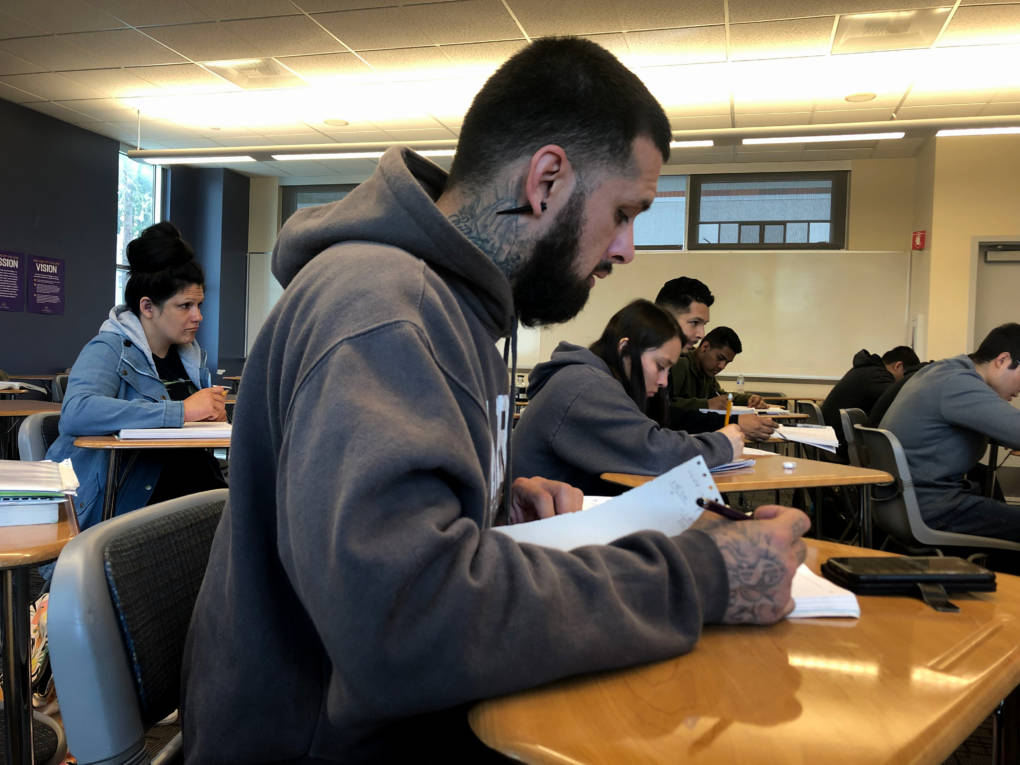
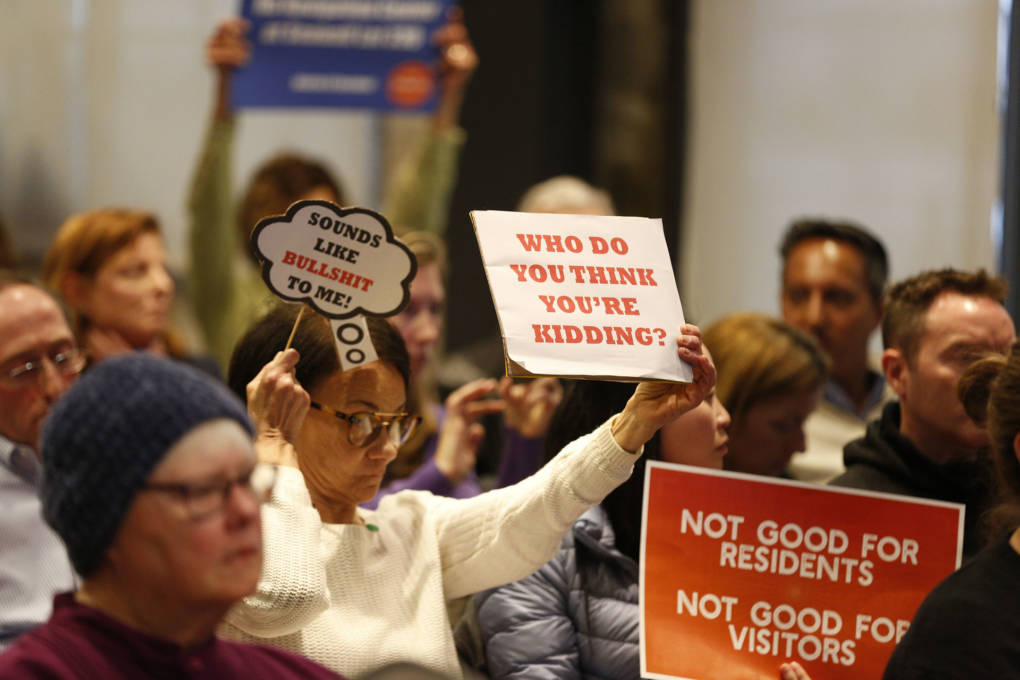
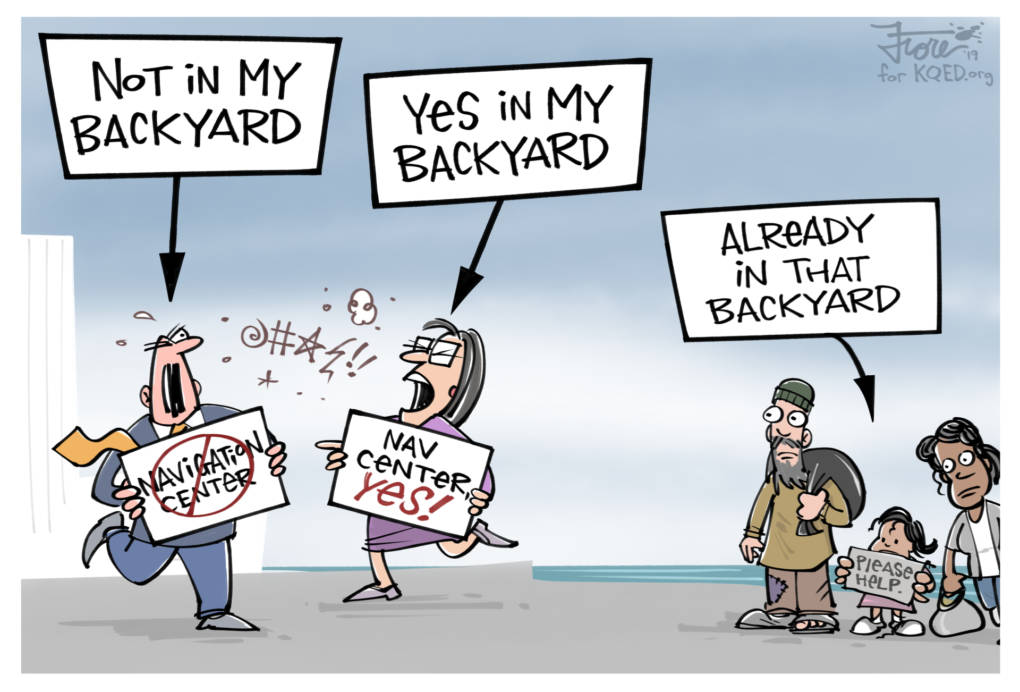
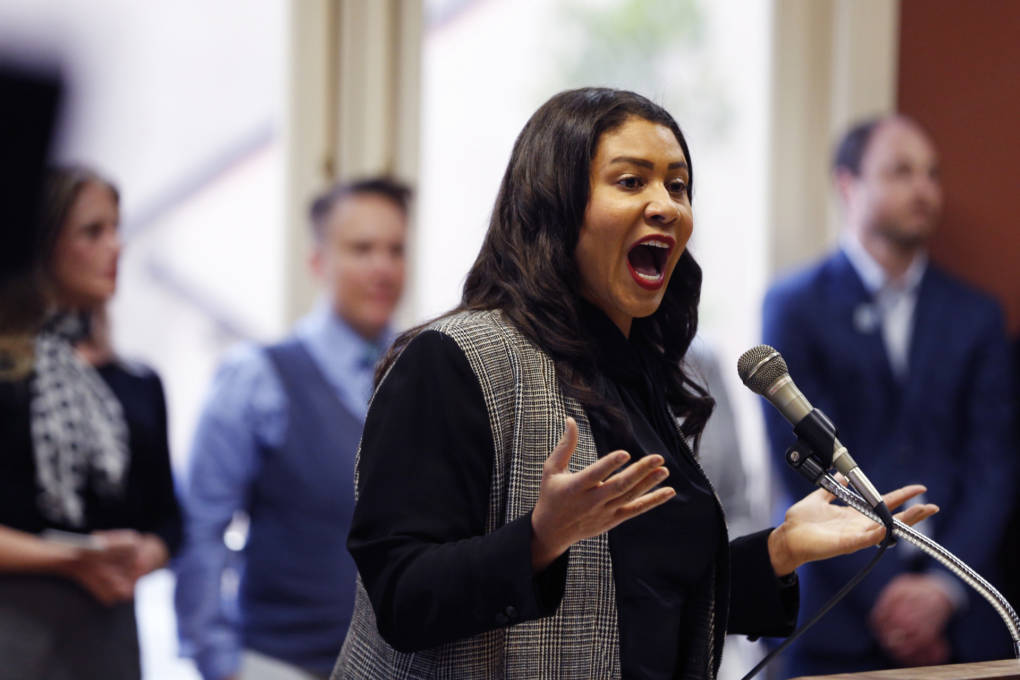
window.__IS_SSR__=true
window.__INITIAL_STATE__={
"attachmentsReducer": {
"audio_0": {
"type": "attachments",
"id": "audio_0",
"imgSizes": {
"kqedFullSize": {
"file": "https://ww2.kqed.org/news/wp-content/themes/KQED-unified/img/audio_bgs/background0.jpg"
}
}
},
"audio_1": {
"type": "attachments",
"id": "audio_1",
"imgSizes": {
"kqedFullSize": {
"file": "https://ww2.kqed.org/news/wp-content/themes/KQED-unified/img/audio_bgs/background1.jpg"
}
}
},
"audio_2": {
"type": "attachments",
"id": "audio_2",
"imgSizes": {
"kqedFullSize": {
"file": "https://ww2.kqed.org/news/wp-content/themes/KQED-unified/img/audio_bgs/background2.jpg"
}
}
},
"audio_3": {
"type": "attachments",
"id": "audio_3",
"imgSizes": {
"kqedFullSize": {
"file": "https://ww2.kqed.org/news/wp-content/themes/KQED-unified/img/audio_bgs/background3.jpg"
}
}
},
"audio_4": {
"type": "attachments",
"id": "audio_4",
"imgSizes": {
"kqedFullSize": {
"file": "https://ww2.kqed.org/news/wp-content/themes/KQED-unified/img/audio_bgs/background4.jpg"
}
}
},
"placeholder": {
"type": "attachments",
"id": "placeholder",
"imgSizes": {
"thumbnail": {
"file": "https://cdn.kqed.org/wp-content/uploads/2024/12/KQED-Default-Image-816638274-2000x1333-1-160x107.jpg",
"width": 160,
"height": 107,
"mimeType": "image/jpeg"
},
"medium": {
"file": "https://cdn.kqed.org/wp-content/uploads/2024/12/KQED-Default-Image-816638274-2000x1333-1-800x533.jpg",
"width": 800,
"height": 533,
"mimeType": "image/jpeg"
},
"medium_large": {
"file": "https://cdn.kqed.org/wp-content/uploads/2024/12/KQED-Default-Image-816638274-2000x1333-1-768x512.jpg",
"width": 768,
"height": 512,
"mimeType": "image/jpeg"
},
"large": {
"file": "https://cdn.kqed.org/wp-content/uploads/2024/12/KQED-Default-Image-816638274-2000x1333-1-1020x680.jpg",
"width": 1020,
"height": 680,
"mimeType": "image/jpeg"
},
"1536x1536": {
"file": "https://cdn.kqed.org/wp-content/uploads/2024/12/KQED-Default-Image-816638274-2000x1333-1-1536x1024.jpg",
"width": 1536,
"height": 1024,
"mimeType": "image/jpeg"
},
"fd-lrg": {
"file": "https://cdn.kqed.org/wp-content/uploads/2024/12/KQED-Default-Image-816638274-2000x1333-1-1536x1024.jpg",
"width": 1536,
"height": 1024,
"mimeType": "image/jpeg"
},
"fd-med": {
"file": "https://cdn.kqed.org/wp-content/uploads/2024/12/KQED-Default-Image-816638274-2000x1333-1-1020x680.jpg",
"width": 1020,
"height": 680,
"mimeType": "image/jpeg"
},
"fd-sm": {
"file": "https://cdn.kqed.org/wp-content/uploads/2024/12/KQED-Default-Image-816638274-2000x1333-1-800x533.jpg",
"width": 800,
"height": 533,
"mimeType": "image/jpeg"
},
"post-thumbnail": {
"file": "https://cdn.kqed.org/wp-content/uploads/2024/12/KQED-Default-Image-816638274-2000x1333-1-672x372.jpg",
"width": 672,
"height": 372,
"mimeType": "image/jpeg"
},
"twentyfourteen-full-width": {
"file": "https://cdn.kqed.org/wp-content/uploads/2024/12/KQED-Default-Image-816638274-2000x1333-1-1038x576.jpg",
"width": 1038,
"height": 576,
"mimeType": "image/jpeg"
},
"xxsmall": {
"file": "https://cdn.kqed.org/wp-content/uploads/2024/12/KQED-Default-Image-816638274-2000x1333-1-160x107.jpg",
"width": 160,
"height": 107,
"mimeType": "image/jpeg"
},
"xsmall": {
"file": "https://cdn.kqed.org/wp-content/uploads/2024/12/KQED-Default-Image-816638274-2000x1333-1-672x372.jpg",
"width": 672,
"height": 372,
"mimeType": "image/jpeg"
},
"small": {
"file": "https://cdn.kqed.org/wp-content/uploads/2024/12/KQED-Default-Image-816638274-2000x1333-1-672x372.jpg",
"width": 672,
"height": 372,
"mimeType": "image/jpeg"
},
"xlarge": {
"file": "https://cdn.kqed.org/wp-content/uploads/2024/12/KQED-Default-Image-816638274-2000x1333-1-1020x680.jpg",
"width": 1020,
"height": 680,
"mimeType": "image/jpeg"
},
"full-width": {
"file": "https://cdn.kqed.org/wp-content/uploads/2024/12/KQED-Default-Image-816638274-2000x1333-1-1920x1280.jpg",
"width": 1920,
"height": 1280,
"mimeType": "image/jpeg"
},
"guest-author-32": {
"file": "https://cdn.kqed.org/wp-content/uploads/2025/01/KQED-Default-Image-816638274-1333x1333-1-160x160.jpg",
"width": 32,
"height": 32,
"mimeType": "image/jpeg"
},
"guest-author-50": {
"file": "https://cdn.kqed.org/wp-content/uploads/2025/01/KQED-Default-Image-816638274-1333x1333-1-160x160.jpg",
"width": 50,
"height": 50,
"mimeType": "image/jpeg"
},
"guest-author-64": {
"file": "https://cdn.kqed.org/wp-content/uploads/2025/01/KQED-Default-Image-816638274-1333x1333-1-160x160.jpg",
"width": 64,
"height": 64,
"mimeType": "image/jpeg"
},
"guest-author-96": {
"file": "https://cdn.kqed.org/wp-content/uploads/2025/01/KQED-Default-Image-816638274-1333x1333-1-160x160.jpg",
"width": 96,
"height": 96,
"mimeType": "image/jpeg"
},
"guest-author-128": {
"file": "https://cdn.kqed.org/wp-content/uploads/2025/01/KQED-Default-Image-816638274-1333x1333-1-160x160.jpg",
"width": 128,
"height": 128,
"mimeType": "image/jpeg"
},
"detail": {
"file": "https://cdn.kqed.org/wp-content/uploads/2025/01/KQED-Default-Image-816638274-1333x1333-1-160x160.jpg",
"width": 160,
"height": 160,
"mimeType": "image/jpeg"
},
"kqedFullSize": {
"file": "https://cdn.kqed.org/wp-content/uploads/2024/12/KQED-Default-Image-816638274-2000x1333-1.jpg",
"width": 2000,
"height": 1333
}
}
},
"news_11740491": {
"type": "attachments",
"id": "news_11740491",
"meta": {
"index": "attachments_1716263798",
"site": "news",
"id": "11740491",
"found": true
},
"parent": 11740476,
"imgSizes": {
"apple_news_ca_landscape_5_5": {
"file": "https://ww2.kqed.org/app/uploads/sites/10/2019/04/Rey2-1044x783.jpg",
"width": 1044,
"mimeType": "image/jpeg",
"height": 783
},
"apple_news_ca_square_4_0": {
"file": "https://ww2.kqed.org/app/uploads/sites/10/2019/04/Rey2-470x470.jpg",
"width": 470,
"mimeType": "image/jpeg",
"height": 470
},
"twentyfourteen-full-width": {
"file": "https://ww2.kqed.org/app/uploads/sites/10/2019/04/Rey2-1038x576.jpg",
"width": 1038,
"mimeType": "image/jpeg",
"height": 576
},
"thumbnail": {
"file": "https://ww2.kqed.org/app/uploads/sites/10/2019/04/Rey2-160x120.jpg",
"width": 160,
"mimeType": "image/jpeg",
"height": 120
},
"post-thumbnail": {
"file": "https://ww2.kqed.org/app/uploads/sites/10/2019/04/Rey2-672x372.jpg",
"width": 672,
"mimeType": "image/jpeg",
"height": 372
},
"kqedFullSize": {
"file": "https://ww2.kqed.org/app/uploads/sites/10/2019/04/Rey2-e1555973216733.jpg",
"width": 1920,
"height": 1440
},
"apple_news_ca_landscape_4_7": {
"file": "https://ww2.kqed.org/app/uploads/sites/10/2019/04/Rey2-632x474.jpg",
"width": 632,
"mimeType": "image/jpeg",
"height": 474
},
"large": {
"file": "https://ww2.kqed.org/app/uploads/sites/10/2019/04/Rey2-1020x765.jpg",
"width": 1020,
"mimeType": "image/jpeg",
"height": 765
},
"complete_open_graph": {
"file": "https://ww2.kqed.org/app/uploads/sites/10/2019/04/Rey2-1200x900.jpg",
"width": 1200,
"mimeType": "image/jpeg",
"height": 900
},
"apple_news_ca_landscape_4_0": {
"file": "https://ww2.kqed.org/app/uploads/sites/10/2019/04/Rey2-536x402.jpg",
"width": 536,
"mimeType": "image/jpeg",
"height": 402
},
"apple_news_ca_portrait_12_9": {
"file": "https://ww2.kqed.org/app/uploads/sites/10/2019/04/Rey2-1122x1496.jpg",
"width": 1122,
"mimeType": "image/jpeg",
"height": 1496
},
"medium": {
"file": "https://ww2.kqed.org/app/uploads/sites/10/2019/04/Rey2-800x600.jpg",
"width": 800,
"mimeType": "image/jpeg",
"height": 600
},
"apple_news_ca_portrait_4_0": {
"file": "https://ww2.kqed.org/app/uploads/sites/10/2019/04/Rey2-354x472.jpg",
"width": 354,
"mimeType": "image/jpeg",
"height": 472
},
"apple_news_ca_portrait_9_7": {
"file": "https://ww2.kqed.org/app/uploads/sites/10/2019/04/Rey2-840x1120.jpg",
"width": 840,
"mimeType": "image/jpeg",
"height": 1120
},
"apple_news_ca_landscape_12_9": {
"file": "https://ww2.kqed.org/app/uploads/sites/10/2019/04/Rey2-1832x1374.jpg",
"width": 1832,
"mimeType": "image/jpeg",
"height": 1374
},
"apple_news_ca_square_9_7": {
"file": "https://ww2.kqed.org/app/uploads/sites/10/2019/04/Rey2-1104x1104.jpg",
"width": 1104,
"mimeType": "image/jpeg",
"height": 1104
},
"apple_news_ca_portrait_4_7": {
"file": "https://ww2.kqed.org/app/uploads/sites/10/2019/04/Rey2-414x552.jpg",
"width": 414,
"mimeType": "image/jpeg",
"height": 552
},
"apple_news_ca_square_12_9": {
"file": "https://ww2.kqed.org/app/uploads/sites/10/2019/04/Rey2-1472x1472.jpg",
"width": 1472,
"mimeType": "image/jpeg",
"height": 1472
},
"apple_news_ca_portrait_5_5": {
"file": "https://ww2.kqed.org/app/uploads/sites/10/2019/04/Rey2-687x916.jpg",
"width": 687,
"mimeType": "image/jpeg",
"height": 916
},
"full-width": {
"file": "https://ww2.kqed.org/app/uploads/sites/10/2019/04/Rey2-1920x1440.jpg",
"width": 1920,
"mimeType": "image/jpeg",
"height": 1440
},
"apple_news_ca_square_4_7": {
"file": "https://ww2.kqed.org/app/uploads/sites/10/2019/04/Rey2-550x550.jpg",
"width": 550,
"mimeType": "image/jpeg",
"height": 550
},
"apple_news_ca_landscape_9_7": {
"file": "https://ww2.kqed.org/app/uploads/sites/10/2019/04/Rey2-1376x1032.jpg",
"width": 1376,
"mimeType": "image/jpeg",
"height": 1032
},
"apple_news_ca_square_5_5": {
"file": "https://ww2.kqed.org/app/uploads/sites/10/2019/04/Rey2-912x912.jpg",
"width": 912,
"mimeType": "image/jpeg",
"height": 912
}
},
"publishDate": 1555430906,
"modified": 1555973243,
"caption": "Currently in his first semester at San Jose City College, Rey Blanco, 36, is embracing school for the first time in his life. But despite his free tuition, he still struggles financially to make ends meet.",
"description": null,
"title": "Rey2",
"credit": "Vanessa Rancaño/KQED",
"status": "inherit",
"isLoading": false,
"fetchFailed": false
},
"news_11740782": {
"type": "attachments",
"id": "news_11740782",
"meta": {
"index": "attachments_1716263798",
"site": "news",
"id": "11740782",
"found": true
},
"parent": 11740749,
"imgSizes": {
"apple_news_ca_landscape_5_5": {
"file": "https://ww2.kqed.org/app/uploads/sites/10/2019/04/richmond-camp-clearance3-1-1044x783.jpg",
"width": 1044,
"mimeType": "image/jpeg",
"height": 783
},
"apple_news_ca_square_4_0": {
"file": "https://ww2.kqed.org/app/uploads/sites/10/2019/04/richmond-camp-clearance3-1-470x470.jpg",
"width": 470,
"mimeType": "image/jpeg",
"height": 470
},
"twentyfourteen-full-width": {
"file": "https://ww2.kqed.org/app/uploads/sites/10/2019/04/richmond-camp-clearance3-1-1038x576.jpg",
"width": 1038,
"mimeType": "image/jpeg",
"height": 576
},
"thumbnail": {
"file": "https://ww2.kqed.org/app/uploads/sites/10/2019/04/richmond-camp-clearance3-1-160x120.jpg",
"width": 160,
"mimeType": "image/jpeg",
"height": 120
},
"post-thumbnail": {
"file": "https://ww2.kqed.org/app/uploads/sites/10/2019/04/richmond-camp-clearance3-1-672x372.jpg",
"width": 672,
"mimeType": "image/jpeg",
"height": 372
},
"kqedFullSize": {
"file": "https://ww2.kqed.org/app/uploads/sites/10/2019/04/richmond-camp-clearance3-1.jpg",
"width": 1920,
"height": 1440
},
"apple_news_ca_landscape_4_7": {
"file": "https://ww2.kqed.org/app/uploads/sites/10/2019/04/richmond-camp-clearance3-1-632x474.jpg",
"width": 632,
"mimeType": "image/jpeg",
"height": 474
},
"large": {
"file": "https://ww2.kqed.org/app/uploads/sites/10/2019/04/richmond-camp-clearance3-1-1020x765.jpg",
"width": 1020,
"mimeType": "image/jpeg",
"height": 765
},
"complete_open_graph": {
"file": "https://ww2.kqed.org/app/uploads/sites/10/2019/04/richmond-camp-clearance3-1-1200x900.jpg",
"width": 1200,
"mimeType": "image/jpeg",
"height": 900
},
"apple_news_ca_landscape_4_0": {
"file": "https://ww2.kqed.org/app/uploads/sites/10/2019/04/richmond-camp-clearance3-1-536x402.jpg",
"width": 536,
"mimeType": "image/jpeg",
"height": 402
},
"apple_news_ca_portrait_12_9": {
"file": "https://ww2.kqed.org/app/uploads/sites/10/2019/04/richmond-camp-clearance3-1-1122x1440.jpg",
"width": 1122,
"mimeType": "image/jpeg",
"height": 1440
},
"medium": {
"file": "https://ww2.kqed.org/app/uploads/sites/10/2019/04/richmond-camp-clearance3-1-800x600.jpg",
"width": 800,
"mimeType": "image/jpeg",
"height": 600
},
"apple_news_ca_portrait_4_0": {
"file": "https://ww2.kqed.org/app/uploads/sites/10/2019/04/richmond-camp-clearance3-1-354x472.jpg",
"width": 354,
"mimeType": "image/jpeg",
"height": 472
},
"apple_news_ca_portrait_9_7": {
"file": "https://ww2.kqed.org/app/uploads/sites/10/2019/04/richmond-camp-clearance3-1-840x1120.jpg",
"width": 840,
"mimeType": "image/jpeg",
"height": 1120
},
"apple_news_ca_landscape_12_9": {
"file": "https://ww2.kqed.org/app/uploads/sites/10/2019/04/richmond-camp-clearance3-1-1832x1374.jpg",
"width": 1832,
"mimeType": "image/jpeg",
"height": 1374
},
"apple_news_ca_square_9_7": {
"file": "https://ww2.kqed.org/app/uploads/sites/10/2019/04/richmond-camp-clearance3-1-1104x1104.jpg",
"width": 1104,
"mimeType": "image/jpeg",
"height": 1104
},
"apple_news_ca_portrait_4_7": {
"file": "https://ww2.kqed.org/app/uploads/sites/10/2019/04/richmond-camp-clearance3-1-414x552.jpg",
"width": 414,
"mimeType": "image/jpeg",
"height": 552
},
"apple_news_ca_square_12_9": {
"file": "https://ww2.kqed.org/app/uploads/sites/10/2019/04/richmond-camp-clearance3-1-1472x1440.jpg",
"width": 1472,
"mimeType": "image/jpeg",
"height": 1440
},
"apple_news_ca_portrait_5_5": {
"file": "https://ww2.kqed.org/app/uploads/sites/10/2019/04/richmond-camp-clearance3-1-687x916.jpg",
"width": 687,
"mimeType": "image/jpeg",
"height": 916
},
"full-width": {
"file": "https://ww2.kqed.org/app/uploads/sites/10/2019/04/richmond-camp-clearance3-1-1920x1440.jpg",
"width": 1920,
"mimeType": "image/jpeg",
"height": 1440
},
"apple_news_ca_square_4_7": {
"file": "https://ww2.kqed.org/app/uploads/sites/10/2019/04/richmond-camp-clearance3-1-550x550.jpg",
"width": 550,
"mimeType": "image/jpeg",
"height": 550
},
"apple_news_ca_landscape_9_7": {
"file": "https://ww2.kqed.org/app/uploads/sites/10/2019/04/richmond-camp-clearance3-1-1376x1032.jpg",
"width": 1376,
"mimeType": "image/jpeg",
"height": 1032
},
"apple_news_ca_square_5_5": {
"file": "https://ww2.kqed.org/app/uploads/sites/10/2019/04/richmond-camp-clearance3-1-912x912.jpg",
"width": 912,
"mimeType": "image/jpeg",
"height": 912
}
},
"publishDate": 1555524087,
"modified": 1555524332,
"caption": "Cella Jones leaves her spot in the Richmond encampment on April 16, 2019, with her belongings in a blue recycling bin.",
"description": "Cella Jones leaves her spot in the Richmond encampment on April 16, 2019, with her belongings in a blue recycling bin.",
"title": "richmond-camp-clearance3",
"credit": "Kate Wolffe/KQED",
"status": "inherit",
"isLoading": false,
"fetchFailed": false
},
"news_11740472": {
"type": "attachments",
"id": "news_11740472",
"meta": {
"index": "attachments_1716263798",
"site": "news",
"id": "11740472",
"found": true
},
"parent": 11740443,
"imgSizes": {
"apple_news_ca_landscape_5_5": {
"file": "https://ww2.kqed.org/app/uploads/sites/10/2019/04/navigation-center-20190415-1044x783.jpg",
"width": 1044,
"mimeType": "image/jpeg",
"height": 783
},
"apple_news_ca_square_4_0": {
"file": "https://ww2.kqed.org/app/uploads/sites/10/2019/04/navigation-center-20190415-470x470.jpg",
"width": 470,
"mimeType": "image/jpeg",
"height": 470
},
"twentyfourteen-full-width": {
"file": "https://ww2.kqed.org/app/uploads/sites/10/2019/04/navigation-center-20190415-1038x576.jpg",
"width": 1038,
"mimeType": "image/jpeg",
"height": 576
},
"thumbnail": {
"file": "https://ww2.kqed.org/app/uploads/sites/10/2019/04/navigation-center-20190415-160x107.jpg",
"width": 160,
"mimeType": "image/jpeg",
"height": 107
},
"post-thumbnail": {
"file": "https://ww2.kqed.org/app/uploads/sites/10/2019/04/navigation-center-20190415-672x372.jpg",
"width": 672,
"mimeType": "image/jpeg",
"height": 372
},
"kqedFullSize": {
"file": "https://ww2.kqed.org/app/uploads/sites/10/2019/04/navigation-center-20190415.jpg",
"width": 1920,
"height": 1280
},
"apple_news_ca_landscape_4_7": {
"file": "https://ww2.kqed.org/app/uploads/sites/10/2019/04/navigation-center-20190415-632x474.jpg",
"width": 632,
"mimeType": "image/jpeg",
"height": 474
},
"large": {
"file": "https://ww2.kqed.org/app/uploads/sites/10/2019/04/navigation-center-20190415-1020x680.jpg",
"width": 1020,
"mimeType": "image/jpeg",
"height": 680
},
"complete_open_graph": {
"file": "https://ww2.kqed.org/app/uploads/sites/10/2019/04/navigation-center-20190415-1200x800.jpg",
"width": 1200,
"mimeType": "image/jpeg",
"height": 800
},
"apple_news_ca_landscape_4_0": {
"file": "https://ww2.kqed.org/app/uploads/sites/10/2019/04/navigation-center-20190415-536x402.jpg",
"width": 536,
"mimeType": "image/jpeg",
"height": 402
},
"apple_news_ca_portrait_12_9": {
"file": "https://ww2.kqed.org/app/uploads/sites/10/2019/04/navigation-center-20190415-1122x1280.jpg",
"width": 1122,
"mimeType": "image/jpeg",
"height": 1280
},
"medium": {
"file": "https://ww2.kqed.org/app/uploads/sites/10/2019/04/navigation-center-20190415-800x533.jpg",
"width": 800,
"mimeType": "image/jpeg",
"height": 533
},
"apple_news_ca_portrait_4_0": {
"file": "https://ww2.kqed.org/app/uploads/sites/10/2019/04/navigation-center-20190415-354x472.jpg",
"width": 354,
"mimeType": "image/jpeg",
"height": 472
},
"apple_news_ca_portrait_9_7": {
"file": "https://ww2.kqed.org/app/uploads/sites/10/2019/04/navigation-center-20190415-840x1120.jpg",
"width": 840,
"mimeType": "image/jpeg",
"height": 1120
},
"apple_news_ca_landscape_12_9": {
"file": "https://ww2.kqed.org/app/uploads/sites/10/2019/04/navigation-center-20190415-1832x1280.jpg",
"width": 1832,
"mimeType": "image/jpeg",
"height": 1280
},
"apple_news_ca_square_9_7": {
"file": "https://ww2.kqed.org/app/uploads/sites/10/2019/04/navigation-center-20190415-1104x1104.jpg",
"width": 1104,
"mimeType": "image/jpeg",
"height": 1104
},
"apple_news_ca_portrait_4_7": {
"file": "https://ww2.kqed.org/app/uploads/sites/10/2019/04/navigation-center-20190415-414x552.jpg",
"width": 414,
"mimeType": "image/jpeg",
"height": 552
},
"apple_news_ca_square_12_9": {
"file": "https://ww2.kqed.org/app/uploads/sites/10/2019/04/navigation-center-20190415-1472x1280.jpg",
"width": 1472,
"mimeType": "image/jpeg",
"height": 1280
},
"apple_news_ca_portrait_5_5": {
"file": "https://ww2.kqed.org/app/uploads/sites/10/2019/04/navigation-center-20190415-687x916.jpg",
"width": 687,
"mimeType": "image/jpeg",
"height": 916
},
"full-width": {
"file": "https://ww2.kqed.org/app/uploads/sites/10/2019/04/navigation-center-20190415-1920x1280.jpg",
"width": 1920,
"mimeType": "image/jpeg",
"height": 1280
},
"apple_news_ca_square_4_7": {
"file": "https://ww2.kqed.org/app/uploads/sites/10/2019/04/navigation-center-20190415-550x550.jpg",
"width": 550,
"mimeType": "image/jpeg",
"height": 550
},
"apple_news_ca_landscape_9_7": {
"file": "https://ww2.kqed.org/app/uploads/sites/10/2019/04/navigation-center-20190415-1376x1032.jpg",
"width": 1376,
"mimeType": "image/jpeg",
"height": 1032
},
"apple_news_ca_square_5_5": {
"file": "https://ww2.kqed.org/app/uploads/sites/10/2019/04/navigation-center-20190415-912x912.jpg",
"width": 912,
"mimeType": "image/jpeg",
"height": 912
}
},
"publishDate": 1555421889,
"modified": 1562862101,
"caption": "South Beach, Rincon Hill and Mission Bay residents who oppose the proposed Embarcadero navigation center demonstrate at a neighborhood association meeting with city officials on April 15, 2019.",
"description": "South Beach, Rincon and Mission Bay community members hold signs at a meeting their neighborhood association held with city ffficials at the Port Of San Francisco, Bayside Conference Room, Pier 1 on April 15, 2019.",
"title": "navigation-center-20190415",
"credit": "Stephanie Lister/KQED",
"status": "inherit",
"isLoading": false,
"fetchFailed": false
},
"news_11740391": {
"type": "attachments",
"id": "news_11740391",
"meta": {
"index": "attachments_1716263798",
"site": "news",
"id": "11740391",
"found": true
},
"parent": 11740368,
"imgSizes": {
"apple_news_ca_landscape_5_5": {
"file": "https://ww2.kqed.org/app/uploads/sites/10/2019/04/backyards_041519_final-1044x783.jpg",
"width": 1044,
"mimeType": "image/jpeg",
"height": 783
},
"apple_news_ca_square_4_0": {
"file": "https://ww2.kqed.org/app/uploads/sites/10/2019/04/backyards_041519_final-470x470.jpg",
"width": 470,
"mimeType": "image/jpeg",
"height": 470
},
"twentyfourteen-full-width": {
"file": "https://ww2.kqed.org/app/uploads/sites/10/2019/04/backyards_041519_final-1038x576.jpg",
"width": 1038,
"mimeType": "image/jpeg",
"height": 576
},
"thumbnail": {
"file": "https://ww2.kqed.org/app/uploads/sites/10/2019/04/backyards_041519_final-160x109.jpg",
"width": 160,
"mimeType": "image/jpeg",
"height": 109
},
"post-thumbnail": {
"file": "https://ww2.kqed.org/app/uploads/sites/10/2019/04/backyards_041519_final-672x372.jpg",
"width": 672,
"mimeType": "image/jpeg",
"height": 372
},
"kqedFullSize": {
"file": "https://ww2.kqed.org/app/uploads/sites/10/2019/04/backyards_041519_final.jpg",
"width": 1920,
"height": 1302
},
"apple_news_ca_landscape_4_7": {
"file": "https://ww2.kqed.org/app/uploads/sites/10/2019/04/backyards_041519_final-632x474.jpg",
"width": 632,
"mimeType": "image/jpeg",
"height": 474
},
"large": {
"file": "https://ww2.kqed.org/app/uploads/sites/10/2019/04/backyards_041519_final-1020x692.jpg",
"width": 1020,
"mimeType": "image/jpeg",
"height": 692
},
"complete_open_graph": {
"file": "https://ww2.kqed.org/app/uploads/sites/10/2019/04/backyards_041519_final-1200x814.jpg",
"width": 1200,
"mimeType": "image/jpeg",
"height": 814
},
"apple_news_ca_landscape_4_0": {
"file": "https://ww2.kqed.org/app/uploads/sites/10/2019/04/backyards_041519_final-536x402.jpg",
"width": 536,
"mimeType": "image/jpeg",
"height": 402
},
"apple_news_ca_portrait_12_9": {
"file": "https://ww2.kqed.org/app/uploads/sites/10/2019/04/backyards_041519_final-1122x1302.jpg",
"width": 1122,
"mimeType": "image/jpeg",
"height": 1302
},
"medium": {
"file": "https://ww2.kqed.org/app/uploads/sites/10/2019/04/backyards_041519_final-800x543.jpg",
"width": 800,
"mimeType": "image/jpeg",
"height": 543
},
"apple_news_ca_portrait_4_0": {
"file": "https://ww2.kqed.org/app/uploads/sites/10/2019/04/backyards_041519_final-354x472.jpg",
"width": 354,
"mimeType": "image/jpeg",
"height": 472
},
"apple_news_ca_portrait_9_7": {
"file": "https://ww2.kqed.org/app/uploads/sites/10/2019/04/backyards_041519_final-840x1120.jpg",
"width": 840,
"mimeType": "image/jpeg",
"height": 1120
},
"apple_news_ca_landscape_12_9": {
"file": "https://ww2.kqed.org/app/uploads/sites/10/2019/04/backyards_041519_final-1832x1302.jpg",
"width": 1832,
"mimeType": "image/jpeg",
"height": 1302
},
"apple_news_ca_square_9_7": {
"file": "https://ww2.kqed.org/app/uploads/sites/10/2019/04/backyards_041519_final-1104x1104.jpg",
"width": 1104,
"mimeType": "image/jpeg",
"height": 1104
},
"apple_news_ca_portrait_4_7": {
"file": "https://ww2.kqed.org/app/uploads/sites/10/2019/04/backyards_041519_final-414x552.jpg",
"width": 414,
"mimeType": "image/jpeg",
"height": 552
},
"apple_news_ca_square_12_9": {
"file": "https://ww2.kqed.org/app/uploads/sites/10/2019/04/backyards_041519_final-1472x1302.jpg",
"width": 1472,
"mimeType": "image/jpeg",
"height": 1302
},
"apple_news_ca_portrait_5_5": {
"file": "https://ww2.kqed.org/app/uploads/sites/10/2019/04/backyards_041519_final-687x916.jpg",
"width": 687,
"mimeType": "image/jpeg",
"height": 916
},
"full-width": {
"file": "https://ww2.kqed.org/app/uploads/sites/10/2019/04/backyards_041519_final-1920x1302.jpg",
"width": 1920,
"mimeType": "image/jpeg",
"height": 1302
},
"apple_news_ca_square_4_7": {
"file": "https://ww2.kqed.org/app/uploads/sites/10/2019/04/backyards_041519_final-550x550.jpg",
"width": 550,
"mimeType": "image/jpeg",
"height": 550
},
"apple_news_ca_landscape_9_7": {
"file": "https://ww2.kqed.org/app/uploads/sites/10/2019/04/backyards_041519_final-1376x1032.jpg",
"width": 1376,
"mimeType": "image/jpeg",
"height": 1032
},
"apple_news_ca_square_5_5": {
"file": "https://ww2.kqed.org/app/uploads/sites/10/2019/04/backyards_041519_final-912x912.jpg",
"width": 912,
"mimeType": "image/jpeg",
"height": 912
}
},
"publishDate": 1555364875,
"modified": 1555364892,
"caption": null,
"description": null,
"title": "backyards_041519_final",
"credit": null,
"status": "inherit",
"isLoading": false,
"fetchFailed": false
},
"news_11737938": {
"type": "attachments",
"id": "news_11737938",
"meta": {
"index": "attachments_1716263798",
"site": "news",
"id": "11737938",
"found": true
},
"parent": 11737778,
"imgSizes": {
"post-thumbnail": {
"file": "https://ww2.kqed.org/app/uploads/sites/10/2019/04/Hate-Has-No-Home-Signs-Homeless-672x372.jpg",
"width": 672,
"mimeType": "image/jpeg",
"height": 372
},
"kqedFullSize": {
"file": "https://ww2.kqed.org/app/uploads/sites/10/2019/04/Hate-Has-No-Home-Signs-Homeless.jpg",
"width": 1920,
"height": 1280
},
"guest-author-50": {
"file": "https://ww2.kqed.org/app/uploads/sites/10/2019/04/Hate-Has-No-Home-Signs-Homeless-50x50.jpg",
"width": 50,
"mimeType": "image/jpeg",
"height": 50
},
"guest-author-96": {
"file": "https://ww2.kqed.org/app/uploads/sites/10/2019/04/Hate-Has-No-Home-Signs-Homeless-96x96.jpg",
"width": 96,
"mimeType": "image/jpeg",
"height": 96
},
"apple_news_ca_portrait_12_9": {
"file": "https://ww2.kqed.org/app/uploads/sites/10/2019/04/Hate-Has-No-Home-Signs-Homeless-1122x1280.jpg",
"width": 1122,
"mimeType": "image/jpeg",
"height": 1280
},
"medium": {
"file": "https://ww2.kqed.org/app/uploads/sites/10/2019/04/Hate-Has-No-Home-Signs-Homeless-800x533.jpg",
"width": 800,
"mimeType": "image/jpeg",
"height": 533
},
"guest-author-32": {
"file": "https://ww2.kqed.org/app/uploads/sites/10/2019/04/Hate-Has-No-Home-Signs-Homeless-32x32.jpg",
"width": 32,
"mimeType": "image/jpeg",
"height": 32
},
"apple_news_ca_portrait_9_7": {
"file": "https://ww2.kqed.org/app/uploads/sites/10/2019/04/Hate-Has-No-Home-Signs-Homeless-840x1120.jpg",
"width": 840,
"mimeType": "image/jpeg",
"height": 1120
},
"apple_news_ca_square_9_7": {
"file": "https://ww2.kqed.org/app/uploads/sites/10/2019/04/Hate-Has-No-Home-Signs-Homeless-1104x1104.jpg",
"width": 1104,
"mimeType": "image/jpeg",
"height": 1104
},
"apple_news_ca_portrait_4_7": {
"file": "https://ww2.kqed.org/app/uploads/sites/10/2019/04/Hate-Has-No-Home-Signs-Homeless-414x552.jpg",
"width": 414,
"mimeType": "image/jpeg",
"height": 552
},
"apple_news_ca_square_12_9": {
"file": "https://ww2.kqed.org/app/uploads/sites/10/2019/04/Hate-Has-No-Home-Signs-Homeless-1472x1280.jpg",
"width": 1472,
"mimeType": "image/jpeg",
"height": 1280
},
"apple_news_ca_portrait_5_5": {
"file": "https://ww2.kqed.org/app/uploads/sites/10/2019/04/Hate-Has-No-Home-Signs-Homeless-687x916.jpg",
"width": 687,
"mimeType": "image/jpeg",
"height": 916
},
"apple_news_ca_square_4_7": {
"file": "https://ww2.kqed.org/app/uploads/sites/10/2019/04/Hate-Has-No-Home-Signs-Homeless-550x550.jpg",
"width": 550,
"mimeType": "image/jpeg",
"height": 550
},
"apple_news_ca_square_5_5": {
"file": "https://ww2.kqed.org/app/uploads/sites/10/2019/04/Hate-Has-No-Home-Signs-Homeless-912x912.jpg",
"width": 912,
"mimeType": "image/jpeg",
"height": 912
},
"apple_news_ca_landscape_5_5": {
"file": "https://ww2.kqed.org/app/uploads/sites/10/2019/04/Hate-Has-No-Home-Signs-Homeless-1044x783.jpg",
"width": 1044,
"mimeType": "image/jpeg",
"height": 783
},
"apple_news_ca_square_4_0": {
"file": "https://ww2.kqed.org/app/uploads/sites/10/2019/04/Hate-Has-No-Home-Signs-Homeless-470x470.jpg",
"width": 470,
"mimeType": "image/jpeg",
"height": 470
},
"twentyfourteen-full-width": {
"file": "https://ww2.kqed.org/app/uploads/sites/10/2019/04/Hate-Has-No-Home-Signs-Homeless-1038x576.jpg",
"width": 1038,
"mimeType": "image/jpeg",
"height": 576
},
"thumbnail": {
"file": "https://ww2.kqed.org/app/uploads/sites/10/2019/04/Hate-Has-No-Home-Signs-Homeless-160x107.jpg",
"width": 160,
"mimeType": "image/jpeg",
"height": 107
},
"apple_news_ca_landscape_4_7": {
"file": "https://ww2.kqed.org/app/uploads/sites/10/2019/04/Hate-Has-No-Home-Signs-Homeless-632x474.jpg",
"width": 632,
"mimeType": "image/jpeg",
"height": 474
},
"large": {
"file": "https://ww2.kqed.org/app/uploads/sites/10/2019/04/Hate-Has-No-Home-Signs-Homeless-1020x680.jpg",
"width": 1020,
"mimeType": "image/jpeg",
"height": 680
},
"complete_open_graph": {
"file": "https://ww2.kqed.org/app/uploads/sites/10/2019/04/Hate-Has-No-Home-Signs-Homeless-1200x800.jpg",
"width": 1200,
"mimeType": "image/jpeg",
"height": 800
},
"apple_news_ca_landscape_4_0": {
"file": "https://ww2.kqed.org/app/uploads/sites/10/2019/04/Hate-Has-No-Home-Signs-Homeless-536x402.jpg",
"width": 536,
"mimeType": "image/jpeg",
"height": 402
},
"guest-author-64": {
"file": "https://ww2.kqed.org/app/uploads/sites/10/2019/04/Hate-Has-No-Home-Signs-Homeless-64x64.jpg",
"width": 64,
"mimeType": "image/jpeg",
"height": 64
},
"apple_news_ca_portrait_4_0": {
"file": "https://ww2.kqed.org/app/uploads/sites/10/2019/04/Hate-Has-No-Home-Signs-Homeless-354x472.jpg",
"width": 354,
"mimeType": "image/jpeg",
"height": 472
},
"apple_news_ca_landscape_12_9": {
"file": "https://ww2.kqed.org/app/uploads/sites/10/2019/04/Hate-Has-No-Home-Signs-Homeless-1832x1280.jpg",
"width": 1832,
"mimeType": "image/jpeg",
"height": 1280
},
"full-width": {
"file": "https://ww2.kqed.org/app/uploads/sites/10/2019/04/Hate-Has-No-Home-Signs-Homeless-1920x1280.jpg",
"width": 1920,
"mimeType": "image/jpeg",
"height": 1280
},
"guest-author-128": {
"file": "https://ww2.kqed.org/app/uploads/sites/10/2019/04/Hate-Has-No-Home-Signs-Homeless-128x128.jpg",
"width": 128,
"mimeType": "image/jpeg",
"height": 128
},
"apple_news_ca_landscape_9_7": {
"file": "https://ww2.kqed.org/app/uploads/sites/10/2019/04/Hate-Has-No-Home-Signs-Homeless-1376x1032.jpg",
"width": 1376,
"mimeType": "image/jpeg",
"height": 1032
}
},
"publishDate": 1554410960,
"modified": 1554411085,
"caption": "Attendees in support of the homeless navigation center hold 'Hate Has No Home Here' signs and cheer for San Francisco Mayor London Breed at a community meeting on April 3, 2019.",
"description": "Attendees in support of the homeless navigation center hold 'Hate Has No Home Here' signs and cheer for San Francisco Mayor London Breed at a community meeting on April 3, 2019.",
"title": "Hate-Has-No-Home-Signs-Homeless",
"credit": "Stephanie Lister/KQED",
"status": "inherit",
"isLoading": false,
"fetchFailed": false
},
"news_11739905": {
"type": "attachments",
"id": "news_11739905",
"meta": {
"index": "attachments_1716263798",
"site": "news",
"id": "11739905",
"found": true
},
"parent": 11739894,
"imgSizes": {
"apple_news_ca_landscape_5_5": {
"file": "https://ww2.kqed.org/app/uploads/sites/10/2019/04/04122019_Florida-St-Encampment_bhs02-qut-1044x783.jpg",
"width": 1044,
"mimeType": "image/jpeg",
"height": 783
},
"apple_news_ca_square_4_0": {
"file": "https://ww2.kqed.org/app/uploads/sites/10/2019/04/04122019_Florida-St-Encampment_bhs02-qut-470x470.jpg",
"width": 470,
"mimeType": "image/jpeg",
"height": 470
},
"twentyfourteen-full-width": {
"file": "https://ww2.kqed.org/app/uploads/sites/10/2019/04/04122019_Florida-St-Encampment_bhs02-qut-1038x576.jpg",
"width": 1038,
"mimeType": "image/jpeg",
"height": 576
},
"thumbnail": {
"file": "https://ww2.kqed.org/app/uploads/sites/10/2019/04/04122019_Florida-St-Encampment_bhs02-qut-160x107.jpg",
"width": 160,
"mimeType": "image/jpeg",
"height": 107
},
"post-thumbnail": {
"file": "https://ww2.kqed.org/app/uploads/sites/10/2019/04/04122019_Florida-St-Encampment_bhs02-qut-672x372.jpg",
"width": 672,
"mimeType": "image/jpeg",
"height": 372
},
"kqedFullSize": {
"file": "https://ww2.kqed.org/app/uploads/sites/10/2019/04/04122019_Florida-St-Encampment_bhs02-qut.jpg",
"width": 1920,
"height": 1280
},
"apple_news_ca_landscape_4_7": {
"file": "https://ww2.kqed.org/app/uploads/sites/10/2019/04/04122019_Florida-St-Encampment_bhs02-qut-632x474.jpg",
"width": 632,
"mimeType": "image/jpeg",
"height": 474
},
"large": {
"file": "https://ww2.kqed.org/app/uploads/sites/10/2019/04/04122019_Florida-St-Encampment_bhs02-qut-1020x680.jpg",
"width": 1020,
"mimeType": "image/jpeg",
"height": 680
},
"complete_open_graph": {
"file": "https://ww2.kqed.org/app/uploads/sites/10/2019/04/04122019_Florida-St-Encampment_bhs02-qut-1200x800.jpg",
"width": 1200,
"mimeType": "image/jpeg",
"height": 800
},
"apple_news_ca_landscape_4_0": {
"file": "https://ww2.kqed.org/app/uploads/sites/10/2019/04/04122019_Florida-St-Encampment_bhs02-qut-536x402.jpg",
"width": 536,
"mimeType": "image/jpeg",
"height": 402
},
"apple_news_ca_portrait_12_9": {
"file": "https://ww2.kqed.org/app/uploads/sites/10/2019/04/04122019_Florida-St-Encampment_bhs02-qut-1122x1280.jpg",
"width": 1122,
"mimeType": "image/jpeg",
"height": 1280
},
"medium": {
"file": "https://ww2.kqed.org/app/uploads/sites/10/2019/04/04122019_Florida-St-Encampment_bhs02-qut-800x533.jpg",
"width": 800,
"mimeType": "image/jpeg",
"height": 533
},
"apple_news_ca_portrait_4_0": {
"file": "https://ww2.kqed.org/app/uploads/sites/10/2019/04/04122019_Florida-St-Encampment_bhs02-qut-354x472.jpg",
"width": 354,
"mimeType": "image/jpeg",
"height": 472
},
"apple_news_ca_portrait_9_7": {
"file": "https://ww2.kqed.org/app/uploads/sites/10/2019/04/04122019_Florida-St-Encampment_bhs02-qut-840x1120.jpg",
"width": 840,
"mimeType": "image/jpeg",
"height": 1120
},
"apple_news_ca_landscape_12_9": {
"file": "https://ww2.kqed.org/app/uploads/sites/10/2019/04/04122019_Florida-St-Encampment_bhs02-qut-1832x1280.jpg",
"width": 1832,
"mimeType": "image/jpeg",
"height": 1280
},
"apple_news_ca_square_9_7": {
"file": "https://ww2.kqed.org/app/uploads/sites/10/2019/04/04122019_Florida-St-Encampment_bhs02-qut-1104x1104.jpg",
"width": 1104,
"mimeType": "image/jpeg",
"height": 1104
},
"apple_news_ca_portrait_4_7": {
"file": "https://ww2.kqed.org/app/uploads/sites/10/2019/04/04122019_Florida-St-Encampment_bhs02-qut-414x552.jpg",
"width": 414,
"mimeType": "image/jpeg",
"height": 552
},
"apple_news_ca_square_12_9": {
"file": "https://ww2.kqed.org/app/uploads/sites/10/2019/04/04122019_Florida-St-Encampment_bhs02-qut-1472x1280.jpg",
"width": 1472,
"mimeType": "image/jpeg",
"height": 1280
},
"apple_news_ca_portrait_5_5": {
"file": "https://ww2.kqed.org/app/uploads/sites/10/2019/04/04122019_Florida-St-Encampment_bhs02-qut-687x916.jpg",
"width": 687,
"mimeType": "image/jpeg",
"height": 916
},
"full-width": {
"file": "https://ww2.kqed.org/app/uploads/sites/10/2019/04/04122019_Florida-St-Encampment_bhs02-qut-1920x1280.jpg",
"width": 1920,
"mimeType": "image/jpeg",
"height": 1280
},
"apple_news_ca_square_4_7": {
"file": "https://ww2.kqed.org/app/uploads/sites/10/2019/04/04122019_Florida-St-Encampment_bhs02-qut-550x550.jpg",
"width": 550,
"mimeType": "image/jpeg",
"height": 550
},
"apple_news_ca_landscape_9_7": {
"file": "https://ww2.kqed.org/app/uploads/sites/10/2019/04/04122019_Florida-St-Encampment_bhs02-qut-1376x1032.jpg",
"width": 1376,
"mimeType": "image/jpeg",
"height": 1032
},
"apple_news_ca_square_5_5": {
"file": "https://ww2.kqed.org/app/uploads/sites/10/2019/04/04122019_Florida-St-Encampment_bhs02-qut-912x912.jpg",
"width": 912,
"mimeType": "image/jpeg",
"height": 912
}
},
"publishDate": 1555103871,
"modified": 1555114592,
"caption": "Monique, a young homeless woman originally from Fresno, fixes the gears and chain of her bike while sitting outside her tent in a homeless encampment on Florida Street in the Mission District of San Francisco on Thursday, June 23, 2016.",
"description": "Monique, a young homeless woman originally from Fresno, Calif., fixes the gears and chain of her bike while sitting outside her tent in a homeless encampment on Florida St in the Mission District of San Francisco, Calif. on Thursday, June 23, 2016.",
"title": "04122019_Florida St Encampment_bhs02-qut",
"credit": "Brittany Hosea-Small/KQED",
"status": "inherit",
"isLoading": false,
"fetchFailed": false
},
"news_11737783": {
"type": "attachments",
"id": "news_11737783",
"meta": {
"index": "attachments_1716263798",
"site": "news",
"id": "11737783",
"found": true
},
"parent": 11737778,
"imgSizes": {
"post-thumbnail": {
"file": "https://ww2.kqed.org/app/uploads/sites/10/2019/04/RS36374__M6A2173-qut-672x372.jpg",
"width": 672,
"mimeType": "image/jpeg",
"height": 372
},
"kqedFullSize": {
"file": "https://ww2.kqed.org/app/uploads/sites/10/2019/04/RS36374__M6A2173-qut.jpg",
"width": 1920,
"height": 1280
},
"guest-author-50": {
"file": "https://ww2.kqed.org/app/uploads/sites/10/2019/04/RS36374__M6A2173-qut-50x50.jpg",
"width": 50,
"mimeType": "image/jpeg",
"height": 50
},
"guest-author-96": {
"file": "https://ww2.kqed.org/app/uploads/sites/10/2019/04/RS36374__M6A2173-qut-96x96.jpg",
"width": 96,
"mimeType": "image/jpeg",
"height": 96
},
"apple_news_ca_portrait_12_9": {
"file": "https://ww2.kqed.org/app/uploads/sites/10/2019/04/RS36374__M6A2173-qut-1122x1280.jpg",
"width": 1122,
"mimeType": "image/jpeg",
"height": 1280
},
"medium": {
"file": "https://ww2.kqed.org/app/uploads/sites/10/2019/04/RS36374__M6A2173-qut-800x533.jpg",
"width": 800,
"mimeType": "image/jpeg",
"height": 533
},
"guest-author-32": {
"file": "https://ww2.kqed.org/app/uploads/sites/10/2019/04/RS36374__M6A2173-qut-32x32.jpg",
"width": 32,
"mimeType": "image/jpeg",
"height": 32
},
"apple_news_ca_portrait_9_7": {
"file": "https://ww2.kqed.org/app/uploads/sites/10/2019/04/RS36374__M6A2173-qut-840x1120.jpg",
"width": 840,
"mimeType": "image/jpeg",
"height": 1120
},
"apple_news_ca_square_9_7": {
"file": "https://ww2.kqed.org/app/uploads/sites/10/2019/04/RS36374__M6A2173-qut-1104x1104.jpg",
"width": 1104,
"mimeType": "image/jpeg",
"height": 1104
},
"apple_news_ca_portrait_4_7": {
"file": "https://ww2.kqed.org/app/uploads/sites/10/2019/04/RS36374__M6A2173-qut-414x552.jpg",
"width": 414,
"mimeType": "image/jpeg",
"height": 552
},
"apple_news_ca_square_12_9": {
"file": "https://ww2.kqed.org/app/uploads/sites/10/2019/04/RS36374__M6A2173-qut-1472x1280.jpg",
"width": 1472,
"mimeType": "image/jpeg",
"height": 1280
},
"apple_news_ca_portrait_5_5": {
"file": "https://ww2.kqed.org/app/uploads/sites/10/2019/04/RS36374__M6A2173-qut-687x916.jpg",
"width": 687,
"mimeType": "image/jpeg",
"height": 916
},
"apple_news_ca_square_4_7": {
"file": "https://ww2.kqed.org/app/uploads/sites/10/2019/04/RS36374__M6A2173-qut-550x550.jpg",
"width": 550,
"mimeType": "image/jpeg",
"height": 550
},
"apple_news_ca_square_5_5": {
"file": "https://ww2.kqed.org/app/uploads/sites/10/2019/04/RS36374__M6A2173-qut-912x912.jpg",
"width": 912,
"mimeType": "image/jpeg",
"height": 912
},
"apple_news_ca_landscape_5_5": {
"file": "https://ww2.kqed.org/app/uploads/sites/10/2019/04/RS36374__M6A2173-qut-1044x783.jpg",
"width": 1044,
"mimeType": "image/jpeg",
"height": 783
},
"apple_news_ca_square_4_0": {
"file": "https://ww2.kqed.org/app/uploads/sites/10/2019/04/RS36374__M6A2173-qut-470x470.jpg",
"width": 470,
"mimeType": "image/jpeg",
"height": 470
},
"twentyfourteen-full-width": {
"file": "https://ww2.kqed.org/app/uploads/sites/10/2019/04/RS36374__M6A2173-qut-1038x576.jpg",
"width": 1038,
"mimeType": "image/jpeg",
"height": 576
},
"thumbnail": {
"file": "https://ww2.kqed.org/app/uploads/sites/10/2019/04/RS36374__M6A2173-qut-160x107.jpg",
"width": 160,
"mimeType": "image/jpeg",
"height": 107
},
"apple_news_ca_landscape_4_7": {
"file": "https://ww2.kqed.org/app/uploads/sites/10/2019/04/RS36374__M6A2173-qut-632x474.jpg",
"width": 632,
"mimeType": "image/jpeg",
"height": 474
},
"large": {
"file": "https://ww2.kqed.org/app/uploads/sites/10/2019/04/RS36374__M6A2173-qut-1020x680.jpg",
"width": 1020,
"mimeType": "image/jpeg",
"height": 680
},
"complete_open_graph": {
"file": "https://ww2.kqed.org/app/uploads/sites/10/2019/04/RS36374__M6A2173-qut-1200x800.jpg",
"width": 1200,
"mimeType": "image/jpeg",
"height": 800
},
"apple_news_ca_landscape_4_0": {
"file": "https://ww2.kqed.org/app/uploads/sites/10/2019/04/RS36374__M6A2173-qut-536x402.jpg",
"width": 536,
"mimeType": "image/jpeg",
"height": 402
},
"guest-author-64": {
"file": "https://ww2.kqed.org/app/uploads/sites/10/2019/04/RS36374__M6A2173-qut-64x64.jpg",
"width": 64,
"mimeType": "image/jpeg",
"height": 64
},
"apple_news_ca_portrait_4_0": {
"file": "https://ww2.kqed.org/app/uploads/sites/10/2019/04/RS36374__M6A2173-qut-354x472.jpg",
"width": 354,
"mimeType": "image/jpeg",
"height": 472
},
"apple_news_ca_landscape_12_9": {
"file": "https://ww2.kqed.org/app/uploads/sites/10/2019/04/RS36374__M6A2173-qut-1832x1280.jpg",
"width": 1832,
"mimeType": "image/jpeg",
"height": 1280
},
"full-width": {
"file": "https://ww2.kqed.org/app/uploads/sites/10/2019/04/RS36374__M6A2173-qut-1920x1280.jpg",
"width": 1920,
"mimeType": "image/jpeg",
"height": 1280
},
"guest-author-128": {
"file": "https://ww2.kqed.org/app/uploads/sites/10/2019/04/RS36374__M6A2173-qut-128x128.jpg",
"width": 128,
"mimeType": "image/jpeg",
"height": 128
},
"apple_news_ca_landscape_9_7": {
"file": "https://ww2.kqed.org/app/uploads/sites/10/2019/04/RS36374__M6A2173-qut-1376x1032.jpg",
"width": 1376,
"mimeType": "image/jpeg",
"height": 1032
}
},
"publishDate": 1554395578,
"modified": 1554416524,
"caption": "San Francisco Mayor London Breed made a surprise appearance at a community meeting on Wednesday evening to discuss a proposed Embarcadero navigation center for the homeless. Opponents of the project shouted her down.",
"description": "San Francisco Mayor London Breed made a surprise appearance at a community meeting on Wednesday evening to discuss a proposed Embarcadero navigation center for the homeless.",
"title": "RS36374__M6A2173-qut",
"credit": "Stephanie Lister/KQED",
"status": "inherit",
"isLoading": false,
"fetchFailed": false
},
"news_11737372": {
"type": "attachments",
"id": "news_11737372",
"meta": {
"index": "attachments_1716263798",
"site": "news",
"id": "11737372",
"found": true
},
"parent": 11737161,
"imgSizes": {
"post-thumbnail": {
"file": "https://ww2.kqed.org/app/uploads/sites/10/2019/04/Courtyard-beds-672x372.jpg",
"width": 672,
"mimeType": "image/jpeg",
"height": 372
},
"kqedFullSize": {
"file": "https://ww2.kqed.org/app/uploads/sites/10/2019/04/Courtyard-beds-e1554245946191.jpg",
"width": 1920,
"height": 1280
},
"guest-author-50": {
"file": "https://ww2.kqed.org/app/uploads/sites/10/2019/04/Courtyard-beds-50x50.jpg",
"width": 50,
"mimeType": "image/jpeg",
"height": 50
},
"guest-author-96": {
"file": "https://ww2.kqed.org/app/uploads/sites/10/2019/04/Courtyard-beds-96x96.jpg",
"width": 96,
"mimeType": "image/jpeg",
"height": 96
},
"apple_news_ca_portrait_12_9": {
"file": "https://ww2.kqed.org/app/uploads/sites/10/2019/04/Courtyard-beds-1122x1496.jpg",
"width": 1122,
"mimeType": "image/jpeg",
"height": 1496
},
"medium": {
"file": "https://ww2.kqed.org/app/uploads/sites/10/2019/04/Courtyard-beds-800x533.jpg",
"width": 800,
"mimeType": "image/jpeg",
"height": 533
},
"guest-author-32": {
"file": "https://ww2.kqed.org/app/uploads/sites/10/2019/04/Courtyard-beds-32x32.jpg",
"width": 32,
"mimeType": "image/jpeg",
"height": 32
},
"apple_news_ca_portrait_9_7": {
"file": "https://ww2.kqed.org/app/uploads/sites/10/2019/04/Courtyard-beds-840x1120.jpg",
"width": 840,
"mimeType": "image/jpeg",
"height": 1120
},
"apple_news_ca_square_9_7": {
"file": "https://ww2.kqed.org/app/uploads/sites/10/2019/04/Courtyard-beds-1104x1104.jpg",
"width": 1104,
"mimeType": "image/jpeg",
"height": 1104
},
"apple_news_ca_portrait_4_7": {
"file": "https://ww2.kqed.org/app/uploads/sites/10/2019/04/Courtyard-beds-414x552.jpg",
"width": 414,
"mimeType": "image/jpeg",
"height": 552
},
"apple_news_ca_square_12_9": {
"file": "https://ww2.kqed.org/app/uploads/sites/10/2019/04/Courtyard-beds-1472x1472.jpg",
"width": 1472,
"mimeType": "image/jpeg",
"height": 1472
},
"apple_news_ca_portrait_5_5": {
"file": "https://ww2.kqed.org/app/uploads/sites/10/2019/04/Courtyard-beds-687x916.jpg",
"width": 687,
"mimeType": "image/jpeg",
"height": 916
},
"apple_news_ca_square_4_7": {
"file": "https://ww2.kqed.org/app/uploads/sites/10/2019/04/Courtyard-beds-550x550.jpg",
"width": 550,
"mimeType": "image/jpeg",
"height": 550
},
"apple_news_ca_square_5_5": {
"file": "https://ww2.kqed.org/app/uploads/sites/10/2019/04/Courtyard-beds-912x912.jpg",
"width": 912,
"mimeType": "image/jpeg",
"height": 912
},
"apple_news_ca_landscape_5_5": {
"file": "https://ww2.kqed.org/app/uploads/sites/10/2019/04/Courtyard-beds-1044x783.jpg",
"width": 1044,
"mimeType": "image/jpeg",
"height": 783
},
"apple_news_ca_square_4_0": {
"file": "https://ww2.kqed.org/app/uploads/sites/10/2019/04/Courtyard-beds-470x470.jpg",
"width": 470,
"mimeType": "image/jpeg",
"height": 470
},
"twentyfourteen-full-width": {
"file": "https://ww2.kqed.org/app/uploads/sites/10/2019/04/Courtyard-beds-1038x576.jpg",
"width": 1038,
"mimeType": "image/jpeg",
"height": 576
},
"thumbnail": {
"file": "https://ww2.kqed.org/app/uploads/sites/10/2019/04/Courtyard-beds-160x107.jpg",
"width": 160,
"mimeType": "image/jpeg",
"height": 107
},
"apple_news_ca_landscape_4_7": {
"file": "https://ww2.kqed.org/app/uploads/sites/10/2019/04/Courtyard-beds-632x474.jpg",
"width": 632,
"mimeType": "image/jpeg",
"height": 474
},
"large": {
"file": "https://ww2.kqed.org/app/uploads/sites/10/2019/04/Courtyard-beds-1020x680.jpg",
"width": 1020,
"mimeType": "image/jpeg",
"height": 680
},
"complete_open_graph": {
"file": "https://ww2.kqed.org/app/uploads/sites/10/2019/04/Courtyard-beds-1200x800.jpg",
"width": 1200,
"mimeType": "image/jpeg",
"height": 800
},
"apple_news_ca_landscape_4_0": {
"file": "https://ww2.kqed.org/app/uploads/sites/10/2019/04/Courtyard-beds-536x402.jpg",
"width": 536,
"mimeType": "image/jpeg",
"height": 402
},
"guest-author-64": {
"file": "https://ww2.kqed.org/app/uploads/sites/10/2019/04/Courtyard-beds-64x64.jpg",
"width": 64,
"mimeType": "image/jpeg",
"height": 64
},
"apple_news_ca_portrait_4_0": {
"file": "https://ww2.kqed.org/app/uploads/sites/10/2019/04/Courtyard-beds-354x472.jpg",
"width": 354,
"mimeType": "image/jpeg",
"height": 472
},
"apple_news_ca_landscape_12_9": {
"file": "https://ww2.kqed.org/app/uploads/sites/10/2019/04/Courtyard-beds-1832x1374.jpg",
"width": 1832,
"mimeType": "image/jpeg",
"height": 1374
},
"full-width": {
"file": "https://ww2.kqed.org/app/uploads/sites/10/2019/04/Courtyard-beds-1920x1280.jpg",
"width": 1920,
"mimeType": "image/jpeg",
"height": 1280
},
"guest-author-128": {
"file": "https://ww2.kqed.org/app/uploads/sites/10/2019/04/Courtyard-beds-128x128.jpg",
"width": 128,
"mimeType": "image/jpeg",
"height": 128
},
"apple_news_ca_landscape_9_7": {
"file": "https://ww2.kqed.org/app/uploads/sites/10/2019/04/Courtyard-beds-1376x1032.jpg",
"width": 1376,
"mimeType": "image/jpeg",
"height": 1032
}
},
"publishDate": 1554245826,
"modified": 1554245982,
"caption": "Inside The Courtyard, an homeless emergency center in Santa Ana.",
"description": "Inside The Courtyard, an homeless emergency center in Santa Ana.",
"title": "Courtyard beds",
"credit": "Michelle Wiley/KQED",
"status": "inherit",
"isLoading": false,
"fetchFailed": false
},
"news_11737348": {
"type": "attachments",
"id": "news_11737348",
"meta": {
"index": "attachments_1716263798",
"site": "news",
"id": "11737348",
"found": true
},
"parent": 11737198,
"imgSizes": {
"post-thumbnail": {
"file": "https://ww2.kqed.org/app/uploads/sites/10/2019/04/RS22980_161129_BrittanyJones_bhs17-qut-672x372.jpg",
"width": 672,
"mimeType": "image/jpeg",
"height": 372
},
"kqedFullSize": {
"file": "https://ww2.kqed.org/app/uploads/sites/10/2019/04/RS22980_161129_BrittanyJones_bhs17-qut.jpg",
"width": 1920,
"height": 1280
},
"guest-author-50": {
"file": "https://ww2.kqed.org/app/uploads/sites/10/2019/04/RS22980_161129_BrittanyJones_bhs17-qut-50x50.jpg",
"width": 50,
"mimeType": "image/jpeg",
"height": 50
},
"guest-author-96": {
"file": "https://ww2.kqed.org/app/uploads/sites/10/2019/04/RS22980_161129_BrittanyJones_bhs17-qut-96x96.jpg",
"width": 96,
"mimeType": "image/jpeg",
"height": 96
},
"apple_news_ca_portrait_12_9": {
"file": "https://ww2.kqed.org/app/uploads/sites/10/2019/04/RS22980_161129_BrittanyJones_bhs17-qut-1122x1280.jpg",
"width": 1122,
"mimeType": "image/jpeg",
"height": 1280
},
"medium": {
"file": "https://ww2.kqed.org/app/uploads/sites/10/2019/04/RS22980_161129_BrittanyJones_bhs17-qut-800x533.jpg",
"width": 800,
"mimeType": "image/jpeg",
"height": 533
},
"guest-author-32": {
"file": "https://ww2.kqed.org/app/uploads/sites/10/2019/04/RS22980_161129_BrittanyJones_bhs17-qut-32x32.jpg",
"width": 32,
"mimeType": "image/jpeg",
"height": 32
},
"apple_news_ca_portrait_9_7": {
"file": "https://ww2.kqed.org/app/uploads/sites/10/2019/04/RS22980_161129_BrittanyJones_bhs17-qut-840x1120.jpg",
"width": 840,
"mimeType": "image/jpeg",
"height": 1120
},
"apple_news_ca_square_9_7": {
"file": "https://ww2.kqed.org/app/uploads/sites/10/2019/04/RS22980_161129_BrittanyJones_bhs17-qut-1104x1104.jpg",
"width": 1104,
"mimeType": "image/jpeg",
"height": 1104
},
"apple_news_ca_portrait_4_7": {
"file": "https://ww2.kqed.org/app/uploads/sites/10/2019/04/RS22980_161129_BrittanyJones_bhs17-qut-414x552.jpg",
"width": 414,
"mimeType": "image/jpeg",
"height": 552
},
"apple_news_ca_square_12_9": {
"file": "https://ww2.kqed.org/app/uploads/sites/10/2019/04/RS22980_161129_BrittanyJones_bhs17-qut-1472x1280.jpg",
"width": 1472,
"mimeType": "image/jpeg",
"height": 1280
},
"apple_news_ca_portrait_5_5": {
"file": "https://ww2.kqed.org/app/uploads/sites/10/2019/04/RS22980_161129_BrittanyJones_bhs17-qut-687x916.jpg",
"width": 687,
"mimeType": "image/jpeg",
"height": 916
},
"apple_news_ca_square_4_7": {
"file": "https://ww2.kqed.org/app/uploads/sites/10/2019/04/RS22980_161129_BrittanyJones_bhs17-qut-550x550.jpg",
"width": 550,
"mimeType": "image/jpeg",
"height": 550
},
"apple_news_ca_square_5_5": {
"file": "https://ww2.kqed.org/app/uploads/sites/10/2019/04/RS22980_161129_BrittanyJones_bhs17-qut-912x912.jpg",
"width": 912,
"mimeType": "image/jpeg",
"height": 912
},
"apple_news_ca_landscape_5_5": {
"file": "https://ww2.kqed.org/app/uploads/sites/10/2019/04/RS22980_161129_BrittanyJones_bhs17-qut-1044x783.jpg",
"width": 1044,
"mimeType": "image/jpeg",
"height": 783
},
"apple_news_ca_square_4_0": {
"file": "https://ww2.kqed.org/app/uploads/sites/10/2019/04/RS22980_161129_BrittanyJones_bhs17-qut-470x470.jpg",
"width": 470,
"mimeType": "image/jpeg",
"height": 470
},
"twentyfourteen-full-width": {
"file": "https://ww2.kqed.org/app/uploads/sites/10/2019/04/RS22980_161129_BrittanyJones_bhs17-qut-1038x576.jpg",
"width": 1038,
"mimeType": "image/jpeg",
"height": 576
},
"thumbnail": {
"file": "https://ww2.kqed.org/app/uploads/sites/10/2019/04/RS22980_161129_BrittanyJones_bhs17-qut-160x107.jpg",
"width": 160,
"mimeType": "image/jpeg",
"height": 107
},
"apple_news_ca_landscape_4_7": {
"file": "https://ww2.kqed.org/app/uploads/sites/10/2019/04/RS22980_161129_BrittanyJones_bhs17-qut-632x474.jpg",
"width": 632,
"mimeType": "image/jpeg",
"height": 474
},
"large": {
"file": "https://ww2.kqed.org/app/uploads/sites/10/2019/04/RS22980_161129_BrittanyJones_bhs17-qut-1020x680.jpg",
"width": 1020,
"mimeType": "image/jpeg",
"height": 680
},
"complete_open_graph": {
"file": "https://ww2.kqed.org/app/uploads/sites/10/2019/04/RS22980_161129_BrittanyJones_bhs17-qut-1200x800.jpg",
"width": 1200,
"mimeType": "image/jpeg",
"height": 800
},
"apple_news_ca_landscape_4_0": {
"file": "https://ww2.kqed.org/app/uploads/sites/10/2019/04/RS22980_161129_BrittanyJones_bhs17-qut-536x402.jpg",
"width": 536,
"mimeType": "image/jpeg",
"height": 402
},
"guest-author-64": {
"file": "https://ww2.kqed.org/app/uploads/sites/10/2019/04/RS22980_161129_BrittanyJones_bhs17-qut-64x64.jpg",
"width": 64,
"mimeType": "image/jpeg",
"height": 64
},
"apple_news_ca_portrait_4_0": {
"file": "https://ww2.kqed.org/app/uploads/sites/10/2019/04/RS22980_161129_BrittanyJones_bhs17-qut-354x472.jpg",
"width": 354,
"mimeType": "image/jpeg",
"height": 472
},
"apple_news_ca_landscape_12_9": {
"file": "https://ww2.kqed.org/app/uploads/sites/10/2019/04/RS22980_161129_BrittanyJones_bhs17-qut-1832x1280.jpg",
"width": 1832,
"mimeType": "image/jpeg",
"height": 1280
},
"full-width": {
"file": "https://ww2.kqed.org/app/uploads/sites/10/2019/04/RS22980_161129_BrittanyJones_bhs17-qut-1920x1280.jpg",
"width": 1920,
"mimeType": "image/jpeg",
"height": 1280
},
"guest-author-128": {
"file": "https://ww2.kqed.org/app/uploads/sites/10/2019/04/RS22980_161129_BrittanyJones_bhs17-qut-128x128.jpg",
"width": 128,
"mimeType": "image/jpeg",
"height": 128
},
"apple_news_ca_landscape_9_7": {
"file": "https://ww2.kqed.org/app/uploads/sites/10/2019/04/RS22980_161129_BrittanyJones_bhs17-qut-1376x1032.jpg",
"width": 1376,
"mimeType": "image/jpeg",
"height": 1032
}
},
"publishDate": 1554243857,
"modified": 1554249036,
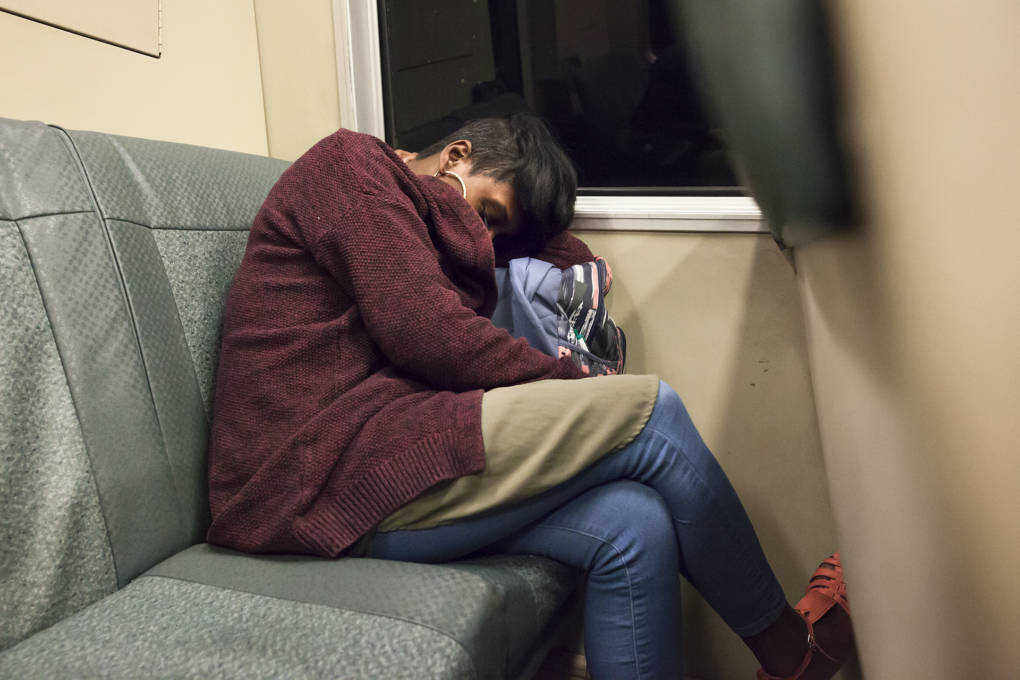
"caption": "Brittany Jones, a homeless college student in 2016, often slept in the early mornings on BART before classes began at Laney College in Oakland. The photo was taken in November 2016.",
"description": "Brittany Jones, a homeless college student in 2016, often slept in the early mornings on BART before classes began at Laney College in Oakland. The photo was taken in November 2016.",
"title": "Brittany Jones homeless student bart sleep",
"credit": "Brittany Hosea-Small",
"status": "inherit",
"isLoading": false,
"fetchFailed": false
},
"news_11736597": {
"type": "attachments",
"id": "news_11736597",
"meta": {
"index": "attachments_1716263798",
"site": "news",
"id": "11736597",
"found": true
},
"parent": 11736561,
"imgSizes": {
"post-thumbnail": {
"file": "https://ww2.kqed.org/app/uploads/sites/10/2019/03/IMG_8715-672x372.jpeg",
"width": 672,
"mimeType": "image/jpeg",
"height": 372
},
"kqedFullSize": {
"file": "https://ww2.kqed.org/app/uploads/sites/10/2019/03/IMG_8715-e1553964546721.jpeg",
"width": 1920,
"height": 1531
},
"guest-author-50": {
"file": "https://ww2.kqed.org/app/uploads/sites/10/2019/03/IMG_8715-50x50.jpeg",
"width": 50,
"mimeType": "image/jpeg",
"height": 50
},
"guest-author-96": {
"file": "https://ww2.kqed.org/app/uploads/sites/10/2019/03/IMG_8715-96x96.jpeg",
"width": 96,
"mimeType": "image/jpeg",
"height": 96
},
"apple_news_ca_portrait_12_9": {
"file": "https://ww2.kqed.org/app/uploads/sites/10/2019/03/IMG_8715-1122x1496.jpeg",
"width": 1122,
"mimeType": "image/jpeg",
"height": 1496
},
"medium": {
"file": "https://ww2.kqed.org/app/uploads/sites/10/2019/03/IMG_8715-800x638.jpeg",
"width": 800,
"mimeType": "image/jpeg",
"height": 638
},
"guest-author-32": {
"file": "https://ww2.kqed.org/app/uploads/sites/10/2019/03/IMG_8715-32x32.jpeg",
"width": 32,
"mimeType": "image/jpeg",
"height": 32
},
"apple_news_ca_portrait_9_7": {
"file": "https://ww2.kqed.org/app/uploads/sites/10/2019/03/IMG_8715-840x1120.jpeg",
"width": 840,
"mimeType": "image/jpeg",
"height": 1120
},
"apple_news_ca_square_9_7": {
"file": "https://ww2.kqed.org/app/uploads/sites/10/2019/03/IMG_8715-1104x1104.jpeg",
"width": 1104,
"mimeType": "image/jpeg",
"height": 1104
},
"apple_news_ca_portrait_4_7": {
"file": "https://ww2.kqed.org/app/uploads/sites/10/2019/03/IMG_8715-414x552.jpeg",
"width": 414,
"mimeType": "image/jpeg",
"height": 552
},
"apple_news_ca_square_12_9": {
"file": "https://ww2.kqed.org/app/uploads/sites/10/2019/03/IMG_8715-1472x1472.jpeg",
"width": 1472,
"mimeType": "image/jpeg",
"height": 1472
},
"apple_news_ca_portrait_5_5": {
"file": "https://ww2.kqed.org/app/uploads/sites/10/2019/03/IMG_8715-687x916.jpeg",
"width": 687,
"mimeType": "image/jpeg",
"height": 916
},
"apple_news_ca_square_4_7": {
"file": "https://ww2.kqed.org/app/uploads/sites/10/2019/03/IMG_8715-550x550.jpeg",
"width": 550,
"mimeType": "image/jpeg",
"height": 550
},
"apple_news_ca_square_5_5": {
"file": "https://ww2.kqed.org/app/uploads/sites/10/2019/03/IMG_8715-912x912.jpeg",
"width": 912,
"mimeType": "image/jpeg",
"height": 912
},
"apple_news_ca_landscape_5_5": {
"file": "https://ww2.kqed.org/app/uploads/sites/10/2019/03/IMG_8715-1044x783.jpeg",
"width": 1044,
"mimeType": "image/jpeg",
"height": 783
},
"apple_news_ca_square_4_0": {
"file": "https://ww2.kqed.org/app/uploads/sites/10/2019/03/IMG_8715-470x470.jpeg",
"width": 470,
"mimeType": "image/jpeg",
"height": 470
},
"twentyfourteen-full-width": {
"file": "https://ww2.kqed.org/app/uploads/sites/10/2019/03/IMG_8715-1038x576.jpeg",
"width": 1038,
"mimeType": "image/jpeg",
"height": 576
},
"thumbnail": {
"file": "https://ww2.kqed.org/app/uploads/sites/10/2019/03/IMG_8715-160x128.jpeg",
"width": 160,
"mimeType": "image/jpeg",
"height": 128
},
"apple_news_ca_landscape_4_7": {
"file": "https://ww2.kqed.org/app/uploads/sites/10/2019/03/IMG_8715-632x474.jpeg",
"width": 632,
"mimeType": "image/jpeg",
"height": 474
},
"large": {
"file": "https://ww2.kqed.org/app/uploads/sites/10/2019/03/IMG_8715-1020x813.jpeg",
"width": 1020,
"mimeType": "image/jpeg",
"height": 813
},
"complete_open_graph": {
"file": "https://ww2.kqed.org/app/uploads/sites/10/2019/03/IMG_8715-1200x957.jpeg",
"width": 1200,
"mimeType": "image/jpeg",
"height": 957
},
"apple_news_ca_landscape_4_0": {
"file": "https://ww2.kqed.org/app/uploads/sites/10/2019/03/IMG_8715-536x402.jpeg",
"width": 536,
"mimeType": "image/jpeg",
"height": 402
},
"guest-author-64": {
"file": "https://ww2.kqed.org/app/uploads/sites/10/2019/03/IMG_8715-64x64.jpeg",
"width": 64,
"mimeType": "image/jpeg",
"height": 64
},
"apple_news_ca_portrait_4_0": {
"file": "https://ww2.kqed.org/app/uploads/sites/10/2019/03/IMG_8715-354x472.jpeg",
"width": 354,
"mimeType": "image/jpeg",
"height": 472
},
"apple_news_ca_landscape_12_9": {
"file": "https://ww2.kqed.org/app/uploads/sites/10/2019/03/IMG_8715-1832x1374.jpeg",
"width": 1832,
"mimeType": "image/jpeg",
"height": 1374
},
"full-width": {
"file": "https://ww2.kqed.org/app/uploads/sites/10/2019/03/IMG_8715-1920x1531.jpeg",
"width": 1920,
"mimeType": "image/jpeg",
"height": 1531
},
"guest-author-128": {
"file": "https://ww2.kqed.org/app/uploads/sites/10/2019/03/IMG_8715-128x128.jpeg",
"width": 128,
"mimeType": "image/jpeg",
"height": 128
},
"apple_news_ca_landscape_9_7": {
"file": "https://ww2.kqed.org/app/uploads/sites/10/2019/03/IMG_8715-1376x1032.jpeg",
"width": 1376,
"mimeType": "image/jpeg",
"height": 1032
}
},
"publishDate": 1553901520,
"modified": 1553964539,
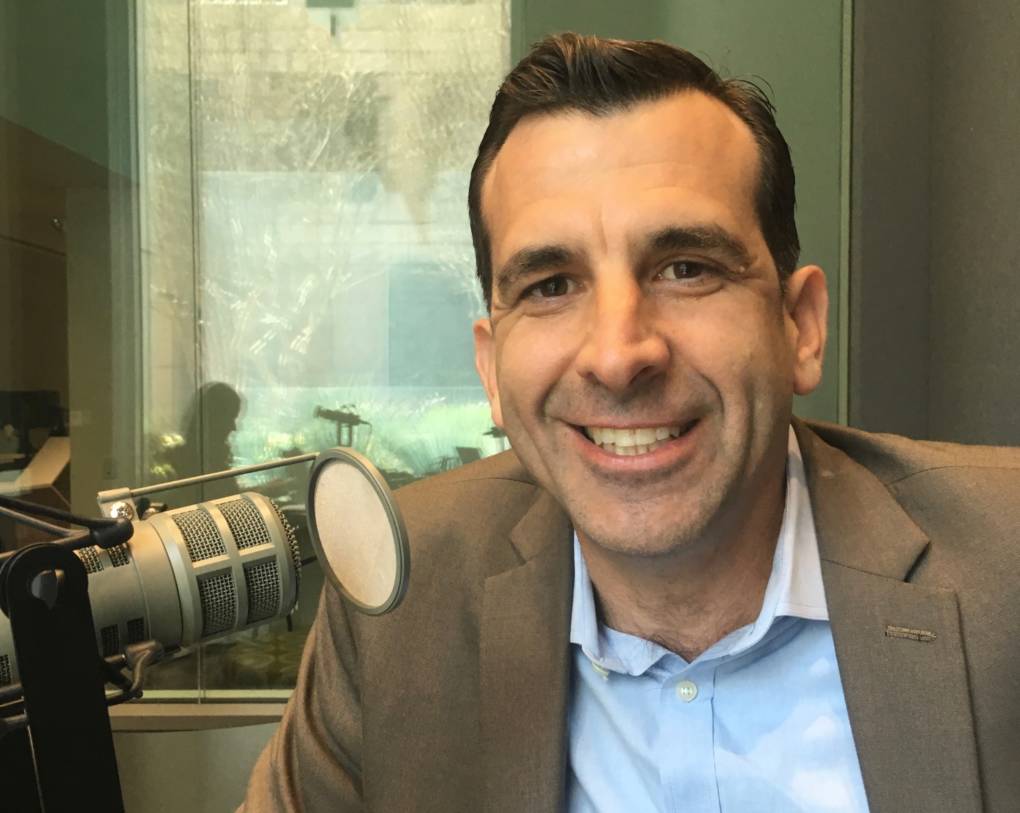
"caption": "San Jose Mayor Sam Liccardo stopped by KQED's Silicon Valley Bureau in San Jose to talk about housing on March 29, 2019.",
"description": "San Jose Mayor Sam Liccardo stopped by KQED's Silicon Valley Bureau in San Jose to talk about housing on March 29., 2019.",
"title": "IMG_8715",
"credit": "Rachael Myrow/KQED",
"status": "inherit",
"isLoading": false,
"fetchFailed": false
},
"news_11736635": {
"type": "attachments",
"id": "news_11736635",
"meta": {
"index": "attachments_1716263798",
"site": "news",
"id": "11736635",
"found": true
},
"parent": 11736281,
"imgSizes": {
"apple_news_ca_square_4_0": {
"file": "https://ww2.kqed.org/app/uploads/sites/10/2019/03/Embarcadero-SAFE-Navigation-Center-470x470.jpg",
"width": 470,
"mimeType": "image/jpeg",
"height": 470
},
"thumbnail": {
"file": "https://ww2.kqed.org/app/uploads/sites/10/2019/03/Embarcadero-SAFE-Navigation-Center-160x102.jpg",
"width": 160,
"mimeType": "image/jpeg",
"height": 102
},
"post-thumbnail": {
"file": "https://ww2.kqed.org/app/uploads/sites/10/2019/03/Embarcadero-SAFE-Navigation-Center-672x372.jpg",
"width": 672,
"mimeType": "image/jpeg",
"height": 372
},
"kqedFullSize": {
"file": "https://ww2.kqed.org/app/uploads/sites/10/2019/03/Embarcadero-SAFE-Navigation-Center.jpg",
"width": 796,
"height": 508
},
"apple_news_ca_landscape_4_7": {
"file": "https://ww2.kqed.org/app/uploads/sites/10/2019/03/Embarcadero-SAFE-Navigation-Center-632x474.jpg",
"width": 632,
"mimeType": "image/jpeg",
"height": 474
},
"guest-author-50": {
"file": "https://ww2.kqed.org/app/uploads/sites/10/2019/03/Embarcadero-SAFE-Navigation-Center-50x50.jpg",
"width": 50,
"mimeType": "image/jpeg",
"height": 50
},
"guest-author-96": {
"file": "https://ww2.kqed.org/app/uploads/sites/10/2019/03/Embarcadero-SAFE-Navigation-Center-96x96.jpg",
"width": 96,
"mimeType": "image/jpeg",
"height": 96
},
"apple_news_ca_landscape_4_0": {
"file": "https://ww2.kqed.org/app/uploads/sites/10/2019/03/Embarcadero-SAFE-Navigation-Center-536x402.jpg",
"width": 536,
"mimeType": "image/jpeg",
"height": 402
},
"guest-author-64": {
"file": "https://ww2.kqed.org/app/uploads/sites/10/2019/03/Embarcadero-SAFE-Navigation-Center-64x64.jpg",
"width": 64,
"mimeType": "image/jpeg",
"height": 64
},
"guest-author-32": {
"file": "https://ww2.kqed.org/app/uploads/sites/10/2019/03/Embarcadero-SAFE-Navigation-Center-32x32.jpg",
"width": 32,
"mimeType": "image/jpeg",
"height": 32
},
"apple_news_ca_portrait_4_0": {
"file": "https://ww2.kqed.org/app/uploads/sites/10/2019/03/Embarcadero-SAFE-Navigation-Center-354x472.jpg",
"width": 354,
"mimeType": "image/jpeg",
"height": 472
},
"apple_news_ca_portrait_4_7": {
"file": "https://ww2.kqed.org/app/uploads/sites/10/2019/03/Embarcadero-SAFE-Navigation-Center-414x508.jpg",
"width": 414,
"mimeType": "image/jpeg",
"height": 508
},
"apple_news_ca_portrait_5_5": {
"file": "https://ww2.kqed.org/app/uploads/sites/10/2019/03/Embarcadero-SAFE-Navigation-Center-687x508.jpg",
"width": 687,
"mimeType": "image/jpeg",
"height": 508
},
"apple_news_ca_square_4_7": {
"file": "https://ww2.kqed.org/app/uploads/sites/10/2019/03/Embarcadero-SAFE-Navigation-Center-550x508.jpg",
"width": 550,
"mimeType": "image/jpeg",
"height": 508
},
"guest-author-128": {
"file": "https://ww2.kqed.org/app/uploads/sites/10/2019/03/Embarcadero-SAFE-Navigation-Center-128x128.jpg",
"width": 128,
"mimeType": "image/jpeg",
"height": 128
}
},
"publishDate": 1553904033,
"modified": 1574802751,
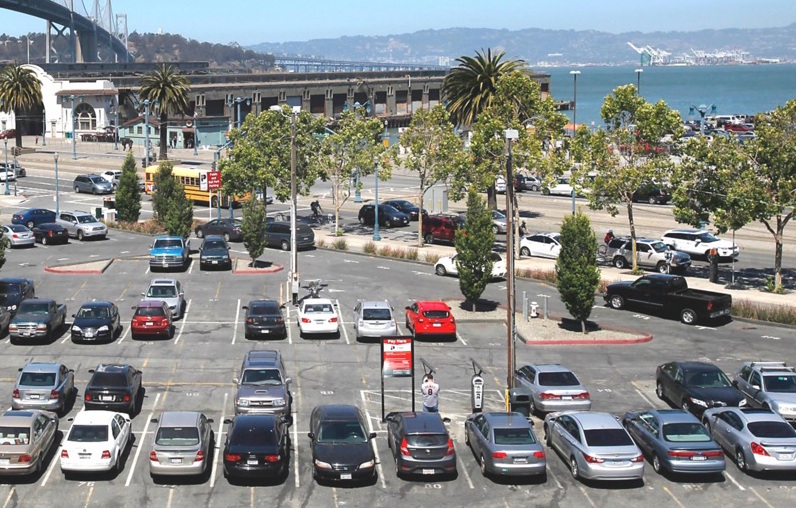
"caption": "Seawall Lot 330 before the city began construction, in August, of the 2.3-acre site.",
"description": null,
"title": "Embarcadero-SAFE-Navigation-Center",
"credit": "Courtesy of SFGov",
"status": "inherit",
"isLoading": false,
"fetchFailed": false
},
"news_11735834": {
"type": "attachments",
"id": "news_11735834",
"meta": {
"index": "attachments_1716263798",
"site": "news",
"id": "11735834",
"found": true
},
"parent": 11735832,
"imgSizes": {
"apple_news_ca_square_4_0": {
"file": "https://ww2.kqed.org/app/uploads/sites/10/2019/03/03272019_Berkeley-City_Council-RV-vote-qut-470x470.jpg",
"width": 470,
"mimeType": "image/jpeg",
"height": 470
},
"thumbnail": {
"file": "https://ww2.kqed.org/app/uploads/sites/10/2019/03/03272019_Berkeley-City_Council-RV-vote-qut-160x120.jpg",
"width": 160,
"mimeType": "image/jpeg",
"height": 120
},
"post-thumbnail": {
"file": "https://ww2.kqed.org/app/uploads/sites/10/2019/03/03272019_Berkeley-City_Council-RV-vote-qut-672x372.jpg",
"width": 672,
"mimeType": "image/jpeg",
"height": 372
},
"kqedFullSize": {
"file": "https://ww2.kqed.org/app/uploads/sites/10/2019/03/03272019_Berkeley-City_Council-RV-vote-qut.jpg",
"width": 760,
"height": 570
},
"apple_news_ca_landscape_4_7": {
"file": "https://ww2.kqed.org/app/uploads/sites/10/2019/03/03272019_Berkeley-City_Council-RV-vote-qut-632x474.jpg",
"width": 632,
"mimeType": "image/jpeg",
"height": 474
},
"guest-author-50": {
"file": "https://ww2.kqed.org/app/uploads/sites/10/2019/03/03272019_Berkeley-City_Council-RV-vote-qut-50x50.jpg",
"width": 50,
"mimeType": "image/jpeg",
"height": 50
},
"guest-author-96": {
"file": "https://ww2.kqed.org/app/uploads/sites/10/2019/03/03272019_Berkeley-City_Council-RV-vote-qut-96x96.jpg",
"width": 96,
"mimeType": "image/jpeg",
"height": 96
},
"apple_news_ca_landscape_4_0": {
"file": "https://ww2.kqed.org/app/uploads/sites/10/2019/03/03272019_Berkeley-City_Council-RV-vote-qut-536x402.jpg",
"width": 536,
"mimeType": "image/jpeg",
"height": 402
},
"guest-author-64": {
"file": "https://ww2.kqed.org/app/uploads/sites/10/2019/03/03272019_Berkeley-City_Council-RV-vote-qut-64x64.jpg",
"width": 64,
"mimeType": "image/jpeg",
"height": 64
},
"guest-author-32": {
"file": "https://ww2.kqed.org/app/uploads/sites/10/2019/03/03272019_Berkeley-City_Council-RV-vote-qut-32x32.jpg",
"width": 32,
"mimeType": "image/jpeg",
"height": 32
},
"apple_news_ca_portrait_4_0": {
"file": "https://ww2.kqed.org/app/uploads/sites/10/2019/03/03272019_Berkeley-City_Council-RV-vote-qut-354x472.jpg",
"width": 354,
"mimeType": "image/jpeg",
"height": 472
},
"apple_news_ca_portrait_4_7": {
"file": "https://ww2.kqed.org/app/uploads/sites/10/2019/03/03272019_Berkeley-City_Council-RV-vote-qut-414x552.jpg",
"width": 414,
"mimeType": "image/jpeg",
"height": 552
},
"apple_news_ca_portrait_5_5": {
"file": "https://ww2.kqed.org/app/uploads/sites/10/2019/03/03272019_Berkeley-City_Council-RV-vote-qut-687x570.jpg",
"width": 687,
"mimeType": "image/jpeg",
"height": 570
},
"apple_news_ca_square_4_7": {
"file": "https://ww2.kqed.org/app/uploads/sites/10/2019/03/03272019_Berkeley-City_Council-RV-vote-qut-550x550.jpg",
"width": 550,
"mimeType": "image/jpeg",
"height": 550
},
"guest-author-128": {
"file": "https://ww2.kqed.org/app/uploads/sites/10/2019/03/03272019_Berkeley-City_Council-RV-vote-qut-128x128.jpg",
"width": 128,
"mimeType": "image/jpeg",
"height": 128
}
},
"publishDate": 1553712821,
"modified": 1553712901,
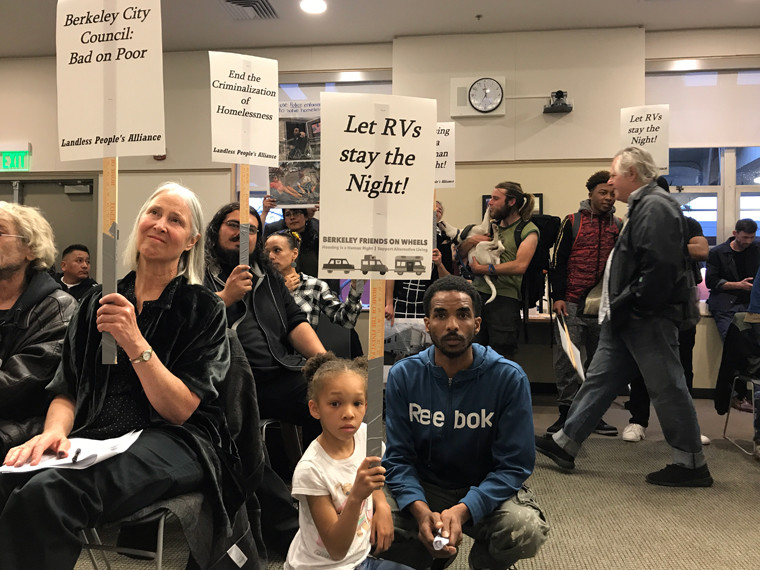
"caption": "Dozens of local residents, many of whom said they live in their vehicles, asked officials not to make overnight RV parking illegal in Berkeley.",
"description": "Dozens of local residents, many of whom said they live in their vehicles, asked officials not to make overnight RV parking illegal in Berkeley.",
"title": "03272019_Berkeley-City_Council-RV-vote-qut",
"credit": "Emilie Raguso/Berkeleyside",
"status": "inherit",
"isLoading": false,
"fetchFailed": false
}
},
"audioPlayerReducer": {
"postId": "stream_live",
"isPaused": true,
"isPlaying": false,
"pfsActive": false,
"pledgeModalIsOpen": true,
"playerDrawerIsOpen": false,
"liveAudioPlayStartedAt": 0,
"liveAudioPlayContext": ""
},
"authorsReducer": {
"byline_news_11735832": {
"type": "authors",
"id": "byline_news_11735832",
"meta": {
"override": true
},
"slug": "byline_news_11735832",
"name": "\u003cstrong>Emilie Raguso\u003c/strong>",
"isLoading": false
},
"petejonshuler": {
"type": "authors",
"id": "248",
"meta": {
"index": "authors_1716337520",
"id": "248",
"found": true
},
"name": "Peter Jon Shuler",
"firstName": "Peter",
"lastName": "Jon Shuler",
"slug": "petejonshuler",
"email": "pshuler@kqed.org",
"display_author_email": false,
"staff_mastheads": [
"news"
],
"title": "KQED Contributor",
"bio": null,
"avatar": "https://secure.gravatar.com/avatar/4bcbeaf7cf49fec98284db283a33a47b?s=600&d=blank&r=g",
"twitter": null,
"facebook": null,
"instagram": null,
"linkedin": null,
"sites": [
{
"site": "news",
"roles": [
"contributor"
]
}
],
"headData": {
"title": "Peter Jon Shuler | KQED",
"description": "KQED Contributor",
"ogImgSrc": "https://secure.gravatar.com/avatar/4bcbeaf7cf49fec98284db283a33a47b?s=600&d=blank&r=g",
"twImgSrc": "https://secure.gravatar.com/avatar/4bcbeaf7cf49fec98284db283a33a47b?s=600&d=blank&r=g"
},
"isLoading": false,
"link": "/author/petejonshuler"
},
"rachael-myrow": {
"type": "authors",
"id": "251",
"meta": {
"index": "authors_1716337520",
"id": "251",
"found": true
},
"name": "Rachael Myrow",
"firstName": "Rachael",
"lastName": "Myrow",
"slug": "rachael-myrow",
"email": "rmyrow@kqed.org",
"display_author_email": true,
"staff_mastheads": [
"news"
],
"title": "Senior Editor of KQED's Silicon Valley News Desk",
"bio": "• I write and edit stories about how Silicon Valley power and policies shape everyday life in California. I’m also passionate about making Bay Area history and culture more accessible to a broad public. • I’ve been a journalist for most of my life, starting in high school with The Franklin Press in Los Angeles, where I grew up. While earning my first degree in English at UC Berkeley, I got my start in public radio at KALX-FM. After completing a second degree in journalism at Cal, I landed my first professional job at Marketplace, then moved on to KPCC (now LAist), and then KQED, where I hosted The California Report for more than seven years. • My reporting has appeared on NPR, The World, WBUR’s \u003ci>Here & Now\u003c/i>, and the BBC. I also guest host for KQED’s \u003ci>Forum\u003c/i>, as well as the Commonwealth Club in San Francisco. • I speak periodically on media, democracy and technology issues, and do voiceover work for documentaries and educational video projects. • Outside of the studio, you'll find me hiking Bay Area trails and whipping up Insta-ready meals in my kitchen. • I do not accept gifts, money, or favors from anyone connected to my reporting, I don't pay people for information, and I do not support or donate to political causes. • I strive to treat the people I report on with fairness, honesty, and respect. I also recognize there are often multiple sides to a story and work to verify information through multiple sources and documentation. If I get something wrong, I correct it.",
"avatar": "https://secure.gravatar.com/avatar/87bf8cb5874e045cdff430523a6d48b1?s=600&d=blank&r=g",
"twitter": "rachaelmyrow",
"facebook": null,
"instagram": null,
"linkedin": "https://www.linkedin.com/in/rachaelmyrow/",
"sites": [
{
"site": "arts",
"roles": [
"administrator"
]
},
{
"site": "news",
"roles": [
"edit_others_posts",
"editor"
]
},
{
"site": "futureofyou",
"roles": [
"editor"
]
},
{
"site": "bayareabites",
"roles": [
"editor"
]
},
{
"site": "stateofhealth",
"roles": [
"editor"
]
},
{
"site": "science",
"roles": [
"editor"
]
},
{
"site": "food",
"roles": [
"editor"
]
},
{
"site": "forum",
"roles": [
"editor"
]
},
{
"site": "liveblog",
"roles": [
"author"
]
}
],
"headData": {
"title": "Rachael Myrow | KQED",
"description": "Senior Editor of KQED's Silicon Valley News Desk",
"ogImgSrc": "https://secure.gravatar.com/avatar/87bf8cb5874e045cdff430523a6d48b1?s=600&d=blank&r=g",
"twImgSrc": "https://secure.gravatar.com/avatar/87bf8cb5874e045cdff430523a6d48b1?s=600&d=blank&r=g"
},
"isLoading": false,
"link": "/author/rachael-myrow"
},
"tarasiler": {
"type": "authors",
"id": "257",
"meta": {
"index": "authors_1716337520",
"id": "257",
"found": true
},
"name": "Tara Siler",
"firstName": "Tara",
"lastName": "Siler",
"slug": "tarasiler",
"email": "tsiler@kqed.org",
"display_author_email": false,
"staff_mastheads": [
"news"
],
"title": "KQED Contributor",
"bio": "Tara reports and anchors for KQED news. She covers a range of issues from community-police relations to local politics. Tara started out in community radio in the Bay Area, where she was raised. She eventually moved to Washington DC where she covered Congress for eight years for Pacifica and Monitor Radio. Her stories have also been heard on NPR's All Things Considered, Morning Edition and The World.\r\n\r\nTara lives with her husband in Oakland-- where they raised their two sons. She enjoys spending time with her family, gardening and hiking in the Oakland hills... and keeping up with the news.",
"avatar": "https://secure.gravatar.com/avatar/99802f9746fb80b65fd8ec6c57954450?s=600&d=blank&r=g",
"twitter": null,
"facebook": null,
"instagram": null,
"linkedin": null,
"sites": [
{
"site": "news",
"roles": [
"contributor",
"edit_others_posts"
]
},
{
"site": "stateofhealth",
"roles": [
"author"
]
}
],
"headData": {
"title": "Tara Siler | KQED",
"description": "KQED Contributor",
"ogImgSrc": "https://secure.gravatar.com/avatar/99802f9746fb80b65fd8ec6c57954450?s=600&d=blank&r=g",
"twImgSrc": "https://secure.gravatar.com/avatar/99802f9746fb80b65fd8ec6c57954450?s=600&d=blank&r=g"
},
"isLoading": false,
"link": "/author/tarasiler"
},
"matthewgreen": {
"type": "authors",
"id": "1263",
"meta": {
"index": "authors_1716337520",
"id": "1263",
"found": true
},
"name": "Matthew Green",
"firstName": "Matthew",
"lastName": "Green",
"slug": "matthewgreen",
"email": "mgreen@kqed.org",
"display_author_email": false,
"staff_mastheads": [],
"title": "KQED Editor/Reporter",
"bio": "Matthew Green is a digital media producer for KQED News. He previously produced \u003ca href=\"http://www.kqed.org/lowdown\">The Lowdown\u003c/a>, KQED’s multimedia news education blog. Matthew's written for numerous Bay Area publications, including the Oakland Tribune and San Francisco Chronicle. He also taught journalism classes at Fremont High School in East Oakland.\r\n\r\nEmail: mgreen@kqed.org; Twitter: @MGreenKQED",
"avatar": "https://secure.gravatar.com/avatar/3bf498d1267ca02c8494f33d8cfc575e?s=600&d=blank&r=g",
"twitter": "MGreenKQED",
"facebook": null,
"instagram": null,
"linkedin": null,
"sites": [
{
"site": "news",
"roles": []
},
{
"site": "lowdown",
"roles": []
},
{
"site": "science",
"roles": []
},
{
"site": "education",
"roles": []
},
{
"site": "quest",
"roles": []
},
{
"site": "liveblog",
"roles": []
}
],
"headData": {
"title": "Matthew Green | KQED",
"description": "KQED Editor/Reporter",
"ogImgSrc": "https://secure.gravatar.com/avatar/3bf498d1267ca02c8494f33d8cfc575e?s=600&d=blank&r=g",
"twImgSrc": "https://secure.gravatar.com/avatar/3bf498d1267ca02c8494f33d8cfc575e?s=600&d=blank&r=g"
},
"isLoading": false,
"link": "/author/matthewgreen"
},
"markfiore": {
"type": "authors",
"id": "3236",
"meta": {
"index": "authors_1716337520",
"id": "3236",
"found": true
},
"name": "Mark Fiore",
"firstName": "Mark",
"lastName": "Fiore",
"slug": "markfiore",
"email": "mark@markfiore.com",
"display_author_email": false,
"staff_mastheads": [
"news"
],
"title": "KQED News Cartoonist",
"bio": "\u003ca href=\"http://www.MarkFiore.com\">MarkFiore.com\u003c/a> | \u003ca href=\"https://twitter.com/markfiore\">Follow on Twitter\u003c/a> | \u003ca href=\"https://www.facebook.com/pages/Mark-Fiore-Animated-Political-Cartoons/94451707396?ref=bookmarks\">Facebook\u003c/a> | \u003ca href=\"mailto:mark@markfiore.com\">email\u003c/a>\r\n\r\nPulitzer Prize-winner, Mark Fiore, who the Wall Street Journal has called “the undisputed guru of the form,” creates animated political cartoons in San Francisco, where his work has been featured regularly on the San Francisco Chronicle’s web site, SFGate.com. His work has appeared on Newsweek.com, Slate.com, CBSNews.com, MotherJones.com, DailyKos.com and NPR’s web site. Fiore’s political animation has appeared on CNN, Frontline, Bill Moyers Journal, Salon.com and cable and broadcast outlets across the globe.\r\n\r\nBeginning his professional life by drawing traditional political cartoons for newspapers, Fiore’s work appeared in publications ranging from the Washington Post to the Los Angeles Times. In the late 1990s, he began to experiment with animating political cartoons and, after a short stint at the San Jose Mercury News as their staff cartoonist, Fiore devoted all his energies to animation.\r\nGrowing up in California, Fiore also spent a good portion of his life in the backwoods of Idaho. It was this combination that shaped him politically. Mark majored in political science at Colorado College, where, in a perfect send-off for a cartoonist, he received his diploma in 1991 as commencement speaker Dick Cheney smiled approvingly.\r\nMark Fiore was awarded the Pulitzer Prize for political cartooning in 2010, a Robert F. Kennedy Journalism Award in 2004 and has twice received an Online Journalism Award for commentary from the Online News Association (2002, 2008). Fiore has received two awards for his work in new media from the National Cartoonists Society (2001, 2002), and in 2006 received The James Madison Freedom of Information Award from The Society of Professional Journalists.",
"avatar": "https://secure.gravatar.com/avatar/fc4e2a612b15b67bad0c6f0e1db4ca9b?s=600&d=blank&r=g",
"twitter": "MarkFiore",
"facebook": null,
"instagram": "https://www.instagram.com/markfiore/?hl=en",
"linkedin": null,
"sites": [
{
"site": "arts",
"roles": [
"contributor"
]
},
{
"site": "news",
"roles": [
"editor"
]
},
{
"site": "futureofyou",
"roles": [
"editor"
]
},
{
"site": "science",
"roles": [
"editor"
]
}
],
"headData": {
"title": "Mark Fiore | KQED",
"description": "KQED News Cartoonist",
"ogImgSrc": "https://secure.gravatar.com/avatar/fc4e2a612b15b67bad0c6f0e1db4ca9b?s=600&d=blank&r=g",
"twImgSrc": "https://secure.gravatar.com/avatar/fc4e2a612b15b67bad0c6f0e1db4ca9b?s=600&d=blank&r=g"
},
"isLoading": false,
"link": "/author/markfiore"
},
"dkatayama": {
"type": "authors",
"id": "7240",
"meta": {
"index": "authors_1716337520",
"id": "7240",
"found": true
},
"name": "Devin Katayama",
"firstName": "Devin",
"lastName": "Katayama",
"slug": "dkatayama",
"email": "dkatayama@kqed.org",
"display_author_email": true,
"staff_mastheads": [
"news"
],
"title": "Editor of Talent and Development",
"bio": "Devin Katayama is former Editor of Talent and Development for KQED. He supported our internship program and on-call staff by looking for equitable opportunities to improve the newsroom.\r\n\r\nHe previously hosted The Bay and American Suburb podcasts from KQED News. Prior to returning to the Bay Area in 2015, Devin was the education reporter for WFPL in Louisville and worked as a producer with radio stations in Chicago and Portland, OR. His work has appeared on NPR’s \u003cem>Morning Edition, All Things Considered, The Takeaway\u003c/em> and \u003cem>Here and Now.\u003c/em>\r\n\r\nDevin earned his MA in Journalism from Columbia College Chicago, where he was a Follett Fellow and the recipient of the 2011 Studs Terkel Community Media Workshop Scholarship for his story on Chicago's homeless youth. He won WBUR's 2014 Daniel Schorr award and a regional RTNDA Edward R. Murrow Award for his documentary \"At Risk\" that looked at issues facing some of Louisville's students. Devin has also received numerous local awards from the Associated Press and the Society of Professional Journalists.",
"avatar": "https://secure.gravatar.com/avatar/d0d2978a31002fb2de107921a8e18405?s=600&d=blank&r=g",
"twitter": "RadioDevin",
"facebook": null,
"instagram": null,
"linkedin": null,
"sites": [
{
"site": "arts",
"roles": []
},
{
"site": "news",
"roles": [
"author"
]
},
{
"site": "stateofhealth",
"roles": [
"author"
]
},
{
"site": "forum",
"roles": [
"editor"
]
},
{
"site": "perspectives",
"roles": [
"editor"
]
}
],
"headData": {
"title": "Devin Katayama | KQED",
"description": "Editor of Talent and Development",
"ogImgSrc": "https://secure.gravatar.com/avatar/d0d2978a31002fb2de107921a8e18405?s=600&d=blank&r=g",
"twImgSrc": "https://secure.gravatar.com/avatar/d0d2978a31002fb2de107921a8e18405?s=600&d=blank&r=g"
},
"isLoading": false,
"link": "/author/dkatayama"
},
"vrancano": {
"type": "authors",
"id": "11276",
"meta": {
"index": "authors_1716337520",
"id": "11276",
"found": true
},
"name": "Vanessa Rancaño",
"firstName": "Vanessa",
"lastName": "Rancaño",
"slug": "vrancano",
"email": "vrancano@kqed.org",
"display_author_email": false,
"staff_mastheads": [
"news"
],
"title": "Reporter",
"bio": "Vanessa Rancaño is a features reporter for KQED. She’s also covered homelessness and education for the station and reported from the Central Valley. Her work has aired across public radio, from flagship national news shows to longform narrative podcasts. Before taking up a mic, she worked as a freelance print journalist. She’s been recognized with a number of national and regional awards. Vanessa grew up in California's Central Valley. She's a former NPR Kroc Fellow, and a graduate of the UC Berkeley Graduate School of Journalism.",
"avatar": "https://secure.gravatar.com/avatar/b3a383dfb0e7ee1c17568f2cf067904ab654d6e3de9743fc661f3c788ade1bed?s=600&d=blank&r=g",
"twitter": "vanessarancano",
"bluesky": null,
"facebook": null,
"instagram": null,
"linkedin": null,
"sites": [
{
"site": "arts",
"roles": [
"editor"
]
},
{
"site": "news",
"roles": [
"editor"
]
},
{
"site": "liveblog",
"roles": [
"contributor"
]
}
],
"headData": {
"title": "Vanessa Rancaño | KQED",
"description": "Reporter",
"ogImgSrc": "https://secure.gravatar.com/avatar/b3a383dfb0e7ee1c17568f2cf067904ab654d6e3de9743fc661f3c788ade1bed?s=600&d=blank&r=g",
"twImgSrc": "https://secure.gravatar.com/avatar/b3a383dfb0e7ee1c17568f2cf067904ab654d6e3de9743fc661f3c788ade1bed?s=600&d=blank&r=g"
},
"isLoading": false,
"link": "/author/vrancano"
},
"mleitsinger": {
"type": "authors",
"id": "11310",
"meta": {
"index": "authors_1716337520",
"id": "11310",
"found": true
},
"name": "Miranda Leitsinger",
"firstName": "Miranda",
"lastName": "Leitsinger",
"slug": "mleitsinger",
"email": "mleitsinger@KQED.org",
"display_author_email": false,
"staff_mastheads": [
"news"
],
"title": "KQED Contributor",
"bio": "Miranda Leitsinger has worked in journalism as a reporter and editor since 2000, including seven years at The Associated Press in locales such as Cambodia and Puerto Rico, four years at NBC News Digital in New York and 2.5 years at CNN.com International in Hong Kong. Major stories she has covered included sexual abuse in the yoga community, the rise of women in local politics post-2016 election, the struggle over LGBTQ inclusion in the Boy Scouts, aftermath of the 2004 and 2011 tsunamis, the Aurora movie theater attack, the Newtown school shooting, Superstorm Sandy and the Boston Marathon bombing.",
"avatar": "https://secure.gravatar.com/avatar/cdd00de7be92aab3b7fd3d915e02033d?s=600&d=blank&r=g",
"twitter": "mimileitsinger",
"facebook": null,
"instagram": null,
"linkedin": null,
"sites": [
{
"site": "arts",
"roles": [
"author"
]
},
{
"site": "news",
"roles": [
"subscriber"
]
},
{
"site": "futureofyou",
"roles": [
"editor"
]
},
{
"site": "stateofhealth",
"roles": [
"editor"
]
}
],
"headData": {
"title": "Miranda Leitsinger | KQED",
"description": "KQED Contributor",
"ogImgSrc": "https://secure.gravatar.com/avatar/cdd00de7be92aab3b7fd3d915e02033d?s=600&d=blank&r=g",
"twImgSrc": "https://secure.gravatar.com/avatar/cdd00de7be92aab3b7fd3d915e02033d?s=600&d=blank&r=g"
},
"isLoading": false,
"link": "/author/mleitsinger"
},
"cchamplin": {
"type": "authors",
"id": "11408",
"meta": {
"index": "authors_1716337520",
"id": "11408",
"found": true
},
"name": "Caroline Champlin",
"firstName": null,
"lastName": null,
"slug": "cchamplin",
"email": "cchamplin@kqed.org",
"display_author_email": false,
"staff_mastheads": [],
"title": null,
"bio": null,
"avatar": "https://secure.gravatar.com/avatar/78d8654d3fedda8393a51d63c1042215?s=600&d=blank&r=g",
"twitter": null,
"facebook": null,
"instagram": null,
"linkedin": null,
"sites": [
{
"site": "news",
"roles": [
"author",
"edit_others_posts"
]
}
],
"headData": {
"title": "Caroline Champlin | KQED",
"description": null,
"ogImgSrc": "https://secure.gravatar.com/avatar/78d8654d3fedda8393a51d63c1042215?s=600&d=blank&r=g",
"twImgSrc": "https://secure.gravatar.com/avatar/78d8654d3fedda8393a51d63c1042215?s=600&d=blank&r=g"
},
"isLoading": false,
"link": "/author/cchamplin"
},
"akrigbaum": {
"type": "authors",
"id": "11510",
"meta": {
"index": "authors_1716337520",
"id": "11510",
"found": true
},
"name": "Ashleyanne Krigbaum",
"firstName": "Ashleyanne",
"lastName": "Krigbaum",
"slug": "akrigbaum",
"email": "akrigbaum@kqed.org",
"display_author_email": false,
"staff_mastheads": [
"news"
],
"title": "Producer, Rightnowish",
"bio": "Ashleyanne Krigbaum is the producer of \u003cem>\u003ca href=\"http://kqed.org/rightnowish\">Rightnowish\u003c/a>\u003c/em>. \u003cem> \u003c/em>She has also made podcasts for Noise Pop, Salon, and award-winning audio tours for SFMOMA, Smithsonian, and the de Young Museum. From 2015 to 2018, she was an announcer and local host of NPR's\u003cem> All Things Considered\u003c/em> at KALW. When she's not making podcasts, she's DJing vinyl at dance parties around the Bay Area.",
"avatar": "https://secure.gravatar.com/avatar/b2293d2c51dd71bb43202016faa0892d?s=600&d=blank&r=g",
"twitter": "wambamash",
"facebook": null,
"instagram": null,
"linkedin": null,
"sites": [
{
"site": "arts",
"roles": [
"subscriber"
]
},
{
"site": "news",
"roles": [
"editor"
]
}
],
"headData": {
"title": "Ashleyanne Krigbaum | KQED",
"description": "Producer, Rightnowish",
"ogImgSrc": "https://secure.gravatar.com/avatar/b2293d2c51dd71bb43202016faa0892d?s=600&d=blank&r=g",
"twImgSrc": "https://secure.gravatar.com/avatar/b2293d2c51dd71bb43202016faa0892d?s=600&d=blank&r=g"
},
"isLoading": false,
"link": "/author/akrigbaum"
},
"katewolffe": {
"type": "authors",
"id": "11523",
"meta": {
"index": "authors_1716337520",
"id": "11523",
"found": true
},
"name": "Kate Wolffe",
"firstName": "Kate",
"lastName": "Wolffe",
"slug": "katewolffe",
"email": "kwolffe@kqed.org",
"display_author_email": true,
"staff_mastheads": [
"news"
],
"title": "KQED Reporter + Weekend Host",
"bio": "Kate Wolffe reports on local Bay Area happenings for KQED, and hosts the news on weekend afternoons. She joined KQED in 2018 as an intern on the Forum team, before moving to cover topics ranging from politics to criminal justice to homelessness. A Bay Area native and UC Berkeley graduate, Kate loves to discover new corners of the region.",
"avatar": "https://secure.gravatar.com/avatar/22455f14db824a03ee252f73052fe939?s=600&d=blank&r=g",
"twitter": "katewolffe",
"facebook": null,
"instagram": null,
"linkedin": null,
"sites": [
{
"site": "arts",
"roles": [
"editor"
]
},
{
"site": "news",
"roles": [
"author",
"edit_others_posts"
]
},
{
"site": "forum",
"roles": [
"editor"
]
}
],
"headData": {
"title": "Kate Wolffe | KQED",
"description": "KQED Reporter + Weekend Host",
"ogImgSrc": "https://secure.gravatar.com/avatar/22455f14db824a03ee252f73052fe939?s=600&d=blank&r=g",
"twImgSrc": "https://secure.gravatar.com/avatar/22455f14db824a03ee252f73052fe939?s=600&d=blank&r=g"
},
"isLoading": false,
"link": "/author/katewolffe"
},
"mwiley": {
"type": "authors",
"id": "11526",
"meta": {
"index": "authors_1716337520",
"id": "11526",
"found": true
},
"name": "Michelle Wiley",
"firstName": "Michelle",
"lastName": "Wiley",
"slug": "mwiley",
"email": "mwiley@KQED.org",
"display_author_email": true,
"staff_mastheads": [],
"title": null,
"bio": "Michelle Wiley was the senior editor of weekends.",
"avatar": "https://secure.gravatar.com/avatar/3b897d82a09e8587e8e73fa69fbcc635?s=600&d=blank&r=g",
"twitter": "michelleewiley",
"facebook": null,
"instagram": null,
"linkedin": null,
"sites": [
{
"site": "",
"roles": [
"editor"
]
},
{
"site": "arts",
"roles": [
"editor"
]
},
{
"site": "news",
"roles": [
"subscriber"
]
},
{
"site": "lowdown",
"roles": [
"editor"
]
},
{
"site": "science",
"roles": [
"editor"
]
},
{
"site": "podcasts",
"roles": [
"editor"
]
}
],
"headData": {
"title": "Michelle Wiley | KQED",
"description": null,
"ogImgSrc": "https://secure.gravatar.com/avatar/3b897d82a09e8587e8e73fa69fbcc635?s=600&d=blank&r=g",
"twImgSrc": "https://secure.gravatar.com/avatar/3b897d82a09e8587e8e73fa69fbcc635?s=600&d=blank&r=g"
},
"isLoading": false,
"link": "/author/mwiley"
},
"smamidanna": {
"type": "authors",
"id": "11581",
"meta": {
"index": "authors_1716337520",
"id": "11581",
"found": true
},
"name": "Sruti Mamidanna",
"firstName": "Sruti",
"lastName": "Mamidanna",
"slug": "smamidanna",
"email": "smamidanna@kqed.org",
"display_author_email": false,
"staff_mastheads": [],
"title": null,
"bio": null,
"avatar": "https://secure.gravatar.com/avatar/b6365bcdef7e2060671a7124aa076048?s=600&d=blank&r=g",
"twitter": null,
"facebook": null,
"instagram": null,
"linkedin": null,
"sites": [
{
"site": "news",
"roles": [
"author"
]
}
],
"headData": {
"title": "Sruti Mamidanna | KQED",
"description": null,
"ogImgSrc": "https://secure.gravatar.com/avatar/b6365bcdef7e2060671a7124aa076048?s=600&d=blank&r=g",
"twImgSrc": "https://secure.gravatar.com/avatar/b6365bcdef7e2060671a7124aa076048?s=600&d=blank&r=g"
},
"isLoading": false,
"link": "/author/smamidanna"
},
"slister": {
"type": "authors",
"id": "11582",
"meta": {
"index": "authors_1716337520",
"id": "11582",
"found": true
},
"name": "Stephanie Lister",
"firstName": "Stephanie",
"lastName": "Lister",
"slug": "slister",
"email": "slister@kqed.org",
"display_author_email": false,
"staff_mastheads": [],
"title": "KQED Contributor",
"bio": null,
"avatar": "https://secure.gravatar.com/avatar/5393644d68259d7bd1c83bcfc9725ca5?s=600&d=blank&r=g",
"twitter": null,
"facebook": null,
"instagram": null,
"linkedin": null,
"sites": [
{
"site": "news",
"roles": [
"subscriber"
]
}
],
"headData": {
"title": "Stephanie Lister | KQED",
"description": "KQED Contributor",
"ogImgSrc": "https://secure.gravatar.com/avatar/5393644d68259d7bd1c83bcfc9725ca5?s=600&d=blank&r=g",
"twImgSrc": "https://secure.gravatar.com/avatar/5393644d68259d7bd1c83bcfc9725ca5?s=600&d=blank&r=g"
},
"isLoading": false,
"link": "/author/slister"
}
},
"pagesReducer": {
"news_tag_homelessness": {
"type": "terms",
"id": "news_4020",
"meta": {
"index": "terms_1716263798",
"site": "news",
"id": "4020",
"score": 8.5546055
},
"name": "Homelessness",
"slug": "homelessness",
"taxonomy": "tag",
"description": null,
"featImg": null,
"headData": {
"title": "Homelessness | KQED News",
"description": null,
"ogTitle": null,
"ogDescription": null,
"ogImgId": null,
"twTitle": null,
"twDescription": null,
"twImgId": null,
"metaRobotsNoIndex": "index"
},
"ttid": 4039,
"isLoading": false,
"title": "Homelessness",
"pageMeta": {
"site": "news",
"WpPageTemplate": "page-topic-editorial",
"currentPage": 42
},
"blocks": [
{
"blockName": "kqed/post-list",
"attrs": {
"layout": "cardArticle2",
"query": "posts/news?tag=homelessness",
"seeMore": false,
"paginated": true,
"page": 42
}
},
{
"blockName": "kqed/ad"
}
]
}
},
"pfsSessionReducer": {},
"postsReducer": {
"stream_live": {
"type": "live",
"id": "stream_live",
"audioUrl": "https://streams.kqed.org/kqedradio",
"title": "Live Stream",
"excerpt": "Live Stream information currently unavailable.",
"link": "/radio",
"featImg": "",
"label": {
"name": "KQED Live",
"link": "/"
}
},
"stream_kqedNewscast": {
"type": "posts",
"id": "stream_kqedNewscast",
"audioUrl": "https://www.kqed.org/.stream/anon/radio/RDnews/newscast.mp3?_=1",
"title": "KQED Newscast",
"featImg": "",
"label": {
"name": "88.5 FM",
"link": "/"
}
},
"news_11740476": {
"type": "posts",
"id": "news_11740476",
"meta": {
"index": "posts_1716263798",
"site": "news",
"id": "11740476",
"score": null,
"sort": [
1556004632000
]
},
"guestAuthors": [],
"slug": "is-a-big-ticket-plan-to-help-californias-community-college-students-worth-the-cost",
"title": "Is a Big-Ticket Plan to Help California's Community College Students Worth the Cost?",
"publishDate": 1556004632,
"format": "audio",
"headTitle": "Is a Big-Ticket Plan to Help California’s Community College Students Worth the Cost? | KQED",
"labelTerm": {
"term": 72,
"site": "news"
},
"content": "\u003cp>Rey Blanco is running for president — at least if he gets enough signatures from his San Jose City College classmates to get on the ballot for the upcoming student government election.\u003c/p>\n\u003cp>[aside label=\"More stories from 'The College Try' series\" tag=\"college-try\"]\u003c/p>\n\u003cp>At 36, Blanco is in his first semester of community college, and for the first time in his life he’s embracing school. He’s already vice president and treasurer of the media club and produces a weekly podcast for the college radio station. Plus he’s taking 18 credits, more than a full-time course load, because he wants to transfer to a four-year school as soon as possible.\u003c/p>\n\u003cp>For Blanco, diving into school is a way to break with a past he’s not proud of, one that led him in and out of jail and prison.\u003c/p>\n\u003cp>But going full throttle comes at a cost.\u003c/p>\n\u003cp>To manage his course load and extracurriculars, Blanco had to reduce the number of hours he was working as a barber. So despite his free tuition and financial aid, he still struggles to cover the high cost of living in San Jose, and spent most of this semester couch-surfing or sleeping in his car.\u003c/p>\n\u003cp>Blanco’s situation is so common state lawmakers \u003ca href=\"https://www.kqed.org/news/11737198/overnight-parking-for-homeless-college-students-lawmakers-consider-it\" target=\"_blank\" rel=\"noopener\">recently advanced a bill\u003c/a> requiring community colleges to let homeless students sleep in their cars on campus lots. But there’s also a more permanent solution in the works: Community college leaders and their allies in the state Legislature are pushing to create a new financial aid program for their students.\u003c/p>\n\u003cfigure id=\"attachment_11740493\" class=\"wp-caption aligncenter\" style=\"max-width: 800px\">\u003cimg loading=\"lazy\" decoding=\"async\" class=\"wp-image-11740493 size-medium\" src=\"https://ww2.kqed.org/news/wp-content/uploads/sites/10/2019/04/Rey3-800x600.jpg\" alt=\"\" width=\"800\" height=\"600\" srcset=\"https://cdn.kqed.org/wp-content/uploads/sites/10/2019/04/Rey3-800x600.jpg 800w, https://cdn.kqed.org/wp-content/uploads/sites/10/2019/04/Rey3-160x120.jpg 160w, https://cdn.kqed.org/wp-content/uploads/sites/10/2019/04/Rey3-1020x765.jpg 1020w, https://cdn.kqed.org/wp-content/uploads/sites/10/2019/04/Rey3-1200x900.jpg 1200w, https://cdn.kqed.org/wp-content/uploads/sites/10/2019/04/Rey3-1920x1440.jpg 1920w, https://cdn.kqed.org/wp-content/uploads/sites/10/2019/04/Rey3-1832x1374.jpg 1832w, https://cdn.kqed.org/wp-content/uploads/sites/10/2019/04/Rey3-1376x1032.jpg 1376w, https://cdn.kqed.org/wp-content/uploads/sites/10/2019/04/Rey3-1044x783.jpg 1044w, https://cdn.kqed.org/wp-content/uploads/sites/10/2019/04/Rey3-632x474.jpg 632w, https://cdn.kqed.org/wp-content/uploads/sites/10/2019/04/Rey3-536x402.jpg 536w, https://cdn.kqed.org/wp-content/uploads/sites/10/2019/04/Rey3.jpg 2048w\" sizes=\"auto, (max-width: 800px) 100vw, 800px\">\u003cfigcaption class=\"wp-caption-text\">Rey Blanco struggles in math and takes advantage of campus tutoring when he can, but managing the cost of living in San Jose makes it hard to find the time to focus on homework. \u003ccite>(Vanessa Rancaño/KQED)\u003c/cite>\u003c/figcaption>\u003c/figure>\n\u003cp>Under the current system, most community college students are shut out of some financial aid programs. As a result, students can \u003ca href=\"https://docs.google.com/viewer?url=https%3A%2F%2Fticas.org%2Fsites%2Fdefault%2Ffiles%2Fpub_files%2Fwhat_college_costs_for_low-income_californians_0.pdf\" target=\"_blank\" rel=\"noopener\">end up with higher \u003c/a>out-of-pocket costs than they would have at a four-year school.\u003c/p>\n\u003cp>“The cost of attending our colleges isn’t the cost of tuition,” said California Community Colleges Chancellor Eloy Ortiz Oakley. “It is the cost of transportation, living expenses, books — the cost of not having to work two and three jobs to make ends meet.”\u003c/p>\n\u003cp>Oakley and other advocates for financial aid reform often fight against misconceptions about who attends community college.\u003c/p>\n\u003cp>“A lot of folks, when they think about community colleges, the picture that they have in their mind is a student who’s living at home with their parents,” said Debbie Cochrane, vice president of the Institute for College Access and Success. “In fact, all the data show that most community college students are living independently. That means they’re having to pay rent in California markets.”\u003c/p>\n\u003cfigure id=\"attachment_11740495\" class=\"wp-caption alignnone\" style=\"max-width: 2048px\">\u003cimg loading=\"lazy\" decoding=\"async\" class=\"wp-image-11740495 size-full\" src=\"https://ww2.kqed.org/news/wp-content/uploads/sites/10/2019/04/Rey4.jpg\" alt=\"\" width=\"2048\" height=\"1536\" srcset=\"https://cdn.kqed.org/wp-content/uploads/sites/10/2019/04/Rey4.jpg 2048w, https://cdn.kqed.org/wp-content/uploads/sites/10/2019/04/Rey4-160x120.jpg 160w, https://cdn.kqed.org/wp-content/uploads/sites/10/2019/04/Rey4-800x600.jpg 800w, https://cdn.kqed.org/wp-content/uploads/sites/10/2019/04/Rey4-1020x765.jpg 1020w, https://cdn.kqed.org/wp-content/uploads/sites/10/2019/04/Rey4-1200x900.jpg 1200w, https://cdn.kqed.org/wp-content/uploads/sites/10/2019/04/Rey4-1920x1440.jpg 1920w, https://cdn.kqed.org/wp-content/uploads/sites/10/2019/04/Rey4-1832x1374.jpg 1832w, https://cdn.kqed.org/wp-content/uploads/sites/10/2019/04/Rey4-1376x1032.jpg 1376w, https://cdn.kqed.org/wp-content/uploads/sites/10/2019/04/Rey4-1044x783.jpg 1044w, https://cdn.kqed.org/wp-content/uploads/sites/10/2019/04/Rey4-632x474.jpg 632w, https://cdn.kqed.org/wp-content/uploads/sites/10/2019/04/Rey4-536x402.jpg 536w\" sizes=\"auto, (max-width: 2048px) 100vw, 2048px\">\u003cfigcaption class=\"wp-caption-text\">With the help of his physical education classmates, Rey Blanco livestreams workouts, one of the examples of self-improvement he shares with his social media followers. \u003ccite>(Vanessa Rancaño/KQED)\u003c/cite>\u003c/figcaption>\u003c/figure>\n\u003cp>To address those costs, Oakley has helped champion \u003ca href=\"http://leginfo.legislature.ca.gov/faces/billNavClient.xhtml?bill_id=201920200SB291\" target=\"_blank\" rel=\"noopener\">Senate Bill 291,\u003c/a> which would establish the California Community College Student Financial Aid Program for students like Blanco, who are falling through the cracks in the current financial aid system.\u003c/p>\n\u003cp>“My biggest problem is I don’t have the time to do tutoring or to focus on my work because I have to try to support myself,” said Blanco, who despite cutting back on his barbershop hours, still spends much of his time outside of class working. “My grades are OK, but I know that if I had that one weekend, or one day of the week to just really focus, then my grades would be so much better.”\u003c/p>\n\u003cp>Administrators estimate the total annual cost of attendance, including living expenses, is $21,000 for full-time SJCC students who don’t live at home. Meanwhile, the maximum amount of aid a full-time student can receive is roughly $12,000 a year, a shortfall of roughly $9,000, said the school’s financial aid director, Takeo Kubo.\u003c/p>\n\u003cp>“Students who receive financial aid are typically our lowest-income students,” Kubo said. “They’re living well below poverty level.”\u003c/p>\n\u003cp>Even so, only about 1% of community college students receive the maximum amount of aid, according to Cochrane of the Institute for College Access and Success.\u003c/p>\n\u003cp>At SJCC, Kubo estimates most students receive between $4,000 and $5,000 per year in aid.\u003c/p>\n\u003cfigure id=\"attachment_11740496\" class=\"wp-caption aligncenter\" style=\"max-width: 800px\">\u003cimg loading=\"lazy\" decoding=\"async\" class=\"wp-image-11740496 size-medium\" src=\"https://ww2.kqed.org/news/wp-content/uploads/sites/10/2019/04/Rey8-800x600.jpg\" alt=\"\" width=\"800\" height=\"600\" srcset=\"https://cdn.kqed.org/wp-content/uploads/sites/10/2019/04/Rey8-800x600.jpg 800w, https://cdn.kqed.org/wp-content/uploads/sites/10/2019/04/Rey8-160x120.jpg 160w, https://cdn.kqed.org/wp-content/uploads/sites/10/2019/04/Rey8-1020x765.jpg 1020w, https://cdn.kqed.org/wp-content/uploads/sites/10/2019/04/Rey8-1200x900.jpg 1200w, https://cdn.kqed.org/wp-content/uploads/sites/10/2019/04/Rey8-1920x1440.jpg 1920w, https://cdn.kqed.org/wp-content/uploads/sites/10/2019/04/Rey8-1832x1374.jpg 1832w, https://cdn.kqed.org/wp-content/uploads/sites/10/2019/04/Rey8-1376x1032.jpg 1376w, https://cdn.kqed.org/wp-content/uploads/sites/10/2019/04/Rey8-1044x783.jpg 1044w, https://cdn.kqed.org/wp-content/uploads/sites/10/2019/04/Rey8-632x474.jpg 632w, https://cdn.kqed.org/wp-content/uploads/sites/10/2019/04/Rey8-536x402.jpg 536w, https://cdn.kqed.org/wp-content/uploads/sites/10/2019/04/Rey8.jpg 2048w\" sizes=\"auto, (max-width: 800px) 100vw, 800px\">\u003cfigcaption class=\"wp-caption-text\">Blanco produces a weekly podcast called “Turn Your Life Around with Rey Blanco” for his college radio station. It features interviews with formerly incarcerated men who’ve become mentors and community leaders. Blanco aspires to be like them and serves as an informal counselor to younger classmates who come from similar backgrounds.\u003c/figcaption>\u003c/figure>\n\u003cp>That’s partly because some state and federal student aid programs are structured to help full-time students, and most community college students attend part time. It’s also because older students like Blanco aren’t eligible for some Cal Grant programs.\u003c/p>\n\u003cp>Much of the Cal Grant money available is reserved for recent high school graduates, shutting out the majority of community college students.\u003c/p>\n\u003cp>“A lot of community college students are older,” said Cochrane. “So a lot of them are just left out of the program.”\u003c/p>\n\u003cp>\u003ca href=\"http://californiacommunitycolleges.cccco.edu/PolicyInAction/KeyFacts.aspx\" target=\"_blank\" rel=\"noopener\">Fewer than 30 percent\u003c/a> of community college students are under 21, whereas \u003ca href=\"https://docs.google.com/viewer?url=https%3A%2F%2Ftruecollegecost.com%2Fassets%2Fdownloads%2Fpdf%2FCCCCO-FAQ-02-13-19.pdf\" target=\"_blank\" rel=\"noopener\">20 percent\u003c/a> are, like Blanco, over 35.\u003cstrong> \u003c/strong>\u003c/p>\n\u003cp>Kubo estimates that only about 300 to 400 of SJCC’s 9,000 students receive Cal Grants.\u003c/p>\n\u003cp>Statewide, the picture is similar. Only about 5 percent of California’s more than 2 million community college students receive any kind of Cal Grant,\u003ca href=\"https://www.cccco.edu/\" target=\"_blank\" rel=\"noopener\"> according to the California Community Colleges\u003c/a>. Meanwhile \u003ca href=\"https://www.universityofcalifornia.edu/infocenter/net-cost\" target=\"_blank\" rel=\"noopener\">36 percent\u003c/a> of undergraduates in the University of California system receive them, and 32 percent in California State University schools, according to a CSU spokesperson.\u003c/p>\n\u003cp>“The eligibility rules around Cal Grants just aren’t made well for community college students,” Cochrane said.\u003c/p>\n\u003cp>From where Kubo sits, the amount of aid available doesn’t come close to meeting students’ needs. “Our students are struggling,” he said. “Given the rent prices here in San Jose — not to mention transportation — if the students want to eat, it really just isn’t enough.”\u003c/p>\n\u003cp>Blanco gets some aid from the federal Pell Grant program\u003cstrong>. \u003c/strong>He even gets a little extra help for textbooks because he’s from an acutely disadvantaged background.\u003c/p>\n\u003cp>But he still relies heavily on his $192-a-month food stamp allowance, the McDonald’s Dollar Menu and 7-Eleven pizza.\u003c/p>\n\u003cp>For now he’s able to pay the $700 monthly rent for the room he just found, but the smallest setback could put him in his car again.\u003c/p>\n\u003cp>Under the California Community College Student Financial Aid Program, which SB 291 aims to create, students would still be expected to contribute some portion of their costs, but the new grants would pick up where the current aid leaves off, providing the lowest income students with an additional $6,000 each year, according to estimates from the chancellor’s office.\u003c/p>\n\u003cfigure id=\"attachment_11740499\" class=\"wp-caption aligncenter\" style=\"max-width: 800px\">\u003cimg loading=\"lazy\" decoding=\"async\" class=\"wp-image-11740499 size-medium\" src=\"https://ww2.kqed.org/news/wp-content/uploads/sites/10/2019/04/Rey11-800x600.jpg\" alt=\"\" width=\"800\" height=\"600\" srcset=\"https://cdn.kqed.org/wp-content/uploads/sites/10/2019/04/Rey11-800x600.jpg 800w, https://cdn.kqed.org/wp-content/uploads/sites/10/2019/04/Rey11-160x120.jpg 160w, https://cdn.kqed.org/wp-content/uploads/sites/10/2019/04/Rey11-1020x765.jpg 1020w, https://cdn.kqed.org/wp-content/uploads/sites/10/2019/04/Rey11-1200x900.jpg 1200w, https://cdn.kqed.org/wp-content/uploads/sites/10/2019/04/Rey11-1920x1440.jpg 1920w, https://cdn.kqed.org/wp-content/uploads/sites/10/2019/04/Rey11-1832x1374.jpg 1832w, https://cdn.kqed.org/wp-content/uploads/sites/10/2019/04/Rey11-1376x1032.jpg 1376w, https://cdn.kqed.org/wp-content/uploads/sites/10/2019/04/Rey11-1044x783.jpg 1044w, https://cdn.kqed.org/wp-content/uploads/sites/10/2019/04/Rey11-632x474.jpg 632w, https://cdn.kqed.org/wp-content/uploads/sites/10/2019/04/Rey11-536x402.jpg 536w, https://cdn.kqed.org/wp-content/uploads/sites/10/2019/04/Rey11.jpg 2048w\" sizes=\"auto, (max-width: 800px) 100vw, 800px\">\u003cfigcaption class=\"wp-caption-text\">After couch-surfing and sleeping in his car for months, Blanco found a $700-a-month room to rent. The owner is still renovating it, so for now he’s sleeping in a guest room. \u003ccite>(Vanessa Rancaño/KQED)\u003c/cite>\u003c/figcaption>\u003c/figure>\n\u003cp>The program would have no age requirement, and aid would be proportionate to a students’ course load, so even students attending half time or less could receive some money. Aid would be limited to California residents who show decent academic progress, and would be capped at two full-time years. The program would also be voluntary, so community college districts could opt out.\u003c/p>\n\u003cp>The legislation has a strong sponsor in state Sen. Connie Leyva, D-Chino, who chairs the Senate’s Education Committee. It’s currently working its way through the legislature.\u003c/p>\n\u003cp>Proponents argue that making more financial aid available to community college students via SB 291 and other reforms will allow more students to attend full time, and help reduce the high dropout rate.\u003c/p>\n\u003cp>Today, outcomes are notoriously poor. \u003ca href=\"https://scorecard.cccco.edu/scorecardrates.aspx?CollegeID=000#home\" target=\"_blank\" rel=\"noopener\">Fewer than half\u003c/a> of students who set out to get a degree or transfer out of a community college do so within six years.\u003c/p>\n\u003cp>“This proposal would be an amazing benefit to students,” said SJCC’s Kubo. “I think it would really help to increase completion rates.”\u003c/p>\n\u003cp>“We have wisely invested a tremendous amount of money in paying for the cost of attending college at CSU and the UC,” said CCC Chancellor Oakley. “What we’re saying now is that it’s becoming equally important that we make a similar investment in community college students.”\u003c/p>\n\u003cp>It’s no small investment. To fully fund the program, the plan’s architects estimate it would cost $1.5 billion a year, with a ramp up in funding over six years, starting with $250 million in 2019-2020.\u003c/p>\n\u003cp>But Oakley argues there’s \u003ca href=\"https://tcf.org/content/commentary/californias-workforce-needs-cal-grant-reform/\" target=\"_blank\" rel=\"noopener\">more at stake\u003c/a> than the future of individual students like Blanco, who hopes to study psychology.\u003c/p>\n\u003cp>“If we can’t help these individuals complete a higher education or some quality credential that allows them to participate in the workforce, our states and our nation are going to suffer,” he said. “It’s really not just about our students; it’s about the economies of our states and our country.”\u003c/p>\n\u003cp>\u003cem>This story is part of our series The College Try, about what it takes for students who don’t come from means to get a higher ed degree in California today.\u003c/em>\u003c/p>\n\u003cp>[ad fullwidth]\u003c/p>\n\u003cp>[ad floatright]\u003c/p>\n",
"blocks": [],
"excerpt": "Because of current grant eligibility, a community college in California can actually cost more out of pocket than a four-year school. Now there's a plan in the Legislature to change that.",
"status": "publish",
"parent": 0,
"modified": 1740612115,
"stats": {
"hasAudio": false,
"hasVideo": false,
"hasChartOrMap": false,
"iframeSrcs": [],
"hasGoogleForm": false,
"hasGallery": false,
"hasHearkenModule": false,
"hasPolis": false,
"paragraphCount": 41,
"wordCount": 1681
},
"headData": {
"title": "Is a Big-Ticket Plan to Help California's Community College Students Worth the Cost? | KQED",
"description": "Because of current grant eligibility, a community college in California can actually cost more out of pocket than a four-year school. Now there's a plan in the Legislature to change that.",
"ogTitle": "",
"ogDescription": "",
"ogImgId": "",
"twTitle": "",
"twDescription": "",
"twImgId": "",
"schema": {
"@context": "https://schema.org",
"@type": "NewsArticle",
"headline": "Is a Big-Ticket Plan to Help California's Community College Students Worth the Cost?",
"datePublished": "2019-04-23T00:30:32-07:00",
"dateModified": "2025-02-26T15:21:55-08:00",
"image": "https://cdn.kqed.org/wp-content/uploads/2020/02/KQED-OG-Image@1x.png",
"isAccessibleForFree": "True",
"publisher": {
"@type": "NewsMediaOrganization",
"@id": "https://www.kqed.org/#organization",
"name": "KQED",
"logo": "https://cdn.kqed.org/wp-content/uploads/2020/02/KQED-OG-Image@1x.png",
"url": "https://www.kqed.org",
"sameAs": [
"https://www.facebook.com/KQED",
"https://twitter.com/KQED",
"https://www.instagram.com/kqed/",
"https://www.tiktok.com/@kqedofficial",
"https://www.linkedin.com/company/kqed",
"https://www.youtube.com/channel/UCeC0IOo7i1P_61zVUWbJ4nw"
]
}
}
},
"audioUrl": "https://www.kqed.org/.stream/anon/radio/RDnews/2019/04/RancanoCollegeTryPart2CCFinancesEDL.mp3",
"sticky": false,
"audioTrackLength": 254,
"path": "/news/11740476/is-a-big-ticket-plan-to-help-californias-community-college-students-worth-the-cost",
"parsedContent": [
{
"type": "contentString",
"content": "\u003cdiv class=\"post-body\">\u003cp>\u003cp>Rey Blanco is running for president — at least if he gets enough signatures from his San Jose City College classmates to get on the ballot for the upcoming student government election.\u003c/p>\n\u003cp>\u003c/p>\u003c/div>",
"attributes": {
"named": {},
"numeric": []
}
},
{
"type": "component",
"content": "",
"name": "aside",
"attributes": {
"named": {
"label": "More stories from 'The College Try' series ",
"tag": "college-try"
},
"numeric": []
}
},
{
"type": "contentString",
"content": "\u003cdiv class=\"post-body\">\u003cp>\u003c/p>\n\u003cp>At 36, Blanco is in his first semester of community college, and for the first time in his life he’s embracing school. He’s already vice president and treasurer of the media club and produces a weekly podcast for the college radio station. Plus he’s taking 18 credits, more than a full-time course load, because he wants to transfer to a four-year school as soon as possible.\u003c/p>\n\u003cp>For Blanco, diving into school is a way to break with a past he’s not proud of, one that led him in and out of jail and prison.\u003c/p>\n\u003cp>But going full throttle comes at a cost.\u003c/p>\n\u003cp>To manage his course load and extracurriculars, Blanco had to reduce the number of hours he was working as a barber. So despite his free tuition and financial aid, he still struggles to cover the high cost of living in San Jose, and spent most of this semester couch-surfing or sleeping in his car.\u003c/p>\n\u003cp>Blanco’s situation is so common state lawmakers \u003ca href=\"https://www.kqed.org/news/11737198/overnight-parking-for-homeless-college-students-lawmakers-consider-it\" target=\"_blank\" rel=\"noopener\">recently advanced a bill\u003c/a> requiring community colleges to let homeless students sleep in their cars on campus lots. But there’s also a more permanent solution in the works: Community college leaders and their allies in the state Legislature are pushing to create a new financial aid program for their students.\u003c/p>\n\u003cfigure id=\"attachment_11740493\" class=\"wp-caption aligncenter\" style=\"max-width: 800px\">\u003cimg loading=\"lazy\" decoding=\"async\" class=\"wp-image-11740493 size-medium\" src=\"https://ww2.kqed.org/news/wp-content/uploads/sites/10/2019/04/Rey3-800x600.jpg\" alt=\"\" width=\"800\" height=\"600\" srcset=\"https://cdn.kqed.org/wp-content/uploads/sites/10/2019/04/Rey3-800x600.jpg 800w, https://cdn.kqed.org/wp-content/uploads/sites/10/2019/04/Rey3-160x120.jpg 160w, https://cdn.kqed.org/wp-content/uploads/sites/10/2019/04/Rey3-1020x765.jpg 1020w, https://cdn.kqed.org/wp-content/uploads/sites/10/2019/04/Rey3-1200x900.jpg 1200w, https://cdn.kqed.org/wp-content/uploads/sites/10/2019/04/Rey3-1920x1440.jpg 1920w, https://cdn.kqed.org/wp-content/uploads/sites/10/2019/04/Rey3-1832x1374.jpg 1832w, https://cdn.kqed.org/wp-content/uploads/sites/10/2019/04/Rey3-1376x1032.jpg 1376w, https://cdn.kqed.org/wp-content/uploads/sites/10/2019/04/Rey3-1044x783.jpg 1044w, https://cdn.kqed.org/wp-content/uploads/sites/10/2019/04/Rey3-632x474.jpg 632w, https://cdn.kqed.org/wp-content/uploads/sites/10/2019/04/Rey3-536x402.jpg 536w, https://cdn.kqed.org/wp-content/uploads/sites/10/2019/04/Rey3.jpg 2048w\" sizes=\"auto, (max-width: 800px) 100vw, 800px\">\u003cfigcaption class=\"wp-caption-text\">Rey Blanco struggles in math and takes advantage of campus tutoring when he can, but managing the cost of living in San Jose makes it hard to find the time to focus on homework. \u003ccite>(Vanessa Rancaño/KQED)\u003c/cite>\u003c/figcaption>\u003c/figure>\n\u003cp>Under the current system, most community college students are shut out of some financial aid programs. As a result, students can \u003ca href=\"https://docs.google.com/viewer?url=https%3A%2F%2Fticas.org%2Fsites%2Fdefault%2Ffiles%2Fpub_files%2Fwhat_college_costs_for_low-income_californians_0.pdf\" target=\"_blank\" rel=\"noopener\">end up with higher \u003c/a>out-of-pocket costs than they would have at a four-year school.\u003c/p>\n\u003cp>“The cost of attending our colleges isn’t the cost of tuition,” said California Community Colleges Chancellor Eloy Ortiz Oakley. “It is the cost of transportation, living expenses, books — the cost of not having to work two and three jobs to make ends meet.”\u003c/p>\n\u003cp>Oakley and other advocates for financial aid reform often fight against misconceptions about who attends community college.\u003c/p>\n\u003cp>“A lot of folks, when they think about community colleges, the picture that they have in their mind is a student who’s living at home with their parents,” said Debbie Cochrane, vice president of the Institute for College Access and Success. “In fact, all the data show that most community college students are living independently. That means they’re having to pay rent in California markets.”\u003c/p>\n\u003cfigure id=\"attachment_11740495\" class=\"wp-caption alignnone\" style=\"max-width: 2048px\">\u003cimg loading=\"lazy\" decoding=\"async\" class=\"wp-image-11740495 size-full\" src=\"https://ww2.kqed.org/news/wp-content/uploads/sites/10/2019/04/Rey4.jpg\" alt=\"\" width=\"2048\" height=\"1536\" srcset=\"https://cdn.kqed.org/wp-content/uploads/sites/10/2019/04/Rey4.jpg 2048w, https://cdn.kqed.org/wp-content/uploads/sites/10/2019/04/Rey4-160x120.jpg 160w, https://cdn.kqed.org/wp-content/uploads/sites/10/2019/04/Rey4-800x600.jpg 800w, https://cdn.kqed.org/wp-content/uploads/sites/10/2019/04/Rey4-1020x765.jpg 1020w, https://cdn.kqed.org/wp-content/uploads/sites/10/2019/04/Rey4-1200x900.jpg 1200w, https://cdn.kqed.org/wp-content/uploads/sites/10/2019/04/Rey4-1920x1440.jpg 1920w, https://cdn.kqed.org/wp-content/uploads/sites/10/2019/04/Rey4-1832x1374.jpg 1832w, https://cdn.kqed.org/wp-content/uploads/sites/10/2019/04/Rey4-1376x1032.jpg 1376w, https://cdn.kqed.org/wp-content/uploads/sites/10/2019/04/Rey4-1044x783.jpg 1044w, https://cdn.kqed.org/wp-content/uploads/sites/10/2019/04/Rey4-632x474.jpg 632w, https://cdn.kqed.org/wp-content/uploads/sites/10/2019/04/Rey4-536x402.jpg 536w\" sizes=\"auto, (max-width: 2048px) 100vw, 2048px\">\u003cfigcaption class=\"wp-caption-text\">With the help of his physical education classmates, Rey Blanco livestreams workouts, one of the examples of self-improvement he shares with his social media followers. \u003ccite>(Vanessa Rancaño/KQED)\u003c/cite>\u003c/figcaption>\u003c/figure>\n\u003cp>To address those costs, Oakley has helped champion \u003ca href=\"http://leginfo.legislature.ca.gov/faces/billNavClient.xhtml?bill_id=201920200SB291\" target=\"_blank\" rel=\"noopener\">Senate Bill 291,\u003c/a> which would establish the California Community College Student Financial Aid Program for students like Blanco, who are falling through the cracks in the current financial aid system.\u003c/p>\n\u003cp>“My biggest problem is I don’t have the time to do tutoring or to focus on my work because I have to try to support myself,” said Blanco, who despite cutting back on his barbershop hours, still spends much of his time outside of class working. “My grades are OK, but I know that if I had that one weekend, or one day of the week to just really focus, then my grades would be so much better.”\u003c/p>\n\u003cp>Administrators estimate the total annual cost of attendance, including living expenses, is $21,000 for full-time SJCC students who don’t live at home. Meanwhile, the maximum amount of aid a full-time student can receive is roughly $12,000 a year, a shortfall of roughly $9,000, said the school’s financial aid director, Takeo Kubo.\u003c/p>\n\u003cp>“Students who receive financial aid are typically our lowest-income students,” Kubo said. “They’re living well below poverty level.”\u003c/p>\n\u003cp>Even so, only about 1% of community college students receive the maximum amount of aid, according to Cochrane of the Institute for College Access and Success.\u003c/p>\n\u003cp>At SJCC, Kubo estimates most students receive between $4,000 and $5,000 per year in aid.\u003c/p>\n\u003cfigure id=\"attachment_11740496\" class=\"wp-caption aligncenter\" style=\"max-width: 800px\">\u003cimg loading=\"lazy\" decoding=\"async\" class=\"wp-image-11740496 size-medium\" src=\"https://ww2.kqed.org/news/wp-content/uploads/sites/10/2019/04/Rey8-800x600.jpg\" alt=\"\" width=\"800\" height=\"600\" srcset=\"https://cdn.kqed.org/wp-content/uploads/sites/10/2019/04/Rey8-800x600.jpg 800w, https://cdn.kqed.org/wp-content/uploads/sites/10/2019/04/Rey8-160x120.jpg 160w, https://cdn.kqed.org/wp-content/uploads/sites/10/2019/04/Rey8-1020x765.jpg 1020w, https://cdn.kqed.org/wp-content/uploads/sites/10/2019/04/Rey8-1200x900.jpg 1200w, https://cdn.kqed.org/wp-content/uploads/sites/10/2019/04/Rey8-1920x1440.jpg 1920w, https://cdn.kqed.org/wp-content/uploads/sites/10/2019/04/Rey8-1832x1374.jpg 1832w, https://cdn.kqed.org/wp-content/uploads/sites/10/2019/04/Rey8-1376x1032.jpg 1376w, https://cdn.kqed.org/wp-content/uploads/sites/10/2019/04/Rey8-1044x783.jpg 1044w, https://cdn.kqed.org/wp-content/uploads/sites/10/2019/04/Rey8-632x474.jpg 632w, https://cdn.kqed.org/wp-content/uploads/sites/10/2019/04/Rey8-536x402.jpg 536w, https://cdn.kqed.org/wp-content/uploads/sites/10/2019/04/Rey8.jpg 2048w\" sizes=\"auto, (max-width: 800px) 100vw, 800px\">\u003cfigcaption class=\"wp-caption-text\">Blanco produces a weekly podcast called “Turn Your Life Around with Rey Blanco” for his college radio station. It features interviews with formerly incarcerated men who’ve become mentors and community leaders. Blanco aspires to be like them and serves as an informal counselor to younger classmates who come from similar backgrounds.\u003c/figcaption>\u003c/figure>\n\u003cp>That’s partly because some state and federal student aid programs are structured to help full-time students, and most community college students attend part time. It’s also because older students like Blanco aren’t eligible for some Cal Grant programs.\u003c/p>\n\u003cp>Much of the Cal Grant money available is reserved for recent high school graduates, shutting out the majority of community college students.\u003c/p>\n\u003cp>“A lot of community college students are older,” said Cochrane. “So a lot of them are just left out of the program.”\u003c/p>\n\u003cp>\u003ca href=\"http://californiacommunitycolleges.cccco.edu/PolicyInAction/KeyFacts.aspx\" target=\"_blank\" rel=\"noopener\">Fewer than 30 percent\u003c/a> of community college students are under 21, whereas \u003ca href=\"https://docs.google.com/viewer?url=https%3A%2F%2Ftruecollegecost.com%2Fassets%2Fdownloads%2Fpdf%2FCCCCO-FAQ-02-13-19.pdf\" target=\"_blank\" rel=\"noopener\">20 percent\u003c/a> are, like Blanco, over 35.\u003cstrong> \u003c/strong>\u003c/p>\n\u003cp>Kubo estimates that only about 300 to 400 of SJCC’s 9,000 students receive Cal Grants.\u003c/p>\n\u003cp>Statewide, the picture is similar. Only about 5 percent of California’s more than 2 million community college students receive any kind of Cal Grant,\u003ca href=\"https://www.cccco.edu/\" target=\"_blank\" rel=\"noopener\"> according to the California Community Colleges\u003c/a>. Meanwhile \u003ca href=\"https://www.universityofcalifornia.edu/infocenter/net-cost\" target=\"_blank\" rel=\"noopener\">36 percent\u003c/a> of undergraduates in the University of California system receive them, and 32 percent in California State University schools, according to a CSU spokesperson.\u003c/p>\n\u003cp>“The eligibility rules around Cal Grants just aren’t made well for community college students,” Cochrane said.\u003c/p>\n\u003cp>From where Kubo sits, the amount of aid available doesn’t come close to meeting students’ needs. “Our students are struggling,” he said. “Given the rent prices here in San Jose — not to mention transportation — if the students want to eat, it really just isn’t enough.”\u003c/p>\n\u003cp>Blanco gets some aid from the federal Pell Grant program\u003cstrong>. \u003c/strong>He even gets a little extra help for textbooks because he’s from an acutely disadvantaged background.\u003c/p>\n\u003cp>But he still relies heavily on his $192-a-month food stamp allowance, the McDonald’s Dollar Menu and 7-Eleven pizza.\u003c/p>\n\u003cp>For now he’s able to pay the $700 monthly rent for the room he just found, but the smallest setback could put him in his car again.\u003c/p>\n\u003cp>Under the California Community College Student Financial Aid Program, which SB 291 aims to create, students would still be expected to contribute some portion of their costs, but the new grants would pick up where the current aid leaves off, providing the lowest income students with an additional $6,000 each year, according to estimates from the chancellor’s office.\u003c/p>\n\u003cfigure id=\"attachment_11740499\" class=\"wp-caption aligncenter\" style=\"max-width: 800px\">\u003cimg loading=\"lazy\" decoding=\"async\" class=\"wp-image-11740499 size-medium\" src=\"https://ww2.kqed.org/news/wp-content/uploads/sites/10/2019/04/Rey11-800x600.jpg\" alt=\"\" width=\"800\" height=\"600\" srcset=\"https://cdn.kqed.org/wp-content/uploads/sites/10/2019/04/Rey11-800x600.jpg 800w, https://cdn.kqed.org/wp-content/uploads/sites/10/2019/04/Rey11-160x120.jpg 160w, https://cdn.kqed.org/wp-content/uploads/sites/10/2019/04/Rey11-1020x765.jpg 1020w, https://cdn.kqed.org/wp-content/uploads/sites/10/2019/04/Rey11-1200x900.jpg 1200w, https://cdn.kqed.org/wp-content/uploads/sites/10/2019/04/Rey11-1920x1440.jpg 1920w, https://cdn.kqed.org/wp-content/uploads/sites/10/2019/04/Rey11-1832x1374.jpg 1832w, https://cdn.kqed.org/wp-content/uploads/sites/10/2019/04/Rey11-1376x1032.jpg 1376w, https://cdn.kqed.org/wp-content/uploads/sites/10/2019/04/Rey11-1044x783.jpg 1044w, https://cdn.kqed.org/wp-content/uploads/sites/10/2019/04/Rey11-632x474.jpg 632w, https://cdn.kqed.org/wp-content/uploads/sites/10/2019/04/Rey11-536x402.jpg 536w, https://cdn.kqed.org/wp-content/uploads/sites/10/2019/04/Rey11.jpg 2048w\" sizes=\"auto, (max-width: 800px) 100vw, 800px\">\u003cfigcaption class=\"wp-caption-text\">After couch-surfing and sleeping in his car for months, Blanco found a $700-a-month room to rent. The owner is still renovating it, so for now he’s sleeping in a guest room. \u003ccite>(Vanessa Rancaño/KQED)\u003c/cite>\u003c/figcaption>\u003c/figure>\n\u003cp>The program would have no age requirement, and aid would be proportionate to a students’ course load, so even students attending half time or less could receive some money. Aid would be limited to California residents who show decent academic progress, and would be capped at two full-time years. The program would also be voluntary, so community college districts could opt out.\u003c/p>\n\u003cp>The legislation has a strong sponsor in state Sen. Connie Leyva, D-Chino, who chairs the Senate’s Education Committee. It’s currently working its way through the legislature.\u003c/p>\n\u003cp>Proponents argue that making more financial aid available to community college students via SB 291 and other reforms will allow more students to attend full time, and help reduce the high dropout rate.\u003c/p>\n\u003cp>Today, outcomes are notoriously poor. \u003ca href=\"https://scorecard.cccco.edu/scorecardrates.aspx?CollegeID=000#home\" target=\"_blank\" rel=\"noopener\">Fewer than half\u003c/a> of students who set out to get a degree or transfer out of a community college do so within six years.\u003c/p>\n\u003cp>“This proposal would be an amazing benefit to students,” said SJCC’s Kubo. “I think it would really help to increase completion rates.”\u003c/p>\n\u003cp>“We have wisely invested a tremendous amount of money in paying for the cost of attending college at CSU and the UC,” said CCC Chancellor Oakley. “What we’re saying now is that it’s becoming equally important that we make a similar investment in community college students.”\u003c/p>\n\u003cp>It’s no small investment. To fully fund the program, the plan’s architects estimate it would cost $1.5 billion a year, with a ramp up in funding over six years, starting with $250 million in 2019-2020.\u003c/p>\n\u003cp>But Oakley argues there’s \u003ca href=\"https://tcf.org/content/commentary/californias-workforce-needs-cal-grant-reform/\" target=\"_blank\" rel=\"noopener\">more at stake\u003c/a> than the future of individual students like Blanco, who hopes to study psychology.\u003c/p>\n\u003cp>“If we can’t help these individuals complete a higher education or some quality credential that allows them to participate in the workforce, our states and our nation are going to suffer,” he said. “It’s really not just about our students; it’s about the economies of our states and our country.”\u003c/p>\n\u003cp>\u003cem>This story is part of our series The College Try, about what it takes for students who don’t come from means to get a higher ed degree in California today.\u003c/em>\u003c/p>\n\u003cp>\u003c/p>\u003c/div>",
"attributes": {
"named": {},
"numeric": []
}
},
{
"type": "component",
"content": "",
"name": "ad",
"attributes": {
"named": {
"label": "fullwidth"
},
"numeric": [
"fullwidth"
]
}
},
{
"type": "contentString",
"content": "\u003cdiv class=\"post-body\">\u003cp>\u003c/p>\n\u003cp>\u003c/p>\u003c/div>",
"attributes": {
"named": {},
"numeric": []
}
},
{
"type": "component",
"content": "",
"name": "ad",
"attributes": {
"named": {
"label": "floatright"
},
"numeric": [
"floatright"
]
}
},
{
"type": "contentString",
"content": "\u003cdiv class=\"post-body\">\u003cp>\u003c/p>\n\u003c/div>\u003c/p>",
"attributes": {
"named": {},
"numeric": []
}
}
],
"link": "/news/11740476/is-a-big-ticket-plan-to-help-californias-community-college-students-worth-the-cost",
"authors": [
"11276"
],
"programs": [
"news_72"
],
"categories": [
"news_18540",
"news_6266",
"news_8",
"news_33520"
],
"tags": [
"news_25519",
"news_20652",
"news_19542",
"news_22697",
"news_4020",
"news_20265",
"news_17041"
],
"featImg": "news_11740491",
"label": "news_72"
},
"news_11740749": {
"type": "posts",
"id": "news_11740749",
"meta": {
"index": "posts_1716263798",
"site": "news",
"id": "11740749",
"score": null,
"sort": [
1555536991000
]
},
"parent": 0,
"labelTerm": {
"site": "news"
},
"blocks": [],
"publishDate": 1555536991,
"format": "audio",
"disqusTitle": "Richmond Homeless on the Move Again After City Clears Large Tent Encampment",
"title": "Richmond Homeless on the Move Again After City Clears Large Tent Encampment",
"headTitle": "KQED News",
"content": "\u003cp>Cella Jones had left for only a few hours Tuesday morning, but when she returned to her tent -- which had been covered with a blue tarp to keep out the rain -- she found it cut open and her box spring, mattress and water had been moved outside. Homeless outreach staff had been waiting for her to return, but an \"abatement\" crew had been given the go-ahead to begin clearing one of Richmond’s largest homeless encampments.\u003c/p>\n\u003cp>Although she returned a few minutes after they began, she was too late.\u003c/p>\n\u003cp>[aside postID='news_11730960' label='More Coverage From KQED']\u003c/p>\n\u003cp>Jones’ other belongings were visible, laid bare in her splayed-out tent — a pile of clothing, folders with documents, shoes, dry foods and some dishes. She packed up what she wanted to take while the work crews watched, with loud, beeping bulldozers ready to sweep through when she was done. One member of the crew gave her an empty blue recycling bin to hold what she wanted to keep. She packed her essentials and rolled the bin down the street, leaving the destroyed tent and pile of clothing behind.\u003c/p>\n\u003cp>Within 30 minutes, the spot where she’d lived for the last year had been cleared, covered by mulch, and landscaping boulders were being placed, intended to keep people like Jones from returning, as she had three times before.\u003c/p>\n\u003cp>Jones, a lifelong Richmond resident who has been camping since her car was impounded in 2014, had been living at the site at 22nd Street and Carlson Boulevard for nearly a year. About 30 to 60 people had lived at the encampment. Jones said it had worked well for her because it was next to resources at the Greater Richmond Interfaith Program, or GRIP.\u003c/p>\n\u003cp>“I’ve been here, close to the facilities, so I can maintain my health and self-worth,” said Jones, who went to GRIP daily for food and to use the bathroom, telephone and laundry facilities, and to collect mail. She said she has tried to get into shelters, but they were often full and can be restrictive. When she left the encampment, she had nowhere to go.\u003c/p>\n\u003cfigure id=\"attachment_11740804\" class=\"wp-caption aligncenter\" style=\"max-width: 800px\">\u003cimg class=\"size-medium wp-image-11740804\" src=\"https://ww2.kqed.org/news/wp-content/uploads/sites/10/2019/04/richmond-camp-clearing5-800x600.jpg\" alt=\"Cella Jones leaves her spot in the Richmond encampment on April 16, 2019, with her belongings in a blue recycling bin.\" width=\"800\" height=\"600\">\u003cfigcaption class=\"wp-caption-text\">Cella Jones leaves her spot in the Richmond encampment on April 16, 2019, with her belongings in a blue recycling bin. \u003ccite>(Kate Wolffe/KQED)\u003c/cite>\u003c/figcaption>\u003c/figure>\n\u003cp>People began setting up tents at the central Richmond site in early 2018. The tents flanked a wide transportation corridor situated near BART and Amtrak lines.\u003c/p>\n\u003cp>Tim Higares, director of Richmond’s Department of Infrastructure and Maintenance Operations, said the encampment had become a public health and safety risk and a drain on city resources. He said crews had to come multiple times a week to clear sometimes hazardous debris and a growing vermin issue in the area.\u003c/p>\n\u003cp>“Everyone understands that this is a health and safety hazard,\" Higares said. \"We’re doing this not only for the general public health. We’re doing it for (the homeless residents’) health and safety, too.\"\u003c/p>\n\u003cp>However, residents and homeless groups say a local shelter shortage and the wider Bay Area housing crisis have made it tough for them to find permanent homes. The camp had grown from about a dozen people since September during the city’s most recent attempt to clear it.\u003c/p>\n\u003cp>https://twitter.com/katewolffe/status/1118206545513160704\u003c/p>\n\u003cp>“We wish we had the ability to house our homeless population, but just like our neighboring cities — Berkeley, Oakland — everyone is dealing with this crisis,” Higares said in an interview with KQED last month.\u003c/p>\n\u003cp>Johnny Valdepena, who is seeking shelter for himself, as well as his wife and child, said he believes Richmond has invested less in their homeless population than surrounding cities.\u003c/p>\n\u003cp>“If (CORE) takes us right now to a shelter. They say they’re going to get us in, but that’s what they told us the last time ... and you see where I’m at,” Valdepena said.\u003c/p>\n\u003cp>Other residents agreed that help was limited. Deshawn Brown had been living at the site for 10 months, and said he’d been approached by CORE, Contra Costa County’s Coordinated Outreach, Referral and Engagement team, a few times before.\u003c/p>\n\u003cp>He said the interactions were limited.\u003c/p>\n\u003cp>“Would you like to go to a shelter? You answer yes, and they’ll put you on a waiting list or something like that. ... You answer no and it’s just no, you know?” Brown said.\u003c/p>\n\u003cp>The encampment was originally scheduled to be cleared in mid-March, but was postponed because the Greater Richmond Interfaith Program was working on opening up a new warming center nearby. That warming center has 30 beds and is a place for homeless people who are referred by CORE to spend the night, have a meal and get warm.\u003c/p>\n\u003cfigure id=\"attachment_11740794\" class=\"wp-caption aligncenter\" style=\"max-width: 800px\">\u003cimg class=\"size-medium wp-image-11740794\" src=\"https://ww2.kqed.org/news/wp-content/uploads/sites/10/2019/04/richmond-camp-clear4-800x600.jpg\" alt=\"Mulch is spread over the site of the former Richmond homeless encampment on April 16, 2019.\" width=\"800\" height=\"600\" srcset=\"https://ww2.kqed.org/app/uploads/sites/10/2019/04/richmond-camp-clear4-800x600.jpg 800w, https://ww2.kqed.org/app/uploads/sites/10/2019/04/richmond-camp-clear4-160x120.jpg 160w, https://ww2.kqed.org/app/uploads/sites/10/2019/04/richmond-camp-clear4-1020x765.jpg 1020w, https://ww2.kqed.org/app/uploads/sites/10/2019/04/richmond-camp-clear4-1200x900.jpg 1200w, https://ww2.kqed.org/app/uploads/sites/10/2019/04/richmond-camp-clear4.jpg 1920w, https://ww2.kqed.org/app/uploads/sites/10/2019/04/richmond-camp-clear4-1832x1374.jpg 1832w, https://ww2.kqed.org/app/uploads/sites/10/2019/04/richmond-camp-clear4-1376x1032.jpg 1376w, https://ww2.kqed.org/app/uploads/sites/10/2019/04/richmond-camp-clear4-1044x783.jpg 1044w, https://ww2.kqed.org/app/uploads/sites/10/2019/04/richmond-camp-clear4-632x474.jpg 632w, https://ww2.kqed.org/app/uploads/sites/10/2019/04/richmond-camp-clear4-536x402.jpg 536w\" sizes=\"(max-width: 800px) 100vw, 800px\">\u003cfigcaption class=\"wp-caption-text\">Mulch is spread over the site of the former Richmond homeless encampment on April 16, 2019. \u003ccite>(Kate Wolffe/KQED)\u003c/cite>\u003c/figcaption>\u003c/figure>\n\u003cp>Something that city officials and residents of the camp agree on is that Contra Costa County doesn’t have enough resources to help the homeless in the area.\u003c/p>\n\u003cp>Richmond Mayor Tom Butt, who was at the clearing of the camp, said, “(Are) there enough resources for people in Contra Costa County? The answer’s clearly no.”\u003c/p>\n\u003cp>He maintained, however, that there were enough resources to help the people being moved during the encampment clearing.\u003c/p>\n\u003cp>Kathleen Sullivan, executive director of GRIP, said the organization is strained enough just to offer the services it currently does and struggles with how to handle its caseload.\u003c/p>\n\u003cp>The nearest shelter option is the Bay Area Rescue Mission in Richmond, which had no available beds for women and children and only three for men as of Wednesday.\u003c/p>\n\u003cp>It is legal in California to sleep on the street if no other option is available. Richmond also has a local ordinance that allows people to camp on streets and in public places if there are no shelter beds available.\u003c/p>\n\u003cp>According to Mayor Butt, local groups and the county have provided occupants of the Richmond encampment with services, and they will continue to do so now that the camp is cleared.\u003c/p>\n\u003cp>“They had it all in one place and could fix it, but they chose not to fix it and let the situation arise. And now they’re going to have us all over the city, and it’s going to make more of a ruckus and more of a problem,” Valdepena said.\u003c/p>\n\u003cp>[ad fullwidth]\u003c/p>\n\u003cp>[ad floatright]\u003c/p>\n",
"disqusIdentifier": "11740749 https://ww2.kqed.org/news/?p=11740749",
"disqusUrl": "https://ww2.kqed.org/news/2019/04/17/richmond-homeless-on-the-move-again-after-city-clears-large-tent-encampment/",
"stats": {
"hasVideo": false,
"hasChartOrMap": false,
"hasAudio": false,
"hasPolis": false,
"wordCount": 1101,
"hasGoogleForm": false,
"hasGallery": false,
"hasHearkenModule": false,
"iframeSrcs": [],
"paragraphCount": 28
},
"modified": 1555536991,
"excerpt": "Richmond officials said the encampment had become a public health and safety risk and a drain on city resources.",
"headData": {
"twImgId": "",
"twTitle": "",
"ogTitle": "",
"ogImgId": "",
"twDescription": "",
"description": "Richmond officials said the encampment had become a public health and safety risk and a drain on city resources.",
"title": "Richmond Homeless on the Move Again After City Clears Large Tent Encampment | KQED",
"ogDescription": "",
"schema": {
"@context": "https://schema.org",
"@type": "NewsArticle",
"headline": "Richmond Homeless on the Move Again After City Clears Large Tent Encampment",
"datePublished": "2019-04-17T14:36:31-07:00",
"dateModified": "2019-04-17T14:36:31-07:00",
"image": "https://cdn.kqed.org/wp-content/uploads/2020/02/KQED-OG-Image@1x.png",
"isAccessibleForFree": "True",
"publisher": {
"@type": "NewsMediaOrganization",
"@id": "https://www.kqed.org/#organization",
"name": "KQED",
"logo": "https://cdn.kqed.org/wp-content/uploads/2020/02/KQED-OG-Image@1x.png",
"url": "https://www.kqed.org",
"sameAs": [
"https://www.facebook.com/KQED",
"https://twitter.com/KQED",
"https://www.instagram.com/kqed/",
"https://www.tiktok.com/@kqedofficial",
"https://www.linkedin.com/company/kqed",
"https://www.youtube.com/channel/UCeC0IOo7i1P_61zVUWbJ4nw"
]
}
}
},
"guestAuthors": [],
"slug": "richmond-homeless-on-the-move-again-after-city-clears-large-tent-encampment",
"status": "publish",
"audioUrl": "https://www.kqed.org/.stream/anon/radio/RDnews/2019/04/WolffeRichmondEncampmentClearing.mp3",
"audioTrackLength": 98,
"path": "/news/11740749/richmond-homeless-on-the-move-again-after-city-clears-large-tent-encampment",
"audioDuration": 98000,
"parsedContent": [
{
"type": "contentString",
"content": "\u003cdiv class=\"post-body\">\u003cp>\u003cp>Cella Jones had left for only a few hours Tuesday morning, but when she returned to her tent -- which had been covered with a blue tarp to keep out the rain -- she found it cut open and her box spring, mattress and water had been moved outside. Homeless outreach staff had been waiting for her to return, but an \"abatement\" crew had been given the go-ahead to begin clearing one of Richmond’s largest homeless encampments.\u003c/p>\n\u003cp>Although she returned a few minutes after they began, she was too late.\u003c/p>\n\u003cp>\u003c/p>\u003c/div>",
"attributes": {
"named": {},
"numeric": []
}
},
{
"type": "component",
"content": "",
"name": "aside",
"attributes": {
"named": {
"postid": "news_11730960",
"label": "More Coverage From KQED "
},
"numeric": []
}
},
{
"type": "contentString",
"content": "\u003cdiv class=\"post-body\">\u003cp>\u003c/p>\n\u003cp>Jones’ other belongings were visible, laid bare in her splayed-out tent — a pile of clothing, folders with documents, shoes, dry foods and some dishes. She packed up what she wanted to take while the work crews watched, with loud, beeping bulldozers ready to sweep through when she was done. One member of the crew gave her an empty blue recycling bin to hold what she wanted to keep. She packed her essentials and rolled the bin down the street, leaving the destroyed tent and pile of clothing behind.\u003c/p>\n\u003cp>Within 30 minutes, the spot where she’d lived for the last year had been cleared, covered by mulch, and landscaping boulders were being placed, intended to keep people like Jones from returning, as she had three times before.\u003c/p>\n\u003cp>Jones, a lifelong Richmond resident who has been camping since her car was impounded in 2014, had been living at the site at 22nd Street and Carlson Boulevard for nearly a year. About 30 to 60 people had lived at the encampment. Jones said it had worked well for her because it was next to resources at the Greater Richmond Interfaith Program, or GRIP.\u003c/p>\n\u003cp>“I’ve been here, close to the facilities, so I can maintain my health and self-worth,” said Jones, who went to GRIP daily for food and to use the bathroom, telephone and laundry facilities, and to collect mail. She said she has tried to get into shelters, but they were often full and can be restrictive. When she left the encampment, she had nowhere to go.\u003c/p>\n\u003cfigure id=\"attachment_11740804\" class=\"wp-caption aligncenter\" style=\"max-width: 800px\">\u003cimg class=\"size-medium wp-image-11740804\" src=\"https://ww2.kqed.org/news/wp-content/uploads/sites/10/2019/04/richmond-camp-clearing5-800x600.jpg\" alt=\"Cella Jones leaves her spot in the Richmond encampment on April 16, 2019, with her belongings in a blue recycling bin.\" width=\"800\" height=\"600\">\u003cfigcaption class=\"wp-caption-text\">Cella Jones leaves her spot in the Richmond encampment on April 16, 2019, with her belongings in a blue recycling bin. \u003ccite>(Kate Wolffe/KQED)\u003c/cite>\u003c/figcaption>\u003c/figure>\n\u003cp>People began setting up tents at the central Richmond site in early 2018. The tents flanked a wide transportation corridor situated near BART and Amtrak lines.\u003c/p>\n\u003cp>Tim Higares, director of Richmond’s Department of Infrastructure and Maintenance Operations, said the encampment had become a public health and safety risk and a drain on city resources. He said crews had to come multiple times a week to clear sometimes hazardous debris and a growing vermin issue in the area.\u003c/p>\n\u003cp>“Everyone understands that this is a health and safety hazard,\" Higares said. \"We’re doing this not only for the general public health. We’re doing it for (the homeless residents’) health and safety, too.\"\u003c/p>\n\u003cp>However, residents and homeless groups say a local shelter shortage and the wider Bay Area housing crisis have made it tough for them to find permanent homes. The camp had grown from about a dozen people since September during the city’s most recent attempt to clear it.\u003c/p>\u003c/p>\u003c/div>",
"attributes": {
"named": {},
"numeric": []
}
},
{
"type": "component",
"content": "",
"name": "singleTwitterStatus",
"attributes": {
"named": {
"id": "1118206545513160704"
},
"numeric": []
}
},
{
"type": "contentString",
"content": "\u003cdiv class=\"post-body\">\u003cp>\n\u003cp>“We wish we had the ability to house our homeless population, but just like our neighboring cities — Berkeley, Oakland — everyone is dealing with this crisis,” Higares said in an interview with KQED last month.\u003c/p>\n\u003cp>Johnny Valdepena, who is seeking shelter for himself, as well as his wife and child, said he believes Richmond has invested less in their homeless population than surrounding cities.\u003c/p>\n\u003cp>“If (CORE) takes us right now to a shelter. They say they’re going to get us in, but that’s what they told us the last time ... and you see where I’m at,” Valdepena said.\u003c/p>\n\u003cp>Other residents agreed that help was limited. Deshawn Brown had been living at the site for 10 months, and said he’d been approached by CORE, Contra Costa County’s Coordinated Outreach, Referral and Engagement team, a few times before.\u003c/p>\n\u003cp>He said the interactions were limited.\u003c/p>\n\u003cp>“Would you like to go to a shelter? You answer yes, and they’ll put you on a waiting list or something like that. ... You answer no and it’s just no, you know?” Brown said.\u003c/p>\n\u003cp>The encampment was originally scheduled to be cleared in mid-March, but was postponed because the Greater Richmond Interfaith Program was working on opening up a new warming center nearby. That warming center has 30 beds and is a place for homeless people who are referred by CORE to spend the night, have a meal and get warm.\u003c/p>\n\u003cfigure id=\"attachment_11740794\" class=\"wp-caption aligncenter\" style=\"max-width: 800px\">\u003cimg class=\"size-medium wp-image-11740794\" src=\"https://ww2.kqed.org/news/wp-content/uploads/sites/10/2019/04/richmond-camp-clear4-800x600.jpg\" alt=\"Mulch is spread over the site of the former Richmond homeless encampment on April 16, 2019.\" width=\"800\" height=\"600\" srcset=\"https://ww2.kqed.org/app/uploads/sites/10/2019/04/richmond-camp-clear4-800x600.jpg 800w, https://ww2.kqed.org/app/uploads/sites/10/2019/04/richmond-camp-clear4-160x120.jpg 160w, https://ww2.kqed.org/app/uploads/sites/10/2019/04/richmond-camp-clear4-1020x765.jpg 1020w, https://ww2.kqed.org/app/uploads/sites/10/2019/04/richmond-camp-clear4-1200x900.jpg 1200w, https://ww2.kqed.org/app/uploads/sites/10/2019/04/richmond-camp-clear4.jpg 1920w, https://ww2.kqed.org/app/uploads/sites/10/2019/04/richmond-camp-clear4-1832x1374.jpg 1832w, https://ww2.kqed.org/app/uploads/sites/10/2019/04/richmond-camp-clear4-1376x1032.jpg 1376w, https://ww2.kqed.org/app/uploads/sites/10/2019/04/richmond-camp-clear4-1044x783.jpg 1044w, https://ww2.kqed.org/app/uploads/sites/10/2019/04/richmond-camp-clear4-632x474.jpg 632w, https://ww2.kqed.org/app/uploads/sites/10/2019/04/richmond-camp-clear4-536x402.jpg 536w\" sizes=\"(max-width: 800px) 100vw, 800px\">\u003cfigcaption class=\"wp-caption-text\">Mulch is spread over the site of the former Richmond homeless encampment on April 16, 2019. \u003ccite>(Kate Wolffe/KQED)\u003c/cite>\u003c/figcaption>\u003c/figure>\n\u003cp>Something that city officials and residents of the camp agree on is that Contra Costa County doesn’t have enough resources to help the homeless in the area.\u003c/p>\n\u003cp>Richmond Mayor Tom Butt, who was at the clearing of the camp, said, “(Are) there enough resources for people in Contra Costa County? The answer’s clearly no.”\u003c/p>\n\u003cp>He maintained, however, that there were enough resources to help the people being moved during the encampment clearing.\u003c/p>\n\u003cp>Kathleen Sullivan, executive director of GRIP, said the organization is strained enough just to offer the services it currently does and struggles with how to handle its caseload.\u003c/p>\n\u003cp>The nearest shelter option is the Bay Area Rescue Mission in Richmond, which had no available beds for women and children and only three for men as of Wednesday.\u003c/p>\n\u003cp>It is legal in California to sleep on the street if no other option is available. Richmond also has a local ordinance that allows people to camp on streets and in public places if there are no shelter beds available.\u003c/p>\n\u003cp>According to Mayor Butt, local groups and the county have provided occupants of the Richmond encampment with services, and they will continue to do so now that the camp is cleared.\u003c/p>\n\u003cp>“They had it all in one place and could fix it, but they chose not to fix it and let the situation arise. And now they’re going to have us all over the city, and it’s going to make more of a ruckus and more of a problem,” Valdepena said.\u003c/p>\n\u003cp>\u003c/p>\u003c/div>",
"attributes": {
"named": {},
"numeric": []
}
},
{
"type": "component",
"content": "",
"name": "ad",
"attributes": {
"named": {
"label": "fullwidth"
},
"numeric": [
"fullwidth"
]
}
},
{
"type": "contentString",
"content": "\u003cdiv class=\"post-body\">\u003cp>\u003c/p>\n\u003cp>\u003c/p>\u003c/div>",
"attributes": {
"named": {},
"numeric": []
}
},
{
"type": "component",
"content": "",
"name": "ad",
"attributes": {
"named": {
"label": "floatright"
},
"numeric": [
"floatright"
]
}
},
{
"type": "contentString",
"content": "\u003cdiv class=\"post-body\">\u003cp>\u003c/p>\n\u003c/div>\u003c/p>",
"attributes": {
"named": {},
"numeric": []
}
}
],
"link": "/news/11740749/richmond-homeless-on-the-move-again-after-city-clears-large-tent-encampment",
"authors": [
"11523"
],
"categories": [
"news_6266",
"news_8"
],
"tags": [
"news_4020",
"news_579"
],
"featImg": "news_11740782",
"label": "news"
},
"news_11740443": {
"type": "posts",
"id": "news_11740443",
"meta": {
"index": "posts_1716263798",
"site": "news",
"id": "11740443",
"score": null,
"sort": [
1555440951000
]
},
"guestAuthors": [],
"slug": "san-francisco-officials-propose-scaled-back-embarcadero-homeless-center-with-increased-police-patrols",
"title": "San Francisco Officials Propose Scaled-Back Embarcadero Homeless Center With Increased Police Patrols",
"publishDate": 1555440951,
"format": "audio",
"headTitle": "San Francisco Officials Propose Scaled-Back Embarcadero Homeless Center With Increased Police Patrols | KQED",
"labelTerm": {
"site": "news"
},
"content": "\u003cp>San Francisco officials presented an updated plan at a community meeting Monday night to address concerns about a proposed Embarcadero navigation center for the homeless, an issue that has become a lightning rod among local residents.\u003c/p>\n\u003cp>[aside postID='news_11737778' label='More Coverage From KQED']\u003c/p>\n\u003cp>In pressing their case for the multiservice homeless shelter, city officials offered a compromise of sorts, in an effort to appease residents from the South Beach, Rincon Hill and Mission Bay neighborhoods, who have ardently opposed the plan. Officials suggested initially scaling back the proposed facility to 130 beds, consistent with the size of other navigation centers, and then gradually ramping up to 200 beds over six months.\u003c/p>\n\u003cp>They also proposed incorporating more community feedback into the facility’s design and ensuring committed police patrols in the area to allay concerns about it transforming the tourist-heavy neighborhood into a dirty, crime-ridden place.\u003c/p>\n\u003cp>“Loitering and encampments are the main problems around other navigation centers,”Jeff Kositsky, director of the San Francisco Department of Homelessness and Supportive Housing, told meeting attendees. “It has been intermittent and has been addressed as quickly as possible. SFPD will provide an extra level of security not available at other centers.”\u003c/p>\n\u003cp>Kositsky stressed that Dogpatch residents have been very happy with the navigation center in their neighborhood and have even asked the city to extend its lease for an additional three years. That detail, though, did little to assuage opponents, who quickly countered that the more industrial Dogpatch neighborhood was innately more conducive to hosting such a facility.\u003c/p>\n\u003cfigure id=\"attachment_11740498\" class=\"wp-caption alignnone\" style=\"max-width: 800px\">\u003cimg loading=\"lazy\" decoding=\"async\" class=\"wp-image-11740498 size-medium\" src=\"https://ww2.kqed.org/news/wp-content/uploads/sites/10/2019/04/navigation-center-20190415a-800x533.jpg\" alt=\"\" width=\"800\" height=\"533\" srcset=\"https://cdn.kqed.org/wp-content/uploads/sites/10/2019/04/navigation-center-20190415a-800x533.jpg 800w, https://cdn.kqed.org/wp-content/uploads/sites/10/2019/04/navigation-center-20190415a-160x107.jpg 160w, https://cdn.kqed.org/wp-content/uploads/sites/10/2019/04/navigation-center-20190415a-1020x680.jpg 1020w, https://cdn.kqed.org/wp-content/uploads/sites/10/2019/04/navigation-center-20190415a-1200x800.jpg 1200w, https://cdn.kqed.org/wp-content/uploads/sites/10/2019/04/navigation-center-20190415a.jpg 1920w\" sizes=\"auto, (max-width: 800px) 100vw, 800px\">\u003cfigcaption class=\"wp-caption-text\">Local resident Bruce Goldetsky asks meeting attendees on April 15, 2019, to raise their hands if they are “still very concerned” about the proposed Embarcadero Navigation center in their neighborhood. A majority of the people in attendance raised their hands. \u003ccite>(Stephanie Lister/KQED)\u003c/cite>\u003c/figcaption>\u003c/figure>\n\u003cp>Kositsky also said a lease with the Port of San Francisco, which owns the 2.3-acre parcel, would last only for two years with a two-year renewal option. At his suggestion that the community might support extending the facility’s operation, attendees laughed and one woman posited, “That’s a joke right? Because we’re not comfortable with it being built in the first place.”\u003c/p>\n\u003cp>Opponents of the proposal made up the vast majority of the roughly 100 people who attended the meeting.\u003c/p>\n\u003cp>The Embarcadero \u003ca href=\"http://hsh.sfgov.org/services/emergencyshelter/safe-navigation-centers/\" target=\"_blank\" rel=\"noopener\">SAFE Navigation Center\u003c/a> would be built in the shadow of the Bay Bridge on the site of Seawall Lot 330, a 2.3-acre parking lot across from Piers 30-32.\u003c/p>\n\u003cp>During a similar meeting earlier this month, San Francisco Mayor London Breed \u003ca href=\"https://www.kqed.org/news/11737778/london-breed-booed-at-heated-meeting-on-proposed-embarcadero-homeless-center\" target=\"_blank\" rel=\"noopener\">appeared unexpectedly and was promptly booed by opponents.\u003c/a>\u003c/p>\n\u003cp>Although first proposed in early March by Breed, controversy over the center erupted only a few weeks ago after a group of neighborhood residents \u003ca href=\"https://www.gofundme.com/safe-embarcadero-for-all\" target=\"_blank\" rel=\"noopener\">started an online fundraiser\u003c/a> to potentially challenge the plan in court.\u003c/p>\n\u003cp>That, in turn, provoked \u003ca href=\"https://www.gofundme.com/safer-embarcadero-for-all\" target=\"_blank\" rel=\"noopener\">a dueling fundraiser\u003c/a> among supporters of the proposal, one that quickly eclipsed its rival and has now raised more than $175,000, including major contributions from several high-profile tech CEOs.\u003c/p>\n\u003cfigure id=\"attachment_11740473\" class=\"wp-caption aligncenter\" style=\"max-width: 800px\">\u003cimg loading=\"lazy\" decoding=\"async\" class=\"wp-image-11740473 size-medium\" src=\"https://ww2.kqed.org/news/wp-content/uploads/sites/10/2019/04/RS36575__M6A0069-qut-800x533.jpg\" alt=\"District 6 Supervisor Matt Haney listens to the grievances of his constituents at the SAFE Embarcadero navigation center community meeting on April 15, 2019.\" width=\"800\" height=\"533\" srcset=\"https://cdn.kqed.org/wp-content/uploads/sites/10/2019/04/RS36575__M6A0069-qut-800x533.jpg 800w, https://cdn.kqed.org/wp-content/uploads/sites/10/2019/04/RS36575__M6A0069-qut-160x107.jpg 160w, https://cdn.kqed.org/wp-content/uploads/sites/10/2019/04/RS36575__M6A0069-qut-1020x680.jpg 1020w, https://cdn.kqed.org/wp-content/uploads/sites/10/2019/04/RS36575__M6A0069-qut-1200x800.jpg 1200w, https://cdn.kqed.org/wp-content/uploads/sites/10/2019/04/RS36575__M6A0069-qut.jpg 1920w\" sizes=\"auto, (max-width: 800px) 100vw, 800px\">\u003cfigcaption class=\"wp-caption-text\">District 6 Supervisor Matt Haney listens to the grievances of his constituents at the Embarcadero SAFE Navigation Center community meeting on April 15, 2019. \u003ccite>(Stephanie Lister/KQED)\u003c/cite>\u003c/figcaption>\u003c/figure>\n\u003cp>The two fundraisers underscore just how divided San Franciscans are on the issue of homelessness and how best to address it. And that makes new legislation, to be introduced Tuesday by San Francisco District 6 Supervisor Matt Haney, all the more controversial.\u003c/p>\n\u003cp>Haney’s legislation \u003ca href=\"https://www.sfchronicle.com/politics/article/Forget-the-excuses-new-proposal-requires-13760947.php\" target=\"_blank\" rel=\"noopener\">would require\u003c/a> every district in the city that doesn’t currently have a navigation center to open one within 30 months.\u003c/p>\n\u003cp>“Everyone in San Francisco knows that homelessness is a citywide crisis,” he told KQED before Monday’s meeting. “We have a solution — navigation centers — which have been around now for about five years and have shown that they can be effective in helping us solve this challenge.”\u003c/p>\n\u003cp>Haney said he supports the proposed Embarcadero facility, which would be located in his district, despite staunch objections from some of his constituents.\u003c/p>\n\u003cp>Diane Deue, who has been a South Beach resident since 2002, said she was disappointed with both Breed and Haney.\u003c/p>\n\u003cp>“He needs to put his feet down and say no more in District 6 until you get one [navigation center] in every other district,” Deue said. “Because I just feel like he’s placating us in working with the mayor and just saying, ‘Well after this law gets passed then we’ll go to the other districts.’ No, we have to put our foot down now and say equal distribution.”\u003c/p>\n\u003cp>San Francisco \u003ca href=\"http://hsh.sfgov.org/services/emergencyshelter/navigation-centers/\">currently operates six navigation centers\u003c/a> but, Haney notes, they’re located in only three city districts, and conspicuously absent in a number of neighborhoods with large homeless populations.\u003c/p>\n\u003cdiv>The five-member Port Commission is tentatively scheduled to vote at its April 23 meeting on whether to lease the land to the city, even though Haney requested that the decision be postponed to allow more time for community members to discuss the issue further, his staff said. There are no additional community meetings scheduled before then.\u003c/div>\n\u003cdiv>\u003c/div>\n\u003cp>“I actually think that it’s more sustainable to have a distribution of these centers and that we’ll be able to meet neighborhood homelessness in a more effective way,” he added. “We have a shared responsibility. … Our city is looking to us to put forward a bold plan that really reflects the situation in our communities, and I think that’s what we’re doing here.”\u003c/p>\n\u003cp>\u003cem>KQED’s Tiffany Camhi and Don Clyde contributed to this report.\u003c/em>\u003c/p>\n\u003cp>[ad fullwidth]\u003c/p>\n\u003cp>\u003c/p>\n",
"blocks": [],
"excerpt": "San Francisco Supervisor Matt Haney, who represents District 6, also plans to introduce a measure Tuesday that would require a navigation center in every district in the city.",
"status": "publish",
"parent": 0,
"modified": 1740517512,
"stats": {
"hasAudio": false,
"hasVideo": false,
"hasChartOrMap": false,
"iframeSrcs": [],
"hasGoogleForm": false,
"hasGallery": false,
"hasHearkenModule": false,
"hasPolis": false,
"paragraphCount": 23,
"wordCount": 974
},
"headData": {
"title": "San Francisco Officials Propose Scaled-Back Embarcadero Homeless Center With Increased Police Patrols | KQED",
"description": "San Francisco Supervisor Matt Haney, who represents District 6, also plans to introduce a measure Tuesday that would require a navigation center in every district in the city.",
"ogTitle": "",
"ogDescription": "",
"ogImgId": "",
"twTitle": "",
"twDescription": "",
"twImgId": "",
"schema": {
"@context": "https://schema.org",
"@type": "NewsArticle",
"headline": "San Francisco Officials Propose Scaled-Back Embarcadero Homeless Center With Increased Police Patrols",
"datePublished": "2019-04-16T11:55:51-07:00",
"dateModified": "2025-02-25T13:05:12-08:00",
"image": "https://cdn.kqed.org/wp-content/uploads/2020/02/KQED-OG-Image@1x.png",
"isAccessibleForFree": "True",
"publisher": {
"@type": "NewsMediaOrganization",
"@id": "https://www.kqed.org/#organization",
"name": "KQED",
"logo": "https://cdn.kqed.org/wp-content/uploads/2020/02/KQED-OG-Image@1x.png",
"url": "https://www.kqed.org",
"sameAs": [
"https://www.facebook.com/KQED",
"https://twitter.com/KQED",
"https://www.instagram.com/kqed/",
"https://www.tiktok.com/@kqedofficial",
"https://www.linkedin.com/company/kqed",
"https://www.youtube.com/channel/UCeC0IOo7i1P_61zVUWbJ4nw"
]
}
}
},
"audioUrl": "https://www.kqed.org/.stream/anon/radio/RDnews/2019/04/Haney2wayNavCenter.mp3",
"sticky": false,
"audioTrackLength": 93,
"path": "/news/11740443/san-francisco-officials-propose-scaled-back-embarcadero-homeless-center-with-increased-police-patrols",
"audioDuration": 196000,
"parsedContent": [
{
"type": "contentString",
"content": "\u003cdiv class=\"post-body\">\u003cp>\u003cp>San Francisco officials presented an updated plan at a community meeting Monday night to address concerns about a proposed Embarcadero navigation center for the homeless, an issue that has become a lightning rod among local residents.\u003c/p>\n\u003cp>\u003c/p>\u003c/div>",
"attributes": {
"named": {},
"numeric": []
}
},
{
"type": "component",
"content": "",
"name": "aside",
"attributes": {
"named": {
"postid": "news_11737778",
"label": "More Coverage From KQED "
},
"numeric": []
}
},
{
"type": "contentString",
"content": "\u003cdiv class=\"post-body\">\u003cp>\u003c/p>\n\u003cp>In pressing their case for the multiservice homeless shelter, city officials offered a compromise of sorts, in an effort to appease residents from the South Beach, Rincon Hill and Mission Bay neighborhoods, who have ardently opposed the plan. Officials suggested initially scaling back the proposed facility to 130 beds, consistent with the size of other navigation centers, and then gradually ramping up to 200 beds over six months.\u003c/p>\n\u003cp>They also proposed incorporating more community feedback into the facility’s design and ensuring committed police patrols in the area to allay concerns about it transforming the tourist-heavy neighborhood into a dirty, crime-ridden place.\u003c/p>\n\u003cp>“Loitering and encampments are the main problems around other navigation centers,”Jeff Kositsky, director of the San Francisco Department of Homelessness and Supportive Housing, told meeting attendees. “It has been intermittent and has been addressed as quickly as possible. SFPD will provide an extra level of security not available at other centers.”\u003c/p>\n\u003cp>Kositsky stressed that Dogpatch residents have been very happy with the navigation center in their neighborhood and have even asked the city to extend its lease for an additional three years. That detail, though, did little to assuage opponents, who quickly countered that the more industrial Dogpatch neighborhood was innately more conducive to hosting such a facility.\u003c/p>\n\u003cfigure id=\"attachment_11740498\" class=\"wp-caption alignnone\" style=\"max-width: 800px\">\u003cimg loading=\"lazy\" decoding=\"async\" class=\"wp-image-11740498 size-medium\" src=\"https://ww2.kqed.org/news/wp-content/uploads/sites/10/2019/04/navigation-center-20190415a-800x533.jpg\" alt=\"\" width=\"800\" height=\"533\" srcset=\"https://cdn.kqed.org/wp-content/uploads/sites/10/2019/04/navigation-center-20190415a-800x533.jpg 800w, https://cdn.kqed.org/wp-content/uploads/sites/10/2019/04/navigation-center-20190415a-160x107.jpg 160w, https://cdn.kqed.org/wp-content/uploads/sites/10/2019/04/navigation-center-20190415a-1020x680.jpg 1020w, https://cdn.kqed.org/wp-content/uploads/sites/10/2019/04/navigation-center-20190415a-1200x800.jpg 1200w, https://cdn.kqed.org/wp-content/uploads/sites/10/2019/04/navigation-center-20190415a.jpg 1920w\" sizes=\"auto, (max-width: 800px) 100vw, 800px\">\u003cfigcaption class=\"wp-caption-text\">Local resident Bruce Goldetsky asks meeting attendees on April 15, 2019, to raise their hands if they are “still very concerned” about the proposed Embarcadero Navigation center in their neighborhood. A majority of the people in attendance raised their hands. \u003ccite>(Stephanie Lister/KQED)\u003c/cite>\u003c/figcaption>\u003c/figure>\n\u003cp>Kositsky also said a lease with the Port of San Francisco, which owns the 2.3-acre parcel, would last only for two years with a two-year renewal option. At his suggestion that the community might support extending the facility’s operation, attendees laughed and one woman posited, “That’s a joke right? Because we’re not comfortable with it being built in the first place.”\u003c/p>\n\u003cp>Opponents of the proposal made up the vast majority of the roughly 100 people who attended the meeting.\u003c/p>\n\u003cp>The Embarcadero \u003ca href=\"http://hsh.sfgov.org/services/emergencyshelter/safe-navigation-centers/\" target=\"_blank\" rel=\"noopener\">SAFE Navigation Center\u003c/a> would be built in the shadow of the Bay Bridge on the site of Seawall Lot 330, a 2.3-acre parking lot across from Piers 30-32.\u003c/p>\n\u003cp>During a similar meeting earlier this month, San Francisco Mayor London Breed \u003ca href=\"https://www.kqed.org/news/11737778/london-breed-booed-at-heated-meeting-on-proposed-embarcadero-homeless-center\" target=\"_blank\" rel=\"noopener\">appeared unexpectedly and was promptly booed by opponents.\u003c/a>\u003c/p>\n\u003cp>Although first proposed in early March by Breed, controversy over the center erupted only a few weeks ago after a group of neighborhood residents \u003ca href=\"https://www.gofundme.com/safe-embarcadero-for-all\" target=\"_blank\" rel=\"noopener\">started an online fundraiser\u003c/a> to potentially challenge the plan in court.\u003c/p>\n\u003cp>That, in turn, provoked \u003ca href=\"https://www.gofundme.com/safer-embarcadero-for-all\" target=\"_blank\" rel=\"noopener\">a dueling fundraiser\u003c/a> among supporters of the proposal, one that quickly eclipsed its rival and has now raised more than $175,000, including major contributions from several high-profile tech CEOs.\u003c/p>\n\u003cfigure id=\"attachment_11740473\" class=\"wp-caption aligncenter\" style=\"max-width: 800px\">\u003cimg loading=\"lazy\" decoding=\"async\" class=\"wp-image-11740473 size-medium\" src=\"https://ww2.kqed.org/news/wp-content/uploads/sites/10/2019/04/RS36575__M6A0069-qut-800x533.jpg\" alt=\"District 6 Supervisor Matt Haney listens to the grievances of his constituents at the SAFE Embarcadero navigation center community meeting on April 15, 2019.\" width=\"800\" height=\"533\" srcset=\"https://cdn.kqed.org/wp-content/uploads/sites/10/2019/04/RS36575__M6A0069-qut-800x533.jpg 800w, https://cdn.kqed.org/wp-content/uploads/sites/10/2019/04/RS36575__M6A0069-qut-160x107.jpg 160w, https://cdn.kqed.org/wp-content/uploads/sites/10/2019/04/RS36575__M6A0069-qut-1020x680.jpg 1020w, https://cdn.kqed.org/wp-content/uploads/sites/10/2019/04/RS36575__M6A0069-qut-1200x800.jpg 1200w, https://cdn.kqed.org/wp-content/uploads/sites/10/2019/04/RS36575__M6A0069-qut.jpg 1920w\" sizes=\"auto, (max-width: 800px) 100vw, 800px\">\u003cfigcaption class=\"wp-caption-text\">District 6 Supervisor Matt Haney listens to the grievances of his constituents at the Embarcadero SAFE Navigation Center community meeting on April 15, 2019. \u003ccite>(Stephanie Lister/KQED)\u003c/cite>\u003c/figcaption>\u003c/figure>\n\u003cp>The two fundraisers underscore just how divided San Franciscans are on the issue of homelessness and how best to address it. And that makes new legislation, to be introduced Tuesday by San Francisco District 6 Supervisor Matt Haney, all the more controversial.\u003c/p>\n\u003cp>Haney’s legislation \u003ca href=\"https://www.sfchronicle.com/politics/article/Forget-the-excuses-new-proposal-requires-13760947.php\" target=\"_blank\" rel=\"noopener\">would require\u003c/a> every district in the city that doesn’t currently have a navigation center to open one within 30 months.\u003c/p>\n\u003cp>“Everyone in San Francisco knows that homelessness is a citywide crisis,” he told KQED before Monday’s meeting. “We have a solution — navigation centers — which have been around now for about five years and have shown that they can be effective in helping us solve this challenge.”\u003c/p>\n\u003cp>Haney said he supports the proposed Embarcadero facility, which would be located in his district, despite staunch objections from some of his constituents.\u003c/p>\n\u003cp>Diane Deue, who has been a South Beach resident since 2002, said she was disappointed with both Breed and Haney.\u003c/p>\n\u003cp>“He needs to put his feet down and say no more in District 6 until you get one [navigation center] in every other district,” Deue said. “Because I just feel like he’s placating us in working with the mayor and just saying, ‘Well after this law gets passed then we’ll go to the other districts.’ No, we have to put our foot down now and say equal distribution.”\u003c/p>\n\u003cp>San Francisco \u003ca href=\"http://hsh.sfgov.org/services/emergencyshelter/navigation-centers/\">currently operates six navigation centers\u003c/a> but, Haney notes, they’re located in only three city districts, and conspicuously absent in a number of neighborhoods with large homeless populations.\u003c/p>\n\u003cdiv>The five-member Port Commission is tentatively scheduled to vote at its April 23 meeting on whether to lease the land to the city, even though Haney requested that the decision be postponed to allow more time for community members to discuss the issue further, his staff said. There are no additional community meetings scheduled before then.\u003c/div>\n\u003cdiv>\u003c/div>\n\u003cp>“I actually think that it’s more sustainable to have a distribution of these centers and that we’ll be able to meet neighborhood homelessness in a more effective way,” he added. “We have a shared responsibility. … Our city is looking to us to put forward a bold plan that really reflects the situation in our communities, and I think that’s what we’re doing here.”\u003c/p>\n\u003cp>\u003cem>KQED’s Tiffany Camhi and Don Clyde contributed to this report.\u003c/em>\u003c/p>\n\u003cp>\u003c/p>\u003c/div>",
"attributes": {
"named": {},
"numeric": []
}
},
{
"type": "component",
"content": "",
"name": "ad",
"attributes": {
"named": {
"label": "fullwidth"
},
"numeric": [
"fullwidth"
]
}
},
{
"type": "contentString",
"content": "\u003cdiv class=\"post-body\">\u003cp>\u003c/p>\n\u003cp>\u003c/p>\n\u003c/div>\u003c/p>",
"attributes": {
"named": {},
"numeric": []
}
}
],
"link": "/news/11740443/san-francisco-officials-propose-scaled-back-embarcadero-homeless-center-with-increased-police-patrols",
"authors": [
"1263",
"11581",
"11582"
],
"categories": [
"news_6266",
"news_8",
"news_13"
],
"tags": [
"news_3921",
"news_2674",
"news_19542",
"news_4020",
"news_21358",
"news_25468",
"news_18229",
"news_38"
],
"featImg": "news_11740472",
"label": "news"
},
"news_11740368": {
"type": "posts",
"id": "news_11740368",
"meta": {
"index": "posts_1716263798",
"site": "news",
"id": "11740368",
"score": null,
"sort": [
1555365358000
]
},
"guestAuthors": [],
"slug": "navigating-homelessness-on-san-franciscos-waterfront",
"title": "Navigating Homelessness on San Francisco's Waterfront",
"publishDate": 1555365358,
"format": "standard",
"headTitle": "Navigating Homelessness on San Francisco’s Waterfront | KQED",
"labelTerm": {
"term": 18515,
"site": "news"
},
"content": "\u003cp>If the recent community meeting about the 225-bed Embarcadero navigation center is any indication, \u003ca href=\"http://bit.ly/fiorebaynavigation\" target=\"_blank\" rel=\"noopener\">Monday’s public meeting\u003c/a> could be contentious.\u003c/p>\n\u003cp>If you missed your chance to weigh in last time, the meeting has been rescheduled for \u003ca href=\"http://hsh.sfgov.org/services/emergencyshelter/safe-navigation-centers/\" target=\"_blank\" rel=\"noopener\">Monday night at 6 p.m.\u003c/a> at Pier 1’s Bayside Conference Room.\u003c/p>\n\u003cp>A UC Berkeley study showed no additional effects on crime around San Francisco’s existing navigation centers.\u003c/p>\n\u003cp>Homelessness did not appear in San Francisco because of navigation centers, so it seems to me it’s too late to argue about backyards — and that it’s a perfect time to help the homeless people already living along the city’s waterfront.\u003c/p>\n\u003cp>[ad fullwidth]\u003c/p>\u003cp>\u003c/p>\n",
"blocks": [],
"excerpt": "If the recent community meeting about the 225-bed Embarcadero navigation center is any indication, tonight's public meeting could be contentious.",
"status": "publish",
"parent": 0,
"modified": 1740517518,
"stats": {
"hasAudio": false,
"hasVideo": false,
"hasChartOrMap": false,
"iframeSrcs": [],
"hasGoogleForm": false,
"hasGallery": false,
"hasHearkenModule": false,
"hasPolis": false,
"paragraphCount": 6,
"wordCount": 120
},
"headData": {
"title": "Navigating Homelessness on San Francisco's Waterfront | KQED",
"description": "If the recent community meeting about the 225-bed Embarcadero navigation center is any indication, tonight's public meeting could be contentious.",
"ogTitle": "",
"ogDescription": "",
"ogImgId": "",
"twTitle": "",
"twDescription": "",
"twImgId": "",
"schema": {
"@context": "https://schema.org",
"@type": "NewsArticle",
"headline": "Navigating Homelessness on San Francisco's Waterfront",
"datePublished": "2019-04-15T14:55:58-07:00",
"dateModified": "2025-02-25T13:05:18-08:00",
"image": "https://cdn.kqed.org/wp-content/uploads/2020/02/KQED-OG-Image@1x.png",
"isAccessibleForFree": "True",
"publisher": {
"@type": "NewsMediaOrganization",
"@id": "https://www.kqed.org/#organization",
"name": "KQED",
"logo": "https://cdn.kqed.org/wp-content/uploads/2020/02/KQED-OG-Image@1x.png",
"url": "https://www.kqed.org",
"sameAs": [
"https://www.facebook.com/KQED",
"https://twitter.com/KQED",
"https://www.instagram.com/kqed/",
"https://www.tiktok.com/@kqedofficial",
"https://www.linkedin.com/company/kqed",
"https://www.youtube.com/channel/UCeC0IOo7i1P_61zVUWbJ4nw"
]
}
}
},
"sticky": false,
"path": "/news/11740368/navigating-homelessness-on-san-franciscos-waterfront",
"audioTrackLength": null,
"parsedContent": [
{
"type": "contentString",
"content": "\u003cdiv class=\"post-body\">\u003cp>\u003cp>If the recent community meeting about the 225-bed Embarcadero navigation center is any indication, \u003ca href=\"http://bit.ly/fiorebaynavigation\" target=\"_blank\" rel=\"noopener\">Monday’s public meeting\u003c/a> could be contentious.\u003c/p>\n\u003cp>If you missed your chance to weigh in last time, the meeting has been rescheduled for \u003ca href=\"http://hsh.sfgov.org/services/emergencyshelter/safe-navigation-centers/\" target=\"_blank\" rel=\"noopener\">Monday night at 6 p.m.\u003c/a> at Pier 1’s Bayside Conference Room.\u003c/p>\n\u003cp>A UC Berkeley study showed no additional effects on crime around San Francisco’s existing navigation centers.\u003c/p>\n\u003cp>Homelessness did not appear in San Francisco because of navigation centers, so it seems to me it’s too late to argue about backyards — and that it’s a perfect time to help the homeless people already living along the city’s waterfront.\u003c/p>\n\u003cp>\u003c/p>\u003c/div>",
"attributes": {
"named": {},
"numeric": []
}
},
{
"type": "component",
"content": "",
"name": "ad",
"attributes": {
"named": {
"label": "fullwidth"
},
"numeric": [
"fullwidth"
]
}
},
{
"type": "contentString",
"content": "\u003cdiv class=\"post-body\">\u003cp>\u003c/p>\u003cp>\u003c/p>\n\u003c/div>\u003c/p>",
"attributes": {
"named": {},
"numeric": []
}
}
],
"link": "/news/11740368/navigating-homelessness-on-san-franciscos-waterfront",
"authors": [
"3236"
],
"series": [
"news_18515"
],
"categories": [
"news_1758",
"news_457",
"news_6266",
"news_8",
"news_13"
],
"tags": [
"news_2674",
"news_4020",
"news_20949",
"news_18229"
],
"featImg": "news_11740391",
"label": "news_18515"
},
"news_11740247": {
"type": "posts",
"id": "news_11740247",
"meta": {
"index": "posts_1716263798",
"site": "news",
"id": "11740247",
"score": null,
"sort": [
1555322418000
]
},
"guestAuthors": [],
"slug": "the-fight-over-building-a-homeless-navigation-center-on-san-franciscos-embarcadero",
"title": "The Fight Over Building a Homeless Navigation Center on San Francisco's Embarcadero",
"publishDate": 1555322418,
"format": "audio",
"headTitle": "The Fight Over Building a Homeless Navigation Center on San Francisco’s Embarcadero | KQED",
"labelTerm": {},
"content": "\u003cp>Neighbors of San Francisco’s Embarcadero waterfront community were fired up when the city proposed building a 225-bed navigation center for the homeless. First, competing Go Fund Me pages were set up to raise money for litigating the matter. Then, Mayor London Breed was shouted down at a meeting about the shelter. This week, the city will host another such community meeting, but are people willing to compromise to find a solution?\u003c/p>\n\u003cp>Guest: \u003ca href=\"https://twitter.com/champlin_c?lang=en\">Caroline Champlin\u003c/a>, KQED reporter\u003c/p>\n\u003cp>Subscribe to T\u003cem>he Bay\u003c/em> on \u003ca href=\"https://podcasts.apple.com/us/podcast/the-bay/id1350043452?mt=2\">Apple Podcasts\u003c/a>, \u003ca href=\"https://open.spotify.com/show/4BIKBKIujizLHlIlBNaAqQ?si=V4Fhc8aPSTaCIh5UMGX5rA\">Spotify\u003c/a>, \u003ca href=\"https://www.stitcher.com/podcast/kqed/the-bay\">Stitcher\u003c/a> or \u003ca href=\"https://radiopublic.com/the-bay-Wa2Jpb\">Radio Public\u003c/a>.\u003c/p>\n\u003cp>[ad fullwidth]\u003c/p>\u003cp>\u003c/p>\n",
"blocks": [],
"excerpt": null,
"status": "publish",
"parent": 0,
"modified": 1725926309,
"stats": {
"hasAudio": false,
"hasVideo": false,
"hasChartOrMap": false,
"iframeSrcs": [],
"hasGoogleForm": false,
"hasGallery": false,
"hasHearkenModule": false,
"hasPolis": false,
"paragraphCount": 5,
"wordCount": 94
},
"headData": {
"title": "The Fight Over Building a Homeless Navigation Center on San Francisco's Embarcadero | KQED",
"description": "Neighbors of San Francisco’s Embarcadero waterfront community were fired up when the city proposed building a 225-bed navigation center for the homeless. First, competing Go Fund Me pages were set up to raise money for litigating the matter. Then, Mayor London Breed was shouted down at a meeting about the shelter. This week, the city will host another such community meeting, but are people willing to compromise to find a solution? Guest: Caroline Champlin, KQED reporter Subscribe to The Bay on Apple Podcasts, Spotify, Stitcher or Radio Public.",
"ogTitle": "",
"ogDescription": "",
"ogImgId": "",
"twTitle": "",
"twDescription": "",
"twImgId": "",
"schema": {
"@context": "https://schema.org",
"@type": "NewsArticle",
"headline": "The Fight Over Building a Homeless Navigation Center on San Francisco's Embarcadero",
"datePublished": "2019-04-15T03:00:18-07:00",
"dateModified": "2024-09-09T16:58:29-07:00",
"image": "https://cdn.kqed.org/wp-content/uploads/2020/02/KQED-OG-Image@1x.png",
"isAccessibleForFree": "True",
"publisher": {
"@type": "NewsMediaOrganization",
"@id": "https://www.kqed.org/#organization",
"name": "KQED",
"logo": "https://cdn.kqed.org/wp-content/uploads/2020/02/KQED-OG-Image@1x.png",
"url": "https://www.kqed.org",
"sameAs": [
"https://www.facebook.com/KQED",
"https://twitter.com/KQED",
"https://www.instagram.com/kqed/",
"https://www.tiktok.com/@kqedofficial",
"https://www.linkedin.com/company/kqed",
"https://www.youtube.com/channel/UCeC0IOo7i1P_61zVUWbJ4nw"
]
}
}
},
"source": "The Bay",
"sourceUrl": "https://www.kqed.org/news/tag/the-bay",
"audioUrl": "https://www.kqed.org/.stream/anon/radio/thebay/2019/04/EmbarcaderoNavigationCenterMIX1MASTER1.mp3",
"sticky": false,
"audioTrackLength": 700,
"path": "/news/11740247/the-fight-over-building-a-homeless-navigation-center-on-san-franciscos-embarcadero",
"audioDuration": 705000,
"parsedContent": [
{
"type": "contentString",
"content": "\u003cdiv class=\"post-body\">\u003cp>\u003cp>Neighbors of San Francisco’s Embarcadero waterfront community were fired up when the city proposed building a 225-bed navigation center for the homeless. First, competing Go Fund Me pages were set up to raise money for litigating the matter. Then, Mayor London Breed was shouted down at a meeting about the shelter. This week, the city will host another such community meeting, but are people willing to compromise to find a solution?\u003c/p>\n\u003cp>Guest: \u003ca href=\"https://twitter.com/champlin_c?lang=en\">Caroline Champlin\u003c/a>, KQED reporter\u003c/p>\n\u003cp>Subscribe to T\u003cem>he Bay\u003c/em> on \u003ca href=\"https://podcasts.apple.com/us/podcast/the-bay/id1350043452?mt=2\">Apple Podcasts\u003c/a>, \u003ca href=\"https://open.spotify.com/show/4BIKBKIujizLHlIlBNaAqQ?si=V4Fhc8aPSTaCIh5UMGX5rA\">Spotify\u003c/a>, \u003ca href=\"https://www.stitcher.com/podcast/kqed/the-bay\">Stitcher\u003c/a> or \u003ca href=\"https://radiopublic.com/the-bay-Wa2Jpb\">Radio Public\u003c/a>.\u003c/p>\n\u003cp>\u003c/p>\u003c/div>",
"attributes": {
"named": {},
"numeric": []
}
},
{
"type": "component",
"content": "",
"name": "ad",
"attributes": {
"named": {
"label": "fullwidth"
},
"numeric": [
"fullwidth"
]
}
},
{
"type": "contentString",
"content": "\u003cdiv class=\"post-body\">\u003cp>\u003c/p>\u003cp>\u003c/p>\n\u003c/div>\u003c/p>",
"attributes": {
"named": {},
"numeric": []
}
}
],
"link": "/news/11740247/the-fight-over-building-a-homeless-navigation-center-on-san-franciscos-embarcadero",
"authors": [
"11408",
"11510",
"7240"
],
"programs": [
"news_28779"
],
"categories": [
"news_6266",
"news_8",
"news_33520"
],
"tags": [
"news_4020",
"news_22598"
],
"featImg": "news_11737938",
"label": "source_news_11740247"
},
"news_11739894": {
"type": "posts",
"id": "news_11739894",
"meta": {
"index": "posts_1716263798",
"site": "news",
"id": "11739894",
"score": null,
"sort": [
1555115147000
]
},
"guestAuthors": [],
"slug": "bay-area-has-3rd-largest-homeless-population-in-country-nearly-70-have-no-shelter",
"title": "Bay Area Has 3rd-Largest Homeless Population in Country; Nearly 70% Have No Shelter",
"publishDate": 1555115147,
"format": "standard",
"headTitle": "Bay Area Has 3rd-Largest Homeless Population in Country; Nearly 70% Have No Shelter | KQED",
"labelTerm": {
"term": 72,
"site": "news"
},
"content": "\u003cp>The Bay Area has the third-largest homeless population in the United States, with nearly 70% living unsheltered — on the streets, in cars, tents or elsewhere, according to a new study about homelessness in the region.\u003c/p>\n\u003cp>[aside tag='homelessness' label='More homelessness coverage from KQED']\u003c/p>\n\u003cp>Some 28,200 people are homeless in the Bay Area, behind New York City with 76,500 and Los Angeles at 55,200, according to \u003ca href=\"http://www.bayareaeconomy.org/files/pdf/BayAreaHomelessnessReport.pdf\" target=\"_blank\" rel=\"noopener\">the study\u003c/a> published Wednesday. It was commissioned by the business lobbying group the Bay Area Council with research and data provided by McKinsey & Co.\u003c/p>\n\u003cp>The region has tried stemming homelessness through new approaches. Oakland and San Jose have built communities of tiny homes and portable shelters, while San Francisco has focused on providing social services and support in addition to providing shelter.\u003c/p>\n\u003cp>Through its navigation centers and other programs, San Francisco offers assistance with finding housing, moving and paying rent, and case management, making it the top provider of so-called supportive housing per resident in the country, the study found.\u003c/p>\n\u003cp>[ad fullwidth]\u003c/p>\n\u003cp>And yet, a larger number of people in the Bay Area are experiencing homelessness for the first time.\u003c/p>\n\u003cp>“The population of homeless people in the region has been growing at a time of expanded economic opportunity. That shouldn’t be the case,” said Adrian Covert, vice president of public policy at the Bay Area Council. “The problem is bigger than we even thought it was before.”\u003cimg loading=\"lazy\" decoding=\"async\" class=\"alignnone size-medium wp-image-11739922\" src=\"https://ww2.kqed.org/news/wp-content/uploads/sites/10/2019/04/BAC-Bay-Area-homelessness-housing-point-in-time-counts-800x450.jpg\" alt=\"\" width=\"800\" height=\"450\" srcset=\"https://cdn.kqed.org/wp-content/uploads/sites/10/2019/04/BAC-Bay-Area-homelessness-housing-point-in-time-counts-800x450.jpg 800w, https://cdn.kqed.org/wp-content/uploads/sites/10/2019/04/BAC-Bay-Area-homelessness-housing-point-in-time-counts-160x90.jpg 160w, https://cdn.kqed.org/wp-content/uploads/sites/10/2019/04/BAC-Bay-Area-homelessness-housing-point-in-time-counts-1020x574.jpg 1020w, https://cdn.kqed.org/wp-content/uploads/sites/10/2019/04/BAC-Bay-Area-homelessness-housing-point-in-time-counts-1200x675.jpg 1200w, https://cdn.kqed.org/wp-content/uploads/sites/10/2019/04/BAC-Bay-Area-homelessness-housing-point-in-time-counts.jpg 1920w\" sizes=\"auto, (max-width: 800px) 100vw, 800px\">\u003c/p>\n\u003ch2>\u003cstrong>A Regional Problem\u003c/strong>\u003c/h2>\n\u003cp>The homeless in the Bay Area tend to stay in the region, but move around between cities and counties. As they transit, it becomes more difficult and expensive for care providers to reconnect with them and evaluate what types of services have worked and failed.\u003c/p>\n\u003cp>“We need to change the way fundamentally that we think about homelessness. It’s not a problem of any one particular city. It’s not a problem facing any particular county,” Covert said. “It’s a regional problem facing the Bay Area and we need to start thinking about it that way.”\u003c/p>\n\u003cp>One of the reasons the homeless move around so much: Not enough shelter. New York, Covert said, has a homeless population more than double that of the Bay Area yet can provide shelter to 95% of them. In the Bay Area, 67% of homeless are unsheltered.\u003c/p>\n\u003cp>“We shouldn’t be surprised that they move around to try to find the safest place that they can to rest,” he said. “We need as a region to have a tough conversation about what types of shelter accommodations that we need to build and in what numbers and where.”\u003c/p>\n\u003cp>\u003cimg loading=\"lazy\" decoding=\"async\" class=\"alignnone size-medium wp-image-11739927\" src=\"https://ww2.kqed.org/news/wp-content/uploads/sites/10/2019/04/BAC-Bay-Area-homelessness-rates-housing-800x450.jpg\" alt=\"\" width=\"800\" height=\"450\" srcset=\"https://cdn.kqed.org/wp-content/uploads/sites/10/2019/04/BAC-Bay-Area-homelessness-rates-housing-800x450.jpg 800w, https://cdn.kqed.org/wp-content/uploads/sites/10/2019/04/BAC-Bay-Area-homelessness-rates-housing-160x90.jpg 160w, https://cdn.kqed.org/wp-content/uploads/sites/10/2019/04/BAC-Bay-Area-homelessness-rates-housing-1020x574.jpg 1020w, https://cdn.kqed.org/wp-content/uploads/sites/10/2019/04/BAC-Bay-Area-homelessness-rates-housing-1200x675.jpg 1200w, https://cdn.kqed.org/wp-content/uploads/sites/10/2019/04/BAC-Bay-Area-homelessness-rates-housing-1920x1080.jpg 1920w, https://cdn.kqed.org/wp-content/uploads/sites/10/2019/04/BAC-Bay-Area-homelessness-rates-housing.jpg 1980w\" sizes=\"auto, (max-width: 800px) 100vw, 800px\">\u003c/p>\n\u003cp>The lack of shelter points to a larger housing issue facing the Bay Area: a lack of affordable or government-subsidized homes. For those households earning less than 30% of the area median income (known as extremely low-income or ELI), the region’s expensive housing market severely “narrows the margin between housing insecurity and homelessness,” according to the study.\u003c/p>\n\u003cp>In the Bay Area, some 306,000 households qualify as ELI, and two-thirds of them, about 196,000 spend more than 50% of their income on rent, often leaving less than $1,000 a month for other basic expenses. While Alameda County has the highest number of such rent-burdened households, Solano, Sonoma and San Mateo counties have the highest proportion of them.\u003c/p>\n\u003cp>“We haven’t been able to build homes at the pace that we need to, which has driven more people on the street,” Covert said, calling it a “farm system to homelessness.”\u003c/p>\n\u003cp>\u003cimg loading=\"lazy\" decoding=\"async\" class=\"alignnone size-medium wp-image-11739924\" src=\"https://ww2.kqed.org/news/wp-content/uploads/sites/10/2019/04/BAC-Bay-Area-homelessness-population-800x450.jpg\" alt=\"\" width=\"800\" height=\"450\" srcset=\"https://cdn.kqed.org/wp-content/uploads/sites/10/2019/04/BAC-Bay-Area-homelessness-population-800x450.jpg 800w, https://cdn.kqed.org/wp-content/uploads/sites/10/2019/04/BAC-Bay-Area-homelessness-population-160x90.jpg 160w, https://cdn.kqed.org/wp-content/uploads/sites/10/2019/04/BAC-Bay-Area-homelessness-population-1020x574.jpg 1020w, https://cdn.kqed.org/wp-content/uploads/sites/10/2019/04/BAC-Bay-Area-homelessness-population-1200x675.jpg 1200w, https://cdn.kqed.org/wp-content/uploads/sites/10/2019/04/BAC-Bay-Area-homelessness-population.jpg 1920w\" sizes=\"auto, (max-width: 800px) 100vw, 800px\">\u003c/p>\n\u003cp>Even if the region could sustain 2017’s rate of a 2,500 annual increase in permanent support housing units, at the current growth rate of homelessness, the Bay Area wouldn’t be able to provide beds for all homeless residents until 2037, the study said.\u003c/p>\n\u003cp>\u003c/p>\n\u003cp>Some of the study’s recommendations include creating a new state tax credit program for building homes for extremely low-income households, dramatically expanding the supply of permanent supportive housing, emergency and longer-term shelters, and consolidating existing state programs into a new California Homeless Services Agency.\u003c/p>\n\n",
"blocks": [],
"excerpt": "Data from the last seven years shows the Bay Area's homeless population has been growing despite 'expanded economic opportunity,' according to the Bay Area Council.",
"status": "publish",
"parent": 0,
"modified": 1740520282,
"stats": {
"hasAudio": false,
"hasVideo": false,
"hasChartOrMap": false,
"iframeSrcs": [],
"hasGoogleForm": false,
"hasGallery": false,
"hasHearkenModule": false,
"hasPolis": false,
"paragraphCount": 20,
"wordCount": 717
},
"headData": {
"title": "Bay Area Has 3rd-Largest Homeless Population in Country; Nearly 70% Have No Shelter | KQED",
"description": "Data from the last seven years shows the Bay Area's homeless population has been growing despite 'expanded economic opportunity,' according to the Bay Area Council.",
"ogTitle": "",
"ogDescription": "",
"ogImgId": "",
"twTitle": "",
"twDescription": "",
"twImgId": "",
"schema": {
"@context": "https://schema.org",
"@type": "NewsArticle",
"headline": "Bay Area Has 3rd-Largest Homeless Population in Country; Nearly 70% Have No Shelter",
"datePublished": "2019-04-12T17:25:47-07:00",
"dateModified": "2025-02-25T13:51:22-08:00",
"image": "https://cdn.kqed.org/wp-content/uploads/2020/02/KQED-OG-Image@1x.png",
"isAccessibleForFree": "True",
"publisher": {
"@type": "NewsMediaOrganization",
"@id": "https://www.kqed.org/#organization",
"name": "KQED",
"logo": "https://cdn.kqed.org/wp-content/uploads/2020/02/KQED-OG-Image@1x.png",
"url": "https://www.kqed.org",
"sameAs": [
"https://www.facebook.com/KQED",
"https://twitter.com/KQED",
"https://www.instagram.com/kqed/",
"https://www.tiktok.com/@kqedofficial",
"https://www.linkedin.com/company/kqed",
"https://www.youtube.com/channel/UCeC0IOo7i1P_61zVUWbJ4nw"
]
}
}
},
"audioUrl": "https://www.kqed.org/.stream/anon/radio/RDnews/2019/04/2wayHomelessReport.mp3",
"sticky": false,
"audioTrackLength": 231,
"path": "/news/11739894/bay-area-has-3rd-largest-homeless-population-in-country-nearly-70-have-no-shelter",
"parsedContent": [
{
"type": "contentString",
"content": "\u003cdiv class=\"post-body\">\u003cp>\u003cp>The Bay Area has the third-largest homeless population in the United States, with nearly 70% living unsheltered — on the streets, in cars, tents or elsewhere, according to a new study about homelessness in the region.\u003c/p>\n\u003cp>\u003c/p>\u003c/div>",
"attributes": {
"named": {},
"numeric": []
}
},
{
"type": "component",
"content": "",
"name": "aside",
"attributes": {
"named": {
"tag": "homelessness",
"label": "More homelessness coverage from KQED "
},
"numeric": []
}
},
{
"type": "contentString",
"content": "\u003cdiv class=\"post-body\">\u003cp>\u003c/p>\n\u003cp>Some 28,200 people are homeless in the Bay Area, behind New York City with 76,500 and Los Angeles at 55,200, according to \u003ca href=\"http://www.bayareaeconomy.org/files/pdf/BayAreaHomelessnessReport.pdf\" target=\"_blank\" rel=\"noopener\">the study\u003c/a> published Wednesday. It was commissioned by the business lobbying group the Bay Area Council with research and data provided by McKinsey & Co.\u003c/p>\n\u003cp>The region has tried stemming homelessness through new approaches. Oakland and San Jose have built communities of tiny homes and portable shelters, while San Francisco has focused on providing social services and support in addition to providing shelter.\u003c/p>\n\u003cp>Through its navigation centers and other programs, San Francisco offers assistance with finding housing, moving and paying rent, and case management, making it the top provider of so-called supportive housing per resident in the country, the study found.\u003c/p>\n\u003cp>\u003c/p>\u003c/div>",
"attributes": {
"named": {},
"numeric": []
}
},
{
"type": "component",
"content": "",
"name": "ad",
"attributes": {
"named": {
"label": "fullwidth"
},
"numeric": [
"fullwidth"
]
}
},
{
"type": "contentString",
"content": "\u003cdiv class=\"post-body\">\u003cp>\u003c/p>\n\u003cp>And yet, a larger number of people in the Bay Area are experiencing homelessness for the first time.\u003c/p>\n\u003cp>“The population of homeless people in the region has been growing at a time of expanded economic opportunity. That shouldn’t be the case,” said Adrian Covert, vice president of public policy at the Bay Area Council. “The problem is bigger than we even thought it was before.”\u003cimg loading=\"lazy\" decoding=\"async\" class=\"alignnone size-medium wp-image-11739922\" src=\"https://ww2.kqed.org/news/wp-content/uploads/sites/10/2019/04/BAC-Bay-Area-homelessness-housing-point-in-time-counts-800x450.jpg\" alt=\"\" width=\"800\" height=\"450\" srcset=\"https://cdn.kqed.org/wp-content/uploads/sites/10/2019/04/BAC-Bay-Area-homelessness-housing-point-in-time-counts-800x450.jpg 800w, https://cdn.kqed.org/wp-content/uploads/sites/10/2019/04/BAC-Bay-Area-homelessness-housing-point-in-time-counts-160x90.jpg 160w, https://cdn.kqed.org/wp-content/uploads/sites/10/2019/04/BAC-Bay-Area-homelessness-housing-point-in-time-counts-1020x574.jpg 1020w, https://cdn.kqed.org/wp-content/uploads/sites/10/2019/04/BAC-Bay-Area-homelessness-housing-point-in-time-counts-1200x675.jpg 1200w, https://cdn.kqed.org/wp-content/uploads/sites/10/2019/04/BAC-Bay-Area-homelessness-housing-point-in-time-counts.jpg 1920w\" sizes=\"auto, (max-width: 800px) 100vw, 800px\">\u003c/p>\n\u003ch2>\u003cstrong>A Regional Problem\u003c/strong>\u003c/h2>\n\u003cp>The homeless in the Bay Area tend to stay in the region, but move around between cities and counties. As they transit, it becomes more difficult and expensive for care providers to reconnect with them and evaluate what types of services have worked and failed.\u003c/p>\n\u003cp>“We need to change the way fundamentally that we think about homelessness. It’s not a problem of any one particular city. It’s not a problem facing any particular county,” Covert said. “It’s a regional problem facing the Bay Area and we need to start thinking about it that way.”\u003c/p>\n\u003cp>One of the reasons the homeless move around so much: Not enough shelter. New York, Covert said, has a homeless population more than double that of the Bay Area yet can provide shelter to 95% of them. In the Bay Area, 67% of homeless are unsheltered.\u003c/p>\n\u003cp>“We shouldn’t be surprised that they move around to try to find the safest place that they can to rest,” he said. “We need as a region to have a tough conversation about what types of shelter accommodations that we need to build and in what numbers and where.”\u003c/p>\n\u003cp>\u003cimg loading=\"lazy\" decoding=\"async\" class=\"alignnone size-medium wp-image-11739927\" src=\"https://ww2.kqed.org/news/wp-content/uploads/sites/10/2019/04/BAC-Bay-Area-homelessness-rates-housing-800x450.jpg\" alt=\"\" width=\"800\" height=\"450\" srcset=\"https://cdn.kqed.org/wp-content/uploads/sites/10/2019/04/BAC-Bay-Area-homelessness-rates-housing-800x450.jpg 800w, https://cdn.kqed.org/wp-content/uploads/sites/10/2019/04/BAC-Bay-Area-homelessness-rates-housing-160x90.jpg 160w, https://cdn.kqed.org/wp-content/uploads/sites/10/2019/04/BAC-Bay-Area-homelessness-rates-housing-1020x574.jpg 1020w, https://cdn.kqed.org/wp-content/uploads/sites/10/2019/04/BAC-Bay-Area-homelessness-rates-housing-1200x675.jpg 1200w, https://cdn.kqed.org/wp-content/uploads/sites/10/2019/04/BAC-Bay-Area-homelessness-rates-housing-1920x1080.jpg 1920w, https://cdn.kqed.org/wp-content/uploads/sites/10/2019/04/BAC-Bay-Area-homelessness-rates-housing.jpg 1980w\" sizes=\"auto, (max-width: 800px) 100vw, 800px\">\u003c/p>\n\u003cp>The lack of shelter points to a larger housing issue facing the Bay Area: a lack of affordable or government-subsidized homes. For those households earning less than 30% of the area median income (known as extremely low-income or ELI), the region’s expensive housing market severely “narrows the margin between housing insecurity and homelessness,” according to the study.\u003c/p>\n\u003cp>In the Bay Area, some 306,000 households qualify as ELI, and two-thirds of them, about 196,000 spend more than 50% of their income on rent, often leaving less than $1,000 a month for other basic expenses. While Alameda County has the highest number of such rent-burdened households, Solano, Sonoma and San Mateo counties have the highest proportion of them.\u003c/p>\n\u003cp>“We haven’t been able to build homes at the pace that we need to, which has driven more people on the street,” Covert said, calling it a “farm system to homelessness.”\u003c/p>\n\u003cp>\u003cimg loading=\"lazy\" decoding=\"async\" class=\"alignnone size-medium wp-image-11739924\" src=\"https://ww2.kqed.org/news/wp-content/uploads/sites/10/2019/04/BAC-Bay-Area-homelessness-population-800x450.jpg\" alt=\"\" width=\"800\" height=\"450\" srcset=\"https://cdn.kqed.org/wp-content/uploads/sites/10/2019/04/BAC-Bay-Area-homelessness-population-800x450.jpg 800w, https://cdn.kqed.org/wp-content/uploads/sites/10/2019/04/BAC-Bay-Area-homelessness-population-160x90.jpg 160w, https://cdn.kqed.org/wp-content/uploads/sites/10/2019/04/BAC-Bay-Area-homelessness-population-1020x574.jpg 1020w, https://cdn.kqed.org/wp-content/uploads/sites/10/2019/04/BAC-Bay-Area-homelessness-population-1200x675.jpg 1200w, https://cdn.kqed.org/wp-content/uploads/sites/10/2019/04/BAC-Bay-Area-homelessness-population.jpg 1920w\" sizes=\"auto, (max-width: 800px) 100vw, 800px\">\u003c/p>\n\u003cp>Even if the region could sustain 2017’s rate of a 2,500 annual increase in permanent support housing units, at the current growth rate of homelessness, the Bay Area wouldn’t be able to provide beds for all homeless residents until 2037, the study said.\u003c/p>\n\u003cp>\u003c/p>\n\u003cp>Some of the study’s recommendations include creating a new state tax credit program for building homes for extremely low-income households, dramatically expanding the supply of permanent supportive housing, emergency and longer-term shelters, and consolidating existing state programs into a new California Homeless Services Agency.\u003c/p>\n\n\u003c/div>\u003c/p>",
"attributes": {
"named": {},
"numeric": []
}
}
],
"link": "/news/11739894/bay-area-has-3rd-largest-homeless-population-in-country-nearly-70-have-no-shelter",
"authors": [
"11310",
"248"
],
"programs": [
"news_72"
],
"categories": [
"news_6266",
"news_8",
"news_33520"
],
"tags": [
"news_21214",
"news_4020"
],
"featImg": "news_11739905",
"label": "news_72"
},
"news_11737778": {
"type": "posts",
"id": "news_11737778",
"meta": {
"index": "posts_1716263798",
"site": "news",
"id": "11737778",
"score": null,
"sort": [
1554412819000
]
},
"guestAuthors": [],
"slug": "london-breed-booed-at-heated-meeting-on-proposed-embarcadero-homeless-center",
"title": "London Breed Booed at Heated Meeting on Proposed Embarcadero Homeless Center",
"publishDate": 1554412819,
"format": "audio",
"headTitle": "London Breed Booed at Heated Meeting on Proposed Embarcadero Homeless Center | KQED",
"labelTerm": {
"site": "news"
},
"content": "\u003cp>San Francisco Mayor London Breed made a surprise appearance at a heated community meeting along the city’s Embarcadero Wednesday night, where hundreds of residents had gathered to either support or oppose the city’s plans for a neighborhood multiservice navigation center for the homeless.\u003c/p>\n\u003cp>[aside label=\"More Homelessness Coverage\" tag=\"homelessness\"]\u003c/p>\n\u003cp>Addressing a packed hall at the Delancey Street Foundation, city officials tried to allay concerns about the mayor’s proposal to open the roughly 225-bed navigation center this summer on a nearby public lot on the Embarcadero, emphasizing that it would be a drug-free site with regular police patrols, and that the community would have a say in the design.\u003c/p>\n\u003cp>Residents who live near the proposed \u003ca href=\"http://hsh.sfgov.org/services/emergencyshelter/safe-navigation-centers/\" target=\"_blank\" rel=\"noopener\">SAFE Navigation Center\u003c/a> — which would provide both shelter and rehabilitative services to homeless residents, with the aim of finding permanent housing options — say the city is unfairly targeting their district and rapidly trying to push the plan forward without community input. The shelter, they argue, would compromise the health and safety of the neighborhood.\u003c/p>\n\u003cp>“To me it’s kinda a fairness issue,” said Jan Duffy, who lives and works blocks from the proposed site. “I have the biggest homeless shelter in the city three blocks from me, as well as another navigation center. And now, my only outdoor space, which is the Embarcadero, is going to have another one.”\u003c/p>\n\u003cfigure id=\"attachment_11737855\" class=\"wp-caption aligncenter\" style=\"max-width: 1920px\">\u003ca href=\"https://ww2.kqed.org/news/wp-content/uploads/sites/10/2019/04/RS36379__M6A2274-qut.jpg\">\u003cimg loading=\"lazy\" decoding=\"async\" class=\"size-full wp-image-11737855\" src=\"https://ww2.kqed.org/news/wp-content/uploads/sites/10/2019/04/RS36379__M6A2274-qut.jpg\" alt=\"\" width=\"1920\" height=\"1280\" srcset=\"https://cdn.kqed.org/wp-content/uploads/sites/10/2019/04/RS36379__M6A2274-qut.jpg 1920w, https://cdn.kqed.org/wp-content/uploads/sites/10/2019/04/RS36379__M6A2274-qut-160x107.jpg 160w, https://cdn.kqed.org/wp-content/uploads/sites/10/2019/04/RS36379__M6A2274-qut-800x533.jpg 800w, https://cdn.kqed.org/wp-content/uploads/sites/10/2019/04/RS36379__M6A2274-qut-1020x680.jpg 1020w, https://cdn.kqed.org/wp-content/uploads/sites/10/2019/04/RS36379__M6A2274-qut-1200x800.jpg 1200w\" sizes=\"auto, (max-width: 1920px) 100vw, 1920px\">\u003c/a>\u003cfigcaption class=\"wp-caption-text\">Meeting attendees, many of whom live or work near the Embarcadero, listened to presentations by city officials about the proposed navigation center. \u003ccite>(Stephanie Lister/KQED)\u003c/cite>\u003c/figcaption>\u003c/figure>\n\u003cp>A rival contingent of attendees — many holding signs reading, “Hate has no home here” and “Being homeless doesn’t mean you matter less” — adamantly defended the planned shelter, and accused opponents of being selfish and not caring about the welfare of the city’s homeless population.\u003c/p>\n\u003cp>“When people’s lives are at risk, when people are dying on the streets, and it is a life and death issue, it is very hard for it to not be charged,” said April Long, a case manager who works with formerly homeless families.\u003c/p>\n\u003cfigure id=\"attachment_11737938\" class=\"wp-caption aligncenter\" style=\"max-width: 800px\">\u003cimg loading=\"lazy\" decoding=\"async\" class=\"size-medium wp-image-11737938\" src=\"https://ww2.kqed.org/news/wp-content/uploads/sites/10/2019/04/Hate-Has-No-Home-Signs-Homeless-800x533.jpg\" alt=\"Attendees in support of the homeless navigation center hold 'Hate Has No Home Here' signs and cheer for San Francisco Mayor London Breed at a community meeting on April 3, 2019.\" width=\"800\" height=\"533\" srcset=\"https://cdn.kqed.org/wp-content/uploads/sites/10/2019/04/Hate-Has-No-Home-Signs-Homeless-800x533.jpg 800w, https://cdn.kqed.org/wp-content/uploads/sites/10/2019/04/Hate-Has-No-Home-Signs-Homeless-160x107.jpg 160w, https://cdn.kqed.org/wp-content/uploads/sites/10/2019/04/Hate-Has-No-Home-Signs-Homeless-1020x680.jpg 1020w, https://cdn.kqed.org/wp-content/uploads/sites/10/2019/04/Hate-Has-No-Home-Signs-Homeless-1200x800.jpg 1200w, https://cdn.kqed.org/wp-content/uploads/sites/10/2019/04/Hate-Has-No-Home-Signs-Homeless.jpg 1920w\" sizes=\"auto, (max-width: 800px) 100vw, 800px\">\u003cfigcaption class=\"wp-caption-text\">Attendees in support of the homeless navigation center hold ‘Hate has no home here’ signs and cheer for San Francisco Mayor London Breed at a community meeting on April 3, 2019. \u003ccite>(Stephanie Lister/KQED)\u003c/cite>\u003c/figcaption>\u003c/figure>\n\u003cp>Tensions came to a head when Breed arrived unexpectedly in the middle of the meeting, and was greeted by boos from members of the contingent opposing the facility.\u003c/p>\n\u003cp>“Do you want me to talk or not? If you don’t want to hear me, then leave,” said Breed, visibly frustrated.\u003c/p>\n\u003cp>“I’m sorry this issue has divided your community,” she added. “My role is to hear all of you today.”\u003c/p>\n\u003cp>As the project’s opponents continued to interrupt her, \u003ca href=\"https://twitter.com/yimbyaction/status/1113640599335260160\" target=\"_blank\" rel=\"noopener\">shouting\u003c/a> “We live here,” Breed made an effort to continue. “What I am trying to do is to address what we know is the biggest challenge we have in this city,” she said. “So on the one hand you can’t be upset about homelessness, and then when I propose a real solution that’s gonna make a difference, then you’re upset about it.”\u003c/p>\n\u003cp>Breed eventually handed over the mic and took a seat for the remainder of the meeting. “I can’t continue, but I will stay and listen to the comments,” she said. “The least we could do is show respect for one another.”\u003c/p>\n\u003cfigure id=\"attachment_11737941\" class=\"wp-caption aligncenter\" style=\"max-width: 800px\">\u003cimg loading=\"lazy\" decoding=\"async\" class=\"size-medium wp-image-11737941\" src=\"https://ww2.kqed.org/news/wp-content/uploads/sites/10/2019/04/London-Breed-Listens-800x538.jpg\" alt=\"Mayor London Breed listens to comments after being shouted down at a community meeting on a proposed homeless navigation center in San Francisco.\" width=\"800\" height=\"538\" srcset=\"https://cdn.kqed.org/wp-content/uploads/sites/10/2019/04/London-Breed-Listens-800x538.jpg 800w, https://cdn.kqed.org/wp-content/uploads/sites/10/2019/04/London-Breed-Listens-160x108.jpg 160w, https://cdn.kqed.org/wp-content/uploads/sites/10/2019/04/London-Breed-Listens-1020x686.jpg 1020w, https://cdn.kqed.org/wp-content/uploads/sites/10/2019/04/London-Breed-Listens-1200x807.jpg 1200w, https://cdn.kqed.org/wp-content/uploads/sites/10/2019/04/London-Breed-Listens.jpg 1920w\" sizes=\"auto, (max-width: 800px) 100vw, 800px\">\u003cfigcaption class=\"wp-caption-text\">Mayor London Breed listens to comments after being shouted down at a community meeting on a proposed homeless navigation center in San Francisco. \u003ccite>(Stephanie Lister/KQED)\u003c/cite>\u003c/figcaption>\u003c/figure>\n\u003cp>The proposed Embarcadero SAFE Navigation Center would be built on the site of Seawall Lot 330, a 2.3-acre parking lot near the intersection of Bryant and Beale streets, across the Embarcadero from Piers 30-32. The parcel is owned by the San Francisco Port Commission, which is tentatively scheduled to vote later this month on leasing the land to the city.\u003c/p>\n\u003cfigure id=\"attachment_11736644\" class=\"wp-caption alignright\" style=\"max-width: 944px\">\u003ca href=\"https://ww2.kqed.org/news/wp-content/uploads/sites/10/2019/03/map.png\">\u003cimg loading=\"lazy\" decoding=\"async\" class=\"size-full wp-image-11736644\" src=\"https://ww2.kqed.org/news/wp-content/uploads/sites/10/2019/03/map.png\" alt=\"\" width=\"944\" height=\"704\" srcset=\"https://cdn.kqed.org/wp-content/uploads/sites/10/2019/03/map.png 944w, https://cdn.kqed.org/wp-content/uploads/sites/10/2019/03/map-160x119.png 160w, https://cdn.kqed.org/wp-content/uploads/sites/10/2019/03/map-800x597.png 800w\" sizes=\"auto, (max-width: 944px) 100vw, 944px\">\u003c/a>\u003cfigcaption class=\"wp-caption-text\">Site of the proposed project. \u003ccite>(Courtesy of Port of San Francisco)\u003c/cite>\u003c/figcaption>\u003c/figure>\n\u003cp>The facility is part of Breed’s goal of creating 1,000 new shelter beds by the end of 2020. Breed said she wants to keep the center on the site for four years, but is flexible on the terms of the lease.\u003c/p>\n\u003cp>San Francisco \u003ca href=\"http://hsh.sfgov.org/services/emergencyshelter/navigation-centers/\">currently operates six other navigation centers\u003c/a> throughout the city.\u003c/p>\n\u003cp>Although Breed first announced plans for the new navigation center in March, the proposal garnered a flood of attention last week after a group of residents opposing it started an online fundraiser to pay for a potential legal challenge.\u003c/p>\n\u003cp>Calling themselves “Safe Embarcadero for All,” the loose coalition of residents from Rincon Hill, South Beach and other nearby neighborhoods have already \u003ca href=\"https://www.gofundme.com/safe-embarcadero-for-all\" target=\"_blank\" rel=\"noopener\">raised more than $90,000 online\u003c/a>.\u003c/p>\n\u003cp>The funds, the group said on its GoFundMe page, will be used exclusively for legal costs necessary to block construction of the proposed navigation center.\u003c/p>\n\u003cp>“My main concern is safety, not just myself, but my family and other people in the community,” said Wallace Lee, one of the group’s organizers. “It’s really an experiment that the city is putting into a densely populated residential area.”\u003c/p>\n\u003cfigure id=\"attachment_11737781\" class=\"wp-caption aligncenter\" style=\"max-width: 1920px\">\u003ca href=\"https://ww2.kqed.org/news/wp-content/uploads/sites/10/2019/04/RS36390__M6A2376-qut.jpg\">\u003cimg loading=\"lazy\" decoding=\"async\" class=\"size-full wp-image-11737781\" src=\"https://ww2.kqed.org/news/wp-content/uploads/sites/10/2019/04/RS36390__M6A2376-qut.jpg\" alt=\"\" width=\"1920\" height=\"1280\" srcset=\"https://cdn.kqed.org/wp-content/uploads/sites/10/2019/04/RS36390__M6A2376-qut.jpg 1920w, https://cdn.kqed.org/wp-content/uploads/sites/10/2019/04/RS36390__M6A2376-qut-160x107.jpg 160w, https://cdn.kqed.org/wp-content/uploads/sites/10/2019/04/RS36390__M6A2376-qut-800x533.jpg 800w, https://cdn.kqed.org/wp-content/uploads/sites/10/2019/04/RS36390__M6A2376-qut-1020x680.jpg 1020w, https://cdn.kqed.org/wp-content/uploads/sites/10/2019/04/RS36390__M6A2376-qut-1200x800.jpg 1200w\" sizes=\"auto, (max-width: 1920px) 100vw, 1920px\">\u003c/a>\u003cfigcaption class=\"wp-caption-text\">As supporters of the proposed shelter rallied behind him. a neighborhood resident who lives a few blocks from the proposed navigation site explained to reporters why he opposed it. \u003ccite>(Stephanie Lister/KQED)\u003c/cite>\u003c/figcaption>\u003c/figure>\n\u003cp>But by Thursday, as funds continued to pour in, a dueling GoFundMe campaign in support of the center was launched by William Fitzgerald, a San Francisco community activist with a history of supporting local homeless causes.\u003c/p>\n\u003cp>That fundraiser, called \u003ca href=\"https://www.gofundme.com/safer-embarcadero-for-all\" target=\"_blank\" rel=\"noopener\">SAFER Embarcadero for ALL\u003c/a>, eclipsed its rival within 24 hours, and has now raised nearly $165,000, contributed by more than 1,700 people. Among them are several tech giants, including Twitter CEO Jack Dorsey, who recently contributed $25,000, as well as Marc Benioff, head of Salesforce, and Twilio chief Jeff Lawson, who both gave $10,000.\u003c/p>\n\u003cp>The funds will be donated to the \u003ca href=\"http://www.cohsf.org/\" target=\"_blank\" rel=\"noopener\">Coalition on Homelessness\u003c/a>, according to Fitzgerald.\u003c/p>\n\u003cfigure id=\"attachment_11737955\" class=\"wp-caption aligncenter\" style=\"max-width: 800px\">\u003cimg loading=\"lazy\" decoding=\"async\" class=\"size-medium wp-image-11737955\" src=\"https://ww2.kqed.org/news/wp-content/uploads/sites/10/2019/04/SF-Homeless-Center-Embarcadero-Meeting-Yelling-800x560.jpg\" alt=\"Attendees shout at Mayor London Breed during the Embarcadero SAFE Navigation Center informational meeting on Wednesday evening.\" width=\"800\" height=\"560\" srcset=\"https://cdn.kqed.org/wp-content/uploads/sites/10/2019/04/SF-Homeless-Center-Embarcadero-Meeting-Yelling-800x560.jpg 800w, https://cdn.kqed.org/wp-content/uploads/sites/10/2019/04/SF-Homeless-Center-Embarcadero-Meeting-Yelling-160x112.jpg 160w, https://cdn.kqed.org/wp-content/uploads/sites/10/2019/04/SF-Homeless-Center-Embarcadero-Meeting-Yelling-1020x713.jpg 1020w, https://cdn.kqed.org/wp-content/uploads/sites/10/2019/04/SF-Homeless-Center-Embarcadero-Meeting-Yelling-1200x839.jpg 1200w, https://cdn.kqed.org/wp-content/uploads/sites/10/2019/04/SF-Homeless-Center-Embarcadero-Meeting-Yelling.jpg 1920w\" sizes=\"auto, (max-width: 800px) 100vw, 800px\">\u003cfigcaption class=\"wp-caption-text\">Attendees shout at Mayor London Breed during the Embarcadero SAFE Navigation Center informational meeting on Wednesday evening. \u003ccite>(Stephanie Lister/KQED)\u003c/cite>\u003c/figcaption>\u003c/figure>\n\u003cp>Wednesday night’s meeting ended with little resolution or agreement, and a follow-up meeting is scheduled for April 8.\u003c/p>\n\u003cp>A number of attendees opposed to the facility, like Diem Tran who lives nearby, left early in frustration.\u003c/p>\n\u003cp>“It just hurts that the mayor showed up but I don’t feel like our voices were heard,” she said.\u003c/p>\n\u003cp>But some people representing opposing sides sat down to talk about the issue after the meeting ended, in an effort to find some common ground.\u003c/p>\n\u003cp>“My greatest concern is not your feelings,” April Long, the case manager, said to neighborhood resident Jan Duffy. “It’s the lives of the people who are sleeping outside every night.”\u003c/p>\n\u003cp>Duffy responded, “That’s reasonable. Just don’t call me a name. Tell me that.”\u003c/p>\n\u003cp>[ad fullwidth]\u003c/p>\n\u003cp>[ad floatright]\u003c/p>\n",
"blocks": [],
"excerpt": "San Francisco Mayor London Breed's plans for an Embarcadero navigation center for the homeless have sparked rival, high-profile fundraising campaigns.",
"status": "publish",
"parent": 0,
"modified": 1740517531,
"stats": {
"hasAudio": false,
"hasVideo": false,
"hasChartOrMap": false,
"iframeSrcs": [],
"hasGoogleForm": false,
"hasGallery": false,
"hasHearkenModule": false,
"hasPolis": false,
"paragraphCount": 30,
"wordCount": 1218
},
"headData": {
"title": "London Breed Booed at Heated Meeting on Proposed Embarcadero Homeless Center | KQED",
"description": "San Francisco Mayor London Breed's plans for an Embarcadero navigation center for the homeless have sparked rival, high-profile fundraising campaigns.",
"ogTitle": "",
"ogDescription": "",
"ogImgId": "",
"twTitle": "",
"twDescription": "",
"twImgId": "",
"schema": {
"@context": "https://schema.org",
"@type": "NewsArticle",
"headline": "London Breed Booed at Heated Meeting on Proposed Embarcadero Homeless Center",
"datePublished": "2019-04-04T14:20:19-07:00",
"dateModified": "2025-02-25T13:05:31-08:00",
"image": "https://cdn.kqed.org/wp-content/uploads/2020/02/KQED-OG-Image@1x.png",
"isAccessibleForFree": "True",
"publisher": {
"@type": "NewsMediaOrganization",
"@id": "https://www.kqed.org/#organization",
"name": "KQED",
"logo": "https://cdn.kqed.org/wp-content/uploads/2020/02/KQED-OG-Image@1x.png",
"url": "https://www.kqed.org",
"sameAs": [
"https://www.facebook.com/KQED",
"https://twitter.com/KQED",
"https://www.instagram.com/kqed/",
"https://www.tiktok.com/@kqedofficial",
"https://www.linkedin.com/company/kqed",
"https://www.youtube.com/channel/UCeC0IOo7i1P_61zVUWbJ4nw"
]
}
}
},
"audioUrl": "https://www.kqed.org/.stream/anon/radio/RDnews/2019/04/ChamplinNavigationCenterMeeting.mp3",
"sticky": false,
"audioTrackLength": 93,
"path": "/news/11737778/london-breed-booed-at-heated-meeting-on-proposed-embarcadero-homeless-center",
"audioDuration": 93000,
"parsedContent": [
{
"type": "contentString",
"content": "\u003cdiv class=\"post-body\">\u003cp>\u003cp>San Francisco Mayor London Breed made a surprise appearance at a heated community meeting along the city’s Embarcadero Wednesday night, where hundreds of residents had gathered to either support or oppose the city’s plans for a neighborhood multiservice navigation center for the homeless.\u003c/p>\n\u003cp>\u003c/p>\u003c/div>",
"attributes": {
"named": {},
"numeric": []
}
},
{
"type": "component",
"content": "",
"name": "aside",
"attributes": {
"named": {
"label": "More Homelessness Coverage ",
"tag": "homelessness"
},
"numeric": []
}
},
{
"type": "contentString",
"content": "\u003cdiv class=\"post-body\">\u003cp>\u003c/p>\n\u003cp>Addressing a packed hall at the Delancey Street Foundation, city officials tried to allay concerns about the mayor’s proposal to open the roughly 225-bed navigation center this summer on a nearby public lot on the Embarcadero, emphasizing that it would be a drug-free site with regular police patrols, and that the community would have a say in the design.\u003c/p>\n\u003cp>Residents who live near the proposed \u003ca href=\"http://hsh.sfgov.org/services/emergencyshelter/safe-navigation-centers/\" target=\"_blank\" rel=\"noopener\">SAFE Navigation Center\u003c/a> — which would provide both shelter and rehabilitative services to homeless residents, with the aim of finding permanent housing options — say the city is unfairly targeting their district and rapidly trying to push the plan forward without community input. The shelter, they argue, would compromise the health and safety of the neighborhood.\u003c/p>\n\u003cp>“To me it’s kinda a fairness issue,” said Jan Duffy, who lives and works blocks from the proposed site. “I have the biggest homeless shelter in the city three blocks from me, as well as another navigation center. And now, my only outdoor space, which is the Embarcadero, is going to have another one.”\u003c/p>\n\u003cfigure id=\"attachment_11737855\" class=\"wp-caption aligncenter\" style=\"max-width: 1920px\">\u003ca href=\"https://ww2.kqed.org/news/wp-content/uploads/sites/10/2019/04/RS36379__M6A2274-qut.jpg\">\u003cimg loading=\"lazy\" decoding=\"async\" class=\"size-full wp-image-11737855\" src=\"https://ww2.kqed.org/news/wp-content/uploads/sites/10/2019/04/RS36379__M6A2274-qut.jpg\" alt=\"\" width=\"1920\" height=\"1280\" srcset=\"https://cdn.kqed.org/wp-content/uploads/sites/10/2019/04/RS36379__M6A2274-qut.jpg 1920w, https://cdn.kqed.org/wp-content/uploads/sites/10/2019/04/RS36379__M6A2274-qut-160x107.jpg 160w, https://cdn.kqed.org/wp-content/uploads/sites/10/2019/04/RS36379__M6A2274-qut-800x533.jpg 800w, https://cdn.kqed.org/wp-content/uploads/sites/10/2019/04/RS36379__M6A2274-qut-1020x680.jpg 1020w, https://cdn.kqed.org/wp-content/uploads/sites/10/2019/04/RS36379__M6A2274-qut-1200x800.jpg 1200w\" sizes=\"auto, (max-width: 1920px) 100vw, 1920px\">\u003c/a>\u003cfigcaption class=\"wp-caption-text\">Meeting attendees, many of whom live or work near the Embarcadero, listened to presentations by city officials about the proposed navigation center. \u003ccite>(Stephanie Lister/KQED)\u003c/cite>\u003c/figcaption>\u003c/figure>\n\u003cp>A rival contingent of attendees — many holding signs reading, “Hate has no home here” and “Being homeless doesn’t mean you matter less” — adamantly defended the planned shelter, and accused opponents of being selfish and not caring about the welfare of the city’s homeless population.\u003c/p>\n\u003cp>“When people’s lives are at risk, when people are dying on the streets, and it is a life and death issue, it is very hard for it to not be charged,” said April Long, a case manager who works with formerly homeless families.\u003c/p>\n\u003cfigure id=\"attachment_11737938\" class=\"wp-caption aligncenter\" style=\"max-width: 800px\">\u003cimg loading=\"lazy\" decoding=\"async\" class=\"size-medium wp-image-11737938\" src=\"https://ww2.kqed.org/news/wp-content/uploads/sites/10/2019/04/Hate-Has-No-Home-Signs-Homeless-800x533.jpg\" alt=\"Attendees in support of the homeless navigation center hold 'Hate Has No Home Here' signs and cheer for San Francisco Mayor London Breed at a community meeting on April 3, 2019.\" width=\"800\" height=\"533\" srcset=\"https://cdn.kqed.org/wp-content/uploads/sites/10/2019/04/Hate-Has-No-Home-Signs-Homeless-800x533.jpg 800w, https://cdn.kqed.org/wp-content/uploads/sites/10/2019/04/Hate-Has-No-Home-Signs-Homeless-160x107.jpg 160w, https://cdn.kqed.org/wp-content/uploads/sites/10/2019/04/Hate-Has-No-Home-Signs-Homeless-1020x680.jpg 1020w, https://cdn.kqed.org/wp-content/uploads/sites/10/2019/04/Hate-Has-No-Home-Signs-Homeless-1200x800.jpg 1200w, https://cdn.kqed.org/wp-content/uploads/sites/10/2019/04/Hate-Has-No-Home-Signs-Homeless.jpg 1920w\" sizes=\"auto, (max-width: 800px) 100vw, 800px\">\u003cfigcaption class=\"wp-caption-text\">Attendees in support of the homeless navigation center hold ‘Hate has no home here’ signs and cheer for San Francisco Mayor London Breed at a community meeting on April 3, 2019. \u003ccite>(Stephanie Lister/KQED)\u003c/cite>\u003c/figcaption>\u003c/figure>\n\u003cp>Tensions came to a head when Breed arrived unexpectedly in the middle of the meeting, and was greeted by boos from members of the contingent opposing the facility.\u003c/p>\n\u003cp>“Do you want me to talk or not? If you don’t want to hear me, then leave,” said Breed, visibly frustrated.\u003c/p>\n\u003cp>“I’m sorry this issue has divided your community,” she added. “My role is to hear all of you today.”\u003c/p>\n\u003cp>As the project’s opponents continued to interrupt her, \u003ca href=\"https://twitter.com/yimbyaction/status/1113640599335260160\" target=\"_blank\" rel=\"noopener\">shouting\u003c/a> “We live here,” Breed made an effort to continue. “What I am trying to do is to address what we know is the biggest challenge we have in this city,” she said. “So on the one hand you can’t be upset about homelessness, and then when I propose a real solution that’s gonna make a difference, then you’re upset about it.”\u003c/p>\n\u003cp>Breed eventually handed over the mic and took a seat for the remainder of the meeting. “I can’t continue, but I will stay and listen to the comments,” she said. “The least we could do is show respect for one another.”\u003c/p>\n\u003cfigure id=\"attachment_11737941\" class=\"wp-caption aligncenter\" style=\"max-width: 800px\">\u003cimg loading=\"lazy\" decoding=\"async\" class=\"size-medium wp-image-11737941\" src=\"https://ww2.kqed.org/news/wp-content/uploads/sites/10/2019/04/London-Breed-Listens-800x538.jpg\" alt=\"Mayor London Breed listens to comments after being shouted down at a community meeting on a proposed homeless navigation center in San Francisco.\" width=\"800\" height=\"538\" srcset=\"https://cdn.kqed.org/wp-content/uploads/sites/10/2019/04/London-Breed-Listens-800x538.jpg 800w, https://cdn.kqed.org/wp-content/uploads/sites/10/2019/04/London-Breed-Listens-160x108.jpg 160w, https://cdn.kqed.org/wp-content/uploads/sites/10/2019/04/London-Breed-Listens-1020x686.jpg 1020w, https://cdn.kqed.org/wp-content/uploads/sites/10/2019/04/London-Breed-Listens-1200x807.jpg 1200w, https://cdn.kqed.org/wp-content/uploads/sites/10/2019/04/London-Breed-Listens.jpg 1920w\" sizes=\"auto, (max-width: 800px) 100vw, 800px\">\u003cfigcaption class=\"wp-caption-text\">Mayor London Breed listens to comments after being shouted down at a community meeting on a proposed homeless navigation center in San Francisco. \u003ccite>(Stephanie Lister/KQED)\u003c/cite>\u003c/figcaption>\u003c/figure>\n\u003cp>The proposed Embarcadero SAFE Navigation Center would be built on the site of Seawall Lot 330, a 2.3-acre parking lot near the intersection of Bryant and Beale streets, across the Embarcadero from Piers 30-32. The parcel is owned by the San Francisco Port Commission, which is tentatively scheduled to vote later this month on leasing the land to the city.\u003c/p>\n\u003cfigure id=\"attachment_11736644\" class=\"wp-caption alignright\" style=\"max-width: 944px\">\u003ca href=\"https://ww2.kqed.org/news/wp-content/uploads/sites/10/2019/03/map.png\">\u003cimg loading=\"lazy\" decoding=\"async\" class=\"size-full wp-image-11736644\" src=\"https://ww2.kqed.org/news/wp-content/uploads/sites/10/2019/03/map.png\" alt=\"\" width=\"944\" height=\"704\" srcset=\"https://cdn.kqed.org/wp-content/uploads/sites/10/2019/03/map.png 944w, https://cdn.kqed.org/wp-content/uploads/sites/10/2019/03/map-160x119.png 160w, https://cdn.kqed.org/wp-content/uploads/sites/10/2019/03/map-800x597.png 800w\" sizes=\"auto, (max-width: 944px) 100vw, 944px\">\u003c/a>\u003cfigcaption class=\"wp-caption-text\">Site of the proposed project. \u003ccite>(Courtesy of Port of San Francisco)\u003c/cite>\u003c/figcaption>\u003c/figure>\n\u003cp>The facility is part of Breed’s goal of creating 1,000 new shelter beds by the end of 2020. Breed said she wants to keep the center on the site for four years, but is flexible on the terms of the lease.\u003c/p>\n\u003cp>San Francisco \u003ca href=\"http://hsh.sfgov.org/services/emergencyshelter/navigation-centers/\">currently operates six other navigation centers\u003c/a> throughout the city.\u003c/p>\n\u003cp>Although Breed first announced plans for the new navigation center in March, the proposal garnered a flood of attention last week after a group of residents opposing it started an online fundraiser to pay for a potential legal challenge.\u003c/p>\n\u003cp>Calling themselves “Safe Embarcadero for All,” the loose coalition of residents from Rincon Hill, South Beach and other nearby neighborhoods have already \u003ca href=\"https://www.gofundme.com/safe-embarcadero-for-all\" target=\"_blank\" rel=\"noopener\">raised more than $90,000 online\u003c/a>.\u003c/p>\n\u003cp>The funds, the group said on its GoFundMe page, will be used exclusively for legal costs necessary to block construction of the proposed navigation center.\u003c/p>\n\u003cp>“My main concern is safety, not just myself, but my family and other people in the community,” said Wallace Lee, one of the group’s organizers. “It’s really an experiment that the city is putting into a densely populated residential area.”\u003c/p>\n\u003cfigure id=\"attachment_11737781\" class=\"wp-caption aligncenter\" style=\"max-width: 1920px\">\u003ca href=\"https://ww2.kqed.org/news/wp-content/uploads/sites/10/2019/04/RS36390__M6A2376-qut.jpg\">\u003cimg loading=\"lazy\" decoding=\"async\" class=\"size-full wp-image-11737781\" src=\"https://ww2.kqed.org/news/wp-content/uploads/sites/10/2019/04/RS36390__M6A2376-qut.jpg\" alt=\"\" width=\"1920\" height=\"1280\" srcset=\"https://cdn.kqed.org/wp-content/uploads/sites/10/2019/04/RS36390__M6A2376-qut.jpg 1920w, https://cdn.kqed.org/wp-content/uploads/sites/10/2019/04/RS36390__M6A2376-qut-160x107.jpg 160w, https://cdn.kqed.org/wp-content/uploads/sites/10/2019/04/RS36390__M6A2376-qut-800x533.jpg 800w, https://cdn.kqed.org/wp-content/uploads/sites/10/2019/04/RS36390__M6A2376-qut-1020x680.jpg 1020w, https://cdn.kqed.org/wp-content/uploads/sites/10/2019/04/RS36390__M6A2376-qut-1200x800.jpg 1200w\" sizes=\"auto, (max-width: 1920px) 100vw, 1920px\">\u003c/a>\u003cfigcaption class=\"wp-caption-text\">As supporters of the proposed shelter rallied behind him. a neighborhood resident who lives a few blocks from the proposed navigation site explained to reporters why he opposed it. \u003ccite>(Stephanie Lister/KQED)\u003c/cite>\u003c/figcaption>\u003c/figure>\n\u003cp>But by Thursday, as funds continued to pour in, a dueling GoFundMe campaign in support of the center was launched by William Fitzgerald, a San Francisco community activist with a history of supporting local homeless causes.\u003c/p>\n\u003cp>That fundraiser, called \u003ca href=\"https://www.gofundme.com/safer-embarcadero-for-all\" target=\"_blank\" rel=\"noopener\">SAFER Embarcadero for ALL\u003c/a>, eclipsed its rival within 24 hours, and has now raised nearly $165,000, contributed by more than 1,700 people. Among them are several tech giants, including Twitter CEO Jack Dorsey, who recently contributed $25,000, as well as Marc Benioff, head of Salesforce, and Twilio chief Jeff Lawson, who both gave $10,000.\u003c/p>\n\u003cp>The funds will be donated to the \u003ca href=\"http://www.cohsf.org/\" target=\"_blank\" rel=\"noopener\">Coalition on Homelessness\u003c/a>, according to Fitzgerald.\u003c/p>\n\u003cfigure id=\"attachment_11737955\" class=\"wp-caption aligncenter\" style=\"max-width: 800px\">\u003cimg loading=\"lazy\" decoding=\"async\" class=\"size-medium wp-image-11737955\" src=\"https://ww2.kqed.org/news/wp-content/uploads/sites/10/2019/04/SF-Homeless-Center-Embarcadero-Meeting-Yelling-800x560.jpg\" alt=\"Attendees shout at Mayor London Breed during the Embarcadero SAFE Navigation Center informational meeting on Wednesday evening.\" width=\"800\" height=\"560\" srcset=\"https://cdn.kqed.org/wp-content/uploads/sites/10/2019/04/SF-Homeless-Center-Embarcadero-Meeting-Yelling-800x560.jpg 800w, https://cdn.kqed.org/wp-content/uploads/sites/10/2019/04/SF-Homeless-Center-Embarcadero-Meeting-Yelling-160x112.jpg 160w, https://cdn.kqed.org/wp-content/uploads/sites/10/2019/04/SF-Homeless-Center-Embarcadero-Meeting-Yelling-1020x713.jpg 1020w, https://cdn.kqed.org/wp-content/uploads/sites/10/2019/04/SF-Homeless-Center-Embarcadero-Meeting-Yelling-1200x839.jpg 1200w, https://cdn.kqed.org/wp-content/uploads/sites/10/2019/04/SF-Homeless-Center-Embarcadero-Meeting-Yelling.jpg 1920w\" sizes=\"auto, (max-width: 800px) 100vw, 800px\">\u003cfigcaption class=\"wp-caption-text\">Attendees shout at Mayor London Breed during the Embarcadero SAFE Navigation Center informational meeting on Wednesday evening. \u003ccite>(Stephanie Lister/KQED)\u003c/cite>\u003c/figcaption>\u003c/figure>\n\u003cp>Wednesday night’s meeting ended with little resolution or agreement, and a follow-up meeting is scheduled for April 8.\u003c/p>\n\u003cp>A number of attendees opposed to the facility, like Diem Tran who lives nearby, left early in frustration.\u003c/p>\n\u003cp>“It just hurts that the mayor showed up but I don’t feel like our voices were heard,” she said.\u003c/p>\n\u003cp>But some people representing opposing sides sat down to talk about the issue after the meeting ended, in an effort to find some common ground.\u003c/p>\n\u003cp>“My greatest concern is not your feelings,” April Long, the case manager, said to neighborhood resident Jan Duffy. “It’s the lives of the people who are sleeping outside every night.”\u003c/p>\n\u003cp>Duffy responded, “That’s reasonable. Just don’t call me a name. Tell me that.”\u003c/p>\n\u003cp>\u003c/p>\u003c/div>",
"attributes": {
"named": {},
"numeric": []
}
},
{
"type": "component",
"content": "",
"name": "ad",
"attributes": {
"named": {
"label": "fullwidth"
},
"numeric": [
"fullwidth"
]
}
},
{
"type": "contentString",
"content": "\u003cdiv class=\"post-body\">\u003cp>\u003c/p>\n\u003cp>\u003c/p>\u003c/div>",
"attributes": {
"named": {},
"numeric": []
}
},
{
"type": "component",
"content": "",
"name": "ad",
"attributes": {
"named": {
"label": "floatright"
},
"numeric": [
"floatright"
]
}
},
{
"type": "contentString",
"content": "\u003cdiv class=\"post-body\">\u003cp>\u003c/p>\n\u003c/div>\u003c/p>",
"attributes": {
"named": {},
"numeric": []
}
}
],
"link": "/news/11737778/london-breed-booed-at-heated-meeting-on-proposed-embarcadero-homeless-center",
"authors": [
"11408",
"1263"
],
"categories": [
"news_6266",
"news_8",
"news_13"
],
"tags": [
"news_3921",
"news_2674",
"news_19542",
"news_4020",
"news_21358",
"news_6931",
"news_18229",
"news_38"
],
"featImg": "news_11737783",
"label": "news"
},
"news_11737161": {
"type": "posts",
"id": "news_11737161",
"meta": {
"index": "posts_1716263798",
"site": "news",
"id": "11737161",
"score": null,
"sort": [
1554314413000
]
},
"parent": 0,
"labelTerm": {
"site": "news",
"term": 72
},
"blocks": [],
"publishDate": 1554314413,
"format": "standard",
"disqusTitle": "Orange County Officials Push Back at ACLU Report Decrying Conditions at Homeless Shelters",
"title": "Orange County Officials Push Back at ACLU Report Decrying Conditions at Homeless Shelters",
"headTitle": "The California Report | KQED News",
"content": "\u003cp>A \u003ca href=\"https://www.aclusocal.org/sites/default/files/aclu_socal_oc_shelters_report.pdf\" target=\"_blank\" rel=\"noopener\">recent report\u003c/a> from the American Civil Liberties Union detailed alarming conditions at three of Orange County's emergency homeless shelters: The Courtyard Shelter, Bridges at Kraemer Place, and SAFEPlace. But some Orange County officials are taking issue with the report.\u003c/p>\n\u003caside class=\"alignright\">\n\u003ch3>\u003ca href=\"https://www.kqed.org/news/11733516/aclu-issues-damning-report-on-orange-county-shelters\">ACLU Issues Damning Report on 3 Orange County Homeless Shelters\u003c/a>\u003c/h3>\n\u003cfigure>\u003ca href=\"https://www.kqed.org/news/11733516/aclu-issues-damning-report-on-orange-county-shelters\">\u003cimg src=\"https://ww2.kqed.org/news/wp-content/uploads/sites/10/2019/03/Screen-Shot-2019-03-18-at-10.22.18-PM-1020x381.png\" alt=\"\">\u003c/a>\u003c/figure>\n\u003c/aside>\n\u003cp>\"We would not let the kind of stuff that is alleged to happen on a regular basis,\" said Orange County Supervisor Andrew Do.\u003c/p>\n\u003cp>\"Could someone bring something in and were caught unaware in that moment? Sure. But is it a persistent, systemic problem? No. Categorically no.\"\u003c/p>\n\u003cp>Among the allegations made against homeless shelters in Orange County are stories of both physical and sexual abuse.\u003c/p>\n\u003cp>Michael Diehl — who was interviewed as part of the ACLU report — was staying in The Courtyard shelter when he says he was assaulted by a security guard.\u003c/p>\n\u003cfigure id=\"attachment_11737163\" class=\"wp-caption aligncenter\" style=\"max-width: 800px\">\u003cimg class=\"size-medium wp-image-11737163\" src=\"https://ww2.kqed.org/news/wp-content/uploads/sites/10/2019/04/Michael-Diehl-1-800x533.jpg\" alt=\"Michael Diehl lived at the Courtyard shelter in Santa Ana for three months before he says he was asked to leave after an altercation with a guard.\" width=\"800\" height=\"533\">\u003cfigcaption class=\"wp-caption-text\">Michael Diehl lived at the Courtyard shelter in Santa Ana for three months before he says he was asked to leave after an altercation with a guard. \u003ccite>(Michelle Wiley/KQED)\u003c/cite>\u003c/figcaption>\u003c/figure>\n\u003cp>\"I showed them my bag and I emptied my pockets. And I told the security guard that it had just dawned to me that I was more than an hour and a half late on taking my seizure medication. I asked him if he wouldn't mind keeping an eye on me until my medication has time to get into my system,\" explained Diehl.\u003c/p>\n\u003cp>\"And he got done going through my bag and I gathered my stuff and started walking my bunk. He's all, 'Hey hold on a minute. C'mere. I think I need to physically pat you down.' I said, did what I said do you go in one ear and out the other? I need to take my seizure medication. And I turned around started walking that way. He came up behind me, picked me up, and slammed me down to the ground.\"\u003c/p>\n\u003cp>[ad fullwidth]\u003c/p>\n\u003cp>Diehl says he fought back and that a police report was filed, but he never heard anything about it. He was later asked to leave the facility.\u003c/p>\n\u003cp>\"We have a zero-tolerance policy for harassment,\" said G. Michael Arnold, the CEO and President of Midnight Mission which runs The Courtyard shelter. \"All I can say is if a complaint or issue comes up we are rapid fire in responding to it.\"\u003c/p>\n\u003cfigure id=\"attachment_11737365\" class=\"wp-caption aligncenter\" style=\"max-width: 800px\">\u003cimg class=\"size-medium wp-image-11737365\" src=\"https://ww2.kqed.org/news/wp-content/uploads/sites/10/2019/04/Courtyard-beds-overflow-cane-800x533.jpg\" alt=\"Beds in the overflow section of The Courtyard shelter in Santa Ana. This is where residents will stay while they're initially processed before being moved to the appropriate section.\" width=\"800\" height=\"533\">\u003cfigcaption class=\"wp-caption-text\">Beds in the overflow section of The Courtyard shelter in Santa Ana. This is where residents will stay while they're initially processed before being moved to the appropriate section. \u003ccite>(Michelle Wiley/KQED)\u003c/cite>\u003c/figcaption>\u003c/figure>\n\u003cp>\"[The report] hurt my feelings,\" said Director of The Courtyard Doris Starling. \"They didn’t think about the fact that we've housed over 600 people since we've been open. They didn't think about the number of hundreds of people that we sent back home to North Carolina, Virginia or things of that nature. You know people that are put into board and care because there are a lot of seniors that are homeless out here and they didn't consider any of the positive things that we do.\"\u003c/p>\n\u003cp>During a status conference in front of Federal Judge David O. Carter on Wednesday morning, Orange County officials said they're working to move The Courtyard to a more permanent location. They hope to have that new shelter opened by Thanksgiving.\u003c/p>\n\u003cp>\u003c/p>\n",
"disqusIdentifier": "11737161 https://ww2.kqed.org/news/?p=11737161",
"disqusUrl": "https://ww2.kqed.org/news/2019/04/03/orange-county-officials-push-back-at-aclu-report-decrying-conditions-at-homeless-shelters/",
"stats": {
"hasVideo": false,
"hasChartOrMap": false,
"hasAudio": false,
"hasPolis": false,
"wordCount": 560,
"hasGoogleForm": false,
"hasGallery": false,
"hasHearkenModule": false,
"iframeSrcs": [],
"paragraphCount": 13
},
"modified": 1560807877,
"excerpt": "A recent report from the American Civil Liberties Union detailed alarming conditions at three of Orange County's emergency homeless shelters: The Courtyard Shelter, Bridges at Kraemer Place, and SAFEPlace.",
"headData": {
"twImgId": "",
"twTitle": "",
"ogTitle": "",
"ogImgId": "",
"twDescription": "",
"description": "A recent report from the American Civil Liberties Union detailed alarming conditions at three of Orange County's emergency homeless shelters: The Courtyard Shelter, Bridges at Kraemer Place, and SAFEPlace.",
"title": "Orange County Officials Push Back at ACLU Report Decrying Conditions at Homeless Shelters | KQED",
"ogDescription": "",
"schema": {
"@context": "https://schema.org",
"@type": "NewsArticle",
"headline": "Orange County Officials Push Back at ACLU Report Decrying Conditions at Homeless Shelters",
"datePublished": "2019-04-03T11:00:13-07:00",
"dateModified": "2019-06-17T14:44:37-07:00",
"image": "https://cdn.kqed.org/wp-content/uploads/2020/02/KQED-OG-Image@1x.png",
"isAccessibleForFree": "True",
"publisher": {
"@type": "NewsMediaOrganization",
"@id": "https://www.kqed.org/#organization",
"name": "KQED",
"logo": "https://cdn.kqed.org/wp-content/uploads/2020/02/KQED-OG-Image@1x.png",
"url": "https://www.kqed.org",
"sameAs": [
"https://www.facebook.com/KQED",
"https://twitter.com/KQED",
"https://www.instagram.com/kqed/",
"https://www.tiktok.com/@kqedofficial",
"https://www.linkedin.com/company/kqed",
"https://www.youtube.com/channel/UCeC0IOo7i1P_61zVUWbJ4nw"
]
}
}
},
"guestAuthors": [],
"slug": "orange-county-officials-push-back-at-aclu-report-decrying-conditions-at-homeless-shelters",
"status": "publish",
"path": "/news/11737161/orange-county-officials-push-back-at-aclu-report-decrying-conditions-at-homeless-shelters",
"audioTrackLength": null,
"parsedContent": [
{
"type": "contentString",
"content": "\u003cdiv class=\"post-body\">\u003cp>\u003cp>A \u003ca href=\"https://www.aclusocal.org/sites/default/files/aclu_socal_oc_shelters_report.pdf\" target=\"_blank\" rel=\"noopener\">recent report\u003c/a> from the American Civil Liberties Union detailed alarming conditions at three of Orange County's emergency homeless shelters: The Courtyard Shelter, Bridges at Kraemer Place, and SAFEPlace. But some Orange County officials are taking issue with the report.\u003c/p>\n\u003caside class=\"alignright\">\n\u003ch3>\u003ca href=\"https://www.kqed.org/news/11733516/aclu-issues-damning-report-on-orange-county-shelters\">ACLU Issues Damning Report on 3 Orange County Homeless Shelters\u003c/a>\u003c/h3>\n\u003cfigure>\u003ca href=\"https://www.kqed.org/news/11733516/aclu-issues-damning-report-on-orange-county-shelters\">\u003cimg src=\"https://ww2.kqed.org/news/wp-content/uploads/sites/10/2019/03/Screen-Shot-2019-03-18-at-10.22.18-PM-1020x381.png\" alt=\"\">\u003c/a>\u003c/figure>\n\u003c/aside>\n\u003cp>\"We would not let the kind of stuff that is alleged to happen on a regular basis,\" said Orange County Supervisor Andrew Do.\u003c/p>\n\u003cp>\"Could someone bring something in and were caught unaware in that moment? Sure. But is it a persistent, systemic problem? No. Categorically no.\"\u003c/p>\n\u003cp>Among the allegations made against homeless shelters in Orange County are stories of both physical and sexual abuse.\u003c/p>\n\u003cp>Michael Diehl — who was interviewed as part of the ACLU report — was staying in The Courtyard shelter when he says he was assaulted by a security guard.\u003c/p>\n\u003cfigure id=\"attachment_11737163\" class=\"wp-caption aligncenter\" style=\"max-width: 800px\">\u003cimg class=\"size-medium wp-image-11737163\" src=\"https://ww2.kqed.org/news/wp-content/uploads/sites/10/2019/04/Michael-Diehl-1-800x533.jpg\" alt=\"Michael Diehl lived at the Courtyard shelter in Santa Ana for three months before he says he was asked to leave after an altercation with a guard.\" width=\"800\" height=\"533\">\u003cfigcaption class=\"wp-caption-text\">Michael Diehl lived at the Courtyard shelter in Santa Ana for three months before he says he was asked to leave after an altercation with a guard. \u003ccite>(Michelle Wiley/KQED)\u003c/cite>\u003c/figcaption>\u003c/figure>\n\u003cp>\"I showed them my bag and I emptied my pockets. And I told the security guard that it had just dawned to me that I was more than an hour and a half late on taking my seizure medication. I asked him if he wouldn't mind keeping an eye on me until my medication has time to get into my system,\" explained Diehl.\u003c/p>\n\u003cp>\"And he got done going through my bag and I gathered my stuff and started walking my bunk. He's all, 'Hey hold on a minute. C'mere. I think I need to physically pat you down.' I said, did what I said do you go in one ear and out the other? I need to take my seizure medication. And I turned around started walking that way. He came up behind me, picked me up, and slammed me down to the ground.\"\u003c/p>\n\u003cp>\u003c/p>\u003c/div>",
"attributes": {
"named": {},
"numeric": []
}
},
{
"type": "component",
"content": "",
"name": "ad",
"attributes": {
"named": {
"label": "fullwidth"
},
"numeric": [
"fullwidth"
]
}
},
{
"type": "contentString",
"content": "\u003cdiv class=\"post-body\">\u003cp>\u003c/p>\n\u003cp>Diehl says he fought back and that a police report was filed, but he never heard anything about it. He was later asked to leave the facility.\u003c/p>\n\u003cp>\"We have a zero-tolerance policy for harassment,\" said G. Michael Arnold, the CEO and President of Midnight Mission which runs The Courtyard shelter. \"All I can say is if a complaint or issue comes up we are rapid fire in responding to it.\"\u003c/p>\n\u003cfigure id=\"attachment_11737365\" class=\"wp-caption aligncenter\" style=\"max-width: 800px\">\u003cimg class=\"size-medium wp-image-11737365\" src=\"https://ww2.kqed.org/news/wp-content/uploads/sites/10/2019/04/Courtyard-beds-overflow-cane-800x533.jpg\" alt=\"Beds in the overflow section of The Courtyard shelter in Santa Ana. This is where residents will stay while they're initially processed before being moved to the appropriate section.\" width=\"800\" height=\"533\">\u003cfigcaption class=\"wp-caption-text\">Beds in the overflow section of The Courtyard shelter in Santa Ana. This is where residents will stay while they're initially processed before being moved to the appropriate section. \u003ccite>(Michelle Wiley/KQED)\u003c/cite>\u003c/figcaption>\u003c/figure>\n\u003cp>\"[The report] hurt my feelings,\" said Director of The Courtyard Doris Starling. \"They didn’t think about the fact that we've housed over 600 people since we've been open. They didn't think about the number of hundreds of people that we sent back home to North Carolina, Virginia or things of that nature. You know people that are put into board and care because there are a lot of seniors that are homeless out here and they didn't consider any of the positive things that we do.\"\u003c/p>\n\u003cp>During a status conference in front of Federal Judge David O. Carter on Wednesday morning, Orange County officials said they're working to move The Courtyard to a more permanent location. They hope to have that new shelter opened by Thanksgiving.\u003c/p>\n\u003cp>\u003c/p>\n\u003c/div>\u003c/p>",
"attributes": {
"named": {},
"numeric": []
}
}
],
"link": "/news/11737161/orange-county-officials-push-back-at-aclu-report-decrying-conditions-at-homeless-shelters",
"authors": [
"11526"
],
"programs": [
"news_72"
],
"categories": [
"news_6266",
"news_8"
],
"tags": [
"news_350",
"news_4020",
"news_18371"
],
"featImg": "news_11737372",
"label": "news_72"
},
"news_11737198": {
"type": "posts",
"id": "news_11737198",
"meta": {
"index": "posts_1716263798",
"site": "news",
"id": "11737198",
"score": null,
"sort": [
1554252117000
]
},
"guestAuthors": [],
"slug": "overnight-parking-for-homeless-college-students-lawmakers-consider-it",
"title": "Overnight Parking for Homeless College Students? Lawmakers Consider It",
"publishDate": 1554252117,
"format": "audio",
"headTitle": "Overnight Parking for Homeless College Students? Lawmakers Consider It | KQED",
"labelTerm": {
"term": 72,
"site": "news"
},
"content": "\u003cp>San Jose community college student Angelica Lopez is juggling a full-time class load and three jobs. But the most stressful part of her life is figuring out where to park the car that doubles as her home.\u003c/p>\n\u003cp>Every day she weighs her options: park overnight in a good neighborhood and risk having the cops called on her? Or park in a neighborhood where she worries about getting robbed or raped?\u003c/p>\n\u003cp>A bill meant to provide a temporary solution for students like Lopez passed its first legislative hurdle on Tuesday when it advanced from the Assembly Higher Education Committee to the chamber’s appropriations committee. The bill, \u003ca href=\"https://leginfo.legislature.ca.gov/faces/billTextClient.xhtml?bill_id=201920200AB302\" target=\"_blank\" rel=\"noopener\">AB 302\u003c/a>, would require community colleges to grant overnight access to campus parking facilities.\u003c/p>\n\u003cp>[aside tag='homeless-college-students' label='More on Student Homelessness']\u003c/p>\n\u003cp>Before the vote, members of the Assembly committee heard from homeless students and their allies who voiced their support, but both legislators and community college representatives also raised concerns over costs and logistics.\u003c/p>\n\u003cp>Community college students make up nearly two-thirds of California’s undergraduates, and\u003ca href=\"https://hope4college.com/california-community-colleges-realcollege-survey/\" target=\"_blank\" rel=\"noopener\"> a recent survey\u003c/a> found almost 1 in 5 have been homeless in the last year. Most have jobs.\u003c/p>\n\u003cp>“This number is not only shocking and alarming and tragic, but it’s a call to action,” the bill’s author, Assemblymember Marc Berman of Palo Alto, said Tuesday at a press conference. “We can no longer pretend that community college student homelessness isn’t a crisis.”\u003c/p>\n\u003cp>Berman acknowledged the measure is only a stopgap and that the only solution is to build more housing.\u003c/p>\n\u003cp>“The goal isn’t to have community college students, or anybody, sleep in their vehicles,” he said. “We should be able to provide housing for residents at every income level. But we are far away from that goal in California today. The reality is that students are sleeping in their vehicles right now.”\u003c/p>\n\u003cp>[ad fullwidth]\u003c/p>\n\u003cp>\u003ca href=\"http://cahomelessyouth.library.ca.gov/\" target=\"_blank\" rel=\"noopener\">California Homeless Youth Project\u003c/a> Director Shahera Hyatt applauded the bill as a reprieve from the criminalization of homelessness.\u003c/p>\n\u003cp>“We know in most parts of the state it is not legal to park and stay in your car overnight even when you have no other options,” she said at the press conference.\u003c/p>\n\u003cp>The bill would require every community college district governing board to come up with a plan to roll out the new requirement; the California Community Colleges Chancellor, Eloy Ortiz Oakley, has not taken a position on it.\u003c/p>\n\u003cp>[pullquote size='medium' align='right' citation='Angelica Lopez, San Jose community college student']‘We would know that we have a safe place to go, and not have to worry about where to park, where to sleep.’[/pullquote]\u003c/p>\n\u003cp>If signed into law, the overnight parking legislation would apply to any homeless student who is enrolled in classes and is in good standing with their community college. Schools would have until next summer to roll it out.\u003c/p>\n\u003cp>For Lopez, the plan would make a big difference. She said having a stable place to stay every night surrounded by other students who share her predicament would be a big improvement.\u003c/p>\n\u003cp>“It would remove a little bit of that fear,” said Lopez (we’re using her middle name to protect her privacy). “I really hope that it is passed.”\u003c/p>\n\u003cp>She likes the idea of creating community with other homeless students and said the peace of mind would help them focus on school.\u003c/p>\n\u003cp>“We would know that we have a safe place to go,” she said, “and not have to worry about where to park, where to sleep.”\u003c/p>\n\u003cp>But the bill creates another set of worries for the man at the helm of Lopez’s community college.\u003c/p>\n\u003cp>“I wouldn’t want someone to stay here and some sort of crime takes place and they’re hurt,” said Evergreen Valley College President Keith Aytch. “That would be my biggest, biggest concern.”\u003c/p>\n\u003cp>Aytch said there were many logistics to consider. For starters, he’d have to hire security guards, set up some portable bathrooms and partner with outside groups that can help connect students with resources. He would likely also ask students to sign liability waivers before allowing them to sleep on campus grounds, and he worries about how homeowners around the campus would respond. “Will it impact property values?” he asked.\u003c/p>\n\u003cp>[pullquote size='medium' align='right' citation='Assemblymember Marc Berman of Palo Alto, and the bill’s author']‘The goal isn’t to have community college students, or anybody, sleep in their vehicles. We should be able to provide housing for residents at every income level. But we are far away from that goal in California today.’[/pullquote]\u003c/p>\n\u003cp>At Tuesday’s hearing, some committee members and representatives from community colleges pushed to strip the overnight parking mandate from the bill, or instead create a pilot program with a sunset date and assessment period. They raised concerns about whether the state would kick in adequate funding to cover the costs to community colleges, too.\u003c/p>\n\u003cp>For his part, Aytch said he wants to support students like Lopez any way he can, even if that’s just a place to park. A campus survey found nearly 60 percent of students were housing insecure, while 15 percent were homeless, “primarily because the cost of living is extremely high,” Aytch said. A studio apartment in San Jose rents for over $1,700 a month, according to Apartment List’s \u003ca href=\"https://www.apartmentlist.com/rentonomics/rental-price-data/\" target=\"_blank\" rel=\"noopener\">latest data\u003c/a>.\u003c/p>\n\u003cp>Aytch also hopes to work toward better solutions, like building student housing on campus.\u003c/p>\n\u003cp>The minds behind the recent report on California community college students’ basic needs have \u003ca href=\"https://hope4college.com/wp-content/uploads/2019/03/Hope-TICAS-CCCCO-Brief.pdf\" target=\"_blank\" rel=\"noopener\">a few recommendations\u003c/a> of their own, including financial aid reform, and additional supports to help students take advantage of available grant money.\u003c/p>\n\u003cp>A\u003ca href=\"https://leginfo.legislature.ca.gov/faces/billTextClient.xhtml?bill_id=201520160AB1995\" target=\"_blank\" rel=\"noopener\"> law on the books\u003c/a> since 2016 requires community colleges to make campus shower facilities available to homeless students.\u003c/p>\n\u003cp>\u003c/p>\n",
"blocks": [],
"excerpt": "One in five California community college students are homeless or don’t have stable housing. Will overnight parking help?",
"status": "publish",
"parent": 0,
"modified": 1740612118,
"stats": {
"hasAudio": false,
"hasVideo": false,
"hasChartOrMap": false,
"iframeSrcs": [],
"hasGoogleForm": false,
"hasGallery": false,
"hasHearkenModule": false,
"hasPolis": false,
"paragraphCount": 29,
"wordCount": 1014
},
"headData": {
"title": "Overnight Parking for Homeless College Students? Lawmakers Consider It | KQED",
"description": "One in five California community college students are homeless or don’t have stable housing. Will overnight parking help?",
"ogTitle": "",
"ogDescription": "",
"ogImgId": "",
"twTitle": "",
"twDescription": "",
"twImgId": "",
"schema": {
"@context": "https://schema.org",
"@type": "NewsArticle",
"headline": "Overnight Parking for Homeless College Students? Lawmakers Consider It",
"datePublished": "2019-04-02T17:41:57-07:00",
"dateModified": "2025-02-26T15:21:58-08:00",
"image": "https://cdn.kqed.org/wp-content/uploads/2020/02/KQED-OG-Image@1x.png",
"isAccessibleForFree": "True",
"publisher": {
"@type": "NewsMediaOrganization",
"@id": "https://www.kqed.org/#organization",
"name": "KQED",
"logo": "https://cdn.kqed.org/wp-content/uploads/2020/02/KQED-OG-Image@1x.png",
"url": "https://www.kqed.org",
"sameAs": [
"https://www.facebook.com/KQED",
"https://twitter.com/KQED",
"https://www.instagram.com/kqed/",
"https://www.tiktok.com/@kqedofficial",
"https://www.linkedin.com/company/kqed",
"https://www.youtube.com/channel/UCeC0IOo7i1P_61zVUWbJ4nw"
]
}
}
},
"audioUrl": "https://www.kqed.org/.stream/anon/radio/tcr/2019/04/Rancanohomelessstudents.mp3",
"sticky": false,
"audioTrackLength": 102,
"path": "/news/11737198/overnight-parking-for-homeless-college-students-lawmakers-consider-it",
"parsedContent": [
{
"type": "contentString",
"content": "\u003cdiv class=\"post-body\">\u003cp>\u003cp>San Jose community college student Angelica Lopez is juggling a full-time class load and three jobs. But the most stressful part of her life is figuring out where to park the car that doubles as her home.\u003c/p>\n\u003cp>Every day she weighs her options: park overnight in a good neighborhood and risk having the cops called on her? Or park in a neighborhood where she worries about getting robbed or raped?\u003c/p>\n\u003cp>A bill meant to provide a temporary solution for students like Lopez passed its first legislative hurdle on Tuesday when it advanced from the Assembly Higher Education Committee to the chamber’s appropriations committee. The bill, \u003ca href=\"https://leginfo.legislature.ca.gov/faces/billTextClient.xhtml?bill_id=201920200AB302\" target=\"_blank\" rel=\"noopener\">AB 302\u003c/a>, would require community colleges to grant overnight access to campus parking facilities.\u003c/p>\n\u003cp>\u003c/p>\u003c/div>",
"attributes": {
"named": {},
"numeric": []
}
},
{
"type": "component",
"content": "",
"name": "aside",
"attributes": {
"named": {
"tag": "homeless-college-students",
"label": "More on Student Homelessness "
},
"numeric": []
}
},
{
"type": "contentString",
"content": "\u003cdiv class=\"post-body\">\u003cp>\u003c/p>\n\u003cp>Before the vote, members of the Assembly committee heard from homeless students and their allies who voiced their support, but both legislators and community college representatives also raised concerns over costs and logistics.\u003c/p>\n\u003cp>Community college students make up nearly two-thirds of California’s undergraduates, and\u003ca href=\"https://hope4college.com/california-community-colleges-realcollege-survey/\" target=\"_blank\" rel=\"noopener\"> a recent survey\u003c/a> found almost 1 in 5 have been homeless in the last year. Most have jobs.\u003c/p>\n\u003cp>“This number is not only shocking and alarming and tragic, but it’s a call to action,” the bill’s author, Assemblymember Marc Berman of Palo Alto, said Tuesday at a press conference. “We can no longer pretend that community college student homelessness isn’t a crisis.”\u003c/p>\n\u003cp>Berman acknowledged the measure is only a stopgap and that the only solution is to build more housing.\u003c/p>\n\u003cp>“The goal isn’t to have community college students, or anybody, sleep in their vehicles,” he said. “We should be able to provide housing for residents at every income level. But we are far away from that goal in California today. The reality is that students are sleeping in their vehicles right now.”\u003c/p>\n\u003cp>\u003c/p>\u003c/div>",
"attributes": {
"named": {},
"numeric": []
}
},
{
"type": "component",
"content": "",
"name": "ad",
"attributes": {
"named": {
"label": "fullwidth"
},
"numeric": [
"fullwidth"
]
}
},
{
"type": "contentString",
"content": "\u003cdiv class=\"post-body\">\u003cp>\u003c/p>\n\u003cp>\u003ca href=\"http://cahomelessyouth.library.ca.gov/\" target=\"_blank\" rel=\"noopener\">California Homeless Youth Project\u003c/a> Director Shahera Hyatt applauded the bill as a reprieve from the criminalization of homelessness.\u003c/p>\n\u003cp>“We know in most parts of the state it is not legal to park and stay in your car overnight even when you have no other options,” she said at the press conference.\u003c/p>\n\u003cp>The bill would require every community college district governing board to come up with a plan to roll out the new requirement; the California Community Colleges Chancellor, Eloy Ortiz Oakley, has not taken a position on it.\u003c/p>\n\u003cp>\u003c/p>\u003c/div>",
"attributes": {
"named": {},
"numeric": []
}
},
{
"type": "component",
"content": "‘We would know that we have a safe place to go, and not have to worry about where to park, where to sleep.’",
"name": "pullquote",
"attributes": {
"named": {
"size": "medium",
"align": "right",
"citation": "Angelica Lopez, San Jose community college student",
"label": ""
},
"numeric": []
}
},
{
"type": "contentString",
"content": "\u003cdiv class=\"post-body\">\u003cp>\u003c/p>\n\u003cp>If signed into law, the overnight parking legislation would apply to any homeless student who is enrolled in classes and is in good standing with their community college. Schools would have until next summer to roll it out.\u003c/p>\n\u003cp>For Lopez, the plan would make a big difference. She said having a stable place to stay every night surrounded by other students who share her predicament would be a big improvement.\u003c/p>\n\u003cp>“It would remove a little bit of that fear,” said Lopez (we’re using her middle name to protect her privacy). “I really hope that it is passed.”\u003c/p>\n\u003cp>She likes the idea of creating community with other homeless students and said the peace of mind would help them focus on school.\u003c/p>\n\u003cp>“We would know that we have a safe place to go,” she said, “and not have to worry about where to park, where to sleep.”\u003c/p>\n\u003cp>But the bill creates another set of worries for the man at the helm of Lopez’s community college.\u003c/p>\n\u003cp>“I wouldn’t want someone to stay here and some sort of crime takes place and they’re hurt,” said Evergreen Valley College President Keith Aytch. “That would be my biggest, biggest concern.”\u003c/p>\n\u003cp>Aytch said there were many logistics to consider. For starters, he’d have to hire security guards, set up some portable bathrooms and partner with outside groups that can help connect students with resources. He would likely also ask students to sign liability waivers before allowing them to sleep on campus grounds, and he worries about how homeowners around the campus would respond. “Will it impact property values?” he asked.\u003c/p>\n\u003cp>\u003c/p>\u003c/div>",
"attributes": {
"named": {},
"numeric": []
}
},
{
"type": "component",
"content": "‘The goal isn’t to have community college students, or anybody, sleep in their vehicles. We should be able to provide housing for residents at every income level. But we are far away from that goal in California today.’",
"name": "pullquote",
"attributes": {
"named": {
"size": "medium",
"align": "right",
"citation": "Assemblymember Marc Berman of Palo Alto, and the bill’s author",
"label": ""
},
"numeric": []
}
},
{
"type": "contentString",
"content": "\u003cdiv class=\"post-body\">\u003cp>\u003c/p>\n\u003cp>At Tuesday’s hearing, some committee members and representatives from community colleges pushed to strip the overnight parking mandate from the bill, or instead create a pilot program with a sunset date and assessment period. They raised concerns about whether the state would kick in adequate funding to cover the costs to community colleges, too.\u003c/p>\n\u003cp>For his part, Aytch said he wants to support students like Lopez any way he can, even if that’s just a place to park. A campus survey found nearly 60 percent of students were housing insecure, while 15 percent were homeless, “primarily because the cost of living is extremely high,” Aytch said. A studio apartment in San Jose rents for over $1,700 a month, according to Apartment List’s \u003ca href=\"https://www.apartmentlist.com/rentonomics/rental-price-data/\" target=\"_blank\" rel=\"noopener\">latest data\u003c/a>.\u003c/p>\n\u003cp>Aytch also hopes to work toward better solutions, like building student housing on campus.\u003c/p>\n\u003cp>The minds behind the recent report on California community college students’ basic needs have \u003ca href=\"https://hope4college.com/wp-content/uploads/2019/03/Hope-TICAS-CCCCO-Brief.pdf\" target=\"_blank\" rel=\"noopener\">a few recommendations\u003c/a> of their own, including financial aid reform, and additional supports to help students take advantage of available grant money.\u003c/p>\n\u003cp>A\u003ca href=\"https://leginfo.legislature.ca.gov/faces/billTextClient.xhtml?bill_id=201520160AB1995\" target=\"_blank\" rel=\"noopener\"> law on the books\u003c/a> since 2016 requires community colleges to make campus shower facilities available to homeless students.\u003c/p>\n\u003cp>\u003c/p>\n\u003c/div>\u003c/p>",
"attributes": {
"named": {},
"numeric": []
}
}
],
"link": "/news/11737198/overnight-parking-for-homeless-college-students-lawmakers-consider-it",
"authors": [
"11276"
],
"programs": [
"news_72"
],
"categories": [
"news_18540",
"news_6266",
"news_8",
"news_33520",
"news_13"
],
"tags": [
"news_25365",
"news_4020",
"news_1159"
],
"featImg": "news_11737348",
"label": "news_72"
},
"news_11736561": {
"type": "posts",
"id": "news_11736561",
"meta": {
"index": "posts_1716263798",
"site": "news",
"id": "11736561",
"score": null,
"sort": [
1553977284000
]
},
"guestAuthors": [],
"slug": "san-jose-mayor-sam-liccardo-on-housing-and-suburban-resistance-to-building-more-of-it",
"title": "San José Mayor Sam Liccardo on Housing and Suburban Resistance to Building More of It",
"publishDate": 1553977284,
"format": "audio",
"headTitle": "San José Mayor Sam Liccardo on Housing and Suburban Resistance to Building More of It | KQED",
"labelTerm": {
"term": 72,
"site": "news"
},
"content": "\u003cp>This week, the Public Policy Institute of California released a \u003ca href=\"https://www.ppic.org/wp-content/uploads/ppic-statewide-survey-californians-and-their-government-march-2019.pdf\" target=\"_blank\" rel=\"noopener noreferrer\">poll\u003c/a> showing that housing affordability is a \u003ca href=\"https://www.kqed.org/news/11735813/poll-californians-give-newsom-agenda-rave-reviews\" target=\"_blank\" rel=\"noopener noreferrer\">top concern\u003c/a> for a record-high percentage of Californians: Two-thirds statewide and 80 percent in the Bay Area. So why is it so hard to get new housing built?\u003c/p>\n\u003cp>There are few local politicians more bullish about housing than San Jose Mayor Sam Liccardo. Housing is one of the top priorities in his latest \u003ca href=\"https://sanjosespotlight.com/sam-liccardo-focuses-on-housing-crisis-in-new-budget-plan/\" target=\"_blank\" rel=\"noopener noreferrer\">budget proposal\u003c/a>, which builds on his previously-stated goal of building 10,000 new housing units by 2022, some of it affordable.\u003c/p>\n\u003cp>He doesn’t hesitate to link housing and homelessness, either.\u003c/p>\n\u003cp>[aside tag='housing' label='More KQED Housing Coverage']This week, the San Jose City Council expanded a program to give people on the edge of homelessness \u003ca href=\"https://www.mercurynews.com/2019/03/27/san-jose-program-gives-money-to-families-at-risk-of-becoming-homeless/\" target=\"_blank\" rel=\"noopener noreferrer\">emergency grants\u003c/a> to help them stay off the streets.\u003c/p>\n\u003cp>“I think most folks would be surprised to know that, here in Santa Clara County, we have housed more than 6,000 homeless people over a period of three years, and the overwhelming majority of them stayed housed,” Liccardo said. “But the problem isn’t any better. Because, of course, the economy’s pushing out thousands of others into the street. The only way we’re gonna get traction on this problem is to be able to keep more folks housed who are getting pushed out.”\u003c/p>\n\u003cp>[ad fullwidth]\u003c/p>\n\u003cp>But Liccardo says it will take more action from Silicon Valley cities other than San Jose to make a dent in the housing crisis.\u003c/p>\n\u003cp>“The reality of the political calculus is, we know an awful lot of suburban voters already have got theirs. Right? They own their homes. Those homes are appreciating rapidly in value,” he said.\u003c/p>\n\u003cp>How do you bring those voters on board, without whom it could be hard to find city council members who want to approve a lot of new housing? Liccardo says, “When they recognize that their children have nowhere to live,” they might change their tune.\u003c/p>\n\u003cp>\u003cimg loading=\"lazy\" decoding=\"async\" class=\"aligncenter size-medium wp-image-11736591\" src=\"https://ww2.kqed.org/news/wp-content/uploads/sites/10/2019/03/Screen-Shot-2019-03-29-at-3.33.22-PM-800x244.png\" alt=\"\" width=\"800\" height=\"244\" srcset=\"https://cdn.kqed.org/wp-content/uploads/sites/10/2019/03/Screen-Shot-2019-03-29-at-3.33.22-PM-800x244.png 800w, https://cdn.kqed.org/wp-content/uploads/sites/10/2019/03/Screen-Shot-2019-03-29-at-3.33.22-PM-160x49.png 160w, https://cdn.kqed.org/wp-content/uploads/sites/10/2019/03/Screen-Shot-2019-03-29-at-3.33.22-PM-1020x311.png 1020w, https://cdn.kqed.org/wp-content/uploads/sites/10/2019/03/Screen-Shot-2019-03-29-at-3.33.22-PM-1200x366.png 1200w, https://cdn.kqed.org/wp-content/uploads/sites/10/2019/03/Screen-Shot-2019-03-29-at-3.33.22-PM-1920x586.png 1920w\" sizes=\"(max-width: 800px) 100vw, 800px\">\u003c/p>\n\u003cp>Maybe yes and maybe no. \u003c/p>\n\u003cp>Earlier this year, Redwood City Councilwoman Alicia Aguirre \u003ca href=\"https://www.sfchronicle.com/bayarea/article/Local-leaders-find-that-supporting-Bay-Area-13575312.php\" target=\"_blank\" rel=\"noopener noreferrer\">lost her spot\u003c/a> on the \u003ca href=\"https://mtc.ca.gov\" target=\"_blank\" rel=\"noopener noreferrer\">Metropolitan Transportation Commission\u003c/a> (MTC) because she backed the so-called \u003ca href=\"https://mtc.ca.gov/our-work/plans-projects/casa-committee-house-bay-area\" target=\"_blank\" rel=\"noopener noreferrer\">CASA Compact\u003c/a>, which includes a wide array of housing proposals that, as a whole, have been embraced by the mayors of San Jose, San Francisco and Oakland, as well as several regional organizations and Gov. Gavin Newsom.\u003c/p>\n\u003cp>\u003cimg loading=\"lazy\" decoding=\"async\" class=\"aligncenter size-medium wp-image-11736593\" src=\"https://ww2.kqed.org/news/wp-content/uploads/sites/10/2019/03/Screen-Shot-2019-03-29-at-3.34.23-PM-800x234.png\" alt=\"\" width=\"800\" height=\"234\" srcset=\"https://cdn.kqed.org/wp-content/uploads/sites/10/2019/03/Screen-Shot-2019-03-29-at-3.34.23-PM-800x234.png 800w, https://cdn.kqed.org/wp-content/uploads/sites/10/2019/03/Screen-Shot-2019-03-29-at-3.34.23-PM-160x47.png 160w, https://cdn.kqed.org/wp-content/uploads/sites/10/2019/03/Screen-Shot-2019-03-29-at-3.34.23-PM-1020x299.png 1020w, https://cdn.kqed.org/wp-content/uploads/sites/10/2019/03/Screen-Shot-2019-03-29-at-3.34.23-PM-1200x351.png 1200w, https://cdn.kqed.org/wp-content/uploads/sites/10/2019/03/Screen-Shot-2019-03-29-at-3.34.23-PM-1920x562.png 1920w\" sizes=\"(max-width: 800px) 100vw, 800px\">\u003c/p>\n\u003cp>And check out this headline summarizing a recent meeting in famously housing-resistant Palo Alto: \u003ca href=\"https://www.paloaltoonline.com/news/2019/03/29/peninsula-cities-prepare-for-battle-over-contentious-housing-bill\" target=\"_blank\" rel=\"noopener noreferrer\">Peninsula cities prepare for battle over contentious housing bill\u003c/a>.\u003c/p>\n\u003cp>But Bay Area lawmakers have introduced 13 bills to implement the CASA policies, many of which involve moving control over housing and development to the state. \u003ca href=\"https://www.kqed.org/news/11730990/new-bill-would-create-a-regional-housing-government-for-the-bay-area\" target=\"_blank\" rel=\"noopener noreferrer\">AB 1487,\u003c/a> for instance, would authorize a new regional housing agency to levy taxes, issue debt and impose zoning standards in the Bay Area.\u003c/p>\n\u003cp>[aside tag='casa' label='Coverage of CASA']For many in the Bay Area’s smaller suburbs, CASA is a looming bulldozer to the local control they’ve exercised for decades on the whether, what and how of residential development.\u003c/p>\n\u003cp>Local control advocates decry the \u003ca href=\"https://www.kqed.org/forum/2010101869236/major-housing-plan-gets-approval-from-mtc-association-of-bay-area-governments\" target=\"_blank\" rel=\"noopener noreferrer\">smaller footprint\u003c/a> smaller cities have on the committee that came up with CASA. But the unspoken fear for local politicians is they will be held accountable at the ballot box for locally unpopular housing policies they are forced to enact.\u003c/p>\n\u003cp>Still, there’s little doubt the big cities can’t go it alone. Even in “go go go” San Jose and Oakland, \u003ca href=\"https://www.mercurynews.com/2019/03/20/why-wont-developers-build-housing-in-this-bay-area-city/\" target=\"_blank\" rel=\"noopener noreferrer\">city officials acknowledge\u003c/a> residential housing developers and their financial backers are failing to meet targets for what Liccardo calls “shovels in the ground,” especially for affordable unit construction.\u003c/p>\n\u003cp>\u003c/p>\n\u003cp>“We’ve got 99 cities and towns in this Bay Area. And right now the three large cities — Oakland, San Francisco and San Jose — are leaning in hard on trying to get more housing built. We’re not going to make progress with just three cities. We need everyone pushing together,” he said.\u003c/p>\n\n",
"blocks": [],
"excerpt": "The mayor of the San Francisco Bay Area's most populated city talks about the challenges ahead for local housing development.",
"status": "publish",
"parent": 0,
"modified": 1729028948,
"stats": {
"hasAudio": false,
"hasVideo": false,
"hasChartOrMap": false,
"iframeSrcs": [],
"hasGoogleForm": false,
"hasGallery": false,
"hasHearkenModule": false,
"hasPolis": false,
"paragraphCount": 20,
"wordCount": 687
},
"headData": {
"title": "San José Mayor Sam Liccardo on Housing and Suburban Resistance to Building More of It | KQED",
"description": "The mayor of the San Francisco Bay Area's most populated city talks about the challenges ahead for local housing development.",
"ogTitle": "",
"ogDescription": "",
"ogImgId": "",
"twTitle": "",
"twDescription": "",
"twImgId": "",
"schema": {
"@context": "https://schema.org",
"@type": "NewsArticle",
"headline": "San José Mayor Sam Liccardo on Housing and Suburban Resistance to Building More of It",
"datePublished": "2019-03-30T13:21:24-07:00",
"dateModified": "2024-10-15T14:49:08-07:00",
"image": "https://cdn.kqed.org/wp-content/uploads/2020/02/KQED-OG-Image@1x.png",
"isAccessibleForFree": "True",
"publisher": {
"@type": "NewsMediaOrganization",
"@id": "https://www.kqed.org/#organization",
"name": "KQED",
"logo": "https://cdn.kqed.org/wp-content/uploads/2020/02/KQED-OG-Image@1x.png",
"url": "https://www.kqed.org",
"sameAs": [
"https://www.facebook.com/KQED",
"https://twitter.com/KQED",
"https://www.instagram.com/kqed/",
"https://www.tiktok.com/@kqedofficial",
"https://www.linkedin.com/company/kqed",
"https://www.youtube.com/channel/UCeC0IOo7i1P_61zVUWbJ4nw"
]
}
}
},
"audioUrl": "https://www.kqed.org/.stream/anon/radio/RDnews/2019/03/MyrowLiccardoHousing.mp3",
"sticky": false,
"excludeFromSiteSearch": "Include",
"articleAge": "0",
"path": "/news/11736561/san-jose-mayor-sam-liccardo-on-housing-and-suburban-resistance-to-building-more-of-it",
"audioTrackLength": null,
"parsedContent": [
{
"type": "contentString",
"content": "\u003cdiv class=\"post-body\">\u003cp>\u003cp>This week, the Public Policy Institute of California released a \u003ca href=\"https://www.ppic.org/wp-content/uploads/ppic-statewide-survey-californians-and-their-government-march-2019.pdf\" target=\"_blank\" rel=\"noopener noreferrer\">poll\u003c/a> showing that housing affordability is a \u003ca href=\"https://www.kqed.org/news/11735813/poll-californians-give-newsom-agenda-rave-reviews\" target=\"_blank\" rel=\"noopener noreferrer\">top concern\u003c/a> for a record-high percentage of Californians: Two-thirds statewide and 80 percent in the Bay Area. So why is it so hard to get new housing built?\u003c/p>\n\u003cp>There are few local politicians more bullish about housing than San Jose Mayor Sam Liccardo. Housing is one of the top priorities in his latest \u003ca href=\"https://sanjosespotlight.com/sam-liccardo-focuses-on-housing-crisis-in-new-budget-plan/\" target=\"_blank\" rel=\"noopener noreferrer\">budget proposal\u003c/a>, which builds on his previously-stated goal of building 10,000 new housing units by 2022, some of it affordable.\u003c/p>\n\u003cp>He doesn’t hesitate to link housing and homelessness, either.\u003c/p>\n\u003cp>\u003c/p>\u003c/div>",
"attributes": {
"named": {},
"numeric": []
}
},
{
"type": "component",
"content": "",
"name": "aside",
"attributes": {
"named": {
"tag": "housing",
"label": "More KQED Housing Coverage "
},
"numeric": []
}
},
{
"type": "contentString",
"content": "\u003cdiv class=\"post-body\">\u003cp>This week, the San Jose City Council expanded a program to give people on the edge of homelessness \u003ca href=\"https://www.mercurynews.com/2019/03/27/san-jose-program-gives-money-to-families-at-risk-of-becoming-homeless/\" target=\"_blank\" rel=\"noopener noreferrer\">emergency grants\u003c/a> to help them stay off the streets.\u003c/p>\n\u003cp>“I think most folks would be surprised to know that, here in Santa Clara County, we have housed more than 6,000 homeless people over a period of three years, and the overwhelming majority of them stayed housed,” Liccardo said. “But the problem isn’t any better. Because, of course, the economy’s pushing out thousands of others into the street. The only way we’re gonna get traction on this problem is to be able to keep more folks housed who are getting pushed out.”\u003c/p>\n\u003cp>\u003c/p>\u003c/div>",
"attributes": {
"named": {},
"numeric": []
}
},
{
"type": "component",
"content": "",
"name": "ad",
"attributes": {
"named": {
"label": "fullwidth"
},
"numeric": [
"fullwidth"
]
}
},
{
"type": "contentString",
"content": "\u003cdiv class=\"post-body\">\u003cp>\u003c/p>\n\u003cp>But Liccardo says it will take more action from Silicon Valley cities other than San Jose to make a dent in the housing crisis.\u003c/p>\n\u003cp>“The reality of the political calculus is, we know an awful lot of suburban voters already have got theirs. Right? They own their homes. Those homes are appreciating rapidly in value,” he said.\u003c/p>\n\u003cp>How do you bring those voters on board, without whom it could be hard to find city council members who want to approve a lot of new housing? Liccardo says, “When they recognize that their children have nowhere to live,” they might change their tune.\u003c/p>\n\u003cp>\u003cimg loading=\"lazy\" decoding=\"async\" class=\"aligncenter size-medium wp-image-11736591\" src=\"https://ww2.kqed.org/news/wp-content/uploads/sites/10/2019/03/Screen-Shot-2019-03-29-at-3.33.22-PM-800x244.png\" alt=\"\" width=\"800\" height=\"244\" srcset=\"https://cdn.kqed.org/wp-content/uploads/sites/10/2019/03/Screen-Shot-2019-03-29-at-3.33.22-PM-800x244.png 800w, https://cdn.kqed.org/wp-content/uploads/sites/10/2019/03/Screen-Shot-2019-03-29-at-3.33.22-PM-160x49.png 160w, https://cdn.kqed.org/wp-content/uploads/sites/10/2019/03/Screen-Shot-2019-03-29-at-3.33.22-PM-1020x311.png 1020w, https://cdn.kqed.org/wp-content/uploads/sites/10/2019/03/Screen-Shot-2019-03-29-at-3.33.22-PM-1200x366.png 1200w, https://cdn.kqed.org/wp-content/uploads/sites/10/2019/03/Screen-Shot-2019-03-29-at-3.33.22-PM-1920x586.png 1920w\" sizes=\"(max-width: 800px) 100vw, 800px\">\u003c/p>\n\u003cp>Maybe yes and maybe no. \u003c/p>\n\u003cp>Earlier this year, Redwood City Councilwoman Alicia Aguirre \u003ca href=\"https://www.sfchronicle.com/bayarea/article/Local-leaders-find-that-supporting-Bay-Area-13575312.php\" target=\"_blank\" rel=\"noopener noreferrer\">lost her spot\u003c/a> on the \u003ca href=\"https://mtc.ca.gov\" target=\"_blank\" rel=\"noopener noreferrer\">Metropolitan Transportation Commission\u003c/a> (MTC) because she backed the so-called \u003ca href=\"https://mtc.ca.gov/our-work/plans-projects/casa-committee-house-bay-area\" target=\"_blank\" rel=\"noopener noreferrer\">CASA Compact\u003c/a>, which includes a wide array of housing proposals that, as a whole, have been embraced by the mayors of San Jose, San Francisco and Oakland, as well as several regional organizations and Gov. Gavin Newsom.\u003c/p>\n\u003cp>\u003cimg loading=\"lazy\" decoding=\"async\" class=\"aligncenter size-medium wp-image-11736593\" src=\"https://ww2.kqed.org/news/wp-content/uploads/sites/10/2019/03/Screen-Shot-2019-03-29-at-3.34.23-PM-800x234.png\" alt=\"\" width=\"800\" height=\"234\" srcset=\"https://cdn.kqed.org/wp-content/uploads/sites/10/2019/03/Screen-Shot-2019-03-29-at-3.34.23-PM-800x234.png 800w, https://cdn.kqed.org/wp-content/uploads/sites/10/2019/03/Screen-Shot-2019-03-29-at-3.34.23-PM-160x47.png 160w, https://cdn.kqed.org/wp-content/uploads/sites/10/2019/03/Screen-Shot-2019-03-29-at-3.34.23-PM-1020x299.png 1020w, https://cdn.kqed.org/wp-content/uploads/sites/10/2019/03/Screen-Shot-2019-03-29-at-3.34.23-PM-1200x351.png 1200w, https://cdn.kqed.org/wp-content/uploads/sites/10/2019/03/Screen-Shot-2019-03-29-at-3.34.23-PM-1920x562.png 1920w\" sizes=\"(max-width: 800px) 100vw, 800px\">\u003c/p>\n\u003cp>And check out this headline summarizing a recent meeting in famously housing-resistant Palo Alto: \u003ca href=\"https://www.paloaltoonline.com/news/2019/03/29/peninsula-cities-prepare-for-battle-over-contentious-housing-bill\" target=\"_blank\" rel=\"noopener noreferrer\">Peninsula cities prepare for battle over contentious housing bill\u003c/a>.\u003c/p>\n\u003cp>But Bay Area lawmakers have introduced 13 bills to implement the CASA policies, many of which involve moving control over housing and development to the state. \u003ca href=\"https://www.kqed.org/news/11730990/new-bill-would-create-a-regional-housing-government-for-the-bay-area\" target=\"_blank\" rel=\"noopener noreferrer\">AB 1487,\u003c/a> for instance, would authorize a new regional housing agency to levy taxes, issue debt and impose zoning standards in the Bay Area.\u003c/p>\n\u003cp>\u003c/p>\u003c/div>",
"attributes": {
"named": {},
"numeric": []
}
},
{
"type": "component",
"content": "",
"name": "aside",
"attributes": {
"named": {
"tag": "casa",
"label": "Coverage of CASA "
},
"numeric": []
}
},
{
"type": "contentString",
"content": "\u003cdiv class=\"post-body\">\u003cp>For many in the Bay Area’s smaller suburbs, CASA is a looming bulldozer to the local control they’ve exercised for decades on the whether, what and how of residential development.\u003c/p>\n\u003cp>Local control advocates decry the \u003ca href=\"https://www.kqed.org/forum/2010101869236/major-housing-plan-gets-approval-from-mtc-association-of-bay-area-governments\" target=\"_blank\" rel=\"noopener noreferrer\">smaller footprint\u003c/a> smaller cities have on the committee that came up with CASA. But the unspoken fear for local politicians is they will be held accountable at the ballot box for locally unpopular housing policies they are forced to enact.\u003c/p>\n\u003cp>Still, there’s little doubt the big cities can’t go it alone. Even in “go go go” San Jose and Oakland, \u003ca href=\"https://www.mercurynews.com/2019/03/20/why-wont-developers-build-housing-in-this-bay-area-city/\" target=\"_blank\" rel=\"noopener noreferrer\">city officials acknowledge\u003c/a> residential housing developers and their financial backers are failing to meet targets for what Liccardo calls “shovels in the ground,” especially for affordable unit construction.\u003c/p>\n\u003cp>\u003c/p>\n\u003cp>“We’ve got 99 cities and towns in this Bay Area. And right now the three large cities — Oakland, San Francisco and San Jose — are leaning in hard on trying to get more housing built. We’re not going to make progress with just three cities. We need everyone pushing together,” he said.\u003c/p>\n\n\u003c/div>\u003c/p>",
"attributes": {
"named": {},
"numeric": []
}
}
],
"link": "/news/11736561/san-jose-mayor-sam-liccardo-on-housing-and-suburban-resistance-to-building-more-of-it",
"authors": [
"251"
],
"programs": [
"news_72"
],
"categories": [
"news_1758",
"news_6266",
"news_8",
"news_33520",
"news_248"
],
"tags": [
"news_3921",
"news_4020",
"news_1775",
"news_20008",
"news_347",
"news_2011",
"news_6413",
"news_1631"
],
"featImg": "news_11736597",
"label": "news_72"
},
"news_11736281": {
"type": "posts",
"id": "news_11736281",
"meta": {
"index": "posts_1716263798",
"site": "news",
"id": "11736281",
"score": null,
"sort": [
1553904232000
]
},
"guestAuthors": [],
"slug": "embarcadero-community-gears-up-for-legal-fight-to-block-mayor-breeds-proposed-navigation-center",
"title": "Embarcadero Community Gears Up for Legal Fight to Block Proposed Navigation Center",
"publishDate": 1553904232,
"format": "standard",
"headTitle": "Embarcadero Community Gears Up for Legal Fight to Block Proposed Navigation Center | KQED",
"labelTerm": {
"site": "news"
},
"content": "\u003cp>\u003cem>Updated Tuesday, April 2, 3 p.m.\u003c/em>\u003c/p>\n\u003cp>A group of San Francisco waterfront residents opposed to Mayor London Breed’s plan to build a homeless facility on an Embarcadero parking lot are building a war chest for a possible legal challenge.\u003c/p>\n\u003cp>Calling themselves “Safe Embarcadero for All,” the loose coalition of residents from Rincon Hill, South Beach and other nearby neighborhoods have already \u003ca href=\"https://www.gofundme.com/safe-embarcadero-for-all\" target=\"_blank\" rel=\"noopener\">raised close to $70,000 online\u003c/a> in just over a week. The funds, the group said on its GoFundMe page, will be used exclusively for legal costs necessary to block construction of the proposed navigation center, a facility that Breed wants open by the summer to provide shelter and a range of supportive services to the area’s homeless residents.\u003c/p>\n\u003cp>“My main concern is safety, not just myself, but my family and other people in the community,” said Wallace Lee, one of the group’s organizers. “It’s really an experiment that the city is putting into a densely populated residential area.”\u003c/p>\n\u003cp>On its campaign page, the group takes issue with what it calls the city’s rushed process to build the shelter without community support and cites serious concerns about how the project could impact safety and health in the neighborhood.\u003c/p>\n\u003cp>[ad fullwidth]\u003c/p>\n\u003cp>“Homelessness is a very real problem that we all need to help solve,” the group wrote on its campaign page. “However, completely removing meaningful community engagement and Board oversight is no way to achieve a lasting solution.”\u003c/p>\n\u003cp>The group is raising funds to retain the San Francisco legal firm \u003ca href=\"https://www.zfplaw.com/\" target=\"_blank\" rel=\"noopener\">Zacks, Freedman & Patterson\u003c/a>, and is already looking into whether the center’s fast-paced construction plans may be in violation of the California Environmental Quality Act or other development regulations.\u003c/p>\n\u003cp>Lee said he hopes to avoid legal action, but because of how fast the city is moving, he said his group needs consider its options and prepare for a fight.\u003c/p>\n\u003cp>On Thursday, \u003ca href=\"https://www.gofundme.com/safer-embarcadero-for-all\" target=\"_blank\" rel=\"noopener\">a dueling GoFundMe campaign\u003c/a> in support of the project had already been launched and quickly eclipsed its rival, raising nearly $90,000 by Friday night. Salesforce CEO Marc Benioff, who gave $10,000, is among the more than 1,100 people who have contributed so far. The funds will be donated to the \u003ca href=\"http://www.cohsf.org/\" target=\"_blank\" rel=\"noopener\">Coalition on Homelessness\u003c/a>, according to William Fitzgerald, who started the fundraiser.\u003c/p>\n\u003cfigure id=\"attachment_11736644\">\u003c/figure>\n\u003cp>Breed’s proposed facility of roughly 225 beds would be built on the site of Seawall Lot 330, a 2.3-acre parking lot near the intersection of Bryant and Beale streets, across the Embarcadero from Piers 30-32. The parcel is owned by the San Francisco Port Commission, which is tentatively scheduled to vote next month on leasing the land to the city.\u003c/p>\n\u003cfigure id=\"attachment_11736644\" class=\"wp-caption alignright\" style=\"max-width: 944px\">\u003ca href=\"https://ww2.kqed.org/news/wp-content/uploads/sites/10/2019/03/map.png\">\u003cimg loading=\"lazy\" decoding=\"async\" class=\"size-full wp-image-11736644\" src=\"https://ww2.kqed.org/news/wp-content/uploads/sites/10/2019/03/map.png\" alt=\"\" width=\"944\" height=\"704\" srcset=\"https://cdn.kqed.org/wp-content/uploads/sites/10/2019/03/map.png 944w, https://cdn.kqed.org/wp-content/uploads/sites/10/2019/03/map-160x119.png 160w, https://cdn.kqed.org/wp-content/uploads/sites/10/2019/03/map-800x597.png 800w\" sizes=\"auto, (max-width: 944px) 100vw, 944px\">\u003c/a>\u003cfigcaption class=\"wp-caption-text\">Site of the proposed project. \u003ccite>(Courtesy of Port of San Francisco)\u003c/cite>\u003c/figcaption>\u003c/figure>\n\u003cp>Breed initially said it was “incredibly frustrating and disappointing” that some people in the community were so opposed to the project. But she later softened her tone, saying she was willing to have conservations with both sides to find a good compromise.\u003c/p>\n\u003cp>“We are given the opportunity to open this site and if there’s problems or issues, then we revisit or look at doing something else,” Breed said, noting that she’d consider reducing the number of beds at the shelter to accommodate concerned neighbors. “But I’m just asking for a chance.”\u003c/p>\n\u003cp>The \u003ca href=\"https://www.facebook.com/events/2153120728136744/\" target=\"_blank\" rel=\"noopener\">next public meeting\u003c/a> on the proposed center is scheduled for Wednesday (April 3) at 6 p.m. at the nearby Delancey Street Foundation.\u003c/p>\n\u003cp>San Francisco \u003ca href=\"http://hsh.sfgov.org/services/emergencyshelter/navigation-centers/\">currently has six navigation centers\u003c/a>, which are multi-service shelter facilities intended to help homeless people find permanent housing and drug rehabilitation services. The first one opened in the Mission District in 2015 and closed last year. The newest center, on Bryant Street, opened in January.\u003c/p>\n\u003cp>\u003c/p>\n\u003cp>The Embarcadero center would be aimed at the large homeless population in the area, and is part of Breed’s goal of creating 1,000 new shelter beds by the end of 2020. Breed said she wants to keep the center on the site for four years, but is flexible on the terms of the lease.\u003c/p>\n\n",
"blocks": [],
"excerpt": "The recently launched effort to block the shelter has spaked a rapidly growing rival campaign supporting it.",
"status": "publish",
"parent": 0,
"modified": 1740517546,
"stats": {
"hasAudio": false,
"hasVideo": false,
"hasChartOrMap": false,
"iframeSrcs": [],
"hasGoogleForm": false,
"hasGallery": false,
"hasHearkenModule": false,
"hasPolis": false,
"paragraphCount": 17,
"wordCount": 709
},
"headData": {
"title": "Embarcadero Community Gears Up for Legal Fight to Block Proposed Navigation Center | KQED",
"description": "The recently launched effort to block the shelter has spaked a rapidly growing rival campaign supporting it.",
"ogTitle": "",
"ogDescription": "",
"ogImgId": "",
"twTitle": "",
"twDescription": "",
"twImgId": "",
"schema": {
"@context": "https://schema.org",
"@type": "NewsArticle",
"headline": "Embarcadero Community Gears Up for Legal Fight to Block Proposed Navigation Center",
"datePublished": "2019-03-29T17:03:52-07:00",
"dateModified": "2025-02-25T13:05:46-08:00",
"image": "https://cdn.kqed.org/wp-content/uploads/2020/02/KQED-OG-Image@1x.png",
"isAccessibleForFree": "True",
"publisher": {
"@type": "NewsMediaOrganization",
"@id": "https://www.kqed.org/#organization",
"name": "KQED",
"logo": "https://cdn.kqed.org/wp-content/uploads/2020/02/KQED-OG-Image@1x.png",
"url": "https://www.kqed.org",
"sameAs": [
"https://www.facebook.com/KQED",
"https://twitter.com/KQED",
"https://www.instagram.com/kqed/",
"https://www.tiktok.com/@kqedofficial",
"https://www.linkedin.com/company/kqed",
"https://www.youtube.com/channel/UCeC0IOo7i1P_61zVUWbJ4nw"
]
}
}
},
"sticky": false,
"path": "/news/11736281/embarcadero-community-gears-up-for-legal-fight-to-block-mayor-breeds-proposed-navigation-center",
"audioTrackLength": null,
"parsedContent": [
{
"type": "contentString",
"content": "\u003cdiv class=\"post-body\">\u003cp>\u003cp>\u003cem>Updated Tuesday, April 2, 3 p.m.\u003c/em>\u003c/p>\n\u003cp>A group of San Francisco waterfront residents opposed to Mayor London Breed’s plan to build a homeless facility on an Embarcadero parking lot are building a war chest for a possible legal challenge.\u003c/p>\n\u003cp>Calling themselves “Safe Embarcadero for All,” the loose coalition of residents from Rincon Hill, South Beach and other nearby neighborhoods have already \u003ca href=\"https://www.gofundme.com/safe-embarcadero-for-all\" target=\"_blank\" rel=\"noopener\">raised close to $70,000 online\u003c/a> in just over a week. The funds, the group said on its GoFundMe page, will be used exclusively for legal costs necessary to block construction of the proposed navigation center, a facility that Breed wants open by the summer to provide shelter and a range of supportive services to the area’s homeless residents.\u003c/p>\n\u003cp>“My main concern is safety, not just myself, but my family and other people in the community,” said Wallace Lee, one of the group’s organizers. “It’s really an experiment that the city is putting into a densely populated residential area.”\u003c/p>\n\u003cp>On its campaign page, the group takes issue with what it calls the city’s rushed process to build the shelter without community support and cites serious concerns about how the project could impact safety and health in the neighborhood.\u003c/p>\n\u003cp>\u003c/p>\u003c/div>",
"attributes": {
"named": {},
"numeric": []
}
},
{
"type": "component",
"content": "",
"name": "ad",
"attributes": {
"named": {
"label": "fullwidth"
},
"numeric": [
"fullwidth"
]
}
},
{
"type": "contentString",
"content": "\u003cdiv class=\"post-body\">\u003cp>\u003c/p>\n\u003cp>“Homelessness is a very real problem that we all need to help solve,” the group wrote on its campaign page. “However, completely removing meaningful community engagement and Board oversight is no way to achieve a lasting solution.”\u003c/p>\n\u003cp>The group is raising funds to retain the San Francisco legal firm \u003ca href=\"https://www.zfplaw.com/\" target=\"_blank\" rel=\"noopener\">Zacks, Freedman & Patterson\u003c/a>, and is already looking into whether the center’s fast-paced construction plans may be in violation of the California Environmental Quality Act or other development regulations.\u003c/p>\n\u003cp>Lee said he hopes to avoid legal action, but because of how fast the city is moving, he said his group needs consider its options and prepare for a fight.\u003c/p>\n\u003cp>On Thursday, \u003ca href=\"https://www.gofundme.com/safer-embarcadero-for-all\" target=\"_blank\" rel=\"noopener\">a dueling GoFundMe campaign\u003c/a> in support of the project had already been launched and quickly eclipsed its rival, raising nearly $90,000 by Friday night. Salesforce CEO Marc Benioff, who gave $10,000, is among the more than 1,100 people who have contributed so far. The funds will be donated to the \u003ca href=\"http://www.cohsf.org/\" target=\"_blank\" rel=\"noopener\">Coalition on Homelessness\u003c/a>, according to William Fitzgerald, who started the fundraiser.\u003c/p>\n\u003cfigure id=\"attachment_11736644\">\u003c/figure>\n\u003cp>Breed’s proposed facility of roughly 225 beds would be built on the site of Seawall Lot 330, a 2.3-acre parking lot near the intersection of Bryant and Beale streets, across the Embarcadero from Piers 30-32. The parcel is owned by the San Francisco Port Commission, which is tentatively scheduled to vote next month on leasing the land to the city.\u003c/p>\n\u003cfigure id=\"attachment_11736644\" class=\"wp-caption alignright\" style=\"max-width: 944px\">\u003ca href=\"https://ww2.kqed.org/news/wp-content/uploads/sites/10/2019/03/map.png\">\u003cimg loading=\"lazy\" decoding=\"async\" class=\"size-full wp-image-11736644\" src=\"https://ww2.kqed.org/news/wp-content/uploads/sites/10/2019/03/map.png\" alt=\"\" width=\"944\" height=\"704\" srcset=\"https://cdn.kqed.org/wp-content/uploads/sites/10/2019/03/map.png 944w, https://cdn.kqed.org/wp-content/uploads/sites/10/2019/03/map-160x119.png 160w, https://cdn.kqed.org/wp-content/uploads/sites/10/2019/03/map-800x597.png 800w\" sizes=\"auto, (max-width: 944px) 100vw, 944px\">\u003c/a>\u003cfigcaption class=\"wp-caption-text\">Site of the proposed project. \u003ccite>(Courtesy of Port of San Francisco)\u003c/cite>\u003c/figcaption>\u003c/figure>\n\u003cp>Breed initially said it was “incredibly frustrating and disappointing” that some people in the community were so opposed to the project. But she later softened her tone, saying she was willing to have conservations with both sides to find a good compromise.\u003c/p>\n\u003cp>“We are given the opportunity to open this site and if there’s problems or issues, then we revisit or look at doing something else,” Breed said, noting that she’d consider reducing the number of beds at the shelter to accommodate concerned neighbors. “But I’m just asking for a chance.”\u003c/p>\n\u003cp>The \u003ca href=\"https://www.facebook.com/events/2153120728136744/\" target=\"_blank\" rel=\"noopener\">next public meeting\u003c/a> on the proposed center is scheduled for Wednesday (April 3) at 6 p.m. at the nearby Delancey Street Foundation.\u003c/p>\n\u003cp>San Francisco \u003ca href=\"http://hsh.sfgov.org/services/emergencyshelter/navigation-centers/\">currently has six navigation centers\u003c/a>, which are multi-service shelter facilities intended to help homeless people find permanent housing and drug rehabilitation services. The first one opened in the Mission District in 2015 and closed last year. The newest center, on Bryant Street, opened in January.\u003c/p>\n\u003cp>\u003c/p>\n\u003cp>The Embarcadero center would be aimed at the large homeless population in the area, and is part of Breed’s goal of creating 1,000 new shelter beds by the end of 2020. Breed said she wants to keep the center on the site for four years, but is flexible on the terms of the lease.\u003c/p>\n\n\u003c/div>\u003c/p>",
"attributes": {
"named": {},
"numeric": []
}
}
],
"link": "/news/11736281/embarcadero-community-gears-up-for-legal-fight-to-block-mayor-breeds-proposed-navigation-center",
"authors": [
"1263",
"257"
],
"categories": [
"news_6266",
"news_8"
],
"tags": [
"news_2674",
"news_4020",
"news_18229",
"news_38"
],
"featImg": "news_11736635",
"label": "news"
},
"news_11735832": {
"type": "posts",
"id": "news_11735832",
"meta": {
"index": "posts_1716263798",
"site": "news",
"id": "11735832",
"score": null,
"sort": [
1553714791000
]
},
"guestAuthors": [],
"slug": "berkeley-affirms-ban-on-overnight-rv-parking-once-permit-system-is-in-place",
"title": "Berkeley Affirms Ban on Overnight RV Parking — Once Permit System Is in Place",
"publishDate": 1553714791,
"format": "standard",
"headTitle": "Berkeley Affirms Ban on Overnight RV Parking — Once Permit System Is in Place | KQED",
"labelTerm": {},
"content": "\u003cp>A Berkeley City Council majority voted late Tuesday night, after more than three hours of emotional public comment, to outlaw overnight RV parking in Berkeley, but only after creating an RV permit system and committing to aid “priority populations” in their search for permanent housing.\u003c/p>\n\u003cp>[aside tag='affordable-housing' label='KQED coverage of affordable housing']\u003c/p>\n\u003cp>The permit would allow some vehicle dwellers to park in Berkeley for up to three months, with the possibility of an extension, and prioritize several groups, including families with young children, Berkeley workers, students who attend Berkeley schools, and people with a prior address in Berkeley over the last 10 years, said Councilwoman Sophie Hahn, who suggested that amendment to the Feb. 28 proposal to \u003ca href=\"https://www.berkeleyside.com/2019/03/26/rv-dwellers-pressure-berkeley-city-council-to-reverse-parking-ban\" target=\"_blank\" rel=\"noopener\">prohibit RV* parking\u003c/a> in Berkeley from 2-5 a.m.\u003c/p>\n\u003cp>The change won’t happen immediately, though. The council majority also voted to suspend any enforcement of the parking ban — except for health and safety violations — until the new permit system is in place. That could take up to six months, officials said. The vote came just before midnight Tuesday amid chants of “shame” and “race traitor” from some members of the public who stayed late to hear the outcome of the discussion after much of the room emptied out.\u003c/p>\n\u003cp>Berkeley police say they have counted around 200 RVs throughout the city. West Berkeley, in particular, has seen a concentration of vehicle dwellers, the city has said, some of whom have been associated with an array of issues, from the improper disposal of hypodermic needles and human waste to crime and behavior problems.\u003c/p>\n\u003cp>[ad fullwidth]\u003c/p>\n\u003cp>Council members Kate Harrison, Cheryl Davila and Rigel Robinson voted against the ban, while the rest of the City Council — Mayor Jesse Arreguín, Sophie Hahn, Ben Bartlett, Rashi Kesarwani, Susan Wengraf and Lori Droste — voted for it. Tuesday’s vote was the second reading required of all city ordinances before they go into effect.\u003c/p>\n\u003cp>The bulk of the raucous crowd that assembled for Tuesday’s meeting called the parking ban inhumane and insisted that RV dwellers contribute to the Berkeley community in many positive ways. Many shared their stories of how they ended up on the streets and said no one should consider themselves immune from that fate. They said their vehicles have kept them from pushing Berkeley’s homeless population even higher and asked the city to support them, not add to their struggles to survive.\u003c/p>\n\u003cp>[pullquote size='small' align='right' citation='Council member Rigel Robinson, who voted against the ban']‘I don’t believe Berkeley should be in the business of evicting people whose lives are here.’[/pullquote]\u003c/p>\n\u003cp>One young father told the council he moved his family from a house in Vallejo to an RV in Berkeley so his small children could get a Berkeley education. As he held her up to the microphone, his daughter (pictured at the top of this story) told the council she lives in an RV and wants to stay in the city.\u003c/p>\n\u003cp>Residents and members of the business community who took an alternate position said that, while they didn’t want to criminalize anyone, the city must enforce its rules. They said Berkeley has become a magnet for vehicle dwellers from elsewhere because enforcement has been so lax. Some said the impact on the parking supply alone has posed significant challenges for longtime West Berkeley businesses and their customers.\u003c/p>\n\u003cp>At one point, the council drew ire from some members of the crowd when the mayor tried to handle other business briefly before the council discussed and voted on the RV item, which was No. 21 on the agenda. Here is a video of that portion of the meeting:\u003c/p>\n\u003cfigure id=\"attachment_11735844\" class=\"wp-caption alignnone\" style=\"max-width: 760px\">\u003cimg loading=\"lazy\" decoding=\"async\" class=\"size-full wp-image-11735844\" src=\"https://ww2.kqed.org/news/wp-content/uploads/sites/10/2019/03/03272019_Berkeley-council-RVs1-qut.jpg\" alt=\"Berkeley Affirms Ban on Overnight RV Parking — Once Permit System Is in Place\" width=\"760\" height=\"570\" srcset=\"https://cdn.kqed.org/wp-content/uploads/sites/10/2019/03/03272019_Berkeley-council-RVs1-qut.jpg 760w, https://cdn.kqed.org/wp-content/uploads/sites/10/2019/03/03272019_Berkeley-council-RVs1-qut-160x120.jpg 160w, https://cdn.kqed.org/wp-content/uploads/sites/10/2019/03/03272019_Berkeley-council-RVs1-qut-632x474.jpg 632w, https://cdn.kqed.org/wp-content/uploads/sites/10/2019/03/03272019_Berkeley-council-RVs1-qut-536x402.jpg 536w\" sizes=\"(max-width: 760px) 100vw, 760px\">\u003cfigcaption class=\"wp-caption-text\">Just a few of the speakers who lined up for public comment Tuesday. Most asked the council to reject the overnight parking ban or delay the vote. \u003ccite>(Emilie Raguso/Berkeleyside)\u003c/cite>\u003c/figcaption>\u003c/figure>\n\u003cp>After the lengthy public comment period, council remarks Tuesday were relatively brief, in large part due to the lateness of the hour and the council’s extended discussion in late February. Most “second reading” votes take place on the consent calendar without further discussion.\u003c/p>\n\u003cp>In her comments, Councilwoman Hahn called on “Apple, Google and the top 1,000 grossing companies in the Bay Area” to “step up” to help cities like Berkeley. She said the Bay Area’s overheated job market, created “with no regard for housing,” has been a huge factor in the worsening housing crisis, driving up rents and home values and pushing them increasingly out of reach.\u003c/p>\n\u003cp>“You have a huge role in creating this crisis,” she said, in what she called a “public appeal” to those companies. “I know you didn’t mean to, but you did. You are profiting from the workers you brought here. Wildly. Apple’s 2018 revenues exceed the combined budgets of all city government entities in the entire Bay Area. By a lot.”\u003c/p>\n\u003cp>Hahn then read her office phone number into the record and urged those companies to call her or any member of the City Council to “talk about how you can help us help our homeless and precariously housed. We need you to realize that you are not global. You are local, and you are responsible to our communities.”\u003c/p>\n\u003cp>Mayor Arreguín said the new law would involve intensive public outreach, along with work by the city to identify other places in the area for “safe haven parking” and the possibility of financial help for vehicle repairs. Wednesday night, he said, the Berkeley Unified School District is set to discuss the concept of letting BUSD families who live in RVs park on school property.\u003c/p>\n\u003cp>https://twitter.com/berkeleyside/status/1110785792681467906\u003c/p>\n\u003cp>Harrison urged her colleagues to put off Tuesday’s vote until next week, when the council is scheduled to discuss an item she wrote with Davila to propose the creation of a “vehicle dweller program” in Berkeley. But her motion was unsuccessful.\u003c/p>\n\u003cp>Davila said, in her remarks from the dais, that she was upset with how the night had gone and remains unconvinced local businesses have lost money as a result of Berkeley’s street life: “We need to stop all this BS and hating on each other,” she said.\u003c/p>\n\u003cp>Davila and others said they want to look more deeply at the possibility of vehicle parking at the marina, and what state law may actually allow. City officials and staff have said previously that \u003ca href=\"https://www.berkeleyside.com/2018/07/02/rv-campers-get-one-more-week-at-marina-after-contentious-council-meeting\" target=\"_blank\" rel=\"noopener\">state law prohibits an encampment there\u003c/a>.\u003c/p>\n\u003cp>Several council members agreed that perhaps the biggest source of tension between vehicle dwellers and those who want them to move has been the concentration of RVs in West Berkeley, where certain blocks have a high density of occupied vehicles.\u003c/p>\n\u003cp>Achieving more geographic dispersal alone would likely alleviate many of the criticisms people have raised, Councilman Robinson said.\u003c/p>\n\u003cp>He thanked his colleagues Arreguín, Hahn and Kesarwani for their updated proposal and its explicit commitment to outreach, help with repairs and “safe haven parking,” calling it “a far more empathetic solution” than the Feb. 28 proposal. But he said he still couldn’t vote for the new law.\u003c/p>\n\u003cp>“A lot of the reasons I voted no on the first reading still stand,” he said. “I don’t believe Berkeley should be in the business of evicting people whose lives are here.”\u003c/p>\n\u003cp>[ad floatright]\u003c/p>\n\u003cp>\u003cem>*According to the ordinance language, the new law would apply to “a single vehicle or combination of vehicles having more than two axles, a single vehicle or combination of vehicles 20 feet or more in length, or a single vehicle or combination of vehicles six feet six inches or more in width, and shall include, but shall not be limited to dump trucks, moving vans, tractors, pole or pipe dollies, recreational vehicles (RVs), campers.”\u003c/em>\u003c/p>\n\n",
"blocks": [],
"excerpt": "The Berkeley City Council voted late Tuesday to outlaw overnight RV parking in the city, but only after creating an RV permit system and committing to aid “priority populations” in their search for permanent housing.",
"status": "publish",
"parent": 0,
"modified": 1721120467,
"stats": {
"hasAudio": false,
"hasVideo": false,
"hasChartOrMap": false,
"iframeSrcs": [],
"hasGoogleForm": false,
"hasGallery": false,
"hasHearkenModule": false,
"hasPolis": false,
"paragraphCount": 26,
"wordCount": 1352
},
"headData": {
"title": "Berkeley Affirms Ban on Overnight RV Parking — Once Permit System Is in Place | KQED",
"description": "The Berkeley City Council voted late Tuesday to outlaw overnight RV parking in the city, but only after creating an RV permit system and committing to aid “priority populations” in their search for permanent housing.",
"ogTitle": "",
"ogDescription": "",
"ogImgId": "",
"twTitle": "",
"twDescription": "",
"twImgId": "",
"schema": {
"@context": "https://schema.org",
"@type": "NewsArticle",
"headline": "Berkeley Affirms Ban on Overnight RV Parking — Once Permit System Is in Place",
"datePublished": "2019-03-27T12:26:31-07:00",
"dateModified": "2024-07-16T02:01:07-07:00",
"image": "https://cdn.kqed.org/wp-content/uploads/2020/02/KQED-OG-Image@1x.png",
"isAccessibleForFree": "True",
"publisher": {
"@type": "NewsMediaOrganization",
"@id": "https://www.kqed.org/#organization",
"name": "KQED",
"logo": "https://cdn.kqed.org/wp-content/uploads/2020/02/KQED-OG-Image@1x.png",
"url": "https://www.kqed.org",
"sameAs": [
"https://www.facebook.com/KQED",
"https://twitter.com/KQED",
"https://www.instagram.com/kqed/",
"https://www.tiktok.com/@kqedofficial",
"https://www.linkedin.com/company/kqed",
"https://www.youtube.com/channel/UCeC0IOo7i1P_61zVUWbJ4nw"
]
}
}
},
"source": "Berkeleyside",
"sourceUrl": "https://www.berkeleyside.com",
"audioUrl": "https://www.kqed.org/.stream/anon/radio/tcr/2019/03/BerkeleyRVsTCRAM.mp3",
"sticky": false,
"nprByline": "\u003cstrong>Emilie Raguso\u003c/strong>",
"audioTrackLength": 74,
"path": "/news/11735832/berkeley-affirms-ban-on-overnight-rv-parking-once-permit-system-is-in-place",
"audioDuration": 74000,
"parsedContent": [
{
"type": "contentString",
"content": "\u003cdiv class=\"post-body\">\u003cp>\u003cp>A Berkeley City Council majority voted late Tuesday night, after more than three hours of emotional public comment, to outlaw overnight RV parking in Berkeley, but only after creating an RV permit system and committing to aid “priority populations” in their search for permanent housing.\u003c/p>\n\u003cp>\u003c/p>\u003c/div>",
"attributes": {
"named": {},
"numeric": []
}
},
{
"type": "component",
"content": "",
"name": "aside",
"attributes": {
"named": {
"tag": "affordable-housing",
"label": "KQED coverage of affordable housing "
},
"numeric": []
}
},
{
"type": "contentString",
"content": "\u003cdiv class=\"post-body\">\u003cp>\u003c/p>\n\u003cp>The permit would allow some vehicle dwellers to park in Berkeley for up to three months, with the possibility of an extension, and prioritize several groups, including families with young children, Berkeley workers, students who attend Berkeley schools, and people with a prior address in Berkeley over the last 10 years, said Councilwoman Sophie Hahn, who suggested that amendment to the Feb. 28 proposal to \u003ca href=\"https://www.berkeleyside.com/2019/03/26/rv-dwellers-pressure-berkeley-city-council-to-reverse-parking-ban\" target=\"_blank\" rel=\"noopener\">prohibit RV* parking\u003c/a> in Berkeley from 2-5 a.m.\u003c/p>\n\u003cp>The change won’t happen immediately, though. The council majority also voted to suspend any enforcement of the parking ban — except for health and safety violations — until the new permit system is in place. That could take up to six months, officials said. The vote came just before midnight Tuesday amid chants of “shame” and “race traitor” from some members of the public who stayed late to hear the outcome of the discussion after much of the room emptied out.\u003c/p>\n\u003cp>Berkeley police say they have counted around 200 RVs throughout the city. West Berkeley, in particular, has seen a concentration of vehicle dwellers, the city has said, some of whom have been associated with an array of issues, from the improper disposal of hypodermic needles and human waste to crime and behavior problems.\u003c/p>\n\u003cp>\u003c/p>\u003c/div>",
"attributes": {
"named": {},
"numeric": []
}
},
{
"type": "component",
"content": "",
"name": "ad",
"attributes": {
"named": {
"label": "fullwidth"
},
"numeric": [
"fullwidth"
]
}
},
{
"type": "contentString",
"content": "\u003cdiv class=\"post-body\">\u003cp>\u003c/p>\n\u003cp>Council members Kate Harrison, Cheryl Davila and Rigel Robinson voted against the ban, while the rest of the City Council — Mayor Jesse Arreguín, Sophie Hahn, Ben Bartlett, Rashi Kesarwani, Susan Wengraf and Lori Droste — voted for it. Tuesday’s vote was the second reading required of all city ordinances before they go into effect.\u003c/p>\n\u003cp>The bulk of the raucous crowd that assembled for Tuesday’s meeting called the parking ban inhumane and insisted that RV dwellers contribute to the Berkeley community in many positive ways. Many shared their stories of how they ended up on the streets and said no one should consider themselves immune from that fate. They said their vehicles have kept them from pushing Berkeley’s homeless population even higher and asked the city to support them, not add to their struggles to survive.\u003c/p>\n\u003cp>\u003c/p>\u003c/div>",
"attributes": {
"named": {},
"numeric": []
}
},
{
"type": "component",
"content": "‘I don’t believe Berkeley should be in the business of evicting people whose lives are here.’",
"name": "pullquote",
"attributes": {
"named": {
"size": "small",
"align": "right",
"citation": "Council member Rigel Robinson, who voted against the ban",
"label": ""
},
"numeric": []
}
},
{
"type": "contentString",
"content": "\u003cdiv class=\"post-body\">\u003cp>\u003c/p>\n\u003cp>One young father told the council he moved his family from a house in Vallejo to an RV in Berkeley so his small children could get a Berkeley education. As he held her up to the microphone, his daughter (pictured at the top of this story) told the council she lives in an RV and wants to stay in the city.\u003c/p>\n\u003cp>Residents and members of the business community who took an alternate position said that, while they didn’t want to criminalize anyone, the city must enforce its rules. They said Berkeley has become a magnet for vehicle dwellers from elsewhere because enforcement has been so lax. Some said the impact on the parking supply alone has posed significant challenges for longtime West Berkeley businesses and their customers.\u003c/p>\n\u003cp>At one point, the council drew ire from some members of the crowd when the mayor tried to handle other business briefly before the council discussed and voted on the RV item, which was No. 21 on the agenda. Here is a video of that portion of the meeting:\u003c/p>\n\u003cfigure id=\"attachment_11735844\" class=\"wp-caption alignnone\" style=\"max-width: 760px\">\u003cimg loading=\"lazy\" decoding=\"async\" class=\"size-full wp-image-11735844\" src=\"https://ww2.kqed.org/news/wp-content/uploads/sites/10/2019/03/03272019_Berkeley-council-RVs1-qut.jpg\" alt=\"Berkeley Affirms Ban on Overnight RV Parking — Once Permit System Is in Place\" width=\"760\" height=\"570\" srcset=\"https://cdn.kqed.org/wp-content/uploads/sites/10/2019/03/03272019_Berkeley-council-RVs1-qut.jpg 760w, https://cdn.kqed.org/wp-content/uploads/sites/10/2019/03/03272019_Berkeley-council-RVs1-qut-160x120.jpg 160w, https://cdn.kqed.org/wp-content/uploads/sites/10/2019/03/03272019_Berkeley-council-RVs1-qut-632x474.jpg 632w, https://cdn.kqed.org/wp-content/uploads/sites/10/2019/03/03272019_Berkeley-council-RVs1-qut-536x402.jpg 536w\" sizes=\"(max-width: 760px) 100vw, 760px\">\u003cfigcaption class=\"wp-caption-text\">Just a few of the speakers who lined up for public comment Tuesday. Most asked the council to reject the overnight parking ban or delay the vote. \u003ccite>(Emilie Raguso/Berkeleyside)\u003c/cite>\u003c/figcaption>\u003c/figure>\n\u003cp>After the lengthy public comment period, council remarks Tuesday were relatively brief, in large part due to the lateness of the hour and the council’s extended discussion in late February. Most “second reading” votes take place on the consent calendar without further discussion.\u003c/p>\n\u003cp>In her comments, Councilwoman Hahn called on “Apple, Google and the top 1,000 grossing companies in the Bay Area” to “step up” to help cities like Berkeley. She said the Bay Area’s overheated job market, created “with no regard for housing,” has been a huge factor in the worsening housing crisis, driving up rents and home values and pushing them increasingly out of reach.\u003c/p>\n\u003cp>“You have a huge role in creating this crisis,” she said, in what she called a “public appeal” to those companies. “I know you didn’t mean to, but you did. You are profiting from the workers you brought here. Wildly. Apple’s 2018 revenues exceed the combined budgets of all city government entities in the entire Bay Area. By a lot.”\u003c/p>\n\u003cp>Hahn then read her office phone number into the record and urged those companies to call her or any member of the City Council to “talk about how you can help us help our homeless and precariously housed. We need you to realize that you are not global. You are local, and you are responsible to our communities.”\u003c/p>\n\u003cp>Mayor Arreguín said the new law would involve intensive public outreach, along with work by the city to identify other places in the area for “safe haven parking” and the possibility of financial help for vehicle repairs. Wednesday night, he said, the Berkeley Unified School District is set to discuss the concept of letting BUSD families who live in RVs park on school property.\u003c/p>\u003c/p>\u003c/div>",
"attributes": {
"named": {},
"numeric": []
}
},
{
"type": "component",
"content": "",
"name": "singleTwitterStatus",
"attributes": {
"named": {
"id": "1110785792681467906"
},
"numeric": []
}
},
{
"type": "contentString",
"content": "\u003cdiv class=\"post-body\">\u003cp>\n\u003cp>Harrison urged her colleagues to put off Tuesday’s vote until next week, when the council is scheduled to discuss an item she wrote with Davila to propose the creation of a “vehicle dweller program” in Berkeley. But her motion was unsuccessful.\u003c/p>\n\u003cp>Davila said, in her remarks from the dais, that she was upset with how the night had gone and remains unconvinced local businesses have lost money as a result of Berkeley’s street life: “We need to stop all this BS and hating on each other,” she said.\u003c/p>\n\u003cp>Davila and others said they want to look more deeply at the possibility of vehicle parking at the marina, and what state law may actually allow. City officials and staff have said previously that \u003ca href=\"https://www.berkeleyside.com/2018/07/02/rv-campers-get-one-more-week-at-marina-after-contentious-council-meeting\" target=\"_blank\" rel=\"noopener\">state law prohibits an encampment there\u003c/a>.\u003c/p>\n\u003cp>Several council members agreed that perhaps the biggest source of tension between vehicle dwellers and those who want them to move has been the concentration of RVs in West Berkeley, where certain blocks have a high density of occupied vehicles.\u003c/p>\n\u003cp>Achieving more geographic dispersal alone would likely alleviate many of the criticisms people have raised, Councilman Robinson said.\u003c/p>\n\u003cp>He thanked his colleagues Arreguín, Hahn and Kesarwani for their updated proposal and its explicit commitment to outreach, help with repairs and “safe haven parking,” calling it “a far more empathetic solution” than the Feb. 28 proposal. But he said he still couldn’t vote for the new law.\u003c/p>\n\u003cp>“A lot of the reasons I voted no on the first reading still stand,” he said. “I don’t believe Berkeley should be in the business of evicting people whose lives are here.”\u003c/p>\n\u003cp>\u003c/p>\u003c/div>",
"attributes": {
"named": {},
"numeric": []
}
},
{
"type": "component",
"content": "",
"name": "ad",
"attributes": {
"named": {
"label": "floatright"
},
"numeric": [
"floatright"
]
}
},
{
"type": "contentString",
"content": "\u003cdiv class=\"post-body\">\u003cp>\u003c/p>\n\u003cp>\u003cem>*According to the ordinance language, the new law would apply to “a single vehicle or combination of vehicles having more than two axles, a single vehicle or combination of vehicles 20 feet or more in length, or a single vehicle or combination of vehicles six feet six inches or more in width, and shall include, but shall not be limited to dump trucks, moving vans, tractors, pole or pipe dollies, recreational vehicles (RVs), campers.”\u003c/em>\u003c/p>\n\n\u003c/div>\u003c/p>",
"attributes": {
"named": {},
"numeric": []
}
}
],
"link": "/news/11735832/berkeley-affirms-ban-on-overnight-rv-parking-once-permit-system-is-in-place",
"authors": [
"byline_news_11735832"
],
"categories": [
"news_6266",
"news_8",
"news_13"
],
"tags": [
"news_25313",
"news_4020",
"news_1775",
"news_24635"
],
"featImg": "news_11735834",
"label": "source_news_11735832"
}
},
"podcastsReducer": {
"isFetching": false,
"fetchFailed": false,
"hasFetched": false,
"podcasts": {}
},
"radioProgramsReducer": {
"isFetching": false,
"fetchFailed": false,
"hasFetched": false,
"radioPrograms": {}
},
"programsReducer": {
"all-things-considered": {
"id": "all-things-considered",
"title": "All Things Considered",
"info": "Every weekday, \u003cem>All Things Considered\u003c/em> hosts Robert Siegel, Audie Cornish, Ari Shapiro, and Kelly McEvers present the program's trademark mix of news, interviews, commentaries, reviews, and offbeat features. Michel Martin hosts on the weekends.",
"airtime": "MON-FRI 1pm-2pm, 4:30pm-6:30pm\u003cbr />SAT-SUN 5pm-6pm",
"imageSrc": "https://cdn.kqed.org/wp-content/uploads/2024/04/All-Things-Considered-Podcast-Tile-360x360-1.jpg",
"officialWebsiteLink": "https://www.npr.org/programs/all-things-considered/",
"meta": {
"site": "news",
"source": "npr"
},
"link": "/radio/program/all-things-considered"
},
"american-suburb-podcast": {
"id": "american-suburb-podcast",
"title": "American Suburb: The Podcast",
"tagline": "The flip side of gentrification, told through one town",
"info": "Gentrification is changing cities across America, forcing people from neighborhoods they have long called home. Call them the displaced. Now those priced out of the Bay Area are looking for a better life in an unlikely place. American Suburb follows this migration to one California town along the Delta, 45 miles from San Francisco. But is this once sleepy suburb ready for them?",
"imageSrc": "https://cdn.kqed.org/wp-content/uploads/2024/04/American-Suburb-Podcast-Tile-703x703-1.jpg",
"officialWebsiteLink": "/news/series/american-suburb-podcast",
"meta": {
"site": "news",
"source": "kqed",
"order": 19
},
"link": "/news/series/american-suburb-podcast/",
"subscribe": {
"npr": "https://rpb3r.app.goo.gl/RBrW",
"apple": "https://itunes.apple.com/WebObjects/MZStore.woa/wa/viewPodcast?mt=2&id=1287748328",
"tuneIn": "https://tunein.com/radio/American-Suburb-p1086805/",
"rss": "https://ww2.kqed.org/news/series/american-suburb-podcast/feed/podcast",
"google": "https://podcasts.google.com/feed/aHR0cHM6Ly9mZWVkcy5tZWdhcGhvbmUuZm0vS1FJTkMzMDExODgxNjA5"
}
},
"baycurious": {
"id": "baycurious",
"title": "Bay Curious",
"tagline": "Exploring the Bay Area, one question at a time",
"info": "KQED’s new podcast, Bay Curious, gets to the bottom of the mysteries — both profound and peculiar — that give the Bay Area its unique identity. And we’ll do it with your help! You ask the questions. You decide what Bay Curious investigates. And you join us on the journey to find the answers.",
"imageSrc": "https://cdn.kqed.org/wp-content/uploads/2024/04/Bay-Curious-Podcast-Tile-703x703-1.jpg",
"imageAlt": "KQED Bay Curious",
"officialWebsiteLink": "/news/series/baycurious",
"meta": {
"site": "news",
"source": "kqed",
"order": 3
},
"link": "/podcasts/baycurious",
"subscribe": {
"apple": "https://podcasts.apple.com/us/podcast/bay-curious/id1172473406",
"npr": "https://www.npr.org/podcasts/500557090/bay-curious",
"rss": "https://ww2.kqed.org/news/category/bay-curious-podcast/feed/podcast",
"amazon": "https://music.amazon.com/podcasts/9a90d476-aa04-455d-9a4c-0871ed6216d4/bay-curious",
"stitcher": "https://www.stitcher.com/podcast/kqed/bay-curious",
"spotify": "https://open.spotify.com/show/6O76IdmhixfijmhTZLIJ8k"
}
},
"bbc-world-service": {
"id": "bbc-world-service",
"title": "BBC World Service",
"info": "The day's top stories from BBC News compiled twice daily in the week, once at weekends.",
"airtime": "MON-FRI 9pm-10pm, TUE-FRI 1am-2am",
"imageSrc": "https://cdn.kqed.org/wp-content/uploads/2024/04/BBC-World-Service-Podcast-Tile-360x360-1.jpg",
"officialWebsiteLink": "https://www.bbc.co.uk/sounds/play/live:bbc_world_service",
"meta": {
"site": "news",
"source": "BBC World Service"
},
"link": "/radio/program/bbc-world-service",
"subscribe": {
"apple": "https://itunes.apple.com/us/podcast/global-news-podcast/id135067274?mt=2",
"tuneIn": "https://tunein.com/radio/BBC-World-Service-p455581/",
"rss": "https://podcasts.files.bbci.co.uk/p02nq0gn.rss"
}
},
"californiareport": {
"id": "californiareport",
"title": "The California Report",
"tagline": "California, day by day",
"info": "KQED’s statewide radio news program providing daily coverage of issues, trends and public policy decisions.",
"imageSrc": "https://cdn.kqed.org/wp-content/uploads/2024/04/The-California-Report-Podcast-Tile-703x703-1.jpg",
"imageAlt": "KQED The California Report",
"officialWebsiteLink": "/californiareport",
"meta": {
"site": "news",
"source": "kqed",
"order": 8
},
"link": "/californiareport",
"subscribe": {
"apple": "https://podcasts.apple.com/us/podcast/kqeds-the-california-report/id79681292",
"amazon": "https://music.amazon.com/podcasts/26099305-72af-4542-9dde-ac1807fe36d5/kqed-s-the-california-report",
"npr": "https://www.npr.org/podcasts/432285393/the-california-report",
"stitcher": "https://www.stitcher.com/podcast/kqedfm-kqeds-the-california-report-podcast-8838",
"rss": "https://ww2.kqed.org/news/tag/tcram/feed/podcast"
}
},
"californiareportmagazine": {
"id": "californiareportmagazine",
"title": "The California Report Magazine",
"tagline": "Your state, your stories",
"info": "Every week, The California Report Magazine takes you on a road trip for the ears: to visit the places and meet the people who make California unique. The in-depth storytelling podcast from the California Report.",
"airtime": "FRI 4:30pm-5pm, 6:30pm-7pm, 11pm-11:30pm",
"imageSrc": "https://cdn.kqed.org/wp-content/uploads/2024/04/The-California-Report-Magazine-Podcast-Tile-703x703-1.jpg",
"imageAlt": "KQED The California Report Magazine",
"officialWebsiteLink": "/californiareportmagazine",
"meta": {
"site": "news",
"source": "kqed",
"order": 10
},
"link": "/californiareportmagazine",
"subscribe": {
"apple": "https://podcasts.apple.com/us/podcast/the-california-report-magazine/id1314750545",
"google": "https://podcasts.google.com/feed/aHR0cHM6Ly9mZWVkcy5tZWdhcGhvbmUuZm0vS1FJTkM3NjkwNjk1OTAz",
"npr": "https://www.npr.org/podcasts/564733126/the-california-report-magazine",
"stitcher": "https://www.stitcher.com/podcast/kqed/the-california-report-magazine",
"rss": "https://ww2.kqed.org/news/tag/tcrmag/feed/podcast"
}
},
"city-arts": {
"id": "city-arts",
"title": "City Arts & Lectures",
"info": "A one-hour radio program to hear celebrated writers, artists and thinkers address contemporary ideas and values, often discussing the creative process. Please note: tapes or transcripts are not available",
"imageSrc": "https://ww2.kqed.org/radio/wp-content/uploads/sites/50/2018/05/cityartsandlecture-300x300.jpg",
"officialWebsiteLink": "https://www.cityarts.net/",
"airtime": "SUN 1pm-2pm, TUE 10pm, WED 1am",
"meta": {
"site": "news",
"source": "City Arts & Lectures"
},
"link": "https://www.cityarts.net",
"subscribe": {
"tuneIn": "https://tunein.com/radio/City-Arts-and-Lectures-p692/",
"rss": "https://www.cityarts.net/feed/"
}
},
"closealltabs": {
"id": "closealltabs",
"title": "Close All Tabs",
"tagline": "Your irreverent guide to the trends redefining our world",
"info": "Close All Tabs breaks down how digital culture shapes our world through thoughtful insights and irreverent humor.",
"imageSrc": "https://cdn.kqed.org/wp-content/uploads/2025/02/CAT_2_Tile-scaled.jpg",
"imageAlt": "KQED Close All Tabs",
"officialWebsiteLink": "/podcasts/closealltabs",
"meta": {
"site": "news",
"source": "kqed",
"order": 1
},
"link": "/podcasts/closealltabs",
"subscribe": {
"apple": "https://podcasts.apple.com/us/podcast/close-all-tabs/id214663465",
"rss": "https://feeds.megaphone.fm/KQINC6993880386",
"amazon": "https://music.amazon.com/podcasts/92d9d4ac-67a3-4eed-b10a-fb45d45b1ef2/close-all-tabs",
"spotify": "https://open.spotify.com/show/6LAJFHnGK1pYXYzv6SIol6?si=deb0cae19813417c"
}
},
"code-switch-life-kit": {
"id": "code-switch-life-kit",
"title": "Code Switch / Life Kit",
"info": "\u003cem>Code Switch\u003c/em>, which listeners will hear in the first part of the hour, has fearless and much-needed conversations about race. Hosted by journalists of color, the show tackles the subject of race head-on, exploring how it impacts every part of society — from politics and pop culture to history, sports and more.\u003cbr />\u003cbr />\u003cem>Life Kit\u003c/em>, which will be in the second part of the hour, guides you through spaces and feelings no one prepares you for — from finances to mental health, from workplace microaggressions to imposter syndrome, from relationships to parenting. The show features experts with real world experience and shares their knowledge. Because everyone needs a little help being human.\u003cbr />\u003cbr />\u003ca href=\"https://www.npr.org/podcasts/510312/codeswitch\">\u003cem>Code Switch\u003c/em> offical site and podcast\u003c/a>\u003cbr />\u003ca href=\"https://www.npr.org/lifekit\">\u003cem>Life Kit\u003c/em> offical site and podcast\u003c/a>\u003cbr />",
"airtime": "SUN 9pm-10pm",
"imageSrc": "https://cdn.kqed.org/wp-content/uploads/2024/04/Code-Switch-Life-Kit-Podcast-Tile-360x360-1.jpg",
"meta": {
"site": "radio",
"source": "npr"
},
"link": "/radio/program/code-switch-life-kit",
"subscribe": {
"apple": "https://podcasts.apple.com/podcast/1112190608?mt=2&at=11l79Y&ct=nprdirectory",
"google": "https://podcasts.google.com/feed/aHR0cHM6Ly93d3cubnByLm9yZy9yc3MvcG9kY2FzdC5waHA_aWQ9NTEwMzEy",
"spotify": "https://open.spotify.com/show/3bExJ9JQpkwNhoHvaIIuyV",
"rss": "https://feeds.npr.org/510312/podcast.xml"
}
},
"commonwealth-club": {
"id": "commonwealth-club",
"title": "Commonwealth Club of California Podcast",
"info": "The Commonwealth Club of California is the nation's oldest and largest public affairs forum. As a non-partisan forum, The Club brings to the public airwaves diverse viewpoints on important topics. The Club's weekly radio broadcast - the oldest in the U.S., dating back to 1924 - is carried across the nation on public radio stations and is now podcasting. Our website archive features audio of our recent programs, as well as selected speeches from our long and distinguished history. This podcast feed is usually updated twice a week and is always un-edited.",
"airtime": "THU 10pm, FRI 1am",
"imageSrc": "https://cdn.kqed.org/wp-content/uploads/2024/04/Commonwealth-Club-Podcast-Tile-360x360-1.jpg",
"officialWebsiteLink": "https://www.commonwealthclub.org/podcasts",
"meta": {
"site": "news",
"source": "Commonwealth Club of California"
},
"link": "/radio/program/commonwealth-club",
"subscribe": {
"apple": "https://itunes.apple.com/us/podcast/commonwealth-club-of-california-podcast/id976334034?mt=2",
"google": "https://podcasts.google.com/feed/aHR0cDovL3d3dy5jb21tb253ZWFsdGhjbHViLm9yZy9hdWRpby9wb2RjYXN0L3dlZWtseS54bWw",
"tuneIn": "https://tunein.com/radio/Commonwealth-Club-of-California-p1060/"
}
},
"forum": {
"id": "forum",
"title": "Forum",
"tagline": "The conversation starts here",
"info": "KQED’s live call-in program discussing local, state, national and international issues, as well as in-depth interviews.",
"airtime": "MON-FRI 9am-11am, 10pm-11pm",
"imageSrc": "https://cdn.kqed.org/wp-content/uploads/2024/04/Forum-Podcast-Tile-703x703-1.jpg",
"imageAlt": "KQED Forum with Mina Kim and Alexis Madrigal",
"officialWebsiteLink": "/forum",
"meta": {
"site": "news",
"source": "kqed",
"order": 9
},
"link": "/forum",
"subscribe": {
"apple": "https://podcasts.apple.com/us/podcast/kqeds-forum/id73329719",
"google": "https://podcasts.google.com/feed/aHR0cHM6Ly9mZWVkcy5tZWdhcGhvbmUuZm0vS1FJTkM5NTU3MzgxNjMz",
"npr": "https://www.npr.org/podcasts/432307980/forum",
"stitcher": "https://www.stitcher.com/podcast/kqedfm-kqeds-forum-podcast",
"rss": "https://feeds.megaphone.fm/KQINC9557381633"
}
},
"freakonomics-radio": {
"id": "freakonomics-radio",
"title": "Freakonomics Radio",
"info": "Freakonomics Radio is a one-hour award-winning podcast and public-radio project hosted by Stephen Dubner, with co-author Steve Levitt as a regular guest. It is produced in partnership with WNYC.",
"imageSrc": "https://ww2.kqed.org/news/wp-content/uploads/sites/10/2018/05/freakonomicsRadio.png",
"officialWebsiteLink": "http://freakonomics.com/",
"airtime": "SUN 1am-2am, SAT 3pm-4pm",
"meta": {
"site": "radio",
"source": "WNYC"
},
"link": "/radio/program/freakonomics-radio",
"subscribe": {
"npr": "https://rpb3r.app.goo.gl/4s8b",
"apple": "https://itunes.apple.com/us/podcast/freakonomics-radio/id354668519",
"tuneIn": "https://tunein.com/podcasts/WNYC-Podcasts/Freakonomics-Radio-p272293/",
"rss": "https://feeds.feedburner.com/freakonomicsradio"
}
},
"fresh-air": {
"id": "fresh-air",
"title": "Fresh Air",
"info": "Hosted by Terry Gross, \u003cem>Fresh Air from WHYY\u003c/em> is the Peabody Award-winning weekday magazine of contemporary arts and issues. One of public radio's most popular programs, Fresh Air features intimate conversations with today's biggest luminaries.",
"airtime": "MON-FRI 7pm-8pm",
"imageSrc": "https://cdn.kqed.org/wp-content/uploads/2024/04/Fresh-Air-Podcast-Tile-360x360-1.jpg",
"officialWebsiteLink": "https://www.npr.org/programs/fresh-air/",
"meta": {
"site": "radio",
"source": "npr"
},
"link": "/radio/program/fresh-air",
"subscribe": {
"npr": "https://rpb3r.app.goo.gl/4s8b",
"apple": "https://itunes.apple.com/WebObjects/MZStore.woa/wa/viewPodcast?s=143441&mt=2&id=214089682&at=11l79Y&ct=nprdirectory",
"tuneIn": "https://tunein.com/radio/Fresh-Air-p17/",
"rss": "https://feeds.npr.org/381444908/podcast.xml"
}
},
"here-and-now": {
"id": "here-and-now",
"title": "Here & Now",
"info": "A live production of NPR and WBUR Boston, in collaboration with stations across the country, Here & Now reflects the fluid world of news as it's happening in the middle of the day, with timely, in-depth news, interviews and conversation. Hosted by Robin Young, Jeremy Hobson and Tonya Mosley.",
"airtime": "MON-THU 11am-12pm",
"imageSrc": "https://cdn.kqed.org/wp-content/uploads/2024/04/Here-And-Now-Podcast-Tile-360x360-1.jpg",
"officialWebsiteLink": "http://www.wbur.org/hereandnow",
"meta": {
"site": "news",
"source": "npr"
},
"link": "/radio/program/here-and-now",
"subsdcribe": {
"apple": "https://itunes.apple.com/WebObjects/MZStore.woa/wa/viewPodcast?mt=2&id=426698661",
"tuneIn": "https://tunein.com/radio/Here--Now-p211/",
"rss": "https://feeds.npr.org/510051/podcast.xml"
}
},
"hidden-brain": {
"id": "hidden-brain",
"title": "Hidden Brain",
"info": "Shankar Vedantam uses science and storytelling to reveal the unconscious patterns that drive human behavior, shape our choices and direct our relationships.",
"imageSrc": "https://ww2.kqed.org/radio/wp-content/uploads/sites/50/2018/05/hiddenbrain.jpg",
"officialWebsiteLink": "https://www.npr.org/series/423302056/hidden-brain",
"airtime": "SUN 7pm-8pm",
"meta": {
"site": "news",
"source": "NPR"
},
"link": "/radio/program/hidden-brain",
"subscribe": {
"apple": "https://itunes.apple.com/us/podcast/hidden-brain/id1028908750?mt=2",
"tuneIn": "https://tunein.com/podcasts/Science-Podcasts/Hidden-Brain-p787503/",
"rss": "https://feeds.npr.org/510308/podcast.xml"
}
},
"how-i-built-this": {
"id": "how-i-built-this",
"title": "How I Built This with Guy Raz",
"info": "Guy Raz dives into the stories behind some of the world's best known companies. How I Built This weaves a narrative journey about innovators, entrepreneurs and idealists—and the movements they built.",
"imageSrc": "https://ww2.kqed.org/news/wp-content/uploads/sites/10/2018/05/howIBuiltThis.png",
"officialWebsiteLink": "https://www.npr.org/podcasts/510313/how-i-built-this",
"airtime": "SUN 7:30pm-8pm",
"meta": {
"site": "news",
"source": "npr"
},
"link": "/radio/program/how-i-built-this",
"subscribe": {
"npr": "https://rpb3r.app.goo.gl/3zxy",
"apple": "https://itunes.apple.com/us/podcast/how-i-built-this-with-guy-raz/id1150510297?mt=2",
"tuneIn": "https://tunein.com/podcasts/Arts--Culture-Podcasts/How-I-Built-This-p910896/",
"rss": "https://feeds.npr.org/510313/podcast.xml"
}
},
"hyphenacion": {
"id": "hyphenacion",
"title": "Hyphenación",
"tagline": "Where conversation and cultura meet",
"info": "What kind of no sabo word is Hyphenación? For us, it’s about living within a hyphenation. Like being a third-gen Mexican-American from the Texas border now living that Bay Area Chicano life. Like Xorje! Each week we bring together a couple of hyphenated Latinos to talk all about personal life choices: family, careers, relationships, belonging … everything is on the table. ",
"imageSrc": "https://cdn.kqed.org/wp-content/uploads/2025/03/Hyphenacion_FinalAssets_PodcastTile.png",
"imageAlt": "KQED Hyphenación",
"officialWebsiteLink": "/podcasts/hyphenacion",
"meta": {
"site": "news",
"source": "kqed",
"order": 15
},
"link": "/podcasts/hyphenacion",
"subscribe": {
"apple": "https://podcasts.apple.com/us/podcast/hyphenaci%C3%B3n/id1191591838",
"spotify": "https://open.spotify.com/show/2p3Fifq96nw9BPcmFdIq0o?si=39209f7b25774f38",
"youtube": "https://www.youtube.com/c/kqedarts",
"amazon": "https://music.amazon.com/podcasts/6c3dd23c-93fb-4aab-97ba-1725fa6315f1/hyphenaci%C3%B3n",
"rss": "https://feeds.megaphone.fm/KQINC2275451163"
}
},
"jerrybrown": {
"id": "jerrybrown",
"title": "The Political Mind of Jerry Brown",
"tagline": "Lessons from a lifetime in politics",
"info": "The Political Mind of Jerry Brown brings listeners the wisdom of the former Governor, Mayor, and presidential candidate. Scott Shafer interviewed Brown for more than 40 hours, covering the former governor's life and half-century in the political game – and Brown has some lessons he'd like to share. ",
"imageSrc": "https://cdn.kqed.org/wp-content/uploads/2024/04/The-Political-Mind-of-Jerry-Brown-Podcast-Tile-703x703-1.jpg",
"imageAlt": "KQED The Political Mind of Jerry Brown",
"officialWebsiteLink": "/podcasts/jerrybrown",
"meta": {
"site": "news",
"source": "kqed",
"order": 18
},
"link": "/podcasts/jerrybrown",
"subscribe": {
"npr": "https://www.npr.org/podcasts/790253322/the-political-mind-of-jerry-brown",
"apple": "https://itunes.apple.com/us/podcast/id1492194549",
"rss": "https://ww2.kqed.org/news/series/jerrybrown/feed/podcast/",
"tuneIn": "http://tun.in/pjGcK",
"stitcher": "https://www.stitcher.com/podcast/kqed/the-political-mind-of-jerry-brown",
"spotify": "https://open.spotify.com/show/54C1dmuyFyKMFttY6X2j6r?si=K8SgRCoISNK6ZbjpXrX5-w",
"amazon": "https://music.amazon.com/podcasts/44420f75-3b0e-4301-ab3b-16da6b09e543/the-political-mind-of-jerry-brown"
}
},
"latino-usa": {
"id": "latino-usa",
"title": "Latino USA",
"airtime": "MON 1am-2am, SUN 6pm-7pm",
"info": "Latino USA, the radio journal of news and culture, is the only national, English-language radio program produced from a Latino perspective.",
"imageSrc": "https://ww2.kqed.org/radio/wp-content/uploads/sites/50/2018/04/latinoUsa.jpg",
"officialWebsiteLink": "http://latinousa.org/",
"meta": {
"site": "news",
"source": "npr"
},
"link": "/radio/program/latino-usa",
"subscribe": {
"npr": "https://rpb3r.app.goo.gl/xtTd",
"apple": "https://itunes.apple.com/WebObjects/MZStore.woa/wa/viewPodcast?s=143441&mt=2&id=79681317&at=11l79Y&ct=nprdirectory",
"tuneIn": "https://tunein.com/radio/Latino-USA-p621/",
"rss": "https://feeds.npr.org/510016/podcast.xml"
}
},
"marketplace": {
"id": "marketplace",
"title": "Marketplace",
"info": "Our flagship program, helmed by Kai Ryssdal, examines what the day in money delivered, through stories, conversations, newsworthy numbers and more. Updated Monday through Friday at about 3:30 p.m. PT.",
"airtime": "MON-FRI 4pm-4:30pm, MON-WED 6:30pm-7pm",
"imageSrc": "https://cdn.kqed.org/wp-content/uploads/2024/04/Marketplace-Podcast-Tile-360x360-1.jpg",
"officialWebsiteLink": "https://www.marketplace.org/",
"meta": {
"site": "news",
"source": "American Public Media"
},
"link": "/radio/program/marketplace",
"subscribe": {
"apple": "https://itunes.apple.com/WebObjects/MZStore.woa/wa/viewPodcast?s=143441&mt=2&id=201853034&at=11l79Y&ct=nprdirectory",
"tuneIn": "https://tunein.com/radio/APM-Marketplace-p88/",
"rss": "https://feeds.publicradio.org/public_feeds/marketplace-pm/rss/rss"
}
},
"masters-of-scale": {
"id": "masters-of-scale",
"title": "Masters of Scale",
"info": "Masters of Scale is an original podcast in which LinkedIn co-founder and Greylock Partner Reid Hoffman sets out to describe and prove theories that explain how great entrepreneurs take their companies from zero to a gazillion in ingenious fashion.",
"airtime": "Every other Wednesday June 12 through October 16 at 8pm (repeats Thursdays at 2am)",
"imageSrc": "https://cdn.kqed.org/wp-content/uploads/2024/04/Masters-of-Scale-Podcast-Tile-360x360-1.jpg",
"officialWebsiteLink": "https://mastersofscale.com/",
"meta": {
"site": "radio",
"source": "WaitWhat"
},
"link": "/radio/program/masters-of-scale",
"subscribe": {
"apple": "http://mastersofscale.app.link/",
"rss": "https://rss.art19.com/masters-of-scale"
}
},
"mindshift": {
"id": "mindshift",
"title": "MindShift",
"tagline": "A podcast about the future of learning and how we raise our kids",
"info": "The MindShift podcast explores the innovations in education that are shaping how kids learn. Hosts Ki Sung and Katrina Schwartz introduce listeners to educators, researchers, parents and students who are developing effective ways to improve how kids learn. We cover topics like how fed-up administrators are developing surprising tactics to deal with classroom disruptions; how listening to podcasts are helping kids develop reading skills; the consequences of overparenting; and why interdisciplinary learning can engage students on all ends of the traditional achievement spectrum. This podcast is part of the MindShift education site, a division of KQED News. KQED is an NPR/PBS member station based in San Francisco. You can also visit the MindShift website for episodes and supplemental blog posts or tweet us \u003ca href=\"https://twitter.com/MindShiftKQED\">@MindShiftKQED\u003c/a> or visit us at \u003ca href=\"/mindshift\">MindShift.KQED.org\u003c/a>",
"imageSrc": "https://cdn.kqed.org/wp-content/uploads/2024/04/Mindshift-Podcast-Tile-703x703-1.jpg",
"imageAlt": "KQED MindShift: How We Will Learn",
"officialWebsiteLink": "/mindshift/",
"meta": {
"site": "news",
"source": "kqed",
"order": 12
},
"link": "/podcasts/mindshift",
"subscribe": {
"apple": "https://podcasts.apple.com/us/podcast/mindshift-podcast/id1078765985",
"google": "https://podcasts.google.com/feed/aHR0cHM6Ly9mZWVkcy5tZWdhcGhvbmUuZm0vS1FJTkM1NzY0NjAwNDI5",
"npr": "https://www.npr.org/podcasts/464615685/mind-shift-podcast",
"stitcher": "https://www.stitcher.com/podcast/kqed/stories-teachers-share",
"spotify": "https://open.spotify.com/show/0MxSpNYZKNprFLCl7eEtyx"
}
},
"morning-edition": {
"id": "morning-edition",
"title": "Morning Edition",
"info": "\u003cem>Morning Edition\u003c/em> takes listeners around the country and the world with multi-faceted stories and commentaries every weekday. Hosts Steve Inskeep, David Greene and Rachel Martin bring you the latest breaking news and features to prepare you for the day.",
"airtime": "MON-FRI 3am-9am",
"imageSrc": "https://cdn.kqed.org/wp-content/uploads/2024/04/Morning-Edition-Podcast-Tile-360x360-1.jpg",
"officialWebsiteLink": "https://www.npr.org/programs/morning-edition/",
"meta": {
"site": "news",
"source": "npr"
},
"link": "/radio/program/morning-edition"
},
"onourwatch": {
"id": "onourwatch",
"title": "On Our Watch",
"tagline": "Deeply-reported investigative journalism",
"info": "For decades, the process for how police police themselves has been inconsistent – if not opaque. In some states, like California, these proceedings were completely hidden. After a new police transparency law unsealed scores of internal affairs files, our reporters set out to examine these cases and the shadow world of police discipline. On Our Watch brings listeners into the rooms where officers are questioned and witnesses are interrogated to find out who this system is really protecting. Is it the officers, or the public they've sworn to serve?",
"imageSrc": "https://cdn.kqed.org/wp-content/uploads/2024/04/On-Our-Watch-Podcast-Tile-703x703-1.jpg",
"imageAlt": "On Our Watch from NPR and KQED",
"officialWebsiteLink": "/podcasts/onourwatch",
"meta": {
"site": "news",
"source": "kqed",
"order": 11
},
"link": "/podcasts/onourwatch",
"subscribe": {
"apple": "https://podcasts.apple.com/podcast/id1567098962",
"google": "https://podcasts.google.com/feed/aHR0cHM6Ly9mZWVkcy5ucHIub3JnLzUxMDM2MC9wb2RjYXN0LnhtbD9zYz1nb29nbGVwb2RjYXN0cw",
"npr": "https://rpb3r.app.goo.gl/onourwatch",
"spotify": "https://open.spotify.com/show/0OLWoyizopu6tY1XiuX70x",
"tuneIn": "https://tunein.com/radio/On-Our-Watch-p1436229/",
"stitcher": "https://www.stitcher.com/show/on-our-watch",
"rss": "https://feeds.npr.org/510360/podcast.xml"
}
},
"on-the-media": {
"id": "on-the-media",
"title": "On The Media",
"info": "Our weekly podcast explores how the media 'sausage' is made, casts an incisive eye on fluctuations in the marketplace of ideas, and examines threats to the freedom of information and expression in America and abroad. For one hour a week, the show tries to lift the veil from the process of \"making media,\" especially news media, because it's through that lens that we see the world and the world sees us",
"airtime": "SUN 2pm-3pm, MON 12am-1am",
"imageSrc": "https://ww2.kqed.org/radio/wp-content/uploads/sites/50/2018/04/onTheMedia.png",
"officialWebsiteLink": "https://www.wnycstudios.org/shows/otm",
"meta": {
"site": "news",
"source": "wnyc"
},
"link": "/radio/program/on-the-media",
"subscribe": {
"apple": "https://itunes.apple.com/us/podcast/on-the-media/id73330715?mt=2",
"tuneIn": "https://tunein.com/radio/On-the-Media-p69/",
"rss": "http://feeds.wnyc.org/onthemedia"
}
},
"pbs-newshour": {
"id": "pbs-newshour",
"title": "PBS NewsHour",
"info": "Analysis, background reports and updates from the PBS NewsHour putting today's news in context.",
"airtime": "MON-FRI 3pm-4pm",
"imageSrc": "https://cdn.kqed.org/wp-content/uploads/2024/04/PBS-News-Hour-Podcast-Tile-360x360-1.jpg",
"officialWebsiteLink": "https://www.pbs.org/newshour/",
"meta": {
"site": "news",
"source": "pbs"
},
"link": "/radio/program/pbs-newshour",
"subscribe": {
"apple": "https://itunes.apple.com/us/podcast/pbs-newshour-full-show/id394432287?mt=2",
"tuneIn": "https://tunein.com/radio/PBS-NewsHour---Full-Show-p425698/",
"rss": "https://www.pbs.org/newshour/feeds/rss/podcasts/show"
}
},
"perspectives": {
"id": "perspectives",
"title": "Perspectives",
"tagline": "KQED's series of daily listener commentaries since 1991",
"info": "KQED's series of daily listener commentaries since 1991.",
"imageSrc": "https://cdn.kqed.org/wp-content/uploads/2025/01/Perspectives_Tile_Final.jpg",
"imageAlt": "KQED Perspectives",
"officialWebsiteLink": "/perspectives/",
"meta": {
"site": "radio",
"source": "kqed",
"order": 14
},
"link": "/perspectives",
"subscribe": {
"apple": "https://podcasts.apple.com/us/podcast/id73801135",
"npr": "https://www.npr.org/podcasts/432309616/perspectives",
"rss": "https://ww2.kqed.org/perspectives/category/perspectives/feed/",
"google": "https://podcasts.google.com/feed/aHR0cHM6Ly93dzIua3FlZC5vcmcvcGVyc3BlY3RpdmVzL2NhdGVnb3J5L3BlcnNwZWN0aXZlcy9mZWVkLw"
}
},
"planet-money": {
"id": "planet-money",
"title": "Planet Money",
"info": "The economy explained. Imagine you could call up a friend and say, Meet me at the bar and tell me what's going on with the economy. Now imagine that's actually a fun evening.",
"airtime": "SUN 3pm-4pm",
"imageSrc": "https://ww2.kqed.org/radio/wp-content/uploads/sites/50/2018/04/planetmoney.jpg",
"officialWebsiteLink": "https://www.npr.org/sections/money/",
"meta": {
"site": "news",
"source": "npr"
},
"link": "/radio/program/planet-money",
"subscribe": {
"npr": "https://rpb3r.app.goo.gl/M4f5",
"apple": "https://itunes.apple.com/us/podcast/planet-money/id290783428?mt=2",
"tuneIn": "https://tunein.com/podcasts/Business--Economics-Podcasts/Planet-Money-p164680/",
"rss": "https://feeds.npr.org/510289/podcast.xml"
}
},
"politicalbreakdown": {
"id": "politicalbreakdown",
"title": "Political Breakdown",
"tagline": "Politics from a personal perspective",
"info": "Political Breakdown is a new series that explores the political intersection of California and the nation. Each week hosts Scott Shafer and Marisa Lagos are joined with a new special guest to unpack politics -- with personality — and offer an insider’s glimpse at how politics happens.",
"airtime": "THU 6:30pm-7pm",
"imageSrc": "https://cdn.kqed.org/wp-content/uploads/2024/04/Political-Breakdown-2024-Podcast-Tile-703x703-1.jpg",
"imageAlt": "KQED Political Breakdown",
"officialWebsiteLink": "/podcasts/politicalbreakdown",
"meta": {
"site": "radio",
"source": "kqed",
"order": 5
},
"link": "/podcasts/politicalbreakdown",
"subscribe": {
"apple": "https://podcasts.apple.com/us/podcast/political-breakdown/id1327641087",
"amazon": "https://music.amazon.com/podcasts/e0c2d153-ad36-4c8d-901d-f1da6a724824/political-breakdown",
"npr": "https://www.npr.org/podcasts/572155894/political-breakdown",
"stitcher": "https://www.stitcher.com/podcast/kqed/political-breakdown",
"spotify": "https://open.spotify.com/show/07RVyIjIdk2WDuVehvBMoN",
"rss": "https://ww2.kqed.org/news/tag/political-breakdown/feed/podcast"
}
},
"possible": {
"id": "possible",
"title": "Possible",
"info": "Possible is hosted by entrepreneur Reid Hoffman and writer Aria Finger. Together in Possible, Hoffman and Finger lead enlightening discussions about building a brighter collective future. The show features interviews with visionary guests like Trevor Noah, Sam Altman and Janette Sadik-Khan. Possible paints an optimistic portrait of the world we can create through science, policy, business, art and our shared humanity. It asks: What if everything goes right for once? How can we get there? Each episode also includes a short fiction story generated by advanced AI GPT-4, serving as a thought-provoking springboard to speculate how humanity could leverage technology for good.",
"airtime": "SUN 2pm",
"imageSrc": "https://cdn.kqed.org/wp-content/uploads/2024/04/Possible-Podcast-Tile-360x360-1.jpg",
"officialWebsiteLink": "https://www.possible.fm/",
"meta": {
"site": "news",
"source": "Possible"
},
"link": "/radio/program/possible",
"subscribe": {
"apple": "https://podcasts.apple.com/us/podcast/possible/id1677184070",
"spotify": "https://open.spotify.com/show/730YpdUSNlMyPQwNnyjp4k"
}
},
"pri-the-world": {
"id": "pri-the-world",
"title": "PRI's The World: Latest Edition",
"info": "Each weekday, host Marco Werman and his team of producers bring you the world's most interesting stories in an hour of radio that reminds us just how small our planet really is.",
"airtime": "MON-FRI 2pm-3pm",
"imageSrc": "https://cdn.kqed.org/wp-content/uploads/2024/04/The-World-Podcast-Tile-360x360-1.jpg",
"officialWebsiteLink": "https://www.pri.org/programs/the-world",
"meta": {
"site": "news",
"source": "PRI"
},
"link": "/radio/program/pri-the-world",
"subscribe": {
"apple": "https://itunes.apple.com/us/podcast/pris-the-world-latest-edition/id278196007?mt=2",
"tuneIn": "https://tunein.com/podcasts/News--Politics-Podcasts/PRIs-The-World-p24/",
"rss": "http://feeds.feedburner.com/pri/theworld"
}
},
"radiolab": {
"id": "radiolab",
"title": "Radiolab",
"info": "A two-time Peabody Award-winner, Radiolab is an investigation told through sounds and stories, and centered around one big idea. In the Radiolab world, information sounds like music and science and culture collide. Hosted by Jad Abumrad and Robert Krulwich, the show is designed for listeners who demand skepticism, but appreciate wonder. WNYC Studios is the producer of other leading podcasts including Freakonomics Radio, Death, Sex & Money, On the Media and many more.",
"airtime": "SUN 12am-1am, SAT 2pm-3pm",
"imageSrc": "https://ww2.kqed.org/radio/wp-content/uploads/sites/50/2018/04/radiolab1400.png",
"officialWebsiteLink": "https://www.wnycstudios.org/shows/radiolab/",
"meta": {
"site": "science",
"source": "WNYC"
},
"link": "/radio/program/radiolab",
"subscribe": {
"apple": "https://itunes.apple.com/us/podcast/radiolab/id152249110?mt=2",
"tuneIn": "https://tunein.com/radio/RadioLab-p68032/",
"rss": "https://feeds.wnyc.org/radiolab"
}
},
"reveal": {
"id": "reveal",
"title": "Reveal",
"info": "Created by The Center for Investigative Reporting and PRX, Reveal is public radios first one-hour weekly radio show and podcast dedicated to investigative reporting. Credible, fact based and without a partisan agenda, Reveal combines the power and artistry of driveway moment storytelling with data-rich reporting on critically important issues. The result is stories that inform and inspire, arming our listeners with information to right injustices, hold the powerful accountable and improve lives.Reveal is hosted by Al Letson and showcases the award-winning work of CIR and newsrooms large and small across the nation. In a radio and podcast market crowded with choices, Reveal focuses on important and often surprising stories that illuminate the world for our listeners.",
"airtime": "SAT 4pm-5pm",
"imageSrc": "https://ww2.kqed.org/radio/wp-content/uploads/sites/50/2018/04/reveal300px.png",
"officialWebsiteLink": "https://www.revealnews.org/episodes/",
"meta": {
"site": "news",
"source": "npr"
},
"link": "/radio/program/reveal",
"subscribe": {
"apple": "https://itunes.apple.com/us/podcast/reveal/id886009669",
"tuneIn": "https://tunein.com/radio/Reveal-p679597/",
"rss": "http://feeds.revealradio.org/revealpodcast"
}
},
"rightnowish": {
"id": "rightnowish",
"title": "Rightnowish",
"tagline": "Art is where you find it",
"info": "Rightnowish digs into life in the Bay Area right now… ish. Journalist Pendarvis Harshaw takes us to galleries painted on the sides of liquor stores in West Oakland. We'll dance in warehouses in the Bayview, make smoothies with kids in South Berkeley, and listen to classical music in a 1984 Cutlass Supreme in Richmond. Every week, Pen talks to movers and shakers about how the Bay Area shapes what they create, and how they shape the place we call home.",
"imageSrc": "https://cdn.kqed.org/wp-content/uploads/2024/04/Rightnowish-Podcast-Tile-500x500-1.jpg",
"imageAlt": "KQED Rightnowish with Pendarvis Harshaw",
"officialWebsiteLink": "/podcasts/rightnowish",
"meta": {
"site": "arts",
"source": "kqed",
"order": 16
},
"link": "/podcasts/rightnowish",
"subscribe": {
"npr": "https://www.npr.org/podcasts/721590300/rightnowish",
"rss": "https://ww2.kqed.org/arts/programs/rightnowish/feed/podcast",
"apple": "https://podcasts.apple.com/us/podcast/rightnowish/id1482187648",
"stitcher": "https://www.stitcher.com/podcast/kqed/rightnowish",
"google": "https://podcasts.google.com/feed/aHR0cHM6Ly9mZWVkcy5tZWdhcGhvbmUuZm0vS1FJTkMxMjU5MTY3NDc4",
"spotify": "https://open.spotify.com/show/7kEJuafTzTVan7B78ttz1I"
}
},
"science-friday": {
"id": "science-friday",
"title": "Science Friday",
"info": "Science Friday is a weekly science talk show, broadcast live over public radio stations nationwide. Each week, the show focuses on science topics that are in the news and tries to bring an educated, balanced discussion to bear on the scientific issues at hand. Panels of expert guests join host Ira Flatow, a veteran science journalist, to discuss science and to take questions from listeners during the call-in portion of the program.",
"airtime": "FRI 11am-1pm",
"imageSrc": "https://cdn.kqed.org/wp-content/uploads/2024/04/Science-Friday-Podcast-Tile-360x360-1.jpg",
"officialWebsiteLink": "https://www.wnycstudios.org/shows/science-friday",
"meta": {
"site": "news",
"source": "npr"
},
"link": "/radio/program/science-friday",
"subscribe": {
"apple": "https://itunes.apple.com/WebObjects/MZStore.woa/wa/viewPodcast?s=143441&mt=2&id=73329284&at=11l79Y&ct=nprdirectory",
"tuneIn": "https://tunein.com/radio/Science-Friday-p394/",
"rss": "http://feeds.wnyc.org/science-friday"
}
},
"snap-judgment": {
"id": "snap-judgment",
"title": "Snap Judgment",
"tagline": "Real stories with killer beats",
"info": "The Snap Judgment radio show and podcast mixes real stories with killer beats to produce cinematic, dramatic radio. Snap's musical brand of storytelling dares listeners to see the world through the eyes of another. This is storytelling... with a BEAT!! Snap first aired on public radio stations nationwide in July 2010. Today, Snap Judgment airs on over 450 public radio stations and is brought to the airwaves by KQED & PRX.",
"airtime": "SAT 1pm-2pm, 9pm-10pm",
"imageSrc": "https://cdn.kqed.org/wp-content/uploads/2024/05/Snap-Judgment-Podcast-Tile-703x703-1.jpg",
"imageAlt": "KQED Snap Judgment",
"officialWebsiteLink": "https://snapjudgment.org",
"meta": {
"site": "arts",
"source": "kqed",
"order": 4
},
"link": "https://snapjudgment.org",
"subscribe": {
"apple": "https://podcasts.apple.com/us/podcast/snap-judgment/id283657561",
"npr": "https://www.npr.org/podcasts/449018144/snap-judgment",
"stitcher": "https://www.pandora.com/podcast/snap-judgment/PC:241?source=stitcher-sunset",
"spotify": "https://open.spotify.com/show/3Cct7ZWmxHNAtLgBTqjC5v",
"rss": "https://snap.feed.snapjudgment.org/"
}
},
"soldout": {
"id": "soldout",
"title": "SOLD OUT: Rethinking Housing in America",
"tagline": "A new future for housing",
"info": "Sold Out: Rethinking Housing in America",
"imageSrc": "https://cdn.kqed.org/wp-content/uploads/2024/04/Sold-Out-Podcast-Tile-703x703-1.jpg",
"imageAlt": "KQED Sold Out: Rethinking Housing in America",
"officialWebsiteLink": "/podcasts/soldout",
"meta": {
"site": "news",
"source": "kqed",
"order": 13
},
"link": "/podcasts/soldout",
"subscribe": {
"npr": "https://www.npr.org/podcasts/911586047/s-o-l-d-o-u-t-a-new-future-for-housing",
"apple": "https://podcasts.apple.com/us/podcast/introducing-sold-out-rethinking-housing-in-america/id1531354937",
"rss": "https://feeds.megaphone.fm/soldout",
"spotify": "https://open.spotify.com/show/38dTBSk2ISFoPiyYNoKn1X",
"stitcher": "https://www.stitcher.com/podcast/kqed/sold-out-rethinking-housing-in-america",
"tunein": "https://tunein.com/radio/SOLD-OUT-Rethinking-Housing-in-America-p1365871/"
}
},
"spooked": {
"id": "spooked",
"title": "Spooked",
"tagline": "True-life supernatural stories",
"info": "",
"imageSrc": "https://cdn.kqed.org/wp-content/uploads/2024/10/Spooked-Podcast-Tile-703x703-1.jpg",
"imageAlt": "KQED Spooked",
"officialWebsiteLink": "https://spookedpodcast.org/",
"meta": {
"site": "news",
"source": "kqed",
"order": 7
},
"link": "https://spookedpodcast.org/",
"subscribe": {
"apple": "https://podcasts.apple.com/us/podcast/spooked/id1279361017",
"npr": "https://www.npr.org/podcasts/549547848/snap-judgment-presents-spooked",
"spotify": "https://open.spotify.com/show/76571Rfl3m7PLJQZKQIGCT",
"rss": "https://feeds.simplecast.com/TBotaapn"
}
},
"tech-nation": {
"id": "tech-nation",
"title": "Tech Nation Radio Podcast",
"info": "Tech Nation is a weekly public radio program, hosted by Dr. Moira Gunn. Founded in 1993, it has grown from a simple interview show to a multi-faceted production, featuring conversations with noted technology and science leaders, and a weekly science and technology-related commentary.",
"airtime": "FRI 10pm",
"imageSrc": "https://cdn.kqed.org/wp-content/uploads/2024/04/Tech-Nation-Radio-Podcast-Tile-360x360-1.jpg",
"officialWebsiteLink": "http://technation.podomatic.com/",
"meta": {
"site": "science",
"source": "Tech Nation Media"
},
"link": "/radio/program/tech-nation",
"subscribe": {
"rss": "https://technation.podomatic.com/rss2.xml"
}
},
"ted-radio-hour": {
"id": "ted-radio-hour",
"title": "TED Radio Hour",
"info": "The TED Radio Hour is a journey through fascinating ideas, astonishing inventions, fresh approaches to old problems, and new ways to think and create.",
"airtime": "SUN 3pm-4pm, SAT 10pm-11pm",
"imageSrc": "https://ww2.kqed.org/radio/wp-content/uploads/sites/50/2018/04/tedRadioHour.jpg",
"officialWebsiteLink": "https://www.npr.org/programs/ted-radio-hour/?showDate=2018-06-22",
"meta": {
"site": "news",
"source": "npr"
},
"link": "/radio/program/ted-radio-hour",
"subscribe": {
"npr": "https://rpb3r.app.goo.gl/8vsS",
"apple": "https://itunes.apple.com/WebObjects/MZStore.woa/wa/viewPodcast?s=143441&mt=2&id=523121474&at=11l79Y&ct=nprdirectory",
"tuneIn": "https://tunein.com/radio/TED-Radio-Hour-p418021/",
"rss": "https://feeds.npr.org/510298/podcast.xml"
}
},
"thebay": {
"id": "thebay",
"title": "The Bay",
"tagline": "Local news to keep you rooted",
"info": "Host Devin Katayama walks you through the biggest story of the day with reporters and newsmakers.",
"imageSrc": "https://cdn.kqed.org/wp-content/uploads/2024/04/The-Bay-Podcast-Tile-703x703-1.jpg",
"imageAlt": "KQED The Bay",
"officialWebsiteLink": "/podcasts/thebay",
"meta": {
"site": "radio",
"source": "kqed",
"order": 2
},
"link": "/podcasts/thebay",
"subscribe": {
"apple": "https://podcasts.apple.com/us/podcast/the-bay/id1350043452",
"amazon": "https://music.amazon.com/podcasts/d800ea4c-7a2c-42f2-b861-edaf78a5db0b/the-bay",
"npr": "https://www.npr.org/podcasts/586725995/the-bay",
"stitcher": "https://www.stitcher.com/podcast/kqed/the-bay",
"spotify": "https://open.spotify.com/show/4BIKBKIujizLHlIlBNaAqQ",
"rss": "https://feeds.megaphone.fm/KQINC8259786327"
}
},
"thelatest": {
"id": "thelatest",
"title": "The Latest",
"tagline": "Trusted local news in real time",
"info": "",
"imageSrc": "https://cdn.kqed.org/wp-content/uploads/2025/05/The-Latest-2025-Podcast-Tile-703x703-1.jpg",
"imageAlt": "KQED The Latest",
"officialWebsiteLink": "/thelatest",
"meta": {
"site": "news",
"source": "kqed",
"order": 6
},
"link": "/thelatest",
"subscribe": {
"apple": "https://podcasts.apple.com/us/podcast/the-latest-from-kqed/id1197721799",
"npr": "https://www.npr.org/podcasts/1257949365/the-latest-from-k-q-e-d",
"spotify": "https://open.spotify.com/show/5KIIXMgM9GTi5AepwOYvIZ?si=bd3053fec7244dba",
"rss": "https://feeds.megaphone.fm/KQINC9137121918"
}
},
"theleap": {
"id": "theleap",
"title": "The Leap",
"tagline": "What if you closed your eyes, and jumped?",
"info": "Stories about people making dramatic, risky changes, told by award-winning public radio reporter Judy Campbell.",
"imageSrc": "https://cdn.kqed.org/wp-content/uploads/2024/04/The-Leap-Podcast-Tile-703x703-1.jpg",
"imageAlt": "KQED The Leap",
"officialWebsiteLink": "/podcasts/theleap",
"meta": {
"site": "news",
"source": "kqed",
"order": 17
},
"link": "/podcasts/theleap",
"subscribe": {
"apple": "https://podcasts.apple.com/us/podcast/the-leap/id1046668171",
"npr": "https://www.npr.org/podcasts/447248267/the-leap",
"stitcher": "https://www.stitcher.com/podcast/kqed/the-leap",
"spotify": "https://open.spotify.com/show/3sSlVHHzU0ytLwuGs1SD1U",
"rss": "https://ww2.kqed.org/news/programs/the-leap/feed/podcast"
}
},
"the-moth-radio-hour": {
"id": "the-moth-radio-hour",
"title": "The Moth Radio Hour",
"info": "Since its launch in 1997, The Moth has presented thousands of true stories, told live and without notes, to standing-room-only crowds worldwide. Moth storytellers stand alone, under a spotlight, with only a microphone and a roomful of strangers. The storyteller and the audience embark on a high-wire act of shared experience which is both terrifying and exhilarating. Since 2008, The Moth podcast has featured many of our favorite stories told live on Moth stages around the country. For information on all of our programs and live events, visit themoth.org.",
"airtime": "SAT 8pm-9pm and SUN 11am-12pm",
"imageSrc": "https://ww2.kqed.org/radio/wp-content/uploads/sites/50/2018/04/theMoth.jpg",
"officialWebsiteLink": "https://themoth.org/",
"meta": {
"site": "arts",
"source": "prx"
},
"link": "/radio/program/the-moth-radio-hour",
"subscribe": {
"apple": "https://itunes.apple.com/us/podcast/the-moth-podcast/id275699983?mt=2",
"tuneIn": "https://tunein.com/radio/The-Moth-p273888/",
"rss": "http://feeds.themoth.org/themothpodcast"
}
},
"the-new-yorker-radio-hour": {
"id": "the-new-yorker-radio-hour",
"title": "The New Yorker Radio Hour",
"info": "The New Yorker Radio Hour is a weekly program presented by the magazine's editor, David Remnick, and produced by WNYC Studios and The New Yorker. Each episode features a diverse mix of interviews, profiles, storytelling, and an occasional burst of humor inspired by the magazine, and shaped by its writers, artists, and editors. This isn't a radio version of a magazine, but something all its own, reflecting the rich possibilities of audio storytelling and conversation. Theme music for the show was composed and performed by Merrill Garbus of tUnE-YArDs.",
"airtime": "SAT 10am-11am",
"imageSrc": "https://cdn.kqed.org/wp-content/uploads/2024/04/The-New-Yorker-Podcast-Tile-360x360-1.jpg",
"officialWebsiteLink": "https://www.wnycstudios.org/shows/tnyradiohour",
"meta": {
"site": "arts",
"source": "WNYC"
},
"link": "/radio/program/the-new-yorker-radio-hour",
"subscribe": {
"apple": "https://itunes.apple.com/us/podcast/id1050430296",
"tuneIn": "https://tunein.com/podcasts/WNYC-Podcasts/New-Yorker-Radio-Hour-p803804/",
"rss": "https://feeds.feedburner.com/newyorkerradiohour"
}
},
"the-sam-sanders-show": {
"id": "the-sam-sanders-show",
"title": "The Sam Sanders Show",
"info": "One of public radio's most dynamic voices, Sam Sanders helped launch The NPR Politics Podcast and hosted NPR's hit show It's Been A Minute. Now, the award-winning host returns with something brand new, The Sam Sanders Show. Every week, Sam Sanders and friends dig into the culture that shapes our lives: what's driving the biggest trends, how artists really think, and even the memes you can't stop scrolling past. Sam is beloved for his way of unpacking the world and bringing you up close to fresh currents and engaging conversations. The Sam Sanders Show is smart, funny and always a good time.",
"airtime": "FRI 12-1pm AND SAT 11am-12pm",
"imageSrc": "https://cdn.kqed.org/wp-content/uploads/2025/11/The-Sam-Sanders-Show-Podcast-Tile-400x400-1.jpg",
"officialWebsiteLink": "https://www.kcrw.com/shows/the-sam-sanders-show/latest",
"meta": {
"site": "arts",
"source": "KCRW"
},
"link": "https://www.kcrw.com/shows/the-sam-sanders-show/latest",
"subscribe": {
"rss": "https://feed.cdnstream1.com/zjb/feed/download/ac/28/59/ac28594c-e1d0-4231-8728-61865cdc80e8.xml"
}
},
"the-splendid-table": {
"id": "the-splendid-table",
"title": "The Splendid Table",
"info": "\u003cem>The Splendid Table\u003c/em> hosts our nation's conversations about cooking, sustainability and food culture.",
"imageSrc": "https://cdn.kqed.org/wp-content/uploads/2024/04/The-Splendid-Table-Podcast-Tile-360x360-1.jpg",
"officialWebsiteLink": "https://www.splendidtable.org/",
"airtime": "SUN 10-11 pm",
"meta": {
"site": "radio",
"source": "npr"
},
"link": "/radio/program/the-splendid-table"
},
"this-american-life": {
"id": "this-american-life",
"title": "This American Life",
"info": "This American Life is a weekly public radio show, heard by 2.2 million people on more than 500 stations. Another 2.5 million people download the weekly podcast. It is hosted by Ira Glass, produced in collaboration with Chicago Public Media, delivered to stations by PRX The Public Radio Exchange, and has won all of the major broadcasting awards.",
"airtime": "SAT 12pm-1pm, 7pm-8pm",
"imageSrc": "https://ww2.kqed.org/radio/wp-content/uploads/sites/50/2018/04/thisAmericanLife.png",
"officialWebsiteLink": "https://www.thisamericanlife.org/",
"meta": {
"site": "news",
"source": "wbez"
},
"link": "/radio/program/this-american-life",
"subscribe": {
"apple": "https://itunes.apple.com/WebObjects/MZStore.woa/wa/viewPodcast?s=143441&mt=2&id=201671138&at=11l79Y&ct=nprdirectory",
"rss": "https://www.thisamericanlife.org/podcast/rss.xml"
}
},
"tinydeskradio": {
"id": "tinydeskradio",
"title": "Tiny Desk Radio",
"info": "We're bringing the best of Tiny Desk to the airwaves, only on public radio.",
"airtime": "SUN 8pm and SAT 9pm",
"imageSrc": "https://cdn.kqed.org/wp-content/uploads/2025/04/300x300-For-Member-Station-Logo-Tiny-Desk-Radio-@2x.png",
"officialWebsiteLink": "https://www.npr.org/series/g-s1-52030/tiny-desk-radio",
"meta": {
"site": "news",
"source": "npr"
},
"link": "/radio/program/tinydeskradio",
"subscribe": {
"rss": "https://feeds.npr.org/g-s1-52030/rss.xml"
}
},
"wait-wait-dont-tell-me": {
"id": "wait-wait-dont-tell-me",
"title": "Wait Wait... Don't Tell Me!",
"info": "Peter Sagal and Bill Kurtis host the weekly NPR News quiz show alongside some of the best and brightest news and entertainment personalities.",
"airtime": "SUN 10am-11am, SAT 11am-12pm, SAT 6pm-7pm",
"imageSrc": "https://cdn.kqed.org/wp-content/uploads/2024/04/Wait-Wait-Podcast-Tile-300x300-1.jpg",
"officialWebsiteLink": "https://www.npr.org/programs/wait-wait-dont-tell-me/",
"meta": {
"site": "news",
"source": "npr"
},
"link": "/radio/program/wait-wait-dont-tell-me",
"subscribe": {
"npr": "https://rpb3r.app.goo.gl/Xogv",
"apple": "https://itunes.apple.com/WebObjects/MZStore.woa/wa/viewPodcast?s=143441&mt=2&id=121493804&at=11l79Y&ct=nprdirectory",
"tuneIn": "https://tunein.com/radio/Wait-Wait-Dont-Tell-Me-p46/",
"rss": "https://feeds.npr.org/344098539/podcast.xml"
}
},
"weekend-edition-saturday": {
"id": "weekend-edition-saturday",
"title": "Weekend Edition Saturday",
"info": "Weekend Edition Saturday wraps up the week's news and offers a mix of analysis and features on a wide range of topics, including arts, sports, entertainment, and human interest stories. The two-hour program is hosted by NPR's Peabody Award-winning Scott Simon.",
"airtime": "SAT 5am-10am",
"imageSrc": "https://cdn.kqed.org/wp-content/uploads/2024/04/Weekend-Edition-Podcast-Tile-360x360-1.jpg",
"officialWebsiteLink": "https://www.npr.org/programs/weekend-edition-saturday/",
"meta": {
"site": "news",
"source": "npr"
},
"link": "/radio/program/weekend-edition-saturday"
},
"weekend-edition-sunday": {
"id": "weekend-edition-sunday",
"title": "Weekend Edition Sunday",
"info": "Weekend Edition Sunday features interviews with newsmakers, artists, scientists, politicians, musicians, writers, theologians and historians. The program has covered news events from Nelson Mandela's 1990 release from a South African prison to the capture of Saddam Hussein.",
"airtime": "SUN 5am-10am",
"imageSrc": "https://cdn.kqed.org/wp-content/uploads/2024/04/Weekend-Edition-Podcast-Tile-360x360-1.jpg",
"officialWebsiteLink": "https://www.npr.org/programs/weekend-edition-sunday/",
"meta": {
"site": "news",
"source": "npr"
},
"link": "/radio/program/weekend-edition-sunday"
}
},
"racesReducer": {},
"racesGenElectionReducer": {},
"racesGenElection2026Reducer": {},
"radioSchedulesReducer": {},
"listsReducer": {
"posts/news?tag=homelessness": {
"isFetching": false,
"latestQuery": {
"from": 492,
"size": 12
},
"vitalsOnly": false,
"totalRequested": 12,
"isLoading": false,
"isLoadingMore": true,
"total": {
"value": 799,
"relation": "eq"
},
"items": [
"news_11740476",
"news_11740749",
"news_11740443",
"news_11740368",
"news_11740247",
"news_11739894",
"news_11737778",
"news_11737161",
"news_11737198",
"news_11736561",
"news_11736281",
"news_11735832"
],
"complete": true
}
},
"recallGuideReducer": {
"intros": {},
"policy": {},
"candidates": {}
},
"savedArticleReducer": {
"articles": [],
"status": {}
},
"newslettersReducer": {
"isFetching": false,
"fetchFailed": false,
"hasFetched": false,
"newsletters": {},
"isSubscribing": false,
"isUnsubscribing": false,
"subscribedNewsletters": {}
},
"termsReducer": {
"about": {
"name": "About",
"type": "terms",
"id": "about",
"slug": "about",
"link": "/about",
"taxonomy": "site"
},
"arts": {
"name": "Arts & Culture",
"grouping": [
"arts",
"pop",
"trulyca"
],
"description": "KQED Arts provides daily in-depth coverage of the Bay Area's music, art, film, performing arts, literature and arts news, as well as cultural commentary and criticism.",
"type": "terms",
"id": "arts",
"slug": "arts",
"link": "/arts",
"taxonomy": "site"
},
"artschool": {
"name": "Art School",
"parent": "arts",
"type": "terms",
"id": "artschool",
"slug": "artschool",
"link": "/artschool",
"taxonomy": "site"
},
"bayareabites": {
"name": "KQED food",
"grouping": [
"food",
"bayareabites",
"checkplease"
],
"parent": "food",
"type": "terms",
"id": "bayareabites",
"slug": "bayareabites",
"link": "/food",
"taxonomy": "site"
},
"bayareahiphop": {
"name": "Bay Area Hiphop",
"type": "terms",
"id": "bayareahiphop",
"slug": "bayareahiphop",
"link": "/bayareahiphop",
"taxonomy": "site"
},
"campaign21": {
"name": "Campaign 21",
"type": "terms",
"id": "campaign21",
"slug": "campaign21",
"link": "/campaign21",
"taxonomy": "site"
},
"careers": {
"name": "Careers",
"type": "terms",
"id": "careers",
"slug": "careers",
"link": "/careers",
"taxonomy": "site"
},
"checkplease": {
"name": "KQED food",
"grouping": [
"food",
"bayareabites",
"checkplease"
],
"parent": "food",
"type": "terms",
"id": "checkplease",
"slug": "checkplease",
"link": "/food",
"taxonomy": "site"
},
"education": {
"name": "Education",
"grouping": [
"education"
],
"type": "terms",
"id": "education",
"slug": "education",
"link": "/education",
"taxonomy": "site"
},
"elections": {
"name": "Elections",
"type": "terms",
"id": "elections",
"slug": "elections",
"link": "/elections",
"taxonomy": "site"
},
"events": {
"name": "Events",
"type": "terms",
"id": "events",
"slug": "events",
"link": "/events",
"taxonomy": "site"
},
"event": {
"name": "Event",
"alias": "events",
"type": "terms",
"id": "event",
"slug": "event",
"link": "/event",
"taxonomy": "site"
},
"filmschoolshorts": {
"name": "Film School Shorts",
"type": "terms",
"id": "filmschoolshorts",
"slug": "filmschoolshorts",
"link": "/filmschoolshorts",
"taxonomy": "site"
},
"food": {
"name": "KQED food",
"grouping": [
"food",
"bayareabites",
"checkplease"
],
"type": "terms",
"id": "food",
"slug": "food",
"link": "/food",
"taxonomy": "site"
},
"forum": {
"name": "Forum",
"relatedContentQuery": "posts/forum?",
"parent": "news",
"type": "terms",
"id": "forum",
"slug": "forum",
"link": "/forum",
"taxonomy": "site"
},
"futureofyou": {
"name": "Future of You",
"grouping": [
"science",
"futureofyou"
],
"parent": "science",
"type": "terms",
"id": "futureofyou",
"slug": "futureofyou",
"link": "/futureofyou",
"taxonomy": "site"
},
"jpepinheart": {
"name": "KQED food",
"relatedContentQuery": "posts/food,bayareabites,checkplease",
"parent": "food",
"type": "terms",
"id": "jpepinheart",
"slug": "jpepinheart",
"link": "/food",
"taxonomy": "site"
},
"liveblog": {
"name": "Live Blog",
"type": "terms",
"id": "liveblog",
"slug": "liveblog",
"link": "/liveblog",
"taxonomy": "site"
},
"livetv": {
"name": "Live TV",
"parent": "tv",
"type": "terms",
"id": "livetv",
"slug": "livetv",
"link": "/livetv",
"taxonomy": "site"
},
"lowdown": {
"name": "The Lowdown",
"relatedContentQuery": "posts/lowdown?",
"parent": "news",
"type": "terms",
"id": "lowdown",
"slug": "lowdown",
"link": "/lowdown",
"taxonomy": "site"
},
"mindshift": {
"name": "Mindshift",
"parent": "news",
"description": "MindShift explores the future of education by highlighting the innovative – and sometimes counterintuitive – ways educators and parents are helping all children succeed.",
"type": "terms",
"id": "mindshift",
"slug": "mindshift",
"link": "/mindshift",
"taxonomy": "site"
},
"news": {
"name": "News",
"grouping": [
"news",
"forum"
],
"type": "terms",
"id": "news",
"slug": "news",
"link": "/news",
"taxonomy": "site"
},
"newsletters": {
"name": "newsletters",
"type": "terms",
"id": "newsletters",
"slug": "newsletters",
"link": "/newsletters",
"taxonomy": "site"
},
"perspectives": {
"name": "Perspectives",
"parent": "radio",
"type": "terms",
"id": "perspectives",
"slug": "perspectives",
"link": "/perspectives",
"taxonomy": "site"
},
"podcasts": {
"name": "Podcasts",
"type": "terms",
"id": "podcasts",
"slug": "podcasts",
"link": "/podcasts",
"taxonomy": "site"
},
"pop": {
"name": "Pop",
"parent": "arts",
"type": "terms",
"id": "pop",
"slug": "pop",
"link": "/pop",
"taxonomy": "site"
},
"pressroom": {
"name": "Pressroom",
"type": "terms",
"id": "pressroom",
"slug": "pressroom",
"link": "/pressroom",
"taxonomy": "site"
},
"quest": {
"name": "Quest",
"parent": "science",
"type": "terms",
"id": "quest",
"slug": "quest",
"link": "/quest",
"taxonomy": "site"
},
"radio": {
"name": "Radio",
"grouping": [
"forum",
"perspectives"
],
"description": "Listen to KQED Public Radio – home of Forum and The California Report – on 88.5 FM in San Francisco, 89.3 FM in Sacramento, 88.3 FM in Santa Rosa and 88.1 FM in Martinez.",
"type": "terms",
"id": "radio",
"slug": "radio",
"link": "/radio",
"taxonomy": "site"
},
"root": {
"name": "KQED",
"image": "https://ww2.kqed.org/app/uploads/2020/02/KQED-OG-Image@1x.png",
"imageWidth": 1200,
"imageHeight": 630,
"headData": {
"title": "KQED | News, Radio, Podcasts, TV | Public Media for Northern California",
"description": "KQED provides public radio, television, and independent reporting on issues that matter to the Bay Area. We’re the NPR and PBS member station for Northern California."
},
"type": "terms",
"id": "root",
"slug": "root",
"link": "/root",
"taxonomy": "site"
},
"science": {
"name": "Science",
"grouping": [
"science",
"futureofyou"
],
"description": "KQED Science brings you award-winning science and environment coverage from the Bay Area and beyond.",
"type": "terms",
"id": "science",
"slug": "science",
"link": "/science",
"taxonomy": "site"
},
"stateofhealth": {
"name": "State of Health",
"parent": "science",
"type": "terms",
"id": "stateofhealth",
"slug": "stateofhealth",
"link": "/stateofhealth",
"taxonomy": "site"
},
"support": {
"name": "Support",
"type": "terms",
"id": "support",
"slug": "support",
"link": "/support",
"taxonomy": "site"
},
"thedolist": {
"name": "The Do List",
"parent": "arts",
"type": "terms",
"id": "thedolist",
"slug": "thedolist",
"link": "/thedolist",
"taxonomy": "site"
},
"trulyca": {
"name": "Truly CA",
"grouping": [
"arts",
"pop",
"trulyca"
],
"parent": "arts",
"type": "terms",
"id": "trulyca",
"slug": "trulyca",
"link": "/trulyca",
"taxonomy": "site"
},
"tv": {
"name": "TV",
"type": "terms",
"id": "tv",
"slug": "tv",
"link": "/tv",
"taxonomy": "site"
},
"voterguide": {
"name": "Voter Guide",
"parent": "elections",
"alias": "elections",
"type": "terms",
"id": "voterguide",
"slug": "voterguide",
"link": "/voterguide",
"taxonomy": "site"
},
"guiaelectoral": {
"name": "Guia Electoral",
"parent": "elections",
"alias": "elections",
"type": "terms",
"id": "guiaelectoral",
"slug": "guiaelectoral",
"link": "/guiaelectoral",
"taxonomy": "site"
},
"news_tag_homelessness": {
"isLoading": true
},
"news_4020": {
"type": "terms",
"id": "news_4020",
"meta": {
"index": "terms_1716263798",
"site": "news",
"id": "4020",
"found": true
},
"relationships": {},
"name": "Homelessness",
"slug": "homelessness",
"taxonomy": "tag",
"description": null,
"featImg": null,
"headData": {
"title": "Homelessness | KQED News",
"description": null,
"ogTitle": null,
"ogDescription": null,
"ogImgId": null,
"twTitle": null,
"twDescription": null,
"twImgId": null,
"metaRobotsNoIndex": "index"
},
"ttid": 4039,
"isLoading": false,
"link": "/news/tag/homelessness"
},
"source_news_11740247": {
"type": "terms",
"id": "source_news_11740247",
"meta": {
"override": true
},
"name": "The Bay",
"link": "https://www.kqed.org/news/tag/the-bay",
"isLoading": false
},
"source_news_11735832": {
"type": "terms",
"id": "source_news_11735832",
"meta": {
"override": true
},
"name": "Berkeleyside",
"link": "https://www.berkeleyside.com",
"isLoading": false
},
"news_72": {
"type": "terms",
"id": "news_72",
"meta": {
"index": "terms_1716263798",
"site": "news",
"id": "72",
"found": true
},
"relationships": {},
"featImg": "https://ww2.kqed.org/app/uploads/sites/10/2014/10/TCR-2-Logo-Web-Banners-03.png",
"name": "The California Report",
"description": null,
"taxonomy": "program",
"headData": {
"twImgId": null,
"twTitle": null,
"ogTitle": null,
"ogImgId": null,
"twDescription": null,
"description": null,
"title": "The California Report Archives | KQED News",
"ogDescription": null
},
"ttid": 6969,
"slug": "the-california-report",
"isLoading": false,
"link": "/news/program/the-california-report"
},
"news_18540": {
"type": "terms",
"id": "news_18540",
"meta": {
"index": "terms_1716263798",
"site": "news",
"id": "18540",
"found": true
},
"relationships": {},
"featImg": null,
"name": "Education",
"description": null,
"taxonomy": "category",
"headData": {
"twImgId": null,
"twTitle": null,
"ogTitle": null,
"ogImgId": null,
"twDescription": null,
"description": null,
"title": "Education Archives | KQED News",
"ogDescription": null
},
"ttid": 2595,
"slug": "education",
"isLoading": false,
"link": "/news/category/education"
},
"news_6266": {
"type": "terms",
"id": "news_6266",
"meta": {
"index": "terms_1716263798",
"site": "news",
"id": "6266",
"found": true
},
"relationships": {},
"featImg": null,
"name": "Housing",
"description": null,
"taxonomy": "category",
"headData": {
"twImgId": null,
"twTitle": null,
"ogTitle": null,
"ogImgId": null,
"twDescription": null,
"description": null,
"title": "Housing Archives | KQED News",
"ogDescription": null
},
"ttid": 6290,
"slug": "housing",
"isLoading": false,
"link": "/news/category/housing"
},
"news_8": {
"type": "terms",
"id": "news_8",
"meta": {
"index": "terms_1716263798",
"site": "news",
"id": "8",
"found": true
},
"relationships": {},
"featImg": null,
"name": "News",
"description": null,
"taxonomy": "category",
"headData": {
"twImgId": null,
"twTitle": null,
"ogTitle": null,
"ogImgId": null,
"twDescription": null,
"description": null,
"title": "News Archives | KQED News",
"ogDescription": null
},
"ttid": 8,
"slug": "news",
"isLoading": false,
"link": "/news/category/news"
},
"news_33520": {
"type": "terms",
"id": "news_33520",
"meta": {
"index": "terms_1716263798",
"site": "news",
"id": "33520",
"found": true
},
"relationships": {},
"featImg": null,
"name": "Podcast",
"description": null,
"taxonomy": "category",
"headData": {
"twImgId": null,
"twTitle": null,
"ogTitle": null,
"ogImgId": null,
"twDescription": null,
"description": null,
"title": "Podcast Archives | KQED News",
"ogDescription": null
},
"ttid": 33537,
"slug": "podcast",
"isLoading": false,
"link": "/news/category/podcast"
},
"news_25519": {
"type": "terms",
"id": "news_25519",
"meta": {
"index": "terms_1716263798",
"site": "news",
"id": "25519",
"found": true
},
"relationships": {},
"featImg": null,
"name": "college try",
"description": null,
"taxonomy": "tag",
"headData": {
"twImgId": null,
"twTitle": null,
"ogTitle": null,
"ogImgId": null,
"twDescription": null,
"description": null,
"title": "college try Archives | KQED News",
"ogDescription": null
},
"ttid": 25536,
"slug": "college-try",
"isLoading": false,
"link": "/news/tag/college-try"
},
"news_20652": {
"type": "terms",
"id": "news_20652",
"meta": {
"index": "terms_1716263798",
"site": "news",
"id": "20652",
"found": true
},
"relationships": {},
"featImg": null,
"name": "community college",
"description": null,
"taxonomy": "tag",
"headData": {
"twImgId": null,
"twTitle": null,
"ogTitle": null,
"ogImgId": null,
"twDescription": null,
"description": null,
"title": "community college Archives | KQED News",
"ogDescription": null
},
"ttid": 20669,
"slug": "community-college",
"isLoading": false,
"link": "/news/tag/community-college"
},
"news_19542": {
"type": "terms",
"id": "news_19542",
"meta": {
"index": "terms_1716263798",
"site": "news",
"id": "19542",
"found": true
},
"relationships": {},
"featImg": null,
"name": "featured",
"description": null,
"taxonomy": "tag",
"headData": {
"twImgId": null,
"twTitle": null,
"ogTitle": null,
"ogImgId": null,
"twDescription": null,
"description": null,
"title": "featured Archives | KQED News",
"ogDescription": null
},
"ttid": 19559,
"slug": "featured",
"isLoading": false,
"link": "/news/tag/featured"
},
"news_22697": {
"type": "terms",
"id": "news_22697",
"meta": {
"index": "terms_1716263798",
"site": "news",
"id": "22697",
"found": true
},
"relationships": {},
"featImg": null,
"name": "financial aid",
"description": null,
"taxonomy": "tag",
"headData": {
"twImgId": null,
"twTitle": null,
"ogTitle": null,
"ogImgId": null,
"twDescription": null,
"description": null,
"title": "financial aid Archives | KQED News",
"ogDescription": null
},
"ttid": 22714,
"slug": "financial-aid",
"isLoading": false,
"link": "/news/tag/financial-aid"
},
"news_20265": {
"type": "terms",
"id": "news_20265",
"meta": {
"index": "terms_1716263798",
"site": "news",
"id": "20265",
"found": true
},
"relationships": {},
"featImg": null,
"name": "housing insecurity",
"description": null,
"taxonomy": "tag",
"headData": {
"twImgId": null,
"twTitle": null,
"ogTitle": null,
"ogImgId": null,
"twDescription": null,
"description": null,
"title": "housing insecurity Archives | KQED News",
"ogDescription": null
},
"ttid": 20282,
"slug": "housing-insecurity",
"isLoading": false,
"link": "/news/tag/housing-insecurity"
},
"news_17041": {
"type": "terms",
"id": "news_17041",
"meta": {
"index": "terms_1716263798",
"site": "news",
"id": "17041",
"found": true
},
"relationships": {},
"featImg": null,
"name": "the-california-report-featured",
"description": null,
"taxonomy": "tag",
"headData": {
"twImgId": null,
"twTitle": null,
"ogTitle": null,
"ogImgId": null,
"twDescription": null,
"description": null,
"title": "the-california-report-featured Archives | KQED News",
"ogDescription": null
},
"ttid": 17067,
"slug": "the-california-report-featured",
"isLoading": false,
"link": "/news/tag/the-california-report-featured"
},
"news_579": {
"type": "terms",
"id": "news_579",
"meta": {
"index": "terms_1716263798",
"site": "news",
"id": "579",
"found": true
},
"relationships": {},
"featImg": null,
"name": "Richmond",
"description": null,
"taxonomy": "tag",
"headData": {
"twImgId": null,
"twTitle": null,
"ogTitle": null,
"ogImgId": null,
"twDescription": null,
"description": null,
"title": "Richmond Archives | KQED News",
"ogDescription": null
},
"ttid": 2717,
"slug": "richmond",
"isLoading": false,
"link": "/news/tag/richmond"
},
"news_13": {
"type": "terms",
"id": "news_13",
"meta": {
"index": "terms_1716263798",
"site": "news",
"id": "13",
"found": true
},
"relationships": {},
"name": "Politics",
"slug": "politics",
"taxonomy": "category",
"description": null,
"featImg": null,
"headData": {
"title": "Politics | KQED News",
"description": null,
"ogTitle": null,
"ogDescription": null,
"ogImgId": null,
"twTitle": null,
"twDescription": null,
"twImgId": null
},
"ttid": 13,
"isLoading": false,
"link": "/news/category/politics"
},
"news_3921": {
"type": "terms",
"id": "news_3921",
"meta": {
"index": "terms_1716263798",
"site": "news",
"id": "3921",
"found": true
},
"relationships": {},
"featImg": null,
"name": "affordable housing",
"description": null,
"taxonomy": "tag",
"headData": {
"twImgId": null,
"twTitle": null,
"ogTitle": null,
"ogImgId": null,
"twDescription": null,
"description": null,
"title": "affordable housing Archives | KQED News",
"ogDescription": null
},
"ttid": 3940,
"slug": "affordable-housing",
"isLoading": false,
"link": "/news/tag/affordable-housing"
},
"news_2674": {
"type": "terms",
"id": "news_2674",
"meta": {
"index": "terms_1716263798",
"site": "news",
"id": "2674",
"found": true
},
"relationships": {},
"featImg": null,
"name": "Embarcadero",
"description": null,
"taxonomy": "tag",
"headData": {
"twImgId": null,
"twTitle": null,
"ogTitle": null,
"ogImgId": null,
"twDescription": null,
"description": null,
"title": "Embarcadero Archives | KQED News",
"ogDescription": null
},
"ttid": 2691,
"slug": "embarcadero",
"isLoading": false,
"link": "/news/tag/embarcadero"
},
"news_21358": {
"type": "terms",
"id": "news_21358",
"meta": {
"index": "terms_1716263798",
"site": "news",
"id": "21358",
"found": true
},
"relationships": {},
"featImg": null,
"name": "housing crisis",
"description": null,
"taxonomy": "tag",
"headData": {
"twImgId": null,
"twTitle": null,
"ogTitle": null,
"ogImgId": null,
"twDescription": null,
"description": null,
"title": "housing crisis Archives | KQED News",
"ogDescription": null
},
"ttid": 21375,
"slug": "housing-crisis",
"isLoading": false,
"link": "/news/tag/housing-crisis"
},
"news_25468": {
"type": "terms",
"id": "news_25468",
"meta": {
"index": "terms_1716263798",
"site": "news",
"id": "25468",
"found": true
},
"relationships": {},
"featImg": null,
"name": "Matt Haney",
"description": null,
"taxonomy": "tag",
"headData": {
"twImgId": null,
"twTitle": null,
"ogTitle": null,
"ogImgId": null,
"twDescription": null,
"description": null,
"title": "Matt Haney Archives | KQED News",
"ogDescription": null
},
"ttid": 25485,
"slug": "matt-haney",
"isLoading": false,
"link": "/news/tag/matt-haney"
},
"news_18229": {
"type": "terms",
"id": "news_18229",
"meta": {
"index": "terms_1716263798",
"site": "news",
"id": "18229",
"found": true
},
"relationships": {},
"featImg": null,
"name": "Navigation Center",
"description": null,
"taxonomy": "tag",
"headData": {
"twImgId": null,
"twTitle": null,
"ogTitle": null,
"ogImgId": null,
"twDescription": null,
"description": null,
"title": "Navigation Center Archives | KQED News",
"ogDescription": null
},
"ttid": 18263,
"slug": "navigation-center",
"isLoading": false,
"link": "/news/tag/navigation-center"
},
"news_38": {
"type": "terms",
"id": "news_38",
"meta": {
"index": "terms_1716263798",
"site": "news",
"id": "38",
"found": true
},
"relationships": {},
"featImg": null,
"name": "San Francisco",
"description": null,
"taxonomy": "tag",
"headData": {
"twImgId": null,
"twTitle": null,
"ogTitle": null,
"ogImgId": null,
"twDescription": null,
"description": null,
"title": "San Francisco Archives | KQED News",
"ogDescription": null
},
"ttid": 58,
"slug": "san-francisco",
"isLoading": false,
"link": "/news/tag/san-francisco"
},
"news_18515": {
"type": "terms",
"id": "news_18515",
"meta": {
"index": "terms_1716263798",
"site": "news",
"id": "18515",
"found": true
},
"relationships": {},
"featImg": "https://ww2.kqed.org/app/uploads/sites/10/2015/09/DrawnBayHeader.jpg",
"name": "Mark Fiore: Drawn to the Bay",
"description": "\"Mark Fiore: Drawn to the Bay\" is a look at the Bay Area through the eyes of a longtime local cartoonist. Sometimes current, sometimes quirky, always interesting and engaging, you can find Drawn to the Bay here and on KQED’s Facebook, Twitter and Instagram feeds Monday through Friday. Mark Fiore is a Pulitzer Prize-winning political animator and cartoonist who hatched in California before the Intertubes were even invented.\r\n",
"taxonomy": "series",
"headData": {
"twImgId": null,
"twTitle": null,
"ogTitle": null,
"ogImgId": null,
"twDescription": null,
"description": "\"Mark Fiore: Drawn to the Bay\" is a look at the Bay Area through the eyes of a longtime local cartoonist. Sometimes current, sometimes quirky, always interesting and engaging, you can find Drawn to the Bay here and on KQED’s Facebook, Twitter and Instagram feeds Monday through Friday. Mark Fiore is a Pulitzer Prize-winning political animator and cartoonist who hatched in California before the Intertubes were even invented.",
"title": "Mark Fiore: Drawn to the Bay Archives | KQED News",
"ogDescription": null
},
"ttid": 18549,
"slug": "mark-fiore-drawn-to-the-bay",
"isLoading": false,
"link": "/news/series/mark-fiore-drawn-to-the-bay"
},
"news_1758": {
"type": "terms",
"id": "news_1758",
"meta": {
"index": "terms_1716263798",
"site": "news",
"id": "1758",
"found": true
},
"relationships": {},
"featImg": null,
"name": "Economy",
"description": null,
"taxonomy": "category",
"headData": {
"twImgId": null,
"twTitle": null,
"ogTitle": null,
"ogImgId": null,
"twDescription": null,
"description": "Full coverage of the economy",
"title": "Economy Archives | KQED News",
"ogDescription": null
},
"ttid": 2648,
"slug": "economy",
"isLoading": false,
"link": "/news/category/economy"
},
"news_457": {
"type": "terms",
"id": "news_457",
"meta": {
"index": "terms_1716263798",
"site": "news",
"id": "457",
"found": true
},
"relationships": {},
"featImg": null,
"name": "Health",
"description": null,
"taxonomy": "category",
"headData": {
"twImgId": null,
"twTitle": null,
"ogTitle": null,
"ogImgId": null,
"twDescription": null,
"description": null,
"title": "Health Archives | KQED News",
"ogDescription": null
},
"ttid": 16998,
"slug": "health",
"isLoading": false,
"link": "/news/category/health"
},
"news_20949": {
"type": "terms",
"id": "news_20949",
"meta": {
"index": "terms_1716263798",
"site": "news",
"id": "20949",
"found": true
},
"relationships": {},
"featImg": null,
"name": "mark-fiore-drawn-to-the-bay-featured",
"description": null,
"taxonomy": "tag",
"headData": {
"twImgId": null,
"twTitle": null,
"ogTitle": null,
"ogImgId": null,
"twDescription": null,
"description": null,
"title": "mark-fiore-drawn-to-the-bay-featured Archives | KQED News",
"ogDescription": null
},
"ttid": 20966,
"slug": "mark-fiore-drawn-to-the-bay-featured",
"isLoading": false,
"link": "/news/tag/mark-fiore-drawn-to-the-bay-featured"
},
"news_28779": {
"type": "terms",
"id": "news_28779",
"meta": {
"index": "terms_1716263798",
"site": "news",
"id": "28779",
"found": true
},
"relationships": {},
"featImg": null,
"name": "The Bay",
"description": null,
"taxonomy": "program",
"headData": {
"twImgId": null,
"twTitle": null,
"ogTitle": null,
"ogImgId": null,
"twDescription": null,
"description": "The Bay is a daily news and culture program from KQED that covers the latest headlines, trends, and stories that matter to the Bay Area.",
"title": "The Bay Area Archives | KQED",
"ogDescription": null
},
"ttid": 28796,
"slug": "the-bay",
"isLoading": false,
"link": "/news/program/the-bay"
},
"news_22598": {
"type": "terms",
"id": "news_22598",
"meta": {
"index": "terms_1716263798",
"site": "news",
"id": "22598",
"found": true
},
"relationships": {},
"featImg": null,
"name": "The Bay",
"description": "\u003cimg class=\"alignnone size-medium wp-image-11638190\" src=\"https://ww2.kqed.org/news/wp-content/uploads/sites/10/2018/02/TheBay_1200x6301.png\" alt=\"\" />\r\n\u003cbr/>\r\n\r\nEvery good story starts local. So that’s where we start. \u003ci>The Bay\u003c/i> is storytelling for daily news. KQED host Devin Katayama talks with reporters to help us make sense of what’s happening in the Bay Area. One story. One conversation. One idea.\r\n\r\n\u003cstrong>Subscribe to The Bay:\u003c/strong>\r\n\r\n\u003ca href=\"https://itunes.apple.com/us/podcast/the-bay/id1350043452?mt=2\">\u003cimg src=\"https://ww2.kqed.org/news/wp-content/uploads/sites/10/2018/01/Listen_on_Apple_Podcasts_sRGB_US-e1515635079510.png\" />\u003c/a>",
"taxonomy": "tag",
"headData": {
"twImgId": null,
"twTitle": null,
"ogTitle": null,
"ogImgId": null,
"twDescription": null,
"description": "Every good story starts local. So that’s where we start. The Bay is storytelling for daily news. KQED host Devin Katayama talks with reporters to help us make sense of what’s happening in the Bay Area. One story. One conversation. One idea. Subscribe to The Bay:",
"title": "The Bay Archives | KQED News",
"ogDescription": null
},
"ttid": 22615,
"slug": "the-bay",
"isLoading": false,
"link": "/news/tag/the-bay"
},
"news_21214": {
"type": "terms",
"id": "news_21214",
"meta": {
"index": "terms_1716263798",
"site": "news",
"id": "21214",
"found": true
},
"relationships": {},
"featImg": null,
"name": "homeless encampments",
"description": null,
"taxonomy": "tag",
"headData": {
"twImgId": null,
"twTitle": null,
"ogTitle": null,
"ogImgId": null,
"twDescription": null,
"description": null,
"title": "homeless encampments Archives | KQED News",
"ogDescription": null
},
"ttid": 21231,
"slug": "homeless-encampments",
"isLoading": false,
"link": "/news/tag/homeless-encampments"
},
"news_6931": {
"type": "terms",
"id": "news_6931",
"meta": {
"index": "terms_1716263798",
"site": "news",
"id": "6931",
"found": true
},
"relationships": {},
"featImg": null,
"name": "London Breed",
"description": null,
"taxonomy": "tag",
"headData": {
"twImgId": null,
"twTitle": null,
"ogTitle": null,
"ogImgId": null,
"twDescription": null,
"description": null,
"title": "London Breed Archives | KQED News",
"ogDescription": null
},
"ttid": 6955,
"slug": "london-breed",
"isLoading": false,
"link": "/news/tag/london-breed"
},
"news_350": {
"type": "terms",
"id": "news_350",
"meta": {
"index": "terms_1716263798",
"site": "news",
"id": "350",
"found": true
},
"relationships": {},
"featImg": null,
"name": "ACLU",
"description": null,
"taxonomy": "tag",
"headData": {
"twImgId": null,
"twTitle": null,
"ogTitle": null,
"ogImgId": null,
"twDescription": null,
"description": null,
"title": "ACLU Archives | KQED News",
"ogDescription": null
},
"ttid": 358,
"slug": "aclu",
"isLoading": false,
"link": "/news/tag/aclu"
},
"news_18371": {
"type": "terms",
"id": "news_18371",
"meta": {
"index": "terms_1716263798",
"site": "news",
"id": "18371",
"found": true
},
"relationships": {},
"featImg": null,
"name": "orange county",
"description": null,
"taxonomy": "tag",
"headData": {
"twImgId": null,
"twTitle": null,
"ogTitle": null,
"ogImgId": null,
"twDescription": null,
"description": null,
"title": "orange county Archives | KQED News",
"ogDescription": null
},
"ttid": 18405,
"slug": "orange-county",
"isLoading": false,
"link": "/news/tag/orange-county"
},
"news_25365": {
"type": "terms",
"id": "news_25365",
"meta": {
"index": "terms_1716263798",
"site": "news",
"id": "25365",
"found": true
},
"relationships": {},
"featImg": null,
"name": "community colleges",
"description": null,
"taxonomy": "tag",
"headData": {
"twImgId": null,
"twTitle": null,
"ogTitle": null,
"ogImgId": null,
"twDescription": null,
"description": null,
"title": "community colleges Archives | KQED News",
"ogDescription": null
},
"ttid": 25382,
"slug": "community-colleges",
"isLoading": false,
"link": "/news/tag/community-colleges"
},
"news_1159": {
"type": "terms",
"id": "news_1159",
"meta": {
"index": "terms_1716263798",
"site": "news",
"id": "1159",
"found": true
},
"relationships": {},
"featImg": null,
"name": "Parking",
"description": null,
"taxonomy": "tag",
"headData": {
"twImgId": null,
"twTitle": null,
"ogTitle": null,
"ogImgId": null,
"twDescription": null,
"description": null,
"title": "Parking Archives | KQED News",
"ogDescription": null
},
"ttid": 1170,
"slug": "parking",
"isLoading": false,
"link": "/news/tag/parking"
},
"news_248": {
"type": "terms",
"id": "news_248",
"meta": {
"index": "terms_1716263798",
"site": "news",
"id": "248",
"found": true
},
"relationships": {},
"featImg": null,
"name": "Technology",
"description": null,
"taxonomy": "category",
"headData": {
"twImgId": null,
"twTitle": null,
"ogTitle": null,
"ogImgId": null,
"twDescription": null,
"description": null,
"title": "Technology Archives | KQED News",
"ogDescription": null
},
"ttid": 256,
"slug": "technology",
"isLoading": false,
"link": "/news/category/technology"
},
"news_1775": {
"type": "terms",
"id": "news_1775",
"meta": {
"index": "terms_1716263798",
"site": "news",
"id": "1775",
"found": true
},
"relationships": {},
"featImg": null,
"name": "housing",
"description": null,
"taxonomy": "tag",
"headData": {
"twImgId": null,
"twTitle": null,
"ogTitle": null,
"ogImgId": null,
"twDescription": null,
"description": null,
"title": "housing Archives | KQED News",
"ogDescription": null
},
"ttid": 1790,
"slug": "housing",
"isLoading": false,
"link": "/news/tag/housing"
},
"news_20008": {
"type": "terms",
"id": "news_20008",
"meta": {
"index": "terms_1716263798",
"site": "news",
"id": "20008",
"found": true
},
"relationships": {},
"featImg": null,
"name": "Metropolitan Transportation Commission",
"description": null,
"taxonomy": "tag",
"headData": {
"twImgId": null,
"twTitle": null,
"ogTitle": null,
"ogImgId": null,
"twDescription": null,
"description": null,
"title": "Metropolitan Transportation Commission Archives | KQED News",
"ogDescription": null
},
"ttid": 20025,
"slug": "metropolitan-transportation-commission",
"isLoading": false,
"link": "/news/tag/metropolitan-transportation-commission"
},
"news_347": {
"type": "terms",
"id": "news_347",
"meta": {
"index": "terms_1716263798",
"site": "news",
"id": "347",
"found": true
},
"relationships": {},
"featImg": null,
"name": "PPIC",
"description": null,
"taxonomy": "tag",
"headData": {
"twImgId": null,
"twTitle": null,
"ogTitle": null,
"ogImgId": null,
"twDescription": null,
"description": null,
"title": "PPIC Archives | KQED News",
"ogDescription": null
},
"ttid": 355,
"slug": "ppic",
"isLoading": false,
"link": "/news/tag/ppic"
},
"news_2011": {
"type": "terms",
"id": "news_2011",
"meta": {
"index": "terms_1716263798",
"site": "news",
"id": "2011",
"found": true
},
"relationships": {},
"featImg": null,
"name": "Rachael Myrow",
"description": null,
"taxonomy": "tag",
"headData": {
"twImgId": null,
"twTitle": null,
"ogTitle": null,
"ogImgId": null,
"twDescription": null,
"description": null,
"title": "Rachael Myrow Archives | KQED News",
"ogDescription": null
},
"ttid": 2026,
"slug": "rachael-myrow-2",
"isLoading": false,
"link": "/news/tag/rachael-myrow-2"
},
"news_6413": {
"type": "terms",
"id": "news_6413",
"meta": {
"index": "terms_1716263798",
"site": "news",
"id": "6413",
"found": true
},
"relationships": {},
"featImg": null,
"name": "Sam Liccardo",
"description": null,
"taxonomy": "tag",
"headData": {
"twImgId": null,
"twTitle": null,
"ogTitle": null,
"ogImgId": null,
"twDescription": null,
"description": null,
"title": "Sam Liccardo Archives | KQED News",
"ogDescription": null
},
"ttid": 6437,
"slug": "sam-liccardo",
"isLoading": false,
"link": "/news/tag/sam-liccardo"
},
"news_1631": {
"type": "terms",
"id": "news_1631",
"meta": {
"index": "terms_1716263798",
"site": "news",
"id": "1631",
"found": true
},
"relationships": {},
"name": "Technology",
"slug": "technology",
"taxonomy": "tag",
"description": null,
"featImg": null,
"headData": {
"title": "Technology | KQED News",
"description": null,
"ogTitle": null,
"ogDescription": null,
"ogImgId": null,
"twTitle": null,
"twDescription": null,
"twImgId": null
},
"ttid": 1643,
"isLoading": false,
"link": "/news/tag/technology"
},
"news_25313": {
"type": "terms",
"id": "news_25313",
"meta": {
"index": "terms_1716263798",
"site": "news",
"id": "25313",
"found": true
},
"relationships": {},
"name": "Berkeleyside",
"slug": "berkeleyside",
"taxonomy": "tag",
"description": null,
"featImg": null,
"headData": {
"title": "Berkeleyside | KQED News",
"description": null,
"ogTitle": null,
"ogDescription": null,
"ogImgId": null,
"twTitle": null,
"twDescription": null,
"twImgId": null,
"metaRobotsNoIndex": "noindex"
},
"ttid": 25330,
"isLoading": false,
"link": "/news/tag/berkeleyside"
},
"news_24635": {
"type": "terms",
"id": "news_24635",
"meta": {
"index": "terms_1716263798",
"site": "news",
"id": "24635",
"found": true
},
"relationships": {},
"featImg": null,
"name": "RVs",
"description": null,
"taxonomy": "tag",
"headData": {
"twImgId": null,
"twTitle": null,
"ogTitle": null,
"ogImgId": null,
"twDescription": null,
"description": null,
"title": "RVs Archives | KQED News",
"ogDescription": null
},
"ttid": 24652,
"slug": "rvs",
"isLoading": false,
"link": "/news/tag/rvs"
}
},
"userPermissionsReducer": {
"wpLoggedIn": false
},
"eventsReducer": {},
"fssReducer": {},
"tvDailyScheduleReducer": {},
"tvWeeklyScheduleReducer": {},
"tvPrimetimeScheduleReducer": {},
"tvMonthlyScheduleReducer": {},
"userAccountReducer": {
"user": {
"email": null,
"emailStatus": "EMAIL_UNVALIDATED",
"loggedStatus": "LOGGED_OUT",
"loggingChecked": false,
"articles": [],
"firstName": null,
"lastName": null,
"phoneNumber": null,
"fetchingMembership": false,
"membershipError": false,
"memberships": [
{
"id": null,
"startDate": null,
"firstName": null,
"lastName": null,
"familyNumber": null,
"memberNumber": null,
"memberSince": null,
"expirationDate": null,
"pfsEligible": false,
"isSustaining": false,
"membershipLevel": "Prospect",
"membershipStatus": "Non Member",
"lastGiftDate": null,
"renewalDate": null,
"lastDonationAmount": null
}
]
},
"authModal": {
"isOpen": false,
"view": "LANDING_VIEW"
},
"error": null
},
"youthMediaReducer": {},
"checkPleaseReducer": {
"filterData": {
"region": {
"key": "Restaurant Region",
"filters": [
"Any Region"
]
},
"cuisine": {
"key": "Restaurant Cuisine",
"filters": [
"Any Cuisine"
]
}
},
"restaurantDataById": {},
"restaurantIdsSorted": [],
"error": null
},
"userAgentReducer": {
"userAgent": "Mozilla/5.0 AppleWebKit/537.36 (KHTML, like Gecko; compatible; ClaudeBot/1.0; +claudebot@anthropic.com)",
"isBot": true
}
}