window.__IS_SSR__=true
window.__INITIAL_STATE__={
"attachmentsReducer": {
"audio_0": {
"type": "attachments",
"id": "audio_0",
"imgSizes": {
"kqedFullSize": {
"file": "https://ww2.kqed.org/news/wp-content/themes/KQED-unified/img/audio_bgs/background0.jpg"
}
}
},
"audio_1": {
"type": "attachments",
"id": "audio_1",
"imgSizes": {
"kqedFullSize": {
"file": "https://ww2.kqed.org/news/wp-content/themes/KQED-unified/img/audio_bgs/background1.jpg"
}
}
},
"audio_2": {
"type": "attachments",
"id": "audio_2",
"imgSizes": {
"kqedFullSize": {
"file": "https://ww2.kqed.org/news/wp-content/themes/KQED-unified/img/audio_bgs/background2.jpg"
}
}
},
"audio_3": {
"type": "attachments",
"id": "audio_3",
"imgSizes": {
"kqedFullSize": {
"file": "https://ww2.kqed.org/news/wp-content/themes/KQED-unified/img/audio_bgs/background3.jpg"
}
}
},
"audio_4": {
"type": "attachments",
"id": "audio_4",
"imgSizes": {
"kqedFullSize": {
"file": "https://ww2.kqed.org/news/wp-content/themes/KQED-unified/img/audio_bgs/background4.jpg"
}
}
},
"placeholder": {
"type": "attachments",
"id": "placeholder",
"imgSizes": {
"thumbnail": {
"file": "https://cdn.kqed.org/wp-content/uploads/2024/12/KQED-Default-Image-816638274-2000x1333-1-160x107.jpg",
"width": 160,
"height": 107,
"mimeType": "image/jpeg"
},
"medium": {
"file": "https://cdn.kqed.org/wp-content/uploads/2024/12/KQED-Default-Image-816638274-2000x1333-1-800x533.jpg",
"width": 800,
"height": 533,
"mimeType": "image/jpeg"
},
"medium_large": {
"file": "https://cdn.kqed.org/wp-content/uploads/2024/12/KQED-Default-Image-816638274-2000x1333-1-768x512.jpg",
"width": 768,
"height": 512,
"mimeType": "image/jpeg"
},
"large": {
"file": "https://cdn.kqed.org/wp-content/uploads/2024/12/KQED-Default-Image-816638274-2000x1333-1-1020x680.jpg",
"width": 1020,
"height": 680,
"mimeType": "image/jpeg"
},
"1536x1536": {
"file": "https://cdn.kqed.org/wp-content/uploads/2024/12/KQED-Default-Image-816638274-2000x1333-1-1536x1024.jpg",
"width": 1536,
"height": 1024,
"mimeType": "image/jpeg"
},
"fd-lrg": {
"file": "https://cdn.kqed.org/wp-content/uploads/2024/12/KQED-Default-Image-816638274-2000x1333-1-1536x1024.jpg",
"width": 1536,
"height": 1024,
"mimeType": "image/jpeg"
},
"fd-med": {
"file": "https://cdn.kqed.org/wp-content/uploads/2024/12/KQED-Default-Image-816638274-2000x1333-1-1020x680.jpg",
"width": 1020,
"height": 680,
"mimeType": "image/jpeg"
},
"fd-sm": {
"file": "https://cdn.kqed.org/wp-content/uploads/2024/12/KQED-Default-Image-816638274-2000x1333-1-800x533.jpg",
"width": 800,
"height": 533,
"mimeType": "image/jpeg"
},
"post-thumbnail": {
"file": "https://cdn.kqed.org/wp-content/uploads/2024/12/KQED-Default-Image-816638274-2000x1333-1-672x372.jpg",
"width": 672,
"height": 372,
"mimeType": "image/jpeg"
},
"twentyfourteen-full-width": {
"file": "https://cdn.kqed.org/wp-content/uploads/2024/12/KQED-Default-Image-816638274-2000x1333-1-1038x576.jpg",
"width": 1038,
"height": 576,
"mimeType": "image/jpeg"
},
"xxsmall": {
"file": "https://cdn.kqed.org/wp-content/uploads/2024/12/KQED-Default-Image-816638274-2000x1333-1-160x107.jpg",
"width": 160,
"height": 107,
"mimeType": "image/jpeg"
},
"xsmall": {
"file": "https://cdn.kqed.org/wp-content/uploads/2024/12/KQED-Default-Image-816638274-2000x1333-1-672x372.jpg",
"width": 672,
"height": 372,
"mimeType": "image/jpeg"
},
"small": {
"file": "https://cdn.kqed.org/wp-content/uploads/2024/12/KQED-Default-Image-816638274-2000x1333-1-672x372.jpg",
"width": 672,
"height": 372,
"mimeType": "image/jpeg"
},
"xlarge": {
"file": "https://cdn.kqed.org/wp-content/uploads/2024/12/KQED-Default-Image-816638274-2000x1333-1-1020x680.jpg",
"width": 1020,
"height": 680,
"mimeType": "image/jpeg"
},
"full-width": {
"file": "https://cdn.kqed.org/wp-content/uploads/2024/12/KQED-Default-Image-816638274-2000x1333-1-1920x1280.jpg",
"width": 1920,
"height": 1280,
"mimeType": "image/jpeg"
},
"guest-author-32": {
"file": "https://cdn.kqed.org/wp-content/uploads/2025/01/KQED-Default-Image-816638274-1333x1333-1-160x160.jpg",
"width": 32,
"height": 32,
"mimeType": "image/jpeg"
},
"guest-author-50": {
"file": "https://cdn.kqed.org/wp-content/uploads/2025/01/KQED-Default-Image-816638274-1333x1333-1-160x160.jpg",
"width": 50,
"height": 50,
"mimeType": "image/jpeg"
},
"guest-author-64": {
"file": "https://cdn.kqed.org/wp-content/uploads/2025/01/KQED-Default-Image-816638274-1333x1333-1-160x160.jpg",
"width": 64,
"height": 64,
"mimeType": "image/jpeg"
},
"guest-author-96": {
"file": "https://cdn.kqed.org/wp-content/uploads/2025/01/KQED-Default-Image-816638274-1333x1333-1-160x160.jpg",
"width": 96,
"height": 96,
"mimeType": "image/jpeg"
},
"guest-author-128": {
"file": "https://cdn.kqed.org/wp-content/uploads/2025/01/KQED-Default-Image-816638274-1333x1333-1-160x160.jpg",
"width": 128,
"height": 128,
"mimeType": "image/jpeg"
},
"detail": {
"file": "https://cdn.kqed.org/wp-content/uploads/2025/01/KQED-Default-Image-816638274-1333x1333-1-160x160.jpg",
"width": 160,
"height": 160,
"mimeType": "image/jpeg"
},
"kqedFullSize": {
"file": "https://cdn.kqed.org/wp-content/uploads/2024/12/KQED-Default-Image-816638274-2000x1333-1.jpg",
"width": 2000,
"height": 1333
}
}
},
"news_12040027": {
"type": "attachments",
"id": "news_12040027",
"meta": {
"index": "attachments_1716263798",
"site": "news",
"id": "12040027",
"found": true
},
"title": "California Budget",
"publishDate": 1747240720,
"status": "inherit",
"parent": 12040025,
"modified": 1747240749,
"caption": "Gov. Gavin Newsom stands in front of a state flag during a press conference about President Donald Trump's tariffs on April 16, 2025, at an almond farm in Ceres, California. As he unveiled an updated 2025-2026 state budget plan on Wednesday, Newsom said tariffs, market volatility and rising state health care costs have led to a projected $12 billion budget gap after projecting a modest surplus a few months ago. ",
"credit": "Noah Berger/AP Photo",
"altTag": null,
"description": null,
"imgSizes": {
"medium": {
"file": "https://cdn.kqed.org/wp-content/uploads/sites/10/2025/05/GavinNewsom2025AP2-800x533.jpg",
"width": 800,
"height": 533,
"mimeType": "image/jpeg"
},
"large": {
"file": "https://cdn.kqed.org/wp-content/uploads/sites/10/2025/05/GavinNewsom2025AP2-1020x680.jpg",
"width": 1020,
"height": 680,
"mimeType": "image/jpeg"
},
"thumbnail": {
"file": "https://cdn.kqed.org/wp-content/uploads/sites/10/2025/05/GavinNewsom2025AP2-160x107.jpg",
"width": 160,
"height": 107,
"mimeType": "image/jpeg"
},
"1536x1536": {
"file": "https://cdn.kqed.org/wp-content/uploads/sites/10/2025/05/GavinNewsom2025AP2-1536x1024.jpg",
"width": 1536,
"height": 1024,
"mimeType": "image/jpeg"
},
"post-thumbnail": {
"file": "https://cdn.kqed.org/wp-content/uploads/sites/10/2025/05/GavinNewsom2025AP2-672x372.jpg",
"width": 672,
"height": 372,
"mimeType": "image/jpeg"
},
"twentyfourteen-full-width": {
"file": "https://cdn.kqed.org/wp-content/uploads/sites/10/2025/05/GavinNewsom2025AP2-1038x576.jpg",
"width": 1038,
"height": 576,
"mimeType": "image/jpeg"
},
"full-width": {
"file": "https://cdn.kqed.org/wp-content/uploads/sites/10/2025/05/GavinNewsom2025AP2-1920x1280.jpg",
"width": 1920,
"height": 1280,
"mimeType": "image/jpeg"
},
"kqedFullSize": {
"file": "https://cdn.kqed.org/wp-content/uploads/sites/10/2025/05/GavinNewsom2025AP2.jpg",
"width": 2000,
"height": 1333
}
},
"isLoading": false,
"fetchFailed": false
},
"news_12039307": {
"type": "attachments",
"id": "news_12039307",
"meta": {
"index": "attachments_1716263798",
"site": "news",
"id": "12039307",
"found": true
},
"title": "250505-NATIONALSMILESMONTH-29-BL-KQED",
"publishDate": 1746724806,
"status": "inherit",
"parent": 12039893,
"modified": 1747164348,
"caption": "Dr. Jessica Ngo, a dentist at Total Health Dental Care, talks with patient Otis R. Taylor Jr. in the Berkeley offices on May 5, 2025.",
"credit": "Beth LaBerge/KQED",
"altTag": null,
"description": null,
"imgSizes": {
"medium": {
"file": "https://cdn.kqed.org/wp-content/uploads/sites/10/2025/05/250505-NATIONALSMILESMONTH-29-BL-KQED-800x533.jpg",
"width": 800,
"height": 533,
"mimeType": "image/jpeg"
},
"large": {
"file": "https://cdn.kqed.org/wp-content/uploads/sites/10/2025/05/250505-NATIONALSMILESMONTH-29-BL-KQED-1020x680.jpg",
"width": 1020,
"height": 680,
"mimeType": "image/jpeg"
},
"thumbnail": {
"file": "https://cdn.kqed.org/wp-content/uploads/sites/10/2025/05/250505-NATIONALSMILESMONTH-29-BL-KQED-160x107.jpg",
"width": 160,
"height": 107,
"mimeType": "image/jpeg"
},
"1536x1536": {
"file": "https://cdn.kqed.org/wp-content/uploads/sites/10/2025/05/250505-NATIONALSMILESMONTH-29-BL-KQED-1536x1024.jpg",
"width": 1536,
"height": 1024,
"mimeType": "image/jpeg"
},
"post-thumbnail": {
"file": "https://cdn.kqed.org/wp-content/uploads/sites/10/2025/05/250505-NATIONALSMILESMONTH-29-BL-KQED-672x372.jpg",
"width": 672,
"height": 372,
"mimeType": "image/jpeg"
},
"twentyfourteen-full-width": {
"file": "https://cdn.kqed.org/wp-content/uploads/sites/10/2025/05/250505-NATIONALSMILESMONTH-29-BL-KQED-1038x576.jpg",
"width": 1038,
"height": 576,
"mimeType": "image/jpeg"
},
"full-width": {
"file": "https://cdn.kqed.org/wp-content/uploads/sites/10/2025/05/250505-NATIONALSMILESMONTH-29-BL-KQED-1920x1280.jpg",
"width": 1920,
"height": 1280,
"mimeType": "image/jpeg"
},
"kqedFullSize": {
"file": "https://cdn.kqed.org/wp-content/uploads/sites/10/2025/05/250505-NATIONALSMILESMONTH-29-BL-KQED.jpg",
"width": 2000,
"height": 1333
}
},
"isLoading": false,
"fetchFailed": false
},
"news_12039652": {
"type": "attachments",
"id": "news_12039652",
"meta": {
"index": "attachments_1716263798",
"site": "news",
"id": "12039652",
"found": true
},
"title": "250509-BENICIAREFINERY-52-BL-KQED",
"publishDate": 1746831568,
"status": "inherit",
"parent": 12040941,
"modified": 1747782846,
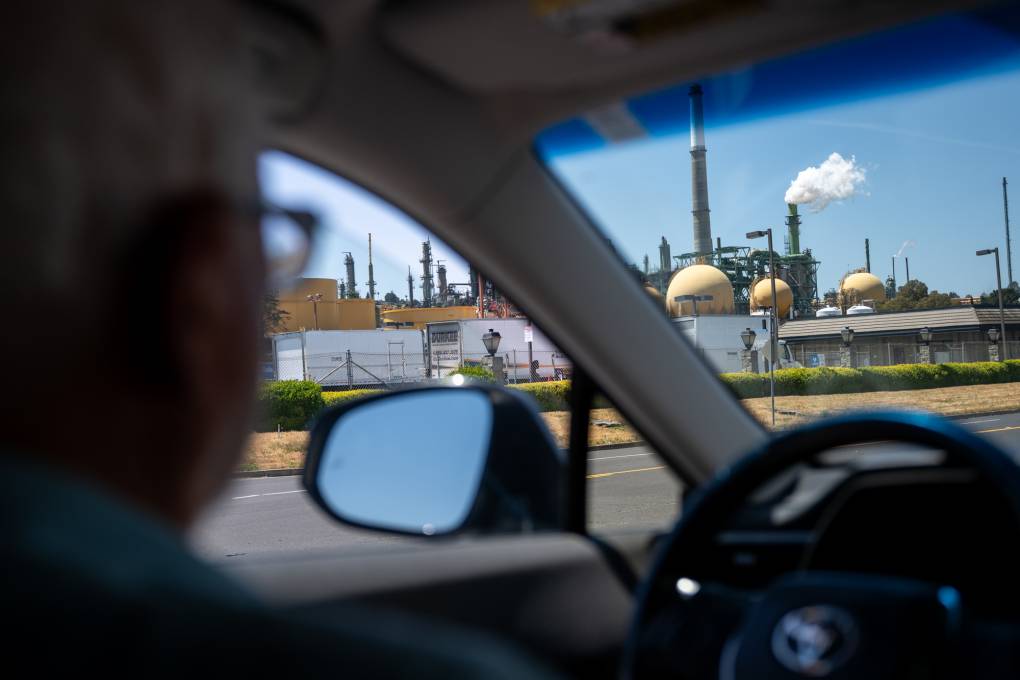
"caption": "Benicia mayor Steve Young drives by the Valero Benicia Refinery in Benicia on May 8, 2025, which processes up to 170,000 barrels of oil a day, making gasoline, diesel, and other fuels for California. Valero plans to shut down the Benicia refinery by April 2026, citing high costs and strict environmental rules.",
"credit": "Beth LaBerge/KQED",
"altTag": null,
"description": null,
"imgSizes": {
"medium": {
"file": "https://cdn.kqed.org/wp-content/uploads/sites/10/2025/05/250509-BENICIAREFINERY-52-BL-KQED-800x533.jpg",
"width": 800,
"height": 533,
"mimeType": "image/jpeg"
},
"large": {
"file": "https://cdn.kqed.org/wp-content/uploads/sites/10/2025/05/250509-BENICIAREFINERY-52-BL-KQED-1020x680.jpg",
"width": 1020,
"height": 680,
"mimeType": "image/jpeg"
},
"thumbnail": {
"file": "https://cdn.kqed.org/wp-content/uploads/sites/10/2025/05/250509-BENICIAREFINERY-52-BL-KQED-160x107.jpg",
"width": 160,
"height": 107,
"mimeType": "image/jpeg"
},
"1536x1536": {
"file": "https://cdn.kqed.org/wp-content/uploads/sites/10/2025/05/250509-BENICIAREFINERY-52-BL-KQED-1536x1024.jpg",
"width": 1536,
"height": 1024,
"mimeType": "image/jpeg"
},
"post-thumbnail": {
"file": "https://cdn.kqed.org/wp-content/uploads/sites/10/2025/05/250509-BENICIAREFINERY-52-BL-KQED-672x372.jpg",
"width": 672,
"height": 372,
"mimeType": "image/jpeg"
},
"twentyfourteen-full-width": {
"file": "https://cdn.kqed.org/wp-content/uploads/sites/10/2025/05/250509-BENICIAREFINERY-52-BL-KQED-1038x576.jpg",
"width": 1038,
"height": 576,
"mimeType": "image/jpeg"
},
"full-width": {
"file": "https://cdn.kqed.org/wp-content/uploads/sites/10/2025/05/250509-BENICIAREFINERY-52-BL-KQED-1920x1280.jpg",
"width": 1920,
"height": 1280,
"mimeType": "image/jpeg"
},
"kqedFullSize": {
"file": "https://cdn.kqed.org/wp-content/uploads/sites/10/2025/05/250509-BENICIAREFINERY-52-BL-KQED.jpg",
"width": 2000,
"height": 1333
}
},
"isLoading": false,
"fetchFailed": false
},
"news_12039841": {
"type": "attachments",
"id": "news_12039841",
"meta": {
"index": "attachments_1716263798",
"site": "news",
"id": "12039841",
"found": true
},
"title": "First grade student Ky Vuong (left), gets her lunch in the cafeteria at Franklin Elementary school on Friday, Sept. 7, 2018, in Oakland, Calif. The after school supper program at Franklin Elementary school has been cut.",
"publishDate": 1747089726,
"status": "inherit",
"parent": 12039737,
"modified": 1747093870,
"caption": "First-grade students grab lunch in the cafeteria at Franklin Elementary School on Sept. 7, 2018, in Oakland, California. ",
"credit": "Liz Hafalia/The San Francisco Chronicle via Getty Images",
"altTag": null,
"description": null,
"imgSizes": {
"medium": {
"file": "https://cdn.kqed.org/wp-content/uploads/sites/10/2025/05/OaklandSchoolChildren-800x546.jpg",
"width": 800,
"height": 546,
"mimeType": "image/jpeg"
},
"large": {
"file": "https://cdn.kqed.org/wp-content/uploads/sites/10/2025/05/OaklandSchoolChildren-1020x696.jpg",
"width": 1020,
"height": 696,
"mimeType": "image/jpeg"
},
"thumbnail": {
"file": "https://cdn.kqed.org/wp-content/uploads/sites/10/2025/05/OaklandSchoolChildren-160x109.jpg",
"width": 160,
"height": 109,
"mimeType": "image/jpeg"
},
"1536x1536": {
"file": "https://cdn.kqed.org/wp-content/uploads/sites/10/2025/05/OaklandSchoolChildren-1536x1048.jpg",
"width": 1536,
"height": 1048,
"mimeType": "image/jpeg"
},
"post-thumbnail": {
"file": "https://cdn.kqed.org/wp-content/uploads/sites/10/2025/05/OaklandSchoolChildren-672x372.jpg",
"width": 672,
"height": 372,
"mimeType": "image/jpeg"
},
"twentyfourteen-full-width": {
"file": "https://cdn.kqed.org/wp-content/uploads/sites/10/2025/05/OaklandSchoolChildren-1038x576.jpg",
"width": 1038,
"height": 576,
"mimeType": "image/jpeg"
},
"full-width": {
"file": "https://cdn.kqed.org/wp-content/uploads/sites/10/2025/05/OaklandSchoolChildren-1920x1309.jpg",
"width": 1920,
"height": 1309,
"mimeType": "image/jpeg"
},
"kqedFullSize": {
"file": "https://cdn.kqed.org/wp-content/uploads/sites/10/2025/05/OaklandSchoolChildren.jpg",
"width": 2000,
"height": 1364
}
},
"isLoading": false,
"fetchFailed": false
},
"news_12038764": {
"type": "attachments",
"id": "news_12038764",
"meta": {
"index": "attachments_1716263798",
"site": "news",
"id": "12038764",
"found": true
},
"title": "250505-SUZY DEGAZON-NM-05-KQED",
"publishDate": 1746471154,
"status": "inherit",
"parent": 0,
"modified": 1746547784,
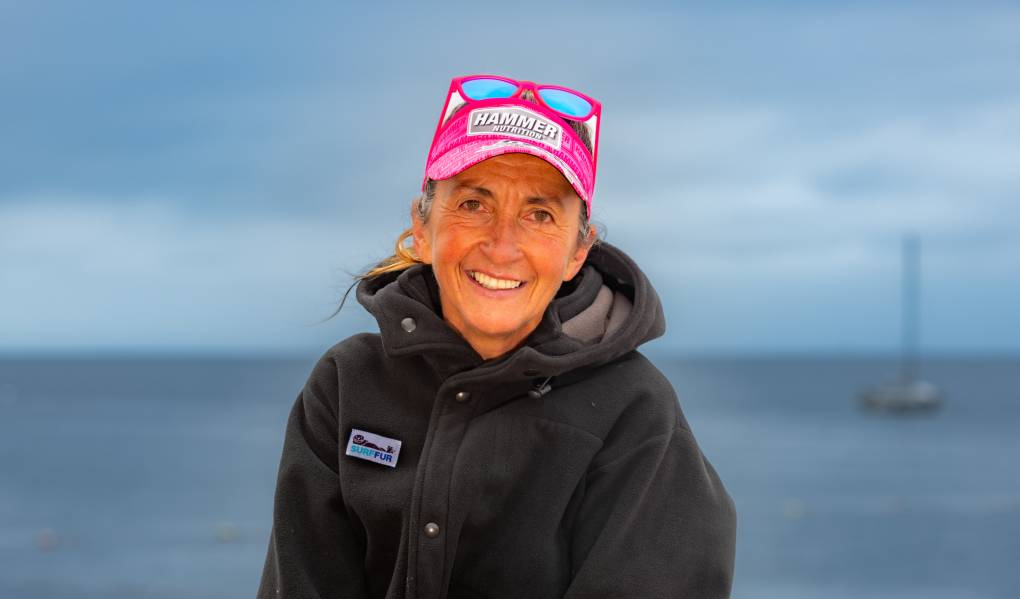
"caption": "Suzy Degazon at the Catalina Island Swim Club on Catalina Island on May 5, 2025.",
"credit": "Nick Morrow for KQED",
"altTag": null,
"description": null,
"imgSizes": {
"medium": {
"file": "https://cdn.kqed.org/wp-content/uploads/sites/10/2025/05/250505-SUZY-DEGAZON-NM-05-KQED-800x470.jpg",
"width": 800,
"height": 470,
"mimeType": "image/jpeg"
},
"large": {
"file": "https://cdn.kqed.org/wp-content/uploads/sites/10/2025/05/250505-SUZY-DEGAZON-NM-05-KQED-1020x599.jpg",
"width": 1020,
"height": 599,
"mimeType": "image/jpeg"
},
"thumbnail": {
"file": "https://cdn.kqed.org/wp-content/uploads/sites/10/2025/05/250505-SUZY-DEGAZON-NM-05-KQED-160x94.jpg",
"width": 160,
"height": 94,
"mimeType": "image/jpeg"
},
"1536x1536": {
"file": "https://cdn.kqed.org/wp-content/uploads/sites/10/2025/05/250505-SUZY-DEGAZON-NM-05-KQED-1536x902.jpg",
"width": 1536,
"height": 902,
"mimeType": "image/jpeg"
},
"post-thumbnail": {
"file": "https://cdn.kqed.org/wp-content/uploads/sites/10/2025/05/250505-SUZY-DEGAZON-NM-05-KQED-672x372.jpg",
"width": 672,
"height": 372,
"mimeType": "image/jpeg"
},
"twentyfourteen-full-width": {
"file": "https://cdn.kqed.org/wp-content/uploads/sites/10/2025/05/250505-SUZY-DEGAZON-NM-05-KQED-1038x576.jpg",
"width": 1038,
"height": 576,
"mimeType": "image/jpeg"
},
"full-width": {
"file": "https://cdn.kqed.org/wp-content/uploads/sites/10/2025/05/250505-SUZY-DEGAZON-NM-05-KQED-1920x1128.jpg",
"width": 1920,
"height": 1128,
"mimeType": "image/jpeg"
},
"kqedFullSize": {
"file": "https://cdn.kqed.org/wp-content/uploads/sites/10/2025/05/250505-SUZY-DEGAZON-NM-05-KQED.jpg",
"width": 2000,
"height": 1175
}
},
"isLoading": false,
"fetchFailed": false
},
"news_12029302": {
"type": "attachments",
"id": "news_12029302",
"meta": {
"index": "attachments_1716263798",
"site": "news",
"id": "12029302",
"found": true
},
"title": "072820-Doctor-Pediatrician-Kid-GETTY-CM-01 copy",
"publishDate": 1740777322,
"status": "inherit",
"parent": 12029294,
"modified": 1752270887,
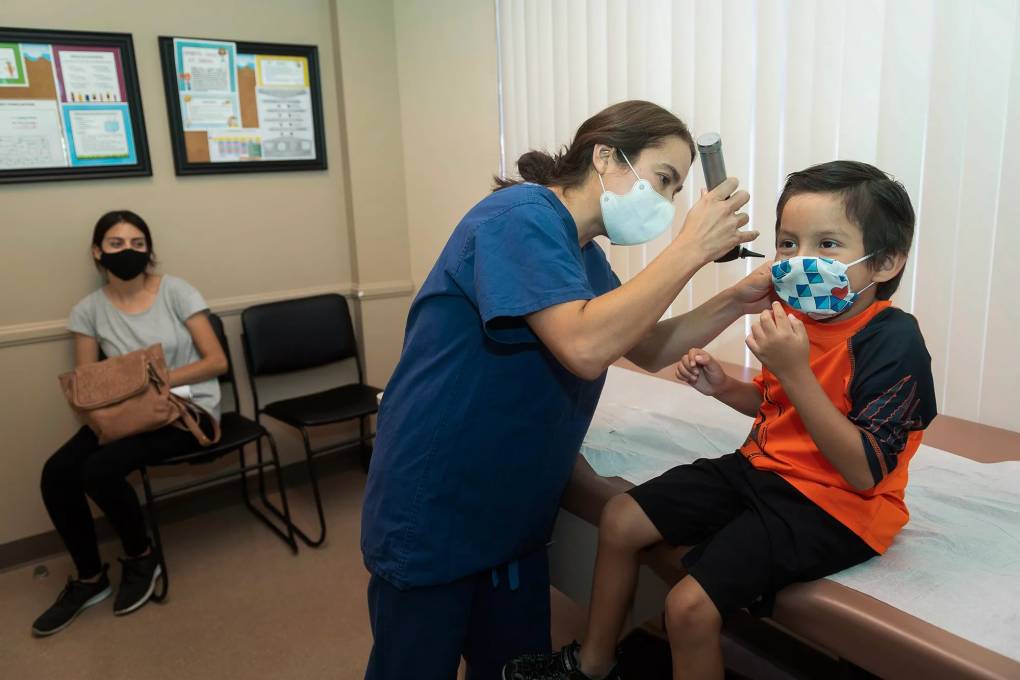
"caption": "A doctor examines a child at Southern Orange County Pediatric Associates in Ladera Ranch on July 28, 2020.",
"credit": "Paul Bersebach/Orange County Register via Getty Images",
"altTag": null,
"description": null,
"imgSizes": {
"medium": {
"file": "https://cdn.kqed.org/wp-content/uploads/sites/10/2025/03/072820-Doctor-Pediatrician-Kid-GETTY-CM-01-copy-800x533.jpg",
"width": 800,
"height": 533,
"mimeType": "image/jpeg"
},
"large": {
"file": "https://cdn.kqed.org/wp-content/uploads/sites/10/2025/03/072820-Doctor-Pediatrician-Kid-GETTY-CM-01-copy-1020x680.jpg",
"width": 1020,
"height": 680,
"mimeType": "image/jpeg"
},
"thumbnail": {
"file": "https://cdn.kqed.org/wp-content/uploads/sites/10/2025/03/072820-Doctor-Pediatrician-Kid-GETTY-CM-01-copy-160x107.jpg",
"width": 160,
"height": 107,
"mimeType": "image/jpeg"
},
"1536x1536": {
"file": "https://cdn.kqed.org/wp-content/uploads/sites/10/2025/03/072820-Doctor-Pediatrician-Kid-GETTY-CM-01-copy-1536x1024.jpg",
"width": 1536,
"height": 1024,
"mimeType": "image/jpeg"
},
"post-thumbnail": {
"file": "https://cdn.kqed.org/wp-content/uploads/sites/10/2025/03/072820-Doctor-Pediatrician-Kid-GETTY-CM-01-copy-672x372.jpg",
"width": 672,
"height": 372,
"mimeType": "image/jpeg"
},
"twentyfourteen-full-width": {
"file": "https://cdn.kqed.org/wp-content/uploads/sites/10/2025/03/072820-Doctor-Pediatrician-Kid-GETTY-CM-01-copy-1038x576.jpg",
"width": 1038,
"height": 576,
"mimeType": "image/jpeg"
},
"full-width": {
"file": "https://cdn.kqed.org/wp-content/uploads/sites/10/2025/03/072820-Doctor-Pediatrician-Kid-GETTY-CM-01-copy-1920x1280.jpg",
"width": 1920,
"height": 1280,
"mimeType": "image/jpeg"
},
"kqedFullSize": {
"file": "https://cdn.kqed.org/wp-content/uploads/sites/10/2025/03/072820-Doctor-Pediatrician-Kid-GETTY-CM-01-copy.jpg",
"width": 2000,
"height": 1333
}
},
"isLoading": false,
"fetchFailed": false
},
"news_12039151": {
"type": "attachments",
"id": "news_12039151",
"meta": {
"index": "attachments_1716263798",
"site": "news",
"id": "12039151",
"found": true
},
"title": "NKOREAFAMILY",
"publishDate": 1746646130,
"status": "inherit",
"parent": 12038874,
"modified": 1746646165,
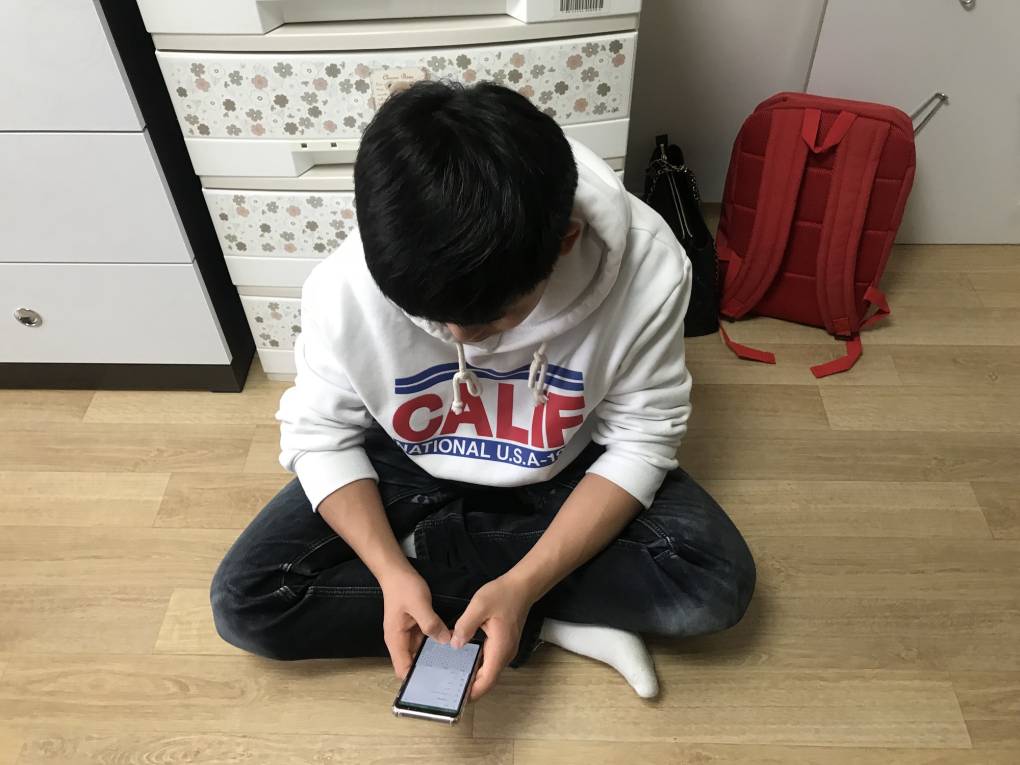
"caption": "Just as adults are using generative AI companion chatbots for solace and connection, children are, too. So, how can parents stay in the conversation?",
"credit": "Anna Fifield/The Washington Post via Getty Images",
"altTag": null,
"description": null,
"imgSizes": {
"medium": {
"file": "https://cdn.kqed.org/wp-content/uploads/sites/10/2025/05/AIChatBotsGetty-800x600.jpg",
"width": 800,
"height": 600,
"mimeType": "image/jpeg"
},
"large": {
"file": "https://cdn.kqed.org/wp-content/uploads/sites/10/2025/05/AIChatBotsGetty-1020x765.jpg",
"width": 1020,
"height": 765,
"mimeType": "image/jpeg"
},
"thumbnail": {
"file": "https://cdn.kqed.org/wp-content/uploads/sites/10/2025/05/AIChatBotsGetty-160x120.jpg",
"width": 160,
"height": 120,
"mimeType": "image/jpeg"
},
"1536x1536": {
"file": "https://cdn.kqed.org/wp-content/uploads/sites/10/2025/05/AIChatBotsGetty-1536x1152.jpg",
"width": 1536,
"height": 1152,
"mimeType": "image/jpeg"
},
"post-thumbnail": {
"file": "https://cdn.kqed.org/wp-content/uploads/sites/10/2025/05/AIChatBotsGetty-672x372.jpg",
"width": 672,
"height": 372,
"mimeType": "image/jpeg"
},
"twentyfourteen-full-width": {
"file": "https://cdn.kqed.org/wp-content/uploads/sites/10/2025/05/AIChatBotsGetty-1038x576.jpg",
"width": 1038,
"height": 576,
"mimeType": "image/jpeg"
},
"full-width": {
"file": "https://cdn.kqed.org/wp-content/uploads/sites/10/2025/05/AIChatBotsGetty-1920x1440.jpg",
"width": 1920,
"height": 1440,
"mimeType": "image/jpeg"
},
"kqedFullSize": {
"file": "https://cdn.kqed.org/wp-content/uploads/sites/10/2025/05/AIChatBotsGetty.jpg",
"width": 2000,
"height": 1500
}
},
"isLoading": false,
"fetchFailed": false
},
"news_12038912": {
"type": "attachments",
"id": "news_12038912",
"meta": {
"index": "attachments_1716263798",
"site": "news",
"id": "12038912",
"found": true
},
"title": "240109-SFCeasefireVote-10-BL_qed",
"publishDate": 1746555708,
"status": "inherit",
"parent": 12038907,
"modified": 1746555750,
"caption": "Supervisor Matt Dorsey walks in to a Board of Supervisors meeting at City Hall in San Francisco on Jan. 9, 2024.",
"credit": "Beth LaBerge/KQED",
"altTag": null,
"description": null,
"imgSizes": {
"medium": {
"file": "https://cdn.kqed.org/wp-content/uploads/sites/10/2025/05/240109-SFCeasefireVote-10-BL_qed-800x533.jpg",
"width": 800,
"height": 533,
"mimeType": "image/jpeg"
},
"large": {
"file": "https://cdn.kqed.org/wp-content/uploads/sites/10/2025/05/240109-SFCeasefireVote-10-BL_qed-1020x680.jpg",
"width": 1020,
"height": 680,
"mimeType": "image/jpeg"
},
"thumbnail": {
"file": "https://cdn.kqed.org/wp-content/uploads/sites/10/2025/05/240109-SFCeasefireVote-10-BL_qed-160x107.jpg",
"width": 160,
"height": 107,
"mimeType": "image/jpeg"
},
"1536x1536": {
"file": "https://cdn.kqed.org/wp-content/uploads/sites/10/2025/05/240109-SFCeasefireVote-10-BL_qed-1536x1024.jpg",
"width": 1536,
"height": 1024,
"mimeType": "image/jpeg"
},
"post-thumbnail": {
"file": "https://cdn.kqed.org/wp-content/uploads/sites/10/2025/05/240109-SFCeasefireVote-10-BL_qed-672x372.jpg",
"width": 672,
"height": 372,
"mimeType": "image/jpeg"
},
"twentyfourteen-full-width": {
"file": "https://cdn.kqed.org/wp-content/uploads/sites/10/2025/05/240109-SFCeasefireVote-10-BL_qed-1038x576.jpg",
"width": 1038,
"height": 576,
"mimeType": "image/jpeg"
},
"full-width": {
"file": "https://cdn.kqed.org/wp-content/uploads/sites/10/2025/05/240109-SFCeasefireVote-10-BL_qed-1920x1280.jpg",
"width": 1920,
"height": 1280,
"mimeType": "image/jpeg"
},
"kqedFullSize": {
"file": "https://cdn.kqed.org/wp-content/uploads/sites/10/2025/05/240109-SFCeasefireVote-10-BL_qed.jpg",
"width": 2000,
"height": 1333
}
},
"isLoading": false,
"fetchFailed": false
},
"news_12034562": {
"type": "attachments",
"id": "news_12034562",
"meta": {
"index": "attachments_1716263798",
"site": "news",
"id": "12034562",
"found": true
},
"title": "Health And Human Services Department Employees Collect Their Belongings, As More Cuts Are Announced By Trump Administration",
"publishDate": 1743796488,
"status": "inherit",
"parent": 12034527,
"modified": 1743796529,
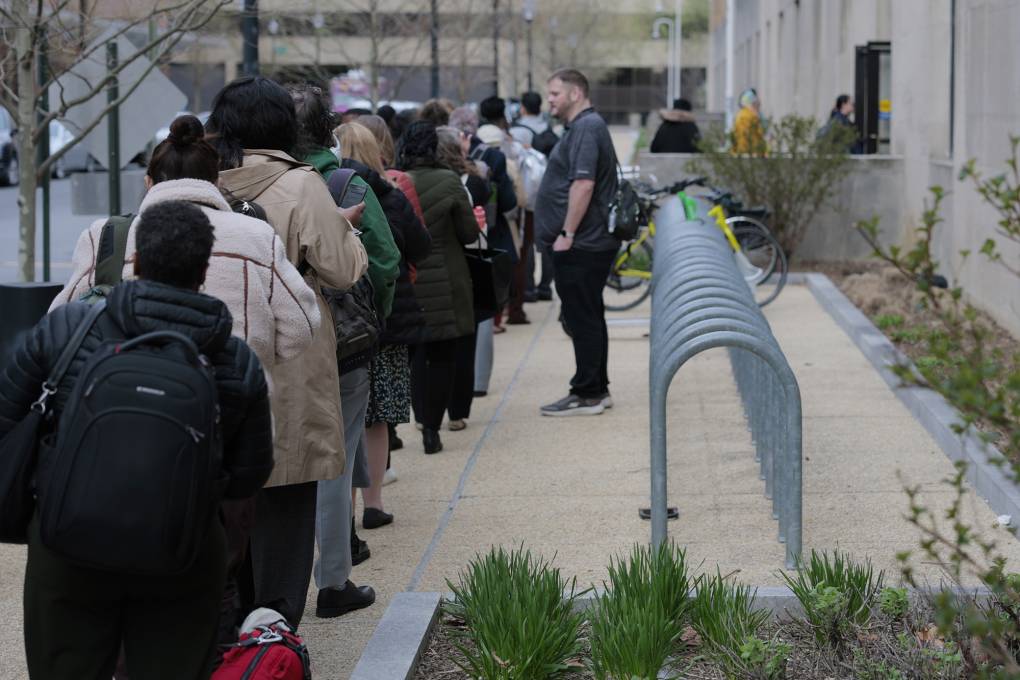
"caption": "Employees of the Department of Health and Human Services (HHS) stand in line to enter the Mary E. Switzer Memorial Building on April 2, 2025 in Washington, D.C. Layoffs began earlier this week at the Health and Human Service Administration offices after it was announced last week that the Trump Administration plans to cut 10,000 jobs at HHS. ",
"credit": "Anna Moneymaker/Getty Images",
"altTag": null,
"description": null,
"imgSizes": {
"medium": {
"file": "https://cdn.kqed.org/wp-content/uploads/sites/10/2025/04/HHSGetty-800x533.jpg",
"width": 800,
"height": 533,
"mimeType": "image/jpeg"
},
"large": {
"file": "https://cdn.kqed.org/wp-content/uploads/sites/10/2025/04/HHSGetty-1020x680.jpg",
"width": 1020,
"height": 680,
"mimeType": "image/jpeg"
},
"thumbnail": {
"file": "https://cdn.kqed.org/wp-content/uploads/sites/10/2025/04/HHSGetty-160x107.jpg",
"width": 160,
"height": 107,
"mimeType": "image/jpeg"
},
"1536x1536": {
"file": "https://cdn.kqed.org/wp-content/uploads/sites/10/2025/04/HHSGetty-1536x1024.jpg",
"width": 1536,
"height": 1024,
"mimeType": "image/jpeg"
},
"post-thumbnail": {
"file": "https://cdn.kqed.org/wp-content/uploads/sites/10/2025/04/HHSGetty-672x372.jpg",
"width": 672,
"height": 372,
"mimeType": "image/jpeg"
},
"twentyfourteen-full-width": {
"file": "https://cdn.kqed.org/wp-content/uploads/sites/10/2025/04/HHSGetty-1038x576.jpg",
"width": 1038,
"height": 576,
"mimeType": "image/jpeg"
},
"full-width": {
"file": "https://cdn.kqed.org/wp-content/uploads/sites/10/2025/04/HHSGetty-1920x1280.jpg",
"width": 1920,
"height": 1280,
"mimeType": "image/jpeg"
},
"kqedFullSize": {
"file": "https://cdn.kqed.org/wp-content/uploads/sites/10/2025/04/HHSGetty.jpg",
"width": 2000,
"height": 1333
}
},
"isLoading": false,
"fetchFailed": false
},
"news_12038710": {
"type": "attachments",
"id": "news_12038710",
"meta": {
"index": "attachments_1716263798",
"site": "news",
"id": "12038710",
"found": true
},
"title": "Air District Valero Benicia",
"publishDate": 1746466964,
"status": "inherit",
"parent": 12038707,
"modified": 1747853652,
"caption": "A fire at the Valero Oil Refinery in Benicia, California. The fire comes just weeks after Valero executives announced they were considering closing the sprawling refinery by next April. ",
"credit": "Courtesy of Bay Area Air District",
"altTag": null,
"description": null,
"imgSizes": {
"medium": {
"file": "https://cdn.kqed.org/wp-content/uploads/sites/10/2025/05/Air-District-Valero-Benicia-800x600.jpg",
"width": 800,
"height": 600,
"mimeType": "image/jpeg"
},
"large": {
"file": "https://cdn.kqed.org/wp-content/uploads/sites/10/2025/05/Air-District-Valero-Benicia-1020x765.jpg",
"width": 1020,
"height": 765,
"mimeType": "image/jpeg"
},
"thumbnail": {
"file": "https://cdn.kqed.org/wp-content/uploads/sites/10/2025/05/Air-District-Valero-Benicia-160x120.jpg",
"width": 160,
"height": 120,
"mimeType": "image/jpeg"
},
"1536x1536": {
"file": "https://cdn.kqed.org/wp-content/uploads/sites/10/2025/05/Air-District-Valero-Benicia-1536x1152.jpg",
"width": 1536,
"height": 1152,
"mimeType": "image/jpeg"
},
"post-thumbnail": {
"file": "https://cdn.kqed.org/wp-content/uploads/sites/10/2025/05/Air-District-Valero-Benicia-672x372.jpg",
"width": 672,
"height": 372,
"mimeType": "image/jpeg"
},
"twentyfourteen-full-width": {
"file": "https://cdn.kqed.org/wp-content/uploads/sites/10/2025/05/Air-District-Valero-Benicia-1038x576.jpg",
"width": 1038,
"height": 576,
"mimeType": "image/jpeg"
},
"full-width": {
"file": "https://cdn.kqed.org/wp-content/uploads/sites/10/2025/05/Air-District-Valero-Benicia-1920x1440.jpg",
"width": 1920,
"height": 1440,
"mimeType": "image/jpeg"
},
"kqedFullSize": {
"file": "https://cdn.kqed.org/wp-content/uploads/sites/10/2025/05/Air-District-Valero-Benicia-e1746467055636.jpg",
"width": 2000,
"height": 1500
}
},
"isLoading": false,
"fetchFailed": false
},
"news_12038603": {
"type": "attachments",
"id": "news_12038603",
"meta": {
"index": "attachments_1716263798",
"site": "news",
"id": "12038603",
"found": true
},
"title": "250502-TENDERLOINTRIAGECENTER-02-BL-KQED",
"publishDate": 1746219076,
"status": "inherit",
"parent": 12076293,
"modified": 1773354350,
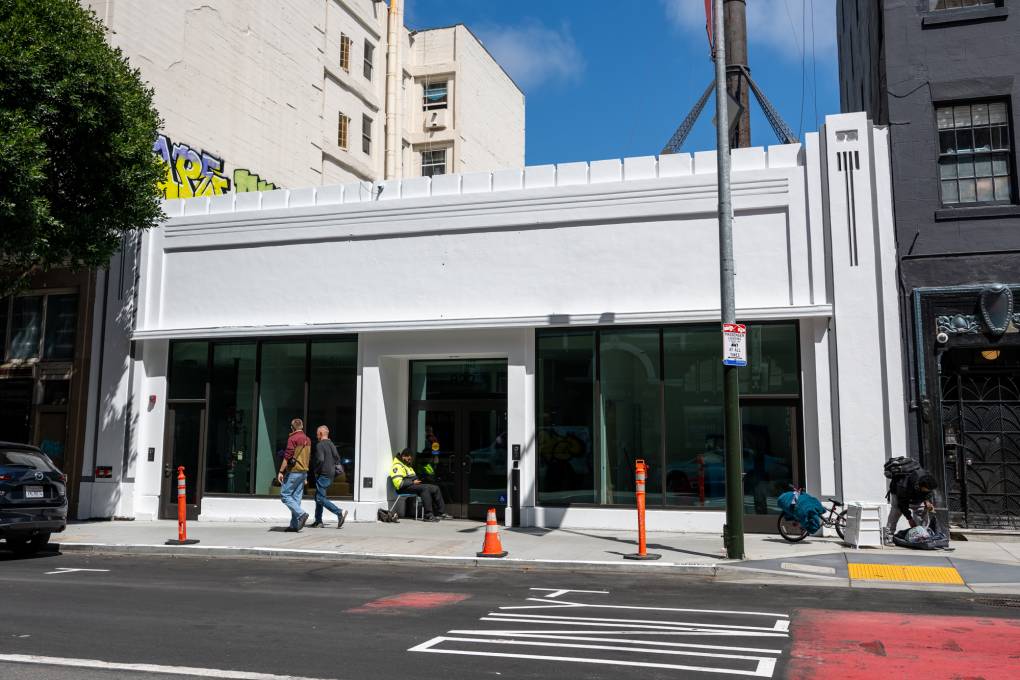
"caption": "A new behavioral health center at 822 Geary Street, opened by the Department of Public Health, in San Francisco on May 2, 2025, is geared toward treating unhoused individuals experiencing a behavioral health crisis.",
"credit": "Beth LaBerge/KQED",
"altTag": null,
"description": null,
"imgSizes": {
"medium": {
"file": "https://cdn.kqed.org/wp-content/uploads/sites/10/2025/05/250502-TENDERLOINTRIAGECENTER-02-BL-KQED-800x533.jpg",
"width": 800,
"height": 533,
"mimeType": "image/jpeg"
},
"large": {
"file": "https://cdn.kqed.org/wp-content/uploads/sites/10/2025/05/250502-TENDERLOINTRIAGECENTER-02-BL-KQED-1020x680.jpg",
"width": 1020,
"height": 680,
"mimeType": "image/jpeg"
},
"thumbnail": {
"file": "https://cdn.kqed.org/wp-content/uploads/sites/10/2025/05/250502-TENDERLOINTRIAGECENTER-02-BL-KQED-160x107.jpg",
"width": 160,
"height": 107,
"mimeType": "image/jpeg"
},
"1536x1536": {
"file": "https://cdn.kqed.org/wp-content/uploads/sites/10/2025/05/250502-TENDERLOINTRIAGECENTER-02-BL-KQED-1536x1024.jpg",
"width": 1536,
"height": 1024,
"mimeType": "image/jpeg"
},
"post-thumbnail": {
"file": "https://cdn.kqed.org/wp-content/uploads/sites/10/2025/05/250502-TENDERLOINTRIAGECENTER-02-BL-KQED-672x372.jpg",
"width": 672,
"height": 372,
"mimeType": "image/jpeg"
},
"twentyfourteen-full-width": {
"file": "https://cdn.kqed.org/wp-content/uploads/sites/10/2025/05/250502-TENDERLOINTRIAGECENTER-02-BL-KQED-1038x576.jpg",
"width": 1038,
"height": 576,
"mimeType": "image/jpeg"
},
"full-width": {
"file": "https://cdn.kqed.org/wp-content/uploads/sites/10/2025/05/250502-TENDERLOINTRIAGECENTER-02-BL-KQED-1920x1280.jpg",
"width": 1920,
"height": 1280,
"mimeType": "image/jpeg"
},
"kqedFullSize": {
"file": "https://cdn.kqed.org/wp-content/uploads/sites/10/2025/05/250502-TENDERLOINTRIAGECENTER-02-BL-KQED.jpg",
"width": 2000,
"height": 1333
}
},
"isLoading": false,
"fetchFailed": false
},
"news_12038428": {
"type": "attachments",
"id": "news_12038428",
"meta": {
"index": "attachments_1716263798",
"site": "news",
"id": "12038428",
"found": true
},
"title": "Going through a rough patch",
"publishDate": 1746129114,
"status": "inherit",
"parent": 12038426,
"modified": 1747260537,
"caption": "Shot of a young woman looking despondent after a fight with her boyfriend.",
"credit": "iStock/Getty Images Plus",
"altTag": null,
"description": null,
"imgSizes": {
"medium": {
"file": "https://cdn.kqed.org/wp-content/uploads/sites/10/2025/05/LoveLabGetty-800x534.jpg",
"width": 800,
"height": 534,
"mimeType": "image/jpeg"
},
"large": {
"file": "https://cdn.kqed.org/wp-content/uploads/sites/10/2025/05/LoveLabGetty-1020x680.jpg",
"width": 1020,
"height": 680,
"mimeType": "image/jpeg"
},
"thumbnail": {
"file": "https://cdn.kqed.org/wp-content/uploads/sites/10/2025/05/LoveLabGetty-160x107.jpg",
"width": 160,
"height": 107,
"mimeType": "image/jpeg"
},
"1536x1536": {
"file": "https://cdn.kqed.org/wp-content/uploads/sites/10/2025/05/LoveLabGetty-1536x1025.jpg",
"width": 1536,
"height": 1025,
"mimeType": "image/jpeg"
},
"post-thumbnail": {
"file": "https://cdn.kqed.org/wp-content/uploads/sites/10/2025/05/LoveLabGetty-672x372.jpg",
"width": 672,
"height": 372,
"mimeType": "image/jpeg"
},
"twentyfourteen-full-width": {
"file": "https://cdn.kqed.org/wp-content/uploads/sites/10/2025/05/LoveLabGetty-1038x576.jpg",
"width": 1038,
"height": 576,
"mimeType": "image/jpeg"
},
"full-width": {
"file": "https://cdn.kqed.org/wp-content/uploads/sites/10/2025/05/LoveLabGetty-1920x1281.jpg",
"width": 1920,
"height": 1281,
"mimeType": "image/jpeg"
},
"kqedFullSize": {
"file": "https://cdn.kqed.org/wp-content/uploads/sites/10/2025/05/LoveLabGetty.jpg",
"width": 2000,
"height": 1334
}
},
"isLoading": false,
"fetchFailed": false
}
},
"audioPlayerReducer": {
"postId": "stream_live",
"isPaused": true,
"isPlaying": false,
"pfsActive": false,
"pledgeModalIsOpen": true,
"playerDrawerIsOpen": false,
"liveAudioPlayStartedAt": 0,
"liveAudioPlayContext": ""
},
"authorsReducer": {
"byline_news_12038795": {
"type": "authors",
"id": "byline_news_12038795",
"meta": {
"override": true
},
"slug": "byline_news_12038795",
"name": "Lusen Mendel ",
"isLoading": false
},
"gmarzorati": {
"type": "authors",
"id": "227",
"meta": {
"index": "authors_1716337520",
"id": "227",
"found": true
},
"name": "Guy Marzorati",
"firstName": "Guy",
"lastName": "Marzorati",
"slug": "gmarzorati",
"email": "gmarzorati@KQED.org",
"display_author_email": true,
"staff_mastheads": [
"news"
],
"title": "Correspondent",
"bio": "Guy Marzorati is a correspondent on KQED's California Politics and Government Desk, based in San Jose. A graduate of Santa Clara University, Guy joined KQED in 2013. He reports on state and local politics and produces KQED's digital voter guide.",
"avatar": "https://secure.gravatar.com/avatar/e7038b8dbfd55b104369b76b1cd0b9de?s=600&d=blank&r=g",
"twitter": "guymarzorati",
"facebook": null,
"instagram": null,
"linkedin": null,
"sites": [
{
"site": "",
"roles": [
"editor"
]
},
{
"site": "news",
"roles": [
"editor"
]
},
{
"site": "science",
"roles": [
"editor"
]
},
{
"site": "forum",
"roles": [
"editor"
]
},
{
"site": "elections",
"roles": [
"editor"
]
},
{
"site": "liveblog",
"roles": [
"editor"
]
}
],
"headData": {
"title": "Guy Marzorati | KQED",
"description": "Correspondent",
"ogImgSrc": "https://secure.gravatar.com/avatar/e7038b8dbfd55b104369b76b1cd0b9de?s=600&d=blank&r=g",
"twImgSrc": "https://secure.gravatar.com/avatar/e7038b8dbfd55b104369b76b1cd0b9de?s=600&d=blank&r=g"
},
"isLoading": false,
"link": "/author/gmarzorati"
},
"rachael-myrow": {
"type": "authors",
"id": "251",
"meta": {
"index": "authors_1716337520",
"id": "251",
"found": true
},
"name": "Rachael Myrow",
"firstName": "Rachael",
"lastName": "Myrow",
"slug": "rachael-myrow",
"email": "rmyrow@kqed.org",
"display_author_email": true,
"staff_mastheads": [
"news"
],
"title": "Senior Editor of KQED's Silicon Valley News Desk",
"bio": "• I write and edit stories about how Silicon Valley power and policies shape everyday life in California. I’m also passionate about making Bay Area history and culture more accessible to a broad public. • I’ve been a journalist for most of my life, starting in high school with The Franklin Press in Los Angeles, where I grew up. While earning my first degree in English at UC Berkeley, I got my start in public radio at KALX-FM. After completing a second degree in journalism at Cal, I landed my first professional job at Marketplace, then moved on to KPCC (now LAist), and then KQED, where I hosted The California Report for more than seven years. • My reporting has appeared on NPR, The World, WBUR’s \u003ci>Here & Now\u003c/i>, and the BBC. I also guest host for KQED’s \u003ci>Forum\u003c/i>, as well as the Commonwealth Club in San Francisco. • I speak periodically on media, democracy and technology issues, and do voiceover work for documentaries and educational video projects. • Outside of the studio, you'll find me hiking Bay Area trails and whipping up Insta-ready meals in my kitchen. • I do not accept gifts, money, or favors from anyone connected to my reporting, I don't pay people for information, and I do not support or donate to political causes. • I strive to treat the people I report on with fairness, honesty, and respect. I also recognize there are often multiple sides to a story and work to verify information through multiple sources and documentation. If I get something wrong, I correct it.",
"avatar": "https://secure.gravatar.com/avatar/3ed8a3c5f26025e4a805ba634cda8cd764906b97438a6d9ce216b044e340da4e?s=600&d=blank&r=g",
"twitter": "rachaelmyrow",
"bluesky": null,
"facebook": null,
"instagram": null,
"linkedin": "https://www.linkedin.com/in/rachaelmyrow/",
"sites": [
{
"site": "arts",
"roles": [
"administrator"
]
},
{
"site": "news",
"roles": [
"edit_others_posts",
"editor"
]
},
{
"site": "futureofyou",
"roles": [
"editor"
]
},
{
"site": "bayareabites",
"roles": [
"editor"
]
},
{
"site": "stateofhealth",
"roles": [
"editor"
]
},
{
"site": "science",
"roles": [
"editor"
]
},
{
"site": "food",
"roles": [
"editor"
]
},
{
"site": "forum",
"roles": [
"editor"
]
},
{
"site": "liveblog",
"roles": [
"author"
]
}
],
"headData": {
"title": "Rachael Myrow | KQED",
"description": "Senior Editor of KQED's Silicon Valley News Desk",
"ogImgSrc": "https://secure.gravatar.com/avatar/3ed8a3c5f26025e4a805ba634cda8cd764906b97438a6d9ce216b044e340da4e?s=600&d=blank&r=g",
"twImgSrc": "https://secure.gravatar.com/avatar/3ed8a3c5f26025e4a805ba634cda8cd764906b97438a6d9ce216b044e340da4e?s=600&d=blank&r=g"
},
"isLoading": false,
"link": "/author/rachael-myrow"
},
"matthewgreen": {
"type": "authors",
"id": "1263",
"meta": {
"index": "authors_1716337520",
"id": "1263",
"found": true
},
"name": "Matthew Green",
"firstName": "Matthew",
"lastName": "Green",
"slug": "matthewgreen",
"email": "mgreen@kqed.org",
"display_author_email": false,
"staff_mastheads": [],
"title": "KQED Editor/Reporter",
"bio": "Matthew Green is a digital media producer for KQED News. He previously produced \u003ca href=\"http://www.kqed.org/lowdown\">The Lowdown\u003c/a>, KQED’s multimedia news education blog. Matthew's written for numerous Bay Area publications, including the Oakland Tribune and San Francisco Chronicle. He also taught journalism classes at Fremont High School in East Oakland.\r\n\r\nEmail: mgreen@kqed.org; Twitter: @MGreenKQED",
"avatar": "https://secure.gravatar.com/avatar/3bf498d1267ca02c8494f33d8cfc575e?s=600&d=blank&r=g",
"twitter": "MGreenKQED",
"facebook": null,
"instagram": null,
"linkedin": null,
"sites": [
{
"site": "news",
"roles": []
},
{
"site": "lowdown",
"roles": []
},
{
"site": "science",
"roles": []
},
{
"site": "education",
"roles": []
},
{
"site": "quest",
"roles": []
},
{
"site": "liveblog",
"roles": []
}
],
"headData": {
"title": "Matthew Green | KQED",
"description": "KQED Editor/Reporter",
"ogImgSrc": "https://secure.gravatar.com/avatar/3bf498d1267ca02c8494f33d8cfc575e?s=600&d=blank&r=g",
"twImgSrc": "https://secure.gravatar.com/avatar/3bf498d1267ca02c8494f33d8cfc575e?s=600&d=blank&r=g"
},
"isLoading": false,
"link": "/author/matthewgreen"
},
"lesleymcclurg": {
"type": "authors",
"id": "11229",
"meta": {
"index": "authors_1716337520",
"id": "11229",
"found": true
},
"name": "Lesley McClurg",
"firstName": "Lesley",
"lastName": "McClurg",
"slug": "lesleymcclurg",
"email": "lmcclurg@KQED.org",
"display_author_email": false,
"staff_mastheads": [
"news",
"science"
],
"title": "KQED Health Correspondent",
"bio": "Lesley McClurg is a health correspondent and fill-in host whose work is regularly rebroadcast on NPR and PBS programs. She’s earned multiple regional Emmy awards, a national and a regional Edward R. Murrow award, and was named Best Beat Reporter by the Association of Health Care Journalists. The Society of Professional Journalists has recognized her work several times, and the Society of Environmental Journalists spotlighted her coverage of California’s historic drought.\r\n\r\nBefore joining KQED in 2016, Lesley covered food and sustainability for Capital Public Radio, environmental issues for Colorado Public Radio, and reported for KUOW and KCTS 9 in Seattle. Away from the newsroom, she loves skiing with her daughter, mountain biking with her partner, and playing with Ollie, the family’s goldendoodle. On deadline, she runs almost entirely on chocolate chips.\r\n\r\n ",
"avatar": "https://secure.gravatar.com/avatar/bab49e972ea10c774fe0f5e29dba1722b158f7c0d58a360923d1389d380b2978?s=600&d=blank&r=g",
"twitter": "lesleywmcclurg",
"bluesky": null,
"facebook": null,
"instagram": null,
"linkedin": null,
"sites": [
{
"site": "arts",
"roles": [
"author"
]
},
{
"site": "news",
"roles": [
"editor"
]
},
{
"site": "futureofyou",
"roles": [
"editor"
]
},
{
"site": "stateofhealth",
"roles": [
"author"
]
},
{
"site": "science",
"roles": [
"editor"
]
},
{
"site": "quest",
"roles": [
"subscriber"
]
},
{
"site": "forum",
"roles": [
"administrator"
]
},
{
"site": "liveblog",
"roles": [
"author"
]
}
],
"headData": {
"title": "Lesley McClurg | KQED",
"description": "KQED Health Correspondent",
"ogImgSrc": "https://secure.gravatar.com/avatar/bab49e972ea10c774fe0f5e29dba1722b158f7c0d58a360923d1389d380b2978?s=600&d=blank&r=g",
"twImgSrc": "https://secure.gravatar.com/avatar/bab49e972ea10c774fe0f5e29dba1722b158f7c0d58a360923d1389d380b2978?s=600&d=blank&r=g"
},
"isLoading": false,
"link": "/author/lesleymcclurg"
},
"otaylor": {
"type": "authors",
"id": "11770",
"meta": {
"index": "authors_1716337520",
"id": "11770",
"found": true
},
"name": "Otis R. Taylor Jr.",
"firstName": "Otis R.",
"lastName": "Taylor Jr.",
"slug": "otaylor",
"email": "otaylor@kqed.org",
"display_author_email": false,
"staff_mastheads": [
"news"
],
"title": "KQED Editor",
"bio": null,
"avatar": "https://secure.gravatar.com/avatar/fe73e14d4842ac8e1c03d57def2530f57f1c5b0ca7d4a987ccc5bd90956cb7c6?s=600&d=blank&r=g",
"twitter": "otisrtaylorjr",
"bluesky": null,
"facebook": null,
"instagram": null,
"linkedin": null,
"sites": [
{
"site": "arts",
"roles": [
"subscriber"
]
},
{
"site": "news",
"roles": [
"subscriber"
]
},
{
"site": "science",
"roles": [
"subscriber"
]
},
{
"site": "liveblog",
"roles": [
"subscriber"
]
}
],
"headData": {
"title": "Otis R. Taylor Jr. | KQED",
"description": "KQED Editor",
"ogImgSrc": "https://secure.gravatar.com/avatar/fe73e14d4842ac8e1c03d57def2530f57f1c5b0ca7d4a987ccc5bd90956cb7c6?s=600&d=blank&r=g",
"twImgSrc": "https://secure.gravatar.com/avatar/fe73e14d4842ac8e1c03d57def2530f57f1c5b0ca7d4a987ccc5bd90956cb7c6?s=600&d=blank&r=g"
},
"isLoading": false,
"link": "/author/otaylor"
},
"sjohnson": {
"type": "authors",
"id": "11840",
"meta": {
"index": "authors_1716337520",
"id": "11840",
"found": true
},
"name": "Sydney Johnson",
"firstName": "Sydney",
"lastName": "Johnson",
"slug": "sjohnson",
"email": "sjohnson@kqed.org",
"display_author_email": false,
"staff_mastheads": [
"news"
],
"title": "KQED Reporter",
"bio": "Sydney Johnson is a general assignment reporter at KQED. She previously reported on public health and city government at the San Francisco Examiner, and before that, she covered statewide education policy for EdSource. Her reporting has won multiple local, state and national awards. Sydney is a graduate of the University of California, Berkeley and lives in San Francisco.",
"avatar": "https://secure.gravatar.com/avatar/97855f2719b72ad6190b7c535fe642c8?s=600&d=blank&r=g",
"twitter": "sydneyfjohnson",
"facebook": null,
"instagram": null,
"linkedin": null,
"sites": [
{
"site": "news",
"roles": [
"editor"
]
}
],
"headData": {
"title": "Sydney Johnson | KQED",
"description": "KQED Reporter",
"ogImgSrc": "https://secure.gravatar.com/avatar/97855f2719b72ad6190b7c535fe642c8?s=600&d=blank&r=g",
"twImgSrc": "https://secure.gravatar.com/avatar/97855f2719b72ad6190b7c535fe642c8?s=600&d=blank&r=g"
},
"isLoading": false,
"link": "/author/sjohnson"
},
"kdebenedetti": {
"type": "authors",
"id": "11913",
"meta": {
"index": "authors_1716337520",
"id": "11913",
"found": true
},
"name": "Katie DeBenedetti",
"firstName": "Katie",
"lastName": "DeBenedetti",
"slug": "kdebenedetti",
"email": "kdebenedetti@kqed.org",
"display_author_email": false,
"staff_mastheads": [
"news",
"science"
],
"title": "KQED Contributor",
"bio": "Katie DeBenedetti is a digital reporter covering daily news for the Express Desk. Prior to joining KQED as a culture reporting intern in January 2024, she covered education and city government for the Napa Valley Register.",
"avatar": "https://secure.gravatar.com/avatar/6e31073cb8f7e4214ab03f42771d0f45?s=600&d=blank&r=g",
"twitter": null,
"facebook": null,
"instagram": null,
"linkedin": null,
"sites": [
{
"site": "news",
"roles": [
"author"
]
},
{
"site": "science",
"roles": [
"author"
]
},
{
"site": "liveblog",
"roles": [
"author"
]
}
],
"headData": {
"title": "Katie DeBenedetti | KQED",
"description": "KQED Contributor",
"ogImgSrc": "https://secure.gravatar.com/avatar/6e31073cb8f7e4214ab03f42771d0f45?s=600&d=blank&r=g",
"twImgSrc": "https://secure.gravatar.com/avatar/6e31073cb8f7e4214ab03f42771d0f45?s=600&d=blank&r=g"
},
"isLoading": false,
"link": "/author/kdebenedetti"
}
},
"pagesReducer": {
"news_tag_health": {
"type": "terms",
"id": "news_18543",
"meta": {
"index": "terms_1716263798",
"site": "news",
"id": "18543",
"score": 6.886679
},
"featImg": null,
"name": "Health",
"description": null,
"taxonomy": "tag",
"headData": {
"twImgId": null,
"twTitle": null,
"ogTitle": null,
"ogImgId": null,
"twDescription": null,
"description": null,
"title": "Health Archives | KQED News",
"ogDescription": null
},
"ttid": 466,
"slug": "health",
"isLoading": false,
"title": "Health",
"pageMeta": {
"site": "news",
"WpPageTemplate": "page-topic-editorial",
"currentPage": 19
},
"blocks": [
{
"blockName": "kqed/post-list",
"attrs": {
"layout": "cardArticle2",
"query": "posts/news?tag=health",
"seeMore": false,
"paginated": true,
"page": 19
}
},
{
"blockName": "kqed/ad"
}
]
}
},
"pfsSessionReducer": {},
"postsReducer": {
"stream_live": {
"type": "live",
"id": "stream_live",
"audioUrl": "https://streams.kqed.org/kqedradio",
"title": "Live Stream",
"excerpt": "Live Stream information currently unavailable.",
"link": "/radio",
"featImg": "",
"label": {
"name": "KQED Live",
"link": "/"
}
},
"stream_kqedNewscast": {
"type": "posts",
"id": "stream_kqedNewscast",
"audioUrl": "https://www.kqed.org/.stream/anon/radio/RDnews/newscast.mp3?_=1",
"title": "KQED Newscast",
"featImg": "",
"label": {
"name": "88.5 FM",
"link": "/"
}
},
"news_12040025": {
"type": "posts",
"id": "news_12040025",
"meta": {
"index": "posts_1716263798",
"site": "news",
"id": "12040025",
"score": null,
"sort": [
1747249495000
]
},
"guestAuthors": [],
"slug": "newsom-blames-trump-california-budget-deficit-aims-cap-undocumented-health-care",
"title": "Citing ‘Trump Slump,’ Newsom Unveils Budget Gap, Aims to Cap Undocumented Health Care",
"publishDate": 1747249495,
"format": "standard",
"headTitle": "Citing ‘Trump Slump,’ Newsom Unveils Budget Gap, Aims to Cap Undocumented Health Care | KQED",
"labelTerm": {
"site": "news"
},
"content": "\u003cp>\u003cem>Updated 3:35 p.m. Wednesday\u003c/em>\u003c/p>\n\u003cp>California’s fiscal outlook has taken a turn for the worse, \u003ca href=\"https://www.kqed.org/news/tag/gavin-newsom\">Gov. Gavin Newsom\u003c/a> said as he unveiled an updated 2025–26 state budget plan on Wednesday with a projected $11.9 billion shortfall.\u003c/p>\n\u003cp>The governor said President Donald Trump’s tariffs and market volatility, combined with rising state health care costs, have derailed what appeared to be a relatively \u003ca href=\"https://www.kqed.org/news/12020389/newsom-projects-slight-budget-surplus-with-focus-on-saving-accountability\">healthy budget\u003c/a> just a few months ago. In response, he is proposing cuts that include scaling back the state’s offer of \u003ca href=\"https://www.kqed.org/news/12031544/providing-health-care-for-immigrants-is-costing-california-more-than-expected-is-coverage-at-risk\">health insurance\u003c/a> to low-income undocumented immigrants.\u003c/p>\n\u003cp>And he pledged to continue pushing back against the president’s agenda in court. California has already filed more than a dozen lawsuits against this Trump administration, \u003ca href=\"https://www.kqed.org/news/12036199/trumps-tariffs-could-wreck-californias-economy-the-state-is-suing\">including one last month targeting the tariffs.\u003c/a>\u003c/p>\n\u003cp>[ad fullwidth]\u003c/p>\n\u003cp>“California is under assault,” Newsom said, arguing that the uncertainty caused by the tariffs, in particular, has made it difficult to plan ahead. “The impacts of these tariffs … are being felt disproportionately in the fourth-largest economy in the world that has so much goods, volume and trade.”\u003c/p>\n\u003cp>Newsom’s proposal kicks off a month of high-stakes negotiations with leaders of the state Legislature, which must pass a budget plan by June 15. In a statement, Assembly Speaker Robert Rivas echoed the governor’s blame of Trump for revenue shortfalls.\u003c/p>\n\u003cp>“The Assembly will thoroughly review the Governor’s May budget revision during public hearings, and we will continue to stand up to the chaotic actions of Trump and his Republican allies,” Rivas said.\u003c/p>\n\u003cfigure id=\"attachment_11753593\" class=\"wp-caption aligncenter\" style=\"max-width: 2000px\">\u003cimg loading=\"lazy\" decoding=\"async\" class=\"size-full wp-image-11753593\" src=\"https://cdn.kqed.org/wp-content/uploads/sites/10/2019/06/RS5067_NurseChecksBloodPressure-e1747249186287.jpg\" alt=\"As part of a budget deal, low-income adults between the ages of 19 and 25 living in California illegally could become eligible for California's Medicaid program, Medi-Cal.\" width=\"2000\" height=\"1333\">\u003cfigcaption class=\"wp-caption-text\">Under the governor’s plan, Medi-Cal will stop enrolling new undocumented immigrants starting Jan. 1. Those already covered can keep their benefits, but adults over 18 will face a $100 monthly premium beginning in 2027. \u003ccite>(David McNew/Getty Images)\u003c/cite>\u003c/figcaption>\u003c/figure>\n\u003cp>Under the governor’s plan, Medi-Cal, the state’s Medicaid program for Californians with low incomes or disabilities, will stop enrolling new undocumented adults beginning on Jan. 1. Californians without legal status currently on the program will maintain coverage, but beginning in 2027, enrollees older than 18 will be charged a $100 monthly premium.\u003c/p>\n\u003cp>“We believe that people should have some skin in the game as it relates to contributions,” Newsom said.\u003c/p>\n\u003cp>The changes will save the state an estimated $5.4 billion by 2028–29, but advocates for immigrants are already warning that they will result in hundreds of thousands of Californians losing health care coverage.\u003c/p>\n\u003cp>“We are outraged,” said Joshua Stehlik, policy director for the California Immigrant Policy Center. “We feel like the governor is abandoning his legacy with this proposed rollback.”[aside postID=news_12039730 hero='https://cdn.kqed.org/wp-content/uploads/sites/10/2024/08/080924-ENCAMPMENT-SWEEP-MD-01-KQED-1020x680.jpg']“It feels like a particularly difficult moment to target vulnerable immigrants when they’re under such relentless attacks by the Trump administration,” Stehlik added.\u003c/p>\n\u003cp>Republicans in the state legislature said Newsom should have acted earlier to rein in healthcare spending on undocumented Californians.\u003c/p>\n\u003cp>“I urged the governor to immediately freeze his reckless Medi-Cal expansion for illegal immigrants a year and a half ago, before it buried our healthcare system and bankrupted the state,” said Senate Republican Leader Brian Jones in a statement. “Had he listened, we wouldn’t be in this crisis — breaking promises, scrambling for loans, and cutting services for legal Californians just to keep this broken program afloat.”\u003c/p>\n\u003cp>Newsom blamed Trump’s increased tariffs for what he dubbed a “Trump Slump” in the stock market. California’s progressive tax system leaves the state’s revenue heavily reliant on high-income earners and especially vulnerable to dips in the market.\u003c/p>\n\u003cp>The governor said Trump’s protectionist policies have led to an estimated $16 billion decline in state revenues through the next fiscal year — $10 billion of it from losses in expected capital gains tax. And he cited declines in tourism and port activity as further evidence of how the president’s trade policy is hurting the Golden State.\u003c/p>\n\u003cfigure id=\"attachment_12034427\" class=\"wp-caption aligncenter\" style=\"max-width: 1600px\">\u003cimg loading=\"lazy\" decoding=\"async\" class=\"size-full wp-image-12034427\" src=\"https://cdn.kqed.org/wp-content/uploads/sites/10/2025/04/npr.brightspotcdn-copy-4.jpg\" alt=\"\" width=\"1600\" height=\"1067\" srcset=\"https://cdn.kqed.org/wp-content/uploads/sites/10/2025/04/npr.brightspotcdn-copy-4.jpg 1600w, https://cdn.kqed.org/wp-content/uploads/sites/10/2025/04/npr.brightspotcdn-copy-4-800x534.jpg 800w, https://cdn.kqed.org/wp-content/uploads/sites/10/2025/04/npr.brightspotcdn-copy-4-1020x680.jpg 1020w, https://cdn.kqed.org/wp-content/uploads/sites/10/2025/04/npr.brightspotcdn-copy-4-160x107.jpg 160w, https://cdn.kqed.org/wp-content/uploads/sites/10/2025/04/npr.brightspotcdn-copy-4-1536x1024.jpg 1536w\" sizes=\"auto, (max-width: 1600px) 100vw, 1600px\">\u003cfigcaption class=\"wp-caption-text\">President Donald Trump holds a chart as he delivers remarks on reciprocal tariffs during an event in the Rose Garden entitled “Make America Wealthy Again” at the White House in Washington, D.C., on April 2, 2025. \u003ccite>(Brendan Smialowski/AFP via Getty Images)\u003c/cite>\u003c/figcaption>\u003c/figure>\n\u003cp>As Trump has eased the tariffs he announced in early April, major stock indexes have recovered their losses, with the S&P 500 returning to positive territory for the year this week.\u003c/p>\n\u003cp>Before the April downturn, an extended surge in the stock market had filled California’s budget coffers. Newsom’s initial January spending plan projected a modest $363 million surplus and no spending cuts — although the governor proposed using $7.1 billion from the state’s rainy day reserve fund.[aside postID=science_1996769 hero='https://cdn.kqed.org/wp-content/uploads/sites/35/2025/05/DeltaGetty-1020x574.jpg']During a two-hour press conference announcing his spending plan, Newsom pinned responsibility for revenue declines on Trump’s trade agenda, but maintained he was “not blaming the president for the deficit.”\u003c/p>\n\u003cp>“I certainly am attaching those revenue concerns directly to the activities of the administration, unquestionable,” Newsom said. “But not the totality of the deficit.”\u003c/p>\n\u003cp>Despite the downturn in revenues, Newsom labeled the current deficit “pretty mild,” as it accounts for just 5.8% of the total $226 billion general fund budget.\u003c/p>\n\u003cp>But the budget picture could get worse.\u003c/p>\n\u003cp>Republicans in Congress are considering a budget bill that cuts funding to programs such as Medicaid, which is paid for jointly by the federal government and states. Those cuts could require Newsom and legislative leaders to amend their spending plan later this year.\u003c/p>\n\u003cp>“I wouldn’t be surprised if we’re talking about significant revisions to the state budget in August,” said Chris Hoene, executive director of the California Budget & Policy Center.\u003c/p>\n\u003cfigure id=\"attachment_12030841\" class=\"wp-caption aligncenter\" style=\"max-width: 2000px\">\u003cimg loading=\"lazy\" decoding=\"async\" class=\"size-full wp-image-12030841\" src=\"https://cdn.kqed.org/wp-content/uploads/sites/10/2025/03/GettyImages-2201320740.jpg\" alt=\"\" width=\"2000\" height=\"1333\" srcset=\"https://cdn.kqed.org/wp-content/uploads/sites/10/2025/03/GettyImages-2201320740.jpg 2000w, https://cdn.kqed.org/wp-content/uploads/sites/10/2025/03/GettyImages-2201320740-800x533.jpg 800w, https://cdn.kqed.org/wp-content/uploads/sites/10/2025/03/GettyImages-2201320740-1020x680.jpg 1020w, https://cdn.kqed.org/wp-content/uploads/sites/10/2025/03/GettyImages-2201320740-160x107.jpg 160w, https://cdn.kqed.org/wp-content/uploads/sites/10/2025/03/GettyImages-2201320740-1536x1024.jpg 1536w, https://cdn.kqed.org/wp-content/uploads/sites/10/2025/03/GettyImages-2201320740-1920x1280.jpg 1920w\" sizes=\"auto, (max-width: 2000px) 100vw, 2000px\">\u003cfigcaption class=\"wp-caption-text\">A “Save Medicaid” sign is affixed to the podium for the House Democrats’ press event to oppose the Republicans’ budget on the House steps of the Capitol on Feb. 25, 2024. \u003ccite>(Bill Clark/CQ-Roll Call, Inc., via Getty Images)\u003c/cite>\u003c/figcaption>\u003c/figure>\n\u003cp>One proposal in the current House spending plan would reduce federal Medicaid funding to states, such as California, that provide health coverage to undocumented immigrants. That change could cost California $27 billion between 2028 and 2034, according to \u003ca href=\"https://www.cbpp.org/research/health/house-republican-bill-would-cut-medicaid-funding-to-states-providing-own-health\">an estimate\u003c/a> from the Center on Budget and Policy Priorities.\u003c/p>\n\u003cp>As governor, Newsom has pushed the expansion of Medi-Cal to cover California residents regardless of legal status. He has championed the initiative as a way to save the state money in the long run, but the program’s full rollout has cost $2.7 billion more than his administration expected.\u003c/p>\n\u003cp>“No state has done more than the state of California, no state will continue to do more than the state of California, by a long shot,” Newsom said about the undocumented health care program. “That’s a point of pride and it’s a point of privilege to be [a] governor that’s been part of that effort.”\u003c/p>\n\u003cp>In addition to the changes to undocumented health care, Newsom is proposing to close the shortfall by shifting more than $5 billion in from special funds, capping overtime for in-home supportive service workers and paying for $1.7 billion in state firefighting costs with revenue raised from polluters through the state’s cap-and-trade program — which he proposed extending through 2045.\u003c/p>\n\u003cp>\u003cem>KQED’s \u003ca href=\"https://www.kqed.org/author/tychehendricks\">Tyche Hendricks\u003c/a> contributed to this report. \u003c/em>\u003c/p>\n\u003cp>[ad floatright]\u003c/p>\n",
"blocks": [],
"excerpt": "Gov. Gavin Newsom said tariffs, market volatility and rising state health care costs have led to a projected $12 billion budget gap after projecting a modest surplus a few months ago. ",
"status": "publish",
"parent": 0,
"modified": 1747262777,
"stats": {
"hasAudio": false,
"hasVideo": false,
"hasChartOrMap": false,
"iframeSrcs": [],
"hasGoogleForm": false,
"hasGallery": false,
"hasHearkenModule": false,
"hasPolis": false,
"paragraphCount": 29,
"wordCount": 1316
},
"headData": {
"title": "Citing ‘Trump Slump,’ Newsom Unveils Budget Gap, Aims to Cap Undocumented Health Care | KQED",
"description": "Gov. Gavin Newsom said tariffs, market volatility and rising state health care costs have led to a projected $12 billion budget gap after projecting a modest surplus a few months ago. ",
"ogTitle": "",
"ogDescription": "",
"ogImgId": "",
"twTitle": "",
"twDescription": "",
"twImgId": "",
"schema": {
"@context": "https://schema.org",
"@type": "NewsArticle",
"headline": "Citing ‘Trump Slump,’ Newsom Unveils Budget Gap, Aims to Cap Undocumented Health Care",
"datePublished": "2025-05-14T12:04:55-07:00",
"dateModified": "2025-05-14T15:46:17-07:00",
"image": "https://cdn.kqed.org/wp-content/uploads/2020/02/KQED-OG-Image@1x.png",
"isAccessibleForFree": "True",
"publisher": {
"@type": "NewsMediaOrganization",
"@id": "https://www.kqed.org/#organization",
"name": "KQED",
"logo": "https://cdn.kqed.org/wp-content/uploads/2020/02/KQED-OG-Image@1x.png",
"url": "https://www.kqed.org",
"sameAs": [
"https://www.facebook.com/KQED",
"https://twitter.com/KQED",
"https://www.instagram.com/kqed/",
"https://www.tiktok.com/@kqedofficial",
"https://www.linkedin.com/company/kqed",
"https://www.youtube.com/channel/UCeC0IOo7i1P_61zVUWbJ4nw"
]
}
}
},
"sticky": false,
"nprStoryId": "kqed-12040025",
"templateType": "standard",
"featuredImageType": "standard",
"excludeFromSiteSearch": "Include",
"articleAge": "0",
"path": "/news/12040025/newsom-blames-trump-california-budget-deficit-aims-cap-undocumented-health-care",
"audioTrackLength": null,
"parsedContent": [
{
"type": "contentString",
"content": "\u003cdiv class=\"post-body\">\u003cp>\u003cp>\u003cem>Updated 3:35 p.m. Wednesday\u003c/em>\u003c/p>\n\u003cp>California’s fiscal outlook has taken a turn for the worse, \u003ca href=\"https://www.kqed.org/news/tag/gavin-newsom\">Gov. Gavin Newsom\u003c/a> said as he unveiled an updated 2025–26 state budget plan on Wednesday with a projected $11.9 billion shortfall.\u003c/p>\n\u003cp>The governor said President Donald Trump’s tariffs and market volatility, combined with rising state health care costs, have derailed what appeared to be a relatively \u003ca href=\"https://www.kqed.org/news/12020389/newsom-projects-slight-budget-surplus-with-focus-on-saving-accountability\">healthy budget\u003c/a> just a few months ago. In response, he is proposing cuts that include scaling back the state’s offer of \u003ca href=\"https://www.kqed.org/news/12031544/providing-health-care-for-immigrants-is-costing-california-more-than-expected-is-coverage-at-risk\">health insurance\u003c/a> to low-income undocumented immigrants.\u003c/p>\n\u003cp>And he pledged to continue pushing back against the president’s agenda in court. California has already filed more than a dozen lawsuits against this Trump administration, \u003ca href=\"https://www.kqed.org/news/12036199/trumps-tariffs-could-wreck-californias-economy-the-state-is-suing\">including one last month targeting the tariffs.\u003c/a>\u003c/p>\n\u003cp>\u003c/p>\u003c/div>",
"attributes": {
"named": {},
"numeric": []
}
},
{
"type": "component",
"content": "",
"name": "ad",
"attributes": {
"named": {
"label": "fullwidth"
},
"numeric": [
"fullwidth"
]
}
},
{
"type": "contentString",
"content": "\u003cdiv class=\"post-body\">\u003cp>\u003c/p>\n\u003cp>“California is under assault,” Newsom said, arguing that the uncertainty caused by the tariffs, in particular, has made it difficult to plan ahead. “The impacts of these tariffs … are being felt disproportionately in the fourth-largest economy in the world that has so much goods, volume and trade.”\u003c/p>\n\u003cp>Newsom’s proposal kicks off a month of high-stakes negotiations with leaders of the state Legislature, which must pass a budget plan by June 15. In a statement, Assembly Speaker Robert Rivas echoed the governor’s blame of Trump for revenue shortfalls.\u003c/p>\n\u003cp>“The Assembly will thoroughly review the Governor’s May budget revision during public hearings, and we will continue to stand up to the chaotic actions of Trump and his Republican allies,” Rivas said.\u003c/p>\n\u003cfigure id=\"attachment_11753593\" class=\"wp-caption aligncenter\" style=\"max-width: 2000px\">\u003cimg loading=\"lazy\" decoding=\"async\" class=\"size-full wp-image-11753593\" src=\"https://cdn.kqed.org/wp-content/uploads/sites/10/2019/06/RS5067_NurseChecksBloodPressure-e1747249186287.jpg\" alt=\"As part of a budget deal, low-income adults between the ages of 19 and 25 living in California illegally could become eligible for California's Medicaid program, Medi-Cal.\" width=\"2000\" height=\"1333\">\u003cfigcaption class=\"wp-caption-text\">Under the governor’s plan, Medi-Cal will stop enrolling new undocumented immigrants starting Jan. 1. Those already covered can keep their benefits, but adults over 18 will face a $100 monthly premium beginning in 2027. \u003ccite>(David McNew/Getty Images)\u003c/cite>\u003c/figcaption>\u003c/figure>\n\u003cp>Under the governor’s plan, Medi-Cal, the state’s Medicaid program for Californians with low incomes or disabilities, will stop enrolling new undocumented adults beginning on Jan. 1. Californians without legal status currently on the program will maintain coverage, but beginning in 2027, enrollees older than 18 will be charged a $100 monthly premium.\u003c/p>\n\u003cp>“We believe that people should have some skin in the game as it relates to contributions,” Newsom said.\u003c/p>\n\u003cp>The changes will save the state an estimated $5.4 billion by 2028–29, but advocates for immigrants are already warning that they will result in hundreds of thousands of Californians losing health care coverage.\u003c/p>\n\u003cp>“We are outraged,” said Joshua Stehlik, policy director for the California Immigrant Policy Center. “We feel like the governor is abandoning his legacy with this proposed rollback.”\u003c/p>\u003c/div>",
"attributes": {
"named": {},
"numeric": []
}
},
{
"type": "component",
"content": "",
"name": "aside",
"attributes": {
"named": {
"postid": "news_12039730",
"hero": "https://cdn.kqed.org/wp-content/uploads/sites/10/2024/08/080924-ENCAMPMENT-SWEEP-MD-01-KQED-1020x680.jpg",
"label": ""
},
"numeric": []
}
},
{
"type": "contentString",
"content": "\u003cdiv class=\"post-body\">\u003cp>“It feels like a particularly difficult moment to target vulnerable immigrants when they’re under such relentless attacks by the Trump administration,” Stehlik added.\u003c/p>\n\u003cp>Republicans in the state legislature said Newsom should have acted earlier to rein in healthcare spending on undocumented Californians.\u003c/p>\n\u003cp>“I urged the governor to immediately freeze his reckless Medi-Cal expansion for illegal immigrants a year and a half ago, before it buried our healthcare system and bankrupted the state,” said Senate Republican Leader Brian Jones in a statement. “Had he listened, we wouldn’t be in this crisis — breaking promises, scrambling for loans, and cutting services for legal Californians just to keep this broken program afloat.”\u003c/p>\n\u003cp>Newsom blamed Trump’s increased tariffs for what he dubbed a “Trump Slump” in the stock market. California’s progressive tax system leaves the state’s revenue heavily reliant on high-income earners and especially vulnerable to dips in the market.\u003c/p>\n\u003cp>The governor said Trump’s protectionist policies have led to an estimated $16 billion decline in state revenues through the next fiscal year — $10 billion of it from losses in expected capital gains tax. And he cited declines in tourism and port activity as further evidence of how the president’s trade policy is hurting the Golden State.\u003c/p>\n\u003cfigure id=\"attachment_12034427\" class=\"wp-caption aligncenter\" style=\"max-width: 1600px\">\u003cimg loading=\"lazy\" decoding=\"async\" class=\"size-full wp-image-12034427\" src=\"https://cdn.kqed.org/wp-content/uploads/sites/10/2025/04/npr.brightspotcdn-copy-4.jpg\" alt=\"\" width=\"1600\" height=\"1067\" srcset=\"https://cdn.kqed.org/wp-content/uploads/sites/10/2025/04/npr.brightspotcdn-copy-4.jpg 1600w, https://cdn.kqed.org/wp-content/uploads/sites/10/2025/04/npr.brightspotcdn-copy-4-800x534.jpg 800w, https://cdn.kqed.org/wp-content/uploads/sites/10/2025/04/npr.brightspotcdn-copy-4-1020x680.jpg 1020w, https://cdn.kqed.org/wp-content/uploads/sites/10/2025/04/npr.brightspotcdn-copy-4-160x107.jpg 160w, https://cdn.kqed.org/wp-content/uploads/sites/10/2025/04/npr.brightspotcdn-copy-4-1536x1024.jpg 1536w\" sizes=\"auto, (max-width: 1600px) 100vw, 1600px\">\u003cfigcaption class=\"wp-caption-text\">President Donald Trump holds a chart as he delivers remarks on reciprocal tariffs during an event in the Rose Garden entitled “Make America Wealthy Again” at the White House in Washington, D.C., on April 2, 2025. \u003ccite>(Brendan Smialowski/AFP via Getty Images)\u003c/cite>\u003c/figcaption>\u003c/figure>\n\u003cp>As Trump has eased the tariffs he announced in early April, major stock indexes have recovered their losses, with the S&P 500 returning to positive territory for the year this week.\u003c/p>\n\u003cp>Before the April downturn, an extended surge in the stock market had filled California’s budget coffers. Newsom’s initial January spending plan projected a modest $363 million surplus and no spending cuts — although the governor proposed using $7.1 billion from the state’s rainy day reserve fund.\u003c/p>\u003c/div>",
"attributes": {
"named": {},
"numeric": []
}
},
{
"type": "component",
"content": "",
"name": "aside",
"attributes": {
"named": {
"postid": "science_1996769",
"hero": "https://cdn.kqed.org/wp-content/uploads/sites/35/2025/05/DeltaGetty-1020x574.jpg",
"label": ""
},
"numeric": []
}
},
{
"type": "contentString",
"content": "\u003cdiv class=\"post-body\">\u003cp>During a two-hour press conference announcing his spending plan, Newsom pinned responsibility for revenue declines on Trump’s trade agenda, but maintained he was “not blaming the president for the deficit.”\u003c/p>\n\u003cp>“I certainly am attaching those revenue concerns directly to the activities of the administration, unquestionable,” Newsom said. “But not the totality of the deficit.”\u003c/p>\n\u003cp>Despite the downturn in revenues, Newsom labeled the current deficit “pretty mild,” as it accounts for just 5.8% of the total $226 billion general fund budget.\u003c/p>\n\u003cp>But the budget picture could get worse.\u003c/p>\n\u003cp>Republicans in Congress are considering a budget bill that cuts funding to programs such as Medicaid, which is paid for jointly by the federal government and states. Those cuts could require Newsom and legislative leaders to amend their spending plan later this year.\u003c/p>\n\u003cp>“I wouldn’t be surprised if we’re talking about significant revisions to the state budget in August,” said Chris Hoene, executive director of the California Budget & Policy Center.\u003c/p>\n\u003cfigure id=\"attachment_12030841\" class=\"wp-caption aligncenter\" style=\"max-width: 2000px\">\u003cimg loading=\"lazy\" decoding=\"async\" class=\"size-full wp-image-12030841\" src=\"https://cdn.kqed.org/wp-content/uploads/sites/10/2025/03/GettyImages-2201320740.jpg\" alt=\"\" width=\"2000\" height=\"1333\" srcset=\"https://cdn.kqed.org/wp-content/uploads/sites/10/2025/03/GettyImages-2201320740.jpg 2000w, https://cdn.kqed.org/wp-content/uploads/sites/10/2025/03/GettyImages-2201320740-800x533.jpg 800w, https://cdn.kqed.org/wp-content/uploads/sites/10/2025/03/GettyImages-2201320740-1020x680.jpg 1020w, https://cdn.kqed.org/wp-content/uploads/sites/10/2025/03/GettyImages-2201320740-160x107.jpg 160w, https://cdn.kqed.org/wp-content/uploads/sites/10/2025/03/GettyImages-2201320740-1536x1024.jpg 1536w, https://cdn.kqed.org/wp-content/uploads/sites/10/2025/03/GettyImages-2201320740-1920x1280.jpg 1920w\" sizes=\"auto, (max-width: 2000px) 100vw, 2000px\">\u003cfigcaption class=\"wp-caption-text\">A “Save Medicaid” sign is affixed to the podium for the House Democrats’ press event to oppose the Republicans’ budget on the House steps of the Capitol on Feb. 25, 2024. \u003ccite>(Bill Clark/CQ-Roll Call, Inc., via Getty Images)\u003c/cite>\u003c/figcaption>\u003c/figure>\n\u003cp>One proposal in the current House spending plan would reduce federal Medicaid funding to states, such as California, that provide health coverage to undocumented immigrants. That change could cost California $27 billion between 2028 and 2034, according to \u003ca href=\"https://www.cbpp.org/research/health/house-republican-bill-would-cut-medicaid-funding-to-states-providing-own-health\">an estimate\u003c/a> from the Center on Budget and Policy Priorities.\u003c/p>\n\u003cp>As governor, Newsom has pushed the expansion of Medi-Cal to cover California residents regardless of legal status. He has championed the initiative as a way to save the state money in the long run, but the program’s full rollout has cost $2.7 billion more than his administration expected.\u003c/p>\n\u003cp>“No state has done more than the state of California, no state will continue to do more than the state of California, by a long shot,” Newsom said about the undocumented health care program. “That’s a point of pride and it’s a point of privilege to be [a] governor that’s been part of that effort.”\u003c/p>\n\u003cp>In addition to the changes to undocumented health care, Newsom is proposing to close the shortfall by shifting more than $5 billion in from special funds, capping overtime for in-home supportive service workers and paying for $1.7 billion in state firefighting costs with revenue raised from polluters through the state’s cap-and-trade program — which he proposed extending through 2045.\u003c/p>\n\u003cp>\u003cem>KQED’s \u003ca href=\"https://www.kqed.org/author/tychehendricks\">Tyche Hendricks\u003c/a> contributed to this report. \u003c/em>\u003c/p>\n\u003cp>\u003c/p>\u003c/div>",
"attributes": {
"named": {},
"numeric": []
}
},
{
"type": "component",
"content": "",
"name": "ad",
"attributes": {
"named": {
"label": "floatright"
},
"numeric": [
"floatright"
]
}
},
{
"type": "contentString",
"content": "\u003cdiv class=\"post-body\">\u003cp>\u003c/p>\n\u003c/div>\u003c/p>",
"attributes": {
"named": {},
"numeric": []
}
}
],
"link": "/news/12040025/newsom-blames-trump-california-budget-deficit-aims-cap-undocumented-health-care",
"authors": [
"227"
],
"categories": [
"news_31795",
"news_8",
"news_13"
],
"tags": [
"news_34186",
"news_18538",
"news_22178",
"news_1323",
"news_27626",
"news_34377",
"news_16",
"news_18543",
"news_35118",
"news_20202",
"news_19904",
"news_2605",
"news_20666",
"news_17968",
"news_70",
"news_23908",
"news_244"
],
"featImg": "news_12040027",
"label": "news"
},
"news_12039893": {
"type": "posts",
"id": "news_12039893",
"meta": {
"index": "posts_1716263798",
"site": "news",
"id": "12039893",
"score": null,
"sort": [
1747231226000
]
},
"guestAuthors": [],
"slug": "whats-a-dentist-to-do-when-theres-not-much-to-smile-about-ask-dr-j",
"title": "Berkeley Dentist Known for Her Sneakers and Smiles Connects Through Compassionate Care",
"publishDate": 1747231226,
"format": "standard",
"headTitle": "Berkeley Dentist Known for Her Sneakers and Smiles Connects Through Compassionate Care | KQED",
"labelTerm": {},
"content": "\u003cp>The three-way syringe hisses — a dry \u003cem>pssst\u003c/em> followed by the rhythmic \u003cem>chik-chik-chik\u003c/em> of the metal dental scaler on enamel, as hardened tartar is scraped from my teeth, a sound I can almost feel.\u003c/p>\n\u003cp>It had been four years since I last saw my dentist, Dr. Jessica Ngo, and a lot had happened since then.\u003c/p>\n\u003cp>Through the safety glasses I wore to shield my eyes from splashes and debris, I caught sight of her dark eyes and the mole on the skin fold below her left eye. She wore Orascoptic dental loupes — high-powered lenses designed for spotting what eludes the naked eye. I hummed along with Taylor Swift’s “Shake It Off” as I followed the stray wisps of black hair slipping from beneath the satin headgear she wore.\u003c/p>\n\u003cp>“Are you really wearing a bonnet?” I asked.\u003c/p>\n\u003cp>[ad fullwidth]\u003c/p>\n\u003cp>Ngo — or Dr. J, as I call her — laughed behind her surgical mask.\u003c/p>\n\u003cp>I told her I also wear a bonnet to protect my locs while sleeping. It’s a hair thing. I \u003cem>get\u003c/em> it. We laughed together.\u003c/p>\n\u003cp>Maybe you could use some more laughter these days. National Smile Month, an annual campaign to promote \u003ca href=\"https://www.dentalhealth.org/national-smile-month\">oral health\u003c/a>, began Tuesday, but in 2025, there hasn’t been much to smile about for the people I care for. The ripple effects of \u003ca href=\"https://www.kqed.org/news/12034478/federal-workers-fired-thousands-california-wants-hire-them\">mass layoffs\u003c/a>, \u003ca href=\"https://www.kqed.org/news/12037889/trump-administration-considers-immigration-detention-bay-area-military-base-records-show\">detentions\u003c/a>, \u003ca href=\"https://www.kqed.org/news/12030273/if-trump-revokes-ukrainian-refugees-legal-status-many-in-california-fear-deportation\">deportations\u003c/a>, \u003ca href=\"https://www.kqed.org/news/12034742/california-students-visa-cancellations-sue-trump-administration\">visa cancellations\u003c/a>, trade threats, and the volatility of the stock market and retirement accounts leave many people stressed, \u003ca href=\"https://www.sfchronicle.com/news/article/Author-finds-happiness-not-misery-loves-company-9961102.php\">anxious\u003c/a> — and kissing their teeth.\u003c/p>\n\u003cfigure id=\"attachment_12039305\" class=\"wp-caption aligncenter\" style=\"max-width: 2000px\">\u003cimg loading=\"lazy\" decoding=\"async\" class=\"size-full wp-image-12039305\" src=\"https://cdn.kqed.org/wp-content/uploads/sites/10/2025/05/250505-NATIONALSMILESMONTH-07-BL-KQED.jpg\" alt=\"\" width=\"2000\" height=\"1333\" srcset=\"https://cdn.kqed.org/wp-content/uploads/sites/10/2025/05/250505-NATIONALSMILESMONTH-07-BL-KQED.jpg 2000w, https://cdn.kqed.org/wp-content/uploads/sites/10/2025/05/250505-NATIONALSMILESMONTH-07-BL-KQED-800x533.jpg 800w, https://cdn.kqed.org/wp-content/uploads/sites/10/2025/05/250505-NATIONALSMILESMONTH-07-BL-KQED-1020x680.jpg 1020w, https://cdn.kqed.org/wp-content/uploads/sites/10/2025/05/250505-NATIONALSMILESMONTH-07-BL-KQED-160x107.jpg 160w, https://cdn.kqed.org/wp-content/uploads/sites/10/2025/05/250505-NATIONALSMILESMONTH-07-BL-KQED-1536x1024.jpg 1536w, https://cdn.kqed.org/wp-content/uploads/sites/10/2025/05/250505-NATIONALSMILESMONTH-07-BL-KQED-1920x1280.jpg 1920w\" sizes=\"auto, (max-width: 2000px) 100vw, 2000px\">\u003cfigcaption class=\"wp-caption-text\">Dr. Jessica Ngo, a dentist at Total Health Dental Care, talks with patient Otis R. Taylor Jr. in the Berkeley offices on May 5, 2025. \u003ccite>(Beth LaBerge/KQED)\u003c/cite>\u003c/figcaption>\u003c/figure>\n\u003cp>I returned to Dr. J’s office at \u003ca href=\"https://totalhealthdentalcare.com/jessica-ngo\">Total Health Dental Care\u003c/a> on Telegraph Avenue in Berkeley because I’ve been grinding my teeth. And eating too many Skittles. And I missed the care she offers — the kind of sensitivity I haven’t found elsewhere.\u003c/p>\n\u003cp>Poor oral health is closely linked to chronic diseases such as stroke, heart disease and diabetes. Proper oral hygiene can extend life expectancy. However, for people without dental insurance to reduce out-of-pocket expenses, preventative care is inaccessible.\u003c/p>\n\u003cp>“I actually had terrible teeth growing up,” Dr. J, a San Francisco native and one of five children raised by Chinese immigrants, told me. “I probably have over 20 fillings, and I have a root canal, a few crowns.”\u003c/p>\n\u003cp>Wait, what?[aside postID=news_12039102 hero='https://cdn.kqed.org/wp-content/uploads/sites/10/2025/03/072820-Doctor-Pediatrician-Kid-GETTY-CM-01-copy-1020x680.jpg']“They were working all the time,” she said of her parents. “I don’t think we had very much supervision. They didn’t double-check if we were brushing properly. They didn’t really restrict us on what we were eating, so we ate a lot of junk food and had a lot of candy.”\u003c/p>\n\u003cp>Dr. J, who is married with two young daughters, told me she doesn’t recall her family having insurance when she was a child growing up in the Ingleside neighborhood. If she did go to the dentist, it was an emergency.\u003c/p>\n\u003cp>“As a result of that, I had a lot of cavities that probably went untreated for a period of time before I saw dentists in my teenage years, and that’s when I needed all of that dental work,” she said. “I actually enjoyed going to the dentist, because it was something that wasn’t always available to me.”\u003c/p>\n\u003cp>That is why she does what she does.\u003c/p>\n\u003cp>This is why I go to see her: My mother, who once dug through the garbage for a baby tooth I wanted to put under my pillow for the tooth fairy, has always stressed the importance of a healthy mouth. Going to the dentist wasn’t always available to her.\u003c/p>\n\u003cp>I balked at braces, because I didn’t want to get teased, even though my misaligned central incisors — buck teeth — were clowned. Braces gave me a straighter smile — and made me less prone to gum disease, which slowly erodes the bone and tissue that anchor your teeth.\u003c/p>\n\u003cfigure id=\"attachment_12039309\" class=\"wp-caption aligncenter\" style=\"max-width: 2000px\">\u003cimg loading=\"lazy\" decoding=\"async\" class=\"size-full wp-image-12039309\" src=\"https://cdn.kqed.org/wp-content/uploads/sites/10/2025/05/250505-NATIONALSMILESMONTH-35-BL-KQED.jpg\" alt=\"\" width=\"2000\" height=\"1333\" srcset=\"https://cdn.kqed.org/wp-content/uploads/sites/10/2025/05/250505-NATIONALSMILESMONTH-35-BL-KQED.jpg 2000w, https://cdn.kqed.org/wp-content/uploads/sites/10/2025/05/250505-NATIONALSMILESMONTH-35-BL-KQED-800x533.jpg 800w, https://cdn.kqed.org/wp-content/uploads/sites/10/2025/05/250505-NATIONALSMILESMONTH-35-BL-KQED-1020x680.jpg 1020w, https://cdn.kqed.org/wp-content/uploads/sites/10/2025/05/250505-NATIONALSMILESMONTH-35-BL-KQED-160x107.jpg 160w, https://cdn.kqed.org/wp-content/uploads/sites/10/2025/05/250505-NATIONALSMILESMONTH-35-BL-KQED-1536x1024.jpg 1536w, https://cdn.kqed.org/wp-content/uploads/sites/10/2025/05/250505-NATIONALSMILESMONTH-35-BL-KQED-1920x1280.jpg 1920w\" sizes=\"auto, (max-width: 2000px) 100vw, 2000px\">\u003cfigcaption class=\"wp-caption-text\">Chusang Nhasang talks with patient Otis Taylor at the front desk of the Total Health Dental Care Berkeley offices on May 5, 2025. \u003ccite>(Beth LaBerge/KQED)\u003c/cite>\u003c/figcaption>\u003c/figure>\n\u003cp>If left untreated, gum disease can lead to tooth loss and lingering bad breath. The problems can go far beyond your mouth. The bacteria behind gum disease can enter the bloodstream, traveling to organs like the heart, lungs and kidneys.\u003c/p>\n\u003cp>“Gum issues, if you’re not taking care of it, become a lot more complicated to treat as time goes on, so your mom was definitely right in that regard,” Dr. J, 36, said. “It’s rare to have that prevention or preventative care if there is a financial barrier or the patient isn’t covered, and so lower-income individuals have a harder time with that.”\u003c/p>\n\u003cp>Republicans in Congress are debating how to cut billions from Medicaid over the next decade — known as Medi-Cal in California — the safety-net program that covers health care for low-income families, children, seniors and people with disabilities. In California, roughly 15 million people rely on it.[aside postID=news_12039390 hero='https://cdn.kqed.org/wp-content/uploads/sites/10/2025/05/IMG_1018-1020x765.jpg']According to one IGS poll, \u003ca href=\"https://www.kqed.org/news/12039465/medicaid-cuts-divide-california-house-members-as-budget-deadline-looms\">more than half — 56% — of California voters\u003c/a> believe the state will be negatively impacted by proposed changes to Medi-Cal, which offers preventative and restorative dental benefits to children and adults. More than two-thirds of Medi-Cal recipients express concern about \u003ca href=\"https://www.kqed.org/news/12039102/californians-worried-about-medi-cal-congressional-republicans-consider-cuts\">their own health insurance coverage\u003c/a>.\u003c/p>\n\u003cp>And get this: The prevalence of periodontal disease is higher among Black and Mexican American adults age 30 and older, according to \u003ca href=\"https://www.nidcr.nih.gov/research/oralhealthinamerica\">Oral Health in America: Advances and Challenges\u003c/a> — a report from the National Institute of Dental and Craniofacial Research, part of the National Institutes of Health.\u003c/p>\n\u003cp>That’s why the \u003ca href=\"https://www.kqed.org/reparations\">California Reparations Task Force\u003c/a>, the first statewide body to study reparations for Black people, released a report with 115 policy recommendations, including a section on \u003ca href=\"https://oag.ca.gov/system/files/media/ch29-ca-reparations.pdf\">remedying disparities\u003c/a> in oral health care.\u003c/p>\n\u003cp>What kept me away from Dr. J’s office was insurance — Total Health didn’t take KQED’s plan. That changed this year when KQED switched providers. With age, I’ve come to value doctors I can truly connect with — where care feels human, not just clinical.\u003c/p>\n\u003cp>Dr. J’s office has been renovated with slat wood paneling and wood floors, but the energy remains the same. I crack jokes with Chusang Nhasang, the financial manager. The music is from personal playlists.\u003c/p>\n\u003cfigure id=\"attachment_12039306\" class=\"wp-caption aligncenter\" style=\"max-width: 2000px\">\u003cimg loading=\"lazy\" decoding=\"async\" class=\"size-full wp-image-12039306\" src=\"https://cdn.kqed.org/wp-content/uploads/sites/10/2025/05/250505-NATIONALSMILESMONTH-25-BL-KQED.jpg\" alt=\"\" width=\"2000\" height=\"1333\" srcset=\"https://cdn.kqed.org/wp-content/uploads/sites/10/2025/05/250505-NATIONALSMILESMONTH-25-BL-KQED.jpg 2000w, https://cdn.kqed.org/wp-content/uploads/sites/10/2025/05/250505-NATIONALSMILESMONTH-25-BL-KQED-800x533.jpg 800w, https://cdn.kqed.org/wp-content/uploads/sites/10/2025/05/250505-NATIONALSMILESMONTH-25-BL-KQED-1020x680.jpg 1020w, https://cdn.kqed.org/wp-content/uploads/sites/10/2025/05/250505-NATIONALSMILESMONTH-25-BL-KQED-160x107.jpg 160w, https://cdn.kqed.org/wp-content/uploads/sites/10/2025/05/250505-NATIONALSMILESMONTH-25-BL-KQED-1536x1024.jpg 1536w, https://cdn.kqed.org/wp-content/uploads/sites/10/2025/05/250505-NATIONALSMILESMONTH-25-BL-KQED-1920x1280.jpg 1920w\" sizes=\"auto, (max-width: 2000px) 100vw, 2000px\">\u003cfigcaption class=\"wp-caption-text\">Dr. Jessica Ngo, a dentist at Total Health Dental Care, holds her Orascoptic dental loupes in Berkeley on May 5, 2025. \u003ccite>(Beth LaBerge/KQED)\u003c/cite>\u003c/figcaption>\u003c/figure>\n\u003cp>It’s the kind of place where dental anxiety melts away like butter on a pancake fresh off the griddle, a dental office where talk of sneaker collecting feels just as natural as a cleaning. Dental hygienists and dental assistants move around the office on lightweight performance shoes, such as On or Hoka. Dr. J said Adidas Ultraboosts are her go-to, but the last time I saw her, she was rocking the orange-accented Adidas Yeezy Boost 350 V2 Beluga Reflective.\u003c/p>\n\u003cp>“At some point, I was a major collector,” she said as she peeled off her gloves and pulled out her phone to play Jubel’s electronic dance cover of “\u003ca href=\"https://www.youtube.com/watch?v=tYwBRlgeK9Q\">Dancing in the Moonlight\u003c/a>,” a \u003ca href=\"https://www.youtube.com/watch?v=g5JqPxmYhlo\">1972 hit by King Harvest\u003c/a>. “I had shoe boxes — a line of them. I actually have a ton of shoes I’ve never opened, and so I became more practical. I don’t buy them just to store them anymore. I buy them to wear them.”\u003c/p>\n\u003cp>She’s going to give the shoes to her daughters, who, like me, love going to the dentist. Dr. J pointed out my Air Max 1 Dirty Denim. I clean my sneakers with a toothbrush.\u003c/p>\n\u003cp>Dr. J guided a pen-like intraoral scanner over my molars, its soft, mechanical hum rising as it created 3D images of my teeth.\u003c/p>\n\u003cp>“I wanted to show you — that crack is dangerous,” she said, pointing to a monitor. “We’re hoping that we put the crown over and it stops the crack, but sometimes when they’re too deep, it can still propagate. So we shall see.”\u003c/p>\n\u003cp>I floss after every snack and meal. Sometimes I walk around the newsroom handing out chocolate after lunch. I have a devastating sweet tooth.\u003c/p>\n\u003cp>“Otherwise, your teeth are beautiful,” she said, swiveling to take off her gloves. “You’re taking good care of them. The gum looks really healthy.”\u003c/p>\n\u003cp>As she peeled the plastic from her wrist, a soft, suctioned \u003cem>shffft\u003c/em> gave way to a crisp \u003cem>snap\u003c/em>.\u003c/p>\n\u003cp>[ad floatright]\u003c/p>\n",
"blocks": [],
"excerpt": "After four years, Otis R. Taylor Jr. reunited with Dr. Jessica Ngo, a San Francisco native who might have the coolest dental practice in the Bay Area. He was kept away because of insurance. ",
"status": "publish",
"parent": 0,
"modified": 1747410620,
"stats": {
"hasAudio": false,
"hasVideo": false,
"hasChartOrMap": false,
"iframeSrcs": [],
"hasGoogleForm": false,
"hasGallery": false,
"hasHearkenModule": false,
"hasPolis": false,
"paragraphCount": 33,
"wordCount": 1543
},
"headData": {
"title": "Berkeley Dentist Known for Her Sneakers and Smiles Connects Through Compassionate Care | KQED",
"description": "After four years, Otis R. Taylor Jr. reunited with Dr. Jessica Ngo, a San Francisco native who might have the coolest dental practice in the Bay Area. He was kept away because of insurance. ",
"ogTitle": "",
"ogDescription": "",
"ogImgId": "",
"twTitle": "",
"twDescription": "",
"twImgId": "",
"schema": {
"@context": "https://schema.org",
"@type": "NewsArticle",
"headline": "Berkeley Dentist Known for Her Sneakers and Smiles Connects Through Compassionate Care",
"datePublished": "2025-05-14T07:00:26-07:00",
"dateModified": "2025-05-16T08:50:20-07:00",
"image": "https://cdn.kqed.org/wp-content/uploads/2020/02/KQED-OG-Image@1x.png",
"isAccessibleForFree": "True",
"publisher": {
"@type": "NewsMediaOrganization",
"@id": "https://www.kqed.org/#organization",
"name": "KQED",
"logo": "https://cdn.kqed.org/wp-content/uploads/2020/02/KQED-OG-Image@1x.png",
"url": "https://www.kqed.org",
"sameAs": [
"https://www.facebook.com/KQED",
"https://twitter.com/KQED",
"https://www.instagram.com/kqed/",
"https://www.tiktok.com/@kqedofficial",
"https://www.linkedin.com/company/kqed",
"https://www.youtube.com/channel/UCeC0IOo7i1P_61zVUWbJ4nw"
]
}
}
},
"source": "COMMENTARY",
"sticky": false,
"nprStoryId": "kqed-12039893",
"templateType": "standard",
"featuredImageType": "standard",
"excludeFromSiteSearch": "Include",
"showOnAuthorArchivePages": "No",
"articleAge": "0",
"path": "/news/12039893/whats-a-dentist-to-do-when-theres-not-much-to-smile-about-ask-dr-j",
"audioTrackLength": null,
"parsedContent": [
{
"type": "contentString",
"content": "\u003cdiv class=\"post-body\">\u003cp>\u003cp>The three-way syringe hisses — a dry \u003cem>pssst\u003c/em> followed by the rhythmic \u003cem>chik-chik-chik\u003c/em> of the metal dental scaler on enamel, as hardened tartar is scraped from my teeth, a sound I can almost feel.\u003c/p>\n\u003cp>It had been four years since I last saw my dentist, Dr. Jessica Ngo, and a lot had happened since then.\u003c/p>\n\u003cp>Through the safety glasses I wore to shield my eyes from splashes and debris, I caught sight of her dark eyes and the mole on the skin fold below her left eye. She wore Orascoptic dental loupes — high-powered lenses designed for spotting what eludes the naked eye. I hummed along with Taylor Swift’s “Shake It Off” as I followed the stray wisps of black hair slipping from beneath the satin headgear she wore.\u003c/p>\n\u003cp>“Are you really wearing a bonnet?” I asked.\u003c/p>\n\u003cp>\u003c/p>\u003c/div>",
"attributes": {
"named": {},
"numeric": []
}
},
{
"type": "component",
"content": "",
"name": "ad",
"attributes": {
"named": {
"label": "fullwidth"
},
"numeric": [
"fullwidth"
]
}
},
{
"type": "contentString",
"content": "\u003cdiv class=\"post-body\">\u003cp>\u003c/p>\n\u003cp>Ngo — or Dr. J, as I call her — laughed behind her surgical mask.\u003c/p>\n\u003cp>I told her I also wear a bonnet to protect my locs while sleeping. It’s a hair thing. I \u003cem>get\u003c/em> it. We laughed together.\u003c/p>\n\u003cp>Maybe you could use some more laughter these days. National Smile Month, an annual campaign to promote \u003ca href=\"https://www.dentalhealth.org/national-smile-month\">oral health\u003c/a>, began Tuesday, but in 2025, there hasn’t been much to smile about for the people I care for. The ripple effects of \u003ca href=\"https://www.kqed.org/news/12034478/federal-workers-fired-thousands-california-wants-hire-them\">mass layoffs\u003c/a>, \u003ca href=\"https://www.kqed.org/news/12037889/trump-administration-considers-immigration-detention-bay-area-military-base-records-show\">detentions\u003c/a>, \u003ca href=\"https://www.kqed.org/news/12030273/if-trump-revokes-ukrainian-refugees-legal-status-many-in-california-fear-deportation\">deportations\u003c/a>, \u003ca href=\"https://www.kqed.org/news/12034742/california-students-visa-cancellations-sue-trump-administration\">visa cancellations\u003c/a>, trade threats, and the volatility of the stock market and retirement accounts leave many people stressed, \u003ca href=\"https://www.sfchronicle.com/news/article/Author-finds-happiness-not-misery-loves-company-9961102.php\">anxious\u003c/a> — and kissing their teeth.\u003c/p>\n\u003cfigure id=\"attachment_12039305\" class=\"wp-caption aligncenter\" style=\"max-width: 2000px\">\u003cimg loading=\"lazy\" decoding=\"async\" class=\"size-full wp-image-12039305\" src=\"https://cdn.kqed.org/wp-content/uploads/sites/10/2025/05/250505-NATIONALSMILESMONTH-07-BL-KQED.jpg\" alt=\"\" width=\"2000\" height=\"1333\" srcset=\"https://cdn.kqed.org/wp-content/uploads/sites/10/2025/05/250505-NATIONALSMILESMONTH-07-BL-KQED.jpg 2000w, https://cdn.kqed.org/wp-content/uploads/sites/10/2025/05/250505-NATIONALSMILESMONTH-07-BL-KQED-800x533.jpg 800w, https://cdn.kqed.org/wp-content/uploads/sites/10/2025/05/250505-NATIONALSMILESMONTH-07-BL-KQED-1020x680.jpg 1020w, https://cdn.kqed.org/wp-content/uploads/sites/10/2025/05/250505-NATIONALSMILESMONTH-07-BL-KQED-160x107.jpg 160w, https://cdn.kqed.org/wp-content/uploads/sites/10/2025/05/250505-NATIONALSMILESMONTH-07-BL-KQED-1536x1024.jpg 1536w, https://cdn.kqed.org/wp-content/uploads/sites/10/2025/05/250505-NATIONALSMILESMONTH-07-BL-KQED-1920x1280.jpg 1920w\" sizes=\"auto, (max-width: 2000px) 100vw, 2000px\">\u003cfigcaption class=\"wp-caption-text\">Dr. Jessica Ngo, a dentist at Total Health Dental Care, talks with patient Otis R. Taylor Jr. in the Berkeley offices on May 5, 2025. \u003ccite>(Beth LaBerge/KQED)\u003c/cite>\u003c/figcaption>\u003c/figure>\n\u003cp>I returned to Dr. J’s office at \u003ca href=\"https://totalhealthdentalcare.com/jessica-ngo\">Total Health Dental Care\u003c/a> on Telegraph Avenue in Berkeley because I’ve been grinding my teeth. And eating too many Skittles. And I missed the care she offers — the kind of sensitivity I haven’t found elsewhere.\u003c/p>\n\u003cp>Poor oral health is closely linked to chronic diseases such as stroke, heart disease and diabetes. Proper oral hygiene can extend life expectancy. However, for people without dental insurance to reduce out-of-pocket expenses, preventative care is inaccessible.\u003c/p>\n\u003cp>“I actually had terrible teeth growing up,” Dr. J, a San Francisco native and one of five children raised by Chinese immigrants, told me. “I probably have over 20 fillings, and I have a root canal, a few crowns.”\u003c/p>\n\u003cp>Wait, what?\u003c/p>\u003c/div>",
"attributes": {
"named": {},
"numeric": []
}
},
{
"type": "component",
"content": "",
"name": "aside",
"attributes": {
"named": {
"postid": "news_12039102",
"hero": "https://cdn.kqed.org/wp-content/uploads/sites/10/2025/03/072820-Doctor-Pediatrician-Kid-GETTY-CM-01-copy-1020x680.jpg",
"label": ""
},
"numeric": []
}
},
{
"type": "contentString",
"content": "\u003cdiv class=\"post-body\">\u003cp>“They were working all the time,” she said of her parents. “I don’t think we had very much supervision. They didn’t double-check if we were brushing properly. They didn’t really restrict us on what we were eating, so we ate a lot of junk food and had a lot of candy.”\u003c/p>\n\u003cp>Dr. J, who is married with two young daughters, told me she doesn’t recall her family having insurance when she was a child growing up in the Ingleside neighborhood. If she did go to the dentist, it was an emergency.\u003c/p>\n\u003cp>“As a result of that, I had a lot of cavities that probably went untreated for a period of time before I saw dentists in my teenage years, and that’s when I needed all of that dental work,” she said. “I actually enjoyed going to the dentist, because it was something that wasn’t always available to me.”\u003c/p>\n\u003cp>That is why she does what she does.\u003c/p>\n\u003cp>This is why I go to see her: My mother, who once dug through the garbage for a baby tooth I wanted to put under my pillow for the tooth fairy, has always stressed the importance of a healthy mouth. Going to the dentist wasn’t always available to her.\u003c/p>\n\u003cp>I balked at braces, because I didn’t want to get teased, even though my misaligned central incisors — buck teeth — were clowned. Braces gave me a straighter smile — and made me less prone to gum disease, which slowly erodes the bone and tissue that anchor your teeth.\u003c/p>\n\u003cfigure id=\"attachment_12039309\" class=\"wp-caption aligncenter\" style=\"max-width: 2000px\">\u003cimg loading=\"lazy\" decoding=\"async\" class=\"size-full wp-image-12039309\" src=\"https://cdn.kqed.org/wp-content/uploads/sites/10/2025/05/250505-NATIONALSMILESMONTH-35-BL-KQED.jpg\" alt=\"\" width=\"2000\" height=\"1333\" srcset=\"https://cdn.kqed.org/wp-content/uploads/sites/10/2025/05/250505-NATIONALSMILESMONTH-35-BL-KQED.jpg 2000w, https://cdn.kqed.org/wp-content/uploads/sites/10/2025/05/250505-NATIONALSMILESMONTH-35-BL-KQED-800x533.jpg 800w, https://cdn.kqed.org/wp-content/uploads/sites/10/2025/05/250505-NATIONALSMILESMONTH-35-BL-KQED-1020x680.jpg 1020w, https://cdn.kqed.org/wp-content/uploads/sites/10/2025/05/250505-NATIONALSMILESMONTH-35-BL-KQED-160x107.jpg 160w, https://cdn.kqed.org/wp-content/uploads/sites/10/2025/05/250505-NATIONALSMILESMONTH-35-BL-KQED-1536x1024.jpg 1536w, https://cdn.kqed.org/wp-content/uploads/sites/10/2025/05/250505-NATIONALSMILESMONTH-35-BL-KQED-1920x1280.jpg 1920w\" sizes=\"auto, (max-width: 2000px) 100vw, 2000px\">\u003cfigcaption class=\"wp-caption-text\">Chusang Nhasang talks with patient Otis Taylor at the front desk of the Total Health Dental Care Berkeley offices on May 5, 2025. \u003ccite>(Beth LaBerge/KQED)\u003c/cite>\u003c/figcaption>\u003c/figure>\n\u003cp>If left untreated, gum disease can lead to tooth loss and lingering bad breath. The problems can go far beyond your mouth. The bacteria behind gum disease can enter the bloodstream, traveling to organs like the heart, lungs and kidneys.\u003c/p>\n\u003cp>“Gum issues, if you’re not taking care of it, become a lot more complicated to treat as time goes on, so your mom was definitely right in that regard,” Dr. J, 36, said. “It’s rare to have that prevention or preventative care if there is a financial barrier or the patient isn’t covered, and so lower-income individuals have a harder time with that.”\u003c/p>\n\u003cp>Republicans in Congress are debating how to cut billions from Medicaid over the next decade — known as Medi-Cal in California — the safety-net program that covers health care for low-income families, children, seniors and people with disabilities. In California, roughly 15 million people rely on it.\u003c/p>\u003c/div>",
"attributes": {
"named": {},
"numeric": []
}
},
{
"type": "component",
"content": "",
"name": "aside",
"attributes": {
"named": {
"postid": "news_12039390",
"hero": "https://cdn.kqed.org/wp-content/uploads/sites/10/2025/05/IMG_1018-1020x765.jpg",
"label": ""
},
"numeric": []
}
},
{
"type": "contentString",
"content": "\u003cdiv class=\"post-body\">\u003cp>According to one IGS poll, \u003ca href=\"https://www.kqed.org/news/12039465/medicaid-cuts-divide-california-house-members-as-budget-deadline-looms\">more than half — 56% — of California voters\u003c/a> believe the state will be negatively impacted by proposed changes to Medi-Cal, which offers preventative and restorative dental benefits to children and adults. More than two-thirds of Medi-Cal recipients express concern about \u003ca href=\"https://www.kqed.org/news/12039102/californians-worried-about-medi-cal-congressional-republicans-consider-cuts\">their own health insurance coverage\u003c/a>.\u003c/p>\n\u003cp>And get this: The prevalence of periodontal disease is higher among Black and Mexican American adults age 30 and older, according to \u003ca href=\"https://www.nidcr.nih.gov/research/oralhealthinamerica\">Oral Health in America: Advances and Challenges\u003c/a> — a report from the National Institute of Dental and Craniofacial Research, part of the National Institutes of Health.\u003c/p>\n\u003cp>That’s why the \u003ca href=\"https://www.kqed.org/reparations\">California Reparations Task Force\u003c/a>, the first statewide body to study reparations for Black people, released a report with 115 policy recommendations, including a section on \u003ca href=\"https://oag.ca.gov/system/files/media/ch29-ca-reparations.pdf\">remedying disparities\u003c/a> in oral health care.\u003c/p>\n\u003cp>What kept me away from Dr. J’s office was insurance — Total Health didn’t take KQED’s plan. That changed this year when KQED switched providers. With age, I’ve come to value doctors I can truly connect with — where care feels human, not just clinical.\u003c/p>\n\u003cp>Dr. J’s office has been renovated with slat wood paneling and wood floors, but the energy remains the same. I crack jokes with Chusang Nhasang, the financial manager. The music is from personal playlists.\u003c/p>\n\u003cfigure id=\"attachment_12039306\" class=\"wp-caption aligncenter\" style=\"max-width: 2000px\">\u003cimg loading=\"lazy\" decoding=\"async\" class=\"size-full wp-image-12039306\" src=\"https://cdn.kqed.org/wp-content/uploads/sites/10/2025/05/250505-NATIONALSMILESMONTH-25-BL-KQED.jpg\" alt=\"\" width=\"2000\" height=\"1333\" srcset=\"https://cdn.kqed.org/wp-content/uploads/sites/10/2025/05/250505-NATIONALSMILESMONTH-25-BL-KQED.jpg 2000w, https://cdn.kqed.org/wp-content/uploads/sites/10/2025/05/250505-NATIONALSMILESMONTH-25-BL-KQED-800x533.jpg 800w, https://cdn.kqed.org/wp-content/uploads/sites/10/2025/05/250505-NATIONALSMILESMONTH-25-BL-KQED-1020x680.jpg 1020w, https://cdn.kqed.org/wp-content/uploads/sites/10/2025/05/250505-NATIONALSMILESMONTH-25-BL-KQED-160x107.jpg 160w, https://cdn.kqed.org/wp-content/uploads/sites/10/2025/05/250505-NATIONALSMILESMONTH-25-BL-KQED-1536x1024.jpg 1536w, https://cdn.kqed.org/wp-content/uploads/sites/10/2025/05/250505-NATIONALSMILESMONTH-25-BL-KQED-1920x1280.jpg 1920w\" sizes=\"auto, (max-width: 2000px) 100vw, 2000px\">\u003cfigcaption class=\"wp-caption-text\">Dr. Jessica Ngo, a dentist at Total Health Dental Care, holds her Orascoptic dental loupes in Berkeley on May 5, 2025. \u003ccite>(Beth LaBerge/KQED)\u003c/cite>\u003c/figcaption>\u003c/figure>\n\u003cp>It’s the kind of place where dental anxiety melts away like butter on a pancake fresh off the griddle, a dental office where talk of sneaker collecting feels just as natural as a cleaning. Dental hygienists and dental assistants move around the office on lightweight performance shoes, such as On or Hoka. Dr. J said Adidas Ultraboosts are her go-to, but the last time I saw her, she was rocking the orange-accented Adidas Yeezy Boost 350 V2 Beluga Reflective.\u003c/p>\n\u003cp>“At some point, I was a major collector,” she said as she peeled off her gloves and pulled out her phone to play Jubel’s electronic dance cover of “\u003ca href=\"https://www.youtube.com/watch?v=tYwBRlgeK9Q\">Dancing in the Moonlight\u003c/a>,” a \u003ca href=\"https://www.youtube.com/watch?v=g5JqPxmYhlo\">1972 hit by King Harvest\u003c/a>. “I had shoe boxes — a line of them. I actually have a ton of shoes I’ve never opened, and so I became more practical. I don’t buy them just to store them anymore. I buy them to wear them.”\u003c/p>\n\u003cp>She’s going to give the shoes to her daughters, who, like me, love going to the dentist. Dr. J pointed out my Air Max 1 Dirty Denim. I clean my sneakers with a toothbrush.\u003c/p>\n\u003cp>Dr. J guided a pen-like intraoral scanner over my molars, its soft, mechanical hum rising as it created 3D images of my teeth.\u003c/p>\n\u003cp>“I wanted to show you — that crack is dangerous,” she said, pointing to a monitor. “We’re hoping that we put the crown over and it stops the crack, but sometimes when they’re too deep, it can still propagate. So we shall see.”\u003c/p>\n\u003cp>I floss after every snack and meal. Sometimes I walk around the newsroom handing out chocolate after lunch. I have a devastating sweet tooth.\u003c/p>\n\u003cp>“Otherwise, your teeth are beautiful,” she said, swiveling to take off her gloves. “You’re taking good care of them. The gum looks really healthy.”\u003c/p>\n\u003cp>As she peeled the plastic from her wrist, a soft, suctioned \u003cem>shffft\u003c/em> gave way to a crisp \u003cem>snap\u003c/em>.\u003c/p>\n\u003cp>\u003c/p>\u003c/div>",
"attributes": {
"named": {},
"numeric": []
}
},
{
"type": "component",
"content": "",
"name": "ad",
"attributes": {
"named": {
"label": "floatright"
},
"numeric": [
"floatright"
]
}
},
{
"type": "contentString",
"content": "\u003cdiv class=\"post-body\">\u003cp>\u003c/p>\n\u003c/div>\u003c/p>",
"attributes": {
"named": {},
"numeric": []
}
}
],
"link": "/news/12039893/whats-a-dentist-to-do-when-theres-not-much-to-smile-about-ask-dr-j",
"authors": [
"11770"
],
"categories": [
"news_31795",
"news_457",
"news_8"
],
"tags": [
"news_1386",
"news_129",
"news_18538",
"news_33935",
"news_27626",
"news_18543",
"news_1054",
"news_19960",
"news_38"
],
"featImg": "news_12039307",
"label": "source_news_12039893"
},
"news_12039505": {
"type": "posts",
"id": "news_12039505",
"meta": {
"index": "posts_1716263798",
"site": "news",
"id": "12039505",
"score": null,
"sort": [
1747155637000
]
},
"guestAuthors": [],
"slug": "a-bay-area-refinery-town-contemplates-future-without-big-oil",
"title": "A Bay Area Refinery Town Contemplates a Future Without Big Oil",
"publishDate": 1747155637,
"format": "standard",
"headTitle": "A Bay Area Refinery Town Contemplates a Future Without Big Oil | KQED",
"labelTerm": {
"site": "news"
},
"content": "\u003cp>\u003ca href=\"https://www.kqed.org/news/tag/benicia-refinery\">Benicia\u003c/a> Mayor Steve Young poked at his shrimp Louie salad as he glanced wistfully out the window of a local seafood restaurant perched on the banks of an unusually serene stretch of the Carquinez Strait.\u003c/p>\n\u003cp>“I’ve had better months. Let’s put it that way,” he said.\u003c/p>\n\u003cp>Young, 73, looked grateful for the lunch break. He has been deep in damage control mode since last month, when \u003ca href=\"https://www.kqed.org/news/tag/valero\">Texas-based oil giant Valero\u003c/a>, the city’s largest employer, \u003ca href=\"https://www.kqed.org/news/12036242/oil-giant-valero-announces-plans-to-shutter-troubled-benicia-refinery\">announced plans\u003c/a> to “idle, restructure or cease” operations at its Benicia refinery within a year.\u003c/p>\n\u003cp>In a recent earnings call, Valero CEO Lane Riggs cited California’s tough “regulatory and enforcement environment” as the main driver behind the company’s intent to close California’s sixth-largest refinery, accounting for about 9% of the state’s total production.\u003c/p>\n\u003cp>[ad fullwidth]\u003c/p>\n\u003cp>The refinery makes up nearly 20% of Benicia’s tax base, and shutting down the facility, which dominates much of the eastern side of this small, relatively affluent Solano County city, could have a catastrophic impact on the city’s financial well-being.\u003c/p>\n\u003cp>“We’re in a situation where we’re going to have $10 (million) to $12 million less than last year,” said Young, a tall, gray-haired man with a gravelly voice. “The hit on the community is going to be severe. My main job is to ease that transition as much as we can.”\u003c/p>\n\u003cp>Benicia is known as a “full-service city,” he said, “which means we do every conceivable municipal service there is.” That’s part of what makes this community of well-kept yards and century-old homes feel so safe and pleasant, with its abundance of parks, libraries and subsidized artists’ studios.\u003c/p>\n\u003cfigure id=\"attachment_12039648\" class=\"wp-caption aligncenter\" style=\"max-width: 2000px\">\u003cimg loading=\"lazy\" decoding=\"async\" class=\"size-full wp-image-12039648\" src=\"https://cdn.kqed.org/wp-content/uploads/sites/10/2025/05/250509-BENICIAREFINERY-56-BL-KQED.jpg\" alt=\"\" width=\"2000\" height=\"1333\" srcset=\"https://cdn.kqed.org/wp-content/uploads/sites/10/2025/05/250509-BENICIAREFINERY-56-BL-KQED.jpg 2000w, https://cdn.kqed.org/wp-content/uploads/sites/10/2025/05/250509-BENICIAREFINERY-56-BL-KQED-800x533.jpg 800w, https://cdn.kqed.org/wp-content/uploads/sites/10/2025/05/250509-BENICIAREFINERY-56-BL-KQED-1020x680.jpg 1020w, https://cdn.kqed.org/wp-content/uploads/sites/10/2025/05/250509-BENICIAREFINERY-56-BL-KQED-160x107.jpg 160w, https://cdn.kqed.org/wp-content/uploads/sites/10/2025/05/250509-BENICIAREFINERY-56-BL-KQED-1536x1024.jpg 1536w, https://cdn.kqed.org/wp-content/uploads/sites/10/2025/05/250509-BENICIAREFINERY-56-BL-KQED-1920x1280.jpg 1920w\" sizes=\"auto, (max-width: 2000px) 100vw, 2000px\">\u003cfigcaption class=\"wp-caption-text\">Benicia Mayor Steve Young sits in the City Hall offices in Benicia on May 8, 2025. \u003ccite>(Beth LaBerge/KQED)\u003c/cite>\u003c/figcaption>\u003c/figure>\n\u003cp>But a decent portion of those amenities are funded, in part, by the property taxes Valero pays the city — leaving Young with the unenviable task of recommending which services to potentially cut, whether it’s the public pool, the summer concert series or even the dog poop bag dispensers in the parks.\u003c/p>\n\u003cp>“Anything we cut has a passionate base,” Young said, grimacing slightly in anticipation of the inevitable budgeting battles to come.\u003c/p>\n\u003cp>Shutting down the refinery, he added, would also be a major blow to the hundreds of residents who work there, not to mention the restaurants, hotels and businesses in the city’s industrial park that provide services to the facility and its workers, as well as the many local nonprofits that have long depended on Valero’s donations.\u003c/p>\n\u003cp>Valero didn’t respond to KQED’s multiple requests for comments for this story.\u003c/p>\n\u003cp>Young rose to local political prominence nearly a decade ago by pushing back against the company’s strong influence in a place many here consider a “refinery town.”[aside postID=news_12036242 hero='https://cdn.kqed.org/wp-content/uploads/sites/10/2025/03/ValeroBenicia-1020x765.jpg']In 2016, Young, a former local government administrator, stepped out of retirement to join the planning commission, where he successfully led the opposition against the company’s proposal to start bringing in crude oil by rail.\u003c/p>\n\u003cp>At the time, Valero was accustomed to being “the big dog in town,” and expected the City Council to rubber stamp the proposal, much like it had for many of the company’s other requests, Young said.\u003c/p>\n\u003cp>“They had been joined at the hip,” he said. “Valero was used to having things slide through.”\u003c/p>\n\u003cp>So it came as a shock to the company when the City Council voted down the proposal, citing major public safety and congestion concerns about having a constant flow of trains bringing volatile materials through town.\u003c/p>\n\u003cp>“That was a big deal. It kind of set the tone,” said Young, who went on to win a seat on the Council later that year. He successfully ran for mayor in 2020, despite intense opposition from Valero, which spent some $250,000 in attack ads and campaign mailers opposing him.\u003c/p>\n\u003cp>Two years later, voters elected two additional candidates to the five-member Council — Kari Birdseye and Terry Scott — who, like Young, pledged to stand up to Valero when its actions compromised public safety.\u003c/p>\n\u003cfigure id=\"attachment_12039647\" class=\"wp-caption aligncenter\" style=\"max-width: 2000px\">\u003cimg loading=\"lazy\" decoding=\"async\" class=\"wp-image-12039647 size-full\" src=\"https://cdn.kqed.org/wp-content/uploads/sites/10/2025/05/250509-BENICIAREFINERY-42-BL-KQED.jpg\" alt=\"\" width=\"2000\" height=\"1333\" srcset=\"https://cdn.kqed.org/wp-content/uploads/sites/10/2025/05/250509-BENICIAREFINERY-42-BL-KQED.jpg 2000w, https://cdn.kqed.org/wp-content/uploads/sites/10/2025/05/250509-BENICIAREFINERY-42-BL-KQED-800x533.jpg 800w, https://cdn.kqed.org/wp-content/uploads/sites/10/2025/05/250509-BENICIAREFINERY-42-BL-KQED-1020x680.jpg 1020w, https://cdn.kqed.org/wp-content/uploads/sites/10/2025/05/250509-BENICIAREFINERY-42-BL-KQED-160x107.jpg 160w, https://cdn.kqed.org/wp-content/uploads/sites/10/2025/05/250509-BENICIAREFINERY-42-BL-KQED-1536x1024.jpg 1536w, https://cdn.kqed.org/wp-content/uploads/sites/10/2025/05/250509-BENICIAREFINERY-42-BL-KQED-1920x1280.jpg 1920w\" sizes=\"auto, (max-width: 2000px) 100vw, 2000px\">\u003cfigcaption class=\"wp-caption-text\">The Valero Benicia Refinery in Benicia, on May 8, 2025, processes up to 170,000 barrels of oil a day, making gasoline, diesel and other fuels for California. Valero plans to shut down the Benicia refinery by April 2026, citing high costs and strict environmental rules. \u003ccite>(Beth LaBerge/KQED)\u003c/cite>\u003c/figcaption>\u003c/figure>\n\u003cp>But Young and his allies now find themselves in the awkward position of beseeching the very company they’ve challenged to stick around — at least for a few more years — to buy the city more time to prepare.\u003c/p>\n\u003cp>“We need to get moving on this quickly, because 12 months is not a long time given the severity of the economic impact,” Young said, acknowledging that his bargaining chips are limited.\u003c/p>\n\u003cp>One option, he said, is appealing directly to the state to ease some of the regulations that Valero finds so burdensome. Young appreciates California’s efforts to address climate change, but he questions the practicality of the current approach, especially when it results in frontline communities like his losing their refineries and being forced to suddenly fend for themselves.\u003c/p>\n\u003cp>“I understand these are necessary steps going forward,” he said. “But the state passes many laws without any consequence or understanding of how they’re going to be implemented and who’s going to have to pay for it. That’s, I think, part of my frustration as a local official.”[aside postID=news_12038707 hero='https://cdn.kqed.org/wp-content/uploads/sites/10/2025/05/Air-District-Valero-Benicia-1020x765.jpg']Young said he intends to make the case that closing the refinery could pose a national security threat, as it’s currently the sole provider of jet fuel to nearby Travis Air Force Base, which is delivered via a direct pipeline.\u003c/p>\n\u003cp>“If that is stopped, what does that mean to the base?” Young said. “Travis uses an amazing amount of fuel to fly all their planes, much more than can be easily replaced and certainly not replaced within a year. So I think that this becomes a matter of real concern to the defense department.”\u003c/p>\n\u003cp>There’s also a possibility that the 900 total acres of land Valero owns, which has unobstructed views of the scenic bluffs and straits that funnel into the mouth of the Sacramento Delta, could be redeveloped into housing and commercial property. Oakland-based Signature Development Group \u003ca href=\"https://www.eastbaytimes.com/2025/04/28/bay-area-oil-refinery-benicia-build-property-home-jobs-energy-economy/\">recently announced\u003c/a> it was in talks with the company.\u003c/p>\n\u003cp>Doing so, however, would require a costly remediation effort — one Valero is legally required to do — that would likely take a decade to complete before any development takes place, Young said.\u003c/p>\n\u003cp>“This would be a good long-term development — to have an outside entity pressing Valero to do the remediation,” Young said. “But in the meantime, we’re not going to have any money at all coming in.”\u003c/p>\n\u003cp>The city may ultimately need to ask for another tax increase, Young said — a request he believes voters in the city, many of whom have lived here for decades and pay low property taxes, will approve.\u003c/p>\n\u003cfigure id=\"attachment_12039779\" class=\"wp-caption aligncenter\" style=\"max-width: 2000px\">\u003cimg loading=\"lazy\" decoding=\"async\" class=\"size-full wp-image-12039779\" src=\"https://cdn.kqed.org/wp-content/uploads/sites/10/2025/05/250509-BeniciaRefinery-60-BL_qed.jpg\" alt=\"\" width=\"2000\" height=\"1333\" srcset=\"https://cdn.kqed.org/wp-content/uploads/sites/10/2025/05/250509-BeniciaRefinery-60-BL_qed.jpg 2000w, https://cdn.kqed.org/wp-content/uploads/sites/10/2025/05/250509-BeniciaRefinery-60-BL_qed-800x533.jpg 800w, https://cdn.kqed.org/wp-content/uploads/sites/10/2025/05/250509-BeniciaRefinery-60-BL_qed-1020x680.jpg 1020w, https://cdn.kqed.org/wp-content/uploads/sites/10/2025/05/250509-BeniciaRefinery-60-BL_qed-160x107.jpg 160w, https://cdn.kqed.org/wp-content/uploads/sites/10/2025/05/250509-BeniciaRefinery-60-BL_qed-1536x1024.jpg 1536w, https://cdn.kqed.org/wp-content/uploads/sites/10/2025/05/250509-BeniciaRefinery-60-BL_qed-1920x1280.jpg 1920w\" sizes=\"auto, (max-width: 2000px) 100vw, 2000px\">\u003cfigcaption class=\"wp-caption-text\">A mural depicts downtown Benicia in the city on May 8, 2025. \u003ccite>(Beth LaBerge/KQED)\u003c/cite>\u003c/figcaption>\u003c/figure>\n\u003cp>“It may come down to that,” he said. “I don’t think we’re going to be able to cut our way to $10 (million) or $12 million and maintain any level of similar services.”\u003c/p>\n\u003cp>Downtown Benicia has a quaint, small-town feel that belies its proximity to San Francisco, less than 40 miles south. Drivers turning off Interstate 780 are greeted by a sign for an American Legion rib cookoff before passing a large white gazebo in a small park on the edge of downtown. The main drag is filled with restaurants, cafes and galleries.\u003c/p>\n\u003cp>A monument in a nearby park reminds visitors that Benicia was once the state capital — though only for a year, in 1853.\u003c/p>\n\u003cp>From many vantage points in this charming city of some 27,000 residents on the outer edge of the Bay Area, it’s easy to forget the refinery is there at all, its stacks, holding tanks and billowing steam hidden from view.\u003c/p>\n\u003cp>Valero, which has operated the nearly 60-year-old Benicia refinery since buying it from Exxon in 2000, dropped its bombshell announcement on April 16, roughly six months after regional and state air regulators fined the company \u003ca href=\"https://www.kqed.org/news/12011785/bay-area-air-district-hits-valeros-benicia-refinery-with-historic-82-million-fine\">a record $82 million\u003c/a> for secretly exceeding toxic emissions standards for more than 15 years.\u003c/p>\n\u003cp>Last month, city leaders unanimously approved modest rules to increase their oversight of the refinery, despite staunch opposition from the company.\u003c/p>\n\u003cp>“ If you keep poking that golden goose, one day it’s going to fly away,” Mark Hughes, a former council member, said during a \u003ca href=\"https://www.kqed.org/news/12029845/benicia-moves-toward-tougher-oversight-of-valero-refinery\">packed Council meeting in March\u003c/a> ahead of the vote. “And that’s not a threat, that’s not any inside information I have about Valero. It’s just the likely outcome of a company that constantly feels that it’s being pushed away.”\u003c/p>\n\u003cp>The timing of Valero’s closure announcement, less than two weeks later, sparked speculation that the industrial safety ordinance was the final straw for the company.\u003c/p>\n\u003cfigure id=\"attachment_12039650\" class=\"wp-caption aligncenter\" style=\"max-width: 2000px\">\u003cimg loading=\"lazy\" decoding=\"async\" class=\"wp-image-12039650 size-full\" src=\"https://cdn.kqed.org/wp-content/uploads/sites/10/2025/05/250509-BENICIAREFINERY-58-BL-KQED.jpg\" alt=\"\" width=\"2000\" height=\"1333\" srcset=\"https://cdn.kqed.org/wp-content/uploads/sites/10/2025/05/250509-BENICIAREFINERY-58-BL-KQED.jpg 2000w, https://cdn.kqed.org/wp-content/uploads/sites/10/2025/05/250509-BENICIAREFINERY-58-BL-KQED-800x533.jpg 800w, https://cdn.kqed.org/wp-content/uploads/sites/10/2025/05/250509-BENICIAREFINERY-58-BL-KQED-1020x680.jpg 1020w, https://cdn.kqed.org/wp-content/uploads/sites/10/2025/05/250509-BENICIAREFINERY-58-BL-KQED-160x107.jpg 160w, https://cdn.kqed.org/wp-content/uploads/sites/10/2025/05/250509-BENICIAREFINERY-58-BL-KQED-1536x1024.jpg 1536w, https://cdn.kqed.org/wp-content/uploads/sites/10/2025/05/250509-BENICIAREFINERY-58-BL-KQED-1920x1280.jpg 1920w\" sizes=\"auto, (max-width: 2000px) 100vw, 2000px\">\u003cfigcaption class=\"wp-caption-text\">Attorney Terry Mollica stands outside his home in Benicia on May 8, 2025, near the Valero Benicia Refinery. \u003ccite>(Beth LaBerge/KQED)\u003c/cite>\u003c/figcaption>\u003c/figure>\n\u003cp>According to Terry Mollica, who helped lead a group of residents that pushed for the city’s new safety rules, the ordinance is a significantly watered-down version of the original. It merely requires the company to conduct internal reviews following safety incidents and disclose findings to the city, which can then request upgrades if public safety is at risk.\u003c/p>\n\u003cp>“The ISO, at least the version that was adopted, couldn’t possibly require them to do that much that they would close down a $1.2 billion facility,” he said. “Now, it’s possible that that was part of the reason, but that scenario only makes sense if there was something very seriously wrong with the refinery that they didn’t want disclosed.”\u003c/p>\n\u003cp>There are serious risks that come from living with a refinery in your backyard, Mollica said, noting the exposure to toxic emissions.\u003c/p>\n\u003cp>“It’s a great little town and a great little community, and we love living here. But that is the one negative about being here,” he said.\u003c/p>\n\u003cp>That risk was underscored last week when \u003ca href=\"https://www.kqed.org/news/12038707/valero-refinery-fire-in-benicia-spurs-warnings-to-stay-indoors\">a major fire ignited at the facility\u003c/a> after part of a furnace stack broke off and struck other equipment in a gasoline production area, according to the company’s incident report. The fire sent black plumes of smoke into the air and prompted a brief shelter-in-place order for surrounding neighborhoods.\u003c/p>\n\u003cfigure id=\"attachment_12039651\" class=\"wp-caption aligncenter\" style=\"max-width: 2000px\">\u003cimg loading=\"lazy\" decoding=\"async\" class=\"size-full wp-image-12039651\" src=\"https://cdn.kqed.org/wp-content/uploads/sites/10/2025/05/250509-BENICIAREFINERY-57-BL-KQED.jpg\" alt=\"\" width=\"2000\" height=\"1333\" srcset=\"https://cdn.kqed.org/wp-content/uploads/sites/10/2025/05/250509-BENICIAREFINERY-57-BL-KQED.jpg 2000w, https://cdn.kqed.org/wp-content/uploads/sites/10/2025/05/250509-BENICIAREFINERY-57-BL-KQED-800x533.jpg 800w, https://cdn.kqed.org/wp-content/uploads/sites/10/2025/05/250509-BENICIAREFINERY-57-BL-KQED-1020x680.jpg 1020w, https://cdn.kqed.org/wp-content/uploads/sites/10/2025/05/250509-BENICIAREFINERY-57-BL-KQED-160x107.jpg 160w, https://cdn.kqed.org/wp-content/uploads/sites/10/2025/05/250509-BENICIAREFINERY-57-BL-KQED-1536x1024.jpg 1536w, https://cdn.kqed.org/wp-content/uploads/sites/10/2025/05/250509-BENICIAREFINERY-57-BL-KQED-1920x1280.jpg 1920w\" sizes=\"auto, (max-width: 2000px) 100vw, 2000px\">\u003cfigcaption class=\"wp-caption-text\">Attorney Terry Mollica holds a photo on his phone at his home in Benicia on May 8, 2025, of a flare at the Valero Benicia Refinery seen from his neighborhood. \u003ccite>(Beth LaBerge/KQED)\u003c/cite>\u003c/figcaption>\u003c/figure>\n\u003cp>The incident followed a \u003ca href=\"https://www.kqed.org/news/12025377/huge-martinez-refinery-fire-renews-neighbors-fear-frustration\">multi-day blaze\u003c/a> in early February at PBF Energy’s Martinez Refining Co., just across the strait.\u003c/p>\n\u003cp>“I spend a lot of time in the garden, and when these incidents occur, you’re not allowed to go outside. You just don’t know what you’re being exposed to. The history of it has been bad.”\u003c/p>\n\u003cp>But Danny Bernardini, business manager of the Napa-Solano Building & Construction Trades Council — a group of 15 unions that represent hundreds of boilermakers, laborers, plumbers and steamfitters, many of whom work intermittently at the refinery — thinks the company grew weary of the regulations “pile-on.”\u003c/p>\n\u003cp>“California is the toughest place to have a refinery. And so at some point they have to say, ‘Does this make business sense for us to stay in California or not?’” Bernardini said. “And I think their announcement was them saying, ‘We can’t do business like this.’”\u003c/p>\n\u003cp>The facility’s likely closure comes amid a growing exodus of traditional oil refiners in California, raising serious concerns about potential gas shortages and rising prices at the pump.\u003c/p>\n\u003cfigure id=\"attachment_12039642\" class=\"wp-caption aligncenter\" style=\"max-width: 2000px\">\u003cimg loading=\"lazy\" decoding=\"async\" class=\"size-full wp-image-12039642\" src=\"https://cdn.kqed.org/wp-content/uploads/sites/10/2025/05/250509-BENICIAREFINERY-05-BL-KQED.jpg\" alt=\"\" width=\"2000\" height=\"1333\" srcset=\"https://cdn.kqed.org/wp-content/uploads/sites/10/2025/05/250509-BENICIAREFINERY-05-BL-KQED.jpg 2000w, https://cdn.kqed.org/wp-content/uploads/sites/10/2025/05/250509-BENICIAREFINERY-05-BL-KQED-800x533.jpg 800w, https://cdn.kqed.org/wp-content/uploads/sites/10/2025/05/250509-BENICIAREFINERY-05-BL-KQED-1020x680.jpg 1020w, https://cdn.kqed.org/wp-content/uploads/sites/10/2025/05/250509-BENICIAREFINERY-05-BL-KQED-160x107.jpg 160w, https://cdn.kqed.org/wp-content/uploads/sites/10/2025/05/250509-BENICIAREFINERY-05-BL-KQED-1536x1024.jpg 1536w, https://cdn.kqed.org/wp-content/uploads/sites/10/2025/05/250509-BENICIAREFINERY-05-BL-KQED-1920x1280.jpg 1920w\" sizes=\"auto, (max-width: 2000px) 100vw, 2000px\">\u003cfigcaption class=\"wp-caption-text\">Apprentices work on a project at the Heat and Frost Insulators Local 16 Training Center in Benicia on May 9, 2025. The training center teaches apprentices to install and maintain insulation systems that conserve energy and protect equipment, skills that are essential for safe and efficient operations in refineries and other industrial facilities. \u003ccite>(Beth LaBerge/KQED)\u003c/cite>\u003c/figcaption>\u003c/figure>\n\u003cp>\u003ca href=\"https://biodieselmagazine.com/articles/phillips-66-rodeo-conversion-project-to-begin-operations-in-q1\">Phillips 66’s refinery in Rodeo\u003c/a> and \u003ca href=\"https://biodieselmagazine.com/articles/marathon-martinez-biorefinery-to-reach-full-capacity-by-year-end\">Marathon’s facility in Martinez\u003c/a> both recently converted operations to biofuel production. Phillips 66 also \u003ca href=\"https://www.latimes.com/business/story/2024-10-16/phillips-66-will-shut-historic-wilmington-refinery\">plans to close\u003c/a> its Los Angeles-area refinery — the seventh largest in the state — later this year. And Valero executives recently hinted they may soon consider “strategic alternatives” for the company’s only other California refinery located near Los Angeles.\u003c/p>\n\u003cp>“Until there’s an alternative to refineries, we need to keep them,” Bernardini said. “And yes, they need to be safe. They need to not pollute. They need not have incidents. But at the same time, they’re a necessary thing right now because everybody drives in a car.”\u003c/p>\n\u003cp>He said the workers in his unions are highly skilled technicians who have relied on consistent jobs at the Valero refinery, but many of their skills don’t transfer to other industries.\u003c/p>\n\u003cp>“Refinery work is very specific to their trade,” he said.\u003c/p>\n\u003cp>That specialization is on full display at the Heat & Frost Insulators Local 16 apprenticeship facility in Benicia, just down the road from the refinery’s towering stacks.\u003c/p>\n\u003cfigure id=\"attachment_12039644\" class=\"wp-caption aligncenter\" style=\"max-width: 2000px\">\u003cimg loading=\"lazy\" decoding=\"async\" class=\"wp-image-12039644 size-full\" src=\"https://cdn.kqed.org/wp-content/uploads/sites/10/2025/05/250509-BENICIAREFINERY-18-BL-KQED.jpg\" alt=\"\" width=\"2000\" height=\"1333\" srcset=\"https://cdn.kqed.org/wp-content/uploads/sites/10/2025/05/250509-BENICIAREFINERY-18-BL-KQED.jpg 2000w, https://cdn.kqed.org/wp-content/uploads/sites/10/2025/05/250509-BENICIAREFINERY-18-BL-KQED-800x533.jpg 800w, https://cdn.kqed.org/wp-content/uploads/sites/10/2025/05/250509-BENICIAREFINERY-18-BL-KQED-1020x680.jpg 1020w, https://cdn.kqed.org/wp-content/uploads/sites/10/2025/05/250509-BENICIAREFINERY-18-BL-KQED-160x107.jpg 160w, https://cdn.kqed.org/wp-content/uploads/sites/10/2025/05/250509-BENICIAREFINERY-18-BL-KQED-1536x1024.jpg 1536w, https://cdn.kqed.org/wp-content/uploads/sites/10/2025/05/250509-BENICIAREFINERY-18-BL-KQED-1920x1280.jpg 1920w\" sizes=\"auto, (max-width: 2000px) 100vw, 2000px\">\u003cfigcaption class=\"wp-caption-text\">Coordinator Jonathan Blaine stands in the workshop at the Heat and Frost Insulators Local 16 Training Center in Benicia on May 9, 2025. \u003ccite>(Beth LaBerge/KQED)\u003c/cite>\u003c/figcaption>\u003c/figure>\n\u003cp>“For any pipe, duct or vessel that has to maintain a specific temperature, we’re going to insulate those to stay that temperature within the pipe,” said Jonathan Blaine, the apprenticeship coordinator, as about a dozen apprentices practiced on piping models in the classroom.\u003c/p>\n\u003cp>Apprentices, he said, have to train for 8,000 hours before contractors can hire them. It’s difficult, sometimes dangerous work, but it pays upward of $80 an hour.\u003c/p>\n\u003cp>“Everybody says, ‘Hey, you need to go to college. That’s the only way that you can afford to live.’ And then you find out about the union building trades,” he said. “It offers a really good career path. You just have to work hard for it.”\u003c/p>\n\u003cp>But much of that is dependent on the refineries staying open.\u003c/p>\n\u003cp>“There’s a lot of man-hours that are worked in refineries throughout the year,” he said. “There’s been a lot of questions, and at this point, we don’t really know exactly what’s going to happen.”\u003c/p>\n\u003cp>Christian Ochoa, an apprentice from Fairfield specializing in installation, said he chose the career path because it would allow him to provide for his two kids and “live a comfortable life” without having to hold down multiple jobs.\u003c/p>\n\u003cfigure id=\"attachment_12039643\" class=\"wp-caption aligncenter\" style=\"max-width: 2000px\">\u003cimg loading=\"lazy\" decoding=\"async\" class=\"wp-image-12039643 size-full\" src=\"https://cdn.kqed.org/wp-content/uploads/sites/10/2025/05/250509-BENICIAREFINERY-09-BL-KQED.jpg\" alt=\"\" width=\"2000\" height=\"1333\" srcset=\"https://cdn.kqed.org/wp-content/uploads/sites/10/2025/05/250509-BENICIAREFINERY-09-BL-KQED.jpg 2000w, https://cdn.kqed.org/wp-content/uploads/sites/10/2025/05/250509-BENICIAREFINERY-09-BL-KQED-800x533.jpg 800w, https://cdn.kqed.org/wp-content/uploads/sites/10/2025/05/250509-BENICIAREFINERY-09-BL-KQED-1020x680.jpg 1020w, https://cdn.kqed.org/wp-content/uploads/sites/10/2025/05/250509-BENICIAREFINERY-09-BL-KQED-160x107.jpg 160w, https://cdn.kqed.org/wp-content/uploads/sites/10/2025/05/250509-BENICIAREFINERY-09-BL-KQED-1536x1024.jpg 1536w, https://cdn.kqed.org/wp-content/uploads/sites/10/2025/05/250509-BENICIAREFINERY-09-BL-KQED-1920x1280.jpg 1920w\" sizes=\"auto, (max-width: 2000px) 100vw, 2000px\">\u003cfigcaption class=\"wp-caption-text\">Tyler Fleming (left) and Levi Humphries, both 5th-year apprentices, work on a project at the Heat and Frost Insulators Local 16 Training Center in Benicia on May 9, 2025. \u003ccite>(Beth LaBerge/KQED)\u003c/cite>\u003c/figcaption>\u003c/figure>\n\u003cp>Ochoa said he’s confident he’ll still be able to find work at power plants and other industrial facilities if the refinery closes. But he said the news is still disheartening.\u003c/p>\n\u003cp>“I can see this whole town collapsing, man. A lot of people from around this area work there,” he said. “Less work for us.”\u003c/p>\n\u003cp>Young is more optimistic, despite the severe budget shortfall that the city will likely soon be forced to confront. If Valero skips town, there will no doubt be some short-term pain, he acknowledged. But that may be worth the price of no longer having to live in the shadow of a refinery.\u003c/p>\n\u003cp>Losing the refinery would force Benicia to diversify its economy, which “would certainly be a healthier thing for the city,” Young said.\u003c/p>\n\u003cp>“We have the highest rate of asthma and the highest rate of cancer in Solano County, which is not something that you would typically expect in a city that also has the highest income and the highest education levels,” he said. “So I think from a health perspective, we would be better off.”\u003c/p>\n\u003cp>[ad floatright]\u003c/p>\n",
"blocks": [],
"excerpt": "Valero’s Benicia refinery accounts for nearly 20% of the city’s tax base, and its expected shutdown could have a catastrophic impact on the city’s financial health. ",
"status": "publish",
"parent": 0,
"modified": 1748887752,
"stats": {
"hasAudio": false,
"hasVideo": false,
"hasChartOrMap": false,
"iframeSrcs": [],
"hasGoogleForm": false,
"hasGallery": false,
"hasHearkenModule": false,
"hasPolis": false,
"paragraphCount": 62,
"wordCount": 2889
},
"headData": {
"title": "A Bay Area Refinery Town Contemplates a Future Without Big Oil | KQED",
"description": "Valero’s Benicia refinery accounts for nearly 20% of the city’s tax base, and its expected shutdown could have a catastrophic impact on the city’s financial health. ",
"ogTitle": "",
"ogDescription": "",
"ogImgId": "",
"twTitle": "",
"twDescription": "",
"twImgId": "",
"schema": {
"@context": "https://schema.org",
"@type": "NewsArticle",
"headline": "A Bay Area Refinery Town Contemplates a Future Without Big Oil",
"datePublished": "2025-05-13T10:00:37-07:00",
"dateModified": "2025-06-02T11:09:12-07:00",
"image": "https://cdn.kqed.org/wp-content/uploads/2020/02/KQED-OG-Image@1x.png",
"isAccessibleForFree": "True",
"publisher": {
"@type": "NewsMediaOrganization",
"@id": "https://www.kqed.org/#organization",
"name": "KQED",
"logo": "https://cdn.kqed.org/wp-content/uploads/2020/02/KQED-OG-Image@1x.png",
"url": "https://www.kqed.org",
"sameAs": [
"https://www.facebook.com/KQED",
"https://twitter.com/KQED",
"https://www.instagram.com/kqed/",
"https://www.tiktok.com/@kqedofficial",
"https://www.linkedin.com/company/kqed",
"https://www.youtube.com/channel/UCeC0IOo7i1P_61zVUWbJ4nw"
]
}
}
},
"sticky": false,
"nprStoryId": "kqed-12039505",
"templateType": "standard",
"featuredImageType": "standard",
"excludeFromSiteSearch": "Include",
"articleAge": "0",
"path": "/news/12039505/a-bay-area-refinery-town-contemplates-future-without-big-oil",
"audioTrackLength": null,
"parsedContent": [
{
"type": "contentString",
"content": "\u003cdiv class=\"post-body\">\u003cp>\u003cp>\u003ca href=\"https://www.kqed.org/news/tag/benicia-refinery\">Benicia\u003c/a> Mayor Steve Young poked at his shrimp Louie salad as he glanced wistfully out the window of a local seafood restaurant perched on the banks of an unusually serene stretch of the Carquinez Strait.\u003c/p>\n\u003cp>“I’ve had better months. Let’s put it that way,” he said.\u003c/p>\n\u003cp>Young, 73, looked grateful for the lunch break. He has been deep in damage control mode since last month, when \u003ca href=\"https://www.kqed.org/news/tag/valero\">Texas-based oil giant Valero\u003c/a>, the city’s largest employer, \u003ca href=\"https://www.kqed.org/news/12036242/oil-giant-valero-announces-plans-to-shutter-troubled-benicia-refinery\">announced plans\u003c/a> to “idle, restructure or cease” operations at its Benicia refinery within a year.\u003c/p>\n\u003cp>In a recent earnings call, Valero CEO Lane Riggs cited California’s tough “regulatory and enforcement environment” as the main driver behind the company’s intent to close California’s sixth-largest refinery, accounting for about 9% of the state’s total production.\u003c/p>\n\u003cp>\u003c/p>\u003c/div>",
"attributes": {
"named": {},
"numeric": []
}
},
{
"type": "component",
"content": "",
"name": "ad",
"attributes": {
"named": {
"label": "fullwidth"
},
"numeric": [
"fullwidth"
]
}
},
{
"type": "contentString",
"content": "\u003cdiv class=\"post-body\">\u003cp>\u003c/p>\n\u003cp>The refinery makes up nearly 20% of Benicia’s tax base, and shutting down the facility, which dominates much of the eastern side of this small, relatively affluent Solano County city, could have a catastrophic impact on the city’s financial well-being.\u003c/p>\n\u003cp>“We’re in a situation where we’re going to have $10 (million) to $12 million less than last year,” said Young, a tall, gray-haired man with a gravelly voice. “The hit on the community is going to be severe. My main job is to ease that transition as much as we can.”\u003c/p>\n\u003cp>Benicia is known as a “full-service city,” he said, “which means we do every conceivable municipal service there is.” That’s part of what makes this community of well-kept yards and century-old homes feel so safe and pleasant, with its abundance of parks, libraries and subsidized artists’ studios.\u003c/p>\n\u003cfigure id=\"attachment_12039648\" class=\"wp-caption aligncenter\" style=\"max-width: 2000px\">\u003cimg loading=\"lazy\" decoding=\"async\" class=\"size-full wp-image-12039648\" src=\"https://cdn.kqed.org/wp-content/uploads/sites/10/2025/05/250509-BENICIAREFINERY-56-BL-KQED.jpg\" alt=\"\" width=\"2000\" height=\"1333\" srcset=\"https://cdn.kqed.org/wp-content/uploads/sites/10/2025/05/250509-BENICIAREFINERY-56-BL-KQED.jpg 2000w, https://cdn.kqed.org/wp-content/uploads/sites/10/2025/05/250509-BENICIAREFINERY-56-BL-KQED-800x533.jpg 800w, https://cdn.kqed.org/wp-content/uploads/sites/10/2025/05/250509-BENICIAREFINERY-56-BL-KQED-1020x680.jpg 1020w, https://cdn.kqed.org/wp-content/uploads/sites/10/2025/05/250509-BENICIAREFINERY-56-BL-KQED-160x107.jpg 160w, https://cdn.kqed.org/wp-content/uploads/sites/10/2025/05/250509-BENICIAREFINERY-56-BL-KQED-1536x1024.jpg 1536w, https://cdn.kqed.org/wp-content/uploads/sites/10/2025/05/250509-BENICIAREFINERY-56-BL-KQED-1920x1280.jpg 1920w\" sizes=\"auto, (max-width: 2000px) 100vw, 2000px\">\u003cfigcaption class=\"wp-caption-text\">Benicia Mayor Steve Young sits in the City Hall offices in Benicia on May 8, 2025. \u003ccite>(Beth LaBerge/KQED)\u003c/cite>\u003c/figcaption>\u003c/figure>\n\u003cp>But a decent portion of those amenities are funded, in part, by the property taxes Valero pays the city — leaving Young with the unenviable task of recommending which services to potentially cut, whether it’s the public pool, the summer concert series or even the dog poop bag dispensers in the parks.\u003c/p>\n\u003cp>“Anything we cut has a passionate base,” Young said, grimacing slightly in anticipation of the inevitable budgeting battles to come.\u003c/p>\n\u003cp>Shutting down the refinery, he added, would also be a major blow to the hundreds of residents who work there, not to mention the restaurants, hotels and businesses in the city’s industrial park that provide services to the facility and its workers, as well as the many local nonprofits that have long depended on Valero’s donations.\u003c/p>\n\u003cp>Valero didn’t respond to KQED’s multiple requests for comments for this story.\u003c/p>\n\u003cp>Young rose to local political prominence nearly a decade ago by pushing back against the company’s strong influence in a place many here consider a “refinery town.”\u003c/p>\u003c/div>",
"attributes": {
"named": {},
"numeric": []
}
},
{
"type": "component",
"content": "",
"name": "aside",
"attributes": {
"named": {
"postid": "news_12036242",
"hero": "https://cdn.kqed.org/wp-content/uploads/sites/10/2025/03/ValeroBenicia-1020x765.jpg",
"label": ""
},
"numeric": []
}
},
{
"type": "contentString",
"content": "\u003cdiv class=\"post-body\">\u003cp>In 2016, Young, a former local government administrator, stepped out of retirement to join the planning commission, where he successfully led the opposition against the company’s proposal to start bringing in crude oil by rail.\u003c/p>\n\u003cp>At the time, Valero was accustomed to being “the big dog in town,” and expected the City Council to rubber stamp the proposal, much like it had for many of the company’s other requests, Young said.\u003c/p>\n\u003cp>“They had been joined at the hip,” he said. “Valero was used to having things slide through.”\u003c/p>\n\u003cp>So it came as a shock to the company when the City Council voted down the proposal, citing major public safety and congestion concerns about having a constant flow of trains bringing volatile materials through town.\u003c/p>\n\u003cp>“That was a big deal. It kind of set the tone,” said Young, who went on to win a seat on the Council later that year. He successfully ran for mayor in 2020, despite intense opposition from Valero, which spent some $250,000 in attack ads and campaign mailers opposing him.\u003c/p>\n\u003cp>Two years later, voters elected two additional candidates to the five-member Council — Kari Birdseye and Terry Scott — who, like Young, pledged to stand up to Valero when its actions compromised public safety.\u003c/p>\n\u003cfigure id=\"attachment_12039647\" class=\"wp-caption aligncenter\" style=\"max-width: 2000px\">\u003cimg loading=\"lazy\" decoding=\"async\" class=\"wp-image-12039647 size-full\" src=\"https://cdn.kqed.org/wp-content/uploads/sites/10/2025/05/250509-BENICIAREFINERY-42-BL-KQED.jpg\" alt=\"\" width=\"2000\" height=\"1333\" srcset=\"https://cdn.kqed.org/wp-content/uploads/sites/10/2025/05/250509-BENICIAREFINERY-42-BL-KQED.jpg 2000w, https://cdn.kqed.org/wp-content/uploads/sites/10/2025/05/250509-BENICIAREFINERY-42-BL-KQED-800x533.jpg 800w, https://cdn.kqed.org/wp-content/uploads/sites/10/2025/05/250509-BENICIAREFINERY-42-BL-KQED-1020x680.jpg 1020w, https://cdn.kqed.org/wp-content/uploads/sites/10/2025/05/250509-BENICIAREFINERY-42-BL-KQED-160x107.jpg 160w, https://cdn.kqed.org/wp-content/uploads/sites/10/2025/05/250509-BENICIAREFINERY-42-BL-KQED-1536x1024.jpg 1536w, https://cdn.kqed.org/wp-content/uploads/sites/10/2025/05/250509-BENICIAREFINERY-42-BL-KQED-1920x1280.jpg 1920w\" sizes=\"auto, (max-width: 2000px) 100vw, 2000px\">\u003cfigcaption class=\"wp-caption-text\">The Valero Benicia Refinery in Benicia, on May 8, 2025, processes up to 170,000 barrels of oil a day, making gasoline, diesel and other fuels for California. Valero plans to shut down the Benicia refinery by April 2026, citing high costs and strict environmental rules. \u003ccite>(Beth LaBerge/KQED)\u003c/cite>\u003c/figcaption>\u003c/figure>\n\u003cp>But Young and his allies now find themselves in the awkward position of beseeching the very company they’ve challenged to stick around — at least for a few more years — to buy the city more time to prepare.\u003c/p>\n\u003cp>“We need to get moving on this quickly, because 12 months is not a long time given the severity of the economic impact,” Young said, acknowledging that his bargaining chips are limited.\u003c/p>\n\u003cp>One option, he said, is appealing directly to the state to ease some of the regulations that Valero finds so burdensome. Young appreciates California’s efforts to address climate change, but he questions the practicality of the current approach, especially when it results in frontline communities like his losing their refineries and being forced to suddenly fend for themselves.\u003c/p>\n\u003cp>“I understand these are necessary steps going forward,” he said. “But the state passes many laws without any consequence or understanding of how they’re going to be implemented and who’s going to have to pay for it. That’s, I think, part of my frustration as a local official.”\u003c/p>\u003c/div>",
"attributes": {
"named": {},
"numeric": []
}
},
{
"type": "component",
"content": "",
"name": "aside",
"attributes": {
"named": {
"postid": "news_12038707",
"hero": "https://cdn.kqed.org/wp-content/uploads/sites/10/2025/05/Air-District-Valero-Benicia-1020x765.jpg",
"label": ""
},
"numeric": []
}
},
{
"type": "contentString",
"content": "\u003cdiv class=\"post-body\">\u003cp>Young said he intends to make the case that closing the refinery could pose a national security threat, as it’s currently the sole provider of jet fuel to nearby Travis Air Force Base, which is delivered via a direct pipeline.\u003c/p>\n\u003cp>“If that is stopped, what does that mean to the base?” Young said. “Travis uses an amazing amount of fuel to fly all their planes, much more than can be easily replaced and certainly not replaced within a year. So I think that this becomes a matter of real concern to the defense department.”\u003c/p>\n\u003cp>There’s also a possibility that the 900 total acres of land Valero owns, which has unobstructed views of the scenic bluffs and straits that funnel into the mouth of the Sacramento Delta, could be redeveloped into housing and commercial property. Oakland-based Signature Development Group \u003ca href=\"https://www.eastbaytimes.com/2025/04/28/bay-area-oil-refinery-benicia-build-property-home-jobs-energy-economy/\">recently announced\u003c/a> it was in talks with the company.\u003c/p>\n\u003cp>Doing so, however, would require a costly remediation effort — one Valero is legally required to do — that would likely take a decade to complete before any development takes place, Young said.\u003c/p>\n\u003cp>“This would be a good long-term development — to have an outside entity pressing Valero to do the remediation,” Young said. “But in the meantime, we’re not going to have any money at all coming in.”\u003c/p>\n\u003cp>The city may ultimately need to ask for another tax increase, Young said — a request he believes voters in the city, many of whom have lived here for decades and pay low property taxes, will approve.\u003c/p>\n\u003cfigure id=\"attachment_12039779\" class=\"wp-caption aligncenter\" style=\"max-width: 2000px\">\u003cimg loading=\"lazy\" decoding=\"async\" class=\"size-full wp-image-12039779\" src=\"https://cdn.kqed.org/wp-content/uploads/sites/10/2025/05/250509-BeniciaRefinery-60-BL_qed.jpg\" alt=\"\" width=\"2000\" height=\"1333\" srcset=\"https://cdn.kqed.org/wp-content/uploads/sites/10/2025/05/250509-BeniciaRefinery-60-BL_qed.jpg 2000w, https://cdn.kqed.org/wp-content/uploads/sites/10/2025/05/250509-BeniciaRefinery-60-BL_qed-800x533.jpg 800w, https://cdn.kqed.org/wp-content/uploads/sites/10/2025/05/250509-BeniciaRefinery-60-BL_qed-1020x680.jpg 1020w, https://cdn.kqed.org/wp-content/uploads/sites/10/2025/05/250509-BeniciaRefinery-60-BL_qed-160x107.jpg 160w, https://cdn.kqed.org/wp-content/uploads/sites/10/2025/05/250509-BeniciaRefinery-60-BL_qed-1536x1024.jpg 1536w, https://cdn.kqed.org/wp-content/uploads/sites/10/2025/05/250509-BeniciaRefinery-60-BL_qed-1920x1280.jpg 1920w\" sizes=\"auto, (max-width: 2000px) 100vw, 2000px\">\u003cfigcaption class=\"wp-caption-text\">A mural depicts downtown Benicia in the city on May 8, 2025. \u003ccite>(Beth LaBerge/KQED)\u003c/cite>\u003c/figcaption>\u003c/figure>\n\u003cp>“It may come down to that,” he said. “I don’t think we’re going to be able to cut our way to $10 (million) or $12 million and maintain any level of similar services.”\u003c/p>\n\u003cp>Downtown Benicia has a quaint, small-town feel that belies its proximity to San Francisco, less than 40 miles south. Drivers turning off Interstate 780 are greeted by a sign for an American Legion rib cookoff before passing a large white gazebo in a small park on the edge of downtown. The main drag is filled with restaurants, cafes and galleries.\u003c/p>\n\u003cp>A monument in a nearby park reminds visitors that Benicia was once the state capital — though only for a year, in 1853.\u003c/p>\n\u003cp>From many vantage points in this charming city of some 27,000 residents on the outer edge of the Bay Area, it’s easy to forget the refinery is there at all, its stacks, holding tanks and billowing steam hidden from view.\u003c/p>\n\u003cp>Valero, which has operated the nearly 60-year-old Benicia refinery since buying it from Exxon in 2000, dropped its bombshell announcement on April 16, roughly six months after regional and state air regulators fined the company \u003ca href=\"https://www.kqed.org/news/12011785/bay-area-air-district-hits-valeros-benicia-refinery-with-historic-82-million-fine\">a record $82 million\u003c/a> for secretly exceeding toxic emissions standards for more than 15 years.\u003c/p>\n\u003cp>Last month, city leaders unanimously approved modest rules to increase their oversight of the refinery, despite staunch opposition from the company.\u003c/p>\n\u003cp>“ If you keep poking that golden goose, one day it’s going to fly away,” Mark Hughes, a former council member, said during a \u003ca href=\"https://www.kqed.org/news/12029845/benicia-moves-toward-tougher-oversight-of-valero-refinery\">packed Council meeting in March\u003c/a> ahead of the vote. “And that’s not a threat, that’s not any inside information I have about Valero. It’s just the likely outcome of a company that constantly feels that it’s being pushed away.”\u003c/p>\n\u003cp>The timing of Valero’s closure announcement, less than two weeks later, sparked speculation that the industrial safety ordinance was the final straw for the company.\u003c/p>\n\u003cfigure id=\"attachment_12039650\" class=\"wp-caption aligncenter\" style=\"max-width: 2000px\">\u003cimg loading=\"lazy\" decoding=\"async\" class=\"wp-image-12039650 size-full\" src=\"https://cdn.kqed.org/wp-content/uploads/sites/10/2025/05/250509-BENICIAREFINERY-58-BL-KQED.jpg\" alt=\"\" width=\"2000\" height=\"1333\" srcset=\"https://cdn.kqed.org/wp-content/uploads/sites/10/2025/05/250509-BENICIAREFINERY-58-BL-KQED.jpg 2000w, https://cdn.kqed.org/wp-content/uploads/sites/10/2025/05/250509-BENICIAREFINERY-58-BL-KQED-800x533.jpg 800w, https://cdn.kqed.org/wp-content/uploads/sites/10/2025/05/250509-BENICIAREFINERY-58-BL-KQED-1020x680.jpg 1020w, https://cdn.kqed.org/wp-content/uploads/sites/10/2025/05/250509-BENICIAREFINERY-58-BL-KQED-160x107.jpg 160w, https://cdn.kqed.org/wp-content/uploads/sites/10/2025/05/250509-BENICIAREFINERY-58-BL-KQED-1536x1024.jpg 1536w, https://cdn.kqed.org/wp-content/uploads/sites/10/2025/05/250509-BENICIAREFINERY-58-BL-KQED-1920x1280.jpg 1920w\" sizes=\"auto, (max-width: 2000px) 100vw, 2000px\">\u003cfigcaption class=\"wp-caption-text\">Attorney Terry Mollica stands outside his home in Benicia on May 8, 2025, near the Valero Benicia Refinery. \u003ccite>(Beth LaBerge/KQED)\u003c/cite>\u003c/figcaption>\u003c/figure>\n\u003cp>According to Terry Mollica, who helped lead a group of residents that pushed for the city’s new safety rules, the ordinance is a significantly watered-down version of the original. It merely requires the company to conduct internal reviews following safety incidents and disclose findings to the city, which can then request upgrades if public safety is at risk.\u003c/p>\n\u003cp>“The ISO, at least the version that was adopted, couldn’t possibly require them to do that much that they would close down a $1.2 billion facility,” he said. “Now, it’s possible that that was part of the reason, but that scenario only makes sense if there was something very seriously wrong with the refinery that they didn’t want disclosed.”\u003c/p>\n\u003cp>There are serious risks that come from living with a refinery in your backyard, Mollica said, noting the exposure to toxic emissions.\u003c/p>\n\u003cp>“It’s a great little town and a great little community, and we love living here. But that is the one negative about being here,” he said.\u003c/p>\n\u003cp>That risk was underscored last week when \u003ca href=\"https://www.kqed.org/news/12038707/valero-refinery-fire-in-benicia-spurs-warnings-to-stay-indoors\">a major fire ignited at the facility\u003c/a> after part of a furnace stack broke off and struck other equipment in a gasoline production area, according to the company’s incident report. The fire sent black plumes of smoke into the air and prompted a brief shelter-in-place order for surrounding neighborhoods.\u003c/p>\n\u003cfigure id=\"attachment_12039651\" class=\"wp-caption aligncenter\" style=\"max-width: 2000px\">\u003cimg loading=\"lazy\" decoding=\"async\" class=\"size-full wp-image-12039651\" src=\"https://cdn.kqed.org/wp-content/uploads/sites/10/2025/05/250509-BENICIAREFINERY-57-BL-KQED.jpg\" alt=\"\" width=\"2000\" height=\"1333\" srcset=\"https://cdn.kqed.org/wp-content/uploads/sites/10/2025/05/250509-BENICIAREFINERY-57-BL-KQED.jpg 2000w, https://cdn.kqed.org/wp-content/uploads/sites/10/2025/05/250509-BENICIAREFINERY-57-BL-KQED-800x533.jpg 800w, https://cdn.kqed.org/wp-content/uploads/sites/10/2025/05/250509-BENICIAREFINERY-57-BL-KQED-1020x680.jpg 1020w, https://cdn.kqed.org/wp-content/uploads/sites/10/2025/05/250509-BENICIAREFINERY-57-BL-KQED-160x107.jpg 160w, https://cdn.kqed.org/wp-content/uploads/sites/10/2025/05/250509-BENICIAREFINERY-57-BL-KQED-1536x1024.jpg 1536w, https://cdn.kqed.org/wp-content/uploads/sites/10/2025/05/250509-BENICIAREFINERY-57-BL-KQED-1920x1280.jpg 1920w\" sizes=\"auto, (max-width: 2000px) 100vw, 2000px\">\u003cfigcaption class=\"wp-caption-text\">Attorney Terry Mollica holds a photo on his phone at his home in Benicia on May 8, 2025, of a flare at the Valero Benicia Refinery seen from his neighborhood. \u003ccite>(Beth LaBerge/KQED)\u003c/cite>\u003c/figcaption>\u003c/figure>\n\u003cp>The incident followed a \u003ca href=\"https://www.kqed.org/news/12025377/huge-martinez-refinery-fire-renews-neighbors-fear-frustration\">multi-day blaze\u003c/a> in early February at PBF Energy’s Martinez Refining Co., just across the strait.\u003c/p>\n\u003cp>“I spend a lot of time in the garden, and when these incidents occur, you’re not allowed to go outside. You just don’t know what you’re being exposed to. The history of it has been bad.”\u003c/p>\n\u003cp>But Danny Bernardini, business manager of the Napa-Solano Building & Construction Trades Council — a group of 15 unions that represent hundreds of boilermakers, laborers, plumbers and steamfitters, many of whom work intermittently at the refinery — thinks the company grew weary of the regulations “pile-on.”\u003c/p>\n\u003cp>“California is the toughest place to have a refinery. And so at some point they have to say, ‘Does this make business sense for us to stay in California or not?’” Bernardini said. “And I think their announcement was them saying, ‘We can’t do business like this.’”\u003c/p>\n\u003cp>The facility’s likely closure comes amid a growing exodus of traditional oil refiners in California, raising serious concerns about potential gas shortages and rising prices at the pump.\u003c/p>\n\u003cfigure id=\"attachment_12039642\" class=\"wp-caption aligncenter\" style=\"max-width: 2000px\">\u003cimg loading=\"lazy\" decoding=\"async\" class=\"size-full wp-image-12039642\" src=\"https://cdn.kqed.org/wp-content/uploads/sites/10/2025/05/250509-BENICIAREFINERY-05-BL-KQED.jpg\" alt=\"\" width=\"2000\" height=\"1333\" srcset=\"https://cdn.kqed.org/wp-content/uploads/sites/10/2025/05/250509-BENICIAREFINERY-05-BL-KQED.jpg 2000w, https://cdn.kqed.org/wp-content/uploads/sites/10/2025/05/250509-BENICIAREFINERY-05-BL-KQED-800x533.jpg 800w, https://cdn.kqed.org/wp-content/uploads/sites/10/2025/05/250509-BENICIAREFINERY-05-BL-KQED-1020x680.jpg 1020w, https://cdn.kqed.org/wp-content/uploads/sites/10/2025/05/250509-BENICIAREFINERY-05-BL-KQED-160x107.jpg 160w, https://cdn.kqed.org/wp-content/uploads/sites/10/2025/05/250509-BENICIAREFINERY-05-BL-KQED-1536x1024.jpg 1536w, https://cdn.kqed.org/wp-content/uploads/sites/10/2025/05/250509-BENICIAREFINERY-05-BL-KQED-1920x1280.jpg 1920w\" sizes=\"auto, (max-width: 2000px) 100vw, 2000px\">\u003cfigcaption class=\"wp-caption-text\">Apprentices work on a project at the Heat and Frost Insulators Local 16 Training Center in Benicia on May 9, 2025. The training center teaches apprentices to install and maintain insulation systems that conserve energy and protect equipment, skills that are essential for safe and efficient operations in refineries and other industrial facilities. \u003ccite>(Beth LaBerge/KQED)\u003c/cite>\u003c/figcaption>\u003c/figure>\n\u003cp>\u003ca href=\"https://biodieselmagazine.com/articles/phillips-66-rodeo-conversion-project-to-begin-operations-in-q1\">Phillips 66’s refinery in Rodeo\u003c/a> and \u003ca href=\"https://biodieselmagazine.com/articles/marathon-martinez-biorefinery-to-reach-full-capacity-by-year-end\">Marathon’s facility in Martinez\u003c/a> both recently converted operations to biofuel production. Phillips 66 also \u003ca href=\"https://www.latimes.com/business/story/2024-10-16/phillips-66-will-shut-historic-wilmington-refinery\">plans to close\u003c/a> its Los Angeles-area refinery — the seventh largest in the state — later this year. And Valero executives recently hinted they may soon consider “strategic alternatives” for the company’s only other California refinery located near Los Angeles.\u003c/p>\n\u003cp>“Until there’s an alternative to refineries, we need to keep them,” Bernardini said. “And yes, they need to be safe. They need to not pollute. They need not have incidents. But at the same time, they’re a necessary thing right now because everybody drives in a car.”\u003c/p>\n\u003cp>He said the workers in his unions are highly skilled technicians who have relied on consistent jobs at the Valero refinery, but many of their skills don’t transfer to other industries.\u003c/p>\n\u003cp>“Refinery work is very specific to their trade,” he said.\u003c/p>\n\u003cp>That specialization is on full display at the Heat & Frost Insulators Local 16 apprenticeship facility in Benicia, just down the road from the refinery’s towering stacks.\u003c/p>\n\u003cfigure id=\"attachment_12039644\" class=\"wp-caption aligncenter\" style=\"max-width: 2000px\">\u003cimg loading=\"lazy\" decoding=\"async\" class=\"wp-image-12039644 size-full\" src=\"https://cdn.kqed.org/wp-content/uploads/sites/10/2025/05/250509-BENICIAREFINERY-18-BL-KQED.jpg\" alt=\"\" width=\"2000\" height=\"1333\" srcset=\"https://cdn.kqed.org/wp-content/uploads/sites/10/2025/05/250509-BENICIAREFINERY-18-BL-KQED.jpg 2000w, https://cdn.kqed.org/wp-content/uploads/sites/10/2025/05/250509-BENICIAREFINERY-18-BL-KQED-800x533.jpg 800w, https://cdn.kqed.org/wp-content/uploads/sites/10/2025/05/250509-BENICIAREFINERY-18-BL-KQED-1020x680.jpg 1020w, https://cdn.kqed.org/wp-content/uploads/sites/10/2025/05/250509-BENICIAREFINERY-18-BL-KQED-160x107.jpg 160w, https://cdn.kqed.org/wp-content/uploads/sites/10/2025/05/250509-BENICIAREFINERY-18-BL-KQED-1536x1024.jpg 1536w, https://cdn.kqed.org/wp-content/uploads/sites/10/2025/05/250509-BENICIAREFINERY-18-BL-KQED-1920x1280.jpg 1920w\" sizes=\"auto, (max-width: 2000px) 100vw, 2000px\">\u003cfigcaption class=\"wp-caption-text\">Coordinator Jonathan Blaine stands in the workshop at the Heat and Frost Insulators Local 16 Training Center in Benicia on May 9, 2025. \u003ccite>(Beth LaBerge/KQED)\u003c/cite>\u003c/figcaption>\u003c/figure>\n\u003cp>“For any pipe, duct or vessel that has to maintain a specific temperature, we’re going to insulate those to stay that temperature within the pipe,” said Jonathan Blaine, the apprenticeship coordinator, as about a dozen apprentices practiced on piping models in the classroom.\u003c/p>\n\u003cp>Apprentices, he said, have to train for 8,000 hours before contractors can hire them. It’s difficult, sometimes dangerous work, but it pays upward of $80 an hour.\u003c/p>\n\u003cp>“Everybody says, ‘Hey, you need to go to college. That’s the only way that you can afford to live.’ And then you find out about the union building trades,” he said. “It offers a really good career path. You just have to work hard for it.”\u003c/p>\n\u003cp>But much of that is dependent on the refineries staying open.\u003c/p>\n\u003cp>“There’s a lot of man-hours that are worked in refineries throughout the year,” he said. “There’s been a lot of questions, and at this point, we don’t really know exactly what’s going to happen.”\u003c/p>\n\u003cp>Christian Ochoa, an apprentice from Fairfield specializing in installation, said he chose the career path because it would allow him to provide for his two kids and “live a comfortable life” without having to hold down multiple jobs.\u003c/p>\n\u003cfigure id=\"attachment_12039643\" class=\"wp-caption aligncenter\" style=\"max-width: 2000px\">\u003cimg loading=\"lazy\" decoding=\"async\" class=\"wp-image-12039643 size-full\" src=\"https://cdn.kqed.org/wp-content/uploads/sites/10/2025/05/250509-BENICIAREFINERY-09-BL-KQED.jpg\" alt=\"\" width=\"2000\" height=\"1333\" srcset=\"https://cdn.kqed.org/wp-content/uploads/sites/10/2025/05/250509-BENICIAREFINERY-09-BL-KQED.jpg 2000w, https://cdn.kqed.org/wp-content/uploads/sites/10/2025/05/250509-BENICIAREFINERY-09-BL-KQED-800x533.jpg 800w, https://cdn.kqed.org/wp-content/uploads/sites/10/2025/05/250509-BENICIAREFINERY-09-BL-KQED-1020x680.jpg 1020w, https://cdn.kqed.org/wp-content/uploads/sites/10/2025/05/250509-BENICIAREFINERY-09-BL-KQED-160x107.jpg 160w, https://cdn.kqed.org/wp-content/uploads/sites/10/2025/05/250509-BENICIAREFINERY-09-BL-KQED-1536x1024.jpg 1536w, https://cdn.kqed.org/wp-content/uploads/sites/10/2025/05/250509-BENICIAREFINERY-09-BL-KQED-1920x1280.jpg 1920w\" sizes=\"auto, (max-width: 2000px) 100vw, 2000px\">\u003cfigcaption class=\"wp-caption-text\">Tyler Fleming (left) and Levi Humphries, both 5th-year apprentices, work on a project at the Heat and Frost Insulators Local 16 Training Center in Benicia on May 9, 2025. \u003ccite>(Beth LaBerge/KQED)\u003c/cite>\u003c/figcaption>\u003c/figure>\n\u003cp>Ochoa said he’s confident he’ll still be able to find work at power plants and other industrial facilities if the refinery closes. But he said the news is still disheartening.\u003c/p>\n\u003cp>“I can see this whole town collapsing, man. A lot of people from around this area work there,” he said. “Less work for us.”\u003c/p>\n\u003cp>Young is more optimistic, despite the severe budget shortfall that the city will likely soon be forced to confront. If Valero skips town, there will no doubt be some short-term pain, he acknowledged. But that may be worth the price of no longer having to live in the shadow of a refinery.\u003c/p>\n\u003cp>Losing the refinery would force Benicia to diversify its economy, which “would certainly be a healthier thing for the city,” Young said.\u003c/p>\n\u003cp>“We have the highest rate of asthma and the highest rate of cancer in Solano County, which is not something that you would typically expect in a city that also has the highest income and the highest education levels,” he said. “So I think from a health perspective, we would be better off.”\u003c/p>\n\u003cp>\u003c/p>\u003c/div>",
"attributes": {
"named": {},
"numeric": []
}
},
{
"type": "component",
"content": "",
"name": "ad",
"attributes": {
"named": {
"label": "floatright"
},
"numeric": [
"floatright"
]
}
},
{
"type": "contentString",
"content": "\u003cdiv class=\"post-body\">\u003cp>\u003c/p>\n\u003c/div>\u003c/p>",
"attributes": {
"named": {},
"numeric": []
}
}
],
"link": "/news/12039505/a-bay-area-refinery-town-contemplates-future-without-big-oil",
"authors": [
"1263"
],
"categories": [
"news_31795",
"news_457",
"news_8"
],
"tags": [
"news_2036",
"news_20389",
"news_20902",
"news_21826",
"news_27626",
"news_18543",
"news_2672",
"news_19960",
"news_20022",
"news_21030"
],
"featImg": "news_12039652",
"label": "news"
},
"news_12039737": {
"type": "posts",
"id": "news_12039737",
"meta": {
"index": "posts_1716263798",
"site": "news",
"id": "12039737",
"score": null,
"sort": [
1747090726000
]
},
"guestAuthors": [],
"slug": "oaklands-free-summer-meals-kids-will-resume-full-force-when-school-lets-out",
"title": "Oakland’s Free Summer Meals for Kids Will Resume at Full Force When School Lets Out",
"publishDate": 1747090726,
"format": "standard",
"headTitle": "Oakland’s Free Summer Meals for Kids Will Resume at Full Force When School Lets Out | KQED",
"labelTerm": {
"site": "news"
},
"content": "\u003cp>Oakland city leaders on Monday detailed the return of a civic program that has \u003ca href=\"https://www.kqed.org/news/12038587/oakland-to-resume-free-summer-food-program-weeks-after-announcing-cancellation\">served free meals\u003c/a> to thousands of kids over the summer for the past four decades and is again set to operate at full capacity this year after private funders stepped in to save it from the city’s budget crisis.\u003c/p>\n\u003cp>The program \u003ca href=\"https://www.kqed.org/news/12034895/oakland-halts-free-summer-meals-amid-budget-shortfall\">had been canceled\u003c/a> just two months before school let out, after officials cited “severe city budget constraints.” Days later, the city said it had found a way to continue offering meals \u003ca href=\"https://www.kqed.org/news/12035615/oakland-reverses-decision-to-end-summer-food-program-will-offer-meals-at-fewer-sites\">only at libraries and city-run sites\u003c/a>, but not the 20-plus nonprofits that previously took part. Now, it is expected to once again deliver as many as 2,100 daily lunches and snacks to at least \u003ca href=\"https://cao-94612.s3.us-west-2.amazonaws.com/documents/2025-SFSP-List-of-Sites.pdf\">47 sites\u003c/a> throughout the city, including many libraries, recreation centers, nonprofits and churches.\u003c/p>\n\u003cp>Food service is set to begin May 27, immediately after the end of Oakland’s school year, and continue into the second week of August. Meals are available to all children 18 and under, as well as some adults with disabilities.\u003c/p>\n\u003cp>A full list of sites offering lunches this summer can be found on \u003ca href=\"https://cao-94612.s3.us-west-2.amazonaws.com/documents/2025-SFSP-List-of-Sites.pdf\">the city’s website\u003c/a>, as well as through the \u003ca href=\"https://www.cde.ca.gov/re/mo/cameals.asp\">CA Meals for Kids\u003c/a> app.\u003cbr>\n[ad fullwidth]\u003c/p>\n\u003cp>The program’s revival comes after the East Bay Community Foundation and Eat. Learn. Play., a nonprofit founded by Steph and Ayesha Curry, recently agreed to contribute up to $375,000 to continue food service at the roughly 21 community sites that the city had informed \u003ca href=\"https://www.kqed.org/news/12034895/oakland-halts-free-summer-meals-amid-budget-shortfall\">in late March\u003c/a> that the meals they were expecting to soon start serving would not be available.\u003c/p>\n\u003cp>“It was quite demoralizing having to be the bearer of bad news, especially having been this close to the program over the past few years and having experienced firsthand the amount of need,” said Michael Akanji, an analyst in the Oakland City Administrator’s Office who oversees the summer program and sent out the email to partner sites. “I was sad at the prospect of kids showing up this year … to be turned away because there was no food. Relief is my primary emotion at this point, just knowing that that does not have to be the case. It’s an extremely important program.”\u003c/p>\n\u003cfigure id=\"attachment_11960197\" class=\"wp-caption aligncenter\" style=\"max-width: 2560px\">\u003cimg loading=\"lazy\" decoding=\"async\" class=\"wp-image-11960197 size-full\" src=\"https://cdn.kqed.org/wp-content/uploads/sites/10/2023/09/AP23247692842290-scaled.jpg\" alt='A man and a woman stand on a stage speaking with a huge banner behind the that says, \"Eat. Learn. Play.\"' width=\"2560\" height=\"1707\" srcset=\"https://cdn.kqed.org/wp-content/uploads/sites/10/2023/09/AP23247692842290-scaled.jpg 2560w, https://cdn.kqed.org/wp-content/uploads/sites/10/2023/09/AP23247692842290-800x533.jpg 800w, https://cdn.kqed.org/wp-content/uploads/sites/10/2023/09/AP23247692842290-1020x680.jpg 1020w, https://cdn.kqed.org/wp-content/uploads/sites/10/2023/09/AP23247692842290-160x107.jpg 160w, https://cdn.kqed.org/wp-content/uploads/sites/10/2023/09/AP23247692842290-1536x1024.jpg 1536w, https://cdn.kqed.org/wp-content/uploads/sites/10/2023/09/AP23247692842290-2048x1365.jpg 2048w, https://cdn.kqed.org/wp-content/uploads/sites/10/2023/09/AP23247692842290-1920x1280.jpg 1920w\" sizes=\"auto, (max-width: 2560px) 100vw, 2560px\">\u003cfigcaption class=\"wp-caption-text\">Golden State Warriors’ star Stephen Curry (right) speaks next to his wife and renowned chef, Ayesha Curry, during a charity event at Stanford Golf Course in Stanford, Aug. 28, 2023. The Currys and partners are expanding the reach of their Eat. Learn. Play. Foundation, established in 2019, to support youth in Oakland, the Bay Area and beyond, while striving to improve the lives of families nationwide. They are generating $50 million in additional funding to assist the Oakland Unified School District. \u003ccite>(Jeff Chiu/AP Photo)\u003c/cite>\u003c/figcaption>\u003c/figure>\n\u003cp>Using money from the U.S. Department of Agriculture grant that has partially funded the program, the city will also continue to provide approximately 950 meals per day to 26 city-run sites, including libraries and recreation centers, at a cost of about $427,000 for the summer, the city said. Despite previous messaging, it said those meals — to city-run sites — had always been guaranteed.\u003c/p>\n\u003cp>The city is contracting with School Foodies in Hayward and Flo’s Friendly Food in Emeryville to prepare and deliver meals to all 47 sites, Akanji said.\u003c/p>\n\u003cp>“It’s a lot of meals. But I’m confident in their ability to meet that demand,” he said, noting that the two organizations were selected from a number of providers that submitted proposals at the beginning of the year.\u003c/p>\n\u003cp>With the help of outside funders, Akanji said, the city can now provide nearly 350 more meals per day this summer than it did last year.[aside postID=news_12038587 hero='https://cdn.kqed.org/wp-content/uploads/sites/10/2025/05/GettyImages-1321784489-1020x671.jpg']That number “was based on individually canvassing the community-based sites and asking them what they anticipated their demand would be this year,” he said. “And that is just based on the economic trends over the past few years. When food is getting [more] expensive, these programs are more and more vital.”\u003c/p>\n\u003cp>The city’s cancellation announcement in March followed a City Council vote in December to reallocate funds from its sugar-sweetened beverage tax, part of a frantic effort to close what was then a \u003ca href=\"https://www.kqed.org/news/12027749/oakland-reverses-several-layoffs-amid-scramble-close-massive-budget-deficit\">nearly $130 million budget shortfall\u003c/a>. The tax, \u003ca href=\"https://ballotpedia.org/Oakland,_California,_Sugar-Sweetened_Beverages_Tax,_Measure_HH_(November_2016)\">which voters approved in 2016\u003c/a>, generates \u003ca href=\"https://www.spur.org/news/2023-08-16/revenue-allocations-soda-taxes-oakland-and-san-francisco-continue-diverge-advisory\">more than $7 million a year\u003c/a>, a portion of which is intended to support youth health-related programs, including the summer food service.\u003c/p>\n\u003cp>Oakland previously used about $200,000 of that revenue each year to supplement funding for the food program and cover administrative costs, but officials said the money was no longer available this year as a result of the reallocation.\u003c/p>\n\u003cp>Akanji said he didn’t send the note to partner sites until late March because he had been waiting for funding information from the city, which never came.\u003c/p>\n\u003cp>“We had not received any indication that anything was going to be available,” he said. “And at that point it was important to let the sites know, in order [for them] to make other arrangements.”\u003c/p>\n\u003cfigure id=\"attachment_12035840\" class=\"wp-caption aligncenter\" style=\"max-width: 2000px\">\u003cimg loading=\"lazy\" decoding=\"async\" class=\"size-full wp-image-12035840\" src=\"https://cdn.kqed.org/wp-content/uploads/sites/10/2025/04/061121_SummerSchool_AW_CM_06.jpg\" alt=\"The bottom half of several children on a concrete playground with yellow chalk outlining numbers and letters is shown.\" width=\"2000\" height=\"1333\" srcset=\"https://cdn.kqed.org/wp-content/uploads/sites/10/2025/04/061121_SummerSchool_AW_CM_06.jpg 2000w, https://cdn.kqed.org/wp-content/uploads/sites/10/2025/04/061121_SummerSchool_AW_CM_06-800x533.jpg 800w, https://cdn.kqed.org/wp-content/uploads/sites/10/2025/04/061121_SummerSchool_AW_CM_06-1020x680.jpg 1020w, https://cdn.kqed.org/wp-content/uploads/sites/10/2025/04/061121_SummerSchool_AW_CM_06-160x107.jpg 160w, https://cdn.kqed.org/wp-content/uploads/sites/10/2025/04/061121_SummerSchool_AW_CM_06-1536x1024.jpg 1536w, https://cdn.kqed.org/wp-content/uploads/sites/10/2025/04/061121_SummerSchool_AW_CM_06-1920x1280.jpg 1920w\" sizes=\"auto, (max-width: 2000px) 100vw, 2000px\">\u003cfigcaption class=\"wp-caption-text\">Rising first graders walk to their classroom at the start of the day during summer session at Laurel Elementary in Oakland on June 11, 2021. \u003ccite>(Anne Wernikoff/CalMatters)\u003c/cite>\u003c/figcaption>\u003c/figure>\n\u003cp>The responses he got were ones of “just almost desperation, like, ‘We don’t have any other options,’” Akanji said, adding that he also had the far more rewarding task of calling all 21 sites a few weeks ago to tell them that the funding had been restored.\u003c/p>\n\u003cp>Brandi Howard, the president of the East Bay Community Foundation, is a third-generation Oakland resident who participated in the summer food program when she was a kid.\u003c/p>\n\u003cp>“This was deeply personal for me,” said Howard, who received free summer lunches at Manzanita Recreation Center in the 1980s. “So, when I learned about the funding gap of the program, I knew it was just the moment for EBCF to get involved.”\u003c/p>\n\u003cp>Howard said that at this point, her foundation is only committing to supporting the program for this summer, but she hinted at the possibility of ongoing support amid ongoing threats to the public safety net.\u003c/p>\n\u003cp>“What I’m clear about is there was a moment where children may not get fed, and now we’re at a place where children will get fed,” she said. “That was the outcome, and that I’m really proud of.”\u003c/p>\n\u003cp>[ad floatright]\u003c/p>\n",
"blocks": [],
"excerpt": "City leaders detailed the program’s return after the East Bay Community Foundation and a nonprofit founded by Steph and Ayesha Curry stepped in to save it from Oakland’s budget crisis.",
"status": "publish",
"parent": 0,
"modified": 1747155471,
"stats": {
"hasAudio": false,
"hasVideo": false,
"hasChartOrMap": false,
"iframeSrcs": [],
"hasGoogleForm": false,
"hasGallery": false,
"hasHearkenModule": false,
"hasPolis": false,
"paragraphCount": 20,
"wordCount": 1133
},
"headData": {
"title": "Oakland’s Free Summer Meals for Kids Will Resume at Full Force When School Lets Out | KQED",
"description": "City leaders detailed the program’s return after the East Bay Community Foundation and a nonprofit founded by Steph and Ayesha Curry stepped in to save it from Oakland’s budget crisis.",
"ogTitle": "",
"ogDescription": "",
"ogImgId": "",
"twTitle": "",
"twDescription": "",
"twImgId": "",
"schema": {
"@context": "https://schema.org",
"@type": "NewsArticle",
"headline": "Oakland’s Free Summer Meals for Kids Will Resume at Full Force When School Lets Out",
"datePublished": "2025-05-12T15:58:46-07:00",
"dateModified": "2025-05-13T09:57:51-07:00",
"image": "https://cdn.kqed.org/wp-content/uploads/2020/02/KQED-OG-Image@1x.png",
"isAccessibleForFree": "True",
"publisher": {
"@type": "NewsMediaOrganization",
"@id": "https://www.kqed.org/#organization",
"name": "KQED",
"logo": "https://cdn.kqed.org/wp-content/uploads/2020/02/KQED-OG-Image@1x.png",
"url": "https://www.kqed.org",
"sameAs": [
"https://www.facebook.com/KQED",
"https://twitter.com/KQED",
"https://www.instagram.com/kqed/",
"https://www.tiktok.com/@kqedofficial",
"https://www.linkedin.com/company/kqed",
"https://www.youtube.com/channel/UCeC0IOo7i1P_61zVUWbJ4nw"
]
}
}
},
"sticky": false,
"nprStoryId": "kqed-12039737",
"templateType": "standard",
"featuredImageType": "standard",
"excludeFromSiteSearch": "Include",
"articleAge": "0",
"path": "/news/12039737/oaklands-free-summer-meals-kids-will-resume-full-force-when-school-lets-out",
"audioTrackLength": null,
"parsedContent": [
{
"type": "contentString",
"content": "\u003cdiv class=\"post-body\">\u003cp>\u003cp>Oakland city leaders on Monday detailed the return of a civic program that has \u003ca href=\"https://www.kqed.org/news/12038587/oakland-to-resume-free-summer-food-program-weeks-after-announcing-cancellation\">served free meals\u003c/a> to thousands of kids over the summer for the past four decades and is again set to operate at full capacity this year after private funders stepped in to save it from the city’s budget crisis.\u003c/p>\n\u003cp>The program \u003ca href=\"https://www.kqed.org/news/12034895/oakland-halts-free-summer-meals-amid-budget-shortfall\">had been canceled\u003c/a> just two months before school let out, after officials cited “severe city budget constraints.” Days later, the city said it had found a way to continue offering meals \u003ca href=\"https://www.kqed.org/news/12035615/oakland-reverses-decision-to-end-summer-food-program-will-offer-meals-at-fewer-sites\">only at libraries and city-run sites\u003c/a>, but not the 20-plus nonprofits that previously took part. Now, it is expected to once again deliver as many as 2,100 daily lunches and snacks to at least \u003ca href=\"https://cao-94612.s3.us-west-2.amazonaws.com/documents/2025-SFSP-List-of-Sites.pdf\">47 sites\u003c/a> throughout the city, including many libraries, recreation centers, nonprofits and churches.\u003c/p>\n\u003cp>Food service is set to begin May 27, immediately after the end of Oakland’s school year, and continue into the second week of August. Meals are available to all children 18 and under, as well as some adults with disabilities.\u003c/p>\n\u003cp>A full list of sites offering lunches this summer can be found on \u003ca href=\"https://cao-94612.s3.us-west-2.amazonaws.com/documents/2025-SFSP-List-of-Sites.pdf\">the city’s website\u003c/a>, as well as through the \u003ca href=\"https://www.cde.ca.gov/re/mo/cameals.asp\">CA Meals for Kids\u003c/a> app.\u003cbr>\n\u003c/p>\u003c/div>",
"attributes": {
"named": {},
"numeric": []
}
},
{
"type": "component",
"content": "",
"name": "ad",
"attributes": {
"named": {
"label": "fullwidth"
},
"numeric": [
"fullwidth"
]
}
},
{
"type": "contentString",
"content": "\u003cdiv class=\"post-body\">\u003cp>\u003c/p>\n\u003cp>The program’s revival comes after the East Bay Community Foundation and Eat. Learn. Play., a nonprofit founded by Steph and Ayesha Curry, recently agreed to contribute up to $375,000 to continue food service at the roughly 21 community sites that the city had informed \u003ca href=\"https://www.kqed.org/news/12034895/oakland-halts-free-summer-meals-amid-budget-shortfall\">in late March\u003c/a> that the meals they were expecting to soon start serving would not be available.\u003c/p>\n\u003cp>“It was quite demoralizing having to be the bearer of bad news, especially having been this close to the program over the past few years and having experienced firsthand the amount of need,” said Michael Akanji, an analyst in the Oakland City Administrator’s Office who oversees the summer program and sent out the email to partner sites. “I was sad at the prospect of kids showing up this year … to be turned away because there was no food. Relief is my primary emotion at this point, just knowing that that does not have to be the case. It’s an extremely important program.”\u003c/p>\n\u003cfigure id=\"attachment_11960197\" class=\"wp-caption aligncenter\" style=\"max-width: 2560px\">\u003cimg loading=\"lazy\" decoding=\"async\" class=\"wp-image-11960197 size-full\" src=\"https://cdn.kqed.org/wp-content/uploads/sites/10/2023/09/AP23247692842290-scaled.jpg\" alt='A man and a woman stand on a stage speaking with a huge banner behind the that says, \"Eat. Learn. Play.\"' width=\"2560\" height=\"1707\" srcset=\"https://cdn.kqed.org/wp-content/uploads/sites/10/2023/09/AP23247692842290-scaled.jpg 2560w, https://cdn.kqed.org/wp-content/uploads/sites/10/2023/09/AP23247692842290-800x533.jpg 800w, https://cdn.kqed.org/wp-content/uploads/sites/10/2023/09/AP23247692842290-1020x680.jpg 1020w, https://cdn.kqed.org/wp-content/uploads/sites/10/2023/09/AP23247692842290-160x107.jpg 160w, https://cdn.kqed.org/wp-content/uploads/sites/10/2023/09/AP23247692842290-1536x1024.jpg 1536w, https://cdn.kqed.org/wp-content/uploads/sites/10/2023/09/AP23247692842290-2048x1365.jpg 2048w, https://cdn.kqed.org/wp-content/uploads/sites/10/2023/09/AP23247692842290-1920x1280.jpg 1920w\" sizes=\"auto, (max-width: 2560px) 100vw, 2560px\">\u003cfigcaption class=\"wp-caption-text\">Golden State Warriors’ star Stephen Curry (right) speaks next to his wife and renowned chef, Ayesha Curry, during a charity event at Stanford Golf Course in Stanford, Aug. 28, 2023. The Currys and partners are expanding the reach of their Eat. Learn. Play. Foundation, established in 2019, to support youth in Oakland, the Bay Area and beyond, while striving to improve the lives of families nationwide. They are generating $50 million in additional funding to assist the Oakland Unified School District. \u003ccite>(Jeff Chiu/AP Photo)\u003c/cite>\u003c/figcaption>\u003c/figure>\n\u003cp>Using money from the U.S. Department of Agriculture grant that has partially funded the program, the city will also continue to provide approximately 950 meals per day to 26 city-run sites, including libraries and recreation centers, at a cost of about $427,000 for the summer, the city said. Despite previous messaging, it said those meals — to city-run sites — had always been guaranteed.\u003c/p>\n\u003cp>The city is contracting with School Foodies in Hayward and Flo’s Friendly Food in Emeryville to prepare and deliver meals to all 47 sites, Akanji said.\u003c/p>\n\u003cp>“It’s a lot of meals. But I’m confident in their ability to meet that demand,” he said, noting that the two organizations were selected from a number of providers that submitted proposals at the beginning of the year.\u003c/p>\n\u003cp>With the help of outside funders, Akanji said, the city can now provide nearly 350 more meals per day this summer than it did last year.\u003c/p>\u003c/div>",
"attributes": {
"named": {},
"numeric": []
}
},
{
"type": "component",
"content": "",
"name": "aside",
"attributes": {
"named": {
"postid": "news_12038587",
"hero": "https://cdn.kqed.org/wp-content/uploads/sites/10/2025/05/GettyImages-1321784489-1020x671.jpg",
"label": ""
},
"numeric": []
}
},
{
"type": "contentString",
"content": "\u003cdiv class=\"post-body\">\u003cp>That number “was based on individually canvassing the community-based sites and asking them what they anticipated their demand would be this year,” he said. “And that is just based on the economic trends over the past few years. When food is getting [more] expensive, these programs are more and more vital.”\u003c/p>\n\u003cp>The city’s cancellation announcement in March followed a City Council vote in December to reallocate funds from its sugar-sweetened beverage tax, part of a frantic effort to close what was then a \u003ca href=\"https://www.kqed.org/news/12027749/oakland-reverses-several-layoffs-amid-scramble-close-massive-budget-deficit\">nearly $130 million budget shortfall\u003c/a>. The tax, \u003ca href=\"https://ballotpedia.org/Oakland,_California,_Sugar-Sweetened_Beverages_Tax,_Measure_HH_(November_2016)\">which voters approved in 2016\u003c/a>, generates \u003ca href=\"https://www.spur.org/news/2023-08-16/revenue-allocations-soda-taxes-oakland-and-san-francisco-continue-diverge-advisory\">more than $7 million a year\u003c/a>, a portion of which is intended to support youth health-related programs, including the summer food service.\u003c/p>\n\u003cp>Oakland previously used about $200,000 of that revenue each year to supplement funding for the food program and cover administrative costs, but officials said the money was no longer available this year as a result of the reallocation.\u003c/p>\n\u003cp>Akanji said he didn’t send the note to partner sites until late March because he had been waiting for funding information from the city, which never came.\u003c/p>\n\u003cp>“We had not received any indication that anything was going to be available,” he said. “And at that point it was important to let the sites know, in order [for them] to make other arrangements.”\u003c/p>\n\u003cfigure id=\"attachment_12035840\" class=\"wp-caption aligncenter\" style=\"max-width: 2000px\">\u003cimg loading=\"lazy\" decoding=\"async\" class=\"size-full wp-image-12035840\" src=\"https://cdn.kqed.org/wp-content/uploads/sites/10/2025/04/061121_SummerSchool_AW_CM_06.jpg\" alt=\"The bottom half of several children on a concrete playground with yellow chalk outlining numbers and letters is shown.\" width=\"2000\" height=\"1333\" srcset=\"https://cdn.kqed.org/wp-content/uploads/sites/10/2025/04/061121_SummerSchool_AW_CM_06.jpg 2000w, https://cdn.kqed.org/wp-content/uploads/sites/10/2025/04/061121_SummerSchool_AW_CM_06-800x533.jpg 800w, https://cdn.kqed.org/wp-content/uploads/sites/10/2025/04/061121_SummerSchool_AW_CM_06-1020x680.jpg 1020w, https://cdn.kqed.org/wp-content/uploads/sites/10/2025/04/061121_SummerSchool_AW_CM_06-160x107.jpg 160w, https://cdn.kqed.org/wp-content/uploads/sites/10/2025/04/061121_SummerSchool_AW_CM_06-1536x1024.jpg 1536w, https://cdn.kqed.org/wp-content/uploads/sites/10/2025/04/061121_SummerSchool_AW_CM_06-1920x1280.jpg 1920w\" sizes=\"auto, (max-width: 2000px) 100vw, 2000px\">\u003cfigcaption class=\"wp-caption-text\">Rising first graders walk to their classroom at the start of the day during summer session at Laurel Elementary in Oakland on June 11, 2021. \u003ccite>(Anne Wernikoff/CalMatters)\u003c/cite>\u003c/figcaption>\u003c/figure>\n\u003cp>The responses he got were ones of “just almost desperation, like, ‘We don’t have any other options,’” Akanji said, adding that he also had the far more rewarding task of calling all 21 sites a few weeks ago to tell them that the funding had been restored.\u003c/p>\n\u003cp>Brandi Howard, the president of the East Bay Community Foundation, is a third-generation Oakland resident who participated in the summer food program when she was a kid.\u003c/p>\n\u003cp>“This was deeply personal for me,” said Howard, who received free summer lunches at Manzanita Recreation Center in the 1980s. “So, when I learned about the funding gap of the program, I knew it was just the moment for EBCF to get involved.”\u003c/p>\n\u003cp>Howard said that at this point, her foundation is only committing to supporting the program for this summer, but she hinted at the possibility of ongoing support amid ongoing threats to the public safety net.\u003c/p>\n\u003cp>“What I’m clear about is there was a moment where children may not get fed, and now we’re at a place where children will get fed,” she said. “That was the outcome, and that I’m really proud of.”\u003c/p>\n\u003cp>\u003c/p>\u003c/div>",
"attributes": {
"named": {},
"numeric": []
}
},
{
"type": "component",
"content": "",
"name": "ad",
"attributes": {
"named": {
"label": "floatright"
},
"numeric": [
"floatright"
]
}
},
{
"type": "contentString",
"content": "\u003cdiv class=\"post-body\">\u003cp>\u003c/p>\n\u003c/div>\u003c/p>",
"attributes": {
"named": {},
"numeric": []
}
}
],
"link": "/news/12039737/oaklands-free-summer-meals-kids-will-resume-full-force-when-school-lets-out",
"authors": [
"1263"
],
"categories": [
"news_18540",
"news_457",
"news_28250",
"news_8"
],
"tags": [
"news_29886",
"news_18352",
"news_20013",
"news_18543",
"news_34054",
"news_643",
"news_4281",
"news_3202",
"news_1826",
"news_3366",
"news_3365",
"news_18016",
"news_35295"
],
"featImg": "news_12039841",
"label": "news"
},
"news_12038795": {
"type": "posts",
"id": "news_12038795",
"meta": {
"index": "posts_1716263798",
"site": "news",
"id": "12038795",
"score": null,
"sort": [
1746802811000
]
},
"guestAuthors": [],
"slug": "on-catalina-island-a-resilient-swimmer-finds-freedom-in-open-water",
"title": "On Catalina Island, a Resilient Swimmer Finds Freedom in Open Water",
"publishDate": 1746802811,
"format": "standard",
"headTitle": "On Catalina Island, a Resilient Swimmer Finds Freedom in Open Water | KQED",
"labelTerm": {
"term": 26731,
"site": "news"
},
"content": "\u003cp>\u003cem>This story contains references to eating disorders and self-harm. \u003c/em>\u003c/p>\n\u003cp>Suzy Degazon moved to \u003ca href=\"https://www.kqed.org/news/11832103/the-forgotten-occupation-of-catalina-island\">Santa Catalina Island\u003c/a> because she wanted to be a fish. Most days, you can indeed find her in the ocean near Dive Park, either going for a morning swim at the surface or giving scuba diving tours of the kelp forest below. Often she does both.\u003c/p>\n\u003cp>Today, Degazon’s Instagram is overflowing with open water joy, but there was a time when she was too sick to walk, much less swim. To make it to Catalina, she first had to overcome a life-threatening eating disorder.\u003c/p>\n\u003cp>[ad fullwidth]\u003c/p>\n\u003cp>Degazon grew up in the English countryside, helping her parents manage a small hotel. She liked cooking with her mom, and she was good at it. When she was eight years old, she won a contest for a cake she made.\u003c/p>\n\u003cp>“I was just always going to be a pastry chef,” Degazon said.\u003c/p>\n\u003cp>Then she got sick. It started gradually when she was fifteen. She describes herself as a “wild child.” In school, teachers said she didn’t listen or pay attention. As a teenager, she went to AC/DC and Motörhead concerts. Degazon felt like she’d lost control of her life, so she began to avoid eating because it was the one thing she could control.\u003c/p>\n\u003cfigure id=\"attachment_12038760\" class=\"wp-caption alignright\" style=\"max-width: 1333px\">\u003ca href=\"https://cdn.kqed.org/wp-content/uploads/sites/10/2025/05/250505-SUZY-DEGAZON-NM-01-KQED.jpg\">\u003cimg loading=\"lazy\" decoding=\"async\" class=\"size-full wp-image-12038760\" src=\"https://cdn.kqed.org/wp-content/uploads/sites/10/2025/05/250505-SUZY-DEGAZON-NM-01-KQED.jpg\" alt=\"\" width=\"1333\" height=\"2000\" srcset=\"https://cdn.kqed.org/wp-content/uploads/sites/10/2025/05/250505-SUZY-DEGAZON-NM-01-KQED.jpg 1333w, https://cdn.kqed.org/wp-content/uploads/sites/10/2025/05/250505-SUZY-DEGAZON-NM-01-KQED-800x1200.jpg 800w, https://cdn.kqed.org/wp-content/uploads/sites/10/2025/05/250505-SUZY-DEGAZON-NM-01-KQED-1020x1530.jpg 1020w, https://cdn.kqed.org/wp-content/uploads/sites/10/2025/05/250505-SUZY-DEGAZON-NM-01-KQED-160x240.jpg 160w, https://cdn.kqed.org/wp-content/uploads/sites/10/2025/05/250505-SUZY-DEGAZON-NM-01-KQED-1024x1536.jpg 1024w\" sizes=\"auto, (max-width: 1333px) 100vw, 1333px\">\u003c/a>\u003cfigcaption class=\"wp-caption-text\">Suzy Degazón at the Catalina Island Swim Club on Catalina Island on May 5, 2025. \u003ccite>(Nick Morrow for KQED)\u003c/cite>\u003c/figcaption>\u003c/figure>\n\u003cp>None of this stopped her passion for baking. She went to pastry school and then moved to London. She worked in the noisy, fast-paced kitchen of a five-star hotel, making strawberry tartlets, chocolate eclairs, crème brûlées — if it had pastry in it, she made it. But she didn’t eat it.\u003c/p>\n\u003cp>She said she didn’t even feel hungry. “When you get dangerously thin with anorexia, you don’t know it,” Degazon said. “You’re in denial.”\u003c/p>\n\u003cp>One day, the police stopped her on the street and put her in a hospital for her own safety. She weighed 58 pounds.\u003c/p>\n\u003cp>“I couldn’t even stand up,” Degazon said. “I was really frail. I was on bed rest.”\u003c/p>\n\u003cp>Degazon had to stay in the hospital for a number of weeks. If the nurses gave her food, she’d hide it and flush it down the toilet. She had a sink in her room, and they replaced the drain pipe with a bucket.\u003c/p>\n\u003cp>In order to leave, Degazon had to put on weight, which Degazon said didn’t work long-term.\u003c/p>\n\u003cp>“You just eat, you get [to 80 pounds], you get out, and back you go,” Degazon said. “You have to fix up your noggin to get any help, really.”\u003c/p>\n\u003cp>Degazon cycled in and out of the hospital so many times that eventually a doctor told her family she would probably die.\u003c/p>\n\u003cp>One time, when she was in a hospital in York, she turned on the TV and saw people running a marathon.\u003c/p>\n\u003cp>“I remember telling the nurse, I want to be like that one day. I’m going to do a marathon,” Degazon recalled. “And the nurse turned around to me and said, ‘You can’t even run to the toilet.’”\u003c/p>\n\u003cp>After ten years, Degazon and her family needed a new solution to help her get better. Her grandfather suggested she go backpacking in Southeast Asia, like her brother had. Maybe that would help her break the cycle. So Degazon got her weight up to 80 pounds — enough to leave the hospital — and bought a ticket to Bangkok.\u003c/p>\n\u003cp>[aside postID=news_12035436 hero='https://cdn.kqed.org/wp-content/uploads/sites/10/2025/04/230401-Brittianna-Robinson-04-KQED-1020x680.jpg']\u003c/p>\n\u003cp>“I looked like a walking stick insect,” Degazon said. “But I was going to see the world. And I did.”\u003c/p>\n\u003cp>The freedom suited Degazon. No one called her names or nagged her about whether she was eating enough.\u003c/p>\n\u003cp>As she traveled, little things started to change. For example, in Singapore, she was with a group of people who were all buying doughnuts. Previously, Degazon would have avoided buying a doughnut or thrown the doughnut away as soon as possible.\u003c/p>\n\u003cp>This time, Degazon did something different. “We’re in [the doughnut shop] and I’m like, ‘I want to be normal. I’m going to eat a doughnut!’” She starts to nibble the doughnut, but it’s too much for her to eat it all at once, so she puts it in her pocket. She said it took her a whole week to eat it. “I didn’t throw it away. It was pretty stale at the end, but I ate that whole donut,” Degazon said. “I felt proud that I did that.”\u003c/p>\n\u003cp>Degazon kept traveling. In the Maldives, she learned to scuba dive. On her first time down, the instructor told her to squeeze her hand when she wanted to go back up.\u003c/p>\n\u003cp>Suzy never squeezed the instructor’s hand. “I just wanted to stay down there forever,” she said.\u003c/p>\n\u003cp>In the clear water of the Maldives, she saw turtles and tropical fish. She was captivated and also empowered. Visiting unfamiliar countries and underwater habitats gave her that control, that responsibility for herself, that she craved. She also fell in love with the ocean and decided to visit the Caribbean Islands.\u003c/p>\n\u003cfigure id=\"attachment_12038761\" class=\"wp-caption aligncenter\" style=\"max-width: 2000px\">\u003ca href=\"https://cdn.kqed.org/wp-content/uploads/sites/10/2025/05/250505-SUZY-DEGAZON-NM-02-KQED.jpg\">\u003cimg loading=\"lazy\" decoding=\"async\" class=\"size-full wp-image-12038761\" src=\"https://cdn.kqed.org/wp-content/uploads/sites/10/2025/05/250505-SUZY-DEGAZON-NM-02-KQED.jpg\" alt=\"\" width=\"2000\" height=\"1171\" srcset=\"https://cdn.kqed.org/wp-content/uploads/sites/10/2025/05/250505-SUZY-DEGAZON-NM-02-KQED.jpg 2000w, https://cdn.kqed.org/wp-content/uploads/sites/10/2025/05/250505-SUZY-DEGAZON-NM-02-KQED-800x468.jpg 800w, https://cdn.kqed.org/wp-content/uploads/sites/10/2025/05/250505-SUZY-DEGAZON-NM-02-KQED-1020x597.jpg 1020w, https://cdn.kqed.org/wp-content/uploads/sites/10/2025/05/250505-SUZY-DEGAZON-NM-02-KQED-160x94.jpg 160w, https://cdn.kqed.org/wp-content/uploads/sites/10/2025/05/250505-SUZY-DEGAZON-NM-02-KQED-1536x899.jpg 1536w, https://cdn.kqed.org/wp-content/uploads/sites/10/2025/05/250505-SUZY-DEGAZON-NM-02-KQED-1920x1124.jpg 1920w\" sizes=\"auto, (max-width: 2000px) 100vw, 2000px\">\u003c/a>\u003cfigcaption class=\"wp-caption-text\">Suzy Degazón snorkels at the Catalina Island Swim Club on Catalina Island on May 5, 2025. \u003ccite>(Nick Morrow for KQED)\u003c/cite>\u003c/figcaption>\u003c/figure>\n\u003cp>She was in Boquerón, Puerto Rico, when her transformation became clear. At first, she’d started running to rebuild her bone density. Soon, she was swimming in the ocean each day with more experienced friends. Then someone lent her a bicycle. “The next thing I know, I’m a triathlete,” Degazon said. “So I did a triple Ironman in France.”\u003c/p>\n\u003cp>The run alone is three marathons in a row. Degazon trained hard, but she also had a secret weapon: she knew how to break something big into little bites.\u003c/p>\n\u003cp>Degazon lived in Puerto Rico for thirteen years, representing the island as an international triathlete and ultraman competitor before many women were even doing Ironmans. In 1994, Suzy competed in the Sonoma Vineman, one of the first Ironmans in California. In 1997, she won 3rd place at Le Défi Mondial de l’Endurance in France. She earned sponsors and was on billboards across Puerto Rico.\u003c/p>\n\u003cp>[aside postID=news_12030626 hero='https://cdn.kqed.org/wp-content/uploads/sites/10/2025/03/20250312_Alicia-Portnoy_JB_00003-1020x680.jpg']\u003c/p>\n\u003cp>Most of all, Degazon figured out how to channel her obsessive-compulsive eating habits into a love for sports — sports that taught her to take care of her body, and keep it fueled.\u003c/p>\n\u003cp>But starving herself for ten years also caused irreversible damage to her body, including to her inner ear and auditory nerve. When Degazon applied for a work visa that required a medical exam, she received her first diagnosis of hearing loss.\u003c/p>\n\u003cp>It was a complete surprise. Looking back now, she suspects she’d had hearing loss her whole life. “But,” she added quickly, “I’ve never let that stop me!”\u003c/p>\n\u003cp>Degazon got hearing aids and moved forward. Eventually, she set her sights on California. She moved to LA to marry her soulmate, and then moved to Santa Catalina Island to teach scuba diving. Now she relishes the chance to show visitors the strange and wonderful creatures living in Catalina’s kelp forests, like the bright orange Garibaldi, the official marine state fish of California.\u003c/p>\n\u003cp>“Having anorexia was really bad, and so I always want to be alive,” Degazon said. “I want to live every day like it’s my last day.”\u003c/p>\n\u003cp>On a clear morning, Degazon barely got out of the water before she started passionately describing what she saw: big sheep crabs and abalone everywhere.\u003c/p>\n\u003cp>Then, spotting a pod of sea lions swimming close to shore, she jumped back in the water to get a closer look. It was barely 8 a.m., and it was already a good day to be alive.\u003c/p>\n\u003cp>[ad floatright]\u003c/p>\n",
"blocks": [],
"excerpt": "After a 10-year battle with an eating disorder, a Los Angeles County resident transformed her life, becoming a triathlete and professional scuba diver.\r\n",
"status": "publish",
"parent": 0,
"modified": 1747084756,
"stats": {
"hasAudio": false,
"hasVideo": false,
"hasChartOrMap": false,
"iframeSrcs": [],
"hasGoogleForm": false,
"hasGallery": false,
"hasHearkenModule": false,
"hasPolis": false,
"paragraphCount": 38,
"wordCount": 1426
},
"headData": {
"title": "On Catalina Island, a Resilient Swimmer Finds Freedom in Open Water | KQED",
"description": "After a 10-year battle with an eating disorder, a Los Angeles County resident transformed her life, becoming a triathlete and professional scuba diver.\r\n",
"ogTitle": "",
"ogDescription": "",
"ogImgId": "",
"twTitle": "",
"twDescription": "",
"twImgId": "",
"schema": {
"@context": "https://schema.org",
"@type": "NewsArticle",
"headline": "On Catalina Island, a Resilient Swimmer Finds Freedom in Open Water",
"datePublished": "2025-05-09T08:00:11-07:00",
"dateModified": "2025-05-12T14:19:16-07:00",
"image": "https://cdn.kqed.org/wp-content/uploads/2020/02/KQED-OG-Image@1x.png",
"isAccessibleForFree": "True",
"publisher": {
"@type": "NewsMediaOrganization",
"@id": "https://www.kqed.org/#organization",
"name": "KQED",
"logo": "https://cdn.kqed.org/wp-content/uploads/2020/02/KQED-OG-Image@1x.png",
"url": "https://www.kqed.org",
"sameAs": [
"https://www.facebook.com/KQED",
"https://twitter.com/KQED",
"https://www.instagram.com/kqed/",
"https://www.tiktok.com/@kqedofficial",
"https://www.linkedin.com/company/kqed",
"https://www.youtube.com/channel/UCeC0IOo7i1P_61zVUWbJ4nw"
]
}
}
},
"audioUrl": "https://traffic.omny.fm/d/clips/0af137ef-751e-4b19-a055-aaef00d2d578/ffca7e9f-6831-41c5-bcaf-aaef00f5a073/a1ab202c-2e44-4e5c-a53f-b2d501653f0a/audio.mp3",
"sticky": false,
"nprByline": "Lusen Mendel ",
"nprStoryId": "kqed-12038795",
"templateType": "standard",
"featuredImageType": "standard",
"excludeFromSiteSearch": "Include",
"showOnAuthorArchivePages": "No",
"articleAge": "0",
"path": "/news/12038795/on-catalina-island-a-resilient-swimmer-finds-freedom-in-open-water",
"audioTrackLength": null,
"parsedContent": [
{
"type": "contentString",
"content": "\u003cdiv class=\"post-body\">\u003cp>\u003cp>\u003cem>This story contains references to eating disorders and self-harm. \u003c/em>\u003c/p>\n\u003cp>Suzy Degazon moved to \u003ca href=\"https://www.kqed.org/news/11832103/the-forgotten-occupation-of-catalina-island\">Santa Catalina Island\u003c/a> because she wanted to be a fish. Most days, you can indeed find her in the ocean near Dive Park, either going for a morning swim at the surface or giving scuba diving tours of the kelp forest below. Often she does both.\u003c/p>\n\u003cp>Today, Degazon’s Instagram is overflowing with open water joy, but there was a time when she was too sick to walk, much less swim. To make it to Catalina, she first had to overcome a life-threatening eating disorder.\u003c/p>\n\u003cp>\u003c/p>\u003c/div>",
"attributes": {
"named": {},
"numeric": []
}
},
{
"type": "component",
"content": "",
"name": "ad",
"attributes": {
"named": {
"label": "fullwidth"
},
"numeric": [
"fullwidth"
]
}
},
{
"type": "contentString",
"content": "\u003cdiv class=\"post-body\">\u003cp>\u003c/p>\n\u003cp>Degazon grew up in the English countryside, helping her parents manage a small hotel. She liked cooking with her mom, and she was good at it. When she was eight years old, she won a contest for a cake she made.\u003c/p>\n\u003cp>“I was just always going to be a pastry chef,” Degazon said.\u003c/p>\n\u003cp>Then she got sick. It started gradually when she was fifteen. She describes herself as a “wild child.” In school, teachers said she didn’t listen or pay attention. As a teenager, she went to AC/DC and Motörhead concerts. Degazon felt like she’d lost control of her life, so she began to avoid eating because it was the one thing she could control.\u003c/p>\n\u003cfigure id=\"attachment_12038760\" class=\"wp-caption alignright\" style=\"max-width: 1333px\">\u003ca href=\"https://cdn.kqed.org/wp-content/uploads/sites/10/2025/05/250505-SUZY-DEGAZON-NM-01-KQED.jpg\">\u003cimg loading=\"lazy\" decoding=\"async\" class=\"size-full wp-image-12038760\" src=\"https://cdn.kqed.org/wp-content/uploads/sites/10/2025/05/250505-SUZY-DEGAZON-NM-01-KQED.jpg\" alt=\"\" width=\"1333\" height=\"2000\" srcset=\"https://cdn.kqed.org/wp-content/uploads/sites/10/2025/05/250505-SUZY-DEGAZON-NM-01-KQED.jpg 1333w, https://cdn.kqed.org/wp-content/uploads/sites/10/2025/05/250505-SUZY-DEGAZON-NM-01-KQED-800x1200.jpg 800w, https://cdn.kqed.org/wp-content/uploads/sites/10/2025/05/250505-SUZY-DEGAZON-NM-01-KQED-1020x1530.jpg 1020w, https://cdn.kqed.org/wp-content/uploads/sites/10/2025/05/250505-SUZY-DEGAZON-NM-01-KQED-160x240.jpg 160w, https://cdn.kqed.org/wp-content/uploads/sites/10/2025/05/250505-SUZY-DEGAZON-NM-01-KQED-1024x1536.jpg 1024w\" sizes=\"auto, (max-width: 1333px) 100vw, 1333px\">\u003c/a>\u003cfigcaption class=\"wp-caption-text\">Suzy Degazón at the Catalina Island Swim Club on Catalina Island on May 5, 2025. \u003ccite>(Nick Morrow for KQED)\u003c/cite>\u003c/figcaption>\u003c/figure>\n\u003cp>None of this stopped her passion for baking. She went to pastry school and then moved to London. She worked in the noisy, fast-paced kitchen of a five-star hotel, making strawberry tartlets, chocolate eclairs, crème brûlées — if it had pastry in it, she made it. But she didn’t eat it.\u003c/p>\n\u003cp>She said she didn’t even feel hungry. “When you get dangerously thin with anorexia, you don’t know it,” Degazon said. “You’re in denial.”\u003c/p>\n\u003cp>One day, the police stopped her on the street and put her in a hospital for her own safety. She weighed 58 pounds.\u003c/p>\n\u003cp>“I couldn’t even stand up,” Degazon said. “I was really frail. I was on bed rest.”\u003c/p>\n\u003cp>Degazon had to stay in the hospital for a number of weeks. If the nurses gave her food, she’d hide it and flush it down the toilet. She had a sink in her room, and they replaced the drain pipe with a bucket.\u003c/p>\n\u003cp>In order to leave, Degazon had to put on weight, which Degazon said didn’t work long-term.\u003c/p>\n\u003cp>“You just eat, you get [to 80 pounds], you get out, and back you go,” Degazon said. “You have to fix up your noggin to get any help, really.”\u003c/p>\n\u003cp>Degazon cycled in and out of the hospital so many times that eventually a doctor told her family she would probably die.\u003c/p>\n\u003cp>One time, when she was in a hospital in York, she turned on the TV and saw people running a marathon.\u003c/p>\n\u003cp>“I remember telling the nurse, I want to be like that one day. I’m going to do a marathon,” Degazon recalled. “And the nurse turned around to me and said, ‘You can’t even run to the toilet.’”\u003c/p>\n\u003cp>After ten years, Degazon and her family needed a new solution to help her get better. Her grandfather suggested she go backpacking in Southeast Asia, like her brother had. Maybe that would help her break the cycle. So Degazon got her weight up to 80 pounds — enough to leave the hospital — and bought a ticket to Bangkok.\u003c/p>\n\u003cp>\u003c/p>\u003c/div>",
"attributes": {
"named": {},
"numeric": []
}
},
{
"type": "component",
"content": "",
"name": "aside",
"attributes": {
"named": {
"postid": "news_12035436",
"hero": "https://cdn.kqed.org/wp-content/uploads/sites/10/2025/04/230401-Brittianna-Robinson-04-KQED-1020x680.jpg",
"label": ""
},
"numeric": []
}
},
{
"type": "contentString",
"content": "\u003cdiv class=\"post-body\">\u003cp>\u003c/p>\n\u003cp>“I looked like a walking stick insect,” Degazon said. “But I was going to see the world. And I did.”\u003c/p>\n\u003cp>The freedom suited Degazon. No one called her names or nagged her about whether she was eating enough.\u003c/p>\n\u003cp>As she traveled, little things started to change. For example, in Singapore, she was with a group of people who were all buying doughnuts. Previously, Degazon would have avoided buying a doughnut or thrown the doughnut away as soon as possible.\u003c/p>\n\u003cp>This time, Degazon did something different. “We’re in [the doughnut shop] and I’m like, ‘I want to be normal. I’m going to eat a doughnut!’” She starts to nibble the doughnut, but it’s too much for her to eat it all at once, so she puts it in her pocket. She said it took her a whole week to eat it. “I didn’t throw it away. It was pretty stale at the end, but I ate that whole donut,” Degazon said. “I felt proud that I did that.”\u003c/p>\n\u003cp>Degazon kept traveling. In the Maldives, she learned to scuba dive. On her first time down, the instructor told her to squeeze her hand when she wanted to go back up.\u003c/p>\n\u003cp>Suzy never squeezed the instructor’s hand. “I just wanted to stay down there forever,” she said.\u003c/p>\n\u003cp>In the clear water of the Maldives, she saw turtles and tropical fish. She was captivated and also empowered. Visiting unfamiliar countries and underwater habitats gave her that control, that responsibility for herself, that she craved. She also fell in love with the ocean and decided to visit the Caribbean Islands.\u003c/p>\n\u003cfigure id=\"attachment_12038761\" class=\"wp-caption aligncenter\" style=\"max-width: 2000px\">\u003ca href=\"https://cdn.kqed.org/wp-content/uploads/sites/10/2025/05/250505-SUZY-DEGAZON-NM-02-KQED.jpg\">\u003cimg loading=\"lazy\" decoding=\"async\" class=\"size-full wp-image-12038761\" src=\"https://cdn.kqed.org/wp-content/uploads/sites/10/2025/05/250505-SUZY-DEGAZON-NM-02-KQED.jpg\" alt=\"\" width=\"2000\" height=\"1171\" srcset=\"https://cdn.kqed.org/wp-content/uploads/sites/10/2025/05/250505-SUZY-DEGAZON-NM-02-KQED.jpg 2000w, https://cdn.kqed.org/wp-content/uploads/sites/10/2025/05/250505-SUZY-DEGAZON-NM-02-KQED-800x468.jpg 800w, https://cdn.kqed.org/wp-content/uploads/sites/10/2025/05/250505-SUZY-DEGAZON-NM-02-KQED-1020x597.jpg 1020w, https://cdn.kqed.org/wp-content/uploads/sites/10/2025/05/250505-SUZY-DEGAZON-NM-02-KQED-160x94.jpg 160w, https://cdn.kqed.org/wp-content/uploads/sites/10/2025/05/250505-SUZY-DEGAZON-NM-02-KQED-1536x899.jpg 1536w, https://cdn.kqed.org/wp-content/uploads/sites/10/2025/05/250505-SUZY-DEGAZON-NM-02-KQED-1920x1124.jpg 1920w\" sizes=\"auto, (max-width: 2000px) 100vw, 2000px\">\u003c/a>\u003cfigcaption class=\"wp-caption-text\">Suzy Degazón snorkels at the Catalina Island Swim Club on Catalina Island on May 5, 2025. \u003ccite>(Nick Morrow for KQED)\u003c/cite>\u003c/figcaption>\u003c/figure>\n\u003cp>She was in Boquerón, Puerto Rico, when her transformation became clear. At first, she’d started running to rebuild her bone density. Soon, she was swimming in the ocean each day with more experienced friends. Then someone lent her a bicycle. “The next thing I know, I’m a triathlete,” Degazon said. “So I did a triple Ironman in France.”\u003c/p>\n\u003cp>The run alone is three marathons in a row. Degazon trained hard, but she also had a secret weapon: she knew how to break something big into little bites.\u003c/p>\n\u003cp>Degazon lived in Puerto Rico for thirteen years, representing the island as an international triathlete and ultraman competitor before many women were even doing Ironmans. In 1994, Suzy competed in the Sonoma Vineman, one of the first Ironmans in California. In 1997, she won 3rd place at Le Défi Mondial de l’Endurance in France. She earned sponsors and was on billboards across Puerto Rico.\u003c/p>\n\u003cp>\u003c/p>\u003c/div>",
"attributes": {
"named": {},
"numeric": []
}
},
{
"type": "component",
"content": "",
"name": "aside",
"attributes": {
"named": {
"postid": "news_12030626",
"hero": "https://cdn.kqed.org/wp-content/uploads/sites/10/2025/03/20250312_Alicia-Portnoy_JB_00003-1020x680.jpg",
"label": ""
},
"numeric": []
}
},
{
"type": "contentString",
"content": "\u003cdiv class=\"post-body\">\u003cp>\u003c/p>\n\u003cp>Most of all, Degazon figured out how to channel her obsessive-compulsive eating habits into a love for sports — sports that taught her to take care of her body, and keep it fueled.\u003c/p>\n\u003cp>But starving herself for ten years also caused irreversible damage to her body, including to her inner ear and auditory nerve. When Degazon applied for a work visa that required a medical exam, she received her first diagnosis of hearing loss.\u003c/p>\n\u003cp>It was a complete surprise. Looking back now, she suspects she’d had hearing loss her whole life. “But,” she added quickly, “I’ve never let that stop me!”\u003c/p>\n\u003cp>Degazon got hearing aids and moved forward. Eventually, she set her sights on California. She moved to LA to marry her soulmate, and then moved to Santa Catalina Island to teach scuba diving. Now she relishes the chance to show visitors the strange and wonderful creatures living in Catalina’s kelp forests, like the bright orange Garibaldi, the official marine state fish of California.\u003c/p>\n\u003cp>“Having anorexia was really bad, and so I always want to be alive,” Degazon said. “I want to live every day like it’s my last day.”\u003c/p>\n\u003cp>On a clear morning, Degazon barely got out of the water before she started passionately describing what she saw: big sheep crabs and abalone everywhere.\u003c/p>\n\u003cp>Then, spotting a pod of sea lions swimming close to shore, she jumped back in the water to get a closer look. It was barely 8 a.m., and it was already a good day to be alive.\u003c/p>\n\u003cp>\u003c/p>\u003c/div>",
"attributes": {
"named": {},
"numeric": []
}
},
{
"type": "component",
"content": "",
"name": "ad",
"attributes": {
"named": {
"label": "floatright"
},
"numeric": [
"floatright"
]
}
},
{
"type": "contentString",
"content": "\u003cdiv class=\"post-body\">\u003cp>\u003c/p>\n\u003c/div>\u003c/p>",
"attributes": {
"named": {},
"numeric": []
}
}
],
"link": "/news/12038795/on-catalina-island-a-resilient-swimmer-finds-freedom-in-open-water",
"authors": [
"byline_news_12038795"
],
"programs": [
"news_72",
"news_26731"
],
"categories": [
"news_31795",
"news_19906",
"news_8"
],
"tags": [
"news_18538",
"news_27563",
"news_18543",
"news_21238",
"news_17996",
"news_28426",
"news_30233"
],
"featImg": "news_12038764",
"label": "news_26731"
},
"news_12039102": {
"type": "posts",
"id": "news_12039102",
"meta": {
"index": "posts_1716263798",
"site": "news",
"id": "12039102",
"score": null,
"sort": [
1746742089000
]
},
"guestAuthors": [],
"slug": "californians-worried-about-medi-cal-congressional-republicans-consider-cuts",
"title": "Californians Worried About Medi-Cal as Congressional Republicans Consider Cuts",
"publishDate": 1746742089,
"format": "standard",
"headTitle": "Californians Worried About Medi-Cal as Congressional Republicans Consider Cuts | KQED",
"labelTerm": {
"site": "news"
},
"content": "\u003cp>Californians are expressing widespread worry about the future of \u003ca href=\"https://www.kqed.org/news/tag/medicaid\">Medicaid\u003c/a>, as Republicans in Congress weigh cuts to the program that covers health care for Americans with low incomes and disabilities.\u003c/p>\n\u003cp>GOP leaders are looking for budget savings to pay for the extension of tax cuts favored by President Donald Trump, but the idea of cutting Medicaid has raised alarm among some in the party — including \u003ca href=\"https://www.kqed.org/news/12032994/democrats-focus-their-message-on-gop-cuts-to-medicaid\">California Republicans\u003c/a> who represent districts with high numbers of Medicaid recipients. A \u003ca href=\"https://escholarship.org/uc/item/1nd0h87z\">pair of surveys\u003c/a> released \u003ca href=\"https://escholarship.org/uc/item/40r36594\">this week\u003c/a> by the UC Berkeley Institute of Governmental Studies found broad concern about \u003ca href=\"https://www.kqed.org/news/tag/medi-cal\">Medi-Cal\u003c/a>, the state’s Medicaid program, among California voters.\u003c/p>\n\u003cp>A full two-thirds, 67%, of registered voters who receive coverage through Medi-Cal are worried that they, or a family member, will lose insurance due to changes being pursued by the Trump administration. In a separate survey, 56% of voters polled said that the Trump administration’s proposed changes to Medi-Cal will have a “negative impact” on California.\u003c/p>\n\u003cp>[ad fullwidth]\u003c/p>\n\u003cp>Only tariffs ranked higher on voters’ lists of issues facing negative headwinds from Washington, said Mark DiCamillo, the poll’s director.\u003c/p>\n\u003cp>“Medi-Cal was right up there, so it’s one of the areas where most voters have concerns,” he said.\u003c/p>\n\u003cp>The program has emerged as a key inflection point in House Republicans’ budget talks this week. House Speaker Mike Johnson has been meeting privately in his office with groups of Republicans, as he works to enact the president’s legislative agenda with a slim seven-seat majority.\u003c/p>\n\u003cfigure id=\"attachment_12030841\" class=\"wp-caption aligncenter\" style=\"max-width: 2000px\">\u003cimg loading=\"lazy\" decoding=\"async\" class=\"size-full wp-image-12030841\" src=\"https://cdn.kqed.org/wp-content/uploads/sites/10/2025/03/GettyImages-2201320740.jpg\" alt=\"\" width=\"2000\" height=\"1333\" srcset=\"https://cdn.kqed.org/wp-content/uploads/sites/10/2025/03/GettyImages-2201320740.jpg 2000w, https://cdn.kqed.org/wp-content/uploads/sites/10/2025/03/GettyImages-2201320740-800x533.jpg 800w, https://cdn.kqed.org/wp-content/uploads/sites/10/2025/03/GettyImages-2201320740-1020x680.jpg 1020w, https://cdn.kqed.org/wp-content/uploads/sites/10/2025/03/GettyImages-2201320740-160x107.jpg 160w, https://cdn.kqed.org/wp-content/uploads/sites/10/2025/03/GettyImages-2201320740-1536x1024.jpg 1536w, https://cdn.kqed.org/wp-content/uploads/sites/10/2025/03/GettyImages-2201320740-1920x1280.jpg 1920w\" sizes=\"auto, (max-width: 2000px) 100vw, 2000px\">\u003cfigcaption class=\"wp-caption-text\">A “Save Medicaid” sign is affixed to the podium for the House Democrats’ press event to oppose the Republicans’ budget on the House steps of the Capitol on Tuesday, February 25, 2024. \u003ccite>(Bill Clark/CQ-Roll Call, Inc., via Getty Images)\u003c/cite>\u003c/figcaption>\u003c/figure>\n\u003cp>The IGS surveys did not ask specifically about the budget plan, which sets a target of $880 billion in spending cuts over the next decade from the committee that oversees Medicaid spending. Trump has supported the budget framework, but told NBC last week that House Republicans are “not cutting [Medicaid]. They’re looking at fraud, waste and abuse.”\u003c/p>\n\u003cp>An \u003ca href=\"https://www.cbo.gov/system/files/2025-03/61235-Boyle-Pallone.pdf\">analysis\u003c/a> by the nonpartisan Congressional Budget Office shows that there is no way to reach the spending target without cutting Medicaid.\u003c/p>\n\u003cp>For most enrollees, Medi-Cal costs are shared evenly between California and the federal government. However, the federal government picks up 90% of the tab for the Medicaid expansion authorized through the Affordable Care Act, which covers Californians making up to $21,597.\u003c/p>\n\u003cp>Fiscal conservatives in the GOP caucus have floated ideas such as reducing the federal cost-share for expansion enrollees or enacting a per-enrollee cap on federal spending. Those proposals would generate significant savings in the range of $700 billion, according to the Congressional Budget Office, but also result in millions of Americans losing their health insurance.[aside postID=news_12038904 hero='https://cdn.kqed.org/wp-content/uploads/sites/10/2024/05/20240524_MobileHeadStart-34_qut-1020x680.jpg']Supporters of Medi-Cal warn that the impact of cuts will ripple beyond the patients who lose insurance. A \u003ca href=\"https://laborcenter.berkeley.edu/california-could-lose-up-to-217000-jobs-if-congress-cuts-medicaid/\">report\u003c/a> from the UC Berkeley Labor Center found that reductions to the healthcare program could result in the loss of up to 217,000 jobs.\u003c/p>\n\u003cp>In the rural Central Valley community of Visalia, Kaweah Health Center receives more than 30% of its revenue from Medi-Cal. The hospital is also the largest employer in Tulare County.\u003c/p>\n\u003cp>“When a healthcare job is lost, that healthcare worker has less money to spend in their community, at the stores they normally shop at,” said Laurel Lucia, director of the Health Care Program at the Labor Center. “That in turn could lead to job losses in those other non-healthcare industries.”\u003c/p>\n\u003cp>The potential cuts could also slow Republican momentum in California heading into the 2026 midterm elections. A \u003ca href=\"https://www.kqed.org/news/12033802/how-cuts-medicaid-republican-gains-california\">KQED analysis\u003c/a> found the congressional districts that shifted most toward Trump between 2020 and 2024 rely disproportionately on Medi-Cal. Enrollment is especially high in a pair of Central Valley swing districts held by Republican Rep. David Valadao and Democratic Rep. Adam Gray.\u003c/p>\n\u003cp>Republicans may be backing away from changes to the federal matching fund rates provided to the states.\u003c/p>\n\u003cp>New Jersey Republican Rep. Jeff Van Drew said those Medicaid changes “are dead.”\u003c/p>\n\u003cp>Instead, moderate Republicans have emphasized support for a different suite of ideas, such as restricting Medicaid access for undocumented immigrants and adults without jobs — ideas that would likely result in fewer savings, but generate less political blowback.\u003c/p>\n\u003cp>California has expanded Medi-Cal enrollment to residents without citizenship, a move that appears broadly popular in the new IGS polling. Support for providing Medi-Cal coverage for undocumented Californians stands at 61% for undocumented children, 49% for adults up to age 49, and 53% for those over age 50.\u003c/p>\n\u003cp>\u003cem>This story includes reporting from \u003c/em>\u003ca href=\"https://apnews.com/\">\u003cem>The Associated Press\u003c/em>\u003c/a>\u003cem> and KQED’s \u003c/em>\u003ca href=\"https://www.kqed.org/author/mbolanos\">\u003cem>Madi Bolaños\u003c/em>\u003c/a>\u003cem>.\u003c/em>\u003c/p>\n\u003cp>\u003c/p>\n",
"blocks": [],
"excerpt": "New polling from the UC Berkeley Institute of Governmental Studies finds two-thirds of California voters on Medi-Cal fear losing their health coverage.",
"status": "publish",
"parent": 0,
"modified": 1746744663,
"stats": {
"hasAudio": false,
"hasVideo": false,
"hasChartOrMap": false,
"iframeSrcs": [],
"hasGoogleForm": false,
"hasGallery": false,
"hasHearkenModule": false,
"hasPolis": false,
"paragraphCount": 20,
"wordCount": 841
},
"headData": {
"title": "Californians Worried About Medi-Cal as Congressional Republicans Consider Cuts | KQED",
"description": "New polling from the UC Berkeley Institute of Governmental Studies finds two-thirds of California voters on Medi-Cal fear losing their health coverage.",
"ogTitle": "",
"ogDescription": "",
"ogImgId": "",
"twTitle": "",
"twDescription": "",
"twImgId": "",
"schema": {
"@context": "https://schema.org",
"@type": "NewsArticle",
"headline": "Californians Worried About Medi-Cal as Congressional Republicans Consider Cuts",
"datePublished": "2025-05-08T15:08:09-07:00",
"dateModified": "2025-05-08T15:51:03-07:00",
"image": "https://cdn.kqed.org/wp-content/uploads/2020/02/KQED-OG-Image@1x.png",
"isAccessibleForFree": "True",
"publisher": {
"@type": "NewsMediaOrganization",
"@id": "https://www.kqed.org/#organization",
"name": "KQED",
"logo": "https://cdn.kqed.org/wp-content/uploads/2020/02/KQED-OG-Image@1x.png",
"url": "https://www.kqed.org",
"sameAs": [
"https://www.facebook.com/KQED",
"https://twitter.com/KQED",
"https://www.instagram.com/kqed/",
"https://www.tiktok.com/@kqedofficial",
"https://www.linkedin.com/company/kqed",
"https://www.youtube.com/channel/UCeC0IOo7i1P_61zVUWbJ4nw"
]
}
}
},
"sticky": false,
"nprStoryId": "kqed-12039102",
"templateType": "standard",
"featuredImageType": "standard",
"excludeFromSiteSearch": "Include",
"articleAge": "0",
"path": "/news/12039102/californians-worried-about-medi-cal-congressional-republicans-consider-cuts",
"audioTrackLength": null,
"parsedContent": [
{
"type": "contentString",
"content": "\u003cdiv class=\"post-body\">\u003cp>\u003cp>Californians are expressing widespread worry about the future of \u003ca href=\"https://www.kqed.org/news/tag/medicaid\">Medicaid\u003c/a>, as Republicans in Congress weigh cuts to the program that covers health care for Americans with low incomes and disabilities.\u003c/p>\n\u003cp>GOP leaders are looking for budget savings to pay for the extension of tax cuts favored by President Donald Trump, but the idea of cutting Medicaid has raised alarm among some in the party — including \u003ca href=\"https://www.kqed.org/news/12032994/democrats-focus-their-message-on-gop-cuts-to-medicaid\">California Republicans\u003c/a> who represent districts with high numbers of Medicaid recipients. A \u003ca href=\"https://escholarship.org/uc/item/1nd0h87z\">pair of surveys\u003c/a> released \u003ca href=\"https://escholarship.org/uc/item/40r36594\">this week\u003c/a> by the UC Berkeley Institute of Governmental Studies found broad concern about \u003ca href=\"https://www.kqed.org/news/tag/medi-cal\">Medi-Cal\u003c/a>, the state’s Medicaid program, among California voters.\u003c/p>\n\u003cp>A full two-thirds, 67%, of registered voters who receive coverage through Medi-Cal are worried that they, or a family member, will lose insurance due to changes being pursued by the Trump administration. In a separate survey, 56% of voters polled said that the Trump administration’s proposed changes to Medi-Cal will have a “negative impact” on California.\u003c/p>\n\u003cp>\u003c/p>\u003c/div>",
"attributes": {
"named": {},
"numeric": []
}
},
{
"type": "component",
"content": "",
"name": "ad",
"attributes": {
"named": {
"label": "fullwidth"
},
"numeric": [
"fullwidth"
]
}
},
{
"type": "contentString",
"content": "\u003cdiv class=\"post-body\">\u003cp>\u003c/p>\n\u003cp>Only tariffs ranked higher on voters’ lists of issues facing negative headwinds from Washington, said Mark DiCamillo, the poll’s director.\u003c/p>\n\u003cp>“Medi-Cal was right up there, so it’s one of the areas where most voters have concerns,” he said.\u003c/p>\n\u003cp>The program has emerged as a key inflection point in House Republicans’ budget talks this week. House Speaker Mike Johnson has been meeting privately in his office with groups of Republicans, as he works to enact the president’s legislative agenda with a slim seven-seat majority.\u003c/p>\n\u003cfigure id=\"attachment_12030841\" class=\"wp-caption aligncenter\" style=\"max-width: 2000px\">\u003cimg loading=\"lazy\" decoding=\"async\" class=\"size-full wp-image-12030841\" src=\"https://cdn.kqed.org/wp-content/uploads/sites/10/2025/03/GettyImages-2201320740.jpg\" alt=\"\" width=\"2000\" height=\"1333\" srcset=\"https://cdn.kqed.org/wp-content/uploads/sites/10/2025/03/GettyImages-2201320740.jpg 2000w, https://cdn.kqed.org/wp-content/uploads/sites/10/2025/03/GettyImages-2201320740-800x533.jpg 800w, https://cdn.kqed.org/wp-content/uploads/sites/10/2025/03/GettyImages-2201320740-1020x680.jpg 1020w, https://cdn.kqed.org/wp-content/uploads/sites/10/2025/03/GettyImages-2201320740-160x107.jpg 160w, https://cdn.kqed.org/wp-content/uploads/sites/10/2025/03/GettyImages-2201320740-1536x1024.jpg 1536w, https://cdn.kqed.org/wp-content/uploads/sites/10/2025/03/GettyImages-2201320740-1920x1280.jpg 1920w\" sizes=\"auto, (max-width: 2000px) 100vw, 2000px\">\u003cfigcaption class=\"wp-caption-text\">A “Save Medicaid” sign is affixed to the podium for the House Democrats’ press event to oppose the Republicans’ budget on the House steps of the Capitol on Tuesday, February 25, 2024. \u003ccite>(Bill Clark/CQ-Roll Call, Inc., via Getty Images)\u003c/cite>\u003c/figcaption>\u003c/figure>\n\u003cp>The IGS surveys did not ask specifically about the budget plan, which sets a target of $880 billion in spending cuts over the next decade from the committee that oversees Medicaid spending. Trump has supported the budget framework, but told NBC last week that House Republicans are “not cutting [Medicaid]. They’re looking at fraud, waste and abuse.”\u003c/p>\n\u003cp>An \u003ca href=\"https://www.cbo.gov/system/files/2025-03/61235-Boyle-Pallone.pdf\">analysis\u003c/a> by the nonpartisan Congressional Budget Office shows that there is no way to reach the spending target without cutting Medicaid.\u003c/p>\n\u003cp>For most enrollees, Medi-Cal costs are shared evenly between California and the federal government. However, the federal government picks up 90% of the tab for the Medicaid expansion authorized through the Affordable Care Act, which covers Californians making up to $21,597.\u003c/p>\n\u003cp>Fiscal conservatives in the GOP caucus have floated ideas such as reducing the federal cost-share for expansion enrollees or enacting a per-enrollee cap on federal spending. Those proposals would generate significant savings in the range of $700 billion, according to the Congressional Budget Office, but also result in millions of Americans losing their health insurance.\u003c/p>\u003c/div>",
"attributes": {
"named": {},
"numeric": []
}
},
{
"type": "component",
"content": "",
"name": "aside",
"attributes": {
"named": {
"postid": "news_12038904",
"hero": "https://cdn.kqed.org/wp-content/uploads/sites/10/2024/05/20240524_MobileHeadStart-34_qut-1020x680.jpg",
"label": ""
},
"numeric": []
}
},
{
"type": "contentString",
"content": "\u003cdiv class=\"post-body\">\u003cp>Supporters of Medi-Cal warn that the impact of cuts will ripple beyond the patients who lose insurance. A \u003ca href=\"https://laborcenter.berkeley.edu/california-could-lose-up-to-217000-jobs-if-congress-cuts-medicaid/\">report\u003c/a> from the UC Berkeley Labor Center found that reductions to the healthcare program could result in the loss of up to 217,000 jobs.\u003c/p>\n\u003cp>In the rural Central Valley community of Visalia, Kaweah Health Center receives more than 30% of its revenue from Medi-Cal. The hospital is also the largest employer in Tulare County.\u003c/p>\n\u003cp>“When a healthcare job is lost, that healthcare worker has less money to spend in their community, at the stores they normally shop at,” said Laurel Lucia, director of the Health Care Program at the Labor Center. “That in turn could lead to job losses in those other non-healthcare industries.”\u003c/p>\n\u003cp>The potential cuts could also slow Republican momentum in California heading into the 2026 midterm elections. A \u003ca href=\"https://www.kqed.org/news/12033802/how-cuts-medicaid-republican-gains-california\">KQED analysis\u003c/a> found the congressional districts that shifted most toward Trump between 2020 and 2024 rely disproportionately on Medi-Cal. Enrollment is especially high in a pair of Central Valley swing districts held by Republican Rep. David Valadao and Democratic Rep. Adam Gray.\u003c/p>\n\u003cp>Republicans may be backing away from changes to the federal matching fund rates provided to the states.\u003c/p>\n\u003cp>New Jersey Republican Rep. Jeff Van Drew said those Medicaid changes “are dead.”\u003c/p>\n\u003cp>Instead, moderate Republicans have emphasized support for a different suite of ideas, such as restricting Medicaid access for undocumented immigrants and adults without jobs — ideas that would likely result in fewer savings, but generate less political blowback.\u003c/p>\n\u003cp>California has expanded Medi-Cal enrollment to residents without citizenship, a move that appears broadly popular in the new IGS polling. Support for providing Medi-Cal coverage for undocumented Californians stands at 61% for undocumented children, 49% for adults up to age 49, and 53% for those over age 50.\u003c/p>\n\u003cp>\u003cem>This story includes reporting from \u003c/em>\u003ca href=\"https://apnews.com/\">\u003cem>The Associated Press\u003c/em>\u003c/a>\u003cem> and KQED’s \u003c/em>\u003ca href=\"https://www.kqed.org/author/mbolanos\">\u003cem>Madi Bolaños\u003c/em>\u003c/a>\u003cem>.\u003c/em>\u003c/p>\n\u003cp>\u003c/p>\n\u003c/div>\u003c/p>",
"attributes": {
"named": {},
"numeric": []
}
}
],
"link": "/news/12039102/californians-worried-about-medi-cal-congressional-republicans-consider-cuts",
"authors": [
"227"
],
"categories": [
"news_457",
"news_8",
"news_13"
],
"tags": [
"news_18538",
"news_1323",
"news_20466",
"news_34377",
"news_18543",
"news_35118",
"news_1054",
"news_2605",
"news_30761",
"news_32785",
"news_2109",
"news_17968",
"news_19960",
"news_386",
"news_17597"
],
"featImg": "news_12029302",
"label": "news"
},
"news_12038874": {
"type": "posts",
"id": "news_12038874",
"meta": {
"index": "posts_1716263798",
"site": "news",
"id": "12038874",
"score": null,
"sort": [
1746649083000
]
},
"guestAuthors": [],
"slug": "how-to-talk-with-your-kids-about-ai-companion-bots",
"title": "How to Talk With Your Kids About AI Companion Bots",
"publishDate": 1746649083,
"format": "audio",
"headTitle": "How to Talk With Your Kids About AI Companion Bots | KQED",
"labelTerm": {
"site": "news"
},
"content": "\u003cp>For children and teenagers feeling anxious and alienated from their peers and adults, AI companion chatbots can \u003ca href=\"https://www.kqed.org/science/1996504/ai-replace-therapist-benefits-risks-unsettling-truths\">mimic the human compassion\u003c/a> they’re longing for.\u003c/p>\n\u003cp>They’re also available 24/7. However, for parents, the \u003ca href=\"https://www.kqed.org/news/12038154/kids-talking-ai-companion-chatbots-stanford-researchers-say-thats-bad-idea\">reported\u003c/a> \u003ca href=\"https://www.kqed.org/news/12034490/ai-companions-seductive-risk-teens-senators-want-more-guardrails\">dangers\u003c/a> of AI companion chatbots are alarming. At least \u003ca href=\"https://www.documentcloud.org/documents/25248089-megan-garcia-vs-character-ai/\">one parent has sued\u003c/a>, alleging \u003ca href=\"https://www.cnn.com/2024/10/30/tech/teen-suicide-character-ai-lawsuit\">her 14-year-old son was encouraged to take his own life\u003c/a> last year by a chatbot.\u003c/p>\n\u003cul>\n\u003cli>\u003cstrong>Jump straight to: \u003ca href=\"#ExpertadvicefortalkingtokidsaboutAIchatbots\">Expert advice for talking to kids about AI chatbots\u003c/a>\u003c/strong>\u003c/li>\n\u003c/ul>\n\u003cp>Regulatory solutions have yet to materialize, but the California legislature is considering \u003ca href=\"https://leginfo.legislature.ca.gov/faces/billNavClient.xhtml?bill_id=202520260SB243\">State Bill 243\u003c/a>, introduced by Sen. Steve Padilla, D-San Diego and soon to be heard in the Senate Appropriations committee, that would require chatbot operators to implement critical safeguards to protect users from the addictive, isolating and influential aspects of AI chatbots.\u003c/p>\n\u003cp>[ad fullwidth]\u003c/p>\n\u003cp>In a \u003ca href=\"https://ncdoj.gov/wp-content/uploads/2023/09/54-State-Ags-Urge-Study-of-AI-and-harmful-impacts-on-Children.pdf\">2023 letter\u003c/a>, 54 state attorneys general from both political parties urged Congress to act.\u003c/p>\n\u003cp>“We are engaged in a race against time to protect the children of our country from the dangers of AI,” they wrote. “The proverbial walls of the city have already been breached. Now is the time to act. ”\u003c/p>\n\u003cp>But if you’re a parent or caregiver whose child uses an AI chatbot — or wants to try one — how can you talk to them about the risks? That’s where human professionals can help. KQED reached out to experts, who’ve offered parents five key pieces of guidance.\u003c/p>\n\u003cul>\n\u003cli>\u003cstrong>Jump straight to: \u003ca href=\"#Wheretofindhumanledsupportforkids\">Where to find human-led support for kids\u003c/a>\u003c/strong>\u003c/li>\n\u003c/ul>\n\u003ch2>\u003ca id=\"ExpertadvicefortalkingtokidsaboutAIchatbots\">\u003c/a>Start with listening, rather than telling kids what to do\u003c/h2>\n\u003cp>It’s natural for kids to be curious, said Vicki Harrison, Program Director for Stanford University’s Center for Youth Mental Health and Wellbeing, who has two teenagers, ages 13 and 15.\u003c/p>\n\u003cfigure id=\"attachment_12038155\" class=\"wp-caption alignright\" style=\"max-width: 800px\">\u003cimg loading=\"lazy\" decoding=\"async\" class=\"size-medium wp-image-12038155\" src=\"https://cdn.kqed.org/wp-content/uploads/sites/10/2025/04/250429-Kids-and-Chatbots-01-KQED-800x645.jpg\" alt=\"\" width=\"800\" height=\"645\" srcset=\"https://cdn.kqed.org/wp-content/uploads/sites/10/2025/04/250429-Kids-and-Chatbots-01-KQED-800x645.jpg 800w, https://cdn.kqed.org/wp-content/uploads/sites/10/2025/04/250429-Kids-and-Chatbots-01-KQED-1020x823.jpg 1020w, https://cdn.kqed.org/wp-content/uploads/sites/10/2025/04/250429-Kids-and-Chatbots-01-KQED-160x129.jpg 160w, https://cdn.kqed.org/wp-content/uploads/sites/10/2025/04/250429-Kids-and-Chatbots-01-KQED.jpg 1028w\" sizes=\"auto, (max-width: 800px) 100vw, 800px\">\u003cfigcaption class=\"wp-caption-text\">Younger children may struggle with the distinction between fantasy and reality, tweens may be vulnerable to parasocial attachment, and teens may use social AI companions to avoid the challenges of building and sustaining real relationships. \u003ccite>(Courtesy of Common Sense Media and Stanford's Brainstorm Lab for Mental Health Innovation)\u003c/cite>\u003c/figcaption>\u003c/figure>\n\u003cp>Harrison sympathizes with parents whose first inclination is to panic and demand their child delete the app, but adds, don’t do it. “’Cause they’re not going to ever tell you anything again if you react that way.” She encourages parents to approach the conversation with curiosity instead, even though she acknowledges this is easier said than done.\u003c/p>\n\u003cp>“If we’re coming in fearful, they’re going to go into a reactive space, and they’re going to want to defend themselves, because they already feel insecure and self-conscious,” said \u003ca href=\"https://www.healingwithmindfulness.com\">Laurie Cousins\u003c/a>, a certified mindfulness teacher who works with children and families in Los Angeles. She also has two children, both now in college.\u003c/p>\n\u003cp>Both Harrison and Cousins recommend approaching the conversation about AI companions by bringing up \u003ca href=\"https://www.kqed.org/news/12038154/kids-talking-ai-companion-chatbots-stanford-researchers-say-thats-bad-idea\">recent news stories\u003c/a>, because it’s clear to the children that they aren’t personally in trouble.\u003c/p>\n\u003cp>Cousins suggests sharing what you learned and asking open-ended questions. These could include: ‘I was curious because I found out this. Do you know anything about that?’”\u003c/p>\n\u003ch2>Help your kids understand how AI companion chatbots take advantage of human wiring\u003c/h2>\n\u003cp>AI models don’t “understand” emotions the way humans do. They recognize and respond to textual cues learned from processing massive amounts of data gleaned from past conversations, interaction with therapists and therapy-focused websites, as well as random advice found online on platforms like Reddit.\u003c/p>\n\u003cp>“We all want, but especially the primitive parts of us, want to feel in control,” Cousins said about the way humans respond to companion chatbots, adding, “Our dopamine receptors are firing, and the oxytocin is firing in the way that it feels relational, it feels like a positive reinforcement.”[aside postID=news_12038154 hero='https://cdn.kqed.org/wp-content/uploads/sites/10/2025/04/StanfordStudyAIChatbotsKidsGetty-1020x680.jpg']Adults with some self-awareness of their own mental health struggles and personal history might be able to course correct when a companion chatbot fails to pick up on signs of depression, anxiety, ADHD and the like — and when it either affirms ideas ungrounded in reality, or encourages risky behavior in real life. Children often don’t have that self-awareness, and may not understand how some of the interactions they’re asking for may be damaging to their mental health.\u003c/p>\n\u003cp>“\u003ca href=\"https://www.stanfordchildrens.org/en/topic/default?id=understanding-the-teen-brain-1-3051\">Adolescents are in the emotional brain\u003c/a>, right?” Cousins said. “It’s not that they don’t have wisdom. They’re so flooded with emotions and maybe don’t have that risk-averse wisdom yet. Parents say, ‘What were you thinking?’ Well, they weren’t thinking.”\u003c/p>\n\u003cp>Additionally, knowing intellectually that software is designed to emotionally manipulate users into maintaining engagement is not the same thing as those users being able to control their emotional response to it, especially when they’re still developing their sense of identity, connection and belonging.\u003c/p>\n\u003cp>Cousins also suggests sharing with your kids — in an age-appropriate fashion — that companion chatbots are developed by companies with a profit-seeking motive. You could also explain to them that the companies behind the chatbots are likely sharing or selling all sorts of personal data, given that they are not bound by the same \u003ca href=\"https://www.cdc.gov/phlp/php/resources/health-insurance-portability-and-accountability-act-of-1996-hipaa.html\">privacy laws\u003c/a> as human therapists.\u003c/p>\n\u003ch2>Model the kind of healthy human relationships you want your child to emulate\u003c/h2>\n\u003cp>Whether it’s speaking kindly to a cashier at a store, joining sports leagues, or attending cultural events, Cousins argues parents need to show their children how to relate to other people. “That’s how we feel safer in community, in society, is when we feel we’re relating with one another.”\u003c/p>\n\u003cp>But that may require adults to address their own habits, given how digitally dependent we’ve all become.\u003c/p>\n\u003cp>“You and I know the ‘before times.’ We know that it’s possible to interact in the world without chatbots, without googling everything,” Harrison said.\u003c/p>\n\u003cp>Children, not so much. Increasingly, it’s difficult for all of us to avoid chatbots of one kind or another. “I’m slightly alarmed, being in Silicon Valley, just how prevalent AI has become. We’re unleashing it into the world regardless of the consequences.”\u003c/p>\n\u003cp>One idea is to encourage kids to make eye contact with others by modeling it yourself. “They need to see that someone is giving them eye contact, that’s meeting them,” Cousins said.\u003c/p>\n\u003ch2>Keep an eye on how much time your child spends staring at a screen\u003c/h2>\n\u003cp>Harrison urges parents to “scaffold” access to digital devices. For instance, rather than handing a smartphone to a child on their tenth or twelfth birthday, “maybe start with a not-so-smart phone, maybe only approve one app at a time.”\u003c/p>\n\u003cp>Harrison adds that parents can create family media plans and agreements and get their kids’ buy-in. “‘OK, here’s a new responsibility. Here’s my expectations of how you’re going to use it. If you want more privilege, you have to agree to use it in a certain kind of way.’”\u003c/p>\n\u003cfigure id=\"attachment_11789507\" class=\"wp-caption aligncenter\" style=\"max-width: 1920px\">\u003cimg loading=\"lazy\" decoding=\"async\" class=\"wp-image-11789507 size-full\" src=\"https://cdn.kqed.org/wp-content/uploads/sites/10/2019/12/cellphone-1920.jpg\" alt=\"\" width=\"1920\" height=\"1281\" srcset=\"https://cdn.kqed.org/wp-content/uploads/sites/10/2019/12/cellphone-1920.jpg 1920w, https://cdn.kqed.org/wp-content/uploads/sites/10/2019/12/cellphone-1920-160x107.jpg 160w, https://cdn.kqed.org/wp-content/uploads/sites/10/2019/12/cellphone-1920-800x534.jpg 800w, https://cdn.kqed.org/wp-content/uploads/sites/10/2019/12/cellphone-1920-1020x681.jpg 1020w, https://cdn.kqed.org/wp-content/uploads/sites/10/2019/12/cellphone-1920-1200x801.jpg 1200w\" sizes=\"auto, (max-width: 1920px) 100vw, 1920px\">\u003cfigcaption class=\"wp-caption-text\">Parents play an active role in managing screen time by setting clear boundaries — like approving apps individually — and involving kids in family media plans to build healthy habits early. \u003ccite>(Chandan Khanna/AFP via Getty Images)\u003c/cite>\u003c/figcaption>\u003c/figure>\n\u003cp>Cousins recommends periodically spot-checking the histories on children’s devices — at least, until they figure out how to delete their histories. But she also recommends parents monitor the amount of time children spend staring at a screen, regardless of whether they’re interacting with humans or not.\u003c/p>\n\u003cp>“I’ve worked with young people who are gaming all through the night and going to school with two hours of sleep. That’s a dependency, right? That’s an addiction. I’m saying to the parents, ‘Why do you have this in their room?’”\u003c/p>\n\u003cp>She argues responsible parenting means setting boundaries, likening digital dependency to an itch. Scratching the itch doesn’t cure the bite or the rash, but inflames both the itch and the urge to continue scratching it. “You got a big dopamine dump and now you’re chasing it, you know?”\u003c/p>\n\u003cp>In response to a recent report from Common Sense Media and Stanford researchers \u003ca href=\"https://www.kqed.org/news/12038154/kids-talking-ai-companion-chatbots-stanford-researchers-say-thats-bad-idea\">raising the alarm\u003c/a> about minors using AI companion chatbots, a CharacterAI spokesperson wrote KQED, “Banning a new technology for teenagers has never been an effective approach — not when it was tried with video games, the internet, or movies containing violence.”\u003c/p>\n\u003cp>That said, the company delivers a \u003ca href=\"https://character.ai/safety/teen-safety\">specialized version\u003c/a> of its large language model to 13–18 year olds. Among other things, this model includes a time-spent notification that notifies children if they have spent an hour on the platform.\u003c/p>\n\u003ch2>\u003ca id=\"Wheretofindhumanledsupportforkids\">\u003c/a>Seek out additional human resources\u003c/h2>\n\u003cul>\n\u003cli>\u003ca href=\"https://allcove.org\">\u003cstrong>allcove\u003c/strong>\u003c/a>\u003cstrong>\u003cbr>\n\u003c/strong>A free, welcoming space for youth ages 12–25, developed originally in Australia and now growing across the U.S., including locations in the Bay Area. Think of it as a “one-stop shop” offering mental health support, physical care, peer counseling, and help with substance abuse.\u003c/li>\n\u003cli>\u003cstrong>\u003ca href=\"https://www.commonsensemedia.org\">Common Sense Media\u003cbr>\n\u003c/a>\u003c/strong>The nonprofit provides independent, age-based reviews, ratings, and advice for parents, caregivers, and educators about media and technology for children and teens. It covers movies, TV shows, books, video games, apps, websites, and even TikTok and YouTube channels.\u003c/li>\n\u003cli>\u003ca href=\"https://badassgirls.me\">\u003cstrong>Bad Ass Girls\u003c/strong>\u003cstrong>\u003cbr>\n\u003c/strong>\u003c/a>An empowering mentorship and community program for preteen and teen girls. It’s built to help them explore confidence, connection, and emotional wellness through guided support and real talk.\u003c/li>\n\u003cli>\u003ca href=\"https://www.goodformedia.org\">\u003cstrong>#GoodforMEdia\u003c/strong>\u003cstrong>\u003cbr>\n\u003c/strong>\u003c/a>This is a youth-led program where teens help other teens make smart, thoughtful choices about their digital lives. It’s like having a mentor who actually understands how tricky social media can be — because they’re living it too.\u003c/li>\n\u003cli>\u003ca href=\"https://ggie.berkeley.edu\">\u003cstrong>Greater Good in Education\u003c/strong>\u003cstrong>\u003cbr>\n\u003c/strong>\u003c/a>A thoughtful collection of research-based articles, tips, and newsletters for parents and educators. Created by the Greater Good Science Center at UC Berkeley, it focuses on emotional well-being, mindfulness, and building empathy in young people.\u003c/li>\n\u003cli>\u003ca href=\"https://solunaapp.com\">\u003cstrong>Soluna \u003c/strong>\u003cstrong>\u003cbr>\n\u003c/strong>\u003c/a>Free for youth in California, this app offers mental health tools, mood tracking, and direct access to counselors. A great option for teens who might not feel ready to talk in person but still need support.\u003c/li>\n\u003cli>\u003ca href=\"https://www.teenline.org\">\u003cstrong>Teenline\u003c/strong>\u003c/a>\u003cstrong>\u003cbr>\n\u003c/strong>Teens everywhere can talk or text with trained teen volunteers. It’s anonymous and especially helpful for teens who feel more comfortable opening up to peers.\u003c/li>\n\u003cli>\u003ca href=\"https://www.childrenandscreens.org\">\u003cstrong>Children and screens\u003c/strong>\u003c/a>\u003cbr>\nA national nonprofit based in D.C. that offers an “Ask the Experts” series written with parents in mind — full of clear, science-backed tips.\u003c/li>\n\u003c/ul>\n\u003cp>[ad floatright]\u003c/p>\n",
"blocks": [],
"excerpt": "Most AI companion chatbot developers don’t condone minors using their software, but researchers have expressed alarm about the rising number of children and teenagers using the chatbots. ",
"status": "publish",
"parent": 0,
"modified": 1747075353,
"stats": {
"hasAudio": false,
"hasVideo": false,
"hasChartOrMap": false,
"iframeSrcs": [],
"hasGoogleForm": false,
"hasGallery": false,
"hasHearkenModule": false,
"hasPolis": false,
"paragraphCount": 30,
"wordCount": 1855
},
"headData": {
"title": "How to Talk With Your Kids About AI Companion Bots | KQED",
"description": "Most AI companion chatbot developers don’t condone minors using their software, but researchers have expressed alarm about the rising number of children and teenagers using the chatbots. ",
"ogTitle": "",
"ogDescription": "",
"ogImgId": "",
"twTitle": "",
"twDescription": "",
"twImgId": "",
"schema": {
"@context": "https://schema.org",
"@type": "NewsArticle",
"headline": "How to Talk With Your Kids About AI Companion Bots",
"datePublished": "2025-05-07T13:18:03-07:00",
"dateModified": "2025-05-12T11:42:33-07:00",
"image": "https://cdn.kqed.org/wp-content/uploads/2020/02/KQED-OG-Image@1x.png",
"isAccessibleForFree": "True",
"publisher": {
"@type": "NewsMediaOrganization",
"@id": "https://www.kqed.org/#organization",
"name": "KQED",
"logo": "https://cdn.kqed.org/wp-content/uploads/2020/02/KQED-OG-Image@1x.png",
"url": "https://www.kqed.org",
"sameAs": [
"https://www.facebook.com/KQED",
"https://twitter.com/KQED",
"https://www.instagram.com/kqed/",
"https://www.tiktok.com/@kqedofficial",
"https://www.linkedin.com/company/kqed",
"https://www.youtube.com/channel/UCeC0IOo7i1P_61zVUWbJ4nw"
]
}
}
},
"audioUrl": "https://traffic.omny.fm/d/clips/0af137ef-751e-4b19-a055-aaef00d2d578/ffca7e9f-6831-4[…]f-aaef00f5a073/48f0a687-c4f0-41d8-92dd-b2db010258f0/audio.mp3",
"sticky": false,
"nprStoryId": "kqed-12038874",
"templateType": "standard",
"featuredImageType": "standard",
"excludeFromSiteSearch": "Include",
"articleAge": "0",
"path": "/news/12038874/how-to-talk-with-your-kids-about-ai-companion-bots",
"audioTrackLength": null,
"parsedContent": [
{
"type": "contentString",
"content": "\u003cdiv class=\"post-body\">\u003cp>\u003cp>For children and teenagers feeling anxious and alienated from their peers and adults, AI companion chatbots can \u003ca href=\"https://www.kqed.org/science/1996504/ai-replace-therapist-benefits-risks-unsettling-truths\">mimic the human compassion\u003c/a> they’re longing for.\u003c/p>\n\u003cp>They’re also available 24/7. However, for parents, the \u003ca href=\"https://www.kqed.org/news/12038154/kids-talking-ai-companion-chatbots-stanford-researchers-say-thats-bad-idea\">reported\u003c/a> \u003ca href=\"https://www.kqed.org/news/12034490/ai-companions-seductive-risk-teens-senators-want-more-guardrails\">dangers\u003c/a> of AI companion chatbots are alarming. At least \u003ca href=\"https://www.documentcloud.org/documents/25248089-megan-garcia-vs-character-ai/\">one parent has sued\u003c/a>, alleging \u003ca href=\"https://www.cnn.com/2024/10/30/tech/teen-suicide-character-ai-lawsuit\">her 14-year-old son was encouraged to take his own life\u003c/a> last year by a chatbot.\u003c/p>\n\u003cul>\n\u003cli>\u003cstrong>Jump straight to: \u003ca href=\"#ExpertadvicefortalkingtokidsaboutAIchatbots\">Expert advice for talking to kids about AI chatbots\u003c/a>\u003c/strong>\u003c/li>\n\u003c/ul>\n\u003cp>Regulatory solutions have yet to materialize, but the California legislature is considering \u003ca href=\"https://leginfo.legislature.ca.gov/faces/billNavClient.xhtml?bill_id=202520260SB243\">State Bill 243\u003c/a>, introduced by Sen. Steve Padilla, D-San Diego and soon to be heard in the Senate Appropriations committee, that would require chatbot operators to implement critical safeguards to protect users from the addictive, isolating and influential aspects of AI chatbots.\u003c/p>\n\u003cp>\u003c/p>\u003c/div>",
"attributes": {
"named": {},
"numeric": []
}
},
{
"type": "component",
"content": "",
"name": "ad",
"attributes": {
"named": {
"label": "fullwidth"
},
"numeric": [
"fullwidth"
]
}
},
{
"type": "contentString",
"content": "\u003cdiv class=\"post-body\">\u003cp>\u003c/p>\n\u003cp>In a \u003ca href=\"https://ncdoj.gov/wp-content/uploads/2023/09/54-State-Ags-Urge-Study-of-AI-and-harmful-impacts-on-Children.pdf\">2023 letter\u003c/a>, 54 state attorneys general from both political parties urged Congress to act.\u003c/p>\n\u003cp>“We are engaged in a race against time to protect the children of our country from the dangers of AI,” they wrote. “The proverbial walls of the city have already been breached. Now is the time to act. ”\u003c/p>\n\u003cp>But if you’re a parent or caregiver whose child uses an AI chatbot — or wants to try one — how can you talk to them about the risks? That’s where human professionals can help. KQED reached out to experts, who’ve offered parents five key pieces of guidance.\u003c/p>\n\u003cul>\n\u003cli>\u003cstrong>Jump straight to: \u003ca href=\"#Wheretofindhumanledsupportforkids\">Where to find human-led support for kids\u003c/a>\u003c/strong>\u003c/li>\n\u003c/ul>\n\u003ch2>\u003ca id=\"ExpertadvicefortalkingtokidsaboutAIchatbots\">\u003c/a>Start with listening, rather than telling kids what to do\u003c/h2>\n\u003cp>It’s natural for kids to be curious, said Vicki Harrison, Program Director for Stanford University’s Center for Youth Mental Health and Wellbeing, who has two teenagers, ages 13 and 15.\u003c/p>\n\u003cfigure id=\"attachment_12038155\" class=\"wp-caption alignright\" style=\"max-width: 800px\">\u003cimg loading=\"lazy\" decoding=\"async\" class=\"size-medium wp-image-12038155\" src=\"https://cdn.kqed.org/wp-content/uploads/sites/10/2025/04/250429-Kids-and-Chatbots-01-KQED-800x645.jpg\" alt=\"\" width=\"800\" height=\"645\" srcset=\"https://cdn.kqed.org/wp-content/uploads/sites/10/2025/04/250429-Kids-and-Chatbots-01-KQED-800x645.jpg 800w, https://cdn.kqed.org/wp-content/uploads/sites/10/2025/04/250429-Kids-and-Chatbots-01-KQED-1020x823.jpg 1020w, https://cdn.kqed.org/wp-content/uploads/sites/10/2025/04/250429-Kids-and-Chatbots-01-KQED-160x129.jpg 160w, https://cdn.kqed.org/wp-content/uploads/sites/10/2025/04/250429-Kids-and-Chatbots-01-KQED.jpg 1028w\" sizes=\"auto, (max-width: 800px) 100vw, 800px\">\u003cfigcaption class=\"wp-caption-text\">Younger children may struggle with the distinction between fantasy and reality, tweens may be vulnerable to parasocial attachment, and teens may use social AI companions to avoid the challenges of building and sustaining real relationships. \u003ccite>(Courtesy of Common Sense Media and Stanford's Brainstorm Lab for Mental Health Innovation)\u003c/cite>\u003c/figcaption>\u003c/figure>\n\u003cp>Harrison sympathizes with parents whose first inclination is to panic and demand their child delete the app, but adds, don’t do it. “’Cause they’re not going to ever tell you anything again if you react that way.” She encourages parents to approach the conversation with curiosity instead, even though she acknowledges this is easier said than done.\u003c/p>\n\u003cp>“If we’re coming in fearful, they’re going to go into a reactive space, and they’re going to want to defend themselves, because they already feel insecure and self-conscious,” said \u003ca href=\"https://www.healingwithmindfulness.com\">Laurie Cousins\u003c/a>, a certified mindfulness teacher who works with children and families in Los Angeles. She also has two children, both now in college.\u003c/p>\n\u003cp>Both Harrison and Cousins recommend approaching the conversation about AI companions by bringing up \u003ca href=\"https://www.kqed.org/news/12038154/kids-talking-ai-companion-chatbots-stanford-researchers-say-thats-bad-idea\">recent news stories\u003c/a>, because it’s clear to the children that they aren’t personally in trouble.\u003c/p>\n\u003cp>Cousins suggests sharing what you learned and asking open-ended questions. These could include: ‘I was curious because I found out this. Do you know anything about that?’”\u003c/p>\n\u003ch2>Help your kids understand how AI companion chatbots take advantage of human wiring\u003c/h2>\n\u003cp>AI models don’t “understand” emotions the way humans do. They recognize and respond to textual cues learned from processing massive amounts of data gleaned from past conversations, interaction with therapists and therapy-focused websites, as well as random advice found online on platforms like Reddit.\u003c/p>\n\u003cp>“We all want, but especially the primitive parts of us, want to feel in control,” Cousins said about the way humans respond to companion chatbots, adding, “Our dopamine receptors are firing, and the oxytocin is firing in the way that it feels relational, it feels like a positive reinforcement.”\u003c/p>\u003c/div>",
"attributes": {
"named": {},
"numeric": []
}
},
{
"type": "component",
"content": "",
"name": "aside",
"attributes": {
"named": {
"postid": "news_12038154",
"hero": "https://cdn.kqed.org/wp-content/uploads/sites/10/2025/04/StanfordStudyAIChatbotsKidsGetty-1020x680.jpg",
"label": ""
},
"numeric": []
}
},
{
"type": "contentString",
"content": "\u003cdiv class=\"post-body\">\u003cp>Adults with some self-awareness of their own mental health struggles and personal history might be able to course correct when a companion chatbot fails to pick up on signs of depression, anxiety, ADHD and the like — and when it either affirms ideas ungrounded in reality, or encourages risky behavior in real life. Children often don’t have that self-awareness, and may not understand how some of the interactions they’re asking for may be damaging to their mental health.\u003c/p>\n\u003cp>“\u003ca href=\"https://www.stanfordchildrens.org/en/topic/default?id=understanding-the-teen-brain-1-3051\">Adolescents are in the emotional brain\u003c/a>, right?” Cousins said. “It’s not that they don’t have wisdom. They’re so flooded with emotions and maybe don’t have that risk-averse wisdom yet. Parents say, ‘What were you thinking?’ Well, they weren’t thinking.”\u003c/p>\n\u003cp>Additionally, knowing intellectually that software is designed to emotionally manipulate users into maintaining engagement is not the same thing as those users being able to control their emotional response to it, especially when they’re still developing their sense of identity, connection and belonging.\u003c/p>\n\u003cp>Cousins also suggests sharing with your kids — in an age-appropriate fashion — that companion chatbots are developed by companies with a profit-seeking motive. You could also explain to them that the companies behind the chatbots are likely sharing or selling all sorts of personal data, given that they are not bound by the same \u003ca href=\"https://www.cdc.gov/phlp/php/resources/health-insurance-portability-and-accountability-act-of-1996-hipaa.html\">privacy laws\u003c/a> as human therapists.\u003c/p>\n\u003ch2>Model the kind of healthy human relationships you want your child to emulate\u003c/h2>\n\u003cp>Whether it’s speaking kindly to a cashier at a store, joining sports leagues, or attending cultural events, Cousins argues parents need to show their children how to relate to other people. “That’s how we feel safer in community, in society, is when we feel we’re relating with one another.”\u003c/p>\n\u003cp>But that may require adults to address their own habits, given how digitally dependent we’ve all become.\u003c/p>\n\u003cp>“You and I know the ‘before times.’ We know that it’s possible to interact in the world without chatbots, without googling everything,” Harrison said.\u003c/p>\n\u003cp>Children, not so much. Increasingly, it’s difficult for all of us to avoid chatbots of one kind or another. “I’m slightly alarmed, being in Silicon Valley, just how prevalent AI has become. We’re unleashing it into the world regardless of the consequences.”\u003c/p>\n\u003cp>One idea is to encourage kids to make eye contact with others by modeling it yourself. “They need to see that someone is giving them eye contact, that’s meeting them,” Cousins said.\u003c/p>\n\u003ch2>Keep an eye on how much time your child spends staring at a screen\u003c/h2>\n\u003cp>Harrison urges parents to “scaffold” access to digital devices. For instance, rather than handing a smartphone to a child on their tenth or twelfth birthday, “maybe start with a not-so-smart phone, maybe only approve one app at a time.”\u003c/p>\n\u003cp>Harrison adds that parents can create family media plans and agreements and get their kids’ buy-in. “‘OK, here’s a new responsibility. Here’s my expectations of how you’re going to use it. If you want more privilege, you have to agree to use it in a certain kind of way.’”\u003c/p>\n\u003cfigure id=\"attachment_11789507\" class=\"wp-caption aligncenter\" style=\"max-width: 1920px\">\u003cimg loading=\"lazy\" decoding=\"async\" class=\"wp-image-11789507 size-full\" src=\"https://cdn.kqed.org/wp-content/uploads/sites/10/2019/12/cellphone-1920.jpg\" alt=\"\" width=\"1920\" height=\"1281\" srcset=\"https://cdn.kqed.org/wp-content/uploads/sites/10/2019/12/cellphone-1920.jpg 1920w, https://cdn.kqed.org/wp-content/uploads/sites/10/2019/12/cellphone-1920-160x107.jpg 160w, https://cdn.kqed.org/wp-content/uploads/sites/10/2019/12/cellphone-1920-800x534.jpg 800w, https://cdn.kqed.org/wp-content/uploads/sites/10/2019/12/cellphone-1920-1020x681.jpg 1020w, https://cdn.kqed.org/wp-content/uploads/sites/10/2019/12/cellphone-1920-1200x801.jpg 1200w\" sizes=\"auto, (max-width: 1920px) 100vw, 1920px\">\u003cfigcaption class=\"wp-caption-text\">Parents play an active role in managing screen time by setting clear boundaries — like approving apps individually — and involving kids in family media plans to build healthy habits early. \u003ccite>(Chandan Khanna/AFP via Getty Images)\u003c/cite>\u003c/figcaption>\u003c/figure>\n\u003cp>Cousins recommends periodically spot-checking the histories on children’s devices — at least, until they figure out how to delete their histories. But she also recommends parents monitor the amount of time children spend staring at a screen, regardless of whether they’re interacting with humans or not.\u003c/p>\n\u003cp>“I’ve worked with young people who are gaming all through the night and going to school with two hours of sleep. That’s a dependency, right? That’s an addiction. I’m saying to the parents, ‘Why do you have this in their room?’”\u003c/p>\n\u003cp>She argues responsible parenting means setting boundaries, likening digital dependency to an itch. Scratching the itch doesn’t cure the bite or the rash, but inflames both the itch and the urge to continue scratching it. “You got a big dopamine dump and now you’re chasing it, you know?”\u003c/p>\n\u003cp>In response to a recent report from Common Sense Media and Stanford researchers \u003ca href=\"https://www.kqed.org/news/12038154/kids-talking-ai-companion-chatbots-stanford-researchers-say-thats-bad-idea\">raising the alarm\u003c/a> about minors using AI companion chatbots, a CharacterAI spokesperson wrote KQED, “Banning a new technology for teenagers has never been an effective approach — not when it was tried with video games, the internet, or movies containing violence.”\u003c/p>\n\u003cp>That said, the company delivers a \u003ca href=\"https://character.ai/safety/teen-safety\">specialized version\u003c/a> of its large language model to 13–18 year olds. Among other things, this model includes a time-spent notification that notifies children if they have spent an hour on the platform.\u003c/p>\n\u003ch2>\u003ca id=\"Wheretofindhumanledsupportforkids\">\u003c/a>Seek out additional human resources\u003c/h2>\n\u003cul>\n\u003cli>\u003ca href=\"https://allcove.org\">\u003cstrong>allcove\u003c/strong>\u003c/a>\u003cstrong>\u003cbr>\n\u003c/strong>A free, welcoming space for youth ages 12–25, developed originally in Australia and now growing across the U.S., including locations in the Bay Area. Think of it as a “one-stop shop” offering mental health support, physical care, peer counseling, and help with substance abuse.\u003c/li>\n\u003cli>\u003cstrong>\u003ca href=\"https://www.commonsensemedia.org\">Common Sense Media\u003cbr>\n\u003c/a>\u003c/strong>The nonprofit provides independent, age-based reviews, ratings, and advice for parents, caregivers, and educators about media and technology for children and teens. It covers movies, TV shows, books, video games, apps, websites, and even TikTok and YouTube channels.\u003c/li>\n\u003cli>\u003ca href=\"https://badassgirls.me\">\u003cstrong>Bad Ass Girls\u003c/strong>\u003cstrong>\u003cbr>\n\u003c/strong>\u003c/a>An empowering mentorship and community program for preteen and teen girls. It’s built to help them explore confidence, connection, and emotional wellness through guided support and real talk.\u003c/li>\n\u003cli>\u003ca href=\"https://www.goodformedia.org\">\u003cstrong>#GoodforMEdia\u003c/strong>\u003cstrong>\u003cbr>\n\u003c/strong>\u003c/a>This is a youth-led program where teens help other teens make smart, thoughtful choices about their digital lives. It’s like having a mentor who actually understands how tricky social media can be — because they’re living it too.\u003c/li>\n\u003cli>\u003ca href=\"https://ggie.berkeley.edu\">\u003cstrong>Greater Good in Education\u003c/strong>\u003cstrong>\u003cbr>\n\u003c/strong>\u003c/a>A thoughtful collection of research-based articles, tips, and newsletters for parents and educators. Created by the Greater Good Science Center at UC Berkeley, it focuses on emotional well-being, mindfulness, and building empathy in young people.\u003c/li>\n\u003cli>\u003ca href=\"https://solunaapp.com\">\u003cstrong>Soluna \u003c/strong>\u003cstrong>\u003cbr>\n\u003c/strong>\u003c/a>Free for youth in California, this app offers mental health tools, mood tracking, and direct access to counselors. A great option for teens who might not feel ready to talk in person but still need support.\u003c/li>\n\u003cli>\u003ca href=\"https://www.teenline.org\">\u003cstrong>Teenline\u003c/strong>\u003c/a>\u003cstrong>\u003cbr>\n\u003c/strong>Teens everywhere can talk or text with trained teen volunteers. It’s anonymous and especially helpful for teens who feel more comfortable opening up to peers.\u003c/li>\n\u003cli>\u003ca href=\"https://www.childrenandscreens.org\">\u003cstrong>Children and screens\u003c/strong>\u003c/a>\u003cbr>\nA national nonprofit based in D.C. that offers an “Ask the Experts” series written with parents in mind — full of clear, science-backed tips.\u003c/li>\n\u003c/ul>\n\u003cp>\u003c/p>\u003c/div>",
"attributes": {
"named": {},
"numeric": []
}
},
{
"type": "component",
"content": "",
"name": "ad",
"attributes": {
"named": {
"label": "floatright"
},
"numeric": [
"floatright"
]
}
},
{
"type": "contentString",
"content": "\u003cdiv class=\"post-body\">\u003cp>\u003c/p>\n\u003c/div>\u003c/p>",
"attributes": {
"named": {},
"numeric": []
}
}
],
"link": "/news/12038874/how-to-talk-with-your-kids-about-ai-companion-bots",
"authors": [
"251"
],
"categories": [
"news_457",
"news_8",
"news_248"
],
"tags": [
"news_25184",
"news_32664",
"news_34755",
"news_32707",
"news_27626",
"news_18543",
"news_2109",
"news_33542",
"news_34586",
"news_178",
"news_1928",
"news_1631",
"news_21121",
"news_20385"
],
"featImg": "news_12039151",
"label": "news"
},
"news_12038907": {
"type": "posts",
"id": "news_12038907",
"meta": {
"index": "posts_1716263798",
"site": "news",
"id": "12038907",
"score": null,
"sort": [
1746573642000
]
},
"guestAuthors": [],
"slug": "san-francisco-has-a-new-drug-policy-goal-long-term-remission",
"title": "San Francisco Has A New Drug Policy Goal: Long-Term Remission",
"publishDate": 1746573642,
"format": "standard",
"headTitle": "San Francisco Has A New Drug Policy Goal: Long-Term Remission | KQED",
"labelTerm": {
"site": "news"
},
"content": "\u003cp>San Francisco is shifting how the city governs — and now describes — its goals around substance use and overdoses.\u003c/p>\n\u003cp>The Board of Supervisors on Tuesday voted unanimously to approve a largely symbolic measure aimed at changing the city’s framing around the drug crisis.\u003c/p>\n\u003cp>The “Recovery First” ordinance, introduced by District 6 Supervisor Matt Dorsey, establishes the city’s overall goal for drug use and addiction programs to prioritize helping people reach “long-term remission.”\u003c/p>\n\u003cp>“This legislation accomplished what I hoped it would, to align our civic aspiration with what any of us would wish for a loved one struggling with drug addiction,” Dorsey said during Tuesday’s meeting.\u003c/p>\n\u003cp>[ad fullwidth]\u003c/p>\n\u003cp>The city defines remission as “overcoming the illness of substance use disorder to the point of living a self-directed and healthy life, free from illicit drug use.”\u003c/p>\n\u003cp>\u003ca href=\"https://sfgov.legistar.com/View.ashx?M=F&ID=14119526&GUID=3570BE8E-779A-4A00-8F3A-29A67C371133\">The version passed on Tuesday\u003c/a> is different from Dorsey’s original version, which prioritized an “abstinence-first” approach and named “long-term recovery” as the city’s North Star for addiction-related services.\u003c/p>\n\u003cfigure id=\"attachment_11990724\" class=\"wp-caption aligncenter\" style=\"max-width: 1920px\">\u003ca href=\"https://cdn.kqed.org/wp-content/uploads/sites/10/2024/06/DrugFreeRecoveryHousing01.jpg\">\u003cimg loading=\"lazy\" decoding=\"async\" class=\"size-full wp-image-11990724\" src=\"https://cdn.kqed.org/wp-content/uploads/sites/10/2024/06/DrugFreeRecoveryHousing01.jpg\" alt=\"\" width=\"1920\" height=\"1440\" srcset=\"https://cdn.kqed.org/wp-content/uploads/sites/10/2024/06/DrugFreeRecoveryHousing01.jpg 1920w, https://cdn.kqed.org/wp-content/uploads/sites/10/2024/06/DrugFreeRecoveryHousing01-800x600.jpg 800w, https://cdn.kqed.org/wp-content/uploads/sites/10/2024/06/DrugFreeRecoveryHousing01-1020x765.jpg 1020w, https://cdn.kqed.org/wp-content/uploads/sites/10/2024/06/DrugFreeRecoveryHousing01-160x120.jpg 160w, https://cdn.kqed.org/wp-content/uploads/sites/10/2024/06/DrugFreeRecoveryHousing01-1536x1152.jpg 1536w\" sizes=\"auto, (max-width: 1920px) 100vw, 1920px\">\u003c/a>\u003cfigcaption class=\"wp-caption-text\">San Francisco Supervisor Matt Dorsey (top-center) speaks from a podium at City Hall on June 17. Together, he and Supervisor Rafael Mandelman announced their new legislation to prioritize drug-free recovery housing in front of advocates and the community. \u003ccite>(Katherine Monahan/KQED)\u003c/cite>\u003c/figcaption>\u003c/figure>\n\u003cp>The change came after doctors pointed to the fact that many people who are trying to curb their drug use may still experience relapse or could be seeking different outcomes than complete abstinence.\u003c/p>\n\u003cp>Health experts, including members of the San Francisco Marin Medical Society, representing more than 3,500 physicians, recommended that the ordinance broaden the definition of recovery to show that harm reduction and recovery are not mutually exclusive concepts.\u003c/p>\n\u003cp>“The data shows that recovery is often a non-linear process of self-actualization where harm reduction efforts, abstinence, and treatment are not in opposition with one another or mutually exclusive,” reads \u003ca href=\"https://sfgov.legistar.com/View.ashx?M=F&ID=14150937&GUID=D2FA34F8-1232-47E2-9CC7-0C2D2AA182D8\">a letter recommending the amendments\u003c/a> from the medical society.\u003c/p>\n\u003cp>Other advocates for harm reduction, a philosophy that emphasizes meeting drug users where they are at by promoting safer use practices, also called on supervisors to amend the policy. Programs such as safe needle exchanges and Narcan distribution provide life-saving tools that should also remain a priority within the city’s approach, speakers said at a recent committee hearing for the proposal.\u003c/p>\n\u003cp>[aside postID=news_12038376 hero='https://cdn.kqed.org/wp-content/uploads/sites/10/2025/05/250502-TENDERLOINTRIAGECENTER-02-BL-KQED-1020x680.jpg']\u003c/p>\n\u003cp>Dorsey said both recovery and harm reduction have a role to play. But in the yearslong battle to reduce overdose deaths and outdoor drug use, these two camps have become political lightning rods.\u003c/p>\n\u003cp>“Despite the brevity of its one-sentence operative provision, (the ordinance) became something of a flashpoint in our drug policy debate,” said Dorsey, who identifies as a former drug addict in recovery. “In the end, I think that debate was truly helpful.”\u003c/p>\n\u003cp>Supervisor Jackie Fielder was among those pushing for adjustments in the final version of the ordinance.\u003c/p>\n\u003cp>“I want to thank the social workers, the street outreach workers and medical professionals who advocated for a more expansive and inclusive definition of recovery and a substance use disorder policy that affirms the dignity and potential of every single person struggling with addiction,” Fielder said.\u003c/p>\n\u003cp>Fielder, who represents District 9, will lead a hearing next week on a proposal for San Francisco to \u003ca href=\"https://www.kqed.org/news/12014887/sf-report-offers-zurich-style-overdose-prevention-plan\">incorporate a model used in Zurich, Switzerland\u003c/a>, where outdoor drug use and overdoses were similarly a major problem. The model calls for strong coordination and support for addressing all stages of drug-related issues, including prevention, treatment, harm reduction and law enforcement.\u003c/p>\n\u003cp>Dorsey has also expressed support for the approach, known as the Four Pillars.\u003c/p>\n\u003cp>Meanwhile, Mayor Daniel Lurie has already taken steps to \u003ca href=\"https://www.kqed.org/news/12034214/san-francisco-ends-health-programs-for-drug-users-not-active-in-treatment\">scale back the city’s harm reduction efforts\u003c/a>, as some voters have grown frustrated over a lack of progress on the drug crisis. His recent directive required health providers to only distribute safer use supplies, such as clean needles, to drug users who agree to participate in some form of counseling or treatment.\u003c/p>\n\u003cp>Lurie has also ended all outdoor distribution of safer smoking supplies like pipes and foil, which some studies have shown can help drug users move away from more risky forms of consumption like injecting drugs. He has also ordered \u003ca href=\"https://www.kqed.org/news/12028996/san-francisco-police-arrest-84-people-in-overnight-drug-market-raid-at-city-park\">increased police crackdowns\u003c/a> on drug users and dealers.\u003c/p>\n\u003cp>[aside postID=news_12034214 hero='https://cdn.kqed.org/wp-content/uploads/sites/10/2025/04/250218-SFDowntown-07-BL_qed-1020x680.jpg']\u003c/p>\n\u003cp>Many health providers are still waiting for answers on where funding for the newly required counseling services will come from. Earlier this month, the city has opened up a \u003ca href=\"https://www.kqed.org/news/12038376/tenderloin-welcomes-mental-health-clinic-demands-broader-city-action-on-homelessness\">new emergency mental health clinic at 822 Geary\u003c/a> for individuals experiencing panic attacks, suicidal ideation or other psychiatric emergencies.\u003c/p>\n\u003cp>The stabilization center at 822 Geary currently has the capacity for four clients, but officials there said they eventually plan to scale that up to 16, so people can walk in or first responders can drop off people they encounter struggling on the street.\u003c/p>\n\u003cp>Just over 190 people died of overdose in San Francisco from January to March of this year, according to the most recent city data available. Fielder pointed out that at the current pace, the city is on track to reach its \u003ca href=\"https://www.kqed.org/news/11972898/2023-was-san-franciscos-deadliest-year-for-drug-overdoses-new-data-confirms\">second-highest year for overdose deaths\u003c/a>.\u003c/p>\n\u003cp>“Factions of the city want to present a false choice between harm reduction and treatment when both are sorely needed at this moment,” Fielder said. “The moment demands all of us to come together to achieve a steep and lasting decline in overdose deaths and the long-term remission of substance use disorders in San Francisco.”\u003c/p>\n\u003cp>\u003c/p>\n",
"blocks": [],
"excerpt": "The shift comes as Mayor Daniel Lurie has scaled back some harm reduction programs and increased arrests for both drug users and dealers. ",
"status": "publish",
"parent": 0,
"modified": 1746575176,
"stats": {
"hasAudio": false,
"hasVideo": false,
"hasChartOrMap": false,
"iframeSrcs": [],
"hasGoogleForm": false,
"hasGallery": false,
"hasHearkenModule": false,
"hasPolis": false,
"paragraphCount": 26,
"wordCount": 979
},
"headData": {
"title": "San Francisco Has A New Drug Policy Goal: Long-Term Remission | KQED",
"description": "The shift comes as Mayor Daniel Lurie has scaled back some harm reduction programs and increased arrests for both drug users and dealers. ",
"ogTitle": "",
"ogDescription": "",
"ogImgId": "",
"twTitle": "",
"twDescription": "",
"twImgId": "",
"schema": {
"@context": "https://schema.org",
"@type": "NewsArticle",
"headline": "San Francisco Has A New Drug Policy Goal: Long-Term Remission",
"datePublished": "2025-05-06T16:20:42-07:00",
"dateModified": "2025-05-06T16:46:16-07:00",
"image": "https://cdn.kqed.org/wp-content/uploads/2020/02/KQED-OG-Image@1x.png",
"isAccessibleForFree": "True",
"publisher": {
"@type": "NewsMediaOrganization",
"@id": "https://www.kqed.org/#organization",
"name": "KQED",
"logo": "https://cdn.kqed.org/wp-content/uploads/2020/02/KQED-OG-Image@1x.png",
"url": "https://www.kqed.org",
"sameAs": [
"https://www.facebook.com/KQED",
"https://twitter.com/KQED",
"https://www.instagram.com/kqed/",
"https://www.tiktok.com/@kqedofficial",
"https://www.linkedin.com/company/kqed",
"https://www.youtube.com/channel/UCeC0IOo7i1P_61zVUWbJ4nw"
]
}
}
},
"sticky": false,
"nprStoryId": "kqed-12038907",
"templateType": "standard",
"featuredImageType": "standard",
"excludeFromSiteSearch": "Include",
"articleAge": "0",
"path": "/news/12038907/san-francisco-has-a-new-drug-policy-goal-long-term-remission",
"audioTrackLength": null,
"parsedContent": [
{
"type": "contentString",
"content": "\u003cdiv class=\"post-body\">\u003cp>\u003cp>San Francisco is shifting how the city governs — and now describes — its goals around substance use and overdoses.\u003c/p>\n\u003cp>The Board of Supervisors on Tuesday voted unanimously to approve a largely symbolic measure aimed at changing the city’s framing around the drug crisis.\u003c/p>\n\u003cp>The “Recovery First” ordinance, introduced by District 6 Supervisor Matt Dorsey, establishes the city’s overall goal for drug use and addiction programs to prioritize helping people reach “long-term remission.”\u003c/p>\n\u003cp>“This legislation accomplished what I hoped it would, to align our civic aspiration with what any of us would wish for a loved one struggling with drug addiction,” Dorsey said during Tuesday’s meeting.\u003c/p>\n\u003cp>\u003c/p>\u003c/div>",
"attributes": {
"named": {},
"numeric": []
}
},
{
"type": "component",
"content": "",
"name": "ad",
"attributes": {
"named": {
"label": "fullwidth"
},
"numeric": [
"fullwidth"
]
}
},
{
"type": "contentString",
"content": "\u003cdiv class=\"post-body\">\u003cp>\u003c/p>\n\u003cp>The city defines remission as “overcoming the illness of substance use disorder to the point of living a self-directed and healthy life, free from illicit drug use.”\u003c/p>\n\u003cp>\u003ca href=\"https://sfgov.legistar.com/View.ashx?M=F&ID=14119526&GUID=3570BE8E-779A-4A00-8F3A-29A67C371133\">The version passed on Tuesday\u003c/a> is different from Dorsey’s original version, which prioritized an “abstinence-first” approach and named “long-term recovery” as the city’s North Star for addiction-related services.\u003c/p>\n\u003cfigure id=\"attachment_11990724\" class=\"wp-caption aligncenter\" style=\"max-width: 1920px\">\u003ca href=\"https://cdn.kqed.org/wp-content/uploads/sites/10/2024/06/DrugFreeRecoveryHousing01.jpg\">\u003cimg loading=\"lazy\" decoding=\"async\" class=\"size-full wp-image-11990724\" src=\"https://cdn.kqed.org/wp-content/uploads/sites/10/2024/06/DrugFreeRecoveryHousing01.jpg\" alt=\"\" width=\"1920\" height=\"1440\" srcset=\"https://cdn.kqed.org/wp-content/uploads/sites/10/2024/06/DrugFreeRecoveryHousing01.jpg 1920w, https://cdn.kqed.org/wp-content/uploads/sites/10/2024/06/DrugFreeRecoveryHousing01-800x600.jpg 800w, https://cdn.kqed.org/wp-content/uploads/sites/10/2024/06/DrugFreeRecoveryHousing01-1020x765.jpg 1020w, https://cdn.kqed.org/wp-content/uploads/sites/10/2024/06/DrugFreeRecoveryHousing01-160x120.jpg 160w, https://cdn.kqed.org/wp-content/uploads/sites/10/2024/06/DrugFreeRecoveryHousing01-1536x1152.jpg 1536w\" sizes=\"auto, (max-width: 1920px) 100vw, 1920px\">\u003c/a>\u003cfigcaption class=\"wp-caption-text\">San Francisco Supervisor Matt Dorsey (top-center) speaks from a podium at City Hall on June 17. Together, he and Supervisor Rafael Mandelman announced their new legislation to prioritize drug-free recovery housing in front of advocates and the community. \u003ccite>(Katherine Monahan/KQED)\u003c/cite>\u003c/figcaption>\u003c/figure>\n\u003cp>The change came after doctors pointed to the fact that many people who are trying to curb their drug use may still experience relapse or could be seeking different outcomes than complete abstinence.\u003c/p>\n\u003cp>Health experts, including members of the San Francisco Marin Medical Society, representing more than 3,500 physicians, recommended that the ordinance broaden the definition of recovery to show that harm reduction and recovery are not mutually exclusive concepts.\u003c/p>\n\u003cp>“The data shows that recovery is often a non-linear process of self-actualization where harm reduction efforts, abstinence, and treatment are not in opposition with one another or mutually exclusive,” reads \u003ca href=\"https://sfgov.legistar.com/View.ashx?M=F&ID=14150937&GUID=D2FA34F8-1232-47E2-9CC7-0C2D2AA182D8\">a letter recommending the amendments\u003c/a> from the medical society.\u003c/p>\n\u003cp>Other advocates for harm reduction, a philosophy that emphasizes meeting drug users where they are at by promoting safer use practices, also called on supervisors to amend the policy. Programs such as safe needle exchanges and Narcan distribution provide life-saving tools that should also remain a priority within the city’s approach, speakers said at a recent committee hearing for the proposal.\u003c/p>\n\u003cp>\u003c/p>\u003c/div>",
"attributes": {
"named": {},
"numeric": []
}
},
{
"type": "component",
"content": "",
"name": "aside",
"attributes": {
"named": {
"postid": "news_12038376",
"hero": "https://cdn.kqed.org/wp-content/uploads/sites/10/2025/05/250502-TENDERLOINTRIAGECENTER-02-BL-KQED-1020x680.jpg",
"label": ""
},
"numeric": []
}
},
{
"type": "contentString",
"content": "\u003cdiv class=\"post-body\">\u003cp>\u003c/p>\n\u003cp>Dorsey said both recovery and harm reduction have a role to play. But in the yearslong battle to reduce overdose deaths and outdoor drug use, these two camps have become political lightning rods.\u003c/p>\n\u003cp>“Despite the brevity of its one-sentence operative provision, (the ordinance) became something of a flashpoint in our drug policy debate,” said Dorsey, who identifies as a former drug addict in recovery. “In the end, I think that debate was truly helpful.”\u003c/p>\n\u003cp>Supervisor Jackie Fielder was among those pushing for adjustments in the final version of the ordinance.\u003c/p>\n\u003cp>“I want to thank the social workers, the street outreach workers and medical professionals who advocated for a more expansive and inclusive definition of recovery and a substance use disorder policy that affirms the dignity and potential of every single person struggling with addiction,” Fielder said.\u003c/p>\n\u003cp>Fielder, who represents District 9, will lead a hearing next week on a proposal for San Francisco to \u003ca href=\"https://www.kqed.org/news/12014887/sf-report-offers-zurich-style-overdose-prevention-plan\">incorporate a model used in Zurich, Switzerland\u003c/a>, where outdoor drug use and overdoses were similarly a major problem. The model calls for strong coordination and support for addressing all stages of drug-related issues, including prevention, treatment, harm reduction and law enforcement.\u003c/p>\n\u003cp>Dorsey has also expressed support for the approach, known as the Four Pillars.\u003c/p>\n\u003cp>Meanwhile, Mayor Daniel Lurie has already taken steps to \u003ca href=\"https://www.kqed.org/news/12034214/san-francisco-ends-health-programs-for-drug-users-not-active-in-treatment\">scale back the city’s harm reduction efforts\u003c/a>, as some voters have grown frustrated over a lack of progress on the drug crisis. His recent directive required health providers to only distribute safer use supplies, such as clean needles, to drug users who agree to participate in some form of counseling or treatment.\u003c/p>\n\u003cp>Lurie has also ended all outdoor distribution of safer smoking supplies like pipes and foil, which some studies have shown can help drug users move away from more risky forms of consumption like injecting drugs. He has also ordered \u003ca href=\"https://www.kqed.org/news/12028996/san-francisco-police-arrest-84-people-in-overnight-drug-market-raid-at-city-park\">increased police crackdowns\u003c/a> on drug users and dealers.\u003c/p>\n\u003cp>\u003c/p>\u003c/div>",
"attributes": {
"named": {},
"numeric": []
}
},
{
"type": "component",
"content": "",
"name": "aside",
"attributes": {
"named": {
"postid": "news_12034214",
"hero": "https://cdn.kqed.org/wp-content/uploads/sites/10/2025/04/250218-SFDowntown-07-BL_qed-1020x680.jpg",
"label": ""
},
"numeric": []
}
},
{
"type": "contentString",
"content": "\u003cdiv class=\"post-body\">\u003cp>\u003c/p>\n\u003cp>Many health providers are still waiting for answers on where funding for the newly required counseling services will come from. Earlier this month, the city has opened up a \u003ca href=\"https://www.kqed.org/news/12038376/tenderloin-welcomes-mental-health-clinic-demands-broader-city-action-on-homelessness\">new emergency mental health clinic at 822 Geary\u003c/a> for individuals experiencing panic attacks, suicidal ideation or other psychiatric emergencies.\u003c/p>\n\u003cp>The stabilization center at 822 Geary currently has the capacity for four clients, but officials there said they eventually plan to scale that up to 16, so people can walk in or first responders can drop off people they encounter struggling on the street.\u003c/p>\n\u003cp>Just over 190 people died of overdose in San Francisco from January to March of this year, according to the most recent city data available. Fielder pointed out that at the current pace, the city is on track to reach its \u003ca href=\"https://www.kqed.org/news/11972898/2023-was-san-franciscos-deadliest-year-for-drug-overdoses-new-data-confirms\">second-highest year for overdose deaths\u003c/a>.\u003c/p>\n\u003cp>“Factions of the city want to present a false choice between harm reduction and treatment when both are sorely needed at this moment,” Fielder said. “The moment demands all of us to come together to achieve a steep and lasting decline in overdose deaths and the long-term remission of substance use disorders in San Francisco.”\u003c/p>\n\u003cp>\u003c/p>\n\u003c/div>\u003c/p>",
"attributes": {
"named": {},
"numeric": []
}
}
],
"link": "/news/12038907/san-francisco-has-a-new-drug-policy-goal-long-term-remission",
"authors": [
"11840"
],
"categories": [
"news_457",
"news_8",
"news_13"
],
"tags": [
"news_25968",
"news_34405",
"news_18543",
"news_6553",
"news_17968",
"news_38",
"news_196"
],
"featImg": "news_12038912",
"label": "news"
},
"news_12038732": {
"type": "posts",
"id": "news_12038732",
"meta": {
"index": "posts_1716263798",
"site": "news",
"id": "12038732",
"score": null,
"sort": [
1746472406000
]
},
"guestAuthors": [],
"slug": "california-sues-to-block-trump-and-rfk-jr-health-cuts-that-shuttered-sf-office",
"title": "California Sues to Block Trump and RFK Jr. Health Cuts That Shuttered SF Office",
"publishDate": 1746472406,
"format": "standard",
"headTitle": "California Sues to Block Trump and RFK Jr. Health Cuts That Shuttered SF Office | KQED",
"labelTerm": {
"site": "news"
},
"content": "\u003cp>California is suing the Trump administration over an order that aimed to \u003ca href=\"https://www.kqed.org/news/12033968/san-franciscos-hhs-office-close-federal-health-cuts-pelosi\">shrink the U.S. Department of Health and Human Services\u003c/a> through mass layoffs and office closures, including in San Francisco.\u003c/p>\n\u003cp>Attorney General Rob Bonta joined 19 other attorneys general on the lawsuit filed Monday in Rhode Island federal court, which requests that a judge block the “Make America Healthy Again” directive announced by Health Secretary Robert F. Kennedy Jr. in March. The suit calls for reversing the department cuts, which \u003ca href=\"https://www.kqed.org/news/12034527/meals-on-wheels-child-welfare-hhs-staff-sf-woke-up-our-jobs-gone\">shut down San Francisco’s regional post\u003c/a> and could have ripple effects on programs like Medicare and Medicaid, \u003ca href=\"https://www.kqed.org/news/12035966/i-know-the-power-of-head-start-laid-off-worker-fears-for-programs-future\">Head Start\u003c/a> and Meals on Wheels.\u003c/p>\n\u003cp>“The Trump Administration does not have the power to incapacitate a department that Congress created, nor can it decline to spend funds that were appropriated by Congress for that department,” Bonta said in a statement. “That’s why my fellow attorneys general and I are taking the Trump Administration to court — [Health and Human Services] is under attack, and we won’t stand for it.”\u003c/p>\n\u003cp>[ad fullwidth]\u003c/p>\n\u003cp>The suit is the 17th that Bonta has filed against the Trump administration since he took office in January.\u003c/p>\n\u003cp>It alleges that Kennedy’s order, which called for the consolidation of HHS’s 28 divisions to 15 and the closure of five district offices, violated the Administrative Procedure Act and should be declared unconstitutional. The attorneys general say Kennedy’s directive was “arbitrary and capricious,” and has made it impossible for the department to perform functions required by law.\u003c/p>\n\u003cp>[aside postID=news_12034527 hero='https://cdn.kqed.org/wp-content/uploads/sites/10/2025/04/USDeptHealthHumanServicesGetty-1020x680.jpg']\u003c/p>\n\u003cp>The directive said it would \u003ca href=\"https://www.kqed.org/forum/2010101909725/trumps-first-100-days-how-doge-has-changed-government\">focus on “government efficiency,”\u003c/a> reducing the workforce of the department while maintaining its key services, but Bonta and the coalition suing the administration allege that it has ground work to a halt in several agencies.\u003c/p>\n\u003cp>“The Office of Compliance and Enforcement within the Center for Tobacco Products — a subagency within HHS — typically filed more than 100 complaints a week seeking civil monetary penalties against retailers that repeatedly sold tobacco to customers under 21,” Bonta’s office said in a statement. “The [Make America Healthy Again] Directive wiped out the Office of Compliance and Enforcement, straining the ability of remaining staff to seek penalties.”\u003c/p>\n\u003cp>A week after releasing the reorganization directive, Kennedy directed the closure of half of the agency’s 10 regional offices and fired about 10,000 employees. At \u003ca href=\"https://www.kqed.org/news/12034527/meals-on-wheels-child-welfare-hhs-staff-sf-woke-up-our-jobs-gone\">San Francisco’s shuttered office\u003c/a>, workers were locked out of the Speaker Nancy Pelosi Federal Building and cut off from access to their government email accounts and computers.\u003c/p>\n\u003cp>The city’s office housed federal HIV/AIDS research and carried out HHS programs in California, Arizona, Hawaii and Nevada, along with six American territories and more than 100 independent tribes.\u003c/p>\n\u003cp>Employees said at the time that the move would incapacitate some of their divisions’ ability to reach far-flung rural communities on the West Coast and where other regional offices were closed, and could set back tenuous gains in building trust with tribes and territories.\u003c/p>\n\u003cp>\u003c/p>\n",
"blocks": [],
"excerpt": "The lawsuit by several states calls the “Make America Healthy Again” directive unconstitutional and calls for a judge to reverse the cuts to the Department of Health and Human Services.\r\n",
"status": "publish",
"parent": 0,
"modified": 1746474817,
"stats": {
"hasAudio": false,
"hasVideo": false,
"hasChartOrMap": false,
"iframeSrcs": [],
"hasGoogleForm": false,
"hasGallery": false,
"hasHearkenModule": false,
"hasPolis": false,
"paragraphCount": 13,
"wordCount": 537
},
"headData": {
"title": "California Sues to Block Trump and RFK Jr. Health Cuts That Shuttered SF Office | KQED",
"description": "The lawsuit by several states calls the “Make America Healthy Again” directive unconstitutional and calls for a judge to reverse the cuts to the Department of Health and Human Services.\r\n",
"ogTitle": "",
"ogDescription": "",
"ogImgId": "",
"twTitle": "",
"twDescription": "",
"twImgId": "",
"schema": {
"@context": "https://schema.org",
"@type": "NewsArticle",
"headline": "California Sues to Block Trump and RFK Jr. Health Cuts That Shuttered SF Office",
"datePublished": "2025-05-05T12:13:26-07:00",
"dateModified": "2025-05-05T12:53:37-07:00",
"image": "https://cdn.kqed.org/wp-content/uploads/2020/02/KQED-OG-Image@1x.png",
"isAccessibleForFree": "True",
"publisher": {
"@type": "NewsMediaOrganization",
"@id": "https://www.kqed.org/#organization",
"name": "KQED",
"logo": "https://cdn.kqed.org/wp-content/uploads/2020/02/KQED-OG-Image@1x.png",
"url": "https://www.kqed.org",
"sameAs": [
"https://www.facebook.com/KQED",
"https://twitter.com/KQED",
"https://www.instagram.com/kqed/",
"https://www.tiktok.com/@kqedofficial",
"https://www.linkedin.com/company/kqed",
"https://www.youtube.com/channel/UCeC0IOo7i1P_61zVUWbJ4nw"
]
}
}
},
"sticky": false,
"nprStoryId": "kqed-12038732",
"templateType": "standard",
"featuredImageType": "standard",
"excludeFromSiteSearch": "Include",
"articleAge": "0",
"path": "/news/12038732/california-sues-to-block-trump-and-rfk-jr-health-cuts-that-shuttered-sf-office",
"audioTrackLength": null,
"parsedContent": [
{
"type": "contentString",
"content": "\u003cdiv class=\"post-body\">\u003cp>\u003cp>California is suing the Trump administration over an order that aimed to \u003ca href=\"https://www.kqed.org/news/12033968/san-franciscos-hhs-office-close-federal-health-cuts-pelosi\">shrink the U.S. Department of Health and Human Services\u003c/a> through mass layoffs and office closures, including in San Francisco.\u003c/p>\n\u003cp>Attorney General Rob Bonta joined 19 other attorneys general on the lawsuit filed Monday in Rhode Island federal court, which requests that a judge block the “Make America Healthy Again” directive announced by Health Secretary Robert F. Kennedy Jr. in March. The suit calls for reversing the department cuts, which \u003ca href=\"https://www.kqed.org/news/12034527/meals-on-wheels-child-welfare-hhs-staff-sf-woke-up-our-jobs-gone\">shut down San Francisco’s regional post\u003c/a> and could have ripple effects on programs like Medicare and Medicaid, \u003ca href=\"https://www.kqed.org/news/12035966/i-know-the-power-of-head-start-laid-off-worker-fears-for-programs-future\">Head Start\u003c/a> and Meals on Wheels.\u003c/p>\n\u003cp>“The Trump Administration does not have the power to incapacitate a department that Congress created, nor can it decline to spend funds that were appropriated by Congress for that department,” Bonta said in a statement. “That’s why my fellow attorneys general and I are taking the Trump Administration to court — [Health and Human Services] is under attack, and we won’t stand for it.”\u003c/p>\n\u003cp>\u003c/p>\u003c/div>",
"attributes": {
"named": {},
"numeric": []
}
},
{
"type": "component",
"content": "",
"name": "ad",
"attributes": {
"named": {
"label": "fullwidth"
},
"numeric": [
"fullwidth"
]
}
},
{
"type": "contentString",
"content": "\u003cdiv class=\"post-body\">\u003cp>\u003c/p>\n\u003cp>The suit is the 17th that Bonta has filed against the Trump administration since he took office in January.\u003c/p>\n\u003cp>It alleges that Kennedy’s order, which called for the consolidation of HHS’s 28 divisions to 15 and the closure of five district offices, violated the Administrative Procedure Act and should be declared unconstitutional. The attorneys general say Kennedy’s directive was “arbitrary and capricious,” and has made it impossible for the department to perform functions required by law.\u003c/p>\n\u003cp>\u003c/p>\u003c/div>",
"attributes": {
"named": {},
"numeric": []
}
},
{
"type": "component",
"content": "",
"name": "aside",
"attributes": {
"named": {
"postid": "news_12034527",
"hero": "https://cdn.kqed.org/wp-content/uploads/sites/10/2025/04/USDeptHealthHumanServicesGetty-1020x680.jpg",
"label": ""
},
"numeric": []
}
},
{
"type": "contentString",
"content": "\u003cdiv class=\"post-body\">\u003cp>\u003c/p>\n\u003cp>The directive said it would \u003ca href=\"https://www.kqed.org/forum/2010101909725/trumps-first-100-days-how-doge-has-changed-government\">focus on “government efficiency,”\u003c/a> reducing the workforce of the department while maintaining its key services, but Bonta and the coalition suing the administration allege that it has ground work to a halt in several agencies.\u003c/p>\n\u003cp>“The Office of Compliance and Enforcement within the Center for Tobacco Products — a subagency within HHS — typically filed more than 100 complaints a week seeking civil monetary penalties against retailers that repeatedly sold tobacco to customers under 21,” Bonta’s office said in a statement. “The [Make America Healthy Again] Directive wiped out the Office of Compliance and Enforcement, straining the ability of remaining staff to seek penalties.”\u003c/p>\n\u003cp>A week after releasing the reorganization directive, Kennedy directed the closure of half of the agency’s 10 regional offices and fired about 10,000 employees. At \u003ca href=\"https://www.kqed.org/news/12034527/meals-on-wheels-child-welfare-hhs-staff-sf-woke-up-our-jobs-gone\">San Francisco’s shuttered office\u003c/a>, workers were locked out of the Speaker Nancy Pelosi Federal Building and cut off from access to their government email accounts and computers.\u003c/p>\n\u003cp>The city’s office housed federal HIV/AIDS research and carried out HHS programs in California, Arizona, Hawaii and Nevada, along with six American territories and more than 100 independent tribes.\u003c/p>\n\u003cp>Employees said at the time that the move would incapacitate some of their divisions’ ability to reach far-flung rural communities on the West Coast and where other regional offices were closed, and could set back tenuous gains in building trust with tribes and territories.\u003c/p>\n\u003cp>\u003c/p>\n\u003c/div>\u003c/p>",
"attributes": {
"named": {},
"numeric": []
}
}
],
"link": "/news/12038732/california-sues-to-block-trump-and-rfk-jr-health-cuts-that-shuttered-sf-office",
"authors": [
"11913"
],
"categories": [
"news_31795",
"news_457",
"news_8"
],
"tags": [
"news_18538",
"news_23556",
"news_1323",
"news_18543",
"news_17968",
"news_19960",
"news_38",
"news_26203"
],
"featImg": "news_12034562",
"label": "news"
},
"news_12038707": {
"type": "posts",
"id": "news_12038707",
"meta": {
"index": "posts_1716263798",
"site": "news",
"id": "12038707",
"score": null,
"sort": [
1746467507000
]
},
"guestAuthors": [],
"slug": "valero-refinery-fire-in-benicia-spurs-warnings-to-stay-indoors",
"title": "Valero Refinery Fire in Benicia Is Under Control After Warnings to Stay Indoors",
"publishDate": 1746467507,
"format": "standard",
"headTitle": "Valero Refinery Fire in Benicia Is Under Control After Warnings to Stay Indoors | KQED",
"labelTerm": {
"site": "news"
},
"content": "\u003cp>\u003cem>Updated 4:23 p.m.\u003c/em>\u003c/p>\n\u003cp>A blaze that ignited Monday morning at Valero’s Benicia refinery was brought under control after \u003ca href=\"https://cameras.alertcalifornia.org/?pos=38.0188_-122.2059_12&id=Axis-CummingsSkyway\">sending large plumes of black smoke\u003c/a> into the air for over an hour.\u003c/p>\n\u003cp>The fire, which firefighters responded to around 8:45 a.m., had been “placed under control” at 10:38 a.m., and shelter-in-place orders for nearby residents and Robert Semple Elementary School were lifted, the Benicia Fire Department said.\u003c/p>\n\u003cp>“Emergency personnel will remain on scene for clean up,” the department said in a Facebook post. “While there is particulate matter present, all other air monitoring is below health hazard levels.”\u003c/p>\n\u003cp>[ad fullwidth]\u003c/p>\n\u003cp>Fairfield, Vallejo and Contra Costa County firefighters also responded to the fire, which was mainly confined to a single structure in the refinery, the department said.\u003c/p>\n\u003cp>No injuries had been reported, it said. The cause of the blaze were still unclear.\u003c/p>\n\u003cfigure id=\"attachment_12036334\" class=\"wp-caption aligncenter\" style=\"max-width: 1777px\">\u003ca href=\"https://cdn.kqed.org/wp-content/uploads/sites/10/2025/04/IMG_1979_qed.jpg\">\u003cimg loading=\"lazy\" decoding=\"async\" class=\"size-full wp-image-12036334\" src=\"https://cdn.kqed.org/wp-content/uploads/sites/10/2025/04/IMG_1979_qed.jpg\" alt=\"\" width=\"1777\" height=\"1333\" srcset=\"https://cdn.kqed.org/wp-content/uploads/sites/10/2025/04/IMG_1979_qed.jpg 1777w, https://cdn.kqed.org/wp-content/uploads/sites/10/2025/04/IMG_1979_qed-800x600.jpg 800w, https://cdn.kqed.org/wp-content/uploads/sites/10/2025/04/IMG_1979_qed-1020x765.jpg 1020w, https://cdn.kqed.org/wp-content/uploads/sites/10/2025/04/IMG_1979_qed-160x120.jpg 160w, https://cdn.kqed.org/wp-content/uploads/sites/10/2025/04/IMG_1979_qed-1536x1152.jpg 1536w\" sizes=\"auto, (max-width: 1777px) 100vw, 1777px\">\u003c/a>\u003cfigcaption class=\"wp-caption-text\">A Valero refinery worker at the site in Benicia on July 25, 2013. \u003ccite>(Craig Miller/KQED)\u003c/cite>\u003c/figcaption>\u003c/figure>\n\u003cp>Benicia Mayor Steve Young, \u003ca href=\"https://www.kqed.org/forum/2010101909783/benicia-contends-with-valero-refinery-closure\">speaking on KQED’s Forum on Monday\u003c/a> about Valero’s recently announced plans to close the refinery, said safety officials had instructed people who live nearby to stay indoors.\u003c/p>\n\u003cp>Larnie Fox, who lives in Benicia about 3 miles from the refinery, said he was taking a walk around 9:15 a.m. when he first saw smoke “in the wrong place.” The wind was blowing a large black cloud directly toward town, he said.\u003c/p>\n\u003cp>“That’s about when we got the shelter-in-place order,” he said. “And that’s about when we decided to go have breakfast in Vallejo.”\u003c/p>\n\u003cp>Fox said some neighbors with allergies or asthma told him their symptoms were kicking up.\u003c/p>\n\u003cp>“We know that stuff’s dangerous,” he said. “I had skin cancer, my wife had breast cancer, so we don’t want to breathe any of that stuff.”\u003c/p>\n\u003cp>Air regulators and health officials are investigating the incident and using portable air monitors in the surrounding community to test for air pollution.\u003c/p>\n\u003cp>[aside postID=news_12037668 hero='https://cdn.kqed.org/wp-content/uploads/sites/10/2025/04/230921-VALERO-BENICIA-REFINERY-MD-01_qed-1020x680.jpg']\u003c/p>\n\u003cp>The Bay Area Air District issued an air quality advisory for smoke in southern Solano, northern Contra Costa, and northwestern Alameda counties, “specifically communities between I-80 and I-680 bridges (Martinez, Pacheco, Concord and Port Chicago),” the agency said, noting that communities as far south as Oakland could potentially feel the impact.\u003c/p>\n\u003cp>“Smoke from the fire contains fine particulate matter and other harmful pollutants. Exposure to smoke is unhealthy, even for short periods of time,” the agency said.\u003c/p>\n\u003cp>Although firefighters responded to the blaze within minutes, and the Benicia Fire Department posted a shelter-in-place alert soon thereafter, the county warning system didn’t alert residents until well after the fire had started because of a technical glitch, city officials told KQED.\u003c/p>\n\u003cp>Pat Toth, a Benicia resident who lives miles away from the refinery, said she didn’t receive any official text communications about the fire until about 10:30 a.m., more than 90 minutes after it started, even though she subscribes to various emergency alerts.\u003c/p>\n\u003cp>“We need much better notifications and information, and especially when it’s happening,” said Toth, who’s lived in the city for 25 years. “Even when I was driving away, I saw people walking outside and I thought, ‘Wow, should I open my window and tell people to run home?’”\u003c/p>\n\u003cp>County officials have not responded to a request for comment.\u003c/p>\n\u003cp>In January, residents were similarly impacted by a \u003ca href=\"https://www.kqed.org/news/12025377/huge-martinez-refinery-fire-renews-neighbors-fear-frustration\">major refinery fire in Martinez\u003c/a>, just across the Carquinez Strait.\u003c/p>\n\u003cp>Contra Costa health officials said Monday that they were sending a hazardous materials team to Martinez to monitor for any potential impacts from the Benicia fire.\u003c/p>\n\u003cp>The Benicia Fire Department said it had also requested drone air monitoring from the Solano County Hazardous Materials Response Team.\u003c/p>\n\u003cp>Valero said in a statement that emergency crews responded and are monitoring for air quality issues.\u003c/p>\n\u003cp>“The safety of our workers and community is our priority, and we are coordinating with state and local authorities,” the company said.\u003c/p>\n\u003cp>The fire comes just weeks after Valero executives announced they were considering \u003ca href=\"https://www.kqed.org/news/12037668/potential-valero-refinery-closure-leaves-benicia-state-officials-scrambling-to-pick-up-pieces\">closing the sprawling refinery\u003c/a> by next April.\u003c/p>\n\u003cp>The refinery, which produces up to 145,000 barrels of crude oil a day, is the sixth largest in California, accounting for \u003ca href=\"https://www.energy.ca.gov/data-reports/energy-almanac/californias-petroleum-market/californias-oil-refineries\">about 9%\u003c/a> of the state’s total capacity.\u003c/p>\n\u003cp>Last year, regional and state air regulators fined the company a \u003ca href=\"https://www.kqed.org/news/12011785/bay-area-air-district-hits-valeros-benicia-refinery-with-historic-82-million-fine\">record $82 million\u003c/a> for secretly exceeding toxic emissions standards for at least 15 years. And in March, Benicia officials voted unanimously to impose moderate \u003ca href=\"https://www.kqed.org/news/12029845/benicia-moves-toward-tougher-oversight-of-valero-refinery\">new safety regulations\u003c/a> on the facility.\u003c/p>\n\u003cp>For Fox, the fire is another reason to be concerned about Valero’s safety record.\u003c/p>\n\u003cp>“I don’t think it’s acceptable,” Fox said. “I think Valero has tried to portray themselves as being safe, and they’ve proven time and time again that they’re not safe…. They don’t care about our safety. They’re just trying to make money and cut corners.”\u003c/p>\n\u003cp>KQED’s \u003ca href=\"https://www.kqed.org/author/jsmall\">Julie Small\u003c/a> contributed to this report.\u003c/p>\n\u003cp>\u003c/p>\n",
"blocks": [],
"excerpt": "The fire comes just weeks after Valero executives announced they were considering closing the sprawling refinery by next April. ",
"status": "publish",
"parent": 0,
"modified": 1746848480,
"stats": {
"hasAudio": false,
"hasVideo": false,
"hasChartOrMap": false,
"iframeSrcs": [],
"hasGoogleForm": false,
"hasGallery": false,
"hasHearkenModule": false,
"hasPolis": false,
"paragraphCount": 32,
"wordCount": 905
},
"headData": {
"title": "Valero Refinery Fire in Benicia Is Under Control After Warnings to Stay Indoors | KQED",
"description": "The fire comes just weeks after Valero executives announced they were considering closing the sprawling refinery by next April. ",
"ogTitle": "",
"ogDescription": "",
"ogImgId": "",
"twTitle": "",
"twDescription": "",
"twImgId": "",
"schema": {
"@context": "https://schema.org",
"@type": "NewsArticle",
"headline": "Valero Refinery Fire in Benicia Is Under Control After Warnings to Stay Indoors",
"datePublished": "2025-05-05T10:51:47-07:00",
"dateModified": "2025-05-09T20:41:20-07:00",
"image": "https://cdn.kqed.org/wp-content/uploads/2020/02/KQED-OG-Image@1x.png",
"isAccessibleForFree": "True",
"publisher": {
"@type": "NewsMediaOrganization",
"@id": "https://www.kqed.org/#organization",
"name": "KQED",
"logo": "https://cdn.kqed.org/wp-content/uploads/2020/02/KQED-OG-Image@1x.png",
"url": "https://www.kqed.org",
"sameAs": [
"https://www.facebook.com/KQED",
"https://twitter.com/KQED",
"https://www.instagram.com/kqed/",
"https://www.tiktok.com/@kqedofficial",
"https://www.linkedin.com/company/kqed",
"https://www.youtube.com/channel/UCeC0IOo7i1P_61zVUWbJ4nw"
]
}
}
},
"sticky": false,
"nprStoryId": "kqed-12038707",
"templateType": "standard",
"featuredImageType": "standard",
"excludeFromSiteSearch": "Include",
"articleAge": "0",
"path": "/news/12038707/valero-refinery-fire-in-benicia-spurs-warnings-to-stay-indoors",
"audioTrackLength": null,
"parsedContent": [
{
"type": "contentString",
"content": "\u003cdiv class=\"post-body\">\u003cp>\u003cp>\u003cem>Updated 4:23 p.m.\u003c/em>\u003c/p>\n\u003cp>A blaze that ignited Monday morning at Valero’s Benicia refinery was brought under control after \u003ca href=\"https://cameras.alertcalifornia.org/?pos=38.0188_-122.2059_12&id=Axis-CummingsSkyway\">sending large plumes of black smoke\u003c/a> into the air for over an hour.\u003c/p>\n\u003cp>The fire, which firefighters responded to around 8:45 a.m., had been “placed under control” at 10:38 a.m., and shelter-in-place orders for nearby residents and Robert Semple Elementary School were lifted, the Benicia Fire Department said.\u003c/p>\n\u003cp>“Emergency personnel will remain on scene for clean up,” the department said in a Facebook post. “While there is particulate matter present, all other air monitoring is below health hazard levels.”\u003c/p>\n\u003cp>\u003c/p>\u003c/div>",
"attributes": {
"named": {},
"numeric": []
}
},
{
"type": "component",
"content": "",
"name": "ad",
"attributes": {
"named": {
"label": "fullwidth"
},
"numeric": [
"fullwidth"
]
}
},
{
"type": "contentString",
"content": "\u003cdiv class=\"post-body\">\u003cp>\u003c/p>\n\u003cp>Fairfield, Vallejo and Contra Costa County firefighters also responded to the fire, which was mainly confined to a single structure in the refinery, the department said.\u003c/p>\n\u003cp>No injuries had been reported, it said. The cause of the blaze were still unclear.\u003c/p>\n\u003cfigure id=\"attachment_12036334\" class=\"wp-caption aligncenter\" style=\"max-width: 1777px\">\u003ca href=\"https://cdn.kqed.org/wp-content/uploads/sites/10/2025/04/IMG_1979_qed.jpg\">\u003cimg loading=\"lazy\" decoding=\"async\" class=\"size-full wp-image-12036334\" src=\"https://cdn.kqed.org/wp-content/uploads/sites/10/2025/04/IMG_1979_qed.jpg\" alt=\"\" width=\"1777\" height=\"1333\" srcset=\"https://cdn.kqed.org/wp-content/uploads/sites/10/2025/04/IMG_1979_qed.jpg 1777w, https://cdn.kqed.org/wp-content/uploads/sites/10/2025/04/IMG_1979_qed-800x600.jpg 800w, https://cdn.kqed.org/wp-content/uploads/sites/10/2025/04/IMG_1979_qed-1020x765.jpg 1020w, https://cdn.kqed.org/wp-content/uploads/sites/10/2025/04/IMG_1979_qed-160x120.jpg 160w, https://cdn.kqed.org/wp-content/uploads/sites/10/2025/04/IMG_1979_qed-1536x1152.jpg 1536w\" sizes=\"auto, (max-width: 1777px) 100vw, 1777px\">\u003c/a>\u003cfigcaption class=\"wp-caption-text\">A Valero refinery worker at the site in Benicia on July 25, 2013. \u003ccite>(Craig Miller/KQED)\u003c/cite>\u003c/figcaption>\u003c/figure>\n\u003cp>Benicia Mayor Steve Young, \u003ca href=\"https://www.kqed.org/forum/2010101909783/benicia-contends-with-valero-refinery-closure\">speaking on KQED’s Forum on Monday\u003c/a> about Valero’s recently announced plans to close the refinery, said safety officials had instructed people who live nearby to stay indoors.\u003c/p>\n\u003cp>Larnie Fox, who lives in Benicia about 3 miles from the refinery, said he was taking a walk around 9:15 a.m. when he first saw smoke “in the wrong place.” The wind was blowing a large black cloud directly toward town, he said.\u003c/p>\n\u003cp>“That’s about when we got the shelter-in-place order,” he said. “And that’s about when we decided to go have breakfast in Vallejo.”\u003c/p>\n\u003cp>Fox said some neighbors with allergies or asthma told him their symptoms were kicking up.\u003c/p>\n\u003cp>“We know that stuff’s dangerous,” he said. “I had skin cancer, my wife had breast cancer, so we don’t want to breathe any of that stuff.”\u003c/p>\n\u003cp>Air regulators and health officials are investigating the incident and using portable air monitors in the surrounding community to test for air pollution.\u003c/p>\n\u003cp>\u003c/p>\u003c/div>",
"attributes": {
"named": {},
"numeric": []
}
},
{
"type": "component",
"content": "",
"name": "aside",
"attributes": {
"named": {
"postid": "news_12037668",
"hero": "https://cdn.kqed.org/wp-content/uploads/sites/10/2025/04/230921-VALERO-BENICIA-REFINERY-MD-01_qed-1020x680.jpg",
"label": ""
},
"numeric": []
}
},
{
"type": "contentString",
"content": "\u003cdiv class=\"post-body\">\u003cp>\u003c/p>\n\u003cp>The Bay Area Air District issued an air quality advisory for smoke in southern Solano, northern Contra Costa, and northwestern Alameda counties, “specifically communities between I-80 and I-680 bridges (Martinez, Pacheco, Concord and Port Chicago),” the agency said, noting that communities as far south as Oakland could potentially feel the impact.\u003c/p>\n\u003cp>“Smoke from the fire contains fine particulate matter and other harmful pollutants. Exposure to smoke is unhealthy, even for short periods of time,” the agency said.\u003c/p>\n\u003cp>Although firefighters responded to the blaze within minutes, and the Benicia Fire Department posted a shelter-in-place alert soon thereafter, the county warning system didn’t alert residents until well after the fire had started because of a technical glitch, city officials told KQED.\u003c/p>\n\u003cp>Pat Toth, a Benicia resident who lives miles away from the refinery, said she didn’t receive any official text communications about the fire until about 10:30 a.m., more than 90 minutes after it started, even though she subscribes to various emergency alerts.\u003c/p>\n\u003cp>“We need much better notifications and information, and especially when it’s happening,” said Toth, who’s lived in the city for 25 years. “Even when I was driving away, I saw people walking outside and I thought, ‘Wow, should I open my window and tell people to run home?’”\u003c/p>\n\u003cp>County officials have not responded to a request for comment.\u003c/p>\n\u003cp>In January, residents were similarly impacted by a \u003ca href=\"https://www.kqed.org/news/12025377/huge-martinez-refinery-fire-renews-neighbors-fear-frustration\">major refinery fire in Martinez\u003c/a>, just across the Carquinez Strait.\u003c/p>\n\u003cp>Contra Costa health officials said Monday that they were sending a hazardous materials team to Martinez to monitor for any potential impacts from the Benicia fire.\u003c/p>\n\u003cp>The Benicia Fire Department said it had also requested drone air monitoring from the Solano County Hazardous Materials Response Team.\u003c/p>\n\u003cp>Valero said in a statement that emergency crews responded and are monitoring for air quality issues.\u003c/p>\n\u003cp>“The safety of our workers and community is our priority, and we are coordinating with state and local authorities,” the company said.\u003c/p>\n\u003cp>The fire comes just weeks after Valero executives announced they were considering \u003ca href=\"https://www.kqed.org/news/12037668/potential-valero-refinery-closure-leaves-benicia-state-officials-scrambling-to-pick-up-pieces\">closing the sprawling refinery\u003c/a> by next April.\u003c/p>\n\u003cp>The refinery, which produces up to 145,000 barrels of crude oil a day, is the sixth largest in California, accounting for \u003ca href=\"https://www.energy.ca.gov/data-reports/energy-almanac/californias-petroleum-market/californias-oil-refineries\">about 9%\u003c/a> of the state’s total capacity.\u003c/p>\n\u003cp>Last year, regional and state air regulators fined the company a \u003ca href=\"https://www.kqed.org/news/12011785/bay-area-air-district-hits-valeros-benicia-refinery-with-historic-82-million-fine\">record $82 million\u003c/a> for secretly exceeding toxic emissions standards for at least 15 years. And in March, Benicia officials voted unanimously to impose moderate \u003ca href=\"https://www.kqed.org/news/12029845/benicia-moves-toward-tougher-oversight-of-valero-refinery\">new safety regulations\u003c/a> on the facility.\u003c/p>\n\u003cp>For Fox, the fire is another reason to be concerned about Valero’s safety record.\u003c/p>\n\u003cp>“I don’t think it’s acceptable,” Fox said. “I think Valero has tried to portray themselves as being safe, and they’ve proven time and time again that they’re not safe…. They don’t care about our safety. They’re just trying to make money and cut corners.”\u003c/p>\n\u003cp>KQED’s \u003ca href=\"https://www.kqed.org/author/jsmall\">Julie Small\u003c/a> contributed to this report.\u003c/p>\n\u003cp>\u003c/p>\n\u003c/div>\u003c/p>",
"attributes": {
"named": {},
"numeric": []
}
}
],
"link": "/news/12038707/valero-refinery-fire-in-benicia-spurs-warnings-to-stay-indoors",
"authors": [
"1263"
],
"categories": [
"news_34165",
"news_19906",
"news_8"
],
"tags": [
"news_2036",
"news_20389",
"news_20902",
"news_18538",
"news_19204",
"news_18543",
"news_19960",
"news_22456",
"news_21030"
],
"featImg": "news_12038710",
"label": "news"
},
"news_12038376": {
"type": "posts",
"id": "news_12038376",
"meta": {
"index": "posts_1716263798",
"site": "news",
"id": "12038376",
"score": null,
"sort": [
1746367233000
]
},
"guestAuthors": [],
"slug": "tenderloin-welcomes-mental-health-clinic-demands-broader-city-action-on-homelessness",
"title": "Tenderloin Welcomes Mental Health Clinic, Demands Broader City Action on Homelessness",
"publishDate": 1746367233,
"format": "standard",
"headTitle": "Tenderloin Welcomes Mental Health Clinic, Demands Broader City Action on Homelessness | KQED",
"labelTerm": {
"site": "news"
},
"content": "\u003cp>Diana Josefsson strolled down Geary Boulevard on a recent Monday morning with a box of donuts for the block’s newest residents.\u003c/p>\n\u003cp>The neighborly gesture was an olive branch. Josefsson was welcoming staff and future clients at the opening day of a new drop-in mental health stabilization center at 822 Geary. It’s the city’s \u003ca href=\"https://www.kqed.org/news/12031581/first-look-sf-mayor-luries-yearlong-plan-homelessness-response\">latest effort to address street-level homelessness\u003c/a> and \u003ca href=\"https://www.kqed.org/news/12029456/supervisors-probe-san-franciscos-crackdown-outdoor-drug-use-dealing\">crack down\u003c/a> on \u003ca href=\"https://www.kqed.org/news/12034214/san-francisco-ends-health-programs-for-drug-users-not-active-in-treatment\">drug-related challenges\u003c/a> — issues locals say have been concentrated in the Tenderloin neighborhood for too long.\u003c/p>\n\u003cp>“We really hope that this is successful for the city in addressing some of the problems which have been pretty horrific since the pandemic,” said Josefsson, who lives around the corner from the new facility in a Lower Nob Hill apartment, where she’s witnessed the neighborhood’s ups and downs.\u003c/p>\n\u003cp>[ad fullwidth]\u003c/p>\n\u003cp>She and other residents toured the facility last week and told KQED they’re cautiously optimistic about the site, which is still ramping up staffing and expanding from its current capacity of four clients to eventually serve 16 people, who can stay for 23 hours at a time.\u003c/p>\n\u003cp>The neighbors are also urging other districts to shoulder their fair share in addressing the crises that have long been concentrated in the Tenderloin, South of Market and Bayview neighborhoods.\u003c/p>\n\u003cp>[aside postID=news_12026575 hero='https://cdn.kqed.org/wp-content/uploads/sites/10/2025/02/20250211_SFPOLICETRIAGE_GC-26-KQED-1020x680.jpg']\u003c/p>\n\u003cp>“We really would like to see other neighborhoods take on some of these burdens. It can’t all get stuffed into the Tenderloin and Lower Nob Hill,” Josefsson said after dropping off the pastries. “A neighborhood has to be a mix of services as well as storefronts, housing and other elements that go into creating a healthy neighborhood.”\u003c/p>\n\u003cp>The stabilization site is part of Mayor Daniel Lurie’s “\u003ca href=\"https://www.kqed.org/news/12031581/first-look-sf-mayor-luries-yearlong-plan-homelessness-response\">Breaking the Cycle\u003c/a>” program to reduce street homelessness and connect more people to drug treatment and mental health care. The site will be open 24 hours and primarily serve people experiencing mental health crises who don’t require an involuntary psychiatric hold, connecting them to next steps such as higher levels of care.\u003c/p>\n\u003cp>Staff will also direct clients to a scarce number of shelter beds. The city recently announced it is opening 279 interim housing beds, a far cry from Lurie’s campaign promise to create 1,500 new shelter beds in his first six months in office.\u003c/p>\n\u003cfigure id=\"attachment_12038607\" class=\"wp-caption aligncenter\" style=\"max-width: 2000px\">\u003cimg loading=\"lazy\" decoding=\"async\" class=\"size-full wp-image-12038607\" src=\"https://cdn.kqed.org/wp-content/uploads/sites/10/2025/05/250502-TENDERLOINTRIAGECENTER-25-BL-KQED.jpg\" alt=\"\" width=\"2000\" height=\"1333\" srcset=\"https://cdn.kqed.org/wp-content/uploads/sites/10/2025/05/250502-TENDERLOINTRIAGECENTER-25-BL-KQED.jpg 2000w, https://cdn.kqed.org/wp-content/uploads/sites/10/2025/05/250502-TENDERLOINTRIAGECENTER-25-BL-KQED-800x533.jpg 800w, https://cdn.kqed.org/wp-content/uploads/sites/10/2025/05/250502-TENDERLOINTRIAGECENTER-25-BL-KQED-1020x680.jpg 1020w, https://cdn.kqed.org/wp-content/uploads/sites/10/2025/05/250502-TENDERLOINTRIAGECENTER-25-BL-KQED-160x107.jpg 160w, https://cdn.kqed.org/wp-content/uploads/sites/10/2025/05/250502-TENDERLOINTRIAGECENTER-25-BL-KQED-1536x1024.jpg 1536w, https://cdn.kqed.org/wp-content/uploads/sites/10/2025/05/250502-TENDERLOINTRIAGECENTER-25-BL-KQED-1920x1280.jpg 1920w\" sizes=\"auto, (max-width: 2000px) 100vw, 2000px\">\u003cfigcaption class=\"wp-caption-text\">The Tenderloin neighborhood of San Francisco on May 2, 2025. \u003ccite>(Beth LaBerge/KQED)\u003c/cite>\u003c/figcaption>\u003c/figure>\n\u003cp>The site will provide a convenient drop-off point for police, paramedics and street crisis response teams, while alleviating overcrowded emergency rooms. It is staffed by nurses, doctors and behavioral health specialists who help clients stabilize during or after acute mental health emergencies, including those stemming from drug use, panic attacks, depression or suicidal ideation.\u003c/p>\n\u003cp>“We don’t have time to move slowly. If we want to help people who are struggling, we must act right now to get them off the streets and into treatment,” Lurie said at the ribbon-cutting ceremony. “That’s exactly what this 24–7 police-friendly stabilization center will be.”\u003c/p>\n\u003cp>The site is not yet fully operational. Construction was still underway during Monday’s soft-opening, as first-responders popped in to ask where to direct clients.\u003c/p>\n\u003cfigure id=\"attachment_12038608\" class=\"wp-caption aligncenter\" style=\"max-width: 2000px\">\u003cimg loading=\"lazy\" decoding=\"async\" class=\"size-full wp-image-12038608\" src=\"https://cdn.kqed.org/wp-content/uploads/sites/10/2025/05/250502-TENDERLOINTRIAGECENTER-26-BL-KQED.jpg\" alt=\"\" width=\"2000\" height=\"1333\" srcset=\"https://cdn.kqed.org/wp-content/uploads/sites/10/2025/05/250502-TENDERLOINTRIAGECENTER-26-BL-KQED.jpg 2000w, https://cdn.kqed.org/wp-content/uploads/sites/10/2025/05/250502-TENDERLOINTRIAGECENTER-26-BL-KQED-800x533.jpg 800w, https://cdn.kqed.org/wp-content/uploads/sites/10/2025/05/250502-TENDERLOINTRIAGECENTER-26-BL-KQED-1020x680.jpg 1020w, https://cdn.kqed.org/wp-content/uploads/sites/10/2025/05/250502-TENDERLOINTRIAGECENTER-26-BL-KQED-160x107.jpg 160w, https://cdn.kqed.org/wp-content/uploads/sites/10/2025/05/250502-TENDERLOINTRIAGECENTER-26-BL-KQED-1536x1024.jpg 1536w, https://cdn.kqed.org/wp-content/uploads/sites/10/2025/05/250502-TENDERLOINTRIAGECENTER-26-BL-KQED-1920x1280.jpg 1920w\" sizes=\"auto, (max-width: 2000px) 100vw, 2000px\">\u003cfigcaption class=\"wp-caption-text\">A shelter made of cardboard boxes and blankets sits on a sidewalk in the Tenderloin neighborhood of San Francisco on May 2, 2025. \u003ccite>(Beth LaBerge/KQED)\u003c/cite>\u003c/figcaption>\u003c/figure>\n\u003cp>Still, it’s a stark contrast to a pop-up services center the city rapidly erected on Sixth Street earlier this year. Unlike that site — \u003ca href=\"https://www.kqed.org/news/12026575/a-new-triage-center-opened-in-san-francisco-but-questions-remain\">a cluster of tents and picnic tables in a former Nordstrom parking lot\u003c/a>, where staff hand out free coffee and referrals — 822 Geary resembles a modern health clinic. Soft lighting and exposed wood ceilings surround recliner chairs where clients can rest. They can also take showers, do laundry, get a hot meal and refill psychiatric medications.\u003c/p>\n\u003cp>Clinical director Danny Hicks said the site opened up far faster than other locations typically do. That became possible after Lurie’s \u003ca href=\"https://www.kqed.org/news/12025495/luries-fentanyl-response-clears-san-francisco-board-of-supervisors\">fentanyl state of emergency ordinance\u003c/a> passed the Board of Supervisors in January, shortly after he took office. The measure allows Lurie to cut through red tape when hiring and contracting services aimed at overdoses and homelessness.\u003c/p>\n\u003cp>The Department of Public Health oversees the stabilization center, while Crestwood Behavioral Health Inc., which also operates the San Francisco Healing Center at St. Mary’s Hospital, will manage health care programs on site.[aside postID=news_12034214 hero='https://cdn.kqed.org/wp-content/uploads/sites/10/2025/04/250218-SFDowntown-07-BL_qed-1020x680.jpg']“There’s been a huge push from the mayor and from DPH to open this program very early, so Crestwood is trying to do as best as we can to oblige,” Hicks told KQED on the facility’s first official day.\u003c/p>\n\u003cp>“We’re opening our doors at noon and primarily getting referrals from the street crisis team and figuring out that workflow in real time,” Hicks continued. “We want to eventually allow walk-ins. We will get there. However, we are in the nuts and bolts phase of opening and have to start serving this community in some capacity.”\u003c/p>\n\u003cp>The site at 822 Geary, a former Goodwill the city purchased in 2021, has reignited long-standing frustrations over how the Tenderloin has historically borne the brunt of homelessness, outdoor drug use and dealing and other systemic challenges.\u003c/p>\n\u003cp>Opinion in the neighborhood is divided, with some residents advocating for more shelter beds and low-barrier services to meet existing needs, while others resist further concentration of more facilities.\u003c/p>\n\u003cp>Recently, as the stabilization center prepared to open, some neighbors fought back against plans to extend two Tenderloin hotels, the Adante and the Monarch, as interim housing for homeless people for up to five more years. The city compromised, extending the leases for one year instead.\u003c/p>\n\u003cp>Several supervisors are now taking the fight to City Hall.\u003c/p>\n\u003cfigure id=\"attachment_12038606\" class=\"wp-caption aligncenter\" style=\"max-width: 2000px\">\u003cimg loading=\"lazy\" decoding=\"async\" class=\"size-full wp-image-12038606\" src=\"https://cdn.kqed.org/wp-content/uploads/sites/10/2025/05/250502-TENDERLOINTRIAGECENTER-19-BL-KQED.jpg\" alt=\"\" width=\"2000\" height=\"1333\" srcset=\"https://cdn.kqed.org/wp-content/uploads/sites/10/2025/05/250502-TENDERLOINTRIAGECENTER-19-BL-KQED.jpg 2000w, https://cdn.kqed.org/wp-content/uploads/sites/10/2025/05/250502-TENDERLOINTRIAGECENTER-19-BL-KQED-800x533.jpg 800w, https://cdn.kqed.org/wp-content/uploads/sites/10/2025/05/250502-TENDERLOINTRIAGECENTER-19-BL-KQED-1020x680.jpg 1020w, https://cdn.kqed.org/wp-content/uploads/sites/10/2025/05/250502-TENDERLOINTRIAGECENTER-19-BL-KQED-160x107.jpg 160w, https://cdn.kqed.org/wp-content/uploads/sites/10/2025/05/250502-TENDERLOINTRIAGECENTER-19-BL-KQED-1536x1024.jpg 1536w, https://cdn.kqed.org/wp-content/uploads/sites/10/2025/05/250502-TENDERLOINTRIAGECENTER-19-BL-KQED-1920x1280.jpg 1920w\" sizes=\"auto, (max-width: 2000px) 100vw, 2000px\">\u003cfigcaption class=\"wp-caption-text\">A San Francisco Police Department officer drives through the Tenderloin neighborhood of San Francisco on May 2, 2025. \u003ccite>(Beth LaBerge/KQED)\u003c/cite>\u003c/figcaption>\u003c/figure>\n\u003cp>Supervisor Bilal Mahmood, who represents the Tenderloin, is proposing an ordinance that would require the city to approve at least one new facility — such as a shelter, transitional housing, residential care or drug treatment program — in every supervisorial district.\u003c/p>\n\u003cp>“We’ve overly concentrated (health and homelessness) services here for so long that there’s very little for the residents who live here to do,” Mahmood told KQED, adding that he supports the stabilization center. “This isn’t about taking people who live in the Tenderloin and moving them. This is about supporting your neighbors and giving them a place to stay when they fall on hard times.”\u003c/p>\n\u003cp>He noted the Tenderloin is home to nearly 3,500 children and he wants to see toy stores, ice cream shops and other family-friendly businesses open alongside service providers.\u003c/p>\n\u003cp>The proposal will be presented at the Board of Supervisors this week. Mahmood has support from supervisors representing SoMa, the Mission, North Beach, the Inner Sunset and parts of the West Side.\u003c/p>\n\u003cp>“We have seen the city leadership put resources and services for our unhoused community in low income communities and communities of color for a long time. And that’s been problematic,” said Supervisor Shamann Walton, whose district includes Bayview.\u003c/p>\n\u003cp>A safe parking site there recently \u003ca href=\"https://sfist.com/2025/03/03/its-curtains-for-the-bayview-rv-triage-center-closing-today-after-blowing-through-15-million/\">closed\u003c/a>, leaving families living in RVs to scatter across the city. Walton hopes the city can reopen the safe parking site or find an alternative, while expanding options across neighborhoods.\u003c/p>\n\u003cp>“The unhoused problem is a San Francisco problem, and so we all need to step up and play a role in addressing and providing services for this population,” Walton said.\u003c/p>\n\u003cfigure id=\"attachment_12038605\" class=\"wp-caption aligncenter\" style=\"max-width: 2000px\">\u003cimg loading=\"lazy\" decoding=\"async\" class=\"size-full wp-image-12038605\" src=\"https://cdn.kqed.org/wp-content/uploads/sites/10/2025/05/250502-TENDERLOINTRIAGECENTER-18-BL-KQED.jpg\" alt=\"\" width=\"2000\" height=\"1333\" srcset=\"https://cdn.kqed.org/wp-content/uploads/sites/10/2025/05/250502-TENDERLOINTRIAGECENTER-18-BL-KQED.jpg 2000w, https://cdn.kqed.org/wp-content/uploads/sites/10/2025/05/250502-TENDERLOINTRIAGECENTER-18-BL-KQED-800x533.jpg 800w, https://cdn.kqed.org/wp-content/uploads/sites/10/2025/05/250502-TENDERLOINTRIAGECENTER-18-BL-KQED-1020x680.jpg 1020w, https://cdn.kqed.org/wp-content/uploads/sites/10/2025/05/250502-TENDERLOINTRIAGECENTER-18-BL-KQED-160x107.jpg 160w, https://cdn.kqed.org/wp-content/uploads/sites/10/2025/05/250502-TENDERLOINTRIAGECENTER-18-BL-KQED-1536x1024.jpg 1536w, https://cdn.kqed.org/wp-content/uploads/sites/10/2025/05/250502-TENDERLOINTRIAGECENTER-18-BL-KQED-1920x1280.jpg 1920w\" sizes=\"auto, (max-width: 2000px) 100vw, 2000px\">\u003cfigcaption class=\"wp-caption-text\">The Tenderloin neighborhood of San Francisco on May 2, 2025. \u003ccite>(Beth LaBerge/KQED)\u003c/cite>\u003c/figcaption>\u003c/figure>\n\u003cp>Supervisor Myrna Melgar, who represents West Portal, Park Merced and other West Side communities, is also backing the proposal. Homelessness has increased in her district in recent years, particularly among people living in cars and RVs. But unlike in the Tenderloin or Bayview, many West Side neighborhoods lack homeless outreach crews, shelters or other low-barrier mental health services.\u003c/p>\n\u003cp>Melgar recalled a man from the Ingleside Terraces neighborhood who struggled with mental illness and substance use, becoming homeless after his family sold their home. He later died on the street in the neighborhood.\u003c/p>\n\u003cp>“The reality is folks are on our streets suffering,” Melgar said. “We have no services in District 7 — like none. For me, this is not so much about sharing the load, it’s about serving the people we have here who are obviously in distress and getting worse.”\u003c/p>\n\u003cp>But some supervisors representing wealthier, more resistant districts have yet to sign on. District 2 Supervisor Stephen Sherrill, who represents the Marina, praised the opening of 822 Geary, but has not expressed support for Mahmood’s plan. He did not respond to requests for comment on expanding mental health and homeless services citywide.\u003c/p>\n\u003cp>Lurie is weighing in delicately.\u003c/p>\n\u003cp>“Our team has been implementing a data-driven strategy to identify the right sites to meet the needs of those in crisis on our streets,” said Charles Lutvak, a spokesperson for the mayor. “We will continue working with Supervisor Mahmood and the entire board to build on that strategy and give people struggling on our streets a better option.”\u003c/p>\n\u003cp>[ad floatright]\u003c/p>\n",
"blocks": [],
"excerpt": "Locals say homeless and mental health services have been concentrated in San Francisco’s lowest-income neighborhoods for too long.",
"status": "publish",
"parent": 0,
"modified": 1746563252,
"stats": {
"hasAudio": false,
"hasVideo": false,
"hasChartOrMap": false,
"iframeSrcs": [],
"hasGoogleForm": false,
"hasGallery": false,
"hasHearkenModule": false,
"hasPolis": false,
"paragraphCount": 35,
"wordCount": 1624
},
"headData": {
"title": "Tenderloin Welcomes Mental Health Clinic, Demands Broader City Action on Homelessness | KQED",
"description": "Locals say homeless and mental health services have been concentrated in San Francisco’s lowest-income neighborhoods for too long.",
"ogTitle": "",
"ogDescription": "",
"ogImgId": "",
"twTitle": "",
"twDescription": "",
"twImgId": "",
"schema": {
"@context": "https://schema.org",
"@type": "NewsArticle",
"headline": "Tenderloin Welcomes Mental Health Clinic, Demands Broader City Action on Homelessness",
"datePublished": "2025-05-04T07:00:33-07:00",
"dateModified": "2025-05-06T13:27:32-07:00",
"image": "https://cdn.kqed.org/wp-content/uploads/2020/02/KQED-OG-Image@1x.png",
"isAccessibleForFree": "True",
"publisher": {
"@type": "NewsMediaOrganization",
"@id": "https://www.kqed.org/#organization",
"name": "KQED",
"logo": "https://cdn.kqed.org/wp-content/uploads/2020/02/KQED-OG-Image@1x.png",
"url": "https://www.kqed.org",
"sameAs": [
"https://www.facebook.com/KQED",
"https://twitter.com/KQED",
"https://www.instagram.com/kqed/",
"https://www.tiktok.com/@kqedofficial",
"https://www.linkedin.com/company/kqed",
"https://www.youtube.com/channel/UCeC0IOo7i1P_61zVUWbJ4nw"
]
}
}
},
"audioUrl": "https://traffic.omny.fm/d/clips/0af137ef-751e-4b19-a055-aaef00d2d578/ffca7e9f-6831-41c5-bcaf-aaef00f5a073/7cd434e0-8539-4ed8-9bc1-b2d501025dfb/audio.mp3",
"sticky": false,
"nprStoryId": "kqed-12038376",
"templateType": "standard",
"featuredImageType": "standard",
"excludeFromSiteSearch": "Include",
"articleAge": "0",
"path": "/news/12038376/tenderloin-welcomes-mental-health-clinic-demands-broader-city-action-on-homelessness",
"audioTrackLength": null,
"parsedContent": [
{
"type": "contentString",
"content": "\u003cdiv class=\"post-body\">\u003cp>\u003cp>Diana Josefsson strolled down Geary Boulevard on a recent Monday morning with a box of donuts for the block’s newest residents.\u003c/p>\n\u003cp>The neighborly gesture was an olive branch. Josefsson was welcoming staff and future clients at the opening day of a new drop-in mental health stabilization center at 822 Geary. It’s the city’s \u003ca href=\"https://www.kqed.org/news/12031581/first-look-sf-mayor-luries-yearlong-plan-homelessness-response\">latest effort to address street-level homelessness\u003c/a> and \u003ca href=\"https://www.kqed.org/news/12029456/supervisors-probe-san-franciscos-crackdown-outdoor-drug-use-dealing\">crack down\u003c/a> on \u003ca href=\"https://www.kqed.org/news/12034214/san-francisco-ends-health-programs-for-drug-users-not-active-in-treatment\">drug-related challenges\u003c/a> — issues locals say have been concentrated in the Tenderloin neighborhood for too long.\u003c/p>\n\u003cp>“We really hope that this is successful for the city in addressing some of the problems which have been pretty horrific since the pandemic,” said Josefsson, who lives around the corner from the new facility in a Lower Nob Hill apartment, where she’s witnessed the neighborhood’s ups and downs.\u003c/p>\n\u003cp>\u003c/p>\u003c/div>",
"attributes": {
"named": {},
"numeric": []
}
},
{
"type": "component",
"content": "",
"name": "ad",
"attributes": {
"named": {
"label": "fullwidth"
},
"numeric": [
"fullwidth"
]
}
},
{
"type": "contentString",
"content": "\u003cdiv class=\"post-body\">\u003cp>\u003c/p>\n\u003cp>She and other residents toured the facility last week and told KQED they’re cautiously optimistic about the site, which is still ramping up staffing and expanding from its current capacity of four clients to eventually serve 16 people, who can stay for 23 hours at a time.\u003c/p>\n\u003cp>The neighbors are also urging other districts to shoulder their fair share in addressing the crises that have long been concentrated in the Tenderloin, South of Market and Bayview neighborhoods.\u003c/p>\n\u003cp>\u003c/p>\u003c/div>",
"attributes": {
"named": {},
"numeric": []
}
},
{
"type": "component",
"content": "",
"name": "aside",
"attributes": {
"named": {
"postid": "news_12026575",
"hero": "https://cdn.kqed.org/wp-content/uploads/sites/10/2025/02/20250211_SFPOLICETRIAGE_GC-26-KQED-1020x680.jpg",
"label": ""
},
"numeric": []
}
},
{
"type": "contentString",
"content": "\u003cdiv class=\"post-body\">\u003cp>\u003c/p>\n\u003cp>“We really would like to see other neighborhoods take on some of these burdens. It can’t all get stuffed into the Tenderloin and Lower Nob Hill,” Josefsson said after dropping off the pastries. “A neighborhood has to be a mix of services as well as storefronts, housing and other elements that go into creating a healthy neighborhood.”\u003c/p>\n\u003cp>The stabilization site is part of Mayor Daniel Lurie’s “\u003ca href=\"https://www.kqed.org/news/12031581/first-look-sf-mayor-luries-yearlong-plan-homelessness-response\">Breaking the Cycle\u003c/a>” program to reduce street homelessness and connect more people to drug treatment and mental health care. The site will be open 24 hours and primarily serve people experiencing mental health crises who don’t require an involuntary psychiatric hold, connecting them to next steps such as higher levels of care.\u003c/p>\n\u003cp>Staff will also direct clients to a scarce number of shelter beds. The city recently announced it is opening 279 interim housing beds, a far cry from Lurie’s campaign promise to create 1,500 new shelter beds in his first six months in office.\u003c/p>\n\u003cfigure id=\"attachment_12038607\" class=\"wp-caption aligncenter\" style=\"max-width: 2000px\">\u003cimg loading=\"lazy\" decoding=\"async\" class=\"size-full wp-image-12038607\" src=\"https://cdn.kqed.org/wp-content/uploads/sites/10/2025/05/250502-TENDERLOINTRIAGECENTER-25-BL-KQED.jpg\" alt=\"\" width=\"2000\" height=\"1333\" srcset=\"https://cdn.kqed.org/wp-content/uploads/sites/10/2025/05/250502-TENDERLOINTRIAGECENTER-25-BL-KQED.jpg 2000w, https://cdn.kqed.org/wp-content/uploads/sites/10/2025/05/250502-TENDERLOINTRIAGECENTER-25-BL-KQED-800x533.jpg 800w, https://cdn.kqed.org/wp-content/uploads/sites/10/2025/05/250502-TENDERLOINTRIAGECENTER-25-BL-KQED-1020x680.jpg 1020w, https://cdn.kqed.org/wp-content/uploads/sites/10/2025/05/250502-TENDERLOINTRIAGECENTER-25-BL-KQED-160x107.jpg 160w, https://cdn.kqed.org/wp-content/uploads/sites/10/2025/05/250502-TENDERLOINTRIAGECENTER-25-BL-KQED-1536x1024.jpg 1536w, https://cdn.kqed.org/wp-content/uploads/sites/10/2025/05/250502-TENDERLOINTRIAGECENTER-25-BL-KQED-1920x1280.jpg 1920w\" sizes=\"auto, (max-width: 2000px) 100vw, 2000px\">\u003cfigcaption class=\"wp-caption-text\">The Tenderloin neighborhood of San Francisco on May 2, 2025. \u003ccite>(Beth LaBerge/KQED)\u003c/cite>\u003c/figcaption>\u003c/figure>\n\u003cp>The site will provide a convenient drop-off point for police, paramedics and street crisis response teams, while alleviating overcrowded emergency rooms. It is staffed by nurses, doctors and behavioral health specialists who help clients stabilize during or after acute mental health emergencies, including those stemming from drug use, panic attacks, depression or suicidal ideation.\u003c/p>\n\u003cp>“We don’t have time to move slowly. If we want to help people who are struggling, we must act right now to get them off the streets and into treatment,” Lurie said at the ribbon-cutting ceremony. “That’s exactly what this 24–7 police-friendly stabilization center will be.”\u003c/p>\n\u003cp>The site is not yet fully operational. Construction was still underway during Monday’s soft-opening, as first-responders popped in to ask where to direct clients.\u003c/p>\n\u003cfigure id=\"attachment_12038608\" class=\"wp-caption aligncenter\" style=\"max-width: 2000px\">\u003cimg loading=\"lazy\" decoding=\"async\" class=\"size-full wp-image-12038608\" src=\"https://cdn.kqed.org/wp-content/uploads/sites/10/2025/05/250502-TENDERLOINTRIAGECENTER-26-BL-KQED.jpg\" alt=\"\" width=\"2000\" height=\"1333\" srcset=\"https://cdn.kqed.org/wp-content/uploads/sites/10/2025/05/250502-TENDERLOINTRIAGECENTER-26-BL-KQED.jpg 2000w, https://cdn.kqed.org/wp-content/uploads/sites/10/2025/05/250502-TENDERLOINTRIAGECENTER-26-BL-KQED-800x533.jpg 800w, https://cdn.kqed.org/wp-content/uploads/sites/10/2025/05/250502-TENDERLOINTRIAGECENTER-26-BL-KQED-1020x680.jpg 1020w, https://cdn.kqed.org/wp-content/uploads/sites/10/2025/05/250502-TENDERLOINTRIAGECENTER-26-BL-KQED-160x107.jpg 160w, https://cdn.kqed.org/wp-content/uploads/sites/10/2025/05/250502-TENDERLOINTRIAGECENTER-26-BL-KQED-1536x1024.jpg 1536w, https://cdn.kqed.org/wp-content/uploads/sites/10/2025/05/250502-TENDERLOINTRIAGECENTER-26-BL-KQED-1920x1280.jpg 1920w\" sizes=\"auto, (max-width: 2000px) 100vw, 2000px\">\u003cfigcaption class=\"wp-caption-text\">A shelter made of cardboard boxes and blankets sits on a sidewalk in the Tenderloin neighborhood of San Francisco on May 2, 2025. \u003ccite>(Beth LaBerge/KQED)\u003c/cite>\u003c/figcaption>\u003c/figure>\n\u003cp>Still, it’s a stark contrast to a pop-up services center the city rapidly erected on Sixth Street earlier this year. Unlike that site — \u003ca href=\"https://www.kqed.org/news/12026575/a-new-triage-center-opened-in-san-francisco-but-questions-remain\">a cluster of tents and picnic tables in a former Nordstrom parking lot\u003c/a>, where staff hand out free coffee and referrals — 822 Geary resembles a modern health clinic. Soft lighting and exposed wood ceilings surround recliner chairs where clients can rest. They can also take showers, do laundry, get a hot meal and refill psychiatric medications.\u003c/p>\n\u003cp>Clinical director Danny Hicks said the site opened up far faster than other locations typically do. That became possible after Lurie’s \u003ca href=\"https://www.kqed.org/news/12025495/luries-fentanyl-response-clears-san-francisco-board-of-supervisors\">fentanyl state of emergency ordinance\u003c/a> passed the Board of Supervisors in January, shortly after he took office. The measure allows Lurie to cut through red tape when hiring and contracting services aimed at overdoses and homelessness.\u003c/p>\n\u003cp>The Department of Public Health oversees the stabilization center, while Crestwood Behavioral Health Inc., which also operates the San Francisco Healing Center at St. Mary’s Hospital, will manage health care programs on site.\u003c/p>\u003c/div>",
"attributes": {
"named": {},
"numeric": []
}
},
{
"type": "component",
"content": "",
"name": "aside",
"attributes": {
"named": {
"postid": "news_12034214",
"hero": "https://cdn.kqed.org/wp-content/uploads/sites/10/2025/04/250218-SFDowntown-07-BL_qed-1020x680.jpg",
"label": ""
},
"numeric": []
}
},
{
"type": "contentString",
"content": "\u003cdiv class=\"post-body\">\u003cp>“There’s been a huge push from the mayor and from DPH to open this program very early, so Crestwood is trying to do as best as we can to oblige,” Hicks told KQED on the facility’s first official day.\u003c/p>\n\u003cp>“We’re opening our doors at noon and primarily getting referrals from the street crisis team and figuring out that workflow in real time,” Hicks continued. “We want to eventually allow walk-ins. We will get there. However, we are in the nuts and bolts phase of opening and have to start serving this community in some capacity.”\u003c/p>\n\u003cp>The site at 822 Geary, a former Goodwill the city purchased in 2021, has reignited long-standing frustrations over how the Tenderloin has historically borne the brunt of homelessness, outdoor drug use and dealing and other systemic challenges.\u003c/p>\n\u003cp>Opinion in the neighborhood is divided, with some residents advocating for more shelter beds and low-barrier services to meet existing needs, while others resist further concentration of more facilities.\u003c/p>\n\u003cp>Recently, as the stabilization center prepared to open, some neighbors fought back against plans to extend two Tenderloin hotels, the Adante and the Monarch, as interim housing for homeless people for up to five more years. The city compromised, extending the leases for one year instead.\u003c/p>\n\u003cp>Several supervisors are now taking the fight to City Hall.\u003c/p>\n\u003cfigure id=\"attachment_12038606\" class=\"wp-caption aligncenter\" style=\"max-width: 2000px\">\u003cimg loading=\"lazy\" decoding=\"async\" class=\"size-full wp-image-12038606\" src=\"https://cdn.kqed.org/wp-content/uploads/sites/10/2025/05/250502-TENDERLOINTRIAGECENTER-19-BL-KQED.jpg\" alt=\"\" width=\"2000\" height=\"1333\" srcset=\"https://cdn.kqed.org/wp-content/uploads/sites/10/2025/05/250502-TENDERLOINTRIAGECENTER-19-BL-KQED.jpg 2000w, https://cdn.kqed.org/wp-content/uploads/sites/10/2025/05/250502-TENDERLOINTRIAGECENTER-19-BL-KQED-800x533.jpg 800w, https://cdn.kqed.org/wp-content/uploads/sites/10/2025/05/250502-TENDERLOINTRIAGECENTER-19-BL-KQED-1020x680.jpg 1020w, https://cdn.kqed.org/wp-content/uploads/sites/10/2025/05/250502-TENDERLOINTRIAGECENTER-19-BL-KQED-160x107.jpg 160w, https://cdn.kqed.org/wp-content/uploads/sites/10/2025/05/250502-TENDERLOINTRIAGECENTER-19-BL-KQED-1536x1024.jpg 1536w, https://cdn.kqed.org/wp-content/uploads/sites/10/2025/05/250502-TENDERLOINTRIAGECENTER-19-BL-KQED-1920x1280.jpg 1920w\" sizes=\"auto, (max-width: 2000px) 100vw, 2000px\">\u003cfigcaption class=\"wp-caption-text\">A San Francisco Police Department officer drives through the Tenderloin neighborhood of San Francisco on May 2, 2025. \u003ccite>(Beth LaBerge/KQED)\u003c/cite>\u003c/figcaption>\u003c/figure>\n\u003cp>Supervisor Bilal Mahmood, who represents the Tenderloin, is proposing an ordinance that would require the city to approve at least one new facility — such as a shelter, transitional housing, residential care or drug treatment program — in every supervisorial district.\u003c/p>\n\u003cp>“We’ve overly concentrated (health and homelessness) services here for so long that there’s very little for the residents who live here to do,” Mahmood told KQED, adding that he supports the stabilization center. “This isn’t about taking people who live in the Tenderloin and moving them. This is about supporting your neighbors and giving them a place to stay when they fall on hard times.”\u003c/p>\n\u003cp>He noted the Tenderloin is home to nearly 3,500 children and he wants to see toy stores, ice cream shops and other family-friendly businesses open alongside service providers.\u003c/p>\n\u003cp>The proposal will be presented at the Board of Supervisors this week. Mahmood has support from supervisors representing SoMa, the Mission, North Beach, the Inner Sunset and parts of the West Side.\u003c/p>\n\u003cp>“We have seen the city leadership put resources and services for our unhoused community in low income communities and communities of color for a long time. And that’s been problematic,” said Supervisor Shamann Walton, whose district includes Bayview.\u003c/p>\n\u003cp>A safe parking site there recently \u003ca href=\"https://sfist.com/2025/03/03/its-curtains-for-the-bayview-rv-triage-center-closing-today-after-blowing-through-15-million/\">closed\u003c/a>, leaving families living in RVs to scatter across the city. Walton hopes the city can reopen the safe parking site or find an alternative, while expanding options across neighborhoods.\u003c/p>\n\u003cp>“The unhoused problem is a San Francisco problem, and so we all need to step up and play a role in addressing and providing services for this population,” Walton said.\u003c/p>\n\u003cfigure id=\"attachment_12038605\" class=\"wp-caption aligncenter\" style=\"max-width: 2000px\">\u003cimg loading=\"lazy\" decoding=\"async\" class=\"size-full wp-image-12038605\" src=\"https://cdn.kqed.org/wp-content/uploads/sites/10/2025/05/250502-TENDERLOINTRIAGECENTER-18-BL-KQED.jpg\" alt=\"\" width=\"2000\" height=\"1333\" srcset=\"https://cdn.kqed.org/wp-content/uploads/sites/10/2025/05/250502-TENDERLOINTRIAGECENTER-18-BL-KQED.jpg 2000w, https://cdn.kqed.org/wp-content/uploads/sites/10/2025/05/250502-TENDERLOINTRIAGECENTER-18-BL-KQED-800x533.jpg 800w, https://cdn.kqed.org/wp-content/uploads/sites/10/2025/05/250502-TENDERLOINTRIAGECENTER-18-BL-KQED-1020x680.jpg 1020w, https://cdn.kqed.org/wp-content/uploads/sites/10/2025/05/250502-TENDERLOINTRIAGECENTER-18-BL-KQED-160x107.jpg 160w, https://cdn.kqed.org/wp-content/uploads/sites/10/2025/05/250502-TENDERLOINTRIAGECENTER-18-BL-KQED-1536x1024.jpg 1536w, https://cdn.kqed.org/wp-content/uploads/sites/10/2025/05/250502-TENDERLOINTRIAGECENTER-18-BL-KQED-1920x1280.jpg 1920w\" sizes=\"auto, (max-width: 2000px) 100vw, 2000px\">\u003cfigcaption class=\"wp-caption-text\">The Tenderloin neighborhood of San Francisco on May 2, 2025. \u003ccite>(Beth LaBerge/KQED)\u003c/cite>\u003c/figcaption>\u003c/figure>\n\u003cp>Supervisor Myrna Melgar, who represents West Portal, Park Merced and other West Side communities, is also backing the proposal. Homelessness has increased in her district in recent years, particularly among people living in cars and RVs. But unlike in the Tenderloin or Bayview, many West Side neighborhoods lack homeless outreach crews, shelters or other low-barrier mental health services.\u003c/p>\n\u003cp>Melgar recalled a man from the Ingleside Terraces neighborhood who struggled with mental illness and substance use, becoming homeless after his family sold their home. He later died on the street in the neighborhood.\u003c/p>\n\u003cp>“The reality is folks are on our streets suffering,” Melgar said. “We have no services in District 7 — like none. For me, this is not so much about sharing the load, it’s about serving the people we have here who are obviously in distress and getting worse.”\u003c/p>\n\u003cp>But some supervisors representing wealthier, more resistant districts have yet to sign on. District 2 Supervisor Stephen Sherrill, who represents the Marina, praised the opening of 822 Geary, but has not expressed support for Mahmood’s plan. He did not respond to requests for comment on expanding mental health and homeless services citywide.\u003c/p>\n\u003cp>Lurie is weighing in delicately.\u003c/p>\n\u003cp>“Our team has been implementing a data-driven strategy to identify the right sites to meet the needs of those in crisis on our streets,” said Charles Lutvak, a spokesperson for the mayor. “We will continue working with Supervisor Mahmood and the entire board to build on that strategy and give people struggling on our streets a better option.”\u003c/p>\n\u003cp>\u003c/p>\u003c/div>",
"attributes": {
"named": {},
"numeric": []
}
},
{
"type": "component",
"content": "",
"name": "ad",
"attributes": {
"named": {
"label": "floatright"
},
"numeric": [
"floatright"
]
}
},
{
"type": "contentString",
"content": "\u003cdiv class=\"post-body\">\u003cp>\u003c/p>\n\u003c/div>\u003c/p>",
"attributes": {
"named": {},
"numeric": []
}
}
],
"link": "/news/12038376/tenderloin-welcomes-mental-health-clinic-demands-broader-city-action-on-homelessness",
"authors": [
"11840"
],
"categories": [
"news_457",
"news_28250",
"news_8"
],
"tags": [
"news_27626",
"news_18543",
"news_19960",
"news_38",
"news_3181"
],
"featImg": "news_12038603",
"label": "news"
},
"news_12038426": {
"type": "posts",
"id": "news_12038426",
"meta": {
"index": "posts_1716263798",
"site": "news",
"id": "12038426",
"score": null,
"sort": [
1746198014000
]
},
"guestAuthors": [],
"slug": "why-do-i-keep-dating-the-same-type-tell-us-your-story",
"title": "Why Do I Keep Dating the Same Type?! Tell Us Your Story",
"publishDate": 1746198014,
"format": "standard",
"headTitle": "Why Do I Keep Dating the Same Type?! Tell Us Your Story | KQED",
"labelTerm": {
"site": "news"
},
"content": "\u003cp>You swore you were done with the emotionally unavailable type. Or the fixers. Or the charmers who vanish when things get real. But somehow you’re back in the same dynamic.\u003c/p>\n\u003cp>Again.\u003c/p>\n\u003cp>If this sounds familiar, we want to hear from you.\u003c/p>\n\u003cp>KQED’s \u003cem>Love Lab\u003c/em> blends science with real stories to explore our most intimate patterns. This month’s question: Why do we keep dating the same kind of person even when we know better?\u003c/p>\n\u003cp>If that question hits a nerve — or brings up a story — we’d love to hear it. Your voice could be featured in an upcoming episode — with your permission, of course.\u003c/p>\n\u003cp>[ad fullwidth]\u003c/p>\n\u003ch2>Here are three ways to share your story:\u003c/h2>\n\u003cul>\n\u003cli>Fill out the short form below\u003c/li>\n\u003cli>Record a one-minute voice memo and email it to lmcclurg@kqed.org\u003c/li>\n\u003cli>Or leave us a voicemail at 415-553-3300\u003c/li>\n\u003c/ul>\n\u003cp>Please include your name, location, age and the best way to reach you. The information you share will only be used by KQED journalists who may follow up for a deeper conversation.\u003c/p>\n\u003cp>Thank you for your honesty. We will try to help you untangle the pattern.\u003c/p>\n\u003cp>https://docs.google.com/forms/d/e/1FAIpQLSf_XJQvTlrSYP5Q77_0CBRYaQ2dW9EFLycRR_-rquBrs4-k7A/viewform?embedded=true\u003c/p>\n\u003cp>\u003c/p>\n",
"blocks": [],
"excerpt": "KQED’s Love Lab blends science with real stories to explore our most intimate patterns. Do you want to share your story?",
"status": "publish",
"parent": 0,
"modified": 1746133399,
"stats": {
"hasAudio": false,
"hasVideo": false,
"hasChartOrMap": false,
"iframeSrcs": [],
"hasGoogleForm": true,
"hasGallery": false,
"hasHearkenModule": false,
"hasPolis": false,
"paragraphCount": 9,
"wordCount": 211
},
"headData": {
"title": "Why Do I Keep Dating the Same Type?! Tell Us Your Story | KQED",
"description": "KQED’s Love Lab blends science with real stories to explore our most intimate patterns. Do you want to share your story?",
"ogTitle": "",
"ogDescription": "",
"ogImgId": "",
"twTitle": "",
"twDescription": "",
"twImgId": "",
"schema": {
"@context": "https://schema.org",
"@type": "NewsArticle",
"headline": "Why Do I Keep Dating the Same Type?! Tell Us Your Story",
"datePublished": "2025-05-02T08:00:14-07:00",
"dateModified": "2025-05-01T14:03:19-07:00",
"image": "https://cdn.kqed.org/wp-content/uploads/2020/02/KQED-OG-Image@1x.png",
"isAccessibleForFree": "True",
"publisher": {
"@type": "NewsMediaOrganization",
"@id": "https://www.kqed.org/#organization",
"name": "KQED",
"logo": "https://cdn.kqed.org/wp-content/uploads/2020/02/KQED-OG-Image@1x.png",
"url": "https://www.kqed.org",
"sameAs": [
"https://www.facebook.com/KQED",
"https://twitter.com/KQED",
"https://www.instagram.com/kqed/",
"https://www.tiktok.com/@kqedofficial",
"https://www.linkedin.com/company/kqed",
"https://www.youtube.com/channel/UCeC0IOo7i1P_61zVUWbJ4nw"
]
}
}
},
"sticky": false,
"templateType": "standard",
"featuredImageType": "standard",
"excludeFromSiteSearch": "Include",
"articleAge": "0",
"path": "/news/12038426/why-do-i-keep-dating-the-same-type-tell-us-your-story",
"audioTrackLength": null,
"parsedContent": [
{
"type": "contentString",
"content": "\u003cdiv class=\"post-body\">\u003cp>\u003cp>You swore you were done with the emotionally unavailable type. Or the fixers. Or the charmers who vanish when things get real. But somehow you’re back in the same dynamic.\u003c/p>\n\u003cp>Again.\u003c/p>\n\u003cp>If this sounds familiar, we want to hear from you.\u003c/p>\n\u003cp>KQED’s \u003cem>Love Lab\u003c/em> blends science with real stories to explore our most intimate patterns. This month’s question: Why do we keep dating the same kind of person even when we know better?\u003c/p>\n\u003cp>If that question hits a nerve — or brings up a story — we’d love to hear it. Your voice could be featured in an upcoming episode — with your permission, of course.\u003c/p>\n\u003cp>\u003c/p>\u003c/div>",
"attributes": {
"named": {},
"numeric": []
}
},
{
"type": "component",
"content": "",
"name": "ad",
"attributes": {
"named": {
"label": "fullwidth"
},
"numeric": [
"fullwidth"
]
}
},
{
"type": "contentString",
"content": "\u003cdiv class=\"post-body\">\u003cp>\u003c/p>\n\u003ch2>Here are three ways to share your story:\u003c/h2>\n\u003cul>\n\u003cli>Fill out the short form below\u003c/li>\n\u003cli>Record a one-minute voice memo and email it to lmcclurg@kqed.org\u003c/li>\n\u003cli>Or leave us a voicemail at 415-553-3300\u003c/li>\n\u003c/ul>\n\u003cp>Please include your name, location, age and the best way to reach you. The information you share will only be used by KQED journalists who may follow up for a deeper conversation.\u003c/p>\n\u003cp>Thank you for your honesty. We will try to help you untangle the pattern.\u003c/p>\u003c/p>\u003cp>\u003cdiv class='utils-parseShortcode-shortcodes-__shortcodes__shortcodeWrapper'>\n \u003ciframe\n src='https://docs.google.com/forms/d/e/1FAIpQLSf_XJQvTlrSYP5Q77_0CBRYaQ2dW9EFLycRR_-rquBrs4-k7A/viewform?embedded=true?embedded=true'\n title='https://docs.google.com/forms/d/e/1FAIpQLSf_XJQvTlrSYP5Q77_0CBRYaQ2dW9EFLycRR_-rquBrs4-k7A/viewform?embedded=true'\n width='760' height='500'\n frameborder='0'\n marginheight='0' marginwidth='0'>\u003c/iframe>\u003c/div>\u003c/p>\u003cp>\u003cp>\u003c/p>\n\u003c/div>\u003c/p>",
"attributes": {
"named": {},
"numeric": []
}
}
],
"link": "/news/12038426/why-do-i-keep-dating-the-same-type-tell-us-your-story",
"authors": [
"11229"
],
"categories": [
"news_31795",
"news_457",
"news_8",
"news_356"
],
"tags": [
"news_32707",
"news_1386",
"news_18538",
"news_28199",
"news_18543",
"news_25020",
"news_3187"
],
"featImg": "news_12038428",
"label": "news"
}
},
"podcastsReducer": {
"isFetching": false,
"fetchFailed": false,
"hasFetched": false,
"podcasts": {}
},
"radioProgramsReducer": {
"isFetching": false,
"fetchFailed": false,
"hasFetched": false,
"radioPrograms": {}
},
"radioSearchSegmentsReducer": {},
"programsReducer": {
"all-things-considered": {
"id": "all-things-considered",
"title": "All Things Considered",
"info": "Every weekday, \u003cem>All Things Considered\u003c/em> hosts Robert Siegel, Audie Cornish, Ari Shapiro, and Kelly McEvers present the program's trademark mix of news, interviews, commentaries, reviews, and offbeat features. Michel Martin hosts on the weekends.",
"airtime": "MON-FRI 1pm-2pm, 4:30pm-6:30pm\u003cbr />SAT-SUN 5pm-6pm",
"imageSrc": "https://cdn.kqed.org/wp-content/uploads/2024/04/All-Things-Considered-Podcast-Tile-360x360-1.jpg",
"officialWebsiteLink": "https://www.npr.org/programs/all-things-considered/",
"meta": {
"site": "news",
"source": "npr"
},
"link": "/radio/program/all-things-considered"
},
"american-suburb-podcast": {
"id": "american-suburb-podcast",
"title": "American Suburb: The Podcast",
"tagline": "The flip side of gentrification, told through one town",
"info": "Gentrification is changing cities across America, forcing people from neighborhoods they have long called home. Call them the displaced. Now those priced out of the Bay Area are looking for a better life in an unlikely place. American Suburb follows this migration to one California town along the Delta, 45 miles from San Francisco. But is this once sleepy suburb ready for them?",
"imageSrc": "https://cdn.kqed.org/wp-content/uploads/2024/04/American-Suburb-Podcast-Tile-703x703-1.jpg",
"officialWebsiteLink": "/news/series/american-suburb-podcast",
"meta": {
"site": "news",
"source": "kqed",
"order": 19
},
"link": "/news/series/american-suburb-podcast/",
"subscribe": {
"npr": "https://rpb3r.app.goo.gl/RBrW",
"apple": "https://itunes.apple.com/WebObjects/MZStore.woa/wa/viewPodcast?mt=2&id=1287748328",
"tuneIn": "https://tunein.com/radio/American-Suburb-p1086805/",
"rss": "https://ww2.kqed.org/news/series/american-suburb-podcast/feed/podcast",
"google": "https://podcasts.google.com/feed/aHR0cHM6Ly9mZWVkcy5tZWdhcGhvbmUuZm0vS1FJTkMzMDExODgxNjA5"
}
},
"baycurious": {
"id": "baycurious",
"title": "Bay Curious",
"tagline": "Exploring the Bay Area, one question at a time",
"info": "KQED’s new podcast, Bay Curious, gets to the bottom of the mysteries — both profound and peculiar — that give the Bay Area its unique identity. And we’ll do it with your help! You ask the questions. You decide what Bay Curious investigates. And you join us on the journey to find the answers.",
"imageSrc": "https://cdn.kqed.org/wp-content/uploads/2024/04/Bay-Curious-Podcast-Tile-703x703-1.jpg",
"imageAlt": "KQED Bay Curious",
"officialWebsiteLink": "/news/series/baycurious",
"meta": {
"site": "news",
"source": "kqed",
"order": 3
},
"link": "/podcasts/baycurious",
"subscribe": {
"apple": "https://podcasts.apple.com/us/podcast/bay-curious/id1172473406",
"npr": "https://www.npr.org/podcasts/500557090/bay-curious",
"rss": "https://ww2.kqed.org/news/category/bay-curious-podcast/feed/podcast",
"amazon": "https://music.amazon.com/podcasts/9a90d476-aa04-455d-9a4c-0871ed6216d4/bay-curious",
"stitcher": "https://www.stitcher.com/podcast/kqed/bay-curious",
"spotify": "https://open.spotify.com/show/6O76IdmhixfijmhTZLIJ8k"
}
},
"bbc-world-service": {
"id": "bbc-world-service",
"title": "BBC World Service",
"info": "The day's top stories from BBC News compiled twice daily in the week, once at weekends.",
"airtime": "MON-FRI 9pm-10pm, TUE-FRI 1am-2am",
"imageSrc": "https://cdn.kqed.org/wp-content/uploads/2024/04/BBC-World-Service-Podcast-Tile-360x360-1.jpg",
"officialWebsiteLink": "https://www.bbc.co.uk/sounds/play/live:bbc_world_service",
"meta": {
"site": "news",
"source": "BBC World Service"
},
"link": "/radio/program/bbc-world-service",
"subscribe": {
"apple": "https://itunes.apple.com/us/podcast/global-news-podcast/id135067274?mt=2",
"tuneIn": "https://tunein.com/radio/BBC-World-Service-p455581/",
"rss": "https://podcasts.files.bbci.co.uk/p02nq0gn.rss"
}
},
"californiareport": {
"id": "californiareport",
"title": "The California Report",
"tagline": "California, day by day",
"info": "KQED’s statewide radio news program providing daily coverage of issues, trends and public policy decisions.",
"imageSrc": "https://cdn.kqed.org/wp-content/uploads/2024/04/The-California-Report-Podcast-Tile-703x703-1.jpg",
"imageAlt": "KQED The California Report",
"officialWebsiteLink": "/californiareport",
"meta": {
"site": "news",
"source": "kqed",
"order": 8
},
"link": "/californiareport",
"subscribe": {
"apple": "https://podcasts.apple.com/us/podcast/kqeds-the-california-report/id79681292",
"amazon": "https://music.amazon.com/podcasts/26099305-72af-4542-9dde-ac1807fe36d5/kqed-s-the-california-report",
"npr": "https://www.npr.org/podcasts/432285393/the-california-report",
"stitcher": "https://www.stitcher.com/podcast/kqedfm-kqeds-the-california-report-podcast-8838",
"rss": "https://ww2.kqed.org/news/tag/tcram/feed/podcast"
}
},
"californiareportmagazine": {
"id": "californiareportmagazine",
"title": "The California Report Magazine",
"tagline": "Your state, your stories",
"info": "Every week, The California Report Magazine takes you on a road trip for the ears: to visit the places and meet the people who make California unique. The in-depth storytelling podcast from the California Report.",
"airtime": "FRI 4:30pm-5pm, 6:30pm-7pm, 11pm-11:30pm",
"imageSrc": "https://cdn.kqed.org/wp-content/uploads/2024/04/The-California-Report-Magazine-Podcast-Tile-703x703-1.jpg",
"imageAlt": "KQED The California Report Magazine",
"officialWebsiteLink": "/californiareportmagazine",
"meta": {
"site": "news",
"source": "kqed",
"order": 10
},
"link": "/californiareportmagazine",
"subscribe": {
"apple": "https://podcasts.apple.com/us/podcast/the-california-report-magazine/id1314750545",
"google": "https://podcasts.google.com/feed/aHR0cHM6Ly9mZWVkcy5tZWdhcGhvbmUuZm0vS1FJTkM3NjkwNjk1OTAz",
"npr": "https://www.npr.org/podcasts/564733126/the-california-report-magazine",
"stitcher": "https://www.stitcher.com/podcast/kqed/the-california-report-magazine",
"rss": "https://ww2.kqed.org/news/tag/tcrmag/feed/podcast"
}
},
"city-arts": {
"id": "city-arts",
"title": "City Arts & Lectures",
"info": "A one-hour radio program to hear celebrated writers, artists and thinkers address contemporary ideas and values, often discussing the creative process. Please note: tapes or transcripts are not available",
"imageSrc": "https://ww2.kqed.org/radio/wp-content/uploads/sites/50/2018/05/cityartsandlecture-300x300.jpg",
"officialWebsiteLink": "https://www.cityarts.net/",
"airtime": "SUN 1pm-2pm, TUE 10pm, WED 1am",
"meta": {
"site": "news",
"source": "City Arts & Lectures"
},
"link": "https://www.cityarts.net",
"subscribe": {
"tuneIn": "https://tunein.com/radio/City-Arts-and-Lectures-p692/",
"rss": "https://www.cityarts.net/feed/"
}
},
"closealltabs": {
"id": "closealltabs",
"title": "Close All Tabs",
"tagline": "Your irreverent guide to the trends redefining our world",
"info": "Close All Tabs breaks down how digital culture shapes our world through thoughtful insights and irreverent humor.",
"imageSrc": "https://cdn.kqed.org/wp-content/uploads/2025/02/CAT_2_Tile-scaled.jpg",
"imageAlt": "KQED Close All Tabs",
"officialWebsiteLink": "/podcasts/closealltabs",
"meta": {
"site": "news",
"source": "kqed",
"order": 1
},
"link": "/podcasts/closealltabs",
"subscribe": {
"apple": "https://podcasts.apple.com/us/podcast/close-all-tabs/id214663465",
"rss": "https://feeds.megaphone.fm/KQINC6993880386",
"amazon": "https://music.amazon.com/podcasts/92d9d4ac-67a3-4eed-b10a-fb45d45b1ef2/close-all-tabs",
"spotify": "https://open.spotify.com/show/6LAJFHnGK1pYXYzv6SIol6?si=deb0cae19813417c"
}
},
"code-switch-life-kit": {
"id": "code-switch-life-kit",
"title": "Code Switch / Life Kit",
"info": "\u003cem>Code Switch\u003c/em>, which listeners will hear in the first part of the hour, has fearless and much-needed conversations about race. Hosted by journalists of color, the show tackles the subject of race head-on, exploring how it impacts every part of society — from politics and pop culture to history, sports and more.\u003cbr />\u003cbr />\u003cem>Life Kit\u003c/em>, which will be in the second part of the hour, guides you through spaces and feelings no one prepares you for — from finances to mental health, from workplace microaggressions to imposter syndrome, from relationships to parenting. The show features experts with real world experience and shares their knowledge. Because everyone needs a little help being human.\u003cbr />\u003cbr />\u003ca href=\"https://www.npr.org/podcasts/510312/codeswitch\">\u003cem>Code Switch\u003c/em> offical site and podcast\u003c/a>\u003cbr />\u003ca href=\"https://www.npr.org/lifekit\">\u003cem>Life Kit\u003c/em> offical site and podcast\u003c/a>\u003cbr />",
"airtime": "SUN 9pm-10pm",
"imageSrc": "https://cdn.kqed.org/wp-content/uploads/2024/04/Code-Switch-Life-Kit-Podcast-Tile-360x360-1.jpg",
"meta": {
"site": "radio",
"source": "npr"
},
"link": "/radio/program/code-switch-life-kit",
"subscribe": {
"apple": "https://podcasts.apple.com/podcast/1112190608?mt=2&at=11l79Y&ct=nprdirectory",
"google": "https://podcasts.google.com/feed/aHR0cHM6Ly93d3cubnByLm9yZy9yc3MvcG9kY2FzdC5waHA_aWQ9NTEwMzEy",
"spotify": "https://open.spotify.com/show/3bExJ9JQpkwNhoHvaIIuyV",
"rss": "https://feeds.npr.org/510312/podcast.xml"
}
},
"commonwealth-club": {
"id": "commonwealth-club",
"title": "Commonwealth Club of California Podcast",
"info": "The Commonwealth Club of California is the nation's oldest and largest public affairs forum. As a non-partisan forum, The Club brings to the public airwaves diverse viewpoints on important topics. The Club's weekly radio broadcast - the oldest in the U.S., dating back to 1924 - is carried across the nation on public radio stations and is now podcasting. Our website archive features audio of our recent programs, as well as selected speeches from our long and distinguished history. This podcast feed is usually updated twice a week and is always un-edited.",
"airtime": "THU 10pm, FRI 1am",
"imageSrc": "https://cdn.kqed.org/wp-content/uploads/2024/04/Commonwealth-Club-Podcast-Tile-360x360-1.jpg",
"officialWebsiteLink": "https://www.commonwealthclub.org/podcasts",
"meta": {
"site": "news",
"source": "Commonwealth Club of California"
},
"link": "/radio/program/commonwealth-club",
"subscribe": {
"apple": "https://itunes.apple.com/us/podcast/commonwealth-club-of-california-podcast/id976334034?mt=2",
"google": "https://podcasts.google.com/feed/aHR0cDovL3d3dy5jb21tb253ZWFsdGhjbHViLm9yZy9hdWRpby9wb2RjYXN0L3dlZWtseS54bWw",
"tuneIn": "https://tunein.com/radio/Commonwealth-Club-of-California-p1060/"
}
},
"forum": {
"id": "forum",
"title": "Forum",
"tagline": "The conversation starts here",
"info": "KQED’s live call-in program discussing local, state, national and international issues, as well as in-depth interviews.",
"airtime": "MON-FRI 9am-11am, 10pm-11pm",
"imageSrc": "https://cdn.kqed.org/wp-content/uploads/2024/04/Forum-Podcast-Tile-703x703-1.jpg",
"imageAlt": "KQED Forum with Mina Kim and Alexis Madrigal",
"officialWebsiteLink": "/forum",
"meta": {
"site": "news",
"source": "kqed",
"order": 9
},
"link": "/forum",
"subscribe": {
"apple": "https://podcasts.apple.com/us/podcast/kqeds-forum/id73329719",
"google": "https://podcasts.google.com/feed/aHR0cHM6Ly9mZWVkcy5tZWdhcGhvbmUuZm0vS1FJTkM5NTU3MzgxNjMz",
"npr": "https://www.npr.org/podcasts/432307980/forum",
"stitcher": "https://www.stitcher.com/podcast/kqedfm-kqeds-forum-podcast",
"rss": "https://feeds.megaphone.fm/KQINC9557381633"
}
},
"freakonomics-radio": {
"id": "freakonomics-radio",
"title": "Freakonomics Radio",
"info": "Freakonomics Radio is a one-hour award-winning podcast and public-radio project hosted by Stephen Dubner, with co-author Steve Levitt as a regular guest. It is produced in partnership with WNYC.",
"imageSrc": "https://ww2.kqed.org/news/wp-content/uploads/sites/10/2018/05/freakonomicsRadio.png",
"officialWebsiteLink": "http://freakonomics.com/",
"airtime": "SUN 1am-2am, SAT 3pm-4pm",
"meta": {
"site": "radio",
"source": "WNYC"
},
"link": "/radio/program/freakonomics-radio",
"subscribe": {
"npr": "https://rpb3r.app.goo.gl/4s8b",
"apple": "https://itunes.apple.com/us/podcast/freakonomics-radio/id354668519",
"tuneIn": "https://tunein.com/podcasts/WNYC-Podcasts/Freakonomics-Radio-p272293/",
"rss": "https://feeds.feedburner.com/freakonomicsradio"
}
},
"fresh-air": {
"id": "fresh-air",
"title": "Fresh Air",
"info": "Hosted by Terry Gross, \u003cem>Fresh Air from WHYY\u003c/em> is the Peabody Award-winning weekday magazine of contemporary arts and issues. One of public radio's most popular programs, Fresh Air features intimate conversations with today's biggest luminaries.",
"airtime": "MON-FRI 7pm-8pm",
"imageSrc": "https://cdn.kqed.org/wp-content/uploads/2024/04/Fresh-Air-Podcast-Tile-360x360-1.jpg",
"officialWebsiteLink": "https://www.npr.org/programs/fresh-air/",
"meta": {
"site": "radio",
"source": "npr"
},
"link": "/radio/program/fresh-air",
"subscribe": {
"npr": "https://rpb3r.app.goo.gl/4s8b",
"apple": "https://itunes.apple.com/WebObjects/MZStore.woa/wa/viewPodcast?s=143441&mt=2&id=214089682&at=11l79Y&ct=nprdirectory",
"tuneIn": "https://tunein.com/radio/Fresh-Air-p17/",
"rss": "https://feeds.npr.org/381444908/podcast.xml"
}
},
"here-and-now": {
"id": "here-and-now",
"title": "Here & Now",
"info": "A live production of NPR and WBUR Boston, in collaboration with stations across the country, Here & Now reflects the fluid world of news as it's happening in the middle of the day, with timely, in-depth news, interviews and conversation. Hosted by Robin Young, Jeremy Hobson and Tonya Mosley.",
"airtime": "MON-THU 11am-12pm",
"imageSrc": "https://cdn.kqed.org/wp-content/uploads/2024/04/Here-And-Now-Podcast-Tile-360x360-1.jpg",
"officialWebsiteLink": "http://www.wbur.org/hereandnow",
"meta": {
"site": "news",
"source": "npr"
},
"link": "/radio/program/here-and-now",
"subsdcribe": {
"apple": "https://itunes.apple.com/WebObjects/MZStore.woa/wa/viewPodcast?mt=2&id=426698661",
"tuneIn": "https://tunein.com/radio/Here--Now-p211/",
"rss": "https://feeds.npr.org/510051/podcast.xml"
}
},
"hidden-brain": {
"id": "hidden-brain",
"title": "Hidden Brain",
"info": "Shankar Vedantam uses science and storytelling to reveal the unconscious patterns that drive human behavior, shape our choices and direct our relationships.",
"imageSrc": "https://ww2.kqed.org/radio/wp-content/uploads/sites/50/2018/05/hiddenbrain.jpg",
"officialWebsiteLink": "https://www.npr.org/series/423302056/hidden-brain",
"airtime": "SUN 7pm-8pm",
"meta": {
"site": "news",
"source": "NPR"
},
"link": "/radio/program/hidden-brain",
"subscribe": {
"apple": "https://itunes.apple.com/us/podcast/hidden-brain/id1028908750?mt=2",
"tuneIn": "https://tunein.com/podcasts/Science-Podcasts/Hidden-Brain-p787503/",
"rss": "https://feeds.npr.org/510308/podcast.xml"
}
},
"how-i-built-this": {
"id": "how-i-built-this",
"title": "How I Built This with Guy Raz",
"info": "Guy Raz dives into the stories behind some of the world's best known companies. How I Built This weaves a narrative journey about innovators, entrepreneurs and idealists—and the movements they built.",
"imageSrc": "https://ww2.kqed.org/news/wp-content/uploads/sites/10/2018/05/howIBuiltThis.png",
"officialWebsiteLink": "https://www.npr.org/podcasts/510313/how-i-built-this",
"airtime": "SUN 7:30pm-8pm",
"meta": {
"site": "news",
"source": "npr"
},
"link": "/radio/program/how-i-built-this",
"subscribe": {
"npr": "https://rpb3r.app.goo.gl/3zxy",
"apple": "https://itunes.apple.com/us/podcast/how-i-built-this-with-guy-raz/id1150510297?mt=2",
"tuneIn": "https://tunein.com/podcasts/Arts--Culture-Podcasts/How-I-Built-This-p910896/",
"rss": "https://feeds.npr.org/510313/podcast.xml"
}
},
"hyphenacion": {
"id": "hyphenacion",
"title": "Hyphenación",
"tagline": "Where conversation and cultura meet",
"info": "What kind of no sabo word is Hyphenación? For us, it’s about living within a hyphenation. Like being a third-gen Mexican-American from the Texas border now living that Bay Area Chicano life. Like Xorje! Each week we bring together a couple of hyphenated Latinos to talk all about personal life choices: family, careers, relationships, belonging … everything is on the table. ",
"imageSrc": "https://cdn.kqed.org/wp-content/uploads/2025/03/Hyphenacion_FinalAssets_PodcastTile.png",
"imageAlt": "KQED Hyphenación",
"officialWebsiteLink": "/podcasts/hyphenacion",
"meta": {
"site": "news",
"source": "kqed",
"order": 15
},
"link": "/podcasts/hyphenacion",
"subscribe": {
"apple": "https://podcasts.apple.com/us/podcast/hyphenaci%C3%B3n/id1191591838",
"spotify": "https://open.spotify.com/show/2p3Fifq96nw9BPcmFdIq0o?si=39209f7b25774f38",
"youtube": "https://www.youtube.com/c/kqedarts",
"amazon": "https://music.amazon.com/podcasts/6c3dd23c-93fb-4aab-97ba-1725fa6315f1/hyphenaci%C3%B3n",
"rss": "https://feeds.megaphone.fm/KQINC2275451163"
}
},
"jerrybrown": {
"id": "jerrybrown",
"title": "The Political Mind of Jerry Brown",
"tagline": "Lessons from a lifetime in politics",
"info": "The Political Mind of Jerry Brown brings listeners the wisdom of the former Governor, Mayor, and presidential candidate. Scott Shafer interviewed Brown for more than 40 hours, covering the former governor's life and half-century in the political game – and Brown has some lessons he'd like to share. ",
"imageSrc": "https://cdn.kqed.org/wp-content/uploads/2024/04/The-Political-Mind-of-Jerry-Brown-Podcast-Tile-703x703-1.jpg",
"imageAlt": "KQED The Political Mind of Jerry Brown",
"officialWebsiteLink": "/podcasts/jerrybrown",
"meta": {
"site": "news",
"source": "kqed",
"order": 18
},
"link": "/podcasts/jerrybrown",
"subscribe": {
"npr": "https://www.npr.org/podcasts/790253322/the-political-mind-of-jerry-brown",
"apple": "https://itunes.apple.com/us/podcast/id1492194549",
"rss": "https://ww2.kqed.org/news/series/jerrybrown/feed/podcast/",
"tuneIn": "http://tun.in/pjGcK",
"stitcher": "https://www.stitcher.com/podcast/kqed/the-political-mind-of-jerry-brown",
"spotify": "https://open.spotify.com/show/54C1dmuyFyKMFttY6X2j6r?si=K8SgRCoISNK6ZbjpXrX5-w",
"amazon": "https://music.amazon.com/podcasts/44420f75-3b0e-4301-ab3b-16da6b09e543/the-political-mind-of-jerry-brown"
}
},
"latino-usa": {
"id": "latino-usa",
"title": "Latino USA",
"airtime": "MON 1am-2am, SUN 6pm-7pm",
"info": "Latino USA, the radio journal of news and culture, is the only national, English-language radio program produced from a Latino perspective.",
"imageSrc": "https://ww2.kqed.org/radio/wp-content/uploads/sites/50/2018/04/latinoUsa.jpg",
"officialWebsiteLink": "http://latinousa.org/",
"meta": {
"site": "news",
"source": "npr"
},
"link": "/radio/program/latino-usa",
"subscribe": {
"npr": "https://rpb3r.app.goo.gl/xtTd",
"apple": "https://itunes.apple.com/WebObjects/MZStore.woa/wa/viewPodcast?s=143441&mt=2&id=79681317&at=11l79Y&ct=nprdirectory",
"tuneIn": "https://tunein.com/radio/Latino-USA-p621/",
"rss": "https://feeds.npr.org/510016/podcast.xml"
}
},
"marketplace": {
"id": "marketplace",
"title": "Marketplace",
"info": "Our flagship program, helmed by Kai Ryssdal, examines what the day in money delivered, through stories, conversations, newsworthy numbers and more. Updated Monday through Friday at about 3:30 p.m. PT.",
"airtime": "MON-FRI 4pm-4:30pm, MON-WED 6:30pm-7pm",
"imageSrc": "https://cdn.kqed.org/wp-content/uploads/2024/04/Marketplace-Podcast-Tile-360x360-1.jpg",
"officialWebsiteLink": "https://www.marketplace.org/",
"meta": {
"site": "news",
"source": "American Public Media"
},
"link": "/radio/program/marketplace",
"subscribe": {
"apple": "https://itunes.apple.com/WebObjects/MZStore.woa/wa/viewPodcast?s=143441&mt=2&id=201853034&at=11l79Y&ct=nprdirectory",
"tuneIn": "https://tunein.com/radio/APM-Marketplace-p88/",
"rss": "https://feeds.publicradio.org/public_feeds/marketplace-pm/rss/rss"
}
},
"masters-of-scale": {
"id": "masters-of-scale",
"title": "Masters of Scale",
"info": "Masters of Scale is an original podcast in which LinkedIn co-founder and Greylock Partner Reid Hoffman sets out to describe and prove theories that explain how great entrepreneurs take their companies from zero to a gazillion in ingenious fashion.",
"airtime": "Every other Wednesday June 12 through October 16 at 8pm (repeats Thursdays at 2am)",
"imageSrc": "https://cdn.kqed.org/wp-content/uploads/2024/04/Masters-of-Scale-Podcast-Tile-360x360-1.jpg",
"officialWebsiteLink": "https://mastersofscale.com/",
"meta": {
"site": "radio",
"source": "WaitWhat"
},
"link": "/radio/program/masters-of-scale",
"subscribe": {
"apple": "http://mastersofscale.app.link/",
"rss": "https://rss.art19.com/masters-of-scale"
}
},
"mindshift": {
"id": "mindshift",
"title": "MindShift",
"tagline": "A podcast about the future of learning and how we raise our kids",
"info": "The MindShift podcast explores the innovations in education that are shaping how kids learn. Hosts Ki Sung and Katrina Schwartz introduce listeners to educators, researchers, parents and students who are developing effective ways to improve how kids learn. We cover topics like how fed-up administrators are developing surprising tactics to deal with classroom disruptions; how listening to podcasts are helping kids develop reading skills; the consequences of overparenting; and why interdisciplinary learning can engage students on all ends of the traditional achievement spectrum. This podcast is part of the MindShift education site, a division of KQED News. KQED is an NPR/PBS member station based in San Francisco. You can also visit the MindShift website for episodes and supplemental blog posts or tweet us \u003ca href=\"https://twitter.com/MindShiftKQED\">@MindShiftKQED\u003c/a> or visit us at \u003ca href=\"/mindshift\">MindShift.KQED.org\u003c/a>",
"imageSrc": "https://cdn.kqed.org/wp-content/uploads/2024/04/Mindshift-Podcast-Tile-703x703-1.jpg",
"imageAlt": "KQED MindShift: How We Will Learn",
"officialWebsiteLink": "/mindshift/",
"meta": {
"site": "news",
"source": "kqed",
"order": 12
},
"link": "/podcasts/mindshift",
"subscribe": {
"apple": "https://podcasts.apple.com/us/podcast/mindshift-podcast/id1078765985",
"google": "https://podcasts.google.com/feed/aHR0cHM6Ly9mZWVkcy5tZWdhcGhvbmUuZm0vS1FJTkM1NzY0NjAwNDI5",
"npr": "https://www.npr.org/podcasts/464615685/mind-shift-podcast",
"stitcher": "https://www.stitcher.com/podcast/kqed/stories-teachers-share",
"spotify": "https://open.spotify.com/show/0MxSpNYZKNprFLCl7eEtyx"
}
},
"morning-edition": {
"id": "morning-edition",
"title": "Morning Edition",
"info": "\u003cem>Morning Edition\u003c/em> takes listeners around the country and the world with multi-faceted stories and commentaries every weekday. Hosts Steve Inskeep, David Greene and Rachel Martin bring you the latest breaking news and features to prepare you for the day.",
"airtime": "MON-FRI 3am-9am",
"imageSrc": "https://cdn.kqed.org/wp-content/uploads/2024/04/Morning-Edition-Podcast-Tile-360x360-1.jpg",
"officialWebsiteLink": "https://www.npr.org/programs/morning-edition/",
"meta": {
"site": "news",
"source": "npr"
},
"link": "/radio/program/morning-edition"
},
"onourwatch": {
"id": "onourwatch",
"title": "On Our Watch",
"tagline": "Deeply-reported investigative journalism",
"info": "For decades, the process for how police police themselves has been inconsistent – if not opaque. In some states, like California, these proceedings were completely hidden. After a new police transparency law unsealed scores of internal affairs files, our reporters set out to examine these cases and the shadow world of police discipline. On Our Watch brings listeners into the rooms where officers are questioned and witnesses are interrogated to find out who this system is really protecting. Is it the officers, or the public they've sworn to serve?",
"imageSrc": "https://cdn.kqed.org/wp-content/uploads/2024/04/On-Our-Watch-Podcast-Tile-703x703-1.jpg",
"imageAlt": "On Our Watch from NPR and KQED",
"officialWebsiteLink": "/podcasts/onourwatch",
"meta": {
"site": "news",
"source": "kqed",
"order": 11
},
"link": "/podcasts/onourwatch",
"subscribe": {
"apple": "https://podcasts.apple.com/podcast/id1567098962",
"google": "https://podcasts.google.com/feed/aHR0cHM6Ly9mZWVkcy5ucHIub3JnLzUxMDM2MC9wb2RjYXN0LnhtbD9zYz1nb29nbGVwb2RjYXN0cw",
"npr": "https://rpb3r.app.goo.gl/onourwatch",
"spotify": "https://open.spotify.com/show/0OLWoyizopu6tY1XiuX70x",
"tuneIn": "https://tunein.com/radio/On-Our-Watch-p1436229/",
"stitcher": "https://www.stitcher.com/show/on-our-watch",
"rss": "https://feeds.npr.org/510360/podcast.xml"
}
},
"on-the-media": {
"id": "on-the-media",
"title": "On The Media",
"info": "Our weekly podcast explores how the media 'sausage' is made, casts an incisive eye on fluctuations in the marketplace of ideas, and examines threats to the freedom of information and expression in America and abroad. For one hour a week, the show tries to lift the veil from the process of \"making media,\" especially news media, because it's through that lens that we see the world and the world sees us",
"airtime": "SUN 2pm-3pm, MON 12am-1am",
"imageSrc": "https://ww2.kqed.org/radio/wp-content/uploads/sites/50/2018/04/onTheMedia.png",
"officialWebsiteLink": "https://www.wnycstudios.org/shows/otm",
"meta": {
"site": "news",
"source": "wnyc"
},
"link": "/radio/program/on-the-media",
"subscribe": {
"apple": "https://itunes.apple.com/us/podcast/on-the-media/id73330715?mt=2",
"tuneIn": "https://tunein.com/radio/On-the-Media-p69/",
"rss": "http://feeds.wnyc.org/onthemedia"
}
},
"pbs-newshour": {
"id": "pbs-newshour",
"title": "PBS NewsHour",
"info": "Analysis, background reports and updates from the PBS NewsHour putting today's news in context.",
"airtime": "MON-FRI 3pm-4pm",
"imageSrc": "https://cdn.kqed.org/wp-content/uploads/2024/04/PBS-News-Hour-Podcast-Tile-360x360-1.jpg",
"officialWebsiteLink": "https://www.pbs.org/newshour/",
"meta": {
"site": "news",
"source": "pbs"
},
"link": "/radio/program/pbs-newshour",
"subscribe": {
"apple": "https://itunes.apple.com/us/podcast/pbs-newshour-full-show/id394432287?mt=2",
"tuneIn": "https://tunein.com/radio/PBS-NewsHour---Full-Show-p425698/",
"rss": "https://www.pbs.org/newshour/feeds/rss/podcasts/show"
}
},
"perspectives": {
"id": "perspectives",
"title": "Perspectives",
"tagline": "KQED's series of daily listener commentaries since 1991",
"info": "KQED's series of daily listener commentaries since 1991.",
"imageSrc": "https://cdn.kqed.org/wp-content/uploads/2025/01/Perspectives_Tile_Final.jpg",
"imageAlt": "KQED Perspectives",
"officialWebsiteLink": "/perspectives/",
"meta": {
"site": "radio",
"source": "kqed",
"order": 14
},
"link": "/perspectives",
"subscribe": {
"apple": "https://podcasts.apple.com/us/podcast/id73801135",
"npr": "https://www.npr.org/podcasts/432309616/perspectives",
"rss": "https://ww2.kqed.org/perspectives/category/perspectives/feed/",
"google": "https://podcasts.google.com/feed/aHR0cHM6Ly93dzIua3FlZC5vcmcvcGVyc3BlY3RpdmVzL2NhdGVnb3J5L3BlcnNwZWN0aXZlcy9mZWVkLw"
}
},
"planet-money": {
"id": "planet-money",
"title": "Planet Money",
"info": "The economy explained. Imagine you could call up a friend and say, Meet me at the bar and tell me what's going on with the economy. Now imagine that's actually a fun evening.",
"airtime": "SUN 3pm-4pm",
"imageSrc": "https://ww2.kqed.org/radio/wp-content/uploads/sites/50/2018/04/planetmoney.jpg",
"officialWebsiteLink": "https://www.npr.org/sections/money/",
"meta": {
"site": "news",
"source": "npr"
},
"link": "/radio/program/planet-money",
"subscribe": {
"npr": "https://rpb3r.app.goo.gl/M4f5",
"apple": "https://itunes.apple.com/us/podcast/planet-money/id290783428?mt=2",
"tuneIn": "https://tunein.com/podcasts/Business--Economics-Podcasts/Planet-Money-p164680/",
"rss": "https://feeds.npr.org/510289/podcast.xml"
}
},
"politicalbreakdown": {
"id": "politicalbreakdown",
"title": "Political Breakdown",
"tagline": "Politics from a personal perspective",
"info": "Political Breakdown is a new series that explores the political intersection of California and the nation. Each week hosts Scott Shafer and Marisa Lagos are joined with a new special guest to unpack politics -- with personality — and offer an insider’s glimpse at how politics happens.",
"airtime": "THU 6:30pm-7pm",
"imageSrc": "https://cdn.kqed.org/wp-content/uploads/2024/04/Political-Breakdown-2024-Podcast-Tile-703x703-1.jpg",
"imageAlt": "KQED Political Breakdown",
"officialWebsiteLink": "/podcasts/politicalbreakdown",
"meta": {
"site": "radio",
"source": "kqed",
"order": 5
},
"link": "/podcasts/politicalbreakdown",
"subscribe": {
"apple": "https://podcasts.apple.com/us/podcast/political-breakdown/id1327641087",
"amazon": "https://music.amazon.com/podcasts/e0c2d153-ad36-4c8d-901d-f1da6a724824/political-breakdown",
"npr": "https://www.npr.org/podcasts/572155894/political-breakdown",
"stitcher": "https://www.stitcher.com/podcast/kqed/political-breakdown",
"spotify": "https://open.spotify.com/show/07RVyIjIdk2WDuVehvBMoN",
"rss": "https://ww2.kqed.org/news/tag/political-breakdown/feed/podcast"
}
},
"possible": {
"id": "possible",
"title": "Possible",
"info": "Possible is hosted by entrepreneur Reid Hoffman and writer Aria Finger. Together in Possible, Hoffman and Finger lead enlightening discussions about building a brighter collective future. The show features interviews with visionary guests like Trevor Noah, Sam Altman and Janette Sadik-Khan. Possible paints an optimistic portrait of the world we can create through science, policy, business, art and our shared humanity. It asks: What if everything goes right for once? How can we get there? Each episode also includes a short fiction story generated by advanced AI GPT-4, serving as a thought-provoking springboard to speculate how humanity could leverage technology for good.",
"airtime": "SUN 2pm",
"imageSrc": "https://cdn.kqed.org/wp-content/uploads/2024/04/Possible-Podcast-Tile-360x360-1.jpg",
"officialWebsiteLink": "https://www.possible.fm/",
"meta": {
"site": "news",
"source": "Possible"
},
"link": "/radio/program/possible",
"subscribe": {
"apple": "https://podcasts.apple.com/us/podcast/possible/id1677184070",
"spotify": "https://open.spotify.com/show/730YpdUSNlMyPQwNnyjp4k"
}
},
"pri-the-world": {
"id": "pri-the-world",
"title": "PRI's The World: Latest Edition",
"info": "Each weekday, host Marco Werman and his team of producers bring you the world's most interesting stories in an hour of radio that reminds us just how small our planet really is.",
"airtime": "MON-FRI 2pm-3pm",
"imageSrc": "https://cdn.kqed.org/wp-content/uploads/2024/04/The-World-Podcast-Tile-360x360-1.jpg",
"officialWebsiteLink": "https://www.pri.org/programs/the-world",
"meta": {
"site": "news",
"source": "PRI"
},
"link": "/radio/program/pri-the-world",
"subscribe": {
"apple": "https://itunes.apple.com/us/podcast/pris-the-world-latest-edition/id278196007?mt=2",
"tuneIn": "https://tunein.com/podcasts/News--Politics-Podcasts/PRIs-The-World-p24/",
"rss": "http://feeds.feedburner.com/pri/theworld"
}
},
"radiolab": {
"id": "radiolab",
"title": "Radiolab",
"info": "A two-time Peabody Award-winner, Radiolab is an investigation told through sounds and stories, and centered around one big idea. In the Radiolab world, information sounds like music and science and culture collide. Hosted by Jad Abumrad and Robert Krulwich, the show is designed for listeners who demand skepticism, but appreciate wonder. WNYC Studios is the producer of other leading podcasts including Freakonomics Radio, Death, Sex & Money, On the Media and many more.",
"airtime": "SUN 12am-1am, SAT 2pm-3pm",
"imageSrc": "https://ww2.kqed.org/radio/wp-content/uploads/sites/50/2018/04/radiolab1400.png",
"officialWebsiteLink": "https://www.wnycstudios.org/shows/radiolab/",
"meta": {
"site": "science",
"source": "WNYC"
},
"link": "/radio/program/radiolab",
"subscribe": {
"apple": "https://itunes.apple.com/us/podcast/radiolab/id152249110?mt=2",
"tuneIn": "https://tunein.com/radio/RadioLab-p68032/",
"rss": "https://feeds.wnyc.org/radiolab"
}
},
"reveal": {
"id": "reveal",
"title": "Reveal",
"info": "Created by The Center for Investigative Reporting and PRX, Reveal is public radios first one-hour weekly radio show and podcast dedicated to investigative reporting. Credible, fact based and without a partisan agenda, Reveal combines the power and artistry of driveway moment storytelling with data-rich reporting on critically important issues. The result is stories that inform and inspire, arming our listeners with information to right injustices, hold the powerful accountable and improve lives.Reveal is hosted by Al Letson and showcases the award-winning work of CIR and newsrooms large and small across the nation. In a radio and podcast market crowded with choices, Reveal focuses on important and often surprising stories that illuminate the world for our listeners.",
"airtime": "SAT 4pm-5pm",
"imageSrc": "https://ww2.kqed.org/radio/wp-content/uploads/sites/50/2018/04/reveal300px.png",
"officialWebsiteLink": "https://www.revealnews.org/episodes/",
"meta": {
"site": "news",
"source": "npr"
},
"link": "/radio/program/reveal",
"subscribe": {
"apple": "https://itunes.apple.com/us/podcast/reveal/id886009669",
"tuneIn": "https://tunein.com/radio/Reveal-p679597/",
"rss": "http://feeds.revealradio.org/revealpodcast"
}
},
"rightnowish": {
"id": "rightnowish",
"title": "Rightnowish",
"tagline": "Art is where you find it",
"info": "Rightnowish digs into life in the Bay Area right now… ish. Journalist Pendarvis Harshaw takes us to galleries painted on the sides of liquor stores in West Oakland. We'll dance in warehouses in the Bayview, make smoothies with kids in South Berkeley, and listen to classical music in a 1984 Cutlass Supreme in Richmond. Every week, Pen talks to movers and shakers about how the Bay Area shapes what they create, and how they shape the place we call home.",
"imageSrc": "https://cdn.kqed.org/wp-content/uploads/2024/04/Rightnowish-Podcast-Tile-500x500-1.jpg",
"imageAlt": "KQED Rightnowish with Pendarvis Harshaw",
"officialWebsiteLink": "/podcasts/rightnowish",
"meta": {
"site": "arts",
"source": "kqed",
"order": 16
},
"link": "/podcasts/rightnowish",
"subscribe": {
"npr": "https://www.npr.org/podcasts/721590300/rightnowish",
"rss": "https://ww2.kqed.org/arts/programs/rightnowish/feed/podcast",
"apple": "https://podcasts.apple.com/us/podcast/rightnowish/id1482187648",
"stitcher": "https://www.stitcher.com/podcast/kqed/rightnowish",
"google": "https://podcasts.google.com/feed/aHR0cHM6Ly9mZWVkcy5tZWdhcGhvbmUuZm0vS1FJTkMxMjU5MTY3NDc4",
"spotify": "https://open.spotify.com/show/7kEJuafTzTVan7B78ttz1I"
}
},
"science-friday": {
"id": "science-friday",
"title": "Science Friday",
"info": "Science Friday is a weekly science talk show, broadcast live over public radio stations nationwide. Each week, the show focuses on science topics that are in the news and tries to bring an educated, balanced discussion to bear on the scientific issues at hand. Panels of expert guests join host Ira Flatow, a veteran science journalist, to discuss science and to take questions from listeners during the call-in portion of the program.",
"airtime": "FRI 11am-1pm",
"imageSrc": "https://cdn.kqed.org/wp-content/uploads/2024/04/Science-Friday-Podcast-Tile-360x360-1.jpg",
"officialWebsiteLink": "https://www.wnycstudios.org/shows/science-friday",
"meta": {
"site": "news",
"source": "npr"
},
"link": "/radio/program/science-friday",
"subscribe": {
"apple": "https://itunes.apple.com/WebObjects/MZStore.woa/wa/viewPodcast?s=143441&mt=2&id=73329284&at=11l79Y&ct=nprdirectory",
"tuneIn": "https://tunein.com/radio/Science-Friday-p394/",
"rss": "http://feeds.wnyc.org/science-friday"
}
},
"snap-judgment": {
"id": "snap-judgment",
"title": "Snap Judgment",
"tagline": "Real stories with killer beats",
"info": "The Snap Judgment radio show and podcast mixes real stories with killer beats to produce cinematic, dramatic radio. Snap's musical brand of storytelling dares listeners to see the world through the eyes of another. This is storytelling... with a BEAT!! Snap first aired on public radio stations nationwide in July 2010. Today, Snap Judgment airs on over 450 public radio stations and is brought to the airwaves by KQED & PRX.",
"airtime": "SAT 1pm-2pm, 9pm-10pm",
"imageSrc": "https://cdn.kqed.org/wp-content/uploads/2024/05/Snap-Judgment-Podcast-Tile-703x703-1.jpg",
"imageAlt": "KQED Snap Judgment",
"officialWebsiteLink": "https://snapjudgment.org",
"meta": {
"site": "arts",
"source": "kqed",
"order": 4
},
"link": "https://snapjudgment.org",
"subscribe": {
"apple": "https://podcasts.apple.com/us/podcast/snap-judgment/id283657561",
"npr": "https://www.npr.org/podcasts/449018144/snap-judgment",
"stitcher": "https://www.pandora.com/podcast/snap-judgment/PC:241?source=stitcher-sunset",
"spotify": "https://open.spotify.com/show/3Cct7ZWmxHNAtLgBTqjC5v",
"rss": "https://snap.feed.snapjudgment.org/"
}
},
"soldout": {
"id": "soldout",
"title": "SOLD OUT: Rethinking Housing in America",
"tagline": "A new future for housing",
"info": "Sold Out: Rethinking Housing in America",
"imageSrc": "https://cdn.kqed.org/wp-content/uploads/2024/04/Sold-Out-Podcast-Tile-703x703-1.jpg",
"imageAlt": "KQED Sold Out: Rethinking Housing in America",
"officialWebsiteLink": "/podcasts/soldout",
"meta": {
"site": "news",
"source": "kqed",
"order": 13
},
"link": "/podcasts/soldout",
"subscribe": {
"npr": "https://www.npr.org/podcasts/911586047/s-o-l-d-o-u-t-a-new-future-for-housing",
"apple": "https://podcasts.apple.com/us/podcast/introducing-sold-out-rethinking-housing-in-america/id1531354937",
"rss": "https://feeds.megaphone.fm/soldout",
"spotify": "https://open.spotify.com/show/38dTBSk2ISFoPiyYNoKn1X",
"stitcher": "https://www.stitcher.com/podcast/kqed/sold-out-rethinking-housing-in-america",
"tunein": "https://tunein.com/radio/SOLD-OUT-Rethinking-Housing-in-America-p1365871/"
}
},
"spooked": {
"id": "spooked",
"title": "Spooked",
"tagline": "True-life supernatural stories",
"info": "",
"imageSrc": "https://cdn.kqed.org/wp-content/uploads/2024/10/Spooked-Podcast-Tile-703x703-1.jpg",
"imageAlt": "KQED Spooked",
"officialWebsiteLink": "https://spookedpodcast.org/",
"meta": {
"site": "news",
"source": "kqed",
"order": 7
},
"link": "https://spookedpodcast.org/",
"subscribe": {
"apple": "https://podcasts.apple.com/us/podcast/spooked/id1279361017",
"npr": "https://www.npr.org/podcasts/549547848/snap-judgment-presents-spooked",
"spotify": "https://open.spotify.com/show/76571Rfl3m7PLJQZKQIGCT",
"rss": "https://feeds.simplecast.com/TBotaapn"
}
},
"tech-nation": {
"id": "tech-nation",
"title": "Tech Nation Radio Podcast",
"info": "Tech Nation is a weekly public radio program, hosted by Dr. Moira Gunn. Founded in 1993, it has grown from a simple interview show to a multi-faceted production, featuring conversations with noted technology and science leaders, and a weekly science and technology-related commentary.",
"airtime": "FRI 10pm",
"imageSrc": "https://cdn.kqed.org/wp-content/uploads/2024/04/Tech-Nation-Radio-Podcast-Tile-360x360-1.jpg",
"officialWebsiteLink": "http://technation.podomatic.com/",
"meta": {
"site": "science",
"source": "Tech Nation Media"
},
"link": "/radio/program/tech-nation",
"subscribe": {
"rss": "https://technation.podomatic.com/rss2.xml"
}
},
"ted-radio-hour": {
"id": "ted-radio-hour",
"title": "TED Radio Hour",
"info": "The TED Radio Hour is a journey through fascinating ideas, astonishing inventions, fresh approaches to old problems, and new ways to think and create.",
"airtime": "SUN 3pm-4pm, SAT 10pm-11pm",
"imageSrc": "https://ww2.kqed.org/radio/wp-content/uploads/sites/50/2018/04/tedRadioHour.jpg",
"officialWebsiteLink": "https://www.npr.org/programs/ted-radio-hour/?showDate=2018-06-22",
"meta": {
"site": "news",
"source": "npr"
},
"link": "/radio/program/ted-radio-hour",
"subscribe": {
"npr": "https://rpb3r.app.goo.gl/8vsS",
"apple": "https://itunes.apple.com/WebObjects/MZStore.woa/wa/viewPodcast?s=143441&mt=2&id=523121474&at=11l79Y&ct=nprdirectory",
"tuneIn": "https://tunein.com/radio/TED-Radio-Hour-p418021/",
"rss": "https://feeds.npr.org/510298/podcast.xml"
}
},
"thebay": {
"id": "thebay",
"title": "The Bay",
"tagline": "Local news to keep you rooted",
"info": "Host Devin Katayama walks you through the biggest story of the day with reporters and newsmakers.",
"imageSrc": "https://cdn.kqed.org/wp-content/uploads/2024/04/The-Bay-Podcast-Tile-703x703-1.jpg",
"imageAlt": "KQED The Bay",
"officialWebsiteLink": "/podcasts/thebay",
"meta": {
"site": "radio",
"source": "kqed",
"order": 2
},
"link": "/podcasts/thebay",
"subscribe": {
"apple": "https://podcasts.apple.com/us/podcast/the-bay/id1350043452",
"amazon": "https://music.amazon.com/podcasts/d800ea4c-7a2c-42f2-b861-edaf78a5db0b/the-bay",
"npr": "https://www.npr.org/podcasts/586725995/the-bay",
"stitcher": "https://www.stitcher.com/podcast/kqed/the-bay",
"spotify": "https://open.spotify.com/show/4BIKBKIujizLHlIlBNaAqQ",
"rss": "https://feeds.megaphone.fm/KQINC8259786327"
}
},
"thelatest": {
"id": "thelatest",
"title": "The Latest",
"tagline": "Trusted local news in real time",
"info": "",
"imageSrc": "https://cdn.kqed.org/wp-content/uploads/2025/05/The-Latest-2025-Podcast-Tile-703x703-1.jpg",
"imageAlt": "KQED The Latest",
"officialWebsiteLink": "/thelatest",
"meta": {
"site": "news",
"source": "kqed",
"order": 6
},
"link": "/thelatest",
"subscribe": {
"apple": "https://podcasts.apple.com/us/podcast/the-latest-from-kqed/id1197721799",
"npr": "https://www.npr.org/podcasts/1257949365/the-latest-from-k-q-e-d",
"spotify": "https://open.spotify.com/show/5KIIXMgM9GTi5AepwOYvIZ?si=bd3053fec7244dba",
"rss": "https://feeds.megaphone.fm/KQINC9137121918"
}
},
"theleap": {
"id": "theleap",
"title": "The Leap",
"tagline": "What if you closed your eyes, and jumped?",
"info": "Stories about people making dramatic, risky changes, told by award-winning public radio reporter Judy Campbell.",
"imageSrc": "https://cdn.kqed.org/wp-content/uploads/2024/04/The-Leap-Podcast-Tile-703x703-1.jpg",
"imageAlt": "KQED The Leap",
"officialWebsiteLink": "/podcasts/theleap",
"meta": {
"site": "news",
"source": "kqed",
"order": 17
},
"link": "/podcasts/theleap",
"subscribe": {
"apple": "https://podcasts.apple.com/us/podcast/the-leap/id1046668171",
"npr": "https://www.npr.org/podcasts/447248267/the-leap",
"stitcher": "https://www.stitcher.com/podcast/kqed/the-leap",
"spotify": "https://open.spotify.com/show/3sSlVHHzU0ytLwuGs1SD1U",
"rss": "https://ww2.kqed.org/news/programs/the-leap/feed/podcast"
}
},
"the-moth-radio-hour": {
"id": "the-moth-radio-hour",
"title": "The Moth Radio Hour",
"info": "Since its launch in 1997, The Moth has presented thousands of true stories, told live and without notes, to standing-room-only crowds worldwide. Moth storytellers stand alone, under a spotlight, with only a microphone and a roomful of strangers. The storyteller and the audience embark on a high-wire act of shared experience which is both terrifying and exhilarating. Since 2008, The Moth podcast has featured many of our favorite stories told live on Moth stages around the country. For information on all of our programs and live events, visit themoth.org.",
"airtime": "SAT 8pm-9pm and SUN 11am-12pm",
"imageSrc": "https://ww2.kqed.org/radio/wp-content/uploads/sites/50/2018/04/theMoth.jpg",
"officialWebsiteLink": "https://themoth.org/",
"meta": {
"site": "arts",
"source": "prx"
},
"link": "/radio/program/the-moth-radio-hour",
"subscribe": {
"apple": "https://itunes.apple.com/us/podcast/the-moth-podcast/id275699983?mt=2",
"tuneIn": "https://tunein.com/radio/The-Moth-p273888/",
"rss": "http://feeds.themoth.org/themothpodcast"
}
},
"the-new-yorker-radio-hour": {
"id": "the-new-yorker-radio-hour",
"title": "The New Yorker Radio Hour",
"info": "The New Yorker Radio Hour is a weekly program presented by the magazine's editor, David Remnick, and produced by WNYC Studios and The New Yorker. Each episode features a diverse mix of interviews, profiles, storytelling, and an occasional burst of humor inspired by the magazine, and shaped by its writers, artists, and editors. This isn't a radio version of a magazine, but something all its own, reflecting the rich possibilities of audio storytelling and conversation. Theme music for the show was composed and performed by Merrill Garbus of tUnE-YArDs.",
"airtime": "SAT 10am-11am",
"imageSrc": "https://cdn.kqed.org/wp-content/uploads/2024/04/The-New-Yorker-Podcast-Tile-360x360-1.jpg",
"officialWebsiteLink": "https://www.wnycstudios.org/shows/tnyradiohour",
"meta": {
"site": "arts",
"source": "WNYC"
},
"link": "/radio/program/the-new-yorker-radio-hour",
"subscribe": {
"apple": "https://itunes.apple.com/us/podcast/id1050430296",
"tuneIn": "https://tunein.com/podcasts/WNYC-Podcasts/New-Yorker-Radio-Hour-p803804/",
"rss": "https://feeds.feedburner.com/newyorkerradiohour"
}
},
"the-sam-sanders-show": {
"id": "the-sam-sanders-show",
"title": "The Sam Sanders Show",
"info": "One of public radio's most dynamic voices, Sam Sanders helped launch The NPR Politics Podcast and hosted NPR's hit show It's Been A Minute. Now, the award-winning host returns with something brand new, The Sam Sanders Show. Every week, Sam Sanders and friends dig into the culture that shapes our lives: what's driving the biggest trends, how artists really think, and even the memes you can't stop scrolling past. Sam is beloved for his way of unpacking the world and bringing you up close to fresh currents and engaging conversations. The Sam Sanders Show is smart, funny and always a good time.",
"airtime": "FRI 12-1pm AND SAT 11am-12pm",
"imageSrc": "https://cdn.kqed.org/wp-content/uploads/2025/11/The-Sam-Sanders-Show-Podcast-Tile-400x400-1.jpg",
"officialWebsiteLink": "https://www.kcrw.com/shows/the-sam-sanders-show/latest",
"meta": {
"site": "arts",
"source": "KCRW"
},
"link": "https://www.kcrw.com/shows/the-sam-sanders-show/latest",
"subscribe": {
"rss": "https://feed.cdnstream1.com/zjb/feed/download/ac/28/59/ac28594c-e1d0-4231-8728-61865cdc80e8.xml"
}
},
"the-splendid-table": {
"id": "the-splendid-table",
"title": "The Splendid Table",
"info": "\u003cem>The Splendid Table\u003c/em> hosts our nation's conversations about cooking, sustainability and food culture.",
"imageSrc": "https://cdn.kqed.org/wp-content/uploads/2024/04/The-Splendid-Table-Podcast-Tile-360x360-1.jpg",
"officialWebsiteLink": "https://www.splendidtable.org/",
"airtime": "SUN 10-11 pm",
"meta": {
"site": "radio",
"source": "npr"
},
"link": "/radio/program/the-splendid-table"
},
"this-american-life": {
"id": "this-american-life",
"title": "This American Life",
"info": "This American Life is a weekly public radio show, heard by 2.2 million people on more than 500 stations. Another 2.5 million people download the weekly podcast. It is hosted by Ira Glass, produced in collaboration with Chicago Public Media, delivered to stations by PRX The Public Radio Exchange, and has won all of the major broadcasting awards.",
"airtime": "SAT 12pm-1pm, 7pm-8pm",
"imageSrc": "https://ww2.kqed.org/radio/wp-content/uploads/sites/50/2018/04/thisAmericanLife.png",
"officialWebsiteLink": "https://www.thisamericanlife.org/",
"meta": {
"site": "news",
"source": "wbez"
},
"link": "/radio/program/this-american-life",
"subscribe": {
"apple": "https://itunes.apple.com/WebObjects/MZStore.woa/wa/viewPodcast?s=143441&mt=2&id=201671138&at=11l79Y&ct=nprdirectory",
"rss": "https://www.thisamericanlife.org/podcast/rss.xml"
}
},
"tinydeskradio": {
"id": "tinydeskradio",
"title": "Tiny Desk Radio",
"info": "We're bringing the best of Tiny Desk to the airwaves, only on public radio.",
"airtime": "SUN 8pm and SAT 9pm",
"imageSrc": "https://cdn.kqed.org/wp-content/uploads/2025/04/300x300-For-Member-Station-Logo-Tiny-Desk-Radio-@2x.png",
"officialWebsiteLink": "https://www.npr.org/series/g-s1-52030/tiny-desk-radio",
"meta": {
"site": "news",
"source": "npr"
},
"link": "/radio/program/tinydeskradio",
"subscribe": {
"rss": "https://feeds.npr.org/g-s1-52030/rss.xml"
}
},
"wait-wait-dont-tell-me": {
"id": "wait-wait-dont-tell-me",
"title": "Wait Wait... Don't Tell Me!",
"info": "Peter Sagal and Bill Kurtis host the weekly NPR News quiz show alongside some of the best and brightest news and entertainment personalities.",
"airtime": "SUN 10am-11am, SAT 11am-12pm, SAT 6pm-7pm",
"imageSrc": "https://cdn.kqed.org/wp-content/uploads/2024/04/Wait-Wait-Podcast-Tile-300x300-1.jpg",
"officialWebsiteLink": "https://www.npr.org/programs/wait-wait-dont-tell-me/",
"meta": {
"site": "news",
"source": "npr"
},
"link": "/radio/program/wait-wait-dont-tell-me",
"subscribe": {
"npr": "https://rpb3r.app.goo.gl/Xogv",
"apple": "https://itunes.apple.com/WebObjects/MZStore.woa/wa/viewPodcast?s=143441&mt=2&id=121493804&at=11l79Y&ct=nprdirectory",
"tuneIn": "https://tunein.com/radio/Wait-Wait-Dont-Tell-Me-p46/",
"rss": "https://feeds.npr.org/344098539/podcast.xml"
}
},
"weekend-edition-saturday": {
"id": "weekend-edition-saturday",
"title": "Weekend Edition Saturday",
"info": "Weekend Edition Saturday wraps up the week's news and offers a mix of analysis and features on a wide range of topics, including arts, sports, entertainment, and human interest stories. The two-hour program is hosted by NPR's Peabody Award-winning Scott Simon.",
"airtime": "SAT 5am-10am",
"imageSrc": "https://cdn.kqed.org/wp-content/uploads/2024/04/Weekend-Edition-Podcast-Tile-360x360-1.jpg",
"officialWebsiteLink": "https://www.npr.org/programs/weekend-edition-saturday/",
"meta": {
"site": "news",
"source": "npr"
},
"link": "/radio/program/weekend-edition-saturday"
},
"weekend-edition-sunday": {
"id": "weekend-edition-sunday",
"title": "Weekend Edition Sunday",
"info": "Weekend Edition Sunday features interviews with newsmakers, artists, scientists, politicians, musicians, writers, theologians and historians. The program has covered news events from Nelson Mandela's 1990 release from a South African prison to the capture of Saddam Hussein.",
"airtime": "SUN 5am-10am",
"imageSrc": "https://cdn.kqed.org/wp-content/uploads/2024/04/Weekend-Edition-Podcast-Tile-360x360-1.jpg",
"officialWebsiteLink": "https://www.npr.org/programs/weekend-edition-sunday/",
"meta": {
"site": "news",
"source": "npr"
},
"link": "/radio/program/weekend-edition-sunday"
}
},
"racesReducer": {},
"racesGenElectionReducer": {},
"racesGenElection2026Reducer": {},
"radioSchedulesReducer": {},
"listsReducer": {
"posts/news?tag=health": {
"isFetching": false,
"latestQuery": {
"from": 216,
"size": 12
},
"vitalsOnly": false,
"totalRequested": 12,
"isLoading": false,
"isLoadingMore": true,
"total": {
"value": 1633,
"relation": "eq"
},
"items": [
"news_12040025",
"news_12039893",
"news_12039505",
"news_12039737",
"news_12038795",
"news_12039102",
"news_12038874",
"news_12038907",
"news_12038732",
"news_12038707",
"news_12038376",
"news_12038426"
],
"complete": true
}
},
"recallGuideReducer": {
"intros": {},
"policy": {},
"candidates": {}
},
"savedArticleReducer": {
"articles": [],
"status": {}
},
"newslettersReducer": {
"isFetching": false,
"fetchFailed": false,
"hasFetched": false,
"newsletters": {},
"isSubscribing": false,
"isUnsubscribing": false,
"subscribedNewsletters": {}
},
"termsReducer": {
"about": {
"name": "About",
"type": "terms",
"id": "about",
"slug": "about",
"link": "/about",
"taxonomy": "site"
},
"arts": {
"name": "Arts & Culture",
"grouping": [
"arts",
"pop",
"trulyca"
],
"description": "KQED Arts provides daily in-depth coverage of the Bay Area's music, art, film, performing arts, literature and arts news, as well as cultural commentary and criticism.",
"type": "terms",
"id": "arts",
"slug": "arts",
"link": "/arts",
"taxonomy": "site"
},
"artschool": {
"name": "Art School",
"parent": "arts",
"type": "terms",
"id": "artschool",
"slug": "artschool",
"link": "/artschool",
"taxonomy": "site"
},
"bayareabites": {
"name": "KQED food",
"grouping": [
"food",
"bayareabites",
"checkplease"
],
"parent": "food",
"type": "terms",
"id": "bayareabites",
"slug": "bayareabites",
"link": "/food",
"taxonomy": "site"
},
"bayareahiphop": {
"name": "Bay Area Hiphop",
"type": "terms",
"id": "bayareahiphop",
"slug": "bayareahiphop",
"link": "/bayareahiphop",
"taxonomy": "site"
},
"campaign21": {
"name": "Campaign 21",
"type": "terms",
"id": "campaign21",
"slug": "campaign21",
"link": "/campaign21",
"taxonomy": "site"
},
"careers": {
"name": "Careers",
"type": "terms",
"id": "careers",
"slug": "careers",
"link": "/careers",
"taxonomy": "site"
},
"checkplease": {
"name": "KQED food",
"grouping": [
"food",
"bayareabites",
"checkplease"
],
"parent": "food",
"type": "terms",
"id": "checkplease",
"slug": "checkplease",
"link": "/food",
"taxonomy": "site"
},
"education": {
"name": "Education",
"grouping": [
"education"
],
"type": "terms",
"id": "education",
"slug": "education",
"link": "/education",
"taxonomy": "site"
},
"elections": {
"name": "Elections",
"type": "terms",
"id": "elections",
"slug": "elections",
"link": "/elections",
"taxonomy": "site"
},
"events": {
"name": "Events",
"type": "terms",
"id": "events",
"slug": "events",
"link": "/events",
"taxonomy": "site"
},
"event": {
"name": "Event",
"alias": "events",
"type": "terms",
"id": "event",
"slug": "event",
"link": "/event",
"taxonomy": "site"
},
"filmschoolshorts": {
"name": "Film School Shorts",
"type": "terms",
"id": "filmschoolshorts",
"slug": "filmschoolshorts",
"link": "/filmschoolshorts",
"taxonomy": "site"
},
"food": {
"name": "KQED food",
"grouping": [
"food",
"bayareabites",
"checkplease"
],
"type": "terms",
"id": "food",
"slug": "food",
"link": "/food",
"taxonomy": "site"
},
"forum": {
"name": "Forum",
"relatedContentQuery": "posts/forum?",
"parent": "news",
"type": "terms",
"id": "forum",
"slug": "forum",
"link": "/forum",
"taxonomy": "site"
},
"futureofyou": {
"name": "Future of You",
"grouping": [
"science",
"futureofyou"
],
"parent": "science",
"type": "terms",
"id": "futureofyou",
"slug": "futureofyou",
"link": "/futureofyou",
"taxonomy": "site"
},
"jpepinheart": {
"name": "KQED food",
"relatedContentQuery": "posts/food,bayareabites,checkplease",
"parent": "food",
"type": "terms",
"id": "jpepinheart",
"slug": "jpepinheart",
"link": "/food",
"taxonomy": "site"
},
"liveblog": {
"name": "Live Blog",
"type": "terms",
"id": "liveblog",
"slug": "liveblog",
"link": "/liveblog",
"taxonomy": "site"
},
"livetv": {
"name": "Live TV",
"parent": "tv",
"type": "terms",
"id": "livetv",
"slug": "livetv",
"link": "/livetv",
"taxonomy": "site"
},
"lowdown": {
"name": "The Lowdown",
"relatedContentQuery": "posts/lowdown?",
"parent": "news",
"type": "terms",
"id": "lowdown",
"slug": "lowdown",
"link": "/lowdown",
"taxonomy": "site"
},
"mindshift": {
"name": "Mindshift",
"parent": "news",
"description": "MindShift explores the future of education by highlighting the innovative – and sometimes counterintuitive – ways educators and parents are helping all children succeed.",
"type": "terms",
"id": "mindshift",
"slug": "mindshift",
"link": "/mindshift",
"taxonomy": "site"
},
"news": {
"name": "News",
"grouping": [
"news",
"forum"
],
"type": "terms",
"id": "news",
"slug": "news",
"link": "/news",
"taxonomy": "site"
},
"newsletters": {
"name": "newsletters",
"type": "terms",
"id": "newsletters",
"slug": "newsletters",
"link": "/newsletters",
"taxonomy": "site"
},
"perspectives": {
"name": "Perspectives",
"parent": "radio",
"type": "terms",
"id": "perspectives",
"slug": "perspectives",
"link": "/perspectives",
"taxonomy": "site"
},
"podcasts": {
"name": "Podcasts",
"type": "terms",
"id": "podcasts",
"slug": "podcasts",
"link": "/podcasts",
"taxonomy": "site"
},
"pop": {
"name": "Pop",
"parent": "arts",
"type": "terms",
"id": "pop",
"slug": "pop",
"link": "/pop",
"taxonomy": "site"
},
"pressroom": {
"name": "Pressroom",
"type": "terms",
"id": "pressroom",
"slug": "pressroom",
"link": "/pressroom",
"taxonomy": "site"
},
"quest": {
"name": "Quest",
"parent": "science",
"type": "terms",
"id": "quest",
"slug": "quest",
"link": "/quest",
"taxonomy": "site"
},
"radio": {
"name": "Radio",
"grouping": [
"forum",
"perspectives"
],
"description": "Listen to KQED Public Radio – home of Forum and The California Report – on 88.5 FM in San Francisco, 89.3 FM in Sacramento, 88.3 FM in Santa Rosa and 88.1 FM in Martinez.",
"type": "terms",
"id": "radio",
"slug": "radio",
"link": "/radio",
"taxonomy": "site"
},
"root": {
"name": "KQED",
"image": "https://ww2.kqed.org/app/uploads/2020/02/KQED-OG-Image@1x.png",
"imageWidth": 1200,
"imageHeight": 630,
"headData": {
"title": "KQED | News, Radio, Podcasts, TV | Public Media for Northern California",
"description": "KQED provides public radio, television, and independent reporting on issues that matter to the Bay Area. We’re the NPR and PBS member station for Northern California."
},
"type": "terms",
"id": "root",
"slug": "root",
"link": "/root",
"taxonomy": "site"
},
"science": {
"name": "Science",
"grouping": [
"science",
"futureofyou"
],
"description": "KQED Science brings you award-winning science and environment coverage from the Bay Area and beyond.",
"type": "terms",
"id": "science",
"slug": "science",
"link": "/science",
"taxonomy": "site"
},
"stateofhealth": {
"name": "State of Health",
"parent": "science",
"type": "terms",
"id": "stateofhealth",
"slug": "stateofhealth",
"link": "/stateofhealth",
"taxonomy": "site"
},
"support": {
"name": "Support",
"type": "terms",
"id": "support",
"slug": "support",
"link": "/support",
"taxonomy": "site"
},
"thedolist": {
"name": "The Do List",
"parent": "arts",
"type": "terms",
"id": "thedolist",
"slug": "thedolist",
"link": "/thedolist",
"taxonomy": "site"
},
"trulyca": {
"name": "Truly CA",
"grouping": [
"arts",
"pop",
"trulyca"
],
"parent": "arts",
"type": "terms",
"id": "trulyca",
"slug": "trulyca",
"link": "/trulyca",
"taxonomy": "site"
},
"tv": {
"name": "TV",
"type": "terms",
"id": "tv",
"slug": "tv",
"link": "/tv",
"taxonomy": "site"
},
"voterguide": {
"name": "Voter Guide",
"parent": "elections",
"alias": "elections",
"type": "terms",
"id": "voterguide",
"slug": "voterguide",
"link": "/voterguide",
"taxonomy": "site"
},
"guiaelectoral": {
"name": "Guia Electoral",
"parent": "elections",
"alias": "elections",
"type": "terms",
"id": "guiaelectoral",
"slug": "guiaelectoral",
"link": "/guiaelectoral",
"taxonomy": "site"
},
"news_tag_health": {
"isLoading": true
},
"news_18543": {
"type": "terms",
"id": "news_18543",
"meta": {
"index": "terms_1716263798",
"site": "news",
"id": "18543",
"found": true
},
"relationships": {},
"featImg": null,
"name": "Health",
"description": null,
"taxonomy": "tag",
"headData": {
"twImgId": null,
"twTitle": null,
"ogTitle": null,
"ogImgId": null,
"twDescription": null,
"description": null,
"title": "Health Archives | KQED News",
"ogDescription": null
},
"ttid": 466,
"slug": "health",
"isLoading": false,
"link": "/news/tag/health"
},
"source_news_12039893": {
"type": "terms",
"id": "source_news_12039893",
"meta": {
"override": true
},
"name": "COMMENTARY",
"isLoading": false
},
"news_31795": {
"type": "terms",
"id": "news_31795",
"meta": {
"index": "terms_1716263798",
"site": "news",
"id": "31795",
"found": true
},
"relationships": {},
"featImg": null,
"name": "California",
"description": null,
"taxonomy": "category",
"headData": {
"twImgId": null,
"twTitle": null,
"ogTitle": null,
"ogImgId": null,
"twDescription": null,
"description": null,
"title": "California Archives | KQED News",
"ogDescription": null
},
"ttid": 31812,
"slug": "california",
"isLoading": false,
"link": "/news/category/california"
},
"news_8": {
"type": "terms",
"id": "news_8",
"meta": {
"index": "terms_1716263798",
"site": "news",
"id": "8",
"found": true
},
"relationships": {},
"featImg": null,
"name": "News",
"description": null,
"taxonomy": "category",
"headData": {
"twImgId": null,
"twTitle": null,
"ogTitle": null,
"ogImgId": null,
"twDescription": null,
"description": null,
"title": "News Archives | KQED News",
"ogDescription": null
},
"ttid": 8,
"slug": "news",
"isLoading": false,
"link": "/news/category/news"
},
"news_13": {
"type": "terms",
"id": "news_13",
"meta": {
"index": "terms_1716263798",
"site": "news",
"id": "13",
"found": true
},
"relationships": {},
"name": "Politics",
"slug": "politics",
"taxonomy": "category",
"description": null,
"featImg": null,
"headData": {
"title": "Politics | KQED News",
"description": null,
"ogTitle": null,
"ogDescription": null,
"ogImgId": null,
"twTitle": null,
"twDescription": null,
"twImgId": null
},
"ttid": 13,
"isLoading": false,
"link": "/news/category/politics"
},
"news_34186": {
"type": "terms",
"id": "news_34186",
"meta": {
"index": "terms_1716263798",
"site": "news",
"id": "34186",
"found": true
},
"relationships": {},
"name": "budget deficit",
"slug": "budget-deficit",
"taxonomy": "tag",
"description": null,
"featImg": null,
"headData": {
"title": "budget deficit Archives | KQED News",
"description": null,
"ogTitle": null,
"ogDescription": null,
"ogImgId": null,
"twTitle": null,
"twDescription": null,
"twImgId": null
},
"ttid": 34203,
"isLoading": false,
"link": "/news/tag/budget-deficit"
},
"news_18538": {
"type": "terms",
"id": "news_18538",
"meta": {
"index": "terms_1716263798",
"site": "news",
"id": "18538",
"found": true
},
"relationships": {},
"featImg": null,
"name": "California",
"description": null,
"taxonomy": "tag",
"headData": {
"twImgId": null,
"twTitle": null,
"ogTitle": null,
"ogImgId": null,
"twDescription": null,
"description": null,
"title": "California Archives | KQED News",
"ogDescription": null
},
"ttid": 31,
"slug": "california",
"isLoading": false,
"link": "/news/tag/california"
},
"news_22178": {
"type": "terms",
"id": "news_22178",
"meta": {
"index": "terms_1716263798",
"site": "news",
"id": "22178",
"found": true
},
"relationships": {},
"featImg": null,
"name": "California State Budget",
"description": null,
"taxonomy": "tag",
"headData": {
"twImgId": null,
"twTitle": null,
"ogTitle": null,
"ogImgId": null,
"twDescription": null,
"description": null,
"title": "California State Budget Archives | KQED News",
"ogDescription": null
},
"ttid": 22195,
"slug": "california-state-budget",
"isLoading": false,
"link": "/news/tag/california-state-budget"
},
"news_1323": {
"type": "terms",
"id": "news_1323",
"meta": {
"index": "terms_1716263798",
"site": "news",
"id": "1323",
"found": true
},
"relationships": {},
"featImg": null,
"name": "Donald Trump",
"description": null,
"taxonomy": "tag",
"headData": {
"twImgId": null,
"twTitle": null,
"ogTitle": null,
"ogImgId": null,
"twDescription": null,
"description": null,
"title": "Donald Trump Archives | KQED News",
"ogDescription": null
},
"ttid": 1335,
"slug": "donald-trump",
"isLoading": false,
"link": "/news/tag/donald-trump"
},
"news_27626": {
"type": "terms",
"id": "news_27626",
"meta": {
"index": "terms_1716263798",
"site": "news",
"id": "27626",
"found": true
},
"relationships": {},
"featImg": null,
"name": "featured-news",
"description": null,
"taxonomy": "tag",
"headData": {
"twImgId": null,
"twTitle": null,
"ogTitle": null,
"ogImgId": null,
"twDescription": null,
"description": null,
"title": "featured-news Archives | KQED News",
"ogDescription": null
},
"ttid": 27643,
"slug": "featured-news",
"isLoading": false,
"link": "/news/tag/featured-news"
},
"news_34377": {
"type": "terms",
"id": "news_34377",
"meta": {
"index": "terms_1716263798",
"site": "news",
"id": "34377",
"found": true
},
"relationships": {},
"name": "featured-politics",
"slug": "featured-politics",
"taxonomy": "tag",
"description": null,
"featImg": null,
"headData": {
"title": "featured-politics Archives | KQED News",
"description": null,
"ogTitle": null,
"ogDescription": null,
"ogImgId": null,
"twTitle": null,
"twDescription": null,
"twImgId": null
},
"ttid": 34394,
"isLoading": false,
"link": "/news/tag/featured-politics"
},
"news_16": {
"type": "terms",
"id": "news_16",
"meta": {
"index": "terms_1716263798",
"site": "news",
"id": "16",
"found": true
},
"relationships": {},
"featImg": null,
"name": "Gavin Newsom",
"description": null,
"taxonomy": "tag",
"headData": {
"twImgId": null,
"twTitle": null,
"ogTitle": null,
"ogImgId": null,
"twDescription": null,
"description": null,
"title": "Gavin Newsom Archives | KQED News",
"ogDescription": null
},
"ttid": 16,
"slug": "gavin-newsom",
"isLoading": false,
"link": "/news/tag/gavin-newsom"
},
"news_35118": {
"type": "terms",
"id": "news_35118",
"meta": {
"index": "terms_1716263798",
"site": "news",
"id": "35118",
"found": true
},
"relationships": {},
"name": "health care",
"slug": "health-care",
"taxonomy": "tag",
"description": null,
"featImg": null,
"headData": {
"title": "health care | KQED News",
"description": null,
"ogTitle": null,
"ogDescription": null,
"ogImgId": null,
"twTitle": null,
"twDescription": null,
"twImgId": null
},
"ttid": 35135,
"isLoading": false,
"link": "/news/tag/health-care"
},
"news_20202": {
"type": "terms",
"id": "news_20202",
"meta": {
"index": "terms_1716263798",
"site": "news",
"id": "20202",
"found": true
},
"relationships": {},
"featImg": null,
"name": "immigration",
"description": null,
"taxonomy": "tag",
"headData": {
"twImgId": null,
"twTitle": null,
"ogTitle": null,
"ogImgId": null,
"twDescription": null,
"description": null,
"title": "immigration Archives | KQED News",
"ogDescription": null
},
"ttid": 20219,
"slug": "immigration",
"isLoading": false,
"link": "/news/tag/immigration"
},
"news_19904": {
"type": "terms",
"id": "news_19904",
"meta": {
"index": "terms_1716263798",
"site": "news",
"id": "19904",
"found": true
},
"relationships": {},
"name": "Labor",
"slug": "labor",
"taxonomy": "tag",
"description": null,
"featImg": null,
"headData": {
"title": "Labor | KQED News",
"description": null,
"ogTitle": null,
"ogDescription": null,
"ogImgId": null,
"twTitle": null,
"twDescription": null,
"twImgId": null
},
"ttid": 19921,
"isLoading": false,
"link": "/news/tag/labor"
},
"news_2605": {
"type": "terms",
"id": "news_2605",
"meta": {
"index": "terms_1716263798",
"site": "news",
"id": "2605",
"found": true
},
"relationships": {},
"featImg": null,
"name": "Medi-Cal",
"description": null,
"taxonomy": "tag",
"headData": {
"twImgId": null,
"twTitle": null,
"ogTitle": null,
"ogImgId": null,
"twDescription": null,
"description": null,
"title": "Medi-Cal Archives | KQED News",
"ogDescription": null
},
"ttid": 2621,
"slug": "medi-cal",
"isLoading": false,
"link": "/news/tag/medi-cal"
},
"news_20666": {
"type": "terms",
"id": "news_20666",
"meta": {
"index": "terms_1716263798",
"site": "news",
"id": "20666",
"found": true
},
"relationships": {},
"featImg": null,
"name": "Medicaid",
"description": null,
"taxonomy": "tag",
"headData": {
"twImgId": null,
"twTitle": null,
"ogTitle": null,
"ogImgId": null,
"twDescription": null,
"description": null,
"title": "Medicaid Archives | KQED News",
"ogDescription": null
},
"ttid": 20683,
"slug": "medicaid",
"isLoading": false,
"link": "/news/tag/medicaid"
},
"news_17968": {
"type": "terms",
"id": "news_17968",
"meta": {
"index": "terms_1716263798",
"site": "news",
"id": "17968",
"found": true
},
"relationships": {},
"name": "Politics",
"slug": "politics",
"taxonomy": "tag",
"description": null,
"featImg": null,
"headData": {
"title": "Politics | KQED News",
"description": null,
"ogTitle": null,
"ogDescription": null,
"ogImgId": null,
"twTitle": null,
"twDescription": null,
"twImgId": null
},
"ttid": 18002,
"isLoading": false,
"link": "/news/tag/politics"
},
"news_70": {
"type": "terms",
"id": "news_70",
"meta": {
"index": "terms_1716263798",
"site": "news",
"id": "70",
"found": true
},
"relationships": {},
"featImg": null,
"name": "state budget",
"description": null,
"taxonomy": "tag",
"headData": {
"twImgId": null,
"twTitle": null,
"ogTitle": null,
"ogImgId": null,
"twDescription": null,
"description": null,
"title": "state budget Archives | KQED News",
"ogDescription": null
},
"ttid": 71,
"slug": "state-budget",
"isLoading": false,
"link": "/news/tag/state-budget"
},
"news_23908": {
"type": "terms",
"id": "news_23908",
"meta": {
"index": "terms_1716263798",
"site": "news",
"id": "23908",
"found": true
},
"relationships": {},
"featImg": null,
"name": "tariffs",
"description": null,
"taxonomy": "tag",
"headData": {
"twImgId": null,
"twTitle": null,
"ogTitle": null,
"ogImgId": null,
"twDescription": null,
"description": null,
"title": "tariffs Archives | KQED News",
"ogDescription": null
},
"ttid": 23925,
"slug": "tariffs",
"isLoading": false,
"link": "/news/tag/tariffs"
},
"news_244": {
"type": "terms",
"id": "news_244",
"meta": {
"index": "terms_1716263798",
"site": "news",
"id": "244",
"found": true
},
"relationships": {},
"featImg": null,
"name": "undocumented immigrants",
"description": null,
"taxonomy": "tag",
"headData": {
"twImgId": null,
"twTitle": null,
"ogTitle": null,
"ogImgId": null,
"twDescription": null,
"description": null,
"title": "undocumented immigrants Archives | KQED News",
"ogDescription": null
},
"ttid": 252,
"slug": "undocumented-immigrants",
"isLoading": false,
"link": "/news/tag/undocumented-immigrants"
},
"news_33738": {
"type": "terms",
"id": "news_33738",
"meta": {
"index": "terms_1716263798",
"site": "news",
"id": "33738",
"found": true
},
"relationships": {},
"featImg": null,
"name": "California",
"description": null,
"taxonomy": "interest",
"headData": {
"twImgId": null,
"twTitle": null,
"ogTitle": null,
"ogImgId": null,
"twDescription": null,
"description": null,
"title": "California Archives | KQED News",
"ogDescription": null
},
"ttid": 33755,
"slug": "california",
"isLoading": false,
"link": "/news/interest/california"
},
"news_33734": {
"type": "terms",
"id": "news_33734",
"meta": {
"index": "terms_1716263798",
"site": "news",
"id": "33734",
"found": true
},
"relationships": {},
"featImg": null,
"name": "Local Politics",
"description": null,
"taxonomy": "interest",
"headData": {
"twImgId": null,
"twTitle": null,
"ogTitle": null,
"ogImgId": null,
"twDescription": null,
"description": null,
"title": "Local Politics Archives | KQED News",
"ogDescription": null
},
"ttid": 33751,
"slug": "local-politics",
"isLoading": false,
"link": "/news/interest/local-politics"
},
"news_33733": {
"type": "terms",
"id": "news_33733",
"meta": {
"index": "terms_1716263798",
"site": "news",
"id": "33733",
"found": true
},
"relationships": {},
"featImg": null,
"name": "News",
"description": null,
"taxonomy": "interest",
"headData": {
"twImgId": null,
"twTitle": null,
"ogTitle": null,
"ogImgId": null,
"twDescription": null,
"description": null,
"title": "News Archives | KQED News",
"ogDescription": null
},
"ttid": 33750,
"slug": "news",
"isLoading": false,
"link": "/news/interest/news"
},
"news_457": {
"type": "terms",
"id": "news_457",
"meta": {
"index": "terms_1716263798",
"site": "news",
"id": "457",
"found": true
},
"relationships": {},
"featImg": null,
"name": "Health",
"description": null,
"taxonomy": "category",
"headData": {
"twImgId": null,
"twTitle": null,
"ogTitle": null,
"ogImgId": null,
"twDescription": null,
"description": null,
"title": "Health Archives | KQED News",
"ogDescription": null
},
"ttid": 16998,
"slug": "health",
"isLoading": false,
"link": "/news/category/health"
},
"news_1386": {
"type": "terms",
"id": "news_1386",
"meta": {
"index": "terms_1716263798",
"site": "news",
"id": "1386",
"found": true
},
"relationships": {},
"featImg": null,
"name": "Bay Area",
"description": null,
"taxonomy": "tag",
"headData": {
"twImgId": null,
"twTitle": null,
"ogTitle": null,
"ogImgId": null,
"twDescription": null,
"description": null,
"title": "Bay Area Archives | KQED News",
"ogDescription": null
},
"ttid": 1398,
"slug": "bay-area",
"isLoading": false,
"link": "/news/tag/bay-area"
},
"news_129": {
"type": "terms",
"id": "news_129",
"meta": {
"index": "terms_1716263798",
"site": "news",
"id": "129",
"found": true
},
"relationships": {},
"featImg": null,
"name": "Berkeley",
"description": null,
"taxonomy": "tag",
"headData": {
"twImgId": null,
"twTitle": null,
"ogTitle": null,
"ogImgId": null,
"twDescription": null,
"description": null,
"title": "Berkeley Archives | KQED News",
"ogDescription": null
},
"ttid": 133,
"slug": "berkeley",
"isLoading": false,
"link": "/news/tag/berkeley"
},
"news_33935": {
"type": "terms",
"id": "news_33935",
"meta": {
"index": "terms_1716263798",
"site": "news",
"id": "33935",
"found": true
},
"relationships": {},
"featImg": null,
"name": "featured-california-reparations",
"description": null,
"taxonomy": "tag",
"headData": {
"twImgId": null,
"twTitle": null,
"ogTitle": null,
"ogImgId": null,
"twDescription": null,
"description": null,
"title": "featured-california-reparations Archives | KQED News",
"ogDescription": null
},
"ttid": 33952,
"slug": "featured-california-reparations",
"isLoading": false,
"link": "/news/tag/featured-california-reparations"
},
"news_1054": {
"type": "terms",
"id": "news_1054",
"meta": {
"index": "terms_1716263798",
"site": "news",
"id": "1054",
"found": true
},
"relationships": {},
"featImg": null,
"name": "health insurance",
"description": null,
"taxonomy": "tag",
"headData": {
"twImgId": null,
"twTitle": null,
"ogTitle": null,
"ogImgId": null,
"twDescription": null,
"description": null,
"title": "health insurance Archives | KQED News",
"ogDescription": null
},
"ttid": 1065,
"slug": "health-insurance",
"isLoading": false,
"link": "/news/tag/health-insurance"
},
"news_19960": {
"type": "terms",
"id": "news_19960",
"meta": {
"index": "terms_1716263798",
"site": "news",
"id": "19960",
"found": true
},
"relationships": {},
"featImg": null,
"name": "public health",
"description": null,
"taxonomy": "tag",
"headData": {
"twImgId": null,
"twTitle": null,
"ogTitle": null,
"ogImgId": null,
"twDescription": null,
"description": null,
"title": "public health Archives | KQED News",
"ogDescription": null
},
"ttid": 19977,
"slug": "public-health",
"isLoading": false,
"link": "/news/tag/public-health"
},
"news_38": {
"type": "terms",
"id": "news_38",
"meta": {
"index": "terms_1716263798",
"site": "news",
"id": "38",
"found": true
},
"relationships": {},
"featImg": null,
"name": "San Francisco",
"description": null,
"taxonomy": "tag",
"headData": {
"twImgId": null,
"twTitle": null,
"ogTitle": null,
"ogImgId": null,
"twDescription": null,
"description": null,
"title": "San Francisco Archives | KQED News",
"ogDescription": null
},
"ttid": 58,
"slug": "san-francisco",
"isLoading": false,
"link": "/news/tag/san-francisco"
},
"news_33747": {
"type": "terms",
"id": "news_33747",
"meta": {
"index": "terms_1716263798",
"site": "news",
"id": "33747",
"found": true
},
"relationships": {},
"featImg": null,
"name": "Health",
"description": null,
"taxonomy": "interest",
"headData": {
"twImgId": null,
"twTitle": null,
"ogTitle": null,
"ogImgId": null,
"twDescription": null,
"description": null,
"title": "Health Archives | KQED News",
"ogDescription": null
},
"ttid": 33764,
"slug": "health",
"isLoading": false,
"link": "/news/interest/health"
},
"news_2036": {
"type": "terms",
"id": "news_2036",
"meta": {
"index": "terms_1716263798",
"site": "news",
"id": "2036",
"found": true
},
"relationships": {},
"featImg": null,
"name": "air pollution",
"description": null,
"taxonomy": "tag",
"headData": {
"twImgId": null,
"twTitle": null,
"ogTitle": null,
"ogImgId": null,
"twDescription": null,
"description": null,
"title": "air pollution Archives | KQED News",
"ogDescription": null
},
"ttid": 2051,
"slug": "air-pollution",
"isLoading": false,
"link": "/news/tag/air-pollution"
},
"news_20389": {
"type": "terms",
"id": "news_20389",
"meta": {
"index": "terms_1716263798",
"site": "news",
"id": "20389",
"found": true
},
"relationships": {},
"featImg": null,
"name": "Bay Area refineries",
"description": null,
"taxonomy": "tag",
"headData": {
"twImgId": null,
"twTitle": null,
"ogTitle": null,
"ogImgId": null,
"twDescription": null,
"description": null,
"title": "Bay Area refineries Archives | KQED News",
"ogDescription": null
},
"ttid": 20406,
"slug": "bay-area-refineries",
"isLoading": false,
"link": "/news/tag/bay-area-refineries"
},
"news_20902": {
"type": "terms",
"id": "news_20902",
"meta": {
"index": "terms_1716263798",
"site": "news",
"id": "20902",
"found": true
},
"relationships": {},
"featImg": null,
"name": "Benicia",
"description": null,
"taxonomy": "tag",
"headData": {
"twImgId": null,
"twTitle": null,
"ogTitle": null,
"ogImgId": null,
"twDescription": null,
"description": null,
"title": "Benicia Archives | KQED News",
"ogDescription": null
},
"ttid": 20919,
"slug": "benicia",
"isLoading": false,
"link": "/news/tag/benicia"
},
"news_21826": {
"type": "terms",
"id": "news_21826",
"meta": {
"index": "terms_1716263798",
"site": "news",
"id": "21826",
"found": true
},
"relationships": {},
"featImg": null,
"name": "Benicia Refinery",
"description": null,
"taxonomy": "tag",
"headData": {
"twImgId": null,
"twTitle": null,
"ogTitle": null,
"ogImgId": null,
"twDescription": null,
"description": null,
"title": "Benicia Refinery Archives | KQED News",
"ogDescription": null
},
"ttid": 21843,
"slug": "benicia-refinery",
"isLoading": false,
"link": "/news/tag/benicia-refinery"
},
"news_2672": {
"type": "terms",
"id": "news_2672",
"meta": {
"index": "terms_1716263798",
"site": "news",
"id": "2672",
"found": true
},
"relationships": {},
"featImg": null,
"name": "Photography",
"description": "Witness the Bay Area through captivating images and compelling narratives. Explore the latest visually-driven storytelling by KQED and immerse yourself in the heart of our community.",
"taxonomy": "tag",
"headData": {
"twImgId": null,
"twTitle": null,
"ogTitle": null,
"ogImgId": null,
"twDescription": null,
"description": "Witness the Bay Area through captivating images and compelling narratives. Explore the latest visually-driven storytelling by KQED and immerse yourself in the heart of our community.",
"title": "Photography Archives | KQED News",
"ogDescription": null
},
"ttid": 2689,
"slug": "photography",
"isLoading": false,
"link": "/news/tag/photography"
},
"news_20022": {
"type": "terms",
"id": "news_20022",
"meta": {
"index": "terms_1716263798",
"site": "news",
"id": "20022",
"found": true
},
"relationships": {},
"featImg": null,
"name": "Valero",
"description": null,
"taxonomy": "tag",
"headData": {
"twImgId": null,
"twTitle": null,
"ogTitle": null,
"ogImgId": null,
"twDescription": null,
"description": null,
"title": "Valero Archives | KQED News",
"ogDescription": null
},
"ttid": 20039,
"slug": "valero",
"isLoading": false,
"link": "/news/tag/valero"
},
"news_21030": {
"type": "terms",
"id": "news_21030",
"meta": {
"index": "terms_1716263798",
"site": "news",
"id": "21030",
"found": true
},
"relationships": {},
"featImg": null,
"name": "Valero Refinery",
"description": null,
"taxonomy": "tag",
"headData": {
"twImgId": null,
"twTitle": null,
"ogTitle": null,
"ogImgId": null,
"twDescription": null,
"description": null,
"title": "Valero Refinery Archives | KQED News",
"ogDescription": null
},
"ttid": 21047,
"slug": "valero-refinery",
"isLoading": false,
"link": "/news/tag/valero-refinery"
},
"news_18540": {
"type": "terms",
"id": "news_18540",
"meta": {
"index": "terms_1716263798",
"site": "news",
"id": "18540",
"found": true
},
"relationships": {},
"featImg": null,
"name": "Education",
"description": null,
"taxonomy": "category",
"headData": {
"twImgId": null,
"twTitle": null,
"ogTitle": null,
"ogImgId": null,
"twDescription": null,
"description": null,
"title": "Education Archives | KQED News",
"ogDescription": null
},
"ttid": 2595,
"slug": "education",
"isLoading": false,
"link": "/news/category/education"
},
"news_28250": {
"type": "terms",
"id": "news_28250",
"meta": {
"index": "terms_1716263798",
"site": "news",
"id": "28250",
"found": true
},
"relationships": {},
"featImg": null,
"name": "Local",
"description": null,
"taxonomy": "category",
"headData": {
"twImgId": null,
"twTitle": null,
"ogTitle": null,
"ogImgId": null,
"twDescription": null,
"description": null,
"title": "Local Archives | KQED News",
"ogDescription": null
},
"ttid": 28267,
"slug": "local",
"isLoading": false,
"link": "/news/category/local"
},
"news_29886": {
"type": "terms",
"id": "news_29886",
"meta": {
"index": "terms_1716263798",
"site": "news",
"id": "29886",
"found": true
},
"relationships": {},
"featImg": null,
"name": "children's health",
"description": null,
"taxonomy": "tag",
"headData": {
"twImgId": null,
"twTitle": null,
"ogTitle": null,
"ogImgId": null,
"twDescription": null,
"description": null,
"title": "children's health Archives | KQED News",
"ogDescription": null
},
"ttid": 29903,
"slug": "childrens-health",
"isLoading": false,
"link": "/news/tag/childrens-health"
},
"news_18352": {
"type": "terms",
"id": "news_18352",
"meta": {
"index": "terms_1716263798",
"site": "news",
"id": "18352",
"found": true
},
"relationships": {},
"featImg": null,
"name": "East Bay",
"description": null,
"taxonomy": "tag",
"headData": {
"twImgId": null,
"twTitle": null,
"ogTitle": null,
"ogImgId": null,
"twDescription": null,
"description": null,
"title": "East Bay Archives | KQED News",
"ogDescription": null
},
"ttid": 18386,
"slug": "east-bay",
"isLoading": false,
"link": "/news/tag/east-bay"
},
"news_20013": {
"type": "terms",
"id": "news_20013",
"meta": {
"index": "terms_1716263798",
"site": "news",
"id": "20013",
"found": true
},
"relationships": {},
"featImg": null,
"name": "education",
"description": null,
"taxonomy": "tag",
"headData": {
"twImgId": null,
"twTitle": null,
"ogTitle": null,
"ogImgId": null,
"twDescription": null,
"description": null,
"title": "education Archives | KQED News",
"ogDescription": null
},
"ttid": 20030,
"slug": "education",
"isLoading": false,
"link": "/news/tag/education"
},
"news_34054": {
"type": "terms",
"id": "news_34054",
"meta": {
"index": "terms_1716263798",
"site": "news",
"id": "34054",
"found": true
},
"relationships": {},
"featImg": null,
"name": "oakland",
"description": null,
"taxonomy": "tag",
"headData": {
"twImgId": null,
"twTitle": null,
"ogTitle": null,
"ogImgId": null,
"twDescription": null,
"description": null,
"title": "oakland Archives | KQED News",
"ogDescription": null
},
"ttid": 34071,
"slug": "oakland",
"isLoading": false,
"link": "/news/tag/oakland"
},
"news_643": {
"type": "terms",
"id": "news_643",
"meta": {
"index": "terms_1716263798",
"site": "news",
"id": "643",
"found": true
},
"relationships": {},
"featImg": null,
"name": "Oakland City Council",
"description": null,
"taxonomy": "tag",
"headData": {
"twImgId": null,
"twTitle": null,
"ogTitle": null,
"ogImgId": null,
"twDescription": null,
"description": null,
"title": "Oakland City Council Archives | KQED News",
"ogDescription": null
},
"ttid": 652,
"slug": "oakland-city-council",
"isLoading": false,
"link": "/news/tag/oakland-city-council"
},
"news_4281": {
"type": "terms",
"id": "news_4281",
"meta": {
"index": "terms_1716263798",
"site": "news",
"id": "4281",
"found": true
},
"relationships": {},
"featImg": null,
"name": "Oakland School Board",
"description": null,
"taxonomy": "tag",
"headData": {
"twImgId": null,
"twTitle": null,
"ogTitle": null,
"ogImgId": null,
"twDescription": null,
"description": null,
"title": "Oakland School Board Archives | KQED News",
"ogDescription": null
},
"ttid": 4300,
"slug": "oakland-school-board",
"isLoading": false,
"link": "/news/tag/oakland-school-board"
},
"news_3202": {
"type": "terms",
"id": "news_3202",
"meta": {
"index": "terms_1716263798",
"site": "news",
"id": "3202",
"found": true
},
"relationships": {},
"featImg": null,
"name": "Oakland schools",
"description": null,
"taxonomy": "tag",
"headData": {
"twImgId": null,
"twTitle": null,
"ogTitle": null,
"ogImgId": null,
"twDescription": null,
"description": null,
"title": "Oakland schools Archives | KQED News",
"ogDescription": null
},
"ttid": 3220,
"slug": "oakland-schools",
"isLoading": false,
"link": "/news/tag/oakland-schools"
},
"news_1826": {
"type": "terms",
"id": "news_1826",
"meta": {
"index": "terms_1716263798",
"site": "news",
"id": "1826",
"found": true
},
"relationships": {},
"featImg": null,
"name": "Oakland Unified School District",
"description": null,
"taxonomy": "tag",
"headData": {
"twImgId": null,
"twTitle": null,
"ogTitle": null,
"ogImgId": null,
"twDescription": null,
"description": null,
"title": "Oakland Unified School District Archives | KQED News",
"ogDescription": null
},
"ttid": 1841,
"slug": "oakland-unified-school-district",
"isLoading": false,
"link": "/news/tag/oakland-unified-school-district"
},
"news_3366": {
"type": "terms",
"id": "news_3366",
"meta": {
"index": "terms_1716263798",
"site": "news",
"id": "3366",
"found": true
},
"relationships": {},
"featImg": null,
"name": "OUSD",
"description": null,
"taxonomy": "tag",
"headData": {
"twImgId": null,
"twTitle": null,
"ogTitle": null,
"ogImgId": null,
"twDescription": null,
"description": null,
"title": "OUSD Archives | KQED News",
"ogDescription": null
},
"ttid": 3384,
"slug": "ousd",
"isLoading": false,
"link": "/news/tag/ousd"
},
"news_3365": {
"type": "terms",
"id": "news_3365",
"meta": {
"index": "terms_1716263798",
"site": "news",
"id": "3365",
"found": true
},
"relationships": {},
"featImg": null,
"name": "school lunch",
"description": null,
"taxonomy": "tag",
"headData": {
"twImgId": null,
"twTitle": null,
"ogTitle": null,
"ogImgId": null,
"twDescription": null,
"description": null,
"title": "school lunch Archives | KQED News",
"ogDescription": null
},
"ttid": 3383,
"slug": "school-lunch",
"isLoading": false,
"link": "/news/tag/school-lunch"
},
"news_18016": {
"type": "terms",
"id": "news_18016",
"meta": {
"index": "terms_1716263798",
"site": "news",
"id": "18016",
"found": true
},
"relationships": {},
"featImg": null,
"name": "Steph Curry",
"description": null,
"taxonomy": "tag",
"headData": {
"twImgId": null,
"twTitle": null,
"ogTitle": null,
"ogImgId": null,
"twDescription": null,
"description": null,
"title": "Steph Curry Archives | KQED News",
"ogDescription": null
},
"ttid": 18050,
"slug": "steph-curry",
"isLoading": false,
"link": "/news/tag/steph-curry"
},
"news_35295": {
"type": "terms",
"id": "news_35295",
"meta": {
"index": "terms_1716263798",
"site": "news",
"id": "35295",
"found": true
},
"relationships": {},
"name": "summer food program",
"slug": "summer-food-program",
"taxonomy": "tag",
"description": null,
"featImg": null,
"headData": {
"title": "summer food program | KQED News",
"description": null,
"ogTitle": null,
"ogDescription": null,
"ogImgId": null,
"twTitle": null,
"twDescription": null,
"twImgId": null
},
"ttid": 35312,
"isLoading": false,
"link": "/news/tag/summer-food-program"
},
"news_33746": {
"type": "terms",
"id": "news_33746",
"meta": {
"index": "terms_1716263798",
"site": "news",
"id": "33746",
"found": true
},
"relationships": {},
"featImg": null,
"name": "Education",
"description": null,
"taxonomy": "interest",
"headData": {
"twImgId": null,
"twTitle": null,
"ogTitle": null,
"ogImgId": null,
"twDescription": null,
"description": null,
"title": "Education Archives | KQED News",
"ogDescription": null
},
"ttid": 33763,
"slug": "education",
"isLoading": false,
"link": "/news/interest/education"
},
"news_33730": {
"type": "terms",
"id": "news_33730",
"meta": {
"index": "terms_1716263798",
"site": "news",
"id": "33730",
"found": true
},
"relationships": {},
"featImg": null,
"name": "Oakland",
"description": null,
"taxonomy": "interest",
"headData": {
"twImgId": null,
"twTitle": null,
"ogTitle": null,
"ogImgId": null,
"twDescription": null,
"description": null,
"title": "Oakland Archives | KQED News",
"ogDescription": null
},
"ttid": 33747,
"slug": "oakland",
"isLoading": false,
"link": "/news/interest/oakland"
},
"news_72": {
"type": "terms",
"id": "news_72",
"meta": {
"index": "terms_1716263798",
"site": "news",
"id": "72",
"found": true
},
"relationships": {},
"featImg": "https://ww2.kqed.org/app/uploads/sites/10/2014/10/TCR-2-Logo-Web-Banners-03.png",
"name": "The California Report",
"description": null,
"taxonomy": "program",
"headData": {
"twImgId": null,
"twTitle": null,
"ogTitle": null,
"ogImgId": null,
"twDescription": null,
"description": null,
"title": "The California Report Archives | KQED News",
"ogDescription": null
},
"ttid": 6969,
"slug": "the-california-report",
"isLoading": false,
"link": "/news/program/the-california-report"
},
"news_26731": {
"type": "terms",
"id": "news_26731",
"meta": {
"index": "terms_1716263798",
"site": "news",
"id": "26731",
"found": true
},
"relationships": {},
"featImg": null,
"name": "The California Report Magazine",
"description": null,
"taxonomy": "program",
"headData": {
"twImgId": null,
"twTitle": null,
"ogTitle": null,
"ogImgId": null,
"twDescription": null,
"description": null,
"title": "The California Report Magazine Archives | KQED News",
"ogDescription": null
},
"ttid": 26748,
"slug": "the-california-report-magazine",
"isLoading": false,
"link": "/news/program/the-california-report-magazine"
},
"news_19906": {
"type": "terms",
"id": "news_19906",
"meta": {
"index": "terms_1716263798",
"site": "news",
"id": "19906",
"found": true
},
"relationships": {},
"featImg": null,
"name": "Environment",
"description": null,
"taxonomy": "category",
"headData": {
"twImgId": null,
"twTitle": null,
"ogTitle": null,
"ogImgId": null,
"twDescription": null,
"description": null,
"title": "Environment Archives | KQED News",
"ogDescription": null
},
"ttid": 19923,
"slug": "environment",
"isLoading": false,
"link": "/news/category/environment"
},
"news_27563": {
"type": "terms",
"id": "news_27563",
"meta": {
"index": "terms_1716263798",
"site": "news",
"id": "27563",
"found": true
},
"relationships": {},
"featImg": null,
"name": "Catalina Island",
"description": null,
"taxonomy": "tag",
"headData": {
"twImgId": null,
"twTitle": null,
"ogTitle": null,
"ogImgId": null,
"twDescription": null,
"description": null,
"title": "Catalina Island Archives | KQED News",
"ogDescription": null
},
"ttid": 27580,
"slug": "catalina-island",
"isLoading": false,
"link": "/news/tag/catalina-island"
},
"news_21238": {
"type": "terms",
"id": "news_21238",
"meta": {
"index": "terms_1716263798",
"site": "news",
"id": "21238",
"found": true
},
"relationships": {},
"featImg": null,
"name": "Los Angeles County",
"description": null,
"taxonomy": "tag",
"headData": {
"twImgId": null,
"twTitle": null,
"ogTitle": null,
"ogImgId": null,
"twDescription": null,
"description": null,
"title": "Los Angeles County Archives | KQED News",
"ogDescription": null
},
"ttid": 21255,
"slug": "los-angeles-county",
"isLoading": false,
"link": "/news/tag/los-angeles-county"
},
"news_17996": {
"type": "terms",
"id": "news_17996",
"meta": {
"index": "terms_1716263798",
"site": "news",
"id": "17996",
"found": true
},
"relationships": {},
"featImg": null,
"name": "News",
"description": null,
"taxonomy": "tag",
"headData": {
"twImgId": null,
"twTitle": null,
"ogTitle": null,
"ogImgId": null,
"twDescription": null,
"description": null,
"title": "News Archives | KQED News",
"ogDescription": null
},
"ttid": 18030,
"slug": "news",
"isLoading": false,
"link": "/news/tag/news"
},
"news_28426": {
"type": "terms",
"id": "news_28426",
"meta": {
"index": "terms_1716263798",
"site": "news",
"id": "28426",
"found": true
},
"relationships": {},
"featImg": null,
"name": "podcast",
"description": null,
"taxonomy": "tag",
"headData": {
"twImgId": null,
"twTitle": null,
"ogTitle": null,
"ogImgId": null,
"twDescription": null,
"description": null,
"title": "podcast Archives | KQED News",
"ogDescription": null
},
"ttid": 28443,
"slug": "podcast",
"isLoading": false,
"link": "/news/tag/podcast"
},
"news_30233": {
"type": "terms",
"id": "news_30233",
"meta": {
"index": "terms_1716263798",
"site": "news",
"id": "30233",
"found": true
},
"relationships": {},
"featImg": null,
"name": "TCR Mag",
"description": null,
"taxonomy": "tag",
"headData": {
"twImgId": null,
"twTitle": null,
"ogTitle": null,
"ogImgId": null,
"twDescription": null,
"description": null,
"title": "TCR Mag Archives | KQED News",
"ogDescription": null
},
"ttid": 30250,
"slug": "tcr-mag",
"isLoading": false,
"link": "/news/tag/tcr-mag"
},
"news_33750": {
"type": "terms",
"id": "news_33750",
"meta": {
"index": "terms_1716263798",
"site": "news",
"id": "33750",
"found": true
},
"relationships": {},
"featImg": null,
"name": "Climate",
"description": null,
"taxonomy": "interest",
"headData": {
"twImgId": null,
"twTitle": null,
"ogTitle": null,
"ogImgId": null,
"twDescription": null,
"description": null,
"title": "Climate Archives | KQED News",
"ogDescription": null
},
"ttid": 33767,
"slug": "climate",
"isLoading": false,
"link": "/news/interest/climate"
},
"news_20466": {
"type": "terms",
"id": "news_20466",
"meta": {
"index": "terms_1716263798",
"site": "news",
"id": "20466",
"found": true
},
"relationships": {},
"featImg": null,
"name": "Executive Order",
"description": null,
"taxonomy": "tag",
"headData": {
"twImgId": null,
"twTitle": null,
"ogTitle": null,
"ogImgId": null,
"twDescription": null,
"description": null,
"title": "Executive Order Archives | KQED News",
"ogDescription": null
},
"ttid": 20483,
"slug": "executive-order",
"isLoading": false,
"link": "/news/tag/executive-order"
},
"news_30761": {
"type": "terms",
"id": "news_30761",
"meta": {
"index": "terms_1716263798",
"site": "news",
"id": "30761",
"found": true
},
"relationships": {},
"featImg": null,
"name": "Medi-Cal coverage",
"description": null,
"taxonomy": "tag",
"headData": {
"twImgId": null,
"twTitle": null,
"ogTitle": null,
"ogImgId": null,
"twDescription": null,
"description": null,
"title": "Medi-Cal coverage Archives | KQED News",
"ogDescription": null
},
"ttid": 30778,
"slug": "medi-cal-coverage",
"isLoading": false,
"link": "/news/tag/medi-cal-coverage"
},
"news_32785": {
"type": "terms",
"id": "news_32785",
"meta": {
"index": "terms_1716263798",
"site": "news",
"id": "32785",
"found": true
},
"relationships": {},
"featImg": null,
"name": "medical insurance",
"description": null,
"taxonomy": "tag",
"headData": {
"twImgId": null,
"twTitle": null,
"ogTitle": null,
"ogImgId": null,
"twDescription": null,
"description": null,
"title": "medical insurance Archives | KQED News",
"ogDescription": null
},
"ttid": 32802,
"slug": "medical-insurance",
"isLoading": false,
"link": "/news/tag/medical-insurance"
},
"news_2109": {
"type": "terms",
"id": "news_2109",
"meta": {
"index": "terms_1716263798",
"site": "news",
"id": "2109",
"found": true
},
"relationships": {},
"featImg": null,
"name": "mental health",
"description": null,
"taxonomy": "tag",
"headData": {
"twImgId": null,
"twTitle": null,
"ogTitle": null,
"ogImgId": null,
"twDescription": null,
"description": null,
"title": "mental health Archives | KQED News",
"ogDescription": null
},
"ttid": 2124,
"slug": "mental-health",
"isLoading": false,
"link": "/news/tag/mental-health"
},
"news_386": {
"type": "terms",
"id": "news_386",
"meta": {
"index": "terms_1716263798",
"site": "news",
"id": "386",
"found": true
},
"relationships": {},
"featImg": null,
"name": "Republicans",
"description": null,
"taxonomy": "tag",
"headData": {
"twImgId": null,
"twTitle": null,
"ogTitle": null,
"ogImgId": null,
"twDescription": null,
"description": null,
"title": "Republicans Archives | KQED News",
"ogDescription": null
},
"ttid": 394,
"slug": "republicans",
"isLoading": false,
"link": "/news/tag/republicans"
},
"news_17597": {
"type": "terms",
"id": "news_17597",
"meta": {
"index": "terms_1716263798",
"site": "news",
"id": "17597",
"found": true
},
"relationships": {},
"featImg": null,
"name": "UC Berkeley",
"description": null,
"taxonomy": "tag",
"headData": {
"twImgId": null,
"twTitle": null,
"ogTitle": null,
"ogImgId": null,
"twDescription": null,
"description": null,
"title": "UC Berkeley Archives | KQED News",
"ogDescription": null
},
"ttid": 17631,
"slug": "uc-berkeley",
"isLoading": false,
"link": "/news/tag/uc-berkeley"
},
"news_248": {
"type": "terms",
"id": "news_248",
"meta": {
"index": "terms_1716263798",
"site": "news",
"id": "248",
"found": true
},
"relationships": {},
"featImg": null,
"name": "Technology",
"description": null,
"taxonomy": "category",
"headData": {
"twImgId": null,
"twTitle": null,
"ogTitle": null,
"ogImgId": null,
"twDescription": null,
"description": null,
"title": "Technology Archives | KQED News",
"ogDescription": null
},
"ttid": 256,
"slug": "technology",
"isLoading": false,
"link": "/news/category/technology"
},
"news_25184": {
"type": "terms",
"id": "news_25184",
"meta": {
"index": "terms_1716263798",
"site": "news",
"id": "25184",
"found": true
},
"relationships": {},
"featImg": null,
"name": "AI",
"description": null,
"taxonomy": "tag",
"headData": {
"twImgId": null,
"twTitle": null,
"ogTitle": null,
"ogImgId": null,
"twDescription": null,
"description": null,
"title": "AI Archives | KQED News",
"ogDescription": null
},
"ttid": 25201,
"slug": "ai",
"isLoading": false,
"link": "/news/tag/ai"
},
"news_32664": {
"type": "terms",
"id": "news_32664",
"meta": {
"index": "terms_1716263798",
"site": "news",
"id": "32664",
"found": true
},
"relationships": {},
"name": "AI software",
"slug": "ai-software",
"taxonomy": "tag",
"description": null,
"featImg": null,
"headData": {
"title": "AI software | KQED News",
"description": null,
"ogTitle": null,
"ogDescription": null,
"ogImgId": null,
"twTitle": null,
"twDescription": null,
"twImgId": null
},
"ttid": 32681,
"isLoading": false,
"link": "/news/tag/ai-software"
},
"news_34755": {
"type": "terms",
"id": "news_34755",
"meta": {
"index": "terms_1716263798",
"site": "news",
"id": "34755",
"found": true
},
"relationships": {},
"name": "artificial intelligence",
"slug": "artificial-intelligence",
"taxonomy": "tag",
"description": null,
"featImg": null,
"headData": {
"title": "artificial intelligence | KQED News",
"description": null,
"ogTitle": null,
"ogDescription": null,
"ogImgId": null,
"twTitle": null,
"twDescription": null,
"twImgId": null
},
"ttid": 34772,
"isLoading": false,
"link": "/news/tag/artificial-intelligence"
},
"news_32707": {
"type": "terms",
"id": "news_32707",
"meta": {
"index": "terms_1716263798",
"site": "news",
"id": "32707",
"found": true
},
"relationships": {},
"featImg": null,
"name": "audience-news",
"description": null,
"taxonomy": "tag",
"headData": {
"twImgId": null,
"twTitle": null,
"ogTitle": null,
"ogImgId": null,
"twDescription": null,
"description": null,
"title": "audience-news Archives | KQED News",
"ogDescription": null
},
"ttid": 32724,
"slug": "audience-news",
"isLoading": false,
"link": "/news/tag/audience-news"
},
"news_33542": {
"type": "terms",
"id": "news_33542",
"meta": {
"index": "terms_1716263798",
"site": "news",
"id": "33542",
"found": true
},
"relationships": {},
"featImg": null,
"name": "OpenAI",
"description": null,
"taxonomy": "tag",
"headData": {
"twImgId": null,
"twTitle": null,
"ogTitle": null,
"ogImgId": null,
"twDescription": null,
"description": null,
"title": "OpenAI Archives | KQED News",
"ogDescription": null
},
"ttid": 33559,
"slug": "openai",
"isLoading": false,
"link": "/news/tag/openai"
},
"news_34586": {
"type": "terms",
"id": "news_34586",
"meta": {
"index": "terms_1716263798",
"site": "news",
"id": "34586",
"found": true
},
"relationships": {},
"name": "Silicon Valley",
"slug": "silicon-valley",
"taxonomy": "tag",
"description": null,
"featImg": null,
"headData": {
"title": "Silicon Valley | KQED News",
"description": null,
"ogTitle": null,
"ogDescription": null,
"ogImgId": null,
"twTitle": null,
"twDescription": null,
"twImgId": null
},
"ttid": 34603,
"isLoading": false,
"link": "/news/tag/silicon-valley"
},
"news_178": {
"type": "terms",
"id": "news_178",
"meta": {
"index": "terms_1716263798",
"site": "news",
"id": "178",
"found": true
},
"relationships": {},
"featImg": null,
"name": "Stanford",
"description": null,
"taxonomy": "tag",
"headData": {
"twImgId": null,
"twTitle": null,
"ogTitle": null,
"ogImgId": null,
"twDescription": null,
"description": null,
"title": "Stanford Archives | KQED News",
"ogDescription": null
},
"ttid": 185,
"slug": "stanford",
"isLoading": false,
"link": "/news/tag/stanford"
},
"news_1928": {
"type": "terms",
"id": "news_1928",
"meta": {
"index": "terms_1716263798",
"site": "news",
"id": "1928",
"found": true
},
"relationships": {},
"featImg": null,
"name": "Stanford University",
"description": null,
"taxonomy": "tag",
"headData": {
"twImgId": null,
"twTitle": null,
"ogTitle": null,
"ogImgId": null,
"twDescription": null,
"description": null,
"title": "Stanford University Archives | KQED News",
"ogDescription": null
},
"ttid": 1943,
"slug": "stanford-university",
"isLoading": false,
"link": "/news/tag/stanford-university"
},
"news_1631": {
"type": "terms",
"id": "news_1631",
"meta": {
"index": "terms_1716263798",
"site": "news",
"id": "1631",
"found": true
},
"relationships": {},
"name": "Technology",
"slug": "technology",
"taxonomy": "tag",
"description": null,
"featImg": null,
"headData": {
"title": "Technology | KQED News",
"description": null,
"ogTitle": null,
"ogDescription": null,
"ogImgId": null,
"twTitle": null,
"twDescription": null,
"twImgId": null
},
"ttid": 1643,
"isLoading": false,
"link": "/news/tag/technology"
},
"news_21121": {
"type": "terms",
"id": "news_21121",
"meta": {
"index": "terms_1716263798",
"site": "news",
"id": "21121",
"found": true
},
"relationships": {},
"featImg": null,
"name": "Teenagers",
"description": null,
"taxonomy": "tag",
"headData": {
"twImgId": null,
"twTitle": null,
"ogTitle": null,
"ogImgId": null,
"twDescription": null,
"description": null,
"title": "Teenagers Archives | KQED News",
"ogDescription": null
},
"ttid": 21138,
"slug": "teenagers",
"isLoading": false,
"link": "/news/tag/teenagers"
},
"news_20385": {
"type": "terms",
"id": "news_20385",
"meta": {
"index": "terms_1716263798",
"site": "news",
"id": "20385",
"found": true
},
"relationships": {},
"featImg": null,
"name": "teens",
"description": null,
"taxonomy": "tag",
"headData": {
"twImgId": null,
"twTitle": null,
"ogTitle": null,
"ogImgId": null,
"twDescription": null,
"description": null,
"title": "teens Archives | KQED News",
"ogDescription": null
},
"ttid": 20402,
"slug": "teens",
"isLoading": false,
"link": "/news/tag/teens"
},
"news_33732": {
"type": "terms",
"id": "news_33732",
"meta": {
"index": "terms_1716263798",
"site": "news",
"id": "33732",
"found": true
},
"relationships": {},
"featImg": null,
"name": "Technology",
"description": null,
"taxonomy": "interest",
"headData": {
"twImgId": null,
"twTitle": null,
"ogTitle": null,
"ogImgId": null,
"twDescription": null,
"description": null,
"title": "Technology Archives | KQED News",
"ogDescription": null
},
"ttid": 33749,
"slug": "technology",
"isLoading": false,
"link": "/news/interest/technology"
},
"news_25968": {
"type": "terms",
"id": "news_25968",
"meta": {
"index": "terms_1716263798",
"site": "news",
"id": "25968",
"found": true
},
"relationships": {},
"featImg": null,
"name": "drug addiction",
"description": null,
"taxonomy": "tag",
"headData": {
"twImgId": null,
"twTitle": null,
"ogTitle": null,
"ogImgId": null,
"twDescription": null,
"description": null,
"title": "drug addiction Archives | KQED News",
"ogDescription": null
},
"ttid": 25985,
"slug": "drug-addiction",
"isLoading": false,
"link": "/news/tag/drug-addiction"
},
"news_34405": {
"type": "terms",
"id": "news_34405",
"meta": {
"index": "terms_1716263798",
"site": "news",
"id": "34405",
"found": true
},
"relationships": {},
"name": "harm reduction",
"slug": "harm-reduction",
"taxonomy": "tag",
"description": null,
"featImg": null,
"headData": {
"title": "harm reduction Archives | KQED News",
"description": null,
"ogTitle": null,
"ogDescription": null,
"ogImgId": null,
"twTitle": null,
"twDescription": null,
"twImgId": null
},
"ttid": 34422,
"isLoading": false,
"link": "/news/tag/harm-reduction"
},
"news_6553": {
"type": "terms",
"id": "news_6553",
"meta": {
"index": "terms_1716263798",
"site": "news",
"id": "6553",
"found": true
},
"relationships": {},
"featImg": null,
"name": "Matt Dorsey",
"description": null,
"taxonomy": "tag",
"headData": {
"twImgId": null,
"twTitle": null,
"ogTitle": null,
"ogImgId": null,
"twDescription": null,
"description": null,
"title": "Matt Dorsey Archives | KQED News",
"ogDescription": null
},
"ttid": 6577,
"slug": "matt-dorsey",
"isLoading": false,
"link": "/news/tag/matt-dorsey"
},
"news_196": {
"type": "terms",
"id": "news_196",
"meta": {
"index": "terms_1716263798",
"site": "news",
"id": "196",
"found": true
},
"relationships": {},
"featImg": null,
"name": "San Francisco Board of Supervisors",
"description": null,
"taxonomy": "tag",
"headData": {
"twImgId": null,
"twTitle": null,
"ogTitle": null,
"ogImgId": null,
"twDescription": null,
"description": null,
"title": "San Francisco Board of Supervisors Archives | KQED News",
"ogDescription": null
},
"ttid": 204,
"slug": "san-francisco-board-of-supervisors",
"isLoading": false,
"link": "/news/tag/san-francisco-board-of-supervisors"
},
"news_33729": {
"type": "terms",
"id": "news_33729",
"meta": {
"index": "terms_1716263798",
"site": "news",
"id": "33729",
"found": true
},
"relationships": {},
"featImg": null,
"name": "San Francisco",
"description": null,
"taxonomy": "interest",
"headData": {
"twImgId": null,
"twTitle": null,
"ogTitle": null,
"ogImgId": null,
"twDescription": null,
"description": null,
"title": "San Francisco Archives | KQED News",
"ogDescription": null
},
"ttid": 33746,
"slug": "san-francisco",
"isLoading": false,
"link": "/news/interest/san-francisco"
},
"news_23556": {
"type": "terms",
"id": "news_23556",
"meta": {
"index": "terms_1716263798",
"site": "news",
"id": "23556",
"found": true
},
"relationships": {},
"featImg": null,
"name": "Department of Health and Human Services",
"description": null,
"taxonomy": "tag",
"headData": {
"twImgId": null,
"twTitle": null,
"ogTitle": null,
"ogImgId": null,
"twDescription": null,
"description": null,
"title": "Department of Health and Human Services Archives | KQED News",
"ogDescription": null
},
"ttid": 23573,
"slug": "department-of-health-and-human-services",
"isLoading": false,
"link": "/news/tag/department-of-health-and-human-services"
},
"news_26203": {
"type": "terms",
"id": "news_26203",
"meta": {
"index": "terms_1716263798",
"site": "news",
"id": "26203",
"found": true
},
"relationships": {},
"featImg": null,
"name": "San Francisco Department of Public Health",
"description": null,
"taxonomy": "tag",
"headData": {
"twImgId": null,
"twTitle": null,
"ogTitle": null,
"ogImgId": null,
"twDescription": null,
"description": null,
"title": "San Francisco Department of Public Health Archives | KQED News",
"ogDescription": null
},
"ttid": 26220,
"slug": "san-francisco-department-of-public-health",
"isLoading": false,
"link": "/news/tag/san-francisco-department-of-public-health"
},
"news_34165": {
"type": "terms",
"id": "news_34165",
"meta": {
"index": "terms_1716263798",
"site": "news",
"id": "34165",
"found": true
},
"relationships": {},
"name": "Climate",
"slug": "climate",
"taxonomy": "category",
"description": null,
"featImg": null,
"headData": {
"title": "Climate Archives | KQED News",
"description": null,
"ogTitle": null,
"ogDescription": null,
"ogImgId": null,
"twTitle": null,
"twDescription": null,
"twImgId": null
},
"ttid": 34182,
"isLoading": false,
"link": "/news/category/climate"
},
"news_19204": {
"type": "terms",
"id": "news_19204",
"meta": {
"index": "terms_1716263798",
"site": "news",
"id": "19204",
"found": true
},
"relationships": {},
"featImg": null,
"name": "climate",
"description": null,
"taxonomy": "tag",
"headData": {
"twImgId": null,
"twTitle": null,
"ogTitle": null,
"ogImgId": null,
"twDescription": null,
"description": null,
"title": "climate Archives | KQED News",
"ogDescription": null
},
"ttid": 19221,
"slug": "climate",
"isLoading": false,
"link": "/news/tag/climate"
},
"news_22456": {
"type": "terms",
"id": "news_22456",
"meta": {
"index": "terms_1716263798",
"site": "news",
"id": "22456",
"found": true
},
"relationships": {},
"featImg": null,
"name": "public safety",
"description": null,
"taxonomy": "tag",
"headData": {
"twImgId": null,
"twTitle": null,
"ogTitle": null,
"ogImgId": null,
"twDescription": null,
"description": null,
"title": "public safety Archives | KQED News",
"ogDescription": null
},
"ttid": 22473,
"slug": "public-safety",
"isLoading": false,
"link": "/news/tag/public-safety"
},
"news_3181": {
"type": "terms",
"id": "news_3181",
"meta": {
"index": "terms_1716263798",
"site": "news",
"id": "3181",
"found": true
},
"relationships": {},
"featImg": null,
"name": "Tenderloin",
"description": null,
"taxonomy": "tag",
"headData": {
"twImgId": null,
"twTitle": null,
"ogTitle": null,
"ogImgId": null,
"twDescription": null,
"description": null,
"title": "Tenderloin Archives | KQED News",
"ogDescription": null
},
"ttid": 3199,
"slug": "tenderloin",
"isLoading": false,
"link": "/news/tag/tenderloin"
},
"news_356": {
"type": "terms",
"id": "news_356",
"meta": {
"index": "terms_1716263798",
"site": "news",
"id": "356",
"found": true
},
"relationships": {},
"featImg": null,
"name": "Science",
"description": null,
"taxonomy": "category",
"headData": {
"twImgId": null,
"twTitle": null,
"ogTitle": null,
"ogImgId": null,
"twDescription": null,
"description": null,
"title": "Science Archives | KQED News",
"ogDescription": null
},
"ttid": 364,
"slug": "science",
"isLoading": false,
"link": "/news/category/science"
},
"news_28199": {
"type": "terms",
"id": "news_28199",
"meta": {
"index": "terms_1716263798",
"site": "news",
"id": "28199",
"found": true
},
"relationships": {},
"featImg": null,
"name": "featured-science",
"description": null,
"taxonomy": "tag",
"headData": {
"twImgId": null,
"twTitle": null,
"ogTitle": null,
"ogImgId": null,
"twDescription": null,
"description": null,
"title": "featured-science Archives | KQED News",
"ogDescription": null
},
"ttid": 28216,
"slug": "featured-science",
"isLoading": false,
"link": "/news/tag/featured-science"
},
"news_25020": {
"type": "terms",
"id": "news_25020",
"meta": {
"index": "terms_1716263798",
"site": "news",
"id": "25020",
"found": true
},
"relationships": {},
"featImg": null,
"name": "relationships",
"description": null,
"taxonomy": "tag",
"headData": {
"twImgId": null,
"twTitle": null,
"ogTitle": null,
"ogImgId": null,
"twDescription": null,
"description": null,
"title": "relationships Archives | KQED News",
"ogDescription": null
},
"ttid": 25037,
"slug": "relationships",
"isLoading": false,
"link": "/news/tag/relationships"
},
"news_3187": {
"type": "terms",
"id": "news_3187",
"meta": {
"index": "terms_1716263798",
"site": "news",
"id": "3187",
"found": true
},
"relationships": {},
"featImg": null,
"name": "science",
"description": null,
"taxonomy": "tag",
"headData": {
"twImgId": null,
"twTitle": null,
"ogTitle": null,
"ogImgId": null,
"twDescription": null,
"description": null,
"title": "science Archives | KQED News",
"ogDescription": null
},
"ttid": 3205,
"slug": "science-2",
"isLoading": false,
"link": "/news/tag/science-2"
}
},
"userPermissionsReducer": {
"wpLoggedIn": false
},
"eventsReducer": {},
"fssReducer": {},
"tvDailyScheduleReducer": {},
"tvWeeklyScheduleReducer": {},
"tvPrimetimeScheduleReducer": {},
"tvMonthlyScheduleReducer": {},
"userAccountReducer": {
"user": {
"email": null,
"emailStatus": "EMAIL_UNVALIDATED",
"loggedStatus": "LOGGED_OUT",
"loggingChecked": false,
"articles": [],
"firstName": null,
"lastName": null,
"phoneNumber": null,
"fetchingMembership": false,
"membershipError": false,
"memberships": [
{
"id": null,
"startDate": null,
"firstName": null,
"lastName": null,
"familyNumber": null,
"memberNumber": null,
"memberSince": null,
"expirationDate": null,
"pfsEligible": false,
"isSustaining": false,
"membershipLevel": "Prospect",
"membershipStatus": "Non Member",
"lastGiftDate": null,
"renewalDate": null,
"lastDonationAmount": null
}
]
},
"authModal": {
"isOpen": false,
"view": "LANDING_VIEW"
},
"error": null
},
"youthMediaReducer": {},
"checkPleaseReducer": {
"filterData": {
"region": {
"key": "Restaurant Region",
"filters": [
"Any Region"
]
},
"cuisine": {
"key": "Restaurant Cuisine",
"filters": [
"Any Cuisine"
]
}
},
"restaurantDataById": {},
"restaurantIdsSorted": [],
"error": null
},
"userAgentReducer": {
"userAgent": "Mozilla/5.0 AppleWebKit/537.36 (KHTML, like Gecko; compatible; ClaudeBot/1.0; +claudebot@anthropic.com)",
"isBot": true
},
"requestOutcomesReducer": {
"notFound": []
}
}