window.__IS_SSR__=true
window.__INITIAL_STATE__={
"attachmentsReducer": {
"audio_0": {
"type": "attachments",
"id": "audio_0",
"imgSizes": {
"kqedFullSize": {
"file": "https://ww2.kqed.org/news/wp-content/themes/KQED-unified/img/audio_bgs/background0.jpg"
}
}
},
"audio_1": {
"type": "attachments",
"id": "audio_1",
"imgSizes": {
"kqedFullSize": {
"file": "https://ww2.kqed.org/news/wp-content/themes/KQED-unified/img/audio_bgs/background1.jpg"
}
}
},
"audio_2": {
"type": "attachments",
"id": "audio_2",
"imgSizes": {
"kqedFullSize": {
"file": "https://ww2.kqed.org/news/wp-content/themes/KQED-unified/img/audio_bgs/background2.jpg"
}
}
},
"audio_3": {
"type": "attachments",
"id": "audio_3",
"imgSizes": {
"kqedFullSize": {
"file": "https://ww2.kqed.org/news/wp-content/themes/KQED-unified/img/audio_bgs/background3.jpg"
}
}
},
"audio_4": {
"type": "attachments",
"id": "audio_4",
"imgSizes": {
"kqedFullSize": {
"file": "https://ww2.kqed.org/news/wp-content/themes/KQED-unified/img/audio_bgs/background4.jpg"
}
}
},
"placeholder": {
"type": "attachments",
"id": "placeholder",
"imgSizes": {
"thumbnail": {
"file": "https://cdn.kqed.org/wp-content/uploads/2024/12/KQED-Default-Image-816638274-2000x1333-1-160x107.jpg",
"width": 160,
"height": 107,
"mimeType": "image/jpeg"
},
"medium": {
"file": "https://cdn.kqed.org/wp-content/uploads/2024/12/KQED-Default-Image-816638274-2000x1333-1-800x533.jpg",
"width": 800,
"height": 533,
"mimeType": "image/jpeg"
},
"medium_large": {
"file": "https://cdn.kqed.org/wp-content/uploads/2024/12/KQED-Default-Image-816638274-2000x1333-1-768x512.jpg",
"width": 768,
"height": 512,
"mimeType": "image/jpeg"
},
"large": {
"file": "https://cdn.kqed.org/wp-content/uploads/2024/12/KQED-Default-Image-816638274-2000x1333-1-1020x680.jpg",
"width": 1020,
"height": 680,
"mimeType": "image/jpeg"
},
"1536x1536": {
"file": "https://cdn.kqed.org/wp-content/uploads/2024/12/KQED-Default-Image-816638274-2000x1333-1-1536x1024.jpg",
"width": 1536,
"height": 1024,
"mimeType": "image/jpeg"
},
"fd-lrg": {
"file": "https://cdn.kqed.org/wp-content/uploads/2024/12/KQED-Default-Image-816638274-2000x1333-1-1536x1024.jpg",
"width": 1536,
"height": 1024,
"mimeType": "image/jpeg"
},
"fd-med": {
"file": "https://cdn.kqed.org/wp-content/uploads/2024/12/KQED-Default-Image-816638274-2000x1333-1-1020x680.jpg",
"width": 1020,
"height": 680,
"mimeType": "image/jpeg"
},
"fd-sm": {
"file": "https://cdn.kqed.org/wp-content/uploads/2024/12/KQED-Default-Image-816638274-2000x1333-1-800x533.jpg",
"width": 800,
"height": 533,
"mimeType": "image/jpeg"
},
"post-thumbnail": {
"file": "https://cdn.kqed.org/wp-content/uploads/2024/12/KQED-Default-Image-816638274-2000x1333-1-672x372.jpg",
"width": 672,
"height": 372,
"mimeType": "image/jpeg"
},
"twentyfourteen-full-width": {
"file": "https://cdn.kqed.org/wp-content/uploads/2024/12/KQED-Default-Image-816638274-2000x1333-1-1038x576.jpg",
"width": 1038,
"height": 576,
"mimeType": "image/jpeg"
},
"xxsmall": {
"file": "https://cdn.kqed.org/wp-content/uploads/2024/12/KQED-Default-Image-816638274-2000x1333-1-160x107.jpg",
"width": 160,
"height": 107,
"mimeType": "image/jpeg"
},
"xsmall": {
"file": "https://cdn.kqed.org/wp-content/uploads/2024/12/KQED-Default-Image-816638274-2000x1333-1-672x372.jpg",
"width": 672,
"height": 372,
"mimeType": "image/jpeg"
},
"small": {
"file": "https://cdn.kqed.org/wp-content/uploads/2024/12/KQED-Default-Image-816638274-2000x1333-1-672x372.jpg",
"width": 672,
"height": 372,
"mimeType": "image/jpeg"
},
"xlarge": {
"file": "https://cdn.kqed.org/wp-content/uploads/2024/12/KQED-Default-Image-816638274-2000x1333-1-1020x680.jpg",
"width": 1020,
"height": 680,
"mimeType": "image/jpeg"
},
"full-width": {
"file": "https://cdn.kqed.org/wp-content/uploads/2024/12/KQED-Default-Image-816638274-2000x1333-1-1920x1280.jpg",
"width": 1920,
"height": 1280,
"mimeType": "image/jpeg"
},
"guest-author-32": {
"file": "https://cdn.kqed.org/wp-content/uploads/2025/01/KQED-Default-Image-816638274-1333x1333-1-160x160.jpg",
"width": 32,
"height": 32,
"mimeType": "image/jpeg"
},
"guest-author-50": {
"file": "https://cdn.kqed.org/wp-content/uploads/2025/01/KQED-Default-Image-816638274-1333x1333-1-160x160.jpg",
"width": 50,
"height": 50,
"mimeType": "image/jpeg"
},
"guest-author-64": {
"file": "https://cdn.kqed.org/wp-content/uploads/2025/01/KQED-Default-Image-816638274-1333x1333-1-160x160.jpg",
"width": 64,
"height": 64,
"mimeType": "image/jpeg"
},
"guest-author-96": {
"file": "https://cdn.kqed.org/wp-content/uploads/2025/01/KQED-Default-Image-816638274-1333x1333-1-160x160.jpg",
"width": 96,
"height": 96,
"mimeType": "image/jpeg"
},
"guest-author-128": {
"file": "https://cdn.kqed.org/wp-content/uploads/2025/01/KQED-Default-Image-816638274-1333x1333-1-160x160.jpg",
"width": 128,
"height": 128,
"mimeType": "image/jpeg"
},
"detail": {
"file": "https://cdn.kqed.org/wp-content/uploads/2025/01/KQED-Default-Image-816638274-1333x1333-1-160x160.jpg",
"width": 160,
"height": 160,
"mimeType": "image/jpeg"
},
"kqedFullSize": {
"file": "https://cdn.kqed.org/wp-content/uploads/2024/12/KQED-Default-Image-816638274-2000x1333-1.jpg",
"width": 2000,
"height": 1333
}
}
},
"news_12047046": {
"type": "attachments",
"id": "news_12047046",
"meta": {
"index": "attachments_1716263798",
"site": "news",
"id": "12047046",
"found": true
},
"title": "Rally To Oppose House Republicans' Tax Proposal Ahead Of Final House Vote",
"publishDate": 1751576109,
"status": "inherit",
"parent": 12047037,
"modified": 1751579101,
"caption": "Rep. Nancy Pelosi (D-CA) speaks during a rally opposing House Republicans Tax Proposal prior to the final House Vote on Capitol Hill on May 21, 2025, in Washington, D.C. Votes largely fell along party lines, with the exception of two Republicans who joined Democrats to vote against the so-called “Big Beautiful Bill.” ",
"credit": "Jemal Countess/Getty Images for Families Over Billionaires",
"altTag": null,
"description": null,
"imgSizes": {
"thumbnail": {
"file": "https://cdn.kqed.org/wp-content/uploads/sites/10/2025/07/NancyPelosiGetty2-160x107.jpg",
"width": 160,
"height": 107,
"mimeType": "image/jpeg"
},
"1536x1536": {
"file": "https://cdn.kqed.org/wp-content/uploads/sites/10/2025/07/NancyPelosiGetty2-1536x1024.jpg",
"width": 1536,
"height": 1024,
"mimeType": "image/jpeg"
},
"post-thumbnail": {
"file": "https://cdn.kqed.org/wp-content/uploads/sites/10/2025/07/NancyPelosiGetty2-672x372.jpg",
"width": 672,
"height": 372,
"mimeType": "image/jpeg"
},
"twentyfourteen-full-width": {
"file": "https://cdn.kqed.org/wp-content/uploads/sites/10/2025/07/NancyPelosiGetty2-1038x576.jpg",
"width": 1038,
"height": 576,
"mimeType": "image/jpeg"
},
"kqedFullSize": {
"file": "https://cdn.kqed.org/wp-content/uploads/sites/10/2025/07/NancyPelosiGetty2.jpg",
"width": 2000,
"height": 1333
}
},
"isLoading": false,
"fetchFailed": false
},
"news_12030155": {
"type": "attachments",
"id": "news_12030155",
"meta": {
"index": "attachments_1716263798",
"site": "news",
"id": "12030155",
"found": true
},
"title": "Rally To Stop Elon Musk's Closing Of The CFPB",
"publishDate": 1741296565,
"status": "inherit",
"parent": 12030116,
"modified": 1741373303,
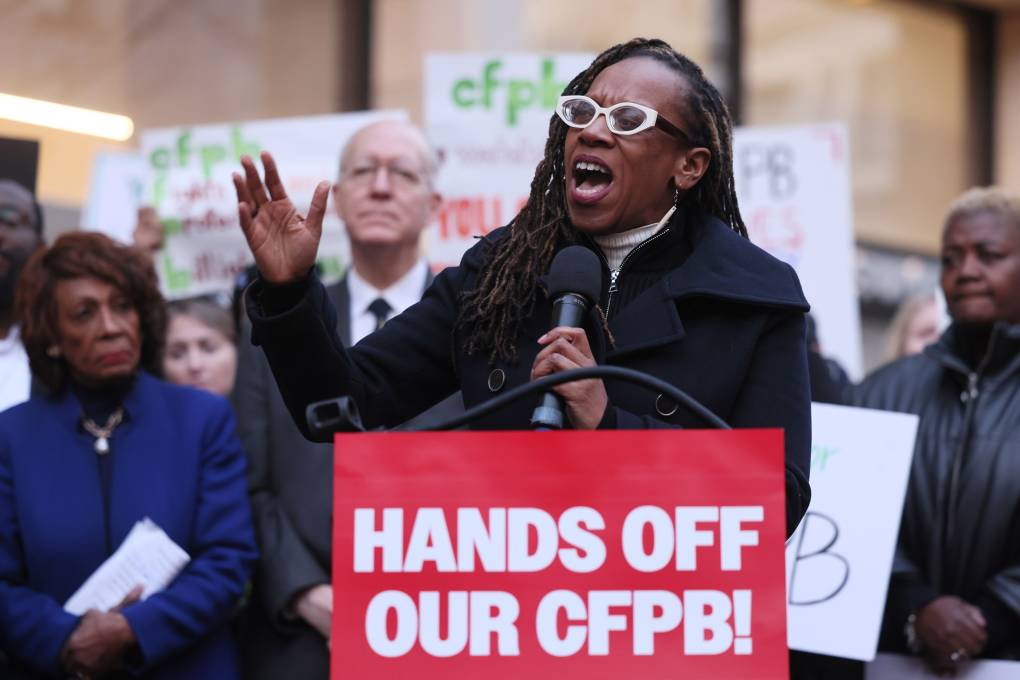
"caption": "Rep. Lateefah Simon speaks as Congressional Democrats and Consumer Financial Protection Bureau (CFPB) workers hold a rally on Feb. 10, 2025, in Washington, D.C., to protest the closure of the agency's headquarters and the work-from-home order issued by CFPB Director Russell Vought.",
"credit": "Jemal Countess/Getty Images for MoveOn",
"altTag": "A Black woman in glasses speak into a microphone at a rally, with people standing behind her. In front of her is a sign that says 'Hands off our CFPB!'",
"description": null,
"imgSizes": {
"medium": {
"file": "https://cdn.kqed.org/wp-content/uploads/sites/10/2025/03/LateefahSimonGetty2-800x533.jpg",
"width": 800,
"height": 533,
"mimeType": "image/jpeg"
},
"large": {
"file": "https://cdn.kqed.org/wp-content/uploads/sites/10/2025/03/LateefahSimonGetty2-1020x680.jpg",
"width": 1020,
"height": 680,
"mimeType": "image/jpeg"
},
"thumbnail": {
"file": "https://cdn.kqed.org/wp-content/uploads/sites/10/2025/03/LateefahSimonGetty2-160x107.jpg",
"width": 160,
"height": 107,
"mimeType": "image/jpeg"
},
"1536x1536": {
"file": "https://cdn.kqed.org/wp-content/uploads/sites/10/2025/03/LateefahSimonGetty2-1536x1024.jpg",
"width": 1536,
"height": 1024,
"mimeType": "image/jpeg"
},
"post-thumbnail": {
"file": "https://cdn.kqed.org/wp-content/uploads/sites/10/2025/03/LateefahSimonGetty2-672x372.jpg",
"width": 672,
"height": 372,
"mimeType": "image/jpeg"
},
"twentyfourteen-full-width": {
"file": "https://cdn.kqed.org/wp-content/uploads/sites/10/2025/03/LateefahSimonGetty2-1038x576.jpg",
"width": 1038,
"height": 576,
"mimeType": "image/jpeg"
},
"full-width": {
"file": "https://cdn.kqed.org/wp-content/uploads/sites/10/2025/03/LateefahSimonGetty2-1920x1280.jpg",
"width": 1920,
"height": 1280,
"mimeType": "image/jpeg"
},
"kqedFullSize": {
"file": "https://cdn.kqed.org/wp-content/uploads/sites/10/2025/03/LateefahSimonGetty2.jpg",
"width": 2000,
"height": 1333
}
},
"isLoading": false,
"fetchFailed": false
},
"news_12044907": {
"type": "attachments",
"id": "news_12044907",
"meta": {
"index": "attachments_1716263798",
"site": "news",
"id": "12044907",
"found": true
},
"title": "250618-CHILDRENSHOSPITALOAKLANDSTRIKE-09-BL-KQED",
"publishDate": 1750268757,
"status": "inherit",
"parent": 12044760,
"modified": 1750268923,
"caption": "Health workers at UCSF Benioff Children’s Hospital Oakland strike on June 18, 2025, over UCSF’s efforts to dissolve their union contracts amid a broader integration plan. Union members say the changes threaten job security and could lead to significant cuts in wages and benefits.",
"credit": "Beth LaBerge/KQED",
"altTag": null,
"description": null,
"imgSizes": {
"thumbnail": {
"file": "https://cdn.kqed.org/wp-content/uploads/sites/10/2025/06/250618-CHILDRENSHOSPITALOAKLANDSTRIKE-09-BL-KQED-160x107.jpg",
"width": 160,
"height": 107,
"mimeType": "image/jpeg"
},
"1536x1536": {
"file": "https://cdn.kqed.org/wp-content/uploads/sites/10/2025/06/250618-CHILDRENSHOSPITALOAKLANDSTRIKE-09-BL-KQED-1536x1024.jpg",
"width": 1536,
"height": 1024,
"mimeType": "image/jpeg"
},
"post-thumbnail": {
"file": "https://cdn.kqed.org/wp-content/uploads/sites/10/2025/06/250618-CHILDRENSHOSPITALOAKLANDSTRIKE-09-BL-KQED-672x372.jpg",
"width": 672,
"height": 372,
"mimeType": "image/jpeg"
},
"twentyfourteen-full-width": {
"file": "https://cdn.kqed.org/wp-content/uploads/sites/10/2025/06/250618-CHILDRENSHOSPITALOAKLANDSTRIKE-09-BL-KQED-1038x576.jpg",
"width": 1038,
"height": 576,
"mimeType": "image/jpeg"
},
"kqedFullSize": {
"file": "https://cdn.kqed.org/wp-content/uploads/sites/10/2025/06/250618-CHILDRENSHOSPITALOAKLANDSTRIKE-09-BL-KQED.jpg",
"width": 2000,
"height": 1333
}
},
"isLoading": false,
"fetchFailed": false
},
"news_12039813": {
"type": "attachments",
"id": "news_12039813",
"meta": {
"index": "attachments_1716263798",
"site": "news",
"id": "12039813",
"found": true
},
"title": "250512-DAY WITHOUT CHILDCARE-MD-04-KQED",
"publishDate": 1747085855,
"status": "inherit",
"parent": 12043521,
"modified": 1749600493,
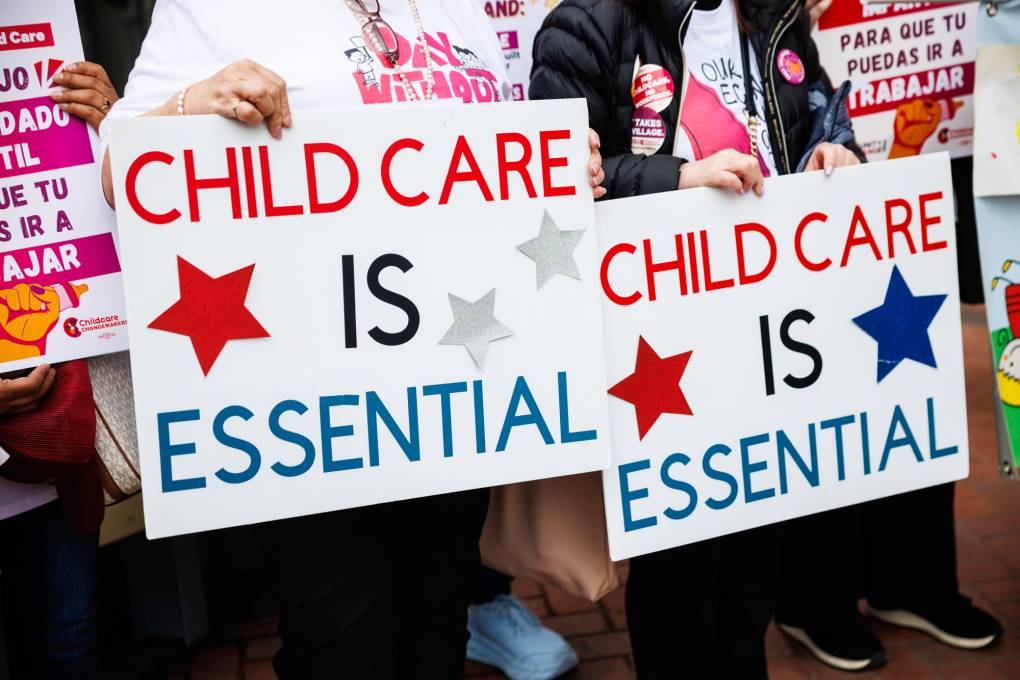
"caption": "Attendees hold signs at the Day Without Childcare rally in front of the Federal Building in San José on May 12, 2025.",
"credit": "Martin do Nascimento/KQED",
"altTag": null,
"description": null,
"imgSizes": {
"medium": {
"file": "https://cdn.kqed.org/wp-content/uploads/sites/10/2025/05/250512-DAY-WITHOUT-CHILDCARE-MD-04-KQED-800x534.jpg",
"width": 800,
"height": 534,
"mimeType": "image/jpeg"
},
"large": {
"file": "https://cdn.kqed.org/wp-content/uploads/sites/10/2025/05/250512-DAY-WITHOUT-CHILDCARE-MD-04-KQED-1020x680.jpg",
"width": 1020,
"height": 680,
"mimeType": "image/jpeg"
},
"thumbnail": {
"file": "https://cdn.kqed.org/wp-content/uploads/sites/10/2025/05/250512-DAY-WITHOUT-CHILDCARE-MD-04-KQED-160x107.jpg",
"width": 160,
"height": 107,
"mimeType": "image/jpeg"
},
"1536x1536": {
"file": "https://cdn.kqed.org/wp-content/uploads/sites/10/2025/05/250512-DAY-WITHOUT-CHILDCARE-MD-04-KQED-1536x1025.jpg",
"width": 1536,
"height": 1025,
"mimeType": "image/jpeg"
},
"post-thumbnail": {
"file": "https://cdn.kqed.org/wp-content/uploads/sites/10/2025/05/250512-DAY-WITHOUT-CHILDCARE-MD-04-KQED-672x372.jpg",
"width": 672,
"height": 372,
"mimeType": "image/jpeg"
},
"twentyfourteen-full-width": {
"file": "https://cdn.kqed.org/wp-content/uploads/sites/10/2025/05/250512-DAY-WITHOUT-CHILDCARE-MD-04-KQED-1038x576.jpg",
"width": 1038,
"height": 576,
"mimeType": "image/jpeg"
},
"full-width": {
"file": "https://cdn.kqed.org/wp-content/uploads/sites/10/2025/05/250512-DAY-WITHOUT-CHILDCARE-MD-04-KQED-1920x1281.jpg",
"width": 1920,
"height": 1281,
"mimeType": "image/jpeg"
},
"kqedFullSize": {
"file": "https://cdn.kqed.org/wp-content/uploads/sites/10/2025/05/250512-DAY-WITHOUT-CHILDCARE-MD-04-KQED.jpg",
"width": 2000,
"height": 1334
}
},
"isLoading": false,
"fetchFailed": false
},
"news_12044917": {
"type": "attachments",
"id": "news_12044917",
"meta": {
"index": "attachments_1716263798",
"site": "news",
"id": "12044917",
"found": true
},
"title": "Used needles are collected and exchanged for clean ones by the Tenderloin AIDS Resource Center in S",
"publishDate": 1750270116,
"status": "inherit",
"parent": 0,
"modified": 1750270134,
"caption": "Used needles are collected and exchanged for clean ones by the Tenderloin AIDS Resource Center in San Francisco. San Francisco has aggressively reduced the number of drug overdose deaths. ",
"credit": "Bryan Chan/Los Angeles Times via Getty Images",
"altTag": null,
"description": null,
"imgSizes": {
"thumbnail": {
"file": "https://cdn.kqed.org/wp-content/uploads/sites/10/2025/06/GETTYIMAGES-564026777-KQED-160x107.jpg",
"width": 160,
"height": 107,
"mimeType": "image/jpeg"
},
"1536x1536": {
"file": "https://cdn.kqed.org/wp-content/uploads/sites/10/2025/06/GETTYIMAGES-564026777-KQED-1536x1024.jpg",
"width": 1536,
"height": 1024,
"mimeType": "image/jpeg"
},
"post-thumbnail": {
"file": "https://cdn.kqed.org/wp-content/uploads/sites/10/2025/06/GETTYIMAGES-564026777-KQED-672x372.jpg",
"width": 672,
"height": 372,
"mimeType": "image/jpeg"
},
"twentyfourteen-full-width": {
"file": "https://cdn.kqed.org/wp-content/uploads/sites/10/2025/06/GETTYIMAGES-564026777-KQED-1038x576.jpg",
"width": 1038,
"height": 576,
"mimeType": "image/jpeg"
},
"kqedFullSize": {
"file": "https://cdn.kqed.org/wp-content/uploads/sites/10/2025/06/GETTYIMAGES-564026777-KQED.jpg",
"width": 2000,
"height": 1333
}
},
"isLoading": false,
"fetchFailed": false
},
"news_12044905": {
"type": "attachments",
"id": "news_12044905",
"meta": {
"index": "attachments_1716263798",
"site": "news",
"id": "12044905",
"found": true
},
"title": "250618-CHILDRENSHOSPITALOAKLANDSTRIKE-04-BL-KQED",
"publishDate": 1750268748,
"status": "inherit",
"parent": 12046142,
"modified": 1751321349,
"caption": "Health workers at UCSF Benioff Children’s Hospital Oakland strike on June 18, 2025, over UCSF’s efforts to dissolve their union contracts amid a broader integration plan. Union members say the changes threaten job security and could lead to significant cuts in wages and benefits.",
"credit": "Beth LaBerge/KQED",
"altTag": null,
"description": null,
"imgSizes": {
"thumbnail": {
"file": "https://cdn.kqed.org/wp-content/uploads/sites/10/2025/06/250618-CHILDRENSHOSPITALOAKLANDSTRIKE-04-BL-KQED-160x107.jpg",
"width": 160,
"height": 107,
"mimeType": "image/jpeg"
},
"1536x1536": {
"file": "https://cdn.kqed.org/wp-content/uploads/sites/10/2025/06/250618-CHILDRENSHOSPITALOAKLANDSTRIKE-04-BL-KQED-1536x1024.jpg",
"width": 1536,
"height": 1024,
"mimeType": "image/jpeg"
},
"post-thumbnail": {
"file": "https://cdn.kqed.org/wp-content/uploads/sites/10/2025/06/250618-CHILDRENSHOSPITALOAKLANDSTRIKE-04-BL-KQED-672x372.jpg",
"width": 672,
"height": 372,
"mimeType": "image/jpeg"
},
"twentyfourteen-full-width": {
"file": "https://cdn.kqed.org/wp-content/uploads/sites/10/2025/06/250618-CHILDRENSHOSPITALOAKLANDSTRIKE-04-BL-KQED-1038x576.jpg",
"width": 1038,
"height": 576,
"mimeType": "image/jpeg"
},
"kqedFullSize": {
"file": "https://cdn.kqed.org/wp-content/uploads/sites/10/2025/06/250618-CHILDRENSHOSPITALOAKLANDSTRIKE-04-BL-KQED.jpg",
"width": 2000,
"height": 1333
}
},
"isLoading": false,
"fetchFailed": false
},
"news_12044565": {
"type": "attachments",
"id": "news_12044565",
"meta": {
"index": "attachments_1716263798",
"site": "news",
"id": "12044565",
"found": true
},
"title": "Politics Of Pain Federal Influence",
"publishDate": 1750099290,
"status": "inherit",
"parent": 12044563,
"modified": 1750099400,
"caption": "The Purdue Pharma offices in Stamford, Connecticut, on May 8, 2007. In 2007, the company pleaded guilty and agreed to pay more than $600 million in fines for misleading the public about the risks of OxyContin. But the drug continued to rack up blockbuster sales. ",
"credit": "Douglas Healey/AP Photo",
"altTag": null,
"description": null,
"imgSizes": {
"thumbnail": {
"file": "https://cdn.kqed.org/wp-content/uploads/sites/10/2025/06/PurduePharmaAP-160x106.jpg",
"width": 160,
"height": 106,
"mimeType": "image/jpeg"
},
"1536x1536": {
"file": "https://cdn.kqed.org/wp-content/uploads/sites/10/2025/06/PurduePharmaAP-1536x1020.jpg",
"width": 1536,
"height": 1020,
"mimeType": "image/jpeg"
},
"post-thumbnail": {
"file": "https://cdn.kqed.org/wp-content/uploads/sites/10/2025/06/PurduePharmaAP-672x372.jpg",
"width": 672,
"height": 372,
"mimeType": "image/jpeg"
},
"twentyfourteen-full-width": {
"file": "https://cdn.kqed.org/wp-content/uploads/sites/10/2025/06/PurduePharmaAP-1038x576.jpg",
"width": 1038,
"height": 576,
"mimeType": "image/jpeg"
},
"kqedFullSize": {
"file": "https://cdn.kqed.org/wp-content/uploads/sites/10/2025/06/PurduePharmaAP.jpg",
"width": 2000,
"height": 1328
}
},
"isLoading": false,
"fetchFailed": false
},
"news_12044237": {
"type": "attachments",
"id": "news_12044237",
"meta": {
"index": "attachments_1716263798",
"site": "news",
"id": "12044237",
"found": true
},
"title": "VaccinationsStory",
"publishDate": 1749843923,
"status": "inherit",
"parent": 12044201,
"modified": 1749845881,
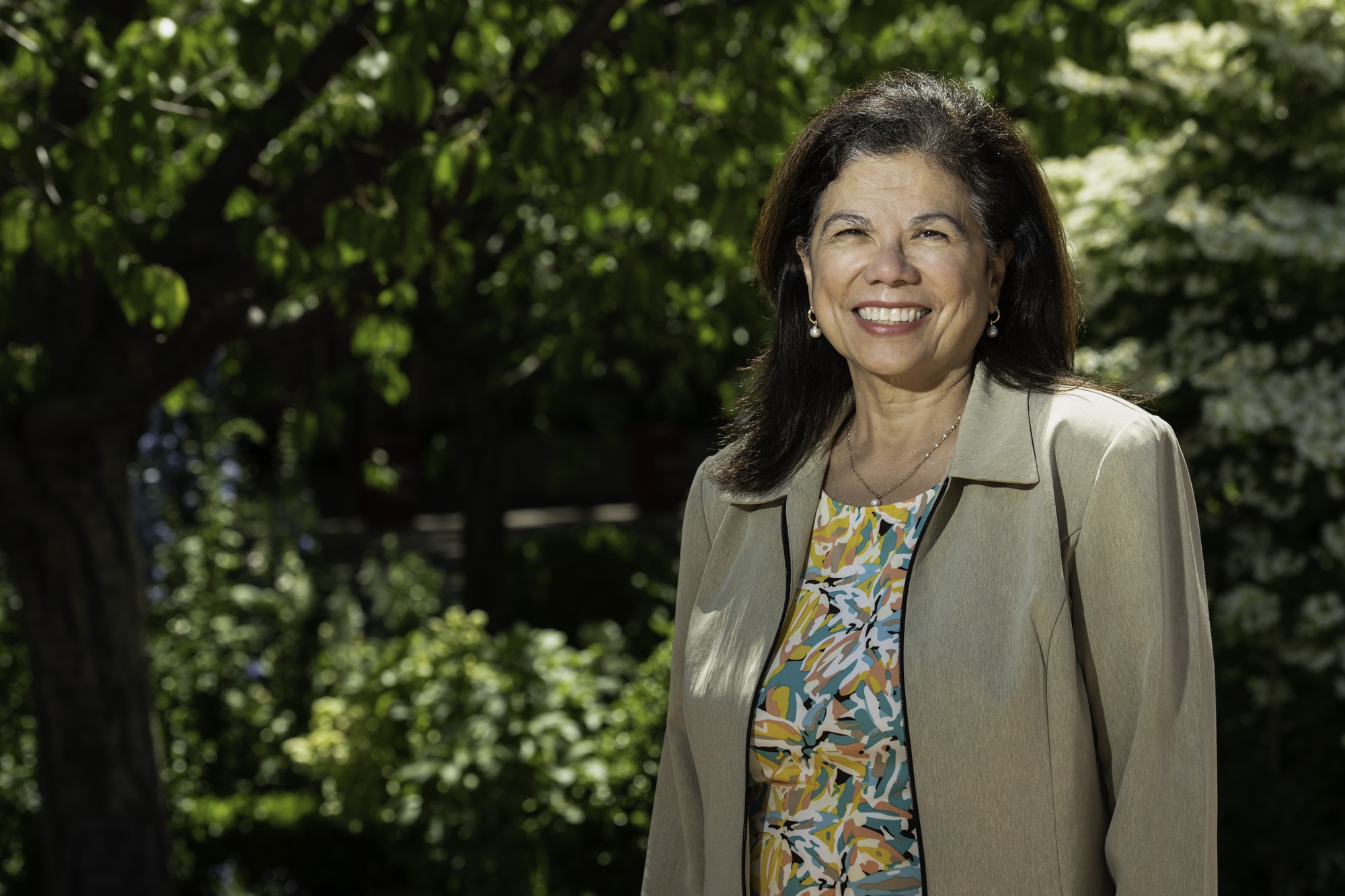
"caption": "Dr. Yvonne Maldonado, a professor of Global Health and Infectious Diseases at Stanford University School of Medicine.",
"credit": "Courtesy of Stanford Medicine",
"altTag": null,
"description": null,
"imgSizes": {
"thumbnail": {
"file": "https://cdn.kqed.org/wp-content/uploads/sites/10/2025/06/VaccinationsStory-160x107.jpg",
"width": 160,
"height": 107,
"mimeType": "image/jpeg"
},
"1536x1536": {
"file": "https://cdn.kqed.org/wp-content/uploads/sites/10/2025/06/VaccinationsStory-1536x1024.jpg",
"width": 1536,
"height": 1024,
"mimeType": "image/jpeg"
},
"post-thumbnail": {
"file": "https://cdn.kqed.org/wp-content/uploads/sites/10/2025/06/VaccinationsStory-672x372.jpg",
"width": 672,
"height": 372,
"mimeType": "image/jpeg"
},
"twentyfourteen-full-width": {
"file": "https://cdn.kqed.org/wp-content/uploads/sites/10/2025/06/VaccinationsStory-1038x576.jpg",
"width": 1038,
"height": 576,
"mimeType": "image/jpeg"
},
"kqedFullSize": {
"file": "https://cdn.kqed.org/wp-content/uploads/sites/10/2025/06/VaccinationsStory.jpg",
"width": 2000,
"height": 1333
}
},
"isLoading": false,
"fetchFailed": false
},
"news_12041393": {
"type": "attachments",
"id": "news_12041393",
"meta": {
"index": "attachments_1716263798",
"site": "news",
"id": "12041393",
"found": true
},
"title": "20250522_GGPMEMORIALGARDEN_GC-22-KQED",
"publishDate": 1747954287,
"status": "inherit",
"parent": 0,
"modified": 1747954375,
"caption": "Visitors look at the names inscribed at the Bay Area Young Survivors Breast Cancer Memorial Garden in Golden Gate Park in San Francisco on May 22, 2025.",
"credit": "Gina Castro/KQED",
"altTag": null,
"description": null,
"imgSizes": {
"medium": {
"file": "https://cdn.kqed.org/wp-content/uploads/sites/10/2025/05/20250522_GGPMEMORIALGARDEN_GC-22-KQED-800x533.jpg",
"width": 800,
"height": 533,
"mimeType": "image/jpeg"
},
"large": {
"file": "https://cdn.kqed.org/wp-content/uploads/sites/10/2025/05/20250522_GGPMEMORIALGARDEN_GC-22-KQED-1020x680.jpg",
"width": 1020,
"height": 680,
"mimeType": "image/jpeg"
},
"thumbnail": {
"file": "https://cdn.kqed.org/wp-content/uploads/sites/10/2025/05/20250522_GGPMEMORIALGARDEN_GC-22-KQED-160x107.jpg",
"width": 160,
"height": 107,
"mimeType": "image/jpeg"
},
"1536x1536": {
"file": "https://cdn.kqed.org/wp-content/uploads/sites/10/2025/05/20250522_GGPMEMORIALGARDEN_GC-22-KQED-1536x1024.jpg",
"width": 1536,
"height": 1024,
"mimeType": "image/jpeg"
},
"post-thumbnail": {
"file": "https://cdn.kqed.org/wp-content/uploads/sites/10/2025/05/20250522_GGPMEMORIALGARDEN_GC-22-KQED-672x372.jpg",
"width": 672,
"height": 372,
"mimeType": "image/jpeg"
},
"twentyfourteen-full-width": {
"file": "https://cdn.kqed.org/wp-content/uploads/sites/10/2025/05/20250522_GGPMEMORIALGARDEN_GC-22-KQED-1038x576.jpg",
"width": 1038,
"height": 576,
"mimeType": "image/jpeg"
},
"full-width": {
"file": "https://cdn.kqed.org/wp-content/uploads/sites/10/2025/05/20250522_GGPMEMORIALGARDEN_GC-22-KQED-1920x1280.jpg",
"width": 1920,
"height": 1280,
"mimeType": "image/jpeg"
},
"kqedFullSize": {
"file": "https://cdn.kqed.org/wp-content/uploads/sites/10/2025/05/20250522_GGPMEMORIALGARDEN_GC-22-KQED.jpg",
"width": 2000,
"height": 1333
}
},
"isLoading": false,
"fetchFailed": false
},
"news_12044077": {
"type": "attachments",
"id": "news_12044077",
"meta": {
"index": "attachments_1716263798",
"site": "news",
"id": "12044077",
"found": true
},
"title": "VermontHouse",
"publishDate": 1749772211,
"status": "inherit",
"parent": 12043926,
"modified": 1749772289,
"caption": null,
"credit": "Courtesy of Santa Clara County",
"altTag": null,
"description": null,
"imgSizes": {
"thumbnail": {
"file": "https://cdn.kqed.org/wp-content/uploads/sites/10/2025/06/VermontHouse-160x90.jpg",
"width": 160,
"height": 90,
"mimeType": "image/jpeg"
},
"1536x1536": {
"file": "https://cdn.kqed.org/wp-content/uploads/sites/10/2025/06/VermontHouse-1536x864.jpg",
"width": 1536,
"height": 864,
"mimeType": "image/jpeg"
},
"post-thumbnail": {
"file": "https://cdn.kqed.org/wp-content/uploads/sites/10/2025/06/VermontHouse-672x372.jpg",
"width": 672,
"height": 372,
"mimeType": "image/jpeg"
},
"twentyfourteen-full-width": {
"file": "https://cdn.kqed.org/wp-content/uploads/sites/10/2025/06/VermontHouse-1038x576.jpg",
"width": 1038,
"height": 576,
"mimeType": "image/jpeg"
},
"kqedFullSize": {
"file": "https://cdn.kqed.org/wp-content/uploads/sites/10/2025/06/VermontHouse.jpg",
"width": 2000,
"height": 1125
}
},
"isLoading": false,
"fetchFailed": false
},
"news_12015813": {
"type": "attachments",
"id": "news_12015813",
"meta": {
"index": "attachments_1716263798",
"site": "news",
"id": "12015813",
"found": true
},
"title": "112224-RFK-Jr.-MM-REUTERS-01-CM",
"publishDate": 1732566218,
"status": "inherit",
"parent": 12015810,
"modified": 1732577645,
"caption": "Robert F. Kennedy Jr. holds for applause during his remarks at the Tucker Carlson Live Tour finale at Desert Diamond Arena in Glendale on Oct. 31, 2024.",
"credit": "Megan Mendoza/Reuters",
"altTag": null,
"description": null,
"imgSizes": {
"medium": {
"file": "https://cdn.kqed.org/wp-content/uploads/sites/10/2024/11/112224-RFK-Jr.-MM-REUTERS-01-CM-800x533.jpg",
"width": 800,
"height": 533,
"mimeType": "image/jpeg"
},
"large": {
"file": "https://cdn.kqed.org/wp-content/uploads/sites/10/2024/11/112224-RFK-Jr.-MM-REUTERS-01-CM-1020x680.jpg",
"width": 1020,
"height": 680,
"mimeType": "image/jpeg"
},
"thumbnail": {
"file": "https://cdn.kqed.org/wp-content/uploads/sites/10/2024/11/112224-RFK-Jr.-MM-REUTERS-01-CM-160x107.jpg",
"width": 160,
"height": 107,
"mimeType": "image/jpeg"
},
"1536x1536": {
"file": "https://cdn.kqed.org/wp-content/uploads/sites/10/2024/11/112224-RFK-Jr.-MM-REUTERS-01-CM-1536x1024.jpg",
"width": 1536,
"height": 1024,
"mimeType": "image/jpeg"
},
"post-thumbnail": {
"file": "https://cdn.kqed.org/wp-content/uploads/sites/10/2024/11/112224-RFK-Jr.-MM-REUTERS-01-CM-672x372.jpg",
"width": 672,
"height": 372,
"mimeType": "image/jpeg"
},
"twentyfourteen-full-width": {
"file": "https://cdn.kqed.org/wp-content/uploads/sites/10/2024/11/112224-RFK-Jr.-MM-REUTERS-01-CM-1038x576.jpg",
"width": 1038,
"height": 576,
"mimeType": "image/jpeg"
},
"full-width": {
"file": "https://cdn.kqed.org/wp-content/uploads/sites/10/2024/11/112224-RFK-Jr.-MM-REUTERS-01-CM-1920x1280.jpg",
"width": 1920,
"height": 1280,
"mimeType": "image/jpeg"
},
"kqedFullSize": {
"file": "https://cdn.kqed.org/wp-content/uploads/sites/10/2024/11/112224-RFK-Jr.-MM-REUTERS-01-CM.jpg",
"width": 2000,
"height": 1333
}
},
"isLoading": false,
"fetchFailed": false
},
"news_73755": {
"type": "attachments",
"id": "news_73755",
"meta": {
"index": "attachments_1716263798",
"site": "news",
"id": "73755",
"found": true
},
"title": "BurnedOut4",
"publishDate": 1345568113,
"status": "inherit",
"parent": 73746,
"modified": 1749071404,
"caption": "The U.S. Chemical Safety Board released this photo of the aftermath of the Chevron refinery fire in Richmond.",
"credit": "Courtesy of Fototaker.net",
"altTag": "The U.S. Chemical Safety Board released this photo of the aftermath of the Chevron refinery fire in Richmond. Photo by Fototaker.net.",
"description": null,
"imgSizes": {
"kqedFullSize": {
"file": "https://cdn.kqed.org/wp-content/uploads/sites/10/2012/08/BurnedOut4-e1749071369737.jpeg",
"width": 2000,
"height": 1500
}
},
"isLoading": false,
"fetchFailed": false
}
},
"audioPlayerReducer": {
"postId": "stream_live",
"isPaused": true,
"isPlaying": false,
"pfsActive": false,
"pledgeModalIsOpen": true,
"playerDrawerIsOpen": false,
"liveAudioPlayStartedAt": 0,
"liveAudioPlayContext": ""
},
"authorsReducer": {
"ninathorsen": {
"type": "authors",
"id": "246",
"meta": {
"index": "authors_1716337520",
"id": "246",
"found": true
},
"name": "Nina Thorsen",
"firstName": "Nina",
"lastName": "Thorsen",
"slug": "ninathorsen",
"email": "nthorsen@kqed.org",
"display_author_email": false,
"staff_mastheads": [
"news"
],
"title": "Producer, Radio",
"bio": "\u003cspan style=\"color: #000000;\">Nina Thorsen is a KQED radio producer, and frequently reports on sports and culture. \u003c/span>\u003cspan style=\"color: #000000;\">She co-created and produced KQED's \u003cem>Pacific Time, \u003c/em> a weekly radio program on Asian and Asian American issues that aired from 2000 to 2007. Before coming to KQED, Thorsen was the deputy foreign editor for \u003cem>Marketplace, \u003c/em>and in her home state of Minnesota, worked for \u003cem>A Prairie Home Companion\u003c/em> and for Public Radio International. \u003c/span>",
"avatar": "https://secure.gravatar.com/avatar/e13dc7282cec33c15d973ebb56d57ead?s=600&d=blank&r=g",
"twitter": "NinaKQED",
"facebook": null,
"instagram": null,
"linkedin": null,
"sites": [
{
"site": "news",
"roles": [
"editor"
]
},
{
"site": "podcasts",
"roles": [
"editor"
]
}
],
"headData": {
"title": "Nina Thorsen | KQED",
"description": "Producer, Radio",
"ogImgSrc": "https://secure.gravatar.com/avatar/e13dc7282cec33c15d973ebb56d57ead?s=600&d=blank&r=g",
"twImgSrc": "https://secure.gravatar.com/avatar/e13dc7282cec33c15d973ebb56d57ead?s=600&d=blank&r=g"
},
"isLoading": false,
"link": "/author/ninathorsen"
},
"scottshafer": {
"type": "authors",
"id": "255",
"meta": {
"index": "authors_1716337520",
"id": "255",
"found": true
},
"name": "Scott Shafer",
"firstName": "Scott",
"lastName": "Shafer",
"slug": "scottshafer",
"email": "sshafer@kqed.org",
"display_author_email": false,
"staff_mastheads": [
"news"
],
"title": "KQED Contributor",
"bio": "Scott Shafer is a senior editor with the KQED Politics and Government desk. He is co-host of Political Breakdown, the award-winning radio show and podcast with a personal take on the world of politics. Scott came to KQED in 1998 to host the statewide\u003cem> California Report\u003c/em>. Prior to that he had extended stints in politics and government\u003cem>.\u003c/em> He uses that inside experience at KQED in his, reporting, hosting and analysis for the politics desk. Scott collaborated \u003cem>Political Breakdown a\u003c/em>nd on \u003cem>The Political Mind of Jerry Brown, \u003c/em>an eight-part series about the life and extraordinary political career of the former governor. For fun, he plays water polo with the San Francisco Tsunami.",
"avatar": "https://secure.gravatar.com/avatar/a62ebae45b79d7aed1a39a0e3bf68104?s=600&d=blank&r=g",
"twitter": "scottshafer",
"bluesky": null,
"facebook": null,
"instagram": null,
"linkedin": null,
"sites": [
{
"site": "news",
"roles": [
"editor"
]
},
{
"site": "stateofhealth",
"roles": [
"author"
]
},
{
"site": "science",
"roles": [
"author"
]
},
{
"site": "forum",
"roles": [
"subscriber"
]
},
{
"site": "liveblog",
"roles": [
"author"
]
}
],
"headData": {
"title": "Scott Shafer | KQED",
"description": "KQED Contributor",
"ogImgSrc": "https://secure.gravatar.com/avatar/a62ebae45b79d7aed1a39a0e3bf68104?s=600&d=blank&r=g",
"twImgSrc": "https://secure.gravatar.com/avatar/a62ebae45b79d7aed1a39a0e3bf68104?s=600&d=blank&r=g"
},
"isLoading": false,
"link": "/author/scottshafer"
},
"matthewgreen": {
"type": "authors",
"id": "1263",
"meta": {
"index": "authors_1716337520",
"id": "1263",
"found": true
},
"name": "Matthew Green",
"firstName": "Matthew",
"lastName": "Green",
"slug": "matthewgreen",
"email": "mgreen@kqed.org",
"display_author_email": false,
"staff_mastheads": [],
"title": "KQED Editor/Reporter",
"bio": "Matthew Green is a digital media producer for KQED News. He previously produced \u003ca href=\"http://www.kqed.org/lowdown\">The Lowdown\u003c/a>, KQED’s multimedia news education blog. Matthew's written for numerous Bay Area publications, including the Oakland Tribune and San Francisco Chronicle. He also taught journalism classes at Fremont High School in East Oakland.\r\n\r\nEmail: mgreen@kqed.org; Twitter: @MGreenKQED",
"avatar": "https://secure.gravatar.com/avatar/3bf498d1267ca02c8494f33d8cfc575e?s=600&d=blank&r=g",
"twitter": "MGreenKQED",
"facebook": null,
"instagram": null,
"linkedin": null,
"sites": [
{
"site": "news",
"roles": []
},
{
"site": "lowdown",
"roles": []
},
{
"site": "science",
"roles": []
},
{
"site": "education",
"roles": []
},
{
"site": "quest",
"roles": []
},
{
"site": "liveblog",
"roles": []
}
],
"headData": {
"title": "Matthew Green | KQED",
"description": "KQED Editor/Reporter",
"ogImgSrc": "https://secure.gravatar.com/avatar/3bf498d1267ca02c8494f33d8cfc575e?s=600&d=blank&r=g",
"twImgSrc": "https://secure.gravatar.com/avatar/3bf498d1267ca02c8494f33d8cfc575e?s=600&d=blank&r=g"
},
"isLoading": false,
"link": "/author/matthewgreen"
},
"mlagos": {
"type": "authors",
"id": "3239",
"meta": {
"index": "authors_1716337520",
"id": "3239",
"found": true
},
"name": "Marisa Lagos",
"firstName": "Marisa",
"lastName": "Lagos",
"slug": "mlagos",
"email": "mlagos@kqed.org",
"display_author_email": false,
"staff_mastheads": [
"news"
],
"title": "KQED Contributor",
"bio": "Marisa Lagos is a correspondent for KQED’s California Politics and Government Desk and co-hosts the award-winning show and podcast, Political Breakdown. At KQED, Lagos also conducts reporting, analysis and investigations into state, local and national politics for radio, TV, online and onstage. In 2022, she and co-host, Scott Shafer, moderated the only gubernatorial debate in California. In 2020, the \u003ci>Washington Post\u003c/i> named her one of the top political journalists in California; she was nominated for a Peabody and won several other awards for her work investigating the 2017 California wildfires. She has worked at the \u003ci>San Francisco Chronicle\u003c/i>, \u003ci>San Francisco Examiner\u003c/i> and \u003ci>Los Angeles Times\u003c/i>. A UC Santa Barbara graduate, she lives in San Francisco with her two sons and husband.",
"avatar": "https://secure.gravatar.com/avatar/a261a0d3696fc066871ef96b85b5e7d2?s=600&d=blank&r=g",
"twitter": "@mlagos",
"facebook": null,
"instagram": null,
"linkedin": null,
"sites": [
{
"site": "arts",
"roles": [
"author"
]
},
{
"site": "news",
"roles": [
"editor"
]
},
{
"site": "science",
"roles": [
"editor"
]
},
{
"site": "forum",
"roles": [
"author"
]
},
{
"site": "liveblog",
"roles": [
"author"
]
}
],
"headData": {
"title": "Marisa Lagos | KQED",
"description": "KQED Contributor",
"ogImgSrc": "https://secure.gravatar.com/avatar/a261a0d3696fc066871ef96b85b5e7d2?s=600&d=blank&r=g",
"twImgSrc": "https://secure.gravatar.com/avatar/a261a0d3696fc066871ef96b85b5e7d2?s=600&d=blank&r=g"
},
"isLoading": false,
"link": "/author/mlagos"
},
"slewis": {
"type": "authors",
"id": "8676",
"meta": {
"index": "authors_1716337520",
"id": "8676",
"found": true
},
"name": "Sukey Lewis",
"firstName": "Sukey",
"lastName": "Lewis",
"slug": "slewis",
"email": "slewis@kqed.org",
"display_author_email": true,
"staff_mastheads": [
"news"
],
"title": "KQED Contributor",
"bio": "Sukey Lewis is a criminal justice reporter and host of \u003cem>On Our Watch\u003c/em>, a new podcast from NPR and KQED about the shadow world of police discipline. In 2018, she co-founded the California Reporting Project, a coalition of newsrooms across the state focused on obtaining previously sealed internal affairs records from law enforcement. In addition to her reporting on police accountability, Sukey has investigated the bail bonds industry, California's wildfires and the high cost of prison phone calls. Sukey earned a master's degree in journalism from the University of California at Berkeley. Send news tips to slewis@kqed.org.",
"avatar": "https://secure.gravatar.com/avatar/03fd6b21024f99d8b0a1966654586de7?s=600&d=blank&r=g",
"twitter": "SukeyLewis",
"facebook": null,
"instagram": null,
"linkedin": null,
"sites": [
{
"site": "news",
"roles": [
"author",
"edit_others_posts"
]
}
],
"headData": {
"title": "Sukey Lewis | KQED",
"description": "KQED Contributor",
"ogImgSrc": "https://secure.gravatar.com/avatar/03fd6b21024f99d8b0a1966654586de7?s=600&d=blank&r=g",
"twImgSrc": "https://secure.gravatar.com/avatar/03fd6b21024f99d8b0a1966654586de7?s=600&d=blank&r=g"
},
"isLoading": false,
"link": "/author/slewis"
},
"daisynguyen": {
"type": "authors",
"id": "11829",
"meta": {
"index": "authors_1716337520",
"id": "11829",
"found": true
},
"name": "Daisy Nguyen",
"firstName": "Daisy",
"lastName": "Nguyen",
"slug": "daisynguyen",
"email": "daisynguyen@kqed.org",
"display_author_email": true,
"staff_mastheads": [
"news"
],
"title": "KQED Contributor",
"bio": "I have covered early childhood education and child care for KQED since 2022. I focus on policies aimed at increasing access to early care and education and how they shape individual lives. I've been a journalist for more than two decades, with most of that time devoted to covering breaking news throughout California for The Associated Press. I grew up in San Francisco and studied at UC Davis and Columbia University's Graduate School of Journalism. I live in Oakland with my husband and two kids.",
"avatar": "https://secure.gravatar.com/avatar/2da2127c27f7143b53ebd419800fd55f?s=600&d=blank&r=g",
"twitter": null,
"facebook": null,
"instagram": null,
"linkedin": "https://www.linkedin.com/in/daisynguyen/",
"sites": [
{
"site": "news",
"roles": [
"author"
]
},
{
"site": "liveblog",
"roles": [
"author"
]
}
],
"headData": {
"title": "Daisy Nguyen | KQED",
"description": "KQED Contributor",
"ogImgSrc": "https://secure.gravatar.com/avatar/2da2127c27f7143b53ebd419800fd55f?s=600&d=blank&r=g",
"twImgSrc": "https://secure.gravatar.com/avatar/2da2127c27f7143b53ebd419800fd55f?s=600&d=blank&r=g"
},
"isLoading": false,
"link": "/author/daisynguyen"
},
"sjohnson": {
"type": "authors",
"id": "11840",
"meta": {
"index": "authors_1716337520",
"id": "11840",
"found": true
},
"name": "Sydney Johnson",
"firstName": "Sydney",
"lastName": "Johnson",
"slug": "sjohnson",
"email": "sjohnson@kqed.org",
"display_author_email": false,
"staff_mastheads": [
"news"
],
"title": "KQED Reporter",
"bio": "Sydney Johnson is a general assignment reporter at KQED. She previously reported on public health and city government at the San Francisco Examiner, and before that, she covered statewide education policy for EdSource. Her reporting has won multiple local, state and national awards. Sydney is a graduate of the University of California, Berkeley and lives in San Francisco.",
"avatar": "https://secure.gravatar.com/avatar/97855f2719b72ad6190b7c535fe642c8?s=600&d=blank&r=g",
"twitter": "sydneyfjohnson",
"facebook": null,
"instagram": null,
"linkedin": null,
"sites": [
{
"site": "news",
"roles": [
"editor"
]
}
],
"headData": {
"title": "Sydney Johnson | KQED",
"description": "KQED Reporter",
"ogImgSrc": "https://secure.gravatar.com/avatar/97855f2719b72ad6190b7c535fe642c8?s=600&d=blank&r=g",
"twImgSrc": "https://secure.gravatar.com/avatar/97855f2719b72ad6190b7c535fe642c8?s=600&d=blank&r=g"
},
"isLoading": false,
"link": "/author/sjohnson"
},
"jgeha": {
"type": "authors",
"id": "11906",
"meta": {
"index": "authors_1716337520",
"id": "11906",
"found": true
},
"name": "Joseph Geha",
"firstName": "Joseph",
"lastName": "Geha",
"slug": "jgeha",
"email": "jgeha@kqed.org",
"display_author_email": false,
"staff_mastheads": [
"news",
"science"
],
"title": "KQED Contributor",
"bio": null,
"avatar": "https://secure.gravatar.com/avatar/ea84d2b6dd93d6369d453edf19dd583f117cd1759d2d9c9c92f9de77017354fe?s=600&d=blank&r=g",
"twitter": null,
"bluesky": null,
"facebook": null,
"instagram": null,
"linkedin": null,
"sites": [
{
"site": "news",
"roles": [
"editor"
]
},
{
"site": "liveblog",
"roles": [
"author"
]
}
],
"headData": {
"title": "Joseph Geha | KQED",
"description": "KQED Contributor",
"ogImgSrc": "https://secure.gravatar.com/avatar/ea84d2b6dd93d6369d453edf19dd583f117cd1759d2d9c9c92f9de77017354fe?s=600&d=blank&r=g",
"twImgSrc": "https://secure.gravatar.com/avatar/ea84d2b6dd93d6369d453edf19dd583f117cd1759d2d9c9c92f9de77017354fe?s=600&d=blank&r=g"
},
"isLoading": false,
"link": "/author/jgeha"
},
"kdebenedetti": {
"type": "authors",
"id": "11913",
"meta": {
"index": "authors_1716337520",
"id": "11913",
"found": true
},
"name": "Katie DeBenedetti",
"firstName": "Katie",
"lastName": "DeBenedetti",
"slug": "kdebenedetti",
"email": "kdebenedetti@kqed.org",
"display_author_email": false,
"staff_mastheads": [
"news",
"science"
],
"title": "KQED Contributor",
"bio": "Katie DeBenedetti is a digital reporter covering daily news for the Express Desk. Prior to joining KQED as a culture reporting intern in January 2024, she covered education and city government for the Napa Valley Register.",
"avatar": "https://secure.gravatar.com/avatar/6e31073cb8f7e4214ab03f42771d0f45?s=600&d=blank&r=g",
"twitter": null,
"facebook": null,
"instagram": null,
"linkedin": null,
"sites": [
{
"site": "news",
"roles": [
"author"
]
},
{
"site": "science",
"roles": [
"author"
]
},
{
"site": "liveblog",
"roles": [
"author"
]
}
],
"headData": {
"title": "Katie DeBenedetti | KQED",
"description": "KQED Contributor",
"ogImgSrc": "https://secure.gravatar.com/avatar/6e31073cb8f7e4214ab03f42771d0f45?s=600&d=blank&r=g",
"twImgSrc": "https://secure.gravatar.com/avatar/6e31073cb8f7e4214ab03f42771d0f45?s=600&d=blank&r=g"
},
"isLoading": false,
"link": "/author/kdebenedetti"
},
"slim": {
"type": "authors",
"id": "11920",
"meta": {
"index": "authors_1716337520",
"id": "11920",
"found": true
},
"name": "Samantha Lim",
"firstName": "Samantha",
"lastName": "Lim",
"slug": "slim",
"email": "slim@KQED.org",
"display_author_email": false,
"staff_mastheads": [],
"title": "KQED Contributor",
"bio": null,
"avatar": "https://secure.gravatar.com/avatar/82e592e6c15fe1a04d385e8ad0fb0b4e?s=600&d=blank&r=g",
"twitter": null,
"facebook": null,
"instagram": null,
"linkedin": null,
"sites": [
{
"site": "news",
"roles": []
}
],
"headData": {
"title": "Samantha Lim | KQED",
"description": "KQED Contributor",
"ogImgSrc": "https://secure.gravatar.com/avatar/82e592e6c15fe1a04d385e8ad0fb0b4e?s=600&d=blank&r=g",
"twImgSrc": "https://secure.gravatar.com/avatar/82e592e6c15fe1a04d385e8ad0fb0b4e?s=600&d=blank&r=g"
},
"isLoading": false,
"link": "/author/slim"
},
"sarahwright": {
"type": "authors",
"id": "11956",
"meta": {
"index": "authors_1716337520",
"id": "11956",
"found": true
},
"name": "Sarah Wright",
"firstName": "Sarah",
"lastName": "Wright",
"slug": "sarahwright",
"email": "swright@kqed.org",
"display_author_email": true,
"staff_mastheads": [],
"title": "Outdoors Engagement Reporter",
"bio": "Sarah Wright is KQED's Outdoors Engagement Reporter. Originally from Lake Tahoe, she completed a thru-hike of the Pacific Crest Trail in 2019 and was a U.S. Fulbright Program grantee to Argentina in 2023. Her journalism has appeared in The Guardian, The San Francisco Standard, The Palo Alto Weekly and the Half Moon Bay Review.",
"avatar": "https://secure.gravatar.com/avatar/c161a3d6441865cba25e6db4fa561099ad665799e9432e34da2b84d7e371524c?s=600&d=blank&r=g",
"twitter": null,
"bluesky": null,
"facebook": null,
"instagram": null,
"linkedin": null,
"sites": [
{
"site": "arts",
"roles": [
"editor"
]
},
{
"site": "news",
"roles": [
"editor"
]
},
{
"site": "science",
"roles": [
"contributor",
"author"
]
},
{
"site": "forum",
"roles": [
"editor"
]
}
],
"headData": {
"title": "Sarah Wright | KQED",
"description": "Outdoors Engagement Reporter",
"ogImgSrc": "https://secure.gravatar.com/avatar/c161a3d6441865cba25e6db4fa561099ad665799e9432e34da2b84d7e371524c?s=600&d=blank&r=g",
"twImgSrc": "https://secure.gravatar.com/avatar/c161a3d6441865cba25e6db4fa561099ad665799e9432e34da2b84d7e371524c?s=600&d=blank&r=g"
},
"isLoading": false,
"link": "/author/sarahwright"
}
},
"pagesReducer": {
"news_tag_health": {
"type": "terms",
"id": "news_18543",
"meta": {
"index": "terms_1716263798",
"site": "news",
"id": "18543",
"score": 6.886659
},
"featImg": null,
"name": "Health",
"description": null,
"taxonomy": "tag",
"headData": {
"twImgId": null,
"twTitle": null,
"ogTitle": null,
"ogImgId": null,
"twDescription": null,
"description": null,
"title": "Health Archives | KQED News",
"ogDescription": null
},
"ttid": 466,
"slug": "health",
"isLoading": false,
"title": "Health",
"pageMeta": {
"site": "news",
"WpPageTemplate": "page-topic-editorial",
"currentPage": 17
},
"blocks": [
{
"blockName": "kqed/post-list",
"attrs": {
"layout": "cardArticle2",
"query": "posts/news?tag=health",
"seeMore": false,
"paginated": true,
"page": 17
}
},
{
"blockName": "kqed/ad"
}
]
}
},
"pfsSessionReducer": {},
"postsReducer": {
"stream_live": {
"type": "live",
"id": "stream_live",
"audioUrl": "https://streams.kqed.org/kqedradio",
"title": "Live Stream",
"excerpt": "Live Stream information currently unavailable.",
"link": "/radio",
"featImg": "",
"label": {
"name": "KQED Live",
"link": "/"
}
},
"stream_kqedNewscast": {
"type": "posts",
"id": "stream_kqedNewscast",
"audioUrl": "https://www.kqed.org/.stream/anon/radio/RDnews/newscast.mp3?_=1",
"title": "KQED Newscast",
"featImg": "",
"label": {
"name": "88.5 FM",
"link": "/"
}
},
"news_12047037": {
"type": "posts",
"id": "news_12047037",
"meta": {
"index": "posts_1716263798",
"site": "news",
"id": "12047037",
"score": null,
"sort": [
1751650253000
]
},
"guestAuthors": [],
"slug": "a-betrayal-bay-area-leaders-react-to-us-house-passing-trumps-tax-and-welfare-cuts",
"title": "‘A Betrayal’: Bay Area Leaders React to US House Passing Trump’s Tax and Welfare Cuts",
"publishDate": 1751650253,
"format": "standard",
"headTitle": "‘A Betrayal’: Bay Area Leaders React to US House Passing Trump’s Tax and Welfare Cuts | KQED",
"labelTerm": {
"site": "news"
},
"content": "\u003cp>\u003cem>Updated 3:05 p.m. Thursday\u003c/em>\u003c/p>\n\u003cp>The House of Representatives narrowly passed President Trump’s \u003ca href=\"https://www.kqed.org/news/12046831/cruel-ugly-nasty-immoral-democrats-slam-mega-bill-ahead-of-house-vote\">federal budget proposal on Thursday\u003c/a>, slashing \u003ca href=\"https://www.kqed.org/news/12046134/a-big-bad-betrayal-san-jose-groups-protest-trumps-tax-bill\">social safety net programs\u003c/a> and extending tax cuts that Bay Area lawmakers say are a betrayal of the American people.\u003c/p>\n\u003cp>Votes largely fell along party lines, with the exception of Republican Reps. Thomas Massie of Kentucky and Brian Fitzpatrick of Pennsylvania, who joined Democrats to vote against the so-called “Big Beautiful Bill.”\u003c/p>\n\u003cp>The legislation heads to Trump’s desk next, and he is expected to sign it on July Fourth.\u003c/p>\n\u003cp>[ad fullwidth]\u003c/p>\n\u003cp>“This bill is a betrayal that abandons the needs of hardworking Americans and balloons the national debt by over $4 trillion — not to invest in the future, but to reward the wealthiest in our country at the expense of everyone else,” Speaker Emerita Nancy Pelosi, D-San Francisco, said in a statement on Thursday, referring to the legislation as the “Big, Ugly Bill.”\u003c/p>\n\u003cp>She said the legislation makes the \u003ca href=\"https://www.kqed.org/news/12028454/potential-medicaid-cuts-who-would-be-affected-and-what-are-republicans-proposing\">largest cuts to Medicaid\u003c/a>, Medicare and federal food stamps programs in history.\u003c/p>\n\u003cp>An estimated 2 million California residents could also lose healthcare coverage as a result of more than $28.4 billion slashed from Medicaid funding to the state. Gov. Gavin Newsom said in a statement that rural hospitals could see services reduced or close their doors entirely.\u003c/p>\n\u003cfigure id=\"attachment_12047045\" class=\"wp-caption aligncenter\" style=\"max-width: 2000px\">\u003cimg loading=\"lazy\" decoding=\"async\" class=\"size-full wp-image-12047045\" src=\"https://cdn.kqed.org/wp-content/uploads/sites/10/2025/07/BigBeautifulBillAP1.jpg\" alt=\"\" width=\"2000\" height=\"1333\" srcset=\"https://cdn.kqed.org/wp-content/uploads/sites/10/2025/07/BigBeautifulBillAP1.jpg 2000w, https://cdn.kqed.org/wp-content/uploads/sites/10/2025/07/BigBeautifulBillAP1-160x107.jpg 160w, https://cdn.kqed.org/wp-content/uploads/sites/10/2025/07/BigBeautifulBillAP1-1536x1024.jpg 1536w\" sizes=\"auto, (max-width: 2000px) 100vw, 2000px\">\u003cfigcaption class=\"wp-caption-text\">House Minority Leader Hakeem Jeffries, D-N.Y., left, speaks in the House chamber as House Democrats stand to applaud him, prior to the final vote for President Donald Trump’s signature bill of tax breaks and spending cuts, at the Capitol, on Thursday, July 3, 2025, in Washington. \u003ccite>(Rod Lamkey, Jr./AP Photo)\u003c/cite>\u003c/figcaption>\u003c/figure>\n\u003cp>Marnie Regan, director of government relations at Larkin Street Youth Services, said that the nonprofit’s clients, many of whom are homeless or formerly homeless young people, are especially at risk of losing access to these services.\u003c/p>\n\u003cp>Many of the 18- to 25-year-olds Larkin supports work gig jobs, or hold multiple part-time roles that don’t include health benefits, or allow them to cobble together the income necessary to afford enough food — making them dependent on public assistance for healthcare and nutrition.\u003c/p>\n\u003cp>“It’s that sort of invisible part of the workforce that we are very, very concerned about losing their benefits,” she said, adding that many of these young people are especially likely to forgo routine and preventative health care when they don’t have access to Medicaid.[aside postID=news_12046831 hero='https://cdn.kqed.org/wp-content/uploads/sites/10/2025/03/LateefahSimonGetty2-1020x680.jpg']“They’re worried about the cost … they don’t do dental care, there’s a lot of things that they just don’t access,” she told KQED.\u003c/p>\n\u003cp>The bill also blocks abortion care providers, like Planned Parenthood, from receiving federal funding.\u003c/p>\n\u003cp>While a federal law already prevents Medicaid from paying for abortions unless the pregnancy is a result of rape or incest or there is a threat to the pregnant person’s life, the bill would block Medicaid reimbursements for other care offered at these sites, like pregnancy testing, cancer screenings and contraceptives.\u003c/p>\n\u003cp>In a post on its website this week, Planned Parenthood said the bill could put as many as 200 of its health centers at risk of shutting down.\u003c/p>\n\u003cp>“The health and lives of 1.1 million patients across the country are at risk,” the organization said.\u003c/p>\n\u003cp>Newsom called the move to defund Planned Parenthood a “backdoor abortion ban.”\u003c/p>\n\u003cp>More than \u003ca href=\"https://calbudgetcenter.org/resources/republican-proposed-calfresh-cuts-put-millions-of-californians-at-risk-of-hunger/\">5.5 million\u003c/a> Californians rely on food assistance benefits in California, which are nearly entirely funded by the federal government, according to the \u003ca href=\"https://calbudgetcenter.org/resources/republican-proposed-calfresh-cuts-put-millions-of-californians-at-risk-of-hunger/\">California Budget & Policy Center\u003c/a>.\u003c/p>\n\u003cp>Gina Fromer, the executive director of the service organization GLIDE, told KQED that its meal lines have already grown in anticipation of cuts to CalFresh, California’s Supplemental Nutrition Assistance Program.\u003c/p>\n\u003cfigure id=\"attachment_12009979\" class=\"wp-caption aligncenter\" style=\"max-width: 2000px\">\u003cimg loading=\"lazy\" decoding=\"async\" class=\"size-full wp-image-12009979\" src=\"https://cdn.kqed.org/wp-content/uploads/sites/10/2024/10/241017-GLIDE-COMMUNITY-AMBASSADORS-MD-02-KQED.jpg\" alt=\"\" width=\"2000\" height=\"1333\" srcset=\"https://cdn.kqed.org/wp-content/uploads/sites/10/2024/10/241017-GLIDE-COMMUNITY-AMBASSADORS-MD-02-KQED.jpg 2000w, https://cdn.kqed.org/wp-content/uploads/sites/10/2024/10/241017-GLIDE-COMMUNITY-AMBASSADORS-MD-02-KQED-800x533.jpg 800w, https://cdn.kqed.org/wp-content/uploads/sites/10/2024/10/241017-GLIDE-COMMUNITY-AMBASSADORS-MD-02-KQED-1020x680.jpg 1020w, https://cdn.kqed.org/wp-content/uploads/sites/10/2024/10/241017-GLIDE-COMMUNITY-AMBASSADORS-MD-02-KQED-160x107.jpg 160w, https://cdn.kqed.org/wp-content/uploads/sites/10/2024/10/241017-GLIDE-COMMUNITY-AMBASSADORS-MD-02-KQED-1536x1024.jpg 1536w, https://cdn.kqed.org/wp-content/uploads/sites/10/2024/10/241017-GLIDE-COMMUNITY-AMBASSADORS-MD-02-KQED-1920x1280.jpg 1920w\" sizes=\"auto, (max-width: 2000px) 100vw, 2000px\">\u003cfigcaption class=\"wp-caption-text\">Dr. Gina Fromer, CEO of GLIDE, speaks at an event highlighting the work of the GLIDE Community Ambassadors program in the lobby of the GLIDE building in the Tenderloin neighborhood in San Francisco on Oct. 17, 2024. \u003ccite>(Martin do Nascimento/KQED)\u003c/cite>\u003c/figcaption>\u003c/figure>\n\u003cp>The organization serves three hot meals on weekdays, and previously offered bagged food instead of a full lunch and dinner service on weekends. This week, she said, GLIDE returned to a more full meal schedule on the weekend because of growing demand — especially as other city food providers, like Saint Anthony’s — \u003ca href=\"https://missionlocal.org/2025/07/sf-tenderloin-st-anthony-layoffs/\">face cuts.\u003c/a>\u003c/p>\n\u003cp>“We already have families in our food line who can’t afford the third meal [of the day], now they’re not going be able to afford the second meal,” she told KQED. “The impact is going to be devastating to GLIDE because it’s a strain on our resources already that are [stretched thin].”\u003c/p>\n\u003cp>All Republican members of Congress from California, including those in purple districts such as Rep. David Valadao, R-Bakersfield, voted in support of the bill.\u003c/p>\n\u003cp>“It was not an easy decision for me,” Valadao said in a statement on Thursday. “I’ve been a vocal advocate for protecting and preserving Medicaid for the most vulnerable in my district. I know how important the program is for my constituents.”\u003c/p>\n\u003cp>Trump earlier blasted the three Senate Republicans who voted against the bill — Rand Paul of Kentucky, Susan Collins of Maine and Thom Tillis of North Carolina — threatening to support their challengers in upcoming primaries.\u003c/p>\n\u003cp>Tillis announced his decision not to seek reelection on Sunday, the day after Trump \u003ca href=\"https://www.politico.com/live-updates/2025/06/28/congress/donald-trump-threatens-thom-tillis-00431472\">threatened \u003c/a>the senator online for opposing cuts to Medicaid that Tillis warned would devastate his state.\u003c/p>\n\u003cfigure id=\"attachment_11804662\" class=\"wp-caption aligncenter\" style=\"max-width: 1920px\">\u003cimg loading=\"lazy\" decoding=\"async\" class=\"size-full wp-image-11804662\" src=\"https://cdn.kqed.org/wp-content/uploads/sites/10/2020/03/John-Garamendi.jpg\" alt=\"North Bay Rep. John Garamendi (right), pictured in 2011. Garamendi and two other California congressmen want clarity from federal health officials in the wake of a whistleblower complaint.\" width=\"1920\" height=\"1128\" srcset=\"https://cdn.kqed.org/wp-content/uploads/sites/10/2020/03/John-Garamendi.jpg 1920w, https://cdn.kqed.org/wp-content/uploads/sites/10/2020/03/John-Garamendi-160x94.jpg 160w, https://cdn.kqed.org/wp-content/uploads/sites/10/2020/03/John-Garamendi-800x470.jpg 800w, https://cdn.kqed.org/wp-content/uploads/sites/10/2020/03/John-Garamendi-1020x599.jpg 1020w\" sizes=\"auto, (max-width: 1920px) 100vw, 1920px\">\u003cfigcaption class=\"wp-caption-text\">North Bay Rep. John Garamendi (right), pictured in 2011. \u003ccite>(Chip Somodevilla/Getty Images)\u003c/cite>\u003c/figcaption>\u003c/figure>\n\u003cp>“It has been very, very clear that if a Republican does not vote for this bill, then Trump is going to come after them,” Rep. John Garamendi, D-Fairfield, told KQED this week after the bill passed the Senate. “They fear Trump.”\u003c/p>\n\u003cp>In addition to preserving tax cuts, the federal budget bill significantly ramps up funding for Trump’s immigration agenda. The bill includes nearly $45 billion for new detention centers and $14 billion for increased deportation operations and hiring more Immigration and Customs Enforcement agents.\u003c/p>\n\u003cp>“Republicans have a choice between governance for the people or cruelty,” Rep. Lateefah Simon, D-Oakland, said Thursday in a statement. “It is undeniable that the policies in the bill will hurt communities in my district.”\u003c/p>\n\u003cp>Civil rights groups fighting against the bill said the impacts on vulnerable communities could be devastating.\u003c/p>\n\u003cp>“The bill will inflict generational harm on Black communities, people with disabilities, low-income families, veterans, immigrants, and countless others who already struggle to access basic necessities,” Janai Nelson, director of the NAACP Legal Defense Fund, said in a statement.\u003c/p>\n\u003cfigure id=\"attachment_11969248\" class=\"wp-caption aligncenter\" style=\"max-width: 2000px\">\u003cimg loading=\"lazy\" decoding=\"async\" class=\"size-full wp-image-11969248\" src=\"https://cdn.kqed.org/wp-content/uploads/sites/10/2023/12/231206-LateefahSimon-19-BL-KQED.jpg\" alt=\"\" width=\"2000\" height=\"1333\" srcset=\"https://cdn.kqed.org/wp-content/uploads/sites/10/2023/12/231206-LateefahSimon-19-BL-KQED.jpg 2000w, https://cdn.kqed.org/wp-content/uploads/sites/10/2023/12/231206-LateefahSimon-19-BL-KQED-800x533.jpg 800w, https://cdn.kqed.org/wp-content/uploads/sites/10/2023/12/231206-LateefahSimon-19-BL-KQED-1020x680.jpg 1020w, https://cdn.kqed.org/wp-content/uploads/sites/10/2023/12/231206-LateefahSimon-19-BL-KQED-160x107.jpg 160w, https://cdn.kqed.org/wp-content/uploads/sites/10/2023/12/231206-LateefahSimon-19-BL-KQED-1536x1024.jpg 1536w, https://cdn.kqed.org/wp-content/uploads/sites/10/2023/12/231206-LateefahSimon-19-BL-KQED-1920x1280.jpg 1920w\" sizes=\"auto, (max-width: 2000px) 100vw, 2000px\">\u003cfigcaption class=\"wp-caption-text\">Lateefah Simon poses for a portrait on Dec. 6, 2023, after signing paperwork for her congressional campaign candidacy at the Alameda County Registrar of Voters Office in Oakland. \u003ccite>(Beth LaBerge/KQED)\u003c/cite>\u003c/figcaption>\u003c/figure>\n\u003cp>The California Immigrant Policy Center, in a statement, called on Gov. Gavin Newsom and California lawmakers to “identify short and long-term opportunities to generate revenue to help mitigate the enormous harm this bill will cause.”\u003c/p>\n\u003cp>The bill also eliminates much of the \u003ca href=\"https://www.kqed.org/news/11922351/3-ways-the-inflation-reduction-act-would-pay-you-to-help-fight-climate-change\">Inflation Reduction Act’s clean energy tax credits\u003c/a> for renewable energy projects, efficient appliances and more, putting 686,000 California jobs at risk.\u003c/p>\n\u003cp>Democrats, including Simon, threw amendments at the bill this week in hopes of delaying the vote and maintaining funding for Medicaid and the Supplemental Nutrition Assistance Program.\u003c/p>\n\u003cp>Now, they’re scrambling to determine next steps for healthcare and other basic needs programs slashed in Trump’s budget.\u003c/p>\n\u003cp>“We will wake up tomorrow and fight another day, and many more days after that — until we create a society and government that we can actually be proud of,” said Simon, addressing her constituents in the statement. “That is what you sent me to Congress to do, and that is the clear-eyed goal I have for the coming months.”\u003c/p>\n\u003cp>[ad floatright]\u003c/p>\n",
"blocks": [],
"excerpt": "Votes largely fell along party lines, with the exception of two Republicans who joined Democrats to vote against the so-called “Big Beautiful Bill.” ",
"status": "publish",
"parent": 0,
"modified": 1751652239,
"stats": {
"hasAudio": false,
"hasVideo": false,
"hasChartOrMap": false,
"iframeSrcs": [],
"hasGoogleForm": false,
"hasGallery": false,
"hasHearkenModule": false,
"hasPolis": false,
"paragraphCount": 35,
"wordCount": 1384
},
"headData": {
"title": "‘A Betrayal’: Bay Area Leaders React to US House Passing Trump’s Tax and Welfare Cuts | KQED",
"description": "Votes largely fell along party lines, with the exception of two Republicans who joined Democrats to vote against the so-called “Big Beautiful Bill.” ",
"ogTitle": "",
"ogDescription": "",
"ogImgId": "",
"twTitle": "",
"twDescription": "",
"twImgId": "",
"schema": {
"@context": "https://schema.org",
"@type": "NewsArticle",
"headline": "‘A Betrayal’: Bay Area Leaders React to US House Passing Trump’s Tax and Welfare Cuts",
"datePublished": "2025-07-04T10:30:53-07:00",
"dateModified": "2025-07-04T11:03:59-07:00",
"image": "https://cdn.kqed.org/wp-content/uploads/2020/02/KQED-OG-Image@1x.png",
"isAccessibleForFree": "True",
"publisher": {
"@type": "NewsMediaOrganization",
"@id": "https://www.kqed.org/#organization",
"name": "KQED",
"logo": "https://cdn.kqed.org/wp-content/uploads/2020/02/KQED-OG-Image@1x.png",
"url": "https://www.kqed.org",
"sameAs": [
"https://www.facebook.com/KQED",
"https://twitter.com/KQED",
"https://www.instagram.com/kqed/",
"https://www.tiktok.com/@kqedofficial",
"https://www.linkedin.com/company/kqed",
"https://www.youtube.com/channel/UCeC0IOo7i1P_61zVUWbJ4nw"
]
}
}
},
"primaryCategory": {
"termId": 8,
"slug": "news",
"name": "News"
},
"sticky": false,
"nprStoryId": "kqed-12047037",
"templateType": "standard",
"featuredImageType": "standard",
"excludeFromSiteSearch": "Include",
"articleAge": "0",
"path": "/news/12047037/a-betrayal-bay-area-leaders-react-to-us-house-passing-trumps-tax-and-welfare-cuts",
"audioTrackLength": null,
"parsedContent": [
{
"type": "contentString",
"content": "\u003cdiv class=\"post-body\">\u003cp>\u003cp>\u003cem>Updated 3:05 p.m. Thursday\u003c/em>\u003c/p>\n\u003cp>The House of Representatives narrowly passed President Trump’s \u003ca href=\"https://www.kqed.org/news/12046831/cruel-ugly-nasty-immoral-democrats-slam-mega-bill-ahead-of-house-vote\">federal budget proposal on Thursday\u003c/a>, slashing \u003ca href=\"https://www.kqed.org/news/12046134/a-big-bad-betrayal-san-jose-groups-protest-trumps-tax-bill\">social safety net programs\u003c/a> and extending tax cuts that Bay Area lawmakers say are a betrayal of the American people.\u003c/p>\n\u003cp>Votes largely fell along party lines, with the exception of Republican Reps. Thomas Massie of Kentucky and Brian Fitzpatrick of Pennsylvania, who joined Democrats to vote against the so-called “Big Beautiful Bill.”\u003c/p>\n\u003cp>The legislation heads to Trump’s desk next, and he is expected to sign it on July Fourth.\u003c/p>\n\u003cp>\u003c/p>\u003c/div>",
"attributes": {
"named": {},
"numeric": []
}
},
{
"type": "component",
"content": "",
"name": "ad",
"attributes": {
"named": {
"label": "fullwidth"
},
"numeric": [
"fullwidth"
]
}
},
{
"type": "contentString",
"content": "\u003cdiv class=\"post-body\">\u003cp>\u003c/p>\n\u003cp>“This bill is a betrayal that abandons the needs of hardworking Americans and balloons the national debt by over $4 trillion — not to invest in the future, but to reward the wealthiest in our country at the expense of everyone else,” Speaker Emerita Nancy Pelosi, D-San Francisco, said in a statement on Thursday, referring to the legislation as the “Big, Ugly Bill.”\u003c/p>\n\u003cp>She said the legislation makes the \u003ca href=\"https://www.kqed.org/news/12028454/potential-medicaid-cuts-who-would-be-affected-and-what-are-republicans-proposing\">largest cuts to Medicaid\u003c/a>, Medicare and federal food stamps programs in history.\u003c/p>\n\u003cp>An estimated 2 million California residents could also lose healthcare coverage as a result of more than $28.4 billion slashed from Medicaid funding to the state. Gov. Gavin Newsom said in a statement that rural hospitals could see services reduced or close their doors entirely.\u003c/p>\n\u003cfigure id=\"attachment_12047045\" class=\"wp-caption aligncenter\" style=\"max-width: 2000px\">\u003cimg loading=\"lazy\" decoding=\"async\" class=\"size-full wp-image-12047045\" src=\"https://cdn.kqed.org/wp-content/uploads/sites/10/2025/07/BigBeautifulBillAP1.jpg\" alt=\"\" width=\"2000\" height=\"1333\" srcset=\"https://cdn.kqed.org/wp-content/uploads/sites/10/2025/07/BigBeautifulBillAP1.jpg 2000w, https://cdn.kqed.org/wp-content/uploads/sites/10/2025/07/BigBeautifulBillAP1-160x107.jpg 160w, https://cdn.kqed.org/wp-content/uploads/sites/10/2025/07/BigBeautifulBillAP1-1536x1024.jpg 1536w\" sizes=\"auto, (max-width: 2000px) 100vw, 2000px\">\u003cfigcaption class=\"wp-caption-text\">House Minority Leader Hakeem Jeffries, D-N.Y., left, speaks in the House chamber as House Democrats stand to applaud him, prior to the final vote for President Donald Trump’s signature bill of tax breaks and spending cuts, at the Capitol, on Thursday, July 3, 2025, in Washington. \u003ccite>(Rod Lamkey, Jr./AP Photo)\u003c/cite>\u003c/figcaption>\u003c/figure>\n\u003cp>Marnie Regan, director of government relations at Larkin Street Youth Services, said that the nonprofit’s clients, many of whom are homeless or formerly homeless young people, are especially at risk of losing access to these services.\u003c/p>\n\u003cp>Many of the 18- to 25-year-olds Larkin supports work gig jobs, or hold multiple part-time roles that don’t include health benefits, or allow them to cobble together the income necessary to afford enough food — making them dependent on public assistance for healthcare and nutrition.\u003c/p>\n\u003cp>“It’s that sort of invisible part of the workforce that we are very, very concerned about losing their benefits,” she said, adding that many of these young people are especially likely to forgo routine and preventative health care when they don’t have access to Medicaid.\u003c/p>\u003c/div>",
"attributes": {
"named": {},
"numeric": []
}
},
{
"type": "component",
"content": "",
"name": "aside",
"attributes": {
"named": {
"postid": "news_12046831",
"hero": "https://cdn.kqed.org/wp-content/uploads/sites/10/2025/03/LateefahSimonGetty2-1020x680.jpg",
"label": ""
},
"numeric": []
}
},
{
"type": "contentString",
"content": "\u003cdiv class=\"post-body\">\u003cp>“They’re worried about the cost … they don’t do dental care, there’s a lot of things that they just don’t access,” she told KQED.\u003c/p>\n\u003cp>The bill also blocks abortion care providers, like Planned Parenthood, from receiving federal funding.\u003c/p>\n\u003cp>While a federal law already prevents Medicaid from paying for abortions unless the pregnancy is a result of rape or incest or there is a threat to the pregnant person’s life, the bill would block Medicaid reimbursements for other care offered at these sites, like pregnancy testing, cancer screenings and contraceptives.\u003c/p>\n\u003cp>In a post on its website this week, Planned Parenthood said the bill could put as many as 200 of its health centers at risk of shutting down.\u003c/p>\n\u003cp>“The health and lives of 1.1 million patients across the country are at risk,” the organization said.\u003c/p>\n\u003cp>Newsom called the move to defund Planned Parenthood a “backdoor abortion ban.”\u003c/p>\n\u003cp>More than \u003ca href=\"https://calbudgetcenter.org/resources/republican-proposed-calfresh-cuts-put-millions-of-californians-at-risk-of-hunger/\">5.5 million\u003c/a> Californians rely on food assistance benefits in California, which are nearly entirely funded by the federal government, according to the \u003ca href=\"https://calbudgetcenter.org/resources/republican-proposed-calfresh-cuts-put-millions-of-californians-at-risk-of-hunger/\">California Budget & Policy Center\u003c/a>.\u003c/p>\n\u003cp>Gina Fromer, the executive director of the service organization GLIDE, told KQED that its meal lines have already grown in anticipation of cuts to CalFresh, California’s Supplemental Nutrition Assistance Program.\u003c/p>\n\u003cfigure id=\"attachment_12009979\" class=\"wp-caption aligncenter\" style=\"max-width: 2000px\">\u003cimg loading=\"lazy\" decoding=\"async\" class=\"size-full wp-image-12009979\" src=\"https://cdn.kqed.org/wp-content/uploads/sites/10/2024/10/241017-GLIDE-COMMUNITY-AMBASSADORS-MD-02-KQED.jpg\" alt=\"\" width=\"2000\" height=\"1333\" srcset=\"https://cdn.kqed.org/wp-content/uploads/sites/10/2024/10/241017-GLIDE-COMMUNITY-AMBASSADORS-MD-02-KQED.jpg 2000w, https://cdn.kqed.org/wp-content/uploads/sites/10/2024/10/241017-GLIDE-COMMUNITY-AMBASSADORS-MD-02-KQED-800x533.jpg 800w, https://cdn.kqed.org/wp-content/uploads/sites/10/2024/10/241017-GLIDE-COMMUNITY-AMBASSADORS-MD-02-KQED-1020x680.jpg 1020w, https://cdn.kqed.org/wp-content/uploads/sites/10/2024/10/241017-GLIDE-COMMUNITY-AMBASSADORS-MD-02-KQED-160x107.jpg 160w, https://cdn.kqed.org/wp-content/uploads/sites/10/2024/10/241017-GLIDE-COMMUNITY-AMBASSADORS-MD-02-KQED-1536x1024.jpg 1536w, https://cdn.kqed.org/wp-content/uploads/sites/10/2024/10/241017-GLIDE-COMMUNITY-AMBASSADORS-MD-02-KQED-1920x1280.jpg 1920w\" sizes=\"auto, (max-width: 2000px) 100vw, 2000px\">\u003cfigcaption class=\"wp-caption-text\">Dr. Gina Fromer, CEO of GLIDE, speaks at an event highlighting the work of the GLIDE Community Ambassadors program in the lobby of the GLIDE building in the Tenderloin neighborhood in San Francisco on Oct. 17, 2024. \u003ccite>(Martin do Nascimento/KQED)\u003c/cite>\u003c/figcaption>\u003c/figure>\n\u003cp>The organization serves three hot meals on weekdays, and previously offered bagged food instead of a full lunch and dinner service on weekends. This week, she said, GLIDE returned to a more full meal schedule on the weekend because of growing demand — especially as other city food providers, like Saint Anthony’s — \u003ca href=\"https://missionlocal.org/2025/07/sf-tenderloin-st-anthony-layoffs/\">face cuts.\u003c/a>\u003c/p>\n\u003cp>“We already have families in our food line who can’t afford the third meal [of the day], now they’re not going be able to afford the second meal,” she told KQED. “The impact is going to be devastating to GLIDE because it’s a strain on our resources already that are [stretched thin].”\u003c/p>\n\u003cp>All Republican members of Congress from California, including those in purple districts such as Rep. David Valadao, R-Bakersfield, voted in support of the bill.\u003c/p>\n\u003cp>“It was not an easy decision for me,” Valadao said in a statement on Thursday. “I’ve been a vocal advocate for protecting and preserving Medicaid for the most vulnerable in my district. I know how important the program is for my constituents.”\u003c/p>\n\u003cp>Trump earlier blasted the three Senate Republicans who voted against the bill — Rand Paul of Kentucky, Susan Collins of Maine and Thom Tillis of North Carolina — threatening to support their challengers in upcoming primaries.\u003c/p>\n\u003cp>Tillis announced his decision not to seek reelection on Sunday, the day after Trump \u003ca href=\"https://www.politico.com/live-updates/2025/06/28/congress/donald-trump-threatens-thom-tillis-00431472\">threatened \u003c/a>the senator online for opposing cuts to Medicaid that Tillis warned would devastate his state.\u003c/p>\n\u003cfigure id=\"attachment_11804662\" class=\"wp-caption aligncenter\" style=\"max-width: 1920px\">\u003cimg loading=\"lazy\" decoding=\"async\" class=\"size-full wp-image-11804662\" src=\"https://cdn.kqed.org/wp-content/uploads/sites/10/2020/03/John-Garamendi.jpg\" alt=\"North Bay Rep. John Garamendi (right), pictured in 2011. Garamendi and two other California congressmen want clarity from federal health officials in the wake of a whistleblower complaint.\" width=\"1920\" height=\"1128\" srcset=\"https://cdn.kqed.org/wp-content/uploads/sites/10/2020/03/John-Garamendi.jpg 1920w, https://cdn.kqed.org/wp-content/uploads/sites/10/2020/03/John-Garamendi-160x94.jpg 160w, https://cdn.kqed.org/wp-content/uploads/sites/10/2020/03/John-Garamendi-800x470.jpg 800w, https://cdn.kqed.org/wp-content/uploads/sites/10/2020/03/John-Garamendi-1020x599.jpg 1020w\" sizes=\"auto, (max-width: 1920px) 100vw, 1920px\">\u003cfigcaption class=\"wp-caption-text\">North Bay Rep. John Garamendi (right), pictured in 2011. \u003ccite>(Chip Somodevilla/Getty Images)\u003c/cite>\u003c/figcaption>\u003c/figure>\n\u003cp>“It has been very, very clear that if a Republican does not vote for this bill, then Trump is going to come after them,” Rep. John Garamendi, D-Fairfield, told KQED this week after the bill passed the Senate. “They fear Trump.”\u003c/p>\n\u003cp>In addition to preserving tax cuts, the federal budget bill significantly ramps up funding for Trump’s immigration agenda. The bill includes nearly $45 billion for new detention centers and $14 billion for increased deportation operations and hiring more Immigration and Customs Enforcement agents.\u003c/p>\n\u003cp>“Republicans have a choice between governance for the people or cruelty,” Rep. Lateefah Simon, D-Oakland, said Thursday in a statement. “It is undeniable that the policies in the bill will hurt communities in my district.”\u003c/p>\n\u003cp>Civil rights groups fighting against the bill said the impacts on vulnerable communities could be devastating.\u003c/p>\n\u003cp>“The bill will inflict generational harm on Black communities, people with disabilities, low-income families, veterans, immigrants, and countless others who already struggle to access basic necessities,” Janai Nelson, director of the NAACP Legal Defense Fund, said in a statement.\u003c/p>\n\u003cfigure id=\"attachment_11969248\" class=\"wp-caption aligncenter\" style=\"max-width: 2000px\">\u003cimg loading=\"lazy\" decoding=\"async\" class=\"size-full wp-image-11969248\" src=\"https://cdn.kqed.org/wp-content/uploads/sites/10/2023/12/231206-LateefahSimon-19-BL-KQED.jpg\" alt=\"\" width=\"2000\" height=\"1333\" srcset=\"https://cdn.kqed.org/wp-content/uploads/sites/10/2023/12/231206-LateefahSimon-19-BL-KQED.jpg 2000w, https://cdn.kqed.org/wp-content/uploads/sites/10/2023/12/231206-LateefahSimon-19-BL-KQED-800x533.jpg 800w, https://cdn.kqed.org/wp-content/uploads/sites/10/2023/12/231206-LateefahSimon-19-BL-KQED-1020x680.jpg 1020w, https://cdn.kqed.org/wp-content/uploads/sites/10/2023/12/231206-LateefahSimon-19-BL-KQED-160x107.jpg 160w, https://cdn.kqed.org/wp-content/uploads/sites/10/2023/12/231206-LateefahSimon-19-BL-KQED-1536x1024.jpg 1536w, https://cdn.kqed.org/wp-content/uploads/sites/10/2023/12/231206-LateefahSimon-19-BL-KQED-1920x1280.jpg 1920w\" sizes=\"auto, (max-width: 2000px) 100vw, 2000px\">\u003cfigcaption class=\"wp-caption-text\">Lateefah Simon poses for a portrait on Dec. 6, 2023, after signing paperwork for her congressional campaign candidacy at the Alameda County Registrar of Voters Office in Oakland. \u003ccite>(Beth LaBerge/KQED)\u003c/cite>\u003c/figcaption>\u003c/figure>\n\u003cp>The California Immigrant Policy Center, in a statement, called on Gov. Gavin Newsom and California lawmakers to “identify short and long-term opportunities to generate revenue to help mitigate the enormous harm this bill will cause.”\u003c/p>\n\u003cp>The bill also eliminates much of the \u003ca href=\"https://www.kqed.org/news/11922351/3-ways-the-inflation-reduction-act-would-pay-you-to-help-fight-climate-change\">Inflation Reduction Act’s clean energy tax credits\u003c/a> for renewable energy projects, efficient appliances and more, putting 686,000 California jobs at risk.\u003c/p>\n\u003cp>Democrats, including Simon, threw amendments at the bill this week in hopes of delaying the vote and maintaining funding for Medicaid and the Supplemental Nutrition Assistance Program.\u003c/p>\n\u003cp>Now, they’re scrambling to determine next steps for healthcare and other basic needs programs slashed in Trump’s budget.\u003c/p>\n\u003cp>“We will wake up tomorrow and fight another day, and many more days after that — until we create a society and government that we can actually be proud of,” said Simon, addressing her constituents in the statement. “That is what you sent me to Congress to do, and that is the clear-eyed goal I have for the coming months.”\u003c/p>\n\u003cp>\u003c/p>\u003c/div>",
"attributes": {
"named": {},
"numeric": []
}
},
{
"type": "component",
"content": "",
"name": "ad",
"attributes": {
"named": {
"label": "floatright"
},
"numeric": [
"floatright"
]
}
},
{
"type": "contentString",
"content": "\u003cdiv class=\"post-body\">\u003cp>\u003c/p>\n\u003c/div>\u003c/p>",
"attributes": {
"named": {},
"numeric": []
}
}
],
"link": "/news/12047037/a-betrayal-bay-area-leaders-react-to-us-house-passing-trumps-tax-and-welfare-cuts",
"authors": [
"11913",
"11840"
],
"categories": [
"news_31795",
"news_8",
"news_13"
],
"tags": [
"news_3854",
"news_20156",
"news_20251",
"news_1323",
"news_27626",
"news_34377",
"news_35063",
"news_34927",
"news_23122",
"news_16",
"news_18543",
"news_2605",
"news_20666",
"news_17968",
"news_22992"
],
"featImg": "news_12047046",
"label": "news"
},
"news_12046831": {
"type": "posts",
"id": "news_12046831",
"meta": {
"index": "posts_1716263798",
"site": "news",
"id": "12046831",
"score": null,
"sort": [
1751488097000
]
},
"guestAuthors": [],
"slug": "cruel-ugly-nasty-immoral-democrats-slam-mega-bill-ahead-of-house-vote",
"title": "‘Cruel, Ugly, Nasty, Immoral’: Democrats Slam Mega-Bill Ahead of House Vote",
"publishDate": 1751488097,
"format": "standard",
"headTitle": "‘Cruel, Ugly, Nasty, Immoral’: Democrats Slam Mega-Bill Ahead of House Vote | KQED",
"labelTerm": {
"site": "news"
},
"content": "\u003cp>\u003cem>Updated 9:50 a.m. Thursday\u003c/em>\u003c/p>\n\u003cp>As U.S. representatives gear up for a vote on Donald Trump’s federal budget proposal, House Democrats are planning to buy time and delay the \u003ca href=\"https://www.kqed.org/news/12041305/californias-members-congress-vote-along-party-lines-house-budget-bill\">so-called “big, beautiful bill.”\u003c/a>\u003c/p>\n\u003cp>“I’ll be there in the morning to fight this cruel, ugly, nasty, immoral bill,” Rep. Lateefah Simon, D-Oakland, told KQED while heading to the airport on Tuesday shortly after Senate Republicans passed the bill.\u003c/p>\n\u003cp>The Senate bill narrowly passed after an all-night session on Tuesday, with Vice President JD Vance casting the tie-breaker vote. The latest version of the bill extends tax cuts that Republicans passed in 2017 while slashing \u003ca href=\"https://www.kqed.org/news/12046134/a-big-bad-betrayal-san-jose-groups-protest-trumps-tax-bill\">food assistance funding and Medicaid\u003c/a>.\u003c/p>\n\u003cp>[ad fullwidth]\u003c/p>\n\u003cp>Simon, who represents the East Bay, is among Democrats presenting amendments to further delay Trump’s tax-and-spending mega-bill’s advance. A core amendment she is proposing would maintain federal funding for food benefits and health care coverage.\u003c/p>\n\u003cp>“Poor families in my district and across the country are surviving off of $6 equivalent of SNAP benefits per day, and Republicans want to cut those. So I’m going to say ‘Hell no,’” Simon said, adding that the changes will be difficult to get through in the Republican-majority House. “Our job is to fight.”\u003c/p>\n\u003cfigure id=\"attachment_11804662\" class=\"wp-caption aligncenter\" style=\"max-width: 1920px\">\u003cimg loading=\"lazy\" decoding=\"async\" class=\"size-full wp-image-11804662\" src=\"https://cdn.kqed.org/wp-content/uploads/sites/10/2020/03/John-Garamendi.jpg\" alt=\"North Bay Rep. John Garamendi (right), pictured in 2011. Garamendi and two other California congressmen want clarity from federal health officials in the wake of a whistleblower complaint.\" width=\"1920\" height=\"1128\" srcset=\"https://cdn.kqed.org/wp-content/uploads/sites/10/2020/03/John-Garamendi.jpg 1920w, https://cdn.kqed.org/wp-content/uploads/sites/10/2020/03/John-Garamendi-160x94.jpg 160w, https://cdn.kqed.org/wp-content/uploads/sites/10/2020/03/John-Garamendi-800x470.jpg 800w, https://cdn.kqed.org/wp-content/uploads/sites/10/2020/03/John-Garamendi-1020x599.jpg 1020w\" sizes=\"auto, (max-width: 1920px) 100vw, 1920px\">\u003cfigcaption class=\"wp-caption-text\">Democratic Rep. John Garamendi (right), pictured in 2011. \u003ccite>(Chip Somodevilla/Getty Images)\u003c/cite>\u003c/figcaption>\u003c/figure>\n\u003cp>U.S. Rep. John Garamendi of the East Bay is also offering amendments, including to limit tax reductions for Americans who earn more than $500,000 per year.\u003c/p>\n\u003cp>“Most of the deficit is a result of the tax cut for billionaires,” Garamendi told KQED. “Nurses, construction workers, teachers — they’re not the ones causing the deficit. If the billionaire tax cut were to be eliminated, we would be in a much better situation dealing with the healthcare services that 16 million Americans will lose, unless there’s a change.”\u003c/p>\n\u003cp>The bill adds nearly $45 billion for Immigration and Customs Enforcement facilities and $14 billion for ongoing deportation efforts that include hiring thousands of more agents, on the heels of mass deportation raids, often by unidentified officers in unmarked vans.[aside postID=news_12046684 hero='https://cdn.kqed.org/wp-content/uploads/sites/10/2025/07/240517-TKBilingualLearners-128-BL_qed.jpg']Democrats who spoke to KQED said the ICE funding would further entrench the terror enveloping communities across the country, in the place of creating substantive immigration reform.\u003c/p>\n\u003cp>“The connections between the head of ICE and Stephen Miller, to companies that they once owned — and have an interest in — is gross corruption,” Garamendi said. Increased funding for ICE “not only goes to a very corrupt program, but it doesn’t solve the problem. The problem is that our immigration laws are so out of date.”\u003c/p>\n\u003cp>U.S. Sen. Alex Padilla, D-Calif., earlier this week proposed an amendment to ensure the bill would not increase the deficit, in response to changes made by the Senate that would pile trillions onto the nation’s debt load. Republicans rejected the amendment.\u003c/p>\n\u003cp>“Senate Republicans just voted to let President Trump and his billionaire buddies steal from working families in order to cut their own taxes by trillions of dollars,” Padilla said. “Americans are struggling to keep up with rising costs from Trump’s chaotic tariffs. Instead of trying to reduce costs, Senate Republicans have chosen to cut a trillion dollars from Medicaid, kicking 17 million people — including over 2.3 million Californians — off their health insurance. Their votes will cause rural hospitals across the country to close.”\u003c/p>\n\u003cfigure id=\"attachment_11977969\" class=\"wp-caption aligncenter\" style=\"max-width: 1920px\">\u003cimg loading=\"lazy\" decoding=\"async\" class=\"size-full wp-image-11977969\" src=\"https://cdn.kqed.org/wp-content/uploads/sites/10/2024/03/022_SanJose_VTAShootingPressBriefing_05262021_qut.jpg\" alt=\"A man in a gray suit and a purple tie.\" width=\"1920\" height=\"1280\" srcset=\"https://cdn.kqed.org/wp-content/uploads/sites/10/2024/03/022_SanJose_VTAShootingPressBriefing_05262021_qut.jpg 1920w, https://cdn.kqed.org/wp-content/uploads/sites/10/2024/03/022_SanJose_VTAShootingPressBriefing_05262021_qut-800x533.jpg 800w, https://cdn.kqed.org/wp-content/uploads/sites/10/2024/03/022_SanJose_VTAShootingPressBriefing_05262021_qut-1020x680.jpg 1020w, https://cdn.kqed.org/wp-content/uploads/sites/10/2024/03/022_SanJose_VTAShootingPressBriefing_05262021_qut-160x107.jpg 160w, https://cdn.kqed.org/wp-content/uploads/sites/10/2024/03/022_SanJose_VTAShootingPressBriefing_05262021_qut-1536x1024.jpg 1536w\" sizes=\"auto, (max-width: 1920px) 100vw, 1920px\">\u003cfigcaption class=\"wp-caption-text\">Sam Liccardo, former mayor of San José, speaks during a press conference on May 26, 2021. \u003ccite>(Beth LaBerge/KQED)\u003c/cite>\u003c/figcaption>\u003c/figure>\n\u003cp>Representatives across the Bay Area took their opportunity on Wednesday to slam the budget bill.\u003c/p>\n\u003cp>“We have a sacred duty to act in [our children’s] best interest. But we are spending their money and borrowing from their future to pay for our present,” Rep. Sam Liccardo, D-San José, said to the House Rules Committee, calling the bill a “shit show.”\u003c/p>\n\u003cp>Members of Congress know the battle ahead will be ugly. Democrats are expected to vote against the bill, and they need to get at least five Republicans to join them in order to kill it. A vote could come down as soon as Thursday, but Democrats said they are hoping to delay the vote as long as possible.\u003c/p>\n\u003cp>A handful of Republicans are still on the fence, but most are expected to support it.\u003c/p>\n\u003cp>“If a Republican does not vote for this bill, then Trump is going to come after them,” Garamendi said. “A delay is probably our best option. There is absolutely no reason this bill has to pass before the 4th of July, other than an artificial deadline set by the president.”\u003c/p>\n\u003cp>\u003cem>An earlier version of this article misquoted Rep. John Garamendi as saying his amendment would limit tax reductions for Americans for those who earn less than $500,000 per year. The article has been updated to reflect that. \u003c/em>\u003c/p>\n\u003cp>\u003c/p>\n",
"blocks": [],
"excerpt": "House Democrats rush to amend the president’s One Big Beautiful Bill Act ahead of the July 4 holiday weekend. ",
"status": "publish",
"parent": 0,
"modified": 1751561794,
"stats": {
"hasAudio": false,
"hasVideo": false,
"hasChartOrMap": false,
"iframeSrcs": [],
"hasGoogleForm": false,
"hasGallery": false,
"hasHearkenModule": false,
"hasPolis": false,
"paragraphCount": 20,
"wordCount": 879
},
"headData": {
"title": "‘Cruel, Ugly, Nasty, Immoral’: Democrats Slam Mega-Bill Ahead of House Vote | KQED",
"description": "House Democrats rush to amend the president’s One Big Beautiful Bill Act ahead of the July 4 holiday weekend. ",
"ogTitle": "",
"ogDescription": "",
"ogImgId": "",
"twTitle": "",
"twDescription": "",
"twImgId": "",
"schema": {
"@context": "https://schema.org",
"@type": "NewsArticle",
"headline": "‘Cruel, Ugly, Nasty, Immoral’: Democrats Slam Mega-Bill Ahead of House Vote",
"datePublished": "2025-07-02T13:28:17-07:00",
"dateModified": "2025-07-03T09:56:34-07:00",
"image": "https://cdn.kqed.org/wp-content/uploads/2020/02/KQED-OG-Image@1x.png",
"isAccessibleForFree": "True",
"publisher": {
"@type": "NewsMediaOrganization",
"@id": "https://www.kqed.org/#organization",
"name": "KQED",
"logo": "https://cdn.kqed.org/wp-content/uploads/2020/02/KQED-OG-Image@1x.png",
"url": "https://www.kqed.org",
"sameAs": [
"https://www.facebook.com/KQED",
"https://twitter.com/KQED",
"https://www.instagram.com/kqed/",
"https://www.tiktok.com/@kqedofficial",
"https://www.linkedin.com/company/kqed",
"https://www.youtube.com/channel/UCeC0IOo7i1P_61zVUWbJ4nw"
]
}
}
},
"primaryCategory": {
"termId": 8,
"slug": "news",
"name": "News"
},
"sticky": false,
"nprStoryId": "kqed-12046831",
"templateType": "standard",
"featuredImageType": "standard",
"excludeFromSiteSearch": "Include",
"articleAge": "0",
"path": "/news/12046831/cruel-ugly-nasty-immoral-democrats-slam-mega-bill-ahead-of-house-vote",
"audioTrackLength": null,
"parsedContent": [
{
"type": "contentString",
"content": "\u003cdiv class=\"post-body\">\u003cp>\u003cp>\u003cem>Updated 9:50 a.m. Thursday\u003c/em>\u003c/p>\n\u003cp>As U.S. representatives gear up for a vote on Donald Trump’s federal budget proposal, House Democrats are planning to buy time and delay the \u003ca href=\"https://www.kqed.org/news/12041305/californias-members-congress-vote-along-party-lines-house-budget-bill\">so-called “big, beautiful bill.”\u003c/a>\u003c/p>\n\u003cp>“I’ll be there in the morning to fight this cruel, ugly, nasty, immoral bill,” Rep. Lateefah Simon, D-Oakland, told KQED while heading to the airport on Tuesday shortly after Senate Republicans passed the bill.\u003c/p>\n\u003cp>The Senate bill narrowly passed after an all-night session on Tuesday, with Vice President JD Vance casting the tie-breaker vote. The latest version of the bill extends tax cuts that Republicans passed in 2017 while slashing \u003ca href=\"https://www.kqed.org/news/12046134/a-big-bad-betrayal-san-jose-groups-protest-trumps-tax-bill\">food assistance funding and Medicaid\u003c/a>.\u003c/p>\n\u003cp>\u003c/p>\u003c/div>",
"attributes": {
"named": {},
"numeric": []
}
},
{
"type": "component",
"content": "",
"name": "ad",
"attributes": {
"named": {
"label": "fullwidth"
},
"numeric": [
"fullwidth"
]
}
},
{
"type": "contentString",
"content": "\u003cdiv class=\"post-body\">\u003cp>\u003c/p>\n\u003cp>Simon, who represents the East Bay, is among Democrats presenting amendments to further delay Trump’s tax-and-spending mega-bill’s advance. A core amendment she is proposing would maintain federal funding for food benefits and health care coverage.\u003c/p>\n\u003cp>“Poor families in my district and across the country are surviving off of $6 equivalent of SNAP benefits per day, and Republicans want to cut those. So I’m going to say ‘Hell no,’” Simon said, adding that the changes will be difficult to get through in the Republican-majority House. “Our job is to fight.”\u003c/p>\n\u003cfigure id=\"attachment_11804662\" class=\"wp-caption aligncenter\" style=\"max-width: 1920px\">\u003cimg loading=\"lazy\" decoding=\"async\" class=\"size-full wp-image-11804662\" src=\"https://cdn.kqed.org/wp-content/uploads/sites/10/2020/03/John-Garamendi.jpg\" alt=\"North Bay Rep. John Garamendi (right), pictured in 2011. Garamendi and two other California congressmen want clarity from federal health officials in the wake of a whistleblower complaint.\" width=\"1920\" height=\"1128\" srcset=\"https://cdn.kqed.org/wp-content/uploads/sites/10/2020/03/John-Garamendi.jpg 1920w, https://cdn.kqed.org/wp-content/uploads/sites/10/2020/03/John-Garamendi-160x94.jpg 160w, https://cdn.kqed.org/wp-content/uploads/sites/10/2020/03/John-Garamendi-800x470.jpg 800w, https://cdn.kqed.org/wp-content/uploads/sites/10/2020/03/John-Garamendi-1020x599.jpg 1020w\" sizes=\"auto, (max-width: 1920px) 100vw, 1920px\">\u003cfigcaption class=\"wp-caption-text\">Democratic Rep. John Garamendi (right), pictured in 2011. \u003ccite>(Chip Somodevilla/Getty Images)\u003c/cite>\u003c/figcaption>\u003c/figure>\n\u003cp>U.S. Rep. John Garamendi of the East Bay is also offering amendments, including to limit tax reductions for Americans who earn more than $500,000 per year.\u003c/p>\n\u003cp>“Most of the deficit is a result of the tax cut for billionaires,” Garamendi told KQED. “Nurses, construction workers, teachers — they’re not the ones causing the deficit. If the billionaire tax cut were to be eliminated, we would be in a much better situation dealing with the healthcare services that 16 million Americans will lose, unless there’s a change.”\u003c/p>\n\u003cp>The bill adds nearly $45 billion for Immigration and Customs Enforcement facilities and $14 billion for ongoing deportation efforts that include hiring thousands of more agents, on the heels of mass deportation raids, often by unidentified officers in unmarked vans.\u003c/p>\u003c/div>",
"attributes": {
"named": {},
"numeric": []
}
},
{
"type": "component",
"content": "",
"name": "aside",
"attributes": {
"named": {
"postid": "news_12046684",
"hero": "https://cdn.kqed.org/wp-content/uploads/sites/10/2025/07/240517-TKBilingualLearners-128-BL_qed.jpg",
"label": ""
},
"numeric": []
}
},
{
"type": "contentString",
"content": "\u003cdiv class=\"post-body\">\u003cp>Democrats who spoke to KQED said the ICE funding would further entrench the terror enveloping communities across the country, in the place of creating substantive immigration reform.\u003c/p>\n\u003cp>“The connections between the head of ICE and Stephen Miller, to companies that they once owned — and have an interest in — is gross corruption,” Garamendi said. Increased funding for ICE “not only goes to a very corrupt program, but it doesn’t solve the problem. The problem is that our immigration laws are so out of date.”\u003c/p>\n\u003cp>U.S. Sen. Alex Padilla, D-Calif., earlier this week proposed an amendment to ensure the bill would not increase the deficit, in response to changes made by the Senate that would pile trillions onto the nation’s debt load. Republicans rejected the amendment.\u003c/p>\n\u003cp>“Senate Republicans just voted to let President Trump and his billionaire buddies steal from working families in order to cut their own taxes by trillions of dollars,” Padilla said. “Americans are struggling to keep up with rising costs from Trump’s chaotic tariffs. Instead of trying to reduce costs, Senate Republicans have chosen to cut a trillion dollars from Medicaid, kicking 17 million people — including over 2.3 million Californians — off their health insurance. Their votes will cause rural hospitals across the country to close.”\u003c/p>\n\u003cfigure id=\"attachment_11977969\" class=\"wp-caption aligncenter\" style=\"max-width: 1920px\">\u003cimg loading=\"lazy\" decoding=\"async\" class=\"size-full wp-image-11977969\" src=\"https://cdn.kqed.org/wp-content/uploads/sites/10/2024/03/022_SanJose_VTAShootingPressBriefing_05262021_qut.jpg\" alt=\"A man in a gray suit and a purple tie.\" width=\"1920\" height=\"1280\" srcset=\"https://cdn.kqed.org/wp-content/uploads/sites/10/2024/03/022_SanJose_VTAShootingPressBriefing_05262021_qut.jpg 1920w, https://cdn.kqed.org/wp-content/uploads/sites/10/2024/03/022_SanJose_VTAShootingPressBriefing_05262021_qut-800x533.jpg 800w, https://cdn.kqed.org/wp-content/uploads/sites/10/2024/03/022_SanJose_VTAShootingPressBriefing_05262021_qut-1020x680.jpg 1020w, https://cdn.kqed.org/wp-content/uploads/sites/10/2024/03/022_SanJose_VTAShootingPressBriefing_05262021_qut-160x107.jpg 160w, https://cdn.kqed.org/wp-content/uploads/sites/10/2024/03/022_SanJose_VTAShootingPressBriefing_05262021_qut-1536x1024.jpg 1536w\" sizes=\"auto, (max-width: 1920px) 100vw, 1920px\">\u003cfigcaption class=\"wp-caption-text\">Sam Liccardo, former mayor of San José, speaks during a press conference on May 26, 2021. \u003ccite>(Beth LaBerge/KQED)\u003c/cite>\u003c/figcaption>\u003c/figure>\n\u003cp>Representatives across the Bay Area took their opportunity on Wednesday to slam the budget bill.\u003c/p>\n\u003cp>“We have a sacred duty to act in [our children’s] best interest. But we are spending their money and borrowing from their future to pay for our present,” Rep. Sam Liccardo, D-San José, said to the House Rules Committee, calling the bill a “shit show.”\u003c/p>\n\u003cp>Members of Congress know the battle ahead will be ugly. Democrats are expected to vote against the bill, and they need to get at least five Republicans to join them in order to kill it. A vote could come down as soon as Thursday, but Democrats said they are hoping to delay the vote as long as possible.\u003c/p>\n\u003cp>A handful of Republicans are still on the fence, but most are expected to support it.\u003c/p>\n\u003cp>“If a Republican does not vote for this bill, then Trump is going to come after them,” Garamendi said. “A delay is probably our best option. There is absolutely no reason this bill has to pass before the 4th of July, other than an artificial deadline set by the president.”\u003c/p>\n\u003cp>\u003cem>An earlier version of this article misquoted Rep. John Garamendi as saying his amendment would limit tax reductions for Americans for those who earn less than $500,000 per year. The article has been updated to reflect that. \u003c/em>\u003c/p>\n\u003cp>\u003c/p>\n\u003c/div>\u003c/p>",
"attributes": {
"named": {},
"numeric": []
}
}
],
"link": "/news/12046831/cruel-ugly-nasty-immoral-democrats-slam-mega-bill-ahead-of-house-vote",
"authors": [
"11840"
],
"categories": [
"news_31795",
"news_8",
"news_13"
],
"tags": [
"news_1386",
"news_18538",
"news_1323",
"news_27626",
"news_34377",
"news_18543",
"news_2605",
"news_20666",
"news_17968",
"news_24023"
],
"featImg": "news_12030155",
"label": "news"
},
"news_12046142": {
"type": "posts",
"id": "news_12046142",
"meta": {
"index": "posts_1716263798",
"site": "news",
"id": "12046142",
"score": null,
"sort": [
1751321616000
]
},
"guestAuthors": [],
"slug": "health-care-workers-at-childrens-hospital-oakland-end-nearly-2-week-strike",
"title": "Health Care Workers at Children’s Hospital Oakland End Nearly 2-Week Strike",
"publishDate": 1751321616,
"format": "standard",
"headTitle": "Health Care Workers at Children’s Hospital Oakland End Nearly 2-Week Strike | KQED",
"labelTerm": {
"site": "news"
},
"content": "\u003cp>Health care workers at \u003ca href=\"https://www.kqed.org/news/12044760/health-care-workers-at-childrens-hospital-oakland-launch-strike-over-ucsf-integration\">UCSF Benioff Children’s Hospital Oakland\u003c/a> returned to work on Monday morning, ending a strike that lasted \u003ca href=\"https://www.kqed.org/news/12045528/workers-at-childrens-hospital-oakland-extend-strike-into-second-week\">nearly two weeks\u003c/a> over a plan by the University of California to turn hospital employees into university employees.\u003c/p>\n\u003cp>The end of the strike came after a federal judge on Friday denied a motion from the National Union of Healthcare Workers to temporarily block UCSF’s plan. The union had argued that the move, which would nullify the union contracts of some 1,300 workers at the hospital and reclassify them as university employees, is illegal.\u003c/p>\n\u003cp>Despite the ruling and the strike ending, the union said it will pursue further legal action in the coming weeks.\u003c/p>\n\u003cp>[ad fullwidth]\u003c/p>\n\u003cp>“We’re very disappointed that the judge did not grant our injunction,” said Sal Rosselli, the union’s president emeritus. “The workers were on strike to draw attention to this … illegal act of taking over the employment of these workers and forcing them into unions with far inferior contracts against their democratic will.”\u003c/p>\n\u003cp>Under the university’s \u003ca href=\"https://www.kqed.org/news/12044760/health-care-workers-at-childrens-hospital-oakland-launch-strike-over-ucsf-integration\">integration plan\u003c/a>, which is set to take effect Sunday, most of the NUHW workers who are currently employed by the hospital will be transitioned into one of the university’s public sector unions, which could result in a loss of seniority. Others, such as those in short-hour positions, could be left with no representation and no path forward in the university system, the union said.\u003c/p>\n\u003cp>The move to integrate could cost nursing assistants, medical technicians and other workers represented by the NUHW around $20 million in reduced take-home pay, according to the union.\u003c/p>\n\u003cfigure id=\"attachment_12044908\" class=\"wp-caption aligncenter\" style=\"max-width: 2000px\">\u003cimg loading=\"lazy\" decoding=\"async\" class=\"size-full wp-image-12044908\" src=\"https://cdn.kqed.org/wp-content/uploads/sites/10/2025/06/250618-CHILDRENSHOSPITALOAKLANDSTRIKE-14-BL-KQED.jpg\" alt=\"\" width=\"2000\" height=\"1333\" srcset=\"https://cdn.kqed.org/wp-content/uploads/sites/10/2025/06/250618-CHILDRENSHOSPITALOAKLANDSTRIKE-14-BL-KQED.jpg 2000w, https://cdn.kqed.org/wp-content/uploads/sites/10/2025/06/250618-CHILDRENSHOSPITALOAKLANDSTRIKE-14-BL-KQED-160x107.jpg 160w, https://cdn.kqed.org/wp-content/uploads/sites/10/2025/06/250618-CHILDRENSHOSPITALOAKLANDSTRIKE-14-BL-KQED-1536x1024.jpg 1536w\" sizes=\"auto, (max-width: 2000px) 100vw, 2000px\">\u003cfigcaption class=\"wp-caption-text\">Health workers at UCSF Benioff Children’s Hospital Oakland strike on June 18, 2025. \u003ccite>(Beth LaBerge/KQED)\u003c/cite>\u003c/figcaption>\u003c/figure>\n\u003cp>Some workers are preparing to leave the hospital if the plan goes through, Rosselli said. Many hospital employees already struggle with the East Bay’s high cost of living, and a few are considering early retirement or employment elsewhere if the situation grows more dire.\u003c/p>\n\u003cp>“There are scores and scores of open positions at Children’s Hospital today that they’re having trouble filling,” Rosselli said. “You can imagine that difficulty is complicated by having to offer $10,000 a year on average less in terms of income.”\u003c/p>\n\u003cp>In a statement, UCSF said the integration will allow the hospital to provide better care to patients and families who “should not have to navigate two separate systems to get their services their children need.” Workers will also be provided with expanded benefits and career opportunities, the university added.[aside postID=news_12045528 hero='https://cdn.kqed.org/wp-content/uploads/sites/10/2023/04/013_KQED_UCSFBenioffChildrensHospStrike_04192023-1020x680.jpg']“This transition is also critical to delivering on our $1.6 billion investment in UCSF Benioff Children’s Hospital Oakland, which will strengthen the hospital’s role as a leading center for pediatric care in the East Bay for decades to come,” the statement reads.\u003c/p>\n\u003cp>As UC employees, workers would have to pay an average of $10,000 a year more toward health and benefits plans, NUHW said. Rosselli described the benefits being offered by the university as inferior to those already provided to workers under their current contracts.\u003c/p>\n\u003cp>In April, 98% of NUHW’s members at the hospital voted against UCSF’s integration plan, which it first proposed in January. The union filed a formal grievance in response, which it alleges Children’s Hospital Oakland has refused to process.\u003c/p>\n\u003cp>A hearing to compel arbitration is scheduled on July 17, according to the union. NUHW’s main legal argument against integration hinges on a stipulation in its current contracts with the hospital that prohibits subcontracting — which it said this plan amounts to.\u003c/p>\n\u003cp>The strike follows a series of \u003ca href=\"https://www.pbs.org/newshour/show/largest-healthcare-strike-in-u-s-history-underway-as-workers-protest-wages-and-staffing#:~:text=The%20largest%20health%20care%20strike,five%20states%20and%20Washington%2C%20D.C.\">major health care labor battles\u003c/a> across the country in recent years, including \u003ca href=\"https://www.kqed.org/news/12038280/on-may-day-bay-area-workers-protest-trump-labor-battles\">several actions this year alone\u003c/a> at UC medical centers throughout California, where workers have staged short strikes over alleged unfair labor practices.\u003c/p>\n\u003cfigure id=\"attachment_12044905\" class=\"wp-caption aligncenter\" style=\"max-width: 2000px\">\u003cimg loading=\"lazy\" decoding=\"async\" class=\"wp-image-12044905 size-full\" src=\"https://cdn.kqed.org/wp-content/uploads/sites/10/2025/06/250618-CHILDRENSHOSPITALOAKLANDSTRIKE-04-BL-KQED.jpg\" alt=\"\" width=\"2000\" height=\"1333\" srcset=\"https://cdn.kqed.org/wp-content/uploads/sites/10/2025/06/250618-CHILDRENSHOSPITALOAKLANDSTRIKE-04-BL-KQED.jpg 2000w, https://cdn.kqed.org/wp-content/uploads/sites/10/2025/06/250618-CHILDRENSHOSPITALOAKLANDSTRIKE-04-BL-KQED-160x107.jpg 160w, https://cdn.kqed.org/wp-content/uploads/sites/10/2025/06/250618-CHILDRENSHOSPITALOAKLANDSTRIKE-04-BL-KQED-1536x1024.jpg 1536w\" sizes=\"auto, (max-width: 2000px) 100vw, 2000px\">\u003cfigcaption class=\"wp-caption-text\">Health workers at UCSF Benioff Children’s Hospital Oakland strike on June 18, 2025, over UCSF’s efforts to dissolve their union contracts amid a broader integration plan. \u003ccite>(Beth LaBerge/KQED)\u003c/cite>\u003c/figcaption>\u003c/figure>\n\u003cp>On Wednesday, UCSF also announced it had issued layoff notices to about 200 employees across its system — representing about 1% of its workforce — including some front-line caregivers like rehabilitation specialists.\u003c/p>\n\u003cp>The decision, UCSF said in a statement, is part of a broader effort to address serious financial challenges.\u003c/p>\n\u003cp>Like many health systems across the country, UCSF Health has experienced rising costs of operations while facing diminished reimbursements for services,” it said. “While this is a difficult decision, it was necessary to maintain financial stability and continue to deliver the many vital healthcare services we provide in San Francisco and across the Bay Area.”\u003c/p>\n\u003cp>Unions representing the laid-off workers were quick to slam the move, saying it would further exacerbate UC’s systemwide staffing crisis, at the expense of patients.\u003c/p>\n\u003cp>“As a $10.2 billion public hospital system, UCSF Health has the resources and the obligation to retain crucial staff who are integral to delivering timely patient care,” the University Professional and Technical Employees union, which represents some of the laid-off workers, said in a statement. “The lack of notice to the union or refusal to ensure that layoffs were not needlessly disruptive reflects a disregard for patient care.”\u003c/p>\n\u003cp>\u003c/p>\n",
"blocks": [],
"excerpt": "Hospital employees returned to work on Monday morning after a judge declined to block a UCSF plan to turn them into university employees, which their union called illegal.",
"status": "publish",
"parent": 0,
"modified": 1751323006,
"stats": {
"hasAudio": false,
"hasVideo": false,
"hasChartOrMap": false,
"iframeSrcs": [],
"hasGoogleForm": false,
"hasGallery": false,
"hasHearkenModule": false,
"hasPolis": false,
"paragraphCount": 20,
"wordCount": 929
},
"headData": {
"title": "Health Care Workers at Children’s Hospital Oakland End Nearly 2-Week Strike | KQED",
"description": "Hospital employees returned to work on Monday morning after a judge declined to block a UCSF plan to turn them into university employees, which their union called illegal.",
"ogTitle": "",
"ogDescription": "",
"ogImgId": "",
"twTitle": "",
"twDescription": "",
"twImgId": "",
"schema": {
"@context": "https://schema.org",
"@type": "NewsArticle",
"headline": "Health Care Workers at Children’s Hospital Oakland End Nearly 2-Week Strike",
"datePublished": "2025-06-30T15:13:36-07:00",
"dateModified": "2025-06-30T15:36:46-07:00",
"image": "https://cdn.kqed.org/wp-content/uploads/2020/02/KQED-OG-Image@1x.png",
"isAccessibleForFree": "True",
"publisher": {
"@type": "NewsMediaOrganization",
"@id": "https://www.kqed.org/#organization",
"name": "KQED",
"logo": "https://cdn.kqed.org/wp-content/uploads/2020/02/KQED-OG-Image@1x.png",
"url": "https://www.kqed.org",
"sameAs": [
"https://www.facebook.com/KQED",
"https://twitter.com/KQED",
"https://www.instagram.com/kqed/",
"https://www.tiktok.com/@kqedofficial",
"https://www.linkedin.com/company/kqed",
"https://www.youtube.com/channel/UCeC0IOo7i1P_61zVUWbJ4nw"
]
}
}
},
"primaryCategory": {
"termId": 8,
"slug": "news",
"name": "News"
},
"sticky": false,
"nprStoryId": "kqed-12046142",
"templateType": "standard",
"featuredImageType": "standard",
"excludeFromSiteSearch": "Include",
"articleAge": "0",
"path": "/news/12046142/health-care-workers-at-childrens-hospital-oakland-end-nearly-2-week-strike",
"audioTrackLength": null,
"parsedContent": [
{
"type": "contentString",
"content": "\u003cdiv class=\"post-body\">\u003cp>\u003cp>Health care workers at \u003ca href=\"https://www.kqed.org/news/12044760/health-care-workers-at-childrens-hospital-oakland-launch-strike-over-ucsf-integration\">UCSF Benioff Children’s Hospital Oakland\u003c/a> returned to work on Monday morning, ending a strike that lasted \u003ca href=\"https://www.kqed.org/news/12045528/workers-at-childrens-hospital-oakland-extend-strike-into-second-week\">nearly two weeks\u003c/a> over a plan by the University of California to turn hospital employees into university employees.\u003c/p>\n\u003cp>The end of the strike came after a federal judge on Friday denied a motion from the National Union of Healthcare Workers to temporarily block UCSF’s plan. The union had argued that the move, which would nullify the union contracts of some 1,300 workers at the hospital and reclassify them as university employees, is illegal.\u003c/p>\n\u003cp>Despite the ruling and the strike ending, the union said it will pursue further legal action in the coming weeks.\u003c/p>\n\u003cp>\u003c/p>\u003c/div>",
"attributes": {
"named": {},
"numeric": []
}
},
{
"type": "component",
"content": "",
"name": "ad",
"attributes": {
"named": {
"label": "fullwidth"
},
"numeric": [
"fullwidth"
]
}
},
{
"type": "contentString",
"content": "\u003cdiv class=\"post-body\">\u003cp>\u003c/p>\n\u003cp>“We’re very disappointed that the judge did not grant our injunction,” said Sal Rosselli, the union’s president emeritus. “The workers were on strike to draw attention to this … illegal act of taking over the employment of these workers and forcing them into unions with far inferior contracts against their democratic will.”\u003c/p>\n\u003cp>Under the university’s \u003ca href=\"https://www.kqed.org/news/12044760/health-care-workers-at-childrens-hospital-oakland-launch-strike-over-ucsf-integration\">integration plan\u003c/a>, which is set to take effect Sunday, most of the NUHW workers who are currently employed by the hospital will be transitioned into one of the university’s public sector unions, which could result in a loss of seniority. Others, such as those in short-hour positions, could be left with no representation and no path forward in the university system, the union said.\u003c/p>\n\u003cp>The move to integrate could cost nursing assistants, medical technicians and other workers represented by the NUHW around $20 million in reduced take-home pay, according to the union.\u003c/p>\n\u003cfigure id=\"attachment_12044908\" class=\"wp-caption aligncenter\" style=\"max-width: 2000px\">\u003cimg loading=\"lazy\" decoding=\"async\" class=\"size-full wp-image-12044908\" src=\"https://cdn.kqed.org/wp-content/uploads/sites/10/2025/06/250618-CHILDRENSHOSPITALOAKLANDSTRIKE-14-BL-KQED.jpg\" alt=\"\" width=\"2000\" height=\"1333\" srcset=\"https://cdn.kqed.org/wp-content/uploads/sites/10/2025/06/250618-CHILDRENSHOSPITALOAKLANDSTRIKE-14-BL-KQED.jpg 2000w, https://cdn.kqed.org/wp-content/uploads/sites/10/2025/06/250618-CHILDRENSHOSPITALOAKLANDSTRIKE-14-BL-KQED-160x107.jpg 160w, https://cdn.kqed.org/wp-content/uploads/sites/10/2025/06/250618-CHILDRENSHOSPITALOAKLANDSTRIKE-14-BL-KQED-1536x1024.jpg 1536w\" sizes=\"auto, (max-width: 2000px) 100vw, 2000px\">\u003cfigcaption class=\"wp-caption-text\">Health workers at UCSF Benioff Children’s Hospital Oakland strike on June 18, 2025. \u003ccite>(Beth LaBerge/KQED)\u003c/cite>\u003c/figcaption>\u003c/figure>\n\u003cp>Some workers are preparing to leave the hospital if the plan goes through, Rosselli said. Many hospital employees already struggle with the East Bay’s high cost of living, and a few are considering early retirement or employment elsewhere if the situation grows more dire.\u003c/p>\n\u003cp>“There are scores and scores of open positions at Children’s Hospital today that they’re having trouble filling,” Rosselli said. “You can imagine that difficulty is complicated by having to offer $10,000 a year on average less in terms of income.”\u003c/p>\n\u003cp>In a statement, UCSF said the integration will allow the hospital to provide better care to patients and families who “should not have to navigate two separate systems to get their services their children need.” Workers will also be provided with expanded benefits and career opportunities, the university added.\u003c/p>\u003c/div>",
"attributes": {
"named": {},
"numeric": []
}
},
{
"type": "component",
"content": "",
"name": "aside",
"attributes": {
"named": {
"postid": "news_12045528",
"hero": "https://cdn.kqed.org/wp-content/uploads/sites/10/2023/04/013_KQED_UCSFBenioffChildrensHospStrike_04192023-1020x680.jpg",
"label": ""
},
"numeric": []
}
},
{
"type": "contentString",
"content": "\u003cdiv class=\"post-body\">\u003cp>“This transition is also critical to delivering on our $1.6 billion investment in UCSF Benioff Children’s Hospital Oakland, which will strengthen the hospital’s role as a leading center for pediatric care in the East Bay for decades to come,” the statement reads.\u003c/p>\n\u003cp>As UC employees, workers would have to pay an average of $10,000 a year more toward health and benefits plans, NUHW said. Rosselli described the benefits being offered by the university as inferior to those already provided to workers under their current contracts.\u003c/p>\n\u003cp>In April, 98% of NUHW’s members at the hospital voted against UCSF’s integration plan, which it first proposed in January. The union filed a formal grievance in response, which it alleges Children’s Hospital Oakland has refused to process.\u003c/p>\n\u003cp>A hearing to compel arbitration is scheduled on July 17, according to the union. NUHW’s main legal argument against integration hinges on a stipulation in its current contracts with the hospital that prohibits subcontracting — which it said this plan amounts to.\u003c/p>\n\u003cp>The strike follows a series of \u003ca href=\"https://www.pbs.org/newshour/show/largest-healthcare-strike-in-u-s-history-underway-as-workers-protest-wages-and-staffing#:~:text=The%20largest%20health%20care%20strike,five%20states%20and%20Washington%2C%20D.C.\">major health care labor battles\u003c/a> across the country in recent years, including \u003ca href=\"https://www.kqed.org/news/12038280/on-may-day-bay-area-workers-protest-trump-labor-battles\">several actions this year alone\u003c/a> at UC medical centers throughout California, where workers have staged short strikes over alleged unfair labor practices.\u003c/p>\n\u003cfigure id=\"attachment_12044905\" class=\"wp-caption aligncenter\" style=\"max-width: 2000px\">\u003cimg loading=\"lazy\" decoding=\"async\" class=\"wp-image-12044905 size-full\" src=\"https://cdn.kqed.org/wp-content/uploads/sites/10/2025/06/250618-CHILDRENSHOSPITALOAKLANDSTRIKE-04-BL-KQED.jpg\" alt=\"\" width=\"2000\" height=\"1333\" srcset=\"https://cdn.kqed.org/wp-content/uploads/sites/10/2025/06/250618-CHILDRENSHOSPITALOAKLANDSTRIKE-04-BL-KQED.jpg 2000w, https://cdn.kqed.org/wp-content/uploads/sites/10/2025/06/250618-CHILDRENSHOSPITALOAKLANDSTRIKE-04-BL-KQED-160x107.jpg 160w, https://cdn.kqed.org/wp-content/uploads/sites/10/2025/06/250618-CHILDRENSHOSPITALOAKLANDSTRIKE-04-BL-KQED-1536x1024.jpg 1536w\" sizes=\"auto, (max-width: 2000px) 100vw, 2000px\">\u003cfigcaption class=\"wp-caption-text\">Health workers at UCSF Benioff Children’s Hospital Oakland strike on June 18, 2025, over UCSF’s efforts to dissolve their union contracts amid a broader integration plan. \u003ccite>(Beth LaBerge/KQED)\u003c/cite>\u003c/figcaption>\u003c/figure>\n\u003cp>On Wednesday, UCSF also announced it had issued layoff notices to about 200 employees across its system — representing about 1% of its workforce — including some front-line caregivers like rehabilitation specialists.\u003c/p>\n\u003cp>The decision, UCSF said in a statement, is part of a broader effort to address serious financial challenges.\u003c/p>\n\u003cp>Like many health systems across the country, UCSF Health has experienced rising costs of operations while facing diminished reimbursements for services,” it said. “While this is a difficult decision, it was necessary to maintain financial stability and continue to deliver the many vital healthcare services we provide in San Francisco and across the Bay Area.”\u003c/p>\n\u003cp>Unions representing the laid-off workers were quick to slam the move, saying it would further exacerbate UC’s systemwide staffing crisis, at the expense of patients.\u003c/p>\n\u003cp>“As a $10.2 billion public hospital system, UCSF Health has the resources and the obligation to retain crucial staff who are integral to delivering timely patient care,” the University Professional and Technical Employees union, which represents some of the laid-off workers, said in a statement. “The lack of notice to the union or refusal to ensure that layoffs were not needlessly disruptive reflects a disregard for patient care.”\u003c/p>\n\u003cp>\u003c/p>\n\u003c/div>\u003c/p>",
"attributes": {
"named": {},
"numeric": []
}
}
],
"link": "/news/12046142/health-care-workers-at-childrens-hospital-oakland-end-nearly-2-week-strike",
"authors": [
"11920",
"1263"
],
"categories": [
"news_31795",
"news_457",
"news_34551",
"news_28250",
"news_8"
],
"tags": [
"news_5403",
"news_18543",
"news_24939",
"news_19904",
"news_24590",
"news_34054",
"news_922",
"news_31295"
],
"featImg": "news_12044907",
"label": "news"
},
"news_12045220": {
"type": "posts",
"id": "news_12045220",
"meta": {
"index": "posts_1716263798",
"site": "news",
"id": "12045220",
"score": null,
"sort": [
1750690803000
]
},
"guestAuthors": [],
"slug": "after-historic-win-child-care-union-fears-pushback-over-pay-benefits",
"title": "After Historic Win, Child Care Union Fears Pushback Over Pay, Benefits",
"publishDate": 1750690803,
"format": "standard",
"headTitle": "After Historic Win, Child Care Union Fears Pushback Over Pay, Benefits | KQED",
"labelTerm": {
"site": "news"
},
"content": "\u003cp>\u003ca href=\"https://www.kqed.org/news/tag/california\">California\u003c/a> made history two years ago by agreeing to establish the nation’s first retirement fund for home-based child care workers and to pay them fairly for providing subsidized care.\u003c/p>\n\u003cp>The deal \u003ca href=\"https://www.kqed.org/news/11964236/how-a-california-child-care-workers-union-fought-for-living-wages-and-won\">was considered a huge win\u003c/a> for the roughly 60,000 members of Child Care Providers United, who said for years that the state doesn’t pay them enough to cover the costs of caring for children out of their homes. But with their current contract set to expire at the end of June, and bargaining for a new one under way, they’re worried the state wants to cut back some of the benefits and delay implementing a new plan that would bring their payments up to the “true cost of care.”\u003c/p>\n\u003cp>“We had some victories, but right now, it’s like [they’re] turning their backs on us,” said Patricia Moran, a family child care provider from San José and member of the union’s bargaining team.\u003c/p>\n\u003cp>[ad fullwidth]\u003c/p>\n\u003cp>When asked about the union’s stance, the California Department of Social Services said it doesn’t comment on ongoing contract negotiations.\u003c/p>\n\u003cp>As small-business owners, home-based child care providers don’t have access to employer-provided benefits. In 2019, they won the right to collectively bargain because many of them receive reimbursements from the state for serving lower-income families.\u003c/p>\n\u003cfigure id=\"attachment_12039810\" class=\"wp-caption aligncenter\" style=\"max-width: 2000px\">\u003ca href=\"https://cdn.kqed.org/wp-content/uploads/sites/10/2025/05/250512-DAY-WITHOUT-CHILDCARE-MD-01-KQED.jpg\">\u003cimg loading=\"lazy\" decoding=\"async\" class=\"size-full wp-image-12039810\" src=\"https://cdn.kqed.org/wp-content/uploads/sites/10/2025/05/250512-DAY-WITHOUT-CHILDCARE-MD-01-KQED.jpg\" alt=\"\" width=\"2000\" height=\"1334\" srcset=\"https://cdn.kqed.org/wp-content/uploads/sites/10/2025/05/250512-DAY-WITHOUT-CHILDCARE-MD-01-KQED.jpg 2000w, https://cdn.kqed.org/wp-content/uploads/sites/10/2025/05/250512-DAY-WITHOUT-CHILDCARE-MD-01-KQED-800x534.jpg 800w, https://cdn.kqed.org/wp-content/uploads/sites/10/2025/05/250512-DAY-WITHOUT-CHILDCARE-MD-01-KQED-1020x680.jpg 1020w, https://cdn.kqed.org/wp-content/uploads/sites/10/2025/05/250512-DAY-WITHOUT-CHILDCARE-MD-01-KQED-160x107.jpg 160w, https://cdn.kqed.org/wp-content/uploads/sites/10/2025/05/250512-DAY-WITHOUT-CHILDCARE-MD-01-KQED-1536x1025.jpg 1536w, https://cdn.kqed.org/wp-content/uploads/sites/10/2025/05/250512-DAY-WITHOUT-CHILDCARE-MD-01-KQED-1920x1281.jpg 1920w\" sizes=\"auto, (max-width: 2000px) 100vw, 2000px\">\u003c/a>\u003cfigcaption class=\"wp-caption-text\">Khulood Jamil (center) and other child care providers and supporters march to the Federal Building in San José on May 12, 2025. \u003ccite>(Martin do Nascimento/KQED)\u003c/cite>\u003c/figcaption>\u003c/figure>\n\u003cp>In California, more than 70% of families who receive child care vouchers send their kids to Family Child Care homes or they choose friends, family or neighbors as caregivers, \u003ca href=\"https://rrnetwork.org/assets/general-files/CCP-2023-Slides_2025.04.29.pdf\" target=\"_blank\" rel=\"noopener\">according to state data\u003c/a>.\u003c/p>\n\u003cp>Over the last few contract deals, the union secured a $100 million fund to help reduce health care expenses for its members, $80 million in annual funding for retirement benefits, plus more than $40 million for training.\u003c/p>\n\u003cp>The state also committed to using an “alternative methodology” to calculate subsidy rates based on how much it actually costs to provide early care and education, instead of on the current system which is based on what parents have been paying for it.\u003c/p>\n\u003cp>Experts agree\u003ca href=\"https://cdss.ca.gov/Portals/9/CalWORKs/CCT/CCDD/Rate%20and%20Quality%20Stakeholder%20Workgroup%20Report_August%202022_FINAL%20ADA%20(2).pdf?ver=2022-08-24-081240-333\" target=\"_blank\" rel=\"noopener\"> that the current system is flawed (PDF)\u003c/a>. Because providers lower tuition prices to meet what parents in their communities can afford for child care, the rates don’t reflect what it actually costs.\u003c/p>\n\u003cp>A\u003ca href=\"https://www.prenatal5fiscal.org/_files/ugd/8fd549_831af20bfb4142b59fda11194bb908fd.pdf\" target=\"_blank\" rel=\"noopener\"> 2022 study (PDF)\u003c/a> commissioned by the state found the rates are far below the current costs to provide child care, resulting in lower wages for the workers and a chronic shortage of licensed child care. The most recent \u003ca href=\"https://rrnetwork.org/assets/general-files/CCP-2023-Slides_2025.04.29.pdf\" target=\"_blank\" rel=\"noopener\">state data shows (PDF)\u003c/a> that while the number of licensed Family Child Care spaces slightly increased between 2021 and 2023, only 26% of working families have access to licensed child care.[aside postID=news_12044082 hero='https://cdn.kqed.org/wp-content/uploads/sites/10/2025/06/250610-HEADSTARTPROGRAMS-39-BL-KQED.jpg']“Essentially when the state doesn’t pay child care providers fairly, that really just shifts costs towards California families,” said Julia Forte Frudden, a policy analyst at the Child Care Law Center, an advocacy group based in Berkeley. “And I think that’s really hard right now when so many families are feeling the squeeze of cost of living and are really fearful too about where our economy is going.”\u003c/p>\n\u003cp>When contract talks began, Moran said negotiators representing the state proposed eliminating the health care fund and reducing the retirement fund.\u003c/p>\n\u003cp>The past two years, the health care fund helped her cover out-of-pocket expenses for medication for her rheumatoid arthritis, which costs $5,000 per month, she said.\u003c/p>\n\u003cp>“Without that medication, I can’t lift a baby, I can’t sit down with my children for circle time,” Moran said.\u003c/p>\n\u003cp>She said she’s also frustrated that the state wants to delay implementing the new payment method by at least two years. In his revised budget for the 2025–26, Gov. Gavin Newsom cited needing more time to update technology systems for the change. Last month, he said that while he’s proud of his administration’s \u003ca href=\"https://www.cdss.ca.gov/Portals/13/Press%20Releases/2022/CDSSNewsRelease-CCPU.pdf\" target=\"_blank\" rel=\"noopener\">unprecedented investments (PDF)\u003c/a> in child care, he must “hold the line” in his budget proposal due to a bleak fiscal outlook. The governor blamed President \u003ca href=\"https://www.kqed.org/news/12040025/newsom-blames-trump-california-budget-deficit-aims-cap-undocumented-health-care\">Donald Trump’s chaotic tariffs strategy \u003c/a>for creating financial uncertainties.\u003c/p>\n\u003cfigure id=\"attachment_12030547\" class=\"wp-caption aligncenter\" style=\"max-width: 2000px\">\u003ca href=\"https://cdn.kqed.org/wp-content/uploads/sites/10/2025/03/20250307_ALAMEDACHILDCARE_GC-22-KQED.jpg\">\u003cimg loading=\"lazy\" decoding=\"async\" class=\"size-full wp-image-12030547\" src=\"https://cdn.kqed.org/wp-content/uploads/sites/10/2025/03/20250307_ALAMEDACHILDCARE_GC-22-KQED.jpg\" alt=\"\" width=\"2000\" height=\"1333\" srcset=\"https://cdn.kqed.org/wp-content/uploads/sites/10/2025/03/20250307_ALAMEDACHILDCARE_GC-22-KQED.jpg 2000w, https://cdn.kqed.org/wp-content/uploads/sites/10/2025/03/20250307_ALAMEDACHILDCARE_GC-22-KQED-800x533.jpg 800w, https://cdn.kqed.org/wp-content/uploads/sites/10/2025/03/20250307_ALAMEDACHILDCARE_GC-22-KQED-1020x680.jpg 1020w, https://cdn.kqed.org/wp-content/uploads/sites/10/2025/03/20250307_ALAMEDACHILDCARE_GC-22-KQED-160x107.jpg 160w, https://cdn.kqed.org/wp-content/uploads/sites/10/2025/03/20250307_ALAMEDACHILDCARE_GC-22-KQED-1536x1024.jpg 1536w, https://cdn.kqed.org/wp-content/uploads/sites/10/2025/03/20250307_ALAMEDACHILDCARE_GC-22-KQED-1920x1280.jpg 1920w\" sizes=\"auto, (max-width: 2000px) 100vw, 2000px\">\u003c/a>\u003cfigcaption class=\"wp-caption-text\">Children’s cars and scooters at Lisa Zarodney’s home in Livermore, where she runs a child care operation, on March 7, 2025. \u003ccite>(Gina Castro/KQED)\u003c/cite>\u003c/figcaption>\u003c/figure>\n\u003cp>But to Max Arias, the chief negotiator for the union, that reason “is like taking advantage of the moment.”\u003c/p>\n\u003cp>“It also seems like a 180 turnabout on what they were saying up until a few months ago, that it was a priority of the administration to get to the cost of care,” Arias said.\u003c/p>\n\u003cp>He said workers should at least get a bump in reimbursement rates while they wait for the new model.\u003c/p>\n\u003cp>As the talks continue, union members are calling on Newsom and legislators to include funding for them as they negotiate a final budget before the July 1 start of the fiscal year.\u003c/p>\n\u003cp>“If they really value what we do, they’re going to pay us like we’re professionals,” Moran said. “We want to have peace of mind when we pay our bills at the end of the month.”\u003c/p>\n\u003cp>\u003c/p>\n",
"blocks": [],
"excerpt": "Since 2019, the union representing some 60,000 workers who provide child care out of their homes made landmark gains. As they negotiate a new contract, the workers say they’re worried the state wants to cut back some benefits and delay a plan that would increase their wages. ",
"status": "publish",
"parent": 0,
"modified": 1750716423,
"stats": {
"hasAudio": false,
"hasVideo": false,
"hasChartOrMap": false,
"iframeSrcs": [],
"hasGoogleForm": false,
"hasGallery": false,
"hasHearkenModule": false,
"hasPolis": false,
"paragraphCount": 21,
"wordCount": 939
},
"headData": {
"title": "After Historic Win, Child Care Union Fears Pushback Over Pay, Benefits | KQED",
"description": "Since 2019, the union representing some 60,000 workers who provide child care out of their homes made landmark gains. As they negotiate a new contract, the workers say they’re worried the state wants to cut back some benefits and delay a plan that would increase their wages. ",
"ogTitle": "",
"ogDescription": "",
"ogImgId": "",
"twTitle": "",
"twDescription": "",
"twImgId": "",
"schema": {
"@context": "https://schema.org",
"@type": "NewsArticle",
"headline": "After Historic Win, Child Care Union Fears Pushback Over Pay, Benefits",
"datePublished": "2025-06-23T08:00:03-07:00",
"dateModified": "2025-06-23T15:07:03-07:00",
"image": "https://cdn.kqed.org/wp-content/uploads/2020/02/KQED-OG-Image@1x.png",
"isAccessibleForFree": "True",
"publisher": {
"@type": "NewsMediaOrganization",
"@id": "https://www.kqed.org/#organization",
"name": "KQED",
"logo": "https://cdn.kqed.org/wp-content/uploads/2020/02/KQED-OG-Image@1x.png",
"url": "https://www.kqed.org",
"sameAs": [
"https://www.facebook.com/KQED",
"https://twitter.com/KQED",
"https://www.instagram.com/kqed/",
"https://www.tiktok.com/@kqedofficial",
"https://www.linkedin.com/company/kqed",
"https://www.youtube.com/channel/UCeC0IOo7i1P_61zVUWbJ4nw"
]
}
}
},
"sticky": false,
"nprStoryId": "kqed-12045220",
"templateType": "standard",
"featuredImageType": "standard",
"excludeFromSiteSearch": "Include",
"articleAge": "0",
"path": "/news/12045220/after-historic-win-child-care-union-fears-pushback-over-pay-benefits",
"audioTrackLength": null,
"parsedContent": [
{
"type": "contentString",
"content": "\u003cdiv class=\"post-body\">\u003cp>\u003cp>\u003ca href=\"https://www.kqed.org/news/tag/california\">California\u003c/a> made history two years ago by agreeing to establish the nation’s first retirement fund for home-based child care workers and to pay them fairly for providing subsidized care.\u003c/p>\n\u003cp>The deal \u003ca href=\"https://www.kqed.org/news/11964236/how-a-california-child-care-workers-union-fought-for-living-wages-and-won\">was considered a huge win\u003c/a> for the roughly 60,000 members of Child Care Providers United, who said for years that the state doesn’t pay them enough to cover the costs of caring for children out of their homes. But with their current contract set to expire at the end of June, and bargaining for a new one under way, they’re worried the state wants to cut back some of the benefits and delay implementing a new plan that would bring their payments up to the “true cost of care.”\u003c/p>\n\u003cp>“We had some victories, but right now, it’s like [they’re] turning their backs on us,” said Patricia Moran, a family child care provider from San José and member of the union’s bargaining team.\u003c/p>\n\u003cp>\u003c/p>\u003c/div>",
"attributes": {
"named": {},
"numeric": []
}
},
{
"type": "component",
"content": "",
"name": "ad",
"attributes": {
"named": {
"label": "fullwidth"
},
"numeric": [
"fullwidth"
]
}
},
{
"type": "contentString",
"content": "\u003cdiv class=\"post-body\">\u003cp>\u003c/p>\n\u003cp>When asked about the union’s stance, the California Department of Social Services said it doesn’t comment on ongoing contract negotiations.\u003c/p>\n\u003cp>As small-business owners, home-based child care providers don’t have access to employer-provided benefits. In 2019, they won the right to collectively bargain because many of them receive reimbursements from the state for serving lower-income families.\u003c/p>\n\u003cfigure id=\"attachment_12039810\" class=\"wp-caption aligncenter\" style=\"max-width: 2000px\">\u003ca href=\"https://cdn.kqed.org/wp-content/uploads/sites/10/2025/05/250512-DAY-WITHOUT-CHILDCARE-MD-01-KQED.jpg\">\u003cimg loading=\"lazy\" decoding=\"async\" class=\"size-full wp-image-12039810\" src=\"https://cdn.kqed.org/wp-content/uploads/sites/10/2025/05/250512-DAY-WITHOUT-CHILDCARE-MD-01-KQED.jpg\" alt=\"\" width=\"2000\" height=\"1334\" srcset=\"https://cdn.kqed.org/wp-content/uploads/sites/10/2025/05/250512-DAY-WITHOUT-CHILDCARE-MD-01-KQED.jpg 2000w, https://cdn.kqed.org/wp-content/uploads/sites/10/2025/05/250512-DAY-WITHOUT-CHILDCARE-MD-01-KQED-800x534.jpg 800w, https://cdn.kqed.org/wp-content/uploads/sites/10/2025/05/250512-DAY-WITHOUT-CHILDCARE-MD-01-KQED-1020x680.jpg 1020w, https://cdn.kqed.org/wp-content/uploads/sites/10/2025/05/250512-DAY-WITHOUT-CHILDCARE-MD-01-KQED-160x107.jpg 160w, https://cdn.kqed.org/wp-content/uploads/sites/10/2025/05/250512-DAY-WITHOUT-CHILDCARE-MD-01-KQED-1536x1025.jpg 1536w, https://cdn.kqed.org/wp-content/uploads/sites/10/2025/05/250512-DAY-WITHOUT-CHILDCARE-MD-01-KQED-1920x1281.jpg 1920w\" sizes=\"auto, (max-width: 2000px) 100vw, 2000px\">\u003c/a>\u003cfigcaption class=\"wp-caption-text\">Khulood Jamil (center) and other child care providers and supporters march to the Federal Building in San José on May 12, 2025. \u003ccite>(Martin do Nascimento/KQED)\u003c/cite>\u003c/figcaption>\u003c/figure>\n\u003cp>In California, more than 70% of families who receive child care vouchers send their kids to Family Child Care homes or they choose friends, family or neighbors as caregivers, \u003ca href=\"https://rrnetwork.org/assets/general-files/CCP-2023-Slides_2025.04.29.pdf\" target=\"_blank\" rel=\"noopener\">according to state data\u003c/a>.\u003c/p>\n\u003cp>Over the last few contract deals, the union secured a $100 million fund to help reduce health care expenses for its members, $80 million in annual funding for retirement benefits, plus more than $40 million for training.\u003c/p>\n\u003cp>The state also committed to using an “alternative methodology” to calculate subsidy rates based on how much it actually costs to provide early care and education, instead of on the current system which is based on what parents have been paying for it.\u003c/p>\n\u003cp>Experts agree\u003ca href=\"https://cdss.ca.gov/Portals/9/CalWORKs/CCT/CCDD/Rate%20and%20Quality%20Stakeholder%20Workgroup%20Report_August%202022_FINAL%20ADA%20(2).pdf?ver=2022-08-24-081240-333\" target=\"_blank\" rel=\"noopener\"> that the current system is flawed (PDF)\u003c/a>. Because providers lower tuition prices to meet what parents in their communities can afford for child care, the rates don’t reflect what it actually costs.\u003c/p>\n\u003cp>A\u003ca href=\"https://www.prenatal5fiscal.org/_files/ugd/8fd549_831af20bfb4142b59fda11194bb908fd.pdf\" target=\"_blank\" rel=\"noopener\"> 2022 study (PDF)\u003c/a> commissioned by the state found the rates are far below the current costs to provide child care, resulting in lower wages for the workers and a chronic shortage of licensed child care. The most recent \u003ca href=\"https://rrnetwork.org/assets/general-files/CCP-2023-Slides_2025.04.29.pdf\" target=\"_blank\" rel=\"noopener\">state data shows (PDF)\u003c/a> that while the number of licensed Family Child Care spaces slightly increased between 2021 and 2023, only 26% of working families have access to licensed child care.\u003c/p>\u003c/div>",
"attributes": {
"named": {},
"numeric": []
}
},
{
"type": "component",
"content": "",
"name": "aside",
"attributes": {
"named": {
"postid": "news_12044082",
"hero": "https://cdn.kqed.org/wp-content/uploads/sites/10/2025/06/250610-HEADSTARTPROGRAMS-39-BL-KQED.jpg",
"label": ""
},
"numeric": []
}
},
{
"type": "contentString",
"content": "\u003cdiv class=\"post-body\">\u003cp>“Essentially when the state doesn’t pay child care providers fairly, that really just shifts costs towards California families,” said Julia Forte Frudden, a policy analyst at the Child Care Law Center, an advocacy group based in Berkeley. “And I think that’s really hard right now when so many families are feeling the squeeze of cost of living and are really fearful too about where our economy is going.”\u003c/p>\n\u003cp>When contract talks began, Moran said negotiators representing the state proposed eliminating the health care fund and reducing the retirement fund.\u003c/p>\n\u003cp>The past two years, the health care fund helped her cover out-of-pocket expenses for medication for her rheumatoid arthritis, which costs $5,000 per month, she said.\u003c/p>\n\u003cp>“Without that medication, I can’t lift a baby, I can’t sit down with my children for circle time,” Moran said.\u003c/p>\n\u003cp>She said she’s also frustrated that the state wants to delay implementing the new payment method by at least two years. In his revised budget for the 2025–26, Gov. Gavin Newsom cited needing more time to update technology systems for the change. Last month, he said that while he’s proud of his administration’s \u003ca href=\"https://www.cdss.ca.gov/Portals/13/Press%20Releases/2022/CDSSNewsRelease-CCPU.pdf\" target=\"_blank\" rel=\"noopener\">unprecedented investments (PDF)\u003c/a> in child care, he must “hold the line” in his budget proposal due to a bleak fiscal outlook. The governor blamed President \u003ca href=\"https://www.kqed.org/news/12040025/newsom-blames-trump-california-budget-deficit-aims-cap-undocumented-health-care\">Donald Trump’s chaotic tariffs strategy \u003c/a>for creating financial uncertainties.\u003c/p>\n\u003cfigure id=\"attachment_12030547\" class=\"wp-caption aligncenter\" style=\"max-width: 2000px\">\u003ca href=\"https://cdn.kqed.org/wp-content/uploads/sites/10/2025/03/20250307_ALAMEDACHILDCARE_GC-22-KQED.jpg\">\u003cimg loading=\"lazy\" decoding=\"async\" class=\"size-full wp-image-12030547\" src=\"https://cdn.kqed.org/wp-content/uploads/sites/10/2025/03/20250307_ALAMEDACHILDCARE_GC-22-KQED.jpg\" alt=\"\" width=\"2000\" height=\"1333\" srcset=\"https://cdn.kqed.org/wp-content/uploads/sites/10/2025/03/20250307_ALAMEDACHILDCARE_GC-22-KQED.jpg 2000w, https://cdn.kqed.org/wp-content/uploads/sites/10/2025/03/20250307_ALAMEDACHILDCARE_GC-22-KQED-800x533.jpg 800w, https://cdn.kqed.org/wp-content/uploads/sites/10/2025/03/20250307_ALAMEDACHILDCARE_GC-22-KQED-1020x680.jpg 1020w, https://cdn.kqed.org/wp-content/uploads/sites/10/2025/03/20250307_ALAMEDACHILDCARE_GC-22-KQED-160x107.jpg 160w, https://cdn.kqed.org/wp-content/uploads/sites/10/2025/03/20250307_ALAMEDACHILDCARE_GC-22-KQED-1536x1024.jpg 1536w, https://cdn.kqed.org/wp-content/uploads/sites/10/2025/03/20250307_ALAMEDACHILDCARE_GC-22-KQED-1920x1280.jpg 1920w\" sizes=\"auto, (max-width: 2000px) 100vw, 2000px\">\u003c/a>\u003cfigcaption class=\"wp-caption-text\">Children’s cars and scooters at Lisa Zarodney’s home in Livermore, where she runs a child care operation, on March 7, 2025. \u003ccite>(Gina Castro/KQED)\u003c/cite>\u003c/figcaption>\u003c/figure>\n\u003cp>But to Max Arias, the chief negotiator for the union, that reason “is like taking advantage of the moment.”\u003c/p>\n\u003cp>“It also seems like a 180 turnabout on what they were saying up until a few months ago, that it was a priority of the administration to get to the cost of care,” Arias said.\u003c/p>\n\u003cp>He said workers should at least get a bump in reimbursement rates while they wait for the new model.\u003c/p>\n\u003cp>As the talks continue, union members are calling on Newsom and legislators to include funding for them as they negotiate a final budget before the July 1 start of the fiscal year.\u003c/p>\n\u003cp>“If they really value what we do, they’re going to pay us like we’re professionals,” Moran said. “We want to have peace of mind when we pay our bills at the end of the month.”\u003c/p>\n\u003cp>\u003c/p>\n\u003c/div>\u003c/p>",
"attributes": {
"named": {},
"numeric": []
}
}
],
"link": "/news/12045220/after-historic-win-child-care-union-fears-pushback-over-pay-benefits",
"authors": [
"11829"
],
"categories": [
"news_31795",
"news_18540",
"news_8"
],
"tags": [
"news_25647",
"news_18538",
"news_32887",
"news_20754",
"news_18543"
],
"featImg": "news_12039813",
"label": "news"
},
"news_12044896": {
"type": "posts",
"id": "news_12044896",
"meta": {
"index": "posts_1716263798",
"site": "news",
"id": "12044896",
"score": null,
"sort": [
1750289530000
]
},
"guestAuthors": [],
"slug": "health-officials-urge-caution-as-sonoma-county-sees-surge-in-suspected-overdose-deaths",
"title": "Health Officials Urge Caution as Sonoma County Sees Surge in Suspected Overdose Deaths",
"publishDate": 1750289530,
"format": "standard",
"headTitle": "Health Officials Urge Caution as Sonoma County Sees Surge in Suspected Overdose Deaths | KQED",
"labelTerm": {
"site": "news"
},
"content": "\u003cp>\u003ca href=\"https://www.kqed.org/news/tag/sonoma-county\">Sonoma County\u003c/a> health officials are concerned that drug-related fatalities may be on the rise after a dozen people died of suspected overdoses this month.\u003c/p>\n\u003cp>Service providers in the county who offer drug addiction treatment are being urged to spread the word and warn clients of possible dangers in the local drug supply, according to an email sent to organizations by the Department of Health Services.\u003c/p>\n\u003cp>“We’re getting overdose deaths that we’d typically see in a month in two weeks,” said Will Gayowski, a section manager for Sonoma County’s substance use and community recovery division. “If we’re doing outreach and there’s something potentially dangerous out in the community, we need to get the word out and have our providers be aware.”\u003c/p>\n\u003cp>[ad fullwidth]\u003c/p>\n\u003cp>The 12 overdose victims were men ranging in age from 19 to 59 years old, the county announced. No other information has been released to the public, and there is not enough data to determine whether the uptick in deaths is temporary or the start of a trend, according to Gayowski.\u003c/p>\n\u003cp>It’s possible that the numbers will go down to normal levels in the near future, he said.\u003c/p>\n\u003cp>After fatal overdoses spiked during the COVID-19 pandemic, Sonoma County began experiencing a gradual decline, Gayowski said. In 2020 and 2021, the county recorded overdose deaths in the low 140s and 160s. In 2022 and 2023, those numbers dropped to 123 and 135, though they still exceed pre-pandemic levels.\u003c/p>\n\u003cp>Jenny Mercado, an epidemiologist with the county’s Department of Health Services, said the number of overdose deaths this year has been about average. While no one can say for certain whether that will be the case over the next few months, there’s no reason to think otherwise, she said.[aside postID=news_12033622 hero='https://cdn.kqed.org/wp-content/uploads/sites/10/2025/01/240903-OverdoseResponse-56-BL_qed-1020x680.jpg']“Just be aware of what you are doing,” Mercado said. “The numbers suggest that drugs right now are really lethal. Make sure you know what you’re getting into.”\u003c/p>\n\u003cp>Epidemiologists are still trying to determine what caused the recent spike. Some experts speculate it could be a result of multiple factors, including increased drug potency and fentanyl contamination.\u003c/p>\n\u003cp>Keanan Joyner, an assistant professor of psychology at UC Berkeley, said a large number of overdoses are also caused by mixing opioids with alcohol and other drugs. He urged public health officials to think about preventative measures, including more support systems for people who do consume substances.\u003c/p>\n\u003cp>“It’s not necessarily supporting drug use. It is not saying that it’s a good thing to do, but it is saying we don’t want people to overdose,” Joyner said. “We need more robust testing of drug supplies and a lot more funding dedicated towards supporting health and safety.”\u003c/p>\n\u003cp>According to Gayowski, there are several things that people can do to stay safe. For those who are struggling with addiction, following harm reduction strategies such as using test strips or having a sober buddy can be instrumental for staying safe, he added.\u003c/p>\n\u003cp>In Sonoma County, residents have access to free \u003ca href=\"https://sonomacounty.ca.gov/new-health-to-go-public-health-vending-machines-provide-free-essential-resources-when-theyre-needed#:~:text=Sonoma%20County%20residents%20can%20now,Go%20public%20health%20vending%20machines.\">vending machines\u003c/a> stocked with critical health supplies such as Narcan and fentanyl test strips. They are located at the Russian River Health and Wellness Center, Santa Rosa Junior College and Sonoma County Public Health Offices.\u003c/p>\n\u003cp>Timing is also everything, Gayowski said.\u003c/p>\n\u003cp>“If there’s an event where someone did overdose … call emergency responders right away,” he said. “Get someone out there. It’s precious seconds.”\u003c/p>\n\u003cp>\u003c/p>\n",
"blocks": [],
"excerpt": "The 12 overdose victims were men and ranged in age from 19 to 59 years old, according to Sonoma County health officials.",
"status": "publish",
"parent": 0,
"modified": 1750290362,
"stats": {
"hasAudio": false,
"hasVideo": false,
"hasChartOrMap": false,
"iframeSrcs": [],
"hasGoogleForm": false,
"hasGallery": false,
"hasHearkenModule": false,
"hasPolis": false,
"paragraphCount": 16,
"wordCount": 623
},
"headData": {
"title": "Health Officials Urge Caution as Sonoma County Sees Surge in Suspected Overdose Deaths | KQED",
"description": "The 12 overdose victims were men and ranged in age from 19 to 59 years old, according to Sonoma County health officials.",
"ogTitle": "",
"ogDescription": "",
"ogImgId": "",
"twTitle": "",
"twDescription": "",
"twImgId": "",
"schema": {
"@context": "https://schema.org",
"@type": "NewsArticle",
"headline": "Health Officials Urge Caution as Sonoma County Sees Surge in Suspected Overdose Deaths",
"datePublished": "2025-06-18T16:32:10-07:00",
"dateModified": "2025-06-18T16:46:02-07:00",
"image": "https://cdn.kqed.org/wp-content/uploads/2020/02/KQED-OG-Image@1x.png",
"isAccessibleForFree": "True",
"publisher": {
"@type": "NewsMediaOrganization",
"@id": "https://www.kqed.org/#organization",
"name": "KQED",
"logo": "https://cdn.kqed.org/wp-content/uploads/2020/02/KQED-OG-Image@1x.png",
"url": "https://www.kqed.org",
"sameAs": [
"https://www.facebook.com/KQED",
"https://twitter.com/KQED",
"https://www.instagram.com/kqed/",
"https://www.tiktok.com/@kqedofficial",
"https://www.linkedin.com/company/kqed",
"https://www.youtube.com/channel/UCeC0IOo7i1P_61zVUWbJ4nw"
]
}
}
},
"sticky": false,
"nprStoryId": "kqed-12044896",
"templateType": "standard",
"featuredImageType": "standard",
"excludeFromSiteSearch": "Include",
"articleAge": "0",
"path": "/news/12044896/health-officials-urge-caution-as-sonoma-county-sees-surge-in-suspected-overdose-deaths",
"audioTrackLength": null,
"parsedContent": [
{
"type": "contentString",
"content": "\u003cdiv class=\"post-body\">\u003cp>\u003cp>\u003ca href=\"https://www.kqed.org/news/tag/sonoma-county\">Sonoma County\u003c/a> health officials are concerned that drug-related fatalities may be on the rise after a dozen people died of suspected overdoses this month.\u003c/p>\n\u003cp>Service providers in the county who offer drug addiction treatment are being urged to spread the word and warn clients of possible dangers in the local drug supply, according to an email sent to organizations by the Department of Health Services.\u003c/p>\n\u003cp>“We’re getting overdose deaths that we’d typically see in a month in two weeks,” said Will Gayowski, a section manager for Sonoma County’s substance use and community recovery division. “If we’re doing outreach and there’s something potentially dangerous out in the community, we need to get the word out and have our providers be aware.”\u003c/p>\n\u003cp>\u003c/p>\u003c/div>",
"attributes": {
"named": {},
"numeric": []
}
},
{
"type": "component",
"content": "",
"name": "ad",
"attributes": {
"named": {
"label": "fullwidth"
},
"numeric": [
"fullwidth"
]
}
},
{
"type": "contentString",
"content": "\u003cdiv class=\"post-body\">\u003cp>\u003c/p>\n\u003cp>The 12 overdose victims were men ranging in age from 19 to 59 years old, the county announced. No other information has been released to the public, and there is not enough data to determine whether the uptick in deaths is temporary or the start of a trend, according to Gayowski.\u003c/p>\n\u003cp>It’s possible that the numbers will go down to normal levels in the near future, he said.\u003c/p>\n\u003cp>After fatal overdoses spiked during the COVID-19 pandemic, Sonoma County began experiencing a gradual decline, Gayowski said. In 2020 and 2021, the county recorded overdose deaths in the low 140s and 160s. In 2022 and 2023, those numbers dropped to 123 and 135, though they still exceed pre-pandemic levels.\u003c/p>\n\u003cp>Jenny Mercado, an epidemiologist with the county’s Department of Health Services, said the number of overdose deaths this year has been about average. While no one can say for certain whether that will be the case over the next few months, there’s no reason to think otherwise, she said.\u003c/p>\u003c/div>",
"attributes": {
"named": {},
"numeric": []
}
},
{
"type": "component",
"content": "",
"name": "aside",
"attributes": {
"named": {
"postid": "news_12033622",
"hero": "https://cdn.kqed.org/wp-content/uploads/sites/10/2025/01/240903-OverdoseResponse-56-BL_qed-1020x680.jpg",
"label": ""
},
"numeric": []
}
},
{
"type": "contentString",
"content": "\u003cdiv class=\"post-body\">\u003cp>“Just be aware of what you are doing,” Mercado said. “The numbers suggest that drugs right now are really lethal. Make sure you know what you’re getting into.”\u003c/p>\n\u003cp>Epidemiologists are still trying to determine what caused the recent spike. Some experts speculate it could be a result of multiple factors, including increased drug potency and fentanyl contamination.\u003c/p>\n\u003cp>Keanan Joyner, an assistant professor of psychology at UC Berkeley, said a large number of overdoses are also caused by mixing opioids with alcohol and other drugs. He urged public health officials to think about preventative measures, including more support systems for people who do consume substances.\u003c/p>\n\u003cp>“It’s not necessarily supporting drug use. It is not saying that it’s a good thing to do, but it is saying we don’t want people to overdose,” Joyner said. “We need more robust testing of drug supplies and a lot more funding dedicated towards supporting health and safety.”\u003c/p>\n\u003cp>According to Gayowski, there are several things that people can do to stay safe. For those who are struggling with addiction, following harm reduction strategies such as using test strips or having a sober buddy can be instrumental for staying safe, he added.\u003c/p>\n\u003cp>In Sonoma County, residents have access to free \u003ca href=\"https://sonomacounty.ca.gov/new-health-to-go-public-health-vending-machines-provide-free-essential-resources-when-theyre-needed#:~:text=Sonoma%20County%20residents%20can%20now,Go%20public%20health%20vending%20machines.\">vending machines\u003c/a> stocked with critical health supplies such as Narcan and fentanyl test strips. They are located at the Russian River Health and Wellness Center, Santa Rosa Junior College and Sonoma County Public Health Offices.\u003c/p>\n\u003cp>Timing is also everything, Gayowski said.\u003c/p>\n\u003cp>“If there’s an event where someone did overdose … call emergency responders right away,” he said. “Get someone out there. It’s precious seconds.”\u003c/p>\n\u003cp>\u003c/p>\n\u003c/div>\u003c/p>",
"attributes": {
"named": {},
"numeric": []
}
}
],
"link": "/news/12044896/health-officials-urge-caution-as-sonoma-county-sees-surge-in-suspected-overdose-deaths",
"authors": [
"11920"
],
"categories": [
"news_31795",
"news_457",
"news_28250",
"news_8"
],
"tags": [
"news_18538",
"news_30249",
"news_18543",
"news_19960",
"news_21766",
"news_4981"
],
"featImg": "news_12044917",
"label": "news"
},
"news_12044760": {
"type": "posts",
"id": "news_12044760",
"meta": {
"index": "posts_1716263798",
"site": "news",
"id": "12044760",
"score": null,
"sort": [
1750279264000
]
},
"guestAuthors": [],
"slug": "health-care-workers-at-childrens-hospital-oakland-launch-strike-over-ucsf-integration",
"title": "Health Care Workers at Children’s Hospital Oakland Launch Strike Over UCSF Integration",
"publishDate": 1750279264,
"format": "standard",
"headTitle": "Health Care Workers at Children’s Hospital Oakland Launch Strike Over UCSF Integration | KQED",
"labelTerm": {
"site": "news"
},
"content": "\u003cp>\u003cem>Updated 1:41 p.m. Wednesday\u003c/em>\u003c/p>\n\u003cp>Hundreds of health care workers picketed in front of \u003ca href=\"https://www.kqed.org/news/11947102/workers-at-oakland-childrens-hospital-stage-1-day-strike-demanding-better-working-conditions-and-services\">UCSF Benioff Children’s Hospital Oakland\u003c/a> on Wednesday morning for an open-ended strike over what their union called an illegal plan by the University of California to cancel union contracts.\u003c/p>\n\u003cp>In total, more than 1,000 nursing assistants, respiratory therapists, medical technicians and other workers represented by the National Union of Healthcare Workers could walk out in response to UCSF’s proposal to integrate health care employees into the university system, a move that the union estimates could cost its members around $20 million in reduced take-home pay.\u003c/p>\n\u003cp>Workers formed picket lines and marched for hours with signs that read “Hands off our jobs,” “We want the old contract,” and “Same work for less take-home pay? No way.”\u003c/p>\n\u003cp>[ad fullwidth]\u003c/p>\n\u003cp>“This is not a merger. This is an illegal integration,” said Dr. Karen Villanueva, an acupuncturist at the hospital who joined the strike. “Patients will be affected because the workers are affected. The people that provide the care for them and have done so over the years are under attack.”\u003c/p>\n\u003cp>Originally, the union planned to picket at Children’s Hospital Oakland as well as an outpatient center in Walnut Creek. However, \u003ca href=\"https://url.us.m.mimecastprotect.com/s/Z50HCkRozNIrEE60h2f3hGvowN?domain=home.nuhw.org\">UCSF officials\u003c/a> informed hospital workers that several satellite clinics, including the Walnut Creek location, would be closed in response to the strike, according to the union.\u003c/p>\n\u003cfigure id=\"attachment_12044907\" class=\"wp-caption aligncenter\" style=\"max-width: 2000px\">\u003cimg loading=\"lazy\" decoding=\"async\" class=\"size-full wp-image-12044907\" src=\"https://cdn.kqed.org/wp-content/uploads/sites/10/2025/06/250618-CHILDRENSHOSPITALOAKLANDSTRIKE-09-BL-KQED.jpg\" alt=\"\" width=\"2000\" height=\"1333\" srcset=\"https://cdn.kqed.org/wp-content/uploads/sites/10/2025/06/250618-CHILDRENSHOSPITALOAKLANDSTRIKE-09-BL-KQED.jpg 2000w, https://cdn.kqed.org/wp-content/uploads/sites/10/2025/06/250618-CHILDRENSHOSPITALOAKLANDSTRIKE-09-BL-KQED-160x107.jpg 160w, https://cdn.kqed.org/wp-content/uploads/sites/10/2025/06/250618-CHILDRENSHOSPITALOAKLANDSTRIKE-09-BL-KQED-1536x1024.jpg 1536w\" sizes=\"auto, (max-width: 2000px) 100vw, 2000px\">\u003cfigcaption class=\"wp-caption-text\">Health workers at UCSF Benioff Children’s Hospital Oakland strike on June 18, 2025, over UCSF’s efforts to dissolve their union contracts amid a broader integration plan. Union members say the changes threaten job security and could lead to significant cuts in wages and benefits. \u003ccite>(Beth LaBerge/KQED)\u003c/cite>\u003c/figcaption>\u003c/figure>\n\u003cp>A spokesperson for the university said the hospital has taken steps to ensure that patients will still have access to critical care services, such as the emergency department and operating rooms. Non-urgent procedures and appointments have been rescheduled or converted to telehealth appointments, and updates will be provided to patients as the strike continues, the spokesperson said.\u003c/p>\n\u003cp>Nobody wants to go on strike, Villanueva said, calling it a necessary sacrifice to make sure that workers are treated fairly and patients are given the best care possible long into the future.\u003c/p>\n\u003cp>“All of us have had to grapple with these different changes [UCSF is] proposing, but we never let our patient care slip,” she told KQED. “It’s taken a toll on morale.”\u003c/p>\n\u003cp>As of now, workers at Children’s Hospital Oakland and satellite clinics across the East Bay are employed directly by the hospital, a private nonprofit that functions separately from the university. Under the integration plan, which is set to take effect early next month, workers would be transitioned out of their current roles and into university employment.[aside postID=news_12044201 hero='https://cdn.kqed.org/wp-content/uploads/sites/10/2025/06/VaccinationsStory.jpg']The plan would also require eligible workers to join UC unions, while those who are not eligible would be recategorized as at-will employees with no representation, according to the union.\u003c/p>\n\u003cp>Demonstrators striking at the Oakland hospital were joined by workers with the California Nurses Association, which represents registered nurses, and the International Union of Operating Engineers Local 39, which represents workers who maintain hospital infrastructure.\u003c/p>\n\u003cp>Both unions submitted strike notices in solidarity with NUHW, said Sal Rosselli, the union’s president emeritus.\u003c/p>\n\u003cp>Although professional workers in NUHW, including mental health therapists, speech therapists and occupational therapists, are unable to authorize a strike because of their ongoing contracts, many of them have agreed to respect the picket line, he added.\u003c/p>\n\u003cp>“I am here individually supporting the strike and refusing to cross the picket line, and I’m doing it for my patients,” said Dr. Heather Stenger, a pediatric audiologist at the hospital. “What UCSF has is not what Oakland needs. We have very different populations, very different patient care and very different communities. To take from the city and bring it to Oakland is not going to be successful.”\u003c/p>\n\u003cfigure id=\"attachment_12044908\" class=\"wp-caption aligncenter\" style=\"max-width: 2000px\">\u003cimg loading=\"lazy\" decoding=\"async\" class=\"size-full wp-image-12044908\" src=\"https://cdn.kqed.org/wp-content/uploads/sites/10/2025/06/250618-CHILDRENSHOSPITALOAKLANDSTRIKE-14-BL-KQED.jpg\" alt=\"\" width=\"2000\" height=\"1333\" srcset=\"https://cdn.kqed.org/wp-content/uploads/sites/10/2025/06/250618-CHILDRENSHOSPITALOAKLANDSTRIKE-14-BL-KQED.jpg 2000w, https://cdn.kqed.org/wp-content/uploads/sites/10/2025/06/250618-CHILDRENSHOSPITALOAKLANDSTRIKE-14-BL-KQED-160x107.jpg 160w, https://cdn.kqed.org/wp-content/uploads/sites/10/2025/06/250618-CHILDRENSHOSPITALOAKLANDSTRIKE-14-BL-KQED-1536x1024.jpg 1536w\" sizes=\"auto, (max-width: 2000px) 100vw, 2000px\">\u003cfigcaption class=\"wp-caption-text\">Health workers at UCSF Benioff Children’s Hospital Oakland strike on June 18, 2025. \u003ccite>(Beth LaBerge/KQED)\u003c/cite>\u003c/figcaption>\u003c/figure>\n\u003cp>Stenger said the clinic she operates is already struggling to keep up with demand. Thousands of children are on a waitlist to see her, and a weaker contract under UCSF would make it even harder to provide patients with the specialized services they need, she added.\u003c/p>\n\u003cp>The university’s plans would hurt both workers and the East Bay community, Rosselli told KQED. Some employees may be forced to relocate to the university’s San Francisco campus, while other workers could choose to leave or retire rather than face a difficult transition, he said.\u003c/p>\n\u003cp>The children’s hospital would be left with fewer caregivers and support staff, he said.\u003c/p>\n\u003cp>“It’s what we’ve been fighting against for the last 14 years,” Rosselli said. “We’ve been trying to maintain services in the East Bay, Oakland and Contra Costa County that are accessible to the families and kids that live here.”\u003c/p>\n\u003cp>According to a UCSF spokesperson, every employee currently represented by external unions will be moved to a position “in the appropriate unit at UCSF” without disruption. Any changes to take-home pay will be a result of workers contributing to the university’s health insurance, pension and benefits plans — same as other UCSF employees, the university said in a statement.\u003c/p>\n\u003cp>“This transition supports long-term growth, aligns our teams under a single system, and strengthens our ability to serve children and families with high-quality, coordinated care,” the statement reads. “We are taking steps to protect continuity of care throughout the strike and remain focused on what matters most: the children and families who rely on us every day.”\u003c/p>\n\u003cp>In April, 98% of union members voted against integrating with UCSF. The union also filed a formal grievance in response to the plan, which Children’s Hospital Oakland has refused to process, the union alleges. The union has filed a lawsuit to compel arbitration, and a hearing is scheduled for June 26.\u003c/p>\n\u003cp>“We’ll continue to expose UCSF for its absolute disregard for patients and for folks that are caring for patients,” Rosselli said. “We’ll pursue federal lawsuits every step of the way to force UCSF to continue providing care in the East Bay.”\u003c/p>\n\u003cp>[ad floatright]\u003c/p>\n",
"blocks": [],
"excerpt": "The union representing nursing assistants, medical technicians and others at UCSF Benioff Children’s Hospital Oakland is criticizing a plan to move hospital workers into university jobs.",
"status": "publish",
"parent": 0,
"modified": 1750723306,
"stats": {
"hasAudio": false,
"hasVideo": false,
"hasChartOrMap": false,
"iframeSrcs": [],
"hasGoogleForm": false,
"hasGallery": false,
"hasHearkenModule": false,
"hasPolis": false,
"paragraphCount": 24,
"wordCount": 1106
},
"headData": {
"title": "Health Care Workers at Children’s Hospital Oakland Launch Strike Over UCSF Integration | KQED",
"description": "The union representing nursing assistants, medical technicians and others at UCSF Benioff Children’s Hospital Oakland is criticizing a plan to move hospital workers into university jobs.",
"ogTitle": "",
"ogDescription": "",
"ogImgId": "",
"twTitle": "",
"twDescription": "",
"twImgId": "",
"schema": {
"@context": "https://schema.org",
"@type": "NewsArticle",
"headline": "Health Care Workers at Children’s Hospital Oakland Launch Strike Over UCSF Integration",
"datePublished": "2025-06-18T13:41:04-07:00",
"dateModified": "2025-06-23T17:01:46-07:00",
"image": "https://cdn.kqed.org/wp-content/uploads/2020/02/KQED-OG-Image@1x.png",
"isAccessibleForFree": "True",
"publisher": {
"@type": "NewsMediaOrganization",
"@id": "https://www.kqed.org/#organization",
"name": "KQED",
"logo": "https://cdn.kqed.org/wp-content/uploads/2020/02/KQED-OG-Image@1x.png",
"url": "https://www.kqed.org",
"sameAs": [
"https://www.facebook.com/KQED",
"https://twitter.com/KQED",
"https://www.instagram.com/kqed/",
"https://www.tiktok.com/@kqedofficial",
"https://www.linkedin.com/company/kqed",
"https://www.youtube.com/channel/UCeC0IOo7i1P_61zVUWbJ4nw"
]
}
}
},
"sticky": false,
"nprStoryId": "kqed-12044760",
"templateType": "standard",
"featuredImageType": "standard",
"excludeFromSiteSearch": "Include",
"articleAge": "0",
"path": "/news/12044760/health-care-workers-at-childrens-hospital-oakland-launch-strike-over-ucsf-integration",
"audioTrackLength": null,
"parsedContent": [
{
"type": "contentString",
"content": "\u003cdiv class=\"post-body\">\u003cp>\u003cp>\u003cem>Updated 1:41 p.m. Wednesday\u003c/em>\u003c/p>\n\u003cp>Hundreds of health care workers picketed in front of \u003ca href=\"https://www.kqed.org/news/11947102/workers-at-oakland-childrens-hospital-stage-1-day-strike-demanding-better-working-conditions-and-services\">UCSF Benioff Children’s Hospital Oakland\u003c/a> on Wednesday morning for an open-ended strike over what their union called an illegal plan by the University of California to cancel union contracts.\u003c/p>\n\u003cp>In total, more than 1,000 nursing assistants, respiratory therapists, medical technicians and other workers represented by the National Union of Healthcare Workers could walk out in response to UCSF’s proposal to integrate health care employees into the university system, a move that the union estimates could cost its members around $20 million in reduced take-home pay.\u003c/p>\n\u003cp>Workers formed picket lines and marched for hours with signs that read “Hands off our jobs,” “We want the old contract,” and “Same work for less take-home pay? No way.”\u003c/p>\n\u003cp>\u003c/p>\u003c/div>",
"attributes": {
"named": {},
"numeric": []
}
},
{
"type": "component",
"content": "",
"name": "ad",
"attributes": {
"named": {
"label": "fullwidth"
},
"numeric": [
"fullwidth"
]
}
},
{
"type": "contentString",
"content": "\u003cdiv class=\"post-body\">\u003cp>\u003c/p>\n\u003cp>“This is not a merger. This is an illegal integration,” said Dr. Karen Villanueva, an acupuncturist at the hospital who joined the strike. “Patients will be affected because the workers are affected. The people that provide the care for them and have done so over the years are under attack.”\u003c/p>\n\u003cp>Originally, the union planned to picket at Children’s Hospital Oakland as well as an outpatient center in Walnut Creek. However, \u003ca href=\"https://url.us.m.mimecastprotect.com/s/Z50HCkRozNIrEE60h2f3hGvowN?domain=home.nuhw.org\">UCSF officials\u003c/a> informed hospital workers that several satellite clinics, including the Walnut Creek location, would be closed in response to the strike, according to the union.\u003c/p>\n\u003cfigure id=\"attachment_12044907\" class=\"wp-caption aligncenter\" style=\"max-width: 2000px\">\u003cimg loading=\"lazy\" decoding=\"async\" class=\"size-full wp-image-12044907\" src=\"https://cdn.kqed.org/wp-content/uploads/sites/10/2025/06/250618-CHILDRENSHOSPITALOAKLANDSTRIKE-09-BL-KQED.jpg\" alt=\"\" width=\"2000\" height=\"1333\" srcset=\"https://cdn.kqed.org/wp-content/uploads/sites/10/2025/06/250618-CHILDRENSHOSPITALOAKLANDSTRIKE-09-BL-KQED.jpg 2000w, https://cdn.kqed.org/wp-content/uploads/sites/10/2025/06/250618-CHILDRENSHOSPITALOAKLANDSTRIKE-09-BL-KQED-160x107.jpg 160w, https://cdn.kqed.org/wp-content/uploads/sites/10/2025/06/250618-CHILDRENSHOSPITALOAKLANDSTRIKE-09-BL-KQED-1536x1024.jpg 1536w\" sizes=\"auto, (max-width: 2000px) 100vw, 2000px\">\u003cfigcaption class=\"wp-caption-text\">Health workers at UCSF Benioff Children’s Hospital Oakland strike on June 18, 2025, over UCSF’s efforts to dissolve their union contracts amid a broader integration plan. Union members say the changes threaten job security and could lead to significant cuts in wages and benefits. \u003ccite>(Beth LaBerge/KQED)\u003c/cite>\u003c/figcaption>\u003c/figure>\n\u003cp>A spokesperson for the university said the hospital has taken steps to ensure that patients will still have access to critical care services, such as the emergency department and operating rooms. Non-urgent procedures and appointments have been rescheduled or converted to telehealth appointments, and updates will be provided to patients as the strike continues, the spokesperson said.\u003c/p>\n\u003cp>Nobody wants to go on strike, Villanueva said, calling it a necessary sacrifice to make sure that workers are treated fairly and patients are given the best care possible long into the future.\u003c/p>\n\u003cp>“All of us have had to grapple with these different changes [UCSF is] proposing, but we never let our patient care slip,” she told KQED. “It’s taken a toll on morale.”\u003c/p>\n\u003cp>As of now, workers at Children’s Hospital Oakland and satellite clinics across the East Bay are employed directly by the hospital, a private nonprofit that functions separately from the university. Under the integration plan, which is set to take effect early next month, workers would be transitioned out of their current roles and into university employment.\u003c/p>\u003c/div>",
"attributes": {
"named": {},
"numeric": []
}
},
{
"type": "component",
"content": "",
"name": "aside",
"attributes": {
"named": {
"postid": "news_12044201",
"hero": "https://cdn.kqed.org/wp-content/uploads/sites/10/2025/06/VaccinationsStory.jpg",
"label": ""
},
"numeric": []
}
},
{
"type": "contentString",
"content": "\u003cdiv class=\"post-body\">\u003cp>The plan would also require eligible workers to join UC unions, while those who are not eligible would be recategorized as at-will employees with no representation, according to the union.\u003c/p>\n\u003cp>Demonstrators striking at the Oakland hospital were joined by workers with the California Nurses Association, which represents registered nurses, and the International Union of Operating Engineers Local 39, which represents workers who maintain hospital infrastructure.\u003c/p>\n\u003cp>Both unions submitted strike notices in solidarity with NUHW, said Sal Rosselli, the union’s president emeritus.\u003c/p>\n\u003cp>Although professional workers in NUHW, including mental health therapists, speech therapists and occupational therapists, are unable to authorize a strike because of their ongoing contracts, many of them have agreed to respect the picket line, he added.\u003c/p>\n\u003cp>“I am here individually supporting the strike and refusing to cross the picket line, and I’m doing it for my patients,” said Dr. Heather Stenger, a pediatric audiologist at the hospital. “What UCSF has is not what Oakland needs. We have very different populations, very different patient care and very different communities. To take from the city and bring it to Oakland is not going to be successful.”\u003c/p>\n\u003cfigure id=\"attachment_12044908\" class=\"wp-caption aligncenter\" style=\"max-width: 2000px\">\u003cimg loading=\"lazy\" decoding=\"async\" class=\"size-full wp-image-12044908\" src=\"https://cdn.kqed.org/wp-content/uploads/sites/10/2025/06/250618-CHILDRENSHOSPITALOAKLANDSTRIKE-14-BL-KQED.jpg\" alt=\"\" width=\"2000\" height=\"1333\" srcset=\"https://cdn.kqed.org/wp-content/uploads/sites/10/2025/06/250618-CHILDRENSHOSPITALOAKLANDSTRIKE-14-BL-KQED.jpg 2000w, https://cdn.kqed.org/wp-content/uploads/sites/10/2025/06/250618-CHILDRENSHOSPITALOAKLANDSTRIKE-14-BL-KQED-160x107.jpg 160w, https://cdn.kqed.org/wp-content/uploads/sites/10/2025/06/250618-CHILDRENSHOSPITALOAKLANDSTRIKE-14-BL-KQED-1536x1024.jpg 1536w\" sizes=\"auto, (max-width: 2000px) 100vw, 2000px\">\u003cfigcaption class=\"wp-caption-text\">Health workers at UCSF Benioff Children’s Hospital Oakland strike on June 18, 2025. \u003ccite>(Beth LaBerge/KQED)\u003c/cite>\u003c/figcaption>\u003c/figure>\n\u003cp>Stenger said the clinic she operates is already struggling to keep up with demand. Thousands of children are on a waitlist to see her, and a weaker contract under UCSF would make it even harder to provide patients with the specialized services they need, she added.\u003c/p>\n\u003cp>The university’s plans would hurt both workers and the East Bay community, Rosselli told KQED. Some employees may be forced to relocate to the university’s San Francisco campus, while other workers could choose to leave or retire rather than face a difficult transition, he said.\u003c/p>\n\u003cp>The children’s hospital would be left with fewer caregivers and support staff, he said.\u003c/p>\n\u003cp>“It’s what we’ve been fighting against for the last 14 years,” Rosselli said. “We’ve been trying to maintain services in the East Bay, Oakland and Contra Costa County that are accessible to the families and kids that live here.”\u003c/p>\n\u003cp>According to a UCSF spokesperson, every employee currently represented by external unions will be moved to a position “in the appropriate unit at UCSF” without disruption. Any changes to take-home pay will be a result of workers contributing to the university’s health insurance, pension and benefits plans — same as other UCSF employees, the university said in a statement.\u003c/p>\n\u003cp>“This transition supports long-term growth, aligns our teams under a single system, and strengthens our ability to serve children and families with high-quality, coordinated care,” the statement reads. “We are taking steps to protect continuity of care throughout the strike and remain focused on what matters most: the children and families who rely on us every day.”\u003c/p>\n\u003cp>In April, 98% of union members voted against integrating with UCSF. The union also filed a formal grievance in response to the plan, which Children’s Hospital Oakland has refused to process, the union alleges. The union has filed a lawsuit to compel arbitration, and a hearing is scheduled for June 26.\u003c/p>\n\u003cp>“We’ll continue to expose UCSF for its absolute disregard for patients and for folks that are caring for patients,” Rosselli said. “We’ll pursue federal lawsuits every step of the way to force UCSF to continue providing care in the East Bay.”\u003c/p>\n\u003cp>\u003c/p>\u003c/div>",
"attributes": {
"named": {},
"numeric": []
}
},
{
"type": "component",
"content": "",
"name": "ad",
"attributes": {
"named": {
"label": "floatright"
},
"numeric": [
"floatright"
]
}
},
{
"type": "contentString",
"content": "\u003cdiv class=\"post-body\">\u003cp>\u003c/p>\n\u003c/div>\u003c/p>",
"attributes": {
"named": {},
"numeric": []
}
}
],
"link": "/news/12044760/health-care-workers-at-childrens-hospital-oakland-launch-strike-over-ucsf-integration",
"authors": [
"11920"
],
"categories": [
"news_457",
"news_34551",
"news_8"
],
"tags": [
"news_5403",
"news_18352",
"news_27626",
"news_18543",
"news_24939",
"news_19904",
"news_24590",
"news_20482",
"news_34054",
"news_31295"
],
"featImg": "news_12044905",
"label": "news"
},
"news_12044563": {
"type": "posts",
"id": "news_12044563",
"meta": {
"index": "posts_1716263798",
"site": "news",
"id": "12044563",
"score": null,
"sort": [
1750106446000
]
},
"guestAuthors": [],
"slug": "california-to-get-440-million-in-nationwide-opioid-settlement-with-purdue-pharma",
"title": "California to Get $440 Million in Nationwide Opioid Settlement With Purdue Pharma",
"publishDate": 1750106446,
"format": "standard",
"headTitle": "California to Get $440 Million in Nationwide Opioid Settlement With Purdue Pharma | KQED",
"labelTerm": {
"site": "news"
},
"content": "\u003cp>California will receive up to $440 million to fund addiction treatment and other services under a nationwide settlement agreement announced Monday with \u003ca href=\"https://www.kqed.org/news/12023728/purdue-pharma-to-pay-7-4-billion-over-the-toll-of-oxycontin\">Purdue Pharma\u003c/a>, the company responsible for inventing, manufacturing and marketing the highly addictive opioid OxyContin.\u003c/p>\n\u003cp>Attorneys general representing 49 states, the District of Columbia and U.S. territories agreed to the $7.4 billion settlement. Oklahoma, which reached its own settlement in 2019, is not included.\u003c/p>\n\u003cp>If the agreement is approved in federal bankruptcy court, members of the \u003ca href=\"https://www.kqed.org/arts/13922337/how-one-artist-took-on-the-sacklers-and-shook-their-reputation-in-the-art-world\">Sackler family\u003c/a> who own Purdue Pharma will have to pay up to $6.5 billion, while the company itself is expected to pay up to $900 million. Payouts would occur over the next 15 years.\u003c/p>\n\u003cp>[ad fullwidth]\u003c/p>\n\u003cp>The settlement would also require the Sacklers to give up control of the company. The future of Purdue Pharma would be left up to a board of trustees selected by participating states and others who sued the company.\u003c/p>\n\u003cp>“The opioid epidemic has ravaged communities in California and across the country,” California Attorney General Rob Bonta said in a statement. “By holding Purdue Pharma and the Sackler family accountable for their role in fueling the opioid epidemic, we’re bringing much-needed funds for addiction treatment, prevention, and recovery to those impacted by this crisis.”\u003c/p>\n\u003cfigure id=\"attachment_11992370\" class=\"wp-caption aligncenter\" style=\"max-width: 1920px\">\u003cimg loading=\"lazy\" decoding=\"async\" class=\"size-full wp-image-11992370\" src=\"https://cdn.kqed.org/wp-content/uploads/sites/10/2024/06/PurduePharmaHeadquarters01.jpg\" alt=\"\" width=\"1920\" height=\"1280\" srcset=\"https://cdn.kqed.org/wp-content/uploads/sites/10/2024/06/PurduePharmaHeadquarters01.jpg 1920w, https://cdn.kqed.org/wp-content/uploads/sites/10/2024/06/PurduePharmaHeadquarters01-800x533.jpg 800w, https://cdn.kqed.org/wp-content/uploads/sites/10/2024/06/PurduePharmaHeadquarters01-1020x680.jpg 1020w, https://cdn.kqed.org/wp-content/uploads/sites/10/2024/06/PurduePharmaHeadquarters01-160x107.jpg 160w, https://cdn.kqed.org/wp-content/uploads/sites/10/2024/06/PurduePharmaHeadquarters01-1536x1024.jpg 1536w\" sizes=\"auto, (max-width: 1920px) 100vw, 1920px\">\u003cfigcaption class=\"wp-caption-text\">Purdue Pharma headquarters in Stamford, Connecticut. Purdue Pharma, the maker of OxyContin, and its owners, the Sackler family, are facing hundreds of lawsuits across the country for the company’s alleged role in the opioid epidemic that has killed more than 200,000 Americans over the past 20 years. \u003ccite>(Drew Angerer/Getty Images)\u003c/cite>\u003c/figcaption>\u003c/figure>\n\u003cp>The agreement with Purdue Pharma and the Sackler family represents the nation’s largest settlement relating to the opioid crisis, and the money will be used to fund addiction treatment, recovery and prevention efforts across the country, according to Bonta’s statement.\u003c/p>\n\u003cp>Last year, the U.S. Supreme Court struck down a previous settlement deal involving Purdue Pharma because it protected members of the Sackler family from civil lawsuits over OxyContin even though the family did not file for bankruptcy. The new agreement would only protect the Sacklers from lawsuits brought forward by people who participate in the settlement; others would still be allowed to sue the family.\u003c/p>\n\u003cp>“Creditors can preserve their right to take legal action against the Sacklers if they do not opt in to the Sackler releases contained in the Plan,” Purdue Pharma said in \u003ca href=\"https://www.purduepharma.com/news/2025/03/18/purdue-pharma-l-p-files-new-plan-of-reorganization-providing-for-more-than-7-4-billion-in-creditor-distributions/\">a statement\u003c/a> in March, when the company filed the deal in bankruptcy court.[aside postID=news_12044201 hero='https://cdn.kqed.org/wp-content/uploads/sites/10/2025/06/VaccinationsStory.jpg']Over the past several years, lawsuits against the company and others accused of facilitating the drug epidemic have been filed by local and state officials, Native American tribal governments and others. Settlements amounting to nearly $50 billion have already been announced.\u003c/p>\n\u003cp>California has already secured nearly $4 billion from companies that state officials say helped fuel the nation’s ongoing opioid crisis.\u003c/p>\n\u003cp>In May 2023, pharmacy giant Walgreens agreed to pay San Francisco nearly \u003ca href=\"https://www.kqed.org/news/11949888/walgreens-pay-san-francisco-230-million-opioid-crisis\">$230 million\u003c/a> after it was accused of issuing thousands of suspect opioid prescriptions.\u003c/p>\n\u003cp>A few months before that, Walmart and CVS Pharmacy offered to pay the county up to \u003ca href=\"https://www.kqed.org/news/11946346/walmart-cvs-set-to-pay-san-francisco-19-million-in-opioid-settlements\">$18.8 million\u003c/a> after San Francisco joined nationwide lawsuits accusing the corporations of negligent prescription practices.\u003c/p>\n\u003cp>A court hearing for the Purdue Pharma settlement is scheduled for Wednesday, according to a statement issued by the company. If the court approves the disclosure statement, the terms of the settlement will be voted on by the company’s creditors.\u003c/p>\n\u003cp>“Today’s announcement of unanimous support among the states and territories is a critical milestone towards confirming a Plan of Reorganization that will provide billions of dollars to compensate victims, abate the opioid crisis, and deliver opioid use disorder and overdose rescue medicines that will save American lives,” the statement reads.\u003c/p>\n\u003cp>\u003cem>KQED’s \u003c/em>\u003ca href=\"https://www.kqed.org/author/sjohnson\">\u003cem>Sydney Johnson\u003c/em>\u003c/a>\u003cem> contributed to this report.\u003c/em>\u003c/p>\n\u003cp>\u003c/p>\n",
"blocks": [],
"excerpt": "The $7.4 billion settlement with the OxyContin maker and its owners, the Sackler family, will fund addiction treatment, recovery and prevention efforts across the country.",
"status": "publish",
"parent": 0,
"modified": 1750106988,
"stats": {
"hasAudio": false,
"hasVideo": false,
"hasChartOrMap": false,
"iframeSrcs": [],
"hasGoogleForm": false,
"hasGallery": false,
"hasHearkenModule": false,
"hasPolis": false,
"paragraphCount": 16,
"wordCount": 667
},
"headData": {
"title": "California to Get $440 Million in Nationwide Opioid Settlement With Purdue Pharma | KQED",
"description": "The $7.4 billion settlement with the OxyContin maker and its owners, the Sackler family, will fund addiction treatment, recovery and prevention efforts across the country.",
"ogTitle": "",
"ogDescription": "",
"ogImgId": "",
"twTitle": "",
"twDescription": "",
"twImgId": "",
"schema": {
"@context": "https://schema.org",
"@type": "NewsArticle",
"headline": "California to Get $440 Million in Nationwide Opioid Settlement With Purdue Pharma",
"datePublished": "2025-06-16T13:40:46-07:00",
"dateModified": "2025-06-16T13:49:48-07:00",
"image": "https://cdn.kqed.org/wp-content/uploads/2020/02/KQED-OG-Image@1x.png",
"isAccessibleForFree": "True",
"publisher": {
"@type": "NewsMediaOrganization",
"@id": "https://www.kqed.org/#organization",
"name": "KQED",
"logo": "https://cdn.kqed.org/wp-content/uploads/2020/02/KQED-OG-Image@1x.png",
"url": "https://www.kqed.org",
"sameAs": [
"https://www.facebook.com/KQED",
"https://twitter.com/KQED",
"https://www.instagram.com/kqed/",
"https://www.tiktok.com/@kqedofficial",
"https://www.linkedin.com/company/kqed",
"https://www.youtube.com/channel/UCeC0IOo7i1P_61zVUWbJ4nw"
]
}
}
},
"sticky": false,
"nprStoryId": "kqed-12044563",
"templateType": "standard",
"featuredImageType": "standard",
"excludeFromSiteSearch": "Include",
"articleAge": "0",
"path": "/news/12044563/california-to-get-440-million-in-nationwide-opioid-settlement-with-purdue-pharma",
"audioTrackLength": null,
"parsedContent": [
{
"type": "contentString",
"content": "\u003cdiv class=\"post-body\">\u003cp>\u003cp>California will receive up to $440 million to fund addiction treatment and other services under a nationwide settlement agreement announced Monday with \u003ca href=\"https://www.kqed.org/news/12023728/purdue-pharma-to-pay-7-4-billion-over-the-toll-of-oxycontin\">Purdue Pharma\u003c/a>, the company responsible for inventing, manufacturing and marketing the highly addictive opioid OxyContin.\u003c/p>\n\u003cp>Attorneys general representing 49 states, the District of Columbia and U.S. territories agreed to the $7.4 billion settlement. Oklahoma, which reached its own settlement in 2019, is not included.\u003c/p>\n\u003cp>If the agreement is approved in federal bankruptcy court, members of the \u003ca href=\"https://www.kqed.org/arts/13922337/how-one-artist-took-on-the-sacklers-and-shook-their-reputation-in-the-art-world\">Sackler family\u003c/a> who own Purdue Pharma will have to pay up to $6.5 billion, while the company itself is expected to pay up to $900 million. Payouts would occur over the next 15 years.\u003c/p>\n\u003cp>\u003c/p>\u003c/div>",
"attributes": {
"named": {},
"numeric": []
}
},
{
"type": "component",
"content": "",
"name": "ad",
"attributes": {
"named": {
"label": "fullwidth"
},
"numeric": [
"fullwidth"
]
}
},
{
"type": "contentString",
"content": "\u003cdiv class=\"post-body\">\u003cp>\u003c/p>\n\u003cp>The settlement would also require the Sacklers to give up control of the company. The future of Purdue Pharma would be left up to a board of trustees selected by participating states and others who sued the company.\u003c/p>\n\u003cp>“The opioid epidemic has ravaged communities in California and across the country,” California Attorney General Rob Bonta said in a statement. “By holding Purdue Pharma and the Sackler family accountable for their role in fueling the opioid epidemic, we’re bringing much-needed funds for addiction treatment, prevention, and recovery to those impacted by this crisis.”\u003c/p>\n\u003cfigure id=\"attachment_11992370\" class=\"wp-caption aligncenter\" style=\"max-width: 1920px\">\u003cimg loading=\"lazy\" decoding=\"async\" class=\"size-full wp-image-11992370\" src=\"https://cdn.kqed.org/wp-content/uploads/sites/10/2024/06/PurduePharmaHeadquarters01.jpg\" alt=\"\" width=\"1920\" height=\"1280\" srcset=\"https://cdn.kqed.org/wp-content/uploads/sites/10/2024/06/PurduePharmaHeadquarters01.jpg 1920w, https://cdn.kqed.org/wp-content/uploads/sites/10/2024/06/PurduePharmaHeadquarters01-800x533.jpg 800w, https://cdn.kqed.org/wp-content/uploads/sites/10/2024/06/PurduePharmaHeadquarters01-1020x680.jpg 1020w, https://cdn.kqed.org/wp-content/uploads/sites/10/2024/06/PurduePharmaHeadquarters01-160x107.jpg 160w, https://cdn.kqed.org/wp-content/uploads/sites/10/2024/06/PurduePharmaHeadquarters01-1536x1024.jpg 1536w\" sizes=\"auto, (max-width: 1920px) 100vw, 1920px\">\u003cfigcaption class=\"wp-caption-text\">Purdue Pharma headquarters in Stamford, Connecticut. Purdue Pharma, the maker of OxyContin, and its owners, the Sackler family, are facing hundreds of lawsuits across the country for the company’s alleged role in the opioid epidemic that has killed more than 200,000 Americans over the past 20 years. \u003ccite>(Drew Angerer/Getty Images)\u003c/cite>\u003c/figcaption>\u003c/figure>\n\u003cp>The agreement with Purdue Pharma and the Sackler family represents the nation’s largest settlement relating to the opioid crisis, and the money will be used to fund addiction treatment, recovery and prevention efforts across the country, according to Bonta’s statement.\u003c/p>\n\u003cp>Last year, the U.S. Supreme Court struck down a previous settlement deal involving Purdue Pharma because it protected members of the Sackler family from civil lawsuits over OxyContin even though the family did not file for bankruptcy. The new agreement would only protect the Sacklers from lawsuits brought forward by people who participate in the settlement; others would still be allowed to sue the family.\u003c/p>\n\u003cp>“Creditors can preserve their right to take legal action against the Sacklers if they do not opt in to the Sackler releases contained in the Plan,” Purdue Pharma said in \u003ca href=\"https://www.purduepharma.com/news/2025/03/18/purdue-pharma-l-p-files-new-plan-of-reorganization-providing-for-more-than-7-4-billion-in-creditor-distributions/\">a statement\u003c/a> in March, when the company filed the deal in bankruptcy court.\u003c/p>\u003c/div>",
"attributes": {
"named": {},
"numeric": []
}
},
{
"type": "component",
"content": "",
"name": "aside",
"attributes": {
"named": {
"postid": "news_12044201",
"hero": "https://cdn.kqed.org/wp-content/uploads/sites/10/2025/06/VaccinationsStory.jpg",
"label": ""
},
"numeric": []
}
},
{
"type": "contentString",
"content": "\u003cdiv class=\"post-body\">\u003cp>Over the past several years, lawsuits against the company and others accused of facilitating the drug epidemic have been filed by local and state officials, Native American tribal governments and others. Settlements amounting to nearly $50 billion have already been announced.\u003c/p>\n\u003cp>California has already secured nearly $4 billion from companies that state officials say helped fuel the nation’s ongoing opioid crisis.\u003c/p>\n\u003cp>In May 2023, pharmacy giant Walgreens agreed to pay San Francisco nearly \u003ca href=\"https://www.kqed.org/news/11949888/walgreens-pay-san-francisco-230-million-opioid-crisis\">$230 million\u003c/a> after it was accused of issuing thousands of suspect opioid prescriptions.\u003c/p>\n\u003cp>A few months before that, Walmart and CVS Pharmacy offered to pay the county up to \u003ca href=\"https://www.kqed.org/news/11946346/walmart-cvs-set-to-pay-san-francisco-19-million-in-opioid-settlements\">$18.8 million\u003c/a> after San Francisco joined nationwide lawsuits accusing the corporations of negligent prescription practices.\u003c/p>\n\u003cp>A court hearing for the Purdue Pharma settlement is scheduled for Wednesday, according to a statement issued by the company. If the court approves the disclosure statement, the terms of the settlement will be voted on by the company’s creditors.\u003c/p>\n\u003cp>“Today’s announcement of unanimous support among the states and territories is a critical milestone towards confirming a Plan of Reorganization that will provide billions of dollars to compensate victims, abate the opioid crisis, and deliver opioid use disorder and overdose rescue medicines that will save American lives,” the statement reads.\u003c/p>\n\u003cp>\u003cem>KQED’s \u003c/em>\u003ca href=\"https://www.kqed.org/author/sjohnson\">\u003cem>Sydney Johnson\u003c/em>\u003c/a>\u003cem> contributed to this report.\u003c/em>\u003c/p>\n\u003cp>\u003c/p>\n\u003c/div>\u003c/p>",
"attributes": {
"named": {},
"numeric": []
}
}
],
"link": "/news/12044563/california-to-get-440-million-in-nationwide-opioid-settlement-with-purdue-pharma",
"authors": [
"11920"
],
"categories": [
"news_34167",
"news_457",
"news_8"
],
"tags": [
"news_21434",
"news_25968",
"news_18543",
"news_22774",
"news_29747",
"news_32295",
"news_18153",
"news_19960"
],
"featImg": "news_12044565",
"label": "news"
},
"news_12044201": {
"type": "posts",
"id": "news_12044201",
"meta": {
"index": "posts_1716263798",
"site": "news",
"id": "12044201",
"score": null,
"sort": [
1749844694000
]
},
"guestAuthors": [],
"slug": "uncharted-waters-stanford-doctor-fired-from-us-vaccine-panel-by-rfk-jr-speaks-out",
"title": "‘Uncharted Waters’: Stanford Doctor Fired From US Vaccine Panel by RFK Jr. Speaks Out",
"publishDate": 1749844694,
"format": "standard",
"headTitle": "‘Uncharted Waters’: Stanford Doctor Fired From US Vaccine Panel by RFK Jr. Speaks Out | KQED",
"labelTerm": {
"site": "news"
},
"content": "\u003cp>Dr. Yvonne Maldonado found out she’d been fired from a key federal \u003ca href=\"https://www.kqed.org/news/tag/vaccines\">vaccine\u003c/a> advisory panel by reading Secretary Robert F. Kennedy Jr.’s \u003ca href=\"https://www.wsj.com/opinion/rfk-jr-hhs-moves-to-restore-public-trust-in-vaccines-45495112?gaa_at=eafs&gaa_n=ASWzDAji51vpAHsuKWZfPY89FhA_4sa21P7wzVeDdGVy6qs6tM3gaXS0SxOqUyT-pW8%3D&gaa_ts=684c4a11&gaa_sig=cU1qn6Qf9A0JKr1DboBOWCasud9iiXPv_CJQsrrOrQAU3dkDDzVGfp5WSQl-MsUjJ7zRPh5K8dFlfJyi01ADhQ%3D%3D\">op-ed\u003c/a> in the \u003cem>Wall Street Journal\u003c/em> on Monday.\u003c/p>\n\u003cp>While her firing wasn’t entirely surprising, she said, “I was still shocked at the method and the unprecedented termination of all 17” members of the Advisory Committee on Immunization Practices.\u003c/p>\n\u003cp>The committee, which was relatively obscure until this week, wields tremendous influence over vaccine adoption across the country. Its \u003ca href=\"https://www.cdc.gov/acip/vaccine-recommendations/index.html\">recommendations to the Centers for Disease Control\u003c/a> set the grounds for which vaccines are provided free of charge \u003ca href=\"https://www.cdc.gov/vaccines-for-children/about/index.html\">to low-income children\u003c/a> and which immunizations insurance companies can be expected to cover.\u003c/p>\n\u003cp>[ad fullwidth]\u003c/p>\n\u003cp>Two days after the \u003ca href=\"https://www.npr.org/sections/shots-health-news/2025/06/09/nx-s1-5428533/rfk-jr-vaccine-advisory-committee-acip\">mass firing\u003c/a>, Kennedy \u003ca href=\"https://x.com/seckennedy/status/1932899858920120692?s=46&t=O4iiIRBxcQIWS1gpe-pilA\">appointed\u003c/a> eight new members to the committee, saying the complete turnover of the board was a “major step towards restoring public trust in vaccines.”\u003c/p>\n\u003cp>“ I think it’s pretty disruptive,” Maldonado said. “And so, disruption generally doesn’t sow trust.”\u003c/p>\n\u003cp>Maldonado is a professor of global health and infectious diseases at the Stanford University School of Medicine, and an infectious disease epidemiologist and vaccinologist. She has been a voting member of ACIP since last June and served as liaison to the committee for the American Academy of Pediatrics from 2018 to 2022.\u003c/p>\n\u003cfigure id=\"attachment_12015813\" class=\"wp-caption aligncenter\" style=\"max-width: 2000px\">\u003cimg loading=\"lazy\" decoding=\"async\" class=\"size-full wp-image-12015813\" src=\"https://cdn.kqed.org/wp-content/uploads/sites/10/2024/11/112224-RFK-Jr.-MM-REUTERS-01-CM.jpg\" alt=\"\" width=\"2000\" height=\"1333\" srcset=\"https://cdn.kqed.org/wp-content/uploads/sites/10/2024/11/112224-RFK-Jr.-MM-REUTERS-01-CM.jpg 2000w, https://cdn.kqed.org/wp-content/uploads/sites/10/2024/11/112224-RFK-Jr.-MM-REUTERS-01-CM-800x533.jpg 800w, https://cdn.kqed.org/wp-content/uploads/sites/10/2024/11/112224-RFK-Jr.-MM-REUTERS-01-CM-1020x680.jpg 1020w, https://cdn.kqed.org/wp-content/uploads/sites/10/2024/11/112224-RFK-Jr.-MM-REUTERS-01-CM-160x107.jpg 160w, https://cdn.kqed.org/wp-content/uploads/sites/10/2024/11/112224-RFK-Jr.-MM-REUTERS-01-CM-1536x1024.jpg 1536w, https://cdn.kqed.org/wp-content/uploads/sites/10/2024/11/112224-RFK-Jr.-MM-REUTERS-01-CM-1920x1280.jpg 1920w\" sizes=\"auto, (max-width: 2000px) 100vw, 2000px\">\u003cfigcaption class=\"wp-caption-text\">Robert F. Kennedy Jr. holds for applause during his remarks at the Tucker Carlson Live Tour finale at Desert Diamond Arena in Glendale on Oct. 31, 2024. \u003ccite>(Megan Mendoza/Reuters)\u003c/cite>\u003c/figcaption>\u003c/figure>\n\u003cp>Dr. John Swartzberg, a vaccine expert and professor emeritus at the UC Berkeley School of Public Health, likened the firings of Maldonado and her colleagues to the CDC “cutting off half its brain.” In an email, the California Department of Public Health called the “abrupt removal” of the committee members “deeply troubling for the health of the nation.” The governors of California, Oregon and Washington have also \u003ca href=\"https://www.gov.ca.gov/2025/06/12/california-oregon-washington-condemn-dismissal-of-cdc-vaccine-panel-call-on-other-states-to-join-them/\">condemned\u003c/a> the move.\u003c/p>\n\u003cp>Continuity has been a key feature of the committee up until now. Members are generally appointed to staggered four-year terms, and usually, there is a vetting process for approving new members that Maldonado said can take months or even years. Because the committee’s recommendations have such a broad reach, she said, it is key to have members who work with a range of demographic populations — from infants to people who are immunocompromised — and who represent expertise in a range of fields.\u003c/p>\n\u003cp>“We’re in completely uncharted waters here. Completely,” Maldonado said. “We have no knowledge of, number one, how these committee members were selected, when they were selected, what information they had to submit; that may or may not become public — we don’t know.”[aside postID=science_1997008 hero='https://cdn.kqed.org/wp-content/uploads/sites/35/2025/05/250515-CRUNCHYTOALTRIGHT-10-BL-KQED-1020x680.jpg']The U.S. Department of Health and Human Services did not directly respond to KQED’s questions about how the new panelists were chosen or vetted.\u003c/p>\n\u003cp>The \u003ca href=\"https://www.advisory.com/daily-briefing/2025/06/12/acip-members\">new members\u003c/a> include doctors who have served on federal vaccine advisory committees in the past, as well as an emergency room doctor from Los Angeles and a professor of operations management at the Massachusetts Institute of Technology. Many of them have expressed skepticism about vaccines and the COVID-19 vaccine in particular.\u003c/p>\n\u003cp>“Secretary Kennedy has replaced vaccine groupthink with a diversity of viewpoints on ACIP,” a spokesperson for the agency wrote in an email. She also said that “the new members’ ethics agreements will be made public” before they start work on the committee, which is \u003ca href=\"https://www.cdc.gov/acip/meetings/index.html#cdc_toolkit_main_toolkit_cat_3-upcoming-meetings\">scheduled to meet on June 25\u003c/a>.\u003c/p>\n\u003cp>In his op-ed, Kennedy said that part of the reason a “clean sweep” was needed was because members of the board who were fired “have received substantial funding from pharmaceutical companies, including those marketing vaccines.”\u003c/p>\n\u003cp>On the CDC’s website, a \u003ca href=\"https://www.cdc.gov/acip/disclosures/by-member.html\">page\u003c/a> listing the former members’ stated conflicts of interest shows that Maldonado, who was part of the team working on the Pfizer COVID-19 and RSV vaccine trials, abstained from voting on those vaccines.\u003c/p>\n\u003cfigure id=\"attachment_12041429\" class=\"wp-caption aligncenter\" style=\"max-width: 1600px\">\u003cimg loading=\"lazy\" decoding=\"async\" class=\"size-full wp-image-12041429\" src=\"https://cdn.kqed.org/wp-content/uploads/sites/10/2025/05/npr.brightspotcdn-copy-8.jpg\" alt=\"\" width=\"1600\" height=\"1067\" srcset=\"https://cdn.kqed.org/wp-content/uploads/sites/10/2025/05/npr.brightspotcdn-copy-8.jpg 1600w, https://cdn.kqed.org/wp-content/uploads/sites/10/2025/05/npr.brightspotcdn-copy-8-800x534.jpg 800w, https://cdn.kqed.org/wp-content/uploads/sites/10/2025/05/npr.brightspotcdn-copy-8-1020x680.jpg 1020w, https://cdn.kqed.org/wp-content/uploads/sites/10/2025/05/npr.brightspotcdn-copy-8-160x107.jpg 160w, https://cdn.kqed.org/wp-content/uploads/sites/10/2025/05/npr.brightspotcdn-copy-8-1536x1024.jpg 1536w\" sizes=\"auto, (max-width: 1600px) 100vw, 1600px\">\u003cfigcaption class=\"wp-caption-text\">People participate in a candlelight vigil in front of the main offices of the Centers for Disease Control in Atlanta on March 28, days before thousands of CDC employees were laid off. \u003ccite>(Elijah Nouvelage/Getty Images)\u003c/cite>\u003c/figcaption>\u003c/figure>\n\u003cp>Maldonado did not want to comment on the makeup of the new board, saying “it wouldn’t be fair” to judge ahead of time.\u003c/p>\n\u003cp>Her concern was more practical. A number of different vaccines for different populations are discussed at committee meetings, and she said preparation involves ingesting a great deal of material from working groups and subject matter experts.\u003c/p>\n\u003cp>“For every single member to be able to have that information at their fingertips, review it and be ready for this meeting is going to be, I would say, challenging,” she said.\u003c/p>\n\u003cp>According to the Federal Register, the newly formed committee \u003ca href=\"https://www.federalregister.gov/documents/2025/06/09/2025-10432/meeting-of-the-advisory-committee-on-immunization-practices#:~:text=Matters%20To%20Be%20Considered:%20The,cdc.gov/%E2%80%8Bacip.\">is expected to vote on\u003c/a> recommendations for “COVID-19 vaccines, HPV vaccine, influenza vaccines, meningococcal vaccine, RSV vaccines for adults, and RSV vaccine for maternal and pediatric populations” at its June meeting.\u003c/p>\n\u003cp>In the short term, Maldonado said her biggest question is about the upcoming fall, when we can expect to see flu, COVID-19 and RSV make a resurgence.\u003c/p>\n\u003cp>”Are those vaccines going to be recommended?” She asked. “Are they not?”\u003c/p>\n\u003cp>Whatever the committee decides will have a huge impact on public health.\u003c/p>\n\u003cp>In the wake of the pandemic, Maldonado acknowledged that there are “ significant issues around vaccine confidence.” She said she hopes that this doesn’t make those issues worse.\u003c/p>\n\u003cp>“We don’t see a pathway to that yet,” she said.\u003c/p>\n\u003cp>\u003c/p>\n",
"blocks": [],
"excerpt": "After Secretary Robert F. Kennedy Jr. fired the entire Advisory Committee on Immunization Practices this week, one Bay Area doctor who was on the panel warned that the move will be disruptive.",
"status": "publish",
"parent": 0,
"modified": 1749848105,
"stats": {
"hasAudio": false,
"hasVideo": false,
"hasChartOrMap": false,
"iframeSrcs": [],
"hasGoogleForm": false,
"hasGallery": false,
"hasHearkenModule": false,
"hasPolis": false,
"paragraphCount": 24,
"wordCount": 990
},
"headData": {
"title": "‘Uncharted Waters’: Stanford Doctor Fired From US Vaccine Panel by RFK Jr. Speaks Out | KQED",
"description": "After Secretary Robert F. Kennedy Jr. fired the entire Advisory Committee on Immunization Practices this week, one Bay Area doctor who was on the panel warned that the move will be disruptive.",
"ogTitle": "",
"ogDescription": "",
"ogImgId": "",
"twTitle": "",
"twDescription": "",
"twImgId": "",
"schema": {
"@context": "https://schema.org",
"@type": "NewsArticle",
"headline": "‘Uncharted Waters’: Stanford Doctor Fired From US Vaccine Panel by RFK Jr. Speaks Out",
"datePublished": "2025-06-13T12:58:14-07:00",
"dateModified": "2025-06-13T13:55:05-07:00",
"image": "https://cdn.kqed.org/wp-content/uploads/2020/02/KQED-OG-Image@1x.png",
"isAccessibleForFree": "True",
"publisher": {
"@type": "NewsMediaOrganization",
"@id": "https://www.kqed.org/#organization",
"name": "KQED",
"logo": "https://cdn.kqed.org/wp-content/uploads/2020/02/KQED-OG-Image@1x.png",
"url": "https://www.kqed.org",
"sameAs": [
"https://www.facebook.com/KQED",
"https://twitter.com/KQED",
"https://www.instagram.com/kqed/",
"https://www.tiktok.com/@kqedofficial",
"https://www.linkedin.com/company/kqed",
"https://www.youtube.com/channel/UCeC0IOo7i1P_61zVUWbJ4nw"
]
}
}
},
"sticky": false,
"nprStoryId": "kqed-12044201",
"templateType": "standard",
"featuredImageType": "standard",
"excludeFromSiteSearch": "Include",
"articleAge": "0",
"path": "/news/12044201/uncharted-waters-stanford-doctor-fired-from-us-vaccine-panel-by-rfk-jr-speaks-out",
"audioTrackLength": null,
"parsedContent": [
{
"type": "contentString",
"content": "\u003cdiv class=\"post-body\">\u003cp>\u003cp>Dr. Yvonne Maldonado found out she’d been fired from a key federal \u003ca href=\"https://www.kqed.org/news/tag/vaccines\">vaccine\u003c/a> advisory panel by reading Secretary Robert F. Kennedy Jr.’s \u003ca href=\"https://www.wsj.com/opinion/rfk-jr-hhs-moves-to-restore-public-trust-in-vaccines-45495112?gaa_at=eafs&gaa_n=ASWzDAji51vpAHsuKWZfPY89FhA_4sa21P7wzVeDdGVy6qs6tM3gaXS0SxOqUyT-pW8%3D&gaa_ts=684c4a11&gaa_sig=cU1qn6Qf9A0JKr1DboBOWCasud9iiXPv_CJQsrrOrQAU3dkDDzVGfp5WSQl-MsUjJ7zRPh5K8dFlfJyi01ADhQ%3D%3D\">op-ed\u003c/a> in the \u003cem>Wall Street Journal\u003c/em> on Monday.\u003c/p>\n\u003cp>While her firing wasn’t entirely surprising, she said, “I was still shocked at the method and the unprecedented termination of all 17” members of the Advisory Committee on Immunization Practices.\u003c/p>\n\u003cp>The committee, which was relatively obscure until this week, wields tremendous influence over vaccine adoption across the country. Its \u003ca href=\"https://www.cdc.gov/acip/vaccine-recommendations/index.html\">recommendations to the Centers for Disease Control\u003c/a> set the grounds for which vaccines are provided free of charge \u003ca href=\"https://www.cdc.gov/vaccines-for-children/about/index.html\">to low-income children\u003c/a> and which immunizations insurance companies can be expected to cover.\u003c/p>\n\u003cp>\u003c/p>\u003c/div>",
"attributes": {
"named": {},
"numeric": []
}
},
{
"type": "component",
"content": "",
"name": "ad",
"attributes": {
"named": {
"label": "fullwidth"
},
"numeric": [
"fullwidth"
]
}
},
{
"type": "contentString",
"content": "\u003cdiv class=\"post-body\">\u003cp>\u003c/p>\n\u003cp>Two days after the \u003ca href=\"https://www.npr.org/sections/shots-health-news/2025/06/09/nx-s1-5428533/rfk-jr-vaccine-advisory-committee-acip\">mass firing\u003c/a>, Kennedy \u003ca href=\"https://x.com/seckennedy/status/1932899858920120692?s=46&t=O4iiIRBxcQIWS1gpe-pilA\">appointed\u003c/a> eight new members to the committee, saying the complete turnover of the board was a “major step towards restoring public trust in vaccines.”\u003c/p>\n\u003cp>“ I think it’s pretty disruptive,” Maldonado said. “And so, disruption generally doesn’t sow trust.”\u003c/p>\n\u003cp>Maldonado is a professor of global health and infectious diseases at the Stanford University School of Medicine, and an infectious disease epidemiologist and vaccinologist. She has been a voting member of ACIP since last June and served as liaison to the committee for the American Academy of Pediatrics from 2018 to 2022.\u003c/p>\n\u003cfigure id=\"attachment_12015813\" class=\"wp-caption aligncenter\" style=\"max-width: 2000px\">\u003cimg loading=\"lazy\" decoding=\"async\" class=\"size-full wp-image-12015813\" src=\"https://cdn.kqed.org/wp-content/uploads/sites/10/2024/11/112224-RFK-Jr.-MM-REUTERS-01-CM.jpg\" alt=\"\" width=\"2000\" height=\"1333\" srcset=\"https://cdn.kqed.org/wp-content/uploads/sites/10/2024/11/112224-RFK-Jr.-MM-REUTERS-01-CM.jpg 2000w, https://cdn.kqed.org/wp-content/uploads/sites/10/2024/11/112224-RFK-Jr.-MM-REUTERS-01-CM-800x533.jpg 800w, https://cdn.kqed.org/wp-content/uploads/sites/10/2024/11/112224-RFK-Jr.-MM-REUTERS-01-CM-1020x680.jpg 1020w, https://cdn.kqed.org/wp-content/uploads/sites/10/2024/11/112224-RFK-Jr.-MM-REUTERS-01-CM-160x107.jpg 160w, https://cdn.kqed.org/wp-content/uploads/sites/10/2024/11/112224-RFK-Jr.-MM-REUTERS-01-CM-1536x1024.jpg 1536w, https://cdn.kqed.org/wp-content/uploads/sites/10/2024/11/112224-RFK-Jr.-MM-REUTERS-01-CM-1920x1280.jpg 1920w\" sizes=\"auto, (max-width: 2000px) 100vw, 2000px\">\u003cfigcaption class=\"wp-caption-text\">Robert F. Kennedy Jr. holds for applause during his remarks at the Tucker Carlson Live Tour finale at Desert Diamond Arena in Glendale on Oct. 31, 2024. \u003ccite>(Megan Mendoza/Reuters)\u003c/cite>\u003c/figcaption>\u003c/figure>\n\u003cp>Dr. John Swartzberg, a vaccine expert and professor emeritus at the UC Berkeley School of Public Health, likened the firings of Maldonado and her colleagues to the CDC “cutting off half its brain.” In an email, the California Department of Public Health called the “abrupt removal” of the committee members “deeply troubling for the health of the nation.” The governors of California, Oregon and Washington have also \u003ca href=\"https://www.gov.ca.gov/2025/06/12/california-oregon-washington-condemn-dismissal-of-cdc-vaccine-panel-call-on-other-states-to-join-them/\">condemned\u003c/a> the move.\u003c/p>\n\u003cp>Continuity has been a key feature of the committee up until now. Members are generally appointed to staggered four-year terms, and usually, there is a vetting process for approving new members that Maldonado said can take months or even years. Because the committee’s recommendations have such a broad reach, she said, it is key to have members who work with a range of demographic populations — from infants to people who are immunocompromised — and who represent expertise in a range of fields.\u003c/p>\n\u003cp>“We’re in completely uncharted waters here. Completely,” Maldonado said. “We have no knowledge of, number one, how these committee members were selected, when they were selected, what information they had to submit; that may or may not become public — we don’t know.”\u003c/p>\u003c/div>",
"attributes": {
"named": {},
"numeric": []
}
},
{
"type": "component",
"content": "",
"name": "aside",
"attributes": {
"named": {
"postid": "science_1997008",
"hero": "https://cdn.kqed.org/wp-content/uploads/sites/35/2025/05/250515-CRUNCHYTOALTRIGHT-10-BL-KQED-1020x680.jpg",
"label": ""
},
"numeric": []
}
},
{
"type": "contentString",
"content": "\u003cdiv class=\"post-body\">\u003cp>The U.S. Department of Health and Human Services did not directly respond to KQED’s questions about how the new panelists were chosen or vetted.\u003c/p>\n\u003cp>The \u003ca href=\"https://www.advisory.com/daily-briefing/2025/06/12/acip-members\">new members\u003c/a> include doctors who have served on federal vaccine advisory committees in the past, as well as an emergency room doctor from Los Angeles and a professor of operations management at the Massachusetts Institute of Technology. Many of them have expressed skepticism about vaccines and the COVID-19 vaccine in particular.\u003c/p>\n\u003cp>“Secretary Kennedy has replaced vaccine groupthink with a diversity of viewpoints on ACIP,” a spokesperson for the agency wrote in an email. She also said that “the new members’ ethics agreements will be made public” before they start work on the committee, which is \u003ca href=\"https://www.cdc.gov/acip/meetings/index.html#cdc_toolkit_main_toolkit_cat_3-upcoming-meetings\">scheduled to meet on June 25\u003c/a>.\u003c/p>\n\u003cp>In his op-ed, Kennedy said that part of the reason a “clean sweep” was needed was because members of the board who were fired “have received substantial funding from pharmaceutical companies, including those marketing vaccines.”\u003c/p>\n\u003cp>On the CDC’s website, a \u003ca href=\"https://www.cdc.gov/acip/disclosures/by-member.html\">page\u003c/a> listing the former members’ stated conflicts of interest shows that Maldonado, who was part of the team working on the Pfizer COVID-19 and RSV vaccine trials, abstained from voting on those vaccines.\u003c/p>\n\u003cfigure id=\"attachment_12041429\" class=\"wp-caption aligncenter\" style=\"max-width: 1600px\">\u003cimg loading=\"lazy\" decoding=\"async\" class=\"size-full wp-image-12041429\" src=\"https://cdn.kqed.org/wp-content/uploads/sites/10/2025/05/npr.brightspotcdn-copy-8.jpg\" alt=\"\" width=\"1600\" height=\"1067\" srcset=\"https://cdn.kqed.org/wp-content/uploads/sites/10/2025/05/npr.brightspotcdn-copy-8.jpg 1600w, https://cdn.kqed.org/wp-content/uploads/sites/10/2025/05/npr.brightspotcdn-copy-8-800x534.jpg 800w, https://cdn.kqed.org/wp-content/uploads/sites/10/2025/05/npr.brightspotcdn-copy-8-1020x680.jpg 1020w, https://cdn.kqed.org/wp-content/uploads/sites/10/2025/05/npr.brightspotcdn-copy-8-160x107.jpg 160w, https://cdn.kqed.org/wp-content/uploads/sites/10/2025/05/npr.brightspotcdn-copy-8-1536x1024.jpg 1536w\" sizes=\"auto, (max-width: 1600px) 100vw, 1600px\">\u003cfigcaption class=\"wp-caption-text\">People participate in a candlelight vigil in front of the main offices of the Centers for Disease Control in Atlanta on March 28, days before thousands of CDC employees were laid off. \u003ccite>(Elijah Nouvelage/Getty Images)\u003c/cite>\u003c/figcaption>\u003c/figure>\n\u003cp>Maldonado did not want to comment on the makeup of the new board, saying “it wouldn’t be fair” to judge ahead of time.\u003c/p>\n\u003cp>Her concern was more practical. A number of different vaccines for different populations are discussed at committee meetings, and she said preparation involves ingesting a great deal of material from working groups and subject matter experts.\u003c/p>\n\u003cp>“For every single member to be able to have that information at their fingertips, review it and be ready for this meeting is going to be, I would say, challenging,” she said.\u003c/p>\n\u003cp>According to the Federal Register, the newly formed committee \u003ca href=\"https://www.federalregister.gov/documents/2025/06/09/2025-10432/meeting-of-the-advisory-committee-on-immunization-practices#:~:text=Matters%20To%20Be%20Considered:%20The,cdc.gov/%E2%80%8Bacip.\">is expected to vote on\u003c/a> recommendations for “COVID-19 vaccines, HPV vaccine, influenza vaccines, meningococcal vaccine, RSV vaccines for adults, and RSV vaccine for maternal and pediatric populations” at its June meeting.\u003c/p>\n\u003cp>In the short term, Maldonado said her biggest question is about the upcoming fall, when we can expect to see flu, COVID-19 and RSV make a resurgence.\u003c/p>\n\u003cp>”Are those vaccines going to be recommended?” She asked. “Are they not?”\u003c/p>\n\u003cp>Whatever the committee decides will have a huge impact on public health.\u003c/p>\n\u003cp>In the wake of the pandemic, Maldonado acknowledged that there are “ significant issues around vaccine confidence.” She said she hopes that this doesn’t make those issues worse.\u003c/p>\n\u003cp>“We don’t see a pathway to that yet,” she said.\u003c/p>\n\u003cp>\u003c/p>\n\u003c/div>\u003c/p>",
"attributes": {
"named": {},
"numeric": []
}
}
],
"link": "/news/12044201/uncharted-waters-stanford-doctor-fired-from-us-vaccine-panel-by-rfk-jr-speaks-out",
"authors": [
"8676"
],
"categories": [
"news_457",
"news_8",
"news_13"
],
"tags": [
"news_1386",
"news_22221",
"news_23099",
"news_27626",
"news_34377",
"news_18543",
"news_2496",
"news_17968",
"news_19960",
"news_22456",
"news_33927",
"news_178",
"news_25434",
"news_1928",
"news_17615",
"news_981"
],
"featImg": "news_12044237",
"label": "news"
},
"news_12043893": {
"type": "posts",
"id": "news_12043893",
"meta": {
"index": "posts_1716263798",
"site": "news",
"id": "12043893",
"score": null,
"sort": [
1749812429000
]
},
"guestAuthors": [],
"slug": "golden-gate-park-san-francisco-breast-cancer-memorial-garden",
"title": "Golden Gate Park’s Newest Memorial Opens Its Arms to All Affected by Cancer",
"publishDate": 1749812429,
"format": "standard",
"headTitle": "Golden Gate Park’s Newest Memorial Opens Its Arms to All Affected by Cancer | KQED",
"labelTerm": {
"site": "news"
},
"content": "\u003cp>Stepping into San Francisco’s \u003ca href=\"https://sfrecpark.org/CivicAlerts.aspx?AID=2233\">newest memorial\u003c/a> on \u003ca href=\"https://www.kqed.org/news/11915065/take-a-very-curious-golden-gate-park-walking-tour\">Golden Gate Park\u003c/a>’s northwestern edge, all the busyness of the city and park seems to soften.\u003c/p>\n\u003cp>The space is small — just one wide stone pathway leading to an even wider circle, encircled by soaring greenery. On one side are wooden benches. On the other, a porous steel semicircle displays the names of 110 young people who have died from breast cancer — a ring which seems to float in midair.\u003c/p>\n\u003cp>“It’s a metaphorical hug,” said Meaghan Campbell, board member and volunteer for \u003ca href=\"https://bayareayoungsurvivors.org/\">Bay Area Young Survivors\u003c/a>, or BAYS: the support community for breast cancer patients and survivors, which was the force behind this new \u003ca href=\"https://bayareayoungsurvivors.org/memorial-garden/\">Breast Cancer Memorial Garden, the first of its kind in the country.\u003c/a> The idea of an “infinite hug” was repeated to me several times on the sunny May morning just after the memorial first opened.\u003c/p>\n\u003cp>[ad fullwidth]\u003c/p>\n\u003cp>The new memorial, which has been in the works since 2009, overlooks the \u003ca href=\"https://gggp.org/conservatory-of-flowers/\">Conservatory of Flowers\u003c/a> and the Golden Gate Bridge. Its \u003ca href=\"https://maps.app.goo.gl/WCDkt5yrNV6ZKXgD6\">entrance on Conservatory Drive\u003c/a> features a sign welcoming survivors, their caregivers and anyone else affected by cancer — or in need of a quiet place to sit and reflect.\u003c/p>\n\u003cp>Each year, \u003ca href=\"https://www.cancer.org/cancer/types/breast-cancer/about/how-common-is-breast-cancer.html\">around 40,000 people die of breast cancer in the United States alone\u003c/a>. Since the group’s inception in 2003, 110 have been BAYS members.\u003c/p>\n\u003cul>\n\u003cli>Jump straight to: \u003cstrong>\u003ca href=\"#gardens-Bay-Area\">Five more spaces to honor, reflect and gather in the Bay Area\u003c/a>\u003c/strong>\u003c/li>\n\u003c/ul>\n\u003ch2>After a decade, a space with ‘a whole new meaning’\u003c/h2>\n\u003cp>\u003ca href=\"https://www.kqed.org/science/1984534/why-nature-is-great-for-your-mental-health\">Visiting outdoor spaces like parks and beaches is known to improve mental health\u003c/a>. And for someone who has just received the news of a diagnosis or needs a quiet moment amid the stress of caregiving, the garden opens its arms.\u003c/p>\n\u003cp>After more than a decade navigating design, approvals and discussing dozens of potential locations for the memorial, BAYS, the San Francisco Recreation and Parks Department and consultants from InsideOut Design settled on this corner of Golden Gate Park \u003ca href=\"https://sfrecpark.org/CivicAlerts.aspx?AID=2233\">as the site for the new memorial\u003c/a>, said Daniel Montes, a parks department spokesperson.\u003c/p>\n\u003cfigure id=\"attachment_12041387\" class=\"wp-caption aligncenter\" style=\"max-width: 2000px\">\u003cimg loading=\"lazy\" decoding=\"async\" class=\"size-full wp-image-12041387\" src=\"https://cdn.kqed.org/wp-content/uploads/sites/10/2025/05/20250522_GGPMEMORIALGARDEN_GC-4-KQED.jpg\" alt=\"\" width=\"2000\" height=\"1333\" srcset=\"https://cdn.kqed.org/wp-content/uploads/sites/10/2025/05/20250522_GGPMEMORIALGARDEN_GC-4-KQED.jpg 2000w, https://cdn.kqed.org/wp-content/uploads/sites/10/2025/05/20250522_GGPMEMORIALGARDEN_GC-4-KQED-800x533.jpg 800w, https://cdn.kqed.org/wp-content/uploads/sites/10/2025/05/20250522_GGPMEMORIALGARDEN_GC-4-KQED-1020x680.jpg 1020w, https://cdn.kqed.org/wp-content/uploads/sites/10/2025/05/20250522_GGPMEMORIALGARDEN_GC-4-KQED-160x107.jpg 160w, https://cdn.kqed.org/wp-content/uploads/sites/10/2025/05/20250522_GGPMEMORIALGARDEN_GC-4-KQED-1536x1024.jpg 1536w, https://cdn.kqed.org/wp-content/uploads/sites/10/2025/05/20250522_GGPMEMORIALGARDEN_GC-4-KQED-1920x1280.jpg 1920w\" sizes=\"auto, (max-width: 2000px) 100vw, 2000px\">\u003cfigcaption class=\"wp-caption-text\">Daniel Montes looks at the names inscribed on the Bay Area Young Survivors Breast Cancer Memorial Garden in Golden Gate Park in San Francisco on May 22, 2025. \u003ccite>(Gina Castro/KQED)\u003c/cite>\u003c/figcaption>\u003c/figure>\n\u003cp>“It had been taken over by plants and just kind of forgotten, but it’s been revived,” Montes said. “It’s totally new and it has a whole new meaning.”\u003c/p>\n\u003cp>Montes and Omar Davis, the parks department’s project manager for the memorial, said BAYS’ advocacy and unwavering commitment to the project ushered it through all 11 years of planning.\u003c/p>\n\u003cp>“As it turns out, there’s a lot of great ideas being pitched to Rec and Park for all kinds of new programs, new spaces,” Davis said. “But it is really incumbent on those groups to have that commitment. And BAYS was 1,000% committed.”\u003c/p>\n\u003cp>\u003ca href=\"https://bayareayoungsurvivors.org/about/\">Founded in 2003\u003c/a>, BAYS focuses on those diagnosed young — its members all received their cancer diagnosis before age 45. The group meets virtually, hosting events and connecting over Slack and Google groups, offering a forum to discuss the particularly difficult and often isolating questions and issues that are unique to the disease.\u003c/p>\n\u003cp>The group also provides support in the form of meal deliveries, gatherings and invaluable advice. In addition to regular volunteer workdays to maintain the garden, BAYS plans to hold events in the memorial in the future.\u003c/p>\n\u003cfigure id=\"attachment_12041389\" class=\"wp-caption aligncenter\" style=\"max-width: 2000px\">\u003cimg loading=\"lazy\" decoding=\"async\" class=\"size-full wp-image-12041389\" src=\"https://cdn.kqed.org/wp-content/uploads/sites/10/2025/05/20250522_GGPMEMORIALGARDEN_GC-8-KQED.jpg\" alt=\"\" width=\"2000\" height=\"1333\" srcset=\"https://cdn.kqed.org/wp-content/uploads/sites/10/2025/05/20250522_GGPMEMORIALGARDEN_GC-8-KQED.jpg 2000w, https://cdn.kqed.org/wp-content/uploads/sites/10/2025/05/20250522_GGPMEMORIALGARDEN_GC-8-KQED-800x533.jpg 800w, https://cdn.kqed.org/wp-content/uploads/sites/10/2025/05/20250522_GGPMEMORIALGARDEN_GC-8-KQED-1020x680.jpg 1020w, https://cdn.kqed.org/wp-content/uploads/sites/10/2025/05/20250522_GGPMEMORIALGARDEN_GC-8-KQED-160x107.jpg 160w, https://cdn.kqed.org/wp-content/uploads/sites/10/2025/05/20250522_GGPMEMORIALGARDEN_GC-8-KQED-1536x1024.jpg 1536w, https://cdn.kqed.org/wp-content/uploads/sites/10/2025/05/20250522_GGPMEMORIALGARDEN_GC-8-KQED-1920x1280.jpg 1920w\" sizes=\"auto, (max-width: 2000px) 100vw, 2000px\">\u003cfigcaption class=\"wp-caption-text\">Meaghan Calcari Campbell poses for a photo at the Bay Area Young Survivors Breast Cancer Memorial Garden in Golden Gate Park in San Francisco on May 22, 2025. She was diagnosed with breast cancer at age 32. \u003ccite>(Gina Castro/KQED)\u003c/cite>\u003c/figcaption>\u003c/figure>\n\u003cp>“Nobody should have to go through cancer alone, especially at a young age,” Campbell said. She was 32, in an MBA program and living in Canada when she felt a lump on her breast against her elbow that led to her diagnosis.\u003c/p>\n\u003cp>\u003ca href=\"https://www.cdc.gov/bring-your-brave/breast-cancer-in-young-women/index.html#:~:text=About%2010%25%20of%20all%20new,than%2045%20years%20of%20age.\">According to the Centers for Disease Control and Prevention,\u003c/a> around 10% of all new cases of breast cancer in the U.S. are found in women younger than 45. That \u003ca href=\"https://www.cancer.org/content/dam/cancer-org/research/cancer-facts-and-statistics/breast-cancer-facts-and-figures/2024/breast-cancer-facts-and-figures-2024.pdf\">number is increasing,\u003c/a> according to the American Cancer Society. Campbell hopes the memorial will bring greater awareness to the fact that “young people get cancer, and \u003ca href=\"https://pmc.ncbi.nlm.nih.gov/articles/PMC3262236/\">they die at higher rates.”\u003c/a>\u003c/p>\n\u003cp>In finalizing the design of the space, the group’s central focus was creating “a lightness as a counterbalance to the heavy reality of a memorial,” Campbell said.\u003c/p>\n\u003cp>The phrases written on the memorial — including “feeling makes us human” and “held aloft by loving community” — come from the four anthologies BAYS has published of writings from its members, many of whom have since passed.\u003c/p>\n\u003ch2>‘Where we come together, where we grieve, we celebrate’\u003c/h2>\n\u003cp>The vision for this memorial began with BAYS member and master gardener Melissa Wyss — and a need to gather.\u003c/p>\n\u003cp>Wyss “found so much healing with dirt, hands, sun, wind, in that outdoor space,” said Campbell, who co-project managed the space. “It was her who really set off this conversation around what could it be to have a physical spot where we come together, where we grieve, we celebrate, and that’s an extension of our support groups, and really for the whole world. Anybody who comes here can feel held, just like we do in BAYS.”\u003c/p>\n\u003cfigure id=\"attachment_12041391\" class=\"wp-caption aligncenter\" style=\"max-width: 2000px\">\u003cimg loading=\"lazy\" decoding=\"async\" class=\"size-full wp-image-12041391\" src=\"https://cdn.kqed.org/wp-content/uploads/sites/10/2025/05/20250522_GGPMEMORIALGARDEN_GC-13-KQED.jpg\" alt=\"\" width=\"2000\" height=\"1333\" srcset=\"https://cdn.kqed.org/wp-content/uploads/sites/10/2025/05/20250522_GGPMEMORIALGARDEN_GC-13-KQED.jpg 2000w, https://cdn.kqed.org/wp-content/uploads/sites/10/2025/05/20250522_GGPMEMORIALGARDEN_GC-13-KQED-800x533.jpg 800w, https://cdn.kqed.org/wp-content/uploads/sites/10/2025/05/20250522_GGPMEMORIALGARDEN_GC-13-KQED-1020x680.jpg 1020w, https://cdn.kqed.org/wp-content/uploads/sites/10/2025/05/20250522_GGPMEMORIALGARDEN_GC-13-KQED-160x107.jpg 160w, https://cdn.kqed.org/wp-content/uploads/sites/10/2025/05/20250522_GGPMEMORIALGARDEN_GC-13-KQED-1536x1024.jpg 1536w, https://cdn.kqed.org/wp-content/uploads/sites/10/2025/05/20250522_GGPMEMORIALGARDEN_GC-13-KQED-1920x1280.jpg 1920w\" sizes=\"auto, (max-width: 2000px) 100vw, 2000px\">\u003cfigcaption class=\"wp-caption-text\">Nola Agha touches a plaque reading “my friend” at the Bay Area Young Survivors Breast Cancer Memorial Garden in Golden Gate Park in San Francisco on May 22, 2025. \u003ccite>(Gina Castro/KQED)\u003c/cite>\u003c/figcaption>\u003c/figure>\n\u003cp>Nola Agha, a BAYS member, volunteer and one of the memorial’s project managers, introduced me to the women whose names are on display on the arc. Many of them were surrounded by flowers drying out in the sun, and Agha instinctively touched each name as she remembered something about each of them.\u003c/p>\n\u003cp>“This is Sarah. She was a young mother of two when she passed away,” Agha said. “Julie was a nurse. Kate was an amazing musician — she played the saxophone like nobody you could ever imagine.”\u003c/p>\n\u003cp>The first name on the arc, farthest to the left, \u003ca href=\"https://www.sfgate.com/bayarea/article/Deb-Mosley-dies-she-inspired-cancer-patients-3273302.php\">is that of Deb Mosley, who founded BAYS.\u003c/a> “We wouldn’t be here without her,” Agha said.\u003c/p>\n\u003cp>“These are my friends; these are people I miss,” Agha said, as she pointed out master gardner Wyss’ name next to Janet Sollod’s and Alison McCreery’s, who started the process of working with the parks department to create the memorial.\u003c/p>\n\u003cp>“We promised them we’d finish it,” she said. “And we did.”\u003c/p>\n\u003cfigure id=\"attachment_12041388\" class=\"wp-caption aligncenter\" style=\"max-width: 2000px\">\u003cimg loading=\"lazy\" decoding=\"async\" class=\"size-full wp-image-12041388\" src=\"https://cdn.kqed.org/wp-content/uploads/sites/10/2025/05/20250522_GGPMEMORIALGARDEN_GC-6-KQED.jpg\" alt=\"\" width=\"2000\" height=\"1333\" srcset=\"https://cdn.kqed.org/wp-content/uploads/sites/10/2025/05/20250522_GGPMEMORIALGARDEN_GC-6-KQED.jpg 2000w, https://cdn.kqed.org/wp-content/uploads/sites/10/2025/05/20250522_GGPMEMORIALGARDEN_GC-6-KQED-800x533.jpg 800w, https://cdn.kqed.org/wp-content/uploads/sites/10/2025/05/20250522_GGPMEMORIALGARDEN_GC-6-KQED-1020x680.jpg 1020w, https://cdn.kqed.org/wp-content/uploads/sites/10/2025/05/20250522_GGPMEMORIALGARDEN_GC-6-KQED-160x107.jpg 160w, https://cdn.kqed.org/wp-content/uploads/sites/10/2025/05/20250522_GGPMEMORIALGARDEN_GC-6-KQED-1536x1024.jpg 1536w, https://cdn.kqed.org/wp-content/uploads/sites/10/2025/05/20250522_GGPMEMORIALGARDEN_GC-6-KQED-1920x1280.jpg 1920w\" sizes=\"auto, (max-width: 2000px) 100vw, 2000px\">\u003cfigcaption class=\"wp-caption-text\">Nola Agha, BAYS Memorial project manager and volunteer, poses for a photo at the Bay Area Young Survivors Breast Cancer Memorial Garden in Golden Gate Park in San Francisco on May 22, 2025. She was diagnosed with breast cancer at age 35. \u003ccite>(Gina Castro/KQED)\u003c/cite>\u003c/figcaption>\u003c/figure>\n\u003cp>Agha was diagnosed with breast cancer when she was 35. Her two kids were two and three, and she had been breastfeeding, so she had misidentified a cancerous lump in her breast as a clogged duct.\u003c/p>\n\u003cp>One of the names on the memorial arc is of Lori Wallace-Pushinaitis, who Agha said received a similar diagnosis at the same time as her. “My treatment was successful, and hers wasn’t,” Agha said. Now, Agha has been diagnosed with lung cancer, possibly from the radiation that was used to treat her breast cancer, she said.\u003c/p>\n\u003cp>Closest to the center of the memorial, the words in the ground read, “learn how to survive, and in the process, how to live. Consider what the sum of our own lives will be. And it will be enough. And it will be enough. And it will be enough.”\u003c/p>\n\u003cp>“As you walk the labyrinth-like path and experience these arcs, you get to the center, and it’s the reflection of what the sum of our lives will be,” Campbell said. “And it will always be enough — it has to.”\u003c/p>\n\u003cfigure id=\"attachment_12041395\" class=\"wp-caption aligncenter\" style=\"max-width: 2000px\">\u003cimg loading=\"lazy\" decoding=\"async\" class=\"size-full wp-image-12041395\" src=\"https://cdn.kqed.org/wp-content/uploads/sites/10/2025/05/20250522_GGPMEMORIALGARDEN_GC-30-KQED.jpg\" alt=\"\" width=\"2000\" height=\"1333\" srcset=\"https://cdn.kqed.org/wp-content/uploads/sites/10/2025/05/20250522_GGPMEMORIALGARDEN_GC-30-KQED.jpg 2000w, https://cdn.kqed.org/wp-content/uploads/sites/10/2025/05/20250522_GGPMEMORIALGARDEN_GC-30-KQED-800x533.jpg 800w, https://cdn.kqed.org/wp-content/uploads/sites/10/2025/05/20250522_GGPMEMORIALGARDEN_GC-30-KQED-1020x680.jpg 1020w, https://cdn.kqed.org/wp-content/uploads/sites/10/2025/05/20250522_GGPMEMORIALGARDEN_GC-30-KQED-160x107.jpg 160w, https://cdn.kqed.org/wp-content/uploads/sites/10/2025/05/20250522_GGPMEMORIALGARDEN_GC-30-KQED-1536x1024.jpg 1536w, https://cdn.kqed.org/wp-content/uploads/sites/10/2025/05/20250522_GGPMEMORIALGARDEN_GC-30-KQED-1920x1280.jpg 1920w\" sizes=\"auto, (max-width: 2000px) 100vw, 2000px\">\u003cfigcaption class=\"wp-caption-text\">From left, Nola Agha, Yvonne Tou and Meaghan Calcari Campbell walk past the Bay Area Young Survivors Breast Cancer Memorial Garden in Golden Gate Park in San Francisco on May 22, 2025. \u003ccite>(Gina Castro/KQED)\u003c/cite>\u003c/figcaption>\u003c/figure>\n\u003cp> \u003c/p>\n\u003ch2>\u003ca id=\"gardens-Bay-Area\">\u003c/a>Five more spaces to honor, reflect and gather in the Bay Area\u003c/h2>\n\u003cfigure id=\"attachment_11965426\" class=\"wp-caption alignnone\" style=\"max-width: 2000px\">\u003cimg loading=\"lazy\" decoding=\"async\" class=\"size-full wp-image-11965426\" src=\"https://cdn.kqed.org/wp-content/uploads/sites/10/2023/10/231022-AIDSMemorialGrove-034-BL-KQED.jpg\" alt=\"Two people hold each other, appearing to be dancing, in a wooded area.\" width=\"2000\" height=\"1333\" srcset=\"https://cdn.kqed.org/wp-content/uploads/sites/10/2023/10/231022-AIDSMemorialGrove-034-BL-KQED.jpg 2000w, https://cdn.kqed.org/wp-content/uploads/sites/10/2023/10/231022-AIDSMemorialGrove-034-BL-KQED-800x533.jpg 800w, https://cdn.kqed.org/wp-content/uploads/sites/10/2023/10/231022-AIDSMemorialGrove-034-BL-KQED-1020x680.jpg 1020w, https://cdn.kqed.org/wp-content/uploads/sites/10/2023/10/231022-AIDSMemorialGrove-034-BL-KQED-160x107.jpg 160w, https://cdn.kqed.org/wp-content/uploads/sites/10/2023/10/231022-AIDSMemorialGrove-034-BL-KQED-1536x1024.jpg 1536w, https://cdn.kqed.org/wp-content/uploads/sites/10/2023/10/231022-AIDSMemorialGrove-034-BL-KQED-1920x1280.jpg 1920w\" sizes=\"auto, (max-width: 2000px) 100vw, 2000px\">\u003cfigcaption class=\"wp-caption-text\">Catalina O’Connor and Zoe Huey rehearse for the Bay Curious National AIDS Memorial Walking Tour in the National AIDS Memorial Grove in Golden Gate Park in San Francisco on Oct. 22, 2023. \u003ccite>(Beth LaBerge/KQED)\u003c/cite>\u003c/figcaption>\u003c/figure>\n\u003cp>\u003cstrong>National AIDS Memorial Grove, San Francisco\u003c/strong>\u003c/p>\n\u003cp>The 10 acres that make up the \u003ca href=\"https://www.aidsmemorial.org/grove\">National AIDS Memorial Grove\u003c/a> in San Francisco’s Golden Gate Park take you through native forests with species like dogwoods, oaks, redwoods, pines and ferns and to babbling creeks and fountains.\u003c/p>\n\u003cp>The site commemorates \u003ca href=\"https://www.kqed.org/forum/2010101883856/remembering-the-early-days-of-the-aids-epidemic-40-years-later\">those lost to the AIDS pandemic\u003c/a> and today’s continued work to remember, heal and act against anti-LGBTQ+ stigma and hate. There are many spaces to sit and reflect in the shade of the trees, or simply stroll to clear your head.\u003c/p>\n\u003cp>\u003cstrong>Pulgas Water Temple, Redwood City\u003c/strong>\u003c/p>\n\u003cp>The \u003ca href=\"https://www.kqed.org/news/11972095/sunol-pulgas-redwood-city-why-bay-area-water-temples\">Pulgas Water Temple\u003c/a> off of Cañada Road in Redwood City marks \u003ca href=\"https://www.kqed.org/science/1982551/celebration-and-concern-hetch-hetchy-reservoir-turns-100-but-climate-change-complicates-its-future\">the completion of the Hetch Hetchy Reservoir\u003c/a> and the first point where water from the Sierra reached the Bay Area at \u003ca href=\"https://www.kqed.org/news/11747125/the-not-so-crystal-clean-history-of-san-franciscos-drinking-water-2\">Crystal Springs Reservoir\u003c/a>.\u003c/p>\n\u003cp>The tree-lined reflecting pool and lawn make for an idyllic picnic spot or place to rest and reflect. Tim Ramirez, who manages the \u003ca href=\"https://www.sfpuc.gov/\">San Francisco Public Utilities Commission’s\u003c/a> Division of Natural Resources, said the temple is a reminder of the vision and foresight of those who first imagined Hetch Hetchy and its role in the success of San Francisco and the Bay Area as a whole.\u003c/p>\n\u003cp>[aside postID=news_12043590 hero='https://cdn.kqed.org/wp-content/uploads/sites/10/2025/06/SEASACHI-SWITCH-QUEERSURF-JUNE-7-2025-_23-2000x1333.jpg']\u003c/p>\n\u003cp>\u003cstrong>Emeryville Shellmound Memorial, Emeryville\u003c/strong>\u003c/p>\n\u003cp>Once a massive archaeological site, the Emeryville Shellmound Memorial pays a small tribute to the history of the Ohlone people, whose \u003ca href=\"https://www.kqed.org/news/11704679/there-were-once-more-than-425-shellmounds-in-the-bay-area-where-did-they-go\">shellmounds — used as burial or ceremonial sites — used to dot the Bay Area\u003c/a>.\u003c/p>\n\u003cp>Now a shopping mall, the former shellmound was excavated to make way for the mall. This spot is often used as a gathering place for protests on Black Friday that call attention to the site’s destruction and the mishandling of Indigenous remains.\u003c/p>\n\u003cp>\u003cstrong>Angel Island Immigration Station, Angel Island\u003c/strong>\u003c/p>\n\u003cp>Between 1910 and 1940, around 500,000 immigrants from 80 countries arrived at \u003ca href=\"https://www.aiisf.org/history\">Angel Island,\u003c/a> \u003ca href=\"https://www.kqed.org/news/11821133/the-little-known-history-of-japanese-internment-on-angel-island\">many of whom were detained or interrogated\u003c/a> as their status was processed.\u003cstrong> \u003c/strong>\u003c/p>\n\u003cp>Now a state park and \u003ca href=\"https://www.nps.gov/orgs/1582/index.htm\">National Historic Landmark\u003c/a>, the island houses a history museum and a monument to the Chinese immigrants who were detained on the island. \u003ca href=\"https://www.kqed.org/news/12034009/angel-island-exhibit-aims-shine-light-border-surveillance-american-exclusion\">A new exhibit opened this spring\u003c/a> focusing on the U.S.-Mexico border amid President Donald Trump’s \u003ca href=\"https://www.kqed.org/immigration\">immigration crackdown\u003c/a>.\u003c/p>\n\u003cp>\u003cstrong>Tanforan Memorial, San Bruno\u003c/strong>\u003c/p>\n\u003cp>Opened in 2022, the \u003ca href=\"https://www.tanforanmemorial.org/\">Tanforan Memorial\u003c/a> commemorates the 8,000 Japanese Americans imprisoned there in 1942 while more permanent internment camps were under construction, after \u003ca href=\"https://www.kqed.org/news/12021919/bay-area-japanese-americans-draw-on-wwii-trauma-resist-deportation-threats\">the United States invoked the Alien Enemies Act\u003c/a> to detain people of Japanese descent living in the U.S.\u003c/p>\n\u003cp>Just outside of the \u003ca href=\"https://www.bart.gov/about/planning/art-program/exhibit\">San Bruno BART\u003c/a> station, the memorial was designed to replicate a horse stall, like the ones detainees were forced to occupy at the former racetrack.\u003c/p>\n\u003cp>https://docs.google.com/forms/d/e/1FAIpQLSeCeDp_MY_h4G6VWj_-VPl-BJlQ3Uya2H0vxRZZd_47BpXwVA/viewform?embedded=true\u003c/p>\n\u003cp>[ad floatright]\u003c/p>\n",
"blocks": [],
"excerpt": "The new park is one of several places in the Bay Area to gather, reflect and honor others.",
"status": "publish",
"parent": 0,
"modified": 1749768813,
"stats": {
"hasAudio": false,
"hasVideo": false,
"hasChartOrMap": false,
"iframeSrcs": [],
"hasGoogleForm": true,
"hasGallery": false,
"hasHearkenModule": false,
"hasPolis": false,
"paragraphCount": 45,
"wordCount": 1962
},
"headData": {
"title": "Golden Gate Park’s Newest Memorial Opens Its Arms to All Affected by Cancer | KQED",
"description": "The new park is one of several places in the Bay Area to gather, reflect and honor others.",
"ogTitle": "",
"ogDescription": "",
"ogImgId": "",
"twTitle": "",
"twDescription": "",
"twImgId": "",
"schema": {
"@context": "https://schema.org",
"@type": "NewsArticle",
"headline": "Golden Gate Park’s Newest Memorial Opens Its Arms to All Affected by Cancer",
"datePublished": "2025-06-13T04:00:29-07:00",
"dateModified": "2025-06-12T15:53:33-07:00",
"image": "https://cdn.kqed.org/wp-content/uploads/2020/02/KQED-OG-Image@1x.png",
"isAccessibleForFree": "True",
"publisher": {
"@type": "NewsMediaOrganization",
"@id": "https://www.kqed.org/#organization",
"name": "KQED",
"logo": "https://cdn.kqed.org/wp-content/uploads/2020/02/KQED-OG-Image@1x.png",
"url": "https://www.kqed.org",
"sameAs": [
"https://www.facebook.com/KQED",
"https://twitter.com/KQED",
"https://www.instagram.com/kqed/",
"https://www.tiktok.com/@kqedofficial",
"https://www.linkedin.com/company/kqed",
"https://www.youtube.com/channel/UCeC0IOo7i1P_61zVUWbJ4nw"
]
}
}
},
"sticky": false,
"templateType": "standard",
"featuredImageType": "standard",
"excludeFromSiteSearch": "Include",
"articleAge": "0",
"path": "/news/12043893/golden-gate-park-san-francisco-breast-cancer-memorial-garden",
"audioTrackLength": null,
"parsedContent": [
{
"type": "contentString",
"content": "\u003cdiv class=\"post-body\">\u003cp>\u003cp>Stepping into San Francisco’s \u003ca href=\"https://sfrecpark.org/CivicAlerts.aspx?AID=2233\">newest memorial\u003c/a> on \u003ca href=\"https://www.kqed.org/news/11915065/take-a-very-curious-golden-gate-park-walking-tour\">Golden Gate Park\u003c/a>’s northwestern edge, all the busyness of the city and park seems to soften.\u003c/p>\n\u003cp>The space is small — just one wide stone pathway leading to an even wider circle, encircled by soaring greenery. On one side are wooden benches. On the other, a porous steel semicircle displays the names of 110 young people who have died from breast cancer — a ring which seems to float in midair.\u003c/p>\n\u003cp>“It’s a metaphorical hug,” said Meaghan Campbell, board member and volunteer for \u003ca href=\"https://bayareayoungsurvivors.org/\">Bay Area Young Survivors\u003c/a>, or BAYS: the support community for breast cancer patients and survivors, which was the force behind this new \u003ca href=\"https://bayareayoungsurvivors.org/memorial-garden/\">Breast Cancer Memorial Garden, the first of its kind in the country.\u003c/a> The idea of an “infinite hug” was repeated to me several times on the sunny May morning just after the memorial first opened.\u003c/p>\n\u003cp>\u003c/p>\u003c/div>",
"attributes": {
"named": {},
"numeric": []
}
},
{
"type": "component",
"content": "",
"name": "ad",
"attributes": {
"named": {
"label": "fullwidth"
},
"numeric": [
"fullwidth"
]
}
},
{
"type": "contentString",
"content": "\u003cdiv class=\"post-body\">\u003cp>\u003c/p>\n\u003cp>The new memorial, which has been in the works since 2009, overlooks the \u003ca href=\"https://gggp.org/conservatory-of-flowers/\">Conservatory of Flowers\u003c/a> and the Golden Gate Bridge. Its \u003ca href=\"https://maps.app.goo.gl/WCDkt5yrNV6ZKXgD6\">entrance on Conservatory Drive\u003c/a> features a sign welcoming survivors, their caregivers and anyone else affected by cancer — or in need of a quiet place to sit and reflect.\u003c/p>\n\u003cp>Each year, \u003ca href=\"https://www.cancer.org/cancer/types/breast-cancer/about/how-common-is-breast-cancer.html\">around 40,000 people die of breast cancer in the United States alone\u003c/a>. Since the group’s inception in 2003, 110 have been BAYS members.\u003c/p>\n\u003cul>\n\u003cli>Jump straight to: \u003cstrong>\u003ca href=\"#gardens-Bay-Area\">Five more spaces to honor, reflect and gather in the Bay Area\u003c/a>\u003c/strong>\u003c/li>\n\u003c/ul>\n\u003ch2>After a decade, a space with ‘a whole new meaning’\u003c/h2>\n\u003cp>\u003ca href=\"https://www.kqed.org/science/1984534/why-nature-is-great-for-your-mental-health\">Visiting outdoor spaces like parks and beaches is known to improve mental health\u003c/a>. And for someone who has just received the news of a diagnosis or needs a quiet moment amid the stress of caregiving, the garden opens its arms.\u003c/p>\n\u003cp>After more than a decade navigating design, approvals and discussing dozens of potential locations for the memorial, BAYS, the San Francisco Recreation and Parks Department and consultants from InsideOut Design settled on this corner of Golden Gate Park \u003ca href=\"https://sfrecpark.org/CivicAlerts.aspx?AID=2233\">as the site for the new memorial\u003c/a>, said Daniel Montes, a parks department spokesperson.\u003c/p>\n\u003cfigure id=\"attachment_12041387\" class=\"wp-caption aligncenter\" style=\"max-width: 2000px\">\u003cimg loading=\"lazy\" decoding=\"async\" class=\"size-full wp-image-12041387\" src=\"https://cdn.kqed.org/wp-content/uploads/sites/10/2025/05/20250522_GGPMEMORIALGARDEN_GC-4-KQED.jpg\" alt=\"\" width=\"2000\" height=\"1333\" srcset=\"https://cdn.kqed.org/wp-content/uploads/sites/10/2025/05/20250522_GGPMEMORIALGARDEN_GC-4-KQED.jpg 2000w, https://cdn.kqed.org/wp-content/uploads/sites/10/2025/05/20250522_GGPMEMORIALGARDEN_GC-4-KQED-800x533.jpg 800w, https://cdn.kqed.org/wp-content/uploads/sites/10/2025/05/20250522_GGPMEMORIALGARDEN_GC-4-KQED-1020x680.jpg 1020w, https://cdn.kqed.org/wp-content/uploads/sites/10/2025/05/20250522_GGPMEMORIALGARDEN_GC-4-KQED-160x107.jpg 160w, https://cdn.kqed.org/wp-content/uploads/sites/10/2025/05/20250522_GGPMEMORIALGARDEN_GC-4-KQED-1536x1024.jpg 1536w, https://cdn.kqed.org/wp-content/uploads/sites/10/2025/05/20250522_GGPMEMORIALGARDEN_GC-4-KQED-1920x1280.jpg 1920w\" sizes=\"auto, (max-width: 2000px) 100vw, 2000px\">\u003cfigcaption class=\"wp-caption-text\">Daniel Montes looks at the names inscribed on the Bay Area Young Survivors Breast Cancer Memorial Garden in Golden Gate Park in San Francisco on May 22, 2025. \u003ccite>(Gina Castro/KQED)\u003c/cite>\u003c/figcaption>\u003c/figure>\n\u003cp>“It had been taken over by plants and just kind of forgotten, but it’s been revived,” Montes said. “It’s totally new and it has a whole new meaning.”\u003c/p>\n\u003cp>Montes and Omar Davis, the parks department’s project manager for the memorial, said BAYS’ advocacy and unwavering commitment to the project ushered it through all 11 years of planning.\u003c/p>\n\u003cp>“As it turns out, there’s a lot of great ideas being pitched to Rec and Park for all kinds of new programs, new spaces,” Davis said. “But it is really incumbent on those groups to have that commitment. And BAYS was 1,000% committed.”\u003c/p>\n\u003cp>\u003ca href=\"https://bayareayoungsurvivors.org/about/\">Founded in 2003\u003c/a>, BAYS focuses on those diagnosed young — its members all received their cancer diagnosis before age 45. The group meets virtually, hosting events and connecting over Slack and Google groups, offering a forum to discuss the particularly difficult and often isolating questions and issues that are unique to the disease.\u003c/p>\n\u003cp>The group also provides support in the form of meal deliveries, gatherings and invaluable advice. In addition to regular volunteer workdays to maintain the garden, BAYS plans to hold events in the memorial in the future.\u003c/p>\n\u003cfigure id=\"attachment_12041389\" class=\"wp-caption aligncenter\" style=\"max-width: 2000px\">\u003cimg loading=\"lazy\" decoding=\"async\" class=\"size-full wp-image-12041389\" src=\"https://cdn.kqed.org/wp-content/uploads/sites/10/2025/05/20250522_GGPMEMORIALGARDEN_GC-8-KQED.jpg\" alt=\"\" width=\"2000\" height=\"1333\" srcset=\"https://cdn.kqed.org/wp-content/uploads/sites/10/2025/05/20250522_GGPMEMORIALGARDEN_GC-8-KQED.jpg 2000w, https://cdn.kqed.org/wp-content/uploads/sites/10/2025/05/20250522_GGPMEMORIALGARDEN_GC-8-KQED-800x533.jpg 800w, https://cdn.kqed.org/wp-content/uploads/sites/10/2025/05/20250522_GGPMEMORIALGARDEN_GC-8-KQED-1020x680.jpg 1020w, https://cdn.kqed.org/wp-content/uploads/sites/10/2025/05/20250522_GGPMEMORIALGARDEN_GC-8-KQED-160x107.jpg 160w, https://cdn.kqed.org/wp-content/uploads/sites/10/2025/05/20250522_GGPMEMORIALGARDEN_GC-8-KQED-1536x1024.jpg 1536w, https://cdn.kqed.org/wp-content/uploads/sites/10/2025/05/20250522_GGPMEMORIALGARDEN_GC-8-KQED-1920x1280.jpg 1920w\" sizes=\"auto, (max-width: 2000px) 100vw, 2000px\">\u003cfigcaption class=\"wp-caption-text\">Meaghan Calcari Campbell poses for a photo at the Bay Area Young Survivors Breast Cancer Memorial Garden in Golden Gate Park in San Francisco on May 22, 2025. She was diagnosed with breast cancer at age 32. \u003ccite>(Gina Castro/KQED)\u003c/cite>\u003c/figcaption>\u003c/figure>\n\u003cp>“Nobody should have to go through cancer alone, especially at a young age,” Campbell said. She was 32, in an MBA program and living in Canada when she felt a lump on her breast against her elbow that led to her diagnosis.\u003c/p>\n\u003cp>\u003ca href=\"https://www.cdc.gov/bring-your-brave/breast-cancer-in-young-women/index.html#:~:text=About%2010%25%20of%20all%20new,than%2045%20years%20of%20age.\">According to the Centers for Disease Control and Prevention,\u003c/a> around 10% of all new cases of breast cancer in the U.S. are found in women younger than 45. That \u003ca href=\"https://www.cancer.org/content/dam/cancer-org/research/cancer-facts-and-statistics/breast-cancer-facts-and-figures/2024/breast-cancer-facts-and-figures-2024.pdf\">number is increasing,\u003c/a> according to the American Cancer Society. Campbell hopes the memorial will bring greater awareness to the fact that “young people get cancer, and \u003ca href=\"https://pmc.ncbi.nlm.nih.gov/articles/PMC3262236/\">they die at higher rates.”\u003c/a>\u003c/p>\n\u003cp>In finalizing the design of the space, the group’s central focus was creating “a lightness as a counterbalance to the heavy reality of a memorial,” Campbell said.\u003c/p>\n\u003cp>The phrases written on the memorial — including “feeling makes us human” and “held aloft by loving community” — come from the four anthologies BAYS has published of writings from its members, many of whom have since passed.\u003c/p>\n\u003ch2>‘Where we come together, where we grieve, we celebrate’\u003c/h2>\n\u003cp>The vision for this memorial began with BAYS member and master gardener Melissa Wyss — and a need to gather.\u003c/p>\n\u003cp>Wyss “found so much healing with dirt, hands, sun, wind, in that outdoor space,” said Campbell, who co-project managed the space. “It was her who really set off this conversation around what could it be to have a physical spot where we come together, where we grieve, we celebrate, and that’s an extension of our support groups, and really for the whole world. Anybody who comes here can feel held, just like we do in BAYS.”\u003c/p>\n\u003cfigure id=\"attachment_12041391\" class=\"wp-caption aligncenter\" style=\"max-width: 2000px\">\u003cimg loading=\"lazy\" decoding=\"async\" class=\"size-full wp-image-12041391\" src=\"https://cdn.kqed.org/wp-content/uploads/sites/10/2025/05/20250522_GGPMEMORIALGARDEN_GC-13-KQED.jpg\" alt=\"\" width=\"2000\" height=\"1333\" srcset=\"https://cdn.kqed.org/wp-content/uploads/sites/10/2025/05/20250522_GGPMEMORIALGARDEN_GC-13-KQED.jpg 2000w, https://cdn.kqed.org/wp-content/uploads/sites/10/2025/05/20250522_GGPMEMORIALGARDEN_GC-13-KQED-800x533.jpg 800w, https://cdn.kqed.org/wp-content/uploads/sites/10/2025/05/20250522_GGPMEMORIALGARDEN_GC-13-KQED-1020x680.jpg 1020w, https://cdn.kqed.org/wp-content/uploads/sites/10/2025/05/20250522_GGPMEMORIALGARDEN_GC-13-KQED-160x107.jpg 160w, https://cdn.kqed.org/wp-content/uploads/sites/10/2025/05/20250522_GGPMEMORIALGARDEN_GC-13-KQED-1536x1024.jpg 1536w, https://cdn.kqed.org/wp-content/uploads/sites/10/2025/05/20250522_GGPMEMORIALGARDEN_GC-13-KQED-1920x1280.jpg 1920w\" sizes=\"auto, (max-width: 2000px) 100vw, 2000px\">\u003cfigcaption class=\"wp-caption-text\">Nola Agha touches a plaque reading “my friend” at the Bay Area Young Survivors Breast Cancer Memorial Garden in Golden Gate Park in San Francisco on May 22, 2025. \u003ccite>(Gina Castro/KQED)\u003c/cite>\u003c/figcaption>\u003c/figure>\n\u003cp>Nola Agha, a BAYS member, volunteer and one of the memorial’s project managers, introduced me to the women whose names are on display on the arc. Many of them were surrounded by flowers drying out in the sun, and Agha instinctively touched each name as she remembered something about each of them.\u003c/p>\n\u003cp>“This is Sarah. She was a young mother of two when she passed away,” Agha said. “Julie was a nurse. Kate was an amazing musician — she played the saxophone like nobody you could ever imagine.”\u003c/p>\n\u003cp>The first name on the arc, farthest to the left, \u003ca href=\"https://www.sfgate.com/bayarea/article/Deb-Mosley-dies-she-inspired-cancer-patients-3273302.php\">is that of Deb Mosley, who founded BAYS.\u003c/a> “We wouldn’t be here without her,” Agha said.\u003c/p>\n\u003cp>“These are my friends; these are people I miss,” Agha said, as she pointed out master gardner Wyss’ name next to Janet Sollod’s and Alison McCreery’s, who started the process of working with the parks department to create the memorial.\u003c/p>\n\u003cp>“We promised them we’d finish it,” she said. “And we did.”\u003c/p>\n\u003cfigure id=\"attachment_12041388\" class=\"wp-caption aligncenter\" style=\"max-width: 2000px\">\u003cimg loading=\"lazy\" decoding=\"async\" class=\"size-full wp-image-12041388\" src=\"https://cdn.kqed.org/wp-content/uploads/sites/10/2025/05/20250522_GGPMEMORIALGARDEN_GC-6-KQED.jpg\" alt=\"\" width=\"2000\" height=\"1333\" srcset=\"https://cdn.kqed.org/wp-content/uploads/sites/10/2025/05/20250522_GGPMEMORIALGARDEN_GC-6-KQED.jpg 2000w, https://cdn.kqed.org/wp-content/uploads/sites/10/2025/05/20250522_GGPMEMORIALGARDEN_GC-6-KQED-800x533.jpg 800w, https://cdn.kqed.org/wp-content/uploads/sites/10/2025/05/20250522_GGPMEMORIALGARDEN_GC-6-KQED-1020x680.jpg 1020w, https://cdn.kqed.org/wp-content/uploads/sites/10/2025/05/20250522_GGPMEMORIALGARDEN_GC-6-KQED-160x107.jpg 160w, https://cdn.kqed.org/wp-content/uploads/sites/10/2025/05/20250522_GGPMEMORIALGARDEN_GC-6-KQED-1536x1024.jpg 1536w, https://cdn.kqed.org/wp-content/uploads/sites/10/2025/05/20250522_GGPMEMORIALGARDEN_GC-6-KQED-1920x1280.jpg 1920w\" sizes=\"auto, (max-width: 2000px) 100vw, 2000px\">\u003cfigcaption class=\"wp-caption-text\">Nola Agha, BAYS Memorial project manager and volunteer, poses for a photo at the Bay Area Young Survivors Breast Cancer Memorial Garden in Golden Gate Park in San Francisco on May 22, 2025. She was diagnosed with breast cancer at age 35. \u003ccite>(Gina Castro/KQED)\u003c/cite>\u003c/figcaption>\u003c/figure>\n\u003cp>Agha was diagnosed with breast cancer when she was 35. Her two kids were two and three, and she had been breastfeeding, so she had misidentified a cancerous lump in her breast as a clogged duct.\u003c/p>\n\u003cp>One of the names on the memorial arc is of Lori Wallace-Pushinaitis, who Agha said received a similar diagnosis at the same time as her. “My treatment was successful, and hers wasn’t,” Agha said. Now, Agha has been diagnosed with lung cancer, possibly from the radiation that was used to treat her breast cancer, she said.\u003c/p>\n\u003cp>Closest to the center of the memorial, the words in the ground read, “learn how to survive, and in the process, how to live. Consider what the sum of our own lives will be. And it will be enough. And it will be enough. And it will be enough.”\u003c/p>\n\u003cp>“As you walk the labyrinth-like path and experience these arcs, you get to the center, and it’s the reflection of what the sum of our lives will be,” Campbell said. “And it will always be enough — it has to.”\u003c/p>\n\u003cfigure id=\"attachment_12041395\" class=\"wp-caption aligncenter\" style=\"max-width: 2000px\">\u003cimg loading=\"lazy\" decoding=\"async\" class=\"size-full wp-image-12041395\" src=\"https://cdn.kqed.org/wp-content/uploads/sites/10/2025/05/20250522_GGPMEMORIALGARDEN_GC-30-KQED.jpg\" alt=\"\" width=\"2000\" height=\"1333\" srcset=\"https://cdn.kqed.org/wp-content/uploads/sites/10/2025/05/20250522_GGPMEMORIALGARDEN_GC-30-KQED.jpg 2000w, https://cdn.kqed.org/wp-content/uploads/sites/10/2025/05/20250522_GGPMEMORIALGARDEN_GC-30-KQED-800x533.jpg 800w, https://cdn.kqed.org/wp-content/uploads/sites/10/2025/05/20250522_GGPMEMORIALGARDEN_GC-30-KQED-1020x680.jpg 1020w, https://cdn.kqed.org/wp-content/uploads/sites/10/2025/05/20250522_GGPMEMORIALGARDEN_GC-30-KQED-160x107.jpg 160w, https://cdn.kqed.org/wp-content/uploads/sites/10/2025/05/20250522_GGPMEMORIALGARDEN_GC-30-KQED-1536x1024.jpg 1536w, https://cdn.kqed.org/wp-content/uploads/sites/10/2025/05/20250522_GGPMEMORIALGARDEN_GC-30-KQED-1920x1280.jpg 1920w\" sizes=\"auto, (max-width: 2000px) 100vw, 2000px\">\u003cfigcaption class=\"wp-caption-text\">From left, Nola Agha, Yvonne Tou and Meaghan Calcari Campbell walk past the Bay Area Young Survivors Breast Cancer Memorial Garden in Golden Gate Park in San Francisco on May 22, 2025. \u003ccite>(Gina Castro/KQED)\u003c/cite>\u003c/figcaption>\u003c/figure>\n\u003cp> \u003c/p>\n\u003ch2>\u003ca id=\"gardens-Bay-Area\">\u003c/a>Five more spaces to honor, reflect and gather in the Bay Area\u003c/h2>\n\u003cfigure id=\"attachment_11965426\" class=\"wp-caption alignnone\" style=\"max-width: 2000px\">\u003cimg loading=\"lazy\" decoding=\"async\" class=\"size-full wp-image-11965426\" src=\"https://cdn.kqed.org/wp-content/uploads/sites/10/2023/10/231022-AIDSMemorialGrove-034-BL-KQED.jpg\" alt=\"Two people hold each other, appearing to be dancing, in a wooded area.\" width=\"2000\" height=\"1333\" srcset=\"https://cdn.kqed.org/wp-content/uploads/sites/10/2023/10/231022-AIDSMemorialGrove-034-BL-KQED.jpg 2000w, https://cdn.kqed.org/wp-content/uploads/sites/10/2023/10/231022-AIDSMemorialGrove-034-BL-KQED-800x533.jpg 800w, https://cdn.kqed.org/wp-content/uploads/sites/10/2023/10/231022-AIDSMemorialGrove-034-BL-KQED-1020x680.jpg 1020w, https://cdn.kqed.org/wp-content/uploads/sites/10/2023/10/231022-AIDSMemorialGrove-034-BL-KQED-160x107.jpg 160w, https://cdn.kqed.org/wp-content/uploads/sites/10/2023/10/231022-AIDSMemorialGrove-034-BL-KQED-1536x1024.jpg 1536w, https://cdn.kqed.org/wp-content/uploads/sites/10/2023/10/231022-AIDSMemorialGrove-034-BL-KQED-1920x1280.jpg 1920w\" sizes=\"auto, (max-width: 2000px) 100vw, 2000px\">\u003cfigcaption class=\"wp-caption-text\">Catalina O’Connor and Zoe Huey rehearse for the Bay Curious National AIDS Memorial Walking Tour in the National AIDS Memorial Grove in Golden Gate Park in San Francisco on Oct. 22, 2023. \u003ccite>(Beth LaBerge/KQED)\u003c/cite>\u003c/figcaption>\u003c/figure>\n\u003cp>\u003cstrong>National AIDS Memorial Grove, San Francisco\u003c/strong>\u003c/p>\n\u003cp>The 10 acres that make up the \u003ca href=\"https://www.aidsmemorial.org/grove\">National AIDS Memorial Grove\u003c/a> in San Francisco’s Golden Gate Park take you through native forests with species like dogwoods, oaks, redwoods, pines and ferns and to babbling creeks and fountains.\u003c/p>\n\u003cp>The site commemorates \u003ca href=\"https://www.kqed.org/forum/2010101883856/remembering-the-early-days-of-the-aids-epidemic-40-years-later\">those lost to the AIDS pandemic\u003c/a> and today’s continued work to remember, heal and act against anti-LGBTQ+ stigma and hate. There are many spaces to sit and reflect in the shade of the trees, or simply stroll to clear your head.\u003c/p>\n\u003cp>\u003cstrong>Pulgas Water Temple, Redwood City\u003c/strong>\u003c/p>\n\u003cp>The \u003ca href=\"https://www.kqed.org/news/11972095/sunol-pulgas-redwood-city-why-bay-area-water-temples\">Pulgas Water Temple\u003c/a> off of Cañada Road in Redwood City marks \u003ca href=\"https://www.kqed.org/science/1982551/celebration-and-concern-hetch-hetchy-reservoir-turns-100-but-climate-change-complicates-its-future\">the completion of the Hetch Hetchy Reservoir\u003c/a> and the first point where water from the Sierra reached the Bay Area at \u003ca href=\"https://www.kqed.org/news/11747125/the-not-so-crystal-clean-history-of-san-franciscos-drinking-water-2\">Crystal Springs Reservoir\u003c/a>.\u003c/p>\n\u003cp>The tree-lined reflecting pool and lawn make for an idyllic picnic spot or place to rest and reflect. Tim Ramirez, who manages the \u003ca href=\"https://www.sfpuc.gov/\">San Francisco Public Utilities Commission’s\u003c/a> Division of Natural Resources, said the temple is a reminder of the vision and foresight of those who first imagined Hetch Hetchy and its role in the success of San Francisco and the Bay Area as a whole.\u003c/p>\n\u003cp>\u003c/p>\u003c/div>",
"attributes": {
"named": {},
"numeric": []
}
},
{
"type": "component",
"content": "",
"name": "aside",
"attributes": {
"named": {
"postid": "news_12043590",
"hero": "https://cdn.kqed.org/wp-content/uploads/sites/10/2025/06/SEASACHI-SWITCH-QUEERSURF-JUNE-7-2025-_23-2000x1333.jpg",
"label": ""
},
"numeric": []
}
},
{
"type": "contentString",
"content": "\u003cdiv class=\"post-body\">\u003cp>\u003c/p>\n\u003cp>\u003cstrong>Emeryville Shellmound Memorial, Emeryville\u003c/strong>\u003c/p>\n\u003cp>Once a massive archaeological site, the Emeryville Shellmound Memorial pays a small tribute to the history of the Ohlone people, whose \u003ca href=\"https://www.kqed.org/news/11704679/there-were-once-more-than-425-shellmounds-in-the-bay-area-where-did-they-go\">shellmounds — used as burial or ceremonial sites — used to dot the Bay Area\u003c/a>.\u003c/p>\n\u003cp>Now a shopping mall, the former shellmound was excavated to make way for the mall. This spot is often used as a gathering place for protests on Black Friday that call attention to the site’s destruction and the mishandling of Indigenous remains.\u003c/p>\n\u003cp>\u003cstrong>Angel Island Immigration Station, Angel Island\u003c/strong>\u003c/p>\n\u003cp>Between 1910 and 1940, around 500,000 immigrants from 80 countries arrived at \u003ca href=\"https://www.aiisf.org/history\">Angel Island,\u003c/a> \u003ca href=\"https://www.kqed.org/news/11821133/the-little-known-history-of-japanese-internment-on-angel-island\">many of whom were detained or interrogated\u003c/a> as their status was processed.\u003cstrong> \u003c/strong>\u003c/p>\n\u003cp>Now a state park and \u003ca href=\"https://www.nps.gov/orgs/1582/index.htm\">National Historic Landmark\u003c/a>, the island houses a history museum and a monument to the Chinese immigrants who were detained on the island. \u003ca href=\"https://www.kqed.org/news/12034009/angel-island-exhibit-aims-shine-light-border-surveillance-american-exclusion\">A new exhibit opened this spring\u003c/a> focusing on the U.S.-Mexico border amid President Donald Trump’s \u003ca href=\"https://www.kqed.org/immigration\">immigration crackdown\u003c/a>.\u003c/p>\n\u003cp>\u003cstrong>Tanforan Memorial, San Bruno\u003c/strong>\u003c/p>\n\u003cp>Opened in 2022, the \u003ca href=\"https://www.tanforanmemorial.org/\">Tanforan Memorial\u003c/a> commemorates the 8,000 Japanese Americans imprisoned there in 1942 while more permanent internment camps were under construction, after \u003ca href=\"https://www.kqed.org/news/12021919/bay-area-japanese-americans-draw-on-wwii-trauma-resist-deportation-threats\">the United States invoked the Alien Enemies Act\u003c/a> to detain people of Japanese descent living in the U.S.\u003c/p>\n\u003cp>Just outside of the \u003ca href=\"https://www.bart.gov/about/planning/art-program/exhibit\">San Bruno BART\u003c/a> station, the memorial was designed to replicate a horse stall, like the ones detainees were forced to occupy at the former racetrack.\u003c/p>\u003c/p>\u003cp>\u003cdiv class='utils-parseShortcode-shortcodes-__shortcodes__shortcodeWrapper'>\n \u003ciframe\n src='https://docs.google.com/forms/d/e/1FAIpQLSeCeDp_MY_h4G6VWj_-VPl-BJlQ3Uya2H0vxRZZd_47BpXwVA/viewform?embedded=true?embedded=true'\n title='https://docs.google.com/forms/d/e/1FAIpQLSeCeDp_MY_h4G6VWj_-VPl-BJlQ3Uya2H0vxRZZd_47BpXwVA/viewform?embedded=true'\n width='760' height='500'\n frameborder='0'\n marginheight='0' marginwidth='0'>\u003c/iframe>\u003c/div>\u003c/p>\u003cp>\u003cp>\u003c/p>\u003c/div>",
"attributes": {
"named": {},
"numeric": []
}
},
{
"type": "component",
"content": "",
"name": "ad",
"attributes": {
"named": {
"label": "floatright"
},
"numeric": [
"floatright"
]
}
},
{
"type": "contentString",
"content": "\u003cdiv class=\"post-body\">\u003cp>\u003c/p>\n\u003c/div>\u003c/p>",
"attributes": {
"named": {},
"numeric": []
}
}
],
"link": "/news/12043893/golden-gate-park-san-francisco-breast-cancer-memorial-garden",
"authors": [
"11956"
],
"categories": [
"news_31795",
"news_34168",
"news_457",
"news_28250",
"news_8"
],
"tags": [
"news_32707",
"news_1386",
"news_2275",
"news_27626",
"news_823",
"news_18543",
"news_38"
],
"featImg": "news_12041393",
"label": "news"
},
"news_12043926": {
"type": "posts",
"id": "news_12043926",
"meta": {
"index": "posts_1716263798",
"site": "news",
"id": "12043926",
"score": null,
"sort": [
1749770715000
]
},
"guestAuthors": [],
"slug": "santa-clara-county-opens-new-mental-health-housing-in-san-jose",
"title": "Santa Clara County Opens New Mental Health Housing in San José",
"publishDate": 1749770715,
"format": "standard",
"headTitle": "Santa Clara County Opens New Mental Health Housing in San José | KQED",
"labelTerm": {
"site": "news"
},
"content": "\u003cp>\u003ca href=\"https://www.kqed.org/news/tag/santa-clara-county\">Santa Clara County officials\u003c/a> celebrated the opening of a new residential treatment facility in San José on Thursday that will provide shared living space for people in jail diversion programs with mental health treatment needs.\u003c/p>\n\u003cp>The opening of what’s known as the Vermont House, just off The Alameda, will add 15 beds to the county’s growing inventory of places for \u003ca href=\"https://www.kqed.org/news/11977258/despite-progress-santa-clara-county-sees-sharp-rise-in-first-time-homelessness\">people who need transitional housing\u003c/a> and different levels of treatment or services.\u003c/p>\n\u003cp>“Having a stable and secure roof over one’s head helps to diminish all of the other challenges one may face,” Board of Supervisors President Otto Lee said Thursday during an event marking the opening.\u003c/p>\n\u003cp>[ad fullwidth]\u003c/p>\n\u003cp>“By investing in these additional pathway-toward-treatment services, we can get more people toward care more quickly so that they can get the help they need. And by investing in these programs, we’re improving the quality of life for everyone in our community,” Lee said.\u003c/p>\n\u003cp>The Vermont House beds are spread across two homes, each of which will include a room for a live-in manager or site supervisor, and there will be “wraparound” services for tenants, including case management to help with things such as job placement or benefits applications. There will also be security on site during the week, at night and on weekends, officials said.\u003c/p>\n\u003cfigure id=\"attachment_12044069\" class=\"wp-caption aligncenter\" style=\"max-width: 1999px\">\u003cimg loading=\"lazy\" decoding=\"async\" class=\"size-full wp-image-12044069\" src=\"https://cdn.kqed.org/wp-content/uploads/sites/10/2025/06/250612-SCCVERMONT-JG-1_qed.jpg\" alt=\"\" width=\"1999\" height=\"1333\" srcset=\"https://cdn.kqed.org/wp-content/uploads/sites/10/2025/06/250612-SCCVERMONT-JG-1_qed.jpg 1999w, https://cdn.kqed.org/wp-content/uploads/sites/10/2025/06/250612-SCCVERMONT-JG-1_qed-160x107.jpg 160w, https://cdn.kqed.org/wp-content/uploads/sites/10/2025/06/250612-SCCVERMONT-JG-1_qed-1536x1024.jpg 1536w\" sizes=\"auto, (max-width: 1999px) 100vw, 1999px\">\u003cfigcaption class=\"wp-caption-text\">A private bedroom is seen on June 12, 2025, at Vermont House in San José, a newly opened residential treatment facility for people leaving jail with mental health needs. \u003ccite>(Joseph Geha/KQED)\u003c/cite>\u003c/figcaption>\u003c/figure>\n\u003cp>Melissa Santos, head of people and workforce development at Community Solutions, the contractor who operates Vermont House for the county, said the program’s clients also can receive support for shopping and meal planning and therapy sessions, among other services.\u003c/p>\n\u003cp>“Essentially, the idea is independent living. We’re building their skills, and we’re helping them to gain the skills that they need to then go on with the next chapter of their lives,” Santos said.[aside postID=news_12043787 hero='https://cdn.kqed.org/wp-content/uploads/sites/10/2025/06/250606-SJICEPROTEST-JG-5-KQED.jpg']The program aims to keep clients at the home for about six months to a year, and, during that time, works to find a permanent housing opportunity for them, whether it be an individual apartment or rejoining family or friends.\u003c/p>\n\u003cp>The county purchased the Vermont House property from San José in January using a California Health Facilities Financing Authority grant. The city previously ran a program for housing formerly homeless veterans at the site.\u003c/p>\n\u003cp>The house will now serve as a “middle ground for people leaving incarceration whose mental health does not require hospitalization or crisis stabilization, but would benefit from a structured treatment environment and support,” the county said in a statement.\u003c/p>\n\u003cp>“Everyone, every resident here will have their own bedroom, their own space, closet, bed, beautiful light, windows and a dresser and the ability to close the door and to have privacy and security while they are proceeding on their journey back toward health,” Supervisor Susan Ellenberg said Thursday.\u003c/p>\n\u003cfigure id=\"attachment_12044070\" class=\"wp-caption aligncenter\" style=\"max-width: 1999px\">\u003cimg loading=\"lazy\" decoding=\"async\" class=\"size-full wp-image-12044070\" src=\"https://cdn.kqed.org/wp-content/uploads/sites/10/2025/06/250612-SCCVERMONT-JG-4_qed.jpg\" alt=\"\" width=\"1999\" height=\"1333\" srcset=\"https://cdn.kqed.org/wp-content/uploads/sites/10/2025/06/250612-SCCVERMONT-JG-4_qed.jpg 1999w, https://cdn.kqed.org/wp-content/uploads/sites/10/2025/06/250612-SCCVERMONT-JG-4_qed-160x107.jpg 160w, https://cdn.kqed.org/wp-content/uploads/sites/10/2025/06/250612-SCCVERMONT-JG-4_qed-1536x1024.jpg 1536w\" sizes=\"auto, (max-width: 1999px) 100vw, 1999px\">\u003cfigcaption class=\"wp-caption-text\">Santa Clara County Supervisor Susan Ellenberg speaks during an event celebrating the opening of Vermont House, a new residential treatment facility in San José for people leaving jail with mental health needs. \u003ccite>(Joseph Geha/KQED)\u003c/cite>\u003c/figcaption>\u003c/figure>\n\u003cp>“When residents walk through here, my anticipation and hope is that they immediately feel at home, that they feel well taken care of, that they feel comfortable,” she said.\u003c/p>\n\u003cp>During the event on Thursday, Ellenberg and other supervisors appeared to allude to an ongoing war of words with \u003ca href=\"https://www.kqed.org/news/12042370/in-san-jose-a-controversial-choice-for-unhoused-shelter-or-arrest\">San José Mayor Matt Mahan\u003c/a>, with whom they have clashed over his recently approved \u003ca href=\"https://www.kqed.org/news/12043418/san-jose-council-approves-mahans-shelter-enforcement-plan\">Responsibility to Shelter plan\u003c/a>, which aims to get unhoused people into temporary housing by arresting them if they refuse shelter multiple times.\u003c/p>\n\u003cp>Mahan has called on the county to expand shelter and treatment services as part of his campaign around the program.\u003c/p>\n\u003cp>“Every level of government bears responsibility,” Ellenberg said in an interview. “So, of course, we need to expand services, and we are working with urgency to do so. We are literally moving at the fastest speed possible in order to expand these services. I would love to see all of our cities work at that same speed to expand the supply of housing at all levels of income.”\u003c/p>\n\u003cp>\u003ca href=\"https://www.kqed.org/news/12017754/meet-betty-duong-santa-clara-countys-first-vietnamese-american-supervisor\">Supervisor Betty Duong\u003c/a>, who represents the area where the Vermont House is located, said such facilities will be critical in the push to end homelessness.\u003c/p>\n\u003cfigure id=\"attachment_12044071\" class=\"wp-caption aligncenter\" style=\"max-width: 2000px\">\u003cimg loading=\"lazy\" decoding=\"async\" class=\"size-full wp-image-12044071\" src=\"https://cdn.kqed.org/wp-content/uploads/sites/10/2025/06/250612-SCCVERMONT-JG-3_qed.jpg\" alt=\"\" width=\"2000\" height=\"1333\" srcset=\"https://cdn.kqed.org/wp-content/uploads/sites/10/2025/06/250612-SCCVERMONT-JG-3_qed.jpg 2000w, https://cdn.kqed.org/wp-content/uploads/sites/10/2025/06/250612-SCCVERMONT-JG-3_qed-160x107.jpg 160w, https://cdn.kqed.org/wp-content/uploads/sites/10/2025/06/250612-SCCVERMONT-JG-3_qed-1536x1024.jpg 1536w\" sizes=\"auto, (max-width: 2000px) 100vw, 2000px\">\u003cfigcaption class=\"wp-caption-text\">Santa Clara County Supervisor Betty Duong speaks during an event marking the opening of Vermont House, a newly opened county-run residential treatment facility in San José for people leaving jail with mental health needs. \u003ccite>(Joseph Geha/KQED)\u003c/cite>\u003c/figcaption>\u003c/figure>\n\u003cp>“We know that true solutions require critical, clinical, true compassion and care. This is not a problem that we can incarcerate and criminalize our way out of,” Duong said during the event.\u003c/p>\n\u003cp>Under Ellenberg and Lee’s leadership, the county in 2022 declared a \u003ca href=\"https://www.kqed.org/news/11903644/santa-clara-county-considered-building-a-mental-health-facility-instead-of-a-new-jail-it-chose-the-jail\">mental health crisis\u003c/a> and set a goal to add 530 more beds for people with varying mental health needs by 2030, on top of the 1,060 the county oversaw at the time.\u003c/p>\n\u003cp>The county is nearly 40% toward the goal, officials said, having added 208 beds since July 1, 2022, including a mix of acute facilities, mental health community homes, substance use homes and withdrawal management centers.\u003c/p>\n\u003cp>Another 227 beds are in the pipeline, the county said, including 77 in development at the planned Behavioral Health Services Center on the Valley Medical Center campus.\u003c/p>\n\u003cp>Also on Thursday, supervisors were expected to approve the county’s annual budget, including about $870 million for behavioral health programs and services, the county said. The funds will go toward expanding treatment bed capacity, substance use treatment services and a new mobile narcotic treatment program, among other programs.\u003c/p>\n\u003cp>\u003c/p>\n",
"blocks": [],
"excerpt": "Santa Clara County’s new residential facility in San José will offer shared living spaces to people leaving jail with mental health needs. ",
"status": "publish",
"parent": 0,
"modified": 1749772336,
"stats": {
"hasAudio": false,
"hasVideo": false,
"hasChartOrMap": false,
"iframeSrcs": [],
"hasGoogleForm": false,
"hasGallery": false,
"hasHearkenModule": false,
"hasPolis": false,
"paragraphCount": 22,
"wordCount": 1006
},
"headData": {
"title": "Santa Clara County Opens New Mental Health Housing in San José | KQED",
"description": "Santa Clara County’s new residential facility in San José will offer shared living spaces to people leaving jail with mental health needs. ",
"ogTitle": "",
"ogDescription": "",
"ogImgId": "",
"twTitle": "",
"twDescription": "",
"twImgId": "",
"schema": {
"@context": "https://schema.org",
"@type": "NewsArticle",
"headline": "Santa Clara County Opens New Mental Health Housing in San José",
"datePublished": "2025-06-12T16:25:15-07:00",
"dateModified": "2025-06-12T16:52:16-07:00",
"image": "https://cdn.kqed.org/wp-content/uploads/2020/02/KQED-OG-Image@1x.png",
"isAccessibleForFree": "True",
"publisher": {
"@type": "NewsMediaOrganization",
"@id": "https://www.kqed.org/#organization",
"name": "KQED",
"logo": "https://cdn.kqed.org/wp-content/uploads/2020/02/KQED-OG-Image@1x.png",
"url": "https://www.kqed.org",
"sameAs": [
"https://www.facebook.com/KQED",
"https://twitter.com/KQED",
"https://www.instagram.com/kqed/",
"https://www.tiktok.com/@kqedofficial",
"https://www.linkedin.com/company/kqed",
"https://www.youtube.com/channel/UCeC0IOo7i1P_61zVUWbJ4nw"
]
}
}
},
"sticky": false,
"nprStoryId": "kqed-12043926",
"templateType": "standard",
"featuredImageType": "standard",
"excludeFromSiteSearch": "Include",
"articleAge": "0",
"path": "/news/12043926/santa-clara-county-opens-new-mental-health-housing-in-san-jose",
"audioTrackLength": null,
"parsedContent": [
{
"type": "contentString",
"content": "\u003cdiv class=\"post-body\">\u003cp>\u003cp>\u003ca href=\"https://www.kqed.org/news/tag/santa-clara-county\">Santa Clara County officials\u003c/a> celebrated the opening of a new residential treatment facility in San José on Thursday that will provide shared living space for people in jail diversion programs with mental health treatment needs.\u003c/p>\n\u003cp>The opening of what’s known as the Vermont House, just off The Alameda, will add 15 beds to the county’s growing inventory of places for \u003ca href=\"https://www.kqed.org/news/11977258/despite-progress-santa-clara-county-sees-sharp-rise-in-first-time-homelessness\">people who need transitional housing\u003c/a> and different levels of treatment or services.\u003c/p>\n\u003cp>“Having a stable and secure roof over one’s head helps to diminish all of the other challenges one may face,” Board of Supervisors President Otto Lee said Thursday during an event marking the opening.\u003c/p>\n\u003cp>\u003c/p>\u003c/div>",
"attributes": {
"named": {},
"numeric": []
}
},
{
"type": "component",
"content": "",
"name": "ad",
"attributes": {
"named": {
"label": "fullwidth"
},
"numeric": [
"fullwidth"
]
}
},
{
"type": "contentString",
"content": "\u003cdiv class=\"post-body\">\u003cp>\u003c/p>\n\u003cp>“By investing in these additional pathway-toward-treatment services, we can get more people toward care more quickly so that they can get the help they need. And by investing in these programs, we’re improving the quality of life for everyone in our community,” Lee said.\u003c/p>\n\u003cp>The Vermont House beds are spread across two homes, each of which will include a room for a live-in manager or site supervisor, and there will be “wraparound” services for tenants, including case management to help with things such as job placement or benefits applications. There will also be security on site during the week, at night and on weekends, officials said.\u003c/p>\n\u003cfigure id=\"attachment_12044069\" class=\"wp-caption aligncenter\" style=\"max-width: 1999px\">\u003cimg loading=\"lazy\" decoding=\"async\" class=\"size-full wp-image-12044069\" src=\"https://cdn.kqed.org/wp-content/uploads/sites/10/2025/06/250612-SCCVERMONT-JG-1_qed.jpg\" alt=\"\" width=\"1999\" height=\"1333\" srcset=\"https://cdn.kqed.org/wp-content/uploads/sites/10/2025/06/250612-SCCVERMONT-JG-1_qed.jpg 1999w, https://cdn.kqed.org/wp-content/uploads/sites/10/2025/06/250612-SCCVERMONT-JG-1_qed-160x107.jpg 160w, https://cdn.kqed.org/wp-content/uploads/sites/10/2025/06/250612-SCCVERMONT-JG-1_qed-1536x1024.jpg 1536w\" sizes=\"auto, (max-width: 1999px) 100vw, 1999px\">\u003cfigcaption class=\"wp-caption-text\">A private bedroom is seen on June 12, 2025, at Vermont House in San José, a newly opened residential treatment facility for people leaving jail with mental health needs. \u003ccite>(Joseph Geha/KQED)\u003c/cite>\u003c/figcaption>\u003c/figure>\n\u003cp>Melissa Santos, head of people and workforce development at Community Solutions, the contractor who operates Vermont House for the county, said the program’s clients also can receive support for shopping and meal planning and therapy sessions, among other services.\u003c/p>\n\u003cp>“Essentially, the idea is independent living. We’re building their skills, and we’re helping them to gain the skills that they need to then go on with the next chapter of their lives,” Santos said.\u003c/p>\u003c/div>",
"attributes": {
"named": {},
"numeric": []
}
},
{
"type": "component",
"content": "",
"name": "aside",
"attributes": {
"named": {
"postid": "news_12043787",
"hero": "https://cdn.kqed.org/wp-content/uploads/sites/10/2025/06/250606-SJICEPROTEST-JG-5-KQED.jpg",
"label": ""
},
"numeric": []
}
},
{
"type": "contentString",
"content": "\u003cdiv class=\"post-body\">\u003cp>The program aims to keep clients at the home for about six months to a year, and, during that time, works to find a permanent housing opportunity for them, whether it be an individual apartment or rejoining family or friends.\u003c/p>\n\u003cp>The county purchased the Vermont House property from San José in January using a California Health Facilities Financing Authority grant. The city previously ran a program for housing formerly homeless veterans at the site.\u003c/p>\n\u003cp>The house will now serve as a “middle ground for people leaving incarceration whose mental health does not require hospitalization or crisis stabilization, but would benefit from a structured treatment environment and support,” the county said in a statement.\u003c/p>\n\u003cp>“Everyone, every resident here will have their own bedroom, their own space, closet, bed, beautiful light, windows and a dresser and the ability to close the door and to have privacy and security while they are proceeding on their journey back toward health,” Supervisor Susan Ellenberg said Thursday.\u003c/p>\n\u003cfigure id=\"attachment_12044070\" class=\"wp-caption aligncenter\" style=\"max-width: 1999px\">\u003cimg loading=\"lazy\" decoding=\"async\" class=\"size-full wp-image-12044070\" src=\"https://cdn.kqed.org/wp-content/uploads/sites/10/2025/06/250612-SCCVERMONT-JG-4_qed.jpg\" alt=\"\" width=\"1999\" height=\"1333\" srcset=\"https://cdn.kqed.org/wp-content/uploads/sites/10/2025/06/250612-SCCVERMONT-JG-4_qed.jpg 1999w, https://cdn.kqed.org/wp-content/uploads/sites/10/2025/06/250612-SCCVERMONT-JG-4_qed-160x107.jpg 160w, https://cdn.kqed.org/wp-content/uploads/sites/10/2025/06/250612-SCCVERMONT-JG-4_qed-1536x1024.jpg 1536w\" sizes=\"auto, (max-width: 1999px) 100vw, 1999px\">\u003cfigcaption class=\"wp-caption-text\">Santa Clara County Supervisor Susan Ellenberg speaks during an event celebrating the opening of Vermont House, a new residential treatment facility in San José for people leaving jail with mental health needs. \u003ccite>(Joseph Geha/KQED)\u003c/cite>\u003c/figcaption>\u003c/figure>\n\u003cp>“When residents walk through here, my anticipation and hope is that they immediately feel at home, that they feel well taken care of, that they feel comfortable,” she said.\u003c/p>\n\u003cp>During the event on Thursday, Ellenberg and other supervisors appeared to allude to an ongoing war of words with \u003ca href=\"https://www.kqed.org/news/12042370/in-san-jose-a-controversial-choice-for-unhoused-shelter-or-arrest\">San José Mayor Matt Mahan\u003c/a>, with whom they have clashed over his recently approved \u003ca href=\"https://www.kqed.org/news/12043418/san-jose-council-approves-mahans-shelter-enforcement-plan\">Responsibility to Shelter plan\u003c/a>, which aims to get unhoused people into temporary housing by arresting them if they refuse shelter multiple times.\u003c/p>\n\u003cp>Mahan has called on the county to expand shelter and treatment services as part of his campaign around the program.\u003c/p>\n\u003cp>“Every level of government bears responsibility,” Ellenberg said in an interview. “So, of course, we need to expand services, and we are working with urgency to do so. We are literally moving at the fastest speed possible in order to expand these services. I would love to see all of our cities work at that same speed to expand the supply of housing at all levels of income.”\u003c/p>\n\u003cp>\u003ca href=\"https://www.kqed.org/news/12017754/meet-betty-duong-santa-clara-countys-first-vietnamese-american-supervisor\">Supervisor Betty Duong\u003c/a>, who represents the area where the Vermont House is located, said such facilities will be critical in the push to end homelessness.\u003c/p>\n\u003cfigure id=\"attachment_12044071\" class=\"wp-caption aligncenter\" style=\"max-width: 2000px\">\u003cimg loading=\"lazy\" decoding=\"async\" class=\"size-full wp-image-12044071\" src=\"https://cdn.kqed.org/wp-content/uploads/sites/10/2025/06/250612-SCCVERMONT-JG-3_qed.jpg\" alt=\"\" width=\"2000\" height=\"1333\" srcset=\"https://cdn.kqed.org/wp-content/uploads/sites/10/2025/06/250612-SCCVERMONT-JG-3_qed.jpg 2000w, https://cdn.kqed.org/wp-content/uploads/sites/10/2025/06/250612-SCCVERMONT-JG-3_qed-160x107.jpg 160w, https://cdn.kqed.org/wp-content/uploads/sites/10/2025/06/250612-SCCVERMONT-JG-3_qed-1536x1024.jpg 1536w\" sizes=\"auto, (max-width: 2000px) 100vw, 2000px\">\u003cfigcaption class=\"wp-caption-text\">Santa Clara County Supervisor Betty Duong speaks during an event marking the opening of Vermont House, a newly opened county-run residential treatment facility in San José for people leaving jail with mental health needs. \u003ccite>(Joseph Geha/KQED)\u003c/cite>\u003c/figcaption>\u003c/figure>\n\u003cp>“We know that true solutions require critical, clinical, true compassion and care. This is not a problem that we can incarcerate and criminalize our way out of,” Duong said during the event.\u003c/p>\n\u003cp>Under Ellenberg and Lee’s leadership, the county in 2022 declared a \u003ca href=\"https://www.kqed.org/news/11903644/santa-clara-county-considered-building-a-mental-health-facility-instead-of-a-new-jail-it-chose-the-jail\">mental health crisis\u003c/a> and set a goal to add 530 more beds for people with varying mental health needs by 2030, on top of the 1,060 the county oversaw at the time.\u003c/p>\n\u003cp>The county is nearly 40% toward the goal, officials said, having added 208 beds since July 1, 2022, including a mix of acute facilities, mental health community homes, substance use homes and withdrawal management centers.\u003c/p>\n\u003cp>Another 227 beds are in the pipeline, the county said, including 77 in development at the planned Behavioral Health Services Center on the Valley Medical Center campus.\u003c/p>\n\u003cp>Also on Thursday, supervisors were expected to approve the county’s annual budget, including about $870 million for behavioral health programs and services, the county said. The funds will go toward expanding treatment bed capacity, substance use treatment services and a new mobile narcotic treatment program, among other programs.\u003c/p>\n\u003cp>\u003c/p>\n\u003c/div>\u003c/p>",
"attributes": {
"named": {},
"numeric": []
}
}
],
"link": "/news/12043926/santa-clara-county-opens-new-mental-health-housing-in-san-jose",
"authors": [
"11906"
],
"categories": [
"news_457",
"news_28250",
"news_8"
],
"tags": [
"news_18543",
"news_35118",
"news_35077",
"news_2109",
"news_1749",
"news_18188",
"news_21285"
],
"featImg": "news_12044077",
"label": "news"
},
"news_12042915": {
"type": "posts",
"id": "news_12042915",
"meta": {
"index": "posts_1716263798",
"site": "news",
"id": "12042915",
"score": null,
"sort": [
1749168009000
]
},
"guestAuthors": [],
"slug": "how-rfk-jr-is-radically-reshaping-americas-health-care-system",
"title": "How RFK Jr. Is Radically Reshaping America’s Health Care System",
"publishDate": 1749168009,
"format": "audio",
"headTitle": "How RFK Jr. Is Radically Reshaping America’s Health Care System | KQED",
"labelTerm": {},
"content": "\u003cp>\u003cspan style=\"font-weight: 400\">Health and Human Services Secretary Robert F. Kennedy Jr. is upending the nation’s public health system and he’s found some staunch supporters for his cause right here in the Bay Area. Marisa and Scott are joined by KQED health correspondent Lesley McClurg to talk about \u003ca href=\"https://www.kqed.org/science/1997008/the-marin-town-where-rfk-jr-s-message-took-root\">the Marin County town that’s seen a political schism\u003c/a> centered around distrust of government and public health. \u003c/span>\u003c/p>\n\u003cp>Then, they’re joined by Dr. Céline Gounder, physician, epidemiologist and editor-at-large for Public Health at KFF News, to discuss what Kennedy is doing on vaccines, drug testing and more.\u003c/p>\n\u003cp>[ad fullwidth]\u003c/p>\u003cp>\u003c/p>\n",
"blocks": [],
"excerpt": null,
"status": "publish",
"parent": 0,
"modified": 1750352387,
"stats": {
"hasAudio": false,
"hasVideo": false,
"hasChartOrMap": false,
"iframeSrcs": [],
"hasGoogleForm": false,
"hasGallery": false,
"hasHearkenModule": false,
"hasPolis": false,
"paragraphCount": 4,
"wordCount": 107
},
"headData": {
"title": "How RFK Jr. Is Radically Reshaping America’s Health Care System | KQED",
"description": "Health and Human Services Secretary Robert F. Kennedy Jr. is upending the nation’s public health system and he’s found some staunch supporters for his cause right here in the Bay Area. Marisa and Scott are joined by KQED health correspondent Lesley McClurg to talk about the Marin County town that's seen a political schism centered around distrust of government and public health. Then, they're joined by Dr. Céline Gounder, physician, epidemiologist and editor-at-large for Public Health at KFF News, to discuss what Kennedy is doing on vaccines, drug testing and more.",
"ogTitle": "",
"ogDescription": "",
"ogImgId": "",
"twTitle": "",
"twDescription": "",
"twImgId": "",
"schema": {
"@context": "https://schema.org",
"@type": "NewsArticle",
"headline": "How RFK Jr. Is Radically Reshaping America’s Health Care System",
"datePublished": "2025-06-05T17:00:09-07:00",
"dateModified": "2025-06-19T09:59:47-07:00",
"image": "https://cdn.kqed.org/wp-content/uploads/2020/02/KQED-OG-Image@1x.png",
"isAccessibleForFree": "True",
"publisher": {
"@type": "NewsMediaOrganization",
"@id": "https://www.kqed.org/#organization",
"name": "KQED",
"logo": "https://cdn.kqed.org/wp-content/uploads/2020/02/KQED-OG-Image@1x.png",
"url": "https://www.kqed.org",
"sameAs": [
"https://www.facebook.com/KQED",
"https://twitter.com/KQED",
"https://www.instagram.com/kqed/",
"https://www.tiktok.com/@kqedofficial",
"https://www.linkedin.com/company/kqed",
"https://www.youtube.com/channel/UCeC0IOo7i1P_61zVUWbJ4nw"
]
}
}
},
"source": "Political Breakdown",
"audioUrl": "https://www.podtrac.com/pts/redirect.mp3/chrt.fm/track/G6C7C3/traffic.megaphone.fm/KQINC7042709896.mp3?updated=1749165363",
"sticky": false,
"nprStoryId": "kqed-12042915",
"templateType": "standard",
"featuredImageType": "standard",
"excludeFromSiteSearch": "Include",
"articleAge": "0",
"path": "/news/12042915/how-rfk-jr-is-radically-reshaping-americas-health-care-system",
"audioTrackLength": null,
"parsedContent": [
{
"type": "contentString",
"content": "\u003cdiv class=\"post-body\">\u003cp>\u003cp>\u003cspan style=\"font-weight: 400\">Health and Human Services Secretary Robert F. Kennedy Jr. is upending the nation’s public health system and he’s found some staunch supporters for his cause right here in the Bay Area. Marisa and Scott are joined by KQED health correspondent Lesley McClurg to talk about \u003ca href=\"https://www.kqed.org/science/1997008/the-marin-town-where-rfk-jr-s-message-took-root\">the Marin County town that’s seen a political schism\u003c/a> centered around distrust of government and public health. \u003c/span>\u003c/p>\n\u003cp>Then, they’re joined by Dr. Céline Gounder, physician, epidemiologist and editor-at-large for Public Health at KFF News, to discuss what Kennedy is doing on vaccines, drug testing and more.\u003c/p>\n\u003cp>\u003c/p>\u003c/div>",
"attributes": {
"named": {},
"numeric": []
}
},
{
"type": "component",
"content": "",
"name": "ad",
"attributes": {
"named": {
"label": "fullwidth"
},
"numeric": [
"fullwidth"
]
}
},
{
"type": "contentString",
"content": "\u003cdiv class=\"post-body\">\u003cp>\u003c/p>\u003cp>\u003c/p>\n\u003c/div>\u003c/p>",
"attributes": {
"named": {},
"numeric": []
}
}
],
"link": "/news/12042915/how-rfk-jr-is-radically-reshaping-americas-health-care-system",
"authors": [
"3239",
"255"
],
"programs": [
"news_33544"
],
"categories": [
"news_8"
],
"tags": [
"news_18543",
"news_22235",
"news_17968",
"news_34624",
"news_33927",
"news_981"
],
"featImg": "news_12015813",
"label": "source_news_12042915"
},
"news_12042758": {
"type": "posts",
"id": "news_12042758",
"meta": {
"index": "posts_1716263798",
"site": "news",
"id": "12042758",
"score": null,
"sort": [
1749143270000
]
},
"guestAuthors": [],
"slug": "bay-area-lawmaker-takes-on-trump-over-federal-chemical-safety-agency-again",
"title": "Bay Area Lawmaker Takes on Trump Over Federal Chemical Safety Agency, Again",
"publishDate": 1749143270,
"format": "standard",
"headTitle": "Bay Area Lawmaker Takes on Trump Over Federal Chemical Safety Agency, Again | KQED",
"labelTerm": {
"site": "news"
},
"content": "\u003cp>One of the Bay Area’s leading proponents of oil refinery oversight is pushing back against the Trump administration’s\u003ca href=\"https://www.kqed.org/news/12014622/trump-tried-cut-agency-investigates-oil-gas-accidents-will-he-do-it-again\"> latest effort to scrap the federal agency\u003c/a> that investigates chemical disasters, including fires and explosions.\u003c/p>\n\u003cp>\u003ca href=\"https://www.kqed.org/news/tag/mark-desaulnier\">Democratic Rep. Mark DeSaulnier\u003c/a>, whose Contra Costa County district includes three major refineries, said the U.S. Chemical Safety and Hazard Investigation Board — known as CSB — serves a critical role in protecting the public health and safety of communities that live and work near refineries and chemical plants.\u003c/p>\n\u003cp>The independent oversight board “has people who are dedicated to understanding these very complex facilities, and go in and provide the best information to make sure that they’re safe,” DeSaulnier told KQED. “This is a small but mighty agency that we have helped create in the Bay Area.”\u003c/p>\n\u003cp>[ad fullwidth]\u003c/p>\n\u003cp>But under easily overlooked language in the partial budget proposal the Trump administration \u003ca href=\"https://www.washingtonpost.com/business/2025/05/30/trump-administration-budget-proposal/\">released Friday\u003c/a>, the agency would be shuttered by October 2026, as “part of the Administration’s plans to move the Nation towards fiscal responsibility and to redefine the proper role of the Federal Government.”\u003c/p>\n\u003cp>The administration, which has staunchly advocated for unfettered oil and gas production, has consistently sought to reduce or outright eliminate oversight of fossil fuel and chemical industries, arguing they can adequately police themselves.\u003c/p>\n\u003cp>DeSaulnier, a former member of California’s Air Resources Board, said that notion flies in the face of basic human nature.\u003c/p>\n\u003cfigure id=\"attachment_12014671\" class=\"wp-caption aligncenter\" style=\"max-width: 2000px\">\u003cimg loading=\"lazy\" decoding=\"async\" class=\"size-full wp-image-12014671\" src=\"https://cdn.kqed.org/wp-content/uploads/sites/10/2024/11/MarkDeSaulnierGetty.jpg\" alt=\"\" width=\"2000\" height=\"1333\" srcset=\"https://cdn.kqed.org/wp-content/uploads/sites/10/2024/11/MarkDeSaulnierGetty.jpg 2000w, https://cdn.kqed.org/wp-content/uploads/sites/10/2024/11/MarkDeSaulnierGetty-800x533.jpg 800w, https://cdn.kqed.org/wp-content/uploads/sites/10/2024/11/MarkDeSaulnierGetty-1020x680.jpg 1020w, https://cdn.kqed.org/wp-content/uploads/sites/10/2024/11/MarkDeSaulnierGetty-160x107.jpg 160w, https://cdn.kqed.org/wp-content/uploads/sites/10/2024/11/MarkDeSaulnierGetty-1536x1024.jpg 1536w, https://cdn.kqed.org/wp-content/uploads/sites/10/2024/11/MarkDeSaulnierGetty-1920x1280.jpg 1920w\" sizes=\"auto, (max-width: 2000px) 100vw, 2000px\">\u003cfigcaption class=\"wp-caption-text\">Rep. Mark DeSaulnier, D-CA, speaks during a House Rules Committee hearing on the impeachment against President Donald Trump on Dec. 17, 2019, in Washington, D.C. \u003ccite>(Patrick Semansky-Pool/Getty Images)\u003c/cite>\u003c/figcaption>\u003c/figure>\n\u003cp>“If you have a vested interest in [something], there’s a conflict of interest when it comes to the greater good,” he said. “We’ve had instances in the Bay Area where refineries were self-regulating, and we had explosions and people died, and the economy and the price of gasoline changed.\u003c/p>\n\u003cp>Desaulnier noted that the board was targeted for elimination during the first Trump administration as well, but was saved after lawmakers on both sides of the aisle supported an amendment he authored to preserve its funding.\u003c/p>\n\u003cp>“I went to Republican colleagues and to the industry, and we actually not only saved it, but we put more money back into it,” he said. “So I’m hopeful that will happen again.”[aside postID=news_12014622 hero='https://cdn.kqed.org/wp-content/uploads/sites/10/2024/11/TrumpOilGasRegulationsAP-1020x680.jpg']But in contrast with his first term, Trump is now attempting to establish greater control over independent agencies, a move the Supreme Court appears to at least partially accept. Last month, a divided Court \u003ca href=\"https://www.washingtonpost.com/politics/2025/05/22/supreme-court-commissioners-independent-officials/\">declined to\u003c/a> immediately reinstate two independent regulators who were fired by the administration, arguing that doing so may be within the president’s authority.\u003c/p>\n\u003cp>DeSaulnier said he’s confident the agency can once again be rescued from Trump’s hatchet, and expects some of his Republican colleagues to again stand up for it. But he also acknowledged that it’s “a very, very strange time here in D.C. with this administration.”\u003c/p>\n\u003cp>“They are doing damage to lots of institutions,” he said. “Everybody can always be looked at for greater efficiencies, and Republicans and Democrats should do this together, and I endeavor to do that. But just eliminating organizations without analyzing them is a horrible, horrible practice. And unfortunately, that’s the atmosphere right now.”\u003c/p>\n\u003cp>Established by Congress in 1990, the board has no regulatory authority, and last year operated on only a modest budget of just over \u003ca href=\"https://www.csb.gov/assets/1/6/final_-_fy25_csb_congressional_budget_justification.pdf\">$14 million\u003c/a>.\u003c/p>\n\u003cfigure id=\"attachment_11988027\" class=\"wp-caption aligncenter\" style=\"max-width: 1920px\">\u003cimg loading=\"lazy\" decoding=\"async\" class=\"size-full wp-image-11988027\" src=\"https://cdn.kqed.org/wp-content/uploads/sites/10/2024/05/231228-MARATHON-REFINERY-MD-04_qut.jpg\" alt=\"\" width=\"1920\" height=\"1280\" srcset=\"https://cdn.kqed.org/wp-content/uploads/sites/10/2024/05/231228-MARATHON-REFINERY-MD-04_qut.jpg 1920w, https://cdn.kqed.org/wp-content/uploads/sites/10/2024/05/231228-MARATHON-REFINERY-MD-04_qut-800x533.jpg 800w, https://cdn.kqed.org/wp-content/uploads/sites/10/2024/05/231228-MARATHON-REFINERY-MD-04_qut-1020x680.jpg 1020w, https://cdn.kqed.org/wp-content/uploads/sites/10/2024/05/231228-MARATHON-REFINERY-MD-04_qut-160x107.jpg 160w, https://cdn.kqed.org/wp-content/uploads/sites/10/2024/05/231228-MARATHON-REFINERY-MD-04_qut-1536x1024.jpg 1536w\" sizes=\"auto, (max-width: 1920px) 100vw, 1920px\">\u003cfigcaption class=\"wp-caption-text\">Marathon Petroleum Corporation’s refinery in Martinez. \u003ccite>(Martin do Nascimento/KQED)\u003c/cite>\u003c/figcaption>\u003c/figure>\n\u003cp>But it has nonetheless played a key role in investigating the root causes of some of the nation’s most catastrophic chemical accidents, including \u003ca href=\"https://www.nytimes.com/2020/04/19/climate/deepwater-horizon-anniversary.html\">the Deepwater Horizon\u003c/a> offshore drilling explosion in 2010 and the \u003ca href=\"https://www.csb.gov/bio-lab-inc-conyers-fire-and-chemical-release-/\">Bio-Lab explosion\u003c/a> in Georgia last year that forced thousands of residents to shelter in place for weeks.\u003c/p>\n\u003cp>In the Bay Area, the CSB investigated the explosion and fire at\u003ca href=\"https://www.kqed.org/news/11665999/chevron-richmond-move-to-settle-lawsuit-over-2012-refinery-fire-that-sickened-thousands\"> Chevron’s Richmond refinery in 2012\u003c/a> that sent 15,000 people to hospitals, most of them with respiratory problems. More recently, it investigated safety violations that resulted in a fire that \u003ca href=\"https://www.kqed.org/news/11988025/marathons-martinez-refinery-hit-with-state-fines-over-fire-that-burned-worker\">injured a worker last year at Marathon Petroleum’s\u003c/a> Martinez Renewable Fuels refinery.\u003c/p>\n\u003cp>The board’s safety recommendations have also prompted new federal environmental and workforce safety regulations that have prevented countless disasters, DeSaulnier said.\u003c/p>\n\u003cp>“A lot of the actual operators [of the facilities] understand that there’s value to having these people come in and make sure that they are not missing anything,” he said. “So just eliminating [the agency] will be detrimental to everyone, including the people who are in the industry.”\u003c/p>\n\u003cp>\u003cem>KQED’s \u003c/em>\u003ca href=\"https://www.kqed.org/author/bkrans\">\u003cem>Brian Krans\u003c/em>\u003c/a>\u003cem> contributed to this report.\u003c/em>\u003c/p>\n\u003cp>\u003c/p>\n",
"blocks": [],
"excerpt": "The Chemical Safety Board, which investigates the causes of major chemical and refinery accidents, is slated to be unlimited under the Trump administration's budget plan.",
"status": "publish",
"parent": 0,
"modified": 1749145534,
"stats": {
"hasAudio": false,
"hasVideo": false,
"hasChartOrMap": false,
"iframeSrcs": [],
"hasGoogleForm": false,
"hasGallery": false,
"hasHearkenModule": false,
"hasPolis": false,
"paragraphCount": 19,
"wordCount": 834
},
"headData": {
"title": "Bay Area Lawmaker Takes on Trump Over Federal Chemical Safety Agency, Again | KQED",
"description": "The Chemical Safety Board, which investigates the causes of major chemical and refinery accidents, is slated to be unlimited under the Trump administration's budget plan.",
"ogTitle": "",
"ogDescription": "",
"ogImgId": "",
"twTitle": "",
"twDescription": "",
"twImgId": "",
"schema": {
"@context": "https://schema.org",
"@type": "NewsArticle",
"headline": "Bay Area Lawmaker Takes on Trump Over Federal Chemical Safety Agency, Again",
"datePublished": "2025-06-05T10:07:50-07:00",
"dateModified": "2025-06-05T10:45:34-07:00",
"image": "https://cdn.kqed.org/wp-content/uploads/2020/02/KQED-OG-Image@1x.png",
"isAccessibleForFree": "True",
"publisher": {
"@type": "NewsMediaOrganization",
"@id": "https://www.kqed.org/#organization",
"name": "KQED",
"logo": "https://cdn.kqed.org/wp-content/uploads/2020/02/KQED-OG-Image@1x.png",
"url": "https://www.kqed.org",
"sameAs": [
"https://www.facebook.com/KQED",
"https://twitter.com/KQED",
"https://www.instagram.com/kqed/",
"https://www.tiktok.com/@kqedofficial",
"https://www.linkedin.com/company/kqed",
"https://www.youtube.com/channel/UCeC0IOo7i1P_61zVUWbJ4nw"
]
}
}
},
"sticky": false,
"nprStoryId": "kqed-12042758",
"templateType": "standard",
"featuredImageType": "standard",
"excludeFromSiteSearch": "Include",
"articleAge": "0",
"path": "/news/12042758/bay-area-lawmaker-takes-on-trump-over-federal-chemical-safety-agency-again",
"audioTrackLength": null,
"parsedContent": [
{
"type": "contentString",
"content": "\u003cdiv class=\"post-body\">\u003cp>\u003cp>One of the Bay Area’s leading proponents of oil refinery oversight is pushing back against the Trump administration’s\u003ca href=\"https://www.kqed.org/news/12014622/trump-tried-cut-agency-investigates-oil-gas-accidents-will-he-do-it-again\"> latest effort to scrap the federal agency\u003c/a> that investigates chemical disasters, including fires and explosions.\u003c/p>\n\u003cp>\u003ca href=\"https://www.kqed.org/news/tag/mark-desaulnier\">Democratic Rep. Mark DeSaulnier\u003c/a>, whose Contra Costa County district includes three major refineries, said the U.S. Chemical Safety and Hazard Investigation Board — known as CSB — serves a critical role in protecting the public health and safety of communities that live and work near refineries and chemical plants.\u003c/p>\n\u003cp>The independent oversight board “has people who are dedicated to understanding these very complex facilities, and go in and provide the best information to make sure that they’re safe,” DeSaulnier told KQED. “This is a small but mighty agency that we have helped create in the Bay Area.”\u003c/p>\n\u003cp>\u003c/p>\u003c/div>",
"attributes": {
"named": {},
"numeric": []
}
},
{
"type": "component",
"content": "",
"name": "ad",
"attributes": {
"named": {
"label": "fullwidth"
},
"numeric": [
"fullwidth"
]
}
},
{
"type": "contentString",
"content": "\u003cdiv class=\"post-body\">\u003cp>\u003c/p>\n\u003cp>But under easily overlooked language in the partial budget proposal the Trump administration \u003ca href=\"https://www.washingtonpost.com/business/2025/05/30/trump-administration-budget-proposal/\">released Friday\u003c/a>, the agency would be shuttered by October 2026, as “part of the Administration’s plans to move the Nation towards fiscal responsibility and to redefine the proper role of the Federal Government.”\u003c/p>\n\u003cp>The administration, which has staunchly advocated for unfettered oil and gas production, has consistently sought to reduce or outright eliminate oversight of fossil fuel and chemical industries, arguing they can adequately police themselves.\u003c/p>\n\u003cp>DeSaulnier, a former member of California’s Air Resources Board, said that notion flies in the face of basic human nature.\u003c/p>\n\u003cfigure id=\"attachment_12014671\" class=\"wp-caption aligncenter\" style=\"max-width: 2000px\">\u003cimg loading=\"lazy\" decoding=\"async\" class=\"size-full wp-image-12014671\" src=\"https://cdn.kqed.org/wp-content/uploads/sites/10/2024/11/MarkDeSaulnierGetty.jpg\" alt=\"\" width=\"2000\" height=\"1333\" srcset=\"https://cdn.kqed.org/wp-content/uploads/sites/10/2024/11/MarkDeSaulnierGetty.jpg 2000w, https://cdn.kqed.org/wp-content/uploads/sites/10/2024/11/MarkDeSaulnierGetty-800x533.jpg 800w, https://cdn.kqed.org/wp-content/uploads/sites/10/2024/11/MarkDeSaulnierGetty-1020x680.jpg 1020w, https://cdn.kqed.org/wp-content/uploads/sites/10/2024/11/MarkDeSaulnierGetty-160x107.jpg 160w, https://cdn.kqed.org/wp-content/uploads/sites/10/2024/11/MarkDeSaulnierGetty-1536x1024.jpg 1536w, https://cdn.kqed.org/wp-content/uploads/sites/10/2024/11/MarkDeSaulnierGetty-1920x1280.jpg 1920w\" sizes=\"auto, (max-width: 2000px) 100vw, 2000px\">\u003cfigcaption class=\"wp-caption-text\">Rep. Mark DeSaulnier, D-CA, speaks during a House Rules Committee hearing on the impeachment against President Donald Trump on Dec. 17, 2019, in Washington, D.C. \u003ccite>(Patrick Semansky-Pool/Getty Images)\u003c/cite>\u003c/figcaption>\u003c/figure>\n\u003cp>“If you have a vested interest in [something], there’s a conflict of interest when it comes to the greater good,” he said. “We’ve had instances in the Bay Area where refineries were self-regulating, and we had explosions and people died, and the economy and the price of gasoline changed.\u003c/p>\n\u003cp>Desaulnier noted that the board was targeted for elimination during the first Trump administration as well, but was saved after lawmakers on both sides of the aisle supported an amendment he authored to preserve its funding.\u003c/p>\n\u003cp>“I went to Republican colleagues and to the industry, and we actually not only saved it, but we put more money back into it,” he said. “So I’m hopeful that will happen again.”\u003c/p>\u003c/div>",
"attributes": {
"named": {},
"numeric": []
}
},
{
"type": "component",
"content": "",
"name": "aside",
"attributes": {
"named": {
"postid": "news_12014622",
"hero": "https://cdn.kqed.org/wp-content/uploads/sites/10/2024/11/TrumpOilGasRegulationsAP-1020x680.jpg",
"label": ""
},
"numeric": []
}
},
{
"type": "contentString",
"content": "\u003cdiv class=\"post-body\">\u003cp>But in contrast with his first term, Trump is now attempting to establish greater control over independent agencies, a move the Supreme Court appears to at least partially accept. Last month, a divided Court \u003ca href=\"https://www.washingtonpost.com/politics/2025/05/22/supreme-court-commissioners-independent-officials/\">declined to\u003c/a> immediately reinstate two independent regulators who were fired by the administration, arguing that doing so may be within the president’s authority.\u003c/p>\n\u003cp>DeSaulnier said he’s confident the agency can once again be rescued from Trump’s hatchet, and expects some of his Republican colleagues to again stand up for it. But he also acknowledged that it’s “a very, very strange time here in D.C. with this administration.”\u003c/p>\n\u003cp>“They are doing damage to lots of institutions,” he said. “Everybody can always be looked at for greater efficiencies, and Republicans and Democrats should do this together, and I endeavor to do that. But just eliminating organizations without analyzing them is a horrible, horrible practice. And unfortunately, that’s the atmosphere right now.”\u003c/p>\n\u003cp>Established by Congress in 1990, the board has no regulatory authority, and last year operated on only a modest budget of just over \u003ca href=\"https://www.csb.gov/assets/1/6/final_-_fy25_csb_congressional_budget_justification.pdf\">$14 million\u003c/a>.\u003c/p>\n\u003cfigure id=\"attachment_11988027\" class=\"wp-caption aligncenter\" style=\"max-width: 1920px\">\u003cimg loading=\"lazy\" decoding=\"async\" class=\"size-full wp-image-11988027\" src=\"https://cdn.kqed.org/wp-content/uploads/sites/10/2024/05/231228-MARATHON-REFINERY-MD-04_qut.jpg\" alt=\"\" width=\"1920\" height=\"1280\" srcset=\"https://cdn.kqed.org/wp-content/uploads/sites/10/2024/05/231228-MARATHON-REFINERY-MD-04_qut.jpg 1920w, https://cdn.kqed.org/wp-content/uploads/sites/10/2024/05/231228-MARATHON-REFINERY-MD-04_qut-800x533.jpg 800w, https://cdn.kqed.org/wp-content/uploads/sites/10/2024/05/231228-MARATHON-REFINERY-MD-04_qut-1020x680.jpg 1020w, https://cdn.kqed.org/wp-content/uploads/sites/10/2024/05/231228-MARATHON-REFINERY-MD-04_qut-160x107.jpg 160w, https://cdn.kqed.org/wp-content/uploads/sites/10/2024/05/231228-MARATHON-REFINERY-MD-04_qut-1536x1024.jpg 1536w\" sizes=\"auto, (max-width: 1920px) 100vw, 1920px\">\u003cfigcaption class=\"wp-caption-text\">Marathon Petroleum Corporation’s refinery in Martinez. \u003ccite>(Martin do Nascimento/KQED)\u003c/cite>\u003c/figcaption>\u003c/figure>\n\u003cp>But it has nonetheless played a key role in investigating the root causes of some of the nation’s most catastrophic chemical accidents, including \u003ca href=\"https://www.nytimes.com/2020/04/19/climate/deepwater-horizon-anniversary.html\">the Deepwater Horizon\u003c/a> offshore drilling explosion in 2010 and the \u003ca href=\"https://www.csb.gov/bio-lab-inc-conyers-fire-and-chemical-release-/\">Bio-Lab explosion\u003c/a> in Georgia last year that forced thousands of residents to shelter in place for weeks.\u003c/p>\n\u003cp>In the Bay Area, the CSB investigated the explosion and fire at\u003ca href=\"https://www.kqed.org/news/11665999/chevron-richmond-move-to-settle-lawsuit-over-2012-refinery-fire-that-sickened-thousands\"> Chevron’s Richmond refinery in 2012\u003c/a> that sent 15,000 people to hospitals, most of them with respiratory problems. More recently, it investigated safety violations that resulted in a fire that \u003ca href=\"https://www.kqed.org/news/11988025/marathons-martinez-refinery-hit-with-state-fines-over-fire-that-burned-worker\">injured a worker last year at Marathon Petroleum’s\u003c/a> Martinez Renewable Fuels refinery.\u003c/p>\n\u003cp>The board’s safety recommendations have also prompted new federal environmental and workforce safety regulations that have prevented countless disasters, DeSaulnier said.\u003c/p>\n\u003cp>“A lot of the actual operators [of the facilities] understand that there’s value to having these people come in and make sure that they are not missing anything,” he said. “So just eliminating [the agency] will be detrimental to everyone, including the people who are in the industry.”\u003c/p>\n\u003cp>\u003cem>KQED’s \u003c/em>\u003ca href=\"https://www.kqed.org/author/bkrans\">\u003cem>Brian Krans\u003c/em>\u003c/a>\u003cem> contributed to this report.\u003c/em>\u003c/p>\n\u003cp>\u003c/p>\n\u003c/div>\u003c/p>",
"attributes": {
"named": {},
"numeric": []
}
}
],
"link": "/news/12042758/bay-area-lawmaker-takes-on-trump-over-federal-chemical-safety-agency-again",
"authors": [
"1263",
"246"
],
"categories": [
"news_28250",
"news_8",
"news_13"
],
"tags": [
"news_1386",
"news_20389",
"news_18538",
"news_1323",
"news_18543",
"news_21729",
"news_17968",
"news_19960",
"news_22456"
],
"featImg": "news_73755",
"label": "news"
}
},
"podcastsReducer": {
"isFetching": false,
"fetchFailed": false,
"hasFetched": false,
"podcasts": {}
},
"radioProgramsReducer": {
"isFetching": false,
"fetchFailed": false,
"hasFetched": false,
"radioPrograms": {}
},
"radioSearchSegmentsReducer": {},
"programsReducer": {
"all-things-considered": {
"id": "all-things-considered",
"title": "All Things Considered",
"info": "Every weekday, \u003cem>All Things Considered\u003c/em> hosts Robert Siegel, Audie Cornish, Ari Shapiro, and Kelly McEvers present the program's trademark mix of news, interviews, commentaries, reviews, and offbeat features. Michel Martin hosts on the weekends.",
"airtime": "MON-FRI 1pm-2pm, 4:30pm-6:30pm\u003cbr />SAT-SUN 5pm-6pm",
"imageSrc": "https://cdn.kqed.org/wp-content/uploads/2024/04/All-Things-Considered-Podcast-Tile-360x360-1.jpg",
"officialWebsiteLink": "https://www.npr.org/programs/all-things-considered/",
"meta": {
"site": "news",
"source": "npr"
},
"link": "/radio/program/all-things-considered"
},
"american-suburb-podcast": {
"id": "american-suburb-podcast",
"title": "American Suburb: The Podcast",
"tagline": "The flip side of gentrification, told through one town",
"info": "Gentrification is changing cities across America, forcing people from neighborhoods they have long called home. Call them the displaced. Now those priced out of the Bay Area are looking for a better life in an unlikely place. American Suburb follows this migration to one California town along the Delta, 45 miles from San Francisco. But is this once sleepy suburb ready for them?",
"imageSrc": "https://cdn.kqed.org/wp-content/uploads/2024/04/American-Suburb-Podcast-Tile-703x703-1.jpg",
"officialWebsiteLink": "/news/series/american-suburb-podcast",
"meta": {
"site": "news",
"source": "kqed",
"order": 19
},
"link": "/news/series/american-suburb-podcast/",
"subscribe": {
"npr": "https://rpb3r.app.goo.gl/RBrW",
"apple": "https://itunes.apple.com/WebObjects/MZStore.woa/wa/viewPodcast?mt=2&id=1287748328",
"tuneIn": "https://tunein.com/radio/American-Suburb-p1086805/",
"rss": "https://ww2.kqed.org/news/series/american-suburb-podcast/feed/podcast",
"google": "https://podcasts.google.com/feed/aHR0cHM6Ly9mZWVkcy5tZWdhcGhvbmUuZm0vS1FJTkMzMDExODgxNjA5"
}
},
"baycurious": {
"id": "baycurious",
"title": "Bay Curious",
"tagline": "Exploring the Bay Area, one question at a time",
"info": "KQED’s new podcast, Bay Curious, gets to the bottom of the mysteries — both profound and peculiar — that give the Bay Area its unique identity. And we’ll do it with your help! You ask the questions. You decide what Bay Curious investigates. And you join us on the journey to find the answers.",
"imageSrc": "https://cdn.kqed.org/wp-content/uploads/2024/04/Bay-Curious-Podcast-Tile-703x703-1.jpg",
"imageAlt": "KQED Bay Curious",
"officialWebsiteLink": "/news/series/baycurious",
"meta": {
"site": "news",
"source": "kqed",
"order": 3
},
"link": "/podcasts/baycurious",
"subscribe": {
"apple": "https://podcasts.apple.com/us/podcast/bay-curious/id1172473406",
"npr": "https://www.npr.org/podcasts/500557090/bay-curious",
"rss": "https://ww2.kqed.org/news/category/bay-curious-podcast/feed/podcast",
"amazon": "https://music.amazon.com/podcasts/9a90d476-aa04-455d-9a4c-0871ed6216d4/bay-curious",
"stitcher": "https://www.stitcher.com/podcast/kqed/bay-curious",
"spotify": "https://open.spotify.com/show/6O76IdmhixfijmhTZLIJ8k"
}
},
"bbc-world-service": {
"id": "bbc-world-service",
"title": "BBC World Service",
"info": "The day's top stories from BBC News compiled twice daily in the week, once at weekends.",
"airtime": "MON-FRI 9pm-10pm, TUE-FRI 1am-2am",
"imageSrc": "https://cdn.kqed.org/wp-content/uploads/2024/04/BBC-World-Service-Podcast-Tile-360x360-1.jpg",
"officialWebsiteLink": "https://www.bbc.co.uk/sounds/play/live:bbc_world_service",
"meta": {
"site": "news",
"source": "BBC World Service"
},
"link": "/radio/program/bbc-world-service",
"subscribe": {
"apple": "https://itunes.apple.com/us/podcast/global-news-podcast/id135067274?mt=2",
"tuneIn": "https://tunein.com/radio/BBC-World-Service-p455581/",
"rss": "https://podcasts.files.bbci.co.uk/p02nq0gn.rss"
}
},
"californiareport": {
"id": "californiareport",
"title": "The California Report",
"tagline": "California, day by day",
"info": "KQED’s statewide radio news program providing daily coverage of issues, trends and public policy decisions.",
"imageSrc": "https://cdn.kqed.org/wp-content/uploads/2024/04/The-California-Report-Podcast-Tile-703x703-1.jpg",
"imageAlt": "KQED The California Report",
"officialWebsiteLink": "/californiareport",
"meta": {
"site": "news",
"source": "kqed",
"order": 8
},
"link": "/californiareport",
"subscribe": {
"apple": "https://podcasts.apple.com/us/podcast/kqeds-the-california-report/id79681292",
"amazon": "https://music.amazon.com/podcasts/26099305-72af-4542-9dde-ac1807fe36d5/kqed-s-the-california-report",
"npr": "https://www.npr.org/podcasts/432285393/the-california-report",
"stitcher": "https://www.stitcher.com/podcast/kqedfm-kqeds-the-california-report-podcast-8838",
"rss": "https://ww2.kqed.org/news/tag/tcram/feed/podcast"
}
},
"californiareportmagazine": {
"id": "californiareportmagazine",
"title": "The California Report Magazine",
"tagline": "Your state, your stories",
"info": "Every week, The California Report Magazine takes you on a road trip for the ears: to visit the places and meet the people who make California unique. The in-depth storytelling podcast from the California Report.",
"airtime": "FRI 4:30pm-5pm, 6:30pm-7pm, 11pm-11:30pm",
"imageSrc": "https://cdn.kqed.org/wp-content/uploads/2024/04/The-California-Report-Magazine-Podcast-Tile-703x703-1.jpg",
"imageAlt": "KQED The California Report Magazine",
"officialWebsiteLink": "/californiareportmagazine",
"meta": {
"site": "news",
"source": "kqed",
"order": 10
},
"link": "/californiareportmagazine",
"subscribe": {
"apple": "https://podcasts.apple.com/us/podcast/the-california-report-magazine/id1314750545",
"google": "https://podcasts.google.com/feed/aHR0cHM6Ly9mZWVkcy5tZWdhcGhvbmUuZm0vS1FJTkM3NjkwNjk1OTAz",
"npr": "https://www.npr.org/podcasts/564733126/the-california-report-magazine",
"stitcher": "https://www.stitcher.com/podcast/kqed/the-california-report-magazine",
"rss": "https://ww2.kqed.org/news/tag/tcrmag/feed/podcast"
}
},
"city-arts": {
"id": "city-arts",
"title": "City Arts & Lectures",
"info": "A one-hour radio program to hear celebrated writers, artists and thinkers address contemporary ideas and values, often discussing the creative process. Please note: tapes or transcripts are not available",
"imageSrc": "https://ww2.kqed.org/radio/wp-content/uploads/sites/50/2018/05/cityartsandlecture-300x300.jpg",
"officialWebsiteLink": "https://www.cityarts.net/",
"airtime": "SUN 1pm-2pm, TUE 10pm, WED 1am",
"meta": {
"site": "news",
"source": "City Arts & Lectures"
},
"link": "https://www.cityarts.net",
"subscribe": {
"tuneIn": "https://tunein.com/radio/City-Arts-and-Lectures-p692/",
"rss": "https://www.cityarts.net/feed/"
}
},
"closealltabs": {
"id": "closealltabs",
"title": "Close All Tabs",
"tagline": "Your irreverent guide to the trends redefining our world",
"info": "Close All Tabs breaks down how digital culture shapes our world through thoughtful insights and irreverent humor.",
"imageSrc": "https://cdn.kqed.org/wp-content/uploads/2025/02/CAT_2_Tile-scaled.jpg",
"imageAlt": "KQED Close All Tabs",
"officialWebsiteLink": "/podcasts/closealltabs",
"meta": {
"site": "news",
"source": "kqed",
"order": 1
},
"link": "/podcasts/closealltabs",
"subscribe": {
"apple": "https://podcasts.apple.com/us/podcast/close-all-tabs/id214663465",
"rss": "https://feeds.megaphone.fm/KQINC6993880386",
"amazon": "https://music.amazon.com/podcasts/92d9d4ac-67a3-4eed-b10a-fb45d45b1ef2/close-all-tabs",
"spotify": "https://open.spotify.com/show/6LAJFHnGK1pYXYzv6SIol6?si=deb0cae19813417c"
}
},
"code-switch-life-kit": {
"id": "code-switch-life-kit",
"title": "Code Switch / Life Kit",
"info": "\u003cem>Code Switch\u003c/em>, which listeners will hear in the first part of the hour, has fearless and much-needed conversations about race. Hosted by journalists of color, the show tackles the subject of race head-on, exploring how it impacts every part of society — from politics and pop culture to history, sports and more.\u003cbr />\u003cbr />\u003cem>Life Kit\u003c/em>, which will be in the second part of the hour, guides you through spaces and feelings no one prepares you for — from finances to mental health, from workplace microaggressions to imposter syndrome, from relationships to parenting. The show features experts with real world experience and shares their knowledge. Because everyone needs a little help being human.\u003cbr />\u003cbr />\u003ca href=\"https://www.npr.org/podcasts/510312/codeswitch\">\u003cem>Code Switch\u003c/em> offical site and podcast\u003c/a>\u003cbr />\u003ca href=\"https://www.npr.org/lifekit\">\u003cem>Life Kit\u003c/em> offical site and podcast\u003c/a>\u003cbr />",
"airtime": "SUN 9pm-10pm",
"imageSrc": "https://cdn.kqed.org/wp-content/uploads/2024/04/Code-Switch-Life-Kit-Podcast-Tile-360x360-1.jpg",
"meta": {
"site": "radio",
"source": "npr"
},
"link": "/radio/program/code-switch-life-kit",
"subscribe": {
"apple": "https://podcasts.apple.com/podcast/1112190608?mt=2&at=11l79Y&ct=nprdirectory",
"google": "https://podcasts.google.com/feed/aHR0cHM6Ly93d3cubnByLm9yZy9yc3MvcG9kY2FzdC5waHA_aWQ9NTEwMzEy",
"spotify": "https://open.spotify.com/show/3bExJ9JQpkwNhoHvaIIuyV",
"rss": "https://feeds.npr.org/510312/podcast.xml"
}
},
"commonwealth-club": {
"id": "commonwealth-club",
"title": "Commonwealth Club of California Podcast",
"info": "The Commonwealth Club of California is the nation's oldest and largest public affairs forum. As a non-partisan forum, The Club brings to the public airwaves diverse viewpoints on important topics. The Club's weekly radio broadcast - the oldest in the U.S., dating back to 1924 - is carried across the nation on public radio stations and is now podcasting. Our website archive features audio of our recent programs, as well as selected speeches from our long and distinguished history. This podcast feed is usually updated twice a week and is always un-edited.",
"airtime": "THU 10pm, FRI 1am",
"imageSrc": "https://cdn.kqed.org/wp-content/uploads/2024/04/Commonwealth-Club-Podcast-Tile-360x360-1.jpg",
"officialWebsiteLink": "https://www.commonwealthclub.org/podcasts",
"meta": {
"site": "news",
"source": "Commonwealth Club of California"
},
"link": "/radio/program/commonwealth-club",
"subscribe": {
"apple": "https://itunes.apple.com/us/podcast/commonwealth-club-of-california-podcast/id976334034?mt=2",
"google": "https://podcasts.google.com/feed/aHR0cDovL3d3dy5jb21tb253ZWFsdGhjbHViLm9yZy9hdWRpby9wb2RjYXN0L3dlZWtseS54bWw",
"tuneIn": "https://tunein.com/radio/Commonwealth-Club-of-California-p1060/"
}
},
"forum": {
"id": "forum",
"title": "Forum",
"tagline": "The conversation starts here",
"info": "KQED’s live call-in program discussing local, state, national and international issues, as well as in-depth interviews.",
"airtime": "MON-FRI 9am-11am, 10pm-11pm",
"imageSrc": "https://cdn.kqed.org/wp-content/uploads/2024/04/Forum-Podcast-Tile-703x703-1.jpg",
"imageAlt": "KQED Forum with Mina Kim and Alexis Madrigal",
"officialWebsiteLink": "/forum",
"meta": {
"site": "news",
"source": "kqed",
"order": 9
},
"link": "/forum",
"subscribe": {
"apple": "https://podcasts.apple.com/us/podcast/kqeds-forum/id73329719",
"google": "https://podcasts.google.com/feed/aHR0cHM6Ly9mZWVkcy5tZWdhcGhvbmUuZm0vS1FJTkM5NTU3MzgxNjMz",
"npr": "https://www.npr.org/podcasts/432307980/forum",
"stitcher": "https://www.stitcher.com/podcast/kqedfm-kqeds-forum-podcast",
"rss": "https://feeds.megaphone.fm/KQINC9557381633"
}
},
"freakonomics-radio": {
"id": "freakonomics-radio",
"title": "Freakonomics Radio",
"info": "Freakonomics Radio is a one-hour award-winning podcast and public-radio project hosted by Stephen Dubner, with co-author Steve Levitt as a regular guest. It is produced in partnership with WNYC.",
"imageSrc": "https://ww2.kqed.org/news/wp-content/uploads/sites/10/2018/05/freakonomicsRadio.png",
"officialWebsiteLink": "http://freakonomics.com/",
"airtime": "SUN 1am-2am, SAT 3pm-4pm",
"meta": {
"site": "radio",
"source": "WNYC"
},
"link": "/radio/program/freakonomics-radio",
"subscribe": {
"npr": "https://rpb3r.app.goo.gl/4s8b",
"apple": "https://itunes.apple.com/us/podcast/freakonomics-radio/id354668519",
"tuneIn": "https://tunein.com/podcasts/WNYC-Podcasts/Freakonomics-Radio-p272293/",
"rss": "https://feeds.feedburner.com/freakonomicsradio"
}
},
"fresh-air": {
"id": "fresh-air",
"title": "Fresh Air",
"info": "Hosted by Terry Gross, \u003cem>Fresh Air from WHYY\u003c/em> is the Peabody Award-winning weekday magazine of contemporary arts and issues. One of public radio's most popular programs, Fresh Air features intimate conversations with today's biggest luminaries.",
"airtime": "MON-FRI 7pm-8pm",
"imageSrc": "https://cdn.kqed.org/wp-content/uploads/2024/04/Fresh-Air-Podcast-Tile-360x360-1.jpg",
"officialWebsiteLink": "https://www.npr.org/programs/fresh-air/",
"meta": {
"site": "radio",
"source": "npr"
},
"link": "/radio/program/fresh-air",
"subscribe": {
"npr": "https://rpb3r.app.goo.gl/4s8b",
"apple": "https://itunes.apple.com/WebObjects/MZStore.woa/wa/viewPodcast?s=143441&mt=2&id=214089682&at=11l79Y&ct=nprdirectory",
"tuneIn": "https://tunein.com/radio/Fresh-Air-p17/",
"rss": "https://feeds.npr.org/381444908/podcast.xml"
}
},
"here-and-now": {
"id": "here-and-now",
"title": "Here & Now",
"info": "A live production of NPR and WBUR Boston, in collaboration with stations across the country, Here & Now reflects the fluid world of news as it's happening in the middle of the day, with timely, in-depth news, interviews and conversation. Hosted by Robin Young, Jeremy Hobson and Tonya Mosley.",
"airtime": "MON-THU 11am-12pm",
"imageSrc": "https://cdn.kqed.org/wp-content/uploads/2024/04/Here-And-Now-Podcast-Tile-360x360-1.jpg",
"officialWebsiteLink": "http://www.wbur.org/hereandnow",
"meta": {
"site": "news",
"source": "npr"
},
"link": "/radio/program/here-and-now",
"subsdcribe": {
"apple": "https://itunes.apple.com/WebObjects/MZStore.woa/wa/viewPodcast?mt=2&id=426698661",
"tuneIn": "https://tunein.com/radio/Here--Now-p211/",
"rss": "https://feeds.npr.org/510051/podcast.xml"
}
},
"hidden-brain": {
"id": "hidden-brain",
"title": "Hidden Brain",
"info": "Shankar Vedantam uses science and storytelling to reveal the unconscious patterns that drive human behavior, shape our choices and direct our relationships.",
"imageSrc": "https://ww2.kqed.org/radio/wp-content/uploads/sites/50/2018/05/hiddenbrain.jpg",
"officialWebsiteLink": "https://www.npr.org/series/423302056/hidden-brain",
"airtime": "SUN 7pm-8pm",
"meta": {
"site": "news",
"source": "NPR"
},
"link": "/radio/program/hidden-brain",
"subscribe": {
"apple": "https://itunes.apple.com/us/podcast/hidden-brain/id1028908750?mt=2",
"tuneIn": "https://tunein.com/podcasts/Science-Podcasts/Hidden-Brain-p787503/",
"rss": "https://feeds.npr.org/510308/podcast.xml"
}
},
"how-i-built-this": {
"id": "how-i-built-this",
"title": "How I Built This with Guy Raz",
"info": "Guy Raz dives into the stories behind some of the world's best known companies. How I Built This weaves a narrative journey about innovators, entrepreneurs and idealists—and the movements they built.",
"imageSrc": "https://ww2.kqed.org/news/wp-content/uploads/sites/10/2018/05/howIBuiltThis.png",
"officialWebsiteLink": "https://www.npr.org/podcasts/510313/how-i-built-this",
"airtime": "SUN 7:30pm-8pm",
"meta": {
"site": "news",
"source": "npr"
},
"link": "/radio/program/how-i-built-this",
"subscribe": {
"npr": "https://rpb3r.app.goo.gl/3zxy",
"apple": "https://itunes.apple.com/us/podcast/how-i-built-this-with-guy-raz/id1150510297?mt=2",
"tuneIn": "https://tunein.com/podcasts/Arts--Culture-Podcasts/How-I-Built-This-p910896/",
"rss": "https://feeds.npr.org/510313/podcast.xml"
}
},
"hyphenacion": {
"id": "hyphenacion",
"title": "Hyphenación",
"tagline": "Where conversation and cultura meet",
"info": "What kind of no sabo word is Hyphenación? For us, it’s about living within a hyphenation. Like being a third-gen Mexican-American from the Texas border now living that Bay Area Chicano life. Like Xorje! Each week we bring together a couple of hyphenated Latinos to talk all about personal life choices: family, careers, relationships, belonging … everything is on the table. ",
"imageSrc": "https://cdn.kqed.org/wp-content/uploads/2025/03/Hyphenacion_FinalAssets_PodcastTile.png",
"imageAlt": "KQED Hyphenación",
"officialWebsiteLink": "/podcasts/hyphenacion",
"meta": {
"site": "news",
"source": "kqed",
"order": 15
},
"link": "/podcasts/hyphenacion",
"subscribe": {
"apple": "https://podcasts.apple.com/us/podcast/hyphenaci%C3%B3n/id1191591838",
"spotify": "https://open.spotify.com/show/2p3Fifq96nw9BPcmFdIq0o?si=39209f7b25774f38",
"youtube": "https://www.youtube.com/c/kqedarts",
"amazon": "https://music.amazon.com/podcasts/6c3dd23c-93fb-4aab-97ba-1725fa6315f1/hyphenaci%C3%B3n",
"rss": "https://feeds.megaphone.fm/KQINC2275451163"
}
},
"jerrybrown": {
"id": "jerrybrown",
"title": "The Political Mind of Jerry Brown",
"tagline": "Lessons from a lifetime in politics",
"info": "The Political Mind of Jerry Brown brings listeners the wisdom of the former Governor, Mayor, and presidential candidate. Scott Shafer interviewed Brown for more than 40 hours, covering the former governor's life and half-century in the political game – and Brown has some lessons he'd like to share. ",
"imageSrc": "https://cdn.kqed.org/wp-content/uploads/2024/04/The-Political-Mind-of-Jerry-Brown-Podcast-Tile-703x703-1.jpg",
"imageAlt": "KQED The Political Mind of Jerry Brown",
"officialWebsiteLink": "/podcasts/jerrybrown",
"meta": {
"site": "news",
"source": "kqed",
"order": 18
},
"link": "/podcasts/jerrybrown",
"subscribe": {
"npr": "https://www.npr.org/podcasts/790253322/the-political-mind-of-jerry-brown",
"apple": "https://itunes.apple.com/us/podcast/id1492194549",
"rss": "https://ww2.kqed.org/news/series/jerrybrown/feed/podcast/",
"tuneIn": "http://tun.in/pjGcK",
"stitcher": "https://www.stitcher.com/podcast/kqed/the-political-mind-of-jerry-brown",
"spotify": "https://open.spotify.com/show/54C1dmuyFyKMFttY6X2j6r?si=K8SgRCoISNK6ZbjpXrX5-w",
"amazon": "https://music.amazon.com/podcasts/44420f75-3b0e-4301-ab3b-16da6b09e543/the-political-mind-of-jerry-brown"
}
},
"latino-usa": {
"id": "latino-usa",
"title": "Latino USA",
"airtime": "MON 1am-2am, SUN 6pm-7pm",
"info": "Latino USA, the radio journal of news and culture, is the only national, English-language radio program produced from a Latino perspective.",
"imageSrc": "https://ww2.kqed.org/radio/wp-content/uploads/sites/50/2018/04/latinoUsa.jpg",
"officialWebsiteLink": "http://latinousa.org/",
"meta": {
"site": "news",
"source": "npr"
},
"link": "/radio/program/latino-usa",
"subscribe": {
"npr": "https://rpb3r.app.goo.gl/xtTd",
"apple": "https://itunes.apple.com/WebObjects/MZStore.woa/wa/viewPodcast?s=143441&mt=2&id=79681317&at=11l79Y&ct=nprdirectory",
"tuneIn": "https://tunein.com/radio/Latino-USA-p621/",
"rss": "https://feeds.npr.org/510016/podcast.xml"
}
},
"marketplace": {
"id": "marketplace",
"title": "Marketplace",
"info": "Our flagship program, helmed by Kai Ryssdal, examines what the day in money delivered, through stories, conversations, newsworthy numbers and more. Updated Monday through Friday at about 3:30 p.m. PT.",
"airtime": "MON-FRI 4pm-4:30pm, MON-WED 6:30pm-7pm",
"imageSrc": "https://cdn.kqed.org/wp-content/uploads/2024/04/Marketplace-Podcast-Tile-360x360-1.jpg",
"officialWebsiteLink": "https://www.marketplace.org/",
"meta": {
"site": "news",
"source": "American Public Media"
},
"link": "/radio/program/marketplace",
"subscribe": {
"apple": "https://itunes.apple.com/WebObjects/MZStore.woa/wa/viewPodcast?s=143441&mt=2&id=201853034&at=11l79Y&ct=nprdirectory",
"tuneIn": "https://tunein.com/radio/APM-Marketplace-p88/",
"rss": "https://feeds.publicradio.org/public_feeds/marketplace-pm/rss/rss"
}
},
"masters-of-scale": {
"id": "masters-of-scale",
"title": "Masters of Scale",
"info": "Masters of Scale is an original podcast in which LinkedIn co-founder and Greylock Partner Reid Hoffman sets out to describe and prove theories that explain how great entrepreneurs take their companies from zero to a gazillion in ingenious fashion.",
"airtime": "Every other Wednesday June 12 through October 16 at 8pm (repeats Thursdays at 2am)",
"imageSrc": "https://cdn.kqed.org/wp-content/uploads/2024/04/Masters-of-Scale-Podcast-Tile-360x360-1.jpg",
"officialWebsiteLink": "https://mastersofscale.com/",
"meta": {
"site": "radio",
"source": "WaitWhat"
},
"link": "/radio/program/masters-of-scale",
"subscribe": {
"apple": "http://mastersofscale.app.link/",
"rss": "https://rss.art19.com/masters-of-scale"
}
},
"mindshift": {
"id": "mindshift",
"title": "MindShift",
"tagline": "A podcast about the future of learning and how we raise our kids",
"info": "The MindShift podcast explores the innovations in education that are shaping how kids learn. Hosts Ki Sung and Katrina Schwartz introduce listeners to educators, researchers, parents and students who are developing effective ways to improve how kids learn. We cover topics like how fed-up administrators are developing surprising tactics to deal with classroom disruptions; how listening to podcasts are helping kids develop reading skills; the consequences of overparenting; and why interdisciplinary learning can engage students on all ends of the traditional achievement spectrum. This podcast is part of the MindShift education site, a division of KQED News. KQED is an NPR/PBS member station based in San Francisco. You can also visit the MindShift website for episodes and supplemental blog posts or tweet us \u003ca href=\"https://twitter.com/MindShiftKQED\">@MindShiftKQED\u003c/a> or visit us at \u003ca href=\"/mindshift\">MindShift.KQED.org\u003c/a>",
"imageSrc": "https://cdn.kqed.org/wp-content/uploads/2024/04/Mindshift-Podcast-Tile-703x703-1.jpg",
"imageAlt": "KQED MindShift: How We Will Learn",
"officialWebsiteLink": "/mindshift/",
"meta": {
"site": "news",
"source": "kqed",
"order": 12
},
"link": "/podcasts/mindshift",
"subscribe": {
"apple": "https://podcasts.apple.com/us/podcast/mindshift-podcast/id1078765985",
"google": "https://podcasts.google.com/feed/aHR0cHM6Ly9mZWVkcy5tZWdhcGhvbmUuZm0vS1FJTkM1NzY0NjAwNDI5",
"npr": "https://www.npr.org/podcasts/464615685/mind-shift-podcast",
"stitcher": "https://www.stitcher.com/podcast/kqed/stories-teachers-share",
"spotify": "https://open.spotify.com/show/0MxSpNYZKNprFLCl7eEtyx"
}
},
"morning-edition": {
"id": "morning-edition",
"title": "Morning Edition",
"info": "\u003cem>Morning Edition\u003c/em> takes listeners around the country and the world with multi-faceted stories and commentaries every weekday. Hosts Steve Inskeep, David Greene and Rachel Martin bring you the latest breaking news and features to prepare you for the day.",
"airtime": "MON-FRI 3am-9am",
"imageSrc": "https://cdn.kqed.org/wp-content/uploads/2024/04/Morning-Edition-Podcast-Tile-360x360-1.jpg",
"officialWebsiteLink": "https://www.npr.org/programs/morning-edition/",
"meta": {
"site": "news",
"source": "npr"
},
"link": "/radio/program/morning-edition"
},
"onourwatch": {
"id": "onourwatch",
"title": "On Our Watch",
"tagline": "Deeply-reported investigative journalism",
"info": "For decades, the process for how police police themselves has been inconsistent – if not opaque. In some states, like California, these proceedings were completely hidden. After a new police transparency law unsealed scores of internal affairs files, our reporters set out to examine these cases and the shadow world of police discipline. On Our Watch brings listeners into the rooms where officers are questioned and witnesses are interrogated to find out who this system is really protecting. Is it the officers, or the public they've sworn to serve?",
"imageSrc": "https://cdn.kqed.org/wp-content/uploads/2024/04/On-Our-Watch-Podcast-Tile-703x703-1.jpg",
"imageAlt": "On Our Watch from NPR and KQED",
"officialWebsiteLink": "/podcasts/onourwatch",
"meta": {
"site": "news",
"source": "kqed",
"order": 11
},
"link": "/podcasts/onourwatch",
"subscribe": {
"apple": "https://podcasts.apple.com/podcast/id1567098962",
"google": "https://podcasts.google.com/feed/aHR0cHM6Ly9mZWVkcy5ucHIub3JnLzUxMDM2MC9wb2RjYXN0LnhtbD9zYz1nb29nbGVwb2RjYXN0cw",
"npr": "https://rpb3r.app.goo.gl/onourwatch",
"spotify": "https://open.spotify.com/show/0OLWoyizopu6tY1XiuX70x",
"tuneIn": "https://tunein.com/radio/On-Our-Watch-p1436229/",
"stitcher": "https://www.stitcher.com/show/on-our-watch",
"rss": "https://feeds.npr.org/510360/podcast.xml"
}
},
"on-the-media": {
"id": "on-the-media",
"title": "On The Media",
"info": "Our weekly podcast explores how the media 'sausage' is made, casts an incisive eye on fluctuations in the marketplace of ideas, and examines threats to the freedom of information and expression in America and abroad. For one hour a week, the show tries to lift the veil from the process of \"making media,\" especially news media, because it's through that lens that we see the world and the world sees us",
"airtime": "SUN 2pm-3pm, MON 12am-1am",
"imageSrc": "https://ww2.kqed.org/radio/wp-content/uploads/sites/50/2018/04/onTheMedia.png",
"officialWebsiteLink": "https://www.wnycstudios.org/shows/otm",
"meta": {
"site": "news",
"source": "wnyc"
},
"link": "/radio/program/on-the-media",
"subscribe": {
"apple": "https://itunes.apple.com/us/podcast/on-the-media/id73330715?mt=2",
"tuneIn": "https://tunein.com/radio/On-the-Media-p69/",
"rss": "http://feeds.wnyc.org/onthemedia"
}
},
"pbs-newshour": {
"id": "pbs-newshour",
"title": "PBS NewsHour",
"info": "Analysis, background reports and updates from the PBS NewsHour putting today's news in context.",
"airtime": "MON-FRI 3pm-4pm",
"imageSrc": "https://cdn.kqed.org/wp-content/uploads/2024/04/PBS-News-Hour-Podcast-Tile-360x360-1.jpg",
"officialWebsiteLink": "https://www.pbs.org/newshour/",
"meta": {
"site": "news",
"source": "pbs"
},
"link": "/radio/program/pbs-newshour",
"subscribe": {
"apple": "https://itunes.apple.com/us/podcast/pbs-newshour-full-show/id394432287?mt=2",
"tuneIn": "https://tunein.com/radio/PBS-NewsHour---Full-Show-p425698/",
"rss": "https://www.pbs.org/newshour/feeds/rss/podcasts/show"
}
},
"perspectives": {
"id": "perspectives",
"title": "Perspectives",
"tagline": "KQED's series of daily listener commentaries since 1991",
"info": "KQED's series of daily listener commentaries since 1991.",
"imageSrc": "https://cdn.kqed.org/wp-content/uploads/2025/01/Perspectives_Tile_Final.jpg",
"imageAlt": "KQED Perspectives",
"officialWebsiteLink": "/perspectives/",
"meta": {
"site": "radio",
"source": "kqed",
"order": 14
},
"link": "/perspectives",
"subscribe": {
"apple": "https://podcasts.apple.com/us/podcast/id73801135",
"npr": "https://www.npr.org/podcasts/432309616/perspectives",
"rss": "https://ww2.kqed.org/perspectives/category/perspectives/feed/",
"google": "https://podcasts.google.com/feed/aHR0cHM6Ly93dzIua3FlZC5vcmcvcGVyc3BlY3RpdmVzL2NhdGVnb3J5L3BlcnNwZWN0aXZlcy9mZWVkLw"
}
},
"planet-money": {
"id": "planet-money",
"title": "Planet Money",
"info": "The economy explained. Imagine you could call up a friend and say, Meet me at the bar and tell me what's going on with the economy. Now imagine that's actually a fun evening.",
"airtime": "SUN 3pm-4pm",
"imageSrc": "https://ww2.kqed.org/radio/wp-content/uploads/sites/50/2018/04/planetmoney.jpg",
"officialWebsiteLink": "https://www.npr.org/sections/money/",
"meta": {
"site": "news",
"source": "npr"
},
"link": "/radio/program/planet-money",
"subscribe": {
"npr": "https://rpb3r.app.goo.gl/M4f5",
"apple": "https://itunes.apple.com/us/podcast/planet-money/id290783428?mt=2",
"tuneIn": "https://tunein.com/podcasts/Business--Economics-Podcasts/Planet-Money-p164680/",
"rss": "https://feeds.npr.org/510289/podcast.xml"
}
},
"politicalbreakdown": {
"id": "politicalbreakdown",
"title": "Political Breakdown",
"tagline": "Politics from a personal perspective",
"info": "Political Breakdown is a new series that explores the political intersection of California and the nation. Each week hosts Scott Shafer and Marisa Lagos are joined with a new special guest to unpack politics -- with personality — and offer an insider’s glimpse at how politics happens.",
"airtime": "THU 6:30pm-7pm",
"imageSrc": "https://cdn.kqed.org/wp-content/uploads/2024/04/Political-Breakdown-2024-Podcast-Tile-703x703-1.jpg",
"imageAlt": "KQED Political Breakdown",
"officialWebsiteLink": "/podcasts/politicalbreakdown",
"meta": {
"site": "radio",
"source": "kqed",
"order": 5
},
"link": "/podcasts/politicalbreakdown",
"subscribe": {
"apple": "https://podcasts.apple.com/us/podcast/political-breakdown/id1327641087",
"amazon": "https://music.amazon.com/podcasts/e0c2d153-ad36-4c8d-901d-f1da6a724824/political-breakdown",
"npr": "https://www.npr.org/podcasts/572155894/political-breakdown",
"stitcher": "https://www.stitcher.com/podcast/kqed/political-breakdown",
"spotify": "https://open.spotify.com/show/07RVyIjIdk2WDuVehvBMoN",
"rss": "https://ww2.kqed.org/news/tag/political-breakdown/feed/podcast"
}
},
"possible": {
"id": "possible",
"title": "Possible",
"info": "Possible is hosted by entrepreneur Reid Hoffman and writer Aria Finger. Together in Possible, Hoffman and Finger lead enlightening discussions about building a brighter collective future. The show features interviews with visionary guests like Trevor Noah, Sam Altman and Janette Sadik-Khan. Possible paints an optimistic portrait of the world we can create through science, policy, business, art and our shared humanity. It asks: What if everything goes right for once? How can we get there? Each episode also includes a short fiction story generated by advanced AI GPT-4, serving as a thought-provoking springboard to speculate how humanity could leverage technology for good.",
"airtime": "SUN 2pm",
"imageSrc": "https://cdn.kqed.org/wp-content/uploads/2024/04/Possible-Podcast-Tile-360x360-1.jpg",
"officialWebsiteLink": "https://www.possible.fm/",
"meta": {
"site": "news",
"source": "Possible"
},
"link": "/radio/program/possible",
"subscribe": {
"apple": "https://podcasts.apple.com/us/podcast/possible/id1677184070",
"spotify": "https://open.spotify.com/show/730YpdUSNlMyPQwNnyjp4k"
}
},
"pri-the-world": {
"id": "pri-the-world",
"title": "PRI's The World: Latest Edition",
"info": "Each weekday, host Marco Werman and his team of producers bring you the world's most interesting stories in an hour of radio that reminds us just how small our planet really is.",
"airtime": "MON-FRI 2pm-3pm",
"imageSrc": "https://cdn.kqed.org/wp-content/uploads/2024/04/The-World-Podcast-Tile-360x360-1.jpg",
"officialWebsiteLink": "https://www.pri.org/programs/the-world",
"meta": {
"site": "news",
"source": "PRI"
},
"link": "/radio/program/pri-the-world",
"subscribe": {
"apple": "https://itunes.apple.com/us/podcast/pris-the-world-latest-edition/id278196007?mt=2",
"tuneIn": "https://tunein.com/podcasts/News--Politics-Podcasts/PRIs-The-World-p24/",
"rss": "http://feeds.feedburner.com/pri/theworld"
}
},
"radiolab": {
"id": "radiolab",
"title": "Radiolab",
"info": "A two-time Peabody Award-winner, Radiolab is an investigation told through sounds and stories, and centered around one big idea. In the Radiolab world, information sounds like music and science and culture collide. Hosted by Jad Abumrad and Robert Krulwich, the show is designed for listeners who demand skepticism, but appreciate wonder. WNYC Studios is the producer of other leading podcasts including Freakonomics Radio, Death, Sex & Money, On the Media and many more.",
"airtime": "SUN 12am-1am, SAT 2pm-3pm",
"imageSrc": "https://ww2.kqed.org/radio/wp-content/uploads/sites/50/2018/04/radiolab1400.png",
"officialWebsiteLink": "https://www.wnycstudios.org/shows/radiolab/",
"meta": {
"site": "science",
"source": "WNYC"
},
"link": "/radio/program/radiolab",
"subscribe": {
"apple": "https://itunes.apple.com/us/podcast/radiolab/id152249110?mt=2",
"tuneIn": "https://tunein.com/radio/RadioLab-p68032/",
"rss": "https://feeds.wnyc.org/radiolab"
}
},
"reveal": {
"id": "reveal",
"title": "Reveal",
"info": "Created by The Center for Investigative Reporting and PRX, Reveal is public radios first one-hour weekly radio show and podcast dedicated to investigative reporting. Credible, fact based and without a partisan agenda, Reveal combines the power and artistry of driveway moment storytelling with data-rich reporting on critically important issues. The result is stories that inform and inspire, arming our listeners with information to right injustices, hold the powerful accountable and improve lives.Reveal is hosted by Al Letson and showcases the award-winning work of CIR and newsrooms large and small across the nation. In a radio and podcast market crowded with choices, Reveal focuses on important and often surprising stories that illuminate the world for our listeners.",
"airtime": "SAT 4pm-5pm",
"imageSrc": "https://ww2.kqed.org/radio/wp-content/uploads/sites/50/2018/04/reveal300px.png",
"officialWebsiteLink": "https://www.revealnews.org/episodes/",
"meta": {
"site": "news",
"source": "npr"
},
"link": "/radio/program/reveal",
"subscribe": {
"apple": "https://itunes.apple.com/us/podcast/reveal/id886009669",
"tuneIn": "https://tunein.com/radio/Reveal-p679597/",
"rss": "http://feeds.revealradio.org/revealpodcast"
}
},
"rightnowish": {
"id": "rightnowish",
"title": "Rightnowish",
"tagline": "Art is where you find it",
"info": "Rightnowish digs into life in the Bay Area right now… ish. Journalist Pendarvis Harshaw takes us to galleries painted on the sides of liquor stores in West Oakland. We'll dance in warehouses in the Bayview, make smoothies with kids in South Berkeley, and listen to classical music in a 1984 Cutlass Supreme in Richmond. Every week, Pen talks to movers and shakers about how the Bay Area shapes what they create, and how they shape the place we call home.",
"imageSrc": "https://cdn.kqed.org/wp-content/uploads/2024/04/Rightnowish-Podcast-Tile-500x500-1.jpg",
"imageAlt": "KQED Rightnowish with Pendarvis Harshaw",
"officialWebsiteLink": "/podcasts/rightnowish",
"meta": {
"site": "arts",
"source": "kqed",
"order": 16
},
"link": "/podcasts/rightnowish",
"subscribe": {
"npr": "https://www.npr.org/podcasts/721590300/rightnowish",
"rss": "https://ww2.kqed.org/arts/programs/rightnowish/feed/podcast",
"apple": "https://podcasts.apple.com/us/podcast/rightnowish/id1482187648",
"stitcher": "https://www.stitcher.com/podcast/kqed/rightnowish",
"google": "https://podcasts.google.com/feed/aHR0cHM6Ly9mZWVkcy5tZWdhcGhvbmUuZm0vS1FJTkMxMjU5MTY3NDc4",
"spotify": "https://open.spotify.com/show/7kEJuafTzTVan7B78ttz1I"
}
},
"science-friday": {
"id": "science-friday",
"title": "Science Friday",
"info": "Science Friday is a weekly science talk show, broadcast live over public radio stations nationwide. Each week, the show focuses on science topics that are in the news and tries to bring an educated, balanced discussion to bear on the scientific issues at hand. Panels of expert guests join host Ira Flatow, a veteran science journalist, to discuss science and to take questions from listeners during the call-in portion of the program.",
"airtime": "FRI 11am-1pm",
"imageSrc": "https://cdn.kqed.org/wp-content/uploads/2024/04/Science-Friday-Podcast-Tile-360x360-1.jpg",
"officialWebsiteLink": "https://www.wnycstudios.org/shows/science-friday",
"meta": {
"site": "news",
"source": "npr"
},
"link": "/radio/program/science-friday",
"subscribe": {
"apple": "https://itunes.apple.com/WebObjects/MZStore.woa/wa/viewPodcast?s=143441&mt=2&id=73329284&at=11l79Y&ct=nprdirectory",
"tuneIn": "https://tunein.com/radio/Science-Friday-p394/",
"rss": "http://feeds.wnyc.org/science-friday"
}
},
"snap-judgment": {
"id": "snap-judgment",
"title": "Snap Judgment",
"tagline": "Real stories with killer beats",
"info": "The Snap Judgment radio show and podcast mixes real stories with killer beats to produce cinematic, dramatic radio. Snap's musical brand of storytelling dares listeners to see the world through the eyes of another. This is storytelling... with a BEAT!! Snap first aired on public radio stations nationwide in July 2010. Today, Snap Judgment airs on over 450 public radio stations and is brought to the airwaves by KQED & PRX.",
"airtime": "SAT 1pm-2pm, 9pm-10pm",
"imageSrc": "https://cdn.kqed.org/wp-content/uploads/2024/05/Snap-Judgment-Podcast-Tile-703x703-1.jpg",
"imageAlt": "KQED Snap Judgment",
"officialWebsiteLink": "https://snapjudgment.org",
"meta": {
"site": "arts",
"source": "kqed",
"order": 4
},
"link": "https://snapjudgment.org",
"subscribe": {
"apple": "https://podcasts.apple.com/us/podcast/snap-judgment/id283657561",
"npr": "https://www.npr.org/podcasts/449018144/snap-judgment",
"stitcher": "https://www.pandora.com/podcast/snap-judgment/PC:241?source=stitcher-sunset",
"spotify": "https://open.spotify.com/show/3Cct7ZWmxHNAtLgBTqjC5v",
"rss": "https://snap.feed.snapjudgment.org/"
}
},
"soldout": {
"id": "soldout",
"title": "SOLD OUT: Rethinking Housing in America",
"tagline": "A new future for housing",
"info": "Sold Out: Rethinking Housing in America",
"imageSrc": "https://cdn.kqed.org/wp-content/uploads/2024/04/Sold-Out-Podcast-Tile-703x703-1.jpg",
"imageAlt": "KQED Sold Out: Rethinking Housing in America",
"officialWebsiteLink": "/podcasts/soldout",
"meta": {
"site": "news",
"source": "kqed",
"order": 13
},
"link": "/podcasts/soldout",
"subscribe": {
"npr": "https://www.npr.org/podcasts/911586047/s-o-l-d-o-u-t-a-new-future-for-housing",
"apple": "https://podcasts.apple.com/us/podcast/introducing-sold-out-rethinking-housing-in-america/id1531354937",
"rss": "https://feeds.megaphone.fm/soldout",
"spotify": "https://open.spotify.com/show/38dTBSk2ISFoPiyYNoKn1X",
"stitcher": "https://www.stitcher.com/podcast/kqed/sold-out-rethinking-housing-in-america",
"tunein": "https://tunein.com/radio/SOLD-OUT-Rethinking-Housing-in-America-p1365871/"
}
},
"spooked": {
"id": "spooked",
"title": "Spooked",
"tagline": "True-life supernatural stories",
"info": "",
"imageSrc": "https://cdn.kqed.org/wp-content/uploads/2024/10/Spooked-Podcast-Tile-703x703-1.jpg",
"imageAlt": "KQED Spooked",
"officialWebsiteLink": "https://spookedpodcast.org/",
"meta": {
"site": "news",
"source": "kqed",
"order": 7
},
"link": "https://spookedpodcast.org/",
"subscribe": {
"apple": "https://podcasts.apple.com/us/podcast/spooked/id1279361017",
"npr": "https://www.npr.org/podcasts/549547848/snap-judgment-presents-spooked",
"spotify": "https://open.spotify.com/show/76571Rfl3m7PLJQZKQIGCT",
"rss": "https://feeds.simplecast.com/TBotaapn"
}
},
"tech-nation": {
"id": "tech-nation",
"title": "Tech Nation Radio Podcast",
"info": "Tech Nation is a weekly public radio program, hosted by Dr. Moira Gunn. Founded in 1993, it has grown from a simple interview show to a multi-faceted production, featuring conversations with noted technology and science leaders, and a weekly science and technology-related commentary.",
"airtime": "FRI 10pm",
"imageSrc": "https://cdn.kqed.org/wp-content/uploads/2024/04/Tech-Nation-Radio-Podcast-Tile-360x360-1.jpg",
"officialWebsiteLink": "http://technation.podomatic.com/",
"meta": {
"site": "science",
"source": "Tech Nation Media"
},
"link": "/radio/program/tech-nation",
"subscribe": {
"rss": "https://technation.podomatic.com/rss2.xml"
}
},
"ted-radio-hour": {
"id": "ted-radio-hour",
"title": "TED Radio Hour",
"info": "The TED Radio Hour is a journey through fascinating ideas, astonishing inventions, fresh approaches to old problems, and new ways to think and create.",
"airtime": "SUN 3pm-4pm, SAT 10pm-11pm",
"imageSrc": "https://ww2.kqed.org/radio/wp-content/uploads/sites/50/2018/04/tedRadioHour.jpg",
"officialWebsiteLink": "https://www.npr.org/programs/ted-radio-hour/?showDate=2018-06-22",
"meta": {
"site": "news",
"source": "npr"
},
"link": "/radio/program/ted-radio-hour",
"subscribe": {
"npr": "https://rpb3r.app.goo.gl/8vsS",
"apple": "https://itunes.apple.com/WebObjects/MZStore.woa/wa/viewPodcast?s=143441&mt=2&id=523121474&at=11l79Y&ct=nprdirectory",
"tuneIn": "https://tunein.com/radio/TED-Radio-Hour-p418021/",
"rss": "https://feeds.npr.org/510298/podcast.xml"
}
},
"thebay": {
"id": "thebay",
"title": "The Bay",
"tagline": "Local news to keep you rooted",
"info": "Host Devin Katayama walks you through the biggest story of the day with reporters and newsmakers.",
"imageSrc": "https://cdn.kqed.org/wp-content/uploads/2024/04/The-Bay-Podcast-Tile-703x703-1.jpg",
"imageAlt": "KQED The Bay",
"officialWebsiteLink": "/podcasts/thebay",
"meta": {
"site": "radio",
"source": "kqed",
"order": 2
},
"link": "/podcasts/thebay",
"subscribe": {
"apple": "https://podcasts.apple.com/us/podcast/the-bay/id1350043452",
"amazon": "https://music.amazon.com/podcasts/d800ea4c-7a2c-42f2-b861-edaf78a5db0b/the-bay",
"npr": "https://www.npr.org/podcasts/586725995/the-bay",
"stitcher": "https://www.stitcher.com/podcast/kqed/the-bay",
"spotify": "https://open.spotify.com/show/4BIKBKIujizLHlIlBNaAqQ",
"rss": "https://feeds.megaphone.fm/KQINC8259786327"
}
},
"thelatest": {
"id": "thelatest",
"title": "The Latest",
"tagline": "Trusted local news in real time",
"info": "",
"imageSrc": "https://cdn.kqed.org/wp-content/uploads/2025/05/The-Latest-2025-Podcast-Tile-703x703-1.jpg",
"imageAlt": "KQED The Latest",
"officialWebsiteLink": "/thelatest",
"meta": {
"site": "news",
"source": "kqed",
"order": 6
},
"link": "/thelatest",
"subscribe": {
"apple": "https://podcasts.apple.com/us/podcast/the-latest-from-kqed/id1197721799",
"npr": "https://www.npr.org/podcasts/1257949365/the-latest-from-k-q-e-d",
"spotify": "https://open.spotify.com/show/5KIIXMgM9GTi5AepwOYvIZ?si=bd3053fec7244dba",
"rss": "https://feeds.megaphone.fm/KQINC9137121918"
}
},
"theleap": {
"id": "theleap",
"title": "The Leap",
"tagline": "What if you closed your eyes, and jumped?",
"info": "Stories about people making dramatic, risky changes, told by award-winning public radio reporter Judy Campbell.",
"imageSrc": "https://cdn.kqed.org/wp-content/uploads/2024/04/The-Leap-Podcast-Tile-703x703-1.jpg",
"imageAlt": "KQED The Leap",
"officialWebsiteLink": "/podcasts/theleap",
"meta": {
"site": "news",
"source": "kqed",
"order": 17
},
"link": "/podcasts/theleap",
"subscribe": {
"apple": "https://podcasts.apple.com/us/podcast/the-leap/id1046668171",
"npr": "https://www.npr.org/podcasts/447248267/the-leap",
"stitcher": "https://www.stitcher.com/podcast/kqed/the-leap",
"spotify": "https://open.spotify.com/show/3sSlVHHzU0ytLwuGs1SD1U",
"rss": "https://ww2.kqed.org/news/programs/the-leap/feed/podcast"
}
},
"the-moth-radio-hour": {
"id": "the-moth-radio-hour",
"title": "The Moth Radio Hour",
"info": "Since its launch in 1997, The Moth has presented thousands of true stories, told live and without notes, to standing-room-only crowds worldwide. Moth storytellers stand alone, under a spotlight, with only a microphone and a roomful of strangers. The storyteller and the audience embark on a high-wire act of shared experience which is both terrifying and exhilarating. Since 2008, The Moth podcast has featured many of our favorite stories told live on Moth stages around the country. For information on all of our programs and live events, visit themoth.org.",
"airtime": "SAT 8pm-9pm and SUN 11am-12pm",
"imageSrc": "https://ww2.kqed.org/radio/wp-content/uploads/sites/50/2018/04/theMoth.jpg",
"officialWebsiteLink": "https://themoth.org/",
"meta": {
"site": "arts",
"source": "prx"
},
"link": "/radio/program/the-moth-radio-hour",
"subscribe": {
"apple": "https://itunes.apple.com/us/podcast/the-moth-podcast/id275699983?mt=2",
"tuneIn": "https://tunein.com/radio/The-Moth-p273888/",
"rss": "http://feeds.themoth.org/themothpodcast"
}
},
"the-new-yorker-radio-hour": {
"id": "the-new-yorker-radio-hour",
"title": "The New Yorker Radio Hour",
"info": "The New Yorker Radio Hour is a weekly program presented by the magazine's editor, David Remnick, and produced by WNYC Studios and The New Yorker. Each episode features a diverse mix of interviews, profiles, storytelling, and an occasional burst of humor inspired by the magazine, and shaped by its writers, artists, and editors. This isn't a radio version of a magazine, but something all its own, reflecting the rich possibilities of audio storytelling and conversation. Theme music for the show was composed and performed by Merrill Garbus of tUnE-YArDs.",
"airtime": "SAT 10am-11am",
"imageSrc": "https://cdn.kqed.org/wp-content/uploads/2024/04/The-New-Yorker-Podcast-Tile-360x360-1.jpg",
"officialWebsiteLink": "https://www.wnycstudios.org/shows/tnyradiohour",
"meta": {
"site": "arts",
"source": "WNYC"
},
"link": "/radio/program/the-new-yorker-radio-hour",
"subscribe": {
"apple": "https://itunes.apple.com/us/podcast/id1050430296",
"tuneIn": "https://tunein.com/podcasts/WNYC-Podcasts/New-Yorker-Radio-Hour-p803804/",
"rss": "https://feeds.feedburner.com/newyorkerradiohour"
}
},
"the-sam-sanders-show": {
"id": "the-sam-sanders-show",
"title": "The Sam Sanders Show",
"info": "One of public radio's most dynamic voices, Sam Sanders helped launch The NPR Politics Podcast and hosted NPR's hit show It's Been A Minute. Now, the award-winning host returns with something brand new, The Sam Sanders Show. Every week, Sam Sanders and friends dig into the culture that shapes our lives: what's driving the biggest trends, how artists really think, and even the memes you can't stop scrolling past. Sam is beloved for his way of unpacking the world and bringing you up close to fresh currents and engaging conversations. The Sam Sanders Show is smart, funny and always a good time.",
"airtime": "FRI 12-1pm AND SAT 11am-12pm",
"imageSrc": "https://cdn.kqed.org/wp-content/uploads/2025/11/The-Sam-Sanders-Show-Podcast-Tile-400x400-1.jpg",
"officialWebsiteLink": "https://www.kcrw.com/shows/the-sam-sanders-show/latest",
"meta": {
"site": "arts",
"source": "KCRW"
},
"link": "https://www.kcrw.com/shows/the-sam-sanders-show/latest",
"subscribe": {
"rss": "https://feed.cdnstream1.com/zjb/feed/download/ac/28/59/ac28594c-e1d0-4231-8728-61865cdc80e8.xml"
}
},
"the-splendid-table": {
"id": "the-splendid-table",
"title": "The Splendid Table",
"info": "\u003cem>The Splendid Table\u003c/em> hosts our nation's conversations about cooking, sustainability and food culture.",
"imageSrc": "https://cdn.kqed.org/wp-content/uploads/2024/04/The-Splendid-Table-Podcast-Tile-360x360-1.jpg",
"officialWebsiteLink": "https://www.splendidtable.org/",
"airtime": "SUN 10-11 pm",
"meta": {
"site": "radio",
"source": "npr"
},
"link": "/radio/program/the-splendid-table"
},
"this-american-life": {
"id": "this-american-life",
"title": "This American Life",
"info": "This American Life is a weekly public radio show, heard by 2.2 million people on more than 500 stations. Another 2.5 million people download the weekly podcast. It is hosted by Ira Glass, produced in collaboration with Chicago Public Media, delivered to stations by PRX The Public Radio Exchange, and has won all of the major broadcasting awards.",
"airtime": "SAT 12pm-1pm, 7pm-8pm",
"imageSrc": "https://ww2.kqed.org/radio/wp-content/uploads/sites/50/2018/04/thisAmericanLife.png",
"officialWebsiteLink": "https://www.thisamericanlife.org/",
"meta": {
"site": "news",
"source": "wbez"
},
"link": "/radio/program/this-american-life",
"subscribe": {
"apple": "https://itunes.apple.com/WebObjects/MZStore.woa/wa/viewPodcast?s=143441&mt=2&id=201671138&at=11l79Y&ct=nprdirectory",
"rss": "https://www.thisamericanlife.org/podcast/rss.xml"
}
},
"tinydeskradio": {
"id": "tinydeskradio",
"title": "Tiny Desk Radio",
"info": "We're bringing the best of Tiny Desk to the airwaves, only on public radio.",
"airtime": "SUN 8pm and SAT 9pm",
"imageSrc": "https://cdn.kqed.org/wp-content/uploads/2025/04/300x300-For-Member-Station-Logo-Tiny-Desk-Radio-@2x.png",
"officialWebsiteLink": "https://www.npr.org/series/g-s1-52030/tiny-desk-radio",
"meta": {
"site": "news",
"source": "npr"
},
"link": "/radio/program/tinydeskradio",
"subscribe": {
"rss": "https://feeds.npr.org/g-s1-52030/rss.xml"
}
},
"wait-wait-dont-tell-me": {
"id": "wait-wait-dont-tell-me",
"title": "Wait Wait... Don't Tell Me!",
"info": "Peter Sagal and Bill Kurtis host the weekly NPR News quiz show alongside some of the best and brightest news and entertainment personalities.",
"airtime": "SUN 10am-11am, SAT 11am-12pm, SAT 6pm-7pm",
"imageSrc": "https://cdn.kqed.org/wp-content/uploads/2024/04/Wait-Wait-Podcast-Tile-300x300-1.jpg",
"officialWebsiteLink": "https://www.npr.org/programs/wait-wait-dont-tell-me/",
"meta": {
"site": "news",
"source": "npr"
},
"link": "/radio/program/wait-wait-dont-tell-me",
"subscribe": {
"npr": "https://rpb3r.app.goo.gl/Xogv",
"apple": "https://itunes.apple.com/WebObjects/MZStore.woa/wa/viewPodcast?s=143441&mt=2&id=121493804&at=11l79Y&ct=nprdirectory",
"tuneIn": "https://tunein.com/radio/Wait-Wait-Dont-Tell-Me-p46/",
"rss": "https://feeds.npr.org/344098539/podcast.xml"
}
},
"weekend-edition-saturday": {
"id": "weekend-edition-saturday",
"title": "Weekend Edition Saturday",
"info": "Weekend Edition Saturday wraps up the week's news and offers a mix of analysis and features on a wide range of topics, including arts, sports, entertainment, and human interest stories. The two-hour program is hosted by NPR's Peabody Award-winning Scott Simon.",
"airtime": "SAT 5am-10am",
"imageSrc": "https://cdn.kqed.org/wp-content/uploads/2024/04/Weekend-Edition-Podcast-Tile-360x360-1.jpg",
"officialWebsiteLink": "https://www.npr.org/programs/weekend-edition-saturday/",
"meta": {
"site": "news",
"source": "npr"
},
"link": "/radio/program/weekend-edition-saturday"
},
"weekend-edition-sunday": {
"id": "weekend-edition-sunday",
"title": "Weekend Edition Sunday",
"info": "Weekend Edition Sunday features interviews with newsmakers, artists, scientists, politicians, musicians, writers, theologians and historians. The program has covered news events from Nelson Mandela's 1990 release from a South African prison to the capture of Saddam Hussein.",
"airtime": "SUN 5am-10am",
"imageSrc": "https://cdn.kqed.org/wp-content/uploads/2024/04/Weekend-Edition-Podcast-Tile-360x360-1.jpg",
"officialWebsiteLink": "https://www.npr.org/programs/weekend-edition-sunday/",
"meta": {
"site": "news",
"source": "npr"
},
"link": "/radio/program/weekend-edition-sunday"
}
},
"racesReducer": {},
"racesGenElectionReducer": {},
"racesGenElection2026Reducer": {},
"radioSchedulesReducer": {},
"listsReducer": {
"posts/news?tag=health": {
"isFetching": false,
"latestQuery": {
"from": 192,
"size": 12
},
"vitalsOnly": false,
"totalRequested": 12,
"isLoading": false,
"isLoadingMore": true,
"total": {
"value": 1633,
"relation": "eq"
},
"items": [
"news_12047037",
"news_12046831",
"news_12046142",
"news_12045220",
"news_12044896",
"news_12044760",
"news_12044563",
"news_12044201",
"news_12043893",
"news_12043926",
"news_12042915",
"news_12042758"
],
"complete": true
}
},
"recallGuideReducer": {
"intros": {},
"policy": {},
"candidates": {}
},
"savedArticleReducer": {
"articles": [],
"status": {}
},
"newslettersReducer": {
"isFetching": false,
"fetchFailed": false,
"hasFetched": false,
"newsletters": {},
"isSubscribing": false,
"isUnsubscribing": false,
"subscribedNewsletters": {}
},
"termsReducer": {
"about": {
"name": "About",
"type": "terms",
"id": "about",
"slug": "about",
"link": "/about",
"taxonomy": "site"
},
"arts": {
"name": "Arts & Culture",
"grouping": [
"arts",
"pop",
"trulyca"
],
"description": "KQED Arts provides daily in-depth coverage of the Bay Area's music, art, film, performing arts, literature and arts news, as well as cultural commentary and criticism.",
"type": "terms",
"id": "arts",
"slug": "arts",
"link": "/arts",
"taxonomy": "site"
},
"artschool": {
"name": "Art School",
"parent": "arts",
"type": "terms",
"id": "artschool",
"slug": "artschool",
"link": "/artschool",
"taxonomy": "site"
},
"bayareabites": {
"name": "KQED food",
"grouping": [
"food",
"bayareabites",
"checkplease"
],
"parent": "food",
"type": "terms",
"id": "bayareabites",
"slug": "bayareabites",
"link": "/food",
"taxonomy": "site"
},
"bayareahiphop": {
"name": "Bay Area Hiphop",
"type": "terms",
"id": "bayareahiphop",
"slug": "bayareahiphop",
"link": "/bayareahiphop",
"taxonomy": "site"
},
"campaign21": {
"name": "Campaign 21",
"type": "terms",
"id": "campaign21",
"slug": "campaign21",
"link": "/campaign21",
"taxonomy": "site"
},
"careers": {
"name": "Careers",
"type": "terms",
"id": "careers",
"slug": "careers",
"link": "/careers",
"taxonomy": "site"
},
"checkplease": {
"name": "KQED food",
"grouping": [
"food",
"bayareabites",
"checkplease"
],
"parent": "food",
"type": "terms",
"id": "checkplease",
"slug": "checkplease",
"link": "/food",
"taxonomy": "site"
},
"education": {
"name": "Education",
"grouping": [
"education"
],
"type": "terms",
"id": "education",
"slug": "education",
"link": "/education",
"taxonomy": "site"
},
"elections": {
"name": "Elections",
"type": "terms",
"id": "elections",
"slug": "elections",
"link": "/elections",
"taxonomy": "site"
},
"events": {
"name": "Events",
"type": "terms",
"id": "events",
"slug": "events",
"link": "/events",
"taxonomy": "site"
},
"event": {
"name": "Event",
"alias": "events",
"type": "terms",
"id": "event",
"slug": "event",
"link": "/event",
"taxonomy": "site"
},
"filmschoolshorts": {
"name": "Film School Shorts",
"type": "terms",
"id": "filmschoolshorts",
"slug": "filmschoolshorts",
"link": "/filmschoolshorts",
"taxonomy": "site"
},
"food": {
"name": "KQED food",
"grouping": [
"food",
"bayareabites",
"checkplease"
],
"type": "terms",
"id": "food",
"slug": "food",
"link": "/food",
"taxonomy": "site"
},
"forum": {
"name": "Forum",
"relatedContentQuery": "posts/forum?",
"parent": "news",
"type": "terms",
"id": "forum",
"slug": "forum",
"link": "/forum",
"taxonomy": "site"
},
"futureofyou": {
"name": "Future of You",
"grouping": [
"science",
"futureofyou"
],
"parent": "science",
"type": "terms",
"id": "futureofyou",
"slug": "futureofyou",
"link": "/futureofyou",
"taxonomy": "site"
},
"jpepinheart": {
"name": "KQED food",
"relatedContentQuery": "posts/food,bayareabites,checkplease",
"parent": "food",
"type": "terms",
"id": "jpepinheart",
"slug": "jpepinheart",
"link": "/food",
"taxonomy": "site"
},
"liveblog": {
"name": "Live Blog",
"type": "terms",
"id": "liveblog",
"slug": "liveblog",
"link": "/liveblog",
"taxonomy": "site"
},
"livetv": {
"name": "Live TV",
"parent": "tv",
"type": "terms",
"id": "livetv",
"slug": "livetv",
"link": "/livetv",
"taxonomy": "site"
},
"lowdown": {
"name": "The Lowdown",
"relatedContentQuery": "posts/lowdown?",
"parent": "news",
"type": "terms",
"id": "lowdown",
"slug": "lowdown",
"link": "/lowdown",
"taxonomy": "site"
},
"mindshift": {
"name": "Mindshift",
"parent": "news",
"description": "MindShift explores the future of education by highlighting the innovative – and sometimes counterintuitive – ways educators and parents are helping all children succeed.",
"type": "terms",
"id": "mindshift",
"slug": "mindshift",
"link": "/mindshift",
"taxonomy": "site"
},
"news": {
"name": "News",
"grouping": [
"news",
"forum"
],
"type": "terms",
"id": "news",
"slug": "news",
"link": "/news",
"taxonomy": "site"
},
"newsletters": {
"name": "newsletters",
"type": "terms",
"id": "newsletters",
"slug": "newsletters",
"link": "/newsletters",
"taxonomy": "site"
},
"perspectives": {
"name": "Perspectives",
"parent": "radio",
"type": "terms",
"id": "perspectives",
"slug": "perspectives",
"link": "/perspectives",
"taxonomy": "site"
},
"podcasts": {
"name": "Podcasts",
"type": "terms",
"id": "podcasts",
"slug": "podcasts",
"link": "/podcasts",
"taxonomy": "site"
},
"pop": {
"name": "Pop",
"parent": "arts",
"type": "terms",
"id": "pop",
"slug": "pop",
"link": "/pop",
"taxonomy": "site"
},
"pressroom": {
"name": "Pressroom",
"type": "terms",
"id": "pressroom",
"slug": "pressroom",
"link": "/pressroom",
"taxonomy": "site"
},
"quest": {
"name": "Quest",
"parent": "science",
"type": "terms",
"id": "quest",
"slug": "quest",
"link": "/quest",
"taxonomy": "site"
},
"radio": {
"name": "Radio",
"grouping": [
"forum",
"perspectives"
],
"description": "Listen to KQED Public Radio – home of Forum and The California Report – on 88.5 FM in San Francisco, 89.3 FM in Sacramento, 88.3 FM in Santa Rosa and 88.1 FM in Martinez.",
"type": "terms",
"id": "radio",
"slug": "radio",
"link": "/radio",
"taxonomy": "site"
},
"root": {
"name": "KQED",
"image": "https://ww2.kqed.org/app/uploads/2020/02/KQED-OG-Image@1x.png",
"imageWidth": 1200,
"imageHeight": 630,
"headData": {
"title": "KQED | News, Radio, Podcasts, TV | Public Media for Northern California",
"description": "KQED provides public radio, television, and independent reporting on issues that matter to the Bay Area. We’re the NPR and PBS member station for Northern California."
},
"type": "terms",
"id": "root",
"slug": "root",
"link": "/root",
"taxonomy": "site"
},
"science": {
"name": "Science",
"grouping": [
"science",
"futureofyou"
],
"description": "KQED Science brings you award-winning science and environment coverage from the Bay Area and beyond.",
"type": "terms",
"id": "science",
"slug": "science",
"link": "/science",
"taxonomy": "site"
},
"stateofhealth": {
"name": "State of Health",
"parent": "science",
"type": "terms",
"id": "stateofhealth",
"slug": "stateofhealth",
"link": "/stateofhealth",
"taxonomy": "site"
},
"support": {
"name": "Support",
"type": "terms",
"id": "support",
"slug": "support",
"link": "/support",
"taxonomy": "site"
},
"thedolist": {
"name": "The Do List",
"parent": "arts",
"type": "terms",
"id": "thedolist",
"slug": "thedolist",
"link": "/thedolist",
"taxonomy": "site"
},
"trulyca": {
"name": "Truly CA",
"grouping": [
"arts",
"pop",
"trulyca"
],
"parent": "arts",
"type": "terms",
"id": "trulyca",
"slug": "trulyca",
"link": "/trulyca",
"taxonomy": "site"
},
"tv": {
"name": "TV",
"type": "terms",
"id": "tv",
"slug": "tv",
"link": "/tv",
"taxonomy": "site"
},
"voterguide": {
"name": "Voter Guide",
"parent": "elections",
"alias": "elections",
"type": "terms",
"id": "voterguide",
"slug": "voterguide",
"link": "/voterguide",
"taxonomy": "site"
},
"guiaelectoral": {
"name": "Guia Electoral",
"parent": "elections",
"alias": "elections",
"type": "terms",
"id": "guiaelectoral",
"slug": "guiaelectoral",
"link": "/guiaelectoral",
"taxonomy": "site"
},
"news_tag_health": {
"isLoading": true
},
"news_18543": {
"type": "terms",
"id": "news_18543",
"meta": {
"index": "terms_1716263798",
"site": "news",
"id": "18543",
"found": true
},
"relationships": {},
"featImg": null,
"name": "Health",
"description": null,
"taxonomy": "tag",
"headData": {
"twImgId": null,
"twTitle": null,
"ogTitle": null,
"ogImgId": null,
"twDescription": null,
"description": null,
"title": "Health Archives | KQED News",
"ogDescription": null
},
"ttid": 466,
"slug": "health",
"isLoading": false,
"link": "/news/tag/health"
},
"source_news_12042915": {
"type": "terms",
"id": "source_news_12042915",
"meta": {
"override": true
},
"name": "Political Breakdown",
"isLoading": false
},
"news_31795": {
"type": "terms",
"id": "news_31795",
"meta": {
"index": "terms_1716263798",
"site": "news",
"id": "31795",
"found": true
},
"relationships": {},
"featImg": null,
"name": "California",
"description": null,
"taxonomy": "category",
"headData": {
"twImgId": null,
"twTitle": null,
"ogTitle": null,
"ogImgId": null,
"twDescription": null,
"description": null,
"title": "California Archives | KQED News",
"ogDescription": null
},
"ttid": 31812,
"slug": "california",
"isLoading": false,
"link": "/news/category/california"
},
"news_8": {
"type": "terms",
"id": "news_8",
"meta": {
"index": "terms_1716263798",
"site": "news",
"id": "8",
"found": true
},
"relationships": {},
"featImg": null,
"name": "News",
"description": null,
"taxonomy": "category",
"headData": {
"twImgId": null,
"twTitle": null,
"ogTitle": null,
"ogImgId": null,
"twDescription": null,
"description": null,
"title": "News Archives | KQED News",
"ogDescription": null
},
"ttid": 8,
"slug": "news",
"isLoading": false,
"link": "/news/category/news"
},
"news_13": {
"type": "terms",
"id": "news_13",
"meta": {
"index": "terms_1716263798",
"site": "news",
"id": "13",
"found": true
},
"relationships": {},
"name": "Politics",
"slug": "politics",
"taxonomy": "category",
"description": null,
"featImg": null,
"headData": {
"title": "Politics | KQED News",
"description": null,
"ogTitle": null,
"ogDescription": null,
"ogImgId": null,
"twTitle": null,
"twDescription": null,
"twImgId": null
},
"ttid": 13,
"isLoading": false,
"link": "/news/category/politics"
},
"news_3854": {
"type": "terms",
"id": "news_3854",
"meta": {
"index": "terms_1716263798",
"site": "news",
"id": "3854",
"found": true
},
"relationships": {},
"featImg": null,
"name": "budget cuts",
"description": null,
"taxonomy": "tag",
"headData": {
"twImgId": null,
"twTitle": null,
"ogTitle": null,
"ogImgId": null,
"twDescription": null,
"description": null,
"title": "budget cuts Archives | KQED News",
"ogDescription": null
},
"ttid": 3873,
"slug": "budget-cuts",
"isLoading": false,
"link": "/news/tag/budget-cuts"
},
"news_20156": {
"type": "terms",
"id": "news_20156",
"meta": {
"index": "terms_1716263798",
"site": "news",
"id": "20156",
"found": true
},
"relationships": {},
"featImg": null,
"name": "California Democratic Party",
"description": null,
"taxonomy": "tag",
"headData": {
"twImgId": null,
"twTitle": null,
"ogTitle": null,
"ogImgId": null,
"twDescription": null,
"description": null,
"title": "California Democratic Party Archives | KQED News",
"ogDescription": null
},
"ttid": 20173,
"slug": "california-democratic-party",
"isLoading": false,
"link": "/news/tag/california-democratic-party"
},
"news_20251": {
"type": "terms",
"id": "news_20251",
"meta": {
"index": "terms_1716263798",
"site": "news",
"id": "20251",
"found": true
},
"relationships": {},
"featImg": null,
"name": "California Democrats",
"description": null,
"taxonomy": "tag",
"headData": {
"twImgId": null,
"twTitle": null,
"ogTitle": null,
"ogImgId": null,
"twDescription": null,
"description": null,
"title": "California Democrats Archives | KQED News",
"ogDescription": null
},
"ttid": 20268,
"slug": "california-democrats",
"isLoading": false,
"link": "/news/tag/california-democrats"
},
"news_1323": {
"type": "terms",
"id": "news_1323",
"meta": {
"index": "terms_1716263798",
"site": "news",
"id": "1323",
"found": true
},
"relationships": {},
"featImg": null,
"name": "Donald Trump",
"description": null,
"taxonomy": "tag",
"headData": {
"twImgId": null,
"twTitle": null,
"ogTitle": null,
"ogImgId": null,
"twDescription": null,
"description": null,
"title": "Donald Trump Archives | KQED News",
"ogDescription": null
},
"ttid": 1335,
"slug": "donald-trump",
"isLoading": false,
"link": "/news/tag/donald-trump"
},
"news_27626": {
"type": "terms",
"id": "news_27626",
"meta": {
"index": "terms_1716263798",
"site": "news",
"id": "27626",
"found": true
},
"relationships": {},
"featImg": null,
"name": "featured-news",
"description": null,
"taxonomy": "tag",
"headData": {
"twImgId": null,
"twTitle": null,
"ogTitle": null,
"ogImgId": null,
"twDescription": null,
"description": null,
"title": "featured-news Archives | KQED News",
"ogDescription": null
},
"ttid": 27643,
"slug": "featured-news",
"isLoading": false,
"link": "/news/tag/featured-news"
},
"news_34377": {
"type": "terms",
"id": "news_34377",
"meta": {
"index": "terms_1716263798",
"site": "news",
"id": "34377",
"found": true
},
"relationships": {},
"name": "featured-politics",
"slug": "featured-politics",
"taxonomy": "tag",
"description": null,
"featImg": null,
"headData": {
"title": "featured-politics Archives | KQED News",
"description": null,
"ogTitle": null,
"ogDescription": null,
"ogImgId": null,
"twTitle": null,
"twDescription": null,
"twImgId": null
},
"ttid": 34394,
"isLoading": false,
"link": "/news/tag/featured-politics"
},
"news_35063": {
"type": "terms",
"id": "news_35063",
"meta": {
"index": "terms_1716263798",
"site": "news",
"id": "35063",
"found": true
},
"relationships": {},
"name": "federal funding",
"slug": "federal-funding",
"taxonomy": "tag",
"description": null,
"featImg": null,
"headData": {
"title": "federal funding | KQED News",
"description": null,
"ogTitle": null,
"ogDescription": null,
"ogImgId": null,
"twTitle": null,
"twDescription": null,
"twImgId": null
},
"ttid": 35080,
"isLoading": false,
"link": "/news/tag/federal-funding"
},
"news_34927": {
"type": "terms",
"id": "news_34927",
"meta": {
"index": "terms_1716263798",
"site": "news",
"id": "34927",
"found": true
},
"relationships": {},
"name": "federal funds",
"slug": "federal-funds",
"taxonomy": "tag",
"description": null,
"featImg": null,
"headData": {
"title": "federal funds | KQED News",
"description": null,
"ogTitle": null,
"ogDescription": null,
"ogImgId": null,
"twTitle": null,
"twDescription": null,
"twImgId": null
},
"ttid": 34944,
"isLoading": false,
"link": "/news/tag/federal-funds"
},
"news_23122": {
"type": "terms",
"id": "news_23122",
"meta": {
"index": "terms_1716263798",
"site": "news",
"id": "23122",
"found": true
},
"relationships": {},
"featImg": null,
"name": "food assistance",
"description": null,
"taxonomy": "tag",
"headData": {
"twImgId": null,
"twTitle": null,
"ogTitle": null,
"ogImgId": null,
"twDescription": null,
"description": null,
"title": "food assistance Archives | KQED News",
"ogDescription": null
},
"ttid": 23139,
"slug": "food-assistance",
"isLoading": false,
"link": "/news/tag/food-assistance"
},
"news_16": {
"type": "terms",
"id": "news_16",
"meta": {
"index": "terms_1716263798",
"site": "news",
"id": "16",
"found": true
},
"relationships": {},
"featImg": null,
"name": "Gavin Newsom",
"description": null,
"taxonomy": "tag",
"headData": {
"twImgId": null,
"twTitle": null,
"ogTitle": null,
"ogImgId": null,
"twDescription": null,
"description": null,
"title": "Gavin Newsom Archives | KQED News",
"ogDescription": null
},
"ttid": 16,
"slug": "gavin-newsom",
"isLoading": false,
"link": "/news/tag/gavin-newsom"
},
"news_2605": {
"type": "terms",
"id": "news_2605",
"meta": {
"index": "terms_1716263798",
"site": "news",
"id": "2605",
"found": true
},
"relationships": {},
"featImg": null,
"name": "Medi-Cal",
"description": null,
"taxonomy": "tag",
"headData": {
"twImgId": null,
"twTitle": null,
"ogTitle": null,
"ogImgId": null,
"twDescription": null,
"description": null,
"title": "Medi-Cal Archives | KQED News",
"ogDescription": null
},
"ttid": 2621,
"slug": "medi-cal",
"isLoading": false,
"link": "/news/tag/medi-cal"
},
"news_20666": {
"type": "terms",
"id": "news_20666",
"meta": {
"index": "terms_1716263798",
"site": "news",
"id": "20666",
"found": true
},
"relationships": {},
"featImg": null,
"name": "Medicaid",
"description": null,
"taxonomy": "tag",
"headData": {
"twImgId": null,
"twTitle": null,
"ogTitle": null,
"ogImgId": null,
"twDescription": null,
"description": null,
"title": "Medicaid Archives | KQED News",
"ogDescription": null
},
"ttid": 20683,
"slug": "medicaid",
"isLoading": false,
"link": "/news/tag/medicaid"
},
"news_17968": {
"type": "terms",
"id": "news_17968",
"meta": {
"index": "terms_1716263798",
"site": "news",
"id": "17968",
"found": true
},
"relationships": {},
"name": "Politics",
"slug": "politics",
"taxonomy": "tag",
"description": null,
"featImg": null,
"headData": {
"title": "Politics | KQED News",
"description": null,
"ogTitle": null,
"ogDescription": null,
"ogImgId": null,
"twTitle": null,
"twDescription": null,
"twImgId": null
},
"ttid": 18002,
"isLoading": false,
"link": "/news/tag/politics"
},
"news_22992": {
"type": "terms",
"id": "news_22992",
"meta": {
"index": "terms_1716263798",
"site": "news",
"id": "22992",
"found": true
},
"relationships": {},
"featImg": null,
"name": "snap",
"description": null,
"taxonomy": "tag",
"headData": {
"twImgId": null,
"twTitle": null,
"ogTitle": null,
"ogImgId": null,
"twDescription": null,
"description": null,
"title": "snap Archives | KQED News",
"ogDescription": null
},
"ttid": 23009,
"slug": "snap",
"isLoading": false,
"link": "/news/tag/snap"
},
"news_33738": {
"type": "terms",
"id": "news_33738",
"meta": {
"index": "terms_1716263798",
"site": "news",
"id": "33738",
"found": true
},
"relationships": {},
"featImg": null,
"name": "California",
"description": null,
"taxonomy": "interest",
"headData": {
"twImgId": null,
"twTitle": null,
"ogTitle": null,
"ogImgId": null,
"twDescription": null,
"description": null,
"title": "California Archives | KQED News",
"ogDescription": null
},
"ttid": 33755,
"slug": "california",
"isLoading": false,
"link": "/news/interest/california"
},
"news_33734": {
"type": "terms",
"id": "news_33734",
"meta": {
"index": "terms_1716263798",
"site": "news",
"id": "33734",
"found": true
},
"relationships": {},
"featImg": null,
"name": "Local Politics",
"description": null,
"taxonomy": "interest",
"headData": {
"twImgId": null,
"twTitle": null,
"ogTitle": null,
"ogImgId": null,
"twDescription": null,
"description": null,
"title": "Local Politics Archives | KQED News",
"ogDescription": null
},
"ttid": 33751,
"slug": "local-politics",
"isLoading": false,
"link": "/news/interest/local-politics"
},
"news_33733": {
"type": "terms",
"id": "news_33733",
"meta": {
"index": "terms_1716263798",
"site": "news",
"id": "33733",
"found": true
},
"relationships": {},
"featImg": null,
"name": "News",
"description": null,
"taxonomy": "interest",
"headData": {
"twImgId": null,
"twTitle": null,
"ogTitle": null,
"ogImgId": null,
"twDescription": null,
"description": null,
"title": "News Archives | KQED News",
"ogDescription": null
},
"ttid": 33750,
"slug": "news",
"isLoading": false,
"link": "/news/interest/news"
},
"news_1386": {
"type": "terms",
"id": "news_1386",
"meta": {
"index": "terms_1716263798",
"site": "news",
"id": "1386",
"found": true
},
"relationships": {},
"featImg": null,
"name": "Bay Area",
"description": null,
"taxonomy": "tag",
"headData": {
"twImgId": null,
"twTitle": null,
"ogTitle": null,
"ogImgId": null,
"twDescription": null,
"description": null,
"title": "Bay Area Archives | KQED News",
"ogDescription": null
},
"ttid": 1398,
"slug": "bay-area",
"isLoading": false,
"link": "/news/tag/bay-area"
},
"news_18538": {
"type": "terms",
"id": "news_18538",
"meta": {
"index": "terms_1716263798",
"site": "news",
"id": "18538",
"found": true
},
"relationships": {},
"featImg": null,
"name": "California",
"description": null,
"taxonomy": "tag",
"headData": {
"twImgId": null,
"twTitle": null,
"ogTitle": null,
"ogImgId": null,
"twDescription": null,
"description": null,
"title": "California Archives | KQED News",
"ogDescription": null
},
"ttid": 31,
"slug": "california",
"isLoading": false,
"link": "/news/tag/california"
},
"news_24023": {
"type": "terms",
"id": "news_24023",
"meta": {
"index": "terms_1716263798",
"site": "news",
"id": "24023",
"found": true
},
"relationships": {},
"featImg": null,
"name": "Senate",
"description": null,
"taxonomy": "tag",
"headData": {
"twImgId": null,
"twTitle": null,
"ogTitle": null,
"ogImgId": null,
"twDescription": null,
"description": null,
"title": "Senate Archives | KQED News",
"ogDescription": null
},
"ttid": 24040,
"slug": "senate",
"isLoading": false,
"link": "/news/tag/senate"
},
"news_457": {
"type": "terms",
"id": "news_457",
"meta": {
"index": "terms_1716263798",
"site": "news",
"id": "457",
"found": true
},
"relationships": {},
"featImg": null,
"name": "Health",
"description": null,
"taxonomy": "category",
"headData": {
"twImgId": null,
"twTitle": null,
"ogTitle": null,
"ogImgId": null,
"twDescription": null,
"description": null,
"title": "Health Archives | KQED News",
"ogDescription": null
},
"ttid": 16998,
"slug": "health",
"isLoading": false,
"link": "/news/category/health"
},
"news_34551": {
"type": "terms",
"id": "news_34551",
"meta": {
"index": "terms_1716263798",
"site": "news",
"id": "34551",
"found": true
},
"relationships": {},
"name": "Labor",
"slug": "labor",
"taxonomy": "category",
"description": "We examine worker safety, workplace regulation, employment trends and union organizing.",
"featImg": null,
"headData": {
"title": "Labor | KQED News",
"description": "We examine worker safety, workplace regulation, employment trends and union organizing.",
"ogTitle": null,
"ogDescription": null,
"ogImgId": null,
"twTitle": null,
"twDescription": null,
"twImgId": null
},
"ttid": 34568,
"isLoading": false,
"link": "/news/category/labor"
},
"news_28250": {
"type": "terms",
"id": "news_28250",
"meta": {
"index": "terms_1716263798",
"site": "news",
"id": "28250",
"found": true
},
"relationships": {},
"featImg": null,
"name": "Local",
"description": null,
"taxonomy": "category",
"headData": {
"twImgId": null,
"twTitle": null,
"ogTitle": null,
"ogImgId": null,
"twDescription": null,
"description": null,
"title": "Local Archives | KQED News",
"ogDescription": null
},
"ttid": 28267,
"slug": "local",
"isLoading": false,
"link": "/news/category/local"
},
"news_5403": {
"type": "terms",
"id": "news_5403",
"meta": {
"index": "terms_1716263798",
"site": "news",
"id": "5403",
"found": true
},
"relationships": {},
"featImg": null,
"name": "Children's Hospital Oakland",
"description": null,
"taxonomy": "tag",
"headData": {
"twImgId": null,
"twTitle": null,
"ogTitle": null,
"ogImgId": null,
"twDescription": null,
"description": null,
"title": "Children's Hospital Oakland Archives | KQED News",
"ogDescription": null
},
"ttid": 5426,
"slug": "childrens-hospital-oakland",
"isLoading": false,
"link": "/news/tag/childrens-hospital-oakland"
},
"news_24939": {
"type": "terms",
"id": "news_24939",
"meta": {
"index": "terms_1716263798",
"site": "news",
"id": "24939",
"found": true
},
"relationships": {},
"featImg": null,
"name": "health care workers",
"description": null,
"taxonomy": "tag",
"headData": {
"twImgId": null,
"twTitle": null,
"ogTitle": null,
"ogImgId": null,
"twDescription": null,
"description": null,
"title": "health care workers Archives | KQED News",
"ogDescription": null
},
"ttid": 24956,
"slug": "health-care-workers",
"isLoading": false,
"link": "/news/tag/health-care-workers"
},
"news_19904": {
"type": "terms",
"id": "news_19904",
"meta": {
"index": "terms_1716263798",
"site": "news",
"id": "19904",
"found": true
},
"relationships": {},
"name": "Labor",
"slug": "labor",
"taxonomy": "tag",
"description": null,
"featImg": null,
"headData": {
"title": "Labor | KQED News",
"description": null,
"ogTitle": null,
"ogDescription": null,
"ogImgId": null,
"twTitle": null,
"twDescription": null,
"twImgId": null
},
"ttid": 19921,
"isLoading": false,
"link": "/news/tag/labor"
},
"news_24590": {
"type": "terms",
"id": "news_24590",
"meta": {
"index": "terms_1716263798",
"site": "news",
"id": "24590",
"found": true
},
"relationships": {},
"featImg": null,
"name": "labor strikes",
"description": null,
"taxonomy": "tag",
"headData": {
"twImgId": null,
"twTitle": null,
"ogTitle": null,
"ogImgId": null,
"twDescription": null,
"description": null,
"title": "labor strikes Archives | KQED News",
"ogDescription": null
},
"ttid": 24607,
"slug": "labor-strikes",
"isLoading": false,
"link": "/news/tag/labor-strikes"
},
"news_34054": {
"type": "terms",
"id": "news_34054",
"meta": {
"index": "terms_1716263798",
"site": "news",
"id": "34054",
"found": true
},
"relationships": {},
"featImg": null,
"name": "oakland",
"description": null,
"taxonomy": "tag",
"headData": {
"twImgId": null,
"twTitle": null,
"ogTitle": null,
"ogImgId": null,
"twDescription": null,
"description": null,
"title": "oakland Archives | KQED News",
"ogDescription": null
},
"ttid": 34071,
"slug": "oakland",
"isLoading": false,
"link": "/news/tag/oakland"
},
"news_922": {
"type": "terms",
"id": "news_922",
"meta": {
"index": "terms_1716263798",
"site": "news",
"id": "922",
"found": true
},
"relationships": {},
"featImg": null,
"name": "ucsf",
"description": null,
"taxonomy": "tag",
"headData": {
"twImgId": null,
"twTitle": null,
"ogTitle": null,
"ogImgId": null,
"twDescription": null,
"description": null,
"title": "ucsf Archives | KQED News",
"ogDescription": null
},
"ttid": 932,
"slug": "ucsf",
"isLoading": false,
"link": "/news/tag/ucsf"
},
"news_31295": {
"type": "terms",
"id": "news_31295",
"meta": {
"index": "terms_1716263798",
"site": "news",
"id": "31295",
"found": true
},
"relationships": {},
"featImg": null,
"name": "UCSF Benioff Children's Hospital San Francisco",
"description": null,
"taxonomy": "tag",
"headData": {
"twImgId": null,
"twTitle": null,
"ogTitle": null,
"ogImgId": null,
"twDescription": null,
"description": null,
"title": "UCSF Benioff Children's Hospital San Francisco Archives | KQED News",
"ogDescription": null
},
"ttid": 31312,
"slug": "ucsf-benioff-childrens-hospital-san-francisco",
"isLoading": false,
"link": "/news/tag/ucsf-benioff-childrens-hospital-san-francisco"
},
"news_33747": {
"type": "terms",
"id": "news_33747",
"meta": {
"index": "terms_1716263798",
"site": "news",
"id": "33747",
"found": true
},
"relationships": {},
"featImg": null,
"name": "Health",
"description": null,
"taxonomy": "interest",
"headData": {
"twImgId": null,
"twTitle": null,
"ogTitle": null,
"ogImgId": null,
"twDescription": null,
"description": null,
"title": "Health Archives | KQED News",
"ogDescription": null
},
"ttid": 33764,
"slug": "health",
"isLoading": false,
"link": "/news/interest/health"
},
"news_33730": {
"type": "terms",
"id": "news_33730",
"meta": {
"index": "terms_1716263798",
"site": "news",
"id": "33730",
"found": true
},
"relationships": {},
"featImg": null,
"name": "Oakland",
"description": null,
"taxonomy": "interest",
"headData": {
"twImgId": null,
"twTitle": null,
"ogTitle": null,
"ogImgId": null,
"twDescription": null,
"description": null,
"title": "Oakland Archives | KQED News",
"ogDescription": null
},
"ttid": 33747,
"slug": "oakland",
"isLoading": false,
"link": "/news/interest/oakland"
},
"news_18540": {
"type": "terms",
"id": "news_18540",
"meta": {
"index": "terms_1716263798",
"site": "news",
"id": "18540",
"found": true
},
"relationships": {},
"featImg": null,
"name": "Education",
"description": null,
"taxonomy": "category",
"headData": {
"twImgId": null,
"twTitle": null,
"ogTitle": null,
"ogImgId": null,
"twDescription": null,
"description": null,
"title": "Education Archives | KQED News",
"ogDescription": null
},
"ttid": 2595,
"slug": "education",
"isLoading": false,
"link": "/news/category/education"
},
"news_25647": {
"type": "terms",
"id": "news_25647",
"meta": {
"index": "terms_1716263798",
"site": "news",
"id": "25647",
"found": true
},
"relationships": {},
"name": "affordable child care",
"slug": "affordable-child-care",
"taxonomy": "tag",
"description": null,
"featImg": null,
"headData": {
"title": "affordable child care | KQED News",
"description": null,
"ogTitle": null,
"ogDescription": null,
"ogImgId": null,
"twTitle": null,
"twDescription": null,
"twImgId": null,
"metaRobotsNoIndex": "noindex"
},
"ttid": 25664,
"isLoading": false,
"link": "/news/tag/affordable-child-care"
},
"news_32887": {
"type": "terms",
"id": "news_32887",
"meta": {
"index": "terms_1716263798",
"site": "news",
"id": "32887",
"found": true
},
"relationships": {},
"featImg": null,
"name": "California child care workers",
"description": null,
"taxonomy": "tag",
"headData": {
"twImgId": null,
"twTitle": null,
"ogTitle": null,
"ogImgId": null,
"twDescription": null,
"description": null,
"title": "California child care workers Archives | KQED News",
"ogDescription": null
},
"ttid": 32904,
"slug": "california-child-care-workers",
"isLoading": false,
"link": "/news/tag/california-child-care-workers"
},
"news_20754": {
"type": "terms",
"id": "news_20754",
"meta": {
"index": "terms_1716263798",
"site": "news",
"id": "20754",
"found": true
},
"relationships": {},
"featImg": null,
"name": "child care",
"description": null,
"taxonomy": "tag",
"headData": {
"twImgId": null,
"twTitle": null,
"ogTitle": null,
"ogImgId": null,
"twDescription": null,
"description": null,
"title": "child care Archives | KQED News",
"ogDescription": null
},
"ttid": 20771,
"slug": "child-care",
"isLoading": false,
"link": "/news/tag/child-care"
},
"news_33746": {
"type": "terms",
"id": "news_33746",
"meta": {
"index": "terms_1716263798",
"site": "news",
"id": "33746",
"found": true
},
"relationships": {},
"featImg": null,
"name": "Education",
"description": null,
"taxonomy": "interest",
"headData": {
"twImgId": null,
"twTitle": null,
"ogTitle": null,
"ogImgId": null,
"twDescription": null,
"description": null,
"title": "Education Archives | KQED News",
"ogDescription": null
},
"ttid": 33763,
"slug": "education",
"isLoading": false,
"link": "/news/interest/education"
},
"news_30249": {
"type": "terms",
"id": "news_30249",
"meta": {
"index": "terms_1716263798",
"site": "news",
"id": "30249",
"found": true
},
"relationships": {},
"featImg": null,
"name": "drug overdoses",
"description": null,
"taxonomy": "tag",
"headData": {
"twImgId": null,
"twTitle": null,
"ogTitle": null,
"ogImgId": null,
"twDescription": null,
"description": null,
"title": "drug overdoses Archives | KQED News",
"ogDescription": null
},
"ttid": 30266,
"slug": "drug-overdoses",
"isLoading": false,
"link": "/news/tag/drug-overdoses"
},
"news_19960": {
"type": "terms",
"id": "news_19960",
"meta": {
"index": "terms_1716263798",
"site": "news",
"id": "19960",
"found": true
},
"relationships": {},
"featImg": null,
"name": "public health",
"description": null,
"taxonomy": "tag",
"headData": {
"twImgId": null,
"twTitle": null,
"ogTitle": null,
"ogImgId": null,
"twDescription": null,
"description": null,
"title": "public health Archives | KQED News",
"ogDescription": null
},
"ttid": 19977,
"slug": "public-health",
"isLoading": false,
"link": "/news/tag/public-health"
},
"news_21766": {
"type": "terms",
"id": "news_21766",
"meta": {
"index": "terms_1716263798",
"site": "news",
"id": "21766",
"found": true
},
"relationships": {},
"featImg": null,
"name": "Sonoma",
"description": null,
"taxonomy": "tag",
"headData": {
"twImgId": null,
"twTitle": null,
"ogTitle": null,
"ogImgId": null,
"twDescription": null,
"description": null,
"title": "Sonoma Archives | KQED News",
"ogDescription": null
},
"ttid": 21783,
"slug": "sonoma",
"isLoading": false,
"link": "/news/tag/sonoma"
},
"news_4981": {
"type": "terms",
"id": "news_4981",
"meta": {
"index": "terms_1716263798",
"site": "news",
"id": "4981",
"found": true
},
"relationships": {},
"featImg": null,
"name": "Sonoma County",
"description": null,
"taxonomy": "tag",
"headData": {
"twImgId": null,
"twTitle": null,
"ogTitle": null,
"ogImgId": null,
"twDescription": null,
"description": null,
"title": "Sonoma County Archives | KQED News",
"ogDescription": null
},
"ttid": 5000,
"slug": "sonoma-county",
"isLoading": false,
"link": "/news/tag/sonoma-county"
},
"news_18352": {
"type": "terms",
"id": "news_18352",
"meta": {
"index": "terms_1716263798",
"site": "news",
"id": "18352",
"found": true
},
"relationships": {},
"featImg": null,
"name": "East Bay",
"description": null,
"taxonomy": "tag",
"headData": {
"twImgId": null,
"twTitle": null,
"ogTitle": null,
"ogImgId": null,
"twDescription": null,
"description": null,
"title": "East Bay Archives | KQED News",
"ogDescription": null
},
"ttid": 18386,
"slug": "east-bay",
"isLoading": false,
"link": "/news/tag/east-bay"
},
"news_20482": {
"type": "terms",
"id": "news_20482",
"meta": {
"index": "terms_1716263798",
"site": "news",
"id": "20482",
"found": true
},
"relationships": {},
"featImg": null,
"name": "labor unions",
"description": null,
"taxonomy": "tag",
"headData": {
"twImgId": null,
"twTitle": null,
"ogTitle": null,
"ogImgId": null,
"twDescription": null,
"description": null,
"title": "labor unions Archives | KQED News",
"ogDescription": null
},
"ttid": 20499,
"slug": "labor-unions",
"isLoading": false,
"link": "/news/tag/labor-unions"
},
"news_34167": {
"type": "terms",
"id": "news_34167",
"meta": {
"index": "terms_1716263798",
"site": "news",
"id": "34167",
"found": true
},
"relationships": {},
"name": "Criminal Justice",
"slug": "criminal-justice",
"taxonomy": "category",
"description": null,
"featImg": null,
"headData": {
"title": "Criminal Justice Archives | KQED News",
"description": null,
"ogTitle": null,
"ogDescription": null,
"ogImgId": null,
"twTitle": null,
"twDescription": null,
"twImgId": null
},
"ttid": 34184,
"isLoading": false,
"link": "/news/category/criminal-justice"
},
"news_21434": {
"type": "terms",
"id": "news_21434",
"meta": {
"index": "terms_1716263798",
"site": "news",
"id": "21434",
"found": true
},
"relationships": {},
"featImg": null,
"name": "addiction",
"description": null,
"taxonomy": "tag",
"headData": {
"twImgId": null,
"twTitle": null,
"ogTitle": null,
"ogImgId": null,
"twDescription": null,
"description": null,
"title": "addiction Archives | KQED News",
"ogDescription": null
},
"ttid": 21451,
"slug": "addiction",
"isLoading": false,
"link": "/news/tag/addiction"
},
"news_25968": {
"type": "terms",
"id": "news_25968",
"meta": {
"index": "terms_1716263798",
"site": "news",
"id": "25968",
"found": true
},
"relationships": {},
"featImg": null,
"name": "drug addiction",
"description": null,
"taxonomy": "tag",
"headData": {
"twImgId": null,
"twTitle": null,
"ogTitle": null,
"ogImgId": null,
"twDescription": null,
"description": null,
"title": "drug addiction Archives | KQED News",
"ogDescription": null
},
"ttid": 25985,
"slug": "drug-addiction",
"isLoading": false,
"link": "/news/tag/drug-addiction"
},
"news_22774": {
"type": "terms",
"id": "news_22774",
"meta": {
"index": "terms_1716263798",
"site": "news",
"id": "22774",
"found": true
},
"relationships": {},
"featImg": null,
"name": "opioids",
"description": null,
"taxonomy": "tag",
"headData": {
"twImgId": null,
"twTitle": null,
"ogTitle": null,
"ogImgId": null,
"twDescription": null,
"description": null,
"title": "opioids Archives | KQED News",
"ogDescription": null
},
"ttid": 22791,
"slug": "opioids",
"isLoading": false,
"link": "/news/tag/opioids"
},
"news_29747": {
"type": "terms",
"id": "news_29747",
"meta": {
"index": "terms_1716263798",
"site": "news",
"id": "29747",
"found": true
},
"relationships": {},
"featImg": null,
"name": "overdose deaths",
"description": null,
"taxonomy": "tag",
"headData": {
"twImgId": null,
"twTitle": null,
"ogTitle": null,
"ogImgId": null,
"twDescription": null,
"description": null,
"title": "overdose deaths Archives | KQED News",
"ogDescription": null
},
"ttid": 29764,
"slug": "overdose-deaths",
"isLoading": false,
"link": "/news/tag/overdose-deaths"
},
"news_32295": {
"type": "terms",
"id": "news_32295",
"meta": {
"index": "terms_1716263798",
"site": "news",
"id": "32295",
"found": true
},
"relationships": {},
"featImg": null,
"name": "pharmaceuticals",
"description": null,
"taxonomy": "tag",
"headData": {
"twImgId": null,
"twTitle": null,
"ogTitle": null,
"ogImgId": null,
"twDescription": null,
"description": null,
"title": "pharmaceuticals Archives | KQED News",
"ogDescription": null
},
"ttid": 32312,
"slug": "pharmaceuticals",
"isLoading": false,
"link": "/news/tag/pharmaceuticals"
},
"news_18153": {
"type": "terms",
"id": "news_18153",
"meta": {
"index": "terms_1716263798",
"site": "news",
"id": "18153",
"found": true
},
"relationships": {},
"featImg": null,
"name": "Prescription Drugs",
"description": null,
"taxonomy": "tag",
"headData": {
"twImgId": null,
"twTitle": null,
"ogTitle": null,
"ogImgId": null,
"twDescription": null,
"description": null,
"title": "Prescription Drugs Archives | KQED News",
"ogDescription": null
},
"ttid": 18187,
"slug": "prescription-drugs",
"isLoading": false,
"link": "/news/tag/prescription-drugs"
},
"news_33745": {
"type": "terms",
"id": "news_33745",
"meta": {
"index": "terms_1716263798",
"site": "news",
"id": "33745",
"found": true
},
"relationships": {},
"featImg": null,
"name": "Criminal Justice",
"description": null,
"taxonomy": "interest",
"headData": {
"twImgId": null,
"twTitle": null,
"ogTitle": null,
"ogImgId": null,
"twDescription": null,
"description": null,
"title": "Criminal Justice Archives | KQED News",
"ogDescription": null
},
"ttid": 33762,
"slug": "criminal-justice",
"isLoading": false,
"link": "/news/interest/criminal-justice"
},
"news_22221": {
"type": "terms",
"id": "news_22221",
"meta": {
"index": "terms_1716263798",
"site": "news",
"id": "22221",
"found": true
},
"relationships": {},
"featImg": null,
"name": "cdc",
"description": null,
"taxonomy": "tag",
"headData": {
"twImgId": null,
"twTitle": null,
"ogTitle": null,
"ogImgId": null,
"twDescription": null,
"description": null,
"title": "cdc Archives | KQED News",
"ogDescription": null
},
"ttid": 22238,
"slug": "cdc",
"isLoading": false,
"link": "/news/tag/cdc"
},
"news_23099": {
"type": "terms",
"id": "news_23099",
"meta": {
"index": "terms_1716263798",
"site": "news",
"id": "23099",
"found": true
},
"relationships": {},
"featImg": null,
"name": "Centers for Disease Control and Prevention",
"description": null,
"taxonomy": "tag",
"headData": {
"twImgId": null,
"twTitle": null,
"ogTitle": null,
"ogImgId": null,
"twDescription": null,
"description": null,
"title": "Centers for Disease Control and Prevention Archives | KQED News",
"ogDescription": null
},
"ttid": 23116,
"slug": "centers-for-disease-control-and-prevention",
"isLoading": false,
"link": "/news/tag/centers-for-disease-control-and-prevention"
},
"news_2496": {
"type": "terms",
"id": "news_2496",
"meta": {
"index": "terms_1716263798",
"site": "news",
"id": "2496",
"found": true
},
"relationships": {},
"featImg": null,
"name": "infectious disease",
"description": null,
"taxonomy": "tag",
"headData": {
"twImgId": null,
"twTitle": null,
"ogTitle": null,
"ogImgId": null,
"twDescription": null,
"description": null,
"title": "infectious disease Archives | KQED News",
"ogDescription": null
},
"ttid": 2511,
"slug": "infectious-disease",
"isLoading": false,
"link": "/news/tag/infectious-disease"
},
"news_22456": {
"type": "terms",
"id": "news_22456",
"meta": {
"index": "terms_1716263798",
"site": "news",
"id": "22456",
"found": true
},
"relationships": {},
"featImg": null,
"name": "public safety",
"description": null,
"taxonomy": "tag",
"headData": {
"twImgId": null,
"twTitle": null,
"ogTitle": null,
"ogImgId": null,
"twDescription": null,
"description": null,
"title": "public safety Archives | KQED News",
"ogDescription": null
},
"ttid": 22473,
"slug": "public-safety",
"isLoading": false,
"link": "/news/tag/public-safety"
},
"news_33927": {
"type": "terms",
"id": "news_33927",
"meta": {
"index": "terms_1716263798",
"site": "news",
"id": "33927",
"found": true
},
"relationships": {},
"featImg": null,
"name": "RFK Jr.",
"description": null,
"taxonomy": "tag",
"headData": {
"twImgId": null,
"twTitle": null,
"ogTitle": null,
"ogImgId": null,
"twDescription": null,
"description": null,
"title": "RFK Jr. Archives | KQED News",
"ogDescription": null
},
"ttid": 33944,
"slug": "rfk-jr",
"isLoading": false,
"link": "/news/tag/rfk-jr"
},
"news_178": {
"type": "terms",
"id": "news_178",
"meta": {
"index": "terms_1716263798",
"site": "news",
"id": "178",
"found": true
},
"relationships": {},
"featImg": null,
"name": "Stanford",
"description": null,
"taxonomy": "tag",
"headData": {
"twImgId": null,
"twTitle": null,
"ogTitle": null,
"ogImgId": null,
"twDescription": null,
"description": null,
"title": "Stanford Archives | KQED News",
"ogDescription": null
},
"ttid": 185,
"slug": "stanford",
"isLoading": false,
"link": "/news/tag/stanford"
},
"news_25434": {
"type": "terms",
"id": "news_25434",
"meta": {
"index": "terms_1716263798",
"site": "news",
"id": "25434",
"found": true
},
"relationships": {},
"featImg": null,
"name": "Stanford Hospital",
"description": null,
"taxonomy": "tag",
"headData": {
"twImgId": null,
"twTitle": null,
"ogTitle": null,
"ogImgId": null,
"twDescription": null,
"description": null,
"title": "Stanford Hospital Archives | KQED News",
"ogDescription": null
},
"ttid": 25451,
"slug": "stanford-hospital",
"isLoading": false,
"link": "/news/tag/stanford-hospital"
},
"news_1928": {
"type": "terms",
"id": "news_1928",
"meta": {
"index": "terms_1716263798",
"site": "news",
"id": "1928",
"found": true
},
"relationships": {},
"featImg": null,
"name": "Stanford University",
"description": null,
"taxonomy": "tag",
"headData": {
"twImgId": null,
"twTitle": null,
"ogTitle": null,
"ogImgId": null,
"twDescription": null,
"description": null,
"title": "Stanford University Archives | KQED News",
"ogDescription": null
},
"ttid": 1943,
"slug": "stanford-university",
"isLoading": false,
"link": "/news/tag/stanford-university"
},
"news_17615": {
"type": "terms",
"id": "news_17615",
"meta": {
"index": "terms_1716263798",
"site": "news",
"id": "17615",
"found": true
},
"relationships": {},
"featImg": null,
"name": "vaccinations",
"description": null,
"taxonomy": "tag",
"headData": {
"twImgId": null,
"twTitle": null,
"ogTitle": null,
"ogImgId": null,
"twDescription": null,
"description": null,
"title": "vaccinations Archives | KQED News",
"ogDescription": null
},
"ttid": 17649,
"slug": "vaccinations",
"isLoading": false,
"link": "/news/tag/vaccinations"
},
"news_981": {
"type": "terms",
"id": "news_981",
"meta": {
"index": "terms_1716263798",
"site": "news",
"id": "981",
"found": true
},
"relationships": {},
"name": "Vaccines",
"slug": "vaccines",
"taxonomy": "tag",
"description": null,
"featImg": null,
"headData": {
"title": "Vaccines | KQED News",
"description": null,
"ogTitle": null,
"ogDescription": null,
"ogImgId": null,
"twTitle": null,
"twDescription": null,
"twImgId": null
},
"ttid": 991,
"isLoading": false,
"link": "/news/tag/vaccines"
},
"news_34168": {
"type": "terms",
"id": "news_34168",
"meta": {
"index": "terms_1716263798",
"site": "news",
"id": "34168",
"found": true
},
"relationships": {},
"name": "Guides and Explainers",
"slug": "guides-and-explainers",
"taxonomy": "category",
"description": null,
"featImg": null,
"headData": {
"title": "Guides and Explainers Archives | KQED News",
"description": null,
"ogTitle": null,
"ogDescription": null,
"ogImgId": null,
"twTitle": null,
"twDescription": null,
"twImgId": null
},
"ttid": 34185,
"isLoading": false,
"link": "/news/category/guides-and-explainers"
},
"news_32707": {
"type": "terms",
"id": "news_32707",
"meta": {
"index": "terms_1716263798",
"site": "news",
"id": "32707",
"found": true
},
"relationships": {},
"featImg": null,
"name": "audience-news",
"description": null,
"taxonomy": "tag",
"headData": {
"twImgId": null,
"twTitle": null,
"ogTitle": null,
"ogImgId": null,
"twDescription": null,
"description": null,
"title": "audience-news Archives | KQED News",
"ogDescription": null
},
"ttid": 32724,
"slug": "audience-news",
"isLoading": false,
"link": "/news/tag/audience-news"
},
"news_2275": {
"type": "terms",
"id": "news_2275",
"meta": {
"index": "terms_1716263798",
"site": "news",
"id": "2275",
"found": true
},
"relationships": {},
"featImg": null,
"name": "breast cancer",
"description": null,
"taxonomy": "tag",
"headData": {
"twImgId": null,
"twTitle": null,
"ogTitle": null,
"ogImgId": null,
"twDescription": null,
"description": null,
"title": "breast cancer Archives | KQED News",
"ogDescription": null
},
"ttid": 2290,
"slug": "breast-cancer",
"isLoading": false,
"link": "/news/tag/breast-cancer"
},
"news_823": {
"type": "terms",
"id": "news_823",
"meta": {
"index": "terms_1716263798",
"site": "news",
"id": "823",
"found": true
},
"relationships": {},
"featImg": null,
"name": "Golden Gate Park",
"description": null,
"taxonomy": "tag",
"headData": {
"twImgId": null,
"twTitle": null,
"ogTitle": null,
"ogImgId": null,
"twDescription": null,
"description": null,
"title": "Golden Gate Park Archives | KQED News",
"ogDescription": null
},
"ttid": 833,
"slug": "golden-gate-park",
"isLoading": false,
"link": "/news/tag/golden-gate-park"
},
"news_38": {
"type": "terms",
"id": "news_38",
"meta": {
"index": "terms_1716263798",
"site": "news",
"id": "38",
"found": true
},
"relationships": {},
"featImg": null,
"name": "San Francisco",
"description": null,
"taxonomy": "tag",
"headData": {
"twImgId": null,
"twTitle": null,
"ogTitle": null,
"ogImgId": null,
"twDescription": null,
"description": null,
"title": "San Francisco Archives | KQED News",
"ogDescription": null
},
"ttid": 58,
"slug": "san-francisco",
"isLoading": false,
"link": "/news/tag/san-francisco"
},
"news_33729": {
"type": "terms",
"id": "news_33729",
"meta": {
"index": "terms_1716263798",
"site": "news",
"id": "33729",
"found": true
},
"relationships": {},
"featImg": null,
"name": "San Francisco",
"description": null,
"taxonomy": "interest",
"headData": {
"twImgId": null,
"twTitle": null,
"ogTitle": null,
"ogImgId": null,
"twDescription": null,
"description": null,
"title": "San Francisco Archives | KQED News",
"ogDescription": null
},
"ttid": 33746,
"slug": "san-francisco",
"isLoading": false,
"link": "/news/interest/san-francisco"
},
"news_35118": {
"type": "terms",
"id": "news_35118",
"meta": {
"index": "terms_1716263798",
"site": "news",
"id": "35118",
"found": true
},
"relationships": {},
"name": "health care",
"slug": "health-care",
"taxonomy": "tag",
"description": null,
"featImg": null,
"headData": {
"title": "health care | KQED News",
"description": null,
"ogTitle": null,
"ogDescription": null,
"ogImgId": null,
"twTitle": null,
"twDescription": null,
"twImgId": null
},
"ttid": 35135,
"isLoading": false,
"link": "/news/tag/health-care"
},
"news_35077": {
"type": "terms",
"id": "news_35077",
"meta": {
"index": "terms_1716263798",
"site": "news",
"id": "35077",
"found": true
},
"relationships": {},
"name": "health centers",
"slug": "health-centers",
"taxonomy": "tag",
"description": null,
"featImg": null,
"headData": {
"title": "health centers | KQED News",
"description": null,
"ogTitle": null,
"ogDescription": null,
"ogImgId": null,
"twTitle": null,
"twDescription": null,
"twImgId": null
},
"ttid": 35094,
"isLoading": false,
"link": "/news/tag/health-centers"
},
"news_2109": {
"type": "terms",
"id": "news_2109",
"meta": {
"index": "terms_1716263798",
"site": "news",
"id": "2109",
"found": true
},
"relationships": {},
"featImg": null,
"name": "mental health",
"description": null,
"taxonomy": "tag",
"headData": {
"twImgId": null,
"twTitle": null,
"ogTitle": null,
"ogImgId": null,
"twDescription": null,
"description": null,
"title": "mental health Archives | KQED News",
"ogDescription": null
},
"ttid": 2124,
"slug": "mental-health",
"isLoading": false,
"link": "/news/tag/mental-health"
},
"news_1749": {
"type": "terms",
"id": "news_1749",
"meta": {
"index": "terms_1716263798",
"site": "news",
"id": "1749",
"found": true
},
"relationships": {},
"featImg": null,
"name": "Santa Clara",
"description": null,
"taxonomy": "tag",
"headData": {
"twImgId": null,
"twTitle": null,
"ogTitle": null,
"ogImgId": null,
"twDescription": null,
"description": null,
"title": "Santa Clara Archives | KQED News",
"ogDescription": null
},
"ttid": 1761,
"slug": "santa-clara",
"isLoading": false,
"link": "/news/tag/santa-clara"
},
"news_18188": {
"type": "terms",
"id": "news_18188",
"meta": {
"index": "terms_1716263798",
"site": "news",
"id": "18188",
"found": true
},
"relationships": {},
"featImg": null,
"name": "Santa Clara County",
"description": null,
"taxonomy": "tag",
"headData": {
"twImgId": null,
"twTitle": null,
"ogTitle": null,
"ogImgId": null,
"twDescription": null,
"description": null,
"title": "Santa Clara County Archives | KQED News",
"ogDescription": null
},
"ttid": 18222,
"slug": "santa-clara-county",
"isLoading": false,
"link": "/news/tag/santa-clara-county"
},
"news_21285": {
"type": "terms",
"id": "news_21285",
"meta": {
"index": "terms_1716263798",
"site": "news",
"id": "21285",
"found": true
},
"relationships": {},
"featImg": null,
"name": "South Bay",
"description": null,
"taxonomy": "tag",
"headData": {
"twImgId": null,
"twTitle": null,
"ogTitle": null,
"ogImgId": null,
"twDescription": null,
"description": null,
"title": "South Bay Archives | KQED News",
"ogDescription": null
},
"ttid": 21302,
"slug": "south-bay",
"isLoading": false,
"link": "/news/tag/south-bay"
},
"news_33731": {
"type": "terms",
"id": "news_33731",
"meta": {
"index": "terms_1716263798",
"site": "news",
"id": "33731",
"found": true
},
"relationships": {},
"featImg": null,
"name": "South Bay",
"description": null,
"taxonomy": "interest",
"headData": {
"twImgId": null,
"twTitle": null,
"ogTitle": null,
"ogImgId": null,
"twDescription": null,
"description": null,
"title": "South Bay Archives | KQED News",
"ogDescription": null
},
"ttid": 33748,
"slug": "south-bay",
"isLoading": false,
"link": "/news/interest/south-bay"
},
"news_33544": {
"type": "terms",
"id": "news_33544",
"meta": {
"index": "terms_1716263798",
"site": "news",
"id": "33544",
"found": true
},
"relationships": {},
"featImg": null,
"name": "Political Breakdown",
"description": null,
"taxonomy": "program",
"headData": {
"twImgId": null,
"twTitle": null,
"ogTitle": null,
"ogImgId": null,
"twDescription": null,
"description": null,
"title": "Political Breakdown Archives | KQED News",
"ogDescription": null
},
"ttid": 33561,
"slug": "political-breakdown",
"isLoading": false,
"link": "/news/program/political-breakdown"
},
"news_22235": {
"type": "terms",
"id": "news_22235",
"meta": {
"index": "terms_1716263798",
"site": "news",
"id": "22235",
"found": true
},
"relationships": {},
"featImg": null,
"name": "Political Breakdown",
"description": "\u003cimg class=\"alignnone size-medium wp-image-11638190\" src=\"https://ww2.kqed.org/news/wp-content/uploads/sites/10/2018/01/PB-for-FB-links.png\" alt=\"\" />\r\n\r\nJoin hosts\u003cstrong> Scott Shafer\u003c/strong> and \u003cstrong>Marisa Lagos\u003c/strong> as they unpack the week in politics with a California perspective. Featuring interviews with reporters and other insiders involved in the craft of politics—including elected officials, candidates, pollsters, campaign managers, fundraisers, and other political players—\u003ci>Political Breakdown \u003c/i>pulls back the curtain to offer an insider’s glimpse at how politics works today.\r\n\r\n\u003ca href=\"https://itunes.apple.com/us/podcast/political-breakdown/id1327641087?mt=2\">\u003cimg src=\"https://ww2.kqed.org/news/wp-content/uploads/sites/10/2018/01/Listen_on_Apple_Podcasts_sRGB_US-e1515635079510.png\" />\u003c/a>",
"taxonomy": "tag",
"headData": {
"twImgId": null,
"twTitle": null,
"ogTitle": null,
"ogImgId": null,
"twDescription": null,
"description": "Join hosts Scott Shafer and Marisa Lagos as they unpack the week in politics with a California perspective. Featuring interviews with reporters and other insiders involved in the craft of politics—including elected officials, candidates, pollsters, campaign managers, fundraisers, and other political players—Political Breakdown pulls back the curtain to offer an insider’s glimpse at how politics works today.",
"title": "Political Breakdown Archives | KQED News",
"ogDescription": null
},
"ttid": 22252,
"slug": "political-breakdown",
"isLoading": false,
"link": "/news/tag/political-breakdown"
},
"news_34624": {
"type": "terms",
"id": "news_34624",
"meta": {
"index": "terms_1716263798",
"site": "news",
"id": "34624",
"found": true
},
"relationships": {},
"name": "politics featured",
"slug": "politics-featured",
"taxonomy": "tag",
"description": null,
"featImg": null,
"headData": {
"title": "politics featured | KQED News",
"description": null,
"ogTitle": null,
"ogDescription": null,
"ogImgId": null,
"twTitle": null,
"twDescription": null,
"twImgId": null
},
"ttid": 34641,
"isLoading": false,
"link": "/news/tag/politics-featured"
},
"news_20389": {
"type": "terms",
"id": "news_20389",
"meta": {
"index": "terms_1716263798",
"site": "news",
"id": "20389",
"found": true
},
"relationships": {},
"featImg": null,
"name": "Bay Area refineries",
"description": null,
"taxonomy": "tag",
"headData": {
"twImgId": null,
"twTitle": null,
"ogTitle": null,
"ogImgId": null,
"twDescription": null,
"description": null,
"title": "Bay Area refineries Archives | KQED News",
"ogDescription": null
},
"ttid": 20406,
"slug": "bay-area-refineries",
"isLoading": false,
"link": "/news/tag/bay-area-refineries"
},
"news_21729": {
"type": "terms",
"id": "news_21729",
"meta": {
"index": "terms_1716263798",
"site": "news",
"id": "21729",
"found": true
},
"relationships": {},
"featImg": null,
"name": "Mark DeSaulnier",
"description": null,
"taxonomy": "tag",
"headData": {
"twImgId": null,
"twTitle": null,
"ogTitle": null,
"ogImgId": null,
"twDescription": null,
"description": null,
"title": "Mark DeSaulnier Archives | KQED News",
"ogDescription": null
},
"ttid": 21746,
"slug": "mark-desaulnier",
"isLoading": false,
"link": "/news/tag/mark-desaulnier"
}
},
"userPermissionsReducer": {
"wpLoggedIn": false
},
"eventsReducer": {},
"fssReducer": {},
"tvDailyScheduleReducer": {},
"tvWeeklyScheduleReducer": {},
"tvPrimetimeScheduleReducer": {},
"tvMonthlyScheduleReducer": {},
"userAccountReducer": {
"user": {
"email": null,
"emailStatus": "EMAIL_UNVALIDATED",
"loggedStatus": "LOGGED_OUT",
"loggingChecked": false,
"articles": [],
"firstName": null,
"lastName": null,
"phoneNumber": null,
"fetchingMembership": false,
"membershipError": false,
"memberships": [
{
"id": null,
"startDate": null,
"firstName": null,
"lastName": null,
"familyNumber": null,
"memberNumber": null,
"memberSince": null,
"expirationDate": null,
"pfsEligible": false,
"isSustaining": false,
"membershipLevel": "Prospect",
"membershipStatus": "Non Member",
"lastGiftDate": null,
"renewalDate": null,
"lastDonationAmount": null
}
]
},
"authModal": {
"isOpen": false,
"view": "LANDING_VIEW"
},
"error": null
},
"youthMediaReducer": {},
"checkPleaseReducer": {
"filterData": {
"region": {
"key": "Restaurant Region",
"filters": [
"Any Region"
]
},
"cuisine": {
"key": "Restaurant Cuisine",
"filters": [
"Any Cuisine"
]
}
},
"restaurantDataById": {},
"restaurantIdsSorted": [],
"error": null
},
"userAgentReducer": {
"userAgent": "Mozilla/5.0 AppleWebKit/537.36 (KHTML, like Gecko; compatible; ClaudeBot/1.0; +claudebot@anthropic.com)",
"isBot": true
},
"requestOutcomesReducer": {
"notFound": []
}
}