window.__IS_SSR__=true
window.__INITIAL_STATE__={
"attachmentsReducer": {
"audio_0": {
"type": "attachments",
"id": "audio_0",
"imgSizes": {
"kqedFullSize": {
"file": "https://ww2.kqed.org/news/wp-content/themes/KQED-unified/img/audio_bgs/background0.jpg"
}
}
},
"audio_1": {
"type": "attachments",
"id": "audio_1",
"imgSizes": {
"kqedFullSize": {
"file": "https://ww2.kqed.org/news/wp-content/themes/KQED-unified/img/audio_bgs/background1.jpg"
}
}
},
"audio_2": {
"type": "attachments",
"id": "audio_2",
"imgSizes": {
"kqedFullSize": {
"file": "https://ww2.kqed.org/news/wp-content/themes/KQED-unified/img/audio_bgs/background2.jpg"
}
}
},
"audio_3": {
"type": "attachments",
"id": "audio_3",
"imgSizes": {
"kqedFullSize": {
"file": "https://ww2.kqed.org/news/wp-content/themes/KQED-unified/img/audio_bgs/background3.jpg"
}
}
},
"audio_4": {
"type": "attachments",
"id": "audio_4",
"imgSizes": {
"kqedFullSize": {
"file": "https://ww2.kqed.org/news/wp-content/themes/KQED-unified/img/audio_bgs/background4.jpg"
}
}
},
"placeholder": {
"type": "attachments",
"id": "placeholder",
"imgSizes": {
"thumbnail": {
"file": "https://cdn.kqed.org/wp-content/uploads/2024/12/KQED-Default-Image-816638274-2000x1333-1-160x107.jpg",
"width": 160,
"height": 107,
"mimeType": "image/jpeg"
},
"medium": {
"file": "https://cdn.kqed.org/wp-content/uploads/2024/12/KQED-Default-Image-816638274-2000x1333-1-800x533.jpg",
"width": 800,
"height": 533,
"mimeType": "image/jpeg"
},
"medium_large": {
"file": "https://cdn.kqed.org/wp-content/uploads/2024/12/KQED-Default-Image-816638274-2000x1333-1-768x512.jpg",
"width": 768,
"height": 512,
"mimeType": "image/jpeg"
},
"large": {
"file": "https://cdn.kqed.org/wp-content/uploads/2024/12/KQED-Default-Image-816638274-2000x1333-1-1020x680.jpg",
"width": 1020,
"height": 680,
"mimeType": "image/jpeg"
},
"1536x1536": {
"file": "https://cdn.kqed.org/wp-content/uploads/2024/12/KQED-Default-Image-816638274-2000x1333-1-1536x1024.jpg",
"width": 1536,
"height": 1024,
"mimeType": "image/jpeg"
},
"fd-lrg": {
"file": "https://cdn.kqed.org/wp-content/uploads/2024/12/KQED-Default-Image-816638274-2000x1333-1-1536x1024.jpg",
"width": 1536,
"height": 1024,
"mimeType": "image/jpeg"
},
"fd-med": {
"file": "https://cdn.kqed.org/wp-content/uploads/2024/12/KQED-Default-Image-816638274-2000x1333-1-1020x680.jpg",
"width": 1020,
"height": 680,
"mimeType": "image/jpeg"
},
"fd-sm": {
"file": "https://cdn.kqed.org/wp-content/uploads/2024/12/KQED-Default-Image-816638274-2000x1333-1-800x533.jpg",
"width": 800,
"height": 533,
"mimeType": "image/jpeg"
},
"post-thumbnail": {
"file": "https://cdn.kqed.org/wp-content/uploads/2024/12/KQED-Default-Image-816638274-2000x1333-1-672x372.jpg",
"width": 672,
"height": 372,
"mimeType": "image/jpeg"
},
"twentyfourteen-full-width": {
"file": "https://cdn.kqed.org/wp-content/uploads/2024/12/KQED-Default-Image-816638274-2000x1333-1-1038x576.jpg",
"width": 1038,
"height": 576,
"mimeType": "image/jpeg"
},
"xxsmall": {
"file": "https://cdn.kqed.org/wp-content/uploads/2024/12/KQED-Default-Image-816638274-2000x1333-1-160x107.jpg",
"width": 160,
"height": 107,
"mimeType": "image/jpeg"
},
"xsmall": {
"file": "https://cdn.kqed.org/wp-content/uploads/2024/12/KQED-Default-Image-816638274-2000x1333-1-672x372.jpg",
"width": 672,
"height": 372,
"mimeType": "image/jpeg"
},
"small": {
"file": "https://cdn.kqed.org/wp-content/uploads/2024/12/KQED-Default-Image-816638274-2000x1333-1-672x372.jpg",
"width": 672,
"height": 372,
"mimeType": "image/jpeg"
},
"xlarge": {
"file": "https://cdn.kqed.org/wp-content/uploads/2024/12/KQED-Default-Image-816638274-2000x1333-1-1020x680.jpg",
"width": 1020,
"height": 680,
"mimeType": "image/jpeg"
},
"full-width": {
"file": "https://cdn.kqed.org/wp-content/uploads/2024/12/KQED-Default-Image-816638274-2000x1333-1-1920x1280.jpg",
"width": 1920,
"height": 1280,
"mimeType": "image/jpeg"
},
"guest-author-32": {
"file": "https://cdn.kqed.org/wp-content/uploads/2025/01/KQED-Default-Image-816638274-1333x1333-1-160x160.jpg",
"width": 32,
"height": 32,
"mimeType": "image/jpeg"
},
"guest-author-50": {
"file": "https://cdn.kqed.org/wp-content/uploads/2025/01/KQED-Default-Image-816638274-1333x1333-1-160x160.jpg",
"width": 50,
"height": 50,
"mimeType": "image/jpeg"
},
"guest-author-64": {
"file": "https://cdn.kqed.org/wp-content/uploads/2025/01/KQED-Default-Image-816638274-1333x1333-1-160x160.jpg",
"width": 64,
"height": 64,
"mimeType": "image/jpeg"
},
"guest-author-96": {
"file": "https://cdn.kqed.org/wp-content/uploads/2025/01/KQED-Default-Image-816638274-1333x1333-1-160x160.jpg",
"width": 96,
"height": 96,
"mimeType": "image/jpeg"
},
"guest-author-128": {
"file": "https://cdn.kqed.org/wp-content/uploads/2025/01/KQED-Default-Image-816638274-1333x1333-1-160x160.jpg",
"width": 128,
"height": 128,
"mimeType": "image/jpeg"
},
"detail": {
"file": "https://cdn.kqed.org/wp-content/uploads/2025/01/KQED-Default-Image-816638274-1333x1333-1-160x160.jpg",
"width": 160,
"height": 160,
"mimeType": "image/jpeg"
},
"kqedFullSize": {
"file": "https://cdn.kqed.org/wp-content/uploads/2024/12/KQED-Default-Image-816638274-2000x1333-1.jpg",
"width": 2000,
"height": 1333
}
}
},
"forum_2010101856592": {
"type": "attachments",
"id": "forum_2010101856592",
"meta": {
"index": "attachments_1716263798",
"site": "forum",
"id": "2010101856592",
"found": true
},
"parent": 2010101856591,
"imgSizes": {
"twentyfourteen-full-width": {
"file": "https://ww2.kqed.org/app/uploads/sites/43/2016/09/soda-bottles-for-website-1038x576.jpg",
"width": 1038,
"mimeType": "image/jpeg",
"height": 576
},
"thumbnail": {
"file": "https://ww2.kqed.org/app/uploads/sites/43/2016/09/soda-bottles-for-website-400x225.jpg",
"width": 400,
"mimeType": "image/jpeg",
"height": 225
},
"fd-sm": {
"file": "https://ww2.kqed.org/app/uploads/sites/43/2016/09/soda-bottles-for-website-960x541.jpg",
"width": 960,
"mimeType": "image/jpeg",
"height": 541
},
"post-thumbnail": {
"file": "https://ww2.kqed.org/app/uploads/sites/43/2016/09/soda-bottles-for-website-672x372.jpg",
"width": 672,
"mimeType": "image/jpeg",
"height": 372
},
"kqedFullSize": {
"file": "https://ww2.kqed.org/app/uploads/sites/43/2016/09/soda-bottles-for-website.jpg",
"width": 1920,
"height": 1081
},
"large": {
"file": "https://ww2.kqed.org/app/uploads/sites/43/2016/09/soda-bottles-for-website-1180x664.jpg",
"width": 1180,
"mimeType": "image/jpeg",
"height": 664
},
"guest-author-50": {
"file": "https://ww2.kqed.org/app/uploads/sites/43/2016/09/soda-bottles-for-website-50x50.jpg",
"width": 50,
"mimeType": "image/jpeg",
"height": 50
},
"guest-author-96": {
"file": "https://ww2.kqed.org/app/uploads/sites/43/2016/09/soda-bottles-for-website-96x96.jpg",
"width": 96,
"mimeType": "image/jpeg",
"height": 96
},
"medium": {
"file": "https://ww2.kqed.org/app/uploads/sites/43/2016/09/soda-bottles-for-website-800x450.jpg",
"width": 800,
"mimeType": "image/jpeg",
"height": 450
},
"guest-author-64": {
"file": "https://ww2.kqed.org/app/uploads/sites/43/2016/09/soda-bottles-for-website-64x64.jpg",
"width": 64,
"mimeType": "image/jpeg",
"height": 64
},
"guest-author-32": {
"file": "https://ww2.kqed.org/app/uploads/sites/43/2016/09/soda-bottles-for-website-32x32.jpg",
"width": 32,
"mimeType": "image/jpeg",
"height": 32
},
"fd-lrg": {
"file": "https://ww2.kqed.org/app/uploads/sites/43/2016/09/soda-bottles-for-website-1920x1081.jpg",
"width": 1920,
"mimeType": "image/jpeg",
"height": 1081
},
"fd-med": {
"file": "https://ww2.kqed.org/app/uploads/sites/43/2016/09/soda-bottles-for-website-1180x664.jpg",
"width": 1180,
"mimeType": "image/jpeg",
"height": 664
},
"detail": {
"file": "https://ww2.kqed.org/app/uploads/sites/43/2016/09/soda-bottles-for-website-150x150.jpg",
"width": 150,
"mimeType": "image/jpeg",
"height": 150
},
"medium_large": {
"file": "https://ww2.kqed.org/app/uploads/sites/43/2016/09/soda-bottles-for-website-768x432.jpg",
"width": 768,
"mimeType": "image/jpeg",
"height": 432
},
"guest-author-128": {
"file": "https://ww2.kqed.org/app/uploads/sites/43/2016/09/soda-bottles-for-website-128x128.jpg",
"width": 128,
"mimeType": "image/jpeg",
"height": 128
}
},
"publishDate": 1473378320,
"modified": 1473378367,
"caption": null,
"description": null,
"title": "soda-bottles-for-website",
"credit": "Photo: Justin Sullivan/Getty Images",
"status": "inherit",
"isLoading": false,
"fetchFailed": false
},
"news_11070773": {
"type": "attachments",
"id": "news_11070773",
"meta": {
"index": "attachments_1716263798",
"site": "news",
"id": "11070773",
"found": true
},
"parent": 11070536,
"imgSizes": {
"twentyfourteen-full-width": {
"file": "https://ww2.kqed.org/app/uploads/sites/10/2016/09/Condoms-1038x576.jpg",
"width": 1038,
"mimeType": "image/jpeg",
"height": 576
},
"thumbnail": {
"file": "https://ww2.kqed.org/app/uploads/sites/10/2016/09/Condoms-400x300.jpg",
"width": 400,
"mimeType": "image/jpeg",
"height": 300
},
"fd-sm": {
"file": "https://ww2.kqed.org/app/uploads/sites/10/2016/09/Condoms-960x720.jpg",
"width": 960,
"mimeType": "image/jpeg",
"height": 720
},
"post-thumbnail": {
"file": "https://ww2.kqed.org/app/uploads/sites/10/2016/09/Condoms-672x372.jpg",
"width": 672,
"mimeType": "image/jpeg",
"height": 372
},
"kqedFullSize": {
"file": "https://ww2.kqed.org/app/uploads/sites/10/2016/09/Condoms.jpg",
"width": 1920,
"height": 1440
},
"large": {
"file": "https://ww2.kqed.org/app/uploads/sites/10/2016/09/Condoms-1920x1440.jpg",
"width": 1920,
"mimeType": "image/jpeg",
"height": 1440
},
"guest-author-50": {
"file": "https://ww2.kqed.org/app/uploads/sites/10/2016/09/Condoms-50x50.jpg",
"width": 50,
"mimeType": "image/jpeg",
"height": 50
},
"guest-author-96": {
"file": "https://ww2.kqed.org/app/uploads/sites/10/2016/09/Condoms-96x96.jpg",
"width": 96,
"mimeType": "image/jpeg",
"height": 96
},
"medium": {
"file": "https://ww2.kqed.org/app/uploads/sites/10/2016/09/Condoms-800x600.jpg",
"width": 800,
"mimeType": "image/jpeg",
"height": 600
},
"guest-author-64": {
"file": "https://ww2.kqed.org/app/uploads/sites/10/2016/09/Condoms-64x64.jpg",
"width": 64,
"mimeType": "image/jpeg",
"height": 64
},
"guest-author-32": {
"file": "https://ww2.kqed.org/app/uploads/sites/10/2016/09/Condoms-32x32.jpg",
"width": 32,
"mimeType": "image/jpeg",
"height": 32
},
"jmtc-small-thumb": {
"file": "https://ww2.kqed.org/app/uploads/sites/10/2016/09/Condoms-280x150.jpg",
"width": 280,
"mimeType": "image/jpeg",
"height": 150
},
"fd-lrg": {
"file": "https://ww2.kqed.org/app/uploads/sites/10/2016/09/Condoms-1920x1440.jpg",
"width": 1920,
"mimeType": "image/jpeg",
"height": 1440
},
"fd-med": {
"file": "https://ww2.kqed.org/app/uploads/sites/10/2016/09/Condoms-1180x885.jpg",
"width": 1180,
"mimeType": "image/jpeg",
"height": 885
},
"detail": {
"file": "https://ww2.kqed.org/app/uploads/sites/10/2016/09/Condoms-150x150.jpg",
"width": 150,
"mimeType": "image/jpeg",
"height": 150
},
"guest-author-128": {
"file": "https://ww2.kqed.org/app/uploads/sites/10/2016/09/Condoms-128x128.jpg",
"width": 128,
"mimeType": "image/jpeg",
"height": 128
}
},
"publishDate": 1472850991,
"modified": 1472851006,
"caption": null,
"description": null,
"title": "Condoms",
"credit": "Getty Images",
"status": "inherit",
"isLoading": false,
"fetchFailed": false
},
"stateofhealth_232276": {
"type": "attachments",
"id": "stateofhealth_232276",
"meta": {
"index": "attachments_1716263798",
"site": "stateofhealth",
"id": "232276",
"found": true
},
"parent": 232275,
"imgSizes": {
"twentyfourteen-full-width": {
"file": "https://ww2.kqed.org/app/uploads/sites/27/2016/09/GettyImages-72308090-1038x576.jpg",
"width": 1038,
"mimeType": "image/jpeg",
"height": 576
},
"thumbnail": {
"file": "https://ww2.kqed.org/app/uploads/sites/27/2016/09/GettyImages-72308090-400x240.jpg",
"width": 400,
"mimeType": "image/jpeg",
"height": 240
},
"fd-sm": {
"file": "https://ww2.kqed.org/app/uploads/sites/27/2016/09/GettyImages-72308090-960x576.jpg",
"width": 960,
"mimeType": "image/jpeg",
"height": 576
},
"post-thumbnail": {
"file": "https://ww2.kqed.org/app/uploads/sites/27/2016/09/GettyImages-72308090-672x372.jpg",
"width": 672,
"mimeType": "image/jpeg",
"height": 372
},
"kqedFullSize": {
"file": "https://ww2.kqed.org/app/uploads/sites/27/2016/09/GettyImages-72308090.jpg",
"width": 3000,
"height": 1800
},
"large": {
"file": "https://ww2.kqed.org/app/uploads/sites/27/2016/09/GettyImages-72308090-1440x864.jpg",
"width": 1440,
"mimeType": "image/jpeg",
"height": 864
},
"guest-author-50": {
"file": "https://ww2.kqed.org/app/uploads/sites/27/2016/09/GettyImages-72308090-50x50.jpg",
"width": 50,
"mimeType": "image/jpeg",
"height": 50
},
"guest-author-96": {
"file": "https://ww2.kqed.org/app/uploads/sites/27/2016/09/GettyImages-72308090-96x96.jpg",
"width": 96,
"mimeType": "image/jpeg",
"height": 96
},
"medium": {
"file": "https://ww2.kqed.org/app/uploads/sites/27/2016/09/GettyImages-72308090-800x480.jpg",
"width": 800,
"mimeType": "image/jpeg",
"height": 480
},
"guest-author-64": {
"file": "https://ww2.kqed.org/app/uploads/sites/27/2016/09/GettyImages-72308090-64x64.jpg",
"width": 64,
"mimeType": "image/jpeg",
"height": 64
},
"guest-author-32": {
"file": "https://ww2.kqed.org/app/uploads/sites/27/2016/09/GettyImages-72308090-32x32.jpg",
"width": 32,
"mimeType": "image/jpeg",
"height": 32
},
"jmtc-small-thumb": {
"file": "https://ww2.kqed.org/app/uploads/sites/27/2016/09/GettyImages-72308090-280x150.jpg",
"width": 280,
"mimeType": "image/jpeg",
"height": 150
},
"fd-lrg": {
"file": "https://ww2.kqed.org/app/uploads/sites/27/2016/09/GettyImages-72308090-1920x1152.jpg",
"width": 1920,
"mimeType": "image/jpeg",
"height": 1152
},
"fd-med": {
"file": "https://ww2.kqed.org/app/uploads/sites/27/2016/09/GettyImages-72308090-1180x708.jpg",
"width": 1180,
"mimeType": "image/jpeg",
"height": 708
},
"detail": {
"file": "https://ww2.kqed.org/app/uploads/sites/27/2016/09/GettyImages-72308090-150x150.jpg",
"width": 150,
"mimeType": "image/jpeg",
"height": 150
},
"medium_large": {
"file": "https://ww2.kqed.org/app/uploads/sites/27/2016/09/GettyImages-72308090-768x461.jpg",
"width": 768,
"mimeType": "image/jpeg",
"height": 461
},
"guest-author-128": {
"file": "https://ww2.kqed.org/app/uploads/sites/27/2016/09/GettyImages-72308090-128x128.jpg",
"width": 128,
"mimeType": "image/jpeg",
"height": 128
}
},
"publishDate": 1472840802,
"modified": 1472840873,
"caption": null,
"description": null,
"title": "GettyImages-72308090",
"credit": " Ian Waldie/Getty Images",
"status": "inherit",
"isLoading": false,
"fetchFailed": false
},
"news_11062119": {
"type": "attachments",
"id": "news_11062119",
"meta": {
"index": "attachments_1716263798",
"site": "news",
"id": "11062119",
"found": true
},
"parent": 11062063,
"imgSizes": {
"twentyfourteen-full-width": {
"file": "https://ww2.kqed.org/app/uploads/sites/10/2016/08/prescription-1038x576.jpg",
"width": 1038,
"mimeType": "image/jpeg",
"height": 576
},
"thumbnail": {
"file": "https://ww2.kqed.org/app/uploads/sites/10/2016/08/prescription-400x225.jpg",
"width": 400,
"mimeType": "image/jpeg",
"height": 225
},
"fd-sm": {
"file": "https://ww2.kqed.org/app/uploads/sites/10/2016/08/prescription-960x540.jpg",
"width": 960,
"mimeType": "image/jpeg",
"height": 540
},
"post-thumbnail": {
"file": "https://ww2.kqed.org/app/uploads/sites/10/2016/08/prescription-672x372.jpg",
"width": 672,
"mimeType": "image/jpeg",
"height": 372
},
"kqedFullSize": {
"file": "https://ww2.kqed.org/app/uploads/sites/10/2016/08/prescription.jpg",
"width": 1920,
"height": 1080
},
"large": {
"file": "https://ww2.kqed.org/app/uploads/sites/10/2016/08/prescription-1920x1080.jpg",
"width": 1920,
"mimeType": "image/jpeg",
"height": 1080
},
"guest-author-50": {
"file": "https://ww2.kqed.org/app/uploads/sites/10/2016/08/prescription-50x50.jpg",
"width": 50,
"mimeType": "image/jpeg",
"height": 50
},
"guest-author-96": {
"file": "https://ww2.kqed.org/app/uploads/sites/10/2016/08/prescription-96x96.jpg",
"width": 96,
"mimeType": "image/jpeg",
"height": 96
},
"medium": {
"file": "https://ww2.kqed.org/app/uploads/sites/10/2016/08/prescription-800x450.jpg",
"width": 800,
"mimeType": "image/jpeg",
"height": 450
},
"guest-author-64": {
"file": "https://ww2.kqed.org/app/uploads/sites/10/2016/08/prescription-64x64.jpg",
"width": 64,
"mimeType": "image/jpeg",
"height": 64
},
"guest-author-32": {
"file": "https://ww2.kqed.org/app/uploads/sites/10/2016/08/prescription-32x32.jpg",
"width": 32,
"mimeType": "image/jpeg",
"height": 32
},
"jmtc-small-thumb": {
"file": "https://ww2.kqed.org/app/uploads/sites/10/2016/08/prescription-280x150.jpg",
"width": 280,
"mimeType": "image/jpeg",
"height": 150
},
"fd-lrg": {
"file": "https://ww2.kqed.org/app/uploads/sites/10/2016/08/prescription-1920x1080.jpg",
"width": 1920,
"mimeType": "image/jpeg",
"height": 1080
},
"fd-med": {
"file": "https://ww2.kqed.org/app/uploads/sites/10/2016/08/prescription-1180x664.jpg",
"width": 1180,
"mimeType": "image/jpeg",
"height": 664
},
"detail": {
"file": "https://ww2.kqed.org/app/uploads/sites/10/2016/08/prescription-150x150.jpg",
"width": 150,
"mimeType": "image/jpeg",
"height": 150
},
"guest-author-128": {
"file": "https://ww2.kqed.org/app/uploads/sites/10/2016/08/prescription-128x128.jpg",
"width": 128,
"mimeType": "image/jpeg",
"height": 128
}
},
"publishDate": 1472245724,
"modified": 1472245827,
"caption": null,
"description": null,
"title": null,
"credit": "Fred Tanneau/AFP/Getty Images",
"status": "inherit",
"isLoading": false,
"fetchFailed": false
},
"stateofhealth_220001": {
"type": "attachments",
"id": "stateofhealth_220001",
"meta": {
"index": "attachments_1716263798",
"site": "stateofhealth",
"id": "220001",
"found": true
},
"parent": 219980,
"imgSizes": {
"twentyfourteen-full-width": {
"file": "https://ww2.kqed.org/app/uploads/sites/27/2016/08/GettyImages-584696816-1038x576.jpg",
"width": 1038,
"mimeType": "image/jpeg",
"height": 576
},
"thumbnail": {
"file": "https://ww2.kqed.org/app/uploads/sites/27/2016/08/GettyImages-584696816-400x285.jpg",
"width": 400,
"mimeType": "image/jpeg",
"height": 285
},
"fd-sm": {
"file": "https://ww2.kqed.org/app/uploads/sites/27/2016/08/GettyImages-584696816-960x685.jpg",
"width": 960,
"mimeType": "image/jpeg",
"height": 685
},
"post-thumbnail": {
"file": "https://ww2.kqed.org/app/uploads/sites/27/2016/08/GettyImages-584696816-672x372.jpg",
"width": 672,
"mimeType": "image/jpeg",
"height": 372
},
"kqedFullSize": {
"file": "https://ww2.kqed.org/app/uploads/sites/27/2016/08/GettyImages-584696816-e1470086560107.jpg",
"width": 1920,
"height": 1370
},
"large": {
"file": "https://ww2.kqed.org/app/uploads/sites/27/2016/08/GettyImages-584696816-1440x1028.jpg",
"width": 1440,
"mimeType": "image/jpeg",
"height": 1028
},
"guest-author-50": {
"file": "https://ww2.kqed.org/app/uploads/sites/27/2016/08/GettyImages-584696816-50x50.jpg",
"width": 50,
"mimeType": "image/jpeg",
"height": 50
},
"guest-author-96": {
"file": "https://ww2.kqed.org/app/uploads/sites/27/2016/08/GettyImages-584696816-96x96.jpg",
"width": 96,
"mimeType": "image/jpeg",
"height": 96
},
"medium": {
"file": "https://ww2.kqed.org/app/uploads/sites/27/2016/08/GettyImages-584696816-800x571.jpg",
"width": 800,
"mimeType": "image/jpeg",
"height": 571
},
"guest-author-64": {
"file": "https://ww2.kqed.org/app/uploads/sites/27/2016/08/GettyImages-584696816-64x64.jpg",
"width": 64,
"mimeType": "image/jpeg",
"height": 64
},
"guest-author-32": {
"file": "https://ww2.kqed.org/app/uploads/sites/27/2016/08/GettyImages-584696816-32x32.jpg",
"width": 32,
"mimeType": "image/jpeg",
"height": 32
},
"jmtc-small-thumb": {
"file": "https://ww2.kqed.org/app/uploads/sites/27/2016/08/GettyImages-584696816-280x150.jpg",
"width": 280,
"mimeType": "image/jpeg",
"height": 150
},
"fd-lrg": {
"file": "https://ww2.kqed.org/app/uploads/sites/27/2016/08/GettyImages-584696816-1920x1370.jpg",
"width": 1920,
"mimeType": "image/jpeg",
"height": 1370
},
"fd-med": {
"file": "https://ww2.kqed.org/app/uploads/sites/27/2016/08/GettyImages-584696816-1180x842.jpg",
"width": 1180,
"mimeType": "image/jpeg",
"height": 842
},
"detail": {
"file": "https://ww2.kqed.org/app/uploads/sites/27/2016/08/GettyImages-584696816-150x150.jpg",
"width": 150,
"mimeType": "image/jpeg",
"height": 150
},
"medium_large": {
"file": "https://ww2.kqed.org/app/uploads/sites/27/2016/08/GettyImages-584696816-768x548.jpg",
"width": 768,
"mimeType": "image/jpeg",
"height": 548
},
"guest-author-128": {
"file": "https://ww2.kqed.org/app/uploads/sites/27/2016/08/GettyImages-584696816-128x128.jpg",
"width": 128,
"mimeType": "image/jpeg",
"height": 128
}
},
"publishDate": 1470086507,
"modified": 1470086640,
"caption": "Sharon Nagel, a Miami-Dade County mosquito control inspector, drops larvicide granules into a drainage area as she helps the county fight to control the Zika virus outbreak.",
"description": "zika ",
"title": "Miami-Dade Mosquito Control Works In Area Where Zika Has Been Found",
"credit": "Joe Raedle/Getty Images",
"status": "inherit",
"isLoading": false,
"fetchFailed": false
},
"stateofhealth_206245": {
"type": "attachments",
"id": "stateofhealth_206245",
"meta": {
"index": "attachments_1716263798",
"site": "stateofhealth",
"id": "206245",
"found": true
},
"parent": 205650,
"imgSizes": {
"twentyfourteen-full-width": {
"file": "https://ww2.kqed.org/app/uploads/sites/27/2016/06/Screen-Shot-2016-06-30-at-12.26.39-PM-1038x576.png",
"width": 1038,
"mimeType": "image/png",
"height": 576
},
"thumbnail": {
"file": "https://ww2.kqed.org/app/uploads/sites/27/2016/06/Screen-Shot-2016-06-30-at-12.26.39-PM-400x245.png",
"width": 400,
"mimeType": "image/png",
"height": 245
},
"fd-sm": {
"file": "https://ww2.kqed.org/app/uploads/sites/27/2016/06/Screen-Shot-2016-06-30-at-12.26.39-PM-960x587.png",
"width": 960,
"mimeType": "image/png",
"height": 587
},
"post-thumbnail": {
"file": "https://ww2.kqed.org/app/uploads/sites/27/2016/06/Screen-Shot-2016-06-30-at-12.26.39-PM-672x372.png",
"width": 672,
"mimeType": "image/png",
"height": 372
},
"kqedFullSize": {
"file": "https://ww2.kqed.org/app/uploads/sites/27/2016/06/Screen-Shot-2016-06-30-at-12.26.39-PM-e1467314850513.png",
"width": 1920,
"height": 1174
},
"large": {
"file": "https://ww2.kqed.org/app/uploads/sites/27/2016/06/Screen-Shot-2016-06-30-at-12.26.39-PM-1440x880.png",
"width": 1440,
"mimeType": "image/png",
"height": 880
},
"guest-author-50": {
"file": "https://ww2.kqed.org/app/uploads/sites/27/2016/06/Screen-Shot-2016-06-30-at-12.26.39-PM-50x50.png",
"width": 50,
"mimeType": "image/png",
"height": 50
},
"guest-author-96": {
"file": "https://ww2.kqed.org/app/uploads/sites/27/2016/06/Screen-Shot-2016-06-30-at-12.26.39-PM-96x96.png",
"width": 96,
"mimeType": "image/png",
"height": 96
},
"medium": {
"file": "https://ww2.kqed.org/app/uploads/sites/27/2016/06/Screen-Shot-2016-06-30-at-12.26.39-PM-800x489.png",
"width": 800,
"mimeType": "image/png",
"height": 489
},
"guest-author-64": {
"file": "https://ww2.kqed.org/app/uploads/sites/27/2016/06/Screen-Shot-2016-06-30-at-12.26.39-PM-64x64.png",
"width": 64,
"mimeType": "image/png",
"height": 64
},
"guest-author-32": {
"file": "https://ww2.kqed.org/app/uploads/sites/27/2016/06/Screen-Shot-2016-06-30-at-12.26.39-PM-32x32.png",
"width": 32,
"mimeType": "image/png",
"height": 32
},
"jmtc-small-thumb": {
"file": "https://ww2.kqed.org/app/uploads/sites/27/2016/06/Screen-Shot-2016-06-30-at-12.26.39-PM-280x150.png",
"width": 280,
"mimeType": "image/png",
"height": 150
},
"fd-lrg": {
"file": "https://ww2.kqed.org/app/uploads/sites/27/2016/06/Screen-Shot-2016-06-30-at-12.26.39-PM-1920x1174.png",
"width": 1920,
"mimeType": "image/png",
"height": 1174
},
"fd-med": {
"file": "https://ww2.kqed.org/app/uploads/sites/27/2016/06/Screen-Shot-2016-06-30-at-12.26.39-PM-1180x721.png",
"width": 1180,
"mimeType": "image/png",
"height": 721
},
"detail": {
"file": "https://ww2.kqed.org/app/uploads/sites/27/2016/06/Screen-Shot-2016-06-30-at-12.26.39-PM-150x150.png",
"width": 150,
"mimeType": "image/png",
"height": 150
},
"medium_large": {
"file": "https://ww2.kqed.org/app/uploads/sites/27/2016/06/Screen-Shot-2016-06-30-at-12.26.39-PM-768x470.png",
"width": 768,
"mimeType": "image/png",
"height": 470
},
"guest-author-128": {
"file": "https://ww2.kqed.org/app/uploads/sites/27/2016/06/Screen-Shot-2016-06-30-at-12.26.39-PM-128x128.png",
"width": 128,
"mimeType": "image/png",
"height": 128
}
},
"publishDate": 1467314822,
"modified": 1467314876,
"caption": null,
"description": null,
"title": null,
"credit": null,
"status": "inherit",
"isLoading": false,
"fetchFailed": false
},
"stateofhealth_204667": {
"type": "attachments",
"id": "stateofhealth_204667",
"meta": {
"index": "attachments_1716263798",
"site": "stateofhealth",
"id": "204667",
"found": true
},
"parent": 202879,
"imgSizes": {
"twentyfourteen-full-width": {
"file": "https://ww2.kqed.org/app/uploads/sites/27/2016/06/homeless-hotel-7-1038x576.jpg",
"width": 1038,
"mimeType": "image/jpeg",
"height": 576
},
"thumbnail": {
"file": "https://ww2.kqed.org/app/uploads/sites/27/2016/06/homeless-hotel-7-400x267.jpg",
"width": 400,
"mimeType": "image/jpeg",
"height": 267
},
"fd-sm": {
"file": "https://ww2.kqed.org/app/uploads/sites/27/2016/06/homeless-hotel-7-960x641.jpg",
"width": 960,
"mimeType": "image/jpeg",
"height": 641
},
"post-thumbnail": {
"file": "https://ww2.kqed.org/app/uploads/sites/27/2016/06/homeless-hotel-7-672x372.jpg",
"width": 672,
"mimeType": "image/jpeg",
"height": 372
},
"kqedFullSize": {
"file": "https://ww2.kqed.org/app/uploads/sites/27/2016/06/homeless-hotel-7-e1467050125283.jpg",
"width": 1919,
"height": 1281
},
"large": {
"file": "https://ww2.kqed.org/app/uploads/sites/27/2016/06/homeless-hotel-7-1440x961.jpg",
"width": 1440,
"mimeType": "image/jpeg",
"height": 961
},
"guest-author-50": {
"file": "https://ww2.kqed.org/app/uploads/sites/27/2016/06/homeless-hotel-7-50x50.jpg",
"width": 50,
"mimeType": "image/jpeg",
"height": 50
},
"guest-author-96": {
"file": "https://ww2.kqed.org/app/uploads/sites/27/2016/06/homeless-hotel-7-96x96.jpg",
"width": 96,
"mimeType": "image/jpeg",
"height": 96
},
"medium": {
"file": "https://ww2.kqed.org/app/uploads/sites/27/2016/06/homeless-hotel-7-800x534.jpg",
"width": 800,
"mimeType": "image/jpeg",
"height": 534
},
"guest-author-64": {
"file": "https://ww2.kqed.org/app/uploads/sites/27/2016/06/homeless-hotel-7-64x64.jpg",
"width": 64,
"mimeType": "image/jpeg",
"height": 64
},
"guest-author-32": {
"file": "https://ww2.kqed.org/app/uploads/sites/27/2016/06/homeless-hotel-7-32x32.jpg",
"width": 32,
"mimeType": "image/jpeg",
"height": 32
},
"jmtc-small-thumb": {
"file": "https://ww2.kqed.org/app/uploads/sites/27/2016/06/homeless-hotel-7-280x150.jpg",
"width": 280,
"mimeType": "image/jpeg",
"height": 150
},
"fd-lrg": {
"file": "https://ww2.kqed.org/app/uploads/sites/27/2016/06/homeless-hotel-7-1920x1281.jpg",
"width": 1920,
"mimeType": "image/jpeg",
"height": 1281
},
"fd-med": {
"file": "https://ww2.kqed.org/app/uploads/sites/27/2016/06/homeless-hotel-7-1180x788.jpg",
"width": 1180,
"mimeType": "image/jpeg",
"height": 788
},
"detail": {
"file": "https://ww2.kqed.org/app/uploads/sites/27/2016/06/homeless-hotel-7-150x150.jpg",
"width": 150,
"mimeType": "image/jpeg",
"height": 150
},
"medium_large": {
"file": "https://ww2.kqed.org/app/uploads/sites/27/2016/06/homeless-hotel-7-768x513.jpg",
"width": 768,
"mimeType": "image/jpeg",
"height": 513
},
"guest-author-128": {
"file": "https://ww2.kqed.org/app/uploads/sites/27/2016/06/homeless-hotel-7-128x128.jpg",
"width": 128,
"mimeType": "image/jpeg",
"height": 128
}
},
"publishDate": 1467049563,
"modified": 1467050613,
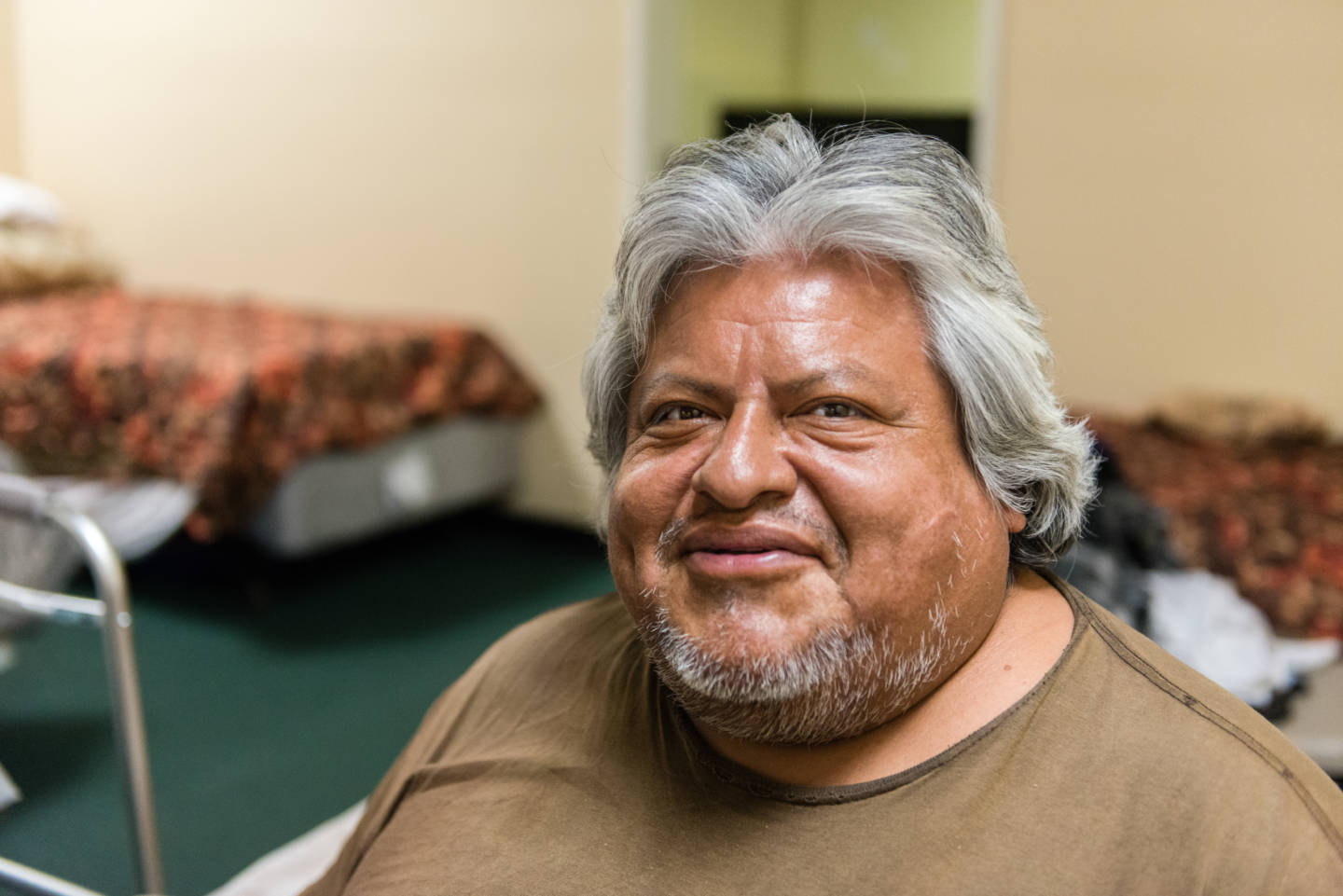
"caption": "Roberto Arce, 47, at the men’s dorm at the Illumination Foundation Recuperative Care iin Santa Fe Springs, Calif., on Friday, February 12, 2016. Arce, a Mexican native, will be at the dorm for 2 weeks after suffering from heart failure.",
"description": "oberto Arce, 47, at the men’s dorm at the Illumination Foundation Recuperative Care iin Santa Fe Springs, Calif., on Friday, February 12, 2016. Arce, a Mexican native, will be at the dorm for 2 weeks after suffering from heart failure.",
"title": "homeless-hotel-7",
"credit": "Heidi de Marco/KHN",
"status": "inherit",
"isLoading": false,
"fetchFailed": false
},
"science_771638": {
"type": "attachments",
"id": "science_771638",
"meta": {
"index": "attachments_1716263798",
"site": "science",
"id": "771638",
"found": true
},
"parent": 771577,
"imgSizes": {
"thumbnail": {
"file": "https://ww2.kqed.org/app/uploads/sites/35/2016/06/NPR_science-400x251.jpg",
"width": 400,
"mimeType": "image/jpeg",
"height": 251
},
"post-thumbnail": {
"file": "https://ww2.kqed.org/app/uploads/sites/35/2016/06/NPR_science-672x372.jpg",
"width": 672,
"mimeType": "image/jpeg",
"height": 372
},
"kqedFullSize": {
"file": "https://ww2.kqed.org/app/uploads/sites/35/2016/06/NPR_science.jpg",
"width": 800,
"height": 501
},
"guest-author-50": {
"file": "https://ww2.kqed.org/app/uploads/sites/35/2016/06/NPR_science-50x50.jpg",
"width": 50,
"mimeType": "image/jpeg",
"height": 50
},
"guest-author-96": {
"file": "https://ww2.kqed.org/app/uploads/sites/35/2016/06/NPR_science-96x96.jpg",
"width": 96,
"mimeType": "image/jpeg",
"height": 96
},
"medium": {
"file": "https://ww2.kqed.org/app/uploads/sites/35/2016/06/NPR_science-800x501.jpg",
"width": 800,
"mimeType": "image/jpeg",
"height": 501
},
"guest-author-64": {
"file": "https://ww2.kqed.org/app/uploads/sites/35/2016/06/NPR_science-64x64.jpg",
"width": 64,
"mimeType": "image/jpeg",
"height": 64
},
"detail": {
"file": "https://ww2.kqed.org/app/uploads/sites/35/2016/06/NPR_science-150x150.jpg",
"width": 150,
"mimeType": "image/jpeg",
"height": 150
},
"guest-author-32": {
"file": "https://ww2.kqed.org/app/uploads/sites/35/2016/06/NPR_science-32x32.jpg",
"width": 32,
"mimeType": "image/jpeg",
"height": 32
},
"medium_large": {
"file": "https://ww2.kqed.org/app/uploads/sites/35/2016/06/NPR_science-768x481.jpg",
"width": 768,
"mimeType": "image/jpeg",
"height": 481
},
"guest-author-128": {
"file": "https://ww2.kqed.org/app/uploads/sites/35/2016/06/NPR_science-128x128.jpg",
"width": 128,
"mimeType": "image/jpeg",
"height": 128
}
},
"publishDate": 1465852469,
"modified": 1465852523,
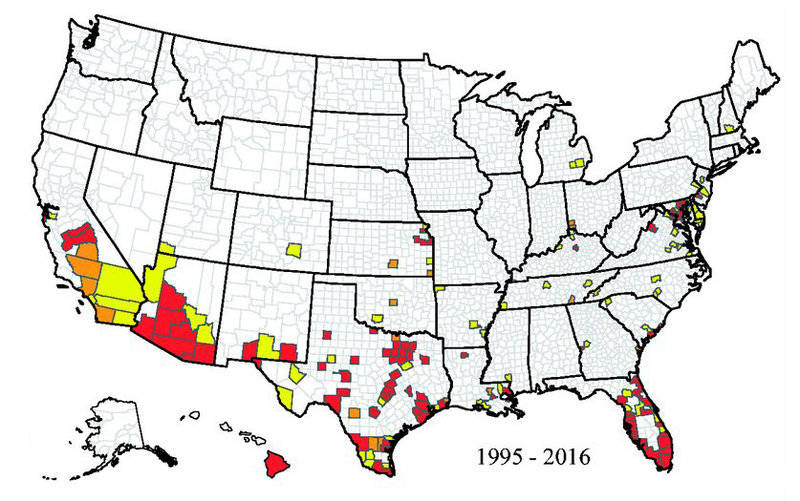
"caption": "Counties where Aedes aegypti was reported between Jan. 1, 1995, and March 2016. Counties in yellow recorded one year of A. aegypti being present; those shown in orange recorded two years; and those shown in red, three or more years.",
"description": null,
"title": "NPR_science",
"credit": "Centers for Disease Control and Prevention",
"status": "inherit",
"isLoading": false,
"fetchFailed": false
},
"news_10688328": {
"type": "attachments",
"id": "news_10688328",
"meta": {
"index": "attachments_1716263798",
"site": "news",
"id": "10688328",
"found": true
},
"parent": 10688191,
"imgSizes": {
"twentyfourteen-full-width": {
"file": "https://ww2.kqed.org/app/uploads/sites/10/2015/09/RS11738_marijuana20140821.jpg-alt_336-1038x576.jpg",
"width": 1038,
"mimeType": "image/jpeg",
"height": 576
},
"thumbnail": {
"file": "https://ww2.kqed.org/app/uploads/sites/10/2015/09/RS11738_marijuana20140821.jpg-alt_336-400x267.jpg",
"width": 400,
"mimeType": "image/jpeg",
"height": 267
},
"fd-sm": {
"file": "https://ww2.kqed.org/app/uploads/sites/10/2015/09/RS11738_marijuana20140821.jpg-alt_336-960x640.jpg",
"width": 960,
"mimeType": "image/jpeg",
"height": 640
},
"post-thumbnail": {
"file": "https://ww2.kqed.org/app/uploads/sites/10/2015/09/RS11738_marijuana20140821.jpg-alt_336-672x372.jpg",
"width": 672,
"mimeType": "image/jpeg",
"height": 372
},
"kqedFullSize": {
"file": "https://ww2.kqed.org/app/uploads/sites/10/2015/09/RS11738_marijuana20140821.jpg-alt_336.jpg",
"width": 1920,
"height": 1280
},
"large": {
"file": "https://ww2.kqed.org/app/uploads/sites/10/2015/09/RS11738_marijuana20140821.jpg-alt_336-1440x960.jpg",
"width": 1440,
"mimeType": "image/jpeg",
"height": 960
},
"guest-author-96": {
"file": "https://ww2.kqed.org/app/uploads/sites/10/2015/09/RS11738_marijuana20140821.jpg-alt_336-96x96.jpg",
"width": 96,
"mimeType": "image/jpeg",
"height": 96
},
"medium": {
"file": "https://ww2.kqed.org/app/uploads/sites/10/2015/09/RS11738_marijuana20140821.jpg-alt_336-800x533.jpg",
"width": 800,
"mimeType": "image/jpeg",
"height": 533
},
"guest-author-64": {
"file": "https://ww2.kqed.org/app/uploads/sites/10/2015/09/RS11738_marijuana20140821.jpg-alt_336-64x64.jpg",
"width": 64,
"mimeType": "image/jpeg",
"height": 64
},
"guest-author-32": {
"file": "https://ww2.kqed.org/app/uploads/sites/10/2015/09/RS11738_marijuana20140821.jpg-alt_336-32x32.jpg",
"width": 32,
"mimeType": "image/jpeg",
"height": 32
},
"jmtc-small-thumb": {
"file": "https://ww2.kqed.org/app/uploads/sites/10/2015/09/RS11738_marijuana20140821.jpg-alt_336-280x150.jpg",
"width": 280,
"mimeType": "image/jpeg",
"height": 150
},
"fd-lrg": {
"file": "https://ww2.kqed.org/app/uploads/sites/10/2015/09/RS11738_marijuana20140821.jpg-alt_336-1920x1280.jpg",
"width": 1920,
"mimeType": "image/jpeg",
"height": 1280
},
"fd-med": {
"file": "https://ww2.kqed.org/app/uploads/sites/10/2015/09/RS11738_marijuana20140821.jpg-alt_336-1180x787.jpg",
"width": 1180,
"mimeType": "image/jpeg",
"height": 787
},
"detail": {
"file": "https://ww2.kqed.org/app/uploads/sites/10/2015/09/RS11738_marijuana20140821.jpg-alt_336-75x75.jpg",
"width": 75,
"mimeType": "image/jpeg",
"height": 75
},
"guest-author-128": {
"file": "https://ww2.kqed.org/app/uploads/sites/10/2015/09/RS11738_marijuana20140821.jpg-alt_336-128x128.jpg",
"width": 128,
"mimeType": "image/jpeg",
"height": 128
}
},
"publishDate": 1442613678,
"modified": 1462289418,
"caption": "A prominent medical marijuana proponent faces federal conspiracy, fraud and extortion charges.",
"description": "A prominent medical marijuana proponent faces federal conspiracy, fraud and extortion charges.",
"title": "Medical cannabis.",
"credit": "Justin Sullivan/Getty Images",
"status": "inherit",
"isLoading": false,
"fetchFailed": false
},
"stateofhealth_178198": {
"type": "attachments",
"id": "stateofhealth_178198",
"meta": {
"index": "attachments_1716263798",
"site": "stateofhealth",
"id": "178198",
"found": true
},
"parent": 174784,
"imgSizes": {
"twentyfourteen-full-width": {
"file": "https://ww2.kqed.org/app/uploads/sites/27/2016/04/rangeladjusted-1038x576.jpg",
"width": 1038,
"mimeType": "image/jpeg",
"height": 576
},
"thumbnail": {
"file": "https://ww2.kqed.org/app/uploads/sites/27/2016/04/rangeladjusted-400x267.jpg",
"width": 400,
"mimeType": "image/jpeg",
"height": 267
},
"fd-sm": {
"file": "https://ww2.kqed.org/app/uploads/sites/27/2016/04/rangeladjusted-960x640.jpg",
"width": 960,
"mimeType": "image/jpeg",
"height": 640
},
"post-thumbnail": {
"file": "https://ww2.kqed.org/app/uploads/sites/27/2016/04/rangeladjusted-672x372.jpg",
"width": 672,
"mimeType": "image/jpeg",
"height": 372
},
"kqedFullSize": {
"file": "https://ww2.kqed.org/app/uploads/sites/27/2016/04/rangeladjusted.jpg",
"width": 1920,
"height": 1280
},
"large": {
"file": "https://ww2.kqed.org/app/uploads/sites/27/2016/04/rangeladjusted-1440x960.jpg",
"width": 1440,
"mimeType": "image/jpeg",
"height": 960
},
"guest-author-96": {
"file": "https://ww2.kqed.org/app/uploads/sites/27/2016/04/rangeladjusted-96x96.jpg",
"width": 96,
"mimeType": "image/jpeg",
"height": 96
},
"medium": {
"file": "https://ww2.kqed.org/app/uploads/sites/27/2016/04/rangeladjusted-800x533.jpg",
"width": 800,
"mimeType": "image/jpeg",
"height": 533
},
"guest-author-64": {
"file": "https://ww2.kqed.org/app/uploads/sites/27/2016/04/rangeladjusted-64x64.jpg",
"width": 64,
"mimeType": "image/jpeg",
"height": 64
},
"guest-author-32": {
"file": "https://ww2.kqed.org/app/uploads/sites/27/2016/04/rangeladjusted-32x32.jpg",
"width": 32,
"mimeType": "image/jpeg",
"height": 32
},
"jmtc-small-thumb": {
"file": "https://ww2.kqed.org/app/uploads/sites/27/2016/04/rangeladjusted-280x150.jpg",
"width": 280,
"mimeType": "image/jpeg",
"height": 150
},
"fd-lrg": {
"file": "https://ww2.kqed.org/app/uploads/sites/27/2016/04/rangeladjusted-1920x1280.jpg",
"width": 1920,
"mimeType": "image/jpeg",
"height": 1280
},
"fd-med": {
"file": "https://ww2.kqed.org/app/uploads/sites/27/2016/04/rangeladjusted-1180x787.jpg",
"width": 1180,
"mimeType": "image/jpeg",
"height": 787
},
"detail": {
"file": "https://ww2.kqed.org/app/uploads/sites/27/2016/04/rangeladjusted-150x150.jpg",
"width": 150,
"mimeType": "image/jpeg",
"height": 150
},
"medium_large": {
"file": "https://ww2.kqed.org/app/uploads/sites/27/2016/04/rangeladjusted-768x512.jpg",
"width": 768,
"mimeType": "image/jpeg",
"height": 512
},
"guest-author-128": {
"file": "https://ww2.kqed.org/app/uploads/sites/27/2016/04/rangeladjusted-128x128.jpg",
"width": 128,
"mimeType": "image/jpeg",
"height": 128
}
},
"publishDate": 1461961678,
"modified": 1461969525,
"caption": "Jaime Rangel volunteers as a bike mechanic at a free event in Fresno on March 18. Rangel, 26, says biking was a lifesaver and helped him get rid of his Type 2 diabetes as a teen.",
"description": null,
"title": "rangeladjusted",
"credit": "Farida Jhabvala Romero/KQED",
"status": "inherit",
"isLoading": false,
"fetchFailed": false
},
"stateofhealth_170766": {
"type": "attachments",
"id": "stateofhealth_170766",
"meta": {
"index": "attachments_1716263798",
"site": "stateofhealth",
"id": "170766",
"found": true
},
"parent": 170760,
"imgSizes": {
"twentyfourteen-full-width": {
"file": "https://ww2.kqed.org/app/uploads/sites/27/2016/04/calmatters_mainstory_133-1038x576.jpg",
"width": 1038,
"mimeType": "image/jpeg",
"height": 576
},
"thumbnail": {
"file": "https://ww2.kqed.org/app/uploads/sites/27/2016/04/calmatters_mainstory_133-400x267.jpg",
"width": 400,
"mimeType": "image/jpeg",
"height": 267
},
"fd-sm": {
"file": "https://ww2.kqed.org/app/uploads/sites/27/2016/04/calmatters_mainstory_133-960x640.jpg",
"width": 960,
"mimeType": "image/jpeg",
"height": 640
},
"post-thumbnail": {
"file": "https://ww2.kqed.org/app/uploads/sites/27/2016/04/calmatters_mainstory_133-672x372.jpg",
"width": 672,
"mimeType": "image/jpeg",
"height": 372
},
"kqedFullSize": {
"file": "https://ww2.kqed.org/app/uploads/sites/27/2016/04/calmatters_mainstory_133-e1460264249696.jpg",
"width": 1920,
"height": 1280
},
"large": {
"file": "https://ww2.kqed.org/app/uploads/sites/27/2016/04/calmatters_mainstory_133-1440x960.jpg",
"width": 1440,
"mimeType": "image/jpeg",
"height": 960
},
"guest-author-96": {
"file": "https://ww2.kqed.org/app/uploads/sites/27/2016/04/calmatters_mainstory_133-96x96.jpg",
"width": 96,
"mimeType": "image/jpeg",
"height": 96
},
"medium": {
"file": "https://ww2.kqed.org/app/uploads/sites/27/2016/04/calmatters_mainstory_133-800x533.jpg",
"width": 800,
"mimeType": "image/jpeg",
"height": 533
},
"guest-author-64": {
"file": "https://ww2.kqed.org/app/uploads/sites/27/2016/04/calmatters_mainstory_133-64x64.jpg",
"width": 64,
"mimeType": "image/jpeg",
"height": 64
},
"guest-author-32": {
"file": "https://ww2.kqed.org/app/uploads/sites/27/2016/04/calmatters_mainstory_133-32x32.jpg",
"width": 32,
"mimeType": "image/jpeg",
"height": 32
},
"jmtc-small-thumb": {
"file": "https://ww2.kqed.org/app/uploads/sites/27/2016/04/calmatters_mainstory_133-280x150.jpg",
"width": 280,
"mimeType": "image/jpeg",
"height": 150
},
"fd-lrg": {
"file": "https://ww2.kqed.org/app/uploads/sites/27/2016/04/calmatters_mainstory_133-1920x1280.jpg",
"width": 1920,
"mimeType": "image/jpeg",
"height": 1280
},
"fd-med": {
"file": "https://ww2.kqed.org/app/uploads/sites/27/2016/04/calmatters_mainstory_133-1180x787.jpg",
"width": 1180,
"mimeType": "image/jpeg",
"height": 787
},
"detail": {
"file": "https://ww2.kqed.org/app/uploads/sites/27/2016/04/calmatters_mainstory_133-75x75.jpg",
"width": 75,
"mimeType": "image/jpeg",
"height": 75
},
"medium_large": {
"file": "https://ww2.kqed.org/app/uploads/sites/27/2016/04/calmatters_mainstory_133-768x512.jpg",
"width": 768,
"mimeType": "image/jpeg",
"height": 512
},
"guest-author-128": {
"file": "https://ww2.kqed.org/app/uploads/sites/27/2016/04/calmatters_mainstory_133-128x128.jpg",
"width": 128,
"mimeType": "image/jpeg",
"height": 128
}
},
"publishDate": 1460264237,
"modified": 1460264371,
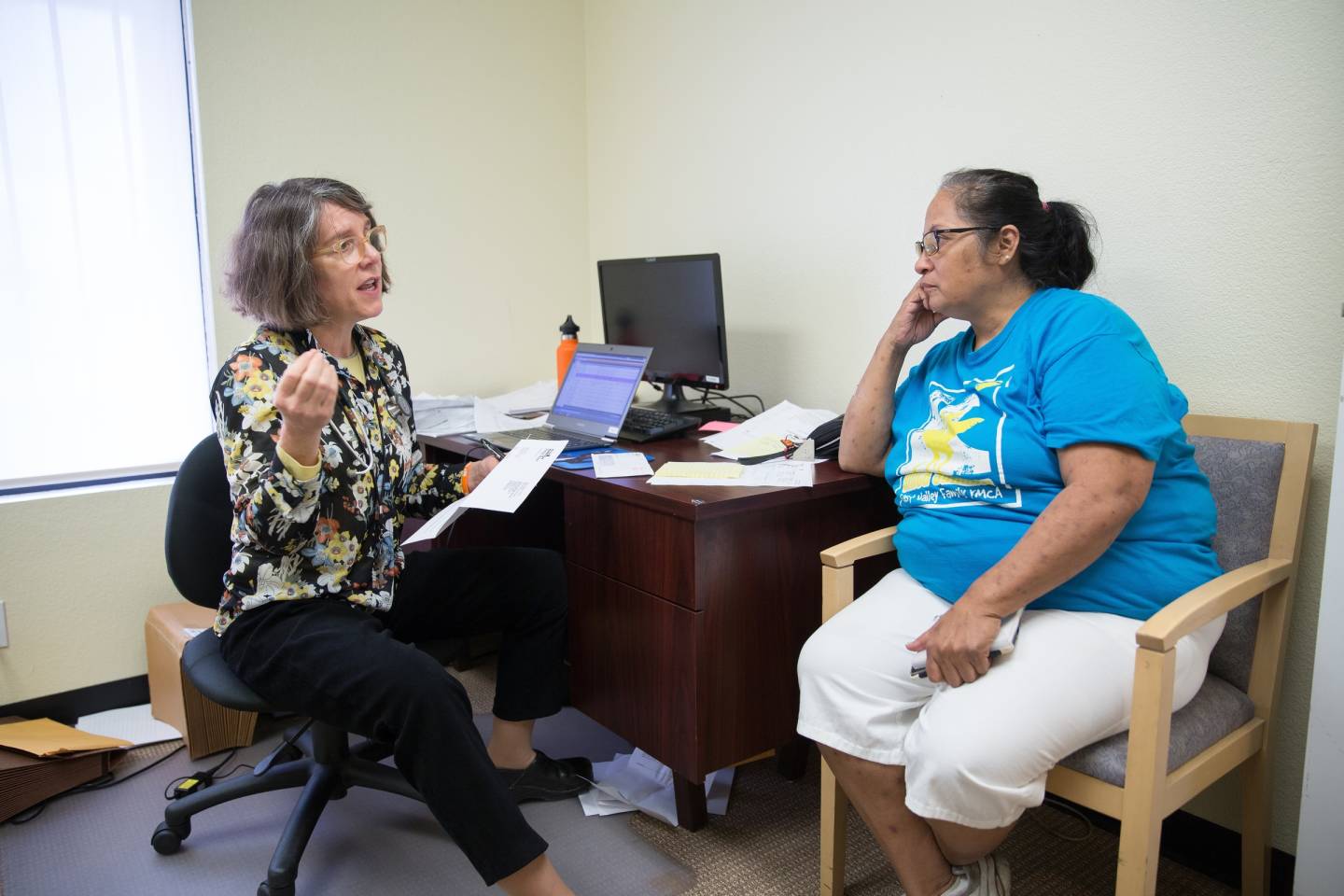
"caption": "Laura Castillo, right, learns about treatment of her hepatitis C infection from Dr. Katie Moizeau in Sacramento.",
"description": "Laura Castillo, right, learns about treatment of her hepatitis C infection from Dr. Katie Moizeau in Sacramento.",
"title": "calmatters_mainstory_133",
"credit": "Carl Costas/CALmatters",
"status": "inherit",
"isLoading": false,
"fetchFailed": false
},
"stateofhealth_163454": {
"type": "attachments",
"id": "stateofhealth_163454",
"meta": {
"index": "attachments_1716263798",
"site": "stateofhealth",
"id": "163454",
"found": true
},
"parent": 163375,
"imgSizes": {
"twentyfourteen-full-width": {
"file": "https://ww2.kqed.org/app/uploads/sites/27/2016/03/8266471202_5cf4f9d10a_k-1038x576.jpg",
"width": 1038,
"mimeType": "image/jpeg",
"height": 576
},
"thumbnail": {
"file": "https://ww2.kqed.org/app/uploads/sites/27/2016/03/8266471202_5cf4f9d10a_k-400x269.jpg",
"width": 400,
"mimeType": "image/jpeg",
"height": 269
},
"fd-sm": {
"file": "https://ww2.kqed.org/app/uploads/sites/27/2016/03/8266471202_5cf4f9d10a_k-960x645.jpg",
"width": 960,
"mimeType": "image/jpeg",
"height": 645
},
"post-thumbnail": {
"file": "https://ww2.kqed.org/app/uploads/sites/27/2016/03/8266471202_5cf4f9d10a_k-672x372.jpg",
"width": 672,
"mimeType": "image/jpeg",
"height": 372
},
"kqedFullSize": {
"file": "https://ww2.kqed.org/app/uploads/sites/27/2016/03/8266471202_5cf4f9d10a_k-e1458703313835.jpg",
"width": 1920,
"height": 1289
},
"large": {
"file": "https://ww2.kqed.org/app/uploads/sites/27/2016/03/8266471202_5cf4f9d10a_k-1440x967.jpg",
"width": 1440,
"mimeType": "image/jpeg",
"height": 967
},
"guest-author-96": {
"file": "https://ww2.kqed.org/app/uploads/sites/27/2016/03/8266471202_5cf4f9d10a_k-96x96.jpg",
"width": 96,
"mimeType": "image/jpeg",
"height": 96
},
"medium": {
"file": "https://ww2.kqed.org/app/uploads/sites/27/2016/03/8266471202_5cf4f9d10a_k-800x537.jpg",
"width": 800,
"mimeType": "image/jpeg",
"height": 537
},
"guest-author-64": {
"file": "https://ww2.kqed.org/app/uploads/sites/27/2016/03/8266471202_5cf4f9d10a_k-64x64.jpg",
"width": 64,
"mimeType": "image/jpeg",
"height": 64
},
"guest-author-32": {
"file": "https://ww2.kqed.org/app/uploads/sites/27/2016/03/8266471202_5cf4f9d10a_k-32x32.jpg",
"width": 32,
"mimeType": "image/jpeg",
"height": 32
},
"jmtc-small-thumb": {
"file": "https://ww2.kqed.org/app/uploads/sites/27/2016/03/8266471202_5cf4f9d10a_k-280x150.jpg",
"width": 280,
"mimeType": "image/jpeg",
"height": 150
},
"fd-lrg": {
"file": "https://ww2.kqed.org/app/uploads/sites/27/2016/03/8266471202_5cf4f9d10a_k-1920x1289.jpg",
"width": 1920,
"mimeType": "image/jpeg",
"height": 1289
},
"fd-med": {
"file": "https://ww2.kqed.org/app/uploads/sites/27/2016/03/8266471202_5cf4f9d10a_k-1180x792.jpg",
"width": 1180,
"mimeType": "image/jpeg",
"height": 792
},
"detail": {
"file": "https://ww2.kqed.org/app/uploads/sites/27/2016/03/8266471202_5cf4f9d10a_k-75x75.jpg",
"width": 75,
"mimeType": "image/jpeg",
"height": 75
},
"medium_large": {
"file": "https://ww2.kqed.org/app/uploads/sites/27/2016/03/8266471202_5cf4f9d10a_k-768x516.jpg",
"width": 768,
"mimeType": "image/jpeg",
"height": 516
},
"guest-author-128": {
"file": "https://ww2.kqed.org/app/uploads/sites/27/2016/03/8266471202_5cf4f9d10a_k-128x128.jpg",
"width": 128,
"mimeType": "image/jpeg",
"height": 128
}
},
"publishDate": 1458703301,
"modified": 1458760391,
"caption": null,
"description": null,
"title": "Pills",
"credit": "\u003ca href=\"https://flic.kr/p/dAtPTy\" target=\"_blank\">StockMonkey.com via Flickr\u003c/a>",
"status": "inherit",
"isLoading": false,
"fetchFailed": false
}
},
"audioPlayerReducer": {
"postId": "stream_live",
"isPaused": true,
"isPlaying": false,
"pfsActive": false,
"pledgeModalIsOpen": true,
"playerDrawerIsOpen": false,
"liveAudioPlayStartedAt": 0,
"liveAudioPlayContext": ""
},
"authorsReducer": {
"byline_news_11070536": {
"type": "authors",
"id": "byline_news_11070536",
"meta": {
"override": true
},
"slug": "byline_news_11070536",
"name": "\u003cstrong>\u003ca href=\"http://www.politifact.com/california/staff/chris-nichols/\">Chris Nichols\u003c/a>\u003cbr>\u003ca href=\"http://www.politifact.com/california/\">PolitiFact\u003c/a>\u003c/strong>",
"isLoading": false
},
"byline_stateofhealth_232275": {
"type": "authors",
"id": "byline_stateofhealth_232275",
"meta": {
"override": true
},
"slug": "byline_stateofhealth_232275",
"name": "\u003cstrong>\u003ca href=\"http://khn.org/news/author/ana-b-ibarra/\">Ana B. Ibarra\u003c/a>\u003cbr>\u003ca href=\"http://khn.org/\">Kaiser Health News\u003c/a>\u003c/strong>",
"isLoading": false
},
"byline_news_11062063": {
"type": "authors",
"id": "byline_news_11062063",
"meta": {
"override": true
},
"slug": "byline_news_11062063",
"name": "\u003cstrong>Pauline Bartolone\u003cbr />\u003ca href=\"http://californiahealthline.org/\">California Healthline\u003c/a>\u003c/strong>",
"isLoading": false
},
"byline_stateofhealth_219980": {
"type": "authors",
"id": "byline_stateofhealth_219980",
"meta": {
"override": true
},
"slug": "byline_stateofhealth_219980",
"name": "Kelli Kennedy and Josh Replogle\u003cbr />Associated Press",
"isLoading": false
},
"byline_stateofhealth_202879": {
"type": "authors",
"id": "byline_stateofhealth_202879",
"meta": {
"override": true
},
"slug": "byline_stateofhealth_202879",
"name": "David Gorn\u003cbr />\u003ca href=\"http://khn.org/\">Kaiser Health News\u003c/a>",
"isLoading": false
},
"byline_science_771577": {
"type": "authors",
"id": "byline_science_771577",
"meta": {
"override": true
},
"slug": "byline_science_771577",
"name": "Michaeleen Doucleff\u003c/br>NPR",
"isLoading": false
},
"byline_stateofhealth_170760": {
"type": "authors",
"id": "byline_stateofhealth_170760",
"meta": {
"override": true
},
"slug": "byline_stateofhealth_170760",
"name": "Pauline Bartolone\u003cbr />\u003ca href=\"https://calmatters.org/\">CALmatters\u003c/a>",
"isLoading": false
},
"danbrekke": {
"type": "authors",
"id": "222",
"meta": {
"index": "authors_1716337520",
"id": "222",
"found": true
},
"name": "Dan Brekke",
"firstName": "Dan",
"lastName": "Brekke",
"slug": "danbrekke",
"email": "dbrekke@kqed.org",
"display_author_email": true,
"staff_mastheads": [
"news",
"science"
],
"title": "KQED Editor and Reporter",
"bio": "Dan Brekke is a reporter and editor for KQED News, responsible for coverage of topics ranging from California water issues to the Bay Area's transportation challenges. In a newsroom career that began in Chicago in 1972, Dan has worked for \u003cem>The San Francisco Examiner,\u003c/em> Wired and TechTV and has been published in The New York Times, The New York Times Magazine, Business 2.0, Salon and elsewhere.\r\n\r\nSince joining KQED in 2007, Dan has reported, edited and produced both radio and online features and breaking news pieces. He has shared as both editor and reporter in four Society of Professional Journalists Norcal Excellence in Journalism awards and one Edward R. Murrow regional award. He was chosen for a spring 2017 residency at the Mesa Refuge to advance his research on California salmon.\r\n\r\nEmail Dan at: \u003ca href=\"mailto:dbrekke@kqed.org\">dbrekke@kqed.org\u003c/a>\r\n\r\n\u003cstrong>Twitter:\u003c/strong> \u003ca href=\"https://twitter.com/danbrekke\" rel=\"noopener noreferrer\">twitter.com/danbrekke\u003c/a>\r\n\u003cstrong>Facebook:\u003c/strong> \u003ca href=\"https://www.facebook.com/danbrekke\" rel=\"noopener noreferrer\">www.facebook.com/danbrekke\u003c/a>\r\n\u003cstrong>LinkedIn:\u003c/strong> \u003ca href=\"https://www.linkedin.com/in/danbrekke\" rel=\"noopener noreferrer\">www.linkedin.com/in/danbrekke\u003c/a>",
"avatar": "https://secure.gravatar.com/avatar/c8126230345efca3f7aa89b1a402be45?s=600&d=mm&r=g",
"twitter": "danbrekke",
"facebook": null,
"instagram": "https://www.instagram.com/dan.brekke/",
"linkedin": "https://www.linkedin.com/in/danbrekke/",
"sites": [
{
"site": "news",
"roles": [
"administrator",
"create_posts"
]
},
{
"site": "stateofhealth",
"roles": [
"editor"
]
},
{
"site": "science",
"roles": [
"editor"
]
},
{
"site": "quest",
"roles": [
"contributor"
]
},
{
"site": "food",
"roles": [
"contributor"
]
},
{
"site": "forum",
"roles": [
"contributor"
]
},
{
"site": "liveblog",
"roles": [
"editor"
]
}
],
"headData": {
"title": "Dan Brekke | KQED",
"description": "KQED Editor and Reporter",
"ogImgSrc": "https://secure.gravatar.com/avatar/c8126230345efca3f7aa89b1a402be45?s=600&d=mm&r=g",
"twImgSrc": "https://secure.gravatar.com/avatar/c8126230345efca3f7aa89b1a402be45?s=600&d=mm&r=g"
},
"isLoading": false,
"link": "/author/danbrekke"
},
"lisaaliferis": {
"type": "authors",
"id": "240",
"meta": {
"index": "authors_1716337520",
"id": "240",
"found": true
},
"name": "Lisa Aliferis",
"firstName": "Lisa",
"lastName": "Aliferis",
"slug": "lisaaliferis",
"email": "laliferis@kqed.org",
"display_author_email": false,
"staff_mastheads": [],
"title": "KQED Contributor",
"bio": "Lisa Aliferis is the founding editor of KQED's \u003cem>State of Health\u003c/em> blog. Since 2011, she's been writing and editing stories for the site. Before taking up blogging, she toiled for many years (more than we can count) producing health stories for television, including\u003cem> Dateline NBC\u003c/em> and San Francisco's CBS affiliate, KPIX-TV. She also wrote up a \u003ca title=\"http://www.kqed.org/news/health/obamacare/obamacare-guide.jsp\" href=\"http://www.kqed.org/news/health/obamacare/obamacare-guide.jsp\">handy guide to the Affordable Care Act\u003c/a>, especially for Californians. Her work has been honored for many awards. Most recently she was a finalist for \"Best Topical Reporting\" from the Online News Association. You can follow her on Twitter: \u003ca title=\"https://twitter.com/laliferis\" href=\"https://twitter.com/laliferis\">@laliferis\u003c/a>",
"avatar": "https://secure.gravatar.com/avatar/86c339d5cdcb0dcd2b6cf5d7c3f5886b?s=600&d=mm&r=g",
"twitter": "laliferis",
"facebook": null,
"instagram": null,
"linkedin": null,
"sites": [
{
"site": "news",
"roles": [
"subscriber"
]
},
{
"site": "futureofyou",
"roles": [
"subscriber"
]
},
{
"site": "stateofhealth",
"roles": [
"subscriber"
]
},
{
"site": "science",
"roles": [
"subscriber"
]
},
{
"site": "food",
"roles": []
}
],
"headData": {
"title": "Lisa Aliferis | KQED",
"description": "KQED Contributor",
"ogImgSrc": "https://secure.gravatar.com/avatar/86c339d5cdcb0dcd2b6cf5d7c3f5886b?s=600&d=mm&r=g",
"twImgSrc": "https://secure.gravatar.com/avatar/86c339d5cdcb0dcd2b6cf5d7c3f5886b?s=600&d=mm&r=g"
},
"isLoading": false,
"link": "/author/lisaaliferis"
},
"minakim": {
"type": "authors",
"id": "243",
"meta": {
"index": "authors_1716337520",
"id": "243",
"found": true
},
"name": "Mina Kim",
"firstName": "Mina",
"lastName": "Kim",
"slug": "minakim",
"email": "mkim@kqed.org",
"display_author_email": false,
"staff_mastheads": [
"news"
],
"title": "Host, Forum",
"bio": "Mina Kim is host of the 10 a.m. statewide hour of Forum; a live daily talk show for curious Californians on issues that matter to the state and nation, with a particular emphasis on race and equity.\r\n\r\nBefore joining the Forum team, Mina was KQED’s evening news anchor, and health reporter for The California Report. Her award-winning work has included natural disasters in Napa and gun violence in Oakland. Mina grew up in St. John’s, Newfoundland.",
"avatar": "https://secure.gravatar.com/avatar/145ce657a2d08cb86d93686beb958982?s=600&d=blank&r=g",
"twitter": "mkimreporter",
"facebook": null,
"instagram": null,
"linkedin": null,
"sites": [
{
"site": "news",
"roles": [
"contributor"
]
},
{
"site": "stateofhealth",
"roles": [
"author"
]
},
{
"site": "forum",
"roles": [
"editor"
]
}
],
"headData": {
"title": "Mina Kim | KQED",
"description": "Host, Forum",
"ogImgSrc": "https://secure.gravatar.com/avatar/145ce657a2d08cb86d93686beb958982?s=600&d=blank&r=g",
"twImgSrc": "https://secure.gravatar.com/avatar/145ce657a2d08cb86d93686beb958982?s=600&d=blank&r=g"
},
"isLoading": false,
"link": "/author/minakim"
},
"adembosky": {
"type": "authors",
"id": "3205",
"meta": {
"index": "authors_1716337520",
"id": "3205",
"found": true
},
"name": "April Dembosky",
"firstName": "April",
"lastName": "Dembosky",
"slug": "adembosky",
"email": "adembosky@kqed.org",
"display_author_email": false,
"staff_mastheads": [
"news",
"science"
],
"title": "KQED Health Correspondent",
"bio": "April Dembosky is the health correspondent for KQED News and a regular contributor to NPR. She specializes in covering altered states of mind, from postpartum depression to methamphetamine-induced psychosis to the insanity defense. Her investigative series on insurance companies sidestepping mental health laws won multiple awards, including first place in beat reporting from the national Association of Health Care Journalists. She is the recipient of numerous other prizes and fellowships, including a national Edward R. Murrow award for investigative reporting, a Society of Professional Journalists award for long-form storytelling, and a Carter Center Fellowship for Mental Health Journalism.\r\n\r\nDembosky reported and produced \u003cem>Soundtrack of Silence\u003c/em>, an audio documentary about music and memory that is currently being made into a feature film by Paramount Pictures.\r\n\r\nBefore joining KQED in 2013, Dembosky covered technology and Silicon Valley for \u003cem>The Financial Times of London,\u003c/em> and contributed business and arts stories to \u003cem>Marketplace \u003c/em>and \u003cem>The New York Times.\u003c/em> She got her undergraduate degree in philosophy from Smith College and her master's in journalism from the University of California, Berkeley. She is a classically trained violinist and proud alum of the first symphony orchestra at Burning Man.",
"avatar": "https://secure.gravatar.com/avatar/ef92999be4ceb9ea60701e7dc276f813?s=600&d=blank&r=g",
"twitter": "adembosky",
"facebook": null,
"instagram": null,
"linkedin": null,
"sites": [
{
"site": "arts",
"roles": [
"author"
]
},
{
"site": "news",
"roles": [
"editor"
]
},
{
"site": "futureofyou",
"roles": [
"author"
]
},
{
"site": "stateofhealth",
"roles": [
"editor"
]
},
{
"site": "science",
"roles": [
"editor"
]
},
{
"site": "forum",
"roles": [
"editor"
]
}
],
"headData": {
"title": "April Dembosky | KQED",
"description": "KQED Health Correspondent",
"ogImgSrc": "https://secure.gravatar.com/avatar/ef92999be4ceb9ea60701e7dc276f813?s=600&d=blank&r=g",
"twImgSrc": "https://secure.gravatar.com/avatar/ef92999be4ceb9ea60701e7dc276f813?s=600&d=blank&r=g"
},
"isLoading": false,
"link": "/author/adembosky"
},
"fjhabvala": {
"type": "authors",
"id": "8659",
"meta": {
"index": "authors_1716337520",
"id": "8659",
"found": true
},
"name": "Farida Jhabvala Romero",
"firstName": "Farida",
"lastName": "Jhabvala Romero",
"slug": "fjhabvala",
"email": "fjhabvala@kqed.org",
"display_author_email": true,
"staff_mastheads": [
"news"
],
"title": "KQED Contributor",
"bio": "Farida Jhabvala Romero is a Labor Correspondent for KQED. She previously covered immigration. Farida was \u003ca href=\"https://www.ccnma.org/2022-most-influential-latina-journalists\">named\u003c/a> one of the 10 Most Influential Latina Journalists in California in 2022 by the California Chicano News Media Association. Her work has won awards from the Society of Professional Journalists (Northern California), as well as a national and regional Edward M. Murrow Award for the collaborative reporting projects “Dangerous Air” and “Graying California.” Before joining KQED, Farida worked as a producer at Radio Bilingüe, a national public radio network. Farida earned her master’s degree in journalism from Stanford University.",
"avatar": "https://secure.gravatar.com/avatar/f9f022d4e2609741874222a1e9d41f48fea74011aa7c615eef91d9a50c944ebe?s=600&d=blank&r=g",
"twitter": "FaridaJhabvala",
"bluesky": null,
"facebook": null,
"instagram": null,
"linkedin": "https://www.linkedin.com/in/faridajhabvala/",
"sites": [
{
"site": "news",
"roles": [
"editor"
]
},
{
"site": "stateofhealth",
"roles": [
"author"
]
},
{
"site": "liveblog",
"roles": [
"author"
]
}
],
"headData": {
"title": "Farida Jhabvala Romero | KQED",
"description": "KQED Contributor",
"ogImgSrc": "https://secure.gravatar.com/avatar/f9f022d4e2609741874222a1e9d41f48fea74011aa7c615eef91d9a50c944ebe?s=600&d=blank&r=g",
"twImgSrc": "https://secure.gravatar.com/avatar/f9f022d4e2609741874222a1e9d41f48fea74011aa7c615eef91d9a50c944ebe?s=600&d=blank&r=g"
},
"isLoading": false,
"link": "/author/fjhabvala"
}
},
"pagesReducer": {
"news_tag_health": {
"type": "terms",
"id": "news_18543",
"meta": {
"index": "terms_1716263798",
"site": "news",
"id": "18543",
"score": 6.886679
},
"featImg": null,
"name": "Health",
"description": null,
"taxonomy": "tag",
"headData": {
"twImgId": null,
"twTitle": null,
"ogTitle": null,
"ogImgId": null,
"twDescription": null,
"description": null,
"title": "Health Archives | KQED News",
"ogDescription": null
},
"ttid": 466,
"slug": "health",
"isLoading": false,
"title": "Health",
"pageMeta": {
"site": "news",
"WpPageTemplate": "page-topic-editorial",
"currentPage": 105
},
"blocks": [
{
"blockName": "kqed/post-list",
"attrs": {
"layout": "cardArticle2",
"query": "posts/news?tag=health",
"seeMore": false,
"paginated": true,
"page": 105
}
},
{
"blockName": "kqed/ad"
}
]
}
},
"pfsSessionReducer": {},
"postsReducer": {
"stream_live": {
"type": "live",
"id": "stream_live",
"audioUrl": "https://streams.kqed.org/kqedradio",
"title": "Live Stream",
"excerpt": "Live Stream information currently unavailable.",
"link": "/radio",
"featImg": "",
"label": {
"name": "KQED Live",
"link": "/"
}
},
"stream_kqedNewscast": {
"type": "posts",
"id": "stream_kqedNewscast",
"audioUrl": "https://www.kqed.org/.stream/anon/radio/RDnews/newscast.mp3?_=1",
"title": "KQED Newscast",
"featImg": "",
"label": {
"name": "88.5 FM",
"link": "/"
}
},
"forum_2010101856591": {
"type": "posts",
"id": "forum_2010101856591",
"meta": {
"index": "posts_1716263798",
"site": "forum",
"id": "2010101856591",
"score": null,
"sort": [
1473438600000
]
},
"parent": 0,
"labelTerm": {
"site": "forum",
"term": 3
},
"blocks": [],
"publishDate": 1473378401,
"format": "audio",
"title": "SF, Oakland and Albany to Vote on Soda Taxes",
"headTitle": "SF, Oakland and Albany to Vote on Soda Taxes | KQED",
"content": "\u003cp>Voters in San Francisco, Oakland and Albany will decide in November whether or not to impose a one cent per ounce tax on distributors of soda and other sugary beverages. This is the second such tax that San Franciscans will vote on — the city rejected a two cent soda tax in 2014. Supporters of the taxes say they are an essential tool in the fight against rising diabetes and obesity rates. But opponents say the measures are actually a “grocery tax” that disproportionately targets low-income communities. We’ll speak with advocates from each side of the issue.\u003c/p>\n\u003cp>\u003cstrong>Related Links:\u003c/strong>\u003c/p>\n\u003cul>\n\u003cli>\u003ca href=\"https://ww2.kqed.org/news/series/election-2016/\">Election 2016\u003c/a> (KQED)\u003c/li>\n\u003c/ul>\n\u003cp>[ad fullwidth]\u003c/p>\u003cp>\u003c/p>\n",
"stats": {
"hasVideo": false,
"hasChartOrMap": false,
"hasAudio": false,
"hasPolis": false,
"wordCount": 114,
"hasGoogleForm": false,
"hasGallery": false,
"hasHearkenModule": false,
"iframeSrcs": [],
"paragraphCount": 4
},
"modified": 1704435113,
"excerpt": "Voters in San Francisco, Oakland and Albany will decide in November whether or not to impose a one cent per ounce tax on distributors of soda and other sugary beverages. This is the second such tax that San Franciscans will vote on -- the city rejected a two cent soda tax in 2014. Supporters of the taxes say they are an essential tool in the fight against rising diabetes and obesity rates. But opponents say the measures are actually a \"grocery tax\" that disproportionately targets low-income communities. We'll speak with advocates from each side of the issue.",
"headData": {
"twImgId": "",
"twTitle": "",
"ogTitle": "",
"ogImgId": "",
"twDescription": "",
"description": "Voters in San Francisco, Oakland and Albany will decide in November whether or not to impose a one cent per ounce tax on distributors of soda and other sugary beverages. This is the second such tax that San Franciscans will vote on -- the city rejected a two cent soda tax in 2014. Supporters of the taxes say they are an essential tool in the fight against rising diabetes and obesity rates. But opponents say the measures are actually a "grocery tax" that disproportionately targets low-income communities. We'll speak with advocates from each side of the issue.",
"title": "SF, Oakland and Albany to Vote on Soda Taxes | KQED",
"ogDescription": "",
"schema": {
"@context": "https://schema.org",
"@type": "Article",
"headline": "SF, Oakland and Albany to Vote on Soda Taxes",
"datePublished": "2016-09-08T16:46:41-07:00",
"dateModified": "2024-01-04T22:11:53-08:00",
"image": "https://cdn.kqed.org/wp-content/uploads/2020/02/KQED-OG-Image@1x.png"
}
},
"guestAuthors": [],
"slug": "sf-oakland-and-albany-to-vote-on-soda-tax",
"status": "publish",
"audioUrl": "https://www.kqed.org/.stream/mp3splice/radio/forum/2016/09/Forum20160909ab.mp3",
"forumGuests": [
{
"name": "Malia Cohen ",
"bio": "member, San Francisco Board of Supervisors, representing District 10"
},
{
"name": "Joe Arellano",
"bio": "founder and principal, Joe Arellano Communications"
}
],
"airdate": 1473438600,
"sticky": false,
"nprStoryId": "493190785",
"path": "/forum/2010101856591/sf-oakland-and-albany-to-vote-on-soda-tax",
"audioDuration": 1680000,
"audioTrackLength": null,
"parsedContent": [
{
"type": "contentString",
"content": "\u003cdiv class=\"post-body\">\u003cp>\u003cp>Voters in San Francisco, Oakland and Albany will decide in November whether or not to impose a one cent per ounce tax on distributors of soda and other sugary beverages. This is the second such tax that San Franciscans will vote on — the city rejected a two cent soda tax in 2014. Supporters of the taxes say they are an essential tool in the fight against rising diabetes and obesity rates. But opponents say the measures are actually a “grocery tax” that disproportionately targets low-income communities. We’ll speak with advocates from each side of the issue.\u003c/p>\n\u003cp>\u003cstrong>Related Links:\u003c/strong>\u003c/p>\n\u003cul>\n\u003cli>\u003ca href=\"https://ww2.kqed.org/news/series/election-2016/\">Election 2016\u003c/a> (KQED)\u003c/li>\n\u003c/ul>\n\u003cp>\u003c/p>\u003c/div>",
"attributes": {
"named": {},
"numeric": []
}
},
{
"type": "component",
"content": "",
"name": "ad",
"attributes": {
"named": {
"label": "fullwidth"
},
"numeric": [
"fullwidth"
]
}
},
{
"type": "contentString",
"content": "\u003cdiv class=\"post-body\">\u003cp>\u003c/p>\u003cp>\u003c/p>\n\u003c/div>\u003c/p>",
"attributes": {
"named": {},
"numeric": []
}
}
],
"link": "/forum/2010101856591/sf-oakland-and-albany-to-vote-on-soda-tax",
"authors": [
"243"
],
"programs": [
"forum_3"
],
"series": [
"forum_157"
],
"categories": [
"forum_1623"
],
"tags": [
"forum_170",
"forum_296"
],
"featImg": "forum_2010101856592",
"label": "forum_3"
},
"news_11070536": {
"type": "posts",
"id": "news_11070536",
"meta": {
"index": "posts_1716263798",
"site": "news",
"id": "11070536",
"score": null,
"sort": [
1472976000000
]
},
"guestAuthors": [],
"slug": "will-californias-prop-60-expose-adult-film-workers-to-lawsuits",
"title": "Would California’s Prop. 60 Expose Adult Film Workers to Lawsuits?",
"publishDate": 1472976000,
"format": "standard",
"headTitle": "Would California’s Prop. 60 Expose Adult Film Workers to Lawsuits? | KQED",
"labelTerm": {
"term": 72,
"site": "news"
},
"content": "\u003cp>\u003cem>\u003ca href=\"http://www.politifact.com/california/\" target=\"_blank\" rel=\"noopener\">PolitiFact California\u003c/a> looks at claims made by elected officials, candidates and groups and rates them as: True, Mostly True, Half True, Mostly False, False and Pants On Fire.\u003c/em>\u003c/p>\n\u003cp>Opponents of California’s Proposition 60 — which requires adult film performers to wear condoms — say it’s not the protective measure it’s touted to be.\u003c/p>\n\u003cp>“This law pretends to protect workers in the adult film industry, but in fact it’s putting them at risk for lawsuits and harassment,” says a recent \u003ca href=\"https://www.youtube.com/watch?v=87YgpSOm3gk&feature=youtu.be\">advertisement on YouTube\u003c/a> by the No on 60 campaign.\u003c/p>\n\u003cp>[youtube https://www.youtube.com/watch?v=87YgpSOm3gk]\u003c/p>\n\u003cp>\u003cem>The claim at the center of this fact check is at the :40 minute mark.\u003c/em>\u003c/p>\n\u003cp>[ad fullwidth]\u003c/p>\n\u003cp>That ad was paid for by Californians Against Worker Harassment, which was founded by the Free Speech Coalition, a trade association for the adult entertainment industry, to oppose Prop. 60.\u003c/p>\n\u003cp>We wondered: Does \u003ca href=\"http://oag.ca.gov/system/files/initiatives/pdfs/15-0004%20%28Safer%20Sex%29_8.pdf\">Proposition 60\u003c/a> — a measure intended to curb sexually transmitted diseases among porn workers — really expose those same people to legal action?\u003c/p>\n\u003cp>We decided to fact-check that provocative claim.\u003c/p>\n\u003cp>\u003cstrong>Our Research\u003c/strong>\u003c/p>\n\u003cp>California law has required condom use in adult films since 1992. Supporters of Prop. 60 say the initiative would strengthen the existing law, which they say is rarely enforced.\u003c/p>\n\u003cp>The measure is sponsored by the AIDS Healthcare Foundation, which has long pushed for greater safety standards in adult films.\u003c/p>\n\u003cp>In 2012, voters in Los Angeles County \u003ca href=\"http://www.nbclosangeles.com/news/local/Measure-B-Porn-Condoms-Los-Angeles-LA-Election-Results-Decision-2012-177573761.html\">approved a similar condom requirement\u003c/a> for adult films made in that county. It is considered a model for Prop. 60, which applies its condom mandate to scenes with anal and vaginal intercourse.\u003c/p>\n\u003cp>Prop. 60 would also require adult film companies to obtain a health license and pay for the costs of vaccinations and health tests for sexually transmitted diseases for their performers.\u003c/p>\n\u003cp>We asked the No on 60 campaign for evidence backing up its claim that performers would be open to lawsuits under the measure. A spokesman pointed to the initiative’s section 6720.6, on enforcement, whistleblowers and private rights of action.\u003c/p>\n\u003cp>It allows those who witness violations of the proposed law — including performers, prosecutors or anyone who is a California resident — to file a complaint with the California Division of Occupational Safety and Health. If the agency declines to pursue the case within 21 days, the witness could then file a civil lawsuit against anyone with a financial interest in the film, which could include some performers.\u003c/p>\n\u003cp>There’s no mention in the No on 60 advertisement, however, that only performers with a financial interest would be liable. Nor does the ad mention the complaint process that must precede a lawsuit.\u003c/p>\n\u003cp>\u003cstrong>More Porn Workers With Financial Stake\u003c/strong>\u003c/p>\n\u003cp>Still, opponents of the measure say making performers liable is significant because many have a financial stake in the content.\u003c/p>\n\u003cp>“You see, in today’s adult film industry, the majority of performers are also producers,” Eric Paul Leue, executive director of the Free Speech Coalition, wrote in an \u003ca href=\"http://www.advocate.com/commentary/2016/8/17/suing-porn-stars-will-not-lead-less-hiv\">opinion piece\u003c/a> about Prop. 60 in the Advocate, a LGBT news publication, this month. “In addition to shooting for studios, most porn stars regularly create their own content — either for their own websites, on webcams, or in partnership with studios.”\u003c/p>\n\u003cp>Prop. 60 would apply to any commercial pornography produced in California, in traditional films and on the web.\u003c/p>\n\u003cp>[contextly_sidebar id=”LblQ7qhOToLrBBdBq1oDYwyswgaVFJnC”]\u003c/p>\n\u003cp>\u003ca href=\"https://twitter.com/DrChauntelle\">Dr. Chauntelle Tibbals\u003c/a>, a sociologist who studies the adult film industry, said the percentage of workers who have a financial stake in adult content they contribute to “is certainly very high,” though she said there’s no accepted estimate. Advances in technology and distribution, she said, have allowed more workers to share in the financial success of their content.\u003c/p>\n\u003cp>“Everyone from webcam models to agents may have a financial stake in a single piece of content,” Tibbals added.\u003c/p>\n\u003cp>Supporters of Prop. 60, however, maintain the claim about workers being exposed to lawsuits is deceptive.\u003c/p>\n\u003cp>“The only people who can get sued (under Prop. 60) are producers,” said Rick Taylor, who manages the Yes on 60 campaign. “Some actors and actresses are producers. If they’re breaking the law, they’re going to potentially get sued.”\u003c/p>\n\u003cp>Taylor said the measure’s goal is to bolster worker protections and public health, and that it doesn’t matter what percentage of performers have a financial stake in the films.\u003c/p>\n\u003cp>\u003cstrong>Our Ruling\u003c/strong>\u003c/p>\n\u003cp>Opponents of California’s Prop. 60, which would require condom use in adult films, recently claimed it would put “workers in the adult film industry at risk for lawsuits and harassment.”\u003c/p>\n\u003cp>The statement is partially accurate: Some adult film workers, and perhaps a growing share, could face lawsuits if they have a financial interest in the content they work on. But Prop. 60 does not specify what constitutes a financial interest. Ultimately, it may be up to the courts to decide.\u003c/p>\n\u003cp>Importantly, the claim by the opponents makes no mention that only workers with a monetary stake in the films would be liable and only after a complaint process plays out. Those who are independent contractors would face no legal action.\u003c/p>\n\u003cp>The statement leaves out this key context and gives the impression that any or all workers could face lawsuits.\u003c/p>\n\u003cp>We rate the claim Half True.\u003c/p>\n\u003chr>\n\u003cp>\u003cem>\u003cstrong>HALF TRUE\u003c/strong> – The statement is partially accurate but leaves out important details or takes things out of context.\u003c/em>\u003c/p>\n\u003cp>\u003ca href=\"http://www.politifact.com/truth-o-meter/article/2011/feb/21/principles-truth-o-meter/\">Click here for more\u003c/a> on the six PolitiFact ratings and how we select facts to check.\u003c/p>\n\u003cp>For more fact-checks, go to \u003ca href=\"http://politifactcalifornia.com/\">PolitiFactCalifornia.com.\u003c/a>\u003c/p>\n\u003cp>\u003cem>This story is part of California Counts, a collaboration of KPBS, KPCC, KQED and Capital Public Radio to report on the 2016 election. The coverage focuses on major issues and solicits diverse voices on what’s important to the future of California.\u003c/em>\u003c/p>\n\u003cp>\u003c/p>\n\u003cp>\u003ca href=\"http://ww2.kqed.org/news/tag/cacounts\">Read more in this series\u003c/a> and let us know your thoughts on Twitter using the hashtag \u003ca href=\"https://twitter.com/search?q=%23iamsouthla&src=typd\">#\u003c/a>\u003ca href=\"https://twitter.com/search?q=%23CACounts&src=typd\">CACounts\u003c/a>.\u003c/p>\n\n",
"blocks": [],
"excerpt": "Opponents of California’s Proposition 60, which requires adult film performers to wear condoms, say it’s not the protective measure it’s touted to be.",
"status": "publish",
"parent": 0,
"modified": 1726009432,
"stats": {
"hasAudio": false,
"hasVideo": true,
"hasChartOrMap": false,
"iframeSrcs": [],
"hasGoogleForm": false,
"hasGallery": false,
"hasHearkenModule": false,
"hasPolis": false,
"paragraphCount": 39,
"wordCount": 1011
},
"headData": {
"title": "Would California’s Prop. 60 Expose Adult Film Workers to Lawsuits? | KQED",
"description": "Opponents of California’s Proposition 60, which requires adult film performers to wear condoms, say it’s not the protective measure it’s touted to be.",
"ogTitle": "",
"ogDescription": "",
"ogImgId": "",
"twTitle": "",
"twDescription": "",
"twImgId": "",
"schema": {
"@context": "https://schema.org",
"@type": "NewsArticle",
"headline": "Would California’s Prop. 60 Expose Adult Film Workers to Lawsuits?",
"datePublished": "2016-09-04T01:00:00-07:00",
"dateModified": "2024-09-10T16:03:52-07:00",
"image": "https://cdn.kqed.org/wp-content/uploads/2020/02/KQED-OG-Image@1x.png",
"isAccessibleForFree": "True",
"publisher": {
"@type": "NewsMediaOrganization",
"@id": "https://www.kqed.org/#organization",
"name": "KQED",
"logo": "https://cdn.kqed.org/wp-content/uploads/2020/02/KQED-OG-Image@1x.png",
"url": "https://www.kqed.org",
"sameAs": [
"https://www.facebook.com/KQED",
"https://twitter.com/KQED",
"https://www.instagram.com/kqed/",
"https://www.tiktok.com/@kqedofficial",
"https://www.linkedin.com/company/kqed",
"https://www.youtube.com/channel/UCeC0IOo7i1P_61zVUWbJ4nw"
]
}
}
},
"sticky": false,
"nprByline": "\u003cstrong>\u003ca href=\"http://www.politifact.com/california/staff/chris-nichols/\">Chris Nichols\u003c/a>\u003cbr>\u003ca href=\"http://www.politifact.com/california/\">PolitiFact\u003c/a>\u003c/strong>",
"nprStoryId": "492584549",
"path": "/news/11070536/will-californias-prop-60-expose-adult-film-workers-to-lawsuits",
"audioTrackLength": null,
"parsedContent": [
{
"type": "contentString",
"content": "\u003cdiv class=\"post-body\">\u003cp>\u003cp>\u003cem>\u003ca href=\"http://www.politifact.com/california/\" target=\"_blank\" rel=\"noopener\">PolitiFact California\u003c/a> looks at claims made by elected officials, candidates and groups and rates them as: True, Mostly True, Half True, Mostly False, False and Pants On Fire.\u003c/em>\u003c/p>\n\u003cp>Opponents of California’s Proposition 60 — which requires adult film performers to wear condoms — say it’s not the protective measure it’s touted to be.\u003c/p>\n\u003cp>“This law pretends to protect workers in the adult film industry, but in fact it’s putting them at risk for lawsuits and harassment,” says a recent \u003ca href=\"https://www.youtube.com/watch?v=87YgpSOm3gk&feature=youtu.be\">advertisement on YouTube\u003c/a> by the No on 60 campaign.\u003c/p>\n\u003cp>\u003c/p>\u003cp>\u003cspan class='utils-parseShortcode-shortcodes-__youtubeShortcode__embedYoutube'>\n \u003cspan class='utils-parseShortcode-shortcodes-__youtubeShortcode__embedYoutubeInside'>\n \u003ciframe\n loading='lazy'\n class='utils-parseShortcode-shortcodes-__youtubeShortcode__youtubePlayer'\n type='text/html'\n src='//www.youtube.com/embed/87YgpSOm3gk'\n title='//www.youtube.com/embed/87YgpSOm3gk'\n allowfullscreen='true'\n style='border:0;'>\u003c/iframe>\n \u003c/span>\n \u003c/span>\u003c/p>\u003cp>\u003c/p>\n\u003cp>\u003cem>The claim at the center of this fact check is at the :40 minute mark.\u003c/em>\u003c/p>\n\u003cp>\u003c/p>\u003c/div>",
"attributes": {
"named": {},
"numeric": []
}
},
{
"type": "component",
"content": "",
"name": "ad",
"attributes": {
"named": {
"label": "fullwidth"
},
"numeric": [
"fullwidth"
]
}
},
{
"type": "contentString",
"content": "\u003cdiv class=\"post-body\">\u003cp>\u003c/p>\n\u003cp>That ad was paid for by Californians Against Worker Harassment, which was founded by the Free Speech Coalition, a trade association for the adult entertainment industry, to oppose Prop. 60.\u003c/p>\n\u003cp>We wondered: Does \u003ca href=\"http://oag.ca.gov/system/files/initiatives/pdfs/15-0004%20%28Safer%20Sex%29_8.pdf\">Proposition 60\u003c/a> — a measure intended to curb sexually transmitted diseases among porn workers — really expose those same people to legal action?\u003c/p>\n\u003cp>We decided to fact-check that provocative claim.\u003c/p>\n\u003cp>\u003cstrong>Our Research\u003c/strong>\u003c/p>\n\u003cp>California law has required condom use in adult films since 1992. Supporters of Prop. 60 say the initiative would strengthen the existing law, which they say is rarely enforced.\u003c/p>\n\u003cp>The measure is sponsored by the AIDS Healthcare Foundation, which has long pushed for greater safety standards in adult films.\u003c/p>\n\u003cp>In 2012, voters in Los Angeles County \u003ca href=\"http://www.nbclosangeles.com/news/local/Measure-B-Porn-Condoms-Los-Angeles-LA-Election-Results-Decision-2012-177573761.html\">approved a similar condom requirement\u003c/a> for adult films made in that county. It is considered a model for Prop. 60, which applies its condom mandate to scenes with anal and vaginal intercourse.\u003c/p>\n\u003cp>Prop. 60 would also require adult film companies to obtain a health license and pay for the costs of vaccinations and health tests for sexually transmitted diseases for their performers.\u003c/p>\n\u003cp>We asked the No on 60 campaign for evidence backing up its claim that performers would be open to lawsuits under the measure. A spokesman pointed to the initiative’s section 6720.6, on enforcement, whistleblowers and private rights of action.\u003c/p>\n\u003cp>It allows those who witness violations of the proposed law — including performers, prosecutors or anyone who is a California resident — to file a complaint with the California Division of Occupational Safety and Health. If the agency declines to pursue the case within 21 days, the witness could then file a civil lawsuit against anyone with a financial interest in the film, which could include some performers.\u003c/p>\n\u003cp>There’s no mention in the No on 60 advertisement, however, that only performers with a financial interest would be liable. Nor does the ad mention the complaint process that must precede a lawsuit.\u003c/p>\n\u003cp>\u003cstrong>More Porn Workers With Financial Stake\u003c/strong>\u003c/p>\n\u003cp>Still, opponents of the measure say making performers liable is significant because many have a financial stake in the content.\u003c/p>\n\u003cp>“You see, in today’s adult film industry, the majority of performers are also producers,” Eric Paul Leue, executive director of the Free Speech Coalition, wrote in an \u003ca href=\"http://www.advocate.com/commentary/2016/8/17/suing-porn-stars-will-not-lead-less-hiv\">opinion piece\u003c/a> about Prop. 60 in the Advocate, a LGBT news publication, this month. “In addition to shooting for studios, most porn stars regularly create their own content — either for their own websites, on webcams, or in partnership with studios.”\u003c/p>\n\u003cp>Prop. 60 would apply to any commercial pornography produced in California, in traditional films and on the web.\u003c/p>\n\u003cp>\u003c/p>\u003cp>\u003c/p>\u003cp>\u003c/p>\n\u003cp>\u003ca href=\"https://twitter.com/DrChauntelle\">Dr. Chauntelle Tibbals\u003c/a>, a sociologist who studies the adult film industry, said the percentage of workers who have a financial stake in adult content they contribute to “is certainly very high,” though she said there’s no accepted estimate. Advances in technology and distribution, she said, have allowed more workers to share in the financial success of their content.\u003c/p>\n\u003cp>“Everyone from webcam models to agents may have a financial stake in a single piece of content,” Tibbals added.\u003c/p>\n\u003cp>Supporters of Prop. 60, however, maintain the claim about workers being exposed to lawsuits is deceptive.\u003c/p>\n\u003cp>“The only people who can get sued (under Prop. 60) are producers,” said Rick Taylor, who manages the Yes on 60 campaign. “Some actors and actresses are producers. If they’re breaking the law, they’re going to potentially get sued.”\u003c/p>\n\u003cp>Taylor said the measure’s goal is to bolster worker protections and public health, and that it doesn’t matter what percentage of performers have a financial stake in the films.\u003c/p>\n\u003cp>\u003cstrong>Our Ruling\u003c/strong>\u003c/p>\n\u003cp>Opponents of California’s Prop. 60, which would require condom use in adult films, recently claimed it would put “workers in the adult film industry at risk for lawsuits and harassment.”\u003c/p>\n\u003cp>The statement is partially accurate: Some adult film workers, and perhaps a growing share, could face lawsuits if they have a financial interest in the content they work on. But Prop. 60 does not specify what constitutes a financial interest. Ultimately, it may be up to the courts to decide.\u003c/p>\n\u003cp>Importantly, the claim by the opponents makes no mention that only workers with a monetary stake in the films would be liable and only after a complaint process plays out. Those who are independent contractors would face no legal action.\u003c/p>\n\u003cp>The statement leaves out this key context and gives the impression that any or all workers could face lawsuits.\u003c/p>\n\u003cp>We rate the claim Half True.\u003c/p>\n\u003chr>\n\u003cp>\u003cem>\u003cstrong>HALF TRUE\u003c/strong> – The statement is partially accurate but leaves out important details or takes things out of context.\u003c/em>\u003c/p>\n\u003cp>\u003ca href=\"http://www.politifact.com/truth-o-meter/article/2011/feb/21/principles-truth-o-meter/\">Click here for more\u003c/a> on the six PolitiFact ratings and how we select facts to check.\u003c/p>\n\u003cp>For more fact-checks, go to \u003ca href=\"http://politifactcalifornia.com/\">PolitiFactCalifornia.com.\u003c/a>\u003c/p>\n\u003cp>\u003cem>This story is part of California Counts, a collaboration of KPBS, KPCC, KQED and Capital Public Radio to report on the 2016 election. The coverage focuses on major issues and solicits diverse voices on what’s important to the future of California.\u003c/em>\u003c/p>\n\u003cp>\u003c/p>\n\u003cp>\u003ca href=\"http://ww2.kqed.org/news/tag/cacounts\">Read more in this series\u003c/a> and let us know your thoughts on Twitter using the hashtag \u003ca href=\"https://twitter.com/search?q=%23iamsouthla&src=typd\">#\u003c/a>\u003ca href=\"https://twitter.com/search?q=%23CACounts&src=typd\">CACounts\u003c/a>.\u003c/p>\n\n\u003c/div>\u003c/p>",
"attributes": {
"named": {},
"numeric": []
}
}
],
"link": "/news/11070536/will-californias-prop-60-expose-adult-film-workers-to-lawsuits",
"authors": [
"byline_news_11070536"
],
"programs": [
"news_72"
],
"series": [
"news_19101"
],
"categories": [
"news_457",
"news_8",
"news_13"
],
"tags": [
"news_19217",
"news_23394",
"news_18543",
"news_19904",
"news_17286"
],
"featImg": "news_11070773",
"label": "news_72"
},
"stateofhealth_232275": {
"type": "posts",
"id": "stateofhealth_232275",
"meta": {
"index": "posts_1716263798",
"site": "stateofhealth",
"id": "232275",
"score": null,
"sort": [
1472843290000
]
},
"parent": 0,
"labelTerm": {
"site": "stateofhealth",
"term": 2492
},
"blocks": [],
"publishDate": 1472843290,
"format": "standard",
"disqusTitle": "Taxpayers Foot 70 Percent Of California’s Health Care Tab, Study Finds",
"title": "Taxpayers Foot 70 Percent Of California’s Health Care Tab, Study Finds",
"headTitle": "Price Check | State of Health | KQED News",
"content": "\u003cp>This year, taxpayers will cover about 70 percent of what is spent on health care in California, according to \u003ca href=\"http://healthpolicy.ucla.edu/publications/search/pages/detail.aspx?PubID=1547\" target=\"_blank\">a new analysis\u003c/a> released Wednesday by the UCLA Center for Health Policy Research.\u003c/p>\n\u003cp>Many people assume that the U.S. health care system is primarily supported by private dollars, such as insurance premiums from employer-based coverage, said Gerald Kominski, director of the UCLA Center for Health Policy Research and the study’s lead author.\u003c/p>\n\u003cp>But that’s no longer the case, at least in California — mostly because of its massive expansion of Medi-Cal, the state’s version of Medicaid, he said.\u003c/p>\n\u003cp>“There’s this myth that we have a mostly privately funded health care system, but we’re approaching a point in which almost three quarters of this system is funded by public money,” Kominski said. “Now a question to ask ourselves is: when do we reach the tipping point and say ‘this is essentially a public system?’”\u003c/p>\n\u003cp>Of $367 billion estimated to be spent on health care in the state in 2016, $260 billion will be from taxpayer money, according to the research.\u003c/p>\n\u003cp>[ad fullwidth]\u003c/p>\n\u003cp>Nationwide, public funds paid for about 45 percent of the country’s $3 trillion in health care expenditures in 2014 through public insurance programs such as Medicaid, Medicare and programs for low-income children, according to federal data. But that estimate may be too low — it’s probably closer to 65 percent as suggested in a \u003ca href=\"http://ajph.aphapublications.org/doi/full/10.2105/AJPH.2015.302997\" target=\"_blank\">separate national study\u003c/a>, according to Kominski.\u003c/p>\n\u003cp>In California, Medicare and Medi-Cal alone account for roughly 47 percent of health care expenditures.\u003c/p>\n\u003cp>“In California we’ve had a much larger Medi-Cal expansion than anyone expected,” he said, noting that almost one-third of the state’s population is covered by the health program for low-income people.\u003c/p>\n\u003cp>Researchers were surprised, however, to see how big a role was played by county health programs that often serve indigent populations — $10 billion, or nearly 3 percent of the state’s total health care spending.\u003c/p>\n\u003cp>The UCLA researchers counted a “hidden” public expenditure that other federal studies do not: tax subsidies for employer-based health insurance, Kominski added. That makes up another 12 percent of the state’s health care spending, the data shows.\u003c/p>\n\u003cp>Before the Affordable Care Act took effect, it was true that the health care system in California was mostly private, Kominski said.\u003c/p>\n\u003cp>Maribeth Shannon, a director at the California Health Care Foundation, agreed that the ACA greatly accelerated the shift. (California Healthline is an editorially independent publication of the California Health Care Foundation.)\u003c/p>\n\u003cp>It used to be that most Americans were covered by their employer. Today, far fewer are, Shannon said.\u003c/p>\n\u003cp>“It’s a combination of things,” she said. “After the ACA you now have more generous eligibility guidelines for public programs. You also have the factor of an aging population.”\u003c/p>\n\u003cp>A growing national population of people over 65 will mean higher health care costs.\u003c/p>\n\u003cp>People 65 and older are generally covered by Medicare.\u003c/p>\n\u003cp>Because of this new dominance of public spending in health care, the researchers concluded that a single-payer health care system is more feasible than previously believed.\u003c/p>\n\u003cp>“For a majority of Californians, a public-run system is already the reality,” said Andrea Sorensen, a graduate student at the UCLA Fielding School of Public Health, who co-authored the study.\u003c/p>\n\u003cp>\u003c/p>\n\u003cp>\u003cem>This story was produced by \u003ca href=\"http://khn.org/\" target=\"_blank\">Kaiser Health News\u003c/a>, which publishes \u003ca href=\"http://www.californiahealthline.org/\" target=\"_blank\">California Healthline\u003c/a>, a service of the \u003ca href=\"http://www.chcf.org/\" target=\"_blank\">California Health Care Foundation\u003c/a>.\u003c/em>\u003c/p>\n\n",
"disqusIdentifier": "232275 http://ww2.kqed.org/stateofhealth/?p=232275",
"disqusUrl": "https://ww2.kqed.org/stateofhealth/2016/09/02/taxpayers-foot-70-percent-of-californias-health-care-tab-study-finds/",
"stats": {
"hasVideo": false,
"hasChartOrMap": false,
"hasAudio": false,
"hasPolis": false,
"wordCount": 613,
"hasGoogleForm": false,
"hasGallery": false,
"hasHearkenModule": false,
"iframeSrcs": [],
"paragraphCount": 21
},
"modified": 1472843290,
"excerpt": "Because of a massive expansion of Medi-Cal, funding for California's health care system has shifted from mostly private to taxpayer funded.",
"headData": {
"twImgId": "",
"twTitle": "",
"ogTitle": "",
"ogImgId": "",
"twDescription": "",
"description": "Because of a massive expansion of Medi-Cal, funding for California's health care system has shifted from mostly private to taxpayer funded.",
"title": "Taxpayers Foot 70 Percent Of California’s Health Care Tab, Study Finds | KQED",
"ogDescription": "",
"schema": {
"@context": "https://schema.org",
"@type": "Article",
"headline": "Taxpayers Foot 70 Percent Of California’s Health Care Tab, Study Finds",
"datePublished": "2016-09-02T12:08:10-07:00",
"dateModified": "2016-09-02T12:08:10-07:00",
"image": "https://cdn.kqed.org/wp-content/uploads/2020/02/KQED-OG-Image@1x.png"
}
},
"guestAuthors": [],
"slug": "taxpayers-foot-70-percent-of-californias-health-care-tab-study-finds",
"status": "publish",
"nprByline": "\u003cstrong>\u003ca href=\"http://khn.org/news/author/ana-b-ibarra/\">Ana B. Ibarra\u003c/a>\u003cbr>\u003ca href=\"http://khn.org/\">Kaiser Health News\u003c/a>\u003c/strong>",
"path": "/stateofhealth/232275/taxpayers-foot-70-percent-of-californias-health-care-tab-study-finds",
"audioTrackLength": null,
"parsedContent": [
{
"type": "contentString",
"content": "\u003cdiv class=\"post-body\">\u003cp>\u003cp>This year, taxpayers will cover about 70 percent of what is spent on health care in California, according to \u003ca href=\"http://healthpolicy.ucla.edu/publications/search/pages/detail.aspx?PubID=1547\" target=\"_blank\">a new analysis\u003c/a> released Wednesday by the UCLA Center for Health Policy Research.\u003c/p>\n\u003cp>Many people assume that the U.S. health care system is primarily supported by private dollars, such as insurance premiums from employer-based coverage, said Gerald Kominski, director of the UCLA Center for Health Policy Research and the study’s lead author.\u003c/p>\n\u003cp>But that’s no longer the case, at least in California — mostly because of its massive expansion of Medi-Cal, the state’s version of Medicaid, he said.\u003c/p>\n\u003cp>“There’s this myth that we have a mostly privately funded health care system, but we’re approaching a point in which almost three quarters of this system is funded by public money,” Kominski said. “Now a question to ask ourselves is: when do we reach the tipping point and say ‘this is essentially a public system?’”\u003c/p>\n\u003cp>Of $367 billion estimated to be spent on health care in the state in 2016, $260 billion will be from taxpayer money, according to the research.\u003c/p>\n\u003cp>\u003c/p>\u003c/div>",
"attributes": {
"named": {},
"numeric": []
}
},
{
"type": "component",
"content": "",
"name": "ad",
"attributes": {
"named": {
"label": "fullwidth"
},
"numeric": [
"fullwidth"
]
}
},
{
"type": "contentString",
"content": "\u003cdiv class=\"post-body\">\u003cp>\u003c/p>\n\u003cp>Nationwide, public funds paid for about 45 percent of the country’s $3 trillion in health care expenditures in 2014 through public insurance programs such as Medicaid, Medicare and programs for low-income children, according to federal data. But that estimate may be too low — it’s probably closer to 65 percent as suggested in a \u003ca href=\"http://ajph.aphapublications.org/doi/full/10.2105/AJPH.2015.302997\" target=\"_blank\">separate national study\u003c/a>, according to Kominski.\u003c/p>\n\u003cp>In California, Medicare and Medi-Cal alone account for roughly 47 percent of health care expenditures.\u003c/p>\n\u003cp>“In California we’ve had a much larger Medi-Cal expansion than anyone expected,” he said, noting that almost one-third of the state’s population is covered by the health program for low-income people.\u003c/p>\n\u003cp>Researchers were surprised, however, to see how big a role was played by county health programs that often serve indigent populations — $10 billion, or nearly 3 percent of the state’s total health care spending.\u003c/p>\n\u003cp>The UCLA researchers counted a “hidden” public expenditure that other federal studies do not: tax subsidies for employer-based health insurance, Kominski added. That makes up another 12 percent of the state’s health care spending, the data shows.\u003c/p>\n\u003cp>Before the Affordable Care Act took effect, it was true that the health care system in California was mostly private, Kominski said.\u003c/p>\n\u003cp>Maribeth Shannon, a director at the California Health Care Foundation, agreed that the ACA greatly accelerated the shift. (California Healthline is an editorially independent publication of the California Health Care Foundation.)\u003c/p>\n\u003cp>It used to be that most Americans were covered by their employer. Today, far fewer are, Shannon said.\u003c/p>\n\u003cp>“It’s a combination of things,” she said. “After the ACA you now have more generous eligibility guidelines for public programs. You also have the factor of an aging population.”\u003c/p>\n\u003cp>A growing national population of people over 65 will mean higher health care costs.\u003c/p>\n\u003cp>People 65 and older are generally covered by Medicare.\u003c/p>\n\u003cp>Because of this new dominance of public spending in health care, the researchers concluded that a single-payer health care system is more feasible than previously believed.\u003c/p>\n\u003cp>“For a majority of Californians, a public-run system is already the reality,” said Andrea Sorensen, a graduate student at the UCLA Fielding School of Public Health, who co-authored the study.\u003c/p>\n\u003cp>\u003c/p>\n\u003cp>\u003cem>This story was produced by \u003ca href=\"http://khn.org/\" target=\"_blank\">Kaiser Health News\u003c/a>, which publishes \u003ca href=\"http://www.californiahealthline.org/\" target=\"_blank\">California Healthline\u003c/a>, a service of the \u003ca href=\"http://www.chcf.org/\" target=\"_blank\">California Health Care Foundation\u003c/a>.\u003c/em>\u003c/p>\n\n\u003c/div>\u003c/p>",
"attributes": {
"named": {},
"numeric": []
}
}
],
"link": "/stateofhealth/232275/taxpayers-foot-70-percent-of-californias-health-care-tab-study-finds",
"authors": [
"byline_stateofhealth_232275"
],
"series": [
"stateofhealth_2492"
],
"categories": [
"stateofhealth_1"
],
"tags": [
"stateofhealth_2808",
"stateofhealth_2519"
],
"featImg": "stateofhealth_232276",
"label": "stateofhealth_2492"
},
"news_11062063": {
"type": "posts",
"id": "news_11062063",
"meta": {
"index": "posts_1716263798",
"site": "news",
"id": "11062063",
"score": null,
"sort": [
1472246064000
]
},
"guestAuthors": [],
"slug": "price-hike-for-one-diabetes-drug-costs-calpers-millions",
"title": "Price Hike for One Diabetes Drug Costs CalPERS Millions",
"publishDate": 1472246064,
"format": "standard",
"headTitle": "Price Hike for One Diabetes Drug Costs CalPERS Millions | KQED",
"labelTerm": {
"term": 6944,
"site": "news"
},
"content": "\u003cp>Soaring prices for new diabetes medications and other lifesaving prescription drugs aren’t just straining consumers’ pocketbooks. They’re putting a dent in government budgets, too — including California’s public worker pension system, the nation’s largest.\u003c/p>\n\u003cp>The price for just one brand-name insulin drug called Lantus has risen by 50 percent over three years, according to a California Healthline review of data provided by the California Public Employees’ Retirement System (CalPERS).\u003c/p>\n\u003cp>CalPERS spent nearly $4.7 million more on the injectable vials of insulin in 2014 than it did in 2012, even though the overall number of prescriptions declined. The pension system paid about $564 per prescription in 2014. State retirees pay a small portion of those costs in copayments.\u003c/p>\n\u003cp>CalPERS may receive rebates from the drug’s maker through discounts negotiated with CalPERS’ pharmacy benefit manager, CVS Caremark. Those discounts are not reflected in the spending figures.\u003c/p>\n\u003cp>CVS recently told insurers that it would \u003ca href=\"http://www.reuters.com/article/us-sanofi-cvs-lantus-idUSKCN10E1IT\" target=\"_blank\" rel=\"noopener\">drop Lantus from its formulary\u003c/a> in favor of a cheaper substitute — although another company is taking over CalPERS pharmacy benefits next year.\u003c/p>\n\u003cp>[ad fullwidth]\u003c/p>\n\u003cp>Lantus is made by Sanofi, a French pharmaceutical company, which was unable to make someone immediately available to comment.\u003c/p>\n\u003cp>Paying a few million dollars more for a single diabetes drug may not seem like a lot compared with the $8 billion the pension system spends on health care each year. But CalPERS says the price of other medications it covers has also increased, and they add up.\u003c/p>\n\u003cp>“It is concerning,” said Dr. Richard Sun, one of CalPERS’ health plan administrators, speaking generally about drug price increases and not specifically about Lantus.\u003c/p>\n\u003cp>CalPERS manages health benefits for 1.4 million members, care that’s paid for through a mix of taxpayer dollars and member premium contributions.\u003c/p>\n\u003cp>Dr. Kasia Lipska, an endocrinologist and assistant professor of medicine at Yale University, says she’s not surprised by CalPERS’ spending increase on Lantus. It’s an issue for a whole class of insulin drugs.\u003c/p>\n\u003cp>“There’s a problem with very few manufacturers that control the market,” Lipska said.\u003c/p>\n\u003cp>Lipska said some of her diabetes patients have had trouble paying for these new insulin drugs and the cost has affected their ability to control the chronic disease.\u003c/p>\n\u003cp>“They might start skimping on insulin, not taking it, or taking less,” said Lipska. “This is an essential drug for a very common chronic condition … that in particular affects people of lower socioeconomic status. It’s crazy that it’s so unaffordable to so many people.”\u003c/p>\n\u003cp>Lipska said the newer diabetes drugs, several times more expensive than their predecessors, offer some benefits, such as reducing nighttime hypoglycemia or allowing more flexibility in eating schedules. But Lipska said price of diabetes drugs like Lantus is not worth it for some patients.\u003c/p>\n\u003cp>Pharmaceutical Research and Manufacturers of America (PhRMA), the industry’s lobbying group, says insulin products available now act more like human insulin, which help patients adhere to a medication regimen. That can lead to overall cost savings in the health care system, the group said in a statement.\u003c/p>\n\u003cp>\u003c/p>\n\u003cp>In addition, according to the statement, lower-cost, generic insulin may soon be available.\u003c/p>\n\n",
"blocks": [],
"excerpt": "The price for just one brand-name insulin drug called Lantus has risen by 50 percent over three years.",
"status": "publish",
"parent": 0,
"modified": 1726009436,
"stats": {
"hasAudio": false,
"hasVideo": false,
"hasChartOrMap": false,
"iframeSrcs": [],
"hasGoogleForm": false,
"hasGallery": false,
"hasHearkenModule": false,
"hasPolis": false,
"paragraphCount": 18,
"wordCount": 553
},
"headData": {
"title": "Price Hike for One Diabetes Drug Costs CalPERS Millions | KQED",
"description": "The price for just one brand-name insulin drug called Lantus has risen by 50 percent over three years.",
"ogTitle": "",
"ogDescription": "",
"ogImgId": "",
"twTitle": "",
"twDescription": "",
"twImgId": "",
"schema": {
"@context": "https://schema.org",
"@type": "NewsArticle",
"headline": "Price Hike for One Diabetes Drug Costs CalPERS Millions",
"datePublished": "2016-08-26T14:14:24-07:00",
"dateModified": "2024-09-10T16:03:56-07:00",
"image": "https://cdn.kqed.org/wp-content/uploads/2020/02/KQED-OG-Image@1x.png",
"isAccessibleForFree": "True",
"publisher": {
"@type": "NewsMediaOrganization",
"@id": "https://www.kqed.org/#organization",
"name": "KQED",
"logo": "https://cdn.kqed.org/wp-content/uploads/2020/02/KQED-OG-Image@1x.png",
"url": "https://www.kqed.org",
"sameAs": [
"https://www.facebook.com/KQED",
"https://twitter.com/KQED",
"https://www.instagram.com/kqed/",
"https://www.tiktok.com/@kqedofficial",
"https://www.linkedin.com/company/kqed",
"https://www.youtube.com/channel/UCeC0IOo7i1P_61zVUWbJ4nw"
]
}
}
},
"sticky": false,
"nprByline": "\u003cstrong>Pauline Bartolone\u003cbr />\u003ca href=\"http://californiahealthline.org/\">California Healthline\u003c/a>\u003c/strong>",
"path": "/news/11062063/price-hike-for-one-diabetes-drug-costs-calpers-millions",
"audioTrackLength": null,
"parsedContent": [
{
"type": "contentString",
"content": "\u003cdiv class=\"post-body\">\u003cp>\u003cp>Soaring prices for new diabetes medications and other lifesaving prescription drugs aren’t just straining consumers’ pocketbooks. They’re putting a dent in government budgets, too — including California’s public worker pension system, the nation’s largest.\u003c/p>\n\u003cp>The price for just one brand-name insulin drug called Lantus has risen by 50 percent over three years, according to a California Healthline review of data provided by the California Public Employees’ Retirement System (CalPERS).\u003c/p>\n\u003cp>CalPERS spent nearly $4.7 million more on the injectable vials of insulin in 2014 than it did in 2012, even though the overall number of prescriptions declined. The pension system paid about $564 per prescription in 2014. State retirees pay a small portion of those costs in copayments.\u003c/p>\n\u003cp>CalPERS may receive rebates from the drug’s maker through discounts negotiated with CalPERS’ pharmacy benefit manager, CVS Caremark. Those discounts are not reflected in the spending figures.\u003c/p>\n\u003cp>CVS recently told insurers that it would \u003ca href=\"http://www.reuters.com/article/us-sanofi-cvs-lantus-idUSKCN10E1IT\" target=\"_blank\" rel=\"noopener\">drop Lantus from its formulary\u003c/a> in favor of a cheaper substitute — although another company is taking over CalPERS pharmacy benefits next year.\u003c/p>\n\u003cp>\u003c/p>\u003c/div>",
"attributes": {
"named": {},
"numeric": []
}
},
{
"type": "component",
"content": "",
"name": "ad",
"attributes": {
"named": {
"label": "fullwidth"
},
"numeric": [
"fullwidth"
]
}
},
{
"type": "contentString",
"content": "\u003cdiv class=\"post-body\">\u003cp>\u003c/p>\n\u003cp>Lantus is made by Sanofi, a French pharmaceutical company, which was unable to make someone immediately available to comment.\u003c/p>\n\u003cp>Paying a few million dollars more for a single diabetes drug may not seem like a lot compared with the $8 billion the pension system spends on health care each year. But CalPERS says the price of other medications it covers has also increased, and they add up.\u003c/p>\n\u003cp>“It is concerning,” said Dr. Richard Sun, one of CalPERS’ health plan administrators, speaking generally about drug price increases and not specifically about Lantus.\u003c/p>\n\u003cp>CalPERS manages health benefits for 1.4 million members, care that’s paid for through a mix of taxpayer dollars and member premium contributions.\u003c/p>\n\u003cp>Dr. Kasia Lipska, an endocrinologist and assistant professor of medicine at Yale University, says she’s not surprised by CalPERS’ spending increase on Lantus. It’s an issue for a whole class of insulin drugs.\u003c/p>\n\u003cp>“There’s a problem with very few manufacturers that control the market,” Lipska said.\u003c/p>\n\u003cp>Lipska said some of her diabetes patients have had trouble paying for these new insulin drugs and the cost has affected their ability to control the chronic disease.\u003c/p>\n\u003cp>“They might start skimping on insulin, not taking it, or taking less,” said Lipska. “This is an essential drug for a very common chronic condition … that in particular affects people of lower socioeconomic status. It’s crazy that it’s so unaffordable to so many people.”\u003c/p>\n\u003cp>Lipska said the newer diabetes drugs, several times more expensive than their predecessors, offer some benefits, such as reducing nighttime hypoglycemia or allowing more flexibility in eating schedules. But Lipska said price of diabetes drugs like Lantus is not worth it for some patients.\u003c/p>\n\u003cp>Pharmaceutical Research and Manufacturers of America (PhRMA), the industry’s lobbying group, says insulin products available now act more like human insulin, which help patients adhere to a medication regimen. That can lead to overall cost savings in the health care system, the group said in a statement.\u003c/p>\n\u003cp>\u003c/p>\n\u003cp>In addition, according to the statement, lower-cost, generic insulin may soon be available.\u003c/p>\n\n\u003c/div>\u003c/p>",
"attributes": {
"named": {},
"numeric": []
}
}
],
"link": "/news/11062063/price-hike-for-one-diabetes-drug-costs-calpers-millions",
"authors": [
"byline_news_11062063"
],
"programs": [
"news_72",
"news_6944"
],
"categories": [
"news_457",
"news_8"
],
"tags": [
"news_18543",
"news_17286"
],
"featImg": "news_11062119",
"label": "news_6944"
},
"stateofhealth_219980": {
"type": "posts",
"id": "stateofhealth_219980",
"meta": {
"index": "posts_1716263798",
"site": "stateofhealth",
"id": "219980",
"score": null,
"sort": [
1470086876000
]
},
"guestAuthors": [],
"slug": "cdc-tells-pregnant-women-to-avoid-parts-of-miami-hit-by-zika",
"title": "CDC Tells Pregnant Women to Avoid Parts of Miami Hit by Zika",
"publishDate": 1470086876,
"format": "standard",
"headTitle": "CDC Tells Pregnant Women to Avoid Parts of Miami Hit by Zika | KQED",
"labelTerm": {
"site": "stateofhealth"
},
"content": "\u003cp>Government health officials warned pregnant women Monday to avoid a Zika-stricken part of Miami and told couples who have been there recently to put off having children for at least two months, after the number of people feared infected through mosquito bites in the U.S. climbed to 14.\u003c/p>\n\u003caside class=\"pullquote alignright\">The travel warning is highly unusual. Officials cannot remember another warning against travel within the U.S. in the CDC’s 70-year history.\u003c/aside>\n\u003cp>In its highly unusual and perhaps unprecedented \u003ca href=\"http://www.cdc.gov/zika/intheus/florida-update.html\" target=\"_blank\" rel=\"noopener\">travel warning\u003c/a>, the Centers for Disease Control and Prevention also said expectant mothers should get tested for the virus if they have visited the neighborhood since mid-June.\u003c/p>\n\u003cp>All 14 cases are thought to have occurred in Miami’s Wynwood arts district, a trendy, fast-gentrifying neighborhood of warehouses, art galleries, restaurants and boutiques.\u003c/p>\n\u003cp>Florida Gov. Rick Scott asked for a CDC emergency response team to help the state combat Zika, which after sweeping Latin America and the Caribbean, is beginning to spread in the U.S. The White House said a team will be sent quickly.\u003c/p>\n\u003cp>Health officials\u003ca href=\"http://ww2.kqed.org/stateofhealth/2016/07/29/4-zika-cases-in-florida-are-likely-from-mosquitoes/\" target=\"_blank\" rel=\"noopener\"> last Friday announced\u003c/a> that mosquitoes have apparently started spreading Zika on the U.S. mainland, citing four cases they strongly believe were caused by bites. Ten more cases were announced Monday, even though Florida authorities have yet to find any mosquitoes actually carrying the virus.\u003c/p>\n\u003cp>[ad fullwidth]\u003c/p>\n\u003cp>Zika infections in pregnant women can cause severe brain-related birth defects, including extremely small skulls. The global outbreak has led to more than 1,800 serious defects.\u003c/p>\n\u003cp>CDC officials said they could not remember another time in the 70-year history of the disease-fighting agency when it told members of the public not to travel someplace in the U.S.\u003c/p>\n\u003cp>The virus can linger in the blood and urine for weeks, and has been found in sperm for months. As a result, the CDC said men and women who have recently been in the affected area should wait at least eight weeks before trying to conceive a child.\u003c/p>\n\u003cp>The travel warning covers an area of about 1 square mile in Wynwood, to the east of Interstate 95 and south of I-195. It’s large enough, health officials said, to provide a buffer around the suspected hot zone. The tropical mosquito that spreads Zika travels less than 200 yards in its lifetime.\u003c/p>\n\u003cp>Yet some experts said that’s far too small a radius. Dr. Peter Hotez, a tropical medicine expert at the Baylor College of Medicine in Texas, said the CDC should be more cautious and expand the travel advisory to all of Miami-Dade County.\u003c/p>\n\u003cp>“If you’re pregnant or think you might be pregnant, avoid travel to Miami, and possible elsewhere in South Florida,” he said. “I’m guessing most women who are pregnant are doing that. I don’t think they’re sitting around for the CDC to split hairs and fine-tune it to a specific area.”\u003c/p>\n\u003cp>CDC Director Dr. Tom Frieden said the narrowly drawn warning was dictated by science and not by any concern for Florida’s crucial tourism industry. He said it was based on the nation’s ability to contain outbreaks of other diseases carried by the same mosquito.\u003c/p>\n\u003cp>“There wouldn’t be a technical or scientific basis to give a broader recommendation,” Frieden said.\u003c/p>\n\u003cp>U.S. health officials have said all along that while isolated clusters of Zika may occur in this country, they do not expect major outbreaks like those seen in Latin America, because of better sanitation and mosquito control and widespread use of air conditioners and window screens.\u003c/p>\n\u003cp>At the same time, health officials expressed concern that they continue to see “moderately high” numbers of the type of mosquito that carries Zika, despite aggressive use of insecticides.\u003c/p>\n\u003cp>“This is a very difficult mosquito to control,” Frieden said.\u003c/p>\n\u003cp>Florida health officials said they have tested more than 200 people in Miami-Dade and Broward Counties since early July. The CDC emergency team will help Florida officials investigate the outbreak, collect samples and control mosquitoes.\u003c/p>\n\u003cp>Of the 14 people infected, two are women and 12 are men. Eight patients showed symptoms of Zika, which can include fever, rash, joint pain and red eyes. The others had no symptoms. The disease is often so mild that most people don’t know they are infected.\u003c/p>\n\u003cp>“We will continue to keep our residents and visitors safe utilizing constant surveillance and aggressive strategies, such as increased mosquito spraying, that have allowed our state to fight similar viruses,” the governor said in a statement.\u003c/p>\n\u003cp>Rosemary LeBranch was doing laundry in Wynwood when health officials came to her house a few days ago and took urine samples from her, her daughter and her father. Her father, Gabriel Jean, tested positive, she said Monday.\u003c/p>\n\u003cp>He had already spoken with a doctor and was advised to wear long shirts and pants outdoors.\u003c/p>\n\u003cp>“He said nothing hurts, he doesn’t have any pain. He doesn’t feel anything,” she said.\u003c/p>\n\u003cp>Jordan Davison and Melissa Felix work for a cruise line and were enjoying their day off Monday looking at Wynwood’s spray-painted murals.\u003c/p>\n\u003cp>“It’s not like a big thing, right?” the 25-year-old Davidson said. “It’s kind of freaky — there’s so much going on we didn’t know, didn’t really think about it. … I might wear bug spray going forward.”\u003c/p>\n\u003cp>\u003c/p>\n\u003cp>More than 1,650 cases of Zika have been reported in U.S. states, nearly all the result of travel to a Zika-stricken country or sex with someone who was infected abroad.\u003c/p>\n\n",
"blocks": [],
"excerpt": "The travel warning is unprecedented. Officials cannot remember another warning against travel within the U.S. in the CDC's 70-year history.",
"status": "publish",
"parent": 0,
"modified": 1721108559,
"stats": {
"hasAudio": false,
"hasVideo": false,
"hasChartOrMap": false,
"iframeSrcs": [],
"hasGoogleForm": false,
"hasGallery": false,
"hasHearkenModule": false,
"hasPolis": false,
"paragraphCount": 27,
"wordCount": 969
},
"headData": {
"title": "CDC Tells Pregnant Women to Avoid Parts of Miami Hit by Zika",
"description": "The travel warning is unprecedented. Officials cannot remember another warning against travel within the U.S. in the CDC's 70-year history.",
"ogTitle": "",
"ogDescription": "",
"ogImgId": "",
"twTitle": "",
"twDescription": "",
"twImgId": "",
"schema": {
"@context": "https://schema.org",
"@type": "Article",
"headline": "CDC Tells Pregnant Women to Avoid Parts of Miami Hit by Zika",
"datePublished": "2016-08-01T14:27:56-07:00",
"dateModified": "2024-07-15T22:42:39-07:00",
"image": "https://cdn.kqed.org/wp-content/uploads/2020/02/KQED-OG-Image@1x.png"
}
},
"sticky": false,
"nprByline": "Kelli Kennedy and Josh Replogle\u003cbr />Associated Press",
"path": "/stateofhealth/219980/cdc-tells-pregnant-women-to-avoid-parts-of-miami-hit-by-zika",
"audioTrackLength": null,
"parsedContent": [
{
"type": "contentString",
"content": "\u003cdiv class=\"post-body\">\u003cp>\u003cp>Government health officials warned pregnant women Monday to avoid a Zika-stricken part of Miami and told couples who have been there recently to put off having children for at least two months, after the number of people feared infected through mosquito bites in the U.S. climbed to 14.\u003c/p>\n\u003caside class=\"pullquote alignright\">The travel warning is highly unusual. Officials cannot remember another warning against travel within the U.S. in the CDC’s 70-year history.\u003c/aside>\n\u003cp>In its highly unusual and perhaps unprecedented \u003ca href=\"http://www.cdc.gov/zika/intheus/florida-update.html\" target=\"_blank\" rel=\"noopener\">travel warning\u003c/a>, the Centers for Disease Control and Prevention also said expectant mothers should get tested for the virus if they have visited the neighborhood since mid-June.\u003c/p>\n\u003cp>All 14 cases are thought to have occurred in Miami’s Wynwood arts district, a trendy, fast-gentrifying neighborhood of warehouses, art galleries, restaurants and boutiques.\u003c/p>\n\u003cp>Florida Gov. Rick Scott asked for a CDC emergency response team to help the state combat Zika, which after sweeping Latin America and the Caribbean, is beginning to spread in the U.S. The White House said a team will be sent quickly.\u003c/p>\n\u003cp>Health officials\u003ca href=\"http://ww2.kqed.org/stateofhealth/2016/07/29/4-zika-cases-in-florida-are-likely-from-mosquitoes/\" target=\"_blank\" rel=\"noopener\"> last Friday announced\u003c/a> that mosquitoes have apparently started spreading Zika on the U.S. mainland, citing four cases they strongly believe were caused by bites. Ten more cases were announced Monday, even though Florida authorities have yet to find any mosquitoes actually carrying the virus.\u003c/p>\n\u003cp>\u003c/p>\u003c/div>",
"attributes": {
"named": {},
"numeric": []
}
},
{
"type": "component",
"content": "",
"name": "ad",
"attributes": {
"named": {
"label": "fullwidth"
},
"numeric": [
"fullwidth"
]
}
},
{
"type": "contentString",
"content": "\u003cdiv class=\"post-body\">\u003cp>\u003c/p>\n\u003cp>Zika infections in pregnant women can cause severe brain-related birth defects, including extremely small skulls. The global outbreak has led to more than 1,800 serious defects.\u003c/p>\n\u003cp>CDC officials said they could not remember another time in the 70-year history of the disease-fighting agency when it told members of the public not to travel someplace in the U.S.\u003c/p>\n\u003cp>The virus can linger in the blood and urine for weeks, and has been found in sperm for months. As a result, the CDC said men and women who have recently been in the affected area should wait at least eight weeks before trying to conceive a child.\u003c/p>\n\u003cp>The travel warning covers an area of about 1 square mile in Wynwood, to the east of Interstate 95 and south of I-195. It’s large enough, health officials said, to provide a buffer around the suspected hot zone. The tropical mosquito that spreads Zika travels less than 200 yards in its lifetime.\u003c/p>\n\u003cp>Yet some experts said that’s far too small a radius. Dr. Peter Hotez, a tropical medicine expert at the Baylor College of Medicine in Texas, said the CDC should be more cautious and expand the travel advisory to all of Miami-Dade County.\u003c/p>\n\u003cp>“If you’re pregnant or think you might be pregnant, avoid travel to Miami, and possible elsewhere in South Florida,” he said. “I’m guessing most women who are pregnant are doing that. I don’t think they’re sitting around for the CDC to split hairs and fine-tune it to a specific area.”\u003c/p>\n\u003cp>CDC Director Dr. Tom Frieden said the narrowly drawn warning was dictated by science and not by any concern for Florida’s crucial tourism industry. He said it was based on the nation’s ability to contain outbreaks of other diseases carried by the same mosquito.\u003c/p>\n\u003cp>“There wouldn’t be a technical or scientific basis to give a broader recommendation,” Frieden said.\u003c/p>\n\u003cp>U.S. health officials have said all along that while isolated clusters of Zika may occur in this country, they do not expect major outbreaks like those seen in Latin America, because of better sanitation and mosquito control and widespread use of air conditioners and window screens.\u003c/p>\n\u003cp>At the same time, health officials expressed concern that they continue to see “moderately high” numbers of the type of mosquito that carries Zika, despite aggressive use of insecticides.\u003c/p>\n\u003cp>“This is a very difficult mosquito to control,” Frieden said.\u003c/p>\n\u003cp>Florida health officials said they have tested more than 200 people in Miami-Dade and Broward Counties since early July. The CDC emergency team will help Florida officials investigate the outbreak, collect samples and control mosquitoes.\u003c/p>\n\u003cp>Of the 14 people infected, two are women and 12 are men. Eight patients showed symptoms of Zika, which can include fever, rash, joint pain and red eyes. The others had no symptoms. The disease is often so mild that most people don’t know they are infected.\u003c/p>\n\u003cp>“We will continue to keep our residents and visitors safe utilizing constant surveillance and aggressive strategies, such as increased mosquito spraying, that have allowed our state to fight similar viruses,” the governor said in a statement.\u003c/p>\n\u003cp>Rosemary LeBranch was doing laundry in Wynwood when health officials came to her house a few days ago and took urine samples from her, her daughter and her father. Her father, Gabriel Jean, tested positive, she said Monday.\u003c/p>\n\u003cp>He had already spoken with a doctor and was advised to wear long shirts and pants outdoors.\u003c/p>\n\u003cp>“He said nothing hurts, he doesn’t have any pain. He doesn’t feel anything,” she said.\u003c/p>\n\u003cp>Jordan Davison and Melissa Felix work for a cruise line and were enjoying their day off Monday looking at Wynwood’s spray-painted murals.\u003c/p>\n\u003cp>“It’s not like a big thing, right?” the 25-year-old Davidson said. “It’s kind of freaky — there’s so much going on we didn’t know, didn’t really think about it. … I might wear bug spray going forward.”\u003c/p>\n\u003cp>\u003c/p>\n\u003cp>More than 1,650 cases of Zika have been reported in U.S. states, nearly all the result of travel to a Zika-stricken country or sex with someone who was infected abroad.\u003c/p>\n\n\u003c/div>\u003c/p>",
"attributes": {
"named": {},
"numeric": []
}
}
],
"link": "/stateofhealth/219980/cdc-tells-pregnant-women-to-avoid-parts-of-miami-hit-by-zika",
"authors": [
"byline_stateofhealth_219980"
],
"categories": [
"stateofhealth_2746"
],
"tags": [
"stateofhealth_2519",
"stateofhealth_349",
"stateofhealth_2653"
],
"featImg": "stateofhealth_220001",
"label": "stateofhealth"
},
"stateofhealth_205650": {
"type": "posts",
"id": "stateofhealth_205650",
"meta": {
"index": "posts_1716263798",
"site": "stateofhealth",
"id": "205650",
"score": null,
"sort": [
1467314900000
]
},
"guestAuthors": [],
"slug": "map-where-zika-mosquitoes-are-likely-found-in-california",
"title": "MAP: Here's Where Zika Mosquitoes Are Likely Found in California",
"publishDate": 1467314900,
"format": "aside",
"headTitle": "MAP: Here’s Where Zika Mosquitoes Are Likely Found in California | KQED",
"labelTerm": {
"site": "stateofhealth"
},
"content": "\u003cp>\u003c!-- iframe plugin v.4.3 wordpress.org/plugins/iframe/ -->\u003cbr>\n\u003ciframe loading=\"lazy\" width=\"100%\" height=\"520\" frameborder=\"0\" src=\"https://kqednews.cartodb.com/viz/a482a6ba-39a1-11e6-8dd6-0e674067d321/embed_map\" scrolling=\"yes\" class=\"iframe-class\">\u003c/iframe>\u003c/p>\n\u003cp>The first thing to know about the mosquito that can carry Zika is that it is not widespread in California. Most of California’s 58 counties do not have — and have never had — any infestation of the Aedes aegypti mosquito, the most worrisome carrier when it comes to Zika.\u003c/p>\n\u003cp>The Centers for Disease Control and Prevention has \u003ca href=\"http://jme.oxfordjournals.org/content/early/2016/06/07/jme.tjw072\" target=\"_blank\" rel=\"noopener\">crunched data \u003c/a>from across the country and \u003ca href=\"http://www.npr.org/sections/health-shots/2016/06/13/481606093/heres-really-where-zika-mosquitoes-are-likely-in-the-u-s\" target=\"_blank\" rel=\"noopener\">created a national map \u003c/a>showing where the Aedes aegypti mosquito has been found any time over the past two decades. We asked CDC for the county-specific data in California. Click on the map above to see how your county fares.\u003c/p>\n\u003cp>If your county has a faint neutral color, then Aedes aegypti has not been found there since 1995. Counties colored red mean the Aedes aegypti has been found in three or more years since 1995, orange means two years and yellow means one. Hover your mouse over the county and see all the years the mosquito has been found. In some cases, the mosquito has not been found there for several years.\u003c/p>\n\u003cp>Even if the mosquito is present in your county, that doesn’t mean it’s widespread in your county. For example, the mosquito has been found in Alameda County — but only in the city of Hayward.\u003c/p>\n\u003cp>[ad fullwidth]\u003c/p>\n\u003cp>Prof. Thomas Scott, a UC Davis entomologist, says that distribution of the mosquito “tends to be patchy.” Even in places where it’s very common, like Thailand, he said, “distribution will fluctuate, even through the course of a season.”\u003c/p>\n\u003cp>The Aedes aegypti mosquito was introduced to the Americas from Africa, likely on slave ships, perhaps as early as the 16th century, Georgetown historian \u003ca href=\"http://www.cnn.com/2016/02/15/health/mosquitoes-that-changed-history/\" target=\"_blank\" rel=\"noopener\">Prof. John McNeill told CNN\u003c/a>. Along with it came yellow fever, dengue, chikungunya and now Zika virus.\u003c/p>\n\u003cp>While the spread of the virus has been very rapid across much of South and Central America, Scott says it is less likely to spread as swiftly in the U.S. primarily because “our lifestyle is different than places where [many] people are infected.”\u003c/p>\n\u003cp>In the U.S. window screens or air conditioning are common, so mosquitoes are less likely to be in people’s homes. In Central and South America, people’s homes are more open, the “mosquitoes move frequently [in homes] and bite frequently,” Scott noted.\u003c/p>\n\u003cp>Case in point: the Aedes aegypti mosquito has been present across southern Arizona “for a long time,” Scott says, but the risk of dengue fever in Arizona is low. Meanwhile, just across the border in Mexico, the risk of dengue to people is much higher.\u003c/p>\n\u003cp>Zika spreads when a mosquito bites a person who is infected. Then the mosquito becomes infected itself. But Scott says it cannot spread Zika to another person right away. The virus must replicate within the mosquito first. Then the virus must travel to the insect’s salivary glands and replicate there. Only then has the mosquito moved from being infected to being infective, Scott said, and that takes awhile.\u003c/p>\n\u003cp>“That period of time is about the average life span of the mosquito, 10-14 days, for them to become infective,” Scott says. In other words, it’s possible the mosquito could die before it’s able to infect another person.\u003c/p>\n\u003cp>Zika can also be sexually transmitted and a pregnant women can transmit the virus to her fetus during pregnancy, \u003ca href=\"http://www.cdc.gov/zika/pdfs/fs-zika-basics.pdf\" target=\"_blank\" rel=\"noopener\">according to the CDC.\u003c/a>\u003c/p>\n\u003cp>The California Department of Public Health \u003ca href=\"https://www.cdph.ca.gov/HealthInfo/discond/Documents/AedesDistributionMap.pdf\" target=\"_blank\" rel=\"noopener\">lists the cities\u003c/a> where Aedes aegypti has been found. It did not get back to us by deadline to tell us when the mosquito was found in these places.\u003c/p>\n\u003cp>\u003cstrong>Alameda: \u003c/strong>Hayward\u003c/p>\n\u003cp>\u003cstrong>Fresno: \u003c/strong>Clovis, Fowler, Fresno, Kerman, Mendota, Sanger\u003c/p>\n\u003cp>\u003cstrong>Imperial:\u003c/strong> Andrade, Brawley, Calexico, El Centro, Heber, Holtville, Imperial, Seeley\u003c/p>\n\u003cp>\u003cstrong>Kern\u003c/strong> Arvin\u003c/p>\n\u003cp>\u003cstrong>Los Angeles: \u003c/strong>Commerce, East Los Angeles, Florence, La Mirada,Los Angeles, Maywood, Montebello, Pico Rivera, South Gate\u003c/p>\n\u003cp>\u003cstrong>Madera: \u003c/strong>Madera, Madera Ranchos, Parkwood\u003c/p>\n\u003cp>\u003cstrong>Orange\u003c/strong> Anaheim, Costa Mesa, Garden Grove, Lake Forest, Mission Viejo, Orange, Santa Ana\u003c/p>\n\u003cp>\u003cstrong>Riverside\u003c/strong> Coachella, Riverside, San Jacinto\u003c/p>\n\u003cp>\u003cstrong>San Bernardino: \u003c/strong>Colton, Montclair\u003c/p>\n\u003cp>\u003cstrong>San Diego:\u003c/strong> Bonita, Chula Vista, El Cajon, Escondido, Imperial Beach, Oceanside, San Diego, Spring Valley, Tecate, Vista\u003c/p>\n\u003cp>\u003cstrong>San Mateo:\u003c/strong> Atherton, Menlo Park\u003c/p>\n\u003cp>\u003c/p>\n\u003cp>\u003cstrong>Tulare:\u003c/strong> Exeter\u003c/p>\n\n",
"blocks": [],
"excerpt": "Check your county to see if the Aedes aegypti mosquito has been found recently. ",
"status": "publish",
"parent": 0,
"modified": 1721108561,
"stats": {
"hasAudio": false,
"hasVideo": false,
"hasChartOrMap": true,
"iframeSrcs": [
"https://kqednews.cartodb.com/viz/a482a6ba-39a1-11e6-8dd6-0e674067d321/embed_map"
],
"hasGoogleForm": false,
"hasGallery": false,
"hasHearkenModule": false,
"hasPolis": false,
"paragraphCount": 28,
"wordCount": 729
},
"headData": {
"title": "MAP: Here’s Where Zika Mosquitoes Are Likely Found in California",
"description": "Check your county to see if the Aedes aegypti mosquito has been found recently. ",
"ogTitle": "",
"ogDescription": "",
"ogImgId": "",
"twTitle": "",
"twDescription": "",
"twImgId": "",
"schema": {
"@context": "https://schema.org",
"@type": "Article",
"headline": "MAP: Here's Where Zika Mosquitoes Are Likely Found in California",
"datePublished": "2016-06-30T12:28:20-07:00",
"dateModified": "2024-07-15T22:42:41-07:00",
"image": "https://cdn.kqed.org/wp-content/uploads/2020/02/KQED-OG-Image@1x.png"
}
},
"sticky": false,
"path": "/stateofhealth/205650/map-where-zika-mosquitoes-are-likely-found-in-california",
"audioTrackLength": null,
"parsedContent": [
{
"type": "contentString",
"content": "\u003cdiv class=\"post-body\">\u003cp>\u003cp>\u003c!-- iframe plugin v.4.3 wordpress.org/plugins/iframe/ -->\u003cbr>\n\u003ciframe loading=\"lazy\" width=\"100%\" height=\"520\" frameborder=\"0\" src=\"https://kqednews.cartodb.com/viz/a482a6ba-39a1-11e6-8dd6-0e674067d321/embed_map\" scrolling=\"yes\" class=\"iframe-class\">\u003c/iframe>\u003c/p>\n\u003cp>The first thing to know about the mosquito that can carry Zika is that it is not widespread in California. Most of California’s 58 counties do not have — and have never had — any infestation of the Aedes aegypti mosquito, the most worrisome carrier when it comes to Zika.\u003c/p>\n\u003cp>The Centers for Disease Control and Prevention has \u003ca href=\"http://jme.oxfordjournals.org/content/early/2016/06/07/jme.tjw072\" target=\"_blank\" rel=\"noopener\">crunched data \u003c/a>from across the country and \u003ca href=\"http://www.npr.org/sections/health-shots/2016/06/13/481606093/heres-really-where-zika-mosquitoes-are-likely-in-the-u-s\" target=\"_blank\" rel=\"noopener\">created a national map \u003c/a>showing where the Aedes aegypti mosquito has been found any time over the past two decades. We asked CDC for the county-specific data in California. Click on the map above to see how your county fares.\u003c/p>\n\u003cp>If your county has a faint neutral color, then Aedes aegypti has not been found there since 1995. Counties colored red mean the Aedes aegypti has been found in three or more years since 1995, orange means two years and yellow means one. Hover your mouse over the county and see all the years the mosquito has been found. In some cases, the mosquito has not been found there for several years.\u003c/p>\n\u003cp>Even if the mosquito is present in your county, that doesn’t mean it’s widespread in your county. For example, the mosquito has been found in Alameda County — but only in the city of Hayward.\u003c/p>\n\u003cp>\u003c/p>\u003c/div>",
"attributes": {
"named": {},
"numeric": []
}
},
{
"type": "component",
"content": "",
"name": "ad",
"attributes": {
"named": {
"label": "fullwidth"
},
"numeric": [
"fullwidth"
]
}
},
{
"type": "contentString",
"content": "\u003cdiv class=\"post-body\">\u003cp>\u003c/p>\n\u003cp>Prof. Thomas Scott, a UC Davis entomologist, says that distribution of the mosquito “tends to be patchy.” Even in places where it’s very common, like Thailand, he said, “distribution will fluctuate, even through the course of a season.”\u003c/p>\n\u003cp>The Aedes aegypti mosquito was introduced to the Americas from Africa, likely on slave ships, perhaps as early as the 16th century, Georgetown historian \u003ca href=\"http://www.cnn.com/2016/02/15/health/mosquitoes-that-changed-history/\" target=\"_blank\" rel=\"noopener\">Prof. John McNeill told CNN\u003c/a>. Along with it came yellow fever, dengue, chikungunya and now Zika virus.\u003c/p>\n\u003cp>While the spread of the virus has been very rapid across much of South and Central America, Scott says it is less likely to spread as swiftly in the U.S. primarily because “our lifestyle is different than places where [many] people are infected.”\u003c/p>\n\u003cp>In the U.S. window screens or air conditioning are common, so mosquitoes are less likely to be in people’s homes. In Central and South America, people’s homes are more open, the “mosquitoes move frequently [in homes] and bite frequently,” Scott noted.\u003c/p>\n\u003cp>Case in point: the Aedes aegypti mosquito has been present across southern Arizona “for a long time,” Scott says, but the risk of dengue fever in Arizona is low. Meanwhile, just across the border in Mexico, the risk of dengue to people is much higher.\u003c/p>\n\u003cp>Zika spreads when a mosquito bites a person who is infected. Then the mosquito becomes infected itself. But Scott says it cannot spread Zika to another person right away. The virus must replicate within the mosquito first. Then the virus must travel to the insect’s salivary glands and replicate there. Only then has the mosquito moved from being infected to being infective, Scott said, and that takes awhile.\u003c/p>\n\u003cp>“That period of time is about the average life span of the mosquito, 10-14 days, for them to become infective,” Scott says. In other words, it’s possible the mosquito could die before it’s able to infect another person.\u003c/p>\n\u003cp>Zika can also be sexually transmitted and a pregnant women can transmit the virus to her fetus during pregnancy, \u003ca href=\"http://www.cdc.gov/zika/pdfs/fs-zika-basics.pdf\" target=\"_blank\" rel=\"noopener\">according to the CDC.\u003c/a>\u003c/p>\n\u003cp>The California Department of Public Health \u003ca href=\"https://www.cdph.ca.gov/HealthInfo/discond/Documents/AedesDistributionMap.pdf\" target=\"_blank\" rel=\"noopener\">lists the cities\u003c/a> where Aedes aegypti has been found. It did not get back to us by deadline to tell us when the mosquito was found in these places.\u003c/p>\n\u003cp>\u003cstrong>Alameda: \u003c/strong>Hayward\u003c/p>\n\u003cp>\u003cstrong>Fresno: \u003c/strong>Clovis, Fowler, Fresno, Kerman, Mendota, Sanger\u003c/p>\n\u003cp>\u003cstrong>Imperial:\u003c/strong> Andrade, Brawley, Calexico, El Centro, Heber, Holtville, Imperial, Seeley\u003c/p>\n\u003cp>\u003cstrong>Kern\u003c/strong> Arvin\u003c/p>\n\u003cp>\u003cstrong>Los Angeles: \u003c/strong>Commerce, East Los Angeles, Florence, La Mirada,Los Angeles, Maywood, Montebello, Pico Rivera, South Gate\u003c/p>\n\u003cp>\u003cstrong>Madera: \u003c/strong>Madera, Madera Ranchos, Parkwood\u003c/p>\n\u003cp>\u003cstrong>Orange\u003c/strong> Anaheim, Costa Mesa, Garden Grove, Lake Forest, Mission Viejo, Orange, Santa Ana\u003c/p>\n\u003cp>\u003cstrong>Riverside\u003c/strong> Coachella, Riverside, San Jacinto\u003c/p>\n\u003cp>\u003cstrong>San Bernardino: \u003c/strong>Colton, Montclair\u003c/p>\n\u003cp>\u003cstrong>San Diego:\u003c/strong> Bonita, Chula Vista, El Cajon, Escondido, Imperial Beach, Oceanside, San Diego, Spring Valley, Tecate, Vista\u003c/p>\n\u003cp>\u003cstrong>San Mateo:\u003c/strong> Atherton, Menlo Park\u003c/p>\n\u003cp>\u003c/p>\n\u003cp>\u003cstrong>Tulare:\u003c/strong> Exeter\u003c/p>\n\n\u003c/div>\u003c/p>",
"attributes": {
"named": {},
"numeric": []
}
}
],
"link": "/stateofhealth/205650/map-where-zika-mosquitoes-are-likely-found-in-california",
"authors": [
"240"
],
"categories": [
"stateofhealth_2746"
],
"tags": [
"stateofhealth_2519",
"stateofhealth_461",
"stateofhealth_2653"
],
"featImg": "stateofhealth_206245",
"label": "stateofhealth"
},
"stateofhealth_202879": {
"type": "posts",
"id": "stateofhealth_202879",
"meta": {
"index": "posts_1716263798",
"site": "stateofhealth",
"id": "202879",
"score": null,
"sort": [
1467050736000
]
},
"guestAuthors": [],
"slug": "turning-motel-rooms-into-a-recovery-ward-for-the-homeless",
"title": "Turning Motel Rooms into a Recovery Ward for the Homeless",
"publishDate": 1467050736,
"format": "standard",
"headTitle": "Turning Motel Rooms into a Recovery Ward for the Homeless | KQED",
"labelTerm": {
"site": "stateofhealth"
},
"content": "\u003cp>After someone has a health crisis and gets emergency medical care, the patient is sent home to recover. But what if that person has no home? The homeless can’t get well when they go back to the street, and they end up cycling back into expensive hospitals and emergency rooms.\u003c/p>\n\u003cp>Now one program in Southern California has tackled that dilemma by giving people just out of the hospital a place to heal – by turning cheap motels into triage and recovery wards.\u003c/p>\n\u003cp>Just up the freeway from Disneyland, in the city of Buena Park in Orange County, Paul Leon stands outside the beat-up remnant of a seedy motel. Above him, a faded pink sign advertises the Coral Motel – whose rooms back in its prime cost 35 bucks a night.\u003c/p>\n\u003cp>“This particular motel was going to be taken back by the city of Buena Park,” Leon says, “because of the drugs, alcohol, prostitution at the motel.”\u003c/p>\n\u003cfigure id=\"attachment_204668\" class=\"wp-caption aligncenter\" style=\"max-width: 1920px\">\u003cimg loading=\"lazy\" decoding=\"async\" class=\"size-full wp-image-204668\" src=\"http://ww2.kqed.org/stateofhealth/wp-content/uploads/sites/27/2016/06/homeless-hotel-10-e1467050104697.jpg\" alt=\"The Coral Motel in Buena Park, Calif., used by the Illumination Foundation Recuperative Care, serves as a respite for people needing a place to recover after being discharged from the hospital. \" width=\"1920\" height=\"1281\">\u003cfigcaption class=\"wp-caption-text\">The Coral Motel in Buena Park, Calif., used by the Illumination Foundation Recuperative Care, serves as a respite for people needing a place to recover after being discharged from the hospital. \u003ccite>(Heidi de Marco/KHN)\u003c/cite>\u003c/figcaption>\u003c/figure>\n\u003cp>Leon had another idea. As a public health nurse in Orange County, he proposed turning the motel lobby into a triage center and converting the rooms into clean recovery facilities for homeless people recently released from local hospitals.\u003c/p>\n\u003cp>[ad fullwidth]\u003c/p>\n\u003cp>Usually recuperative care centers are pricey to set up — but this, Leon says, was just the opposite.\u003c/p>\n\u003cp>“The beauty of this, it’s the poor man’s recuperative,” Leon says. “They’re not the Hyatt or the Hilton, but they do serve a purpose for us. The costs to run it are much less.”\u003c/p>\n\u003cp>The motel recovery room costs about half as much as a hospital would, that’s about $2,000 less per person for each day. In some ways, it’s better than being at home, because it has a nurse on staff to help supervise care and handle complications.\u003c/p>\n\u003cp>Elvin Quiñones is one of the patients staying at the Coral Motel. He walks me across the motel parking lot so he can show off his previous home -– a small white Datsun B210 sedan.\u003c/p>\n\u003cp>“I’ll show you my house,” he says, “it’s not very big.”\u003cstrong> \u003c/strong>\u003c/p>\n\u003cfigure id=\"attachment_204670\" class=\"wp-caption aligncenter\" style=\"max-width: 1920px\">\u003cimg loading=\"lazy\" decoding=\"async\" class=\"size-full wp-image-204670\" src=\"http://ww2.kqed.org/stateofhealth/wp-content/uploads/sites/27/2016/06/homeless-hotel-13-e1467050409396.jpg\" alt=\"After Elvin Quiñones had gallbladder surgery, he didn’t have anywhere to recover. He ended up at the motel used by the Illumination Foundation Recuperative Care.\" width=\"1920\" height=\"1281\">\u003cfigcaption class=\"wp-caption-text\">After Elvin Quiñones had gallbladder surgery, he didn’t have anywhere to recover. He ended up at the motel used by the Illumination Foundation Recuperative Care. \u003ccite>(Heidi de Marco/KHN)\u003c/cite>\u003c/figcaption>\u003c/figure>\n\u003cp>Quiñones is a solid guy, and it’s hard to picture him crammed in the car along with his two dogs. In the days right after his gall bladder operation, he had a bunch of medical gear, too.\u003c/p>\n\u003cp>“I’ll be honest, I was sleeping in front of Walmart, the 24-hour Walmart, because they had a bathroom,” Quiñones says. “I still had a tube stuck inside me that was draining, so I needed someplace where I could empty out the drain.”\u003c/p>\n\u003cp>\u003cstrong>\u003cem> \u003c/em>\u003c/strong>Being homeless and helpless, he says, is “surreal.”\u003c/p>\n\u003cp>\u003cstrong>\u003cem> \u003c/em>\u003c/strong>“You think you’re going to wake up, and it’ll all be a nightmare. And you wake up and it’s not,” he says. “It’s just the next day.”\u003c/p>\n\u003cp>A week after his medical release, the hospital called and helped place him in the motel. Ginny Ripslinger is a nurse administrator at St. Joseph’s Hospital in the city of Orange.\u003c/p>\n\u003cp>“This is a new model of care for Orange County,” she says.\u003c/p>\n\u003cp>Over and above any state payments from Medi-Cal, California’s health care program for the poor, hospitals and health insurers are happy to pony up some cash, she says. They save money by stabilizing these patients.\u003c/p>\n\u003cp>More than that, Ripslinger says, it’s just the right thing to do.\u003c/p>\n\u003cp>“We don’t want to discharge them to the street,” she says. “And there’s an obligation on the hospitals to provide continuity of care and safe discharges.”\u003c/p>\n\u003cp>While those homeless patients are recovering in the motel room over two or three weeks, there’s a hidden benefit, Ripslinger says.\u003c/p>\n\u003cp>“You might say they’re a captured audience. We can then provide the social services and the linkages to the community for stable housing and get them in a protected environment,” she says.\u003c/p>\n\u003cfigure id=\"attachment_204664\" class=\"wp-caption aligncenter\" style=\"max-width: 1921px\">\u003cimg loading=\"lazy\" decoding=\"async\" class=\"size-full wp-image-204664\" src=\"http://ww2.kqed.org/stateofhealth/wp-content/uploads/sites/27/2016/06/homeless-hotel-2-e1467049303242.jpg\" alt=\"Victor Ramirez, 61, uses his ventilator at the men’s dorm at the Illumination Foundation Recuperative Care in Santa Fe Springs, Calif.\" width=\"1921\" height=\"1282\">\u003cfigcaption class=\"wp-caption-text\">Victor Ramirez, 61, uses his ventilator at the men’s dorm at the Illumination Foundation Recuperative Care in Santa Fe Springs, Calif. \u003ccite>(Heidi de Marco/KHN)\u003c/cite>\u003c/figcaption>\u003c/figure>\n\u003cp>Leon launched the homeless services nonprofit called the Illumination Foundation to help provide those community links and health services.\u003c/p>\n\u003cp>The foundation now has expanded the motel model of care to six sites in four counties –- Orange, Los Angeles, Riverside, San Bernardino — and Leon says he has been working with dozens of cities across the country to establish similar models elsewhere.\u003c/p>\n\u003cp>“If you’re just starting and you don’t have a recuperative care program,” Leon says, “one easy quick method is to use motels. They could basically start within days to house some of the patients that are the most vulnerable.”\u003c/p>\n\u003cp>\u003c/p>\n\u003cp>Every city has a homeless problem, he adds, and every city has its own version of the beat-up Coral Motel. It’s a rare opportunity, Leon says, to turn two big problems into one solution.\u003c/p>\n\n",
"blocks": [],
"excerpt": "What if you had a health crisis, were treated, then sent home to recover -- but you had no home? ",
"status": "publish",
"parent": 0,
"modified": 1721108014,
"stats": {
"hasAudio": false,
"hasVideo": false,
"hasChartOrMap": false,
"iframeSrcs": [],
"hasGoogleForm": false,
"hasGallery": false,
"hasHearkenModule": false,
"hasPolis": false,
"paragraphCount": 25,
"wordCount": 951
},
"headData": {
"title": "Turning Motel Rooms into a Recovery Ward for the Homeless",
"description": "What if you had a health crisis, were treated, then sent home to recover -- but you had no home? ",
"ogTitle": "",
"ogDescription": "",
"ogImgId": "",
"twTitle": "",
"twDescription": "",
"twImgId": "",
"schema": {
"@context": "https://schema.org",
"@type": "Article",
"headline": "Turning Motel Rooms into a Recovery Ward for the Homeless",
"datePublished": "2016-06-27T11:05:36-07:00",
"dateModified": "2024-07-15T22:33:34-07:00",
"image": "https://cdn.kqed.org/wp-content/uploads/2020/02/KQED-OG-Image@1x.png"
}
},
"sticky": false,
"nprByline": "David Gorn\u003cbr />\u003ca href=\"http://khn.org/\">Kaiser Health News\u003c/a>",
"path": "/stateofhealth/202879/turning-motel-rooms-into-a-recovery-ward-for-the-homeless",
"audioTrackLength": null,
"parsedContent": [
{
"type": "contentString",
"content": "\u003cdiv class=\"post-body\">\u003cp>\u003cp>After someone has a health crisis and gets emergency medical care, the patient is sent home to recover. But what if that person has no home? The homeless can’t get well when they go back to the street, and they end up cycling back into expensive hospitals and emergency rooms.\u003c/p>\n\u003cp>Now one program in Southern California has tackled that dilemma by giving people just out of the hospital a place to heal – by turning cheap motels into triage and recovery wards.\u003c/p>\n\u003cp>Just up the freeway from Disneyland, in the city of Buena Park in Orange County, Paul Leon stands outside the beat-up remnant of a seedy motel. Above him, a faded pink sign advertises the Coral Motel – whose rooms back in its prime cost 35 bucks a night.\u003c/p>\n\u003cp>“This particular motel was going to be taken back by the city of Buena Park,” Leon says, “because of the drugs, alcohol, prostitution at the motel.”\u003c/p>\n\u003cfigure id=\"attachment_204668\" class=\"wp-caption aligncenter\" style=\"max-width: 1920px\">\u003cimg loading=\"lazy\" decoding=\"async\" class=\"size-full wp-image-204668\" src=\"http://ww2.kqed.org/stateofhealth/wp-content/uploads/sites/27/2016/06/homeless-hotel-10-e1467050104697.jpg\" alt=\"The Coral Motel in Buena Park, Calif., used by the Illumination Foundation Recuperative Care, serves as a respite for people needing a place to recover after being discharged from the hospital. \" width=\"1920\" height=\"1281\">\u003cfigcaption class=\"wp-caption-text\">The Coral Motel in Buena Park, Calif., used by the Illumination Foundation Recuperative Care, serves as a respite for people needing a place to recover after being discharged from the hospital. \u003ccite>(Heidi de Marco/KHN)\u003c/cite>\u003c/figcaption>\u003c/figure>\n\u003cp>Leon had another idea. As a public health nurse in Orange County, he proposed turning the motel lobby into a triage center and converting the rooms into clean recovery facilities for homeless people recently released from local hospitals.\u003c/p>\n\u003cp>\u003c/p>\u003c/div>",
"attributes": {
"named": {},
"numeric": []
}
},
{
"type": "component",
"content": "",
"name": "ad",
"attributes": {
"named": {
"label": "fullwidth"
},
"numeric": [
"fullwidth"
]
}
},
{
"type": "contentString",
"content": "\u003cdiv class=\"post-body\">\u003cp>\u003c/p>\n\u003cp>Usually recuperative care centers are pricey to set up — but this, Leon says, was just the opposite.\u003c/p>\n\u003cp>“The beauty of this, it’s the poor man’s recuperative,” Leon says. “They’re not the Hyatt or the Hilton, but they do serve a purpose for us. The costs to run it are much less.”\u003c/p>\n\u003cp>The motel recovery room costs about half as much as a hospital would, that’s about $2,000 less per person for each day. In some ways, it’s better than being at home, because it has a nurse on staff to help supervise care and handle complications.\u003c/p>\n\u003cp>Elvin Quiñones is one of the patients staying at the Coral Motel. He walks me across the motel parking lot so he can show off his previous home -– a small white Datsun B210 sedan.\u003c/p>\n\u003cp>“I’ll show you my house,” he says, “it’s not very big.”\u003cstrong> \u003c/strong>\u003c/p>\n\u003cfigure id=\"attachment_204670\" class=\"wp-caption aligncenter\" style=\"max-width: 1920px\">\u003cimg loading=\"lazy\" decoding=\"async\" class=\"size-full wp-image-204670\" src=\"http://ww2.kqed.org/stateofhealth/wp-content/uploads/sites/27/2016/06/homeless-hotel-13-e1467050409396.jpg\" alt=\"After Elvin Quiñones had gallbladder surgery, he didn’t have anywhere to recover. He ended up at the motel used by the Illumination Foundation Recuperative Care.\" width=\"1920\" height=\"1281\">\u003cfigcaption class=\"wp-caption-text\">After Elvin Quiñones had gallbladder surgery, he didn’t have anywhere to recover. He ended up at the motel used by the Illumination Foundation Recuperative Care. \u003ccite>(Heidi de Marco/KHN)\u003c/cite>\u003c/figcaption>\u003c/figure>\n\u003cp>Quiñones is a solid guy, and it’s hard to picture him crammed in the car along with his two dogs. In the days right after his gall bladder operation, he had a bunch of medical gear, too.\u003c/p>\n\u003cp>“I’ll be honest, I was sleeping in front of Walmart, the 24-hour Walmart, because they had a bathroom,” Quiñones says. “I still had a tube stuck inside me that was draining, so I needed someplace where I could empty out the drain.”\u003c/p>\n\u003cp>\u003cstrong>\u003cem> \u003c/em>\u003c/strong>Being homeless and helpless, he says, is “surreal.”\u003c/p>\n\u003cp>\u003cstrong>\u003cem> \u003c/em>\u003c/strong>“You think you’re going to wake up, and it’ll all be a nightmare. And you wake up and it’s not,” he says. “It’s just the next day.”\u003c/p>\n\u003cp>A week after his medical release, the hospital called and helped place him in the motel. Ginny Ripslinger is a nurse administrator at St. Joseph’s Hospital in the city of Orange.\u003c/p>\n\u003cp>“This is a new model of care for Orange County,” she says.\u003c/p>\n\u003cp>Over and above any state payments from Medi-Cal, California’s health care program for the poor, hospitals and health insurers are happy to pony up some cash, she says. They save money by stabilizing these patients.\u003c/p>\n\u003cp>More than that, Ripslinger says, it’s just the right thing to do.\u003c/p>\n\u003cp>“We don’t want to discharge them to the street,” she says. “And there’s an obligation on the hospitals to provide continuity of care and safe discharges.”\u003c/p>\n\u003cp>While those homeless patients are recovering in the motel room over two or three weeks, there’s a hidden benefit, Ripslinger says.\u003c/p>\n\u003cp>“You might say they’re a captured audience. We can then provide the social services and the linkages to the community for stable housing and get them in a protected environment,” she says.\u003c/p>\n\u003cfigure id=\"attachment_204664\" class=\"wp-caption aligncenter\" style=\"max-width: 1921px\">\u003cimg loading=\"lazy\" decoding=\"async\" class=\"size-full wp-image-204664\" src=\"http://ww2.kqed.org/stateofhealth/wp-content/uploads/sites/27/2016/06/homeless-hotel-2-e1467049303242.jpg\" alt=\"Victor Ramirez, 61, uses his ventilator at the men’s dorm at the Illumination Foundation Recuperative Care in Santa Fe Springs, Calif.\" width=\"1921\" height=\"1282\">\u003cfigcaption class=\"wp-caption-text\">Victor Ramirez, 61, uses his ventilator at the men’s dorm at the Illumination Foundation Recuperative Care in Santa Fe Springs, Calif. \u003ccite>(Heidi de Marco/KHN)\u003c/cite>\u003c/figcaption>\u003c/figure>\n\u003cp>Leon launched the homeless services nonprofit called the Illumination Foundation to help provide those community links and health services.\u003c/p>\n\u003cp>The foundation now has expanded the motel model of care to six sites in four counties –- Orange, Los Angeles, Riverside, San Bernardino — and Leon says he has been working with dozens of cities across the country to establish similar models elsewhere.\u003c/p>\n\u003cp>“If you’re just starting and you don’t have a recuperative care program,” Leon says, “one easy quick method is to use motels. They could basically start within days to house some of the patients that are the most vulnerable.”\u003c/p>\n\u003cp>\u003c/p>\n\u003cp>Every city has a homeless problem, he adds, and every city has its own version of the beat-up Coral Motel. It’s a rare opportunity, Leon says, to turn two big problems into one solution.\u003c/p>\n\n\u003c/div>\u003c/p>",
"attributes": {
"named": {},
"numeric": []
}
}
],
"link": "/stateofhealth/202879/turning-motel-rooms-into-a-recovery-ward-for-the-homeless",
"authors": [
"byline_stateofhealth_202879"
],
"categories": [
"stateofhealth_11"
],
"tags": [
"stateofhealth_719",
"stateofhealth_2519"
],
"featImg": "stateofhealth_204667",
"label": "stateofhealth"
},
"science_771577": {
"type": "posts",
"id": "science_771577",
"meta": {
"index": "posts_1716263798",
"site": "science",
"id": "771577",
"score": null,
"sort": [
1465855469000
]
},
"guestAuthors": [],
"slug": "heres-really-where-zika-mosquitoes-are-likely-in-the-u-s",
"title": "Here's Really Where Zika Mosquitoes Are Likely in the U.S.",
"publishDate": 1465855469,
"format": "standard",
"headTitle": "Here’s Really Where Zika Mosquitoes Are Likely in the U.S. | KQED",
"labelTerm": {},
"content": "\u003cp>A few months ago, the Centers for Disease Control and Prevention \u003ca href=\"http://www.cdc.gov/zika/vector/range.html\">published\u003c/a> a startling map that showed the parts of the U.S. that could harbor mosquitoes capable of carrying Zika.\u003c/p>\n\u003cp>Many readers, including myself, thought, “Zika could come to my town! It could come to Connecticut! To Ohio and Indiana! Or to northern California! Oh goodness!”\u003c/p>\n\u003cp>[contextly_sidebar id=”lK7gBJoft23Bq7cmXwm3rdJ2bU4yK2sr”]The map made it look like a vast swath of the country was at risk for Zika, including New England and the Upper Midwest.\u003c/p>\n\u003cp>Well, not quite.\u003c/p>\n\u003cp>On Thursday, CDC scientists \u003ca href=\"http://jme.oxfordjournals.org/content/early/2016/06/07/jme.tjw072\">published\u003c/a> \u003cem>another\u003c/em> mosquito map for the U.S. And it paints a very different picture.\u003c/p>\n\u003cp>[ad fullwidth]\u003c/p>\n\u003cp>The new map shows counties in which scientists, over the past two decades, have collected \u003cem>Aedes aegypti\u003c/em> mosquitoes — the type of insect thought to be spreading Zika in Latin American and the Caribbean.\u003c/p>\n\u003cp>“The new map is more accurate than the initial one,” says \u003ca href=\"http://entomology.ucdavis.edu/Faculty/Thomas_W_Scott/\">Thomas Scott\u003c/a>, an entomologist at the University of California, Davis. “The distribution of the \u003cem>A. aegypti\u003c/em> mosquito is much more restricted than the initial map showed.”\u003c/p>\n\u003cp>In the map, counties colored yellow reported \u003cem>A. aegypti\u003c/em> mosquitoes during one year between 1995 to 2016. Orange counties had the mosquitoes in two years. And red counties are the hotspots: Scientists there found \u003cem>A. aegypti\u003c/em> mosquitoes during three or more years in the past two decades.\u003c/p>\n\u003cp>This map represents “the best knowledge of the current distribution of this mosquito based on collection records,” entomologist John-Paul Mutebi and his colleagues at the CDC wrote in the \u003cem>Journal of Medical Entomology\u003c/em>.\u003c/p>\n\u003cp>Many of the hot spots for this mosquito aren’t surprising. They’re places that we already knew are vulnerable to Zika, including counties in southern Florida, along the Gulf Coast and southern Texas. These places have had problems with a virus closely related to Zika, called dengue. They’re already on high alert for Zika.\u003c/p>\n\u003cp>But several hot spots are bit more unexpected — and concerning. “Perhaps the most concerning development for \u003cem>A. aegypti\u003c/em> is its establishment in the Southwest, most recently in California in 2013,” Mutebi and his co-authors write.\u003c/p>\n\u003cp>Other surprises include parts of the Bay Area, greater Washington, D.C., and the Dallas-Fort Worth region, which all have established populations of \u003cem>A. aegypti, \u003c/em>the map shows.\u003c/p>\n\u003cp>“The country is really a patchwork,” Scott says. “When you drill down into one particular state, you find that the mosquito isn’t found across the whole state. And when you drill down into a county, you find the same thing. The mosquito is found in just a small part.”\u003c/p>\n\u003cp>So why did the first map from the CDC make it look like such an extensive part of the country was at risk for Zika?\u003c/p>\n\u003cp>“The two maps show different things,” Mutebi tells Shots. “The first map showed where the climate is able to sustain populations of \u003cem>A. aegypti\u003c/em>. This new map shows reports from counties where these mosquitoes were found in the last 20 years.”\u003c/p>\n\u003cp>And the new map, Mutebi says, is not complete. “Not all counties have mosquito surveillance programs looking for mosquitoes,” he says. In places that do, they are often targeting the mosquito that causes West Nile virus, not \u003cem>A. aegypti\u003c/em>.\u003c/p>\n\u003cp>“So just because a county hasn’t reported having any \u003cem>A. aegypti\u003c/em> mosquitoes, doesn’t mean they’re not there,” Mutebi says.\u003c/p>\n\u003cp>\u003cem>A. aegypti\u003c/em> mosquitoes are nasty critters. They chase down people so they can feed on their blood, says virologist \u003ca href=\"http://www.utmb.edu/internalmedicine/divisions/infectious_diseases/faculty/bio_weaver.asp\">Scott Weaver\u003c/a> at the University of Texas Medical Branch in Galveston.\u003c/p>\n\u003cp>\u003c/p>\n\u003cp>“\u003cem>A. aegypti\u003c/em> lives in close association with people, feeds almost exclusively on people — not animals — and even comes into people’s home,” he says. “Its behavior and its ecology are almost ideal for a mosquito to transmit a human virus.”\u003c/p>\n\u003cdiv class=\"fullattribution\">Copyright 2016 NPR. To see more, visit http://www.npr.org/.\u003cimg decoding=\"async\" src=\"http://www.google-analytics.com/__utm.gif?utmac=UA-5828686-4&utmdt=Here%27s+Really+Where+Zika+Mosquitoes+Are+Likely+In+The+U.S.&utme=8(APIKey)9(MDAxOTAwOTE4MDEyMTkxMDAzNjczZDljZA004)\">\u003c/div>\n\n",
"blocks": [],
"excerpt": "A few months ago, health officials published a map that made it look like a big part of the U.S. was at high risk for Zika. Now they've released a new map that paints a very different picture.",
"status": "publish",
"parent": 0,
"modified": 1721108562,
"stats": {
"hasAudio": false,
"hasVideo": false,
"hasChartOrMap": false,
"iframeSrcs": [],
"hasGoogleForm": false,
"hasGallery": false,
"hasHearkenModule": false,
"hasPolis": false,
"paragraphCount": 21,
"wordCount": 678
},
"headData": {
"title": "Here's Really Where Zika Mosquitoes Are Likely in the U.S. | KQED",
"description": "A few months ago, health officials published a map that made it look like a big part of the U.S. was at high risk for Zika. Now they've released a new map that paints a very different picture.",
"ogTitle": "",
"ogDescription": "",
"ogImgId": "",
"twTitle": "",
"twDescription": "",
"twImgId": "",
"schema": {
"@context": "https://schema.org",
"@type": "Article",
"headline": "Here's Really Where Zika Mosquitoes Are Likely in the U.S.",
"datePublished": "2016-06-13T15:04:29-07:00",
"dateModified": "2024-07-15T22:42:42-07:00",
"image": "https://cdn.kqed.org/wp-content/uploads/2020/02/KQED-OG-Image@1x.png"
}
},
"source": "NPR",
"sticky": false,
"nprByline": "Michaeleen Doucleff\u003c/br>NPR",
"nprStoryId": "481606093",
"nprApiLink": "http://api.npr.org/query?id=481606093&apiKey=MDAxOTAwOTE4MDEyMTkxMDAzNjczZDljZA004",
"nprHtmlLink": "http://www.npr.org/sections/health-shots/2016/06/13/481606093/heres-really-where-zika-mosquitoes-are-likely-in-the-u-s?ft=nprml&f=481606093",
"nprRetrievedStory": "1",
"nprPubDate": "Mon, 13 Jun 2016 16:40:00 -0400",
"nprStoryDate": "Mon, 13 Jun 2016 16:14:00 -0400",
"nprLastModifiedDate": "Mon, 13 Jun 2016 16:40:39 -0400",
"path": "/science/771577/heres-really-where-zika-mosquitoes-are-likely-in-the-u-s",
"audioTrackLength": null,
"parsedContent": [
{
"type": "contentString",
"content": "\u003cdiv class=\"post-body\">\u003cp>\u003cp>A few months ago, the Centers for Disease Control and Prevention \u003ca href=\"http://www.cdc.gov/zika/vector/range.html\">published\u003c/a> a startling map that showed the parts of the U.S. that could harbor mosquitoes capable of carrying Zika.\u003c/p>\n\u003cp>Many readers, including myself, thought, “Zika could come to my town! It could come to Connecticut! To Ohio and Indiana! Or to northern California! Oh goodness!”\u003c/p>\n\u003cp>\u003c/p>\u003cp>\u003c/p>\u003cp>The map made it look like a vast swath of the country was at risk for Zika, including New England and the Upper Midwest.\u003c/p>\n\u003cp>Well, not quite.\u003c/p>\n\u003cp>On Thursday, CDC scientists \u003ca href=\"http://jme.oxfordjournals.org/content/early/2016/06/07/jme.tjw072\">published\u003c/a> \u003cem>another\u003c/em> mosquito map for the U.S. And it paints a very different picture.\u003c/p>\n\u003cp>\u003c/p>\u003c/div>",
"attributes": {
"named": {},
"numeric": []
}
},
{
"type": "component",
"content": "",
"name": "ad",
"attributes": {
"named": {
"label": "fullwidth"
},
"numeric": [
"fullwidth"
]
}
},
{
"type": "contentString",
"content": "\u003cdiv class=\"post-body\">\u003cp>\u003c/p>\n\u003cp>The new map shows counties in which scientists, over the past two decades, have collected \u003cem>Aedes aegypti\u003c/em> mosquitoes — the type of insect thought to be spreading Zika in Latin American and the Caribbean.\u003c/p>\n\u003cp>“The new map is more accurate than the initial one,” says \u003ca href=\"http://entomology.ucdavis.edu/Faculty/Thomas_W_Scott/\">Thomas Scott\u003c/a>, an entomologist at the University of California, Davis. “The distribution of the \u003cem>A. aegypti\u003c/em> mosquito is much more restricted than the initial map showed.”\u003c/p>\n\u003cp>In the map, counties colored yellow reported \u003cem>A. aegypti\u003c/em> mosquitoes during one year between 1995 to 2016. Orange counties had the mosquitoes in two years. And red counties are the hotspots: Scientists there found \u003cem>A. aegypti\u003c/em> mosquitoes during three or more years in the past two decades.\u003c/p>\n\u003cp>This map represents “the best knowledge of the current distribution of this mosquito based on collection records,” entomologist John-Paul Mutebi and his colleagues at the CDC wrote in the \u003cem>Journal of Medical Entomology\u003c/em>.\u003c/p>\n\u003cp>Many of the hot spots for this mosquito aren’t surprising. They’re places that we already knew are vulnerable to Zika, including counties in southern Florida, along the Gulf Coast and southern Texas. These places have had problems with a virus closely related to Zika, called dengue. They’re already on high alert for Zika.\u003c/p>\n\u003cp>But several hot spots are bit more unexpected — and concerning. “Perhaps the most concerning development for \u003cem>A. aegypti\u003c/em> is its establishment in the Southwest, most recently in California in 2013,” Mutebi and his co-authors write.\u003c/p>\n\u003cp>Other surprises include parts of the Bay Area, greater Washington, D.C., and the Dallas-Fort Worth region, which all have established populations of \u003cem>A. aegypti, \u003c/em>the map shows.\u003c/p>\n\u003cp>“The country is really a patchwork,” Scott says. “When you drill down into one particular state, you find that the mosquito isn’t found across the whole state. And when you drill down into a county, you find the same thing. The mosquito is found in just a small part.”\u003c/p>\n\u003cp>So why did the first map from the CDC make it look like such an extensive part of the country was at risk for Zika?\u003c/p>\n\u003cp>“The two maps show different things,” Mutebi tells Shots. “The first map showed where the climate is able to sustain populations of \u003cem>A. aegypti\u003c/em>. This new map shows reports from counties where these mosquitoes were found in the last 20 years.”\u003c/p>\n\u003cp>And the new map, Mutebi says, is not complete. “Not all counties have mosquito surveillance programs looking for mosquitoes,” he says. In places that do, they are often targeting the mosquito that causes West Nile virus, not \u003cem>A. aegypti\u003c/em>.\u003c/p>\n\u003cp>“So just because a county hasn’t reported having any \u003cem>A. aegypti\u003c/em> mosquitoes, doesn’t mean they’re not there,” Mutebi says.\u003c/p>\n\u003cp>\u003cem>A. aegypti\u003c/em> mosquitoes are nasty critters. They chase down people so they can feed on their blood, says virologist \u003ca href=\"http://www.utmb.edu/internalmedicine/divisions/infectious_diseases/faculty/bio_weaver.asp\">Scott Weaver\u003c/a> at the University of Texas Medical Branch in Galveston.\u003c/p>\n\u003cp>\u003c/p>\n\u003cp>“\u003cem>A. aegypti\u003c/em> lives in close association with people, feeds almost exclusively on people — not animals — and even comes into people’s home,” he says. “Its behavior and its ecology are almost ideal for a mosquito to transmit a human virus.”\u003c/p>\n\u003cdiv class=\"fullattribution\">Copyright 2016 NPR. To see more, visit http://www.npr.org/.\u003cimg decoding=\"async\" src=\"http://www.google-analytics.com/__utm.gif?utmac=UA-5828686-4&utmdt=Here%27s+Really+Where+Zika+Mosquitoes+Are+Likely+In+The+U.S.&utme=8(APIKey)9(MDAxOTAwOTE4MDEyMTkxMDAzNjczZDljZA004)\">\u003c/div>\n\n\u003c/div>\u003c/p>",
"attributes": {
"named": {},
"numeric": []
}
}
],
"link": "/science/771577/heres-really-where-zika-mosquitoes-are-likely-in-the-u-s",
"authors": [
"byline_science_771577"
],
"categories": [
"science_40"
],
"featImg": "science_771638",
"label": "source_science_771577"
},
"news_10944729": {
"type": "posts",
"id": "news_10944729",
"meta": {
"index": "posts_1716263798",
"site": "news",
"id": "10944729",
"score": null,
"sort": [
1462291292000
]
},
"guestAuthors": [],
"slug": "feds-end-attempt-to-shut-down-big-oakland-pot-dispensary",
"title": "Oakland Pot Dispensary Says Feds Dropping Attempt to Shut It Down",
"publishDate": 1462291292,
"format": "standard",
"headTitle": "Oakland Pot Dispensary Says Feds Dropping Attempt to Shut It Down | KQED",
"labelTerm": {
"term": 6944,
"site": "news"
},
"content": "\u003cp>Oakland’s Harborside Health Center says it has reached a deal that will end a long campaign by federal prosecutors to shut it down.\u003c/p>\n\u003cp>Harborside, which has called itself the nation’s largest medical cannabis dispensary, sent out a press release early Tuesday announcing a “historic agreement” with the U.S. Department of Justice to suspend efforts to seize its properties in Oakland and San Jose under federal drug trafficking laws.\u003c/p>\n\u003cp>[soundcloud url=”https://api.soundcloud.com/tracks/262387475″ params=”color=ff5500&auto_play=false&hide_related=false&show_comments=true&show_user=true&show_reposts=false” width=”100%” height=”166″ iframe=”true” /]\u003c/p>\n\u003cp>Under the reported deal, federal prosecutors will agree to dismiss their case against Harborside. In return, the dispensary has agreed not to pursue further legal action against the government.\u003c/p>\n\u003cp>Federal prosecutors didn’t immediately confirm the agreement, though Harborside and Oakland City Councilwoman Rebecca Kaplan, a longtime dispensary ally, scheduled a 10 a.m. press conference at Oakland City Hall.\u003c/p>\n\u003cp>[ad fullwidth]\u003c/p>\n\u003cp>The dispensary’s attorneys were due to file a status report on the case with U.S. Magistrate Judge Maria-Elena James in San Francisco.\u003c/p>\n\u003cp>Harborside’s announcement included a statement from attorney Henry Wykowski.\u003c/p>\n\u003cp>“We are gratified that the government has finally seen fit to lay down its arms against Harborside in this case,” Wykoski said. “The will of the people is for medical cannabis dispensaries to operate free from federal threats of closure. We hope we are on the cusp of a policy change and that the Department of Justice will no longer target state-legal dispensaries for forfeiture.”\u003c/p>\n\u003cp>Melinda Haag, former U.S. attorney for Northern California, moved to \u003ca href=\"https://www.scribd.com/doc/99852141/Forfeiture-Complaint-Harborside-Oakland\" target=\"_blank\" rel=\"noopener\">seize Harborside’s property\u003c/a> on the Embarcadero, southeast of downtown Oakland, in July 2012.\u003c/p>\n\u003cp>Harborside was just one among hundreds of California dispensaries targeted by the Justice Department under former Attorney General Eric Holder. The \u003ca href=\"http://www.sfweekly.com/sanfrancisco/feds-try-to-handcuff-bay-area-dispensaries/Content?oid=2182997\" target=\"_blank\" rel=\"noopener\">campaign included\u003c/a> both warnings to dispensary landlords that their properties could be seized under federal drug laws and, for Harborside and others, the filing of property forfeiture cases.\u003c/p>\n\u003cp>The federal campaign is at least partly responsible for derailing Oakland’s plan to expand approvals for medical marijuana facilities in the city, including creations of several industrial-size medical marijuana production centers. City officials anticipated the industry would be a rich new source of tax revenue.\u003c/p>\n\u003cp>\u003c/p>\n\u003cp>Medical cannabis sales were legalized under Proposition 215, which California voters passed in 1996. But the proposition failed to set up a clear regulatory scheme for dispensaries, leading to a chaotic system in which each locality passes its own rules. And on the federal level, marijuana remains a Schedule 1 controlled substance on par with narcotics like heroin and cocaine.\u003c/p>\n\n",
"blocks": [],
"excerpt": "Reported deal would end threat of prosecution against facility that calls itself the biggest in the U.S.",
"status": "publish",
"parent": 0,
"modified": 1726009450,
"stats": {
"hasAudio": false,
"hasVideo": false,
"hasChartOrMap": false,
"iframeSrcs": [],
"hasGoogleForm": false,
"hasGallery": false,
"hasHearkenModule": false,
"hasPolis": false,
"paragraphCount": 14,
"wordCount": 470
},
"headData": {
"title": "Oakland Pot Dispensary Says Feds Dropping Attempt to Shut It Down | KQED",
"description": "Reported deal would end threat of prosecution against facility that calls itself the biggest in the U.S.",
"ogTitle": "",
"ogDescription": "",
"ogImgId": "",
"twTitle": "",
"twDescription": "",
"twImgId": "",
"schema": {
"@context": "https://schema.org",
"@type": "NewsArticle",
"headline": "Oakland Pot Dispensary Says Feds Dropping Attempt to Shut It Down",
"datePublished": "2016-05-03T09:01:32-07:00",
"dateModified": "2024-09-10T16:04:10-07:00",
"image": "https://cdn.kqed.org/wp-content/uploads/2020/02/KQED-OG-Image@1x.png",
"isAccessibleForFree": "True",
"publisher": {
"@type": "NewsMediaOrganization",
"@id": "https://www.kqed.org/#organization",
"name": "KQED",
"logo": "https://cdn.kqed.org/wp-content/uploads/2020/02/KQED-OG-Image@1x.png",
"url": "https://www.kqed.org",
"sameAs": [
"https://www.facebook.com/KQED",
"https://twitter.com/KQED",
"https://www.instagram.com/kqed/",
"https://www.tiktok.com/@kqedofficial",
"https://www.linkedin.com/company/kqed",
"https://www.youtube.com/channel/UCeC0IOo7i1P_61zVUWbJ4nw"
]
}
}
},
"sticky": false,
"path": "/news/10944729/feds-end-attempt-to-shut-down-big-oakland-pot-dispensary",
"audioTrackLength": null,
"parsedContent": [
{
"type": "contentString",
"content": "\u003cdiv class=\"post-body\">\u003cp>\u003cp>Oakland’s Harborside Health Center says it has reached a deal that will end a long campaign by federal prosecutors to shut it down.\u003c/p>\n\u003cp>Harborside, which has called itself the nation’s largest medical cannabis dispensary, sent out a press release early Tuesday announcing a “historic agreement” with the U.S. Department of Justice to suspend efforts to seize its properties in Oakland and San Jose under federal drug trafficking laws.\u003c/p>\n\u003cp>\u003c/p>\u003cp>\u003cdiv class='utils-parseShortcode-shortcodes-__shortcodes__shortcodeWrapper'>\n \u003ciframe width='”100%”' height='”166″'\n scrolling='no' frameborder='no'\n src='https://w.soundcloud.com/player/?url=”https://api.soundcloud.com/tracks/262387475″&visual=true&”color=ff5500&auto_play=false&hide_related=false&show_comments=true&show_user=true&show_reposts=false”'\n title='”https://api.soundcloud.com/tracks/262387475″'>\n \u003c/iframe>\n \u003c/div>\u003c/p>\u003cp>\u003c/p>\n\u003cp>Under the reported deal, federal prosecutors will agree to dismiss their case against Harborside. In return, the dispensary has agreed not to pursue further legal action against the government.\u003c/p>\n\u003cp>Federal prosecutors didn’t immediately confirm the agreement, though Harborside and Oakland City Councilwoman Rebecca Kaplan, a longtime dispensary ally, scheduled a 10 a.m. press conference at Oakland City Hall.\u003c/p>\n\u003cp>\u003c/p>\u003c/div>",
"attributes": {
"named": {},
"numeric": []
}
},
{
"type": "component",
"content": "",
"name": "ad",
"attributes": {
"named": {
"label": "fullwidth"
},
"numeric": [
"fullwidth"
]
}
},
{
"type": "contentString",
"content": "\u003cdiv class=\"post-body\">\u003cp>\u003c/p>\n\u003cp>The dispensary’s attorneys were due to file a status report on the case with U.S. Magistrate Judge Maria-Elena James in San Francisco.\u003c/p>\n\u003cp>Harborside’s announcement included a statement from attorney Henry Wykowski.\u003c/p>\n\u003cp>“We are gratified that the government has finally seen fit to lay down its arms against Harborside in this case,” Wykoski said. “The will of the people is for medical cannabis dispensaries to operate free from federal threats of closure. We hope we are on the cusp of a policy change and that the Department of Justice will no longer target state-legal dispensaries for forfeiture.”\u003c/p>\n\u003cp>Melinda Haag, former U.S. attorney for Northern California, moved to \u003ca href=\"https://www.scribd.com/doc/99852141/Forfeiture-Complaint-Harborside-Oakland\" target=\"_blank\" rel=\"noopener\">seize Harborside’s property\u003c/a> on the Embarcadero, southeast of downtown Oakland, in July 2012.\u003c/p>\n\u003cp>Harborside was just one among hundreds of California dispensaries targeted by the Justice Department under former Attorney General Eric Holder. The \u003ca href=\"http://www.sfweekly.com/sanfrancisco/feds-try-to-handcuff-bay-area-dispensaries/Content?oid=2182997\" target=\"_blank\" rel=\"noopener\">campaign included\u003c/a> both warnings to dispensary landlords that their properties could be seized under federal drug laws and, for Harborside and others, the filing of property forfeiture cases.\u003c/p>\n\u003cp>The federal campaign is at least partly responsible for derailing Oakland’s plan to expand approvals for medical marijuana facilities in the city, including creations of several industrial-size medical marijuana production centers. City officials anticipated the industry would be a rich new source of tax revenue.\u003c/p>\n\u003cp>\u003c/p>\n\u003cp>Medical cannabis sales were legalized under Proposition 215, which California voters passed in 1996. But the proposition failed to set up a clear regulatory scheme for dispensaries, leading to a chaotic system in which each locality passes its own rules. And on the federal level, marijuana remains a Schedule 1 controlled substance on par with narcotics like heroin and cocaine.\u003c/p>\n\n\u003c/div>\u003c/p>",
"attributes": {
"named": {},
"numeric": []
}
}
],
"link": "/news/10944729/feds-end-attempt-to-shut-down-big-oakland-pot-dispensary",
"authors": [
"222"
],
"programs": [
"news_6944"
],
"categories": [
"news_457",
"news_8"
],
"tags": [
"news_20013",
"news_18543",
"news_102",
"news_431"
],
"featImg": "news_10688328",
"label": "news_6944"
},
"stateofhealth_174784": {
"type": "posts",
"id": "stateofhealth_174784",
"meta": {
"index": "posts_1716263798",
"site": "stateofhealth",
"id": "174784",
"score": null,
"sort": [
1461957902000
]
},
"guestAuthors": [],
"slug": "how-fresno-man-started-biking-and-reversed-type-2-diabetes",
"title": "How Fresno Man Started Biking and Reversed Type 2 Diabetes",
"publishDate": 1461957902,
"format": "standard",
"headTitle": "How Fresno Man Started Biking and Reversed Type 2 Diabetes | KQED",
"labelTerm": {
"term": 2363,
"site": "stateofhealth"
},
"content": "\u003cp>FRESNO — Jaime Rangel holds a bike tire and begins checking with his hands for thorns and other sharp objects that might be puncturing the tire’s rubber tread. His fingers, stained with black patches of oil, move quickly and seamlessly. He’s done this type of work dozens of times before.\u003c/p>\n\u003cp>All around him, a steady stream of kids line up to get their bikes’ flat tires and faulty brakes fixed at this free event at a park in southeast Fresno.\u003c/p>\n\u003cp>[soundcloud url=”https://api.soundcloud.com/tracks/261604685″ params=”color=ff5500&auto_play=false&hide_related=false&show_comments=true&show_user=true&show_reposts=false” width=”100%” height=”166″ iframe=”true” /]\u003c/p>\n\u003cp>The free bike repairs are a preamble to the Cumbia Ride, a group bike ride with Latin American dance music started last year by Fresno’s \u003ca href=\"http://www.cultivalasalud.org/news-and-media/\" target=\"_blank\" rel=\"noopener\">Cultiva la Salud\u003c/a> to promote biking and a healthier lifestyle among Latino families.\u003c/p>\n\u003cp>Rangel, 26, says he’s here fixing bikes because he relates to many of the young riders at the event — kids who can’t afford to have their bikes repaired.\u003c/p>\n\u003cp>[ad fullwidth]\u003c/p>\n\u003cp>“When I was a kid, no one showed me how to fix a bike,” he says. “My mom never took me to a bike shop because we grew up low income, so everything I had to learn from scratch.”\u003c/p>\n\u003cfigure id=\"attachment_177121\" class=\"wp-caption aligncenter\" style=\"max-width: 1920px\">\u003cimg loading=\"lazy\" decoding=\"async\" class=\"wp-image-177121 size-full\" src=\"http://ww2.kqed.org/stateofhealth/wp-content/uploads/sites/27/2016/04/RS19203_IMG_9791-qut.jpg\" alt=\"Eloise Betancourt, 37, chats with Jaime Rangel as her son Lorenzo, 11, works on his bike with mechanic Chris Eacock. Betancourt lost her kids' bikes and most of the family's belongings after she couldn't afford to pay for storage, but Lorenzo saved money from running errands and bought three beat up bikes at a garage sale for him and his sisters.\" width=\"1920\" height=\"1280\" srcset=\"https://cdn.kqed.org/wp-content/uploads/sites/27/2016/04/RS19203_IMG_9791-qut.jpg 1920w, https://cdn.kqed.org/wp-content/uploads/sites/27/2016/04/RS19203_IMG_9791-qut-400x267.jpg 400w, https://cdn.kqed.org/wp-content/uploads/sites/27/2016/04/RS19203_IMG_9791-qut-800x533.jpg 800w, https://cdn.kqed.org/wp-content/uploads/sites/27/2016/04/RS19203_IMG_9791-qut-768x512.jpg 768w, https://cdn.kqed.org/wp-content/uploads/sites/27/2016/04/RS19203_IMG_9791-qut-1440x960.jpg 1440w, https://cdn.kqed.org/wp-content/uploads/sites/27/2016/04/RS19203_IMG_9791-qut-1180x787.jpg 1180w, https://cdn.kqed.org/wp-content/uploads/sites/27/2016/04/RS19203_IMG_9791-qut-960x640.jpg 960w\" sizes=\"(max-width: 1920px) 100vw, 1920px\">\u003cfigcaption class=\"wp-caption-text\">Eloise Betancourt, 37, brought her son, Lorenzo, 11 (R) to repair his bike. Biking is a main mode of transportation for the Betancourt family, but they lost their bikes and most of their belongings after they couldn’t afford to pay for storage. Lorenzo worked mowing lawns and saved $25 to buy bikes in need of repairs at a garage sale for himself and his sisters. \u003ccite>(Farida Jhabvala Romero/KQED)\u003c/cite>\u003c/figcaption>\u003c/figure>\n\u003cp>Rangel makes a point of showing those skills to the kids and parents lingering by their bikes. He wants young people and adults, especially in working-class neighborhoods like southeast Fresno, to be able to bike more to fend off chronic illnesses such as diabetes.\u003c/p>\n\u003cp>Rangel speaks from personal experience.\u003c/p>\n\u003cp>\u003cstrong>Facing Type 2 Diabetes as a Teen\u003c/strong>\u003c/p>\n\u003cp>Rangel was just 14 and living with his family in Los Angeles when he was diagnosed with Type 2 diabetes. Obesity and a sedentary lifestyle are risk factors for the illness. While he was tall — 6-foot-1 — he weighed 260 pounds.\u003c/p>\n\u003cp>It’s been a dozen years since he was diagnosed, but he clearly recalls how frightened he was. The disease had already transformed the lives of his mother, two sets of grandparents and other relatives. He knew what he was facing.\u003c/p>\n\u003cp>“I was really scared,” says Rangel. “I was seeing there were only certain foods they would eat, taking their insulin shots. And I was like, ‘Nah, that can’t happen. I’m too young!'”\u003c/p>\n\u003cp>Until about two decades ago, Type 2 diabetes in children and teens was practically unheard of. But the number of adolescents living with the disease has\u003ca href=\"http://www.diabetes.org/diabetes-basics/statistics/\" target=\"_blank\" rel=\"noopener\"> gone up in recent years,\u003c/a> in large part because of the \u003ca href=\"http://care.diabetesjournals.org/content/34/Supplement_2/S161.full#ref-8\" target=\"_blank\" rel=\"noopener\">obesity epidemic\u003c/a>.\u003c/p>\n\u003cp>As with adults, rates of Type 2 diabetes are higher among Hispanic, African-American and Asian-Pacific Islander youth than non-Hispanic whites, \u003ca href=\"http://templatelab.com/national-diabetes-report-2014/\" target=\"_blank\" rel=\"noopener\">according to data from the Centers for Disease Control and Prevention\u003c/a>. Uncontrolled diabetes can lead to blindness, heart disease, amputations, kidney failure and other serious complications.\u003c/p>\n\u003cp>Rangel’s doctor had said he needed to lose weight and give up foods he loved. But he didn’t know how to start. He loved the idea of biking, but his family couldn’t afford to buy him one.\u003c/p>\n\u003cp>Instead, a close friend stepped in with a gift of a BMX bike. He didn’t know how to ride and at first it was scary. He fell a lot the first couple of times he tried.\u003c/p>\n\u003cp>“I was a big dude riding a really small bike, so I didn’t know how to balance my weight,” Rangel says. “But I just kept going. I didn’t want to stop, and I just kept doing it so I could get better.”\u003c/p>\n\u003cp>With each trip he took, he ventured longer distances. Rangel says he enjoyed the independence he felt while crossing large swaths of the traffic-jammed city. Under the power of his own legs pushing down on his bike’s pedals, he would travel from his home in the Lincoln Heights neighborhood to the beach at Santa Monica — 20 miles away.\u003c/p>\n\u003cp>Within a year, Rangel had reversed his Type 2 diabetes. His blood sugar levels returned to a normal range. It’s surprising to many, but children and young adults can beat the disease through exercise, say medical experts.\u003c/p>\n\u003cfigure id=\"attachment_177119\" class=\"wp-caption aligncenter\" style=\"max-width: 1920px\">\u003cimg loading=\"lazy\" decoding=\"async\" class=\"wp-image-177119 size-full\" src=\"http://ww2.kqed.org/stateofhealth/wp-content/uploads/sites/27/2016/04/RS19210_IMG_9853-qut.jpg\" alt=\"Jaime Rangel, 26, helps Gustavo Ruiz, 12, fix the flat tire on his bike at the Mosqueda Community Center park. Rangel says he makes a point of showing kids and adults who may not have funds to repair their bikes at a shop, how to fix their bikes on their own. \" width=\"1920\" height=\"1280\" srcset=\"https://cdn.kqed.org/wp-content/uploads/sites/27/2016/04/RS19210_IMG_9853-qut.jpg 1920w, https://cdn.kqed.org/wp-content/uploads/sites/27/2016/04/RS19210_IMG_9853-qut-400x267.jpg 400w, https://cdn.kqed.org/wp-content/uploads/sites/27/2016/04/RS19210_IMG_9853-qut-800x533.jpg 800w, https://cdn.kqed.org/wp-content/uploads/sites/27/2016/04/RS19210_IMG_9853-qut-768x512.jpg 768w, https://cdn.kqed.org/wp-content/uploads/sites/27/2016/04/RS19210_IMG_9853-qut-1440x960.jpg 1440w, https://cdn.kqed.org/wp-content/uploads/sites/27/2016/04/RS19210_IMG_9853-qut-1180x787.jpg 1180w, https://cdn.kqed.org/wp-content/uploads/sites/27/2016/04/RS19210_IMG_9853-qut-960x640.jpg 960w\" sizes=\"(max-width: 1920px) 100vw, 1920px\">\u003cfigcaption class=\"wp-caption-text\">Jaime Rangel helps Gustavo Ruiz, 12, align a tire on his bike at the Mosqueda Community Center park in southeast Fresno. As manager for Bici Projects, Rangel teaches kids and adults ‘in the barrio’ how to repair bikes, part of a larger effort to promote biking among local Latino families. \u003ccite>(Farida Jhabvala Romero/KQED)\u003c/cite>\u003c/figcaption>\u003c/figure>\n\u003cp>The experience marked Rangel deeply. He had managed to rid himself of the illness without taking medication while having fun, too.\u003c/p>\n\u003cp>“Biking changed my life. I lost a lot of weight,” says Rangel, who now weighs about 220 pounds.\u003c/p>\n\u003cp>Rangel’s family noticed the change in the way he looked and the dramatic improvement in his health. At Rangel’s insistence, his mom, cousins and uncles began biking — a dramatic change for his family, he says.\u003c/p>\n\u003cp>“We all got rid of our diabetes, pretty much,” says Rangel, who recently moved to Fresno. “Now when I’m in L.A., about 20 of us go bike riding together. So it changed not just me, but my whole family at the same time.”\u003c/p>\n\u003cp>Rangel wants to promote biking and a more active lifestyle to create positive change in his new home in Fresno. The most recent \u003ca href=\"http://www.cdph.ca.gov/programs/ohir/Documents/OHIRProfiles2016.pdf\" target=\"_blank\" rel=\"noopener\">state data\u003c/a> show the county had the fourth-highest death rate from diabetes. Central Valley counties Kern and Kings also top the list.\u003c/p>\n\u003cp>Using his personal experience and love for biking as a mantra, Rangel coordinates youth engagement for the San Joaquin Valley Latino Environmental Advancement & Policy Project and manages the group’s Bici Projects (short for “bicicleta” — bicycle in Spanish).\u003c/p>\n\u003cp>\u003cstrong>How Can Type 2 Diabetes Disappear?\u003c/strong>\u003c/p>\n\u003cp>Type 2 diabetes is an illness affecting a person’s ability to use insulin, and not everyone can beat the disease through exercise and weight loss. But there’s “tremendous hope” for young people and others diagnosed with the disease early on, says Dr. Saleh Adi, medical director of the Madison Clinic for Pediatric Diabetes at UCSF.\u003c/p>\n\u003cp>Insulin is a hormone that allows the body to use sugars from carbohydrates. Patients with Type 1 diabetes, an irreversible autoimmune disorder, must take insulin medication for life because their bodies are no longer able to produce it.\u003c/p>\n\u003cp>In contrast, people with Type 2 diabetes are still able to make insulin for the most part, but their bodies don’t respond to it properly, and they develop what’s called insulin resistance. Exercise can change that because active muscle “is the biggest site of insulin action,” says Adi.\u003c/p>\n\u003cp>“Exercising increases your sensitivity to insulin, and that’s true in everybody,” says Adi, whose pediatric clinic tries to get patients to engage in physical activity for six months before prescribing them medication.\u003c/p>\n\u003cp>“We’ve seen quite a few cases where the disease disappears,” he says. “If you catch it early enough and do what it takes, which is exercising and losing the weight.”\u003c/p>\n\u003cp>Adi readily acknowledges squeezing more exercise into daily routines is not easy, but he says even 10 more minutes of walking can begin to make a difference.\u003c/p>\n\u003cp>[ad floatright]\u003c/p>\n\u003cp>“Don’t give up. You can really get rid of Type 2 diabetes if you change your lifestyle,” says Adi. “I’m talking about moderate exercise, that will really help.”\u003c/p>\n\n",
"blocks": [],
"excerpt": "When he was just 14, Jaime Rangel was diagnosed with Type 2 diabetes and weighed 260 pounds. Then he started biking.",
"status": "publish",
"parent": 0,
"modified": 1721108649,
"stats": {
"hasAudio": false,
"hasVideo": false,
"hasChartOrMap": false,
"iframeSrcs": [],
"hasGoogleForm": false,
"hasGallery": false,
"hasHearkenModule": false,
"hasPolis": false,
"paragraphCount": 35,
"wordCount": 1447
},
"headData": {
"title": "How Fresno Man Started Biking and Reversed Type 2 Diabetes",
"description": "When he was just 14, Jaime Rangel was diagnosed with Type 2 diabetes and weighed 260 pounds. Then he started biking.",
"ogTitle": "",
"ogDescription": "",
"ogImgId": "",
"twTitle": "",
"twDescription": "",
"twImgId": "",
"schema": {
"@context": "https://schema.org",
"@type": "Article",
"headline": "How Fresno Man Started Biking and Reversed Type 2 Diabetes",
"datePublished": "2016-04-29T12:25:02-07:00",
"dateModified": "2024-07-15T22:44:09-07:00",
"image": "https://cdn.kqed.org/wp-content/uploads/2020/02/KQED-OG-Image@1x.png"
}
},
"sticky": false,
"path": "/stateofhealth/174784/how-fresno-man-started-biking-and-reversed-type-2-diabetes",
"audioTrackLength": null,
"parsedContent": [
{
"type": "contentString",
"content": "\u003cdiv class=\"post-body\">\u003cp>\u003cp>FRESNO — Jaime Rangel holds a bike tire and begins checking with his hands for thorns and other sharp objects that might be puncturing the tire’s rubber tread. His fingers, stained with black patches of oil, move quickly and seamlessly. He’s done this type of work dozens of times before.\u003c/p>\n\u003cp>All around him, a steady stream of kids line up to get their bikes’ flat tires and faulty brakes fixed at this free event at a park in southeast Fresno.\u003c/p>\n\u003cp>\u003c/p>\u003cp>\u003cdiv class='utils-parseShortcode-shortcodes-__shortcodes__shortcodeWrapper'>\n \u003ciframe width='”100%”' height='”166″'\n scrolling='no' frameborder='no'\n src='https://w.soundcloud.com/player/?url=”https://api.soundcloud.com/tracks/261604685″&visual=true&”color=ff5500&auto_play=false&hide_related=false&show_comments=true&show_user=true&show_reposts=false”'\n title='”https://api.soundcloud.com/tracks/261604685″'>\n \u003c/iframe>\n \u003c/div>\u003c/p>\u003cp>\u003c/p>\n\u003cp>The free bike repairs are a preamble to the Cumbia Ride, a group bike ride with Latin American dance music started last year by Fresno’s \u003ca href=\"http://www.cultivalasalud.org/news-and-media/\" target=\"_blank\" rel=\"noopener\">Cultiva la Salud\u003c/a> to promote biking and a healthier lifestyle among Latino families.\u003c/p>\n\u003cp>Rangel, 26, says he’s here fixing bikes because he relates to many of the young riders at the event — kids who can’t afford to have their bikes repaired.\u003c/p>\n\u003cp>\u003c/p>\u003c/div>",
"attributes": {
"named": {},
"numeric": []
}
},
{
"type": "component",
"content": "",
"name": "ad",
"attributes": {
"named": {
"label": "fullwidth"
},
"numeric": [
"fullwidth"
]
}
},
{
"type": "contentString",
"content": "\u003cdiv class=\"post-body\">\u003cp>\u003c/p>\n\u003cp>“When I was a kid, no one showed me how to fix a bike,” he says. “My mom never took me to a bike shop because we grew up low income, so everything I had to learn from scratch.”\u003c/p>\n\u003cfigure id=\"attachment_177121\" class=\"wp-caption aligncenter\" style=\"max-width: 1920px\">\u003cimg loading=\"lazy\" decoding=\"async\" class=\"wp-image-177121 size-full\" src=\"http://ww2.kqed.org/stateofhealth/wp-content/uploads/sites/27/2016/04/RS19203_IMG_9791-qut.jpg\" alt=\"Eloise Betancourt, 37, chats with Jaime Rangel as her son Lorenzo, 11, works on his bike with mechanic Chris Eacock. Betancourt lost her kids' bikes and most of the family's belongings after she couldn't afford to pay for storage, but Lorenzo saved money from running errands and bought three beat up bikes at a garage sale for him and his sisters.\" width=\"1920\" height=\"1280\" srcset=\"https://cdn.kqed.org/wp-content/uploads/sites/27/2016/04/RS19203_IMG_9791-qut.jpg 1920w, https://cdn.kqed.org/wp-content/uploads/sites/27/2016/04/RS19203_IMG_9791-qut-400x267.jpg 400w, https://cdn.kqed.org/wp-content/uploads/sites/27/2016/04/RS19203_IMG_9791-qut-800x533.jpg 800w, https://cdn.kqed.org/wp-content/uploads/sites/27/2016/04/RS19203_IMG_9791-qut-768x512.jpg 768w, https://cdn.kqed.org/wp-content/uploads/sites/27/2016/04/RS19203_IMG_9791-qut-1440x960.jpg 1440w, https://cdn.kqed.org/wp-content/uploads/sites/27/2016/04/RS19203_IMG_9791-qut-1180x787.jpg 1180w, https://cdn.kqed.org/wp-content/uploads/sites/27/2016/04/RS19203_IMG_9791-qut-960x640.jpg 960w\" sizes=\"(max-width: 1920px) 100vw, 1920px\">\u003cfigcaption class=\"wp-caption-text\">Eloise Betancourt, 37, brought her son, Lorenzo, 11 (R) to repair his bike. Biking is a main mode of transportation for the Betancourt family, but they lost their bikes and most of their belongings after they couldn’t afford to pay for storage. Lorenzo worked mowing lawns and saved $25 to buy bikes in need of repairs at a garage sale for himself and his sisters. \u003ccite>(Farida Jhabvala Romero/KQED)\u003c/cite>\u003c/figcaption>\u003c/figure>\n\u003cp>Rangel makes a point of showing those skills to the kids and parents lingering by their bikes. He wants young people and adults, especially in working-class neighborhoods like southeast Fresno, to be able to bike more to fend off chronic illnesses such as diabetes.\u003c/p>\n\u003cp>Rangel speaks from personal experience.\u003c/p>\n\u003cp>\u003cstrong>Facing Type 2 Diabetes as a Teen\u003c/strong>\u003c/p>\n\u003cp>Rangel was just 14 and living with his family in Los Angeles when he was diagnosed with Type 2 diabetes. Obesity and a sedentary lifestyle are risk factors for the illness. While he was tall — 6-foot-1 — he weighed 260 pounds.\u003c/p>\n\u003cp>It’s been a dozen years since he was diagnosed, but he clearly recalls how frightened he was. The disease had already transformed the lives of his mother, two sets of grandparents and other relatives. He knew what he was facing.\u003c/p>\n\u003cp>“I was really scared,” says Rangel. “I was seeing there were only certain foods they would eat, taking their insulin shots. And I was like, ‘Nah, that can’t happen. I’m too young!'”\u003c/p>\n\u003cp>Until about two decades ago, Type 2 diabetes in children and teens was practically unheard of. But the number of adolescents living with the disease has\u003ca href=\"http://www.diabetes.org/diabetes-basics/statistics/\" target=\"_blank\" rel=\"noopener\"> gone up in recent years,\u003c/a> in large part because of the \u003ca href=\"http://care.diabetesjournals.org/content/34/Supplement_2/S161.full#ref-8\" target=\"_blank\" rel=\"noopener\">obesity epidemic\u003c/a>.\u003c/p>\n\u003cp>As with adults, rates of Type 2 diabetes are higher among Hispanic, African-American and Asian-Pacific Islander youth than non-Hispanic whites, \u003ca href=\"http://templatelab.com/national-diabetes-report-2014/\" target=\"_blank\" rel=\"noopener\">according to data from the Centers for Disease Control and Prevention\u003c/a>. Uncontrolled diabetes can lead to blindness, heart disease, amputations, kidney failure and other serious complications.\u003c/p>\n\u003cp>Rangel’s doctor had said he needed to lose weight and give up foods he loved. But he didn’t know how to start. He loved the idea of biking, but his family couldn’t afford to buy him one.\u003c/p>\n\u003cp>Instead, a close friend stepped in with a gift of a BMX bike. He didn’t know how to ride and at first it was scary. He fell a lot the first couple of times he tried.\u003c/p>\n\u003cp>“I was a big dude riding a really small bike, so I didn’t know how to balance my weight,” Rangel says. “But I just kept going. I didn’t want to stop, and I just kept doing it so I could get better.”\u003c/p>\n\u003cp>With each trip he took, he ventured longer distances. Rangel says he enjoyed the independence he felt while crossing large swaths of the traffic-jammed city. Under the power of his own legs pushing down on his bike’s pedals, he would travel from his home in the Lincoln Heights neighborhood to the beach at Santa Monica — 20 miles away.\u003c/p>\n\u003cp>Within a year, Rangel had reversed his Type 2 diabetes. His blood sugar levels returned to a normal range. It’s surprising to many, but children and young adults can beat the disease through exercise, say medical experts.\u003c/p>\n\u003cfigure id=\"attachment_177119\" class=\"wp-caption aligncenter\" style=\"max-width: 1920px\">\u003cimg loading=\"lazy\" decoding=\"async\" class=\"wp-image-177119 size-full\" src=\"http://ww2.kqed.org/stateofhealth/wp-content/uploads/sites/27/2016/04/RS19210_IMG_9853-qut.jpg\" alt=\"Jaime Rangel, 26, helps Gustavo Ruiz, 12, fix the flat tire on his bike at the Mosqueda Community Center park. Rangel says he makes a point of showing kids and adults who may not have funds to repair their bikes at a shop, how to fix their bikes on their own. \" width=\"1920\" height=\"1280\" srcset=\"https://cdn.kqed.org/wp-content/uploads/sites/27/2016/04/RS19210_IMG_9853-qut.jpg 1920w, https://cdn.kqed.org/wp-content/uploads/sites/27/2016/04/RS19210_IMG_9853-qut-400x267.jpg 400w, https://cdn.kqed.org/wp-content/uploads/sites/27/2016/04/RS19210_IMG_9853-qut-800x533.jpg 800w, https://cdn.kqed.org/wp-content/uploads/sites/27/2016/04/RS19210_IMG_9853-qut-768x512.jpg 768w, https://cdn.kqed.org/wp-content/uploads/sites/27/2016/04/RS19210_IMG_9853-qut-1440x960.jpg 1440w, https://cdn.kqed.org/wp-content/uploads/sites/27/2016/04/RS19210_IMG_9853-qut-1180x787.jpg 1180w, https://cdn.kqed.org/wp-content/uploads/sites/27/2016/04/RS19210_IMG_9853-qut-960x640.jpg 960w\" sizes=\"(max-width: 1920px) 100vw, 1920px\">\u003cfigcaption class=\"wp-caption-text\">Jaime Rangel helps Gustavo Ruiz, 12, align a tire on his bike at the Mosqueda Community Center park in southeast Fresno. As manager for Bici Projects, Rangel teaches kids and adults ‘in the barrio’ how to repair bikes, part of a larger effort to promote biking among local Latino families. \u003ccite>(Farida Jhabvala Romero/KQED)\u003c/cite>\u003c/figcaption>\u003c/figure>\n\u003cp>The experience marked Rangel deeply. He had managed to rid himself of the illness without taking medication while having fun, too.\u003c/p>\n\u003cp>“Biking changed my life. I lost a lot of weight,” says Rangel, who now weighs about 220 pounds.\u003c/p>\n\u003cp>Rangel’s family noticed the change in the way he looked and the dramatic improvement in his health. At Rangel’s insistence, his mom, cousins and uncles began biking — a dramatic change for his family, he says.\u003c/p>\n\u003cp>“We all got rid of our diabetes, pretty much,” says Rangel, who recently moved to Fresno. “Now when I’m in L.A., about 20 of us go bike riding together. So it changed not just me, but my whole family at the same time.”\u003c/p>\n\u003cp>Rangel wants to promote biking and a more active lifestyle to create positive change in his new home in Fresno. The most recent \u003ca href=\"http://www.cdph.ca.gov/programs/ohir/Documents/OHIRProfiles2016.pdf\" target=\"_blank\" rel=\"noopener\">state data\u003c/a> show the county had the fourth-highest death rate from diabetes. Central Valley counties Kern and Kings also top the list.\u003c/p>\n\u003cp>Using his personal experience and love for biking as a mantra, Rangel coordinates youth engagement for the San Joaquin Valley Latino Environmental Advancement & Policy Project and manages the group’s Bici Projects (short for “bicicleta” — bicycle in Spanish).\u003c/p>\n\u003cp>\u003cstrong>How Can Type 2 Diabetes Disappear?\u003c/strong>\u003c/p>\n\u003cp>Type 2 diabetes is an illness affecting a person’s ability to use insulin, and not everyone can beat the disease through exercise and weight loss. But there’s “tremendous hope” for young people and others diagnosed with the disease early on, says Dr. Saleh Adi, medical director of the Madison Clinic for Pediatric Diabetes at UCSF.\u003c/p>\n\u003cp>Insulin is a hormone that allows the body to use sugars from carbohydrates. Patients with Type 1 diabetes, an irreversible autoimmune disorder, must take insulin medication for life because their bodies are no longer able to produce it.\u003c/p>\n\u003cp>In contrast, people with Type 2 diabetes are still able to make insulin for the most part, but their bodies don’t respond to it properly, and they develop what’s called insulin resistance. Exercise can change that because active muscle “is the biggest site of insulin action,” says Adi.\u003c/p>\n\u003cp>“Exercising increases your sensitivity to insulin, and that’s true in everybody,” says Adi, whose pediatric clinic tries to get patients to engage in physical activity for six months before prescribing them medication.\u003c/p>\n\u003cp>“We’ve seen quite a few cases where the disease disappears,” he says. “If you catch it early enough and do what it takes, which is exercising and losing the weight.”\u003c/p>\n\u003cp>Adi readily acknowledges squeezing more exercise into daily routines is not easy, but he says even 10 more minutes of walking can begin to make a difference.\u003c/p>\n\u003cp>\u003c/p>\u003c/div>",
"attributes": {
"named": {},
"numeric": []
}
},
{
"type": "component",
"content": "",
"name": "ad",
"attributes": {
"named": {
"label": "floatright"
},
"numeric": [
"floatright"
]
}
},
{
"type": "contentString",
"content": "\u003cdiv class=\"post-body\">\u003cp>\u003c/p>\n\u003cp>“Don’t give up. You can really get rid of Type 2 diabetes if you change your lifestyle,” says Adi. “I’m talking about moderate exercise, that will really help.”\u003c/p>\n\n\u003c/div>\u003c/p>",
"attributes": {
"named": {},
"numeric": []
}
}
],
"link": "/stateofhealth/174784/how-fresno-man-started-biking-and-reversed-type-2-diabetes",
"authors": [
"8659"
],
"series": [
"stateofhealth_2363"
],
"categories": [
"stateofhealth_11"
],
"tags": [
"stateofhealth_118",
"stateofhealth_2741",
"stateofhealth_2519"
],
"featImg": "stateofhealth_178198",
"label": "stateofhealth_2363"
},
"stateofhealth_170760": {
"type": "posts",
"id": "stateofhealth_170760",
"meta": {
"index": "posts_1716263798",
"site": "stateofhealth",
"id": "170760",
"score": null,
"sort": [
1460271697000
]
},
"parent": 0,
"labelTerm": {
"site": "stateofhealth"
},
"blocks": [],
"publishDate": 1460271697,
"format": "standard",
"disqusTitle": "California Searches for Prescription to Treat Rising Drug Costs",
"title": "California Searches for Prescription to Treat Rising Drug Costs",
"headTitle": "State of Health | KQED News",
"content": "\u003cp>In a small room at a neighborhood clinic in Sacramento, a handful of hepatitis C patients wait to see their physician, hoping they’ll be found sick enough to be approved for a cure.\u003c/p>\n\u003caside class=\"pullquote alignright\">“There are very few tools in our toolbox” to control pharmaceutical spending\u003ccite>Diana Dooley, secretary of California’s Health and Human Services\u003c/cite>\u003c/aside>\n\u003cp>The low-income patients hope to be prescribed new breakthrough drugs, such as Sovaldi or Harvoni, which offer cures with almost no side effects. But treating the virus comes with a high price tag: at least $84,000 for a course of treatment. Getting Medi-Cal to pay for such drugs can involve a long, arduous process of tests and paperwork to prove infection has progressed to liver damage.\u003c/p>\n\u003cp>“If you’re practically dead … they’ll approve you,” said Laura Castillo, 54, who has been navigating the Medi-Cal system for four months to get Sovaldi. The former legal clerk said she contracted the virus from a blood transfusion in the early 1980s. Patients can live for years symptom free with hepatitis C, but left untreated, it can eventually lead to liver disease and death. Castillo has waited for treatment with substantial liver damage, which burdens her with overwhelming fatigue, depression and what she describes as a “brain fog.”\u003c/p>\n\u003cp>“It’s very, very frustrating, knowing that you have an illness and there is a cure, and you can’t do anything about it,” Castillo said.\u003c/p>\n\u003cp>Castillo’s physician, Dr. Catherine Moizeau, says she treats hundreds of Medi-Cal patients who wait months to get approval for the hepatitis C drugs. Moizeau says health plans, under state guidelines, are rationing the drugs because of the high cost. But Medi-Cal officials say patients receive the treatments based on medical necessity, not on cost.\u003c/p>\n\u003cp>[ad fullwidth]\u003c/p>\n\u003cp>Hepatitis C drugs are not the only part of California’s troubling drug spending picture. Despite recent cost-cutting measures, such as putting tighter controls on which patients get coverage for which drugs and when, California’s spending on pharmaceuticals has gone up, and so has the number of pricey drugs it is covering. It’s not clear state agencies have the means to balance drug cost pressures in a way that serves the best interests of patients, taxpayers and public health.\u003c/p>\n\u003cp>“There are very few tools in our toolbox” to control pharmaceutical spending, said Diana Dooley, secretary of California’s Health and Human Services. She says high prescription drug costs are a problem across California’s public and private health insurance, and should be addressed on a national level.\u003c/p>\n\u003cp>Drug price concerns will also be a matter of public policy debate this year. California voters are expected to decide in November on a measure to put a ceiling on what the state pays for drugs, and lawmakers have proposed drug price transparency requirements on pharmaceutical manufacturers and health insurers.\u003c/p>\n\u003cp>“We all have to do everything we can to try to control these drug costs,” Dooley said.\u003c/p>\n\u003cp>[contextly_sidebar id=\"kO3lkbe6TLc7SIMiuJ3FinItNEnjyfYz\"]A CALmatters analysis found that state prisons, a California public pension system, and one subset of the Medi-Cal program spent $600 million more on pharmaceuticals in 2014 than in 2012. That does not include the Medi-Cal population in a health plan, nor does it account for discounts the state may have received from drugmakers.\u003c/p>\n\u003cp>Over the past decade, Medi-Cal has seen a 57 percent increase in the drugs it covers that cost $600 or more per prescription. And when it comes to hepatitis C drugs alone, Medi-Cal estimates it will spend almost $482 million over this fiscal year and last. As of September 2015, only 4,200 Medi-Cal patients had received the drugs in that time period, out of 237,000 who are estimated to have the disease.\u003c/p>\n\u003cp>These cost trends exist despite new protocols various state agencies have introduced to tamp down on pharmaceutical spending, which include stricter controls on which patients get which prescription drugs and how.\u003c/p>\n\u003cp>“The people that pay for health care, be it the government or employers, are asking for more prior authorization because we’re having to scrutinize every penny we spend now,” said Steve Miller, chief medical officer at Express Scripts, which manages pharmacy benefits for health plans nationally, including 7.5 million Californians.\u003c/p>\n\u003cp>Miller said involvement from the payer is meant to get “the right patient, the right drug, at the right dose.” But the process, can be “clunky” and cause delays and frustrations for patients like Castillo.\u003c/p>\n\u003cp>Drugmakers say the value of the new hepatitis C drugs, the first of which hit the market at the end of 2013, is worth the cost, and in the long term, may eventually even bring savings to the health system.\u003c/p>\n\u003cp>The new hepatitis C drugs involve only a few months of treatment, and produce a cure in about 90 percent of patients. The older generation of treatments are cheaper, but are also about half as effective, and have side-effects that resemble the flu.\u003c/p>\n\u003cp>“These patients are now healthier. They’re more productive. They’re functioning,” said Priscilla VanderVeer, deputy vice president of communications at the Pharmaceutical Research and Manufacturers of America (PhRMA).\u003c/p>\n\u003cp>“You’re going to have less people who need long-term medication therapy for their hep C, they’re not going to need liver transplants, they’re not going to need significant hospitalizations,” VanderVeer said.\u003c/p>\n\u003cp>Health consumer advocates and economists argue that paying a lot for some drugs that only treat a limited population may not serve larger public health interests, or be the best use of taxpayer dollars.\u003c/p>\n\u003cp>For example, if the cost of the new hepatitis C drugs were cheaper, the hundreds of millions of dollars spent on treating just a few thousand patients could have been spent to help eradicate the disease, says Anthony Wright, executive director of Health Access, an advocacy group.\u003c/p>\n\u003cp>“You could imagine a strategy to provide this cure in a much more broad population strategy,” Wright said.\u003c/p>\n\u003cp>\u003cimg class=\"alignright wp-image-170763 size-thumbnail\" src=\"http://ww2.kqed.org/stateofhealth/wp-content/uploads/sites/27/2016/04/DrugsOver600-400x828.png\" alt=\"DrugsOver600\" width=\"400\" height=\"828\" srcset=\"https://ww2.kqed.org/app/uploads/sites/27/2016/04/DrugsOver600-400x828.png 400w, https://ww2.kqed.org/app/uploads/sites/27/2016/04/DrugsOver600.png 550w\" sizes=\"(max-width: 400px) 100vw, 400px\">Specialty drugs, which the federal government defines as costing $600 or more a month, are raising concern among health insurers and state agencies. In CalPERS, for instance, specialty drugs are taking up a larger share of total drug expenditures, despite the fact that they account for a small percentage of prescriptions.\u003c/p>\n\u003cp>Drugmakers are investing more in these types of drugs, said Joel Hay, a pharmaceutical economist at the University of Southern California, because “the profits are very high.”\u003c/p>\n\u003cp>But paying a high price for drugs that treat a small number of patients raises an equity question, Hay said. It may not be fair to the larger patient population for a health system to pay a high price for cancer drugs that extend a patient’s life by three weeks.\u003c/p>\n\u003cp>“You can get a lot more lives saved if you take that budget and put it into colon cancer screening or any number of other more efficient, more effective interventions,” Hay said.\u003c/p>\n\u003cp>The cost pressure from specialty drugs may not go away soon. Pharmaceutical benefits manager Express Scripts estimates that this class of drugs will continue to grow in Medicaid programs by 13.6 percent over the next three years.\u003c/p>\n\u003cp>“Are we going to have a sustainable (pharmaceutical) industry where we are making sure the drug companies make enough money where they can bring great new products to the marketplace, yet we control cost well enough that people –- all people, even the most vulnerable -- have access to the drugs they need?” asked Miller.\u003c/p>\n\u003cp>State Medi-Cal administrators say it’s too soon to assess the sustainability of current prescription drug spending trends. Meantime, their guidelines about which patients can get covered by new hepatitis C drugs has recently loosened up. As of July 2015, patients with a less advanced stage of liver disease can get covered for the drugs, as well as IV drug users and women who want to get pregnant.\u003c/p>\n\u003cp>Castillo got her medication in March, after an attorney helped her challenge denied coverage for Sovaldi through a health insurance regulator. Castillo says she’s glad she’s in treatment now, but she doesn’t know why her Medi-Cal health plan made it so hard for her to get the medicine.\u003c/p>\n\u003cp>“They need to get it together,” she said. “It’s our health and our life that they’re messing with.”\u003c/p>\n\u003cp>[ad floatright]\u003c/p>\n\u003cp>\u003cem>CALmatters data reporter Matt Levin contributed to this article. \u003c/em>\u003ca href=\"https://calmatters.org/\" target=\"_blank\">\u003cem>CALmatters\u003c/em>\u003c/a>\u003cem> is a nonprofit journalism venture dedicated to explaining state policies and politics. Pauline Bartolone wrote this article while participating in the \u003c/em>\u003ca href=\"http://www.centerforhealthjournalism.org/event/2015-california-health-data-journalism-fellowship\">\u003cem>California Data\u003c/em>\u003c/a> \u003ca href=\"http://www.centerforhealthjournalism.org/event/2015-california-health-data-journalism-fellowship\" target=\"_blank\">\u003cem>Fellowship,\u003c/em>\u003c/a>\u003cem> a program of the \u003c/em>\u003ca href=\"http://www.centerforhealthjournalism.org/\" target=\"_blank\">\u003cem>Center for Health Journalism\u003c/em>\u003c/a>\u003cem> at USC’s Annenberg School of Journalism.\u003c/em>\u003c/p>\n\n",
"disqusIdentifier": "170760 http://ww2.kqed.org/stateofhealth/?p=170760",
"disqusUrl": "https://ww2.kqed.org/stateofhealth/2016/04/10/california-searches-for-prescription-to-treat-rising-drug-costs/",
"stats": {
"hasVideo": false,
"hasChartOrMap": false,
"hasAudio": false,
"hasPolis": false,
"wordCount": 1503,
"hasGoogleForm": false,
"hasGallery": false,
"hasHearkenModule": false,
"iframeSrcs": [],
"paragraphCount": 33
},
"modified": 1460264496,
"excerpt": "California voters are expected to decide in November on a measure to put a ceiling on what the state pays for drugs.",
"headData": {
"twImgId": "",
"twTitle": "",
"ogTitle": "",
"ogImgId": "",
"twDescription": "",
"description": "California voters are expected to decide in November on a measure to put a ceiling on what the state pays for drugs.",
"title": "California Searches for Prescription to Treat Rising Drug Costs | KQED",
"ogDescription": "",
"schema": {
"@context": "https://schema.org",
"@type": "Article",
"headline": "California Searches for Prescription to Treat Rising Drug Costs",
"datePublished": "2016-04-10T00:01:37-07:00",
"dateModified": "2016-04-09T22:01:36-07:00",
"image": "https://cdn.kqed.org/wp-content/uploads/2020/02/KQED-OG-Image@1x.png"
}
},
"guestAuthors": [],
"slug": "california-searches-for-prescription-to-treat-rising-drug-costs",
"status": "publish",
"nprByline": "Pauline Bartolone\u003cbr />\u003ca href=\"https://calmatters.org/\">CALmatters\u003c/a>",
"path": "/stateofhealth/170760/california-searches-for-prescription-to-treat-rising-drug-costs",
"audioTrackLength": null,
"parsedContent": [
{
"type": "contentString",
"content": "\u003cdiv class=\"post-body\">\u003cp>\u003cp>In a small room at a neighborhood clinic in Sacramento, a handful of hepatitis C patients wait to see their physician, hoping they’ll be found sick enough to be approved for a cure.\u003c/p>\n\u003caside class=\"pullquote alignright\">“There are very few tools in our toolbox” to control pharmaceutical spending\u003ccite>Diana Dooley, secretary of California’s Health and Human Services\u003c/cite>\u003c/aside>\n\u003cp>The low-income patients hope to be prescribed new breakthrough drugs, such as Sovaldi or Harvoni, which offer cures with almost no side effects. But treating the virus comes with a high price tag: at least $84,000 for a course of treatment. Getting Medi-Cal to pay for such drugs can involve a long, arduous process of tests and paperwork to prove infection has progressed to liver damage.\u003c/p>\n\u003cp>“If you’re practically dead … they’ll approve you,” said Laura Castillo, 54, who has been navigating the Medi-Cal system for four months to get Sovaldi. The former legal clerk said she contracted the virus from a blood transfusion in the early 1980s. Patients can live for years symptom free with hepatitis C, but left untreated, it can eventually lead to liver disease and death. Castillo has waited for treatment with substantial liver damage, which burdens her with overwhelming fatigue, depression and what she describes as a “brain fog.”\u003c/p>\n\u003cp>“It’s very, very frustrating, knowing that you have an illness and there is a cure, and you can’t do anything about it,” Castillo said.\u003c/p>\n\u003cp>Castillo’s physician, Dr. Catherine Moizeau, says she treats hundreds of Medi-Cal patients who wait months to get approval for the hepatitis C drugs. Moizeau says health plans, under state guidelines, are rationing the drugs because of the high cost. But Medi-Cal officials say patients receive the treatments based on medical necessity, not on cost.\u003c/p>\n\u003cp>\u003c/p>\u003c/div>",
"attributes": {
"named": {},
"numeric": []
}
},
{
"type": "component",
"content": "",
"name": "ad",
"attributes": {
"named": {
"label": "fullwidth"
},
"numeric": [
"fullwidth"
]
}
},
{
"type": "contentString",
"content": "\u003cdiv class=\"post-body\">\u003cp>\u003c/p>\n\u003cp>Hepatitis C drugs are not the only part of California’s troubling drug spending picture. Despite recent cost-cutting measures, such as putting tighter controls on which patients get coverage for which drugs and when, California’s spending on pharmaceuticals has gone up, and so has the number of pricey drugs it is covering. It’s not clear state agencies have the means to balance drug cost pressures in a way that serves the best interests of patients, taxpayers and public health.\u003c/p>\n\u003cp>“There are very few tools in our toolbox” to control pharmaceutical spending, said Diana Dooley, secretary of California’s Health and Human Services. She says high prescription drug costs are a problem across California’s public and private health insurance, and should be addressed on a national level.\u003c/p>\n\u003cp>Drug price concerns will also be a matter of public policy debate this year. California voters are expected to decide in November on a measure to put a ceiling on what the state pays for drugs, and lawmakers have proposed drug price transparency requirements on pharmaceutical manufacturers and health insurers.\u003c/p>\n\u003cp>“We all have to do everything we can to try to control these drug costs,” Dooley said.\u003c/p>\n\u003cp>\u003c/p>\u003cp>\u003c/p>\u003cp>A CALmatters analysis found that state prisons, a California public pension system, and one subset of the Medi-Cal program spent $600 million more on pharmaceuticals in 2014 than in 2012. That does not include the Medi-Cal population in a health plan, nor does it account for discounts the state may have received from drugmakers.\u003c/p>\n\u003cp>Over the past decade, Medi-Cal has seen a 57 percent increase in the drugs it covers that cost $600 or more per prescription. And when it comes to hepatitis C drugs alone, Medi-Cal estimates it will spend almost $482 million over this fiscal year and last. As of September 2015, only 4,200 Medi-Cal patients had received the drugs in that time period, out of 237,000 who are estimated to have the disease.\u003c/p>\n\u003cp>These cost trends exist despite new protocols various state agencies have introduced to tamp down on pharmaceutical spending, which include stricter controls on which patients get which prescription drugs and how.\u003c/p>\n\u003cp>“The people that pay for health care, be it the government or employers, are asking for more prior authorization because we’re having to scrutinize every penny we spend now,” said Steve Miller, chief medical officer at Express Scripts, which manages pharmacy benefits for health plans nationally, including 7.5 million Californians.\u003c/p>\n\u003cp>Miller said involvement from the payer is meant to get “the right patient, the right drug, at the right dose.” But the process, can be “clunky” and cause delays and frustrations for patients like Castillo.\u003c/p>\n\u003cp>Drugmakers say the value of the new hepatitis C drugs, the first of which hit the market at the end of 2013, is worth the cost, and in the long term, may eventually even bring savings to the health system.\u003c/p>\n\u003cp>The new hepatitis C drugs involve only a few months of treatment, and produce a cure in about 90 percent of patients. The older generation of treatments are cheaper, but are also about half as effective, and have side-effects that resemble the flu.\u003c/p>\n\u003cp>“These patients are now healthier. They’re more productive. They’re functioning,” said Priscilla VanderVeer, deputy vice president of communications at the Pharmaceutical Research and Manufacturers of America (PhRMA).\u003c/p>\n\u003cp>“You’re going to have less people who need long-term medication therapy for their hep C, they’re not going to need liver transplants, they’re not going to need significant hospitalizations,” VanderVeer said.\u003c/p>\n\u003cp>Health consumer advocates and economists argue that paying a lot for some drugs that only treat a limited population may not serve larger public health interests, or be the best use of taxpayer dollars.\u003c/p>\n\u003cp>For example, if the cost of the new hepatitis C drugs were cheaper, the hundreds of millions of dollars spent on treating just a few thousand patients could have been spent to help eradicate the disease, says Anthony Wright, executive director of Health Access, an advocacy group.\u003c/p>\n\u003cp>“You could imagine a strategy to provide this cure in a much more broad population strategy,” Wright said.\u003c/p>\n\u003cp>\u003cimg class=\"alignright wp-image-170763 size-thumbnail\" src=\"http://ww2.kqed.org/stateofhealth/wp-content/uploads/sites/27/2016/04/DrugsOver600-400x828.png\" alt=\"DrugsOver600\" width=\"400\" height=\"828\" srcset=\"https://ww2.kqed.org/app/uploads/sites/27/2016/04/DrugsOver600-400x828.png 400w, https://ww2.kqed.org/app/uploads/sites/27/2016/04/DrugsOver600.png 550w\" sizes=\"(max-width: 400px) 100vw, 400px\">Specialty drugs, which the federal government defines as costing $600 or more a month, are raising concern among health insurers and state agencies. In CalPERS, for instance, specialty drugs are taking up a larger share of total drug expenditures, despite the fact that they account for a small percentage of prescriptions.\u003c/p>\n\u003cp>Drugmakers are investing more in these types of drugs, said Joel Hay, a pharmaceutical economist at the University of Southern California, because “the profits are very high.”\u003c/p>\n\u003cp>But paying a high price for drugs that treat a small number of patients raises an equity question, Hay said. It may not be fair to the larger patient population for a health system to pay a high price for cancer drugs that extend a patient’s life by three weeks.\u003c/p>\n\u003cp>“You can get a lot more lives saved if you take that budget and put it into colon cancer screening or any number of other more efficient, more effective interventions,” Hay said.\u003c/p>\n\u003cp>The cost pressure from specialty drugs may not go away soon. Pharmaceutical benefits manager Express Scripts estimates that this class of drugs will continue to grow in Medicaid programs by 13.6 percent over the next three years.\u003c/p>\n\u003cp>“Are we going to have a sustainable (pharmaceutical) industry where we are making sure the drug companies make enough money where they can bring great new products to the marketplace, yet we control cost well enough that people –- all people, even the most vulnerable -- have access to the drugs they need?” asked Miller.\u003c/p>\n\u003cp>State Medi-Cal administrators say it’s too soon to assess the sustainability of current prescription drug spending trends. Meantime, their guidelines about which patients can get covered by new hepatitis C drugs has recently loosened up. As of July 2015, patients with a less advanced stage of liver disease can get covered for the drugs, as well as IV drug users and women who want to get pregnant.\u003c/p>\n\u003cp>Castillo got her medication in March, after an attorney helped her challenge denied coverage for Sovaldi through a health insurance regulator. Castillo says she’s glad she’s in treatment now, but she doesn’t know why her Medi-Cal health plan made it so hard for her to get the medicine.\u003c/p>\n\u003cp>“They need to get it together,” she said. “It’s our health and our life that they’re messing with.”\u003c/p>\n\u003cp>\u003c/p>\u003c/div>",
"attributes": {
"named": {},
"numeric": []
}
},
{
"type": "component",
"content": "",
"name": "ad",
"attributes": {
"named": {
"label": "floatright"
},
"numeric": [
"floatright"
]
}
},
{
"type": "contentString",
"content": "\u003cdiv class=\"post-body\">\u003cp>\u003c/p>\n\u003cp>\u003cem>CALmatters data reporter Matt Levin contributed to this article. \u003c/em>\u003ca href=\"https://calmatters.org/\" target=\"_blank\">\u003cem>CALmatters\u003c/em>\u003c/a>\u003cem> is a nonprofit journalism venture dedicated to explaining state policies and politics. Pauline Bartolone wrote this article while participating in the \u003c/em>\u003ca href=\"http://www.centerforhealthjournalism.org/event/2015-california-health-data-journalism-fellowship\">\u003cem>California Data\u003c/em>\u003c/a> \u003ca href=\"http://www.centerforhealthjournalism.org/event/2015-california-health-data-journalism-fellowship\" target=\"_blank\">\u003cem>Fellowship,\u003c/em>\u003c/a>\u003cem> a program of the \u003c/em>\u003ca href=\"http://www.centerforhealthjournalism.org/\" target=\"_blank\">\u003cem>Center for Health Journalism\u003c/em>\u003c/a>\u003cem> at USC’s Annenberg School of Journalism.\u003c/em>\u003c/p>\n\n\u003c/div>\u003c/p>",
"attributes": {
"named": {},
"numeric": []
}
}
],
"link": "/stateofhealth/170760/california-searches-for-prescription-to-treat-rising-drug-costs",
"authors": [
"byline_stateofhealth_170760"
],
"categories": [
"stateofhealth_14",
"stateofhealth_13"
],
"tags": [
"stateofhealth_2650",
"stateofhealth_2519",
"stateofhealth_2525"
],
"featImg": "stateofhealth_170766",
"label": "stateofhealth"
},
"stateofhealth_163375": {
"type": "posts",
"id": "stateofhealth_163375",
"meta": {
"index": "posts_1716263798",
"site": "stateofhealth",
"id": "163375",
"score": null,
"sort": [
1458703412000
]
},
"parent": 0,
"labelTerm": {
"site": "stateofhealth"
},
"blocks": [],
"publishDate": 1458703412,
"format": "standard",
"disqusTitle": "Pharmaceutical Companies Hiked Price on Aid in Dying Drug",
"title": "Pharmaceutical Companies Hiked Price on Aid in Dying Drug",
"headTitle": "State of Health | KQED News",
"content": "\u003cp>When California's\u003ca href=\"http://ww2.kqed.org/stateofhealth/2015/10/05/governor-brown-signs-physician-assisted-suicide-bill-into-law-california-right-to-die/\" target=\"_blank\"> aid-in-dying law\u003c/a> takes effect this June, terminally ill patients who decide to end their lives could be faced with a hefty bill for the lethal medication. It retails for more than $3,000.\u003c/p>\n\u003cp>Valeant Pharmaceuticals, the company that makes the drug most commonly used in physician-assisted suicide, doubled the drug's price last year, one month after California lawmakers \u003ca href=\"http://ww2.kqed.org/stateofhealth/2015/01/22/california-bill-would-allow-terminally-ill-to-end-their-own-lives/\" target=\"_blank\">proposed legalizing the practice\u003c/a>.\u003c/p>\n\u003cp>“It’s just pharmaceutical company greed,” said David Grube, a family doctor in Oregon, where physician-assisted death has been legal for 20 years.\u003c/p>\n\u003cp>[soundcloud url=\"https://api.soundcloud.com/tracks/254659907\" params=\"color=ff5500&auto_play=false&hide_related=false&show_comments=true&show_user=true&show_reposts=false\" width=\"100%\" height=\"166\" iframe=\"true\" /]\u003c/p>\n\u003cp>The drug is Seconal, or secobarbital, its generic name. Originally developed in the 1930s as a sleeping pill, it fell out of favor when people died from taking too much, or from taking it in combination with alcohol. But when intended as a lethal medication to hasten the death of someone suffering from a terminal disease, Seconal is the drug of choice.\u003c/p>\n\u003cp>[ad fullwidth]\u003c/p>\n\u003cp>“It works very quickly and very gently,” Grube says. “People fall asleep with no complications. It's a very gentle passing.”\u003c/p>\n\u003cp>In 2009, Grube remembers the price of a lethal dose of Seconal -- 100 capsules -- was less than $200. Over the next six years, it shot up to $1,500, according to drug price databases Medi-Span and First Databank. Then Valeant bought Seconal last February and immediately doubled the price to $3,000.\u003c/p>\n\u003cp>Most drug companies justify such hikes by pointing to high research costs. But Grube says that’s not the case with Seconal. It’s been around for 80 years.\u003c/p>\n\u003cp>“It’s not a complicated thing to make, there’s no research being done on it, there’s no development,” he says. “That to me is unconscionable.”\u003c/p>\n\u003cp>Valeant bought several other drugs at the same time it bought Seconal, raising some of those prices as much as 500 percent. That sparked a \u003ca href=\"http://www.npr.org/sections/health-shots/2015/12/09/458976680/senate-questions-egregious-price-hikes-for-specialty-medicines\" target=\"_blank\">congressional investigation\u003c/a> into its pricing practices. (The CEO resigned Monday amid an accounting controversy).\u003c/p>\n\u003caside class=\"pullquote alignright\">'You are literally, at that point, taking the money from children.'\u003ccite>Elizabeth Wallner, stage 4 cancer patient\u003c/cite>\u003c/aside>\n\u003cp>“Valeant sets prices for drugs based on a number of factors,” the company said in a statement, including the cost of developing or acquiring the drug, the availability of generics and the benefits of the drug compared with costly alternative treatments. “When possible, we offer patient assistance programs to mitigate the effects of price adjustments and keep out-of-pocket costs affordable for patients.”\u003c/p>\n\u003cp>The most likely explanation for raising the price of Seconal is the lack of generics, says Mick Kolassa, founding partner of Medical Marketing Economics, a firm that advises drug companies on how to price and market their drugs.\u003c/p>\n\u003cp>Seconal went off patent in the early '90s. There were some generics for a while, but then demand shrank and manufacturers abandoned them.\u003c/p>\n\u003cp>“So that meant when the current company bought it, they didn't have any generic competition, simply because the market got so small that it left,” Kolassa said. “So in situations like that, a company can acquire it and raise the price.”\u003c/p>\n\u003cp>Kolassa says it’s also possible that the demand for even the brand-name drug is so low that it’s hard to recoup the costs of making and selling it.\u003c/p>\n\u003cp>“Here's a company that said, well, we can raise the price, keep it on the market and make some money with it,” he said. “Or we can walk away and the product goes away.”\u003c/p>\n\u003cp>[soundcloud url=\"https://api.soundcloud.com/tracks/254347186\" params=\"color=ff5500&auto_play=false&hide_related=false&show_comments=true&show_user=true&show_reposts=false\" width=\"100%\" height=\"166\" iframe=\"true\" /]\u003c/p>\n\u003cp>Whatever the explanation, what cancer patients like Elizabeth Wallner see is a drug company taking advantage. She has one word to describe the pharmaceutical executive who decided to double the price of Seconal: “Scumbag.”\u003c/p>\n\u003cp>Wallner was diagnosed with Stage 4 colon cancer five years ago. It spread to her liver and lungs. She always thought that if her suffering became too unbearable, she would consider ending her life. But she never thought about the price tag of the lethal drug.\u003c/p>\n\u003cp>“You're going to make money off my death,” she said.\u003c/p>\n\u003cp>She’s most worried about her son.\u003c/p>\n\u003cp>“You are literally, at that point, taking the money from children,” she said. “Everything I have, if I’m going to die tomorrow, everything I have will be left to my son who will be 20 years old and almost 100 percent on his own.”\u003c/p>\n\u003cp>[contextly_sidebar id=\"idxXpDM3MGhhfWlN5bJA10v3JP8sAgQZ\"]\u003c/p>\n\u003cp>Under the California aid-in-dying law, it is optional for health insurance companies to cover the costs of the practice. Most private insurers plan to do so, according to the California Association of Health Plans. So does the state’s \u003ca href=\"http://www.usnews.com/news/articles/2016-03-21/in-california-government-to-pick-up-the-tab-for-death-with-dignity\" target=\"_blank\">Medicaid program\u003c/a>.\u003c/p>\n\u003cp>But for patients who aren’t covered, there is a cheaper alternative: a three-part drug cocktail that can be mixed by a compounding pharmacy for about $400.\u003c/p>\n\u003cp>Grube says the cocktail works just as well, but doctors usually don't prescribe it because of the hassle some patients have to go through to get it. Seconal, on the other hand, is a ready-made pill, routinely available at most retail drugstores.\u003c/p>\n\u003cp>He says advocacy groups like Compassion & Choices are working on campaigns to reduce drug costs and to \u003ca href=\"http://ww2.kqed.org/stateofhealth/2015/10/12/education-push-to-help-doctors-field-patients-assisted-death-requests/\" target=\"_blank\">educate doctors\u003c/a> and patients about the law.\u003c/p>\n\u003cp>“My dream is that any Californian who will choose aid in dying would have few burdens or barriers to jump through,” Grube said.\u003c/p>\n\u003cp>\u003c/p>\n\u003cp>\u003cem>Katie Orr contributed reporting from Sacramento. \u003c/em>\u003c/p>\n\n",
"disqusIdentifier": "163375 http://ww2.kqed.org/stateofhealth/?p=163375",
"disqusUrl": "https://ww2.kqed.org/stateofhealth/2016/03/22/pharmaceutical-companies-hiked-price-on-aid-in-dying-drug/",
"stats": {
"hasVideo": false,
"hasChartOrMap": false,
"hasAudio": false,
"hasPolis": false,
"wordCount": 1007,
"hasGoogleForm": false,
"hasGallery": false,
"hasHearkenModule": false,
"iframeSrcs": [],
"paragraphCount": 31
},
"modified": 1458768491,
"excerpt": "The drug's price went from $200 in 2009 to $3,000 today. Doctors and patients want to know why.",
"headData": {
"twImgId": "",
"twTitle": "",
"ogTitle": "",
"ogImgId": "",
"twDescription": "",
"description": "The drug's price went from $200 in 2009 to $3,000 today. Doctors and patients want to know why.",
"title": "Pharmaceutical Companies Hiked Price on Aid in Dying Drug | KQED",
"ogDescription": "",
"schema": {
"@context": "https://schema.org",
"@type": "Article",
"headline": "Pharmaceutical Companies Hiked Price on Aid in Dying Drug",
"datePublished": "2016-03-22T20:23:32-07:00",
"dateModified": "2016-03-23T14:28:11-07:00",
"image": "https://cdn.kqed.org/wp-content/uploads/2020/02/KQED-OG-Image@1x.png"
}
},
"guestAuthors": [],
"slug": "pharmaceutical-companies-hiked-price-on-aid-in-dying-drug",
"status": "publish",
"path": "/stateofhealth/163375/pharmaceutical-companies-hiked-price-on-aid-in-dying-drug",
"audioTrackLength": null,
"parsedContent": [
{
"type": "contentString",
"content": "\u003cdiv class=\"post-body\">\u003cp>\u003cp>When California's\u003ca href=\"http://ww2.kqed.org/stateofhealth/2015/10/05/governor-brown-signs-physician-assisted-suicide-bill-into-law-california-right-to-die/\" target=\"_blank\"> aid-in-dying law\u003c/a> takes effect this June, terminally ill patients who decide to end their lives could be faced with a hefty bill for the lethal medication. It retails for more than $3,000.\u003c/p>\n\u003cp>Valeant Pharmaceuticals, the company that makes the drug most commonly used in physician-assisted suicide, doubled the drug's price last year, one month after California lawmakers \u003ca href=\"http://ww2.kqed.org/stateofhealth/2015/01/22/california-bill-would-allow-terminally-ill-to-end-their-own-lives/\" target=\"_blank\">proposed legalizing the practice\u003c/a>.\u003c/p>\n\u003cp>“It’s just pharmaceutical company greed,” said David Grube, a family doctor in Oregon, where physician-assisted death has been legal for 20 years.\u003c/p>\n\u003cp>\u003c/p>\u003cp>\u003cdiv class='utils-parseShortcode-shortcodes-__shortcodes__shortcodeWrapper'>\n \u003ciframe width='100%' height='166'\n scrolling='no' frameborder='no'\n src='https://w.soundcloud.com/player/?url=https://api.soundcloud.com/tracks/254659907&visual=true&color=ff5500&auto_play=false&hide_related=false&show_comments=true&show_user=true&show_reposts=false'\n title='https://api.soundcloud.com/tracks/254659907'>\n \u003c/iframe>\n \u003c/div>\u003c/p>\u003cp>\u003c/p>\n\u003cp>The drug is Seconal, or secobarbital, its generic name. Originally developed in the 1930s as a sleeping pill, it fell out of favor when people died from taking too much, or from taking it in combination with alcohol. But when intended as a lethal medication to hasten the death of someone suffering from a terminal disease, Seconal is the drug of choice.\u003c/p>\n\u003cp>\u003c/p>\u003c/div>",
"attributes": {
"named": {},
"numeric": []
}
},
{
"type": "component",
"content": "",
"name": "ad",
"attributes": {
"named": {
"label": "fullwidth"
},
"numeric": [
"fullwidth"
]
}
},
{
"type": "contentString",
"content": "\u003cdiv class=\"post-body\">\u003cp>\u003c/p>\n\u003cp>“It works very quickly and very gently,” Grube says. “People fall asleep with no complications. It's a very gentle passing.”\u003c/p>\n\u003cp>In 2009, Grube remembers the price of a lethal dose of Seconal -- 100 capsules -- was less than $200. Over the next six years, it shot up to $1,500, according to drug price databases Medi-Span and First Databank. Then Valeant bought Seconal last February and immediately doubled the price to $3,000.\u003c/p>\n\u003cp>Most drug companies justify such hikes by pointing to high research costs. But Grube says that’s not the case with Seconal. It’s been around for 80 years.\u003c/p>\n\u003cp>“It’s not a complicated thing to make, there’s no research being done on it, there’s no development,” he says. “That to me is unconscionable.”\u003c/p>\n\u003cp>Valeant bought several other drugs at the same time it bought Seconal, raising some of those prices as much as 500 percent. That sparked a \u003ca href=\"http://www.npr.org/sections/health-shots/2015/12/09/458976680/senate-questions-egregious-price-hikes-for-specialty-medicines\" target=\"_blank\">congressional investigation\u003c/a> into its pricing practices. (The CEO resigned Monday amid an accounting controversy).\u003c/p>\n\u003caside class=\"pullquote alignright\">'You are literally, at that point, taking the money from children.'\u003ccite>Elizabeth Wallner, stage 4 cancer patient\u003c/cite>\u003c/aside>\n\u003cp>“Valeant sets prices for drugs based on a number of factors,” the company said in a statement, including the cost of developing or acquiring the drug, the availability of generics and the benefits of the drug compared with costly alternative treatments. “When possible, we offer patient assistance programs to mitigate the effects of price adjustments and keep out-of-pocket costs affordable for patients.”\u003c/p>\n\u003cp>The most likely explanation for raising the price of Seconal is the lack of generics, says Mick Kolassa, founding partner of Medical Marketing Economics, a firm that advises drug companies on how to price and market their drugs.\u003c/p>\n\u003cp>Seconal went off patent in the early '90s. There were some generics for a while, but then demand shrank and manufacturers abandoned them.\u003c/p>\n\u003cp>“So that meant when the current company bought it, they didn't have any generic competition, simply because the market got so small that it left,” Kolassa said. “So in situations like that, a company can acquire it and raise the price.”\u003c/p>\n\u003cp>Kolassa says it’s also possible that the demand for even the brand-name drug is so low that it’s hard to recoup the costs of making and selling it.\u003c/p>\n\u003cp>“Here's a company that said, well, we can raise the price, keep it on the market and make some money with it,” he said. “Or we can walk away and the product goes away.”\u003c/p>\n\u003cp>\u003c/p>\u003cp>\u003cdiv class='utils-parseShortcode-shortcodes-__shortcodes__shortcodeWrapper'>\n \u003ciframe width='100%' height='166'\n scrolling='no' frameborder='no'\n src='https://w.soundcloud.com/player/?url=https://api.soundcloud.com/tracks/254347186&visual=true&color=ff5500&auto_play=false&hide_related=false&show_comments=true&show_user=true&show_reposts=false'\n title='https://api.soundcloud.com/tracks/254347186'>\n \u003c/iframe>\n \u003c/div>\u003c/p>\u003cp>\u003c/p>\n\u003cp>Whatever the explanation, what cancer patients like Elizabeth Wallner see is a drug company taking advantage. She has one word to describe the pharmaceutical executive who decided to double the price of Seconal: “Scumbag.”\u003c/p>\n\u003cp>Wallner was diagnosed with Stage 4 colon cancer five years ago. It spread to her liver and lungs. She always thought that if her suffering became too unbearable, she would consider ending her life. But she never thought about the price tag of the lethal drug.\u003c/p>\n\u003cp>“You're going to make money off my death,” she said.\u003c/p>\n\u003cp>She’s most worried about her son.\u003c/p>\n\u003cp>“You are literally, at that point, taking the money from children,” she said. “Everything I have, if I’m going to die tomorrow, everything I have will be left to my son who will be 20 years old and almost 100 percent on his own.”\u003c/p>\n\u003cp>\u003c/p>\u003cp>\u003c/p>\u003cp>\u003c/p>\n\u003cp>Under the California aid-in-dying law, it is optional for health insurance companies to cover the costs of the practice. Most private insurers plan to do so, according to the California Association of Health Plans. So does the state’s \u003ca href=\"http://www.usnews.com/news/articles/2016-03-21/in-california-government-to-pick-up-the-tab-for-death-with-dignity\" target=\"_blank\">Medicaid program\u003c/a>.\u003c/p>\n\u003cp>But for patients who aren’t covered, there is a cheaper alternative: a three-part drug cocktail that can be mixed by a compounding pharmacy for about $400.\u003c/p>\n\u003cp>Grube says the cocktail works just as well, but doctors usually don't prescribe it because of the hassle some patients have to go through to get it. Seconal, on the other hand, is a ready-made pill, routinely available at most retail drugstores.\u003c/p>\n\u003cp>He says advocacy groups like Compassion & Choices are working on campaigns to reduce drug costs and to \u003ca href=\"http://ww2.kqed.org/stateofhealth/2015/10/12/education-push-to-help-doctors-field-patients-assisted-death-requests/\" target=\"_blank\">educate doctors\u003c/a> and patients about the law.\u003c/p>\n\u003cp>“My dream is that any Californian who will choose aid in dying would have few burdens or barriers to jump through,” Grube said.\u003c/p>\n\u003cp>\u003c/p>\n\u003cp>\u003cem>Katie Orr contributed reporting from Sacramento. \u003c/em>\u003c/p>\n\n\u003c/div>\u003c/p>",
"attributes": {
"named": {},
"numeric": []
}
}
],
"link": "/stateofhealth/163375/pharmaceutical-companies-hiked-price-on-aid-in-dying-drug",
"authors": [
"3205"
],
"categories": [
"stateofhealth_13"
],
"tags": [
"stateofhealth_914",
"stateofhealth_2640",
"stateofhealth_2519",
"stateofhealth_754"
],
"featImg": "stateofhealth_163454",
"label": "stateofhealth"
}
},
"podcastsReducer": {
"isFetching": false,
"fetchFailed": false,
"hasFetched": false,
"podcasts": {}
},
"radioProgramsReducer": {
"isFetching": false,
"fetchFailed": false,
"hasFetched": false,
"radioPrograms": {}
},
"radioSearchSegmentsReducer": {},
"programsReducer": {
"all-things-considered": {
"id": "all-things-considered",
"title": "All Things Considered",
"info": "Every weekday, \u003cem>All Things Considered\u003c/em> hosts Robert Siegel, Audie Cornish, Ari Shapiro, and Kelly McEvers present the program's trademark mix of news, interviews, commentaries, reviews, and offbeat features. Michel Martin hosts on the weekends.",
"airtime": "MON-FRI 1pm-2pm, 4:30pm-6:30pm\u003cbr />SAT-SUN 5pm-6pm",
"imageSrc": "https://cdn.kqed.org/wp-content/uploads/2024/04/All-Things-Considered-Podcast-Tile-360x360-1.jpg",
"officialWebsiteLink": "https://www.npr.org/programs/all-things-considered/",
"meta": {
"site": "news",
"source": "npr"
},
"link": "/radio/program/all-things-considered"
},
"american-suburb-podcast": {
"id": "american-suburb-podcast",
"title": "American Suburb: The Podcast",
"tagline": "The flip side of gentrification, told through one town",
"info": "Gentrification is changing cities across America, forcing people from neighborhoods they have long called home. Call them the displaced. Now those priced out of the Bay Area are looking for a better life in an unlikely place. American Suburb follows this migration to one California town along the Delta, 45 miles from San Francisco. But is this once sleepy suburb ready for them?",
"imageSrc": "https://cdn.kqed.org/wp-content/uploads/2024/04/American-Suburb-Podcast-Tile-703x703-1.jpg",
"officialWebsiteLink": "/news/series/american-suburb-podcast",
"meta": {
"site": "news",
"source": "kqed",
"order": 19
},
"link": "/news/series/american-suburb-podcast/",
"subscribe": {
"npr": "https://rpb3r.app.goo.gl/RBrW",
"apple": "https://itunes.apple.com/WebObjects/MZStore.woa/wa/viewPodcast?mt=2&id=1287748328",
"tuneIn": "https://tunein.com/radio/American-Suburb-p1086805/",
"rss": "https://ww2.kqed.org/news/series/american-suburb-podcast/feed/podcast",
"google": "https://podcasts.google.com/feed/aHR0cHM6Ly9mZWVkcy5tZWdhcGhvbmUuZm0vS1FJTkMzMDExODgxNjA5"
}
},
"baycurious": {
"id": "baycurious",
"title": "Bay Curious",
"tagline": "Exploring the Bay Area, one question at a time",
"info": "KQED’s new podcast, Bay Curious, gets to the bottom of the mysteries — both profound and peculiar — that give the Bay Area its unique identity. And we’ll do it with your help! You ask the questions. You decide what Bay Curious investigates. And you join us on the journey to find the answers.",
"imageSrc": "https://cdn.kqed.org/wp-content/uploads/2024/04/Bay-Curious-Podcast-Tile-703x703-1.jpg",
"imageAlt": "KQED Bay Curious",
"officialWebsiteLink": "/news/series/baycurious",
"meta": {
"site": "news",
"source": "kqed",
"order": 3
},
"link": "/podcasts/baycurious",
"subscribe": {
"apple": "https://podcasts.apple.com/us/podcast/bay-curious/id1172473406",
"npr": "https://www.npr.org/podcasts/500557090/bay-curious",
"rss": "https://ww2.kqed.org/news/category/bay-curious-podcast/feed/podcast",
"amazon": "https://music.amazon.com/podcasts/9a90d476-aa04-455d-9a4c-0871ed6216d4/bay-curious",
"stitcher": "https://www.stitcher.com/podcast/kqed/bay-curious",
"spotify": "https://open.spotify.com/show/6O76IdmhixfijmhTZLIJ8k"
}
},
"bbc-world-service": {
"id": "bbc-world-service",
"title": "BBC World Service",
"info": "The day's top stories from BBC News compiled twice daily in the week, once at weekends.",
"airtime": "MON-FRI 9pm-10pm, TUE-FRI 1am-2am",
"imageSrc": "https://cdn.kqed.org/wp-content/uploads/2024/04/BBC-World-Service-Podcast-Tile-360x360-1.jpg",
"officialWebsiteLink": "https://www.bbc.co.uk/sounds/play/live:bbc_world_service",
"meta": {
"site": "news",
"source": "BBC World Service"
},
"link": "/radio/program/bbc-world-service",
"subscribe": {
"apple": "https://itunes.apple.com/us/podcast/global-news-podcast/id135067274?mt=2",
"tuneIn": "https://tunein.com/radio/BBC-World-Service-p455581/",
"rss": "https://podcasts.files.bbci.co.uk/p02nq0gn.rss"
}
},
"californiareport": {
"id": "californiareport",
"title": "The California Report",
"tagline": "California, day by day",
"info": "KQED’s statewide radio news program providing daily coverage of issues, trends and public policy decisions.",
"imageSrc": "https://cdn.kqed.org/wp-content/uploads/2024/04/The-California-Report-Podcast-Tile-703x703-1.jpg",
"imageAlt": "KQED The California Report",
"officialWebsiteLink": "/californiareport",
"meta": {
"site": "news",
"source": "kqed",
"order": 8
},
"link": "/californiareport",
"subscribe": {
"apple": "https://podcasts.apple.com/us/podcast/kqeds-the-california-report/id79681292",
"amazon": "https://music.amazon.com/podcasts/26099305-72af-4542-9dde-ac1807fe36d5/kqed-s-the-california-report",
"npr": "https://www.npr.org/podcasts/432285393/the-california-report",
"stitcher": "https://www.stitcher.com/podcast/kqedfm-kqeds-the-california-report-podcast-8838",
"rss": "https://ww2.kqed.org/news/tag/tcram/feed/podcast"
}
},
"californiareportmagazine": {
"id": "californiareportmagazine",
"title": "The California Report Magazine",
"tagline": "Your state, your stories",
"info": "Every week, The California Report Magazine takes you on a road trip for the ears: to visit the places and meet the people who make California unique. The in-depth storytelling podcast from the California Report.",
"airtime": "FRI 4:30pm-5pm, 6:30pm-7pm, 11pm-11:30pm",
"imageSrc": "https://cdn.kqed.org/wp-content/uploads/2024/04/The-California-Report-Magazine-Podcast-Tile-703x703-1.jpg",
"imageAlt": "KQED The California Report Magazine",
"officialWebsiteLink": "/californiareportmagazine",
"meta": {
"site": "news",
"source": "kqed",
"order": 10
},
"link": "/californiareportmagazine",
"subscribe": {
"apple": "https://podcasts.apple.com/us/podcast/the-california-report-magazine/id1314750545",
"google": "https://podcasts.google.com/feed/aHR0cHM6Ly9mZWVkcy5tZWdhcGhvbmUuZm0vS1FJTkM3NjkwNjk1OTAz",
"npr": "https://www.npr.org/podcasts/564733126/the-california-report-magazine",
"stitcher": "https://www.stitcher.com/podcast/kqed/the-california-report-magazine",
"rss": "https://ww2.kqed.org/news/tag/tcrmag/feed/podcast"
}
},
"city-arts": {
"id": "city-arts",
"title": "City Arts & Lectures",
"info": "A one-hour radio program to hear celebrated writers, artists and thinkers address contemporary ideas and values, often discussing the creative process. Please note: tapes or transcripts are not available",
"imageSrc": "https://ww2.kqed.org/radio/wp-content/uploads/sites/50/2018/05/cityartsandlecture-300x300.jpg",
"officialWebsiteLink": "https://www.cityarts.net/",
"airtime": "SUN 1pm-2pm, TUE 10pm, WED 1am",
"meta": {
"site": "news",
"source": "City Arts & Lectures"
},
"link": "https://www.cityarts.net",
"subscribe": {
"tuneIn": "https://tunein.com/radio/City-Arts-and-Lectures-p692/",
"rss": "https://www.cityarts.net/feed/"
}
},
"closealltabs": {
"id": "closealltabs",
"title": "Close All Tabs",
"tagline": "Your irreverent guide to the trends redefining our world",
"info": "Close All Tabs breaks down how digital culture shapes our world through thoughtful insights and irreverent humor.",
"imageSrc": "https://cdn.kqed.org/wp-content/uploads/2025/02/CAT_2_Tile-scaled.jpg",
"imageAlt": "KQED Close All Tabs",
"officialWebsiteLink": "/podcasts/closealltabs",
"meta": {
"site": "news",
"source": "kqed",
"order": 1
},
"link": "/podcasts/closealltabs",
"subscribe": {
"apple": "https://podcasts.apple.com/us/podcast/close-all-tabs/id214663465",
"rss": "https://feeds.megaphone.fm/KQINC6993880386",
"amazon": "https://music.amazon.com/podcasts/92d9d4ac-67a3-4eed-b10a-fb45d45b1ef2/close-all-tabs",
"spotify": "https://open.spotify.com/show/6LAJFHnGK1pYXYzv6SIol6?si=deb0cae19813417c"
}
},
"code-switch-life-kit": {
"id": "code-switch-life-kit",
"title": "Code Switch / Life Kit",
"info": "\u003cem>Code Switch\u003c/em>, which listeners will hear in the first part of the hour, has fearless and much-needed conversations about race. Hosted by journalists of color, the show tackles the subject of race head-on, exploring how it impacts every part of society — from politics and pop culture to history, sports and more.\u003cbr />\u003cbr />\u003cem>Life Kit\u003c/em>, which will be in the second part of the hour, guides you through spaces and feelings no one prepares you for — from finances to mental health, from workplace microaggressions to imposter syndrome, from relationships to parenting. The show features experts with real world experience and shares their knowledge. Because everyone needs a little help being human.\u003cbr />\u003cbr />\u003ca href=\"https://www.npr.org/podcasts/510312/codeswitch\">\u003cem>Code Switch\u003c/em> offical site and podcast\u003c/a>\u003cbr />\u003ca href=\"https://www.npr.org/lifekit\">\u003cem>Life Kit\u003c/em> offical site and podcast\u003c/a>\u003cbr />",
"airtime": "SUN 9pm-10pm",
"imageSrc": "https://cdn.kqed.org/wp-content/uploads/2024/04/Code-Switch-Life-Kit-Podcast-Tile-360x360-1.jpg",
"meta": {
"site": "radio",
"source": "npr"
},
"link": "/radio/program/code-switch-life-kit",
"subscribe": {
"apple": "https://podcasts.apple.com/podcast/1112190608?mt=2&at=11l79Y&ct=nprdirectory",
"google": "https://podcasts.google.com/feed/aHR0cHM6Ly93d3cubnByLm9yZy9yc3MvcG9kY2FzdC5waHA_aWQ9NTEwMzEy",
"spotify": "https://open.spotify.com/show/3bExJ9JQpkwNhoHvaIIuyV",
"rss": "https://feeds.npr.org/510312/podcast.xml"
}
},
"commonwealth-club": {
"id": "commonwealth-club",
"title": "Commonwealth Club of California Podcast",
"info": "The Commonwealth Club of California is the nation's oldest and largest public affairs forum. As a non-partisan forum, The Club brings to the public airwaves diverse viewpoints on important topics. The Club's weekly radio broadcast - the oldest in the U.S., dating back to 1924 - is carried across the nation on public radio stations and is now podcasting. Our website archive features audio of our recent programs, as well as selected speeches from our long and distinguished history. This podcast feed is usually updated twice a week and is always un-edited.",
"airtime": "THU 10pm, FRI 1am",
"imageSrc": "https://cdn.kqed.org/wp-content/uploads/2024/04/Commonwealth-Club-Podcast-Tile-360x360-1.jpg",
"officialWebsiteLink": "https://www.commonwealthclub.org/podcasts",
"meta": {
"site": "news",
"source": "Commonwealth Club of California"
},
"link": "/radio/program/commonwealth-club",
"subscribe": {
"apple": "https://itunes.apple.com/us/podcast/commonwealth-club-of-california-podcast/id976334034?mt=2",
"google": "https://podcasts.google.com/feed/aHR0cDovL3d3dy5jb21tb253ZWFsdGhjbHViLm9yZy9hdWRpby9wb2RjYXN0L3dlZWtseS54bWw",
"tuneIn": "https://tunein.com/radio/Commonwealth-Club-of-California-p1060/"
}
},
"forum": {
"id": "forum",
"title": "Forum",
"tagline": "The conversation starts here",
"info": "KQED’s live call-in program discussing local, state, national and international issues, as well as in-depth interviews.",
"airtime": "MON-FRI 9am-11am, 10pm-11pm",
"imageSrc": "https://cdn.kqed.org/wp-content/uploads/2024/04/Forum-Podcast-Tile-703x703-1.jpg",
"imageAlt": "KQED Forum with Mina Kim and Alexis Madrigal",
"officialWebsiteLink": "/forum",
"meta": {
"site": "news",
"source": "kqed",
"order": 9
},
"link": "/forum",
"subscribe": {
"apple": "https://podcasts.apple.com/us/podcast/kqeds-forum/id73329719",
"google": "https://podcasts.google.com/feed/aHR0cHM6Ly9mZWVkcy5tZWdhcGhvbmUuZm0vS1FJTkM5NTU3MzgxNjMz",
"npr": "https://www.npr.org/podcasts/432307980/forum",
"stitcher": "https://www.stitcher.com/podcast/kqedfm-kqeds-forum-podcast",
"rss": "https://feeds.megaphone.fm/KQINC9557381633"
}
},
"freakonomics-radio": {
"id": "freakonomics-radio",
"title": "Freakonomics Radio",
"info": "Freakonomics Radio is a one-hour award-winning podcast and public-radio project hosted by Stephen Dubner, with co-author Steve Levitt as a regular guest. It is produced in partnership with WNYC.",
"imageSrc": "https://ww2.kqed.org/news/wp-content/uploads/sites/10/2018/05/freakonomicsRadio.png",
"officialWebsiteLink": "http://freakonomics.com/",
"airtime": "SUN 1am-2am, SAT 3pm-4pm",
"meta": {
"site": "radio",
"source": "WNYC"
},
"link": "/radio/program/freakonomics-radio",
"subscribe": {
"npr": "https://rpb3r.app.goo.gl/4s8b",
"apple": "https://itunes.apple.com/us/podcast/freakonomics-radio/id354668519",
"tuneIn": "https://tunein.com/podcasts/WNYC-Podcasts/Freakonomics-Radio-p272293/",
"rss": "https://feeds.feedburner.com/freakonomicsradio"
}
},
"fresh-air": {
"id": "fresh-air",
"title": "Fresh Air",
"info": "Hosted by Terry Gross, \u003cem>Fresh Air from WHYY\u003c/em> is the Peabody Award-winning weekday magazine of contemporary arts and issues. One of public radio's most popular programs, Fresh Air features intimate conversations with today's biggest luminaries.",
"airtime": "MON-FRI 7pm-8pm",
"imageSrc": "https://cdn.kqed.org/wp-content/uploads/2024/04/Fresh-Air-Podcast-Tile-360x360-1.jpg",
"officialWebsiteLink": "https://www.npr.org/programs/fresh-air/",
"meta": {
"site": "radio",
"source": "npr"
},
"link": "/radio/program/fresh-air",
"subscribe": {
"npr": "https://rpb3r.app.goo.gl/4s8b",
"apple": "https://itunes.apple.com/WebObjects/MZStore.woa/wa/viewPodcast?s=143441&mt=2&id=214089682&at=11l79Y&ct=nprdirectory",
"tuneIn": "https://tunein.com/radio/Fresh-Air-p17/",
"rss": "https://feeds.npr.org/381444908/podcast.xml"
}
},
"here-and-now": {
"id": "here-and-now",
"title": "Here & Now",
"info": "A live production of NPR and WBUR Boston, in collaboration with stations across the country, Here & Now reflects the fluid world of news as it's happening in the middle of the day, with timely, in-depth news, interviews and conversation. Hosted by Robin Young, Jeremy Hobson and Tonya Mosley.",
"airtime": "MON-THU 11am-12pm",
"imageSrc": "https://cdn.kqed.org/wp-content/uploads/2024/04/Here-And-Now-Podcast-Tile-360x360-1.jpg",
"officialWebsiteLink": "http://www.wbur.org/hereandnow",
"meta": {
"site": "news",
"source": "npr"
},
"link": "/radio/program/here-and-now",
"subsdcribe": {
"apple": "https://itunes.apple.com/WebObjects/MZStore.woa/wa/viewPodcast?mt=2&id=426698661",
"tuneIn": "https://tunein.com/radio/Here--Now-p211/",
"rss": "https://feeds.npr.org/510051/podcast.xml"
}
},
"hidden-brain": {
"id": "hidden-brain",
"title": "Hidden Brain",
"info": "Shankar Vedantam uses science and storytelling to reveal the unconscious patterns that drive human behavior, shape our choices and direct our relationships.",
"imageSrc": "https://ww2.kqed.org/radio/wp-content/uploads/sites/50/2018/05/hiddenbrain.jpg",
"officialWebsiteLink": "https://www.npr.org/series/423302056/hidden-brain",
"airtime": "SUN 7pm-8pm",
"meta": {
"site": "news",
"source": "NPR"
},
"link": "/radio/program/hidden-brain",
"subscribe": {
"apple": "https://itunes.apple.com/us/podcast/hidden-brain/id1028908750?mt=2",
"tuneIn": "https://tunein.com/podcasts/Science-Podcasts/Hidden-Brain-p787503/",
"rss": "https://feeds.npr.org/510308/podcast.xml"
}
},
"how-i-built-this": {
"id": "how-i-built-this",
"title": "How I Built This with Guy Raz",
"info": "Guy Raz dives into the stories behind some of the world's best known companies. How I Built This weaves a narrative journey about innovators, entrepreneurs and idealists—and the movements they built.",
"imageSrc": "https://ww2.kqed.org/news/wp-content/uploads/sites/10/2018/05/howIBuiltThis.png",
"officialWebsiteLink": "https://www.npr.org/podcasts/510313/how-i-built-this",
"airtime": "SUN 7:30pm-8pm",
"meta": {
"site": "news",
"source": "npr"
},
"link": "/radio/program/how-i-built-this",
"subscribe": {
"npr": "https://rpb3r.app.goo.gl/3zxy",
"apple": "https://itunes.apple.com/us/podcast/how-i-built-this-with-guy-raz/id1150510297?mt=2",
"tuneIn": "https://tunein.com/podcasts/Arts--Culture-Podcasts/How-I-Built-This-p910896/",
"rss": "https://feeds.npr.org/510313/podcast.xml"
}
},
"hyphenacion": {
"id": "hyphenacion",
"title": "Hyphenación",
"tagline": "Where conversation and cultura meet",
"info": "What kind of no sabo word is Hyphenación? For us, it’s about living within a hyphenation. Like being a third-gen Mexican-American from the Texas border now living that Bay Area Chicano life. Like Xorje! Each week we bring together a couple of hyphenated Latinos to talk all about personal life choices: family, careers, relationships, belonging … everything is on the table. ",
"imageSrc": "https://cdn.kqed.org/wp-content/uploads/2025/03/Hyphenacion_FinalAssets_PodcastTile.png",
"imageAlt": "KQED Hyphenación",
"officialWebsiteLink": "/podcasts/hyphenacion",
"meta": {
"site": "news",
"source": "kqed",
"order": 15
},
"link": "/podcasts/hyphenacion",
"subscribe": {
"apple": "https://podcasts.apple.com/us/podcast/hyphenaci%C3%B3n/id1191591838",
"spotify": "https://open.spotify.com/show/2p3Fifq96nw9BPcmFdIq0o?si=39209f7b25774f38",
"youtube": "https://www.youtube.com/c/kqedarts",
"amazon": "https://music.amazon.com/podcasts/6c3dd23c-93fb-4aab-97ba-1725fa6315f1/hyphenaci%C3%B3n",
"rss": "https://feeds.megaphone.fm/KQINC2275451163"
}
},
"jerrybrown": {
"id": "jerrybrown",
"title": "The Political Mind of Jerry Brown",
"tagline": "Lessons from a lifetime in politics",
"info": "The Political Mind of Jerry Brown brings listeners the wisdom of the former Governor, Mayor, and presidential candidate. Scott Shafer interviewed Brown for more than 40 hours, covering the former governor's life and half-century in the political game – and Brown has some lessons he'd like to share. ",
"imageSrc": "https://cdn.kqed.org/wp-content/uploads/2024/04/The-Political-Mind-of-Jerry-Brown-Podcast-Tile-703x703-1.jpg",
"imageAlt": "KQED The Political Mind of Jerry Brown",
"officialWebsiteLink": "/podcasts/jerrybrown",
"meta": {
"site": "news",
"source": "kqed",
"order": 18
},
"link": "/podcasts/jerrybrown",
"subscribe": {
"npr": "https://www.npr.org/podcasts/790253322/the-political-mind-of-jerry-brown",
"apple": "https://itunes.apple.com/us/podcast/id1492194549",
"rss": "https://ww2.kqed.org/news/series/jerrybrown/feed/podcast/",
"tuneIn": "http://tun.in/pjGcK",
"stitcher": "https://www.stitcher.com/podcast/kqed/the-political-mind-of-jerry-brown",
"spotify": "https://open.spotify.com/show/54C1dmuyFyKMFttY6X2j6r?si=K8SgRCoISNK6ZbjpXrX5-w",
"amazon": "https://music.amazon.com/podcasts/44420f75-3b0e-4301-ab3b-16da6b09e543/the-political-mind-of-jerry-brown"
}
},
"latino-usa": {
"id": "latino-usa",
"title": "Latino USA",
"airtime": "MON 1am-2am, SUN 6pm-7pm",
"info": "Latino USA, the radio journal of news and culture, is the only national, English-language radio program produced from a Latino perspective.",
"imageSrc": "https://ww2.kqed.org/radio/wp-content/uploads/sites/50/2018/04/latinoUsa.jpg",
"officialWebsiteLink": "http://latinousa.org/",
"meta": {
"site": "news",
"source": "npr"
},
"link": "/radio/program/latino-usa",
"subscribe": {
"npr": "https://rpb3r.app.goo.gl/xtTd",
"apple": "https://itunes.apple.com/WebObjects/MZStore.woa/wa/viewPodcast?s=143441&mt=2&id=79681317&at=11l79Y&ct=nprdirectory",
"tuneIn": "https://tunein.com/radio/Latino-USA-p621/",
"rss": "https://feeds.npr.org/510016/podcast.xml"
}
},
"marketplace": {
"id": "marketplace",
"title": "Marketplace",
"info": "Our flagship program, helmed by Kai Ryssdal, examines what the day in money delivered, through stories, conversations, newsworthy numbers and more. Updated Monday through Friday at about 3:30 p.m. PT.",
"airtime": "MON-FRI 4pm-4:30pm, MON-WED 6:30pm-7pm",
"imageSrc": "https://cdn.kqed.org/wp-content/uploads/2024/04/Marketplace-Podcast-Tile-360x360-1.jpg",
"officialWebsiteLink": "https://www.marketplace.org/",
"meta": {
"site": "news",
"source": "American Public Media"
},
"link": "/radio/program/marketplace",
"subscribe": {
"apple": "https://itunes.apple.com/WebObjects/MZStore.woa/wa/viewPodcast?s=143441&mt=2&id=201853034&at=11l79Y&ct=nprdirectory",
"tuneIn": "https://tunein.com/radio/APM-Marketplace-p88/",
"rss": "https://feeds.publicradio.org/public_feeds/marketplace-pm/rss/rss"
}
},
"masters-of-scale": {
"id": "masters-of-scale",
"title": "Masters of Scale",
"info": "Masters of Scale is an original podcast in which LinkedIn co-founder and Greylock Partner Reid Hoffman sets out to describe and prove theories that explain how great entrepreneurs take their companies from zero to a gazillion in ingenious fashion.",
"airtime": "Every other Wednesday June 12 through October 16 at 8pm (repeats Thursdays at 2am)",
"imageSrc": "https://cdn.kqed.org/wp-content/uploads/2024/04/Masters-of-Scale-Podcast-Tile-360x360-1.jpg",
"officialWebsiteLink": "https://mastersofscale.com/",
"meta": {
"site": "radio",
"source": "WaitWhat"
},
"link": "/radio/program/masters-of-scale",
"subscribe": {
"apple": "http://mastersofscale.app.link/",
"rss": "https://rss.art19.com/masters-of-scale"
}
},
"mindshift": {
"id": "mindshift",
"title": "MindShift",
"tagline": "A podcast about the future of learning and how we raise our kids",
"info": "The MindShift podcast explores the innovations in education that are shaping how kids learn. Hosts Ki Sung and Katrina Schwartz introduce listeners to educators, researchers, parents and students who are developing effective ways to improve how kids learn. We cover topics like how fed-up administrators are developing surprising tactics to deal with classroom disruptions; how listening to podcasts are helping kids develop reading skills; the consequences of overparenting; and why interdisciplinary learning can engage students on all ends of the traditional achievement spectrum. This podcast is part of the MindShift education site, a division of KQED News. KQED is an NPR/PBS member station based in San Francisco. You can also visit the MindShift website for episodes and supplemental blog posts or tweet us \u003ca href=\"https://twitter.com/MindShiftKQED\">@MindShiftKQED\u003c/a> or visit us at \u003ca href=\"/mindshift\">MindShift.KQED.org\u003c/a>",
"imageSrc": "https://cdn.kqed.org/wp-content/uploads/2024/04/Mindshift-Podcast-Tile-703x703-1.jpg",
"imageAlt": "KQED MindShift: How We Will Learn",
"officialWebsiteLink": "/mindshift/",
"meta": {
"site": "news",
"source": "kqed",
"order": 12
},
"link": "/podcasts/mindshift",
"subscribe": {
"apple": "https://podcasts.apple.com/us/podcast/mindshift-podcast/id1078765985",
"google": "https://podcasts.google.com/feed/aHR0cHM6Ly9mZWVkcy5tZWdhcGhvbmUuZm0vS1FJTkM1NzY0NjAwNDI5",
"npr": "https://www.npr.org/podcasts/464615685/mind-shift-podcast",
"stitcher": "https://www.stitcher.com/podcast/kqed/stories-teachers-share",
"spotify": "https://open.spotify.com/show/0MxSpNYZKNprFLCl7eEtyx"
}
},
"morning-edition": {
"id": "morning-edition",
"title": "Morning Edition",
"info": "\u003cem>Morning Edition\u003c/em> takes listeners around the country and the world with multi-faceted stories and commentaries every weekday. Hosts Steve Inskeep, David Greene and Rachel Martin bring you the latest breaking news and features to prepare you for the day.",
"airtime": "MON-FRI 3am-9am",
"imageSrc": "https://cdn.kqed.org/wp-content/uploads/2024/04/Morning-Edition-Podcast-Tile-360x360-1.jpg",
"officialWebsiteLink": "https://www.npr.org/programs/morning-edition/",
"meta": {
"site": "news",
"source": "npr"
},
"link": "/radio/program/morning-edition"
},
"onourwatch": {
"id": "onourwatch",
"title": "On Our Watch",
"tagline": "Deeply-reported investigative journalism",
"info": "For decades, the process for how police police themselves has been inconsistent – if not opaque. In some states, like California, these proceedings were completely hidden. After a new police transparency law unsealed scores of internal affairs files, our reporters set out to examine these cases and the shadow world of police discipline. On Our Watch brings listeners into the rooms where officers are questioned and witnesses are interrogated to find out who this system is really protecting. Is it the officers, or the public they've sworn to serve?",
"imageSrc": "https://cdn.kqed.org/wp-content/uploads/2024/04/On-Our-Watch-Podcast-Tile-703x703-1.jpg",
"imageAlt": "On Our Watch from NPR and KQED",
"officialWebsiteLink": "/podcasts/onourwatch",
"meta": {
"site": "news",
"source": "kqed",
"order": 11
},
"link": "/podcasts/onourwatch",
"subscribe": {
"apple": "https://podcasts.apple.com/podcast/id1567098962",
"google": "https://podcasts.google.com/feed/aHR0cHM6Ly9mZWVkcy5ucHIub3JnLzUxMDM2MC9wb2RjYXN0LnhtbD9zYz1nb29nbGVwb2RjYXN0cw",
"npr": "https://rpb3r.app.goo.gl/onourwatch",
"spotify": "https://open.spotify.com/show/0OLWoyizopu6tY1XiuX70x",
"tuneIn": "https://tunein.com/radio/On-Our-Watch-p1436229/",
"stitcher": "https://www.stitcher.com/show/on-our-watch",
"rss": "https://feeds.npr.org/510360/podcast.xml"
}
},
"on-the-media": {
"id": "on-the-media",
"title": "On The Media",
"info": "Our weekly podcast explores how the media 'sausage' is made, casts an incisive eye on fluctuations in the marketplace of ideas, and examines threats to the freedom of information and expression in America and abroad. For one hour a week, the show tries to lift the veil from the process of \"making media,\" especially news media, because it's through that lens that we see the world and the world sees us",
"airtime": "SUN 2pm-3pm, MON 12am-1am",
"imageSrc": "https://ww2.kqed.org/radio/wp-content/uploads/sites/50/2018/04/onTheMedia.png",
"officialWebsiteLink": "https://www.wnycstudios.org/shows/otm",
"meta": {
"site": "news",
"source": "wnyc"
},
"link": "/radio/program/on-the-media",
"subscribe": {
"apple": "https://itunes.apple.com/us/podcast/on-the-media/id73330715?mt=2",
"tuneIn": "https://tunein.com/radio/On-the-Media-p69/",
"rss": "http://feeds.wnyc.org/onthemedia"
}
},
"pbs-newshour": {
"id": "pbs-newshour",
"title": "PBS NewsHour",
"info": "Analysis, background reports and updates from the PBS NewsHour putting today's news in context.",
"airtime": "MON-FRI 3pm-4pm",
"imageSrc": "https://cdn.kqed.org/wp-content/uploads/2024/04/PBS-News-Hour-Podcast-Tile-360x360-1.jpg",
"officialWebsiteLink": "https://www.pbs.org/newshour/",
"meta": {
"site": "news",
"source": "pbs"
},
"link": "/radio/program/pbs-newshour",
"subscribe": {
"apple": "https://itunes.apple.com/us/podcast/pbs-newshour-full-show/id394432287?mt=2",
"tuneIn": "https://tunein.com/radio/PBS-NewsHour---Full-Show-p425698/",
"rss": "https://www.pbs.org/newshour/feeds/rss/podcasts/show"
}
},
"perspectives": {
"id": "perspectives",
"title": "Perspectives",
"tagline": "KQED's series of daily listener commentaries since 1991",
"info": "KQED's series of daily listener commentaries since 1991.",
"imageSrc": "https://cdn.kqed.org/wp-content/uploads/2025/01/Perspectives_Tile_Final.jpg",
"imageAlt": "KQED Perspectives",
"officialWebsiteLink": "/perspectives/",
"meta": {
"site": "radio",
"source": "kqed",
"order": 14
},
"link": "/perspectives",
"subscribe": {
"apple": "https://podcasts.apple.com/us/podcast/id73801135",
"npr": "https://www.npr.org/podcasts/432309616/perspectives",
"rss": "https://ww2.kqed.org/perspectives/category/perspectives/feed/",
"google": "https://podcasts.google.com/feed/aHR0cHM6Ly93dzIua3FlZC5vcmcvcGVyc3BlY3RpdmVzL2NhdGVnb3J5L3BlcnNwZWN0aXZlcy9mZWVkLw"
}
},
"planet-money": {
"id": "planet-money",
"title": "Planet Money",
"info": "The economy explained. Imagine you could call up a friend and say, Meet me at the bar and tell me what's going on with the economy. Now imagine that's actually a fun evening.",
"airtime": "SUN 3pm-4pm",
"imageSrc": "https://ww2.kqed.org/radio/wp-content/uploads/sites/50/2018/04/planetmoney.jpg",
"officialWebsiteLink": "https://www.npr.org/sections/money/",
"meta": {
"site": "news",
"source": "npr"
},
"link": "/radio/program/planet-money",
"subscribe": {
"npr": "https://rpb3r.app.goo.gl/M4f5",
"apple": "https://itunes.apple.com/us/podcast/planet-money/id290783428?mt=2",
"tuneIn": "https://tunein.com/podcasts/Business--Economics-Podcasts/Planet-Money-p164680/",
"rss": "https://feeds.npr.org/510289/podcast.xml"
}
},
"politicalbreakdown": {
"id": "politicalbreakdown",
"title": "Political Breakdown",
"tagline": "Politics from a personal perspective",
"info": "Political Breakdown is a new series that explores the political intersection of California and the nation. Each week hosts Scott Shafer and Marisa Lagos are joined with a new special guest to unpack politics -- with personality — and offer an insider’s glimpse at how politics happens.",
"airtime": "THU 6:30pm-7pm",
"imageSrc": "https://cdn.kqed.org/wp-content/uploads/2024/04/Political-Breakdown-2024-Podcast-Tile-703x703-1.jpg",
"imageAlt": "KQED Political Breakdown",
"officialWebsiteLink": "/podcasts/politicalbreakdown",
"meta": {
"site": "radio",
"source": "kqed",
"order": 5
},
"link": "/podcasts/politicalbreakdown",
"subscribe": {
"apple": "https://podcasts.apple.com/us/podcast/political-breakdown/id1327641087",
"amazon": "https://music.amazon.com/podcasts/e0c2d153-ad36-4c8d-901d-f1da6a724824/political-breakdown",
"npr": "https://www.npr.org/podcasts/572155894/political-breakdown",
"stitcher": "https://www.stitcher.com/podcast/kqed/political-breakdown",
"spotify": "https://open.spotify.com/show/07RVyIjIdk2WDuVehvBMoN",
"rss": "https://ww2.kqed.org/news/tag/political-breakdown/feed/podcast"
}
},
"possible": {
"id": "possible",
"title": "Possible",
"info": "Possible is hosted by entrepreneur Reid Hoffman and writer Aria Finger. Together in Possible, Hoffman and Finger lead enlightening discussions about building a brighter collective future. The show features interviews with visionary guests like Trevor Noah, Sam Altman and Janette Sadik-Khan. Possible paints an optimistic portrait of the world we can create through science, policy, business, art and our shared humanity. It asks: What if everything goes right for once? How can we get there? Each episode also includes a short fiction story generated by advanced AI GPT-4, serving as a thought-provoking springboard to speculate how humanity could leverage technology for good.",
"airtime": "SUN 2pm",
"imageSrc": "https://cdn.kqed.org/wp-content/uploads/2024/04/Possible-Podcast-Tile-360x360-1.jpg",
"officialWebsiteLink": "https://www.possible.fm/",
"meta": {
"site": "news",
"source": "Possible"
},
"link": "/radio/program/possible",
"subscribe": {
"apple": "https://podcasts.apple.com/us/podcast/possible/id1677184070",
"spotify": "https://open.spotify.com/show/730YpdUSNlMyPQwNnyjp4k"
}
},
"pri-the-world": {
"id": "pri-the-world",
"title": "PRI's The World: Latest Edition",
"info": "Each weekday, host Marco Werman and his team of producers bring you the world's most interesting stories in an hour of radio that reminds us just how small our planet really is.",
"airtime": "MON-FRI 2pm-3pm",
"imageSrc": "https://cdn.kqed.org/wp-content/uploads/2024/04/The-World-Podcast-Tile-360x360-1.jpg",
"officialWebsiteLink": "https://www.pri.org/programs/the-world",
"meta": {
"site": "news",
"source": "PRI"
},
"link": "/radio/program/pri-the-world",
"subscribe": {
"apple": "https://itunes.apple.com/us/podcast/pris-the-world-latest-edition/id278196007?mt=2",
"tuneIn": "https://tunein.com/podcasts/News--Politics-Podcasts/PRIs-The-World-p24/",
"rss": "http://feeds.feedburner.com/pri/theworld"
}
},
"radiolab": {
"id": "radiolab",
"title": "Radiolab",
"info": "A two-time Peabody Award-winner, Radiolab is an investigation told through sounds and stories, and centered around one big idea. In the Radiolab world, information sounds like music and science and culture collide. Hosted by Jad Abumrad and Robert Krulwich, the show is designed for listeners who demand skepticism, but appreciate wonder. WNYC Studios is the producer of other leading podcasts including Freakonomics Radio, Death, Sex & Money, On the Media and many more.",
"airtime": "SUN 12am-1am, SAT 2pm-3pm",
"imageSrc": "https://ww2.kqed.org/radio/wp-content/uploads/sites/50/2018/04/radiolab1400.png",
"officialWebsiteLink": "https://www.wnycstudios.org/shows/radiolab/",
"meta": {
"site": "science",
"source": "WNYC"
},
"link": "/radio/program/radiolab",
"subscribe": {
"apple": "https://itunes.apple.com/us/podcast/radiolab/id152249110?mt=2",
"tuneIn": "https://tunein.com/radio/RadioLab-p68032/",
"rss": "https://feeds.wnyc.org/radiolab"
}
},
"reveal": {
"id": "reveal",
"title": "Reveal",
"info": "Created by The Center for Investigative Reporting and PRX, Reveal is public radios first one-hour weekly radio show and podcast dedicated to investigative reporting. Credible, fact based and without a partisan agenda, Reveal combines the power and artistry of driveway moment storytelling with data-rich reporting on critically important issues. The result is stories that inform and inspire, arming our listeners with information to right injustices, hold the powerful accountable and improve lives.Reveal is hosted by Al Letson and showcases the award-winning work of CIR and newsrooms large and small across the nation. In a radio and podcast market crowded with choices, Reveal focuses on important and often surprising stories that illuminate the world for our listeners.",
"airtime": "SAT 4pm-5pm",
"imageSrc": "https://ww2.kqed.org/radio/wp-content/uploads/sites/50/2018/04/reveal300px.png",
"officialWebsiteLink": "https://www.revealnews.org/episodes/",
"meta": {
"site": "news",
"source": "npr"
},
"link": "/radio/program/reveal",
"subscribe": {
"apple": "https://itunes.apple.com/us/podcast/reveal/id886009669",
"tuneIn": "https://tunein.com/radio/Reveal-p679597/",
"rss": "http://feeds.revealradio.org/revealpodcast"
}
},
"rightnowish": {
"id": "rightnowish",
"title": "Rightnowish",
"tagline": "Art is where you find it",
"info": "Rightnowish digs into life in the Bay Area right now… ish. Journalist Pendarvis Harshaw takes us to galleries painted on the sides of liquor stores in West Oakland. We'll dance in warehouses in the Bayview, make smoothies with kids in South Berkeley, and listen to classical music in a 1984 Cutlass Supreme in Richmond. Every week, Pen talks to movers and shakers about how the Bay Area shapes what they create, and how they shape the place we call home.",
"imageSrc": "https://cdn.kqed.org/wp-content/uploads/2024/04/Rightnowish-Podcast-Tile-500x500-1.jpg",
"imageAlt": "KQED Rightnowish with Pendarvis Harshaw",
"officialWebsiteLink": "/podcasts/rightnowish",
"meta": {
"site": "arts",
"source": "kqed",
"order": 16
},
"link": "/podcasts/rightnowish",
"subscribe": {
"npr": "https://www.npr.org/podcasts/721590300/rightnowish",
"rss": "https://ww2.kqed.org/arts/programs/rightnowish/feed/podcast",
"apple": "https://podcasts.apple.com/us/podcast/rightnowish/id1482187648",
"stitcher": "https://www.stitcher.com/podcast/kqed/rightnowish",
"google": "https://podcasts.google.com/feed/aHR0cHM6Ly9mZWVkcy5tZWdhcGhvbmUuZm0vS1FJTkMxMjU5MTY3NDc4",
"spotify": "https://open.spotify.com/show/7kEJuafTzTVan7B78ttz1I"
}
},
"science-friday": {
"id": "science-friday",
"title": "Science Friday",
"info": "Science Friday is a weekly science talk show, broadcast live over public radio stations nationwide. Each week, the show focuses on science topics that are in the news and tries to bring an educated, balanced discussion to bear on the scientific issues at hand. Panels of expert guests join host Ira Flatow, a veteran science journalist, to discuss science and to take questions from listeners during the call-in portion of the program.",
"airtime": "FRI 11am-1pm",
"imageSrc": "https://cdn.kqed.org/wp-content/uploads/2024/04/Science-Friday-Podcast-Tile-360x360-1.jpg",
"officialWebsiteLink": "https://www.wnycstudios.org/shows/science-friday",
"meta": {
"site": "news",
"source": "npr"
},
"link": "/radio/program/science-friday",
"subscribe": {
"apple": "https://itunes.apple.com/WebObjects/MZStore.woa/wa/viewPodcast?s=143441&mt=2&id=73329284&at=11l79Y&ct=nprdirectory",
"tuneIn": "https://tunein.com/radio/Science-Friday-p394/",
"rss": "http://feeds.wnyc.org/science-friday"
}
},
"snap-judgment": {
"id": "snap-judgment",
"title": "Snap Judgment",
"tagline": "Real stories with killer beats",
"info": "The Snap Judgment radio show and podcast mixes real stories with killer beats to produce cinematic, dramatic radio. Snap's musical brand of storytelling dares listeners to see the world through the eyes of another. This is storytelling... with a BEAT!! Snap first aired on public radio stations nationwide in July 2010. Today, Snap Judgment airs on over 450 public radio stations and is brought to the airwaves by KQED & PRX.",
"airtime": "SAT 1pm-2pm, 9pm-10pm",
"imageSrc": "https://cdn.kqed.org/wp-content/uploads/2024/05/Snap-Judgment-Podcast-Tile-703x703-1.jpg",
"imageAlt": "KQED Snap Judgment",
"officialWebsiteLink": "https://snapjudgment.org",
"meta": {
"site": "arts",
"source": "kqed",
"order": 4
},
"link": "https://snapjudgment.org",
"subscribe": {
"apple": "https://podcasts.apple.com/us/podcast/snap-judgment/id283657561",
"npr": "https://www.npr.org/podcasts/449018144/snap-judgment",
"stitcher": "https://www.pandora.com/podcast/snap-judgment/PC:241?source=stitcher-sunset",
"spotify": "https://open.spotify.com/show/3Cct7ZWmxHNAtLgBTqjC5v",
"rss": "https://snap.feed.snapjudgment.org/"
}
},
"soldout": {
"id": "soldout",
"title": "SOLD OUT: Rethinking Housing in America",
"tagline": "A new future for housing",
"info": "Sold Out: Rethinking Housing in America",
"imageSrc": "https://cdn.kqed.org/wp-content/uploads/2024/04/Sold-Out-Podcast-Tile-703x703-1.jpg",
"imageAlt": "KQED Sold Out: Rethinking Housing in America",
"officialWebsiteLink": "/podcasts/soldout",
"meta": {
"site": "news",
"source": "kqed",
"order": 13
},
"link": "/podcasts/soldout",
"subscribe": {
"npr": "https://www.npr.org/podcasts/911586047/s-o-l-d-o-u-t-a-new-future-for-housing",
"apple": "https://podcasts.apple.com/us/podcast/introducing-sold-out-rethinking-housing-in-america/id1531354937",
"rss": "https://feeds.megaphone.fm/soldout",
"spotify": "https://open.spotify.com/show/38dTBSk2ISFoPiyYNoKn1X",
"stitcher": "https://www.stitcher.com/podcast/kqed/sold-out-rethinking-housing-in-america",
"tunein": "https://tunein.com/radio/SOLD-OUT-Rethinking-Housing-in-America-p1365871/"
}
},
"spooked": {
"id": "spooked",
"title": "Spooked",
"tagline": "True-life supernatural stories",
"info": "",
"imageSrc": "https://cdn.kqed.org/wp-content/uploads/2024/10/Spooked-Podcast-Tile-703x703-1.jpg",
"imageAlt": "KQED Spooked",
"officialWebsiteLink": "https://spookedpodcast.org/",
"meta": {
"site": "news",
"source": "kqed",
"order": 7
},
"link": "https://spookedpodcast.org/",
"subscribe": {
"apple": "https://podcasts.apple.com/us/podcast/spooked/id1279361017",
"npr": "https://www.npr.org/podcasts/549547848/snap-judgment-presents-spooked",
"spotify": "https://open.spotify.com/show/76571Rfl3m7PLJQZKQIGCT",
"rss": "https://feeds.simplecast.com/TBotaapn"
}
},
"tech-nation": {
"id": "tech-nation",
"title": "Tech Nation Radio Podcast",
"info": "Tech Nation is a weekly public radio program, hosted by Dr. Moira Gunn. Founded in 1993, it has grown from a simple interview show to a multi-faceted production, featuring conversations with noted technology and science leaders, and a weekly science and technology-related commentary.",
"airtime": "FRI 10pm",
"imageSrc": "https://cdn.kqed.org/wp-content/uploads/2024/04/Tech-Nation-Radio-Podcast-Tile-360x360-1.jpg",
"officialWebsiteLink": "http://technation.podomatic.com/",
"meta": {
"site": "science",
"source": "Tech Nation Media"
},
"link": "/radio/program/tech-nation",
"subscribe": {
"rss": "https://technation.podomatic.com/rss2.xml"
}
},
"ted-radio-hour": {
"id": "ted-radio-hour",
"title": "TED Radio Hour",
"info": "The TED Radio Hour is a journey through fascinating ideas, astonishing inventions, fresh approaches to old problems, and new ways to think and create.",
"airtime": "SUN 3pm-4pm, SAT 10pm-11pm",
"imageSrc": "https://ww2.kqed.org/radio/wp-content/uploads/sites/50/2018/04/tedRadioHour.jpg",
"officialWebsiteLink": "https://www.npr.org/programs/ted-radio-hour/?showDate=2018-06-22",
"meta": {
"site": "news",
"source": "npr"
},
"link": "/radio/program/ted-radio-hour",
"subscribe": {
"npr": "https://rpb3r.app.goo.gl/8vsS",
"apple": "https://itunes.apple.com/WebObjects/MZStore.woa/wa/viewPodcast?s=143441&mt=2&id=523121474&at=11l79Y&ct=nprdirectory",
"tuneIn": "https://tunein.com/radio/TED-Radio-Hour-p418021/",
"rss": "https://feeds.npr.org/510298/podcast.xml"
}
},
"thebay": {
"id": "thebay",
"title": "The Bay",
"tagline": "Local news to keep you rooted",
"info": "Host Devin Katayama walks you through the biggest story of the day with reporters and newsmakers.",
"imageSrc": "https://cdn.kqed.org/wp-content/uploads/2024/04/The-Bay-Podcast-Tile-703x703-1.jpg",
"imageAlt": "KQED The Bay",
"officialWebsiteLink": "/podcasts/thebay",
"meta": {
"site": "radio",
"source": "kqed",
"order": 2
},
"link": "/podcasts/thebay",
"subscribe": {
"apple": "https://podcasts.apple.com/us/podcast/the-bay/id1350043452",
"amazon": "https://music.amazon.com/podcasts/d800ea4c-7a2c-42f2-b861-edaf78a5db0b/the-bay",
"npr": "https://www.npr.org/podcasts/586725995/the-bay",
"stitcher": "https://www.stitcher.com/podcast/kqed/the-bay",
"spotify": "https://open.spotify.com/show/4BIKBKIujizLHlIlBNaAqQ",
"rss": "https://feeds.megaphone.fm/KQINC8259786327"
}
},
"thelatest": {
"id": "thelatest",
"title": "The Latest",
"tagline": "Trusted local news in real time",
"info": "",
"imageSrc": "https://cdn.kqed.org/wp-content/uploads/2025/05/The-Latest-2025-Podcast-Tile-703x703-1.jpg",
"imageAlt": "KQED The Latest",
"officialWebsiteLink": "/thelatest",
"meta": {
"site": "news",
"source": "kqed",
"order": 6
},
"link": "/thelatest",
"subscribe": {
"apple": "https://podcasts.apple.com/us/podcast/the-latest-from-kqed/id1197721799",
"npr": "https://www.npr.org/podcasts/1257949365/the-latest-from-k-q-e-d",
"spotify": "https://open.spotify.com/show/5KIIXMgM9GTi5AepwOYvIZ?si=bd3053fec7244dba",
"rss": "https://feeds.megaphone.fm/KQINC9137121918"
}
},
"theleap": {
"id": "theleap",
"title": "The Leap",
"tagline": "What if you closed your eyes, and jumped?",
"info": "Stories about people making dramatic, risky changes, told by award-winning public radio reporter Judy Campbell.",
"imageSrc": "https://cdn.kqed.org/wp-content/uploads/2024/04/The-Leap-Podcast-Tile-703x703-1.jpg",
"imageAlt": "KQED The Leap",
"officialWebsiteLink": "/podcasts/theleap",
"meta": {
"site": "news",
"source": "kqed",
"order": 17
},
"link": "/podcasts/theleap",
"subscribe": {
"apple": "https://podcasts.apple.com/us/podcast/the-leap/id1046668171",
"npr": "https://www.npr.org/podcasts/447248267/the-leap",
"stitcher": "https://www.stitcher.com/podcast/kqed/the-leap",
"spotify": "https://open.spotify.com/show/3sSlVHHzU0ytLwuGs1SD1U",
"rss": "https://ww2.kqed.org/news/programs/the-leap/feed/podcast"
}
},
"the-moth-radio-hour": {
"id": "the-moth-radio-hour",
"title": "The Moth Radio Hour",
"info": "Since its launch in 1997, The Moth has presented thousands of true stories, told live and without notes, to standing-room-only crowds worldwide. Moth storytellers stand alone, under a spotlight, with only a microphone and a roomful of strangers. The storyteller and the audience embark on a high-wire act of shared experience which is both terrifying and exhilarating. Since 2008, The Moth podcast has featured many of our favorite stories told live on Moth stages around the country. For information on all of our programs and live events, visit themoth.org.",
"airtime": "SAT 8pm-9pm and SUN 11am-12pm",
"imageSrc": "https://ww2.kqed.org/radio/wp-content/uploads/sites/50/2018/04/theMoth.jpg",
"officialWebsiteLink": "https://themoth.org/",
"meta": {
"site": "arts",
"source": "prx"
},
"link": "/radio/program/the-moth-radio-hour",
"subscribe": {
"apple": "https://itunes.apple.com/us/podcast/the-moth-podcast/id275699983?mt=2",
"tuneIn": "https://tunein.com/radio/The-Moth-p273888/",
"rss": "http://feeds.themoth.org/themothpodcast"
}
},
"the-new-yorker-radio-hour": {
"id": "the-new-yorker-radio-hour",
"title": "The New Yorker Radio Hour",
"info": "The New Yorker Radio Hour is a weekly program presented by the magazine's editor, David Remnick, and produced by WNYC Studios and The New Yorker. Each episode features a diverse mix of interviews, profiles, storytelling, and an occasional burst of humor inspired by the magazine, and shaped by its writers, artists, and editors. This isn't a radio version of a magazine, but something all its own, reflecting the rich possibilities of audio storytelling and conversation. Theme music for the show was composed and performed by Merrill Garbus of tUnE-YArDs.",
"airtime": "SAT 10am-11am",
"imageSrc": "https://cdn.kqed.org/wp-content/uploads/2024/04/The-New-Yorker-Podcast-Tile-360x360-1.jpg",
"officialWebsiteLink": "https://www.wnycstudios.org/shows/tnyradiohour",
"meta": {
"site": "arts",
"source": "WNYC"
},
"link": "/radio/program/the-new-yorker-radio-hour",
"subscribe": {
"apple": "https://itunes.apple.com/us/podcast/id1050430296",
"tuneIn": "https://tunein.com/podcasts/WNYC-Podcasts/New-Yorker-Radio-Hour-p803804/",
"rss": "https://feeds.feedburner.com/newyorkerradiohour"
}
},
"the-sam-sanders-show": {
"id": "the-sam-sanders-show",
"title": "The Sam Sanders Show",
"info": "One of public radio's most dynamic voices, Sam Sanders helped launch The NPR Politics Podcast and hosted NPR's hit show It's Been A Minute. Now, the award-winning host returns with something brand new, The Sam Sanders Show. Every week, Sam Sanders and friends dig into the culture that shapes our lives: what's driving the biggest trends, how artists really think, and even the memes you can't stop scrolling past. Sam is beloved for his way of unpacking the world and bringing you up close to fresh currents and engaging conversations. The Sam Sanders Show is smart, funny and always a good time.",
"airtime": "FRI 12-1pm AND SAT 11am-12pm",
"imageSrc": "https://cdn.kqed.org/wp-content/uploads/2025/11/The-Sam-Sanders-Show-Podcast-Tile-400x400-1.jpg",
"officialWebsiteLink": "https://www.kcrw.com/shows/the-sam-sanders-show/latest",
"meta": {
"site": "arts",
"source": "KCRW"
},
"link": "https://www.kcrw.com/shows/the-sam-sanders-show/latest",
"subscribe": {
"rss": "https://feed.cdnstream1.com/zjb/feed/download/ac/28/59/ac28594c-e1d0-4231-8728-61865cdc80e8.xml"
}
},
"the-splendid-table": {
"id": "the-splendid-table",
"title": "The Splendid Table",
"info": "\u003cem>The Splendid Table\u003c/em> hosts our nation's conversations about cooking, sustainability and food culture.",
"imageSrc": "https://cdn.kqed.org/wp-content/uploads/2024/04/The-Splendid-Table-Podcast-Tile-360x360-1.jpg",
"officialWebsiteLink": "https://www.splendidtable.org/",
"airtime": "SUN 10-11 pm",
"meta": {
"site": "radio",
"source": "npr"
},
"link": "/radio/program/the-splendid-table"
},
"this-american-life": {
"id": "this-american-life",
"title": "This American Life",
"info": "This American Life is a weekly public radio show, heard by 2.2 million people on more than 500 stations. Another 2.5 million people download the weekly podcast. It is hosted by Ira Glass, produced in collaboration with Chicago Public Media, delivered to stations by PRX The Public Radio Exchange, and has won all of the major broadcasting awards.",
"airtime": "SAT 12pm-1pm, 7pm-8pm",
"imageSrc": "https://ww2.kqed.org/radio/wp-content/uploads/sites/50/2018/04/thisAmericanLife.png",
"officialWebsiteLink": "https://www.thisamericanlife.org/",
"meta": {
"site": "news",
"source": "wbez"
},
"link": "/radio/program/this-american-life",
"subscribe": {
"apple": "https://itunes.apple.com/WebObjects/MZStore.woa/wa/viewPodcast?s=143441&mt=2&id=201671138&at=11l79Y&ct=nprdirectory",
"rss": "https://www.thisamericanlife.org/podcast/rss.xml"
}
},
"tinydeskradio": {
"id": "tinydeskradio",
"title": "Tiny Desk Radio",
"info": "We're bringing the best of Tiny Desk to the airwaves, only on public radio.",
"airtime": "SUN 8pm and SAT 9pm",
"imageSrc": "https://cdn.kqed.org/wp-content/uploads/2025/04/300x300-For-Member-Station-Logo-Tiny-Desk-Radio-@2x.png",
"officialWebsiteLink": "https://www.npr.org/series/g-s1-52030/tiny-desk-radio",
"meta": {
"site": "news",
"source": "npr"
},
"link": "/radio/program/tinydeskradio",
"subscribe": {
"rss": "https://feeds.npr.org/g-s1-52030/rss.xml"
}
},
"wait-wait-dont-tell-me": {
"id": "wait-wait-dont-tell-me",
"title": "Wait Wait... Don't Tell Me!",
"info": "Peter Sagal and Bill Kurtis host the weekly NPR News quiz show alongside some of the best and brightest news and entertainment personalities.",
"airtime": "SUN 10am-11am, SAT 11am-12pm, SAT 6pm-7pm",
"imageSrc": "https://cdn.kqed.org/wp-content/uploads/2024/04/Wait-Wait-Podcast-Tile-300x300-1.jpg",
"officialWebsiteLink": "https://www.npr.org/programs/wait-wait-dont-tell-me/",
"meta": {
"site": "news",
"source": "npr"
},
"link": "/radio/program/wait-wait-dont-tell-me",
"subscribe": {
"npr": "https://rpb3r.app.goo.gl/Xogv",
"apple": "https://itunes.apple.com/WebObjects/MZStore.woa/wa/viewPodcast?s=143441&mt=2&id=121493804&at=11l79Y&ct=nprdirectory",
"tuneIn": "https://tunein.com/radio/Wait-Wait-Dont-Tell-Me-p46/",
"rss": "https://feeds.npr.org/344098539/podcast.xml"
}
},
"weekend-edition-saturday": {
"id": "weekend-edition-saturday",
"title": "Weekend Edition Saturday",
"info": "Weekend Edition Saturday wraps up the week's news and offers a mix of analysis and features on a wide range of topics, including arts, sports, entertainment, and human interest stories. The two-hour program is hosted by NPR's Peabody Award-winning Scott Simon.",
"airtime": "SAT 5am-10am",
"imageSrc": "https://cdn.kqed.org/wp-content/uploads/2024/04/Weekend-Edition-Podcast-Tile-360x360-1.jpg",
"officialWebsiteLink": "https://www.npr.org/programs/weekend-edition-saturday/",
"meta": {
"site": "news",
"source": "npr"
},
"link": "/radio/program/weekend-edition-saturday"
},
"weekend-edition-sunday": {
"id": "weekend-edition-sunday",
"title": "Weekend Edition Sunday",
"info": "Weekend Edition Sunday features interviews with newsmakers, artists, scientists, politicians, musicians, writers, theologians and historians. The program has covered news events from Nelson Mandela's 1990 release from a South African prison to the capture of Saddam Hussein.",
"airtime": "SUN 5am-10am",
"imageSrc": "https://cdn.kqed.org/wp-content/uploads/2024/04/Weekend-Edition-Podcast-Tile-360x360-1.jpg",
"officialWebsiteLink": "https://www.npr.org/programs/weekend-edition-sunday/",
"meta": {
"site": "news",
"source": "npr"
},
"link": "/radio/program/weekend-edition-sunday"
}
},
"racesReducer": {},
"racesGenElectionReducer": {},
"racesGenElection2026Reducer": {},
"radioSchedulesReducer": {},
"listsReducer": {
"posts/news?tag=health": {
"isFetching": false,
"latestQuery": {
"from": 1248,
"size": 12
},
"vitalsOnly": false,
"totalRequested": 12,
"isLoading": false,
"isLoadingMore": true,
"total": {
"value": 1634,
"relation": "eq"
},
"items": [
"forum_2010101856591",
"news_11070536",
"stateofhealth_232275",
"news_11062063",
"stateofhealth_219980",
"stateofhealth_205650",
"stateofhealth_202879",
"science_771577",
"news_10944729",
"stateofhealth_174784",
"stateofhealth_170760",
"stateofhealth_163375"
],
"complete": true
}
},
"recallGuideReducer": {
"intros": {},
"policy": {},
"candidates": {}
},
"savedArticleReducer": {
"articles": [],
"status": {}
},
"newslettersReducer": {
"isFetching": false,
"fetchFailed": false,
"hasFetched": false,
"newsletters": {},
"isSubscribing": false,
"isUnsubscribing": false,
"subscribedNewsletters": {}
},
"termsReducer": {
"about": {
"name": "About",
"type": "terms",
"id": "about",
"slug": "about",
"link": "/about",
"taxonomy": "site"
},
"arts": {
"name": "Arts & Culture",
"grouping": [
"arts",
"pop",
"trulyca"
],
"description": "KQED Arts provides daily in-depth coverage of the Bay Area's music, art, film, performing arts, literature and arts news, as well as cultural commentary and criticism.",
"type": "terms",
"id": "arts",
"slug": "arts",
"link": "/arts",
"taxonomy": "site"
},
"artschool": {
"name": "Art School",
"parent": "arts",
"type": "terms",
"id": "artschool",
"slug": "artschool",
"link": "/artschool",
"taxonomy": "site"
},
"bayareabites": {
"name": "KQED food",
"grouping": [
"food",
"bayareabites",
"checkplease"
],
"parent": "food",
"type": "terms",
"id": "bayareabites",
"slug": "bayareabites",
"link": "/food",
"taxonomy": "site"
},
"bayareahiphop": {
"name": "Bay Area Hiphop",
"type": "terms",
"id": "bayareahiphop",
"slug": "bayareahiphop",
"link": "/bayareahiphop",
"taxonomy": "site"
},
"campaign21": {
"name": "Campaign 21",
"type": "terms",
"id": "campaign21",
"slug": "campaign21",
"link": "/campaign21",
"taxonomy": "site"
},
"careers": {
"name": "Careers",
"type": "terms",
"id": "careers",
"slug": "careers",
"link": "/careers",
"taxonomy": "site"
},
"checkplease": {
"name": "KQED food",
"grouping": [
"food",
"bayareabites",
"checkplease"
],
"parent": "food",
"type": "terms",
"id": "checkplease",
"slug": "checkplease",
"link": "/food",
"taxonomy": "site"
},
"education": {
"name": "Education",
"grouping": [
"education"
],
"type": "terms",
"id": "education",
"slug": "education",
"link": "/education",
"taxonomy": "site"
},
"elections": {
"name": "Elections",
"type": "terms",
"id": "elections",
"slug": "elections",
"link": "/elections",
"taxonomy": "site"
},
"events": {
"name": "Events",
"type": "terms",
"id": "events",
"slug": "events",
"link": "/events",
"taxonomy": "site"
},
"event": {
"name": "Event",
"alias": "events",
"type": "terms",
"id": "event",
"slug": "event",
"link": "/event",
"taxonomy": "site"
},
"filmschoolshorts": {
"name": "Film School Shorts",
"type": "terms",
"id": "filmschoolshorts",
"slug": "filmschoolshorts",
"link": "/filmschoolshorts",
"taxonomy": "site"
},
"food": {
"name": "KQED food",
"grouping": [
"food",
"bayareabites",
"checkplease"
],
"type": "terms",
"id": "food",
"slug": "food",
"link": "/food",
"taxonomy": "site"
},
"forum": {
"name": "Forum",
"relatedContentQuery": "posts/forum?",
"parent": "news",
"type": "terms",
"id": "forum",
"slug": "forum",
"link": "/forum",
"taxonomy": "site"
},
"futureofyou": {
"name": "Future of You",
"grouping": [
"science",
"futureofyou"
],
"parent": "science",
"type": "terms",
"id": "futureofyou",
"slug": "futureofyou",
"link": "/futureofyou",
"taxonomy": "site"
},
"jpepinheart": {
"name": "KQED food",
"relatedContentQuery": "posts/food,bayareabites,checkplease",
"parent": "food",
"type": "terms",
"id": "jpepinheart",
"slug": "jpepinheart",
"link": "/food",
"taxonomy": "site"
},
"liveblog": {
"name": "Live Blog",
"type": "terms",
"id": "liveblog",
"slug": "liveblog",
"link": "/liveblog",
"taxonomy": "site"
},
"livetv": {
"name": "Live TV",
"parent": "tv",
"type": "terms",
"id": "livetv",
"slug": "livetv",
"link": "/livetv",
"taxonomy": "site"
},
"lowdown": {
"name": "The Lowdown",
"relatedContentQuery": "posts/lowdown?",
"parent": "news",
"type": "terms",
"id": "lowdown",
"slug": "lowdown",
"link": "/lowdown",
"taxonomy": "site"
},
"mindshift": {
"name": "Mindshift",
"parent": "news",
"description": "MindShift explores the future of education by highlighting the innovative – and sometimes counterintuitive – ways educators and parents are helping all children succeed.",
"type": "terms",
"id": "mindshift",
"slug": "mindshift",
"link": "/mindshift",
"taxonomy": "site"
},
"news": {
"name": "News",
"grouping": [
"news",
"forum"
],
"type": "terms",
"id": "news",
"slug": "news",
"link": "/news",
"taxonomy": "site"
},
"newsletters": {
"name": "newsletters",
"type": "terms",
"id": "newsletters",
"slug": "newsletters",
"link": "/newsletters",
"taxonomy": "site"
},
"perspectives": {
"name": "Perspectives",
"parent": "radio",
"type": "terms",
"id": "perspectives",
"slug": "perspectives",
"link": "/perspectives",
"taxonomy": "site"
},
"podcasts": {
"name": "Podcasts",
"type": "terms",
"id": "podcasts",
"slug": "podcasts",
"link": "/podcasts",
"taxonomy": "site"
},
"pop": {
"name": "Pop",
"parent": "arts",
"type": "terms",
"id": "pop",
"slug": "pop",
"link": "/pop",
"taxonomy": "site"
},
"pressroom": {
"name": "Pressroom",
"type": "terms",
"id": "pressroom",
"slug": "pressroom",
"link": "/pressroom",
"taxonomy": "site"
},
"quest": {
"name": "Quest",
"parent": "science",
"type": "terms",
"id": "quest",
"slug": "quest",
"link": "/quest",
"taxonomy": "site"
},
"radio": {
"name": "Radio",
"grouping": [
"forum",
"perspectives"
],
"description": "Listen to KQED Public Radio – home of Forum and The California Report – on 88.5 FM in San Francisco, 89.3 FM in Sacramento, 88.3 FM in Santa Rosa and 88.1 FM in Martinez.",
"type": "terms",
"id": "radio",
"slug": "radio",
"link": "/radio",
"taxonomy": "site"
},
"root": {
"name": "KQED",
"image": "https://ww2.kqed.org/app/uploads/2020/02/KQED-OG-Image@1x.png",
"imageWidth": 1200,
"imageHeight": 630,
"headData": {
"title": "KQED | News, Radio, Podcasts, TV | Public Media for Northern California",
"description": "KQED provides public radio, television, and independent reporting on issues that matter to the Bay Area. We’re the NPR and PBS member station for Northern California."
},
"type": "terms",
"id": "root",
"slug": "root",
"link": "/root",
"taxonomy": "site"
},
"science": {
"name": "Science",
"grouping": [
"science",
"futureofyou"
],
"description": "KQED Science brings you award-winning science and environment coverage from the Bay Area and beyond.",
"type": "terms",
"id": "science",
"slug": "science",
"link": "/science",
"taxonomy": "site"
},
"stateofhealth": {
"name": "State of Health",
"parent": "science",
"type": "terms",
"id": "stateofhealth",
"slug": "stateofhealth",
"link": "/stateofhealth",
"taxonomy": "site"
},
"support": {
"name": "Support",
"type": "terms",
"id": "support",
"slug": "support",
"link": "/support",
"taxonomy": "site"
},
"thedolist": {
"name": "The Do List",
"parent": "arts",
"type": "terms",
"id": "thedolist",
"slug": "thedolist",
"link": "/thedolist",
"taxonomy": "site"
},
"trulyca": {
"name": "Truly CA",
"grouping": [
"arts",
"pop",
"trulyca"
],
"parent": "arts",
"type": "terms",
"id": "trulyca",
"slug": "trulyca",
"link": "/trulyca",
"taxonomy": "site"
},
"tv": {
"name": "TV",
"type": "terms",
"id": "tv",
"slug": "tv",
"link": "/tv",
"taxonomy": "site"
},
"voterguide": {
"name": "Voter Guide",
"parent": "elections",
"alias": "elections",
"type": "terms",
"id": "voterguide",
"slug": "voterguide",
"link": "/voterguide",
"taxonomy": "site"
},
"guiaelectoral": {
"name": "Guia Electoral",
"parent": "elections",
"alias": "elections",
"type": "terms",
"id": "guiaelectoral",
"slug": "guiaelectoral",
"link": "/guiaelectoral",
"taxonomy": "site"
},
"news_tag_health": {
"isLoading": true
},
"news_18543": {
"type": "terms",
"id": "news_18543",
"meta": {
"index": "terms_1716263798",
"site": "news",
"id": "18543",
"found": true
},
"relationships": {},
"featImg": null,
"name": "Health",
"description": null,
"taxonomy": "tag",
"headData": {
"twImgId": null,
"twTitle": null,
"ogTitle": null,
"ogImgId": null,
"twDescription": null,
"description": null,
"title": "Health Archives | KQED News",
"ogDescription": null
},
"ttid": 466,
"slug": "health",
"isLoading": false,
"link": "/news/tag/health"
},
"source_science_771577": {
"type": "terms",
"id": "source_science_771577",
"meta": {
"override": true
},
"name": "NPR",
"isLoading": false
},
"forum_3": {
"type": "terms",
"id": "forum_3",
"meta": {
"index": "terms_1716263798",
"site": "forum",
"id": "3",
"found": true
},
"relationships": {},
"featImg": null,
"name": "Forum",
"description": "\u003cp>\u003cem>Forum\u003c/em> finds the most interesting stories about where we live and who we are, and charts where our region and world are headed. Hosts Mina Kim and Alexis Madrigal invite communities in the Bay Area and California to engage in meaningful conversation in a two-hour live show that informs and challenges listeners with big ideas and different viewpoints.\u003c/p>\r\n\u003cp>At 9 a.m., Alexis gives the mic to the Bay Area, from San Rafael to San Jose, and at 10 a.m. with Mina, the perspective widens to all of California.Want to call/submit your comments during our live \u003cem>Forum\u003c/em> program Mon-Fri, 9am-11am? We'd love to hear from you! Please dial 866.SF.FORUM or \u003cstrong>(866) 733-6786\u003c/strong>, email \u003ca href=\"mailto:forum@kqed.org\" target=\"_blank\" rel=\"noreferrer noopener\">forum@kqed.org\u003c/a>, \u003ca href=\"https://twitter.com/search?q=%40kqedforum\" target=\"_blank\" rel=\"noreferrer noopener\">tweet\u003c/a>, or post on \u003ca href=\"https://www.facebook.com/KQEDForum/\" target=\"_blank\" rel=\"noreferrer noopener\">Facebook\u003c/a>.\u003c/p>",
"taxonomy": "program",
"headData": {
"twImgId": null,
"twTitle": null,
"ogTitle": null,
"ogImgId": null,
"twDescription": null,
"description": "Forum finds the most interesting stories about where we live and who we are, and charts where our region and world are headed. Hosts Mina Kim and Alexis Madrigal invite communities in the Bay Area and California to engage in meaningful conversation in a two-hour live show that informs and challenges listeners with big ideas and different viewpoints. At 9 a.m., Alexis gives the mic to the Bay Area, from San Rafael to San Jose, and at 10 a.m. with Mina, the perspective widens to all of California.Want to call/submit your comments during our live Forum program Mon-Fri, 9am-11am? We'd love to hear from you! Please dial 866.SF.FORUM or (866) 733-6786, email forum@kqed.org, tweet, or post on Facebook.",
"title": "Forum Archives | KQED Arts",
"ogDescription": null
},
"ttid": 3,
"slug": "forum",
"isLoading": false,
"link": "/forum/program/forum"
},
"forum_157": {
"type": "terms",
"id": "forum_157",
"meta": {
"index": "terms_1716263798",
"site": "forum",
"id": "157",
"found": true
},
"relationships": {},
"featImg": null,
"name": "Election 2016",
"description": null,
"taxonomy": "series",
"headData": {
"twImgId": null,
"twTitle": null,
"ogTitle": null,
"ogImgId": null,
"twDescription": null,
"description": null,
"title": "Election 2016 Archives | KQED Arts",
"ogDescription": null
},
"ttid": 157,
"slug": "election-2016",
"isLoading": false,
"link": "/forum/series/election-2016"
},
"forum_1623": {
"type": "terms",
"id": "forum_1623",
"meta": {
"index": "terms_1716263798",
"site": "forum",
"id": "1623",
"found": true
},
"relationships": {},
"featImg": null,
"name": "Podcast",
"description": null,
"taxonomy": "category",
"headData": {
"twImgId": null,
"twTitle": null,
"ogTitle": null,
"ogImgId": null,
"twDescription": null,
"description": null,
"title": "Podcast Archives - KQED Forum",
"ogDescription": null
},
"ttid": 1623,
"slug": "podcast",
"isLoading": false,
"link": "/forum/category/podcast"
},
"forum_170": {
"type": "terms",
"id": "forum_170",
"meta": {
"index": "terms_1716263798",
"site": "forum",
"id": "170",
"found": true
},
"relationships": {},
"featImg": null,
"name": "Election 2016",
"description": null,
"taxonomy": "tag",
"headData": {
"twImgId": null,
"twTitle": null,
"ogTitle": null,
"ogImgId": null,
"twDescription": null,
"description": null,
"title": "Election 2016 Archives | KQED Forum",
"ogDescription": null
},
"ttid": 170,
"slug": "election-2016",
"isLoading": false,
"link": "/forum/tag/election-2016"
},
"forum_296": {
"type": "terms",
"id": "forum_296",
"meta": {
"index": "terms_1716263798",
"site": "forum",
"id": "296",
"found": true
},
"relationships": {},
"featImg": null,
"name": "soda tax",
"description": null,
"taxonomy": "tag",
"headData": {
"twImgId": null,
"twTitle": null,
"ogTitle": null,
"ogImgId": null,
"twDescription": null,
"description": null,
"title": "soda tax Archives | KQED Forum",
"ogDescription": null
},
"ttid": 296,
"slug": "soda-tax",
"isLoading": false,
"link": "/forum/tag/soda-tax"
},
"news_72": {
"type": "terms",
"id": "news_72",
"meta": {
"index": "terms_1716263798",
"site": "news",
"id": "72",
"found": true
},
"relationships": {},
"featImg": "https://ww2.kqed.org/app/uploads/sites/10/2014/10/TCR-2-Logo-Web-Banners-03.png",
"name": "The California Report",
"description": null,
"taxonomy": "program",
"headData": {
"twImgId": null,
"twTitle": null,
"ogTitle": null,
"ogImgId": null,
"twDescription": null,
"description": null,
"title": "The California Report Archives | KQED News",
"ogDescription": null
},
"ttid": 6969,
"slug": "the-california-report",
"isLoading": false,
"link": "/news/program/the-california-report"
},
"news_19101": {
"type": "terms",
"id": "news_19101",
"meta": {
"index": "terms_1716263798",
"site": "news",
"id": "19101",
"found": true
},
"relationships": {},
"featImg": "https://ww2.kqed.org/app/uploads/sites/10/2016/04/election2016_hor.png",
"name": "Election 2016",
"description": null,
"taxonomy": "series",
"headData": {
"twImgId": null,
"twTitle": null,
"ogTitle": null,
"ogImgId": null,
"twDescription": null,
"description": null,
"title": "Election 2016 Archives | KQED News",
"ogDescription": null
},
"ttid": 19118,
"slug": "election-2016",
"isLoading": false,
"link": "/news/series/election-2016"
},
"news_457": {
"type": "terms",
"id": "news_457",
"meta": {
"index": "terms_1716263798",
"site": "news",
"id": "457",
"found": true
},
"relationships": {},
"featImg": null,
"name": "Health",
"description": null,
"taxonomy": "category",
"headData": {
"twImgId": null,
"twTitle": null,
"ogTitle": null,
"ogImgId": null,
"twDescription": null,
"description": null,
"title": "Health Archives | KQED News",
"ogDescription": null
},
"ttid": 16998,
"slug": "health",
"isLoading": false,
"link": "/news/category/health"
},
"news_8": {
"type": "terms",
"id": "news_8",
"meta": {
"index": "terms_1716263798",
"site": "news",
"id": "8",
"found": true
},
"relationships": {},
"featImg": null,
"name": "News",
"description": null,
"taxonomy": "category",
"headData": {
"twImgId": null,
"twTitle": null,
"ogTitle": null,
"ogImgId": null,
"twDescription": null,
"description": null,
"title": "News Archives | KQED News",
"ogDescription": null
},
"ttid": 8,
"slug": "news",
"isLoading": false,
"link": "/news/category/news"
},
"news_13": {
"type": "terms",
"id": "news_13",
"meta": {
"index": "terms_1716263798",
"site": "news",
"id": "13",
"found": true
},
"relationships": {},
"name": "Politics",
"slug": "politics",
"taxonomy": "category",
"description": null,
"featImg": null,
"headData": {
"title": "Politics | KQED News",
"description": null,
"ogTitle": null,
"ogDescription": null,
"ogImgId": null,
"twTitle": null,
"twDescription": null,
"twImgId": null
},
"ttid": 13,
"isLoading": false,
"link": "/news/category/politics"
},
"news_19217": {
"type": "terms",
"id": "news_19217",
"meta": {
"index": "terms_1716263798",
"site": "news",
"id": "19217",
"found": true
},
"relationships": {},
"featImg": null,
"name": "CACounts",
"description": null,
"taxonomy": "tag",
"headData": {
"twImgId": null,
"twTitle": null,
"ogTitle": null,
"ogImgId": null,
"twDescription": null,
"description": null,
"title": "CACounts Archives | KQED News",
"ogDescription": null
},
"ttid": 19234,
"slug": "cacounts",
"isLoading": false,
"link": "/news/tag/cacounts"
},
"news_23394": {
"type": "terms",
"id": "news_23394",
"meta": {
"index": "terms_1716263798",
"site": "news",
"id": "23394",
"found": true
},
"relationships": {},
"featImg": null,
"name": "elections",
"description": null,
"taxonomy": "tag",
"headData": {
"twImgId": null,
"twTitle": null,
"ogTitle": null,
"ogImgId": null,
"twDescription": null,
"description": null,
"title": "elections Archives | KQED News",
"ogDescription": null
},
"ttid": 23411,
"slug": "elections",
"isLoading": false,
"link": "/news/tag/elections"
},
"news_19904": {
"type": "terms",
"id": "news_19904",
"meta": {
"index": "terms_1716263798",
"site": "news",
"id": "19904",
"found": true
},
"relationships": {},
"name": "Labor",
"slug": "labor",
"taxonomy": "tag",
"description": null,
"featImg": null,
"headData": {
"title": "Labor | KQED News",
"description": null,
"ogTitle": null,
"ogDescription": null,
"ogImgId": null,
"twTitle": null,
"twDescription": null,
"twImgId": null
},
"ttid": 19921,
"isLoading": false,
"link": "/news/tag/labor"
},
"news_17286": {
"type": "terms",
"id": "news_17286",
"meta": {
"index": "terms_1716263798",
"site": "news",
"id": "17286",
"found": true
},
"relationships": {},
"featImg": null,
"name": "tcr",
"description": null,
"taxonomy": "tag",
"headData": {
"twImgId": null,
"twTitle": null,
"ogTitle": null,
"ogImgId": null,
"twDescription": null,
"description": null,
"title": "tcr Archives | KQED News",
"ogDescription": null
},
"ttid": 17318,
"slug": "tcr",
"isLoading": false,
"link": "/news/tag/tcr"
},
"stateofhealth_2492": {
"type": "terms",
"id": "stateofhealth_2492",
"meta": {
"index": "terms_1716263798",
"site": "stateofhealth",
"id": "2492",
"found": true
},
"relationships": {},
"featImg": null,
"name": "Price Check",
"description": null,
"taxonomy": "series",
"headData": {
"twImgId": null,
"twTitle": null,
"ogTitle": null,
"ogImgId": null,
"twDescription": null,
"description": null,
"title": "Price Check Archives | KQED Arts",
"ogDescription": null
},
"ttid": 802,
"slug": "price-check",
"isLoading": false,
"link": "/stateofhealth/series/price-check"
},
"stateofhealth_1": {
"type": "terms",
"id": "stateofhealth_1",
"meta": {
"index": "terms_1716263798",
"site": "stateofhealth",
"id": "1",
"found": true
},
"relationships": {},
"featImg": null,
"name": "Uncategorized",
"description": null,
"taxonomy": "category",
"headData": {
"twImgId": null,
"twTitle": null,
"ogTitle": null,
"ogImgId": null,
"twDescription": null,
"description": null,
"title": "Uncategorized Archives | KQED Arts",
"ogDescription": null
},
"ttid": 1,
"slug": "uncategorized",
"isLoading": false,
"link": "/stateofhealth/category/uncategorized"
},
"stateofhealth_2808": {
"type": "terms",
"id": "stateofhealth_2808",
"meta": {
"index": "terms_1716263798",
"site": "stateofhealth",
"id": "2808",
"found": true
},
"relationships": {},
"featImg": null,
"name": "featured",
"description": null,
"taxonomy": "tag",
"headData": {
"twImgId": null,
"twTitle": null,
"ogTitle": null,
"ogImgId": null,
"twDescription": null,
"description": null,
"title": "featured Archives | KQED Arts",
"ogDescription": null
},
"ttid": 2817,
"slug": "featured",
"isLoading": false,
"link": "/stateofhealth/tag/featured"
},
"stateofhealth_2519": {
"type": "terms",
"id": "stateofhealth_2519",
"meta": {
"index": "terms_1716263798",
"site": "stateofhealth",
"id": "2519",
"found": true
},
"relationships": {},
"featImg": null,
"name": "News",
"description": null,
"taxonomy": "tag",
"headData": {
"twImgId": null,
"twTitle": null,
"ogTitle": null,
"ogImgId": null,
"twDescription": null,
"description": null,
"title": "News Archives | KQED Arts",
"ogDescription": null
},
"ttid": 2528,
"slug": "news",
"isLoading": false,
"link": "/stateofhealth/tag/news"
},
"news_6944": {
"type": "terms",
"id": "news_6944",
"meta": {
"index": "terms_1716263798",
"site": "news",
"id": "6944",
"found": true
},
"relationships": {},
"featImg": "https://ww2.kqed.org/app/uploads/sites/10/2014/10/News-Fix-Logo-Web-Banners-04.png",
"name": "News Fix",
"description": null,
"taxonomy": "program",
"headData": {
"twImgId": null,
"twTitle": null,
"ogTitle": null,
"ogImgId": null,
"twDescription": null,
"description": "The News Fix is a daily news podcast from KQED that breaks down the latest headlines and provides in-depth analysis of the stories that matter to the Bay Area.",
"title": "News Fix - Daily Dose of Bay Area News | KQED",
"ogDescription": null
},
"ttid": 6968,
"slug": "news-fix",
"isLoading": false,
"link": "/news/program/news-fix"
},
"stateofhealth_2746": {
"type": "terms",
"id": "stateofhealth_2746",
"meta": {
"index": "terms_1716263798",
"site": "stateofhealth",
"id": "2746",
"found": true
},
"relationships": {},
"featImg": null,
"name": "Public Health",
"description": null,
"taxonomy": "category",
"headData": {
"twImgId": null,
"twTitle": null,
"ogTitle": null,
"ogImgId": null,
"twDescription": null,
"description": null,
"title": "Public Health Archives | KQED Arts",
"ogDescription": null
},
"ttid": 2755,
"slug": "public-health",
"isLoading": false,
"link": "/stateofhealth/category/public-health"
},
"stateofhealth_349": {
"type": "terms",
"id": "stateofhealth_349",
"meta": {
"index": "terms_1716263798",
"site": "stateofhealth",
"id": "349",
"found": true
},
"relationships": {},
"featImg": null,
"name": "Pregnancy",
"description": null,
"taxonomy": "tag",
"headData": {
"twImgId": null,
"twTitle": null,
"ogTitle": null,
"ogImgId": null,
"twDescription": null,
"description": null,
"title": "Pregnancy Archives | KQED Arts",
"ogDescription": null
},
"ttid": 350,
"slug": "pregnancy",
"isLoading": false,
"link": "/stateofhealth/tag/pregnancy"
},
"stateofhealth_2653": {
"type": "terms",
"id": "stateofhealth_2653",
"meta": {
"index": "terms_1716263798",
"site": "stateofhealth",
"id": "2653",
"found": true
},
"relationships": {},
"featImg": null,
"name": "Zika",
"description": null,
"taxonomy": "tag",
"headData": {
"twImgId": null,
"twTitle": null,
"ogTitle": null,
"ogImgId": null,
"twDescription": null,
"description": null,
"title": "Zika Archives | KQED Arts",
"ogDescription": null
},
"ttid": 2662,
"slug": "zika",
"isLoading": false,
"link": "/stateofhealth/tag/zika"
},
"stateofhealth_461": {
"type": "terms",
"id": "stateofhealth_461",
"meta": {
"index": "terms_1716263798",
"site": "stateofhealth",
"id": "461",
"found": true
},
"relationships": {},
"featImg": null,
"name": "Science",
"description": null,
"taxonomy": "tag",
"headData": {
"twImgId": null,
"twTitle": null,
"ogTitle": null,
"ogImgId": null,
"twDescription": null,
"description": null,
"title": "Science Archives | KQED Arts",
"ogDescription": null
},
"ttid": 462,
"slug": "science",
"isLoading": false,
"link": "/stateofhealth/tag/science"
},
"stateofhealth_11": {
"type": "terms",
"id": "stateofhealth_11",
"meta": {
"index": "terms_1716263798",
"site": "stateofhealth",
"id": "11",
"found": true
},
"relationships": {},
"featImg": null,
"name": "Community Health",
"description": "\r\n\r\nFrom rural California to urban neighborhoods, where you live affects your health",
"taxonomy": "category",
"headData": {
"twImgId": null,
"twTitle": null,
"ogTitle": null,
"ogImgId": null,
"twDescription": null,
"description": "From rural California to urban neighborhoods, where you live affects your health",
"title": "Community Health Archives | KQED Arts",
"ogDescription": null
},
"ttid": 11,
"slug": "place-matters",
"isLoading": false,
"link": "/stateofhealth/category/place-matters"
},
"stateofhealth_719": {
"type": "terms",
"id": "stateofhealth_719",
"meta": {
"index": "terms_1716263798",
"site": "stateofhealth",
"id": "719",
"found": true
},
"relationships": {},
"featImg": null,
"name": "Homelessness",
"description": null,
"taxonomy": "tag",
"headData": {
"twImgId": null,
"twTitle": null,
"ogTitle": null,
"ogImgId": null,
"twDescription": null,
"description": null,
"title": "Homelessness Archives | KQED Arts",
"ogDescription": null
},
"ttid": 720,
"slug": "homelessness",
"isLoading": false,
"link": "/stateofhealth/tag/homelessness"
},
"science_40": {
"type": "terms",
"id": "science_40",
"meta": {
"index": "terms_1716263798",
"site": "science",
"id": "40",
"found": true
},
"relationships": {},
"featImg": null,
"name": "News",
"description": null,
"taxonomy": "category",
"headData": {
"twImgId": null,
"twTitle": null,
"ogTitle": null,
"ogImgId": null,
"twDescription": null,
"description": null,
"title": "News Archives | KQED Science",
"ogDescription": null
},
"ttid": 42,
"slug": "news",
"isLoading": false,
"link": "/science/category/news"
},
"news_20013": {
"type": "terms",
"id": "news_20013",
"meta": {
"index": "terms_1716263798",
"site": "news",
"id": "20013",
"found": true
},
"relationships": {},
"featImg": null,
"name": "education",
"description": null,
"taxonomy": "tag",
"headData": {
"twImgId": null,
"twTitle": null,
"ogTitle": null,
"ogImgId": null,
"twDescription": null,
"description": null,
"title": "education Archives | KQED News",
"ogDescription": null
},
"ttid": 20030,
"slug": "education",
"isLoading": false,
"link": "/news/tag/education"
},
"news_102": {
"type": "terms",
"id": "news_102",
"meta": {
"index": "terms_1716263798",
"site": "news",
"id": "102",
"found": true
},
"relationships": {},
"featImg": null,
"name": "marijuana",
"description": null,
"taxonomy": "tag",
"headData": {
"twImgId": null,
"twTitle": null,
"ogTitle": null,
"ogImgId": null,
"twDescription": null,
"description": null,
"title": "marijuana Archives | KQED News",
"ogDescription": null
},
"ttid": 106,
"slug": "marijuana",
"isLoading": false,
"link": "/news/tag/marijuana"
},
"news_431": {
"type": "terms",
"id": "news_431",
"meta": {
"index": "terms_1716263798",
"site": "news",
"id": "431",
"found": true
},
"relationships": {},
"featImg": null,
"name": "medical marijuana",
"description": null,
"taxonomy": "tag",
"headData": {
"twImgId": null,
"twTitle": null,
"ogTitle": null,
"ogImgId": null,
"twDescription": null,
"description": null,
"title": "medical marijuana Archives | KQED News",
"ogDescription": null
},
"ttid": 440,
"slug": "medical-marijuana",
"isLoading": false,
"link": "/news/tag/medical-marijuana"
},
"stateofhealth_2363": {
"type": "terms",
"id": "stateofhealth_2363",
"meta": {
"index": "terms_1716263798",
"site": "stateofhealth",
"id": "2363",
"found": true
},
"relationships": {},
"featImg": null,
"name": "Vital Signs",
"description": "What does health look like for you, your family, and your neighborhood? Share your story about what your community needs to be healthy.\r\n\r\nIf you would like to learn more, please contact KQED's \u003ca href=\"mailto:fjhabvala@kqed.org\" target=\"_blank\">Farida Jhabvala Romero.\u003c/a>",
"taxonomy": "series",
"headData": {
"twImgId": null,
"twTitle": null,
"ogTitle": null,
"ogImgId": null,
"twDescription": null,
"description": "What does health look like for you, your family, and your neighborhood? Share your story about what your community needs to be healthy. If you would like to learn more, please contact KQED's Farida Jhabvala Romero.",
"title": "Vital Signs Archives | KQED Arts",
"ogDescription": null
},
"ttid": 722,
"slug": "vital-signs",
"isLoading": false,
"link": "/stateofhealth/series/vital-signs"
},
"stateofhealth_118": {
"type": "terms",
"id": "stateofhealth_118",
"meta": {
"index": "terms_1716263798",
"site": "stateofhealth",
"id": "118",
"found": true
},
"relationships": {},
"featImg": null,
"name": "Diabetes",
"description": null,
"taxonomy": "tag",
"headData": {
"twImgId": null,
"twTitle": null,
"ogTitle": null,
"ogImgId": null,
"twDescription": null,
"description": null,
"title": "Diabetes Archives | KQED Arts",
"ogDescription": null
},
"ttid": 118,
"slug": "diabetes",
"isLoading": false,
"link": "/stateofhealth/tag/diabetes"
},
"stateofhealth_2741": {
"type": "terms",
"id": "stateofhealth_2741",
"meta": {
"index": "terms_1716263798",
"site": "stateofhealth",
"id": "2741",
"found": true
},
"relationships": {},
"featImg": null,
"name": "Fresno",
"description": null,
"taxonomy": "tag",
"headData": {
"twImgId": null,
"twTitle": null,
"ogTitle": null,
"ogImgId": null,
"twDescription": null,
"description": null,
"title": "Fresno Archives | KQED Arts",
"ogDescription": null
},
"ttid": 2750,
"slug": "fresno",
"isLoading": false,
"link": "/stateofhealth/tag/fresno"
},
"stateofhealth_14": {
"type": "terms",
"id": "stateofhealth_14",
"meta": {
"index": "terms_1716263798",
"site": "stateofhealth",
"id": "14",
"found": true
},
"relationships": {},
"featImg": null,
"name": "Policy",
"description": "Actions by people in power – lawmakers, regulators and the like – can make a difference to your health, for better or for worse. We keep you informed",
"taxonomy": "category",
"headData": {
"twImgId": null,
"twTitle": null,
"ogTitle": null,
"ogImgId": null,
"twDescription": null,
"description": "Actions by people in power – lawmakers, regulators and the like – can make a difference to your health, for better or for worse. We keep you informed",
"title": "Policy Archives | KQED Arts",
"ogDescription": null
},
"ttid": 14,
"slug": "policy",
"isLoading": false,
"link": "/stateofhealth/category/policy"
},
"stateofhealth_13": {
"type": "terms",
"id": "stateofhealth_13",
"meta": {
"index": "terms_1716263798",
"site": "stateofhealth",
"id": "13",
"found": true
},
"relationships": {},
"featImg": null,
"name": "Tests & Treatments",
"description": "Information and new research about advances in discovering and treating diseases and conditions.",
"taxonomy": "category",
"headData": {
"twImgId": null,
"twTitle": null,
"ogTitle": null,
"ogImgId": null,
"twDescription": null,
"description": "Information and new research about advances in discovering and treating diseases and conditions.",
"title": "Tests & Treatments Archives | KQED Arts",
"ogDescription": null
},
"ttid": 13,
"slug": "tests-treatments",
"isLoading": false,
"link": "/stateofhealth/category/tests-treatments"
},
"stateofhealth_2650": {
"type": "terms",
"id": "stateofhealth_2650",
"meta": {
"index": "terms_1716263798",
"site": "stateofhealth",
"id": "2650",
"found": true
},
"relationships": {},
"featImg": null,
"name": "Drug Costs",
"description": null,
"taxonomy": "tag",
"headData": {
"twImgId": null,
"twTitle": null,
"ogTitle": null,
"ogImgId": null,
"twDescription": null,
"description": null,
"title": "Drug Costs Archives | KQED Arts",
"ogDescription": null
},
"ttid": 2659,
"slug": "drug-costs",
"isLoading": false,
"link": "/stateofhealth/tag/drug-costs"
},
"stateofhealth_2525": {
"type": "terms",
"id": "stateofhealth_2525",
"meta": {
"index": "terms_1716263798",
"site": "stateofhealth",
"id": "2525",
"found": true
},
"relationships": {},
"featImg": null,
"name": "Prescription Drugs",
"description": null,
"taxonomy": "tag",
"headData": {
"twImgId": null,
"twTitle": null,
"ogTitle": null,
"ogImgId": null,
"twDescription": null,
"description": null,
"title": "Prescription Drugs Archives | KQED Arts",
"ogDescription": null
},
"ttid": 2534,
"slug": "prescription-drugs",
"isLoading": false,
"link": "/stateofhealth/tag/prescription-drugs"
},
"stateofhealth_914": {
"type": "terms",
"id": "stateofhealth_914",
"meta": {
"index": "terms_1716263798",
"site": "stateofhealth",
"id": "914",
"found": true
},
"relationships": {},
"featImg": null,
"name": "Aid in Dying",
"description": null,
"taxonomy": "tag",
"headData": {
"twImgId": null,
"twTitle": null,
"ogTitle": null,
"ogImgId": null,
"twDescription": null,
"description": null,
"title": "Aid in Dying Archives | KQED Arts",
"ogDescription": null
},
"ttid": 917,
"slug": "aid-in-dying",
"isLoading": false,
"link": "/stateofhealth/tag/aid-in-dying"
},
"stateofhealth_2640": {
"type": "terms",
"id": "stateofhealth_2640",
"meta": {
"index": "terms_1716263798",
"site": "stateofhealth",
"id": "2640",
"found": true
},
"relationships": {},
"featImg": null,
"name": "Drug Prices",
"description": null,
"taxonomy": "tag",
"headData": {
"twImgId": null,
"twTitle": null,
"ogTitle": null,
"ogImgId": null,
"twDescription": null,
"description": null,
"title": "Drug Prices Archives | KQED Arts",
"ogDescription": null
},
"ttid": 2649,
"slug": "drug-prices",
"isLoading": false,
"link": "/stateofhealth/tag/drug-prices"
},
"stateofhealth_754": {
"type": "terms",
"id": "stateofhealth_754",
"meta": {
"index": "terms_1716263798",
"site": "stateofhealth",
"id": "754",
"found": true
},
"relationships": {},
"featImg": null,
"name": "Physician-assisted Suicide",
"description": null,
"taxonomy": "tag",
"headData": {
"twImgId": null,
"twTitle": null,
"ogTitle": null,
"ogImgId": null,
"twDescription": null,
"description": null,
"title": "Physician-assisted Suicide Archives | KQED Arts",
"ogDescription": null
},
"ttid": 756,
"slug": "physician-assisted-suicide",
"isLoading": false,
"link": "/stateofhealth/tag/physician-assisted-suicide"
}
},
"userPermissionsReducer": {
"wpLoggedIn": false
},
"eventsReducer": {},
"fssReducer": {},
"tvDailyScheduleReducer": {},
"tvWeeklyScheduleReducer": {},
"tvPrimetimeScheduleReducer": {},
"tvMonthlyScheduleReducer": {},
"userAccountReducer": {
"user": {
"email": null,
"emailStatus": "EMAIL_UNVALIDATED",
"loggedStatus": "LOGGED_OUT",
"loggingChecked": false,
"articles": [],
"firstName": null,
"lastName": null,
"phoneNumber": null,
"fetchingMembership": false,
"membershipError": false,
"memberships": [
{
"id": null,
"startDate": null,
"firstName": null,
"lastName": null,
"familyNumber": null,
"memberNumber": null,
"memberSince": null,
"expirationDate": null,
"pfsEligible": false,
"isSustaining": false,
"membershipLevel": "Prospect",
"membershipStatus": "Non Member",
"lastGiftDate": null,
"renewalDate": null,
"lastDonationAmount": null
}
]
},
"authModal": {
"isOpen": false,
"view": "LANDING_VIEW"
},
"error": null
},
"youthMediaReducer": {},
"checkPleaseReducer": {
"filterData": {
"region": {
"key": "Restaurant Region",
"filters": [
"Any Region"
]
},
"cuisine": {
"key": "Restaurant Cuisine",
"filters": [
"Any Cuisine"
]
}
},
"restaurantDataById": {},
"restaurantIdsSorted": [],
"error": null
},
"userAgentReducer": {
"userAgent": "Mozilla/5.0 AppleWebKit/537.36 (KHTML, like Gecko; compatible; ClaudeBot/1.0; +claudebot@anthropic.com)",
"isBot": true
},
"requestOutcomesReducer": {
"notFound": []
}
}