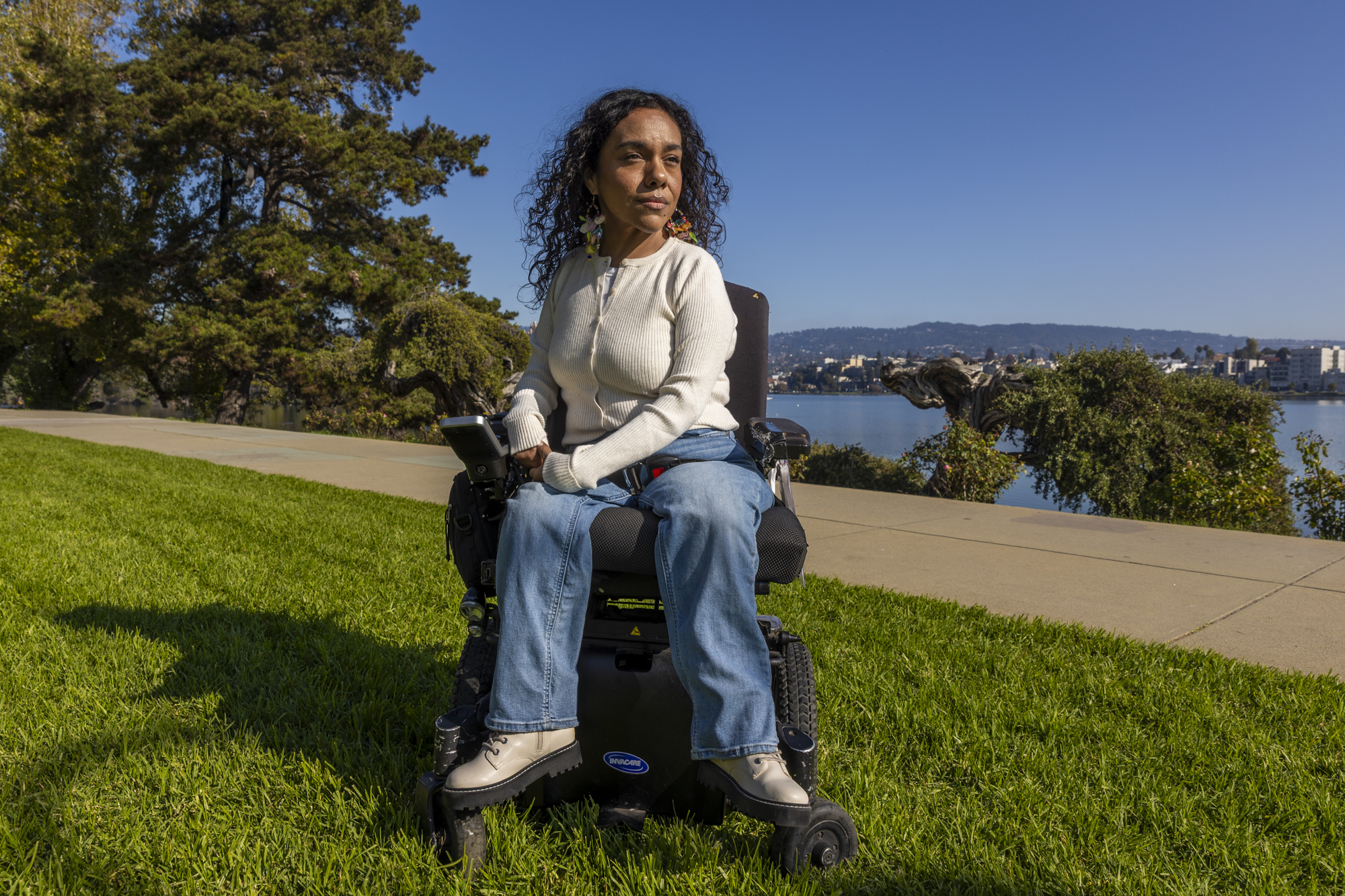
window.__IS_SSR__=true
window.__INITIAL_STATE__={
"attachmentsReducer": {
"audio_0": {
"type": "attachments",
"id": "audio_0",
"imgSizes": {
"kqedFullSize": {
"file": "https://ww2.kqed.org/news/wp-content/themes/KQED-unified/img/audio_bgs/background0.jpg"
}
}
},
"audio_1": {
"type": "attachments",
"id": "audio_1",
"imgSizes": {
"kqedFullSize": {
"file": "https://ww2.kqed.org/news/wp-content/themes/KQED-unified/img/audio_bgs/background1.jpg"
}
}
},
"audio_2": {
"type": "attachments",
"id": "audio_2",
"imgSizes": {
"kqedFullSize": {
"file": "https://ww2.kqed.org/news/wp-content/themes/KQED-unified/img/audio_bgs/background2.jpg"
}
}
},
"audio_3": {
"type": "attachments",
"id": "audio_3",
"imgSizes": {
"kqedFullSize": {
"file": "https://ww2.kqed.org/news/wp-content/themes/KQED-unified/img/audio_bgs/background3.jpg"
}
}
},
"audio_4": {
"type": "attachments",
"id": "audio_4",
"imgSizes": {
"kqedFullSize": {
"file": "https://ww2.kqed.org/news/wp-content/themes/KQED-unified/img/audio_bgs/background4.jpg"
}
}
},
"placeholder": {
"type": "attachments",
"id": "placeholder",
"imgSizes": {
"thumbnail": {
"file": "https://cdn.kqed.org/wp-content/uploads/2024/12/KQED-Default-Image-816638274-2000x1333-1-160x107.jpg",
"width": 160,
"height": 107,
"mimeType": "image/jpeg"
},
"medium": {
"file": "https://cdn.kqed.org/wp-content/uploads/2024/12/KQED-Default-Image-816638274-2000x1333-1-800x533.jpg",
"width": 800,
"height": 533,
"mimeType": "image/jpeg"
},
"medium_large": {
"file": "https://cdn.kqed.org/wp-content/uploads/2024/12/KQED-Default-Image-816638274-2000x1333-1-768x512.jpg",
"width": 768,
"height": 512,
"mimeType": "image/jpeg"
},
"large": {
"file": "https://cdn.kqed.org/wp-content/uploads/2024/12/KQED-Default-Image-816638274-2000x1333-1-1020x680.jpg",
"width": 1020,
"height": 680,
"mimeType": "image/jpeg"
},
"1536x1536": {
"file": "https://cdn.kqed.org/wp-content/uploads/2024/12/KQED-Default-Image-816638274-2000x1333-1-1536x1024.jpg",
"width": 1536,
"height": 1024,
"mimeType": "image/jpeg"
},
"fd-lrg": {
"file": "https://cdn.kqed.org/wp-content/uploads/2024/12/KQED-Default-Image-816638274-2000x1333-1-1536x1024.jpg",
"width": 1536,
"height": 1024,
"mimeType": "image/jpeg"
},
"fd-med": {
"file": "https://cdn.kqed.org/wp-content/uploads/2024/12/KQED-Default-Image-816638274-2000x1333-1-1020x680.jpg",
"width": 1020,
"height": 680,
"mimeType": "image/jpeg"
},
"fd-sm": {
"file": "https://cdn.kqed.org/wp-content/uploads/2024/12/KQED-Default-Image-816638274-2000x1333-1-800x533.jpg",
"width": 800,
"height": 533,
"mimeType": "image/jpeg"
},
"post-thumbnail": {
"file": "https://cdn.kqed.org/wp-content/uploads/2024/12/KQED-Default-Image-816638274-2000x1333-1-672x372.jpg",
"width": 672,
"height": 372,
"mimeType": "image/jpeg"
},
"twentyfourteen-full-width": {
"file": "https://cdn.kqed.org/wp-content/uploads/2024/12/KQED-Default-Image-816638274-2000x1333-1-1038x576.jpg",
"width": 1038,
"height": 576,
"mimeType": "image/jpeg"
},
"xxsmall": {
"file": "https://cdn.kqed.org/wp-content/uploads/2024/12/KQED-Default-Image-816638274-2000x1333-1-160x107.jpg",
"width": 160,
"height": 107,
"mimeType": "image/jpeg"
},
"xsmall": {
"file": "https://cdn.kqed.org/wp-content/uploads/2024/12/KQED-Default-Image-816638274-2000x1333-1-672x372.jpg",
"width": 672,
"height": 372,
"mimeType": "image/jpeg"
},
"small": {
"file": "https://cdn.kqed.org/wp-content/uploads/2024/12/KQED-Default-Image-816638274-2000x1333-1-672x372.jpg",
"width": 672,
"height": 372,
"mimeType": "image/jpeg"
},
"xlarge": {
"file": "https://cdn.kqed.org/wp-content/uploads/2024/12/KQED-Default-Image-816638274-2000x1333-1-1020x680.jpg",
"width": 1020,
"height": 680,
"mimeType": "image/jpeg"
},
"full-width": {
"file": "https://cdn.kqed.org/wp-content/uploads/2024/12/KQED-Default-Image-816638274-2000x1333-1-1920x1280.jpg",
"width": 1920,
"height": 1280,
"mimeType": "image/jpeg"
},
"guest-author-32": {
"file": "https://cdn.kqed.org/wp-content/uploads/2025/01/KQED-Default-Image-816638274-1333x1333-1-160x160.jpg",
"width": 32,
"height": 32,
"mimeType": "image/jpeg"
},
"guest-author-50": {
"file": "https://cdn.kqed.org/wp-content/uploads/2025/01/KQED-Default-Image-816638274-1333x1333-1-160x160.jpg",
"width": 50,
"height": 50,
"mimeType": "image/jpeg"
},
"guest-author-64": {
"file": "https://cdn.kqed.org/wp-content/uploads/2025/01/KQED-Default-Image-816638274-1333x1333-1-160x160.jpg",
"width": 64,
"height": 64,
"mimeType": "image/jpeg"
},
"guest-author-96": {
"file": "https://cdn.kqed.org/wp-content/uploads/2025/01/KQED-Default-Image-816638274-1333x1333-1-160x160.jpg",
"width": 96,
"height": 96,
"mimeType": "image/jpeg"
},
"guest-author-128": {
"file": "https://cdn.kqed.org/wp-content/uploads/2025/01/KQED-Default-Image-816638274-1333x1333-1-160x160.jpg",
"width": 128,
"height": 128,
"mimeType": "image/jpeg"
},
"detail": {
"file": "https://cdn.kqed.org/wp-content/uploads/2025/01/KQED-Default-Image-816638274-1333x1333-1-160x160.jpg",
"width": 160,
"height": 160,
"mimeType": "image/jpeg"
},
"kqedFullSize": {
"file": "https://cdn.kqed.org/wp-content/uploads/2024/12/KQED-Default-Image-816638274-2000x1333-1.jpg",
"width": 2000,
"height": 1333
}
}
},
"news_12065499": {
"type": "attachments",
"id": "news_12065499",
"meta": {
"index": "attachments_1716263798",
"site": "news",
"id": "12065499",
"found": true
},
"title": "251124-DISABILITYJUSTICELEADERS00314_TV-KQED",
"publishDate": 1764191449,
"status": "inherit",
"parent": 0,
"modified": 1764883872,
"caption": "Brittanie Hernandez-Wilson, a disability justice activist, poses for a portrait at Lake Merritt in Oakland on Nov. 24, 2025. Hernandez-Wilson worked closely with Alice Wong, a disability justice leader who died in November. Friends, activists and policy experts reflect on Wong’s legacy as looming funding cuts threaten critical services for disabled people in California and nationwide.\r\n",
"credit": "Tâm Vũ/KQED",
"altTag": null,
"description": null,
"imgSizes": {
"thumbnail": {
"file": "https://cdn.kqed.org/wp-content/uploads/sites/10/2025/11/251124-DISABILITYJUSTICELEADERS00314_TV-KQED-160x107.jpg",
"width": 160,
"height": 107,
"mimeType": "image/jpeg"
},
"1536x1536": {
"file": "https://cdn.kqed.org/wp-content/uploads/sites/10/2025/11/251124-DISABILITYJUSTICELEADERS00314_TV-KQED-1536x1024.jpg",
"width": 1536,
"height": 1024,
"mimeType": "image/jpeg"
},
"post-thumbnail": {
"file": "https://cdn.kqed.org/wp-content/uploads/sites/10/2025/11/251124-DISABILITYJUSTICELEADERS00314_TV-KQED-672x372.jpg",
"width": 672,
"height": 372,
"mimeType": "image/jpeg"
},
"twentyfourteen-full-width": {
"file": "https://cdn.kqed.org/wp-content/uploads/sites/10/2025/11/251124-DISABILITYJUSTICELEADERS00314_TV-KQED-1038x576.jpg",
"width": 1038,
"height": 576,
"mimeType": "image/jpeg"
},
"npr-cds-wide": {
"file": "https://cdn.kqed.org/wp-content/uploads/sites/10/2025/11/251124-DISABILITYJUSTICELEADERS00314_TV-KQED-1200x675.jpg",
"width": 1200,
"height": 675,
"mimeType": "image/jpeg"
},
"kqedFullSize": {
"file": "https://cdn.kqed.org/wp-content/uploads/sites/10/2025/11/251124-DISABILITYJUSTICELEADERS00314_TV-KQED.jpg",
"width": 2000,
"height": 1333
}
},
"isLoading": false,
"fetchFailed": false
},
"news_12050964": {
"type": "attachments",
"id": "news_12050964",
"meta": {
"index": "attachments_1716263798",
"site": "news",
"id": "12050964",
"found": true
},
"title": "20250725_KaiserTransProtest_GC-1_qed",
"publishDate": 1754419388,
"status": "inherit",
"parent": 12050945,
"modified": 1754419407,
"caption": "Union nurses and community supporters rally outside of Kaiser Permanente, honoring transgender patients affected by Kaiser’s decision to halt gender-affirming care to minors, on July 25, 2025.",
"credit": "Gina Castro/KQED",
"altTag": null,
"description": null,
"imgSizes": {
"thumbnail": {
"file": "https://cdn.kqed.org/wp-content/uploads/sites/10/2025/08/20250725_KaiserTransProtest_GC-1_qed-160x107.jpg",
"width": 160,
"height": 107,
"mimeType": "image/jpeg"
},
"1536x1536": {
"file": "https://cdn.kqed.org/wp-content/uploads/sites/10/2025/08/20250725_KaiserTransProtest_GC-1_qed-1536x1024.jpg",
"width": 1536,
"height": 1024,
"mimeType": "image/jpeg"
},
"post-thumbnail": {
"file": "https://cdn.kqed.org/wp-content/uploads/sites/10/2025/08/20250725_KaiserTransProtest_GC-1_qed-672x372.jpg",
"width": 672,
"height": 372,
"mimeType": "image/jpeg"
},
"twentyfourteen-full-width": {
"file": "https://cdn.kqed.org/wp-content/uploads/sites/10/2025/08/20250725_KaiserTransProtest_GC-1_qed-1038x576.jpg",
"width": 1038,
"height": 576,
"mimeType": "image/jpeg"
},
"kqedFullSize": {
"file": "https://cdn.kqed.org/wp-content/uploads/sites/10/2025/08/20250725_KaiserTransProtest_GC-1_qed.jpg",
"width": 2000,
"height": 1333
}
},
"isLoading": false,
"fetchFailed": false
},
"news_12064468": {
"type": "attachments",
"id": "news_12064468",
"meta": {
"index": "attachments_1716263798",
"site": "news",
"id": "12064468",
"found": true
},
"title": "251113-SNAPdelaysfeature01143_TV_qed",
"publishDate": 1763421252,
"status": "inherit",
"parent": 0,
"modified": 1763659404,
"caption": "Trozalla Smith rides the 96 bus while holding a loaf of bread in Alameda on Friday, Nov. 14, 2025. The government shutdown has delayed the distribution of SNAP benefits to recipients such as Ana Hoover and Trozalla Smith, who have had to turn to food pantries as an alternative.",
"credit": "Tâm Vũ/KQED",
"altTag": null,
"description": null,
"imgSizes": {
"thumbnail": {
"file": "https://cdn.kqed.org/wp-content/uploads/sites/10/2025/11/251113-SNAPdelaysfeature01143_TV_qed-160x107.jpg",
"width": 160,
"height": 107,
"mimeType": "image/jpeg"
},
"1536x1536": {
"file": "https://cdn.kqed.org/wp-content/uploads/sites/10/2025/11/251113-SNAPdelaysfeature01143_TV_qed-1536x1024.jpg",
"width": 1536,
"height": 1024,
"mimeType": "image/jpeg"
},
"post-thumbnail": {
"file": "https://cdn.kqed.org/wp-content/uploads/sites/10/2025/11/251113-SNAPdelaysfeature01143_TV_qed-672x372.jpg",
"width": 672,
"height": 372,
"mimeType": "image/jpeg"
},
"twentyfourteen-full-width": {
"file": "https://cdn.kqed.org/wp-content/uploads/sites/10/2025/11/251113-SNAPdelaysfeature01143_TV_qed-1038x576.jpg",
"width": 1038,
"height": 576,
"mimeType": "image/jpeg"
},
"npr-cds-wide": {
"file": "https://cdn.kqed.org/wp-content/uploads/sites/10/2025/11/251113-SNAPdelaysfeature01143_TV_qed-1200x675.jpg",
"width": 1200,
"height": 675,
"mimeType": "image/jpeg"
},
"kqedFullSize": {
"file": "https://cdn.kqed.org/wp-content/uploads/sites/10/2025/11/251113-SNAPdelaysfeature01143_TV_qed.jpg",
"width": 1999,
"height": 1333
}
},
"isLoading": false,
"fetchFailed": false
},
"news_11934554": {
"type": "attachments",
"id": "news_11934554",
"meta": {
"index": "attachments_1716263798",
"site": "news",
"id": "11934554",
"found": true
},
"parent": 11934545,
"imgSizes": {
"twentyfourteen-full-width": {
"file": "https://cdn.kqed.org/wp-content/uploads/sites/10/2023/12/Featured-photo-horizontal-Alice-Wong-1038x576.png",
"width": 1038,
"mimeType": "image/png",
"height": 576
},
"thumbnail": {
"file": "https://cdn.kqed.org/wp-content/uploads/sites/10/2023/12/Featured-photo-horizontal-Alice-Wong-160x90.png",
"width": 160,
"mimeType": "image/png",
"height": 90
},
"post-thumbnail": {
"file": "https://cdn.kqed.org/wp-content/uploads/sites/10/2023/12/Featured-photo-horizontal-Alice-Wong-672x372.png",
"width": 672,
"mimeType": "image/png",
"height": 372
},
"kqedFullSize": {
"file": "https://cdn.kqed.org/wp-content/uploads/sites/10/2023/12/Featured-photo-horizontal-Alice-Wong.png",
"width": 1600,
"height": 900
},
"large": {
"file": "https://cdn.kqed.org/wp-content/uploads/sites/10/2023/12/Featured-photo-horizontal-Alice-Wong-1020x574.png",
"width": 1020,
"mimeType": "image/png",
"height": 574
},
"1536x1536": {
"file": "https://cdn.kqed.org/wp-content/uploads/sites/10/2023/12/Featured-photo-horizontal-Alice-Wong-1536x864.png",
"width": 1536,
"mimeType": "image/png",
"height": 864
},
"medium": {
"file": "https://cdn.kqed.org/wp-content/uploads/sites/10/2023/12/Featured-photo-horizontal-Alice-Wong-800x450.png",
"width": 800,
"mimeType": "image/png",
"height": 450
}
},
"publishDate": 1670468227,
"modified": 1714766858,
"caption": "Alice Wong in August 2022.",
"description": null,
"title": "Featured photo - horizontal - Alice Wong",
"credit": "Eddie Hernandez Photography",
"status": "inherit",
"altTag": "An Asian American disabled woman sits in a wheelchair with a tracheostomy with a tube attached to her ventilator. She is wearing a bold red lip color and a black and beige shirt with a pattern of poppies.",
"isLoading": false,
"fetchFailed": false
},
"news_12064280": {
"type": "attachments",
"id": "news_12064280",
"meta": {
"index": "attachments_1716263798",
"site": "news",
"id": "12064280",
"found": true
},
"title": "Mr. Lopez sits on his bed in his home in Pittsburg on Nov. 15, 2025.",
"publishDate": 1763347695,
"status": "inherit",
"parent": 0,
"modified": 1763576714,
"caption": "Mr. Lopez sits beside his breathing tube on a bed in his home in Pittsburg on Nov. 15, 2025.",
"credit": "Martin do Nascimento/KQED",
"altTag": null,
"description": null,
"imgSizes": {
"thumbnail": {
"file": "https://cdn.kqed.org/wp-content/uploads/sites/10/2025/11/251115-DEADLY-LUNG-DISEASE-MD-01-KQED-1-160x107.jpg",
"width": 160,
"height": 107,
"mimeType": "image/jpeg"
},
"1536x1536": {
"file": "https://cdn.kqed.org/wp-content/uploads/sites/10/2025/11/251115-DEADLY-LUNG-DISEASE-MD-01-KQED-1-1536x1025.jpg",
"width": 1536,
"height": 1025,
"mimeType": "image/jpeg"
},
"post-thumbnail": {
"file": "https://cdn.kqed.org/wp-content/uploads/sites/10/2025/11/251115-DEADLY-LUNG-DISEASE-MD-01-KQED-1-672x372.jpg",
"width": 672,
"height": 372,
"mimeType": "image/jpeg"
},
"twentyfourteen-full-width": {
"file": "https://cdn.kqed.org/wp-content/uploads/sites/10/2025/11/251115-DEADLY-LUNG-DISEASE-MD-01-KQED-1-1038x576.jpg",
"width": 1038,
"height": 576,
"mimeType": "image/jpeg"
},
"npr-cds-wide": {
"file": "https://cdn.kqed.org/wp-content/uploads/sites/10/2025/11/251115-DEADLY-LUNG-DISEASE-MD-01-KQED-1-1200x675.jpg",
"width": 1200,
"height": 675,
"mimeType": "image/jpeg"
},
"kqedFullSize": {
"file": "https://cdn.kqed.org/wp-content/uploads/sites/10/2025/11/251115-DEADLY-LUNG-DISEASE-MD-01-KQED-1.jpg",
"width": 2000,
"height": 1334
}
},
"isLoading": false,
"fetchFailed": false
},
"news_12064417": {
"type": "attachments",
"id": "news_12064417",
"meta": {
"index": "attachments_1716263798",
"site": "news",
"id": "12064417",
"found": true
},
"title": "251117-UCStrike-08-BL",
"publishDate": 1763416121,
"status": "inherit",
"parent": 0,
"modified": 1763416382,
"caption": "Aimee Villas, a lab technician, strikes alongside patient care and service workers represented by AFSCME Local 3299 at the UCSF Medical Center Mission Bay campus on Nov. 17, 2025, for living wages, affordable healthcare, housing benefits, and safe staffing.",
"credit": "Beth LaBerge/KQED",
"altTag": null,
"description": null,
"imgSizes": {
"thumbnail": {
"file": "https://cdn.kqed.org/wp-content/uploads/sites/10/2025/11/251117-UCStrike-08-BL-160x107.jpg",
"width": 160,
"height": 107,
"mimeType": "image/jpeg"
},
"1536x1536": {
"file": "https://cdn.kqed.org/wp-content/uploads/sites/10/2025/11/251117-UCStrike-08-BL-1536x1024.jpg",
"width": 1536,
"height": 1024,
"mimeType": "image/jpeg"
},
"post-thumbnail": {
"file": "https://cdn.kqed.org/wp-content/uploads/sites/10/2025/11/251117-UCStrike-08-BL-672x372.jpg",
"width": 672,
"height": 372,
"mimeType": "image/jpeg"
},
"twentyfourteen-full-width": {
"file": "https://cdn.kqed.org/wp-content/uploads/sites/10/2025/11/251117-UCStrike-08-BL-1038x576.jpg",
"width": 1038,
"height": 576,
"mimeType": "image/jpeg"
},
"npr-cds-wide": {
"file": "https://cdn.kqed.org/wp-content/uploads/sites/10/2025/11/251117-UCStrike-08-BL-1200x675.jpg",
"width": 1200,
"height": 675,
"mimeType": "image/jpeg"
},
"kqedFullSize": {
"file": "https://cdn.kqed.org/wp-content/uploads/sites/10/2025/11/251117-UCStrike-08-BL.jpg",
"width": 2000,
"height": 1333
}
},
"isLoading": false,
"fetchFailed": false
},
"news_12062986": {
"type": "attachments",
"id": "news_12062986",
"meta": {
"index": "attachments_1716263798",
"site": "news",
"id": "12062986",
"found": true
},
"title": "251104-MEASUREA-JG-1_qed",
"publishDate": 1762319901,
"status": "inherit",
"parent": 12062794,
"modified": 1762319974,
"caption": "Santa Clara County Supervisors Betty Duong, left, and Susan Ellenberg, right, speak to supporters of Measure A at a watch party in San Jose’s Willow Glen neighborhood shortly after initial voting results were released on Tuesday, Nov. 4, 2025.",
"credit": "Joseph Geha/KQED",
"altTag": null,
"description": null,
"imgSizes": {
"thumbnail": {
"file": "https://cdn.kqed.org/wp-content/uploads/sites/10/2025/11/251104-MEASUREA-JG-1_qed-160x107.jpg",
"width": 160,
"height": 107,
"mimeType": "image/jpeg"
},
"1536x1536": {
"file": "https://cdn.kqed.org/wp-content/uploads/sites/10/2025/11/251104-MEASUREA-JG-1_qed-1536x1024.jpg",
"width": 1536,
"height": 1024,
"mimeType": "image/jpeg"
},
"post-thumbnail": {
"file": "https://cdn.kqed.org/wp-content/uploads/sites/10/2025/11/251104-MEASUREA-JG-1_qed-672x372.jpg",
"width": 672,
"height": 372,
"mimeType": "image/jpeg"
},
"twentyfourteen-full-width": {
"file": "https://cdn.kqed.org/wp-content/uploads/sites/10/2025/11/251104-MEASUREA-JG-1_qed-1038x576.jpg",
"width": 1038,
"height": 576,
"mimeType": "image/jpeg"
},
"npr-cds-wide": {
"file": "https://cdn.kqed.org/wp-content/uploads/sites/10/2025/11/251104-MEASUREA-JG-1_qed-1200x675.jpg",
"width": 1200,
"height": 675,
"mimeType": "image/jpeg"
},
"kqedFullSize": {
"file": "https://cdn.kqed.org/wp-content/uploads/sites/10/2025/11/251104-MEASUREA-JG-1_qed.jpg",
"width": 1999,
"height": 1333
}
},
"isLoading": false,
"fetchFailed": false
},
"news_12062379": {
"type": "attachments",
"id": "news_12062379",
"meta": {
"index": "attachments_1716263798",
"site": "news",
"id": "12062379",
"found": true
},
"title": "251030-marinmentalhealth00680_TV_qed",
"publishDate": 1761863560,
"status": "inherit",
"parent": 12062334,
"modified": 1761863587,
"caption": "Tonatiuh Beltran gets emotional as she speaks about her mother’s death outside the Marin County Superior Court during a press conference in San Rafael on Oct. 30, 2025. Olivia Beltran was killed by her daughter Tonatzyn Beltran during a mental health episode in 2024 and the family is calling on Marin County District Attorney’s office to pursue mental health treatment rather than criminal prosecution of Tonantzyn Beltran.",
"credit": "Tâm Vũ / KQED",
"altTag": null,
"description": null,
"imgSizes": {
"thumbnail": {
"file": "https://cdn.kqed.org/wp-content/uploads/sites/10/2025/10/251030-marinmentalhealth00680_TV_qed-160x107.jpg",
"width": 160,
"height": 107,
"mimeType": "image/jpeg"
},
"1536x1536": {
"file": "https://cdn.kqed.org/wp-content/uploads/sites/10/2025/10/251030-marinmentalhealth00680_TV_qed-1536x1024.jpg",
"width": 1536,
"height": 1024,
"mimeType": "image/jpeg"
},
"post-thumbnail": {
"file": "https://cdn.kqed.org/wp-content/uploads/sites/10/2025/10/251030-marinmentalhealth00680_TV_qed-672x372.jpg",
"width": 672,
"height": 372,
"mimeType": "image/jpeg"
},
"twentyfourteen-full-width": {
"file": "https://cdn.kqed.org/wp-content/uploads/sites/10/2025/10/251030-marinmentalhealth00680_TV_qed-1038x576.jpg",
"width": 1038,
"height": 576,
"mimeType": "image/jpeg"
},
"npr-cds-wide": {
"file": "https://cdn.kqed.org/wp-content/uploads/sites/10/2025/10/251030-marinmentalhealth00680_TV_qed-1200x675.jpg",
"width": 1200,
"height": 675,
"mimeType": "image/jpeg"
},
"kqedFullSize": {
"file": "https://cdn.kqed.org/wp-content/uploads/sites/10/2025/10/251030-marinmentalhealth00680_TV_qed.jpg",
"width": 2000,
"height": 1333
}
},
"isLoading": false,
"fetchFailed": false
},
"news_12043126": {
"type": "attachments",
"id": "news_12043126",
"meta": {
"index": "attachments_1716263798",
"site": "news",
"id": "12043126",
"found": true
},
"title": "013_KQED_SanFranciscoMarinFoodBank_03182020_9229_qed",
"publishDate": 1749235559,
"status": "inherit",
"parent": 12043122,
"modified": 1749235572,
"caption": "Volunteers work to sort donated food at the San Francisco-Marin Food Bank in San Francisco's Dogpatch neighborhood on Wednesday, Mar. 18, 2020.",
"credit": "Beth LaBerge/KQED",
"altTag": null,
"description": null,
"imgSizes": {
"thumbnail": {
"file": "https://cdn.kqed.org/wp-content/uploads/sites/10/2025/06/013_KQED_SanFranciscoMarinFoodBank_03182020_9229_qed-160x107.jpg",
"width": 160,
"height": 107,
"mimeType": "image/jpeg"
},
"1536x1536": {
"file": "https://cdn.kqed.org/wp-content/uploads/sites/10/2025/06/013_KQED_SanFranciscoMarinFoodBank_03182020_9229_qed-1536x1024.jpg",
"width": 1536,
"height": 1024,
"mimeType": "image/jpeg"
},
"post-thumbnail": {
"file": "https://cdn.kqed.org/wp-content/uploads/sites/10/2025/06/013_KQED_SanFranciscoMarinFoodBank_03182020_9229_qed-672x372.jpg",
"width": 672,
"height": 372,
"mimeType": "image/jpeg"
},
"twentyfourteen-full-width": {
"file": "https://cdn.kqed.org/wp-content/uploads/sites/10/2025/06/013_KQED_SanFranciscoMarinFoodBank_03182020_9229_qed-1038x576.jpg",
"width": 1038,
"height": 576,
"mimeType": "image/jpeg"
},
"kqedFullSize": {
"file": "https://cdn.kqed.org/wp-content/uploads/sites/10/2025/06/013_KQED_SanFranciscoMarinFoodBank_03182020_9229_qed.jpg",
"width": 2000,
"height": 1333
}
},
"isLoading": false,
"fetchFailed": false
},
"news_12060772": {
"type": "attachments",
"id": "news_12060772",
"meta": {
"index": "attachments_1716263798",
"site": "news",
"id": "12060772",
"found": true
},
"title": "SNAP and EBT Accepted here sign. SNAP and Food Stamps provide nutrition benefits to supplement the budgets of disadvantaged families.",
"publishDate": 1761001618,
"status": "inherit",
"parent": 12060770,
"modified": 1761001667,
"caption": "SNAP and EBT Accepted here sign. SNAP and Food Stamps provide nutrition benefits to supplement the budgets of disadvantaged families.",
"credit": "Jet City Image/iStock Editorial via Getty Images Plus",
"altTag": null,
"description": null,
"imgSizes": {
"thumbnail": {
"file": "https://cdn.kqed.org/wp-content/uploads/sites/10/2025/10/SNAPGetty-160x107.jpg",
"width": 160,
"height": 107,
"mimeType": "image/jpeg"
},
"1536x1536": {
"file": "https://cdn.kqed.org/wp-content/uploads/sites/10/2025/10/SNAPGetty-1536x1024.jpg",
"width": 1536,
"height": 1024,
"mimeType": "image/jpeg"
},
"post-thumbnail": {
"file": "https://cdn.kqed.org/wp-content/uploads/sites/10/2025/10/SNAPGetty-672x372.jpg",
"width": 672,
"height": 372,
"mimeType": "image/jpeg"
},
"twentyfourteen-full-width": {
"file": "https://cdn.kqed.org/wp-content/uploads/sites/10/2025/10/SNAPGetty-1038x576.jpg",
"width": 1038,
"height": 576,
"mimeType": "image/jpeg"
},
"kqedFullSize": {
"file": "https://cdn.kqed.org/wp-content/uploads/sites/10/2025/10/SNAPGetty.jpg",
"width": 2000,
"height": 1333
}
},
"isLoading": false,
"fetchFailed": false
},
"news_12009337": {
"type": "attachments",
"id": "news_12009337",
"meta": {
"index": "attachments_1716263798",
"site": "news",
"id": "12009337",
"found": true
},
"title": "California Budget",
"publishDate": 1728925641,
"status": "inherit",
"parent": 12009333,
"modified": 1728950262,
"caption": "California Gov. Gavin Newsom answers a reporter's question about his revised 2024–25 state budget during a news conference in Sacramento on May 10, 2024.",
"credit": "Rich Pedroncelli/AP Photo",
"altTag": null,
"description": null,
"imgSizes": {
"medium": {
"file": "https://cdn.kqed.org/wp-content/uploads/sites/10/2024/10/GavinNewsom2024AP-800x533.jpg",
"width": 800,
"height": 533,
"mimeType": "image/jpeg"
},
"large": {
"file": "https://cdn.kqed.org/wp-content/uploads/sites/10/2024/10/GavinNewsom2024AP-1020x680.jpg",
"width": 1020,
"height": 680,
"mimeType": "image/jpeg"
},
"thumbnail": {
"file": "https://cdn.kqed.org/wp-content/uploads/sites/10/2024/10/GavinNewsom2024AP-160x107.jpg",
"width": 160,
"height": 107,
"mimeType": "image/jpeg"
},
"1536x1536": {
"file": "https://cdn.kqed.org/wp-content/uploads/sites/10/2024/10/GavinNewsom2024AP-1536x1024.jpg",
"width": 1536,
"height": 1024,
"mimeType": "image/jpeg"
},
"post-thumbnail": {
"file": "https://cdn.kqed.org/wp-content/uploads/sites/10/2024/10/GavinNewsom2024AP-672x372.jpg",
"width": 672,
"height": 372,
"mimeType": "image/jpeg"
},
"twentyfourteen-full-width": {
"file": "https://cdn.kqed.org/wp-content/uploads/sites/10/2024/10/GavinNewsom2024AP-1038x576.jpg",
"width": 1038,
"height": 576,
"mimeType": "image/jpeg"
},
"full-width": {
"file": "https://cdn.kqed.org/wp-content/uploads/sites/10/2024/10/GavinNewsom2024AP-1920x1280.jpg",
"width": 1920,
"height": 1280,
"mimeType": "image/jpeg"
},
"kqedFullSize": {
"file": "https://cdn.kqed.org/wp-content/uploads/sites/10/2024/10/GavinNewsom2024AP.jpg",
"width": 2000,
"height": 1333
}
},
"isLoading": false,
"fetchFailed": false
},
"news_12059850": {
"type": "attachments",
"id": "news_12059850",
"meta": {
"index": "attachments_1716263798",
"site": "news",
"id": "12059850",
"found": true
},
"title": "251014-KAISER STRIKE START-MD-06-KQED",
"publishDate": 1760463342,
"status": "inherit",
"parent": 12059890,
"modified": 1760482077,
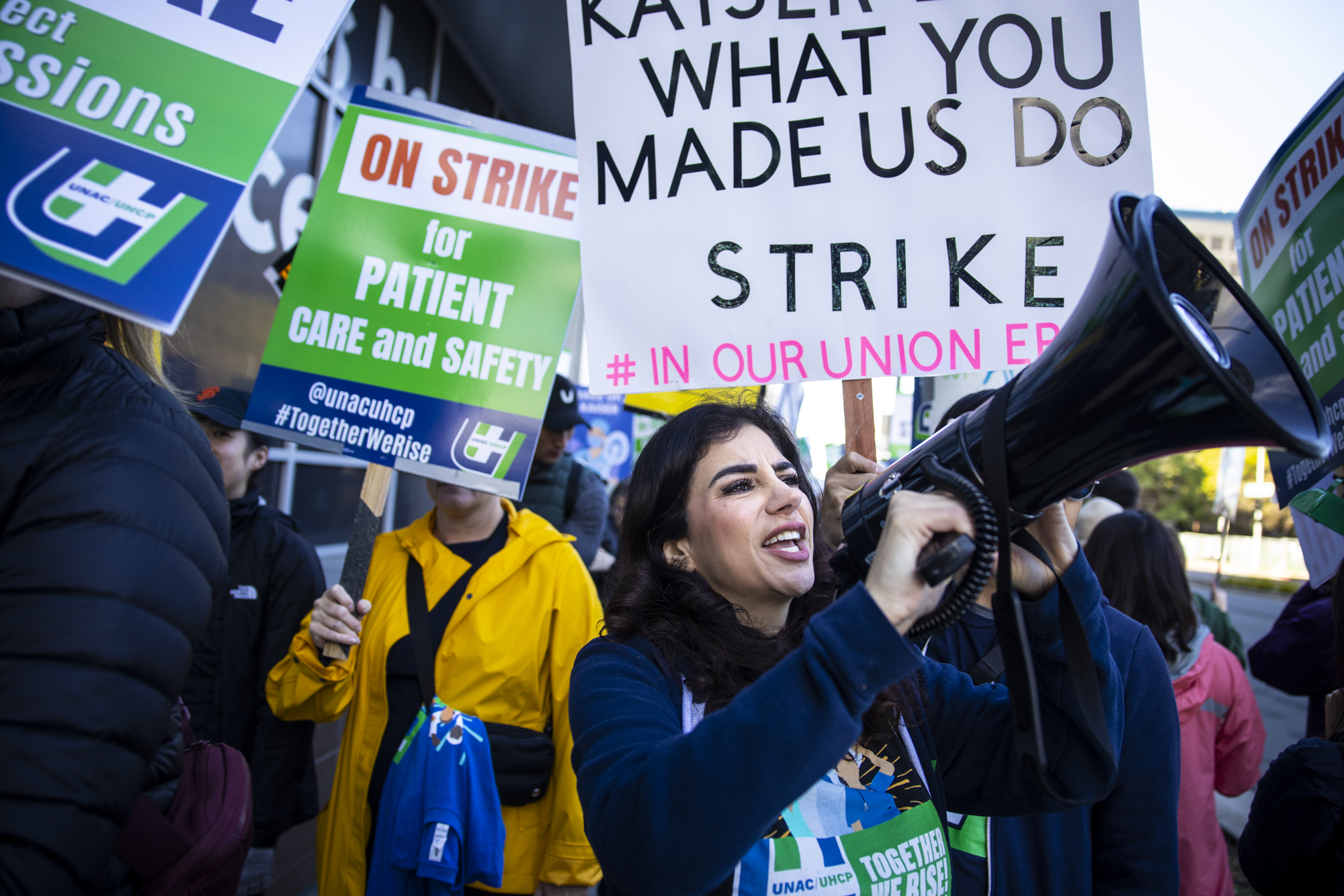
"caption": "Arezou Mansourian leads workers in chanting as they strike outside of the Kaiser Permanente Oakland Medical Center in Oakland on Oct. 14, 2025.",
"credit": "Martin do Nascimento/KQED",
"altTag": null,
"description": null,
"imgSizes": {
"thumbnail": {
"file": "https://cdn.kqed.org/wp-content/uploads/sites/10/2025/10/251014-KAISER-STRIKE-START-MD-06-KQED-160x107.jpg",
"width": 160,
"height": 107,
"mimeType": "image/jpeg"
},
"1536x1536": {
"file": "https://cdn.kqed.org/wp-content/uploads/sites/10/2025/10/251014-KAISER-STRIKE-START-MD-06-KQED-1536x1025.jpg",
"width": 1536,
"height": 1025,
"mimeType": "image/jpeg"
},
"post-thumbnail": {
"file": "https://cdn.kqed.org/wp-content/uploads/sites/10/2025/10/251014-KAISER-STRIKE-START-MD-06-KQED-672x372.jpg",
"width": 672,
"height": 372,
"mimeType": "image/jpeg"
},
"twentyfourteen-full-width": {
"file": "https://cdn.kqed.org/wp-content/uploads/sites/10/2025/10/251014-KAISER-STRIKE-START-MD-06-KQED-1038x576.jpg",
"width": 1038,
"height": 576,
"mimeType": "image/jpeg"
},
"kqedFullSize": {
"file": "https://cdn.kqed.org/wp-content/uploads/sites/10/2025/10/251014-KAISER-STRIKE-START-MD-06-KQED.jpg",
"width": 2000,
"height": 1334
}
},
"isLoading": false,
"fetchFailed": false
}
},
"audioPlayerReducer": {
"postId": "stream_live",
"isPaused": true,
"isPlaying": false,
"pfsActive": false,
"pledgeModalIsOpen": true,
"playerDrawerIsOpen": false,
"liveAudioPlayStartedAt": 0,
"liveAudioPlayContext": ""
},
"authorsReducer": {
"gmarzorati": {
"type": "authors",
"id": "227",
"meta": {
"index": "authors_1716337520",
"id": "227",
"found": true
},
"name": "Guy Marzorati",
"firstName": "Guy",
"lastName": "Marzorati",
"slug": "gmarzorati",
"email": "gmarzorati@KQED.org",
"display_author_email": true,
"staff_mastheads": [
"news"
],
"title": "Correspondent",
"bio": "Guy Marzorati is a correspondent on KQED's California Politics and Government Desk, based in San Jose. A graduate of Santa Clara University, Guy joined KQED in 2013. He reports on state and local politics and produces KQED's digital voter guide.",
"avatar": "https://secure.gravatar.com/avatar/e7038b8dbfd55b104369b76b1cd0b9de?s=600&d=blank&r=g",
"twitter": "guymarzorati",
"facebook": null,
"instagram": null,
"linkedin": null,
"sites": [
{
"site": "",
"roles": [
"editor"
]
},
{
"site": "news",
"roles": [
"editor"
]
},
{
"site": "science",
"roles": [
"editor"
]
},
{
"site": "forum",
"roles": [
"editor"
]
},
{
"site": "elections",
"roles": [
"editor"
]
},
{
"site": "liveblog",
"roles": [
"editor"
]
}
],
"headData": {
"title": "Guy Marzorati | KQED",
"description": "Correspondent",
"ogImgSrc": "https://secure.gravatar.com/avatar/e7038b8dbfd55b104369b76b1cd0b9de?s=600&d=blank&r=g",
"twImgSrc": "https://secure.gravatar.com/avatar/e7038b8dbfd55b104369b76b1cd0b9de?s=600&d=blank&r=g"
},
"isLoading": false,
"link": "/author/gmarzorati"
},
"carlysevern": {
"type": "authors",
"id": "3243",
"meta": {
"index": "authors_1716337520",
"id": "3243",
"found": true
},
"name": "Carly Severn",
"firstName": "Carly",
"lastName": "Severn",
"slug": "carlysevern",
"email": "csevern@kqed.org",
"display_author_email": false,
"staff_mastheads": [
"news"
],
"title": "Senior Editor, Audience News ",
"bio": "Carly is KQED's Senior Editor of Audience News on the Digital News team, and has reported for the California Report Magazine, Bay Curious and KQED Arts. She's formerly the host of \u003ca href=\"http://ww2.kqed.org/pop/category/the-cooler/\" rel=\"noopener noreferrer\">The Cooler\u003c/a> podcast.",
"avatar": "https://secure.gravatar.com/avatar/54037bf5c128fe678f0ef26cec97a93f2e7f220a22d7285703328f12c42c1b1d?s=600&d=blank&r=g",
"twitter": "teacupinthebay",
"bluesky": null,
"facebook": null,
"instagram": null,
"linkedin": null,
"sites": [
{
"site": "",
"roles": [
"editor"
]
},
{
"site": "arts",
"roles": [
"editor"
]
},
{
"site": "news",
"roles": [
"administrator"
]
},
{
"site": "pop",
"roles": [
"editor"
]
},
{
"site": "futureofyou",
"roles": [
"editor"
]
},
{
"site": "about",
"roles": [
"administrator"
]
},
{
"site": "mindshift",
"roles": [
"editor"
]
},
{
"site": "bayareabites",
"roles": [
"editor"
]
},
{
"site": "stateofhealth",
"roles": [
"editor"
]
},
{
"site": "science",
"roles": [
"editor"
]
},
{
"site": "food",
"roles": [
"contributor"
]
},
{
"site": "forum",
"roles": [
"editor"
]
},
{
"site": "perspectives",
"roles": [
"administrator"
]
},
{
"site": "liveblog",
"roles": [
"editor"
]
}
],
"headData": {
"title": "Carly Severn | KQED",
"description": "Senior Editor, Audience News ",
"ogImgSrc": "https://secure.gravatar.com/avatar/54037bf5c128fe678f0ef26cec97a93f2e7f220a22d7285703328f12c42c1b1d?s=600&d=blank&r=g",
"twImgSrc": "https://secure.gravatar.com/avatar/54037bf5c128fe678f0ef26cec97a93f2e7f220a22d7285703328f12c42c1b1d?s=600&d=blank&r=g"
},
"isLoading": false,
"link": "/author/carlysevern"
},
"ecruzguevarra": {
"type": "authors",
"id": "8654",
"meta": {
"index": "authors_1716337520",
"id": "8654",
"found": true
},
"name": "Ericka Cruz Guevarra",
"firstName": "Ericka",
"lastName": "Cruz Guevarra",
"slug": "ecruzguevarra",
"email": "ecruzguevarra@kqed.org",
"display_author_email": true,
"staff_mastheads": [
"news"
],
"title": "Producer, The Bay Podcast",
"bio": "Ericka Cruz Guevarra is host of \u003ca href=\"https://www.kqed.org/podcasts/thebay\">\u003cem>The Bay\u003c/em>\u003c/a> podcast at KQED. Before host, she was the show’s producer. Her work in that capacity includes a three-part reported series on policing in Vallejo, which won a 2020 excellence in journalism award from the Society of Professional Journalists. Ericka has worked as a breaking news reporter at Oregon Public Broadcasting, helped produce the Code Switch podcast, and was KQED’s inaugural Raul Ramirez Diversity Fund intern. She’s also an alumna of NPR’s Next Generation Radio program. Send her an email if you have strong feelings about whether Fairfield and Suisun City are the Bay. Ericka is represented by SAG-AFTRA.",
"avatar": "https://secure.gravatar.com/avatar/accefc1de4bafc7e234b69bcb9b6f6536c130fd84709bc3069ef11a78787e1bb?s=600&d=blank&r=g",
"twitter": "NotoriousECG",
"bluesky": null,
"facebook": null,
"instagram": null,
"linkedin": null,
"sites": [
{
"site": "arts",
"roles": [
"subscriber"
]
},
{
"site": "news",
"roles": [
"editor",
"manage_categories"
]
},
{
"site": "futureofyou",
"roles": [
"subscriber"
]
},
{
"site": "stateofhealth",
"roles": [
"subscriber"
]
},
{
"site": "science",
"roles": [
"editor"
]
},
{
"site": "forum",
"roles": [
"subscriber"
]
}
],
"headData": {
"title": "Ericka Cruz Guevarra | KQED",
"description": "Producer, The Bay Podcast",
"ogImgSrc": "https://secure.gravatar.com/avatar/accefc1de4bafc7e234b69bcb9b6f6536c130fd84709bc3069ef11a78787e1bb?s=600&d=blank&r=g",
"twImgSrc": "https://secure.gravatar.com/avatar/accefc1de4bafc7e234b69bcb9b6f6536c130fd84709bc3069ef11a78787e1bb?s=600&d=blank&r=g"
},
"isLoading": false,
"link": "/author/ecruzguevarra"
},
"fjhabvala": {
"type": "authors",
"id": "8659",
"meta": {
"index": "authors_1716337520",
"id": "8659",
"found": true
},
"name": "Farida Jhabvala Romero",
"firstName": "Farida",
"lastName": "Jhabvala Romero",
"slug": "fjhabvala",
"email": "fjhabvala@kqed.org",
"display_author_email": true,
"staff_mastheads": [
"news"
],
"title": "KQED Contributor",
"bio": "Farida Jhabvala Romero is a Labor Correspondent for KQED. She previously covered immigration. Farida was \u003ca href=\"https://www.ccnma.org/2022-most-influential-latina-journalists\">named\u003c/a> one of the 10 Most Influential Latina Journalists in California in 2022 by the California Chicano News Media Association. Her work has won awards from the Society of Professional Journalists (Northern California), as well as a national and regional Edward M. Murrow Award for the collaborative reporting projects “Dangerous Air” and “Graying California.” Before joining KQED, Farida worked as a producer at Radio Bilingüe, a national public radio network. Farida earned her master’s degree in journalism from Stanford University.",
"avatar": "https://secure.gravatar.com/avatar/f9f022d4e2609741874222a1e9d41f48fea74011aa7c615eef91d9a50c944ebe?s=600&d=blank&r=g",
"twitter": "FaridaJhabvala",
"bluesky": null,
"facebook": null,
"instagram": null,
"linkedin": "https://www.linkedin.com/in/faridajhabvala/",
"sites": [
{
"site": "news",
"roles": [
"editor"
]
},
{
"site": "stateofhealth",
"roles": [
"author"
]
},
{
"site": "liveblog",
"roles": [
"author"
]
}
],
"headData": {
"title": "Farida Jhabvala Romero | KQED",
"description": "KQED Contributor",
"ogImgSrc": "https://secure.gravatar.com/avatar/f9f022d4e2609741874222a1e9d41f48fea74011aa7c615eef91d9a50c944ebe?s=600&d=blank&r=g",
"twImgSrc": "https://secure.gravatar.com/avatar/f9f022d4e2609741874222a1e9d41f48fea74011aa7c615eef91d9a50c944ebe?s=600&d=blank&r=g"
},
"isLoading": false,
"link": "/author/fjhabvala"
},
"ccabreralomeli": {
"type": "authors",
"id": "11708",
"meta": {
"index": "authors_1716337520",
"id": "11708",
"found": true
},
"name": "Carlos Cabrera-Lomelí",
"firstName": "Carlos",
"lastName": "Cabrera-Lomelí",
"slug": "ccabreralomeli",
"email": "ccabreralomeli@KQED.org",
"display_author_email": true,
"staff_mastheads": [
"news"
],
"title": "Community Reporter",
"bio": "Carlos Cabrera-Lomelí is a community reporter with KQED's digital engagement team. He also reports and co-produces for KQED's bilingual news hub KQED en Español. He grew up in San Francisco's Mission District and has previously worked with Univision, 48 Hills and REFORMA in Mexico City.",
"avatar": "https://secure.gravatar.com/avatar/c309be9665e484f887b818c89e273ecc673004f426f36b24d00a4d813a2e0518?s=600&d=blank&r=g",
"twitter": "@LomeliCabrera",
"bluesky": null,
"facebook": null,
"instagram": null,
"linkedin": null,
"sites": [
{
"site": "arts",
"roles": [
"editor"
]
},
{
"site": "news",
"roles": [
"editor"
]
},
{
"site": "about",
"roles": [
"editor"
]
},
{
"site": "science",
"roles": [
"editor"
]
},
{
"site": "perspectives",
"roles": [
"editor"
]
},
{
"site": "elections",
"roles": [
"editor"
]
},
{
"site": "liveblog",
"roles": [
"contributor"
]
}
],
"headData": {
"title": "Carlos Cabrera-Lomelí | KQED",
"description": "Community Reporter",
"ogImgSrc": "https://secure.gravatar.com/avatar/c309be9665e484f887b818c89e273ecc673004f426f36b24d00a4d813a2e0518?s=600&d=blank&r=g",
"twImgSrc": "https://secure.gravatar.com/avatar/c309be9665e484f887b818c89e273ecc673004f426f36b24d00a4d813a2e0518?s=600&d=blank&r=g"
},
"isLoading": false,
"link": "/author/ccabreralomeli"
},
"eromero": {
"type": "authors",
"id": "11746",
"meta": {
"index": "authors_1716337520",
"id": "11746",
"found": true
},
"name": "Ezra David Romero",
"firstName": "Ezra David",
"lastName": "Romero",
"slug": "eromero",
"email": "eromero@kqed.org",
"display_author_email": true,
"staff_mastheads": [
"news",
"science"
],
"title": "Climate Reporter",
"bio": "Ezra David Romero is a climate reporter for KQED News. He covers the absence and excess of water in the Bay Area — think sea level rise, flooding and drought. For nearly a decade he’s covered how warming temperatures are altering the lives of Californians. He’s reported on farmers worried their pistachio trees aren’t getting enough sleep, families desperate for water, scientists studying dying giant sequoias, and alongside firefighters containing wildfires. His work has appeared on local stations across California and nationally on public radio shows like Morning Edition, Here and Now, All Things Considered and Science Friday. ",
"avatar": "https://secure.gravatar.com/avatar/c76404d287c10ed40224227551ac36e24352c7306f106632caf6fead76f8801f?s=600&d=blank&r=g",
"twitter": "ezraromero",
"bluesky": null,
"facebook": null,
"instagram": null,
"linkedin": null,
"sites": [
{
"site": "arts",
"roles": [
"editor"
]
},
{
"site": "news",
"roles": [
"editor"
]
},
{
"site": "science",
"roles": [
"editor"
]
},
{
"site": "liveblog",
"roles": [
"author"
]
}
],
"headData": {
"title": "Ezra David Romero | KQED",
"description": "Climate Reporter",
"ogImgSrc": "https://secure.gravatar.com/avatar/c76404d287c10ed40224227551ac36e24352c7306f106632caf6fead76f8801f?s=600&d=blank&r=g",
"twImgSrc": "https://secure.gravatar.com/avatar/c76404d287c10ed40224227551ac36e24352c7306f106632caf6fead76f8801f?s=600&d=blank&r=g"
},
"isLoading": false,
"link": "/author/eromero"
},
"nnavarro": {
"type": "authors",
"id": "11756",
"meta": {
"index": "authors_1716337520",
"id": "11756",
"found": true
},
"name": "Natalia Navarro",
"firstName": "Natalia",
"lastName": "Navarro",
"slug": "nnavarro",
"email": "nnavarro@kqed.org",
"display_author_email": true,
"staff_mastheads": [
"news"
],
"title": "Afternoon News Anchor",
"bio": "Natalia Navarro is KQED's afternoon radio news anchor. She came to KQED in 2021 from Colorado Public Radio, where she was a reporter and host. She has received several awards for her work covering daily and breaking news from professional organizations such as the San Francisco Press Club, Society of Professional Journalists and the Colorado Broadcasters Association. Natalia is originally from Tucson, Arizona, where she got her start in journalism writing for the Arizona Daily Star, Arizona Public Media and the Tucson Weekly. Natalia earned her bachelor's degree in journalism and economics, and her master's degree in journalism from the University of Arizona.",
"avatar": "https://secure.gravatar.com/avatar/a2bdb19fd9520bdea295a2d5f9b2ad65ec51cf0bf559fb1cc041d3a0a04d62ad?s=600&d=blank&r=g",
"twitter": "@NataliaVNavarro",
"bluesky": null,
"facebook": null,
"instagram": null,
"linkedin": null,
"sites": [
{
"site": "news",
"roles": [
"editor"
]
}
],
"headData": {
"title": "Natalia Navarro | KQED",
"description": "Afternoon News Anchor",
"ogImgSrc": "https://secure.gravatar.com/avatar/a2bdb19fd9520bdea295a2d5f9b2ad65ec51cf0bf559fb1cc041d3a0a04d62ad?s=600&d=blank&r=g",
"twImgSrc": "https://secure.gravatar.com/avatar/a2bdb19fd9520bdea295a2d5f9b2ad65ec51cf0bf559fb1cc041d3a0a04d62ad?s=600&d=blank&r=g"
},
"isLoading": false,
"link": "/author/nnavarro"
},
"sjohnson": {
"type": "authors",
"id": "11840",
"meta": {
"index": "authors_1716337520",
"id": "11840",
"found": true
},
"name": "Sydney Johnson",
"firstName": "Sydney",
"lastName": "Johnson",
"slug": "sjohnson",
"email": "sjohnson@kqed.org",
"display_author_email": false,
"staff_mastheads": [
"news"
],
"title": "KQED Reporter",
"bio": "Sydney Johnson is a general assignment reporter at KQED. She previously reported on public health and city government at the San Francisco Examiner, and before that, she covered statewide education policy for EdSource. Her reporting has won multiple local, state and national awards. Sydney is a graduate of the University of California, Berkeley and lives in San Francisco.",
"avatar": "https://secure.gravatar.com/avatar/97855f2719b72ad6190b7c535fe642c8?s=600&d=blank&r=g",
"twitter": "sydneyfjohnson",
"facebook": null,
"instagram": null,
"linkedin": null,
"sites": [
{
"site": "news",
"roles": [
"editor"
]
}
],
"headData": {
"title": "Sydney Johnson | KQED",
"description": "KQED Reporter",
"ogImgSrc": "https://secure.gravatar.com/avatar/97855f2719b72ad6190b7c535fe642c8?s=600&d=blank&r=g",
"twImgSrc": "https://secure.gravatar.com/avatar/97855f2719b72ad6190b7c535fe642c8?s=600&d=blank&r=g"
},
"isLoading": false,
"link": "/author/sjohnson"
},
"nkhan": {
"type": "authors",
"id": "11867",
"meta": {
"index": "authors_1716337520",
"id": "11867",
"found": true
},
"name": "Nisa Khan",
"firstName": "Nisa",
"lastName": "Khan",
"slug": "nkhan",
"email": "nkhan@kqed.org",
"display_author_email": false,
"staff_mastheads": [],
"title": "KQED Contributor",
"bio": "Nisa Khan is a reporter for KQED's Audience News Desk. She was formerly a data reporter at Michigan Radio. She earned a Bachelor of Science in Information from the University of Michigan and a Master of Arts in Communication from Stanford University.",
"avatar": "https://secure.gravatar.com/avatar/8720459eef081ff64582b3506b124d58523e80e120704a0cbd9892533c914991?s=600&d=blank&r=g",
"twitter": "mnisakhan",
"bluesky": null,
"facebook": null,
"instagram": null,
"linkedin": null,
"sites": [
{
"site": "arts",
"roles": [
"editor"
]
},
{
"site": "news",
"roles": [
"editor"
]
},
{
"site": "science",
"roles": [
"editor",
"author"
]
},
{
"site": "forum",
"roles": [
"editor"
]
},
{
"site": "liveblog",
"roles": [
"contributor"
]
}
],
"headData": {
"title": "Nisa Khan | KQED",
"description": "KQED Contributor",
"ogImgSrc": "https://secure.gravatar.com/avatar/8720459eef081ff64582b3506b124d58523e80e120704a0cbd9892533c914991?s=600&d=blank&r=g",
"twImgSrc": "https://secure.gravatar.com/avatar/8720459eef081ff64582b3506b124d58523e80e120704a0cbd9892533c914991?s=600&d=blank&r=g"
},
"isLoading": false,
"link": "/author/nkhan"
},
"kdebenedetti": {
"type": "authors",
"id": "11913",
"meta": {
"index": "authors_1716337520",
"id": "11913",
"found": true
},
"name": "Katie DeBenedetti",
"firstName": "Katie",
"lastName": "DeBenedetti",
"slug": "kdebenedetti",
"email": "kdebenedetti@kqed.org",
"display_author_email": false,
"staff_mastheads": [
"news",
"science"
],
"title": "KQED Contributor",
"bio": "Katie DeBenedetti is a digital reporter covering daily news for the Express Desk. Prior to joining KQED as a culture reporting intern in January 2024, she covered education and city government for the Napa Valley Register.",
"avatar": "https://secure.gravatar.com/avatar/6e31073cb8f7e4214ab03f42771d0f45?s=600&d=blank&r=g",
"twitter": null,
"facebook": null,
"instagram": null,
"linkedin": null,
"sites": [
{
"site": "news",
"roles": [
"author"
]
},
{
"site": "science",
"roles": [
"author"
]
},
{
"site": "liveblog",
"roles": [
"author"
]
}
],
"headData": {
"title": "Katie DeBenedetti | KQED",
"description": "KQED Contributor",
"ogImgSrc": "https://secure.gravatar.com/avatar/6e31073cb8f7e4214ab03f42771d0f45?s=600&d=blank&r=g",
"twImgSrc": "https://secure.gravatar.com/avatar/6e31073cb8f7e4214ab03f42771d0f45?s=600&d=blank&r=g"
},
"isLoading": false,
"link": "/author/kdebenedetti"
}
},
"pagesReducer": {
"news_tag_health-care": {
"type": "terms",
"id": "news_683",
"meta": {
"index": "terms_1716263798",
"site": "news",
"id": "683",
"score": 8.557362
},
"featImg": null,
"name": "health care",
"description": null,
"taxonomy": "tag",
"headData": {
"twImgId": null,
"twTitle": null,
"ogTitle": null,
"ogImgId": null,
"twDescription": null,
"description": null,
"title": "health care Archives | KQED News",
"ogDescription": null
},
"ttid": 692,
"slug": "health-care",
"isLoading": false,
"title": "health care",
"pageMeta": {
"site": "news",
"WpPageTemplate": "page-topic-editorial",
"currentPage": 4
},
"blocks": [
{
"blockName": "kqed/post-list",
"attrs": {
"layout": "cardArticle2",
"query": "posts/news?tag=health-care",
"seeMore": false,
"paginated": true,
"page": 4
}
},
{
"blockName": "kqed/ad"
}
]
}
},
"pfsSessionReducer": {},
"postsReducer": {
"stream_live": {
"type": "live",
"id": "stream_live",
"audioUrl": "https://streams.kqed.org/kqedradio",
"title": "Live Stream",
"excerpt": "Live Stream information currently unavailable.",
"link": "/radio",
"featImg": "",
"label": {
"name": "KQED Live",
"link": "/"
}
},
"stream_kqedNewscast": {
"type": "posts",
"id": "stream_kqedNewscast",
"audioUrl": "https://www.kqed.org/.stream/anon/radio/RDnews/newscast.mp3?_=1",
"title": "KQED Newscast",
"featImg": "",
"label": {
"name": "88.5 FM",
"link": "/"
}
},
"news_12065192": {
"type": "posts",
"id": "news_12065192",
"meta": {
"index": "posts_1716263798",
"site": "news",
"id": "12065192",
"score": null,
"sort": [
1765206048000
]
},
"guestAuthors": [],
"slug": "friends-honor-alice-wong-as-disabled-advocates-brace-for-deep-medicaid-cuts",
"title": "After Alice Wong’s Death, Her Friends Vow to Keep Fighting for Disability Justice",
"publishDate": 1765206048,
"format": "standard",
"headTitle": "After Alice Wong’s Death, Her Friends Vow to Keep Fighting for Disability Justice | KQED",
"labelTerm": {
"site": "news"
},
"content": "\u003cp>With a smile, Brittanie Hernandez-Wilson, 38, closes her eyes when she says her friend’s name. She pauses. A tear rolls down her cheek.\u003c/p>\n\u003cp>“There’s a real level of rage that I feel around Alice’s death,” she said.\u003c/p>\n\u003cp>It’s been \u003ca href=\"https://www.kqed.org/arts/13983848/alice-wong-disability-rights-activist-obituary\"> a month\u003c/a> since disability activist and author \u003ca href=\"https://www.kqed.org/forum/2010101912041/remembering-disability-activist-alice-wong\">Alice Wong\u003c/a> died in San Francisco. Since her passing, KQED has spoken with many of Wong’s friends and collaborators in the Bay Area to better understand what motivated her decades of organizing.\u003c/p>\n\u003cp>In her writings and public appearances, Wong spoke of the need for disabled people to advocate loudly for their health needs. This mission brought together a bold and effective network of advocates living with different disabilities. But now, folks are preparing for the biggest challenge yet: more than a trillion dollars in cuts to Medicaid and other social services in the coming decade, \u003ca href=\"https://www.kqed.org/news/12058930/medicaid-cuts-could-put-services-for-disabled-californians-at-risk\">slashing a lifeline\u003c/a> for disabled people nationwide.\u003c/p>\n\u003cp>[ad fullwidth]\u003c/p>\n\u003cp>“Alice fought like hell to exist in her body and mind every day,” said Hernandez-Wilson, who works for a nonprofit that advocates for domestic workers and caretakers. “There is a larger system at play that dictates if we are worthy enough of getting care.”\u003c/p>\n\u003cp>Raised in rural Minnesota, Hernandez-Wilson was the only student with a disability in her class and one of the few students of color in her entire school. “I was afraid that if I was labeled as a certain type of disabled person, I would be locked away in a classroom … that deep internalized ableism can really mess with your mind,” she said.\u003c/p>\n\u003cp>As an adult, she picked up \u003ca href=\"https://www.penguinrandomhouse.com/books/617802/disability-visibility-by-alice-wong/\">\u003cem>Disability Visibility: First-Person Stories from the Twenty-First Century\u003c/em>\u003c/a>, an anthology edited by Wong.\u003c/p>\n\u003cfigure id=\"attachment_12065500\" class=\"wp-caption aligncenter\" style=\"max-width: 2000px\">\u003cimg loading=\"lazy\" decoding=\"async\" class=\"size-full wp-image-12065500\" src=\"https://cdn.kqed.org/wp-content/uploads/sites/10/2025/11/251124-DISABILITYJUSTICELEADERS00424_TV-KQED.jpg\" alt=\"\" width=\"2000\" height=\"1333\" srcset=\"https://cdn.kqed.org/wp-content/uploads/sites/10/2025/11/251124-DISABILITYJUSTICELEADERS00424_TV-KQED.jpg 2000w, https://cdn.kqed.org/wp-content/uploads/sites/10/2025/11/251124-DISABILITYJUSTICELEADERS00424_TV-KQED-160x107.jpg 160w, https://cdn.kqed.org/wp-content/uploads/sites/10/2025/11/251124-DISABILITYJUSTICELEADERS00424_TV-KQED-1536x1024.jpg 1536w\" sizes=\"auto, (max-width: 2000px) 100vw, 2000px\">\u003cfigcaption class=\"wp-caption-text\">Sandy Ho, left, and Brittanie Hernandez-Wilson, right, hold hands at Lake Merritt in Oakland on Nov. 24, 2025. Hernandez-Wilson and Ho, who both worked closely with disability justice leader Alice Wong, are mourning their loss, yet continuing their fight for disability justice. \u003ccite>(Tâm Vũ/KQED)\u003c/cite>\u003c/figcaption>\u003c/figure>\n\u003cp>“It was the first time in my entire life that I really saw disabled people who looked like me embody self-love, embracing their body and mind,” she said. “It was like a hug from the universe.”\u003c/p>\n\u003cp>After Hernandez-Wilson moved to the Bay Area last year, Wong became her mentor and friend. They shared jokes, stories of old crushes and how each managed their health. Born with spinal muscular atrophy, Wong dealt with chronic health issues throughout her life. After a series of medical emergencies in 2022, she began communicating \u003ca href=\"https://www.kqed.org/perspectives/201601143471/alice-wong-i-still-have-a-voice-2\">through text-to-speech technology\u003c/a> and her family confirmed that her death was due to an infection.\u003c/p>\n\u003cp>“If the systems weren’t the way they are, many of our people would still be here,” said Hernandez-Wilson. But even after Wong’s passing, she said, a generation of activists mentored by her is ready to push forward a bolder vision of liberation for all disabled people.\u003c/p>\n\u003ch2>Centering the most marginalized\u003c/h2>\n\u003cp>Gifted with radiant charm and a disarming sense of humor, Wong, who was 51, built coalitions between different disabled communities. Cross-disability solidarity is \u003ca href=\"https://sinsinvalid.org/10-principles-of-disability-justice/\">a core principle of disability justice\u003c/a>, a framework developed over the last decade by queer and trans disabled activists of color in California.\u003c/p>\n\u003cp>In the 20th century, the primary objective for many disabled activists was securing equal employment, political participation and economic self-sufficiency — as outlined in the Americans with Disabilities Act of 1980.\u003c/p>\n\u003cfigure id=\"attachment_12065194\" class=\"wp-caption aligncenter\" style=\"max-width: 2000px\">\u003cimg loading=\"lazy\" decoding=\"async\" class=\"size-full wp-image-12065194\" src=\"https://cdn.kqed.org/wp-content/uploads/sites/10/2025/11/250813-DisabilityCulturalCenter-10_qed.jpg\" alt=\"\" width=\"2000\" height=\"1333\" srcset=\"https://cdn.kqed.org/wp-content/uploads/sites/10/2025/11/250813-DisabilityCulturalCenter-10_qed.jpg 2000w, https://cdn.kqed.org/wp-content/uploads/sites/10/2025/11/250813-DisabilityCulturalCenter-10_qed-160x107.jpg 160w, https://cdn.kqed.org/wp-content/uploads/sites/10/2025/11/250813-DisabilityCulturalCenter-10_qed-1536x1024.jpg 1536w\" sizes=\"auto, (max-width: 2000px) 100vw, 2000px\">\u003cfigcaption class=\"wp-caption-text\">Alice Wong, a disability rights activist and founder of the Disability Visibility Project, sits in the courtyard at the Disability Cultural Center on Aug. 13, 2025. \u003ccite>(Beth LaBerge/KQED)\u003c/cite>\u003c/figcaption>\u003c/figure>\n\u003cp>This organizing was rooted in the Bay Area: the independent living movement \u003ca href=\"https://www.kalw.org/news/2017-04-05/berkeley-disability-activists-took-cues-from-the-civil-rights-era-and-sparked-a-national-movement\">took off here in the 1970s\u003c/a>; activists in Berkeley created the state’s \u003ca href=\"https://www.pbs.org/wgbh/americanexperience/features/they-took-sledgehammers-sidewalks-heres-why-curb-cut-effect/\">first sidewalk curb cuts\u003c/a>; and in 1977, \u003ca href=\"https://www.kqed.org/arts/13966861/judith-heumann-disability-rights-uc-berkeley-center-independent-living\">more than 100 disabled protesters\u003c/a> occupied the San Francisco Federal Building to demand implementation of the rule that prohibited discrimination based on disability in federally funded programs.\u003c/p>\n\u003cp>Proponents of disability justice maintain that ableism affects everyone — particularly those living with disabilities — and call for a future free of all systems that oppress disabled people. This fight, Wong said in \u003ca href=\"https://www.buzzsprout.com/2003809/episodes/10799918-making-the-world-brighter-sassier-and-more-colorful-alice-wong-on-disability-justice\">a 2022 podcast\u003c/a>, “must center on the most marginalized.” Nowhere is this more necessary, she added, than in a post-COVID world.\u003c/p>\n\u003cp>While cities and states rushed to loosen pandemic restrictions, Wong pushed back and demanded hospitals — including her own care provider, UCSF — continue \u003ca href=\"https://disabilityvisibilityproject.com/2024/01/25/n95s4ucsf-call-to-action/\">requiring face masks\u003c/a> and expand \u003ca href=\"https://nursing.ucsf.edu/news/disability-and-health-care-conversation-activist-alice-wong\">research into treatments\u003c/a> for those living with long COVID.[aside postID=news_11984990 hero='https://cdn.kqed.org/wp-content/uploads/sites/10/2023/12/Featured-photo-horizontal-Alice-Wong-1020x574.png']That’s how she met Charlie McCone.\u003c/p>\n\u003cp>Before contracting COVID in 2020, McCone, 35, said he had never experienced a serious health problem before.\u003c/p>\n\u003cp>“When you go from biking 10 miles a day to work to being housebound indefinitely, losing your job and not having any answers from the medical system, it is absolutely devastating,” he said.\u003c/p>\n\u003cp>\u003ca href=\"https://www.kqed.org/news/tag/long-covid\">Long COVID\u003c/a> — a chronic condition that follows many coronavirus infections and still confounds researchers — permanently altered McCone’s life.\u003c/p>\n\u003cp>Searching for answers to his condition, he joined Twitter (now known as X). From his San Francisco home, he shared his experiences online, hoping more people would take long COVID seriously. But after two years, “I came to the realization that otherwise good and reasonable people are still completely unfazed by the fact that their next COVID infection could cause extreme harm to them or their family,” he said.\u003c/p>\n\u003cp>He started to feel rage at the injustices he saw.\u003c/p>\n\u003cp>“People disabled by this virus and those already disabled prior to the pandemic are being completely disregarded and considered disposable by the general public,” he said.\u003c/p>\n\u003ch2>Preparing for cuts\u003c/h2>\n\u003cp>While others recommended he temper his emotions online, Wong encouraged McCone to lean into them. They met in person for the first time in 2023 over tea and soon got to work: over the next year, their online network launched \u003ca href=\"https://disabilityvisibilityproject.com/2024/01/02/disabled-outrage-and-podsavejon/\">a massive social media campaign\u003c/a> to pressure federal lawmakers to address the needs of those with long COVID.\u003c/p>\n\u003cp>Their efforts would bear fruit in January 2024 when Sen. Bernie Sanders (I-Vermont) held the \u003ca href=\"https://www.npr.org/2024/01/20/1225862790/advocates-push-for-greater-investment-in-long-covid-research-at-senate-hearing\">first Congressional hearing\u003c/a> on long COVID. Patients and doctors testified and called for long-term investments in research. Democrats \u003ca href=\"https://www.kqed.org/news/12006894/bay-areas-long-covid-community-celebrates-moonshot-bill-for-10-billion-in-funding\">later proposed $10 billion\u003c/a> in funding for research, treatment and education.\u003c/p>\n\u003cfigure id=\"attachment_12052187\" class=\"wp-caption aligncenter\" style=\"max-width: 2000px\">\u003cimg loading=\"lazy\" decoding=\"async\" class=\"size-full wp-image-12052187\" src=\"https://cdn.kqed.org/wp-content/uploads/sites/10/2025/08/250813-DISABILITYCULTURALCENTER-05-KQED.jpg\" alt=\"\" width=\"2000\" height=\"1333\" srcset=\"https://cdn.kqed.org/wp-content/uploads/sites/10/2025/08/250813-DISABILITYCULTURALCENTER-05-KQED.jpg 2000w, https://cdn.kqed.org/wp-content/uploads/sites/10/2025/08/250813-DISABILITYCULTURALCENTER-05-KQED-160x107.jpg 160w, https://cdn.kqed.org/wp-content/uploads/sites/10/2025/08/250813-DISABILITYCULTURALCENTER-05-KQED-1536x1024.jpg 1536w\" sizes=\"auto, (max-width: 2000px) 100vw, 2000px\">\u003cfigcaption class=\"wp-caption-text\">(From left) Eli Gelardin, Director of the Mayor’s Office on Disability, speaks with Alice Wong, a disability rights activist, and Debbie Kaplan, Deputy Director of Programmatic Access, at the Disability Cultural Center on Aug. 13, 2025. \u003ccite>(Beth LaBerge/KQED)\u003c/cite>\u003c/figcaption>\u003c/figure>\n\u003cp>“Alice could make incredibly meaningful change through media,” McCone said, adding that folks living with long COVID need to keep sharing their stories — now more than ever.\u003c/p>\n\u003cp>Legislation to fund long COVID research has stalled since Republicans took control of Congress, but the Trump administration is moving quickly to implement \u003ca href=\"https://www.kqed.org/science/1997707/how-will-trumps-mega-bill-impact-health-care-in-california\">major health care reforms\u003c/a> outlined in the sweeping legislation known as the One Big Beautiful Bill.\u003c/p>\n\u003cp>The bill establishes \u003ca href=\"https://www.kqed.org/news/12047647/trumps-health-law-spurs-big-medi-cal-changes-what-californians-need-to-know\">new eligibility rules for Medi-Cal\u003c/a>, the state’s Medicaid program that covers over 15 million low-income Californians. State health officials predict that up to 3.4 million Medi-Cal recipients could lose their coverage in the coming years under new rules that include more frequent eligibility screenings and work requirements for certain groups. While the White House \u003ca href=\"https://www.whitehouse.gov/articles/2025/06/myth-vs-fact-the-one-big-beautiful-bill/\">insists\u003c/a> that the bill will not take coverage away from Americans with disabilities, \u003ca href=\"https://www.kqed.org/news/12058930/medicaid-cuts-could-put-services-for-disabled-californians-at-risk\">independent policy experts note\u003c/a> that California will lose matching federal funds as residents lose their Medi-Cal coverage.\u003c/p>\n\u003cp>State lawmakers could respond by \u003ca href=\"https://www.healthaffairs.org/content/forefront/history-repeats-faced-medicaid-cuts-states-reduced-support-older-adults-and-disabled\">cutting home and community-based services\u003c/a>, which allow people with disabilities to receive treatment, care and job training in their own communities rather than in institutions like nursing homes.\u003c/p>\n\u003cp>“If you really want people with disabilities to get jobs, then you don’t cut the health care that allows people to stay well enough to work,” said Silvia Yee, public policy director at the Berkeley-based Disability Rights Education and Defense Fund. “You don’t cut the services that help people with disabilities navigate hiring and settling into a job.”\u003c/p>\n\u003cp>Besides Medicaid changes, Yee noted that the One Big Beautiful Bill also failed to extend subsidies for people who bought health insurance through Affordable Care Act marketplaces like Covered California. Many people with a disability or chronic illness have an ACA insurance plan and will have to pay more to receive necessary care.\u003c/p>\n\u003cp>“These all seem like different cuts, but they affect the same pool of people,” Yee said. “All of this together makes it incredibly hard for people with disabilities to participate and live as part of the community.”\u003c/p>\n\u003ch2>‘The weight of carrying out disability justice’\u003c/h2>\n\u003cp>The future can quite often feel precarious when you’re disabled, said Sandy Ho, one of Wong’s closest friends and executive director of the Disability and Philanthropy Forum. Ho, originally from Boston, met Wong 15 years ago online. They didn’t meet in person until Ho moved to Oakland, but the bond of their friendship endured.\u003c/p>\n\u003cp>“There are always forces trying to take away our health care, and Alice understood that on a level that emboldened her to just say, ‘F— it all, either you’re with me, or you’re not,’” said Ho, who Wong tasked with carrying forward some of her unfinished projects, including her next book.\u003c/p>\n\u003cfigure id=\"attachment_12065498\" class=\"wp-caption aligncenter\" style=\"max-width: 2000px\">\u003cimg loading=\"lazy\" decoding=\"async\" class=\"size-full wp-image-12065498\" src=\"https://cdn.kqed.org/wp-content/uploads/sites/10/2025/11/251124-DISABILITYJUSTICELEADERS00080_TV-KQED.jpg\" alt=\"\" width=\"2000\" height=\"1333\" srcset=\"https://cdn.kqed.org/wp-content/uploads/sites/10/2025/11/251124-DISABILITYJUSTICELEADERS00080_TV-KQED.jpg 2000w, https://cdn.kqed.org/wp-content/uploads/sites/10/2025/11/251124-DISABILITYJUSTICELEADERS00080_TV-KQED-160x107.jpg 160w, https://cdn.kqed.org/wp-content/uploads/sites/10/2025/11/251124-DISABILITYJUSTICELEADERS00080_TV-KQED-1536x1024.jpg 1536w\" sizes=\"auto, (max-width: 2000px) 100vw, 2000px\">\u003cfigcaption class=\"wp-caption-text\">Sandy Ho, a disability justice activist, poses for a portrait at Lake Merritt in Oakland on Nov. 24, 2025. Ho worked closely with Alice Wong, a disability justice leader who died in November. \u003ccite>(Tâm Vũ/KQED)\u003c/cite>\u003c/figcaption>\u003c/figure>\n\u003cp>“So many of us got to witness her life and be a part of it on so many different levels,” she said, adding that Wong loved organizing dinner parties for her friends, bringing together artists, organizers, researchers and health care workers. “She is our future — the future looks like getting fed really well because disabled people deserve delicious things. Disabled people deserve joy, to have fun and create.”\u003c/p>\n\u003cp>This year also saw the death of another leader in the disabled community: Patty Berne — co-founder of the Bay Area-based performance group \u003ca href=\"https://sinsinvalid.org/about-sins/\">Sins Invalid\u003c/a> and one of the minds behind the disability justice framework — \u003ca href=\"https://19thnews.org/2025/08/patty-berne-obituary-disability-justice-movement/\">died last May in Berkeley\u003c/a>.\u003c/p>\n\u003cp>“One of the things that I have unfortunately experienced a lot in the disability community is grief,” said Rosemary McDonnell-Horita, a Berkeley-based writer who was a friend to Wong and Berne. “The depths of love also come with the depths of grief.”\u003c/p>\n\u003cp>Campaigns both online and in Sacramento \u003ca href=\"https://dredf.org/oppose-cuts-to-medi-cal/\">are already underway\u003c/a> to protect Medi-Cal funding that serves disabled Californians. Other friends of Wong are \u003ca href=\"https://llps.substack.com/p/alice-wong-was-crips-for-esims-for\">continuing her call\u003c/a> to help provide disabled Palestinians in Gaza with cellular data. And McDonnell-Horita plans to keep working on a project that Wong loudly cheered: a cookbook for disabled people by disabled people.\u003c/p>\n\u003cp>“We all now bear the weight of carrying out disability justice to the best of our ability,” she said.\u003c/p>\n\u003cp>[ad floatright]\u003c/p>\n",
"blocks": [],
"excerpt": "Friends, activists and policy experts reflect on Alice Wong’s legacy as looming Medicaid cuts threaten critical services for disabled people in California and nationwide.",
"status": "publish",
"parent": 0,
"modified": 1765247568,
"stats": {
"hasAudio": false,
"hasVideo": false,
"hasChartOrMap": false,
"iframeSrcs": [],
"hasGoogleForm": false,
"hasGallery": false,
"hasHearkenModule": false,
"hasPolis": false,
"paragraphCount": 39,
"wordCount": 1914
},
"headData": {
"title": "After Alice Wong’s Death, Her Friends Vow to Keep Fighting for Disability Justice | KQED",
"description": "Friends, activists and policy experts reflect on Alice Wong’s legacy as looming Medicaid cuts threaten critical services for disabled people in California and nationwide.",
"ogTitle": "",
"ogDescription": "",
"ogImgId": "",
"twTitle": "",
"twDescription": "",
"twImgId": "",
"schema": {
"@context": "https://schema.org",
"@type": "NewsArticle",
"headline": "After Alice Wong’s Death, Her Friends Vow to Keep Fighting for Disability Justice",
"datePublished": "2025-12-08T07:00:48-08:00",
"dateModified": "2025-12-08T18:32:48-08:00",
"image": "https://cdn.kqed.org/wp-content/uploads/2020/02/KQED-OG-Image@1x.png",
"isAccessibleForFree": "True",
"publisher": {
"@type": "NewsMediaOrganization",
"@id": "https://www.kqed.org/#organization",
"name": "KQED",
"logo": "https://cdn.kqed.org/wp-content/uploads/2020/02/KQED-OG-Image@1x.png",
"url": "https://www.kqed.org",
"sameAs": [
"https://www.facebook.com/KQED",
"https://twitter.com/KQED",
"https://www.instagram.com/kqed/",
"https://www.tiktok.com/@kqedofficial",
"https://www.linkedin.com/company/kqed",
"https://www.youtube.com/channel/UCeC0IOo7i1P_61zVUWbJ4nw"
]
}
}
},
"primaryCategory": {
"termId": 457,
"slug": "health",
"name": "Health"
},
"sticky": false,
"nprStoryId": "kqed-12065192",
"templateType": "standard",
"featuredImageType": "standard",
"excludeFromSiteSearch": "Include",
"articleAge": "0",
"path": "/news/12065192/friends-honor-alice-wong-as-disabled-advocates-brace-for-deep-medicaid-cuts",
"audioTrackLength": null,
"parsedContent": [
{
"type": "contentString",
"content": "\u003cdiv class=\"post-body\">\u003cp>\u003cp>With a smile, Brittanie Hernandez-Wilson, 38, closes her eyes when she says her friend’s name. She pauses. A tear rolls down her cheek.\u003c/p>\n\u003cp>“There’s a real level of rage that I feel around Alice’s death,” she said.\u003c/p>\n\u003cp>It’s been \u003ca href=\"https://www.kqed.org/arts/13983848/alice-wong-disability-rights-activist-obituary\"> a month\u003c/a> since disability activist and author \u003ca href=\"https://www.kqed.org/forum/2010101912041/remembering-disability-activist-alice-wong\">Alice Wong\u003c/a> died in San Francisco. Since her passing, KQED has spoken with many of Wong’s friends and collaborators in the Bay Area to better understand what motivated her decades of organizing.\u003c/p>\n\u003cp>In her writings and public appearances, Wong spoke of the need for disabled people to advocate loudly for their health needs. This mission brought together a bold and effective network of advocates living with different disabilities. But now, folks are preparing for the biggest challenge yet: more than a trillion dollars in cuts to Medicaid and other social services in the coming decade, \u003ca href=\"https://www.kqed.org/news/12058930/medicaid-cuts-could-put-services-for-disabled-californians-at-risk\">slashing a lifeline\u003c/a> for disabled people nationwide.\u003c/p>\n\u003cp>\u003c/p>\u003c/div>",
"attributes": {
"named": {},
"numeric": []
}
},
{
"type": "component",
"content": "",
"name": "ad",
"attributes": {
"named": {
"label": "fullwidth"
},
"numeric": [
"fullwidth"
]
}
},
{
"type": "contentString",
"content": "\u003cdiv class=\"post-body\">\u003cp>\u003c/p>\n\u003cp>“Alice fought like hell to exist in her body and mind every day,” said Hernandez-Wilson, who works for a nonprofit that advocates for domestic workers and caretakers. “There is a larger system at play that dictates if we are worthy enough of getting care.”\u003c/p>\n\u003cp>Raised in rural Minnesota, Hernandez-Wilson was the only student with a disability in her class and one of the few students of color in her entire school. “I was afraid that if I was labeled as a certain type of disabled person, I would be locked away in a classroom … that deep internalized ableism can really mess with your mind,” she said.\u003c/p>\n\u003cp>As an adult, she picked up \u003ca href=\"https://www.penguinrandomhouse.com/books/617802/disability-visibility-by-alice-wong/\">\u003cem>Disability Visibility: First-Person Stories from the Twenty-First Century\u003c/em>\u003c/a>, an anthology edited by Wong.\u003c/p>\n\u003cfigure id=\"attachment_12065500\" class=\"wp-caption aligncenter\" style=\"max-width: 2000px\">\u003cimg loading=\"lazy\" decoding=\"async\" class=\"size-full wp-image-12065500\" src=\"https://cdn.kqed.org/wp-content/uploads/sites/10/2025/11/251124-DISABILITYJUSTICELEADERS00424_TV-KQED.jpg\" alt=\"\" width=\"2000\" height=\"1333\" srcset=\"https://cdn.kqed.org/wp-content/uploads/sites/10/2025/11/251124-DISABILITYJUSTICELEADERS00424_TV-KQED.jpg 2000w, https://cdn.kqed.org/wp-content/uploads/sites/10/2025/11/251124-DISABILITYJUSTICELEADERS00424_TV-KQED-160x107.jpg 160w, https://cdn.kqed.org/wp-content/uploads/sites/10/2025/11/251124-DISABILITYJUSTICELEADERS00424_TV-KQED-1536x1024.jpg 1536w\" sizes=\"auto, (max-width: 2000px) 100vw, 2000px\">\u003cfigcaption class=\"wp-caption-text\">Sandy Ho, left, and Brittanie Hernandez-Wilson, right, hold hands at Lake Merritt in Oakland on Nov. 24, 2025. Hernandez-Wilson and Ho, who both worked closely with disability justice leader Alice Wong, are mourning their loss, yet continuing their fight for disability justice. \u003ccite>(Tâm Vũ/KQED)\u003c/cite>\u003c/figcaption>\u003c/figure>\n\u003cp>“It was the first time in my entire life that I really saw disabled people who looked like me embody self-love, embracing their body and mind,” she said. “It was like a hug from the universe.”\u003c/p>\n\u003cp>After Hernandez-Wilson moved to the Bay Area last year, Wong became her mentor and friend. They shared jokes, stories of old crushes and how each managed their health. Born with spinal muscular atrophy, Wong dealt with chronic health issues throughout her life. After a series of medical emergencies in 2022, she began communicating \u003ca href=\"https://www.kqed.org/perspectives/201601143471/alice-wong-i-still-have-a-voice-2\">through text-to-speech technology\u003c/a> and her family confirmed that her death was due to an infection.\u003c/p>\n\u003cp>“If the systems weren’t the way they are, many of our people would still be here,” said Hernandez-Wilson. But even after Wong’s passing, she said, a generation of activists mentored by her is ready to push forward a bolder vision of liberation for all disabled people.\u003c/p>\n\u003ch2>Centering the most marginalized\u003c/h2>\n\u003cp>Gifted with radiant charm and a disarming sense of humor, Wong, who was 51, built coalitions between different disabled communities. Cross-disability solidarity is \u003ca href=\"https://sinsinvalid.org/10-principles-of-disability-justice/\">a core principle of disability justice\u003c/a>, a framework developed over the last decade by queer and trans disabled activists of color in California.\u003c/p>\n\u003cp>In the 20th century, the primary objective for many disabled activists was securing equal employment, political participation and economic self-sufficiency — as outlined in the Americans with Disabilities Act of 1980.\u003c/p>\n\u003cfigure id=\"attachment_12065194\" class=\"wp-caption aligncenter\" style=\"max-width: 2000px\">\u003cimg loading=\"lazy\" decoding=\"async\" class=\"size-full wp-image-12065194\" src=\"https://cdn.kqed.org/wp-content/uploads/sites/10/2025/11/250813-DisabilityCulturalCenter-10_qed.jpg\" alt=\"\" width=\"2000\" height=\"1333\" srcset=\"https://cdn.kqed.org/wp-content/uploads/sites/10/2025/11/250813-DisabilityCulturalCenter-10_qed.jpg 2000w, https://cdn.kqed.org/wp-content/uploads/sites/10/2025/11/250813-DisabilityCulturalCenter-10_qed-160x107.jpg 160w, https://cdn.kqed.org/wp-content/uploads/sites/10/2025/11/250813-DisabilityCulturalCenter-10_qed-1536x1024.jpg 1536w\" sizes=\"auto, (max-width: 2000px) 100vw, 2000px\">\u003cfigcaption class=\"wp-caption-text\">Alice Wong, a disability rights activist and founder of the Disability Visibility Project, sits in the courtyard at the Disability Cultural Center on Aug. 13, 2025. \u003ccite>(Beth LaBerge/KQED)\u003c/cite>\u003c/figcaption>\u003c/figure>\n\u003cp>This organizing was rooted in the Bay Area: the independent living movement \u003ca href=\"https://www.kalw.org/news/2017-04-05/berkeley-disability-activists-took-cues-from-the-civil-rights-era-and-sparked-a-national-movement\">took off here in the 1970s\u003c/a>; activists in Berkeley created the state’s \u003ca href=\"https://www.pbs.org/wgbh/americanexperience/features/they-took-sledgehammers-sidewalks-heres-why-curb-cut-effect/\">first sidewalk curb cuts\u003c/a>; and in 1977, \u003ca href=\"https://www.kqed.org/arts/13966861/judith-heumann-disability-rights-uc-berkeley-center-independent-living\">more than 100 disabled protesters\u003c/a> occupied the San Francisco Federal Building to demand implementation of the rule that prohibited discrimination based on disability in federally funded programs.\u003c/p>\n\u003cp>Proponents of disability justice maintain that ableism affects everyone — particularly those living with disabilities — and call for a future free of all systems that oppress disabled people. This fight, Wong said in \u003ca href=\"https://www.buzzsprout.com/2003809/episodes/10799918-making-the-world-brighter-sassier-and-more-colorful-alice-wong-on-disability-justice\">a 2022 podcast\u003c/a>, “must center on the most marginalized.” Nowhere is this more necessary, she added, than in a post-COVID world.\u003c/p>\n\u003cp>While cities and states rushed to loosen pandemic restrictions, Wong pushed back and demanded hospitals — including her own care provider, UCSF — continue \u003ca href=\"https://disabilityvisibilityproject.com/2024/01/25/n95s4ucsf-call-to-action/\">requiring face masks\u003c/a> and expand \u003ca href=\"https://nursing.ucsf.edu/news/disability-and-health-care-conversation-activist-alice-wong\">research into treatments\u003c/a> for those living with long COVID.\u003c/p>\u003c/div>",
"attributes": {
"named": {},
"numeric": []
}
},
{
"type": "component",
"content": "",
"name": "aside",
"attributes": {
"named": {
"postid": "news_11984990",
"hero": "https://cdn.kqed.org/wp-content/uploads/sites/10/2023/12/Featured-photo-horizontal-Alice-Wong-1020x574.png",
"label": ""
},
"numeric": []
}
},
{
"type": "contentString",
"content": "\u003cdiv class=\"post-body\">\u003cp>That’s how she met Charlie McCone.\u003c/p>\n\u003cp>Before contracting COVID in 2020, McCone, 35, said he had never experienced a serious health problem before.\u003c/p>\n\u003cp>“When you go from biking 10 miles a day to work to being housebound indefinitely, losing your job and not having any answers from the medical system, it is absolutely devastating,” he said.\u003c/p>\n\u003cp>\u003ca href=\"https://www.kqed.org/news/tag/long-covid\">Long COVID\u003c/a> — a chronic condition that follows many coronavirus infections and still confounds researchers — permanently altered McCone’s life.\u003c/p>\n\u003cp>Searching for answers to his condition, he joined Twitter (now known as X). From his San Francisco home, he shared his experiences online, hoping more people would take long COVID seriously. But after two years, “I came to the realization that otherwise good and reasonable people are still completely unfazed by the fact that their next COVID infection could cause extreme harm to them or their family,” he said.\u003c/p>\n\u003cp>He started to feel rage at the injustices he saw.\u003c/p>\n\u003cp>“People disabled by this virus and those already disabled prior to the pandemic are being completely disregarded and considered disposable by the general public,” he said.\u003c/p>\n\u003ch2>Preparing for cuts\u003c/h2>\n\u003cp>While others recommended he temper his emotions online, Wong encouraged McCone to lean into them. They met in person for the first time in 2023 over tea and soon got to work: over the next year, their online network launched \u003ca href=\"https://disabilityvisibilityproject.com/2024/01/02/disabled-outrage-and-podsavejon/\">a massive social media campaign\u003c/a> to pressure federal lawmakers to address the needs of those with long COVID.\u003c/p>\n\u003cp>Their efforts would bear fruit in January 2024 when Sen. Bernie Sanders (I-Vermont) held the \u003ca href=\"https://www.npr.org/2024/01/20/1225862790/advocates-push-for-greater-investment-in-long-covid-research-at-senate-hearing\">first Congressional hearing\u003c/a> on long COVID. Patients and doctors testified and called for long-term investments in research. Democrats \u003ca href=\"https://www.kqed.org/news/12006894/bay-areas-long-covid-community-celebrates-moonshot-bill-for-10-billion-in-funding\">later proposed $10 billion\u003c/a> in funding for research, treatment and education.\u003c/p>\n\u003cfigure id=\"attachment_12052187\" class=\"wp-caption aligncenter\" style=\"max-width: 2000px\">\u003cimg loading=\"lazy\" decoding=\"async\" class=\"size-full wp-image-12052187\" src=\"https://cdn.kqed.org/wp-content/uploads/sites/10/2025/08/250813-DISABILITYCULTURALCENTER-05-KQED.jpg\" alt=\"\" width=\"2000\" height=\"1333\" srcset=\"https://cdn.kqed.org/wp-content/uploads/sites/10/2025/08/250813-DISABILITYCULTURALCENTER-05-KQED.jpg 2000w, https://cdn.kqed.org/wp-content/uploads/sites/10/2025/08/250813-DISABILITYCULTURALCENTER-05-KQED-160x107.jpg 160w, https://cdn.kqed.org/wp-content/uploads/sites/10/2025/08/250813-DISABILITYCULTURALCENTER-05-KQED-1536x1024.jpg 1536w\" sizes=\"auto, (max-width: 2000px) 100vw, 2000px\">\u003cfigcaption class=\"wp-caption-text\">(From left) Eli Gelardin, Director of the Mayor’s Office on Disability, speaks with Alice Wong, a disability rights activist, and Debbie Kaplan, Deputy Director of Programmatic Access, at the Disability Cultural Center on Aug. 13, 2025. \u003ccite>(Beth LaBerge/KQED)\u003c/cite>\u003c/figcaption>\u003c/figure>\n\u003cp>“Alice could make incredibly meaningful change through media,” McCone said, adding that folks living with long COVID need to keep sharing their stories — now more than ever.\u003c/p>\n\u003cp>Legislation to fund long COVID research has stalled since Republicans took control of Congress, but the Trump administration is moving quickly to implement \u003ca href=\"https://www.kqed.org/science/1997707/how-will-trumps-mega-bill-impact-health-care-in-california\">major health care reforms\u003c/a> outlined in the sweeping legislation known as the One Big Beautiful Bill.\u003c/p>\n\u003cp>The bill establishes \u003ca href=\"https://www.kqed.org/news/12047647/trumps-health-law-spurs-big-medi-cal-changes-what-californians-need-to-know\">new eligibility rules for Medi-Cal\u003c/a>, the state’s Medicaid program that covers over 15 million low-income Californians. State health officials predict that up to 3.4 million Medi-Cal recipients could lose their coverage in the coming years under new rules that include more frequent eligibility screenings and work requirements for certain groups. While the White House \u003ca href=\"https://www.whitehouse.gov/articles/2025/06/myth-vs-fact-the-one-big-beautiful-bill/\">insists\u003c/a> that the bill will not take coverage away from Americans with disabilities, \u003ca href=\"https://www.kqed.org/news/12058930/medicaid-cuts-could-put-services-for-disabled-californians-at-risk\">independent policy experts note\u003c/a> that California will lose matching federal funds as residents lose their Medi-Cal coverage.\u003c/p>\n\u003cp>State lawmakers could respond by \u003ca href=\"https://www.healthaffairs.org/content/forefront/history-repeats-faced-medicaid-cuts-states-reduced-support-older-adults-and-disabled\">cutting home and community-based services\u003c/a>, which allow people with disabilities to receive treatment, care and job training in their own communities rather than in institutions like nursing homes.\u003c/p>\n\u003cp>“If you really want people with disabilities to get jobs, then you don’t cut the health care that allows people to stay well enough to work,” said Silvia Yee, public policy director at the Berkeley-based Disability Rights Education and Defense Fund. “You don’t cut the services that help people with disabilities navigate hiring and settling into a job.”\u003c/p>\n\u003cp>Besides Medicaid changes, Yee noted that the One Big Beautiful Bill also failed to extend subsidies for people who bought health insurance through Affordable Care Act marketplaces like Covered California. Many people with a disability or chronic illness have an ACA insurance plan and will have to pay more to receive necessary care.\u003c/p>\n\u003cp>“These all seem like different cuts, but they affect the same pool of people,” Yee said. “All of this together makes it incredibly hard for people with disabilities to participate and live as part of the community.”\u003c/p>\n\u003ch2>‘The weight of carrying out disability justice’\u003c/h2>\n\u003cp>The future can quite often feel precarious when you’re disabled, said Sandy Ho, one of Wong’s closest friends and executive director of the Disability and Philanthropy Forum. Ho, originally from Boston, met Wong 15 years ago online. They didn’t meet in person until Ho moved to Oakland, but the bond of their friendship endured.\u003c/p>\n\u003cp>“There are always forces trying to take away our health care, and Alice understood that on a level that emboldened her to just say, ‘F— it all, either you’re with me, or you’re not,’” said Ho, who Wong tasked with carrying forward some of her unfinished projects, including her next book.\u003c/p>\n\u003cfigure id=\"attachment_12065498\" class=\"wp-caption aligncenter\" style=\"max-width: 2000px\">\u003cimg loading=\"lazy\" decoding=\"async\" class=\"size-full wp-image-12065498\" src=\"https://cdn.kqed.org/wp-content/uploads/sites/10/2025/11/251124-DISABILITYJUSTICELEADERS00080_TV-KQED.jpg\" alt=\"\" width=\"2000\" height=\"1333\" srcset=\"https://cdn.kqed.org/wp-content/uploads/sites/10/2025/11/251124-DISABILITYJUSTICELEADERS00080_TV-KQED.jpg 2000w, https://cdn.kqed.org/wp-content/uploads/sites/10/2025/11/251124-DISABILITYJUSTICELEADERS00080_TV-KQED-160x107.jpg 160w, https://cdn.kqed.org/wp-content/uploads/sites/10/2025/11/251124-DISABILITYJUSTICELEADERS00080_TV-KQED-1536x1024.jpg 1536w\" sizes=\"auto, (max-width: 2000px) 100vw, 2000px\">\u003cfigcaption class=\"wp-caption-text\">Sandy Ho, a disability justice activist, poses for a portrait at Lake Merritt in Oakland on Nov. 24, 2025. Ho worked closely with Alice Wong, a disability justice leader who died in November. \u003ccite>(Tâm Vũ/KQED)\u003c/cite>\u003c/figcaption>\u003c/figure>\n\u003cp>“So many of us got to witness her life and be a part of it on so many different levels,” she said, adding that Wong loved organizing dinner parties for her friends, bringing together artists, organizers, researchers and health care workers. “She is our future — the future looks like getting fed really well because disabled people deserve delicious things. Disabled people deserve joy, to have fun and create.”\u003c/p>\n\u003cp>This year also saw the death of another leader in the disabled community: Patty Berne — co-founder of the Bay Area-based performance group \u003ca href=\"https://sinsinvalid.org/about-sins/\">Sins Invalid\u003c/a> and one of the minds behind the disability justice framework — \u003ca href=\"https://19thnews.org/2025/08/patty-berne-obituary-disability-justice-movement/\">died last May in Berkeley\u003c/a>.\u003c/p>\n\u003cp>“One of the things that I have unfortunately experienced a lot in the disability community is grief,” said Rosemary McDonnell-Horita, a Berkeley-based writer who was a friend to Wong and Berne. “The depths of love also come with the depths of grief.”\u003c/p>\n\u003cp>Campaigns both online and in Sacramento \u003ca href=\"https://dredf.org/oppose-cuts-to-medi-cal/\">are already underway\u003c/a> to protect Medi-Cal funding that serves disabled Californians. Other friends of Wong are \u003ca href=\"https://llps.substack.com/p/alice-wong-was-crips-for-esims-for\">continuing her call\u003c/a> to help provide disabled Palestinians in Gaza with cellular data. And McDonnell-Horita plans to keep working on a project that Wong loudly cheered: a cookbook for disabled people by disabled people.\u003c/p>\n\u003cp>“We all now bear the weight of carrying out disability justice to the best of our ability,” she said.\u003c/p>\n\u003cp>\u003c/p>\u003c/div>",
"attributes": {
"named": {},
"numeric": []
}
},
{
"type": "component",
"content": "",
"name": "ad",
"attributes": {
"named": {
"label": "floatright"
},
"numeric": [
"floatright"
]
}
},
{
"type": "contentString",
"content": "\u003cdiv class=\"post-body\">\u003cp>\u003c/p>\n\u003c/div>\u003c/p>",
"attributes": {
"named": {},
"numeric": []
}
}
],
"link": "/news/12065192/friends-honor-alice-wong-as-disabled-advocates-brace-for-deep-medicaid-cuts",
"authors": [
"11708"
],
"categories": [
"news_457",
"news_28250",
"news_8",
"news_13"
],
"tags": [
"news_28001",
"news_32707",
"news_29228",
"news_25262",
"news_1323",
"news_35888",
"news_27626",
"news_18543",
"news_35118",
"news_2605",
"news_20666",
"news_17968",
"news_38"
],
"featImg": "news_12065499",
"label": "news"
},
"news_12065480": {
"type": "posts",
"id": "news_12065480",
"meta": {
"index": "posts_1716263798",
"site": "news",
"id": "12065480",
"score": null,
"sort": [
1764186662000
]
},
"guestAuthors": [],
"slug": "its-just-cruel-bay-area-parents-say-sutter-health-is-set-to-halt-trans-youth-care",
"title": "‘It’s Just Cruel’: Bay Area Parents Say Sutter Health Is Set to Halt Trans Youth Care",
"publishDate": 1764186662,
"format": "standard",
"headTitle": "‘It’s Just Cruel’: Bay Area Parents Say Sutter Health Is Set to Halt Trans Youth Care | KQED",
"labelTerm": {
"site": "news"
},
"content": "\u003cp>After six months of \u003ca href=\"https://www.kqed.org/news/12050618/california-sues-trump-administration-over-efforts-to-deny-gender-affirming-health-care\">gender-affirming care\u003c/a> and a first puberty blocker shot for her 10-year-old son in September, Julie noticed him carrying himself differently. His back was straight, he was no longer hiding his body, and he was confident with eye contact.\u003c/p>\n\u003cp>But last Friday, the East Bay parent received a call and an email from a \u003ca href=\"https://www.kqed.org/news/tag/sutter-health\">Sutter Health\u003c/a> caregiver that she’s afraid to tell her son about. She asked KQED to use only her first name because she is afraid of retribution against her and her son’s caregiver.\u003c/p>\n\u003cp>The day prior, on Transgender Day of Remembrance, hospital higher-ups informed Julie’s son’s caregiver that they would no longer offer gender-affirming care to patients younger than 19. That care could stop as soon as Dec. 10, they said, according to the caregiver’s messages.\u003c/p>\n\u003cp>[ad fullwidth]\u003c/p>\n\u003cp>That left Julie with just over two weeks, including a major holiday, to find a new physician for her son.\u003c/p>\n\u003cp>“It’s just cruel, and I continue to be heartbroken, overwhelmed and livid,” Julie said. “It’s the week of Thanksgiving. Everyone’s gone, and they knew that that was going to be the case.”\u003c/p>\n\u003cfigure id=\"attachment_12030056\" class=\"wp-caption aligncenter\" style=\"max-width: 2000px\">\u003ca href=\"https://cdn.kqed.org/wp-content/uploads/sites/10/2025/03/240208-HospitalViolence-11-BL_qed.jpg\">\u003cimg loading=\"lazy\" decoding=\"async\" class=\"size-full wp-image-12030056\" src=\"https://cdn.kqed.org/wp-content/uploads/sites/10/2025/03/240208-HospitalViolence-11-BL_qed.jpg\" alt=\"\" width=\"2000\" height=\"1333\" srcset=\"https://cdn.kqed.org/wp-content/uploads/sites/10/2025/03/240208-HospitalViolence-11-BL_qed.jpg 2000w, https://cdn.kqed.org/wp-content/uploads/sites/10/2025/03/240208-HospitalViolence-11-BL_qed-800x533.jpg 800w, https://cdn.kqed.org/wp-content/uploads/sites/10/2025/03/240208-HospitalViolence-11-BL_qed-1020x680.jpg 1020w, https://cdn.kqed.org/wp-content/uploads/sites/10/2025/03/240208-HospitalViolence-11-BL_qed-160x107.jpg 160w, https://cdn.kqed.org/wp-content/uploads/sites/10/2025/03/240208-HospitalViolence-11-BL_qed-1536x1024.jpg 1536w, https://cdn.kqed.org/wp-content/uploads/sites/10/2025/03/240208-HospitalViolence-11-BL_qed-1920x1280.jpg 1920w\" sizes=\"auto, (max-width: 2000px) 100vw, 2000px\">\u003c/a>\u003cfigcaption class=\"wp-caption-text\">The Sutter Health CPMC Davies Campus in San Francisco on Feb. 8, 2024. \u003ccite>(Beth LaBerge/KQED)\u003c/cite>\u003c/figcaption>\u003c/figure>\n\u003cp>Julie isn’t the only parent gutted by the potential decision. At least 10 families are working through the emotions and the looming reality of finding new care for their kids, according to \u003ca href=\"https://www.rainbowfamiliesaction.org/about\">Rainbow Families Action\u003c/a>, a group made up of parents and allies of trans youth. More than a dozen advocacy groups are pressuring Sutter Health, a nonprofit health care system serving more than 3.5 million Californians, to provide more details about the information their children’s physicians relayed to them.\u003c/p>\n\u003cp>Sutter Health would not confirm or deny what parents told KQED. In a statement on Tuesday, a spokesperson wrote that the hospital network is “working to ensure compliance with recent federal actions” and remains “committed to approaching this with compassion, physician guidance, and compliance with applicable requirements.”\u003c/p>\n\u003cp>Like other hospital groups, the network had already halted gender-affirming surgeries for patients under 19, and officials are now prioritizing “open and thoughtful conversations between physicians and their patients to determine the best path forward for individual care plans,” the statement said.\u003c/p>\n\u003cp>If the decision is true, Sutter Health would join a growing list of health care providers moving to limit care for trans youth under building pressure from the Trump administration. In June, Stanford Medicine \u003ca href=\"https://www.kqed.org/science/1997491/stanford-scales-back-trans-care-for-minors-amid-federal-crackdown\">paused gender-affirming surgeries\u003c/a> and stopped prescribing puberty blockers to youth. In July, Oakland-based Kaiser Permanente, which serves more than 12 million people across eight states, announced it \u003ca href=\"https://www.kqed.org/news/12049666/nowhere-else-to-go-sf-families-protest-kaisers-new-limits-on-gender-affirming-care\">stopped offering surgical gender-affirming treatments\u003c/a> for trans minors.\u003c/p>\n\u003cp>Advocacy groups sent a \u003ca href=\"https://cdn.kqed.org/wp-content/uploads/sites/10/2025/11/Rainbow-Families-Action-Letter-to-Sutter-Health.pdf\">letter on \u003c/a>\u003ca href=\"https://cdn.kqed.org/wp-content/uploads/sites/10/2025/11/Rainbow-Families-Action-Letter-to-Sutter-Health.pdf\">Tuesday to Sutter Health\u003c/a>, demanding that the network “reverse course on this decision immediately” and provide a meeting between leaders and families, a commitment to “not pre-capitulate before it’s legally necessary,” as well as a formal plan if the network ends gender-affirming care for youth.[aside postID=news_12053773 hero='https://cdn.kqed.org/wp-content/uploads/sites/10/2025/08/20250725_KaiserTransProtest_GC-14_qed.jpg']\u003c/p>\n\u003cp>“We refuse to stand by while Sutter pre-emptively bows to political pressure instead of standing up for our kids,” Rainbow Families Action wrote.\u003c/p>\n\u003cp>Arne Johnson, a lead advocate with the group, said parents and allies are planning a series of actions to protest the potential cessation and have asked Sutter Health leadership “to clarify before this becomes a much bigger thing.”\u003c/p>\n\u003cp>“We are offering to have those conversations because they are saying we’re going to do this in thoughtful consideration, but they have not actually done that,” Johnson said. “We are going to consider that an invitation, and assume that they are in fact going to meet with patients and families and make a real plan for their care.”\u003c/p>\n\u003cp>Johnson said the group has also reached out to California Attorney General Rob Bonta over the legality of the potential decision. State law prohibits health care discrimination on the basis of sexual orientation or gender identity, and earlier this month, the attorney general’s office \u003ca href=\"https://oag.ca.gov/news/press-releases/know-your-rights-attorney-general-bonta-issues-guidance-gender-affirming-care\">issued a guidance\u003c/a> reminding Californians that they “have the right to receive medically necessary gender-affirming care or any other medically necessary healthcare without discrimination.”\u003c/p>\n\u003cp>Another mother, Nikki, also from the East Bay, found out on her 14-year-old son’s birthday that his care could end. A caregiver said they would return from vacation early to ensure Julie’s son had at least one more visit before the cutoff. She also asked KQED to only use her first name.\u003c/p>\n\u003cp>“It’s terrifying, and I haven’t told my son because the news came on his birthday,” Nikki said. “Psychologically, it makes you not trust your doctors. It makes you not trust the government.”\u003c/p>\n\u003cp>Nikki is angry that the move would come after open enrollment, when the family could have joined another health care network to ensure her son could continue to receive his weekly medication.\u003c/p>\n\u003cp>As a queer person who sought the Bay Area more than two decades ago as a place of refuge, Nikki said she is flabbergasted by the potential decision.\u003c/p>\n\u003cp>“I’m kind of frozen,” she said. “I don’t know that I’m moving forward other than making some phone calls right before the holidays, just [to] desperately see what doctors can help us.”\u003c/p>\n\u003cp>Julie said she hasn’t been able to reach any new doctors yet in her search for a new care team for her son.\u003c/p>\n\u003cp>“They have taken away our ability to have care that goes in alignment with my doctor’s recommendation,” Julie said. “I have to move forward. We have to find another doctor, and who is that going to be with? I don’t know of anyone who is going to take this kid. And that sucks.”\u003c/p>\n\u003cp>She sees this as a sign that other care for the general public could be next on the chopping block.\u003c/p>\n\u003cp>“If they can take evidence-based care that is legal in the state of California and is medically necessary, lifesaving care for my child, what the f— is next?” Julie said. “It’s just a slippery slope.”\u003c/p>\n\u003cp>[ad floatright]\u003c/p>\n",
"blocks": [],
"excerpt": "Multiple parents say Sutter Health caregivers told them the network will end gender-affirming care to youth in December, leaving them scrambling to find new physicians for their transgender children.",
"status": "publish",
"parent": 0,
"modified": 1764193677,
"stats": {
"hasAudio": false,
"hasVideo": false,
"hasChartOrMap": false,
"iframeSrcs": [],
"hasGoogleForm": false,
"hasGallery": false,
"hasHearkenModule": false,
"hasPolis": false,
"paragraphCount": 25,
"wordCount": 1112
},
"headData": {
"title": "‘It’s Just Cruel’: Bay Area Parents Say Sutter Health Is Set to Halt Trans Youth Care | KQED",
"description": "Multiple parents say Sutter Health caregivers told them the network will end gender-affirming care to youth in December, leaving them scrambling to find new physicians for their transgender children.",
"ogTitle": "",
"ogDescription": "",
"ogImgId": "",
"twTitle": "",
"twDescription": "",
"twImgId": "",
"schema": {
"@context": "https://schema.org",
"@type": "NewsArticle",
"headline": "‘It’s Just Cruel’: Bay Area Parents Say Sutter Health Is Set to Halt Trans Youth Care",
"datePublished": "2025-11-26T11:51:02-08:00",
"dateModified": "2025-11-26T13:47:57-08:00",
"image": "https://cdn.kqed.org/wp-content/uploads/2020/02/KQED-OG-Image@1x.png",
"isAccessibleForFree": "True",
"publisher": {
"@type": "NewsMediaOrganization",
"@id": "https://www.kqed.org/#organization",
"name": "KQED",
"logo": "https://cdn.kqed.org/wp-content/uploads/2020/02/KQED-OG-Image@1x.png",
"url": "https://www.kqed.org",
"sameAs": [
"https://www.facebook.com/KQED",
"https://twitter.com/KQED",
"https://www.instagram.com/kqed/",
"https://www.tiktok.com/@kqedofficial",
"https://www.linkedin.com/company/kqed",
"https://www.youtube.com/channel/UCeC0IOo7i1P_61zVUWbJ4nw"
]
}
}
},
"primaryCategory": {
"termId": 8,
"slug": "news",
"name": "News"
},
"sticky": false,
"nprStoryId": "kqed-12065480",
"templateType": "standard",
"featuredImageType": "standard",
"excludeFromSiteSearch": "Include",
"articleAge": "0",
"path": "/news/12065480/its-just-cruel-bay-area-parents-say-sutter-health-is-set-to-halt-trans-youth-care",
"audioTrackLength": null,
"parsedContent": [
{
"type": "contentString",
"content": "\u003cdiv class=\"post-body\">\u003cp>\u003cp>After six months of \u003ca href=\"https://www.kqed.org/news/12050618/california-sues-trump-administration-over-efforts-to-deny-gender-affirming-health-care\">gender-affirming care\u003c/a> and a first puberty blocker shot for her 10-year-old son in September, Julie noticed him carrying himself differently. His back was straight, he was no longer hiding his body, and he was confident with eye contact.\u003c/p>\n\u003cp>But last Friday, the East Bay parent received a call and an email from a \u003ca href=\"https://www.kqed.org/news/tag/sutter-health\">Sutter Health\u003c/a> caregiver that she’s afraid to tell her son about. She asked KQED to use only her first name because she is afraid of retribution against her and her son’s caregiver.\u003c/p>\n\u003cp>The day prior, on Transgender Day of Remembrance, hospital higher-ups informed Julie’s son’s caregiver that they would no longer offer gender-affirming care to patients younger than 19. That care could stop as soon as Dec. 10, they said, according to the caregiver’s messages.\u003c/p>\n\u003cp>\u003c/p>\u003c/div>",
"attributes": {
"named": {},
"numeric": []
}
},
{
"type": "component",
"content": "",
"name": "ad",
"attributes": {
"named": {
"label": "fullwidth"
},
"numeric": [
"fullwidth"
]
}
},
{
"type": "contentString",
"content": "\u003cdiv class=\"post-body\">\u003cp>\u003c/p>\n\u003cp>That left Julie with just over two weeks, including a major holiday, to find a new physician for her son.\u003c/p>\n\u003cp>“It’s just cruel, and I continue to be heartbroken, overwhelmed and livid,” Julie said. “It’s the week of Thanksgiving. Everyone’s gone, and they knew that that was going to be the case.”\u003c/p>\n\u003cfigure id=\"attachment_12030056\" class=\"wp-caption aligncenter\" style=\"max-width: 2000px\">\u003ca href=\"https://cdn.kqed.org/wp-content/uploads/sites/10/2025/03/240208-HospitalViolence-11-BL_qed.jpg\">\u003cimg loading=\"lazy\" decoding=\"async\" class=\"size-full wp-image-12030056\" src=\"https://cdn.kqed.org/wp-content/uploads/sites/10/2025/03/240208-HospitalViolence-11-BL_qed.jpg\" alt=\"\" width=\"2000\" height=\"1333\" srcset=\"https://cdn.kqed.org/wp-content/uploads/sites/10/2025/03/240208-HospitalViolence-11-BL_qed.jpg 2000w, https://cdn.kqed.org/wp-content/uploads/sites/10/2025/03/240208-HospitalViolence-11-BL_qed-800x533.jpg 800w, https://cdn.kqed.org/wp-content/uploads/sites/10/2025/03/240208-HospitalViolence-11-BL_qed-1020x680.jpg 1020w, https://cdn.kqed.org/wp-content/uploads/sites/10/2025/03/240208-HospitalViolence-11-BL_qed-160x107.jpg 160w, https://cdn.kqed.org/wp-content/uploads/sites/10/2025/03/240208-HospitalViolence-11-BL_qed-1536x1024.jpg 1536w, https://cdn.kqed.org/wp-content/uploads/sites/10/2025/03/240208-HospitalViolence-11-BL_qed-1920x1280.jpg 1920w\" sizes=\"auto, (max-width: 2000px) 100vw, 2000px\">\u003c/a>\u003cfigcaption class=\"wp-caption-text\">The Sutter Health CPMC Davies Campus in San Francisco on Feb. 8, 2024. \u003ccite>(Beth LaBerge/KQED)\u003c/cite>\u003c/figcaption>\u003c/figure>\n\u003cp>Julie isn’t the only parent gutted by the potential decision. At least 10 families are working through the emotions and the looming reality of finding new care for their kids, according to \u003ca href=\"https://www.rainbowfamiliesaction.org/about\">Rainbow Families Action\u003c/a>, a group made up of parents and allies of trans youth. More than a dozen advocacy groups are pressuring Sutter Health, a nonprofit health care system serving more than 3.5 million Californians, to provide more details about the information their children’s physicians relayed to them.\u003c/p>\n\u003cp>Sutter Health would not confirm or deny what parents told KQED. In a statement on Tuesday, a spokesperson wrote that the hospital network is “working to ensure compliance with recent federal actions” and remains “committed to approaching this with compassion, physician guidance, and compliance with applicable requirements.”\u003c/p>\n\u003cp>Like other hospital groups, the network had already halted gender-affirming surgeries for patients under 19, and officials are now prioritizing “open and thoughtful conversations between physicians and their patients to determine the best path forward for individual care plans,” the statement said.\u003c/p>\n\u003cp>If the decision is true, Sutter Health would join a growing list of health care providers moving to limit care for trans youth under building pressure from the Trump administration. In June, Stanford Medicine \u003ca href=\"https://www.kqed.org/science/1997491/stanford-scales-back-trans-care-for-minors-amid-federal-crackdown\">paused gender-affirming surgeries\u003c/a> and stopped prescribing puberty blockers to youth. In July, Oakland-based Kaiser Permanente, which serves more than 12 million people across eight states, announced it \u003ca href=\"https://www.kqed.org/news/12049666/nowhere-else-to-go-sf-families-protest-kaisers-new-limits-on-gender-affirming-care\">stopped offering surgical gender-affirming treatments\u003c/a> for trans minors.\u003c/p>\n\u003cp>Advocacy groups sent a \u003ca href=\"https://cdn.kqed.org/wp-content/uploads/sites/10/2025/11/Rainbow-Families-Action-Letter-to-Sutter-Health.pdf\">letter on \u003c/a>\u003ca href=\"https://cdn.kqed.org/wp-content/uploads/sites/10/2025/11/Rainbow-Families-Action-Letter-to-Sutter-Health.pdf\">Tuesday to Sutter Health\u003c/a>, demanding that the network “reverse course on this decision immediately” and provide a meeting between leaders and families, a commitment to “not pre-capitulate before it’s legally necessary,” as well as a formal plan if the network ends gender-affirming care for youth.\u003c/p>\u003c/div>",
"attributes": {
"named": {},
"numeric": []
}
},
{
"type": "component",
"content": "",
"name": "aside",
"attributes": {
"named": {
"postid": "news_12053773",
"hero": "https://cdn.kqed.org/wp-content/uploads/sites/10/2025/08/20250725_KaiserTransProtest_GC-14_qed.jpg",
"label": ""
},
"numeric": []
}
},
{
"type": "contentString",
"content": "\u003cdiv class=\"post-body\">\u003cp>\u003c/p>\n\u003cp>“We refuse to stand by while Sutter pre-emptively bows to political pressure instead of standing up for our kids,” Rainbow Families Action wrote.\u003c/p>\n\u003cp>Arne Johnson, a lead advocate with the group, said parents and allies are planning a series of actions to protest the potential cessation and have asked Sutter Health leadership “to clarify before this becomes a much bigger thing.”\u003c/p>\n\u003cp>“We are offering to have those conversations because they are saying we’re going to do this in thoughtful consideration, but they have not actually done that,” Johnson said. “We are going to consider that an invitation, and assume that they are in fact going to meet with patients and families and make a real plan for their care.”\u003c/p>\n\u003cp>Johnson said the group has also reached out to California Attorney General Rob Bonta over the legality of the potential decision. State law prohibits health care discrimination on the basis of sexual orientation or gender identity, and earlier this month, the attorney general’s office \u003ca href=\"https://oag.ca.gov/news/press-releases/know-your-rights-attorney-general-bonta-issues-guidance-gender-affirming-care\">issued a guidance\u003c/a> reminding Californians that they “have the right to receive medically necessary gender-affirming care or any other medically necessary healthcare without discrimination.”\u003c/p>\n\u003cp>Another mother, Nikki, also from the East Bay, found out on her 14-year-old son’s birthday that his care could end. A caregiver said they would return from vacation early to ensure Julie’s son had at least one more visit before the cutoff. She also asked KQED to only use her first name.\u003c/p>\n\u003cp>“It’s terrifying, and I haven’t told my son because the news came on his birthday,” Nikki said. “Psychologically, it makes you not trust your doctors. It makes you not trust the government.”\u003c/p>\n\u003cp>Nikki is angry that the move would come after open enrollment, when the family could have joined another health care network to ensure her son could continue to receive his weekly medication.\u003c/p>\n\u003cp>As a queer person who sought the Bay Area more than two decades ago as a place of refuge, Nikki said she is flabbergasted by the potential decision.\u003c/p>\n\u003cp>“I’m kind of frozen,” she said. “I don’t know that I’m moving forward other than making some phone calls right before the holidays, just [to] desperately see what doctors can help us.”\u003c/p>\n\u003cp>Julie said she hasn’t been able to reach any new doctors yet in her search for a new care team for her son.\u003c/p>\n\u003cp>“They have taken away our ability to have care that goes in alignment with my doctor’s recommendation,” Julie said. “I have to move forward. We have to find another doctor, and who is that going to be with? I don’t know of anyone who is going to take this kid. And that sucks.”\u003c/p>\n\u003cp>She sees this as a sign that other care for the general public could be next on the chopping block.\u003c/p>\n\u003cp>“If they can take evidence-based care that is legal in the state of California and is medically necessary, lifesaving care for my child, what the f— is next?” Julie said. “It’s just a slippery slope.”\u003c/p>\n\u003cp>\u003c/p>\u003c/div>",
"attributes": {
"named": {},
"numeric": []
}
},
{
"type": "component",
"content": "",
"name": "ad",
"attributes": {
"named": {
"label": "floatright"
},
"numeric": [
"floatright"
]
}
},
{
"type": "contentString",
"content": "\u003cdiv class=\"post-body\">\u003cp>\u003c/p>\n\u003c/div>\u003c/p>",
"attributes": {
"named": {},
"numeric": []
}
}
],
"link": "/news/12065480/its-just-cruel-bay-area-parents-say-sutter-health-is-set-to-halt-trans-youth-care",
"authors": [
"11746"
],
"categories": [
"news_457",
"news_8",
"news_13"
],
"tags": [
"news_27626",
"news_18543",
"news_35118",
"news_21790",
"news_421",
"news_20004",
"news_20003",
"news_19345",
"news_17968",
"news_2486",
"news_35628"
],
"featImg": "news_12050964",
"label": "news"
},
"news_12065310": {
"type": "posts",
"id": "news_12065310",
"meta": {
"index": "posts_1716263798",
"site": "news",
"id": "12065310",
"score": null,
"sort": [
1764099840000
]
},
"guestAuthors": [],
"slug": "trumps-big-beautiful-bill-to-cost-san-francisco-400m-end-care-for-thousands",
"title": "Trump’s Big Beautiful Bill to Cost San Francisco $400 Million, End Care for Thousands",
"publishDate": 1764099840,
"format": "standard",
"headTitle": "Trump’s Big Beautiful Bill to Cost San Francisco $400 Million, End Care for Thousands | KQED",
"labelTerm": {
"site": "news"
},
"content": "\u003cp>President \u003ca href=\"https://www.kqed.org/news/tag/donald-trump\">Donald Trump\u003c/a>’s One Big Beautiful Bill Act is expected to cut hundreds of millions of dollars annually from \u003ca href=\"https://www.kqed.org/news/tag/san-francisco\">San Francisco\u003c/a>’s budget, with up to 50,000 people potentially losing access to public benefits.\u003c/p>\n\u003cp>That’s according to a new report from the San Francisco Department of Public Health and Human Services, which estimates the federal budget could cost the city up to $400 million annually once fully implemented in 2038.\u003c/p>\n\u003cp>“Our economy is recovering, and we made real progress eliminating hundreds of millions of dollars every year from our structural deficit,” Mayor Daniel Lurie said in a statement. “But these changes at the state and federal level represent a real threat to San Francisco, to our residents and to our budget.”\u003c/p>\n\u003cp>[ad fullwidth]\u003c/p>\n\u003cp>Signed into law on July 4, the Big Beautiful Bill, as it’s officially known, strips federal funding for a variety of public healthcare programs and the Supplemental Nutrition Assistance Program, while cutting taxes for the wealthiest Americans by tens of thousands of dollars.\u003c/p>\n\u003cp>The Department of Public Health stands to lose $315 million in 2027–28 alone, and the city’s Department of Human Services, which administers CalFresh, the state’s food stamp program, estimates it will lose $81 million annually. Around 21,000 San Franciscans could lose food benefits by 2027 if they do not have an income, largely due to newly imposed work requirements.\u003c/p>\n\u003cp>About 112,000 San Franciscans receive food assistance through CalFresh, according to the report.[aside postID=news_12064551 hero='https://cdn.kqed.org/wp-content/uploads/sites/10/2025/11/GettyImages-1352132356-2000x1333.jpg']“The strict work and paperwork requirements are really about layering on a whole lot of red tape,” said Tanis Crosby, executive director of the San Francisco-Marin Food Bank, adding that CalFresh and other SNAP programs already have income limits and work requirements. “This will all make a big administrative entanglement and create more burden and disinventive for people who need and deserve benefits to even apply.”\u003c/p>\n\u003cp>Between 25,000 and 50,000 San Franciscans are also projected to lose access to Medi-Cal, the report shows. Undocumented residents are particularly vulnerable to the cuts, and starting in January, Medi-Cal recipients will have more hurdles to jump through for benefits, including verifying their eligibility every six months rather than once per year.\u003c/p>\n\u003cp>The city is already charting out mitigation strategies, including keeping residents enrolled in benefits programs. It is also looking to expand programs like Healthy San Francisco, a city program that provides health coverage for residents who are not eligible for Medi-Cal and Medicare.\u003c/p>\n\u003cp>“Despite these actions, the City and County will face difficult financial decisions, and we will need to prioritize programs, services and staffing,” the report reads.\u003c/p>\n\u003cp>The dramatic projections come after the city earlier this year cut millions from its own budget in order to balance an $800 million shortfall.\u003c/p>\n\u003cp>“We are really concerned about what this means for people who are just struggling to make ends meet,” Crosby said. “We have among the highest rates of food insecurity … There is a lot of opportunity for bold change that we can make within our state.”\u003c/p>\n\u003cp>Lurie’s budget, passed earlier this year, anticipated federal cuts and included $400 million in reserves to help combat future shortfalls. The city is now preparing to start developing its next annual budget.\u003c/p>\n\u003cp>“Over the next several months, I will work with the Board of Supervisors, community leaders, and residents across the city to ensure we take care of San Franciscans and deliver another responsible budget that supports our residents and strengthens our recovery,” Lurie said.\u003c/p>\n\u003cp>\u003c/p>\n",
"blocks": [],
"excerpt": "President Donald Trump’s major budget bill is slated to cut $400 million annually in federal funding for San Francisco by 2038, according to a city report. ",
"status": "publish",
"parent": 0,
"modified": 1764112590,
"stats": {
"hasAudio": false,
"hasVideo": false,
"hasChartOrMap": false,
"iframeSrcs": [],
"hasGoogleForm": false,
"hasGallery": false,
"hasHearkenModule": false,
"hasPolis": false,
"paragraphCount": 15,
"wordCount": 629
},
"headData": {
"title": "Trump’s Big Beautiful Bill to Cost San Francisco $400 Million, End Care for Thousands | KQED",
"description": "President Donald Trump’s major budget bill is slated to cut $400 million annually in federal funding for San Francisco by 2038, according to a city report. ",
"ogTitle": "",
"ogDescription": "",
"ogImgId": "",
"twTitle": "",
"twDescription": "",
"twImgId": "",
"schema": {
"@context": "https://schema.org",
"@type": "NewsArticle",
"headline": "Trump’s Big Beautiful Bill to Cost San Francisco $400 Million, End Care for Thousands",
"datePublished": "2025-11-25T11:44:00-08:00",
"dateModified": "2025-11-25T15:16:30-08:00",
"image": "https://cdn.kqed.org/wp-content/uploads/2020/02/KQED-OG-Image@1x.png",
"isAccessibleForFree": "True",
"publisher": {
"@type": "NewsMediaOrganization",
"@id": "https://www.kqed.org/#organization",
"name": "KQED",
"logo": "https://cdn.kqed.org/wp-content/uploads/2020/02/KQED-OG-Image@1x.png",
"url": "https://www.kqed.org",
"sameAs": [
"https://www.facebook.com/KQED",
"https://twitter.com/KQED",
"https://www.instagram.com/kqed/",
"https://www.tiktok.com/@kqedofficial",
"https://www.linkedin.com/company/kqed",
"https://www.youtube.com/channel/UCeC0IOo7i1P_61zVUWbJ4nw"
]
}
}
},
"primaryCategory": {
"termId": 13,
"slug": "politics",
"name": "Politics"
},
"sticky": false,
"nprStoryId": "kqed-12065310",
"templateType": "standard",
"featuredImageType": "standard",
"excludeFromSiteSearch": "Include",
"articleAge": "0",
"path": "/news/12065310/trumps-big-beautiful-bill-to-cost-san-francisco-400m-end-care-for-thousands",
"audioTrackLength": null,
"parsedContent": [
{
"type": "contentString",
"content": "\u003cdiv class=\"post-body\">\u003cp>\u003cp>President \u003ca href=\"https://www.kqed.org/news/tag/donald-trump\">Donald Trump\u003c/a>’s One Big Beautiful Bill Act is expected to cut hundreds of millions of dollars annually from \u003ca href=\"https://www.kqed.org/news/tag/san-francisco\">San Francisco\u003c/a>’s budget, with up to 50,000 people potentially losing access to public benefits.\u003c/p>\n\u003cp>That’s according to a new report from the San Francisco Department of Public Health and Human Services, which estimates the federal budget could cost the city up to $400 million annually once fully implemented in 2038.\u003c/p>\n\u003cp>“Our economy is recovering, and we made real progress eliminating hundreds of millions of dollars every year from our structural deficit,” Mayor Daniel Lurie said in a statement. “But these changes at the state and federal level represent a real threat to San Francisco, to our residents and to our budget.”\u003c/p>\n\u003cp>\u003c/p>\u003c/div>",
"attributes": {
"named": {},
"numeric": []
}
},
{
"type": "component",
"content": "",
"name": "ad",
"attributes": {
"named": {
"label": "fullwidth"
},
"numeric": [
"fullwidth"
]
}
},
{
"type": "contentString",
"content": "\u003cdiv class=\"post-body\">\u003cp>\u003c/p>\n\u003cp>Signed into law on July 4, the Big Beautiful Bill, as it’s officially known, strips federal funding for a variety of public healthcare programs and the Supplemental Nutrition Assistance Program, while cutting taxes for the wealthiest Americans by tens of thousands of dollars.\u003c/p>\n\u003cp>The Department of Public Health stands to lose $315 million in 2027–28 alone, and the city’s Department of Human Services, which administers CalFresh, the state’s food stamp program, estimates it will lose $81 million annually. Around 21,000 San Franciscans could lose food benefits by 2027 if they do not have an income, largely due to newly imposed work requirements.\u003c/p>\n\u003cp>About 112,000 San Franciscans receive food assistance through CalFresh, according to the report.\u003c/p>\u003c/div>",
"attributes": {
"named": {},
"numeric": []
}
},
{
"type": "component",
"content": "",
"name": "aside",
"attributes": {
"named": {
"postid": "news_12064551",
"hero": "https://cdn.kqed.org/wp-content/uploads/sites/10/2025/11/GettyImages-1352132356-2000x1333.jpg",
"label": ""
},
"numeric": []
}
},
{
"type": "contentString",
"content": "\u003cdiv class=\"post-body\">\u003cp>“The strict work and paperwork requirements are really about layering on a whole lot of red tape,” said Tanis Crosby, executive director of the San Francisco-Marin Food Bank, adding that CalFresh and other SNAP programs already have income limits and work requirements. “This will all make a big administrative entanglement and create more burden and disinventive for people who need and deserve benefits to even apply.”\u003c/p>\n\u003cp>Between 25,000 and 50,000 San Franciscans are also projected to lose access to Medi-Cal, the report shows. Undocumented residents are particularly vulnerable to the cuts, and starting in January, Medi-Cal recipients will have more hurdles to jump through for benefits, including verifying their eligibility every six months rather than once per year.\u003c/p>\n\u003cp>The city is already charting out mitigation strategies, including keeping residents enrolled in benefits programs. It is also looking to expand programs like Healthy San Francisco, a city program that provides health coverage for residents who are not eligible for Medi-Cal and Medicare.\u003c/p>\n\u003cp>“Despite these actions, the City and County will face difficult financial decisions, and we will need to prioritize programs, services and staffing,” the report reads.\u003c/p>\n\u003cp>The dramatic projections come after the city earlier this year cut millions from its own budget in order to balance an $800 million shortfall.\u003c/p>\n\u003cp>“We are really concerned about what this means for people who are just struggling to make ends meet,” Crosby said. “We have among the highest rates of food insecurity … There is a lot of opportunity for bold change that we can make within our state.”\u003c/p>\n\u003cp>Lurie’s budget, passed earlier this year, anticipated federal cuts and included $400 million in reserves to help combat future shortfalls. The city is now preparing to start developing its next annual budget.\u003c/p>\n\u003cp>“Over the next several months, I will work with the Board of Supervisors, community leaders, and residents across the city to ensure we take care of San Franciscans and deliver another responsible budget that supports our residents and strengthens our recovery,” Lurie said.\u003c/p>\n\u003cp>\u003c/p>\n\u003c/div>\u003c/p>",
"attributes": {
"named": {},
"numeric": []
}
}
],
"link": "/news/12065310/trumps-big-beautiful-bill-to-cost-san-francisco-400m-end-care-for-thousands",
"authors": [
"11840"
],
"categories": [
"news_457",
"news_28250",
"news_8",
"news_13"
],
"tags": [
"news_34055",
"news_1323",
"news_29806",
"news_34377",
"news_35063",
"news_34927",
"news_23122",
"news_20337",
"news_21602",
"news_35118",
"news_2605",
"news_20666",
"news_17968",
"news_19960",
"news_38",
"news_22992"
],
"featImg": "news_12064468",
"label": "news"
},
"news_12064928": {
"type": "posts",
"id": "news_12064928",
"meta": {
"index": "posts_1716263798",
"site": "news",
"id": "12064928",
"score": null,
"sort": [
1763722804000
]
},
"guestAuthors": [],
"slug": "i-know-we-can-transform-the-world-remembering-disability-rights-activist-alice-wong",
"title": "‘I Know We Can Transform the World’: Remembering Disability Rights Activist Alice Wong",
"publishDate": 1763722804,
"format": "audio",
"headTitle": "‘I Know We Can Transform the World’: Remembering Disability Rights Activist Alice Wong | KQED",
"labelTerm": {},
"content": "\u003cp>\u003cspan style=\"font-weight: 400\">Alice Wong, a disability rights activist, writer, and MacArthur Genius award winner based in San Francisco, died last Friday at UCSF at the age of 51. Wong was best known as the founder of the\u003c/span>\u003ca href=\"https://disabilityvisibilityproject.com/\">\u003cspan style=\"font-weight: 400\"> Disability Visibility Project\u003c/span>\u003c/a>\u003cspan style=\"font-weight: 400\"> (DVP), a group that highlights disabled people and disability culture through storytelling projects, social media and other channels.\u003c/span>\u003c/p>\n\u003cp>\u003cspan style=\"font-weight: 400\">Alice’s friend and fellow activist, Sandy Ho, wrote, “Alice Wong was a hysterical friend, writer, activist and disability justice luminary whose influence was outsized.” Today, we remember Wong by sharing a radio essay she recorded for The California Report Magazine in December 2022.\u003c/span>\u003c/p>\n\u003cp>\u003c!-- iframe plugin v.4.3 wordpress.org/plugins/iframe/ -->\u003cbr>\n\u003ciframe loading=\"lazy\" frameborder=\"0\" height=\"200\" scrolling=\"no\" src=\"https://playlist.megaphone.fm?e=KQINC2770679635\" width=\"100%\" class=\"iframe-class\">\u003c/iframe>\u003c/p>\n\u003cp>\u003cstrong>Links:\u003c/strong>\u003c/p>\n\u003cul>\n\u003cli style=\"font-weight: 400\">\u003ca href=\"https://www.gofundme.com/f/alice-wong-stay-in-community\">\u003cspan style=\"font-weight: 400\">Alice’s GoFundMe\u003c/span>\u003c/a>\u003c/li>\n\u003cli style=\"font-weight: 400\">\u003ca href=\"https://www.kqed.org/arts/13983848/alice-wong-disability-rights-activist-obituary\">\u003cspan style=\"font-weight: 400\">Disability Rights Activist and Author Alice Wong Dies at 51 | KQED\u003c/span>\u003c/a>\u003c/li>\n\u003cli style=\"font-weight: 400\">\u003ca href=\"https://www.kqed.org/forum/2010101908618/bay-area-legends-activist-alice-wong-and-the-power-of-bringing-visibility-to-disability\">\u003cspan style=\"font-weight: 400\">Bay Area Legends: Activist Alice Wong and The Power of Bringing Visibility to Disability\u003c/span>\u003c/a>\u003c/li>\n\u003c/ul>\n\u003cp>\u003cem>This is a computer-generated transcript. While our team has reviewed it, there may be errors.\u003c/em>\u003c/p>\n\u003cp>[ad fullwidth]\u003c/p>\n\u003cp>\u003cstrong>Ericka Cruz Guevarra: \u003c/strong>I’m Ericka Cruz Guevarra and welcome to the bay. Local news to keep you rooted.\u003c/p>\n\u003cp>\u003cstrong>Ericka Cruz Guevarra: \u003c/strong>In April 2020, just one month after the World Health Organization declared Covid19 a global pandemic, disability rights activist Alice Wong stood out as one of the most outspoken critics of our public response. Social distancing was still this awkward dance that not everyone took seriously. People were still going out. Masks were still an option, not a requirement. And Alice argued that this was putting the most vulnerable at risk:\u003c/p>\n\u003cp>\u003cstrong>Alice Wong: \u003c/strong>It just burns me up. I feel like this sets up this very unfair dynamic where the burden of staying safe and healthy falls upon those who are the most marginalized and the most impacted.\u003c/p>\n\u003cp>\u003cstrong>Ericka Cruz Guevarra: \u003c/strong>Wong, a disability rights advocate, author, and MacArthur genius, insisted that the disabled community had a lot of wisdom to share with the rest of us at this strange moment; Wisdom around being nimble, and taking care of each other… How access and accommodations that disabled people often pushed for – like, working from home or live streaming public events and concerts, were suddenly beneficial to \u003ci>everyone.\u003c/i>\u003c/p>\n\u003cp>\u003cstrong>Alice Wong:\u003c/strong> This wasn’t the first crisis that disabled folks faced. We’ve had to make due with living in a world that’s rather hostile and not designed for us in the first place.\u003c/p>\n\u003cp>\u003cstrong>Ericka Cruz Guevarra: \u003c/strong>Alice Wong, who lived in San Francisco, died last Friday. She was 51 years old. Wong leaves behind an incredible archive and legacy of disability justice, stories, and community organizing. Today, we’re sharing this essay Alice wrote in 2022: About her vision for a new approach to health care… And how prioritizing the most \u003ci>vulnerable \u003c/i>in our society… lifts us all up. That’s coming up. Right after this break.\u003c/p>\n\u003cp>\u003cstrong><ad break>\u003c/strong>\u003c/p>\n\u003cp>\u003cb>Alice Wong:\u003c/b> I was born with a progressive neuromuscular disability and my life has always been centered on care. Both receiving and giving it.\u003c/p>\n\u003cp>When I could no longer walk and started using a power chair, needed assistance breathing, and experienced difficulty swallowing and eating, I learned how to direct and manage my caregivers like a boss. I’ve done it ever since I was a child. This year, however, presented the greatest challenge in my abilities because the stakes were higher and dire.\u003c/p>\n\u003cp>Over the summer I experienced several medical crises, such as a collapsed lung and an inability to swallow, which resulted in a tracheostomy that’s connected to a ventilator. I also now have a G-J tube that delivers liquid nutrition to my small intestine and stomach.\u003c/p>\n\u003cp>And now I speak through this app.\u003c/p>\n\u003cp>In the span of four weeks, my entire world was turned upside down.\u003c/p>\n\u003cp>One of the biggest stressors upon leaving the hospital was how I would get my intensive medical needs covered at home. The discharge planner said that a person like me with my disability and new care needs who is on Medi-Cal, California’s Medicaid program, should consider going to a subacute nursing facility unless they had family support 24/7.\u003c/p>\n\u003cp>It was the only time I cried in the hospital.\u003c/p>\n\u003cp>\u003ci>[Sound of a hospital bed’s movement]\u003c/i>\u003c/p>\n\u003cp>That sound you just heard is of my hospital bed, one of many types of medical equipment I depend on. Needing total help with my daily activities has cost me greatly. The necessary close contact with your body, the lack of privacy and spontaneity, the presumptions strangers have about your competence. My life is in my caregivers’ hands and this is a cost I must pay because I want to live.\u003c/p>\n\u003cp>Having multiple caregivers, training and communicating with them, and dealing with unexpected ups and downs when they are late, sick, or forget to show up has taken a lot out of me as I try to recover and heal.\u003c/p>\n\u003cp>What I learned this year and what I’ve known in my bones during my entire 48 years on this planet is that nothing is certain and that we must build a world that acknowledges our interdependence with one another so no one ever falls through the cracks.\u003c/p>\n\u003cp>I already receive hours of care through two programs, but it was impossible finding workers because of low wages, worker shortages, and the fluidic nature of the workforce. So I resorted to hiring a team of private-pay caregivers to augment the help I receive from my family. By the way, the \u003ca href=\"https://www.cdss.ca.gov/inforesources/ihss/county-ihss-wage-rates\">wage rate for home care workers\u003c/a> in the programs I am on is a paltry $18.75 per hour in San Francisco, which is not a livable wage in such an expensive city.\u003c/p>\n\u003cp>A generous friend launched a \u003ca href=\"https://www.gofundme.com/f/alice-wong-stay-in-community\">GoFundMe campaign\u003c/a> to finance the indefinite costs of my private-pay care, which is approximately $600 per day. This is something no disabled person should have to do to live in the community.\u003c/p>\n\u003cp>Knowing how close I was to being institutionalized still haunts me and brings a searing clarity on how our society is focused on capitalism, productivity and independence which are all scams.\u003c/p>\n\u003cp>\u003ci>[Sound of a ventilator]\u003c/i>\u003c/p>\n\u003cp>That’s the alarm from my ventilator, which happens when I am disconnected or something is wrong and my caregivers or family members have to immediately check on me. My caregivers care for me but do they care about me? I believe they do but this is probably an unrealistic expectation because at the end of the day it is a job. And yet, care work is different. We share a mutual vulnerability shaped by structural and institutional inequality.\u003c/p>\n\u003cp>According to the UCLA Labor Center, as of 2019 there were at least \u003ca href=\"https://www.labor.ucla.edu/wp-content/uploads/2022/03/Lives-and-Livelihood-Report-1.pdf\">1.75 million disabled adults under 65\u003c/a> in California who needed home care.\u003c/p>\n\u003cp>I wrote about the future of care infrastructure in my memoir, \u003ci>Year of the Tiger: An Activist’s Life\u003c/i>. They are not unfeasible dreams. Change comes from wild imaginings of what is possible.\u003c/p>\n\u003cp>In the future care infrastructure will be …\u003c/p>\n\u003cp>One that treats care as a normal part of the human lifespan and not a failure or weakness to need help.\u003c/p>\n\u003cp>One led and designed by disabled people and others who need or provide care.\u003c/p>\n\u003cp>One that is free, publicly funded, and not means-tested or linked to employment.\u003c/p>\n\u003cp>One that puts a primacy on self-direction of the individual, bodily autonomy, and dignity of risk rather than a formulaic, medicalized training that dehumanizes disabled, older and chronically ill people.\u003c/p>\n\u003cp>\u003ci>[Sound of suction machine]\u003c/i>\u003c/p>\n\u003cp>And this is the sound of another essential piece of equipment, a suction machine that helps me clear my lungs of secretions that I produce almost every hour. Because of, not despite, the hardships I experienced this year, my life is filled with joy, beauty and gratitude. The cost of care is steep but it doesn’t have to be a burden if people truly believe their security and wellness is tied to their communities, neighbors, friends and family.\u003c/p>\n\u003cp>While I still feel incredibly fragile and scared about what next year holds, I know we can transform the world if we have the political and collective will to do so.\u003c/p>\n\u003cp>Manifesting this dream from San Francisco, for The California Report, I’m Alice Wong.\u003c/p>\n\u003cp>[ad floatright]\u003c/p>\n\u003cp>\u003cstrong>Ericka Cruz Guevarra: \u003c/strong>That was disability rights activist Alice Wong,for The California Report Magazine back in Dec 2022. There is a GOFUNDME set up to help continue the legacy of Alice’s work. We’ll leave you a link to that in our show notes.\u003c/p>\n\n",
"blocks": [],
"excerpt": "Alice Wong, a disability rights activist, writer, and MacArthur Genius award winner based in San Francisco, died last Friday at UCSF",
"status": "publish",
"parent": 0,
"modified": 1763771103,
"stats": {
"hasAudio": true,
"hasVideo": false,
"hasChartOrMap": false,
"iframeSrcs": [],
"hasGoogleForm": false,
"hasGallery": false,
"hasHearkenModule": false,
"hasPolis": false,
"paragraphCount": 42,
"wordCount": 1433
},
"headData": {
"title": "‘I Know We Can Transform the World’: Remembering Disability Rights Activist Alice Wong | KQED",
"description": "Alice Wong, a disability rights activist, writer, and MacArthur Genius award winner based in San Francisco, died last Friday at UCSF",
"ogTitle": "",
"ogDescription": "",
"ogImgId": "",
"twTitle": "",
"twDescription": "",
"twImgId": "",
"schema": {
"@context": "https://schema.org",
"@type": "NewsArticle",
"headline": "‘I Know We Can Transform the World’: Remembering Disability Rights Activist Alice Wong",
"datePublished": "2025-11-21T03:00:04-08:00",
"dateModified": "2025-11-21T16:25:03-08:00",
"image": "https://cdn.kqed.org/wp-content/uploads/2020/02/KQED-OG-Image@1x.png",
"isAccessibleForFree": "True",
"publisher": {
"@type": "NewsMediaOrganization",
"@id": "https://www.kqed.org/#organization",
"name": "KQED",
"logo": "https://cdn.kqed.org/wp-content/uploads/2020/02/KQED-OG-Image@1x.png",
"url": "https://www.kqed.org",
"sameAs": [
"https://www.facebook.com/KQED",
"https://twitter.com/KQED",
"https://www.instagram.com/kqed/",
"https://www.tiktok.com/@kqedofficial",
"https://www.linkedin.com/company/kqed",
"https://www.youtube.com/channel/UCeC0IOo7i1P_61zVUWbJ4nw"
]
}
}
},
"primaryCategory": {
"termId": 8,
"slug": "news",
"name": "News"
},
"source": "The Bay",
"sourceUrl": "https://www.kqed.org/podcasts/thebay",
"audioUrl": "https://www.podtrac.com/pts/redirect.mp3/chrt.fm/track/G6C7C3/traffic.megaphone.fm/KQINC2770679635.mp3",
"sticky": false,
"nprStoryId": "kqed-12064928",
"templateType": "standard",
"featuredImageType": "standard",
"excludeFromSiteSearch": "Include",
"articleAge": "0",
"path": "/news/12064928/i-know-we-can-transform-the-world-remembering-disability-rights-activist-alice-wong",
"audioTrackLength": null,
"parsedContent": [
{
"type": "contentString",
"content": "\u003cdiv class=\"post-body\">\u003cp>\u003cp>\u003cspan style=\"font-weight: 400\">Alice Wong, a disability rights activist, writer, and MacArthur Genius award winner based in San Francisco, died last Friday at UCSF at the age of 51. Wong was best known as the founder of the\u003c/span>\u003ca href=\"https://disabilityvisibilityproject.com/\">\u003cspan style=\"font-weight: 400\"> Disability Visibility Project\u003c/span>\u003c/a>\u003cspan style=\"font-weight: 400\"> (DVP), a group that highlights disabled people and disability culture through storytelling projects, social media and other channels.\u003c/span>\u003c/p>\n\u003cp>\u003cspan style=\"font-weight: 400\">Alice’s friend and fellow activist, Sandy Ho, wrote, “Alice Wong was a hysterical friend, writer, activist and disability justice luminary whose influence was outsized.” Today, we remember Wong by sharing a radio essay she recorded for The California Report Magazine in December 2022.\u003c/span>\u003c/p>\n\u003cp>\u003c!-- iframe plugin v.4.3 wordpress.org/plugins/iframe/ -->\u003cbr>\n\u003ciframe loading=\"lazy\" frameborder=\"0\" height=\"200\" scrolling=\"no\" src=\"https://playlist.megaphone.fm?e=KQINC2770679635\" width=\"100%\" class=\"iframe-class\">\u003c/iframe>\u003c/p>\n\u003cp>\u003cstrong>Links:\u003c/strong>\u003c/p>\n\u003cul>\n\u003cli style=\"font-weight: 400\">\u003ca href=\"https://www.gofundme.com/f/alice-wong-stay-in-community\">\u003cspan style=\"font-weight: 400\">Alice’s GoFundMe\u003c/span>\u003c/a>\u003c/li>\n\u003cli style=\"font-weight: 400\">\u003ca href=\"https://www.kqed.org/arts/13983848/alice-wong-disability-rights-activist-obituary\">\u003cspan style=\"font-weight: 400\">Disability Rights Activist and Author Alice Wong Dies at 51 | KQED\u003c/span>\u003c/a>\u003c/li>\n\u003cli style=\"font-weight: 400\">\u003ca href=\"https://www.kqed.org/forum/2010101908618/bay-area-legends-activist-alice-wong-and-the-power-of-bringing-visibility-to-disability\">\u003cspan style=\"font-weight: 400\">Bay Area Legends: Activist Alice Wong and The Power of Bringing Visibility to Disability\u003c/span>\u003c/a>\u003c/li>\n\u003c/ul>\n\u003cp>\u003cem>This is a computer-generated transcript. While our team has reviewed it, there may be errors.\u003c/em>\u003c/p>\n\u003cp>\u003c/p>\u003c/div>",
"attributes": {
"named": {},
"numeric": []
}
},
{
"type": "component",
"content": "",
"name": "ad",
"attributes": {
"named": {
"label": "fullwidth"
},
"numeric": [
"fullwidth"
]
}
},
{
"type": "contentString",
"content": "\u003cdiv class=\"post-body\">\u003cp>\u003c/p>\n\u003cp>\u003cstrong>Ericka Cruz Guevarra: \u003c/strong>I’m Ericka Cruz Guevarra and welcome to the bay. Local news to keep you rooted.\u003c/p>\n\u003cp>\u003cstrong>Ericka Cruz Guevarra: \u003c/strong>In April 2020, just one month after the World Health Organization declared Covid19 a global pandemic, disability rights activist Alice Wong stood out as one of the most outspoken critics of our public response. Social distancing was still this awkward dance that not everyone took seriously. People were still going out. Masks were still an option, not a requirement. And Alice argued that this was putting the most vulnerable at risk:\u003c/p>\n\u003cp>\u003cstrong>Alice Wong: \u003c/strong>It just burns me up. I feel like this sets up this very unfair dynamic where the burden of staying safe and healthy falls upon those who are the most marginalized and the most impacted.\u003c/p>\n\u003cp>\u003cstrong>Ericka Cruz Guevarra: \u003c/strong>Wong, a disability rights advocate, author, and MacArthur genius, insisted that the disabled community had a lot of wisdom to share with the rest of us at this strange moment; Wisdom around being nimble, and taking care of each other… How access and accommodations that disabled people often pushed for – like, working from home or live streaming public events and concerts, were suddenly beneficial to \u003ci>everyone.\u003c/i>\u003c/p>\n\u003cp>\u003cstrong>Alice Wong:\u003c/strong> This wasn’t the first crisis that disabled folks faced. We’ve had to make due with living in a world that’s rather hostile and not designed for us in the first place.\u003c/p>\n\u003cp>\u003cstrong>Ericka Cruz Guevarra: \u003c/strong>Alice Wong, who lived in San Francisco, died last Friday. She was 51 years old. Wong leaves behind an incredible archive and legacy of disability justice, stories, and community organizing. Today, we’re sharing this essay Alice wrote in 2022: About her vision for a new approach to health care… And how prioritizing the most \u003ci>vulnerable \u003c/i>in our society… lifts us all up. That’s coming up. Right after this break.\u003c/p>\n\u003cp>\u003cstrong><ad break>\u003c/strong>\u003c/p>\n\u003cp>\u003cb>Alice Wong:\u003c/b> I was born with a progressive neuromuscular disability and my life has always been centered on care. Both receiving and giving it.\u003c/p>\n\u003cp>When I could no longer walk and started using a power chair, needed assistance breathing, and experienced difficulty swallowing and eating, I learned how to direct and manage my caregivers like a boss. I’ve done it ever since I was a child. This year, however, presented the greatest challenge in my abilities because the stakes were higher and dire.\u003c/p>\n\u003cp>Over the summer I experienced several medical crises, such as a collapsed lung and an inability to swallow, which resulted in a tracheostomy that’s connected to a ventilator. I also now have a G-J tube that delivers liquid nutrition to my small intestine and stomach.\u003c/p>\n\u003cp>And now I speak through this app.\u003c/p>\n\u003cp>In the span of four weeks, my entire world was turned upside down.\u003c/p>\n\u003cp>One of the biggest stressors upon leaving the hospital was how I would get my intensive medical needs covered at home. The discharge planner said that a person like me with my disability and new care needs who is on Medi-Cal, California’s Medicaid program, should consider going to a subacute nursing facility unless they had family support 24/7.\u003c/p>\n\u003cp>It was the only time I cried in the hospital.\u003c/p>\n\u003cp>\u003ci>[Sound of a hospital bed’s movement]\u003c/i>\u003c/p>\n\u003cp>That sound you just heard is of my hospital bed, one of many types of medical equipment I depend on. Needing total help with my daily activities has cost me greatly. The necessary close contact with your body, the lack of privacy and spontaneity, the presumptions strangers have about your competence. My life is in my caregivers’ hands and this is a cost I must pay because I want to live.\u003c/p>\n\u003cp>Having multiple caregivers, training and communicating with them, and dealing with unexpected ups and downs when they are late, sick, or forget to show up has taken a lot out of me as I try to recover and heal.\u003c/p>\n\u003cp>What I learned this year and what I’ve known in my bones during my entire 48 years on this planet is that nothing is certain and that we must build a world that acknowledges our interdependence with one another so no one ever falls through the cracks.\u003c/p>\n\u003cp>I already receive hours of care through two programs, but it was impossible finding workers because of low wages, worker shortages, and the fluidic nature of the workforce. So I resorted to hiring a team of private-pay caregivers to augment the help I receive from my family. By the way, the \u003ca href=\"https://www.cdss.ca.gov/inforesources/ihss/county-ihss-wage-rates\">wage rate for home care workers\u003c/a> in the programs I am on is a paltry $18.75 per hour in San Francisco, which is not a livable wage in such an expensive city.\u003c/p>\n\u003cp>A generous friend launched a \u003ca href=\"https://www.gofundme.com/f/alice-wong-stay-in-community\">GoFundMe campaign\u003c/a> to finance the indefinite costs of my private-pay care, which is approximately $600 per day. This is something no disabled person should have to do to live in the community.\u003c/p>\n\u003cp>Knowing how close I was to being institutionalized still haunts me and brings a searing clarity on how our society is focused on capitalism, productivity and independence which are all scams.\u003c/p>\n\u003cp>\u003ci>[Sound of a ventilator]\u003c/i>\u003c/p>\n\u003cp>That’s the alarm from my ventilator, which happens when I am disconnected or something is wrong and my caregivers or family members have to immediately check on me. My caregivers care for me but do they care about me? I believe they do but this is probably an unrealistic expectation because at the end of the day it is a job. And yet, care work is different. We share a mutual vulnerability shaped by structural and institutional inequality.\u003c/p>\n\u003cp>According to the UCLA Labor Center, as of 2019 there were at least \u003ca href=\"https://www.labor.ucla.edu/wp-content/uploads/2022/03/Lives-and-Livelihood-Report-1.pdf\">1.75 million disabled adults under 65\u003c/a> in California who needed home care.\u003c/p>\n\u003cp>I wrote about the future of care infrastructure in my memoir, \u003ci>Year of the Tiger: An Activist’s Life\u003c/i>. They are not unfeasible dreams. Change comes from wild imaginings of what is possible.\u003c/p>\n\u003cp>In the future care infrastructure will be …\u003c/p>\n\u003cp>One that treats care as a normal part of the human lifespan and not a failure or weakness to need help.\u003c/p>\n\u003cp>One led and designed by disabled people and others who need or provide care.\u003c/p>\n\u003cp>One that is free, publicly funded, and not means-tested or linked to employment.\u003c/p>\n\u003cp>One that puts a primacy on self-direction of the individual, bodily autonomy, and dignity of risk rather than a formulaic, medicalized training that dehumanizes disabled, older and chronically ill people.\u003c/p>\n\u003cp>\u003ci>[Sound of suction machine]\u003c/i>\u003c/p>\n\u003cp>And this is the sound of another essential piece of equipment, a suction machine that helps me clear my lungs of secretions that I produce almost every hour. Because of, not despite, the hardships I experienced this year, my life is filled with joy, beauty and gratitude. The cost of care is steep but it doesn’t have to be a burden if people truly believe their security and wellness is tied to their communities, neighbors, friends and family.\u003c/p>\n\u003cp>While I still feel incredibly fragile and scared about what next year holds, I know we can transform the world if we have the political and collective will to do so.\u003c/p>\n\u003cp>Manifesting this dream from San Francisco, for The California Report, I’m Alice Wong.\u003c/p>\n\u003cp>\u003c/p>\u003c/div>",
"attributes": {
"named": {},
"numeric": []
}
},
{
"type": "component",
"content": "",
"name": "ad",
"attributes": {
"named": {
"label": "floatright"
},
"numeric": [
"floatright"
]
}
},
{
"type": "contentString",
"content": "\u003cdiv class=\"post-body\">\u003cp>\u003c/p>\n\u003cp>\u003cstrong>Ericka Cruz Guevarra: \u003c/strong>That was disability rights activist Alice Wong,for The California Report Magazine back in Dec 2022. There is a GOFUNDME set up to help continue the legacy of Alice’s work. We’ll leave you a link to that in our show notes.\u003c/p>\n\n\u003c/div>\u003c/p>",
"attributes": {
"named": {},
"numeric": []
}
}
],
"link": "/news/12064928/i-know-we-can-transform-the-world-remembering-disability-rights-activist-alice-wong",
"authors": [
"8654"
],
"categories": [
"news_8"
],
"tags": [
"news_28001",
"news_29228",
"news_25262",
"news_35118",
"news_33812",
"news_22598"
],
"featImg": "news_11934554",
"label": "source_news_12064928"
},
"news_12064693": {
"type": "posts",
"id": "news_12064693",
"meta": {
"index": "posts_1716263798",
"site": "news",
"id": "12064693",
"score": null,
"sort": [
1763579020000
]
},
"guestAuthors": [],
"slug": "california-doctors-urge-ban-on-engineered-stone-as-silicosis-cases-surge",
"title": "California Doctors Urge Ban on Engineered Stone as Silicosis Cases Surge",
"publishDate": 1763579020,
"format": "standard",
"headTitle": "California Doctors Urge Ban on Engineered Stone as Silicosis Cases Surge | KQED",
"labelTerm": {
"site": "news"
},
"content": "\u003cp>A former stoneworker named Lopez sat confined to his \u003ca href=\"https://www.kqed.org/news/tag/east-bay\">East Bay\u003c/a> home, breathing with the help of a whirring oxygen supply machine through clear tubes pronged to his nostrils. After years of making kitchen countertops from engineered stone, the 43-year-old was \u003ca href=\"https://www.kqed.org/news/11969381/california-regulators-to-vote-on-emergency-rules-for-stonecutters-safety\">diagnosed with silicosis\u003c/a>, an often deadly lung disease linked to inhaling toxic dust the material releases when powercut.\u003c/p>\n\u003cp>The once-active father of four now awaits a double lung transplant. He can no longer support his family or walk a few steps without pausing to catch his breath. Two stonecutter friends died after working with the man-made material, also known as artificial stone or quartz. Three others are on a waitlist for lung transplants, he said.\u003c/p>\n\u003cp>“I feel desperate just sitting here unable to do anything,” said Lopez, an undocumented immigrant who worked in California for more than two decades. KQED is withholding his full name, as he fears losing vital medical care if arrested by federal authorities.\u003c/p>\n\u003cp>[ad fullwidth]\u003c/p>\n\u003cp>“It’s agonizing waiting for the hospital to call me so I can finally get the transplant I’m waiting for and be able to go back to work,” he said.\u003c/p>\n\u003cp>As silicosis cases surge in California’s countertop fabrication industry, medical and occupational safety experts warn that current regulations won’t protect hundreds more relatively young workers like Lopez from contracting the incurable illness. The state must act urgently to phase out hazardous engineered stone from fabrication shops, as Australia did, they say, to stem a growing health crisis.\u003c/p>\n\u003cp>Australia banned the use, supply and manufacture of engineered stone benchtops in July 2024, forcing major manufacturers to switch to silica-free alternatives in that market, though they still sell their higher-silica products in the U.S. The companies maintain that their products are safe if fabrication shops follow protocols.\u003c/p>\n\u003cfigure id=\"attachment_12064718\" class=\"wp-caption aligncenter\" style=\"max-width: 2000px\">\u003cimg loading=\"lazy\" decoding=\"async\" class=\"size-full wp-image-12064718\" src=\"https://cdn.kqed.org/wp-content/uploads/sites/10/2025/11/251119-Miners-Lung-silicosis-01-KQED.jpg\" alt=\"\" width=\"2000\" height=\"1500\" srcset=\"https://cdn.kqed.org/wp-content/uploads/sites/10/2025/11/251119-Miners-Lung-silicosis-01-KQED.jpg 2000w, https://cdn.kqed.org/wp-content/uploads/sites/10/2025/11/251119-Miners-Lung-silicosis-01-KQED-160x120.jpg 160w, https://cdn.kqed.org/wp-content/uploads/sites/10/2025/11/251119-Miners-Lung-silicosis-01-KQED-1536x1152.jpg 1536w\" sizes=\"auto, (max-width: 2000px) 100vw, 2000px\">\u003cfigcaption class=\"wp-caption-text\">A photo of a pair lungs with silicosis used in a Cal/OSHA presentation slide about the disease, and rising number of cases in California, at a public meeting on Nov. 13, 2025. \u003ccite>(Courtesy of Museomed via Wikimedia Commons)\u003c/cite>\u003c/figcaption>\u003c/figure>\n\u003cp>“Silicosis is preventable when proper safety and health measures are in place to protect workers against inhalation of silica dust in the workplace,” a spokesperson for Cosentino North America said in a statement. “The company continues its efforts in research and development for the ongoing improvement of its products.”\u003c/p>\n\u003cp>Between 1,000 to 1,500 stoneworkers in California could develop silicosis within the next decade, leading to roughly 285 deaths, according to California’s Division of Occupational Safety and Health, or Cal/OSHA. The state is home to about 5,000 countertop fabrication workers, predominantly Latino immigrants.\u003c/p>\n\u003cp>Artificial stone in the U.S. market often contains more than 90% pulverized crystalline silica, far more than natural stones such as marble and granite. When workers powercut, polish and grind slabs of the material, tiny silica particles are released. If inhaled, they can lodge in the lungs and cause tissue scarring that progressively impedes breathing. Respirable silica can also lead to lung cancer, chronic obstructive pulmonary disease and other illnesses.[aside postID=news_12033036 hero='https://cdn.kqed.org/wp-content/uploads/sites/10/2025/03/StonecutterGetty-1020x680.jpg']To save lives, the Governor’s Office could issue an emergency declaration pausing the processing of artificial stone until a permanent ban is pursued through rulemaking, according to a Sept. 4 memorandum obtained by KQED. Drafted by a committee of doctors, occupational safety experts and worker advocates convened by Cal/OSHA, the letter was addressed to the state board responsible for adopting new workplace safety regulations, but was not sent.\u003c/p>\n\u003cp>Gov. Gavin Newsom’s press office did not respond to requests for comment about his position on banning engineered stone in fabrication shops. A spokesperson with the Department of Industrial Relations, which oversees press requests for both Cal/OSHA and the Occupational Safety and Health Standards Board, said the draft had not been vetted.\u003c/p>\n\u003cp>“The memo referenced … is an incomplete working draft by the Silica Technical Committee and not by Cal/OSHA. None of the recommendations are final,” the spokesperson said in a statement. “Cal/OSHA continually works to protect the health and safety of California’s workers and enforces all regulations adopted by the Board.”\u003c/p>\n\u003cp>Several board members have publicly expressed dismay for months at the steep climb in silicosis cases, but the agenda for their next meeting on Thursday does not include decision-making on artificial stone.\u003c/p>\n\u003cp>Maegan Ortiz, director of the Instituto de Educacion Popular del Sur de California, said that although the state approved stricter standards nearly two years ago, California has made little progress in protecting stoneworkers still inhaling engineered stone dust on the job.\u003c/p>\n\u003cfigure id=\"attachment_12064281\" class=\"wp-caption aligncenter\" style=\"max-width: 2000px\">\u003cimg loading=\"lazy\" decoding=\"async\" class=\"size-full wp-image-12064281\" src=\"https://cdn.kqed.org/wp-content/uploads/sites/10/2025/11/251115-DEADLY-LUNG-DISEASE-MD-04-KQED-2.jpg\" alt=\"\" width=\"2000\" height=\"1334\" srcset=\"https://cdn.kqed.org/wp-content/uploads/sites/10/2025/11/251115-DEADLY-LUNG-DISEASE-MD-04-KQED-2.jpg 2000w, https://cdn.kqed.org/wp-content/uploads/sites/10/2025/11/251115-DEADLY-LUNG-DISEASE-MD-04-KQED-2-160x107.jpg 160w, https://cdn.kqed.org/wp-content/uploads/sites/10/2025/11/251115-DEADLY-LUNG-DISEASE-MD-04-KQED-2-1536x1025.jpg 1536w\" sizes=\"auto, (max-width: 2000px) 100vw, 2000px\">\u003cfigcaption class=\"wp-caption-text\">Lopez adjusts the breathing tube connected to his oxygen tank in his home in Pittsburg on Nov. 15, 2025. \u003ccite>(Martin do Nascimento/KQED)\u003c/cite>\u003c/figcaption>\u003c/figure>\n\u003cp>“We need to ban this. I think the concern is great, but it is kind of like thoughts and prayers in the face of other crises that don’t go far enough,” said Ortiz, whose organization has been surveying stoneworkers in Los Angeles County, the state’s silicosis epicenter. “We’ve seen the conditions ourselves on the ground in terms of the amount of dust that is there, even in these bigger shops that are following the regulations. Workers see the dust, they carry it on them.”\u003c/p>\n\u003cp>Since 2019, more than 430 workers have been confirmed with silicosis in California, including 25 who died and 48 who underwent a lung transplant, according to state public health officials tracking \u003ca href=\"https://www.cdph.ca.gov/Programs/CCDPHP/DEODC/OHB/Pages/essdashboard.aspx\">reported cases\u003c/a>. Half of those sick are located in Los Angeles County. Nearly all are Latino men, some in their 20s, who said they didn’t know how dangerous artificial stone dust could be. About 40% of silicosis cases were identified this year.\u003c/p>\n\u003cp>Lopez said he worked in licensed shops using safety gear and methods his supervisors said would protect him. He wore filter masks and cut and polished engineered stone with machines that covered slabs with water to suppress dust. But mounting evidence shows silica particles in artificial stone dust are so small and toxic that it doesn’t take much to hurt workers. Silica can penetrate filter masks and remain on workers’ clothes and tools when water dries.\u003c/p>\n\u003cp>Australia tried banning drycutting of engineered stone, similar to Cal/OSHA rules in place since December 2023 and a bill Newsom signed last month, SB 20. Australia also tried additional safeguards, including full-face powered air-purifying respirators, ventilation systems and monitoring, like California’s strict \u003ca href=\"https://worksafewithsilica.org/employer-information#rp\">regulations\u003c/a> that go beyond federal requirements. But in both places, experts say, the sophisticated and costly measures are not realistic for an industry made up of mostly small shops with only a few workers.\u003c/p>\n\u003cfigure id=\"attachment_12064282\" class=\"wp-caption aligncenter\" style=\"max-width: 2000px\">\u003cimg loading=\"lazy\" decoding=\"async\" class=\"size-full wp-image-12064282\" src=\"https://cdn.kqed.org/wp-content/uploads/sites/10/2025/11/251115-DEADLY-LUNG-DISEASE-MD-05-KQED-2.jpg\" alt=\"\" width=\"2000\" height=\"1334\" srcset=\"https://cdn.kqed.org/wp-content/uploads/sites/10/2025/11/251115-DEADLY-LUNG-DISEASE-MD-05-KQED-2.jpg 2000w, https://cdn.kqed.org/wp-content/uploads/sites/10/2025/11/251115-DEADLY-LUNG-DISEASE-MD-05-KQED-2-160x107.jpg 160w, https://cdn.kqed.org/wp-content/uploads/sites/10/2025/11/251115-DEADLY-LUNG-DISEASE-MD-05-KQED-2-1536x1025.jpg 1536w\" sizes=\"auto, (max-width: 2000px) 100vw, 2000px\">\u003cfigcaption class=\"wp-caption-text\">Lopez coils the breathing tube connected to his oxygen tank in his home in Pittsburg on Nov. 15, 2025. \u003ccite>(Martin do Nascimento/KQED)\u003c/cite>\u003c/figcaption>\u003c/figure>\n\u003cp>“I think it’s completely unfeasible,” said Dr. Ryan Hoy, a respiratory physician and researcher at Monash University in Melbourne, Australia. “I often use the analogy that you can work with asbestos safely, you can work with uranium safely, but you need to have in place very sophisticated control measures.”\u003c/p>\n\u003cp>In California, most fabrication shops are not complying with drycutting bans, respiratory protection, monitoring or other requirements. About 94% of 107 worksites investigated by Cal/OSHA had violations of the silica regulations as of Oct. 16.\u003c/p>\n\u003cp>Lopez’s wife said she wished her husband had more accurate information from manufacturers, vendors and employers before working with artificial stone so he could have chosen whether to take on the risk. Considering the impact of his disease on her family, the 41-year-old choked back tears.\u003c/p>\n\u003cp>“It’s painful because I’ve always seen him working. He’s always looked out for us. He’s the pillar of our family,” she said in Spanish, adding that her youngest son is 3. “It hurts us deeply.”\u003c/p>\n\u003cfigure id=\"attachment_12064276\" class=\"wp-caption aligncenter\" style=\"max-width: 2000px\">\u003cimg loading=\"lazy\" decoding=\"async\" class=\"size-full wp-image-12064276\" src=\"https://cdn.kqed.org/wp-content/uploads/sites/10/2025/11/251115-DEADLY-LUNG-DISEASE-MD-03-KQED.jpg\" alt=\"\" width=\"2000\" height=\"1334\" srcset=\"https://cdn.kqed.org/wp-content/uploads/sites/10/2025/11/251115-DEADLY-LUNG-DISEASE-MD-03-KQED.jpg 2000w, https://cdn.kqed.org/wp-content/uploads/sites/10/2025/11/251115-DEADLY-LUNG-DISEASE-MD-03-KQED-160x107.jpg 160w, https://cdn.kqed.org/wp-content/uploads/sites/10/2025/11/251115-DEADLY-LUNG-DISEASE-MD-03-KQED-1536x1025.jpg 1536w\" sizes=\"auto, (max-width: 2000px) 100vw, 2000px\">\u003cfigcaption class=\"wp-caption-text\">Lopez’s wife draws in a coloring book with their 3-year-old in their home in Pittsburg on Nov. 15, 2025. \u003ccite>(Martin do Nascimento/KQED)\u003c/cite>\u003c/figcaption>\u003c/figure>\n\u003cp>Lopez’s state disability benefits have run out, he said, and the family relies on financial support from their oldest daughter, a 20-year-old medical assistant. He became one of hundreds of workers in the U.S. and other countries who have sued top manufacturers of engineered stone — including Minnesota-based Cambria, Israel-based Caesarstone and Cosentino, headquartered in Spain — claiming silica-related injuries.\u003c/p>\n\u003cp>Caesarstone, which generated nearly half of its $303 million in revenue so far this year in the U.S. market, reported claims by more than 500 individuals in its latest \u003ca href=\"https://ir.caesarstone.com/news/news-details/2025/Caesarstone-Reports-Third-Quarter-2025-Financial-Results/default.aspx\">financial results\u003c/a>. The company recorded a $46 million provision for probable losses, with $24.3 million covered by insurance. But costs could grow, as most of the 320 U.S. claims are awaiting trial.\u003c/p>\n\u003cp>Caesarstone won one case in the U.S., which remains under appeal, and settled another this year, according to Nahum Trust, Caesarstone’s chief financial officer, during an earnings call this month. Last year, a jury \u003ca href=\"https://www.latimes.com/california/story/2024-08-07/jury-finds-stone-companies-at-fault-in-suit-by-countertop-cutter-with-silicosis\">awarded\u003c/a> a 34-year-old stoneworker $52 million after finding Caesarstone and other companies liable, a decision the company has appealed.\u003c/p>\n\u003cp>The company developed crystalline silica-free countertop surfaces in preparation for restrictions in Australia and recently unveiled what it advertises as safer alternatives for fabrication workers in the U.S. Caesarstone’s sales were down this quarter in the U.S. and Canada, due to softness in the market and competitive pressures, according to Trust, but sales are up in Australia.\u003c/p>\n\u003cfigure id=\"attachment_12033047\" class=\"wp-caption aligncenter\" style=\"max-width: 1999px\">\u003cimg loading=\"lazy\" decoding=\"async\" class=\"size-full wp-image-12033047\" src=\"https://cdn.kqed.org/wp-content/uploads/sites/10/2025/03/231017-StonecutterSilicosis-002-BL_qed.jpg\" alt=\"\" width=\"1999\" height=\"1333\" srcset=\"https://cdn.kqed.org/wp-content/uploads/sites/10/2025/03/231017-StonecutterSilicosis-002-BL_qed.jpg 1999w, https://cdn.kqed.org/wp-content/uploads/sites/10/2025/03/231017-StonecutterSilicosis-002-BL_qed-800x533.jpg 800w, https://cdn.kqed.org/wp-content/uploads/sites/10/2025/03/231017-StonecutterSilicosis-002-BL_qed-1020x680.jpg 1020w, https://cdn.kqed.org/wp-content/uploads/sites/10/2025/03/231017-StonecutterSilicosis-002-BL_qed-160x107.jpg 160w, https://cdn.kqed.org/wp-content/uploads/sites/10/2025/03/231017-StonecutterSilicosis-002-BL_qed-1536x1024.jpg 1536w, https://cdn.kqed.org/wp-content/uploads/sites/10/2025/03/231017-StonecutterSilicosis-002-BL_qed-1920x1280.jpg 1920w\" sizes=\"auto, (max-width: 1999px) 100vw, 1999px\">\u003cfigcaption class=\"wp-caption-text\">A stone fabricator places his hand on a table that he cut at his home in San Francisco on Oct. 17, 2023. \u003ccite>(Beth LaBerge/KQED)\u003c/cite>\u003c/figcaption>\u003c/figure>\n\u003cp>“Our first year of real growth in this market since the silica ban implementation,” Trust said. “This reflects early recovery and the successful launch of our zero silica collection.”\u003c/p>\n\u003cp>Cosentino said it has also moved to offer newer products due to safety concerns, including a new mineral-surface product with zero crystalline silica that will be available next year globally.\u003c/p>\n\u003cp>Cosentino, Caesarstone and associations representing manufacturers declined to comment on why they continue selling their high-silica engineered stone products in the U.S. if they have alternatives for the Australian market.\u003c/p>\n\u003cp>Global demand for artificial stone, a multibillion-dollar industry in the U.S., is expected to significantly grow. In California, sales are expected to increase even more due to efforts to rebuild the more than 16,000 homes and buildings destroyed by January wildfires in Los Angeles.[aside postID=news_12063843 hero='https://cdn.kqed.org/wp-content/uploads/sites/10/2025/11/CaregiverGetty.jpg']Consumers prefer the stain-resistant material because it’s often cheaper than natural stone and offers diverse colors and designs. But many homeowners don’t know of the potential health impacts to the workers who make their countertops.\u003c/p>\n\u003cp>Pulmonologists predict silicosis cases will keep rising, even if exposure to silica dust stopped immediately. By the time workers feel symptoms, the disease has often advanced, Hoy said.\u003c/p>\n\u003cp>“Unfortunately, that is definitely the tip of the iceberg of workers that are currently affected,” said Hoy, who screened stoneworkers in Australia for silicosis and treats diagnosed patients.\u003c/p>\n\u003cp>As manufacturers switched to silica-free products in Australia, costs increased, but consumers still purchased countertops for renovations and new buildings. The industry carried on without the old material.\u003c/p>\n\u003cp>Dr. Hayley Barnes, a pulmonologist who studied silicosis in Australia, said that initially, talking about banning the material in that country felt like a huge ordeal, with predictions that the building industry would collapse and jobs would disappear. But that didn’t happen, she said.\u003c/p>\n\u003cp>“The companies just made a low-silica or no-silica product, which is currently available in Australia and many other countries,” Barnes said.\u003c/p>\n\u003cp>Now medical director of UCSF’s Interstitial Lung Disease Program, she worries many cases in California have not yet been diagnosed, and stoneworkers are suffering.\u003c/p>\n\u003cfigure id=\"attachment_12037908\" class=\"wp-caption aligncenter\" style=\"max-width: 2000px\">\u003cimg loading=\"lazy\" decoding=\"async\" class=\"size-full wp-image-12037908\" src=\"https://cdn.kqed.org/wp-content/uploads/sites/10/2025/04/20250424_UCSFFILE_GC-12-KQED.jpg\" alt=\"\" width=\"2000\" height=\"1236\" srcset=\"https://cdn.kqed.org/wp-content/uploads/sites/10/2025/04/20250424_UCSFFILE_GC-12-KQED.jpg 2000w, https://cdn.kqed.org/wp-content/uploads/sites/10/2025/04/20250424_UCSFFILE_GC-12-KQED-800x494.jpg 800w, https://cdn.kqed.org/wp-content/uploads/sites/10/2025/04/20250424_UCSFFILE_GC-12-KQED-1020x630.jpg 1020w, https://cdn.kqed.org/wp-content/uploads/sites/10/2025/04/20250424_UCSFFILE_GC-12-KQED-160x99.jpg 160w, https://cdn.kqed.org/wp-content/uploads/sites/10/2025/04/20250424_UCSFFILE_GC-12-KQED-1536x949.jpg 1536w, https://cdn.kqed.org/wp-content/uploads/sites/10/2025/04/20250424_UCSFFILE_GC-12-KQED-1920x1187.jpg 1920w\" sizes=\"auto, (max-width: 2000px) 100vw, 2000px\">\u003cfigcaption class=\"wp-caption-text\">UCSF Medical Center at Mission Bay in San Francisco on April 24, 2025. \u003ccite>(Gina Castro/KQED)\u003c/cite>\u003c/figcaption>\u003c/figure>\n\u003cp>“We could do better. It’s been done elsewhere,” Barnes said. “People would still get their houses and apartments built and workers would be better protected.”\u003c/p>\n\u003cp>Dr. Sheiphali Gandhi, an assistant professor of medicine at UCSF and a colleague of Barnes who treats dozens of silicosis patients, said she wants California to begin phasing out artificial stone countertops. The move would ensure consumers purchase materials that also protect workers, she said.\u003c/p>\n\u003cp>“We’ve tried all these regulations, but we still are seeing that the cases are going up,” Gandhi said. “We need to move towards the more effective strategies of elimination or substitution, where we really go for safer alternatives.”\u003c/p>\n\u003cp>For now, Gandhi must wade through a stack of about 40 additional cases of very sick workers she has been referred.\u003c/p>\n\u003cp>“It’s just like every month, my mailbox is full of more referrals of silicosis cases,” she said. “The number of cases is exploding. It’s insane.”\u003c/p>\n\u003cp>[ad floatright]\u003c/p>\n",
"blocks": [],
"excerpt": "California stoneworkers are becoming severely ill from silica dust exposure from cutting engineered stone, prompting urgent warnings from doctors and workplace safety experts as Australia’s 2024 ban underscores the urgency.",
"status": "publish",
"parent": 0,
"modified": 1763593637,
"stats": {
"hasAudio": false,
"hasVideo": false,
"hasChartOrMap": false,
"iframeSrcs": [],
"hasGoogleForm": false,
"hasGallery": false,
"hasHearkenModule": false,
"hasPolis": false,
"paragraphCount": 42,
"wordCount": 2244
},
"headData": {
"title": "California Doctors Urge Ban on Engineered Stone as Silicosis Cases Surge | KQED",
"description": "California stoneworkers are becoming severely ill from silica dust exposure from cutting engineered stone, prompting urgent warnings from doctors and workplace safety experts as Australia’s 2024 ban underscores the urgency.",
"ogTitle": "",
"ogDescription": "",
"ogImgId": "",
"twTitle": "",
"twDescription": "",
"twImgId": "",
"schema": {
"@context": "https://schema.org",
"@type": "NewsArticle",
"headline": "California Doctors Urge Ban on Engineered Stone as Silicosis Cases Surge",
"datePublished": "2025-11-19T11:03:40-08:00",
"dateModified": "2025-11-19T15:07:17-08:00",
"image": "https://cdn.kqed.org/wp-content/uploads/2020/02/KQED-OG-Image@1x.png",
"isAccessibleForFree": "True",
"publisher": {
"@type": "NewsMediaOrganization",
"@id": "https://www.kqed.org/#organization",
"name": "KQED",
"logo": "https://cdn.kqed.org/wp-content/uploads/2020/02/KQED-OG-Image@1x.png",
"url": "https://www.kqed.org",
"sameAs": [
"https://www.facebook.com/KQED",
"https://twitter.com/KQED",
"https://www.instagram.com/kqed/",
"https://www.tiktok.com/@kqedofficial",
"https://www.linkedin.com/company/kqed",
"https://www.youtube.com/channel/UCeC0IOo7i1P_61zVUWbJ4nw"
]
}
}
},
"primaryCategory": {
"termId": 34551,
"slug": "labor",
"name": "Labor"
},
"audioUrl": "https://traffic.omny.fm/d/clips/0af137ef-751e-4b19-a055-aaef00d2d578/ffca7e9f-6831-41c5-bcaf-aaef00f5a073/a9946184-eac8-4789-8614-b39a011c3b2f/audio.mp3",
"sticky": false,
"nprStoryId": "kqed-12064693",
"templateType": "standard",
"featuredImageType": "standard",
"excludeFromSiteSearch": "Include",
"articleAge": "0",
"path": "/news/12064693/california-doctors-urge-ban-on-engineered-stone-as-silicosis-cases-surge",
"audioTrackLength": null,
"parsedContent": [
{
"type": "contentString",
"content": "\u003cdiv class=\"post-body\">\u003cp>\u003cp>A former stoneworker named Lopez sat confined to his \u003ca href=\"https://www.kqed.org/news/tag/east-bay\">East Bay\u003c/a> home, breathing with the help of a whirring oxygen supply machine through clear tubes pronged to his nostrils. After years of making kitchen countertops from engineered stone, the 43-year-old was \u003ca href=\"https://www.kqed.org/news/11969381/california-regulators-to-vote-on-emergency-rules-for-stonecutters-safety\">diagnosed with silicosis\u003c/a>, an often deadly lung disease linked to inhaling toxic dust the material releases when powercut.\u003c/p>\n\u003cp>The once-active father of four now awaits a double lung transplant. He can no longer support his family or walk a few steps without pausing to catch his breath. Two stonecutter friends died after working with the man-made material, also known as artificial stone or quartz. Three others are on a waitlist for lung transplants, he said.\u003c/p>\n\u003cp>“I feel desperate just sitting here unable to do anything,” said Lopez, an undocumented immigrant who worked in California for more than two decades. KQED is withholding his full name, as he fears losing vital medical care if arrested by federal authorities.\u003c/p>\n\u003cp>\u003c/p>\u003c/div>",
"attributes": {
"named": {},
"numeric": []
}
},
{
"type": "component",
"content": "",
"name": "ad",
"attributes": {
"named": {
"label": "fullwidth"
},
"numeric": [
"fullwidth"
]
}
},
{
"type": "contentString",
"content": "\u003cdiv class=\"post-body\">\u003cp>\u003c/p>\n\u003cp>“It’s agonizing waiting for the hospital to call me so I can finally get the transplant I’m waiting for and be able to go back to work,” he said.\u003c/p>\n\u003cp>As silicosis cases surge in California’s countertop fabrication industry, medical and occupational safety experts warn that current regulations won’t protect hundreds more relatively young workers like Lopez from contracting the incurable illness. The state must act urgently to phase out hazardous engineered stone from fabrication shops, as Australia did, they say, to stem a growing health crisis.\u003c/p>\n\u003cp>Australia banned the use, supply and manufacture of engineered stone benchtops in July 2024, forcing major manufacturers to switch to silica-free alternatives in that market, though they still sell their higher-silica products in the U.S. The companies maintain that their products are safe if fabrication shops follow protocols.\u003c/p>\n\u003cfigure id=\"attachment_12064718\" class=\"wp-caption aligncenter\" style=\"max-width: 2000px\">\u003cimg loading=\"lazy\" decoding=\"async\" class=\"size-full wp-image-12064718\" src=\"https://cdn.kqed.org/wp-content/uploads/sites/10/2025/11/251119-Miners-Lung-silicosis-01-KQED.jpg\" alt=\"\" width=\"2000\" height=\"1500\" srcset=\"https://cdn.kqed.org/wp-content/uploads/sites/10/2025/11/251119-Miners-Lung-silicosis-01-KQED.jpg 2000w, https://cdn.kqed.org/wp-content/uploads/sites/10/2025/11/251119-Miners-Lung-silicosis-01-KQED-160x120.jpg 160w, https://cdn.kqed.org/wp-content/uploads/sites/10/2025/11/251119-Miners-Lung-silicosis-01-KQED-1536x1152.jpg 1536w\" sizes=\"auto, (max-width: 2000px) 100vw, 2000px\">\u003cfigcaption class=\"wp-caption-text\">A photo of a pair lungs with silicosis used in a Cal/OSHA presentation slide about the disease, and rising number of cases in California, at a public meeting on Nov. 13, 2025. \u003ccite>(Courtesy of Museomed via Wikimedia Commons)\u003c/cite>\u003c/figcaption>\u003c/figure>\n\u003cp>“Silicosis is preventable when proper safety and health measures are in place to protect workers against inhalation of silica dust in the workplace,” a spokesperson for Cosentino North America said in a statement. “The company continues its efforts in research and development for the ongoing improvement of its products.”\u003c/p>\n\u003cp>Between 1,000 to 1,500 stoneworkers in California could develop silicosis within the next decade, leading to roughly 285 deaths, according to California’s Division of Occupational Safety and Health, or Cal/OSHA. The state is home to about 5,000 countertop fabrication workers, predominantly Latino immigrants.\u003c/p>\n\u003cp>Artificial stone in the U.S. market often contains more than 90% pulverized crystalline silica, far more than natural stones such as marble and granite. When workers powercut, polish and grind slabs of the material, tiny silica particles are released. If inhaled, they can lodge in the lungs and cause tissue scarring that progressively impedes breathing. Respirable silica can also lead to lung cancer, chronic obstructive pulmonary disease and other illnesses.\u003c/p>\u003c/div>",
"attributes": {
"named": {},
"numeric": []
}
},
{
"type": "component",
"content": "",
"name": "aside",
"attributes": {
"named": {
"postid": "news_12033036",
"hero": "https://cdn.kqed.org/wp-content/uploads/sites/10/2025/03/StonecutterGetty-1020x680.jpg",
"label": ""
},
"numeric": []
}
},
{
"type": "contentString",
"content": "\u003cdiv class=\"post-body\">\u003cp>To save lives, the Governor’s Office could issue an emergency declaration pausing the processing of artificial stone until a permanent ban is pursued through rulemaking, according to a Sept. 4 memorandum obtained by KQED. Drafted by a committee of doctors, occupational safety experts and worker advocates convened by Cal/OSHA, the letter was addressed to the state board responsible for adopting new workplace safety regulations, but was not sent.\u003c/p>\n\u003cp>Gov. Gavin Newsom’s press office did not respond to requests for comment about his position on banning engineered stone in fabrication shops. A spokesperson with the Department of Industrial Relations, which oversees press requests for both Cal/OSHA and the Occupational Safety and Health Standards Board, said the draft had not been vetted.\u003c/p>\n\u003cp>“The memo referenced … is an incomplete working draft by the Silica Technical Committee and not by Cal/OSHA. None of the recommendations are final,” the spokesperson said in a statement. “Cal/OSHA continually works to protect the health and safety of California’s workers and enforces all regulations adopted by the Board.”\u003c/p>\n\u003cp>Several board members have publicly expressed dismay for months at the steep climb in silicosis cases, but the agenda for their next meeting on Thursday does not include decision-making on artificial stone.\u003c/p>\n\u003cp>Maegan Ortiz, director of the Instituto de Educacion Popular del Sur de California, said that although the state approved stricter standards nearly two years ago, California has made little progress in protecting stoneworkers still inhaling engineered stone dust on the job.\u003c/p>\n\u003cfigure id=\"attachment_12064281\" class=\"wp-caption aligncenter\" style=\"max-width: 2000px\">\u003cimg loading=\"lazy\" decoding=\"async\" class=\"size-full wp-image-12064281\" src=\"https://cdn.kqed.org/wp-content/uploads/sites/10/2025/11/251115-DEADLY-LUNG-DISEASE-MD-04-KQED-2.jpg\" alt=\"\" width=\"2000\" height=\"1334\" srcset=\"https://cdn.kqed.org/wp-content/uploads/sites/10/2025/11/251115-DEADLY-LUNG-DISEASE-MD-04-KQED-2.jpg 2000w, https://cdn.kqed.org/wp-content/uploads/sites/10/2025/11/251115-DEADLY-LUNG-DISEASE-MD-04-KQED-2-160x107.jpg 160w, https://cdn.kqed.org/wp-content/uploads/sites/10/2025/11/251115-DEADLY-LUNG-DISEASE-MD-04-KQED-2-1536x1025.jpg 1536w\" sizes=\"auto, (max-width: 2000px) 100vw, 2000px\">\u003cfigcaption class=\"wp-caption-text\">Lopez adjusts the breathing tube connected to his oxygen tank in his home in Pittsburg on Nov. 15, 2025. \u003ccite>(Martin do Nascimento/KQED)\u003c/cite>\u003c/figcaption>\u003c/figure>\n\u003cp>“We need to ban this. I think the concern is great, but it is kind of like thoughts and prayers in the face of other crises that don’t go far enough,” said Ortiz, whose organization has been surveying stoneworkers in Los Angeles County, the state’s silicosis epicenter. “We’ve seen the conditions ourselves on the ground in terms of the amount of dust that is there, even in these bigger shops that are following the regulations. Workers see the dust, they carry it on them.”\u003c/p>\n\u003cp>Since 2019, more than 430 workers have been confirmed with silicosis in California, including 25 who died and 48 who underwent a lung transplant, according to state public health officials tracking \u003ca href=\"https://www.cdph.ca.gov/Programs/CCDPHP/DEODC/OHB/Pages/essdashboard.aspx\">reported cases\u003c/a>. Half of those sick are located in Los Angeles County. Nearly all are Latino men, some in their 20s, who said they didn’t know how dangerous artificial stone dust could be. About 40% of silicosis cases were identified this year.\u003c/p>\n\u003cp>Lopez said he worked in licensed shops using safety gear and methods his supervisors said would protect him. He wore filter masks and cut and polished engineered stone with machines that covered slabs with water to suppress dust. But mounting evidence shows silica particles in artificial stone dust are so small and toxic that it doesn’t take much to hurt workers. Silica can penetrate filter masks and remain on workers’ clothes and tools when water dries.\u003c/p>\n\u003cp>Australia tried banning drycutting of engineered stone, similar to Cal/OSHA rules in place since December 2023 and a bill Newsom signed last month, SB 20. Australia also tried additional safeguards, including full-face powered air-purifying respirators, ventilation systems and monitoring, like California’s strict \u003ca href=\"https://worksafewithsilica.org/employer-information#rp\">regulations\u003c/a> that go beyond federal requirements. But in both places, experts say, the sophisticated and costly measures are not realistic for an industry made up of mostly small shops with only a few workers.\u003c/p>\n\u003cfigure id=\"attachment_12064282\" class=\"wp-caption aligncenter\" style=\"max-width: 2000px\">\u003cimg loading=\"lazy\" decoding=\"async\" class=\"size-full wp-image-12064282\" src=\"https://cdn.kqed.org/wp-content/uploads/sites/10/2025/11/251115-DEADLY-LUNG-DISEASE-MD-05-KQED-2.jpg\" alt=\"\" width=\"2000\" height=\"1334\" srcset=\"https://cdn.kqed.org/wp-content/uploads/sites/10/2025/11/251115-DEADLY-LUNG-DISEASE-MD-05-KQED-2.jpg 2000w, https://cdn.kqed.org/wp-content/uploads/sites/10/2025/11/251115-DEADLY-LUNG-DISEASE-MD-05-KQED-2-160x107.jpg 160w, https://cdn.kqed.org/wp-content/uploads/sites/10/2025/11/251115-DEADLY-LUNG-DISEASE-MD-05-KQED-2-1536x1025.jpg 1536w\" sizes=\"auto, (max-width: 2000px) 100vw, 2000px\">\u003cfigcaption class=\"wp-caption-text\">Lopez coils the breathing tube connected to his oxygen tank in his home in Pittsburg on Nov. 15, 2025. \u003ccite>(Martin do Nascimento/KQED)\u003c/cite>\u003c/figcaption>\u003c/figure>\n\u003cp>“I think it’s completely unfeasible,” said Dr. Ryan Hoy, a respiratory physician and researcher at Monash University in Melbourne, Australia. “I often use the analogy that you can work with asbestos safely, you can work with uranium safely, but you need to have in place very sophisticated control measures.”\u003c/p>\n\u003cp>In California, most fabrication shops are not complying with drycutting bans, respiratory protection, monitoring or other requirements. About 94% of 107 worksites investigated by Cal/OSHA had violations of the silica regulations as of Oct. 16.\u003c/p>\n\u003cp>Lopez’s wife said she wished her husband had more accurate information from manufacturers, vendors and employers before working with artificial stone so he could have chosen whether to take on the risk. Considering the impact of his disease on her family, the 41-year-old choked back tears.\u003c/p>\n\u003cp>“It’s painful because I’ve always seen him working. He’s always looked out for us. He’s the pillar of our family,” she said in Spanish, adding that her youngest son is 3. “It hurts us deeply.”\u003c/p>\n\u003cfigure id=\"attachment_12064276\" class=\"wp-caption aligncenter\" style=\"max-width: 2000px\">\u003cimg loading=\"lazy\" decoding=\"async\" class=\"size-full wp-image-12064276\" src=\"https://cdn.kqed.org/wp-content/uploads/sites/10/2025/11/251115-DEADLY-LUNG-DISEASE-MD-03-KQED.jpg\" alt=\"\" width=\"2000\" height=\"1334\" srcset=\"https://cdn.kqed.org/wp-content/uploads/sites/10/2025/11/251115-DEADLY-LUNG-DISEASE-MD-03-KQED.jpg 2000w, https://cdn.kqed.org/wp-content/uploads/sites/10/2025/11/251115-DEADLY-LUNG-DISEASE-MD-03-KQED-160x107.jpg 160w, https://cdn.kqed.org/wp-content/uploads/sites/10/2025/11/251115-DEADLY-LUNG-DISEASE-MD-03-KQED-1536x1025.jpg 1536w\" sizes=\"auto, (max-width: 2000px) 100vw, 2000px\">\u003cfigcaption class=\"wp-caption-text\">Lopez’s wife draws in a coloring book with their 3-year-old in their home in Pittsburg on Nov. 15, 2025. \u003ccite>(Martin do Nascimento/KQED)\u003c/cite>\u003c/figcaption>\u003c/figure>\n\u003cp>Lopez’s state disability benefits have run out, he said, and the family relies on financial support from their oldest daughter, a 20-year-old medical assistant. He became one of hundreds of workers in the U.S. and other countries who have sued top manufacturers of engineered stone — including Minnesota-based Cambria, Israel-based Caesarstone and Cosentino, headquartered in Spain — claiming silica-related injuries.\u003c/p>\n\u003cp>Caesarstone, which generated nearly half of its $303 million in revenue so far this year in the U.S. market, reported claims by more than 500 individuals in its latest \u003ca href=\"https://ir.caesarstone.com/news/news-details/2025/Caesarstone-Reports-Third-Quarter-2025-Financial-Results/default.aspx\">financial results\u003c/a>. The company recorded a $46 million provision for probable losses, with $24.3 million covered by insurance. But costs could grow, as most of the 320 U.S. claims are awaiting trial.\u003c/p>\n\u003cp>Caesarstone won one case in the U.S., which remains under appeal, and settled another this year, according to Nahum Trust, Caesarstone’s chief financial officer, during an earnings call this month. Last year, a jury \u003ca href=\"https://www.latimes.com/california/story/2024-08-07/jury-finds-stone-companies-at-fault-in-suit-by-countertop-cutter-with-silicosis\">awarded\u003c/a> a 34-year-old stoneworker $52 million after finding Caesarstone and other companies liable, a decision the company has appealed.\u003c/p>\n\u003cp>The company developed crystalline silica-free countertop surfaces in preparation for restrictions in Australia and recently unveiled what it advertises as safer alternatives for fabrication workers in the U.S. Caesarstone’s sales were down this quarter in the U.S. and Canada, due to softness in the market and competitive pressures, according to Trust, but sales are up in Australia.\u003c/p>\n\u003cfigure id=\"attachment_12033047\" class=\"wp-caption aligncenter\" style=\"max-width: 1999px\">\u003cimg loading=\"lazy\" decoding=\"async\" class=\"size-full wp-image-12033047\" src=\"https://cdn.kqed.org/wp-content/uploads/sites/10/2025/03/231017-StonecutterSilicosis-002-BL_qed.jpg\" alt=\"\" width=\"1999\" height=\"1333\" srcset=\"https://cdn.kqed.org/wp-content/uploads/sites/10/2025/03/231017-StonecutterSilicosis-002-BL_qed.jpg 1999w, https://cdn.kqed.org/wp-content/uploads/sites/10/2025/03/231017-StonecutterSilicosis-002-BL_qed-800x533.jpg 800w, https://cdn.kqed.org/wp-content/uploads/sites/10/2025/03/231017-StonecutterSilicosis-002-BL_qed-1020x680.jpg 1020w, https://cdn.kqed.org/wp-content/uploads/sites/10/2025/03/231017-StonecutterSilicosis-002-BL_qed-160x107.jpg 160w, https://cdn.kqed.org/wp-content/uploads/sites/10/2025/03/231017-StonecutterSilicosis-002-BL_qed-1536x1024.jpg 1536w, https://cdn.kqed.org/wp-content/uploads/sites/10/2025/03/231017-StonecutterSilicosis-002-BL_qed-1920x1280.jpg 1920w\" sizes=\"auto, (max-width: 1999px) 100vw, 1999px\">\u003cfigcaption class=\"wp-caption-text\">A stone fabricator places his hand on a table that he cut at his home in San Francisco on Oct. 17, 2023. \u003ccite>(Beth LaBerge/KQED)\u003c/cite>\u003c/figcaption>\u003c/figure>\n\u003cp>“Our first year of real growth in this market since the silica ban implementation,” Trust said. “This reflects early recovery and the successful launch of our zero silica collection.”\u003c/p>\n\u003cp>Cosentino said it has also moved to offer newer products due to safety concerns, including a new mineral-surface product with zero crystalline silica that will be available next year globally.\u003c/p>\n\u003cp>Cosentino, Caesarstone and associations representing manufacturers declined to comment on why they continue selling their high-silica engineered stone products in the U.S. if they have alternatives for the Australian market.\u003c/p>\n\u003cp>Global demand for artificial stone, a multibillion-dollar industry in the U.S., is expected to significantly grow. In California, sales are expected to increase even more due to efforts to rebuild the more than 16,000 homes and buildings destroyed by January wildfires in Los Angeles.\u003c/p>\u003c/div>",
"attributes": {
"named": {},
"numeric": []
}
},
{
"type": "component",
"content": "",
"name": "aside",
"attributes": {
"named": {
"postid": "news_12063843",
"hero": "https://cdn.kqed.org/wp-content/uploads/sites/10/2025/11/CaregiverGetty.jpg",
"label": ""
},
"numeric": []
}
},
{
"type": "contentString",
"content": "\u003cdiv class=\"post-body\">\u003cp>Consumers prefer the stain-resistant material because it’s often cheaper than natural stone and offers diverse colors and designs. But many homeowners don’t know of the potential health impacts to the workers who make their countertops.\u003c/p>\n\u003cp>Pulmonologists predict silicosis cases will keep rising, even if exposure to silica dust stopped immediately. By the time workers feel symptoms, the disease has often advanced, Hoy said.\u003c/p>\n\u003cp>“Unfortunately, that is definitely the tip of the iceberg of workers that are currently affected,” said Hoy, who screened stoneworkers in Australia for silicosis and treats diagnosed patients.\u003c/p>\n\u003cp>As manufacturers switched to silica-free products in Australia, costs increased, but consumers still purchased countertops for renovations and new buildings. The industry carried on without the old material.\u003c/p>\n\u003cp>Dr. Hayley Barnes, a pulmonologist who studied silicosis in Australia, said that initially, talking about banning the material in that country felt like a huge ordeal, with predictions that the building industry would collapse and jobs would disappear. But that didn’t happen, she said.\u003c/p>\n\u003cp>“The companies just made a low-silica or no-silica product, which is currently available in Australia and many other countries,” Barnes said.\u003c/p>\n\u003cp>Now medical director of UCSF’s Interstitial Lung Disease Program, she worries many cases in California have not yet been diagnosed, and stoneworkers are suffering.\u003c/p>\n\u003cfigure id=\"attachment_12037908\" class=\"wp-caption aligncenter\" style=\"max-width: 2000px\">\u003cimg loading=\"lazy\" decoding=\"async\" class=\"size-full wp-image-12037908\" src=\"https://cdn.kqed.org/wp-content/uploads/sites/10/2025/04/20250424_UCSFFILE_GC-12-KQED.jpg\" alt=\"\" width=\"2000\" height=\"1236\" srcset=\"https://cdn.kqed.org/wp-content/uploads/sites/10/2025/04/20250424_UCSFFILE_GC-12-KQED.jpg 2000w, https://cdn.kqed.org/wp-content/uploads/sites/10/2025/04/20250424_UCSFFILE_GC-12-KQED-800x494.jpg 800w, https://cdn.kqed.org/wp-content/uploads/sites/10/2025/04/20250424_UCSFFILE_GC-12-KQED-1020x630.jpg 1020w, https://cdn.kqed.org/wp-content/uploads/sites/10/2025/04/20250424_UCSFFILE_GC-12-KQED-160x99.jpg 160w, https://cdn.kqed.org/wp-content/uploads/sites/10/2025/04/20250424_UCSFFILE_GC-12-KQED-1536x949.jpg 1536w, https://cdn.kqed.org/wp-content/uploads/sites/10/2025/04/20250424_UCSFFILE_GC-12-KQED-1920x1187.jpg 1920w\" sizes=\"auto, (max-width: 2000px) 100vw, 2000px\">\u003cfigcaption class=\"wp-caption-text\">UCSF Medical Center at Mission Bay in San Francisco on April 24, 2025. \u003ccite>(Gina Castro/KQED)\u003c/cite>\u003c/figcaption>\u003c/figure>\n\u003cp>“We could do better. It’s been done elsewhere,” Barnes said. “People would still get their houses and apartments built and workers would be better protected.”\u003c/p>\n\u003cp>Dr. Sheiphali Gandhi, an assistant professor of medicine at UCSF and a colleague of Barnes who treats dozens of silicosis patients, said she wants California to begin phasing out artificial stone countertops. The move would ensure consumers purchase materials that also protect workers, she said.\u003c/p>\n\u003cp>“We’ve tried all these regulations, but we still are seeing that the cases are going up,” Gandhi said. “We need to move towards the more effective strategies of elimination or substitution, where we really go for safer alternatives.”\u003c/p>\n\u003cp>For now, Gandhi must wade through a stack of about 40 additional cases of very sick workers she has been referred.\u003c/p>\n\u003cp>“It’s just like every month, my mailbox is full of more referrals of silicosis cases,” she said. “The number of cases is exploding. It’s insane.”\u003c/p>\n\u003cp>\u003c/p>\u003c/div>",
"attributes": {
"named": {},
"numeric": []
}
},
{
"type": "component",
"content": "",
"name": "ad",
"attributes": {
"named": {
"label": "floatright"
},
"numeric": [
"floatright"
]
}
},
{
"type": "contentString",
"content": "\u003cdiv class=\"post-body\">\u003cp>\u003c/p>\n\u003c/div>\u003c/p>",
"attributes": {
"named": {},
"numeric": []
}
}
],
"link": "/news/12064693/california-doctors-urge-ban-on-engineered-stone-as-silicosis-cases-surge",
"authors": [
"8659"
],
"categories": [
"news_457",
"news_1169",
"news_34551",
"news_8"
],
"tags": [
"news_1386",
"news_6145",
"news_18538",
"news_32132",
"news_27626",
"news_18543",
"news_35118",
"news_35825",
"news_20202",
"news_19904",
"news_2215",
"news_32943",
"news_32380"
],
"featImg": "news_12064280",
"label": "news"
},
"news_12064357": {
"type": "posts",
"id": "news_12064357",
"meta": {
"index": "posts_1716263798",
"site": "news",
"id": "12064357",
"score": null,
"sort": [
1763416948000
]
},
"guestAuthors": [],
"slug": "uc-service-workers-strike-saying-wages-arent-enough-to-afford-cost-of-living",
"title": "UC Service Workers Strike, Saying Wages Aren’t Enough to Afford Cost of Living",
"publishDate": 1763416948,
"format": "standard",
"headTitle": "UC Service Workers Strike, Saying Wages Aren’t Enough to Afford Cost of Living | KQED",
"labelTerm": {
"site": "news"
},
"content": "\u003cp>Tens of thousands of \u003ca href=\"https://www.kqed.org/news/tag/university-of-california\">University of California\u003c/a> workers began a \u003ca href=\"https://www.kqed.org/news/12064154/uc-workers-plan-two-day-strike-as-wage-talks-stall-and-staffing-shortages-deepen\">two-day strike\u003c/a> on Monday as yearslong negotiations with the university system over wages and benefits remain stalled.\u003c/p>\n\u003cp>Local 3299 of the American Federation of State, County and Municipal Employees (AFSCME), which represents more than 40,000 custodians, food service workers, patient care assistants and hospital technicians, said wage increases haven’t kept up with the cost of living as employees’ health care costs have skyrocketed, making it nearly impossible to make ends meet.\u003c/p>\n\u003cp>“There’s an affordability crisis that is crushing UC’s most vulnerable workers, workers that UC once called heroes during the pandemic,” said Carmen Lee, a UCSF transportation worker. “I feel completely disrespected.”\u003c/p>\n\u003cp>[ad fullwidth]\u003c/p>\n\u003cp>UCSF Health said in a statement that it did not expect significant disruptions to essential operations thanks to contingency plans, although radiology and lab services could still see delays, along with transportation and custodial services across the system.\u003c/p>\n\u003cp>Negotiations between AFSCME and the UC, which began in January 2024, have been deadlocked since April, when the university presented a “best and final” offer that was far from the union’s demands.\u003c/p>\n\u003cfigure id=\"attachment_12064421\" class=\"wp-caption aligncenter\" style=\"max-width: 2000px\">\u003cimg loading=\"lazy\" decoding=\"async\" class=\"size-full wp-image-12064421\" src=\"https://cdn.kqed.org/wp-content/uploads/sites/10/2025/11/251117-UCStrike-11-BL.jpg\" alt=\"\" width=\"2000\" height=\"1333\" srcset=\"https://cdn.kqed.org/wp-content/uploads/sites/10/2025/11/251117-UCStrike-11-BL.jpg 2000w, https://cdn.kqed.org/wp-content/uploads/sites/10/2025/11/251117-UCStrike-11-BL-160x107.jpg 160w, https://cdn.kqed.org/wp-content/uploads/sites/10/2025/11/251117-UCStrike-11-BL-1536x1024.jpg 1536w\" sizes=\"auto, (max-width: 2000px) 100vw, 2000px\">\u003cfigcaption class=\"wp-caption-text\">Carmen Lee (left), a shuttle operator, and Betty Yee, California State Controller, walk the picket line alongside patient care and service workers represented by AFSCME Local 3299 at the UCSF Medical Center Mission Bay campus on Nov. 17, 2025, striking for living wages, affordable health care, housing benefits and safe staffing. \u003ccite>(Beth LaBerge/KQED)\u003c/cite>\u003c/figcaption>\u003c/figure>\n\u003cp>The five-year contract proposal includes a 5% wage increase in 2025; 4% in 2026; and 3% in 2027, 2028 and 2029. AFSCME has asked for increases of 8.5% this year and 7.5% in each of the next two years, citing post-pandemic inflation, rising cost of living and increasing health care premiums.\u003c/p>\n\u003cp>“I used to bring home six bags of groceries to feed my family. … I had to give that up,” Lee said. “My health care went up $200. With the low wage that they’ve imposed on us so far, I’m not going to be able to afford that health care. I should be able to live and thrive in the city that I grew up in and raised my two sons in.”\u003c/p>\n\u003cp>Todd Stenhouse, AFSCME’s statewide spokesperson, said union members are making at least 7% less than they did seven years ago when accounting for the rising cost of living. That’s forcing people to move farther from their workplaces, including as far as El Dorado County, north of Sacramento, or crowd into homes and apartments that aren’t large enough for their families.[aside postID=news_12064154 hero='https://cdn.kqed.org/wp-content/uploads/sites/10/2022/12/RS61791_GettyImages-1244836327-qut-1020x680.jpg']“In the last three years, a third of [AFSCME members] have voluntarily left their jobs. Why? Because they can’t afford to stay,” he said.\u003c/p>\n\u003cp>In April, the university increased its best and final offer to make up for “potentially catastrophic state and federal funding cuts,” UC Associate Vice President for Systemwide Labor and Employee Relations Missy Matella said.\u003c/p>\n\u003cp>The UC said its offer was $113 million higher than its initial offer in February 2024, and meets the union’s demand to raise minimum wage to $25 an hour. AFSCME had asked that the wage hike be retroactive to 2023. It was implemented in July.\u003c/p>\n\u003cp>The university also implemented terms from its offer to add monthly health insurance premium credits up to $125 to reduce costs for Kaiser and UC Blue and Gold HMO enrollees. Under its offer, some employees could have access to $0 premiums.\u003c/p>\n\u003cp>Still, Joanna Marie Fernandez, who’s been an ophthalmic technician at UCSF for 11 years, said the deal doesn’t keep up with rising insurance and housing costs. At the same time, she said, she and her colleagues have had to take on more work because they are understaffed.\u003c/p>\n\u003cp>“We have double-booked, triple-booked patients in our clinic,” she told KQED. “I came out here [to UC] because of these incredible doctors, this incredible institution, and the thing is, we’re not even able to take care of our own health.”\u003c/p>\n\u003cfigure id=\"attachment_12064418\" class=\"wp-caption aligncenter\" style=\"max-width: 2000px\">\u003cimg loading=\"lazy\" decoding=\"async\" class=\"size-full wp-image-12064418\" src=\"https://cdn.kqed.org/wp-content/uploads/sites/10/2025/11/251117-UCStrike-14-BL.jpg\" alt=\"\" width=\"2000\" height=\"1333\" srcset=\"https://cdn.kqed.org/wp-content/uploads/sites/10/2025/11/251117-UCStrike-14-BL.jpg 2000w, https://cdn.kqed.org/wp-content/uploads/sites/10/2025/11/251117-UCStrike-14-BL-160x107.jpg 160w, https://cdn.kqed.org/wp-content/uploads/sites/10/2025/11/251117-UCStrike-14-BL-1536x1024.jpg 1536w\" sizes=\"auto, (max-width: 2000px) 100vw, 2000px\">\u003cfigcaption class=\"wp-caption-text\">Patient care and service workers represented by AFSCME Local 3299 picket at the UCSF Medical Center Mission Bay campus on Nov. 17, 2025, striking for living wages, affordable health care, housing benefits and safe staffing. \u003ccite>(Beth LaBerge/KQED)\u003c/cite>\u003c/figcaption>\u003c/figure>\n\u003cp>This month, two other bargaining groups have come to agreements with the UC.\u003c/p>\n\u003cp>“These outcomes show that UC can and has quickly closed deals when both parties actively participate in solutions-oriented bargaining,” the university said in a statement. “Despite UC’s continued outreach, AFSCME has not presented any substantive counterproposals since April 2025. Absent AFSCME’s engagement, the University cannot engage in meaningful negotiations for this critical workforce.”\u003c/p>\n\u003cp>On Nov. 8, \u003ca href=\"https://www.kqed.org/news/12034098/nearly-60000-uc-workers-hit-picket-lines-in-3rd-statewide-strike-in-recent-months\">UPTE-CWA\u003c/a>, which represents 21,000 research and technical professionals across the UC, announced a tentative deal with the university, prompting them to pull out of Monday’s strike.\u003c/p>\n\u003cfigure id=\"attachment_12064415\" class=\"wp-caption aligncenter\" style=\"max-width: 2000px\">\u003cimg loading=\"lazy\" decoding=\"async\" class=\"size-full wp-image-12064415\" src=\"https://cdn.kqed.org/wp-content/uploads/sites/10/2025/11/251117-UCStrike-02-BL.jpg\" alt=\"\" width=\"2000\" height=\"1333\" srcset=\"https://cdn.kqed.org/wp-content/uploads/sites/10/2025/11/251117-UCStrike-02-BL.jpg 2000w, https://cdn.kqed.org/wp-content/uploads/sites/10/2025/11/251117-UCStrike-02-BL-160x107.jpg 160w, https://cdn.kqed.org/wp-content/uploads/sites/10/2025/11/251117-UCStrike-02-BL-1536x1024.jpg 1536w\" sizes=\"auto, (max-width: 2000px) 100vw, 2000px\">\u003cfigcaption class=\"wp-caption-text\">Fredrieka Michael (center), a shuttle operator, strikes alongside patient care and service workers represented by AFSCME Local 3299 at the UCSF Medical Center Mission Bay campus on Nov. 17, 2025, for living wages, affordable health care, housing benefits and safe staffing. \u003ccite>(Beth LaBerge/KQED)\u003c/cite>\u003c/figcaption>\u003c/figure>\n\u003cp>And over the weekend, California Nurses Association/National Nurses United, which had planned a sympathy strike with AFSCME, also came to a tentative agreement.\u003c/p>\n\u003cp>UC nurses will vote on the tentative agreement this week, and thousands said they still planned to join picket lines off duty.\u003c/p>\n\u003cp>Stenhouse said it’s telling that AFSCME workers, who are some of the UC’s lowest-paid, are still negotiating.\u003c/p>\n\u003cp>“It says a lot that as we’re here today after a week where we saw two contracts settle, the most economically vulnerable workers are the last ones standing,” he said.\u003c/p>\n\u003cp>\u003cem>KQED’s \u003c/em>\u003ca href=\"https://www.kqed.org/author/eromero\">\u003cem>Ezra David Romero\u003c/em>\u003c/a>\u003cem> contributed to this report.\u003c/em>\u003c/p>\n\u003cp>\u003c/p>\n",
"blocks": [],
"excerpt": "The union representing over 40,000 University of California custodians, food service workers, patient care assistants and hospital technicians launched a two-day strike on Monday.",
"status": "publish",
"parent": 0,
"modified": 1763418332,
"stats": {
"hasAudio": false,
"hasVideo": false,
"hasChartOrMap": false,
"iframeSrcs": [],
"hasGoogleForm": false,
"hasGallery": false,
"hasHearkenModule": false,
"hasPolis": false,
"paragraphCount": 23,
"wordCount": 1028
},
"headData": {
"title": "UC Service Workers Strike, Saying Wages Aren’t Enough to Afford Cost of Living | KQED",
"description": "The union representing over 40,000 University of California custodians, food service workers, patient care assistants and hospital technicians launched a two-day strike on Monday.",
"ogTitle": "",
"ogDescription": "",
"ogImgId": "",
"twTitle": "",
"twDescription": "",
"twImgId": "",
"schema": {
"@context": "https://schema.org",
"@type": "NewsArticle",
"headline": "UC Service Workers Strike, Saying Wages Aren’t Enough to Afford Cost of Living",
"datePublished": "2025-11-17T14:02:28-08:00",
"dateModified": "2025-11-17T14:25:32-08:00",
"image": "https://cdn.kqed.org/wp-content/uploads/2020/02/KQED-OG-Image@1x.png",
"isAccessibleForFree": "True",
"publisher": {
"@type": "NewsMediaOrganization",
"@id": "https://www.kqed.org/#organization",
"name": "KQED",
"logo": "https://cdn.kqed.org/wp-content/uploads/2020/02/KQED-OG-Image@1x.png",
"url": "https://www.kqed.org",
"sameAs": [
"https://www.facebook.com/KQED",
"https://twitter.com/KQED",
"https://www.instagram.com/kqed/",
"https://www.tiktok.com/@kqedofficial",
"https://www.linkedin.com/company/kqed",
"https://www.youtube.com/channel/UCeC0IOo7i1P_61zVUWbJ4nw"
]
}
}
},
"primaryCategory": {
"termId": 34551,
"slug": "labor",
"name": "Labor"
},
"sticky": false,
"nprStoryId": "kqed-12064357",
"templateType": "standard",
"featuredImageType": "standard",
"excludeFromSiteSearch": "Include",
"articleAge": "0",
"path": "/news/12064357/uc-service-workers-strike-saying-wages-arent-enough-to-afford-cost-of-living",
"audioTrackLength": null,
"parsedContent": [
{
"type": "contentString",
"content": "\u003cdiv class=\"post-body\">\u003cp>\u003cp>Tens of thousands of \u003ca href=\"https://www.kqed.org/news/tag/university-of-california\">University of California\u003c/a> workers began a \u003ca href=\"https://www.kqed.org/news/12064154/uc-workers-plan-two-day-strike-as-wage-talks-stall-and-staffing-shortages-deepen\">two-day strike\u003c/a> on Monday as yearslong negotiations with the university system over wages and benefits remain stalled.\u003c/p>\n\u003cp>Local 3299 of the American Federation of State, County and Municipal Employees (AFSCME), which represents more than 40,000 custodians, food service workers, patient care assistants and hospital technicians, said wage increases haven’t kept up with the cost of living as employees’ health care costs have skyrocketed, making it nearly impossible to make ends meet.\u003c/p>\n\u003cp>“There’s an affordability crisis that is crushing UC’s most vulnerable workers, workers that UC once called heroes during the pandemic,” said Carmen Lee, a UCSF transportation worker. “I feel completely disrespected.”\u003c/p>\n\u003cp>\u003c/p>\u003c/div>",
"attributes": {
"named": {},
"numeric": []
}
},
{
"type": "component",
"content": "",
"name": "ad",
"attributes": {
"named": {
"label": "fullwidth"
},
"numeric": [
"fullwidth"
]
}
},
{
"type": "contentString",
"content": "\u003cdiv class=\"post-body\">\u003cp>\u003c/p>\n\u003cp>UCSF Health said in a statement that it did not expect significant disruptions to essential operations thanks to contingency plans, although radiology and lab services could still see delays, along with transportation and custodial services across the system.\u003c/p>\n\u003cp>Negotiations between AFSCME and the UC, which began in January 2024, have been deadlocked since April, when the university presented a “best and final” offer that was far from the union’s demands.\u003c/p>\n\u003cfigure id=\"attachment_12064421\" class=\"wp-caption aligncenter\" style=\"max-width: 2000px\">\u003cimg loading=\"lazy\" decoding=\"async\" class=\"size-full wp-image-12064421\" src=\"https://cdn.kqed.org/wp-content/uploads/sites/10/2025/11/251117-UCStrike-11-BL.jpg\" alt=\"\" width=\"2000\" height=\"1333\" srcset=\"https://cdn.kqed.org/wp-content/uploads/sites/10/2025/11/251117-UCStrike-11-BL.jpg 2000w, https://cdn.kqed.org/wp-content/uploads/sites/10/2025/11/251117-UCStrike-11-BL-160x107.jpg 160w, https://cdn.kqed.org/wp-content/uploads/sites/10/2025/11/251117-UCStrike-11-BL-1536x1024.jpg 1536w\" sizes=\"auto, (max-width: 2000px) 100vw, 2000px\">\u003cfigcaption class=\"wp-caption-text\">Carmen Lee (left), a shuttle operator, and Betty Yee, California State Controller, walk the picket line alongside patient care and service workers represented by AFSCME Local 3299 at the UCSF Medical Center Mission Bay campus on Nov. 17, 2025, striking for living wages, affordable health care, housing benefits and safe staffing. \u003ccite>(Beth LaBerge/KQED)\u003c/cite>\u003c/figcaption>\u003c/figure>\n\u003cp>The five-year contract proposal includes a 5% wage increase in 2025; 4% in 2026; and 3% in 2027, 2028 and 2029. AFSCME has asked for increases of 8.5% this year and 7.5% in each of the next two years, citing post-pandemic inflation, rising cost of living and increasing health care premiums.\u003c/p>\n\u003cp>“I used to bring home six bags of groceries to feed my family. … I had to give that up,” Lee said. “My health care went up $200. With the low wage that they’ve imposed on us so far, I’m not going to be able to afford that health care. I should be able to live and thrive in the city that I grew up in and raised my two sons in.”\u003c/p>\n\u003cp>Todd Stenhouse, AFSCME’s statewide spokesperson, said union members are making at least 7% less than they did seven years ago when accounting for the rising cost of living. That’s forcing people to move farther from their workplaces, including as far as El Dorado County, north of Sacramento, or crowd into homes and apartments that aren’t large enough for their families.\u003c/p>\u003c/div>",
"attributes": {
"named": {},
"numeric": []
}
},
{
"type": "component",
"content": "",
"name": "aside",
"attributes": {
"named": {
"postid": "news_12064154",
"hero": "https://cdn.kqed.org/wp-content/uploads/sites/10/2022/12/RS61791_GettyImages-1244836327-qut-1020x680.jpg",
"label": ""
},
"numeric": []
}
},
{
"type": "contentString",
"content": "\u003cdiv class=\"post-body\">\u003cp>“In the last three years, a third of [AFSCME members] have voluntarily left their jobs. Why? Because they can’t afford to stay,” he said.\u003c/p>\n\u003cp>In April, the university increased its best and final offer to make up for “potentially catastrophic state and federal funding cuts,” UC Associate Vice President for Systemwide Labor and Employee Relations Missy Matella said.\u003c/p>\n\u003cp>The UC said its offer was $113 million higher than its initial offer in February 2024, and meets the union’s demand to raise minimum wage to $25 an hour. AFSCME had asked that the wage hike be retroactive to 2023. It was implemented in July.\u003c/p>\n\u003cp>The university also implemented terms from its offer to add monthly health insurance premium credits up to $125 to reduce costs for Kaiser and UC Blue and Gold HMO enrollees. Under its offer, some employees could have access to $0 premiums.\u003c/p>\n\u003cp>Still, Joanna Marie Fernandez, who’s been an ophthalmic technician at UCSF for 11 years, said the deal doesn’t keep up with rising insurance and housing costs. At the same time, she said, she and her colleagues have had to take on more work because they are understaffed.\u003c/p>\n\u003cp>“We have double-booked, triple-booked patients in our clinic,” she told KQED. “I came out here [to UC] because of these incredible doctors, this incredible institution, and the thing is, we’re not even able to take care of our own health.”\u003c/p>\n\u003cfigure id=\"attachment_12064418\" class=\"wp-caption aligncenter\" style=\"max-width: 2000px\">\u003cimg loading=\"lazy\" decoding=\"async\" class=\"size-full wp-image-12064418\" src=\"https://cdn.kqed.org/wp-content/uploads/sites/10/2025/11/251117-UCStrike-14-BL.jpg\" alt=\"\" width=\"2000\" height=\"1333\" srcset=\"https://cdn.kqed.org/wp-content/uploads/sites/10/2025/11/251117-UCStrike-14-BL.jpg 2000w, https://cdn.kqed.org/wp-content/uploads/sites/10/2025/11/251117-UCStrike-14-BL-160x107.jpg 160w, https://cdn.kqed.org/wp-content/uploads/sites/10/2025/11/251117-UCStrike-14-BL-1536x1024.jpg 1536w\" sizes=\"auto, (max-width: 2000px) 100vw, 2000px\">\u003cfigcaption class=\"wp-caption-text\">Patient care and service workers represented by AFSCME Local 3299 picket at the UCSF Medical Center Mission Bay campus on Nov. 17, 2025, striking for living wages, affordable health care, housing benefits and safe staffing. \u003ccite>(Beth LaBerge/KQED)\u003c/cite>\u003c/figcaption>\u003c/figure>\n\u003cp>This month, two other bargaining groups have come to agreements with the UC.\u003c/p>\n\u003cp>“These outcomes show that UC can and has quickly closed deals when both parties actively participate in solutions-oriented bargaining,” the university said in a statement. “Despite UC’s continued outreach, AFSCME has not presented any substantive counterproposals since April 2025. Absent AFSCME’s engagement, the University cannot engage in meaningful negotiations for this critical workforce.”\u003c/p>\n\u003cp>On Nov. 8, \u003ca href=\"https://www.kqed.org/news/12034098/nearly-60000-uc-workers-hit-picket-lines-in-3rd-statewide-strike-in-recent-months\">UPTE-CWA\u003c/a>, which represents 21,000 research and technical professionals across the UC, announced a tentative deal with the university, prompting them to pull out of Monday’s strike.\u003c/p>\n\u003cfigure id=\"attachment_12064415\" class=\"wp-caption aligncenter\" style=\"max-width: 2000px\">\u003cimg loading=\"lazy\" decoding=\"async\" class=\"size-full wp-image-12064415\" src=\"https://cdn.kqed.org/wp-content/uploads/sites/10/2025/11/251117-UCStrike-02-BL.jpg\" alt=\"\" width=\"2000\" height=\"1333\" srcset=\"https://cdn.kqed.org/wp-content/uploads/sites/10/2025/11/251117-UCStrike-02-BL.jpg 2000w, https://cdn.kqed.org/wp-content/uploads/sites/10/2025/11/251117-UCStrike-02-BL-160x107.jpg 160w, https://cdn.kqed.org/wp-content/uploads/sites/10/2025/11/251117-UCStrike-02-BL-1536x1024.jpg 1536w\" sizes=\"auto, (max-width: 2000px) 100vw, 2000px\">\u003cfigcaption class=\"wp-caption-text\">Fredrieka Michael (center), a shuttle operator, strikes alongside patient care and service workers represented by AFSCME Local 3299 at the UCSF Medical Center Mission Bay campus on Nov. 17, 2025, for living wages, affordable health care, housing benefits and safe staffing. \u003ccite>(Beth LaBerge/KQED)\u003c/cite>\u003c/figcaption>\u003c/figure>\n\u003cp>And over the weekend, California Nurses Association/National Nurses United, which had planned a sympathy strike with AFSCME, also came to a tentative agreement.\u003c/p>\n\u003cp>UC nurses will vote on the tentative agreement this week, and thousands said they still planned to join picket lines off duty.\u003c/p>\n\u003cp>Stenhouse said it’s telling that AFSCME workers, who are some of the UC’s lowest-paid, are still negotiating.\u003c/p>\n\u003cp>“It says a lot that as we’re here today after a week where we saw two contracts settle, the most economically vulnerable workers are the last ones standing,” he said.\u003c/p>\n\u003cp>\u003cem>KQED’s \u003c/em>\u003ca href=\"https://www.kqed.org/author/eromero\">\u003cem>Ezra David Romero\u003c/em>\u003c/a>\u003cem> contributed to this report.\u003c/em>\u003c/p>\n\u003cp>\u003c/p>\n\u003c/div>\u003c/p>",
"attributes": {
"named": {},
"numeric": []
}
}
],
"link": "/news/12064357/uc-service-workers-strike-saying-wages-arent-enough-to-afford-cost-of-living",
"authors": [
"11913"
],
"categories": [
"news_31795",
"news_457",
"news_34551",
"news_28250",
"news_8"
],
"tags": [
"news_18538",
"news_18543",
"news_35118",
"news_24939",
"news_19904",
"news_24590",
"news_20482",
"news_21789",
"news_1901",
"news_19960",
"news_35047",
"news_922",
"news_3733",
"news_35322"
],
"featImg": "news_12064417",
"label": "news"
},
"news_12062794": {
"type": "posts",
"id": "news_12062794",
"meta": {
"index": "posts_1716263798",
"site": "news",
"id": "12062794",
"score": null,
"sort": [
1762316981000
]
},
"guestAuthors": [],
"slug": "santa-clara-county-sales-tax-measure-appears-poised-to-pass-amid-federal-cuts",
"title": "Santa Clara County Sales Tax Measure Appears Poised to Pass Amid Federal Cuts",
"publishDate": 1762316981,
"format": "standard",
"headTitle": "Santa Clara County Sales Tax Measure Appears Poised to Pass Amid Federal Cuts | KQED",
"labelTerm": {
"site": "news"
},
"content": "\u003cp>A sales tax increase in Santa Clara County appeared headed for victory on Tuesday, signaling a willingness among South Bay voters to help backfill federal cuts to food and health care safety net programs.\u003c/p>\n\u003cp>\u003ca href=\"https://www.kqed.org/measure-a\">Measure A\u003c/a> was leading 57% to 43% in early returns on Tuesday.\u003c/p>\n\u003cp>“We’re calling it!” Supervisors Betty Duong and Susan Ellenberg said after results flashed across a flatscreen TV at a Yes on Measure A party in San José’s Willow Glen neighborhood.\u003c/p>\n\u003cp>[ad fullwidth]\u003c/p>\n\u003cp>The measure would increase the county sales tax by five-eighths of a cent for every one dollar spent, raising roughly $330 million annually. County leaders \u003ca href=\"https://www.kqed.org/news/12051250/santa-clara-county-voters-could-pay-more-sales-tax-due-to-trump-cuts\">placed it on the ballot\u003c/a> after President Donald Trump approved cuts to Medicaid and SNAP that will reduce county revenues by $1 billion a year by the end of the decade.\u003c/p>\n\u003cp>Home to four public hospitals, Santa Clara County \u003ca href=\"https://www.kqed.org/news/12059539/with-measure-a-santa-clara-county-hopes-to-keep-hospitals-afloat\">was uniquely vulnerable\u003c/a> to the historic cuts to Medicaid, the nation’s health care program for low-income residents and people with disabilities. Supporters of Measure A billed the measure as an opportunity for residents of the liberal county to push back against Republicans in Washington. The campaign closely aligned its messaging with the successful measure to redraw the state’s congressional lines to help Democrats win control of the U.S. House of Representatives.\u003c/p>\n\u003cp>“This is affirmation that the people of Santa Clara County are going to determine their own future, and they’ve decided that we will not allow for our health care system to go down,” Duong told KQED. “Had we not had the results we had tonight, had Measure A gone the other way, we would be looking at which hospital to close right now.”\u003c/p>\n\u003cp>Backers of Measure A acknowledged the new revenue would not fully make up for the loss of federal funding. The One Big Beautiful Bill Act that Trump signed this summer is expected to \u003ca href=\"https://www.kqed.org/science/1997707/how-will-trumps-mega-bill-impact-health-care-in-california\">reduce the number of people\u003c/a> eligible for Medicaid, known as Medi-Cal in California. As a result, the county will receive fewer direct payments and reimbursements for services, and county leaders said cuts to county health services are likely.\u003c/p>\n\u003cp>“The road ahead of us is daunting,” said Santa Clara County Executive James Williams. “We are facing hundreds of millions in cuts even with the passage of Measure A, but this gives us the fight.”\u003c/p>\n\u003cfigure id=\"attachment_12016848\" class=\"wp-caption aligncenter\" style=\"max-width: 1024px\">\u003cimg loading=\"lazy\" decoding=\"async\" class=\"size-full wp-image-12016848\" src=\"https://cdn.kqed.org/wp-content/uploads/sites/10/2024/12/GettyImages-1230183080.jpg\" alt=\"A large hospital building that says 'Santa Clara Valley Medical Center' in front.\" width=\"1024\" height=\"682\" srcset=\"https://cdn.kqed.org/wp-content/uploads/sites/10/2024/12/GettyImages-1230183080.jpg 1024w, https://cdn.kqed.org/wp-content/uploads/sites/10/2024/12/GettyImages-1230183080-800x533.jpg 800w, https://cdn.kqed.org/wp-content/uploads/sites/10/2024/12/GettyImages-1230183080-1020x679.jpg 1020w, https://cdn.kqed.org/wp-content/uploads/sites/10/2024/12/GettyImages-1230183080-160x107.jpg 160w\" sizes=\"auto, (max-width: 1024px) 100vw, 1024px\">\u003cfigcaption class=\"wp-caption-text\">Santa Clara Valley Medical Center stands on 751 South Bascom Avenue in San José on Sept. 29, 2025. \u003ccite>(Neal Waters/Anadolu Agency via Getty Images)\u003c/cite>\u003c/figcaption>\u003c/figure>\n\u003cp>Still, Measure A supporters argued the sales tax would allow the county to keep all four of its public hospitals open. In recent years, the county expanded its health system beyond Valley Medical Center to acquire struggling hospitals in the region: O’Connor Hospital and Regional Medical Center in San José and St. Louise Regional Hospital in Gilroy.\u003c/p>\n\u003cp>Politicians from across the South Bay’s political spectrum endorsed Measure A, including Assemblymember Patrick Ahrens, Rep. Ro Khanna, San José Mayor Matt Mahan and the entire Santa Clara County Board of Supervisors.[aside label=\"2025 California Special Election\" link1='https://www.kqed.org/measure-a,Learn about Measure A in Santa Clara County' hero=https://cdn.kqed.org/wp-content/uploads/2025/09/Aside-2025-Special-Election-Voter-Guide-Santa-Clara-County-Measure-A-1200x675-1.png]Opponents of Measure A included Cupertino Mayor Liang-Fang Chao and a handful of former mayors and city council members, including Rishi Kumar of Saratoga and Lydia Kou of Palo Alto.\u003c/p>\n\u003cp>They noted that because Measure A is a general tax, the revenue can technically be spent on any county service. They also argued a sales tax would fall disproportionately on lower-income residents.\u003c/p>\n\u003cp>Opponents also questioned the long-term viability of the county’s health system after the Medicaid cuts. The three hospital acquisitions have ballooned county health care spending, they said, and the sales tax increase was a Band-Aid solution that sidestepped a more serious reevaluation of county health spending.\u003c/p>\n\u003cp>Those messages were largely drowned out by a well-funded campaign in support of Measure A. The main campaign committee raised over $2.6 million through Oct. 31, including $525,000 from the Valley Health Foundation, a nonprofit supporting the county health system.\u003c/p>\n\u003cp>The campaign against Measure A reported virtually no fundraising beyond a $357 loan.\u003c/p>\n\u003cp>In the closing weeks of the campaign, opponents accused county leaders of improperly advocating for the sales tax hike.\u003c/p>\n\u003cp>Kumar \u003ca href=\"https://www.kqed.org/news/12060326/measure-a-opponents-criticize-county-mailer-ahead-of-election\">criticized a taxpayer-funded mailer\u003c/a> from the county that warned residents of looming health cuts in language closely mirroring the pro-Measure A arguments. The No on Measure A also filed a complaint last week with campaign finance regulators, accusing Sheriff Bob Jonsen of improperly campaigning for the measure while wearing his uniform.\u003c/p>\n\u003cp>“The people have spoken and I hope the county will spend the money judiciously,” Kumar said in a statement after Tuesday’s results.\u003c/p>\n\u003cp>The Yes on Measure A campaign sought to project unity with the popular redistricting measure, \u003ca href=\"https://www.kqed.org/news/12062781/proposition-50-passes-in-california-boosting-democrats-in-fight-for-us-house-control\">Proposition 50\u003c/a>.\u003c/p>\n\u003cp>A mailer in the final days of the campaign showed a shield inscribed with Measure A and Proposition 50 fending off an arrow labeled “Trump’s Agenda.”\u003c/p>\n\u003cp>“One Election, Two Ballot Measures to Protect California,” the mailer read.\u003c/p>\n\u003cp>\u003cem>KQED’s \u003ca href=\"https://www.kqed.org/author/jgeha\">Joseph Geha\u003c/a> contributed to this report.\u003c/em>\u003c/p>\n\u003cp>\u003c/p>\n",
"blocks": [],
"excerpt": "Santa Clara County voters appear to approve Measure A, a sales tax increase aimed at raising $330 million annually to offset deep federal cuts to Medicaid and food assistance programs that threaten local health services.",
"status": "publish",
"parent": 0,
"modified": 1762321986,
"stats": {
"hasAudio": false,
"hasVideo": false,
"hasChartOrMap": false,
"iframeSrcs": [],
"hasGoogleForm": false,
"hasGallery": false,
"hasHearkenModule": false,
"hasPolis": false,
"paragraphCount": 23,
"wordCount": 911
},
"headData": {
"title": "Santa Clara County Sales Tax Measure Appears Poised to Pass Amid Federal Cuts | KQED",
"description": "Santa Clara County voters appear to approve Measure A, a sales tax increase aimed at raising $330 million annually to offset deep federal cuts to Medicaid and food assistance programs that threaten local health services.",
"ogTitle": "",
"ogDescription": "",
"ogImgId": "",
"twTitle": "",
"twDescription": "",
"twImgId": "",
"schema": {
"@context": "https://schema.org",
"@type": "NewsArticle",
"headline": "Santa Clara County Sales Tax Measure Appears Poised to Pass Amid Federal Cuts",
"datePublished": "2025-11-04T20:29:41-08:00",
"dateModified": "2025-11-04T21:53:06-08:00",
"image": "https://cdn.kqed.org/wp-content/uploads/2020/02/KQED-OG-Image@1x.png",
"isAccessibleForFree": "True",
"publisher": {
"@type": "NewsMediaOrganization",
"@id": "https://www.kqed.org/#organization",
"name": "KQED",
"logo": "https://cdn.kqed.org/wp-content/uploads/2020/02/KQED-OG-Image@1x.png",
"url": "https://www.kqed.org",
"sameAs": [
"https://www.facebook.com/KQED",
"https://twitter.com/KQED",
"https://www.instagram.com/kqed/",
"https://www.tiktok.com/@kqedofficial",
"https://www.linkedin.com/company/kqed",
"https://www.youtube.com/channel/UCeC0IOo7i1P_61zVUWbJ4nw"
]
}
}
},
"primaryCategory": {
"termId": 13,
"slug": "politics",
"name": "Politics"
},
"sticky": false,
"nprStoryId": "kqed-12062794",
"templateType": "standard",
"featuredImageType": "standard",
"excludeFromSiteSearch": "Include",
"articleAge": "0",
"path": "/news/12062794/santa-clara-county-sales-tax-measure-appears-poised-to-pass-amid-federal-cuts",
"audioTrackLength": null,
"parsedContent": [
{
"type": "contentString",
"content": "\u003cdiv class=\"post-body\">\u003cp>\u003cp>A sales tax increase in Santa Clara County appeared headed for victory on Tuesday, signaling a willingness among South Bay voters to help backfill federal cuts to food and health care safety net programs.\u003c/p>\n\u003cp>\u003ca href=\"https://www.kqed.org/measure-a\">Measure A\u003c/a> was leading 57% to 43% in early returns on Tuesday.\u003c/p>\n\u003cp>“We’re calling it!” Supervisors Betty Duong and Susan Ellenberg said after results flashed across a flatscreen TV at a Yes on Measure A party in San José’s Willow Glen neighborhood.\u003c/p>\n\u003cp>\u003c/p>\u003c/div>",
"attributes": {
"named": {},
"numeric": []
}
},
{
"type": "component",
"content": "",
"name": "ad",
"attributes": {
"named": {
"label": "fullwidth"
},
"numeric": [
"fullwidth"
]
}
},
{
"type": "contentString",
"content": "\u003cdiv class=\"post-body\">\u003cp>\u003c/p>\n\u003cp>The measure would increase the county sales tax by five-eighths of a cent for every one dollar spent, raising roughly $330 million annually. County leaders \u003ca href=\"https://www.kqed.org/news/12051250/santa-clara-county-voters-could-pay-more-sales-tax-due-to-trump-cuts\">placed it on the ballot\u003c/a> after President Donald Trump approved cuts to Medicaid and SNAP that will reduce county revenues by $1 billion a year by the end of the decade.\u003c/p>\n\u003cp>Home to four public hospitals, Santa Clara County \u003ca href=\"https://www.kqed.org/news/12059539/with-measure-a-santa-clara-county-hopes-to-keep-hospitals-afloat\">was uniquely vulnerable\u003c/a> to the historic cuts to Medicaid, the nation’s health care program for low-income residents and people with disabilities. Supporters of Measure A billed the measure as an opportunity for residents of the liberal county to push back against Republicans in Washington. The campaign closely aligned its messaging with the successful measure to redraw the state’s congressional lines to help Democrats win control of the U.S. House of Representatives.\u003c/p>\n\u003cp>“This is affirmation that the people of Santa Clara County are going to determine their own future, and they’ve decided that we will not allow for our health care system to go down,” Duong told KQED. “Had we not had the results we had tonight, had Measure A gone the other way, we would be looking at which hospital to close right now.”\u003c/p>\n\u003cp>Backers of Measure A acknowledged the new revenue would not fully make up for the loss of federal funding. The One Big Beautiful Bill Act that Trump signed this summer is expected to \u003ca href=\"https://www.kqed.org/science/1997707/how-will-trumps-mega-bill-impact-health-care-in-california\">reduce the number of people\u003c/a> eligible for Medicaid, known as Medi-Cal in California. As a result, the county will receive fewer direct payments and reimbursements for services, and county leaders said cuts to county health services are likely.\u003c/p>\n\u003cp>“The road ahead of us is daunting,” said Santa Clara County Executive James Williams. “We are facing hundreds of millions in cuts even with the passage of Measure A, but this gives us the fight.”\u003c/p>\n\u003cfigure id=\"attachment_12016848\" class=\"wp-caption aligncenter\" style=\"max-width: 1024px\">\u003cimg loading=\"lazy\" decoding=\"async\" class=\"size-full wp-image-12016848\" src=\"https://cdn.kqed.org/wp-content/uploads/sites/10/2024/12/GettyImages-1230183080.jpg\" alt=\"A large hospital building that says 'Santa Clara Valley Medical Center' in front.\" width=\"1024\" height=\"682\" srcset=\"https://cdn.kqed.org/wp-content/uploads/sites/10/2024/12/GettyImages-1230183080.jpg 1024w, https://cdn.kqed.org/wp-content/uploads/sites/10/2024/12/GettyImages-1230183080-800x533.jpg 800w, https://cdn.kqed.org/wp-content/uploads/sites/10/2024/12/GettyImages-1230183080-1020x679.jpg 1020w, https://cdn.kqed.org/wp-content/uploads/sites/10/2024/12/GettyImages-1230183080-160x107.jpg 160w\" sizes=\"auto, (max-width: 1024px) 100vw, 1024px\">\u003cfigcaption class=\"wp-caption-text\">Santa Clara Valley Medical Center stands on 751 South Bascom Avenue in San José on Sept. 29, 2025. \u003ccite>(Neal Waters/Anadolu Agency via Getty Images)\u003c/cite>\u003c/figcaption>\u003c/figure>\n\u003cp>Still, Measure A supporters argued the sales tax would allow the county to keep all four of its public hospitals open. In recent years, the county expanded its health system beyond Valley Medical Center to acquire struggling hospitals in the region: O’Connor Hospital and Regional Medical Center in San José and St. Louise Regional Hospital in Gilroy.\u003c/p>\n\u003cp>Politicians from across the South Bay’s political spectrum endorsed Measure A, including Assemblymember Patrick Ahrens, Rep. Ro Khanna, San José Mayor Matt Mahan and the entire Santa Clara County Board of Supervisors.\u003c/p>\u003c/div>",
"attributes": {
"named": {},
"numeric": []
}
},
{
"type": "component",
"content": "",
"name": "aside",
"attributes": {
"named": {
"label": "2025 California Special Election ",
"link1": "https://www.kqed.org/measure-a,Learn about Measure A in Santa Clara County",
"hero": "https://cdn.kqed.org/wp-content/uploads/2025/09/Aside-2025-Special-Election-Voter-Guide-Santa-Clara-County-Measure-A-1200x675-1.png"
},
"numeric": []
}
},
{
"type": "contentString",
"content": "\u003cdiv class=\"post-body\">\u003cp>Opponents of Measure A included Cupertino Mayor Liang-Fang Chao and a handful of former mayors and city council members, including Rishi Kumar of Saratoga and Lydia Kou of Palo Alto.\u003c/p>\n\u003cp>They noted that because Measure A is a general tax, the revenue can technically be spent on any county service. They also argued a sales tax would fall disproportionately on lower-income residents.\u003c/p>\n\u003cp>Opponents also questioned the long-term viability of the county’s health system after the Medicaid cuts. The three hospital acquisitions have ballooned county health care spending, they said, and the sales tax increase was a Band-Aid solution that sidestepped a more serious reevaluation of county health spending.\u003c/p>\n\u003cp>Those messages were largely drowned out by a well-funded campaign in support of Measure A. The main campaign committee raised over $2.6 million through Oct. 31, including $525,000 from the Valley Health Foundation, a nonprofit supporting the county health system.\u003c/p>\n\u003cp>The campaign against Measure A reported virtually no fundraising beyond a $357 loan.\u003c/p>\n\u003cp>In the closing weeks of the campaign, opponents accused county leaders of improperly advocating for the sales tax hike.\u003c/p>\n\u003cp>Kumar \u003ca href=\"https://www.kqed.org/news/12060326/measure-a-opponents-criticize-county-mailer-ahead-of-election\">criticized a taxpayer-funded mailer\u003c/a> from the county that warned residents of looming health cuts in language closely mirroring the pro-Measure A arguments. The No on Measure A also filed a complaint last week with campaign finance regulators, accusing Sheriff Bob Jonsen of improperly campaigning for the measure while wearing his uniform.\u003c/p>\n\u003cp>“The people have spoken and I hope the county will spend the money judiciously,” Kumar said in a statement after Tuesday’s results.\u003c/p>\n\u003cp>The Yes on Measure A campaign sought to project unity with the popular redistricting measure, \u003ca href=\"https://www.kqed.org/news/12062781/proposition-50-passes-in-california-boosting-democrats-in-fight-for-us-house-control\">Proposition 50\u003c/a>.\u003c/p>\n\u003cp>A mailer in the final days of the campaign showed a shield inscribed with Measure A and Proposition 50 fending off an arrow labeled “Trump’s Agenda.”\u003c/p>\n\u003cp>“One Election, Two Ballot Measures to Protect California,” the mailer read.\u003c/p>\n\u003cp>\u003cem>KQED’s \u003ca href=\"https://www.kqed.org/author/jgeha\">Joseph Geha\u003c/a> contributed to this report.\u003c/em>\u003c/p>\n\u003cp>\u003c/p>\n\u003c/div>\u003c/p>",
"attributes": {
"named": {},
"numeric": []
}
}
],
"link": "/news/12062794/santa-clara-county-sales-tax-measure-appears-poised-to-pass-amid-federal-cuts",
"authors": [
"227"
],
"categories": [
"news_31795",
"news_457",
"news_28250",
"news_8",
"news_13"
],
"tags": [
"news_18538",
"news_1323",
"news_35929",
"news_18543",
"news_35118",
"news_18659",
"news_2605",
"news_20666",
"news_17968",
"news_18541",
"news_1749",
"news_18188",
"news_35930",
"news_21285",
"news_423"
],
"featImg": "news_12062986",
"label": "news"
},
"news_12062334": {
"type": "posts",
"id": "news_12062334",
"meta": {
"index": "posts_1716263798",
"site": "news",
"id": "12062334",
"score": null,
"sort": [
1761865513000
]
},
"guestAuthors": [],
"slug": "family-says-marin-county-murder-suspect-should-receive-mental-health-care-not-prison",
"title": "Family Says Marin County Murder Suspect Should Receive Mental Health Care, Not Prison",
"publishDate": 1761865513,
"format": "standard",
"headTitle": "Family Says Marin County Murder Suspect Should Receive Mental Health Care, Not Prison | KQED",
"labelTerm": {
"site": "news"
},
"content": "\u003cp>With the trial of a \u003ca href=\"https://www.kqed.org/news/tag/marin\">Marin\u003c/a> woman charged in the death of her mother set to begin next week, advocates are asking the county’s district attorney to seek mental health treatment, instead of criminal prosecution.\u003c/p>\n\u003cp>Family members and restorative justice advocates said Tonantzyn Beltran, 30, was in the midst of a severe mental health episode when she fatally stabbed her mother, Olivia Beltran, in the victim’s San Rafael apartment in January 2024.\u003c/p>\n\u003cp>“My sister’s not a monster, and she’s not disposable,” Tonatiuh Beltran, Tonantzyn’s younger sister, said Thursday. “It’s an unfortunate reality that she was failed by a medical system since the time I was 16 years old.”\u003c/p>\n\u003cp>[ad fullwidth]\u003c/p>\n\u003cp>The day before the stabbing, Tnantzyn had been hospitalized at Santa Rosa Memorial Hospital after police intervened in a mental health crisis. Despite her family’s pleas for the medical center to keep her on a mandatory 72-hour hold, Tonatiuh said, clinicians discharged her.\u003c/p>\n\u003cp>On Jan. 8, 2024, San Rafael police responded to reports of a physical fight and stabbing at Olivia’s apartment just before 5 p.m. When they arrived, they found Beltran standing over her mother, holding a knife. Olivia had been stabbed and her clothes soaked in blood, police said in a \u003ca href=\"https://www.srpd.org/press-release.php?id=768\">press release\u003c/a> at the time.\u003c/p>\n\u003cfigure id=\"attachment_12062383\" class=\"wp-caption aligncenter\" style=\"max-width: 2000px\">\u003cimg loading=\"lazy\" decoding=\"async\" class=\"size-full wp-image-12062383\" src=\"https://cdn.kqed.org/wp-content/uploads/sites/10/2025/10/251030-marinmentalhealth00351_TV_qed.jpg\" alt=\"\" width=\"2000\" height=\"1333\" srcset=\"https://cdn.kqed.org/wp-content/uploads/sites/10/2025/10/251030-marinmentalhealth00351_TV_qed.jpg 2000w, https://cdn.kqed.org/wp-content/uploads/sites/10/2025/10/251030-marinmentalhealth00351_TV_qed-160x107.jpg 160w, https://cdn.kqed.org/wp-content/uploads/sites/10/2025/10/251030-marinmentalhealth00351_TV_qed-1536x1024.jpg 1536w\" sizes=\"auto, (max-width: 2000px) 100vw, 2000px\">\u003cfigcaption class=\"wp-caption-text\">Supporters of the Beltran family hold up a sign reading, “Prison doesn’t treat mental illness” outside the Marin County Superior Court during a press conference in San Rafael on Oct. 30, 2025. \u003ccite>(Tâm Vũ/KQED)\u003c/cite>\u003c/figcaption>\u003c/figure>\n\u003cp>Fire officials rendered aid and transported the victim to a local hospital, where she died within hours.\u003c/p>\n\u003cp>Now, she said, it feels like the family is being ignored again.\u003c/p>\n\u003cp>“They dismissed us,” Tonatiuh Beltran said. “My mom kept trying, but 24 hours later, the tragedy happened, and it changed my life forever.”\u003c/p>\n\u003cp>“The district attorney’s office is moving forward with a criminal trial despite our wishes for my sister to be hospitalized,” she continued. “It feels like another tragedy, on top of what we have already had to survive.\u003c/p>\n\u003cfigure id=\"attachment_12062378\" class=\"wp-caption aligncenter\" style=\"max-width: 2000px\">\u003cimg loading=\"lazy\" decoding=\"async\" class=\"size-full wp-image-12062378\" src=\"https://cdn.kqed.org/wp-content/uploads/sites/10/2025/10/Beltran-Family.jpg\" alt=\"\" width=\"2000\" height=\"1500\" srcset=\"https://cdn.kqed.org/wp-content/uploads/sites/10/2025/10/Beltran-Family.jpg 2000w, https://cdn.kqed.org/wp-content/uploads/sites/10/2025/10/Beltran-Family-160x120.jpg 160w, https://cdn.kqed.org/wp-content/uploads/sites/10/2025/10/Beltran-Family-1536x1152.jpg 1536w\" sizes=\"auto, (max-width: 2000px) 100vw, 2000px\">\u003cfigcaption class=\"wp-caption-text\">Left to right: Olivia, Tonatiuh and Tonantzyn Beltran at UC Berkeley. \u003ccite>(Courtesy of Erin Musgrave Communications)\u003c/cite>\u003c/figcaption>\u003c/figure>\n\u003cp>“My mother made it clear from the start that she wanted my sister to get help, that she wanted my sister to receive the proper treatment and hospitalization, not criminalization.”\u003c/p>\n\u003cp>Beltran said her sister had previously been diagnosed with schizoaffective disorder. She pleaded not guilty by reason of insanity last September, but after multiple mental health evaluations, she was declared fit to stand trial this spring.\u003c/p>\n\u003cp>“The district attorney, time and time again, claims to represent victims. She claims to center victims’ rights and victims’ voices. But in this case, she is ignoring the voice,” said George Galvis, co-founder and executive director of Communities United for Restorative Youth Justice.\u003c/p>\n\u003cfigure id=\"attachment_12062384\" class=\"wp-caption aligncenter\" style=\"max-width: 2000px\">\u003cimg loading=\"lazy\" decoding=\"async\" class=\"wp-image-12062384 size-full\" src=\"https://cdn.kqed.org/wp-content/uploads/sites/10/2025/10/251030-marinmentalhealth00693_TV_qed.jpg\" alt=\"\" width=\"2000\" height=\"1333\" srcset=\"https://cdn.kqed.org/wp-content/uploads/sites/10/2025/10/251030-marinmentalhealth00693_TV_qed.jpg 2000w, https://cdn.kqed.org/wp-content/uploads/sites/10/2025/10/251030-marinmentalhealth00693_TV_qed-160x107.jpg 160w, https://cdn.kqed.org/wp-content/uploads/sites/10/2025/10/251030-marinmentalhealth00693_TV_qed-1536x1024.jpg 1536w\" sizes=\"auto, (max-width: 2000px) 100vw, 2000px\">\u003cfigcaption class=\"wp-caption-text\">Tonatiuh Beltran wears a shirt honoring her mother, Olivia Beltran, outside the Marin County Superior Court during a press conference in San Rafael on Oct. 30, 2025.\u003c/figcaption>\u003c/figure>\n\u003cp>Pleading not guilty by reason of insanity, he said, “does not mean it’s a get-out-of-jail-free card. It does mean that there isn’t accountability. It’s an understanding of how we treat that person,” adding that jails and prisons aren’t equipped to handle extreme mental health issues.\u003c/p>\n\u003cp>The Marin County District Attorney’s Office declined a request for comment.\u003c/p>\n\u003cp>The trial was initially set to begin Oct. 21, but has been pushed back to Nov. 3.\u003c/p>\n\u003cp>\u003cem>KQED’s \u003c/em>\u003ca href=\"https://www.kqed.org/author/gmeline\">\u003cem>Gabe Meline\u003c/em>\u003c/a>\u003cem> contributed to this report.\u003c/em>\u003c/p>\n\u003cp>\u003c/p>\n",
"blocks": [],
"excerpt": "Tonantzyn Beltran was in the midst of a severe mental health episode when she fatally stabbed her mother in January 2024, her sister said. ",
"status": "publish",
"parent": 0,
"modified": 1761870985,
"stats": {
"hasAudio": false,
"hasVideo": false,
"hasChartOrMap": false,
"iframeSrcs": [],
"hasGoogleForm": false,
"hasGallery": false,
"hasHearkenModule": false,
"hasPolis": false,
"paragraphCount": 18,
"wordCount": 627
},
"headData": {
"title": "Family Says Marin County Murder Suspect Should Receive Mental Health Care, Not Prison | KQED",
"description": "Tonantzyn Beltran was in the midst of a severe mental health episode when she fatally stabbed her mother in January 2024, her sister said. ",
"ogTitle": "",
"ogDescription": "",
"ogImgId": "",
"twTitle": "",
"twDescription": "",
"twImgId": "",
"schema": {
"@context": "https://schema.org",
"@type": "NewsArticle",
"headline": "Family Says Marin County Murder Suspect Should Receive Mental Health Care, Not Prison",
"datePublished": "2025-10-30T16:05:13-07:00",
"dateModified": "2025-10-30T17:36:25-07:00",
"image": "https://cdn.kqed.org/wp-content/uploads/2020/02/KQED-OG-Image@1x.png",
"isAccessibleForFree": "True",
"publisher": {
"@type": "NewsMediaOrganization",
"@id": "https://www.kqed.org/#organization",
"name": "KQED",
"logo": "https://cdn.kqed.org/wp-content/uploads/2020/02/KQED-OG-Image@1x.png",
"url": "https://www.kqed.org",
"sameAs": [
"https://www.facebook.com/KQED",
"https://twitter.com/KQED",
"https://www.instagram.com/kqed/",
"https://www.tiktok.com/@kqedofficial",
"https://www.linkedin.com/company/kqed",
"https://www.youtube.com/channel/UCeC0IOo7i1P_61zVUWbJ4nw"
]
}
}
},
"primaryCategory": {
"termId": 8,
"slug": "news",
"name": "News"
},
"sticky": false,
"nprStoryId": "kqed-12062334",
"templateType": "standard",
"featuredImageType": "standard",
"excludeFromSiteSearch": "Include",
"articleAge": "0",
"path": "/news/12062334/family-says-marin-county-murder-suspect-should-receive-mental-health-care-not-prison",
"audioTrackLength": null,
"parsedContent": [
{
"type": "contentString",
"content": "\u003cdiv class=\"post-body\">\u003cp>\u003cp>With the trial of a \u003ca href=\"https://www.kqed.org/news/tag/marin\">Marin\u003c/a> woman charged in the death of her mother set to begin next week, advocates are asking the county’s district attorney to seek mental health treatment, instead of criminal prosecution.\u003c/p>\n\u003cp>Family members and restorative justice advocates said Tonantzyn Beltran, 30, was in the midst of a severe mental health episode when she fatally stabbed her mother, Olivia Beltran, in the victim’s San Rafael apartment in January 2024.\u003c/p>\n\u003cp>“My sister’s not a monster, and she’s not disposable,” Tonatiuh Beltran, Tonantzyn’s younger sister, said Thursday. “It’s an unfortunate reality that she was failed by a medical system since the time I was 16 years old.”\u003c/p>\n\u003cp>\u003c/p>\u003c/div>",
"attributes": {
"named": {},
"numeric": []
}
},
{
"type": "component",
"content": "",
"name": "ad",
"attributes": {
"named": {
"label": "fullwidth"
},
"numeric": [
"fullwidth"
]
}
},
{
"type": "contentString",
"content": "\u003cdiv class=\"post-body\">\u003cp>\u003c/p>\n\u003cp>The day before the stabbing, Tnantzyn had been hospitalized at Santa Rosa Memorial Hospital after police intervened in a mental health crisis. Despite her family’s pleas for the medical center to keep her on a mandatory 72-hour hold, Tonatiuh said, clinicians discharged her.\u003c/p>\n\u003cp>On Jan. 8, 2024, San Rafael police responded to reports of a physical fight and stabbing at Olivia’s apartment just before 5 p.m. When they arrived, they found Beltran standing over her mother, holding a knife. Olivia had been stabbed and her clothes soaked in blood, police said in a \u003ca href=\"https://www.srpd.org/press-release.php?id=768\">press release\u003c/a> at the time.\u003c/p>\n\u003cfigure id=\"attachment_12062383\" class=\"wp-caption aligncenter\" style=\"max-width: 2000px\">\u003cimg loading=\"lazy\" decoding=\"async\" class=\"size-full wp-image-12062383\" src=\"https://cdn.kqed.org/wp-content/uploads/sites/10/2025/10/251030-marinmentalhealth00351_TV_qed.jpg\" alt=\"\" width=\"2000\" height=\"1333\" srcset=\"https://cdn.kqed.org/wp-content/uploads/sites/10/2025/10/251030-marinmentalhealth00351_TV_qed.jpg 2000w, https://cdn.kqed.org/wp-content/uploads/sites/10/2025/10/251030-marinmentalhealth00351_TV_qed-160x107.jpg 160w, https://cdn.kqed.org/wp-content/uploads/sites/10/2025/10/251030-marinmentalhealth00351_TV_qed-1536x1024.jpg 1536w\" sizes=\"auto, (max-width: 2000px) 100vw, 2000px\">\u003cfigcaption class=\"wp-caption-text\">Supporters of the Beltran family hold up a sign reading, “Prison doesn’t treat mental illness” outside the Marin County Superior Court during a press conference in San Rafael on Oct. 30, 2025. \u003ccite>(Tâm Vũ/KQED)\u003c/cite>\u003c/figcaption>\u003c/figure>\n\u003cp>Fire officials rendered aid and transported the victim to a local hospital, where she died within hours.\u003c/p>\n\u003cp>Now, she said, it feels like the family is being ignored again.\u003c/p>\n\u003cp>“They dismissed us,” Tonatiuh Beltran said. “My mom kept trying, but 24 hours later, the tragedy happened, and it changed my life forever.”\u003c/p>\n\u003cp>“The district attorney’s office is moving forward with a criminal trial despite our wishes for my sister to be hospitalized,” she continued. “It feels like another tragedy, on top of what we have already had to survive.\u003c/p>\n\u003cfigure id=\"attachment_12062378\" class=\"wp-caption aligncenter\" style=\"max-width: 2000px\">\u003cimg loading=\"lazy\" decoding=\"async\" class=\"size-full wp-image-12062378\" src=\"https://cdn.kqed.org/wp-content/uploads/sites/10/2025/10/Beltran-Family.jpg\" alt=\"\" width=\"2000\" height=\"1500\" srcset=\"https://cdn.kqed.org/wp-content/uploads/sites/10/2025/10/Beltran-Family.jpg 2000w, https://cdn.kqed.org/wp-content/uploads/sites/10/2025/10/Beltran-Family-160x120.jpg 160w, https://cdn.kqed.org/wp-content/uploads/sites/10/2025/10/Beltran-Family-1536x1152.jpg 1536w\" sizes=\"auto, (max-width: 2000px) 100vw, 2000px\">\u003cfigcaption class=\"wp-caption-text\">Left to right: Olivia, Tonatiuh and Tonantzyn Beltran at UC Berkeley. \u003ccite>(Courtesy of Erin Musgrave Communications)\u003c/cite>\u003c/figcaption>\u003c/figure>\n\u003cp>“My mother made it clear from the start that she wanted my sister to get help, that she wanted my sister to receive the proper treatment and hospitalization, not criminalization.”\u003c/p>\n\u003cp>Beltran said her sister had previously been diagnosed with schizoaffective disorder. She pleaded not guilty by reason of insanity last September, but after multiple mental health evaluations, she was declared fit to stand trial this spring.\u003c/p>\n\u003cp>“The district attorney, time and time again, claims to represent victims. She claims to center victims’ rights and victims’ voices. But in this case, she is ignoring the voice,” said George Galvis, co-founder and executive director of Communities United for Restorative Youth Justice.\u003c/p>\n\u003cfigure id=\"attachment_12062384\" class=\"wp-caption aligncenter\" style=\"max-width: 2000px\">\u003cimg loading=\"lazy\" decoding=\"async\" class=\"wp-image-12062384 size-full\" src=\"https://cdn.kqed.org/wp-content/uploads/sites/10/2025/10/251030-marinmentalhealth00693_TV_qed.jpg\" alt=\"\" width=\"2000\" height=\"1333\" srcset=\"https://cdn.kqed.org/wp-content/uploads/sites/10/2025/10/251030-marinmentalhealth00693_TV_qed.jpg 2000w, https://cdn.kqed.org/wp-content/uploads/sites/10/2025/10/251030-marinmentalhealth00693_TV_qed-160x107.jpg 160w, https://cdn.kqed.org/wp-content/uploads/sites/10/2025/10/251030-marinmentalhealth00693_TV_qed-1536x1024.jpg 1536w\" sizes=\"auto, (max-width: 2000px) 100vw, 2000px\">\u003cfigcaption class=\"wp-caption-text\">Tonatiuh Beltran wears a shirt honoring her mother, Olivia Beltran, outside the Marin County Superior Court during a press conference in San Rafael on Oct. 30, 2025.\u003c/figcaption>\u003c/figure>\n\u003cp>Pleading not guilty by reason of insanity, he said, “does not mean it’s a get-out-of-jail-free card. It does mean that there isn’t accountability. It’s an understanding of how we treat that person,” adding that jails and prisons aren’t equipped to handle extreme mental health issues.\u003c/p>\n\u003cp>The Marin County District Attorney’s Office declined a request for comment.\u003c/p>\n\u003cp>The trial was initially set to begin Oct. 21, but has been pushed back to Nov. 3.\u003c/p>\n\u003cp>\u003cem>KQED’s \u003c/em>\u003ca href=\"https://www.kqed.org/author/gmeline\">\u003cem>Gabe Meline\u003c/em>\u003c/a>\u003cem> contributed to this report.\u003c/em>\u003c/p>\n\u003cp>\u003c/p>\n\u003c/div>\u003c/p>",
"attributes": {
"named": {},
"numeric": []
}
}
],
"link": "/news/12062334/family-says-marin-county-murder-suspect-should-receive-mental-health-care-not-prison",
"authors": [
"11913"
],
"categories": [
"news_457",
"news_28250",
"news_8"
],
"tags": [
"news_1386",
"news_27626",
"news_18543",
"news_35118",
"news_6505",
"news_3729",
"news_2109",
"news_35994"
],
"featImg": "news_12062379",
"label": "news"
},
"news_12061440": {
"type": "posts",
"id": "news_12061440",
"meta": {
"index": "posts_1716263798",
"site": "news",
"id": "12061440",
"score": null,
"sort": [
1761329719000
]
},
"guestAuthors": [],
"slug": "calfresh-snap-ebt-shutdown-find-food-banks-near-me-san-francisco-bay-area-alameda-oakland-contra-costa-newsom-national-guard",
"title": "How to Find a Food Bank or Pantry Near You in the San Francisco Bay Area",
"publishDate": 1761329719,
"format": "standard",
"headTitle": "How to Find a Food Bank or Pantry Near You in the San Francisco Bay Area | KQED",
"labelTerm": {
"site": "news"
},
"content": "\u003cp>\u003cem>\u003ca href=\"https://www.kqed.org/news/12062427/como-encontrar-un-banco-de-alimentos-o-despensa-cerca-de-usted-en-el-area-de-la-bahia\">Leer en español\u003c/a>\u003c/em>\u003c/p>\n\u003cp>If you’re one of the 5.5 million Californians who use CalFresh — the state’s version of the Supplemental Nutrition Assistance Program, sometimes referred to as food stamps — you’ll have seen \u003ca href=\"https://www.kqed.org/news/12060770/snap-calfresh-food-stamps-government-shutdown-november-payments-ebt\">your November SNAP payments on your EBT card delayed \u003c/a>due to the \u003ca href=\"https://www.kqed.org/news/tag/government-shutdown\">ongoing federal government shutdown\u003c/a>, according to the state.\u003c/p>\n\u003cp>On Nov. 3, President Donald Trump’s administration said it would \u003ca href=\"https://www.npr.org/2025/11/03/nx-s1-5596121/snap-food-benefits-trump-government-shutdown\">use the U.S. Department of Agriculture’s contingency fund to provide SNAP payments\u003c/a> in November after all, having previously claimed that it could not tap this fund.\u003c/p>\n\u003cp>[ad fullwidth]\u003c/p>\n\u003cp>But the White House warned that payments would still only be half of people’s regular benefits, and that there could be lengthy delays before EBT cards are reloaded. And on Nov. 4, \u003ca href=\"https://www.nytimes.com/live/2025/11/04/us/trump-shutdown-news#cities-nonprofits-food-stamp-snap-payments\">Trump again threatened to withhold SNAP payments\u003c/a> entirely — before a judge \u003ca href=\"https://apnews.com/live/donald-trump-news-updates-11-6-2025#0000019a-5af9-d003-addb-deffec620000\">ruled a second time that the White House must pay these benefits in full by Nov. 7\u003c/a>.\u003c/p>\n\u003cp>On Nov. 6, Gov. Gavin Newsom’s office confirmed that \u003ca href=\"https://www.gov.ca.gov/2025/11/06/californians-are-beginning-to-see-cash-on-their-snap-cards-following-major-win-against-the-trump-administration/\">some CalFresh recipients have begun to see benefits payments\u003c/a> arrive in full onto their EBT cards, but it’s not yet clear how these funds will continue to roll out, especially since \u003ca href=\"https://apnews.com/article/snap-food-government-shutdown-trump-a807e9f0c0a7213e203c074553dc1f9b\">the Trump administration asked a federal appeals court on Nov. 7 to block the judge’s order\u003c/a>.\u003c/p>\n\u003cp>Around the state, food banks are working to meet the needs of people who have already seen their access to food greatly reduced with the Thanksgiving holidays fast approaching.\u003c/p>\n\u003cp>[ad fullwidth]\u003c/p>\n\u003cp>\u003cstrong>Jump straight to:\u003c/strong>\u003c/p>\n\u003cul>\n\u003cli>\u003cstrong>\u003ca href=\"#find-food-bank-near-me\">Where to find a food bank near you\u003c/a>\u003c/strong>\u003c/li>\n\u003cli>\u003cstrong>\u003ca href=\"#Whattoknow\">What to know about your first food bank visit\u003c/a>\u003c/strong>\u003c/li>\n\u003cli>\u003cstrong>\u003ca href=\"#find-free-food-shutdown\">Where to find other sources of free food during the shutdown\u003c/a>\u003c/strong>\u003c/li>\n\u003c/ul>\n\u003cp>\u003ca href=\"https://public.tableau.com/app/profile/california.department.of.social.services/viz/CFdashboard-PUBLIC/Home\">Hundreds of thousands of people on CalFresh\u003c/a> live in the Bay Area, with the largest number of participants in Alameda County — and \u003ca href=\"https://www.accfb.org/\">the Alameda County Community Food Bank\u003c/a> has especially braced for a surge in usage.\u003c/p>\n\u003cp>ACCFB has already seen a 12% increase since July in people using their food distribution sites, said Elizabeth Gomez, the food bank’s vice president of impact. And the CalFresh delays “couldn’t come at a worse time,” she said. “This is November: It’s a time for family, for food, for togetherness.”\u003c/p>\n\u003cp>Many people on CalFresh are particularly relying on these funds to feed their families at the holidays, noted Gomez, “especially during the winter months when not only our food prices go up, but electricity bills go up.”\u003c/p>\n\u003cul>\n\u003cli>\u003cstrong>Tell us: \u003ca href=\"#snap-calfresh-ebt-share\">Will your family be affected by the CalFresh delays?\u003c/a>\u003c/strong>\u003c/li>\n\u003c/ul>\n\u003cp>“There’s no other word that I can describe this as, but catastrophic,” said Gomez. “This is terrible for our communities and for people that rely on CalFresh benefits as a critical source.”\u003c/p>\n\u003cp>“Unfortunately, food insecurity is already at an all-time high in Silicon Valley and in the Bay Area in general,” said Leslie Bacho, CEO of \u003ca href=\"https://www.shfb.org/\">Second Harvest of Silicon Valley\u003c/a>. “It’s in fact higher than the national average, and that’s due to the incredibly high cost of living here.”\u003c/p>\n\u003cp>Bacho said the current situation mirrors the jump in demand she and her colleagues saw in 2023, when \u003ca href=\"https://www.kqed.org/news/11943420/your-calfresh-benefits-will-drop-in-april-heres-what-you-can-do\">COVID-19 era emergency allotments were removed from SNAP benefits\u003c/a>. “That’s really concerning, because we already are serving 1 in 6 of our neighbors,” she said.\u003c/p>\n\u003cp>“We’re back up to serving the same number of people we served at the height of the pandemic, about a half million people a month,” said Bacho.\u003c/p>\n\u003cfigure id=\"attachment_11969784\" class=\"wp-caption aligncenter\" style=\"max-width: 2000px\">\u003ca href=\"https://cdn.kqed.org/wp-content/uploads/sites/10/2023/12/060723-Food-Bank-SKN-CM_12.jpg\">\u003cimg loading=\"lazy\" decoding=\"async\" class=\"size-full wp-image-11969784\" src=\"https://cdn.kqed.org/wp-content/uploads/sites/10/2023/12/060723-Food-Bank-SKN-CM_12.jpg\" alt=\"Two arms place a bag of food in to the back of a vehicle.\" width=\"2000\" height=\"1333\" srcset=\"https://cdn.kqed.org/wp-content/uploads/sites/10/2023/12/060723-Food-Bank-SKN-CM_12.jpg 2000w, https://cdn.kqed.org/wp-content/uploads/sites/10/2023/12/060723-Food-Bank-SKN-CM_12-800x533.jpg 800w, https://cdn.kqed.org/wp-content/uploads/sites/10/2023/12/060723-Food-Bank-SKN-CM_12-1020x680.jpg 1020w, https://cdn.kqed.org/wp-content/uploads/sites/10/2023/12/060723-Food-Bank-SKN-CM_12-160x107.jpg 160w, https://cdn.kqed.org/wp-content/uploads/sites/10/2023/12/060723-Food-Bank-SKN-CM_12-1536x1024.jpg 1536w, https://cdn.kqed.org/wp-content/uploads/sites/10/2023/12/060723-Food-Bank-SKN-CM_12-1920x1280.jpg 1920w\" sizes=\"auto, (max-width: 2000px) 100vw, 2000px\">\u003c/a>\u003cfigcaption class=\"wp-caption-text\">Food Bank of Contra Costa and Solano volunteers and staff load groceries into cars in Vallejo on June 7, 2023. \u003ccite>(Shelby Knowles/CalMatters)\u003c/cite>\u003c/figcaption>\u003c/figure>\n\u003cp>Keep reading for where to find a food bank or food pantry near you at this time, as well as what staff want you to know about using a food bank if it’s your first time. You can also see \u003ca href=\"https://www.kqed.org/arts/13982957/snap-calfresh-ebt-november-shutdown-meals-food-assistance-san-francisco-bay-area\">our list of Bay Area restaurants offering free or discounted meals\u003c/a> to families using CalFresh during the shutdown.\u003c/p>\n\u003cp>(And if you’d like to support your local food bank at this time,\u003ca href=\"https://www.kqed.org/news/12062018/how-to-volunteer-donate-food-bank-near-me-thanksgiving-free-meals-san-francisco-bay-area-snap-calfresh-delays-ebt-november-shutdown\"> read our guide to how to effectively donate your time or your money right now\u003c/a>.)\u003c/p>\n\u003ch2>\u003ca id=\"Whattoknow\">\u003c/a>What to know about your first food bank visit\u003c/h2>\n\u003cp>\u003cstrong>You’ll typically pick up food itself from a food \u003cem>pantry\u003c/em> rather than a food bank\u003c/strong>\u003c/p>\n\u003cp>Although the two terms are often used interchangeably, \u003ca href=\"https://www.feedingamerica.org/hunger-blog/what-difference-between-food-bank-and-food-pantry\">a food bank is usually where food is stored in a warehouse\u003c/a>, to be delivered to local food programs, which include food pantries.\u003c/p>\n\u003cp>But don’t worry too much about the difference, as food banks specialize in helping connect you to where to actually physically pick up the food itself, and will be clear with you about the best locations near you to do so.\u003c/p>\n\u003cp>\u003cstrong>Make the most of helplines and online “find food” tools\u003c/strong>\u003c/p>\n\u003cp>Many food banks have phone hotlines that can assist callers in finding food nearby. ACCFB’s helpline — 1-510-635-3663, open Mon-Fri 9 a.m.–4 p.m. — is available in multiple languages and promises to connect callers “to a source for groceries or a hot meal the same day you call us.” You can also search online using ACCFB’s \u003ca href=\"http://foodnow.net\">FoodNow.net\u003c/a> tool for food sources near you.\u003c/p>\n\u003cp>Second Harvest similarly has \u003ca href=\"https://www.shfb.org/get-food/?filter_mode=distribution/\">a Find Food online search tool\u003c/a>, and you can call their Food Connection helpline at 1-800-984-3663 (or email foodconnection@shfb.org.)\u003c/p>\n\u003cp>Helplines like ACCFB and Second Harvest’s can help you find other sources of food nearby beyond the bigger food banks. “Definitely utilize the resources in the community, like our food pantries, if you can go,” said Maria Gutierrez, outreach associate at ACCFB.\u003c/p>\n\u003cp>\u003cstrong>Be aware of any guidelines or limits on how many times you can visit\u003c/strong>\u003c/p>\n\u003cp>Different food banks and pantries may have different rules on how often a person can pick up food, although some have no limits.\u003c/p>\n\u003cp>“I know for most of the pantries that we refer clients to, they can go once or twice a month,” said Gutierrez.\u003c/p>\n\u003cp>\u003cstrong>Know about home delivery options\u003c/strong>\u003c/p>\n\u003cp>\u003ca href=\"https://www.foodnow.net/do-you-need-food-delivered-to-your-home/\">Some food banks, including ACCFB, will make home deliveries\u003c/a> if you’re physically unable to get to the food bank location. ACCFB says it’s seeing a significant increase in home delivery requests right now, which \u003ca href=\"https://www.sfchronicle.com/politics/article/bay-area-snap-benefits-21122988.php\">Alameda County Supervisor Nikki Fortunato Bas has attributed to fears many immigrants have\u003c/a> about leaving their homes amid\u003ca href=\"https://www.kqed.org/news/12061545/bay-area-spared-from-federal-immigration-enforcement-surge-officials-say\"> recent threats of an immigration crackdown\u003c/a>.\u003c/p>\n\u003cp>Food delivery app \u003ca href=\"https://about.doordash.com/en-us/news/snap-shutdown-announcement\">DoorDash is also waiving delivery and service fees for SNAP recipients\u003c/a> on one order from certain grocery stores. CalFresh users will need to link their EBT card to their DoorDash account to see the fees waived.\u003c/p>\n\u003cp>\u003cstrong>Don’t be deterred or feel you shouldn’t use a food bank \u003c/strong>\u003c/p>\n\u003cp>“I would say to not be afraid to ask for resources,” said Gutierrez. “I know that there’s a lot of stigma around utilizing these resources.”[aside postID=news_12060770 hero='https://cdn.kqed.org/wp-content/uploads/sites/10/2025/10/SNAPGetty.jpg']“Just go, take advantage of the resources that are available to you,” she advised. “Stay positive and in community.”\u003c/p>\n\u003cp>Gomez wants first-time visitors to food banks to know that staff and volunteers that work at food banks “are providing the assistance with love and empathy,” she said.\u003c/p>\n\u003cp>“There are a lot of people that have big hearts and are doing everything that we can to ensure that people don’t miss meals,” said Gomez.\u003c/p>\n\u003cp>Gomez also confirms that you won’t be asked about your documentation status in the U.S. when using ACCFB, and that you can request information via their hotline and the \u003ca href=\"http://foodnow.net\">FoodNow.net\u003c/a> tool anonymously.\u003c/p>\n\u003cp>\u003cstrong>You may see the California National Guard behind the scenes\u003c/strong>\u003c/p>\n\u003cp>Gov. Gavin Newsom has activated the California National Guard \u003ca href=\"https://www.kqed.org/news/12061030/california-national-guard-to-support-food-banks-as-federal-shutdown-drags-on\">to support some food banks around the state\u003c/a> during \u003ca href=\"https://www.kqed.org/news/12060770/snap-calfresh-food-stamps-government-shutdown-november-payments-ebt\">the federal government shutdown\u003c/a>. This is similar to how the National Guard were used to assist California food banks in March 2020 at the start of the COVID-19 pandemic, said Major General Matthew P. Beevers, adjutant general for the California National Guard. “The California Military Department, under the direction of the Governor’s Office, is proud to support food bank operations across the state,” said Beevers.\u003c/p>\n\u003cp>But food banks will have to request or agree to the state guard’s presence. And Assemblymember Alex Lee (D-San José), who chairs the state Legislature’s Human Services Committee with oversight of CalFresh policy, said that per Newsom’s office, the state guard “won’t be armed” when serving at food banks and will be more in behind-the-scenes logistical roles rather than being “civilian-facing.”\u003c/p>\n\u003cp>Lee said he also anticipated that the state guard would be “very few in numbers” at each food bank, because of the sheer number of organizations around the state needing help. And people there to use the food bank’s services “should not confuse [them] with federal troop deployment, federal agents, or ICE,” he said.\u003c/p>\n\u003cp>The California National Guard won’t be at every food bank, either. For example, Gomez confirms that right now, “ACCFB is not planning to utilize that resource.”\u003c/p>\n\u003ch2>\u003ca id=\"find-food-bank-near-me\">\u003c/a>Where can I find a food bank or food pantry near me?\u003c/h2>\n\u003cp>Remember, most food banks are not the actual site to get your meals, but rather a distributor to participating food pantries, organizations, nonprofits and churches.\u003c/p>\n\u003cp>Major food banks, like the \u003ca href=\"https://www.sfmfoodbank.org/workplace-giving/?ea.tracking.id=DigAd2526-PMG&utm_source=google&utm_medium=pmax&utm_campaign=evergreen&utm_content=workplacegiving&ea.tracking.id=DigAd2526-PMG&utm_source=google&utm_medium=pmax&utm_campaign=evergreen&gad_source=1&gad_campaignid=22903428179&gbraid=0AAAAACKCveNd07Igg9N0gD73ISiw1-uWD&gclid=CjwKCAjwpOfHBhAxEiwAm1SwErwV4xaFN_FEK7A9GBHjFfCEezDoE97Ft7G8ZkERCFXMNDrJVQO7YhoCKBsQAvD_BwE\">SF-Marin Food Bank\u003c/a> or the \u003ca href=\"https://www.cafoodbanks.org/our-members/\">California Association of Food Banks\u003c/a>, will likely have \u003ca href=\"https://foodlocator.sfmfoodbank.org/?_gl=1*1lbew87*_gcl_au*MTkzNzUwMDUyLjE3NjEyNDUwMzE.&_ga=2.54192875.2143041145.1761245031-1508876033.1761245031\">a tool online that can help you locate food resources\u003c/a> near you. These maps or search engines can list locations ranging from large operations to small community fridges.\u003c/p>\n\u003cfigure id=\"attachment_11953002\" class=\"wp-caption aligncenter\" style=\"max-width: 2000px\">\u003ca href=\"https://cdn.kqed.org/wp-content/uploads/sites/10/2023/06/RS66300_230613-SFMarinFoodPantry-11-BL-KQED.jpg\">\u003cimg loading=\"lazy\" decoding=\"async\" class=\"size-full wp-image-11953002\" src=\"https://cdn.kqed.org/wp-content/uploads/sites/10/2023/06/RS66300_230613-SFMarinFoodPantry-11-BL-KQED.jpg\" alt=\"A woman with white hair and a warm coat picks through a huge box of ears of corn in a paved outdoor area where lots of other people are also circulating.\" width=\"2000\" height=\"1333\" srcset=\"https://cdn.kqed.org/wp-content/uploads/sites/10/2023/06/RS66300_230613-SFMarinFoodPantry-11-BL-KQED.jpg 2000w, https://cdn.kqed.org/wp-content/uploads/sites/10/2023/06/RS66300_230613-SFMarinFoodPantry-11-BL-KQED-800x533.jpg 800w, https://cdn.kqed.org/wp-content/uploads/sites/10/2023/06/RS66300_230613-SFMarinFoodPantry-11-BL-KQED-1020x680.jpg 1020w, https://cdn.kqed.org/wp-content/uploads/sites/10/2023/06/RS66300_230613-SFMarinFoodPantry-11-BL-KQED-160x107.jpg 160w, https://cdn.kqed.org/wp-content/uploads/sites/10/2023/06/RS66300_230613-SFMarinFoodPantry-11-BL-KQED-1536x1024.jpg 1536w, https://cdn.kqed.org/wp-content/uploads/sites/10/2023/06/RS66300_230613-SFMarinFoodPantry-11-BL-KQED-1920x1280.jpg 1920w\" sizes=\"auto, (max-width: 2000px) 100vw, 2000px\">\u003c/a>\u003cfigcaption class=\"wp-caption-text\">Volunteers distribute food items at a San Francisco-Marin Food Bank pop-up pantry in the Richmond District of San Francisco on June 13, 2023. \u003ccite>(Beth LaBerge/KQED)\u003c/cite>\u003c/figcaption>\u003c/figure>\n\u003cp>You can also:\u003c/p>\n\u003cul>\n\u003cli>Use \u003ca href=\"https://www.cafoodbanks.org/our-members/\">the California Association of Food Banks’ online tool\u003c/a>, which lists all the major food banks in the state\u003c/li>\n\u003cli>\u003ca href=\"https://211ca.org/\">Call the state’s 211 hotline\u003c/a>.\u003c/li>\n\u003c/ul>\n\u003cp>Once you find a spot, be sure to check out the food bank or pantry online before heading out. Note what hours they are open, and for how long. Some locations are open to anyone and to walk-ins, but some may require people to register for a spot beforehand or live in a specific zip code.\u003c/p>\n\u003cp>Here are just some of the food banks and pantries around the Bay Area:\u003c/p>\n\u003cp>\u003cstrong>San Francisco\u003c/strong>\u003c/p>\n\u003cul>\n\u003cli>\u003ca href=\"https://www.sfmfoodbank.org/\">\u003cstrong>SF-Marin Food Bank\u003c/strong>\u003c/a> \u003ca href=\"https://www.sfmfoodbank.org/faq/\">does \u003cem>not\u003c/em> directly\u003c/a> provide food from its warehouse. Instead, it distributes food to participating pantries organizations and has \u003ca href=\"https://foodlocator.sfmfoodbank.org/?_gl=1*1lbew87*_gcl_au*MTkzNzUwMDUyLjE3NjEyNDUwMzE.&_ga=2.54192875.2143041145.1761245031-1508876033.1761245031\">a tool to locate food\u003c/a> resources near you.\u003c/li>\n\u003cli>\u003cstrong>\u003ca href=\"https://www.cityteam.org/get-help/san-francisco\">CityTeam San Francisco\u003c/a> \u003c/strong>also has \u003ca href=\"https://www.cityteam.org/get-help/san-francisco\">a searchable database \u003c/a>of places to find food and other types of support.\u003c/li>\n\u003cli>\u003ca href=\"https://www.stanthonysf.org/services/dining-room/\">\u003cstrong>St. Anthony’s Foundation\u003c/strong>\u003c/a> at 121 Golden Gate Ave.\u003c/li>\n\u003cli>\u003ca href=\"https://www.glide.org/programs/daily-free-meals/\">\u003cstrong>Glide Memorial Church\u003c/strong>\u003c/a> at 330 Ellis St.\u003c/li>\n\u003cli>\u003cstrong>\u003ca href=\"https://www.missionfoodhub.org/our-programs\">Mission Food Hub\u003c/a>\u003c/strong>, located at 701 Alabama St., provides groceries on Fridays to registered residents living in zip code 94110.\u003c/li>\n\u003cli>\u003ca href=\"https://richmondsf.org/food-security/\">\u003cstrong>The Richmond Neighborhood Center\u003c/strong>\u003c/a>, located in various spaces throughout the week, including George Peabody Elementary, Lafayette Elementary and The Richmond Neighborhood Center.\u003c/li>\n\u003c/ul>\n\u003cp>\u003cstrong>East Bay\u003c/strong>\u003c/p>\n\u003cul>\n\u003cli>\u003cstrong>\u003ca href=\"https://www.foodnow.net/find-a-food-pantry/\">Alameda County Community Food Bank\u003c/a> \u003c/strong>has \u003ca href=\"https://www.foodnow.net/find-a-food-pantry/\">a tool to find food resources\u003c/a> in the area. You can also call 510-635-3663 for any emergencies.\u003c/li>\n\u003cli>\u003cstrong>\u003ca href=\"https://www.foodbankccs.org/find-food/foodbycity/?_gl=1*3ajdlo*_up*MQ..*_ga*MjA5ODkyMDQ5NS4xNzYxMjQ2NjU0*_ga_8BLR9BK6YN*czE3NjEyNDY2NTMkbzEkZzAkdDE3NjEyNDY2NTMkajYwJGwwJGgw\">Food Bank of Contra Costa and Solano\u003c/a> \u003c/strong>has \u003ca href=\"https://www.foodbankccs.org/find-food/foodbycity/?_gl=1*3ajdlo*_up*MQ..*_ga*MjA5ODkyMDQ5NS4xNzYxMjQ2NjU0*_ga_8BLR9BK6YN*czE3NjEyNDY2NTMkbzEkZzAkdDE3NjEyNDY2NTMkajYwJGwwJGgw\">a searchable database\u003c/a>. You can also call for help at 855-309-3663.\u003c/li>\n\u003cli>\u003ca href=\"https://www.alamedafoodbank.org/get-food/\">\u003cstrong>Alameda Food Bank\u003c/strong>\u003c/a> at 677 W. Ranger Ave. in Alameda.\u003c/li>\n\u003cli>\u003cstrong>\u003ca href=\"https://loavesfishescc.org/need-a-meal/dining-room-locations/\">Loaves and Fishes of Contra Costa\u003c/a>\u003c/strong> at 835 Ferry St. in Martinez.\u003c/li>\n\u003cli>\u003ca href=\"https://loavesfishescc.org/need-a-meal/dining-room-locations/\">\u003cstrong>The American Legion Hall\u003c/strong>\u003c/a> at 403 West Sixth St. in Antioch.\u003c/li>\n\u003cli>\u003ca href=\"https://loavesfishescc.org/need-a-meal/dining-room-locations/\">\u003cstrong>The Redman-Pocahontas Hall\u003c/strong>\u003c/a> at 1403 Main St. in Oakley.\u003c/li>\n\u003cli>\u003ca href=\"https://loavesfishescc.org/need-a-meal/dining-room-locations/\">\u003cstrong>Saint Vincent de Paul\u003c/strong>\u003c/a> at 1415 Simpson Court in Pittsburg.\u003c/li>\n\u003cli>\u003ca href=\"https://loavesfishescc.org/need-a-meal/dining-room-locations/\">\u003cstrong>Trinity Center\u003c/strong>\u003c/a> at 1888 Trinity Ave. in Walnut Creek.\u003c/li>\n\u003c/ul>\n\u003cp>\u003cstrong>North Bay\u003c/strong>\u003c/p>\n\u003cul>\n\u003cli>\u003ca href=\"https://www.vinnies.org/need-help/hungry/\">\u003cstrong>St. Vincent de Paul Society of Marin County\u003c/strong>\u003c/a> at 820 B St. in San Rafael.\u003c/li>\n\u003cli>\u003ca href=\"https://www.canv.org/food-pantry/\">\u003cstrong>Community Action of Napa County Food Bank\u003c/strong>\u003c/a> delivers to partnering food pantries listed on \u003ca href=\"https://www.canv.org/food-pantry/\">its website.\u003c/a>\u003c/li>\n\u003cli>\u003ca href=\"https://getfood.refb.org/getfood.html\">\u003cstrong>Redwood Empire\u003c/strong>\u003c/a> has a searchable map on its website. People can also text “FOOD” to 707-353-3882 to get a list of options in Sonoma County.\u003c/li>\n\u003cli>\u003ca href=\"https://www.canv.org/food-pantry/\">\u003cstrong>Napa Food Pantry\u003c/strong>\u003c/a> at 938 Kaiser Road in Napa.\u003c/li>\n\u003cli>\u003ca href=\"https://www.canv.org/food-pantry/\">\u003cstrong>American Canyon Food Pantry\u003c/strong>\u003c/a> at 240 Rio Del Mar in American Canyon. There is another branch located at 300 Napa Junction Road.\u003c/li>\n\u003cli>\u003ca href=\"https://www.canv.org/food-pantry/\">\u003cstrong>Angwin Pantry\u003c/strong>\u003c/a> at 1 Angwin Ave. in Angwin.\u003c/li>\n\u003cli>\u003ca href=\"https://www.canv.org/food-pantry/\">\u003cstrong>North of Yountville Pantry\u003c/strong>\u003c/a> at 1777 Main St. in St. Helena.\u003c/li>\n\u003cli>\u003ca href=\"https://www.canv.org/food-pantry/\">\u003cstrong>Pope Valley Pantry\u003c/strong>\u003c/a> at 5800 Pope Valley / Chiles Road in Pope Valley.\u003c/li>\n\u003cli>\u003ca href=\"https://www.canv.org/food-pantry/\">\u003cstrong>Berryessa Pantry\u003c/strong>\u003c/a> at 6004 Monticello Road in Lake Berryessa.\u003c/li>\n\u003cli>\u003ca href=\"https://www.canv.org/food-pantry/\">\u003cstrong>Calistoga Pantry\u003c/strong>\u003c/a> at 1435 North Oak St. in Calistoga.\u003c/li>\n\u003c/ul>\n\u003cp>\u003cstrong>South Bay\u003c/strong>\u003c/p>\n\u003cul>\n\u003cli>\u003ca href=\"https://www.shfb.org/get-food/?filter_mode=distribution/\">\u003cstrong>Second Harvest of Silicon Valley\u003c/strong>\u003c/a> maintains \u003ca href=\"https://www.shfb.org/get-food/?filter_mode=distribution/\">a searchable map tool\u003c/a> to find food assistance in the area.\u003c/li>\n\u003cli>\u003cstrong>\u003ca href=\"https://www.marthas-kitchen.org/ourservices\">Martha’s Kitchen\u003c/a> \u003c/strong>at 749 Story Road in San José.\u003c/li>\n\u003cli>\u003cstrong>\u003ca href=\"https://www.marthas-kitchen.org/san-benito-county\">San Benito County Food Programs\u003c/a> \u003c/strong>has a list of locations specifically for seniors.\u003c/li>\n\u003cli>\u003ca href=\"https://siliconvalley.salvationarmy.org/silicon_valley/emmanuel-house/\">\u003cstrong>The Emmanuel House Program\u003c/strong>\u003c/a> at 405 N 4th St in San José.\u003c/li>\n\u003cli>\u003ca href=\"https://www.mtolive.org/projects-7\">\u003cstrong>Mt. Olive \u003c/strong>\u003c/a>at 605 Hamilton Ave. in Menlo Park.\u003c/li>\n\u003c/ul>\n\u003ch2>\u003ca id=\"find-free-food-shutdown\">\u003c/a>Where else to find food assistance during the shutdown\u003c/h2>\n\u003cp>\u003cstrong>Check if you’re eligible for food assistance through WIC \u003c/strong>\u003c/p>\n\u003cp>The Women, Infants and Children Supplemental Nutrition Program (WIC) provides food assistance to lower-income families who have young children or are expecting a new child, including grandparents. Like CalFresh, it’s federally funded and income-based, and you can receive WIC benefits on top of your CalFresh benefits — but unlike CalFresh, \u003ca href=\"https://www.kqed.org/news/12061005/wic-snap-shutdown-california-november-payments\">the state has confirmed that November WIC payments \u003cem>won’t \u003c/em>be affected during the shutdown\u003c/a>.\u003c/p>\n\u003cp>\u003ca href=\"https://myfamily.wic.ca.gov/Home/HowCanIGetWIC\">See if you qualify for WIC.\u003c/a>\u003c/p>\n\u003cp>\u003cstrong>Look for restaurants near you offering meals to CalFresh families\u003c/strong>\u003c/p>\n\u003cp>A growing number of\u003ca href=\"https://www.kqed.org/arts/13982957/snap-calfresh-ebt-november-shutdown-meals-food-assistance-san-francisco-bay-area\"> Bay Area restaurants are offering free or discounted meals\u003c/a> during the government shutdown to families using SNAP.\u003c/p>\n\u003cp>\u003cstrong>Get your existing EBT balance doubled at a farmer’s market\u003c/strong>\u003c/p>\n\u003cp>\u003ca href=\"https://marketmatch.org/about/how-it-works/\">The Market Match program\u003c/a> allows CalFresh users to show their EBT card at certain farmer’s markets and receive tokens for double their chosen dollar amount from the card to spend at the market. Use \u003ca href=\"https://ecologycenter.org/fmfinder/\">the Farmers’ Market Finder online tool\u003c/a> to find Bay Area locations which accept Market Match.\u003c/p>\n\u003cp>Be aware you’ll need to have existing funds left on your EBT card ahead of the November CalFresh delay, and have a plan for how you’ll best store fresh produce to preserve it — like freezing it.\u003c/p>\n\u003cp>\u003cstrong>Look at your county’s own food access programs\u003c/strong>\u003c/p>\n\u003cp>Bay Area counties have some food assistance options that are separate from nonprofit food banks, although sometimes they work together. Your county may provide locations where you can pick up free food, or offer other ways of getting free or low-cost meals that include delivery:\u003c/p>\n\u003cp>\u003cem>Food assistance from the City and County of San Francisco:\u003c/em>\u003c/p>\n\u003cul>\n\u003cli>\u003ca href=\"https://www.sfhsa.org/services/food/free-food-locations\">Free food locations offering both groceries and meals\u003c/a>\u003c/li>\n\u003cli>\u003ca href=\"https://www.sfhsa.org/services/disability-aging-services/groceries-meals\">Options for having meals delivered to your home\u003c/a>\u003c/li>\n\u003cli>\u003ca href=\"https://www.sfhsa.org/services/disability-aging/groceries-meals/community-meals\">Locations where you can find a community meal \u003c/a>\u003c/li>\n\u003cli>\u003ca href=\"https://www.sfchampss.org/our-program/\">Choosing Healthy Appetizing Meal Plan Solution for Seniors (CHAMPSS)\u003c/a>, a restaurant partnership that offers adults age 60 and older ways to eat subsidized meals at designated restaurants in San Francisco, with a suggested (optional) contribution of $5\u003c/li>\n\u003c/ul>\n\u003cp>\u003cem>Food assistance from Contra Costa County:\u003c/em>\u003c/p>\n\u003cul>\n\u003cli>\u003ca href=\"https://www.cchealth.org/health-and-safety-information/nutrition-and-healthy-living/get-food/food-assistance-for-everyone\">A food assistance program\u003c/a> that provides one member of lower-income households in the county a box of food every month\u003c/li>\n\u003cli>\u003ca href=\"https://www.cchealth.org/health-and-safety-information/nutrition-and-healthy-living/get-food/food-assistance-for-everyone\">The Community Produce Program\u003c/a> that offers one member of each household one or two bags of fresh fruits and vegetables, twice a month (own bag is required)\u003c/li>\n\u003c/ul>\n\u003cp>Contra Costa County residents can call (855) 309-FOOD (3663) for more information.\u003c/p>\n\u003cp>\u003cem>Food assistance from Alameda County:\u003c/em>\u003c/p>\n\u003cul>\n\u003cli>\u003ca href=\"https://foodnow.net/\">FoodNow.net\u003c/a>: A site managed with the Alameda County Community Food Bank that connects county residents to different food sources, including emergency groceries\u003c/li>\n\u003cli>\u003ca href=\"http://www.acgov.org/maps/food-services.htm\">Map of food services and distribution locations in Alameda County\u003c/a>\u003c/li>\n\u003cli>\u003ca href=\"https://www.alamedacountysocialservices.org/ex/our-services/Work-and-Money/General-Assistance/index\">General Assistance\u003c/a>: Cash aid for certain residents of Alameda County\u003c/li>\n\u003c/ul>\n\u003cp>\u003cem>Food assistance from Marin County:\u003c/em>\u003c/p>\n\u003cul>\n\u003cli>\u003ca href=\"https://www.marinhhs.org/resources/Food/Congregate-Meals\">Congregate meal options in Marin County\u003c/a>\u003c/li>\n\u003cli>\u003ca href=\"https://www.marinhhs.org/resources/Food/Food-Pantries\">Food pantry and distribution options in Marin County\u003c/a>\u003c/li>\n\u003cli>\u003ca href=\"https://www.marinhhs.org/resources/Food/Home-Delivered-Meals%2C-Food\">Home-delivered meals in Marin County\u003c/a>\u003c/li>\n\u003c/ul>\n\u003cp>\u003cem>Food assistance from San Mateo County:\u003c/em>\u003c/p>\n\u003cul>\n\u003cli>\u003ca href=\"https://www.smcgov.org/hsa/food-resources\">Food assistance resources\u003c/a> on offer within San Mateo\u003c/li>\n\u003c/ul>\n\u003cp>\u003cem>Food assistance from Napa County:\u003c/em>\u003c/p>\n\u003cul>\n\u003cli>\u003ca href=\"https://www.napacounty.gov/DocumentCenter/View/35354/Food-Resource-List_English_10-2024?bidId=\">A list of food services and distribution locations, including groceries, in Napa County (PDF)\u003c/a>\u003c/li>\n\u003cli>\u003ca href=\"https://www.canv.org/food-pantry/\">A list of Napa food pantries\u003c/a>\u003c/li>\n\u003c/ul>\n\u003cp>\u003cem>Food assistance options in Solano County:\u003c/em>\u003c/p>\n\u003cul>\n\u003cli>\u003ca href=\"https://www.solanocounty.gov/government/health-social-services-hss/employment-eligibility/cash-aid/general-assistance\">Assistance available during the government shutdown\u003c/a>, including food resources\u003c/li>\n\u003cli>\u003ca href=\"https://www.solanocounty.gov/government/health-social-services-hss/employment-eligibility/cash-aid/general-assistance\">General Assistance\u003c/a>: Cash aid for certain residents of Solano County\u003c/li>\n\u003c/ul>\n\u003cp>\u003cem>Food assistance options in Sonoma County:\u003c/em>\u003c/p>\n\u003cul>\n\u003cli>\u003ca href=\"https://sonomacounty.ca.gov/health-and-human-services/human-services/divisions-and-services/economic-assistance/food-and-nutrition-benefits/other-food-programs\">Meals and food service resources in Sonoma County\u003c/a>\u003c/li>\n\u003c/ul>\n\u003cp>\u003cem>Food assistance options in Santa Clara County:\u003c/em>\u003c/p>\n\u003cul>\n\u003cli>\u003ca href=\"https://socialservices.sccgov.org/food-assistance\">Food resources, including delivery, for older adults in Santa Clara County\u003c/a>\u003c/li>\n\u003c/ul>\n\u003ch2>\u003ca id=\"snap-calfresh-ebt-share\">\u003c/a>Want to share your story?\u003c/h2>\n\u003cp>https://docs.google.com/forms/d/e/1FAIpQLSep1AINaCxvNFFW4Pay4HnOcCYWtNZUaietXl2725dD7l6m9g/viewform?embedded=true\u003c/p>\n\u003cp>\u003cem>KQED’s \u003ca href=\"https://www.kqed.org/author/nvoynovskaya\">Nastia Voynovskaya\u003c/a> and Amanda Hernandez contributed reporting to this story.\u003c/em>\u003c/p>\n\u003cp>[ad floatright]\u003c/p>\n",
"blocks": [],
"excerpt": "With November CalFresh payments “delayed” due to the government shutdown, here’s where to find free food assistance in the Bay Area.\r\n",
"status": "publish",
"parent": 0,
"modified": 1762542737,
"stats": {
"hasAudio": false,
"hasVideo": false,
"hasChartOrMap": false,
"iframeSrcs": [],
"hasGoogleForm": true,
"hasGallery": false,
"hasHearkenModule": false,
"hasPolis": false,
"paragraphCount": 72,
"wordCount": 2879
},
"headData": {
"title": "How to Find a Food Bank or Pantry Near You in the San Francisco Bay Area | KQED",
"description": "With November CalFresh payments “delayed” due to the government shutdown, here’s where to find free food assistance in the Bay Area.\r\n",
"ogTitle": "",
"ogDescription": "",
"ogImgId": "",
"twTitle": "",
"twDescription": "",
"twImgId": "",
"schema": {
"@context": "https://schema.org",
"@type": "NewsArticle",
"headline": "How to Find a Food Bank or Pantry Near You in the San Francisco Bay Area",
"datePublished": "2025-10-24T11:15:19-07:00",
"dateModified": "2025-11-07T11:12:17-08:00",
"image": "https://cdn.kqed.org/wp-content/uploads/2020/02/KQED-OG-Image@1x.png",
"isAccessibleForFree": "True",
"publisher": {
"@type": "NewsMediaOrganization",
"@id": "https://www.kqed.org/#organization",
"name": "KQED",
"logo": "https://cdn.kqed.org/wp-content/uploads/2020/02/KQED-OG-Image@1x.png",
"url": "https://www.kqed.org",
"sameAs": [
"https://www.facebook.com/KQED",
"https://twitter.com/KQED",
"https://www.instagram.com/kqed/",
"https://www.tiktok.com/@kqedofficial",
"https://www.linkedin.com/company/kqed",
"https://www.youtube.com/channel/UCeC0IOo7i1P_61zVUWbJ4nw"
]
}
}
},
"primaryCategory": {
"termId": 457,
"slug": "health",
"name": "Health"
},
"sticky": false,
"nprStoryId": "kqed-12061440",
"templateType": "standard",
"featuredImageType": "standard",
"excludeFromSiteSearch": "Include",
"articleAge": "0",
"path": "/news/12061440/calfresh-snap-ebt-shutdown-find-food-banks-near-me-san-francisco-bay-area-alameda-oakland-contra-costa-newsom-national-guard",
"audioTrackLength": null,
"parsedContent": [
{
"type": "contentString",
"content": "\u003cdiv class=\"post-body\">\u003cp>\u003cp>\u003cem>\u003ca href=\"https://www.kqed.org/news/12062427/como-encontrar-un-banco-de-alimentos-o-despensa-cerca-de-usted-en-el-area-de-la-bahia\">Leer en español\u003c/a>\u003c/em>\u003c/p>\n\u003cp>If you’re one of the 5.5 million Californians who use CalFresh — the state’s version of the Supplemental Nutrition Assistance Program, sometimes referred to as food stamps — you’ll have seen \u003ca href=\"https://www.kqed.org/news/12060770/snap-calfresh-food-stamps-government-shutdown-november-payments-ebt\">your November SNAP payments on your EBT card delayed \u003c/a>due to the \u003ca href=\"https://www.kqed.org/news/tag/government-shutdown\">ongoing federal government shutdown\u003c/a>, according to the state.\u003c/p>\n\u003cp>On Nov. 3, President Donald Trump’s administration said it would \u003ca href=\"https://www.npr.org/2025/11/03/nx-s1-5596121/snap-food-benefits-trump-government-shutdown\">use the U.S. Department of Agriculture’s contingency fund to provide SNAP payments\u003c/a> in November after all, having previously claimed that it could not tap this fund.\u003c/p>\n\u003cp>\u003c/p>\u003c/div>",
"attributes": {
"named": {},
"numeric": []
}
},
{
"type": "component",
"content": "",
"name": "ad",
"attributes": {
"named": {
"label": "fullwidth"
},
"numeric": [
"fullwidth"
]
}
},
{
"type": "contentString",
"content": "\u003cdiv class=\"post-body\">\u003cp>\u003c/p>\n\u003cp>But the White House warned that payments would still only be half of people’s regular benefits, and that there could be lengthy delays before EBT cards are reloaded. And on Nov. 4, \u003ca href=\"https://www.nytimes.com/live/2025/11/04/us/trump-shutdown-news#cities-nonprofits-food-stamp-snap-payments\">Trump again threatened to withhold SNAP payments\u003c/a> entirely — before a judge \u003ca href=\"https://apnews.com/live/donald-trump-news-updates-11-6-2025#0000019a-5af9-d003-addb-deffec620000\">ruled a second time that the White House must pay these benefits in full by Nov. 7\u003c/a>.\u003c/p>\n\u003cp>On Nov. 6, Gov. Gavin Newsom’s office confirmed that \u003ca href=\"https://www.gov.ca.gov/2025/11/06/californians-are-beginning-to-see-cash-on-their-snap-cards-following-major-win-against-the-trump-administration/\">some CalFresh recipients have begun to see benefits payments\u003c/a> arrive in full onto their EBT cards, but it’s not yet clear how these funds will continue to roll out, especially since \u003ca href=\"https://apnews.com/article/snap-food-government-shutdown-trump-a807e9f0c0a7213e203c074553dc1f9b\">the Trump administration asked a federal appeals court on Nov. 7 to block the judge’s order\u003c/a>.\u003c/p>\n\u003cp>Around the state, food banks are working to meet the needs of people who have already seen their access to food greatly reduced with the Thanksgiving holidays fast approaching.\u003c/p>\n\u003cp>\u003c/p>\u003c/div>",
"attributes": {
"named": {},
"numeric": []
}
},
{
"type": "component",
"content": "",
"name": "ad",
"attributes": {
"named": {
"label": "fullwidth"
},
"numeric": [
"fullwidth"
]
}
},
{
"type": "contentString",
"content": "\u003cdiv class=\"post-body\">\u003cp>\u003c/p>\n\u003cp>\u003cstrong>Jump straight to:\u003c/strong>\u003c/p>\n\u003cul>\n\u003cli>\u003cstrong>\u003ca href=\"#find-food-bank-near-me\">Where to find a food bank near you\u003c/a>\u003c/strong>\u003c/li>\n\u003cli>\u003cstrong>\u003ca href=\"#Whattoknow\">What to know about your first food bank visit\u003c/a>\u003c/strong>\u003c/li>\n\u003cli>\u003cstrong>\u003ca href=\"#find-free-food-shutdown\">Where to find other sources of free food during the shutdown\u003c/a>\u003c/strong>\u003c/li>\n\u003c/ul>\n\u003cp>\u003ca href=\"https://public.tableau.com/app/profile/california.department.of.social.services/viz/CFdashboard-PUBLIC/Home\">Hundreds of thousands of people on CalFresh\u003c/a> live in the Bay Area, with the largest number of participants in Alameda County — and \u003ca href=\"https://www.accfb.org/\">the Alameda County Community Food Bank\u003c/a> has especially braced for a surge in usage.\u003c/p>\n\u003cp>ACCFB has already seen a 12% increase since July in people using their food distribution sites, said Elizabeth Gomez, the food bank’s vice president of impact. And the CalFresh delays “couldn’t come at a worse time,” she said. “This is November: It’s a time for family, for food, for togetherness.”\u003c/p>\n\u003cp>Many people on CalFresh are particularly relying on these funds to feed their families at the holidays, noted Gomez, “especially during the winter months when not only our food prices go up, but electricity bills go up.”\u003c/p>\n\u003cul>\n\u003cli>\u003cstrong>Tell us: \u003ca href=\"#snap-calfresh-ebt-share\">Will your family be affected by the CalFresh delays?\u003c/a>\u003c/strong>\u003c/li>\n\u003c/ul>\n\u003cp>“There’s no other word that I can describe this as, but catastrophic,” said Gomez. “This is terrible for our communities and for people that rely on CalFresh benefits as a critical source.”\u003c/p>\n\u003cp>“Unfortunately, food insecurity is already at an all-time high in Silicon Valley and in the Bay Area in general,” said Leslie Bacho, CEO of \u003ca href=\"https://www.shfb.org/\">Second Harvest of Silicon Valley\u003c/a>. “It’s in fact higher than the national average, and that’s due to the incredibly high cost of living here.”\u003c/p>\n\u003cp>Bacho said the current situation mirrors the jump in demand she and her colleagues saw in 2023, when \u003ca href=\"https://www.kqed.org/news/11943420/your-calfresh-benefits-will-drop-in-april-heres-what-you-can-do\">COVID-19 era emergency allotments were removed from SNAP benefits\u003c/a>. “That’s really concerning, because we already are serving 1 in 6 of our neighbors,” she said.\u003c/p>\n\u003cp>“We’re back up to serving the same number of people we served at the height of the pandemic, about a half million people a month,” said Bacho.\u003c/p>\n\u003cfigure id=\"attachment_11969784\" class=\"wp-caption aligncenter\" style=\"max-width: 2000px\">\u003ca href=\"https://cdn.kqed.org/wp-content/uploads/sites/10/2023/12/060723-Food-Bank-SKN-CM_12.jpg\">\u003cimg loading=\"lazy\" decoding=\"async\" class=\"size-full wp-image-11969784\" src=\"https://cdn.kqed.org/wp-content/uploads/sites/10/2023/12/060723-Food-Bank-SKN-CM_12.jpg\" alt=\"Two arms place a bag of food in to the back of a vehicle.\" width=\"2000\" height=\"1333\" srcset=\"https://cdn.kqed.org/wp-content/uploads/sites/10/2023/12/060723-Food-Bank-SKN-CM_12.jpg 2000w, https://cdn.kqed.org/wp-content/uploads/sites/10/2023/12/060723-Food-Bank-SKN-CM_12-800x533.jpg 800w, https://cdn.kqed.org/wp-content/uploads/sites/10/2023/12/060723-Food-Bank-SKN-CM_12-1020x680.jpg 1020w, https://cdn.kqed.org/wp-content/uploads/sites/10/2023/12/060723-Food-Bank-SKN-CM_12-160x107.jpg 160w, https://cdn.kqed.org/wp-content/uploads/sites/10/2023/12/060723-Food-Bank-SKN-CM_12-1536x1024.jpg 1536w, https://cdn.kqed.org/wp-content/uploads/sites/10/2023/12/060723-Food-Bank-SKN-CM_12-1920x1280.jpg 1920w\" sizes=\"auto, (max-width: 2000px) 100vw, 2000px\">\u003c/a>\u003cfigcaption class=\"wp-caption-text\">Food Bank of Contra Costa and Solano volunteers and staff load groceries into cars in Vallejo on June 7, 2023. \u003ccite>(Shelby Knowles/CalMatters)\u003c/cite>\u003c/figcaption>\u003c/figure>\n\u003cp>Keep reading for where to find a food bank or food pantry near you at this time, as well as what staff want you to know about using a food bank if it’s your first time. You can also see \u003ca href=\"https://www.kqed.org/arts/13982957/snap-calfresh-ebt-november-shutdown-meals-food-assistance-san-francisco-bay-area\">our list of Bay Area restaurants offering free or discounted meals\u003c/a> to families using CalFresh during the shutdown.\u003c/p>\n\u003cp>(And if you’d like to support your local food bank at this time,\u003ca href=\"https://www.kqed.org/news/12062018/how-to-volunteer-donate-food-bank-near-me-thanksgiving-free-meals-san-francisco-bay-area-snap-calfresh-delays-ebt-november-shutdown\"> read our guide to how to effectively donate your time or your money right now\u003c/a>.)\u003c/p>\n\u003ch2>\u003ca id=\"Whattoknow\">\u003c/a>What to know about your first food bank visit\u003c/h2>\n\u003cp>\u003cstrong>You’ll typically pick up food itself from a food \u003cem>pantry\u003c/em> rather than a food bank\u003c/strong>\u003c/p>\n\u003cp>Although the two terms are often used interchangeably, \u003ca href=\"https://www.feedingamerica.org/hunger-blog/what-difference-between-food-bank-and-food-pantry\">a food bank is usually where food is stored in a warehouse\u003c/a>, to be delivered to local food programs, which include food pantries.\u003c/p>\n\u003cp>But don’t worry too much about the difference, as food banks specialize in helping connect you to where to actually physically pick up the food itself, and will be clear with you about the best locations near you to do so.\u003c/p>\n\u003cp>\u003cstrong>Make the most of helplines and online “find food” tools\u003c/strong>\u003c/p>\n\u003cp>Many food banks have phone hotlines that can assist callers in finding food nearby. ACCFB’s helpline — 1-510-635-3663, open Mon-Fri 9 a.m.–4 p.m. — is available in multiple languages and promises to connect callers “to a source for groceries or a hot meal the same day you call us.” You can also search online using ACCFB’s \u003ca href=\"http://foodnow.net\">FoodNow.net\u003c/a> tool for food sources near you.\u003c/p>\n\u003cp>Second Harvest similarly has \u003ca href=\"https://www.shfb.org/get-food/?filter_mode=distribution/\">a Find Food online search tool\u003c/a>, and you can call their Food Connection helpline at 1-800-984-3663 (or email foodconnection@shfb.org.)\u003c/p>\n\u003cp>Helplines like ACCFB and Second Harvest’s can help you find other sources of food nearby beyond the bigger food banks. “Definitely utilize the resources in the community, like our food pantries, if you can go,” said Maria Gutierrez, outreach associate at ACCFB.\u003c/p>\n\u003cp>\u003cstrong>Be aware of any guidelines or limits on how many times you can visit\u003c/strong>\u003c/p>\n\u003cp>Different food banks and pantries may have different rules on how often a person can pick up food, although some have no limits.\u003c/p>\n\u003cp>“I know for most of the pantries that we refer clients to, they can go once or twice a month,” said Gutierrez.\u003c/p>\n\u003cp>\u003cstrong>Know about home delivery options\u003c/strong>\u003c/p>\n\u003cp>\u003ca href=\"https://www.foodnow.net/do-you-need-food-delivered-to-your-home/\">Some food banks, including ACCFB, will make home deliveries\u003c/a> if you’re physically unable to get to the food bank location. ACCFB says it’s seeing a significant increase in home delivery requests right now, which \u003ca href=\"https://www.sfchronicle.com/politics/article/bay-area-snap-benefits-21122988.php\">Alameda County Supervisor Nikki Fortunato Bas has attributed to fears many immigrants have\u003c/a> about leaving their homes amid\u003ca href=\"https://www.kqed.org/news/12061545/bay-area-spared-from-federal-immigration-enforcement-surge-officials-say\"> recent threats of an immigration crackdown\u003c/a>.\u003c/p>\n\u003cp>Food delivery app \u003ca href=\"https://about.doordash.com/en-us/news/snap-shutdown-announcement\">DoorDash is also waiving delivery and service fees for SNAP recipients\u003c/a> on one order from certain grocery stores. CalFresh users will need to link their EBT card to their DoorDash account to see the fees waived.\u003c/p>\n\u003cp>\u003cstrong>Don’t be deterred or feel you shouldn’t use a food bank \u003c/strong>\u003c/p>\n\u003cp>“I would say to not be afraid to ask for resources,” said Gutierrez. “I know that there’s a lot of stigma around utilizing these resources.”\u003c/p>\u003c/div>",
"attributes": {
"named": {},
"numeric": []
}
},
{
"type": "component",
"content": "",
"name": "aside",
"attributes": {
"named": {
"postid": "news_12060770",
"hero": "https://cdn.kqed.org/wp-content/uploads/sites/10/2025/10/SNAPGetty.jpg",
"label": ""
},
"numeric": []
}
},
{
"type": "contentString",
"content": "\u003cdiv class=\"post-body\">\u003cp>“Just go, take advantage of the resources that are available to you,” she advised. “Stay positive and in community.”\u003c/p>\n\u003cp>Gomez wants first-time visitors to food banks to know that staff and volunteers that work at food banks “are providing the assistance with love and empathy,” she said.\u003c/p>\n\u003cp>“There are a lot of people that have big hearts and are doing everything that we can to ensure that people don’t miss meals,” said Gomez.\u003c/p>\n\u003cp>Gomez also confirms that you won’t be asked about your documentation status in the U.S. when using ACCFB, and that you can request information via their hotline and the \u003ca href=\"http://foodnow.net\">FoodNow.net\u003c/a> tool anonymously.\u003c/p>\n\u003cp>\u003cstrong>You may see the California National Guard behind the scenes\u003c/strong>\u003c/p>\n\u003cp>Gov. Gavin Newsom has activated the California National Guard \u003ca href=\"https://www.kqed.org/news/12061030/california-national-guard-to-support-food-banks-as-federal-shutdown-drags-on\">to support some food banks around the state\u003c/a> during \u003ca href=\"https://www.kqed.org/news/12060770/snap-calfresh-food-stamps-government-shutdown-november-payments-ebt\">the federal government shutdown\u003c/a>. This is similar to how the National Guard were used to assist California food banks in March 2020 at the start of the COVID-19 pandemic, said Major General Matthew P. Beevers, adjutant general for the California National Guard. “The California Military Department, under the direction of the Governor’s Office, is proud to support food bank operations across the state,” said Beevers.\u003c/p>\n\u003cp>But food banks will have to request or agree to the state guard’s presence. And Assemblymember Alex Lee (D-San José), who chairs the state Legislature’s Human Services Committee with oversight of CalFresh policy, said that per Newsom’s office, the state guard “won’t be armed” when serving at food banks and will be more in behind-the-scenes logistical roles rather than being “civilian-facing.”\u003c/p>\n\u003cp>Lee said he also anticipated that the state guard would be “very few in numbers” at each food bank, because of the sheer number of organizations around the state needing help. And people there to use the food bank’s services “should not confuse [them] with federal troop deployment, federal agents, or ICE,” he said.\u003c/p>\n\u003cp>The California National Guard won’t be at every food bank, either. For example, Gomez confirms that right now, “ACCFB is not planning to utilize that resource.”\u003c/p>\n\u003ch2>\u003ca id=\"find-food-bank-near-me\">\u003c/a>Where can I find a food bank or food pantry near me?\u003c/h2>\n\u003cp>Remember, most food banks are not the actual site to get your meals, but rather a distributor to participating food pantries, organizations, nonprofits and churches.\u003c/p>\n\u003cp>Major food banks, like the \u003ca href=\"https://www.sfmfoodbank.org/workplace-giving/?ea.tracking.id=DigAd2526-PMG&utm_source=google&utm_medium=pmax&utm_campaign=evergreen&utm_content=workplacegiving&ea.tracking.id=DigAd2526-PMG&utm_source=google&utm_medium=pmax&utm_campaign=evergreen&gad_source=1&gad_campaignid=22903428179&gbraid=0AAAAACKCveNd07Igg9N0gD73ISiw1-uWD&gclid=CjwKCAjwpOfHBhAxEiwAm1SwErwV4xaFN_FEK7A9GBHjFfCEezDoE97Ft7G8ZkERCFXMNDrJVQO7YhoCKBsQAvD_BwE\">SF-Marin Food Bank\u003c/a> or the \u003ca href=\"https://www.cafoodbanks.org/our-members/\">California Association of Food Banks\u003c/a>, will likely have \u003ca href=\"https://foodlocator.sfmfoodbank.org/?_gl=1*1lbew87*_gcl_au*MTkzNzUwMDUyLjE3NjEyNDUwMzE.&_ga=2.54192875.2143041145.1761245031-1508876033.1761245031\">a tool online that can help you locate food resources\u003c/a> near you. These maps or search engines can list locations ranging from large operations to small community fridges.\u003c/p>\n\u003cfigure id=\"attachment_11953002\" class=\"wp-caption aligncenter\" style=\"max-width: 2000px\">\u003ca href=\"https://cdn.kqed.org/wp-content/uploads/sites/10/2023/06/RS66300_230613-SFMarinFoodPantry-11-BL-KQED.jpg\">\u003cimg loading=\"lazy\" decoding=\"async\" class=\"size-full wp-image-11953002\" src=\"https://cdn.kqed.org/wp-content/uploads/sites/10/2023/06/RS66300_230613-SFMarinFoodPantry-11-BL-KQED.jpg\" alt=\"A woman with white hair and a warm coat picks through a huge box of ears of corn in a paved outdoor area where lots of other people are also circulating.\" width=\"2000\" height=\"1333\" srcset=\"https://cdn.kqed.org/wp-content/uploads/sites/10/2023/06/RS66300_230613-SFMarinFoodPantry-11-BL-KQED.jpg 2000w, https://cdn.kqed.org/wp-content/uploads/sites/10/2023/06/RS66300_230613-SFMarinFoodPantry-11-BL-KQED-800x533.jpg 800w, https://cdn.kqed.org/wp-content/uploads/sites/10/2023/06/RS66300_230613-SFMarinFoodPantry-11-BL-KQED-1020x680.jpg 1020w, https://cdn.kqed.org/wp-content/uploads/sites/10/2023/06/RS66300_230613-SFMarinFoodPantry-11-BL-KQED-160x107.jpg 160w, https://cdn.kqed.org/wp-content/uploads/sites/10/2023/06/RS66300_230613-SFMarinFoodPantry-11-BL-KQED-1536x1024.jpg 1536w, https://cdn.kqed.org/wp-content/uploads/sites/10/2023/06/RS66300_230613-SFMarinFoodPantry-11-BL-KQED-1920x1280.jpg 1920w\" sizes=\"auto, (max-width: 2000px) 100vw, 2000px\">\u003c/a>\u003cfigcaption class=\"wp-caption-text\">Volunteers distribute food items at a San Francisco-Marin Food Bank pop-up pantry in the Richmond District of San Francisco on June 13, 2023. \u003ccite>(Beth LaBerge/KQED)\u003c/cite>\u003c/figcaption>\u003c/figure>\n\u003cp>You can also:\u003c/p>\n\u003cul>\n\u003cli>Use \u003ca href=\"https://www.cafoodbanks.org/our-members/\">the California Association of Food Banks’ online tool\u003c/a>, which lists all the major food banks in the state\u003c/li>\n\u003cli>\u003ca href=\"https://211ca.org/\">Call the state’s 211 hotline\u003c/a>.\u003c/li>\n\u003c/ul>\n\u003cp>Once you find a spot, be sure to check out the food bank or pantry online before heading out. Note what hours they are open, and for how long. Some locations are open to anyone and to walk-ins, but some may require people to register for a spot beforehand or live in a specific zip code.\u003c/p>\n\u003cp>Here are just some of the food banks and pantries around the Bay Area:\u003c/p>\n\u003cp>\u003cstrong>San Francisco\u003c/strong>\u003c/p>\n\u003cul>\n\u003cli>\u003ca href=\"https://www.sfmfoodbank.org/\">\u003cstrong>SF-Marin Food Bank\u003c/strong>\u003c/a> \u003ca href=\"https://www.sfmfoodbank.org/faq/\">does \u003cem>not\u003c/em> directly\u003c/a> provide food from its warehouse. Instead, it distributes food to participating pantries organizations and has \u003ca href=\"https://foodlocator.sfmfoodbank.org/?_gl=1*1lbew87*_gcl_au*MTkzNzUwMDUyLjE3NjEyNDUwMzE.&_ga=2.54192875.2143041145.1761245031-1508876033.1761245031\">a tool to locate food\u003c/a> resources near you.\u003c/li>\n\u003cli>\u003cstrong>\u003ca href=\"https://www.cityteam.org/get-help/san-francisco\">CityTeam San Francisco\u003c/a> \u003c/strong>also has \u003ca href=\"https://www.cityteam.org/get-help/san-francisco\">a searchable database \u003c/a>of places to find food and other types of support.\u003c/li>\n\u003cli>\u003ca href=\"https://www.stanthonysf.org/services/dining-room/\">\u003cstrong>St. Anthony’s Foundation\u003c/strong>\u003c/a> at 121 Golden Gate Ave.\u003c/li>\n\u003cli>\u003ca href=\"https://www.glide.org/programs/daily-free-meals/\">\u003cstrong>Glide Memorial Church\u003c/strong>\u003c/a> at 330 Ellis St.\u003c/li>\n\u003cli>\u003cstrong>\u003ca href=\"https://www.missionfoodhub.org/our-programs\">Mission Food Hub\u003c/a>\u003c/strong>, located at 701 Alabama St., provides groceries on Fridays to registered residents living in zip code 94110.\u003c/li>\n\u003cli>\u003ca href=\"https://richmondsf.org/food-security/\">\u003cstrong>The Richmond Neighborhood Center\u003c/strong>\u003c/a>, located in various spaces throughout the week, including George Peabody Elementary, Lafayette Elementary and The Richmond Neighborhood Center.\u003c/li>\n\u003c/ul>\n\u003cp>\u003cstrong>East Bay\u003c/strong>\u003c/p>\n\u003cul>\n\u003cli>\u003cstrong>\u003ca href=\"https://www.foodnow.net/find-a-food-pantry/\">Alameda County Community Food Bank\u003c/a> \u003c/strong>has \u003ca href=\"https://www.foodnow.net/find-a-food-pantry/\">a tool to find food resources\u003c/a> in the area. You can also call 510-635-3663 for any emergencies.\u003c/li>\n\u003cli>\u003cstrong>\u003ca href=\"https://www.foodbankccs.org/find-food/foodbycity/?_gl=1*3ajdlo*_up*MQ..*_ga*MjA5ODkyMDQ5NS4xNzYxMjQ2NjU0*_ga_8BLR9BK6YN*czE3NjEyNDY2NTMkbzEkZzAkdDE3NjEyNDY2NTMkajYwJGwwJGgw\">Food Bank of Contra Costa and Solano\u003c/a> \u003c/strong>has \u003ca href=\"https://www.foodbankccs.org/find-food/foodbycity/?_gl=1*3ajdlo*_up*MQ..*_ga*MjA5ODkyMDQ5NS4xNzYxMjQ2NjU0*_ga_8BLR9BK6YN*czE3NjEyNDY2NTMkbzEkZzAkdDE3NjEyNDY2NTMkajYwJGwwJGgw\">a searchable database\u003c/a>. You can also call for help at 855-309-3663.\u003c/li>\n\u003cli>\u003ca href=\"https://www.alamedafoodbank.org/get-food/\">\u003cstrong>Alameda Food Bank\u003c/strong>\u003c/a> at 677 W. Ranger Ave. in Alameda.\u003c/li>\n\u003cli>\u003cstrong>\u003ca href=\"https://loavesfishescc.org/need-a-meal/dining-room-locations/\">Loaves and Fishes of Contra Costa\u003c/a>\u003c/strong> at 835 Ferry St. in Martinez.\u003c/li>\n\u003cli>\u003ca href=\"https://loavesfishescc.org/need-a-meal/dining-room-locations/\">\u003cstrong>The American Legion Hall\u003c/strong>\u003c/a> at 403 West Sixth St. in Antioch.\u003c/li>\n\u003cli>\u003ca href=\"https://loavesfishescc.org/need-a-meal/dining-room-locations/\">\u003cstrong>The Redman-Pocahontas Hall\u003c/strong>\u003c/a> at 1403 Main St. in Oakley.\u003c/li>\n\u003cli>\u003ca href=\"https://loavesfishescc.org/need-a-meal/dining-room-locations/\">\u003cstrong>Saint Vincent de Paul\u003c/strong>\u003c/a> at 1415 Simpson Court in Pittsburg.\u003c/li>\n\u003cli>\u003ca href=\"https://loavesfishescc.org/need-a-meal/dining-room-locations/\">\u003cstrong>Trinity Center\u003c/strong>\u003c/a> at 1888 Trinity Ave. in Walnut Creek.\u003c/li>\n\u003c/ul>\n\u003cp>\u003cstrong>North Bay\u003c/strong>\u003c/p>\n\u003cul>\n\u003cli>\u003ca href=\"https://www.vinnies.org/need-help/hungry/\">\u003cstrong>St. Vincent de Paul Society of Marin County\u003c/strong>\u003c/a> at 820 B St. in San Rafael.\u003c/li>\n\u003cli>\u003ca href=\"https://www.canv.org/food-pantry/\">\u003cstrong>Community Action of Napa County Food Bank\u003c/strong>\u003c/a> delivers to partnering food pantries listed on \u003ca href=\"https://www.canv.org/food-pantry/\">its website.\u003c/a>\u003c/li>\n\u003cli>\u003ca href=\"https://getfood.refb.org/getfood.html\">\u003cstrong>Redwood Empire\u003c/strong>\u003c/a> has a searchable map on its website. People can also text “FOOD” to 707-353-3882 to get a list of options in Sonoma County.\u003c/li>\n\u003cli>\u003ca href=\"https://www.canv.org/food-pantry/\">\u003cstrong>Napa Food Pantry\u003c/strong>\u003c/a> at 938 Kaiser Road in Napa.\u003c/li>\n\u003cli>\u003ca href=\"https://www.canv.org/food-pantry/\">\u003cstrong>American Canyon Food Pantry\u003c/strong>\u003c/a> at 240 Rio Del Mar in American Canyon. There is another branch located at 300 Napa Junction Road.\u003c/li>\n\u003cli>\u003ca href=\"https://www.canv.org/food-pantry/\">\u003cstrong>Angwin Pantry\u003c/strong>\u003c/a> at 1 Angwin Ave. in Angwin.\u003c/li>\n\u003cli>\u003ca href=\"https://www.canv.org/food-pantry/\">\u003cstrong>North of Yountville Pantry\u003c/strong>\u003c/a> at 1777 Main St. in St. Helena.\u003c/li>\n\u003cli>\u003ca href=\"https://www.canv.org/food-pantry/\">\u003cstrong>Pope Valley Pantry\u003c/strong>\u003c/a> at 5800 Pope Valley / Chiles Road in Pope Valley.\u003c/li>\n\u003cli>\u003ca href=\"https://www.canv.org/food-pantry/\">\u003cstrong>Berryessa Pantry\u003c/strong>\u003c/a> at 6004 Monticello Road in Lake Berryessa.\u003c/li>\n\u003cli>\u003ca href=\"https://www.canv.org/food-pantry/\">\u003cstrong>Calistoga Pantry\u003c/strong>\u003c/a> at 1435 North Oak St. in Calistoga.\u003c/li>\n\u003c/ul>\n\u003cp>\u003cstrong>South Bay\u003c/strong>\u003c/p>\n\u003cul>\n\u003cli>\u003ca href=\"https://www.shfb.org/get-food/?filter_mode=distribution/\">\u003cstrong>Second Harvest of Silicon Valley\u003c/strong>\u003c/a> maintains \u003ca href=\"https://www.shfb.org/get-food/?filter_mode=distribution/\">a searchable map tool\u003c/a> to find food assistance in the area.\u003c/li>\n\u003cli>\u003cstrong>\u003ca href=\"https://www.marthas-kitchen.org/ourservices\">Martha’s Kitchen\u003c/a> \u003c/strong>at 749 Story Road in San José.\u003c/li>\n\u003cli>\u003cstrong>\u003ca href=\"https://www.marthas-kitchen.org/san-benito-county\">San Benito County Food Programs\u003c/a> \u003c/strong>has a list of locations specifically for seniors.\u003c/li>\n\u003cli>\u003ca href=\"https://siliconvalley.salvationarmy.org/silicon_valley/emmanuel-house/\">\u003cstrong>The Emmanuel House Program\u003c/strong>\u003c/a> at 405 N 4th St in San José.\u003c/li>\n\u003cli>\u003ca href=\"https://www.mtolive.org/projects-7\">\u003cstrong>Mt. Olive \u003c/strong>\u003c/a>at 605 Hamilton Ave. in Menlo Park.\u003c/li>\n\u003c/ul>\n\u003ch2>\u003ca id=\"find-free-food-shutdown\">\u003c/a>Where else to find food assistance during the shutdown\u003c/h2>\n\u003cp>\u003cstrong>Check if you’re eligible for food assistance through WIC \u003c/strong>\u003c/p>\n\u003cp>The Women, Infants and Children Supplemental Nutrition Program (WIC) provides food assistance to lower-income families who have young children or are expecting a new child, including grandparents. Like CalFresh, it’s federally funded and income-based, and you can receive WIC benefits on top of your CalFresh benefits — but unlike CalFresh, \u003ca href=\"https://www.kqed.org/news/12061005/wic-snap-shutdown-california-november-payments\">the state has confirmed that November WIC payments \u003cem>won’t \u003c/em>be affected during the shutdown\u003c/a>.\u003c/p>\n\u003cp>\u003ca href=\"https://myfamily.wic.ca.gov/Home/HowCanIGetWIC\">See if you qualify for WIC.\u003c/a>\u003c/p>\n\u003cp>\u003cstrong>Look for restaurants near you offering meals to CalFresh families\u003c/strong>\u003c/p>\n\u003cp>A growing number of\u003ca href=\"https://www.kqed.org/arts/13982957/snap-calfresh-ebt-november-shutdown-meals-food-assistance-san-francisco-bay-area\"> Bay Area restaurants are offering free or discounted meals\u003c/a> during the government shutdown to families using SNAP.\u003c/p>\n\u003cp>\u003cstrong>Get your existing EBT balance doubled at a farmer’s market\u003c/strong>\u003c/p>\n\u003cp>\u003ca href=\"https://marketmatch.org/about/how-it-works/\">The Market Match program\u003c/a> allows CalFresh users to show their EBT card at certain farmer’s markets and receive tokens for double their chosen dollar amount from the card to spend at the market. Use \u003ca href=\"https://ecologycenter.org/fmfinder/\">the Farmers’ Market Finder online tool\u003c/a> to find Bay Area locations which accept Market Match.\u003c/p>\n\u003cp>Be aware you’ll need to have existing funds left on your EBT card ahead of the November CalFresh delay, and have a plan for how you’ll best store fresh produce to preserve it — like freezing it.\u003c/p>\n\u003cp>\u003cstrong>Look at your county’s own food access programs\u003c/strong>\u003c/p>\n\u003cp>Bay Area counties have some food assistance options that are separate from nonprofit food banks, although sometimes they work together. Your county may provide locations where you can pick up free food, or offer other ways of getting free or low-cost meals that include delivery:\u003c/p>\n\u003cp>\u003cem>Food assistance from the City and County of San Francisco:\u003c/em>\u003c/p>\n\u003cul>\n\u003cli>\u003ca href=\"https://www.sfhsa.org/services/food/free-food-locations\">Free food locations offering both groceries and meals\u003c/a>\u003c/li>\n\u003cli>\u003ca href=\"https://www.sfhsa.org/services/disability-aging-services/groceries-meals\">Options for having meals delivered to your home\u003c/a>\u003c/li>\n\u003cli>\u003ca href=\"https://www.sfhsa.org/services/disability-aging/groceries-meals/community-meals\">Locations where you can find a community meal \u003c/a>\u003c/li>\n\u003cli>\u003ca href=\"https://www.sfchampss.org/our-program/\">Choosing Healthy Appetizing Meal Plan Solution for Seniors (CHAMPSS)\u003c/a>, a restaurant partnership that offers adults age 60 and older ways to eat subsidized meals at designated restaurants in San Francisco, with a suggested (optional) contribution of $5\u003c/li>\n\u003c/ul>\n\u003cp>\u003cem>Food assistance from Contra Costa County:\u003c/em>\u003c/p>\n\u003cul>\n\u003cli>\u003ca href=\"https://www.cchealth.org/health-and-safety-information/nutrition-and-healthy-living/get-food/food-assistance-for-everyone\">A food assistance program\u003c/a> that provides one member of lower-income households in the county a box of food every month\u003c/li>\n\u003cli>\u003ca href=\"https://www.cchealth.org/health-and-safety-information/nutrition-and-healthy-living/get-food/food-assistance-for-everyone\">The Community Produce Program\u003c/a> that offers one member of each household one or two bags of fresh fruits and vegetables, twice a month (own bag is required)\u003c/li>\n\u003c/ul>\n\u003cp>Contra Costa County residents can call (855) 309-FOOD (3663) for more information.\u003c/p>\n\u003cp>\u003cem>Food assistance from Alameda County:\u003c/em>\u003c/p>\n\u003cul>\n\u003cli>\u003ca href=\"https://foodnow.net/\">FoodNow.net\u003c/a>: A site managed with the Alameda County Community Food Bank that connects county residents to different food sources, including emergency groceries\u003c/li>\n\u003cli>\u003ca href=\"http://www.acgov.org/maps/food-services.htm\">Map of food services and distribution locations in Alameda County\u003c/a>\u003c/li>\n\u003cli>\u003ca href=\"https://www.alamedacountysocialservices.org/ex/our-services/Work-and-Money/General-Assistance/index\">General Assistance\u003c/a>: Cash aid for certain residents of Alameda County\u003c/li>\n\u003c/ul>\n\u003cp>\u003cem>Food assistance from Marin County:\u003c/em>\u003c/p>\n\u003cul>\n\u003cli>\u003ca href=\"https://www.marinhhs.org/resources/Food/Congregate-Meals\">Congregate meal options in Marin County\u003c/a>\u003c/li>\n\u003cli>\u003ca href=\"https://www.marinhhs.org/resources/Food/Food-Pantries\">Food pantry and distribution options in Marin County\u003c/a>\u003c/li>\n\u003cli>\u003ca href=\"https://www.marinhhs.org/resources/Food/Home-Delivered-Meals%2C-Food\">Home-delivered meals in Marin County\u003c/a>\u003c/li>\n\u003c/ul>\n\u003cp>\u003cem>Food assistance from San Mateo County:\u003c/em>\u003c/p>\n\u003cul>\n\u003cli>\u003ca href=\"https://www.smcgov.org/hsa/food-resources\">Food assistance resources\u003c/a> on offer within San Mateo\u003c/li>\n\u003c/ul>\n\u003cp>\u003cem>Food assistance from Napa County:\u003c/em>\u003c/p>\n\u003cul>\n\u003cli>\u003ca href=\"https://www.napacounty.gov/DocumentCenter/View/35354/Food-Resource-List_English_10-2024?bidId=\">A list of food services and distribution locations, including groceries, in Napa County (PDF)\u003c/a>\u003c/li>\n\u003cli>\u003ca href=\"https://www.canv.org/food-pantry/\">A list of Napa food pantries\u003c/a>\u003c/li>\n\u003c/ul>\n\u003cp>\u003cem>Food assistance options in Solano County:\u003c/em>\u003c/p>\n\u003cul>\n\u003cli>\u003ca href=\"https://www.solanocounty.gov/government/health-social-services-hss/employment-eligibility/cash-aid/general-assistance\">Assistance available during the government shutdown\u003c/a>, including food resources\u003c/li>\n\u003cli>\u003ca href=\"https://www.solanocounty.gov/government/health-social-services-hss/employment-eligibility/cash-aid/general-assistance\">General Assistance\u003c/a>: Cash aid for certain residents of Solano County\u003c/li>\n\u003c/ul>\n\u003cp>\u003cem>Food assistance options in Sonoma County:\u003c/em>\u003c/p>\n\u003cul>\n\u003cli>\u003ca href=\"https://sonomacounty.ca.gov/health-and-human-services/human-services/divisions-and-services/economic-assistance/food-and-nutrition-benefits/other-food-programs\">Meals and food service resources in Sonoma County\u003c/a>\u003c/li>\n\u003c/ul>\n\u003cp>\u003cem>Food assistance options in Santa Clara County:\u003c/em>\u003c/p>\n\u003cul>\n\u003cli>\u003ca href=\"https://socialservices.sccgov.org/food-assistance\">Food resources, including delivery, for older adults in Santa Clara County\u003c/a>\u003c/li>\n\u003c/ul>\n\u003ch2>\u003ca id=\"snap-calfresh-ebt-share\">\u003c/a>Want to share your story?\u003c/h2>\u003c/p>\u003cp>\u003cdiv class='utils-parseShortcode-shortcodes-__shortcodes__shortcodeWrapper'>\n \u003ciframe\n src='https://docs.google.com/forms/d/e/1FAIpQLSep1AINaCxvNFFW4Pay4HnOcCYWtNZUaietXl2725dD7l6m9g/viewform?embedded=true?embedded=true'\n title='https://docs.google.com/forms/d/e/1FAIpQLSep1AINaCxvNFFW4Pay4HnOcCYWtNZUaietXl2725dD7l6m9g/viewform?embedded=true'\n width='760' height='500'\n frameborder='0'\n marginheight='0' marginwidth='0'>\u003c/iframe>\u003c/div>\u003c/p>\u003cp>\u003cp>\u003cem>KQED’s \u003ca href=\"https://www.kqed.org/author/nvoynovskaya\">Nastia Voynovskaya\u003c/a> and Amanda Hernandez contributed reporting to this story.\u003c/em>\u003c/p>\n\u003cp>\u003c/p>\u003c/div>",
"attributes": {
"named": {},
"numeric": []
}
},
{
"type": "component",
"content": "",
"name": "ad",
"attributes": {
"named": {
"label": "floatright"
},
"numeric": [
"floatright"
]
}
},
{
"type": "contentString",
"content": "\u003cdiv class=\"post-body\">\u003cp>\u003c/p>\n\u003c/div>\u003c/p>",
"attributes": {
"named": {},
"numeric": []
}
}
],
"link": "/news/12061440/calfresh-snap-ebt-shutdown-find-food-banks-near-me-san-francisco-bay-area-alameda-oakland-contra-costa-newsom-national-guard",
"authors": [
"3243",
"11867"
],
"categories": [
"news_31795",
"news_34168",
"news_457",
"news_28250",
"news_8",
"news_13"
],
"tags": [
"news_32707",
"news_36020",
"news_22578",
"news_18538",
"news_29806",
"news_18545",
"news_35888",
"news_23122",
"news_21602",
"news_1204",
"news_18543",
"news_35118",
"news_2605",
"news_22992"
],
"featImg": "news_12043126",
"label": "news"
},
"news_12060770": {
"type": "posts",
"id": "news_12060770",
"meta": {
"index": "posts_1716263798",
"site": "news",
"id": "12060770",
"score": null,
"sort": [
1761264943000
]
},
"guestAuthors": [],
"slug": "snap-calfresh-food-stamps-government-shutdown-november-payments-ebt",
"title": "CalFresh Benefits Will Be 'Delayed' in November by Shutdown. Here's What to Know",
"publishDate": 1761264943,
"format": "standard",
"headTitle": "CalFresh Benefits Will Be ‘Delayed’ in November by Shutdown. Here’s What to Know | KQED",
"labelTerm": {
"site": "news"
},
"content": "\u003cp>As \u003ca href=\"https://www.kqed.org/news/tag/government-shutdown\">the federal government shutdown\u003c/a> enters its second month, with no sign of ending any time soon, \u003ca href=\"https://www.ers.usda.gov/data-products/chart-gallery/chart-detail?chartId=55416\">around 42 million people in the United States\u003c/a> have already \u003ca href=\"https://www.politico.com/news/2025/11/01/millions-lose-food-aid-snap-trump-shutdown-00632404\">gone without their food benefits \u003c/a>from the Supplemental Nutrition Assistance Program, or SNAP.\u003c/p>\n\u003cp>On Nov. 6, Gov. Gavin Newsom’s office confirmed that \u003ca href=\"https://www.gov.ca.gov/2025/11/06/californians-are-beginning-to-see-cash-on-their-snap-cards-following-major-win-against-the-trump-administration/\">some CalFresh recipients \u003cem>have\u003c/em> begun to see benefits payments\u003c/a> arrive in full onto their EBT cards, after a judge \u003ca href=\"https://apnews.com/live/donald-trump-news-updates-11-6-2025#0000019a-5af9-d003-addb-deffec620000\">ruled a second time that the White House must pay these benefits\u003c/a> in full by Nov. 7. \u003ca href=\"https://www.fns.usda.gov/snap/updated-supplemental-nutrition-assistance-program-snap-november-benefit-issuance\">The U.S. Department of Agriculture announced\u003c/a> it will comply with the court order and start sending out full November SNAP benefits.\u003c/p>\n\u003cp>But it’s not yet clear how these funds will continue to roll out, especially since \u003ca href=\"https://apnews.com/article/snap-food-government-shutdown-trump-a807e9f0c0a7213e203c074553dc1f9b\">the Trump administration asked a federal appeals court on Nov. 7 to block the judge’s order\u003c/a>, and has \u003ca href=\"https://www.nytimes.com/live/2025/11/07/us/trump-news-shutdown?smid=nytcore-ios-share&referringSource=articleShare\">now appealed to the Supreme Court\u003c/a> after that request was denied.\u003c/p>\n\u003cp>[ad fullwidth]\u003c/p>\n\u003cp>How we got here: On Oct. 25, \u003ca href=\"https://www.fns.usda.gov/snap/supplemental-nutrition-assistance-program\">the USDA posted a notice to its site \u003c/a>stating that “the well has run dry” and “At this time, there will be no benefits issued November 01.”\u003c/p>\n\u003cp>On Nov. 3, President Donald Trump’s administration said it would \u003ca href=\"https://www.npr.org/2025/11/03/nx-s1-5596121/snap-food-benefits-trump-government-shutdown\">use the USDA’s contingency fund to provide SNAP payments\u003c/a> in November after all, having previously claimed that it could not tap this fund.\u003c/p>\n\u003cp>But the White House warned that payments would still only be half of people’s regular benefits, and that there could be lengthy delays before EBT cards are reloaded. And on Nov. 4, \u003ca href=\"https://www.nytimes.com/live/2025/11/04/us/trump-shutdown-news#cities-nonprofits-food-stamp-snap-payments\">Trump again threatened to withhold SNAP payments\u003c/a> entirely — before the judge \u003ca href=\"https://apnews.com/live/donald-trump-news-updates-11-6-2025#0000019a-5af9-d003-addb-deffec620000\">ruled that the White House must pay these benefits in full\u003c/a>.\u003c/p>\n\u003cp>\u003ca href=\"https://www.kqed.org/news/12062034/san-francisco-will-cover-full-snap-benefits-for-november-amid-federal-shutdown\">San Francisco mayor Daniel Lurie announced Oct. 29\u003c/a> that the city’s roughly 112,000 residents on SNAP will have their benefits covered in November through an $18 million public-private partnership.\u003c/p>\n\u003cp>In the week of Nov. 3, the city’s Human Services Agency will mail instructions to CalFresh users on how they can access pre-paid gift cards that will cover that month’s benefits.\u003c/p>\n\u003cp>\u003ca href=\"https://www.ktvu.com/news/grocery-debit-cards-going-107000-contra-costa-county-calfresh-recipients\">Contra Costa County has also announced plans\u003c/a> to provide alternative funding for its CalFresh users through grocery debit cards.\u003c/p>\n\u003cp>[ad fullwidth]\u003c/p>\n\u003cp>According to June state data, there are \u003ca href=\"https://public.tableau.com/app/profile/california.department.of.social.services/viz/CFdashboard-PUBLIC/Home\">5.5 million Californians on CalFresh\u003c/a>, the food nutrition program that supports lower-income residents and families. These include hundreds of thousands of people living in the Bay Area, where Alameda County has the highest share — 176,133 — of people using CalFresh.\u003c/p>\n\u003cul>\n\u003cli>\u003cstrong>Jump straight to: \u003ca href=\"#calfresh-ebt-snap-shutdown-delay\">What people on CalFresh should know right now\u003c/a>\u003c/strong>\u003c/li>\n\u003c/ul>\n\u003cp>USDA manages \u003ca href=\"https://calfresh.guide/how-the-calfresh-program-is-structured/\">SNAP on the national level\u003c/a> and handles the costs of all benefits distributed to participants through Electronic Benefit Transfer (EBT) cards using federal dollars. [aside postID=news_12061440 hero='https://cdn.kqed.org/wp-content/uploads/sites/10/2025/06/013_KQED_SanFranciscoMarinFoodBank_03182020_9229_qed.jpg']\u003c/p>\n\u003cp>All CalFresh enrollees will see their payments affected in November, but people newly enrolling in the program have already been affected and gone without October payments.\u003c/p>\n\u003cp>“If you signed up in the month of October, you’re more than likely not going to receive any CalFresh benefits for the month of October, nor likely November,” said Assemblymember Alex Lee, who chairs the state Legislature’s Human Services Committee with oversight of CalFresh policy.\u003c/p>\n\u003ch2>\u003ca id=\"calfresh-ebt-snap-shutdown-delay\">\u003c/a>What should people on CalFresh know right now?\u003c/h2>\n\u003cp>With so much uncertainty at the federal level, it’s not yet known what this SNAP “delay” could look like, and whether payments could still come through sometime in November on a later schedule.\u003c/p>\n\u003cp>As for CalFresh payments being back-issued when the government eventually reopens, “we’re not sure about retroactivity on certain things,” cautioned Lee.\u003c/p>\n\u003cul>\n\u003cli>\u003cstrong>Tell us: \u003ca href=\"#snap-calfresh-ebt-share\">Will your family be affected by the CalFresh delays?\u003c/a>\u003c/strong>\u003c/li>\n\u003c/ul>\n\u003cp>During the last government shutdown — the longest in U.S. history, lasting \u003ca href=\"https://www.theguardian.com/us-news/2025/oct/20/government-shutdown-republicans-longest-history\">35 days\u003c/a> from December 2018 to January 2019 during Trump’s first term — \u003ca href=\"https://www.cnn.com/2025/10/18/politics/snap-food-stamps-november-government-shutdown\">USDA initially said SNAP benefits would run out \u003c/a>by the end of January 2019. But February 2019 SNAP benefits were ultimately \u003ca href=\"https://www.crfb.org/papers/government-shutdowns-qa-everything-you-should-know\">distributed early\u003c/a> at the end of January, although food stamp beneficiaries then had to wait until March for the next round of payments.[aside postID=news_12061005 hero='https://cdn.kqed.org/wp-content/uploads/sites/10/2025/10/GettyImages-1457114961-2000x1333.jpg']\u003c/p>\n\u003cp>\u003ca href=\"https://www.bloomberg.com/news/articles/2025-10-23/firestorm-over-food-stamps-erupts-with-funds-set-to-expire\">According to reporting by Bloomberg\u003c/a>, this time around CalFresh recipients will still be able to use any benefits on their Electronic Benefit Transfer (EBT) cards in November, if they have leftover funds in their account. And the state says that “as of now, \u003ca href=\"https://www.cdss.ca.gov/benefits-services/food-nutrition-services/calfresh/calfresh-frequently-asked-questions\">you will be able to use your EBT card\u003c/a> with your existing benefits as usual through the federal government shutdown.”\u003c/p>\n\u003cp>But Lee warned that CalFresh users should ultimately decide what’s right for them and their families, when it comes to spending down their funds now to stock up ahead of November or to save that money.\u003c/p>\n\u003cp>He also warned of the risk that layoffs and furloughs among the federal workers who manage SNAP’s IT systems could potentially impact the EBT system over the coming weeks. While CalFresh users “may still be able to use their EBT cards for the time being, they will probably come to a point … probably relatively soon where that system won’t function,” said Lee.\u003c/p>\n\u003cp>Newsom’s Monday statement also warned of “further stress on local food banks” as the Thanksgiving holiday draws closer. On Wednesday, Newsom announced that he would be \u003ca href=\"https://www.gov.ca.gov/2025/10/22/california-to-deploy-national-guard-to-support-food-banks-fast-track-funding-as-trumps-shutdown-strips-families-of-food-benefits/\">“fast-tracking upwards of $80 million in state support”\u003c/a> for food banks during the shutdown.\u003c/p>\n\u003cp>You can \u003ca href=\"https://www.cafoodbanks.org/find-food/\">use the state’s tool to find a food bank near you\u003c/a> and \u003ca href=\"https://cdss.ca.gov/benefits-services/food-nutrition-services/calfresh/calfresh-frequently-asked-questions\">monitor the latest updates on CalFresh delays on the Department of Social Services site.\u003c/a>\u003c/p>\n\u003cp>You can also learn about \u003ca href=\"https://www.kqed.org/arts/13982957/snap-calfresh-ebt-november-shutdown-meals-food-assistance-san-francisco-bay-area\">restaurants near you offering free and discounted meals to CalFresh recipients\u003c/a> during the shutdown.\u003c/p>\n\u003ch2>Fears about hunger amid SNAP delays\u003c/h2>\n\u003cp>In California, seniors and children make up 63.2% of SNAP users, according to state data from last year. “More than likely, you know someone or you are someone that has needed CalFresh,” said Lee.\u003c/p>\n\u003cp>Advocates have expressed deep concern at the idea of CalFresh benefits being stopped or delayed in November because of the shutdown.\u003c/p>\n\u003cp>“CalFresh is a lifeline for more than 5 million Californians, including 2 million children,” said Shimica Gaskins, the president and CEO of End Child Poverty California. “It is unconscionable that families are just days away from major consequences to their November food benefits.”\u003c/p>\n\u003cp>Gaskins said that “even brief periods of hunger for children cause physical and psychological damage that brings lifelong harms to their growth and development,” and urged the USDA to “follow the law that SNAP is a federal entitlement, drawing on the contingency fund and any other resources, and direct states to issue full November benefits as soon as possible.”\u003c/p>\n\u003cfigure id=\"attachment_11792620\" class=\"wp-caption aligncenter\" style=\"max-width: 1920px\">\u003cimg loading=\"lazy\" decoding=\"async\" class=\"wp-image-11792620 size-full\" src=\"https://cdn.kqed.org/wp-content/uploads/sites/10/2019/12/ap_17271692702067-ea1b97e98e157d598fa245d9c752f917e6c25c57-e1576950264238.jpg\" alt=\"\" width=\"1920\" height=\"1440\">\u003cfigcaption class=\"wp-caption-text\">According to June state data, there are 5.5 million Californians on CalFresh, the food nutrition program that supports lower-income residents and families. \u003ccite>(Danny Moloshok/AP Photo)\u003c/cite>\u003c/figcaption>\u003c/figure>\n\u003ch2>How did we get here?\u003c/h2>\n\u003cp>According to \u003ca href=\"https://static.politico.com/f5/80/bc6534ea40138384f2dd885c83c5/snap-november-2025-issuance-file-guidance.pdf\">a letter obtained by Politico\u003c/a> dated Oct. 10, the United States Department of Agriculture \u003ca href=\"https://subscriber.politicopro.com/article/2025/10/snap-could-run-out-of-federal-support-within-weeks-trump-administration-warns-00604276\">warned state nutrition agencies\u003c/a> that it will run out of money if the shutdown continues to November.\u003c/p>\n\u003cp>USDA Acting Associate Administrator Ronald Ward wrote that “SNAP has funding available for benefits and operations through the month of October.”[aside postID=news_12058260 hero='https://cdn.kqed.org/wp-content/uploads/sites/10/2025/10/GettyImages-903911876-2000x1333.jpg']However, “if the current lapse in appropriations continues, there will be insufficient funds to pay full November SNAP benefits for approximately 42 million individuals across the Nation,” wrote Ward.\u003c/p>\n\u003cp>The letter instructed state agencies to delay sending November benefit issuance files to vendors, who then disperse funds to people on SNAP — which includes people on CalFresh in California.\u003c/p>\n\u003cp>Agriculture Secretary Brooke Rollins told reporters at the White House on Oct. 16 that \u003ca href=\"https://www.cnn.com/2025/10/18/politics/snap-food-stamps-november-government-shutdown\">SNAP would run out of money in two weeks\u003c/a> if the shutdown continued.\u003c/p>\n\u003cp>On Oct. 24, Axios reported that a memo from USDA stated \u003ca href=\"https://www.axios.com/2025/10/24/gov-shutdown-snap-payments-emergency-funds\">the agency wouldn’t use emergency money from its contingency funds\u003c/a> to pay for SNAP during the shutdown.\u003c/p>\n\u003cp>A banner message on the state’s \u003ca href=\"https://www.cdss.ca.gov/\">Department of Social Services website\u003c/a> attributes the shutdown to \u003ca href=\"https://www.cdss.ca.gov/\">“the failures of the President and Congress to continue government funding”\u003c/a> and warns Californians visiting government websites like \u003ca href=\"http://www.hhs.gov\">hhs.gov\u003c/a> for more information to “be wary of potential highly partisan political messaging while visiting federal government websites” — a response to\u003ca href=\"https://www.npr.org/2025/09/30/nx-s1-5558393/government-shutdown-trump-ethics-hatch-act\"> language posted to the official websites of various federal agencies\u003c/a> that refers to \u003ca href=\"https://apnews.com/live/donald-trump-news-updates-10-1-2025#00000199-a08e-de91-adfb-b8cf52820000\">“the Radical Left Democrat shutdown.”\u003c/a>\u003c/p>\n\u003cfigure id=\"attachment_11665754\" class=\"wp-caption aligncenter\" style=\"max-width: 1920px\">\u003cimg loading=\"lazy\" decoding=\"async\" class=\"size-full wp-image-11665754\" src=\"https://cdn.kqed.org/wp-content/uploads/sites/10/2018/05/ap_280051064851_custom-4b2f9763a560df0f3638e47794a33a8e40090371-e1525207334845.jpg\" alt=\"A box of food prepared at a food bank distribution in Petaluma. California ranks near the bottom in enrolling people for food assistance. To change that, it's taking lessons from its robust Medi-Cal health insurance program, which targets much the same population.\" width=\"1920\" height=\"1275\">\u003cfigcaption class=\"wp-caption-text\">A box of food prepared at a food bank distribution in Petaluma. \u003ccite>(Eric Risberg/AP)\u003c/cite>\u003c/figcaption>\u003c/figure>\n\u003ch2>How are other programs affected by the shutdown?\u003c/h2>\n\u003cp>On Oct. 10, \u003ca href=\"https://www.kqed.org/news/12061005/wic-snap-shutdown-california-november-payments\">the Women, Infants & Children Supplemental Nutrition Program (WIC)\u003c/a> received \u003ca href=\"https://apnews.com/article/government-shutdown-wic-food-a6d66fa0ce3d02257b5b43a79355b1bf\">a $300 million infusion\u003c/a> from President Donald Trump’s administration — which the White House said came from \u003ca href=\"https://apnews.com/article/government-shutdown-wic-food-a6d66fa0ce3d02257b5b43a79355b1bf\">unspent tariff revenue from the last fiscal year\u003c/a>. The California Department of Public Health has confirmed that \u003ca href=\"https://www.kqed.org/news/12061005/wic-snap-shutdown-california-november-payments\">these additional funds are allowing WIC to continue through the shutdown\u003c/a>, through at least Nov. 30.\u003c/p>\n\u003cp>WIC provides food assistance to lower-income families who have young children or are expecting a new child, including grandparents. Like CalFresh, it’s federally funded and income-based, but you can receive WIC benefits on top of your CalFresh benefits. \u003ca href=\"https://myfamily.wic.ca.gov/Home/HowCanIGetWIC\">See if you qualify for WIC.\u003c/a>\u003c/p>\n\u003cp>The state says \u003ca href=\"https://benefitscal.com/Dashboard/DBANN\">it expects “to fund CalWORKs [Temporary Assistance for Needy Families] benefits for November 2025,”\u003c/a> but that “a continued federal government shutdown will put December 2025 CalWORKs benefits at risk.”\u003c/p>\n\u003cp>The BenefitsCal website also warns that while “no immediate disruptions to Medi-Cal are expected, an extended federal shutdown lasting past December 2025 could impact the program.”\u003c/p>\n\u003cp>\u003ca href=\"https://www.kqed.org/news/12058260/will-my-social-security-be-affected-by-the-government-shutdown\">Social Security payments remain unaffected\u003c/a> during the shutdown.\u003c/p>\n\u003ch2>\u003ca id=\"snap-calfresh-ebt-share\">\u003c/a>Want to share your story?\u003c/h2>\n\u003cp>https://docs.google.com/forms/d/e/1FAIpQLSep1AINaCxvNFFW4Pay4HnOcCYWtNZUaietXl2725dD7l6m9g/viewform?embedded=true\u003c/p>\n\u003cp>[ad floatright]\u003c/p>\n",
"blocks": [],
"excerpt": "The 5.5 million people statewide using SNAP benefits — called CalFresh in California — will see their November payments delayed, according to the Department of Social Services. Here's what to know. ",
"status": "publish",
"parent": 0,
"modified": 1762561066,
"stats": {
"hasAudio": false,
"hasVideo": false,
"hasChartOrMap": false,
"iframeSrcs": [],
"hasGoogleForm": true,
"hasGallery": false,
"hasHearkenModule": false,
"hasPolis": false,
"paragraphCount": 40,
"wordCount": 1716
},
"headData": {
"title": "CalFresh Benefits Will Be 'Delayed' in November by Shutdown. Here's What to Know | KQED",
"description": "The 5.5 million people statewide using SNAP benefits — called CalFresh in California — will see their November payments delayed, according to the Department of Social Services. Here's what to know. ",
"ogTitle": "",
"ogDescription": "",
"ogImgId": "",
"twTitle": "",
"twDescription": "",
"twImgId": "",
"schema": {
"@context": "https://schema.org",
"@type": "NewsArticle",
"headline": "CalFresh Benefits Will Be 'Delayed' in November by Shutdown. Here's What to Know",
"datePublished": "2025-10-23T17:15:43-07:00",
"dateModified": "2025-11-07T16:17:46-08:00",
"image": "https://cdn.kqed.org/wp-content/uploads/2020/02/KQED-OG-Image@1x.png",
"isAccessibleForFree": "True",
"publisher": {
"@type": "NewsMediaOrganization",
"@id": "https://www.kqed.org/#organization",
"name": "KQED",
"logo": "https://cdn.kqed.org/wp-content/uploads/2020/02/KQED-OG-Image@1x.png",
"url": "https://www.kqed.org",
"sameAs": [
"https://www.facebook.com/KQED",
"https://twitter.com/KQED",
"https://www.instagram.com/kqed/",
"https://www.tiktok.com/@kqedofficial",
"https://www.linkedin.com/company/kqed",
"https://www.youtube.com/channel/UCeC0IOo7i1P_61zVUWbJ4nw"
]
}
}
},
"primaryCategory": {
"termId": 34168,
"slug": "guides-and-explainers",
"name": "Guides and Explainers"
},
"sticky": false,
"nprStoryId": "kqed-12060770",
"templateType": "standard",
"featuredImageType": "standard",
"excludeFromSiteSearch": "Include",
"articleAge": "0",
"path": "/news/12060770/snap-calfresh-food-stamps-government-shutdown-november-payments-ebt",
"audioTrackLength": null,
"parsedContent": [
{
"type": "contentString",
"content": "\u003cdiv class=\"post-body\">\u003cp>\u003cp>As \u003ca href=\"https://www.kqed.org/news/tag/government-shutdown\">the federal government shutdown\u003c/a> enters its second month, with no sign of ending any time soon, \u003ca href=\"https://www.ers.usda.gov/data-products/chart-gallery/chart-detail?chartId=55416\">around 42 million people in the United States\u003c/a> have already \u003ca href=\"https://www.politico.com/news/2025/11/01/millions-lose-food-aid-snap-trump-shutdown-00632404\">gone without their food benefits \u003c/a>from the Supplemental Nutrition Assistance Program, or SNAP.\u003c/p>\n\u003cp>On Nov. 6, Gov. Gavin Newsom’s office confirmed that \u003ca href=\"https://www.gov.ca.gov/2025/11/06/californians-are-beginning-to-see-cash-on-their-snap-cards-following-major-win-against-the-trump-administration/\">some CalFresh recipients \u003cem>have\u003c/em> begun to see benefits payments\u003c/a> arrive in full onto their EBT cards, after a judge \u003ca href=\"https://apnews.com/live/donald-trump-news-updates-11-6-2025#0000019a-5af9-d003-addb-deffec620000\">ruled a second time that the White House must pay these benefits\u003c/a> in full by Nov. 7. \u003ca href=\"https://www.fns.usda.gov/snap/updated-supplemental-nutrition-assistance-program-snap-november-benefit-issuance\">The U.S. Department of Agriculture announced\u003c/a> it will comply with the court order and start sending out full November SNAP benefits.\u003c/p>\n\u003cp>But it’s not yet clear how these funds will continue to roll out, especially since \u003ca href=\"https://apnews.com/article/snap-food-government-shutdown-trump-a807e9f0c0a7213e203c074553dc1f9b\">the Trump administration asked a federal appeals court on Nov. 7 to block the judge’s order\u003c/a>, and has \u003ca href=\"https://www.nytimes.com/live/2025/11/07/us/trump-news-shutdown?smid=nytcore-ios-share&referringSource=articleShare\">now appealed to the Supreme Court\u003c/a> after that request was denied.\u003c/p>\n\u003cp>\u003c/p>\u003c/div>",
"attributes": {
"named": {},
"numeric": []
}
},
{
"type": "component",
"content": "",
"name": "ad",
"attributes": {
"named": {
"label": "fullwidth"
},
"numeric": [
"fullwidth"
]
}
},
{
"type": "contentString",
"content": "\u003cdiv class=\"post-body\">\u003cp>\u003c/p>\n\u003cp>How we got here: On Oct. 25, \u003ca href=\"https://www.fns.usda.gov/snap/supplemental-nutrition-assistance-program\">the USDA posted a notice to its site \u003c/a>stating that “the well has run dry” and “At this time, there will be no benefits issued November 01.”\u003c/p>\n\u003cp>On Nov. 3, President Donald Trump’s administration said it would \u003ca href=\"https://www.npr.org/2025/11/03/nx-s1-5596121/snap-food-benefits-trump-government-shutdown\">use the USDA’s contingency fund to provide SNAP payments\u003c/a> in November after all, having previously claimed that it could not tap this fund.\u003c/p>\n\u003cp>But the White House warned that payments would still only be half of people’s regular benefits, and that there could be lengthy delays before EBT cards are reloaded. And on Nov. 4, \u003ca href=\"https://www.nytimes.com/live/2025/11/04/us/trump-shutdown-news#cities-nonprofits-food-stamp-snap-payments\">Trump again threatened to withhold SNAP payments\u003c/a> entirely — before the judge \u003ca href=\"https://apnews.com/live/donald-trump-news-updates-11-6-2025#0000019a-5af9-d003-addb-deffec620000\">ruled that the White House must pay these benefits in full\u003c/a>.\u003c/p>\n\u003cp>\u003ca href=\"https://www.kqed.org/news/12062034/san-francisco-will-cover-full-snap-benefits-for-november-amid-federal-shutdown\">San Francisco mayor Daniel Lurie announced Oct. 29\u003c/a> that the city’s roughly 112,000 residents on SNAP will have their benefits covered in November through an $18 million public-private partnership.\u003c/p>\n\u003cp>In the week of Nov. 3, the city’s Human Services Agency will mail instructions to CalFresh users on how they can access pre-paid gift cards that will cover that month’s benefits.\u003c/p>\n\u003cp>\u003ca href=\"https://www.ktvu.com/news/grocery-debit-cards-going-107000-contra-costa-county-calfresh-recipients\">Contra Costa County has also announced plans\u003c/a> to provide alternative funding for its CalFresh users through grocery debit cards.\u003c/p>\n\u003cp>\u003c/p>\u003c/div>",
"attributes": {
"named": {},
"numeric": []
}
},
{
"type": "component",
"content": "",
"name": "ad",
"attributes": {
"named": {
"label": "fullwidth"
},
"numeric": [
"fullwidth"
]
}
},
{
"type": "contentString",
"content": "\u003cdiv class=\"post-body\">\u003cp>\u003c/p>\n\u003cp>According to June state data, there are \u003ca href=\"https://public.tableau.com/app/profile/california.department.of.social.services/viz/CFdashboard-PUBLIC/Home\">5.5 million Californians on CalFresh\u003c/a>, the food nutrition program that supports lower-income residents and families. These include hundreds of thousands of people living in the Bay Area, where Alameda County has the highest share — 176,133 — of people using CalFresh.\u003c/p>\n\u003cul>\n\u003cli>\u003cstrong>Jump straight to: \u003ca href=\"#calfresh-ebt-snap-shutdown-delay\">What people on CalFresh should know right now\u003c/a>\u003c/strong>\u003c/li>\n\u003c/ul>\n\u003cp>USDA manages \u003ca href=\"https://calfresh.guide/how-the-calfresh-program-is-structured/\">SNAP on the national level\u003c/a> and handles the costs of all benefits distributed to participants through Electronic Benefit Transfer (EBT) cards using federal dollars. \u003c/p>\u003c/div>",
"attributes": {
"named": {},
"numeric": []
}
},
{
"type": "component",
"content": "",
"name": "aside",
"attributes": {
"named": {
"postid": "news_12061440",
"hero": "https://cdn.kqed.org/wp-content/uploads/sites/10/2025/06/013_KQED_SanFranciscoMarinFoodBank_03182020_9229_qed.jpg",
"label": ""
},
"numeric": []
}
},
{
"type": "contentString",
"content": "\u003cdiv class=\"post-body\">\u003cp>\u003c/p>\n\u003cp>All CalFresh enrollees will see their payments affected in November, but people newly enrolling in the program have already been affected and gone without October payments.\u003c/p>\n\u003cp>“If you signed up in the month of October, you’re more than likely not going to receive any CalFresh benefits for the month of October, nor likely November,” said Assemblymember Alex Lee, who chairs the state Legislature’s Human Services Committee with oversight of CalFresh policy.\u003c/p>\n\u003ch2>\u003ca id=\"calfresh-ebt-snap-shutdown-delay\">\u003c/a>What should people on CalFresh know right now?\u003c/h2>\n\u003cp>With so much uncertainty at the federal level, it’s not yet known what this SNAP “delay” could look like, and whether payments could still come through sometime in November on a later schedule.\u003c/p>\n\u003cp>As for CalFresh payments being back-issued when the government eventually reopens, “we’re not sure about retroactivity on certain things,” cautioned Lee.\u003c/p>\n\u003cul>\n\u003cli>\u003cstrong>Tell us: \u003ca href=\"#snap-calfresh-ebt-share\">Will your family be affected by the CalFresh delays?\u003c/a>\u003c/strong>\u003c/li>\n\u003c/ul>\n\u003cp>During the last government shutdown — the longest in U.S. history, lasting \u003ca href=\"https://www.theguardian.com/us-news/2025/oct/20/government-shutdown-republicans-longest-history\">35 days\u003c/a> from December 2018 to January 2019 during Trump’s first term — \u003ca href=\"https://www.cnn.com/2025/10/18/politics/snap-food-stamps-november-government-shutdown\">USDA initially said SNAP benefits would run out \u003c/a>by the end of January 2019. But February 2019 SNAP benefits were ultimately \u003ca href=\"https://www.crfb.org/papers/government-shutdowns-qa-everything-you-should-know\">distributed early\u003c/a> at the end of January, although food stamp beneficiaries then had to wait until March for the next round of payments.\u003c/p>\u003c/div>",
"attributes": {
"named": {},
"numeric": []
}
},
{
"type": "component",
"content": "",
"name": "aside",
"attributes": {
"named": {
"postid": "news_12061005",
"hero": "https://cdn.kqed.org/wp-content/uploads/sites/10/2025/10/GettyImages-1457114961-2000x1333.jpg",
"label": ""
},
"numeric": []
}
},
{
"type": "contentString",
"content": "\u003cdiv class=\"post-body\">\u003cp>\u003c/p>\n\u003cp>\u003ca href=\"https://www.bloomberg.com/news/articles/2025-10-23/firestorm-over-food-stamps-erupts-with-funds-set-to-expire\">According to reporting by Bloomberg\u003c/a>, this time around CalFresh recipients will still be able to use any benefits on their Electronic Benefit Transfer (EBT) cards in November, if they have leftover funds in their account. And the state says that “as of now, \u003ca href=\"https://www.cdss.ca.gov/benefits-services/food-nutrition-services/calfresh/calfresh-frequently-asked-questions\">you will be able to use your EBT card\u003c/a> with your existing benefits as usual through the federal government shutdown.”\u003c/p>\n\u003cp>But Lee warned that CalFresh users should ultimately decide what’s right for them and their families, when it comes to spending down their funds now to stock up ahead of November or to save that money.\u003c/p>\n\u003cp>He also warned of the risk that layoffs and furloughs among the federal workers who manage SNAP’s IT systems could potentially impact the EBT system over the coming weeks. While CalFresh users “may still be able to use their EBT cards for the time being, they will probably come to a point … probably relatively soon where that system won’t function,” said Lee.\u003c/p>\n\u003cp>Newsom’s Monday statement also warned of “further stress on local food banks” as the Thanksgiving holiday draws closer. On Wednesday, Newsom announced that he would be \u003ca href=\"https://www.gov.ca.gov/2025/10/22/california-to-deploy-national-guard-to-support-food-banks-fast-track-funding-as-trumps-shutdown-strips-families-of-food-benefits/\">“fast-tracking upwards of $80 million in state support”\u003c/a> for food banks during the shutdown.\u003c/p>\n\u003cp>You can \u003ca href=\"https://www.cafoodbanks.org/find-food/\">use the state’s tool to find a food bank near you\u003c/a> and \u003ca href=\"https://cdss.ca.gov/benefits-services/food-nutrition-services/calfresh/calfresh-frequently-asked-questions\">monitor the latest updates on CalFresh delays on the Department of Social Services site.\u003c/a>\u003c/p>\n\u003cp>You can also learn about \u003ca href=\"https://www.kqed.org/arts/13982957/snap-calfresh-ebt-november-shutdown-meals-food-assistance-san-francisco-bay-area\">restaurants near you offering free and discounted meals to CalFresh recipients\u003c/a> during the shutdown.\u003c/p>\n\u003ch2>Fears about hunger amid SNAP delays\u003c/h2>\n\u003cp>In California, seniors and children make up 63.2% of SNAP users, according to state data from last year. “More than likely, you know someone or you are someone that has needed CalFresh,” said Lee.\u003c/p>\n\u003cp>Advocates have expressed deep concern at the idea of CalFresh benefits being stopped or delayed in November because of the shutdown.\u003c/p>\n\u003cp>“CalFresh is a lifeline for more than 5 million Californians, including 2 million children,” said Shimica Gaskins, the president and CEO of End Child Poverty California. “It is unconscionable that families are just days away from major consequences to their November food benefits.”\u003c/p>\n\u003cp>Gaskins said that “even brief periods of hunger for children cause physical and psychological damage that brings lifelong harms to their growth and development,” and urged the USDA to “follow the law that SNAP is a federal entitlement, drawing on the contingency fund and any other resources, and direct states to issue full November benefits as soon as possible.”\u003c/p>\n\u003cfigure id=\"attachment_11792620\" class=\"wp-caption aligncenter\" style=\"max-width: 1920px\">\u003cimg loading=\"lazy\" decoding=\"async\" class=\"wp-image-11792620 size-full\" src=\"https://cdn.kqed.org/wp-content/uploads/sites/10/2019/12/ap_17271692702067-ea1b97e98e157d598fa245d9c752f917e6c25c57-e1576950264238.jpg\" alt=\"\" width=\"1920\" height=\"1440\">\u003cfigcaption class=\"wp-caption-text\">According to June state data, there are 5.5 million Californians on CalFresh, the food nutrition program that supports lower-income residents and families. \u003ccite>(Danny Moloshok/AP Photo)\u003c/cite>\u003c/figcaption>\u003c/figure>\n\u003ch2>How did we get here?\u003c/h2>\n\u003cp>According to \u003ca href=\"https://static.politico.com/f5/80/bc6534ea40138384f2dd885c83c5/snap-november-2025-issuance-file-guidance.pdf\">a letter obtained by Politico\u003c/a> dated Oct. 10, the United States Department of Agriculture \u003ca href=\"https://subscriber.politicopro.com/article/2025/10/snap-could-run-out-of-federal-support-within-weeks-trump-administration-warns-00604276\">warned state nutrition agencies\u003c/a> that it will run out of money if the shutdown continues to November.\u003c/p>\n\u003cp>USDA Acting Associate Administrator Ronald Ward wrote that “SNAP has funding available for benefits and operations through the month of October.”\u003c/p>\u003c/div>",
"attributes": {
"named": {},
"numeric": []
}
},
{
"type": "component",
"content": "",
"name": "aside",
"attributes": {
"named": {
"postid": "news_12058260",
"hero": "https://cdn.kqed.org/wp-content/uploads/sites/10/2025/10/GettyImages-903911876-2000x1333.jpg",
"label": ""
},
"numeric": []
}
},
{
"type": "contentString",
"content": "\u003cdiv class=\"post-body\">\u003cp>However, “if the current lapse in appropriations continues, there will be insufficient funds to pay full November SNAP benefits for approximately 42 million individuals across the Nation,” wrote Ward.\u003c/p>\n\u003cp>The letter instructed state agencies to delay sending November benefit issuance files to vendors, who then disperse funds to people on SNAP — which includes people on CalFresh in California.\u003c/p>\n\u003cp>Agriculture Secretary Brooke Rollins told reporters at the White House on Oct. 16 that \u003ca href=\"https://www.cnn.com/2025/10/18/politics/snap-food-stamps-november-government-shutdown\">SNAP would run out of money in two weeks\u003c/a> if the shutdown continued.\u003c/p>\n\u003cp>On Oct. 24, Axios reported that a memo from USDA stated \u003ca href=\"https://www.axios.com/2025/10/24/gov-shutdown-snap-payments-emergency-funds\">the agency wouldn’t use emergency money from its contingency funds\u003c/a> to pay for SNAP during the shutdown.\u003c/p>\n\u003cp>A banner message on the state’s \u003ca href=\"https://www.cdss.ca.gov/\">Department of Social Services website\u003c/a> attributes the shutdown to \u003ca href=\"https://www.cdss.ca.gov/\">“the failures of the President and Congress to continue government funding”\u003c/a> and warns Californians visiting government websites like \u003ca href=\"http://www.hhs.gov\">hhs.gov\u003c/a> for more information to “be wary of potential highly partisan political messaging while visiting federal government websites” — a response to\u003ca href=\"https://www.npr.org/2025/09/30/nx-s1-5558393/government-shutdown-trump-ethics-hatch-act\"> language posted to the official websites of various federal agencies\u003c/a> that refers to \u003ca href=\"https://apnews.com/live/donald-trump-news-updates-10-1-2025#00000199-a08e-de91-adfb-b8cf52820000\">“the Radical Left Democrat shutdown.”\u003c/a>\u003c/p>\n\u003cfigure id=\"attachment_11665754\" class=\"wp-caption aligncenter\" style=\"max-width: 1920px\">\u003cimg loading=\"lazy\" decoding=\"async\" class=\"size-full wp-image-11665754\" src=\"https://cdn.kqed.org/wp-content/uploads/sites/10/2018/05/ap_280051064851_custom-4b2f9763a560df0f3638e47794a33a8e40090371-e1525207334845.jpg\" alt=\"A box of food prepared at a food bank distribution in Petaluma. California ranks near the bottom in enrolling people for food assistance. To change that, it's taking lessons from its robust Medi-Cal health insurance program, which targets much the same population.\" width=\"1920\" height=\"1275\">\u003cfigcaption class=\"wp-caption-text\">A box of food prepared at a food bank distribution in Petaluma. \u003ccite>(Eric Risberg/AP)\u003c/cite>\u003c/figcaption>\u003c/figure>\n\u003ch2>How are other programs affected by the shutdown?\u003c/h2>\n\u003cp>On Oct. 10, \u003ca href=\"https://www.kqed.org/news/12061005/wic-snap-shutdown-california-november-payments\">the Women, Infants & Children Supplemental Nutrition Program (WIC)\u003c/a> received \u003ca href=\"https://apnews.com/article/government-shutdown-wic-food-a6d66fa0ce3d02257b5b43a79355b1bf\">a $300 million infusion\u003c/a> from President Donald Trump’s administration — which the White House said came from \u003ca href=\"https://apnews.com/article/government-shutdown-wic-food-a6d66fa0ce3d02257b5b43a79355b1bf\">unspent tariff revenue from the last fiscal year\u003c/a>. The California Department of Public Health has confirmed that \u003ca href=\"https://www.kqed.org/news/12061005/wic-snap-shutdown-california-november-payments\">these additional funds are allowing WIC to continue through the shutdown\u003c/a>, through at least Nov. 30.\u003c/p>\n\u003cp>WIC provides food assistance to lower-income families who have young children or are expecting a new child, including grandparents. Like CalFresh, it’s federally funded and income-based, but you can receive WIC benefits on top of your CalFresh benefits. \u003ca href=\"https://myfamily.wic.ca.gov/Home/HowCanIGetWIC\">See if you qualify for WIC.\u003c/a>\u003c/p>\n\u003cp>The state says \u003ca href=\"https://benefitscal.com/Dashboard/DBANN\">it expects “to fund CalWORKs [Temporary Assistance for Needy Families] benefits for November 2025,”\u003c/a> but that “a continued federal government shutdown will put December 2025 CalWORKs benefits at risk.”\u003c/p>\n\u003cp>The BenefitsCal website also warns that while “no immediate disruptions to Medi-Cal are expected, an extended federal shutdown lasting past December 2025 could impact the program.”\u003c/p>\n\u003cp>\u003ca href=\"https://www.kqed.org/news/12058260/will-my-social-security-be-affected-by-the-government-shutdown\">Social Security payments remain unaffected\u003c/a> during the shutdown.\u003c/p>\n\u003ch2>\u003ca id=\"snap-calfresh-ebt-share\">\u003c/a>Want to share your story?\u003c/h2>\u003c/p>\u003cp>\u003cdiv class='utils-parseShortcode-shortcodes-__shortcodes__shortcodeWrapper'>\n \u003ciframe\n src='https://docs.google.com/forms/d/e/1FAIpQLSep1AINaCxvNFFW4Pay4HnOcCYWtNZUaietXl2725dD7l6m9g/viewform?embedded=true?embedded=true'\n title='https://docs.google.com/forms/d/e/1FAIpQLSep1AINaCxvNFFW4Pay4HnOcCYWtNZUaietXl2725dD7l6m9g/viewform?embedded=true'\n width='760' height='500'\n frameborder='0'\n marginheight='0' marginwidth='0'>\u003c/iframe>\u003c/div>\u003c/p>\u003cp>\u003cp>\u003c/p>\u003c/div>",
"attributes": {
"named": {},
"numeric": []
}
},
{
"type": "component",
"content": "",
"name": "ad",
"attributes": {
"named": {
"label": "floatright"
},
"numeric": [
"floatright"
]
}
},
{
"type": "contentString",
"content": "\u003cdiv class=\"post-body\">\u003cp>\u003c/p>\n\u003c/div>\u003c/p>",
"attributes": {
"named": {},
"numeric": []
}
}
],
"link": "/news/12060770/snap-calfresh-food-stamps-government-shutdown-november-payments-ebt",
"authors": [
"11867",
"3243"
],
"categories": [
"news_31795",
"news_34168",
"news_457",
"news_28250",
"news_8",
"news_13"
],
"tags": [
"news_32707",
"news_36020",
"news_22578",
"news_18538",
"news_29806",
"news_18545",
"news_35888",
"news_23122",
"news_21602",
"news_1204",
"news_18543",
"news_35118",
"news_2605",
"news_22992"
],
"featImg": "news_12060772",
"label": "news"
},
"news_12060369": {
"type": "posts",
"id": "news_12060369",
"meta": {
"index": "posts_1716263798",
"site": "news",
"id": "12060369",
"score": null,
"sort": [
1761151759000
]
},
"guestAuthors": [],
"slug": "tracking-newsoms-record-on-pro-lgbtq-laws-signed-and-vetoed-this-session",
"title": "Tracking Newsom’s Record on Pro-LGBTQ+ Laws Signed and Vetoed This Session",
"publishDate": 1761151759,
"format": "standard",
"headTitle": "Tracking Newsom’s Record on Pro-LGBTQ+ Laws Signed and Vetoed This Session | KQED",
"labelTerm": {
"site": "news"
},
"content": "\u003cp>As \u003ca href=\"https://www.kqed.org/news/tag/gavin-newsom\">Gov. Gavin Newsom\u003c/a>’s national profile rises and as he considers a presidential campaign, some LGBTQ+ advocates\u003ca href=\"https://www.kqed.org/news/12033818/lgbtq-activists-rally-at-newsoms-home-demand-stronger-trans-rights-commitment\"> have questioned the governor’s commitment\u003c/a> to queer and transgender constituents.\u003c/p>\n\u003cp>That’s given statements about transgender people on his podcast, \u003ca href=\"https://www.youtube.com/watch?v=9XJ6rQDRKGA\">\u003cem>This is Gavin Newsom\u003c/em>\u003c/a>, and a conversation with the late conservative activist Charlie Kirk, in which Newsom called it “deeply unfair” to allow transgender athletes to participate in girls’ sports.\u003c/p>\n\u003cp>But Evan Low, former assemblymember and CEO of the LGBTQ+ Victory Fund, a political PAC promoting LGBTQ+ progressives, says Newsom is still a staunch ally of the community, one who helped secure marriage equality in the state as well as civil rights protections for adoption, hospital visitation and the workplace.\u003c/p>\n\u003cp>[ad fullwidth]\u003c/p>\n\u003cp>“He has that track record and that history and that should not be lost on members of the community,” Low said. “All of these things happened because we were able to build bridges [and] build coalitions versus that of an overly simplistic polarization of infighting.”\u003c/p>\n\u003cp>So, what was Newsom’s record in this latest legislative update?\u003c/p>\n\u003ch2>What legislation did Newsom sign supporting LGBTQ+ Californians?\u003c/h2>\n\u003col>\n\u003cli>\u003ca href=\"https://leginfo.legislature.ca.gov/faces/billNavClient.xhtml?bill_id=202520260AB82\">AB 82\u003c/a>: This law expands current privacy protections for reproductive health care providers and patients to also include gender-affirming health care providers and patients. California won’t assist other states in investigating patients or doctors for providing reproductive health care like abortion or gender‑affirming care.\u003c/li>\n\u003cli>\u003ca href=\"https://leginfo.legislature.ca.gov/faces/billNavClient.xhtml?bill_id=202520260AB678\">AB 678\u003c/a>: This new law makes a change to a group that recommends solutions to homelessness to the state government. The Interagency Council on Homelessness now must coordinate with representatives from LGBTQ+ communities to better serve queer people experiencing homelessness.\u003c/li>\n\u003cli>\u003ca href=\"https://leginfo.legislature.ca.gov/faces/billNavClient.xhtml?bill_id=202520260AB727\">AB 727\u003c/a> An existing law, which went into effect this summer, requires schools to print the 988 Suicide and Crisis Lifeline on student ID cards for grades 7 and up. This law will expand that rule to include the phone number and text line for the LGBTQ+ suicide-prevention hotline from the Trevor Project.\u003c/li>\n\u003cli>\u003ca href=\"https://leginfo.legislature.ca.gov/faces/billNavClient.xhtml?bill_id=202520260AB822\">AB 822\u003c/a> This new law extends the Commission on the State of Hate for an additional four years. It is intended to help state agencies, law enforcement and the public stay informed about hate crime trends.\u003c/li>\n\u003cli>\u003ca href=\"https://leginfo.legislature.ca.gov/faces/billNavClient.xhtml?bill_id=202520260AB1084\">AB 1084\u003c/a> The law makes the process of changing legal documents (name, gender or sex identifier) faster and less burdensome, especially for adults. For minors who want to change their name or gender marker on their birth certificate or ID, as long as all living parents sign forms, there doesn’t need to be a hearing to approve it.\u003c/li>\n\u003cli>\u003ca href=\"https://leginfo.legislature.ca.gov/faces/billNavClient.xhtml?bill_id=202520260AB1487\">AB 1487\u003c/a> The bill renames a fund that offers grants for programs aimed at improving health care access for gender nonconforming people. It also broadens its scope to serve younger people and immigrants.\u003c/li>\n\u003cli>\u003ca href=\"https://leginfo.legislature.ca.gov/faces/billNavClient.xhtml?bill_id=202520260SB59\">SB 59\u003c/a> This means that when someone files a legal petition to change their name or their gender marker on an official document in California, the court records are kept confidential. Previously, those protections applied only to minors, but this law immediately extends them, with the goal of minimizing the risk that court records could be used to out someone.\u003c/li>\n\u003cli>\u003ca href=\"https://leginfo.legislature.ca.gov/faces/billNavClient.xhtml?bill_id=202520260SB278\">SB 278\u003c/a> The bill allows health care providers to share some anonymized HIV test results without written consent. The administrators of Medi-Cal plans say they need the data in order to identify gaps in care. Patients can opt out.\u003c/li>\n\u003cli>\u003ca href=\"https://leginfo.legislature.ca.gov/faces/billNavClient.xhtml?bill_id=202520260SB450\">SB 450\u003c/a> The law protects adoption rights for LGBTQ+ parents. It means LGBTQ+ adoptive parents who leave California for a state with less inclusive adoption laws won’t lose their parental rights to children born in California.\u003c/li>\n\u003cli>\u003ca href=\"https://leginfo.legislature.ca.gov/faces/billNavClient.xhtml?bill_id=202520260SB497\">SB 497\u003c/a> The law bans health care providers from disclosing medical records related to gender‑affirming care services in response to civil or criminal actions under other states’ laws.\u003c/li>\n\u003cli>\u003ca href=\"https://leginfo.legislature.ca.gov/faces/billNavClient.xhtml?bill_id=202520260SB504\">SB 504\u003c/a> aims to improve how quickly HIV cases are tracked and treated in California by allowing health care providers to share identifying information about a person with HIV with local public health agencies — when necessary — to connect the person with care. It still limits who can access this information and specifies when sharing the information is actually necessary.\u003c/li>\n\u003cli>\u003ca href=\"https://leginfo.legislature.ca.gov/faces/billNavClient.xhtml?bill_id=202520260SB590\">SB 590\u003c/a> expands existing laws around paid family leave to include chosen family members. That means LGBTQ+ people can designate a non-blood-related person to be considered a family member so they can receive benefits while caring for that person.\u003c/li>\n\u003c/ol>\n\u003ch2>What bills did Newsom veto?\u003c/h2>\n\u003cp>Newsom vetoed two notable health care access bills, including one — \u003ca href=\"https://leginfo.legislature.ca.gov/faces/billNavClient.xhtml?bill_id=202520260SB418\">SB 418\u003c/a> — which would have offered an additional safeguard for people who receive hormone therapy to access treatments without disruption, amid federal attacks on gender affirming care.\u003c/p>\n\u003cp>“At a time when transgender people are being singled out for targeted discrimination, removal of their health care, and denial of their existence, it is heartbreaking that this bill was vetoed,” said state Sen. Caroline Menjivar, D-San Fernando, who wrote the bill, in a statement. “SB 418 was the most tangible and effective legislative tool introduced this year to help [Transgender Gender Diverse, and Intersex] folks weather this political storm.”\u003c/p>\n\u003cfigure id=\"attachment_12050964\" class=\"wp-caption aligncenter\" style=\"max-width: 2000px\">\u003cimg loading=\"lazy\" decoding=\"async\" class=\"size-full wp-image-12050964\" src=\"https://cdn.kqed.org/wp-content/uploads/sites/10/2025/08/20250725_KaiserTransProtest_GC-1_qed.jpg\" alt=\"\" width=\"2000\" height=\"1333\" srcset=\"https://cdn.kqed.org/wp-content/uploads/sites/10/2025/08/20250725_KaiserTransProtest_GC-1_qed.jpg 2000w, https://cdn.kqed.org/wp-content/uploads/sites/10/2025/08/20250725_KaiserTransProtest_GC-1_qed-160x107.jpg 160w, https://cdn.kqed.org/wp-content/uploads/sites/10/2025/08/20250725_KaiserTransProtest_GC-1_qed-1536x1024.jpg 1536w\" sizes=\"auto, (max-width: 2000px) 100vw, 2000px\">\u003cfigcaption class=\"wp-caption-text\">Union nurses and community supporters rally outside of Kaiser Permanente, honoring transgender patients affected by Kaiser’s decision to halt gender-affirming care to minors, on July 25, 2025. \u003ccite>(Gina Castro/KQED)\u003c/cite>\u003c/figcaption>\u003c/figure>\n\u003cp>In Newsom’s veto statement, he said he supported the intent of protecting access to treatment, but thought the bill risked raising already high health insurance premiums. Craig Pulsipher, legislative director for Equality California, a co-sponsor of both vetoed bills, pushed back against the governor’s answer.\u003c/p>\n\u003cp>“The data and analysis on this bill show that the impact on health insurance premiums would be negligible,” Pulsipher said.[aside postID=news_12025068 hero='https://cdn.kqed.org/wp-content/uploads/sites/10/2025/01/IMG_5742-1020x680.jpg']“The governor’s decision leaves trans Californians and many others who rely on hormone therapy vulnerable to treatment disruptions at a time when they are facing really extreme attacks from the federal government.”\u003c/p>\n\u003cp>Newsom rejected \u003ca href=\"https://leginfo.legislature.ca.gov/faces/billTextClient.xhtml?bill_id=202520260AB554\">AB 554\u003c/a> for a similar reason. It would have required most private health plans in California to cover antiretroviral drugs, devices, or products like PrEP without delays in access caused by plans requiring prior authorization, step therapy, or cost‑sharing.\u003c/p>\n\u003cp>Medi-Cal managed care plans would have been exempt, but in his veto message, Newsom raised concerns about increased costs to health plans under cost-sharing provisions in the Affordable Care Act.\u003c/p>\n\u003cp>“We have seen many attacks from the Trump administration, including from the U.S. Health Secretary RFK Jr., threatening to fire members of a federal body that makes recommendations around preventive healthcare,” Pulsipher said. “We are extremely concerned about the impact of those actions in California on access to PrEP, which is a really important medication to prevent HIV.”\u003c/p>\n\u003cp>Pulsipher said he plans to address the governor’s concerns and reintroduce both bills next legislative session.\u003c/p>\n\u003cp>[ad floatright]\u003c/p>\n",
"blocks": [],
"excerpt": "KQED tracked some noteworthy bills proposed by California’s LGBTQ+ advocates to see how Gov. Gavin Newsom’s approach might change this year. ",
"status": "publish",
"parent": 0,
"modified": 1761171239,
"stats": {
"hasAudio": false,
"hasVideo": false,
"hasChartOrMap": false,
"iframeSrcs": [],
"hasGoogleForm": false,
"hasGallery": false,
"hasHearkenModule": false,
"hasPolis": false,
"paragraphCount": 15,
"wordCount": 1175
},
"headData": {
"title": "Tracking Newsom’s Record on Pro-LGBTQ+ Laws Signed and Vetoed This Session | KQED",
"description": "KQED tracked some noteworthy bills proposed by California’s LGBTQ+ advocates to see how Gov. Gavin Newsom’s approach might change this year. ",
"ogTitle": "",
"ogDescription": "",
"ogImgId": "",
"twTitle": "",
"twDescription": "",
"twImgId": "",
"schema": {
"@context": "https://schema.org",
"@type": "NewsArticle",
"headline": "Tracking Newsom’s Record on Pro-LGBTQ+ Laws Signed and Vetoed This Session",
"datePublished": "2025-10-22T09:49:19-07:00",
"dateModified": "2025-10-22T15:13:59-07:00",
"image": "https://cdn.kqed.org/wp-content/uploads/2020/02/KQED-OG-Image@1x.png",
"isAccessibleForFree": "True",
"publisher": {
"@type": "NewsMediaOrganization",
"@id": "https://www.kqed.org/#organization",
"name": "KQED",
"logo": "https://cdn.kqed.org/wp-content/uploads/2020/02/KQED-OG-Image@1x.png",
"url": "https://www.kqed.org",
"sameAs": [
"https://www.facebook.com/KQED",
"https://twitter.com/KQED",
"https://www.instagram.com/kqed/",
"https://www.tiktok.com/@kqedofficial",
"https://www.linkedin.com/company/kqed",
"https://www.youtube.com/channel/UCeC0IOo7i1P_61zVUWbJ4nw"
]
}
}
},
"primaryCategory": {
"termId": 13,
"slug": "politics",
"name": "Politics"
},
"sticky": false,
"nprStoryId": "kqed-12060369",
"templateType": "standard",
"featuredImageType": "standard",
"excludeFromSiteSearch": "Include",
"articleAge": "0",
"path": "/news/12060369/tracking-newsoms-record-on-pro-lgbtq-laws-signed-and-vetoed-this-session",
"audioTrackLength": null,
"parsedContent": [
{
"type": "contentString",
"content": "\u003cdiv class=\"post-body\">\u003cp>\u003cp>As \u003ca href=\"https://www.kqed.org/news/tag/gavin-newsom\">Gov. Gavin Newsom\u003c/a>’s national profile rises and as he considers a presidential campaign, some LGBTQ+ advocates\u003ca href=\"https://www.kqed.org/news/12033818/lgbtq-activists-rally-at-newsoms-home-demand-stronger-trans-rights-commitment\"> have questioned the governor’s commitment\u003c/a> to queer and transgender constituents.\u003c/p>\n\u003cp>That’s given statements about transgender people on his podcast, \u003ca href=\"https://www.youtube.com/watch?v=9XJ6rQDRKGA\">\u003cem>This is Gavin Newsom\u003c/em>\u003c/a>, and a conversation with the late conservative activist Charlie Kirk, in which Newsom called it “deeply unfair” to allow transgender athletes to participate in girls’ sports.\u003c/p>\n\u003cp>But Evan Low, former assemblymember and CEO of the LGBTQ+ Victory Fund, a political PAC promoting LGBTQ+ progressives, says Newsom is still a staunch ally of the community, one who helped secure marriage equality in the state as well as civil rights protections for adoption, hospital visitation and the workplace.\u003c/p>\n\u003cp>\u003c/p>\u003c/div>",
"attributes": {
"named": {},
"numeric": []
}
},
{
"type": "component",
"content": "",
"name": "ad",
"attributes": {
"named": {
"label": "fullwidth"
},
"numeric": [
"fullwidth"
]
}
},
{
"type": "contentString",
"content": "\u003cdiv class=\"post-body\">\u003cp>\u003c/p>\n\u003cp>“He has that track record and that history and that should not be lost on members of the community,” Low said. “All of these things happened because we were able to build bridges [and] build coalitions versus that of an overly simplistic polarization of infighting.”\u003c/p>\n\u003cp>So, what was Newsom’s record in this latest legislative update?\u003c/p>\n\u003ch2>What legislation did Newsom sign supporting LGBTQ+ Californians?\u003c/h2>\n\u003col>\n\u003cli>\u003ca href=\"https://leginfo.legislature.ca.gov/faces/billNavClient.xhtml?bill_id=202520260AB82\">AB 82\u003c/a>: This law expands current privacy protections for reproductive health care providers and patients to also include gender-affirming health care providers and patients. California won’t assist other states in investigating patients or doctors for providing reproductive health care like abortion or gender‑affirming care.\u003c/li>\n\u003cli>\u003ca href=\"https://leginfo.legislature.ca.gov/faces/billNavClient.xhtml?bill_id=202520260AB678\">AB 678\u003c/a>: This new law makes a change to a group that recommends solutions to homelessness to the state government. The Interagency Council on Homelessness now must coordinate with representatives from LGBTQ+ communities to better serve queer people experiencing homelessness.\u003c/li>\n\u003cli>\u003ca href=\"https://leginfo.legislature.ca.gov/faces/billNavClient.xhtml?bill_id=202520260AB727\">AB 727\u003c/a> An existing law, which went into effect this summer, requires schools to print the 988 Suicide and Crisis Lifeline on student ID cards for grades 7 and up. This law will expand that rule to include the phone number and text line for the LGBTQ+ suicide-prevention hotline from the Trevor Project.\u003c/li>\n\u003cli>\u003ca href=\"https://leginfo.legislature.ca.gov/faces/billNavClient.xhtml?bill_id=202520260AB822\">AB 822\u003c/a> This new law extends the Commission on the State of Hate for an additional four years. It is intended to help state agencies, law enforcement and the public stay informed about hate crime trends.\u003c/li>\n\u003cli>\u003ca href=\"https://leginfo.legislature.ca.gov/faces/billNavClient.xhtml?bill_id=202520260AB1084\">AB 1084\u003c/a> The law makes the process of changing legal documents (name, gender or sex identifier) faster and less burdensome, especially for adults. For minors who want to change their name or gender marker on their birth certificate or ID, as long as all living parents sign forms, there doesn’t need to be a hearing to approve it.\u003c/li>\n\u003cli>\u003ca href=\"https://leginfo.legislature.ca.gov/faces/billNavClient.xhtml?bill_id=202520260AB1487\">AB 1487\u003c/a> The bill renames a fund that offers grants for programs aimed at improving health care access for gender nonconforming people. It also broadens its scope to serve younger people and immigrants.\u003c/li>\n\u003cli>\u003ca href=\"https://leginfo.legislature.ca.gov/faces/billNavClient.xhtml?bill_id=202520260SB59\">SB 59\u003c/a> This means that when someone files a legal petition to change their name or their gender marker on an official document in California, the court records are kept confidential. Previously, those protections applied only to minors, but this law immediately extends them, with the goal of minimizing the risk that court records could be used to out someone.\u003c/li>\n\u003cli>\u003ca href=\"https://leginfo.legislature.ca.gov/faces/billNavClient.xhtml?bill_id=202520260SB278\">SB 278\u003c/a> The bill allows health care providers to share some anonymized HIV test results without written consent. The administrators of Medi-Cal plans say they need the data in order to identify gaps in care. Patients can opt out.\u003c/li>\n\u003cli>\u003ca href=\"https://leginfo.legislature.ca.gov/faces/billNavClient.xhtml?bill_id=202520260SB450\">SB 450\u003c/a> The law protects adoption rights for LGBTQ+ parents. It means LGBTQ+ adoptive parents who leave California for a state with less inclusive adoption laws won’t lose their parental rights to children born in California.\u003c/li>\n\u003cli>\u003ca href=\"https://leginfo.legislature.ca.gov/faces/billNavClient.xhtml?bill_id=202520260SB497\">SB 497\u003c/a> The law bans health care providers from disclosing medical records related to gender‑affirming care services in response to civil or criminal actions under other states’ laws.\u003c/li>\n\u003cli>\u003ca href=\"https://leginfo.legislature.ca.gov/faces/billNavClient.xhtml?bill_id=202520260SB504\">SB 504\u003c/a> aims to improve how quickly HIV cases are tracked and treated in California by allowing health care providers to share identifying information about a person with HIV with local public health agencies — when necessary — to connect the person with care. It still limits who can access this information and specifies when sharing the information is actually necessary.\u003c/li>\n\u003cli>\u003ca href=\"https://leginfo.legislature.ca.gov/faces/billNavClient.xhtml?bill_id=202520260SB590\">SB 590\u003c/a> expands existing laws around paid family leave to include chosen family members. That means LGBTQ+ people can designate a non-blood-related person to be considered a family member so they can receive benefits while caring for that person.\u003c/li>\n\u003c/ol>\n\u003ch2>What bills did Newsom veto?\u003c/h2>\n\u003cp>Newsom vetoed two notable health care access bills, including one — \u003ca href=\"https://leginfo.legislature.ca.gov/faces/billNavClient.xhtml?bill_id=202520260SB418\">SB 418\u003c/a> — which would have offered an additional safeguard for people who receive hormone therapy to access treatments without disruption, amid federal attacks on gender affirming care.\u003c/p>\n\u003cp>“At a time when transgender people are being singled out for targeted discrimination, removal of their health care, and denial of their existence, it is heartbreaking that this bill was vetoed,” said state Sen. Caroline Menjivar, D-San Fernando, who wrote the bill, in a statement. “SB 418 was the most tangible and effective legislative tool introduced this year to help [Transgender Gender Diverse, and Intersex] folks weather this political storm.”\u003c/p>\n\u003cfigure id=\"attachment_12050964\" class=\"wp-caption aligncenter\" style=\"max-width: 2000px\">\u003cimg loading=\"lazy\" decoding=\"async\" class=\"size-full wp-image-12050964\" src=\"https://cdn.kqed.org/wp-content/uploads/sites/10/2025/08/20250725_KaiserTransProtest_GC-1_qed.jpg\" alt=\"\" width=\"2000\" height=\"1333\" srcset=\"https://cdn.kqed.org/wp-content/uploads/sites/10/2025/08/20250725_KaiserTransProtest_GC-1_qed.jpg 2000w, https://cdn.kqed.org/wp-content/uploads/sites/10/2025/08/20250725_KaiserTransProtest_GC-1_qed-160x107.jpg 160w, https://cdn.kqed.org/wp-content/uploads/sites/10/2025/08/20250725_KaiserTransProtest_GC-1_qed-1536x1024.jpg 1536w\" sizes=\"auto, (max-width: 2000px) 100vw, 2000px\">\u003cfigcaption class=\"wp-caption-text\">Union nurses and community supporters rally outside of Kaiser Permanente, honoring transgender patients affected by Kaiser’s decision to halt gender-affirming care to minors, on July 25, 2025. \u003ccite>(Gina Castro/KQED)\u003c/cite>\u003c/figcaption>\u003c/figure>\n\u003cp>In Newsom’s veto statement, he said he supported the intent of protecting access to treatment, but thought the bill risked raising already high health insurance premiums. Craig Pulsipher, legislative director for Equality California, a co-sponsor of both vetoed bills, pushed back against the governor’s answer.\u003c/p>\n\u003cp>“The data and analysis on this bill show that the impact on health insurance premiums would be negligible,” Pulsipher said.\u003c/p>\u003c/div>",
"attributes": {
"named": {},
"numeric": []
}
},
{
"type": "component",
"content": "",
"name": "aside",
"attributes": {
"named": {
"postid": "news_12025068",
"hero": "https://cdn.kqed.org/wp-content/uploads/sites/10/2025/01/IMG_5742-1020x680.jpg",
"label": ""
},
"numeric": []
}
},
{
"type": "contentString",
"content": "\u003cdiv class=\"post-body\">\u003cp>“The governor’s decision leaves trans Californians and many others who rely on hormone therapy vulnerable to treatment disruptions at a time when they are facing really extreme attacks from the federal government.”\u003c/p>\n\u003cp>Newsom rejected \u003ca href=\"https://leginfo.legislature.ca.gov/faces/billTextClient.xhtml?bill_id=202520260AB554\">AB 554\u003c/a> for a similar reason. It would have required most private health plans in California to cover antiretroviral drugs, devices, or products like PrEP without delays in access caused by plans requiring prior authorization, step therapy, or cost‑sharing.\u003c/p>\n\u003cp>Medi-Cal managed care plans would have been exempt, but in his veto message, Newsom raised concerns about increased costs to health plans under cost-sharing provisions in the Affordable Care Act.\u003c/p>\n\u003cp>“We have seen many attacks from the Trump administration, including from the U.S. Health Secretary RFK Jr., threatening to fire members of a federal body that makes recommendations around preventive healthcare,” Pulsipher said. “We are extremely concerned about the impact of those actions in California on access to PrEP, which is a really important medication to prevent HIV.”\u003c/p>\n\u003cp>Pulsipher said he plans to address the governor’s concerns and reintroduce both bills next legislative session.\u003c/p>\n\u003cp>\u003c/p>\u003c/div>",
"attributes": {
"named": {},
"numeric": []
}
},
{
"type": "component",
"content": "",
"name": "ad",
"attributes": {
"named": {
"label": "floatright"
},
"numeric": [
"floatright"
]
}
},
{
"type": "contentString",
"content": "\u003cdiv class=\"post-body\">\u003cp>\u003c/p>\n\u003c/div>\u003c/p>",
"attributes": {
"named": {},
"numeric": []
}
}
],
"link": "/news/12060369/tracking-newsoms-record-on-pro-lgbtq-laws-signed-and-vetoed-this-session",
"authors": [
"11756"
],
"categories": [
"news_31795",
"news_34168",
"news_457",
"news_6188",
"news_8",
"news_13"
],
"tags": [
"news_32707",
"news_1323",
"news_16",
"news_35118",
"news_34036",
"news_2960",
"news_20004",
"news_19345",
"news_17996",
"news_29111"
],
"featImg": "news_12009337",
"label": "news"
},
"news_12060288": {
"type": "posts",
"id": "news_12060288",
"meta": {
"index": "posts_1716263798",
"site": "news",
"id": "12060288",
"score": null,
"sort": [
1760796013000
]
},
"guestAuthors": [],
"slug": "kaiser-strike-ends-sunday-as-union-and-management-plan-to-resume-wage-talks",
"title": "Kaiser Strike Ends Sunday as Union and Management Plan to Resume Wage Talks",
"publishDate": 1760796013,
"format": "standard",
"headTitle": "Kaiser Strike Ends Sunday as Union and Management Plan to Resume Wage Talks | KQED",
"labelTerm": {
"site": "news"
},
"content": "\u003cp>As \u003ca href=\"https://www.kqed.org/news/12059890/kaiser-strike-hits-several-bay-area-locations-as-thousands-walk-off-the-job\">tens of thousands of Kaiser Permanente health care employees\u003c/a> approach the end of a five-day, multi-state walkout on Sunday, both sides said they’ll return to the bargaining table over the central dispute: how much of the union’s pay-hike demands the nonprofit’s executives will agree to.\u003c/p>\n\u003cp>The stakes are high for Kaiser, the \u003ca href=\"https://about.kaiserpermanente.org/expertise-and-impact/public-policy/our-impact/news-perspectives-on-public-policy-california#:~:text=Kaiser%20Permanente%20was%20founded%20in,with%20many%20top%2Drated%20hospitals.\">largest private employer\u003c/a> in the state. The national contract, \u003ca href=\"https://www.kqed.org/news/12059551/california-kaiser-health-care-workers-reaching-breaking-point-set-to-strike-next-week\">months in negotiation\u003c/a> with the Alliance of Healthcare Unions, covers nearly 61,000 nurses, physician assistants, pharmacists and other frontline workers — about a third of Kaiser’s workforce — though roughly a quarter of those represented declined to go on strike.\u003c/p>\n\u003cp>Experts say the organization must tread carefully in talks amid rising costs and economic headwinds.\u003c/p>\n\u003cp>[ad fullwidth]\u003c/p>\n\u003cp>“We remain committed to reaching an agreement, if possible, that provides strong wage increases that are sustainable while balancing our obligation to deliver high-quality care that remains affordable,” Kaiser said in a statement.\u003c/p>\n\u003cp>The two sides appear close on paper. The Alliance seeks a 25% wage boost over four years for employees, it said are underpaid. Kaiser, which maintains that workers already earn above-market wages, has drawn the line at 21.5%. The difference, which adds up to roughly $300 million a year in salary costs, is what Kaiser said could force it to raise rates among its 12.6 million members, most of them in California.\u003c/p>\n\u003cp>“It’s the traditional labor-management battle,” said Dr. Robert Pearl, a former top executive at Kaiser who now teaches at Stanford University’s medicine and business schools. “My own view is that’s not the best thing for patients, this strike … It’s a sign of failure to not be able to work together for the good of all.”\u003c/p>\n\u003cfigure id=\"attachment_12059848\" class=\"wp-caption aligncenter\" style=\"max-width: 2000px\">\u003cimg loading=\"lazy\" decoding=\"async\" class=\"size-full wp-image-12059848\" src=\"https://cdn.kqed.org/wp-content/uploads/sites/10/2025/10/251014-KAISER-STRIKE-START-MD-04-KQED.jpg\" alt=\"\" width=\"2000\" height=\"1334\" srcset=\"https://cdn.kqed.org/wp-content/uploads/sites/10/2025/10/251014-KAISER-STRIKE-START-MD-04-KQED.jpg 2000w, https://cdn.kqed.org/wp-content/uploads/sites/10/2025/10/251014-KAISER-STRIKE-START-MD-04-KQED-160x107.jpg 160w, https://cdn.kqed.org/wp-content/uploads/sites/10/2025/10/251014-KAISER-STRIKE-START-MD-04-KQED-1536x1025.jpg 1536w\" sizes=\"auto, (max-width: 2000px) 100vw, 2000px\">\u003cfigcaption class=\"wp-caption-text\">Workers strike outside of the Kaiser Permanente Oakland Medical Center in Oakland on Oct. 14, 2025. \u003ccite>(Martin do Nascimento/KQED)\u003c/cite>\u003c/figcaption>\u003c/figure>\n\u003cp>Since Tuesday, Kaiser has hired thousands of temporary nurses, clinicians and other staff to minimize disruptions in California, Hawaii and Oregon. In Northern California, only 3% of all appointments, surgeries and procedures were rescheduled, according to Kaiser. Medical centers, offices and pharmacies remain open.\u003c/p>\n\u003cp>The walkout caused more disruptions in Southern California, temporarily closing pharmacies in Riverside and Ventura Canyon, as well as laboratories and target clinics in San Bernardino and Riverside. The union said dozens of pharmacies were shuttered in Los Angeles, Orange, Kern and other counties. Ambulances were diverted from Kaiser to nearby hospitals in Irvine and San Diego, according to picketers.\u003c/p>\n\u003cp>Temporary nurses and other professionals brought in from across the country posted on social media about being stranded in buses and hotels for many hours. Their staffing company, AMN Healthcare, later apologized over “logistical and communication breakdowns over the last few days [that] created regrettable delays, stress, and confusion for the AMN teams supporting the Kaiser Permanente strike in SoCal,” according to a letter shared with KQED.[aside postID=news_12059890 hero='https://cdn.kqed.org/wp-content/uploads/sites/10/2025/10/251014-KAISER-STRIKE-START-MD-03-KQED-1.jpg']The company did not respond to requests for comment but offered a $1,200 bonus for those who covered out-of-pocket travel or lodging expenses.\u003c/p>\n\u003cp>Union representatives maintain that Kaiser, which has expanded to other states in recent years, can meet their demands given its profits and an estimated $66 billion in reserves. Workers say colleagues are leaving for better pay and lighter workloads, straining those who remain.\u003c/p>\n\u003cp>“They’re sitting on a lot of money. And that money seems to be not meant for their staff that are currently out here today,” said Jeff Cathcart, a nurse anesthetist at Kaiser San Francisco who is in the union’s bargaining team and joined the picket line outside the Oakland Medical Center. “This pay increase is pretty vital.”\u003c/p>\n\u003cp>Union leaders say many workers accepted smaller raises during the pandemic and need to catch up with inflation and the high cost of living. Their latest proposal would boost wages by 9% in the first year, 5% in the second, 7% in the third and 4% in the fourth.\u003c/p>\n\u003cp>“Kaiser Permanente can absolutely not only afford it based off of the money they have in the bank and the revenues they have coming in — I would say that Kaiser Permanente cannot afford not to do it,” said Jane Carter, research director for the United Nurses Associations of California/Union of Health Care Professionals, the largest of 23 unions in the Alliance.\u003c/p>\n\u003cfigure id=\"attachment_12059845\" class=\"wp-caption aligncenter\" style=\"max-width: 2000px\">\u003cimg loading=\"lazy\" decoding=\"async\" class=\"size-full wp-image-12059845\" src=\"https://cdn.kqed.org/wp-content/uploads/sites/10/2025/10/251014-KAISER-STRIKE-START-MD-01-KQED.jpg\" alt=\"\" width=\"2000\" height=\"1333\" srcset=\"https://cdn.kqed.org/wp-content/uploads/sites/10/2025/10/251014-KAISER-STRIKE-START-MD-01-KQED.jpg 2000w, https://cdn.kqed.org/wp-content/uploads/sites/10/2025/10/251014-KAISER-STRIKE-START-MD-01-KQED-160x107.jpg 160w, https://cdn.kqed.org/wp-content/uploads/sites/10/2025/10/251014-KAISER-STRIKE-START-MD-01-KQED-1536x1024.jpg 1536w\" sizes=\"auto, (max-width: 2000px) 100vw, 2000px\">\u003cfigcaption class=\"wp-caption-text\">Workers strike outside of the Kaiser Permanente Oakland Medical Center in Oakland on Oct. 14, 2025. \u003ccite>(Martin do Nascimento/KQED)\u003c/cite>\u003c/figcaption>\u003c/figure>\n\u003cp>“If they want to continue to be the standard bearer and the gold standard of care delivery in this country, then they have to make sure that they pay to get the healthcare professionals that can properly do the care,” she said.\u003c/p>\n\u003cp>Kaiser’s top Medicare rating fell from five stars in 2023 to 4.5 last year, which the union blames on staffing shortages. The drop matters because five-star plans receive higher government payments and can enroll members for longer each year.\u003c/p>\n\u003cp>Kaiser Permanente was founded in California in 1945. As a nonprofit, Kaiser said it reinvests most of its insurance income into its hospital and clinic operations, instead of generating returns for shareholders as for-profit companies aim to do. Its 3% operating income margin — about $2 billion in the first half of this year — is lower than that of other major health systems.\u003c/p>\n\u003cp>That makes its warning that higher wages could lead to higher consumer costs plausible, said Joanne Spetz, a health economist and labor expert at UCSF.\u003c/p>\n\u003cp>“They don’t have as much wiggle room as one might think when you look at how large their operating revenue and expenses are,” said Spetz, noting Kaiser’s 2024 operating revenue of $115.8 billion and expenses of $115.2 billion, a \u003ca href=\"https://about.kaiserpermanente.org/news/press-release-archive/kaiser-foundation-health-plan-hospitals-risant-health-report-2024-financial-results\">0.5%\u003c/a> income margin.\u003c/p>\n\u003cfigure id=\"attachment_12060095\" class=\"wp-caption aligncenter\" style=\"max-width: 2000px\">\u003cimg loading=\"lazy\" decoding=\"async\" class=\"size-full wp-image-12060095\" src=\"https://cdn.kqed.org/wp-content/uploads/sites/10/2025/10/251014-KAISER-STRIKE-START-MD-05-KQED.jpg\" alt=\"\" width=\"2000\" height=\"1334\" srcset=\"https://cdn.kqed.org/wp-content/uploads/sites/10/2025/10/251014-KAISER-STRIKE-START-MD-05-KQED.jpg 2000w, https://cdn.kqed.org/wp-content/uploads/sites/10/2025/10/251014-KAISER-STRIKE-START-MD-05-KQED-160x107.jpg 160w, https://cdn.kqed.org/wp-content/uploads/sites/10/2025/10/251014-KAISER-STRIKE-START-MD-05-KQED-1536x1025.jpg 1536w\" sizes=\"auto, (max-width: 2000px) 100vw, 2000px\">\u003cfigcaption class=\"wp-caption-text\">Workers strike outside of the Kaiser Permanente Oakland Medical Center in Oakland on Oct. 14, 2025. \u003ccite>(Martin do Nascimento/KQED)\u003c/cite>\u003c/figcaption>\u003c/figure>\n\u003cp>Kaiser claims that its $66 billion in reserves are earmarked for employee pensions, building maintenance and other obligations and financial stability. Organizations of its size — with 180,000 employees across eight states and Washington, D.C., should have a financial cushion to weather unexpected challenges, according to Pearl.\u003c/p>\n\u003cp>“Let’s say the markets will go into a recession for the next five years. You can’t build the hospitals you need. You can’t buy the machines that you need. So you want to make sure you have reserves,” Pearl said. “If I were the CEO of the whole organization, I would basically say my job is to make sure I never have to compromise care and never tell a worker I can’t pay you.”\u003c/p>\n\u003cp>Kaiser said any wage hikes for Alliance members must come from the operating income, not investments. The union disputes that, accusing Kaiser of hoarding cash while expanding. Kaiser acquired hospital systems in Pennsylvania and North Carolina in recent years and announced an expansion to Nevada next year.\u003c/p>\n\u003cfigure id=\"attachment_11963409\" class=\"wp-caption aligncenter\" style=\"max-width: 2000px\">\u003cimg loading=\"lazy\" decoding=\"async\" class=\"size-full wp-image-11963409\" src=\"https://cdn.kqed.org/wp-content/uploads/sites/10/2023/10/231004-KAISER-STRIKE-MD-10-KQED.jpg\" alt='A large modern building with the words \"Kaiser Permanente\" across the top.' width=\"2000\" height=\"1333\" srcset=\"https://cdn.kqed.org/wp-content/uploads/sites/10/2023/10/231004-KAISER-STRIKE-MD-10-KQED.jpg 2000w, https://cdn.kqed.org/wp-content/uploads/sites/10/2023/10/231004-KAISER-STRIKE-MD-10-KQED-800x533.jpg 800w, https://cdn.kqed.org/wp-content/uploads/sites/10/2023/10/231004-KAISER-STRIKE-MD-10-KQED-1020x680.jpg 1020w, https://cdn.kqed.org/wp-content/uploads/sites/10/2023/10/231004-KAISER-STRIKE-MD-10-KQED-160x107.jpg 160w, https://cdn.kqed.org/wp-content/uploads/sites/10/2023/10/231004-KAISER-STRIKE-MD-10-KQED-1536x1024.jpg 1536w, https://cdn.kqed.org/wp-content/uploads/sites/10/2023/10/231004-KAISER-STRIKE-MD-10-KQED-1920x1280.jpg 1920w\" sizes=\"auto, (max-width: 2000px) 100vw, 2000px\">\u003cfigcaption class=\"wp-caption-text\">The Kaiser Permanente Oakland Medical Center in Oakland on Oct. 4, 2023. \u003ccite>(Martin do Nascimento/KQED)\u003c/cite>\u003c/figcaption>\u003c/figure>\n\u003cp>Traditionally seen as a West Coast institution, Kaiser is now seeking national influence against competitors such as Amazon, CVS and Walmart, which are spending billions to buy health care companies, according to Pearl.\u003c/p>\n\u003cp>“If you don’t have a national presence, it’s hard to convince legislators to pass laws that are gonna be better for the members of Kaiser Permanente,” he said. “I don’t mean the providers, I mean the patients of Kaiser Permanente.”\u003c/p>\n\u003cp>The negotiations come as the Trump administration moves to restrict Medicare eligibility and Congress debates whether to renew subsidies central to the current government funding fight. Without them, health insurance prices are expected to rise for lower- and middle-income families. Kaiser could face reduced earnings as consumers drop coverage, Spetz said.\u003c/p>\n\u003cp>“They might also be concerned that they’re going to have some increased costs that could come from emergency care,” she said. “I suspect that losing revenue because of people dropping health insurance is the much bigger risk for them.”\u003c/p>\n\u003cp>[ad floatright]\u003c/p>\n",
"blocks": [],
"excerpt": "Union and Kaiser Permanente prepare to continue negotiations on pay increases after a multi-state strike ends Sunday.",
"status": "publish",
"parent": 0,
"modified": 1760992490,
"stats": {
"hasAudio": false,
"hasVideo": false,
"hasChartOrMap": false,
"iframeSrcs": [],
"hasGoogleForm": false,
"hasGallery": false,
"hasHearkenModule": false,
"hasPolis": false,
"paragraphCount": 27,
"wordCount": 1423
},
"headData": {
"title": "Kaiser Strike Ends Sunday as Union and Management Plan to Resume Wage Talks | KQED",
"description": "Union and Kaiser Permanente prepare to continue negotiations on pay increases after a multi-state strike ends Sunday.",
"ogTitle": "",
"ogDescription": "",
"ogImgId": "",
"twTitle": "",
"twDescription": "",
"twImgId": "",
"schema": {
"@context": "https://schema.org",
"@type": "NewsArticle",
"headline": "Kaiser Strike Ends Sunday as Union and Management Plan to Resume Wage Talks",
"datePublished": "2025-10-18T07:00:13-07:00",
"dateModified": "2025-10-20T13:34:50-07:00",
"image": "https://cdn.kqed.org/wp-content/uploads/2020/02/KQED-OG-Image@1x.png",
"isAccessibleForFree": "True",
"publisher": {
"@type": "NewsMediaOrganization",
"@id": "https://www.kqed.org/#organization",
"name": "KQED",
"logo": "https://cdn.kqed.org/wp-content/uploads/2020/02/KQED-OG-Image@1x.png",
"url": "https://www.kqed.org",
"sameAs": [
"https://www.facebook.com/KQED",
"https://twitter.com/KQED",
"https://www.instagram.com/kqed/",
"https://www.tiktok.com/@kqedofficial",
"https://www.linkedin.com/company/kqed",
"https://www.youtube.com/channel/UCeC0IOo7i1P_61zVUWbJ4nw"
]
}
}
},
"primaryCategory": {
"termId": 34551,
"slug": "labor",
"name": "Labor"
},
"audioUrl": "https://traffic.omny.fm/d/clips/0af137ef-751e-4b19-a055-aaef00d2d578/ffca7e9f-6831-4[…]f-aaef00f5a073/e167ef32-62de-415c-9b66-b379010f33d5/audio.mp3",
"sticky": false,
"nprStoryId": "kqed-12060288",
"templateType": "standard",
"featuredImageType": "standard",
"excludeFromSiteSearch": "Include",
"articleAge": "0",
"path": "/news/12060288/kaiser-strike-ends-sunday-as-union-and-management-plan-to-resume-wage-talks",
"audioTrackLength": null,
"parsedContent": [
{
"type": "contentString",
"content": "\u003cdiv class=\"post-body\">\u003cp>\u003cp>As \u003ca href=\"https://www.kqed.org/news/12059890/kaiser-strike-hits-several-bay-area-locations-as-thousands-walk-off-the-job\">tens of thousands of Kaiser Permanente health care employees\u003c/a> approach the end of a five-day, multi-state walkout on Sunday, both sides said they’ll return to the bargaining table over the central dispute: how much of the union’s pay-hike demands the nonprofit’s executives will agree to.\u003c/p>\n\u003cp>The stakes are high for Kaiser, the \u003ca href=\"https://about.kaiserpermanente.org/expertise-and-impact/public-policy/our-impact/news-perspectives-on-public-policy-california#:~:text=Kaiser%20Permanente%20was%20founded%20in,with%20many%20top%2Drated%20hospitals.\">largest private employer\u003c/a> in the state. The national contract, \u003ca href=\"https://www.kqed.org/news/12059551/california-kaiser-health-care-workers-reaching-breaking-point-set-to-strike-next-week\">months in negotiation\u003c/a> with the Alliance of Healthcare Unions, covers nearly 61,000 nurses, physician assistants, pharmacists and other frontline workers — about a third of Kaiser’s workforce — though roughly a quarter of those represented declined to go on strike.\u003c/p>\n\u003cp>Experts say the organization must tread carefully in talks amid rising costs and economic headwinds.\u003c/p>\n\u003cp>\u003c/p>\u003c/div>",
"attributes": {
"named": {},
"numeric": []
}
},
{
"type": "component",
"content": "",
"name": "ad",
"attributes": {
"named": {
"label": "fullwidth"
},
"numeric": [
"fullwidth"
]
}
},
{
"type": "contentString",
"content": "\u003cdiv class=\"post-body\">\u003cp>\u003c/p>\n\u003cp>“We remain committed to reaching an agreement, if possible, that provides strong wage increases that are sustainable while balancing our obligation to deliver high-quality care that remains affordable,” Kaiser said in a statement.\u003c/p>\n\u003cp>The two sides appear close on paper. The Alliance seeks a 25% wage boost over four years for employees, it said are underpaid. Kaiser, which maintains that workers already earn above-market wages, has drawn the line at 21.5%. The difference, which adds up to roughly $300 million a year in salary costs, is what Kaiser said could force it to raise rates among its 12.6 million members, most of them in California.\u003c/p>\n\u003cp>“It’s the traditional labor-management battle,” said Dr. Robert Pearl, a former top executive at Kaiser who now teaches at Stanford University’s medicine and business schools. “My own view is that’s not the best thing for patients, this strike … It’s a sign of failure to not be able to work together for the good of all.”\u003c/p>\n\u003cfigure id=\"attachment_12059848\" class=\"wp-caption aligncenter\" style=\"max-width: 2000px\">\u003cimg loading=\"lazy\" decoding=\"async\" class=\"size-full wp-image-12059848\" src=\"https://cdn.kqed.org/wp-content/uploads/sites/10/2025/10/251014-KAISER-STRIKE-START-MD-04-KQED.jpg\" alt=\"\" width=\"2000\" height=\"1334\" srcset=\"https://cdn.kqed.org/wp-content/uploads/sites/10/2025/10/251014-KAISER-STRIKE-START-MD-04-KQED.jpg 2000w, https://cdn.kqed.org/wp-content/uploads/sites/10/2025/10/251014-KAISER-STRIKE-START-MD-04-KQED-160x107.jpg 160w, https://cdn.kqed.org/wp-content/uploads/sites/10/2025/10/251014-KAISER-STRIKE-START-MD-04-KQED-1536x1025.jpg 1536w\" sizes=\"auto, (max-width: 2000px) 100vw, 2000px\">\u003cfigcaption class=\"wp-caption-text\">Workers strike outside of the Kaiser Permanente Oakland Medical Center in Oakland on Oct. 14, 2025. \u003ccite>(Martin do Nascimento/KQED)\u003c/cite>\u003c/figcaption>\u003c/figure>\n\u003cp>Since Tuesday, Kaiser has hired thousands of temporary nurses, clinicians and other staff to minimize disruptions in California, Hawaii and Oregon. In Northern California, only 3% of all appointments, surgeries and procedures were rescheduled, according to Kaiser. Medical centers, offices and pharmacies remain open.\u003c/p>\n\u003cp>The walkout caused more disruptions in Southern California, temporarily closing pharmacies in Riverside and Ventura Canyon, as well as laboratories and target clinics in San Bernardino and Riverside. The union said dozens of pharmacies were shuttered in Los Angeles, Orange, Kern and other counties. Ambulances were diverted from Kaiser to nearby hospitals in Irvine and San Diego, according to picketers.\u003c/p>\n\u003cp>Temporary nurses and other professionals brought in from across the country posted on social media about being stranded in buses and hotels for many hours. Their staffing company, AMN Healthcare, later apologized over “logistical and communication breakdowns over the last few days [that] created regrettable delays, stress, and confusion for the AMN teams supporting the Kaiser Permanente strike in SoCal,” according to a letter shared with KQED.\u003c/p>\u003c/div>",
"attributes": {
"named": {},
"numeric": []
}
},
{
"type": "component",
"content": "",
"name": "aside",
"attributes": {
"named": {
"postid": "news_12059890",
"hero": "https://cdn.kqed.org/wp-content/uploads/sites/10/2025/10/251014-KAISER-STRIKE-START-MD-03-KQED-1.jpg",
"label": ""
},
"numeric": []
}
},
{
"type": "contentString",
"content": "\u003cdiv class=\"post-body\">\u003cp>The company did not respond to requests for comment but offered a $1,200 bonus for those who covered out-of-pocket travel or lodging expenses.\u003c/p>\n\u003cp>Union representatives maintain that Kaiser, which has expanded to other states in recent years, can meet their demands given its profits and an estimated $66 billion in reserves. Workers say colleagues are leaving for better pay and lighter workloads, straining those who remain.\u003c/p>\n\u003cp>“They’re sitting on a lot of money. And that money seems to be not meant for their staff that are currently out here today,” said Jeff Cathcart, a nurse anesthetist at Kaiser San Francisco who is in the union’s bargaining team and joined the picket line outside the Oakland Medical Center. “This pay increase is pretty vital.”\u003c/p>\n\u003cp>Union leaders say many workers accepted smaller raises during the pandemic and need to catch up with inflation and the high cost of living. Their latest proposal would boost wages by 9% in the first year, 5% in the second, 7% in the third and 4% in the fourth.\u003c/p>\n\u003cp>“Kaiser Permanente can absolutely not only afford it based off of the money they have in the bank and the revenues they have coming in — I would say that Kaiser Permanente cannot afford not to do it,” said Jane Carter, research director for the United Nurses Associations of California/Union of Health Care Professionals, the largest of 23 unions in the Alliance.\u003c/p>\n\u003cfigure id=\"attachment_12059845\" class=\"wp-caption aligncenter\" style=\"max-width: 2000px\">\u003cimg loading=\"lazy\" decoding=\"async\" class=\"size-full wp-image-12059845\" src=\"https://cdn.kqed.org/wp-content/uploads/sites/10/2025/10/251014-KAISER-STRIKE-START-MD-01-KQED.jpg\" alt=\"\" width=\"2000\" height=\"1333\" srcset=\"https://cdn.kqed.org/wp-content/uploads/sites/10/2025/10/251014-KAISER-STRIKE-START-MD-01-KQED.jpg 2000w, https://cdn.kqed.org/wp-content/uploads/sites/10/2025/10/251014-KAISER-STRIKE-START-MD-01-KQED-160x107.jpg 160w, https://cdn.kqed.org/wp-content/uploads/sites/10/2025/10/251014-KAISER-STRIKE-START-MD-01-KQED-1536x1024.jpg 1536w\" sizes=\"auto, (max-width: 2000px) 100vw, 2000px\">\u003cfigcaption class=\"wp-caption-text\">Workers strike outside of the Kaiser Permanente Oakland Medical Center in Oakland on Oct. 14, 2025. \u003ccite>(Martin do Nascimento/KQED)\u003c/cite>\u003c/figcaption>\u003c/figure>\n\u003cp>“If they want to continue to be the standard bearer and the gold standard of care delivery in this country, then they have to make sure that they pay to get the healthcare professionals that can properly do the care,” she said.\u003c/p>\n\u003cp>Kaiser’s top Medicare rating fell from five stars in 2023 to 4.5 last year, which the union blames on staffing shortages. The drop matters because five-star plans receive higher government payments and can enroll members for longer each year.\u003c/p>\n\u003cp>Kaiser Permanente was founded in California in 1945. As a nonprofit, Kaiser said it reinvests most of its insurance income into its hospital and clinic operations, instead of generating returns for shareholders as for-profit companies aim to do. Its 3% operating income margin — about $2 billion in the first half of this year — is lower than that of other major health systems.\u003c/p>\n\u003cp>That makes its warning that higher wages could lead to higher consumer costs plausible, said Joanne Spetz, a health economist and labor expert at UCSF.\u003c/p>\n\u003cp>“They don’t have as much wiggle room as one might think when you look at how large their operating revenue and expenses are,” said Spetz, noting Kaiser’s 2024 operating revenue of $115.8 billion and expenses of $115.2 billion, a \u003ca href=\"https://about.kaiserpermanente.org/news/press-release-archive/kaiser-foundation-health-plan-hospitals-risant-health-report-2024-financial-results\">0.5%\u003c/a> income margin.\u003c/p>\n\u003cfigure id=\"attachment_12060095\" class=\"wp-caption aligncenter\" style=\"max-width: 2000px\">\u003cimg loading=\"lazy\" decoding=\"async\" class=\"size-full wp-image-12060095\" src=\"https://cdn.kqed.org/wp-content/uploads/sites/10/2025/10/251014-KAISER-STRIKE-START-MD-05-KQED.jpg\" alt=\"\" width=\"2000\" height=\"1334\" srcset=\"https://cdn.kqed.org/wp-content/uploads/sites/10/2025/10/251014-KAISER-STRIKE-START-MD-05-KQED.jpg 2000w, https://cdn.kqed.org/wp-content/uploads/sites/10/2025/10/251014-KAISER-STRIKE-START-MD-05-KQED-160x107.jpg 160w, https://cdn.kqed.org/wp-content/uploads/sites/10/2025/10/251014-KAISER-STRIKE-START-MD-05-KQED-1536x1025.jpg 1536w\" sizes=\"auto, (max-width: 2000px) 100vw, 2000px\">\u003cfigcaption class=\"wp-caption-text\">Workers strike outside of the Kaiser Permanente Oakland Medical Center in Oakland on Oct. 14, 2025. \u003ccite>(Martin do Nascimento/KQED)\u003c/cite>\u003c/figcaption>\u003c/figure>\n\u003cp>Kaiser claims that its $66 billion in reserves are earmarked for employee pensions, building maintenance and other obligations and financial stability. Organizations of its size — with 180,000 employees across eight states and Washington, D.C., should have a financial cushion to weather unexpected challenges, according to Pearl.\u003c/p>\n\u003cp>“Let’s say the markets will go into a recession for the next five years. You can’t build the hospitals you need. You can’t buy the machines that you need. So you want to make sure you have reserves,” Pearl said. “If I were the CEO of the whole organization, I would basically say my job is to make sure I never have to compromise care and never tell a worker I can’t pay you.”\u003c/p>\n\u003cp>Kaiser said any wage hikes for Alliance members must come from the operating income, not investments. The union disputes that, accusing Kaiser of hoarding cash while expanding. Kaiser acquired hospital systems in Pennsylvania and North Carolina in recent years and announced an expansion to Nevada next year.\u003c/p>\n\u003cfigure id=\"attachment_11963409\" class=\"wp-caption aligncenter\" style=\"max-width: 2000px\">\u003cimg loading=\"lazy\" decoding=\"async\" class=\"size-full wp-image-11963409\" src=\"https://cdn.kqed.org/wp-content/uploads/sites/10/2023/10/231004-KAISER-STRIKE-MD-10-KQED.jpg\" alt='A large modern building with the words \"Kaiser Permanente\" across the top.' width=\"2000\" height=\"1333\" srcset=\"https://cdn.kqed.org/wp-content/uploads/sites/10/2023/10/231004-KAISER-STRIKE-MD-10-KQED.jpg 2000w, https://cdn.kqed.org/wp-content/uploads/sites/10/2023/10/231004-KAISER-STRIKE-MD-10-KQED-800x533.jpg 800w, https://cdn.kqed.org/wp-content/uploads/sites/10/2023/10/231004-KAISER-STRIKE-MD-10-KQED-1020x680.jpg 1020w, https://cdn.kqed.org/wp-content/uploads/sites/10/2023/10/231004-KAISER-STRIKE-MD-10-KQED-160x107.jpg 160w, https://cdn.kqed.org/wp-content/uploads/sites/10/2023/10/231004-KAISER-STRIKE-MD-10-KQED-1536x1024.jpg 1536w, https://cdn.kqed.org/wp-content/uploads/sites/10/2023/10/231004-KAISER-STRIKE-MD-10-KQED-1920x1280.jpg 1920w\" sizes=\"auto, (max-width: 2000px) 100vw, 2000px\">\u003cfigcaption class=\"wp-caption-text\">The Kaiser Permanente Oakland Medical Center in Oakland on Oct. 4, 2023. \u003ccite>(Martin do Nascimento/KQED)\u003c/cite>\u003c/figcaption>\u003c/figure>\n\u003cp>Traditionally seen as a West Coast institution, Kaiser is now seeking national influence against competitors such as Amazon, CVS and Walmart, which are spending billions to buy health care companies, according to Pearl.\u003c/p>\n\u003cp>“If you don’t have a national presence, it’s hard to convince legislators to pass laws that are gonna be better for the members of Kaiser Permanente,” he said. “I don’t mean the providers, I mean the patients of Kaiser Permanente.”\u003c/p>\n\u003cp>The negotiations come as the Trump administration moves to restrict Medicare eligibility and Congress debates whether to renew subsidies central to the current government funding fight. Without them, health insurance prices are expected to rise for lower- and middle-income families. Kaiser could face reduced earnings as consumers drop coverage, Spetz said.\u003c/p>\n\u003cp>“They might also be concerned that they’re going to have some increased costs that could come from emergency care,” she said. “I suspect that losing revenue because of people dropping health insurance is the much bigger risk for them.”\u003c/p>\n\u003cp>\u003c/p>\u003c/div>",
"attributes": {
"named": {},
"numeric": []
}
},
{
"type": "component",
"content": "",
"name": "ad",
"attributes": {
"named": {
"label": "floatright"
},
"numeric": [
"floatright"
]
}
},
{
"type": "contentString",
"content": "\u003cdiv class=\"post-body\">\u003cp>\u003c/p>\n\u003c/div>\u003c/p>",
"attributes": {
"named": {},
"numeric": []
}
}
],
"link": "/news/12060288/kaiser-strike-ends-sunday-as-union-and-management-plan-to-resume-wage-talks",
"authors": [
"8659"
],
"categories": [
"news_31795",
"news_457",
"news_34551",
"news_28250",
"news_8"
],
"tags": [
"news_1386",
"news_18538",
"news_18543",
"news_35118",
"news_24939",
"news_21790",
"news_421",
"news_33310",
"news_19904",
"news_34054",
"news_17968"
],
"featImg": "news_12059850",
"label": "news"
}
},
"podcastsReducer": {
"isFetching": false,
"fetchFailed": false,
"hasFetched": false,
"podcasts": {}
},
"radioProgramsReducer": {
"isFetching": false,
"fetchFailed": false,
"hasFetched": false,
"radioPrograms": {}
},
"radioSearchSegmentsReducer": {},
"programsReducer": {
"all-things-considered": {
"id": "all-things-considered",
"title": "All Things Considered",
"info": "Every weekday, \u003cem>All Things Considered\u003c/em> hosts Robert Siegel, Audie Cornish, Ari Shapiro, and Kelly McEvers present the program's trademark mix of news, interviews, commentaries, reviews, and offbeat features. Michel Martin hosts on the weekends.",
"airtime": "MON-FRI 1pm-2pm, 4:30pm-6:30pm\u003cbr />SAT-SUN 5pm-6pm",
"imageSrc": "https://cdn.kqed.org/wp-content/uploads/2024/04/All-Things-Considered-Podcast-Tile-360x360-1.jpg",
"officialWebsiteLink": "https://www.npr.org/programs/all-things-considered/",
"meta": {
"site": "news",
"source": "npr"
},
"link": "/radio/program/all-things-considered"
},
"american-suburb-podcast": {
"id": "american-suburb-podcast",
"title": "American Suburb: The Podcast",
"tagline": "The flip side of gentrification, told through one town",
"info": "Gentrification is changing cities across America, forcing people from neighborhoods they have long called home. Call them the displaced. Now those priced out of the Bay Area are looking for a better life in an unlikely place. American Suburb follows this migration to one California town along the Delta, 45 miles from San Francisco. But is this once sleepy suburb ready for them?",
"imageSrc": "https://cdn.kqed.org/wp-content/uploads/2024/04/American-Suburb-Podcast-Tile-703x703-1.jpg",
"officialWebsiteLink": "/news/series/american-suburb-podcast",
"meta": {
"site": "news",
"source": "kqed",
"order": 19
},
"link": "/news/series/american-suburb-podcast/",
"subscribe": {
"npr": "https://rpb3r.app.goo.gl/RBrW",
"apple": "https://itunes.apple.com/WebObjects/MZStore.woa/wa/viewPodcast?mt=2&id=1287748328",
"tuneIn": "https://tunein.com/radio/American-Suburb-p1086805/",
"rss": "https://ww2.kqed.org/news/series/american-suburb-podcast/feed/podcast",
"google": "https://podcasts.google.com/feed/aHR0cHM6Ly9mZWVkcy5tZWdhcGhvbmUuZm0vS1FJTkMzMDExODgxNjA5"
}
},
"baycurious": {
"id": "baycurious",
"title": "Bay Curious",
"tagline": "Exploring the Bay Area, one question at a time",
"info": "KQED’s new podcast, Bay Curious, gets to the bottom of the mysteries — both profound and peculiar — that give the Bay Area its unique identity. And we’ll do it with your help! You ask the questions. You decide what Bay Curious investigates. And you join us on the journey to find the answers.",
"imageSrc": "https://cdn.kqed.org/wp-content/uploads/2024/04/Bay-Curious-Podcast-Tile-703x703-1.jpg",
"imageAlt": "KQED Bay Curious",
"officialWebsiteLink": "/news/series/baycurious",
"meta": {
"site": "news",
"source": "kqed",
"order": 3
},
"link": "/podcasts/baycurious",
"subscribe": {
"apple": "https://podcasts.apple.com/us/podcast/bay-curious/id1172473406",
"npr": "https://www.npr.org/podcasts/500557090/bay-curious",
"rss": "https://ww2.kqed.org/news/category/bay-curious-podcast/feed/podcast",
"amazon": "https://music.amazon.com/podcasts/9a90d476-aa04-455d-9a4c-0871ed6216d4/bay-curious",
"stitcher": "https://www.stitcher.com/podcast/kqed/bay-curious",
"spotify": "https://open.spotify.com/show/6O76IdmhixfijmhTZLIJ8k"
}
},
"bbc-world-service": {
"id": "bbc-world-service",
"title": "BBC World Service",
"info": "The day's top stories from BBC News compiled twice daily in the week, once at weekends.",
"airtime": "MON-FRI 9pm-10pm, TUE-FRI 1am-2am",
"imageSrc": "https://cdn.kqed.org/wp-content/uploads/2024/04/BBC-World-Service-Podcast-Tile-360x360-1.jpg",
"officialWebsiteLink": "https://www.bbc.co.uk/sounds/play/live:bbc_world_service",
"meta": {
"site": "news",
"source": "BBC World Service"
},
"link": "/radio/program/bbc-world-service",
"subscribe": {
"apple": "https://itunes.apple.com/us/podcast/global-news-podcast/id135067274?mt=2",
"tuneIn": "https://tunein.com/radio/BBC-World-Service-p455581/",
"rss": "https://podcasts.files.bbci.co.uk/p02nq0gn.rss"
}
},
"californiareport": {
"id": "californiareport",
"title": "The California Report",
"tagline": "California, day by day",
"info": "KQED’s statewide radio news program providing daily coverage of issues, trends and public policy decisions.",
"imageSrc": "https://cdn.kqed.org/wp-content/uploads/2024/04/The-California-Report-Podcast-Tile-703x703-1.jpg",
"imageAlt": "KQED The California Report",
"officialWebsiteLink": "/californiareport",
"meta": {
"site": "news",
"source": "kqed",
"order": 8
},
"link": "/californiareport",
"subscribe": {
"apple": "https://podcasts.apple.com/us/podcast/kqeds-the-california-report/id79681292",
"amazon": "https://music.amazon.com/podcasts/26099305-72af-4542-9dde-ac1807fe36d5/kqed-s-the-california-report",
"npr": "https://www.npr.org/podcasts/432285393/the-california-report",
"stitcher": "https://www.stitcher.com/podcast/kqedfm-kqeds-the-california-report-podcast-8838",
"rss": "https://ww2.kqed.org/news/tag/tcram/feed/podcast"
}
},
"californiareportmagazine": {
"id": "californiareportmagazine",
"title": "The California Report Magazine",
"tagline": "Your state, your stories",
"info": "Every week, The California Report Magazine takes you on a road trip for the ears: to visit the places and meet the people who make California unique. The in-depth storytelling podcast from the California Report.",
"airtime": "FRI 4:30pm-5pm, 6:30pm-7pm, 11pm-11:30pm",
"imageSrc": "https://cdn.kqed.org/wp-content/uploads/2024/04/The-California-Report-Magazine-Podcast-Tile-703x703-1.jpg",
"imageAlt": "KQED The California Report Magazine",
"officialWebsiteLink": "/californiareportmagazine",
"meta": {
"site": "news",
"source": "kqed",
"order": 10
},
"link": "/californiareportmagazine",
"subscribe": {
"apple": "https://podcasts.apple.com/us/podcast/the-california-report-magazine/id1314750545",
"google": "https://podcasts.google.com/feed/aHR0cHM6Ly9mZWVkcy5tZWdhcGhvbmUuZm0vS1FJTkM3NjkwNjk1OTAz",
"npr": "https://www.npr.org/podcasts/564733126/the-california-report-magazine",
"stitcher": "https://www.stitcher.com/podcast/kqed/the-california-report-magazine",
"rss": "https://ww2.kqed.org/news/tag/tcrmag/feed/podcast"
}
},
"city-arts": {
"id": "city-arts",
"title": "City Arts & Lectures",
"info": "A one-hour radio program to hear celebrated writers, artists and thinkers address contemporary ideas and values, often discussing the creative process. Please note: tapes or transcripts are not available",
"imageSrc": "https://ww2.kqed.org/radio/wp-content/uploads/sites/50/2018/05/cityartsandlecture-300x300.jpg",
"officialWebsiteLink": "https://www.cityarts.net/",
"airtime": "SUN 1pm-2pm, TUE 10pm, WED 1am",
"meta": {
"site": "news",
"source": "City Arts & Lectures"
},
"link": "https://www.cityarts.net",
"subscribe": {
"tuneIn": "https://tunein.com/radio/City-Arts-and-Lectures-p692/",
"rss": "https://www.cityarts.net/feed/"
}
},
"closealltabs": {
"id": "closealltabs",
"title": "Close All Tabs",
"tagline": "Your irreverent guide to the trends redefining our world",
"info": "Close All Tabs breaks down how digital culture shapes our world through thoughtful insights and irreverent humor.",
"imageSrc": "https://cdn.kqed.org/wp-content/uploads/2025/02/CAT_2_Tile-scaled.jpg",
"imageAlt": "KQED Close All Tabs",
"officialWebsiteLink": "/podcasts/closealltabs",
"meta": {
"site": "news",
"source": "kqed",
"order": 1
},
"link": "/podcasts/closealltabs",
"subscribe": {
"apple": "https://podcasts.apple.com/us/podcast/close-all-tabs/id214663465",
"rss": "https://feeds.megaphone.fm/KQINC6993880386",
"amazon": "https://music.amazon.com/podcasts/92d9d4ac-67a3-4eed-b10a-fb45d45b1ef2/close-all-tabs",
"spotify": "https://open.spotify.com/show/6LAJFHnGK1pYXYzv6SIol6?si=deb0cae19813417c"
}
},
"code-switch-life-kit": {
"id": "code-switch-life-kit",
"title": "Code Switch / Life Kit",
"info": "\u003cem>Code Switch\u003c/em>, which listeners will hear in the first part of the hour, has fearless and much-needed conversations about race. Hosted by journalists of color, the show tackles the subject of race head-on, exploring how it impacts every part of society — from politics and pop culture to history, sports and more.\u003cbr />\u003cbr />\u003cem>Life Kit\u003c/em>, which will be in the second part of the hour, guides you through spaces and feelings no one prepares you for — from finances to mental health, from workplace microaggressions to imposter syndrome, from relationships to parenting. The show features experts with real world experience and shares their knowledge. Because everyone needs a little help being human.\u003cbr />\u003cbr />\u003ca href=\"https://www.npr.org/podcasts/510312/codeswitch\">\u003cem>Code Switch\u003c/em> offical site and podcast\u003c/a>\u003cbr />\u003ca href=\"https://www.npr.org/lifekit\">\u003cem>Life Kit\u003c/em> offical site and podcast\u003c/a>\u003cbr />",
"airtime": "SUN 9pm-10pm",
"imageSrc": "https://cdn.kqed.org/wp-content/uploads/2024/04/Code-Switch-Life-Kit-Podcast-Tile-360x360-1.jpg",
"meta": {
"site": "radio",
"source": "npr"
},
"link": "/radio/program/code-switch-life-kit",
"subscribe": {
"apple": "https://podcasts.apple.com/podcast/1112190608?mt=2&at=11l79Y&ct=nprdirectory",
"google": "https://podcasts.google.com/feed/aHR0cHM6Ly93d3cubnByLm9yZy9yc3MvcG9kY2FzdC5waHA_aWQ9NTEwMzEy",
"spotify": "https://open.spotify.com/show/3bExJ9JQpkwNhoHvaIIuyV",
"rss": "https://feeds.npr.org/510312/podcast.xml"
}
},
"commonwealth-club": {
"id": "commonwealth-club",
"title": "Commonwealth Club of California Podcast",
"info": "The Commonwealth Club of California is the nation's oldest and largest public affairs forum. As a non-partisan forum, The Club brings to the public airwaves diverse viewpoints on important topics. The Club's weekly radio broadcast - the oldest in the U.S., dating back to 1924 - is carried across the nation on public radio stations and is now podcasting. Our website archive features audio of our recent programs, as well as selected speeches from our long and distinguished history. This podcast feed is usually updated twice a week and is always un-edited.",
"airtime": "THU 10pm, FRI 1am",
"imageSrc": "https://cdn.kqed.org/wp-content/uploads/2024/04/Commonwealth-Club-Podcast-Tile-360x360-1.jpg",
"officialWebsiteLink": "https://www.commonwealthclub.org/podcasts",
"meta": {
"site": "news",
"source": "Commonwealth Club of California"
},
"link": "/radio/program/commonwealth-club",
"subscribe": {
"apple": "https://itunes.apple.com/us/podcast/commonwealth-club-of-california-podcast/id976334034?mt=2",
"google": "https://podcasts.google.com/feed/aHR0cDovL3d3dy5jb21tb253ZWFsdGhjbHViLm9yZy9hdWRpby9wb2RjYXN0L3dlZWtseS54bWw",
"tuneIn": "https://tunein.com/radio/Commonwealth-Club-of-California-p1060/"
}
},
"forum": {
"id": "forum",
"title": "Forum",
"tagline": "The conversation starts here",
"info": "KQED’s live call-in program discussing local, state, national and international issues, as well as in-depth interviews.",
"airtime": "MON-FRI 9am-11am, 10pm-11pm",
"imageSrc": "https://cdn.kqed.org/wp-content/uploads/2024/04/Forum-Podcast-Tile-703x703-1.jpg",
"imageAlt": "KQED Forum with Mina Kim and Alexis Madrigal",
"officialWebsiteLink": "/forum",
"meta": {
"site": "news",
"source": "kqed",
"order": 9
},
"link": "/forum",
"subscribe": {
"apple": "https://podcasts.apple.com/us/podcast/kqeds-forum/id73329719",
"google": "https://podcasts.google.com/feed/aHR0cHM6Ly9mZWVkcy5tZWdhcGhvbmUuZm0vS1FJTkM5NTU3MzgxNjMz",
"npr": "https://www.npr.org/podcasts/432307980/forum",
"stitcher": "https://www.stitcher.com/podcast/kqedfm-kqeds-forum-podcast",
"rss": "https://feeds.megaphone.fm/KQINC9557381633"
}
},
"freakonomics-radio": {
"id": "freakonomics-radio",
"title": "Freakonomics Radio",
"info": "Freakonomics Radio is a one-hour award-winning podcast and public-radio project hosted by Stephen Dubner, with co-author Steve Levitt as a regular guest. It is produced in partnership with WNYC.",
"imageSrc": "https://ww2.kqed.org/news/wp-content/uploads/sites/10/2018/05/freakonomicsRadio.png",
"officialWebsiteLink": "http://freakonomics.com/",
"airtime": "SUN 1am-2am, SAT 3pm-4pm",
"meta": {
"site": "radio",
"source": "WNYC"
},
"link": "/radio/program/freakonomics-radio",
"subscribe": {
"npr": "https://rpb3r.app.goo.gl/4s8b",
"apple": "https://itunes.apple.com/us/podcast/freakonomics-radio/id354668519",
"tuneIn": "https://tunein.com/podcasts/WNYC-Podcasts/Freakonomics-Radio-p272293/",
"rss": "https://feeds.feedburner.com/freakonomicsradio"
}
},
"fresh-air": {
"id": "fresh-air",
"title": "Fresh Air",
"info": "Hosted by Terry Gross, \u003cem>Fresh Air from WHYY\u003c/em> is the Peabody Award-winning weekday magazine of contemporary arts and issues. One of public radio's most popular programs, Fresh Air features intimate conversations with today's biggest luminaries.",
"airtime": "MON-FRI 7pm-8pm",
"imageSrc": "https://cdn.kqed.org/wp-content/uploads/2024/04/Fresh-Air-Podcast-Tile-360x360-1.jpg",
"officialWebsiteLink": "https://www.npr.org/programs/fresh-air/",
"meta": {
"site": "radio",
"source": "npr"
},
"link": "/radio/program/fresh-air",
"subscribe": {
"npr": "https://rpb3r.app.goo.gl/4s8b",
"apple": "https://itunes.apple.com/WebObjects/MZStore.woa/wa/viewPodcast?s=143441&mt=2&id=214089682&at=11l79Y&ct=nprdirectory",
"tuneIn": "https://tunein.com/radio/Fresh-Air-p17/",
"rss": "https://feeds.npr.org/381444908/podcast.xml"
}
},
"here-and-now": {
"id": "here-and-now",
"title": "Here & Now",
"info": "A live production of NPR and WBUR Boston, in collaboration with stations across the country, Here & Now reflects the fluid world of news as it's happening in the middle of the day, with timely, in-depth news, interviews and conversation. Hosted by Robin Young, Jeremy Hobson and Tonya Mosley.",
"airtime": "MON-THU 11am-12pm",
"imageSrc": "https://cdn.kqed.org/wp-content/uploads/2024/04/Here-And-Now-Podcast-Tile-360x360-1.jpg",
"officialWebsiteLink": "http://www.wbur.org/hereandnow",
"meta": {
"site": "news",
"source": "npr"
},
"link": "/radio/program/here-and-now",
"subsdcribe": {
"apple": "https://itunes.apple.com/WebObjects/MZStore.woa/wa/viewPodcast?mt=2&id=426698661",
"tuneIn": "https://tunein.com/radio/Here--Now-p211/",
"rss": "https://feeds.npr.org/510051/podcast.xml"
}
},
"hidden-brain": {
"id": "hidden-brain",
"title": "Hidden Brain",
"info": "Shankar Vedantam uses science and storytelling to reveal the unconscious patterns that drive human behavior, shape our choices and direct our relationships.",
"imageSrc": "https://ww2.kqed.org/radio/wp-content/uploads/sites/50/2018/05/hiddenbrain.jpg",
"officialWebsiteLink": "https://www.npr.org/series/423302056/hidden-brain",
"airtime": "SUN 7pm-8pm",
"meta": {
"site": "news",
"source": "NPR"
},
"link": "/radio/program/hidden-brain",
"subscribe": {
"apple": "https://itunes.apple.com/us/podcast/hidden-brain/id1028908750?mt=2",
"tuneIn": "https://tunein.com/podcasts/Science-Podcasts/Hidden-Brain-p787503/",
"rss": "https://feeds.npr.org/510308/podcast.xml"
}
},
"how-i-built-this": {
"id": "how-i-built-this",
"title": "How I Built This with Guy Raz",
"info": "Guy Raz dives into the stories behind some of the world's best known companies. How I Built This weaves a narrative journey about innovators, entrepreneurs and idealists—and the movements they built.",
"imageSrc": "https://ww2.kqed.org/news/wp-content/uploads/sites/10/2018/05/howIBuiltThis.png",
"officialWebsiteLink": "https://www.npr.org/podcasts/510313/how-i-built-this",
"airtime": "SUN 7:30pm-8pm",
"meta": {
"site": "news",
"source": "npr"
},
"link": "/radio/program/how-i-built-this",
"subscribe": {
"npr": "https://rpb3r.app.goo.gl/3zxy",
"apple": "https://itunes.apple.com/us/podcast/how-i-built-this-with-guy-raz/id1150510297?mt=2",
"tuneIn": "https://tunein.com/podcasts/Arts--Culture-Podcasts/How-I-Built-This-p910896/",
"rss": "https://feeds.npr.org/510313/podcast.xml"
}
},
"hyphenacion": {
"id": "hyphenacion",
"title": "Hyphenación",
"tagline": "Where conversation and cultura meet",
"info": "What kind of no sabo word is Hyphenación? For us, it’s about living within a hyphenation. Like being a third-gen Mexican-American from the Texas border now living that Bay Area Chicano life. Like Xorje! Each week we bring together a couple of hyphenated Latinos to talk all about personal life choices: family, careers, relationships, belonging … everything is on the table. ",
"imageSrc": "https://cdn.kqed.org/wp-content/uploads/2025/03/Hyphenacion_FinalAssets_PodcastTile.png",
"imageAlt": "KQED Hyphenación",
"officialWebsiteLink": "/podcasts/hyphenacion",
"meta": {
"site": "news",
"source": "kqed",
"order": 15
},
"link": "/podcasts/hyphenacion",
"subscribe": {
"apple": "https://podcasts.apple.com/us/podcast/hyphenaci%C3%B3n/id1191591838",
"spotify": "https://open.spotify.com/show/2p3Fifq96nw9BPcmFdIq0o?si=39209f7b25774f38",
"youtube": "https://www.youtube.com/c/kqedarts",
"amazon": "https://music.amazon.com/podcasts/6c3dd23c-93fb-4aab-97ba-1725fa6315f1/hyphenaci%C3%B3n",
"rss": "https://feeds.megaphone.fm/KQINC2275451163"
}
},
"jerrybrown": {
"id": "jerrybrown",
"title": "The Political Mind of Jerry Brown",
"tagline": "Lessons from a lifetime in politics",
"info": "The Political Mind of Jerry Brown brings listeners the wisdom of the former Governor, Mayor, and presidential candidate. Scott Shafer interviewed Brown for more than 40 hours, covering the former governor's life and half-century in the political game – and Brown has some lessons he'd like to share. ",
"imageSrc": "https://cdn.kqed.org/wp-content/uploads/2024/04/The-Political-Mind-of-Jerry-Brown-Podcast-Tile-703x703-1.jpg",
"imageAlt": "KQED The Political Mind of Jerry Brown",
"officialWebsiteLink": "/podcasts/jerrybrown",
"meta": {
"site": "news",
"source": "kqed",
"order": 18
},
"link": "/podcasts/jerrybrown",
"subscribe": {
"npr": "https://www.npr.org/podcasts/790253322/the-political-mind-of-jerry-brown",
"apple": "https://itunes.apple.com/us/podcast/id1492194549",
"rss": "https://ww2.kqed.org/news/series/jerrybrown/feed/podcast/",
"tuneIn": "http://tun.in/pjGcK",
"stitcher": "https://www.stitcher.com/podcast/kqed/the-political-mind-of-jerry-brown",
"spotify": "https://open.spotify.com/show/54C1dmuyFyKMFttY6X2j6r?si=K8SgRCoISNK6ZbjpXrX5-w",
"amazon": "https://music.amazon.com/podcasts/44420f75-3b0e-4301-ab3b-16da6b09e543/the-political-mind-of-jerry-brown"
}
},
"latino-usa": {
"id": "latino-usa",
"title": "Latino USA",
"airtime": "MON 1am-2am, SUN 6pm-7pm",
"info": "Latino USA, the radio journal of news and culture, is the only national, English-language radio program produced from a Latino perspective.",
"imageSrc": "https://ww2.kqed.org/radio/wp-content/uploads/sites/50/2018/04/latinoUsa.jpg",
"officialWebsiteLink": "http://latinousa.org/",
"meta": {
"site": "news",
"source": "npr"
},
"link": "/radio/program/latino-usa",
"subscribe": {
"npr": "https://rpb3r.app.goo.gl/xtTd",
"apple": "https://itunes.apple.com/WebObjects/MZStore.woa/wa/viewPodcast?s=143441&mt=2&id=79681317&at=11l79Y&ct=nprdirectory",
"tuneIn": "https://tunein.com/radio/Latino-USA-p621/",
"rss": "https://feeds.npr.org/510016/podcast.xml"
}
},
"marketplace": {
"id": "marketplace",
"title": "Marketplace",
"info": "Our flagship program, helmed by Kai Ryssdal, examines what the day in money delivered, through stories, conversations, newsworthy numbers and more. Updated Monday through Friday at about 3:30 p.m. PT.",
"airtime": "MON-FRI 4pm-4:30pm, MON-WED 6:30pm-7pm",
"imageSrc": "https://cdn.kqed.org/wp-content/uploads/2024/04/Marketplace-Podcast-Tile-360x360-1.jpg",
"officialWebsiteLink": "https://www.marketplace.org/",
"meta": {
"site": "news",
"source": "American Public Media"
},
"link": "/radio/program/marketplace",
"subscribe": {
"apple": "https://itunes.apple.com/WebObjects/MZStore.woa/wa/viewPodcast?s=143441&mt=2&id=201853034&at=11l79Y&ct=nprdirectory",
"tuneIn": "https://tunein.com/radio/APM-Marketplace-p88/",
"rss": "https://feeds.publicradio.org/public_feeds/marketplace-pm/rss/rss"
}
},
"masters-of-scale": {
"id": "masters-of-scale",
"title": "Masters of Scale",
"info": "Masters of Scale is an original podcast in which LinkedIn co-founder and Greylock Partner Reid Hoffman sets out to describe and prove theories that explain how great entrepreneurs take their companies from zero to a gazillion in ingenious fashion.",
"airtime": "Every other Wednesday June 12 through October 16 at 8pm (repeats Thursdays at 2am)",
"imageSrc": "https://cdn.kqed.org/wp-content/uploads/2024/04/Masters-of-Scale-Podcast-Tile-360x360-1.jpg",
"officialWebsiteLink": "https://mastersofscale.com/",
"meta": {
"site": "radio",
"source": "WaitWhat"
},
"link": "/radio/program/masters-of-scale",
"subscribe": {
"apple": "http://mastersofscale.app.link/",
"rss": "https://rss.art19.com/masters-of-scale"
}
},
"mindshift": {
"id": "mindshift",
"title": "MindShift",
"tagline": "A podcast about the future of learning and how we raise our kids",
"info": "The MindShift podcast explores the innovations in education that are shaping how kids learn. Hosts Ki Sung and Katrina Schwartz introduce listeners to educators, researchers, parents and students who are developing effective ways to improve how kids learn. We cover topics like how fed-up administrators are developing surprising tactics to deal with classroom disruptions; how listening to podcasts are helping kids develop reading skills; the consequences of overparenting; and why interdisciplinary learning can engage students on all ends of the traditional achievement spectrum. This podcast is part of the MindShift education site, a division of KQED News. KQED is an NPR/PBS member station based in San Francisco. You can also visit the MindShift website for episodes and supplemental blog posts or tweet us \u003ca href=\"https://twitter.com/MindShiftKQED\">@MindShiftKQED\u003c/a> or visit us at \u003ca href=\"/mindshift\">MindShift.KQED.org\u003c/a>",
"imageSrc": "https://cdn.kqed.org/wp-content/uploads/2024/04/Mindshift-Podcast-Tile-703x703-1.jpg",
"imageAlt": "KQED MindShift: How We Will Learn",
"officialWebsiteLink": "/mindshift/",
"meta": {
"site": "news",
"source": "kqed",
"order": 12
},
"link": "/podcasts/mindshift",
"subscribe": {
"apple": "https://podcasts.apple.com/us/podcast/mindshift-podcast/id1078765985",
"google": "https://podcasts.google.com/feed/aHR0cHM6Ly9mZWVkcy5tZWdhcGhvbmUuZm0vS1FJTkM1NzY0NjAwNDI5",
"npr": "https://www.npr.org/podcasts/464615685/mind-shift-podcast",
"stitcher": "https://www.stitcher.com/podcast/kqed/stories-teachers-share",
"spotify": "https://open.spotify.com/show/0MxSpNYZKNprFLCl7eEtyx"
}
},
"morning-edition": {
"id": "morning-edition",
"title": "Morning Edition",
"info": "\u003cem>Morning Edition\u003c/em> takes listeners around the country and the world with multi-faceted stories and commentaries every weekday. Hosts Steve Inskeep, David Greene and Rachel Martin bring you the latest breaking news and features to prepare you for the day.",
"airtime": "MON-FRI 3am-9am",
"imageSrc": "https://cdn.kqed.org/wp-content/uploads/2024/04/Morning-Edition-Podcast-Tile-360x360-1.jpg",
"officialWebsiteLink": "https://www.npr.org/programs/morning-edition/",
"meta": {
"site": "news",
"source": "npr"
},
"link": "/radio/program/morning-edition"
},
"onourwatch": {
"id": "onourwatch",
"title": "On Our Watch",
"tagline": "Deeply-reported investigative journalism",
"info": "For decades, the process for how police police themselves has been inconsistent – if not opaque. In some states, like California, these proceedings were completely hidden. After a new police transparency law unsealed scores of internal affairs files, our reporters set out to examine these cases and the shadow world of police discipline. On Our Watch brings listeners into the rooms where officers are questioned and witnesses are interrogated to find out who this system is really protecting. Is it the officers, or the public they've sworn to serve?",
"imageSrc": "https://cdn.kqed.org/wp-content/uploads/2024/04/On-Our-Watch-Podcast-Tile-703x703-1.jpg",
"imageAlt": "On Our Watch from NPR and KQED",
"officialWebsiteLink": "/podcasts/onourwatch",
"meta": {
"site": "news",
"source": "kqed",
"order": 11
},
"link": "/podcasts/onourwatch",
"subscribe": {
"apple": "https://podcasts.apple.com/podcast/id1567098962",
"google": "https://podcasts.google.com/feed/aHR0cHM6Ly9mZWVkcy5ucHIub3JnLzUxMDM2MC9wb2RjYXN0LnhtbD9zYz1nb29nbGVwb2RjYXN0cw",
"npr": "https://rpb3r.app.goo.gl/onourwatch",
"spotify": "https://open.spotify.com/show/0OLWoyizopu6tY1XiuX70x",
"tuneIn": "https://tunein.com/radio/On-Our-Watch-p1436229/",
"stitcher": "https://www.stitcher.com/show/on-our-watch",
"rss": "https://feeds.npr.org/510360/podcast.xml"
}
},
"on-the-media": {
"id": "on-the-media",
"title": "On The Media",
"info": "Our weekly podcast explores how the media 'sausage' is made, casts an incisive eye on fluctuations in the marketplace of ideas, and examines threats to the freedom of information and expression in America and abroad. For one hour a week, the show tries to lift the veil from the process of \"making media,\" especially news media, because it's through that lens that we see the world and the world sees us",
"airtime": "SUN 2pm-3pm, MON 12am-1am",
"imageSrc": "https://ww2.kqed.org/radio/wp-content/uploads/sites/50/2018/04/onTheMedia.png",
"officialWebsiteLink": "https://www.wnycstudios.org/shows/otm",
"meta": {
"site": "news",
"source": "wnyc"
},
"link": "/radio/program/on-the-media",
"subscribe": {
"apple": "https://itunes.apple.com/us/podcast/on-the-media/id73330715?mt=2",
"tuneIn": "https://tunein.com/radio/On-the-Media-p69/",
"rss": "http://feeds.wnyc.org/onthemedia"
}
},
"pbs-newshour": {
"id": "pbs-newshour",
"title": "PBS NewsHour",
"info": "Analysis, background reports and updates from the PBS NewsHour putting today's news in context.",
"airtime": "MON-FRI 3pm-4pm",
"imageSrc": "https://cdn.kqed.org/wp-content/uploads/2024/04/PBS-News-Hour-Podcast-Tile-360x360-1.jpg",
"officialWebsiteLink": "https://www.pbs.org/newshour/",
"meta": {
"site": "news",
"source": "pbs"
},
"link": "/radio/program/pbs-newshour",
"subscribe": {
"apple": "https://itunes.apple.com/us/podcast/pbs-newshour-full-show/id394432287?mt=2",
"tuneIn": "https://tunein.com/radio/PBS-NewsHour---Full-Show-p425698/",
"rss": "https://www.pbs.org/newshour/feeds/rss/podcasts/show"
}
},
"perspectives": {
"id": "perspectives",
"title": "Perspectives",
"tagline": "KQED's series of daily listener commentaries since 1991",
"info": "KQED's series of daily listener commentaries since 1991.",
"imageSrc": "https://cdn.kqed.org/wp-content/uploads/2025/01/Perspectives_Tile_Final.jpg",
"imageAlt": "KQED Perspectives",
"officialWebsiteLink": "/perspectives/",
"meta": {
"site": "radio",
"source": "kqed",
"order": 14
},
"link": "/perspectives",
"subscribe": {
"apple": "https://podcasts.apple.com/us/podcast/id73801135",
"npr": "https://www.npr.org/podcasts/432309616/perspectives",
"rss": "https://ww2.kqed.org/perspectives/category/perspectives/feed/",
"google": "https://podcasts.google.com/feed/aHR0cHM6Ly93dzIua3FlZC5vcmcvcGVyc3BlY3RpdmVzL2NhdGVnb3J5L3BlcnNwZWN0aXZlcy9mZWVkLw"
}
},
"planet-money": {
"id": "planet-money",
"title": "Planet Money",
"info": "The economy explained. Imagine you could call up a friend and say, Meet me at the bar and tell me what's going on with the economy. Now imagine that's actually a fun evening.",
"airtime": "SUN 3pm-4pm",
"imageSrc": "https://ww2.kqed.org/radio/wp-content/uploads/sites/50/2018/04/planetmoney.jpg",
"officialWebsiteLink": "https://www.npr.org/sections/money/",
"meta": {
"site": "news",
"source": "npr"
},
"link": "/radio/program/planet-money",
"subscribe": {
"npr": "https://rpb3r.app.goo.gl/M4f5",
"apple": "https://itunes.apple.com/us/podcast/planet-money/id290783428?mt=2",
"tuneIn": "https://tunein.com/podcasts/Business--Economics-Podcasts/Planet-Money-p164680/",
"rss": "https://feeds.npr.org/510289/podcast.xml"
}
},
"politicalbreakdown": {
"id": "politicalbreakdown",
"title": "Political Breakdown",
"tagline": "Politics from a personal perspective",
"info": "Political Breakdown is a new series that explores the political intersection of California and the nation. Each week hosts Scott Shafer and Marisa Lagos are joined with a new special guest to unpack politics -- with personality — and offer an insider’s glimpse at how politics happens.",
"airtime": "THU 6:30pm-7pm",
"imageSrc": "https://cdn.kqed.org/wp-content/uploads/2024/04/Political-Breakdown-2024-Podcast-Tile-703x703-1.jpg",
"imageAlt": "KQED Political Breakdown",
"officialWebsiteLink": "/podcasts/politicalbreakdown",
"meta": {
"site": "radio",
"source": "kqed",
"order": 5
},
"link": "/podcasts/politicalbreakdown",
"subscribe": {
"apple": "https://podcasts.apple.com/us/podcast/political-breakdown/id1327641087",
"amazon": "https://music.amazon.com/podcasts/e0c2d153-ad36-4c8d-901d-f1da6a724824/political-breakdown",
"npr": "https://www.npr.org/podcasts/572155894/political-breakdown",
"stitcher": "https://www.stitcher.com/podcast/kqed/political-breakdown",
"spotify": "https://open.spotify.com/show/07RVyIjIdk2WDuVehvBMoN",
"rss": "https://ww2.kqed.org/news/tag/political-breakdown/feed/podcast"
}
},
"possible": {
"id": "possible",
"title": "Possible",
"info": "Possible is hosted by entrepreneur Reid Hoffman and writer Aria Finger. Together in Possible, Hoffman and Finger lead enlightening discussions about building a brighter collective future. The show features interviews with visionary guests like Trevor Noah, Sam Altman and Janette Sadik-Khan. Possible paints an optimistic portrait of the world we can create through science, policy, business, art and our shared humanity. It asks: What if everything goes right for once? How can we get there? Each episode also includes a short fiction story generated by advanced AI GPT-4, serving as a thought-provoking springboard to speculate how humanity could leverage technology for good.",
"airtime": "SUN 2pm",
"imageSrc": "https://cdn.kqed.org/wp-content/uploads/2024/04/Possible-Podcast-Tile-360x360-1.jpg",
"officialWebsiteLink": "https://www.possible.fm/",
"meta": {
"site": "news",
"source": "Possible"
},
"link": "/radio/program/possible",
"subscribe": {
"apple": "https://podcasts.apple.com/us/podcast/possible/id1677184070",
"spotify": "https://open.spotify.com/show/730YpdUSNlMyPQwNnyjp4k"
}
},
"pri-the-world": {
"id": "pri-the-world",
"title": "PRI's The World: Latest Edition",
"info": "Each weekday, host Marco Werman and his team of producers bring you the world's most interesting stories in an hour of radio that reminds us just how small our planet really is.",
"airtime": "MON-FRI 2pm-3pm",
"imageSrc": "https://cdn.kqed.org/wp-content/uploads/2024/04/The-World-Podcast-Tile-360x360-1.jpg",
"officialWebsiteLink": "https://www.pri.org/programs/the-world",
"meta": {
"site": "news",
"source": "PRI"
},
"link": "/radio/program/pri-the-world",
"subscribe": {
"apple": "https://itunes.apple.com/us/podcast/pris-the-world-latest-edition/id278196007?mt=2",
"tuneIn": "https://tunein.com/podcasts/News--Politics-Podcasts/PRIs-The-World-p24/",
"rss": "http://feeds.feedburner.com/pri/theworld"
}
},
"radiolab": {
"id": "radiolab",
"title": "Radiolab",
"info": "A two-time Peabody Award-winner, Radiolab is an investigation told through sounds and stories, and centered around one big idea. In the Radiolab world, information sounds like music and science and culture collide. Hosted by Jad Abumrad and Robert Krulwich, the show is designed for listeners who demand skepticism, but appreciate wonder. WNYC Studios is the producer of other leading podcasts including Freakonomics Radio, Death, Sex & Money, On the Media and many more.",
"airtime": "SUN 12am-1am, SAT 2pm-3pm",
"imageSrc": "https://ww2.kqed.org/radio/wp-content/uploads/sites/50/2018/04/radiolab1400.png",
"officialWebsiteLink": "https://www.wnycstudios.org/shows/radiolab/",
"meta": {
"site": "science",
"source": "WNYC"
},
"link": "/radio/program/radiolab",
"subscribe": {
"apple": "https://itunes.apple.com/us/podcast/radiolab/id152249110?mt=2",
"tuneIn": "https://tunein.com/radio/RadioLab-p68032/",
"rss": "https://feeds.wnyc.org/radiolab"
}
},
"reveal": {
"id": "reveal",
"title": "Reveal",
"info": "Created by The Center for Investigative Reporting and PRX, Reveal is public radios first one-hour weekly radio show and podcast dedicated to investigative reporting. Credible, fact based and without a partisan agenda, Reveal combines the power and artistry of driveway moment storytelling with data-rich reporting on critically important issues. The result is stories that inform and inspire, arming our listeners with information to right injustices, hold the powerful accountable and improve lives.Reveal is hosted by Al Letson and showcases the award-winning work of CIR and newsrooms large and small across the nation. In a radio and podcast market crowded with choices, Reveal focuses on important and often surprising stories that illuminate the world for our listeners.",
"airtime": "SAT 4pm-5pm",
"imageSrc": "https://ww2.kqed.org/radio/wp-content/uploads/sites/50/2018/04/reveal300px.png",
"officialWebsiteLink": "https://www.revealnews.org/episodes/",
"meta": {
"site": "news",
"source": "npr"
},
"link": "/radio/program/reveal",
"subscribe": {
"apple": "https://itunes.apple.com/us/podcast/reveal/id886009669",
"tuneIn": "https://tunein.com/radio/Reveal-p679597/",
"rss": "http://feeds.revealradio.org/revealpodcast"
}
},
"rightnowish": {
"id": "rightnowish",
"title": "Rightnowish",
"tagline": "Art is where you find it",
"info": "Rightnowish digs into life in the Bay Area right now… ish. Journalist Pendarvis Harshaw takes us to galleries painted on the sides of liquor stores in West Oakland. We'll dance in warehouses in the Bayview, make smoothies with kids in South Berkeley, and listen to classical music in a 1984 Cutlass Supreme in Richmond. Every week, Pen talks to movers and shakers about how the Bay Area shapes what they create, and how they shape the place we call home.",
"imageSrc": "https://cdn.kqed.org/wp-content/uploads/2024/04/Rightnowish-Podcast-Tile-500x500-1.jpg",
"imageAlt": "KQED Rightnowish with Pendarvis Harshaw",
"officialWebsiteLink": "/podcasts/rightnowish",
"meta": {
"site": "arts",
"source": "kqed",
"order": 16
},
"link": "/podcasts/rightnowish",
"subscribe": {
"npr": "https://www.npr.org/podcasts/721590300/rightnowish",
"rss": "https://ww2.kqed.org/arts/programs/rightnowish/feed/podcast",
"apple": "https://podcasts.apple.com/us/podcast/rightnowish/id1482187648",
"stitcher": "https://www.stitcher.com/podcast/kqed/rightnowish",
"google": "https://podcasts.google.com/feed/aHR0cHM6Ly9mZWVkcy5tZWdhcGhvbmUuZm0vS1FJTkMxMjU5MTY3NDc4",
"spotify": "https://open.spotify.com/show/7kEJuafTzTVan7B78ttz1I"
}
},
"science-friday": {
"id": "science-friday",
"title": "Science Friday",
"info": "Science Friday is a weekly science talk show, broadcast live over public radio stations nationwide. Each week, the show focuses on science topics that are in the news and tries to bring an educated, balanced discussion to bear on the scientific issues at hand. Panels of expert guests join host Ira Flatow, a veteran science journalist, to discuss science and to take questions from listeners during the call-in portion of the program.",
"airtime": "FRI 11am-1pm",
"imageSrc": "https://cdn.kqed.org/wp-content/uploads/2024/04/Science-Friday-Podcast-Tile-360x360-1.jpg",
"officialWebsiteLink": "https://www.wnycstudios.org/shows/science-friday",
"meta": {
"site": "news",
"source": "npr"
},
"link": "/radio/program/science-friday",
"subscribe": {
"apple": "https://itunes.apple.com/WebObjects/MZStore.woa/wa/viewPodcast?s=143441&mt=2&id=73329284&at=11l79Y&ct=nprdirectory",
"tuneIn": "https://tunein.com/radio/Science-Friday-p394/",
"rss": "http://feeds.wnyc.org/science-friday"
}
},
"snap-judgment": {
"id": "snap-judgment",
"title": "Snap Judgment",
"tagline": "Real stories with killer beats",
"info": "The Snap Judgment radio show and podcast mixes real stories with killer beats to produce cinematic, dramatic radio. Snap's musical brand of storytelling dares listeners to see the world through the eyes of another. This is storytelling... with a BEAT!! Snap first aired on public radio stations nationwide in July 2010. Today, Snap Judgment airs on over 450 public radio stations and is brought to the airwaves by KQED & PRX.",
"airtime": "SAT 1pm-2pm, 9pm-10pm",
"imageSrc": "https://cdn.kqed.org/wp-content/uploads/2024/05/Snap-Judgment-Podcast-Tile-703x703-1.jpg",
"imageAlt": "KQED Snap Judgment",
"officialWebsiteLink": "https://snapjudgment.org",
"meta": {
"site": "arts",
"source": "kqed",
"order": 4
},
"link": "https://snapjudgment.org",
"subscribe": {
"apple": "https://podcasts.apple.com/us/podcast/snap-judgment/id283657561",
"npr": "https://www.npr.org/podcasts/449018144/snap-judgment",
"stitcher": "https://www.pandora.com/podcast/snap-judgment/PC:241?source=stitcher-sunset",
"spotify": "https://open.spotify.com/show/3Cct7ZWmxHNAtLgBTqjC5v",
"rss": "https://snap.feed.snapjudgment.org/"
}
},
"soldout": {
"id": "soldout",
"title": "SOLD OUT: Rethinking Housing in America",
"tagline": "A new future for housing",
"info": "Sold Out: Rethinking Housing in America",
"imageSrc": "https://cdn.kqed.org/wp-content/uploads/2024/04/Sold-Out-Podcast-Tile-703x703-1.jpg",
"imageAlt": "KQED Sold Out: Rethinking Housing in America",
"officialWebsiteLink": "/podcasts/soldout",
"meta": {
"site": "news",
"source": "kqed",
"order": 13
},
"link": "/podcasts/soldout",
"subscribe": {
"npr": "https://www.npr.org/podcasts/911586047/s-o-l-d-o-u-t-a-new-future-for-housing",
"apple": "https://podcasts.apple.com/us/podcast/introducing-sold-out-rethinking-housing-in-america/id1531354937",
"rss": "https://feeds.megaphone.fm/soldout",
"spotify": "https://open.spotify.com/show/38dTBSk2ISFoPiyYNoKn1X",
"stitcher": "https://www.stitcher.com/podcast/kqed/sold-out-rethinking-housing-in-america",
"tunein": "https://tunein.com/radio/SOLD-OUT-Rethinking-Housing-in-America-p1365871/"
}
},
"spooked": {
"id": "spooked",
"title": "Spooked",
"tagline": "True-life supernatural stories",
"info": "",
"imageSrc": "https://cdn.kqed.org/wp-content/uploads/2024/10/Spooked-Podcast-Tile-703x703-1.jpg",
"imageAlt": "KQED Spooked",
"officialWebsiteLink": "https://spookedpodcast.org/",
"meta": {
"site": "news",
"source": "kqed",
"order": 7
},
"link": "https://spookedpodcast.org/",
"subscribe": {
"apple": "https://podcasts.apple.com/us/podcast/spooked/id1279361017",
"npr": "https://www.npr.org/podcasts/549547848/snap-judgment-presents-spooked",
"spotify": "https://open.spotify.com/show/76571Rfl3m7PLJQZKQIGCT",
"rss": "https://feeds.simplecast.com/TBotaapn"
}
},
"tech-nation": {
"id": "tech-nation",
"title": "Tech Nation Radio Podcast",
"info": "Tech Nation is a weekly public radio program, hosted by Dr. Moira Gunn. Founded in 1993, it has grown from a simple interview show to a multi-faceted production, featuring conversations with noted technology and science leaders, and a weekly science and technology-related commentary.",
"airtime": "FRI 10pm",
"imageSrc": "https://cdn.kqed.org/wp-content/uploads/2024/04/Tech-Nation-Radio-Podcast-Tile-360x360-1.jpg",
"officialWebsiteLink": "http://technation.podomatic.com/",
"meta": {
"site": "science",
"source": "Tech Nation Media"
},
"link": "/radio/program/tech-nation",
"subscribe": {
"rss": "https://technation.podomatic.com/rss2.xml"
}
},
"ted-radio-hour": {
"id": "ted-radio-hour",
"title": "TED Radio Hour",
"info": "The TED Radio Hour is a journey through fascinating ideas, astonishing inventions, fresh approaches to old problems, and new ways to think and create.",
"airtime": "SUN 3pm-4pm, SAT 10pm-11pm",
"imageSrc": "https://ww2.kqed.org/radio/wp-content/uploads/sites/50/2018/04/tedRadioHour.jpg",
"officialWebsiteLink": "https://www.npr.org/programs/ted-radio-hour/?showDate=2018-06-22",
"meta": {
"site": "news",
"source": "npr"
},
"link": "/radio/program/ted-radio-hour",
"subscribe": {
"npr": "https://rpb3r.app.goo.gl/8vsS",
"apple": "https://itunes.apple.com/WebObjects/MZStore.woa/wa/viewPodcast?s=143441&mt=2&id=523121474&at=11l79Y&ct=nprdirectory",
"tuneIn": "https://tunein.com/radio/TED-Radio-Hour-p418021/",
"rss": "https://feeds.npr.org/510298/podcast.xml"
}
},
"thebay": {
"id": "thebay",
"title": "The Bay",
"tagline": "Local news to keep you rooted",
"info": "Host Devin Katayama walks you through the biggest story of the day with reporters and newsmakers.",
"imageSrc": "https://cdn.kqed.org/wp-content/uploads/2024/04/The-Bay-Podcast-Tile-703x703-1.jpg",
"imageAlt": "KQED The Bay",
"officialWebsiteLink": "/podcasts/thebay",
"meta": {
"site": "radio",
"source": "kqed",
"order": 2
},
"link": "/podcasts/thebay",
"subscribe": {
"apple": "https://podcasts.apple.com/us/podcast/the-bay/id1350043452",
"amazon": "https://music.amazon.com/podcasts/d800ea4c-7a2c-42f2-b861-edaf78a5db0b/the-bay",
"npr": "https://www.npr.org/podcasts/586725995/the-bay",
"stitcher": "https://www.stitcher.com/podcast/kqed/the-bay",
"spotify": "https://open.spotify.com/show/4BIKBKIujizLHlIlBNaAqQ",
"rss": "https://feeds.megaphone.fm/KQINC8259786327"
}
},
"thelatest": {
"id": "thelatest",
"title": "The Latest",
"tagline": "Trusted local news in real time",
"info": "",
"imageSrc": "https://cdn.kqed.org/wp-content/uploads/2025/05/The-Latest-2025-Podcast-Tile-703x703-1.jpg",
"imageAlt": "KQED The Latest",
"officialWebsiteLink": "/thelatest",
"meta": {
"site": "news",
"source": "kqed",
"order": 6
},
"link": "/thelatest",
"subscribe": {
"apple": "https://podcasts.apple.com/us/podcast/the-latest-from-kqed/id1197721799",
"npr": "https://www.npr.org/podcasts/1257949365/the-latest-from-k-q-e-d",
"spotify": "https://open.spotify.com/show/5KIIXMgM9GTi5AepwOYvIZ?si=bd3053fec7244dba",
"rss": "https://feeds.megaphone.fm/KQINC9137121918"
}
},
"theleap": {
"id": "theleap",
"title": "The Leap",
"tagline": "What if you closed your eyes, and jumped?",
"info": "Stories about people making dramatic, risky changes, told by award-winning public radio reporter Judy Campbell.",
"imageSrc": "https://cdn.kqed.org/wp-content/uploads/2024/04/The-Leap-Podcast-Tile-703x703-1.jpg",
"imageAlt": "KQED The Leap",
"officialWebsiteLink": "/podcasts/theleap",
"meta": {
"site": "news",
"source": "kqed",
"order": 17
},
"link": "/podcasts/theleap",
"subscribe": {
"apple": "https://podcasts.apple.com/us/podcast/the-leap/id1046668171",
"npr": "https://www.npr.org/podcasts/447248267/the-leap",
"stitcher": "https://www.stitcher.com/podcast/kqed/the-leap",
"spotify": "https://open.spotify.com/show/3sSlVHHzU0ytLwuGs1SD1U",
"rss": "https://ww2.kqed.org/news/programs/the-leap/feed/podcast"
}
},
"the-moth-radio-hour": {
"id": "the-moth-radio-hour",
"title": "The Moth Radio Hour",
"info": "Since its launch in 1997, The Moth has presented thousands of true stories, told live and without notes, to standing-room-only crowds worldwide. Moth storytellers stand alone, under a spotlight, with only a microphone and a roomful of strangers. The storyteller and the audience embark on a high-wire act of shared experience which is both terrifying and exhilarating. Since 2008, The Moth podcast has featured many of our favorite stories told live on Moth stages around the country. For information on all of our programs and live events, visit themoth.org.",
"airtime": "SAT 8pm-9pm and SUN 11am-12pm",
"imageSrc": "https://ww2.kqed.org/radio/wp-content/uploads/sites/50/2018/04/theMoth.jpg",
"officialWebsiteLink": "https://themoth.org/",
"meta": {
"site": "arts",
"source": "prx"
},
"link": "/radio/program/the-moth-radio-hour",
"subscribe": {
"apple": "https://itunes.apple.com/us/podcast/the-moth-podcast/id275699983?mt=2",
"tuneIn": "https://tunein.com/radio/The-Moth-p273888/",
"rss": "http://feeds.themoth.org/themothpodcast"
}
},
"the-new-yorker-radio-hour": {
"id": "the-new-yorker-radio-hour",
"title": "The New Yorker Radio Hour",
"info": "The New Yorker Radio Hour is a weekly program presented by the magazine's editor, David Remnick, and produced by WNYC Studios and The New Yorker. Each episode features a diverse mix of interviews, profiles, storytelling, and an occasional burst of humor inspired by the magazine, and shaped by its writers, artists, and editors. This isn't a radio version of a magazine, but something all its own, reflecting the rich possibilities of audio storytelling and conversation. Theme music for the show was composed and performed by Merrill Garbus of tUnE-YArDs.",
"airtime": "SAT 10am-11am",
"imageSrc": "https://cdn.kqed.org/wp-content/uploads/2024/04/The-New-Yorker-Podcast-Tile-360x360-1.jpg",
"officialWebsiteLink": "https://www.wnycstudios.org/shows/tnyradiohour",
"meta": {
"site": "arts",
"source": "WNYC"
},
"link": "/radio/program/the-new-yorker-radio-hour",
"subscribe": {
"apple": "https://itunes.apple.com/us/podcast/id1050430296",
"tuneIn": "https://tunein.com/podcasts/WNYC-Podcasts/New-Yorker-Radio-Hour-p803804/",
"rss": "https://feeds.feedburner.com/newyorkerradiohour"
}
},
"the-sam-sanders-show": {
"id": "the-sam-sanders-show",
"title": "The Sam Sanders Show",
"info": "One of public radio's most dynamic voices, Sam Sanders helped launch The NPR Politics Podcast and hosted NPR's hit show It's Been A Minute. Now, the award-winning host returns with something brand new, The Sam Sanders Show. Every week, Sam Sanders and friends dig into the culture that shapes our lives: what's driving the biggest trends, how artists really think, and even the memes you can't stop scrolling past. Sam is beloved for his way of unpacking the world and bringing you up close to fresh currents and engaging conversations. The Sam Sanders Show is smart, funny and always a good time.",
"airtime": "FRI 12-1pm AND SAT 11am-12pm",
"imageSrc": "https://cdn.kqed.org/wp-content/uploads/2025/11/The-Sam-Sanders-Show-Podcast-Tile-400x400-1.jpg",
"officialWebsiteLink": "https://www.kcrw.com/shows/the-sam-sanders-show/latest",
"meta": {
"site": "arts",
"source": "KCRW"
},
"link": "https://www.kcrw.com/shows/the-sam-sanders-show/latest",
"subscribe": {
"rss": "https://feed.cdnstream1.com/zjb/feed/download/ac/28/59/ac28594c-e1d0-4231-8728-61865cdc80e8.xml"
}
},
"the-splendid-table": {
"id": "the-splendid-table",
"title": "The Splendid Table",
"info": "\u003cem>The Splendid Table\u003c/em> hosts our nation's conversations about cooking, sustainability and food culture.",
"imageSrc": "https://cdn.kqed.org/wp-content/uploads/2024/04/The-Splendid-Table-Podcast-Tile-360x360-1.jpg",
"officialWebsiteLink": "https://www.splendidtable.org/",
"airtime": "SUN 10-11 pm",
"meta": {
"site": "radio",
"source": "npr"
},
"link": "/radio/program/the-splendid-table"
},
"this-american-life": {
"id": "this-american-life",
"title": "This American Life",
"info": "This American Life is a weekly public radio show, heard by 2.2 million people on more than 500 stations. Another 2.5 million people download the weekly podcast. It is hosted by Ira Glass, produced in collaboration with Chicago Public Media, delivered to stations by PRX The Public Radio Exchange, and has won all of the major broadcasting awards.",
"airtime": "SAT 12pm-1pm, 7pm-8pm",
"imageSrc": "https://ww2.kqed.org/radio/wp-content/uploads/sites/50/2018/04/thisAmericanLife.png",
"officialWebsiteLink": "https://www.thisamericanlife.org/",
"meta": {
"site": "news",
"source": "wbez"
},
"link": "/radio/program/this-american-life",
"subscribe": {
"apple": "https://itunes.apple.com/WebObjects/MZStore.woa/wa/viewPodcast?s=143441&mt=2&id=201671138&at=11l79Y&ct=nprdirectory",
"rss": "https://www.thisamericanlife.org/podcast/rss.xml"
}
},
"tinydeskradio": {
"id": "tinydeskradio",
"title": "Tiny Desk Radio",
"info": "We're bringing the best of Tiny Desk to the airwaves, only on public radio.",
"airtime": "SUN 8pm and SAT 9pm",
"imageSrc": "https://cdn.kqed.org/wp-content/uploads/2025/04/300x300-For-Member-Station-Logo-Tiny-Desk-Radio-@2x.png",
"officialWebsiteLink": "https://www.npr.org/series/g-s1-52030/tiny-desk-radio",
"meta": {
"site": "news",
"source": "npr"
},
"link": "/radio/program/tinydeskradio",
"subscribe": {
"rss": "https://feeds.npr.org/g-s1-52030/rss.xml"
}
},
"wait-wait-dont-tell-me": {
"id": "wait-wait-dont-tell-me",
"title": "Wait Wait... Don't Tell Me!",
"info": "Peter Sagal and Bill Kurtis host the weekly NPR News quiz show alongside some of the best and brightest news and entertainment personalities.",
"airtime": "SUN 10am-11am, SAT 11am-12pm, SAT 6pm-7pm",
"imageSrc": "https://cdn.kqed.org/wp-content/uploads/2024/04/Wait-Wait-Podcast-Tile-300x300-1.jpg",
"officialWebsiteLink": "https://www.npr.org/programs/wait-wait-dont-tell-me/",
"meta": {
"site": "news",
"source": "npr"
},
"link": "/radio/program/wait-wait-dont-tell-me",
"subscribe": {
"npr": "https://rpb3r.app.goo.gl/Xogv",
"apple": "https://itunes.apple.com/WebObjects/MZStore.woa/wa/viewPodcast?s=143441&mt=2&id=121493804&at=11l79Y&ct=nprdirectory",
"tuneIn": "https://tunein.com/radio/Wait-Wait-Dont-Tell-Me-p46/",
"rss": "https://feeds.npr.org/344098539/podcast.xml"
}
},
"weekend-edition-saturday": {
"id": "weekend-edition-saturday",
"title": "Weekend Edition Saturday",
"info": "Weekend Edition Saturday wraps up the week's news and offers a mix of analysis and features on a wide range of topics, including arts, sports, entertainment, and human interest stories. The two-hour program is hosted by NPR's Peabody Award-winning Scott Simon.",
"airtime": "SAT 5am-10am",
"imageSrc": "https://cdn.kqed.org/wp-content/uploads/2024/04/Weekend-Edition-Podcast-Tile-360x360-1.jpg",
"officialWebsiteLink": "https://www.npr.org/programs/weekend-edition-saturday/",
"meta": {
"site": "news",
"source": "npr"
},
"link": "/radio/program/weekend-edition-saturday"
},
"weekend-edition-sunday": {
"id": "weekend-edition-sunday",
"title": "Weekend Edition Sunday",
"info": "Weekend Edition Sunday features interviews with newsmakers, artists, scientists, politicians, musicians, writers, theologians and historians. The program has covered news events from Nelson Mandela's 1990 release from a South African prison to the capture of Saddam Hussein.",
"airtime": "SUN 5am-10am",
"imageSrc": "https://cdn.kqed.org/wp-content/uploads/2024/04/Weekend-Edition-Podcast-Tile-360x360-1.jpg",
"officialWebsiteLink": "https://www.npr.org/programs/weekend-edition-sunday/",
"meta": {
"site": "news",
"source": "npr"
},
"link": "/radio/program/weekend-edition-sunday"
}
},
"racesReducer": {},
"racesGenElectionReducer": {},
"racesGenElection2026Reducer": {},
"radioSchedulesReducer": {},
"listsReducer": {
"posts/news?tag=health-care": {
"isFetching": false,
"latestQuery": {
"from": 36,
"size": 12
},
"vitalsOnly": false,
"totalRequested": 12,
"isLoading": false,
"isLoadingMore": true,
"total": {
"value": 96,
"relation": "eq"
},
"items": [
"news_12065192",
"news_12065480",
"news_12065310",
"news_12064928",
"news_12064693",
"news_12064357",
"news_12062794",
"news_12062334",
"news_12061440",
"news_12060770",
"news_12060369",
"news_12060288"
],
"complete": true
}
},
"recallGuideReducer": {
"intros": {},
"policy": {},
"candidates": {}
},
"savedArticleReducer": {
"articles": [],
"status": {}
},
"newslettersReducer": {
"isFetching": false,
"fetchFailed": false,
"hasFetched": false,
"newsletters": {},
"isSubscribing": false,
"isUnsubscribing": false,
"subscribedNewsletters": {}
},
"termsReducer": {
"about": {
"name": "About",
"type": "terms",
"id": "about",
"slug": "about",
"link": "/about",
"taxonomy": "site"
},
"arts": {
"name": "Arts & Culture",
"grouping": [
"arts",
"pop",
"trulyca"
],
"description": "KQED Arts provides daily in-depth coverage of the Bay Area's music, art, film, performing arts, literature and arts news, as well as cultural commentary and criticism.",
"type": "terms",
"id": "arts",
"slug": "arts",
"link": "/arts",
"taxonomy": "site"
},
"artschool": {
"name": "Art School",
"parent": "arts",
"type": "terms",
"id": "artschool",
"slug": "artschool",
"link": "/artschool",
"taxonomy": "site"
},
"bayareabites": {
"name": "KQED food",
"grouping": [
"food",
"bayareabites",
"checkplease"
],
"parent": "food",
"type": "terms",
"id": "bayareabites",
"slug": "bayareabites",
"link": "/food",
"taxonomy": "site"
},
"bayareahiphop": {
"name": "Bay Area Hiphop",
"type": "terms",
"id": "bayareahiphop",
"slug": "bayareahiphop",
"link": "/bayareahiphop",
"taxonomy": "site"
},
"campaign21": {
"name": "Campaign 21",
"type": "terms",
"id": "campaign21",
"slug": "campaign21",
"link": "/campaign21",
"taxonomy": "site"
},
"careers": {
"name": "Careers",
"type": "terms",
"id": "careers",
"slug": "careers",
"link": "/careers",
"taxonomy": "site"
},
"checkplease": {
"name": "KQED food",
"grouping": [
"food",
"bayareabites",
"checkplease"
],
"parent": "food",
"type": "terms",
"id": "checkplease",
"slug": "checkplease",
"link": "/food",
"taxonomy": "site"
},
"education": {
"name": "Education",
"grouping": [
"education"
],
"type": "terms",
"id": "education",
"slug": "education",
"link": "/education",
"taxonomy": "site"
},
"elections": {
"name": "Elections",
"type": "terms",
"id": "elections",
"slug": "elections",
"link": "/elections",
"taxonomy": "site"
},
"events": {
"name": "Events",
"type": "terms",
"id": "events",
"slug": "events",
"link": "/events",
"taxonomy": "site"
},
"event": {
"name": "Event",
"alias": "events",
"type": "terms",
"id": "event",
"slug": "event",
"link": "/event",
"taxonomy": "site"
},
"filmschoolshorts": {
"name": "Film School Shorts",
"type": "terms",
"id": "filmschoolshorts",
"slug": "filmschoolshorts",
"link": "/filmschoolshorts",
"taxonomy": "site"
},
"food": {
"name": "KQED food",
"grouping": [
"food",
"bayareabites",
"checkplease"
],
"type": "terms",
"id": "food",
"slug": "food",
"link": "/food",
"taxonomy": "site"
},
"forum": {
"name": "Forum",
"relatedContentQuery": "posts/forum?",
"parent": "news",
"type": "terms",
"id": "forum",
"slug": "forum",
"link": "/forum",
"taxonomy": "site"
},
"futureofyou": {
"name": "Future of You",
"grouping": [
"science",
"futureofyou"
],
"parent": "science",
"type": "terms",
"id": "futureofyou",
"slug": "futureofyou",
"link": "/futureofyou",
"taxonomy": "site"
},
"jpepinheart": {
"name": "KQED food",
"relatedContentQuery": "posts/food,bayareabites,checkplease",
"parent": "food",
"type": "terms",
"id": "jpepinheart",
"slug": "jpepinheart",
"link": "/food",
"taxonomy": "site"
},
"liveblog": {
"name": "Live Blog",
"type": "terms",
"id": "liveblog",
"slug": "liveblog",
"link": "/liveblog",
"taxonomy": "site"
},
"livetv": {
"name": "Live TV",
"parent": "tv",
"type": "terms",
"id": "livetv",
"slug": "livetv",
"link": "/livetv",
"taxonomy": "site"
},
"lowdown": {
"name": "The Lowdown",
"relatedContentQuery": "posts/lowdown?",
"parent": "news",
"type": "terms",
"id": "lowdown",
"slug": "lowdown",
"link": "/lowdown",
"taxonomy": "site"
},
"mindshift": {
"name": "Mindshift",
"parent": "news",
"description": "MindShift explores the future of education by highlighting the innovative – and sometimes counterintuitive – ways educators and parents are helping all children succeed.",
"type": "terms",
"id": "mindshift",
"slug": "mindshift",
"link": "/mindshift",
"taxonomy": "site"
},
"news": {
"name": "News",
"grouping": [
"news",
"forum"
],
"type": "terms",
"id": "news",
"slug": "news",
"link": "/news",
"taxonomy": "site"
},
"newsletters": {
"name": "newsletters",
"type": "terms",
"id": "newsletters",
"slug": "newsletters",
"link": "/newsletters",
"taxonomy": "site"
},
"perspectives": {
"name": "Perspectives",
"parent": "radio",
"type": "terms",
"id": "perspectives",
"slug": "perspectives",
"link": "/perspectives",
"taxonomy": "site"
},
"podcasts": {
"name": "Podcasts",
"type": "terms",
"id": "podcasts",
"slug": "podcasts",
"link": "/podcasts",
"taxonomy": "site"
},
"pop": {
"name": "Pop",
"parent": "arts",
"type": "terms",
"id": "pop",
"slug": "pop",
"link": "/pop",
"taxonomy": "site"
},
"pressroom": {
"name": "Pressroom",
"type": "terms",
"id": "pressroom",
"slug": "pressroom",
"link": "/pressroom",
"taxonomy": "site"
},
"quest": {
"name": "Quest",
"parent": "science",
"type": "terms",
"id": "quest",
"slug": "quest",
"link": "/quest",
"taxonomy": "site"
},
"radio": {
"name": "Radio",
"grouping": [
"forum",
"perspectives"
],
"description": "Listen to KQED Public Radio – home of Forum and The California Report – on 88.5 FM in San Francisco, 89.3 FM in Sacramento, 88.3 FM in Santa Rosa and 88.1 FM in Martinez.",
"type": "terms",
"id": "radio",
"slug": "radio",
"link": "/radio",
"taxonomy": "site"
},
"root": {
"name": "KQED",
"image": "https://ww2.kqed.org/app/uploads/2020/02/KQED-OG-Image@1x.png",
"imageWidth": 1200,
"imageHeight": 630,
"headData": {
"title": "KQED | News, Radio, Podcasts, TV | Public Media for Northern California",
"description": "KQED provides public radio, television, and independent reporting on issues that matter to the Bay Area. We’re the NPR and PBS member station for Northern California."
},
"type": "terms",
"id": "root",
"slug": "root",
"link": "/root",
"taxonomy": "site"
},
"science": {
"name": "Science",
"grouping": [
"science",
"futureofyou"
],
"description": "KQED Science brings you award-winning science and environment coverage from the Bay Area and beyond.",
"type": "terms",
"id": "science",
"slug": "science",
"link": "/science",
"taxonomy": "site"
},
"stateofhealth": {
"name": "State of Health",
"parent": "science",
"type": "terms",
"id": "stateofhealth",
"slug": "stateofhealth",
"link": "/stateofhealth",
"taxonomy": "site"
},
"support": {
"name": "Support",
"type": "terms",
"id": "support",
"slug": "support",
"link": "/support",
"taxonomy": "site"
},
"thedolist": {
"name": "The Do List",
"parent": "arts",
"type": "terms",
"id": "thedolist",
"slug": "thedolist",
"link": "/thedolist",
"taxonomy": "site"
},
"trulyca": {
"name": "Truly CA",
"grouping": [
"arts",
"pop",
"trulyca"
],
"parent": "arts",
"type": "terms",
"id": "trulyca",
"slug": "trulyca",
"link": "/trulyca",
"taxonomy": "site"
},
"tv": {
"name": "TV",
"type": "terms",
"id": "tv",
"slug": "tv",
"link": "/tv",
"taxonomy": "site"
},
"voterguide": {
"name": "Voter Guide",
"parent": "elections",
"alias": "elections",
"type": "terms",
"id": "voterguide",
"slug": "voterguide",
"link": "/voterguide",
"taxonomy": "site"
},
"guiaelectoral": {
"name": "Guia Electoral",
"parent": "elections",
"alias": "elections",
"type": "terms",
"id": "guiaelectoral",
"slug": "guiaelectoral",
"link": "/guiaelectoral",
"taxonomy": "site"
},
"news_tag_health-care": {
"isLoading": true
},
"news_683": {
"type": "terms",
"id": "news_683",
"meta": "[Circular]",
"relationships": {},
"featImg": null,
"name": "health care",
"description": null,
"taxonomy": "tag",
"headData": {
"twImgId": null,
"twTitle": null,
"ogTitle": null,
"ogImgId": null,
"twDescription": null,
"description": null,
"title": "health care Archives | KQED News",
"ogDescription": null
},
"ttid": 692,
"slug": "health-care",
"isLoading": false,
"link": "/news/tag/health-care"
},
"source_news_12064928": {
"type": "terms",
"id": "source_news_12064928",
"meta": {
"override": true
},
"name": "The Bay",
"link": "https://www.kqed.org/podcasts/thebay",
"isLoading": false
},
"news_457": {
"type": "terms",
"id": "news_457",
"meta": {
"index": "terms_1716263798",
"site": "news",
"id": "457",
"found": true
},
"relationships": {},
"featImg": null,
"name": "Health",
"description": null,
"taxonomy": "category",
"headData": {
"twImgId": null,
"twTitle": null,
"ogTitle": null,
"ogImgId": null,
"twDescription": null,
"description": null,
"title": "Health Archives | KQED News",
"ogDescription": null
},
"ttid": 16998,
"slug": "health",
"isLoading": false,
"link": "/news/category/health"
},
"news_28250": {
"type": "terms",
"id": "news_28250",
"meta": {
"index": "terms_1716263798",
"site": "news",
"id": "28250",
"found": true
},
"relationships": {},
"featImg": null,
"name": "Local",
"description": null,
"taxonomy": "category",
"headData": {
"twImgId": null,
"twTitle": null,
"ogTitle": null,
"ogImgId": null,
"twDescription": null,
"description": null,
"title": "Local Archives | KQED News",
"ogDescription": null
},
"ttid": 28267,
"slug": "local",
"isLoading": false,
"link": "/news/category/local"
},
"news_8": {
"type": "terms",
"id": "news_8",
"meta": {
"index": "terms_1716263798",
"site": "news",
"id": "8",
"found": true
},
"relationships": {},
"featImg": null,
"name": "News",
"description": null,
"taxonomy": "category",
"headData": {
"twImgId": null,
"twTitle": null,
"ogTitle": null,
"ogImgId": null,
"twDescription": null,
"description": null,
"title": "News Archives | KQED News",
"ogDescription": null
},
"ttid": 8,
"slug": "news",
"isLoading": false,
"link": "/news/category/news"
},
"news_13": {
"type": "terms",
"id": "news_13",
"meta": {
"index": "terms_1716263798",
"site": "news",
"id": "13",
"found": true
},
"relationships": {},
"name": "Politics",
"slug": "politics",
"taxonomy": "category",
"description": null,
"featImg": null,
"headData": {
"title": "Politics | KQED News",
"description": null,
"ogTitle": null,
"ogDescription": null,
"ogImgId": null,
"twTitle": null,
"twDescription": null,
"twImgId": null
},
"ttid": 13,
"isLoading": false,
"link": "/news/category/politics"
},
"news_28001": {
"type": "terms",
"id": "news_28001",
"meta": {
"index": "terms_1716263798",
"site": "news",
"id": "28001",
"found": true
},
"relationships": {},
"name": "Alice Wong",
"slug": "alice-wong",
"taxonomy": "tag",
"description": null,
"featImg": null,
"headData": {
"title": "Alice Wong | KQED News",
"description": null,
"ogTitle": null,
"ogDescription": null,
"ogImgId": null,
"twTitle": null,
"twDescription": null,
"twImgId": null,
"metaRobotsNoIndex": "noindex"
},
"ttid": 28018,
"isLoading": false,
"link": "/news/tag/alice-wong"
},
"news_32707": {
"type": "terms",
"id": "news_32707",
"meta": {
"index": "terms_1716263798",
"site": "news",
"id": "32707",
"found": true
},
"relationships": {},
"featImg": null,
"name": "audience-news",
"description": null,
"taxonomy": "tag",
"headData": {
"twImgId": null,
"twTitle": null,
"ogTitle": null,
"ogImgId": null,
"twDescription": null,
"description": null,
"title": "audience-news Archives | KQED News",
"ogDescription": null
},
"ttid": 32724,
"slug": "audience-news",
"isLoading": false,
"link": "/news/tag/audience-news"
},
"news_29228": {
"type": "terms",
"id": "news_29228",
"meta": {
"index": "terms_1716263798",
"site": "news",
"id": "29228",
"found": true
},
"relationships": {},
"featImg": null,
"name": "disability community",
"description": null,
"taxonomy": "tag",
"headData": {
"twImgId": null,
"twTitle": null,
"ogTitle": null,
"ogImgId": null,
"twDescription": null,
"description": null,
"title": "disability community Archives | KQED News",
"ogDescription": null
},
"ttid": 29245,
"slug": "disability-community",
"isLoading": false,
"link": "/news/tag/disability-community"
},
"news_25262": {
"type": "terms",
"id": "news_25262",
"meta": {
"index": "terms_1716263798",
"site": "news",
"id": "25262",
"found": true
},
"relationships": {},
"featImg": null,
"name": "disability rights",
"description": null,
"taxonomy": "tag",
"headData": {
"twImgId": null,
"twTitle": null,
"ogTitle": null,
"ogImgId": null,
"twDescription": null,
"description": null,
"title": "disability rights Archives | KQED News",
"ogDescription": null
},
"ttid": 25279,
"slug": "disability-rights",
"isLoading": false,
"link": "/news/tag/disability-rights"
},
"news_1323": {
"type": "terms",
"id": "news_1323",
"meta": {
"index": "terms_1716263798",
"site": "news",
"id": "1323",
"found": true
},
"relationships": {},
"featImg": null,
"name": "Donald Trump",
"description": null,
"taxonomy": "tag",
"headData": {
"twImgId": null,
"twTitle": null,
"ogTitle": null,
"ogImgId": null,
"twDescription": null,
"description": null,
"title": "Donald Trump Archives | KQED News",
"ogDescription": null
},
"ttid": 1335,
"slug": "donald-trump",
"isLoading": false,
"link": "/news/tag/donald-trump"
},
"news_35888": {
"type": "terms",
"id": "news_35888",
"meta": {
"index": "terms_1716263798",
"site": "news",
"id": "35888",
"found": true
},
"relationships": {},
"name": "featured-audience-news",
"slug": "featured-audience-news",
"taxonomy": "tag",
"description": null,
"featImg": null,
"headData": {
"title": "featured-audience-news | KQED News",
"description": null,
"ogTitle": null,
"ogDescription": null,
"ogImgId": null,
"twTitle": null,
"twDescription": null,
"twImgId": null
},
"ttid": 35905,
"isLoading": false,
"link": "/news/tag/featured-audience-news"
},
"news_27626": {
"type": "terms",
"id": "news_27626",
"meta": {
"index": "terms_1716263798",
"site": "news",
"id": "27626",
"found": true
},
"relationships": {},
"featImg": null,
"name": "featured-news",
"description": null,
"taxonomy": "tag",
"headData": {
"twImgId": null,
"twTitle": null,
"ogTitle": null,
"ogImgId": null,
"twDescription": null,
"description": null,
"title": "featured-news Archives | KQED News",
"ogDescription": null
},
"ttid": 27643,
"slug": "featured-news",
"isLoading": false,
"link": "/news/tag/featured-news"
},
"news_18543": {
"type": "terms",
"id": "news_18543",
"meta": {
"index": "terms_1716263798",
"site": "news",
"id": "18543",
"found": true
},
"relationships": {},
"featImg": null,
"name": "Health",
"description": null,
"taxonomy": "tag",
"headData": {
"twImgId": null,
"twTitle": null,
"ogTitle": null,
"ogImgId": null,
"twDescription": null,
"description": null,
"title": "Health Archives | KQED News",
"ogDescription": null
},
"ttid": 466,
"slug": "health",
"isLoading": false,
"link": "/news/tag/health"
},
"news_35118": {
"type": "terms",
"id": "news_35118",
"meta": {
"index": "terms_1716263798",
"site": "news",
"id": "35118",
"found": true
},
"relationships": {},
"name": "health care",
"slug": "health-care",
"taxonomy": "tag",
"description": null,
"featImg": null,
"headData": {
"title": "health care | KQED News",
"description": null,
"ogTitle": null,
"ogDescription": null,
"ogImgId": null,
"twTitle": null,
"twDescription": null,
"twImgId": null
},
"ttid": 35135,
"isLoading": false,
"link": "/news/tag/health-care"
},
"news_2605": {
"type": "terms",
"id": "news_2605",
"meta": {
"index": "terms_1716263798",
"site": "news",
"id": "2605",
"found": true
},
"relationships": {},
"featImg": null,
"name": "Medi-Cal",
"description": null,
"taxonomy": "tag",
"headData": {
"twImgId": null,
"twTitle": null,
"ogTitle": null,
"ogImgId": null,
"twDescription": null,
"description": null,
"title": "Medi-Cal Archives | KQED News",
"ogDescription": null
},
"ttid": 2621,
"slug": "medi-cal",
"isLoading": false,
"link": "/news/tag/medi-cal"
},
"news_20666": {
"type": "terms",
"id": "news_20666",
"meta": {
"index": "terms_1716263798",
"site": "news",
"id": "20666",
"found": true
},
"relationships": {},
"featImg": null,
"name": "Medicaid",
"description": null,
"taxonomy": "tag",
"headData": {
"twImgId": null,
"twTitle": null,
"ogTitle": null,
"ogImgId": null,
"twDescription": null,
"description": null,
"title": "Medicaid Archives | KQED News",
"ogDescription": null
},
"ttid": 20683,
"slug": "medicaid",
"isLoading": false,
"link": "/news/tag/medicaid"
},
"news_17968": {
"type": "terms",
"id": "news_17968",
"meta": {
"index": "terms_1716263798",
"site": "news",
"id": "17968",
"found": true
},
"relationships": {},
"name": "Politics",
"slug": "politics",
"taxonomy": "tag",
"description": null,
"featImg": null,
"headData": {
"title": "Politics | KQED News",
"description": null,
"ogTitle": null,
"ogDescription": null,
"ogImgId": null,
"twTitle": null,
"twDescription": null,
"twImgId": null
},
"ttid": 18002,
"isLoading": false,
"link": "/news/tag/politics"
},
"news_38": {
"type": "terms",
"id": "news_38",
"meta": {
"index": "terms_1716263798",
"site": "news",
"id": "38",
"found": true
},
"relationships": {},
"featImg": null,
"name": "San Francisco",
"description": null,
"taxonomy": "tag",
"headData": {
"twImgId": null,
"twTitle": null,
"ogTitle": null,
"ogImgId": null,
"twDescription": null,
"description": null,
"title": "San Francisco Archives | KQED News",
"ogDescription": null
},
"ttid": 58,
"slug": "san-francisco",
"isLoading": false,
"link": "/news/tag/san-francisco"
},
"news_33747": {
"type": "terms",
"id": "news_33747",
"meta": {
"index": "terms_1716263798",
"site": "news",
"id": "33747",
"found": true
},
"relationships": {},
"featImg": null,
"name": "Health",
"description": null,
"taxonomy": "interest",
"headData": {
"twImgId": null,
"twTitle": null,
"ogTitle": null,
"ogImgId": null,
"twDescription": null,
"description": null,
"title": "Health Archives | KQED News",
"ogDescription": null
},
"ttid": 33764,
"slug": "health",
"isLoading": false,
"link": "/news/interest/health"
},
"news_33733": {
"type": "terms",
"id": "news_33733",
"meta": {
"index": "terms_1716263798",
"site": "news",
"id": "33733",
"found": true
},
"relationships": {},
"featImg": null,
"name": "News",
"description": null,
"taxonomy": "interest",
"headData": {
"twImgId": null,
"twTitle": null,
"ogTitle": null,
"ogImgId": null,
"twDescription": null,
"description": null,
"title": "News Archives | KQED News",
"ogDescription": null
},
"ttid": 33750,
"slug": "news",
"isLoading": false,
"link": "/news/interest/news"
},
"news_33729": {
"type": "terms",
"id": "news_33729",
"meta": {
"index": "terms_1716263798",
"site": "news",
"id": "33729",
"found": true
},
"relationships": {},
"featImg": null,
"name": "San Francisco",
"description": null,
"taxonomy": "interest",
"headData": {
"twImgId": null,
"twTitle": null,
"ogTitle": null,
"ogImgId": null,
"twDescription": null,
"description": null,
"title": "San Francisco Archives | KQED News",
"ogDescription": null
},
"ttid": 33746,
"slug": "san-francisco",
"isLoading": false,
"link": "/news/interest/san-francisco"
},
"news_21790": {
"type": "terms",
"id": "news_21790",
"meta": {
"index": "terms_1716263798",
"site": "news",
"id": "21790",
"found": true
},
"relationships": {},
"featImg": null,
"name": "Kaiser",
"description": null,
"taxonomy": "tag",
"headData": {
"twImgId": null,
"twTitle": null,
"ogTitle": null,
"ogImgId": null,
"twDescription": null,
"description": null,
"title": "Kaiser Archives | KQED News",
"ogDescription": null
},
"ttid": 21807,
"slug": "kaiser",
"isLoading": false,
"link": "/news/tag/kaiser"
},
"news_421": {
"type": "terms",
"id": "news_421",
"meta": {
"index": "terms_1716263798",
"site": "news",
"id": "421",
"found": true
},
"relationships": {},
"featImg": null,
"name": "Kaiser Permanente",
"description": null,
"taxonomy": "tag",
"headData": {
"twImgId": null,
"twTitle": null,
"ogTitle": null,
"ogImgId": null,
"twDescription": null,
"description": null,
"title": "Kaiser Permanente Archives | KQED News",
"ogDescription": null
},
"ttid": 430,
"slug": "kaiser-permanente",
"isLoading": false,
"link": "/news/tag/kaiser-permanente"
},
"news_20004": {
"type": "terms",
"id": "news_20004",
"meta": {
"index": "terms_1716263798",
"site": "news",
"id": "20004",
"found": true
},
"relationships": {},
"featImg": null,
"name": "LGBTQ",
"description": null,
"taxonomy": "tag",
"headData": {
"twImgId": null,
"twTitle": null,
"ogTitle": null,
"ogImgId": null,
"twDescription": null,
"description": null,
"title": "LGBTQ Archives | KQED News",
"ogDescription": null
},
"ttid": 20021,
"slug": "lgbtq",
"isLoading": false,
"link": "/news/tag/lgbtq"
},
"news_20003": {
"type": "terms",
"id": "news_20003",
"meta": {
"index": "terms_1716263798",
"site": "news",
"id": "20003",
"found": true
},
"relationships": {},
"featImg": null,
"name": "LGBTQ community",
"description": null,
"taxonomy": "tag",
"headData": {
"twImgId": null,
"twTitle": null,
"ogTitle": null,
"ogImgId": null,
"twDescription": null,
"description": null,
"title": "LGBTQ community Archives | KQED News",
"ogDescription": null
},
"ttid": 20020,
"slug": "lgbtq-community",
"isLoading": false,
"link": "/news/tag/lgbtq-community"
},
"news_19345": {
"type": "terms",
"id": "news_19345",
"meta": {
"index": "terms_1716263798",
"site": "news",
"id": "19345",
"found": true
},
"relationships": {},
"featImg": null,
"name": "LGBTQ rights",
"description": null,
"taxonomy": "tag",
"headData": {
"twImgId": null,
"twTitle": null,
"ogTitle": null,
"ogImgId": null,
"twDescription": null,
"description": null,
"title": "LGBTQ rights Archives | KQED News",
"ogDescription": null
},
"ttid": 19362,
"slug": "lgbtq-rights",
"isLoading": false,
"link": "/news/tag/lgbtq-rights"
},
"news_2486": {
"type": "terms",
"id": "news_2486",
"meta": {
"index": "terms_1716263798",
"site": "news",
"id": "2486",
"found": true
},
"relationships": {},
"featImg": null,
"name": "transgender",
"description": null,
"taxonomy": "tag",
"headData": {
"twImgId": null,
"twTitle": null,
"ogTitle": null,
"ogImgId": null,
"twDescription": null,
"description": null,
"title": "transgender Archives | KQED News",
"ogDescription": null
},
"ttid": 2501,
"slug": "transgender",
"isLoading": false,
"link": "/news/tag/transgender"
},
"news_35628": {
"type": "terms",
"id": "news_35628",
"meta": {
"index": "terms_1716263798",
"site": "news",
"id": "35628",
"found": true
},
"relationships": {},
"name": "transgender rights",
"slug": "transgender-rights",
"taxonomy": "tag",
"description": null,
"featImg": null,
"headData": {
"title": "transgender rights | KQED News",
"description": null,
"ogTitle": null,
"ogDescription": null,
"ogImgId": null,
"twTitle": null,
"twDescription": null,
"twImgId": null
},
"ttid": 35645,
"isLoading": false,
"link": "/news/tag/transgender-rights"
},
"news_33734": {
"type": "terms",
"id": "news_33734",
"meta": {
"index": "terms_1716263798",
"site": "news",
"id": "33734",
"found": true
},
"relationships": {},
"featImg": null,
"name": "Local Politics",
"description": null,
"taxonomy": "interest",
"headData": {
"twImgId": null,
"twTitle": null,
"ogTitle": null,
"ogImgId": null,
"twDescription": null,
"description": null,
"title": "Local Politics Archives | KQED News",
"ogDescription": null
},
"ttid": 33751,
"slug": "local-politics",
"isLoading": false,
"link": "/news/interest/local-politics"
},
"news_34055": {
"type": "terms",
"id": "news_34055",
"meta": {
"index": "terms_1716263798",
"site": "news",
"id": "34055",
"found": true
},
"relationships": {},
"name": "Daniel Lurie",
"slug": "daniel-lurie",
"taxonomy": "tag",
"description": null,
"featImg": null,
"headData": {
"title": "Daniel Lurie | KQED News",
"description": null,
"ogTitle": null,
"ogDescription": null,
"ogImgId": null,
"twTitle": null,
"twDescription": null,
"twImgId": null
},
"ttid": 34072,
"isLoading": false,
"link": "/news/tag/daniel-lurie"
},
"news_29806": {
"type": "terms",
"id": "news_29806",
"meta": {
"index": "terms_1716263798",
"site": "news",
"id": "29806",
"found": true
},
"relationships": {},
"name": "EBT",
"slug": "ebt",
"taxonomy": "tag",
"description": null,
"featImg": null,
"headData": {
"title": "EBT | KQED News",
"description": null,
"ogTitle": null,
"ogDescription": null,
"ogImgId": null,
"twTitle": null,
"twDescription": null,
"twImgId": null,
"metaRobotsNoIndex": "noindex"
},
"ttid": 29823,
"isLoading": false,
"link": "/news/tag/ebt"
},
"news_34377": {
"type": "terms",
"id": "news_34377",
"meta": {
"index": "terms_1716263798",
"site": "news",
"id": "34377",
"found": true
},
"relationships": {},
"name": "featured-politics",
"slug": "featured-politics",
"taxonomy": "tag",
"description": null,
"featImg": null,
"headData": {
"title": "featured-politics Archives | KQED News",
"description": null,
"ogTitle": null,
"ogDescription": null,
"ogImgId": null,
"twTitle": null,
"twDescription": null,
"twImgId": null
},
"ttid": 34394,
"isLoading": false,
"link": "/news/tag/featured-politics"
},
"news_35063": {
"type": "terms",
"id": "news_35063",
"meta": {
"index": "terms_1716263798",
"site": "news",
"id": "35063",
"found": true
},
"relationships": {},
"name": "federal funding",
"slug": "federal-funding",
"taxonomy": "tag",
"description": null,
"featImg": null,
"headData": {
"title": "federal funding | KQED News",
"description": null,
"ogTitle": null,
"ogDescription": null,
"ogImgId": null,
"twTitle": null,
"twDescription": null,
"twImgId": null
},
"ttid": 35080,
"isLoading": false,
"link": "/news/tag/federal-funding"
},
"news_34927": {
"type": "terms",
"id": "news_34927",
"meta": {
"index": "terms_1716263798",
"site": "news",
"id": "34927",
"found": true
},
"relationships": {},
"name": "federal funds",
"slug": "federal-funds",
"taxonomy": "tag",
"description": null,
"featImg": null,
"headData": {
"title": "federal funds | KQED News",
"description": null,
"ogTitle": null,
"ogDescription": null,
"ogImgId": null,
"twTitle": null,
"twDescription": null,
"twImgId": null
},
"ttid": 34944,
"isLoading": false,
"link": "/news/tag/federal-funds"
},
"news_23122": {
"type": "terms",
"id": "news_23122",
"meta": {
"index": "terms_1716263798",
"site": "news",
"id": "23122",
"found": true
},
"relationships": {},
"featImg": null,
"name": "food assistance",
"description": null,
"taxonomy": "tag",
"headData": {
"twImgId": null,
"twTitle": null,
"ogTitle": null,
"ogImgId": null,
"twDescription": null,
"description": null,
"title": "food assistance Archives | KQED News",
"ogDescription": null
},
"ttid": 23139,
"slug": "food-assistance",
"isLoading": false,
"link": "/news/tag/food-assistance"
},
"news_20337": {
"type": "terms",
"id": "news_20337",
"meta": {
"index": "terms_1716263798",
"site": "news",
"id": "20337",
"found": true
},
"relationships": {},
"featImg": null,
"name": "food banks",
"description": null,
"taxonomy": "tag",
"headData": {
"twImgId": null,
"twTitle": null,
"ogTitle": null,
"ogImgId": null,
"twDescription": null,
"description": null,
"title": "food banks Archives | KQED News",
"ogDescription": null
},
"ttid": 20354,
"slug": "food-banks",
"isLoading": false,
"link": "/news/tag/food-banks"
},
"news_21602": {
"type": "terms",
"id": "news_21602",
"meta": {
"index": "terms_1716263798",
"site": "news",
"id": "21602",
"found": true
},
"relationships": {},
"featImg": null,
"name": "food insecurity",
"description": null,
"taxonomy": "tag",
"headData": {
"twImgId": null,
"twTitle": null,
"ogTitle": null,
"ogImgId": null,
"twDescription": null,
"description": null,
"title": "food insecurity Archives | KQED News",
"ogDescription": null
},
"ttid": 21619,
"slug": "food-insecurity",
"isLoading": false,
"link": "/news/tag/food-insecurity"
},
"news_19960": {
"type": "terms",
"id": "news_19960",
"meta": {
"index": "terms_1716263798",
"site": "news",
"id": "19960",
"found": true
},
"relationships": {},
"featImg": null,
"name": "public health",
"description": null,
"taxonomy": "tag",
"headData": {
"twImgId": null,
"twTitle": null,
"ogTitle": null,
"ogImgId": null,
"twDescription": null,
"description": null,
"title": "public health Archives | KQED News",
"ogDescription": null
},
"ttid": 19977,
"slug": "public-health",
"isLoading": false,
"link": "/news/tag/public-health"
},
"news_22992": {
"type": "terms",
"id": "news_22992",
"meta": {
"index": "terms_1716263798",
"site": "news",
"id": "22992",
"found": true
},
"relationships": {},
"featImg": null,
"name": "snap",
"description": null,
"taxonomy": "tag",
"headData": {
"twImgId": null,
"twTitle": null,
"ogTitle": null,
"ogImgId": null,
"twDescription": null,
"description": null,
"title": "snap Archives | KQED News",
"ogDescription": null
},
"ttid": 23009,
"slug": "snap",
"isLoading": false,
"link": "/news/tag/snap"
},
"news_33812": {
"type": "terms",
"id": "news_33812",
"meta": {
"index": "terms_1716263798",
"site": "news",
"id": "33812",
"found": true
},
"relationships": {},
"featImg": null,
"name": "Interests",
"description": null,
"taxonomy": "tag",
"headData": {
"twImgId": null,
"twTitle": null,
"ogTitle": null,
"ogImgId": null,
"twDescription": null,
"description": null,
"title": "Interests Archives | KQED News",
"ogDescription": null
},
"ttid": 33829,
"slug": "interests",
"isLoading": false,
"link": "/news/tag/interests"
},
"news_22598": {
"type": "terms",
"id": "news_22598",
"meta": {
"index": "terms_1716263798",
"site": "news",
"id": "22598",
"found": true
},
"relationships": {},
"featImg": null,
"name": "The Bay",
"description": "\u003cimg class=\"alignnone size-medium wp-image-11638190\" src=\"https://ww2.kqed.org/news/wp-content/uploads/sites/10/2018/02/TheBay_1200x6301.png\" alt=\"\" />\r\n\u003cbr/>\r\n\r\nEvery good story starts local. So that’s where we start. \u003ci>The Bay\u003c/i> is storytelling for daily news. KQED host Devin Katayama talks with reporters to help us make sense of what’s happening in the Bay Area. One story. One conversation. One idea.\r\n\r\n\u003cstrong>Subscribe to The Bay:\u003c/strong>\r\n\r\n\u003ca href=\"https://itunes.apple.com/us/podcast/the-bay/id1350043452?mt=2\">\u003cimg src=\"https://ww2.kqed.org/news/wp-content/uploads/sites/10/2018/01/Listen_on_Apple_Podcasts_sRGB_US-e1515635079510.png\" />\u003c/a>",
"taxonomy": "tag",
"headData": {
"twImgId": null,
"twTitle": null,
"ogTitle": null,
"ogImgId": null,
"twDescription": null,
"description": "Every good story starts local. So that’s where we start. The Bay is storytelling for daily news. KQED host Devin Katayama talks with reporters to help us make sense of what’s happening in the Bay Area. One story. One conversation. One idea. Subscribe to The Bay:",
"title": "The Bay Archives | KQED News",
"ogDescription": null
},
"ttid": 22615,
"slug": "the-bay",
"isLoading": false,
"link": "/news/tag/the-bay"
},
"news_1169": {
"type": "terms",
"id": "news_1169",
"meta": {
"index": "terms_1716263798",
"site": "news",
"id": "1169",
"found": true
},
"relationships": {},
"featImg": null,
"name": "Immigration",
"description": null,
"taxonomy": "category",
"headData": {
"twImgId": null,
"twTitle": null,
"ogTitle": null,
"ogImgId": null,
"twDescription": null,
"description": null,
"title": "Immigration Archives | KQED News",
"ogDescription": null
},
"ttid": 1180,
"slug": "immigration",
"isLoading": false,
"link": "/news/category/immigration"
},
"news_34551": {
"type": "terms",
"id": "news_34551",
"meta": {
"index": "terms_1716263798",
"site": "news",
"id": "34551",
"found": true
},
"relationships": {},
"name": "Labor",
"slug": "labor",
"taxonomy": "category",
"description": "We examine worker safety, workplace regulation, employment trends and union organizing.",
"featImg": null,
"headData": {
"title": "Labor | KQED News",
"description": "We examine worker safety, workplace regulation, employment trends and union organizing.",
"ogTitle": null,
"ogDescription": null,
"ogImgId": null,
"twTitle": null,
"twDescription": null,
"twImgId": null
},
"ttid": 34568,
"isLoading": false,
"link": "/news/category/labor"
},
"news_1386": {
"type": "terms",
"id": "news_1386",
"meta": {
"index": "terms_1716263798",
"site": "news",
"id": "1386",
"found": true
},
"relationships": {},
"featImg": null,
"name": "Bay Area",
"description": null,
"taxonomy": "tag",
"headData": {
"twImgId": null,
"twTitle": null,
"ogTitle": null,
"ogImgId": null,
"twDescription": null,
"description": null,
"title": "Bay Area Archives | KQED News",
"ogDescription": null
},
"ttid": 1398,
"slug": "bay-area",
"isLoading": false,
"link": "/news/tag/bay-area"
},
"news_6145": {
"type": "terms",
"id": "news_6145",
"meta": {
"index": "terms_1716263798",
"site": "news",
"id": "6145",
"found": true
},
"relationships": {},
"featImg": null,
"name": "Cal-OSHA",
"description": null,
"taxonomy": "tag",
"headData": {
"twImgId": null,
"twTitle": null,
"ogTitle": null,
"ogImgId": null,
"twDescription": null,
"description": null,
"title": "Cal-OSHA Archives | KQED News",
"ogDescription": null
},
"ttid": 6169,
"slug": "cal-osha",
"isLoading": false,
"link": "/news/tag/cal-osha"
},
"news_18538": {
"type": "terms",
"id": "news_18538",
"meta": {
"index": "terms_1716263798",
"site": "news",
"id": "18538",
"found": true
},
"relationships": {},
"featImg": null,
"name": "California",
"description": null,
"taxonomy": "tag",
"headData": {
"twImgId": null,
"twTitle": null,
"ogTitle": null,
"ogImgId": null,
"twDescription": null,
"description": null,
"title": "California Archives | KQED News",
"ogDescription": null
},
"ttid": 31,
"slug": "california",
"isLoading": false,
"link": "/news/tag/california"
},
"news_32132": {
"type": "terms",
"id": "news_32132",
"meta": {
"index": "terms_1716263798",
"site": "news",
"id": "32132",
"found": true
},
"relationships": {},
"featImg": null,
"name": "chronic disease",
"description": null,
"taxonomy": "tag",
"headData": {
"twImgId": null,
"twTitle": null,
"ogTitle": null,
"ogImgId": null,
"twDescription": null,
"description": null,
"title": "chronic disease Archives | KQED News",
"ogDescription": null
},
"ttid": 32149,
"slug": "chronic-disease",
"isLoading": false,
"link": "/news/tag/chronic-disease"
},
"news_35825": {
"type": "terms",
"id": "news_35825",
"meta": {
"index": "terms_1716263798",
"site": "news",
"id": "35825",
"found": true
},
"relationships": {},
"name": "immigrant workers",
"slug": "immigrant-workers",
"taxonomy": "tag",
"description": null,
"featImg": null,
"headData": {
"title": "immigrant workers | KQED News",
"description": null,
"ogTitle": null,
"ogDescription": null,
"ogImgId": null,
"twTitle": null,
"twDescription": null,
"twImgId": null
},
"ttid": 35842,
"isLoading": false,
"link": "/news/tag/immigrant-workers"
},
"news_20202": {
"type": "terms",
"id": "news_20202",
"meta": {
"index": "terms_1716263798",
"site": "news",
"id": "20202",
"found": true
},
"relationships": {},
"featImg": null,
"name": "immigration",
"description": null,
"taxonomy": "tag",
"headData": {
"twImgId": null,
"twTitle": null,
"ogTitle": null,
"ogImgId": null,
"twDescription": null,
"description": null,
"title": "immigration Archives | KQED News",
"ogDescription": null
},
"ttid": 20219,
"slug": "immigration",
"isLoading": false,
"link": "/news/tag/immigration"
},
"news_19904": {
"type": "terms",
"id": "news_19904",
"meta": {
"index": "terms_1716263798",
"site": "news",
"id": "19904",
"found": true
},
"relationships": {},
"name": "Labor",
"slug": "labor",
"taxonomy": "tag",
"description": null,
"featImg": null,
"headData": {
"title": "Labor | KQED News",
"description": null,
"ogTitle": null,
"ogDescription": null,
"ogImgId": null,
"twTitle": null,
"twDescription": null,
"twImgId": null
},
"ttid": 19921,
"isLoading": false,
"link": "/news/tag/labor"
},
"news_2215": {
"type": "terms",
"id": "news_2215",
"meta": {
"index": "terms_1716263798",
"site": "news",
"id": "2215",
"found": true
},
"relationships": {},
"featImg": null,
"name": "lungs",
"description": null,
"taxonomy": "tag",
"headData": {
"twImgId": null,
"twTitle": null,
"ogTitle": null,
"ogImgId": null,
"twDescription": null,
"description": null,
"title": "lungs Archives | KQED News",
"ogDescription": null
},
"ttid": 2230,
"slug": "lungs",
"isLoading": false,
"link": "/news/tag/lungs"
},
"news_32943": {
"type": "terms",
"id": "news_32943",
"meta": {
"index": "terms_1716263798",
"site": "news",
"id": "32943",
"found": true
},
"relationships": {},
"featImg": null,
"name": "silicosis",
"description": null,
"taxonomy": "tag",
"headData": {
"twImgId": null,
"twTitle": null,
"ogTitle": null,
"ogImgId": null,
"twDescription": null,
"description": null,
"title": "silicosis Archives | KQED News",
"ogDescription": null
},
"ttid": 32960,
"slug": "silicosis",
"isLoading": false,
"link": "/news/tag/silicosis"
},
"news_32380": {
"type": "terms",
"id": "news_32380",
"meta": {
"index": "terms_1716263798",
"site": "news",
"id": "32380",
"found": true
},
"relationships": {},
"featImg": null,
"name": "undocumented workers",
"description": null,
"taxonomy": "tag",
"headData": {
"twImgId": null,
"twTitle": null,
"ogTitle": null,
"ogImgId": null,
"twDescription": null,
"description": null,
"title": "undocumented workers Archives | KQED News",
"ogDescription": null
},
"ttid": 32397,
"slug": "undocumented-workers",
"isLoading": false,
"link": "/news/tag/undocumented-workers"
},
"news_33748": {
"type": "terms",
"id": "news_33748",
"meta": {
"index": "terms_1716263798",
"site": "news",
"id": "33748",
"found": true
},
"relationships": {},
"featImg": null,
"name": "Immigration",
"description": null,
"taxonomy": "interest",
"headData": {
"twImgId": null,
"twTitle": null,
"ogTitle": null,
"ogImgId": null,
"twDescription": null,
"description": null,
"title": "Immigration Archives | KQED News",
"ogDescription": null
},
"ttid": 33765,
"slug": "immigration",
"isLoading": false,
"link": "/news/interest/immigration"
},
"news_31795": {
"type": "terms",
"id": "news_31795",
"meta": {
"index": "terms_1716263798",
"site": "news",
"id": "31795",
"found": true
},
"relationships": {},
"featImg": null,
"name": "California",
"description": null,
"taxonomy": "category",
"headData": {
"twImgId": null,
"twTitle": null,
"ogTitle": null,
"ogImgId": null,
"twDescription": null,
"description": null,
"title": "California Archives | KQED News",
"ogDescription": null
},
"ttid": 31812,
"slug": "california",
"isLoading": false,
"link": "/news/category/california"
},
"news_24939": {
"type": "terms",
"id": "news_24939",
"meta": {
"index": "terms_1716263798",
"site": "news",
"id": "24939",
"found": true
},
"relationships": {},
"featImg": null,
"name": "health care workers",
"description": null,
"taxonomy": "tag",
"headData": {
"twImgId": null,
"twTitle": null,
"ogTitle": null,
"ogImgId": null,
"twDescription": null,
"description": null,
"title": "health care workers Archives | KQED News",
"ogDescription": null
},
"ttid": 24956,
"slug": "health-care-workers",
"isLoading": false,
"link": "/news/tag/health-care-workers"
},
"news_24590": {
"type": "terms",
"id": "news_24590",
"meta": {
"index": "terms_1716263798",
"site": "news",
"id": "24590",
"found": true
},
"relationships": {},
"featImg": null,
"name": "labor strikes",
"description": null,
"taxonomy": "tag",
"headData": {
"twImgId": null,
"twTitle": null,
"ogTitle": null,
"ogImgId": null,
"twDescription": null,
"description": null,
"title": "labor strikes Archives | KQED News",
"ogDescription": null
},
"ttid": 24607,
"slug": "labor-strikes",
"isLoading": false,
"link": "/news/tag/labor-strikes"
},
"news_20482": {
"type": "terms",
"id": "news_20482",
"meta": {
"index": "terms_1716263798",
"site": "news",
"id": "20482",
"found": true
},
"relationships": {},
"featImg": null,
"name": "labor unions",
"description": null,
"taxonomy": "tag",
"headData": {
"twImgId": null,
"twTitle": null,
"ogTitle": null,
"ogImgId": null,
"twDescription": null,
"description": null,
"title": "labor unions Archives | KQED News",
"ogDescription": null
},
"ttid": 20499,
"slug": "labor-unions",
"isLoading": false,
"link": "/news/tag/labor-unions"
},
"news_21789": {
"type": "terms",
"id": "news_21789",
"meta": {
"index": "terms_1716263798",
"site": "news",
"id": "21789",
"found": true
},
"relationships": {},
"featImg": null,
"name": "nurses",
"description": null,
"taxonomy": "tag",
"headData": {
"twImgId": null,
"twTitle": null,
"ogTitle": null,
"ogImgId": null,
"twDescription": null,
"description": null,
"title": "nurses Archives | KQED News",
"ogDescription": null
},
"ttid": 21806,
"slug": "nurses",
"isLoading": false,
"link": "/news/tag/nurses"
},
"news_1901": {
"type": "terms",
"id": "news_1901",
"meta": {
"index": "terms_1716263798",
"site": "news",
"id": "1901",
"found": true
},
"relationships": {},
"featImg": null,
"name": "nurses strike",
"description": null,
"taxonomy": "tag",
"headData": {
"twImgId": null,
"twTitle": null,
"ogTitle": null,
"ogImgId": null,
"twDescription": null,
"description": null,
"title": "nurses strike Archives | KQED News",
"ogDescription": null
},
"ttid": 1916,
"slug": "nurses-strike",
"isLoading": false,
"link": "/news/tag/nurses-strike"
},
"news_35047": {
"type": "terms",
"id": "news_35047",
"meta": {
"index": "terms_1716263798",
"site": "news",
"id": "35047",
"found": true
},
"relationships": {},
"name": "UC workers",
"slug": "uc-workers",
"taxonomy": "tag",
"description": null,
"featImg": null,
"headData": {
"title": "UC workers | KQED News",
"description": null,
"ogTitle": null,
"ogDescription": null,
"ogImgId": null,
"twTitle": null,
"twDescription": null,
"twImgId": null
},
"ttid": 35064,
"isLoading": false,
"link": "/news/tag/uc-workers"
},
"news_922": {
"type": "terms",
"id": "news_922",
"meta": {
"index": "terms_1716263798",
"site": "news",
"id": "922",
"found": true
},
"relationships": {},
"featImg": null,
"name": "ucsf",
"description": null,
"taxonomy": "tag",
"headData": {
"twImgId": null,
"twTitle": null,
"ogTitle": null,
"ogImgId": null,
"twDescription": null,
"description": null,
"title": "ucsf Archives | KQED News",
"ogDescription": null
},
"ttid": 932,
"slug": "ucsf",
"isLoading": false,
"link": "/news/tag/ucsf"
},
"news_3733": {
"type": "terms",
"id": "news_3733",
"meta": {
"index": "terms_1716263798",
"site": "news",
"id": "3733",
"found": true
},
"relationships": {},
"featImg": null,
"name": "wages",
"description": null,
"taxonomy": "tag",
"headData": {
"twImgId": null,
"twTitle": null,
"ogTitle": null,
"ogImgId": null,
"twDescription": null,
"description": null,
"title": "wages Archives | KQED News",
"ogDescription": null
},
"ttid": 3751,
"slug": "wages",
"isLoading": false,
"link": "/news/tag/wages"
},
"news_35322": {
"type": "terms",
"id": "news_35322",
"meta": {
"index": "terms_1716263798",
"site": "news",
"id": "35322",
"found": true
},
"relationships": {},
"name": "workers strike",
"slug": "workers-strike",
"taxonomy": "tag",
"description": null,
"featImg": null,
"headData": {
"title": "workers strike | KQED News",
"description": null,
"ogTitle": null,
"ogDescription": null,
"ogImgId": null,
"twTitle": null,
"twDescription": null,
"twImgId": null
},
"ttid": 35339,
"isLoading": false,
"link": "/news/tag/workers-strike"
},
"news_35929": {
"type": "terms",
"id": "news_35929",
"meta": {
"index": "terms_1716263798",
"site": "news",
"id": "35929",
"found": true
},
"relationships": {},
"name": "Election 2025",
"slug": "election-2025",
"taxonomy": "tag",
"description": null,
"featImg": null,
"headData": {
"title": "Election 2025 | KQED News",
"description": null,
"ogTitle": null,
"ogDescription": null,
"ogImgId": null,
"twTitle": null,
"twDescription": null,
"twImgId": null
},
"ttid": 35946,
"isLoading": false,
"link": "/news/tag/election-2025"
},
"news_18659": {
"type": "terms",
"id": "news_18659",
"meta": {
"index": "terms_1716263798",
"site": "news",
"id": "18659",
"found": true
},
"relationships": {},
"featImg": null,
"name": "hospitals",
"description": null,
"taxonomy": "tag",
"headData": {
"twImgId": null,
"twTitle": null,
"ogTitle": null,
"ogImgId": null,
"twDescription": null,
"description": null,
"title": "hospitals Archives | KQED News",
"ogDescription": null
},
"ttid": 18676,
"slug": "hospitals",
"isLoading": false,
"link": "/news/tag/hospitals"
},
"news_18541": {
"type": "terms",
"id": "news_18541",
"meta": {
"index": "terms_1716263798",
"site": "news",
"id": "18541",
"found": true
},
"relationships": {},
"featImg": null,
"name": "San Jose",
"description": null,
"taxonomy": "tag",
"headData": {
"twImgId": null,
"twTitle": null,
"ogTitle": null,
"ogImgId": null,
"twDescription": null,
"description": null,
"title": "San Jose Archives | KQED News",
"ogDescription": null
},
"ttid": 91,
"slug": "san-jose",
"isLoading": false,
"link": "/news/tag/san-jose"
},
"news_1749": {
"type": "terms",
"id": "news_1749",
"meta": {
"index": "terms_1716263798",
"site": "news",
"id": "1749",
"found": true
},
"relationships": {},
"featImg": null,
"name": "Santa Clara",
"description": null,
"taxonomy": "tag",
"headData": {
"twImgId": null,
"twTitle": null,
"ogTitle": null,
"ogImgId": null,
"twDescription": null,
"description": null,
"title": "Santa Clara Archives | KQED News",
"ogDescription": null
},
"ttid": 1761,
"slug": "santa-clara",
"isLoading": false,
"link": "/news/tag/santa-clara"
},
"news_18188": {
"type": "terms",
"id": "news_18188",
"meta": {
"index": "terms_1716263798",
"site": "news",
"id": "18188",
"found": true
},
"relationships": {},
"featImg": null,
"name": "Santa Clara County",
"description": null,
"taxonomy": "tag",
"headData": {
"twImgId": null,
"twTitle": null,
"ogTitle": null,
"ogImgId": null,
"twDescription": null,
"description": null,
"title": "Santa Clara County Archives | KQED News",
"ogDescription": null
},
"ttid": 18222,
"slug": "santa-clara-county",
"isLoading": false,
"link": "/news/tag/santa-clara-county"
},
"news_35930": {
"type": "terms",
"id": "news_35930",
"meta": {
"index": "terms_1716263798",
"site": "news",
"id": "35930",
"found": true
},
"relationships": {},
"name": "Santa Clara Measure A",
"slug": "santa-clara-measure-a",
"taxonomy": "tag",
"description": null,
"featImg": null,
"headData": {
"title": "Santa Clara Measure A | KQED News",
"description": null,
"ogTitle": null,
"ogDescription": null,
"ogImgId": null,
"twTitle": null,
"twDescription": null,
"twImgId": null
},
"ttid": 35947,
"isLoading": false,
"link": "/news/tag/santa-clara-measure-a"
},
"news_21285": {
"type": "terms",
"id": "news_21285",
"meta": {
"index": "terms_1716263798",
"site": "news",
"id": "21285",
"found": true
},
"relationships": {},
"featImg": null,
"name": "South Bay",
"description": null,
"taxonomy": "tag",
"headData": {
"twImgId": null,
"twTitle": null,
"ogTitle": null,
"ogImgId": null,
"twDescription": null,
"description": null,
"title": "South Bay Archives | KQED News",
"ogDescription": null
},
"ttid": 21302,
"slug": "south-bay",
"isLoading": false,
"link": "/news/tag/south-bay"
},
"news_423": {
"type": "terms",
"id": "news_423",
"meta": {
"index": "terms_1716263798",
"site": "news",
"id": "423",
"found": true
},
"relationships": {},
"featImg": null,
"name": "taxes",
"description": null,
"taxonomy": "tag",
"headData": {
"twImgId": null,
"twTitle": null,
"ogTitle": null,
"ogImgId": null,
"twDescription": null,
"description": null,
"title": "taxes Archives | KQED News",
"ogDescription": null
},
"ttid": 432,
"slug": "taxes",
"isLoading": false,
"link": "/news/tag/taxes"
},
"news_33731": {
"type": "terms",
"id": "news_33731",
"meta": {
"index": "terms_1716263798",
"site": "news",
"id": "33731",
"found": true
},
"relationships": {},
"featImg": null,
"name": "South Bay",
"description": null,
"taxonomy": "interest",
"headData": {
"twImgId": null,
"twTitle": null,
"ogTitle": null,
"ogImgId": null,
"twDescription": null,
"description": null,
"title": "South Bay Archives | KQED News",
"ogDescription": null
},
"ttid": 33748,
"slug": "south-bay",
"isLoading": false,
"link": "/news/interest/south-bay"
},
"news_6505": {
"type": "terms",
"id": "news_6505",
"meta": {
"index": "terms_1716263798",
"site": "news",
"id": "6505",
"found": true
},
"relationships": {},
"featImg": null,
"name": "Marin",
"description": null,
"taxonomy": "tag",
"headData": {
"twImgId": null,
"twTitle": null,
"ogTitle": null,
"ogImgId": null,
"twDescription": null,
"description": null,
"title": "Marin Archives | KQED News",
"ogDescription": null
},
"ttid": 6529,
"slug": "marin",
"isLoading": false,
"link": "/news/tag/marin"
},
"news_3729": {
"type": "terms",
"id": "news_3729",
"meta": {
"index": "terms_1716263798",
"site": "news",
"id": "3729",
"found": true
},
"relationships": {},
"featImg": null,
"name": "Marin County",
"description": null,
"taxonomy": "tag",
"headData": {
"twImgId": null,
"twTitle": null,
"ogTitle": null,
"ogImgId": null,
"twDescription": null,
"description": null,
"title": "Marin County Archives | KQED News",
"ogDescription": null
},
"ttid": 3747,
"slug": "marin-county",
"isLoading": false,
"link": "/news/tag/marin-county"
},
"news_2109": {
"type": "terms",
"id": "news_2109",
"meta": {
"index": "terms_1716263798",
"site": "news",
"id": "2109",
"found": true
},
"relationships": {},
"featImg": null,
"name": "mental health",
"description": null,
"taxonomy": "tag",
"headData": {
"twImgId": null,
"twTitle": null,
"ogTitle": null,
"ogImgId": null,
"twDescription": null,
"description": null,
"title": "mental health Archives | KQED News",
"ogDescription": null
},
"ttid": 2124,
"slug": "mental-health",
"isLoading": false,
"link": "/news/tag/mental-health"
},
"news_35994": {
"type": "terms",
"id": "news_35994",
"meta": {
"index": "terms_1716263798",
"site": "news",
"id": "35994",
"found": true
},
"relationships": {},
"name": "mental health care",
"slug": "mental-health-care",
"taxonomy": "tag",
"description": null,
"featImg": null,
"headData": {
"title": "mental health care | KQED News",
"description": null,
"ogTitle": null,
"ogDescription": null,
"ogImgId": null,
"twTitle": null,
"twDescription": null,
"twImgId": null
},
"ttid": 36011,
"isLoading": false,
"link": "/news/tag/mental-health-care"
},
"news_34168": {
"type": "terms",
"id": "news_34168",
"meta": {
"index": "terms_1716263798",
"site": "news",
"id": "34168",
"found": true
},
"relationships": {},
"name": "Guides and Explainers",
"slug": "guides-and-explainers",
"taxonomy": "category",
"description": null,
"featImg": null,
"headData": {
"title": "Guides and Explainers Archives | KQED News",
"description": null,
"ogTitle": null,
"ogDescription": null,
"ogImgId": null,
"twTitle": null,
"twDescription": null,
"twImgId": null
},
"ttid": 34185,
"isLoading": false,
"link": "/news/category/guides-and-explainers"
},
"news_36020": {
"type": "terms",
"id": "news_36020",
"meta": {
"index": "terms_1716263798",
"site": "news",
"id": "36020",
"found": true
},
"relationships": {},
"name": "audience-shutdown",
"slug": "audience-shutdown",
"taxonomy": "tag",
"description": null,
"featImg": null,
"headData": {
"title": "audience-shutdown | KQED News",
"description": null,
"ogTitle": null,
"ogDescription": null,
"ogImgId": null,
"twTitle": null,
"twDescription": null,
"twImgId": null
},
"ttid": 36037,
"isLoading": false,
"link": "/news/tag/audience-shutdown"
},
"news_22578": {
"type": "terms",
"id": "news_22578",
"meta": {
"index": "terms_1716263798",
"site": "news",
"id": "22578",
"found": true
},
"relationships": {},
"featImg": null,
"name": "CalFresh",
"description": null,
"taxonomy": "tag",
"headData": {
"twImgId": null,
"twTitle": null,
"ogTitle": null,
"ogImgId": null,
"twDescription": null,
"description": null,
"title": "CalFresh Archives | KQED News",
"ogDescription": null
},
"ttid": 22595,
"slug": "calfresh",
"isLoading": false,
"link": "/news/tag/calfresh"
},
"news_18545": {
"type": "terms",
"id": "news_18545",
"meta": {
"index": "terms_1716263798",
"site": "news",
"id": "18545",
"found": true
},
"relationships": {},
"featImg": null,
"name": "Economy",
"description": null,
"taxonomy": "tag",
"headData": {
"twImgId": null,
"twTitle": null,
"ogTitle": null,
"ogImgId": null,
"twDescription": null,
"description": null,
"title": "Economy Archives | KQED News",
"ogDescription": null
},
"ttid": 1771,
"slug": "economy",
"isLoading": false,
"link": "/news/tag/economy"
},
"news_1204": {
"type": "terms",
"id": "news_1204",
"meta": {
"index": "terms_1716263798",
"site": "news",
"id": "1204",
"found": true
},
"relationships": {},
"featImg": null,
"name": "government shutdown",
"description": null,
"taxonomy": "tag",
"headData": {
"twImgId": null,
"twTitle": null,
"ogTitle": null,
"ogImgId": null,
"twDescription": null,
"description": null,
"title": "government shutdown Archives | KQED News",
"ogDescription": null
},
"ttid": 1216,
"slug": "government-shutdown",
"isLoading": false,
"link": "/news/tag/government-shutdown"
},
"news_6188": {
"type": "terms",
"id": "news_6188",
"meta": {
"index": "terms_1716263798",
"site": "news",
"id": "6188",
"found": true
},
"relationships": {},
"featImg": null,
"name": "Law and Justice",
"description": null,
"taxonomy": "category",
"headData": {
"twImgId": null,
"twTitle": null,
"ogTitle": null,
"ogImgId": null,
"twDescription": null,
"description": null,
"title": "Law and Justice Archives | KQED News",
"ogDescription": null
},
"ttid": 6212,
"slug": "law-and-justice",
"isLoading": false,
"link": "/news/category/law-and-justice"
},
"news_16": {
"type": "terms",
"id": "news_16",
"meta": {
"index": "terms_1716263798",
"site": "news",
"id": "16",
"found": true
},
"relationships": {},
"featImg": null,
"name": "Gavin Newsom",
"description": null,
"taxonomy": "tag",
"headData": {
"twImgId": null,
"twTitle": null,
"ogTitle": null,
"ogImgId": null,
"twDescription": null,
"description": null,
"title": "Gavin Newsom Archives | KQED News",
"ogDescription": null
},
"ttid": 16,
"slug": "gavin-newsom",
"isLoading": false,
"link": "/news/tag/gavin-newsom"
},
"news_34036": {
"type": "terms",
"id": "news_34036",
"meta": {
"index": "terms_1716263798",
"site": "news",
"id": "34036",
"found": true
},
"relationships": {},
"featImg": null,
"name": "HIV",
"description": null,
"taxonomy": "tag",
"headData": {
"twImgId": null,
"twTitle": null,
"ogTitle": null,
"ogImgId": null,
"twDescription": null,
"description": null,
"title": "HIV Archives | KQED News",
"ogDescription": null
},
"ttid": 34053,
"slug": "hiv",
"isLoading": false,
"link": "/news/tag/hiv"
},
"news_2960": {
"type": "terms",
"id": "news_2960",
"meta": {
"index": "terms_1716263798",
"site": "news",
"id": "2960",
"found": true
},
"relationships": {},
"featImg": null,
"name": "legislation",
"description": null,
"taxonomy": "tag",
"headData": {
"twImgId": null,
"twTitle": null,
"ogTitle": null,
"ogImgId": null,
"twDescription": null,
"description": null,
"title": "legislation Archives | KQED News",
"ogDescription": null
},
"ttid": 2978,
"slug": "legislation",
"isLoading": false,
"link": "/news/tag/legislation"
},
"news_17996": {
"type": "terms",
"id": "news_17996",
"meta": {
"index": "terms_1716263798",
"site": "news",
"id": "17996",
"found": true
},
"relationships": {},
"featImg": null,
"name": "News",
"description": null,
"taxonomy": "tag",
"headData": {
"twImgId": null,
"twTitle": null,
"ogTitle": null,
"ogImgId": null,
"twDescription": null,
"description": null,
"title": "News Archives | KQED News",
"ogDescription": null
},
"ttid": 18030,
"slug": "news",
"isLoading": false,
"link": "/news/tag/news"
},
"news_29111": {
"type": "terms",
"id": "news_29111",
"meta": {
"index": "terms_1716263798",
"site": "news",
"id": "29111",
"found": true
},
"relationships": {},
"name": "Presidential Election",
"slug": "presidential-election",
"taxonomy": "tag",
"description": null,
"featImg": null,
"headData": {
"title": "Presidential Election Archives | KQED News",
"description": null,
"ogTitle": null,
"ogDescription": null,
"ogImgId": null,
"twTitle": null,
"twDescription": null,
"twImgId": null
},
"ttid": 29128,
"isLoading": false,
"link": "/news/tag/presidential-election"
},
"news_33738": {
"type": "terms",
"id": "news_33738",
"meta": {
"index": "terms_1716263798",
"site": "news",
"id": "33738",
"found": true
},
"relationships": {},
"featImg": null,
"name": "California",
"description": null,
"taxonomy": "interest",
"headData": {
"twImgId": null,
"twTitle": null,
"ogTitle": null,
"ogImgId": null,
"twDescription": null,
"description": null,
"title": "California Archives | KQED News",
"ogDescription": null
},
"ttid": 33755,
"slug": "california",
"isLoading": false,
"link": "/news/interest/california"
},
"news_33310": {
"type": "terms",
"id": "news_33310",
"meta": {
"index": "terms_1716263798",
"site": "news",
"id": "33310",
"found": true
},
"relationships": {},
"name": "kaiser workers",
"slug": "kaiser-workers",
"taxonomy": "tag",
"description": null,
"featImg": null,
"headData": {
"title": "kaiser workers | KQED News",
"description": null,
"ogTitle": null,
"ogDescription": null,
"ogImgId": null,
"twTitle": null,
"twDescription": null,
"twImgId": null,
"metaRobotsNoIndex": "noindex"
},
"ttid": 33327,
"isLoading": false,
"link": "/news/tag/kaiser-workers"
},
"news_34054": {
"type": "terms",
"id": "news_34054",
"meta": {
"index": "terms_1716263798",
"site": "news",
"id": "34054",
"found": true
},
"relationships": {},
"featImg": null,
"name": "oakland",
"description": null,
"taxonomy": "tag",
"headData": {
"twImgId": null,
"twTitle": null,
"ogTitle": null,
"ogImgId": null,
"twDescription": null,
"description": null,
"title": "oakland Archives | KQED News",
"ogDescription": null
},
"ttid": 34071,
"slug": "oakland",
"isLoading": false,
"link": "/news/tag/oakland"
}
},
"userPermissionsReducer": {
"wpLoggedIn": false
},
"eventsReducer": {},
"fssReducer": {},
"tvDailyScheduleReducer": {},
"tvWeeklyScheduleReducer": {},
"tvPrimetimeScheduleReducer": {},
"tvMonthlyScheduleReducer": {},
"userAccountReducer": {
"user": {
"email": null,
"emailStatus": "EMAIL_UNVALIDATED",
"loggedStatus": "LOGGED_OUT",
"loggingChecked": false,
"articles": [],
"firstName": null,
"lastName": null,
"phoneNumber": null,
"fetchingMembership": false,
"membershipError": false,
"memberships": [
{
"id": null,
"startDate": null,
"firstName": null,
"lastName": null,
"familyNumber": null,
"memberNumber": null,
"memberSince": null,
"expirationDate": null,
"pfsEligible": false,
"isSustaining": false,
"membershipLevel": "Prospect",
"membershipStatus": "Non Member",
"lastGiftDate": null,
"renewalDate": null,
"lastDonationAmount": null
}
]
},
"authModal": {
"isOpen": false,
"view": "LANDING_VIEW"
},
"error": null
},
"youthMediaReducer": {},
"checkPleaseReducer": {
"filterData": {
"region": {
"key": "Restaurant Region",
"filters": [
"Any Region"
]
},
"cuisine": {
"key": "Restaurant Cuisine",
"filters": [
"Any Cuisine"
]
}
},
"restaurantDataById": {},
"restaurantIdsSorted": [],
"error": null
},
"userAgentReducer": {
"userAgent": "Mozilla/5.0 AppleWebKit/537.36 (KHTML, like Gecko; compatible; ClaudeBot/1.0; +claudebot@anthropic.com)",
"isBot": true
},
"requestOutcomesReducer": {
"notFound": []
}
}