window.__IS_SSR__=true
window.__INITIAL_STATE__={
"attachmentsReducer": {
"audio_0": {
"type": "attachments",
"id": "audio_0",
"imgSizes": {
"kqedFullSize": {
"file": "https://ww2.kqed.org/news/wp-content/themes/KQED-unified/img/audio_bgs/background0.jpg"
}
}
},
"audio_1": {
"type": "attachments",
"id": "audio_1",
"imgSizes": {
"kqedFullSize": {
"file": "https://ww2.kqed.org/news/wp-content/themes/KQED-unified/img/audio_bgs/background1.jpg"
}
}
},
"audio_2": {
"type": "attachments",
"id": "audio_2",
"imgSizes": {
"kqedFullSize": {
"file": "https://ww2.kqed.org/news/wp-content/themes/KQED-unified/img/audio_bgs/background2.jpg"
}
}
},
"audio_3": {
"type": "attachments",
"id": "audio_3",
"imgSizes": {
"kqedFullSize": {
"file": "https://ww2.kqed.org/news/wp-content/themes/KQED-unified/img/audio_bgs/background3.jpg"
}
}
},
"audio_4": {
"type": "attachments",
"id": "audio_4",
"imgSizes": {
"kqedFullSize": {
"file": "https://ww2.kqed.org/news/wp-content/themes/KQED-unified/img/audio_bgs/background4.jpg"
}
}
},
"placeholder": {
"type": "attachments",
"id": "placeholder",
"imgSizes": {
"thumbnail": {
"file": "https://cdn.kqed.org/wp-content/uploads/2024/12/KQED-Default-Image-816638274-2000x1333-1-160x107.jpg",
"width": 160,
"height": 107,
"mimeType": "image/jpeg"
},
"medium": {
"file": "https://cdn.kqed.org/wp-content/uploads/2024/12/KQED-Default-Image-816638274-2000x1333-1-800x533.jpg",
"width": 800,
"height": 533,
"mimeType": "image/jpeg"
},
"medium_large": {
"file": "https://cdn.kqed.org/wp-content/uploads/2024/12/KQED-Default-Image-816638274-2000x1333-1-768x512.jpg",
"width": 768,
"height": 512,
"mimeType": "image/jpeg"
},
"large": {
"file": "https://cdn.kqed.org/wp-content/uploads/2024/12/KQED-Default-Image-816638274-2000x1333-1-1020x680.jpg",
"width": 1020,
"height": 680,
"mimeType": "image/jpeg"
},
"1536x1536": {
"file": "https://cdn.kqed.org/wp-content/uploads/2024/12/KQED-Default-Image-816638274-2000x1333-1-1536x1024.jpg",
"width": 1536,
"height": 1024,
"mimeType": "image/jpeg"
},
"fd-lrg": {
"file": "https://cdn.kqed.org/wp-content/uploads/2024/12/KQED-Default-Image-816638274-2000x1333-1-1536x1024.jpg",
"width": 1536,
"height": 1024,
"mimeType": "image/jpeg"
},
"fd-med": {
"file": "https://cdn.kqed.org/wp-content/uploads/2024/12/KQED-Default-Image-816638274-2000x1333-1-1020x680.jpg",
"width": 1020,
"height": 680,
"mimeType": "image/jpeg"
},
"fd-sm": {
"file": "https://cdn.kqed.org/wp-content/uploads/2024/12/KQED-Default-Image-816638274-2000x1333-1-800x533.jpg",
"width": 800,
"height": 533,
"mimeType": "image/jpeg"
},
"post-thumbnail": {
"file": "https://cdn.kqed.org/wp-content/uploads/2024/12/KQED-Default-Image-816638274-2000x1333-1-672x372.jpg",
"width": 672,
"height": 372,
"mimeType": "image/jpeg"
},
"twentyfourteen-full-width": {
"file": "https://cdn.kqed.org/wp-content/uploads/2024/12/KQED-Default-Image-816638274-2000x1333-1-1038x576.jpg",
"width": 1038,
"height": 576,
"mimeType": "image/jpeg"
},
"xxsmall": {
"file": "https://cdn.kqed.org/wp-content/uploads/2024/12/KQED-Default-Image-816638274-2000x1333-1-160x107.jpg",
"width": 160,
"height": 107,
"mimeType": "image/jpeg"
},
"xsmall": {
"file": "https://cdn.kqed.org/wp-content/uploads/2024/12/KQED-Default-Image-816638274-2000x1333-1-672x372.jpg",
"width": 672,
"height": 372,
"mimeType": "image/jpeg"
},
"small": {
"file": "https://cdn.kqed.org/wp-content/uploads/2024/12/KQED-Default-Image-816638274-2000x1333-1-672x372.jpg",
"width": 672,
"height": 372,
"mimeType": "image/jpeg"
},
"xlarge": {
"file": "https://cdn.kqed.org/wp-content/uploads/2024/12/KQED-Default-Image-816638274-2000x1333-1-1020x680.jpg",
"width": 1020,
"height": 680,
"mimeType": "image/jpeg"
},
"full-width": {
"file": "https://cdn.kqed.org/wp-content/uploads/2024/12/KQED-Default-Image-816638274-2000x1333-1-1920x1280.jpg",
"width": 1920,
"height": 1280,
"mimeType": "image/jpeg"
},
"guest-author-32": {
"file": "https://cdn.kqed.org/wp-content/uploads/2025/01/KQED-Default-Image-816638274-1333x1333-1-160x160.jpg",
"width": 32,
"height": 32,
"mimeType": "image/jpeg"
},
"guest-author-50": {
"file": "https://cdn.kqed.org/wp-content/uploads/2025/01/KQED-Default-Image-816638274-1333x1333-1-160x160.jpg",
"width": 50,
"height": 50,
"mimeType": "image/jpeg"
},
"guest-author-64": {
"file": "https://cdn.kqed.org/wp-content/uploads/2025/01/KQED-Default-Image-816638274-1333x1333-1-160x160.jpg",
"width": 64,
"height": 64,
"mimeType": "image/jpeg"
},
"guest-author-96": {
"file": "https://cdn.kqed.org/wp-content/uploads/2025/01/KQED-Default-Image-816638274-1333x1333-1-160x160.jpg",
"width": 96,
"height": 96,
"mimeType": "image/jpeg"
},
"guest-author-128": {
"file": "https://cdn.kqed.org/wp-content/uploads/2025/01/KQED-Default-Image-816638274-1333x1333-1-160x160.jpg",
"width": 128,
"height": 128,
"mimeType": "image/jpeg"
},
"detail": {
"file": "https://cdn.kqed.org/wp-content/uploads/2025/01/KQED-Default-Image-816638274-1333x1333-1-160x160.jpg",
"width": 160,
"height": 160,
"mimeType": "image/jpeg"
},
"kqedFullSize": {
"file": "https://cdn.kqed.org/wp-content/uploads/2024/12/KQED-Default-Image-816638274-2000x1333-1.jpg",
"width": 2000,
"height": 1333
}
}
},
"news_11757503": {
"type": "attachments",
"id": "news_11757503",
"meta": {
"index": "attachments_1716263798",
"site": "news",
"id": "11757503",
"found": true
},
"parent": 11757445,
"imgSizes": {
"apple_news_ca_landscape_5_5": {
"file": "https://ww2.kqed.org/app/uploads/sites/10/2019/06/06262019_Google-Pride-Parade-qut-1044x783.jpg",
"width": 1044,
"mimeType": "image/jpeg",
"height": 783
},
"apple_news_ca_square_4_0": {
"file": "https://ww2.kqed.org/app/uploads/sites/10/2019/06/06262019_Google-Pride-Parade-qut-470x470.jpg",
"width": 470,
"mimeType": "image/jpeg",
"height": 470
},
"twentyfourteen-full-width": {
"file": "https://ww2.kqed.org/app/uploads/sites/10/2019/06/06262019_Google-Pride-Parade-qut-1038x576.jpg",
"width": 1038,
"mimeType": "image/jpeg",
"height": 576
},
"thumbnail": {
"file": "https://ww2.kqed.org/app/uploads/sites/10/2019/06/06262019_Google-Pride-Parade-qut-160x106.jpg",
"width": 160,
"mimeType": "image/jpeg",
"height": 106
},
"post-thumbnail": {
"file": "https://ww2.kqed.org/app/uploads/sites/10/2019/06/06262019_Google-Pride-Parade-qut-672x372.jpg",
"width": 672,
"mimeType": "image/jpeg",
"height": 372
},
"kqedFullSize": {
"file": "https://ww2.kqed.org/app/uploads/sites/10/2019/06/06262019_Google-Pride-Parade-qut.jpg",
"width": 1920,
"height": 1273
},
"apple_news_ca_landscape_4_7": {
"file": "https://ww2.kqed.org/app/uploads/sites/10/2019/06/06262019_Google-Pride-Parade-qut-632x474.jpg",
"width": 632,
"mimeType": "image/jpeg",
"height": 474
},
"large": {
"file": "https://ww2.kqed.org/app/uploads/sites/10/2019/06/06262019_Google-Pride-Parade-qut-1020x676.jpg",
"width": 1020,
"mimeType": "image/jpeg",
"height": 676
},
"complete_open_graph": {
"file": "https://ww2.kqed.org/app/uploads/sites/10/2019/06/06262019_Google-Pride-Parade-qut-1200x796.jpg",
"width": 1200,
"mimeType": "image/jpeg",
"height": 796
},
"apple_news_ca_landscape_4_0": {
"file": "https://ww2.kqed.org/app/uploads/sites/10/2019/06/06262019_Google-Pride-Parade-qut-536x402.jpg",
"width": 536,
"mimeType": "image/jpeg",
"height": 402
},
"apple_news_ca_portrait_12_9": {
"file": "https://ww2.kqed.org/app/uploads/sites/10/2019/06/06262019_Google-Pride-Parade-qut-1122x1273.jpg",
"width": 1122,
"mimeType": "image/jpeg",
"height": 1273
},
"medium": {
"file": "https://ww2.kqed.org/app/uploads/sites/10/2019/06/06262019_Google-Pride-Parade-qut-800x530.jpg",
"width": 800,
"mimeType": "image/jpeg",
"height": 530
},
"apple_news_ca_portrait_4_0": {
"file": "https://ww2.kqed.org/app/uploads/sites/10/2019/06/06262019_Google-Pride-Parade-qut-354x472.jpg",
"width": 354,
"mimeType": "image/jpeg",
"height": 472
},
"apple_news_ca_portrait_9_7": {
"file": "https://ww2.kqed.org/app/uploads/sites/10/2019/06/06262019_Google-Pride-Parade-qut-840x1120.jpg",
"width": 840,
"mimeType": "image/jpeg",
"height": 1120
},
"apple_news_ca_landscape_12_9": {
"file": "https://ww2.kqed.org/app/uploads/sites/10/2019/06/06262019_Google-Pride-Parade-qut-1832x1273.jpg",
"width": 1832,
"mimeType": "image/jpeg",
"height": 1273
},
"apple_news_ca_square_9_7": {
"file": "https://ww2.kqed.org/app/uploads/sites/10/2019/06/06262019_Google-Pride-Parade-qut-1104x1104.jpg",
"width": 1104,
"mimeType": "image/jpeg",
"height": 1104
},
"apple_news_ca_portrait_4_7": {
"file": "https://ww2.kqed.org/app/uploads/sites/10/2019/06/06262019_Google-Pride-Parade-qut-414x552.jpg",
"width": 414,
"mimeType": "image/jpeg",
"height": 552
},
"apple_news_ca_square_12_9": {
"file": "https://ww2.kqed.org/app/uploads/sites/10/2019/06/06262019_Google-Pride-Parade-qut-1472x1273.jpg",
"width": 1472,
"mimeType": "image/jpeg",
"height": 1273
},
"apple_news_ca_portrait_5_5": {
"file": "https://ww2.kqed.org/app/uploads/sites/10/2019/06/06262019_Google-Pride-Parade-qut-687x916.jpg",
"width": 687,
"mimeType": "image/jpeg",
"height": 916
},
"full-width": {
"file": "https://ww2.kqed.org/app/uploads/sites/10/2019/06/06262019_Google-Pride-Parade-qut-1920x1273.jpg",
"width": 1920,
"mimeType": "image/jpeg",
"height": 1273
},
"apple_news_ca_square_4_7": {
"file": "https://ww2.kqed.org/app/uploads/sites/10/2019/06/06262019_Google-Pride-Parade-qut-550x550.jpg",
"width": 550,
"mimeType": "image/jpeg",
"height": 550
},
"apple_news_ca_landscape_9_7": {
"file": "https://ww2.kqed.org/app/uploads/sites/10/2019/06/06262019_Google-Pride-Parade-qut-1376x1032.jpg",
"width": 1376,
"mimeType": "image/jpeg",
"height": 1032
},
"apple_news_ca_square_5_5": {
"file": "https://ww2.kqed.org/app/uploads/sites/10/2019/06/06262019_Google-Pride-Parade-qut-912x912.jpg",
"width": 912,
"mimeType": "image/jpeg",
"height": 912
}
},
"publishDate": 1561586078,
"modified": 1561589635,
"caption": "Revelers celebrate on the Google float at Cibeles square during the WorldPride 2017 parade in Madrid on July 1, 2017.",
"description": "Revellers celebrate on the Google float at Cibeles square during the WorldPride 2017 parade in Madrid on July 1, 2017.",
"title": "Google San Francisco Pride Parade",
"credit": "GERARD JULIEN/AFP/Getty Images",
"status": "inherit",
"isLoading": false,
"fetchFailed": false
},
"news_11756493": {
"type": "attachments",
"id": "news_11756493",
"meta": {
"index": "attachments_1716263798",
"site": "news",
"id": "11756493",
"found": true
},
"parent": 11756464,
"imgSizes": {
"apple_news_ca_square_4_0": {
"file": "https://ww2.kqed.org/app/uploads/sites/10/2019/06/06212019_RV-Living-Silicon-Valley-Palo-Alto-Fresno-Campervans-Boots-qut-470x470.jpg",
"width": 470,
"mimeType": "image/jpeg",
"height": 470
},
"twentyfourteen-full-width": {
"file": "https://ww2.kqed.org/app/uploads/sites/10/2019/06/06212019_RV-Living-Silicon-Valley-Palo-Alto-Fresno-Campervans-Boots-qut-742x576.jpg",
"width": 742,
"mimeType": "image/jpeg",
"height": 576
},
"thumbnail": {
"file": "https://ww2.kqed.org/app/uploads/sites/10/2019/06/06212019_RV-Living-Silicon-Valley-Palo-Alto-Fresno-Campervans-Boots-qut-160x137.jpg",
"width": 160,
"mimeType": "image/jpeg",
"height": 137
},
"post-thumbnail": {
"file": "https://ww2.kqed.org/app/uploads/sites/10/2019/06/06212019_RV-Living-Silicon-Valley-Palo-Alto-Fresno-Campervans-Boots-qut-672x372.jpg",
"width": 672,
"mimeType": "image/jpeg",
"height": 372
},
"kqedFullSize": {
"file": "https://ww2.kqed.org/app/uploads/sites/10/2019/06/06212019_RV-Living-Silicon-Valley-Palo-Alto-Fresno-Campervans-Boots-qut.jpg",
"width": 742,
"height": 635
},
"apple_news_ca_landscape_4_7": {
"file": "https://ww2.kqed.org/app/uploads/sites/10/2019/06/06212019_RV-Living-Silicon-Valley-Palo-Alto-Fresno-Campervans-Boots-qut-632x474.jpg",
"width": 632,
"mimeType": "image/jpeg",
"height": 474
},
"apple_news_ca_portrait_4_7": {
"file": "https://ww2.kqed.org/app/uploads/sites/10/2019/06/06212019_RV-Living-Silicon-Valley-Palo-Alto-Fresno-Campervans-Boots-qut-414x552.jpg",
"width": 414,
"mimeType": "image/jpeg",
"height": 552
},
"apple_news_ca_portrait_5_5": {
"file": "https://ww2.kqed.org/app/uploads/sites/10/2019/06/06212019_RV-Living-Silicon-Valley-Palo-Alto-Fresno-Campervans-Boots-qut-687x635.jpg",
"width": 687,
"mimeType": "image/jpeg",
"height": 635
},
"apple_news_ca_square_4_7": {
"file": "https://ww2.kqed.org/app/uploads/sites/10/2019/06/06212019_RV-Living-Silicon-Valley-Palo-Alto-Fresno-Campervans-Boots-qut-550x550.jpg",
"width": 550,
"mimeType": "image/jpeg",
"height": 550
},
"apple_news_ca_landscape_4_0": {
"file": "https://ww2.kqed.org/app/uploads/sites/10/2019/06/06212019_RV-Living-Silicon-Valley-Palo-Alto-Fresno-Campervans-Boots-qut-536x402.jpg",
"width": 536,
"mimeType": "image/jpeg",
"height": 402
},
"apple_news_ca_portrait_4_0": {
"file": "https://ww2.kqed.org/app/uploads/sites/10/2019/06/06212019_RV-Living-Silicon-Valley-Palo-Alto-Fresno-Campervans-Boots-qut-354x472.jpg",
"width": 354,
"mimeType": "image/jpeg",
"height": 472
}
},
"publishDate": 1561155996,
"modified": 1561156023,
"caption": "Jade Koga was among the first residents asked to join the city-owned site near the Oakland Coliseum. She moved her RV from Edes Avenue, where she said she often feared for her life and property.",
"description": "Jade Koga was among the first residents asked to join the city-owned site near the Oakland Coliseum. She moved her RV from Edes Avenue, where she said she often feared for her life and property.",
"title": "06212019_RV Living Silicon Valley Palo Alto Fresno Campervans Boots-qut",
"credit": "Sara Hossaini/KQED",
"status": "inherit",
"isLoading": false,
"fetchFailed": false
},
"news_11755619": {
"type": "attachments",
"id": "news_11755619",
"meta": {
"index": "attachments_1716263798",
"site": "news",
"id": "11755619",
"found": true
},
"parent": 11755545,
"imgSizes": {
"apple_news_ca_landscape_5_5": {
"file": "https://ww2.kqed.org/app/uploads/sites/10/2019/06/RS11530_465950115-1044x783.jpg",
"width": 1044,
"mimeType": "image/jpeg",
"height": 783
},
"apple_news_ca_square_4_0": {
"file": "https://ww2.kqed.org/app/uploads/sites/10/2019/06/RS11530_465950115-470x470.jpg",
"width": 470,
"mimeType": "image/jpeg",
"height": 470
},
"twentyfourteen-full-width": {
"file": "https://ww2.kqed.org/app/uploads/sites/10/2019/06/RS11530_465950115-1038x576.jpg",
"width": 1038,
"mimeType": "image/jpeg",
"height": 576
},
"thumbnail": {
"file": "https://ww2.kqed.org/app/uploads/sites/10/2019/06/RS11530_465950115-160x107.jpg",
"width": 160,
"mimeType": "image/jpeg",
"height": 107
},
"post-thumbnail": {
"file": "https://ww2.kqed.org/app/uploads/sites/10/2019/06/RS11530_465950115-672x372.jpg",
"width": 672,
"mimeType": "image/jpeg",
"height": 372
},
"kqedFullSize": {
"file": "https://ww2.kqed.org/app/uploads/sites/10/2019/06/RS11530_465950115.jpg",
"width": 2048,
"height": 1366
},
"apple_news_ca_landscape_4_7": {
"file": "https://ww2.kqed.org/app/uploads/sites/10/2019/06/RS11530_465950115-632x474.jpg",
"width": 632,
"mimeType": "image/jpeg",
"height": 474
},
"large": {
"file": "https://ww2.kqed.org/app/uploads/sites/10/2019/06/RS11530_465950115-1020x680.jpg",
"width": 1020,
"mimeType": "image/jpeg",
"height": 680
},
"complete_open_graph": {
"file": "https://ww2.kqed.org/app/uploads/sites/10/2019/06/RS11530_465950115-1200x800.jpg",
"width": 1200,
"mimeType": "image/jpeg",
"height": 800
},
"apple_news_ca_landscape_4_0": {
"file": "https://ww2.kqed.org/app/uploads/sites/10/2019/06/RS11530_465950115-536x402.jpg",
"width": 536,
"mimeType": "image/jpeg",
"height": 402
},
"apple_news_ca_portrait_12_9": {
"file": "https://ww2.kqed.org/app/uploads/sites/10/2019/06/RS11530_465950115-1122x1496.jpg",
"width": 1122,
"mimeType": "image/jpeg",
"height": 1496
},
"medium": {
"file": "https://ww2.kqed.org/app/uploads/sites/10/2019/06/RS11530_465950115-800x534.jpg",
"width": 800,
"mimeType": "image/jpeg",
"height": 534
},
"apple_news_ca_portrait_4_0": {
"file": "https://ww2.kqed.org/app/uploads/sites/10/2019/06/RS11530_465950115-354x472.jpg",
"width": 354,
"mimeType": "image/jpeg",
"height": 472
},
"apple_news_ca_portrait_9_7": {
"file": "https://ww2.kqed.org/app/uploads/sites/10/2019/06/RS11530_465950115-840x1120.jpg",
"width": 840,
"mimeType": "image/jpeg",
"height": 1120
},
"apple_news_ca_landscape_12_9": {
"file": "https://ww2.kqed.org/app/uploads/sites/10/2019/06/RS11530_465950115-1832x1374.jpg",
"width": 1832,
"mimeType": "image/jpeg",
"height": 1374
},
"apple_news_ca_square_9_7": {
"file": "https://ww2.kqed.org/app/uploads/sites/10/2019/06/RS11530_465950115-1104x1104.jpg",
"width": 1104,
"mimeType": "image/jpeg",
"height": 1104
},
"apple_news_ca_portrait_4_7": {
"file": "https://ww2.kqed.org/app/uploads/sites/10/2019/06/RS11530_465950115-414x552.jpg",
"width": 414,
"mimeType": "image/jpeg",
"height": 552
},
"apple_news_ca_square_12_9": {
"file": "https://ww2.kqed.org/app/uploads/sites/10/2019/06/RS11530_465950115-1472x1472.jpg",
"width": 1472,
"mimeType": "image/jpeg",
"height": 1472
},
"apple_news_ca_portrait_5_5": {
"file": "https://ww2.kqed.org/app/uploads/sites/10/2019/06/RS11530_465950115-687x916.jpg",
"width": 687,
"mimeType": "image/jpeg",
"height": 916
},
"full-width": {
"file": "https://ww2.kqed.org/app/uploads/sites/10/2019/06/RS11530_465950115-1920x1281.jpg",
"width": 1920,
"mimeType": "image/jpeg",
"height": 1281
},
"apple_news_ca_square_4_7": {
"file": "https://ww2.kqed.org/app/uploads/sites/10/2019/06/RS11530_465950115-550x550.jpg",
"width": 550,
"mimeType": "image/jpeg",
"height": 550
},
"apple_news_ca_landscape_9_7": {
"file": "https://ww2.kqed.org/app/uploads/sites/10/2019/06/RS11530_465950115-1376x1032.jpg",
"width": 1376,
"mimeType": "image/jpeg",
"height": 1032
},
"apple_news_ca_square_5_5": {
"file": "https://ww2.kqed.org/app/uploads/sites/10/2019/06/RS11530_465950115-912x912.jpg",
"width": 912,
"mimeType": "image/jpeg",
"height": 912
}
},
"publishDate": 1560902063,
"modified": 1560987210,
"caption": "Google announced a $1 billion commitment to help address the housing crisis in the San Francisco Bay Area. ",
"description": "Google announced a $1 billion commitment to help address the housing crisis in the San Francisco Bay Area. ",
"title": "Google Reports Quarterly Earnings",
"credit": "Justin Sullivan/Getty Images",
"status": "inherit",
"isLoading": false,
"fetchFailed": false
},
"news_11754389": {
"type": "attachments",
"id": "news_11754389",
"meta": {
"index": "attachments_1716263798",
"site": "news",
"id": "11754389",
"found": true
},
"title": "TO GO WITH AFP STORY-TECHNOLOGY-US-IT BY",
"publishDate": 1560402382,
"status": "inherit",
"parent": 11754319,
"modified": 1778171771,
"caption": "An aerial view of downtown San Jose.",
"credit": "Helene Labriet-Gross/AFP/Getty Images",
"altTag": null,
"description": null,
"imgSizes": {
"thumbnail": {
"file": "https://cdn.kqed.org/wp-content/uploads/sites/10/2019/06/GettyImages-77152290-160x120.jpg",
"width": 160,
"height": 120,
"mimeType": "image/jpeg"
},
"medium": {
"file": "https://cdn.kqed.org/wp-content/uploads/sites/10/2019/06/GettyImages-77152290-800x600.jpg",
"width": 800,
"height": 600,
"mimeType": "image/jpeg"
},
"large": {
"file": "https://cdn.kqed.org/wp-content/uploads/sites/10/2019/06/GettyImages-77152290-1020x765.jpg",
"width": 1020,
"height": 765,
"mimeType": "image/jpeg"
},
"complete_open_graph": {
"file": "https://cdn.kqed.org/wp-content/uploads/sites/10/2019/06/GettyImages-77152290-1200x900.jpg",
"width": 1200,
"height": 900,
"mimeType": "image/jpeg"
},
"post-thumbnail": {
"file": "https://cdn.kqed.org/wp-content/uploads/sites/10/2019/06/GettyImages-77152290-672x372.jpg",
"width": 672,
"height": 372,
"mimeType": "image/jpeg"
},
"twentyfourteen-full-width": {
"file": "https://cdn.kqed.org/wp-content/uploads/sites/10/2019/06/GettyImages-77152290-1038x576.jpg",
"width": 1038,
"height": 576,
"mimeType": "image/jpeg"
},
"full-width": {
"file": "https://cdn.kqed.org/wp-content/uploads/sites/10/2019/06/GettyImages-77152290-1920x1440.jpg",
"width": 1920,
"height": 1440,
"mimeType": "image/jpeg"
},
"apple_news_ca_landscape_12_9": {
"file": "https://cdn.kqed.org/wp-content/uploads/sites/10/2019/06/GettyImages-77152290-1832x1374.jpg",
"width": 1832,
"height": 1374,
"mimeType": "image/jpeg"
},
"apple_news_ca_landscape_9_7": {
"file": "https://cdn.kqed.org/wp-content/uploads/sites/10/2019/06/GettyImages-77152290-1376x1032.jpg",
"width": 1376,
"height": 1032,
"mimeType": "image/jpeg"
},
"apple_news_ca_landscape_5_5": {
"file": "https://cdn.kqed.org/wp-content/uploads/sites/10/2019/06/GettyImages-77152290-1044x783.jpg",
"width": 1044,
"height": 783,
"mimeType": "image/jpeg"
},
"apple_news_ca_landscape_4_7": {
"file": "https://cdn.kqed.org/wp-content/uploads/sites/10/2019/06/GettyImages-77152290-632x474.jpg",
"width": 632,
"height": 474,
"mimeType": "image/jpeg"
},
"apple_news_ca_landscape_4_0": {
"file": "https://cdn.kqed.org/wp-content/uploads/sites/10/2019/06/GettyImages-77152290-536x402.jpg",
"width": 536,
"height": 402,
"mimeType": "image/jpeg"
},
"apple_news_ca_portrait_12_9": {
"file": "https://cdn.kqed.org/wp-content/uploads/sites/10/2019/06/GettyImages-77152290-1122x1496.jpg",
"width": 1122,
"height": 1496,
"mimeType": "image/jpeg"
},
"apple_news_ca_portrait_9_7": {
"file": "https://cdn.kqed.org/wp-content/uploads/sites/10/2019/06/GettyImages-77152290-840x1120.jpg",
"width": 840,
"height": 1120,
"mimeType": "image/jpeg"
},
"apple_news_ca_portrait_5_5": {
"file": "https://cdn.kqed.org/wp-content/uploads/sites/10/2019/06/GettyImages-77152290-687x916.jpg",
"width": 687,
"height": 916,
"mimeType": "image/jpeg"
},
"apple_news_ca_portrait_4_7": {
"file": "https://cdn.kqed.org/wp-content/uploads/sites/10/2019/06/GettyImages-77152290-414x552.jpg",
"width": 414,
"height": 552,
"mimeType": "image/jpeg"
},
"apple_news_ca_portrait_4_0": {
"file": "https://cdn.kqed.org/wp-content/uploads/sites/10/2019/06/GettyImages-77152290-354x472.jpg",
"width": 354,
"height": 472,
"mimeType": "image/jpeg"
},
"apple_news_ca_square_12_9": {
"file": "https://cdn.kqed.org/wp-content/uploads/sites/10/2019/06/GettyImages-77152290-1472x1472.jpg",
"width": 1472,
"height": 1472,
"mimeType": "image/jpeg"
},
"apple_news_ca_square_9_7": {
"file": "https://cdn.kqed.org/wp-content/uploads/sites/10/2019/06/GettyImages-77152290-1104x1104.jpg",
"width": 1104,
"height": 1104,
"mimeType": "image/jpeg"
},
"apple_news_ca_square_5_5": {
"file": "https://cdn.kqed.org/wp-content/uploads/sites/10/2019/06/GettyImages-77152290-912x912.jpg",
"width": 912,
"height": 912,
"mimeType": "image/jpeg"
},
"apple_news_ca_square_4_7": {
"file": "https://cdn.kqed.org/wp-content/uploads/sites/10/2019/06/GettyImages-77152290-550x550.jpg",
"width": 550,
"height": 550,
"mimeType": "image/jpeg"
},
"apple_news_ca_square_4_0": {
"file": "https://cdn.kqed.org/wp-content/uploads/sites/10/2019/06/GettyImages-77152290-470x470.jpg",
"width": 470,
"height": 470,
"mimeType": "image/jpeg"
},
"kqedFullSize": {
"file": "https://cdn.kqed.org/wp-content/uploads/sites/10/2019/06/GettyImages-77152290-e1560402492305.jpg",
"width": 1920,
"height": 1440
}
},
"isLoading": false,
"fetchFailed": false
},
"news_11753160": {
"type": "attachments",
"id": "news_11753160",
"meta": {
"index": "attachments_1716263798",
"site": "news",
"id": "11753160",
"found": true
},
"parent": 11753113,
"imgSizes": {
"apple_news_ca_landscape_5_5": {
"file": "https://ww2.kqed.org/app/uploads/sites/10/2019/06/06072019_huawei_google-1044x783.jpg",
"width": 1044,
"mimeType": "image/jpeg",
"height": 783
},
"apple_news_ca_square_4_0": {
"file": "https://ww2.kqed.org/app/uploads/sites/10/2019/06/06072019_huawei_google-470x470.jpg",
"width": 470,
"mimeType": "image/jpeg",
"height": 470
},
"twentyfourteen-full-width": {
"file": "https://ww2.kqed.org/app/uploads/sites/10/2019/06/06072019_huawei_google-1038x576.jpg",
"width": 1038,
"mimeType": "image/jpeg",
"height": 576
},
"thumbnail": {
"file": "https://ww2.kqed.org/app/uploads/sites/10/2019/06/06072019_huawei_google-160x107.jpg",
"width": 160,
"mimeType": "image/jpeg",
"height": 107
},
"post-thumbnail": {
"file": "https://ww2.kqed.org/app/uploads/sites/10/2019/06/06072019_huawei_google-672x372.jpg",
"width": 672,
"mimeType": "image/jpeg",
"height": 372
},
"kqedFullSize": {
"file": "https://ww2.kqed.org/app/uploads/sites/10/2019/06/06072019_huawei_google.jpg",
"width": 2048,
"height": 1365
},
"apple_news_ca_landscape_4_7": {
"file": "https://ww2.kqed.org/app/uploads/sites/10/2019/06/06072019_huawei_google-632x474.jpg",
"width": 632,
"mimeType": "image/jpeg",
"height": 474
},
"large": {
"file": "https://ww2.kqed.org/app/uploads/sites/10/2019/06/06072019_huawei_google-1020x680.jpg",
"width": 1020,
"mimeType": "image/jpeg",
"height": 680
},
"complete_open_graph": {
"file": "https://ww2.kqed.org/app/uploads/sites/10/2019/06/06072019_huawei_google-1200x800.jpg",
"width": 1200,
"mimeType": "image/jpeg",
"height": 800
},
"apple_news_ca_landscape_4_0": {
"file": "https://ww2.kqed.org/app/uploads/sites/10/2019/06/06072019_huawei_google-536x402.jpg",
"width": 536,
"mimeType": "image/jpeg",
"height": 402
},
"apple_news_ca_portrait_12_9": {
"file": "https://ww2.kqed.org/app/uploads/sites/10/2019/06/06072019_huawei_google-1122x1496.jpg",
"width": 1122,
"mimeType": "image/jpeg",
"height": 1496
},
"medium": {
"file": "https://ww2.kqed.org/app/uploads/sites/10/2019/06/06072019_huawei_google-800x533.jpg",
"width": 800,
"mimeType": "image/jpeg",
"height": 533
},
"apple_news_ca_portrait_4_0": {
"file": "https://ww2.kqed.org/app/uploads/sites/10/2019/06/06072019_huawei_google-354x472.jpg",
"width": 354,
"mimeType": "image/jpeg",
"height": 472
},
"apple_news_ca_portrait_9_7": {
"file": "https://ww2.kqed.org/app/uploads/sites/10/2019/06/06072019_huawei_google-840x1120.jpg",
"width": 840,
"mimeType": "image/jpeg",
"height": 1120
},
"apple_news_ca_landscape_12_9": {
"file": "https://ww2.kqed.org/app/uploads/sites/10/2019/06/06072019_huawei_google-1832x1374.jpg",
"width": 1832,
"mimeType": "image/jpeg",
"height": 1374
},
"apple_news_ca_square_9_7": {
"file": "https://ww2.kqed.org/app/uploads/sites/10/2019/06/06072019_huawei_google-1104x1104.jpg",
"width": 1104,
"mimeType": "image/jpeg",
"height": 1104
},
"apple_news_ca_portrait_4_7": {
"file": "https://ww2.kqed.org/app/uploads/sites/10/2019/06/06072019_huawei_google-414x552.jpg",
"width": 414,
"mimeType": "image/jpeg",
"height": 552
},
"apple_news_ca_square_12_9": {
"file": "https://ww2.kqed.org/app/uploads/sites/10/2019/06/06072019_huawei_google-1472x1472.jpg",
"width": 1472,
"mimeType": "image/jpeg",
"height": 1472
},
"apple_news_ca_portrait_5_5": {
"file": "https://ww2.kqed.org/app/uploads/sites/10/2019/06/06072019_huawei_google-687x916.jpg",
"width": 687,
"mimeType": "image/jpeg",
"height": 916
},
"full-width": {
"file": "https://ww2.kqed.org/app/uploads/sites/10/2019/06/06072019_huawei_google-1920x1280.jpg",
"width": 1920,
"mimeType": "image/jpeg",
"height": 1280
},
"apple_news_ca_square_4_7": {
"file": "https://ww2.kqed.org/app/uploads/sites/10/2019/06/06072019_huawei_google-550x550.jpg",
"width": 550,
"mimeType": "image/jpeg",
"height": 550
},
"apple_news_ca_landscape_9_7": {
"file": "https://ww2.kqed.org/app/uploads/sites/10/2019/06/06072019_huawei_google-1376x1032.jpg",
"width": 1376,
"mimeType": "image/jpeg",
"height": 1032
},
"apple_news_ca_square_5_5": {
"file": "https://ww2.kqed.org/app/uploads/sites/10/2019/06/06072019_huawei_google-912x912.jpg",
"width": 912,
"mimeType": "image/jpeg",
"height": 912
}
},
"publishDate": 1559937580,
"modified": 1559937642,
"caption": "A Huawei logo is displayed at a retail store in Beijing on May 20, 2019. ",
"description": "A Huawei logo is displayed at a retail store in Beijing on May 20, 2019. ",
"title": "CHINA-US-TRADE-DIPLOMACY-TELECOM-HUAWEI",
"credit": "FRED DUFOUR/AFP/Getty Images",
"status": "inherit",
"isLoading": false,
"fetchFailed": false
},
"news_11752631": {
"type": "attachments",
"id": "news_11752631",
"meta": {
"index": "attachments_1716263798",
"site": "news",
"id": "11752631",
"found": true
},
"parent": 11752549,
"imgSizes": {
"apple_news_ca_square_4_0": {
"file": "https://ww2.kqed.org/app/uploads/sites/10/2019/06/GettyImages-1152669072-470x470.jpg",
"width": 470,
"mimeType": "image/jpeg",
"height": 470
},
"twentyfourteen-full-width": {
"file": "https://ww2.kqed.org/app/uploads/sites/10/2019/06/GettyImages-1152669072-1024x576.jpg",
"width": 1024,
"mimeType": "image/jpeg",
"height": 576
},
"thumbnail": {
"file": "https://ww2.kqed.org/app/uploads/sites/10/2019/06/GettyImages-1152669072-160x107.jpg",
"width": 160,
"mimeType": "image/jpeg",
"height": 107
},
"post-thumbnail": {
"file": "https://ww2.kqed.org/app/uploads/sites/10/2019/06/GettyImages-1152669072-672x372.jpg",
"width": 672,
"mimeType": "image/jpeg",
"height": 372
},
"kqedFullSize": {
"file": "https://ww2.kqed.org/app/uploads/sites/10/2019/06/GettyImages-1152669072.jpg",
"width": 1024,
"height": 683
},
"apple_news_ca_landscape_4_7": {
"file": "https://ww2.kqed.org/app/uploads/sites/10/2019/06/GettyImages-1152669072-632x474.jpg",
"width": 632,
"mimeType": "image/jpeg",
"height": 474
},
"large": {
"file": "https://ww2.kqed.org/app/uploads/sites/10/2019/06/GettyImages-1152669072-1020x680.jpg",
"width": 1020,
"mimeType": "image/jpeg",
"height": 680
},
"apple_news_ca_landscape_4_0": {
"file": "https://ww2.kqed.org/app/uploads/sites/10/2019/06/GettyImages-1152669072-536x402.jpg",
"width": 536,
"mimeType": "image/jpeg",
"height": 402
},
"medium": {
"file": "https://ww2.kqed.org/app/uploads/sites/10/2019/06/GettyImages-1152669072-800x534.jpg",
"width": 800,
"mimeType": "image/jpeg",
"height": 534
},
"apple_news_ca_portrait_4_0": {
"file": "https://ww2.kqed.org/app/uploads/sites/10/2019/06/GettyImages-1152669072-354x472.jpg",
"width": 354,
"mimeType": "image/jpeg",
"height": 472
},
"apple_news_ca_portrait_9_7": {
"file": "https://ww2.kqed.org/app/uploads/sites/10/2019/06/GettyImages-1152669072-840x683.jpg",
"width": 840,
"mimeType": "image/jpeg",
"height": 683
},
"apple_news_ca_portrait_4_7": {
"file": "https://ww2.kqed.org/app/uploads/sites/10/2019/06/GettyImages-1152669072-414x552.jpg",
"width": 414,
"mimeType": "image/jpeg",
"height": 552
},
"apple_news_ca_portrait_5_5": {
"file": "https://ww2.kqed.org/app/uploads/sites/10/2019/06/GettyImages-1152669072-687x683.jpg",
"width": 687,
"mimeType": "image/jpeg",
"height": 683
},
"apple_news_ca_square_4_7": {
"file": "https://ww2.kqed.org/app/uploads/sites/10/2019/06/GettyImages-1152669072-550x550.jpg",
"width": 550,
"mimeType": "image/jpeg",
"height": 550
},
"apple_news_ca_square_5_5": {
"file": "https://ww2.kqed.org/app/uploads/sites/10/2019/06/GettyImages-1152669072-912x683.jpg",
"width": 912,
"mimeType": "image/jpeg",
"height": 683
}
},
"publishDate": 1559775818,
"modified": 1559775910,
"caption": "The presidential campaign for U.S. Sen. Elizabeth Warren posted a billboard in San Francisco that calls for breaking up big tech.",
"description": "The presidential campaign for U.S. Sen. Elizabeth Warren posted a billboard in San Francisco that calls for breaking up big tech.",
"title": "Elizabeth Warren Campaign Posts Billboard In San Francisco Calling For Break Up Of Big Tech",
"credit": "Justin Sullivan/Getty Images",
"status": "inherit",
"isLoading": false,
"fetchFailed": false
},
"news_11751192": {
"type": "attachments",
"id": "news_11751192",
"meta": {
"index": "attachments_1716263798",
"site": "news",
"id": "11751192",
"found": true
},
"parent": 11751183,
"imgSizes": {
"apple_news_ca_landscape_5_5": {
"file": "https://ww2.kqed.org/app/uploads/sites/10/2019/05/RV-Living-Silicon-Valley-Palo-Alto-Fresno-Campervans-qut-1044x783.jpg",
"width": 1044,
"mimeType": "image/jpeg",
"height": 783
},
"apple_news_ca_square_4_0": {
"file": "https://ww2.kqed.org/app/uploads/sites/10/2019/05/RV-Living-Silicon-Valley-Palo-Alto-Fresno-Campervans-qut-470x470.jpg",
"width": 470,
"mimeType": "image/jpeg",
"height": 470
},
"twentyfourteen-full-width": {
"file": "https://ww2.kqed.org/app/uploads/sites/10/2019/05/RV-Living-Silicon-Valley-Palo-Alto-Fresno-Campervans-qut-1038x576.jpg",
"width": 1038,
"mimeType": "image/jpeg",
"height": 576
},
"thumbnail": {
"file": "https://ww2.kqed.org/app/uploads/sites/10/2019/05/RV-Living-Silicon-Valley-Palo-Alto-Fresno-Campervans-qut-160x120.jpg",
"width": 160,
"mimeType": "image/jpeg",
"height": 120
},
"post-thumbnail": {
"file": "https://ww2.kqed.org/app/uploads/sites/10/2019/05/RV-Living-Silicon-Valley-Palo-Alto-Fresno-Campervans-qut-672x372.jpg",
"width": 672,
"mimeType": "image/jpeg",
"height": 372
},
"kqedFullSize": {
"file": "https://ww2.kqed.org/app/uploads/sites/10/2019/05/RV-Living-Silicon-Valley-Palo-Alto-Fresno-Campervans-qut.jpg",
"width": 1920,
"height": 1440
},
"apple_news_ca_landscape_4_7": {
"file": "https://ww2.kqed.org/app/uploads/sites/10/2019/05/RV-Living-Silicon-Valley-Palo-Alto-Fresno-Campervans-qut-632x474.jpg",
"width": 632,
"mimeType": "image/jpeg",
"height": 474
},
"large": {
"file": "https://ww2.kqed.org/app/uploads/sites/10/2019/05/RV-Living-Silicon-Valley-Palo-Alto-Fresno-Campervans-qut-1020x765.jpg",
"width": 1020,
"mimeType": "image/jpeg",
"height": 765
},
"complete_open_graph": {
"file": "https://ww2.kqed.org/app/uploads/sites/10/2019/05/RV-Living-Silicon-Valley-Palo-Alto-Fresno-Campervans-qut-1200x900.jpg",
"width": 1200,
"mimeType": "image/jpeg",
"height": 900
},
"apple_news_ca_landscape_4_0": {
"file": "https://ww2.kqed.org/app/uploads/sites/10/2019/05/RV-Living-Silicon-Valley-Palo-Alto-Fresno-Campervans-qut-536x402.jpg",
"width": 536,
"mimeType": "image/jpeg",
"height": 402
},
"apple_news_ca_portrait_12_9": {
"file": "https://ww2.kqed.org/app/uploads/sites/10/2019/05/RV-Living-Silicon-Valley-Palo-Alto-Fresno-Campervans-qut-1122x1440.jpg",
"width": 1122,
"mimeType": "image/jpeg",
"height": 1440
},
"medium": {
"file": "https://ww2.kqed.org/app/uploads/sites/10/2019/05/RV-Living-Silicon-Valley-Palo-Alto-Fresno-Campervans-qut-800x600.jpg",
"width": 800,
"mimeType": "image/jpeg",
"height": 600
},
"apple_news_ca_portrait_4_0": {
"file": "https://ww2.kqed.org/app/uploads/sites/10/2019/05/RV-Living-Silicon-Valley-Palo-Alto-Fresno-Campervans-qut-354x472.jpg",
"width": 354,
"mimeType": "image/jpeg",
"height": 472
},
"apple_news_ca_portrait_9_7": {
"file": "https://ww2.kqed.org/app/uploads/sites/10/2019/05/RV-Living-Silicon-Valley-Palo-Alto-Fresno-Campervans-qut-840x1120.jpg",
"width": 840,
"mimeType": "image/jpeg",
"height": 1120
},
"apple_news_ca_landscape_12_9": {
"file": "https://ww2.kqed.org/app/uploads/sites/10/2019/05/RV-Living-Silicon-Valley-Palo-Alto-Fresno-Campervans-qut-1832x1374.jpg",
"width": 1832,
"mimeType": "image/jpeg",
"height": 1374
},
"apple_news_ca_square_9_7": {
"file": "https://ww2.kqed.org/app/uploads/sites/10/2019/05/RV-Living-Silicon-Valley-Palo-Alto-Fresno-Campervans-qut-1104x1104.jpg",
"width": 1104,
"mimeType": "image/jpeg",
"height": 1104
},
"apple_news_ca_portrait_4_7": {
"file": "https://ww2.kqed.org/app/uploads/sites/10/2019/05/RV-Living-Silicon-Valley-Palo-Alto-Fresno-Campervans-qut-414x552.jpg",
"width": 414,
"mimeType": "image/jpeg",
"height": 552
},
"apple_news_ca_square_12_9": {
"file": "https://ww2.kqed.org/app/uploads/sites/10/2019/05/RV-Living-Silicon-Valley-Palo-Alto-Fresno-Campervans-qut-1472x1440.jpg",
"width": 1472,
"mimeType": "image/jpeg",
"height": 1440
},
"apple_news_ca_portrait_5_5": {
"file": "https://ww2.kqed.org/app/uploads/sites/10/2019/05/RV-Living-Silicon-Valley-Palo-Alto-Fresno-Campervans-qut-687x916.jpg",
"width": 687,
"mimeType": "image/jpeg",
"height": 916
},
"full-width": {
"file": "https://ww2.kqed.org/app/uploads/sites/10/2019/05/RV-Living-Silicon-Valley-Palo-Alto-Fresno-Campervans-qut-1920x1440.jpg",
"width": 1920,
"mimeType": "image/jpeg",
"height": 1440
},
"apple_news_ca_square_4_7": {
"file": "https://ww2.kqed.org/app/uploads/sites/10/2019/05/RV-Living-Silicon-Valley-Palo-Alto-Fresno-Campervans-qut-550x550.jpg",
"width": 550,
"mimeType": "image/jpeg",
"height": 550
},
"apple_news_ca_landscape_9_7": {
"file": "https://ww2.kqed.org/app/uploads/sites/10/2019/05/RV-Living-Silicon-Valley-Palo-Alto-Fresno-Campervans-qut-1376x1032.jpg",
"width": 1376,
"mimeType": "image/jpeg",
"height": 1032
},
"apple_news_ca_square_5_5": {
"file": "https://ww2.kqed.org/app/uploads/sites/10/2019/05/RV-Living-Silicon-Valley-Palo-Alto-Fresno-Campervans-qut-912x912.jpg",
"width": 912,
"mimeType": "image/jpeg",
"height": 912
}
},
"publishDate": 1559254309,
"modified": 1559254388,
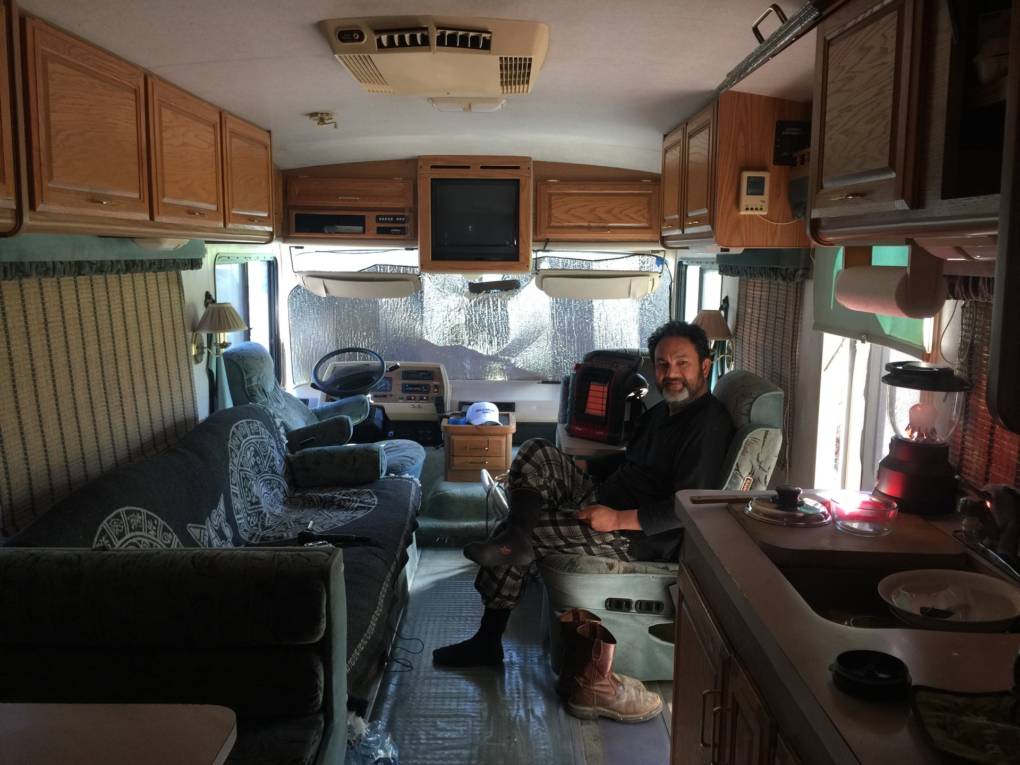
"caption": "Arturo Torres sits in his RV in Palo Alto. His family and home are in Fresno, but he lives and works during the week in Palo Alto, where the pay is better.",
"description": "Arturo Torres sits in his RV in Palo Alto. His family and home are in Fresno, but he lives and works during the week in Palo Alto, where the pay is better.",
"title": "RV LIVING",
"credit": "Penny Nelson/KQED",
"status": "inherit",
"isLoading": false,
"fetchFailed": false
},
"news_11748493": {
"type": "attachments",
"id": "news_11748493",
"meta": {
"index": "attachments_1716263798",
"site": "news",
"id": "11748493",
"found": true
},
"parent": 11748486,
"imgSizes": {
"apple_news_ca_square_4_0": {
"file": "https://ww2.kqed.org/app/uploads/sites/10/2019/05/GettyImages-1090892928-2-470x470.jpg",
"width": 470,
"mimeType": "image/jpeg",
"height": 470
},
"twentyfourteen-full-width": {
"file": "https://ww2.kqed.org/app/uploads/sites/10/2019/05/GettyImages-1090892928-2-1024x576.jpg",
"width": 1024,
"mimeType": "image/jpeg",
"height": 576
},
"thumbnail": {
"file": "https://ww2.kqed.org/app/uploads/sites/10/2019/05/GettyImages-1090892928-2-160x110.jpg",
"width": 160,
"mimeType": "image/jpeg",
"height": 110
},
"post-thumbnail": {
"file": "https://ww2.kqed.org/app/uploads/sites/10/2019/05/GettyImages-1090892928-2-672x372.jpg",
"width": 672,
"mimeType": "image/jpeg",
"height": 372
},
"kqedFullSize": {
"file": "https://ww2.kqed.org/app/uploads/sites/10/2019/05/GettyImages-1090892928-2.jpg",
"width": 1024,
"height": 703
},
"apple_news_ca_landscape_4_7": {
"file": "https://ww2.kqed.org/app/uploads/sites/10/2019/05/GettyImages-1090892928-2-632x474.jpg",
"width": 632,
"mimeType": "image/jpeg",
"height": 474
},
"large": {
"file": "https://ww2.kqed.org/app/uploads/sites/10/2019/05/GettyImages-1090892928-2-1020x700.jpg",
"width": 1020,
"mimeType": "image/jpeg",
"height": 700
},
"apple_news_ca_landscape_4_0": {
"file": "https://ww2.kqed.org/app/uploads/sites/10/2019/05/GettyImages-1090892928-2-536x402.jpg",
"width": 536,
"mimeType": "image/jpeg",
"height": 402
},
"medium": {
"file": "https://ww2.kqed.org/app/uploads/sites/10/2019/05/GettyImages-1090892928-2-800x549.jpg",
"width": 800,
"mimeType": "image/jpeg",
"height": 549
},
"apple_news_ca_portrait_4_0": {
"file": "https://ww2.kqed.org/app/uploads/sites/10/2019/05/GettyImages-1090892928-2-354x472.jpg",
"width": 354,
"mimeType": "image/jpeg",
"height": 472
},
"apple_news_ca_portrait_9_7": {
"file": "https://ww2.kqed.org/app/uploads/sites/10/2019/05/GettyImages-1090892928-2-840x703.jpg",
"width": 840,
"mimeType": "image/jpeg",
"height": 703
},
"apple_news_ca_portrait_4_7": {
"file": "https://ww2.kqed.org/app/uploads/sites/10/2019/05/GettyImages-1090892928-2-414x552.jpg",
"width": 414,
"mimeType": "image/jpeg",
"height": 552
},
"apple_news_ca_portrait_5_5": {
"file": "https://ww2.kqed.org/app/uploads/sites/10/2019/05/GettyImages-1090892928-2-687x703.jpg",
"width": 687,
"mimeType": "image/jpeg",
"height": 703
},
"apple_news_ca_square_4_7": {
"file": "https://ww2.kqed.org/app/uploads/sites/10/2019/05/GettyImages-1090892928-2-550x550.jpg",
"width": 550,
"mimeType": "image/jpeg",
"height": 550
},
"apple_news_ca_square_5_5": {
"file": "https://ww2.kqed.org/app/uploads/sites/10/2019/05/GettyImages-1090892928-2-912x703.jpg",
"width": 912,
"mimeType": "image/jpeg",
"height": 703
}
},
"publishDate": 1558373695,
"modified": 1558379574,
"caption": "A pedestrian talks on the phone while walking past a Huawei Technologies store in Beijing, China.",
"description": "A pedestrian talks on the phone while walking past a Huawei Technologies store in Beijing, China.",
"title": "China's Telecom Giant Faces Criminal Charges in the U.S.",
"credit": "Kevin Frayer/Getty Images",
"status": "inherit",
"isLoading": false,
"fetchFailed": false
},
"news_11743649": {
"type": "attachments",
"id": "news_11743649",
"meta": {
"index": "attachments_1716263798",
"site": "news",
"id": "11743649",
"found": true
},
"parent": 11742887,
"imgSizes": {
"twentyfourteen-full-width": {
"file": "https://ww2.kqed.org/app/uploads/sites/10/2019/04/04262019_tech-detox-1038x576.jpg",
"width": 1038,
"mimeType": "image/jpeg",
"height": 576
},
"thumbnail": {
"file": "https://ww2.kqed.org/app/uploads/sites/10/2019/04/04262019_tech-detox-160x107.jpg",
"width": 160,
"mimeType": "image/jpeg",
"height": 107
},
"post-thumbnail": {
"file": "https://ww2.kqed.org/app/uploads/sites/10/2019/04/04262019_tech-detox-672x372.jpg",
"width": 672,
"mimeType": "image/jpeg",
"height": 372
},
"kqedFullSize": {
"file": "https://ww2.kqed.org/app/uploads/sites/10/2019/04/04262019_tech-detox.jpg",
"width": 2048,
"height": 1366
},
"large": {
"file": "https://ww2.kqed.org/app/uploads/sites/10/2019/04/04262019_tech-detox-1020x680.jpg",
"width": 1020,
"mimeType": "image/jpeg",
"height": 680
},
"complete_open_graph": {
"file": "https://ww2.kqed.org/app/uploads/sites/10/2019/04/04262019_tech-detox-1200x800.jpg",
"width": 1200,
"mimeType": "image/jpeg",
"height": 800
},
"full-width": {
"file": "https://ww2.kqed.org/app/uploads/sites/10/2019/04/04262019_tech-detox-1920x1280.jpg",
"width": 1920,
"mimeType": "image/jpeg",
"height": 1280
},
"medium": {
"file": "https://ww2.kqed.org/app/uploads/sites/10/2019/04/04262019_tech-detox-800x533.jpg",
"width": 800,
"mimeType": "image/jpeg",
"height": 533
}
},
"publishDate": 1556566100,
"modified": 1556576918,
"caption": "A boy makes faces while testing out the Animoji feature on an iPhone X at the Apple Store in San Francisco's Union Square on Nov. 3, 2017, in San Francisco.",
"description": "A boy makes faces while testing out the Animoji feature on an iPhone X at the Apple Store Union Square on Nov. 3, 2017, in San Francisco.",
"title": "US-LIFESTYLE-APPLE-iPhone-Tech-detox",
"credit": "ELIJAH NOUVELAGE/AFP/Getty Images)",
"status": "inherit",
"isLoading": false,
"fetchFailed": false
},
"news_11742155": {
"type": "attachments",
"id": "news_11742155",
"meta": {
"index": "attachments_1716263798",
"site": "news",
"id": "11742155",
"found": true
},
"parent": 11742154,
"imgSizes": {
"twentyfourteen-full-width": {
"file": "https://ww2.kqed.org/app/uploads/sites/10/2019/04/wing-drone-flying_wide-336ef725c907b1ef72bce8f95900adc859d30c60-1038x576.jpg",
"width": 1038,
"mimeType": "image/jpeg",
"height": 576
},
"thumbnail": {
"file": "https://ww2.kqed.org/app/uploads/sites/10/2019/04/wing-drone-flying_wide-336ef725c907b1ef72bce8f95900adc859d30c60-160x90.jpg",
"width": 160,
"mimeType": "image/jpeg",
"height": 90
},
"post-thumbnail": {
"file": "https://ww2.kqed.org/app/uploads/sites/10/2019/04/wing-drone-flying_wide-336ef725c907b1ef72bce8f95900adc859d30c60-672x372.jpg",
"width": 672,
"mimeType": "image/jpeg",
"height": 372
},
"kqedFullSize": {
"file": "https://ww2.kqed.org/app/uploads/sites/10/2019/04/wing-drone-flying_wide-336ef725c907b1ef72bce8f95900adc859d30c60-e1556043325563.jpg",
"width": 1920,
"height": 1080
},
"large": {
"file": "https://ww2.kqed.org/app/uploads/sites/10/2019/04/wing-drone-flying_wide-336ef725c907b1ef72bce8f95900adc859d30c60-1020x574.jpg",
"width": 1020,
"mimeType": "image/jpeg",
"height": 574
},
"complete_open_graph": {
"file": "https://ww2.kqed.org/app/uploads/sites/10/2019/04/wing-drone-flying_wide-336ef725c907b1ef72bce8f95900adc859d30c60-1200x675.jpg",
"width": 1200,
"mimeType": "image/jpeg",
"height": 675
},
"full-width": {
"file": "https://ww2.kqed.org/app/uploads/sites/10/2019/04/wing-drone-flying_wide-336ef725c907b1ef72bce8f95900adc859d30c60-1920x1080.jpg",
"width": 1920,
"mimeType": "image/jpeg",
"height": 1080
},
"medium": {
"file": "https://ww2.kqed.org/app/uploads/sites/10/2019/04/wing-drone-flying_wide-336ef725c907b1ef72bce8f95900adc859d30c60-800x450.jpg",
"width": 800,
"mimeType": "image/jpeg",
"height": 450
}
},
"publishDate": 1556043153,
"modified": 1556043317,
"caption": "The Wing company, a Google spinoff, has won federal approval to operate its drone delivery system as an airline in the U.S.",
"description": "The Wing company, a Google spinoff, has won federal approval to operate its drone delivery system as an airline in the U.S.",
"title": "The Wing company, a Google spinoff, has won federal approval to operate its drone delivery system as an airline in the U.S.",
"credit": "Wing",
"status": "inherit",
"isLoading": false,
"fetchFailed": false
},
"news_11741379": {
"type": "attachments",
"id": "news_11741379",
"meta": {
"index": "attachments_1716263798",
"site": "news",
"id": "11741379",
"found": true
},
"parent": 11741371,
"imgSizes": {
"twentyfourteen-full-width": {
"file": "https://ww2.kqed.org/app/uploads/sites/10/2019/04/04182019_Google-qut-1038x576.jpg",
"width": 1038,
"mimeType": "image/jpeg",
"height": 576
},
"thumbnail": {
"file": "https://ww2.kqed.org/app/uploads/sites/10/2019/04/04182019_Google-qut-160x109.jpg",
"width": 160,
"mimeType": "image/jpeg",
"height": 109
},
"post-thumbnail": {
"file": "https://ww2.kqed.org/app/uploads/sites/10/2019/04/04182019_Google-qut-672x372.jpg",
"width": 672,
"mimeType": "image/jpeg",
"height": 372
},
"kqedFullSize": {
"file": "https://ww2.kqed.org/app/uploads/sites/10/2019/04/04182019_Google-qut.jpg",
"width": 1920,
"height": 1312
},
"large": {
"file": "https://ww2.kqed.org/app/uploads/sites/10/2019/04/04182019_Google-qut-1020x697.jpg",
"width": 1020,
"mimeType": "image/jpeg",
"height": 697
},
"complete_open_graph": {
"file": "https://ww2.kqed.org/app/uploads/sites/10/2019/04/04182019_Google-qut-1200x820.jpg",
"width": 1200,
"mimeType": "image/jpeg",
"height": 820
},
"full-width": {
"file": "https://ww2.kqed.org/app/uploads/sites/10/2019/04/04182019_Google-qut-1920x1312.jpg",
"width": 1920,
"mimeType": "image/jpeg",
"height": 1312
},
"medium": {
"file": "https://ww2.kqed.org/app/uploads/sites/10/2019/04/04182019_Google-qut-800x547.jpg",
"width": 800,
"mimeType": "image/jpeg",
"height": 547
}
},
"publishDate": 1555630680,
"modified": 1555632681,
"caption": "In response to a letter demanding equal treatment for contractors signed by Google employees, the company said it will require staffing firms to provide health insurance, 12 hours of paid parental leave and at least $15 an hour. Staffing agencies must comply by 2022. Pictured: Google headquarters on Jan. 30, 2014, in Mountain View.",
"description": "In response to a letter demanding equal treatment for contractors signed by Google employees, the company said it will require staffing firms to provide health insurance, 12 hours of paid parental leave and at least $15 an hour. Staffing agencies must comply by 2022. Pictured: Google headquarters on Jan. 30, 2014 in Mountain View.",
"title": "Google contract workers contractors",
"credit": "Justin Sullivan/Getty Images",
"status": "inherit",
"isLoading": false,
"fetchFailed": false
},
"news_11738543": {
"type": "attachments",
"id": "news_11738543",
"meta": {
"index": "attachments_1716263798",
"site": "news",
"id": "11738543",
"found": true
},
"parent": 11738379,
"imgSizes": {
"post-thumbnail": {
"file": "https://ww2.kqed.org/app/uploads/sites/10/2019/04/15599372862_65d06eab47_k-672x372.jpg",
"width": 672,
"mimeType": "image/jpeg",
"height": 372
},
"kqedFullSize": {
"file": "https://ww2.kqed.org/app/uploads/sites/10/2019/04/15599372862_65d06eab47_k.jpg",
"width": 2048,
"height": 1152
},
"guest-author-50": {
"file": "https://ww2.kqed.org/app/uploads/sites/10/2019/04/15599372862_65d06eab47_k-50x50.jpg",
"width": 50,
"mimeType": "image/jpeg",
"height": 50
},
"guest-author-96": {
"file": "https://ww2.kqed.org/app/uploads/sites/10/2019/04/15599372862_65d06eab47_k-96x96.jpg",
"width": 96,
"mimeType": "image/jpeg",
"height": 96
},
"apple_news_ca_portrait_12_9": {
"file": "https://ww2.kqed.org/app/uploads/sites/10/2019/04/15599372862_65d06eab47_k-1122x1152.jpg",
"width": 1122,
"mimeType": "image/jpeg",
"height": 1152
},
"medium": {
"file": "https://ww2.kqed.org/app/uploads/sites/10/2019/04/15599372862_65d06eab47_k-800x450.jpg",
"width": 800,
"mimeType": "image/jpeg",
"height": 450
},
"guest-author-32": {
"file": "https://ww2.kqed.org/app/uploads/sites/10/2019/04/15599372862_65d06eab47_k-32x32.jpg",
"width": 32,
"mimeType": "image/jpeg",
"height": 32
},
"apple_news_ca_portrait_9_7": {
"file": "https://ww2.kqed.org/app/uploads/sites/10/2019/04/15599372862_65d06eab47_k-840x1120.jpg",
"width": 840,
"mimeType": "image/jpeg",
"height": 1120
},
"apple_news_ca_square_9_7": {
"file": "https://ww2.kqed.org/app/uploads/sites/10/2019/04/15599372862_65d06eab47_k-1104x1104.jpg",
"width": 1104,
"mimeType": "image/jpeg",
"height": 1104
},
"apple_news_ca_portrait_4_7": {
"file": "https://ww2.kqed.org/app/uploads/sites/10/2019/04/15599372862_65d06eab47_k-414x552.jpg",
"width": 414,
"mimeType": "image/jpeg",
"height": 552
},
"apple_news_ca_square_12_9": {
"file": "https://ww2.kqed.org/app/uploads/sites/10/2019/04/15599372862_65d06eab47_k-1472x1152.jpg",
"width": 1472,
"mimeType": "image/jpeg",
"height": 1152
},
"apple_news_ca_portrait_5_5": {
"file": "https://ww2.kqed.org/app/uploads/sites/10/2019/04/15599372862_65d06eab47_k-687x916.jpg",
"width": 687,
"mimeType": "image/jpeg",
"height": 916
},
"apple_news_ca_square_4_7": {
"file": "https://ww2.kqed.org/app/uploads/sites/10/2019/04/15599372862_65d06eab47_k-550x550.jpg",
"width": 550,
"mimeType": "image/jpeg",
"height": 550
},
"apple_news_ca_square_5_5": {
"file": "https://ww2.kqed.org/app/uploads/sites/10/2019/04/15599372862_65d06eab47_k-912x912.jpg",
"width": 912,
"mimeType": "image/jpeg",
"height": 912
},
"apple_news_ca_landscape_5_5": {
"file": "https://ww2.kqed.org/app/uploads/sites/10/2019/04/15599372862_65d06eab47_k-1044x783.jpg",
"width": 1044,
"mimeType": "image/jpeg",
"height": 783
},
"apple_news_ca_square_4_0": {
"file": "https://ww2.kqed.org/app/uploads/sites/10/2019/04/15599372862_65d06eab47_k-470x470.jpg",
"width": 470,
"mimeType": "image/jpeg",
"height": 470
},
"twentyfourteen-full-width": {
"file": "https://ww2.kqed.org/app/uploads/sites/10/2019/04/15599372862_65d06eab47_k-1038x576.jpg",
"width": 1038,
"mimeType": "image/jpeg",
"height": 576
},
"thumbnail": {
"file": "https://ww2.kqed.org/app/uploads/sites/10/2019/04/15599372862_65d06eab47_k-160x90.jpg",
"width": 160,
"mimeType": "image/jpeg",
"height": 90
},
"apple_news_ca_landscape_4_7": {
"file": "https://ww2.kqed.org/app/uploads/sites/10/2019/04/15599372862_65d06eab47_k-632x474.jpg",
"width": 632,
"mimeType": "image/jpeg",
"height": 474
},
"large": {
"file": "https://ww2.kqed.org/app/uploads/sites/10/2019/04/15599372862_65d06eab47_k-1020x574.jpg",
"width": 1020,
"mimeType": "image/jpeg",
"height": 574
},
"complete_open_graph": {
"file": "https://ww2.kqed.org/app/uploads/sites/10/2019/04/15599372862_65d06eab47_k-1200x675.jpg",
"width": 1200,
"mimeType": "image/jpeg",
"height": 675
},
"apple_news_ca_landscape_4_0": {
"file": "https://ww2.kqed.org/app/uploads/sites/10/2019/04/15599372862_65d06eab47_k-536x402.jpg",
"width": 536,
"mimeType": "image/jpeg",
"height": 402
},
"guest-author-64": {
"file": "https://ww2.kqed.org/app/uploads/sites/10/2019/04/15599372862_65d06eab47_k-64x64.jpg",
"width": 64,
"mimeType": "image/jpeg",
"height": 64
},
"apple_news_ca_portrait_4_0": {
"file": "https://ww2.kqed.org/app/uploads/sites/10/2019/04/15599372862_65d06eab47_k-354x472.jpg",
"width": 354,
"mimeType": "image/jpeg",
"height": 472
},
"apple_news_ca_landscape_12_9": {
"file": "https://ww2.kqed.org/app/uploads/sites/10/2019/04/15599372862_65d06eab47_k-1832x1152.jpg",
"width": 1832,
"mimeType": "image/jpeg",
"height": 1152
},
"full-width": {
"file": "https://ww2.kqed.org/app/uploads/sites/10/2019/04/15599372862_65d06eab47_k-1920x1080.jpg",
"width": 1920,
"mimeType": "image/jpeg",
"height": 1080
},
"guest-author-128": {
"file": "https://ww2.kqed.org/app/uploads/sites/10/2019/04/15599372862_65d06eab47_k-128x128.jpg",
"width": 128,
"mimeType": "image/jpeg",
"height": 128
},
"apple_news_ca_landscape_9_7": {
"file": "https://ww2.kqed.org/app/uploads/sites/10/2019/04/15599372862_65d06eab47_k-1376x1032.jpg",
"width": 1376,
"mimeType": "image/jpeg",
"height": 1032
}
},
"publishDate": 1554752269,
"modified": 1554753308,
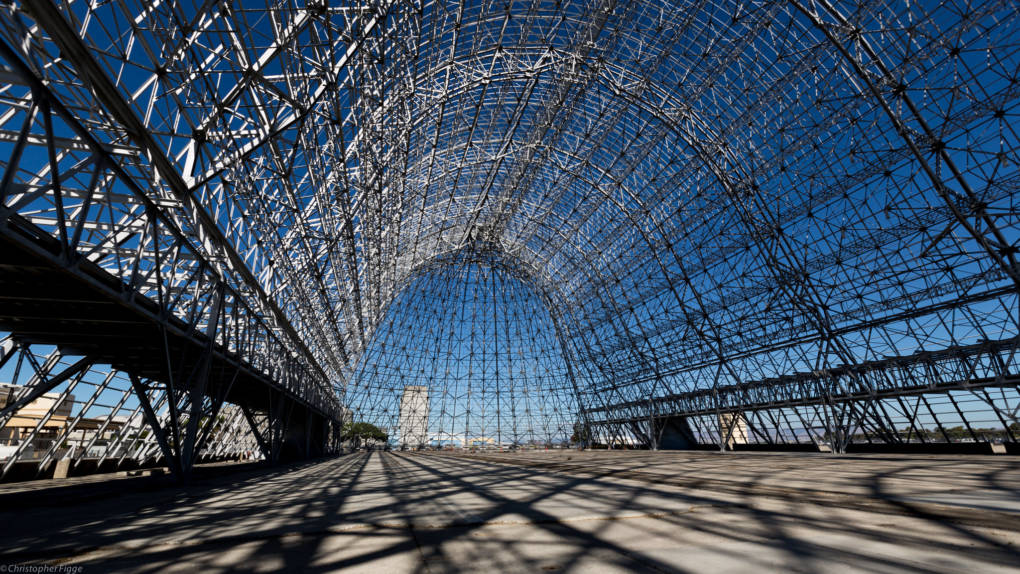
"caption": "The floor space within Hangar One is big enough to hold seven football fields. ",
"description": "The floor space within Hangar One is big enough to hold seven football fields. ",
"title": "15599372862_65d06eab47_k",
"credit": "\u003ca href=\"https://www.flickr.com/photos/17495652@N00/15599372862/in/photolist-pLsS5w-pLsSqm-pLouD6-oPA9en-ptU9zz-g7T82-9AQ8kW-ddoNBE-5fBXRm-dWeZM-ei4u5B-aFDU7F-5xnp5q-5xnoMU-dcRvM8-dcPpdo-4C2v2-dUhHk-pt4cKm-76MCGQ-ddoM9o-oNDZGk-5fC6gL-aG9qme-Dji918-ddoMoA-pKsrLF-pKwKCw-oNE2K8-psXX6a-6CmAME-9NC7mF-24kcN1i-5fy1Y8-bkv4cR-3tCR-Gyg8u-23h7sAt-qrouA-8YGge5-4ENmd6-4EZiHk-GygNE-21CgzhM-6GeP6r-GyAKj-4FgKb6-Gz92c-an8BiC-4F9ERp\">Chris Figge\u003c/a>/Flickr",
"status": "inherit",
"isLoading": false,
"fetchFailed": false
}
},
"audioPlayerReducer": {
"postId": "stream_live",
"isPaused": true,
"isPlaying": false,
"pfsActive": false,
"pledgeModalIsOpen": true,
"playerDrawerIsOpen": false,
"liveAudioPlayStartedAt": 0,
"liveAudioPlayContext": ""
},
"authorsReducer": {
"byline_news_11753113": {
"type": "authors",
"id": "byline_news_11753113",
"meta": {
"override": true
},
"slug": "byline_news_11753113",
"name": "\u003cstrong>Aarti Shahani\u003c/strong>",
"isLoading": false
},
"byline_news_11752549": {
"type": "authors",
"id": "byline_news_11752549",
"meta": {
"override": true
},
"slug": "byline_news_11752549",
"name": "Barbara Ortutay and Rachel Lerman\u003cbr>Associated Press",
"isLoading": false
},
"byline_news_11748486": {
"type": "authors",
"id": "byline_news_11748486",
"meta": {
"override": true
},
"slug": "byline_news_11748486",
"name": "\u003ca href= \"https://www.npr.org/people/620099155/matthew-schwartz\"> Matthew S. Schwartz \u003ca/>",
"isLoading": false
},
"byline_news_11742154": {
"type": "authors",
"id": "byline_news_11742154",
"meta": {
"override": true
},
"slug": "byline_news_11742154",
"name": "\u003ca href=\"https://www.npr.org/people/14562108/bill-chappell\">Bill Chappell\u003c/a>",
"isLoading": false
},
"rachael-myrow": {
"type": "authors",
"id": "251",
"meta": {
"index": "authors_1716337520",
"id": "251",
"found": true
},
"name": "Rachael Myrow",
"firstName": "Rachael",
"lastName": "Myrow",
"slug": "rachael-myrow",
"email": "rmyrow@kqed.org",
"display_author_email": true,
"staff_mastheads": [
"news"
],
"title": "Senior Editor of KQED's Silicon Valley News Desk",
"bio": "• I write and edit stories about how Silicon Valley power and policies shape everyday life in California. I’m also passionate about making Bay Area history and culture more accessible to a broad public. • I’ve been a journalist for most of my life, starting in high school with The Franklin Press in Los Angeles, where I grew up. While earning my first degree in English at UC Berkeley, I got my start in public radio at KALX-FM. After completing a second degree in journalism at Cal, I landed my first professional job at Marketplace, then moved on to KPCC (now LAist), and then KQED, where I hosted The California Report for more than seven years. • My reporting has appeared on NPR, The World, WBUR’s \u003ci>Here & Now\u003c/i>, and the BBC. I also guest host for KQED’s \u003ci>Forum\u003c/i>, as well as the Commonwealth Club in San Francisco. • I speak periodically on media, democracy and technology issues, and do voiceover work for documentaries and educational video projects. • Outside of the studio, you'll find me hiking Bay Area trails and whipping up Insta-ready meals in my kitchen. • I do not accept gifts, money, or favors from anyone connected to my reporting, I don't pay people for information, and I do not support or donate to political causes. • I strive to treat the people I report on with fairness, honesty, and respect. I also recognize there are often multiple sides to a story and work to verify information through multiple sources and documentation. If I get something wrong, I correct it.",
"avatar": "https://secure.gravatar.com/avatar/3ed8a3c5f26025e4a805ba634cda8cd764906b97438a6d9ce216b044e340da4e?s=600&d=blank&r=g",
"twitter": "rachaelmyrow",
"bluesky": null,
"facebook": null,
"instagram": null,
"linkedin": "https://www.linkedin.com/in/rachaelmyrow/",
"sites": [
{
"site": "arts",
"roles": [
"administrator"
]
},
{
"site": "news",
"roles": [
"edit_others_posts",
"editor"
]
},
{
"site": "futureofyou",
"roles": [
"editor"
]
},
{
"site": "bayareabites",
"roles": [
"editor"
]
},
{
"site": "stateofhealth",
"roles": [
"editor"
]
},
{
"site": "science",
"roles": [
"editor"
]
},
{
"site": "food",
"roles": [
"editor"
]
},
{
"site": "forum",
"roles": [
"editor"
]
},
{
"site": "liveblog",
"roles": [
"author"
]
}
],
"headData": {
"title": "Rachael Myrow | KQED",
"description": "Senior Editor of KQED's Silicon Valley News Desk",
"ogImgSrc": "https://secure.gravatar.com/avatar/3ed8a3c5f26025e4a805ba634cda8cd764906b97438a6d9ce216b044e340da4e?s=600&d=blank&r=g",
"twImgSrc": "https://secure.gravatar.com/avatar/3ed8a3c5f26025e4a805ba634cda8cd764906b97438a6d9ce216b044e340da4e?s=600&d=blank&r=g"
},
"isLoading": false,
"link": "/author/rachael-myrow"
},
"samharnett": {
"type": "authors",
"id": "253",
"meta": {
"index": "authors_1716337520",
"id": "253",
"found": true
},
"name": "Sam Harnett",
"firstName": "Sam",
"lastName": "Harnett",
"slug": "samharnett",
"email": "samharnett@gmail.com",
"display_author_email": false,
"staff_mastheads": [],
"title": "KQED Contributor",
"bio": "Sam Harnett covered tech and work at KQED. He is the co-creator of \u003cem>\u003ca href=\"http://www.theworldaccordingtosound.org\">The World According to Sound\u003c/a>,\u003c/em> a 90-second podcast that features different sounds and the stories behind them.\r\n\r\nBefore coming to KQED, Sam worked as an independent reporter who contributed regularly to \u003cem>The California Report, Marketplace,\u003c/em> \u003cem>The World \u003c/em>and NPR.",
"avatar": "https://secure.gravatar.com/avatar/2538b972ac02f2b9546c7a6c59a0f3d0?s=600&d=blank&r=g",
"twitter": "Samwharnett",
"facebook": null,
"instagram": null,
"linkedin": null,
"sites": [
{
"site": "news",
"roles": [
"edit_others_posts",
"subscriber"
]
},
{
"site": "stateofhealth",
"roles": [
"author"
]
},
{
"site": "science",
"roles": [
"editor"
]
},
{
"site": "quest",
"roles": [
"subscriber"
]
}
],
"headData": {
"title": "Sam Harnett | KQED",
"description": "KQED Contributor",
"ogImgSrc": "https://secure.gravatar.com/avatar/2538b972ac02f2b9546c7a6c59a0f3d0?s=600&d=blank&r=g",
"twImgSrc": "https://secure.gravatar.com/avatar/2538b972ac02f2b9546c7a6c59a0f3d0?s=600&d=blank&r=g"
},
"isLoading": false,
"link": "/author/samharnett"
},
"matthewgreen": {
"type": "authors",
"id": "1263",
"meta": {
"index": "authors_1716337520",
"id": "1263",
"found": true
},
"name": "Matthew Green",
"firstName": "Matthew",
"lastName": "Green",
"slug": "matthewgreen",
"email": "mgreen@kqed.org",
"display_author_email": false,
"staff_mastheads": [],
"title": "KQED Editor/Reporter",
"bio": "Matthew Green is a digital media producer for KQED News. He previously produced \u003ca href=\"http://www.kqed.org/lowdown\">The Lowdown\u003c/a>, KQED’s multimedia news education blog. Matthew's written for numerous Bay Area publications, including the Oakland Tribune and San Francisco Chronicle. He also taught journalism classes at Fremont High School in East Oakland.\r\n\r\nEmail: mgreen@kqed.org; Twitter: @MGreenKQED",
"avatar": "https://secure.gravatar.com/avatar/3bf498d1267ca02c8494f33d8cfc575e?s=600&d=blank&r=g",
"twitter": "MGreenKQED",
"facebook": null,
"instagram": null,
"linkedin": null,
"sites": [
{
"site": "news",
"roles": []
},
{
"site": "lowdown",
"roles": []
},
{
"site": "science",
"roles": []
},
{
"site": "education",
"roles": []
},
{
"site": "quest",
"roles": []
},
{
"site": "liveblog",
"roles": []
}
],
"headData": {
"title": "Matthew Green | KQED",
"description": "KQED Editor/Reporter",
"ogImgSrc": "https://secure.gravatar.com/avatar/3bf498d1267ca02c8494f33d8cfc575e?s=600&d=blank&r=g",
"twImgSrc": "https://secure.gravatar.com/avatar/3bf498d1267ca02c8494f33d8cfc575e?s=600&d=blank&r=g"
},
"isLoading": false,
"link": "/author/matthewgreen"
},
"shossaini": {
"type": "authors",
"id": "3214",
"meta": {
"index": "authors_1716337520",
"id": "3214",
"found": true
},
"name": "Sara Hossaini",
"firstName": "Sara",
"lastName": "Hossaini",
"slug": "shossaini",
"email": "shossaini@kqed.org",
"display_author_email": true,
"staff_mastheads": [
"news"
],
"title": "KQED Reporter",
"bio": "Sara Hossaini came to general assignment reporting at KQED in 2013 after two winters reporting at Wyoming Public Radio. She holds a bachelor's degree in broadcast journalism from the University of Nebraska-Lincoln. Her radio romance began after a bitter breakup with documentary film (Ok, maybe it's still complicated). Her first simultaneous jobs in San Francisco were as Associate Producer on a PBS film series through the Center for Asian American Media and as a butler. She likes to trot, plot and make things with her hands.",
"avatar": "https://secure.gravatar.com/avatar/060e9f56b9554e17942e89f413242774?s=600&d=blank&r=g",
"twitter": "mshossaini",
"facebook": null,
"instagram": null,
"linkedin": null,
"sites": [
{
"site": "news",
"roles": [
"author"
]
},
{
"site": "stateofhealth",
"roles": [
"author"
]
}
],
"headData": {
"title": "Sara Hossaini | KQED",
"description": "KQED Reporter",
"ogImgSrc": "https://secure.gravatar.com/avatar/060e9f56b9554e17942e89f413242774?s=600&d=blank&r=g",
"twImgSrc": "https://secure.gravatar.com/avatar/060e9f56b9554e17942e89f413242774?s=600&d=blank&r=g"
},
"isLoading": false,
"link": "/author/shossaini"
},
"tcamhi": {
"type": "authors",
"id": "3251",
"meta": {
"index": "authors_1716337520",
"id": "3251",
"found": true
},
"name": "Tiffany Camhi",
"firstName": "Tiffany",
"lastName": "Camhi",
"slug": "tcamhi",
"email": "tiffanycamhi@gmail.com",
"display_author_email": false,
"staff_mastheads": [],
"title": "KQED Contributor",
"bio": null,
"avatar": "https://secure.gravatar.com/avatar/f8204ce351139205d3b3dc1581016a5e30d7d8b38cb2c139348c151ec14b792e?s=600&d=blank&r=g",
"twitter": null,
"bluesky": null,
"facebook": null,
"instagram": null,
"linkedin": null,
"sites": [
{
"site": "arts",
"roles": [
"subscriber"
]
},
{
"site": "news",
"roles": [
"subscriber"
]
}
],
"headData": {
"title": "Tiffany Camhi | KQED",
"description": "KQED Contributor",
"ogImgSrc": "https://secure.gravatar.com/avatar/f8204ce351139205d3b3dc1581016a5e30d7d8b38cb2c139348c151ec14b792e?s=600&d=blank&r=g",
"twImgSrc": "https://secure.gravatar.com/avatar/f8204ce351139205d3b3dc1581016a5e30d7d8b38cb2c139348c151ec14b792e?s=600&d=blank&r=g"
},
"isLoading": false,
"link": "/author/tcamhi"
},
"shutson": {
"type": "authors",
"id": "11216",
"meta": {
"index": "authors_1716337520",
"id": "11216",
"found": true
},
"name": "Sonja Hutson",
"firstName": "Sonja",
"lastName": "Hutson",
"slug": "shutson",
"email": "shutson@kqed.org",
"display_author_email": false,
"staff_mastheads": [],
"title": "KQED Contributor",
"bio": "Sonja Hutson is a former reporter for KQED's Silicon Valley desk and weekend newscasts. She primarily covers tech and housing. Sonja is a Bay Area native and now lives in San Francisco. When she's not working, you can find her camping, skiing, scuba diving, and struggling with the New York Times Crossword. Email: \u003ca href=\"mailto:shutson@kqed.org\">shutson@kqed.org. \u003c/a>Twitter: \u003ca href=\"https://twitter.com/SonjaHutson\">@SonjaHutson\u003c/a>",
"avatar": "https://secure.gravatar.com/avatar/7537c5e36818614e599b6c0f41d72b7a?s=600&d=blank&r=g",
"twitter": "SonjaHutson",
"facebook": null,
"instagram": null,
"linkedin": null,
"sites": [
{
"site": "arts",
"roles": [
"author"
]
},
{
"site": "news",
"roles": [
"subscriber"
]
}
],
"headData": {
"title": "Sonja Hutson | KQED",
"description": "KQED Contributor",
"ogImgSrc": "https://secure.gravatar.com/avatar/7537c5e36818614e599b6c0f41d72b7a?s=600&d=blank&r=g",
"twImgSrc": "https://secure.gravatar.com/avatar/7537c5e36818614e599b6c0f41d72b7a?s=600&d=blank&r=g"
},
"isLoading": false,
"link": "/author/shutson"
},
"pnelson": {
"type": "authors",
"id": "11293",
"meta": {
"index": "authors_1716337520",
"id": "11293",
"found": true
},
"name": "Penny Nelson",
"firstName": "Penny",
"lastName": "Nelson",
"slug": "pnelson",
"email": "PNelson@KQED.org",
"display_author_email": false,
"staff_mastheads": [],
"title": "KQED Contributor",
"bio": "Penny Nelson was based in the Bay Area and worked at KQED in many capacities since 1996. Prior to working in San Francisco, she worked at WHYY. At KQED, Penny was an anchor, host, producer and editor.",
"avatar": "https://secure.gravatar.com/avatar/986e19a6d0bd017e82bf77481175c4ad?s=600&d=blank&r=g",
"twitter": null,
"facebook": null,
"instagram": null,
"linkedin": null,
"sites": [
{
"site": "arts",
"roles": [
"author"
]
},
{
"site": "news",
"roles": [
"subscriber"
]
}
],
"headData": {
"title": "Penny Nelson | KQED",
"description": "KQED Contributor",
"ogImgSrc": "https://secure.gravatar.com/avatar/986e19a6d0bd017e82bf77481175c4ad?s=600&d=blank&r=g",
"twImgSrc": "https://secure.gravatar.com/avatar/986e19a6d0bd017e82bf77481175c4ad?s=600&d=blank&r=g"
},
"isLoading": false,
"link": "/author/pnelson"
},
"zschiffer": {
"type": "authors",
"id": "11588",
"meta": {
"index": "authors_1716337520",
"id": "11588",
"found": true
},
"name": "Zoe Schiffer",
"firstName": "Zoe",
"lastName": "Schiffer",
"slug": "zschiffer",
"email": "zschiffer@KQED.org",
"display_author_email": false,
"staff_mastheads": [],
"title": null,
"bio": "Zoe Schiffer works at KQED's Silicon Valley Bureau, reporting on tech and culture. Previously, she freelanced for Vox's Racked, The Bold Italic, SF Gate, and SF Evergreen. She holds a B.A. in Political Science from UC Berkeley, and is working on a graduate degree in Journalism from Stanford. Outside of work you can find her reading, writing poetry, and running around Lake Merritt. Twitter: @ZoeSchiffer",
"avatar": "https://secure.gravatar.com/avatar/bbb1270a17cf7dbab05a089151407d8f?s=600&d=blank&r=g",
"twitter": "@ZoeSchiffer",
"facebook": null,
"instagram": null,
"linkedin": null,
"sites": [
{
"site": "news",
"roles": [
"author"
]
}
],
"headData": {
"title": "Zoe Schiffer | KQED",
"description": null,
"ogImgSrc": "https://secure.gravatar.com/avatar/bbb1270a17cf7dbab05a089151407d8f?s=600&d=blank&r=g",
"twImgSrc": "https://secure.gravatar.com/avatar/bbb1270a17cf7dbab05a089151407d8f?s=600&d=blank&r=g"
},
"isLoading": false,
"link": "/author/zschiffer"
}
},
"pagesReducer": {
"news_tag_google": {
"type": "terms",
"id": "news_93",
"meta": {
"index": "terms_1716263798",
"site": "news",
"id": "93",
"score": 8.458737
},
"featImg": null,
"name": "Google",
"description": null,
"taxonomy": "tag",
"headData": {
"twImgId": null,
"twTitle": null,
"ogTitle": null,
"ogImgId": null,
"twDescription": null,
"description": null,
"title": "Google Archives | KQED News",
"ogDescription": null
},
"ttid": 96,
"slug": "google",
"isLoading": false,
"title": "Google",
"pageMeta": {
"site": "news",
"WpPageTemplate": "page-topic-editorial",
"currentPage": 9
},
"blocks": [
{
"blockName": "kqed/post-list",
"attrs": {
"layout": "cardArticle2",
"query": "posts/news?tag=google",
"seeMore": false,
"paginated": true,
"page": 9
}
},
{
"blockName": "kqed/ad"
}
]
}
},
"pfsSessionReducer": {},
"postsReducer": {
"stream_live": {
"type": "live",
"id": "stream_live",
"audioUrl": "https://streams.kqed.org/kqedradio",
"title": "Live Stream",
"excerpt": "Live Stream information currently unavailable.",
"link": "/radio",
"featImg": "",
"label": {
"name": "KQED Live",
"link": "/"
}
},
"stream_kqedNewscast": {
"type": "posts",
"id": "stream_kqedNewscast",
"audioUrl": "https://www.kqed.org/.stream/anon/radio/RDnews/newscast.mp3?_=1",
"title": "KQED Newscast",
"featImg": "",
"label": {
"name": "88.5 FM",
"link": "/"
}
},
"news_11757445": {
"type": "posts",
"id": "news_11757445",
"meta": {
"index": "posts_1716263798",
"site": "news",
"id": "11757445",
"score": null,
"sort": [
1561591836000
]
},
"guestAuthors": [],
"slug": "google-wont-be-kicked-out-of-sf-pride-despite-petition-by-its-own-employees",
"title": "Google Won't Be Kicked Out of SF Pride — Despite Petition by Its Own Employees",
"publishDate": 1561591836,
"format": "audio",
"headTitle": "Google Won’t Be Kicked Out of SF Pride — Despite Petition by Its Own Employees | KQED",
"labelTerm": {
"site": "news"
},
"content": "\u003cp>Organizers of the San Francisco Pride Parade said Wednesday that Google will remain a participant, despite employees of the tech giant asking for the company’s removal from the festivities.\u003c/p>\n\u003cp>[pullquote size='small' align='right' citation='San Francisco Pride']‘Google has been a considerate partner of SF Pride for a number of years, and has historically been a strong ally to LGBTQ+ communities.’[/pullquote]As first reported by \u003ca href=\"https://www.bloomberg.com/news/articles/2019-06-26/google-workers-petition-sf-pride-to-exclude-company-from-parade\">Bloomberg\u003c/a>, nearly 100 Google employees signed a \u003ca href=\"https://medium.com/@BanGoogleFromPride/an-open-petition-to-the-san-francisco-pride-board-of-directors-f8164486c2e4\">letter\u003c/a> sent to San Francisco Pride’s board of directors criticizing how the company handles hate speech on YouTube and other Google products. The parade is scheduled for Sunday.\u003c/p>\n\u003cp>“We have spent countless hours advocating for our company to improve policies and practices regarding the treatment of LGBTQ+ persons, the depiction of LGBTQ+ persons, and harassment and hate speech directed at LGBTQ+ persons, on YouTube and other Google products,” the employees wrote. “Whenever we press for change, we are told only that the company will ‘take a hard look at these policies.’ But we are never given a commitment to improve, and when we ask when these improvements will be made, we are always told to be patient.”\u003c/p>\n\u003cp>San Francisco Pride said that while Google needs to do more to protect LGBTQ+ creators on its platforms, it has been receptive to criticism.\u003c/p>\n\u003cp>“Google has been a considerate partner of SF Pride for a number of years, and has historically been a strong ally to LGBTQ+ communities,” San Francisco Pride said in a \u003ca href=\"http://www.sfpride.org/wp-content/uploads/2019/06/Statement-on-Participation-of-Google-2019.pdf\">statement\u003c/a>. “Google has long offered substantial benefits to their same-sex couple and transgender employees, and shown valuable public advocacy, opposing unfair legislation targeting LGBTQ communities, particularly trans individuals.”\u003c/p>\n\u003cp>[aside tag='san-francisco-pride' label='Coverage of San Francisco Pride']Workers involved with the letter had asked Google to allow them to walk with the company’s parade contingent and protest, but Google refused.\u003c/p>\n\u003cp>Google said employees can protest at the parade, just not with the company, because the day is personally meaningful to many workers marching.\u003c/p>\n\u003cp>“Google has marched in the San Francisco Pride Parade for more than a decade and we are excited to continue the tradition this weekend,” a Google spokesperson said in a statement. “We are grateful for SF Pride’s partnership and leadership.”\u003c/p>\n\u003cp>Google most recently came under fire for saying videos by conservative comedian Steven Crowder containing homophobic and racist jokes about journalist Carlos Maza \u003ca href=\"https://twitter.com/TeamYouTube/status/1136341801109843968\">did not violate\u003c/a> its policies. The next day, the company took away Crowder’s ability to make money from his channel.\u003c/p>\n\u003cp>[ad fullwidth]\u003c/p>\n\u003cp>\u003c/p>\n",
"blocks": [],
"excerpt": "Google will be marching in Sunday's San Francisco Pride Parade and remain a sponsor of the event, despite a petition sent to organizers asking that the company be removed.",
"status": "publish",
"parent": 0,
"modified": 1721122022,
"stats": {
"hasAudio": false,
"hasVideo": false,
"hasChartOrMap": false,
"iframeSrcs": [],
"hasGoogleForm": false,
"hasGallery": false,
"hasHearkenModule": false,
"hasPolis": false,
"paragraphCount": 11,
"wordCount": 447
},
"headData": {
"title": "Google Won't Be Kicked Out of SF Pride — Despite Petition by Its Own Employees | KQED",
"description": "Google will be marching in Sunday's San Francisco Pride Parade and remain a sponsor of the event, despite a petition sent to organizers asking that the company be removed.",
"ogTitle": "",
"ogDescription": "",
"ogImgId": "",
"twTitle": "",
"twDescription": "",
"twImgId": "",
"schema": {
"@context": "https://schema.org",
"@type": "NewsArticle",
"headline": "Google Won't Be Kicked Out of SF Pride — Despite Petition by Its Own Employees",
"datePublished": "2019-06-26T16:30:36-07:00",
"dateModified": "2024-07-16T02:27:02-07:00",
"image": "https://cdn.kqed.org/wp-content/uploads/2020/02/KQED-OG-Image@1x.png",
"isAccessibleForFree": "True",
"publisher": {
"@type": "NewsMediaOrganization",
"@id": "https://www.kqed.org/#organization",
"name": "KQED",
"logo": "https://cdn.kqed.org/wp-content/uploads/2020/02/KQED-OG-Image@1x.png",
"url": "https://www.kqed.org",
"sameAs": [
"https://www.facebook.com/KQED",
"https://twitter.com/KQED",
"https://www.instagram.com/kqed/",
"https://www.tiktok.com/@kqedofficial",
"https://www.linkedin.com/company/kqed",
"https://www.youtube.com/channel/UCeC0IOo7i1P_61zVUWbJ4nw"
]
}
}
},
"audioUrl": "https://www.kqed.org/.stream/anon/radio/RDnews/2019/06/HutsonGooglePride.mp3",
"sticky": false,
"audioTrackLength": 62,
"path": "/news/11757445/google-wont-be-kicked-out-of-sf-pride-despite-petition-by-its-own-employees",
"audioDuration": 62000,
"parsedContent": [
{
"type": "contentString",
"content": "\u003cdiv class=\"post-body\">\u003cp>\u003cp>Organizers of the San Francisco Pride Parade said Wednesday that Google will remain a participant, despite employees of the tech giant asking for the company’s removal from the festivities.\u003c/p>\n\u003cp>\u003c/p>\u003c/div>",
"attributes": {
"named": {},
"numeric": []
}
},
{
"type": "component",
"content": "‘Google has been a considerate partner of SF Pride for a number of years, and has historically been a strong ally to LGBTQ+ communities.’",
"name": "pullquote",
"attributes": {
"named": {
"size": "small",
"align": "right",
"citation": "San Francisco Pride",
"label": ""
},
"numeric": []
}
},
{
"type": "contentString",
"content": "\u003cdiv class=\"post-body\">\u003cp>As first reported by \u003ca href=\"https://www.bloomberg.com/news/articles/2019-06-26/google-workers-petition-sf-pride-to-exclude-company-from-parade\">Bloomberg\u003c/a>, nearly 100 Google employees signed a \u003ca href=\"https://medium.com/@BanGoogleFromPride/an-open-petition-to-the-san-francisco-pride-board-of-directors-f8164486c2e4\">letter\u003c/a> sent to San Francisco Pride’s board of directors criticizing how the company handles hate speech on YouTube and other Google products. The parade is scheduled for Sunday.\u003c/p>\n\u003cp>“We have spent countless hours advocating for our company to improve policies and practices regarding the treatment of LGBTQ+ persons, the depiction of LGBTQ+ persons, and harassment and hate speech directed at LGBTQ+ persons, on YouTube and other Google products,” the employees wrote. “Whenever we press for change, we are told only that the company will ‘take a hard look at these policies.’ But we are never given a commitment to improve, and when we ask when these improvements will be made, we are always told to be patient.”\u003c/p>\n\u003cp>San Francisco Pride said that while Google needs to do more to protect LGBTQ+ creators on its platforms, it has been receptive to criticism.\u003c/p>\n\u003cp>“Google has been a considerate partner of SF Pride for a number of years, and has historically been a strong ally to LGBTQ+ communities,” San Francisco Pride said in a \u003ca href=\"http://www.sfpride.org/wp-content/uploads/2019/06/Statement-on-Participation-of-Google-2019.pdf\">statement\u003c/a>. “Google has long offered substantial benefits to their same-sex couple and transgender employees, and shown valuable public advocacy, opposing unfair legislation targeting LGBTQ communities, particularly trans individuals.”\u003c/p>\n\u003cp>\u003c/p>\u003c/div>",
"attributes": {
"named": {},
"numeric": []
}
},
{
"type": "component",
"content": "",
"name": "aside",
"attributes": {
"named": {
"tag": "san-francisco-pride",
"label": "Coverage of San Francisco Pride "
},
"numeric": []
}
},
{
"type": "contentString",
"content": "\u003cdiv class=\"post-body\">\u003cp>Workers involved with the letter had asked Google to allow them to walk with the company’s parade contingent and protest, but Google refused.\u003c/p>\n\u003cp>Google said employees can protest at the parade, just not with the company, because the day is personally meaningful to many workers marching.\u003c/p>\n\u003cp>“Google has marched in the San Francisco Pride Parade for more than a decade and we are excited to continue the tradition this weekend,” a Google spokesperson said in a statement. “We are grateful for SF Pride’s partnership and leadership.”\u003c/p>\n\u003cp>Google most recently came under fire for saying videos by conservative comedian Steven Crowder containing homophobic and racist jokes about journalist Carlos Maza \u003ca href=\"https://twitter.com/TeamYouTube/status/1136341801109843968\">did not violate\u003c/a> its policies. The next day, the company took away Crowder’s ability to make money from his channel.\u003c/p>\n\u003cp>\u003c/p>\u003c/div>",
"attributes": {
"named": {},
"numeric": []
}
},
{
"type": "component",
"content": "",
"name": "ad",
"attributes": {
"named": {
"label": "fullwidth"
},
"numeric": [
"fullwidth"
]
}
},
{
"type": "contentString",
"content": "\u003cdiv class=\"post-body\">\u003cp>\u003c/p>\n\u003cp>\u003c/p>\n\u003c/div>\u003c/p>",
"attributes": {
"named": {},
"numeric": []
}
}
],
"link": "/news/11757445/google-wont-be-kicked-out-of-sf-pride-despite-petition-by-its-own-employees",
"authors": [
"11216"
],
"categories": [
"news_223",
"news_8",
"news_248"
],
"tags": [
"news_93",
"news_20004",
"news_1579",
"news_22585"
],
"featImg": "news_11757503",
"label": "news"
},
"news_11756464": {
"type": "posts",
"id": "news_11756464",
"meta": {
"index": "posts_1716263798",
"site": "news",
"id": "11756464",
"score": null,
"sort": [
1561161679000
]
},
"guestAuthors": [],
"slug": "first-parking-site-for-people-living-in-rvs-opens-in-oakland-in-bid-to-ease-housing-crisis",
"title": "First Parking Site for People Living in RVs Opens in Oakland in Bid to Ease Housing Crisis",
"publishDate": 1561161679,
"format": "standard",
"headTitle": "First Parking Site for People Living in RVs Opens in Oakland in Bid to Ease Housing Crisis | KQED",
"labelTerm": {
"site": "news"
},
"content": "\u003cp>Oakland officials opened the first parking site Friday for people living in their RVs, as part of their bid to ease the housing crisis impacting communities throughout the Bay Area.\u003c/p>\n\u003cp>[pullquote size='medium' align='right' citation='Jade Koga, resident at the city's first RV parking site']‘God I couldn’t wait. I think it’s great because it gives us somewhere safe to park.’[/pullquote]City officials say the RV parking program, a six-month pilot, will support between 30 and 50 vehicles. The site, a city-owned lot located next to the Oakland Coliseum, features wash stations, garbage service and a weekly shower van, plus 24-hour security. Residents must be over 18 years old with RVs in driving condition.\u003c/p>\n\u003cp>“We don’t want to wait until we have all the answers to start taking action,” said Mayor Libby Schaaf. “Every day, we must do something to address the absolute frustration and absolute humanitarian need on these streets.”\u003c/p>\n\u003cp>Officials are inviting people with RVs living in an area (Edes and 85th avenues) that has been deeply impacted by the vehicles.\u003c/p>\n\u003cp>“It’s been really a challenge for that Brookfield community,” said Joe DeVries, assistant to the city administrator, who is managing the project. “And so that’s the community that we’re hoping to serve and alleviate first.”\u003c/p>\n\u003cp>Jade Koga was among the first residents asked to join. She moved her RV from Edes Avenue, where she said she often feared for her life and property.\u003c/p>\n\u003cp>“Yeah, they knocked on my door and I was the second person here. God, I couldn’t wait,” she said. “I think it’s great because it gives us somewhere safe to park. From here, I hope to get a job and get back on my feet.”\u003c/p>\n\u003cp>Schaaf said one more RV parking site was under development and another was being considered pending funding.\u003c/p>\n\u003cp>The number of homeless people in Alameda County \u003ca href=\"https://www.apnews.com/41b8393c7a434695985cde2a9852e786\" target=\"_blank\" rel=\"noopener\">grew 43%\u003c/a> over two years, from 2017 to 2019.\u003c/p>\n\u003cp>[aside tag='affordable-housing' label='KQED coverage of affordable housing']RVs line the streets of other cities, especially in Silicon Valley, but communities have taken different approaches to handling them. Mountain View’s City Council \u003ca href=\"https://www.mv-voice.com/news/2019/06/12/council-moves-ahead-with-milder-rv-ban?fbclid=IwAR1EuS1DFtroJCtlQ1vT73ECCjalqCWmXkMyoJuApS-FoqSy_FLdiuPCIog\" target=\"_blank\" rel=\"noopener\">last week backed off a proposed ban\u003c/a>, opting to enact several restrictions, including a ban on large motor homes and trailers throughout the city from 2 a.m. to 6 a.m., beginning Jan. 1, 2020. The city of \u003ca href=\"https://www.kqed.org/news/11735832/berkeley-affirms-ban-on-overnight-rv-parking-once-permit-system-is-in-place\">Berkeley\u003c/a> has banned overnight parking for RVs.\u003c/p>\n\u003cp>In Palo Alto, where campervans and RVs are parked on El Camino Real next to Stanford University, a city rule mandates that people move vehicles on public roads every three days — and at least a half-mile away.\u003c/p>\n\u003cp>[ad fullwidth]\u003c/p>\n\u003cp>\u003c/p>\n",
"blocks": [],
"excerpt": "The six-month pilot program will support between 30 and 50 vehicles on a lot next to the Oakland Coliseum.",
"status": "publish",
"parent": 0,
"modified": 1729028836,
"stats": {
"hasAudio": false,
"hasVideo": false,
"hasChartOrMap": false,
"iframeSrcs": [],
"hasGoogleForm": false,
"hasGallery": false,
"hasHearkenModule": false,
"hasPolis": false,
"paragraphCount": 13,
"wordCount": 476
},
"headData": {
"title": "First Parking Site for People Living in RVs Opens in Oakland in Bid to Ease Housing Crisis | KQED",
"description": "The six-month pilot program will support between 30 and 50 vehicles on a lot next to the Oakland Coliseum.",
"ogTitle": "",
"ogDescription": "",
"ogImgId": "",
"twTitle": "",
"twDescription": "",
"twImgId": "",
"schema": {
"@context": "https://schema.org",
"@type": "NewsArticle",
"headline": "First Parking Site for People Living in RVs Opens in Oakland in Bid to Ease Housing Crisis",
"datePublished": "2019-06-21T17:01:19-07:00",
"dateModified": "2024-10-15T14:47:16-07:00",
"image": "https://cdn.kqed.org/wp-content/uploads/2020/02/KQED-OG-Image@1x.png",
"isAccessibleForFree": "True",
"publisher": {
"@type": "NewsMediaOrganization",
"@id": "https://www.kqed.org/#organization",
"name": "KQED",
"logo": "https://cdn.kqed.org/wp-content/uploads/2020/02/KQED-OG-Image@1x.png",
"url": "https://www.kqed.org",
"sameAs": [
"https://www.facebook.com/KQED",
"https://twitter.com/KQED",
"https://www.instagram.com/kqed/",
"https://www.tiktok.com/@kqedofficial",
"https://www.linkedin.com/company/kqed",
"https://www.youtube.com/channel/UCeC0IOo7i1P_61zVUWbJ4nw"
]
}
}
},
"sticky": false,
"path": "/news/11756464/first-parking-site-for-people-living-in-rvs-opens-in-oakland-in-bid-to-ease-housing-crisis",
"audioTrackLength": null,
"parsedContent": [
{
"type": "contentString",
"content": "\u003cdiv class=\"post-body\">\u003cp>\u003cp>Oakland officials opened the first parking site Friday for people living in their RVs, as part of their bid to ease the housing crisis impacting communities throughout the Bay Area.\u003c/p>\n\u003cp>\u003c/p>\u003c/div>",
"attributes": {
"named": {},
"numeric": []
}
},
{
"type": "component",
"content": "‘God I couldn’t wait. I think it’s great because it gives us somewhere safe to park.’",
"name": "pullquote",
"attributes": {
"named": {
"size": "medium",
"align": "right",
"label": "citation='Jade Koga, resident at the city's first RV parking site'"
},
"numeric": [
"citation='Jade",
"Koga,",
"resident",
"at",
"the",
"city's",
"first",
"RV",
"parking",
"site'"
]
}
},
{
"type": "contentString",
"content": "\u003cdiv class=\"post-body\">\u003cp>City officials say the RV parking program, a six-month pilot, will support between 30 and 50 vehicles. The site, a city-owned lot located next to the Oakland Coliseum, features wash stations, garbage service and a weekly shower van, plus 24-hour security. Residents must be over 18 years old with RVs in driving condition.\u003c/p>\n\u003cp>“We don’t want to wait until we have all the answers to start taking action,” said Mayor Libby Schaaf. “Every day, we must do something to address the absolute frustration and absolute humanitarian need on these streets.”\u003c/p>\n\u003cp>Officials are inviting people with RVs living in an area (Edes and 85th avenues) that has been deeply impacted by the vehicles.\u003c/p>\n\u003cp>“It’s been really a challenge for that Brookfield community,” said Joe DeVries, assistant to the city administrator, who is managing the project. “And so that’s the community that we’re hoping to serve and alleviate first.”\u003c/p>\n\u003cp>Jade Koga was among the first residents asked to join. She moved her RV from Edes Avenue, where she said she often feared for her life and property.\u003c/p>\n\u003cp>“Yeah, they knocked on my door and I was the second person here. God, I couldn’t wait,” she said. “I think it’s great because it gives us somewhere safe to park. From here, I hope to get a job and get back on my feet.”\u003c/p>\n\u003cp>Schaaf said one more RV parking site was under development and another was being considered pending funding.\u003c/p>\n\u003cp>The number of homeless people in Alameda County \u003ca href=\"https://www.apnews.com/41b8393c7a434695985cde2a9852e786\" target=\"_blank\" rel=\"noopener\">grew 43%\u003c/a> over two years, from 2017 to 2019.\u003c/p>\n\u003cp>\u003c/p>\u003c/div>",
"attributes": {
"named": {},
"numeric": []
}
},
{
"type": "component",
"content": "",
"name": "aside",
"attributes": {
"named": {
"tag": "affordable-housing",
"label": "KQED coverage of affordable housing "
},
"numeric": []
}
},
{
"type": "contentString",
"content": "\u003cdiv class=\"post-body\">\u003cp>RVs line the streets of other cities, especially in Silicon Valley, but communities have taken different approaches to handling them. Mountain View’s City Council \u003ca href=\"https://www.mv-voice.com/news/2019/06/12/council-moves-ahead-with-milder-rv-ban?fbclid=IwAR1EuS1DFtroJCtlQ1vT73ECCjalqCWmXkMyoJuApS-FoqSy_FLdiuPCIog\" target=\"_blank\" rel=\"noopener\">last week backed off a proposed ban\u003c/a>, opting to enact several restrictions, including a ban on large motor homes and trailers throughout the city from 2 a.m. to 6 a.m., beginning Jan. 1, 2020. The city of \u003ca href=\"https://www.kqed.org/news/11735832/berkeley-affirms-ban-on-overnight-rv-parking-once-permit-system-is-in-place\">Berkeley\u003c/a> has banned overnight parking for RVs.\u003c/p>\n\u003cp>In Palo Alto, where campervans and RVs are parked on El Camino Real next to Stanford University, a city rule mandates that people move vehicles on public roads every three days — and at least a half-mile away.\u003c/p>\n\u003cp>\u003c/p>\u003c/div>",
"attributes": {
"named": {},
"numeric": []
}
},
{
"type": "component",
"content": "",
"name": "ad",
"attributes": {
"named": {
"label": "fullwidth"
},
"numeric": [
"fullwidth"
]
}
},
{
"type": "contentString",
"content": "\u003cdiv class=\"post-body\">\u003cp>\u003c/p>\n\u003cp>\u003c/p>\n\u003c/div>\u003c/p>",
"attributes": {
"named": {},
"numeric": []
}
}
],
"link": "/news/11756464/first-parking-site-for-people-living-in-rvs-opens-in-oakland-in-bid-to-ease-housing-crisis",
"authors": [
"3214"
],
"categories": [
"news_6266",
"news_8",
"news_248"
],
"tags": [
"news_3921",
"news_93",
"news_638",
"news_803",
"news_24635",
"news_1631"
],
"featImg": "news_11756493",
"label": "news"
},
"news_11755545": {
"type": "posts",
"id": "news_11755545",
"meta": {
"index": "posts_1716263798",
"site": "news",
"id": "11755545",
"score": null,
"sort": [
1560911500000
]
},
"guestAuthors": [],
"slug": "google-pledges-1-billion-to-help-fight-bay-area-housing-crisis-it-helped-create",
"title": "Google Pledges $1 Billion to Help Fight Bay Area Housing Crisis It Helped Create",
"publishDate": 1560911500,
"format": "standard",
"headTitle": "Google Pledges $1 Billion to Help Fight Bay Area Housing Crisis It Helped Create | KQED",
"labelTerm": {
"site": "news"
},
"content": "\u003cp>Google on Tuesday pledged to spend $1 billion for housing in the San Francisco Bay Area.\u003c/p>\n\u003cp>Unprecedented in size and scope, \u003ca href=\"https://blog.google/inside-google/company-announcements/1-billion-investment-bay-area-housing/\" target=\"_blank\" rel=\"noopener\">the proposal\u003c/a> to create 20,000 new homes is being greeted with wary enthusiasm, as it comes amid a regional housing crisis instigated in part by big technology companies like Google.\u003c/p>\n\u003cp>The tech giant said it will repurpose a minimum of $750 million of its own land over the next 10 years to support the development of at least 15,000 new homes “at all income levels,” including options for middle- and low-income families. That entails rezoning some its ample land holdings from office or commercial space to residential use.\u003c/p>\n\u003cp>The company said it will also create a $250 million fund to provide developers with incentives to build 5,000 affordable housing units throughout the region, and dole out $50 million in grants to help address homelessness and displacement.\u003c/p>\n\u003cp>“Across the region, one issue stands out as particularly urgent and complex: housing,” Google CEO Sundar Pichai said in \u003ca href=\"https://blog.google/inside-google/company-announcements/1-billion-investment-bay-area-housing/\" target=\"_blank\" rel=\"noopener\">a blog post announcing the plan\u003c/a>. “The lack of new supply, combined with the rising cost of living, has resulted in a severe shortage of affordable housing options for long-time middle and low-income residents.”\u003c/p>\n\u003cp>While saying that Google had already invested in “developing housing that meets the needs of these communities,” Pichai acknowledged, “there’s more to do.”\u003c/p>\n\u003cp>[pullquote size='small' align='right' citation='Sundar Pichai, Google CEO']‘As Google grows throughout the Bay Area … we’ve invested in developing housing that meets the needs of these communities. But there’s more to do.’[/pullquote]\u003c/p>\n\u003cp>Some local leaders said the proposal was a sign of Google’s commitment to supporting a region it has so deeply influenced.\u003c/p>\n\u003cp>“This is the antidote to Amazon,” said San Jose Mayor Sam Liccardo, referring to the blowback the Seattle tech giant experienced when it conducted a search last year for its new headquarters, hoping to find a city willing to offer major concessions in exchange for hosting it.\u003c/p>\n\u003cp>Google, Liccardo said, is going in the other direction.\u003c/p>\n\u003cp>“This is a company saying, ‘We get it. There are real impacts from our growth on the affordable housing supply in your cities and we need to do more to help,’ ” he said.\u003c/p>\n\u003cp>Liccardo is also supporting a \u003ca href=\"https://www.kqed.org/forum/2010101860444/google-eyes-san-jose-for-campus-for-20000-employees\" target=\"_blank\" rel=\"noopener\">new Google campus \u003c/a>slated for development in downtown San Jose that would relocate roughly 20,000 employees working around Santa Clara County. According to the company, some 50 percent of those people already live in San Jose. A \u003ca href=\"https://www.kqed.org/news/11754319/without-affordability-safeguards-googles-san-jose-campus-could-trigger-235-million-in-yearly-rent-hikes-report-finds\" target=\"_blank\" rel=\"noopener\">report released last week\u003c/a> by a local labor group found that the project would lead to major rent spikes throughout the city in the absence of strong affordability safeguards.\u003c/p>\n\u003cp>Google wouldn’t comment on the plan beyond what it described in Pichai’s brief blog post.\u003c/p>\n\u003cp>Silicon Valley has the most expensive monthly median housing costs in the nation, according to \u003ca href=\"https://jointventure.org\" target=\"_blank\" rel=\"noopener\">Joint Venture Silicon Valley\u003c/a>: $2,341 in the San Jose‐Sunnyvale‐Santa Clara metro region in 2017, compared to $1,567 in California and $1,048 nationwide.\u003c/p>\n\u003cp>[pullquote size='small' align='right' citation='Sandy Perry, Affordable Housing Network of Santa Clara County']‘Google is suggesting that this donation will compensate for its growth throughout the entire Bay Area. We do not believe it is large enough to do that.’[/pullquote]\u003c/p>\n\u003cp>“We are seeing an increase in the people that are living in RVs or other temporary shelters,” said Rachel Massaro, director of research for Joint Venture, which publishes regular economic surveys of the Bay Area. “There are people that are living with other families. And we’ve also seen an increase in mega-commuters that are commuting into the region more than three hours daily just to work here and then living elsewhere.”\u003c/p>\n\u003cp>The group also reported that affordable housing units represented only a small share of recently approved units in Silicon Valley. While there were more than 8,000 new Silicon Valley housing units permitted in 2018, it found that only 489 of them were affordable to those earning less than 50% of the local median income. (Disclosure: KQED’s president sits on Joint Venture’s board.)\u003c/p>\n\u003cp>[aside tag='affordable-housing' label='More Coverage of the Housing Crisis']Even groups that have long criticized the tech industry for the impact it has had on affordability in Silicon Valley welcomed Google’s pledge — albeit with reservations.\u003c/p>\n\u003cp>“The proposed 20,000 housing units is actually close to what we and other organizations were asking for to offset the impact of Google’s proposed expansion in San Jose,” said Sandy Perry, president of the \u003ca href=\"https://ahnscc.wordpress.com\" target=\"_blank\" rel=\"noopener\">Affordable Housing Network of Santa Clara County\u003c/a>. “Google is suggesting that this donation will compensate for its growth throughout the entire Bay Area. We do not believe it is large enough to do that.”\u003c/p>\n\u003cp>Alex Shoor, co-founder of \u003ca href=\"https://www.catalyzesv.org\" target=\"_blank\" rel=\"noopener\">Catalyze SV\u003c/a>, a nonprofit that advocates for community engagement in development, said every large employer in the region should realize by now that the housing crisis is creating vast inequality.\u003c/p>\n\u003cp>“I hope more tech companies will say that, regardless of bottom line, this is a solution that requires solving, and that the resources can be marshaled and the political will can be built to get there,” he said.\u003c/p>\n\u003cp>[ad fullwidth]\u003c/p>\n\u003cp>\u003c/p>\n",
"blocks": [],
"excerpt": "Google's announcement was being greeted with wary enthusiasm — coming in the midst of a regional housing crisis caused in large part by Big Tech.",
"status": "publish",
"parent": 0,
"modified": 1729028840,
"stats": {
"hasAudio": false,
"hasVideo": false,
"hasChartOrMap": false,
"iframeSrcs": [],
"hasGoogleForm": false,
"hasGallery": false,
"hasHearkenModule": false,
"hasPolis": false,
"paragraphCount": 23,
"wordCount": 924
},
"headData": {
"title": "Google Pledges $1 Billion to Help Fight Bay Area Housing Crisis It Helped Create | KQED",
"description": "Google's announcement was being greeted with wary enthusiasm — coming in the midst of a regional housing crisis caused in large part by Big Tech.",
"ogTitle": "",
"ogDescription": "",
"ogImgId": "",
"twTitle": "",
"twDescription": "",
"twImgId": "",
"schema": {
"@context": "https://schema.org",
"@type": "NewsArticle",
"headline": "Google Pledges $1 Billion to Help Fight Bay Area Housing Crisis It Helped Create",
"datePublished": "2019-06-18T19:31:40-07:00",
"dateModified": "2024-10-15T14:47:20-07:00",
"image": "https://cdn.kqed.org/wp-content/uploads/2020/02/KQED-OG-Image@1x.png",
"isAccessibleForFree": "True",
"publisher": {
"@type": "NewsMediaOrganization",
"@id": "https://www.kqed.org/#organization",
"name": "KQED",
"logo": "https://cdn.kqed.org/wp-content/uploads/2020/02/KQED-OG-Image@1x.png",
"url": "https://www.kqed.org",
"sameAs": [
"https://www.facebook.com/KQED",
"https://twitter.com/KQED",
"https://www.instagram.com/kqed/",
"https://www.tiktok.com/@kqedofficial",
"https://www.linkedin.com/company/kqed",
"https://www.youtube.com/channel/UCeC0IOo7i1P_61zVUWbJ4nw"
]
}
}
},
"audioUrl": "https://www.kqed.org/.stream/anon/radio/RDnews/2019/06/MyrowGoogle.mp3",
"sticky": false,
"audioTrackLength": 64,
"path": "/news/11755545/google-pledges-1-billion-to-help-fight-bay-area-housing-crisis-it-helped-create",
"parsedContent": [
{
"type": "contentString",
"content": "\u003cdiv class=\"post-body\">\u003cp>\u003cp>Google on Tuesday pledged to spend $1 billion for housing in the San Francisco Bay Area.\u003c/p>\n\u003cp>Unprecedented in size and scope, \u003ca href=\"https://blog.google/inside-google/company-announcements/1-billion-investment-bay-area-housing/\" target=\"_blank\" rel=\"noopener\">the proposal\u003c/a> to create 20,000 new homes is being greeted with wary enthusiasm, as it comes amid a regional housing crisis instigated in part by big technology companies like Google.\u003c/p>\n\u003cp>The tech giant said it will repurpose a minimum of $750 million of its own land over the next 10 years to support the development of at least 15,000 new homes “at all income levels,” including options for middle- and low-income families. That entails rezoning some its ample land holdings from office or commercial space to residential use.\u003c/p>\n\u003cp>The company said it will also create a $250 million fund to provide developers with incentives to build 5,000 affordable housing units throughout the region, and dole out $50 million in grants to help address homelessness and displacement.\u003c/p>\n\u003cp>“Across the region, one issue stands out as particularly urgent and complex: housing,” Google CEO Sundar Pichai said in \u003ca href=\"https://blog.google/inside-google/company-announcements/1-billion-investment-bay-area-housing/\" target=\"_blank\" rel=\"noopener\">a blog post announcing the plan\u003c/a>. “The lack of new supply, combined with the rising cost of living, has resulted in a severe shortage of affordable housing options for long-time middle and low-income residents.”\u003c/p>\n\u003cp>While saying that Google had already invested in “developing housing that meets the needs of these communities,” Pichai acknowledged, “there’s more to do.”\u003c/p>\n\u003cp>\u003c/p>\u003c/div>",
"attributes": {
"named": {},
"numeric": []
}
},
{
"type": "component",
"content": "‘As Google grows throughout the Bay Area … we’ve invested in developing housing that meets the needs of these communities. But there’s more to do.’",
"name": "pullquote",
"attributes": {
"named": {
"size": "small",
"align": "right",
"citation": "Sundar Pichai, Google CEO",
"label": ""
},
"numeric": []
}
},
{
"type": "contentString",
"content": "\u003cdiv class=\"post-body\">\u003cp>\u003c/p>\n\u003cp>Some local leaders said the proposal was a sign of Google’s commitment to supporting a region it has so deeply influenced.\u003c/p>\n\u003cp>“This is the antidote to Amazon,” said San Jose Mayor Sam Liccardo, referring to the blowback the Seattle tech giant experienced when it conducted a search last year for its new headquarters, hoping to find a city willing to offer major concessions in exchange for hosting it.\u003c/p>\n\u003cp>Google, Liccardo said, is going in the other direction.\u003c/p>\n\u003cp>“This is a company saying, ‘We get it. There are real impacts from our growth on the affordable housing supply in your cities and we need to do more to help,’ ” he said.\u003c/p>\n\u003cp>Liccardo is also supporting a \u003ca href=\"https://www.kqed.org/forum/2010101860444/google-eyes-san-jose-for-campus-for-20000-employees\" target=\"_blank\" rel=\"noopener\">new Google campus \u003c/a>slated for development in downtown San Jose that would relocate roughly 20,000 employees working around Santa Clara County. According to the company, some 50 percent of those people already live in San Jose. A \u003ca href=\"https://www.kqed.org/news/11754319/without-affordability-safeguards-googles-san-jose-campus-could-trigger-235-million-in-yearly-rent-hikes-report-finds\" target=\"_blank\" rel=\"noopener\">report released last week\u003c/a> by a local labor group found that the project would lead to major rent spikes throughout the city in the absence of strong affordability safeguards.\u003c/p>\n\u003cp>Google wouldn’t comment on the plan beyond what it described in Pichai’s brief blog post.\u003c/p>\n\u003cp>Silicon Valley has the most expensive monthly median housing costs in the nation, according to \u003ca href=\"https://jointventure.org\" target=\"_blank\" rel=\"noopener\">Joint Venture Silicon Valley\u003c/a>: $2,341 in the San Jose‐Sunnyvale‐Santa Clara metro region in 2017, compared to $1,567 in California and $1,048 nationwide.\u003c/p>\n\u003cp>\u003c/p>\u003c/div>",
"attributes": {
"named": {},
"numeric": []
}
},
{
"type": "component",
"content": "‘Google is suggesting that this donation will compensate for its growth throughout the entire Bay Area. We do not believe it is large enough to do that.’",
"name": "pullquote",
"attributes": {
"named": {
"size": "small",
"align": "right",
"citation": "Sandy Perry, Affordable Housing Network of Santa Clara County",
"label": ""
},
"numeric": []
}
},
{
"type": "contentString",
"content": "\u003cdiv class=\"post-body\">\u003cp>\u003c/p>\n\u003cp>“We are seeing an increase in the people that are living in RVs or other temporary shelters,” said Rachel Massaro, director of research for Joint Venture, which publishes regular economic surveys of the Bay Area. “There are people that are living with other families. And we’ve also seen an increase in mega-commuters that are commuting into the region more than three hours daily just to work here and then living elsewhere.”\u003c/p>\n\u003cp>The group also reported that affordable housing units represented only a small share of recently approved units in Silicon Valley. While there were more than 8,000 new Silicon Valley housing units permitted in 2018, it found that only 489 of them were affordable to those earning less than 50% of the local median income. (Disclosure: KQED’s president sits on Joint Venture’s board.)\u003c/p>\n\u003cp>\u003c/p>\u003c/div>",
"attributes": {
"named": {},
"numeric": []
}
},
{
"type": "component",
"content": "",
"name": "aside",
"attributes": {
"named": {
"tag": "affordable-housing",
"label": "More Coverage of the Housing Crisis "
},
"numeric": []
}
},
{
"type": "contentString",
"content": "\u003cdiv class=\"post-body\">\u003cp>Even groups that have long criticized the tech industry for the impact it has had on affordability in Silicon Valley welcomed Google’s pledge — albeit with reservations.\u003c/p>\n\u003cp>“The proposed 20,000 housing units is actually close to what we and other organizations were asking for to offset the impact of Google’s proposed expansion in San Jose,” said Sandy Perry, president of the \u003ca href=\"https://ahnscc.wordpress.com\" target=\"_blank\" rel=\"noopener\">Affordable Housing Network of Santa Clara County\u003c/a>. “Google is suggesting that this donation will compensate for its growth throughout the entire Bay Area. We do not believe it is large enough to do that.”\u003c/p>\n\u003cp>Alex Shoor, co-founder of \u003ca href=\"https://www.catalyzesv.org\" target=\"_blank\" rel=\"noopener\">Catalyze SV\u003c/a>, a nonprofit that advocates for community engagement in development, said every large employer in the region should realize by now that the housing crisis is creating vast inequality.\u003c/p>\n\u003cp>“I hope more tech companies will say that, regardless of bottom line, this is a solution that requires solving, and that the resources can be marshaled and the political will can be built to get there,” he said.\u003c/p>\n\u003cp>\u003c/p>\u003c/div>",
"attributes": {
"named": {},
"numeric": []
}
},
{
"type": "component",
"content": "",
"name": "ad",
"attributes": {
"named": {
"label": "fullwidth"
},
"numeric": [
"fullwidth"
]
}
},
{
"type": "contentString",
"content": "\u003cdiv class=\"post-body\">\u003cp>\u003c/p>\n\u003cp>\u003c/p>\n\u003c/div>\u003c/p>",
"attributes": {
"named": {},
"numeric": []
}
}
],
"link": "/news/11755545/google-pledges-1-billion-to-help-fight-bay-area-housing-crisis-it-helped-create",
"authors": [
"251"
],
"categories": [
"news_1758",
"news_6266",
"news_8",
"news_248"
],
"tags": [
"news_24805",
"news_1702",
"news_249",
"news_93",
"news_1775",
"news_21358",
"news_3952",
"news_638",
"news_2011",
"news_18541",
"news_1631"
],
"featImg": "news_11755619",
"label": "news"
},
"news_11754319": {
"type": "posts",
"id": "news_11754319",
"meta": {
"index": "posts_1716263798",
"site": "news",
"id": "11754319",
"score": null,
"sort": [
1560430801000
]
},
"parent": 0,
"labelTerm": {
"site": "news"
},
"blocks": [],
"publishDate": 1560430801,
"format": "audio",
"disqusTitle": "Study: Without Affordability Measures, Google's San Jose Campus Will Jack Up Rents Citywide",
"title": "Study: Without Affordability Measures, Google's San Jose Campus Will Jack Up Rents Citywide",
"headTitle": "KQED News",
"content": "\u003cp>Google’s proposed San Jose campus will need to include thousands of new affordable homes to avoid hitting renters with $235 million each year in higher rents, according to an economic analysis commissioned by a local community advocacy group.\u003c/p>\n\u003cp>\u003ca href=\"https://www.wpusa.org/\" target=\"_blank\" rel=\"noopener\">Working Partnerships USA\u003c/a>, a San Jose-based nonprofit, reported Wednesday that Google would need to build more than 5,000 new affordable homes in San Jose, and more than 12,000 market-rate homes, to avert the rent increase that it says the new development would likely trigger.\u003c/p>\n\u003cp>\u003ca href=\"https://protect-us.mimecast.com/s/-jBVCOYZQzipQYp7hkor9a?domain=act.wpusa.org\" target=\"_blank\" rel=\"noopener\">The report\u003c/a>, which the group hired Los Angeles-based Beacon Economics to conduct, calculates the impact that 20,000 new tech employees and 8,000 service workers would have on housing costs, in what is already one of the most expensive metro areas in the nation.\u003c/p>\n\u003cp>\"As all the higher-income Google workers come into the community, they're going to drive up rents, meaning that lower-income households, who are predominately people of color, are likely to face increased displacement,\" said Jeffrey Buchanan, director of Working Partnerships USA. \"We found that families here in San Jose would really be hit the hardest, paying $816 annually in additional rent only due to Google moving downtown.\"\u003c/p>\n\u003cp>Families in the rest of Santa Clara County would, on average, pay an additional $765 in rent each year, he added.\u003c/p>\n\u003cp>[ad fullwidth]\u003c/p>\n\u003cp>In a \u003ca href=\"https://www.kqed.org/news/11709962/despite-fierce-opposition-san-jose-city-council-unanimously-approves-major-public-land-sale-to-google\" target=\"_blank\" rel=\"noopener\">controversial vote last December\u003c/a>, the San Jose City Council unanimously approved the sale of $110 million of public land to Google. The move, which drew fierce opposition from some community groups fearing increased property values and gentrification, allowed the tech giant to move forward with its plans to develop more than 21 acres of land on several city-owned parcels near Diridon Station, a Caltrain stop, on the outskirts of the city's downtown. It's here that Google wants to create a transit-oriented complex of offices, homes, shops, restaurants and parks.\u003c/p>\n\u003cp>The massive project would take more than a decade to complete and is expected to bring more than 20,000 jobs by 2035. It would make Google the city's largest private employer.\u003c/p>\n\u003caside class=\"alignright\">\n\u003c!-- iframe plugin v.4.3 wordpress.org/plugins/iframe/ -->\u003cbr>\n\u003ciframe width=\"100%\" frameborder=\"0\" src=\"https://www.google.com/maps/d/u/0/embed?mid=1z5Ij3m5oMiJbVDCFzcEC7g_CeG9kdji7\" height=\"500\" scrolling=\"yes\" class=\"iframe-class\">\u003c/iframe>\u003cbr>\n\u003cspan style=\"font-size: small\">\u003cem>Original map created by the Bay Area News Group\u003c/em>\u003c/span>\u003c/aside>\n\u003cp>\"We still don't know exactly what Google plans to do in terms of housing,\" said Buchanan. And although the tech giant has acknowledged that the development will have major impacts on area rents and displacement, he said, \"they've yet to make binding commitments to how they're going to address their impact.\"\u003c/p>\n\u003cp>The research also found that the amount of additional rent that San Jose residents will pay as a result of the new development will be more than five times what the city expects to collect in new property taxes.\u003c/p>\n\u003cp>For its part, Google has pledged to build more affordable housing downtown, but has not offered specifics.\u003c/p>\n\u003cp>“We’re working closely and collaboratively with the city and many community groups on our future development in San Jose,\" Javier Gonzalez, a Google spokesman, said in a statement. \"As we do so, we know that housing is a vital issue and we're committed to invest in new housing in the area, including affordable housing.”\u003c/p>\n\u003cp>The company also noted the multiple contributions it has made to local housing and homeless organizations.\u003c/p>\n\u003cp>Buchanan said that Google's investment in the Mountain View community, where the company is headquartered, shows that it has the capacity to offset the negative impacts of development. San Jose is giving Google a green light to rewrite plans for an incredibly lucrative piece of public land, he added, and the company has an obligation to make sure the community is protected.\u003c/p>\n\u003cp>\"A tremendous amount of public resources are going into supporting Google's efforts around this development,\"Buchanan said. \"Google has an opportunity at this point to be a model for tech development, to develop without displacement and really to set a goal of ensuring that our communities have the freedom to remain and flourish ... and not be displaced by enormous rent increases.\"\u003c/p>\n\u003cp>\u003c/p>\n\u003cp>\u003cem>Correction: An earlier version of this story attributed the report to \"Community Partnerships USA.\" The correct name of the organization is \"Working Partnerships USA.\"\u003c/em>\u003c/p>\n\n",
"disqusIdentifier": "11754319 https://ww2.kqed.org/news/?p=11754319",
"disqusUrl": "https://ww2.kqed.org/news/2019/06/13/without-affordability-safeguards-googles-san-jose-campus-could-trigger-235-million-in-yearly-rent-hikes-report-finds/",
"stats": {
"hasVideo": false,
"hasChartOrMap": false,
"hasAudio": false,
"hasPolis": false,
"wordCount": 698,
"hasGoogleForm": false,
"hasGallery": false,
"hasHearkenModule": false,
"iframeSrcs": [],
"paragraphCount": 17
},
"modified": 1560460535,
"excerpt": "The analysis found that Google would need to build more than 5,000 new affordable homes in San Jose, and more than 12,000 market-rate homes, to avert the rent spikes its new development would likely trigger.",
"headData": {
"twImgId": "",
"twTitle": "",
"ogTitle": "",
"ogImgId": "",
"twDescription": "",
"description": "The analysis found that Google would need to build more than 5,000 new affordable homes in San Jose, and more than 12,000 market-rate homes, to avert the rent spikes its new development would likely trigger.",
"title": "Study: Without Affordability Measures, Google's San Jose Campus Will Jack Up Rents Citywide | KQED",
"ogDescription": "",
"schema": {
"@context": "https://schema.org",
"@type": "NewsArticle",
"headline": "Study: Without Affordability Measures, Google's San Jose Campus Will Jack Up Rents Citywide",
"datePublished": "2019-06-13T06:00:01-07:00",
"dateModified": "2019-06-13T14:15:35-07:00",
"image": "https://cdn.kqed.org/wp-content/uploads/2020/02/KQED-OG-Image@1x.png",
"isAccessibleForFree": "True",
"publisher": {
"@type": "NewsMediaOrganization",
"@id": "https://www.kqed.org/#organization",
"name": "KQED",
"logo": "https://cdn.kqed.org/wp-content/uploads/2020/02/KQED-OG-Image@1x.png",
"url": "https://www.kqed.org",
"sameAs": [
"https://www.facebook.com/KQED",
"https://twitter.com/KQED",
"https://www.instagram.com/kqed/",
"https://www.tiktok.com/@kqedofficial",
"https://www.linkedin.com/company/kqed",
"https://www.youtube.com/channel/UCeC0IOo7i1P_61zVUWbJ4nw"
]
}
}
},
"guestAuthors": [],
"slug": "without-affordability-safeguards-googles-san-jose-campus-could-trigger-235-million-in-yearly-rent-hikes-report-finds",
"status": "publish",
"audioUrl": "https://www.kqed.org/.stream/anon/radio/RDnews/2019/06/CamhiGoogleSJHousing.mp3",
"audioTrackLength": 69,
"path": "/news/11754319/without-affordability-safeguards-googles-san-jose-campus-could-trigger-235-million-in-yearly-rent-hikes-report-finds",
"audioDuration": 69000,
"parsedContent": [
{
"type": "contentString",
"content": "\u003cdiv class=\"post-body\">\u003cp>\u003cp>Google’s proposed San Jose campus will need to include thousands of new affordable homes to avoid hitting renters with $235 million each year in higher rents, according to an economic analysis commissioned by a local community advocacy group.\u003c/p>\n\u003cp>\u003ca href=\"https://www.wpusa.org/\" target=\"_blank\" rel=\"noopener\">Working Partnerships USA\u003c/a>, a San Jose-based nonprofit, reported Wednesday that Google would need to build more than 5,000 new affordable homes in San Jose, and more than 12,000 market-rate homes, to avert the rent increase that it says the new development would likely trigger.\u003c/p>\n\u003cp>\u003ca href=\"https://protect-us.mimecast.com/s/-jBVCOYZQzipQYp7hkor9a?domain=act.wpusa.org\" target=\"_blank\" rel=\"noopener\">The report\u003c/a>, which the group hired Los Angeles-based Beacon Economics to conduct, calculates the impact that 20,000 new tech employees and 8,000 service workers would have on housing costs, in what is already one of the most expensive metro areas in the nation.\u003c/p>\n\u003cp>\"As all the higher-income Google workers come into the community, they're going to drive up rents, meaning that lower-income households, who are predominately people of color, are likely to face increased displacement,\" said Jeffrey Buchanan, director of Working Partnerships USA. \"We found that families here in San Jose would really be hit the hardest, paying $816 annually in additional rent only due to Google moving downtown.\"\u003c/p>\n\u003cp>Families in the rest of Santa Clara County would, on average, pay an additional $765 in rent each year, he added.\u003c/p>\n\u003cp>\u003c/p>\u003c/div>",
"attributes": {
"named": {},
"numeric": []
}
},
{
"type": "component",
"content": "",
"name": "ad",
"attributes": {
"named": {
"label": "fullwidth"
},
"numeric": [
"fullwidth"
]
}
},
{
"type": "contentString",
"content": "\u003cdiv class=\"post-body\">\u003cp>\u003c/p>\n\u003cp>In a \u003ca href=\"https://www.kqed.org/news/11709962/despite-fierce-opposition-san-jose-city-council-unanimously-approves-major-public-land-sale-to-google\" target=\"_blank\" rel=\"noopener\">controversial vote last December\u003c/a>, the San Jose City Council unanimously approved the sale of $110 million of public land to Google. The move, which drew fierce opposition from some community groups fearing increased property values and gentrification, allowed the tech giant to move forward with its plans to develop more than 21 acres of land on several city-owned parcels near Diridon Station, a Caltrain stop, on the outskirts of the city's downtown. It's here that Google wants to create a transit-oriented complex of offices, homes, shops, restaurants and parks.\u003c/p>\n\u003cp>The massive project would take more than a decade to complete and is expected to bring more than 20,000 jobs by 2035. It would make Google the city's largest private employer.\u003c/p>\n\u003caside class=\"alignright\">\n\u003c!-- iframe plugin v.4.3 wordpress.org/plugins/iframe/ -->\u003cbr>\n\u003ciframe width=\"100%\" frameborder=\"0\" src=\"https://www.google.com/maps/d/u/0/embed?mid=1z5Ij3m5oMiJbVDCFzcEC7g_CeG9kdji7\" height=\"500\" scrolling=\"yes\" class=\"iframe-class\">\u003c/iframe>\u003cbr>\n\u003cspan style=\"font-size: small\">\u003cem>Original map created by the Bay Area News Group\u003c/em>\u003c/span>\u003c/aside>\n\u003cp>\"We still don't know exactly what Google plans to do in terms of housing,\" said Buchanan. And although the tech giant has acknowledged that the development will have major impacts on area rents and displacement, he said, \"they've yet to make binding commitments to how they're going to address their impact.\"\u003c/p>\n\u003cp>The research also found that the amount of additional rent that San Jose residents will pay as a result of the new development will be more than five times what the city expects to collect in new property taxes.\u003c/p>\n\u003cp>For its part, Google has pledged to build more affordable housing downtown, but has not offered specifics.\u003c/p>\n\u003cp>“We’re working closely and collaboratively with the city and many community groups on our future development in San Jose,\" Javier Gonzalez, a Google spokesman, said in a statement. \"As we do so, we know that housing is a vital issue and we're committed to invest in new housing in the area, including affordable housing.”\u003c/p>\n\u003cp>The company also noted the multiple contributions it has made to local housing and homeless organizations.\u003c/p>\n\u003cp>Buchanan said that Google's investment in the Mountain View community, where the company is headquartered, shows that it has the capacity to offset the negative impacts of development. San Jose is giving Google a green light to rewrite plans for an incredibly lucrative piece of public land, he added, and the company has an obligation to make sure the community is protected.\u003c/p>\n\u003cp>\"A tremendous amount of public resources are going into supporting Google's efforts around this development,\"Buchanan said. \"Google has an opportunity at this point to be a model for tech development, to develop without displacement and really to set a goal of ensuring that our communities have the freedom to remain and flourish ... and not be displaced by enormous rent increases.\"\u003c/p>\n\u003cp>\u003c/p>\n\u003cp>\u003cem>Correction: An earlier version of this story attributed the report to \"Community Partnerships USA.\" The correct name of the organization is \"Working Partnerships USA.\"\u003c/em>\u003c/p>\n\n\u003c/div>\u003c/p>",
"attributes": {
"named": {},
"numeric": []
}
}
],
"link": "/news/11754319/without-affordability-safeguards-googles-san-jose-campus-could-trigger-235-million-in-yearly-rent-hikes-report-finds",
"authors": [
"3251",
"1263"
],
"categories": [
"news_6266",
"news_8",
"news_248"
],
"tags": [
"news_3921",
"news_19542",
"news_93",
"news_18541"
],
"featImg": "news_11754389",
"label": "news"
},
"news_11753113": {
"type": "posts",
"id": "news_11753113",
"meta": {
"index": "posts_1716263798",
"site": "news",
"id": "11753113",
"score": null,
"sort": [
1559937762000
]
},
"guestAuthors": [],
"slug": "chairman-of-blacklisted-huawei-hopes-google-can-influence-u-s-commerce-officials",
"title": "Chairman of Blacklisted Huawei Hopes Google Can Influence U.S. Commerce Officials",
"publishDate": 1559937762,
"format": "standard",
"headTitle": "Chairman of Blacklisted Huawei Hopes Google Can Influence U.S. Commerce Officials | KQED",
"labelTerm": {},
"content": "\u003cp>\u003cstrong>Updated at 11:29 a.m. ET\u003c/strong>\u003c/p>\n\u003cp>Google is quietly assuming the role of Huawei emissary, according to a senior Huawei official, in effect negotiating with the Commerce Department on behalf of the Chinese telecom giant — which has been blacklisted in the U.S. over security concerns.\u003c/p>\n\u003cp>The fates of Huawei and Google are intertwined. Huawei is a leader in creating next-generation wireless networks, and it’s the world’s No. 2 maker of smartphones. Google provides support for Android, the popular mobile operating system.\u003c/p>\n\u003cp>[pullquote size='small' align='right' citation='Eric Hirschhorn, former Commerce Department official']‘If I know that my government or my powerful business partner can basically fix a ticket if I get one, I won’t worry about speeding.’[/pullquote]The U.S. government ban against Huawei blocks Google from giving security updates to millions of existing Huawei phones and from issuing Android licenses in the future. (Google is a NPR sponsor.)\u003c/p>\n\u003cp>In \u003ca href=\"https://www.npr.org/2019/06/04/729539997/huawei-chairman-willing-to-sign-a-no-spy-deal-with-the-united-states\">an interview\u003c/a> this week with Huawei Chairman Liang Hua, NPR asked how his company would resolve the problem of losing access to Google software.\u003c/p>\n\u003cp>[ad fullwidth]\u003c/p>\n\u003cp>“Google is a very responsible company. We have maintained very good cooperation with each other,” Liang said through a translator at Huawei headquarters in Shenzhen, China. “We really look forward to productive results from the communication that Google is currently having with the Commerce Department.”\u003c/p>\n\u003cp>An outcry erupted when the Huawei ban first went into effect, and Google announced it would cut ties. Days later, the Trump administration said it would \u003ca href=\"https://www.npr.org/2019/05/20/724910121/after-trump-ban-huawei-phones-will-lose-access-to-google-software\">postpone parts of the ban\u003c/a> until August.\u003c/p>\n\u003cp>The outsize power of American tech giants is understood the world over. Huawei’s Liang is now leaning on Google to influence the Commerce Department on his company’s behalf.\u003c/p>\n\u003cp>“We really hope that there are possible remedies coming out of the communication between Google and the Commerce Department,” he said, adding that he doesn’t know details of the talks. “We think that it is in the benefit of the consumers if they could work out a solution.”\u003c/p>\n\u003cp>Citing national security concerns, the Trump administration in May added Huawei to a list of banned entities. American companies — from mobile providers to chipmakers like Intel and Qualcomm — will not be allowed to do business with Huawei. That’s because, according to U.S. officials, the company’s technology could be used for surveillance.\u003c/p>\n\u003cp>If a resolution isn’t reached, Liang said, Huawei will have to build its own software, which would be “difficult.”\u003c/p>\n\u003cp>In an email, a Google spokesperson said the company was engaging with the Department of Commerce to ensure they’re in compliance with its requirements and temporary license.\u003c/p>\n\u003cp>“Our focus is protecting the security of Google users on the millions of existing Huawei handsets in the U.S. and around the world today and going forward,” the spokesperson said.\u003c/p>\n\u003cp>The company declined to say whether its talks with the government have included directly or indirectly advocating for the ability to support future Huawei devices.\u003c/p>\n\u003cp>[pullquote size='small' align='right' citation='Liang Hua, Huawei chairman']‘Google is a very responsible company. We have maintained very good cooperation with each other.’[/pullquote]NPR interviewed several former senior officials at Commerce and the White House who are concerned that a private company, governed by its own self-interests, is advocating for a foreign partner that has been officially blacklisted for security concerns.\u003c/p>\n\u003cp>Eric Hirschhorn, who served in the Commerce Department during the Obama administration, said turning Huawei into a bargaining chip in the U.S.-China trade war was a strategic mistake.\u003c/p>\n\u003cp>“I spent a lot of time (trying) to make sure that national security and trade were kept separate,” he said. Mixing the two “would have been unheard of.”\u003c/p>\n\u003cp>Former Commerce officials said it’s standard for companies to reach out to the department about their ability to do business abroad. But the foreign partner is often at the table, too, able to talk and be questioned.\u003c/p>\n\u003cp>\u003cspan style=\"font-weight: 400\">[aside tag='tech' label='More Tech Coverage']\u003c/span>The process changes once the U.S. government decides to take enforcement action – as it did with Huawei. Company financials should not be considered alongside national security decisions, Hirschhorn said.\u003c/p>\n\u003cp>And, if Huawei gets what it wants through Google’s efforts, that sends a “very bad message” to people who break U.S. rules, he added.\u003c/p>\n\u003cp>“If I know that my government or my powerful business partner can basically fix a ticket if I get one, I won’t worry about speeding,” Hirschhorn said.\u003c/p>\n\u003cp>The Commerce Department said it routinely responds to inquiries from companies about regulatory requirements. It said this is not new to this administration, and these discussions don’t influence law enforcement actions.\u003c/p>\n\u003cp>\u003c/p>\n\u003cp>\u003cem>NPR’s Pallavi Gogoi contributed to this report.\u003c/em>\u003c/p>\n\n",
"blocks": [],
"excerpt": "Google is, in effect, negotiating with the Commerce Department on behalf of the Chinese telecom giant, a senior Huawei official says.",
"status": "publish",
"parent": 0,
"modified": 1740179069,
"stats": {
"hasAudio": false,
"hasVideo": false,
"hasChartOrMap": false,
"iframeSrcs": [],
"hasGoogleForm": false,
"hasGallery": false,
"hasHearkenModule": false,
"hasPolis": false,
"paragraphCount": 25,
"wordCount": 835
},
"headData": {
"title": "Chairman of Blacklisted Huawei Hopes Google Can Influence U.S. Commerce Officials | KQED",
"description": "Google is, in effect, negotiating with the Commerce Department on behalf of the Chinese telecom giant, a senior Huawei official says.",
"ogTitle": "",
"ogDescription": "",
"ogImgId": "",
"twTitle": "",
"twDescription": "",
"twImgId": "",
"schema": {
"@context": "https://schema.org",
"@type": "NewsArticle",
"headline": "Chairman of Blacklisted Huawei Hopes Google Can Influence U.S. Commerce Officials",
"datePublished": "2019-06-07T13:02:42-07:00",
"dateModified": "2025-02-21T15:04:29-08:00",
"image": "https://cdn.kqed.org/wp-content/uploads/2020/02/KQED-OG-Image@1x.png",
"isAccessibleForFree": "True",
"publisher": {
"@type": "NewsMediaOrganization",
"@id": "https://www.kqed.org/#organization",
"name": "KQED",
"logo": "https://cdn.kqed.org/wp-content/uploads/2020/02/KQED-OG-Image@1x.png",
"url": "https://www.kqed.org",
"sameAs": [
"https://www.facebook.com/KQED",
"https://twitter.com/KQED",
"https://www.instagram.com/kqed/",
"https://www.tiktok.com/@kqedofficial",
"https://www.linkedin.com/company/kqed",
"https://www.youtube.com/channel/UCeC0IOo7i1P_61zVUWbJ4nw"
]
}
}
},
"source": "NPR",
"sourceUrl": "https://www.npr.org",
"sticky": false,
"nprByline": "\u003cstrong>Aarti Shahani\u003c/strong>",
"path": "/news/11753113/chairman-of-blacklisted-huawei-hopes-google-can-influence-u-s-commerce-officials",
"audioTrackLength": null,
"parsedContent": [
{
"type": "contentString",
"content": "\u003cdiv class=\"post-body\">\u003cp>\u003cp>\u003cstrong>Updated at 11:29 a.m. ET\u003c/strong>\u003c/p>\n\u003cp>Google is quietly assuming the role of Huawei emissary, according to a senior Huawei official, in effect negotiating with the Commerce Department on behalf of the Chinese telecom giant — which has been blacklisted in the U.S. over security concerns.\u003c/p>\n\u003cp>The fates of Huawei and Google are intertwined. Huawei is a leader in creating next-generation wireless networks, and it’s the world’s No. 2 maker of smartphones. Google provides support for Android, the popular mobile operating system.\u003c/p>\n\u003cp>\u003c/p>\u003c/div>",
"attributes": {
"named": {},
"numeric": []
}
},
{
"type": "component",
"content": "‘If I know that my government or my powerful business partner can basically fix a ticket if I get one, I won’t worry about speeding.’",
"name": "pullquote",
"attributes": {
"named": {
"size": "small",
"align": "right",
"citation": "Eric Hirschhorn, former Commerce Department official",
"label": ""
},
"numeric": []
}
},
{
"type": "contentString",
"content": "\u003cdiv class=\"post-body\">\u003cp>The U.S. government ban against Huawei blocks Google from giving security updates to millions of existing Huawei phones and from issuing Android licenses in the future. (Google is a NPR sponsor.)\u003c/p>\n\u003cp>In \u003ca href=\"https://www.npr.org/2019/06/04/729539997/huawei-chairman-willing-to-sign-a-no-spy-deal-with-the-united-states\">an interview\u003c/a> this week with Huawei Chairman Liang Hua, NPR asked how his company would resolve the problem of losing access to Google software.\u003c/p>\n\u003cp>\u003c/p>\u003c/div>",
"attributes": {
"named": {},
"numeric": []
}
},
{
"type": "component",
"content": "",
"name": "ad",
"attributes": {
"named": {
"label": "fullwidth"
},
"numeric": [
"fullwidth"
]
}
},
{
"type": "contentString",
"content": "\u003cdiv class=\"post-body\">\u003cp>\u003c/p>\n\u003cp>“Google is a very responsible company. We have maintained very good cooperation with each other,” Liang said through a translator at Huawei headquarters in Shenzhen, China. “We really look forward to productive results from the communication that Google is currently having with the Commerce Department.”\u003c/p>\n\u003cp>An outcry erupted when the Huawei ban first went into effect, and Google announced it would cut ties. Days later, the Trump administration said it would \u003ca href=\"https://www.npr.org/2019/05/20/724910121/after-trump-ban-huawei-phones-will-lose-access-to-google-software\">postpone parts of the ban\u003c/a> until August.\u003c/p>\n\u003cp>The outsize power of American tech giants is understood the world over. Huawei’s Liang is now leaning on Google to influence the Commerce Department on his company’s behalf.\u003c/p>\n\u003cp>“We really hope that there are possible remedies coming out of the communication between Google and the Commerce Department,” he said, adding that he doesn’t know details of the talks. “We think that it is in the benefit of the consumers if they could work out a solution.”\u003c/p>\n\u003cp>Citing national security concerns, the Trump administration in May added Huawei to a list of banned entities. American companies — from mobile providers to chipmakers like Intel and Qualcomm — will not be allowed to do business with Huawei. That’s because, according to U.S. officials, the company’s technology could be used for surveillance.\u003c/p>\n\u003cp>If a resolution isn’t reached, Liang said, Huawei will have to build its own software, which would be “difficult.”\u003c/p>\n\u003cp>In an email, a Google spokesperson said the company was engaging with the Department of Commerce to ensure they’re in compliance with its requirements and temporary license.\u003c/p>\n\u003cp>“Our focus is protecting the security of Google users on the millions of existing Huawei handsets in the U.S. and around the world today and going forward,” the spokesperson said.\u003c/p>\n\u003cp>The company declined to say whether its talks with the government have included directly or indirectly advocating for the ability to support future Huawei devices.\u003c/p>\n\u003cp>\u003c/p>\u003c/div>",
"attributes": {
"named": {},
"numeric": []
}
},
{
"type": "component",
"content": "‘Google is a very responsible company. We have maintained very good cooperation with each other.’",
"name": "pullquote",
"attributes": {
"named": {
"size": "small",
"align": "right",
"citation": "Liang Hua, Huawei chairman",
"label": ""
},
"numeric": []
}
},
{
"type": "contentString",
"content": "\u003cdiv class=\"post-body\">\u003cp>NPR interviewed several former senior officials at Commerce and the White House who are concerned that a private company, governed by its own self-interests, is advocating for a foreign partner that has been officially blacklisted for security concerns.\u003c/p>\n\u003cp>Eric Hirschhorn, who served in the Commerce Department during the Obama administration, said turning Huawei into a bargaining chip in the U.S.-China trade war was a strategic mistake.\u003c/p>\n\u003cp>“I spent a lot of time (trying) to make sure that national security and trade were kept separate,” he said. Mixing the two “would have been unheard of.”\u003c/p>\n\u003cp>Former Commerce officials said it’s standard for companies to reach out to the department about their ability to do business abroad. But the foreign partner is often at the table, too, able to talk and be questioned.\u003c/p>\n\u003cp>\u003cspan style=\"font-weight: 400\">\u003c/p>\u003c/div>",
"attributes": {
"named": {},
"numeric": []
}
},
{
"type": "component",
"content": "",
"name": "aside",
"attributes": {
"named": {
"tag": "tech",
"label": "More Tech Coverage "
},
"numeric": []
}
},
{
"type": "contentString",
"content": "\u003cdiv class=\"post-body\">\u003cp>\u003c/span>The process changes once the U.S. government decides to take enforcement action – as it did with Huawei. Company financials should not be considered alongside national security decisions, Hirschhorn said.\u003c/p>\n\u003cp>And, if Huawei gets what it wants through Google’s efforts, that sends a “very bad message” to people who break U.S. rules, he added.\u003c/p>\n\u003cp>“If I know that my government or my powerful business partner can basically fix a ticket if I get one, I won’t worry about speeding,” Hirschhorn said.\u003c/p>\n\u003cp>The Commerce Department said it routinely responds to inquiries from companies about regulatory requirements. It said this is not new to this administration, and these discussions don’t influence law enforcement actions.\u003c/p>\n\u003cp>\u003c/p>\n\u003cp>\u003cem>NPR’s Pallavi Gogoi contributed to this report.\u003c/em>\u003c/p>\n\n\u003c/div>\u003c/p>",
"attributes": {
"named": {},
"numeric": []
}
}
],
"link": "/news/11753113/chairman-of-blacklisted-huawei-hopes-google-can-influence-u-s-commerce-officials",
"authors": [
"byline_news_11753113"
],
"categories": [
"news_8",
"news_13",
"news_248"
],
"tags": [
"news_93",
"news_1631"
],
"featImg": "news_11753160",
"label": "source_news_11753113"
},
"news_11752549": {
"type": "posts",
"id": "news_11752549",
"meta": {
"index": "posts_1716263798",
"site": "news",
"id": "11752549",
"score": null,
"sort": [
1559776622000
]
},
"guestAuthors": [],
"slug": "is-big-tech-too-big-a-look-at-growing-antitrust-scrutiny",
"title": "Is 'Big Tech' Too Big? A Look at Growing Antitrust Scrutiny",
"publishDate": 1559776622,
"format": "standard",
"headTitle": "Is ‘Big Tech’ Too Big? A Look at Growing Antitrust Scrutiny | KQED",
"labelTerm": {},
"content": "\u003cp>Is Big Tech headed for a big breakup?\u003c/p>\n\u003cp>The U.S. Justice Department and the Federal Trade Commission are moving to investigate Google, Facebook, Amazon and Apple over their aggressive business practices, and the House Judiciary Committee has announced \u003ca href=\"https://www.kqed.org/news/11732620/targeting-online-privacy-congress-sets-a-new-tone-with-big-tech\">an unprecedented antitrust probe\u003c/a>, promising “a top-to-bottom review of the market power held by giant tech platforms.”\u003c/p>\n\u003cp>[aside postID=\"news_11732213,news_11732620\"]In addition, at least two 2020 presidential hopefuls have \u003ca href=\"https://www.kqed.org/news/11732213/democratic-candidates-target-tech-giants-who-are-major-party-donors\" target=\"_blank\" rel=\"noopener noreferrer\">expressed support for breaking up some of technology’s biggest players\u003c/a> amid concerns they have become too powerful. Before the California Democratic Party State Convention in San Francisco last weekend, Sen. Elizabeth Warren also unveiled a billboard near the main Caltrain station that called to “Break Up Big Tech.”\u003c/p>\n\u003cp>Experts say breakups are unlikely in the short term, and Rep. David Cicilline, the Rhode Island Democrat who leads the subcommittee pursuing the House investigation, called such measures a “last resort.” But even without that, Facebook, Google, Amazon and Apple could face new restrictions on their power.\u003c/p>\n\u003cp>Google, Facebook, Amazon and Apple all declined to comment on the investigations.\u003c/p>\n\u003cp>Here’s a look at the cases that could be brought against them and what their defenses could be.\u003c/p>\n\u003ch3>Facebook\u003c/h3>\n\u003cp>With 2.4 billion users, $56 billion in revenue last year and a name that’s synonymous with social media, Facebook is certainly big. But is it an illegal, competition-crushing monopoly?\u003c/p>\n\u003cp>Federal regulators are already \u003ca href=\"https://www.kqed.org/news/11742542/facebook-anticipates-an-ftc-privacy-fine-of-up-to-5-billion\" target=\"_blank\" rel=\"noopener noreferrer\">investigating the company’s privacy practices\u003c/a>. But the antitrust question has been rumbling in the background, with critics calling for spinning off WhatsApp and Instagram. Warren has called for breaking up Big Tech, \u003ca href=\"https://www.nytimes.com/2019/05/09/opinion/sunday/chris-hughes-facebook-zuckerberg.html\" target=\"_blank\" rel=\"noopener noreferrer\">as has Chris Hughes\u003c/a>, a co-founder of Facebook. Former Vice President Joe Biden has said that he is open to the idea.\u003c/p>\n\u003cp>[aside postID=\"news_11742542,news_11659038,science_1921753\"]Critics believe a breakup is needed because Facebook can squash competitors either by buying them or using its enormous resources to mimic services they offer — as it’s done with Snapchat, for example.\u003c/p>\n\u003cp>Facebook executives have been calling broadly for regulation, though nothing that comes close to breaking it up. In a recent statement, the company’s vice president of global affairs, Nick Clegg, said Facebook “accepts that with success comes accountability. But you don’t enforce accountability by calling for the breakup of a successful American company.” CEO Mark \u003ca href=\"https://www.apnews.com/e7afbd4c480347f8ac809a2e5cd4baca\">Zuckerberg has called for\u003c/a>“new rules” in four areas: harmful content, election integrity, privacy and data portability.\u003c/p>\n\u003cp>Facebook has also stressed that it has competitors in messaging and digital communication, including Apple and Google.\u003c/p>\n\u003cp>New York University law professor Eleanor Fox said that because antitrust law focuses on companies that raise prices too much, and Facebook is free, it will be a tough to break up the business. And Facebook commands less than a quarter of worldwide digital advertising, well behind Google.\u003c/p>\n\u003cp>Warren, however, has laid out plans for legislation that targets companies with more than $25 billion of annual revenue. It would limit their ability to expand and force parts of their business to operate as separate entities.\u003c/p>\n\u003cp>[ad fullwidth]\u003c/p>\n\u003ch3>Google\u003c/h3>\n\u003cp>As Google becomes a leading mail provider, search engine and advertising platform, federal regulators are starting to wonder if it needs to be knocked down a bit.\u003c/p>\n\u003cp>Critics say Google’s dominance in search has allowed it to squash rivals — notably because Google can show its own products above competitors’ or feature its own ads prominently.\u003c/p>\n\u003cp>Google might argue it doesn’t have an obligation to do business with its rivals at all — an argument that other companies have made when faced with similar challenges, said Sandeep Vaheesan, legal director for Open Markets Institute, which advocates breaking up monopolies.\u003c/p>\n\u003cp>It’s Google’s technology and Google can use it as it wishes, goes one line of reasoning.\u003c/p>\n\u003cp>[aside postID=\"news_11711884,news_11680985\"]Google has also faced scrutiny over the practices it uses to get its search and other products featured on smartphones. Some say Google imposes too many self-serving regulations on smartphone makers who use Google’s Android operating system.\u003c/p>\n\u003cp>But Google might simply argue that Android users like Google products and want them on their phones.\u003c/p>\n\u003cp>Under existing laws, it is difficult to make the case that Google has monopoly power, “even though I think a lot of people think it’s really obvious,” Fox said.\u003c/p>\n\u003ch3>Apple\u003c/h3>\n\u003cp>Since its opening in 2008, Apple’s pioneering app store has given customers instant access to services that entertain, enlighten and engage. But it’s also a place where Apple controls all the access and sets commission rates for subscriptions and other purchases made through the apps.\u003c/p>\n\u003cp>If it opens an investigation, the Justice Department is most likely to focus on whether Apple is abusing its veto and pricing power to throttle and gouge its competition. The commissions it collects are also the subject of a consumer lawsuit that \u003ca href=\"https://www.kqed.org/news/11746776/supreme-court-rules-against-apple-as-kavanaugh-sides-with-liberal-justices\" target=\"_blank\" rel=\"noopener noreferrer\">the Supreme Court recently cleared to proceed\u003c/a>.\u003c/p>\n\u003cp>[aside postID=\"news_11746776\"]App makers periodically allege that they are blocked because Apple wants people to use its own services. In a recent example, several makers of apps for managing the amount of time kids can use their iPhones say they were kicked out of the store not long after Apple introduced its own screen-management controls.\u003c/p>\n\u003cp>Apple says it typically blocks only apps with buggy software or features that invade users’ privacy. The company likens its rules to merchants deciding what products to carry. Apple also says its store includes apps that compete with its own products, including Google Maps and Google’s Chrome browser.\u003c/p>\n\u003cp>Also under criticism is the 30% cut that Apple pockets on new subscription sign-ups during the first year and a 15% slice for renewals. The app store is expected to generate about $16 billion in revenue this year.\u003c/p>\n\u003cp>Apple says the commissions cover costs for running the app store, including hiring people to review apps.\u003c/p>\n\u003cp>Antitrust regulators could try to impose requirements that lower Apple’s commissions or, in a worst-case scenario, force it to spin off the app store. The latter option, though, could hurt consumers by making iPhones and other Apple products more cumbersome to use.\u003c/p>\n\u003cp>Wedbush Securities analyst Daniel Ives likened a breakup to “a complex and almost impossible Siamese twin operation.”\u003c/p>\n\u003ch3>Amazon\u003c/h3>\n\u003cp>The only one of the major tech companies not based in the Bay Area, Amazon has grown from an online bookseller into a gigantic e-commerce player with its tentacles in everything from web hosting to streaming video to groceries.\u003c/p>\n\u003cp>The European Union’s antitrust chief has been conducting an early-stage probe into whether Amazon is using data to gain an edge on third-party merchants, who are both its customers and rivals. Italy has been looking into whether Amazon abused its dominance by offering preferential treatment to companies that used Amazon’s own delivery-management services.\u003c/p>\n\u003cp>Cicilline, the congressman, said Amazon has identified bestselling products elsewhere, rolled out replicas under its own brand and then steered customers to its own products over those of its rivals.\u003c/p>\n\u003cp>When Warren tweeted in April that big tech companies like Amazon should be broken up, Amazon tweeted back: “Walmart is much larger.”\u003c/p>\n\u003cp>https://twitter.com/amazonnews/status/1120780868614627328\u003c/p>\n\u003cp>Amazon CEO and founder Jeff Bezos made a similar case in a recent letter to shareholders: “Amazon today remains a small player in global retail. We represent a low single-digit percentage of the retail market, and there are much larger retailers in every country where we operate. And that’s largely because nearly 90% of retail remains offline, in brick and mortar stores.”\u003c/p>\n\u003cp>But Amazon does dominate online. Market research company eMarketer expects Amazon to account for 52% of all online sales in the U.S. this year, up from 48% last year.\u003c/p>\n\u003cp>_____\u003c/p>\n\u003cp>\u003cem>Associated Press writers Mae Anderson in New York; Michael Liedtke in Cupertino, California; Matt O’Brien in Providence, Rhode Island; and Joseph Pisani in Las Vegas contributed to this story.\u003c/em>\u003c/p>\n\u003cp>[ad floatright]\u003c/p>\n",
"blocks": [],
"excerpt": "As federal regulators and Congressional representatives have called for a closer investigation into the big tech companies, here are the cases that could be brought against Facebook, Google, Apple and Amazon.",
"status": "publish",
"parent": 0,
"modified": 1740180494,
"stats": {
"hasAudio": false,
"hasVideo": false,
"hasChartOrMap": false,
"iframeSrcs": [],
"hasGoogleForm": false,
"hasGallery": false,
"hasHearkenModule": false,
"hasPolis": false,
"paragraphCount": 38,
"wordCount": 1367
},
"headData": {
"title": "Is 'Big Tech' Too Big? A Look at Growing Antitrust Scrutiny | KQED",
"description": "As federal regulators and Congressional representatives have called for a closer investigation into the big tech companies, here are the cases that could be brought against Facebook, Google, Apple and Amazon.",
"ogTitle": "",
"ogDescription": "",
"ogImgId": "",
"twTitle": "",
"twDescription": "",
"twImgId": "",
"schema": {
"@context": "https://schema.org",
"@type": "NewsArticle",
"headline": "Is 'Big Tech' Too Big? A Look at Growing Antitrust Scrutiny",
"datePublished": "2019-06-05T16:17:02-07:00",
"dateModified": "2025-02-21T15:28:14-08:00",
"image": "https://cdn.kqed.org/wp-content/uploads/2020/02/KQED-OG-Image@1x.png",
"isAccessibleForFree": "True",
"publisher": {
"@type": "NewsMediaOrganization",
"@id": "https://www.kqed.org/#organization",
"name": "KQED",
"logo": "https://cdn.kqed.org/wp-content/uploads/2020/02/KQED-OG-Image@1x.png",
"url": "https://www.kqed.org",
"sameAs": [
"https://www.facebook.com/KQED",
"https://twitter.com/KQED",
"https://www.instagram.com/kqed/",
"https://www.tiktok.com/@kqedofficial",
"https://www.linkedin.com/company/kqed",
"https://www.youtube.com/channel/UCeC0IOo7i1P_61zVUWbJ4nw"
]
}
}
},
"source": "News",
"sourceUrl": "https://www.kqed.org/news/",
"sticky": false,
"nprByline": "Barbara Ortutay and Rachel Lerman\u003cbr>Associated Press",
"path": "/news/11752549/is-big-tech-too-big-a-look-at-growing-antitrust-scrutiny",
"audioTrackLength": null,
"parsedContent": [
{
"type": "contentString",
"content": "\u003cdiv class=\"post-body\">\u003cp>\u003cp>Is Big Tech headed for a big breakup?\u003c/p>\n\u003cp>The U.S. Justice Department and the Federal Trade Commission are moving to investigate Google, Facebook, Amazon and Apple over their aggressive business practices, and the House Judiciary Committee has announced \u003ca href=\"https://www.kqed.org/news/11732620/targeting-online-privacy-congress-sets-a-new-tone-with-big-tech\">an unprecedented antitrust probe\u003c/a>, promising “a top-to-bottom review of the market power held by giant tech platforms.”\u003c/p>\n\u003cp>\u003c/p>\u003c/div>",
"attributes": {
"named": {},
"numeric": []
}
},
{
"type": "component",
"content": "",
"name": "aside",
"attributes": {
"named": {
"postid": "news_11732213,news_11732620",
"label": ""
},
"numeric": []
}
},
{
"type": "contentString",
"content": "\u003cdiv class=\"post-body\">\u003cp>In addition, at least two 2020 presidential hopefuls have \u003ca href=\"https://www.kqed.org/news/11732213/democratic-candidates-target-tech-giants-who-are-major-party-donors\" target=\"_blank\" rel=\"noopener noreferrer\">expressed support for breaking up some of technology’s biggest players\u003c/a> amid concerns they have become too powerful. Before the California Democratic Party State Convention in San Francisco last weekend, Sen. Elizabeth Warren also unveiled a billboard near the main Caltrain station that called to “Break Up Big Tech.”\u003c/p>\n\u003cp>Experts say breakups are unlikely in the short term, and Rep. David Cicilline, the Rhode Island Democrat who leads the subcommittee pursuing the House investigation, called such measures a “last resort.” But even without that, Facebook, Google, Amazon and Apple could face new restrictions on their power.\u003c/p>\n\u003cp>Google, Facebook, Amazon and Apple all declined to comment on the investigations.\u003c/p>\n\u003cp>Here’s a look at the cases that could be brought against them and what their defenses could be.\u003c/p>\n\u003ch3>Facebook\u003c/h3>\n\u003cp>With 2.4 billion users, $56 billion in revenue last year and a name that’s synonymous with social media, Facebook is certainly big. But is it an illegal, competition-crushing monopoly?\u003c/p>\n\u003cp>Federal regulators are already \u003ca href=\"https://www.kqed.org/news/11742542/facebook-anticipates-an-ftc-privacy-fine-of-up-to-5-billion\" target=\"_blank\" rel=\"noopener noreferrer\">investigating the company’s privacy practices\u003c/a>. But the antitrust question has been rumbling in the background, with critics calling for spinning off WhatsApp and Instagram. Warren has called for breaking up Big Tech, \u003ca href=\"https://www.nytimes.com/2019/05/09/opinion/sunday/chris-hughes-facebook-zuckerberg.html\" target=\"_blank\" rel=\"noopener noreferrer\">as has Chris Hughes\u003c/a>, a co-founder of Facebook. Former Vice President Joe Biden has said that he is open to the idea.\u003c/p>\n\u003cp>\u003c/p>\u003c/div>",
"attributes": {
"named": {},
"numeric": []
}
},
{
"type": "component",
"content": "",
"name": "aside",
"attributes": {
"named": {
"postid": "news_11742542,news_11659038,science_1921753",
"label": ""
},
"numeric": []
}
},
{
"type": "contentString",
"content": "\u003cdiv class=\"post-body\">\u003cp>Critics believe a breakup is needed because Facebook can squash competitors either by buying them or using its enormous resources to mimic services they offer — as it’s done with Snapchat, for example.\u003c/p>\n\u003cp>Facebook executives have been calling broadly for regulation, though nothing that comes close to breaking it up. In a recent statement, the company’s vice president of global affairs, Nick Clegg, said Facebook “accepts that with success comes accountability. But you don’t enforce accountability by calling for the breakup of a successful American company.” CEO Mark \u003ca href=\"https://www.apnews.com/e7afbd4c480347f8ac809a2e5cd4baca\">Zuckerberg has called for\u003c/a>“new rules” in four areas: harmful content, election integrity, privacy and data portability.\u003c/p>\n\u003cp>Facebook has also stressed that it has competitors in messaging and digital communication, including Apple and Google.\u003c/p>\n\u003cp>New York University law professor Eleanor Fox said that because antitrust law focuses on companies that raise prices too much, and Facebook is free, it will be a tough to break up the business. And Facebook commands less than a quarter of worldwide digital advertising, well behind Google.\u003c/p>\n\u003cp>Warren, however, has laid out plans for legislation that targets companies with more than $25 billion of annual revenue. It would limit their ability to expand and force parts of their business to operate as separate entities.\u003c/p>\n\u003cp>\u003c/p>\u003c/div>",
"attributes": {
"named": {},
"numeric": []
}
},
{
"type": "component",
"content": "",
"name": "ad",
"attributes": {
"named": {
"label": "fullwidth"
},
"numeric": [
"fullwidth"
]
}
},
{
"type": "contentString",
"content": "\u003cdiv class=\"post-body\">\u003cp>\u003c/p>\n\u003ch3>Google\u003c/h3>\n\u003cp>As Google becomes a leading mail provider, search engine and advertising platform, federal regulators are starting to wonder if it needs to be knocked down a bit.\u003c/p>\n\u003cp>Critics say Google’s dominance in search has allowed it to squash rivals — notably because Google can show its own products above competitors’ or feature its own ads prominently.\u003c/p>\n\u003cp>Google might argue it doesn’t have an obligation to do business with its rivals at all — an argument that other companies have made when faced with similar challenges, said Sandeep Vaheesan, legal director for Open Markets Institute, which advocates breaking up monopolies.\u003c/p>\n\u003cp>It’s Google’s technology and Google can use it as it wishes, goes one line of reasoning.\u003c/p>\n\u003cp>\u003c/p>\u003c/div>",
"attributes": {
"named": {},
"numeric": []
}
},
{
"type": "component",
"content": "",
"name": "aside",
"attributes": {
"named": {
"postid": "news_11711884,news_11680985",
"label": ""
},
"numeric": []
}
},
{
"type": "contentString",
"content": "\u003cdiv class=\"post-body\">\u003cp>Google has also faced scrutiny over the practices it uses to get its search and other products featured on smartphones. Some say Google imposes too many self-serving regulations on smartphone makers who use Google’s Android operating system.\u003c/p>\n\u003cp>But Google might simply argue that Android users like Google products and want them on their phones.\u003c/p>\n\u003cp>Under existing laws, it is difficult to make the case that Google has monopoly power, “even though I think a lot of people think it’s really obvious,” Fox said.\u003c/p>\n\u003ch3>Apple\u003c/h3>\n\u003cp>Since its opening in 2008, Apple’s pioneering app store has given customers instant access to services that entertain, enlighten and engage. But it’s also a place where Apple controls all the access and sets commission rates for subscriptions and other purchases made through the apps.\u003c/p>\n\u003cp>If it opens an investigation, the Justice Department is most likely to focus on whether Apple is abusing its veto and pricing power to throttle and gouge its competition. The commissions it collects are also the subject of a consumer lawsuit that \u003ca href=\"https://www.kqed.org/news/11746776/supreme-court-rules-against-apple-as-kavanaugh-sides-with-liberal-justices\" target=\"_blank\" rel=\"noopener noreferrer\">the Supreme Court recently cleared to proceed\u003c/a>.\u003c/p>\n\u003cp>\u003c/p>\u003c/div>",
"attributes": {
"named": {},
"numeric": []
}
},
{
"type": "component",
"content": "",
"name": "aside",
"attributes": {
"named": {
"postid": "news_11746776",
"label": ""
},
"numeric": []
}
},
{
"type": "contentString",
"content": "\u003cdiv class=\"post-body\">\u003cp>App makers periodically allege that they are blocked because Apple wants people to use its own services. In a recent example, several makers of apps for managing the amount of time kids can use their iPhones say they were kicked out of the store not long after Apple introduced its own screen-management controls.\u003c/p>\n\u003cp>Apple says it typically blocks only apps with buggy software or features that invade users’ privacy. The company likens its rules to merchants deciding what products to carry. Apple also says its store includes apps that compete with its own products, including Google Maps and Google’s Chrome browser.\u003c/p>\n\u003cp>Also under criticism is the 30% cut that Apple pockets on new subscription sign-ups during the first year and a 15% slice for renewals. The app store is expected to generate about $16 billion in revenue this year.\u003c/p>\n\u003cp>Apple says the commissions cover costs for running the app store, including hiring people to review apps.\u003c/p>\n\u003cp>Antitrust regulators could try to impose requirements that lower Apple’s commissions or, in a worst-case scenario, force it to spin off the app store. The latter option, though, could hurt consumers by making iPhones and other Apple products more cumbersome to use.\u003c/p>\n\u003cp>Wedbush Securities analyst Daniel Ives likened a breakup to “a complex and almost impossible Siamese twin operation.”\u003c/p>\n\u003ch3>Amazon\u003c/h3>\n\u003cp>The only one of the major tech companies not based in the Bay Area, Amazon has grown from an online bookseller into a gigantic e-commerce player with its tentacles in everything from web hosting to streaming video to groceries.\u003c/p>\n\u003cp>The European Union’s antitrust chief has been conducting an early-stage probe into whether Amazon is using data to gain an edge on third-party merchants, who are both its customers and rivals. Italy has been looking into whether Amazon abused its dominance by offering preferential treatment to companies that used Amazon’s own delivery-management services.\u003c/p>\n\u003cp>Cicilline, the congressman, said Amazon has identified bestselling products elsewhere, rolled out replicas under its own brand and then steered customers to its own products over those of its rivals.\u003c/p>\n\u003cp>When Warren tweeted in April that big tech companies like Amazon should be broken up, Amazon tweeted back: “Walmart is much larger.”\u003c/p>\u003c/p>\u003c/div>",
"attributes": {
"named": {},
"numeric": []
}
},
{
"type": "component",
"content": "",
"name": "singleTwitterStatus",
"attributes": {
"named": {
"id": "1120780868614627328"
},
"numeric": []
}
},
{
"type": "contentString",
"content": "\u003cdiv class=\"post-body\">\u003cp>\n\u003cp>Amazon CEO and founder Jeff Bezos made a similar case in a recent letter to shareholders: “Amazon today remains a small player in global retail. We represent a low single-digit percentage of the retail market, and there are much larger retailers in every country where we operate. And that’s largely because nearly 90% of retail remains offline, in brick and mortar stores.”\u003c/p>\n\u003cp>But Amazon does dominate online. Market research company eMarketer expects Amazon to account for 52% of all online sales in the U.S. this year, up from 48% last year.\u003c/p>\n\u003cp>_____\u003c/p>\n\u003cp>\u003cem>Associated Press writers Mae Anderson in New York; Michael Liedtke in Cupertino, California; Matt O’Brien in Providence, Rhode Island; and Joseph Pisani in Las Vegas contributed to this story.\u003c/em>\u003c/p>\n\u003cp>\u003c/p>\u003c/div>",
"attributes": {
"named": {},
"numeric": []
}
},
{
"type": "component",
"content": "",
"name": "ad",
"attributes": {
"named": {
"label": "floatright"
},
"numeric": [
"floatright"
]
}
},
{
"type": "contentString",
"content": "\u003cdiv class=\"post-body\">\u003cp>\u003c/p>\n\u003c/div>\u003c/p>",
"attributes": {
"named": {},
"numeric": []
}
}
],
"link": "/news/11752549/is-big-tech-too-big-a-look-at-growing-antitrust-scrutiny",
"authors": [
"byline_news_11752549"
],
"programs": [
"news_72"
],
"categories": [
"news_8",
"news_33520",
"news_13",
"news_248"
],
"tags": [
"news_1611",
"news_19182",
"news_28756",
"news_27370",
"news_249",
"news_93",
"news_2125",
"news_1631"
],
"featImg": "news_11752631",
"label": "source_news_11752549"
},
"news_11751183": {
"type": "posts",
"id": "news_11751183",
"meta": {
"index": "posts_1716263798",
"site": "news",
"id": "11751183",
"score": null,
"sort": [
1559342780000
]
},
"guestAuthors": [],
"slug": "what-its-like-to-live-in-an-rv-and-work-in-silicon-valley-but-call-fresno-home",
"title": "What It's Like to Live in an RV and Work in Silicon Valley, But Call Fresno Home",
"publishDate": 1559342780,
"format": "audio",
"headTitle": "What It’s Like to Live in an RV and Work in Silicon Valley, But Call Fresno Home | KQED",
"labelTerm": {
"term": 72,
"site": "news"
},
"content": "\u003cp>\u003cem>KQED’s Penny Nelson recently dove into the story of one RV dweller who commutes from Fresno to Silicon Valley for work, setting up residence each week on the streets of Palo Alto (you can listen to all three stories by clicking the play button above).\u003c/em>\u003c/p>\n\u003cp>Throughout the Bay Area, you can find RVs and campervans regularly parked along the road in many communities, as sky-high housing costs push some people into creative living situations.\u003c/p>\n\u003cp>Over the past couple of years, this phenomenon has taken off. In the course of my own daily living on the Bay Area’s Peninsula, I’ve watched the number of those living in RVs ebb and flow.\u003c/p>\n\u003cp>In Mountain View, where some Google staff live right off the campus in campervans, the Silicon Valley city has banned RVs from parking overnight on public streets (the ban has yet to take effect), \u003ca href=\"https://www.bloomberg.com/news/features/2019-05-21/silicon-valley-s-shame-living-in-a-van-in-google-s-backyard\" target=\"_blank\" rel=\"noopener\">Bloomberg reported\u003c/a>, as has the city of \u003ca href=\"https://www.kqed.org/news/11735832/berkeley-affirms-ban-on-overnight-rv-parking-once-permit-system-is-in-place\">Berkeley\u003c/a>.\u003c/p>\n\u003cp>[ad fullwidth]\u003c/p>\n\u003cp>In Palo Alto, where campervans and RVs line El Camino Real next to Stanford University, a city rule mandates that people move vehicles on public roads every three days — and at least a half-mile away.\u003c/p>\n\u003cp>Sometimes my curiosity gets the best of me, and I start knocking on doors. That’s what happened when I spotted a campervan near the KQED building in San Francisco’s Mission District. The door creaked open and a middle-aged man’s face peaked out. I asked if we could chat about living in his campervan in the city.\u003c/p>\n\u003cp>[aside tag='affordable-housing' label='KQED coverage of affordable housing']Happy to oblige, he shared his story of being a cook in a nearby restaurant, using the bicycle locked to a tree near the RV to get to and from work, and carrying his work clothes in a backpack. He said he was doing fine in his home on wheels. He said other restaurant workers he knew were doing the same thing: living in motor homes while working in the service industry’s relatively low-wage jobs that put the region’s high rents out of reach.\u003c/p>\n\u003cp>That was the spark for me to check in with those living in a line of vehicles consistently parked curbside on El Camino in Palo Alto, where many RVs are parked right next to Stanford University. I started knocking on those doors, assuming the residents of the RVs were graduate students or university staff unable to afford expensive Palo Alto rents.\u003c/p>\n\u003cp>And that’s how I met Arturo Torres.\u003c/p>\n\u003cp>He opened his door for me with a broad smile, and invited me into his RV. Sitting on his couch, he said he was happy to talk about his situation. It soon became clear that Torres, who has a townhome in Fresno where his wife and kids live (and whom he sees on the weekends), does not see himself as a car dweller or homeless. He sees himself as a commuter, who comes to work in the Bay Area as a painter because the pay is better.\u003c/p>\n\u003cp>\u003cem>Listen to his story via the big red play button at the top.\u003c/em>\u003c/p>\n\u003cfigure id=\"attachment_11751193\" class=\"wp-caption alignnone\" style=\"max-width: 800px\">\u003cimg loading=\"lazy\" decoding=\"async\" class=\"size-medium wp-image-11751193\" src=\"https://ww2.kqed.org/news/wp-content/uploads/sites/10/2019/05/RV-Living-Silicon-Valley-Palo-Alto-Fresno-Campervans-Boots-qut-800x732.jpg\" alt=\"Arturo Torres sits in his RV in Palo Alto. His family and home are in Fresno, but he lives and works during the week in Palo Alto, where the pay is better.\" width=\"800\" height=\"732\" srcset=\"https://cdn.kqed.org/wp-content/uploads/sites/10/2019/05/RV-Living-Silicon-Valley-Palo-Alto-Fresno-Campervans-Boots-qut-800x732.jpg 800w, https://cdn.kqed.org/wp-content/uploads/sites/10/2019/05/RV-Living-Silicon-Valley-Palo-Alto-Fresno-Campervans-Boots-qut-160x146.jpg 160w, https://cdn.kqed.org/wp-content/uploads/sites/10/2019/05/RV-Living-Silicon-Valley-Palo-Alto-Fresno-Campervans-Boots-qut-1020x933.jpg 1020w, https://cdn.kqed.org/wp-content/uploads/sites/10/2019/05/RV-Living-Silicon-Valley-Palo-Alto-Fresno-Campervans-Boots-qut.jpg 1181w\" sizes=\"(max-width: 800px) 100vw, 800px\">\u003cfigcaption class=\"wp-caption-text\">Arturo Torres’ boots sit by the door in his RV in Palo Alto. Torres’ family and home are in Fresno, but he lives and works during the week in Palo Alto, where the pay is better. \u003ccite>(Penny Nelson/KQED)\u003c/cite>\u003c/figcaption>\u003c/figure>\n\u003cp>\u003c/p>\n",
"blocks": [],
"excerpt": "Arturo Torres, who has a townhome in Fresno where his wife and kids live, does not see himself as a car dweller or homeless but as a commuter.",
"status": "publish",
"parent": 0,
"modified": 1729028852,
"stats": {
"hasAudio": false,
"hasVideo": false,
"hasChartOrMap": false,
"iframeSrcs": [],
"hasGoogleForm": false,
"hasGallery": false,
"hasHearkenModule": false,
"hasPolis": false,
"paragraphCount": 13,
"wordCount": 571
},
"headData": {
"title": "What It's Like to Live in an RV and Work in Silicon Valley, But Call Fresno Home | KQED",
"description": "Arturo Torres, who has a townhome in Fresno where his wife and kids live, does not see himself as a car dweller or homeless but as a commuter.",
"ogTitle": "",
"ogDescription": "",
"ogImgId": "",
"twTitle": "",
"twDescription": "",
"twImgId": "",
"schema": {
"@context": "https://schema.org",
"@type": "NewsArticle",
"headline": "What It's Like to Live in an RV and Work in Silicon Valley, But Call Fresno Home",
"datePublished": "2019-05-31T15:46:20-07:00",
"dateModified": "2024-10-15T14:47:32-07:00",
"image": "https://cdn.kqed.org/wp-content/uploads/2020/02/KQED-OG-Image@1x.png",
"isAccessibleForFree": "True",
"publisher": {
"@type": "NewsMediaOrganization",
"@id": "https://www.kqed.org/#organization",
"name": "KQED",
"logo": "https://cdn.kqed.org/wp-content/uploads/2020/02/KQED-OG-Image@1x.png",
"url": "https://www.kqed.org",
"sameAs": [
"https://www.facebook.com/KQED",
"https://twitter.com/KQED",
"https://www.instagram.com/kqed/",
"https://www.tiktok.com/@kqedofficial",
"https://www.linkedin.com/company/kqed",
"https://www.youtube.com/channel/UCeC0IOo7i1P_61zVUWbJ4nw"
]
}
}
},
"audioUrl": "https://www.kqed.org/.stream/anon/radio/tcrmag/2019/05/RVLivingNelsonFinal.mp3",
"sticky": false,
"audioTrackLength": 405,
"path": "/news/11751183/what-its-like-to-live-in-an-rv-and-work-in-silicon-valley-but-call-fresno-home",
"parsedContent": [
{
"type": "contentString",
"content": "\u003cdiv class=\"post-body\">\u003cp>\u003cp>\u003cem>KQED’s Penny Nelson recently dove into the story of one RV dweller who commutes from Fresno to Silicon Valley for work, setting up residence each week on the streets of Palo Alto (you can listen to all three stories by clicking the play button above).\u003c/em>\u003c/p>\n\u003cp>Throughout the Bay Area, you can find RVs and campervans regularly parked along the road in many communities, as sky-high housing costs push some people into creative living situations.\u003c/p>\n\u003cp>Over the past couple of years, this phenomenon has taken off. In the course of my own daily living on the Bay Area’s Peninsula, I’ve watched the number of those living in RVs ebb and flow.\u003c/p>\n\u003cp>In Mountain View, where some Google staff live right off the campus in campervans, the Silicon Valley city has banned RVs from parking overnight on public streets (the ban has yet to take effect), \u003ca href=\"https://www.bloomberg.com/news/features/2019-05-21/silicon-valley-s-shame-living-in-a-van-in-google-s-backyard\" target=\"_blank\" rel=\"noopener\">Bloomberg reported\u003c/a>, as has the city of \u003ca href=\"https://www.kqed.org/news/11735832/berkeley-affirms-ban-on-overnight-rv-parking-once-permit-system-is-in-place\">Berkeley\u003c/a>.\u003c/p>\n\u003cp>\u003c/p>\u003c/div>",
"attributes": {
"named": {},
"numeric": []
}
},
{
"type": "component",
"content": "",
"name": "ad",
"attributes": {
"named": {
"label": "fullwidth"
},
"numeric": [
"fullwidth"
]
}
},
{
"type": "contentString",
"content": "\u003cdiv class=\"post-body\">\u003cp>\u003c/p>\n\u003cp>In Palo Alto, where campervans and RVs line El Camino Real next to Stanford University, a city rule mandates that people move vehicles on public roads every three days — and at least a half-mile away.\u003c/p>\n\u003cp>Sometimes my curiosity gets the best of me, and I start knocking on doors. That’s what happened when I spotted a campervan near the KQED building in San Francisco’s Mission District. The door creaked open and a middle-aged man’s face peaked out. I asked if we could chat about living in his campervan in the city.\u003c/p>\n\u003cp>\u003c/p>\u003c/div>",
"attributes": {
"named": {},
"numeric": []
}
},
{
"type": "component",
"content": "",
"name": "aside",
"attributes": {
"named": {
"tag": "affordable-housing",
"label": "KQED coverage of affordable housing "
},
"numeric": []
}
},
{
"type": "contentString",
"content": "\u003cdiv class=\"post-body\">\u003cp>Happy to oblige, he shared his story of being a cook in a nearby restaurant, using the bicycle locked to a tree near the RV to get to and from work, and carrying his work clothes in a backpack. He said he was doing fine in his home on wheels. He said other restaurant workers he knew were doing the same thing: living in motor homes while working in the service industry’s relatively low-wage jobs that put the region’s high rents out of reach.\u003c/p>\n\u003cp>That was the spark for me to check in with those living in a line of vehicles consistently parked curbside on El Camino in Palo Alto, where many RVs are parked right next to Stanford University. I started knocking on those doors, assuming the residents of the RVs were graduate students or university staff unable to afford expensive Palo Alto rents.\u003c/p>\n\u003cp>And that’s how I met Arturo Torres.\u003c/p>\n\u003cp>He opened his door for me with a broad smile, and invited me into his RV. Sitting on his couch, he said he was happy to talk about his situation. It soon became clear that Torres, who has a townhome in Fresno where his wife and kids live (and whom he sees on the weekends), does not see himself as a car dweller or homeless. He sees himself as a commuter, who comes to work in the Bay Area as a painter because the pay is better.\u003c/p>\n\u003cp>\u003cem>Listen to his story via the big red play button at the top.\u003c/em>\u003c/p>\n\u003cfigure id=\"attachment_11751193\" class=\"wp-caption alignnone\" style=\"max-width: 800px\">\u003cimg loading=\"lazy\" decoding=\"async\" class=\"size-medium wp-image-11751193\" src=\"https://ww2.kqed.org/news/wp-content/uploads/sites/10/2019/05/RV-Living-Silicon-Valley-Palo-Alto-Fresno-Campervans-Boots-qut-800x732.jpg\" alt=\"Arturo Torres sits in his RV in Palo Alto. His family and home are in Fresno, but he lives and works during the week in Palo Alto, where the pay is better.\" width=\"800\" height=\"732\" srcset=\"https://cdn.kqed.org/wp-content/uploads/sites/10/2019/05/RV-Living-Silicon-Valley-Palo-Alto-Fresno-Campervans-Boots-qut-800x732.jpg 800w, https://cdn.kqed.org/wp-content/uploads/sites/10/2019/05/RV-Living-Silicon-Valley-Palo-Alto-Fresno-Campervans-Boots-qut-160x146.jpg 160w, https://cdn.kqed.org/wp-content/uploads/sites/10/2019/05/RV-Living-Silicon-Valley-Palo-Alto-Fresno-Campervans-Boots-qut-1020x933.jpg 1020w, https://cdn.kqed.org/wp-content/uploads/sites/10/2019/05/RV-Living-Silicon-Valley-Palo-Alto-Fresno-Campervans-Boots-qut.jpg 1181w\" sizes=\"(max-width: 800px) 100vw, 800px\">\u003cfigcaption class=\"wp-caption-text\">Arturo Torres’ boots sit by the door in his RV in Palo Alto. Torres’ family and home are in Fresno, but he lives and works during the week in Palo Alto, where the pay is better. \u003ccite>(Penny Nelson/KQED)\u003c/cite>\u003c/figcaption>\u003c/figure>\n\u003cp>\u003c/p>\n\u003c/div>\u003c/p>",
"attributes": {
"named": {},
"numeric": []
}
}
],
"link": "/news/11751183/what-its-like-to-live-in-an-rv-and-work-in-silicon-valley-but-call-fresno-home",
"authors": [
"11293"
],
"programs": [
"news_72"
],
"categories": [
"news_1758",
"news_6266",
"news_8",
"news_33520",
"news_248"
],
"tags": [
"news_3921",
"news_37",
"news_93",
"news_638",
"news_803",
"news_24635",
"news_1631"
],
"featImg": "news_11751192",
"label": "news_72"
},
"news_11748486": {
"type": "posts",
"id": "news_11748486",
"meta": {
"index": "posts_1716263798",
"site": "news",
"id": "11748486",
"score": null,
"sort": [
1558379609000
]
},
"guestAuthors": [],
"slug": "after-trump-ban-huawei-phones-will-lose-access-to-google-software",
"title": "After Trump Ban, Huawei Phones Will Lose Access to Google Software",
"publishDate": 1558379609,
"format": "standard",
"headTitle": "After Trump Ban, Huawei Phones Will Lose Access to Google Software | KQED",
"labelTerm": {},
"content": "\u003cp>Google says it will stop offering Android updates for phones made by the Chinese telecom company Huawei. The move follows a U.S. executive order that American companies stop doing business with any foreign company that harms national security interests.\u003c/p>\n\u003cp>Google, owned by Alphabet, “has suspended business with Huawei that requires the transfer of hardware, software and technical services except those publicly available via open source licensing,” \u003ca href=\"https://www.reuters.com/article/us-huawei-tech-alphabet-exclusive/exclusive-google-suspends-some-business-with-huawei-after-trump-blacklist-source-idUSKCN1SP0NB\" target=\"_blank\" rel=\"noopener\">Reuters\u003c/a> first reported. In a statement, Google confirmed the news: “We are complying with the order and reviewing the implications,” a spokesperson said, according to \u003ca href=\"https://www.cnbc.com/2019/05/20/google-stops-some-business-with-huawei-could-hit-its-global-smartphone-ambitions.html\" target=\"_blank\" rel=\"noopener\">CNBC\u003c/a>.\u003c/p>\n\u003cp>[aside postID='news_11746559,news_11727438,bayareabites_126751' label='more on the tariff war']\u003c/p>\n\u003cp>In practice, this means Huawei won’t be able to license Google’s Android operating system, so Huawei phone users will lose access to updates. Future versions of Huawei smartphones running Android won’t be able to access popular Google apps including Gmail, YouTube, and the Google Play store – which lets users easily download third-party apps.\u003c/p>\n\u003cp>Huawei is one of the world’s largest smartphone suppliers, second only to Samsung. In losing access to the latest Google software, Huawei may find it difficult to compete in the global smartphone market, \u003ca href=\"https://www.cnn.com/2019/05/20/tech/huawei-google-android/index.html\" target=\"_blank\" rel=\"noopener\">CNN reports\u003c/a>.\u003c/p>\n\u003cp>Google isn’t the only company cutting ties with Huawei. American chipmakers such as Intel, Qualcomm and Broadcom have told their employees that they will stop supplying Huawei, \u003ca href=\"https://www.bloomberg.com/news/articles/2019-05-19/google-to-end-some-huawei-business-ties-after-trump-crackdown\" target=\"_blank\" rel=\"noopener\">Bloomberg\u003c/a> reported. And the \u003ca href=\"https://asia.nikkei.com/Economy/Trade-war/Germany-s-Infineon-suspends-shipments-to-Huawei-sources\" target=\"_blank\" rel=\"noopener\">Nikkei Asian Review \u003c/a>reported that the German chipmaker Infineon has also stopped shipments to Huawei.\u003c/p>\n\u003cp>[ad fullwidth]\u003c/p>\n\u003cp>The Trump administration last week restricted the sale of U.S. technology, which seemed aimed at Huawei. \u003ca href=\"https://www.whitehouse.gov/presidential-actions/executive-order-securing-information-communications-technology-services-supply-chain/\" target=\"_blank\" rel=\"noopener\">An executive order\u003c/a> signed by the president declared a “national emergency” and blocked U.S. companies from doing business with foreign tech companies that pose “an unacceptable risk to the national security of the United States.” The Commerce Department \u003ca href=\"https://www.commerce.gov/news/press-releases/2019/05/department-commerce-announces-addition-huawei-technologies-co-ltd\" target=\"_blank\" rel=\"noopener\">said\u003c/a> it would add Huawei and its subsidiaries to a list of companies generally prohibited from buying U.S. technology.\u003c/p>\n\u003cfigure id=\"attachment_11748494\" class=\"wp-caption alignright\" style=\"max-width: 1024px\">\u003ca href=\"https://ww2.kqed.org/news/wp-content/uploads/sites/10/2019/05/GettyImages-519378032-3.jpg\">\u003cimg loading=\"lazy\" decoding=\"async\" class=\"size-full wp-image-11748494\" src=\"https://ww2.kqed.org/news/wp-content/uploads/sites/10/2019/05/GettyImages-519378032-3.jpg\" alt=\"\" width=\"1024\" height=\"780\" srcset=\"https://cdn.kqed.org/wp-content/uploads/sites/10/2019/05/GettyImages-519378032-3.jpg 1024w, https://cdn.kqed.org/wp-content/uploads/sites/10/2019/05/GettyImages-519378032-3-160x122.jpg 160w, https://cdn.kqed.org/wp-content/uploads/sites/10/2019/05/GettyImages-519378032-3-800x609.jpg 800w, https://cdn.kqed.org/wp-content/uploads/sites/10/2019/05/GettyImages-519378032-3-1020x777.jpg 1020w\" sizes=\"(max-width: 1024px) 100vw, 1024px\">\u003c/a>\u003cfigcaption class=\"wp-caption-text\">CEO of Consumer Business Group of Chinese tech company Huawei, Richard Yu, said the company has been preparing for the possibility that it might lose access to American companies. \u003ccite>(JackTaylor/AFP/Getty Images)\u003c/cite>\u003c/figcaption>\u003c/figure>\n\u003cp>Huawei, which has denied allegations that it spies on its users, says it has been preparing for the possibility that it might lose access to American companies. In March, Richard Yu, CEO of Huawei’s consumer products division, told a \u003ca href=\"https://translate.google.com/translate?sl=auto&tl=en&u=https%3A%2F%2Fwww.welt.de%2Fwirtschaft%2Farticle190034791%2FHuawei-Manager-zu-Spionagevorwurf-Das-hat-politische-Gruende.html\" target=\"_blank\" rel=\"noopener\">German newspaper\u003c/a> that Huawei had prepared its own operating system in case it lost access to Android. “That’s our plan B,” Yu said. “But of course we prefer to work with the ecosystems of Google and Microsoft.” The company has stockpiled enough chips to keep its phone business running for months, \u003ca href=\"https://www.bloomberg.com/news/articles/2019-05-17/huawei-built-at-least-a-three-month-stockpile-ahead-of-trump-ban\" target=\"_blank\" rel=\"noopener\">Bloomberg\u003c/a> reports.\u003c/p>\n\u003cp>According to Ryan Koontz, an analyst with Rosenblatt Securities Inc., the U.S. ban could have a major impact on China’s ability to build 5G networks, as Huawei is dependent on U.S. components like semiconductors.\u003c/p>\n\u003cp>“The extreme scenario of Huawei’s telecom network unit failing would set China back many years and might even be viewed as an act of war by China,” Koontz told \u003ca href=\"https://www.bloomberg.com/news/articles/2019-05-19/google-to-end-some-huawei-business-ties-after-trump-crackdown\" target=\"_blank\" rel=\"noopener\">Bloomberg\u003c/a>. “Such a failure would have massive global telecom market implications.”\u003c/p>\n\u003cdiv class=\"fullattribution\">Copyright 2019 NPR. To see more, visit \u003ca href=\"https://www.npr.org\">https://www.npr.org\u003c/a>.\u003cimg decoding=\"async\" src=\"https://www.google-analytics.com/__utm.gif?utmac=UA-5828686-4&utmdt=After+Trump+Ban%2C+Huawei+Phones+Will+Lose+Access+To+Google+Software&utme=8(APIKey)9(MDAxOTAwOTE4MDEyMTkxMDAzNjczZDljZA004)\">\u003c/div>\n\u003cp>\u003c/p>\n",
"blocks": [],
"excerpt": "Alphabet's Google, which makes the Android operating system, says it's complying with a U.S. order banning companies from doing business with Huawei.",
"status": "publish",
"parent": 0,
"modified": 1721117369,
"stats": {
"hasAudio": false,
"hasVideo": false,
"hasChartOrMap": false,
"iframeSrcs": [],
"hasGoogleForm": false,
"hasGallery": false,
"hasHearkenModule": false,
"hasPolis": false,
"paragraphCount": 12,
"wordCount": 564
},
"headData": {
"title": "After Trump Ban, Huawei Phones Will Lose Access to Google Software | KQED",
"description": "Alphabet's Google, which makes the Android operating system, says it's complying with a U.S. order banning companies from doing business with Huawei.",
"ogTitle": "",
"ogDescription": "",
"ogImgId": "",
"twTitle": "",
"twDescription": "",
"twImgId": "",
"schema": {
"@context": "https://schema.org",
"@type": "NewsArticle",
"headline": "After Trump Ban, Huawei Phones Will Lose Access to Google Software",
"datePublished": "2019-05-20T12:13:29-07:00",
"dateModified": "2024-07-16T01:09:29-07:00",
"image": "https://cdn.kqed.org/wp-content/uploads/2020/02/KQED-OG-Image@1x.png",
"isAccessibleForFree": "True",
"publisher": {
"@type": "NewsMediaOrganization",
"@id": "https://www.kqed.org/#organization",
"name": "KQED",
"logo": "https://cdn.kqed.org/wp-content/uploads/2020/02/KQED-OG-Image@1x.png",
"url": "https://www.kqed.org",
"sameAs": [
"https://www.facebook.com/KQED",
"https://twitter.com/KQED",
"https://www.instagram.com/kqed/",
"https://www.tiktok.com/@kqedofficial",
"https://www.linkedin.com/company/kqed",
"https://www.youtube.com/channel/UCeC0IOo7i1P_61zVUWbJ4nw"
]
}
}
},
"source": "NPR",
"sourceUrl": "https://www.npr.org",
"sticky": false,
"nprImageCredit": "Ng Han Guan",
"nprByline": "\u003ca href= \"https://www.npr.org/people/620099155/matthew-schwartz\"> Matthew S. Schwartz \u003ca/>",
"nprImageAgency": "AP",
"nprStoryId": "724910121",
"nprApiLink": "http://api.npr.org/query?id=724910121&apiKey=MDAxOTAwOTE4MDEyMTkxMDAzNjczZDljZA004",
"nprHtmlLink": "https://www.npr.org/2019/05/20/724910121/after-trump-ban-huawei-phones-will-lose-access-to-google-software?ft=nprml&f=724910121",
"nprRetrievedStory": "1",
"nprPubDate": "Mon, 20 May 2019 11:05:00 -0400",
"nprStoryDate": "Mon, 20 May 2019 06:46:06 -0400",
"nprLastModifiedDate": "Mon, 20 May 2019 11:05:56 -0400",
"path": "/news/11748486/after-trump-ban-huawei-phones-will-lose-access-to-google-software",
"audioTrackLength": null,
"parsedContent": [
{
"type": "contentString",
"content": "\u003cdiv class=\"post-body\">\u003cp>\u003cp>Google says it will stop offering Android updates for phones made by the Chinese telecom company Huawei. The move follows a U.S. executive order that American companies stop doing business with any foreign company that harms national security interests.\u003c/p>\n\u003cp>Google, owned by Alphabet, “has suspended business with Huawei that requires the transfer of hardware, software and technical services except those publicly available via open source licensing,” \u003ca href=\"https://www.reuters.com/article/us-huawei-tech-alphabet-exclusive/exclusive-google-suspends-some-business-with-huawei-after-trump-blacklist-source-idUSKCN1SP0NB\" target=\"_blank\" rel=\"noopener\">Reuters\u003c/a> first reported. In a statement, Google confirmed the news: “We are complying with the order and reviewing the implications,” a spokesperson said, according to \u003ca href=\"https://www.cnbc.com/2019/05/20/google-stops-some-business-with-huawei-could-hit-its-global-smartphone-ambitions.html\" target=\"_blank\" rel=\"noopener\">CNBC\u003c/a>.\u003c/p>\n\u003cp>\u003c/p>\u003c/div>",
"attributes": {
"named": {},
"numeric": []
}
},
{
"type": "component",
"content": "",
"name": "aside",
"attributes": {
"named": {
"postid": "news_11746559,news_11727438,bayareabites_126751",
"label": "more on the tariff war "
},
"numeric": []
}
},
{
"type": "contentString",
"content": "\u003cdiv class=\"post-body\">\u003cp>\u003c/p>\n\u003cp>In practice, this means Huawei won’t be able to license Google’s Android operating system, so Huawei phone users will lose access to updates. Future versions of Huawei smartphones running Android won’t be able to access popular Google apps including Gmail, YouTube, and the Google Play store – which lets users easily download third-party apps.\u003c/p>\n\u003cp>Huawei is one of the world’s largest smartphone suppliers, second only to Samsung. In losing access to the latest Google software, Huawei may find it difficult to compete in the global smartphone market, \u003ca href=\"https://www.cnn.com/2019/05/20/tech/huawei-google-android/index.html\" target=\"_blank\" rel=\"noopener\">CNN reports\u003c/a>.\u003c/p>\n\u003cp>Google isn’t the only company cutting ties with Huawei. American chipmakers such as Intel, Qualcomm and Broadcom have told their employees that they will stop supplying Huawei, \u003ca href=\"https://www.bloomberg.com/news/articles/2019-05-19/google-to-end-some-huawei-business-ties-after-trump-crackdown\" target=\"_blank\" rel=\"noopener\">Bloomberg\u003c/a> reported. And the \u003ca href=\"https://asia.nikkei.com/Economy/Trade-war/Germany-s-Infineon-suspends-shipments-to-Huawei-sources\" target=\"_blank\" rel=\"noopener\">Nikkei Asian Review \u003c/a>reported that the German chipmaker Infineon has also stopped shipments to Huawei.\u003c/p>\n\u003cp>\u003c/p>\u003c/div>",
"attributes": {
"named": {},
"numeric": []
}
},
{
"type": "component",
"content": "",
"name": "ad",
"attributes": {
"named": {
"label": "fullwidth"
},
"numeric": [
"fullwidth"
]
}
},
{
"type": "contentString",
"content": "\u003cdiv class=\"post-body\">\u003cp>\u003c/p>\n\u003cp>The Trump administration last week restricted the sale of U.S. technology, which seemed aimed at Huawei. \u003ca href=\"https://www.whitehouse.gov/presidential-actions/executive-order-securing-information-communications-technology-services-supply-chain/\" target=\"_blank\" rel=\"noopener\">An executive order\u003c/a> signed by the president declared a “national emergency” and blocked U.S. companies from doing business with foreign tech companies that pose “an unacceptable risk to the national security of the United States.” The Commerce Department \u003ca href=\"https://www.commerce.gov/news/press-releases/2019/05/department-commerce-announces-addition-huawei-technologies-co-ltd\" target=\"_blank\" rel=\"noopener\">said\u003c/a> it would add Huawei and its subsidiaries to a list of companies generally prohibited from buying U.S. technology.\u003c/p>\n\u003cfigure id=\"attachment_11748494\" class=\"wp-caption alignright\" style=\"max-width: 1024px\">\u003ca href=\"https://ww2.kqed.org/news/wp-content/uploads/sites/10/2019/05/GettyImages-519378032-3.jpg\">\u003cimg loading=\"lazy\" decoding=\"async\" class=\"size-full wp-image-11748494\" src=\"https://ww2.kqed.org/news/wp-content/uploads/sites/10/2019/05/GettyImages-519378032-3.jpg\" alt=\"\" width=\"1024\" height=\"780\" srcset=\"https://cdn.kqed.org/wp-content/uploads/sites/10/2019/05/GettyImages-519378032-3.jpg 1024w, https://cdn.kqed.org/wp-content/uploads/sites/10/2019/05/GettyImages-519378032-3-160x122.jpg 160w, https://cdn.kqed.org/wp-content/uploads/sites/10/2019/05/GettyImages-519378032-3-800x609.jpg 800w, https://cdn.kqed.org/wp-content/uploads/sites/10/2019/05/GettyImages-519378032-3-1020x777.jpg 1020w\" sizes=\"(max-width: 1024px) 100vw, 1024px\">\u003c/a>\u003cfigcaption class=\"wp-caption-text\">CEO of Consumer Business Group of Chinese tech company Huawei, Richard Yu, said the company has been preparing for the possibility that it might lose access to American companies. \u003ccite>(JackTaylor/AFP/Getty Images)\u003c/cite>\u003c/figcaption>\u003c/figure>\n\u003cp>Huawei, which has denied allegations that it spies on its users, says it has been preparing for the possibility that it might lose access to American companies. In March, Richard Yu, CEO of Huawei’s consumer products division, told a \u003ca href=\"https://translate.google.com/translate?sl=auto&tl=en&u=https%3A%2F%2Fwww.welt.de%2Fwirtschaft%2Farticle190034791%2FHuawei-Manager-zu-Spionagevorwurf-Das-hat-politische-Gruende.html\" target=\"_blank\" rel=\"noopener\">German newspaper\u003c/a> that Huawei had prepared its own operating system in case it lost access to Android. “That’s our plan B,” Yu said. “But of course we prefer to work with the ecosystems of Google and Microsoft.” The company has stockpiled enough chips to keep its phone business running for months, \u003ca href=\"https://www.bloomberg.com/news/articles/2019-05-17/huawei-built-at-least-a-three-month-stockpile-ahead-of-trump-ban\" target=\"_blank\" rel=\"noopener\">Bloomberg\u003c/a> reports.\u003c/p>\n\u003cp>According to Ryan Koontz, an analyst with Rosenblatt Securities Inc., the U.S. ban could have a major impact on China’s ability to build 5G networks, as Huawei is dependent on U.S. components like semiconductors.\u003c/p>\n\u003cp>“The extreme scenario of Huawei’s telecom network unit failing would set China back many years and might even be viewed as an act of war by China,” Koontz told \u003ca href=\"https://www.bloomberg.com/news/articles/2019-05-19/google-to-end-some-huawei-business-ties-after-trump-crackdown\" target=\"_blank\" rel=\"noopener\">Bloomberg\u003c/a>. “Such a failure would have massive global telecom market implications.”\u003c/p>\n\u003cdiv class=\"fullattribution\">Copyright 2019 NPR. To see more, visit \u003ca href=\"https://www.npr.org\">https://www.npr.org\u003c/a>.\u003cimg decoding=\"async\" src=\"https://www.google-analytics.com/__utm.gif?utmac=UA-5828686-4&utmdt=After+Trump+Ban%2C+Huawei+Phones+Will+Lose+Access+To+Google+Software&utme=8(APIKey)9(MDAxOTAwOTE4MDEyMTkxMDAzNjczZDljZA004)\">\u003c/div>\n\u003cp>\u003c/p>\n\u003c/div>\u003c/p>",
"attributes": {
"named": {},
"numeric": []
}
}
],
"link": "/news/11748486/after-trump-ban-huawei-phones-will-lose-access-to-google-software",
"authors": [
"byline_news_11748486"
],
"categories": [
"news_8",
"news_13",
"news_248"
],
"tags": [
"news_1323",
"news_20466",
"news_93",
"news_25048",
"news_4950",
"news_1631",
"news_22934"
],
"affiliates": [
"news_253"
],
"featImg": "news_11748493",
"label": "source_news_11748486"
},
"news_11742887": {
"type": "posts",
"id": "news_11742887",
"meta": {
"index": "posts_1716263798",
"site": "news",
"id": "11742887",
"score": null,
"sort": [
1556571531000
]
},
"guestAuthors": [],
"slug": "former-techies-find-new-work-as-technology-detox-activists",
"title": "Former Techies Find New Work as Technology Detox Activists",
"publishDate": 1556571531,
"format": "standard",
"headTitle": "Former Techies Find New Work as Technology Detox Activists | KQED",
"labelTerm": {
"term": 72,
"site": "news"
},
"content": "\u003cp>Phone addiction has become a full-on crisis, with \u003ca href=\"http://digitaldetox.org/retreats/\" target=\"_blank\" rel=\"noopener\">detox camps\u003c/a> and \u003ca href=\"https://www.cbc.ca/doczone/m_features/data-detox-apps\" target=\"_blank\" rel=\"noopener\">phone apps\u003c/a> designed to disconnect us from around-the-clock technology. Former techies are jumping into the mix, too, crafting encore careers as technology activists urging Silicon Valley companies to make their products less addictive.\u003c/p>\n\u003cp>Among the growing list of “thought leaders” is the nonprofit \u003ca href=\"https://humanetech.com\" target=\"_blank\" rel=\"noopener\">Center for Humane Technology\u003c/a>. On Tuesday, co-founder and director Tristan Harris shared his new agenda with journalists and supporters.\u003c/p>\n\u003cp>[pullquote size='small' align='right' citation='Tristan Harris of the Center for Humane Technology']‘We’re getting free social isolation, free downgrading of attention spans … free is the most expensive business model we’ve ever created.’[/pullquote]\u003c/p>\n\u003cp>“Instead of saying, let’s just compete for attention, let’s change the currency,” the ex-Googler said. “Let’s make the currency something closer to Time Well Spent.”\u003c/p>\n\u003cp>The \u003ca href=\"https://en.wikipedia.org/wiki/Time_Well_Spent\" target=\"_blank\" rel=\"noopener\">Time Well Spent\u003c/a> movement is one Harris helped to lead. It urged tech companies to consider how addictive technologies might impact people’s day-to-day lives.\u003c/p>\n\u003cp>[ad fullwidth]\u003c/p>\n\u003cp>While Harris was vague about how he plans to move from thought to action in this latest endeavor, the Center for Humane Technology did release a new design kit to help tech companies better understand how a user’s emotional state — and ability to pay attention — might be impacted by new products.\u003c/p>\n\u003cp>In an interview, Harris said consumers need to rethink the current “free” business model of the tech industry.\u003c/p>\n\u003cp>“We’re getting free social isolation, free downgrading of attention spans … free is the most expensive business model we’ve ever created,” he said. He suggested that if users were willing to pay for social media subscriptions, companies might be encouraged to compete for something other than their attention.\u003c/p>\n\u003cp>In Mendocino, a different type of tech activism is underway at a digital detox facility called \u003ca href=\"https://campgrounded.org/\">Camp Grounded\u003c/a>. There, tech refugees trade in their cellphones and computers in exchange for activities like archery, crochet, and, “laughter yoga.”\u003c/p>\n\u003cp>Awaiting them when they return are a whole host of new self-control products and features meant to limit screen time. \u003ca href=\"https://chrome.google.com/webstore/detail/stayfocusd/laankejkbhbdhmipfmgcngdelahlfoji?hl=en\">StayFocusd\u003c/a> and \u003ca href=\"https://freedom.to/?utm_source=zapier.com&utm_medium=referral&utm_campaign=zapier\">Freedom\u003c/a> stop people from accessing “time-wasting websites” after a specified amount of daily use, while \u003ca href=\"https://www.mindfulbrowsing.org/?utm_source=zapier.com&utm_medium=referral&utm_campaign=zapier\">Mindful Browsing\u003c/a> gently urges people to do something more productive if they try to open, say, a social media app.\u003c/p>\n\u003cp>But is this tech detox helping?\u003c/p>\n\u003cp>In a \u003ca href=\"https://www.pewinternet.org/2018/08/22/how-teens-and-parents-navigate-screen-time-and-device-distractions/\">Pew Research Center survey last year\u003c/a>, 54% of teenagers in the U.S. said they spend too much time in front of screens, but researchers noted that didn’t mean they tried to limit their time on them: “There is little association between teens’ views of how much time they spend on various screens and whether or not they have tried to limit their time on those devices.”\u003c/p>\n\u003cp>Despite the allure of digital detox, it’s unclear whether giving up one’s phone for a weekend or checking how much time is spent online affects our use of technology moving forward.\u003c/p>\n\u003cp>Outside the tech industry, skeptical voices have emerged.\u003c/p>\n\u003cp>[aside tag='silicon-valley' label='More coverage of the Silicon Valley']\u003c/p>\n\u003cp>In an \u003ca href=\"https://lareviewofbooks.org/article/digital-detox-big-techs-phony-crisis-of-conscience/#!\">article in the Los Angeles Review of Books\u003c/a>, writer Grafton Tanner voiced doubt that the answer to tech addiction could be found from within the tech industry itself.\u003c/p>\n\u003cp>“Their solutions — designing ethical technologies and creating labor unions for the digital age — completely ignore the fact that technology has never succeeded in achieving utopia and probably never will,” he wrote.\u003c/p>\n\u003cp>Stanford University lecturer \u003ca href=\"http://www.jennyodell.com\" target=\"_blank\" rel=\"noopener\">Jenny Odell\u003c/a>, author of the new book “How to Do Nothing,” said she thinks the Center for Humane Technology is still trapped in the mindset that human lives are like products — ones that can be optimized.\u003c/p>\n\u003cp>“I feel like things like Time Well Spent — while they very well may free up time for someone and that probably would be helpful for them — doesn’t touch assumptions like time is money, and doesn’t touch the idea that a life can be optimized,” Odell said.\u003c/p>\n\u003cp>Odell urges people to be more present to the world around them as a replacement for the allure of their screens.\u003c/p>\n\u003cp>\u003c/p>\n\u003cp>“It’s no longer about putting the phone down,” she said. “I’m just more interested in something else that happens to be right in front of me. There’s so much detail in physical reality — there’s just so much to look at.”\u003c/p>\n\n",
"blocks": [],
"excerpt": "'We’re getting free social isolation, free downgrading of attention spans … free is the most expensive business model we’ve ever created,' said Tristan Harris of the Center for Humane Technology.",
"status": "publish",
"parent": 0,
"modified": 1729028879,
"stats": {
"hasAudio": false,
"hasVideo": false,
"hasChartOrMap": false,
"iframeSrcs": [],
"hasGoogleForm": false,
"hasGallery": false,
"hasHearkenModule": false,
"hasPolis": false,
"paragraphCount": 23,
"wordCount": 792
},
"headData": {
"title": "Former Techies Find New Work as Technology Detox Activists | KQED",
"description": "'We’re getting free social isolation, free downgrading of attention spans … free is the most expensive business model we’ve ever created,' said Tristan Harris of the Center for Humane Technology.",
"ogTitle": "",
"ogDescription": "",
"ogImgId": "",
"twTitle": "",
"twDescription": "",
"twImgId": "",
"schema": {
"@context": "https://schema.org",
"@type": "NewsArticle",
"headline": "Former Techies Find New Work as Technology Detox Activists",
"datePublished": "2019-04-29T13:58:51-07:00",
"dateModified": "2024-10-15T14:47:59-07:00",
"image": "https://cdn.kqed.org/wp-content/uploads/2020/02/KQED-OG-Image@1x.png",
"isAccessibleForFree": "True",
"publisher": {
"@type": "NewsMediaOrganization",
"@id": "https://www.kqed.org/#organization",
"name": "KQED",
"logo": "https://cdn.kqed.org/wp-content/uploads/2020/02/KQED-OG-Image@1x.png",
"url": "https://www.kqed.org",
"sameAs": [
"https://www.facebook.com/KQED",
"https://twitter.com/KQED",
"https://www.instagram.com/kqed/",
"https://www.tiktok.com/@kqedofficial",
"https://www.linkedin.com/company/kqed",
"https://www.youtube.com/channel/UCeC0IOo7i1P_61zVUWbJ4nw"
]
}
}
},
"audioUrl": "https://www.kqed.org/.stream/anon/radio/tcr/2019/05/SchifferTechDetox.mp3",
"sticky": false,
"audioTrackLength": 146,
"path": "/news/11742887/former-techies-find-new-work-as-technology-detox-activists",
"parsedContent": [
{
"type": "contentString",
"content": "\u003cdiv class=\"post-body\">\u003cp>\u003cp>Phone addiction has become a full-on crisis, with \u003ca href=\"http://digitaldetox.org/retreats/\" target=\"_blank\" rel=\"noopener\">detox camps\u003c/a> and \u003ca href=\"https://www.cbc.ca/doczone/m_features/data-detox-apps\" target=\"_blank\" rel=\"noopener\">phone apps\u003c/a> designed to disconnect us from around-the-clock technology. Former techies are jumping into the mix, too, crafting encore careers as technology activists urging Silicon Valley companies to make their products less addictive.\u003c/p>\n\u003cp>Among the growing list of “thought leaders” is the nonprofit \u003ca href=\"https://humanetech.com\" target=\"_blank\" rel=\"noopener\">Center for Humane Technology\u003c/a>. On Tuesday, co-founder and director Tristan Harris shared his new agenda with journalists and supporters.\u003c/p>\n\u003cp>\u003c/p>\u003c/div>",
"attributes": {
"named": {},
"numeric": []
}
},
{
"type": "component",
"content": "‘We’re getting free social isolation, free downgrading of attention spans … free is the most expensive business model we’ve ever created.’",
"name": "pullquote",
"attributes": {
"named": {
"size": "small",
"align": "right",
"citation": "Tristan Harris of the Center for Humane Technology",
"label": ""
},
"numeric": []
}
},
{
"type": "contentString",
"content": "\u003cdiv class=\"post-body\">\u003cp>\u003c/p>\n\u003cp>“Instead of saying, let’s just compete for attention, let’s change the currency,” the ex-Googler said. “Let’s make the currency something closer to Time Well Spent.”\u003c/p>\n\u003cp>The \u003ca href=\"https://en.wikipedia.org/wiki/Time_Well_Spent\" target=\"_blank\" rel=\"noopener\">Time Well Spent\u003c/a> movement is one Harris helped to lead. It urged tech companies to consider how addictive technologies might impact people’s day-to-day lives.\u003c/p>\n\u003cp>\u003c/p>\u003c/div>",
"attributes": {
"named": {},
"numeric": []
}
},
{
"type": "component",
"content": "",
"name": "ad",
"attributes": {
"named": {
"label": "fullwidth"
},
"numeric": [
"fullwidth"
]
}
},
{
"type": "contentString",
"content": "\u003cdiv class=\"post-body\">\u003cp>\u003c/p>\n\u003cp>While Harris was vague about how he plans to move from thought to action in this latest endeavor, the Center for Humane Technology did release a new design kit to help tech companies better understand how a user’s emotional state — and ability to pay attention — might be impacted by new products.\u003c/p>\n\u003cp>In an interview, Harris said consumers need to rethink the current “free” business model of the tech industry.\u003c/p>\n\u003cp>“We’re getting free social isolation, free downgrading of attention spans … free is the most expensive business model we’ve ever created,” he said. He suggested that if users were willing to pay for social media subscriptions, companies might be encouraged to compete for something other than their attention.\u003c/p>\n\u003cp>In Mendocino, a different type of tech activism is underway at a digital detox facility called \u003ca href=\"https://campgrounded.org/\">Camp Grounded\u003c/a>. There, tech refugees trade in their cellphones and computers in exchange for activities like archery, crochet, and, “laughter yoga.”\u003c/p>\n\u003cp>Awaiting them when they return are a whole host of new self-control products and features meant to limit screen time. \u003ca href=\"https://chrome.google.com/webstore/detail/stayfocusd/laankejkbhbdhmipfmgcngdelahlfoji?hl=en\">StayFocusd\u003c/a> and \u003ca href=\"https://freedom.to/?utm_source=zapier.com&utm_medium=referral&utm_campaign=zapier\">Freedom\u003c/a> stop people from accessing “time-wasting websites” after a specified amount of daily use, while \u003ca href=\"https://www.mindfulbrowsing.org/?utm_source=zapier.com&utm_medium=referral&utm_campaign=zapier\">Mindful Browsing\u003c/a> gently urges people to do something more productive if they try to open, say, a social media app.\u003c/p>\n\u003cp>But is this tech detox helping?\u003c/p>\n\u003cp>In a \u003ca href=\"https://www.pewinternet.org/2018/08/22/how-teens-and-parents-navigate-screen-time-and-device-distractions/\">Pew Research Center survey last year\u003c/a>, 54% of teenagers in the U.S. said they spend too much time in front of screens, but researchers noted that didn’t mean they tried to limit their time on them: “There is little association between teens’ views of how much time they spend on various screens and whether or not they have tried to limit their time on those devices.”\u003c/p>\n\u003cp>Despite the allure of digital detox, it’s unclear whether giving up one’s phone for a weekend or checking how much time is spent online affects our use of technology moving forward.\u003c/p>\n\u003cp>Outside the tech industry, skeptical voices have emerged.\u003c/p>\n\u003cp>\u003c/p>\u003c/div>",
"attributes": {
"named": {},
"numeric": []
}
},
{
"type": "component",
"content": "",
"name": "aside",
"attributes": {
"named": {
"tag": "silicon-valley",
"label": "More coverage of the Silicon Valley "
},
"numeric": []
}
},
{
"type": "contentString",
"content": "\u003cdiv class=\"post-body\">\u003cp>\u003c/p>\n\u003cp>In an \u003ca href=\"https://lareviewofbooks.org/article/digital-detox-big-techs-phony-crisis-of-conscience/#!\">article in the Los Angeles Review of Books\u003c/a>, writer Grafton Tanner voiced doubt that the answer to tech addiction could be found from within the tech industry itself.\u003c/p>\n\u003cp>“Their solutions — designing ethical technologies and creating labor unions for the digital age — completely ignore the fact that technology has never succeeded in achieving utopia and probably never will,” he wrote.\u003c/p>\n\u003cp>Stanford University lecturer \u003ca href=\"http://www.jennyodell.com\" target=\"_blank\" rel=\"noopener\">Jenny Odell\u003c/a>, author of the new book “How to Do Nothing,” said she thinks the Center for Humane Technology is still trapped in the mindset that human lives are like products — ones that can be optimized.\u003c/p>\n\u003cp>“I feel like things like Time Well Spent — while they very well may free up time for someone and that probably would be helpful for them — doesn’t touch assumptions like time is money, and doesn’t touch the idea that a life can be optimized,” Odell said.\u003c/p>\n\u003cp>Odell urges people to be more present to the world around them as a replacement for the allure of their screens.\u003c/p>\n\u003cp>\u003c/p>\n\u003cp>“It’s no longer about putting the phone down,” she said. “I’m just more interested in something else that happens to be right in front of me. There’s so much detail in physical reality — there’s just so much to look at.”\u003c/p>\n\n\u003c/div>\u003c/p>",
"attributes": {
"named": {},
"numeric": []
}
}
],
"link": "/news/11742887/former-techies-find-new-work-as-technology-detox-activists",
"authors": [
"11588"
],
"programs": [
"news_72"
],
"categories": [
"news_223",
"news_457",
"news_8",
"news_33520",
"news_248"
],
"tags": [
"news_249",
"news_93",
"news_1631"
],
"featImg": "news_11743649",
"label": "news_72"
},
"news_11742154": {
"type": "posts",
"id": "news_11742154",
"meta": {
"index": "posts_1716263798",
"site": "news",
"id": "11742154",
"score": null,
"sort": [
1556045489000
]
},
"guestAuthors": [],
"slug": "faa-certifies-googles-wing-drone-delivery-company-to-operate-as-an-airline",
"title": "FAA Certifies Google's Wing Drone Delivery Company to Operate as an Airline",
"publishDate": 1556045489,
"format": "standard",
"headTitle": "FAA Certifies Google’s Wing Drone Delivery Company to Operate as an Airline | KQED",
"labelTerm": {},
"content": "\u003cp>The Federal Aviation Administration has certified Alphabet’s Wing Aviation to operate as an airline, in a first for U.S. drone delivery companies. Wing, which began as a \u003ca href=\"https://x.company/projects/wing/\">Google X project\u003c/a>, has been testing its autonomous drones in southwest Virginia and elsewhere. Alphabet is also Google’s parent company.\u003c/p>\n\u003cp>“Air Carrier Certification means that we can begin a commercial service delivering goods from local businesses to homes in the United States,” Wing said in a statement posted to \u003ca href=\"https://medium.com/wing-aviation/wing-becomes-first-certified-air-carrier-for-drones-in-the-us-43401883f20b\">the Medium website\u003c/a>.\u003c/p>\n\u003cp>The company has touted many advantages of using unmanned drones to deliver packages, from reducing carbon emissions and road congestion to increasing connections between communities and local businesses.\u003c/p>\n\u003cp>[aside postID=news_11660802]\u003c/p>\n\u003cp>“This is an important step forward for the safe testing and integration of drones into our economy. Safety continues to be our Number One priority as this technology continues to develop and realize its full potential,” Secretary of Transportation Elaine L. Chao said in a statement from the agency.\u003c/p>\n\u003cp>In a statement to NPR, the FAA said Wing was able to qualify for an air carrier certificate because it has shown “its operations met the FAA’s rigorous safety requirements.”\u003c/p>\n\u003cp>Wing’s electric drones are powered by 14 propellers, nearly all of which are top-mounted to help carry loads of up to 1.5 kilograms (3.3 pounds). They’re meant to deliver a wide range of everyday items, from food and drinks to medicine and emergency supplies.\u003c/p>\n\u003cp>By developing delivery drones — and a retail system that would connect customers with local merchants — Google’s parent company is directly competing with Amazon, which has been readying its own unmanned delivery system, called Prime Air.\u003c/p>\n\u003cp>[ad fullwidth]\u003c/p>\n\u003cp>\u003ca href=\"https://www.npr.org/sections/thetwo-way/2013/12/02/248170316/drone-delivery-amazon-says-a-new-era-looms\">As early as 2013\u003c/a>, Amazon CEO Jeff Bezos predicted that the online retail giant’s “octocopter” drones would start buzzing out of fulfillment centers in the coming years. At the time, Bezos said his company’s drones would be built to carry around 5 pounds — a weight limit that would allow about 85 percent of the products sold by Amazon to be delivered by drone.\u003c/p>\n\u003cp>But Bezos also said it would take time to develop a safe and reliable drone system — and to get federal approvals. It wasn’t until late 2016 that Amazon announced its first fully autonomous Prime Air delivery. Since then, like Google, it’s been testing its delivery drones.\u003c/p>\n\u003cp>The use of unmanned aircraft in the U.S. has been growing by leaps and bounds. At the end of 2018, \u003ca href=\"https://apnews.com/e0fcf74b9a9d46d1a7c57463cf6f668c\">The Associated Press reported\u003c/a> that “110,000 commercial drones are operating in U.S. airspace,” citing government figures that also projected the number would more than quadruple in 2022.\u003c/p>\n\u003cfigure id=\"attachment_11742158\" class=\"wp-caption aligncenter\" style=\"max-width: 800px\">\u003cimg loading=\"lazy\" decoding=\"async\" class=\"size-medium wp-image-11742158\" src=\"https://ww2.kqed.org/news/wp-content/uploads/sites/10/2019/04/wing-testers-receiving-package-as-part-of-faa-testing_custom-b8e453cc8a74800a344da95377130dcc41fb934d-s1400-800x1267.jpg\" alt=\"Customers who took part in Wing's drone delivery test program in Virginia approach their package after it was dropped on their lawn.\" width=\"800\" height=\"1267\" srcset=\"https://cdn.kqed.org/wp-content/uploads/sites/10/2019/04/wing-testers-receiving-package-as-part-of-faa-testing_custom-b8e453cc8a74800a344da95377130dcc41fb934d-s1400-800x1267.jpg 800w, https://cdn.kqed.org/wp-content/uploads/sites/10/2019/04/wing-testers-receiving-package-as-part-of-faa-testing_custom-b8e453cc8a74800a344da95377130dcc41fb934d-s1400-160x253.jpg 160w, https://cdn.kqed.org/wp-content/uploads/sites/10/2019/04/wing-testers-receiving-package-as-part-of-faa-testing_custom-b8e453cc8a74800a344da95377130dcc41fb934d-s1400-1020x1615.jpg 1020w, https://cdn.kqed.org/wp-content/uploads/sites/10/2019/04/wing-testers-receiving-package-as-part-of-faa-testing_custom-b8e453cc8a74800a344da95377130dcc41fb934d-s1400-758x1200.jpg 758w, https://cdn.kqed.org/wp-content/uploads/sites/10/2019/04/wing-testers-receiving-package-as-part-of-faa-testing_custom-b8e453cc8a74800a344da95377130dcc41fb934d-s1400.jpg 1293w\" sizes=\"(max-width: 800px) 100vw, 800px\">\u003cfigcaption class=\"wp-caption-text\">Customers who took part in Wing’s drone delivery test program in Virginia approach their package after it was dropped on their lawn. \u003ccite>(Wing)\u003c/cite>\u003c/figcaption>\u003c/figure>\n\u003cp>Wing has been testing its drone delivery systems from an FAA-approved test area at Virginia Tech since the autumn of 2016. With its new air carrier certification in hand, the company says it hopes to expand deliveries in southwest Virginia, recruiting businesses and potential customers in the Blacksburg and Christiansburg areas who want to try out the delivery system.\u003c/p>\n\u003cp>That expansion is planned for later this year. In the meantime, Wing “will begin its first trial in Europe in the spring, delivering to homes in Helsinki, Finland,” a company representative said in an email to NPR.\u003c/p>\n\u003cp>Some of the earliest Wing drone tests took place in Canberra, Australia, in 2014. Since then, the company says, its drones have flown more than 70,000 test flights and delivered thousands of packages there.\u003c/p>\n\u003cp>Earlier this month, Wing officially launched its commercial delivery service in northern Canberra after gaining regulatory approval. \u003ca href=\"https://medium.com/wing-aviation/wing-launches-commercial-air-delivery-service-in-canberra-5da134312474\">Its initial partners\u003c/a> in that venture range from local coffee, bakery and gelato shops to chocolate makers and a taqueria.\u003c/p>\n\u003cp>In addition to Google and Amazon, delivery companies such as United Parcel Service and DHL Express also have been developing their own drone systems. And like many human endeavors that rely on technology, a main hurdle has been a relatively simple constraint: battery life.\u003c/p>\n\u003cp>“If you have to recharge them every other hour, then you need so many drones, and you have to orchestrate that. So good luck with that,” Frank Appel, the CEO of DHL parent Deutsche Post AG, \u003ca href=\"https://apnews.com/e0fcf74b9a9d46d1a7c57463cf6f668c\">told the AP\u003c/a> last December.\u003c/p>\n\u003cdiv class=\"fullattribution\">Copyright 2019 NPR. To see more, visit \u003ca href=\"https://www.npr.org\" target=\"_blank\" rel=\"noopener\">NPR.org\u003c/a>.\u003cimg decoding=\"async\" src=\"https://www.google-analytics.com/__utm.gif?utmac=UA-5828686-4&utmdt=FAA+Certifies+Google%27s+Wing+Drone+Delivery+Company+To+Operate+As+An+Airline&utme=8(APIKey)9(MDAxOTAwOTE4MDEyMTkxMDAzNjczZDljZA004)\">\u003c/div>\n\u003cp>\u003c/p>\n",
"blocks": [],
"excerpt": "Wing's drones are made to deliver a wide range of items — including coffee, chocolate and burritos — from local merchants to their customers.",
"status": "publish",
"parent": 0,
"modified": 1721120900,
"stats": {
"hasAudio": false,
"hasVideo": false,
"hasChartOrMap": false,
"iframeSrcs": [],
"hasGoogleForm": false,
"hasGallery": false,
"hasHearkenModule": false,
"hasPolis": false,
"paragraphCount": 19,
"wordCount": 759
},
"headData": {
"title": "FAA Certifies Google's Wing Drone Delivery Company to Operate as an Airline | KQED",
"description": "Wing's drones are made to deliver a wide range of items — including coffee, chocolate and burritos — from local merchants to their customers.",
"ogTitle": "",
"ogDescription": "",
"ogImgId": "",
"twTitle": "",
"twDescription": "",
"twImgId": "",
"schema": {
"@context": "https://schema.org",
"@type": "NewsArticle",
"headline": "FAA Certifies Google's Wing Drone Delivery Company to Operate as an Airline",
"datePublished": "2019-04-23T11:51:29-07:00",
"dateModified": "2024-07-16T02:08:20-07:00",
"image": "https://cdn.kqed.org/wp-content/uploads/2020/02/KQED-OG-Image@1x.png",
"isAccessibleForFree": "True",
"publisher": {
"@type": "NewsMediaOrganization",
"@id": "https://www.kqed.org/#organization",
"name": "KQED",
"logo": "https://cdn.kqed.org/wp-content/uploads/2020/02/KQED-OG-Image@1x.png",
"url": "https://www.kqed.org",
"sameAs": [
"https://www.facebook.com/KQED",
"https://twitter.com/KQED",
"https://www.instagram.com/kqed/",
"https://www.tiktok.com/@kqedofficial",
"https://www.linkedin.com/company/kqed",
"https://www.youtube.com/channel/UCeC0IOo7i1P_61zVUWbJ4nw"
]
}
}
},
"source": "NPR",
"sourceUrl": "https://www.npr.org/",
"sticky": false,
"nprByline": "\u003ca href=\"https://www.npr.org/people/14562108/bill-chappell\">Bill Chappell\u003c/a>",
"nprImageAgency": "Wing",
"path": "/news/11742154/faa-certifies-googles-wing-drone-delivery-company-to-operate-as-an-airline",
"audioTrackLength": null,
"parsedContent": [
{
"type": "contentString",
"content": "\u003cdiv class=\"post-body\">\u003cp>\u003cp>The Federal Aviation Administration has certified Alphabet’s Wing Aviation to operate as an airline, in a first for U.S. drone delivery companies. Wing, which began as a \u003ca href=\"https://x.company/projects/wing/\">Google X project\u003c/a>, has been testing its autonomous drones in southwest Virginia and elsewhere. Alphabet is also Google’s parent company.\u003c/p>\n\u003cp>“Air Carrier Certification means that we can begin a commercial service delivering goods from local businesses to homes in the United States,” Wing said in a statement posted to \u003ca href=\"https://medium.com/wing-aviation/wing-becomes-first-certified-air-carrier-for-drones-in-the-us-43401883f20b\">the Medium website\u003c/a>.\u003c/p>\n\u003cp>The company has touted many advantages of using unmanned drones to deliver packages, from reducing carbon emissions and road congestion to increasing connections between communities and local businesses.\u003c/p>\n\u003cp>\u003c/p>\u003c/div>",
"attributes": {
"named": {},
"numeric": []
}
},
{
"type": "component",
"content": "",
"name": "aside",
"attributes": {
"named": {
"postid": "news_11660802",
"label": ""
},
"numeric": []
}
},
{
"type": "contentString",
"content": "\u003cdiv class=\"post-body\">\u003cp>\u003c/p>\n\u003cp>“This is an important step forward for the safe testing and integration of drones into our economy. Safety continues to be our Number One priority as this technology continues to develop and realize its full potential,” Secretary of Transportation Elaine L. Chao said in a statement from the agency.\u003c/p>\n\u003cp>In a statement to NPR, the FAA said Wing was able to qualify for an air carrier certificate because it has shown “its operations met the FAA’s rigorous safety requirements.”\u003c/p>\n\u003cp>Wing’s electric drones are powered by 14 propellers, nearly all of which are top-mounted to help carry loads of up to 1.5 kilograms (3.3 pounds). They’re meant to deliver a wide range of everyday items, from food and drinks to medicine and emergency supplies.\u003c/p>\n\u003cp>By developing delivery drones — and a retail system that would connect customers with local merchants — Google’s parent company is directly competing with Amazon, which has been readying its own unmanned delivery system, called Prime Air.\u003c/p>\n\u003cp>\u003c/p>\u003c/div>",
"attributes": {
"named": {},
"numeric": []
}
},
{
"type": "component",
"content": "",
"name": "ad",
"attributes": {
"named": {
"label": "fullwidth"
},
"numeric": [
"fullwidth"
]
}
},
{
"type": "contentString",
"content": "\u003cdiv class=\"post-body\">\u003cp>\u003c/p>\n\u003cp>\u003ca href=\"https://www.npr.org/sections/thetwo-way/2013/12/02/248170316/drone-delivery-amazon-says-a-new-era-looms\">As early as 2013\u003c/a>, Amazon CEO Jeff Bezos predicted that the online retail giant’s “octocopter” drones would start buzzing out of fulfillment centers in the coming years. At the time, Bezos said his company’s drones would be built to carry around 5 pounds — a weight limit that would allow about 85 percent of the products sold by Amazon to be delivered by drone.\u003c/p>\n\u003cp>But Bezos also said it would take time to develop a safe and reliable drone system — and to get federal approvals. It wasn’t until late 2016 that Amazon announced its first fully autonomous Prime Air delivery. Since then, like Google, it’s been testing its delivery drones.\u003c/p>\n\u003cp>The use of unmanned aircraft in the U.S. has been growing by leaps and bounds. At the end of 2018, \u003ca href=\"https://apnews.com/e0fcf74b9a9d46d1a7c57463cf6f668c\">The Associated Press reported\u003c/a> that “110,000 commercial drones are operating in U.S. airspace,” citing government figures that also projected the number would more than quadruple in 2022.\u003c/p>\n\u003cfigure id=\"attachment_11742158\" class=\"wp-caption aligncenter\" style=\"max-width: 800px\">\u003cimg loading=\"lazy\" decoding=\"async\" class=\"size-medium wp-image-11742158\" src=\"https://ww2.kqed.org/news/wp-content/uploads/sites/10/2019/04/wing-testers-receiving-package-as-part-of-faa-testing_custom-b8e453cc8a74800a344da95377130dcc41fb934d-s1400-800x1267.jpg\" alt=\"Customers who took part in Wing's drone delivery test program in Virginia approach their package after it was dropped on their lawn.\" width=\"800\" height=\"1267\" srcset=\"https://cdn.kqed.org/wp-content/uploads/sites/10/2019/04/wing-testers-receiving-package-as-part-of-faa-testing_custom-b8e453cc8a74800a344da95377130dcc41fb934d-s1400-800x1267.jpg 800w, https://cdn.kqed.org/wp-content/uploads/sites/10/2019/04/wing-testers-receiving-package-as-part-of-faa-testing_custom-b8e453cc8a74800a344da95377130dcc41fb934d-s1400-160x253.jpg 160w, https://cdn.kqed.org/wp-content/uploads/sites/10/2019/04/wing-testers-receiving-package-as-part-of-faa-testing_custom-b8e453cc8a74800a344da95377130dcc41fb934d-s1400-1020x1615.jpg 1020w, https://cdn.kqed.org/wp-content/uploads/sites/10/2019/04/wing-testers-receiving-package-as-part-of-faa-testing_custom-b8e453cc8a74800a344da95377130dcc41fb934d-s1400-758x1200.jpg 758w, https://cdn.kqed.org/wp-content/uploads/sites/10/2019/04/wing-testers-receiving-package-as-part-of-faa-testing_custom-b8e453cc8a74800a344da95377130dcc41fb934d-s1400.jpg 1293w\" sizes=\"(max-width: 800px) 100vw, 800px\">\u003cfigcaption class=\"wp-caption-text\">Customers who took part in Wing’s drone delivery test program in Virginia approach their package after it was dropped on their lawn. \u003ccite>(Wing)\u003c/cite>\u003c/figcaption>\u003c/figure>\n\u003cp>Wing has been testing its drone delivery systems from an FAA-approved test area at Virginia Tech since the autumn of 2016. With its new air carrier certification in hand, the company says it hopes to expand deliveries in southwest Virginia, recruiting businesses and potential customers in the Blacksburg and Christiansburg areas who want to try out the delivery system.\u003c/p>\n\u003cp>That expansion is planned for later this year. In the meantime, Wing “will begin its first trial in Europe in the spring, delivering to homes in Helsinki, Finland,” a company representative said in an email to NPR.\u003c/p>\n\u003cp>Some of the earliest Wing drone tests took place in Canberra, Australia, in 2014. Since then, the company says, its drones have flown more than 70,000 test flights and delivered thousands of packages there.\u003c/p>\n\u003cp>Earlier this month, Wing officially launched its commercial delivery service in northern Canberra after gaining regulatory approval. \u003ca href=\"https://medium.com/wing-aviation/wing-launches-commercial-air-delivery-service-in-canberra-5da134312474\">Its initial partners\u003c/a> in that venture range from local coffee, bakery and gelato shops to chocolate makers and a taqueria.\u003c/p>\n\u003cp>In addition to Google and Amazon, delivery companies such as United Parcel Service and DHL Express also have been developing their own drone systems. And like many human endeavors that rely on technology, a main hurdle has been a relatively simple constraint: battery life.\u003c/p>\n\u003cp>“If you have to recharge them every other hour, then you need so many drones, and you have to orchestrate that. So good luck with that,” Frank Appel, the CEO of DHL parent Deutsche Post AG, \u003ca href=\"https://apnews.com/e0fcf74b9a9d46d1a7c57463cf6f668c\">told the AP\u003c/a> last December.\u003c/p>\n\u003cdiv class=\"fullattribution\">Copyright 2019 NPR. To see more, visit \u003ca href=\"https://www.npr.org\" target=\"_blank\" rel=\"noopener\">NPR.org\u003c/a>.\u003cimg decoding=\"async\" src=\"https://www.google-analytics.com/__utm.gif?utmac=UA-5828686-4&utmdt=FAA+Certifies+Google%27s+Wing+Drone+Delivery+Company+To+Operate+As+An+Airline&utme=8(APIKey)9(MDAxOTAwOTE4MDEyMTkxMDAzNjczZDljZA004)\">\u003c/div>\n\u003cp>\u003c/p>\n\u003c/div>\u003c/p>",
"attributes": {
"named": {},
"numeric": []
}
}
],
"link": "/news/11742154/faa-certifies-googles-wing-drone-delivery-company-to-operate-as-an-airline",
"authors": [
"byline_news_11742154"
],
"programs": [
"news_72"
],
"categories": [
"news_8",
"news_248",
"news_1397"
],
"tags": [
"news_17959",
"news_5647",
"news_93"
],
"affiliates": [
"news_253"
],
"featImg": "news_11742155",
"label": "source_news_11742154"
},
"news_11741371": {
"type": "posts",
"id": "news_11741371",
"meta": {
"index": "posts_1716263798",
"site": "news",
"id": "11741371",
"score": null,
"sort": [
1555678816000
]
},
"guestAuthors": [],
"slug": "two-tiered-caste-system-the-world-of-white-collar-contracting-in-silicon-valley",
"title": "‘Two-Tiered Caste System’: The World of White-Collar Contracting in Silicon Valley",
"publishDate": 1555678816,
"format": "standard",
"headTitle": "‘Two-Tiered Caste System’: The World of White-Collar Contracting in Silicon Valley | KQED",
"labelTerm": {
"term": 72,
"site": "news"
},
"content": "\u003cp>Just because someone has a tech job in Silicon Valley, it doesn’t mean they are pulling in a high salary with loads of paid time off, piles of free food and private buses to shuttle them to and from work. Contract workers often don’t share in these perks, even if they’re doing white-collar jobs like developing software, analyzing data or running the servers these tech companies depend on.\u003c/p>\n\u003cp>“We’re right there looking through the glass at people having this sort of wondrous experience, given loads and loads of perks and benefits. But we don’t get any of it, even though we’re effectively doing the same work,” said one contract worker who did language processing at Google. Like all of the workers interviewed for this story, she asked to remain anonymous for fear of losing her job.\u003c/p>\n\u003cp>White-collar contractors often don’t work directly for tech companies but for third-party staffing firms. The workers typically earn less than their employee counterparts and have to pay for things like riding the shuttle — which is free for full-timers — to work. They may have limited access to the company campus, and aren’t invited to certain trips, parties and events.\u003c/p>\n\u003cp>“As a contractor you’re treated like you’re less than everyone else,” said a Latina who did contract work at both Salesforce and the e-cigarette company Juul.\u003c/p>\n\u003cp>The total number of contract workers in Silicon Valley is unknown. But experts, academics and labor advocates interviewed for this story estimated more than 100,000 white- and blue-collar contractors are working in tech, doing jobs ranging from janitorial work to programming.\u003c/p>\n\u003cp>[ad fullwidth]\u003c/p>\n\u003ch3>How and Why Silicon Valley Latched on to Contracting\u003c/h3>\n\u003cp>Since the late 1980s, companies nationwide have been switching their labor force over from employees to contractors. Contract workers are often cheaper than employees, they can be hired and fired more easily, and investors generally like to see lower employee headcounts. Silicon Valley has not only been part of this trend, but on the vanguard of it, said Chris Tilly, a UCLA professor who studies labor markets, inequality and public policy.\u003c/p>\n\u003cp>“Silicon Valley and the tech sector is definitely way out in front of most sectors when it comes to contracting,” Tilly said.\u003c/p>\n\u003cp>This is how it works in Silicon Valley: The companies go to a staffing firm with a bid and say, “Hey, we need X amount of workers for X price to do something like IT, build out a new division for, say, autonomous cars, or do our janitorial work,” said Pradeep Chauhan, who runs OnContracting — a rating and reviews website for workers to learn about conditions at different temp staffing agencies.\u003c/p>\n\u003cp>[pullquote size='medium' align='right' citation='Contract worker in Silicon Valley']‘It’s totally a two-tiered sort of caste system.’[/pullquote]\u003c/p>\n\u003cp>Chauhan said there are more than 1,000 staffing agencies in Silicon Valley. Some have more traditional names like “Mountain View Staffing” and “Palo Alto Staffing.” Others have gone the startup-type route with business names like Akraya. Many specialize in a particular kind of work like IT, security or transportation.\u003c/p>\n\u003cp>Tilly said in the investor-dependent, quick-pivot world of Silicon Valley, the advantages of the contractor model are even more valuable because it allows firms to quickly scale up and scale down projects with labor.\u003c/p>\n\u003cp>And, this model saves tech firms money in benefits, too, since it would cost a lot to give contractors the same generous packages used to attract high-skilled programmers and software developers, said Chauhan, who worked in staffing at Microsoft in the 1990s.\u003c/p>\n\u003cp>In older industries like auto manufacturing, unions guard against switching employees to contractors, but that’s not the case for new companies in Silicon Valley.\u003c/p>\n\u003cp>“These companies start out with a tabula rasa,” a blank slate, Tilly said.\u003c/p>\n\u003ch3>Stuck in Contracting for Years\u003c/h3>\n\u003cp>All of the temporary contract workers in this story hoped to move on or convert to employee status, but at most tech companies there is no direct path for them to do so. Companies like Google have policies that direct managers not to discuss the potential of converting to full-time work.\u003c/p>\n\u003cp>Part of the reason for this firm barrier between contractors and employees is legal protection from what are known as misclassification lawsuits. Chauhan said tech companies’ caution over misclassification issues started back at Microsoft.\u003c/p>\n\u003cp>In the early 1990s, Microsoft had hired lots of contractors to do everything from IT work to software development. Some of these workers got stuck in contracting roles for years and ended up filing a class-action lawsuit against Microsoft for how it was “permatemping” its workers. After almost a decade of battling the lawsuit, \u003ca href=\"https://www.computerworld.com/article/2589538/it-personnel-microsoft-to-pay-97-million-to-settle-permatemp-case.html\" target=\"_blank\" rel=\"noopener\">Microsoft settled for $97 million\u003c/a>.\u003c/p>\n\u003cp>“After Microsoft lost,” Chauhan said, “every contingent staffing department at every large company started setting up rules over how to best utilize contractors.”\u003c/p>\n\u003cp>Chauhan said that to avoid legal trouble, companies do two things: They require staffing agencies to offer some kind of benefit package to workers to make them feel like they’re employees of the agency, not the tech company. And the companies require short-term contracts, a year or 18 months at most, which means contractors never settle into a permanent job.\u003c/p>\n\u003cp>[pullquote size='small' align='right' citation='Contract worker in Silicon Valley who did language processing at Google']‘We’re right there looking through the glass at people having this sort of wondrous experience, given loads and loads of perks and benefits; but we don’t get any of it, even though we’re effectively doing the same work.’[/pullquote]\u003c/p>\n\u003cp>This leaves contract workers who want full-time work in a tricky position, with some believing they can break through if they try hard enough. One worker at Google said he was working overtime, even though he wasn’t supposed to.\u003c/p>\n\u003cp>“I’ve found myself working secretly after hours, trying to avoid my manager if they’re around,” he said.\u003c/p>\n\u003cp>This worker grew up in the Bay Area and recently became a contract worker in tech. He is hoping to jump to full-time employment and build a career in the industry. But in his first months on the job, he is concerned he is not doing enough work in his contract role to move to full time and that he may be let go.\u003c/p>\n\u003cp>“You feel like a full-time employee and you feel like you’re going to be evaluated as a full-time employee,” he said. “But on the books and in your paycheck and your benefits — and some of the way you’re treated — you’re not a full-time employee.”\u003c/p>\n\u003cp>[audio src=\"https://www.kqed.org/.stream/anon/radio/tcr/2019/04/ShadowWorkforceBadgesHarnettTCRAM.mp3\" title=\"Silicon Valley's Shadow Workforce\" program=\"KQED News\" image=\"https://ww2.kqed.org/news/wp-content/uploads/sites/10/2014/05/RS8537_IMG_9782-scr-e1405355033607.jpg\"]\u003c/p>\n\u003cp>Many white-collar contract workers see full-time employment as the only way to have a decent life in the Bay Area.\u003c/p>\n\u003cp>A worker at a major Silicon Valley tech company has been waiting to get a full-time job so he can bring his pregnant wife and their young child — both who live in another country — to the U.S.\u003c/p>\n\u003cp>But after more than four years working contract to contract at different companies, it doesn’t look like he will land a full-time job soon.\u003c/p>\n\u003cp>“I’m willing to work really hard to eventually have a path for conversion,” he said. “As long as that’s possible, I’m going to keep trying. There’s nothing else I can do, really.” \u003c/p>\n\u003cp>[audio src=\"https://www.kqed.org/.stream/anon/radio/tcr/2019/04/ShawdowWorkforce4HarnettTCRAM.mp3\" title=\"Waiting to Work Full Time\" program=\"KQED News\" image=\"https://ww2.kqed.org/news/wp-content/uploads/sites/10/2013/11/1928_transform.jpg\"]\u003c/p>\n\u003ch3>‘A Two-Tiered Caste System’\u003c/h3>\n\u003cp>One worker interviewed for this story had previously been an adjunct professor at an Ivy League university. Adjuncts receive far less pay than full professors and have limited to no job security; tenured professor jobs are difficult to come by.\u003c/p>\n\u003cp>The worker left for a tech job, hoping to find the kind of steady career path that wasn’t available in academia. She couldn’t believe the similarities.\u003c/p>\n\u003cp>“I found myself in effectively the same situation,” she said, “It’s totally a two-tiered sort of caste system.”\u003c/p>\n\u003cp>[audio src=\"https://www.kqed.org/.stream/anon/radio/tcr/2019/04/HarnettShadowWorkforce1.mp3\" title=\"Contracting White-Collar Workers\" program=\"KQED News\" image=\"https://ww2.kqed.org/news/wp-content/uploads/sites/10/2019/02/GoogleWalkout.jpg\"]\u003c/p>\n\u003cp>A \u003ca href=\"https://news.ucsc.edu/2016/03/contract-worker-study.html\" target=\"_blank\" rel=\"noopener\">2016 study\u003c/a> of the contract workforce in Santa Clara County found deep racial and economic divides between contractors and full-time workers in the tech industry.\u003c/p>\n\u003cp style=\"font-weight: 400\">Latinos and African Americans are underrepresented in Silicon Valley and in the tech industry as a whole. Often when they do get jobs, they aren’t hired as employees, but instead brought on as contractors. You can see that reflected in the UC Santa Cruz study numbers in Santa Clara County.\u003c/p>\n\u003cp style=\"font-weight: 400\">The study found that while African Americans and Latinos make up only 7% of full-time employees, they account for 26% of white-collar contractors and 56% of blue-collar contractors. So, as you go from the preferred full-time jobs down to white-collar contractors and finally blue-collar contractors, you see fewer and fewer white workers and more and more African Americans and Latinos.\u003c/p>\n\u003cp style=\"font-weight: 400\">The study also found that contractors more often depend on public services and are vulnerable to homelessness, too, said Chris Benner, a professor of environmental studies and sociology who co-authored the study published by UC Santa Cruz.\u003c/p>\n\u003cp>The contract worker previously employed at Salesforce and Juul said that as a Latina she has experienced tech’s racial gap.\u003c/p>\n\u003cp>“The only people that I see that look like me, they’re cleaning up,” she said. “They’re doing custodial services. They’re at the front desk greeting people. They aren’t actually in the office.” \u003c/p>\n\u003cp>[audio src=\"https://www.kqed.org/.stream/anon/radio/tcr/2019/04/HarnettTechContractor2.mp3\" title=\"A Tech Caste System\" program=\"KQED News\" image=\"https://ww2.kqed.org/news/wp-content/uploads/sites/10/2018/05/951945140.jpg\"]\u003c/p>\n\u003cp>\u003cstrong>Contract Workers Increasingly Voice Their Concerns\u003c/strong>\u003c/p>\n\u003cp>It’s hard for contract workers to organize: They often aren’t at companies long enough to form bonds with other workers and push for changes to the system. They also fear they could lose their jobs by speaking out.\u003c/p>\n\u003cp>Even so, some tech contractors have taken a stand: In 1998, Microsoft contractors formed WashTech/CWA to fight for higher pay and benefits. And in 2016, labor organizers succeeded in getting a union for bus drivers at tech companies like Facebook and Apple.\u003c/p>\n\u003cp>[aside tag='silicon-valley' label='Coverage of the Silicon Valley']\u003c/p>\n\u003cp>Today, contractors are speaking out through groups like Silicon Valley Rising and the Tech Workers Coalition. They’ve helped organize protests and published open letters to tech CEOs demanding better treatment. Some of the workers we spoke with for this story contacted us through these organizing groups.\u003c/p>\n\u003cp>Under increasing pressure from workers, tech companies have been addressing the contracting model. \u003ca href=\"https://thehill.com/policy/technology/436939-google-will-require-healthcare-parental-leave-for-extended-workforce\">In response to a letter demanding equal treatment\u003c/a> for contractors signed by Google employees, the company said it will require staffing firms to provide health insurance, 12 hours of paid parental leave and at least $15 an hour. Staffing agencies must comply by 2022.\u003c/p>\n\u003cp>At least one of the workers interviewed for this story succeeded in getting a full-time job. She is at a small company, different from where she did contract work, and is relieved to have some stability.\u003c/p>\n\u003cp>She wants to use her role as an employee to advocate for contractors.\u003c/p>\n\u003cp>“I’m hoping to tell people at my new company how important it is to treat their contractors with respect. How important benefits and sick time is for these workers.” She said “it’s hard to imagine changing a big tech company,” but she hopes she can stick her foot in the door where she can and push for small changes.\u003c/p>\n\u003ch3>How Tech Companies are Responding\u003c/h3>\n\u003cp>KQED asked 10 tech companies about their response to concerns from contract workers. Apple, Palantir, Salesforce and Juul did not respond, while Oracle and Microsoft declined to comment.\u003c/p>\n\u003cp>Starting in 2015, Facebook required vendor partners to provide a minimum set of benefits to “their employees,” a spokesperson said in an email. That includes 15 paid days off, $4,000 for new parents and a guaranteed $15 an hour minimum wage.\u003c/p>\n\u003cp>“We feel strongly that agencies should provide fair compensation and benefits for all contractors,” a Twitter spokesperson said in a statement. A Cisco representative made a similar comment, too.\u003c/p>\n\u003cp>Amazon said contractors made up a small part — a single-digit percentage — of the company’s U.S. workforce. Also, unlike many other tech firms, Amazon encourages contractors to apply for full-time roles — with nearly 1-in-4 such workers hired for permanent jobs in 2018.\u003c/p>\n\u003cp>[ad floatright]\u003c/p>\n",
"blocks": [],
"excerpt": "Contract workers in Silicon Valley often don’t share in the perks that full-time employees get, like generous benefits and free shuttles ride and food — even if they’re doing the same jobs.",
"status": "publish",
"parent": 0,
"modified": 1729028914,
"stats": {
"hasAudio": true,
"hasVideo": false,
"hasChartOrMap": false,
"iframeSrcs": [],
"hasGoogleForm": false,
"hasGallery": false,
"hasHearkenModule": false,
"hasPolis": false,
"paragraphCount": 49,
"wordCount": 2292
},
"headData": {
"title": "‘Two-Tiered Caste System’: The World of White-Collar Contracting in Silicon Valley | KQED",
"description": "Contract workers in Silicon Valley often don’t share in the perks that full-time employees get, like generous benefits and free shuttles ride and food — even if they’re doing the same jobs.",
"ogTitle": "",
"ogDescription": "",
"ogImgId": "",
"twTitle": "",
"twDescription": "",
"twImgId": "",
"schema": {
"@context": "https://schema.org",
"@type": "NewsArticle",
"headline": "‘Two-Tiered Caste System’: The World of White-Collar Contracting in Silicon Valley",
"datePublished": "2019-04-19T06:00:16-07:00",
"dateModified": "2024-10-15T14:48:34-07:00",
"image": "https://cdn.kqed.org/wp-content/uploads/2020/02/KQED-OG-Image@1x.png",
"isAccessibleForFree": "True",
"publisher": {
"@type": "NewsMediaOrganization",
"@id": "https://www.kqed.org/#organization",
"name": "KQED",
"logo": "https://cdn.kqed.org/wp-content/uploads/2020/02/KQED-OG-Image@1x.png",
"url": "https://www.kqed.org",
"sameAs": [
"https://www.facebook.com/KQED",
"https://twitter.com/KQED",
"https://www.instagram.com/kqed/",
"https://www.tiktok.com/@kqedofficial",
"https://www.linkedin.com/company/kqed",
"https://www.youtube.com/channel/UCeC0IOo7i1P_61zVUWbJ4nw"
]
}
}
},
"audioUrl": "https://www.kqed.org/.stream/anon/radio/tcr/2019/04/ShadowWorkforceBadgesHarnettTCRAM.mp3",
"sticky": false,
"audioTrackLength": 201,
"path": "/news/11741371/two-tiered-caste-system-the-world-of-white-collar-contracting-in-silicon-valley",
"audioDuration": null,
"parsedContent": [
{
"type": "contentString",
"content": "\u003cdiv class=\"post-body\">\u003cp>\u003cp>Just because someone has a tech job in Silicon Valley, it doesn’t mean they are pulling in a high salary with loads of paid time off, piles of free food and private buses to shuttle them to and from work. Contract workers often don’t share in these perks, even if they’re doing white-collar jobs like developing software, analyzing data or running the servers these tech companies depend on.\u003c/p>\n\u003cp>“We’re right there looking through the glass at people having this sort of wondrous experience, given loads and loads of perks and benefits. But we don’t get any of it, even though we’re effectively doing the same work,” said one contract worker who did language processing at Google. Like all of the workers interviewed for this story, she asked to remain anonymous for fear of losing her job.\u003c/p>\n\u003cp>White-collar contractors often don’t work directly for tech companies but for third-party staffing firms. The workers typically earn less than their employee counterparts and have to pay for things like riding the shuttle — which is free for full-timers — to work. They may have limited access to the company campus, and aren’t invited to certain trips, parties and events.\u003c/p>\n\u003cp>“As a contractor you’re treated like you’re less than everyone else,” said a Latina who did contract work at both Salesforce and the e-cigarette company Juul.\u003c/p>\n\u003cp>The total number of contract workers in Silicon Valley is unknown. But experts, academics and labor advocates interviewed for this story estimated more than 100,000 white- and blue-collar contractors are working in tech, doing jobs ranging from janitorial work to programming.\u003c/p>\n\u003cp>\u003c/p>\u003c/div>",
"attributes": {
"named": {},
"numeric": []
}
},
{
"type": "component",
"content": "",
"name": "ad",
"attributes": {
"named": {
"label": "fullwidth"
},
"numeric": [
"fullwidth"
]
}
},
{
"type": "contentString",
"content": "\u003cdiv class=\"post-body\">\u003cp>\u003c/p>\n\u003ch3>How and Why Silicon Valley Latched on to Contracting\u003c/h3>\n\u003cp>Since the late 1980s, companies nationwide have been switching their labor force over from employees to contractors. Contract workers are often cheaper than employees, they can be hired and fired more easily, and investors generally like to see lower employee headcounts. Silicon Valley has not only been part of this trend, but on the vanguard of it, said Chris Tilly, a UCLA professor who studies labor markets, inequality and public policy.\u003c/p>\n\u003cp>“Silicon Valley and the tech sector is definitely way out in front of most sectors when it comes to contracting,” Tilly said.\u003c/p>\n\u003cp>This is how it works in Silicon Valley: The companies go to a staffing firm with a bid and say, “Hey, we need X amount of workers for X price to do something like IT, build out a new division for, say, autonomous cars, or do our janitorial work,” said Pradeep Chauhan, who runs OnContracting — a rating and reviews website for workers to learn about conditions at different temp staffing agencies.\u003c/p>\n\u003cp>\u003c/p>\u003c/div>",
"attributes": {
"named": {},
"numeric": []
}
},
{
"type": "component",
"content": "‘It’s totally a two-tiered sort of caste system.’",
"name": "pullquote",
"attributes": {
"named": {
"size": "medium",
"align": "right",
"citation": "Contract worker in Silicon Valley",
"label": ""
},
"numeric": []
}
},
{
"type": "contentString",
"content": "\u003cdiv class=\"post-body\">\u003cp>\u003c/p>\n\u003cp>Chauhan said there are more than 1,000 staffing agencies in Silicon Valley. Some have more traditional names like “Mountain View Staffing” and “Palo Alto Staffing.” Others have gone the startup-type route with business names like Akraya. Many specialize in a particular kind of work like IT, security or transportation.\u003c/p>\n\u003cp>Tilly said in the investor-dependent, quick-pivot world of Silicon Valley, the advantages of the contractor model are even more valuable because it allows firms to quickly scale up and scale down projects with labor.\u003c/p>\n\u003cp>And, this model saves tech firms money in benefits, too, since it would cost a lot to give contractors the same generous packages used to attract high-skilled programmers and software developers, said Chauhan, who worked in staffing at Microsoft in the 1990s.\u003c/p>\n\u003cp>In older industries like auto manufacturing, unions guard against switching employees to contractors, but that’s not the case for new companies in Silicon Valley.\u003c/p>\n\u003cp>“These companies start out with a tabula rasa,” a blank slate, Tilly said.\u003c/p>\n\u003ch3>Stuck in Contracting for Years\u003c/h3>\n\u003cp>All of the temporary contract workers in this story hoped to move on or convert to employee status, but at most tech companies there is no direct path for them to do so. Companies like Google have policies that direct managers not to discuss the potential of converting to full-time work.\u003c/p>\n\u003cp>Part of the reason for this firm barrier between contractors and employees is legal protection from what are known as misclassification lawsuits. Chauhan said tech companies’ caution over misclassification issues started back at Microsoft.\u003c/p>\n\u003cp>In the early 1990s, Microsoft had hired lots of contractors to do everything from IT work to software development. Some of these workers got stuck in contracting roles for years and ended up filing a class-action lawsuit against Microsoft for how it was “permatemping” its workers. After almost a decade of battling the lawsuit, \u003ca href=\"https://www.computerworld.com/article/2589538/it-personnel-microsoft-to-pay-97-million-to-settle-permatemp-case.html\" target=\"_blank\" rel=\"noopener\">Microsoft settled for $97 million\u003c/a>.\u003c/p>\n\u003cp>“After Microsoft lost,” Chauhan said, “every contingent staffing department at every large company started setting up rules over how to best utilize contractors.”\u003c/p>\n\u003cp>Chauhan said that to avoid legal trouble, companies do two things: They require staffing agencies to offer some kind of benefit package to workers to make them feel like they’re employees of the agency, not the tech company. And the companies require short-term contracts, a year or 18 months at most, which means contractors never settle into a permanent job.\u003c/p>\n\u003cp>\u003c/p>\u003c/div>",
"attributes": {
"named": {},
"numeric": []
}
},
{
"type": "component",
"content": "‘We’re right there looking through the glass at people having this sort of wondrous experience, given loads and loads of perks and benefits; but we don’t get any of it, even though we’re effectively doing the same work.’",
"name": "pullquote",
"attributes": {
"named": {
"size": "small",
"align": "right",
"citation": "Contract worker in Silicon Valley who did language processing at Google",
"label": ""
},
"numeric": []
}
},
{
"type": "contentString",
"content": "\u003cdiv class=\"post-body\">\u003cp>\u003c/p>\n\u003cp>This leaves contract workers who want full-time work in a tricky position, with some believing they can break through if they try hard enough. One worker at Google said he was working overtime, even though he wasn’t supposed to.\u003c/p>\n\u003cp>“I’ve found myself working secretly after hours, trying to avoid my manager if they’re around,” he said.\u003c/p>\n\u003cp>This worker grew up in the Bay Area and recently became a contract worker in tech. He is hoping to jump to full-time employment and build a career in the industry. But in his first months on the job, he is concerned he is not doing enough work in his contract role to move to full time and that he may be let go.\u003c/p>\n\u003cp>“You feel like a full-time employee and you feel like you’re going to be evaluated as a full-time employee,” he said. “But on the books and in your paycheck and your benefits — and some of the way you’re treated — you’re not a full-time employee.”\u003c/p>\n\u003cp>\u003c/p>\u003c/div>",
"attributes": {
"named": {},
"numeric": []
}
},
{
"type": "component",
"content": "",
"name": "audio",
"attributes": {
"named": {
"src": "https://www.kqed.org/.stream/anon/radio/tcr/2019/04/ShadowWorkforceBadgesHarnettTCRAM.mp3",
"title": "Silicon Valley's Shadow Workforce",
"program": "KQED News",
"image": "https://ww2.kqed.org/news/wp-content/uploads/sites/10/2014/05/RS8537_IMG_9782-scr-e1405355033607.jpg",
"label": ""
},
"numeric": []
}
},
{
"type": "contentString",
"content": "\u003cdiv class=\"post-body\">\u003cp>\u003c/p>\n\u003cp>Many white-collar contract workers see full-time employment as the only way to have a decent life in the Bay Area.\u003c/p>\n\u003cp>A worker at a major Silicon Valley tech company has been waiting to get a full-time job so he can bring his pregnant wife and their young child — both who live in another country — to the U.S.\u003c/p>\n\u003cp>But after more than four years working contract to contract at different companies, it doesn’t look like he will land a full-time job soon.\u003c/p>\n\u003cp>“I’m willing to work really hard to eventually have a path for conversion,” he said. “As long as that’s possible, I’m going to keep trying. There’s nothing else I can do, really.” \u003c/p>\n\u003cp>\u003c/p>\u003c/div>",
"attributes": {
"named": {},
"numeric": []
}
},
{
"type": "component",
"content": "",
"name": "audio",
"attributes": {
"named": {
"src": "https://www.kqed.org/.stream/anon/radio/tcr/2019/04/ShawdowWorkforce4HarnettTCRAM.mp3",
"title": "Waiting to Work Full Time",
"program": "KQED News",
"image": "https://ww2.kqed.org/news/wp-content/uploads/sites/10/2013/11/1928_transform.jpg",
"label": ""
},
"numeric": []
}
},
{
"type": "contentString",
"content": "\u003cdiv class=\"post-body\">\u003cp>\u003c/p>\n\u003ch3>‘A Two-Tiered Caste System’\u003c/h3>\n\u003cp>One worker interviewed for this story had previously been an adjunct professor at an Ivy League university. Adjuncts receive far less pay than full professors and have limited to no job security; tenured professor jobs are difficult to come by.\u003c/p>\n\u003cp>The worker left for a tech job, hoping to find the kind of steady career path that wasn’t available in academia. She couldn’t believe the similarities.\u003c/p>\n\u003cp>“I found myself in effectively the same situation,” she said, “It’s totally a two-tiered sort of caste system.”\u003c/p>\n\u003cp>\u003c/p>\u003c/div>",
"attributes": {
"named": {},
"numeric": []
}
},
{
"type": "component",
"content": "",
"name": "audio",
"attributes": {
"named": {
"src": "https://www.kqed.org/.stream/anon/radio/tcr/2019/04/HarnettShadowWorkforce1.mp3",
"title": "Contracting White-Collar Workers",
"program": "KQED News",
"image": "https://ww2.kqed.org/news/wp-content/uploads/sites/10/2019/02/GoogleWalkout.jpg",
"label": ""
},
"numeric": []
}
},
{
"type": "contentString",
"content": "\u003cdiv class=\"post-body\">\u003cp>\u003c/p>\n\u003cp>A \u003ca href=\"https://news.ucsc.edu/2016/03/contract-worker-study.html\" target=\"_blank\" rel=\"noopener\">2016 study\u003c/a> of the contract workforce in Santa Clara County found deep racial and economic divides between contractors and full-time workers in the tech industry.\u003c/p>\n\u003cp style=\"font-weight: 400\">Latinos and African Americans are underrepresented in Silicon Valley and in the tech industry as a whole. Often when they do get jobs, they aren’t hired as employees, but instead brought on as contractors. You can see that reflected in the UC Santa Cruz study numbers in Santa Clara County.\u003c/p>\n\u003cp style=\"font-weight: 400\">The study found that while African Americans and Latinos make up only 7% of full-time employees, they account for 26% of white-collar contractors and 56% of blue-collar contractors. So, as you go from the preferred full-time jobs down to white-collar contractors and finally blue-collar contractors, you see fewer and fewer white workers and more and more African Americans and Latinos.\u003c/p>\n\u003cp style=\"font-weight: 400\">The study also found that contractors more often depend on public services and are vulnerable to homelessness, too, said Chris Benner, a professor of environmental studies and sociology who co-authored the study published by UC Santa Cruz.\u003c/p>\n\u003cp>The contract worker previously employed at Salesforce and Juul said that as a Latina she has experienced tech’s racial gap.\u003c/p>\n\u003cp>“The only people that I see that look like me, they’re cleaning up,” she said. “They’re doing custodial services. They’re at the front desk greeting people. They aren’t actually in the office.” \u003c/p>\n\u003cp>\u003c/p>\u003c/div>",
"attributes": {
"named": {},
"numeric": []
}
},
{
"type": "component",
"content": "",
"name": "audio",
"attributes": {
"named": {
"src": "https://www.kqed.org/.stream/anon/radio/tcr/2019/04/HarnettTechContractor2.mp3",
"title": "A Tech Caste System",
"program": "KQED News",
"image": "https://ww2.kqed.org/news/wp-content/uploads/sites/10/2018/05/951945140.jpg",
"label": ""
},
"numeric": []
}
},
{
"type": "contentString",
"content": "\u003cdiv class=\"post-body\">\u003cp>\u003c/p>\n\u003cp>\u003cstrong>Contract Workers Increasingly Voice Their Concerns\u003c/strong>\u003c/p>\n\u003cp>It’s hard for contract workers to organize: They often aren’t at companies long enough to form bonds with other workers and push for changes to the system. They also fear they could lose their jobs by speaking out.\u003c/p>\n\u003cp>Even so, some tech contractors have taken a stand: In 1998, Microsoft contractors formed WashTech/CWA to fight for higher pay and benefits. And in 2016, labor organizers succeeded in getting a union for bus drivers at tech companies like Facebook and Apple.\u003c/p>\n\u003cp>\u003c/p>\u003c/div>",
"attributes": {
"named": {},
"numeric": []
}
},
{
"type": "component",
"content": "",
"name": "aside",
"attributes": {
"named": {
"tag": "silicon-valley",
"label": "Coverage of the Silicon Valley "
},
"numeric": []
}
},
{
"type": "contentString",
"content": "\u003cdiv class=\"post-body\">\u003cp>\u003c/p>\n\u003cp>Today, contractors are speaking out through groups like Silicon Valley Rising and the Tech Workers Coalition. They’ve helped organize protests and published open letters to tech CEOs demanding better treatment. Some of the workers we spoke with for this story contacted us through these organizing groups.\u003c/p>\n\u003cp>Under increasing pressure from workers, tech companies have been addressing the contracting model. \u003ca href=\"https://thehill.com/policy/technology/436939-google-will-require-healthcare-parental-leave-for-extended-workforce\">In response to a letter demanding equal treatment\u003c/a> for contractors signed by Google employees, the company said it will require staffing firms to provide health insurance, 12 hours of paid parental leave and at least $15 an hour. Staffing agencies must comply by 2022.\u003c/p>\n\u003cp>At least one of the workers interviewed for this story succeeded in getting a full-time job. She is at a small company, different from where she did contract work, and is relieved to have some stability.\u003c/p>\n\u003cp>She wants to use her role as an employee to advocate for contractors.\u003c/p>\n\u003cp>“I’m hoping to tell people at my new company how important it is to treat their contractors with respect. How important benefits and sick time is for these workers.” She said “it’s hard to imagine changing a big tech company,” but she hopes she can stick her foot in the door where she can and push for small changes.\u003c/p>\n\u003ch3>How Tech Companies are Responding\u003c/h3>\n\u003cp>KQED asked 10 tech companies about their response to concerns from contract workers. Apple, Palantir, Salesforce and Juul did not respond, while Oracle and Microsoft declined to comment.\u003c/p>\n\u003cp>Starting in 2015, Facebook required vendor partners to provide a minimum set of benefits to “their employees,” a spokesperson said in an email. That includes 15 paid days off, $4,000 for new parents and a guaranteed $15 an hour minimum wage.\u003c/p>\n\u003cp>“We feel strongly that agencies should provide fair compensation and benefits for all contractors,” a Twitter spokesperson said in a statement. A Cisco representative made a similar comment, too.\u003c/p>\n\u003cp>Amazon said contractors made up a small part — a single-digit percentage — of the company’s U.S. workforce. Also, unlike many other tech firms, Amazon encourages contractors to apply for full-time roles — with nearly 1-in-4 such workers hired for permanent jobs in 2018.\u003c/p>\n\u003cp>\u003c/p>\u003c/div>",
"attributes": {
"named": {},
"numeric": []
}
},
{
"type": "component",
"content": "",
"name": "ad",
"attributes": {
"named": {
"label": "floatright"
},
"numeric": [
"floatright"
]
}
},
{
"type": "contentString",
"content": "\u003cdiv class=\"post-body\">\u003cp>\u003c/p>\n\u003c/div>\u003c/p>",
"attributes": {
"named": {},
"numeric": []
}
}
],
"link": "/news/11741371/two-tiered-caste-system-the-world-of-white-collar-contracting-in-silicon-valley",
"authors": [
"253"
],
"programs": [
"news_72"
],
"categories": [
"news_1758",
"news_34551",
"news_8",
"news_33520",
"news_248"
],
"tags": [
"news_21749",
"news_249",
"news_19542",
"news_93",
"news_24862",
"news_19904",
"news_1631"
],
"featImg": "news_11741379",
"label": "news_72"
},
"news_11738379": {
"type": "posts",
"id": "news_11738379",
"meta": {
"index": "posts_1716263798",
"site": "news",
"id": "11738379",
"score": null,
"sort": [
1554976816000
]
},
"guestAuthors": [],
"slug": "that-giant-structure-off-101-once-housed-a-flying-aircraft-carrier",
"title": "That Giant Structure Off 101 Once Housed a Flying Aircraft Carrier",
"publishDate": 1554976816,
"format": "standard",
"headTitle": "That Giant Structure Off 101 Once Housed a Flying Aircraft Carrier | KQED",
"labelTerm": {},
"content": "\u003cp>If you’ve driven north on 101 through Mountain View, you really can’t miss Moffett Field. Seeing the giant open airfield is one thing — but what really grabs the eye is the larger-than-life birdcage-looking structure known as Hangar One.\u003c/p>\n\u003cp>\u003ca href=\"https://www.kqed.org/news/series/baycurious\">Bay Curious\u003c/a> listener Laura Sneddon of Los Gatos has heard some stories about this spot over the years, and wrote \u003ca href=\"https://www.kqed.org/news/series/baycurious\">Bay Curious\u003c/a> to ask, “What is Moffett Field used for? Is it a NASA research center, a military base, or an airfield for private use by tech companies like Google?”\u003c/p>\n\u003cp>[baycuriouspodcastinfo]\u003c/p>\n\u003cp>The short answer is: Yes! Moffett Federal Airfield is part NASA research center, part military base and part airfield for private use.\u003c/p>\n\u003cp>But the long answer is much more interesting.\u003c/p>\n\u003ch2>Moffett Field Gets Its Start with the Navy\u003c/h2>\n\u003cp>Back in 1930, the good citizens of Santa Clara County bought 1,000 acres of waterfront property in Mountain View and Sunnyvale, and then sold the land to the U.S. Navy for $1.\u003c/p>\n\u003cp>The land was considered ideal to house the \u003cem>USS Macon\u003c/em>, part of the U.S. Navy’s rigid dirigible fleet.\u003c/p>\n\u003cfigure id=\"attachment_11738471\" class=\"wp-caption aligncenter\" style=\"max-width: 800px\">\u003cimg loading=\"lazy\" decoding=\"async\" class=\"size-medium wp-image-11738471\" src=\"https://ww2.kqed.org/news/wp-content/uploads/sites/10/2019/04/RS36436_Screen-Shot-2019-04-07-at-8.43.23-PM-qut-800x781.jpg\" alt=\"A view of Moffett Field from way up high.\" width=\"800\" height=\"781\" srcset=\"https://cdn.kqed.org/wp-content/uploads/sites/10/2019/04/RS36436_Screen-Shot-2019-04-07-at-8.43.23-PM-qut-800x781.jpg 800w, https://cdn.kqed.org/wp-content/uploads/sites/10/2019/04/RS36436_Screen-Shot-2019-04-07-at-8.43.23-PM-qut-160x156.jpg 160w, https://cdn.kqed.org/wp-content/uploads/sites/10/2019/04/RS36436_Screen-Shot-2019-04-07-at-8.43.23-PM-qut-1020x996.jpg 1020w, https://cdn.kqed.org/wp-content/uploads/sites/10/2019/04/RS36436_Screen-Shot-2019-04-07-at-8.43.23-PM-qut-1200x1172.jpg 1200w, https://cdn.kqed.org/wp-content/uploads/sites/10/2019/04/RS36436_Screen-Shot-2019-04-07-at-8.43.23-PM-qut-32x32.jpg 32w, https://cdn.kqed.org/wp-content/uploads/sites/10/2019/04/RS36436_Screen-Shot-2019-04-07-at-8.43.23-PM-qut-50x50.jpg 50w, https://cdn.kqed.org/wp-content/uploads/sites/10/2019/04/RS36436_Screen-Shot-2019-04-07-at-8.43.23-PM-qut.jpg 1452w\" sizes=\"(max-width: 800px) 100vw, 800px\">\u003cfigcaption class=\"wp-caption-text\">A view of Moffett Field from way up high. \u003ccite>(Courtesy of NASA)\u003c/cite>\u003c/figcaption>\u003c/figure>\n\u003cp>A dirigible is steerable, inflatable aircraft, first developed in the mid-19th century in France and Germany. This category includes everything from balloons to blimps to the rigid dirigible, a massive wonder of design developed in the 1870s.\u003c/p>\n\u003cp>If you travel northbound on 101 in Mountain View, you’ll see to the east what looks like a giant empty birdcage on an airfield. That was the garage, if you will, where Naval Air Station Sunnyvale parked the USS Macon.\u003c/p>\n\u003cfigure id=\"attachment_11738453\" class=\"wp-caption aligncenter\" style=\"max-width: 800px\">\u003cimg loading=\"lazy\" decoding=\"async\" class=\"size-medium wp-image-11738453\" src=\"https://ww2.kqed.org/news/wp-content/uploads/sites/10/2019/04/RS36431_NH43901-enhanced-qut-800x621.jpg\" alt=\"The USS Macon flying over New York in 1933.\" width=\"800\" height=\"621\" srcset=\"https://cdn.kqed.org/wp-content/uploads/sites/10/2019/04/RS36431_NH43901-enhanced-qut-800x621.jpg 800w, https://cdn.kqed.org/wp-content/uploads/sites/10/2019/04/RS36431_NH43901-enhanced-qut-160x124.jpg 160w, https://cdn.kqed.org/wp-content/uploads/sites/10/2019/04/RS36431_NH43901-enhanced-qut-1020x792.jpg 1020w, https://cdn.kqed.org/wp-content/uploads/sites/10/2019/04/RS36431_NH43901-enhanced-qut-1200x931.jpg 1200w, https://cdn.kqed.org/wp-content/uploads/sites/10/2019/04/RS36431_NH43901-enhanced-qut.jpg 1920w\" sizes=\"(max-width: 800px) 100vw, 800px\">\u003cfigcaption class=\"wp-caption-text\">The USS Macon flying over New York in 1933. \u003ccite>(U.S. Naval Historical Center)\u003c/cite>\u003c/figcaption>\u003c/figure>\n\u003cp>[ad fullwidth]\u003c/p>\n\u003cp>Bill Stubkjaer, curator of the \u003ca href=\"https://www.moffettfieldmuseum.org/about.html\" target=\"_blank\" rel=\"noopener\">Moffett Field Historical Society Museum, \u003c/a>explains: “After World War I, the U.S. Navy was extremely concerned about Japanese expansion in the Pacific, and they wanted a way to scout. Well, there was no radar. There was no satellites, and if you wanted to know where the enemy fleet was, somebody had to go out and look for them.”\u003c/p>\n\u003cp>It’s hard to get your mind around how big the USS Macon and its like were, even though they show up in a number of movies, including Pixar’s \u003ca href=\"https://www.pixar.com/feature-films/up\" target=\"_blank\" rel=\"noopener\">“Up.”\u003c/a>\u003c/p>\n\u003cp>[youtube https://www.youtube.com/watch?v=DaTKDdn939M]A rigid dirigible has an internal metal frame and inflatable bags of gas that can carry the giant way up into the atmosphere and help you see far over the ocean.\u003c/p>\n\u003cp>They were used in World War I for scouting and even bombing attacks in Europe. The Navy commissioned six in the 1920s and ’30s, including the USS Macon, once called the “Queen of the Skies.”\u003c/p>\n\u003cp>“785 feet long. It was a flying aircraft carrier,” Stubkjaer says. “It had what was called a trapeze, which was basically an arm that could swing down, that would hold the aircraft until it was ready to fly off. And off it would go.\u003c/p>\n\u003cp>“When it wanted to land, the frame would come down, the airplane would fly up, hook on and swing up into it. So it could hold four airplanes (Sparrowhawk biplanes, to be specific). And the idea was that the airship would take it out to the area they wanted to investigate and then send the airplanes in a search pattern to cover a great deal of distance.”\u003c/p>\n\u003cp>[youtube https://www.youtube.com/watch?v=IWoEQRl8dCs]\u003c/p>\n\u003ch2>But Rigid Dirigibles Had a Tendency to Die Young\u003c/h2>\n\u003cp>The USS Macon went down off the coast of Big Sur in 1935, when it ran into some bad weather. Two of its 83 crewmen died. “That basically ends the rigid airship program,” Stubkjaer says.\u003c/p>\n\u003cp>You can see what the team of \u003ca href=\"https://nautiluslive.org/ev-nautilus\" target=\"_blank\" rel=\"noopener\">Exploration Vehicle Nautilus\u003c/a> saw when they \u003ca href=\"https://youtu.be/Y1xi_3_wnlU\" target=\"_blank\" rel=\"noopener\">explored the wreck\u003c/a> of the USS Macon on the ocean floor in 2015.\u003c/p>\n\u003cp>It’s worth noting the end of the Navy’s rigid dirigible program predates the horrific \u003ca href=\"https://www.youtube.com/watch?v=CgWHbpMVQ1U\" target=\"_blank\" rel=\"noopener\">Hindenberg Disaster\u003c/a> in 1937, when the hydrogen-inflated German passenger airship LZ 129 Hindenburg caught fire and went up in flames while trying to dock in New Jersey. Thirty-six people died.\u003c/p>\n\u003cp>The U.S. military’s rigid dirigible fleet flew using helium, not hydrogen, but the giant airships were delicate creatures. For a variety of reasons, nearly all of them crashed.\u003c/p>\n\u003cfigure id=\"attachment_11738473\" class=\"wp-caption aligncenter\" style=\"max-width: 800px\">\u003cimg loading=\"lazy\" decoding=\"async\" class=\"wp-image-11738473 size-medium\" src=\"https://ww2.kqed.org/news/wp-content/uploads/sites/10/2019/04/RS36437_IMG_4523-qut-800x600.jpg\" alt=\"Bill Stubkjaer, curator of the Moffett Field Historical Society Museum, stands in front of a Vultee BT-13 Valiant and Hangar One. That hangar used to have a skin, but it was peeled off due to its toxicity. "From a visual perspective, it's more interesting without the skin, because you can see the intricacies of the internal structure," Stubkjaer says.\" width=\"800\" height=\"600\" srcset=\"https://cdn.kqed.org/wp-content/uploads/sites/10/2019/04/RS36437_IMG_4523-qut-800x600.jpg 800w, https://cdn.kqed.org/wp-content/uploads/sites/10/2019/04/RS36437_IMG_4523-qut-160x120.jpg 160w, https://cdn.kqed.org/wp-content/uploads/sites/10/2019/04/RS36437_IMG_4523-qut-1020x765.jpg 1020w, https://cdn.kqed.org/wp-content/uploads/sites/10/2019/04/RS36437_IMG_4523-qut-1200x900.jpg 1200w, https://cdn.kqed.org/wp-content/uploads/sites/10/2019/04/RS36437_IMG_4523-qut.jpg 1920w, https://cdn.kqed.org/wp-content/uploads/sites/10/2019/04/RS36437_IMG_4523-qut-1832x1374.jpg 1832w, https://cdn.kqed.org/wp-content/uploads/sites/10/2019/04/RS36437_IMG_4523-qut-1376x1032.jpg 1376w, https://cdn.kqed.org/wp-content/uploads/sites/10/2019/04/RS36437_IMG_4523-qut-1044x783.jpg 1044w, https://cdn.kqed.org/wp-content/uploads/sites/10/2019/04/RS36437_IMG_4523-qut-632x474.jpg 632w, https://cdn.kqed.org/wp-content/uploads/sites/10/2019/04/RS36437_IMG_4523-qut-536x402.jpg 536w\" sizes=\"(max-width: 800px) 100vw, 800px\">\u003cfigcaption class=\"wp-caption-text\">Bill Stubkjaer, curator of the Moffett Field Historical Society Museum, stands in front of a Vultee BT-13 Valiant and Hangar One. That hangar used to have a skin, but it was peeled off due to its toxicity. “From a visual perspective, it’s more interesting without the skin, because you can see the intricacies of the internal structure,” Stubkjaer says. \u003ccite>(Rachael Myrow/KQED)\u003c/cite>\u003c/figcaption>\u003c/figure>\n\u003cp>Moffett saw a lot of military use in the decades that followed, including blimp patrols in WWII, but let’s fast forward to today, when this former naval air station is now owned and operated by the \u003ca href=\"https://history.arc.nasa.gov/index.htm\" target=\"_blank\" rel=\"noopener\">Ames Research Center\u003c/a>, also known as NASA Ames. Scientists and engineers are working on a wide variety of projects related to manned and unmanned space travel.\u003c/p>\n\u003cp>The agency also rents out space to the California Air National Guard and other military units, as well as private outfits like \u003ca href=\"https://su.org\" target=\"_blank\" rel=\"noopener\">Singularity University\u003c/a> and Google.\u003c/p>\n\u003ch2>So is Google Building a Modern Dirigible at Moffett?\u003c/h2>\n\u003cp>That was the \u003ca href=\"https://gizmodo.com/googles-spending-1-billion-on-an-old-nasa-hangar-no-o-1657058955\" target=\"_blank\" rel=\"noopener\">buzz\u003c/a> a few years ago, and you could see why, given that a) NASA Ames \u003ca href=\"https://www.nasa.gov/press/2014/november/nasa-signs-lease-with-planetary-ventures-llc-for-use-of-moffett-airfield-and/\" target=\"_blank\" rel=\"noopener\">leased Hangar One\u003c/a> and part of Moffett Field to Google subsidiary Planetary Ventures in 2014; and b) Hangar One is so big. Right? Why else would you want to lease that?\u003c/p>\n\u003cp>It’s not a far-fetched idea. Dirigible development continues today \u003ca href=\"https://www.youtube.com/watch?v=OapLIy46zvs&app=desktop\" target=\"_blank\" rel=\"noopener\">by the U.S. military, \u003c/a>\u003ca href=\"https://youtu.be/c-0aYicv26M\" target=\"_blank\" rel=\"noopener\">for the U.S. military\u003c/a> and for \u003ca href=\"https://www.rdrnews.com/2017/08/23/venture-works-on-new-airship-technology-launching-of-structure-is-planned-before-the-end-of-2017/\" target=\"_blank\" rel=\"noopener\">private outfits\u003c/a>, too. There’s a lot of interest in what can be accomplished for science, business and national security at the edge of the earth’s atmosphere.\u003c/p>\n\u003cp>Nonetheless, Google spokespeople I spoke with insist they are not working on dirigibles at Moffett. They are working on \u003cem>balloons\u003c/em>.\u003c/p>\n\u003cfigure id=\"attachment_11738454\" class=\"wp-caption aligncenter\" style=\"max-width: 800px\">\u003cimg loading=\"lazy\" decoding=\"async\" class=\"size-medium wp-image-11738454\" src=\"https://ww2.kqed.org/news/wp-content/uploads/sites/10/2019/04/RS36432_20171018-5D3_2104-qut-800x533.jpg\" alt=\"Project Loon sends networks of stratospheric balloons up into the air: 60 to 70,000 feet up, above where airplanes fly, below where satellites orbit. Those balloons were developed at Moffett Field.\" width=\"800\" height=\"533\" srcset=\"https://cdn.kqed.org/wp-content/uploads/sites/10/2019/04/RS36432_20171018-5D3_2104-qut-800x533.jpg 800w, https://cdn.kqed.org/wp-content/uploads/sites/10/2019/04/RS36432_20171018-5D3_2104-qut-160x107.jpg 160w, https://cdn.kqed.org/wp-content/uploads/sites/10/2019/04/RS36432_20171018-5D3_2104-qut-1020x680.jpg 1020w, https://cdn.kqed.org/wp-content/uploads/sites/10/2019/04/RS36432_20171018-5D3_2104-qut-1200x800.jpg 1200w, https://cdn.kqed.org/wp-content/uploads/sites/10/2019/04/RS36432_20171018-5D3_2104-qut.jpg 1920w\" sizes=\"(max-width: 800px) 100vw, 800px\">\u003cfigcaption class=\"wp-caption-text\">Project Loon sends networks of stratospheric balloons into the air: 60,000 to 70,000 feet up, above where airplanes fly, below where satellites orbit. Those balloons were developed at Moffett Field. \u003ccite>(Courtesy of Project Loon)\u003c/cite>\u003c/figcaption>\u003c/figure>\n\u003cp>Alphabet, Google’s parent company, owns a number of subsidiaries, including \u003ca href=\"https://loon.co\" target=\"_blank\" rel=\"noopener\">Project Loon\u003c/a>, which employs a network of stratospheric balloons to deliver internet connectivity to far-flung places.\u003c/p>\n\u003cp>“We do that with stratospheric balloons,” says operations program manager Nick Kohli, who also likes to call himself Loon’s “global balloon concierge.” Basically, he organizes balloon launches, keeping them up in the air, and then collecting them when they come down to earth, often more than 100 days after they first launch.\u003c/p>\n\u003cp>[baycuriousbug]\u003c/p>\n\u003cp>Up in “near space,” he explains, above where airplanes fly, below where satellites orbit, the atmosphere is thin. There, the helium inside Loon’s polyethylene balloons expands, and the balloons, which look like jellyfish at ground level, expand to the size of “two tennis courts, laid end to end.”\u003c/p>\n\u003cp>Moffett’s Hangar Two, one of three giant hangars on the property, was a handy place to conduct early tests. “It’s a nice, big space that you can shield from the wind and so that you can inflate these balloons to full size, to be able to see how they take shape, just as if we were in the stratosphere,” Kohli says.\u003c/p>\n\u003cp>The airfield is pretty handy, too. “Moffett’s one of the longest open runways that’s around. It was designed for huge aircraft. You really have to struggle to find places where you can see line of sight for that long.”\u003c/p>\n\u003cp>[baycuriousquestion]\u003c/p>\n\u003cp>[ad floatright]\u003c/p>\n",
"blocks": [],
"excerpt": "Giant airships that served as flying aircraft carriers were once housed at Moffett Field's Hangar One. These days, it's a hub for research and development.",
"status": "publish",
"parent": 0,
"modified": 1729028934,
"stats": {
"hasAudio": false,
"hasVideo": true,
"hasChartOrMap": false,
"iframeSrcs": [],
"hasGoogleForm": false,
"hasGallery": false,
"hasHearkenModule": true,
"hasPolis": false,
"paragraphCount": 34,
"wordCount": 1347
},
"headData": {
"title": "That Giant Structure Off 101 Once Housed a Flying Aircraft Carrier | KQED",
"description": "Giant airships that served as flying aircraft carriers were once housed at Moffett Field's Hangar One. These days, it's a hub for research and development.",
"ogTitle": "",
"ogDescription": "",
"ogImgId": "",
"twTitle": "",
"twDescription": "",
"twImgId": "",
"schema": {
"@context": "https://schema.org",
"@type": "NewsArticle",
"headline": "That Giant Structure Off 101 Once Housed a Flying Aircraft Carrier",
"datePublished": "2019-04-11T03:00:16-07:00",
"dateModified": "2024-10-15T14:48:54-07:00",
"image": "https://cdn.kqed.org/wp-content/uploads/2020/02/KQED-OG-Image@1x.png",
"isAccessibleForFree": "True",
"publisher": {
"@type": "NewsMediaOrganization",
"@id": "https://www.kqed.org/#organization",
"name": "KQED",
"logo": "https://cdn.kqed.org/wp-content/uploads/2020/02/KQED-OG-Image@1x.png",
"url": "https://www.kqed.org",
"sameAs": [
"https://www.facebook.com/KQED",
"https://twitter.com/KQED",
"https://www.instagram.com/kqed/",
"https://www.tiktok.com/@kqedofficial",
"https://www.linkedin.com/company/kqed",
"https://www.youtube.com/channel/UCeC0IOo7i1P_61zVUWbJ4nw"
]
}
}
},
"source": "Bay Curious",
"sourceUrl": "https://www.kqed.org/news/series/baycurious",
"sticky": false,
"audioTrackLength": 538,
"path": "/news/11738379/that-giant-structure-off-101-once-housed-a-flying-aircraft-carrier",
"parsedContent": [
{
"type": "contentString",
"content": "\u003cdiv class=\"post-body\">\u003cp>\u003cp>If you’ve driven north on 101 through Mountain View, you really can’t miss Moffett Field. Seeing the giant open airfield is one thing — but what really grabs the eye is the larger-than-life birdcage-looking structure known as Hangar One.\u003c/p>\n\u003cp>\u003ca href=\"https://www.kqed.org/news/series/baycurious\">Bay Curious\u003c/a> listener Laura Sneddon of Los Gatos has heard some stories about this spot over the years, and wrote \u003ca href=\"https://www.kqed.org/news/series/baycurious\">Bay Curious\u003c/a> to ask, “What is Moffett Field used for? Is it a NASA research center, a military base, or an airfield for private use by tech companies like Google?”\u003c/p>\n\u003cp>\u003c/p>\u003cp>\u003caside class=\"alignleft utils-parseShortcode-shortcodes-__bayCuriousPodcastShortcode__bayCurious\">\u003cimg src=https://cdn.kqed.org/wp-content/uploads/2023/02/bayCuriousLogo.png alt=\"Bay Curious Podcast\" loading=\"lazy\" />\n \u003ca href=\"/news/series/baycurious\">Bay Curious\u003c/a> is a podcast that answers your questions about the Bay Area.\n Subscribe on \u003ca href=\"https://itunes.apple.com/us/podcast/bay-curious/id1172473406\" target=\"_blank\" rel=\"noopener noreferrer\">Apple Podcasts\u003c/a>,\n \u003ca href=\"http://www.npr.org/podcasts/500557090/bay-curious\" target=\"_blank\" rel=\"noopener noreferrer\">NPR One\u003c/a> or your favorite podcast platform.\u003c/aside>\u003c/p>\u003cp>\u003c/p>\n\u003cp>The short answer is: Yes! Moffett Federal Airfield is part NASA research center, part military base and part airfield for private use.\u003c/p>\n\u003cp>But the long answer is much more interesting.\u003c/p>\n\u003ch2>Moffett Field Gets Its Start with the Navy\u003c/h2>\n\u003cp>Back in 1930, the good citizens of Santa Clara County bought 1,000 acres of waterfront property in Mountain View and Sunnyvale, and then sold the land to the U.S. Navy for $1.\u003c/p>\n\u003cp>The land was considered ideal to house the \u003cem>USS Macon\u003c/em>, part of the U.S. Navy’s rigid dirigible fleet.\u003c/p>\n\u003cfigure id=\"attachment_11738471\" class=\"wp-caption aligncenter\" style=\"max-width: 800px\">\u003cimg loading=\"lazy\" decoding=\"async\" class=\"size-medium wp-image-11738471\" src=\"https://ww2.kqed.org/news/wp-content/uploads/sites/10/2019/04/RS36436_Screen-Shot-2019-04-07-at-8.43.23-PM-qut-800x781.jpg\" alt=\"A view of Moffett Field from way up high.\" width=\"800\" height=\"781\" srcset=\"https://cdn.kqed.org/wp-content/uploads/sites/10/2019/04/RS36436_Screen-Shot-2019-04-07-at-8.43.23-PM-qut-800x781.jpg 800w, https://cdn.kqed.org/wp-content/uploads/sites/10/2019/04/RS36436_Screen-Shot-2019-04-07-at-8.43.23-PM-qut-160x156.jpg 160w, https://cdn.kqed.org/wp-content/uploads/sites/10/2019/04/RS36436_Screen-Shot-2019-04-07-at-8.43.23-PM-qut-1020x996.jpg 1020w, https://cdn.kqed.org/wp-content/uploads/sites/10/2019/04/RS36436_Screen-Shot-2019-04-07-at-8.43.23-PM-qut-1200x1172.jpg 1200w, https://cdn.kqed.org/wp-content/uploads/sites/10/2019/04/RS36436_Screen-Shot-2019-04-07-at-8.43.23-PM-qut-32x32.jpg 32w, https://cdn.kqed.org/wp-content/uploads/sites/10/2019/04/RS36436_Screen-Shot-2019-04-07-at-8.43.23-PM-qut-50x50.jpg 50w, https://cdn.kqed.org/wp-content/uploads/sites/10/2019/04/RS36436_Screen-Shot-2019-04-07-at-8.43.23-PM-qut.jpg 1452w\" sizes=\"(max-width: 800px) 100vw, 800px\">\u003cfigcaption class=\"wp-caption-text\">A view of Moffett Field from way up high. \u003ccite>(Courtesy of NASA)\u003c/cite>\u003c/figcaption>\u003c/figure>\n\u003cp>A dirigible is steerable, inflatable aircraft, first developed in the mid-19th century in France and Germany. This category includes everything from balloons to blimps to the rigid dirigible, a massive wonder of design developed in the 1870s.\u003c/p>\n\u003cp>If you travel northbound on 101 in Mountain View, you’ll see to the east what looks like a giant empty birdcage on an airfield. That was the garage, if you will, where Naval Air Station Sunnyvale parked the USS Macon.\u003c/p>\n\u003cfigure id=\"attachment_11738453\" class=\"wp-caption aligncenter\" style=\"max-width: 800px\">\u003cimg loading=\"lazy\" decoding=\"async\" class=\"size-medium wp-image-11738453\" src=\"https://ww2.kqed.org/news/wp-content/uploads/sites/10/2019/04/RS36431_NH43901-enhanced-qut-800x621.jpg\" alt=\"The USS Macon flying over New York in 1933.\" width=\"800\" height=\"621\" srcset=\"https://cdn.kqed.org/wp-content/uploads/sites/10/2019/04/RS36431_NH43901-enhanced-qut-800x621.jpg 800w, https://cdn.kqed.org/wp-content/uploads/sites/10/2019/04/RS36431_NH43901-enhanced-qut-160x124.jpg 160w, https://cdn.kqed.org/wp-content/uploads/sites/10/2019/04/RS36431_NH43901-enhanced-qut-1020x792.jpg 1020w, https://cdn.kqed.org/wp-content/uploads/sites/10/2019/04/RS36431_NH43901-enhanced-qut-1200x931.jpg 1200w, https://cdn.kqed.org/wp-content/uploads/sites/10/2019/04/RS36431_NH43901-enhanced-qut.jpg 1920w\" sizes=\"(max-width: 800px) 100vw, 800px\">\u003cfigcaption class=\"wp-caption-text\">The USS Macon flying over New York in 1933. \u003ccite>(U.S. Naval Historical Center)\u003c/cite>\u003c/figcaption>\u003c/figure>\n\u003cp>\u003c/p>\u003c/div>",
"attributes": {
"named": {},
"numeric": []
}
},
{
"type": "component",
"content": "",
"name": "ad",
"attributes": {
"named": {
"label": "fullwidth"
},
"numeric": [
"fullwidth"
]
}
},
{
"type": "contentString",
"content": "\u003cdiv class=\"post-body\">\u003cp>\u003c/p>\n\u003cp>Bill Stubkjaer, curator of the \u003ca href=\"https://www.moffettfieldmuseum.org/about.html\" target=\"_blank\" rel=\"noopener\">Moffett Field Historical Society Museum, \u003c/a>explains: “After World War I, the U.S. Navy was extremely concerned about Japanese expansion in the Pacific, and they wanted a way to scout. Well, there was no radar. There was no satellites, and if you wanted to know where the enemy fleet was, somebody had to go out and look for them.”\u003c/p>\n\u003cp>It’s hard to get your mind around how big the USS Macon and its like were, even though they show up in a number of movies, including Pixar’s \u003ca href=\"https://www.pixar.com/feature-films/up\" target=\"_blank\" rel=\"noopener\">“Up.”\u003c/a>\u003c/p>\n\u003cp>\u003c/p>\u003cp>\u003cspan class='utils-parseShortcode-shortcodes-__youtubeShortcode__embedYoutube'>\n \u003cspan class='utils-parseShortcode-shortcodes-__youtubeShortcode__embedYoutubeInside'>\n \u003ciframe\n loading='lazy'\n class='utils-parseShortcode-shortcodes-__youtubeShortcode__youtubePlayer'\n type='text/html'\n src='//www.youtube.com/embed/DaTKDdn939M'\n title='//www.youtube.com/embed/DaTKDdn939M'\n allowfullscreen='true'\n style='border:0;'>\u003c/iframe>\n \u003c/span>\n \u003c/span>\u003c/p>\u003cp>A rigid dirigible has an internal metal frame and inflatable bags of gas that can carry the giant way up into the atmosphere and help you see far over the ocean.\u003c/p>\n\u003cp>They were used in World War I for scouting and even bombing attacks in Europe. The Navy commissioned six in the 1920s and ’30s, including the USS Macon, once called the “Queen of the Skies.”\u003c/p>\n\u003cp>“785 feet long. It was a flying aircraft carrier,” Stubkjaer says. “It had what was called a trapeze, which was basically an arm that could swing down, that would hold the aircraft until it was ready to fly off. And off it would go.\u003c/p>\n\u003cp>“When it wanted to land, the frame would come down, the airplane would fly up, hook on and swing up into it. So it could hold four airplanes (Sparrowhawk biplanes, to be specific). And the idea was that the airship would take it out to the area they wanted to investigate and then send the airplanes in a search pattern to cover a great deal of distance.”\u003c/p>\n\u003cp>\u003c/p>\u003cp>\u003cspan class='utils-parseShortcode-shortcodes-__youtubeShortcode__embedYoutube'>\n \u003cspan class='utils-parseShortcode-shortcodes-__youtubeShortcode__embedYoutubeInside'>\n \u003ciframe\n loading='lazy'\n class='utils-parseShortcode-shortcodes-__youtubeShortcode__youtubePlayer'\n type='text/html'\n src='//www.youtube.com/embed/IWoEQRl8dCs'\n title='//www.youtube.com/embed/IWoEQRl8dCs'\n allowfullscreen='true'\n style='border:0;'>\u003c/iframe>\n \u003c/span>\n \u003c/span>\u003c/p>\u003cp>\u003c/p>\n\u003ch2>But Rigid Dirigibles Had a Tendency to Die Young\u003c/h2>\n\u003cp>The USS Macon went down off the coast of Big Sur in 1935, when it ran into some bad weather. Two of its 83 crewmen died. “That basically ends the rigid airship program,” Stubkjaer says.\u003c/p>\n\u003cp>You can see what the team of \u003ca href=\"https://nautiluslive.org/ev-nautilus\" target=\"_blank\" rel=\"noopener\">Exploration Vehicle Nautilus\u003c/a> saw when they \u003ca href=\"https://youtu.be/Y1xi_3_wnlU\" target=\"_blank\" rel=\"noopener\">explored the wreck\u003c/a> of the USS Macon on the ocean floor in 2015.\u003c/p>\n\u003cp>It’s worth noting the end of the Navy’s rigid dirigible program predates the horrific \u003ca href=\"https://www.youtube.com/watch?v=CgWHbpMVQ1U\" target=\"_blank\" rel=\"noopener\">Hindenberg Disaster\u003c/a> in 1937, when the hydrogen-inflated German passenger airship LZ 129 Hindenburg caught fire and went up in flames while trying to dock in New Jersey. Thirty-six people died.\u003c/p>\n\u003cp>The U.S. military’s rigid dirigible fleet flew using helium, not hydrogen, but the giant airships were delicate creatures. For a variety of reasons, nearly all of them crashed.\u003c/p>\n\u003cfigure id=\"attachment_11738473\" class=\"wp-caption aligncenter\" style=\"max-width: 800px\">\u003cimg loading=\"lazy\" decoding=\"async\" class=\"wp-image-11738473 size-medium\" src=\"https://ww2.kqed.org/news/wp-content/uploads/sites/10/2019/04/RS36437_IMG_4523-qut-800x600.jpg\" alt=\"Bill Stubkjaer, curator of the Moffett Field Historical Society Museum, stands in front of a Vultee BT-13 Valiant and Hangar One. That hangar used to have a skin, but it was peeled off due to its toxicity. "From a visual perspective, it's more interesting without the skin, because you can see the intricacies of the internal structure," Stubkjaer says.\" width=\"800\" height=\"600\" srcset=\"https://cdn.kqed.org/wp-content/uploads/sites/10/2019/04/RS36437_IMG_4523-qut-800x600.jpg 800w, https://cdn.kqed.org/wp-content/uploads/sites/10/2019/04/RS36437_IMG_4523-qut-160x120.jpg 160w, https://cdn.kqed.org/wp-content/uploads/sites/10/2019/04/RS36437_IMG_4523-qut-1020x765.jpg 1020w, https://cdn.kqed.org/wp-content/uploads/sites/10/2019/04/RS36437_IMG_4523-qut-1200x900.jpg 1200w, https://cdn.kqed.org/wp-content/uploads/sites/10/2019/04/RS36437_IMG_4523-qut.jpg 1920w, https://cdn.kqed.org/wp-content/uploads/sites/10/2019/04/RS36437_IMG_4523-qut-1832x1374.jpg 1832w, https://cdn.kqed.org/wp-content/uploads/sites/10/2019/04/RS36437_IMG_4523-qut-1376x1032.jpg 1376w, https://cdn.kqed.org/wp-content/uploads/sites/10/2019/04/RS36437_IMG_4523-qut-1044x783.jpg 1044w, https://cdn.kqed.org/wp-content/uploads/sites/10/2019/04/RS36437_IMG_4523-qut-632x474.jpg 632w, https://cdn.kqed.org/wp-content/uploads/sites/10/2019/04/RS36437_IMG_4523-qut-536x402.jpg 536w\" sizes=\"(max-width: 800px) 100vw, 800px\">\u003cfigcaption class=\"wp-caption-text\">Bill Stubkjaer, curator of the Moffett Field Historical Society Museum, stands in front of a Vultee BT-13 Valiant and Hangar One. That hangar used to have a skin, but it was peeled off due to its toxicity. “From a visual perspective, it’s more interesting without the skin, because you can see the intricacies of the internal structure,” Stubkjaer says. \u003ccite>(Rachael Myrow/KQED)\u003c/cite>\u003c/figcaption>\u003c/figure>\n\u003cp>Moffett saw a lot of military use in the decades that followed, including blimp patrols in WWII, but let’s fast forward to today, when this former naval air station is now owned and operated by the \u003ca href=\"https://history.arc.nasa.gov/index.htm\" target=\"_blank\" rel=\"noopener\">Ames Research Center\u003c/a>, also known as NASA Ames. Scientists and engineers are working on a wide variety of projects related to manned and unmanned space travel.\u003c/p>\n\u003cp>The agency also rents out space to the California Air National Guard and other military units, as well as private outfits like \u003ca href=\"https://su.org\" target=\"_blank\" rel=\"noopener\">Singularity University\u003c/a> and Google.\u003c/p>\n\u003ch2>So is Google Building a Modern Dirigible at Moffett?\u003c/h2>\n\u003cp>That was the \u003ca href=\"https://gizmodo.com/googles-spending-1-billion-on-an-old-nasa-hangar-no-o-1657058955\" target=\"_blank\" rel=\"noopener\">buzz\u003c/a> a few years ago, and you could see why, given that a) NASA Ames \u003ca href=\"https://www.nasa.gov/press/2014/november/nasa-signs-lease-with-planetary-ventures-llc-for-use-of-moffett-airfield-and/\" target=\"_blank\" rel=\"noopener\">leased Hangar One\u003c/a> and part of Moffett Field to Google subsidiary Planetary Ventures in 2014; and b) Hangar One is so big. Right? Why else would you want to lease that?\u003c/p>\n\u003cp>It’s not a far-fetched idea. Dirigible development continues today \u003ca href=\"https://www.youtube.com/watch?v=OapLIy46zvs&app=desktop\" target=\"_blank\" rel=\"noopener\">by the U.S. military, \u003c/a>\u003ca href=\"https://youtu.be/c-0aYicv26M\" target=\"_blank\" rel=\"noopener\">for the U.S. military\u003c/a> and for \u003ca href=\"https://www.rdrnews.com/2017/08/23/venture-works-on-new-airship-technology-launching-of-structure-is-planned-before-the-end-of-2017/\" target=\"_blank\" rel=\"noopener\">private outfits\u003c/a>, too. There’s a lot of interest in what can be accomplished for science, business and national security at the edge of the earth’s atmosphere.\u003c/p>\n\u003cp>Nonetheless, Google spokespeople I spoke with insist they are not working on dirigibles at Moffett. They are working on \u003cem>balloons\u003c/em>.\u003c/p>\n\u003cfigure id=\"attachment_11738454\" class=\"wp-caption aligncenter\" style=\"max-width: 800px\">\u003cimg loading=\"lazy\" decoding=\"async\" class=\"size-medium wp-image-11738454\" src=\"https://ww2.kqed.org/news/wp-content/uploads/sites/10/2019/04/RS36432_20171018-5D3_2104-qut-800x533.jpg\" alt=\"Project Loon sends networks of stratospheric balloons up into the air: 60 to 70,000 feet up, above where airplanes fly, below where satellites orbit. Those balloons were developed at Moffett Field.\" width=\"800\" height=\"533\" srcset=\"https://cdn.kqed.org/wp-content/uploads/sites/10/2019/04/RS36432_20171018-5D3_2104-qut-800x533.jpg 800w, https://cdn.kqed.org/wp-content/uploads/sites/10/2019/04/RS36432_20171018-5D3_2104-qut-160x107.jpg 160w, https://cdn.kqed.org/wp-content/uploads/sites/10/2019/04/RS36432_20171018-5D3_2104-qut-1020x680.jpg 1020w, https://cdn.kqed.org/wp-content/uploads/sites/10/2019/04/RS36432_20171018-5D3_2104-qut-1200x800.jpg 1200w, https://cdn.kqed.org/wp-content/uploads/sites/10/2019/04/RS36432_20171018-5D3_2104-qut.jpg 1920w\" sizes=\"(max-width: 800px) 100vw, 800px\">\u003cfigcaption class=\"wp-caption-text\">Project Loon sends networks of stratospheric balloons into the air: 60,000 to 70,000 feet up, above where airplanes fly, below where satellites orbit. Those balloons were developed at Moffett Field. \u003ccite>(Courtesy of Project Loon)\u003c/cite>\u003c/figcaption>\u003c/figure>\n\u003cp>Alphabet, Google’s parent company, owns a number of subsidiaries, including \u003ca href=\"https://loon.co\" target=\"_blank\" rel=\"noopener\">Project Loon\u003c/a>, which employs a network of stratospheric balloons to deliver internet connectivity to far-flung places.\u003c/p>\n\u003cp>“We do that with stratospheric balloons,” says operations program manager Nick Kohli, who also likes to call himself Loon’s “global balloon concierge.” Basically, he organizes balloon launches, keeping them up in the air, and then collecting them when they come down to earth, often more than 100 days after they first launch.\u003c/p>\n\u003cp>\u003c/p>\u003cp>\u003caside class=\"alignleft utils-parseShortcode-shortcodes-__bayCuriousPodcastShortcode__bayCurious\">\u003cimg src=https://cdn.kqed.org/wp-content/uploads/2023/02/bayCuriousLogo.png alt=\"Bay Curious Podcast\" loading=\"lazy\" />\n What do you wonder about the Bay Area, its culture or people that you want KQED to investigate?\n \u003ca href=\"/news/series/baycurious\">Ask Bay Curious.\u003c/a>\u003c/aside>\u003c/p>\u003cp>\u003c/p>\n\u003cp>Up in “near space,” he explains, above where airplanes fly, below where satellites orbit, the atmosphere is thin. There, the helium inside Loon’s polyethylene balloons expands, and the balloons, which look like jellyfish at ground level, expand to the size of “two tennis courts, laid end to end.”\u003c/p>\n\u003cp>Moffett’s Hangar Two, one of three giant hangars on the property, was a handy place to conduct early tests. “It’s a nice, big space that you can shield from the wind and so that you can inflate these balloons to full size, to be able to see how they take shape, just as if we were in the stratosphere,” Kohli says.\u003c/p>\n\u003cp>The airfield is pretty handy, too. “Moffett’s one of the longest open runways that’s around. It was designed for huge aircraft. You really have to struggle to find places where you can see line of sight for that long.”\u003c/p>\n\u003cp>\u003c/p>\u003c/div>",
"attributes": {
"named": {},
"numeric": []
}
},
{
"type": "component",
"content": "",
"name": "baycuriousquestion",
"attributes": {
"named": {
"label": ""
},
"numeric": []
}
},
{
"type": "contentString",
"content": "\u003cdiv class=\"post-body\">\u003cp>\u003c/p>\n\u003cp>\u003c/p>\u003c/div>",
"attributes": {
"named": {},
"numeric": []
}
},
{
"type": "component",
"content": "",
"name": "ad",
"attributes": {
"named": {
"label": "floatright"
},
"numeric": [
"floatright"
]
}
},
{
"type": "contentString",
"content": "\u003cdiv class=\"post-body\">\u003cp>\u003c/p>\n\u003c/div>\u003c/p>",
"attributes": {
"named": {},
"numeric": []
}
}
],
"link": "/news/11738379/that-giant-structure-off-101-once-housed-a-flying-aircraft-carrier",
"authors": [
"251"
],
"programs": [
"news_28779",
"news_34552",
"news_33523"
],
"series": [
"news_17986"
],
"categories": [
"news_8",
"news_33520",
"news_356",
"news_248"
],
"tags": [
"news_18426",
"news_24374",
"news_93",
"news_565",
"news_2011",
"news_1631",
"news_23120"
],
"featImg": "news_11738543",
"label": "source_news_11738379"
}
},
"podcastsReducer": {
"isFetching": false,
"fetchFailed": false,
"hasFetched": false,
"podcasts": {}
},
"radioProgramsReducer": {
"isFetching": false,
"fetchFailed": false,
"hasFetched": false,
"radioPrograms": {}
},
"radioSearchSegmentsReducer": {},
"programsReducer": {
"all-things-considered": {
"id": "all-things-considered",
"title": "All Things Considered",
"info": "Every weekday, \u003cem>All Things Considered\u003c/em> hosts Robert Siegel, Audie Cornish, Ari Shapiro, and Kelly McEvers present the program's trademark mix of news, interviews, commentaries, reviews, and offbeat features. Michel Martin hosts on the weekends.",
"airtime": "MON-FRI 1pm-2pm, 4:30pm-6:30pm\u003cbr />SAT-SUN 5pm-6pm",
"imageSrc": "https://cdn.kqed.org/wp-content/uploads/2024/04/All-Things-Considered-Podcast-Tile-360x360-1.jpg",
"officialWebsiteLink": "https://www.npr.org/programs/all-things-considered/",
"meta": {
"site": "news",
"source": "npr"
},
"link": "/radio/program/all-things-considered"
},
"american-suburb-podcast": {
"id": "american-suburb-podcast",
"title": "American Suburb: The Podcast",
"tagline": "The flip side of gentrification, told through one town",
"info": "Gentrification is changing cities across America, forcing people from neighborhoods they have long called home. Call them the displaced. Now those priced out of the Bay Area are looking for a better life in an unlikely place. American Suburb follows this migration to one California town along the Delta, 45 miles from San Francisco. But is this once sleepy suburb ready for them?",
"imageSrc": "https://cdn.kqed.org/wp-content/uploads/2024/04/American-Suburb-Podcast-Tile-703x703-1.jpg",
"officialWebsiteLink": "/news/series/american-suburb-podcast",
"meta": {
"site": "news",
"source": "kqed",
"order": 19
},
"link": "/news/series/american-suburb-podcast/",
"subscribe": {
"npr": "https://rpb3r.app.goo.gl/RBrW",
"apple": "https://itunes.apple.com/WebObjects/MZStore.woa/wa/viewPodcast?mt=2&id=1287748328",
"tuneIn": "https://tunein.com/radio/American-Suburb-p1086805/",
"rss": "https://ww2.kqed.org/news/series/american-suburb-podcast/feed/podcast",
"google": "https://podcasts.google.com/feed/aHR0cHM6Ly9mZWVkcy5tZWdhcGhvbmUuZm0vS1FJTkMzMDExODgxNjA5"
}
},
"baycurious": {
"id": "baycurious",
"title": "Bay Curious",
"tagline": "Exploring the Bay Area, one question at a time",
"info": "KQED’s new podcast, Bay Curious, gets to the bottom of the mysteries — both profound and peculiar — that give the Bay Area its unique identity. And we’ll do it with your help! You ask the questions. You decide what Bay Curious investigates. And you join us on the journey to find the answers.",
"imageSrc": "https://cdn.kqed.org/wp-content/uploads/2024/04/Bay-Curious-Podcast-Tile-703x703-1.jpg",
"imageAlt": "KQED Bay Curious",
"officialWebsiteLink": "/news/series/baycurious",
"meta": {
"site": "news",
"source": "kqed",
"order": 3
},
"link": "/podcasts/baycurious",
"subscribe": {
"apple": "https://podcasts.apple.com/us/podcast/bay-curious/id1172473406",
"npr": "https://www.npr.org/podcasts/500557090/bay-curious",
"rss": "https://ww2.kqed.org/news/category/bay-curious-podcast/feed/podcast",
"amazon": "https://music.amazon.com/podcasts/9a90d476-aa04-455d-9a4c-0871ed6216d4/bay-curious",
"stitcher": "https://www.stitcher.com/podcast/kqed/bay-curious",
"spotify": "https://open.spotify.com/show/6O76IdmhixfijmhTZLIJ8k"
}
},
"bbc-world-service": {
"id": "bbc-world-service",
"title": "BBC World Service",
"info": "The day's top stories from BBC News compiled twice daily in the week, once at weekends.",
"airtime": "MON-FRI 9pm-10pm, TUE-FRI 1am-2am",
"imageSrc": "https://cdn.kqed.org/wp-content/uploads/2024/04/BBC-World-Service-Podcast-Tile-360x360-1.jpg",
"officialWebsiteLink": "https://www.bbc.co.uk/sounds/play/live:bbc_world_service",
"meta": {
"site": "news",
"source": "BBC World Service"
},
"link": "/radio/program/bbc-world-service",
"subscribe": {
"apple": "https://itunes.apple.com/us/podcast/global-news-podcast/id135067274?mt=2",
"tuneIn": "https://tunein.com/radio/BBC-World-Service-p455581/",
"rss": "https://podcasts.files.bbci.co.uk/p02nq0gn.rss"
}
},
"californiareport": {
"id": "californiareport",
"title": "The California Report",
"tagline": "California, day by day",
"info": "KQED’s statewide radio news program providing daily coverage of issues, trends and public policy decisions.",
"imageSrc": "https://cdn.kqed.org/wp-content/uploads/2024/04/The-California-Report-Podcast-Tile-703x703-1.jpg",
"imageAlt": "KQED The California Report",
"officialWebsiteLink": "/californiareport",
"meta": {
"site": "news",
"source": "kqed",
"order": 8
},
"link": "/californiareport",
"subscribe": {
"apple": "https://podcasts.apple.com/us/podcast/kqeds-the-california-report/id79681292",
"amazon": "https://music.amazon.com/podcasts/26099305-72af-4542-9dde-ac1807fe36d5/kqed-s-the-california-report",
"npr": "https://www.npr.org/podcasts/432285393/the-california-report",
"stitcher": "https://www.stitcher.com/podcast/kqedfm-kqeds-the-california-report-podcast-8838",
"rss": "https://ww2.kqed.org/news/tag/tcram/feed/podcast"
}
},
"californiareportmagazine": {
"id": "californiareportmagazine",
"title": "The California Report Magazine",
"tagline": "Your state, your stories",
"info": "Every week, The California Report Magazine takes you on a road trip for the ears: to visit the places and meet the people who make California unique. The in-depth storytelling podcast from the California Report.",
"airtime": "FRI 4:30pm-5pm, 6:30pm-7pm, 11pm-11:30pm",
"imageSrc": "https://cdn.kqed.org/wp-content/uploads/2024/04/The-California-Report-Magazine-Podcast-Tile-703x703-1.jpg",
"imageAlt": "KQED The California Report Magazine",
"officialWebsiteLink": "/californiareportmagazine",
"meta": {
"site": "news",
"source": "kqed",
"order": 10
},
"link": "/californiareportmagazine",
"subscribe": {
"apple": "https://podcasts.apple.com/us/podcast/the-california-report-magazine/id1314750545",
"google": "https://podcasts.google.com/feed/aHR0cHM6Ly9mZWVkcy5tZWdhcGhvbmUuZm0vS1FJTkM3NjkwNjk1OTAz",
"npr": "https://www.npr.org/podcasts/564733126/the-california-report-magazine",
"stitcher": "https://www.stitcher.com/podcast/kqed/the-california-report-magazine",
"rss": "https://ww2.kqed.org/news/tag/tcrmag/feed/podcast"
}
},
"city-arts": {
"id": "city-arts",
"title": "City Arts & Lectures",
"info": "A one-hour radio program to hear celebrated writers, artists and thinkers address contemporary ideas and values, often discussing the creative process. Please note: tapes or transcripts are not available",
"imageSrc": "https://ww2.kqed.org/radio/wp-content/uploads/sites/50/2018/05/cityartsandlecture-300x300.jpg",
"officialWebsiteLink": "https://www.cityarts.net/",
"airtime": "SUN 1pm-2pm, TUE 10pm, WED 1am",
"meta": {
"site": "news",
"source": "City Arts & Lectures"
},
"link": "https://www.cityarts.net",
"subscribe": {
"tuneIn": "https://tunein.com/radio/City-Arts-and-Lectures-p692/",
"rss": "https://www.cityarts.net/feed/"
}
},
"closealltabs": {
"id": "closealltabs",
"title": "Close All Tabs",
"tagline": "Your irreverent guide to the trends redefining our world",
"info": "Close All Tabs breaks down how digital culture shapes our world through thoughtful insights and irreverent humor.",
"imageSrc": "https://cdn.kqed.org/wp-content/uploads/2025/02/CAT_2_Tile-scaled.jpg",
"imageAlt": "KQED Close All Tabs",
"officialWebsiteLink": "/podcasts/closealltabs",
"meta": {
"site": "news",
"source": "kqed",
"order": 1
},
"link": "/podcasts/closealltabs",
"subscribe": {
"apple": "https://podcasts.apple.com/us/podcast/close-all-tabs/id214663465",
"rss": "https://feeds.megaphone.fm/KQINC6993880386",
"amazon": "https://music.amazon.com/podcasts/92d9d4ac-67a3-4eed-b10a-fb45d45b1ef2/close-all-tabs",
"spotify": "https://open.spotify.com/show/6LAJFHnGK1pYXYzv6SIol6?si=deb0cae19813417c"
}
},
"code-switch-life-kit": {
"id": "code-switch-life-kit",
"title": "Code Switch / Life Kit",
"info": "\u003cem>Code Switch\u003c/em>, which listeners will hear in the first part of the hour, has fearless and much-needed conversations about race. Hosted by journalists of color, the show tackles the subject of race head-on, exploring how it impacts every part of society — from politics and pop culture to history, sports and more.\u003cbr />\u003cbr />\u003cem>Life Kit\u003c/em>, which will be in the second part of the hour, guides you through spaces and feelings no one prepares you for — from finances to mental health, from workplace microaggressions to imposter syndrome, from relationships to parenting. The show features experts with real world experience and shares their knowledge. Because everyone needs a little help being human.\u003cbr />\u003cbr />\u003ca href=\"https://www.npr.org/podcasts/510312/codeswitch\">\u003cem>Code Switch\u003c/em> offical site and podcast\u003c/a>\u003cbr />\u003ca href=\"https://www.npr.org/lifekit\">\u003cem>Life Kit\u003c/em> offical site and podcast\u003c/a>\u003cbr />",
"airtime": "SUN 9pm-10pm",
"imageSrc": "https://cdn.kqed.org/wp-content/uploads/2024/04/Code-Switch-Life-Kit-Podcast-Tile-360x360-1.jpg",
"meta": {
"site": "radio",
"source": "npr"
},
"link": "/radio/program/code-switch-life-kit",
"subscribe": {
"apple": "https://podcasts.apple.com/podcast/1112190608?mt=2&at=11l79Y&ct=nprdirectory",
"google": "https://podcasts.google.com/feed/aHR0cHM6Ly93d3cubnByLm9yZy9yc3MvcG9kY2FzdC5waHA_aWQ9NTEwMzEy",
"spotify": "https://open.spotify.com/show/3bExJ9JQpkwNhoHvaIIuyV",
"rss": "https://feeds.npr.org/510312/podcast.xml"
}
},
"commonwealth-club": {
"id": "commonwealth-club",
"title": "Commonwealth Club of California Podcast",
"info": "The Commonwealth Club of California is the nation's oldest and largest public affairs forum. As a non-partisan forum, The Club brings to the public airwaves diverse viewpoints on important topics. The Club's weekly radio broadcast - the oldest in the U.S., dating back to 1924 - is carried across the nation on public radio stations and is now podcasting. Our website archive features audio of our recent programs, as well as selected speeches from our long and distinguished history. This podcast feed is usually updated twice a week and is always un-edited.",
"airtime": "THU 10pm, FRI 1am",
"imageSrc": "https://cdn.kqed.org/wp-content/uploads/2024/04/Commonwealth-Club-Podcast-Tile-360x360-1.jpg",
"officialWebsiteLink": "https://www.commonwealthclub.org/podcasts",
"meta": {
"site": "news",
"source": "Commonwealth Club of California"
},
"link": "/radio/program/commonwealth-club",
"subscribe": {
"apple": "https://itunes.apple.com/us/podcast/commonwealth-club-of-california-podcast/id976334034?mt=2",
"google": "https://podcasts.google.com/feed/aHR0cDovL3d3dy5jb21tb253ZWFsdGhjbHViLm9yZy9hdWRpby9wb2RjYXN0L3dlZWtseS54bWw",
"tuneIn": "https://tunein.com/radio/Commonwealth-Club-of-California-p1060/"
}
},
"forum": {
"id": "forum",
"title": "Forum",
"tagline": "The conversation starts here",
"info": "KQED’s live call-in program discussing local, state, national and international issues, as well as in-depth interviews.",
"airtime": "MON-FRI 9am-11am, 10pm-11pm",
"imageSrc": "https://cdn.kqed.org/wp-content/uploads/2024/04/Forum-Podcast-Tile-703x703-1.jpg",
"imageAlt": "KQED Forum with Mina Kim and Alexis Madrigal",
"officialWebsiteLink": "/forum",
"meta": {
"site": "news",
"source": "kqed",
"order": 9
},
"link": "/forum",
"subscribe": {
"apple": "https://podcasts.apple.com/us/podcast/kqeds-forum/id73329719",
"google": "https://podcasts.google.com/feed/aHR0cHM6Ly9mZWVkcy5tZWdhcGhvbmUuZm0vS1FJTkM5NTU3MzgxNjMz",
"npr": "https://www.npr.org/podcasts/432307980/forum",
"stitcher": "https://www.stitcher.com/podcast/kqedfm-kqeds-forum-podcast",
"rss": "https://feeds.megaphone.fm/KQINC9557381633"
}
},
"freakonomics-radio": {
"id": "freakonomics-radio",
"title": "Freakonomics Radio",
"info": "Freakonomics Radio is a one-hour award-winning podcast and public-radio project hosted by Stephen Dubner, with co-author Steve Levitt as a regular guest. It is produced in partnership with WNYC.",
"imageSrc": "https://ww2.kqed.org/news/wp-content/uploads/sites/10/2018/05/freakonomicsRadio.png",
"officialWebsiteLink": "http://freakonomics.com/",
"airtime": "SUN 1am-2am, SAT 3pm-4pm",
"meta": {
"site": "radio",
"source": "WNYC"
},
"link": "/radio/program/freakonomics-radio",
"subscribe": {
"npr": "https://rpb3r.app.goo.gl/4s8b",
"apple": "https://itunes.apple.com/us/podcast/freakonomics-radio/id354668519",
"tuneIn": "https://tunein.com/podcasts/WNYC-Podcasts/Freakonomics-Radio-p272293/",
"rss": "https://feeds.feedburner.com/freakonomicsradio"
}
},
"fresh-air": {
"id": "fresh-air",
"title": "Fresh Air",
"info": "Hosted by Terry Gross, \u003cem>Fresh Air from WHYY\u003c/em> is the Peabody Award-winning weekday magazine of contemporary arts and issues. One of public radio's most popular programs, Fresh Air features intimate conversations with today's biggest luminaries.",
"airtime": "MON-FRI 7pm-8pm",
"imageSrc": "https://cdn.kqed.org/wp-content/uploads/2024/04/Fresh-Air-Podcast-Tile-360x360-1.jpg",
"officialWebsiteLink": "https://www.npr.org/programs/fresh-air/",
"meta": {
"site": "radio",
"source": "npr"
},
"link": "/radio/program/fresh-air",
"subscribe": {
"npr": "https://rpb3r.app.goo.gl/4s8b",
"apple": "https://itunes.apple.com/WebObjects/MZStore.woa/wa/viewPodcast?s=143441&mt=2&id=214089682&at=11l79Y&ct=nprdirectory",
"tuneIn": "https://tunein.com/radio/Fresh-Air-p17/",
"rss": "https://feeds.npr.org/381444908/podcast.xml"
}
},
"here-and-now": {
"id": "here-and-now",
"title": "Here & Now",
"info": "A live production of NPR and WBUR Boston, in collaboration with stations across the country, Here & Now reflects the fluid world of news as it's happening in the middle of the day, with timely, in-depth news, interviews and conversation. Hosted by Robin Young, Jeremy Hobson and Tonya Mosley.",
"airtime": "MON-THU 11am-12pm",
"imageSrc": "https://cdn.kqed.org/wp-content/uploads/2024/04/Here-And-Now-Podcast-Tile-360x360-1.jpg",
"officialWebsiteLink": "http://www.wbur.org/hereandnow",
"meta": {
"site": "news",
"source": "npr"
},
"link": "/radio/program/here-and-now",
"subsdcribe": {
"apple": "https://itunes.apple.com/WebObjects/MZStore.woa/wa/viewPodcast?mt=2&id=426698661",
"tuneIn": "https://tunein.com/radio/Here--Now-p211/",
"rss": "https://feeds.npr.org/510051/podcast.xml"
}
},
"hidden-brain": {
"id": "hidden-brain",
"title": "Hidden Brain",
"info": "Shankar Vedantam uses science and storytelling to reveal the unconscious patterns that drive human behavior, shape our choices and direct our relationships.",
"imageSrc": "https://ww2.kqed.org/radio/wp-content/uploads/sites/50/2018/05/hiddenbrain.jpg",
"officialWebsiteLink": "https://www.npr.org/series/423302056/hidden-brain",
"airtime": "SUN 7pm-8pm",
"meta": {
"site": "news",
"source": "NPR"
},
"link": "/radio/program/hidden-brain",
"subscribe": {
"apple": "https://itunes.apple.com/us/podcast/hidden-brain/id1028908750?mt=2",
"tuneIn": "https://tunein.com/podcasts/Science-Podcasts/Hidden-Brain-p787503/",
"rss": "https://feeds.npr.org/510308/podcast.xml"
}
},
"how-i-built-this": {
"id": "how-i-built-this",
"title": "How I Built This with Guy Raz",
"info": "Guy Raz dives into the stories behind some of the world's best known companies. How I Built This weaves a narrative journey about innovators, entrepreneurs and idealists—and the movements they built.",
"imageSrc": "https://ww2.kqed.org/news/wp-content/uploads/sites/10/2018/05/howIBuiltThis.png",
"officialWebsiteLink": "https://www.npr.org/podcasts/510313/how-i-built-this",
"airtime": "SUN 7:30pm-8pm",
"meta": {
"site": "news",
"source": "npr"
},
"link": "/radio/program/how-i-built-this",
"subscribe": {
"npr": "https://rpb3r.app.goo.gl/3zxy",
"apple": "https://itunes.apple.com/us/podcast/how-i-built-this-with-guy-raz/id1150510297?mt=2",
"tuneIn": "https://tunein.com/podcasts/Arts--Culture-Podcasts/How-I-Built-This-p910896/",
"rss": "https://feeds.npr.org/510313/podcast.xml"
}
},
"hyphenacion": {
"id": "hyphenacion",
"title": "Hyphenación",
"tagline": "Where conversation and cultura meet",
"info": "What kind of no sabo word is Hyphenación? For us, it’s about living within a hyphenation. Like being a third-gen Mexican-American from the Texas border now living that Bay Area Chicano life. Like Xorje! Each week we bring together a couple of hyphenated Latinos to talk all about personal life choices: family, careers, relationships, belonging … everything is on the table. ",
"imageSrc": "https://cdn.kqed.org/wp-content/uploads/2025/03/Hyphenacion_FinalAssets_PodcastTile.png",
"imageAlt": "KQED Hyphenación",
"officialWebsiteLink": "/podcasts/hyphenacion",
"meta": {
"site": "news",
"source": "kqed",
"order": 15
},
"link": "/podcasts/hyphenacion",
"subscribe": {
"apple": "https://podcasts.apple.com/us/podcast/hyphenaci%C3%B3n/id1191591838",
"spotify": "https://open.spotify.com/show/2p3Fifq96nw9BPcmFdIq0o?si=39209f7b25774f38",
"youtube": "https://www.youtube.com/c/kqedarts",
"amazon": "https://music.amazon.com/podcasts/6c3dd23c-93fb-4aab-97ba-1725fa6315f1/hyphenaci%C3%B3n",
"rss": "https://feeds.megaphone.fm/KQINC2275451163"
}
},
"jerrybrown": {
"id": "jerrybrown",
"title": "The Political Mind of Jerry Brown",
"tagline": "Lessons from a lifetime in politics",
"info": "The Political Mind of Jerry Brown brings listeners the wisdom of the former Governor, Mayor, and presidential candidate. Scott Shafer interviewed Brown for more than 40 hours, covering the former governor's life and half-century in the political game – and Brown has some lessons he'd like to share. ",
"imageSrc": "https://cdn.kqed.org/wp-content/uploads/2024/04/The-Political-Mind-of-Jerry-Brown-Podcast-Tile-703x703-1.jpg",
"imageAlt": "KQED The Political Mind of Jerry Brown",
"officialWebsiteLink": "/podcasts/jerrybrown",
"meta": {
"site": "news",
"source": "kqed",
"order": 18
},
"link": "/podcasts/jerrybrown",
"subscribe": {
"npr": "https://www.npr.org/podcasts/790253322/the-political-mind-of-jerry-brown",
"apple": "https://itunes.apple.com/us/podcast/id1492194549",
"rss": "https://ww2.kqed.org/news/series/jerrybrown/feed/podcast/",
"tuneIn": "http://tun.in/pjGcK",
"stitcher": "https://www.stitcher.com/podcast/kqed/the-political-mind-of-jerry-brown",
"spotify": "https://open.spotify.com/show/54C1dmuyFyKMFttY6X2j6r?si=K8SgRCoISNK6ZbjpXrX5-w",
"amazon": "https://music.amazon.com/podcasts/44420f75-3b0e-4301-ab3b-16da6b09e543/the-political-mind-of-jerry-brown"
}
},
"latino-usa": {
"id": "latino-usa",
"title": "Latino USA",
"airtime": "MON 1am-2am, SUN 6pm-7pm",
"info": "Latino USA, the radio journal of news and culture, is the only national, English-language radio program produced from a Latino perspective.",
"imageSrc": "https://ww2.kqed.org/radio/wp-content/uploads/sites/50/2018/04/latinoUsa.jpg",
"officialWebsiteLink": "http://latinousa.org/",
"meta": {
"site": "news",
"source": "npr"
},
"link": "/radio/program/latino-usa",
"subscribe": {
"npr": "https://rpb3r.app.goo.gl/xtTd",
"apple": "https://itunes.apple.com/WebObjects/MZStore.woa/wa/viewPodcast?s=143441&mt=2&id=79681317&at=11l79Y&ct=nprdirectory",
"tuneIn": "https://tunein.com/radio/Latino-USA-p621/",
"rss": "https://feeds.npr.org/510016/podcast.xml"
}
},
"marketplace": {
"id": "marketplace",
"title": "Marketplace",
"info": "Our flagship program, helmed by Kai Ryssdal, examines what the day in money delivered, through stories, conversations, newsworthy numbers and more. Updated Monday through Friday at about 3:30 p.m. PT.",
"airtime": "MON-FRI 4pm-4:30pm, MON-WED 6:30pm-7pm",
"imageSrc": "https://cdn.kqed.org/wp-content/uploads/2024/04/Marketplace-Podcast-Tile-360x360-1.jpg",
"officialWebsiteLink": "https://www.marketplace.org/",
"meta": {
"site": "news",
"source": "American Public Media"
},
"link": "/radio/program/marketplace",
"subscribe": {
"apple": "https://itunes.apple.com/WebObjects/MZStore.woa/wa/viewPodcast?s=143441&mt=2&id=201853034&at=11l79Y&ct=nprdirectory",
"tuneIn": "https://tunein.com/radio/APM-Marketplace-p88/",
"rss": "https://feeds.publicradio.org/public_feeds/marketplace-pm/rss/rss"
}
},
"masters-of-scale": {
"id": "masters-of-scale",
"title": "Masters of Scale",
"info": "Masters of Scale is an original podcast in which LinkedIn co-founder and Greylock Partner Reid Hoffman sets out to describe and prove theories that explain how great entrepreneurs take their companies from zero to a gazillion in ingenious fashion.",
"airtime": "Every other Wednesday June 12 through October 16 at 8pm (repeats Thursdays at 2am)",
"imageSrc": "https://cdn.kqed.org/wp-content/uploads/2024/04/Masters-of-Scale-Podcast-Tile-360x360-1.jpg",
"officialWebsiteLink": "https://mastersofscale.com/",
"meta": {
"site": "radio",
"source": "WaitWhat"
},
"link": "/radio/program/masters-of-scale",
"subscribe": {
"apple": "http://mastersofscale.app.link/",
"rss": "https://rss.art19.com/masters-of-scale"
}
},
"mindshift": {
"id": "mindshift",
"title": "MindShift",
"tagline": "A podcast about the future of learning and how we raise our kids",
"info": "The MindShift podcast explores the innovations in education that are shaping how kids learn. Hosts Ki Sung and Katrina Schwartz introduce listeners to educators, researchers, parents and students who are developing effective ways to improve how kids learn. We cover topics like how fed-up administrators are developing surprising tactics to deal with classroom disruptions; how listening to podcasts are helping kids develop reading skills; the consequences of overparenting; and why interdisciplinary learning can engage students on all ends of the traditional achievement spectrum. This podcast is part of the MindShift education site, a division of KQED News. KQED is an NPR/PBS member station based in San Francisco. You can also visit the MindShift website for episodes and supplemental blog posts or tweet us \u003ca href=\"https://twitter.com/MindShiftKQED\">@MindShiftKQED\u003c/a> or visit us at \u003ca href=\"/mindshift\">MindShift.KQED.org\u003c/a>",
"imageSrc": "https://cdn.kqed.org/wp-content/uploads/2024/04/Mindshift-Podcast-Tile-703x703-1.jpg",
"imageAlt": "KQED MindShift: How We Will Learn",
"officialWebsiteLink": "/mindshift/",
"meta": {
"site": "news",
"source": "kqed",
"order": 12
},
"link": "/podcasts/mindshift",
"subscribe": {
"apple": "https://podcasts.apple.com/us/podcast/mindshift-podcast/id1078765985",
"google": "https://podcasts.google.com/feed/aHR0cHM6Ly9mZWVkcy5tZWdhcGhvbmUuZm0vS1FJTkM1NzY0NjAwNDI5",
"npr": "https://www.npr.org/podcasts/464615685/mind-shift-podcast",
"stitcher": "https://www.stitcher.com/podcast/kqed/stories-teachers-share",
"spotify": "https://open.spotify.com/show/0MxSpNYZKNprFLCl7eEtyx"
}
},
"morning-edition": {
"id": "morning-edition",
"title": "Morning Edition",
"info": "\u003cem>Morning Edition\u003c/em> takes listeners around the country and the world with multi-faceted stories and commentaries every weekday. Hosts Steve Inskeep, David Greene and Rachel Martin bring you the latest breaking news and features to prepare you for the day.",
"airtime": "MON-FRI 3am-9am",
"imageSrc": "https://cdn.kqed.org/wp-content/uploads/2024/04/Morning-Edition-Podcast-Tile-360x360-1.jpg",
"officialWebsiteLink": "https://www.npr.org/programs/morning-edition/",
"meta": {
"site": "news",
"source": "npr"
},
"link": "/radio/program/morning-edition"
},
"onourwatch": {
"id": "onourwatch",
"title": "On Our Watch",
"tagline": "Deeply-reported investigative journalism",
"info": "For decades, the process for how police police themselves has been inconsistent – if not opaque. In some states, like California, these proceedings were completely hidden. After a new police transparency law unsealed scores of internal affairs files, our reporters set out to examine these cases and the shadow world of police discipline. On Our Watch brings listeners into the rooms where officers are questioned and witnesses are interrogated to find out who this system is really protecting. Is it the officers, or the public they've sworn to serve?",
"imageSrc": "https://cdn.kqed.org/wp-content/uploads/2024/04/On-Our-Watch-Podcast-Tile-703x703-1.jpg",
"imageAlt": "On Our Watch from NPR and KQED",
"officialWebsiteLink": "/podcasts/onourwatch",
"meta": {
"site": "news",
"source": "kqed",
"order": 11
},
"link": "/podcasts/onourwatch",
"subscribe": {
"apple": "https://podcasts.apple.com/podcast/id1567098962",
"google": "https://podcasts.google.com/feed/aHR0cHM6Ly9mZWVkcy5ucHIub3JnLzUxMDM2MC9wb2RjYXN0LnhtbD9zYz1nb29nbGVwb2RjYXN0cw",
"npr": "https://rpb3r.app.goo.gl/onourwatch",
"spotify": "https://open.spotify.com/show/0OLWoyizopu6tY1XiuX70x",
"tuneIn": "https://tunein.com/radio/On-Our-Watch-p1436229/",
"stitcher": "https://www.stitcher.com/show/on-our-watch",
"rss": "https://feeds.npr.org/510360/podcast.xml"
}
},
"on-the-media": {
"id": "on-the-media",
"title": "On The Media",
"info": "Our weekly podcast explores how the media 'sausage' is made, casts an incisive eye on fluctuations in the marketplace of ideas, and examines threats to the freedom of information and expression in America and abroad. For one hour a week, the show tries to lift the veil from the process of \"making media,\" especially news media, because it's through that lens that we see the world and the world sees us",
"airtime": "SUN 2pm-3pm, MON 12am-1am",
"imageSrc": "https://ww2.kqed.org/radio/wp-content/uploads/sites/50/2018/04/onTheMedia.png",
"officialWebsiteLink": "https://www.wnycstudios.org/shows/otm",
"meta": {
"site": "news",
"source": "wnyc"
},
"link": "/radio/program/on-the-media",
"subscribe": {
"apple": "https://itunes.apple.com/us/podcast/on-the-media/id73330715?mt=2",
"tuneIn": "https://tunein.com/radio/On-the-Media-p69/",
"rss": "http://feeds.wnyc.org/onthemedia"
}
},
"pbs-newshour": {
"id": "pbs-newshour",
"title": "PBS NewsHour",
"info": "Analysis, background reports and updates from the PBS NewsHour putting today's news in context.",
"airtime": "MON-FRI 3pm-4pm",
"imageSrc": "https://cdn.kqed.org/wp-content/uploads/2024/04/PBS-News-Hour-Podcast-Tile-360x360-1.jpg",
"officialWebsiteLink": "https://www.pbs.org/newshour/",
"meta": {
"site": "news",
"source": "pbs"
},
"link": "/radio/program/pbs-newshour",
"subscribe": {
"apple": "https://itunes.apple.com/us/podcast/pbs-newshour-full-show/id394432287?mt=2",
"tuneIn": "https://tunein.com/radio/PBS-NewsHour---Full-Show-p425698/",
"rss": "https://www.pbs.org/newshour/feeds/rss/podcasts/show"
}
},
"perspectives": {
"id": "perspectives",
"title": "Perspectives",
"tagline": "KQED's series of daily listener commentaries since 1991",
"info": "KQED's series of daily listener commentaries since 1991.",
"imageSrc": "https://cdn.kqed.org/wp-content/uploads/2025/01/Perspectives_Tile_Final.jpg",
"imageAlt": "KQED Perspectives",
"officialWebsiteLink": "/perspectives/",
"meta": {
"site": "radio",
"source": "kqed",
"order": 14
},
"link": "/perspectives",
"subscribe": {
"apple": "https://podcasts.apple.com/us/podcast/id73801135",
"npr": "https://www.npr.org/podcasts/432309616/perspectives",
"rss": "https://ww2.kqed.org/perspectives/category/perspectives/feed/",
"google": "https://podcasts.google.com/feed/aHR0cHM6Ly93dzIua3FlZC5vcmcvcGVyc3BlY3RpdmVzL2NhdGVnb3J5L3BlcnNwZWN0aXZlcy9mZWVkLw"
}
},
"planet-money": {
"id": "planet-money",
"title": "Planet Money",
"info": "The economy explained. Imagine you could call up a friend and say, Meet me at the bar and tell me what's going on with the economy. Now imagine that's actually a fun evening.",
"airtime": "SUN 3pm-4pm",
"imageSrc": "https://ww2.kqed.org/radio/wp-content/uploads/sites/50/2018/04/planetmoney.jpg",
"officialWebsiteLink": "https://www.npr.org/sections/money/",
"meta": {
"site": "news",
"source": "npr"
},
"link": "/radio/program/planet-money",
"subscribe": {
"npr": "https://rpb3r.app.goo.gl/M4f5",
"apple": "https://itunes.apple.com/us/podcast/planet-money/id290783428?mt=2",
"tuneIn": "https://tunein.com/podcasts/Business--Economics-Podcasts/Planet-Money-p164680/",
"rss": "https://feeds.npr.org/510289/podcast.xml"
}
},
"politicalbreakdown": {
"id": "politicalbreakdown",
"title": "Political Breakdown",
"tagline": "Politics from a personal perspective",
"info": "Political Breakdown is a new series that explores the political intersection of California and the nation. Each week hosts Scott Shafer and Marisa Lagos are joined with a new special guest to unpack politics -- with personality — and offer an insider’s glimpse at how politics happens.",
"airtime": "THU 6:30pm-7pm",
"imageSrc": "https://cdn.kqed.org/wp-content/uploads/2024/04/Political-Breakdown-2024-Podcast-Tile-703x703-1.jpg",
"imageAlt": "KQED Political Breakdown",
"officialWebsiteLink": "/podcasts/politicalbreakdown",
"meta": {
"site": "radio",
"source": "kqed",
"order": 5
},
"link": "/podcasts/politicalbreakdown",
"subscribe": {
"apple": "https://podcasts.apple.com/us/podcast/political-breakdown/id1327641087",
"amazon": "https://music.amazon.com/podcasts/e0c2d153-ad36-4c8d-901d-f1da6a724824/political-breakdown",
"npr": "https://www.npr.org/podcasts/572155894/political-breakdown",
"stitcher": "https://www.stitcher.com/podcast/kqed/political-breakdown",
"spotify": "https://open.spotify.com/show/07RVyIjIdk2WDuVehvBMoN",
"rss": "https://ww2.kqed.org/news/tag/political-breakdown/feed/podcast"
}
},
"possible": {
"id": "possible",
"title": "Possible",
"info": "Possible is hosted by entrepreneur Reid Hoffman and writer Aria Finger. Together in Possible, Hoffman and Finger lead enlightening discussions about building a brighter collective future. The show features interviews with visionary guests like Trevor Noah, Sam Altman and Janette Sadik-Khan. Possible paints an optimistic portrait of the world we can create through science, policy, business, art and our shared humanity. It asks: What if everything goes right for once? How can we get there? Each episode also includes a short fiction story generated by advanced AI GPT-4, serving as a thought-provoking springboard to speculate how humanity could leverage technology for good.",
"airtime": "SUN 2pm",
"imageSrc": "https://cdn.kqed.org/wp-content/uploads/2024/04/Possible-Podcast-Tile-360x360-1.jpg",
"officialWebsiteLink": "https://www.possible.fm/",
"meta": {
"site": "news",
"source": "Possible"
},
"link": "/radio/program/possible",
"subscribe": {
"apple": "https://podcasts.apple.com/us/podcast/possible/id1677184070",
"spotify": "https://open.spotify.com/show/730YpdUSNlMyPQwNnyjp4k"
}
},
"pri-the-world": {
"id": "pri-the-world",
"title": "PRI's The World: Latest Edition",
"info": "Each weekday, host Marco Werman and his team of producers bring you the world's most interesting stories in an hour of radio that reminds us just how small our planet really is.",
"airtime": "MON-FRI 2pm-3pm",
"imageSrc": "https://cdn.kqed.org/wp-content/uploads/2024/04/The-World-Podcast-Tile-360x360-1.jpg",
"officialWebsiteLink": "https://www.pri.org/programs/the-world",
"meta": {
"site": "news",
"source": "PRI"
},
"link": "/radio/program/pri-the-world",
"subscribe": {
"apple": "https://itunes.apple.com/us/podcast/pris-the-world-latest-edition/id278196007?mt=2",
"tuneIn": "https://tunein.com/podcasts/News--Politics-Podcasts/PRIs-The-World-p24/",
"rss": "http://feeds.feedburner.com/pri/theworld"
}
},
"radiolab": {
"id": "radiolab",
"title": "Radiolab",
"info": "A two-time Peabody Award-winner, Radiolab is an investigation told through sounds and stories, and centered around one big idea. In the Radiolab world, information sounds like music and science and culture collide. Hosted by Jad Abumrad and Robert Krulwich, the show is designed for listeners who demand skepticism, but appreciate wonder. WNYC Studios is the producer of other leading podcasts including Freakonomics Radio, Death, Sex & Money, On the Media and many more.",
"airtime": "SUN 12am-1am, SAT 2pm-3pm",
"imageSrc": "https://ww2.kqed.org/radio/wp-content/uploads/sites/50/2018/04/radiolab1400.png",
"officialWebsiteLink": "https://www.wnycstudios.org/shows/radiolab/",
"meta": {
"site": "science",
"source": "WNYC"
},
"link": "/radio/program/radiolab",
"subscribe": {
"apple": "https://itunes.apple.com/us/podcast/radiolab/id152249110?mt=2",
"tuneIn": "https://tunein.com/radio/RadioLab-p68032/",
"rss": "https://feeds.wnyc.org/radiolab"
}
},
"reveal": {
"id": "reveal",
"title": "Reveal",
"info": "Created by The Center for Investigative Reporting and PRX, Reveal is public radios first one-hour weekly radio show and podcast dedicated to investigative reporting. Credible, fact based and without a partisan agenda, Reveal combines the power and artistry of driveway moment storytelling with data-rich reporting on critically important issues. The result is stories that inform and inspire, arming our listeners with information to right injustices, hold the powerful accountable and improve lives.Reveal is hosted by Al Letson and showcases the award-winning work of CIR and newsrooms large and small across the nation. In a radio and podcast market crowded with choices, Reveal focuses on important and often surprising stories that illuminate the world for our listeners.",
"airtime": "SAT 4pm-5pm",
"imageSrc": "https://ww2.kqed.org/radio/wp-content/uploads/sites/50/2018/04/reveal300px.png",
"officialWebsiteLink": "https://www.revealnews.org/episodes/",
"meta": {
"site": "news",
"source": "npr"
},
"link": "/radio/program/reveal",
"subscribe": {
"apple": "https://itunes.apple.com/us/podcast/reveal/id886009669",
"tuneIn": "https://tunein.com/radio/Reveal-p679597/",
"rss": "http://feeds.revealradio.org/revealpodcast"
}
},
"rightnowish": {
"id": "rightnowish",
"title": "Rightnowish",
"tagline": "Art is where you find it",
"info": "Rightnowish digs into life in the Bay Area right now… ish. Journalist Pendarvis Harshaw takes us to galleries painted on the sides of liquor stores in West Oakland. We'll dance in warehouses in the Bayview, make smoothies with kids in South Berkeley, and listen to classical music in a 1984 Cutlass Supreme in Richmond. Every week, Pen talks to movers and shakers about how the Bay Area shapes what they create, and how they shape the place we call home.",
"imageSrc": "https://cdn.kqed.org/wp-content/uploads/2024/04/Rightnowish-Podcast-Tile-500x500-1.jpg",
"imageAlt": "KQED Rightnowish with Pendarvis Harshaw",
"officialWebsiteLink": "/podcasts/rightnowish",
"meta": {
"site": "arts",
"source": "kqed",
"order": 16
},
"link": "/podcasts/rightnowish",
"subscribe": {
"npr": "https://www.npr.org/podcasts/721590300/rightnowish",
"rss": "https://ww2.kqed.org/arts/programs/rightnowish/feed/podcast",
"apple": "https://podcasts.apple.com/us/podcast/rightnowish/id1482187648",
"stitcher": "https://www.stitcher.com/podcast/kqed/rightnowish",
"google": "https://podcasts.google.com/feed/aHR0cHM6Ly9mZWVkcy5tZWdhcGhvbmUuZm0vS1FJTkMxMjU5MTY3NDc4",
"spotify": "https://open.spotify.com/show/7kEJuafTzTVan7B78ttz1I"
}
},
"science-friday": {
"id": "science-friday",
"title": "Science Friday",
"info": "Science Friday is a weekly science talk show, broadcast live over public radio stations nationwide. Each week, the show focuses on science topics that are in the news and tries to bring an educated, balanced discussion to bear on the scientific issues at hand. Panels of expert guests join host Ira Flatow, a veteran science journalist, to discuss science and to take questions from listeners during the call-in portion of the program.",
"airtime": "FRI 11am-1pm",
"imageSrc": "https://cdn.kqed.org/wp-content/uploads/2024/04/Science-Friday-Podcast-Tile-360x360-1.jpg",
"officialWebsiteLink": "https://www.wnycstudios.org/shows/science-friday",
"meta": {
"site": "news",
"source": "npr"
},
"link": "/radio/program/science-friday",
"subscribe": {
"apple": "https://itunes.apple.com/WebObjects/MZStore.woa/wa/viewPodcast?s=143441&mt=2&id=73329284&at=11l79Y&ct=nprdirectory",
"tuneIn": "https://tunein.com/radio/Science-Friday-p394/",
"rss": "http://feeds.wnyc.org/science-friday"
}
},
"snap-judgment": {
"id": "snap-judgment",
"title": "Snap Judgment",
"tagline": "Real stories with killer beats",
"info": "The Snap Judgment radio show and podcast mixes real stories with killer beats to produce cinematic, dramatic radio. Snap's musical brand of storytelling dares listeners to see the world through the eyes of another. This is storytelling... with a BEAT!! Snap first aired on public radio stations nationwide in July 2010. Today, Snap Judgment airs on over 450 public radio stations and is brought to the airwaves by KQED & PRX.",
"airtime": "SAT 1pm-2pm, 9pm-10pm",
"imageSrc": "https://cdn.kqed.org/wp-content/uploads/2024/05/Snap-Judgment-Podcast-Tile-703x703-1.jpg",
"imageAlt": "KQED Snap Judgment",
"officialWebsiteLink": "https://snapjudgment.org",
"meta": {
"site": "arts",
"source": "kqed",
"order": 4
},
"link": "https://snapjudgment.org",
"subscribe": {
"apple": "https://podcasts.apple.com/us/podcast/snap-judgment/id283657561",
"npr": "https://www.npr.org/podcasts/449018144/snap-judgment",
"stitcher": "https://www.pandora.com/podcast/snap-judgment/PC:241?source=stitcher-sunset",
"spotify": "https://open.spotify.com/show/3Cct7ZWmxHNAtLgBTqjC5v",
"rss": "https://snap.feed.snapjudgment.org/"
}
},
"soldout": {
"id": "soldout",
"title": "SOLD OUT: Rethinking Housing in America",
"tagline": "A new future for housing",
"info": "Sold Out: Rethinking Housing in America",
"imageSrc": "https://cdn.kqed.org/wp-content/uploads/2024/04/Sold-Out-Podcast-Tile-703x703-1.jpg",
"imageAlt": "KQED Sold Out: Rethinking Housing in America",
"officialWebsiteLink": "/podcasts/soldout",
"meta": {
"site": "news",
"source": "kqed",
"order": 13
},
"link": "/podcasts/soldout",
"subscribe": {
"npr": "https://www.npr.org/podcasts/911586047/s-o-l-d-o-u-t-a-new-future-for-housing",
"apple": "https://podcasts.apple.com/us/podcast/introducing-sold-out-rethinking-housing-in-america/id1531354937",
"rss": "https://feeds.megaphone.fm/soldout",
"spotify": "https://open.spotify.com/show/38dTBSk2ISFoPiyYNoKn1X",
"stitcher": "https://www.stitcher.com/podcast/kqed/sold-out-rethinking-housing-in-america",
"tunein": "https://tunein.com/radio/SOLD-OUT-Rethinking-Housing-in-America-p1365871/"
}
},
"spooked": {
"id": "spooked",
"title": "Spooked",
"tagline": "True-life supernatural stories",
"info": "",
"imageSrc": "https://cdn.kqed.org/wp-content/uploads/2024/10/Spooked-Podcast-Tile-703x703-1.jpg",
"imageAlt": "KQED Spooked",
"officialWebsiteLink": "https://spookedpodcast.org/",
"meta": {
"site": "news",
"source": "kqed",
"order": 7
},
"link": "https://spookedpodcast.org/",
"subscribe": {
"apple": "https://podcasts.apple.com/us/podcast/spooked/id1279361017",
"npr": "https://www.npr.org/podcasts/549547848/snap-judgment-presents-spooked",
"spotify": "https://open.spotify.com/show/76571Rfl3m7PLJQZKQIGCT",
"rss": "https://feeds.simplecast.com/TBotaapn"
}
},
"tech-nation": {
"id": "tech-nation",
"title": "Tech Nation Radio Podcast",
"info": "Tech Nation is a weekly public radio program, hosted by Dr. Moira Gunn. Founded in 1993, it has grown from a simple interview show to a multi-faceted production, featuring conversations with noted technology and science leaders, and a weekly science and technology-related commentary.",
"airtime": "FRI 10pm",
"imageSrc": "https://cdn.kqed.org/wp-content/uploads/2024/04/Tech-Nation-Radio-Podcast-Tile-360x360-1.jpg",
"officialWebsiteLink": "http://technation.podomatic.com/",
"meta": {
"site": "science",
"source": "Tech Nation Media"
},
"link": "/radio/program/tech-nation",
"subscribe": {
"rss": "https://technation.podomatic.com/rss2.xml"
}
},
"ted-radio-hour": {
"id": "ted-radio-hour",
"title": "TED Radio Hour",
"info": "The TED Radio Hour is a journey through fascinating ideas, astonishing inventions, fresh approaches to old problems, and new ways to think and create.",
"airtime": "SUN 3pm-4pm, SAT 10pm-11pm",
"imageSrc": "https://ww2.kqed.org/radio/wp-content/uploads/sites/50/2018/04/tedRadioHour.jpg",
"officialWebsiteLink": "https://www.npr.org/programs/ted-radio-hour/?showDate=2018-06-22",
"meta": {
"site": "news",
"source": "npr"
},
"link": "/radio/program/ted-radio-hour",
"subscribe": {
"npr": "https://rpb3r.app.goo.gl/8vsS",
"apple": "https://itunes.apple.com/WebObjects/MZStore.woa/wa/viewPodcast?s=143441&mt=2&id=523121474&at=11l79Y&ct=nprdirectory",
"tuneIn": "https://tunein.com/radio/TED-Radio-Hour-p418021/",
"rss": "https://feeds.npr.org/510298/podcast.xml"
}
},
"thebay": {
"id": "thebay",
"title": "The Bay",
"tagline": "Local news to keep you rooted",
"info": "Host Devin Katayama walks you through the biggest story of the day with reporters and newsmakers.",
"imageSrc": "https://cdn.kqed.org/wp-content/uploads/2024/04/The-Bay-Podcast-Tile-703x703-1.jpg",
"imageAlt": "KQED The Bay",
"officialWebsiteLink": "/podcasts/thebay",
"meta": {
"site": "radio",
"source": "kqed",
"order": 2
},
"link": "/podcasts/thebay",
"subscribe": {
"apple": "https://podcasts.apple.com/us/podcast/the-bay/id1350043452",
"amazon": "https://music.amazon.com/podcasts/d800ea4c-7a2c-42f2-b861-edaf78a5db0b/the-bay",
"npr": "https://www.npr.org/podcasts/586725995/the-bay",
"stitcher": "https://www.stitcher.com/podcast/kqed/the-bay",
"spotify": "https://open.spotify.com/show/4BIKBKIujizLHlIlBNaAqQ",
"rss": "https://feeds.megaphone.fm/KQINC8259786327"
}
},
"thelatest": {
"id": "thelatest",
"title": "The Latest",
"tagline": "Trusted local news in real time",
"info": "",
"imageSrc": "https://cdn.kqed.org/wp-content/uploads/2025/05/The-Latest-2025-Podcast-Tile-703x703-1.jpg",
"imageAlt": "KQED The Latest",
"officialWebsiteLink": "/thelatest",
"meta": {
"site": "news",
"source": "kqed",
"order": 6
},
"link": "/thelatest",
"subscribe": {
"apple": "https://podcasts.apple.com/us/podcast/the-latest-from-kqed/id1197721799",
"npr": "https://www.npr.org/podcasts/1257949365/the-latest-from-k-q-e-d",
"spotify": "https://open.spotify.com/show/5KIIXMgM9GTi5AepwOYvIZ?si=bd3053fec7244dba",
"rss": "https://feeds.megaphone.fm/KQINC9137121918"
}
},
"theleap": {
"id": "theleap",
"title": "The Leap",
"tagline": "What if you closed your eyes, and jumped?",
"info": "Stories about people making dramatic, risky changes, told by award-winning public radio reporter Judy Campbell.",
"imageSrc": "https://cdn.kqed.org/wp-content/uploads/2024/04/The-Leap-Podcast-Tile-703x703-1.jpg",
"imageAlt": "KQED The Leap",
"officialWebsiteLink": "/podcasts/theleap",
"meta": {
"site": "news",
"source": "kqed",
"order": 17
},
"link": "/podcasts/theleap",
"subscribe": {
"apple": "https://podcasts.apple.com/us/podcast/the-leap/id1046668171",
"npr": "https://www.npr.org/podcasts/447248267/the-leap",
"stitcher": "https://www.stitcher.com/podcast/kqed/the-leap",
"spotify": "https://open.spotify.com/show/3sSlVHHzU0ytLwuGs1SD1U",
"rss": "https://ww2.kqed.org/news/programs/the-leap/feed/podcast"
}
},
"the-moth-radio-hour": {
"id": "the-moth-radio-hour",
"title": "The Moth Radio Hour",
"info": "Since its launch in 1997, The Moth has presented thousands of true stories, told live and without notes, to standing-room-only crowds worldwide. Moth storytellers stand alone, under a spotlight, with only a microphone and a roomful of strangers. The storyteller and the audience embark on a high-wire act of shared experience which is both terrifying and exhilarating. Since 2008, The Moth podcast has featured many of our favorite stories told live on Moth stages around the country. For information on all of our programs and live events, visit themoth.org.",
"airtime": "SAT 8pm-9pm and SUN 11am-12pm",
"imageSrc": "https://ww2.kqed.org/radio/wp-content/uploads/sites/50/2018/04/theMoth.jpg",
"officialWebsiteLink": "https://themoth.org/",
"meta": {
"site": "arts",
"source": "prx"
},
"link": "/radio/program/the-moth-radio-hour",
"subscribe": {
"apple": "https://itunes.apple.com/us/podcast/the-moth-podcast/id275699983?mt=2",
"tuneIn": "https://tunein.com/radio/The-Moth-p273888/",
"rss": "http://feeds.themoth.org/themothpodcast"
}
},
"the-new-yorker-radio-hour": {
"id": "the-new-yorker-radio-hour",
"title": "The New Yorker Radio Hour",
"info": "The New Yorker Radio Hour is a weekly program presented by the magazine's editor, David Remnick, and produced by WNYC Studios and The New Yorker. Each episode features a diverse mix of interviews, profiles, storytelling, and an occasional burst of humor inspired by the magazine, and shaped by its writers, artists, and editors. This isn't a radio version of a magazine, but something all its own, reflecting the rich possibilities of audio storytelling and conversation. Theme music for the show was composed and performed by Merrill Garbus of tUnE-YArDs.",
"airtime": "SAT 10am-11am",
"imageSrc": "https://cdn.kqed.org/wp-content/uploads/2024/04/The-New-Yorker-Podcast-Tile-360x360-1.jpg",
"officialWebsiteLink": "https://www.wnycstudios.org/shows/tnyradiohour",
"meta": {
"site": "arts",
"source": "WNYC"
},
"link": "/radio/program/the-new-yorker-radio-hour",
"subscribe": {
"apple": "https://itunes.apple.com/us/podcast/id1050430296",
"tuneIn": "https://tunein.com/podcasts/WNYC-Podcasts/New-Yorker-Radio-Hour-p803804/",
"rss": "https://feeds.feedburner.com/newyorkerradiohour"
}
},
"the-sam-sanders-show": {
"id": "the-sam-sanders-show",
"title": "The Sam Sanders Show",
"info": "One of public radio's most dynamic voices, Sam Sanders helped launch The NPR Politics Podcast and hosted NPR's hit show It's Been A Minute. Now, the award-winning host returns with something brand new, The Sam Sanders Show. Every week, Sam Sanders and friends dig into the culture that shapes our lives: what's driving the biggest trends, how artists really think, and even the memes you can't stop scrolling past. Sam is beloved for his way of unpacking the world and bringing you up close to fresh currents and engaging conversations. The Sam Sanders Show is smart, funny and always a good time.",
"airtime": "FRI 12-1pm AND SAT 11am-12pm",
"imageSrc": "https://cdn.kqed.org/wp-content/uploads/2025/11/The-Sam-Sanders-Show-Podcast-Tile-400x400-1.jpg",
"officialWebsiteLink": "https://www.kcrw.com/shows/the-sam-sanders-show/latest",
"meta": {
"site": "arts",
"source": "KCRW"
},
"link": "https://www.kcrw.com/shows/the-sam-sanders-show/latest",
"subscribe": {
"rss": "https://feed.cdnstream1.com/zjb/feed/download/ac/28/59/ac28594c-e1d0-4231-8728-61865cdc80e8.xml"
}
},
"the-splendid-table": {
"id": "the-splendid-table",
"title": "The Splendid Table",
"info": "\u003cem>The Splendid Table\u003c/em> hosts our nation's conversations about cooking, sustainability and food culture.",
"imageSrc": "https://cdn.kqed.org/wp-content/uploads/2024/04/The-Splendid-Table-Podcast-Tile-360x360-1.jpg",
"officialWebsiteLink": "https://www.splendidtable.org/",
"airtime": "SUN 10-11 pm",
"meta": {
"site": "radio",
"source": "npr"
},
"link": "/radio/program/the-splendid-table"
},
"this-american-life": {
"id": "this-american-life",
"title": "This American Life",
"info": "This American Life is a weekly public radio show, heard by 2.2 million people on more than 500 stations. Another 2.5 million people download the weekly podcast. It is hosted by Ira Glass, produced in collaboration with Chicago Public Media, delivered to stations by PRX The Public Radio Exchange, and has won all of the major broadcasting awards.",
"airtime": "SAT 12pm-1pm, 7pm-8pm",
"imageSrc": "https://ww2.kqed.org/radio/wp-content/uploads/sites/50/2018/04/thisAmericanLife.png",
"officialWebsiteLink": "https://www.thisamericanlife.org/",
"meta": {
"site": "news",
"source": "wbez"
},
"link": "/radio/program/this-american-life",
"subscribe": {
"apple": "https://itunes.apple.com/WebObjects/MZStore.woa/wa/viewPodcast?s=143441&mt=2&id=201671138&at=11l79Y&ct=nprdirectory",
"rss": "https://www.thisamericanlife.org/podcast/rss.xml"
}
},
"tinydeskradio": {
"id": "tinydeskradio",
"title": "Tiny Desk Radio",
"info": "We're bringing the best of Tiny Desk to the airwaves, only on public radio.",
"airtime": "SUN 8pm and SAT 9pm",
"imageSrc": "https://cdn.kqed.org/wp-content/uploads/2025/04/300x300-For-Member-Station-Logo-Tiny-Desk-Radio-@2x.png",
"officialWebsiteLink": "https://www.npr.org/series/g-s1-52030/tiny-desk-radio",
"meta": {
"site": "news",
"source": "npr"
},
"link": "/radio/program/tinydeskradio",
"subscribe": {
"rss": "https://feeds.npr.org/g-s1-52030/rss.xml"
}
},
"wait-wait-dont-tell-me": {
"id": "wait-wait-dont-tell-me",
"title": "Wait Wait... Don't Tell Me!",
"info": "Peter Sagal and Bill Kurtis host the weekly NPR News quiz show alongside some of the best and brightest news and entertainment personalities.",
"airtime": "SUN 10am-11am, SAT 11am-12pm, SAT 6pm-7pm",
"imageSrc": "https://cdn.kqed.org/wp-content/uploads/2024/04/Wait-Wait-Podcast-Tile-300x300-1.jpg",
"officialWebsiteLink": "https://www.npr.org/programs/wait-wait-dont-tell-me/",
"meta": {
"site": "news",
"source": "npr"
},
"link": "/radio/program/wait-wait-dont-tell-me",
"subscribe": {
"npr": "https://rpb3r.app.goo.gl/Xogv",
"apple": "https://itunes.apple.com/WebObjects/MZStore.woa/wa/viewPodcast?s=143441&mt=2&id=121493804&at=11l79Y&ct=nprdirectory",
"tuneIn": "https://tunein.com/radio/Wait-Wait-Dont-Tell-Me-p46/",
"rss": "https://feeds.npr.org/344098539/podcast.xml"
}
},
"weekend-edition-saturday": {
"id": "weekend-edition-saturday",
"title": "Weekend Edition Saturday",
"info": "Weekend Edition Saturday wraps up the week's news and offers a mix of analysis and features on a wide range of topics, including arts, sports, entertainment, and human interest stories. The two-hour program is hosted by NPR's Peabody Award-winning Scott Simon.",
"airtime": "SAT 5am-10am",
"imageSrc": "https://cdn.kqed.org/wp-content/uploads/2024/04/Weekend-Edition-Podcast-Tile-360x360-1.jpg",
"officialWebsiteLink": "https://www.npr.org/programs/weekend-edition-saturday/",
"meta": {
"site": "news",
"source": "npr"
},
"link": "/radio/program/weekend-edition-saturday"
},
"weekend-edition-sunday": {
"id": "weekend-edition-sunday",
"title": "Weekend Edition Sunday",
"info": "Weekend Edition Sunday features interviews with newsmakers, artists, scientists, politicians, musicians, writers, theologians and historians. The program has covered news events from Nelson Mandela's 1990 release from a South African prison to the capture of Saddam Hussein.",
"airtime": "SUN 5am-10am",
"imageSrc": "https://cdn.kqed.org/wp-content/uploads/2024/04/Weekend-Edition-Podcast-Tile-360x360-1.jpg",
"officialWebsiteLink": "https://www.npr.org/programs/weekend-edition-sunday/",
"meta": {
"site": "news",
"source": "npr"
},
"link": "/radio/program/weekend-edition-sunday"
}
},
"racesReducer": {},
"racesGenElectionReducer": {},
"racesGenElection2026Reducer": {},
"racesGenElection2026PresidentialReducer": {},
"radioSchedulesReducer": {},
"listsReducer": {
"posts/news?tag=google": {
"isFetching": false,
"latestQuery": {
"from": 96,
"size": 12
},
"vitalsOnly": false,
"totalRequested": 12,
"isLoading": false,
"isLoadingMore": true,
"total": {
"value": 283,
"relation": "eq"
},
"items": [
"news_11757445",
"news_11756464",
"news_11755545",
"news_11754319",
"news_11753113",
"news_11752549",
"news_11751183",
"news_11748486",
"news_11742887",
"news_11742154",
"news_11741371",
"news_11738379"
],
"complete": true
}
},
"recallGuideReducer": {
"intros": {},
"policy": {},
"candidates": {}
},
"savedArticleReducer": {
"articles": [],
"status": {}
},
"newslettersReducer": {
"isFetching": false,
"fetchFailed": false,
"hasFetched": false,
"newsletters": {},
"isSubscribing": false,
"isUnsubscribing": false,
"subscribedNewsletters": {}
},
"termsReducer": {
"about": {
"name": "About",
"type": "terms",
"id": "about",
"slug": "about",
"link": "/about",
"taxonomy": "site"
},
"arts": {
"name": "Arts & Culture",
"grouping": [
"arts",
"pop",
"trulyca"
],
"description": "KQED Arts provides daily in-depth coverage of the Bay Area's music, art, film, performing arts, literature and arts news, as well as cultural commentary and criticism.",
"type": "terms",
"id": "arts",
"slug": "arts",
"link": "/arts",
"taxonomy": "site"
},
"artschool": {
"name": "Art School",
"parent": "arts",
"type": "terms",
"id": "artschool",
"slug": "artschool",
"link": "/artschool",
"taxonomy": "site"
},
"bayareabites": {
"name": "KQED food",
"grouping": [
"food",
"bayareabites",
"checkplease"
],
"parent": "food",
"type": "terms",
"id": "bayareabites",
"slug": "bayareabites",
"link": "/food",
"taxonomy": "site"
},
"bayareahiphop": {
"name": "Bay Area Hiphop",
"type": "terms",
"id": "bayareahiphop",
"slug": "bayareahiphop",
"link": "/bayareahiphop",
"taxonomy": "site"
},
"campaign21": {
"name": "Campaign 21",
"type": "terms",
"id": "campaign21",
"slug": "campaign21",
"link": "/campaign21",
"taxonomy": "site"
},
"careers": {
"name": "Careers",
"type": "terms",
"id": "careers",
"slug": "careers",
"link": "/careers",
"taxonomy": "site"
},
"checkplease": {
"name": "KQED food",
"grouping": [
"food",
"bayareabites",
"checkplease"
],
"parent": "food",
"type": "terms",
"id": "checkplease",
"slug": "checkplease",
"link": "/food",
"taxonomy": "site"
},
"education": {
"name": "Education",
"grouping": [
"education"
],
"type": "terms",
"id": "education",
"slug": "education",
"link": "/education",
"taxonomy": "site"
},
"elections": {
"name": "Elections",
"type": "terms",
"id": "elections",
"slug": "elections",
"link": "/elections",
"taxonomy": "site"
},
"events": {
"name": "Events",
"type": "terms",
"id": "events",
"slug": "events",
"link": "/events",
"taxonomy": "site"
},
"event": {
"name": "Event",
"alias": "events",
"type": "terms",
"id": "event",
"slug": "event",
"link": "/event",
"taxonomy": "site"
},
"filmschoolshorts": {
"name": "Film School Shorts",
"type": "terms",
"id": "filmschoolshorts",
"slug": "filmschoolshorts",
"link": "/filmschoolshorts",
"taxonomy": "site"
},
"food": {
"name": "KQED food",
"grouping": [
"food",
"bayareabites",
"checkplease"
],
"type": "terms",
"id": "food",
"slug": "food",
"link": "/food",
"taxonomy": "site"
},
"forum": {
"name": "Forum",
"relatedContentQuery": "posts/forum?",
"parent": "news",
"type": "terms",
"id": "forum",
"slug": "forum",
"link": "/forum",
"taxonomy": "site"
},
"futureofyou": {
"name": "Future of You",
"grouping": [
"science",
"futureofyou"
],
"parent": "science",
"type": "terms",
"id": "futureofyou",
"slug": "futureofyou",
"link": "/futureofyou",
"taxonomy": "site"
},
"jpepinheart": {
"name": "KQED food",
"relatedContentQuery": "posts/food,bayareabites,checkplease",
"parent": "food",
"type": "terms",
"id": "jpepinheart",
"slug": "jpepinheart",
"link": "/food",
"taxonomy": "site"
},
"liveblog": {
"name": "Live Blog",
"type": "terms",
"id": "liveblog",
"slug": "liveblog",
"link": "/liveblog",
"taxonomy": "site"
},
"livetv": {
"name": "Live TV",
"parent": "tv",
"type": "terms",
"id": "livetv",
"slug": "livetv",
"link": "/livetv",
"taxonomy": "site"
},
"lowdown": {
"name": "The Lowdown",
"relatedContentQuery": "posts/lowdown?",
"parent": "news",
"type": "terms",
"id": "lowdown",
"slug": "lowdown",
"link": "/lowdown",
"taxonomy": "site"
},
"mindshift": {
"name": "Mindshift",
"parent": "news",
"description": "MindShift explores the future of education by highlighting the innovative – and sometimes counterintuitive – ways educators and parents are helping all children succeed.",
"type": "terms",
"id": "mindshift",
"slug": "mindshift",
"link": "/mindshift",
"taxonomy": "site"
},
"news": {
"name": "News",
"grouping": [
"news",
"forum"
],
"type": "terms",
"id": "news",
"slug": "news",
"link": "/news",
"taxonomy": "site"
},
"newsletters": {
"name": "newsletters",
"type": "terms",
"id": "newsletters",
"slug": "newsletters",
"link": "/newsletters",
"taxonomy": "site"
},
"perspectives": {
"name": "Perspectives",
"parent": "radio",
"type": "terms",
"id": "perspectives",
"slug": "perspectives",
"link": "/perspectives",
"taxonomy": "site"
},
"podcasts": {
"name": "Podcasts",
"type": "terms",
"id": "podcasts",
"slug": "podcasts",
"link": "/podcasts",
"taxonomy": "site"
},
"pop": {
"name": "Pop",
"parent": "arts",
"type": "terms",
"id": "pop",
"slug": "pop",
"link": "/pop",
"taxonomy": "site"
},
"pressroom": {
"name": "Pressroom",
"type": "terms",
"id": "pressroom",
"slug": "pressroom",
"link": "/pressroom",
"taxonomy": "site"
},
"quest": {
"name": "Quest",
"parent": "science",
"type": "terms",
"id": "quest",
"slug": "quest",
"link": "/quest",
"taxonomy": "site"
},
"radio": {
"name": "Radio",
"grouping": [
"forum",
"perspectives"
],
"description": "Listen to KQED Public Radio – home of Forum and The California Report – on 88.5 FM in San Francisco, 89.3 FM in Sacramento, 88.3 FM in Santa Rosa and 88.1 FM in Martinez.",
"type": "terms",
"id": "radio",
"slug": "radio",
"link": "/radio",
"taxonomy": "site"
},
"root": {
"name": "KQED",
"image": "https://ww2.kqed.org/app/uploads/2020/02/KQED-OG-Image@1x.png",
"imageWidth": 1200,
"imageHeight": 630,
"headData": {
"title": "KQED | News, Radio, Podcasts, TV | Public Media for Northern California",
"description": "KQED provides public radio, television, and independent reporting on issues that matter to the Bay Area. We’re the NPR and PBS member station for Northern California."
},
"type": "terms",
"id": "root",
"slug": "root",
"link": "/root",
"taxonomy": "site"
},
"science": {
"name": "Science",
"grouping": [
"science",
"futureofyou"
],
"description": "KQED Science brings you award-winning science and environment coverage from the Bay Area and beyond.",
"type": "terms",
"id": "science",
"slug": "science",
"link": "/science",
"taxonomy": "site"
},
"stateofhealth": {
"name": "State of Health",
"parent": "science",
"type": "terms",
"id": "stateofhealth",
"slug": "stateofhealth",
"link": "/stateofhealth",
"taxonomy": "site"
},
"support": {
"name": "Support",
"type": "terms",
"id": "support",
"slug": "support",
"link": "/support",
"taxonomy": "site"
},
"thedolist": {
"name": "The Do List",
"parent": "arts",
"type": "terms",
"id": "thedolist",
"slug": "thedolist",
"link": "/thedolist",
"taxonomy": "site"
},
"trulyca": {
"name": "Truly CA",
"grouping": [
"arts",
"pop",
"trulyca"
],
"parent": "arts",
"type": "terms",
"id": "trulyca",
"slug": "trulyca",
"link": "/trulyca",
"taxonomy": "site"
},
"tv": {
"name": "TV",
"type": "terms",
"id": "tv",
"slug": "tv",
"link": "/tv",
"taxonomy": "site"
},
"voterguide": {
"name": "Voter Guide",
"parent": "elections",
"alias": "elections",
"type": "terms",
"id": "voterguide",
"slug": "voterguide",
"link": "/voterguide",
"taxonomy": "site"
},
"guiaelectoral": {
"name": "Guia Electoral",
"parent": "elections",
"alias": "elections",
"type": "terms",
"id": "guiaelectoral",
"slug": "guiaelectoral",
"link": "/guiaelectoral",
"taxonomy": "site"
},
"news_tag_google": {
"isLoading": true
},
"news_93": {
"type": "terms",
"id": "news_93",
"meta": {
"index": "terms_1716263798",
"site": "news",
"id": "93",
"found": true
},
"relationships": {},
"featImg": null,
"name": "Google",
"description": null,
"taxonomy": "tag",
"headData": {
"twImgId": null,
"twTitle": null,
"ogTitle": null,
"ogImgId": null,
"twDescription": null,
"description": null,
"title": "Google Archives | KQED News",
"ogDescription": null
},
"ttid": 96,
"slug": "google",
"isLoading": false,
"link": "/news/tag/google"
},
"source_news_11753113": {
"type": "terms",
"id": "source_news_11753113",
"meta": {
"override": true
},
"name": "NPR",
"link": "https://www.npr.org",
"isLoading": false
},
"source_news_11752549": {
"type": "terms",
"id": "source_news_11752549",
"meta": {
"override": true
},
"name": "News",
"link": "https://www.kqed.org/news/",
"isLoading": false
},
"source_news_11748486": {
"type": "terms",
"id": "source_news_11748486",
"meta": {
"override": true
},
"name": "NPR",
"link": "https://www.npr.org",
"isLoading": false
},
"source_news_11742154": {
"type": "terms",
"id": "source_news_11742154",
"meta": {
"override": true
},
"name": "NPR",
"link": "https://www.npr.org/",
"isLoading": false
},
"source_news_11738379": {
"type": "terms",
"id": "source_news_11738379",
"meta": {
"override": true
},
"name": "Bay Curious",
"link": "https://www.kqed.org/news/series/baycurious",
"isLoading": false
},
"news_223": {
"type": "terms",
"id": "news_223",
"meta": {
"index": "terms_1716263798",
"site": "news",
"id": "223",
"found": true
},
"relationships": {},
"featImg": null,
"name": "Arts and Culture",
"description": null,
"taxonomy": "category",
"headData": {
"twImgId": null,
"twTitle": null,
"ogTitle": null,
"ogImgId": null,
"twDescription": null,
"description": null,
"title": "Arts and Culture Archives | KQED News",
"ogDescription": null
},
"ttid": 231,
"slug": "arts-and-culture",
"isLoading": false,
"link": "/news/category/arts-and-culture"
},
"news_8": {
"type": "terms",
"id": "news_8",
"meta": {
"index": "terms_1716263798",
"site": "news",
"id": "8",
"found": true
},
"relationships": {},
"featImg": null,
"name": "News",
"description": null,
"taxonomy": "category",
"headData": {
"twImgId": null,
"twTitle": null,
"ogTitle": null,
"ogImgId": null,
"twDescription": null,
"description": null,
"title": "News Archives | KQED News",
"ogDescription": null
},
"ttid": 8,
"slug": "news",
"isLoading": false,
"link": "/news/category/news"
},
"news_248": {
"type": "terms",
"id": "news_248",
"meta": {
"index": "terms_1716263798",
"site": "news",
"id": "248",
"found": true
},
"relationships": {},
"featImg": null,
"name": "Technology",
"description": null,
"taxonomy": "category",
"headData": {
"twImgId": null,
"twTitle": null,
"ogTitle": null,
"ogImgId": null,
"twDescription": null,
"description": null,
"title": "Technology Archives | KQED News",
"ogDescription": null
},
"ttid": 256,
"slug": "technology",
"isLoading": false,
"link": "/news/category/technology"
},
"news_20004": {
"type": "terms",
"id": "news_20004",
"meta": {
"index": "terms_1716263798",
"site": "news",
"id": "20004",
"found": true
},
"relationships": {},
"featImg": null,
"name": "LGBTQ",
"description": null,
"taxonomy": "tag",
"headData": {
"twImgId": null,
"twTitle": null,
"ogTitle": null,
"ogImgId": null,
"twDescription": null,
"description": null,
"title": "LGBTQ Archives | KQED News",
"ogDescription": null
},
"ttid": 20021,
"slug": "lgbtq",
"isLoading": false,
"link": "/news/tag/lgbtq"
},
"news_1579": {
"type": "terms",
"id": "news_1579",
"meta": {
"index": "terms_1716263798",
"site": "news",
"id": "1579",
"found": true
},
"relationships": {},
"featImg": null,
"name": "San Francisco Pride",
"description": null,
"taxonomy": "tag",
"headData": {
"twImgId": null,
"twTitle": null,
"ogTitle": null,
"ogImgId": null,
"twDescription": null,
"description": null,
"title": "San Francisco Pride Archives | KQED News",
"ogDescription": null
},
"ttid": 1591,
"slug": "san-francisco-pride",
"isLoading": false,
"link": "/news/tag/san-francisco-pride"
},
"news_22585": {
"type": "terms",
"id": "news_22585",
"meta": {
"index": "terms_1716263798",
"site": "news",
"id": "22585",
"found": true
},
"relationships": {},
"featImg": null,
"name": "YouTube",
"description": null,
"taxonomy": "tag",
"headData": {
"twImgId": null,
"twTitle": null,
"ogTitle": null,
"ogImgId": null,
"twDescription": null,
"description": null,
"title": "YouTube Archives | KQED News",
"ogDescription": null
},
"ttid": 22602,
"slug": "youtube",
"isLoading": false,
"link": "/news/tag/youtube"
},
"news_6266": {
"type": "terms",
"id": "news_6266",
"meta": {
"index": "terms_1716263798",
"site": "news",
"id": "6266",
"found": true
},
"relationships": {},
"featImg": null,
"name": "Housing",
"description": null,
"taxonomy": "category",
"headData": {
"twImgId": null,
"twTitle": null,
"ogTitle": null,
"ogImgId": null,
"twDescription": null,
"description": null,
"title": "Housing Archives | KQED News",
"ogDescription": null
},
"ttid": 6290,
"slug": "housing",
"isLoading": false,
"link": "/news/category/housing"
},
"news_3921": {
"type": "terms",
"id": "news_3921",
"meta": {
"index": "terms_1716263798",
"site": "news",
"id": "3921",
"found": true
},
"relationships": {},
"featImg": null,
"name": "affordable housing",
"description": null,
"taxonomy": "tag",
"headData": {
"twImgId": null,
"twTitle": null,
"ogTitle": null,
"ogImgId": null,
"twDescription": null,
"description": null,
"title": "affordable housing Archives | KQED News",
"ogDescription": null
},
"ttid": 3940,
"slug": "affordable-housing",
"isLoading": false,
"link": "/news/tag/affordable-housing"
},
"news_638": {
"type": "terms",
"id": "news_638",
"meta": {
"index": "terms_1716263798",
"site": "news",
"id": "638",
"found": true
},
"relationships": {},
"featImg": null,
"name": "Mountain View",
"description": null,
"taxonomy": "tag",
"headData": {
"twImgId": null,
"twTitle": null,
"ogTitle": null,
"ogImgId": null,
"twDescription": null,
"description": null,
"title": "Mountain View Archives | KQED News",
"ogDescription": null
},
"ttid": 647,
"slug": "mountain-view",
"isLoading": false,
"link": "/news/tag/mountain-view"
},
"news_803": {
"type": "terms",
"id": "news_803",
"meta": {
"index": "terms_1716263798",
"site": "news",
"id": "803",
"found": true
},
"relationships": {},
"featImg": null,
"name": "Palo Alto",
"description": null,
"taxonomy": "tag",
"headData": {
"twImgId": null,
"twTitle": null,
"ogTitle": null,
"ogImgId": null,
"twDescription": null,
"description": null,
"title": "Palo Alto Archives | KQED News",
"ogDescription": null
},
"ttid": 813,
"slug": "palo-alto",
"isLoading": false,
"link": "/news/tag/palo-alto"
},
"news_24635": {
"type": "terms",
"id": "news_24635",
"meta": {
"index": "terms_1716263798",
"site": "news",
"id": "24635",
"found": true
},
"relationships": {},
"featImg": null,
"name": "RVs",
"description": null,
"taxonomy": "tag",
"headData": {
"twImgId": null,
"twTitle": null,
"ogTitle": null,
"ogImgId": null,
"twDescription": null,
"description": null,
"title": "RVs Archives | KQED News",
"ogDescription": null
},
"ttid": 24652,
"slug": "rvs",
"isLoading": false,
"link": "/news/tag/rvs"
},
"news_1631": {
"type": "terms",
"id": "news_1631",
"meta": {
"index": "terms_1716263798",
"site": "news",
"id": "1631",
"found": true
},
"relationships": {},
"name": "Technology",
"slug": "technology",
"taxonomy": "tag",
"description": null,
"featImg": null,
"headData": {
"title": "Technology | KQED News",
"description": null,
"ogTitle": null,
"ogDescription": null,
"ogImgId": null,
"twTitle": null,
"twDescription": null,
"twImgId": null
},
"ttid": 1643,
"isLoading": false,
"link": "/news/tag/technology"
},
"news_1758": {
"type": "terms",
"id": "news_1758",
"meta": {
"index": "terms_1716263798",
"site": "news",
"id": "1758",
"found": true
},
"relationships": {},
"featImg": null,
"name": "Economy",
"description": null,
"taxonomy": "category",
"headData": {
"twImgId": null,
"twTitle": null,
"ogTitle": null,
"ogImgId": null,
"twDescription": null,
"description": "Full coverage of the economy",
"title": "Economy Archives | KQED News",
"ogDescription": null
},
"ttid": 2648,
"slug": "economy",
"isLoading": false,
"link": "/news/category/economy"
},
"news_24805": {
"type": "terms",
"id": "news_24805",
"meta": {
"index": "terms_1716263798",
"site": "news",
"id": "24805",
"found": true
},
"relationships": {},
"featImg": null,
"name": "affordable housing crisis",
"description": null,
"taxonomy": "tag",
"headData": {
"twImgId": null,
"twTitle": null,
"ogTitle": null,
"ogImgId": null,
"twDescription": null,
"description": null,
"title": "affordable housing crisis Archives | KQED News",
"ogDescription": null
},
"ttid": 24822,
"slug": "affordable-housing-crisis",
"isLoading": false,
"link": "/news/tag/affordable-housing-crisis"
},
"news_1702": {
"type": "terms",
"id": "news_1702",
"meta": {
"index": "terms_1716263798",
"site": "news",
"id": "1702",
"found": true
},
"relationships": {},
"featImg": null,
"name": "Cisco",
"description": null,
"taxonomy": "tag",
"headData": {
"twImgId": null,
"twTitle": null,
"ogTitle": null,
"ogImgId": null,
"twDescription": null,
"description": null,
"title": "Cisco Archives | KQED News",
"ogDescription": null
},
"ttid": 1714,
"slug": "cisco",
"isLoading": false,
"link": "/news/tag/cisco"
},
"news_249": {
"type": "terms",
"id": "news_249",
"meta": {
"index": "terms_1716263798",
"site": "news",
"id": "249",
"found": true
},
"relationships": {},
"featImg": null,
"name": "Facebook",
"description": null,
"taxonomy": "tag",
"headData": {
"twImgId": null,
"twTitle": null,
"ogTitle": null,
"ogImgId": null,
"twDescription": null,
"description": null,
"title": "Facebook Archives | KQED News",
"ogDescription": null
},
"ttid": 257,
"slug": "facebook",
"isLoading": false,
"link": "/news/tag/facebook"
},
"news_1775": {
"type": "terms",
"id": "news_1775",
"meta": {
"index": "terms_1716263798",
"site": "news",
"id": "1775",
"found": true
},
"relationships": {},
"featImg": null,
"name": "housing",
"description": null,
"taxonomy": "tag",
"headData": {
"twImgId": null,
"twTitle": null,
"ogTitle": null,
"ogImgId": null,
"twDescription": null,
"description": null,
"title": "housing Archives | KQED News",
"ogDescription": null
},
"ttid": 1790,
"slug": "housing",
"isLoading": false,
"link": "/news/tag/housing"
},
"news_21358": {
"type": "terms",
"id": "news_21358",
"meta": {
"index": "terms_1716263798",
"site": "news",
"id": "21358",
"found": true
},
"relationships": {},
"featImg": null,
"name": "housing crisis",
"description": null,
"taxonomy": "tag",
"headData": {
"twImgId": null,
"twTitle": null,
"ogTitle": null,
"ogImgId": null,
"twDescription": null,
"description": null,
"title": "housing crisis Archives | KQED News",
"ogDescription": null
},
"ttid": 21375,
"slug": "housing-crisis",
"isLoading": false,
"link": "/news/tag/housing-crisis"
},
"news_3952": {
"type": "terms",
"id": "news_3952",
"meta": {
"index": "terms_1716263798",
"site": "news",
"id": "3952",
"found": true
},
"relationships": {},
"featImg": null,
"name": "Microsoft",
"description": null,
"taxonomy": "tag",
"headData": {
"twImgId": null,
"twTitle": null,
"ogTitle": null,
"ogImgId": null,
"twDescription": null,
"description": null,
"title": "Microsoft Archives | KQED News",
"ogDescription": null
},
"ttid": 3971,
"slug": "microsoft",
"isLoading": false,
"link": "/news/tag/microsoft"
},
"news_2011": {
"type": "terms",
"id": "news_2011",
"meta": {
"index": "terms_1716263798",
"site": "news",
"id": "2011",
"found": true
},
"relationships": {},
"featImg": null,
"name": "Rachael Myrow",
"description": null,
"taxonomy": "tag",
"headData": {
"twImgId": null,
"twTitle": null,
"ogTitle": null,
"ogImgId": null,
"twDescription": null,
"description": null,
"title": "Rachael Myrow Archives | KQED News",
"ogDescription": null
},
"ttid": 2026,
"slug": "rachael-myrow-2",
"isLoading": false,
"link": "/news/tag/rachael-myrow-2"
},
"news_18541": {
"type": "terms",
"id": "news_18541",
"meta": {
"index": "terms_1716263798",
"site": "news",
"id": "18541",
"found": true
},
"relationships": {},
"featImg": null,
"name": "San Jose",
"description": null,
"taxonomy": "tag",
"headData": {
"twImgId": null,
"twTitle": null,
"ogTitle": null,
"ogImgId": null,
"twDescription": null,
"description": null,
"title": "San Jose Archives | KQED News",
"ogDescription": null
},
"ttid": 91,
"slug": "san-jose",
"isLoading": false,
"link": "/news/tag/san-jose"
},
"news_19542": {
"type": "terms",
"id": "news_19542",
"meta": {
"index": "terms_1716263798",
"site": "news",
"id": "19542",
"found": true
},
"relationships": {},
"featImg": null,
"name": "featured",
"description": null,
"taxonomy": "tag",
"headData": {
"twImgId": null,
"twTitle": null,
"ogTitle": null,
"ogImgId": null,
"twDescription": null,
"description": null,
"title": "featured Archives | KQED News",
"ogDescription": null
},
"ttid": 19559,
"slug": "featured",
"isLoading": false,
"link": "/news/tag/featured"
},
"news_13": {
"type": "terms",
"id": "news_13",
"meta": {
"index": "terms_1716263798",
"site": "news",
"id": "13",
"found": true
},
"relationships": {},
"name": "Politics",
"slug": "politics",
"taxonomy": "category",
"description": null,
"featImg": null,
"headData": {
"title": "Politics | KQED News",
"description": null,
"ogTitle": null,
"ogDescription": null,
"ogImgId": null,
"twTitle": null,
"twDescription": null,
"twImgId": null
},
"ttid": 13,
"isLoading": false,
"link": "/news/category/politics"
},
"news_72": {
"type": "terms",
"id": "news_72",
"meta": {
"index": "terms_1716263798",
"site": "news",
"id": "72",
"found": true
},
"relationships": {},
"featImg": "https://ww2.kqed.org/app/uploads/sites/10/2014/10/TCR-2-Logo-Web-Banners-03.png",
"name": "The California Report",
"description": null,
"taxonomy": "program",
"headData": {
"twImgId": null,
"twTitle": null,
"ogTitle": null,
"ogImgId": null,
"twDescription": null,
"description": null,
"title": "The California Report Archives | KQED News",
"ogDescription": null
},
"ttid": 6969,
"slug": "the-california-report",
"isLoading": false,
"link": "/news/program/the-california-report"
},
"news_33520": {
"type": "terms",
"id": "news_33520",
"meta": {
"index": "terms_1716263798",
"site": "news",
"id": "33520",
"found": true
},
"relationships": {},
"featImg": null,
"name": "Podcast",
"description": null,
"taxonomy": "category",
"headData": {
"twImgId": null,
"twTitle": null,
"ogTitle": null,
"ogImgId": null,
"twDescription": null,
"description": null,
"title": "Podcast Archives | KQED News",
"ogDescription": null
},
"ttid": 33537,
"slug": "podcast",
"isLoading": false,
"link": "/news/category/podcast"
},
"news_1611": {
"type": "terms",
"id": "news_1611",
"meta": {
"index": "terms_1716263798",
"site": "news",
"id": "1611",
"found": true
},
"relationships": {},
"featImg": null,
"name": "Amazon",
"description": null,
"taxonomy": "tag",
"headData": {
"twImgId": null,
"twTitle": null,
"ogTitle": null,
"ogImgId": null,
"twDescription": null,
"description": null,
"title": "Amazon Archives | KQED News",
"ogDescription": null
},
"ttid": 1623,
"slug": "amazon",
"isLoading": false,
"link": "/news/tag/amazon"
},
"news_19182": {
"type": "terms",
"id": "news_19182",
"meta": {
"index": "terms_1716263798",
"site": "news",
"id": "19182",
"found": true
},
"relationships": {},
"featImg": null,
"name": "Apple",
"description": null,
"taxonomy": "tag",
"headData": {
"twImgId": null,
"twTitle": null,
"ogTitle": null,
"ogImgId": null,
"twDescription": null,
"description": null,
"title": "Apple Archives | KQED News",
"ogDescription": null
},
"ttid": 19199,
"slug": "apple",
"isLoading": false,
"link": "/news/tag/apple"
},
"news_28756": {
"type": "terms",
"id": "news_28756",
"meta": {
"index": "terms_1716263798",
"site": "news",
"id": "28756",
"found": true
},
"relationships": {},
"name": "Election 2020",
"slug": "election-2020",
"taxonomy": "tag",
"description": null,
"featImg": null,
"headData": {
"title": "Election 2020 | KQED News",
"description": null,
"ogTitle": null,
"ogDescription": null,
"ogImgId": null,
"twTitle": null,
"twDescription": null,
"twImgId": null
},
"ttid": 28773,
"isLoading": false,
"link": "/news/tag/election-2020"
},
"news_27370": {
"type": "terms",
"id": "news_27370",
"meta": {
"index": "terms_1716263798",
"site": "news",
"id": "27370",
"found": true
},
"relationships": {},
"name": "Election2020",
"slug": "election2020",
"taxonomy": "tag",
"description": null,
"featImg": null,
"headData": {
"title": "Election2020 | KQED News",
"description": null,
"ogTitle": null,
"ogDescription": null,
"ogImgId": null,
"twTitle": null,
"twDescription": null,
"twImgId": null
},
"ttid": 27387,
"isLoading": false,
"link": "/news/tag/election2020"
},
"news_2125": {
"type": "terms",
"id": "news_2125",
"meta": {
"index": "terms_1716263798",
"site": "news",
"id": "2125",
"found": true
},
"relationships": {},
"featImg": null,
"name": "online privacy",
"description": null,
"taxonomy": "tag",
"headData": {
"twImgId": null,
"twTitle": null,
"ogTitle": null,
"ogImgId": null,
"twDescription": null,
"description": null,
"title": "online privacy Archives | KQED News",
"ogDescription": null
},
"ttid": 2140,
"slug": "online-privacy",
"isLoading": false,
"link": "/news/tag/online-privacy"
},
"news_37": {
"type": "terms",
"id": "news_37",
"meta": {
"index": "terms_1716263798",
"site": "news",
"id": "37",
"found": true
},
"relationships": {},
"featImg": null,
"name": "Fresno",
"description": null,
"taxonomy": "tag",
"headData": {
"twImgId": null,
"twTitle": null,
"ogTitle": null,
"ogImgId": null,
"twDescription": null,
"description": null,
"title": "Fresno Archives | KQED News",
"ogDescription": null
},
"ttid": 37,
"slug": "fresno",
"isLoading": false,
"link": "/news/tag/fresno"
},
"news_1323": {
"type": "terms",
"id": "news_1323",
"meta": {
"index": "terms_1716263798",
"site": "news",
"id": "1323",
"found": true
},
"relationships": {},
"featImg": null,
"name": "Donald Trump",
"description": null,
"taxonomy": "tag",
"headData": {
"twImgId": null,
"twTitle": null,
"ogTitle": null,
"ogImgId": null,
"twDescription": null,
"description": null,
"title": "Donald Trump Archives | KQED News",
"ogDescription": null
},
"ttid": 1335,
"slug": "donald-trump",
"isLoading": false,
"link": "/news/tag/donald-trump"
},
"news_20466": {
"type": "terms",
"id": "news_20466",
"meta": {
"index": "terms_1716263798",
"site": "news",
"id": "20466",
"found": true
},
"relationships": {},
"featImg": null,
"name": "Executive Order",
"description": null,
"taxonomy": "tag",
"headData": {
"twImgId": null,
"twTitle": null,
"ogTitle": null,
"ogImgId": null,
"twDescription": null,
"description": null,
"title": "Executive Order Archives | KQED News",
"ogDescription": null
},
"ttid": 20483,
"slug": "executive-order",
"isLoading": false,
"link": "/news/tag/executive-order"
},
"news_25048": {
"type": "terms",
"id": "news_25048",
"meta": {
"index": "terms_1716263798",
"site": "news",
"id": "25048",
"found": true
},
"relationships": {},
"featImg": null,
"name": "national emergency",
"description": null,
"taxonomy": "tag",
"headData": {
"twImgId": null,
"twTitle": null,
"ogTitle": null,
"ogImgId": null,
"twDescription": null,
"description": null,
"title": "national emergency Archives | KQED News",
"ogDescription": null
},
"ttid": 25065,
"slug": "national-emergency",
"isLoading": false,
"link": "/news/tag/national-emergency"
},
"news_4950": {
"type": "terms",
"id": "news_4950",
"meta": {
"index": "terms_1716263798",
"site": "news",
"id": "4950",
"found": true
},
"relationships": {},
"featImg": null,
"name": "smartphones",
"description": null,
"taxonomy": "tag",
"headData": {
"twImgId": null,
"twTitle": null,
"ogTitle": null,
"ogImgId": null,
"twDescription": null,
"description": null,
"title": "smartphones Archives | KQED News",
"ogDescription": null
},
"ttid": 4969,
"slug": "smartphones",
"isLoading": false,
"link": "/news/tag/smartphones"
},
"news_22934": {
"type": "terms",
"id": "news_22934",
"meta": {
"index": "terms_1716263798",
"site": "news",
"id": "22934",
"found": true
},
"relationships": {},
"featImg": null,
"name": "trade war",
"description": null,
"taxonomy": "tag",
"headData": {
"twImgId": null,
"twTitle": null,
"ogTitle": null,
"ogImgId": null,
"twDescription": null,
"description": null,
"title": "trade war Archives | KQED News",
"ogDescription": null
},
"ttid": 22951,
"slug": "trade-war",
"isLoading": false,
"link": "/news/tag/trade-war"
},
"news_253": {
"type": "terms",
"id": "news_253",
"meta": {
"index": "terms_1716263798",
"site": "news",
"id": "253",
"found": true
},
"relationships": {},
"featImg": null,
"name": "NPR",
"description": null,
"taxonomy": "affiliate",
"headData": {
"twImgId": null,
"twTitle": null,
"ogTitle": null,
"ogImgId": null,
"twDescription": null,
"description": "KQED is the NPR station for the Bay Area, providing award-winning news, programming, and community engagement.",
"title": "NPR Archives - Get the Latest News and Reports from California | KQED",
"ogDescription": null
},
"ttid": 7083,
"slug": "npr",
"isLoading": false,
"link": "/news/affiliate/npr"
},
"news_457": {
"type": "terms",
"id": "news_457",
"meta": {
"index": "terms_1716263798",
"site": "news",
"id": "457",
"found": true
},
"relationships": {},
"featImg": null,
"name": "Health",
"description": null,
"taxonomy": "category",
"headData": {
"twImgId": null,
"twTitle": null,
"ogTitle": null,
"ogImgId": null,
"twDescription": null,
"description": null,
"title": "Health Archives | KQED News",
"ogDescription": null
},
"ttid": 16998,
"slug": "health",
"isLoading": false,
"link": "/news/category/health"
},
"news_1397": {
"type": "terms",
"id": "news_1397",
"meta": {
"index": "terms_1716263798",
"site": "news",
"id": "1397",
"found": true
},
"relationships": {},
"featImg": null,
"name": "Transportation",
"description": null,
"taxonomy": "category",
"headData": {
"twImgId": null,
"twTitle": null,
"ogTitle": null,
"ogImgId": null,
"twDescription": null,
"description": null,
"title": "Transportation Archives | KQED News",
"ogDescription": null
},
"ttid": 1409,
"slug": "transportation",
"isLoading": false,
"link": "/news/category/transportation"
},
"news_17959": {
"type": "terms",
"id": "news_17959",
"meta": {
"index": "terms_1716263798",
"site": "news",
"id": "17959",
"found": true
},
"relationships": {},
"featImg": null,
"name": "drones",
"description": null,
"taxonomy": "tag",
"headData": {
"twImgId": null,
"twTitle": null,
"ogTitle": null,
"ogImgId": null,
"twDescription": null,
"description": null,
"title": "drones Archives | KQED News",
"ogDescription": null
},
"ttid": 17993,
"slug": "drones",
"isLoading": false,
"link": "/news/tag/drones"
},
"news_5647": {
"type": "terms",
"id": "news_5647",
"meta": {
"index": "terms_1716263798",
"site": "news",
"id": "5647",
"found": true
},
"relationships": {},
"featImg": null,
"name": "FAA",
"description": null,
"taxonomy": "tag",
"headData": {
"twImgId": null,
"twTitle": null,
"ogTitle": null,
"ogImgId": null,
"twDescription": null,
"description": null,
"title": "FAA Archives | KQED News",
"ogDescription": null
},
"ttid": 5671,
"slug": "faa",
"isLoading": false,
"link": "/news/tag/faa"
},
"news_34551": {
"type": "terms",
"id": "news_34551",
"meta": {
"index": "terms_1716263798",
"site": "news",
"id": "34551",
"found": true
},
"relationships": {},
"name": "Labor",
"slug": "labor",
"taxonomy": "category",
"description": "We examine worker safety, workplace regulation, employment trends and union organizing.",
"featImg": null,
"headData": {
"title": "Labor | KQED News",
"description": "We examine worker safety, workplace regulation, employment trends and union organizing.",
"ogTitle": null,
"ogDescription": null,
"ogImgId": null,
"twTitle": null,
"twDescription": null,
"twImgId": null
},
"ttid": 34568,
"isLoading": false,
"link": "/news/category/labor"
},
"news_21749": {
"type": "terms",
"id": "news_21749",
"meta": {
"index": "terms_1716263798",
"site": "news",
"id": "21749",
"found": true
},
"relationships": {},
"featImg": null,
"name": "employment",
"description": null,
"taxonomy": "tag",
"headData": {
"twImgId": null,
"twTitle": null,
"ogTitle": null,
"ogImgId": null,
"twDescription": null,
"description": null,
"title": "employment Archives | KQED News",
"ogDescription": null
},
"ttid": 21766,
"slug": "employment",
"isLoading": false,
"link": "/news/tag/employment"
},
"news_24862": {
"type": "terms",
"id": "news_24862",
"meta": {
"index": "terms_1716263798",
"site": "news",
"id": "24862",
"found": true
},
"relationships": {},
"featImg": null,
"name": "independent contractors",
"description": null,
"taxonomy": "tag",
"headData": {
"twImgId": null,
"twTitle": null,
"ogTitle": null,
"ogImgId": null,
"twDescription": null,
"description": null,
"title": "independent contractors Archives | KQED News",
"ogDescription": null
},
"ttid": 24879,
"slug": "independent-contractors",
"isLoading": false,
"link": "/news/tag/independent-contractors"
},
"news_19904": {
"type": "terms",
"id": "news_19904",
"meta": {
"index": "terms_1716263798",
"site": "news",
"id": "19904",
"found": true
},
"relationships": {},
"name": "Labor",
"slug": "labor",
"taxonomy": "tag",
"description": null,
"featImg": null,
"headData": {
"title": "Labor | KQED News",
"description": null,
"ogTitle": null,
"ogDescription": null,
"ogImgId": null,
"twTitle": null,
"twDescription": null,
"twImgId": null
},
"ttid": 19921,
"isLoading": false,
"link": "/news/tag/labor"
},
"news_28779": {
"type": "terms",
"id": "news_28779",
"meta": {
"index": "terms_1716263798",
"site": "news",
"id": "28779",
"found": true
},
"relationships": {},
"featImg": null,
"name": "The Bay",
"description": null,
"taxonomy": "program",
"headData": {
"twImgId": null,
"twTitle": null,
"ogTitle": null,
"ogImgId": null,
"twDescription": null,
"description": "The Bay is a daily news and culture program from KQED that covers the latest headlines, trends, and stories that matter to the Bay Area.",
"title": "The Bay Area Archives | KQED",
"ogDescription": null
},
"ttid": 28796,
"slug": "the-bay",
"isLoading": false,
"link": "/news/program/the-bay"
},
"news_34552": {
"type": "terms",
"id": "news_34552",
"meta": {
"index": "terms_1716263798",
"site": "news",
"id": "34552",
"found": true
},
"relationships": {},
"name": "baycurious",
"slug": "baycurious",
"taxonomy": "program",
"description": null,
"featImg": null,
"headData": {
"title": "baycurious | KQED News",
"description": null,
"ogTitle": null,
"ogDescription": null,
"ogImgId": null,
"twTitle": null,
"twDescription": null,
"twImgId": null
},
"ttid": 34569,
"isLoading": false,
"link": "/news/program/baycurious"
},
"news_33523": {
"type": "terms",
"id": "news_33523",
"meta": {
"index": "terms_1716263798",
"site": "news",
"id": "33523",
"found": true
},
"relationships": {},
"featImg": null,
"name": "Bay Curious",
"description": null,
"taxonomy": "program",
"headData": {
"twImgId": null,
"twTitle": null,
"ogTitle": null,
"ogImgId": null,
"twDescription": null,
"description": null,
"title": "Bay Curious Archives | KQED News",
"ogDescription": null
},
"ttid": 33540,
"slug": "bay-curious",
"isLoading": false,
"link": "/news/program/bay-curious"
},
"news_17986": {
"type": "terms",
"id": "news_17986",
"meta": {
"index": "terms_1716263798",
"site": "news",
"id": "17986",
"found": true
},
"relationships": {},
"featImg": "https://ww2.kqed.org/app/uploads/sites/10/2016/11/BayCuriousLogoFinal01-e1493662037229.png",
"name": "Bay Curious",
"description": "\u003ch2>A podcast exploring the Bay Area one question at a time\u003c/h2>\r\n\r\n\u003caside>\r\n\u003cdiv style=\"width: 100%; padding-right: 20px;\">\r\n\r\nKQED’s \u003cstrong>Bay Curious\u003c/strong> gets to the bottom of the mysteries — both profound and peculiar — that give the Bay Area its unique identity. And we’ll do it with your help! You ask the questions. You decide what Bay Curious investigates. And you join us on the journey to find the answers.\r\n\u003cbr />\r\n\u003cspan class=\"alignleft\">\u003ca href=\"https://itunes.apple.com/us/podcast/id1172473406\">\u003cimg width=\"75px\" src=\"https://ww2.kqed.org/news/wp-content/uploads/sites/10/2016/11/DownloadOniTunes_100x100.png\">\u003c/a> \u003ca href=\"https://goo.gl/app/playmusic?ibi=com.google.PlayMusic&isi=691797987&ius=googleplaymusic&link=https://play.google.com/music/m/Ipi2mc5aqfen4nr2daayiziiyuy?t%3DBay_Curious\">\u003cimg width=\"75px\" src=\"https://ww2.kqed.org/news/wp-content/uploads/sites/10/2016/11/Google_Play_100x100.png\">\u003c/a>\u003c/span>\u003c/div>\r\n\u003c/aside> \r\n\u003ch2>What's your question?\u003c/h2>\r\n\u003cdiv id=\"huxq6\" class=\"curiosity-module\" data-pym-src=\"//modules.wearehearken.com/kqed/curiosity_modules/133\">\u003c/div>\r\n\u003cscript src=\"//assets.wearehearken.com/production/thirdparty/p.m.js\">\u003c/script>\r\n\u003ch2>Bay Curious monthly newsletter\u003c/h2>\r\nWe're launching it soon! \u003ca href=\"https://docs.google.com/forms/d/e/1FAIpQLSdEtzbyNbSQkRHCCAkKhoGiAl3Bd0zWxhk0ZseJ1KH_o_ZDjQ/viewform\" target=\"_blank\">Sign up\u003c/a> so you don't miss it when it drops.\r\n",
"taxonomy": "series",
"headData": {
"twImgId": null,
"twTitle": null,
"ogTitle": null,
"ogImgId": null,
"twDescription": null,
"description": "A podcast exploring the Bay Area one question at a time KQED’s Bay Curious gets to the bottom of the mysteries — both profound and peculiar — that give the Bay Area its unique identity. And we’ll do it with your help! You ask the questions. You decide what Bay Curious investigates. And you join us on the journey to find the answers. What's your question? Bay Curious monthly newsletter We're launching it soon! Sign up so you don't miss it when it drops.",
"title": "Bay Curious Archives | KQED News",
"ogDescription": null
},
"ttid": 18020,
"slug": "baycurious",
"isLoading": false,
"link": "/news/series/baycurious"
},
"news_356": {
"type": "terms",
"id": "news_356",
"meta": {
"index": "terms_1716263798",
"site": "news",
"id": "356",
"found": true
},
"relationships": {},
"featImg": null,
"name": "Science",
"description": null,
"taxonomy": "category",
"headData": {
"twImgId": null,
"twTitle": null,
"ogTitle": null,
"ogImgId": null,
"twDescription": null,
"description": null,
"title": "Science Archives | KQED News",
"ogDescription": null
},
"ttid": 364,
"slug": "science",
"isLoading": false,
"link": "/news/category/science"
},
"news_18426": {
"type": "terms",
"id": "news_18426",
"meta": {
"index": "terms_1716263798",
"site": "news",
"id": "18426",
"found": true
},
"relationships": {},
"featImg": null,
"name": "Bay Curious",
"description": null,
"taxonomy": "tag",
"headData": {
"twImgId": null,
"twTitle": null,
"ogTitle": null,
"ogImgId": null,
"twDescription": null,
"description": null,
"title": "Bay Curious Archives | KQED News",
"ogDescription": null
},
"ttid": 18460,
"slug": "bay-curious",
"isLoading": false,
"link": "/news/tag/bay-curious"
},
"news_24374": {
"type": "terms",
"id": "news_24374",
"meta": {
"index": "terms_1716263798",
"site": "news",
"id": "24374",
"found": true
},
"relationships": {},
"featImg": null,
"name": "Bay Curious featured",
"description": null,
"taxonomy": "tag",
"headData": {
"twImgId": null,
"twTitle": null,
"ogTitle": null,
"ogImgId": null,
"twDescription": null,
"description": null,
"title": "Bay Curious featured Archives | KQED News",
"ogDescription": null
},
"ttid": 24391,
"slug": "bay-curious-featured",
"isLoading": false,
"link": "/news/tag/bay-curious-featured"
},
"news_565": {
"type": "terms",
"id": "news_565",
"meta": {
"index": "terms_1716263798",
"site": "news",
"id": "565",
"found": true
},
"relationships": {},
"featImg": null,
"name": "NASA Ames",
"description": null,
"taxonomy": "tag",
"headData": {
"twImgId": null,
"twTitle": null,
"ogTitle": null,
"ogImgId": null,
"twDescription": null,
"description": null,
"title": "NASA Ames Archives | KQED News",
"ogDescription": null
},
"ttid": 574,
"slug": "nasa-ames",
"isLoading": false,
"link": "/news/tag/nasa-ames"
},
"news_23120": {
"type": "terms",
"id": "news_23120",
"meta": {
"index": "terms_1716263798",
"site": "news",
"id": "23120",
"found": true
},
"relationships": {},
"featImg": null,
"name": "WWII",
"description": null,
"taxonomy": "tag",
"headData": {
"twImgId": null,
"twTitle": null,
"ogTitle": null,
"ogImgId": null,
"twDescription": null,
"description": null,
"title": "WWII Archives | KQED News",
"ogDescription": null
},
"ttid": 23137,
"slug": "wwii",
"isLoading": false,
"link": "/news/tag/wwii"
}
},
"userPermissionsReducer": {
"wpLoggedIn": false
},
"eventsReducer": {},
"fssReducer": {},
"tvDailyScheduleReducer": {},
"tvWeeklyScheduleReducer": {},
"tvPrimetimeScheduleReducer": {},
"tvMonthlyScheduleReducer": {},
"userAccountReducer": {
"user": {
"email": null,
"emailStatus": "EMAIL_UNVALIDATED",
"loggedStatus": "LOGGED_OUT",
"loggingChecked": false,
"articles": [],
"firstName": null,
"lastName": null,
"phoneNumber": null,
"fetchingMembership": false,
"membershipError": false,
"memberships": [
{
"id": null,
"startDate": null,
"firstName": null,
"lastName": null,
"familyNumber": null,
"memberNumber": null,
"memberSince": null,
"expirationDate": null,
"pfsEligible": false,
"isSustaining": false,
"membershipLevel": "Prospect",
"membershipStatus": "Non Member",
"lastGiftDate": null,
"renewalDate": null,
"lastDonationAmount": null
}
]
},
"authModal": {
"isOpen": false,
"view": "LANDING_VIEW"
},
"error": null
},
"youthMediaReducer": {},
"checkPleaseReducer": {
"filterData": {
"region": {
"key": "Restaurant Region",
"filters": [
"Any Region"
]
},
"cuisine": {
"key": "Restaurant Cuisine",
"filters": [
"Any Cuisine"
]
}
},
"restaurantDataById": {},
"restaurantIdsSorted": [],
"error": null
},
"userAgentReducer": {
"userAgent": "Mozilla/5.0 AppleWebKit/537.36 (KHTML, like Gecko; compatible; ClaudeBot/1.0; +claudebot@anthropic.com)",
"isBot": true
},
"requestOutcomesReducer": {
"notFound": []
}
}