window.__IS_SSR__=true
window.__INITIAL_STATE__={
"attachmentsReducer": {
"audio_0": {
"type": "attachments",
"id": "audio_0",
"imgSizes": {
"kqedFullSize": {
"file": "https://ww2.kqed.org/news/wp-content/themes/KQED-unified/img/audio_bgs/background0.jpg"
}
}
},
"audio_1": {
"type": "attachments",
"id": "audio_1",
"imgSizes": {
"kqedFullSize": {
"file": "https://ww2.kqed.org/news/wp-content/themes/KQED-unified/img/audio_bgs/background1.jpg"
}
}
},
"audio_2": {
"type": "attachments",
"id": "audio_2",
"imgSizes": {
"kqedFullSize": {
"file": "https://ww2.kqed.org/news/wp-content/themes/KQED-unified/img/audio_bgs/background2.jpg"
}
}
},
"audio_3": {
"type": "attachments",
"id": "audio_3",
"imgSizes": {
"kqedFullSize": {
"file": "https://ww2.kqed.org/news/wp-content/themes/KQED-unified/img/audio_bgs/background3.jpg"
}
}
},
"audio_4": {
"type": "attachments",
"id": "audio_4",
"imgSizes": {
"kqedFullSize": {
"file": "https://ww2.kqed.org/news/wp-content/themes/KQED-unified/img/audio_bgs/background4.jpg"
}
}
},
"placeholder": {
"type": "attachments",
"id": "placeholder",
"imgSizes": {
"thumbnail": {
"file": "https://cdn.kqed.org/wp-content/uploads/2024/12/KQED-Default-Image-816638274-2000x1333-1-160x107.jpg",
"width": 160,
"height": 107,
"mimeType": "image/jpeg"
},
"medium": {
"file": "https://cdn.kqed.org/wp-content/uploads/2024/12/KQED-Default-Image-816638274-2000x1333-1-800x533.jpg",
"width": 800,
"height": 533,
"mimeType": "image/jpeg"
},
"medium_large": {
"file": "https://cdn.kqed.org/wp-content/uploads/2024/12/KQED-Default-Image-816638274-2000x1333-1-768x512.jpg",
"width": 768,
"height": 512,
"mimeType": "image/jpeg"
},
"large": {
"file": "https://cdn.kqed.org/wp-content/uploads/2024/12/KQED-Default-Image-816638274-2000x1333-1-1020x680.jpg",
"width": 1020,
"height": 680,
"mimeType": "image/jpeg"
},
"1536x1536": {
"file": "https://cdn.kqed.org/wp-content/uploads/2024/12/KQED-Default-Image-816638274-2000x1333-1-1536x1024.jpg",
"width": 1536,
"height": 1024,
"mimeType": "image/jpeg"
},
"fd-lrg": {
"file": "https://cdn.kqed.org/wp-content/uploads/2024/12/KQED-Default-Image-816638274-2000x1333-1-1536x1024.jpg",
"width": 1536,
"height": 1024,
"mimeType": "image/jpeg"
},
"fd-med": {
"file": "https://cdn.kqed.org/wp-content/uploads/2024/12/KQED-Default-Image-816638274-2000x1333-1-1020x680.jpg",
"width": 1020,
"height": 680,
"mimeType": "image/jpeg"
},
"fd-sm": {
"file": "https://cdn.kqed.org/wp-content/uploads/2024/12/KQED-Default-Image-816638274-2000x1333-1-800x533.jpg",
"width": 800,
"height": 533,
"mimeType": "image/jpeg"
},
"post-thumbnail": {
"file": "https://cdn.kqed.org/wp-content/uploads/2024/12/KQED-Default-Image-816638274-2000x1333-1-672x372.jpg",
"width": 672,
"height": 372,
"mimeType": "image/jpeg"
},
"twentyfourteen-full-width": {
"file": "https://cdn.kqed.org/wp-content/uploads/2024/12/KQED-Default-Image-816638274-2000x1333-1-1038x576.jpg",
"width": 1038,
"height": 576,
"mimeType": "image/jpeg"
},
"xxsmall": {
"file": "https://cdn.kqed.org/wp-content/uploads/2024/12/KQED-Default-Image-816638274-2000x1333-1-160x107.jpg",
"width": 160,
"height": 107,
"mimeType": "image/jpeg"
},
"xsmall": {
"file": "https://cdn.kqed.org/wp-content/uploads/2024/12/KQED-Default-Image-816638274-2000x1333-1-672x372.jpg",
"width": 672,
"height": 372,
"mimeType": "image/jpeg"
},
"small": {
"file": "https://cdn.kqed.org/wp-content/uploads/2024/12/KQED-Default-Image-816638274-2000x1333-1-672x372.jpg",
"width": 672,
"height": 372,
"mimeType": "image/jpeg"
},
"xlarge": {
"file": "https://cdn.kqed.org/wp-content/uploads/2024/12/KQED-Default-Image-816638274-2000x1333-1-1020x680.jpg",
"width": 1020,
"height": 680,
"mimeType": "image/jpeg"
},
"full-width": {
"file": "https://cdn.kqed.org/wp-content/uploads/2024/12/KQED-Default-Image-816638274-2000x1333-1-1920x1280.jpg",
"width": 1920,
"height": 1280,
"mimeType": "image/jpeg"
},
"guest-author-32": {
"file": "https://cdn.kqed.org/wp-content/uploads/2025/01/KQED-Default-Image-816638274-1333x1333-1-160x160.jpg",
"width": 32,
"height": 32,
"mimeType": "image/jpeg"
},
"guest-author-50": {
"file": "https://cdn.kqed.org/wp-content/uploads/2025/01/KQED-Default-Image-816638274-1333x1333-1-160x160.jpg",
"width": 50,
"height": 50,
"mimeType": "image/jpeg"
},
"guest-author-64": {
"file": "https://cdn.kqed.org/wp-content/uploads/2025/01/KQED-Default-Image-816638274-1333x1333-1-160x160.jpg",
"width": 64,
"height": 64,
"mimeType": "image/jpeg"
},
"guest-author-96": {
"file": "https://cdn.kqed.org/wp-content/uploads/2025/01/KQED-Default-Image-816638274-1333x1333-1-160x160.jpg",
"width": 96,
"height": 96,
"mimeType": "image/jpeg"
},
"guest-author-128": {
"file": "https://cdn.kqed.org/wp-content/uploads/2025/01/KQED-Default-Image-816638274-1333x1333-1-160x160.jpg",
"width": 128,
"height": 128,
"mimeType": "image/jpeg"
},
"detail": {
"file": "https://cdn.kqed.org/wp-content/uploads/2025/01/KQED-Default-Image-816638274-1333x1333-1-160x160.jpg",
"width": 160,
"height": 160,
"mimeType": "image/jpeg"
},
"kqedFullSize": {
"file": "https://cdn.kqed.org/wp-content/uploads/2024/12/KQED-Default-Image-816638274-2000x1333-1.jpg",
"width": 2000,
"height": 1333
}
}
},
"news_11168638": {
"type": "attachments",
"id": "news_11168638",
"meta": {
"index": "attachments_1716263798",
"site": "news",
"id": "11168638",
"found": true
},
"parent": 11168573,
"imgSizes": {
"small": {
"file": "https://ww2.kqed.org/app/uploads/sites/10/2016/11/PumpJacks-520x347.jpg",
"width": 520,
"mimeType": "image/jpeg",
"height": 347
},
"twentyfourteen-full-width": {
"file": "https://ww2.kqed.org/app/uploads/sites/10/2016/11/PumpJacks-1038x576.jpg",
"width": 1038,
"mimeType": "image/jpeg",
"height": 576
},
"thumbnail": {
"file": "https://ww2.kqed.org/app/uploads/sites/10/2016/11/PumpJacks-160x107.jpg",
"width": 160,
"mimeType": "image/jpeg",
"height": 107
},
"fd-sm": {
"file": "https://ww2.kqed.org/app/uploads/sites/10/2016/11/PumpJacks-960x641.jpg",
"width": 960,
"mimeType": "image/jpeg",
"height": 641
},
"post-thumbnail": {
"file": "https://ww2.kqed.org/app/uploads/sites/10/2016/11/PumpJacks-672x372.jpg",
"width": 672,
"mimeType": "image/jpeg",
"height": 372
},
"xsmall": {
"file": "https://ww2.kqed.org/app/uploads/sites/10/2016/11/PumpJacks-375x250.jpg",
"width": 375,
"mimeType": "image/jpeg",
"height": 250
},
"kqedFullSize": {
"file": "https://ww2.kqed.org/app/uploads/sites/10/2016/11/PumpJacks.jpg",
"width": 1920,
"height": 1281
},
"large": {
"file": "https://ww2.kqed.org/app/uploads/sites/10/2016/11/PumpJacks-1020x681.jpg",
"width": 1020,
"mimeType": "image/jpeg",
"height": 681
},
"xlarge": {
"file": "https://ww2.kqed.org/app/uploads/sites/10/2016/11/PumpJacks-1180x787.jpg",
"width": 1180,
"mimeType": "image/jpeg",
"height": 787
},
"guest-author-50": {
"file": "https://ww2.kqed.org/app/uploads/sites/10/2016/11/PumpJacks-50x50.jpg",
"width": 50,
"mimeType": "image/jpeg",
"height": 50
},
"guest-author-96": {
"file": "https://ww2.kqed.org/app/uploads/sites/10/2016/11/PumpJacks-96x96.jpg",
"width": 96,
"mimeType": "image/jpeg",
"height": 96
},
"medium": {
"file": "https://ww2.kqed.org/app/uploads/sites/10/2016/11/PumpJacks-800x534.jpg",
"width": 800,
"mimeType": "image/jpeg",
"height": 534
},
"guest-author-64": {
"file": "https://ww2.kqed.org/app/uploads/sites/10/2016/11/PumpJacks-64x64.jpg",
"width": 64,
"mimeType": "image/jpeg",
"height": 64
},
"guest-author-32": {
"file": "https://ww2.kqed.org/app/uploads/sites/10/2016/11/PumpJacks-32x32.jpg",
"width": 32,
"mimeType": "image/jpeg",
"height": 32
},
"jmtc-small-thumb": {
"file": "https://ww2.kqed.org/app/uploads/sites/10/2016/11/PumpJacks-280x150.jpg",
"width": 280,
"mimeType": "image/jpeg",
"height": 150
},
"fd-lrg": {
"file": "https://ww2.kqed.org/app/uploads/sites/10/2016/11/PumpJacks-1920x1281.jpg",
"width": 1920,
"mimeType": "image/jpeg",
"height": 1281
},
"fd-med": {
"file": "https://ww2.kqed.org/app/uploads/sites/10/2016/11/PumpJacks-1180x787.jpg",
"width": 1180,
"mimeType": "image/jpeg",
"height": 787
},
"full-width": {
"file": "https://ww2.kqed.org/app/uploads/sites/10/2016/11/PumpJacks-1920x1281.jpg",
"width": 1920,
"mimeType": "image/jpeg",
"height": 1281
},
"detail": {
"file": "https://ww2.kqed.org/app/uploads/sites/10/2016/11/PumpJacks-150x150.jpg",
"width": 150,
"mimeType": "image/jpeg",
"height": 150
},
"guest-author-128": {
"file": "https://ww2.kqed.org/app/uploads/sites/10/2016/11/PumpJacks-128x128.jpg",
"width": 128,
"mimeType": "image/jpeg",
"height": 128
},
"xxsmall": {
"file": "https://ww2.kqed.org/app/uploads/sites/10/2016/11/PumpJacks-240x160.jpg",
"width": 240,
"mimeType": "image/jpeg",
"height": 160
}
},
"publishDate": 1478811451,
"modified": 1562948454,
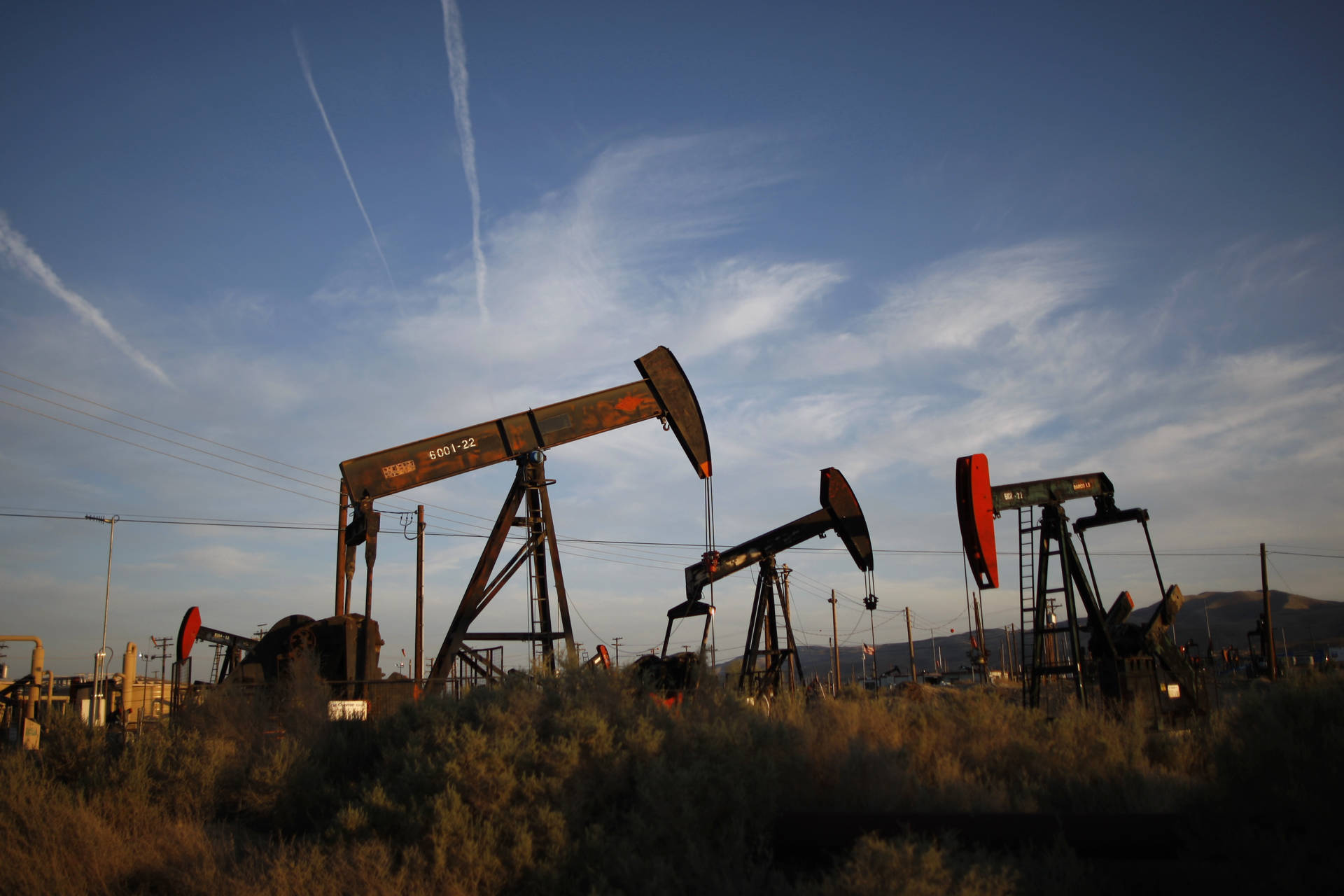
"caption": "Pump jacks in an oil field near the Kern County town of McKittrick.",
"description": "Pump jacks and wells in an oil field near McKittrick, in Kern County.",
"title": "pumpjacks",
"credit": "David McNew/Getty Images",
"status": "inherit",
"isLoading": false,
"fetchFailed": false
},
"news_11026158": {
"type": "attachments",
"id": "news_11026158",
"meta": {
"index": "attachments_1716263798",
"site": "news",
"id": "11026158",
"found": true
},
"parent": 11026152,
"imgSizes": {
"twentyfourteen-full-width": {
"file": "https://ww2.kqed.org/app/uploads/sites/10/2016/07/RS10499_480270735-1038x576.jpg",
"width": 1038,
"mimeType": "image/jpeg",
"height": 576
},
"thumbnail": {
"file": "https://ww2.kqed.org/app/uploads/sites/10/2016/07/RS10499_480270735-400x267.jpg",
"width": 400,
"mimeType": "image/jpeg",
"height": 267
},
"fd-sm": {
"file": "https://ww2.kqed.org/app/uploads/sites/10/2016/07/RS10499_480270735-960x640.jpg",
"width": 960,
"mimeType": "image/jpeg",
"height": 640
},
"post-thumbnail": {
"file": "https://ww2.kqed.org/app/uploads/sites/10/2016/07/RS10499_480270735-672x372.jpg",
"width": 672,
"mimeType": "image/jpeg",
"height": 372
},
"kqedFullSize": {
"file": "https://ww2.kqed.org/app/uploads/sites/10/2016/07/RS10499_480270735.jpg",
"width": 3000,
"height": 2000
},
"large": {
"file": "https://ww2.kqed.org/app/uploads/sites/10/2016/07/RS10499_480270735-1920x1280.jpg",
"width": 1920,
"mimeType": "image/jpeg",
"height": 1280
},
"guest-author-50": {
"file": "https://ww2.kqed.org/app/uploads/sites/10/2016/07/RS10499_480270735-50x50.jpg",
"width": 50,
"mimeType": "image/jpeg",
"height": 50
},
"guest-author-96": {
"file": "https://ww2.kqed.org/app/uploads/sites/10/2016/07/RS10499_480270735-96x96.jpg",
"width": 96,
"mimeType": "image/jpeg",
"height": 96
},
"medium": {
"file": "https://ww2.kqed.org/app/uploads/sites/10/2016/07/RS10499_480270735-800x533.jpg",
"width": 800,
"mimeType": "image/jpeg",
"height": 533
},
"guest-author-64": {
"file": "https://ww2.kqed.org/app/uploads/sites/10/2016/07/RS10499_480270735-64x64.jpg",
"width": 64,
"mimeType": "image/jpeg",
"height": 64
},
"guest-author-32": {
"file": "https://ww2.kqed.org/app/uploads/sites/10/2016/07/RS10499_480270735-32x32.jpg",
"width": 32,
"mimeType": "image/jpeg",
"height": 32
},
"jmtc-small-thumb": {
"file": "https://ww2.kqed.org/app/uploads/sites/10/2016/07/RS10499_480270735-280x150.jpg",
"width": 280,
"mimeType": "image/jpeg",
"height": 150
},
"fd-lrg": {
"file": "https://ww2.kqed.org/app/uploads/sites/10/2016/07/RS10499_480270735-1920x1280.jpg",
"width": 1920,
"mimeType": "image/jpeg",
"height": 1280
},
"fd-med": {
"file": "https://ww2.kqed.org/app/uploads/sites/10/2016/07/RS10499_480270735-1180x787.jpg",
"width": 1180,
"mimeType": "image/jpeg",
"height": 787
},
"detail": {
"file": "https://ww2.kqed.org/app/uploads/sites/10/2016/07/RS10499_480270735-150x150.jpg",
"width": 150,
"mimeType": "image/jpeg",
"height": 150
},
"guest-author-128": {
"file": "https://ww2.kqed.org/app/uploads/sites/10/2016/07/RS10499_480270735-128x128.jpg",
"width": 128,
"mimeType": "image/jpeg",
"height": 128
}
},
"publishDate": 1469058290,
"modified": 1469060915,
"caption": "Pump jacks and wells rise over an oil field on the Monterey Shale formation near McKittrick, California.",
"description": "Pump jacks and wells rise over an oil field on the Monterey Shale formation near McKittrick, California.",
"title": "Fracking In California Under Spotlight As Some Local Municipalities Issue Bans",
"credit": "David McNew/Getty Images",
"status": "inherit",
"isLoading": false,
"fetchFailed": false
},
"science_296291": {
"type": "attachments",
"id": "science_296291",
"meta": {
"index": "attachments_1716263798",
"site": "science",
"id": "296291",
"found": true
},
"parent": 296285,
"imgSizes": {
"twentyfourteen-full-width": {
"file": "https://ww2.kqed.org/app/uploads/sites/35/2015/10/monterey-shale-1-1038x576.jpg",
"width": 1038,
"mimeType": "image/jpeg",
"height": 576
},
"thumbnail": {
"file": "https://ww2.kqed.org/app/uploads/sites/35/2015/10/monterey-shale-1-400x267.jpg",
"width": 400,
"mimeType": "image/jpeg",
"height": 267
},
"fd-sm": {
"file": "https://ww2.kqed.org/app/uploads/sites/35/2015/10/monterey-shale-1-960x640.jpg",
"width": 960,
"mimeType": "image/jpeg",
"height": 640
},
"post-thumbnail": {
"file": "https://ww2.kqed.org/app/uploads/sites/35/2015/10/monterey-shale-1-672x372.jpg",
"width": 672,
"mimeType": "image/jpeg",
"height": 372
},
"kqedFullSize": {
"file": "https://ww2.kqed.org/app/uploads/sites/35/2015/10/monterey-shale-1-e1478806996839.jpg",
"width": 1920,
"height": 1280
},
"large": {
"file": "https://ww2.kqed.org/app/uploads/sites/35/2015/10/monterey-shale-1-1440x960.jpg",
"width": 1440,
"mimeType": "image/jpeg",
"height": 960
},
"guest-author-96": {
"file": "https://ww2.kqed.org/app/uploads/sites/35/2015/10/monterey-shale-1-96x96.jpg",
"width": 96,
"mimeType": "image/jpeg",
"height": 96
},
"medium": {
"file": "https://ww2.kqed.org/app/uploads/sites/35/2015/10/monterey-shale-1-800x533.jpg",
"width": 800,
"mimeType": "image/jpeg",
"height": 533
},
"guest-author-64": {
"file": "https://ww2.kqed.org/app/uploads/sites/35/2015/10/monterey-shale-1-64x64.jpg",
"width": 64,
"mimeType": "image/jpeg",
"height": 64
},
"guest-author-32": {
"file": "https://ww2.kqed.org/app/uploads/sites/35/2015/10/monterey-shale-1-32x32.jpg",
"width": 32,
"mimeType": "image/jpeg",
"height": 32
},
"fd-lrg": {
"file": "https://ww2.kqed.org/app/uploads/sites/35/2015/10/monterey-shale-1-1920x1280.jpg",
"width": 1920,
"mimeType": "image/jpeg",
"height": 1280
},
"fd-med": {
"file": "https://ww2.kqed.org/app/uploads/sites/35/2015/10/monterey-shale-1-1180x787.jpg",
"width": 1180,
"mimeType": "image/jpeg",
"height": 787
},
"detail": {
"file": "https://ww2.kqed.org/app/uploads/sites/35/2015/10/monterey-shale-1-75x75.jpg",
"width": 75,
"mimeType": "image/jpeg",
"height": 75
},
"guest-author-128": {
"file": "https://ww2.kqed.org/app/uploads/sites/35/2015/10/monterey-shale-1-128x128.jpg",
"width": 128,
"mimeType": "image/jpeg",
"height": 128
}
},
"publishDate": 1444243952,
"modified": 1478749389,
"caption": "Pump jacks and wells are seen in an oil field on the Monterey Shale formation where gas and oil extraction use hydraulic fracturing, or fracking, \n",
"description": null,
"title": "Fracking In California Under Spotlight As Some Local Municipalities Issue Bans",
"credit": "David McNew/Getty Images",
"status": "inherit",
"isLoading": false,
"fetchFailed": false
},
"news_10422611": {
"type": "attachments",
"id": "news_10422611",
"meta": {
"index": "attachments_1716263798",
"site": "news",
"id": "10422611",
"found": true
},
"parent": 10422576,
"imgSizes": {
"twentyfourteen-full-width": {
"file": "https://ww2.kqed.org/app/uploads/sites/10/2015/02/108730280-1-1038x576.jpg",
"width": 1038,
"mimeType": "image/jpeg",
"height": 576
},
"thumbnail": {
"file": "https://ww2.kqed.org/app/uploads/sites/10/2015/02/108730280-1-400x256.jpg",
"width": 400,
"mimeType": "image/jpeg",
"height": 256
},
"post-thumbnail": {
"file": "https://ww2.kqed.org/app/uploads/sites/10/2015/02/108730280-1-672x372.jpg",
"width": 672,
"mimeType": "image/jpeg",
"height": 372
},
"kqedFullSize": {
"file": "https://ww2.kqed.org/app/uploads/sites/10/2015/02/108730280-1.jpg",
"width": 4500,
"height": 2885
},
"large": {
"file": "https://ww2.kqed.org/app/uploads/sites/10/2015/02/108730280-1-1440x923.jpg",
"width": 1440,
"mimeType": "image/jpeg",
"height": 923
},
"guest-author-96": {
"file": "https://ww2.kqed.org/app/uploads/sites/10/2015/02/108730280-1-96x96.jpg",
"width": 96,
"mimeType": "image/jpeg",
"height": 96
},
"medium": {
"file": "https://ww2.kqed.org/app/uploads/sites/10/2015/02/108730280-1-800x513.jpg",
"width": 800,
"mimeType": "image/jpeg",
"height": 513
},
"guest-author-64": {
"file": "https://ww2.kqed.org/app/uploads/sites/10/2015/02/108730280-1-64x64.jpg",
"width": 64,
"mimeType": "image/jpeg",
"height": 64
},
"detail": {
"file": "https://ww2.kqed.org/app/uploads/sites/10/2015/02/108730280-1-75x75.jpg",
"width": 75,
"mimeType": "image/jpeg",
"height": 75
},
"guest-author-32": {
"file": "https://ww2.kqed.org/app/uploads/sites/10/2015/02/108730280-1-32x32.jpg",
"width": 32,
"mimeType": "image/jpeg",
"height": 32
},
"guest-author-128": {
"file": "https://ww2.kqed.org/app/uploads/sites/10/2015/02/108730280-1-128x128.jpg",
"width": 128,
"mimeType": "image/jpeg",
"height": 128
}
},
"publishDate": 1422898899,
"modified": 1422899947,
"caption": "Punxsutawney Phil and handler Ben Hughes in 2011. ",
"description": "PUNXSUTAWNEY, PA - FEBRUARY 2: Groundhog handler Ben Hughes watches Punxsutawney Phil after he did not see his shadow predicting an early spring during the 125th annual Groundhog Day festivities on February 2, 2011 in Punxsutawney, Pennsylvania. Groundhog Day is a popular tradition in the United States and Canada. A smaller than usual crowd this year of less than 15,000 people spent a night of revelry awaiting the sunrise and the groundhog's exit from his winter den. If Punxsutawney Phil sees his shadow he regards it as an omen of six more weeks of bad weather and returns to his den. Early spring arrives if he does not see his shadow causing Phil to remain above ground. (Photo by Jeff Swensen/Getty Images)",
"title": "Groundhog's Day",
"credit": "Jeff Swensen/Getty Images",
"status": "inherit",
"isLoading": false,
"fetchFailed": false
},
"science_23478": {
"type": "attachments",
"id": "science_23478",
"meta": {
"index": "attachments_1716263798",
"site": "science",
"id": "23478",
"found": true
},
"parent": 23473,
"imgSizes": {
"kqedFullSize": {
"file": "https://ww2.kqed.org/app/uploads/sites/35/2014/11/sanbenito-fracking.jpg",
"width": 800,
"height": 500
}
},
"publishDate": 1415236855,
"modified": 1415236855,
"caption": "San Benito County voters approved a fracking ban, but it's likely to face challenges. (Gabriela Quiros/KQED)",
"description": null,
"title": "sanbenito-fracking",
"credit": null,
"status": "inherit",
"isLoading": false,
"fetchFailed": false
},
"science_19341": {
"type": "attachments",
"id": "science_19341",
"meta": {
"index": "attachments_1716263798",
"site": "science",
"id": "19341",
"found": true
},
"parent": 19337,
"imgSizes": {
"kqedFullSize": {
"file": "https://ww2.kqed.org/app/uploads/sites/35/2014/07/fracking2.jpg",
"width": 640,
"height": 360
}
},
"publishDate": 1405124208,
"modified": 1405124208,
"caption": "A volunteer in San Benito County paints a sign in support of the fracking ban on the November ballot. (Lauren Sommer/KQED)",
"description": null,
"title": "fracking2",
"credit": null,
"status": "inherit",
"isLoading": false,
"fetchFailed": false
},
"news_10343277": {
"type": "attachments",
"id": "news_10343277",
"meta": {
"index": "attachments_1716263798",
"site": "news",
"id": "10343277",
"found": true
},
"parent": 10343275,
"imgSizes": {
"twentyfourteen-full-width": {
"file": "https://ww2.kqed.org/app/uploads/sites/10/2014/10/frackingfluid-1038x576.jpg",
"width": 1038,
"mimeType": "image/jpeg",
"height": 576
},
"thumbnail": {
"file": "https://ww2.kqed.org/app/uploads/sites/10/2014/10/frackingfluid-400x300.jpg",
"width": 400,
"mimeType": "image/jpeg",
"height": 300
},
"post-thumbnail": {
"file": "https://ww2.kqed.org/app/uploads/sites/10/2014/10/frackingfluid-672x372.jpg",
"width": 672,
"mimeType": "image/jpeg",
"height": 372
},
"kqedFullSize": {
"file": "https://ww2.kqed.org/app/uploads/sites/10/2014/10/frackingfluid.jpg",
"width": 1365,
"height": 1024
},
"guest-author-96": {
"file": "https://ww2.kqed.org/app/uploads/sites/10/2014/10/frackingfluid-96x96.jpg",
"width": 96,
"mimeType": "image/jpeg",
"height": 96
},
"medium": {
"file": "https://ww2.kqed.org/app/uploads/sites/10/2014/10/frackingfluid-800x600.jpg",
"width": 800,
"mimeType": "image/jpeg",
"height": 600
},
"guest-author-64": {
"file": "https://ww2.kqed.org/app/uploads/sites/10/2014/10/frackingfluid-64x64.jpg",
"width": 64,
"mimeType": "image/jpeg",
"height": 64
},
"detail": {
"file": "https://ww2.kqed.org/app/uploads/sites/10/2014/10/frackingfluid-75x75.jpg",
"width": 75,
"mimeType": "image/jpeg",
"height": 75
},
"guest-author-32": {
"file": "https://ww2.kqed.org/app/uploads/sites/10/2014/10/frackingfluid-32x32.jpg",
"width": 32,
"mimeType": "image/jpeg",
"height": 32
},
"guest-author-128": {
"file": "https://ww2.kqed.org/app/uploads/sites/10/2014/10/frackingfluid-128x128.jpg",
"width": 128,
"mimeType": "image/jpeg",
"height": 128
}
},
"publishDate": 1412970930,
"modified": 1412970930,
"caption": "Fracking fluid being treated during the recycling process. Large quantities of this waste are regularly disposed in injection wells. (Scott Detrow/KQED)",
"description": "Fracking fluid being treated during the recycling process. Large quantities of this waste are regularly disposed in injection wells. (Scott Detrow)",
"title": "frackingfluid",
"credit": null,
"status": "inherit",
"isLoading": false,
"fetchFailed": false
},
"news_10343204": {
"type": "attachments",
"id": "news_10343204",
"meta": {
"index": "attachments_1716263798",
"site": "news",
"id": "10343204",
"found": true
},
"parent": 10342677,
"imgSizes": {
"twentyfourteen-full-width": {
"file": "https://ww2.kqed.org/app/uploads/sites/10/2014/10/RS4906_oilfieldssunset.jpg-alt_160-1038x576.jpg",
"width": 1038,
"mimeType": "image/jpeg",
"height": 576
},
"thumbnail": {
"file": "https://ww2.kqed.org/app/uploads/sites/10/2014/10/RS4906_oilfieldssunset.jpg-alt_160-400x265.jpg",
"width": 400,
"mimeType": "image/jpeg",
"height": 265
},
"post-thumbnail": {
"file": "https://ww2.kqed.org/app/uploads/sites/10/2014/10/RS4906_oilfieldssunset.jpg-alt_160-672x372.jpg",
"width": 672,
"mimeType": "image/jpeg",
"height": 372
},
"kqedFullSize": {
"file": "https://ww2.kqed.org/app/uploads/sites/10/2014/10/RS4906_oilfieldssunset.jpg-alt_160.jpg",
"width": 1440,
"height": 955
},
"guest-author-96": {
"file": "https://ww2.kqed.org/app/uploads/sites/10/2014/10/RS4906_oilfieldssunset.jpg-alt_160-96x96.jpg",
"width": 96,
"mimeType": "image/jpeg",
"height": 96
},
"medium": {
"file": "https://ww2.kqed.org/app/uploads/sites/10/2014/10/RS4906_oilfieldssunset.jpg-alt_160-800x530.jpg",
"width": 800,
"mimeType": "image/jpeg",
"height": 530
},
"guest-author-64": {
"file": "https://ww2.kqed.org/app/uploads/sites/10/2014/10/RS4906_oilfieldssunset.jpg-alt_160-64x64.jpg",
"width": 64,
"mimeType": "image/jpeg",
"height": 64
},
"detail": {
"file": "https://ww2.kqed.org/app/uploads/sites/10/2014/10/RS4906_oilfieldssunset.jpg-alt_160-75x75.jpg",
"width": 75,
"mimeType": "image/jpeg",
"height": 75
},
"guest-author-32": {
"file": "https://ww2.kqed.org/app/uploads/sites/10/2014/10/RS4906_oilfieldssunset.jpg-alt_160-32x32.jpg",
"width": 32,
"mimeType": "image/jpeg",
"height": 32
},
"guest-author-128": {
"file": "https://ww2.kqed.org/app/uploads/sites/10/2014/10/RS4906_oilfieldssunset.jpg-alt_160-128x128.jpg",
"width": 128,
"mimeType": "image/jpeg",
"height": 128
}
},
"publishDate": 1412898503,
"modified": 1412898503,
"caption": "Oil rigs just south Taft extract crude for Chevron at sunrise in 2008. (David McNew/Getty Images)",
"description": "Oil rigs just south Taft extract crude for Chevron at sunrise in 2008. (David McNew/Getty Images)",
"title": "Surging Oil Industry Brings Opportunity To Rural California",
"credit": null,
"status": "inherit",
"isLoading": false,
"fetchFailed": false
},
"science_17661": {
"type": "attachments",
"id": "science_17661",
"meta": {
"index": "attachments_1716263798",
"site": "science",
"id": "17661",
"found": true
},
"parent": 17659,
"imgSizes": {
"kqedFullSize": {
"file": "https://ww2.kqed.org/app/uploads/sites/35/2014/05/pumpjacks.jpg",
"width": 640,
"height": 360
}
},
"publishDate": 1400718605,
"modified": 1400718605,
"caption": "Pumpjacks draw oil out of the Monterey Shale near McKittrick, California. (David McNew/Getty Images)",
"description": null,
"title": "pumpjacks",
"credit": null,
"status": "inherit",
"isLoading": false,
"fetchFailed": false
},
"science_13657": {
"type": "attachments",
"id": "science_13657",
"meta": {
"index": "attachments_1716263798",
"site": "science",
"id": "13657",
"found": true
},
"parent": 0,
"imgSizes": {
"kqedFullSize": {
"file": "https://ww2.kqed.org/app/uploads/sites/35/2014/01/Fracking-main.jpg",
"width": 630,
"height": 473
}
},
"publishDate": 1391038158,
"modified": 1516898379,
"caption": "Just over 2,000 wells have been fracked in California, according to industry data. ",
"description": null,
"title": "Fracking-main",
"credit": "Craig Miller/KQED",
"status": "inherit",
"isLoading": false,
"fetchFailed": false
},
"science_10038": {
"type": "attachments",
"id": "science_10038",
"meta": {
"index": "attachments_1716263798",
"site": "science",
"id": "10038",
"found": true
},
"parent": 9996,
"imgSizes": {
"kqedFullSize": {
"file": "https://ww2.kqed.org/app/uploads/sites/35/2013/10/frackingprotest.jpg",
"width": 640,
"height": 360
}
},
"publishDate": 1381799651,
"modified": 1381799651,
"caption": "The group Californians Against Fracking staged a protest outside of California Gov. Jerry Brown's San Francisco offices demanding that Gov. Brown ban fracking in the state. (Justin Sullivan/Getty Images)",
"description": "SAN FRANCISCO, CA - MAY 30: Protestors stage a demonstration against fracking in California outside of the Hiram W. Johnson State Office Building on May 30, 2013 in San Francisco, California. Dozens of protesters with the group Californians Against Fracking staged a protest outside of California Gov. Jerry Brown's San Francisco offices demanding that Gov. Brown ban fracking in the state. (Photo by Justin Sullivan/Getty Images)",
"title": "169770907JS001_ACTIVISTS_PR",
"credit": null,
"status": "inherit",
"isLoading": false,
"fetchFailed": false
},
"news_134867": {
"type": "attachments",
"id": "news_134867",
"meta": {
"index": "attachments_1716263798",
"site": "news",
"id": "134867",
"found": true
},
"parent": 134852,
"imgSizes": {
"kqedFullSize": {
"file": "https://ww2.kqed.org/app/uploads/sites/10/2014/05/RS10148_WP_20140424_006.jpg",
"width": 1632,
"height": 916
}
},
"publishDate": 1398999779,
"modified": 1414618333,
"caption": "Gov. Jerry Brown interviewed by KQED senior politics editor John Myers",
"description": null,
"title": "Jerry Brown KQED Interview",
"credit": "Monica Lam, KQED",
"status": "inherit",
"isLoading": false,
"fetchFailed": false
}
},
"audioPlayerReducer": {
"postId": "stream_live",
"isPaused": true,
"isPlaying": false,
"pfsActive": false,
"pledgeModalIsOpen": true,
"playerDrawerIsOpen": false,
"liveAudioPlayStartedAt": 0,
"liveAudioPlayContext": ""
},
"authorsReducer": {
"byline_news_11760751": {
"type": "authors",
"id": "byline_news_11760751",
"meta": {
"override": true
},
"slug": "byline_news_11760751",
"name": "Andrew Oxford\u003cbr />Associated Press",
"isLoading": false
},
"byline_news_11026152": {
"type": "authors",
"id": "byline_news_11026152",
"meta": {
"override": true
},
"slug": "byline_news_11026152",
"name": "\u003cstrong>Sonja Hutson\u003c/strong>",
"isLoading": false
},
"byline_science_296285": {
"type": "authors",
"id": "byline_science_296285",
"meta": {
"override": true
},
"slug": "byline_science_296285",
"name": "Associated Press",
"isLoading": false
},
"danbrekke": {
"type": "authors",
"id": "222",
"meta": {
"index": "authors_1716337520",
"id": "222",
"found": true
},
"name": "Dan Brekke",
"firstName": "Dan",
"lastName": "Brekke",
"slug": "danbrekke",
"email": "dbrekke@kqed.org",
"display_author_email": true,
"staff_mastheads": [
"news",
"science"
],
"title": "KQED Editor and Reporter",
"bio": "Dan Brekke is a reporter and editor for KQED News, responsible for coverage of topics ranging from California water issues to the Bay Area's transportation challenges. In a newsroom career that began in Chicago in 1972, Dan has worked for \u003cem>The San Francisco Examiner,\u003c/em> Wired and TechTV and has been published in The New York Times, The New York Times Magazine, Business 2.0, Salon and elsewhere.\r\n\r\nSince joining KQED in 2007, Dan has reported, edited and produced both radio and online features and breaking news pieces. He has shared as both editor and reporter in four Society of Professional Journalists Norcal Excellence in Journalism awards and one Edward R. Murrow regional award. He was chosen for a spring 2017 residency at the Mesa Refuge to advance his research on California salmon.\r\n\r\nEmail Dan at: \u003ca href=\"mailto:dbrekke@kqed.org\">dbrekke@kqed.org\u003c/a>\r\n\r\n\u003cstrong>Twitter:\u003c/strong> \u003ca href=\"https://twitter.com/danbrekke\" rel=\"noopener noreferrer\">twitter.com/danbrekke\u003c/a>\r\n\u003cstrong>Facebook:\u003c/strong> \u003ca href=\"https://www.facebook.com/danbrekke\" rel=\"noopener noreferrer\">www.facebook.com/danbrekke\u003c/a>\r\n\u003cstrong>LinkedIn:\u003c/strong> \u003ca href=\"https://www.linkedin.com/in/danbrekke\" rel=\"noopener noreferrer\">www.linkedin.com/in/danbrekke\u003c/a>",
"avatar": "https://secure.gravatar.com/avatar/8f1f0d2a978fb3b23426c922c7e2af558fa36905b49c4ce76a97dc3c72d27226?s=600&d=mm&r=g",
"twitter": "danbrekke",
"bluesky": null,
"facebook": null,
"instagram": "https://www.instagram.com/dan.brekke/",
"linkedin": "https://www.linkedin.com/in/danbrekke/",
"sites": [
{
"site": "news",
"roles": [
"administrator",
"create_posts"
]
},
{
"site": "stateofhealth",
"roles": [
"editor"
]
},
{
"site": "science",
"roles": [
"editor"
]
},
{
"site": "quest",
"roles": [
"contributor"
]
},
{
"site": "food",
"roles": [
"contributor"
]
},
{
"site": "forum",
"roles": [
"contributor"
]
},
{
"site": "elections",
"roles": [
"editor"
]
},
{
"site": "liveblog",
"roles": [
"editor"
]
}
],
"headData": {
"title": "Dan Brekke | KQED",
"description": "KQED Editor and Reporter",
"ogImgSrc": "https://secure.gravatar.com/avatar/8f1f0d2a978fb3b23426c922c7e2af558fa36905b49c4ce76a97dc3c72d27226?s=600&d=mm&r=g",
"twImgSrc": "https://secure.gravatar.com/avatar/8f1f0d2a978fb3b23426c922c7e2af558fa36905b49c4ce76a97dc3c72d27226?s=600&d=mm&r=g"
},
"isLoading": false,
"link": "/author/danbrekke"
},
"jmyers": {
"type": "authors",
"id": "232",
"meta": {
"index": "authors_1716337520",
"id": "232",
"found": true
},
"name": "John Myers",
"firstName": "John",
"lastName": "Myers",
"slug": "jmyers",
"email": "jmyers@kqed.org",
"display_author_email": false,
"staff_mastheads": [],
"title": null,
"bio": "John Myers is Senior Editor of KQED's new California Politics and Government Desk. A veteran of almost two decades of political coverage, he was KQED's longest serving statehouse bureau chief and recently was political editor for Sacramento's ABC affiliate, News10 (KXTV). John was moderator of the only 2014 gubernatorial debate, and was named by \u003cem>The Washington Post\u003c/em> to two \"Best Of\" lists: the 2015 list of top state politics reporters and 2014's list of America's most influential statehouse reporters.",
"avatar": "https://secure.gravatar.com/avatar/c0ac98482caf0b8229a792662b38722a?s=600&d=blank&r=g",
"twitter": "johnmyers",
"facebook": null,
"instagram": null,
"linkedin": null,
"sites": [
{
"site": "news",
"roles": [
"subscriber"
]
}
],
"headData": {
"title": "John Myers | KQED",
"description": null,
"ogImgSrc": "https://secure.gravatar.com/avatar/c0ac98482caf0b8229a792662b38722a?s=600&d=blank&r=g",
"twImgSrc": "https://secure.gravatar.com/avatar/c0ac98482caf0b8229a792662b38722a?s=600&d=blank&r=g"
},
"isLoading": false,
"link": "/author/jmyers"
},
"laurensommer": {
"type": "authors",
"id": "239",
"meta": {
"index": "authors_1716337520",
"id": "239",
"found": true
},
"name": "Lauren Sommer",
"firstName": "Lauren",
"lastName": "Sommer",
"slug": "laurensommer",
"email": "lsommer@kqed.org",
"display_author_email": false,
"staff_mastheads": [],
"title": "KQED Contributor",
"bio": "Lauren is a radio reporter formerly covering environment, water, and energy for KQED Science. As part of her day job, she has scaled Sierra Nevada peaks, run from charging elephant seals, and desperately tried to get her sea legs - all in pursuit of good radio. Her work has appeared on Marketplace, Living on Earth, Science Friday and NPR's Morning Edition and All Things Considered. You can find her on Twitter at \u003ca href=\"https://twitter.com/lesommer\">@lesommer\u003c/a>.",
"avatar": "https://secure.gravatar.com/avatar/33aa3772bb86c6ad45b8aca6a238bbdf?s=600&d=blank&r=g",
"twitter": null,
"facebook": null,
"instagram": null,
"linkedin": null,
"sites": [
{
"site": "news",
"roles": [
"author"
]
},
{
"site": "science",
"roles": [
"editor",
"manage_content_types",
"manage_taxonomies"
]
},
{
"site": "quest",
"roles": [
"editor"
]
}
],
"headData": {
"title": "Lauren Sommer | KQED",
"description": "KQED Contributor",
"ogImgSrc": "https://secure.gravatar.com/avatar/33aa3772bb86c6ad45b8aca6a238bbdf?s=600&d=blank&r=g",
"twImgSrc": "https://secure.gravatar.com/avatar/33aa3772bb86c6ad45b8aca6a238bbdf?s=600&d=blank&r=g"
},
"isLoading": false,
"link": "/author/laurensommer"
},
"scottshafer": {
"type": "authors",
"id": "255",
"meta": {
"index": "authors_1716337520",
"id": "255",
"found": true
},
"name": "Scott Shafer",
"firstName": "Scott",
"lastName": "Shafer",
"slug": "scottshafer",
"email": "sshafer@kqed.org",
"display_author_email": false,
"staff_mastheads": [
"news"
],
"title": "KQED Contributor",
"bio": "Scott Shafer is the senior politics correspondent with the KQED Politics and Government desk. He is co-host of \u003cem>Political Breakdown\u003c/em>, the award-winning radio show and podcast with a personal take on the world of politics. Scott came to KQED in 1998 to host the statewide \u003cem>California Report\u003c/em>. Prior to that he had extended stints in politics and government. He uses that inside experience at KQED in his, reporting, hosting and analysis for the politics desk. Scott recently completed a 5-part podcast titled \u003cem>The Speaker\u003c/em>, examining Rep. Nancy Pelosi's life and legacy. Previously he collaborated on \u003cem>Political Breakdown\u003c/em> and on \u003cem>The Political Mind of Jerry Brown\u003c/em>, an eight-part series about the life and extraordinary political career of the former governor. For fun, he plays water polo and swims with the San Francisco Tsunami.",
"avatar": "https://secure.gravatar.com/avatar/a269f2db8e99b39bacd3dfb517e1aea56c8d9706cde1d375abfd9fba57eede2c?s=600&d=blank&r=g",
"twitter": "scottshafer",
"bluesky": null,
"facebook": null,
"instagram": null,
"linkedin": null,
"sites": [
{
"site": "news",
"roles": [
"editor"
]
},
{
"site": "stateofhealth",
"roles": [
"author"
]
},
{
"site": "science",
"roles": [
"author"
]
},
{
"site": "forum",
"roles": [
"subscriber"
]
},
{
"site": "liveblog",
"roles": [
"author"
]
}
],
"headData": {
"title": "Scott Shafer | KQED",
"description": "KQED Contributor",
"ogImgSrc": "https://secure.gravatar.com/avatar/a269f2db8e99b39bacd3dfb517e1aea56c8d9706cde1d375abfd9fba57eede2c?s=600&d=blank&r=g",
"twImgSrc": "https://secure.gravatar.com/avatar/a269f2db8e99b39bacd3dfb517e1aea56c8d9706cde1d375abfd9fba57eede2c?s=600&d=blank&r=g"
},
"isLoading": false,
"link": "/author/scottshafer"
},
"sdetrow": {
"type": "authors",
"id": "256",
"meta": {
"index": "authors_1716337520",
"id": "256",
"found": true
},
"name": "Scott Detrow",
"firstName": "Scott",
"lastName": "Detrow",
"slug": "sdetrow",
"email": "sdetrow@kqed.org",
"display_author_email": false,
"staff_mastheads": [],
"title": null,
"bio": "Sacramento bureau chief Scott Detrow covers state government, politics and policy for KQED News and its statewide news program, The California Report.",
"avatar": "https://secure.gravatar.com/avatar/3271d0c151ba26452e3417f5ac251c30?s=600&d=blank&r=g",
"twitter": null,
"facebook": null,
"instagram": null,
"linkedin": null,
"sites": [
{
"site": "news",
"roles": [
"subscriber"
]
},
{
"site": "science",
"roles": [
"subscriber"
]
}
],
"headData": {
"title": "Scott Detrow | KQED",
"description": null,
"ogImgSrc": "https://secure.gravatar.com/avatar/3271d0c151ba26452e3417f5ac251c30?s=600&d=blank&r=g",
"twImgSrc": "https://secure.gravatar.com/avatar/3271d0c151ba26452e3417f5ac251c30?s=600&d=blank&r=g"
},
"isLoading": false,
"link": "/author/sdetrow"
},
"kqedscience": {
"type": "authors",
"id": "6387",
"meta": {
"index": "authors_1716337520",
"id": "6387",
"found": true
},
"name": "KQED Science",
"firstName": "KQED",
"lastName": "Science",
"slug": "kqedscience",
"email": "kqedscience@gmail.com",
"display_author_email": false,
"staff_mastheads": [],
"title": null,
"bio": "KQED Science brings you award-winning science and environment coverage from the Bay Area and beyond by the flagship Northern California PBS and NPR affiliate.",
"avatar": "https://secure.gravatar.com/avatar/5a295ff49cf82a8c0f30937d3f788b2f?s=600&d=blank&r=g",
"twitter": null,
"facebook": null,
"instagram": null,
"linkedin": null,
"sites": [
{
"site": "science",
"roles": [
"contributor"
]
},
{
"site": "quest",
"roles": [
"editor"
]
},
{
"site": "food",
"roles": [
"contributor"
]
}
],
"headData": {
"title": "KQED Science | KQED",
"description": null,
"ogImgSrc": "https://secure.gravatar.com/avatar/5a295ff49cf82a8c0f30937d3f788b2f?s=600&d=blank&r=g",
"twImgSrc": "https://secure.gravatar.com/avatar/5a295ff49cf82a8c0f30937d3f788b2f?s=600&d=blank&r=g"
},
"isLoading": false,
"link": "/author/kqedscience"
}
},
"pagesReducer": {
"news_tag_fracking": {
"type": "terms",
"id": "news_3605",
"meta": {
"index": "terms_1716263798",
"site": "news",
"id": "3605",
"score": 9.108498
},
"featImg": null,
"name": "fracking",
"description": null,
"taxonomy": "tag",
"headData": {
"twImgId": null,
"twTitle": null,
"ogTitle": null,
"ogImgId": null,
"twDescription": null,
"description": null,
"title": "fracking Archives | KQED News",
"ogDescription": null
},
"ttid": 3623,
"slug": "fracking",
"isLoading": false,
"title": "fracking",
"pageMeta": {
"site": "news",
"WpPageTemplate": "page-topic-editorial",
"currentPage": 2
},
"blocks": [
{
"blockName": "kqed/post-list",
"attrs": {
"layout": "cardArticle2",
"query": "posts/news?tag=fracking",
"seeMore": false,
"paginated": true,
"page": 2
}
},
{
"blockName": "kqed/ad"
}
]
}
},
"pfsSessionReducer": {},
"postsReducer": {
"stream_live": {
"type": "live",
"id": "stream_live",
"audioUrl": "https://hls.kqed.org/hls/kqed_app/playlist.m3u8",
"title": "Live Stream",
"excerpt": "Live Stream information currently unavailable.",
"link": "/radio",
"featImg": "",
"label": {
"name": "KQED Live",
"link": "/"
}
},
"stream_kqedNewscast": {
"type": "posts",
"id": "stream_kqedNewscast",
"audioUrl": "https://www.kqed.org/.stream/anon/radio/RDnews/newscast.mp3?_=1",
"title": "KQED Newscast",
"featImg": "",
"label": {
"name": "88.5 FM",
"link": "/"
}
},
"news_11760751": {
"type": "posts",
"id": "news_11760751",
"meta": {
"index": "posts_1716263798",
"site": "news",
"id": "11760751",
"score": null,
"sort": [
1562949003000
]
},
"parent": 0,
"labelTerm": {
"site": "news",
"term": 72
},
"blocks": [],
"publishDate": 1562949003,
"format": "standard",
"disqusTitle": "Newsom Orders Firing of State Oil Agency Chief Amid Spike in Fracking Approvals",
"title": "Newsom Orders Firing of State Oil Agency Chief Amid Spike in Fracking Approvals",
"headTitle": "The California Report | KQED News",
"content": "\u003cp>SACRAMENTO — Gov. Gavin Newsom has ordered the firing of the state's top oil and gas regulator over a dramatic recent increase in permits granted for fracking and allegations of conflicts of interest among senior government officials.\u003c/p>\n\u003cp>Newsom chief of staff Ann O'Leary on Thursday asked Natural Resources Secretary Wade Crowfoot to dismiss Ken Harris, who was appointed to lead the Division of Oil, Gas and Geothermal Resources in 2015. She also told Crowfoot to continue an investigation into reports that agency employees responsible for overseeing the oil industry own stock in the companies they regulate.\u003c/p>\n\u003cp>O'Leary's request came hours after advocacy groups Consumer Watchdog and FracTracker Alliance released data showing regulators have been issuing permits for hydraulic fracturing at twice the rate this year when compared to 2018.\u003c/p>\n\u003cp>The number of permits granted for drilling new wells also increased by 35% from Jan. 1 to June 3 when compared to the rate last year, according to the groups' data. The organizations said that of the 2,365 well permits issued in those months, 45% benefited oil companies in which division officials owned stock.\u003c/p>\n\u003cp>O'Leary told Natural Resources Secretary Crowfoot in an email shared with the Associated Press that the number of hydraulic fracturing permits had increased without Gov. Newsom's knowledge.\u003c/p>\n\u003cp>[ad fullwidth]\u003c/p>\n\u003cp>\"The governor has long held concerns about fracking and its impacts on Californians and our environment, and knows that ultimately California and our global partners will need to transition away from oil and gas extraction,\" O'Leary wrote. \"In the weeks ahead, our office will work with you to find new leadership of (the division) that share this point of view and can run the division accordingly.\"\u003c/p>\n\u003cp>O'Leary also told Crowfoot to continue an investigation into allegations that division employees have holdings in energy companies and take \"the maximum disciplinary action appropriate under law.\"\u003c/p>\n\u003cp>Consumer Watchdog and FracTracker Alliance noted a deputy director at the division disclosed owning stock in ExxonMobil worth as much as $100,000.\u003c/p>\n\u003cp>The company is a parent of the firm AERA Energy, which has received more new drilling permits than any other company in California this year, the report said.\u003c/p>\n\u003cp>The groups found seven other employees at the agency are invested in the oil industry.\u003c/p>\n\u003cp>\"These conflicts and approvals reveal a biased department where oil well permitting is on automatic pilot,\" Consumer Watchdog and FracTracker Alliance wrote in a letter to the governor's office.\u003c/p>\n\u003cp>The groups did not list Harris as owning any stock in oil companies. He did not respond to an email seeking comment.\u003c/p>\n\u003cp>Jamie Court, president of Consumer Watchdog, said the state should put a freeze on permitting pending the investigation into conflicts of interest and called for a shakeup in the division's entire leadership.\u003c/p>\n\u003cp>\"The rest of the leadership needs to be accountable,\" he said.\u003c/p>\n\u003cp>The deputy director with stock in ExxonMobil told The Desert Sun newspaper in Palm Springs that he had already sold his shares in the company.\u003c/p>\n\u003cp>David Gutierrez told the newspaper that he asked division officials when he was hired two years ago if he should divest from ExxonMobil and Magellan Midstream Partners. Gutierrez said he was told that because California was not regulating either company at the time, he did not need to sell his shares and to leave decisions about the companies to other officials should a conflict arise.\u003c/p>\n\u003cp>\"I'm trying to follow the rules,\" Gutierrez told The Desert Sun.\u003c/p>\n\u003cp>Harris was appointed to head DOGGR by former Gov. Jerry Brown, who was criticized by environmental groups for his support of fracking. He previously worked for the State Water Resources Control Board and regional water quality agencies. \u003c/p>\n\u003cp>\u003c/p>\n\u003cp>The DOGGR post has seen rapid turnover in the past decade and fracking has long been a controversial practice. Harris's predecessor resigned amid allegations of poor oversight of fracking and other drilling after just a year and a half on the job. The division had also faced scrutiny from the federal government for failing to enforce safe drinking water laws around oilfields.\u003c/p>\n\n",
"disqusIdentifier": "11760751 https://ww2.kqed.org/news/?p=11760751",
"disqusUrl": "https://ww2.kqed.org/news/2019/07/12/newsom-fires-state-oil-agency-chief-amid-spike-in-fracking-approvals/",
"stats": {
"hasVideo": false,
"hasChartOrMap": false,
"hasAudio": false,
"hasPolis": false,
"wordCount": 678,
"hasGoogleForm": false,
"hasGallery": false,
"hasHearkenModule": false,
"iframeSrcs": [],
"paragraphCount": 21
},
"modified": 1564005672,
"excerpt": "Governor reportedly acted after learning of dramatic increase in approved permits for hydraulic fracturing and new oil wells. ",
"headData": {
"twImgId": "",
"twTitle": "",
"ogTitle": "",
"ogImgId": "",
"twDescription": "",
"description": "Governor reportedly acted after learning of dramatic increase in approved permits for hydraulic fracturing and new oil wells. ",
"title": "Newsom Orders Firing of State Oil Agency Chief Amid Spike in Fracking Approvals | KQED",
"ogDescription": "",
"schema": {
"@context": "https://schema.org",
"@type": "NewsArticle",
"headline": "Newsom Orders Firing of State Oil Agency Chief Amid Spike in Fracking Approvals",
"datePublished": "2019-07-12T09:30:03-07:00",
"dateModified": "2019-07-24T15:01:12-07:00",
"image": "https://cdn.kqed.org/wp-content/uploads/2020/02/KQED-OG-Image@1x.png",
"isAccessibleForFree": "True",
"publisher": {
"@type": "NewsMediaOrganization",
"@id": "https://www.kqed.org/#organization",
"name": "KQED",
"logo": "https://cdn.kqed.org/wp-content/uploads/2020/02/KQED-OG-Image@1x.png",
"url": "https://www.kqed.org",
"sameAs": [
"https://www.facebook.com/KQED",
"https://twitter.com/KQED",
"https://www.instagram.com/kqed/",
"https://www.tiktok.com/@kqedofficial",
"https://www.linkedin.com/company/kqed",
"https://www.youtube.com/channel/UCeC0IOo7i1P_61zVUWbJ4nw"
]
}
}
},
"guestAuthors": [],
"slug": "newsom-fires-state-oil-agency-chief-amid-spike-in-fracking-approvals",
"status": "publish",
"nprByline": "Andrew Oxford\u003cbr />Associated Press",
"path": "/news/11760751/newsom-fires-state-oil-agency-chief-amid-spike-in-fracking-approvals",
"audioTrackLength": null,
"parsedContent": [
{
"type": "contentString",
"content": "\u003cdiv class=\"post-body\">\u003cp>\u003cp>SACRAMENTO — Gov. Gavin Newsom has ordered the firing of the state's top oil and gas regulator over a dramatic recent increase in permits granted for fracking and allegations of conflicts of interest among senior government officials.\u003c/p>\n\u003cp>Newsom chief of staff Ann O'Leary on Thursday asked Natural Resources Secretary Wade Crowfoot to dismiss Ken Harris, who was appointed to lead the Division of Oil, Gas and Geothermal Resources in 2015. She also told Crowfoot to continue an investigation into reports that agency employees responsible for overseeing the oil industry own stock in the companies they regulate.\u003c/p>\n\u003cp>O'Leary's request came hours after advocacy groups Consumer Watchdog and FracTracker Alliance released data showing regulators have been issuing permits for hydraulic fracturing at twice the rate this year when compared to 2018.\u003c/p>\n\u003cp>The number of permits granted for drilling new wells also increased by 35% from Jan. 1 to June 3 when compared to the rate last year, according to the groups' data. The organizations said that of the 2,365 well permits issued in those months, 45% benefited oil companies in which division officials owned stock.\u003c/p>\n\u003cp>O'Leary told Natural Resources Secretary Crowfoot in an email shared with the Associated Press that the number of hydraulic fracturing permits had increased without Gov. Newsom's knowledge.\u003c/p>\n\u003cp>\u003c/p>\u003c/div>",
"attributes": {
"named": {},
"numeric": []
}
},
{
"type": "component",
"content": "",
"name": "ad",
"attributes": {
"named": {
"label": "fullwidth"
},
"numeric": [
"fullwidth"
]
}
},
{
"type": "contentString",
"content": "\u003cdiv class=\"post-body\">\u003cp>\u003c/p>\n\u003cp>\"The governor has long held concerns about fracking and its impacts on Californians and our environment, and knows that ultimately California and our global partners will need to transition away from oil and gas extraction,\" O'Leary wrote. \"In the weeks ahead, our office will work with you to find new leadership of (the division) that share this point of view and can run the division accordingly.\"\u003c/p>\n\u003cp>O'Leary also told Crowfoot to continue an investigation into allegations that division employees have holdings in energy companies and take \"the maximum disciplinary action appropriate under law.\"\u003c/p>\n\u003cp>Consumer Watchdog and FracTracker Alliance noted a deputy director at the division disclosed owning stock in ExxonMobil worth as much as $100,000.\u003c/p>\n\u003cp>The company is a parent of the firm AERA Energy, which has received more new drilling permits than any other company in California this year, the report said.\u003c/p>\n\u003cp>The groups found seven other employees at the agency are invested in the oil industry.\u003c/p>\n\u003cp>\"These conflicts and approvals reveal a biased department where oil well permitting is on automatic pilot,\" Consumer Watchdog and FracTracker Alliance wrote in a letter to the governor's office.\u003c/p>\n\u003cp>The groups did not list Harris as owning any stock in oil companies. He did not respond to an email seeking comment.\u003c/p>\n\u003cp>Jamie Court, president of Consumer Watchdog, said the state should put a freeze on permitting pending the investigation into conflicts of interest and called for a shakeup in the division's entire leadership.\u003c/p>\n\u003cp>\"The rest of the leadership needs to be accountable,\" he said.\u003c/p>\n\u003cp>The deputy director with stock in ExxonMobil told The Desert Sun newspaper in Palm Springs that he had already sold his shares in the company.\u003c/p>\n\u003cp>David Gutierrez told the newspaper that he asked division officials when he was hired two years ago if he should divest from ExxonMobil and Magellan Midstream Partners. Gutierrez said he was told that because California was not regulating either company at the time, he did not need to sell his shares and to leave decisions about the companies to other officials should a conflict arise.\u003c/p>\n\u003cp>\"I'm trying to follow the rules,\" Gutierrez told The Desert Sun.\u003c/p>\n\u003cp>Harris was appointed to head DOGGR by former Gov. Jerry Brown, who was criticized by environmental groups for his support of fracking. He previously worked for the State Water Resources Control Board and regional water quality agencies. \u003c/p>\n\u003cp>\u003c/p>\n\u003cp>The DOGGR post has seen rapid turnover in the past decade and fracking has long been a controversial practice. Harris's predecessor resigned amid allegations of poor oversight of fracking and other drilling after just a year and a half on the job. The division had also faced scrutiny from the federal government for failing to enforce safe drinking water laws around oilfields.\u003c/p>\n\n\u003c/div>\u003c/p>",
"attributes": {
"named": {},
"numeric": []
}
}
],
"link": "/news/11760751/newsom-fires-state-oil-agency-chief-amid-spike-in-fracking-approvals",
"authors": [
"byline_news_11760751"
],
"programs": [
"news_72"
],
"categories": [
"news_19906",
"news_8",
"news_356"
],
"tags": [
"news_22716",
"news_3605",
"news_16",
"news_21390"
],
"featImg": "news_11168638",
"label": "news_72"
},
"news_11026152": {
"type": "posts",
"id": "news_11026152",
"meta": {
"index": "posts_1716263798",
"site": "news",
"id": "11026152",
"score": null,
"sort": [
1469060799000
]
},
"parent": 0,
"labelTerm": {
"site": "news",
"term": 6944
},
"blocks": [],
"publishDate": 1469060799,
"format": "standard",
"disqusTitle": "Alameda County Becomes First in Bay Area To Ban Fracking",
"title": "Alameda County Becomes First in Bay Area To Ban Fracking",
"headTitle": "News Fix | KQED News",
"content": "\u003cp>Alameda County is now the first Bay Area county to ban fracking, and supporters say it could have a domino effect across the region and the state.\u003c/p>\n\u003cp>County supervisors unanimously approved the ban at their Tuesday meeting.\u003c/p>\n\u003cp>Fracking is the process of extracting oil and gas from the earth using high-pressure water mixtures. Activists have raised concerns that it could cause environmental damage such as groundwater contamination.\u003c/p>\n\u003cp>\"I am deeply relieved that the Board of Supervisors passed the fracking ban,\" anti-fracking activist Karen White said in a statement issued after Tuesday's vote. \"We've taken a step that will protect everyone in Alameda County, especially our children and grandchildren, from toxic chemicals.\"\u003c/p>\n\u003cp>The county’s lone oil generator, E&B Natural Resources, doesn’t use the controversial oil extraction technique in Alameda County, and company leaders said they don't plan to. But supporters say the ban is both preventative and symbolic of the county’s stance on environmental issues.\u003c/p>\n\u003cp>[ad fullwidth]\u003c/p>\n\u003cp>The ban comes after the county reached a compromise with E&B.\u003c/p>\n\u003cp>The company raised concerns that a draft version of the ordinance would make it difficult to dispose of wastewater and to use dilute acid in routine maintenance, and would make it costly and difficult to prove it didn't violate the new rules.\u003c/p>\n\u003cp>E&B declined to comment on the Alameda County ban.\u003c/p>\n\u003cp>Supervisor Wilma Chan said that as more counties adopt bans, the state Legislature could face increased pressure to stop fracking statewide, even as Gov. Jerry Brown has said he doesn't support outlawing the practice.\u003c/p>\n\u003cp>“The Legislature, which represents different areas that have banned fracking, will pay attention to this,” Chan said.\u003c/p>\n\u003cp>According to \u003ca href=\"http://www.foodandwaterwatch.org/\" target=\"_blank\">Food and Water Watch\u003c/a>’s Ella Teevan, the ban in Alameda County is part of a larger cooperative movement across the state that has a clear end game.\u003c/p>\n\u003cp>“In the immediate term, [the bans] are protecting local residents' water and their health,” Teevan said. “In the long term, they’re building momentum and building power of folks across the state who are saying, 'We won’t settle for anything less than a ban,' and that’s really going to be a huge thing to show the governor.”\u003c/p>\n\u003cp>\u003c/p>\n\u003cp>Alameda is the state's fifth county to outlaw fracking. Voters in Monterey County will decide on a possible ban this November.\u003c/p>\n\n",
"disqusIdentifier": "11026152 http://ww2.kqed.org/news/?p=11026152",
"disqusUrl": "https://ww2.kqed.org/news/2016/07/20/alameda-county-becomes-first-bay-area-ban-fracking/",
"stats": {
"hasVideo": false,
"hasChartOrMap": false,
"hasAudio": false,
"hasPolis": false,
"wordCount": 411,
"hasGoogleForm": false,
"hasGallery": false,
"hasHearkenModule": false,
"iframeSrcs": [],
"paragraphCount": 15
},
"modified": 1469140614,
"excerpt": "Alameda is now fifth county in California to outlaw this technique. Supporters say it could have a domino effect across the region and the state.",
"headData": {
"twImgId": "",
"twTitle": "",
"ogTitle": "",
"ogImgId": "",
"twDescription": "",
"description": "Alameda is now fifth county in California to outlaw this technique. Supporters say it could have a domino effect across the region and the state.",
"title": "Alameda County Becomes First in Bay Area To Ban Fracking | KQED",
"ogDescription": "",
"schema": {
"@context": "https://schema.org",
"@type": "NewsArticle",
"headline": "Alameda County Becomes First in Bay Area To Ban Fracking",
"datePublished": "2016-07-20T17:26:39-07:00",
"dateModified": "2016-07-21T15:36:54-07:00",
"image": "https://cdn.kqed.org/wp-content/uploads/2020/02/KQED-OG-Image@1x.png",
"isAccessibleForFree": "True",
"publisher": {
"@type": "NewsMediaOrganization",
"@id": "https://www.kqed.org/#organization",
"name": "KQED",
"logo": "https://cdn.kqed.org/wp-content/uploads/2020/02/KQED-OG-Image@1x.png",
"url": "https://www.kqed.org",
"sameAs": [
"https://www.facebook.com/KQED",
"https://twitter.com/KQED",
"https://www.instagram.com/kqed/",
"https://www.tiktok.com/@kqedofficial",
"https://www.linkedin.com/company/kqed",
"https://www.youtube.com/channel/UCeC0IOo7i1P_61zVUWbJ4nw"
]
}
}
},
"guestAuthors": [],
"slug": "alameda-county-becomes-first-bay-area-ban-fracking",
"status": "publish",
"nprByline": "\u003cstrong>Sonja Hutson\u003c/strong>",
"path": "/news/11026152/alameda-county-becomes-first-bay-area-ban-fracking",
"audioTrackLength": null,
"parsedContent": [
{
"type": "contentString",
"content": "\u003cdiv class=\"post-body\">\u003cp>\u003cp>Alameda County is now the first Bay Area county to ban fracking, and supporters say it could have a domino effect across the region and the state.\u003c/p>\n\u003cp>County supervisors unanimously approved the ban at their Tuesday meeting.\u003c/p>\n\u003cp>Fracking is the process of extracting oil and gas from the earth using high-pressure water mixtures. Activists have raised concerns that it could cause environmental damage such as groundwater contamination.\u003c/p>\n\u003cp>\"I am deeply relieved that the Board of Supervisors passed the fracking ban,\" anti-fracking activist Karen White said in a statement issued after Tuesday's vote. \"We've taken a step that will protect everyone in Alameda County, especially our children and grandchildren, from toxic chemicals.\"\u003c/p>\n\u003cp>The county’s lone oil generator, E&B Natural Resources, doesn’t use the controversial oil extraction technique in Alameda County, and company leaders said they don't plan to. But supporters say the ban is both preventative and symbolic of the county’s stance on environmental issues.\u003c/p>\n\u003cp>\u003c/p>\u003c/div>",
"attributes": {
"named": {},
"numeric": []
}
},
{
"type": "component",
"content": "",
"name": "ad",
"attributes": {
"named": {
"label": "fullwidth"
},
"numeric": [
"fullwidth"
]
}
},
{
"type": "contentString",
"content": "\u003cdiv class=\"post-body\">\u003cp>\u003c/p>\n\u003cp>The ban comes after the county reached a compromise with E&B.\u003c/p>\n\u003cp>The company raised concerns that a draft version of the ordinance would make it difficult to dispose of wastewater and to use dilute acid in routine maintenance, and would make it costly and difficult to prove it didn't violate the new rules.\u003c/p>\n\u003cp>E&B declined to comment on the Alameda County ban.\u003c/p>\n\u003cp>Supervisor Wilma Chan said that as more counties adopt bans, the state Legislature could face increased pressure to stop fracking statewide, even as Gov. Jerry Brown has said he doesn't support outlawing the practice.\u003c/p>\n\u003cp>“The Legislature, which represents different areas that have banned fracking, will pay attention to this,” Chan said.\u003c/p>\n\u003cp>According to \u003ca href=\"http://www.foodandwaterwatch.org/\" target=\"_blank\">Food and Water Watch\u003c/a>’s Ella Teevan, the ban in Alameda County is part of a larger cooperative movement across the state that has a clear end game.\u003c/p>\n\u003cp>“In the immediate term, [the bans] are protecting local residents' water and their health,” Teevan said. “In the long term, they’re building momentum and building power of folks across the state who are saying, 'We won’t settle for anything less than a ban,' and that’s really going to be a huge thing to show the governor.”\u003c/p>\n\u003cp>\u003c/p>\n\u003cp>Alameda is the state's fifth county to outlaw fracking. Voters in Monterey County will decide on a possible ban this November.\u003c/p>\n\n\u003c/div>\u003c/p>",
"attributes": {
"named": {},
"numeric": []
}
}
],
"link": "/news/11026152/alameda-county-becomes-first-bay-area-ban-fracking",
"authors": [
"byline_news_11026152"
],
"programs": [
"news_6944"
],
"categories": [
"news_19906",
"news_8",
"news_356"
],
"tags": [
"news_260",
"news_3605",
"news_30"
],
"featImg": "news_11026158",
"label": "news_6944"
},
"science_296285": {
"type": "posts",
"id": "science_296285",
"meta": {
"index": "posts_1716263798",
"site": "science",
"id": "296285",
"score": null,
"sort": [
1444244600000
]
},
"parent": 0,
"labelTerm": {
"site": "science"
},
"blocks": [],
"publishDate": 1444244600,
"format": "standard",
"title": "New Study Downgrades Monterey Shale’s Fracking Potential",
"headTitle": "New Study Downgrades Monterey Shale’s Fracking Potential | KQED",
"content": "\u003cp>A U.S. Geological Survey report out Tuesday downgrades the fracking potential of California’s vast Monterey Shale oil deposits.\u003c/p>\n\u003cp>The study is the latest to lower a 2011 federal energy estimate that billed the Monterey Shale as a game-changer for U.S. oil, with what was then estimated at 13.7 billion barrels of recoverable oil overall.\u003c/p>\n\u003cp>[contextly_sidebar id=”5djQ6QtbVinRFAtuVIKA243nwsoaMeqz”]Instead, the U.S. Geological Survey’s new study said, the most oil-rich portion of the giant shale formation holds just 21 million barrels of oil that can be recovered by intensive methods, such as hydraulic fracturing, better-known as fracking.\u003c/p>\n\u003cp>The modest assessment has the potential to influence energy policy in California, where Gov. Jerry Brown has resisted calls from environmentalists to ban fracking.\u003c/p>\n\u003cp>Tuesday’s report looked only at the San Joaquin Basin, one of four basins that make up the 1,750-square-mile Monterey Shale formation. Upcoming USGS reports will estimate the recoverable petroleum in the other three basins.\u003c/p>\n\u003cp>[ad fullwidth]\u003c/p>\n\u003cp>Another recent U.S. Geological Survey study estimated another 393 million barrels of oil are recoverable by conventional drilling in the San Joaquin basin of the Monterey Shale.\u003c/p>\n\u003cp>\u003c/p>\n\u003cp>The 2011 estimate touched off speculation of a California oil boom. By 2014, however, federal energy authorities had deflated the Monterey Shale boom, reducing the overall estimate of recoverable oil by 96 percent.\u003c/p>\n\n",
"stats": {
"hasVideo": false,
"hasChartOrMap": false,
"hasAudio": false,
"hasPolis": false,
"wordCount": 234,
"hasGoogleForm": false,
"hasGallery": false,
"hasHearkenModule": false,
"iframeSrcs": [],
"paragraphCount": 9
},
"modified": 1704931218,
"excerpt": null,
"headData": {
"twImgId": "",
"twTitle": "",
"ogTitle": "",
"ogImgId": "",
"twDescription": "",
"description": "A U.S. Geological Survey report out Tuesday downgrades the fracking potential of California's vast Monterey Shale oil deposits. The study is the latest to lower a 2011 federal energy estimate that billed the Monterey Shale as a game-changer for U.S. oil, with what was then estimated at 13.7 billion barrels of recoverable oil overall. [contextly_sidebar",
"title": "New Study Downgrades Monterey Shale’s Fracking Potential | KQED",
"ogDescription": "",
"schema": {
"@context": "https://schema.org",
"@type": "Article",
"headline": "New Study Downgrades Monterey Shale’s Fracking Potential",
"datePublished": "2015-10-07T12:03:20-07:00",
"dateModified": "2024-01-10T16:00:18-08:00",
"image": "https://cdn.kqed.org/wp-content/uploads/2020/02/KQED-OG-Image@1x.png"
}
},
"guestAuthors": [],
"slug": "new-study-downgrades-monterey-shales-fracking-potential",
"status": "publish",
"nprByline": "Associated Press",
"sticky": false,
"path": "/science/296285/new-study-downgrades-monterey-shales-fracking-potential",
"audioTrackLength": null,
"parsedContent": [
{
"type": "contentString",
"content": "\u003cdiv class=\"post-body\">\u003cp>\u003cp>A U.S. Geological Survey report out Tuesday downgrades the fracking potential of California’s vast Monterey Shale oil deposits.\u003c/p>\n\u003cp>The study is the latest to lower a 2011 federal energy estimate that billed the Monterey Shale as a game-changer for U.S. oil, with what was then estimated at 13.7 billion barrels of recoverable oil overall.\u003c/p>\n\u003cp>\u003c/p>\u003cp>\u003c/p>\u003cp>Instead, the U.S. Geological Survey’s new study said, the most oil-rich portion of the giant shale formation holds just 21 million barrels of oil that can be recovered by intensive methods, such as hydraulic fracturing, better-known as fracking.\u003c/p>\n\u003cp>The modest assessment has the potential to influence energy policy in California, where Gov. Jerry Brown has resisted calls from environmentalists to ban fracking.\u003c/p>\n\u003cp>Tuesday’s report looked only at the San Joaquin Basin, one of four basins that make up the 1,750-square-mile Monterey Shale formation. Upcoming USGS reports will estimate the recoverable petroleum in the other three basins.\u003c/p>\n\u003cp>\u003c/p>\u003c/div>",
"attributes": {
"named": {},
"numeric": []
}
},
{
"type": "component",
"content": "",
"name": "ad",
"attributes": {
"named": {
"label": "fullwidth"
},
"numeric": [
"fullwidth"
]
}
},
{
"type": "contentString",
"content": "\u003cdiv class=\"post-body\">\u003cp>\u003c/p>\n\u003cp>Another recent U.S. Geological Survey study estimated another 393 million barrels of oil are recoverable by conventional drilling in the San Joaquin basin of the Monterey Shale.\u003c/p>\n\u003cp>\u003c/p>\n\u003cp>The 2011 estimate touched off speculation of a California oil boom. By 2014, however, federal energy authorities had deflated the Monterey Shale boom, reducing the overall estimate of recoverable oil by 96 percent.\u003c/p>\n\n\u003c/div>\u003c/p>",
"attributes": {
"named": {},
"numeric": []
}
}
],
"link": "/science/296285/new-study-downgrades-monterey-shales-fracking-potential",
"authors": [
"byline_science_296285"
],
"categories": [
"science_33",
"science_89",
"science_40"
],
"tags": [
"science_429",
"science_1041"
],
"featImg": "science_296291",
"label": "science"
},
"news_10422576": {
"type": "posts",
"id": "news_10422576",
"meta": {
"index": "posts_1716263798",
"site": "news",
"id": "10422576",
"score": null,
"sort": [
1422899122000
]
},
"parent": 0,
"labelTerm": {
"site": "news",
"term": 6944
},
"blocks": [],
"publishDate": 1422899122,
"format": "standard",
"disqusTitle": "9 Stories You Should Know About Today: Monday, Feb. 2",
"title": "9 Stories You Should Know About Today: Monday, Feb. 2",
"headTitle": "News Fix | KQED News",
"content": "\u003cp>\u003cstrong>Rain!\u003c/strong> The National Weather Service says a wet storm will move into Sonoma County Thursday night and spread rain across the entire region Friday. \u003ca href=\"http://www.wrh.noaa.gov/mtr/\" target=\"_blank\">Forecast details.\u003c/a>\u003c/p>\n\u003cul>\n\u003cli>\u003cstrong>PG&E wields influence at CPUC, now described as 'rogue agency'\u003c/strong> \u003cem>(Contra Costa Times)\u003c/em>:\u003cbr>\n\u003cblockquote>\u003cp>What's being described as the \"pervasive\" influence of PG&E with the state Public Utilities Commission extended well beyond disgraced former PUC President Michael Peevey and included other commissioners and top PUC staffers. That's the conclusion of Bay Area political leaders, state legislators and a former PUC official who have reviewed a sampling of the 65,000 emails released by PG&E late Friday. \u003ca href=\"http://www.contracostatimes.com/breaking-news/ci_27436912/san-bruno-disaster-pg-e-wields-pervasive-influence?source=rss\" target=\"_blank\">Full story\u003c/a>\u003c/p>\u003c/blockquote>\n\u003c/li>\n\u003cli>\u003cstrong>State let oil drillers taint drinkable water in Central Valley\u003c/strong> \u003cem>(San Francisco Chronicle)\u003c/em>:\u003cbr>\n\u003cblockquote>\u003cp>Oil companies in drought-ravaged California have, for years, pumped wastewater from their operations into aquifers that had been clean enough for people to drink. They did it with explicit permission from state regulators, who were supposed to protect the increasingly strained groundwater supplies from contamination. \u003ca href=\"http://www.sfgate.com/business/article/State-let-oil-companies-taint-drinkable-water-in-6054242.php\" target=\"_blank\">Full story\u003c/a>\u003c/p>\u003c/blockquote>\n\u003c/li>\n\u003cli>\u003cstrong>California's water czar doesn't wait for shower to heat up\u003c/strong> \u003cem>(Sacramento Bee)\u003c/em>:\u003cbr>\n\u003cblockquote>\u003cp>Felicia Marcus gets in the shower when it’s still cold. As full-time chair of California’s State Water Resources Control Board, Marcus has a key role in how California stewards its finite resources during a devastating drought. So Marcus can hardly let precious water wash down the drain while she waits for the shower to heat up. \u003ca href=\"http://www.sacbee.com/news/state/california/water-and-drought/article8845133.html\" target=\"_blank\">Full story\u003c/a>\u003c/p>\u003c/blockquote>\n\u003c/li>\n\u003cli>\u003cstrong>The fire on the 57 bus in Oakland\u003c/strong> \u003cem>(New York Times)\u003c/em>:\u003cbr>\n\u003cblockquote>\u003cp>It was close to 5 o’clock on the afternoon of Nov. 4, 2013, and Sasha Fleischman was riding the 57 bus home from school. An 18-year-old senior at a small private high school, Sasha wore a T-shirt, a black fleece jacket, a gray newsboy cap and a gauzy white skirt. For much of the long bus ride through Oakland, Calif., Sasha — who identifies as agender, neither male nor female — had been reading a paperback copy of “Anna Karenina,” but eventually the teenager drifted into sleep, skirt draped over the edge of the bus seat. \u003ca href=\"http://www.nytimes.com/2015/02/01/magazine/the-fire-on-the-57-bus-in-oakland.html?_r=0\" target=\"_blank\">Full story\u003c/a>\u003c/p>\u003c/blockquote>\n\u003c/li>\n\u003cli>\u003cstrong>Measles outbreak raises fury over California's vaccine exemptions\u003c/strong> \u003cem>(San Jose Mercury News)\u003c/em>:\u003cbr>\n\u003cblockquote>\u003cp>California's permissive vaccine law is under fire as the state struggles to contain an expanding outbreak of measles, a once-controlled infectious disease that has sickened more than 90 people across the state and threatens many more. While state law requires parents to immunize their children, easy-to-obtain exemptions are leaving tens of thousands of schoolchildren unvaccinated -- and that puts others at risk, experts say. \u003ca href=\"http://www.mercurynews.com/health/ci_27433439/measles-outbreak-raises-fury-over-californias-vaccine-exemptions\" target=\"_blank\">Full story\u003c/a>\u003c/p>\u003c/blockquote>\n\u003c/li>\n\u003cli>\u003cstrong>Chris Christie: Parents should have choice about vaccinations\u003c/strong> \u003cem>(Associated Press)\u003c/em>:\u003cbr>\n\u003cblockquote>\u003cp>New Jersey Gov. Chris Christie, a likely Republican candidate for president, said Monday that parents should have some choice on whether to vaccinate their children. Christie, speaking after a tour of a biomedical research center in England, said he and his wife had vaccinated their children, describing that decision as \"the best expression I can give you of my opinion.\" But he added: \"I also understand that parents need to have some measure of choice in things as well. So that's the balance that the government has to decide.\" \u003ca href=\"http://bigstory.ap.org/article/70cf934635644e0d841804962f55397c/gops-christie-parents-should-have-choice-vaccinations\" target=\"_blank\">Full story\u003c/a>\u003c/p>\u003c/blockquote>\n\u003c/li>\n\u003cli>\u003cstrong>Section of Mount Diablo State Park closed to give peregrine falcons some room to do their thing\u003c/strong> \u003cem>(Inside Bay Area)\u003c/em>:\u003cbr>\n\u003cblockquote>\u003cp>A portion of Mt. Diablo State Park in Contra Costa County will be closed to the public for five months to allow for the nesting season of a protected species, according to the East Bay Regional Park District. The closure started Sunday. American peregrine falcons have been nesting in the Castle Rock area of the park since the late 1800s, park district officials said. \u003ca href=\"http://www.insidebayarea.com/breaking-news/ci_27442032/part-mt-diablo-state-park-closed-5-months?source=rss&utm_source=dlvr.it&utm_medium=twitter\" target=\"_blank\">Full story\u003c/a>\u003c/p>\u003c/blockquote>\n\u003c/li>\n\u003cli>\u003cstrong>Another Mission District bookstore bites the dust -- not because of high rents\u003c/strong> \u003cem>(SF Weekly)\u003c/em>:\u003cbr>\n\u003cblockquote>\u003cp>Borderlands Books says the city's minimum-wage law, not a rent increase, will force it to shut its doors. \u003ca href=\"http://www.sfweekly.com/exhibitionist/2015/02/02/borderlands-books-another-bookstore-bites-the-dust\" target=\"_blank\">Full story\u003c/a>\u003c/p>\u003c/blockquote>\n\u003c/li>\n\u003cli>\u003cstrong>Depressed groundhog sees shadow of rodent he once was\u003c/strong> \u003cem>(The Onion)\u003c/em>:\u003cbr>\n\u003cblockquote>\u003cp>According to sources, clinically depressed groundhog and weather prognosticator Punxsutawney Phil awoke from his slumber this early morning, peered directly into his soul, and saw but a mere pathetic shadow of the rodent he once was. \u003ca href=\"http://www.theonion.com/articles/depressed-groundhog-sees-shadow-of-rodent-he-once,31129/?utm_source=Twitter&utm_medium=SocialMarketing&utm_campaign=Pic:NA:InFocus\" target=\"_blank\">Full story\u003c/a>\u003c/p>\u003c/blockquote>\n\u003c/li>\n\u003c/ul>\n\u003cp>[ad fullwidth]\u003c/p>\u003cp>\u003c/p>\n",
"disqusIdentifier": "10422576 http://ww2.kqed.org/news/?p=10422576",
"disqusUrl": "https://ww2.kqed.org/news/2015/02/02/9-stories-you-should-know-about-today-monday-feb-2/",
"stats": {
"hasVideo": false,
"hasChartOrMap": false,
"hasAudio": false,
"hasPolis": false,
"wordCount": 723,
"hasGoogleForm": false,
"hasGallery": false,
"hasHearkenModule": false,
"iframeSrcs": [],
"paragraphCount": 12
},
"modified": 1422915514,
"excerpt": "Rain on the way. PG&E-CPUC fallout. Fracking pollution. Measles outbreak. A depressed groundhog. ",
"headData": {
"twImgId": "",
"twTitle": "",
"ogTitle": "",
"ogImgId": "",
"twDescription": "",
"description": "Rain on the way. PG&E-CPUC fallout. Fracking pollution. Measles outbreak. A depressed groundhog. ",
"title": "9 Stories You Should Know About Today: Monday, Feb. 2 | KQED",
"ogDescription": "",
"schema": {
"@context": "https://schema.org",
"@type": "NewsArticle",
"headline": "9 Stories You Should Know About Today: Monday, Feb. 2",
"datePublished": "2015-02-02T09:45:22-08:00",
"dateModified": "2015-02-02T14:18:34-08:00",
"image": "https://cdn.kqed.org/wp-content/uploads/2020/02/KQED-OG-Image@1x.png",
"isAccessibleForFree": "True",
"publisher": {
"@type": "NewsMediaOrganization",
"@id": "https://www.kqed.org/#organization",
"name": "KQED",
"logo": "https://cdn.kqed.org/wp-content/uploads/2020/02/KQED-OG-Image@1x.png",
"url": "https://www.kqed.org",
"sameAs": [
"https://www.facebook.com/KQED",
"https://twitter.com/KQED",
"https://www.instagram.com/kqed/",
"https://www.tiktok.com/@kqedofficial",
"https://www.linkedin.com/company/kqed",
"https://www.youtube.com/channel/UCeC0IOo7i1P_61zVUWbJ4nw"
]
}
}
},
"guestAuthors": [],
"slug": "9-stories-you-should-know-about-today-monday-feb-2",
"status": "publish",
"path": "/news/10422576/9-stories-you-should-know-about-today-monday-feb-2",
"audioTrackLength": null,
"parsedContent": [
{
"type": "contentString",
"content": "\u003cdiv class=\"post-body\">\u003cp>\u003cp>\u003cstrong>Rain!\u003c/strong> The National Weather Service says a wet storm will move into Sonoma County Thursday night and spread rain across the entire region Friday. \u003ca href=\"http://www.wrh.noaa.gov/mtr/\" target=\"_blank\">Forecast details.\u003c/a>\u003c/p>\n\u003cul>\n\u003cli>\u003cstrong>PG&E wields influence at CPUC, now described as 'rogue agency'\u003c/strong> \u003cem>(Contra Costa Times)\u003c/em>:\u003cbr>\n\u003cblockquote>\u003cp>What's being described as the \"pervasive\" influence of PG&E with the state Public Utilities Commission extended well beyond disgraced former PUC President Michael Peevey and included other commissioners and top PUC staffers. That's the conclusion of Bay Area political leaders, state legislators and a former PUC official who have reviewed a sampling of the 65,000 emails released by PG&E late Friday. \u003ca href=\"http://www.contracostatimes.com/breaking-news/ci_27436912/san-bruno-disaster-pg-e-wields-pervasive-influence?source=rss\" target=\"_blank\">Full story\u003c/a>\u003c/p>\u003c/blockquote>\n\u003c/li>\n\u003cli>\u003cstrong>State let oil drillers taint drinkable water in Central Valley\u003c/strong> \u003cem>(San Francisco Chronicle)\u003c/em>:\u003cbr>\n\u003cblockquote>\u003cp>Oil companies in drought-ravaged California have, for years, pumped wastewater from their operations into aquifers that had been clean enough for people to drink. They did it with explicit permission from state regulators, who were supposed to protect the increasingly strained groundwater supplies from contamination. \u003ca href=\"http://www.sfgate.com/business/article/State-let-oil-companies-taint-drinkable-water-in-6054242.php\" target=\"_blank\">Full story\u003c/a>\u003c/p>\u003c/blockquote>\n\u003c/li>\n\u003cli>\u003cstrong>California's water czar doesn't wait for shower to heat up\u003c/strong> \u003cem>(Sacramento Bee)\u003c/em>:\u003cbr>\n\u003cblockquote>\u003cp>Felicia Marcus gets in the shower when it’s still cold. As full-time chair of California’s State Water Resources Control Board, Marcus has a key role in how California stewards its finite resources during a devastating drought. So Marcus can hardly let precious water wash down the drain while she waits for the shower to heat up. \u003ca href=\"http://www.sacbee.com/news/state/california/water-and-drought/article8845133.html\" target=\"_blank\">Full story\u003c/a>\u003c/p>\u003c/blockquote>\n\u003c/li>\n\u003cli>\u003cstrong>The fire on the 57 bus in Oakland\u003c/strong> \u003cem>(New York Times)\u003c/em>:\u003cbr>\n\u003cblockquote>\u003cp>It was close to 5 o’clock on the afternoon of Nov. 4, 2013, and Sasha Fleischman was riding the 57 bus home from school. An 18-year-old senior at a small private high school, Sasha wore a T-shirt, a black fleece jacket, a gray newsboy cap and a gauzy white skirt. For much of the long bus ride through Oakland, Calif., Sasha — who identifies as agender, neither male nor female — had been reading a paperback copy of “Anna Karenina,” but eventually the teenager drifted into sleep, skirt draped over the edge of the bus seat. \u003ca href=\"http://www.nytimes.com/2015/02/01/magazine/the-fire-on-the-57-bus-in-oakland.html?_r=0\" target=\"_blank\">Full story\u003c/a>\u003c/p>\u003c/blockquote>\n\u003c/li>\n\u003cli>\u003cstrong>Measles outbreak raises fury over California's vaccine exemptions\u003c/strong> \u003cem>(San Jose Mercury News)\u003c/em>:\u003cbr>\n\u003cblockquote>\u003cp>California's permissive vaccine law is under fire as the state struggles to contain an expanding outbreak of measles, a once-controlled infectious disease that has sickened more than 90 people across the state and threatens many more. While state law requires parents to immunize their children, easy-to-obtain exemptions are leaving tens of thousands of schoolchildren unvaccinated -- and that puts others at risk, experts say. \u003ca href=\"http://www.mercurynews.com/health/ci_27433439/measles-outbreak-raises-fury-over-californias-vaccine-exemptions\" target=\"_blank\">Full story\u003c/a>\u003c/p>\u003c/blockquote>\n\u003c/li>\n\u003cli>\u003cstrong>Chris Christie: Parents should have choice about vaccinations\u003c/strong> \u003cem>(Associated Press)\u003c/em>:\u003cbr>\n\u003cblockquote>\u003cp>New Jersey Gov. Chris Christie, a likely Republican candidate for president, said Monday that parents should have some choice on whether to vaccinate their children. Christie, speaking after a tour of a biomedical research center in England, said he and his wife had vaccinated their children, describing that decision as \"the best expression I can give you of my opinion.\" But he added: \"I also understand that parents need to have some measure of choice in things as well. So that's the balance that the government has to decide.\" \u003ca href=\"http://bigstory.ap.org/article/70cf934635644e0d841804962f55397c/gops-christie-parents-should-have-choice-vaccinations\" target=\"_blank\">Full story\u003c/a>\u003c/p>\u003c/blockquote>\n\u003c/li>\n\u003cli>\u003cstrong>Section of Mount Diablo State Park closed to give peregrine falcons some room to do their thing\u003c/strong> \u003cem>(Inside Bay Area)\u003c/em>:\u003cbr>\n\u003cblockquote>\u003cp>A portion of Mt. Diablo State Park in Contra Costa County will be closed to the public for five months to allow for the nesting season of a protected species, according to the East Bay Regional Park District. The closure started Sunday. American peregrine falcons have been nesting in the Castle Rock area of the park since the late 1800s, park district officials said. \u003ca href=\"http://www.insidebayarea.com/breaking-news/ci_27442032/part-mt-diablo-state-park-closed-5-months?source=rss&utm_source=dlvr.it&utm_medium=twitter\" target=\"_blank\">Full story\u003c/a>\u003c/p>\u003c/blockquote>\n\u003c/li>\n\u003cli>\u003cstrong>Another Mission District bookstore bites the dust -- not because of high rents\u003c/strong> \u003cem>(SF Weekly)\u003c/em>:\u003cbr>\n\u003cblockquote>\u003cp>Borderlands Books says the city's minimum-wage law, not a rent increase, will force it to shut its doors. \u003ca href=\"http://www.sfweekly.com/exhibitionist/2015/02/02/borderlands-books-another-bookstore-bites-the-dust\" target=\"_blank\">Full story\u003c/a>\u003c/p>\u003c/blockquote>\n\u003c/li>\n\u003cli>\u003cstrong>Depressed groundhog sees shadow of rodent he once was\u003c/strong> \u003cem>(The Onion)\u003c/em>:\u003cbr>\n\u003cblockquote>\u003cp>According to sources, clinically depressed groundhog and weather prognosticator Punxsutawney Phil awoke from his slumber this early morning, peered directly into his soul, and saw but a mere pathetic shadow of the rodent he once was. \u003ca href=\"http://www.theonion.com/articles/depressed-groundhog-sees-shadow-of-rodent-he-once,31129/?utm_source=Twitter&utm_medium=SocialMarketing&utm_campaign=Pic:NA:InFocus\" target=\"_blank\">Full story\u003c/a>\u003c/p>\u003c/blockquote>\n\u003c/li>\n\u003c/ul>\n\u003cp>\u003c/p>\u003c/div>",
"attributes": {
"named": {},
"numeric": []
}
},
{
"type": "component",
"content": "",
"name": "ad",
"attributes": {
"named": {
"label": "fullwidth"
},
"numeric": [
"fullwidth"
]
}
},
{
"type": "contentString",
"content": "\u003cdiv class=\"post-body\">\u003cp>\u003c/p>\u003cp>\u003c/p>\n\u003c/div>\u003c/p>",
"attributes": {
"named": {},
"numeric": []
}
}
],
"link": "/news/10422576/9-stories-you-should-know-about-today-monday-feb-2",
"authors": [
"222"
],
"programs": [
"news_6944"
],
"categories": [
"news_8"
],
"tags": [
"news_1066",
"news_17601",
"news_3605",
"news_140",
"news_5038"
],
"featImg": "news_10422611",
"label": "news_6944"
},
"science_23473": {
"type": "posts",
"id": "science_23473",
"meta": {
"index": "posts_1716263798",
"site": "science",
"id": "23473",
"score": null,
"sort": [
1415239760000
]
},
"parent": 0,
"labelTerm": {
"site": "science",
"term": 1022
},
"blocks": [],
"publishDate": 1415239760,
"format": "aside",
"title": "New California County Fracking Bans Likely to Face Challenges",
"headTitle": "New California County Fracking Bans Likely to Face Challenges | KQED",
"content": "\u003cfigure id=\"attachment_23478\" class=\"wp-caption alignleft\" style=\"max-width: 640px\">\u003ca href=\"http://ww2.kqed.org/science/wp-content/uploads/sites/35/2014/11/sanbenito-fracking.jpg\">\u003cimg loading=\"lazy\" decoding=\"async\" class=\"wp-image-23478\" src=\"http://ww2.kqed.org/science/wp-content/uploads/sites/35/2014/11/sanbenito-fracking.jpg\" alt=\"San Benito County voters approved a fracking ban, but it's likely to face challenges. (Gabriela Quiros/KQED)\" width=\"640\" height=\"400\">\u003c/a>\u003cfigcaption class=\"wp-caption-text\">San Benito County voters approved a fracking ban, but it’s likely to face challenges. (Gabriela Quiros/KQED)\u003c/figcaption>\u003c/figure>\n\u003cp>In the first major test of how California voters would react to \u003ca href=\"http://ww2.kqed.org/science/series/fracking-california/\">hydraulic fracturing\u003c/a> on the ballot, two counties in California approved fracking bans on Tuesday. Opponents of fracking are hoping the movement will spread to other counties.\u003c/p>\n\u003cp>But a measure to bar the controversial oil production technique in Santa Barbara County — where the oil industry is well-established — fell short. And in San Benito and Mendocino Counties, where the bans passed, they are likely to face court challenges.\u003c/p>\n\u003cp>“It was incredibly exciting,” says organizer Andy Hsia-Coron, who rallied support for the San Benito fracking ban by raising environmental concerns, like possible risks to groundwater.\u003c/p>\n\u003cp>“I think it sets a model for how you do these initiatives,” he says. “We’ve already been contacted by other counties making inquiries.”\u003c/p>\n\u003cp>[contextly_sidebar id=”HS3lmwEtvxtUvFY4tQglZEHsaS46E95y”]\u003c/p>\n\u003cp>The bans are pre-emptive. Currently, fracking doesn’t occur in San Benito or Mendocino Counties. But both measures also ban a more common oil extraction technique where steam is injected underground to induce oil flow.\u003c/p>\n\u003cp>[ad fullwidth]\u003c/p>\n\u003cp>While San Benito County’s oil industry is small, the change could be significant for the producers who work there, some of whom regard the law as a confiscation of property rights, also known as a “taking” in legal parlance.\u003c/p>\n\u003cp>“It’s a regulatory taking because it’s the regulation which is depriving property owners of the ability to extract value from their minerals or property,” says Armen Nahabedian of Citadel Exploration, a company that’s developing an oil project in San Benito.\u003c/p>\n\u003cp>“So it’s the duty of the county at this point to either allow people to continue to extract value from their property and not enforce the initiative or to compensate them accordingly with the fair market value of what they’ve been deprived of,” he says.\u003c/p>\n\u003cp>In July, Nahabedian\u003ca href=\"http://ww2.kqed.org/science/2014/10/10/anti-fracking-activists-in-california-take-fight-to-county-ballots/\"> described the use of steam injection\u003c/a> in a KQED report:\u003c/p>\n\u003cblockquote>\u003cp>Nahabedian’s company doesn’t use fracking, but it does use another oil extraction technique that the initiatives would ban, called cyclic steam injection. Oil in California is heavy, so producers inject steam underground to loosen it up.\u003c/p>\n\u003cp>“Steam injection is an old technique,” he says. “We’ve been using it in the industry since the early 1960s. It’s not much different than cleaning a dirty engine block.”\u003c/p>\n\u003cp>About 60 percent of oil produced in California is extracted with steam injection and similar methods, making it more common than fracking. Nahabedian says banning steam injection would mean the state’s refineries would have to look at importing oil from outside the state.\u003c/p>\u003c/blockquote>\n\u003cp>The oil industry went all-out to head off a ban in Santa Barbara County, where oil production is a larger part of the local economy. The “No on P” campaign raised more than $7 million to defeat it, largely from the oil industry.\u003c/p>\n\u003cp>\u003c/p>\n\u003cp>The battles over fracking on the local level are far from over. Butte County is set to vote on a fracking ban in 2016.\u003c/p>\n\n",
"stats": {
"hasVideo": false,
"hasChartOrMap": false,
"hasAudio": false,
"hasPolis": false,
"wordCount": 549,
"hasGoogleForm": false,
"hasGallery": false,
"hasHearkenModule": false,
"iframeSrcs": [],
"paragraphCount": 17
},
"modified": 1704932649,
"excerpt": "Passage of two out of three local measures may just set the stage for next battle.",
"headData": {
"twImgId": "",
"twTitle": "",
"ogTitle": "",
"ogImgId": "",
"twDescription": "",
"description": "Passage of two out of three local measures may just set the stage for next battle.",
"title": "New California County Fracking Bans Likely to Face Challenges | KQED",
"ogDescription": "",
"schema": {
"@context": "https://schema.org",
"@type": "Article",
"headline": "New California County Fracking Bans Likely to Face Challenges",
"datePublished": "2014-11-05T18:09:20-08:00",
"dateModified": "2024-01-10T16:24:09-08:00",
"image": "https://cdn.kqed.org/wp-content/uploads/2020/02/KQED-OG-Image@1x.png"
}
},
"guestAuthors": [],
"slug": "new-california-county-fracking-bans-likely-to-face-challenges",
"status": "publish",
"sticky": false,
"path": "/science/23473/new-california-county-fracking-bans-likely-to-face-challenges",
"audioTrackLength": null,
"parsedContent": [
{
"type": "contentString",
"content": "\u003cdiv class=\"post-body\">\u003cp>\u003cfigure id=\"attachment_23478\" class=\"wp-caption alignleft\" style=\"max-width: 640px\">\u003ca href=\"http://ww2.kqed.org/science/wp-content/uploads/sites/35/2014/11/sanbenito-fracking.jpg\">\u003cimg loading=\"lazy\" decoding=\"async\" class=\"wp-image-23478\" src=\"http://ww2.kqed.org/science/wp-content/uploads/sites/35/2014/11/sanbenito-fracking.jpg\" alt=\"San Benito County voters approved a fracking ban, but it's likely to face challenges. (Gabriela Quiros/KQED)\" width=\"640\" height=\"400\">\u003c/a>\u003cfigcaption class=\"wp-caption-text\">San Benito County voters approved a fracking ban, but it’s likely to face challenges. (Gabriela Quiros/KQED)\u003c/figcaption>\u003c/figure>\n\u003cp>In the first major test of how California voters would react to \u003ca href=\"http://ww2.kqed.org/science/series/fracking-california/\">hydraulic fracturing\u003c/a> on the ballot, two counties in California approved fracking bans on Tuesday. Opponents of fracking are hoping the movement will spread to other counties.\u003c/p>\n\u003cp>But a measure to bar the controversial oil production technique in Santa Barbara County — where the oil industry is well-established — fell short. And in San Benito and Mendocino Counties, where the bans passed, they are likely to face court challenges.\u003c/p>\n\u003cp>“It was incredibly exciting,” says organizer Andy Hsia-Coron, who rallied support for the San Benito fracking ban by raising environmental concerns, like possible risks to groundwater.\u003c/p>\n\u003cp>“I think it sets a model for how you do these initiatives,” he says. “We’ve already been contacted by other counties making inquiries.”\u003c/p>\n\u003cp>\u003c/p>\u003cp>\u003c/p>\u003cp>\u003c/p>\n\u003cp>The bans are pre-emptive. Currently, fracking doesn’t occur in San Benito or Mendocino Counties. But both measures also ban a more common oil extraction technique where steam is injected underground to induce oil flow.\u003c/p>\n\u003cp>\u003c/p>\u003c/div>",
"attributes": {
"named": {},
"numeric": []
}
},
{
"type": "component",
"content": "",
"name": "ad",
"attributes": {
"named": {
"label": "fullwidth"
},
"numeric": [
"fullwidth"
]
}
},
{
"type": "contentString",
"content": "\u003cdiv class=\"post-body\">\u003cp>\u003c/p>\n\u003cp>While San Benito County’s oil industry is small, the change could be significant for the producers who work there, some of whom regard the law as a confiscation of property rights, also known as a “taking” in legal parlance.\u003c/p>\n\u003cp>“It’s a regulatory taking because it’s the regulation which is depriving property owners of the ability to extract value from their minerals or property,” says Armen Nahabedian of Citadel Exploration, a company that’s developing an oil project in San Benito.\u003c/p>\n\u003cp>“So it’s the duty of the county at this point to either allow people to continue to extract value from their property and not enforce the initiative or to compensate them accordingly with the fair market value of what they’ve been deprived of,” he says.\u003c/p>\n\u003cp>In July, Nahabedian\u003ca href=\"http://ww2.kqed.org/science/2014/10/10/anti-fracking-activists-in-california-take-fight-to-county-ballots/\"> described the use of steam injection\u003c/a> in a KQED report:\u003c/p>\n\u003cblockquote>\u003cp>Nahabedian’s company doesn’t use fracking, but it does use another oil extraction technique that the initiatives would ban, called cyclic steam injection. Oil in California is heavy, so producers inject steam underground to loosen it up.\u003c/p>\n\u003cp>“Steam injection is an old technique,” he says. “We’ve been using it in the industry since the early 1960s. It’s not much different than cleaning a dirty engine block.”\u003c/p>\n\u003cp>About 60 percent of oil produced in California is extracted with steam injection and similar methods, making it more common than fracking. Nahabedian says banning steam injection would mean the state’s refineries would have to look at importing oil from outside the state.\u003c/p>\u003c/blockquote>\n\u003cp>The oil industry went all-out to head off a ban in Santa Barbara County, where oil production is a larger part of the local economy. The “No on P” campaign raised more than $7 million to defeat it, largely from the oil industry.\u003c/p>\n\u003cp>\u003c/p>\n\u003cp>The battles over fracking on the local level are far from over. Butte County is set to vote on a fracking ban in 2016.\u003c/p>\n\n\u003c/div>\u003c/p>",
"attributes": {
"named": {},
"numeric": []
}
}
],
"link": "/science/23473/new-california-county-fracking-bans-likely-to-face-challenges",
"authors": [
"239"
],
"series": [
"science_1022"
],
"categories": [
"science_33",
"science_89",
"science_35",
"science_40"
],
"tags": [
"science_2006",
"science_134",
"science_192",
"science_955",
"science_952"
],
"featImg": "science_23478",
"label": "science_1022"
},
"science_19337": {
"type": "posts",
"id": "science_19337",
"meta": {
"index": "posts_1716263798",
"site": "science",
"id": "19337",
"score": null,
"sort": [
1412935234000
]
},
"parent": 0,
"labelTerm": {
"site": "science",
"term": 1022
},
"blocks": [],
"publishDate": 1412935234,
"format": "aside",
"title": "Anti-Fracking Activists in California Take Fight to County Ballots",
"headTitle": "Anti-Fracking Activists in California Take Fight to County Ballots | KQED",
"content": "\u003cp>\u003cstrong>Update October 10th:\u003c/strong> Fracking bans are on the November ballots in Mendocino, San Benito and Santa Barbara Counties. Butte County voters could see a measure on the 2016 ballot.\u003c/p>\n\u003cp>\u003cstrong>Original Post, July 14th: \u003c/strong>Opponents of hydraulic fracturing — or fracking — have pushed for a statewide moratorium on the controversial oil production technique. With those efforts stalled in the state legislature, activists are taking the fight to the county level.\u003c/p>\n\u003cp>Copying tactics that have worked in Colorado and New York, activists have qualified November ballot measures that would ban fracking in two counties and possibly others, trying a piecemeal approach to banning fracking in the state.\u003c/p>\n\u003cp>http://www.youtube.com/embed/W2NeqeaSFTc\u003cbr>\n\u003cem>Video reported by Gabriela Quirós and Lauren Sommer, who narrates.\u003c/em>\u003c/p>\n\u003cp>Oil companies use fracking to squeeze more oil out of rocks. Water mixed with sand and chemicals is injected underground at high pressure to create tiny fractures. The sand props open the cracks, so oil can flow out.\u003c/p>\n\u003cp>[ad fullwidth]\u003c/p>\n\u003cp>[contextly_sidebar id=”w4nKuhIm9gQiH3d9tzQJf1PP2G6IOC4d”]\u003c/p>\n\u003cp>California legislators have debated a moratorium on fracking for the past four years, but the bills have repeatedly failed.\u003c/p>\n\u003cp>\u003cstrong>San Benito County Qualifies First\u003cbr>\n\u003c/strong>\u003c/p>\n\u003cp>In a parking lot in San Juan Bautista, an hour south of San Jose, volunteers paint signs that read, “Protect our water. Ban fracking in San Benito County.”\u003c/p>\n\u003cp>“We collected enough signatures to qualify in 14 days which was maybe a state record,” says Andy Hsia-Coron of San Benito Rising, the group that’s rallying support for a fracking ban on San Benito County’s November ballot.\u003c/p>\n\u003cp>[contextly_sidebar id=”d9531efb2815df8ad2fe5db4dd70d801″]\u003c/p>\n\u003cp>The ballot measure is largely pre-emptive. While San Benito County has a handful of oil wells in production, oil companies haven’t reported using fracking there.\u003c/p>\n\u003cp>“And we don’t want you to frack in San Benito County,” Hsia-Coron says. “We know this a county with a lot of oil potential.”\u003c/p>\n\u003cp>Hisa-Coron says his group is collaborating with activists across the country. Cities in Colorado and New York have banned fracking over concerns about groundwater contamination and land impacts.\u003c/p>\n\u003cp>\u003cstrong>Bigger Fight in Santa Barbara\u003c/strong>\u003c/p>\n\u003cp>“We see a battle for sure, but we also see a great opportunity,” says Rebecca Claassen of the Santa Barbara County Water Guardians, a volunteer group that’s put a measure on the local ballot to ban fracking on unincorporated land in the county.\u003c/p>\n\u003caside class=\"pullquote alignleft\">‘We see a battle for sure, but we also see a great opportunity.’\u003ccite>— Rebecca Claassen, Santa Barbara County Water Guardians\u003c/cite>\u003c/aside>\n\u003cp>Claassen says the legacy of Santa Barbara’s 1969 oil spill came up often as her group gathered 20,000 signatures for measure.\u003c/p>\n\u003cp>“Home of the first major oil spill in the United States,” she says. “In ’69, there were hundreds of thousands of gallons of oil pouring into the ocean and washing up on these beaches here.”\u003c/p>\n\u003cp>Also fueling support for the ban are economic concerns. “We have a lot of agriculture and tourism that both depend on clean water,” Claassen says, “and so the risks of water contamination really resonated with most everyone.”\u003c/p>\n\u003cp>Claasen’s group is facing an uphill battle, because Santa Barbara’s oil industry is much larger than San Benito’s. When the measure came up at county supervisors meeting, industry workers turned out in force with concerns about their jobs.\u003c/p>\n\u003cp>\u003cstrong>Banning More Than Fracking\u003c/strong>\u003c/p>\n\u003cp>“It’s attempting to outlaw all methods of oil extraction, not only fracking, but a number of other means of well stimulating,” says Armen Nahabedian of Citadel Exploration, a company that develops oil projects. “It is an absolute anti-hydrocarbon initiative.”\u003c/p>\n\u003cp>On a recent morning, Nahabedian is meeting with rancher Skip Ramsey about putting an oil well on his land outside of San Ardo, an hour south of Salinas.\u003c/p>\n\u003cfigure id=\"attachment_19346\" class=\"wp-caption alignleft\" style=\"max-width: 640px\">\u003ca href=\"http://ww2.kqed.org/science/wp-content/uploads/sites/35/2014/07/fracking3.jpg\">\u003cimg loading=\"lazy\" decoding=\"async\" class=\"size-full wp-image-19346\" src=\"http://ww2.kqed.org/science/wp-content/uploads/sites/35/2014/07/fracking3.jpg\" alt=\"Armen Nahabedian of Citadel Exploration talks with rancher Skip Ramsey about an oil project. (Lauren Sommer/KQED)\" width=\"640\" height=\"371\">\u003c/a>\u003cfigcaption class=\"wp-caption-text\">Armen Nahabedian of Citadel Exploration (right) talks with rancher Skip Ramsey about an oil project. (Lauren Sommer/KQED)\u003c/figcaption>\u003c/figure>\n\u003cp>The drought has hit Ramsey’s ranch hard, drying up feed for his cattle months sooner than expected. He says royalty payments from an oil well would go a long way for his family and his ranch. “To just support college educations,” he says, “and I’d like to increase my water capability to raise more feed for my cattle.”\u003c/p>\n\u003cp>Nahabedian says if the San Benito measure passes, it could stand in the way of deals like this one. “It’s difficult to make the same sort of offers to landowners in this area with this sort of uncertainty hanging the balance,” he says.\u003c/p>\n\u003cp>Nahabedian’s company doesn’t use fracking, but it does use another oil extraction technique that the initiatives would ban, called cyclic steam injection. Oil in California is heavy, so producers inject steam underground to loosen it up.\u003c/p>\n\u003caside class=\"pullquote alignleft\">‘You can drill for it or you can kill for it.’\u003ccite>— Armen Nahabedian, Citadel Exploration\u003c/cite>\u003c/aside>\n\u003cp> “Steam injection is an old technique,” he says. “We’ve been using it in the industry since the early 1960s. It’s not much different than cleaning a dirty engine block.”\u003c/p>\n\u003cp>About 60 percent of oil produced in California is extracted with steam injection and similar methods, making it more common than fracking. Nahabedian says banning steam injection would mean the state’s refineries would have to look at importing oil from outside the state.\u003c/p>\n\u003cp>“I say very simply — and some people say very crudely — that you can drill for it or you can kill for it, but that’s just the truth,” he says. “I’m a veteran from Operation Iraqi Freedom, and I have a firm belief that it’s our social responsibility and our civil responsibility to become a domestic producer that’s totally independent of foreign oil supply.”\u003c/p>\n\u003cfigure id=\"attachment_19348\" class=\"wp-caption alignleft\" style=\"max-width: 640px\">\u003ca href=\"http://ww2.kqed.org/science/wp-content/uploads/sites/35/2014/07/fracking1.jpg\">\u003cimg loading=\"lazy\" decoding=\"async\" class=\"size-full wp-image-19348\" src=\"http://ww2.kqed.org/science/wp-content/uploads/sites/35/2014/07/fracking1.jpg\" alt=\"About 60 percent of oil pumped in California uses steam injection or similar methods, something the ballot measures seek to ban. (Lauren Sommer/KQED)\" width=\"640\" height=\"360\">\u003c/a>\u003cfigcaption class=\"wp-caption-text\">About 60 percent of oil pumped in California is produced with steam injection or similar methods, which would also be banned under the ballot measures. (Lauren Sommer/KQED)\u003c/figcaption>\u003c/figure>\n\u003cp>“It would hurt oil production in our state, particularly in regions that are more economically depressed like the Central Valley,” says Sabrina Lockheart of Californians for Energy Independence, an advocacy group that’s funded in part by the oil industry and is fighting the local fracking bans.\u003c/p>\n\u003cp>California regulators \u003ca href=\"http://ww2.kqed.org/science/2013/11/15/what-californias-new-fracking-rules-would-do-and-not-do/\">are currently drafting new regulations\u003c/a> for fracking, ones that the oil industry says are more than enough to ensure fracking is done safely.\u003c/p>\n\u003cp>“They’re the strongest regulations in the country as it relates to fracking,” Lockheart says. “It includes conducting a science-based study, disclosure of the chemicals used, monitoring protected groundwater and prior notification of surrounding landowners.”\u003c/p>\n\u003cp>Activists like Andy Hsia-Coron don’t believe those regulations go far enough.\u003c/p>\n\u003cp>“We figure that if we pass these initiatives in November,” he says, “that dozens of counties will be filing their initiatives and it can even be done a city level.”\u003c/p>\n\u003cp>In May, Santa Cruz County supervisors voted to pass a fracking ban. Voters in San Benito and Santa Barbara counties will vote on bans in November. Activists in Butte and Mendocino counties are still working to qualify ballot measures.\u003c/p>\n\u003cp>[ad floatright]\u003c/p>\n\u003cp>\u003c!-- iframe plugin v.4.3 wordpress.org/plugins/iframe/ -->\u003cbr>\n\u003ciframe loading=\"lazy\" src=\"https://w.soundcloud.com/player/?url=https%3A//api.soundcloud.com/tracks/158339780&color=ff5500&auto_play=false&hide_related=false&show_comments=true&show_user=true&show_reposts=false\" width=\"100%\" height=\"166\" frameborder=\"no\" scrolling=\"no\" class=\"iframe-class\">\u003c/iframe>\u003c/p>\n\n",
"stats": {
"hasVideo": true,
"hasChartOrMap": false,
"hasAudio": true,
"hasPolis": false,
"wordCount": 1245,
"hasGoogleForm": false,
"hasGallery": false,
"hasHearkenModule": false,
"iframeSrcs": [],
"paragraphCount": 37
},
"modified": 1704932788,
"excerpt": "Activists are hoping local residents will do what state legislators haven’t done -- shut down the controversial oil production technique known as hydraulic fracturing.\r\n",
"headData": {
"twImgId": "",
"twTitle": "",
"ogTitle": "",
"ogImgId": "",
"twDescription": "",
"description": "Activists are hoping local residents will do what state legislators haven’t done -- shut down the controversial oil production technique known as hydraulic fracturing.\r\n",
"title": "Anti-Fracking Activists in California Take Fight to County Ballots | KQED",
"ogDescription": "",
"schema": {
"@context": "https://schema.org",
"@type": "Article",
"headline": "Anti-Fracking Activists in California Take Fight to County Ballots",
"datePublished": "2014-10-10T03:00:34-07:00",
"dateModified": "2024-01-10T16:26:28-08:00",
"image": "https://cdn.kqed.org/wp-content/uploads/2020/02/KQED-OG-Image@1x.png"
}
},
"guestAuthors": [],
"slug": "anti-fracking-activists-in-california-take-fight-to-county-ballots",
"status": "publish",
"sticky": false,
"path": "/science/19337/anti-fracking-activists-in-california-take-fight-to-county-ballots",
"audioTrackLength": null,
"parsedContent": [
{
"type": "contentString",
"content": "\u003cdiv class=\"post-body\">\u003cp>\u003cp>\u003cstrong>Update October 10th:\u003c/strong> Fracking bans are on the November ballots in Mendocino, San Benito and Santa Barbara Counties. Butte County voters could see a measure on the 2016 ballot.\u003c/p>\n\u003cp>\u003cstrong>Original Post, July 14th: \u003c/strong>Opponents of hydraulic fracturing — or fracking — have pushed for a statewide moratorium on the controversial oil production technique. With those efforts stalled in the state legislature, activists are taking the fight to the county level.\u003c/p>\n\u003cp>Copying tactics that have worked in Colorado and New York, activists have qualified November ballot measures that would ban fracking in two counties and possibly others, trying a piecemeal approach to banning fracking in the state.\u003c/p>\n\u003cp>http://www.youtube.com/embed/W2NeqeaSFTc\u003cbr>\n\u003cem>Video reported by Gabriela Quirós and Lauren Sommer, who narrates.\u003c/em>\u003c/p>\n\u003cp>Oil companies use fracking to squeeze more oil out of rocks. Water mixed with sand and chemicals is injected underground at high pressure to create tiny fractures. The sand props open the cracks, so oil can flow out.\u003c/p>\n\u003cp>\u003c/p>\u003c/div>",
"attributes": {
"named": {},
"numeric": []
}
},
{
"type": "component",
"content": "",
"name": "ad",
"attributes": {
"named": {
"label": "fullwidth"
},
"numeric": [
"fullwidth"
]
}
},
{
"type": "contentString",
"content": "\u003cdiv class=\"post-body\">\u003cp>\u003c/p>\n\u003cp>\u003c/p>\u003cp>\u003c/p>\u003cp>\u003c/p>\n\u003cp>California legislators have debated a moratorium on fracking for the past four years, but the bills have repeatedly failed.\u003c/p>\n\u003cp>\u003cstrong>San Benito County Qualifies First\u003cbr>\n\u003c/strong>\u003c/p>\n\u003cp>In a parking lot in San Juan Bautista, an hour south of San Jose, volunteers paint signs that read, “Protect our water. Ban fracking in San Benito County.”\u003c/p>\n\u003cp>“We collected enough signatures to qualify in 14 days which was maybe a state record,” says Andy Hsia-Coron of San Benito Rising, the group that’s rallying support for a fracking ban on San Benito County’s November ballot.\u003c/p>\n\u003cp>\u003c/p>\u003cp>\u003c/p>\u003cp>\u003c/p>\n\u003cp>The ballot measure is largely pre-emptive. While San Benito County has a handful of oil wells in production, oil companies haven’t reported using fracking there.\u003c/p>\n\u003cp>“And we don’t want you to frack in San Benito County,” Hsia-Coron says. “We know this a county with a lot of oil potential.”\u003c/p>\n\u003cp>Hisa-Coron says his group is collaborating with activists across the country. Cities in Colorado and New York have banned fracking over concerns about groundwater contamination and land impacts.\u003c/p>\n\u003cp>\u003cstrong>Bigger Fight in Santa Barbara\u003c/strong>\u003c/p>\n\u003cp>“We see a battle for sure, but we also see a great opportunity,” says Rebecca Claassen of the Santa Barbara County Water Guardians, a volunteer group that’s put a measure on the local ballot to ban fracking on unincorporated land in the county.\u003c/p>\n\u003caside class=\"pullquote alignleft\">‘We see a battle for sure, but we also see a great opportunity.’\u003ccite>— Rebecca Claassen, Santa Barbara County Water Guardians\u003c/cite>\u003c/aside>\n\u003cp>Claassen says the legacy of Santa Barbara’s 1969 oil spill came up often as her group gathered 20,000 signatures for measure.\u003c/p>\n\u003cp>“Home of the first major oil spill in the United States,” she says. “In ’69, there were hundreds of thousands of gallons of oil pouring into the ocean and washing up on these beaches here.”\u003c/p>\n\u003cp>Also fueling support for the ban are economic concerns. “We have a lot of agriculture and tourism that both depend on clean water,” Claassen says, “and so the risks of water contamination really resonated with most everyone.”\u003c/p>\n\u003cp>Claasen’s group is facing an uphill battle, because Santa Barbara’s oil industry is much larger than San Benito’s. When the measure came up at county supervisors meeting, industry workers turned out in force with concerns about their jobs.\u003c/p>\n\u003cp>\u003cstrong>Banning More Than Fracking\u003c/strong>\u003c/p>\n\u003cp>“It’s attempting to outlaw all methods of oil extraction, not only fracking, but a number of other means of well stimulating,” says Armen Nahabedian of Citadel Exploration, a company that develops oil projects. “It is an absolute anti-hydrocarbon initiative.”\u003c/p>\n\u003cp>On a recent morning, Nahabedian is meeting with rancher Skip Ramsey about putting an oil well on his land outside of San Ardo, an hour south of Salinas.\u003c/p>\n\u003cfigure id=\"attachment_19346\" class=\"wp-caption alignleft\" style=\"max-width: 640px\">\u003ca href=\"http://ww2.kqed.org/science/wp-content/uploads/sites/35/2014/07/fracking3.jpg\">\u003cimg loading=\"lazy\" decoding=\"async\" class=\"size-full wp-image-19346\" src=\"http://ww2.kqed.org/science/wp-content/uploads/sites/35/2014/07/fracking3.jpg\" alt=\"Armen Nahabedian of Citadel Exploration talks with rancher Skip Ramsey about an oil project. (Lauren Sommer/KQED)\" width=\"640\" height=\"371\">\u003c/a>\u003cfigcaption class=\"wp-caption-text\">Armen Nahabedian of Citadel Exploration (right) talks with rancher Skip Ramsey about an oil project. (Lauren Sommer/KQED)\u003c/figcaption>\u003c/figure>\n\u003cp>The drought has hit Ramsey’s ranch hard, drying up feed for his cattle months sooner than expected. He says royalty payments from an oil well would go a long way for his family and his ranch. “To just support college educations,” he says, “and I’d like to increase my water capability to raise more feed for my cattle.”\u003c/p>\n\u003cp>Nahabedian says if the San Benito measure passes, it could stand in the way of deals like this one. “It’s difficult to make the same sort of offers to landowners in this area with this sort of uncertainty hanging the balance,” he says.\u003c/p>\n\u003cp>Nahabedian’s company doesn’t use fracking, but it does use another oil extraction technique that the initiatives would ban, called cyclic steam injection. Oil in California is heavy, so producers inject steam underground to loosen it up.\u003c/p>\n\u003caside class=\"pullquote alignleft\">‘You can drill for it or you can kill for it.’\u003ccite>— Armen Nahabedian, Citadel Exploration\u003c/cite>\u003c/aside>\n\u003cp> “Steam injection is an old technique,” he says. “We’ve been using it in the industry since the early 1960s. It’s not much different than cleaning a dirty engine block.”\u003c/p>\n\u003cp>About 60 percent of oil produced in California is extracted with steam injection and similar methods, making it more common than fracking. Nahabedian says banning steam injection would mean the state’s refineries would have to look at importing oil from outside the state.\u003c/p>\n\u003cp>“I say very simply — and some people say very crudely — that you can drill for it or you can kill for it, but that’s just the truth,” he says. “I’m a veteran from Operation Iraqi Freedom, and I have a firm belief that it’s our social responsibility and our civil responsibility to become a domestic producer that’s totally independent of foreign oil supply.”\u003c/p>\n\u003cfigure id=\"attachment_19348\" class=\"wp-caption alignleft\" style=\"max-width: 640px\">\u003ca href=\"http://ww2.kqed.org/science/wp-content/uploads/sites/35/2014/07/fracking1.jpg\">\u003cimg loading=\"lazy\" decoding=\"async\" class=\"size-full wp-image-19348\" src=\"http://ww2.kqed.org/science/wp-content/uploads/sites/35/2014/07/fracking1.jpg\" alt=\"About 60 percent of oil pumped in California uses steam injection or similar methods, something the ballot measures seek to ban. (Lauren Sommer/KQED)\" width=\"640\" height=\"360\">\u003c/a>\u003cfigcaption class=\"wp-caption-text\">About 60 percent of oil pumped in California is produced with steam injection or similar methods, which would also be banned under the ballot measures. (Lauren Sommer/KQED)\u003c/figcaption>\u003c/figure>\n\u003cp>“It would hurt oil production in our state, particularly in regions that are more economically depressed like the Central Valley,” says Sabrina Lockheart of Californians for Energy Independence, an advocacy group that’s funded in part by the oil industry and is fighting the local fracking bans.\u003c/p>\n\u003cp>California regulators \u003ca href=\"http://ww2.kqed.org/science/2013/11/15/what-californias-new-fracking-rules-would-do-and-not-do/\">are currently drafting new regulations\u003c/a> for fracking, ones that the oil industry says are more than enough to ensure fracking is done safely.\u003c/p>\n\u003cp>“They’re the strongest regulations in the country as it relates to fracking,” Lockheart says. “It includes conducting a science-based study, disclosure of the chemicals used, monitoring protected groundwater and prior notification of surrounding landowners.”\u003c/p>\n\u003cp>Activists like Andy Hsia-Coron don’t believe those regulations go far enough.\u003c/p>\n\u003cp>“We figure that if we pass these initiatives in November,” he says, “that dozens of counties will be filing their initiatives and it can even be done a city level.”\u003c/p>\n\u003cp>In May, Santa Cruz County supervisors voted to pass a fracking ban. Voters in San Benito and Santa Barbara counties will vote on bans in November. Activists in Butte and Mendocino counties are still working to qualify ballot measures.\u003c/p>\n\u003cp>\u003c/p>\u003c/div>",
"attributes": {
"named": {},
"numeric": []
}
},
{
"type": "component",
"content": "",
"name": "ad",
"attributes": {
"named": {
"label": "floatright"
},
"numeric": [
"floatright"
]
}
},
{
"type": "contentString",
"content": "\u003cdiv class=\"post-body\">\u003cp>\u003c/p>\n\u003cp>\u003c!-- iframe plugin v.4.3 wordpress.org/plugins/iframe/ -->\u003cbr>\n\u003ciframe loading=\"lazy\" src=\"https://w.soundcloud.com/player/?url=https%3A//api.soundcloud.com/tracks/158339780&color=ff5500&auto_play=false&hide_related=false&show_comments=true&show_user=true&show_reposts=false\" width=\"100%\" height=\"166\" frameborder=\"no\" scrolling=\"no\" class=\"iframe-class\">\u003c/iframe>\u003c/p>\n\n\u003c/div>\u003c/p>",
"attributes": {
"named": {},
"numeric": []
}
}
],
"link": "/science/19337/anti-fracking-activists-in-california-take-fight-to-county-ballots",
"authors": [
"239"
],
"series": [
"science_1022"
],
"categories": [
"science_46",
"science_31",
"science_33",
"science_89",
"science_35",
"science_40",
"science_43",
"science_86",
"science_98"
],
"tags": [
"science_134",
"science_429",
"science_64",
"science_952",
"science_201"
],
"featImg": "science_19341",
"label": "science_1022"
},
"news_10343275": {
"type": "posts",
"id": "news_10343275",
"meta": {
"index": "posts_1716263798",
"site": "news",
"id": "10343275",
"score": null,
"sort": [
1412977222000
]
},
"parent": 0,
"labelTerm": {
"site": "news",
"term": 72
},
"blocks": [],
"publishDate": 1412977222,
"format": "standard",
"disqusTitle": "With New Drilling Rules Coming, State Regulators Struggle With Enforcement",
"title": "With New Drilling Rules Coming, State Regulators Struggle With Enforcement",
"headTitle": "The California Report | KQED News",
"content": "\u003cp>[soundcloud url=\"https://api.soundcloud.com/tracks/171558230\" params=\"color=ff5500&inverse=false&auto_play=false&show_user=true\" width=\"100%\" height=\"20\" iframe=\"true\" /]\u003c/p>\n\u003cp>Next year, California will implement a wide range of new regulations aimed at providing a lot more public disclosure about the hydraulic fracturing process. The new rules, set into motion by \u003ca href=\"http://blogs.kqed.org/science/2013/11/15/what-californias-new-fracking-rules-would-do-and-not-do/\">2013’s Senate Bill 4\u003c/a>, will put California on par with other top drilling states when it comes to policing the fracking process.\u003c/p>\n\u003cp>But tough rules are only half of the equation -- they don’t matter if they aren’t enforced. And the struggles state regulators have had keeping tabs on another part of the drilling process raise a lot of questions about whether California has the resources and the tools to handle a fracking boom.\u003c/p>\n\u003cp>\u003cstrong>Garbage Cans For Drilling Operations\u003c/strong>\u003c/p>\n\u003cp>The method in question: deep injection wells. Drilling for oil and gas creates a lot of water waste. Fracking uses millions of gallons of salty, chemical-laced water. A lot of it comes back up with the oil and gas, and drillers have to do something with all that wastewater.\u003c/p>\n\u003cp>[ad fullwidth]\u003c/p>\n\u003cp>They usually take that stuff and bring it to an injection well, where they shoot the waste deep underground. Injection wells are basically garbage cans for drilling operations. The federal Environmental Protection Agency says these wells are the best way to dispose of drilling waste.\u003c/p>\n\u003cp>And while the fracking boom hasn’t arrived in California yet, the state already hosts thousands of these wells. That’s because the oil being drilled here is very watery.\u003c/p>\n\u003cp>“Ninety-five percent of what comes out of the ground in California from hydrocarbon zones is water,” said Jason Marshall of the Department of Conservation’s Division of Oil, Gas and Geothermal Resources -- also known as DOGGR.\u003c/p>\n\u003caside class=\"alignright\">\n\u003ch3>\u003ca href=\"http://blogs.kqed.org/science/series/fracking-california/\" target=\"_blank\">More on Fracking From KQED Science\u003c/a>\u003c/h3>\n\u003cfigure>\u003ca href=\"http://blogs.kqed.org/science/series/fracking-california/\" target=\"_blank\">\u003cimg class=\"alignleft size-thumbnail wp-image-10343323\" src=\"http://ww2.kqed.org/news/wp-content/uploads/sites/10/2014/10/Fracking-main-400x300.jpg\" alt=\"Fracking-main\" width=\"325\" height=\"300\">\u003c/a>\u003c/figure>\n\u003ch4>Follow Fracking From Multiple Perspectives\u003c/h4>\n\u003cul>\n\u003cli>\u003ca href=\"http://blogs.kqed.org/science/2014/10/10/anti-fracking-activists-in-california-take-fight-to-county-ballots/\" target=\"_blank\">Anti-Fracking Activists in California Take Fight to County Ballots\u003c/a>\u003c/li>\n\u003cli>\u003ca href=\"http://ww2.kqed.org/news/2014/10/10/open-arms-greet-fracking-in-kern-county/\" target=\"_blank\">Open Arms Greet Fracking in Kern County\u003c/a>\u003c/li>\n\u003cli>\u003ca href=\"http://blogs.kqed.org/science/audio/with-drought-new-scrutiny-over-frackings-water-use/\" target=\"_blank\">KQED Science: With Drought, New Scrutiny Over Fracking’s Water Use\u003c/a>\u003c/li>\n\u003cli>\u003ca href=\"http://www.kqed.org/tv/programs/newsroom/watch/archive/277987\" target=\"_blank\">KQED Newsroom: Special Edition on Fracking\u003c/a>\u003c/li>\n\u003c/ul>\n\u003c/aside>\n\u003cp>When \u003ca href=\"http://stateimpact.npr.org/oklahoma/tag/earthquakes/\">earthquakes are attributed to fracking\u003c/a>, it's really these injection wells. In places like \u003ca href=\"http://stateimpact.npr.org/pennsylvania/2012/04/04/pennsylvanias-link-to-ohio-earthquakes/\">Ohio\u003c/a>, Texas, and \u003ca href=\"http://stateimpact.npr.org/oklahoma/tag/earthquakes/\">Oklahoma\u003c/a>, some of these wells have helped trigger quakes.\u003c/p>\n\u003cp>Columbia University seismologist Nicholas van der Elst said the fluid, when it gets deep underground, has likely been seeping into pre-existing fault lines, making it easier for them to shift.\u003c/p>\n\u003cp>\"The better analogy would be that it creates a cushion of pressurized fluid,\" he said. \"Kind of like a hovercraft or an air hockey table.\" Faults previously kept in place by pressure and friction were suddenly sliding.\u003c/p>\n\u003cp>So is this a problem in California? Marshall said the state’s injection wells haven’t been tied to quakes. One main reason, he said, is that the bulk of them are depositing wastewater in underground spaces that had already held oil and other liquids.\u003c/p>\n\u003cp>\"That doesn’t create the same dynamics we’ve seen in other parts of the nation,\" he said, \"and as a result we haven’t seen earthquakes in California from injection wells.\"\u003c/p>\n\u003cp>In fact, Marshall said, injection wells can actually stabilize the ground, since that space oil had filled before being pumped out could otherwise start to cave in.\u003c/p>\n\u003cp>\u003cstrong>A Federal Audit’s \"Hard Findings\"\u003c/strong>\u003c/p>\n\u003cp>But quakes or no quakes, when you’re putting wastewater deep into the earth, there are a lot of things to regulate. And California hasn’t always been doing the best job.\u003c/p>\n\u003caside class=\"pullquote alignleft\">'Our attention has really been driven squarely onto hydraulic fracturing and well stimulation.'\u003ccite>Jason Marshall, DOGGR\u003c/cite>\u003c/aside>\n\u003cp>Three years ago, \u003ca href=\"http://www.conservation.ca.gov/dog/Documents/DOGGR%20USEPA%20consultant's%20report%20on%20CA%20underground%20injection%20program.pdf\">the federal government audited the state.\u003c/a> The EPA report included \u003ca href=\"http://www.conservation.ca.gov/dog/Documents/DOGGR%20USEPA%20consultant's%20report%20on%20CA%20underground%20injection%20program.pdf\">a lot of criticism\u003c/a> -- notably the fact that the state Department of Conservation \"lack[s] sufficient manpower and other resources to implement [oversight] at a satisfactory level, especially in the largest districts.\" The audit also found some gaps in some state protection standards.\u003c/p>\n\u003cp>“There’s some hard findings in there,” Marshall said.\u003c/p>\n\u003cp>But when the EPA followed up this summer and asked the state to provide an update on how it’s addressed the issues, the department’s response could be boiled down to: We’re working on it.\u003c/p>\n\u003cp>\"(DOGGR) has already started its ... evaluation,\" the response said.\u003c/p>\n\u003cp>Why did it take three years to begin addressing the federal concerns? Marshall said DOGGR has been focusing on preparing for new types of drilling activity.\u003c/p>\n\u003cp>“Well, to be perfectly blunt, our attention has really been driven squarely onto hydraulic fracturing and well stimulation,” he said.\u003c/p>\n\u003cp>\u003cstrong>Water Contamination Near Injection Well Sites\u003c/strong>\u003c/p>\n\u003cp>Still, the state’s review already has some eye-opening findings. This summer, \u003ca href=\"http://www.propublica.org/article/ca-halts-injection-fracking-waste-warning-may-be-contaminating-aquifers\">the state shut down about a dozen Kern County wells\u003c/a> that may have been injecting waste into fresh water formations.\u003c/p>\n\u003cp>\"We’re still sorting out what happened with regard to those individual wells,\" said Marshall. Like who gave approval -- or whether approval was even given -- to inject in those locations.\u003c/p>\n\u003cp>That lack of hard information worries environmental groups like Clean Water Action. Especially now that the State Water Board has located more than 100 water supply wells drilled within a mile of the injection sites that were shut down. And now tests show that a handful of those water wells may be contaminated.\u003c/p>\n\u003cp>\"Nitrate, arsenic, and thallium exceeded the Maximum Contaminant Level (MCL) in four of the water supplies,\" the State Water Board told the federal government in a letter last month. “TDS [total dissolved solids -- basically the level of saltiness] exceeded the secondary MCL (SMCL) in 3 samples collected, with maximum concentrations detected at 1,800 ppm.\"\u003c/p>\n\u003cp>That technical statement means the water board found toxic substances in water supplies, a great concern Andrew Grinberg of Clean Water Action.\u003c/p>\n\u003cp>\"The potential impact on real people is really the most interesting and compelling and concerning thing about the mismanagement of this program,\" he said. \"So when we see over 100 wells in direct proximity to places where disposal should not have been happening, that’s the biggest cause for alarm.\"\u003c/p>\n\u003cp>The state says it’s not yet clear whether the contamination is tied to the injection wells, but it’s continuing to investigate.\u003c/p>\n\u003cp>And Marshall said the department has also added more than 60 new positions so it can better regulate existing injection wells and the possible coming fracking boom. DOGGR is also beginning to reassess its injection well regulations, and may push for new standards later this year.\u003c/p>\n\u003cp>That move has Grinberg feeling a little better -- but still frustrated.\u003c/p>\n\u003cp>“I don’t think we’d say it’s too little too late -- it is too late,” he said. “However there’s still time to get it right. And going forward, making sure the improvements are there and happen is the most important thing.”\u003c/p>\n\u003cp>[ad floatright]\u003c/p>\n\u003cp>And on that last point, the state and its critics agree.\u003c/p>\n\n",
"disqusIdentifier": "10343275 http://ww2.kqed.org/news/?p=10343275",
"disqusUrl": "https://ww2.kqed.org/news/2014/10/10/with-new-fracking-rules-coming-state-regulators-struggle-with-enforcement/",
"stats": {
"hasVideo": false,
"hasChartOrMap": false,
"hasAudio": false,
"hasPolis": false,
"wordCount": 1182,
"hasGoogleForm": false,
"hasGallery": false,
"hasHearkenModule": false,
"iframeSrcs": [],
"paragraphCount": 36
},
"modified": 1413140925,
"excerpt": "As department expands to meet a fracking boom, feds criticize lax oversight of related injection wells.",
"headData": {
"twImgId": "",
"twTitle": "",
"ogTitle": "",
"ogImgId": "",
"twDescription": "",
"description": "As department expands to meet a fracking boom, feds criticize lax oversight of related injection wells.",
"title": "With New Drilling Rules Coming, State Regulators Struggle With Enforcement | KQED",
"ogDescription": "",
"schema": {
"@context": "https://schema.org",
"@type": "NewsArticle",
"headline": "With New Drilling Rules Coming, State Regulators Struggle With Enforcement",
"datePublished": "2014-10-10T14:40:22-07:00",
"dateModified": "2014-10-12T12:08:45-07:00",
"image": "https://cdn.kqed.org/wp-content/uploads/2020/02/KQED-OG-Image@1x.png",
"isAccessibleForFree": "True",
"publisher": {
"@type": "NewsMediaOrganization",
"@id": "https://www.kqed.org/#organization",
"name": "KQED",
"logo": "https://cdn.kqed.org/wp-content/uploads/2020/02/KQED-OG-Image@1x.png",
"url": "https://www.kqed.org",
"sameAs": [
"https://www.facebook.com/KQED",
"https://twitter.com/KQED",
"https://www.instagram.com/kqed/",
"https://www.tiktok.com/@kqedofficial",
"https://www.linkedin.com/company/kqed",
"https://www.youtube.com/channel/UCeC0IOo7i1P_61zVUWbJ4nw"
]
}
}
},
"guestAuthors": [],
"slug": "with-new-fracking-rules-coming-state-regulators-struggle-with-enforcement",
"status": "publish",
"customPermalink": "2014/10/10/california-struggles-to-regulate-injection-wells/",
"path": "/news/10343275/with-new-fracking-rules-coming-state-regulators-struggle-with-enforcement",
"audioTrackLength": null,
"parsedContent": [
{
"type": "contentString",
"content": "\u003cdiv class=\"post-body\">\u003cp>\u003cp>\u003c/p>\u003cp>\u003cdiv class='utils-parseShortcode-shortcodes-__shortcodes__shortcodeWrapper'>\n \u003ciframe width='100%' height='20'\n scrolling='no' frameborder='no'\n src='https://w.soundcloud.com/player/?url=https://api.soundcloud.com/tracks/171558230&visual=true&color=ff5500&inverse=false&auto_play=false&show_user=true'\n title='https://api.soundcloud.com/tracks/171558230'>\n \u003c/iframe>\n \u003c/div>\u003c/p>\u003cp>\u003c/p>\n\u003cp>Next year, California will implement a wide range of new regulations aimed at providing a lot more public disclosure about the hydraulic fracturing process. The new rules, set into motion by \u003ca href=\"http://blogs.kqed.org/science/2013/11/15/what-californias-new-fracking-rules-would-do-and-not-do/\">2013’s Senate Bill 4\u003c/a>, will put California on par with other top drilling states when it comes to policing the fracking process.\u003c/p>\n\u003cp>But tough rules are only half of the equation -- they don’t matter if they aren’t enforced. And the struggles state regulators have had keeping tabs on another part of the drilling process raise a lot of questions about whether California has the resources and the tools to handle a fracking boom.\u003c/p>\n\u003cp>\u003cstrong>Garbage Cans For Drilling Operations\u003c/strong>\u003c/p>\n\u003cp>The method in question: deep injection wells. Drilling for oil and gas creates a lot of water waste. Fracking uses millions of gallons of salty, chemical-laced water. A lot of it comes back up with the oil and gas, and drillers have to do something with all that wastewater.\u003c/p>\n\u003cp>\u003c/p>\u003c/div>",
"attributes": {
"named": {},
"numeric": []
}
},
{
"type": "component",
"content": "",
"name": "ad",
"attributes": {
"named": {
"label": "fullwidth"
},
"numeric": [
"fullwidth"
]
}
},
{
"type": "contentString",
"content": "\u003cdiv class=\"post-body\">\u003cp>\u003c/p>\n\u003cp>They usually take that stuff and bring it to an injection well, where they shoot the waste deep underground. Injection wells are basically garbage cans for drilling operations. The federal Environmental Protection Agency says these wells are the best way to dispose of drilling waste.\u003c/p>\n\u003cp>And while the fracking boom hasn’t arrived in California yet, the state already hosts thousands of these wells. That’s because the oil being drilled here is very watery.\u003c/p>\n\u003cp>“Ninety-five percent of what comes out of the ground in California from hydrocarbon zones is water,” said Jason Marshall of the Department of Conservation’s Division of Oil, Gas and Geothermal Resources -- also known as DOGGR.\u003c/p>\n\u003caside class=\"alignright\">\n\u003ch3>\u003ca href=\"http://blogs.kqed.org/science/series/fracking-california/\" target=\"_blank\">More on Fracking From KQED Science\u003c/a>\u003c/h3>\n\u003cfigure>\u003ca href=\"http://blogs.kqed.org/science/series/fracking-california/\" target=\"_blank\">\u003cimg class=\"alignleft size-thumbnail wp-image-10343323\" src=\"http://ww2.kqed.org/news/wp-content/uploads/sites/10/2014/10/Fracking-main-400x300.jpg\" alt=\"Fracking-main\" width=\"325\" height=\"300\">\u003c/a>\u003c/figure>\n\u003ch4>Follow Fracking From Multiple Perspectives\u003c/h4>\n\u003cul>\n\u003cli>\u003ca href=\"http://blogs.kqed.org/science/2014/10/10/anti-fracking-activists-in-california-take-fight-to-county-ballots/\" target=\"_blank\">Anti-Fracking Activists in California Take Fight to County Ballots\u003c/a>\u003c/li>\n\u003cli>\u003ca href=\"http://ww2.kqed.org/news/2014/10/10/open-arms-greet-fracking-in-kern-county/\" target=\"_blank\">Open Arms Greet Fracking in Kern County\u003c/a>\u003c/li>\n\u003cli>\u003ca href=\"http://blogs.kqed.org/science/audio/with-drought-new-scrutiny-over-frackings-water-use/\" target=\"_blank\">KQED Science: With Drought, New Scrutiny Over Fracking’s Water Use\u003c/a>\u003c/li>\n\u003cli>\u003ca href=\"http://www.kqed.org/tv/programs/newsroom/watch/archive/277987\" target=\"_blank\">KQED Newsroom: Special Edition on Fracking\u003c/a>\u003c/li>\n\u003c/ul>\n\u003c/aside>\n\u003cp>When \u003ca href=\"http://stateimpact.npr.org/oklahoma/tag/earthquakes/\">earthquakes are attributed to fracking\u003c/a>, it's really these injection wells. In places like \u003ca href=\"http://stateimpact.npr.org/pennsylvania/2012/04/04/pennsylvanias-link-to-ohio-earthquakes/\">Ohio\u003c/a>, Texas, and \u003ca href=\"http://stateimpact.npr.org/oklahoma/tag/earthquakes/\">Oklahoma\u003c/a>, some of these wells have helped trigger quakes.\u003c/p>\n\u003cp>Columbia University seismologist Nicholas van der Elst said the fluid, when it gets deep underground, has likely been seeping into pre-existing fault lines, making it easier for them to shift.\u003c/p>\n\u003cp>\"The better analogy would be that it creates a cushion of pressurized fluid,\" he said. \"Kind of like a hovercraft or an air hockey table.\" Faults previously kept in place by pressure and friction were suddenly sliding.\u003c/p>\n\u003cp>So is this a problem in California? Marshall said the state’s injection wells haven’t been tied to quakes. One main reason, he said, is that the bulk of them are depositing wastewater in underground spaces that had already held oil and other liquids.\u003c/p>\n\u003cp>\"That doesn’t create the same dynamics we’ve seen in other parts of the nation,\" he said, \"and as a result we haven’t seen earthquakes in California from injection wells.\"\u003c/p>\n\u003cp>In fact, Marshall said, injection wells can actually stabilize the ground, since that space oil had filled before being pumped out could otherwise start to cave in.\u003c/p>\n\u003cp>\u003cstrong>A Federal Audit’s \"Hard Findings\"\u003c/strong>\u003c/p>\n\u003cp>But quakes or no quakes, when you’re putting wastewater deep into the earth, there are a lot of things to regulate. And California hasn’t always been doing the best job.\u003c/p>\n\u003caside class=\"pullquote alignleft\">'Our attention has really been driven squarely onto hydraulic fracturing and well stimulation.'\u003ccite>Jason Marshall, DOGGR\u003c/cite>\u003c/aside>\n\u003cp>Three years ago, \u003ca href=\"http://www.conservation.ca.gov/dog/Documents/DOGGR%20USEPA%20consultant's%20report%20on%20CA%20underground%20injection%20program.pdf\">the federal government audited the state.\u003c/a> The EPA report included \u003ca href=\"http://www.conservation.ca.gov/dog/Documents/DOGGR%20USEPA%20consultant's%20report%20on%20CA%20underground%20injection%20program.pdf\">a lot of criticism\u003c/a> -- notably the fact that the state Department of Conservation \"lack[s] sufficient manpower and other resources to implement [oversight] at a satisfactory level, especially in the largest districts.\" The audit also found some gaps in some state protection standards.\u003c/p>\n\u003cp>“There’s some hard findings in there,” Marshall said.\u003c/p>\n\u003cp>But when the EPA followed up this summer and asked the state to provide an update on how it’s addressed the issues, the department’s response could be boiled down to: We’re working on it.\u003c/p>\n\u003cp>\"(DOGGR) has already started its ... evaluation,\" the response said.\u003c/p>\n\u003cp>Why did it take three years to begin addressing the federal concerns? Marshall said DOGGR has been focusing on preparing for new types of drilling activity.\u003c/p>\n\u003cp>“Well, to be perfectly blunt, our attention has really been driven squarely onto hydraulic fracturing and well stimulation,” he said.\u003c/p>\n\u003cp>\u003cstrong>Water Contamination Near Injection Well Sites\u003c/strong>\u003c/p>\n\u003cp>Still, the state’s review already has some eye-opening findings. This summer, \u003ca href=\"http://www.propublica.org/article/ca-halts-injection-fracking-waste-warning-may-be-contaminating-aquifers\">the state shut down about a dozen Kern County wells\u003c/a> that may have been injecting waste into fresh water formations.\u003c/p>\n\u003cp>\"We’re still sorting out what happened with regard to those individual wells,\" said Marshall. Like who gave approval -- or whether approval was even given -- to inject in those locations.\u003c/p>\n\u003cp>That lack of hard information worries environmental groups like Clean Water Action. Especially now that the State Water Board has located more than 100 water supply wells drilled within a mile of the injection sites that were shut down. And now tests show that a handful of those water wells may be contaminated.\u003c/p>\n\u003cp>\"Nitrate, arsenic, and thallium exceeded the Maximum Contaminant Level (MCL) in four of the water supplies,\" the State Water Board told the federal government in a letter last month. “TDS [total dissolved solids -- basically the level of saltiness] exceeded the secondary MCL (SMCL) in 3 samples collected, with maximum concentrations detected at 1,800 ppm.\"\u003c/p>\n\u003cp>That technical statement means the water board found toxic substances in water supplies, a great concern Andrew Grinberg of Clean Water Action.\u003c/p>\n\u003cp>\"The potential impact on real people is really the most interesting and compelling and concerning thing about the mismanagement of this program,\" he said. \"So when we see over 100 wells in direct proximity to places where disposal should not have been happening, that’s the biggest cause for alarm.\"\u003c/p>\n\u003cp>The state says it’s not yet clear whether the contamination is tied to the injection wells, but it’s continuing to investigate.\u003c/p>\n\u003cp>And Marshall said the department has also added more than 60 new positions so it can better regulate existing injection wells and the possible coming fracking boom. DOGGR is also beginning to reassess its injection well regulations, and may push for new standards later this year.\u003c/p>\n\u003cp>That move has Grinberg feeling a little better -- but still frustrated.\u003c/p>\n\u003cp>“I don’t think we’d say it’s too little too late -- it is too late,” he said. “However there’s still time to get it right. And going forward, making sure the improvements are there and happen is the most important thing.”\u003c/p>\n\u003cp>\u003c/p>\u003c/div>",
"attributes": {
"named": {},
"numeric": []
}
},
{
"type": "component",
"content": "",
"name": "ad",
"attributes": {
"named": {
"label": "floatright"
},
"numeric": [
"floatright"
]
}
},
{
"type": "contentString",
"content": "\u003cdiv class=\"post-body\">\u003cp>\u003c/p>\n\u003cp>And on that last point, the state and its critics agree.\u003c/p>\n\n\u003c/div>\u003c/p>",
"attributes": {
"named": {},
"numeric": []
}
}
],
"link": "/news/10343275/with-new-fracking-rules-coming-state-regulators-struggle-with-enforcement",
"authors": [
"256"
],
"programs": [
"news_6944",
"news_72"
],
"categories": [
"news_19906",
"news_8",
"news_13"
],
"tags": [
"news_3605",
"news_3111"
],
"featImg": "news_10343277",
"label": "news_72"
},
"news_10342677": {
"type": "posts",
"id": "news_10342677",
"meta": {
"index": "posts_1716263798",
"site": "news",
"id": "10342677",
"score": null,
"sort": [
1412964047000
]
},
"parent": 0,
"labelTerm": {
"site": "news",
"term": 72
},
"blocks": [],
"publishDate": 1412964047,
"format": "standard",
"disqusTitle": "Open Arms Greet Fracking in Kern County",
"title": "Open Arms Greet Fracking in Kern County",
"headTitle": "The California Report | KQED News",
"content": "\u003cp>[soundcloud url=\"https://api.soundcloud.com/tracks/171531560\" params=\"color=ff5500&inverse=false&auto_play=false&show_user=true\" width=\"100%\" height=\"20\" iframe=\"true\" /]\u003c/p>\n\u003cp>The oil extraction method known as hydraulic fracturing may be controversial in California, but it's not at all new. Fracking, as it's known, has been happening for more than 40 years in Kern County, north of Los Angeles.\u003c/p>\n\u003cp>Oil is the lifeblood of this place. There are parts of Kern County that are covered, as far as the eye can see, with oil wells. Above ground pumps -- they're known as \"nodding donkeys\" -- bob up and down all day long sucking oil out of the ground.\u003c/p>\n\u003cp>The town of Taft is at the heart of Kern County's oil industry. It was built on top of the huge Midway-Sunset Oil Field, the largest in California, more than a century ago. Highway 33, also known as \"the Petroleum Highway\" runs through the center of the oil field.\u003c/p>\n\u003cp>\"There's lots of oil here,\" said Taft Mayor Pro Tem Orchel Krier, \"and the old saying is 'if you smell the oil, that means money.'\"\u003c/p>\n\u003cp>[ad fullwidth]\u003c/p>\n\u003cp>But, Krier said, \u003ca href=\"http://blogs.kqed.org/science/2014/07/11/californias-new-fracking-regulations-delayed-half-a-year/\" target=\"_blank\">new state regulations\u003c/a> aimed at slowing down fracking are bringing uncertainty to oil exploration here -- and could discourage oil companies from investing.\u003c/p>\n\u003cfigure id=\"attachment_10343207\" class=\"wp-caption alignright\" style=\"max-width: 400px\">\u003ca href=\"http://ww2.kqed.org/news/wp-content/uploads/sites/10/2014/10/RS12550_OrchelKrier.JPG-alt_161.jpg\">\u003cimg class=\"size-thumbnail wp-image-10343207\" src=\"http://ww2.kqed.org/news/wp-content/uploads/sites/10/2014/10/RS12550_OrchelKrier.JPG-alt_161-400x300.jpg\" alt=\"Taft Mayor Pro Tem Orchel Krier with the town's Oil Worker Monument. (Scott Shafer/KQED)\" width=\"400\" height=\"300\" srcset=\"https://ww2.kqed.org/app/uploads/sites/10/2014/10/RS12550_OrchelKrier.JPG-alt_161-400x300.jpg 400w, https://ww2.kqed.org/app/uploads/sites/10/2014/10/RS12550_OrchelKrier.JPG-alt_161-800x600.jpg 800w, https://ww2.kqed.org/app/uploads/sites/10/2014/10/RS12550_OrchelKrier.JPG-alt_161.jpg 1400w\" sizes=\"(max-width: 400px) 100vw, 400px\">\u003c/a>\u003cfigcaption class=\"wp-caption-text\">Taft Mayor Pro Tem Orchel Krier with the town's Oil Worker Monument. (Scott Shafer/KQED)\u003c/figcaption>\u003c/figure>\n\u003cp>\"California is so tough on the oil industry it's easier to go out of state,\" he said. \"They can't afford to leave a rig idle.\"\u003c/p>\n\u003cp>Oil is to Taft what technology is to Silicon Valley -- it's hard to separate the two. A 40-foot bronze Oilworker Monument sits prominently in the town square. And the West Kern Oil Museum is on the outskirts of town, with memorabilia, replicas -- even a giant oil derrick and pump out back.\u003c/p>\n\u003cp>Enthusiasm for oil infuses most of the county's elected officials.\u003c/p>\n\u003cp>\"Here in Kern County, it's not like other parts of the state,\" said Shannon Grove, who represents this area in the State Assembly.\u003c/p>\n\u003cp>She spoke from her Dodge SUV, parked near the Kern River and surrounded by oil wells. Grove said Kern County is unlike places like North Dakota where fracking popped up suddenly in towns that never had an oil industry presence, triggering economic boom and protest.\u003c/p>\n\u003cp>\"There's thousands of wells out here versus one well in a particular city or two wells in a particular city,\" she said. \"There's thousands out here. And they're all in the same location and the same place.\"\u003c/p>\n\u003cp>In addition to being a U.S. Army veteran and small-business owner, Grove is a dynamo of boosterism for the oil industry and all the jobs it creates.\u003c/p>\n\u003cp>\"You know, you have 15 people on a day shift, and 15 people on a night shift for a drilling rig,\" she said. \"But aside from that, just to set up that drilling rig, you have an engineering crew, you have a site crew, an excavation crew, you've got a gravel crew. You've got truck drivers that haul that gravel to the site. You've safety contractors that supply safety goods to these contractors. There's training consultants. You know it's a huge impact.\"\u003c/p>\n\u003caside class=\"pullquote alignleft\">\"The bottom line is it's safe. And technology even makes it safer every day.\"\u003ccite>Shannon Grove, California State Assemblywoman\u003c/cite>\u003c/aside>\n\u003cp>The Republican legislator has no patience for environmental critics who say fracking is too risky and needs to be reigned in. She insists the fracking seen here can't be compared to what's been happening in other states.\u003c/p>\n\u003cp>\"The fracking that we're using here in Kern County is on old wells. I mean they're all mature wells,\" she said. \"This field has been operating on the Kern River for almost a hundred years. And it's, there's no river contamination. And the bottom line is it's safe. And technology even makes it safer every day.\"\u003c/p>\n\u003cp>Grove and others are hoping that new technology around fracking will be the key to unlocking additional oil reserves in the massive underground rock formation known as the Monterey Shale. It runs mostly from Kern County up through the Central Valley -- a more than 17-hundred square mile area.\u003c/p>\n\u003cp>So far at least, extracting that oil has proved elusive. Still, concerns about potential contamination of groundwater by more, new fracking have led the Legislature to toughen regulations on future drilling.\u003c/p>\n\u003caside class=\"alignright\">\n\u003ch3>\u003ca href=\"http://blogs.kqed.org/science/series/fracking-california/\" target=\"_blank\">More on Fracking From KQED Science\u003c/a>\u003c/h3>\n\u003cfigure>\u003ca href=\"http://blogs.kqed.org/science/series/fracking-california/\" target=\"_blank\">\u003cimg src=\"http://ww2.kqed.org/news/wp-content/uploads/sites/10/2014/10/Fracking-main-400x300.jpg\" alt=\"Fracking-main\" width=\"325\" height=\"300\" class=\"alignleft size-thumbnail wp-image-10343323\">\u003c/a>\u003cbr>\n\u003c/figure>\n\u003ch4>Follow Fracking From Multiple Perspectives\u003c/h4>\n\u003cul>\n\u003cli>\u003ca href=\"http://blogs.kqed.org/science/2014/10/10/anti-fracking-activists-in-california-take-fight-to-county-ballots/\" target=\"_blank\">Anti-Fracking Activists in California Take Fight to County Ballots\u003c/a>\u003c/li>\n\u003cli>\u003ca href=\"http://ww2.kqed.org/news/2014/10/10/california-struggles-to-regulate-injection-wells/\" target=\"_blank\">With New Fracking Rules Coming, State Regulators Struggle With Enforcement\u003c/a>\u003c/li>\n\u003cli>\u003ca href=\"http://blogs.kqed.org/science/audio/with-drought-new-scrutiny-over-frackings-water-use/\" target=\"_blank\">KQED Science: With Drought, New Scrutiny Over Fracking’s Water Use\u003c/a>\u003c/li>\n\u003cli>\u003ca href=\"http://www.kqed.org/tv/programs/newsroom/watch/archive/277987\" target=\"_blank\">KQED Newsroom: Special Edition on Fracking\u003c/a>\u003c/li>\n\u003c/ul>\n\u003c/aside>\n\u003cp>But worries about fracking in Sacramento don't seem to be shared in Kern County.\u003c/p>\n\u003cp>Bill Kostner was at a minor league baseball game on a weekday night this summer. It wasn't hard to find people with ties to the oil industry there. Kostner works for a Bakersfield company that makes valves for Chevron. His opinion on fracking? Basically \"drill baby drill.\"\u003c/p>\n\u003cp>\"Whatever any oil company needs to do to get oil out of the ground, I'm a proponent of,\" he said. \"If it has to come out of the ground through fracking, so be it.\"\u003c/p>\n\u003cp>But whether they work for the industry or not, it's hard to find anyone here who has a bad thing to say about fracking. Some expressed support for \"home grown\" energy that helps free the U.S. from reliance on Middle East oil. Others dismissed concerns about environmental damage or other problems critics associate with fracking.\u003c/p>\n\u003cp>In fact, the very idea that additional fracking could give new life to Kern County’s oil industry generates a spark of enthusiasm from local officials, including Lorelei Oviatt, Kern County’s planning director.\u003c/p>\n\u003cp>\"At least 50% of our revenue comes from the oil industry,\" Oviatt said. The way she sees it, \"full speed ahead\" is the only way to look at drilling and fracking.\u003c/p>\n\u003cp>\"California has a reputation for not moving fast enough,\" Oviatt said. \"That's not true here in Kern County.\"\u003c/p>\n\u003cp>But is the county cutting corners to fast track so much drilling?\u003c/p>\n\u003cp>\"We're not cutting corners,\" she said, \"but at the same time we are known for streamlining processes. And we do this because this is the kind of economy we have.\"\u003c/p>\n\u003cp>In fact, dozens of major energy companies call Kern County home -- and not just oil producers. The nation's largest wind farm is here, and the largest solar power facility is expected to come online late next year.\u003c/p>\n\u003cp>Oviatt said she wishes environmentalists on the coast who criticize Kern County's energy development would worry less about what she sees as tenuous environmental issues and give more support to policies that help create jobs.\u003c/p>\n\u003cp>[ad floatright]\u003c/p>\n\u003cp>\"California has created a structure that's not very business friendly,\" she said. \"And unless we’re all going to live on inherited wealth or we're all going to be 'dot com-ers,' I think we’re going to need to be careful about how we build our economies.\"\u003c/p>\n\n",
"disqusIdentifier": "10342677 http://ww2.kqed.org/news/?p=10342677",
"disqusUrl": "https://ww2.kqed.org/news/2014/10/10/open-arms-greet-fracking-in-kern-county/",
"stats": {
"hasVideo": false,
"hasChartOrMap": false,
"hasAudio": false,
"hasPolis": false,
"wordCount": 1212,
"hasGoogleForm": false,
"hasGallery": false,
"hasHearkenModule": false,
"iframeSrcs": [],
"paragraphCount": 32
},
"modified": 1413220473,
"excerpt": "Residents hope the controversial oil extraction method can rejuvenate an aging industry.",
"headData": {
"twImgId": "",
"twTitle": "",
"ogTitle": "",
"ogImgId": "",
"twDescription": "",
"description": "Residents hope the controversial oil extraction method can rejuvenate an aging industry.",
"title": "Open Arms Greet Fracking in Kern County | KQED",
"ogDescription": "",
"schema": {
"@context": "https://schema.org",
"@type": "NewsArticle",
"headline": "Open Arms Greet Fracking in Kern County",
"datePublished": "2014-10-10T11:00:47-07:00",
"dateModified": "2014-10-13T10:14:33-07:00",
"image": "https://cdn.kqed.org/wp-content/uploads/2020/02/KQED-OG-Image@1x.png",
"isAccessibleForFree": "True",
"publisher": {
"@type": "NewsMediaOrganization",
"@id": "https://www.kqed.org/#organization",
"name": "KQED",
"logo": "https://cdn.kqed.org/wp-content/uploads/2020/02/KQED-OG-Image@1x.png",
"url": "https://www.kqed.org",
"sameAs": [
"https://www.facebook.com/KQED",
"https://twitter.com/KQED",
"https://www.instagram.com/kqed/",
"https://www.tiktok.com/@kqedofficial",
"https://www.linkedin.com/company/kqed",
"https://www.youtube.com/channel/UCeC0IOo7i1P_61zVUWbJ4nw"
]
}
}
},
"guestAuthors": [],
"slug": "open-arms-greet-fracking-in-kern-county",
"status": "publish",
"path": "/news/10342677/open-arms-greet-fracking-in-kern-county",
"audioTrackLength": null,
"parsedContent": [
{
"type": "contentString",
"content": "\u003cdiv class=\"post-body\">\u003cp>\u003cp>\u003c/p>\u003cp>\u003cdiv class='utils-parseShortcode-shortcodes-__shortcodes__shortcodeWrapper'>\n \u003ciframe width='100%' height='20'\n scrolling='no' frameborder='no'\n src='https://w.soundcloud.com/player/?url=https://api.soundcloud.com/tracks/171531560&visual=true&color=ff5500&inverse=false&auto_play=false&show_user=true'\n title='https://api.soundcloud.com/tracks/171531560'>\n \u003c/iframe>\n \u003c/div>\u003c/p>\u003cp>\u003c/p>\n\u003cp>The oil extraction method known as hydraulic fracturing may be controversial in California, but it's not at all new. Fracking, as it's known, has been happening for more than 40 years in Kern County, north of Los Angeles.\u003c/p>\n\u003cp>Oil is the lifeblood of this place. There are parts of Kern County that are covered, as far as the eye can see, with oil wells. Above ground pumps -- they're known as \"nodding donkeys\" -- bob up and down all day long sucking oil out of the ground.\u003c/p>\n\u003cp>The town of Taft is at the heart of Kern County's oil industry. It was built on top of the huge Midway-Sunset Oil Field, the largest in California, more than a century ago. Highway 33, also known as \"the Petroleum Highway\" runs through the center of the oil field.\u003c/p>\n\u003cp>\"There's lots of oil here,\" said Taft Mayor Pro Tem Orchel Krier, \"and the old saying is 'if you smell the oil, that means money.'\"\u003c/p>\n\u003cp>\u003c/p>\u003c/div>",
"attributes": {
"named": {},
"numeric": []
}
},
{
"type": "component",
"content": "",
"name": "ad",
"attributes": {
"named": {
"label": "fullwidth"
},
"numeric": [
"fullwidth"
]
}
},
{
"type": "contentString",
"content": "\u003cdiv class=\"post-body\">\u003cp>\u003c/p>\n\u003cp>But, Krier said, \u003ca href=\"http://blogs.kqed.org/science/2014/07/11/californias-new-fracking-regulations-delayed-half-a-year/\" target=\"_blank\">new state regulations\u003c/a> aimed at slowing down fracking are bringing uncertainty to oil exploration here -- and could discourage oil companies from investing.\u003c/p>\n\u003cfigure id=\"attachment_10343207\" class=\"wp-caption alignright\" style=\"max-width: 400px\">\u003ca href=\"http://ww2.kqed.org/news/wp-content/uploads/sites/10/2014/10/RS12550_OrchelKrier.JPG-alt_161.jpg\">\u003cimg class=\"size-thumbnail wp-image-10343207\" src=\"http://ww2.kqed.org/news/wp-content/uploads/sites/10/2014/10/RS12550_OrchelKrier.JPG-alt_161-400x300.jpg\" alt=\"Taft Mayor Pro Tem Orchel Krier with the town's Oil Worker Monument. (Scott Shafer/KQED)\" width=\"400\" height=\"300\" srcset=\"https://ww2.kqed.org/app/uploads/sites/10/2014/10/RS12550_OrchelKrier.JPG-alt_161-400x300.jpg 400w, https://ww2.kqed.org/app/uploads/sites/10/2014/10/RS12550_OrchelKrier.JPG-alt_161-800x600.jpg 800w, https://ww2.kqed.org/app/uploads/sites/10/2014/10/RS12550_OrchelKrier.JPG-alt_161.jpg 1400w\" sizes=\"(max-width: 400px) 100vw, 400px\">\u003c/a>\u003cfigcaption class=\"wp-caption-text\">Taft Mayor Pro Tem Orchel Krier with the town's Oil Worker Monument. (Scott Shafer/KQED)\u003c/figcaption>\u003c/figure>\n\u003cp>\"California is so tough on the oil industry it's easier to go out of state,\" he said. \"They can't afford to leave a rig idle.\"\u003c/p>\n\u003cp>Oil is to Taft what technology is to Silicon Valley -- it's hard to separate the two. A 40-foot bronze Oilworker Monument sits prominently in the town square. And the West Kern Oil Museum is on the outskirts of town, with memorabilia, replicas -- even a giant oil derrick and pump out back.\u003c/p>\n\u003cp>Enthusiasm for oil infuses most of the county's elected officials.\u003c/p>\n\u003cp>\"Here in Kern County, it's not like other parts of the state,\" said Shannon Grove, who represents this area in the State Assembly.\u003c/p>\n\u003cp>She spoke from her Dodge SUV, parked near the Kern River and surrounded by oil wells. Grove said Kern County is unlike places like North Dakota where fracking popped up suddenly in towns that never had an oil industry presence, triggering economic boom and protest.\u003c/p>\n\u003cp>\"There's thousands of wells out here versus one well in a particular city or two wells in a particular city,\" she said. \"There's thousands out here. And they're all in the same location and the same place.\"\u003c/p>\n\u003cp>In addition to being a U.S. Army veteran and small-business owner, Grove is a dynamo of boosterism for the oil industry and all the jobs it creates.\u003c/p>\n\u003cp>\"You know, you have 15 people on a day shift, and 15 people on a night shift for a drilling rig,\" she said. \"But aside from that, just to set up that drilling rig, you have an engineering crew, you have a site crew, an excavation crew, you've got a gravel crew. You've got truck drivers that haul that gravel to the site. You've safety contractors that supply safety goods to these contractors. There's training consultants. You know it's a huge impact.\"\u003c/p>\n\u003caside class=\"pullquote alignleft\">\"The bottom line is it's safe. And technology even makes it safer every day.\"\u003ccite>Shannon Grove, California State Assemblywoman\u003c/cite>\u003c/aside>\n\u003cp>The Republican legislator has no patience for environmental critics who say fracking is too risky and needs to be reigned in. She insists the fracking seen here can't be compared to what's been happening in other states.\u003c/p>\n\u003cp>\"The fracking that we're using here in Kern County is on old wells. I mean they're all mature wells,\" she said. \"This field has been operating on the Kern River for almost a hundred years. And it's, there's no river contamination. And the bottom line is it's safe. And technology even makes it safer every day.\"\u003c/p>\n\u003cp>Grove and others are hoping that new technology around fracking will be the key to unlocking additional oil reserves in the massive underground rock formation known as the Monterey Shale. It runs mostly from Kern County up through the Central Valley -- a more than 17-hundred square mile area.\u003c/p>\n\u003cp>So far at least, extracting that oil has proved elusive. Still, concerns about potential contamination of groundwater by more, new fracking have led the Legislature to toughen regulations on future drilling.\u003c/p>\n\u003caside class=\"alignright\">\n\u003ch3>\u003ca href=\"http://blogs.kqed.org/science/series/fracking-california/\" target=\"_blank\">More on Fracking From KQED Science\u003c/a>\u003c/h3>\n\u003cfigure>\u003ca href=\"http://blogs.kqed.org/science/series/fracking-california/\" target=\"_blank\">\u003cimg src=\"http://ww2.kqed.org/news/wp-content/uploads/sites/10/2014/10/Fracking-main-400x300.jpg\" alt=\"Fracking-main\" width=\"325\" height=\"300\" class=\"alignleft size-thumbnail wp-image-10343323\">\u003c/a>\u003cbr>\n\u003c/figure>\n\u003ch4>Follow Fracking From Multiple Perspectives\u003c/h4>\n\u003cul>\n\u003cli>\u003ca href=\"http://blogs.kqed.org/science/2014/10/10/anti-fracking-activists-in-california-take-fight-to-county-ballots/\" target=\"_blank\">Anti-Fracking Activists in California Take Fight to County Ballots\u003c/a>\u003c/li>\n\u003cli>\u003ca href=\"http://ww2.kqed.org/news/2014/10/10/california-struggles-to-regulate-injection-wells/\" target=\"_blank\">With New Fracking Rules Coming, State Regulators Struggle With Enforcement\u003c/a>\u003c/li>\n\u003cli>\u003ca href=\"http://blogs.kqed.org/science/audio/with-drought-new-scrutiny-over-frackings-water-use/\" target=\"_blank\">KQED Science: With Drought, New Scrutiny Over Fracking’s Water Use\u003c/a>\u003c/li>\n\u003cli>\u003ca href=\"http://www.kqed.org/tv/programs/newsroom/watch/archive/277987\" target=\"_blank\">KQED Newsroom: Special Edition on Fracking\u003c/a>\u003c/li>\n\u003c/ul>\n\u003c/aside>\n\u003cp>But worries about fracking in Sacramento don't seem to be shared in Kern County.\u003c/p>\n\u003cp>Bill Kostner was at a minor league baseball game on a weekday night this summer. It wasn't hard to find people with ties to the oil industry there. Kostner works for a Bakersfield company that makes valves for Chevron. His opinion on fracking? Basically \"drill baby drill.\"\u003c/p>\n\u003cp>\"Whatever any oil company needs to do to get oil out of the ground, I'm a proponent of,\" he said. \"If it has to come out of the ground through fracking, so be it.\"\u003c/p>\n\u003cp>But whether they work for the industry or not, it's hard to find anyone here who has a bad thing to say about fracking. Some expressed support for \"home grown\" energy that helps free the U.S. from reliance on Middle East oil. Others dismissed concerns about environmental damage or other problems critics associate with fracking.\u003c/p>\n\u003cp>In fact, the very idea that additional fracking could give new life to Kern County’s oil industry generates a spark of enthusiasm from local officials, including Lorelei Oviatt, Kern County’s planning director.\u003c/p>\n\u003cp>\"At least 50% of our revenue comes from the oil industry,\" Oviatt said. The way she sees it, \"full speed ahead\" is the only way to look at drilling and fracking.\u003c/p>\n\u003cp>\"California has a reputation for not moving fast enough,\" Oviatt said. \"That's not true here in Kern County.\"\u003c/p>\n\u003cp>But is the county cutting corners to fast track so much drilling?\u003c/p>\n\u003cp>\"We're not cutting corners,\" she said, \"but at the same time we are known for streamlining processes. And we do this because this is the kind of economy we have.\"\u003c/p>\n\u003cp>In fact, dozens of major energy companies call Kern County home -- and not just oil producers. The nation's largest wind farm is here, and the largest solar power facility is expected to come online late next year.\u003c/p>\n\u003cp>Oviatt said she wishes environmentalists on the coast who criticize Kern County's energy development would worry less about what she sees as tenuous environmental issues and give more support to policies that help create jobs.\u003c/p>\n\u003cp>\u003c/p>\u003c/div>",
"attributes": {
"named": {},
"numeric": []
}
},
{
"type": "component",
"content": "",
"name": "ad",
"attributes": {
"named": {
"label": "floatright"
},
"numeric": [
"floatright"
]
}
},
{
"type": "contentString",
"content": "\u003cdiv class=\"post-body\">\u003cp>\u003c/p>\n\u003cp>\"California has created a structure that's not very business friendly,\" she said. \"And unless we’re all going to live on inherited wealth or we're all going to be 'dot com-ers,' I think we’re going to need to be careful about how we build our economies.\"\u003c/p>\n\n\u003c/div>\u003c/p>",
"attributes": {
"named": {},
"numeric": []
}
}
],
"link": "/news/10342677/open-arms-greet-fracking-in-kern-county",
"authors": [
"255"
],
"programs": [
"news_6944",
"news_72"
],
"categories": [
"news_8"
],
"tags": [
"news_3605",
"news_3111",
"news_17041"
],
"featImg": "news_10343204",
"label": "news_72"
},
"science_17659": {
"type": "posts",
"id": "science_17659",
"meta": {
"index": "posts_1716263798",
"site": "science",
"id": "17659",
"score": null,
"sort": [
1400724418000
]
},
"guestAuthors": [],
"slug": "californias-monterey-shale-bonanza-or-bust-nobody-really-knows",
"title": "California's Monterey Shale: Bonanza or Bust? Nobody Really Knows",
"publishDate": 1400724418,
"format": "aside",
"headTitle": "California’s Monterey Shale: Bonanza or Bust? Nobody Really Knows | KQED",
"labelTerm": {
"term": 1022,
"site": "science"
},
"content": "\u003cfigure id=\"attachment_17661\" class=\"wp-caption alignleft\" style=\"max-width: 640px\">\u003ca href=\"http://ww2.kqed.org/science/wp-content/uploads/sites/35/2014/05/pumpjacks.jpg\">\u003cimg loading=\"lazy\" decoding=\"async\" class=\"size-full wp-image-17661\" src=\"http://ww2.kqed.org/science/wp-content/uploads/sites/35/2014/05/pumpjacks.jpg\" alt=\"Pumpjacks draw oil out of the Monterey Shale near McKittrick, California. (Photo by David McNew/Getty Images)\" width=\"640\" height=\"360\">\u003c/a>\u003cfigcaption class=\"wp-caption-text\">Pumpjacks draw oil out of the Monterey Shale near McKittrick, California. (Photo by David McNew/Getty Images)\u003c/figcaption>\u003c/figure>\n\u003cp>The controversy over hydraulic fracturing in California has been largely centered around the Monterey Formation, the rock layer that was said to be the largest oil resource in the country and almost a sure bet for a drilling boom.\u003c/p>\n\u003cp>At least, until this week. Federal officials with the Energy Information Administration are \u003ca href=\"http://www.latimes.com/business/la-fi-oil-20140521-story.html\">reportedly downgrading their estimate\u003c/a> of how much oil could be pumped out of the formation. Just a few years ago, the agency projected that oil companies could retrieve 15 billion barrels of oil. Now, it’s down to 600 million.\u003c/p>\n\u003cp>Just to clarify: these numbers don’t reflect how much oil is underground in California. Most geologists agree that there’s still plenty down there. The EIA is attempting to estimate how much could be pumped out with current technology. As with other oil and gas reserves around the country, this number fluctuates quite a bit based on assumptions about the geology and what oil companies can accomplish.\u003c/p>\n\u003cp>“The total resource can be huge – just ridiculously large,” says Don Gautier, geologist emeritus with the U.S. Geological Survey. “What fraction of it can actually be recovered? That can be very uncertain.”\u003c/p>\n\u003cp>\u003cstrong>What’s Unknown About the Monterey Formation\u003c/strong>\u003c/p>\n\u003cp>[ad fullwidth]\u003c/p>\n\u003cp>So why the uncertainty around the Monterey Shale? It has to do with the lack of information about the rock formation.\u003c/p>\n\u003cp>The Monterey has already been incredibly productive in California. It’s been the source of most oil production in the state over the last century. The rock layer covers 1,700 square miles and can be several thousand feet thick in places. It was created millions of years ago, when dead microorganisms piled up on the bottom of an ancient sea.\u003c/p>\n\u003cfigure id=\"attachment_17668\" class=\"wp-caption alignright\" style=\"max-width: 311px\">\u003ca href=\"http://ww2.kqed.org/science/wp-content/uploads/sites/35/2014/05/NatGasSchematic2.jpg\">\u003cimg loading=\"lazy\" decoding=\"async\" class=\" wp-image-17668\" src=\"http://ww2.kqed.org/science/wp-content/uploads/sites/35/2014/05/NatGasSchematic2.jpg\" alt=\"Conventional drilling taps into reservoirs where oil and gas has pooled underground. Unconventional drilling goes deeper into the rock layers that generate oil.\" width=\"311\" height=\"376\">\u003c/a>\u003cfigcaption class=\"wp-caption-text\">Conventional drilling taps into reservoirs where oil and gas has pooled underground. Unconventional drilling goes deeper into the rock layers that generate oil.\u003c/figcaption>\u003c/figure>\n\u003cp>That organic material created oil-bearing rock and over the millennia, oil has seeped out and pooled in underground reservoirs. Finding and tapping these reservoirs, what’s known as “conventional” oil development, has made California the third-largest oil producer in the country.\u003c/p>\n\u003cp>The buzz these days, however, is over “unconventional” development. That’s where oil and gas companies drill down into the rock layers that produce the oil – known as “source rock.”\u003c/p>\n\u003cp>These rocks are dense and historically, haven’t been very productive – until hydraulic fracturing came along. When water and sand are injected underground at high pressure, they create tiny fractures in the rock that help release the oil.\u003c/p>\n\u003cp>Historically, oil companies in California haven’t had to tap into the source rock. There were plenty of conventional reservoirs to develop. But as the technology has improved and production in older reservoirs has declined, oil producers have started looking deeper, down to the Monterey Shale source rock.\u003c/p>\n\u003cp>\u003cstrong>Is the Oil Still There?\u003c/strong>\u003c/p>\n\u003cp>North Dakota has seen a massive oil boom in the source rock of its Bakken formation, due in large part to hydraulic fracturing. Fracking opened up source rock that was considered beyond reach just a few decades ago.\u003c/p>\n\u003cp>The question in the Monterey Shale is whether the source rock still holds lots of oil. California’s abundant seismic activity could have forced much of the oil to migrate out.\u003c/p>\n\u003cp>“These are very effective mechanisms that allow oil to be expelled from the source rock,” says Gautier. “Whereas up in the Bakken, the oil was generated 100 million years ago and has been sitting like a dead lump since.”\u003c/p>\n\u003cp>[contextly_sidebar id=”087bded8a228f2ed2d9be0d52ba4272a”]\u003c/p>\n\u003cp>Because of these unknowns, many believe there’s huge uncertainty about the amount of oil that can be recovered in the Monterey.\u003c/p>\n\u003cp>“We just don’t know,” says Gautier. “One of the possibilities is that most of the recoverable oil has already been expelled and migrated. So what’s left behind is residual oil that won’t really yield significant production. That isn’t to say there isn’t a whole lot of oil in the Monterey or even that there isn’t a lot of oil remaining in California.”\u003c/p>\n\u003cp>USGS is working on its own estimate of recoverable oil in the Monterey, expected early next year.\u003c/p>\n\u003cp>The seismically warped rock layers in California could also make it challenging to use the same fracking techniques that have been so effective in North Dakota. Oil wells are drilled horizontally for miles sometimes along a layer of rock. California’s roller-coaster rock layers could make horizontal drilling a challenge.\u003c/p>\n\u003cp>Oil companies are still in the early stages of drilling exploratory wells in the source rock. Until more of that data are available, the jury is still out on the Monterey Shale.\u003c/p>\n\u003cp>“The fact of the matter is there’ve only been a handful of wells that even intended to test the idea,” says Gautier.\u003c/p>\n\u003cp>\u003cstrong>What the Industry Is Saying\u003c/strong>\u003c/p>\n\u003cp>Despite the lackluster new estimate, the oil industry says the number has little effect on their efforts.\u003c/p>\n\u003caside class=\"pullquote alignleft\">‘Whether there are 15 billion barrels or 600 million barrels… it’s still a lot of oil.’\u003ccite>— Susan Hersberger, Aera Energy\u003c/cite>\u003c/aside>\n\u003cp>“The oil is still there,” says Catherine Reheis-Boyd of the Western States Petroleum Association, an industry group.\u003c/p>\n\u003cp>“It’s just a matter of technology and it’s a matter of the skill and experience and innovative spirit that we really believe the men and women of the petroleum industry possess,” she says. “And they will solve the puzzle and they will improve production rates from the Monterey Shale.”\u003c/p>\n\u003cp>Several oil companies say their exploratory wells are getting them closer to the answer.\u003c/p>\n\u003cp>“Preliminary data from our first exploration wells tells us the oil is there,” says Susan Hersberger of \u003ca href=\"http://aeraenergy.com/\">Aera Energy\u003c/a>, one of the largest oil production companies in California. “But this data has also confirmed that the Monterey Shale has some characteristics that warrant further study and testing, so that we might unlock its potential.”\u003c/p>\n\u003cp>“Similar to the decades-long exploration of the Bakken, the Monterey exploration process will also be a long and complex journey,” she says. “Whether there are 15 billion barrels or 600 million barrels or something in between, it’s still a lot of oil. We see potential and are in it for the long-term.”\u003c/p>\n\u003cp>\u003cstrong>Calls for a Fracking Moratorium\u003c/strong>\u003c/p>\n\u003cp>A collation of environmental and community groups called \u003ca href=\"http://www.californiansagainstfracking.org/\">Californians Against Fracking\u003c/a> is using the new estimate to raise concerns over groundwater contamination and environmental damage.\u003c/p>\n\u003cp>“This bombshell from the EIA gives you a new opportunity to make the right call and halt fracking,” they wrote in a letter to Governor Jerry Brown.\u003c/p>\n\u003cp>The group, which is calling for a moratorium on fracking, says the lower estimate of the Monterey’s potential means that economic benefits touted by the industry are inflated.\u003c/p>\n\u003cp>Governor Brown has resisted a moratorium, citing the state’s efforts to \u003ca href=\"http://ww2.kqed.org/science/2013/11/15/what-californias-new-fracking-rules-would-do-and-not-do/\">develop regulations for fracking this year\u003c/a> that require groundwater monitoring, new permitting requirements and notification of neighbors in the area.\u003c/p>\n\u003cp>[ad floatright]\u003c/p>\n\u003cp>\u003c!-- iframe plugin v.4.3 wordpress.org/plugins/iframe/ -->\u003cbr>\n\u003ciframe loading=\"lazy\" width=\"100%\" height=\"166\" scrolling=\"no\" frameborder=\"no\" src=\"https://w.soundcloud.com/player/?url=https%3A//api.soundcloud.com/tracks/150669396&color=ff5500&auto_play=false&hide_related=false&show_artwork=true\" class=\"iframe-class\">\u003c/iframe>\u003c/p>\n\n",
"blocks": [],
"excerpt": "There's more than meets the eye to the reported reassessment of the state's next big oil play.",
"status": "publish",
"parent": 0,
"modified": 1721106806,
"stats": {
"hasAudio": true,
"hasVideo": false,
"hasChartOrMap": false,
"iframeSrcs": [],
"hasGoogleForm": false,
"hasGallery": false,
"hasHearkenModule": false,
"hasPolis": false,
"paragraphCount": 37,
"wordCount": 1237
},
"headData": {
"title": "California's Monterey Shale: Bonanza or Bust? Nobody Really Knows | KQED",
"description": "There's more than meets the eye to the reported reassessment of the state's next big oil play.",
"ogTitle": "",
"ogDescription": "",
"ogImgId": "",
"twTitle": "",
"twDescription": "",
"twImgId": "",
"schema": {
"@context": "https://schema.org",
"@type": "Article",
"headline": "California's Monterey Shale: Bonanza or Bust? Nobody Really Knows",
"datePublished": "2014-05-21T19:06:58-07:00",
"dateModified": "2024-07-15T22:13:26-07:00",
"image": "https://cdn.kqed.org/wp-content/uploads/2020/02/KQED-OG-Image@1x.png"
}
},
"sticky": false,
"path": "/science/17659/californias-monterey-shale-bonanza-or-bust-nobody-really-knows",
"audioTrackLength": null,
"parsedContent": [
{
"type": "contentString",
"content": "\u003cdiv class=\"post-body\">\u003cp>\u003cfigure id=\"attachment_17661\" class=\"wp-caption alignleft\" style=\"max-width: 640px\">\u003ca href=\"http://ww2.kqed.org/science/wp-content/uploads/sites/35/2014/05/pumpjacks.jpg\">\u003cimg loading=\"lazy\" decoding=\"async\" class=\"size-full wp-image-17661\" src=\"http://ww2.kqed.org/science/wp-content/uploads/sites/35/2014/05/pumpjacks.jpg\" alt=\"Pumpjacks draw oil out of the Monterey Shale near McKittrick, California. (Photo by David McNew/Getty Images)\" width=\"640\" height=\"360\">\u003c/a>\u003cfigcaption class=\"wp-caption-text\">Pumpjacks draw oil out of the Monterey Shale near McKittrick, California. (Photo by David McNew/Getty Images)\u003c/figcaption>\u003c/figure>\n\u003cp>The controversy over hydraulic fracturing in California has been largely centered around the Monterey Formation, the rock layer that was said to be the largest oil resource in the country and almost a sure bet for a drilling boom.\u003c/p>\n\u003cp>At least, until this week. Federal officials with the Energy Information Administration are \u003ca href=\"http://www.latimes.com/business/la-fi-oil-20140521-story.html\">reportedly downgrading their estimate\u003c/a> of how much oil could be pumped out of the formation. Just a few years ago, the agency projected that oil companies could retrieve 15 billion barrels of oil. Now, it’s down to 600 million.\u003c/p>\n\u003cp>Just to clarify: these numbers don’t reflect how much oil is underground in California. Most geologists agree that there’s still plenty down there. The EIA is attempting to estimate how much could be pumped out with current technology. As with other oil and gas reserves around the country, this number fluctuates quite a bit based on assumptions about the geology and what oil companies can accomplish.\u003c/p>\n\u003cp>“The total resource can be huge – just ridiculously large,” says Don Gautier, geologist emeritus with the U.S. Geological Survey. “What fraction of it can actually be recovered? That can be very uncertain.”\u003c/p>\n\u003cp>\u003cstrong>What’s Unknown About the Monterey Formation\u003c/strong>\u003c/p>\n\u003cp>\u003c/p>\u003c/div>",
"attributes": {
"named": {},
"numeric": []
}
},
{
"type": "component",
"content": "",
"name": "ad",
"attributes": {
"named": {
"label": "fullwidth"
},
"numeric": [
"fullwidth"
]
}
},
{
"type": "contentString",
"content": "\u003cdiv class=\"post-body\">\u003cp>\u003c/p>\n\u003cp>So why the uncertainty around the Monterey Shale? It has to do with the lack of information about the rock formation.\u003c/p>\n\u003cp>The Monterey has already been incredibly productive in California. It’s been the source of most oil production in the state over the last century. The rock layer covers 1,700 square miles and can be several thousand feet thick in places. It was created millions of years ago, when dead microorganisms piled up on the bottom of an ancient sea.\u003c/p>\n\u003cfigure id=\"attachment_17668\" class=\"wp-caption alignright\" style=\"max-width: 311px\">\u003ca href=\"http://ww2.kqed.org/science/wp-content/uploads/sites/35/2014/05/NatGasSchematic2.jpg\">\u003cimg loading=\"lazy\" decoding=\"async\" class=\" wp-image-17668\" src=\"http://ww2.kqed.org/science/wp-content/uploads/sites/35/2014/05/NatGasSchematic2.jpg\" alt=\"Conventional drilling taps into reservoirs where oil and gas has pooled underground. Unconventional drilling goes deeper into the rock layers that generate oil.\" width=\"311\" height=\"376\">\u003c/a>\u003cfigcaption class=\"wp-caption-text\">Conventional drilling taps into reservoirs where oil and gas has pooled underground. Unconventional drilling goes deeper into the rock layers that generate oil.\u003c/figcaption>\u003c/figure>\n\u003cp>That organic material created oil-bearing rock and over the millennia, oil has seeped out and pooled in underground reservoirs. Finding and tapping these reservoirs, what’s known as “conventional” oil development, has made California the third-largest oil producer in the country.\u003c/p>\n\u003cp>The buzz these days, however, is over “unconventional” development. That’s where oil and gas companies drill down into the rock layers that produce the oil – known as “source rock.”\u003c/p>\n\u003cp>These rocks are dense and historically, haven’t been very productive – until hydraulic fracturing came along. When water and sand are injected underground at high pressure, they create tiny fractures in the rock that help release the oil.\u003c/p>\n\u003cp>Historically, oil companies in California haven’t had to tap into the source rock. There were plenty of conventional reservoirs to develop. But as the technology has improved and production in older reservoirs has declined, oil producers have started looking deeper, down to the Monterey Shale source rock.\u003c/p>\n\u003cp>\u003cstrong>Is the Oil Still There?\u003c/strong>\u003c/p>\n\u003cp>North Dakota has seen a massive oil boom in the source rock of its Bakken formation, due in large part to hydraulic fracturing. Fracking opened up source rock that was considered beyond reach just a few decades ago.\u003c/p>\n\u003cp>The question in the Monterey Shale is whether the source rock still holds lots of oil. California’s abundant seismic activity could have forced much of the oil to migrate out.\u003c/p>\n\u003cp>“These are very effective mechanisms that allow oil to be expelled from the source rock,” says Gautier. “Whereas up in the Bakken, the oil was generated 100 million years ago and has been sitting like a dead lump since.”\u003c/p>\n\u003cp>\u003c/p>\u003cp>\u003c/p>\u003cp>\u003c/p>\n\u003cp>Because of these unknowns, many believe there’s huge uncertainty about the amount of oil that can be recovered in the Monterey.\u003c/p>\n\u003cp>“We just don’t know,” says Gautier. “One of the possibilities is that most of the recoverable oil has already been expelled and migrated. So what’s left behind is residual oil that won’t really yield significant production. That isn’t to say there isn’t a whole lot of oil in the Monterey or even that there isn’t a lot of oil remaining in California.”\u003c/p>\n\u003cp>USGS is working on its own estimate of recoverable oil in the Monterey, expected early next year.\u003c/p>\n\u003cp>The seismically warped rock layers in California could also make it challenging to use the same fracking techniques that have been so effective in North Dakota. Oil wells are drilled horizontally for miles sometimes along a layer of rock. California’s roller-coaster rock layers could make horizontal drilling a challenge.\u003c/p>\n\u003cp>Oil companies are still in the early stages of drilling exploratory wells in the source rock. Until more of that data are available, the jury is still out on the Monterey Shale.\u003c/p>\n\u003cp>“The fact of the matter is there’ve only been a handful of wells that even intended to test the idea,” says Gautier.\u003c/p>\n\u003cp>\u003cstrong>What the Industry Is Saying\u003c/strong>\u003c/p>\n\u003cp>Despite the lackluster new estimate, the oil industry says the number has little effect on their efforts.\u003c/p>\n\u003caside class=\"pullquote alignleft\">‘Whether there are 15 billion barrels or 600 million barrels… it’s still a lot of oil.’\u003ccite>— Susan Hersberger, Aera Energy\u003c/cite>\u003c/aside>\n\u003cp>“The oil is still there,” says Catherine Reheis-Boyd of the Western States Petroleum Association, an industry group.\u003c/p>\n\u003cp>“It’s just a matter of technology and it’s a matter of the skill and experience and innovative spirit that we really believe the men and women of the petroleum industry possess,” she says. “And they will solve the puzzle and they will improve production rates from the Monterey Shale.”\u003c/p>\n\u003cp>Several oil companies say their exploratory wells are getting them closer to the answer.\u003c/p>\n\u003cp>“Preliminary data from our first exploration wells tells us the oil is there,” says Susan Hersberger of \u003ca href=\"http://aeraenergy.com/\">Aera Energy\u003c/a>, one of the largest oil production companies in California. “But this data has also confirmed that the Monterey Shale has some characteristics that warrant further study and testing, so that we might unlock its potential.”\u003c/p>\n\u003cp>“Similar to the decades-long exploration of the Bakken, the Monterey exploration process will also be a long and complex journey,” she says. “Whether there are 15 billion barrels or 600 million barrels or something in between, it’s still a lot of oil. We see potential and are in it for the long-term.”\u003c/p>\n\u003cp>\u003cstrong>Calls for a Fracking Moratorium\u003c/strong>\u003c/p>\n\u003cp>A collation of environmental and community groups called \u003ca href=\"http://www.californiansagainstfracking.org/\">Californians Against Fracking\u003c/a> is using the new estimate to raise concerns over groundwater contamination and environmental damage.\u003c/p>\n\u003cp>“This bombshell from the EIA gives you a new opportunity to make the right call and halt fracking,” they wrote in a letter to Governor Jerry Brown.\u003c/p>\n\u003cp>The group, which is calling for a moratorium on fracking, says the lower estimate of the Monterey’s potential means that economic benefits touted by the industry are inflated.\u003c/p>\n\u003cp>Governor Brown has resisted a moratorium, citing the state’s efforts to \u003ca href=\"http://ww2.kqed.org/science/2013/11/15/what-californias-new-fracking-rules-would-do-and-not-do/\">develop regulations for fracking this year\u003c/a> that require groundwater monitoring, new permitting requirements and notification of neighbors in the area.\u003c/p>\n\u003cp>\u003c/p>\u003c/div>",
"attributes": {
"named": {},
"numeric": []
}
},
{
"type": "component",
"content": "",
"name": "ad",
"attributes": {
"named": {
"label": "floatright"
},
"numeric": [
"floatright"
]
}
},
{
"type": "contentString",
"content": "\u003cdiv class=\"post-body\">\u003cp>\u003c/p>\n\u003cp>\u003c!-- iframe plugin v.4.3 wordpress.org/plugins/iframe/ -->\u003cbr>\n\u003ciframe loading=\"lazy\" width=\"100%\" height=\"166\" scrolling=\"no\" frameborder=\"no\" src=\"https://w.soundcloud.com/player/?url=https%3A//api.soundcloud.com/tracks/150669396&color=ff5500&auto_play=false&hide_related=false&show_artwork=true\" class=\"iframe-class\">\u003c/iframe>\u003c/p>\n\n\u003c/div>\u003c/p>",
"attributes": {
"named": {},
"numeric": []
}
}
],
"link": "/science/17659/californias-monterey-shale-bonanza-or-bust-nobody-really-knows",
"authors": [
"239"
],
"series": [
"science_1022"
],
"categories": [
"science_33",
"science_89",
"science_35",
"science_40"
],
"tags": [
"science_429",
"science_952"
],
"featImg": "science_17661",
"label": "science_1022"
},
"science_17648": {
"type": "posts",
"id": "science_17648",
"meta": {
"index": "posts_1716263798",
"site": "science",
"id": "17648",
"score": null,
"sort": [
1400697236000
]
},
"guestAuthors": [],
"slug": "estimate-of-recoverable-monterey-shale-oil-slashed-by-officials",
"title": "Estimate of Recoverable Monterey Shale Oil Slashed by Officials",
"publishDate": 1400697236,
"format": "aside",
"headTitle": "Estimate of Recoverable Monterey Shale Oil Slashed by Officials | KQED",
"labelTerm": {
"term": 1022,
"site": "science"
},
"content": "\u003cp>\u003cstrong>By Associated Press\u003c/strong>\u003c/p>\n\u003cp>The amount of oil that can be recovered from California’s vast Monterey Shale formation using existing technology is far less than thought.\u003c/p>\n\u003cp>That’s according to a new federal estimate that found just 600 million barrels of oil can be drawn from the Monterey Shale, a 1,750-square-mile area extending from the agricultural Central Valley to the Pacific Ocean. That’s less than the previous estimate of 13.7 billion barrels of recoverable oil.\u003c/p>\n\u003cp>[contextly_sidebar id=”cd9476f757d42595c4f78880fa4dd247″]\u003c/p>\n\u003cp>The \u003ca href=\"http://lat.ms/1ndwsx9\">Los Angeles Times\u003c/a> reports the new estimate by the U.S. Energy Information Administration is expected to be publicly released next month.\u003c/p>\n\u003cp>[ad fullwidth]\u003c/p>\n\u003cp>Oil companies have used hydraulic fracturing, or fracking, to unlock oil from the Monterey Shale with mixed success.\u003c/p>\n\u003cp>\u003c/p>\n\u003cp>The oil industry says it is hopeful new techniques will open up the formation.\u003c/p>\n\n",
"blocks": [],
"excerpt": "The amount of oil that can be recovered from California's vast Monterey Shale formation using existing technology is far less than thought.",
"status": "publish",
"parent": 0,
"modified": 1721106810,
"stats": {
"hasAudio": false,
"hasVideo": false,
"hasChartOrMap": false,
"iframeSrcs": [],
"hasGoogleForm": false,
"hasGallery": false,
"hasHearkenModule": false,
"hasPolis": false,
"paragraphCount": 9,
"wordCount": 145
},
"headData": {
"title": "Estimate of Recoverable Monterey Shale Oil Slashed by Officials | KQED",
"description": "The amount of oil that can be recovered from California's vast Monterey Shale formation using existing technology is far less than thought.",
"ogTitle": "",
"ogDescription": "",
"ogImgId": "",
"twTitle": "",
"twDescription": "",
"twImgId": "",
"schema": {
"@context": "https://schema.org",
"@type": "Article",
"headline": "Estimate of Recoverable Monterey Shale Oil Slashed by Officials",
"datePublished": "2014-05-21T11:33:56-07:00",
"dateModified": "2024-07-15T22:13:30-07:00",
"image": "https://cdn.kqed.org/wp-content/uploads/2020/02/KQED-OG-Image@1x.png"
}
},
"sticky": false,
"path": "/science/17648/estimate-of-recoverable-monterey-shale-oil-slashed-by-officials",
"audioTrackLength": null,
"parsedContent": [
{
"type": "contentString",
"content": "\u003cdiv class=\"post-body\">\u003cp>\u003cp>\u003cstrong>By Associated Press\u003c/strong>\u003c/p>\n\u003cp>The amount of oil that can be recovered from California’s vast Monterey Shale formation using existing technology is far less than thought.\u003c/p>\n\u003cp>That’s according to a new federal estimate that found just 600 million barrels of oil can be drawn from the Monterey Shale, a 1,750-square-mile area extending from the agricultural Central Valley to the Pacific Ocean. That’s less than the previous estimate of 13.7 billion barrels of recoverable oil.\u003c/p>\n\u003cp>\u003c/p>\u003cp>\u003c/p>\u003cp>\u003c/p>\n\u003cp>The \u003ca href=\"http://lat.ms/1ndwsx9\">Los Angeles Times\u003c/a> reports the new estimate by the U.S. Energy Information Administration is expected to be publicly released next month.\u003c/p>\n\u003cp>\u003c/p>\u003c/div>",
"attributes": {
"named": {},
"numeric": []
}
},
{
"type": "component",
"content": "",
"name": "ad",
"attributes": {
"named": {
"label": "fullwidth"
},
"numeric": [
"fullwidth"
]
}
},
{
"type": "contentString",
"content": "\u003cdiv class=\"post-body\">\u003cp>\u003c/p>\n\u003cp>Oil companies have used hydraulic fracturing, or fracking, to unlock oil from the Monterey Shale with mixed success.\u003c/p>\n\u003cp>\u003c/p>\n\u003cp>The oil industry says it is hopeful new techniques will open up the formation.\u003c/p>\n\n\u003c/div>\u003c/p>",
"attributes": {
"named": {},
"numeric": []
}
}
],
"link": "/science/17648/estimate-of-recoverable-monterey-shale-oil-slashed-by-officials",
"authors": [
"6387"
],
"series": [
"science_1022"
],
"categories": [
"science_33",
"science_40"
],
"tags": [
"science_429",
"science_64"
],
"featImg": "science_13657",
"label": "science_1022"
},
"science_17616": {
"type": "posts",
"id": "science_17616",
"meta": {
"index": "posts_1716263798",
"site": "science",
"id": "17616",
"score": null,
"sort": [
1400616404000
]
},
"parent": 0,
"labelTerm": {
"site": "science",
"term": 1022
},
"blocks": [],
"publishDate": 1400616404,
"format": "aside",
"title": "Santa Cruz Is First California County to Ban Fracking",
"headTitle": "Santa Cruz Is First California County to Ban Fracking | KQED",
"content": "\u003cp>\u003cstrong>By Peter Jon Shuler and Molly Samuel\u003c/strong>\u003c/p>\n\u003cfigure id=\"attachment_10038\" class=\"wp-caption aligncenter\" style=\"max-width: 640px\">\u003cimg loading=\"lazy\" decoding=\"async\" class=\"size-full wp-image-10038\" src=\"http://ww2.kqed.org/science/wp-content/uploads/sites/35/2013/10/frackingprotest.jpg\" alt=\"The group Californians Against Fracking protested outside the San Francisco office of Gov. Jerry Brown, demanding that he support a ban on hydraulic fracturing in oil and gas exploration. (Justin Sullivan/Getty Images)\" width=\"640\" height=\"360\">\u003cfigcaption class=\"wp-caption-text\">The group Californians Against Fracking protested outside the San Francisco office of Gov. Jerry Brown, demanding that he support a ban on hydraulic fracturing in oil and gas exploration. (Justin Sullivan/Getty Images)\u003c/figcaption>\u003c/figure>\n\u003cp>Santa Cruz County has become the first county in California to impose a “permanent” ban on fracking, as well as all other on-shore oil and gas development. Tuesday morning the Board of Supervisors unanimously approved the pre-emptive move against hydraulic fracturing, a technology that uses water and chemicals to unlock oil and gas underground.\u003c/p>\n\u003cp>“Some would say this is a symbolic gesture,” said Supervisor Bruce McPherson. “But I think it’s a message that needs to be sent out and listened to, especially on our quality of life and particularly about the impact it might have on our water supply, whether it occurs inside this county or in adjacent counties.”\u003c/p>\n\u003cp>[contextly_sidebar id=”76bba43104b6094f9b4efd10a78caeee”]\u003c/p>\n\u003cp>Butte and \u003ca href=\"http://www.mendocinobeacon.com/latest-local/ci_25722116/supervisors-working-fracking-ban\">Mendocino counties\u003c/a> are considering similar moves. And \u003ca href=\"http://ballotpedia.org/Butte_County_Fracking_Ban_Initiative_%28November_2014%29\">Butte\u003c/a>, \u003ca href=\"http://ballotpedia.org/San_Benito_County_Fracking_Ban_Initiative_%28November_2014%29\">San Benito\u003c/a> and \u003ca href=\"http://ballotpedia.org/Santa_Barbara_County_Fracking_Ban_Initiative_%28November_2014%29\">Santa Barbara\u003c/a> counties may all have fracking restrictions on the November ballot. A state bill that would \u003ca href=\"http://leginfo.legislature.ca.gov/faces/billNavClient.xhtml?bill_id=201320140SB1132\">ban fracking\u003c/a> until there is more scientific study is in limbo, having been relegated to the Appropriations Committee suspense file on Monday.\u003c/p>\n\u003cp>[ad fullwidth]\u003c/p>\n\u003cp>The oil industry insists that fracking is safe and has made the United States less dependent on foreign energy.\u003c/p>\n\u003cp style=\"margin: 12px auto 6px auto;font-family: Helvetica,Arial,Sans-serif;font-style: normal;font-variant: normal;font-weight: normal;font-size: 14px;line-height: normal\">\u003ca style=\"text-decoration: underline\" title=\"View Santa Cruz County Fracking Ban on Scribd\" href=\"http://www.scribd.com/doc/225318322/Santa-Cruz-County-Fracking-Ban\">Santa Cruz County Fracking Ban\u003c/a>\u003c/p>\n\u003cp>\u003c/p>\n\u003cp>\u003c!-- iframe plugin v.4.3 wordpress.org/plugins/iframe/ -->\u003cbr>\n\u003ciframe loading=\"lazy\" id=\"doc_18804\" class=\"scribd_iframe_embed\" src=\"//www.scribd.com/embeds/225318322/content?start_page=1&view_mode=scroll&show_recommendations=true\" width=\"100%\" height=\"600\" frameborder=\"0\" scrolling=\"no\">\u003c/iframe>\u003c/p>\n\n",
"stats": {
"hasVideo": false,
"hasChartOrMap": true,
"hasAudio": false,
"hasPolis": false,
"wordCount": 242,
"hasGoogleForm": false,
"hasGallery": false,
"hasHearkenModule": false,
"iframeSrcs": [
"//www.scribd.com/embeds/225318322/content"
],
"paragraphCount": 9
},
"modified": 1704933625,
"excerpt": "Tuesday morning the Board of Supervisors unanimously approved the pre-emptive move against hydraulic fracturing. A state bill that would ban fracking until there is more scientific study is in limbo.",
"headData": {
"twImgId": "",
"twTitle": "",
"ogTitle": "",
"ogImgId": "",
"twDescription": "",
"description": "Tuesday morning the Board of Supervisors unanimously approved the pre-emptive move against hydraulic fracturing. A state bill that would ban fracking until there is more scientific study is in limbo.",
"title": "Santa Cruz Is First California County to Ban Fracking | KQED",
"ogDescription": "",
"schema": {
"@context": "https://schema.org",
"@type": "Article",
"headline": "Santa Cruz Is First California County to Ban Fracking",
"datePublished": "2014-05-20T13:06:44-07:00",
"dateModified": "2024-01-10T16:40:25-08:00",
"image": "https://cdn.kqed.org/wp-content/uploads/2020/02/KQED-OG-Image@1x.png"
}
},
"guestAuthors": [],
"slug": "santa-cruz-is-first-california-county-to-ban-fracking",
"status": "publish",
"sticky": false,
"path": "/science/17616/santa-cruz-is-first-california-county-to-ban-fracking",
"audioTrackLength": null,
"parsedContent": [
{
"type": "contentString",
"content": "\u003cdiv class=\"post-body\">\u003cp>\u003cp>\u003cstrong>By Peter Jon Shuler and Molly Samuel\u003c/strong>\u003c/p>\n\u003cfigure id=\"attachment_10038\" class=\"wp-caption aligncenter\" style=\"max-width: 640px\">\u003cimg loading=\"lazy\" decoding=\"async\" class=\"size-full wp-image-10038\" src=\"http://ww2.kqed.org/science/wp-content/uploads/sites/35/2013/10/frackingprotest.jpg\" alt=\"The group Californians Against Fracking protested outside the San Francisco office of Gov. Jerry Brown, demanding that he support a ban on hydraulic fracturing in oil and gas exploration. (Justin Sullivan/Getty Images)\" width=\"640\" height=\"360\">\u003cfigcaption class=\"wp-caption-text\">The group Californians Against Fracking protested outside the San Francisco office of Gov. Jerry Brown, demanding that he support a ban on hydraulic fracturing in oil and gas exploration. (Justin Sullivan/Getty Images)\u003c/figcaption>\u003c/figure>\n\u003cp>Santa Cruz County has become the first county in California to impose a “permanent” ban on fracking, as well as all other on-shore oil and gas development. Tuesday morning the Board of Supervisors unanimously approved the pre-emptive move against hydraulic fracturing, a technology that uses water and chemicals to unlock oil and gas underground.\u003c/p>\n\u003cp>“Some would say this is a symbolic gesture,” said Supervisor Bruce McPherson. “But I think it’s a message that needs to be sent out and listened to, especially on our quality of life and particularly about the impact it might have on our water supply, whether it occurs inside this county or in adjacent counties.”\u003c/p>\n\u003cp>\u003c/p>\u003cp>\u003c/p>\u003cp>\u003c/p>\n\u003cp>Butte and \u003ca href=\"http://www.mendocinobeacon.com/latest-local/ci_25722116/supervisors-working-fracking-ban\">Mendocino counties\u003c/a> are considering similar moves. And \u003ca href=\"http://ballotpedia.org/Butte_County_Fracking_Ban_Initiative_%28November_2014%29\">Butte\u003c/a>, \u003ca href=\"http://ballotpedia.org/San_Benito_County_Fracking_Ban_Initiative_%28November_2014%29\">San Benito\u003c/a> and \u003ca href=\"http://ballotpedia.org/Santa_Barbara_County_Fracking_Ban_Initiative_%28November_2014%29\">Santa Barbara\u003c/a> counties may all have fracking restrictions on the November ballot. A state bill that would \u003ca href=\"http://leginfo.legislature.ca.gov/faces/billNavClient.xhtml?bill_id=201320140SB1132\">ban fracking\u003c/a> until there is more scientific study is in limbo, having been relegated to the Appropriations Committee suspense file on Monday.\u003c/p>\n\u003cp>\u003c/p>\u003c/div>",
"attributes": {
"named": {},
"numeric": []
}
},
{
"type": "component",
"content": "",
"name": "ad",
"attributes": {
"named": {
"label": "fullwidth"
},
"numeric": [
"fullwidth"
]
}
},
{
"type": "contentString",
"content": "\u003cdiv class=\"post-body\">\u003cp>\u003c/p>\n\u003cp>The oil industry insists that fracking is safe and has made the United States less dependent on foreign energy.\u003c/p>\n\u003cp style=\"margin: 12px auto 6px auto;font-family: Helvetica,Arial,Sans-serif;font-style: normal;font-variant: normal;font-weight: normal;font-size: 14px;line-height: normal\">\u003ca style=\"text-decoration: underline\" title=\"View Santa Cruz County Fracking Ban on Scribd\" href=\"http://www.scribd.com/doc/225318322/Santa-Cruz-County-Fracking-Ban\">Santa Cruz County Fracking Ban\u003c/a>\u003c/p>\n\u003cp>\u003c/p>\n\u003cp>\u003c!-- iframe plugin v.4.3 wordpress.org/plugins/iframe/ -->\u003cbr>\n\u003ciframe loading=\"lazy\" id=\"doc_18804\" class=\"scribd_iframe_embed\" src=\"//www.scribd.com/embeds/225318322/content?start_page=1&view_mode=scroll&show_recommendations=true\" width=\"100%\" height=\"600\" frameborder=\"0\" scrolling=\"no\">\u003c/iframe>\u003c/p>\n\n\u003c/div>\u003c/p>",
"attributes": {
"named": {},
"numeric": []
}
}
],
"link": "/science/17616/santa-cruz-is-first-california-county-to-ban-fracking",
"authors": [
"6387"
],
"series": [
"science_1022"
],
"categories": [
"science_33",
"science_35",
"science_40"
],
"tags": [
"science_429",
"science_64"
],
"featImg": "science_10038",
"label": "science_1022"
},
"news_134852": {
"type": "posts",
"id": "news_134852",
"meta": {
"index": "posts_1716263798",
"site": "news",
"id": "134852",
"score": null,
"sort": [
1399014116000
]
},
"parent": 0,
"labelTerm": {
"site": "news",
"term": 6944
},
"blocks": [],
"publishDate": 1399014116,
"format": "aside",
"disqusTitle": "Gov. Brown Skeptical of More Affirmative Action, Anti-Corruption Laws",
"title": "Gov. Brown Skeptical of More Affirmative Action, Anti-Corruption Laws",
"headTitle": "News Fix | KQED News",
"content": "\u003cfigure id=\"attachment_134867\" class=\"wp-caption alignleft\" style=\"max-width: 640px\">\u003ca href=\"http://ww2.kqed.org/news/wp-content/uploads/sites/10/2014/05/RS10148_WP_20140424_006.jpg\">\u003cimg class=\"size-medium wp-image-134867\" src=\"http://ww2.kqed.org/news/wp-content/uploads/sites/10/2014/05/RS10148_WP_20140424_006-640x359.jpg\" alt=\"Gov. Jerry Brown interviewed by KQED senior politics editor John Myers\" width=\"640\" height=\"359\">\u003c/a>\u003cfigcaption class=\"wp-caption-text\">Gov. Jerry Brown is interviewed by KQED senior politics editor John Myers. (Monica Lam/KQED) \u003ccite>(Monica Lam, KQED)\u003c/cite>\u003c/figcaption>\u003c/figure>\n\u003cp>Gov. Jerry Brown says he believes that some degree of additional affirmative action is needed in admissions to California colleges and universities, but that there are both substantial legal and political hurdles to making it happen.\u003c/p>\n\u003cp>\"I think we have to strive in whatever way we can, under existing law, to have a fair system of admissions,\" said Brown in a wide-ranging interview with KQED News.\u003c/p>\n\u003cp>The governor's comments come both on the heels of the U.S. Supreme Court ruling upholding a ban on affirmative action in Michigan, and debate inside the California Legislature over a proposed ballot measure to reinstate the state’s affirmative action law — nixed by voters with \u003ca href=\"http://ballotpedia.org/California_Affirmative_Action,_Proposition_209_(1996)\" target=\"_blank\">Proposition 209\u003c/a> in 1996.\u003c/p>\n\u003cp>Brown expressed doubt on the effectiveness of new laws to curb political corruption, in the wake of a trio of scandals that have rocked the state Capitol over the last few months.\u003c/p>\n\u003cp>And he defended his administration's approach to fracking, a hotly debated method of oil drilling that uses high-pressure water to loosen underground oil deposits.\u003c/p>\n\u003cp>[ad fullwidth]\u003c/p>\n\u003cp>The governor also touched on the debate over a new state budget reserve fund, the debate over entrenched poverty in California, and his own style of politics and governing.\u003c/p>\n\u003cp>\u003cstrong>No Easy Path for Expanded Affirmative Action\u003c/strong>\u003c/p>\n\u003cp>Brown said he believes \u003ca href=\"http://www.scotusblog.com/2014/04/opinion-analysis-affirmative-action-up-to-the-voters/\" target=\"_blank\">the April 22 ruling on the Michigan case\u003c/a> by the nation’s highest court \"shut the door\" on any kind of new or expanded racial preferences — unless those rules are enacted by voters.\u003c/p>\n\u003cp>\"It's not at all clear that if you put it on the ballot, that it could be passed,\" he said in the interview.\u003c/p>\n\u003cp>Brown has long defended affirmative action policies, including during his time as attorney general.\u003c/p>\n\u003cp>\"I do think that because of where we are in the gaps between the races, I think we need some degree of affirmative action,\" he said.\u003c/p>\n\u003cp>The governor acknowledged the deep divisions that surfaced during \u003ca href=\"http://www.scpr.org/blogs/multiamerican/2014/03/17/16109/affirmative-action-bill-sca-5-dead-for-the-year/\" target=\"_blank\">the brief legislative debate over a proposed constitutional amendment to reinstate affirmative action\u003c/a> in higher education and contracting in California. But he characterized any effort to bridge that gap as \"chancy.\"\u003c/p>\n\u003cp>\"It's never going to be perfect,\" said Brown.\u003c/p>\n\u003cdiv class=\"single-video\">[youtube http://www.youtube.com/watch?v=mojTnLUGo54&w=450&h=253]\u003c/div>\n\u003caside class=\"left long autowidth\">\n\u003ch3>Watch More of Gov. Brown's Interview\u003c/h3>\n\u003cp>[youtube http://www.youtube.com/watch?v=KNPXbcY1uhw&w=300&h=169]\u003c/p>\n\u003cp>On Regulation and Taxes\u003c/p>\n\u003cp> \u003c/p>\n\u003cp>[youtube http://www.youtube.com/watch?v=c3qAgQHKC0I&w=300&h=169]\u003c/p>\n\u003cp>On the Keystone XL Pipeline\u003c/p>\n\u003c/aside>\n\u003cp>\u003cstrong>'If It's Done Too Directly, Then It's Called Bribery'\u003c/strong>\u003c/p>\n\u003cp>The governor's skepticism over systemic change also extends to curbing corruption inside the halls of the state Capitol. Two state senators \u003ca href=\"http://www.sfgate.com/crime/article/Senate-suspends-Calif-state-Sen-Leland-Yee-2-5357627.php\" target=\"_blank\">now face federal charges stemming from corruption stings\u003c/a>, and \u003ca href=\"http://www.mercedsunstar.com/2014/02/11/3488894/record-setting-fine-hits-sacramento.html\" target=\"_blank\">a prominent Sacramento lobbyist was fined\u003c/a> for holding political fundraisers at his home that included gifts beyond the limit allowed for legislators to accept.\u003c/p>\n\u003cp>\"Every decade or so, there are scandals,\" said Brown. \"It's where you draw the line, and some people go over the line as it's drawn, and they get into trouble.\"\u003c/p>\n\u003cp>The governor also gave voice to what others have pointed out, and what legislative leaders \u003ca href=\"http://www.latimes.com/local/political/la-me-pc-steinberg-huff-senate-ethics-20140423,0,6068362.story\" target=\"_blank\">have tried to explain to their colleagues\u003c/a>: the thin line between right and wrong.\u003c/p>\n\u003cp>\"If it's done too directly, then it's called bribery,\" said Brown. \"If it's done a little less directly, then it's called corruption. If it's done even less directly, it's called influence. And if it's done even more remotely, I guess it's just the hurly-burly of American politics.\"\u003c/p>\n\u003cp>\u003cstrong>Brown Fights Back on Fracking\u003c/strong>\u003c/p>\n\u003cp>Few issues have hounded Brown more among his base of environmental groups than fracking, the oil-drilling method that could be expanded in California to reach \u003ca href=\"http://news.nationalgeographic.com/news/energy/2013/05/130528-monterey-shale-california-fracking/\" target=\"_blank\">a massive underground shale deposit\u003c/a> — a method some critics want banned.\u003c/p>\n\u003cp>The hounding of the governor has been, at times, like a traveling protest show. \u003ca href=\"http://www.sfgate.com/science/article/Fracking-exposes-rift-between-Jerry-Brown-5305168.php\" target=\"_blank\">\"Fracktivist\" groups have trailed him across the state\u003c/a> ever since last year's signing of \u003ca href=\"http://www.reuters.com/article/2013/09/21/us-usa-california-fracking-idUSBRE98K00C20130921\" target=\"_blank\">a law\u003c/a> to study fracking's effects while allowing it to continue under new regulations. He's been lobbied by interest groups, \u003ca href=\"https://www.youtube.com/watch?v=-9euQ0Pq99c\" target=\"_blank\">Hollywood celebrities\u003c/a> and others to impose a fracking moratorium\u003c/p>\n\u003cp>Brown defends the decision to study and regulate fracking as the right one.\u003c/p>\n\u003cp>\"I haven't heard a moratorium on driving,\" the governor said. \"Most of that is fed by petroleum. So if it doesn't come out of the ground in California, it's got to come on a boat or on a train. And that has pollution, has dangers. So we need a balance here.\"\u003c/p>\n\u003cp>\u003cstrong>A Stealth Re-election Campaign?\u003c/strong>\u003c/p>\n\u003cp>Voters will first weigh in on June 2 as to whether to give Jerry Brown a record-setting fourth term. But expect to see the governor doing as little actual campaigning as possible.\u003c/p>\n\u003cp>Instead, Brown seems poised to run a campaign that centers on governing, on staying out of the fray — regardless of \u003ca href=\"http://www.sacbee.com/2014/04/29/6364951/radio-show-hosts-say-tim-donnelly.html\" target=\"_blank\">which Republican wins one of the two slots on the fall ballot\u003c/a>.\u003c/p>\n\u003cp>\"Everybody wants change,\" said Brown. \"But we also like continuity.\"\u003c/p>\n\u003cp>That may not be a slogan that's necessarily ready for a political bumper sticker, but it's a theme that voters are likely to hear a lot of from Brown between now and Nov. 3.\u003c/p>\n\u003cp>\"Tradition does have a value,\" he said, sitting in a chair in the parlor of the historic governor's mansion in Sacramento. \"I think it is good to view the present through the lenses of the past.\"\u003c/p>\n\u003caside class=\"pullquote alignleft\"> 'Everybody wants change. But we also like continuity.'\u003cbr>\n\u003ccite>— Gov. Jerry Brown\u003c/cite>\n\u003cfigure id=\"attachment_134870\" class=\"wp-caption alignright\" style=\"max-width: 300px\">\u003ca href=\"http://ww2.kqed.org/news/wp-content/uploads/sites/10/2014/05/JB-in-collor-with-family.jpg\">\u003cimg class=\"size-thumbnail wp-image-134870\" src=\"http://ww2.kqed.org/news/wp-content/uploads/sites/10/2014/05/JB-in-collor-with-family-300x300.jpg\" alt=\"Jerry Brown (back left) pictured with his father, Gov. Pat Brown (seated left).\" width=\"300\" height=\"300\">\u003c/a>\u003cfigcaption class=\"wp-caption-text\">Former Gov. Pat Brown (seated left) pictured with his family, including Jerry Brown (back left) wearing a clerical collar. Brown attended a Jesuit seminary for three years, intent on becoming a Catholic priest. (Gov. Brown's office)\u003c/figcaption>\u003c/figure>\n\u003c/aside>\n\u003cp>The mansion, now \u003ca href=\"http://www.parks.ca.gov/?page_id=498\" target=\"_blank\">a state parks museum\u003c/a>, has become one of Brown's favorite haunts around the capital city. He's used it for private dinners with legislators and, most recently, \u003ca href=\"http://www.appeal-democrat.com/news/just-like-old-times-at-the-governor-s-mansion/article_f9eb446c-c073-11e3-a39b-0017a43b2370.html\" target=\"_blank\">to celebrate his birthday with cousins who hail from the rural areas around his family's ranch in Colusa County\u003c/a>.\u003c/p>\n\u003cp>\"I find certain strength, orientation and clarity by thinking about where we came from,\" he said.\u003c/p>\n\u003cp>The governor, asked whether he'd offer specific ideas for voters considering whether to give him another term, led the conversation instead to his zeal for continuing to oversee policy changes already underway — from changes to the state budget process to \u003ca href=\"http://www.cdcr.ca.gov/realignment/\" target=\"_blank\">2011's realignment of public safety\u003c/a>, and last year's \u003ca href=\"http://www.cde.ca.gov/fg/aa/lc/lcffoverview.asp\" target=\"_blank\">shift of education dollars\u003c/a> to focus on children from low-income or English-learner backgrounds.\u003c/p>\n\u003cp>\"In many ways, I'm looking at decentralization as a big idea,\" said Brown. \"And I want to manage it. I want to inspire good action at the local level.\"\u003c/p>\n\u003cp>And invoking the \u003ca href=\"http://articles.latimes.com/2013/may/16/opinion/la-ed-budget-california-spending-restraint-20130516\" target=\"_blank\">oft-stated Brown mantra of government limits\u003c/a> (a doctrine which doesn't, though, seem to apply in the case of public works projects like water conveyance and high-speed rail), the governor argues his job is not to simply create new rules and regulations.\u003c/p>\n\u003cp>\"The role of the governor can be as much persuasive as coercive,\" he said. \"Laws and taxes are coercive, but rhetoric and inspiration can be persuasive. And I want to balance those two powers.\"\u003c/p>\n\u003cdiv class=\"single-video\"> [youtube http://www.youtube.com/watch?v=_PnX_gu4sOk&w=560&h=315] \u003c/div>\n\u003cp>[ad floatright]\u003c/p>\n\u003cp>\u003cem>More of the conversation with Gov. Brown can be heard Friday afternoon on the weekly news magazine edition of \"\u003ca href=\"http://www.californiareport.org/\" target=\"_blank\">The California Report\u003c/a>\" and seen Friday night on \"\u003ca href=\"http://www.kqed.org/tv/programs/newsroom/\" target=\"_blank\">KQED Newsroom\u003c/a>.\"\u003c/em>\u003c/p>\n\n",
"disqusIdentifier": "134852 http://ww2.kqed.org/news/?p=134852",
"disqusUrl": "https://ww2.kqed.org/news/2014/05/02/gov-brown-skeptical-of-more-affirmative-action-anti-corruption-laws/",
"stats": {
"hasVideo": true,
"hasChartOrMap": false,
"hasAudio": false,
"hasPolis": false,
"wordCount": 1296,
"hasGoogleForm": false,
"hasGallery": false,
"hasHearkenModule": false,
"iframeSrcs": [],
"paragraphCount": 42
},
"modified": 1399325590,
"excerpt": "In wide-ranging interview, governor talks about the environment, political tradition and re-election.",
"headData": {
"twImgId": "",
"twTitle": "",
"ogTitle": "",
"ogImgId": "",
"twDescription": "",
"description": "In wide-ranging interview, governor talks about the environment, political tradition and re-election.",
"title": "Gov. Brown Skeptical of More Affirmative Action, Anti-Corruption Laws | KQED",
"ogDescription": "",
"schema": {
"@context": "https://schema.org",
"@type": "NewsArticle",
"headline": "Gov. Brown Skeptical of More Affirmative Action, Anti-Corruption Laws",
"datePublished": "2014-05-02T00:01:56-07:00",
"dateModified": "2014-05-05T14:33:10-07:00",
"image": "https://cdn.kqed.org/wp-content/uploads/2020/02/KQED-OG-Image@1x.png",
"isAccessibleForFree": "True",
"publisher": {
"@type": "NewsMediaOrganization",
"@id": "https://www.kqed.org/#organization",
"name": "KQED",
"logo": "https://cdn.kqed.org/wp-content/uploads/2020/02/KQED-OG-Image@1x.png",
"url": "https://www.kqed.org",
"sameAs": [
"https://www.facebook.com/KQED",
"https://twitter.com/KQED",
"https://www.instagram.com/kqed/",
"https://www.tiktok.com/@kqedofficial",
"https://www.linkedin.com/company/kqed",
"https://www.youtube.com/channel/UCeC0IOo7i1P_61zVUWbJ4nw"
]
}
}
},
"guestAuthors": [],
"slug": "gov-brown-skeptical-of-more-affirmative-action-anti-corruption-laws",
"status": "publish",
"customPermalink": "Jerry+Brown+interview+affirmative+action+fracking+and+corruption/",
"path": "/news/134852/gov-brown-skeptical-of-more-affirmative-action-anti-corruption-laws",
"audioTrackLength": null,
"parsedContent": [
{
"type": "contentString",
"content": "\u003cdiv class=\"post-body\">\u003cp>\u003cfigure id=\"attachment_134867\" class=\"wp-caption alignleft\" style=\"max-width: 640px\">\u003ca href=\"http://ww2.kqed.org/news/wp-content/uploads/sites/10/2014/05/RS10148_WP_20140424_006.jpg\">\u003cimg class=\"size-medium wp-image-134867\" src=\"http://ww2.kqed.org/news/wp-content/uploads/sites/10/2014/05/RS10148_WP_20140424_006-640x359.jpg\" alt=\"Gov. Jerry Brown interviewed by KQED senior politics editor John Myers\" width=\"640\" height=\"359\">\u003c/a>\u003cfigcaption class=\"wp-caption-text\">Gov. Jerry Brown is interviewed by KQED senior politics editor John Myers. (Monica Lam/KQED) \u003ccite>(Monica Lam, KQED)\u003c/cite>\u003c/figcaption>\u003c/figure>\n\u003cp>Gov. Jerry Brown says he believes that some degree of additional affirmative action is needed in admissions to California colleges and universities, but that there are both substantial legal and political hurdles to making it happen.\u003c/p>\n\u003cp>\"I think we have to strive in whatever way we can, under existing law, to have a fair system of admissions,\" said Brown in a wide-ranging interview with KQED News.\u003c/p>\n\u003cp>The governor's comments come both on the heels of the U.S. Supreme Court ruling upholding a ban on affirmative action in Michigan, and debate inside the California Legislature over a proposed ballot measure to reinstate the state’s affirmative action law — nixed by voters with \u003ca href=\"http://ballotpedia.org/California_Affirmative_Action,_Proposition_209_(1996)\" target=\"_blank\">Proposition 209\u003c/a> in 1996.\u003c/p>\n\u003cp>Brown expressed doubt on the effectiveness of new laws to curb political corruption, in the wake of a trio of scandals that have rocked the state Capitol over the last few months.\u003c/p>\n\u003cp>And he defended his administration's approach to fracking, a hotly debated method of oil drilling that uses high-pressure water to loosen underground oil deposits.\u003c/p>\n\u003cp>\u003c/p>\u003c/div>",
"attributes": {
"named": {},
"numeric": []
}
},
{
"type": "component",
"content": "",
"name": "ad",
"attributes": {
"named": {
"label": "fullwidth"
},
"numeric": [
"fullwidth"
]
}
},
{
"type": "contentString",
"content": "\u003cdiv class=\"post-body\">\u003cp>\u003c/p>\n\u003cp>The governor also touched on the debate over a new state budget reserve fund, the debate over entrenched poverty in California, and his own style of politics and governing.\u003c/p>\n\u003cp>\u003cstrong>No Easy Path for Expanded Affirmative Action\u003c/strong>\u003c/p>\n\u003cp>Brown said he believes \u003ca href=\"http://www.scotusblog.com/2014/04/opinion-analysis-affirmative-action-up-to-the-voters/\" target=\"_blank\">the April 22 ruling on the Michigan case\u003c/a> by the nation’s highest court \"shut the door\" on any kind of new or expanded racial preferences — unless those rules are enacted by voters.\u003c/p>\n\u003cp>\"It's not at all clear that if you put it on the ballot, that it could be passed,\" he said in the interview.\u003c/p>\n\u003cp>Brown has long defended affirmative action policies, including during his time as attorney general.\u003c/p>\n\u003cp>\"I do think that because of where we are in the gaps between the races, I think we need some degree of affirmative action,\" he said.\u003c/p>\n\u003cp>The governor acknowledged the deep divisions that surfaced during \u003ca href=\"http://www.scpr.org/blogs/multiamerican/2014/03/17/16109/affirmative-action-bill-sca-5-dead-for-the-year/\" target=\"_blank\">the brief legislative debate over a proposed constitutional amendment to reinstate affirmative action\u003c/a> in higher education and contracting in California. But he characterized any effort to bridge that gap as \"chancy.\"\u003c/p>\n\u003cp>\"It's never going to be perfect,\" said Brown.\u003c/p>\n\u003cdiv class=\"single-video\">\u003c/p>\u003cp>\u003cspan class='utils-parseShortcode-shortcodes-__youtubeShortcode__embedYoutube'>\n \u003cspan class='utils-parseShortcode-shortcodes-__youtubeShortcode__embedYoutubeInside'>\n \u003ciframe\n loading='lazy'\n class='utils-parseShortcode-shortcodes-__youtubeShortcode__youtubePlayer'\n type='text/html'\n src='//www.youtube.com/embed/mojTnLUGo54'\n title='//www.youtube.com/embed/mojTnLUGo54'\n allowfullscreen='true'\n style='border:0;'>\u003c/iframe>\n \u003c/span>\n \u003c/span>\u003c/p>\u003cp>\u003c/div>\n\u003caside class=\"left long autowidth\">\n\u003ch3>Watch More of Gov. Brown's Interview\u003c/h3>\n\u003cp>\u003c/p>\u003cp>\u003cspan class='utils-parseShortcode-shortcodes-__youtubeShortcode__embedYoutube'>\n \u003cspan class='utils-parseShortcode-shortcodes-__youtubeShortcode__embedYoutubeInside'>\n \u003ciframe\n loading='lazy'\n class='utils-parseShortcode-shortcodes-__youtubeShortcode__youtubePlayer'\n type='text/html'\n src='//www.youtube.com/embed/KNPXbcY1uhw'\n title='//www.youtube.com/embed/KNPXbcY1uhw'\n allowfullscreen='true'\n style='border:0;'>\u003c/iframe>\n \u003c/span>\n \u003c/span>\u003c/p>\u003cp>\u003c/p>\n\u003cp>On Regulation and Taxes\u003c/p>\n\u003cp> \u003c/p>\n\u003cp>\u003c/p>\u003cp>\u003cspan class='utils-parseShortcode-shortcodes-__youtubeShortcode__embedYoutube'>\n \u003cspan class='utils-parseShortcode-shortcodes-__youtubeShortcode__embedYoutubeInside'>\n \u003ciframe\n loading='lazy'\n class='utils-parseShortcode-shortcodes-__youtubeShortcode__youtubePlayer'\n type='text/html'\n src='//www.youtube.com/embed/c3qAgQHKC0I'\n title='//www.youtube.com/embed/c3qAgQHKC0I'\n allowfullscreen='true'\n style='border:0;'>\u003c/iframe>\n \u003c/span>\n \u003c/span>\u003c/p>\u003cp>\u003c/p>\n\u003cp>On the Keystone XL Pipeline\u003c/p>\n\u003c/aside>\n\u003cp>\u003cstrong>'If It's Done Too Directly, Then It's Called Bribery'\u003c/strong>\u003c/p>\n\u003cp>The governor's skepticism over systemic change also extends to curbing corruption inside the halls of the state Capitol. Two state senators \u003ca href=\"http://www.sfgate.com/crime/article/Senate-suspends-Calif-state-Sen-Leland-Yee-2-5357627.php\" target=\"_blank\">now face federal charges stemming from corruption stings\u003c/a>, and \u003ca href=\"http://www.mercedsunstar.com/2014/02/11/3488894/record-setting-fine-hits-sacramento.html\" target=\"_blank\">a prominent Sacramento lobbyist was fined\u003c/a> for holding political fundraisers at his home that included gifts beyond the limit allowed for legislators to accept.\u003c/p>\n\u003cp>\"Every decade or so, there are scandals,\" said Brown. \"It's where you draw the line, and some people go over the line as it's drawn, and they get into trouble.\"\u003c/p>\n\u003cp>The governor also gave voice to what others have pointed out, and what legislative leaders \u003ca href=\"http://www.latimes.com/local/political/la-me-pc-steinberg-huff-senate-ethics-20140423,0,6068362.story\" target=\"_blank\">have tried to explain to their colleagues\u003c/a>: the thin line between right and wrong.\u003c/p>\n\u003cp>\"If it's done too directly, then it's called bribery,\" said Brown. \"If it's done a little less directly, then it's called corruption. If it's done even less directly, it's called influence. And if it's done even more remotely, I guess it's just the hurly-burly of American politics.\"\u003c/p>\n\u003cp>\u003cstrong>Brown Fights Back on Fracking\u003c/strong>\u003c/p>\n\u003cp>Few issues have hounded Brown more among his base of environmental groups than fracking, the oil-drilling method that could be expanded in California to reach \u003ca href=\"http://news.nationalgeographic.com/news/energy/2013/05/130528-monterey-shale-california-fracking/\" target=\"_blank\">a massive underground shale deposit\u003c/a> — a method some critics want banned.\u003c/p>\n\u003cp>The hounding of the governor has been, at times, like a traveling protest show. \u003ca href=\"http://www.sfgate.com/science/article/Fracking-exposes-rift-between-Jerry-Brown-5305168.php\" target=\"_blank\">\"Fracktivist\" groups have trailed him across the state\u003c/a> ever since last year's signing of \u003ca href=\"http://www.reuters.com/article/2013/09/21/us-usa-california-fracking-idUSBRE98K00C20130921\" target=\"_blank\">a law\u003c/a> to study fracking's effects while allowing it to continue under new regulations. He's been lobbied by interest groups, \u003ca href=\"https://www.youtube.com/watch?v=-9euQ0Pq99c\" target=\"_blank\">Hollywood celebrities\u003c/a> and others to impose a fracking moratorium\u003c/p>\n\u003cp>Brown defends the decision to study and regulate fracking as the right one.\u003c/p>\n\u003cp>\"I haven't heard a moratorium on driving,\" the governor said. \"Most of that is fed by petroleum. So if it doesn't come out of the ground in California, it's got to come on a boat or on a train. And that has pollution, has dangers. So we need a balance here.\"\u003c/p>\n\u003cp>\u003cstrong>A Stealth Re-election Campaign?\u003c/strong>\u003c/p>\n\u003cp>Voters will first weigh in on June 2 as to whether to give Jerry Brown a record-setting fourth term. But expect to see the governor doing as little actual campaigning as possible.\u003c/p>\n\u003cp>Instead, Brown seems poised to run a campaign that centers on governing, on staying out of the fray — regardless of \u003ca href=\"http://www.sacbee.com/2014/04/29/6364951/radio-show-hosts-say-tim-donnelly.html\" target=\"_blank\">which Republican wins one of the two slots on the fall ballot\u003c/a>.\u003c/p>\n\u003cp>\"Everybody wants change,\" said Brown. \"But we also like continuity.\"\u003c/p>\n\u003cp>That may not be a slogan that's necessarily ready for a political bumper sticker, but it's a theme that voters are likely to hear a lot of from Brown between now and Nov. 3.\u003c/p>\n\u003cp>\"Tradition does have a value,\" he said, sitting in a chair in the parlor of the historic governor's mansion in Sacramento. \"I think it is good to view the present through the lenses of the past.\"\u003c/p>\n\u003caside class=\"pullquote alignleft\"> 'Everybody wants change. But we also like continuity.'\u003cbr>\n\u003ccite>— Gov. Jerry Brown\u003c/cite>\n\u003cfigure id=\"attachment_134870\" class=\"wp-caption alignright\" style=\"max-width: 300px\">\u003ca href=\"http://ww2.kqed.org/news/wp-content/uploads/sites/10/2014/05/JB-in-collor-with-family.jpg\">\u003cimg class=\"size-thumbnail wp-image-134870\" src=\"http://ww2.kqed.org/news/wp-content/uploads/sites/10/2014/05/JB-in-collor-with-family-300x300.jpg\" alt=\"Jerry Brown (back left) pictured with his father, Gov. Pat Brown (seated left).\" width=\"300\" height=\"300\">\u003c/a>\u003cfigcaption class=\"wp-caption-text\">Former Gov. Pat Brown (seated left) pictured with his family, including Jerry Brown (back left) wearing a clerical collar. Brown attended a Jesuit seminary for three years, intent on becoming a Catholic priest. (Gov. Brown's office)\u003c/figcaption>\u003c/figure>\n\u003c/aside>\n\u003cp>The mansion, now \u003ca href=\"http://www.parks.ca.gov/?page_id=498\" target=\"_blank\">a state parks museum\u003c/a>, has become one of Brown's favorite haunts around the capital city. He's used it for private dinners with legislators and, most recently, \u003ca href=\"http://www.appeal-democrat.com/news/just-like-old-times-at-the-governor-s-mansion/article_f9eb446c-c073-11e3-a39b-0017a43b2370.html\" target=\"_blank\">to celebrate his birthday with cousins who hail from the rural areas around his family's ranch in Colusa County\u003c/a>.\u003c/p>\n\u003cp>\"I find certain strength, orientation and clarity by thinking about where we came from,\" he said.\u003c/p>\n\u003cp>The governor, asked whether he'd offer specific ideas for voters considering whether to give him another term, led the conversation instead to his zeal for continuing to oversee policy changes already underway — from changes to the state budget process to \u003ca href=\"http://www.cdcr.ca.gov/realignment/\" target=\"_blank\">2011's realignment of public safety\u003c/a>, and last year's \u003ca href=\"http://www.cde.ca.gov/fg/aa/lc/lcffoverview.asp\" target=\"_blank\">shift of education dollars\u003c/a> to focus on children from low-income or English-learner backgrounds.\u003c/p>\n\u003cp>\"In many ways, I'm looking at decentralization as a big idea,\" said Brown. \"And I want to manage it. I want to inspire good action at the local level.\"\u003c/p>\n\u003cp>And invoking the \u003ca href=\"http://articles.latimes.com/2013/may/16/opinion/la-ed-budget-california-spending-restraint-20130516\" target=\"_blank\">oft-stated Brown mantra of government limits\u003c/a> (a doctrine which doesn't, though, seem to apply in the case of public works projects like water conveyance and high-speed rail), the governor argues his job is not to simply create new rules and regulations.\u003c/p>\n\u003cp>\"The role of the governor can be as much persuasive as coercive,\" he said. \"Laws and taxes are coercive, but rhetoric and inspiration can be persuasive. And I want to balance those two powers.\"\u003c/p>\n\u003cdiv class=\"single-video\"> \u003c/p>\u003cp>\u003cspan class='utils-parseShortcode-shortcodes-__youtubeShortcode__embedYoutube'>\n \u003cspan class='utils-parseShortcode-shortcodes-__youtubeShortcode__embedYoutubeInside'>\n \u003ciframe\n loading='lazy'\n class='utils-parseShortcode-shortcodes-__youtubeShortcode__youtubePlayer'\n type='text/html'\n src='//www.youtube.com/embed/_PnX_gu4sOk'\n title='//www.youtube.com/embed/_PnX_gu4sOk'\n allowfullscreen='true'\n style='border:0;'>\u003c/iframe>\n \u003c/span>\n \u003c/span>\u003c/p>\u003cp> \u003c/div>\n\u003cp>\u003c/p>\u003c/div>",
"attributes": {
"named": {},
"numeric": []
}
},
{
"type": "component",
"content": "",
"name": "ad",
"attributes": {
"named": {
"label": "floatright"
},
"numeric": [
"floatright"
]
}
},
{
"type": "contentString",
"content": "\u003cdiv class=\"post-body\">\u003cp>\u003c/p>\n\u003cp>\u003cem>More of the conversation with Gov. Brown can be heard Friday afternoon on the weekly news magazine edition of \"\u003ca href=\"http://www.californiareport.org/\" target=\"_blank\">The California Report\u003c/a>\" and seen Friday night on \"\u003ca href=\"http://www.kqed.org/tv/programs/newsroom/\" target=\"_blank\">KQED Newsroom\u003c/a>.\"\u003c/em>\u003c/p>\n\n\u003c/div>\u003c/p>",
"attributes": {
"named": {},
"numeric": []
}
}
],
"link": "/news/134852/gov-brown-skeptical-of-more-affirmative-action-anti-corruption-laws",
"authors": [
"232"
],
"programs": [
"news_6944"
],
"categories": [
"news_13"
],
"tags": [
"news_1895",
"news_3605",
"news_30",
"news_139",
"news_765",
"news_4475"
],
"featImg": "news_134867",
"label": "news_6944"
}
},
"podcastsReducer": {
"isFetching": false,
"fetchFailed": false,
"hasFetched": false,
"podcasts": {}
},
"radioProgramsReducer": {
"isFetching": false,
"fetchFailed": false,
"hasFetched": false,
"radioPrograms": {}
},
"radioSearchSegmentsReducer": {},
"programsReducer": {
"all-things-considered": {
"id": "all-things-considered",
"title": "All Things Considered",
"info": "Every weekday, \u003cem>All Things Considered\u003c/em> hosts Robert Siegel, Audie Cornish, Ari Shapiro, and Kelly McEvers present the program's trademark mix of news, interviews, commentaries, reviews, and offbeat features. Michel Martin hosts on the weekends.",
"airtime": "MON-FRI 1pm-2pm, 4:30pm-6:30pm\u003cbr />SAT-SUN 5pm-6pm",
"imageSrc": "https://cdn.kqed.org/wp-content/uploads/2024/04/All-Things-Considered-Podcast-Tile-360x360-1.jpg",
"officialWebsiteLink": "https://www.npr.org/programs/all-things-considered/",
"meta": {
"site": "news",
"source": "npr"
},
"link": "/radio/program/all-things-considered"
},
"american-suburb-podcast": {
"id": "american-suburb-podcast",
"title": "American Suburb: The Podcast",
"tagline": "The flip side of gentrification, told through one town",
"info": "Gentrification is changing cities across America, forcing people from neighborhoods they have long called home. Call them the displaced. Now those priced out of the Bay Area are looking for a better life in an unlikely place. American Suburb follows this migration to one California town along the Delta, 45 miles from San Francisco. But is this once sleepy suburb ready for them?",
"imageSrc": "https://cdn.kqed.org/wp-content/uploads/2024/04/American-Suburb-Podcast-Tile-703x703-1.jpg",
"officialWebsiteLink": "/news/series/american-suburb-podcast",
"meta": {
"site": "news",
"source": "kqed",
"order": 19
},
"link": "/news/series/american-suburb-podcast/",
"subscribe": {
"npr": "https://rpb3r.app.goo.gl/RBrW",
"apple": "https://itunes.apple.com/WebObjects/MZStore.woa/wa/viewPodcast?mt=2&id=1287748328",
"tuneIn": "https://tunein.com/radio/American-Suburb-p1086805/",
"rss": "https://ww2.kqed.org/news/series/american-suburb-podcast/feed/podcast",
"google": "https://podcasts.google.com/feed/aHR0cHM6Ly9mZWVkcy5tZWdhcGhvbmUuZm0vS1FJTkMzMDExODgxNjA5"
}
},
"baycurious": {
"id": "baycurious",
"title": "Bay Curious",
"tagline": "Exploring the Bay Area, one question at a time",
"info": "KQED’s new podcast, Bay Curious, gets to the bottom of the mysteries — both profound and peculiar — that give the Bay Area its unique identity. And we’ll do it with your help! You ask the questions. You decide what Bay Curious investigates. And you join us on the journey to find the answers.",
"imageSrc": "https://cdn.kqed.org/wp-content/uploads/2024/04/Bay-Curious-Podcast-Tile-703x703-1.jpg",
"imageAlt": "KQED Bay Curious",
"officialWebsiteLink": "/news/series/baycurious",
"meta": {
"site": "news",
"source": "kqed",
"order": 3
},
"link": "/podcasts/baycurious",
"subscribe": {
"apple": "https://podcasts.apple.com/us/podcast/bay-curious/id1172473406",
"npr": "https://www.npr.org/podcasts/500557090/bay-curious",
"rss": "https://ww2.kqed.org/news/category/bay-curious-podcast/feed/podcast",
"amazon": "https://music.amazon.com/podcasts/9a90d476-aa04-455d-9a4c-0871ed6216d4/bay-curious",
"stitcher": "https://www.stitcher.com/podcast/kqed/bay-curious",
"spotify": "https://open.spotify.com/show/6O76IdmhixfijmhTZLIJ8k"
}
},
"bbc-world-service": {
"id": "bbc-world-service",
"title": "BBC World Service",
"info": "The day's top stories from BBC News compiled twice daily in the week, once at weekends.",
"airtime": "MON-FRI 9pm-10pm, TUE-FRI 1am-2am",
"imageSrc": "https://cdn.kqed.org/wp-content/uploads/2024/04/BBC-World-Service-Podcast-Tile-360x360-1.jpg",
"officialWebsiteLink": "https://www.bbc.co.uk/sounds/play/live:bbc_world_service",
"meta": {
"site": "news",
"source": "BBC World Service"
},
"link": "/radio/program/bbc-world-service",
"subscribe": {
"apple": "https://itunes.apple.com/us/podcast/global-news-podcast/id135067274?mt=2",
"tuneIn": "https://tunein.com/radio/BBC-World-Service-p455581/",
"rss": "https://podcasts.files.bbci.co.uk/p02nq0gn.rss"
}
},
"californiareport": {
"id": "californiareport",
"title": "The California Report",
"tagline": "California, day by day",
"info": "KQED’s statewide radio news program providing daily coverage of issues, trends and public policy decisions.",
"imageSrc": "https://cdn.kqed.org/wp-content/uploads/2024/04/The-California-Report-Podcast-Tile-703x703-1.jpg",
"imageAlt": "KQED The California Report",
"officialWebsiteLink": "/californiareport",
"meta": {
"site": "news",
"source": "kqed",
"order": 8
},
"link": "/californiareport",
"subscribe": {
"apple": "https://podcasts.apple.com/us/podcast/kqeds-the-california-report/id79681292",
"amazon": "https://music.amazon.com/podcasts/26099305-72af-4542-9dde-ac1807fe36d5/kqed-s-the-california-report",
"npr": "https://www.npr.org/podcasts/432285393/the-california-report",
"stitcher": "https://www.stitcher.com/podcast/kqedfm-kqeds-the-california-report-podcast-8838",
"rss": "https://ww2.kqed.org/news/tag/tcram/feed/podcast"
}
},
"californiareportmagazine": {
"id": "californiareportmagazine",
"title": "The California Report Magazine",
"tagline": "Your state, your stories",
"info": "Every week, The California Report Magazine takes you on a road trip for the ears: to visit the places and meet the people who make California unique. The in-depth storytelling podcast from the California Report.",
"airtime": "FRI 4:30pm-5pm, 6:30pm-7pm, 11pm-11:30pm",
"imageSrc": "https://cdn.kqed.org/wp-content/uploads/2024/04/The-California-Report-Magazine-Podcast-Tile-703x703-1.jpg",
"imageAlt": "KQED The California Report Magazine",
"officialWebsiteLink": "/californiareportmagazine",
"meta": {
"site": "news",
"source": "kqed",
"order": 10
},
"link": "/californiareportmagazine",
"subscribe": {
"apple": "https://podcasts.apple.com/us/podcast/the-california-report-magazine/id1314750545",
"google": "https://podcasts.google.com/feed/aHR0cHM6Ly9mZWVkcy5tZWdhcGhvbmUuZm0vS1FJTkM3NjkwNjk1OTAz",
"npr": "https://www.npr.org/podcasts/564733126/the-california-report-magazine",
"stitcher": "https://www.stitcher.com/podcast/kqed/the-california-report-magazine",
"rss": "https://ww2.kqed.org/news/tag/tcrmag/feed/podcast"
}
},
"city-arts": {
"id": "city-arts",
"title": "City Arts & Lectures",
"info": "A one-hour radio program to hear celebrated writers, artists and thinkers address contemporary ideas and values, often discussing the creative process. Please note: tapes or transcripts are not available",
"imageSrc": "https://ww2.kqed.org/radio/wp-content/uploads/sites/50/2018/05/cityartsandlecture-300x300.jpg",
"officialWebsiteLink": "https://www.cityarts.net/",
"airtime": "SUN 1pm-2pm, TUE 10pm, WED 1am",
"meta": {
"site": "news",
"source": "City Arts & Lectures"
},
"link": "https://www.cityarts.net",
"subscribe": {
"tuneIn": "https://tunein.com/radio/City-Arts-and-Lectures-p692/",
"rss": "https://www.cityarts.net/feed/"
}
},
"closealltabs": {
"id": "closealltabs",
"title": "Close All Tabs",
"tagline": "Your irreverent guide to the trends redefining our world",
"info": "Close All Tabs breaks down how digital culture shapes our world through thoughtful insights and irreverent humor.",
"imageSrc": "https://cdn.kqed.org/wp-content/uploads/2025/02/CAT_2_Tile-scaled.jpg",
"imageAlt": "KQED Close All Tabs",
"officialWebsiteLink": "/podcasts/closealltabs",
"meta": {
"site": "news",
"source": "kqed",
"order": 1
},
"link": "/podcasts/closealltabs",
"subscribe": {
"apple": "https://podcasts.apple.com/us/podcast/close-all-tabs/id214663465",
"rss": "https://feeds.megaphone.fm/KQINC6993880386",
"amazon": "https://music.amazon.com/podcasts/92d9d4ac-67a3-4eed-b10a-fb45d45b1ef2/close-all-tabs",
"spotify": "https://open.spotify.com/show/6LAJFHnGK1pYXYzv6SIol6?si=deb0cae19813417c"
}
},
"code-switch-life-kit": {
"id": "code-switch-life-kit",
"title": "Code Switch / Life Kit",
"info": "\u003cem>Code Switch\u003c/em>, which listeners will hear in the first part of the hour, has fearless and much-needed conversations about race. Hosted by journalists of color, the show tackles the subject of race head-on, exploring how it impacts every part of society — from politics and pop culture to history, sports and more.\u003cbr />\u003cbr />\u003cem>Life Kit\u003c/em>, which will be in the second part of the hour, guides you through spaces and feelings no one prepares you for — from finances to mental health, from workplace microaggressions to imposter syndrome, from relationships to parenting. The show features experts with real world experience and shares their knowledge. Because everyone needs a little help being human.\u003cbr />\u003cbr />\u003ca href=\"https://www.npr.org/podcasts/510312/codeswitch\">\u003cem>Code Switch\u003c/em> offical site and podcast\u003c/a>\u003cbr />\u003ca href=\"https://www.npr.org/lifekit\">\u003cem>Life Kit\u003c/em> offical site and podcast\u003c/a>\u003cbr />",
"airtime": "SUN 9pm-10pm",
"imageSrc": "https://cdn.kqed.org/wp-content/uploads/2024/04/Code-Switch-Life-Kit-Podcast-Tile-360x360-1.jpg",
"meta": {
"site": "radio",
"source": "npr"
},
"link": "/radio/program/code-switch-life-kit",
"subscribe": {
"apple": "https://podcasts.apple.com/podcast/1112190608?mt=2&at=11l79Y&ct=nprdirectory",
"google": "https://podcasts.google.com/feed/aHR0cHM6Ly93d3cubnByLm9yZy9yc3MvcG9kY2FzdC5waHA_aWQ9NTEwMzEy",
"spotify": "https://open.spotify.com/show/3bExJ9JQpkwNhoHvaIIuyV",
"rss": "https://feeds.npr.org/510312/podcast.xml"
}
},
"commonwealth-club": {
"id": "commonwealth-club",
"title": "Commonwealth Club of California Podcast",
"info": "The Commonwealth Club of California is the nation's oldest and largest public affairs forum. As a non-partisan forum, The Club brings to the public airwaves diverse viewpoints on important topics. The Club's weekly radio broadcast - the oldest in the U.S., dating back to 1924 - is carried across the nation on public radio stations and is now podcasting. Our website archive features audio of our recent programs, as well as selected speeches from our long and distinguished history. This podcast feed is usually updated twice a week and is always un-edited.",
"airtime": "THU 10pm, FRI 1am",
"imageSrc": "https://cdn.kqed.org/wp-content/uploads/2024/04/Commonwealth-Club-Podcast-Tile-360x360-1.jpg",
"officialWebsiteLink": "https://www.commonwealthclub.org/podcasts",
"meta": {
"site": "news",
"source": "Commonwealth Club of California"
},
"link": "/radio/program/commonwealth-club",
"subscribe": {
"apple": "https://itunes.apple.com/us/podcast/commonwealth-club-of-california-podcast/id976334034?mt=2",
"google": "https://podcasts.google.com/feed/aHR0cDovL3d3dy5jb21tb253ZWFsdGhjbHViLm9yZy9hdWRpby9wb2RjYXN0L3dlZWtseS54bWw",
"tuneIn": "https://tunein.com/radio/Commonwealth-Club-of-California-p1060/"
}
},
"forum": {
"id": "forum",
"title": "Forum",
"tagline": "The conversation starts here",
"info": "KQED’s live call-in program discussing local, state, national and international issues, as well as in-depth interviews.",
"airtime": "MON-FRI 9am-11am, 10pm-11pm",
"imageSrc": "https://cdn.kqed.org/wp-content/uploads/2024/04/Forum-Podcast-Tile-703x703-1.jpg",
"imageAlt": "KQED Forum with Mina Kim and Alexis Madrigal",
"officialWebsiteLink": "/forum",
"meta": {
"site": "news",
"source": "kqed",
"order": 9
},
"link": "/forum",
"subscribe": {
"apple": "https://podcasts.apple.com/us/podcast/kqeds-forum/id73329719",
"google": "https://podcasts.google.com/feed/aHR0cHM6Ly9mZWVkcy5tZWdhcGhvbmUuZm0vS1FJTkM5NTU3MzgxNjMz",
"npr": "https://www.npr.org/podcasts/432307980/forum",
"stitcher": "https://www.stitcher.com/podcast/kqedfm-kqeds-forum-podcast",
"rss": "https://feeds.megaphone.fm/KQINC9557381633"
}
},
"freakonomics-radio": {
"id": "freakonomics-radio",
"title": "Freakonomics Radio",
"info": "Freakonomics Radio is a one-hour award-winning podcast and public-radio project hosted by Stephen Dubner, with co-author Steve Levitt as a regular guest. It is produced in partnership with WNYC.",
"imageSrc": "https://ww2.kqed.org/news/wp-content/uploads/sites/10/2018/05/freakonomicsRadio.png",
"officialWebsiteLink": "http://freakonomics.com/",
"airtime": "SUN 1am-2am, SAT 3pm-4pm",
"meta": {
"site": "radio",
"source": "WNYC"
},
"link": "/radio/program/freakonomics-radio",
"subscribe": {
"npr": "https://rpb3r.app.goo.gl/4s8b",
"apple": "https://itunes.apple.com/us/podcast/freakonomics-radio/id354668519",
"tuneIn": "https://tunein.com/podcasts/WNYC-Podcasts/Freakonomics-Radio-p272293/",
"rss": "https://feeds.feedburner.com/freakonomicsradio"
}
},
"fresh-air": {
"id": "fresh-air",
"title": "Fresh Air",
"info": "Hosted by Terry Gross, \u003cem>Fresh Air from WHYY\u003c/em> is the Peabody Award-winning weekday magazine of contemporary arts and issues. One of public radio's most popular programs, Fresh Air features intimate conversations with today's biggest luminaries.",
"airtime": "MON-FRI 7pm-8pm",
"imageSrc": "https://cdn.kqed.org/wp-content/uploads/2024/04/Fresh-Air-Podcast-Tile-360x360-1.jpg",
"officialWebsiteLink": "https://www.npr.org/programs/fresh-air/",
"meta": {
"site": "radio",
"source": "npr"
},
"link": "/radio/program/fresh-air",
"subscribe": {
"npr": "https://rpb3r.app.goo.gl/4s8b",
"apple": "https://itunes.apple.com/WebObjects/MZStore.woa/wa/viewPodcast?s=143441&mt=2&id=214089682&at=11l79Y&ct=nprdirectory",
"tuneIn": "https://tunein.com/radio/Fresh-Air-p17/",
"rss": "https://feeds.npr.org/381444908/podcast.xml"
}
},
"here-and-now": {
"id": "here-and-now",
"title": "Here & Now",
"info": "A live production of NPR and WBUR Boston, in collaboration with stations across the country, Here & Now reflects the fluid world of news as it's happening in the middle of the day, with timely, in-depth news, interviews and conversation. Hosted by Robin Young, Jeremy Hobson and Tonya Mosley.",
"airtime": "MON-THU 11am-12pm",
"imageSrc": "https://cdn.kqed.org/wp-content/uploads/2024/04/Here-And-Now-Podcast-Tile-360x360-1.jpg",
"officialWebsiteLink": "http://www.wbur.org/hereandnow",
"meta": {
"site": "news",
"source": "npr"
},
"link": "/radio/program/here-and-now",
"subsdcribe": {
"apple": "https://itunes.apple.com/WebObjects/MZStore.woa/wa/viewPodcast?mt=2&id=426698661",
"tuneIn": "https://tunein.com/radio/Here--Now-p211/",
"rss": "https://feeds.npr.org/510051/podcast.xml"
}
},
"hidden-brain": {
"id": "hidden-brain",
"title": "Hidden Brain",
"info": "Shankar Vedantam uses science and storytelling to reveal the unconscious patterns that drive human behavior, shape our choices and direct our relationships.",
"imageSrc": "https://ww2.kqed.org/radio/wp-content/uploads/sites/50/2018/05/hiddenbrain.jpg",
"officialWebsiteLink": "https://www.npr.org/series/423302056/hidden-brain",
"airtime": "SUN 7pm-8pm",
"meta": {
"site": "news",
"source": "NPR"
},
"link": "/radio/program/hidden-brain",
"subscribe": {
"apple": "https://itunes.apple.com/us/podcast/hidden-brain/id1028908750?mt=2",
"tuneIn": "https://tunein.com/podcasts/Science-Podcasts/Hidden-Brain-p787503/",
"rss": "https://feeds.npr.org/510308/podcast.xml"
}
},
"how-i-built-this": {
"id": "how-i-built-this",
"title": "How I Built This with Guy Raz",
"info": "Guy Raz dives into the stories behind some of the world's best known companies. How I Built This weaves a narrative journey about innovators, entrepreneurs and idealists—and the movements they built.",
"imageSrc": "https://ww2.kqed.org/news/wp-content/uploads/sites/10/2018/05/howIBuiltThis.png",
"officialWebsiteLink": "https://www.npr.org/podcasts/510313/how-i-built-this",
"airtime": "SUN 7:30pm-8pm",
"meta": {
"site": "news",
"source": "npr"
},
"link": "/radio/program/how-i-built-this",
"subscribe": {
"npr": "https://rpb3r.app.goo.gl/3zxy",
"apple": "https://itunes.apple.com/us/podcast/how-i-built-this-with-guy-raz/id1150510297?mt=2",
"tuneIn": "https://tunein.com/podcasts/Arts--Culture-Podcasts/How-I-Built-This-p910896/",
"rss": "https://feeds.npr.org/510313/podcast.xml"
}
},
"hyphenacion": {
"id": "hyphenacion",
"title": "Hyphenación",
"tagline": "Where conversation and cultura meet",
"info": "What kind of no sabo word is Hyphenación? For us, it’s about living within a hyphenation. Like being a third-gen Mexican-American from the Texas border now living that Bay Area Chicano life. Like Xorje! Each week we bring together a couple of hyphenated Latinos to talk all about personal life choices: family, careers, relationships, belonging … everything is on the table. ",
"imageSrc": "https://cdn.kqed.org/wp-content/uploads/2025/03/Hyphenacion_FinalAssets_PodcastTile.png",
"imageAlt": "KQED Hyphenación",
"officialWebsiteLink": "/podcasts/hyphenacion",
"meta": {
"site": "news",
"source": "kqed",
"order": 15
},
"link": "/podcasts/hyphenacion",
"subscribe": {
"apple": "https://podcasts.apple.com/us/podcast/hyphenaci%C3%B3n/id1191591838",
"spotify": "https://open.spotify.com/show/2p3Fifq96nw9BPcmFdIq0o?si=39209f7b25774f38",
"youtube": "https://www.youtube.com/c/kqedarts",
"amazon": "https://music.amazon.com/podcasts/6c3dd23c-93fb-4aab-97ba-1725fa6315f1/hyphenaci%C3%B3n",
"rss": "https://feeds.megaphone.fm/KQINC2275451163"
}
},
"jerrybrown": {
"id": "jerrybrown",
"title": "The Political Mind of Jerry Brown",
"tagline": "Lessons from a lifetime in politics",
"info": "The Political Mind of Jerry Brown brings listeners the wisdom of the former Governor, Mayor, and presidential candidate. Scott Shafer interviewed Brown for more than 40 hours, covering the former governor's life and half-century in the political game – and Brown has some lessons he'd like to share. ",
"imageSrc": "https://cdn.kqed.org/wp-content/uploads/2024/04/The-Political-Mind-of-Jerry-Brown-Podcast-Tile-703x703-1.jpg",
"imageAlt": "KQED The Political Mind of Jerry Brown",
"officialWebsiteLink": "/podcasts/jerrybrown",
"meta": {
"site": "news",
"source": "kqed",
"order": 18
},
"link": "/podcasts/jerrybrown",
"subscribe": {
"npr": "https://www.npr.org/podcasts/790253322/the-political-mind-of-jerry-brown",
"apple": "https://itunes.apple.com/us/podcast/id1492194549",
"rss": "https://ww2.kqed.org/news/series/jerrybrown/feed/podcast/",
"tuneIn": "http://tun.in/pjGcK",
"stitcher": "https://www.stitcher.com/podcast/kqed/the-political-mind-of-jerry-brown",
"spotify": "https://open.spotify.com/show/54C1dmuyFyKMFttY6X2j6r?si=K8SgRCoISNK6ZbjpXrX5-w",
"amazon": "https://music.amazon.com/podcasts/44420f75-3b0e-4301-ab3b-16da6b09e543/the-political-mind-of-jerry-brown"
}
},
"latino-usa": {
"id": "latino-usa",
"title": "Latino USA",
"airtime": "MON 1am-2am, SUN 6pm-7pm",
"info": "Latino USA, the radio journal of news and culture, is the only national, English-language radio program produced from a Latino perspective.",
"imageSrc": "https://ww2.kqed.org/radio/wp-content/uploads/sites/50/2018/04/latinoUsa.jpg",
"officialWebsiteLink": "http://latinousa.org/",
"meta": {
"site": "news",
"source": "npr"
},
"link": "/radio/program/latino-usa",
"subscribe": {
"npr": "https://rpb3r.app.goo.gl/xtTd",
"apple": "https://itunes.apple.com/WebObjects/MZStore.woa/wa/viewPodcast?s=143441&mt=2&id=79681317&at=11l79Y&ct=nprdirectory",
"tuneIn": "https://tunein.com/radio/Latino-USA-p621/",
"rss": "https://feeds.npr.org/510016/podcast.xml"
}
},
"marketplace": {
"id": "marketplace",
"title": "Marketplace",
"info": "Our flagship program, helmed by Kai Ryssdal, examines what the day in money delivered, through stories, conversations, newsworthy numbers and more. Updated Monday through Friday at about 3:30 p.m. PT.",
"airtime": "MON-FRI 4pm-4:30pm, MON-WED 6:30pm-7pm",
"imageSrc": "https://cdn.kqed.org/wp-content/uploads/2024/04/Marketplace-Podcast-Tile-360x360-1.jpg",
"officialWebsiteLink": "https://www.marketplace.org/",
"meta": {
"site": "news",
"source": "American Public Media"
},
"link": "/radio/program/marketplace",
"subscribe": {
"apple": "https://itunes.apple.com/WebObjects/MZStore.woa/wa/viewPodcast?s=143441&mt=2&id=201853034&at=11l79Y&ct=nprdirectory",
"tuneIn": "https://tunein.com/radio/APM-Marketplace-p88/",
"rss": "https://feeds.publicradio.org/public_feeds/marketplace-pm/rss/rss"
}
},
"masters-of-scale": {
"id": "masters-of-scale",
"title": "Masters of Scale",
"info": "Masters of Scale is an original podcast in which LinkedIn co-founder and Greylock Partner Reid Hoffman sets out to describe and prove theories that explain how great entrepreneurs take their companies from zero to a gazillion in ingenious fashion.",
"airtime": "Every other Wednesday June 12 through October 16 at 8pm (repeats Thursdays at 2am)",
"imageSrc": "https://cdn.kqed.org/wp-content/uploads/2024/04/Masters-of-Scale-Podcast-Tile-360x360-1.jpg",
"officialWebsiteLink": "https://mastersofscale.com/",
"meta": {
"site": "radio",
"source": "WaitWhat"
},
"link": "/radio/program/masters-of-scale",
"subscribe": {
"apple": "http://mastersofscale.app.link/",
"rss": "https://rss.art19.com/masters-of-scale"
}
},
"mindshift": {
"id": "mindshift",
"title": "MindShift",
"tagline": "A podcast about the future of learning and how we raise our kids",
"info": "The MindShift podcast explores the innovations in education that are shaping how kids learn. Hosts Ki Sung and Katrina Schwartz introduce listeners to educators, researchers, parents and students who are developing effective ways to improve how kids learn. We cover topics like how fed-up administrators are developing surprising tactics to deal with classroom disruptions; how listening to podcasts are helping kids develop reading skills; the consequences of overparenting; and why interdisciplinary learning can engage students on all ends of the traditional achievement spectrum. This podcast is part of the MindShift education site, a division of KQED News. KQED is an NPR/PBS member station based in San Francisco. You can also visit the MindShift website for episodes and supplemental blog posts or tweet us \u003ca href=\"https://twitter.com/MindShiftKQED\">@MindShiftKQED\u003c/a> or visit us at \u003ca href=\"/mindshift\">MindShift.KQED.org\u003c/a>",
"imageSrc": "https://cdn.kqed.org/wp-content/uploads/2024/04/Mindshift-Podcast-Tile-703x703-1.jpg",
"imageAlt": "KQED MindShift: How We Will Learn",
"officialWebsiteLink": "/mindshift/",
"meta": {
"site": "news",
"source": "kqed",
"order": 12
},
"link": "/podcasts/mindshift",
"subscribe": {
"apple": "https://podcasts.apple.com/us/podcast/mindshift-podcast/id1078765985",
"google": "https://podcasts.google.com/feed/aHR0cHM6Ly9mZWVkcy5tZWdhcGhvbmUuZm0vS1FJTkM1NzY0NjAwNDI5",
"npr": "https://www.npr.org/podcasts/464615685/mind-shift-podcast",
"stitcher": "https://www.stitcher.com/podcast/kqed/stories-teachers-share",
"spotify": "https://open.spotify.com/show/0MxSpNYZKNprFLCl7eEtyx"
}
},
"morning-edition": {
"id": "morning-edition",
"title": "Morning Edition",
"info": "\u003cem>Morning Edition\u003c/em> takes listeners around the country and the world with multi-faceted stories and commentaries every weekday. Hosts Steve Inskeep, David Greene and Rachel Martin bring you the latest breaking news and features to prepare you for the day.",
"airtime": "MON-FRI 3am-9am",
"imageSrc": "https://cdn.kqed.org/wp-content/uploads/2024/04/Morning-Edition-Podcast-Tile-360x360-1.jpg",
"officialWebsiteLink": "https://www.npr.org/programs/morning-edition/",
"meta": {
"site": "news",
"source": "npr"
},
"link": "/radio/program/morning-edition"
},
"onourwatch": {
"id": "onourwatch",
"title": "On Our Watch",
"tagline": "Deeply-reported investigative journalism",
"info": "For decades, the process for how police police themselves has been inconsistent – if not opaque. In some states, like California, these proceedings were completely hidden. After a new police transparency law unsealed scores of internal affairs files, our reporters set out to examine these cases and the shadow world of police discipline. On Our Watch brings listeners into the rooms where officers are questioned and witnesses are interrogated to find out who this system is really protecting. Is it the officers, or the public they've sworn to serve?",
"imageSrc": "https://cdn.kqed.org/wp-content/uploads/2024/04/On-Our-Watch-Podcast-Tile-703x703-1.jpg",
"imageAlt": "On Our Watch from NPR and KQED",
"officialWebsiteLink": "/podcasts/onourwatch",
"meta": {
"site": "news",
"source": "kqed",
"order": 11
},
"link": "/podcasts/onourwatch",
"subscribe": {
"apple": "https://podcasts.apple.com/podcast/id1567098962",
"google": "https://podcasts.google.com/feed/aHR0cHM6Ly9mZWVkcy5ucHIub3JnLzUxMDM2MC9wb2RjYXN0LnhtbD9zYz1nb29nbGVwb2RjYXN0cw",
"npr": "https://rpb3r.app.goo.gl/onourwatch",
"spotify": "https://open.spotify.com/show/0OLWoyizopu6tY1XiuX70x",
"tuneIn": "https://tunein.com/radio/On-Our-Watch-p1436229/",
"stitcher": "https://www.stitcher.com/show/on-our-watch",
"rss": "https://feeds.npr.org/510360/podcast.xml"
}
},
"on-the-media": {
"id": "on-the-media",
"title": "On The Media",
"info": "Our weekly podcast explores how the media 'sausage' is made, casts an incisive eye on fluctuations in the marketplace of ideas, and examines threats to the freedom of information and expression in America and abroad. For one hour a week, the show tries to lift the veil from the process of \"making media,\" especially news media, because it's through that lens that we see the world and the world sees us",
"airtime": "SUN 2pm-3pm, MON 12am-1am",
"imageSrc": "https://ww2.kqed.org/radio/wp-content/uploads/sites/50/2018/04/onTheMedia.png",
"officialWebsiteLink": "https://www.wnycstudios.org/shows/otm",
"meta": {
"site": "news",
"source": "wnyc"
},
"link": "/radio/program/on-the-media",
"subscribe": {
"apple": "https://itunes.apple.com/us/podcast/on-the-media/id73330715?mt=2",
"tuneIn": "https://tunein.com/radio/On-the-Media-p69/",
"rss": "http://feeds.wnyc.org/onthemedia"
}
},
"pbs-newshour": {
"id": "pbs-newshour",
"title": "PBS NewsHour",
"info": "Analysis, background reports and updates from the PBS NewsHour putting today's news in context.",
"airtime": "MON-FRI 3pm-4pm",
"imageSrc": "https://cdn.kqed.org/wp-content/uploads/2024/04/PBS-News-Hour-Podcast-Tile-360x360-1.jpg",
"officialWebsiteLink": "https://www.pbs.org/newshour/",
"meta": {
"site": "news",
"source": "pbs"
},
"link": "/radio/program/pbs-newshour",
"subscribe": {
"apple": "https://itunes.apple.com/us/podcast/pbs-newshour-full-show/id394432287?mt=2",
"tuneIn": "https://tunein.com/radio/PBS-NewsHour---Full-Show-p425698/",
"rss": "https://www.pbs.org/newshour/feeds/rss/podcasts/show"
}
},
"perspectives": {
"id": "perspectives",
"title": "Perspectives",
"tagline": "KQED's series of daily listener commentaries since 1991",
"info": "KQED's series of daily listener commentaries since 1991.",
"imageSrc": "https://cdn.kqed.org/wp-content/uploads/2025/01/Perspectives_Tile_Final.jpg",
"imageAlt": "KQED Perspectives",
"officialWebsiteLink": "/perspectives/",
"meta": {
"site": "radio",
"source": "kqed",
"order": 14
},
"link": "/perspectives",
"subscribe": {
"apple": "https://podcasts.apple.com/us/podcast/id73801135",
"npr": "https://www.npr.org/podcasts/432309616/perspectives",
"rss": "https://ww2.kqed.org/perspectives/category/perspectives/feed/",
"google": "https://podcasts.google.com/feed/aHR0cHM6Ly93dzIua3FlZC5vcmcvcGVyc3BlY3RpdmVzL2NhdGVnb3J5L3BlcnNwZWN0aXZlcy9mZWVkLw"
}
},
"planet-money": {
"id": "planet-money",
"title": "Planet Money",
"info": "The economy explained. Imagine you could call up a friend and say, Meet me at the bar and tell me what's going on with the economy. Now imagine that's actually a fun evening.",
"airtime": "SUN 3pm-4pm",
"imageSrc": "https://ww2.kqed.org/radio/wp-content/uploads/sites/50/2018/04/planetmoney.jpg",
"officialWebsiteLink": "https://www.npr.org/sections/money/",
"meta": {
"site": "news",
"source": "npr"
},
"link": "/radio/program/planet-money",
"subscribe": {
"npr": "https://rpb3r.app.goo.gl/M4f5",
"apple": "https://itunes.apple.com/us/podcast/planet-money/id290783428?mt=2",
"tuneIn": "https://tunein.com/podcasts/Business--Economics-Podcasts/Planet-Money-p164680/",
"rss": "https://feeds.npr.org/510289/podcast.xml"
}
},
"politicalbreakdown": {
"id": "politicalbreakdown",
"title": "Political Breakdown",
"tagline": "Politics from a personal perspective",
"info": "Political Breakdown is a new series that explores the political intersection of California and the nation. Each week hosts Scott Shafer and Marisa Lagos are joined with a new special guest to unpack politics -- with personality — and offer an insider’s glimpse at how politics happens.",
"airtime": "THU 6:30pm-7pm",
"imageSrc": "https://cdn.kqed.org/wp-content/uploads/2024/04/Political-Breakdown-2024-Podcast-Tile-703x703-1.jpg",
"imageAlt": "KQED Political Breakdown",
"officialWebsiteLink": "/podcasts/politicalbreakdown",
"meta": {
"site": "radio",
"source": "kqed",
"order": 5
},
"link": "/podcasts/politicalbreakdown",
"subscribe": {
"apple": "https://podcasts.apple.com/us/podcast/political-breakdown/id1327641087",
"amazon": "https://music.amazon.com/podcasts/e0c2d153-ad36-4c8d-901d-f1da6a724824/political-breakdown",
"npr": "https://www.npr.org/podcasts/572155894/political-breakdown",
"stitcher": "https://www.stitcher.com/podcast/kqed/political-breakdown",
"spotify": "https://open.spotify.com/show/07RVyIjIdk2WDuVehvBMoN",
"rss": "https://ww2.kqed.org/news/tag/political-breakdown/feed/podcast"
}
},
"possible": {
"id": "possible",
"title": "Possible",
"info": "Possible is hosted by entrepreneur Reid Hoffman and writer Aria Finger. Together in Possible, Hoffman and Finger lead enlightening discussions about building a brighter collective future. The show features interviews with visionary guests like Trevor Noah, Sam Altman and Janette Sadik-Khan. Possible paints an optimistic portrait of the world we can create through science, policy, business, art and our shared humanity. It asks: What if everything goes right for once? How can we get there? Each episode also includes a short fiction story generated by advanced AI GPT-4, serving as a thought-provoking springboard to speculate how humanity could leverage technology for good.",
"airtime": "SUN 2pm",
"imageSrc": "https://cdn.kqed.org/wp-content/uploads/2024/04/Possible-Podcast-Tile-360x360-1.jpg",
"officialWebsiteLink": "https://www.possible.fm/",
"meta": {
"site": "news",
"source": "Possible"
},
"link": "/radio/program/possible",
"subscribe": {
"apple": "https://podcasts.apple.com/us/podcast/possible/id1677184070",
"spotify": "https://open.spotify.com/show/730YpdUSNlMyPQwNnyjp4k"
}
},
"pri-the-world": {
"id": "pri-the-world",
"title": "PRI's The World: Latest Edition",
"info": "Each weekday, host Marco Werman and his team of producers bring you the world's most interesting stories in an hour of radio that reminds us just how small our planet really is.",
"airtime": "MON-FRI 2pm-3pm",
"imageSrc": "https://cdn.kqed.org/wp-content/uploads/2024/04/The-World-Podcast-Tile-360x360-1.jpg",
"officialWebsiteLink": "https://www.pri.org/programs/the-world",
"meta": {
"site": "news",
"source": "PRI"
},
"link": "/radio/program/pri-the-world",
"subscribe": {
"apple": "https://itunes.apple.com/us/podcast/pris-the-world-latest-edition/id278196007?mt=2",
"tuneIn": "https://tunein.com/podcasts/News--Politics-Podcasts/PRIs-The-World-p24/",
"rss": "http://feeds.feedburner.com/pri/theworld"
}
},
"radiolab": {
"id": "radiolab",
"title": "Radiolab",
"info": "A two-time Peabody Award-winner, Radiolab is an investigation told through sounds and stories, and centered around one big idea. In the Radiolab world, information sounds like music and science and culture collide. Hosted by Jad Abumrad and Robert Krulwich, the show is designed for listeners who demand skepticism, but appreciate wonder. WNYC Studios is the producer of other leading podcasts including Freakonomics Radio, Death, Sex & Money, On the Media and many more.",
"airtime": "SUN 12am-1am, SAT 2pm-3pm",
"imageSrc": "https://ww2.kqed.org/radio/wp-content/uploads/sites/50/2018/04/radiolab1400.png",
"officialWebsiteLink": "https://www.wnycstudios.org/shows/radiolab/",
"meta": {
"site": "science",
"source": "WNYC"
},
"link": "/radio/program/radiolab",
"subscribe": {
"apple": "https://itunes.apple.com/us/podcast/radiolab/id152249110?mt=2",
"tuneIn": "https://tunein.com/radio/RadioLab-p68032/",
"rss": "https://feeds.wnyc.org/radiolab"
}
},
"reveal": {
"id": "reveal",
"title": "Reveal",
"info": "Created by The Center for Investigative Reporting and PRX, Reveal is public radios first one-hour weekly radio show and podcast dedicated to investigative reporting. Credible, fact based and without a partisan agenda, Reveal combines the power and artistry of driveway moment storytelling with data-rich reporting on critically important issues. The result is stories that inform and inspire, arming our listeners with information to right injustices, hold the powerful accountable and improve lives.Reveal is hosted by Al Letson and showcases the award-winning work of CIR and newsrooms large and small across the nation. In a radio and podcast market crowded with choices, Reveal focuses on important and often surprising stories that illuminate the world for our listeners.",
"airtime": "SAT 4pm-5pm",
"imageSrc": "https://ww2.kqed.org/radio/wp-content/uploads/sites/50/2018/04/reveal300px.png",
"officialWebsiteLink": "https://www.revealnews.org/episodes/",
"meta": {
"site": "news",
"source": "npr"
},
"link": "/radio/program/reveal",
"subscribe": {
"apple": "https://itunes.apple.com/us/podcast/reveal/id886009669",
"tuneIn": "https://tunein.com/radio/Reveal-p679597/",
"rss": "http://feeds.revealradio.org/revealpodcast"
}
},
"rightnowish": {
"id": "rightnowish",
"title": "Rightnowish",
"tagline": "Art is where you find it",
"info": "Rightnowish digs into life in the Bay Area right now… ish. Journalist Pendarvis Harshaw takes us to galleries painted on the sides of liquor stores in West Oakland. We'll dance in warehouses in the Bayview, make smoothies with kids in South Berkeley, and listen to classical music in a 1984 Cutlass Supreme in Richmond. Every week, Pen talks to movers and shakers about how the Bay Area shapes what they create, and how they shape the place we call home.",
"imageSrc": "https://cdn.kqed.org/wp-content/uploads/2024/04/Rightnowish-Podcast-Tile-500x500-1.jpg",
"imageAlt": "KQED Rightnowish with Pendarvis Harshaw",
"officialWebsiteLink": "/podcasts/rightnowish",
"meta": {
"site": "arts",
"source": "kqed",
"order": 16
},
"link": "/podcasts/rightnowish",
"subscribe": {
"npr": "https://www.npr.org/podcasts/721590300/rightnowish",
"rss": "https://ww2.kqed.org/arts/programs/rightnowish/feed/podcast",
"apple": "https://podcasts.apple.com/us/podcast/rightnowish/id1482187648",
"stitcher": "https://www.stitcher.com/podcast/kqed/rightnowish",
"google": "https://podcasts.google.com/feed/aHR0cHM6Ly9mZWVkcy5tZWdhcGhvbmUuZm0vS1FJTkMxMjU5MTY3NDc4",
"spotify": "https://open.spotify.com/show/7kEJuafTzTVan7B78ttz1I"
}
},
"science-friday": {
"id": "science-friday",
"title": "Science Friday",
"info": "Science Friday is a weekly science talk show, broadcast live over public radio stations nationwide. Each week, the show focuses on science topics that are in the news and tries to bring an educated, balanced discussion to bear on the scientific issues at hand. Panels of expert guests join host Ira Flatow, a veteran science journalist, to discuss science and to take questions from listeners during the call-in portion of the program.",
"airtime": "FRI 11am-1pm",
"imageSrc": "https://cdn.kqed.org/wp-content/uploads/2024/04/Science-Friday-Podcast-Tile-360x360-1.jpg",
"officialWebsiteLink": "https://www.wnycstudios.org/shows/science-friday",
"meta": {
"site": "news",
"source": "npr"
},
"link": "/radio/program/science-friday",
"subscribe": {
"apple": "https://itunes.apple.com/WebObjects/MZStore.woa/wa/viewPodcast?s=143441&mt=2&id=73329284&at=11l79Y&ct=nprdirectory",
"tuneIn": "https://tunein.com/radio/Science-Friday-p394/",
"rss": "http://feeds.wnyc.org/science-friday"
}
},
"snap-judgment": {
"id": "snap-judgment",
"title": "Snap Judgment",
"tagline": "Real stories with killer beats",
"info": "The Snap Judgment radio show and podcast mixes real stories with killer beats to produce cinematic, dramatic radio. Snap's musical brand of storytelling dares listeners to see the world through the eyes of another. This is storytelling... with a BEAT!! Snap first aired on public radio stations nationwide in July 2010. Today, Snap Judgment airs on over 450 public radio stations and is brought to the airwaves by KQED & PRX.",
"airtime": "SAT 1pm-2pm, 9pm-10pm",
"imageSrc": "https://cdn.kqed.org/wp-content/uploads/2024/05/Snap-Judgment-Podcast-Tile-703x703-1.jpg",
"imageAlt": "KQED Snap Judgment",
"officialWebsiteLink": "https://snapjudgment.org",
"meta": {
"site": "arts",
"source": "kqed",
"order": 4
},
"link": "https://snapjudgment.org",
"subscribe": {
"apple": "https://podcasts.apple.com/us/podcast/snap-judgment/id283657561",
"npr": "https://www.npr.org/podcasts/449018144/snap-judgment",
"stitcher": "https://www.pandora.com/podcast/snap-judgment/PC:241?source=stitcher-sunset",
"spotify": "https://open.spotify.com/show/3Cct7ZWmxHNAtLgBTqjC5v",
"rss": "https://snap.feed.snapjudgment.org/"
}
},
"soldout": {
"id": "soldout",
"title": "SOLD OUT: Rethinking Housing in America",
"tagline": "A new future for housing",
"info": "Sold Out: Rethinking Housing in America",
"imageSrc": "https://cdn.kqed.org/wp-content/uploads/2024/04/Sold-Out-Podcast-Tile-703x703-1.jpg",
"imageAlt": "KQED Sold Out: Rethinking Housing in America",
"officialWebsiteLink": "/podcasts/soldout",
"meta": {
"site": "news",
"source": "kqed",
"order": 13
},
"link": "/podcasts/soldout",
"subscribe": {
"npr": "https://www.npr.org/podcasts/911586047/s-o-l-d-o-u-t-a-new-future-for-housing",
"apple": "https://podcasts.apple.com/us/podcast/introducing-sold-out-rethinking-housing-in-america/id1531354937",
"rss": "https://feeds.megaphone.fm/soldout",
"spotify": "https://open.spotify.com/show/38dTBSk2ISFoPiyYNoKn1X",
"stitcher": "https://www.stitcher.com/podcast/kqed/sold-out-rethinking-housing-in-america",
"tunein": "https://tunein.com/radio/SOLD-OUT-Rethinking-Housing-in-America-p1365871/"
}
},
"spooked": {
"id": "spooked",
"title": "Spooked",
"tagline": "True-life supernatural stories",
"info": "",
"imageSrc": "https://cdn.kqed.org/wp-content/uploads/2024/10/Spooked-Podcast-Tile-703x703-1.jpg",
"imageAlt": "KQED Spooked",
"officialWebsiteLink": "https://spookedpodcast.org/",
"meta": {
"site": "news",
"source": "kqed",
"order": 7
},
"link": "https://spookedpodcast.org/",
"subscribe": {
"apple": "https://podcasts.apple.com/us/podcast/spooked/id1279361017",
"npr": "https://www.npr.org/podcasts/549547848/snap-judgment-presents-spooked",
"spotify": "https://open.spotify.com/show/76571Rfl3m7PLJQZKQIGCT",
"rss": "https://feeds.simplecast.com/TBotaapn"
}
},
"tech-nation": {
"id": "tech-nation",
"title": "Tech Nation Radio Podcast",
"info": "Tech Nation is a weekly public radio program, hosted by Dr. Moira Gunn. Founded in 1993, it has grown from a simple interview show to a multi-faceted production, featuring conversations with noted technology and science leaders, and a weekly science and technology-related commentary.",
"airtime": "FRI 10pm",
"imageSrc": "https://cdn.kqed.org/wp-content/uploads/2024/04/Tech-Nation-Radio-Podcast-Tile-360x360-1.jpg",
"officialWebsiteLink": "http://technation.podomatic.com/",
"meta": {
"site": "science",
"source": "Tech Nation Media"
},
"link": "/radio/program/tech-nation",
"subscribe": {
"rss": "https://technation.podomatic.com/rss2.xml"
}
},
"ted-radio-hour": {
"id": "ted-radio-hour",
"title": "TED Radio Hour",
"info": "The TED Radio Hour is a journey through fascinating ideas, astonishing inventions, fresh approaches to old problems, and new ways to think and create.",
"airtime": "SUN 3pm-4pm, SAT 10pm-11pm",
"imageSrc": "https://ww2.kqed.org/radio/wp-content/uploads/sites/50/2018/04/tedRadioHour.jpg",
"officialWebsiteLink": "https://www.npr.org/programs/ted-radio-hour/?showDate=2018-06-22",
"meta": {
"site": "news",
"source": "npr"
},
"link": "/radio/program/ted-radio-hour",
"subscribe": {
"npr": "https://rpb3r.app.goo.gl/8vsS",
"apple": "https://itunes.apple.com/WebObjects/MZStore.woa/wa/viewPodcast?s=143441&mt=2&id=523121474&at=11l79Y&ct=nprdirectory",
"tuneIn": "https://tunein.com/radio/TED-Radio-Hour-p418021/",
"rss": "https://feeds.npr.org/510298/podcast.xml"
}
},
"thebay": {
"id": "thebay",
"title": "The Bay",
"tagline": "Local news to keep you rooted",
"info": "Host Devin Katayama walks you through the biggest story of the day with reporters and newsmakers.",
"imageSrc": "https://cdn.kqed.org/wp-content/uploads/2024/04/The-Bay-Podcast-Tile-703x703-1.jpg",
"imageAlt": "KQED The Bay",
"officialWebsiteLink": "/podcasts/thebay",
"meta": {
"site": "radio",
"source": "kqed",
"order": 2
},
"link": "/podcasts/thebay",
"subscribe": {
"apple": "https://podcasts.apple.com/us/podcast/the-bay/id1350043452",
"amazon": "https://music.amazon.com/podcasts/d800ea4c-7a2c-42f2-b861-edaf78a5db0b/the-bay",
"npr": "https://www.npr.org/podcasts/586725995/the-bay",
"stitcher": "https://www.stitcher.com/podcast/kqed/the-bay",
"spotify": "https://open.spotify.com/show/4BIKBKIujizLHlIlBNaAqQ",
"rss": "https://feeds.megaphone.fm/KQINC8259786327"
}
},
"thelatest": {
"id": "thelatest",
"title": "The Latest",
"tagline": "Trusted local news in real time",
"info": "",
"imageSrc": "https://cdn.kqed.org/wp-content/uploads/2025/05/The-Latest-2025-Podcast-Tile-703x703-1.jpg",
"imageAlt": "KQED The Latest",
"officialWebsiteLink": "/thelatest",
"meta": {
"site": "news",
"source": "kqed",
"order": 6
},
"link": "/thelatest",
"subscribe": {
"apple": "https://podcasts.apple.com/us/podcast/the-latest-from-kqed/id1197721799",
"npr": "https://www.npr.org/podcasts/1257949365/the-latest-from-k-q-e-d",
"spotify": "https://open.spotify.com/show/5KIIXMgM9GTi5AepwOYvIZ?si=bd3053fec7244dba",
"rss": "https://feeds.megaphone.fm/KQINC9137121918"
}
},
"theleap": {
"id": "theleap",
"title": "The Leap",
"tagline": "What if you closed your eyes, and jumped?",
"info": "Stories about people making dramatic, risky changes, told by award-winning public radio reporter Judy Campbell.",
"imageSrc": "https://cdn.kqed.org/wp-content/uploads/2024/04/The-Leap-Podcast-Tile-703x703-1.jpg",
"imageAlt": "KQED The Leap",
"officialWebsiteLink": "/podcasts/theleap",
"meta": {
"site": "news",
"source": "kqed",
"order": 17
},
"link": "/podcasts/theleap",
"subscribe": {
"apple": "https://podcasts.apple.com/us/podcast/the-leap/id1046668171",
"npr": "https://www.npr.org/podcasts/447248267/the-leap",
"stitcher": "https://www.stitcher.com/podcast/kqed/the-leap",
"spotify": "https://open.spotify.com/show/3sSlVHHzU0ytLwuGs1SD1U",
"rss": "https://ww2.kqed.org/news/programs/the-leap/feed/podcast"
}
},
"the-moth-radio-hour": {
"id": "the-moth-radio-hour",
"title": "The Moth Radio Hour",
"info": "Since its launch in 1997, The Moth has presented thousands of true stories, told live and without notes, to standing-room-only crowds worldwide. Moth storytellers stand alone, under a spotlight, with only a microphone and a roomful of strangers. The storyteller and the audience embark on a high-wire act of shared experience which is both terrifying and exhilarating. Since 2008, The Moth podcast has featured many of our favorite stories told live on Moth stages around the country. For information on all of our programs and live events, visit themoth.org.",
"airtime": "SAT 8pm-9pm and SUN 11am-12pm",
"imageSrc": "https://ww2.kqed.org/radio/wp-content/uploads/sites/50/2018/04/theMoth.jpg",
"officialWebsiteLink": "https://themoth.org/",
"meta": {
"site": "arts",
"source": "prx"
},
"link": "/radio/program/the-moth-radio-hour",
"subscribe": {
"apple": "https://itunes.apple.com/us/podcast/the-moth-podcast/id275699983?mt=2",
"tuneIn": "https://tunein.com/radio/The-Moth-p273888/",
"rss": "http://feeds.themoth.org/themothpodcast"
}
},
"the-new-yorker-radio-hour": {
"id": "the-new-yorker-radio-hour",
"title": "The New Yorker Radio Hour",
"info": "The New Yorker Radio Hour is a weekly program presented by the magazine's editor, David Remnick, and produced by WNYC Studios and The New Yorker. Each episode features a diverse mix of interviews, profiles, storytelling, and an occasional burst of humor inspired by the magazine, and shaped by its writers, artists, and editors. This isn't a radio version of a magazine, but something all its own, reflecting the rich possibilities of audio storytelling and conversation. Theme music for the show was composed and performed by Merrill Garbus of tUnE-YArDs.",
"airtime": "SAT 10am-11am",
"imageSrc": "https://cdn.kqed.org/wp-content/uploads/2024/04/The-New-Yorker-Podcast-Tile-360x360-1.jpg",
"officialWebsiteLink": "https://www.wnycstudios.org/shows/tnyradiohour",
"meta": {
"site": "arts",
"source": "WNYC"
},
"link": "/radio/program/the-new-yorker-radio-hour",
"subscribe": {
"apple": "https://itunes.apple.com/us/podcast/id1050430296",
"tuneIn": "https://tunein.com/podcasts/WNYC-Podcasts/New-Yorker-Radio-Hour-p803804/",
"rss": "https://feeds.feedburner.com/newyorkerradiohour"
}
},
"the-sam-sanders-show": {
"id": "the-sam-sanders-show",
"title": "The Sam Sanders Show",
"info": "One of public radio's most dynamic voices, Sam Sanders helped launch The NPR Politics Podcast and hosted NPR's hit show It's Been A Minute. Now, the award-winning host returns with something brand new, The Sam Sanders Show. Every week, Sam Sanders and friends dig into the culture that shapes our lives: what's driving the biggest trends, how artists really think, and even the memes you can't stop scrolling past. Sam is beloved for his way of unpacking the world and bringing you up close to fresh currents and engaging conversations. The Sam Sanders Show is smart, funny and always a good time.",
"airtime": "FRI 12-1pm AND SAT 11am-12pm",
"imageSrc": "https://cdn.kqed.org/wp-content/uploads/2025/11/The-Sam-Sanders-Show-Podcast-Tile-400x400-1.jpg",
"officialWebsiteLink": "https://www.kcrw.com/shows/the-sam-sanders-show/latest",
"meta": {
"site": "arts",
"source": "KCRW"
},
"link": "https://www.kcrw.com/shows/the-sam-sanders-show/latest",
"subscribe": {
"rss": "https://feed.cdnstream1.com/zjb/feed/download/ac/28/59/ac28594c-e1d0-4231-8728-61865cdc80e8.xml"
}
},
"the-splendid-table": {
"id": "the-splendid-table",
"title": "The Splendid Table",
"info": "\u003cem>The Splendid Table\u003c/em> hosts our nation's conversations about cooking, sustainability and food culture.",
"imageSrc": "https://cdn.kqed.org/wp-content/uploads/2024/04/The-Splendid-Table-Podcast-Tile-360x360-1.jpg",
"officialWebsiteLink": "https://www.splendidtable.org/",
"airtime": "SUN 10-11 pm",
"meta": {
"site": "radio",
"source": "npr"
},
"link": "/radio/program/the-splendid-table"
},
"this-american-life": {
"id": "this-american-life",
"title": "This American Life",
"info": "This American Life is a weekly public radio show, heard by 2.2 million people on more than 500 stations. Another 2.5 million people download the weekly podcast. It is hosted by Ira Glass, produced in collaboration with Chicago Public Media, delivered to stations by PRX The Public Radio Exchange, and has won all of the major broadcasting awards.",
"airtime": "SAT 12pm-1pm, 7pm-8pm",
"imageSrc": "https://ww2.kqed.org/radio/wp-content/uploads/sites/50/2018/04/thisAmericanLife.png",
"officialWebsiteLink": "https://www.thisamericanlife.org/",
"meta": {
"site": "news",
"source": "wbez"
},
"link": "/radio/program/this-american-life",
"subscribe": {
"apple": "https://itunes.apple.com/WebObjects/MZStore.woa/wa/viewPodcast?s=143441&mt=2&id=201671138&at=11l79Y&ct=nprdirectory",
"rss": "https://www.thisamericanlife.org/podcast/rss.xml"
}
},
"tinydeskradio": {
"id": "tinydeskradio",
"title": "Tiny Desk Radio",
"info": "We're bringing the best of Tiny Desk to the airwaves, only on public radio.",
"airtime": "SUN 8pm and SAT 9pm",
"imageSrc": "https://cdn.kqed.org/wp-content/uploads/2025/04/300x300-For-Member-Station-Logo-Tiny-Desk-Radio-@2x.png",
"officialWebsiteLink": "https://www.npr.org/series/g-s1-52030/tiny-desk-radio",
"meta": {
"site": "news",
"source": "npr"
},
"link": "/radio/program/tinydeskradio",
"subscribe": {
"rss": "https://feeds.npr.org/g-s1-52030/rss.xml"
}
},
"wait-wait-dont-tell-me": {
"id": "wait-wait-dont-tell-me",
"title": "Wait Wait... Don't Tell Me!",
"info": "Peter Sagal and Bill Kurtis host the weekly NPR News quiz show alongside some of the best and brightest news and entertainment personalities.",
"airtime": "SUN 10am-11am, SAT 11am-12pm, SAT 6pm-7pm",
"imageSrc": "https://cdn.kqed.org/wp-content/uploads/2024/04/Wait-Wait-Podcast-Tile-300x300-1.jpg",
"officialWebsiteLink": "https://www.npr.org/programs/wait-wait-dont-tell-me/",
"meta": {
"site": "news",
"source": "npr"
},
"link": "/radio/program/wait-wait-dont-tell-me",
"subscribe": {
"npr": "https://rpb3r.app.goo.gl/Xogv",
"apple": "https://itunes.apple.com/WebObjects/MZStore.woa/wa/viewPodcast?s=143441&mt=2&id=121493804&at=11l79Y&ct=nprdirectory",
"tuneIn": "https://tunein.com/radio/Wait-Wait-Dont-Tell-Me-p46/",
"rss": "https://feeds.npr.org/344098539/podcast.xml"
}
},
"weekend-edition-saturday": {
"id": "weekend-edition-saturday",
"title": "Weekend Edition Saturday",
"info": "Weekend Edition Saturday wraps up the week's news and offers a mix of analysis and features on a wide range of topics, including arts, sports, entertainment, and human interest stories. The two-hour program is hosted by NPR's Peabody Award-winning Scott Simon.",
"airtime": "SAT 5am-10am",
"imageSrc": "https://cdn.kqed.org/wp-content/uploads/2024/04/Weekend-Edition-Podcast-Tile-360x360-1.jpg",
"officialWebsiteLink": "https://www.npr.org/programs/weekend-edition-saturday/",
"meta": {
"site": "news",
"source": "npr"
},
"link": "/radio/program/weekend-edition-saturday"
},
"weekend-edition-sunday": {
"id": "weekend-edition-sunday",
"title": "Weekend Edition Sunday",
"info": "Weekend Edition Sunday features interviews with newsmakers, artists, scientists, politicians, musicians, writers, theologians and historians. The program has covered news events from Nelson Mandela's 1990 release from a South African prison to the capture of Saddam Hussein.",
"airtime": "SUN 5am-10am",
"imageSrc": "https://cdn.kqed.org/wp-content/uploads/2024/04/Weekend-Edition-Podcast-Tile-360x360-1.jpg",
"officialWebsiteLink": "https://www.npr.org/programs/weekend-edition-sunday/",
"meta": {
"site": "news",
"source": "npr"
},
"link": "/radio/program/weekend-edition-sunday"
}
},
"racesReducer": {},
"racesGenElectionReducer": {},
"racesGenElection2026Reducer": {},
"racesGeneralEl2026Reducer": {},
"radioSchedulesReducer": {},
"listsReducer": {
"posts/news?tag=fracking": {
"isFetching": false,
"latestQuery": {
"from": 12,
"size": 12
},
"vitalsOnly": false,
"totalRequested": 12,
"isLoading": false,
"isLoadingMore": true,
"total": {
"value": 44,
"relation": "eq"
},
"items": [
"news_11760751",
"news_11026152",
"science_296285",
"news_10422576",
"science_23473",
"science_19337",
"news_10343275",
"news_10342677",
"science_17659",
"science_17648",
"science_17616",
"news_134852"
],
"complete": true
}
},
"recallGuideReducer": {
"intros": {},
"policy": {},
"candidates": {}
},
"savedArticleReducer": {
"articles": [],
"status": {}
},
"newslettersReducer": {
"isFetching": false,
"fetchFailed": false,
"hasFetched": false,
"newsletters": {},
"isSubscribing": false,
"isUnsubscribing": false,
"subscribedNewsletters": {}
},
"termsReducer": {
"about": {
"name": "About",
"type": "terms",
"id": "about",
"slug": "about",
"link": "/about",
"taxonomy": "site"
},
"arts": {
"name": "Arts & Culture",
"grouping": [
"arts",
"pop",
"trulyca"
],
"description": "KQED Arts provides daily in-depth coverage of the Bay Area's music, art, film, performing arts, literature and arts news, as well as cultural commentary and criticism.",
"type": "terms",
"id": "arts",
"slug": "arts",
"link": "/arts",
"taxonomy": "site"
},
"artschool": {
"name": "Art School",
"parent": "arts",
"type": "terms",
"id": "artschool",
"slug": "artschool",
"link": "/artschool",
"taxonomy": "site"
},
"bayareabites": {
"name": "KQED food",
"grouping": [
"food",
"bayareabites",
"checkplease"
],
"parent": "food",
"type": "terms",
"id": "bayareabites",
"slug": "bayareabites",
"link": "/food",
"taxonomy": "site"
},
"bayareahiphop": {
"name": "Bay Area Hiphop",
"type": "terms",
"id": "bayareahiphop",
"slug": "bayareahiphop",
"link": "/bayareahiphop",
"taxonomy": "site"
},
"campaign21": {
"name": "Campaign 21",
"type": "terms",
"id": "campaign21",
"slug": "campaign21",
"link": "/campaign21",
"taxonomy": "site"
},
"careers": {
"name": "Careers",
"type": "terms",
"id": "careers",
"slug": "careers",
"link": "/careers",
"taxonomy": "site"
},
"checkplease": {
"name": "KQED food",
"grouping": [
"food",
"bayareabites",
"checkplease"
],
"parent": "food",
"type": "terms",
"id": "checkplease",
"slug": "checkplease",
"link": "/food",
"taxonomy": "site"
},
"education": {
"name": "Education",
"grouping": [
"education"
],
"type": "terms",
"id": "education",
"slug": "education",
"link": "/education",
"taxonomy": "site"
},
"elections": {
"name": "Elections",
"type": "terms",
"id": "elections",
"slug": "elections",
"link": "/elections",
"taxonomy": "site"
},
"events": {
"name": "Events",
"type": "terms",
"id": "events",
"slug": "events",
"link": "/events",
"taxonomy": "site"
},
"event": {
"name": "Event",
"alias": "events",
"type": "terms",
"id": "event",
"slug": "event",
"link": "/event",
"taxonomy": "site"
},
"filmschoolshorts": {
"name": "Film School Shorts",
"type": "terms",
"id": "filmschoolshorts",
"slug": "filmschoolshorts",
"link": "/filmschoolshorts",
"taxonomy": "site"
},
"food": {
"name": "KQED food",
"grouping": [
"food",
"bayareabites",
"checkplease"
],
"type": "terms",
"id": "food",
"slug": "food",
"link": "/food",
"taxonomy": "site"
},
"forum": {
"name": "Forum",
"relatedContentQuery": "posts/forum?",
"parent": "news",
"type": "terms",
"id": "forum",
"slug": "forum",
"link": "/forum",
"taxonomy": "site"
},
"futureofyou": {
"name": "Future of You",
"grouping": [
"science",
"futureofyou"
],
"parent": "science",
"type": "terms",
"id": "futureofyou",
"slug": "futureofyou",
"link": "/futureofyou",
"taxonomy": "site"
},
"jpepinheart": {
"name": "KQED food",
"relatedContentQuery": "posts/food,bayareabites,checkplease",
"parent": "food",
"type": "terms",
"id": "jpepinheart",
"slug": "jpepinheart",
"link": "/food",
"taxonomy": "site"
},
"liveblog": {
"name": "Live Blog",
"type": "terms",
"id": "liveblog",
"slug": "liveblog",
"link": "/liveblog",
"taxonomy": "site"
},
"livetv": {
"name": "Live TV",
"parent": "tv",
"type": "terms",
"id": "livetv",
"slug": "livetv",
"link": "/livetv",
"taxonomy": "site"
},
"lowdown": {
"name": "The Lowdown",
"relatedContentQuery": "posts/lowdown?",
"parent": "news",
"type": "terms",
"id": "lowdown",
"slug": "lowdown",
"link": "/lowdown",
"taxonomy": "site"
},
"mindshift": {
"name": "Mindshift",
"parent": "news",
"description": "MindShift explores the future of education by highlighting the innovative – and sometimes counterintuitive – ways educators and parents are helping all children succeed.",
"type": "terms",
"id": "mindshift",
"slug": "mindshift",
"link": "/mindshift",
"taxonomy": "site"
},
"news": {
"name": "News",
"grouping": [
"news",
"forum"
],
"type": "terms",
"id": "news",
"slug": "news",
"link": "/news",
"taxonomy": "site"
},
"newsletters": {
"name": "newsletters",
"type": "terms",
"id": "newsletters",
"slug": "newsletters",
"link": "/newsletters",
"taxonomy": "site"
},
"perspectives": {
"name": "Perspectives",
"parent": "radio",
"type": "terms",
"id": "perspectives",
"slug": "perspectives",
"link": "/perspectives",
"taxonomy": "site"
},
"podcasts": {
"name": "Podcasts",
"type": "terms",
"id": "podcasts",
"slug": "podcasts",
"link": "/podcasts",
"taxonomy": "site"
},
"pop": {
"name": "Pop",
"parent": "arts",
"type": "terms",
"id": "pop",
"slug": "pop",
"link": "/pop",
"taxonomy": "site"
},
"pressroom": {
"name": "Pressroom",
"type": "terms",
"id": "pressroom",
"slug": "pressroom",
"link": "/pressroom",
"taxonomy": "site"
},
"quest": {
"name": "Quest",
"parent": "science",
"type": "terms",
"id": "quest",
"slug": "quest",
"link": "/quest",
"taxonomy": "site"
},
"radio": {
"name": "Radio",
"grouping": [
"forum",
"perspectives"
],
"description": "Listen to KQED Public Radio – home of Forum and The California Report – on 88.5 FM in San Francisco, 89.3 FM in Sacramento, 88.3 FM in Santa Rosa and 88.1 FM in Martinez.",
"type": "terms",
"id": "radio",
"slug": "radio",
"link": "/radio",
"taxonomy": "site"
},
"root": {
"name": "KQED",
"image": "https://ww2.kqed.org/app/uploads/2020/02/KQED-OG-Image@1x.png",
"imageWidth": 1200,
"imageHeight": 630,
"headData": {
"title": "KQED | News, Radio, Podcasts, TV | Public Media for Northern California",
"description": "KQED provides public radio, television, and independent reporting on issues that matter to the Bay Area. We’re the NPR and PBS member station for Northern California."
},
"type": "terms",
"id": "root",
"slug": "root",
"link": "/root",
"taxonomy": "site"
},
"science": {
"name": "Science",
"grouping": [
"science",
"futureofyou"
],
"description": "KQED Science brings you award-winning science and environment coverage from the Bay Area and beyond.",
"type": "terms",
"id": "science",
"slug": "science",
"link": "/science",
"taxonomy": "site"
},
"stateofhealth": {
"name": "State of Health",
"parent": "science",
"type": "terms",
"id": "stateofhealth",
"slug": "stateofhealth",
"link": "/stateofhealth",
"taxonomy": "site"
},
"support": {
"name": "Support",
"type": "terms",
"id": "support",
"slug": "support",
"link": "/support",
"taxonomy": "site"
},
"thedolist": {
"name": "The Do List",
"parent": "arts",
"type": "terms",
"id": "thedolist",
"slug": "thedolist",
"link": "/thedolist",
"taxonomy": "site"
},
"trulyca": {
"name": "Truly CA",
"grouping": [
"arts",
"pop",
"trulyca"
],
"parent": "arts",
"type": "terms",
"id": "trulyca",
"slug": "trulyca",
"link": "/trulyca",
"taxonomy": "site"
},
"tv": {
"name": "TV",
"type": "terms",
"id": "tv",
"slug": "tv",
"link": "/tv",
"taxonomy": "site"
},
"voterguide": {
"name": "Voter Guide",
"parent": "elections",
"alias": "elections",
"type": "terms",
"id": "voterguide",
"slug": "voterguide",
"link": "/voterguide",
"taxonomy": "site"
},
"guiaelectoral": {
"name": "Guia Electoral",
"parent": "elections",
"alias": "elections",
"type": "terms",
"id": "guiaelectoral",
"slug": "guiaelectoral",
"link": "/guiaelectoral",
"taxonomy": "site"
},
"news_tag_fracking": {
"isLoading": true
},
"news_3605": {
"type": "terms",
"id": "news_3605",
"meta": {
"index": "terms_1716263798",
"site": "news",
"id": "3605",
"found": true
},
"relationships": {},
"featImg": null,
"name": "fracking",
"description": null,
"taxonomy": "tag",
"headData": {
"twImgId": null,
"twTitle": null,
"ogTitle": null,
"ogImgId": null,
"twDescription": null,
"description": null,
"title": "fracking Archives | KQED News",
"ogDescription": null
},
"ttid": 3623,
"slug": "fracking",
"isLoading": false,
"link": "/news/tag/fracking"
},
"news_72": {
"type": "terms",
"id": "news_72",
"meta": {
"index": "terms_1716263798",
"site": "news",
"id": "72",
"found": true
},
"relationships": {},
"featImg": "https://ww2.kqed.org/app/uploads/sites/10/2014/10/TCR-2-Logo-Web-Banners-03.png",
"name": "The California Report",
"description": null,
"taxonomy": "program",
"headData": {
"twImgId": null,
"twTitle": null,
"ogTitle": null,
"ogImgId": null,
"twDescription": null,
"description": null,
"title": "The California Report Archives | KQED News",
"ogDescription": null
},
"ttid": 6969,
"slug": "the-california-report",
"isLoading": false,
"link": "/news/program/the-california-report"
},
"news_19906": {
"type": "terms",
"id": "news_19906",
"meta": {
"index": "terms_1716263798",
"site": "news",
"id": "19906",
"found": true
},
"relationships": {},
"featImg": null,
"name": "Environment",
"description": null,
"taxonomy": "category",
"headData": {
"twImgId": null,
"twTitle": null,
"ogTitle": null,
"ogImgId": null,
"twDescription": null,
"description": null,
"title": "Environment Archives | KQED News",
"ogDescription": null
},
"ttid": 19923,
"slug": "environment",
"isLoading": false,
"link": "/news/category/environment"
},
"news_8": {
"type": "terms",
"id": "news_8",
"meta": {
"index": "terms_1716263798",
"site": "news",
"id": "8",
"found": true
},
"relationships": {},
"featImg": null,
"name": "News",
"description": null,
"taxonomy": "category",
"headData": {
"twImgId": null,
"twTitle": null,
"ogTitle": null,
"ogImgId": null,
"twDescription": null,
"description": null,
"title": "News Archives | KQED News",
"ogDescription": null
},
"ttid": 8,
"slug": "news",
"isLoading": false,
"link": "/news/category/news"
},
"news_356": {
"type": "terms",
"id": "news_356",
"meta": {
"index": "terms_1716263798",
"site": "news",
"id": "356",
"found": true
},
"relationships": {},
"featImg": null,
"name": "Science",
"description": null,
"taxonomy": "category",
"headData": {
"twImgId": null,
"twTitle": null,
"ogTitle": null,
"ogImgId": null,
"twDescription": null,
"description": null,
"title": "Science Archives | KQED News",
"ogDescription": null
},
"ttid": 364,
"slug": "science",
"isLoading": false,
"link": "/news/category/science"
},
"news_22716": {
"type": "terms",
"id": "news_22716",
"meta": {
"index": "terms_1716263798",
"site": "news",
"id": "22716",
"found": true
},
"relationships": {},
"featImg": null,
"name": "DOGGR",
"description": null,
"taxonomy": "tag",
"headData": {
"twImgId": null,
"twTitle": null,
"ogTitle": null,
"ogImgId": null,
"twDescription": null,
"description": null,
"title": "DOGGR Archives | KQED News",
"ogDescription": null
},
"ttid": 22733,
"slug": "doggr",
"isLoading": false,
"link": "/news/tag/doggr"
},
"news_16": {
"type": "terms",
"id": "news_16",
"meta": {
"index": "terms_1716263798",
"site": "news",
"id": "16",
"found": true
},
"relationships": {},
"featImg": null,
"name": "Gavin Newsom",
"description": null,
"taxonomy": "tag",
"headData": {
"twImgId": null,
"twTitle": null,
"ogTitle": null,
"ogImgId": null,
"twDescription": null,
"description": null,
"title": "Gavin Newsom Archives | KQED News",
"ogDescription": null
},
"ttid": 16,
"slug": "gavin-newsom",
"isLoading": false,
"link": "/news/tag/gavin-newsom"
},
"news_21390": {
"type": "terms",
"id": "news_21390",
"meta": {
"index": "terms_1716263798",
"site": "news",
"id": "21390",
"found": true
},
"relationships": {},
"featImg": null,
"name": "oil industry",
"description": null,
"taxonomy": "tag",
"headData": {
"twImgId": null,
"twTitle": null,
"ogTitle": null,
"ogImgId": null,
"twDescription": null,
"description": null,
"title": "oil industry Archives | KQED News",
"ogDescription": null
},
"ttid": 21407,
"slug": "oil-industry",
"isLoading": false,
"link": "/news/tag/oil-industry"
},
"news_6944": {
"type": "terms",
"id": "news_6944",
"meta": {
"index": "terms_1716263798",
"site": "news",
"id": "6944",
"found": true
},
"relationships": {},
"featImg": "https://ww2.kqed.org/app/uploads/sites/10/2014/10/News-Fix-Logo-Web-Banners-04.png",
"name": "News Fix",
"description": null,
"taxonomy": "program",
"headData": {
"twImgId": null,
"twTitle": null,
"ogTitle": null,
"ogImgId": null,
"twDescription": null,
"description": "The News Fix is a daily news podcast from KQED that breaks down the latest headlines and provides in-depth analysis of the stories that matter to the Bay Area.",
"title": "News Fix - Daily Dose of Bay Area News | KQED",
"ogDescription": null
},
"ttid": 6968,
"slug": "news-fix",
"isLoading": false,
"link": "/news/program/news-fix"
},
"news_260": {
"type": "terms",
"id": "news_260",
"meta": {
"index": "terms_1716263798",
"site": "news",
"id": "260",
"found": true
},
"relationships": {},
"featImg": null,
"name": "Alameda County",
"description": null,
"taxonomy": "tag",
"headData": {
"twImgId": null,
"twTitle": null,
"ogTitle": null,
"ogImgId": null,
"twDescription": null,
"description": null,
"title": "Alameda County Archives | KQED News",
"ogDescription": null
},
"ttid": 268,
"slug": "alameda-county",
"isLoading": false,
"link": "/news/tag/alameda-county"
},
"news_30": {
"type": "terms",
"id": "news_30",
"meta": {
"index": "terms_1716263798",
"site": "news",
"id": "30",
"found": true
},
"relationships": {},
"featImg": null,
"name": "Jerry Brown",
"description": null,
"taxonomy": "tag",
"headData": {
"twImgId": null,
"twTitle": null,
"ogTitle": null,
"ogImgId": null,
"twDescription": null,
"description": null,
"title": "Jerry Brown Archives | KQED News",
"ogDescription": null
},
"ttid": 30,
"slug": "jerry-brown",
"isLoading": false,
"link": "/news/tag/jerry-brown"
},
"science_33": {
"type": "terms",
"id": "science_33",
"meta": {
"index": "terms_1716263798",
"site": "science",
"id": "33",
"found": true
},
"relationships": {},
"featImg": null,
"name": "Energy",
"description": null,
"taxonomy": "category",
"headData": {
"twImgId": null,
"twTitle": null,
"ogTitle": null,
"ogImgId": null,
"twDescription": null,
"description": null,
"title": "Energy Archives | KQED Science",
"ogDescription": null
},
"ttid": 35,
"slug": "energy",
"isLoading": false,
"link": "/science/category/energy"
},
"science_89": {
"type": "terms",
"id": "science_89",
"meta": {
"index": "terms_1716263798",
"site": "science",
"id": "89",
"found": true
},
"relationships": {},
"featImg": null,
"name": "Engineering",
"description": null,
"taxonomy": "category",
"headData": {
"twImgId": null,
"twTitle": null,
"ogTitle": null,
"ogImgId": null,
"twDescription": null,
"description": null,
"title": "Engineering Archives | KQED Science",
"ogDescription": null
},
"ttid": 92,
"slug": "engineering",
"isLoading": false,
"link": "/science/category/engineering"
},
"science_40": {
"type": "terms",
"id": "science_40",
"meta": {
"index": "terms_1716263798",
"site": "science",
"id": "40",
"found": true
},
"relationships": {},
"featImg": null,
"name": "News",
"description": null,
"taxonomy": "category",
"headData": {
"twImgId": null,
"twTitle": null,
"ogTitle": null,
"ogImgId": null,
"twDescription": null,
"description": null,
"title": "News Archives | KQED Science",
"ogDescription": null
},
"ttid": 42,
"slug": "news",
"isLoading": false,
"link": "/science/category/news"
},
"science_429": {
"type": "terms",
"id": "science_429",
"meta": {
"index": "terms_1716263798",
"site": "science",
"id": "429",
"found": true
},
"relationships": {},
"featImg": null,
"name": "fracking",
"description": null,
"taxonomy": "tag",
"headData": {
"twImgId": null,
"twTitle": null,
"ogTitle": null,
"ogImgId": null,
"twDescription": null,
"description": null,
"title": "fracking Archives | KQED Science",
"ogDescription": null
},
"ttid": 435,
"slug": "fracking",
"isLoading": false,
"link": "/science/tag/fracking"
},
"science_1041": {
"type": "terms",
"id": "science_1041",
"meta": {
"index": "terms_1716263798",
"site": "science",
"id": "1041",
"found": true
},
"relationships": {},
"featImg": null,
"name": "natural gas",
"description": null,
"taxonomy": "tag",
"headData": {
"twImgId": null,
"twTitle": null,
"ogTitle": null,
"ogImgId": null,
"twDescription": null,
"description": null,
"title": "natural gas Archives | KQED Science",
"ogDescription": null
},
"ttid": 1049,
"slug": "natural-gas",
"isLoading": false,
"link": "/science/tag/natural-gas"
},
"news_1066": {
"type": "terms",
"id": "news_1066",
"meta": {
"index": "terms_1716263798",
"site": "news",
"id": "1066",
"found": true
},
"relationships": {},
"featImg": null,
"name": "California Public Utilities Commission",
"description": null,
"taxonomy": "tag",
"headData": {
"twImgId": null,
"twTitle": null,
"ogTitle": null,
"ogImgId": null,
"twDescription": null,
"description": null,
"title": "California Public Utilities Commission Archives | KQED News",
"ogDescription": null
},
"ttid": 1077,
"slug": "california-public-utilities-commission",
"isLoading": false,
"link": "/news/tag/california-public-utilities-commission"
},
"news_17601": {
"type": "terms",
"id": "news_17601",
"meta": {
"index": "terms_1716263798",
"site": "news",
"id": "17601",
"found": true
},
"relationships": {},
"featImg": null,
"name": "Drought",
"description": null,
"taxonomy": "tag",
"headData": {
"twImgId": null,
"twTitle": null,
"ogTitle": null,
"ogImgId": null,
"twDescription": null,
"description": null,
"title": "Drought Archives | KQED News",
"ogDescription": null
},
"ttid": 17635,
"slug": "drought",
"isLoading": false,
"link": "/news/tag/drought"
},
"news_140": {
"type": "terms",
"id": "news_140",
"meta": {
"index": "terms_1716263798",
"site": "news",
"id": "140",
"found": true
},
"relationships": {},
"featImg": null,
"name": "PG&E",
"description": null,
"taxonomy": "tag",
"headData": {
"twImgId": null,
"twTitle": null,
"ogTitle": null,
"ogImgId": null,
"twDescription": null,
"description": null,
"title": "PG&E Archives | KQED News",
"ogDescription": null
},
"ttid": 144,
"slug": "pge",
"isLoading": false,
"link": "/news/tag/pge"
},
"news_5038": {
"type": "terms",
"id": "news_5038",
"meta": {
"index": "terms_1716263798",
"site": "news",
"id": "5038",
"found": true
},
"relationships": {},
"featImg": null,
"name": "Sasha Fleischman",
"description": null,
"taxonomy": "tag",
"headData": {
"twImgId": null,
"twTitle": null,
"ogTitle": null,
"ogImgId": null,
"twDescription": null,
"description": null,
"title": "Sasha Fleischman Archives | KQED News",
"ogDescription": null
},
"ttid": 5057,
"slug": "sasha-fleischman",
"isLoading": false,
"link": "/news/tag/sasha-fleischman"
},
"science_1022": {
"type": "terms",
"id": "science_1022",
"meta": {
"index": "terms_1716263798",
"site": "science",
"id": "1022",
"found": true
},
"relationships": {},
"featImg": null,
"name": "Fracking in California",
"description": "[caption id=\"attachment_13657\" align=\"alignright\" width=\"351\"]\u003ca href=\"http://blogs.kqed.org/science/files/2014/01/Fracking-main.jpg\">\u003cimg class=\"size-full wp-image-13657\" src=\"https://ww2.kqed.org/science/files/2014/01/Fracking-main.jpg\" alt=\"Just over 2,000 wells have been fracked in California, according to industry data. (Craig Miller/KQED)\" width=\"351\" height=\"263\" />\u003c/a> Just over 2,000 wells have been fracked in California, according to industry data. (Craig Miller/KQED)[/caption]\r\n\r\nHydraulic fracturing, or fracking, has been used for more than 30 years in California, but it’s attracting attention and scrutiny because of renewed interest in the state’s large oil reserve, known as the \u003ca href=\"https://ww2.kqed.org/science/2014/05/21/californias-monterey-shale-bonanza-or-bust-nobody-really-knows/\">Monterey Shale\u003c/a>.\r\n\r\nIn California, fracking is done mainly for oil, while in other states with recent fracking booms, like Pennsylvania and Texas, it’s used largely for natural gas.\r\n\r\n\u003cstrong>What is it?\u003c/strong>\r\n\r\nFracking is just one phase of the process used to bring an oil or gas well into production. The technique is used to release oil from rocks deep underground. Water, mixed with sand and chemicals, is injected down the well bore at high pressure to create tiny fractures in the rock. \u003ca href=\"http://fracfocus.org/\">According to the oil industry\u003c/a>, more than 2,000 wells have been fracked in the state.\r\n\r\n\u003cstrong>Concerns\u003c/strong>\r\n\r\nEnvironmental groups have called for a moratorium on fracking until the state does a comprehensive review of potential impacts on both water and air quality. A chief concern is the chemicals used, some of which are carcinogens, and potential contamination of groundwater. Fracking also \u003ca href=\"http://blogs.kqed.org/science/audio/with-drought-new-scrutiny-over-frackings-water-use/\">uses large volumes of freshwater\u003c/a>. Industry sources say it uses less freshwater in California than is used in other states and no cases of groundwater contamination have been found.\r\n\r\n\u003cstrong>Where it Stands\r\n\u003c/strong>\r\n\r\nIn November 2013, state regulators \u003ca href=\"http://blogs.kqed.org/science/2013/11/15/what-californias-new-fracking-rules-would-do-and-not-do/\">released draft rules for fracking\u003c/a> that are now \u003ca href=\"http://blogs.kqed.org/science/2014/07/11/californias-new-fracking-regulations-delayed-half-a-year/\">expected to go into effect in July 2015\u003c/a>. They followed passage of \u003ca href=\"http://ww2.kqed.org/news/2013/09/11/110875/fracking-bill-caifornia-senate-vote\">SB 4\u003c/a>, a bill signed by Governor Jerry Brown, that spelled out what the regulations should cover.\r\n\r\nUnder the rules, oil and gas operators would be required to apply for a permit prior to fracking a well, and to provide written notice to nearby landowners. Operators would have to disclose what chemicals they use, but not the specific concentrations if they consider those a trade secret. State water regulators are also developing a groundwater monitoring program. The regulations are expected to be finalized by the end of 2014.",
"taxonomy": "series",
"headData": {
"twImgId": null,
"twTitle": null,
"ogTitle": null,
"ogImgId": null,
"twDescription": null,
"description": "[caption id=\"attachment_13657\" align=\"alignright\" width=\"351\"] Just over 2,000 wells have been fracked in California, according to industry data. (Craig Miller/KQED)[/caption] Hydraulic fracturing, or fracking, has been used for more than 30 years in California, but it’s attracting attention and scrutiny because of renewed interest in the state’s large oil reserve, known as the Monterey Shale. In California, fracking is done mainly for oil, while in other states with recent fracking booms, like Pennsylvania and Texas, it’s used largely for natural gas. What is it? Fracking is just one phase of the process used to bring an oil or gas well into production. The technique is used to release oil from rocks deep underground. Water, mixed with sand and chemicals, is injected down the well bore at high pressure to create tiny fractures in the rock. According to the oil industry, more than 2,000 wells have been fracked in the state. Concerns Environmental groups have called for a moratorium on fracking until the state does a comprehensive review of potential impacts on both water and air quality. A chief concern is the chemicals used, some of which are carcinogens, and potential contamination of groundwater. Fracking also uses large volumes of freshwater. Industry sources say it uses less freshwater in California than is used in other states and no cases of groundwater contamination have been found. Where it Stands In November 2013, state regulators released draft rules for fracking that are now expected to go into effect in July 2015. They followed passage of SB 4, a bill signed by Governor Jerry Brown, that spelled out what the regulations should cover. Under the rules, oil and gas operators would be required to apply for a permit prior to fracking a well, and to provide written notice to nearby landowners. Operators would have to disclose what chemicals they use, but not the specific concentrations if they consider those a trade secret. State water regulators are also developing a groundwater monitoring program. The regulations are expected to be finalized by the end of 2014.",
"title": "Fracking in California Archives | KQED Science",
"ogDescription": null
},
"ttid": 1030,
"slug": "fracking-california",
"isLoading": false,
"link": "/science/series/fracking-california"
},
"science_35": {
"type": "terms",
"id": "science_35",
"meta": {
"index": "terms_1716263798",
"site": "science",
"id": "35",
"found": true
},
"relationships": {},
"featImg": null,
"name": "Environment",
"description": null,
"taxonomy": "category",
"headData": {
"twImgId": null,
"twTitle": null,
"ogTitle": null,
"ogImgId": null,
"twDescription": null,
"description": null,
"title": "Environment Archives | KQED Science",
"ogDescription": null
},
"ttid": 37,
"slug": "environment",
"isLoading": false,
"link": "/science/category/environment"
},
"science_2006": {
"type": "terms",
"id": "science_2006",
"meta": {
"index": "terms_1716263798",
"site": "science",
"id": "2006",
"found": true
},
"relationships": {},
"featImg": null,
"name": "election",
"description": null,
"taxonomy": "tag",
"headData": {
"twImgId": null,
"twTitle": null,
"ogTitle": null,
"ogImgId": null,
"twDescription": null,
"description": null,
"title": "election Archives | KQED Science",
"ogDescription": null
},
"ttid": 2017,
"slug": "election",
"isLoading": false,
"link": "/science/tag/election"
},
"science_134": {
"type": "terms",
"id": "science_134",
"meta": {
"index": "terms_1716263798",
"site": "science",
"id": "134",
"found": true
},
"relationships": {},
"featImg": null,
"name": "energy",
"description": null,
"taxonomy": "tag",
"headData": {
"twImgId": null,
"twTitle": null,
"ogTitle": null,
"ogImgId": null,
"twDescription": null,
"description": null,
"title": "energy Archives | KQED Science",
"ogDescription": null
},
"ttid": 138,
"slug": "energy-2",
"isLoading": false,
"link": "/science/tag/energy-2"
},
"science_192": {
"type": "terms",
"id": "science_192",
"meta": {
"index": "terms_1716263798",
"site": "science",
"id": "192",
"found": true
},
"relationships": {},
"featImg": null,
"name": "environment",
"description": null,
"taxonomy": "tag",
"headData": {
"twImgId": null,
"twTitle": null,
"ogTitle": null,
"ogImgId": null,
"twDescription": null,
"description": null,
"title": "environment Archives | KQED Science",
"ogDescription": null
},
"ttid": 196,
"slug": "environment-2",
"isLoading": false,
"link": "/science/tag/environment-2"
},
"science_955": {
"type": "terms",
"id": "science_955",
"meta": {
"index": "terms_1716263798",
"site": "science",
"id": "955",
"found": true
},
"relationships": {},
"featImg": null,
"name": "hydraulic fracturing",
"description": null,
"taxonomy": "tag",
"headData": {
"twImgId": null,
"twTitle": null,
"ogTitle": null,
"ogImgId": null,
"twDescription": null,
"description": null,
"title": "hydraulic fracturing Archives | KQED Science",
"ogDescription": null
},
"ttid": 962,
"slug": "hydraulic-fracturing",
"isLoading": false,
"link": "/science/tag/hydraulic-fracturing"
},
"science_952": {
"type": "terms",
"id": "science_952",
"meta": {
"index": "terms_1716263798",
"site": "science",
"id": "952",
"found": true
},
"relationships": {},
"featImg": null,
"name": "oil",
"description": null,
"taxonomy": "tag",
"headData": {
"twImgId": null,
"twTitle": null,
"ogTitle": null,
"ogImgId": null,
"twDescription": null,
"description": null,
"title": "oil Archives | KQED Science",
"ogDescription": null
},
"ttid": 959,
"slug": "oil",
"isLoading": false,
"link": "/science/tag/oil"
},
"science_46": {
"type": "terms",
"id": "science_46",
"meta": {
"index": "terms_1716263798",
"site": "science",
"id": "46",
"found": true
},
"relationships": {},
"featImg": null,
"name": "Audio",
"description": null,
"taxonomy": "category",
"headData": {
"twImgId": null,
"twTitle": null,
"ogTitle": null,
"ogImgId": null,
"twDescription": null,
"description": null,
"title": "Audio Archives | KQED Science",
"ogDescription": null
},
"ttid": 48,
"slug": "audio",
"isLoading": false,
"link": "/science/category/audio"
},
"science_31": {
"type": "terms",
"id": "science_31",
"meta": {
"index": "terms_1716263798",
"site": "science",
"id": "31",
"found": true
},
"relationships": {},
"featImg": null,
"name": "Climate",
"description": null,
"taxonomy": "category",
"headData": {
"twImgId": null,
"twTitle": null,
"ogTitle": null,
"ogImgId": null,
"twDescription": null,
"description": null,
"title": "Climate Archives | KQED Science",
"ogDescription": null
},
"ttid": 33,
"slug": "climate",
"isLoading": false,
"link": "/science/category/climate"
},
"science_43": {
"type": "terms",
"id": "science_43",
"meta": {
"index": "terms_1716263798",
"site": "science",
"id": "43",
"found": true
},
"relationships": {},
"featImg": null,
"name": "Radio",
"description": null,
"taxonomy": "category",
"headData": {
"twImgId": null,
"twTitle": null,
"ogTitle": null,
"ogImgId": null,
"twDescription": null,
"description": null,
"title": "Radio Archives | KQED Science",
"ogDescription": null
},
"ttid": 45,
"slug": "radio",
"isLoading": false,
"link": "/science/category/radio"
},
"science_86": {
"type": "terms",
"id": "science_86",
"meta": {
"index": "terms_1716263798",
"site": "science",
"id": "86",
"found": true
},
"relationships": {},
"featImg": null,
"name": "Video",
"description": null,
"taxonomy": "category",
"headData": {
"twImgId": null,
"twTitle": null,
"ogTitle": null,
"ogImgId": null,
"twDescription": null,
"description": null,
"title": "Video Archives | KQED Science",
"ogDescription": null
},
"ttid": 89,
"slug": "video",
"isLoading": false,
"link": "/science/category/video"
},
"science_98": {
"type": "terms",
"id": "science_98",
"meta": {
"index": "terms_1716263798",
"site": "science",
"id": "98",
"found": true
},
"relationships": {},
"featImg": null,
"name": "Water",
"description": null,
"taxonomy": "category",
"headData": {
"twImgId": null,
"twTitle": null,
"ogTitle": null,
"ogImgId": null,
"twDescription": null,
"description": null,
"title": "Water Archives | KQED Science",
"ogDescription": null
},
"ttid": 102,
"slug": "water",
"isLoading": false,
"link": "/science/category/water"
},
"science_64": {
"type": "terms",
"id": "science_64",
"meta": {
"index": "terms_1716263798",
"site": "science",
"id": "64",
"found": true
},
"relationships": {},
"featImg": null,
"name": "full-image",
"description": null,
"taxonomy": "tag",
"headData": {
"twImgId": null,
"twTitle": null,
"ogTitle": null,
"ogImgId": null,
"twDescription": null,
"description": null,
"title": "full-image Archives | KQED Science",
"ogDescription": null
},
"ttid": 67,
"slug": "full-image",
"isLoading": false,
"link": "/science/tag/full-image"
},
"science_201": {
"type": "terms",
"id": "science_201",
"meta": {
"index": "terms_1716263798",
"site": "science",
"id": "201",
"found": true
},
"relationships": {},
"featImg": null,
"name": "water",
"description": null,
"taxonomy": "tag",
"headData": {
"twImgId": null,
"twTitle": null,
"ogTitle": null,
"ogImgId": null,
"twDescription": null,
"description": null,
"title": "water Archives | KQED Science",
"ogDescription": null
},
"ttid": 205,
"slug": "water-2",
"isLoading": false,
"link": "/science/tag/water-2"
},
"news_13": {
"type": "terms",
"id": "news_13",
"meta": {
"index": "terms_1716263798",
"site": "news",
"id": "13",
"found": true
},
"relationships": {},
"name": "Politics",
"slug": "politics",
"taxonomy": "category",
"description": null,
"featImg": null,
"headData": {
"title": "Politics | KQED News",
"description": null,
"ogTitle": null,
"ogDescription": null,
"ogImgId": null,
"twTitle": null,
"twDescription": null,
"twImgId": null
},
"ttid": 13,
"isLoading": false,
"link": "/news/category/politics"
},
"news_3111": {
"type": "terms",
"id": "news_3111",
"meta": {
"index": "terms_1716263798",
"site": "news",
"id": "3111",
"found": true
},
"relationships": {},
"featImg": null,
"name": "oil",
"description": null,
"taxonomy": "tag",
"headData": {
"twImgId": null,
"twTitle": null,
"ogTitle": null,
"ogImgId": null,
"twDescription": null,
"description": null,
"title": "oil Archives | KQED News",
"ogDescription": null
},
"ttid": 3129,
"slug": "oil",
"isLoading": false,
"link": "/news/tag/oil"
},
"news_17041": {
"type": "terms",
"id": "news_17041",
"meta": {
"index": "terms_1716263798",
"site": "news",
"id": "17041",
"found": true
},
"relationships": {},
"featImg": null,
"name": "the-california-report-featured",
"description": null,
"taxonomy": "tag",
"headData": {
"twImgId": null,
"twTitle": null,
"ogTitle": null,
"ogImgId": null,
"twDescription": null,
"description": null,
"title": "the-california-report-featured Archives | KQED News",
"ogDescription": null
},
"ttid": 17067,
"slug": "the-california-report-featured",
"isLoading": false,
"link": "/news/tag/the-california-report-featured"
},
"news_1895": {
"type": "terms",
"id": "news_1895",
"meta": {
"index": "terms_1716263798",
"site": "news",
"id": "1895",
"found": true
},
"relationships": {},
"featImg": null,
"name": "affirmative action",
"description": null,
"taxonomy": "tag",
"headData": {
"twImgId": null,
"twTitle": null,
"ogTitle": null,
"ogImgId": null,
"twDescription": null,
"description": null,
"title": "affirmative action Archives | KQED News",
"ogDescription": null
},
"ttid": 1910,
"slug": "affirmative-action",
"isLoading": false,
"link": "/news/tag/affirmative-action"
},
"news_139": {
"type": "terms",
"id": "news_139",
"meta": {
"index": "terms_1716263798",
"site": "news",
"id": "139",
"found": true
},
"relationships": {},
"featImg": null,
"name": "Leland Yee",
"description": null,
"taxonomy": "tag",
"headData": {
"twImgId": null,
"twTitle": null,
"ogTitle": null,
"ogImgId": null,
"twDescription": null,
"description": null,
"title": "Leland Yee Archives | KQED News",
"ogDescription": null
},
"ttid": 143,
"slug": "leland-yee",
"isLoading": false,
"link": "/news/tag/leland-yee"
},
"news_765": {
"type": "terms",
"id": "news_765",
"meta": {
"index": "terms_1716263798",
"site": "news",
"id": "765",
"found": true
},
"relationships": {},
"featImg": null,
"name": "realignment",
"description": null,
"taxonomy": "tag",
"headData": {
"twImgId": null,
"twTitle": null,
"ogTitle": null,
"ogImgId": null,
"twDescription": null,
"description": null,
"title": "realignment Archives | KQED News",
"ogDescription": null
},
"ttid": 774,
"slug": "realignment",
"isLoading": false,
"link": "/news/tag/realignment"
},
"news_4475": {
"type": "terms",
"id": "news_4475",
"meta": {
"index": "terms_1716263798",
"site": "news",
"id": "4475",
"found": true
},
"relationships": {},
"featImg": null,
"name": "Ron Calderon",
"description": null,
"taxonomy": "tag",
"headData": {
"twImgId": null,
"twTitle": null,
"ogTitle": null,
"ogImgId": null,
"twDescription": null,
"description": null,
"title": "Ron Calderon Archives | KQED News",
"ogDescription": null
},
"ttid": 4494,
"slug": "ron-calderon",
"isLoading": false,
"link": "/news/tag/ron-calderon"
}
},
"userPermissionsReducer": {
"wpLoggedIn": false
},
"eventsReducer": {},
"fssReducer": {},
"tvDailyScheduleReducer": {},
"tvWeeklyScheduleReducer": {},
"tvPrimetimeScheduleReducer": {},
"tvMonthlyScheduleReducer": {},
"userAccountReducer": {
"user": {
"email": null,
"emailStatus": "EMAIL_UNVALIDATED",
"loggedStatus": "LOGGED_OUT",
"loggingChecked": false,
"articles": [],
"firstName": null,
"lastName": null,
"phoneNumber": null,
"fetchingMembership": false,
"membershipError": false,
"memberships": [
{
"id": null,
"startDate": null,
"firstName": null,
"lastName": null,
"familyNumber": null,
"memberNumber": null,
"memberSince": null,
"expirationDate": null,
"pfsEligible": false,
"isSustaining": false,
"membershipLevel": "Prospect",
"membershipStatus": "Non Member",
"lastGiftDate": null,
"renewalDate": null,
"lastDonationAmount": null
}
]
},
"authModal": {
"isOpen": false,
"view": "LANDING_VIEW"
},
"error": null
},
"youthMediaReducer": {},
"checkPleaseReducer": {
"filterData": {
"region": {
"key": "Restaurant Region",
"filters": [
"Any Region"
]
},
"cuisine": {
"key": "Restaurant Cuisine",
"filters": [
"Any Cuisine"
]
}
},
"restaurantDataById": {},
"restaurantIdsSorted": [],
"error": null
},
"userAgentReducer": {
"userAgent": "Mozilla/5.0 AppleWebKit/537.36 (KHTML, like Gecko; compatible; ClaudeBot/1.0; +claudebot@anthropic.com)",
"isBot": true
},
"requestOutcomesReducer": {
"notFound": []
},
"navPromosReducer": {
"isFetching": false,
"fetchFailed": false,
"hasFetched": true,
"promos": {
"news": {},
"podcasts-radio": {},
"video-tv": {},
"events": {},
"support": {
"name": "Shop exclusive Bay Area offers",
"link": "https://shop.kqed.org/",
"imageURL": "https://cdn.kqed.org/wp-content/uploads/2026/11/Nav-Support-KQED-Marketplace@2x-e29b8111.png",
"description": "100% of net proceeds go to support KQED’s mission."
}
}
}
}