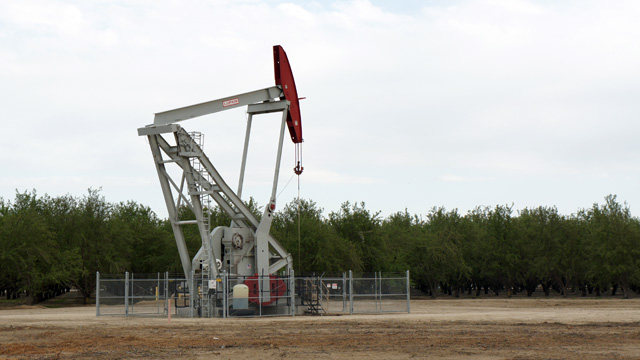
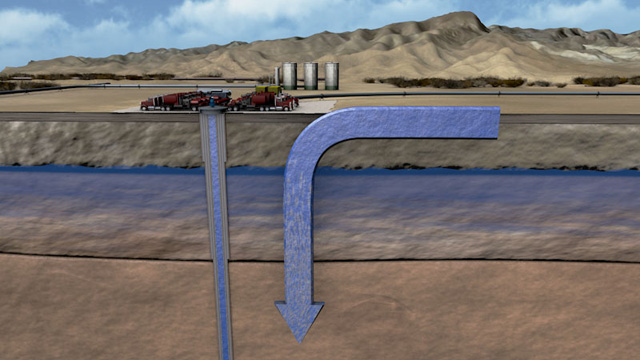
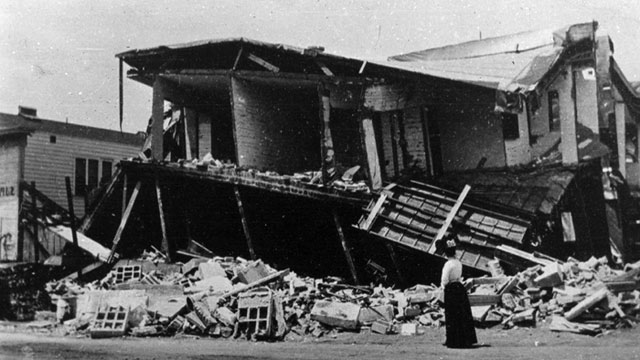
window.__IS_SSR__=true
window.__INITIAL_STATE__={
"attachmentsReducer": {
"audio_0": {
"type": "attachments",
"id": "audio_0",
"imgSizes": {
"kqedFullSize": {
"file": "https://ww2.kqed.org/news/wp-content/themes/KQED-unified/img/audio_bgs/background0.jpg"
}
}
},
"audio_1": {
"type": "attachments",
"id": "audio_1",
"imgSizes": {
"kqedFullSize": {
"file": "https://ww2.kqed.org/news/wp-content/themes/KQED-unified/img/audio_bgs/background1.jpg"
}
}
},
"audio_2": {
"type": "attachments",
"id": "audio_2",
"imgSizes": {
"kqedFullSize": {
"file": "https://ww2.kqed.org/news/wp-content/themes/KQED-unified/img/audio_bgs/background2.jpg"
}
}
},
"audio_3": {
"type": "attachments",
"id": "audio_3",
"imgSizes": {
"kqedFullSize": {
"file": "https://ww2.kqed.org/news/wp-content/themes/KQED-unified/img/audio_bgs/background3.jpg"
}
}
},
"audio_4": {
"type": "attachments",
"id": "audio_4",
"imgSizes": {
"kqedFullSize": {
"file": "https://ww2.kqed.org/news/wp-content/themes/KQED-unified/img/audio_bgs/background4.jpg"
}
}
},
"placeholder": {
"type": "attachments",
"id": "placeholder",
"imgSizes": {
"thumbnail": {
"file": "https://cdn.kqed.org/wp-content/uploads/2024/12/KQED-Default-Image-816638274-2000x1333-1-160x107.jpg",
"width": 160,
"height": 107,
"mimeType": "image/jpeg"
},
"medium": {
"file": "https://cdn.kqed.org/wp-content/uploads/2024/12/KQED-Default-Image-816638274-2000x1333-1-800x533.jpg",
"width": 800,
"height": 533,
"mimeType": "image/jpeg"
},
"medium_large": {
"file": "https://cdn.kqed.org/wp-content/uploads/2024/12/KQED-Default-Image-816638274-2000x1333-1-768x512.jpg",
"width": 768,
"height": 512,
"mimeType": "image/jpeg"
},
"large": {
"file": "https://cdn.kqed.org/wp-content/uploads/2024/12/KQED-Default-Image-816638274-2000x1333-1-1020x680.jpg",
"width": 1020,
"height": 680,
"mimeType": "image/jpeg"
},
"1536x1536": {
"file": "https://cdn.kqed.org/wp-content/uploads/2024/12/KQED-Default-Image-816638274-2000x1333-1-1536x1024.jpg",
"width": 1536,
"height": 1024,
"mimeType": "image/jpeg"
},
"fd-lrg": {
"file": "https://cdn.kqed.org/wp-content/uploads/2024/12/KQED-Default-Image-816638274-2000x1333-1-1536x1024.jpg",
"width": 1536,
"height": 1024,
"mimeType": "image/jpeg"
},
"fd-med": {
"file": "https://cdn.kqed.org/wp-content/uploads/2024/12/KQED-Default-Image-816638274-2000x1333-1-1020x680.jpg",
"width": 1020,
"height": 680,
"mimeType": "image/jpeg"
},
"fd-sm": {
"file": "https://cdn.kqed.org/wp-content/uploads/2024/12/KQED-Default-Image-816638274-2000x1333-1-800x533.jpg",
"width": 800,
"height": 533,
"mimeType": "image/jpeg"
},
"post-thumbnail": {
"file": "https://cdn.kqed.org/wp-content/uploads/2024/12/KQED-Default-Image-816638274-2000x1333-1-672x372.jpg",
"width": 672,
"height": 372,
"mimeType": "image/jpeg"
},
"twentyfourteen-full-width": {
"file": "https://cdn.kqed.org/wp-content/uploads/2024/12/KQED-Default-Image-816638274-2000x1333-1-1038x576.jpg",
"width": 1038,
"height": 576,
"mimeType": "image/jpeg"
},
"xxsmall": {
"file": "https://cdn.kqed.org/wp-content/uploads/2024/12/KQED-Default-Image-816638274-2000x1333-1-160x107.jpg",
"width": 160,
"height": 107,
"mimeType": "image/jpeg"
},
"xsmall": {
"file": "https://cdn.kqed.org/wp-content/uploads/2024/12/KQED-Default-Image-816638274-2000x1333-1-672x372.jpg",
"width": 672,
"height": 372,
"mimeType": "image/jpeg"
},
"small": {
"file": "https://cdn.kqed.org/wp-content/uploads/2024/12/KQED-Default-Image-816638274-2000x1333-1-672x372.jpg",
"width": 672,
"height": 372,
"mimeType": "image/jpeg"
},
"xlarge": {
"file": "https://cdn.kqed.org/wp-content/uploads/2024/12/KQED-Default-Image-816638274-2000x1333-1-1020x680.jpg",
"width": 1020,
"height": 680,
"mimeType": "image/jpeg"
},
"full-width": {
"file": "https://cdn.kqed.org/wp-content/uploads/2024/12/KQED-Default-Image-816638274-2000x1333-1-1920x1280.jpg",
"width": 1920,
"height": 1280,
"mimeType": "image/jpeg"
},
"guest-author-32": {
"file": "https://cdn.kqed.org/wp-content/uploads/2025/01/KQED-Default-Image-816638274-1333x1333-1-160x160.jpg",
"width": 32,
"height": 32,
"mimeType": "image/jpeg"
},
"guest-author-50": {
"file": "https://cdn.kqed.org/wp-content/uploads/2025/01/KQED-Default-Image-816638274-1333x1333-1-160x160.jpg",
"width": 50,
"height": 50,
"mimeType": "image/jpeg"
},
"guest-author-64": {
"file": "https://cdn.kqed.org/wp-content/uploads/2025/01/KQED-Default-Image-816638274-1333x1333-1-160x160.jpg",
"width": 64,
"height": 64,
"mimeType": "image/jpeg"
},
"guest-author-96": {
"file": "https://cdn.kqed.org/wp-content/uploads/2025/01/KQED-Default-Image-816638274-1333x1333-1-160x160.jpg",
"width": 96,
"height": 96,
"mimeType": "image/jpeg"
},
"guest-author-128": {
"file": "https://cdn.kqed.org/wp-content/uploads/2025/01/KQED-Default-Image-816638274-1333x1333-1-160x160.jpg",
"width": 128,
"height": 128,
"mimeType": "image/jpeg"
},
"detail": {
"file": "https://cdn.kqed.org/wp-content/uploads/2025/01/KQED-Default-Image-816638274-1333x1333-1-160x160.jpg",
"width": 160,
"height": 160,
"mimeType": "image/jpeg"
},
"kqedFullSize": {
"file": "https://cdn.kqed.org/wp-content/uploads/2024/12/KQED-Default-Image-816638274-2000x1333-1.jpg",
"width": 2000,
"height": 1333
}
}
},
"science_15995": {
"type": "attachments",
"id": "science_15995",
"meta": {
"index": "attachments_1716263798",
"site": "science",
"id": "15995",
"found": true
},
"parent": 15905,
"imgSizes": {
"kqedFullSize": {
"file": "https://ww2.kqed.org/app/uploads/sites/35/2014/03/DSC01214.jpg",
"width": 640,
"height": 360
}
},
"publishDate": 1396054188,
"modified": 1396054188,
"caption": null,
"description": null,
"title": "DSC01214",
"credit": null,
"status": "inherit",
"isLoading": false,
"fetchFailed": false
},
"science_15914": {
"type": "attachments",
"id": "science_15914",
"meta": {
"index": "attachments_1716263798",
"site": "science",
"id": "15914",
"found": true
},
"parent": 15910,
"imgSizes": {
"kqedFullSize": {
"file": "https://ww2.kqed.org/app/uploads/sites/35/2014/03/KQED-Fraq-panel1-blank2.jpg",
"width": 640,
"height": 360
}
},
"publishDate": 1396042796,
"modified": 1396042796,
"caption": null,
"description": null,
"title": "KQED-Fraq-panel1-blank2",
"credit": null,
"status": "inherit",
"isLoading": false,
"fetchFailed": false
},
"science_15346": {
"type": "attachments",
"id": "science_15346",
"meta": {
"index": "attachments_1716263798",
"site": "science",
"id": "15346",
"found": true
},
"parent": 15325,
"imgSizes": {
"kqedFullSize": {
"file": "https://ww2.kqed.org/app/uploads/sites/35/2014/03/deg00013.jpg",
"width": 640,
"height": 360
}
},
"publishDate": 1394755616,
"modified": 1394755616,
"caption": "The 1906 earthquake (USGS)",
"description": null,
"title": "deg00013",
"credit": null,
"status": "inherit",
"isLoading": false,
"fetchFailed": false
},
"news_128813": {
"type": "attachments",
"id": "news_128813",
"meta": {
"index": "attachments_1716263798",
"site": "news",
"id": "128813",
"found": true
},
"parent": 128812,
"imgSizes": {
"kqedFullSize": {
"file": "https://ww2.kqed.org/app/uploads/sites/10/2014/03/RS9148_photo.jpg",
"width": 1448,
"height": 1086
}
},
"publishDate": 1394406552,
"modified": 1394406552,
"caption": "Gov. Jerry Brown speaks to the California Democrats' annual convention in Los Angeles. (Scott Detrow / KQED)",
"description": "Gov. Jerry Brown speaks to the California Democrats' annual convention in Los Angeles. (Scott Detrow / KQED)",
"title": "Jerry Brown-State Democratic Convention",
"credit": null,
"status": "inherit",
"isLoading": false,
"fetchFailed": false
},
"news_83253": {
"type": "attachments",
"id": "news_83253",
"meta": {
"index": "attachments_1716263798",
"site": "news",
"id": "83253",
"found": true
},
"parent": 83248,
"imgSizes": {
"kqedFullSize": {
"file": "https://ww2.kqed.org/app/uploads/sites/10/2012/12/fracking-e1376499238155.jpg",
"width": 640,
"height": 433
}
},
"publishDate": 1355872989,
"modified": 1558557335,
"caption": "Workers change the pipes in a fracking operation. ",
"description": "Gas-Environment\nWorkers change pipes at Consol Energy Horizontal Gas Drilling Rig exploring the Marcellus Shale outside the town of Waynesburg, PA on April 13, 2012. It is estimated that more than 500 trillion cubic feet of shale gas is contained in this stretch of rock that runs through parts of Pennsylvania, New York, Ohio and West Virginia. Shale gas is natural gas stored deep underground in fine-grained sedimentary rocks. It can be extracted using a process known as hydraulic fracturing ? or \"fracking\" ? which involves drilling long horizontal wells in shale rocks more than a kilometre below the surface. Massive quantities of water, sand and chemicals are pumped into the wells at high pressure. This opens up fissures in the shale, which are held open by the sand, enabling the trapped gas to escape to the surface for collection. AFP PHOTO/MLADEN ANTONOV (Photo credit should read MLADEN ANTONOV/AFP/Getty Images)",
"title": "Fracking",
"credit": "Mladen Antonov/AFP/Getty Images",
"status": "inherit",
"isLoading": false,
"fetchFailed": false
},
"news_14868": {
"type": "attachments",
"id": "news_14868",
"meta": {
"index": "attachments_1716263798",
"site": "news",
"id": "14868",
"found": true
},
"parent": 14847,
"imgSizes": {
"kqedFullSize": {
"file": "https://ww2.kqed.org/app/uploads/sites/10/2011/01/AP110131121268-1-e1383178284638.jpg",
"width": 640,
"height": 561
}
},
"publishDate": 1296526446,
"modified": 1296526446,
"caption": "Gov. Jerry Brown. (Steve Yeater/AP)",
"description": null,
"title": "Jerry Brown",
"credit": null,
"status": "inherit",
"isLoading": false,
"fetchFailed": false
},
"news_112946": {
"type": "attachments",
"id": "news_112946",
"meta": {
"index": "attachments_1716263798",
"site": "news",
"id": "112946",
"found": true
},
"parent": 112943,
"imgSizes": {
"kqedFullSize": {
"file": "https://ww2.kqed.org/app/uploads/sites/10/2013/09/waters.jpg-e1380223553679.jpg",
"width": 640,
"height": 426
}
},
"publishDate": 1380223489,
"modified": 1380223489,
"caption": null,
"description": null,
"title": "waters.jpg",
"credit": null,
"status": "inherit",
"isLoading": false,
"fetchFailed": false
},
"news_111193": {
"type": "attachments",
"id": "news_111193",
"meta": {
"index": "attachments_1716263798",
"site": "news",
"id": "111193",
"found": true
},
"parent": 111188,
"imgSizes": {
"kqedFullSize": {
"file": "https://ww2.kqed.org/app/uploads/sites/10/2013/09/brownwhiffle-e1379103118843.jpg",
"width": 640,
"height": 480
}
},
"publishDate": 1379102183,
"modified": 1379102183,
"caption": null,
"description": "As lawmakers passed hundreds of bills Thursday, Governor Jerry Brown played some whiffle ball. (via Governor's Press Office)",
"title": "brownwhiffle",
"credit": null,
"status": "inherit",
"isLoading": false,
"fetchFailed": false
},
"news_111100": {
"type": "attachments",
"id": "news_111100",
"meta": {
"index": "attachments_1716263798",
"site": "news",
"id": "111100",
"found": true
},
"parent": 111085,
"imgSizes": {
"kqedFullSize": {
"file": "https://ww2.kqed.org/app/uploads/sites/10/2013/09/6672_transform.jpg",
"width": 639,
"height": 360
}
},
"publishDate": 1379033845,
"modified": 1379033845,
"caption": "File photo. Energy Horizontal Gas Drilling Rig exploring the Marcellus Shale outside the town of Waynesburg, PA on April 13, 2012. ",
"description": "With AFP Story by Veronique DUPONT: US-Energy-Gas-Environment\nWorkers chat at Consol Energy Horizontal Gas Drilling Rig exploring the Marcellus Shale outside the town of Waynesburg, PA on April 13, 2012. It is estimated that more than 500 trillion cubic feet of shale gas is contained in this stretch of rock that runs through parts of Pennsylvania, New York, Ohio and West Virginia.Shale gas is natural gas stored deep underground in fine-grained sedimentary rocks. It can be extracted using a process known as hydraulic fracturing ? or \"fracking\" ? which involves drilling long horizontal wells in shale rocks more than a kilometre below the surface. Massive quantities of water, sand and chemicals are pumped into the wells at high pressure. This opens up fissures in the shale, which are held open by the sand, enabling the trapped gas to escape to the surface for collection. AFP PHOTO/MLADEN ANTONOV (Photo credit should read MLADEN ANTONOV/AFP/Getty Images)",
"title": "With AFP Story by Veronique DUPONT: US-E",
"credit": null,
"status": "inherit",
"isLoading": false,
"fetchFailed": false
}
},
"audioPlayerReducer": {
"postId": "stream_live",
"isPaused": true,
"isPlaying": false,
"pfsActive": false,
"pledgeModalIsOpen": true,
"playerDrawerIsOpen": false,
"liveAudioPlayStartedAt": 0,
"liveAudioPlayContext": ""
},
"authorsReducer": {
"jbrooks": {
"type": "authors",
"id": "80",
"meta": {
"index": "authors_1716337520",
"id": "80",
"found": true
},
"name": "Jon Brooks",
"firstName": "Jon",
"lastName": "Brooks",
"slug": "jbrooks",
"email": "jbrooks@kqed.org",
"display_author_email": true,
"staff_mastheads": [
"science"
],
"title": "Digital Editor",
"bio": "Jon Brooks is a former Digital Editor for KQED Science. He is the former editor of KQED’s daily news blog, News Fix. In 2014, he won a California Journalism Award for his coverage of ride services like Uber and Lyft and the taxi industry. A veteran blogger, he previously worked for Yahoo! in various news writing and editing roles. Jon is also a playwright whose work has been produced in San Francisco, New York, Italy, and around the U.S. He has written about film for his own blog and studied film at Boston University.",
"avatar": "https://secure.gravatar.com/avatar/98887f7ed1c876ed414d4c915e969584?s=600&d=blank&r=g",
"twitter": "jbrooksfoy",
"facebook": null,
"instagram": null,
"linkedin": null,
"sites": [
{
"site": "arts",
"roles": [
"Contributor",
"editor"
]
},
{
"site": "news",
"roles": [
"author"
]
},
{
"site": "futureofyou",
"roles": [
"administrator"
]
},
{
"site": "mindshift",
"roles": [
"editor"
]
},
{
"site": "stateofhealth",
"roles": [
"editor"
]
},
{
"site": "science",
"roles": [
"administrator"
]
},
{
"site": "quest",
"roles": [
"editor"
]
}
],
"headData": {
"title": "Jon Brooks | KQED",
"description": "Digital Editor",
"ogImgSrc": "https://secure.gravatar.com/avatar/98887f7ed1c876ed414d4c915e969584?s=600&d=blank&r=g",
"twImgSrc": "https://secure.gravatar.com/avatar/98887f7ed1c876ed414d4c915e969584?s=600&d=blank&r=g"
},
"isLoading": false,
"link": "/author/jbrooks"
},
"cmiller": {
"type": "authors",
"id": "221",
"meta": {
"index": "authors_1716337520",
"id": "221",
"found": true
},
"name": "Craig Miller",
"firstName": "Craig",
"lastName": "Miller",
"slug": "cmiller",
"email": "craig@voxterra.net",
"display_author_email": false,
"staff_mastheads": [
"science"
],
"title": "Editor Emeritus, Science",
"bio": "Craig is a former KQED Science editor, specializing in weather, climate, water & energy issues, with a little seismology thrown in just to shake things up. Prior to that, he launched and led the station's award-winning multimedia project, Climate Watch. Craig is also an accomplished writer/producer of television documentaries, with a focus on natural resource issues.",
"avatar": "https://secure.gravatar.com/avatar/b91661df645e001a9cafe0861fa685f9?s=600&d=blank&r=g",
"twitter": "voxterra",
"facebook": null,
"instagram": null,
"linkedin": null,
"sites": [
{
"site": "news",
"roles": [
"author"
]
},
{
"site": "futureofyou",
"roles": [
"editor"
]
},
{
"site": "stateofhealth",
"roles": [
"author"
]
},
{
"site": "science",
"roles": [
"editor"
]
},
{
"site": "quest",
"roles": [
"editor"
]
}
],
"headData": {
"title": "Craig Miller | KQED",
"description": "Editor Emeritus, Science",
"ogImgSrc": "https://secure.gravatar.com/avatar/b91661df645e001a9cafe0861fa685f9?s=600&d=blank&r=g",
"twImgSrc": "https://secure.gravatar.com/avatar/b91661df645e001a9cafe0861fa685f9?s=600&d=blank&r=g"
},
"isLoading": false,
"link": "/author/cmiller"
},
"kqed": {
"type": "authors",
"id": "236",
"meta": {
"index": "authors_1716337520",
"id": "236",
"found": true
},
"name": "KQED News Staff",
"firstName": "KQED News Staff",
"lastName": null,
"slug": "kqed",
"email": "faq@kqed.org",
"display_author_email": false,
"staff_mastheads": [],
"title": null,
"bio": null,
"avatar": "https://secure.gravatar.com/avatar/ef0e801a68c4c54afa9180db14084167?s=600&d=blank&r=g",
"twitter": null,
"facebook": null,
"instagram": null,
"linkedin": null,
"sites": [
{
"site": "arts",
"roles": [
"contributor"
]
},
{
"site": "news",
"roles": [
"editor"
]
},
{
"site": "futureofyou",
"roles": [
"author"
]
}
],
"headData": {
"title": "KQED News Staff | KQED",
"description": null,
"ogImgSrc": "https://secure.gravatar.com/avatar/ef0e801a68c4c54afa9180db14084167?s=600&d=blank&r=g",
"twImgSrc": "https://secure.gravatar.com/avatar/ef0e801a68c4c54afa9180db14084167?s=600&d=blank&r=g"
},
"isLoading": false,
"link": "/author/kqed"
},
"kqednewsstaffandwires": {
"type": "authors",
"id": "237",
"meta": {
"index": "authors_1716337520",
"id": "237",
"found": true
},
"name": "KQED News Staff and Wires",
"firstName": "KQED News Staff and Wires",
"lastName": null,
"slug": "kqednewsstaffandwires",
"email": "onlinenewsstaff@kqed.org",
"display_author_email": false,
"staff_mastheads": [],
"title": null,
"bio": null,
"avatar": "https://secure.gravatar.com/avatar/72295af8ebbfbd19a4948f5271285664?s=600&d=blank&r=g",
"twitter": null,
"facebook": null,
"instagram": null,
"linkedin": null,
"sites": [
{
"site": "arts",
"roles": [
"contributor"
]
},
{
"site": "news",
"roles": [
"contributor"
]
},
{
"site": "lowdown",
"roles": [
"author"
]
},
{
"site": "stateofhealth",
"roles": [
"contributor"
]
},
{
"site": "food",
"roles": [
"author"
]
}
],
"headData": {
"title": "KQED News Staff and Wires | KQED",
"description": null,
"ogImgSrc": "https://secure.gravatar.com/avatar/72295af8ebbfbd19a4948f5271285664?s=600&d=blank&r=g",
"twImgSrc": "https://secure.gravatar.com/avatar/72295af8ebbfbd19a4948f5271285664?s=600&d=blank&r=g"
},
"isLoading": false,
"link": "/author/kqednewsstaffandwires"
},
"laurensommer": {
"type": "authors",
"id": "239",
"meta": {
"index": "authors_1716337520",
"id": "239",
"found": true
},
"name": "Lauren Sommer",
"firstName": "Lauren",
"lastName": "Sommer",
"slug": "laurensommer",
"email": "lsommer@kqed.org",
"display_author_email": false,
"staff_mastheads": [],
"title": "KQED Contributor",
"bio": "Lauren is a radio reporter formerly covering environment, water, and energy for KQED Science. As part of her day job, she has scaled Sierra Nevada peaks, run from charging elephant seals, and desperately tried to get her sea legs - all in pursuit of good radio. Her work has appeared on Marketplace, Living on Earth, Science Friday and NPR's Morning Edition and All Things Considered. You can find her on Twitter at \u003ca href=\"https://twitter.com/lesommer\">@lesommer\u003c/a>.",
"avatar": "https://secure.gravatar.com/avatar/33aa3772bb86c6ad45b8aca6a238bbdf?s=600&d=blank&r=g",
"twitter": null,
"facebook": null,
"instagram": null,
"linkedin": null,
"sites": [
{
"site": "news",
"roles": [
"author"
]
},
{
"site": "science",
"roles": [
"editor",
"manage_content_types",
"manage_taxonomies"
]
},
{
"site": "quest",
"roles": [
"editor"
]
}
],
"headData": {
"title": "Lauren Sommer | KQED",
"description": "KQED Contributor",
"ogImgSrc": "https://secure.gravatar.com/avatar/33aa3772bb86c6ad45b8aca6a238bbdf?s=600&d=blank&r=g",
"twImgSrc": "https://secure.gravatar.com/avatar/33aa3772bb86c6ad45b8aca6a238bbdf?s=600&d=blank&r=g"
},
"isLoading": false,
"link": "/author/laurensommer"
},
"sdetrow": {
"type": "authors",
"id": "256",
"meta": {
"index": "authors_1716337520",
"id": "256",
"found": true
},
"name": "Scott Detrow",
"firstName": "Scott",
"lastName": "Detrow",
"slug": "sdetrow",
"email": "sdetrow@kqed.org",
"display_author_email": false,
"staff_mastheads": [],
"title": null,
"bio": "Sacramento bureau chief Scott Detrow covers state government, politics and policy for KQED News and its statewide news program, The California Report.",
"avatar": "https://secure.gravatar.com/avatar/3271d0c151ba26452e3417f5ac251c30?s=600&d=blank&r=g",
"twitter": null,
"facebook": null,
"instagram": null,
"linkedin": null,
"sites": [
{
"site": "news",
"roles": [
"subscriber"
]
},
{
"site": "science",
"roles": [
"subscriber"
]
}
],
"headData": {
"title": "Scott Detrow | KQED",
"description": null,
"ogImgSrc": "https://secure.gravatar.com/avatar/3271d0c151ba26452e3417f5ac251c30?s=600&d=blank&r=g",
"twImgSrc": "https://secure.gravatar.com/avatar/3271d0c151ba26452e3417f5ac251c30?s=600&d=blank&r=g"
},
"isLoading": false,
"link": "/author/sdetrow"
}
},
"pagesReducer": {
"news_tag_fracking": {
"type": "terms",
"id": "news_3605",
"meta": {
"index": "terms_1716263798",
"site": "news",
"id": "3605",
"score": 9.108498
},
"featImg": null,
"name": "fracking",
"description": null,
"taxonomy": "tag",
"headData": {
"twImgId": null,
"twTitle": null,
"ogTitle": null,
"ogImgId": null,
"twDescription": null,
"description": null,
"title": "fracking Archives | KQED News",
"ogDescription": null
},
"ttid": 3623,
"slug": "fracking",
"isLoading": false,
"title": "fracking",
"pageMeta": {
"site": "news",
"WpPageTemplate": "page-topic-editorial",
"currentPage": 3
},
"blocks": [
{
"blockName": "kqed/post-list",
"attrs": {
"layout": "cardArticle2",
"query": "posts/news?tag=fracking",
"seeMore": false,
"paginated": true,
"page": 3
}
},
{
"blockName": "kqed/ad"
}
]
}
},
"pfsSessionReducer": {},
"postsReducer": {
"stream_live": {
"type": "live",
"id": "stream_live",
"audioUrl": "https://hls.kqed.org/hls/kqed_app/playlist.m3u8",
"title": "Live Stream",
"excerpt": "Live Stream information currently unavailable.",
"link": "/radio",
"featImg": "",
"label": {
"name": "KQED Live",
"link": "/"
}
},
"stream_kqedNewscast": {
"type": "posts",
"id": "stream_kqedNewscast",
"audioUrl": "https://www.kqed.org/.stream/anon/radio/RDnews/newscast.mp3?_=1",
"title": "KQED Newscast",
"featImg": "",
"label": {
"name": "88.5 FM",
"link": "/"
}
},
"science_15905": {
"type": "posts",
"id": "science_15905",
"meta": {
"index": "posts_1716263798",
"site": "science",
"id": "15905",
"score": null,
"sort": [
1412938209000
]
},
"parent": 0,
"labelTerm": {
"site": "science",
"term": 1022
},
"blocks": [],
"publishDate": 1412938209,
"format": "aside",
"title": "With Drought, New Scrutiny Over Fracking's Water Use",
"headTitle": "With Drought, New Scrutiny Over Fracking’s Water Use | KQED",
"content": "\u003cdiv class=\"audio-wrap\">\n\u003ch2>Listen:\u003c/h2>\n\u003cp>http://www.kqed.org/.stream/anon/radio/science/2014/03/20140331science.mp3\u003c/p>\n\u003c/div>\n\u003cfigure class=\"wp-caption alignnone\" style=\"max-width: 640px\">\u003cimg loading=\"lazy\" decoding=\"async\" src=\"http://i.imgur.com/ttmAyey.gif\" alt=\"\" width=\"640\" height=\"360\">\u003cfigcaption class=\"wp-caption-text\">An oil well next to almond orchards in Wasco, California, where fracking has led to an expansion of oil drilling. (Lauren Sommer/KQED)\u003c/figcaption>\u003c/figure>\n\u003cp>\u003cem>NOTE: Updated October 10th with updates in bold. Originally published March 31st, 2014.\u003c/em>\u003c/p>\n\u003cp>California’s historic drought and shrinking water supplies are putting a spotlight on hydraulic fracturing or “fracking” and its thirst for freshwater. In other states, the controversial technique is a heavy water consumer, using millions of gallons of freshwater to extract oil or gas from each well.\u003c/p>\n\u003cp>In California, fracking uses less water on average than in other states, according to industry data. But that trend is shifting, as oil companies make a play for the Monterey Shale, though to be the largest untapped oil resource in the country.\u003c/p>\n\u003cp>The southern San Joaquin Valley is the site of rising tensions between farming and fracking, as the two industries are increasingly coming into contact. While farmers fallow land and pull up orchards, they’re asking whether there’s enough water to go around.\u003c/p>\n\u003cp>\u003cstrong>Pump Jacks and Almond Orchards\u003c/strong>\u003c/p>\n\u003cp>[ad fullwidth]\u003c/p>\n\u003cp>“We’re just coming off the bloom period and the bees are leaving the orchard,” says farmer Keith Gardiner, walking through rows of almond trees near Wasco, a small town north of Bakersfield.\u003c/p>\n\u003cp>Bring up the state’s drought and Gardiner reacts the way a lot of farmers do – with a frown and a shake of the head.\u003c/p>\n\u003cp>“As you can see, we’ve got major investments in these trees and we can’t lay idle for a year,” he says. “They have to have water every year.”\u003c/p>\n\u003cp>It’s easy to spot what’s adding to Gardiner’s concerns: oil wells are sprinkled throughout the orchards here. Pump jacks slowly bob into sight above the treetops.\u003c/p>\n\u003cp>“Not only is it the best farm ground in the world but it also holds some of the best deposits of minerals called the Monterey Shale,” he says. “And the new technology has allowed the oil companies to be able to extract that through the fracking process.”\u003c/p>\n\u003cfigure id=\"attachment_15952\" class=\"wp-caption alignleft\" style=\"max-width: 639px\">\u003ca href=\"http://ww2.kqed.org/science/wp-content/uploads/sites/35/2014/03/gardiner.jpg\">\u003cimg loading=\"lazy\" decoding=\"async\" class=\"size-full wp-image-15952\" src=\"http://ww2.kqed.org/science/wp-content/uploads/sites/35/2014/03/gardiner.jpg\" alt=\"Farmer Keith Gardiner stands in his almond orchards near Wasco, California, just north of Bakersfield. (Lauren Sommer/KQED)\" width=\"639\" height=\"359\">\u003c/a>\u003cfigcaption class=\"wp-caption-text\">Farmer Keith Gardiner stands in his almond orchards near Wasco, just north of Bakersfield. (Lauren Sommer/KQED)\u003c/figcaption>\u003c/figure>\n\u003cp>Oil drilling has steadily grown around Wasco over the last decade, making it one of California’s newer developments. It’s known as the “Rose” oil field, so-named because Wasco was once the rose-growing capital of the state. Individual oil wells here are nicknamed after varieties of roses, like “Betty Boop” and “Purple Tiger.”\u003c/p>\n\u003cp>\u003cstrong>Unlocking the Monterey Shale\u003c/strong>\u003c/p>\n\u003cp>The new interest is due to the Monterey Shale, a layer of rock about two miles under the surface. Twenty-five oil wells have been fracked in this 10-square-mile area. Water is injected into the well at high pressure, along with sand and chemicals. The process creates tiny cracks in the rock, freeing up the oil. Fracking generally takes a few weeks, after which the oil well produces for several years.\u003c/p>\n\u003cp>This technology has fueled expansive oil and gas booms in other states. In Pennsylvania, it’s been for natural gas. In North Dakota and Texas, it’s been for oil. In those fields, fracking uses several million gallons of water for each oil well. California hasn’t seen the same boom – at least, not yet.\u003c/p>\n\u003cp>“This is the Monterey formation,” says Dave Miner, an exploration manager for \u003ca href=\"http://www.aeraenergy.com/\">Aera Energy\u003c/a>, one of California’s largest oil producers. He shows off a piece of smooth, gray rock at their Bakersfield headquarters. “There is oil in this particular rock,” he says. “You can touch it and it won’t come out.”\u003c/p>\n\u003cp>Depending on your point of view, the rock Miner is holding is either California’s biggest energy opportunity or its biggest environmental threat.\u003c/p>\n\u003caside class=\"alignright\">\u003cstrong>How Water and Oil Mix in California\u003c/strong>\u003cbr>\n\u003ca href=\"http://ww2.kqed.org/science/2014/03/31/how-water-and-oil-mix-in-california/\" target=\"_blank\" rel=\"noopener\">See how water\u003c/a> is part of fracking and oil production in California.\u003ca href=\"http://ww2.kqed.org/science/2014/03/31/how-water-and-oil-mix-in-california/\">\u003cimg loading=\"lazy\" decoding=\"async\" class=\"aligncenter size-full wp-image-15920\" src=\"http://ww2.kqed.org/science/wp-content/uploads/sites/35/2014/03/KQED-Fraq-panel1-blank.jpg\" alt=\"KQED-Fraq-panel1-blank\" width=\"276\" height=\"276\">\u003c/a>\u003c/aside>\n\u003cp>The Monterey Shale holds what could be the largest oil resource in the country: 13.7 billion barrels \u003ca href=\"http://www.eia.gov/todayinenergy/detail.cfm?id=7190\">according to one estimate\u003c/a>. (\u003cstrong>UPDATE\u003c/strong>: Federal officials changed their estimate in May to 600 million barrels \u003ca href=\"http://ww2.kqed.org/science/2014/05/21/californias-monterey-shale-bonanza-or-bust-nobody-really-knows/\">over uncertainties about how much oil could be recovered\u003c/a>.)\u003c/p>\n\u003cp>Miner says oil companies are experimenting with how to use fracking to access it, given California’s complex geology.\u003c/p>\n\u003cp>“It’s very hard to get this oil out,” he says. “We’re in very early days trying to figure out what might make this work and be economic. It may take several years. It may take longer.”\u003c/p>\n\u003cp>\u003cstrong>Water Use Relatively Low in California\u003c/strong>\u003c/p>\n\u003cp>Fracking is nothing new in California. It’s been used for decades in some of the oldest oil fields near Bakersfield. But as interest in the less-developed Monterey Shale has grown, so have concerns over water contamination and water use.\u003c/p>\n\u003cp>In March, protesters in Sacramento called for a moratorium on fracking. “Governor Brown, California doesn’t want our water depleted from fracking or any hydraulic drilling methods,” said Latrice Carter of Carson, California, speaking to the crowd. The city of Carson recently \u003ca href=\"http://articles.latimes.com/2014/mar/19/local/la-me-0320-carson-drilling-20140320\">approved a 45-day moratorium\u003c/a> on oil drilling, amid fears around fracking.\u003c/p>\n\u003cp>“In California today, hydraulic fracturing uses very small amounts of water,” says Tupper Hull of the Western States Petroleum Association, an oil industry group.\u003c/p>\n\u003cp>He points out that all together, fracking operations across the state used 105 million gallons of water last year. That’s the same amount of water that 650 homes use in a year.\u003c/p>\n\u003cp>While oil fields in Texas use an average of 1-to-4 million gallons per well, an average frack job in California uses 134,000 gallons of water, according to a \u003ca href=\"http://www.ceres.org/resources/reports/hydraulic-fracturing-water-stress-water-demand-by-the-numbers/view\">report from Ceres\u003c/a>, a sustainability think tank. One acre of almond trees uses six times that amount annually.\u003c/p>\n\u003cp>[contextly_sidebar id=”8zOgu9O1L5lTIhWWVEgBHTV49aaFbArt”]\u003c/p>\n\u003cp>“It is not a lot of water in the big picture,” says Hull. “Companies are looking very diligently at ways to reduce that number. It’s expensive to use freshwater.”\u003c/p>\n\u003cp>\u003cstrong>Water Use Higher in Monterey Shale\u003c/strong>\u003c/p>\n\u003cp>As the Monterey Shale is explored, fracking operations could require more water. In the Rose oil field near Wasco, fracking uses from half a million to a million gallons of water per well, substantially more than other oil fields.\u003c/p>\n\u003cp>The difference has to do with how the wells are drilled. In older fields, wells are drilled directly down. In parts of the Monterey Shale, the well makes a sharp horizontal turn, extending as far as a mile along the layer of rock. Horizontal drilling has become common in other oil and gas formations where fracking is used.\u003c/p>\n\u003cp>“I think it’s fair to say that if this technology that has proved so successful in other parts of the country can be as successful here, that we will see water consumption for hydraulic fracturing going up,” Hull says. “The longer-reach, horizontal wells will use higher volumes of water but you’ll need fewer wells to produce the same amount of oil.”\u003c/p>\n\u003cp>According to \u003ca href=\"http://maps.conservation.ca.gov/doggr/iwst_index.html\">permits filed for the first time\u003c/a> this year under new state regulations, oil companies are planning about 250 new fracking jobs as of March that would draw water mostly from local water districts.\u003cbr>\n\u003c!-- iframe plugin v.4.3 wordpress.org/plugins/iframe/ -->\u003cbr>\n\u003ciframe loading=\"lazy\" src=\"http://www.kqed.org/assets/graph/drought-fracking-0328014.jsp\" width=\"640\" height=\"400\" frameborder=\"0\" scrolling=\"yes\" class=\"iframe-class\">\u003c/iframe>\u003c/p>\n\u003cp style=\"padding-left: 60px;padding-right: 60px\">\u003cem>\u003cspan style=\"font-size: small\">Under new rules, California oil companies must alert the state prior to fracking, disclosing the water volume and water source. The data above represents about 250 fracking jobs planned as of March 2014. Overall, the water use is the same as the annual demand of 260 homes.\u003c/span>\u003c/em>\u003c/p>\n\u003cp>Most of the districts, like the Belridge Water Storage District and the West Kern Water District, rely on water from the State Water Project, which is fed through the \u003ca href=\"http://ww2.kqed.org/science/series/ca-delta/\">highly-stressed Sacramento-San Joaquin Delta\u003c/a>. With the lack of rainfall, state officials have warned districts that little to no water will come from the project this year.\u003c/p>\n\u003cp>A spokesperson for Aera Energy says the company has banked enough water to meet its needs this year. A representative for Chevron says one of their suppliers has imposed water restrictions, but it hasn’t significantly affected their operations.\u003c/p>\n\u003cp>\u003cstrong>Farmers Wary Over Water\u003c/strong>\u003c/p>\n\u003cp>The potential for higher water use doesn’t sit well with some San Joaquin Valley farmers. “They’re competing for the same water that we’re using for our farms,” says Keith Gardiner. “That’s taken away from the farm fields.”\u003c/p>\n\u003cp>“It is an added pressure,” says Greg Wegis of Wegis and Young, a farming operation near Bakersfield. “From what I’ve seen, in some of the fracking wells, they’re using 3-to-4 acre-feet per well. That’s not helping the situation.”\u003c/p>\n\u003cp>“I know there’s a big push to try to figure out how to use some less desirable water that we can’t really farm with,” he adds.\u003c/p>\n\u003cp>While tensions have been high around Wasco, other parts of the farming community want to see fracking and farming coexist.\u003c/p>\n\u003cp>“Oil and agriculture are the heartbeat of Kern County’s economy,” said Benjamin McFarland, director of the Kern County Farm Bureau. “In terms of the Monterey Shale development, that’s been a lot of new activity that we haven’t seen in the past on farmland. So there’s been more interaction that requires communication.”\u003c/p>\n\u003cp>Supporters say expanding fracking would bring jobs to parts of the state with serious unemployment. According to a \u003ca href=\"http://gen.usc.edu/news/monterey-shale.htm\">study from the University of Southern California\u003c/a>, developing the Monterey Shale could produce up to $24 billion in tax revenue and as many as 2.8 million jobs by the end of the decade, though some of those jobs would be temporary. It could also reverse California’s shrinking oil production, which has been on the decline since the mid-1980s.\u003c/p>\n\u003cfigure id=\"attachment_15957\" class=\"wp-caption alignleft\" style=\"max-width: 640px\">\u003ca href=\"http://ww2.kqed.org/science/wp-content/uploads/sites/35/2014/03/DSC01227.jpg\">\u003cimg loading=\"lazy\" decoding=\"async\" class=\"size-full wp-image-15957\" src=\"http://ww2.kqed.org/science/wp-content/uploads/sites/35/2014/03/DSC01227.jpg\" alt=\"Almond orchards north of Bakersfield, where fracking has lead to an expansion of oil drilling. (Lauren Sommer/KQED)\" width=\"640\" height=\"360\">\u003c/a>\u003cfigcaption class=\"wp-caption-text\">Almond orchards north of Bakersfield. The drought has lead local farmers to rely heavily on groundwater. (Lauren Sommer/KQED)\u003c/figcaption>\u003c/figure>\n\u003cp>\u003cstrong>Fracking in Water-Stressed Areas\u003c/strong>\u003c/p>\n\u003cp>The amounts of water used by the oil industry are still a tiny fraction of what’s used by California agriculture. But some fear there will be a localized impact from fracking, because it happens in some of the most water-stressed parts of the state.\u003c/p>\n\u003cp>“If we combine the fracking and the drought question together, it’s just making a bad situation worse,” says Jay Famiglietti, a hydrologist and professor at UC Irvine.\u003c/p>\n\u003cp>Groundwater in the southern San Joaquin Valley has been dramatically over-pumped in the last 50 years, a trend that gets worse during drought years like this one. That pressure comes largely from agriculture, says Famiglietti, but he believes fracking doesn’t help.\u003c/p>\n\u003cp>“We have to decide: is it in our best interest to use those water resources, especially when they’re under stress, for that purpose, even if it means depleting the resources of a small town?” says Famiglietti. “Or do we not want to do that?”\u003c/p>\n\u003cp>\u003cstrong>Using Recycled Water for Fracking\u003c/strong>\u003c/p>\n\u003cp>[contextly_sidebar id=”c75386035aa9ab592a7ad0d259e54872″]\u003c/p>\n\u003cp>Fracking traditionally uses freshwater instead of salty or briny water.\u003c/p>\n\u003cp>Oil companies generally have easy access to briny water, since it’s produced from the rock formation along with the oil. It generally hasn’t been used for fracking, because the salts could react with chemicals in the fracking fluids, which are added to suspend sand particles in the solution.\u003c/p>\n\u003cp>But increasingly in other parts of the country, oil and gas companies are using recycled water to reduce their freshwater demand.\u003c/p>\n\u003cp>“It’s that need for freshwater that had people asking: how do we do this without freshwater?” says Walter Dale, strategic business manager for water solutions for Halliburton. The company runs fracking operations for several oil and gas companies around the country.\u003c/p>\n\u003cp>“About two years ago, we started saying, ‘Look, we don’t need freshwater anymore,’” he says. “We can now make frack fluids out of impaired waters but we just have to change the formulas in the frack fluids.”\u003c/p>\n\u003cp>Halliburton has started offering its technology last year, known as \u003ca href=\"https://www.youtube.com/embed/Win5Mr52Aa0\">H20 Forward\u003c/a>. Some companies also treat water from their operations, so it’s fresh enough to use in fracking again.\u003c/p>\n\u003cfigure id=\"attachment_15955\" class=\"wp-caption alignleft\" style=\"max-width: 640px\">\u003ca href=\"http://ww2.kqed.org/science/wp-content/uploads/sites/35/2014/03/DSC01200.jpg\">\u003cimg loading=\"lazy\" decoding=\"async\" class=\"size-full wp-image-15955\" src=\"http://ww2.kqed.org/science/wp-content/uploads/sites/35/2014/03/DSC01200.jpg\" alt=\"Oil wells in the Rose oil field near Wasco, California. The Monterey Shale is two miles below the surface. (Lauren Sommer/KQED)\" width=\"640\" height=\"360\">\u003c/a>\u003cfigcaption class=\"wp-caption-text\">Oil wells in the Rose oil field. The Monterey Shale is two miles below the surface. (Lauren Sommer/KQED)\u003c/figcaption>\u003c/figure>\n\u003cp>“Our highest levels of interest are in the Permian and the Bakken,” Dale says, mentioning oil fields in Texas and North Dakota. The highest adoption of water recycling is found in Pennsylvania, where water disposal is more expensive. “The Marcellus is probably the leader when it comes to recycling. They do recycle roughly 80 percent of their waters.”\u003c/p>\n\u003cp>Dale says he’s had conversations with some California oil companies, though it’s in early stages.\u003c/p>\n\u003cp>“California actually has the opportunity to look at the lessons learned in the last 4-to-5 years in the industry and implement some of those technologies to begin their field development,” he says.\u003c/p>\n\u003cp>Some fracking operations in California are already using recycled water, though most use freshwater, according to permits filed with state regulators.\u003c/p>\n\u003cp>One oil company, Occidental, says it plans to use recycled water in a handful of fracking wells this year. Representatives from Chevron and Aera Energy say the companies are investigating ways to reduce their reliance on freshwater.\u003c/p>\n\u003cp>[ad floatright]\u003c/p>\n\u003cp>In the meantime, the state legislature is turning its attention to water use in all forms around California, including in the oil and gas industry. State Senator Fran Pavley introduced a bill, \u003ca href=\"http://leginfo.legislature.ca.gov/faces/billNavClient.xhtml?bill_id=201320140SB1281\">SB 1281\u003c/a>, that would require oil companies to disclose the amounts of water they use in all operations, not just fracking. (\u003cstrong>UPDATE\u003c/strong>: The bill was signed by Governor Brown in September.)\u003c/p>\n\n",
"stats": {
"hasVideo": true,
"hasChartOrMap": true,
"hasAudio": true,
"hasPolis": false,
"wordCount": 2377,
"hasGoogleForm": false,
"hasGallery": false,
"hasHearkenModule": false,
"iframeSrcs": [
"http://www.kqed.org/assets/graph/drought-fracking-0328014.jsp"
],
"paragraphCount": 62
},
"modified": 1704932786,
"excerpt": "The drought is putting a spotlight on water use around California, including for hydraulic fracturing. How much water does fracking use and will it increase as companies tap into the Monterey Shale, estimated to be the largest oil resource in country?",
"headData": {
"twImgId": "",
"twTitle": "",
"ogTitle": "",
"ogImgId": "",
"twDescription": "",
"description": "The drought is putting a spotlight on water use around California, including for hydraulic fracturing. How much water does fracking use and will it increase as companies tap into the Monterey Shale, estimated to be the largest oil resource in country?",
"title": "With Drought, New Scrutiny Over Fracking's Water Use | KQED",
"ogDescription": "",
"schema": {
"@context": "https://schema.org",
"@type": "Article",
"headline": "With Drought, New Scrutiny Over Fracking's Water Use",
"datePublished": "2014-10-10T03:50:09-07:00",
"dateModified": "2024-01-10T16:26:26-08:00",
"image": "https://cdn.kqed.org/wp-content/uploads/2020/02/KQED-OG-Image@1x.png"
}
},
"guestAuthors": [],
"slug": "with-drought-new-scrutiny-over-frackings-water-use",
"status": "publish",
"audioUrl": "http://www.kqed.org/.stream/anon/radio/science/2014/03/20140331science.mp3",
"sticky": false,
"path": "/science/15905/with-drought-new-scrutiny-over-frackings-water-use",
"audioTrackLength": null,
"parsedContent": [
{
"type": "contentString",
"content": "\u003cdiv class=\"post-body\">\u003cp>\u003cdiv class=\"audio-wrap\">\n\u003ch2>Listen:\u003c/h2>\u003c/p>\u003c/div>",
"attributes": {
"named": {},
"numeric": []
}
},
{
"type": "component",
"content": "",
"name": "audioLink",
"attributes": {
"named": {
"src": "http://www.kqed.org/.stream/anon/radio/science/2014/03/20140331science.mp3"
},
"numeric": []
}
},
{
"type": "contentString",
"content": "\u003cdiv class=\"post-body\">\u003cp>\u003c/div>\n\u003cfigure class=\"wp-caption alignnone\" style=\"max-width: 640px\">\u003cimg loading=\"lazy\" decoding=\"async\" src=\"http://i.imgur.com/ttmAyey.gif\" alt=\"\" width=\"640\" height=\"360\">\u003cfigcaption class=\"wp-caption-text\">An oil well next to almond orchards in Wasco, California, where fracking has led to an expansion of oil drilling. (Lauren Sommer/KQED)\u003c/figcaption>\u003c/figure>\n\u003cp>\u003cem>NOTE: Updated October 10th with updates in bold. Originally published March 31st, 2014.\u003c/em>\u003c/p>\n\u003cp>California’s historic drought and shrinking water supplies are putting a spotlight on hydraulic fracturing or “fracking” and its thirst for freshwater. In other states, the controversial technique is a heavy water consumer, using millions of gallons of freshwater to extract oil or gas from each well.\u003c/p>\n\u003cp>In California, fracking uses less water on average than in other states, according to industry data. But that trend is shifting, as oil companies make a play for the Monterey Shale, though to be the largest untapped oil resource in the country.\u003c/p>\n\u003cp>The southern San Joaquin Valley is the site of rising tensions between farming and fracking, as the two industries are increasingly coming into contact. While farmers fallow land and pull up orchards, they’re asking whether there’s enough water to go around.\u003c/p>\n\u003cp>\u003cstrong>Pump Jacks and Almond Orchards\u003c/strong>\u003c/p>\n\u003cp>\u003c/p>\u003c/div>",
"attributes": {
"named": {},
"numeric": []
}
},
{
"type": "component",
"content": "",
"name": "ad",
"attributes": {
"named": {
"label": "fullwidth"
},
"numeric": [
"fullwidth"
]
}
},
{
"type": "contentString",
"content": "\u003cdiv class=\"post-body\">\u003cp>\u003c/p>\n\u003cp>“We’re just coming off the bloom period and the bees are leaving the orchard,” says farmer Keith Gardiner, walking through rows of almond trees near Wasco, a small town north of Bakersfield.\u003c/p>\n\u003cp>Bring up the state’s drought and Gardiner reacts the way a lot of farmers do – with a frown and a shake of the head.\u003c/p>\n\u003cp>“As you can see, we’ve got major investments in these trees and we can’t lay idle for a year,” he says. “They have to have water every year.”\u003c/p>\n\u003cp>It’s easy to spot what’s adding to Gardiner’s concerns: oil wells are sprinkled throughout the orchards here. Pump jacks slowly bob into sight above the treetops.\u003c/p>\n\u003cp>“Not only is it the best farm ground in the world but it also holds some of the best deposits of minerals called the Monterey Shale,” he says. “And the new technology has allowed the oil companies to be able to extract that through the fracking process.”\u003c/p>\n\u003cfigure id=\"attachment_15952\" class=\"wp-caption alignleft\" style=\"max-width: 639px\">\u003ca href=\"http://ww2.kqed.org/science/wp-content/uploads/sites/35/2014/03/gardiner.jpg\">\u003cimg loading=\"lazy\" decoding=\"async\" class=\"size-full wp-image-15952\" src=\"http://ww2.kqed.org/science/wp-content/uploads/sites/35/2014/03/gardiner.jpg\" alt=\"Farmer Keith Gardiner stands in his almond orchards near Wasco, California, just north of Bakersfield. (Lauren Sommer/KQED)\" width=\"639\" height=\"359\">\u003c/a>\u003cfigcaption class=\"wp-caption-text\">Farmer Keith Gardiner stands in his almond orchards near Wasco, just north of Bakersfield. (Lauren Sommer/KQED)\u003c/figcaption>\u003c/figure>\n\u003cp>Oil drilling has steadily grown around Wasco over the last decade, making it one of California’s newer developments. It’s known as the “Rose” oil field, so-named because Wasco was once the rose-growing capital of the state. Individual oil wells here are nicknamed after varieties of roses, like “Betty Boop” and “Purple Tiger.”\u003c/p>\n\u003cp>\u003cstrong>Unlocking the Monterey Shale\u003c/strong>\u003c/p>\n\u003cp>The new interest is due to the Monterey Shale, a layer of rock about two miles under the surface. Twenty-five oil wells have been fracked in this 10-square-mile area. Water is injected into the well at high pressure, along with sand and chemicals. The process creates tiny cracks in the rock, freeing up the oil. Fracking generally takes a few weeks, after which the oil well produces for several years.\u003c/p>\n\u003cp>This technology has fueled expansive oil and gas booms in other states. In Pennsylvania, it’s been for natural gas. In North Dakota and Texas, it’s been for oil. In those fields, fracking uses several million gallons of water for each oil well. California hasn’t seen the same boom – at least, not yet.\u003c/p>\n\u003cp>“This is the Monterey formation,” says Dave Miner, an exploration manager for \u003ca href=\"http://www.aeraenergy.com/\">Aera Energy\u003c/a>, one of California’s largest oil producers. He shows off a piece of smooth, gray rock at their Bakersfield headquarters. “There is oil in this particular rock,” he says. “You can touch it and it won’t come out.”\u003c/p>\n\u003cp>Depending on your point of view, the rock Miner is holding is either California’s biggest energy opportunity or its biggest environmental threat.\u003c/p>\n\u003caside class=\"alignright\">\u003cstrong>How Water and Oil Mix in California\u003c/strong>\u003cbr>\n\u003ca href=\"http://ww2.kqed.org/science/2014/03/31/how-water-and-oil-mix-in-california/\" target=\"_blank\" rel=\"noopener\">See how water\u003c/a> is part of fracking and oil production in California.\u003ca href=\"http://ww2.kqed.org/science/2014/03/31/how-water-and-oil-mix-in-california/\">\u003cimg loading=\"lazy\" decoding=\"async\" class=\"aligncenter size-full wp-image-15920\" src=\"http://ww2.kqed.org/science/wp-content/uploads/sites/35/2014/03/KQED-Fraq-panel1-blank.jpg\" alt=\"KQED-Fraq-panel1-blank\" width=\"276\" height=\"276\">\u003c/a>\u003c/aside>\n\u003cp>The Monterey Shale holds what could be the largest oil resource in the country: 13.7 billion barrels \u003ca href=\"http://www.eia.gov/todayinenergy/detail.cfm?id=7190\">according to one estimate\u003c/a>. (\u003cstrong>UPDATE\u003c/strong>: Federal officials changed their estimate in May to 600 million barrels \u003ca href=\"http://ww2.kqed.org/science/2014/05/21/californias-monterey-shale-bonanza-or-bust-nobody-really-knows/\">over uncertainties about how much oil could be recovered\u003c/a>.)\u003c/p>\n\u003cp>Miner says oil companies are experimenting with how to use fracking to access it, given California’s complex geology.\u003c/p>\n\u003cp>“It’s very hard to get this oil out,” he says. “We’re in very early days trying to figure out what might make this work and be economic. It may take several years. It may take longer.”\u003c/p>\n\u003cp>\u003cstrong>Water Use Relatively Low in California\u003c/strong>\u003c/p>\n\u003cp>Fracking is nothing new in California. It’s been used for decades in some of the oldest oil fields near Bakersfield. But as interest in the less-developed Monterey Shale has grown, so have concerns over water contamination and water use.\u003c/p>\n\u003cp>In March, protesters in Sacramento called for a moratorium on fracking. “Governor Brown, California doesn’t want our water depleted from fracking or any hydraulic drilling methods,” said Latrice Carter of Carson, California, speaking to the crowd. The city of Carson recently \u003ca href=\"http://articles.latimes.com/2014/mar/19/local/la-me-0320-carson-drilling-20140320\">approved a 45-day moratorium\u003c/a> on oil drilling, amid fears around fracking.\u003c/p>\n\u003cp>“In California today, hydraulic fracturing uses very small amounts of water,” says Tupper Hull of the Western States Petroleum Association, an oil industry group.\u003c/p>\n\u003cp>He points out that all together, fracking operations across the state used 105 million gallons of water last year. That’s the same amount of water that 650 homes use in a year.\u003c/p>\n\u003cp>While oil fields in Texas use an average of 1-to-4 million gallons per well, an average frack job in California uses 134,000 gallons of water, according to a \u003ca href=\"http://www.ceres.org/resources/reports/hydraulic-fracturing-water-stress-water-demand-by-the-numbers/view\">report from Ceres\u003c/a>, a sustainability think tank. One acre of almond trees uses six times that amount annually.\u003c/p>\n\u003cp>\u003c/p>\u003cp>\u003c/p>\u003cp>\u003c/p>\n\u003cp>“It is not a lot of water in the big picture,” says Hull. “Companies are looking very diligently at ways to reduce that number. It’s expensive to use freshwater.”\u003c/p>\n\u003cp>\u003cstrong>Water Use Higher in Monterey Shale\u003c/strong>\u003c/p>\n\u003cp>As the Monterey Shale is explored, fracking operations could require more water. In the Rose oil field near Wasco, fracking uses from half a million to a million gallons of water per well, substantially more than other oil fields.\u003c/p>\n\u003cp>The difference has to do with how the wells are drilled. In older fields, wells are drilled directly down. In parts of the Monterey Shale, the well makes a sharp horizontal turn, extending as far as a mile along the layer of rock. Horizontal drilling has become common in other oil and gas formations where fracking is used.\u003c/p>\n\u003cp>“I think it’s fair to say that if this technology that has proved so successful in other parts of the country can be as successful here, that we will see water consumption for hydraulic fracturing going up,” Hull says. “The longer-reach, horizontal wells will use higher volumes of water but you’ll need fewer wells to produce the same amount of oil.”\u003c/p>\n\u003cp>According to \u003ca href=\"http://maps.conservation.ca.gov/doggr/iwst_index.html\">permits filed for the first time\u003c/a> this year under new state regulations, oil companies are planning about 250 new fracking jobs as of March that would draw water mostly from local water districts.\u003cbr>\n\u003c!-- iframe plugin v.4.3 wordpress.org/plugins/iframe/ -->\u003cbr>\n\u003ciframe loading=\"lazy\" src=\"http://www.kqed.org/assets/graph/drought-fracking-0328014.jsp\" width=\"640\" height=\"400\" frameborder=\"0\" scrolling=\"yes\" class=\"iframe-class\">\u003c/iframe>\u003c/p>\n\u003cp style=\"padding-left: 60px;padding-right: 60px\">\u003cem>\u003cspan style=\"font-size: small\">Under new rules, California oil companies must alert the state prior to fracking, disclosing the water volume and water source. The data above represents about 250 fracking jobs planned as of March 2014. Overall, the water use is the same as the annual demand of 260 homes.\u003c/span>\u003c/em>\u003c/p>\n\u003cp>Most of the districts, like the Belridge Water Storage District and the West Kern Water District, rely on water from the State Water Project, which is fed through the \u003ca href=\"http://ww2.kqed.org/science/series/ca-delta/\">highly-stressed Sacramento-San Joaquin Delta\u003c/a>. With the lack of rainfall, state officials have warned districts that little to no water will come from the project this year.\u003c/p>\n\u003cp>A spokesperson for Aera Energy says the company has banked enough water to meet its needs this year. A representative for Chevron says one of their suppliers has imposed water restrictions, but it hasn’t significantly affected their operations.\u003c/p>\n\u003cp>\u003cstrong>Farmers Wary Over Water\u003c/strong>\u003c/p>\n\u003cp>The potential for higher water use doesn’t sit well with some San Joaquin Valley farmers. “They’re competing for the same water that we’re using for our farms,” says Keith Gardiner. “That’s taken away from the farm fields.”\u003c/p>\n\u003cp>“It is an added pressure,” says Greg Wegis of Wegis and Young, a farming operation near Bakersfield. “From what I’ve seen, in some of the fracking wells, they’re using 3-to-4 acre-feet per well. That’s not helping the situation.”\u003c/p>\n\u003cp>“I know there’s a big push to try to figure out how to use some less desirable water that we can’t really farm with,” he adds.\u003c/p>\n\u003cp>While tensions have been high around Wasco, other parts of the farming community want to see fracking and farming coexist.\u003c/p>\n\u003cp>“Oil and agriculture are the heartbeat of Kern County’s economy,” said Benjamin McFarland, director of the Kern County Farm Bureau. “In terms of the Monterey Shale development, that’s been a lot of new activity that we haven’t seen in the past on farmland. So there’s been more interaction that requires communication.”\u003c/p>\n\u003cp>Supporters say expanding fracking would bring jobs to parts of the state with serious unemployment. According to a \u003ca href=\"http://gen.usc.edu/news/monterey-shale.htm\">study from the University of Southern California\u003c/a>, developing the Monterey Shale could produce up to $24 billion in tax revenue and as many as 2.8 million jobs by the end of the decade, though some of those jobs would be temporary. It could also reverse California’s shrinking oil production, which has been on the decline since the mid-1980s.\u003c/p>\n\u003cfigure id=\"attachment_15957\" class=\"wp-caption alignleft\" style=\"max-width: 640px\">\u003ca href=\"http://ww2.kqed.org/science/wp-content/uploads/sites/35/2014/03/DSC01227.jpg\">\u003cimg loading=\"lazy\" decoding=\"async\" class=\"size-full wp-image-15957\" src=\"http://ww2.kqed.org/science/wp-content/uploads/sites/35/2014/03/DSC01227.jpg\" alt=\"Almond orchards north of Bakersfield, where fracking has lead to an expansion of oil drilling. (Lauren Sommer/KQED)\" width=\"640\" height=\"360\">\u003c/a>\u003cfigcaption class=\"wp-caption-text\">Almond orchards north of Bakersfield. The drought has lead local farmers to rely heavily on groundwater. (Lauren Sommer/KQED)\u003c/figcaption>\u003c/figure>\n\u003cp>\u003cstrong>Fracking in Water-Stressed Areas\u003c/strong>\u003c/p>\n\u003cp>The amounts of water used by the oil industry are still a tiny fraction of what’s used by California agriculture. But some fear there will be a localized impact from fracking, because it happens in some of the most water-stressed parts of the state.\u003c/p>\n\u003cp>“If we combine the fracking and the drought question together, it’s just making a bad situation worse,” says Jay Famiglietti, a hydrologist and professor at UC Irvine.\u003c/p>\n\u003cp>Groundwater in the southern San Joaquin Valley has been dramatically over-pumped in the last 50 years, a trend that gets worse during drought years like this one. That pressure comes largely from agriculture, says Famiglietti, but he believes fracking doesn’t help.\u003c/p>\n\u003cp>“We have to decide: is it in our best interest to use those water resources, especially when they’re under stress, for that purpose, even if it means depleting the resources of a small town?” says Famiglietti. “Or do we not want to do that?”\u003c/p>\n\u003cp>\u003cstrong>Using Recycled Water for Fracking\u003c/strong>\u003c/p>\n\u003cp>\u003c/p>\u003cp>\u003c/p>\u003cp>\u003c/p>\n\u003cp>Fracking traditionally uses freshwater instead of salty or briny water.\u003c/p>\n\u003cp>Oil companies generally have easy access to briny water, since it’s produced from the rock formation along with the oil. It generally hasn’t been used for fracking, because the salts could react with chemicals in the fracking fluids, which are added to suspend sand particles in the solution.\u003c/p>\n\u003cp>But increasingly in other parts of the country, oil and gas companies are using recycled water to reduce their freshwater demand.\u003c/p>\n\u003cp>“It’s that need for freshwater that had people asking: how do we do this without freshwater?” says Walter Dale, strategic business manager for water solutions for Halliburton. The company runs fracking operations for several oil and gas companies around the country.\u003c/p>\n\u003cp>“About two years ago, we started saying, ‘Look, we don’t need freshwater anymore,’” he says. “We can now make frack fluids out of impaired waters but we just have to change the formulas in the frack fluids.”\u003c/p>\n\u003cp>Halliburton has started offering its technology last year, known as \u003ca href=\"https://www.youtube.com/embed/Win5Mr52Aa0\">H20 Forward\u003c/a>. Some companies also treat water from their operations, so it’s fresh enough to use in fracking again.\u003c/p>\n\u003cfigure id=\"attachment_15955\" class=\"wp-caption alignleft\" style=\"max-width: 640px\">\u003ca href=\"http://ww2.kqed.org/science/wp-content/uploads/sites/35/2014/03/DSC01200.jpg\">\u003cimg loading=\"lazy\" decoding=\"async\" class=\"size-full wp-image-15955\" src=\"http://ww2.kqed.org/science/wp-content/uploads/sites/35/2014/03/DSC01200.jpg\" alt=\"Oil wells in the Rose oil field near Wasco, California. The Monterey Shale is two miles below the surface. (Lauren Sommer/KQED)\" width=\"640\" height=\"360\">\u003c/a>\u003cfigcaption class=\"wp-caption-text\">Oil wells in the Rose oil field. The Monterey Shale is two miles below the surface. (Lauren Sommer/KQED)\u003c/figcaption>\u003c/figure>\n\u003cp>“Our highest levels of interest are in the Permian and the Bakken,” Dale says, mentioning oil fields in Texas and North Dakota. The highest adoption of water recycling is found in Pennsylvania, where water disposal is more expensive. “The Marcellus is probably the leader when it comes to recycling. They do recycle roughly 80 percent of their waters.”\u003c/p>\n\u003cp>Dale says he’s had conversations with some California oil companies, though it’s in early stages.\u003c/p>\n\u003cp>“California actually has the opportunity to look at the lessons learned in the last 4-to-5 years in the industry and implement some of those technologies to begin their field development,” he says.\u003c/p>\n\u003cp>Some fracking operations in California are already using recycled water, though most use freshwater, according to permits filed with state regulators.\u003c/p>\n\u003cp>One oil company, Occidental, says it plans to use recycled water in a handful of fracking wells this year. Representatives from Chevron and Aera Energy say the companies are investigating ways to reduce their reliance on freshwater.\u003c/p>\n\u003cp>\u003c/p>\u003c/div>",
"attributes": {
"named": {},
"numeric": []
}
},
{
"type": "component",
"content": "",
"name": "ad",
"attributes": {
"named": {
"label": "floatright"
},
"numeric": [
"floatright"
]
}
},
{
"type": "contentString",
"content": "\u003cdiv class=\"post-body\">\u003cp>\u003c/p>\n\u003cp>In the meantime, the state legislature is turning its attention to water use in all forms around California, including in the oil and gas industry. State Senator Fran Pavley introduced a bill, \u003ca href=\"http://leginfo.legislature.ca.gov/faces/billNavClient.xhtml?bill_id=201320140SB1281\">SB 1281\u003c/a>, that would require oil companies to disclose the amounts of water they use in all operations, not just fracking. (\u003cstrong>UPDATE\u003c/strong>: The bill was signed by Governor Brown in September.)\u003c/p>\n\n\u003c/div>\u003c/p>",
"attributes": {
"named": {},
"numeric": []
}
}
],
"link": "/science/15905/with-drought-new-scrutiny-over-frackings-water-use",
"authors": [
"239"
],
"series": [
"science_1151",
"science_1022"
],
"categories": [
"science_46",
"science_33",
"science_89",
"science_35",
"science_40",
"science_43",
"science_98"
],
"tags": [
"science_392",
"science_572",
"science_134",
"science_1452",
"science_429",
"science_955",
"science_813",
"science_952",
"science_876"
],
"featImg": "science_15995",
"label": "science_1022"
},
"science_15910": {
"type": "posts",
"id": "science_15910",
"meta": {
"index": "posts_1716263798",
"site": "science",
"id": "15910",
"score": null,
"sort": [
1396272656000
]
},
"parent": 0,
"labelTerm": {
"site": "science",
"term": 1022
},
"blocks": [],
"publishDate": 1396272656,
"format": "aside",
"title": "How Water and Oil Mix in California",
"headTitle": "How Water and Oil Mix in California | KQED",
"content": "\u003cp>[http_redir]\u003cbr>\nCalifornia is the third-largest oil producing state in the country. To produce oil, companies deal with massive amounts of water. They need it for hydraulic fracturing, and they produce a lot from underground. (\u003ca href=\"http://ww2.kqed.org/science/audio/with-drought-new-scrutiny-over-frackings-water-use/\">More in our related story\u003c/a>)\u003c/p>\n\u003cp>\u003c!-- iframe plugin v.4.3 wordpress.org/plugins/iframe/ -->\u003cbr>\n\u003ciframe loading=\"lazy\" title=\"Water Usage in the Fracking Process\" src=\"http://publicmedia.psu.edu/kqed/indexV2.html\" frameborder=\"0\" width=\"640\" height=\"800\" scrolling=\"yes\" class=\"iframe-class\">\u003c/iframe>\u003c/p>\n\u003cfigure id=\"attachment_16193\" class=\"wp-caption alignleft\" style=\"max-width: 626px\">\u003ca href=\"http://ww2.kqed.org/science/wp-content/uploads/sites/35/2014/03/water-oil-ratio-CA.jpg\">\u003cimg loading=\"lazy\" decoding=\"async\" class=\"size-full wp-image-16193\" src=\"http://ww2.kqed.org/science/wp-content/uploads/sites/35/2014/03/water-oil-ratio-CA.jpg\" alt=\"Graphics designed by Penn State Public Media/WPSU\" width=\"626\" height=\"563\">\u003c/a>\u003cfigcaption class=\"wp-caption-text\">Graphics designed by \u003ca href=\"http://exploreshale.org/\">Penn State Public Media/WPSU\u003c/a>\u003c/figcaption>\u003c/figure>\n\u003cp>[ad fullwidth]\u003c/p>\u003cp>\u003c/p>\n",
"stats": {
"hasVideo": false,
"hasChartOrMap": true,
"hasAudio": false,
"hasPolis": false,
"wordCount": 50,
"hasGoogleForm": false,
"hasGallery": false,
"hasHearkenModule": false,
"iframeSrcs": [
"http://publicmedia.psu.edu/kqed/indexV2.html"
],
"paragraphCount": 4
},
"modified": 1704933919,
"excerpt": "California is the third-largest oil producing state in the country. To produce oil, companies deal with massive amounts of water. They need it for hydraulic fracturing, and they produce a lot from underground.",
"headData": {
"twImgId": "",
"twTitle": "",
"ogTitle": "",
"ogImgId": "",
"twDescription": "",
"description": "California is the third-largest oil producing state in the country. To produce oil, companies deal with massive amounts of water. They need it for hydraulic fracturing, and they produce a lot from underground.",
"title": "How Water and Oil Mix in California | KQED",
"ogDescription": "",
"schema": {
"@context": "https://schema.org",
"@type": "Article",
"headline": "How Water and Oil Mix in California",
"datePublished": "2014-03-31T06:30:56-07:00",
"dateModified": "2024-01-10T16:45:19-08:00",
"image": "https://cdn.kqed.org/wp-content/uploads/2020/02/KQED-OG-Image@1x.png"
}
},
"guestAuthors": [],
"slug": "how-water-and-oil-mix-in-california",
"status": "publish",
"sticky": false,
"path": "/science/15910/how-water-and-oil-mix-in-california",
"audioTrackLength": null,
"parsedContent": [
{
"type": "contentString",
"content": "\u003cdiv class=\"post-body\">\u003cp>\u003cp>[http_redir]\u003cbr>\nCalifornia is the third-largest oil producing state in the country. To produce oil, companies deal with massive amounts of water. They need it for hydraulic fracturing, and they produce a lot from underground. (\u003ca href=\"http://ww2.kqed.org/science/audio/with-drought-new-scrutiny-over-frackings-water-use/\">More in our related story\u003c/a>)\u003c/p>\n\u003cp>\u003c!-- iframe plugin v.4.3 wordpress.org/plugins/iframe/ -->\u003cbr>\n\u003ciframe loading=\"lazy\" title=\"Water Usage in the Fracking Process\" src=\"http://publicmedia.psu.edu/kqed/indexV2.html\" frameborder=\"0\" width=\"640\" height=\"800\" scrolling=\"yes\" class=\"iframe-class\">\u003c/iframe>\u003c/p>\n\u003cfigure id=\"attachment_16193\" class=\"wp-caption alignleft\" style=\"max-width: 626px\">\u003ca href=\"http://ww2.kqed.org/science/wp-content/uploads/sites/35/2014/03/water-oil-ratio-CA.jpg\">\u003cimg loading=\"lazy\" decoding=\"async\" class=\"size-full wp-image-16193\" src=\"http://ww2.kqed.org/science/wp-content/uploads/sites/35/2014/03/water-oil-ratio-CA.jpg\" alt=\"Graphics designed by Penn State Public Media/WPSU\" width=\"626\" height=\"563\">\u003c/a>\u003cfigcaption class=\"wp-caption-text\">Graphics designed by \u003ca href=\"http://exploreshale.org/\">Penn State Public Media/WPSU\u003c/a>\u003c/figcaption>\u003c/figure>\n\u003cp>\u003c/p>\u003c/div>",
"attributes": {
"named": {},
"numeric": []
}
},
{
"type": "component",
"content": "",
"name": "ad",
"attributes": {
"named": {
"label": "fullwidth"
},
"numeric": [
"fullwidth"
]
}
},
{
"type": "contentString",
"content": "\u003cdiv class=\"post-body\">\u003cp>\u003c/p>\u003cp>\u003c/p>\n\u003c/div>\u003c/p>",
"attributes": {
"named": {},
"numeric": []
}
}
],
"link": "/science/15910/how-water-and-oil-mix-in-california",
"authors": [
"239"
],
"series": [
"science_1151",
"science_1022"
],
"categories": [
"science_33",
"science_89",
"science_35",
"science_40",
"science_98"
],
"tags": [
"science_572",
"science_134",
"science_429",
"science_955",
"science_952",
"science_201"
],
"featImg": "science_15914",
"label": "science_1022"
},
"science_15325": {
"type": "posts",
"id": "science_15325",
"meta": {
"index": "posts_1716263798",
"site": "science",
"id": "15325",
"score": null,
"sort": [
1394802018000
]
},
"parent": 0,
"labelTerm": {
"site": "science"
},
"blocks": [],
"publishDate": 1394802018,
"format": "aside",
"title": "California Shakin': 'We've Got a Lot of Earthquakes Ahead of Us'",
"headTitle": "California Shakin’: ‘We’ve Got a Lot of Earthquakes Ahead of Us’ | KQED",
"content": "\u003cfigure id=\"attachment_15346\" class=\"wp-caption aligncenter\" style=\"max-width: 640px\">\u003cimg loading=\"lazy\" decoding=\"async\" class=\"size-full wp-image-15346\" src=\"http://ww2.kqed.org/science/wp-content/uploads/sites/35/2014/03/deg00013.jpg\" alt=\"The 1906 earthquake (USGS)\" width=\"640\" height=\"360\">\u003cfigcaption class=\"wp-caption-text\">A woman surveys earthquake damage following the 1906 San Francisco quake. (USGS)\u003c/figcaption>\u003c/figure>\n\u003cp>This is not exactly a news flash for long-time Californians. But scientists are starting to put more numbers on the inevitability that we all live with.\u003cbr>\n[contextly_sidebar id=”75eb0649d1156d7ece36bc7630c70ad7″]\u003c/p>\n\u003cp>David Schwartz, U.S. Geological Survey in Menlo Park, \u003ca title=\"Q-Forum - show\" href=\"http://www.kqed.org/a/forum/R201403120930\">told listeners to KQED’s Forum program\u003c/a> that there’s a 63 percent chance of a major quake on the San Andreas Fault sometime in the next 22 years.\u003c/p>\n\u003cp>Apparently that’s not enough to worry about, so Schwartz was joined on the program by \u003ca title=\"Am Scientist - bio\" href=\"https://www.americanscientist.org/authors/detail/john-dvorak\">John Dvorak\u003c/a>, author of “\u003ca title=\"Kirkus - review\" href=\"https://www.kirkusreviews.com/book-reviews/john-dvorak/earthquake-storms/\">Earthquake Storms: The Fascinating History and Volatile Future of the San Andreas Fault\u003c/a>.”\u003c/p>\n\u003caside class=\"pullquote alignleft\">‘Earthquakes are not random events.’\u003ccite>John Dvorak, Geologist\u003c/cite>\u003c/aside>\n\u003cp>“Earthquakes are not random events,” said Dvorak, a former USGS scientist. “Earthquakes are clustered in time and space.”\u003c/p>\n\u003cp>He said the 1906 San Francisco quake represented a break along the northern section of the San Andreas Fault. A middle section north of Los Angeles broke in 1857, “but that southern part, south of Palm Springs, that hasn’t broken since 1680,” he said.\u003c/p>\n\u003cp>[ad fullwidth]\u003c/p>\n\u003cp>Contrary to the popular conception that a quake releases pressure along the fault, thus postponing the next temblor, Dvorak said the likelihood of a second quake rises with the first one. During any given three-day span, he said the odds of a magnitude 7 or larger quake are about 1:100,000 in California. But when a magnitude 7 earthquake occurs, he said the odds of another one at least as big in the next three days go to about 1-in-10.\u003c/p>\n\u003cp>“You don’t need to panic,” said Dvorak. “You just need to have a heightened awareness that the ground could shake again soon.” Schwartz agreed that we can look forward to a whole lotta shakin’ going on. “We’ve got a lot of earthquakes ahead of us.”\u003c/p>\n\u003cp>And behind us. Schwartz said that seismologists have a “pretty complete record” going back to about 1600 and that we’ve been enjoying an eerily quiet interval. The hundred years or so starting around 1680, “literally every fault in the Bay Area” produced large earthquakes, releasing “almost as much energy as the 1906 earthquake.” After that, Schwartz said things went relatively quiet until the “Big One” in April, 1906.\u003c/p>\n\u003cp>[contextly_sidebar id=”5878627d97357ce29aa9a7578c08516a”]\u003c/p>\n\u003cp>But Schwartz said the worst-case scenario for Northern California would be a major break along the East Bay’s \u003ca title=\"Wiki - Hayward Fault\" href=\"http://en.wikipedia.org/wiki/Hayward_Fault_Zone\">Hayward Fault\u003c/a> or its neighbor to the north, the Rodgers Creek Fault. “There are two million people who fundamentally live right on top of it,” he said. “We’ve never had a major earthquake in the center of a modern U.S. city and we just really don’t know what’s going to happen.”\u003c/p>\n\u003cp>\u003cstrong>Fracking Opponents Point to Seismic Risk\u003c/strong>\u003c/p>\n\u003cp>Meanwhile, three groups that oppose fracking in California released \u003ca title=\"Shaky Ground - main\" href=\"http://www.shakyground.org/\">a report\u003c/a> warning that a boom in the practice would pose a serious seismic risk to “millions of Californians.”\u003c/p>\n\u003cp>Fracking is shorthand for hydraulic fracturing, the technique that uses fluids under high pressure to loosen up oil and gas formations underground. Drilling companies also re-inject wastewater back into the ground, which has been shown to produce minor seismic activity.\u003c/p>\n\u003cp>The report appears to be largely a mapping exercise, which shows more than half of California’s “active and new” wastewater injection wells within 10 miles of faults that have been active within the last 200 years.\u003c/p>\n\u003cp>None of the authors are seismologists. Patrick Sullivan, a spokesman for the Center for Biological Diversity, one of the three collaborating organizations, said that the authors consulted with seismologists at the University of California. He also cited recent reports of \u003ca title=\"USGS - release\" href=\"http://www.usgs.gov/newsroom/article.asp?ID=3710#.UyIc3s4QORU\">increased shaking in Oklahoma\u003c/a>, where scientists are “evaluating possible links” to oil and gas operations. Fracking has recently been suspected of triggering \u003ca title=\"NYT - post\" href=\"http://www.nytimes.com/2014/03/12/us/ohio-looks-at-whether-fracking-led-to-2-quakes.html?hpw&rref=science&_r=0\">tremors in Ohio.\u003c/a>\u003c/p>\n\u003cp>\u003cstrong>Tsunami Threat Varies\u003c/strong>\u003c/p>\n\u003cp>Many have pondered why last Sunday’s \u003ca title=\"Times-Standard - post\" href=\"http://www.times-standard.com/breakingnews/ci_25312898/location-sundays-6-9-quake-reduced-impact-north\">6.7 quake off the Northern California coast\u003c/a> did not produce giant, devastating waves. Schwartz explained that tsunamis are produced by the displacement of the sea floor. “That requires sort of an up-and-down movement,” he told listeners. “This was a strike-slip fault, where the movement is lateral, side-to-side, so it really doesn’t affect the sea bottom.”\u003c/p>\n\u003cp>Schwartz also said the temblor was relatively small for that area, citing five other events within 50 miles, bigger than magnitude 7, since about 1900. But he added that smaller events can trigger tsunamis if they cause underwater landslides.\u003c/p>\n\u003cp>\u003c/p>\n\u003cp>Both Schwartz and Dvorak agreed on the need for an earthquake warning system in California, but advised not to look to your dog for guidance in the meantime. “There’s no scientific evidence that animals can sense earthquakes before they happen,” says Dvorak.\u003c/p>\n\n",
"stats": {
"hasVideo": false,
"hasChartOrMap": false,
"hasAudio": false,
"hasPolis": false,
"wordCount": 856,
"hasGoogleForm": false,
"hasGallery": false,
"hasHearkenModule": false,
"iframeSrcs": [],
"paragraphCount": 21
},
"modified": 1704934020,
"excerpt": "And some say that a fracking boom in California will raise the ante.",
"headData": {
"twImgId": "",
"twTitle": "",
"ogTitle": "",
"ogImgId": "",
"twDescription": "",
"description": "And some say that a fracking boom in California will raise the ante.",
"title": "California Shakin': 'We've Got a Lot of Earthquakes Ahead of Us' | KQED",
"ogDescription": "",
"schema": {
"@context": "https://schema.org",
"@type": "Article",
"headline": "California Shakin': 'We've Got a Lot of Earthquakes Ahead of Us'",
"datePublished": "2014-03-14T06:00:18-07:00",
"dateModified": "2024-01-10T16:47:00-08:00",
"image": "https://cdn.kqed.org/wp-content/uploads/2020/02/KQED-OG-Image@1x.png"
}
},
"guestAuthors": [],
"slug": "california-shakin-weve-got-a-lot-of-earthquakes-ahead-of-us",
"status": "publish",
"sticky": false,
"path": "/science/15325/california-shakin-weve-got-a-lot-of-earthquakes-ahead-of-us",
"audioTrackLength": null,
"parsedContent": [
{
"type": "contentString",
"content": "\u003cdiv class=\"post-body\">\u003cp>\u003cfigure id=\"attachment_15346\" class=\"wp-caption aligncenter\" style=\"max-width: 640px\">\u003cimg loading=\"lazy\" decoding=\"async\" class=\"size-full wp-image-15346\" src=\"http://ww2.kqed.org/science/wp-content/uploads/sites/35/2014/03/deg00013.jpg\" alt=\"The 1906 earthquake (USGS)\" width=\"640\" height=\"360\">\u003cfigcaption class=\"wp-caption-text\">A woman surveys earthquake damage following the 1906 San Francisco quake. (USGS)\u003c/figcaption>\u003c/figure>\n\u003cp>This is not exactly a news flash for long-time Californians. But scientists are starting to put more numbers on the inevitability that we all live with.\u003cbr>\n\u003c/p>\u003cp>\u003c/p>\u003cp>\u003c/p>\n\u003cp>David Schwartz, U.S. Geological Survey in Menlo Park, \u003ca title=\"Q-Forum - show\" href=\"http://www.kqed.org/a/forum/R201403120930\">told listeners to KQED’s Forum program\u003c/a> that there’s a 63 percent chance of a major quake on the San Andreas Fault sometime in the next 22 years.\u003c/p>\n\u003cp>Apparently that’s not enough to worry about, so Schwartz was joined on the program by \u003ca title=\"Am Scientist - bio\" href=\"https://www.americanscientist.org/authors/detail/john-dvorak\">John Dvorak\u003c/a>, author of “\u003ca title=\"Kirkus - review\" href=\"https://www.kirkusreviews.com/book-reviews/john-dvorak/earthquake-storms/\">Earthquake Storms: The Fascinating History and Volatile Future of the San Andreas Fault\u003c/a>.”\u003c/p>\n\u003caside class=\"pullquote alignleft\">‘Earthquakes are not random events.’\u003ccite>John Dvorak, Geologist\u003c/cite>\u003c/aside>\n\u003cp>“Earthquakes are not random events,” said Dvorak, a former USGS scientist. “Earthquakes are clustered in time and space.”\u003c/p>\n\u003cp>He said the 1906 San Francisco quake represented a break along the northern section of the San Andreas Fault. A middle section north of Los Angeles broke in 1857, “but that southern part, south of Palm Springs, that hasn’t broken since 1680,” he said.\u003c/p>\n\u003cp>\u003c/p>\u003c/div>",
"attributes": {
"named": {},
"numeric": []
}
},
{
"type": "component",
"content": "",
"name": "ad",
"attributes": {
"named": {
"label": "fullwidth"
},
"numeric": [
"fullwidth"
]
}
},
{
"type": "contentString",
"content": "\u003cdiv class=\"post-body\">\u003cp>\u003c/p>\n\u003cp>Contrary to the popular conception that a quake releases pressure along the fault, thus postponing the next temblor, Dvorak said the likelihood of a second quake rises with the first one. During any given three-day span, he said the odds of a magnitude 7 or larger quake are about 1:100,000 in California. But when a magnitude 7 earthquake occurs, he said the odds of another one at least as big in the next three days go to about 1-in-10.\u003c/p>\n\u003cp>“You don’t need to panic,” said Dvorak. “You just need to have a heightened awareness that the ground could shake again soon.” Schwartz agreed that we can look forward to a whole lotta shakin’ going on. “We’ve got a lot of earthquakes ahead of us.”\u003c/p>\n\u003cp>And behind us. Schwartz said that seismologists have a “pretty complete record” going back to about 1600 and that we’ve been enjoying an eerily quiet interval. The hundred years or so starting around 1680, “literally every fault in the Bay Area” produced large earthquakes, releasing “almost as much energy as the 1906 earthquake.” After that, Schwartz said things went relatively quiet until the “Big One” in April, 1906.\u003c/p>\n\u003cp>\u003c/p>\u003cp>\u003c/p>\u003cp>\u003c/p>\n\u003cp>But Schwartz said the worst-case scenario for Northern California would be a major break along the East Bay’s \u003ca title=\"Wiki - Hayward Fault\" href=\"http://en.wikipedia.org/wiki/Hayward_Fault_Zone\">Hayward Fault\u003c/a> or its neighbor to the north, the Rodgers Creek Fault. “There are two million people who fundamentally live right on top of it,” he said. “We’ve never had a major earthquake in the center of a modern U.S. city and we just really don’t know what’s going to happen.”\u003c/p>\n\u003cp>\u003cstrong>Fracking Opponents Point to Seismic Risk\u003c/strong>\u003c/p>\n\u003cp>Meanwhile, three groups that oppose fracking in California released \u003ca title=\"Shaky Ground - main\" href=\"http://www.shakyground.org/\">a report\u003c/a> warning that a boom in the practice would pose a serious seismic risk to “millions of Californians.”\u003c/p>\n\u003cp>Fracking is shorthand for hydraulic fracturing, the technique that uses fluids under high pressure to loosen up oil and gas formations underground. Drilling companies also re-inject wastewater back into the ground, which has been shown to produce minor seismic activity.\u003c/p>\n\u003cp>The report appears to be largely a mapping exercise, which shows more than half of California’s “active and new” wastewater injection wells within 10 miles of faults that have been active within the last 200 years.\u003c/p>\n\u003cp>None of the authors are seismologists. Patrick Sullivan, a spokesman for the Center for Biological Diversity, one of the three collaborating organizations, said that the authors consulted with seismologists at the University of California. He also cited recent reports of \u003ca title=\"USGS - release\" href=\"http://www.usgs.gov/newsroom/article.asp?ID=3710#.UyIc3s4QORU\">increased shaking in Oklahoma\u003c/a>, where scientists are “evaluating possible links” to oil and gas operations. Fracking has recently been suspected of triggering \u003ca title=\"NYT - post\" href=\"http://www.nytimes.com/2014/03/12/us/ohio-looks-at-whether-fracking-led-to-2-quakes.html?hpw&rref=science&_r=0\">tremors in Ohio.\u003c/a>\u003c/p>\n\u003cp>\u003cstrong>Tsunami Threat Varies\u003c/strong>\u003c/p>\n\u003cp>Many have pondered why last Sunday’s \u003ca title=\"Times-Standard - post\" href=\"http://www.times-standard.com/breakingnews/ci_25312898/location-sundays-6-9-quake-reduced-impact-north\">6.7 quake off the Northern California coast\u003c/a> did not produce giant, devastating waves. Schwartz explained that tsunamis are produced by the displacement of the sea floor. “That requires sort of an up-and-down movement,” he told listeners. “This was a strike-slip fault, where the movement is lateral, side-to-side, so it really doesn’t affect the sea bottom.”\u003c/p>\n\u003cp>Schwartz also said the temblor was relatively small for that area, citing five other events within 50 miles, bigger than magnitude 7, since about 1900. But he added that smaller events can trigger tsunamis if they cause underwater landslides.\u003c/p>\n\u003cp>\u003c/p>\n\u003cp>Both Schwartz and Dvorak agreed on the need for an earthquake warning system in California, but advised not to look to your dog for guidance in the meantime. “There’s no scientific evidence that animals can sense earthquakes before they happen,” says Dvorak.\u003c/p>\n\n\u003c/div>\u003c/p>",
"attributes": {
"named": {},
"numeric": []
}
}
],
"link": "/science/15325/california-shakin-weve-got-a-lot-of-earthquakes-ahead-of-us",
"authors": [
"221"
],
"categories": [
"science_38",
"science_40"
],
"tags": [
"science_427",
"science_429",
"science_654",
"science_546",
"science_550"
],
"featImg": "science_15346",
"label": "science"
},
"news_128812": {
"type": "posts",
"id": "news_128812",
"meta": {
"index": "posts_1716263798",
"site": "news",
"id": "128812",
"score": null,
"sort": [
1394467633000
]
},
"parent": 0,
"labelTerm": {
"site": "news",
"term": 6944
},
"blocks": [],
"publishDate": 1394467633,
"format": "aside",
"disqusTitle": "Brown Tussles With Fracking Foes at State Convention",
"title": "Brown Tussles With Fracking Foes at State Convention",
"headTitle": "News Fix | KQED News",
"content": "\u003cfigure id=\"attachment_128813\" class=\"wp-caption aligncenter\" style=\"max-width: 640px\">\u003ca href=\"http://ww2.kqed.org/news/wp-content/uploads/sites/10/2014/03/RS9148_photo.jpg\">\u003cimg class=\"size-medium wp-image-128813\" src=\"http://ww2.kqed.org/news/wp-content/uploads/sites/10/2014/03/RS9148_photo-640x480.jpg\" alt=\"Gov. Jerry Brown speaks to the California Democrats' convention in L.A. on Saturday. (Scott Detrow/KQED)\" width=\"640\" height=\"480\">\u003c/a>\u003cfigcaption class=\"wp-caption-text\">Gov. Jerry Brown speaks to the California Democrats' convention in L.A. on Saturday. (Scott Detrow/KQED)\u003c/figcaption>\u003c/figure>\n\u003cp>California’s Democrats gathered in Los Angeles this weekend to take care of three important tasks: endorse their candidates, rally their troops and hang out with hundreds of like-minded political junkies.\u003c/p>\n\u003cp>“This is almost like camp,” said first-time delegate William Yellen. “Where you go and you focus in on something away from your normal day-to-day life.”\u003c/p>\n\u003cp>There weren’t any s’mores or games of capture-the-flag at the Los Angeles Convention Center. Just a whole lot of politics. In an effort to gin up enthusiasm, speaker after speaker touted Democratic victories like last year’s state minimum-wage increase. They also spent a lot of time blasting Republicans.\u003c/p>\n\u003cp>Termed-out state Treasurer Bill Lockyer delivered a stand-up routine comparing various Republicans with fruits and vegetables. “Mitch McConnell would be a prune,” he said at one point. “Tough, wrinkled. No longer essential to the flow of business.”\u003c/p>\n\u003cp>\u003cstrong>Brown vs. the “Fracktivists”\u003c/strong>\u003c/p>\n\u003cp>[ad fullwidth]\u003c/p>\n\u003cp>Gov. Jerry Brown encountered some turbulence when he addressed the convention Saturday morning.\u003c/p>\n\u003cp>The governor began his speech with much more flourish than usual. Departing from his typical technocratic approach, Brown ticked off the Democratic victories of his first term, including expanded rights for undocumented immigrants and the minimum-wage increase. The delegates rose to their feet when Brown criticized federal standardized curriculum and student-testing requirements, saying. “The test of the genius of each child is not how they bubble in A, B, C or D. Education is not filling a pail. It’s lighting a fire in the soul and spirit of every child.”\u003c/p>\n\u003caside class=\"pullquote alignleft\">'Keep protesting, but add a bunch more stuff.'\u003ccite>— Gov. Jerry Brown,\u003cbr>\nAdvising fracking critics on their agenda\u003c/cite>\u003c/aside>\n\u003cp>But when Brown pivoted to water policy, the cheers turned to jeers. Brown has refused to go along with Democratic calls for a temporary halt on hydraulic fracturing, a petroleum exploration method that could power a new oil boom in California. He has called the potential riches in California’s Monterey Shale formation “a fabulous opportunity.” The heavily anti-fracking crowd in the convention hall let him know they feel quite differently.\u003c/p>\n\u003cp>“I got it,” Brown said after chants interrupted his speech. Brown has made fighting climate change a top priority, and he seemed puzzled, even frustrated, to be challenged on his environmental record.\u003c/p>\n\u003cp>Brown then pointed out California is the only state with a cap-and-trade system in place to reduce carbon emissions. “I challenge anybody to find any other state that is on that path, a serious path. Here’s what we have: We are a state that has a goal of 33.5 percent renewable energy.\"\u003c/p>\n\u003cp>But the crowd kept pushing. Brown urged the protesters to “listen a moment” and proceeded to lecture them on spending too much time dwelling on the fracking issue.\u003c/p>\n\u003cp>“Would it be that if we only did one thing, it’d solve our climate change,” he said. \"That is not the way it is. We need electric cars. We need new land use rules, so people can live closer to where they work. We need massive renewable energy.”\u003c/p>\n\u003cp>Brown ended his speech with this advice: “Keep protesting, but add a bunch more stuff.” But the environmentalists had the last word, as the party ended the weekend by adopting platform language calling for a fracking moratorium.\u003c/p>\n\u003cp>Don’t expect the environmentalists to leave Brown alone, but don’t expect them to abandon him either. RL Miller, who chairs the party’s \u003ca href=\"http://www.envirocaucus.org/about_us\" target=\"_blank\">environmental caucus\u003c/a>, said, “He’s doing the right thing on the bullet train. He’s doing the right thing on renewable energy. He’s doing the right thing on cars. He’s doing a lot of right things. The only wrong thing he’s doing is fracking.”\u003c/p>\n\u003cp>\u003cstrong>'If we all go to sleep, Jerry Brown will get re-elected'\u003c/strong>\u003c/p>\n\u003cp>Democrats at the convention clearly expect Brown to cruise to re-election. Party Chair John Burton warned against taking that complacency too far.\u003c/p>\n\u003cp>[youtube http://www.youtube.com/watch?v=http://youtu.be/pJVvwTdQROg?rel=0&start=50&end=546&autoplay=0&w=300&h=170]\u003c/p>\n\u003ch3>KQED Newsroom: Scott Detrow on the State Democratic Convention\u003c/h3>\n\u003cp>“We cannot kind of stay at home and say no matter what happens, we’re all going to win,” he said. “Because probably if we all go to sleep, Jerry Brown will get re-elected. But that’s not enough.”\u003c/p>\n\u003cp>There’s no presidential election this year, and so far there doesn’t appear to be any high-profile proposition fight to energize voters. So, Democrats will need to work harder to turn out the voters they need to keep their supermajorities in the state Legislature. Speaker after speaker urged the crowd to stay active, raise money and work on voter registration efforts.\u003c/p>\n\u003cp>The convention endorsed Democrats for races up and down the ticket. The two major exceptions: the two statewide races with competitive primaries. Secretary of State candidate \u003ca href=\"http://sd20.senate.ca.gov/\" target=\"_blank\">Alex Padilla\u003c/a> and controller hopeful \u003ca href=\"http://www.asmdc.org/speaker/\" target=\"_blank\">John Pérez\u003c/a> both campaigned hard to win the party’s nod, but both came up short.\u003c/p>\n\u003cp>Padilla, a Los Angeles County state senator, finished just a point-and-a-half shy of the 60 percent threshold needed for an endorsement. His main opponent, \u003ca href=\"http://sd08.senate.ca.gov/\" target=\"_blank\">Sen. Leland Yee\u003c/a> of San Francisco, won just 11 percent after urging delegates to vote for \"no endorsement.\"\u003c/p>\n\u003cp>Pérez, the outgoing Assembly speaker, topped controller opponent Betty Yee by 3 points, but both earned less than 50 percent of the delegates’ votes.\u003c/p>\n\u003cp>\u003c/p>\n\u003cp>In the closely watched race in Silicon Valley's 17th Congressional District, the party endorsed incumbent Mike Honda over challenger Ro Khanna.\u003c/p>\n\n",
"disqusIdentifier": "128812 http://ww2.kqed.org/news/?p=128812",
"disqusUrl": "https://ww2.kqed.org/news/2014/03/10/brown-tussles-with-fracking-foes-at-state-convention/",
"stats": {
"hasVideo": true,
"hasChartOrMap": false,
"hasAudio": false,
"hasPolis": false,
"wordCount": 1013,
"hasGoogleForm": false,
"hasGallery": false,
"hasHearkenModule": false,
"iframeSrcs": [],
"paragraphCount": 25
},
"modified": 1394490619,
"excerpt": "Governor gets an earful from environmentalists during address to California Democrats' confab. ",
"headData": {
"twImgId": "",
"twTitle": "",
"ogTitle": "",
"ogImgId": "",
"twDescription": "",
"description": "Governor gets an earful from environmentalists during address to California Democrats' confab. ",
"title": "Brown Tussles With Fracking Foes at State Convention | KQED",
"ogDescription": "",
"schema": {
"@context": "https://schema.org",
"@type": "NewsArticle",
"headline": "Brown Tussles With Fracking Foes at State Convention",
"datePublished": "2014-03-10T09:07:13-07:00",
"dateModified": "2014-03-10T15:30:19-07:00",
"image": "https://cdn.kqed.org/wp-content/uploads/2020/02/KQED-OG-Image@1x.png",
"isAccessibleForFree": "True",
"publisher": {
"@type": "NewsMediaOrganization",
"@id": "https://www.kqed.org/#organization",
"name": "KQED",
"logo": "https://cdn.kqed.org/wp-content/uploads/2020/02/KQED-OG-Image@1x.png",
"url": "https://www.kqed.org",
"sameAs": [
"https://www.facebook.com/KQED",
"https://twitter.com/KQED",
"https://www.instagram.com/kqed/",
"https://www.tiktok.com/@kqedofficial",
"https://www.linkedin.com/company/kqed",
"https://www.youtube.com/channel/UCeC0IOo7i1P_61zVUWbJ4nw"
]
}
}
},
"guestAuthors": [],
"slug": "brown-tussles-with-fracking-foes-at-state-convention",
"status": "publish",
"customPermalink": "2014/03/09/brown-tussles-with-environmentalists-at-california/",
"path": "/news/128812/brown-tussles-with-fracking-foes-at-state-convention",
"audioTrackLength": null,
"parsedContent": [
{
"type": "contentString",
"content": "\u003cdiv class=\"post-body\">\u003cp>\u003cfigure id=\"attachment_128813\" class=\"wp-caption aligncenter\" style=\"max-width: 640px\">\u003ca href=\"http://ww2.kqed.org/news/wp-content/uploads/sites/10/2014/03/RS9148_photo.jpg\">\u003cimg class=\"size-medium wp-image-128813\" src=\"http://ww2.kqed.org/news/wp-content/uploads/sites/10/2014/03/RS9148_photo-640x480.jpg\" alt=\"Gov. Jerry Brown speaks to the California Democrats' convention in L.A. on Saturday. (Scott Detrow/KQED)\" width=\"640\" height=\"480\">\u003c/a>\u003cfigcaption class=\"wp-caption-text\">Gov. Jerry Brown speaks to the California Democrats' convention in L.A. on Saturday. (Scott Detrow/KQED)\u003c/figcaption>\u003c/figure>\n\u003cp>California’s Democrats gathered in Los Angeles this weekend to take care of three important tasks: endorse their candidates, rally their troops and hang out with hundreds of like-minded political junkies.\u003c/p>\n\u003cp>“This is almost like camp,” said first-time delegate William Yellen. “Where you go and you focus in on something away from your normal day-to-day life.”\u003c/p>\n\u003cp>There weren’t any s’mores or games of capture-the-flag at the Los Angeles Convention Center. Just a whole lot of politics. In an effort to gin up enthusiasm, speaker after speaker touted Democratic victories like last year’s state minimum-wage increase. They also spent a lot of time blasting Republicans.\u003c/p>\n\u003cp>Termed-out state Treasurer Bill Lockyer delivered a stand-up routine comparing various Republicans with fruits and vegetables. “Mitch McConnell would be a prune,” he said at one point. “Tough, wrinkled. No longer essential to the flow of business.”\u003c/p>\n\u003cp>\u003cstrong>Brown vs. the “Fracktivists”\u003c/strong>\u003c/p>\n\u003cp>\u003c/p>\u003c/div>",
"attributes": {
"named": {},
"numeric": []
}
},
{
"type": "component",
"content": "",
"name": "ad",
"attributes": {
"named": {
"label": "fullwidth"
},
"numeric": [
"fullwidth"
]
}
},
{
"type": "contentString",
"content": "\u003cdiv class=\"post-body\">\u003cp>\u003c/p>\n\u003cp>Gov. Jerry Brown encountered some turbulence when he addressed the convention Saturday morning.\u003c/p>\n\u003cp>The governor began his speech with much more flourish than usual. Departing from his typical technocratic approach, Brown ticked off the Democratic victories of his first term, including expanded rights for undocumented immigrants and the minimum-wage increase. The delegates rose to their feet when Brown criticized federal standardized curriculum and student-testing requirements, saying. “The test of the genius of each child is not how they bubble in A, B, C or D. Education is not filling a pail. It’s lighting a fire in the soul and spirit of every child.”\u003c/p>\n\u003caside class=\"pullquote alignleft\">'Keep protesting, but add a bunch more stuff.'\u003ccite>— Gov. Jerry Brown,\u003cbr>\nAdvising fracking critics on their agenda\u003c/cite>\u003c/aside>\n\u003cp>But when Brown pivoted to water policy, the cheers turned to jeers. Brown has refused to go along with Democratic calls for a temporary halt on hydraulic fracturing, a petroleum exploration method that could power a new oil boom in California. He has called the potential riches in California’s Monterey Shale formation “a fabulous opportunity.” The heavily anti-fracking crowd in the convention hall let him know they feel quite differently.\u003c/p>\n\u003cp>“I got it,” Brown said after chants interrupted his speech. Brown has made fighting climate change a top priority, and he seemed puzzled, even frustrated, to be challenged on his environmental record.\u003c/p>\n\u003cp>Brown then pointed out California is the only state with a cap-and-trade system in place to reduce carbon emissions. “I challenge anybody to find any other state that is on that path, a serious path. Here’s what we have: We are a state that has a goal of 33.5 percent renewable energy.\"\u003c/p>\n\u003cp>But the crowd kept pushing. Brown urged the protesters to “listen a moment” and proceeded to lecture them on spending too much time dwelling on the fracking issue.\u003c/p>\n\u003cp>“Would it be that if we only did one thing, it’d solve our climate change,” he said. \"That is not the way it is. We need electric cars. We need new land use rules, so people can live closer to where they work. We need massive renewable energy.”\u003c/p>\n\u003cp>Brown ended his speech with this advice: “Keep protesting, but add a bunch more stuff.” But the environmentalists had the last word, as the party ended the weekend by adopting platform language calling for a fracking moratorium.\u003c/p>\n\u003cp>Don’t expect the environmentalists to leave Brown alone, but don’t expect them to abandon him either. RL Miller, who chairs the party’s \u003ca href=\"http://www.envirocaucus.org/about_us\" target=\"_blank\">environmental caucus\u003c/a>, said, “He’s doing the right thing on the bullet train. He’s doing the right thing on renewable energy. He’s doing the right thing on cars. He’s doing a lot of right things. The only wrong thing he’s doing is fracking.”\u003c/p>\n\u003cp>\u003cstrong>'If we all go to sleep, Jerry Brown will get re-elected'\u003c/strong>\u003c/p>\n\u003cp>Democrats at the convention clearly expect Brown to cruise to re-election. Party Chair John Burton warned against taking that complacency too far.\u003c/p>\n\u003cp>\u003c/p>\u003cp>\u003cspan class='utils-parseShortcode-shortcodes-__youtubeShortcode__embedYoutube'>\n \u003cspan class='utils-parseShortcode-shortcodes-__youtubeShortcode__embedYoutubeInside'>\n \u003ciframe\n loading='lazy'\n class='utils-parseShortcode-shortcodes-__youtubeShortcode__youtubePlayer'\n type='text/html'\n src='//www.youtube.com/embed/http://youtu.be/pJVvwTdQROg?rel=0'\n title='//www.youtube.com/embed/http://youtu.be/pJVvwTdQROg?rel=0'\n allowfullscreen='true'\n style='border:0;'>\u003c/iframe>\n \u003c/span>\n \u003c/span>\u003c/p>\u003cp>\u003c/p>\n\u003ch3>KQED Newsroom: Scott Detrow on the State Democratic Convention\u003c/h3>\n\u003cp>“We cannot kind of stay at home and say no matter what happens, we’re all going to win,” he said. “Because probably if we all go to sleep, Jerry Brown will get re-elected. But that’s not enough.”\u003c/p>\n\u003cp>There’s no presidential election this year, and so far there doesn’t appear to be any high-profile proposition fight to energize voters. So, Democrats will need to work harder to turn out the voters they need to keep their supermajorities in the state Legislature. Speaker after speaker urged the crowd to stay active, raise money and work on voter registration efforts.\u003c/p>\n\u003cp>The convention endorsed Democrats for races up and down the ticket. The two major exceptions: the two statewide races with competitive primaries. Secretary of State candidate \u003ca href=\"http://sd20.senate.ca.gov/\" target=\"_blank\">Alex Padilla\u003c/a> and controller hopeful \u003ca href=\"http://www.asmdc.org/speaker/\" target=\"_blank\">John Pérez\u003c/a> both campaigned hard to win the party’s nod, but both came up short.\u003c/p>\n\u003cp>Padilla, a Los Angeles County state senator, finished just a point-and-a-half shy of the 60 percent threshold needed for an endorsement. His main opponent, \u003ca href=\"http://sd08.senate.ca.gov/\" target=\"_blank\">Sen. Leland Yee\u003c/a> of San Francisco, won just 11 percent after urging delegates to vote for \"no endorsement.\"\u003c/p>\n\u003cp>Pérez, the outgoing Assembly speaker, topped controller opponent Betty Yee by 3 points, but both earned less than 50 percent of the delegates’ votes.\u003c/p>\n\u003cp>\u003c/p>\n\u003cp>In the closely watched race in Silicon Valley's 17th Congressional District, the party endorsed incumbent Mike Honda over challenger Ro Khanna.\u003c/p>\n\n\u003c/div>\u003c/p>",
"attributes": {
"named": {},
"numeric": []
}
}
],
"link": "/news/128812/brown-tussles-with-fracking-foes-at-state-convention",
"authors": [
"256"
],
"programs": [
"news_6944"
],
"categories": [
"news_19906",
"news_13",
"news_356"
],
"tags": [
"news_5530",
"news_3605",
"news_30",
"news_5928"
],
"featImg": "news_128813",
"label": "news_6944"
},
"news_123079": {
"type": "posts",
"id": "news_123079",
"meta": {
"index": "posts_1716263798",
"site": "news",
"id": "123079",
"score": null,
"sort": [
1389306420000
]
},
"parent": 0,
"labelTerm": {
"site": "news",
"term": 6944
},
"blocks": [],
"publishDate": 1389306420,
"format": "aside",
"disqusTitle": "EPA Imposes New Rules for Fracking Off S. California Coast",
"title": "EPA Imposes New Rules for Fracking Off S. California Coast",
"headTitle": "News Fix | KQED News",
"content": "\u003cfigure id=\"attachment_83253\" class=\"wp-caption aligncenter\" style=\"max-width: 640px\">\u003ca href=\"http://ww2.kqed.org/news/2012/12/18/instagram-says-users-photos-wont-appear-in-ads/with-afp-story-by-veronique-dupont-us-e/\" rel=\"attachment wp-att-83253\">\u003cimg class=\"size-full wp-image-83253\" src=\"http://ww2.kqed.org/news/wp-content/uploads/sites/10/2012/12/fracking-e1376499238155.jpg\" alt=\"Workers change the pipes in a fracking operation. (Mladen Antonov/AFP/Getty Images)\" width=\"640\" height=\"433\">\u003c/a>\u003cfigcaption class=\"wp-caption-text\">Workers change the pipes in a fracking operation. (Mladen Antonov/AFP/Getty Images) \u003ccite>(Mladen Antonov/AFP/Getty Images)\u003c/cite>\u003c/figcaption>\u003c/figure>\n\u003cp>\u003cstrong>\u003ca href=\"https://twitter.com/SciWriAlicia\" target=\"_blank\">Alicia Chang\u003c/a>\u003cbr>\nand \u003ca href=\"https://www.twitter.com/JHDearen\" target=\"_blank\">Jason Dearen\u003c/a>\u003cbr>\nAssociated Press\u003c/strong>\u003c/p>\n\u003cp>LOS ANGELES — Oil and gas companies that are fracking off the Southern California coast must report chemicals discharged into the ocean under a new rule released Thursday by federal environmental regulators.\u003c/p>\n\u003cp>The U.S. Environmental Protection Agency published the requirement in the federal register, and will become effective March 1.\u003c/p>\n\u003cp>The move comes after a series of stories by The Associated Press last year revealed \u003ca href=\"http://bigstory.ap.org/article/oil-companies-frack-coastal-waters-calif\" target=\"_blank\">at least a dozen offshore frack jobs in the Santa Barbara Channel\u003c/a>, and \u003ca href=\"http://bigstory.ap.org/article/calif-finds-more-instances-offshore-fracking\" target=\"_blanket\">more than 200 \u003c/a>in nearshore waters overseen by the state of California.\u003c/p>\n\u003cp>Hydraulic fracturing, which involves pumping huge amounts of sand, water and chemicals deep underground to release oil, was conducted with no separate environmental analysis of the fracking chemicals on the sea surroundings, and little or no oversight.\u003c/p>\n\u003cp>[ad fullwidth]\u003c/p>\n\u003cp>\"This requirement was added in response to recent concerns regarding the potential effects of discharges of fluids used for offshore hydraulic fracturing operations,\" the EPA said in its notice.\u003c/p>\n\u003cp>The oil industry has insisted that fracking, which has been around for decades, does not harm the environment.\u003c/p>\n\u003cp>While attention has been focused on fracking on land close to communities, little is known about the practice in the ocean, which uses far less fracking fluids.\u003c/p>\n\u003cp>Well permits and emails obtained through the Freedom of Information Act show fracking has quietly occurred off Southern California since the late 1990s with mixed success.\u003c/p>\n\u003cp>After the AP stories were published, the California Coastal Commission launched an investigation. A group of state lawmakers also called on the federal government to look into the practice.\u003c/p>\n\u003cp>The largest offshore frack was completed in January 2010 by Venoco Inc., which targeted the Monterey Shale, home to one of the nation's largest deposits of shale oil.\u003c/p>\n\u003cp>\"It did not produce the results we expected,\" Venoco spokeswoman Lisa Rivas said in an email Thursday.\u003c/p>\n\u003cp>Rivas said the company does not have plans to frack in the future.\u003c/p>\n\u003cp>The new EPA rule applies only to new drilling jobs on nearly two dozen grandfathered-in platforms in federal waters off the Santa Barbara coast, site of a 1969 oil platform blowout that spilled more than 3 million gallons of crude oil, ruined miles of beaches and killed thousands of birds and other wildlife.\u003c/p>\n\u003cp>That spill led to a prohibition on new offshore platforms in federal waters off California, but companies used fracking and other techniques in an attempt to stimulate new production from old existing wells.\u003c/p>\n\u003cp>Separately, state oil regulators have drafted rules requiring companies to test groundwater and alert landowners before fracking or other well stimulation. Companies would also have to disclose the chemicals used and acquire permits before a job. Those rules go into full effect in 2015.\u003c/p>\n\u003cp>The California Independent Petroleum Association and Independent Oil Producers' Agency did not respond to messages for comment. The Western States Petroleum Association said none of its members use hydraulic fracturing technology in offshore federal waters.\u003c/p>\n\u003cp>Environmentalists said the new federal rule was a step in the right direction, but they still want the government to ban the practice altogether.\u003c/p>\n\u003cp>\u003c/p>\n\u003cp>\"The EPA's rule will provide some information about the toxic fracking chemicals dumped into our ocean, but it relies on oil companies to be honest and transparent in their self-reporting,\" said Miyoko Sakashita, senior attorney at the Center for Biological Diversity.\u003c/p>\n\n",
"disqusIdentifier": "123079 http://ww2.kqed.org/news/?p=123079",
"disqusUrl": "https://ww2.kqed.org/news/2014/01/09/epa-imposes-new-rules-for-fracking-off-california-coast/",
"stats": {
"hasVideo": false,
"hasChartOrMap": false,
"hasAudio": false,
"hasPolis": false,
"wordCount": 576,
"hasGoogleForm": false,
"hasGallery": false,
"hasHearkenModule": false,
"iframeSrcs": [],
"paragraphCount": 21
},
"modified": 1389307877,
"excerpt": "Oil and gas must now tell regulators what chemicals they're releasing into offshore waters. ",
"headData": {
"twImgId": "",
"twTitle": "",
"ogTitle": "",
"ogImgId": "",
"twDescription": "",
"description": "Oil and gas must now tell regulators what chemicals they're releasing into offshore waters. ",
"title": "EPA Imposes New Rules for Fracking Off S. California Coast | KQED",
"ogDescription": "",
"schema": {
"@context": "https://schema.org",
"@type": "NewsArticle",
"headline": "EPA Imposes New Rules for Fracking Off S. California Coast",
"datePublished": "2014-01-09T14:27:00-08:00",
"dateModified": "2014-01-09T14:51:17-08:00",
"image": "https://cdn.kqed.org/wp-content/uploads/2020/02/KQED-OG-Image@1x.png",
"isAccessibleForFree": "True",
"publisher": {
"@type": "NewsMediaOrganization",
"@id": "https://www.kqed.org/#organization",
"name": "KQED",
"logo": "https://cdn.kqed.org/wp-content/uploads/2020/02/KQED-OG-Image@1x.png",
"url": "https://www.kqed.org",
"sameAs": [
"https://www.facebook.com/KQED",
"https://twitter.com/KQED",
"https://www.instagram.com/kqed/",
"https://www.tiktok.com/@kqedofficial",
"https://www.linkedin.com/company/kqed",
"https://www.youtube.com/channel/UCeC0IOo7i1P_61zVUWbJ4nw"
]
}
}
},
"guestAuthors": [],
"slug": "epa-imposes-new-rules-for-fracking-off-california-coast",
"status": "publish",
"customPermalink": "2014/01/09/epa-imposes-new-fracking-rules-for-california-coast/",
"path": "/news/123079/epa-imposes-new-rules-for-fracking-off-california-coast",
"audioTrackLength": null,
"parsedContent": [
{
"type": "contentString",
"content": "\u003cdiv class=\"post-body\">\u003cp>\u003cfigure id=\"attachment_83253\" class=\"wp-caption aligncenter\" style=\"max-width: 640px\">\u003ca href=\"http://ww2.kqed.org/news/2012/12/18/instagram-says-users-photos-wont-appear-in-ads/with-afp-story-by-veronique-dupont-us-e/\" rel=\"attachment wp-att-83253\">\u003cimg class=\"size-full wp-image-83253\" src=\"http://ww2.kqed.org/news/wp-content/uploads/sites/10/2012/12/fracking-e1376499238155.jpg\" alt=\"Workers change the pipes in a fracking operation. (Mladen Antonov/AFP/Getty Images)\" width=\"640\" height=\"433\">\u003c/a>\u003cfigcaption class=\"wp-caption-text\">Workers change the pipes in a fracking operation. (Mladen Antonov/AFP/Getty Images) \u003ccite>(Mladen Antonov/AFP/Getty Images)\u003c/cite>\u003c/figcaption>\u003c/figure>\n\u003cp>\u003cstrong>\u003ca href=\"https://twitter.com/SciWriAlicia\" target=\"_blank\">Alicia Chang\u003c/a>\u003cbr>\nand \u003ca href=\"https://www.twitter.com/JHDearen\" target=\"_blank\">Jason Dearen\u003c/a>\u003cbr>\nAssociated Press\u003c/strong>\u003c/p>\n\u003cp>LOS ANGELES — Oil and gas companies that are fracking off the Southern California coast must report chemicals discharged into the ocean under a new rule released Thursday by federal environmental regulators.\u003c/p>\n\u003cp>The U.S. Environmental Protection Agency published the requirement in the federal register, and will become effective March 1.\u003c/p>\n\u003cp>The move comes after a series of stories by The Associated Press last year revealed \u003ca href=\"http://bigstory.ap.org/article/oil-companies-frack-coastal-waters-calif\" target=\"_blank\">at least a dozen offshore frack jobs in the Santa Barbara Channel\u003c/a>, and \u003ca href=\"http://bigstory.ap.org/article/calif-finds-more-instances-offshore-fracking\" target=\"_blanket\">more than 200 \u003c/a>in nearshore waters overseen by the state of California.\u003c/p>\n\u003cp>Hydraulic fracturing, which involves pumping huge amounts of sand, water and chemicals deep underground to release oil, was conducted with no separate environmental analysis of the fracking chemicals on the sea surroundings, and little or no oversight.\u003c/p>\n\u003cp>\u003c/p>\u003c/div>",
"attributes": {
"named": {},
"numeric": []
}
},
{
"type": "component",
"content": "",
"name": "ad",
"attributes": {
"named": {
"label": "fullwidth"
},
"numeric": [
"fullwidth"
]
}
},
{
"type": "contentString",
"content": "\u003cdiv class=\"post-body\">\u003cp>\u003c/p>\n\u003cp>\"This requirement was added in response to recent concerns regarding the potential effects of discharges of fluids used for offshore hydraulic fracturing operations,\" the EPA said in its notice.\u003c/p>\n\u003cp>The oil industry has insisted that fracking, which has been around for decades, does not harm the environment.\u003c/p>\n\u003cp>While attention has been focused on fracking on land close to communities, little is known about the practice in the ocean, which uses far less fracking fluids.\u003c/p>\n\u003cp>Well permits and emails obtained through the Freedom of Information Act show fracking has quietly occurred off Southern California since the late 1990s with mixed success.\u003c/p>\n\u003cp>After the AP stories were published, the California Coastal Commission launched an investigation. A group of state lawmakers also called on the federal government to look into the practice.\u003c/p>\n\u003cp>The largest offshore frack was completed in January 2010 by Venoco Inc., which targeted the Monterey Shale, home to one of the nation's largest deposits of shale oil.\u003c/p>\n\u003cp>\"It did not produce the results we expected,\" Venoco spokeswoman Lisa Rivas said in an email Thursday.\u003c/p>\n\u003cp>Rivas said the company does not have plans to frack in the future.\u003c/p>\n\u003cp>The new EPA rule applies only to new drilling jobs on nearly two dozen grandfathered-in platforms in federal waters off the Santa Barbara coast, site of a 1969 oil platform blowout that spilled more than 3 million gallons of crude oil, ruined miles of beaches and killed thousands of birds and other wildlife.\u003c/p>\n\u003cp>That spill led to a prohibition on new offshore platforms in federal waters off California, but companies used fracking and other techniques in an attempt to stimulate new production from old existing wells.\u003c/p>\n\u003cp>Separately, state oil regulators have drafted rules requiring companies to test groundwater and alert landowners before fracking or other well stimulation. Companies would also have to disclose the chemicals used and acquire permits before a job. Those rules go into full effect in 2015.\u003c/p>\n\u003cp>The California Independent Petroleum Association and Independent Oil Producers' Agency did not respond to messages for comment. The Western States Petroleum Association said none of its members use hydraulic fracturing technology in offshore federal waters.\u003c/p>\n\u003cp>Environmentalists said the new federal rule was a step in the right direction, but they still want the government to ban the practice altogether.\u003c/p>\n\u003cp>\u003c/p>\n\u003cp>\"The EPA's rule will provide some information about the toxic fracking chemicals dumped into our ocean, but it relies on oil companies to be honest and transparent in their self-reporting,\" said Miyoko Sakashita, senior attorney at the Center for Biological Diversity.\u003c/p>\n\n\u003c/div>\u003c/p>",
"attributes": {
"named": {},
"numeric": []
}
}
],
"link": "/news/123079/epa-imposes-new-rules-for-fracking-off-california-coast",
"authors": [
"237"
],
"programs": [
"news_6944"
],
"categories": [
"news_19906",
"news_356"
],
"tags": [
"news_1116",
"news_3605"
],
"featImg": "news_83253",
"label": "news_6944"
},
"news_116482": {
"type": "posts",
"id": "news_116482",
"meta": {
"index": "posts_1716263798",
"site": "news",
"id": "116482",
"score": null,
"sort": [
1383179208000
]
},
"parent": 0,
"labelTerm": {
"site": "news",
"term": 6944
},
"blocks": [],
"publishDate": 1383179208,
"format": "aside",
"disqusTitle": "Jerry Brown Lashes Out Against Environmentalists Over Fracking",
"title": "Jerry Brown Lashes Out Against Environmentalists Over Fracking",
"headTitle": "News Fix | KQED News",
"content": "\u003cfigure id=\"attachment_14868\" class=\"wp-caption alignright\" style=\"max-width: 300px\">\u003ca href=\"http://ww2.kqed.org/news/2011/01/31/complete-text-of-gov-browns-state-of-the-state-address/jerry-brown/\" rel=\"attachment wp-att-14868\">\u003cimg class=\"size-medium wp-image-14868 \" src=\"http://ww2.kqed.org/news/wp-content/uploads/sites/10/2011/01/AP110131121268-1-300x262.jpg\" alt=\"Gov. Jerry Brown delivers his State of the State address during a joint session of the California legislature at the Capitol in Sacramento, Calif., on Monday, Jan. 31, 2011. (Steve Yeater/AP)\" width=\"300\" height=\"262\">\u003c/a>\u003cfigcaption class=\"wp-caption-text\">Recent photo of Gov. Jerry Brown, who yesterday spoke out on global warming. (Steve Yeater/AP)\u003c/figcaption>\u003c/figure>\n\u003cp>Gov. Jerry Brown was on KQED Forum today discussing the recently signed regional pact with Oregon, Washington state, and British Columbia to fight global warming.\u003c/p>\n\u003cp>But as Paul Rogers, managing editor of KQED Science and an environmental reporter for the \u003ca href=\"http://www.mercurynews.com/science/ci_24414282/fracking-and-reducing-climate-change-can-jerry-brown\" target=\"_blank\">San Jose Mercury News\u003c/a> wrote yesterday, rather than hailing Brown, environmentalists are focusing on an area in which they disagree with Brown. Just a day after the global warming pact was signed ...\u003c/p>\n\u003cblockquote>\u003cp>... environmentalists lashed out at Brown for his full-throated support(of) fracking, the controversial practice in which oil and gas companies inject water, sand and chemicals into the ground to fracture underground rock formations and release huge amounts of fossil fuels. Those are the very substances that scientists say are causing more global warming.\u003c/p>\n\u003cp>\"To see the governor support fracking at a climate change event is terribly ironic,\" said attorney Kassie Siegel with the Center for Biological Diversity, an environmental group. \"Gov. Brown is a climate leader, but supporting fracking can undermine all that he has done.\" \u003ca href=\"http://www.mercurynews.com/science/ci_24414282/fracking-and-reducing-climate-change-can-jerry-brown\" target=\"_blank\">Full article\u003c/a>\u003c/p>\u003c/blockquote>\n\u003cp>Forum host Michael Krasny asked Brown about the issue, and in characteristic fashion, the governor didn't mince words.\u003c/p>\n\u003cp>Transcript:\u003c/p>\n\u003cblockquote>\u003cp>Krasny: Critics are saying, \"Can you really have a meaningful climate change pact if you don’t address fracking?\"\u003c/p>\n\u003cp>Brown: The premise of that assertion is that climate change is primarily about fracking. And that’s the most absurd idea I’ve ever heard.\u003c/p>\n\u003cp>This is like saying one tire in the 1 billion vehicles in the world is the problem. Fracking is a point, it’s an issue, but climate change is dealing with cars, with power plants, with cows, with agriculture, with cement, with land use, with many, many things....\u003c/p>\n\u003cp>The key point here that most people have in their minds is fracking the Monterey shale. Nobody’s doing that. At best it’s several years if it ever happens. And it can’t happen until a major and the first serious scientific study to an environmental impact analysis that I required by a law I signed two months ago is done. I’m supervising that analysis and we’re going to find out.\u003c/p>\n\u003cp>Some of these fracking people, I talked to one young lady, I said, \"Give science a chance.\" [She said,] “No, I don’t’ need that, I studied it in college.\" She did not study fracking the Monterey shale in college, because it has not been studied in any serious way before. But it will, and there will be plenty of time to make comments, the state will have to respond to each of the hundreds of thousand of comments. This is a big deal, and the fact that people have just pretended not to see it as a big deal, shows you the utter emptiness of some of the political debate today. People don't know what the hell they’re talking about.\u003c/p>\n\u003cp>\u003c!--more-->\u003c/p>\u003c/blockquote>\n\u003cp>\u003ciframe src=\"https://w.soundcloud.com/player/?url=https%3A//api.soundcloud.com/tracks/117838419\" frameborder=\"no\" scrolling=\"no\" width=\"100%\" height=\"166\">\u003c/iframe>\u003c/p>\n\u003cp>[ad fullwidth]\u003c/p>\n\u003cp>\u003c!--more-->\u003c/p>\n\u003cp>\u003c/p>\n\u003cp>For equal time, climate change luminary \u003ca href=\"http://ww2.kqed.org/news/Al+Gore+Fracking\" target=\"_blank\">Al Gore\u003c/a> spoke about the relationship of global warming to fracking on Forum in February ...\u003c/p>\n\u003cblockquote>\u003cp>I’m concerned about it. It has pluses and minuses. Advocates have long pointed out that natural gas has only 50 percent of the CO2 content when it's burned compared to coal. But a lot of it leaks in the fracking process. And when the methane leaks into the atmosphere, each molecule has 70 times the potential warming effect compared to CO2 over a 10-20 year period, and then it lessens somewhat. But that means not very much needs to leak to wipe out the advantage ...\u003c/p>\n\u003cp>People often say fracking is an issue that requires the classic question: is the glass half-full or half-empty?\u003c/p>\n\u003cp>Well, the Earth's atmosphere is completely full. And we’re going to have to make a shift to renewable energy sources. We have the ability to do that. The report came out recently that last year the largest new additions to electricity production in the U.S. came from wind -- 42 percent of all new energy production from wind. In Australia, wind energy, a report says, is now cheaper than electricity from a new coal plant or a new gas plant. And solar photovoltaic energy is spreading far more rapidly than anyone thought was possible. In 2010 the world’s cumulative investments in renewable energy for the first time exceeded the world's investments in fossil fuel energy.\u003c/p>\n\u003cp>Now the fracking wave over the last two years has put [non-renewables] out in front again, but it is inexorable that we will shift to renewable energy.\u003c/p>\u003c/blockquote>\n\n",
"disqusIdentifier": "116482 http://ww2.kqed.org/news/?p=116482",
"disqusUrl": "https://ww2.kqed.org/news/2013/10/30/jerry-brown-lashes-out-against-environmentalists-over-fracking/",
"stats": {
"hasVideo": false,
"hasChartOrMap": false,
"hasAudio": true,
"hasPolis": false,
"wordCount": 793,
"hasGoogleForm": false,
"hasGallery": false,
"hasHearkenModule": false,
"iframeSrcs": [],
"paragraphCount": 21
},
"modified": 1383430652,
"excerpt": "On KQED's \"Forum,\" the governor said fracking is only one small part of climate change.",
"headData": {
"twImgId": "",
"twTitle": "",
"ogTitle": "",
"ogImgId": "",
"twDescription": "",
"description": "On KQED's "Forum," the governor said fracking is only one small part of climate change.",
"title": "Jerry Brown Lashes Out Against Environmentalists Over Fracking | KQED",
"ogDescription": "",
"schema": {
"@context": "https://schema.org",
"@type": "NewsArticle",
"headline": "Jerry Brown Lashes Out Against Environmentalists Over Fracking",
"datePublished": "2013-10-30T17:26:48-07:00",
"dateModified": "2013-11-02T15:17:32-07:00",
"image": "https://cdn.kqed.org/wp-content/uploads/2020/02/KQED-OG-Image@1x.png",
"isAccessibleForFree": "True",
"publisher": {
"@type": "NewsMediaOrganization",
"@id": "https://www.kqed.org/#organization",
"name": "KQED",
"logo": "https://cdn.kqed.org/wp-content/uploads/2020/02/KQED-OG-Image@1x.png",
"url": "https://www.kqed.org",
"sameAs": [
"https://www.facebook.com/KQED",
"https://twitter.com/KQED",
"https://www.instagram.com/kqed/",
"https://www.tiktok.com/@kqedofficial",
"https://www.linkedin.com/company/kqed",
"https://www.youtube.com/channel/UCeC0IOo7i1P_61zVUWbJ4nw"
]
}
}
},
"guestAuthors": [],
"slug": "jerry-brown-lashes-out-against-environmentalists-over-fracking",
"status": "publish",
"customPermalink": "2013/10/30/jerry-brown-fracking/",
"path": "/news/116482/jerry-brown-lashes-out-against-environmentalists-over-fracking",
"audioTrackLength": null,
"parsedContent": [
{
"type": "contentString",
"content": "\u003cdiv class=\"post-body\">\u003cp>\u003cfigure id=\"attachment_14868\" class=\"wp-caption alignright\" style=\"max-width: 300px\">\u003ca href=\"http://ww2.kqed.org/news/2011/01/31/complete-text-of-gov-browns-state-of-the-state-address/jerry-brown/\" rel=\"attachment wp-att-14868\">\u003cimg class=\"size-medium wp-image-14868 \" src=\"http://ww2.kqed.org/news/wp-content/uploads/sites/10/2011/01/AP110131121268-1-300x262.jpg\" alt=\"Gov. Jerry Brown delivers his State of the State address during a joint session of the California legislature at the Capitol in Sacramento, Calif., on Monday, Jan. 31, 2011. (Steve Yeater/AP)\" width=\"300\" height=\"262\">\u003c/a>\u003cfigcaption class=\"wp-caption-text\">Recent photo of Gov. Jerry Brown, who yesterday spoke out on global warming. (Steve Yeater/AP)\u003c/figcaption>\u003c/figure>\n\u003cp>Gov. Jerry Brown was on KQED Forum today discussing the recently signed regional pact with Oregon, Washington state, and British Columbia to fight global warming.\u003c/p>\n\u003cp>But as Paul Rogers, managing editor of KQED Science and an environmental reporter for the \u003ca href=\"http://www.mercurynews.com/science/ci_24414282/fracking-and-reducing-climate-change-can-jerry-brown\" target=\"_blank\">San Jose Mercury News\u003c/a> wrote yesterday, rather than hailing Brown, environmentalists are focusing on an area in which they disagree with Brown. Just a day after the global warming pact was signed ...\u003c/p>\n\u003cblockquote>\u003cp>... environmentalists lashed out at Brown for his full-throated support(of) fracking, the controversial practice in which oil and gas companies inject water, sand and chemicals into the ground to fracture underground rock formations and release huge amounts of fossil fuels. Those are the very substances that scientists say are causing more global warming.\u003c/p>\n\u003cp>\"To see the governor support fracking at a climate change event is terribly ironic,\" said attorney Kassie Siegel with the Center for Biological Diversity, an environmental group. \"Gov. Brown is a climate leader, but supporting fracking can undermine all that he has done.\" \u003ca href=\"http://www.mercurynews.com/science/ci_24414282/fracking-and-reducing-climate-change-can-jerry-brown\" target=\"_blank\">Full article\u003c/a>\u003c/p>\u003c/blockquote>\n\u003cp>Forum host Michael Krasny asked Brown about the issue, and in characteristic fashion, the governor didn't mince words.\u003c/p>\n\u003cp>Transcript:\u003c/p>\n\u003cblockquote>\u003cp>Krasny: Critics are saying, \"Can you really have a meaningful climate change pact if you don’t address fracking?\"\u003c/p>\n\u003cp>Brown: The premise of that assertion is that climate change is primarily about fracking. And that’s the most absurd idea I’ve ever heard.\u003c/p>\n\u003cp>This is like saying one tire in the 1 billion vehicles in the world is the problem. Fracking is a point, it’s an issue, but climate change is dealing with cars, with power plants, with cows, with agriculture, with cement, with land use, with many, many things....\u003c/p>\n\u003cp>The key point here that most people have in their minds is fracking the Monterey shale. Nobody’s doing that. At best it’s several years if it ever happens. And it can’t happen until a major and the first serious scientific study to an environmental impact analysis that I required by a law I signed two months ago is done. I’m supervising that analysis and we’re going to find out.\u003c/p>\n\u003cp>Some of these fracking people, I talked to one young lady, I said, \"Give science a chance.\" [She said,] “No, I don’t’ need that, I studied it in college.\" She did not study fracking the Monterey shale in college, because it has not been studied in any serious way before. But it will, and there will be plenty of time to make comments, the state will have to respond to each of the hundreds of thousand of comments. This is a big deal, and the fact that people have just pretended not to see it as a big deal, shows you the utter emptiness of some of the political debate today. People don't know what the hell they’re talking about.\u003c/p>\n\u003cp>\u003c!--more-->\u003c/p>\u003c/blockquote>\n\u003cp>\u003ciframe src=\"https://w.soundcloud.com/player/?url=https%3A//api.soundcloud.com/tracks/117838419\" frameborder=\"no\" scrolling=\"no\" width=\"100%\" height=\"166\">\u003c/iframe>\u003c/p>\n\u003cp>\u003c/p>\u003c/div>",
"attributes": {
"named": {},
"numeric": []
}
},
{
"type": "component",
"content": "",
"name": "ad",
"attributes": {
"named": {
"label": "fullwidth"
},
"numeric": [
"fullwidth"
]
}
},
{
"type": "contentString",
"content": "\u003cdiv class=\"post-body\">\u003cp>\u003c/p>\n\u003cp>\u003c!--more-->\u003c/p>\n\u003cp>\u003c/p>\n\u003cp>For equal time, climate change luminary \u003ca href=\"http://ww2.kqed.org/news/Al+Gore+Fracking\" target=\"_blank\">Al Gore\u003c/a> spoke about the relationship of global warming to fracking on Forum in February ...\u003c/p>\n\u003cblockquote>\u003cp>I’m concerned about it. It has pluses and minuses. Advocates have long pointed out that natural gas has only 50 percent of the CO2 content when it's burned compared to coal. But a lot of it leaks in the fracking process. And when the methane leaks into the atmosphere, each molecule has 70 times the potential warming effect compared to CO2 over a 10-20 year period, and then it lessens somewhat. But that means not very much needs to leak to wipe out the advantage ...\u003c/p>\n\u003cp>People often say fracking is an issue that requires the classic question: is the glass half-full or half-empty?\u003c/p>\n\u003cp>Well, the Earth's atmosphere is completely full. And we’re going to have to make a shift to renewable energy sources. We have the ability to do that. The report came out recently that last year the largest new additions to electricity production in the U.S. came from wind -- 42 percent of all new energy production from wind. In Australia, wind energy, a report says, is now cheaper than electricity from a new coal plant or a new gas plant. And solar photovoltaic energy is spreading far more rapidly than anyone thought was possible. In 2010 the world’s cumulative investments in renewable energy for the first time exceeded the world's investments in fossil fuel energy.\u003c/p>\n\u003cp>Now the fracking wave over the last two years has put [non-renewables] out in front again, but it is inexorable that we will shift to renewable energy.\u003c/p>\u003c/blockquote>\n\n\u003c/div>\u003c/p>",
"attributes": {
"named": {},
"numeric": []
}
}
],
"link": "/news/116482/jerry-brown-lashes-out-against-environmentalists-over-fracking",
"authors": [
"80"
],
"programs": [
"news_6944"
],
"categories": [
"news_19906",
"news_356"
],
"tags": [
"news_3605",
"news_30"
],
"featImg": "news_14868",
"label": "news_6944"
},
"news_112943": {
"type": "posts",
"id": "news_112943",
"meta": {
"index": "posts_1716263798",
"site": "news",
"id": "112943",
"score": null,
"sort": [
1380226400000
]
},
"parent": 0,
"labelTerm": {
"site": "news",
"term": 6944
},
"blocks": [],
"publishDate": 1380226400,
"format": "aside",
"disqusTitle": "Alice Waters, Fellow Chefs Launch Petition Against Fracking",
"title": "Alice Waters, Fellow Chefs Launch Petition Against Fracking",
"headTitle": "News Fix | KQED News",
"content": "\u003cp>(BCN) Berkeley chef Alice Waters was joined by dozens of other chefs and food experts Wednesday in the launch of a petition asking Gov. Jerry Brown to declare a moratorium on fracking in California.\u003c/p>\n\u003cfigure id=\"attachment_112946\" class=\"wp-caption alignleft\" style=\"max-width: 300px\">\u003cimg class=\"size-medium wp-image-112946\" src=\"http://ww2.kqed.org/news/wp-content/uploads/sites/10/2013/09/waters.jpg-300x199.jpg\" alt=\"waters.jpg\" width=\"300\" height=\"199\">\u003cfigcaption class=\"wp-caption-text\">FILE PHOTO: Alice Waters in 2012. (Giuseppe Cacace/AFP/Getty Images)\u003c/figcaption>\u003c/figure>\n\u003cp>Potential future fracking is \"putting California's scarce and precious water resources and most prized farmland at serious risk,\" the organic food pioneer said in a letter inviting fellow chefs to sign.\u003c/p>\n\u003cp>Fracking, or hydraulic fracturing, is the practice of directing large high-pressure streams of water, sand and chemicals at underground rock in order to fracture the rock and release oil and natural gas.\u003c/p>\n\u003cp>The petition contends the practice hurts farmers and agriculture by depleting water supplies, increasing water costs and polluting groundwater.\u003c/p>\n\u003cp>\"We ... are concerned about the potential impacts of fracking on our livelihoods and those who grow and produce the food we offer our customers, guests and families,\" the petition says.\u003c/p>\n\u003cp>[ad fullwidth]\u003c/p>\n\u003cp>So far, 92 chefs, restaurant owners, winemakers and authors have signed the petition, according to Food & Water Watch spokeswoman Alice Ghosh. \u003c!--more-->\u003c/p>\n\u003cp>Signers thus far include chef and author Joyce Goldstein of San Francisco and chefs Annie Somerville of Greens in San Francisco, Robert Klein of Oliveto in Oakland and Bruce Hill of Picco in Larkspur.\u003c/p>\n\u003cp>The environmental watch group is helping Waters, founder of Chez Panisse restaurant in Berkeley, and Panisse executive chef Jerome Waag collect signatures and increase chefs' awareness of fracking issues.\u003c/p>\n\u003cp>\"This is the beginning of a long-term campaign,\" said Ghosh, who stated the group hopes to gain many more chef signatures in the next several months.\u003c/p>\n\u003cp>The petition asks Brown to declare a moratorium on hydraulic fracturing until the state conducts a comprehensive study of its impacts on California water, air and soil.\u003c/p>\n\u003cp>The chefs' concerns center on possible fracking in the Monterey Shale Formation, a huge tract of 1,750 square miles in the Central Valley and Southern California that has been estimated to contain 15 billion barrels of shale oil.\u003c/p>\n\u003cp>Asked to comment on the chefs' petition, Western States Petroleum Association spokesman Tupper Hull said, \"Hydraulic fracturing has never contaminated groundwater in California or anywhere else. The technology is safe and is used to bring affordable, abundant energy to California and the United States.\"\u003c/p>\n\u003cp>The petition follows two recent developments on the part of the state and federal governments regarding fracking.\u003c/p>\n\u003cp>Last week, Brown signed a law that regulates fracking on private and public land in the state by requiring oil companies to obtain a permit from a state agency for hydraulic fracturing, notify neighbors and disclose the chemicals that will be used.\u003c/p>\n\u003cp>A number of environmental groups, including the Sierra Club and Center for Biological Diversity, have criticized the state law as not being strong enough, especially after last-minute amendments were added that allegedly ease permit approval.\u003c/p>\n\u003cp>The Western States Petroleum Association said, however, that while the measure's requirements \"went significantly farther than the petroleum industry felt was necessary,\" the law now gives California the opportunity \"to responsibly develop the enormous potential energy resources contained in the Monterey Shale Formation.\"\u003c/p>\n\u003cp>In the federal realm, the U.S. Bureau of Land Management announced this summer that it will conduct a full environmental impact study of the effects of oil and gas development, including fracking, on federal land in Central California that could be leased to energy companies.\u003c/p>\n\u003cp>\u003c/p>\n\u003cp>The announcement came after a federal judge in San Jose, ruling in a lawsuit filed by environmental groups, said the agency hadn't adequately studied the impact of fracking chemicals on water supplies, air and human health in initial leases of 2,700 acres of public land in Monterey and Fresno counties in 2011.\u003c/p>\n\n",
"disqusIdentifier": "112943 http://ww2.kqed.org/news/?p=112943",
"disqusUrl": "https://ww2.kqed.org/news/2013/09/26/alice-waters-fellow-chefs-launch-petition-against-fracking/",
"stats": {
"hasVideo": false,
"hasChartOrMap": false,
"hasAudio": false,
"hasPolis": false,
"wordCount": 622,
"hasGoogleForm": false,
"hasGallery": false,
"hasHearkenModule": false,
"iframeSrcs": [],
"paragraphCount": 20
},
"modified": 1380232930,
"excerpt": "The Berkeley chef and dozens of other food experts ask for a California moratorium on fracking.",
"headData": {
"twImgId": "",
"twTitle": "",
"ogTitle": "",
"ogImgId": "",
"twDescription": "",
"description": "The Berkeley chef and dozens of other food experts ask for a California moratorium on fracking.",
"title": "Alice Waters, Fellow Chefs Launch Petition Against Fracking | KQED",
"ogDescription": "",
"schema": {
"@context": "https://schema.org",
"@type": "NewsArticle",
"headline": "Alice Waters, Fellow Chefs Launch Petition Against Fracking",
"datePublished": "2013-09-26T13:13:20-07:00",
"dateModified": "2013-09-26T15:02:10-07:00",
"image": "https://cdn.kqed.org/wp-content/uploads/2020/02/KQED-OG-Image@1x.png",
"isAccessibleForFree": "True",
"publisher": {
"@type": "NewsMediaOrganization",
"@id": "https://www.kqed.org/#organization",
"name": "KQED",
"logo": "https://cdn.kqed.org/wp-content/uploads/2020/02/KQED-OG-Image@1x.png",
"url": "https://www.kqed.org",
"sameAs": [
"https://www.facebook.com/KQED",
"https://twitter.com/KQED",
"https://www.instagram.com/kqed/",
"https://www.tiktok.com/@kqedofficial",
"https://www.linkedin.com/company/kqed",
"https://www.youtube.com/channel/UCeC0IOo7i1P_61zVUWbJ4nw"
]
}
}
},
"guestAuthors": [],
"slug": "alice-waters-fellow-chefs-launch-petition-against-fracking",
"status": "publish",
"path": "/news/112943/alice-waters-fellow-chefs-launch-petition-against-fracking",
"audioTrackLength": null,
"parsedContent": [
{
"type": "contentString",
"content": "\u003cdiv class=\"post-body\">\u003cp>\u003cp>(BCN) Berkeley chef Alice Waters was joined by dozens of other chefs and food experts Wednesday in the launch of a petition asking Gov. Jerry Brown to declare a moratorium on fracking in California.\u003c/p>\n\u003cfigure id=\"attachment_112946\" class=\"wp-caption alignleft\" style=\"max-width: 300px\">\u003cimg class=\"size-medium wp-image-112946\" src=\"http://ww2.kqed.org/news/wp-content/uploads/sites/10/2013/09/waters.jpg-300x199.jpg\" alt=\"waters.jpg\" width=\"300\" height=\"199\">\u003cfigcaption class=\"wp-caption-text\">FILE PHOTO: Alice Waters in 2012. (Giuseppe Cacace/AFP/Getty Images)\u003c/figcaption>\u003c/figure>\n\u003cp>Potential future fracking is \"putting California's scarce and precious water resources and most prized farmland at serious risk,\" the organic food pioneer said in a letter inviting fellow chefs to sign.\u003c/p>\n\u003cp>Fracking, or hydraulic fracturing, is the practice of directing large high-pressure streams of water, sand and chemicals at underground rock in order to fracture the rock and release oil and natural gas.\u003c/p>\n\u003cp>The petition contends the practice hurts farmers and agriculture by depleting water supplies, increasing water costs and polluting groundwater.\u003c/p>\n\u003cp>\"We ... are concerned about the potential impacts of fracking on our livelihoods and those who grow and produce the food we offer our customers, guests and families,\" the petition says.\u003c/p>\n\u003cp>\u003c/p>\u003c/div>",
"attributes": {
"named": {},
"numeric": []
}
},
{
"type": "component",
"content": "",
"name": "ad",
"attributes": {
"named": {
"label": "fullwidth"
},
"numeric": [
"fullwidth"
]
}
},
{
"type": "contentString",
"content": "\u003cdiv class=\"post-body\">\u003cp>\u003c/p>\n\u003cp>So far, 92 chefs, restaurant owners, winemakers and authors have signed the petition, according to Food & Water Watch spokeswoman Alice Ghosh. \u003c!--more-->\u003c/p>\n\u003cp>Signers thus far include chef and author Joyce Goldstein of San Francisco and chefs Annie Somerville of Greens in San Francisco, Robert Klein of Oliveto in Oakland and Bruce Hill of Picco in Larkspur.\u003c/p>\n\u003cp>The environmental watch group is helping Waters, founder of Chez Panisse restaurant in Berkeley, and Panisse executive chef Jerome Waag collect signatures and increase chefs' awareness of fracking issues.\u003c/p>\n\u003cp>\"This is the beginning of a long-term campaign,\" said Ghosh, who stated the group hopes to gain many more chef signatures in the next several months.\u003c/p>\n\u003cp>The petition asks Brown to declare a moratorium on hydraulic fracturing until the state conducts a comprehensive study of its impacts on California water, air and soil.\u003c/p>\n\u003cp>The chefs' concerns center on possible fracking in the Monterey Shale Formation, a huge tract of 1,750 square miles in the Central Valley and Southern California that has been estimated to contain 15 billion barrels of shale oil.\u003c/p>\n\u003cp>Asked to comment on the chefs' petition, Western States Petroleum Association spokesman Tupper Hull said, \"Hydraulic fracturing has never contaminated groundwater in California or anywhere else. The technology is safe and is used to bring affordable, abundant energy to California and the United States.\"\u003c/p>\n\u003cp>The petition follows two recent developments on the part of the state and federal governments regarding fracking.\u003c/p>\n\u003cp>Last week, Brown signed a law that regulates fracking on private and public land in the state by requiring oil companies to obtain a permit from a state agency for hydraulic fracturing, notify neighbors and disclose the chemicals that will be used.\u003c/p>\n\u003cp>A number of environmental groups, including the Sierra Club and Center for Biological Diversity, have criticized the state law as not being strong enough, especially after last-minute amendments were added that allegedly ease permit approval.\u003c/p>\n\u003cp>The Western States Petroleum Association said, however, that while the measure's requirements \"went significantly farther than the petroleum industry felt was necessary,\" the law now gives California the opportunity \"to responsibly develop the enormous potential energy resources contained in the Monterey Shale Formation.\"\u003c/p>\n\u003cp>In the federal realm, the U.S. Bureau of Land Management announced this summer that it will conduct a full environmental impact study of the effects of oil and gas development, including fracking, on federal land in Central California that could be leased to energy companies.\u003c/p>\n\u003cp>\u003c/p>\n\u003cp>The announcement came after a federal judge in San Jose, ruling in a lawsuit filed by environmental groups, said the agency hadn't adequately studied the impact of fracking chemicals on water supplies, air and human health in initial leases of 2,700 acres of public land in Monterey and Fresno counties in 2011.\u003c/p>\n\n\u003c/div>\u003c/p>",
"attributes": {
"named": {},
"numeric": []
}
}
],
"link": "/news/112943/alice-waters-fellow-chefs-launch-petition-against-fracking",
"authors": [
"80"
],
"programs": [
"news_6944"
],
"categories": [
"news_19906",
"news_356"
],
"tags": [
"news_1137",
"news_333",
"news_3605"
],
"featImg": "news_112946",
"label": "news_6944"
},
"news_111188": {
"type": "posts",
"id": "news_111188",
"meta": {
"index": "posts_1716263798",
"site": "news",
"id": "111188",
"score": null,
"sort": [
1379115701000
]
},
"parent": 0,
"labelTerm": {
"site": "news",
"term": 6944
},
"blocks": [],
"publishDate": 1379115701,
"format": "aside",
"title": "Legislators Toss Gov. Brown Some 400 Bills at Deadline",
"headTitle": "Legislators Toss Gov. Brown Some 400 Bills at Deadline | KQED",
"content": "\u003cp>Immigration. Prison overcrowding. Hydraulic fracturing. The minimum wage. Those were just \u003cem>some\u003c/em> of the major issues California lawmakers tackled during a frantic week of legislating in Sacramento.\u003c/p>\n\u003cfigure id=\"attachment_111193\" class=\"wp-caption alignright\" style=\"max-width: 300px\">\u003cimg decoding=\"async\" loading=\"lazy\" class=\"size-medium wp-image-111193\" src=\"http://ww2.kqed.org/news/wp-content/uploads/sites/10/2013/09/brownwhiffle-300x225.jpg\" alt=\"brownwhiffle\" width=\"300\" height=\"225\">\u003cfigcaption class=\"wp-caption-text\">As legislators passed bills in marathon sessions this week, Gov. Jerry Brown played some whiffle ball. (Governor’s Press Office)\u003c/figcaption>\u003c/figure>\n\u003cp>The 2013 legislative session closed with a bang—more than 400 bills were sent to Gov. Jerry Brown’s desk this week alone.\u003c/p>\n\u003cp>(Maybe that’s why the governor got some \u003ca href=\"https://twitter.com/GovPressOffice/status/378307237430558720/photo/1\">whiffle ball\u003c/a> action in yesterday—he’ll be too busy signing and vetoing bills the rest of the month to play.)\u003c/p>\n\u003cp>Among the high-profile bills sent to Brown: a measure creating \u003ca href=\"http://blogs.sacbee.com/capitolalertlatest/2013/09/california-sends-undocumented-immigrant-license-bill-to-gov-jerry-brown.html\">driver’s licenses \u003c/a>for undocumented immigrants; a bill increasing the\u003ca href=\"http://ww2.kqed.org/news/2013/09/12/californias-minimum-wage/\"> minimum wage\u003c/a> from $8 to $10; \u003ca href=\"http://ww2.kqed.org/news/2013/09/12/what-would-californias-fracking-bill-do/\">legislation regulating fracking\u003c/a>; a bill that would transition the state’s schools to \u003ca href=\"http://ww2.kqed.org/news/2013/09/11/110930/\" target=\"_blank\" rel=\"noopener\">a new system of testing.\u003c/a>\u003cbr>\n\u003c!--more-->\u003c/p>\n\u003cp>Brown’s public endorsements of three of those bills (on driver’s licenses, fracking, and the minimum wage), plus his opposition to a resolution \u003ca href=\"http://ww2.kqed.org/news/2013/09/13/bay-bridge-renamed-for-willie-brown\">renaming the Bay Bridge\u003c/a> for former San Francisco Mayor Willie Brown, illustrated how involved the governor was in wrangling votes this week. (When he wasn’t playing whiffle ball, that is.)\u003c/p>\n\u003cp>[ad fullwidth]\u003c/p>\n\u003cp>Much has been made this year of how Democrats would use their huge majorities in both houses of the Legislature. The Senate and Assembly didn’t push through any tax increases this session, but Democrats did pass a slew of bills helping undocumented immigrants.\u003c/p>\n\u003cp>In addition to the driver’s license measure, bills on Brown’s desk would allow undocumented immigrants to \u003ca href=\"http://www.npr.org/2013/09/05/219177457/calif-gov-debates-changing-whos-eligible-for-jury-duty\">serve on juries\u003c/a> and \u003ca href=\"http://blogs.sacbee.com/capitolalertlatest/2013/09/bill-letting-undocumented-immigrants-practice-law-heads-to-governor.html\">practice law\u003c/a>. Another measure \u003ca href=\"http://ww2.kqed.org/news/2013/09/10/california-legislature-passes-trust-act\">prohibits police\u003c/a> from turning undocumented immigrants over to federal authorities unless the immigrants already have a violent felony on their record.\u003c/p>\n\u003cp>The Legislature passed those bills at a time when immigration reform is deadlocked on the federal level. Another area where California is more aggressive than Congress: gun control.\u003c/p>\n\u003cp>President Obama’s efforts to tighten federal firearms laws went nowhere this year, but California lawmakers sent several \u003ca href=\"http://www.latimes.com/local/political/la-me-pc-lawmakers-send-tough-gun-control-bills-to-the-governor-20130912,0,5610828.story\">gun-control bills\u003c/a> to the governor. This during a week when two Colorado state senators were \u003ca href=\"http://abcnews.go.com/Politics/colorado-recall-elections-chill-push-gun-laws/story?id=20227650\">recalled\u003c/a> for voting for gun laws in a state that has experienced two infamous mass shootings.\u003c/p>\n\u003cp>Visit \u003ca href=\"http://blogs.kqed.org/stateofhealth/2013/09/13/midwifery-physical-therapy-pharmacists-bills-move-to-governors-desk-scope-of-practice/\">KQED’s State of Health\u003c/a> blog to learn about some of the health-related bills that advanced to the governor’s desk.\u003c/p>\n\u003cp>\u003c/p>\n\u003cp>And here’s more analysis from KQED’s “\u003ca href=\"http://www.kqed.org/tv/programs/thisweek/\">This Week in Northern California.\u003c/a>”\u003cbr>\n\u003ciframe loading=\"lazy\" src=\"//www.youtube.com/embed/V9MoHtBLkPM?start=93\" frameborder=\"0\" width=\"640\" height=\"480\">\u003c/iframe>\u003c/p>\n\n",
"stats": {
"hasVideo": true,
"hasChartOrMap": false,
"hasAudio": false,
"hasPolis": false,
"wordCount": 427,
"hasGoogleForm": false,
"hasGallery": false,
"hasHearkenModule": false,
"iframeSrcs": [],
"paragraphCount": 13
},
"modified": 1685487174,
"excerpt": "Fracking, raising the minimum wage, and driver's licenses for immigrants top the list.",
"headData": {
"twImgId": "",
"twTitle": "",
"ogTitle": "",
"ogImgId": "",
"twDescription": "",
"description": "Fracking, raising the minimum wage, and driver's licenses for immigrants top the list.",
"title": "Legislators Toss Gov. Brown Some 400 Bills at Deadline | KQED",
"ogDescription": "",
"schema": {
"@context": "https://schema.org",
"@type": "NewsArticle",
"headline": "Legislators Toss Gov. Brown Some 400 Bills at Deadline",
"datePublished": "2013-09-13T16:41:41-07:00",
"dateModified": "2023-05-30T15:52:54-07:00",
"image": "https://cdn.kqed.org/wp-content/uploads/2020/02/KQED-OG-Image@1x.png",
"isAccessibleForFree": "True",
"publisher": {
"@type": "NewsMediaOrganization",
"@id": "https://www.kqed.org/#organization",
"name": "KQED",
"logo": "https://cdn.kqed.org/wp-content/uploads/2020/02/KQED-OG-Image@1x.png",
"url": "https://www.kqed.org",
"sameAs": [
"https://www.facebook.com/KQED",
"https://twitter.com/KQED",
"https://www.instagram.com/kqed/",
"https://www.tiktok.com/@kqedofficial",
"https://www.linkedin.com/company/kqed",
"https://www.youtube.com/channel/UCeC0IOo7i1P_61zVUWbJ4nw"
]
}
}
},
"guestAuthors": [],
"slug": "legislators-toss-gov-brown-some-400-bills-at-deadline",
"status": "publish",
"customPermalink": "2013/09/13/california-legislature-passes-new-state-laws/",
"templateType": "standard",
"excludeFromSiteSearch": "Include",
"featuredImageType": "standard",
"articleAge": "0",
"path": "/news/111188/legislators-toss-gov-brown-some-400-bills-at-deadline",
"audioTrackLength": null,
"parsedContent": [
{
"type": "contentString",
"content": "\u003cdiv class=\"post-body\">\u003cp>\u003cp>Immigration. Prison overcrowding. Hydraulic fracturing. The minimum wage. Those were just \u003cem>some\u003c/em> of the major issues California lawmakers tackled during a frantic week of legislating in Sacramento.\u003c/p>\n\u003cfigure id=\"attachment_111193\" class=\"wp-caption alignright\" style=\"max-width: 300px\">\u003cimg decoding=\"async\" loading=\"lazy\" class=\"size-medium wp-image-111193\" src=\"http://ww2.kqed.org/news/wp-content/uploads/sites/10/2013/09/brownwhiffle-300x225.jpg\" alt=\"brownwhiffle\" width=\"300\" height=\"225\">\u003cfigcaption class=\"wp-caption-text\">As legislators passed bills in marathon sessions this week, Gov. Jerry Brown played some whiffle ball. (Governor’s Press Office)\u003c/figcaption>\u003c/figure>\n\u003cp>The 2013 legislative session closed with a bang—more than 400 bills were sent to Gov. Jerry Brown’s desk this week alone.\u003c/p>\n\u003cp>(Maybe that’s why the governor got some \u003ca href=\"https://twitter.com/GovPressOffice/status/378307237430558720/photo/1\">whiffle ball\u003c/a> action in yesterday—he’ll be too busy signing and vetoing bills the rest of the month to play.)\u003c/p>\n\u003cp>Among the high-profile bills sent to Brown: a measure creating \u003ca href=\"http://blogs.sacbee.com/capitolalertlatest/2013/09/california-sends-undocumented-immigrant-license-bill-to-gov-jerry-brown.html\">driver’s licenses \u003c/a>for undocumented immigrants; a bill increasing the\u003ca href=\"http://ww2.kqed.org/news/2013/09/12/californias-minimum-wage/\"> minimum wage\u003c/a> from $8 to $10; \u003ca href=\"http://ww2.kqed.org/news/2013/09/12/what-would-californias-fracking-bill-do/\">legislation regulating fracking\u003c/a>; a bill that would transition the state’s schools to \u003ca href=\"http://ww2.kqed.org/news/2013/09/11/110930/\" target=\"_blank\" rel=\"noopener\">a new system of testing.\u003c/a>\u003cbr>\n\u003c!--more-->\u003c/p>\n\u003cp>Brown’s public endorsements of three of those bills (on driver’s licenses, fracking, and the minimum wage), plus his opposition to a resolution \u003ca href=\"http://ww2.kqed.org/news/2013/09/13/bay-bridge-renamed-for-willie-brown\">renaming the Bay Bridge\u003c/a> for former San Francisco Mayor Willie Brown, illustrated how involved the governor was in wrangling votes this week. (When he wasn’t playing whiffle ball, that is.)\u003c/p>\n\u003cp>\u003c/p>\u003c/div>",
"attributes": {
"named": {},
"numeric": []
}
},
{
"type": "component",
"content": "",
"name": "ad",
"attributes": {
"named": {
"label": "fullwidth"
},
"numeric": [
"fullwidth"
]
}
},
{
"type": "contentString",
"content": "\u003cdiv class=\"post-body\">\u003cp>\u003c/p>\n\u003cp>Much has been made this year of how Democrats would use their huge majorities in both houses of the Legislature. The Senate and Assembly didn’t push through any tax increases this session, but Democrats did pass a slew of bills helping undocumented immigrants.\u003c/p>\n\u003cp>In addition to the driver’s license measure, bills on Brown’s desk would allow undocumented immigrants to \u003ca href=\"http://www.npr.org/2013/09/05/219177457/calif-gov-debates-changing-whos-eligible-for-jury-duty\">serve on juries\u003c/a> and \u003ca href=\"http://blogs.sacbee.com/capitolalertlatest/2013/09/bill-letting-undocumented-immigrants-practice-law-heads-to-governor.html\">practice law\u003c/a>. Another measure \u003ca href=\"http://ww2.kqed.org/news/2013/09/10/california-legislature-passes-trust-act\">prohibits police\u003c/a> from turning undocumented immigrants over to federal authorities unless the immigrants already have a violent felony on their record.\u003c/p>\n\u003cp>The Legislature passed those bills at a time when immigration reform is deadlocked on the federal level. Another area where California is more aggressive than Congress: gun control.\u003c/p>\n\u003cp>President Obama’s efforts to tighten federal firearms laws went nowhere this year, but California lawmakers sent several \u003ca href=\"http://www.latimes.com/local/political/la-me-pc-lawmakers-send-tough-gun-control-bills-to-the-governor-20130912,0,5610828.story\">gun-control bills\u003c/a> to the governor. This during a week when two Colorado state senators were \u003ca href=\"http://abcnews.go.com/Politics/colorado-recall-elections-chill-push-gun-laws/story?id=20227650\">recalled\u003c/a> for voting for gun laws in a state that has experienced two infamous mass shootings.\u003c/p>\n\u003cp>Visit \u003ca href=\"http://blogs.kqed.org/stateofhealth/2013/09/13/midwifery-physical-therapy-pharmacists-bills-move-to-governors-desk-scope-of-practice/\">KQED’s State of Health\u003c/a> blog to learn about some of the health-related bills that advanced to the governor’s desk.\u003c/p>\n\u003cp>\u003c/p>\n\u003cp>And here’s more analysis from KQED’s “\u003ca href=\"http://www.kqed.org/tv/programs/thisweek/\">This Week in Northern California.\u003c/a>”\u003cbr>\n\u003ciframe loading=\"lazy\" src=\"//www.youtube.com/embed/V9MoHtBLkPM?start=93\" frameborder=\"0\" width=\"640\" height=\"480\">\u003c/iframe>\u003c/p>\n\n\u003c/div>\u003c/p>",
"attributes": {
"named": {},
"numeric": []
}
}
],
"link": "/news/111188/legislators-toss-gov-brown-some-400-bills-at-deadline",
"authors": [
"256"
],
"programs": [
"news_6944"
],
"categories": [
"news_1758",
"news_19906",
"news_1397"
],
"tags": [
"news_231",
"news_3605",
"news_2582",
"news_2795",
"news_2865",
"news_2141",
"news_5703",
"news_125"
],
"featImg": "news_111193",
"label": "news_6944"
},
"news_111085": {
"type": "posts",
"id": "news_111085",
"meta": {
"index": "posts_1716263798",
"site": "news",
"id": "111085",
"score": null,
"sort": [
1379034706000
]
},
"guestAuthors": [],
"slug": "what-will-californias-new-fracking-bill-do",
"title": "What Will California's New Fracking Bill Do?",
"publishDate": 1379034706,
"format": "aside",
"headTitle": "What Will California’s New Fracking Bill Do? | KQED",
"labelTerm": {
"term": 6944,
"site": "news"
},
"content": "\u003cfigure id=\"attachment_111100\" class=\"wp-caption aligncenter\" style=\"max-width: 639px\">\u003ca href=\"http://ww2.kqed.org/news/wp-content/uploads/sites/10/2013/09/6672_transform.jpg\">\u003cimg loading=\"lazy\" decoding=\"async\" class=\"size-full wp-image-111100\" src=\"http://ww2.kqed.org/news/wp-content/uploads/sites/10/2013/09/6672_transform.jpg\" alt=\"File photo. Energy Horizontal Gas Drilling Rig exploring the Marcellus Shale outside the town of Waynesburg, PA on April 13, 2012. \" width=\"639\" height=\"360\">\u003c/a>\u003cfigcaption class=\"wp-caption-text\">File photo. Energy Horizontal Gas Drilling Rig exploring the Marcellus Shale outside the town of Waynesburg, PA on April 13, 2012.\u003c/figcaption>\u003c/figure>\n\u003cp>Groundwater contamination and air pollution are among the environmental impacts some groups worry will come from hydraulic fracturing, or fracking.\u003c/p>\n\u003cp>Fracking is a process that involves shooting water, sand and chemicals at high speed into rock to release the oil and gas within. Drillers have been eyeing the Monterey Shale in the Central Valley.\u003c/p>\n\u003cp>A bill on Governor Jerry Brown’s desk \u003ca href=\"http://ww2.kqed.org/news/2013/09/11/110875/fracking-bill-caifornia-senate-vote\" target=\"_blank\" rel=\"noopener\">would put new rules\u003c/a> on fracking.\u003c/p>\n\u003cp>KQED’s Mina Kim spoke with Sacramento Bureau Chief Scott Detrow, who has covered the practice for three years, and has been closely monitoring the legislation.\u003c/p>\n\u003cdiv>\n\u003cdiv class=\"embedly\">\u003ciframe loading=\"lazy\" src=\"https://w.soundcloud.com/player/?url=http%3A%2F%2Fapi.soundcloud.com%2Ftracks%2F110128975&show_artwork=true&maxwidth=900\" frameborder=\"no\" scrolling=\"no\" width=\"640\" height=\"166\">\u003c/iframe>\n\u003cdiv class=\"embedly-clear\">\u003c/div>\n\u003cp>\u003cspan class=\"embedly-powered\" style=\"float: right\">\u003ca title=\"Powered by Embedly\" href=\"http://embed.ly?src=anywhere\" target=\"_blank\" rel=\"noopener\">\u003cimg decoding=\"async\" src=\"//static.embed.ly/images/logos/embedly-powered-small-light.png\" alt=\"Embedly Powered\">\u003c/a>\u003c/span>\u003c/p>\n\u003cdiv class=\"media-attribution\">\u003cspan>via \u003c/span>\u003ca class=\"media-attribution-link\" href=\"http://soundcloud.com\" target=\"_blank\" rel=\"noopener\">SoundCloud\u003c/a>\u003c/div>\n\u003cdiv class=\"embedly-clear\">\u003c!--more-->\u003c/div>\n\u003c/div>\n\u003c/div>\n\u003cp>\u003cstrong>What would the bill do?\u003c/strong>\u003c/p>\n\u003cp>[ad fullwidth]\u003c/p>\n\u003cp>The biggest thing this bill does is provide information about what’s going on. Drillers have been fracking in one way or another for years in California, but the state just doesn’t have the information on where it’s happening, how much water is being used, and what sorts of chemicals are being used. Beginning in 2015, drillers will be providing that information to the state before they drill when they apply for a special fracking permit, and then after the process is complete. That information would be posted to a public website.\u003c/p>\n\u003cp>If you live near a fracking site, under this legislation, you will receive notice before drillers begin fracking near your property. You’ll be able to request a baseline water test, which essentially means that you’ll get a reading on what your water quality is like before the drilling take place, so that if there’s any problems after the fact you can say: “Look here’s how things were before, here’s how things are since drilling started, and I think drilling’s to blame here.” In a lot of other places where fracking is taking place that data simply wasn’t available, so it was hard for people to prove that it was the drilling that screwed up the water quality.\u003c/p>\n\u003cp>The bill would be enforced through fines. Drillers can face up to a $25,000 fine for each specific violation they put in place, per day.\u003c/p>\n\u003cp>\u003cstrong>Why are some environmental groups upset about the bill?\u003c/strong>\u003c/p>\n\u003cp>Environmental groups in the state were pushing for a complete moratorium on fracking.\u003c/p>\n\u003cp>\u003cstrong>Why is the energy industry upset about the bill?\u003c/strong>\u003c/p>\n\u003cp>The Monterey Shale is difficult to drill in. It’s broken up, and it’s segmented due to all the seismic activity that happens in California. So drillers have found that the best way to get to this oil may not be fracking, but instead sending acid underground, essentially using it to melt down the rock so they can get to the oil. So, when the bill expanded to not just cover fracking, but to cover acidizing as well, drillers really pushed back. In their mind acidizing is just part of the drilling process that they’ve been going through for years.\u003c/p>\n\u003cp>\u003cstrong>What’s next?\u003c/strong>\u003c/p>\n\u003cp>A spokesman for Governor Brown has said that Brown intends to sign the measure.\u003c/p>\n\u003cp>\u003c/p>\n\u003cp>\u003cem>Note: Activists with Californians Against Fracking are planning on holding a protest in San Francisco Friday afternoon outside of Gov. Jerry Brown’s meeting with Chinese officials, where a memorandum of understanding is being signed on an agreement to address climate change.\u003c/em>\u003c/p>\n\n",
"blocks": [],
"excerpt": "A fracking bill would require drillers to tell the state which chemicals and how much water they use.",
"status": "publish",
"parent": 0,
"modified": 1726009712,
"stats": {
"hasAudio": true,
"hasVideo": false,
"hasChartOrMap": false,
"iframeSrcs": [],
"hasGoogleForm": false,
"hasGallery": false,
"hasHearkenModule": false,
"hasPolis": false,
"paragraphCount": 18,
"wordCount": 581
},
"headData": {
"title": "What Will California's New Fracking Bill Do? | KQED",
"description": "A fracking bill would require drillers to tell the state which chemicals and how much water they use.",
"ogTitle": "",
"ogDescription": "",
"ogImgId": "",
"twTitle": "",
"twDescription": "",
"twImgId": "",
"schema": {
"@context": "https://schema.org",
"@type": "NewsArticle",
"headline": "What Will California's New Fracking Bill Do?",
"datePublished": "2013-09-12T18:11:46-07:00",
"dateModified": "2024-09-10T16:08:32-07:00",
"image": "https://cdn.kqed.org/wp-content/uploads/2020/02/KQED-OG-Image@1x.png",
"isAccessibleForFree": "True",
"publisher": {
"@type": "NewsMediaOrganization",
"@id": "https://www.kqed.org/#organization",
"name": "KQED",
"logo": "https://cdn.kqed.org/wp-content/uploads/2020/02/KQED-OG-Image@1x.png",
"url": "https://www.kqed.org",
"sameAs": [
"https://www.facebook.com/KQED",
"https://twitter.com/KQED",
"https://www.instagram.com/kqed/",
"https://www.tiktok.com/@kqedofficial",
"https://www.linkedin.com/company/kqed",
"https://www.youtube.com/channel/UCeC0IOo7i1P_61zVUWbJ4nw"
]
}
}
},
"sticky": false,
"customPermalink": "2013/09/12/what-would-californias-fracking-bill-do/",
"path": "/news/111085/what-will-californias-new-fracking-bill-do",
"audioTrackLength": null,
"parsedContent": [
{
"type": "contentString",
"content": "\u003cdiv class=\"post-body\">\u003cp>\u003cfigure id=\"attachment_111100\" class=\"wp-caption aligncenter\" style=\"max-width: 639px\">\u003ca href=\"http://ww2.kqed.org/news/wp-content/uploads/sites/10/2013/09/6672_transform.jpg\">\u003cimg loading=\"lazy\" decoding=\"async\" class=\"size-full wp-image-111100\" src=\"http://ww2.kqed.org/news/wp-content/uploads/sites/10/2013/09/6672_transform.jpg\" alt=\"File photo. Energy Horizontal Gas Drilling Rig exploring the Marcellus Shale outside the town of Waynesburg, PA on April 13, 2012. \" width=\"639\" height=\"360\">\u003c/a>\u003cfigcaption class=\"wp-caption-text\">File photo. Energy Horizontal Gas Drilling Rig exploring the Marcellus Shale outside the town of Waynesburg, PA on April 13, 2012.\u003c/figcaption>\u003c/figure>\n\u003cp>Groundwater contamination and air pollution are among the environmental impacts some groups worry will come from hydraulic fracturing, or fracking.\u003c/p>\n\u003cp>Fracking is a process that involves shooting water, sand and chemicals at high speed into rock to release the oil and gas within. Drillers have been eyeing the Monterey Shale in the Central Valley.\u003c/p>\n\u003cp>A bill on Governor Jerry Brown’s desk \u003ca href=\"http://ww2.kqed.org/news/2013/09/11/110875/fracking-bill-caifornia-senate-vote\" target=\"_blank\" rel=\"noopener\">would put new rules\u003c/a> on fracking.\u003c/p>\n\u003cp>KQED’s Mina Kim spoke with Sacramento Bureau Chief Scott Detrow, who has covered the practice for three years, and has been closely monitoring the legislation.\u003c/p>\n\u003cdiv>\n\u003cdiv class=\"embedly\">\u003ciframe loading=\"lazy\" src=\"https://w.soundcloud.com/player/?url=http%3A%2F%2Fapi.soundcloud.com%2Ftracks%2F110128975&show_artwork=true&maxwidth=900\" frameborder=\"no\" scrolling=\"no\" width=\"640\" height=\"166\">\u003c/iframe>\n\u003cdiv class=\"embedly-clear\">\u003c/div>\n\u003cp>\u003cspan class=\"embedly-powered\" style=\"float: right\">\u003ca title=\"Powered by Embedly\" href=\"http://embed.ly?src=anywhere\" target=\"_blank\" rel=\"noopener\">\u003cimg decoding=\"async\" src=\"//static.embed.ly/images/logos/embedly-powered-small-light.png\" alt=\"Embedly Powered\">\u003c/a>\u003c/span>\u003c/p>\n\u003cdiv class=\"media-attribution\">\u003cspan>via \u003c/span>\u003ca class=\"media-attribution-link\" href=\"http://soundcloud.com\" target=\"_blank\" rel=\"noopener\">SoundCloud\u003c/a>\u003c/div>\n\u003cdiv class=\"embedly-clear\">\u003c!--more-->\u003c/div>\n\u003c/div>\n\u003c/div>\n\u003cp>\u003cstrong>What would the bill do?\u003c/strong>\u003c/p>\n\u003cp>\u003c/p>\u003c/div>",
"attributes": {
"named": {},
"numeric": []
}
},
{
"type": "component",
"content": "",
"name": "ad",
"attributes": {
"named": {
"label": "fullwidth"
},
"numeric": [
"fullwidth"
]
}
},
{
"type": "contentString",
"content": "\u003cdiv class=\"post-body\">\u003cp>\u003c/p>\n\u003cp>The biggest thing this bill does is provide information about what’s going on. Drillers have been fracking in one way or another for years in California, but the state just doesn’t have the information on where it’s happening, how much water is being used, and what sorts of chemicals are being used. Beginning in 2015, drillers will be providing that information to the state before they drill when they apply for a special fracking permit, and then after the process is complete. That information would be posted to a public website.\u003c/p>\n\u003cp>If you live near a fracking site, under this legislation, you will receive notice before drillers begin fracking near your property. You’ll be able to request a baseline water test, which essentially means that you’ll get a reading on what your water quality is like before the drilling take place, so that if there’s any problems after the fact you can say: “Look here’s how things were before, here’s how things are since drilling started, and I think drilling’s to blame here.” In a lot of other places where fracking is taking place that data simply wasn’t available, so it was hard for people to prove that it was the drilling that screwed up the water quality.\u003c/p>\n\u003cp>The bill would be enforced through fines. Drillers can face up to a $25,000 fine for each specific violation they put in place, per day.\u003c/p>\n\u003cp>\u003cstrong>Why are some environmental groups upset about the bill?\u003c/strong>\u003c/p>\n\u003cp>Environmental groups in the state were pushing for a complete moratorium on fracking.\u003c/p>\n\u003cp>\u003cstrong>Why is the energy industry upset about the bill?\u003c/strong>\u003c/p>\n\u003cp>The Monterey Shale is difficult to drill in. It’s broken up, and it’s segmented due to all the seismic activity that happens in California. So drillers have found that the best way to get to this oil may not be fracking, but instead sending acid underground, essentially using it to melt down the rock so they can get to the oil. So, when the bill expanded to not just cover fracking, but to cover acidizing as well, drillers really pushed back. In their mind acidizing is just part of the drilling process that they’ve been going through for years.\u003c/p>\n\u003cp>\u003cstrong>What’s next?\u003c/strong>\u003c/p>\n\u003cp>A spokesman for Governor Brown has said that Brown intends to sign the measure.\u003c/p>\n\u003cp>\u003c/p>\n\u003cp>\u003cem>Note: Activists with Californians Against Fracking are planning on holding a protest in San Francisco Friday afternoon outside of Gov. Jerry Brown’s meeting with Chinese officials, where a memorandum of understanding is being signed on an agreement to address climate change.\u003c/em>\u003c/p>\n\n\u003c/div>\u003c/p>",
"attributes": {
"named": {},
"numeric": []
}
}
],
"link": "/news/111085/what-will-californias-new-fracking-bill-do",
"authors": [
"236"
],
"programs": [
"news_6944"
],
"categories": [
"news_19906",
"news_457",
"news_8"
],
"tags": [
"news_3605",
"news_152",
"news_18543",
"news_3111",
"news_4198"
],
"featImg": "news_111100",
"label": "news_6944"
},
"news_110875": {
"type": "posts",
"id": "news_110875",
"meta": {
"index": "posts_1716263798",
"site": "news",
"id": "110875",
"score": null,
"sort": [
1378940037000
]
},
"parent": 0,
"labelTerm": {
"site": "news",
"term": 6944
},
"blocks": [],
"publishDate": 1378940037,
"format": "aside",
"disqusTitle": "Little Love for California Fracking Bill as It Nears Passage",
"title": "Little Love for California Fracking Bill as It Nears Passage",
"headTitle": "News Fix | KQED News",
"content": "\u003cp>\u003cstrong>UPDATE:\u003c/strong> \u003cem>The Senate approved SB 4 on a 28-8 vote Wednesday night. The measure now goes to Governor Jerry Brown, who has said through a spokesman that he will sign the bill.\u003c/em>\u003c/p>\n\u003cp>When they're getting grief from all directions for something they've aired or written, reporters like to console themselves with the old saying, \"If you're making both sides mad, you must be doing something right.\"\u003c/p>\n\u003cp>\u003cimg class=\"alignright size-medium wp-image-105246\" src=\"http://ww2.kqed.org/news/wp-content/uploads/sites/10/2013/07/drillingrig-300x225.jpg\" alt=\"drillingrig\" width=\"300\" height=\"225\">Perhaps state \u003ca href=\"http://sd27.senate.ca.gov/\" target=\"_blank\">Sen. Fran Pavley\u003c/a>, a Southern California Democrat, can take some solace in that old saw as she reads the emailed statements blasting \u003ca href=\"http://leginfo.legislature.ca.gov/faces/billNavClient.xhtml?bill_id=201320140SB4&search_keywords=\">her bill\u003c/a> regulating hydraulic fracturing in California's Monterey Shale.\u003c/p>\n\u003cp>Hours after SB4 passed the Assembly on Wednesday, the Western States Petroleum Association said it was \"disappointed\" with the measure. The industry group warned the bill \"could create conditions that will make it difficult to continue to provide a reliable supply of domestic petroleum energy for California.\"\u003c/p>\n\u003cp>But while California's top oil lobbying group was complaining about the bill going too far, environmental groups were protesting it doesn't go far enough.\u003c/p>\n\u003cp>[ad fullwidth]\u003c/p>\n\u003cp>\"This legislation does nothing to stop fracking or protect communities across the state from its harmful effects, and last minute changes to the bill made it even worse,\" says the release from Californians Against Fracking. \"The threats to our state's water, air, and climate are real and pressing and we don't have time for half measures like SB4.\"\u003c!--more-->\u003c/p>\n\u003cp>The legislation would tighten how California regulates hydraulic fracturing, a technique where drillers blast chemical- and sand-laden water deep underground to break up rock and extract oil and gas. Fracking has powered drilling booms in Pennsylvania, North Dakota and Texas, and energy companies are eying California's Monterey Shale as their potential next big hit.\u003c/p>\n\u003cp>The bill would require drillers to tell the state what chemicals they're using, how much water they withdraw, and a lot of other information that would be posted on a public website. Drillers would also have to apply for permission to use fracking or other methods to \"stimulate\" their wells, in addition to the broader well-drilling permit they've sent to the states for decades.\u003c/p>\n\u003cp>The legislation has been amended 10 times since it was introduced. Some of those changes \u003ca href=\"http://www.news10.net/news/local/story.aspx?storyid=254890\">have made environmental groups angry\u003c/a> — particularly the removal of a conditional moratorium on fracking. And the energy industry is upset the bill's scope broadened from hydraulic fracturing to other extraction methods, \u003ca href=\"http://ww2.kqed.org/news/2013/08/13/california-fracking-regulators/\">particularly a process called acidizing.\u003c/a>\u003c/p>\n\u003cp>\u003ca href=\"http://asmdc.org/members/a21/\" target=\"_blank\">Assemblyman Adam Gray\u003c/a>, a Democrat from the San Joaquin Valley, summed up the situation when he introduced the measure on the floor Wednesday morning. \"Some want no restrictions at all on well stimulation,\" he said. \"Others want a moratorium or ban on fracking and well stimulation. Neither of these positions are realistic.\"\u003c/p>\n\u003cp>Although environmental groups are still calling for an outright ban on the practice, many liberal Democrats took a much more pragmatic approach during the Assembly debate. Los Angeles-area Assemblyman Richard Bloom noted his bill to stop fracking didn't go anywhere earlier this year. \"I still believe that a moratorium is the best way to go with respect to fracking,\" Bloom said, \"but this bill is the next best alternative.\"\u003c/p>\n\u003cp>\u003c/p>\n\u003cp>With Democrats now on board, the measure will likely pass in the Senate, which could vote as early as Thursday. And barring a change of heart from Gov. Jerry Brown, the measure will become law. Brown aide Evan Westrup said in a statement Wednesday that the bill \"comprehensively addresses potential impacts from fracking, including water and air quality, seismic activity and other potential risks,\" and is \"an important step forward.\"\u003c/p>\n\n",
"disqusIdentifier": "110875 http://ww2.kqed.org/news/?p=110875",
"disqusUrl": "https://ww2.kqed.org/news/2013/09/11/little-love-for-california-fracking-bill-as-it-nears-passage/",
"stats": {
"hasVideo": false,
"hasChartOrMap": false,
"hasAudio": false,
"hasPolis": false,
"wordCount": 609,
"hasGoogleForm": false,
"hasGallery": false,
"hasHearkenModule": false,
"iframeSrcs": [],
"paragraphCount": 14
},
"modified": 1378953954,
"excerpt": "A compromise fracking bill imposes conditions on the energy-extraction technique, but doesn't stop it. ",
"headData": {
"twImgId": "",
"twTitle": "",
"ogTitle": "",
"ogImgId": "",
"twDescription": "",
"description": "A compromise fracking bill imposes conditions on the energy-extraction technique, but doesn't stop it. ",
"title": "Little Love for California Fracking Bill as It Nears Passage | KQED",
"ogDescription": "",
"schema": {
"@context": "https://schema.org",
"@type": "NewsArticle",
"headline": "Little Love for California Fracking Bill as It Nears Passage",
"datePublished": "2013-09-11T15:53:57-07:00",
"dateModified": "2013-09-11T19:45:54-07:00",
"image": "https://cdn.kqed.org/wp-content/uploads/2020/02/KQED-OG-Image@1x.png",
"isAccessibleForFree": "True",
"publisher": {
"@type": "NewsMediaOrganization",
"@id": "https://www.kqed.org/#organization",
"name": "KQED",
"logo": "https://cdn.kqed.org/wp-content/uploads/2020/02/KQED-OG-Image@1x.png",
"url": "https://www.kqed.org",
"sameAs": [
"https://www.facebook.com/KQED",
"https://twitter.com/KQED",
"https://www.instagram.com/kqed/",
"https://www.tiktok.com/@kqedofficial",
"https://www.linkedin.com/company/kqed",
"https://www.youtube.com/channel/UCeC0IOo7i1P_61zVUWbJ4nw"
]
}
}
},
"guestAuthors": [],
"slug": "little-love-for-california-fracking-bill-as-it-nears-passage",
"status": "publish",
"customPermalink": "2013/09/11/110875/fracking-bill-caifornia-senate-vote/",
"path": "/news/110875/little-love-for-california-fracking-bill-as-it-nears-passage",
"audioTrackLength": null,
"parsedContent": [
{
"type": "contentString",
"content": "\u003cdiv class=\"post-body\">\u003cp>\u003cp>\u003cstrong>UPDATE:\u003c/strong> \u003cem>The Senate approved SB 4 on a 28-8 vote Wednesday night. The measure now goes to Governor Jerry Brown, who has said through a spokesman that he will sign the bill.\u003c/em>\u003c/p>\n\u003cp>When they're getting grief from all directions for something they've aired or written, reporters like to console themselves with the old saying, \"If you're making both sides mad, you must be doing something right.\"\u003c/p>\n\u003cp>\u003cimg class=\"alignright size-medium wp-image-105246\" src=\"http://ww2.kqed.org/news/wp-content/uploads/sites/10/2013/07/drillingrig-300x225.jpg\" alt=\"drillingrig\" width=\"300\" height=\"225\">Perhaps state \u003ca href=\"http://sd27.senate.ca.gov/\" target=\"_blank\">Sen. Fran Pavley\u003c/a>, a Southern California Democrat, can take some solace in that old saw as she reads the emailed statements blasting \u003ca href=\"http://leginfo.legislature.ca.gov/faces/billNavClient.xhtml?bill_id=201320140SB4&search_keywords=\">her bill\u003c/a> regulating hydraulic fracturing in California's Monterey Shale.\u003c/p>\n\u003cp>Hours after SB4 passed the Assembly on Wednesday, the Western States Petroleum Association said it was \"disappointed\" with the measure. The industry group warned the bill \"could create conditions that will make it difficult to continue to provide a reliable supply of domestic petroleum energy for California.\"\u003c/p>\n\u003cp>But while California's top oil lobbying group was complaining about the bill going too far, environmental groups were protesting it doesn't go far enough.\u003c/p>\n\u003cp>\u003c/p>\u003c/div>",
"attributes": {
"named": {},
"numeric": []
}
},
{
"type": "component",
"content": "",
"name": "ad",
"attributes": {
"named": {
"label": "fullwidth"
},
"numeric": [
"fullwidth"
]
}
},
{
"type": "contentString",
"content": "\u003cdiv class=\"post-body\">\u003cp>\u003c/p>\n\u003cp>\"This legislation does nothing to stop fracking or protect communities across the state from its harmful effects, and last minute changes to the bill made it even worse,\" says the release from Californians Against Fracking. \"The threats to our state's water, air, and climate are real and pressing and we don't have time for half measures like SB4.\"\u003c!--more-->\u003c/p>\n\u003cp>The legislation would tighten how California regulates hydraulic fracturing, a technique where drillers blast chemical- and sand-laden water deep underground to break up rock and extract oil and gas. Fracking has powered drilling booms in Pennsylvania, North Dakota and Texas, and energy companies are eying California's Monterey Shale as their potential next big hit.\u003c/p>\n\u003cp>The bill would require drillers to tell the state what chemicals they're using, how much water they withdraw, and a lot of other information that would be posted on a public website. Drillers would also have to apply for permission to use fracking or other methods to \"stimulate\" their wells, in addition to the broader well-drilling permit they've sent to the states for decades.\u003c/p>\n\u003cp>The legislation has been amended 10 times since it was introduced. Some of those changes \u003ca href=\"http://www.news10.net/news/local/story.aspx?storyid=254890\">have made environmental groups angry\u003c/a> — particularly the removal of a conditional moratorium on fracking. And the energy industry is upset the bill's scope broadened from hydraulic fracturing to other extraction methods, \u003ca href=\"http://ww2.kqed.org/news/2013/08/13/california-fracking-regulators/\">particularly a process called acidizing.\u003c/a>\u003c/p>\n\u003cp>\u003ca href=\"http://asmdc.org/members/a21/\" target=\"_blank\">Assemblyman Adam Gray\u003c/a>, a Democrat from the San Joaquin Valley, summed up the situation when he introduced the measure on the floor Wednesday morning. \"Some want no restrictions at all on well stimulation,\" he said. \"Others want a moratorium or ban on fracking and well stimulation. Neither of these positions are realistic.\"\u003c/p>\n\u003cp>Although environmental groups are still calling for an outright ban on the practice, many liberal Democrats took a much more pragmatic approach during the Assembly debate. Los Angeles-area Assemblyman Richard Bloom noted his bill to stop fracking didn't go anywhere earlier this year. \"I still believe that a moratorium is the best way to go with respect to fracking,\" Bloom said, \"but this bill is the next best alternative.\"\u003c/p>\n\u003cp>\u003c/p>\n\u003cp>With Democrats now on board, the measure will likely pass in the Senate, which could vote as early as Thursday. And barring a change of heart from Gov. Jerry Brown, the measure will become law. Brown aide Evan Westrup said in a statement Wednesday that the bill \"comprehensively addresses potential impacts from fracking, including water and air quality, seismic activity and other potential risks,\" and is \"an important step forward.\"\u003c/p>\n\n\u003c/div>\u003c/p>",
"attributes": {
"named": {},
"numeric": []
}
}
],
"link": "/news/110875/little-love-for-california-fracking-bill-as-it-nears-passage",
"authors": [
"256"
],
"programs": [
"news_6944"
],
"categories": [
"news_13",
"news_356"
],
"tags": [
"news_3605",
"news_152",
"news_4227"
],
"featImg": "news_83253",
"label": "news_6944"
},
"news_106783": {
"type": "posts",
"id": "news_106783",
"meta": {
"index": "posts_1716263798",
"site": "news",
"id": "106783",
"score": null,
"sort": [
1376512220000
]
},
"parent": 0,
"labelTerm": {
"site": "news",
"term": 6944
},
"blocks": [],
"publishDate": 1376512220,
"format": "aside",
"disqusTitle": "State Faces Battle With Oil Industry Over Proposed New Fracking Regulations",
"title": "State Faces Battle With Oil Industry Over Proposed New Fracking Regulations",
"headTitle": "News Fix | KQED News",
"content": "\u003cp>The next four weeks will determine how aggressively California regulates the controversial oil-drilling technique known as hydraulic fracturing. And as state Sen. Fran Pavley points out, “four weeks is a long time, legislatively.”\u003c/p>\n\u003cfigure id=\"attachment_105246\" class=\"wp-caption alignright\" style=\"max-width: 300px\">\u003cimg class=\"size-medium wp-image-105246\" src=\"http://ww2.kqed.org/news/wp-content/uploads/sites/10/2013/07/drillingrig-300x225.jpg\" alt=\"drillingrig\" width=\"300\" height=\"225\">\u003cfigcaption class=\"wp-caption-text\">A natural gas-drilling rig in Pennsylvania's Marcellus Shale formation. (Scott Detrow)\u003c/figcaption>\u003c/figure>\n\u003cp>The energy industry is watching these developments closely and with a degree of apprehension.\u003c/p>\n\u003cp>Pavley, D-Agoura Hills, has spent the summer engaged in negotiations with the governor’s office, energy industry and environmental groups. She’s the prime sponsor of SB 4, a bill that would tighten how California regulates hydraulic fracturing and how much public information drillers would have to provide about their activities.\u003c/p>\n\u003cp>As the bill moves toward an Assembly vote, Pavley and the Brown administration appear to be moving toward a consensus on a key provision that the drilling industry opposes: \u003ca href=\"http://ww2.kqed.org/news/2013/california_fracking_bill\">applying aspects of the new regulations to a technique called “acidizing,”\u003c/a> in addition to fracking.\u003c!--more-->\u003c/p>\n\u003cp>“Where there are similarities we ought to make sure the (state’s new) regulations cover it,” said Jason Marshall, the chief deputy director of \u003ca href=\"http://science.kqed.org/quest/audio/california-prepares-first-fracking-regulations-joining-nationwide-debate/\">the state agency that regulates oil and gas drilling\u003c/a>. The fracking regulations the Department of Conservation\u003ca href=\"http://www.kqed.org/news/story/2013/03/22/118219/california_debates_how_to_regulate_fracking?category=science\"> has spent the year drafting\u003c/a> – and that Pavley’s bill aims to strengthen – require drillers to tell the state what chemicals they mix into the water that’s used to blast apart shale rock deep underground.\u003c/p>\n\u003cp>[ad fullwidth]\u003c/p>\n\u003cp>This type of disclosure also makes sense \u003ca href=\"http://thenextgeneration.org/blog/post/monterey-shale-series-distracted-by-fracking\">when drillers use acid\u003c/a> to eat away at shale rock and open up pathways for oil, according to Marshall. “If you’re doing an acid fracturing job, you also ought to disclose what was in the fluids.” The same goes for other requirements, he told KQED, including well and casing standards.\u003c/p>\n\u003cp>Concern about matrix acidizing – commonly known as acid jobs – has risen among California environmental groups in recent months. In May, \u003ca href=\"http://www.reuters.com/article/2013/05/28/us-california-oil-insight-idUSBRE94R0CO20130528\">several energy companies told Reuters that acidizing is a key part of drilling\u003c/a> in the Monterey Shale, which is much more fractured and difficult to access than the other major shale formations that are fueling the country’s recent domestic oil and gas boom.\u003c/p>\n\u003cp>But the energy industry is pushing back against expanding the scope of California’s impending fracking regulations. “We recognize that our members will be operating in a much more tightly regulated environment in regards to hydraulic fracturing,” said \u003ca href=\"https://www.wspa.org/\">Western States Petroleum Association\u003c/a> spokesman Tupper Hull. “They’re prepared to do that,” he said, but warned “to pull in a bunch of other issues that really are unrelated from a technical point of view makes the likelihood of achieving those balanced, comprehensive regulations much more slimmer.”\u003c/p>\n\u003cp>In other words, major oil companies and their deep pockets would stop negotiating and start fighting against the measure.\u003c/p>\n\u003cp>\u003cstrong>“You Don’t Get To Break Your Well”\u003c/strong>\u003c/p>\n\u003cp>The idea that fracking and acidizing are completely unregulated in California is popular but false. The Department of Conservation’s oil and gas division treats them as one aspect of the broader drilling process, which it permits and regulates. The state enforces standards regulating the thickness and quality of the pipes and cement that keep oil, gas, fracking fluid and any other substance inside a well, and out of the ground.\u003c/p>\n\u003cp>The same rules apply to fracking and acidizing as any other aspect of the drilling process, said Marshall. “You don’t get to break your well, and if you break your well you have to fix it.”\u003c/p>\n\u003cp>Now, with California’s Monterey Shale slated as the next stop in the country's recent shale drilling boom, the Brown administration has begun the process of writing new rules specifically addressing fracking. Environmental groups have long been skeptical of the Department of Conservation’s oil and gas division. “This is an agency that has had a cozy relationship with the oil industry for nearly 100 years,” said Bill Allayaud of the Environmental Working Group.\u003c/p>\n\u003cp>That skepticism is the motivation behind SB 4. Pavley said she was worried that without legislative guidance, the division’s regulations would be weak and ineffective. The bill would tell the division what parts of fracking to regulate. “We have continued to push them,” Pavley said. “The regulations are getting better, but they’re still too weak.”\u003c/p>\n\u003cp>\u003cstrong>The Road Ahead For SB 4\u003c/strong>\u003c/p>\n\u003cp>The measure passed the Senate earlier this summer, and will soon go before the Assembly Appropriations Committee. Negotiations continue. Pavley and environmental groups want to require a separate permit for fracking, acidizing and other well completion techniques. That’s in addition to the paperwork drillers already file before constructing a well. The Brown administration’s proposed amendments remove this language and replace it with a requirement for drillers to simply “provide notice” before beginning fracking.\u003c/p>\n\u003cp>Pavley’s bill would make California the strictest state in the country when it comes to forcing drillers to justify trade secret claims that keep specific fracking chemicals from being posted on public websites. SB 4 would require drillers to explain who else knows about the chemical in question, how much that proprietary information is worth to them and how easily it could be duplicated by other companies. The governor’s proposed amendments strip away that language. Instead, drillers would simply designate certain chemicals as trade secrets. Jason Marshall suggested, however, that stronger requirements would be included in the administration’s next round of draft regulations, which will likely be released later this year.\u003c/p>\n\u003cp>Whether SB 4 passes or not, the Department of Conservation will implement new fracking regulations. The question is how stringent they will be. This is something the energy industry accepts and, according to spokesman Hull, embraces. “We understand there’s going to be prior permitting, there’s going to be full disclosure of the fluids…there’s going to be enhanced well monitoring, well construction. …All of those issues have been on the table and expected in the final regulations.”\u003c/p>\n\u003cp>[ad floatright]\u003c/p>\n\u003cp>But energy companies’ opposition to new regulations affecting techniques beyond hydraulic fracturing could kill SB 4, warned Allayaud of the Environmental Working Group. “Any time the most powerful corporations in the world oppose a bill, there’s going to be doubt.”\u003c/p>\n\n",
"disqusIdentifier": "106783 http://ww2.kqed.org/news/?p=106783",
"disqusUrl": "https://ww2.kqed.org/news/2013/08/14/state-faces-battle-with-oil-industry-over-proposed-new-fracking-regulations/",
"stats": {
"hasVideo": false,
"hasChartOrMap": false,
"hasAudio": false,
"hasPolis": false,
"wordCount": 1092,
"hasGoogleForm": false,
"hasGallery": false,
"hasHearkenModule": false,
"iframeSrcs": [],
"paragraphCount": 21
},
"modified": 1376517605,
"excerpt": null,
"headData": {
"twImgId": "",
"twTitle": "",
"ogTitle": "",
"ogImgId": "",
"twDescription": "",
"description": "The next four weeks will determine how aggressively California regulates the controversial oil-drilling technique known as hydraulic fracturing. And as state Sen. Fran Pavley points out, “four weeks is a long time, legislatively.” The energy industry is watching these developments closely and with a degree of apprehension. Pavley, D-Agoura Hills, has spent the summer engaged",
"title": "State Faces Battle With Oil Industry Over Proposed New Fracking Regulations | KQED",
"ogDescription": "",
"schema": {
"@context": "https://schema.org",
"@type": "NewsArticle",
"headline": "State Faces Battle With Oil Industry Over Proposed New Fracking Regulations",
"datePublished": "2013-08-14T13:30:20-07:00",
"dateModified": "2013-08-14T15:00:05-07:00",
"image": "https://cdn.kqed.org/wp-content/uploads/2020/02/KQED-OG-Image@1x.png",
"isAccessibleForFree": "True",
"publisher": {
"@type": "NewsMediaOrganization",
"@id": "https://www.kqed.org/#organization",
"name": "KQED",
"logo": "https://cdn.kqed.org/wp-content/uploads/2020/02/KQED-OG-Image@1x.png",
"url": "https://www.kqed.org",
"sameAs": [
"https://www.facebook.com/KQED",
"https://twitter.com/KQED",
"https://www.instagram.com/kqed/",
"https://www.tiktok.com/@kqedofficial",
"https://www.linkedin.com/company/kqed",
"https://www.youtube.com/channel/UCeC0IOo7i1P_61zVUWbJ4nw"
]
}
}
},
"guestAuthors": [],
"slug": "state-faces-battle-with-oil-industry-over-proposed-new-fracking-regulations",
"status": "publish",
"customPermalink": "2013/08/13/california-fracking-regulators/",
"path": "/news/106783/state-faces-battle-with-oil-industry-over-proposed-new-fracking-regulations",
"audioTrackLength": null,
"parsedContent": [
{
"type": "contentString",
"content": "\u003cdiv class=\"post-body\">\u003cp>\u003cp>The next four weeks will determine how aggressively California regulates the controversial oil-drilling technique known as hydraulic fracturing. And as state Sen. Fran Pavley points out, “four weeks is a long time, legislatively.”\u003c/p>\n\u003cfigure id=\"attachment_105246\" class=\"wp-caption alignright\" style=\"max-width: 300px\">\u003cimg class=\"size-medium wp-image-105246\" src=\"http://ww2.kqed.org/news/wp-content/uploads/sites/10/2013/07/drillingrig-300x225.jpg\" alt=\"drillingrig\" width=\"300\" height=\"225\">\u003cfigcaption class=\"wp-caption-text\">A natural gas-drilling rig in Pennsylvania's Marcellus Shale formation. (Scott Detrow)\u003c/figcaption>\u003c/figure>\n\u003cp>The energy industry is watching these developments closely and with a degree of apprehension.\u003c/p>\n\u003cp>Pavley, D-Agoura Hills, has spent the summer engaged in negotiations with the governor’s office, energy industry and environmental groups. She’s the prime sponsor of SB 4, a bill that would tighten how California regulates hydraulic fracturing and how much public information drillers would have to provide about their activities.\u003c/p>\n\u003cp>As the bill moves toward an Assembly vote, Pavley and the Brown administration appear to be moving toward a consensus on a key provision that the drilling industry opposes: \u003ca href=\"http://ww2.kqed.org/news/2013/california_fracking_bill\">applying aspects of the new regulations to a technique called “acidizing,”\u003c/a> in addition to fracking.\u003c!--more-->\u003c/p>\n\u003cp>“Where there are similarities we ought to make sure the (state’s new) regulations cover it,” said Jason Marshall, the chief deputy director of \u003ca href=\"http://science.kqed.org/quest/audio/california-prepares-first-fracking-regulations-joining-nationwide-debate/\">the state agency that regulates oil and gas drilling\u003c/a>. The fracking regulations the Department of Conservation\u003ca href=\"http://www.kqed.org/news/story/2013/03/22/118219/california_debates_how_to_regulate_fracking?category=science\"> has spent the year drafting\u003c/a> – and that Pavley’s bill aims to strengthen – require drillers to tell the state what chemicals they mix into the water that’s used to blast apart shale rock deep underground.\u003c/p>\n\u003cp>\u003c/p>\u003c/div>",
"attributes": {
"named": {},
"numeric": []
}
},
{
"type": "component",
"content": "",
"name": "ad",
"attributes": {
"named": {
"label": "fullwidth"
},
"numeric": [
"fullwidth"
]
}
},
{
"type": "contentString",
"content": "\u003cdiv class=\"post-body\">\u003cp>\u003c/p>\n\u003cp>This type of disclosure also makes sense \u003ca href=\"http://thenextgeneration.org/blog/post/monterey-shale-series-distracted-by-fracking\">when drillers use acid\u003c/a> to eat away at shale rock and open up pathways for oil, according to Marshall. “If you’re doing an acid fracturing job, you also ought to disclose what was in the fluids.” The same goes for other requirements, he told KQED, including well and casing standards.\u003c/p>\n\u003cp>Concern about matrix acidizing – commonly known as acid jobs – has risen among California environmental groups in recent months. In May, \u003ca href=\"http://www.reuters.com/article/2013/05/28/us-california-oil-insight-idUSBRE94R0CO20130528\">several energy companies told Reuters that acidizing is a key part of drilling\u003c/a> in the Monterey Shale, which is much more fractured and difficult to access than the other major shale formations that are fueling the country’s recent domestic oil and gas boom.\u003c/p>\n\u003cp>But the energy industry is pushing back against expanding the scope of California’s impending fracking regulations. “We recognize that our members will be operating in a much more tightly regulated environment in regards to hydraulic fracturing,” said \u003ca href=\"https://www.wspa.org/\">Western States Petroleum Association\u003c/a> spokesman Tupper Hull. “They’re prepared to do that,” he said, but warned “to pull in a bunch of other issues that really are unrelated from a technical point of view makes the likelihood of achieving those balanced, comprehensive regulations much more slimmer.”\u003c/p>\n\u003cp>In other words, major oil companies and their deep pockets would stop negotiating and start fighting against the measure.\u003c/p>\n\u003cp>\u003cstrong>“You Don’t Get To Break Your Well”\u003c/strong>\u003c/p>\n\u003cp>The idea that fracking and acidizing are completely unregulated in California is popular but false. The Department of Conservation’s oil and gas division treats them as one aspect of the broader drilling process, which it permits and regulates. The state enforces standards regulating the thickness and quality of the pipes and cement that keep oil, gas, fracking fluid and any other substance inside a well, and out of the ground.\u003c/p>\n\u003cp>The same rules apply to fracking and acidizing as any other aspect of the drilling process, said Marshall. “You don’t get to break your well, and if you break your well you have to fix it.”\u003c/p>\n\u003cp>Now, with California’s Monterey Shale slated as the next stop in the country's recent shale drilling boom, the Brown administration has begun the process of writing new rules specifically addressing fracking. Environmental groups have long been skeptical of the Department of Conservation’s oil and gas division. “This is an agency that has had a cozy relationship with the oil industry for nearly 100 years,” said Bill Allayaud of the Environmental Working Group.\u003c/p>\n\u003cp>That skepticism is the motivation behind SB 4. Pavley said she was worried that without legislative guidance, the division’s regulations would be weak and ineffective. The bill would tell the division what parts of fracking to regulate. “We have continued to push them,” Pavley said. “The regulations are getting better, but they’re still too weak.”\u003c/p>\n\u003cp>\u003cstrong>The Road Ahead For SB 4\u003c/strong>\u003c/p>\n\u003cp>The measure passed the Senate earlier this summer, and will soon go before the Assembly Appropriations Committee. Negotiations continue. Pavley and environmental groups want to require a separate permit for fracking, acidizing and other well completion techniques. That’s in addition to the paperwork drillers already file before constructing a well. The Brown administration’s proposed amendments remove this language and replace it with a requirement for drillers to simply “provide notice” before beginning fracking.\u003c/p>\n\u003cp>Pavley’s bill would make California the strictest state in the country when it comes to forcing drillers to justify trade secret claims that keep specific fracking chemicals from being posted on public websites. SB 4 would require drillers to explain who else knows about the chemical in question, how much that proprietary information is worth to them and how easily it could be duplicated by other companies. The governor’s proposed amendments strip away that language. Instead, drillers would simply designate certain chemicals as trade secrets. Jason Marshall suggested, however, that stronger requirements would be included in the administration’s next round of draft regulations, which will likely be released later this year.\u003c/p>\n\u003cp>Whether SB 4 passes or not, the Department of Conservation will implement new fracking regulations. The question is how stringent they will be. This is something the energy industry accepts and, according to spokesman Hull, embraces. “We understand there’s going to be prior permitting, there’s going to be full disclosure of the fluids…there’s going to be enhanced well monitoring, well construction. …All of those issues have been on the table and expected in the final regulations.”\u003c/p>\n\u003cp>\u003c/p>\u003c/div>",
"attributes": {
"named": {},
"numeric": []
}
},
{
"type": "component",
"content": "",
"name": "ad",
"attributes": {
"named": {
"label": "floatright"
},
"numeric": [
"floatright"
]
}
},
{
"type": "contentString",
"content": "\u003cdiv class=\"post-body\">\u003cp>\u003c/p>\n\u003cp>But energy companies’ opposition to new regulations affecting techniques beyond hydraulic fracturing could kill SB 4, warned Allayaud of the Environmental Working Group. “Any time the most powerful corporations in the world oppose a bill, there’s going to be doubt.”\u003c/p>\n\n\u003c/div>\u003c/p>",
"attributes": {
"named": {},
"numeric": []
}
}
],
"link": "/news/106783/state-faces-battle-with-oil-industry-over-proposed-new-fracking-regulations",
"authors": [
"256"
],
"programs": [
"news_6944"
],
"categories": [
"news_19906",
"news_13"
],
"tags": [
"news_3605",
"news_4538",
"news_3111",
"news_4198",
"news_18536"
],
"featImg": "news_83253",
"label": "news_6944"
},
"news_105239": {
"type": "posts",
"id": "news_105239",
"meta": {
"index": "posts_1716263798",
"site": "news",
"id": "105239",
"score": null,
"sort": [
1375362045000
]
},
"parent": 0,
"labelTerm": {
"site": "news",
"term": 6944
},
"blocks": [],
"publishDate": 1375362045,
"format": "aside",
"disqusTitle": "Poll: Majority Of Californians Oppose Fracking",
"title": "Poll: Majority Of Californians Oppose Fracking",
"headTitle": "News Fix | KQED News",
"content": "\u003cp>California may be \u003ca href=\"http://science.kqed.org/quest/audio/with-large-oil-reserve-california-faces-fracking-debate/\">on the verge of an oil-drilling boom\u003c/a> powered by hydraulic fracturing, but \u003ca href=\"http://www.ppic.org/main/publication.asp?i=1065\">a new poll shows\u003c/a> more than half of respondents have serious questions about using high-pressured water, chemicals and sand to blast oil out of California’s Monterey Shale formation.\u003c/p>\n\u003cfigure id=\"attachment_105246\" class=\"wp-caption alignleft\" style=\"max-width: 300px\">\u003cimg class=\"size-medium wp-image-105246\" src=\"http://ww2.kqed.org/news/wp-content/uploads/sites/10/2013/07/drillingrig-300x225.jpg\" alt=\"drillingrig\" width=\"300\" height=\"225\">\u003cfigcaption class=\"wp-caption-text\">A drilling rig in Pennsylvania's Marcellus Shale formation (Scott Detrow)\u003c/figcaption>\u003c/figure>\n\u003cp>Fifty-one percent of the people who responded to the \u003ca href=\"http://www.ppic.org/main/publication.asp?i=1065\">Public Policy Institute of California’s latest survey\u003c/a> said they oppose fracking, a key aspect of the horizontal drilling boom that has \u003ca href=\"http://stateimpact.npr.org/pennsylvania/boomtown/\">pumped millions of dollars\u003c/a> into \u003ca href=\"http://stateimpact.npr.org/texas/2013/04/30/shale-boom-has-major-impact-on-texas-budget/\">the economies\u003c/a> of North Dakota, Pennsylvania and other states in recent years, but also has been linked to environmental damage and \u003ca href=\"https://stateimpact.npr.org/pennsylvania/2012/07/30/in-northeast-pennsylvania-methane-migration-means-flammable-puddles-and-30-foot-geysers/\">water well contamination.\u003c/a>\u003c/p>\n\u003cp>While more than half of respondents oppose fracking, 35 percent support the controversial technique and 14 percent just aren’t sure.\u003c/p>\n\u003cp>That’s a much different result than a nationwide survey found earlier this year when it asked the same question. PPIC President Mark Baldassare said the California poll used the same wording as the March Pew survey, which showed 48 percent of respondents supporting fracking, compared to 38 percent opposing it.\u003c/p>\n\u003cfigure id=\"attachment_105241\" class=\"wp-caption alignright\" style=\"max-width: 266px\">\u003cimg class=\"size-full wp-image-105241\" src=\"http://ww2.kqed.org/news/wp-content/uploads/sites/10/2013/07/frackingpoll.jpg\" alt=\"(PPIC)\" width=\"266\" height=\"257\">\u003cfigcaption class=\"wp-caption-text\">Fifty percent of respondents want tighter regulation. (PPIC)\u003c/figcaption>\u003c/figure>\n\u003cp>“Californians are notoriously more likely to be in favor of environmental protection,” said Baldassare. “And in this poll, Californians are more likely than the rest of the nation to oppose fracking.”\u003c/p>\n\u003cp>[ad fullwidth]\u003c/p>\n\u003cp>The poll comes \u003ca href=\"http://www.kqed.org/news/story/2013/03/22/118219/california_debates_how_to_regulate_fracking?category=science\">as the Brown administration \u003c/a>and \u003ca href=\"http://ww2.kqed.org/news/2013/california_fracking_bill\">state lawmakers\u003c/a> weigh tightening California’s drilling rules and adding regulations specifically addressing hydraulic fracturing. The PPIC poll shows half of Californians support tighter rules. In fact, more than 60 percent of people who want to see more drilling are in favor of stricter regulation.\u003c/p>\n\u003cp>\u003c/p>\n\u003cp>PPIC surveyed 2,103 California residents over a 15-day period. The phone interview-based survey has a 3-point margin of error.\u003c/p>\n\n",
"disqusIdentifier": "105239 http://ww2.kqed.org/news/?p=105239",
"disqusUrl": "https://ww2.kqed.org/news/2013/08/01/poll-majority-of-californians-oppose-fracking/",
"stats": {
"hasVideo": false,
"hasChartOrMap": false,
"hasAudio": false,
"hasPolis": false,
"wordCount": 319,
"hasGoogleForm": false,
"hasGallery": false,
"hasHearkenModule": false,
"iframeSrcs": [],
"paragraphCount": 9
},
"modified": 1375395009,
"excerpt": null,
"headData": {
"twImgId": "",
"twTitle": "",
"ogTitle": "",
"ogImgId": "",
"twDescription": "",
"description": "California may be on the verge of an oil-drilling boom powered by hydraulic fracturing, but a new poll shows more than half of respondents have serious questions about using high-pressured water, chemicals and sand to blast oil out of California’s Monterey Shale formation. Fifty-one percent of the people who responded to the Public Policy Institute",
"title": "Poll: Majority Of Californians Oppose Fracking | KQED",
"ogDescription": "",
"schema": {
"@context": "https://schema.org",
"@type": "NewsArticle",
"headline": "Poll: Majority Of Californians Oppose Fracking",
"datePublished": "2013-08-01T06:00:45-07:00",
"dateModified": "2013-08-01T15:10:09-07:00",
"image": "https://cdn.kqed.org/wp-content/uploads/2020/02/KQED-OG-Image@1x.png",
"isAccessibleForFree": "True",
"publisher": {
"@type": "NewsMediaOrganization",
"@id": "https://www.kqed.org/#organization",
"name": "KQED",
"logo": "https://cdn.kqed.org/wp-content/uploads/2020/02/KQED-OG-Image@1x.png",
"url": "https://www.kqed.org",
"sameAs": [
"https://www.facebook.com/KQED",
"https://twitter.com/KQED",
"https://www.instagram.com/kqed/",
"https://www.tiktok.com/@kqedofficial",
"https://www.linkedin.com/company/kqed",
"https://www.youtube.com/channel/UCeC0IOo7i1P_61zVUWbJ4nw"
]
}
}
},
"guestAuthors": [],
"slug": "poll-majority-of-californians-oppose-fracking",
"status": "publish",
"customPermalink": "2013/07/31/105239/",
"path": "/news/105239/poll-majority-of-californians-oppose-fracking",
"audioTrackLength": null,
"parsedContent": [
{
"type": "contentString",
"content": "\u003cdiv class=\"post-body\">\u003cp>\u003cp>California may be \u003ca href=\"http://science.kqed.org/quest/audio/with-large-oil-reserve-california-faces-fracking-debate/\">on the verge of an oil-drilling boom\u003c/a> powered by hydraulic fracturing, but \u003ca href=\"http://www.ppic.org/main/publication.asp?i=1065\">a new poll shows\u003c/a> more than half of respondents have serious questions about using high-pressured water, chemicals and sand to blast oil out of California’s Monterey Shale formation.\u003c/p>\n\u003cfigure id=\"attachment_105246\" class=\"wp-caption alignleft\" style=\"max-width: 300px\">\u003cimg class=\"size-medium wp-image-105246\" src=\"http://ww2.kqed.org/news/wp-content/uploads/sites/10/2013/07/drillingrig-300x225.jpg\" alt=\"drillingrig\" width=\"300\" height=\"225\">\u003cfigcaption class=\"wp-caption-text\">A drilling rig in Pennsylvania's Marcellus Shale formation (Scott Detrow)\u003c/figcaption>\u003c/figure>\n\u003cp>Fifty-one percent of the people who responded to the \u003ca href=\"http://www.ppic.org/main/publication.asp?i=1065\">Public Policy Institute of California’s latest survey\u003c/a> said they oppose fracking, a key aspect of the horizontal drilling boom that has \u003ca href=\"http://stateimpact.npr.org/pennsylvania/boomtown/\">pumped millions of dollars\u003c/a> into \u003ca href=\"http://stateimpact.npr.org/texas/2013/04/30/shale-boom-has-major-impact-on-texas-budget/\">the economies\u003c/a> of North Dakota, Pennsylvania and other states in recent years, but also has been linked to environmental damage and \u003ca href=\"https://stateimpact.npr.org/pennsylvania/2012/07/30/in-northeast-pennsylvania-methane-migration-means-flammable-puddles-and-30-foot-geysers/\">water well contamination.\u003c/a>\u003c/p>\n\u003cp>While more than half of respondents oppose fracking, 35 percent support the controversial technique and 14 percent just aren’t sure.\u003c/p>\n\u003cp>That’s a much different result than a nationwide survey found earlier this year when it asked the same question. PPIC President Mark Baldassare said the California poll used the same wording as the March Pew survey, which showed 48 percent of respondents supporting fracking, compared to 38 percent opposing it.\u003c/p>\n\u003cfigure id=\"attachment_105241\" class=\"wp-caption alignright\" style=\"max-width: 266px\">\u003cimg class=\"size-full wp-image-105241\" src=\"http://ww2.kqed.org/news/wp-content/uploads/sites/10/2013/07/frackingpoll.jpg\" alt=\"(PPIC)\" width=\"266\" height=\"257\">\u003cfigcaption class=\"wp-caption-text\">Fifty percent of respondents want tighter regulation. (PPIC)\u003c/figcaption>\u003c/figure>\n\u003cp>“Californians are notoriously more likely to be in favor of environmental protection,” said Baldassare. “And in this poll, Californians are more likely than the rest of the nation to oppose fracking.”\u003c/p>\n\u003cp>\u003c/p>\u003c/div>",
"attributes": {
"named": {},
"numeric": []
}
},
{
"type": "component",
"content": "",
"name": "ad",
"attributes": {
"named": {
"label": "fullwidth"
},
"numeric": [
"fullwidth"
]
}
},
{
"type": "contentString",
"content": "\u003cdiv class=\"post-body\">\u003cp>\u003c/p>\n\u003cp>The poll comes \u003ca href=\"http://www.kqed.org/news/story/2013/03/22/118219/california_debates_how_to_regulate_fracking?category=science\">as the Brown administration \u003c/a>and \u003ca href=\"http://ww2.kqed.org/news/2013/california_fracking_bill\">state lawmakers\u003c/a> weigh tightening California’s drilling rules and adding regulations specifically addressing hydraulic fracturing. The PPIC poll shows half of Californians support tighter rules. In fact, more than 60 percent of people who want to see more drilling are in favor of stricter regulation.\u003c/p>\n\u003cp>\u003c/p>\n\u003cp>PPIC surveyed 2,103 California residents over a 15-day period. The phone interview-based survey has a 3-point margin of error.\u003c/p>\n\n\u003c/div>\u003c/p>",
"attributes": {
"named": {},
"numeric": []
}
}
],
"link": "/news/105239/poll-majority-of-californians-oppose-fracking",
"authors": [
"256"
],
"programs": [
"news_6944"
],
"categories": [
"news_13"
],
"tags": [
"news_3605"
],
"label": "news_6944"
}
},
"podcastsReducer": {
"isFetching": false,
"fetchFailed": false,
"hasFetched": false,
"podcasts": {}
},
"radioProgramsReducer": {
"isFetching": false,
"fetchFailed": false,
"hasFetched": false,
"radioPrograms": {}
},
"radioSearchSegmentsReducer": {},
"programsReducer": {
"all-things-considered": {
"id": "all-things-considered",
"title": "All Things Considered",
"info": "Every weekday, \u003cem>All Things Considered\u003c/em> hosts Robert Siegel, Audie Cornish, Ari Shapiro, and Kelly McEvers present the program's trademark mix of news, interviews, commentaries, reviews, and offbeat features. Michel Martin hosts on the weekends.",
"airtime": "MON-FRI 1pm-2pm, 4:30pm-6:30pm\u003cbr />SAT-SUN 5pm-6pm",
"imageSrc": "https://cdn.kqed.org/wp-content/uploads/2024/04/All-Things-Considered-Podcast-Tile-360x360-1.jpg",
"officialWebsiteLink": "https://www.npr.org/programs/all-things-considered/",
"meta": {
"site": "news",
"source": "npr"
},
"link": "/radio/program/all-things-considered"
},
"american-suburb-podcast": {
"id": "american-suburb-podcast",
"title": "American Suburb: The Podcast",
"tagline": "The flip side of gentrification, told through one town",
"info": "Gentrification is changing cities across America, forcing people from neighborhoods they have long called home. Call them the displaced. Now those priced out of the Bay Area are looking for a better life in an unlikely place. American Suburb follows this migration to one California town along the Delta, 45 miles from San Francisco. But is this once sleepy suburb ready for them?",
"imageSrc": "https://cdn.kqed.org/wp-content/uploads/2024/04/American-Suburb-Podcast-Tile-703x703-1.jpg",
"officialWebsiteLink": "/news/series/american-suburb-podcast",
"meta": {
"site": "news",
"source": "kqed",
"order": 19
},
"link": "/news/series/american-suburb-podcast/",
"subscribe": {
"npr": "https://rpb3r.app.goo.gl/RBrW",
"apple": "https://itunes.apple.com/WebObjects/MZStore.woa/wa/viewPodcast?mt=2&id=1287748328",
"tuneIn": "https://tunein.com/radio/American-Suburb-p1086805/",
"rss": "https://ww2.kqed.org/news/series/american-suburb-podcast/feed/podcast",
"google": "https://podcasts.google.com/feed/aHR0cHM6Ly9mZWVkcy5tZWdhcGhvbmUuZm0vS1FJTkMzMDExODgxNjA5"
}
},
"baycurious": {
"id": "baycurious",
"title": "Bay Curious",
"tagline": "Exploring the Bay Area, one question at a time",
"info": "KQED’s new podcast, Bay Curious, gets to the bottom of the mysteries — both profound and peculiar — that give the Bay Area its unique identity. And we’ll do it with your help! You ask the questions. You decide what Bay Curious investigates. And you join us on the journey to find the answers.",
"imageSrc": "https://cdn.kqed.org/wp-content/uploads/2024/04/Bay-Curious-Podcast-Tile-703x703-1.jpg",
"imageAlt": "KQED Bay Curious",
"officialWebsiteLink": "/news/series/baycurious",
"meta": {
"site": "news",
"source": "kqed",
"order": 3
},
"link": "/podcasts/baycurious",
"subscribe": {
"apple": "https://podcasts.apple.com/us/podcast/bay-curious/id1172473406",
"npr": "https://www.npr.org/podcasts/500557090/bay-curious",
"rss": "https://ww2.kqed.org/news/category/bay-curious-podcast/feed/podcast",
"amazon": "https://music.amazon.com/podcasts/9a90d476-aa04-455d-9a4c-0871ed6216d4/bay-curious",
"stitcher": "https://www.stitcher.com/podcast/kqed/bay-curious",
"spotify": "https://open.spotify.com/show/6O76IdmhixfijmhTZLIJ8k"
}
},
"bbc-world-service": {
"id": "bbc-world-service",
"title": "BBC World Service",
"info": "The day's top stories from BBC News compiled twice daily in the week, once at weekends.",
"airtime": "MON-FRI 9pm-10pm, TUE-FRI 1am-2am",
"imageSrc": "https://cdn.kqed.org/wp-content/uploads/2024/04/BBC-World-Service-Podcast-Tile-360x360-1.jpg",
"officialWebsiteLink": "https://www.bbc.co.uk/sounds/play/live:bbc_world_service",
"meta": {
"site": "news",
"source": "BBC World Service"
},
"link": "/radio/program/bbc-world-service",
"subscribe": {
"apple": "https://itunes.apple.com/us/podcast/global-news-podcast/id135067274?mt=2",
"tuneIn": "https://tunein.com/radio/BBC-World-Service-p455581/",
"rss": "https://podcasts.files.bbci.co.uk/p02nq0gn.rss"
}
},
"californiareport": {
"id": "californiareport",
"title": "The California Report",
"tagline": "California, day by day",
"info": "KQED’s statewide radio news program providing daily coverage of issues, trends and public policy decisions.",
"imageSrc": "https://cdn.kqed.org/wp-content/uploads/2024/04/The-California-Report-Podcast-Tile-703x703-1.jpg",
"imageAlt": "KQED The California Report",
"officialWebsiteLink": "/californiareport",
"meta": {
"site": "news",
"source": "kqed",
"order": 8
},
"link": "/californiareport",
"subscribe": {
"apple": "https://podcasts.apple.com/us/podcast/kqeds-the-california-report/id79681292",
"amazon": "https://music.amazon.com/podcasts/26099305-72af-4542-9dde-ac1807fe36d5/kqed-s-the-california-report",
"npr": "https://www.npr.org/podcasts/432285393/the-california-report",
"stitcher": "https://www.stitcher.com/podcast/kqedfm-kqeds-the-california-report-podcast-8838",
"rss": "https://ww2.kqed.org/news/tag/tcram/feed/podcast"
}
},
"californiareportmagazine": {
"id": "californiareportmagazine",
"title": "The California Report Magazine",
"tagline": "Your state, your stories",
"info": "Every week, The California Report Magazine takes you on a road trip for the ears: to visit the places and meet the people who make California unique. The in-depth storytelling podcast from the California Report.",
"airtime": "FRI 4:30pm-5pm, 6:30pm-7pm, 11pm-11:30pm",
"imageSrc": "https://cdn.kqed.org/wp-content/uploads/2024/04/The-California-Report-Magazine-Podcast-Tile-703x703-1.jpg",
"imageAlt": "KQED The California Report Magazine",
"officialWebsiteLink": "/californiareportmagazine",
"meta": {
"site": "news",
"source": "kqed",
"order": 10
},
"link": "/californiareportmagazine",
"subscribe": {
"apple": "https://podcasts.apple.com/us/podcast/the-california-report-magazine/id1314750545",
"google": "https://podcasts.google.com/feed/aHR0cHM6Ly9mZWVkcy5tZWdhcGhvbmUuZm0vS1FJTkM3NjkwNjk1OTAz",
"npr": "https://www.npr.org/podcasts/564733126/the-california-report-magazine",
"stitcher": "https://www.stitcher.com/podcast/kqed/the-california-report-magazine",
"rss": "https://ww2.kqed.org/news/tag/tcrmag/feed/podcast"
}
},
"city-arts": {
"id": "city-arts",
"title": "City Arts & Lectures",
"info": "A one-hour radio program to hear celebrated writers, artists and thinkers address contemporary ideas and values, often discussing the creative process. Please note: tapes or transcripts are not available",
"imageSrc": "https://ww2.kqed.org/radio/wp-content/uploads/sites/50/2018/05/cityartsandlecture-300x300.jpg",
"officialWebsiteLink": "https://www.cityarts.net/",
"airtime": "SUN 1pm-2pm, TUE 10pm, WED 1am",
"meta": {
"site": "news",
"source": "City Arts & Lectures"
},
"link": "https://www.cityarts.net",
"subscribe": {
"tuneIn": "https://tunein.com/radio/City-Arts-and-Lectures-p692/",
"rss": "https://www.cityarts.net/feed/"
}
},
"closealltabs": {
"id": "closealltabs",
"title": "Close All Tabs",
"tagline": "Your irreverent guide to the trends redefining our world",
"info": "Close All Tabs breaks down how digital culture shapes our world through thoughtful insights and irreverent humor.",
"imageSrc": "https://cdn.kqed.org/wp-content/uploads/2025/02/CAT_2_Tile-scaled.jpg",
"imageAlt": "KQED Close All Tabs",
"officialWebsiteLink": "/podcasts/closealltabs",
"meta": {
"site": "news",
"source": "kqed",
"order": 1
},
"link": "/podcasts/closealltabs",
"subscribe": {
"apple": "https://podcasts.apple.com/us/podcast/close-all-tabs/id214663465",
"rss": "https://feeds.megaphone.fm/KQINC6993880386",
"amazon": "https://music.amazon.com/podcasts/92d9d4ac-67a3-4eed-b10a-fb45d45b1ef2/close-all-tabs",
"spotify": "https://open.spotify.com/show/6LAJFHnGK1pYXYzv6SIol6?si=deb0cae19813417c"
}
},
"code-switch-life-kit": {
"id": "code-switch-life-kit",
"title": "Code Switch / Life Kit",
"info": "\u003cem>Code Switch\u003c/em>, which listeners will hear in the first part of the hour, has fearless and much-needed conversations about race. Hosted by journalists of color, the show tackles the subject of race head-on, exploring how it impacts every part of society — from politics and pop culture to history, sports and more.\u003cbr />\u003cbr />\u003cem>Life Kit\u003c/em>, which will be in the second part of the hour, guides you through spaces and feelings no one prepares you for — from finances to mental health, from workplace microaggressions to imposter syndrome, from relationships to parenting. The show features experts with real world experience and shares their knowledge. Because everyone needs a little help being human.\u003cbr />\u003cbr />\u003ca href=\"https://www.npr.org/podcasts/510312/codeswitch\">\u003cem>Code Switch\u003c/em> offical site and podcast\u003c/a>\u003cbr />\u003ca href=\"https://www.npr.org/lifekit\">\u003cem>Life Kit\u003c/em> offical site and podcast\u003c/a>\u003cbr />",
"airtime": "SUN 9pm-10pm",
"imageSrc": "https://cdn.kqed.org/wp-content/uploads/2024/04/Code-Switch-Life-Kit-Podcast-Tile-360x360-1.jpg",
"meta": {
"site": "radio",
"source": "npr"
},
"link": "/radio/program/code-switch-life-kit",
"subscribe": {
"apple": "https://podcasts.apple.com/podcast/1112190608?mt=2&at=11l79Y&ct=nprdirectory",
"google": "https://podcasts.google.com/feed/aHR0cHM6Ly93d3cubnByLm9yZy9yc3MvcG9kY2FzdC5waHA_aWQ9NTEwMzEy",
"spotify": "https://open.spotify.com/show/3bExJ9JQpkwNhoHvaIIuyV",
"rss": "https://feeds.npr.org/510312/podcast.xml"
}
},
"commonwealth-club": {
"id": "commonwealth-club",
"title": "Commonwealth Club of California Podcast",
"info": "The Commonwealth Club of California is the nation's oldest and largest public affairs forum. As a non-partisan forum, The Club brings to the public airwaves diverse viewpoints on important topics. The Club's weekly radio broadcast - the oldest in the U.S., dating back to 1924 - is carried across the nation on public radio stations and is now podcasting. Our website archive features audio of our recent programs, as well as selected speeches from our long and distinguished history. This podcast feed is usually updated twice a week and is always un-edited.",
"airtime": "THU 10pm, FRI 1am",
"imageSrc": "https://cdn.kqed.org/wp-content/uploads/2024/04/Commonwealth-Club-Podcast-Tile-360x360-1.jpg",
"officialWebsiteLink": "https://www.commonwealthclub.org/podcasts",
"meta": {
"site": "news",
"source": "Commonwealth Club of California"
},
"link": "/radio/program/commonwealth-club",
"subscribe": {
"apple": "https://itunes.apple.com/us/podcast/commonwealth-club-of-california-podcast/id976334034?mt=2",
"google": "https://podcasts.google.com/feed/aHR0cDovL3d3dy5jb21tb253ZWFsdGhjbHViLm9yZy9hdWRpby9wb2RjYXN0L3dlZWtseS54bWw",
"tuneIn": "https://tunein.com/radio/Commonwealth-Club-of-California-p1060/"
}
},
"forum": {
"id": "forum",
"title": "Forum",
"tagline": "The conversation starts here",
"info": "KQED’s live call-in program discussing local, state, national and international issues, as well as in-depth interviews.",
"airtime": "MON-FRI 9am-11am, 10pm-11pm",
"imageSrc": "https://cdn.kqed.org/wp-content/uploads/2024/04/Forum-Podcast-Tile-703x703-1.jpg",
"imageAlt": "KQED Forum with Mina Kim and Alexis Madrigal",
"officialWebsiteLink": "/forum",
"meta": {
"site": "news",
"source": "kqed",
"order": 9
},
"link": "/forum",
"subscribe": {
"apple": "https://podcasts.apple.com/us/podcast/kqeds-forum/id73329719",
"google": "https://podcasts.google.com/feed/aHR0cHM6Ly9mZWVkcy5tZWdhcGhvbmUuZm0vS1FJTkM5NTU3MzgxNjMz",
"npr": "https://www.npr.org/podcasts/432307980/forum",
"stitcher": "https://www.stitcher.com/podcast/kqedfm-kqeds-forum-podcast",
"rss": "https://feeds.megaphone.fm/KQINC9557381633"
}
},
"freakonomics-radio": {
"id": "freakonomics-radio",
"title": "Freakonomics Radio",
"info": "Freakonomics Radio is a one-hour award-winning podcast and public-radio project hosted by Stephen Dubner, with co-author Steve Levitt as a regular guest. It is produced in partnership with WNYC.",
"imageSrc": "https://ww2.kqed.org/news/wp-content/uploads/sites/10/2018/05/freakonomicsRadio.png",
"officialWebsiteLink": "http://freakonomics.com/",
"airtime": "SUN 1am-2am, SAT 3pm-4pm",
"meta": {
"site": "radio",
"source": "WNYC"
},
"link": "/radio/program/freakonomics-radio",
"subscribe": {
"npr": "https://rpb3r.app.goo.gl/4s8b",
"apple": "https://itunes.apple.com/us/podcast/freakonomics-radio/id354668519",
"tuneIn": "https://tunein.com/podcasts/WNYC-Podcasts/Freakonomics-Radio-p272293/",
"rss": "https://feeds.feedburner.com/freakonomicsradio"
}
},
"fresh-air": {
"id": "fresh-air",
"title": "Fresh Air",
"info": "Hosted by Terry Gross, \u003cem>Fresh Air from WHYY\u003c/em> is the Peabody Award-winning weekday magazine of contemporary arts and issues. One of public radio's most popular programs, Fresh Air features intimate conversations with today's biggest luminaries.",
"airtime": "MON-FRI 7pm-8pm",
"imageSrc": "https://cdn.kqed.org/wp-content/uploads/2024/04/Fresh-Air-Podcast-Tile-360x360-1.jpg",
"officialWebsiteLink": "https://www.npr.org/programs/fresh-air/",
"meta": {
"site": "radio",
"source": "npr"
},
"link": "/radio/program/fresh-air",
"subscribe": {
"npr": "https://rpb3r.app.goo.gl/4s8b",
"apple": "https://itunes.apple.com/WebObjects/MZStore.woa/wa/viewPodcast?s=143441&mt=2&id=214089682&at=11l79Y&ct=nprdirectory",
"tuneIn": "https://tunein.com/radio/Fresh-Air-p17/",
"rss": "https://feeds.npr.org/381444908/podcast.xml"
}
},
"here-and-now": {
"id": "here-and-now",
"title": "Here & Now",
"info": "A live production of NPR and WBUR Boston, in collaboration with stations across the country, Here & Now reflects the fluid world of news as it's happening in the middle of the day, with timely, in-depth news, interviews and conversation. Hosted by Robin Young, Jeremy Hobson and Tonya Mosley.",
"airtime": "MON-THU 11am-12pm",
"imageSrc": "https://cdn.kqed.org/wp-content/uploads/2024/04/Here-And-Now-Podcast-Tile-360x360-1.jpg",
"officialWebsiteLink": "http://www.wbur.org/hereandnow",
"meta": {
"site": "news",
"source": "npr"
},
"link": "/radio/program/here-and-now",
"subsdcribe": {
"apple": "https://itunes.apple.com/WebObjects/MZStore.woa/wa/viewPodcast?mt=2&id=426698661",
"tuneIn": "https://tunein.com/radio/Here--Now-p211/",
"rss": "https://feeds.npr.org/510051/podcast.xml"
}
},
"hidden-brain": {
"id": "hidden-brain",
"title": "Hidden Brain",
"info": "Shankar Vedantam uses science and storytelling to reveal the unconscious patterns that drive human behavior, shape our choices and direct our relationships.",
"imageSrc": "https://ww2.kqed.org/radio/wp-content/uploads/sites/50/2018/05/hiddenbrain.jpg",
"officialWebsiteLink": "https://www.npr.org/series/423302056/hidden-brain",
"airtime": "SUN 7pm-8pm",
"meta": {
"site": "news",
"source": "NPR"
},
"link": "/radio/program/hidden-brain",
"subscribe": {
"apple": "https://itunes.apple.com/us/podcast/hidden-brain/id1028908750?mt=2",
"tuneIn": "https://tunein.com/podcasts/Science-Podcasts/Hidden-Brain-p787503/",
"rss": "https://feeds.npr.org/510308/podcast.xml"
}
},
"how-i-built-this": {
"id": "how-i-built-this",
"title": "How I Built This with Guy Raz",
"info": "Guy Raz dives into the stories behind some of the world's best known companies. How I Built This weaves a narrative journey about innovators, entrepreneurs and idealists—and the movements they built.",
"imageSrc": "https://ww2.kqed.org/news/wp-content/uploads/sites/10/2018/05/howIBuiltThis.png",
"officialWebsiteLink": "https://www.npr.org/podcasts/510313/how-i-built-this",
"airtime": "SUN 7:30pm-8pm",
"meta": {
"site": "news",
"source": "npr"
},
"link": "/radio/program/how-i-built-this",
"subscribe": {
"npr": "https://rpb3r.app.goo.gl/3zxy",
"apple": "https://itunes.apple.com/us/podcast/how-i-built-this-with-guy-raz/id1150510297?mt=2",
"tuneIn": "https://tunein.com/podcasts/Arts--Culture-Podcasts/How-I-Built-This-p910896/",
"rss": "https://feeds.npr.org/510313/podcast.xml"
}
},
"hyphenacion": {
"id": "hyphenacion",
"title": "Hyphenación",
"tagline": "Where conversation and cultura meet",
"info": "What kind of no sabo word is Hyphenación? For us, it’s about living within a hyphenation. Like being a third-gen Mexican-American from the Texas border now living that Bay Area Chicano life. Like Xorje! Each week we bring together a couple of hyphenated Latinos to talk all about personal life choices: family, careers, relationships, belonging … everything is on the table. ",
"imageSrc": "https://cdn.kqed.org/wp-content/uploads/2025/03/Hyphenacion_FinalAssets_PodcastTile.png",
"imageAlt": "KQED Hyphenación",
"officialWebsiteLink": "/podcasts/hyphenacion",
"meta": {
"site": "news",
"source": "kqed",
"order": 15
},
"link": "/podcasts/hyphenacion",
"subscribe": {
"apple": "https://podcasts.apple.com/us/podcast/hyphenaci%C3%B3n/id1191591838",
"spotify": "https://open.spotify.com/show/2p3Fifq96nw9BPcmFdIq0o?si=39209f7b25774f38",
"youtube": "https://www.youtube.com/c/kqedarts",
"amazon": "https://music.amazon.com/podcasts/6c3dd23c-93fb-4aab-97ba-1725fa6315f1/hyphenaci%C3%B3n",
"rss": "https://feeds.megaphone.fm/KQINC2275451163"
}
},
"jerrybrown": {
"id": "jerrybrown",
"title": "The Political Mind of Jerry Brown",
"tagline": "Lessons from a lifetime in politics",
"info": "The Political Mind of Jerry Brown brings listeners the wisdom of the former Governor, Mayor, and presidential candidate. Scott Shafer interviewed Brown for more than 40 hours, covering the former governor's life and half-century in the political game – and Brown has some lessons he'd like to share. ",
"imageSrc": "https://cdn.kqed.org/wp-content/uploads/2024/04/The-Political-Mind-of-Jerry-Brown-Podcast-Tile-703x703-1.jpg",
"imageAlt": "KQED The Political Mind of Jerry Brown",
"officialWebsiteLink": "/podcasts/jerrybrown",
"meta": {
"site": "news",
"source": "kqed",
"order": 18
},
"link": "/podcasts/jerrybrown",
"subscribe": {
"npr": "https://www.npr.org/podcasts/790253322/the-political-mind-of-jerry-brown",
"apple": "https://itunes.apple.com/us/podcast/id1492194549",
"rss": "https://ww2.kqed.org/news/series/jerrybrown/feed/podcast/",
"tuneIn": "http://tun.in/pjGcK",
"stitcher": "https://www.stitcher.com/podcast/kqed/the-political-mind-of-jerry-brown",
"spotify": "https://open.spotify.com/show/54C1dmuyFyKMFttY6X2j6r?si=K8SgRCoISNK6ZbjpXrX5-w",
"amazon": "https://music.amazon.com/podcasts/44420f75-3b0e-4301-ab3b-16da6b09e543/the-political-mind-of-jerry-brown"
}
},
"latino-usa": {
"id": "latino-usa",
"title": "Latino USA",
"airtime": "MON 1am-2am, SUN 6pm-7pm",
"info": "Latino USA, the radio journal of news and culture, is the only national, English-language radio program produced from a Latino perspective.",
"imageSrc": "https://ww2.kqed.org/radio/wp-content/uploads/sites/50/2018/04/latinoUsa.jpg",
"officialWebsiteLink": "http://latinousa.org/",
"meta": {
"site": "news",
"source": "npr"
},
"link": "/radio/program/latino-usa",
"subscribe": {
"npr": "https://rpb3r.app.goo.gl/xtTd",
"apple": "https://itunes.apple.com/WebObjects/MZStore.woa/wa/viewPodcast?s=143441&mt=2&id=79681317&at=11l79Y&ct=nprdirectory",
"tuneIn": "https://tunein.com/radio/Latino-USA-p621/",
"rss": "https://feeds.npr.org/510016/podcast.xml"
}
},
"marketplace": {
"id": "marketplace",
"title": "Marketplace",
"info": "Our flagship program, helmed by Kai Ryssdal, examines what the day in money delivered, through stories, conversations, newsworthy numbers and more. Updated Monday through Friday at about 3:30 p.m. PT.",
"airtime": "MON-FRI 4pm-4:30pm, MON-WED 6:30pm-7pm",
"imageSrc": "https://cdn.kqed.org/wp-content/uploads/2024/04/Marketplace-Podcast-Tile-360x360-1.jpg",
"officialWebsiteLink": "https://www.marketplace.org/",
"meta": {
"site": "news",
"source": "American Public Media"
},
"link": "/radio/program/marketplace",
"subscribe": {
"apple": "https://itunes.apple.com/WebObjects/MZStore.woa/wa/viewPodcast?s=143441&mt=2&id=201853034&at=11l79Y&ct=nprdirectory",
"tuneIn": "https://tunein.com/radio/APM-Marketplace-p88/",
"rss": "https://feeds.publicradio.org/public_feeds/marketplace-pm/rss/rss"
}
},
"masters-of-scale": {
"id": "masters-of-scale",
"title": "Masters of Scale",
"info": "Masters of Scale is an original podcast in which LinkedIn co-founder and Greylock Partner Reid Hoffman sets out to describe and prove theories that explain how great entrepreneurs take their companies from zero to a gazillion in ingenious fashion.",
"airtime": "Every other Wednesday June 12 through October 16 at 8pm (repeats Thursdays at 2am)",
"imageSrc": "https://cdn.kqed.org/wp-content/uploads/2024/04/Masters-of-Scale-Podcast-Tile-360x360-1.jpg",
"officialWebsiteLink": "https://mastersofscale.com/",
"meta": {
"site": "radio",
"source": "WaitWhat"
},
"link": "/radio/program/masters-of-scale",
"subscribe": {
"apple": "http://mastersofscale.app.link/",
"rss": "https://rss.art19.com/masters-of-scale"
}
},
"mindshift": {
"id": "mindshift",
"title": "MindShift",
"tagline": "A podcast about the future of learning and how we raise our kids",
"info": "The MindShift podcast explores the innovations in education that are shaping how kids learn. Hosts Ki Sung and Katrina Schwartz introduce listeners to educators, researchers, parents and students who are developing effective ways to improve how kids learn. We cover topics like how fed-up administrators are developing surprising tactics to deal with classroom disruptions; how listening to podcasts are helping kids develop reading skills; the consequences of overparenting; and why interdisciplinary learning can engage students on all ends of the traditional achievement spectrum. This podcast is part of the MindShift education site, a division of KQED News. KQED is an NPR/PBS member station based in San Francisco. You can also visit the MindShift website for episodes and supplemental blog posts or tweet us \u003ca href=\"https://twitter.com/MindShiftKQED\">@MindShiftKQED\u003c/a> or visit us at \u003ca href=\"/mindshift\">MindShift.KQED.org\u003c/a>",
"imageSrc": "https://cdn.kqed.org/wp-content/uploads/2024/04/Mindshift-Podcast-Tile-703x703-1.jpg",
"imageAlt": "KQED MindShift: How We Will Learn",
"officialWebsiteLink": "/mindshift/",
"meta": {
"site": "news",
"source": "kqed",
"order": 12
},
"link": "/podcasts/mindshift",
"subscribe": {
"apple": "https://podcasts.apple.com/us/podcast/mindshift-podcast/id1078765985",
"google": "https://podcasts.google.com/feed/aHR0cHM6Ly9mZWVkcy5tZWdhcGhvbmUuZm0vS1FJTkM1NzY0NjAwNDI5",
"npr": "https://www.npr.org/podcasts/464615685/mind-shift-podcast",
"stitcher": "https://www.stitcher.com/podcast/kqed/stories-teachers-share",
"spotify": "https://open.spotify.com/show/0MxSpNYZKNprFLCl7eEtyx"
}
},
"morning-edition": {
"id": "morning-edition",
"title": "Morning Edition",
"info": "\u003cem>Morning Edition\u003c/em> takes listeners around the country and the world with multi-faceted stories and commentaries every weekday. Hosts Steve Inskeep, David Greene and Rachel Martin bring you the latest breaking news and features to prepare you for the day.",
"airtime": "MON-FRI 3am-9am",
"imageSrc": "https://cdn.kqed.org/wp-content/uploads/2024/04/Morning-Edition-Podcast-Tile-360x360-1.jpg",
"officialWebsiteLink": "https://www.npr.org/programs/morning-edition/",
"meta": {
"site": "news",
"source": "npr"
},
"link": "/radio/program/morning-edition"
},
"onourwatch": {
"id": "onourwatch",
"title": "On Our Watch",
"tagline": "Deeply-reported investigative journalism",
"info": "For decades, the process for how police police themselves has been inconsistent – if not opaque. In some states, like California, these proceedings were completely hidden. After a new police transparency law unsealed scores of internal affairs files, our reporters set out to examine these cases and the shadow world of police discipline. On Our Watch brings listeners into the rooms where officers are questioned and witnesses are interrogated to find out who this system is really protecting. Is it the officers, or the public they've sworn to serve?",
"imageSrc": "https://cdn.kqed.org/wp-content/uploads/2024/04/On-Our-Watch-Podcast-Tile-703x703-1.jpg",
"imageAlt": "On Our Watch from NPR and KQED",
"officialWebsiteLink": "/podcasts/onourwatch",
"meta": {
"site": "news",
"source": "kqed",
"order": 11
},
"link": "/podcasts/onourwatch",
"subscribe": {
"apple": "https://podcasts.apple.com/podcast/id1567098962",
"google": "https://podcasts.google.com/feed/aHR0cHM6Ly9mZWVkcy5ucHIub3JnLzUxMDM2MC9wb2RjYXN0LnhtbD9zYz1nb29nbGVwb2RjYXN0cw",
"npr": "https://rpb3r.app.goo.gl/onourwatch",
"spotify": "https://open.spotify.com/show/0OLWoyizopu6tY1XiuX70x",
"tuneIn": "https://tunein.com/radio/On-Our-Watch-p1436229/",
"stitcher": "https://www.stitcher.com/show/on-our-watch",
"rss": "https://feeds.npr.org/510360/podcast.xml"
}
},
"on-the-media": {
"id": "on-the-media",
"title": "On The Media",
"info": "Our weekly podcast explores how the media 'sausage' is made, casts an incisive eye on fluctuations in the marketplace of ideas, and examines threats to the freedom of information and expression in America and abroad. For one hour a week, the show tries to lift the veil from the process of \"making media,\" especially news media, because it's through that lens that we see the world and the world sees us",
"airtime": "SUN 2pm-3pm, MON 12am-1am",
"imageSrc": "https://ww2.kqed.org/radio/wp-content/uploads/sites/50/2018/04/onTheMedia.png",
"officialWebsiteLink": "https://www.wnycstudios.org/shows/otm",
"meta": {
"site": "news",
"source": "wnyc"
},
"link": "/radio/program/on-the-media",
"subscribe": {
"apple": "https://itunes.apple.com/us/podcast/on-the-media/id73330715?mt=2",
"tuneIn": "https://tunein.com/radio/On-the-Media-p69/",
"rss": "http://feeds.wnyc.org/onthemedia"
}
},
"pbs-newshour": {
"id": "pbs-newshour",
"title": "PBS NewsHour",
"info": "Analysis, background reports and updates from the PBS NewsHour putting today's news in context.",
"airtime": "MON-FRI 3pm-4pm",
"imageSrc": "https://cdn.kqed.org/wp-content/uploads/2024/04/PBS-News-Hour-Podcast-Tile-360x360-1.jpg",
"officialWebsiteLink": "https://www.pbs.org/newshour/",
"meta": {
"site": "news",
"source": "pbs"
},
"link": "/radio/program/pbs-newshour",
"subscribe": {
"apple": "https://itunes.apple.com/us/podcast/pbs-newshour-full-show/id394432287?mt=2",
"tuneIn": "https://tunein.com/radio/PBS-NewsHour---Full-Show-p425698/",
"rss": "https://www.pbs.org/newshour/feeds/rss/podcasts/show"
}
},
"perspectives": {
"id": "perspectives",
"title": "Perspectives",
"tagline": "KQED's series of daily listener commentaries since 1991",
"info": "KQED's series of daily listener commentaries since 1991.",
"imageSrc": "https://cdn.kqed.org/wp-content/uploads/2025/01/Perspectives_Tile_Final.jpg",
"imageAlt": "KQED Perspectives",
"officialWebsiteLink": "/perspectives/",
"meta": {
"site": "radio",
"source": "kqed",
"order": 14
},
"link": "/perspectives",
"subscribe": {
"apple": "https://podcasts.apple.com/us/podcast/id73801135",
"npr": "https://www.npr.org/podcasts/432309616/perspectives",
"rss": "https://ww2.kqed.org/perspectives/category/perspectives/feed/",
"google": "https://podcasts.google.com/feed/aHR0cHM6Ly93dzIua3FlZC5vcmcvcGVyc3BlY3RpdmVzL2NhdGVnb3J5L3BlcnNwZWN0aXZlcy9mZWVkLw"
}
},
"planet-money": {
"id": "planet-money",
"title": "Planet Money",
"info": "The economy explained. Imagine you could call up a friend and say, Meet me at the bar and tell me what's going on with the economy. Now imagine that's actually a fun evening.",
"airtime": "SUN 3pm-4pm",
"imageSrc": "https://ww2.kqed.org/radio/wp-content/uploads/sites/50/2018/04/planetmoney.jpg",
"officialWebsiteLink": "https://www.npr.org/sections/money/",
"meta": {
"site": "news",
"source": "npr"
},
"link": "/radio/program/planet-money",
"subscribe": {
"npr": "https://rpb3r.app.goo.gl/M4f5",
"apple": "https://itunes.apple.com/us/podcast/planet-money/id290783428?mt=2",
"tuneIn": "https://tunein.com/podcasts/Business--Economics-Podcasts/Planet-Money-p164680/",
"rss": "https://feeds.npr.org/510289/podcast.xml"
}
},
"politicalbreakdown": {
"id": "politicalbreakdown",
"title": "Political Breakdown",
"tagline": "Politics from a personal perspective",
"info": "Political Breakdown is a new series that explores the political intersection of California and the nation. Each week hosts Scott Shafer and Marisa Lagos are joined with a new special guest to unpack politics -- with personality — and offer an insider’s glimpse at how politics happens.",
"airtime": "THU 6:30pm-7pm",
"imageSrc": "https://cdn.kqed.org/wp-content/uploads/2024/04/Political-Breakdown-2024-Podcast-Tile-703x703-1.jpg",
"imageAlt": "KQED Political Breakdown",
"officialWebsiteLink": "/podcasts/politicalbreakdown",
"meta": {
"site": "radio",
"source": "kqed",
"order": 5
},
"link": "/podcasts/politicalbreakdown",
"subscribe": {
"apple": "https://podcasts.apple.com/us/podcast/political-breakdown/id1327641087",
"amazon": "https://music.amazon.com/podcasts/e0c2d153-ad36-4c8d-901d-f1da6a724824/political-breakdown",
"npr": "https://www.npr.org/podcasts/572155894/political-breakdown",
"stitcher": "https://www.stitcher.com/podcast/kqed/political-breakdown",
"spotify": "https://open.spotify.com/show/07RVyIjIdk2WDuVehvBMoN",
"rss": "https://ww2.kqed.org/news/tag/political-breakdown/feed/podcast"
}
},
"possible": {
"id": "possible",
"title": "Possible",
"info": "Possible is hosted by entrepreneur Reid Hoffman and writer Aria Finger. Together in Possible, Hoffman and Finger lead enlightening discussions about building a brighter collective future. The show features interviews with visionary guests like Trevor Noah, Sam Altman and Janette Sadik-Khan. Possible paints an optimistic portrait of the world we can create through science, policy, business, art and our shared humanity. It asks: What if everything goes right for once? How can we get there? Each episode also includes a short fiction story generated by advanced AI GPT-4, serving as a thought-provoking springboard to speculate how humanity could leverage technology for good.",
"airtime": "SUN 2pm",
"imageSrc": "https://cdn.kqed.org/wp-content/uploads/2024/04/Possible-Podcast-Tile-360x360-1.jpg",
"officialWebsiteLink": "https://www.possible.fm/",
"meta": {
"site": "news",
"source": "Possible"
},
"link": "/radio/program/possible",
"subscribe": {
"apple": "https://podcasts.apple.com/us/podcast/possible/id1677184070",
"spotify": "https://open.spotify.com/show/730YpdUSNlMyPQwNnyjp4k"
}
},
"pri-the-world": {
"id": "pri-the-world",
"title": "PRI's The World: Latest Edition",
"info": "Each weekday, host Marco Werman and his team of producers bring you the world's most interesting stories in an hour of radio that reminds us just how small our planet really is.",
"airtime": "MON-FRI 2pm-3pm",
"imageSrc": "https://cdn.kqed.org/wp-content/uploads/2024/04/The-World-Podcast-Tile-360x360-1.jpg",
"officialWebsiteLink": "https://www.pri.org/programs/the-world",
"meta": {
"site": "news",
"source": "PRI"
},
"link": "/radio/program/pri-the-world",
"subscribe": {
"apple": "https://itunes.apple.com/us/podcast/pris-the-world-latest-edition/id278196007?mt=2",
"tuneIn": "https://tunein.com/podcasts/News--Politics-Podcasts/PRIs-The-World-p24/",
"rss": "http://feeds.feedburner.com/pri/theworld"
}
},
"radiolab": {
"id": "radiolab",
"title": "Radiolab",
"info": "A two-time Peabody Award-winner, Radiolab is an investigation told through sounds and stories, and centered around one big idea. In the Radiolab world, information sounds like music and science and culture collide. Hosted by Jad Abumrad and Robert Krulwich, the show is designed for listeners who demand skepticism, but appreciate wonder. WNYC Studios is the producer of other leading podcasts including Freakonomics Radio, Death, Sex & Money, On the Media and many more.",
"airtime": "SUN 12am-1am, SAT 2pm-3pm",
"imageSrc": "https://ww2.kqed.org/radio/wp-content/uploads/sites/50/2018/04/radiolab1400.png",
"officialWebsiteLink": "https://www.wnycstudios.org/shows/radiolab/",
"meta": {
"site": "science",
"source": "WNYC"
},
"link": "/radio/program/radiolab",
"subscribe": {
"apple": "https://itunes.apple.com/us/podcast/radiolab/id152249110?mt=2",
"tuneIn": "https://tunein.com/radio/RadioLab-p68032/",
"rss": "https://feeds.wnyc.org/radiolab"
}
},
"reveal": {
"id": "reveal",
"title": "Reveal",
"info": "Created by The Center for Investigative Reporting and PRX, Reveal is public radios first one-hour weekly radio show and podcast dedicated to investigative reporting. Credible, fact based and without a partisan agenda, Reveal combines the power and artistry of driveway moment storytelling with data-rich reporting on critically important issues. The result is stories that inform and inspire, arming our listeners with information to right injustices, hold the powerful accountable and improve lives.Reveal is hosted by Al Letson and showcases the award-winning work of CIR and newsrooms large and small across the nation. In a radio and podcast market crowded with choices, Reveal focuses on important and often surprising stories that illuminate the world for our listeners.",
"airtime": "SAT 4pm-5pm",
"imageSrc": "https://ww2.kqed.org/radio/wp-content/uploads/sites/50/2018/04/reveal300px.png",
"officialWebsiteLink": "https://www.revealnews.org/episodes/",
"meta": {
"site": "news",
"source": "npr"
},
"link": "/radio/program/reveal",
"subscribe": {
"apple": "https://itunes.apple.com/us/podcast/reveal/id886009669",
"tuneIn": "https://tunein.com/radio/Reveal-p679597/",
"rss": "http://feeds.revealradio.org/revealpodcast"
}
},
"rightnowish": {
"id": "rightnowish",
"title": "Rightnowish",
"tagline": "Art is where you find it",
"info": "Rightnowish digs into life in the Bay Area right now… ish. Journalist Pendarvis Harshaw takes us to galleries painted on the sides of liquor stores in West Oakland. We'll dance in warehouses in the Bayview, make smoothies with kids in South Berkeley, and listen to classical music in a 1984 Cutlass Supreme in Richmond. Every week, Pen talks to movers and shakers about how the Bay Area shapes what they create, and how they shape the place we call home.",
"imageSrc": "https://cdn.kqed.org/wp-content/uploads/2024/04/Rightnowish-Podcast-Tile-500x500-1.jpg",
"imageAlt": "KQED Rightnowish with Pendarvis Harshaw",
"officialWebsiteLink": "/podcasts/rightnowish",
"meta": {
"site": "arts",
"source": "kqed",
"order": 16
},
"link": "/podcasts/rightnowish",
"subscribe": {
"npr": "https://www.npr.org/podcasts/721590300/rightnowish",
"rss": "https://ww2.kqed.org/arts/programs/rightnowish/feed/podcast",
"apple": "https://podcasts.apple.com/us/podcast/rightnowish/id1482187648",
"stitcher": "https://www.stitcher.com/podcast/kqed/rightnowish",
"google": "https://podcasts.google.com/feed/aHR0cHM6Ly9mZWVkcy5tZWdhcGhvbmUuZm0vS1FJTkMxMjU5MTY3NDc4",
"spotify": "https://open.spotify.com/show/7kEJuafTzTVan7B78ttz1I"
}
},
"science-friday": {
"id": "science-friday",
"title": "Science Friday",
"info": "Science Friday is a weekly science talk show, broadcast live over public radio stations nationwide. Each week, the show focuses on science topics that are in the news and tries to bring an educated, balanced discussion to bear on the scientific issues at hand. Panels of expert guests join host Ira Flatow, a veteran science journalist, to discuss science and to take questions from listeners during the call-in portion of the program.",
"airtime": "FRI 11am-1pm",
"imageSrc": "https://cdn.kqed.org/wp-content/uploads/2024/04/Science-Friday-Podcast-Tile-360x360-1.jpg",
"officialWebsiteLink": "https://www.wnycstudios.org/shows/science-friday",
"meta": {
"site": "news",
"source": "npr"
},
"link": "/radio/program/science-friday",
"subscribe": {
"apple": "https://itunes.apple.com/WebObjects/MZStore.woa/wa/viewPodcast?s=143441&mt=2&id=73329284&at=11l79Y&ct=nprdirectory",
"tuneIn": "https://tunein.com/radio/Science-Friday-p394/",
"rss": "http://feeds.wnyc.org/science-friday"
}
},
"snap-judgment": {
"id": "snap-judgment",
"title": "Snap Judgment",
"tagline": "Real stories with killer beats",
"info": "The Snap Judgment radio show and podcast mixes real stories with killer beats to produce cinematic, dramatic radio. Snap's musical brand of storytelling dares listeners to see the world through the eyes of another. This is storytelling... with a BEAT!! Snap first aired on public radio stations nationwide in July 2010. Today, Snap Judgment airs on over 450 public radio stations and is brought to the airwaves by KQED & PRX.",
"airtime": "SAT 1pm-2pm, 9pm-10pm",
"imageSrc": "https://cdn.kqed.org/wp-content/uploads/2024/05/Snap-Judgment-Podcast-Tile-703x703-1.jpg",
"imageAlt": "KQED Snap Judgment",
"officialWebsiteLink": "https://snapjudgment.org",
"meta": {
"site": "arts",
"source": "kqed",
"order": 4
},
"link": "https://snapjudgment.org",
"subscribe": {
"apple": "https://podcasts.apple.com/us/podcast/snap-judgment/id283657561",
"npr": "https://www.npr.org/podcasts/449018144/snap-judgment",
"stitcher": "https://www.pandora.com/podcast/snap-judgment/PC:241?source=stitcher-sunset",
"spotify": "https://open.spotify.com/show/3Cct7ZWmxHNAtLgBTqjC5v",
"rss": "https://snap.feed.snapjudgment.org/"
}
},
"soldout": {
"id": "soldout",
"title": "SOLD OUT: Rethinking Housing in America",
"tagline": "A new future for housing",
"info": "Sold Out: Rethinking Housing in America",
"imageSrc": "https://cdn.kqed.org/wp-content/uploads/2024/04/Sold-Out-Podcast-Tile-703x703-1.jpg",
"imageAlt": "KQED Sold Out: Rethinking Housing in America",
"officialWebsiteLink": "/podcasts/soldout",
"meta": {
"site": "news",
"source": "kqed",
"order": 13
},
"link": "/podcasts/soldout",
"subscribe": {
"npr": "https://www.npr.org/podcasts/911586047/s-o-l-d-o-u-t-a-new-future-for-housing",
"apple": "https://podcasts.apple.com/us/podcast/introducing-sold-out-rethinking-housing-in-america/id1531354937",
"rss": "https://feeds.megaphone.fm/soldout",
"spotify": "https://open.spotify.com/show/38dTBSk2ISFoPiyYNoKn1X",
"stitcher": "https://www.stitcher.com/podcast/kqed/sold-out-rethinking-housing-in-america",
"tunein": "https://tunein.com/radio/SOLD-OUT-Rethinking-Housing-in-America-p1365871/"
}
},
"spooked": {
"id": "spooked",
"title": "Spooked",
"tagline": "True-life supernatural stories",
"info": "",
"imageSrc": "https://cdn.kqed.org/wp-content/uploads/2024/10/Spooked-Podcast-Tile-703x703-1.jpg",
"imageAlt": "KQED Spooked",
"officialWebsiteLink": "https://spookedpodcast.org/",
"meta": {
"site": "news",
"source": "kqed",
"order": 7
},
"link": "https://spookedpodcast.org/",
"subscribe": {
"apple": "https://podcasts.apple.com/us/podcast/spooked/id1279361017",
"npr": "https://www.npr.org/podcasts/549547848/snap-judgment-presents-spooked",
"spotify": "https://open.spotify.com/show/76571Rfl3m7PLJQZKQIGCT",
"rss": "https://feeds.simplecast.com/TBotaapn"
}
},
"tech-nation": {
"id": "tech-nation",
"title": "Tech Nation Radio Podcast",
"info": "Tech Nation is a weekly public radio program, hosted by Dr. Moira Gunn. Founded in 1993, it has grown from a simple interview show to a multi-faceted production, featuring conversations with noted technology and science leaders, and a weekly science and technology-related commentary.",
"airtime": "FRI 10pm",
"imageSrc": "https://cdn.kqed.org/wp-content/uploads/2024/04/Tech-Nation-Radio-Podcast-Tile-360x360-1.jpg",
"officialWebsiteLink": "http://technation.podomatic.com/",
"meta": {
"site": "science",
"source": "Tech Nation Media"
},
"link": "/radio/program/tech-nation",
"subscribe": {
"rss": "https://technation.podomatic.com/rss2.xml"
}
},
"ted-radio-hour": {
"id": "ted-radio-hour",
"title": "TED Radio Hour",
"info": "The TED Radio Hour is a journey through fascinating ideas, astonishing inventions, fresh approaches to old problems, and new ways to think and create.",
"airtime": "SUN 3pm-4pm, SAT 10pm-11pm",
"imageSrc": "https://ww2.kqed.org/radio/wp-content/uploads/sites/50/2018/04/tedRadioHour.jpg",
"officialWebsiteLink": "https://www.npr.org/programs/ted-radio-hour/?showDate=2018-06-22",
"meta": {
"site": "news",
"source": "npr"
},
"link": "/radio/program/ted-radio-hour",
"subscribe": {
"npr": "https://rpb3r.app.goo.gl/8vsS",
"apple": "https://itunes.apple.com/WebObjects/MZStore.woa/wa/viewPodcast?s=143441&mt=2&id=523121474&at=11l79Y&ct=nprdirectory",
"tuneIn": "https://tunein.com/radio/TED-Radio-Hour-p418021/",
"rss": "https://feeds.npr.org/510298/podcast.xml"
}
},
"thebay": {
"id": "thebay",
"title": "The Bay",
"tagline": "Local news to keep you rooted",
"info": "Host Devin Katayama walks you through the biggest story of the day with reporters and newsmakers.",
"imageSrc": "https://cdn.kqed.org/wp-content/uploads/2024/04/The-Bay-Podcast-Tile-703x703-1.jpg",
"imageAlt": "KQED The Bay",
"officialWebsiteLink": "/podcasts/thebay",
"meta": {
"site": "radio",
"source": "kqed",
"order": 2
},
"link": "/podcasts/thebay",
"subscribe": {
"apple": "https://podcasts.apple.com/us/podcast/the-bay/id1350043452",
"amazon": "https://music.amazon.com/podcasts/d800ea4c-7a2c-42f2-b861-edaf78a5db0b/the-bay",
"npr": "https://www.npr.org/podcasts/586725995/the-bay",
"stitcher": "https://www.stitcher.com/podcast/kqed/the-bay",
"spotify": "https://open.spotify.com/show/4BIKBKIujizLHlIlBNaAqQ",
"rss": "https://feeds.megaphone.fm/KQINC8259786327"
}
},
"thelatest": {
"id": "thelatest",
"title": "The Latest",
"tagline": "Trusted local news in real time",
"info": "",
"imageSrc": "https://cdn.kqed.org/wp-content/uploads/2025/05/The-Latest-2025-Podcast-Tile-703x703-1.jpg",
"imageAlt": "KQED The Latest",
"officialWebsiteLink": "/thelatest",
"meta": {
"site": "news",
"source": "kqed",
"order": 6
},
"link": "/thelatest",
"subscribe": {
"apple": "https://podcasts.apple.com/us/podcast/the-latest-from-kqed/id1197721799",
"npr": "https://www.npr.org/podcasts/1257949365/the-latest-from-k-q-e-d",
"spotify": "https://open.spotify.com/show/5KIIXMgM9GTi5AepwOYvIZ?si=bd3053fec7244dba",
"rss": "https://feeds.megaphone.fm/KQINC9137121918"
}
},
"theleap": {
"id": "theleap",
"title": "The Leap",
"tagline": "What if you closed your eyes, and jumped?",
"info": "Stories about people making dramatic, risky changes, told by award-winning public radio reporter Judy Campbell.",
"imageSrc": "https://cdn.kqed.org/wp-content/uploads/2024/04/The-Leap-Podcast-Tile-703x703-1.jpg",
"imageAlt": "KQED The Leap",
"officialWebsiteLink": "/podcasts/theleap",
"meta": {
"site": "news",
"source": "kqed",
"order": 17
},
"link": "/podcasts/theleap",
"subscribe": {
"apple": "https://podcasts.apple.com/us/podcast/the-leap/id1046668171",
"npr": "https://www.npr.org/podcasts/447248267/the-leap",
"stitcher": "https://www.stitcher.com/podcast/kqed/the-leap",
"spotify": "https://open.spotify.com/show/3sSlVHHzU0ytLwuGs1SD1U",
"rss": "https://ww2.kqed.org/news/programs/the-leap/feed/podcast"
}
},
"the-moth-radio-hour": {
"id": "the-moth-radio-hour",
"title": "The Moth Radio Hour",
"info": "Since its launch in 1997, The Moth has presented thousands of true stories, told live and without notes, to standing-room-only crowds worldwide. Moth storytellers stand alone, under a spotlight, with only a microphone and a roomful of strangers. The storyteller and the audience embark on a high-wire act of shared experience which is both terrifying and exhilarating. Since 2008, The Moth podcast has featured many of our favorite stories told live on Moth stages around the country. For information on all of our programs and live events, visit themoth.org.",
"airtime": "SAT 8pm-9pm and SUN 11am-12pm",
"imageSrc": "https://ww2.kqed.org/radio/wp-content/uploads/sites/50/2018/04/theMoth.jpg",
"officialWebsiteLink": "https://themoth.org/",
"meta": {
"site": "arts",
"source": "prx"
},
"link": "/radio/program/the-moth-radio-hour",
"subscribe": {
"apple": "https://itunes.apple.com/us/podcast/the-moth-podcast/id275699983?mt=2",
"tuneIn": "https://tunein.com/radio/The-Moth-p273888/",
"rss": "http://feeds.themoth.org/themothpodcast"
}
},
"the-new-yorker-radio-hour": {
"id": "the-new-yorker-radio-hour",
"title": "The New Yorker Radio Hour",
"info": "The New Yorker Radio Hour is a weekly program presented by the magazine's editor, David Remnick, and produced by WNYC Studios and The New Yorker. Each episode features a diverse mix of interviews, profiles, storytelling, and an occasional burst of humor inspired by the magazine, and shaped by its writers, artists, and editors. This isn't a radio version of a magazine, but something all its own, reflecting the rich possibilities of audio storytelling and conversation. Theme music for the show was composed and performed by Merrill Garbus of tUnE-YArDs.",
"airtime": "SAT 10am-11am",
"imageSrc": "https://cdn.kqed.org/wp-content/uploads/2024/04/The-New-Yorker-Podcast-Tile-360x360-1.jpg",
"officialWebsiteLink": "https://www.wnycstudios.org/shows/tnyradiohour",
"meta": {
"site": "arts",
"source": "WNYC"
},
"link": "/radio/program/the-new-yorker-radio-hour",
"subscribe": {
"apple": "https://itunes.apple.com/us/podcast/id1050430296",
"tuneIn": "https://tunein.com/podcasts/WNYC-Podcasts/New-Yorker-Radio-Hour-p803804/",
"rss": "https://feeds.feedburner.com/newyorkerradiohour"
}
},
"the-sam-sanders-show": {
"id": "the-sam-sanders-show",
"title": "The Sam Sanders Show",
"info": "One of public radio's most dynamic voices, Sam Sanders helped launch The NPR Politics Podcast and hosted NPR's hit show It's Been A Minute. Now, the award-winning host returns with something brand new, The Sam Sanders Show. Every week, Sam Sanders and friends dig into the culture that shapes our lives: what's driving the biggest trends, how artists really think, and even the memes you can't stop scrolling past. Sam is beloved for his way of unpacking the world and bringing you up close to fresh currents and engaging conversations. The Sam Sanders Show is smart, funny and always a good time.",
"airtime": "FRI 12-1pm AND SAT 11am-12pm",
"imageSrc": "https://cdn.kqed.org/wp-content/uploads/2025/11/The-Sam-Sanders-Show-Podcast-Tile-400x400-1.jpg",
"officialWebsiteLink": "https://www.kcrw.com/shows/the-sam-sanders-show/latest",
"meta": {
"site": "arts",
"source": "KCRW"
},
"link": "https://www.kcrw.com/shows/the-sam-sanders-show/latest",
"subscribe": {
"rss": "https://feed.cdnstream1.com/zjb/feed/download/ac/28/59/ac28594c-e1d0-4231-8728-61865cdc80e8.xml"
}
},
"the-splendid-table": {
"id": "the-splendid-table",
"title": "The Splendid Table",
"info": "\u003cem>The Splendid Table\u003c/em> hosts our nation's conversations about cooking, sustainability and food culture.",
"imageSrc": "https://cdn.kqed.org/wp-content/uploads/2024/04/The-Splendid-Table-Podcast-Tile-360x360-1.jpg",
"officialWebsiteLink": "https://www.splendidtable.org/",
"airtime": "SUN 10-11 pm",
"meta": {
"site": "radio",
"source": "npr"
},
"link": "/radio/program/the-splendid-table"
},
"this-american-life": {
"id": "this-american-life",
"title": "This American Life",
"info": "This American Life is a weekly public radio show, heard by 2.2 million people on more than 500 stations. Another 2.5 million people download the weekly podcast. It is hosted by Ira Glass, produced in collaboration with Chicago Public Media, delivered to stations by PRX The Public Radio Exchange, and has won all of the major broadcasting awards.",
"airtime": "SAT 12pm-1pm, 7pm-8pm",
"imageSrc": "https://ww2.kqed.org/radio/wp-content/uploads/sites/50/2018/04/thisAmericanLife.png",
"officialWebsiteLink": "https://www.thisamericanlife.org/",
"meta": {
"site": "news",
"source": "wbez"
},
"link": "/radio/program/this-american-life",
"subscribe": {
"apple": "https://itunes.apple.com/WebObjects/MZStore.woa/wa/viewPodcast?s=143441&mt=2&id=201671138&at=11l79Y&ct=nprdirectory",
"rss": "https://www.thisamericanlife.org/podcast/rss.xml"
}
},
"tinydeskradio": {
"id": "tinydeskradio",
"title": "Tiny Desk Radio",
"info": "We're bringing the best of Tiny Desk to the airwaves, only on public radio.",
"airtime": "SUN 8pm and SAT 9pm",
"imageSrc": "https://cdn.kqed.org/wp-content/uploads/2025/04/300x300-For-Member-Station-Logo-Tiny-Desk-Radio-@2x.png",
"officialWebsiteLink": "https://www.npr.org/series/g-s1-52030/tiny-desk-radio",
"meta": {
"site": "news",
"source": "npr"
},
"link": "/radio/program/tinydeskradio",
"subscribe": {
"rss": "https://feeds.npr.org/g-s1-52030/rss.xml"
}
},
"wait-wait-dont-tell-me": {
"id": "wait-wait-dont-tell-me",
"title": "Wait Wait... Don't Tell Me!",
"info": "Peter Sagal and Bill Kurtis host the weekly NPR News quiz show alongside some of the best and brightest news and entertainment personalities.",
"airtime": "SUN 10am-11am, SAT 11am-12pm, SAT 6pm-7pm",
"imageSrc": "https://cdn.kqed.org/wp-content/uploads/2024/04/Wait-Wait-Podcast-Tile-300x300-1.jpg",
"officialWebsiteLink": "https://www.npr.org/programs/wait-wait-dont-tell-me/",
"meta": {
"site": "news",
"source": "npr"
},
"link": "/radio/program/wait-wait-dont-tell-me",
"subscribe": {
"npr": "https://rpb3r.app.goo.gl/Xogv",
"apple": "https://itunes.apple.com/WebObjects/MZStore.woa/wa/viewPodcast?s=143441&mt=2&id=121493804&at=11l79Y&ct=nprdirectory",
"tuneIn": "https://tunein.com/radio/Wait-Wait-Dont-Tell-Me-p46/",
"rss": "https://feeds.npr.org/344098539/podcast.xml"
}
},
"weekend-edition-saturday": {
"id": "weekend-edition-saturday",
"title": "Weekend Edition Saturday",
"info": "Weekend Edition Saturday wraps up the week's news and offers a mix of analysis and features on a wide range of topics, including arts, sports, entertainment, and human interest stories. The two-hour program is hosted by NPR's Peabody Award-winning Scott Simon.",
"airtime": "SAT 5am-10am",
"imageSrc": "https://cdn.kqed.org/wp-content/uploads/2024/04/Weekend-Edition-Podcast-Tile-360x360-1.jpg",
"officialWebsiteLink": "https://www.npr.org/programs/weekend-edition-saturday/",
"meta": {
"site": "news",
"source": "npr"
},
"link": "/radio/program/weekend-edition-saturday"
},
"weekend-edition-sunday": {
"id": "weekend-edition-sunday",
"title": "Weekend Edition Sunday",
"info": "Weekend Edition Sunday features interviews with newsmakers, artists, scientists, politicians, musicians, writers, theologians and historians. The program has covered news events from Nelson Mandela's 1990 release from a South African prison to the capture of Saddam Hussein.",
"airtime": "SUN 5am-10am",
"imageSrc": "https://cdn.kqed.org/wp-content/uploads/2024/04/Weekend-Edition-Podcast-Tile-360x360-1.jpg",
"officialWebsiteLink": "https://www.npr.org/programs/weekend-edition-sunday/",
"meta": {
"site": "news",
"source": "npr"
},
"link": "/radio/program/weekend-edition-sunday"
}
},
"racesReducer": {},
"racesGenElectionReducer": {},
"racesGenElection2026Reducer": {},
"racesGeneralEl2026Reducer": {},
"radioSchedulesReducer": {},
"listsReducer": {
"posts/news?tag=fracking": {
"isFetching": false,
"latestQuery": {
"from": 24,
"size": 12
},
"vitalsOnly": false,
"totalRequested": 12,
"isLoading": false,
"isLoadingMore": true,
"total": {
"value": 44,
"relation": "eq"
},
"items": [
"science_15905",
"science_15910",
"science_15325",
"news_128812",
"news_123079",
"news_116482",
"news_112943",
"news_111188",
"news_111085",
"news_110875",
"news_106783",
"news_105239"
],
"complete": true
}
},
"recallGuideReducer": {
"intros": {},
"policy": {},
"candidates": {}
},
"savedArticleReducer": {
"articles": [],
"status": {}
},
"newslettersReducer": {
"isFetching": false,
"fetchFailed": false,
"hasFetched": false,
"newsletters": {},
"isSubscribing": false,
"isUnsubscribing": false,
"subscribedNewsletters": {}
},
"termsReducer": {
"about": {
"name": "About",
"type": "terms",
"id": "about",
"slug": "about",
"link": "/about",
"taxonomy": "site"
},
"arts": {
"name": "Arts & Culture",
"grouping": [
"arts",
"pop",
"trulyca"
],
"description": "KQED Arts provides daily in-depth coverage of the Bay Area's music, art, film, performing arts, literature and arts news, as well as cultural commentary and criticism.",
"type": "terms",
"id": "arts",
"slug": "arts",
"link": "/arts",
"taxonomy": "site"
},
"artschool": {
"name": "Art School",
"parent": "arts",
"type": "terms",
"id": "artschool",
"slug": "artschool",
"link": "/artschool",
"taxonomy": "site"
},
"bayareabites": {
"name": "KQED food",
"grouping": [
"food",
"bayareabites",
"checkplease"
],
"parent": "food",
"type": "terms",
"id": "bayareabites",
"slug": "bayareabites",
"link": "/food",
"taxonomy": "site"
},
"bayareahiphop": {
"name": "Bay Area Hiphop",
"type": "terms",
"id": "bayareahiphop",
"slug": "bayareahiphop",
"link": "/bayareahiphop",
"taxonomy": "site"
},
"campaign21": {
"name": "Campaign 21",
"type": "terms",
"id": "campaign21",
"slug": "campaign21",
"link": "/campaign21",
"taxonomy": "site"
},
"careers": {
"name": "Careers",
"type": "terms",
"id": "careers",
"slug": "careers",
"link": "/careers",
"taxonomy": "site"
},
"checkplease": {
"name": "KQED food",
"grouping": [
"food",
"bayareabites",
"checkplease"
],
"parent": "food",
"type": "terms",
"id": "checkplease",
"slug": "checkplease",
"link": "/food",
"taxonomy": "site"
},
"education": {
"name": "Education",
"grouping": [
"education"
],
"type": "terms",
"id": "education",
"slug": "education",
"link": "/education",
"taxonomy": "site"
},
"elections": {
"name": "Elections",
"type": "terms",
"id": "elections",
"slug": "elections",
"link": "/elections",
"taxonomy": "site"
},
"events": {
"name": "Events",
"type": "terms",
"id": "events",
"slug": "events",
"link": "/events",
"taxonomy": "site"
},
"event": {
"name": "Event",
"alias": "events",
"type": "terms",
"id": "event",
"slug": "event",
"link": "/event",
"taxonomy": "site"
},
"filmschoolshorts": {
"name": "Film School Shorts",
"type": "terms",
"id": "filmschoolshorts",
"slug": "filmschoolshorts",
"link": "/filmschoolshorts",
"taxonomy": "site"
},
"food": {
"name": "KQED food",
"grouping": [
"food",
"bayareabites",
"checkplease"
],
"type": "terms",
"id": "food",
"slug": "food",
"link": "/food",
"taxonomy": "site"
},
"forum": {
"name": "Forum",
"relatedContentQuery": "posts/forum?",
"parent": "news",
"type": "terms",
"id": "forum",
"slug": "forum",
"link": "/forum",
"taxonomy": "site"
},
"futureofyou": {
"name": "Future of You",
"grouping": [
"science",
"futureofyou"
],
"parent": "science",
"type": "terms",
"id": "futureofyou",
"slug": "futureofyou",
"link": "/futureofyou",
"taxonomy": "site"
},
"jpepinheart": {
"name": "KQED food",
"relatedContentQuery": "posts/food,bayareabites,checkplease",
"parent": "food",
"type": "terms",
"id": "jpepinheart",
"slug": "jpepinheart",
"link": "/food",
"taxonomy": "site"
},
"liveblog": {
"name": "Live Blog",
"type": "terms",
"id": "liveblog",
"slug": "liveblog",
"link": "/liveblog",
"taxonomy": "site"
},
"livetv": {
"name": "Live TV",
"parent": "tv",
"type": "terms",
"id": "livetv",
"slug": "livetv",
"link": "/livetv",
"taxonomy": "site"
},
"lowdown": {
"name": "The Lowdown",
"relatedContentQuery": "posts/lowdown?",
"parent": "news",
"type": "terms",
"id": "lowdown",
"slug": "lowdown",
"link": "/lowdown",
"taxonomy": "site"
},
"mindshift": {
"name": "Mindshift",
"parent": "news",
"description": "MindShift explores the future of education by highlighting the innovative – and sometimes counterintuitive – ways educators and parents are helping all children succeed.",
"type": "terms",
"id": "mindshift",
"slug": "mindshift",
"link": "/mindshift",
"taxonomy": "site"
},
"news": {
"name": "News",
"grouping": [
"news",
"forum"
],
"type": "terms",
"id": "news",
"slug": "news",
"link": "/news",
"taxonomy": "site"
},
"newsletters": {
"name": "newsletters",
"type": "terms",
"id": "newsletters",
"slug": "newsletters",
"link": "/newsletters",
"taxonomy": "site"
},
"perspectives": {
"name": "Perspectives",
"parent": "radio",
"type": "terms",
"id": "perspectives",
"slug": "perspectives",
"link": "/perspectives",
"taxonomy": "site"
},
"podcasts": {
"name": "Podcasts",
"type": "terms",
"id": "podcasts",
"slug": "podcasts",
"link": "/podcasts",
"taxonomy": "site"
},
"pop": {
"name": "Pop",
"parent": "arts",
"type": "terms",
"id": "pop",
"slug": "pop",
"link": "/pop",
"taxonomy": "site"
},
"pressroom": {
"name": "Pressroom",
"type": "terms",
"id": "pressroom",
"slug": "pressroom",
"link": "/pressroom",
"taxonomy": "site"
},
"quest": {
"name": "Quest",
"parent": "science",
"type": "terms",
"id": "quest",
"slug": "quest",
"link": "/quest",
"taxonomy": "site"
},
"radio": {
"name": "Radio",
"grouping": [
"forum",
"perspectives"
],
"description": "Listen to KQED Public Radio – home of Forum and The California Report – on 88.5 FM in San Francisco, 89.3 FM in Sacramento, 88.3 FM in Santa Rosa and 88.1 FM in Martinez.",
"type": "terms",
"id": "radio",
"slug": "radio",
"link": "/radio",
"taxonomy": "site"
},
"root": {
"name": "KQED",
"image": "https://ww2.kqed.org/app/uploads/2020/02/KQED-OG-Image@1x.png",
"imageWidth": 1200,
"imageHeight": 630,
"headData": {
"title": "KQED | News, Radio, Podcasts, TV | Public Media for Northern California",
"description": "KQED provides public radio, television, and independent reporting on issues that matter to the Bay Area. We’re the NPR and PBS member station for Northern California."
},
"type": "terms",
"id": "root",
"slug": "root",
"link": "/root",
"taxonomy": "site"
},
"science": {
"name": "Science",
"grouping": [
"science",
"futureofyou"
],
"description": "KQED Science brings you award-winning science and environment coverage from the Bay Area and beyond.",
"type": "terms",
"id": "science",
"slug": "science",
"link": "/science",
"taxonomy": "site"
},
"stateofhealth": {
"name": "State of Health",
"parent": "science",
"type": "terms",
"id": "stateofhealth",
"slug": "stateofhealth",
"link": "/stateofhealth",
"taxonomy": "site"
},
"support": {
"name": "Support",
"type": "terms",
"id": "support",
"slug": "support",
"link": "/support",
"taxonomy": "site"
},
"thedolist": {
"name": "The Do List",
"parent": "arts",
"type": "terms",
"id": "thedolist",
"slug": "thedolist",
"link": "/thedolist",
"taxonomy": "site"
},
"trulyca": {
"name": "Truly CA",
"grouping": [
"arts",
"pop",
"trulyca"
],
"parent": "arts",
"type": "terms",
"id": "trulyca",
"slug": "trulyca",
"link": "/trulyca",
"taxonomy": "site"
},
"tv": {
"name": "TV",
"type": "terms",
"id": "tv",
"slug": "tv",
"link": "/tv",
"taxonomy": "site"
},
"voterguide": {
"name": "Voter Guide",
"parent": "elections",
"alias": "elections",
"type": "terms",
"id": "voterguide",
"slug": "voterguide",
"link": "/voterguide",
"taxonomy": "site"
},
"guiaelectoral": {
"name": "Guia Electoral",
"parent": "elections",
"alias": "elections",
"type": "terms",
"id": "guiaelectoral",
"slug": "guiaelectoral",
"link": "/guiaelectoral",
"taxonomy": "site"
},
"news_tag_fracking": {
"isLoading": true
},
"news_3605": {
"type": "terms",
"id": "news_3605",
"meta": {
"index": "terms_1716263798",
"site": "news",
"id": "3605",
"found": true
},
"relationships": {},
"featImg": null,
"name": "fracking",
"description": null,
"taxonomy": "tag",
"headData": {
"twImgId": null,
"twTitle": null,
"ogTitle": null,
"ogImgId": null,
"twDescription": null,
"description": null,
"title": "fracking Archives | KQED News",
"ogDescription": null
},
"ttid": 3623,
"slug": "fracking",
"isLoading": false,
"link": "/news/tag/fracking"
},
"science_1151": {
"type": "terms",
"id": "science_1151",
"meta": {
"index": "terms_1716263798",
"site": "science",
"id": "1151",
"found": true
},
"relationships": {},
"featImg": null,
"name": "Drought Watch",
"description": "\u003cem>What California's reservoirs look like right now (From KQED's \u003ca href=\"http://ww2.kqed.org/lowdown/\">The Lowdown\u003c/a>)\u003c/em>\r\n\r\n[iframe src=\"http://kroodsma.com/KQED/water-supply-master/public/map.html\" width=\"640\" height=\"720\" frameborder=\"0\" scrolling=\"no\"]\r\n\r\n\u003cem>We’re collecting all of our California drought coverage here, starting with the current state of the drought, then providing the \u003ca href=\"#background\">background\u003c/a> and rounding up \u003ca href=\"#river\">all the stories\u003c/a> we’ve produced.\u003c/em>\r\n\r\n\u003cstrong>Relief at Last\r\n\u003c/strong>\r\n\r\nIn early April, after more than five years of the most withering drought on record, California Governor Jerry Brown finally lifted the emergency drought order he issued in January of 2014. By that time, the record-setting winter of 2016-17 had removed all doubt that the drought was over, though concerns over depleted groundwater levels still remain. According to the \u003ca href=\"http://droughtmonitor.unl.edu/\" target=\"_blank\">U.S. Drought Monitor\u003c/a>, less than 10 percent of California remains in “moderate drought” — compared to nearly 100 percent of the state a year ago.\r\n\r\n[http_redir]",
"taxonomy": "series",
"headData": {
"twImgId": null,
"twTitle": null,
"ogTitle": null,
"ogImgId": null,
"twDescription": null,
"description": "What California's reservoirs look like right now (From KQED's The Lowdown) [iframe src=\"http://kroodsma.com/KQED/water-supply-master/public/map.html\" width=\"640\" height=\"720\" frameborder=\"0\" scrolling=\"no\"] We’re collecting all of our California drought coverage here, starting with the current state of the drought, then providing the background and rounding up all the stories we’ve produced. Relief at Last In early April, after more than five years of the most withering drought on record, California Governor Jerry Brown finally lifted the emergency drought order he issued in January of 2014. By that time, the record-setting winter of 2016-17 had removed all doubt that the drought was over, though concerns over depleted groundwater levels still remain. According to the U.S. Drought Monitor, less than 10 percent of California remains in “moderate drought” — compared to nearly 100 percent of the state a year ago. [http_redir]",
"title": "Drought Watch Archives | KQED Science",
"ogDescription": null
},
"ttid": 1160,
"slug": "california-drought-watch",
"isLoading": false,
"link": "/science/series/california-drought-watch"
},
"science_1022": {
"type": "terms",
"id": "science_1022",
"meta": {
"index": "terms_1716263798",
"site": "science",
"id": "1022",
"found": true
},
"relationships": {},
"featImg": null,
"name": "Fracking in California",
"description": "[caption id=\"attachment_13657\" align=\"alignright\" width=\"351\"]\u003ca href=\"http://blogs.kqed.org/science/files/2014/01/Fracking-main.jpg\">\u003cimg class=\"size-full wp-image-13657\" src=\"https://ww2.kqed.org/science/files/2014/01/Fracking-main.jpg\" alt=\"Just over 2,000 wells have been fracked in California, according to industry data. (Craig Miller/KQED)\" width=\"351\" height=\"263\" />\u003c/a> Just over 2,000 wells have been fracked in California, according to industry data. (Craig Miller/KQED)[/caption]\r\n\r\nHydraulic fracturing, or fracking, has been used for more than 30 years in California, but it’s attracting attention and scrutiny because of renewed interest in the state’s large oil reserve, known as the \u003ca href=\"https://ww2.kqed.org/science/2014/05/21/californias-monterey-shale-bonanza-or-bust-nobody-really-knows/\">Monterey Shale\u003c/a>.\r\n\r\nIn California, fracking is done mainly for oil, while in other states with recent fracking booms, like Pennsylvania and Texas, it’s used largely for natural gas.\r\n\r\n\u003cstrong>What is it?\u003c/strong>\r\n\r\nFracking is just one phase of the process used to bring an oil or gas well into production. The technique is used to release oil from rocks deep underground. Water, mixed with sand and chemicals, is injected down the well bore at high pressure to create tiny fractures in the rock. \u003ca href=\"http://fracfocus.org/\">According to the oil industry\u003c/a>, more than 2,000 wells have been fracked in the state.\r\n\r\n\u003cstrong>Concerns\u003c/strong>\r\n\r\nEnvironmental groups have called for a moratorium on fracking until the state does a comprehensive review of potential impacts on both water and air quality. A chief concern is the chemicals used, some of which are carcinogens, and potential contamination of groundwater. Fracking also \u003ca href=\"http://blogs.kqed.org/science/audio/with-drought-new-scrutiny-over-frackings-water-use/\">uses large volumes of freshwater\u003c/a>. Industry sources say it uses less freshwater in California than is used in other states and no cases of groundwater contamination have been found.\r\n\r\n\u003cstrong>Where it Stands\r\n\u003c/strong>\r\n\r\nIn November 2013, state regulators \u003ca href=\"http://blogs.kqed.org/science/2013/11/15/what-californias-new-fracking-rules-would-do-and-not-do/\">released draft rules for fracking\u003c/a> that are now \u003ca href=\"http://blogs.kqed.org/science/2014/07/11/californias-new-fracking-regulations-delayed-half-a-year/\">expected to go into effect in July 2015\u003c/a>. They followed passage of \u003ca href=\"http://ww2.kqed.org/news/2013/09/11/110875/fracking-bill-caifornia-senate-vote\">SB 4\u003c/a>, a bill signed by Governor Jerry Brown, that spelled out what the regulations should cover.\r\n\r\nUnder the rules, oil and gas operators would be required to apply for a permit prior to fracking a well, and to provide written notice to nearby landowners. Operators would have to disclose what chemicals they use, but not the specific concentrations if they consider those a trade secret. State water regulators are also developing a groundwater monitoring program. The regulations are expected to be finalized by the end of 2014.",
"taxonomy": "series",
"headData": {
"twImgId": null,
"twTitle": null,
"ogTitle": null,
"ogImgId": null,
"twDescription": null,
"description": "[caption id=\"attachment_13657\" align=\"alignright\" width=\"351\"] Just over 2,000 wells have been fracked in California, according to industry data. (Craig Miller/KQED)[/caption] Hydraulic fracturing, or fracking, has been used for more than 30 years in California, but it’s attracting attention and scrutiny because of renewed interest in the state’s large oil reserve, known as the Monterey Shale. In California, fracking is done mainly for oil, while in other states with recent fracking booms, like Pennsylvania and Texas, it’s used largely for natural gas. What is it? Fracking is just one phase of the process used to bring an oil or gas well into production. The technique is used to release oil from rocks deep underground. Water, mixed with sand and chemicals, is injected down the well bore at high pressure to create tiny fractures in the rock. According to the oil industry, more than 2,000 wells have been fracked in the state. Concerns Environmental groups have called for a moratorium on fracking until the state does a comprehensive review of potential impacts on both water and air quality. A chief concern is the chemicals used, some of which are carcinogens, and potential contamination of groundwater. Fracking also uses large volumes of freshwater. Industry sources say it uses less freshwater in California than is used in other states and no cases of groundwater contamination have been found. Where it Stands In November 2013, state regulators released draft rules for fracking that are now expected to go into effect in July 2015. They followed passage of SB 4, a bill signed by Governor Jerry Brown, that spelled out what the regulations should cover. Under the rules, oil and gas operators would be required to apply for a permit prior to fracking a well, and to provide written notice to nearby landowners. Operators would have to disclose what chemicals they use, but not the specific concentrations if they consider those a trade secret. State water regulators are also developing a groundwater monitoring program. The regulations are expected to be finalized by the end of 2014.",
"title": "Fracking in California Archives | KQED Science",
"ogDescription": null
},
"ttid": 1030,
"slug": "fracking-california",
"isLoading": false,
"link": "/science/series/fracking-california"
},
"science_46": {
"type": "terms",
"id": "science_46",
"meta": {
"index": "terms_1716263798",
"site": "science",
"id": "46",
"found": true
},
"relationships": {},
"featImg": null,
"name": "Audio",
"description": null,
"taxonomy": "category",
"headData": {
"twImgId": null,
"twTitle": null,
"ogTitle": null,
"ogImgId": null,
"twDescription": null,
"description": null,
"title": "Audio Archives | KQED Science",
"ogDescription": null
},
"ttid": 48,
"slug": "audio",
"isLoading": false,
"link": "/science/category/audio"
},
"science_33": {
"type": "terms",
"id": "science_33",
"meta": {
"index": "terms_1716263798",
"site": "science",
"id": "33",
"found": true
},
"relationships": {},
"featImg": null,
"name": "Energy",
"description": null,
"taxonomy": "category",
"headData": {
"twImgId": null,
"twTitle": null,
"ogTitle": null,
"ogImgId": null,
"twDescription": null,
"description": null,
"title": "Energy Archives | KQED Science",
"ogDescription": null
},
"ttid": 35,
"slug": "energy",
"isLoading": false,
"link": "/science/category/energy"
},
"science_89": {
"type": "terms",
"id": "science_89",
"meta": {
"index": "terms_1716263798",
"site": "science",
"id": "89",
"found": true
},
"relationships": {},
"featImg": null,
"name": "Engineering",
"description": null,
"taxonomy": "category",
"headData": {
"twImgId": null,
"twTitle": null,
"ogTitle": null,
"ogImgId": null,
"twDescription": null,
"description": null,
"title": "Engineering Archives | KQED Science",
"ogDescription": null
},
"ttid": 92,
"slug": "engineering",
"isLoading": false,
"link": "/science/category/engineering"
},
"science_35": {
"type": "terms",
"id": "science_35",
"meta": {
"index": "terms_1716263798",
"site": "science",
"id": "35",
"found": true
},
"relationships": {},
"featImg": null,
"name": "Environment",
"description": null,
"taxonomy": "category",
"headData": {
"twImgId": null,
"twTitle": null,
"ogTitle": null,
"ogImgId": null,
"twDescription": null,
"description": null,
"title": "Environment Archives | KQED Science",
"ogDescription": null
},
"ttid": 37,
"slug": "environment",
"isLoading": false,
"link": "/science/category/environment"
},
"science_40": {
"type": "terms",
"id": "science_40",
"meta": {
"index": "terms_1716263798",
"site": "science",
"id": "40",
"found": true
},
"relationships": {},
"featImg": null,
"name": "News",
"description": null,
"taxonomy": "category",
"headData": {
"twImgId": null,
"twTitle": null,
"ogTitle": null,
"ogImgId": null,
"twDescription": null,
"description": null,
"title": "News Archives | KQED Science",
"ogDescription": null
},
"ttid": 42,
"slug": "news",
"isLoading": false,
"link": "/science/category/news"
},
"science_43": {
"type": "terms",
"id": "science_43",
"meta": {
"index": "terms_1716263798",
"site": "science",
"id": "43",
"found": true
},
"relationships": {},
"featImg": null,
"name": "Radio",
"description": null,
"taxonomy": "category",
"headData": {
"twImgId": null,
"twTitle": null,
"ogTitle": null,
"ogImgId": null,
"twDescription": null,
"description": null,
"title": "Radio Archives | KQED Science",
"ogDescription": null
},
"ttid": 45,
"slug": "radio",
"isLoading": false,
"link": "/science/category/radio"
},
"science_98": {
"type": "terms",
"id": "science_98",
"meta": {
"index": "terms_1716263798",
"site": "science",
"id": "98",
"found": true
},
"relationships": {},
"featImg": null,
"name": "Water",
"description": null,
"taxonomy": "category",
"headData": {
"twImgId": null,
"twTitle": null,
"ogTitle": null,
"ogImgId": null,
"twDescription": null,
"description": null,
"title": "Water Archives | KQED Science",
"ogDescription": null
},
"ttid": 102,
"slug": "water",
"isLoading": false,
"link": "/science/category/water"
},
"science_392": {
"type": "terms",
"id": "science_392",
"meta": {
"index": "terms_1716263798",
"site": "science",
"id": "392",
"found": true
},
"relationships": {},
"featImg": null,
"name": "agriculture",
"description": null,
"taxonomy": "tag",
"headData": {
"twImgId": null,
"twTitle": null,
"ogTitle": null,
"ogImgId": null,
"twDescription": null,
"description": null,
"title": "agriculture Archives | KQED Science",
"ogDescription": null
},
"ttid": 398,
"slug": "agriculture",
"isLoading": false,
"link": "/science/tag/agriculture"
},
"science_572": {
"type": "terms",
"id": "science_572",
"meta": {
"index": "terms_1716263798",
"site": "science",
"id": "572",
"found": true
},
"relationships": {},
"featImg": null,
"name": "drought",
"description": null,
"taxonomy": "tag",
"headData": {
"twImgId": null,
"twTitle": null,
"ogTitle": null,
"ogImgId": null,
"twDescription": null,
"description": null,
"title": "drought Archives | KQED Science",
"ogDescription": null
},
"ttid": 578,
"slug": "drought",
"isLoading": false,
"link": "/science/tag/drought"
},
"science_134": {
"type": "terms",
"id": "science_134",
"meta": {
"index": "terms_1716263798",
"site": "science",
"id": "134",
"found": true
},
"relationships": {},
"featImg": null,
"name": "energy",
"description": null,
"taxonomy": "tag",
"headData": {
"twImgId": null,
"twTitle": null,
"ogTitle": null,
"ogImgId": null,
"twDescription": null,
"description": null,
"title": "energy Archives | KQED Science",
"ogDescription": null
},
"ttid": 138,
"slug": "energy-2",
"isLoading": false,
"link": "/science/tag/energy-2"
},
"science_1452": {
"type": "terms",
"id": "science_1452",
"meta": {
"index": "terms_1716263798",
"site": "science",
"id": "1452",
"found": true
},
"relationships": {},
"featImg": null,
"name": "farming",
"description": null,
"taxonomy": "tag",
"headData": {
"twImgId": null,
"twTitle": null,
"ogTitle": null,
"ogImgId": null,
"twDescription": null,
"description": null,
"title": "farming Archives | KQED Science",
"ogDescription": null
},
"ttid": 1461,
"slug": "farming",
"isLoading": false,
"link": "/science/tag/farming"
},
"science_429": {
"type": "terms",
"id": "science_429",
"meta": {
"index": "terms_1716263798",
"site": "science",
"id": "429",
"found": true
},
"relationships": {},
"featImg": null,
"name": "fracking",
"description": null,
"taxonomy": "tag",
"headData": {
"twImgId": null,
"twTitle": null,
"ogTitle": null,
"ogImgId": null,
"twDescription": null,
"description": null,
"title": "fracking Archives | KQED Science",
"ogDescription": null
},
"ttid": 435,
"slug": "fracking",
"isLoading": false,
"link": "/science/tag/fracking"
},
"science_955": {
"type": "terms",
"id": "science_955",
"meta": {
"index": "terms_1716263798",
"site": "science",
"id": "955",
"found": true
},
"relationships": {},
"featImg": null,
"name": "hydraulic fracturing",
"description": null,
"taxonomy": "tag",
"headData": {
"twImgId": null,
"twTitle": null,
"ogTitle": null,
"ogImgId": null,
"twDescription": null,
"description": null,
"title": "hydraulic fracturing Archives | KQED Science",
"ogDescription": null
},
"ttid": 962,
"slug": "hydraulic-fracturing",
"isLoading": false,
"link": "/science/tag/hydraulic-fracturing"
},
"science_813": {
"type": "terms",
"id": "science_813",
"meta": {
"index": "terms_1716263798",
"site": "science",
"id": "813",
"found": true
},
"relationships": {},
"featImg": null,
"name": "news",
"description": null,
"taxonomy": "tag",
"headData": {
"twImgId": null,
"twTitle": null,
"ogTitle": null,
"ogImgId": null,
"twDescription": null,
"description": null,
"title": "news Archives | KQED Science",
"ogDescription": null
},
"ttid": 820,
"slug": "news-2",
"isLoading": false,
"link": "/science/tag/news-2"
},
"science_952": {
"type": "terms",
"id": "science_952",
"meta": {
"index": "terms_1716263798",
"site": "science",
"id": "952",
"found": true
},
"relationships": {},
"featImg": null,
"name": "oil",
"description": null,
"taxonomy": "tag",
"headData": {
"twImgId": null,
"twTitle": null,
"ogTitle": null,
"ogImgId": null,
"twDescription": null,
"description": null,
"title": "oil Archives | KQED Science",
"ogDescription": null
},
"ttid": 959,
"slug": "oil",
"isLoading": false,
"link": "/science/tag/oil"
},
"science_876": {
"type": "terms",
"id": "science_876",
"meta": {
"index": "terms_1716263798",
"site": "science",
"id": "876",
"found": true
},
"relationships": {},
"featImg": null,
"name": "water conservation",
"description": null,
"taxonomy": "tag",
"headData": {
"twImgId": null,
"twTitle": null,
"ogTitle": null,
"ogImgId": null,
"twDescription": null,
"description": null,
"title": "water conservation Archives | KQED Science",
"ogDescription": null
},
"ttid": 882,
"slug": "water-conservation",
"isLoading": false,
"link": "/science/tag/water-conservation"
},
"science_201": {
"type": "terms",
"id": "science_201",
"meta": {
"index": "terms_1716263798",
"site": "science",
"id": "201",
"found": true
},
"relationships": {},
"featImg": null,
"name": "water",
"description": null,
"taxonomy": "tag",
"headData": {
"twImgId": null,
"twTitle": null,
"ogTitle": null,
"ogImgId": null,
"twDescription": null,
"description": null,
"title": "water Archives | KQED Science",
"ogDescription": null
},
"ttid": 205,
"slug": "water-2",
"isLoading": false,
"link": "/science/tag/water-2"
},
"science_38": {
"type": "terms",
"id": "science_38",
"meta": {
"index": "terms_1716263798",
"site": "science",
"id": "38",
"found": true
},
"relationships": {},
"featImg": null,
"name": "Geology",
"description": null,
"taxonomy": "category",
"headData": {
"twImgId": null,
"twTitle": null,
"ogTitle": null,
"ogImgId": null,
"twDescription": null,
"description": null,
"title": "Geology Archives | KQED Science",
"ogDescription": null
},
"ttid": 40,
"slug": "geology",
"isLoading": false,
"link": "/science/category/geology"
},
"science_427": {
"type": "terms",
"id": "science_427",
"meta": {
"index": "terms_1716263798",
"site": "science",
"id": "427",
"found": true
},
"relationships": {},
"featImg": null,
"name": "earthquakes",
"description": null,
"taxonomy": "tag",
"headData": {
"twImgId": null,
"twTitle": null,
"ogTitle": null,
"ogImgId": null,
"twDescription": null,
"description": null,
"title": "earthquakes Archives | KQED Science",
"ogDescription": null
},
"ttid": 433,
"slug": "earthquakes",
"isLoading": false,
"link": "/science/tag/earthquakes"
},
"science_654": {
"type": "terms",
"id": "science_654",
"meta": {
"index": "terms_1716263798",
"site": "science",
"id": "654",
"found": true
},
"relationships": {},
"featImg": null,
"name": "hayward fault",
"description": null,
"taxonomy": "tag",
"headData": {
"twImgId": null,
"twTitle": null,
"ogTitle": null,
"ogImgId": null,
"twDescription": null,
"description": null,
"title": "hayward fault Archives | KQED Science",
"ogDescription": null
},
"ttid": 660,
"slug": "hayward-fault",
"isLoading": false,
"link": "/science/tag/hayward-fault"
},
"science_546": {
"type": "terms",
"id": "science_546",
"meta": {
"index": "terms_1716263798",
"site": "science",
"id": "546",
"found": true
},
"relationships": {},
"featImg": null,
"name": "san andreas fault",
"description": null,
"taxonomy": "tag",
"headData": {
"twImgId": null,
"twTitle": null,
"ogTitle": null,
"ogImgId": null,
"twDescription": null,
"description": null,
"title": "san andreas fault Archives | KQED Science",
"ogDescription": null
},
"ttid": 552,
"slug": "san-andreas-fault",
"isLoading": false,
"link": "/science/tag/san-andreas-fault"
},
"science_550": {
"type": "terms",
"id": "science_550",
"meta": {
"index": "terms_1716263798",
"site": "science",
"id": "550",
"found": true
},
"relationships": {},
"featImg": null,
"name": "seismology",
"description": null,
"taxonomy": "tag",
"headData": {
"twImgId": null,
"twTitle": null,
"ogTitle": null,
"ogImgId": null,
"twDescription": null,
"description": null,
"title": "seismology Archives | KQED Science",
"ogDescription": null
},
"ttid": 556,
"slug": "seismology",
"isLoading": false,
"link": "/science/tag/seismology"
},
"news_6944": {
"type": "terms",
"id": "news_6944",
"meta": {
"index": "terms_1716263798",
"site": "news",
"id": "6944",
"found": true
},
"relationships": {},
"featImg": "https://ww2.kqed.org/app/uploads/sites/10/2014/10/News-Fix-Logo-Web-Banners-04.png",
"name": "News Fix",
"description": null,
"taxonomy": "program",
"headData": {
"twImgId": null,
"twTitle": null,
"ogTitle": null,
"ogImgId": null,
"twDescription": null,
"description": "The News Fix is a daily news podcast from KQED that breaks down the latest headlines and provides in-depth analysis of the stories that matter to the Bay Area.",
"title": "News Fix - Daily Dose of Bay Area News | KQED",
"ogDescription": null
},
"ttid": 6968,
"slug": "news-fix",
"isLoading": false,
"link": "/news/program/news-fix"
},
"news_19906": {
"type": "terms",
"id": "news_19906",
"meta": {
"index": "terms_1716263798",
"site": "news",
"id": "19906",
"found": true
},
"relationships": {},
"featImg": null,
"name": "Environment",
"description": null,
"taxonomy": "category",
"headData": {
"twImgId": null,
"twTitle": null,
"ogTitle": null,
"ogImgId": null,
"twDescription": null,
"description": null,
"title": "Environment Archives | KQED News",
"ogDescription": null
},
"ttid": 19923,
"slug": "environment",
"isLoading": false,
"link": "/news/category/environment"
},
"news_13": {
"type": "terms",
"id": "news_13",
"meta": {
"index": "terms_1716263798",
"site": "news",
"id": "13",
"found": true
},
"relationships": {},
"name": "Politics",
"slug": "politics",
"taxonomy": "category",
"description": null,
"featImg": null,
"headData": {
"title": "Politics | KQED News",
"description": null,
"ogTitle": null,
"ogDescription": null,
"ogImgId": null,
"twTitle": null,
"twDescription": null,
"twImgId": null
},
"ttid": 13,
"isLoading": false,
"link": "/news/category/politics"
},
"news_356": {
"type": "terms",
"id": "news_356",
"meta": {
"index": "terms_1716263798",
"site": "news",
"id": "356",
"found": true
},
"relationships": {},
"featImg": null,
"name": "Science",
"description": null,
"taxonomy": "category",
"headData": {
"twImgId": null,
"twTitle": null,
"ogTitle": null,
"ogImgId": null,
"twDescription": null,
"description": null,
"title": "Science Archives | KQED News",
"ogDescription": null
},
"ttid": 364,
"slug": "science",
"isLoading": false,
"link": "/news/category/science"
},
"news_30": {
"type": "terms",
"id": "news_30",
"meta": {
"index": "terms_1716263798",
"site": "news",
"id": "30",
"found": true
},
"relationships": {},
"featImg": null,
"name": "Jerry Brown",
"description": null,
"taxonomy": "tag",
"headData": {
"twImgId": null,
"twTitle": null,
"ogTitle": null,
"ogImgId": null,
"twDescription": null,
"description": null,
"title": "Jerry Brown Archives | KQED News",
"ogDescription": null
},
"ttid": 30,
"slug": "jerry-brown",
"isLoading": false,
"link": "/news/tag/jerry-brown"
},
"news_5928": {
"type": "terms",
"id": "news_5928",
"meta": {
"index": "terms_1716263798",
"site": "news",
"id": "5928",
"found": true
},
"relationships": {},
"featImg": null,
"name": "petroleum exploration",
"description": null,
"taxonomy": "tag",
"headData": {
"twImgId": null,
"twTitle": null,
"ogTitle": null,
"ogImgId": null,
"twDescription": null,
"description": null,
"title": "petroleum exploration Archives | KQED News",
"ogDescription": null
},
"ttid": 5952,
"slug": "petroleum-exploration",
"isLoading": false,
"link": "/news/tag/petroleum-exploration"
},
"news_1116": {
"type": "terms",
"id": "news_1116",
"meta": {
"index": "terms_1716263798",
"site": "news",
"id": "1116",
"found": true
},
"relationships": {},
"featImg": null,
"name": "EPA",
"description": null,
"taxonomy": "tag",
"headData": {
"twImgId": null,
"twTitle": null,
"ogTitle": null,
"ogImgId": null,
"twDescription": null,
"description": null,
"title": "EPA Archives | KQED News",
"ogDescription": null
},
"ttid": 1127,
"slug": "epa",
"isLoading": false,
"link": "/news/tag/epa"
},
"news_1137": {
"type": "terms",
"id": "news_1137",
"meta": {
"index": "terms_1716263798",
"site": "news",
"id": "1137",
"found": true
},
"relationships": {},
"featImg": null,
"name": "Alice Waters",
"description": null,
"taxonomy": "tag",
"headData": {
"twImgId": null,
"twTitle": null,
"ogTitle": null,
"ogImgId": null,
"twDescription": null,
"description": null,
"title": "Alice Waters Archives | KQED News",
"ogDescription": null
},
"ttid": 1148,
"slug": "alice-waters",
"isLoading": false,
"link": "/news/tag/alice-waters"
},
"news_333": {
"type": "terms",
"id": "news_333",
"meta": {
"index": "terms_1716263798",
"site": "news",
"id": "333",
"found": true
},
"relationships": {},
"featImg": null,
"name": "Food",
"description": null,
"taxonomy": "tag",
"headData": {
"twImgId": null,
"twTitle": null,
"ogTitle": null,
"ogImgId": null,
"twDescription": null,
"description": null,
"title": "Food Archives | KQED News",
"ogDescription": null
},
"ttid": 341,
"slug": "food",
"isLoading": false,
"link": "/news/tag/food"
},
"news_1758": {
"type": "terms",
"id": "news_1758",
"meta": {
"index": "terms_1716263798",
"site": "news",
"id": "1758",
"found": true
},
"relationships": {},
"featImg": null,
"name": "Economy",
"description": null,
"taxonomy": "category",
"headData": {
"twImgId": null,
"twTitle": null,
"ogTitle": null,
"ogImgId": null,
"twDescription": null,
"description": "Full coverage of the economy",
"title": "Economy Archives | KQED News",
"ogDescription": null
},
"ttid": 2648,
"slug": "economy",
"isLoading": false,
"link": "/news/category/economy"
},
"news_1397": {
"type": "terms",
"id": "news_1397",
"meta": {
"index": "terms_1716263798",
"site": "news",
"id": "1397",
"found": true
},
"relationships": {},
"featImg": null,
"name": "Transportation",
"description": null,
"taxonomy": "category",
"headData": {
"twImgId": null,
"twTitle": null,
"ogTitle": null,
"ogImgId": null,
"twDescription": null,
"description": null,
"title": "Transportation Archives | KQED News",
"ogDescription": null
},
"ttid": 1409,
"slug": "transportation",
"isLoading": false,
"link": "/news/category/transportation"
},
"news_231": {
"type": "terms",
"id": "news_231",
"meta": {
"index": "terms_1716263798",
"site": "news",
"id": "231",
"found": true
},
"relationships": {},
"featImg": null,
"name": "Bay Bridge",
"description": null,
"taxonomy": "tag",
"headData": {
"twImgId": null,
"twTitle": null,
"ogTitle": null,
"ogImgId": null,
"twDescription": null,
"description": null,
"title": "Bay Bridge Archives | KQED News",
"ogDescription": null
},
"ttid": 239,
"slug": "bay-bridge",
"isLoading": false,
"link": "/news/tag/bay-bridge"
},
"news_2582": {
"type": "terms",
"id": "news_2582",
"meta": {
"index": "terms_1716263798",
"site": "news",
"id": "2582",
"found": true
},
"relationships": {},
"featImg": null,
"name": "government",
"description": null,
"taxonomy": "tag",
"headData": {
"twImgId": null,
"twTitle": null,
"ogTitle": null,
"ogImgId": null,
"twDescription": null,
"description": null,
"title": "government Archives | KQED News",
"ogDescription": null
},
"ttid": 2598,
"slug": "government-2",
"isLoading": false,
"link": "/news/tag/government-2"
},
"news_2795": {
"type": "terms",
"id": "news_2795",
"meta": {
"index": "terms_1716263798",
"site": "news",
"id": "2795",
"found": true
},
"relationships": {},
"featImg": null,
"name": "gun control",
"description": null,
"taxonomy": "tag",
"headData": {
"twImgId": null,
"twTitle": null,
"ogTitle": null,
"ogImgId": null,
"twDescription": null,
"description": null,
"title": "gun control Archives | KQED News",
"ogDescription": null
},
"ttid": 2813,
"slug": "gun-control",
"isLoading": false,
"link": "/news/tag/gun-control"
},
"news_2865": {
"type": "terms",
"id": "news_2865",
"meta": {
"index": "terms_1716263798",
"site": "news",
"id": "2865",
"found": true
},
"relationships": {},
"featImg": null,
"name": "Gun Issues",
"description": null,
"taxonomy": "tag",
"headData": {
"twImgId": null,
"twTitle": null,
"ogTitle": null,
"ogImgId": null,
"twDescription": null,
"description": null,
"title": "Gun Issues Archives | KQED News",
"ogDescription": null
},
"ttid": 2883,
"slug": "gun-issues",
"isLoading": false,
"link": "/news/tag/gun-issues"
},
"news_2141": {
"type": "terms",
"id": "news_2141",
"meta": {
"index": "terms_1716263798",
"site": "news",
"id": "2141",
"found": true
},
"relationships": {},
"featImg": null,
"name": "minimum wage",
"description": null,
"taxonomy": "tag",
"headData": {
"twImgId": null,
"twTitle": null,
"ogTitle": null,
"ogImgId": null,
"twDescription": null,
"description": null,
"title": "minimum wage Archives | KQED News",
"ogDescription": null
},
"ttid": 2156,
"slug": "minimum-wage",
"isLoading": false,
"link": "/news/tag/minimum-wage"
},
"news_5703": {
"type": "terms",
"id": "news_5703",
"meta": {
"index": "terms_1716263798",
"site": "news",
"id": "5703",
"found": true
},
"relationships": {},
"featImg": null,
"name": "poverty issues",
"description": null,
"taxonomy": "tag",
"headData": {
"twImgId": null,
"twTitle": null,
"ogTitle": null,
"ogImgId": null,
"twDescription": null,
"description": null,
"title": "poverty issues Archives | KQED News",
"ogDescription": null
},
"ttid": 5727,
"slug": "poverty-issues-2",
"isLoading": false,
"link": "/news/tag/poverty-issues-2"
},
"news_125": {
"type": "terms",
"id": "news_125",
"meta": {
"index": "terms_1716263798",
"site": "news",
"id": "125",
"found": true
},
"relationships": {},
"featImg": null,
"name": "Willie Brown",
"description": null,
"taxonomy": "tag",
"headData": {
"twImgId": null,
"twTitle": null,
"ogTitle": null,
"ogImgId": null,
"twDescription": null,
"description": null,
"title": "Willie Brown Archives | KQED News",
"ogDescription": null
},
"ttid": 129,
"slug": "willie-brown",
"isLoading": false,
"link": "/news/tag/willie-brown"
},
"news_457": {
"type": "terms",
"id": "news_457",
"meta": {
"index": "terms_1716263798",
"site": "news",
"id": "457",
"found": true
},
"relationships": {},
"featImg": null,
"name": "Health",
"description": null,
"taxonomy": "category",
"headData": {
"twImgId": null,
"twTitle": null,
"ogTitle": null,
"ogImgId": null,
"twDescription": null,
"description": null,
"title": "Health Archives | KQED News",
"ogDescription": null
},
"ttid": 16998,
"slug": "health",
"isLoading": false,
"link": "/news/category/health"
},
"news_8": {
"type": "terms",
"id": "news_8",
"meta": {
"index": "terms_1716263798",
"site": "news",
"id": "8",
"found": true
},
"relationships": {},
"featImg": null,
"name": "News",
"description": null,
"taxonomy": "category",
"headData": {
"twImgId": null,
"twTitle": null,
"ogTitle": null,
"ogImgId": null,
"twDescription": null,
"description": null,
"title": "News Archives | KQED News",
"ogDescription": null
},
"ttid": 8,
"slug": "news",
"isLoading": false,
"link": "/news/category/news"
},
"news_152": {
"type": "terms",
"id": "news_152",
"meta": {
"index": "terms_1716263798",
"site": "news",
"id": "152",
"found": true
},
"relationships": {},
"featImg": null,
"name": "Government",
"description": null,
"taxonomy": "tag",
"headData": {
"twImgId": null,
"twTitle": null,
"ogTitle": null,
"ogImgId": null,
"twDescription": null,
"description": null,
"title": "Government Archives | KQED News",
"ogDescription": null
},
"ttid": 159,
"slug": "government",
"isLoading": false,
"link": "/news/tag/government"
},
"news_18543": {
"type": "terms",
"id": "news_18543",
"meta": {
"index": "terms_1716263798",
"site": "news",
"id": "18543",
"found": true
},
"relationships": {},
"featImg": null,
"name": "Health",
"description": null,
"taxonomy": "tag",
"headData": {
"twImgId": null,
"twTitle": null,
"ogTitle": null,
"ogImgId": null,
"twDescription": null,
"description": null,
"title": "Health Archives | KQED News",
"ogDescription": null
},
"ttid": 466,
"slug": "health",
"isLoading": false,
"link": "/news/tag/health"
},
"news_3111": {
"type": "terms",
"id": "news_3111",
"meta": {
"index": "terms_1716263798",
"site": "news",
"id": "3111",
"found": true
},
"relationships": {},
"featImg": null,
"name": "oil",
"description": null,
"taxonomy": "tag",
"headData": {
"twImgId": null,
"twTitle": null,
"ogTitle": null,
"ogImgId": null,
"twDescription": null,
"description": null,
"title": "oil Archives | KQED News",
"ogDescription": null
},
"ttid": 3129,
"slug": "oil",
"isLoading": false,
"link": "/news/tag/oil"
},
"news_4198": {
"type": "terms",
"id": "news_4198",
"meta": {
"index": "terms_1716263798",
"site": "news",
"id": "4198",
"found": true
},
"relationships": {},
"featImg": null,
"name": "oil and gas",
"description": null,
"taxonomy": "tag",
"headData": {
"twImgId": null,
"twTitle": null,
"ogTitle": null,
"ogImgId": null,
"twDescription": null,
"description": null,
"title": "oil and gas Archives | KQED News",
"ogDescription": null
},
"ttid": 4217,
"slug": "oil-and-gas",
"isLoading": false,
"link": "/news/tag/oil-and-gas"
},
"news_4227": {
"type": "terms",
"id": "news_4227",
"meta": {
"index": "terms_1716263798",
"site": "news",
"id": "4227",
"found": true
},
"relationships": {},
"featImg": null,
"name": "Monterey Shale",
"description": null,
"taxonomy": "tag",
"headData": {
"twImgId": null,
"twTitle": null,
"ogTitle": null,
"ogImgId": null,
"twDescription": null,
"description": null,
"title": "Monterey Shale Archives | KQED News",
"ogDescription": null
},
"ttid": 4246,
"slug": "monterey-shale",
"isLoading": false,
"link": "/news/tag/monterey-shale"
},
"news_4538": {
"type": "terms",
"id": "news_4538",
"meta": {
"index": "terms_1716263798",
"site": "news",
"id": "4538",
"found": true
},
"relationships": {},
"featImg": null,
"name": "Fran Pavley",
"description": null,
"taxonomy": "tag",
"headData": {
"twImgId": null,
"twTitle": null,
"ogTitle": null,
"ogImgId": null,
"twDescription": null,
"description": null,
"title": "Fran Pavley Archives | KQED News",
"ogDescription": null
},
"ttid": 4557,
"slug": "fran-pavley",
"isLoading": false,
"link": "/news/tag/fran-pavley"
}
},
"userPermissionsReducer": {
"wpLoggedIn": false
},
"eventsReducer": {},
"fssReducer": {},
"tvDailyScheduleReducer": {},
"tvWeeklyScheduleReducer": {},
"tvPrimetimeScheduleReducer": {},
"tvMonthlyScheduleReducer": {},
"userAccountReducer": {
"user": {
"email": null,
"emailStatus": "EMAIL_UNVALIDATED",
"loggedStatus": "LOGGED_OUT",
"loggingChecked": false,
"articles": [],
"firstName": null,
"lastName": null,
"phoneNumber": null,
"fetchingMembership": false,
"membershipError": false,
"memberships": [
{
"id": null,
"startDate": null,
"firstName": null,
"lastName": null,
"familyNumber": null,
"memberNumber": null,
"memberSince": null,
"expirationDate": null,
"pfsEligible": false,
"isSustaining": false,
"membershipLevel": "Prospect",
"membershipStatus": "Non Member",
"lastGiftDate": null,
"renewalDate": null,
"lastDonationAmount": null
}
]
},
"authModal": {
"isOpen": false,
"view": "LANDING_VIEW"
},
"error": null
},
"youthMediaReducer": {},
"checkPleaseReducer": {
"filterData": {
"region": {
"key": "Restaurant Region",
"filters": [
"Any Region"
]
},
"cuisine": {
"key": "Restaurant Cuisine",
"filters": [
"Any Cuisine"
]
}
},
"restaurantDataById": {},
"restaurantIdsSorted": [],
"error": null
},
"userAgentReducer": {
"userAgent": "Mozilla/5.0 AppleWebKit/537.36 (KHTML, like Gecko; compatible; ClaudeBot/1.0; +claudebot@anthropic.com)",
"isBot": true
},
"requestOutcomesReducer": {
"notFound": []
},
"navPromosReducer": {
"isFetching": false,
"fetchFailed": false,
"hasFetched": true,
"promos": {
"news": {},
"podcasts-radio": {},
"video-tv": {},
"events": {},
"support": {
"name": "Shop exclusive Bay Area offers",
"link": "https://shop.kqed.org/",
"imageURL": "https://cdn.kqed.org/wp-content/uploads/2026/11/Nav-Support-KQED-Marketplace@2x-e29b8111.png",
"description": "100% of net proceeds go to support KQED’s mission."
}
}
}
}