window.__IS_SSR__=true
window.__INITIAL_STATE__={
"attachmentsReducer": {
"audio_0": {
"type": "attachments",
"id": "audio_0",
"imgSizes": {
"kqedFullSize": {
"file": "https://ww2.kqed.org/news/wp-content/themes/KQED-unified/img/audio_bgs/background0.jpg"
}
}
},
"audio_1": {
"type": "attachments",
"id": "audio_1",
"imgSizes": {
"kqedFullSize": {
"file": "https://ww2.kqed.org/news/wp-content/themes/KQED-unified/img/audio_bgs/background1.jpg"
}
}
},
"audio_2": {
"type": "attachments",
"id": "audio_2",
"imgSizes": {
"kqedFullSize": {
"file": "https://ww2.kqed.org/news/wp-content/themes/KQED-unified/img/audio_bgs/background2.jpg"
}
}
},
"audio_3": {
"type": "attachments",
"id": "audio_3",
"imgSizes": {
"kqedFullSize": {
"file": "https://ww2.kqed.org/news/wp-content/themes/KQED-unified/img/audio_bgs/background3.jpg"
}
}
},
"audio_4": {
"type": "attachments",
"id": "audio_4",
"imgSizes": {
"kqedFullSize": {
"file": "https://ww2.kqed.org/news/wp-content/themes/KQED-unified/img/audio_bgs/background4.jpg"
}
}
},
"placeholder": {
"type": "attachments",
"id": "placeholder",
"imgSizes": {
"thumbnail": {
"file": "https://cdn.kqed.org/wp-content/uploads/2024/12/KQED-Default-Image-816638274-2000x1333-1-160x107.jpg",
"width": 160,
"height": 107,
"mimeType": "image/jpeg"
},
"medium": {
"file": "https://cdn.kqed.org/wp-content/uploads/2024/12/KQED-Default-Image-816638274-2000x1333-1-800x533.jpg",
"width": 800,
"height": 533,
"mimeType": "image/jpeg"
},
"medium_large": {
"file": "https://cdn.kqed.org/wp-content/uploads/2024/12/KQED-Default-Image-816638274-2000x1333-1-768x512.jpg",
"width": 768,
"height": 512,
"mimeType": "image/jpeg"
},
"large": {
"file": "https://cdn.kqed.org/wp-content/uploads/2024/12/KQED-Default-Image-816638274-2000x1333-1-1020x680.jpg",
"width": 1020,
"height": 680,
"mimeType": "image/jpeg"
},
"1536x1536": {
"file": "https://cdn.kqed.org/wp-content/uploads/2024/12/KQED-Default-Image-816638274-2000x1333-1-1536x1024.jpg",
"width": 1536,
"height": 1024,
"mimeType": "image/jpeg"
},
"fd-lrg": {
"file": "https://cdn.kqed.org/wp-content/uploads/2024/12/KQED-Default-Image-816638274-2000x1333-1-1536x1024.jpg",
"width": 1536,
"height": 1024,
"mimeType": "image/jpeg"
},
"fd-med": {
"file": "https://cdn.kqed.org/wp-content/uploads/2024/12/KQED-Default-Image-816638274-2000x1333-1-1020x680.jpg",
"width": 1020,
"height": 680,
"mimeType": "image/jpeg"
},
"fd-sm": {
"file": "https://cdn.kqed.org/wp-content/uploads/2024/12/KQED-Default-Image-816638274-2000x1333-1-800x533.jpg",
"width": 800,
"height": 533,
"mimeType": "image/jpeg"
},
"post-thumbnail": {
"file": "https://cdn.kqed.org/wp-content/uploads/2024/12/KQED-Default-Image-816638274-2000x1333-1-672x372.jpg",
"width": 672,
"height": 372,
"mimeType": "image/jpeg"
},
"twentyfourteen-full-width": {
"file": "https://cdn.kqed.org/wp-content/uploads/2024/12/KQED-Default-Image-816638274-2000x1333-1-1038x576.jpg",
"width": 1038,
"height": 576,
"mimeType": "image/jpeg"
},
"xxsmall": {
"file": "https://cdn.kqed.org/wp-content/uploads/2024/12/KQED-Default-Image-816638274-2000x1333-1-160x107.jpg",
"width": 160,
"height": 107,
"mimeType": "image/jpeg"
},
"xsmall": {
"file": "https://cdn.kqed.org/wp-content/uploads/2024/12/KQED-Default-Image-816638274-2000x1333-1-672x372.jpg",
"width": 672,
"height": 372,
"mimeType": "image/jpeg"
},
"small": {
"file": "https://cdn.kqed.org/wp-content/uploads/2024/12/KQED-Default-Image-816638274-2000x1333-1-672x372.jpg",
"width": 672,
"height": 372,
"mimeType": "image/jpeg"
},
"xlarge": {
"file": "https://cdn.kqed.org/wp-content/uploads/2024/12/KQED-Default-Image-816638274-2000x1333-1-1020x680.jpg",
"width": 1020,
"height": 680,
"mimeType": "image/jpeg"
},
"full-width": {
"file": "https://cdn.kqed.org/wp-content/uploads/2024/12/KQED-Default-Image-816638274-2000x1333-1-1920x1280.jpg",
"width": 1920,
"height": 1280,
"mimeType": "image/jpeg"
},
"guest-author-32": {
"file": "https://cdn.kqed.org/wp-content/uploads/2025/01/KQED-Default-Image-816638274-1333x1333-1-160x160.jpg",
"width": 32,
"height": 32,
"mimeType": "image/jpeg"
},
"guest-author-50": {
"file": "https://cdn.kqed.org/wp-content/uploads/2025/01/KQED-Default-Image-816638274-1333x1333-1-160x160.jpg",
"width": 50,
"height": 50,
"mimeType": "image/jpeg"
},
"guest-author-64": {
"file": "https://cdn.kqed.org/wp-content/uploads/2025/01/KQED-Default-Image-816638274-1333x1333-1-160x160.jpg",
"width": 64,
"height": 64,
"mimeType": "image/jpeg"
},
"guest-author-96": {
"file": "https://cdn.kqed.org/wp-content/uploads/2025/01/KQED-Default-Image-816638274-1333x1333-1-160x160.jpg",
"width": 96,
"height": 96,
"mimeType": "image/jpeg"
},
"guest-author-128": {
"file": "https://cdn.kqed.org/wp-content/uploads/2025/01/KQED-Default-Image-816638274-1333x1333-1-160x160.jpg",
"width": 128,
"height": 128,
"mimeType": "image/jpeg"
},
"detail": {
"file": "https://cdn.kqed.org/wp-content/uploads/2025/01/KQED-Default-Image-816638274-1333x1333-1-160x160.jpg",
"width": 160,
"height": 160,
"mimeType": "image/jpeg"
},
"kqedFullSize": {
"file": "https://cdn.kqed.org/wp-content/uploads/2024/12/KQED-Default-Image-816638274-2000x1333-1.jpg",
"width": 2000,
"height": 1333
}
}
},
"news_11676760": {
"type": "attachments",
"id": "news_11676760",
"meta": {
"index": "attachments_1716263798",
"site": "news",
"id": "11676760",
"found": true
},
"parent": 11676759,
"imgSizes": {
"small": {
"file": "https://ww2.kqed.org/app/uploads/sites/10/2018/06/GettyImages-452979910-520x347.jpg",
"width": 520,
"mimeType": "image/jpeg",
"height": 347
},
"twentyfourteen-full-width": {
"file": "https://ww2.kqed.org/app/uploads/sites/10/2018/06/GettyImages-452979910-1038x576.jpg",
"width": 1038,
"mimeType": "image/jpeg",
"height": 576
},
"thumbnail": {
"file": "https://ww2.kqed.org/app/uploads/sites/10/2018/06/GettyImages-452979910-160x107.jpg",
"width": 160,
"mimeType": "image/jpeg",
"height": 107
},
"fd-sm": {
"file": "https://ww2.kqed.org/app/uploads/sites/10/2018/06/GettyImages-452979910-960x640.jpg",
"width": 960,
"mimeType": "image/jpeg",
"height": 640
},
"post-thumbnail": {
"file": "https://ww2.kqed.org/app/uploads/sites/10/2018/06/GettyImages-452979910-672x372.jpg",
"width": 672,
"mimeType": "image/jpeg",
"height": 372
},
"xsmall": {
"file": "https://ww2.kqed.org/app/uploads/sites/10/2018/06/GettyImages-452979910-375x250.jpg",
"width": 375,
"mimeType": "image/jpeg",
"height": 250
},
"kqedFullSize": {
"file": "https://ww2.kqed.org/app/uploads/sites/10/2018/06/GettyImages-452979910.jpg",
"width": 2939,
"height": 1959
},
"large": {
"file": "https://ww2.kqed.org/app/uploads/sites/10/2018/06/GettyImages-452979910-1020x680.jpg",
"width": 1020,
"mimeType": "image/jpeg",
"height": 680
},
"xlarge": {
"file": "https://ww2.kqed.org/app/uploads/sites/10/2018/06/GettyImages-452979910-1180x787.jpg",
"width": 1180,
"mimeType": "image/jpeg",
"height": 787
},
"complete_open_graph": {
"file": "https://ww2.kqed.org/app/uploads/sites/10/2018/06/GettyImages-452979910-1200x800.jpg",
"width": 1200,
"mimeType": "image/jpeg",
"height": 800
},
"guest-author-50": {
"file": "https://ww2.kqed.org/app/uploads/sites/10/2018/06/GettyImages-452979910-50x50.jpg",
"width": 50,
"mimeType": "image/jpeg",
"height": 50
},
"guest-author-96": {
"file": "https://ww2.kqed.org/app/uploads/sites/10/2018/06/GettyImages-452979910-96x96.jpg",
"width": 96,
"mimeType": "image/jpeg",
"height": 96
},
"medium": {
"file": "https://ww2.kqed.org/app/uploads/sites/10/2018/06/GettyImages-452979910-800x533.jpg",
"width": 800,
"mimeType": "image/jpeg",
"height": 533
},
"guest-author-64": {
"file": "https://ww2.kqed.org/app/uploads/sites/10/2018/06/GettyImages-452979910-64x64.jpg",
"width": 64,
"mimeType": "image/jpeg",
"height": 64
},
"guest-author-32": {
"file": "https://ww2.kqed.org/app/uploads/sites/10/2018/06/GettyImages-452979910-32x32.jpg",
"width": 32,
"mimeType": "image/jpeg",
"height": 32
},
"fd-lrg": {
"file": "https://ww2.kqed.org/app/uploads/sites/10/2018/06/GettyImages-452979910-1920x1280.jpg",
"width": 1920,
"mimeType": "image/jpeg",
"height": 1280
},
"fd-med": {
"file": "https://ww2.kqed.org/app/uploads/sites/10/2018/06/GettyImages-452979910-1180x787.jpg",
"width": 1180,
"mimeType": "image/jpeg",
"height": 787
},
"full-width": {
"file": "https://ww2.kqed.org/app/uploads/sites/10/2018/06/GettyImages-452979910-1920x1280.jpg",
"width": 1920,
"mimeType": "image/jpeg",
"height": 1280
},
"detail": {
"file": "https://ww2.kqed.org/app/uploads/sites/10/2018/06/GettyImages-452979910-150x150.jpg",
"width": 150,
"mimeType": "image/jpeg",
"height": 150
},
"guest-author-128": {
"file": "https://ww2.kqed.org/app/uploads/sites/10/2018/06/GettyImages-452979910-128x128.jpg",
"width": 128,
"mimeType": "image/jpeg",
"height": 128
},
"xxsmall": {
"file": "https://ww2.kqed.org/app/uploads/sites/10/2018/06/GettyImages-452979910-240x160.jpg",
"width": 240,
"mimeType": "image/jpeg",
"height": 160
}
},
"publishDate": 1529775667,
"modified": 1529775847,
"caption": " In this July 31, 2014, file photo, a courtyard is seen at the Karnes County Residential Center in Karnes City, Texas. The immigration detention facility has been retooled to house adults with children who have been apprehended at the border.",
"description": " In this July 31, 2014, file photo, a courtyard is seen at the Karnes County Residential Center in Karnes City, Texas. The immigration detention facility has been retooled to house adults with children who have been apprehended at the border.",
"title": "Immigration And Customs Enforcement's Officials Give Media Tour Of Residential Facility Used To House Immigrants",
"credit": "Drew Anthony Smith/Getty Images",
"status": "inherit",
"isLoading": false,
"fetchFailed": false
},
"news_11676721": {
"type": "attachments",
"id": "news_11676721",
"meta": {
"index": "attachments_1716263798",
"site": "news",
"id": "11676721",
"found": true
},
"parent": 11676619,
"imgSizes": {
"small": {
"file": "https://ww2.kqed.org/app/uploads/sites/10/2018/06/534marquee-520x291.jpg",
"width": 520,
"mimeType": "image/jpeg",
"height": 291
},
"twentyfourteen-full-width": {
"file": "https://ww2.kqed.org/app/uploads/sites/10/2018/06/534marquee-1038x576.jpg",
"width": 1038,
"mimeType": "image/jpeg",
"height": 576
},
"thumbnail": {
"file": "https://ww2.kqed.org/app/uploads/sites/10/2018/06/534marquee-160x90.jpg",
"width": 160,
"mimeType": "image/jpeg",
"height": 90
},
"fd-sm": {
"file": "https://ww2.kqed.org/app/uploads/sites/10/2018/06/534marquee-960x538.jpg",
"width": 960,
"mimeType": "image/jpeg",
"height": 538
},
"post-thumbnail": {
"file": "https://ww2.kqed.org/app/uploads/sites/10/2018/06/534marquee-672x372.jpg",
"width": 672,
"mimeType": "image/jpeg",
"height": 372
},
"xsmall": {
"file": "https://ww2.kqed.org/app/uploads/sites/10/2018/06/534marquee-375x210.jpg",
"width": 375,
"mimeType": "image/jpeg",
"height": 210
},
"kqedFullSize": {
"file": "https://ww2.kqed.org/app/uploads/sites/10/2018/06/534marquee.jpg",
"width": 1671,
"height": 936
},
"large": {
"file": "https://ww2.kqed.org/app/uploads/sites/10/2018/06/534marquee-1020x571.jpg",
"width": 1020,
"mimeType": "image/jpeg",
"height": 571
},
"xlarge": {
"file": "https://ww2.kqed.org/app/uploads/sites/10/2018/06/534marquee-1180x661.jpg",
"width": 1180,
"mimeType": "image/jpeg",
"height": 661
},
"complete_open_graph": {
"file": "https://ww2.kqed.org/app/uploads/sites/10/2018/06/534marquee-1200x672.jpg",
"width": 1200,
"mimeType": "image/jpeg",
"height": 672
},
"guest-author-50": {
"file": "https://ww2.kqed.org/app/uploads/sites/10/2018/06/534marquee-50x50.jpg",
"width": 50,
"mimeType": "image/jpeg",
"height": 50
},
"guest-author-96": {
"file": "https://ww2.kqed.org/app/uploads/sites/10/2018/06/534marquee-96x96.jpg",
"width": 96,
"mimeType": "image/jpeg",
"height": 96
},
"medium": {
"file": "https://ww2.kqed.org/app/uploads/sites/10/2018/06/534marquee-800x448.jpg",
"width": 800,
"mimeType": "image/jpeg",
"height": 448
},
"guest-author-64": {
"file": "https://ww2.kqed.org/app/uploads/sites/10/2018/06/534marquee-64x64.jpg",
"width": 64,
"mimeType": "image/jpeg",
"height": 64
},
"guest-author-32": {
"file": "https://ww2.kqed.org/app/uploads/sites/10/2018/06/534marquee-32x32.jpg",
"width": 32,
"mimeType": "image/jpeg",
"height": 32
},
"fd-med": {
"file": "https://ww2.kqed.org/app/uploads/sites/10/2018/06/534marquee-1180x661.jpg",
"width": 1180,
"mimeType": "image/jpeg",
"height": 661
},
"detail": {
"file": "https://ww2.kqed.org/app/uploads/sites/10/2018/06/534marquee-150x150.jpg",
"width": 150,
"mimeType": "image/jpeg",
"height": 150
},
"guest-author-128": {
"file": "https://ww2.kqed.org/app/uploads/sites/10/2018/06/534marquee-128x128.jpg",
"width": 128,
"mimeType": "image/jpeg",
"height": 128
},
"xxsmall": {
"file": "https://ww2.kqed.org/app/uploads/sites/10/2018/06/534marquee-240x134.jpg",
"width": 240,
"mimeType": "image/jpeg",
"height": 134
}
},
"publishDate": 1529713650,
"modified": 1529713650,
"caption": null,
"description": null,
"title": "534marquee",
"credit": null,
"status": "inherit",
"isLoading": false,
"fetchFailed": false
},
"news_11676639": {
"type": "attachments",
"id": "news_11676639",
"meta": {
"index": "attachments_1716263798",
"site": "news",
"id": "11676639",
"found": true
},
"parent": 11676633,
"imgSizes": {
"small": {
"file": "https://ww2.kqed.org/app/uploads/sites/10/2018/06/GettyImages-981486076-520x338.jpg",
"width": 520,
"mimeType": "image/jpeg",
"height": 338
},
"twentyfourteen-full-width": {
"file": "https://ww2.kqed.org/app/uploads/sites/10/2018/06/GettyImages-981486076-1038x576.jpg",
"width": 1038,
"mimeType": "image/jpeg",
"height": 576
},
"thumbnail": {
"file": "https://ww2.kqed.org/app/uploads/sites/10/2018/06/GettyImages-981486076-160x104.jpg",
"width": 160,
"mimeType": "image/jpeg",
"height": 104
},
"fd-sm": {
"file": "https://ww2.kqed.org/app/uploads/sites/10/2018/06/GettyImages-981486076-960x625.jpg",
"width": 960,
"mimeType": "image/jpeg",
"height": 625
},
"post-thumbnail": {
"file": "https://ww2.kqed.org/app/uploads/sites/10/2018/06/GettyImages-981486076-672x372.jpg",
"width": 672,
"mimeType": "image/jpeg",
"height": 372
},
"xsmall": {
"file": "https://ww2.kqed.org/app/uploads/sites/10/2018/06/GettyImages-981486076-375x244.jpg",
"width": 375,
"mimeType": "image/jpeg",
"height": 244
},
"kqedFullSize": {
"file": "https://ww2.kqed.org/app/uploads/sites/10/2018/06/GettyImages-981486076-e1529706504272.jpg",
"width": 1920,
"height": 1249
},
"large": {
"file": "https://ww2.kqed.org/app/uploads/sites/10/2018/06/GettyImages-981486076-1020x664.jpg",
"width": 1020,
"mimeType": "image/jpeg",
"height": 664
},
"xlarge": {
"file": "https://ww2.kqed.org/app/uploads/sites/10/2018/06/GettyImages-981486076-1180x768.jpg",
"width": 1180,
"mimeType": "image/jpeg",
"height": 768
},
"complete_open_graph": {
"file": "https://ww2.kqed.org/app/uploads/sites/10/2018/06/GettyImages-981486076-1200x781.jpg",
"width": 1200,
"mimeType": "image/jpeg",
"height": 781
},
"guest-author-50": {
"file": "https://ww2.kqed.org/app/uploads/sites/10/2018/06/GettyImages-981486076-50x50.jpg",
"width": 50,
"mimeType": "image/jpeg",
"height": 50
},
"guest-author-96": {
"file": "https://ww2.kqed.org/app/uploads/sites/10/2018/06/GettyImages-981486076-96x96.jpg",
"width": 96,
"mimeType": "image/jpeg",
"height": 96
},
"medium": {
"file": "https://ww2.kqed.org/app/uploads/sites/10/2018/06/GettyImages-981486076-800x520.jpg",
"width": 800,
"mimeType": "image/jpeg",
"height": 520
},
"guest-author-64": {
"file": "https://ww2.kqed.org/app/uploads/sites/10/2018/06/GettyImages-981486076-64x64.jpg",
"width": 64,
"mimeType": "image/jpeg",
"height": 64
},
"guest-author-32": {
"file": "https://ww2.kqed.org/app/uploads/sites/10/2018/06/GettyImages-981486076-32x32.jpg",
"width": 32,
"mimeType": "image/jpeg",
"height": 32
},
"fd-lrg": {
"file": "https://ww2.kqed.org/app/uploads/sites/10/2018/06/GettyImages-981486076-1920x1249.jpg",
"width": 1920,
"mimeType": "image/jpeg",
"height": 1249
},
"fd-med": {
"file": "https://ww2.kqed.org/app/uploads/sites/10/2018/06/GettyImages-981486076-1180x768.jpg",
"width": 1180,
"mimeType": "image/jpeg",
"height": 768
},
"full-width": {
"file": "https://ww2.kqed.org/app/uploads/sites/10/2018/06/GettyImages-981486076-1920x1249.jpg",
"width": 1920,
"mimeType": "image/jpeg",
"height": 1249
},
"detail": {
"file": "https://ww2.kqed.org/app/uploads/sites/10/2018/06/GettyImages-981486076-150x150.jpg",
"width": 150,
"mimeType": "image/jpeg",
"height": 150
},
"guest-author-128": {
"file": "https://ww2.kqed.org/app/uploads/sites/10/2018/06/GettyImages-981486076-128x128.jpg",
"width": 128,
"mimeType": "image/jpeg",
"height": 128
},
"xxsmall": {
"file": "https://ww2.kqed.org/app/uploads/sites/10/2018/06/GettyImages-981486076-240x156.jpg",
"width": 240,
"mimeType": "image/jpeg",
"height": 156
}
},
"publishDate": 1529706469,
"modified": 1529708741,
"caption": "US President Donald Trump greets people holding posters of people allegedly killed by illegal immigrants before speaking on immigration in the South Court Auditorium, next to the White House on June 22, 2018 in Washington, DC.",
"description": "US President Donald Trump greets people holding posters of people allegedly killed by illegal immigrants before speaking on immigration in the South Court Auditorium, next to the White House on June 22, 2018 in Washington, DC.",
"title": "US-POLITICS-TRUMP-IMMIGRATION-MIGRANTS",
"credit": "MANDEL NGAN/AFP/Getty Images",
"status": "inherit",
"isLoading": false,
"fetchFailed": false
},
"news_11676417": {
"type": "attachments",
"id": "news_11676417",
"meta": {
"index": "attachments_1716263798",
"site": "news",
"id": "11676417",
"found": true
},
"parent": 11676399,
"imgSizes": {
"small": {
"file": "https://ww2.kqed.org/app/uploads/sites/10/2018/06/connie-leyva-1-520x390.jpg",
"width": 520,
"mimeType": "image/jpeg",
"height": 390
},
"twentyfourteen-full-width": {
"file": "https://ww2.kqed.org/app/uploads/sites/10/2018/06/connie-leyva-1-1038x576.jpg",
"width": 1038,
"mimeType": "image/jpeg",
"height": 576
},
"thumbnail": {
"file": "https://ww2.kqed.org/app/uploads/sites/10/2018/06/connie-leyva-1-160x120.jpg",
"width": 160,
"mimeType": "image/jpeg",
"height": 120
},
"fd-sm": {
"file": "https://ww2.kqed.org/app/uploads/sites/10/2018/06/connie-leyva-1-960x720.jpg",
"width": 960,
"mimeType": "image/jpeg",
"height": 720
},
"post-thumbnail": {
"file": "https://ww2.kqed.org/app/uploads/sites/10/2018/06/connie-leyva-1-672x372.jpg",
"width": 672,
"mimeType": "image/jpeg",
"height": 372
},
"xsmall": {
"file": "https://ww2.kqed.org/app/uploads/sites/10/2018/06/connie-leyva-1-375x281.jpg",
"width": 375,
"mimeType": "image/jpeg",
"height": 281
},
"kqedFullSize": {
"file": "https://ww2.kqed.org/app/uploads/sites/10/2018/06/connie-leyva-1.jpg",
"width": 3575,
"height": 2682
},
"large": {
"file": "https://ww2.kqed.org/app/uploads/sites/10/2018/06/connie-leyva-1-1020x765.jpg",
"width": 1020,
"mimeType": "image/jpeg",
"height": 765
},
"xlarge": {
"file": "https://ww2.kqed.org/app/uploads/sites/10/2018/06/connie-leyva-1-1180x885.jpg",
"width": 1180,
"mimeType": "image/jpeg",
"height": 885
},
"complete_open_graph": {
"file": "https://ww2.kqed.org/app/uploads/sites/10/2018/06/connie-leyva-1-1200x900.jpg",
"width": 1200,
"mimeType": "image/jpeg",
"height": 900
},
"guest-author-50": {
"file": "https://ww2.kqed.org/app/uploads/sites/10/2018/06/connie-leyva-1-50x50.jpg",
"width": 50,
"mimeType": "image/jpeg",
"height": 50
},
"guest-author-96": {
"file": "https://ww2.kqed.org/app/uploads/sites/10/2018/06/connie-leyva-1-96x96.jpg",
"width": 96,
"mimeType": "image/jpeg",
"height": 96
},
"medium": {
"file": "https://ww2.kqed.org/app/uploads/sites/10/2018/06/connie-leyva-1-800x600.jpg",
"width": 800,
"mimeType": "image/jpeg",
"height": 600
},
"guest-author-64": {
"file": "https://ww2.kqed.org/app/uploads/sites/10/2018/06/connie-leyva-1-64x64.jpg",
"width": 64,
"mimeType": "image/jpeg",
"height": 64
},
"guest-author-32": {
"file": "https://ww2.kqed.org/app/uploads/sites/10/2018/06/connie-leyva-1-32x32.jpg",
"width": 32,
"mimeType": "image/jpeg",
"height": 32
},
"fd-lrg": {
"file": "https://ww2.kqed.org/app/uploads/sites/10/2018/06/connie-leyva-1-1920x1440.jpg",
"width": 1920,
"mimeType": "image/jpeg",
"height": 1440
},
"fd-med": {
"file": "https://ww2.kqed.org/app/uploads/sites/10/2018/06/connie-leyva-1-1180x885.jpg",
"width": 1180,
"mimeType": "image/jpeg",
"height": 885
},
"full-width": {
"file": "https://ww2.kqed.org/app/uploads/sites/10/2018/06/connie-leyva-1-1920x1440.jpg",
"width": 1920,
"mimeType": "image/jpeg",
"height": 1440
},
"detail": {
"file": "https://ww2.kqed.org/app/uploads/sites/10/2018/06/connie-leyva-1-150x150.jpg",
"width": 150,
"mimeType": "image/jpeg",
"height": 150
},
"guest-author-128": {
"file": "https://ww2.kqed.org/app/uploads/sites/10/2018/06/connie-leyva-1-128x128.jpg",
"width": 128,
"mimeType": "image/jpeg",
"height": 128
},
"xxsmall": {
"file": "https://ww2.kqed.org/app/uploads/sites/10/2018/06/connie-leyva-1-240x180.jpg",
"width": 240,
"mimeType": "image/jpeg",
"height": 180
}
},
"publishDate": 1529634398,
"modified": 1529634434,
"caption": "State Senator Connie Leyva, with Political Breakdown hosts Marisa Lagos and Scott Shafer.",
"description": null,
"title": "connie leyva",
"credit": "Guy Marzorati/KQED",
"status": "inherit",
"isLoading": false,
"fetchFailed": false
},
"news_11676351": {
"type": "attachments",
"id": "news_11676351",
"meta": {
"index": "attachments_1716263798",
"site": "news",
"id": "11676351",
"found": true
},
"parent": 11676317,
"imgSizes": {
"small": {
"file": "https://ww2.kqed.org/app/uploads/sites/10/2018/06/RS25430_20170515_StateCapitol_AG_XavierBecerra_credit_BertJohnson-3-qut-520x347.jpg",
"width": 520,
"mimeType": "image/jpeg",
"height": 347
},
"twentyfourteen-full-width": {
"file": "https://ww2.kqed.org/app/uploads/sites/10/2018/06/RS25430_20170515_StateCapitol_AG_XavierBecerra_credit_BertJohnson-3-qut-1038x576.jpg",
"width": 1038,
"mimeType": "image/jpeg",
"height": 576
},
"thumbnail": {
"file": "https://ww2.kqed.org/app/uploads/sites/10/2018/06/RS25430_20170515_StateCapitol_AG_XavierBecerra_credit_BertJohnson-3-qut-160x107.jpg",
"width": 160,
"mimeType": "image/jpeg",
"height": 107
},
"fd-sm": {
"file": "https://ww2.kqed.org/app/uploads/sites/10/2018/06/RS25430_20170515_StateCapitol_AG_XavierBecerra_credit_BertJohnson-3-qut-960x640.jpg",
"width": 960,
"mimeType": "image/jpeg",
"height": 640
},
"post-thumbnail": {
"file": "https://ww2.kqed.org/app/uploads/sites/10/2018/06/RS25430_20170515_StateCapitol_AG_XavierBecerra_credit_BertJohnson-3-qut-672x372.jpg",
"width": 672,
"mimeType": "image/jpeg",
"height": 372
},
"xsmall": {
"file": "https://ww2.kqed.org/app/uploads/sites/10/2018/06/RS25430_20170515_StateCapitol_AG_XavierBecerra_credit_BertJohnson-3-qut-375x250.jpg",
"width": 375,
"mimeType": "image/jpeg",
"height": 250
},
"kqedFullSize": {
"file": "https://ww2.kqed.org/app/uploads/sites/10/2018/06/RS25430_20170515_StateCapitol_AG_XavierBecerra_credit_BertJohnson-3-qut.jpg",
"width": 1920,
"height": 1280
},
"large": {
"file": "https://ww2.kqed.org/app/uploads/sites/10/2018/06/RS25430_20170515_StateCapitol_AG_XavierBecerra_credit_BertJohnson-3-qut-1020x680.jpg",
"width": 1020,
"mimeType": "image/jpeg",
"height": 680
},
"xlarge": {
"file": "https://ww2.kqed.org/app/uploads/sites/10/2018/06/RS25430_20170515_StateCapitol_AG_XavierBecerra_credit_BertJohnson-3-qut-1180x787.jpg",
"width": 1180,
"mimeType": "image/jpeg",
"height": 787
},
"complete_open_graph": {
"file": "https://ww2.kqed.org/app/uploads/sites/10/2018/06/RS25430_20170515_StateCapitol_AG_XavierBecerra_credit_BertJohnson-3-qut-1200x800.jpg",
"width": 1200,
"mimeType": "image/jpeg",
"height": 800
},
"guest-author-50": {
"file": "https://ww2.kqed.org/app/uploads/sites/10/2018/06/RS25430_20170515_StateCapitol_AG_XavierBecerra_credit_BertJohnson-3-qut-50x50.jpg",
"width": 50,
"mimeType": "image/jpeg",
"height": 50
},
"guest-author-96": {
"file": "https://ww2.kqed.org/app/uploads/sites/10/2018/06/RS25430_20170515_StateCapitol_AG_XavierBecerra_credit_BertJohnson-3-qut-96x96.jpg",
"width": 96,
"mimeType": "image/jpeg",
"height": 96
},
"medium": {
"file": "https://ww2.kqed.org/app/uploads/sites/10/2018/06/RS25430_20170515_StateCapitol_AG_XavierBecerra_credit_BertJohnson-3-qut-800x533.jpg",
"width": 800,
"mimeType": "image/jpeg",
"height": 533
},
"guest-author-64": {
"file": "https://ww2.kqed.org/app/uploads/sites/10/2018/06/RS25430_20170515_StateCapitol_AG_XavierBecerra_credit_BertJohnson-3-qut-64x64.jpg",
"width": 64,
"mimeType": "image/jpeg",
"height": 64
},
"guest-author-32": {
"file": "https://ww2.kqed.org/app/uploads/sites/10/2018/06/RS25430_20170515_StateCapitol_AG_XavierBecerra_credit_BertJohnson-3-qut-32x32.jpg",
"width": 32,
"mimeType": "image/jpeg",
"height": 32
},
"fd-lrg": {
"file": "https://ww2.kqed.org/app/uploads/sites/10/2018/06/RS25430_20170515_StateCapitol_AG_XavierBecerra_credit_BertJohnson-3-qut-1920x1280.jpg",
"width": 1920,
"mimeType": "image/jpeg",
"height": 1280
},
"fd-med": {
"file": "https://ww2.kqed.org/app/uploads/sites/10/2018/06/RS25430_20170515_StateCapitol_AG_XavierBecerra_credit_BertJohnson-3-qut-1180x787.jpg",
"width": 1180,
"mimeType": "image/jpeg",
"height": 787
},
"full-width": {
"file": "https://ww2.kqed.org/app/uploads/sites/10/2018/06/RS25430_20170515_StateCapitol_AG_XavierBecerra_credit_BertJohnson-3-qut-1920x1280.jpg",
"width": 1920,
"mimeType": "image/jpeg",
"height": 1280
},
"detail": {
"file": "https://ww2.kqed.org/app/uploads/sites/10/2018/06/RS25430_20170515_StateCapitol_AG_XavierBecerra_credit_BertJohnson-3-qut-150x150.jpg",
"width": 150,
"mimeType": "image/jpeg",
"height": 150
},
"guest-author-128": {
"file": "https://ww2.kqed.org/app/uploads/sites/10/2018/06/RS25430_20170515_StateCapitol_AG_XavierBecerra_credit_BertJohnson-3-qut-128x128.jpg",
"width": 128,
"mimeType": "image/jpeg",
"height": 128
},
"xxsmall": {
"file": "https://ww2.kqed.org/app/uploads/sites/10/2018/06/RS25430_20170515_StateCapitol_AG_XavierBecerra_credit_BertJohnson-3-qut-240x160.jpg",
"width": 240,
"mimeType": "image/jpeg",
"height": 160
}
},
"publishDate": 1529618260,
"modified": 1529622063,
"caption": "Attorney General Xavier Becerra said he will join a coalition of states suing the Trump administration over separating children from their parents.",
"description": "Attorney General Xavier Beccera said he will join a coalition of states that are suing the Trump administration over its separating children from their parents.",
"title": "RS25430_20170515_StateCapitol_AG_XavierBecerra_credit_BertJohnson-3-qut",
"credit": "Bert Johnson/KQED",
"status": "inherit",
"isLoading": false,
"fetchFailed": false
},
"news_11676361": {
"type": "attachments",
"id": "news_11676361",
"meta": {
"index": "attachments_1716263798",
"site": "news",
"id": "11676361",
"found": true
},
"parent": 11676360,
"imgSizes": {
"small": {
"file": "https://ww2.kqed.org/app/uploads/sites/10/2018/06/ap_919753084845-ee56171f3884385d7004507646b6e4f705c1163f-520x390.jpg",
"width": 520,
"mimeType": "image/jpeg",
"height": 390
},
"twentyfourteen-full-width": {
"file": "https://ww2.kqed.org/app/uploads/sites/10/2018/06/ap_919753084845-ee56171f3884385d7004507646b6e4f705c1163f-1038x576.jpg",
"width": 1038,
"mimeType": "image/jpeg",
"height": 576
},
"thumbnail": {
"file": "https://ww2.kqed.org/app/uploads/sites/10/2018/06/ap_919753084845-ee56171f3884385d7004507646b6e4f705c1163f-160x120.jpg",
"width": 160,
"mimeType": "image/jpeg",
"height": 120
},
"fd-sm": {
"file": "https://ww2.kqed.org/app/uploads/sites/10/2018/06/ap_919753084845-ee56171f3884385d7004507646b6e4f705c1163f-960x719.jpg",
"width": 960,
"mimeType": "image/jpeg",
"height": 719
},
"post-thumbnail": {
"file": "https://ww2.kqed.org/app/uploads/sites/10/2018/06/ap_919753084845-ee56171f3884385d7004507646b6e4f705c1163f-672x372.jpg",
"width": 672,
"mimeType": "image/jpeg",
"height": 372
},
"xsmall": {
"file": "https://ww2.kqed.org/app/uploads/sites/10/2018/06/ap_919753084845-ee56171f3884385d7004507646b6e4f705c1163f-375x281.jpg",
"width": 375,
"mimeType": "image/jpeg",
"height": 281
},
"kqedFullSize": {
"file": "https://ww2.kqed.org/app/uploads/sites/10/2018/06/ap_919753084845-ee56171f3884385d7004507646b6e4f705c1163f-e1529620410367.jpg",
"width": 1920,
"height": 1438
},
"large": {
"file": "https://ww2.kqed.org/app/uploads/sites/10/2018/06/ap_919753084845-ee56171f3884385d7004507646b6e4f705c1163f-1020x764.jpg",
"width": 1020,
"mimeType": "image/jpeg",
"height": 764
},
"xlarge": {
"file": "https://ww2.kqed.org/app/uploads/sites/10/2018/06/ap_919753084845-ee56171f3884385d7004507646b6e4f705c1163f-1180x884.jpg",
"width": 1180,
"mimeType": "image/jpeg",
"height": 884
},
"complete_open_graph": {
"file": "https://ww2.kqed.org/app/uploads/sites/10/2018/06/ap_919753084845-ee56171f3884385d7004507646b6e4f705c1163f-1200x899.jpg",
"width": 1200,
"mimeType": "image/jpeg",
"height": 899
},
"guest-author-50": {
"file": "https://ww2.kqed.org/app/uploads/sites/10/2018/06/ap_919753084845-ee56171f3884385d7004507646b6e4f705c1163f-50x50.jpg",
"width": 50,
"mimeType": "image/jpeg",
"height": 50
},
"guest-author-96": {
"file": "https://ww2.kqed.org/app/uploads/sites/10/2018/06/ap_919753084845-ee56171f3884385d7004507646b6e4f705c1163f-96x96.jpg",
"width": 96,
"mimeType": "image/jpeg",
"height": 96
},
"medium": {
"file": "https://ww2.kqed.org/app/uploads/sites/10/2018/06/ap_919753084845-ee56171f3884385d7004507646b6e4f705c1163f-800x599.jpg",
"width": 800,
"mimeType": "image/jpeg",
"height": 599
},
"guest-author-64": {
"file": "https://ww2.kqed.org/app/uploads/sites/10/2018/06/ap_919753084845-ee56171f3884385d7004507646b6e4f705c1163f-64x64.jpg",
"width": 64,
"mimeType": "image/jpeg",
"height": 64
},
"guest-author-32": {
"file": "https://ww2.kqed.org/app/uploads/sites/10/2018/06/ap_919753084845-ee56171f3884385d7004507646b6e4f705c1163f-32x32.jpg",
"width": 32,
"mimeType": "image/jpeg",
"height": 32
},
"fd-lrg": {
"file": "https://ww2.kqed.org/app/uploads/sites/10/2018/06/ap_919753084845-ee56171f3884385d7004507646b6e4f705c1163f-1920x1438.jpg",
"width": 1920,
"mimeType": "image/jpeg",
"height": 1438
},
"fd-med": {
"file": "https://ww2.kqed.org/app/uploads/sites/10/2018/06/ap_919753084845-ee56171f3884385d7004507646b6e4f705c1163f-1180x884.jpg",
"width": 1180,
"mimeType": "image/jpeg",
"height": 884
},
"full-width": {
"file": "https://ww2.kqed.org/app/uploads/sites/10/2018/06/ap_919753084845-ee56171f3884385d7004507646b6e4f705c1163f-1920x1438.jpg",
"width": 1920,
"mimeType": "image/jpeg",
"height": 1438
},
"detail": {
"file": "https://ww2.kqed.org/app/uploads/sites/10/2018/06/ap_919753084845-ee56171f3884385d7004507646b6e4f705c1163f-150x150.jpg",
"width": 150,
"mimeType": "image/jpeg",
"height": 150
},
"guest-author-128": {
"file": "https://ww2.kqed.org/app/uploads/sites/10/2018/06/ap_919753084845-ee56171f3884385d7004507646b6e4f705c1163f-128x128.jpg",
"width": 128,
"mimeType": "image/jpeg",
"height": 128
},
"xxsmall": {
"file": "https://ww2.kqed.org/app/uploads/sites/10/2018/06/ap_919753084845-ee56171f3884385d7004507646b6e4f705c1163f-240x180.jpg",
"width": 240,
"mimeType": "image/jpeg",
"height": 180
}
},
"publishDate": 1529620372,
"modified": 1529623595,
"caption": "Cars wait to enter Fort Bliss in El Paso, Texas, in 2014. The U.S. Army base is one of four that likely will be tasked with housing immigrant children following a request Thursday by the Department of Health and Human Services.",
"description": "Cars wait to enter Fort Bliss in El Paso, Texas, in 2014. The U.S. Army Base is one of four that likely will be tasked with housing immigrant children following a request Thursday by the Department of Health and Human Services.",
"title": "Cars wait to enter Fort Bliss in El Paso, Texas, in 2014. The U.S. Army Base is one of four that likely will be tasked with housing immigrant children following a request Thursday by the Department of Health and Human Services.",
"credit": "Juan Carlos LLorca/AP",
"status": "inherit",
"isLoading": false,
"fetchFailed": false
},
"news_11652466": {
"type": "attachments",
"id": "news_11652466",
"meta": {
"index": "attachments_1716263798",
"site": "news",
"id": "11652466",
"found": true
},
"parent": 11652431,
"imgSizes": {
"small": {
"file": "https://ww2.kqed.org/app/uploads/sites/10/2018/02/TheBay_1200x630-520x273.jpg",
"width": 520,
"mimeType": "image/jpeg",
"height": 273
},
"twentyfourteen-full-width": {
"file": "https://ww2.kqed.org/app/uploads/sites/10/2018/02/TheBay_1200x630-1038x576.jpg",
"width": 1038,
"mimeType": "image/jpeg",
"height": 576
},
"thumbnail": {
"file": "https://ww2.kqed.org/app/uploads/sites/10/2018/02/TheBay_1200x630-160x84.jpg",
"width": 160,
"mimeType": "image/jpeg",
"height": 84
},
"fd-sm": {
"file": "https://ww2.kqed.org/app/uploads/sites/10/2018/02/TheBay_1200x630-960x504.jpg",
"width": 960,
"mimeType": "image/jpeg",
"height": 504
},
"post-thumbnail": {
"file": "https://ww2.kqed.org/app/uploads/sites/10/2018/02/TheBay_1200x630-672x372.jpg",
"width": 672,
"mimeType": "image/jpeg",
"height": 372
},
"xsmall": {
"file": "https://ww2.kqed.org/app/uploads/sites/10/2018/02/TheBay_1200x630-375x197.jpg",
"width": 375,
"mimeType": "image/jpeg",
"height": 197
},
"kqedFullSize": {
"file": "https://ww2.kqed.org/app/uploads/sites/10/2018/02/TheBay_1200x630.jpg",
"width": 1200,
"height": 630
},
"large": {
"file": "https://ww2.kqed.org/app/uploads/sites/10/2018/02/TheBay_1200x630-1020x536.jpg",
"width": 1020,
"mimeType": "image/jpeg",
"height": 536
},
"xlarge": {
"file": "https://ww2.kqed.org/app/uploads/sites/10/2018/02/TheBay_1200x630-1180x620.jpg",
"width": 1180,
"mimeType": "image/jpeg",
"height": 620
},
"guest-author-50": {
"file": "https://ww2.kqed.org/app/uploads/sites/10/2018/02/TheBay_1200x630-50x50.jpg",
"width": 50,
"mimeType": "image/jpeg",
"height": 50
},
"guest-author-96": {
"file": "https://ww2.kqed.org/app/uploads/sites/10/2018/02/TheBay_1200x630-96x96.jpg",
"width": 96,
"mimeType": "image/jpeg",
"height": 96
},
"medium": {
"file": "https://ww2.kqed.org/app/uploads/sites/10/2018/02/TheBay_1200x630-800x420.jpg",
"width": 800,
"mimeType": "image/jpeg",
"height": 420
},
"guest-author-64": {
"file": "https://ww2.kqed.org/app/uploads/sites/10/2018/02/TheBay_1200x630-64x64.jpg",
"width": 64,
"mimeType": "image/jpeg",
"height": 64
},
"guest-author-32": {
"file": "https://ww2.kqed.org/app/uploads/sites/10/2018/02/TheBay_1200x630-32x32.jpg",
"width": 32,
"mimeType": "image/jpeg",
"height": 32
},
"fd-med": {
"file": "https://ww2.kqed.org/app/uploads/sites/10/2018/02/TheBay_1200x630-1180x620.jpg",
"width": 1180,
"mimeType": "image/jpeg",
"height": 620
},
"detail": {
"file": "https://ww2.kqed.org/app/uploads/sites/10/2018/02/TheBay_1200x630-150x150.jpg",
"width": 150,
"mimeType": "image/jpeg",
"height": 150
},
"guest-author-128": {
"file": "https://ww2.kqed.org/app/uploads/sites/10/2018/02/TheBay_1200x630-128x128.jpg",
"width": 128,
"mimeType": "image/jpeg",
"height": 128
},
"xxsmall": {
"file": "https://ww2.kqed.org/app/uploads/sites/10/2018/02/TheBay_1200x630-240x126.jpg",
"width": 240,
"mimeType": "image/jpeg",
"height": 126
}
},
"publishDate": 1519750457,
"modified": 1519750457,
"caption": null,
"description": null,
"title": "TheBay_1200x630",
"credit": null,
"status": "inherit",
"isLoading": false,
"fetchFailed": false
},
"news_11676145": {
"type": "attachments",
"id": "news_11676145",
"meta": {
"index": "attachments_1716263798",
"site": "news",
"id": "11676145",
"found": true
},
"parent": 11676132,
"imgSizes": {
"small": {
"file": "https://ww2.kqed.org/app/uploads/sites/10/2018/06/family_final_062018_final-520x346.jpg",
"width": 520,
"mimeType": "image/jpeg",
"height": 346
},
"twentyfourteen-full-width": {
"file": "https://ww2.kqed.org/app/uploads/sites/10/2018/06/family_final_062018_final-1038x576.jpg",
"width": 1038,
"mimeType": "image/jpeg",
"height": 576
},
"thumbnail": {
"file": "https://ww2.kqed.org/app/uploads/sites/10/2018/06/family_final_062018_final-160x107.jpg",
"width": 160,
"mimeType": "image/jpeg",
"height": 107
},
"fd-sm": {
"file": "https://ww2.kqed.org/app/uploads/sites/10/2018/06/family_final_062018_final-960x639.jpg",
"width": 960,
"mimeType": "image/jpeg",
"height": 639
},
"post-thumbnail": {
"file": "https://ww2.kqed.org/app/uploads/sites/10/2018/06/family_final_062018_final-672x372.jpg",
"width": 672,
"mimeType": "image/jpeg",
"height": 372
},
"xsmall": {
"file": "https://ww2.kqed.org/app/uploads/sites/10/2018/06/family_final_062018_final-375x250.jpg",
"width": 375,
"mimeType": "image/jpeg",
"height": 250
},
"kqedFullSize": {
"file": "https://ww2.kqed.org/app/uploads/sites/10/2018/06/family_final_062018_final.jpg",
"width": 1920,
"height": 1278
},
"large": {
"file": "https://ww2.kqed.org/app/uploads/sites/10/2018/06/family_final_062018_final-1020x679.jpg",
"width": 1020,
"mimeType": "image/jpeg",
"height": 679
},
"xlarge": {
"file": "https://ww2.kqed.org/app/uploads/sites/10/2018/06/family_final_062018_final-1180x785.jpg",
"width": 1180,
"mimeType": "image/jpeg",
"height": 785
},
"complete_open_graph": {
"file": "https://ww2.kqed.org/app/uploads/sites/10/2018/06/family_final_062018_final-1200x799.jpg",
"width": 1200,
"mimeType": "image/jpeg",
"height": 799
},
"guest-author-50": {
"file": "https://ww2.kqed.org/app/uploads/sites/10/2018/06/family_final_062018_final-50x50.jpg",
"width": 50,
"mimeType": "image/jpeg",
"height": 50
},
"guest-author-96": {
"file": "https://ww2.kqed.org/app/uploads/sites/10/2018/06/family_final_062018_final-96x96.jpg",
"width": 96,
"mimeType": "image/jpeg",
"height": 96
},
"medium": {
"file": "https://ww2.kqed.org/app/uploads/sites/10/2018/06/family_final_062018_final-800x533.jpg",
"width": 800,
"mimeType": "image/jpeg",
"height": 533
},
"guest-author-64": {
"file": "https://ww2.kqed.org/app/uploads/sites/10/2018/06/family_final_062018_final-64x64.jpg",
"width": 64,
"mimeType": "image/jpeg",
"height": 64
},
"guest-author-32": {
"file": "https://ww2.kqed.org/app/uploads/sites/10/2018/06/family_final_062018_final-32x32.jpg",
"width": 32,
"mimeType": "image/jpeg",
"height": 32
},
"fd-lrg": {
"file": "https://ww2.kqed.org/app/uploads/sites/10/2018/06/family_final_062018_final-1920x1278.jpg",
"width": 1920,
"mimeType": "image/jpeg",
"height": 1278
},
"fd-med": {
"file": "https://ww2.kqed.org/app/uploads/sites/10/2018/06/family_final_062018_final-1180x785.jpg",
"width": 1180,
"mimeType": "image/jpeg",
"height": 785
},
"full-width": {
"file": "https://ww2.kqed.org/app/uploads/sites/10/2018/06/family_final_062018_final-1920x1278.jpg",
"width": 1920,
"mimeType": "image/jpeg",
"height": 1278
},
"detail": {
"file": "https://ww2.kqed.org/app/uploads/sites/10/2018/06/family_final_062018_final-150x150.jpg",
"width": 150,
"mimeType": "image/jpeg",
"height": 150
},
"guest-author-128": {
"file": "https://ww2.kqed.org/app/uploads/sites/10/2018/06/family_final_062018_final-128x128.jpg",
"width": 128,
"mimeType": "image/jpeg",
"height": 128
},
"xxsmall": {
"file": "https://ww2.kqed.org/app/uploads/sites/10/2018/06/family_final_062018_final-240x160.jpg",
"width": 240,
"mimeType": "image/jpeg",
"height": 160
}
},
"publishDate": 1529534129,
"modified": 1529534164,
"caption": null,
"description": null,
"title": "family_final_062018_final",
"credit": null,
"status": "inherit",
"isLoading": false,
"fetchFailed": false
},
"news_11676061": {
"type": "attachments",
"id": "news_11676061",
"meta": {
"index": "attachments_1716263798",
"site": "news",
"id": "11676061",
"found": true
},
"parent": 11675975,
"imgSizes": {
"small": {
"file": "https://ww2.kqed.org/app/uploads/sites/10/2018/06/gettyimages-979508726trump_wide-ea4b2e1c7b41223edb3a15c3fed61b317462be34-s800-c85-520x292.jpg",
"width": 520,
"mimeType": "image/jpeg",
"height": 292
},
"thumbnail": {
"file": "https://ww2.kqed.org/app/uploads/sites/10/2018/06/gettyimages-979508726trump_wide-ea4b2e1c7b41223edb3a15c3fed61b317462be34-s800-c85-160x90.jpg",
"width": 160,
"mimeType": "image/jpeg",
"height": 90
},
"post-thumbnail": {
"file": "https://ww2.kqed.org/app/uploads/sites/10/2018/06/gettyimages-979508726trump_wide-ea4b2e1c7b41223edb3a15c3fed61b317462be34-s800-c85-672x372.jpg",
"width": 672,
"mimeType": "image/jpeg",
"height": 372
},
"xsmall": {
"file": "https://ww2.kqed.org/app/uploads/sites/10/2018/06/gettyimages-979508726trump_wide-ea4b2e1c7b41223edb3a15c3fed61b317462be34-s800-c85-375x210.jpg",
"width": 375,
"mimeType": "image/jpeg",
"height": 210
},
"kqedFullSize": {
"file": "https://ww2.kqed.org/app/uploads/sites/10/2018/06/gettyimages-979508726trump_wide-ea4b2e1c7b41223edb3a15c3fed61b317462be34-s800-c85.jpg",
"width": 800,
"height": 449
},
"guest-author-50": {
"file": "https://ww2.kqed.org/app/uploads/sites/10/2018/06/gettyimages-979508726trump_wide-ea4b2e1c7b41223edb3a15c3fed61b317462be34-s800-c85-50x50.jpg",
"width": 50,
"mimeType": "image/jpeg",
"height": 50
},
"guest-author-96": {
"file": "https://ww2.kqed.org/app/uploads/sites/10/2018/06/gettyimages-979508726trump_wide-ea4b2e1c7b41223edb3a15c3fed61b317462be34-s800-c85-96x96.jpg",
"width": 96,
"mimeType": "image/jpeg",
"height": 96
},
"medium": {
"file": "https://ww2.kqed.org/app/uploads/sites/10/2018/06/gettyimages-979508726trump_wide-ea4b2e1c7b41223edb3a15c3fed61b317462be34-s800-c85-800x449.jpg",
"width": 800,
"mimeType": "image/jpeg",
"height": 449
},
"guest-author-64": {
"file": "https://ww2.kqed.org/app/uploads/sites/10/2018/06/gettyimages-979508726trump_wide-ea4b2e1c7b41223edb3a15c3fed61b317462be34-s800-c85-64x64.jpg",
"width": 64,
"mimeType": "image/jpeg",
"height": 64
},
"guest-author-32": {
"file": "https://ww2.kqed.org/app/uploads/sites/10/2018/06/gettyimages-979508726trump_wide-ea4b2e1c7b41223edb3a15c3fed61b317462be34-s800-c85-32x32.jpg",
"width": 32,
"mimeType": "image/jpeg",
"height": 32
},
"detail": {
"file": "https://ww2.kqed.org/app/uploads/sites/10/2018/06/gettyimages-979508726trump_wide-ea4b2e1c7b41223edb3a15c3fed61b317462be34-s800-c85-150x150.jpg",
"width": 150,
"mimeType": "image/jpeg",
"height": 150
},
"guest-author-128": {
"file": "https://ww2.kqed.org/app/uploads/sites/10/2018/06/gettyimages-979508726trump_wide-ea4b2e1c7b41223edb3a15c3fed61b317462be34-s800-c85-128x128.jpg",
"width": 128,
"mimeType": "image/jpeg",
"height": 128
},
"xxsmall": {
"file": "https://ww2.kqed.org/app/uploads/sites/10/2018/06/gettyimages-979508726trump_wide-ea4b2e1c7b41223edb3a15c3fed61b317462be34-s800-c85-240x135.jpg",
"width": 240,
"mimeType": "image/jpeg",
"height": 135
}
},
"publishDate": 1529524524,
"modified": 1529529549,
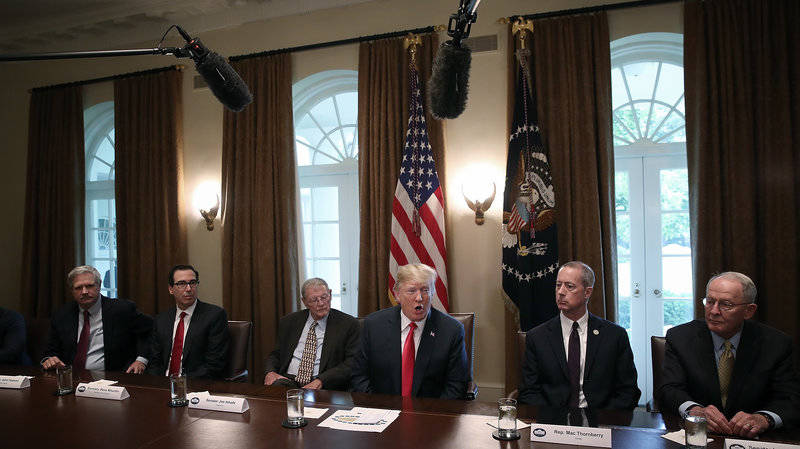
"caption": "President Trump speaks on immigration issues while meeting with Republican members of Congress in the Cabinet Room of the White House.",
"description": null,
"title": "gettyimages-979508726trump_wide-ea4b2e1c7b41223edb3a15c3fed61b317462be34-s800-c85",
"credit": "Win McNamee/Getty Images",
"status": "inherit",
"isLoading": false,
"fetchFailed": false
},
"news_11675912": {
"type": "attachments",
"id": "news_11675912",
"meta": {
"index": "attachments_1716263798",
"site": "news",
"id": "11675912",
"found": true
},
"parent": 11675905,
"imgSizes": {
"small": {
"file": "https://ww2.kqed.org/app/uploads/sites/10/2018/06/john_sepulvado_kqed-520x347.jpg",
"width": 520,
"mimeType": "image/jpeg",
"height": 347
},
"twentyfourteen-full-width": {
"file": "https://ww2.kqed.org/app/uploads/sites/10/2018/06/john_sepulvado_kqed-1038x576.jpg",
"width": 1038,
"mimeType": "image/jpeg",
"height": 576
},
"thumbnail": {
"file": "https://ww2.kqed.org/app/uploads/sites/10/2018/06/john_sepulvado_kqed-160x107.jpg",
"width": 160,
"mimeType": "image/jpeg",
"height": 107
},
"fd-sm": {
"file": "https://ww2.kqed.org/app/uploads/sites/10/2018/06/john_sepulvado_kqed-960x640.jpg",
"width": 960,
"mimeType": "image/jpeg",
"height": 640
},
"post-thumbnail": {
"file": "https://ww2.kqed.org/app/uploads/sites/10/2018/06/john_sepulvado_kqed-672x372.jpg",
"width": 672,
"mimeType": "image/jpeg",
"height": 372
},
"xsmall": {
"file": "https://ww2.kqed.org/app/uploads/sites/10/2018/06/john_sepulvado_kqed-375x250.jpg",
"width": 375,
"mimeType": "image/jpeg",
"height": 250
},
"kqedFullSize": {
"file": "https://ww2.kqed.org/app/uploads/sites/10/2018/06/john_sepulvado_kqed.jpg",
"width": 1200,
"height": 800
},
"large": {
"file": "https://ww2.kqed.org/app/uploads/sites/10/2018/06/john_sepulvado_kqed-1020x680.jpg",
"width": 1020,
"mimeType": "image/jpeg",
"height": 680
},
"xlarge": {
"file": "https://ww2.kqed.org/app/uploads/sites/10/2018/06/john_sepulvado_kqed-1180x787.jpg",
"width": 1180,
"mimeType": "image/jpeg",
"height": 787
},
"complete_open_graph": {
"file": "https://ww2.kqed.org/app/uploads/sites/10/2018/06/john_sepulvado_kqed-1200x800.jpg",
"width": 1200,
"mimeType": "image/jpeg",
"height": 800
},
"guest-author-50": {
"file": "https://ww2.kqed.org/app/uploads/sites/10/2018/06/john_sepulvado_kqed-50x50.jpg",
"width": 50,
"mimeType": "image/jpeg",
"height": 50
},
"guest-author-96": {
"file": "https://ww2.kqed.org/app/uploads/sites/10/2018/06/john_sepulvado_kqed-96x96.jpg",
"width": 96,
"mimeType": "image/jpeg",
"height": 96
},
"medium": {
"file": "https://ww2.kqed.org/app/uploads/sites/10/2018/06/john_sepulvado_kqed-800x533.jpg",
"width": 800,
"mimeType": "image/jpeg",
"height": 533
},
"guest-author-64": {
"file": "https://ww2.kqed.org/app/uploads/sites/10/2018/06/john_sepulvado_kqed-64x64.jpg",
"width": 64,
"mimeType": "image/jpeg",
"height": 64
},
"guest-author-32": {
"file": "https://ww2.kqed.org/app/uploads/sites/10/2018/06/john_sepulvado_kqed-32x32.jpg",
"width": 32,
"mimeType": "image/jpeg",
"height": 32
},
"fd-med": {
"file": "https://ww2.kqed.org/app/uploads/sites/10/2018/06/john_sepulvado_kqed-1180x787.jpg",
"width": 1180,
"mimeType": "image/jpeg",
"height": 787
},
"detail": {
"file": "https://ww2.kqed.org/app/uploads/sites/10/2018/06/john_sepulvado_kqed-150x150.jpg",
"width": 150,
"mimeType": "image/jpeg",
"height": 150
},
"guest-author-128": {
"file": "https://ww2.kqed.org/app/uploads/sites/10/2018/06/john_sepulvado_kqed-128x128.jpg",
"width": 128,
"mimeType": "image/jpeg",
"height": 128
},
"xxsmall": {
"file": "https://ww2.kqed.org/app/uploads/sites/10/2018/06/john_sepulvado_kqed-240x160.jpg",
"width": 240,
"mimeType": "image/jpeg",
"height": 160
}
},
"publishDate": 1529451121,
"modified": 1529451145,
"caption": "Protesters against family separations at the border gathered at Tornillo Port of Entry near El Paso on Father's Day.",
"description": null,
"title": "john_sepulvado_kqed",
"credit": "John Sepulvado/KQED",
"status": "inherit",
"isLoading": false,
"fetchFailed": false
},
"news_11675832": {
"type": "attachments",
"id": "news_11675832",
"meta": {
"index": "attachments_1716263798",
"site": "news",
"id": "11675832",
"found": true
},
"parent": 11675816,
"imgSizes": {
"small": {
"file": "https://ww2.kqed.org/app/uploads/sites/10/2018/06/RS23547_GettyImages-530551244-qut-520x347.jpg",
"width": 520,
"mimeType": "image/jpeg",
"height": 347
},
"twentyfourteen-full-width": {
"file": "https://ww2.kqed.org/app/uploads/sites/10/2018/06/RS23547_GettyImages-530551244-qut-1038x576.jpg",
"width": 1038,
"mimeType": "image/jpeg",
"height": 576
},
"thumbnail": {
"file": "https://ww2.kqed.org/app/uploads/sites/10/2018/06/RS23547_GettyImages-530551244-qut-160x107.jpg",
"width": 160,
"mimeType": "image/jpeg",
"height": 107
},
"fd-sm": {
"file": "https://ww2.kqed.org/app/uploads/sites/10/2018/06/RS23547_GettyImages-530551244-qut-960x640.jpg",
"width": 960,
"mimeType": "image/jpeg",
"height": 640
},
"post-thumbnail": {
"file": "https://ww2.kqed.org/app/uploads/sites/10/2018/06/RS23547_GettyImages-530551244-qut-672x372.jpg",
"width": 672,
"mimeType": "image/jpeg",
"height": 372
},
"xsmall": {
"file": "https://ww2.kqed.org/app/uploads/sites/10/2018/06/RS23547_GettyImages-530551244-qut-375x250.jpg",
"width": 375,
"mimeType": "image/jpeg",
"height": 250
},
"kqedFullSize": {
"file": "https://ww2.kqed.org/app/uploads/sites/10/2018/06/RS23547_GettyImages-530551244-qut.jpg",
"width": 1920,
"height": 1280
},
"large": {
"file": "https://ww2.kqed.org/app/uploads/sites/10/2018/06/RS23547_GettyImages-530551244-qut-1020x680.jpg",
"width": 1020,
"mimeType": "image/jpeg",
"height": 680
},
"xlarge": {
"file": "https://ww2.kqed.org/app/uploads/sites/10/2018/06/RS23547_GettyImages-530551244-qut-1180x787.jpg",
"width": 1180,
"mimeType": "image/jpeg",
"height": 787
},
"complete_open_graph": {
"file": "https://ww2.kqed.org/app/uploads/sites/10/2018/06/RS23547_GettyImages-530551244-qut-1200x800.jpg",
"width": 1200,
"mimeType": "image/jpeg",
"height": 800
},
"guest-author-50": {
"file": "https://ww2.kqed.org/app/uploads/sites/10/2018/06/RS23547_GettyImages-530551244-qut-50x50.jpg",
"width": 50,
"mimeType": "image/jpeg",
"height": 50
},
"guest-author-96": {
"file": "https://ww2.kqed.org/app/uploads/sites/10/2018/06/RS23547_GettyImages-530551244-qut-96x96.jpg",
"width": 96,
"mimeType": "image/jpeg",
"height": 96
},
"medium": {
"file": "https://ww2.kqed.org/app/uploads/sites/10/2018/06/RS23547_GettyImages-530551244-qut-800x533.jpg",
"width": 800,
"mimeType": "image/jpeg",
"height": 533
},
"guest-author-64": {
"file": "https://ww2.kqed.org/app/uploads/sites/10/2018/06/RS23547_GettyImages-530551244-qut-64x64.jpg",
"width": 64,
"mimeType": "image/jpeg",
"height": 64
},
"guest-author-32": {
"file": "https://ww2.kqed.org/app/uploads/sites/10/2018/06/RS23547_GettyImages-530551244-qut-32x32.jpg",
"width": 32,
"mimeType": "image/jpeg",
"height": 32
},
"fd-lrg": {
"file": "https://ww2.kqed.org/app/uploads/sites/10/2018/06/RS23547_GettyImages-530551244-qut-1920x1280.jpg",
"width": 1920,
"mimeType": "image/jpeg",
"height": 1280
},
"fd-med": {
"file": "https://ww2.kqed.org/app/uploads/sites/10/2018/06/RS23547_GettyImages-530551244-qut-1180x787.jpg",
"width": 1180,
"mimeType": "image/jpeg",
"height": 787
},
"full-width": {
"file": "https://ww2.kqed.org/app/uploads/sites/10/2018/06/RS23547_GettyImages-530551244-qut-1920x1280.jpg",
"width": 1920,
"mimeType": "image/jpeg",
"height": 1280
},
"detail": {
"file": "https://ww2.kqed.org/app/uploads/sites/10/2018/06/RS23547_GettyImages-530551244-qut-150x150.jpg",
"width": 150,
"mimeType": "image/jpeg",
"height": 150
},
"guest-author-128": {
"file": "https://ww2.kqed.org/app/uploads/sites/10/2018/06/RS23547_GettyImages-530551244-qut-128x128.jpg",
"width": 128,
"mimeType": "image/jpeg",
"height": 128
},
"xxsmall": {
"file": "https://ww2.kqed.org/app/uploads/sites/10/2018/06/RS23547_GettyImages-530551244-qut-240x160.jpg",
"width": 240,
"mimeType": "image/jpeg",
"height": 160
}
},
"publishDate": 1529437263,
"modified": 1529440034,
"caption": "California Attorney General Xavier Becerra is calling on the Trump administration to stop separating families at the border. ",
"description": null,
"title": "RS23547_GettyImages-530551244-qut",
"credit": "Drew Angerer/Getty Images",
"status": "inherit",
"isLoading": false,
"fetchFailed": false
},
"news_11675716": {
"type": "attachments",
"id": "news_11675716",
"meta": {
"index": "attachments_1716263798",
"site": "news",
"id": "11675716",
"found": true
},
"parent": 11675630,
"imgSizes": {
"small": {
"file": "https://ww2.kqed.org/app/uploads/sites/10/2018/06/ap_18169774231985_wide-c31e8c5faa3cdadd1392ab8ccb1ee24f10aab403-s800-c85-520x293.jpg",
"width": 520,
"mimeType": "image/jpeg",
"height": 293
},
"thumbnail": {
"file": "https://ww2.kqed.org/app/uploads/sites/10/2018/06/ap_18169774231985_wide-c31e8c5faa3cdadd1392ab8ccb1ee24f10aab403-s800-c85-160x90.jpg",
"width": 160,
"mimeType": "image/jpeg",
"height": 90
},
"post-thumbnail": {
"file": "https://ww2.kqed.org/app/uploads/sites/10/2018/06/ap_18169774231985_wide-c31e8c5faa3cdadd1392ab8ccb1ee24f10aab403-s800-c85-672x372.jpg",
"width": 672,
"mimeType": "image/jpeg",
"height": 372
},
"xsmall": {
"file": "https://ww2.kqed.org/app/uploads/sites/10/2018/06/ap_18169774231985_wide-c31e8c5faa3cdadd1392ab8ccb1ee24f10aab403-s800-c85-375x211.jpg",
"width": 375,
"mimeType": "image/jpeg",
"height": 211
},
"kqedFullSize": {
"file": "https://ww2.kqed.org/app/uploads/sites/10/2018/06/ap_18169774231985_wide-c31e8c5faa3cdadd1392ab8ccb1ee24f10aab403-s800-c85.jpg",
"width": 800,
"height": 450
},
"guest-author-50": {
"file": "https://ww2.kqed.org/app/uploads/sites/10/2018/06/ap_18169774231985_wide-c31e8c5faa3cdadd1392ab8ccb1ee24f10aab403-s800-c85-50x50.jpg",
"width": 50,
"mimeType": "image/jpeg",
"height": 50
},
"guest-author-96": {
"file": "https://ww2.kqed.org/app/uploads/sites/10/2018/06/ap_18169774231985_wide-c31e8c5faa3cdadd1392ab8ccb1ee24f10aab403-s800-c85-96x96.jpg",
"width": 96,
"mimeType": "image/jpeg",
"height": 96
},
"medium": {
"file": "https://ww2.kqed.org/app/uploads/sites/10/2018/06/ap_18169774231985_wide-c31e8c5faa3cdadd1392ab8ccb1ee24f10aab403-s800-c85-800x450.jpg",
"width": 800,
"mimeType": "image/jpeg",
"height": 450
},
"guest-author-64": {
"file": "https://ww2.kqed.org/app/uploads/sites/10/2018/06/ap_18169774231985_wide-c31e8c5faa3cdadd1392ab8ccb1ee24f10aab403-s800-c85-64x64.jpg",
"width": 64,
"mimeType": "image/jpeg",
"height": 64
},
"guest-author-32": {
"file": "https://ww2.kqed.org/app/uploads/sites/10/2018/06/ap_18169774231985_wide-c31e8c5faa3cdadd1392ab8ccb1ee24f10aab403-s800-c85-32x32.jpg",
"width": 32,
"mimeType": "image/jpeg",
"height": 32
},
"detail": {
"file": "https://ww2.kqed.org/app/uploads/sites/10/2018/06/ap_18169774231985_wide-c31e8c5faa3cdadd1392ab8ccb1ee24f10aab403-s800-c85-150x150.jpg",
"width": 150,
"mimeType": "image/jpeg",
"height": 150
},
"guest-author-128": {
"file": "https://ww2.kqed.org/app/uploads/sites/10/2018/06/ap_18169774231985_wide-c31e8c5faa3cdadd1392ab8ccb1ee24f10aab403-s800-c85-128x128.jpg",
"width": 128,
"mimeType": "image/jpeg",
"height": 128
},
"xxsmall": {
"file": "https://ww2.kqed.org/app/uploads/sites/10/2018/06/ap_18169774231985_wide-c31e8c5faa3cdadd1392ab8ccb1ee24f10aab403-s800-c85-240x135.jpg",
"width": 240,
"mimeType": "image/jpeg",
"height": 135
}
},
"publishDate": 1529362906,
"modified": 1529362925,
"caption": "Homeland Security Secretary Kirstjen Nielsen takes questions from reporters at the White House on Monday, calling on Congress to change laws in response to a change in how the Trump administration is enforcing immigration law, resulting in separation of thousands of children from parents entering the country illegally.",
"description": null,
"title": "ap_18169774231985_wide-c31e8c5faa3cdadd1392ab8ccb1ee24f10aab403-s800-c85",
"credit": "Pablo Martinez Monsivais/AP",
"status": "inherit",
"isLoading": false,
"fetchFailed": false
}
},
"audioPlayerReducer": {
"postId": "stream_live",
"isPaused": true,
"isPlaying": false,
"pfsActive": false,
"pledgeModalIsOpen": true,
"playerDrawerIsOpen": false,
"liveAudioPlayStartedAt": 0,
"liveAudioPlayContext": ""
},
"authorsReducer": {
"byline_news_11676759": {
"type": "authors",
"id": "byline_news_11676759",
"meta": {
"override": true
},
"slug": "byline_news_11676759",
"name": "\u003cstrong>Amy Taxin\u003c/strong>\u003c/br>Associated Press",
"isLoading": false
},
"byline_news_11676633": {
"type": "authors",
"id": "byline_news_11676633",
"meta": {
"override": true
},
"slug": "byline_news_11676633",
"name": "\u003cstrong>Jonathan Lemire\u003c/strong> and \u003cstrong>Darlene Superville\u003c/strong>\u003c/br>Associated Press",
"isLoading": false
},
"byline_news_11676360": {
"type": "authors",
"id": "byline_news_11676360",
"meta": {
"override": true
},
"slug": "byline_news_11676360",
"name": "\u003cstrong>Tom Bowman\u003c/strong>",
"isLoading": false
},
"byline_news_11675975": {
"type": "authors",
"id": "byline_news_11675975",
"meta": {
"override": true
},
"slug": "byline_news_11675975",
"name": "\u003cstrong>Miles Parks, Kelsey Snell and Scott Detrow\u003cbr />NPR\u003c/strong>",
"isLoading": false
},
"byline_news_11675905": {
"type": "authors",
"id": "byline_news_11675905",
"meta": {
"override": true
},
"slug": "byline_news_11675905",
"name": "\u003cstrong>KQED News and Marfa Public Radio\u003c/strong>",
"isLoading": false
},
"byline_news_11675630": {
"type": "authors",
"id": "byline_news_11675630",
"meta": {
"override": true
},
"slug": "byline_news_11675630",
"name": "\u003cstrong>Bill Chappell and Jessica Taylor\u003cbr />NPR\u003c/strong>",
"isLoading": false
},
"kqed": {
"type": "authors",
"id": "236",
"meta": {
"index": "authors_1716337520",
"id": "236",
"found": true
},
"name": "KQED News Staff",
"firstName": "KQED News Staff",
"lastName": null,
"slug": "kqed",
"email": "faq@kqed.org",
"display_author_email": false,
"staff_mastheads": [],
"title": null,
"bio": null,
"avatar": "https://secure.gravatar.com/avatar/ef0e801a68c4c54afa9180db14084167?s=600&d=blank&r=g",
"twitter": null,
"facebook": null,
"instagram": null,
"linkedin": null,
"sites": [
{
"site": "arts",
"roles": [
"contributor"
]
},
{
"site": "news",
"roles": [
"editor"
]
},
{
"site": "futureofyou",
"roles": [
"author"
]
}
],
"headData": {
"title": "KQED News Staff | KQED",
"description": null,
"ogImgSrc": "https://secure.gravatar.com/avatar/ef0e801a68c4c54afa9180db14084167?s=600&d=blank&r=g",
"twImgSrc": "https://secure.gravatar.com/avatar/ef0e801a68c4c54afa9180db14084167?s=600&d=blank&r=g"
},
"isLoading": false,
"link": "/author/kqed"
},
"scottshafer": {
"type": "authors",
"id": "255",
"meta": {
"index": "authors_1716337520",
"id": "255",
"found": true
},
"name": "Scott Shafer",
"firstName": "Scott",
"lastName": "Shafer",
"slug": "scottshafer",
"email": "sshafer@kqed.org",
"display_author_email": false,
"staff_mastheads": [
"news"
],
"title": "KQED Contributor",
"bio": "Scott Shafer is a senior editor with the KQED Politics and Government desk. He is co-host of Political Breakdown, the award-winning radio show and podcast with a personal take on the world of politics. Scott came to KQED in 1998 to host the statewide\u003cem> California Report\u003c/em>. Prior to that he had extended stints in politics and government\u003cem>.\u003c/em> He uses that inside experience at KQED in his, reporting, hosting and analysis for the politics desk. Scott collaborated \u003cem>Political Breakdown a\u003c/em>nd on \u003cem>The Political Mind of Jerry Brown, \u003c/em>an eight-part series about the life and extraordinary political career of the former governor. For fun, he plays water polo with the San Francisco Tsunami.",
"avatar": "https://secure.gravatar.com/avatar/a62ebae45b79d7aed1a39a0e3bf68104?s=600&d=blank&r=g",
"twitter": "scottshafer",
"bluesky": null,
"facebook": null,
"instagram": null,
"linkedin": null,
"sites": [
{
"site": "news",
"roles": [
"editor"
]
},
{
"site": "stateofhealth",
"roles": [
"author"
]
},
{
"site": "science",
"roles": [
"author"
]
},
{
"site": "forum",
"roles": [
"subscriber"
]
},
{
"site": "liveblog",
"roles": [
"author"
]
}
],
"headData": {
"title": "Scott Shafer | KQED",
"description": "KQED Contributor",
"ogImgSrc": "https://secure.gravatar.com/avatar/a62ebae45b79d7aed1a39a0e3bf68104?s=600&d=blank&r=g",
"twImgSrc": "https://secure.gravatar.com/avatar/a62ebae45b79d7aed1a39a0e3bf68104?s=600&d=blank&r=g"
},
"isLoading": false,
"link": "/author/scottshafer"
},
"markfiore": {
"type": "authors",
"id": "3236",
"meta": {
"index": "authors_1716337520",
"id": "3236",
"found": true
},
"name": "Mark Fiore",
"firstName": "Mark",
"lastName": "Fiore",
"slug": "markfiore",
"email": "mark@markfiore.com",
"display_author_email": false,
"staff_mastheads": [
"news"
],
"title": "KQED News Cartoonist",
"bio": "\u003ca href=\"http://www.MarkFiore.com\">MarkFiore.com\u003c/a> | \u003ca href=\"https://twitter.com/markfiore\">Follow on Twitter\u003c/a> | \u003ca href=\"https://www.facebook.com/pages/Mark-Fiore-Animated-Political-Cartoons/94451707396?ref=bookmarks\">Facebook\u003c/a> | \u003ca href=\"mailto:mark@markfiore.com\">email\u003c/a>\r\n\r\nPulitzer Prize-winner, Mark Fiore, who the Wall Street Journal has called “the undisputed guru of the form,” creates animated political cartoons in San Francisco, where his work has been featured regularly on the San Francisco Chronicle’s web site, SFGate.com. His work has appeared on Newsweek.com, Slate.com, CBSNews.com, MotherJones.com, DailyKos.com and NPR’s web site. Fiore’s political animation has appeared on CNN, Frontline, Bill Moyers Journal, Salon.com and cable and broadcast outlets across the globe.\r\n\r\nBeginning his professional life by drawing traditional political cartoons for newspapers, Fiore’s work appeared in publications ranging from the Washington Post to the Los Angeles Times. In the late 1990s, he began to experiment with animating political cartoons and, after a short stint at the San Jose Mercury News as their staff cartoonist, Fiore devoted all his energies to animation.\r\nGrowing up in California, Fiore also spent a good portion of his life in the backwoods of Idaho. It was this combination that shaped him politically. Mark majored in political science at Colorado College, where, in a perfect send-off for a cartoonist, he received his diploma in 1991 as commencement speaker Dick Cheney smiled approvingly.\r\nMark Fiore was awarded the Pulitzer Prize for political cartooning in 2010, a Robert F. Kennedy Journalism Award in 2004 and has twice received an Online Journalism Award for commentary from the Online News Association (2002, 2008). Fiore has received two awards for his work in new media from the National Cartoonists Society (2001, 2002), and in 2006 received The James Madison Freedom of Information Award from The Society of Professional Journalists.",
"avatar": "https://secure.gravatar.com/avatar/fc4e2a612b15b67bad0c6f0e1db4ca9b?s=600&d=blank&r=g",
"twitter": "MarkFiore",
"facebook": null,
"instagram": "https://www.instagram.com/markfiore/?hl=en",
"linkedin": null,
"sites": [
{
"site": "arts",
"roles": [
"contributor"
]
},
{
"site": "news",
"roles": [
"editor"
]
},
{
"site": "futureofyou",
"roles": [
"editor"
]
},
{
"site": "science",
"roles": [
"editor"
]
}
],
"headData": {
"title": "Mark Fiore | KQED",
"description": "KQED News Cartoonist",
"ogImgSrc": "https://secure.gravatar.com/avatar/fc4e2a612b15b67bad0c6f0e1db4ca9b?s=600&d=blank&r=g",
"twImgSrc": "https://secure.gravatar.com/avatar/fc4e2a612b15b67bad0c6f0e1db4ca9b?s=600&d=blank&r=g"
},
"isLoading": false,
"link": "/author/markfiore"
},
"mlagos": {
"type": "authors",
"id": "3239",
"meta": {
"index": "authors_1716337520",
"id": "3239",
"found": true
},
"name": "Marisa Lagos",
"firstName": "Marisa",
"lastName": "Lagos",
"slug": "mlagos",
"email": "mlagos@kqed.org",
"display_author_email": false,
"staff_mastheads": [
"news"
],
"title": "KQED Contributor",
"bio": "Marisa Lagos is a correspondent for KQED’s California Politics and Government Desk and co-hosts the award-winning show and podcast, Political Breakdown. At KQED, Lagos also conducts reporting, analysis and investigations into state, local and national politics for radio, TV, online and onstage. In 2022, she and co-host, Scott Shafer, moderated the only gubernatorial debate in California. In 2020, the \u003ci>Washington Post\u003c/i> named her one of the top political journalists in California; she was nominated for a Peabody and won several other awards for her work investigating the 2017 California wildfires. She has worked at the \u003ci>San Francisco Chronicle\u003c/i>, \u003ci>San Francisco Examiner\u003c/i> and \u003ci>Los Angeles Times\u003c/i>. A UC Santa Barbara graduate, she lives in San Francisco with her two sons and husband.",
"avatar": "https://secure.gravatar.com/avatar/a261a0d3696fc066871ef96b85b5e7d2?s=600&d=blank&r=g",
"twitter": "@mlagos",
"facebook": null,
"instagram": null,
"linkedin": null,
"sites": [
{
"site": "arts",
"roles": [
"author"
]
},
{
"site": "news",
"roles": [
"editor"
]
},
{
"site": "science",
"roles": [
"editor"
]
},
{
"site": "forum",
"roles": [
"author"
]
},
{
"site": "liveblog",
"roles": [
"author"
]
}
],
"headData": {
"title": "Marisa Lagos | KQED",
"description": "KQED Contributor",
"ogImgSrc": "https://secure.gravatar.com/avatar/a261a0d3696fc066871ef96b85b5e7d2?s=600&d=blank&r=g",
"twImgSrc": "https://secure.gravatar.com/avatar/a261a0d3696fc066871ef96b85b5e7d2?s=600&d=blank&r=g"
},
"isLoading": false,
"link": "/author/mlagos"
},
"eaguilar": {
"type": "authors",
"id": "11382",
"meta": {
"index": "authors_1716337520",
"id": "11382",
"found": true
},
"name": "Erika Aguilar",
"firstName": "Erika",
"lastName": "Aguilar",
"slug": "eaguilar",
"email": "eaa712@gmail.com",
"display_author_email": false,
"staff_mastheads": [],
"title": "KQED Contributor",
"bio": "Erika Aguilar was the director of podcasts at KQED. She was in charge of KQED's portfolio of original podcasts and teams, and sets strategic plans for production and engagement.\r\n\r\nErika helped establish KQED's new housing affordability desk as senior editor. She was also a producer and editor for KQED's local news podcast called \u003cem>The Bay, \u003c/em>and wrote stories about housing in the Bay Area as a reporter for KQED News.\r\n\r\nErika joined KQED in 2017 after producing independent audio projects and podcasts in Southern California. She spent more than a dozen years reporting stories about law enforcement, breaking news, homelessness, government and the environment for KPCC in Los Angeles and KUT in Austin. She also volunteers as an editor and mentor for various journalism training programs.\r\n\r\nErika Aguilar is a proud Tejana from San Antonio. She believes in compromise, optimism and Selena.",
"avatar": "https://secure.gravatar.com/avatar/85bf7bb8dd9af4136525d94cef00f026?s=600&d=blank&r=g",
"twitter": "erikaaaguilar",
"facebook": null,
"instagram": null,
"linkedin": null,
"sites": [
{
"site": "",
"roles": [
"editor"
]
},
{
"site": "news",
"roles": [
"subscriber"
]
},
{
"site": "podcasts",
"roles": [
"editor"
]
}
],
"headData": {
"title": "Erika Aguilar | KQED",
"description": "KQED Contributor",
"ogImgSrc": "https://secure.gravatar.com/avatar/85bf7bb8dd9af4136525d94cef00f026?s=600&d=blank&r=g",
"twImgSrc": "https://secure.gravatar.com/avatar/85bf7bb8dd9af4136525d94cef00f026?s=600&d=blank&r=g"
},
"isLoading": false,
"link": "/author/eaguilar"
}
},
"pagesReducer": {
"news_tag_family-separation": {
"type": "terms",
"id": "news_23456",
"meta": {
"index": "terms_1716263798",
"site": "news",
"id": "23456",
"score": 9.305124
},
"featImg": null,
"name": "family separation",
"description": null,
"taxonomy": "tag",
"headData": {
"twImgId": null,
"twTitle": null,
"ogTitle": null,
"ogImgId": null,
"twDescription": null,
"description": null,
"title": "family separation Archives | KQED News",
"ogDescription": null
},
"ttid": 23473,
"slug": "family-separation",
"isLoading": false,
"title": "family separation",
"pageMeta": {
"site": "news",
"WpPageTemplate": "page-topic-editorial",
"currentPage": 13
},
"blocks": [
{
"blockName": "kqed/post-list",
"attrs": {
"layout": "cardArticle2",
"query": "posts/news?tag=family-separation",
"seeMore": false,
"paginated": true,
"page": 13
}
},
{
"blockName": "kqed/ad"
}
]
}
},
"pfsSessionReducer": {},
"postsReducer": {
"stream_live": {
"type": "live",
"id": "stream_live",
"audioUrl": "https://streams.kqed.org/kqedradio",
"title": "Live Stream",
"excerpt": "Live Stream information currently unavailable.",
"link": "/radio",
"featImg": "",
"label": {
"name": "KQED Live",
"link": "/"
}
},
"stream_kqedNewscast": {
"type": "posts",
"id": "stream_kqedNewscast",
"audioUrl": "https://www.kqed.org/.stream/anon/radio/RDnews/newscast.mp3?_=1",
"title": "KQED Newscast",
"featImg": "",
"label": {
"name": "88.5 FM",
"link": "/"
}
},
"news_11676759": {
"type": "posts",
"id": "news_11676759",
"meta": {
"index": "posts_1716263798",
"site": "news",
"id": "11676759",
"score": null,
"sort": [
1529776153000
]
},
"parent": 0,
"labelTerm": {},
"blocks": [],
"publishDate": 1529776153,
"format": "standard",
"disqusTitle": "Administration Seeks to Expand Immigrant Family Detention",
"title": "Administration Seeks to Expand Immigrant Family Detention",
"headTitle": "The California Report | KQED News",
"content": "\u003cp>The Trump administration is calling for the expanded use of family detention for immigrant parents and children who are stopped along the U.S.-Mexico border, a move decried by advocates as a cruel and ineffective attempt to deter families from coming to the United States.\u003c/p>\n\u003cp>Immigration authorities on Friday issued a notice that they may seek up to 15,000 beds to detain families. The Justice Department has also asked a federal court in California to allow children to be detained longer and in facilities that don't require state licensing while they await immigration court proceedings.\u003c/p>\n\u003cp>\"The current situation is untenable,\" August Flentje, special counsel to the assistant attorney general, wrote in court filings seeking to change a longstanding court settlement that governs the detention of immigrant children. The more constrained the Homeland Security Department is in detaining families together during immigration proceedings, \"the more likely it is that families will attempt illegal border crossing.\"\u003c/p>\n\u003cp>The proposed expansion comes days after a public outcry moved the administration to cease the practice of separating children from their migrant parents on the border. More than 2,300 children have been taken from their parents since Homeland Security announced a plan in April to prosecute all immigrants caught on the border.\u003c/p>\n\u003cp>In all, about 9,000 immigrants traveling in family groups have been caught on the border in each of the last three months, according to federal authorities.\u003c/p>\n\u003cp>[ad fullwidth]\u003c/p>\n\u003cp>Immigrant advocates contend detention is no place for children and insist there are other alternatives to ensure they and their parents attend immigration court hearings, such as ankle bracelets or community-based programs. The federal court ruled several years ago that children must be released as quickly as possible from family detention.\u003c/p>\n\u003cp>\"It is definitely not a solution under any circumstances,\" said Manoj Govindaiah, director of family detention services at the RAICES advocacy group in Texas. \"At no point should a child be incarcerated, and children need to be with their parents.\"\u003c/p>\n\u003cp>Immigration and Customs Enforcement currently has three family detention facilities — a 100-bed center opened in Pennsylvania in 2001 and two much larger facilities opened in Texas in 2014. Only the Pennsylvania facility can house men, and all of the detainees at the Texas centers are women with children.\u003c/p>\n\u003cp>In Dilley, Texas, a facility was built on a remote site that was once an oil workers' encampment. It includes collections of cottages built around playgrounds. The other Texas center, in Karnes City, is ringed by 15-foot fences and has security cameras monitoring movements. It also offers bilingual children's books in the library, classes, TVs and an artificial turf soccer field.\u003c/p>\n\u003cp>Inside the Karnes City center, there are five or six beds to a room typically shared by a couple of families. Cinderblock walls are painted pastel colors, said Govindaiah, who added that the facilities are run by private prison operators, not humanitarian organizations, as is the case with shelters for unaccompanied immigrant children.\u003c/p>\n\u003cp>Currently, most families spend up to a few weeks in the facilities and are released once they pass an initial asylum screening. They are then given a date to appear before an immigration judge in the cities where they are headed to see if they qualify to stay in the country legally or will face deportation.\u003c/p>\n\u003cp>Those who do not pass initial screenings can seek additional review in a video conference with a judge, a process that lasts about six weeks.\u003c/p>\n\u003cp>But that's much shorter than the six months or a year many families were being held several years ago when the Obama administration began detaining mothers and children in a bid to stem a surge in arrivals on the border, Govindaiah said.\u003c/p>\n\u003cp>At the time, many were being held until their immigration cases — not just the initial screenings — were resolved.\u003c/p>\n\u003cp>Advocates then asked the federal court to enforce a decades-old settlement over the detention of immigrant children, and a judge ruled the children should be released as quickly as possible.\u003c/p>\n\u003cp>The settlement is seen by advocates as a way to ensure children are placed in age-appropriate facilities and for no longer than necessary. State licensing adds another layer of oversight.\u003c/p>\n\u003cp>\"You will have children in facilities that are entirely inappropriate for children and are not meeting child welfare standards,\" said Michelle Brane, director of the migrant rights and justice program at the Women's Refugee Commission. \"They are trying to circumvent child welfare standards.\"\u003c/p>\n\u003cp>Brane said there is a viable alternative: supervised release to communities around the country. The federal Family Case Management Program — terminated under the Trump administration — compiled a perfect record of attendance by migrants at court hearings, and a 99 percent appearance record at immigration check-ins, according to a 2017 report by the Homeland Security inspector general.\u003c/p>\n\u003cp>Just 2 percent of participants — 23 out of 954 — were reported as absconders.\u003c/p>\n\u003cp>In Friday's notice, ICE said the family detention beds should be in state-licensed facilities and allow freedom of movement for detainees, and should preferably be located in states along the southwest border.\u003c/p>\n\u003cp>In addition to providing private showers and educational field trips for children, the centers should appear \"child-friendly rather than penal in nature,\" the agency said.\u003c/p>\n\u003cp>\u003c/p>\n\u003cp>\u003cem>Associated Press writers Will Weissert in McAllen, Texas, and Ricardo Alonso-Zaldivar in Washington, D.C., contributed to this report.\u003c/em>\u003c/p>\n\n",
"disqusIdentifier": "11676759 https://ww2.kqed.org/news/?p=11676759",
"disqusUrl": "https://ww2.kqed.org/news/2018/06/23/administration-seeks-to-expand-immigrant-family-detention/",
"stats": {
"hasVideo": false,
"hasChartOrMap": false,
"hasAudio": false,
"hasPolis": false,
"wordCount": 901,
"hasGoogleForm": false,
"hasGallery": false,
"hasHearkenModule": false,
"iframeSrcs": [],
"paragraphCount": 24
},
"modified": 1529882484,
"excerpt": "The Trump administration is calling for the expanded use of family detention for immigrant parents and children who are stopped along U.S.-Mexico border.",
"headData": {
"twImgId": "",
"twTitle": "",
"ogTitle": "",
"ogImgId": "",
"twDescription": "",
"description": "The Trump administration is calling for the expanded use of family detention for immigrant parents and children who are stopped along U.S.-Mexico border.",
"title": "Administration Seeks to Expand Immigrant Family Detention | KQED",
"ogDescription": "",
"schema": {
"@context": "https://schema.org",
"@type": "NewsArticle",
"headline": "Administration Seeks to Expand Immigrant Family Detention",
"datePublished": "2018-06-23T10:49:13-07:00",
"dateModified": "2018-06-24T16:21:24-07:00",
"image": "https://cdn.kqed.org/wp-content/uploads/2020/02/KQED-OG-Image@1x.png",
"isAccessibleForFree": "True",
"publisher": {
"@type": "NewsMediaOrganization",
"@id": "https://www.kqed.org/#organization",
"name": "KQED",
"logo": "https://cdn.kqed.org/wp-content/uploads/2020/02/KQED-OG-Image@1x.png",
"url": "https://www.kqed.org",
"sameAs": [
"https://www.facebook.com/KQED",
"https://twitter.com/KQED",
"https://www.instagram.com/kqed/",
"https://www.tiktok.com/@kqedofficial",
"https://www.linkedin.com/company/kqed",
"https://www.youtube.com/channel/UCeC0IOo7i1P_61zVUWbJ4nw"
]
}
}
},
"guestAuthors": [],
"slug": "administration-seeks-to-expand-immigrant-family-detention",
"status": "publish",
"nprByline": "\u003cstrong>Amy Taxin\u003c/strong>\u003c/br>Associated Press",
"source": "Associated Press",
"path": "/news/11676759/administration-seeks-to-expand-immigrant-family-detention",
"audioTrackLength": null,
"parsedContent": [
{
"type": "contentString",
"content": "\u003cdiv class=\"post-body\">\u003cp>\u003cp>The Trump administration is calling for the expanded use of family detention for immigrant parents and children who are stopped along the U.S.-Mexico border, a move decried by advocates as a cruel and ineffective attempt to deter families from coming to the United States.\u003c/p>\n\u003cp>Immigration authorities on Friday issued a notice that they may seek up to 15,000 beds to detain families. The Justice Department has also asked a federal court in California to allow children to be detained longer and in facilities that don't require state licensing while they await immigration court proceedings.\u003c/p>\n\u003cp>\"The current situation is untenable,\" August Flentje, special counsel to the assistant attorney general, wrote in court filings seeking to change a longstanding court settlement that governs the detention of immigrant children. The more constrained the Homeland Security Department is in detaining families together during immigration proceedings, \"the more likely it is that families will attempt illegal border crossing.\"\u003c/p>\n\u003cp>The proposed expansion comes days after a public outcry moved the administration to cease the practice of separating children from their migrant parents on the border. More than 2,300 children have been taken from their parents since Homeland Security announced a plan in April to prosecute all immigrants caught on the border.\u003c/p>\n\u003cp>In all, about 9,000 immigrants traveling in family groups have been caught on the border in each of the last three months, according to federal authorities.\u003c/p>\n\u003cp>\u003c/p>\u003c/div>",
"attributes": {
"named": {},
"numeric": []
}
},
{
"type": "component",
"content": "",
"name": "ad",
"attributes": {
"named": {
"label": "fullwidth"
},
"numeric": [
"fullwidth"
]
}
},
{
"type": "contentString",
"content": "\u003cdiv class=\"post-body\">\u003cp>\u003c/p>\n\u003cp>Immigrant advocates contend detention is no place for children and insist there are other alternatives to ensure they and their parents attend immigration court hearings, such as ankle bracelets or community-based programs. The federal court ruled several years ago that children must be released as quickly as possible from family detention.\u003c/p>\n\u003cp>\"It is definitely not a solution under any circumstances,\" said Manoj Govindaiah, director of family detention services at the RAICES advocacy group in Texas. \"At no point should a child be incarcerated, and children need to be with their parents.\"\u003c/p>\n\u003cp>Immigration and Customs Enforcement currently has three family detention facilities — a 100-bed center opened in Pennsylvania in 2001 and two much larger facilities opened in Texas in 2014. Only the Pennsylvania facility can house men, and all of the detainees at the Texas centers are women with children.\u003c/p>\n\u003cp>In Dilley, Texas, a facility was built on a remote site that was once an oil workers' encampment. It includes collections of cottages built around playgrounds. The other Texas center, in Karnes City, is ringed by 15-foot fences and has security cameras monitoring movements. It also offers bilingual children's books in the library, classes, TVs and an artificial turf soccer field.\u003c/p>\n\u003cp>Inside the Karnes City center, there are five or six beds to a room typically shared by a couple of families. Cinderblock walls are painted pastel colors, said Govindaiah, who added that the facilities are run by private prison operators, not humanitarian organizations, as is the case with shelters for unaccompanied immigrant children.\u003c/p>\n\u003cp>Currently, most families spend up to a few weeks in the facilities and are released once they pass an initial asylum screening. They are then given a date to appear before an immigration judge in the cities where they are headed to see if they qualify to stay in the country legally or will face deportation.\u003c/p>\n\u003cp>Those who do not pass initial screenings can seek additional review in a video conference with a judge, a process that lasts about six weeks.\u003c/p>\n\u003cp>But that's much shorter than the six months or a year many families were being held several years ago when the Obama administration began detaining mothers and children in a bid to stem a surge in arrivals on the border, Govindaiah said.\u003c/p>\n\u003cp>At the time, many were being held until their immigration cases — not just the initial screenings — were resolved.\u003c/p>\n\u003cp>Advocates then asked the federal court to enforce a decades-old settlement over the detention of immigrant children, and a judge ruled the children should be released as quickly as possible.\u003c/p>\n\u003cp>The settlement is seen by advocates as a way to ensure children are placed in age-appropriate facilities and for no longer than necessary. State licensing adds another layer of oversight.\u003c/p>\n\u003cp>\"You will have children in facilities that are entirely inappropriate for children and are not meeting child welfare standards,\" said Michelle Brane, director of the migrant rights and justice program at the Women's Refugee Commission. \"They are trying to circumvent child welfare standards.\"\u003c/p>\n\u003cp>Brane said there is a viable alternative: supervised release to communities around the country. The federal Family Case Management Program — terminated under the Trump administration — compiled a perfect record of attendance by migrants at court hearings, and a 99 percent appearance record at immigration check-ins, according to a 2017 report by the Homeland Security inspector general.\u003c/p>\n\u003cp>Just 2 percent of participants — 23 out of 954 — were reported as absconders.\u003c/p>\n\u003cp>In Friday's notice, ICE said the family detention beds should be in state-licensed facilities and allow freedom of movement for detainees, and should preferably be located in states along the southwest border.\u003c/p>\n\u003cp>In addition to providing private showers and educational field trips for children, the centers should appear \"child-friendly rather than penal in nature,\" the agency said.\u003c/p>\n\u003cp>\u003c/p>\n\u003cp>\u003cem>Associated Press writers Will Weissert in McAllen, Texas, and Ricardo Alonso-Zaldivar in Washington, D.C., contributed to this report.\u003c/em>\u003c/p>\n\n\u003c/div>\u003c/p>",
"attributes": {
"named": {},
"numeric": []
}
}
],
"link": "/news/11676759/administration-seeks-to-expand-immigrant-family-detention",
"authors": [
"byline_news_11676759"
],
"programs": [
"news_72"
],
"categories": [
"news_1169",
"news_8",
"news_13"
],
"tags": [
"news_23573",
"news_23456",
"news_20606"
],
"featImg": "news_11676760",
"label": "source_news_11676759"
},
"news_11676619": {
"type": "posts",
"id": "news_11676619",
"meta": {
"index": "posts_1716263798",
"site": "news",
"id": "11676619",
"score": null,
"sort": [
1529713673000
]
},
"guestAuthors": [],
"slug": "u-s-rep-zoe-lofgren-separating-immigrant-families-eating-animals",
"title": "U.S. Rep. Zoe Lofgren, Separating Immigrant Families, 'Eating Animals'",
"publishDate": 1529713673,
"format": "video",
"headTitle": "U.S. Rep. Zoe Lofgren, Separating Immigrant Families, ‘Eating Animals’ | KQED",
"labelTerm": {
"term": 7052,
"site": "news"
},
"content": "\u003cp>\u003cb>U.S. Rep. Zoe Lofgren (D-San Jose)\u003cbr>\n\u003c/b>\u003cspan style=\"font-weight: 400\">On Wednesday, President Trump signed an executive order ending the practice of separating immigrant children from parents at the border. In April, Attorney General Jeff Sessions announced a zero-tolerance policy to criminally prosecute all illegal border crossings, even for those traveling with children and claiming asylum. Since then, more than 2,300 immigrant children have been separated from their parents and held in government-run shelters. \u003c/span>\u003c/p>\n\u003cp>\u003cspan style=\"font-weight: 400\">We get reaction from U.S. Rep. Zoe Lofgren (D-San Jose), a former immigration attorney and the ranking member of the House subcommittee on immigration.\u003c/span>\u003c/p>\n\u003cp>\u003cb>Separating Immigrant Families\u003cbr>\n\u003c/b>\u003cspan style=\"font-weight: 400\">President Trump’s executive order calls for the indefinite detention of immigrant children and their families apprehended for illegal border crossings. That contradicts a 1997 federal court settlement barring children from being detained for more than 20 days. Meanwhile, child welfare advocates have been raising concerns about the damaging effects of forced separation on children. \u003c/span>\u003c/p>\n\u003cp>\u003cspan style=\"font-weight: 400\">Guests:\u003c/span>\u003c/p>\n\u003cul>\n\u003cli style=\"font-weight: 400\">\u003cspan style=\"font-weight: 400\">Juli\u003c/span>\u003cspan style=\"font-weight: 400\">á\u003c/span>\u003cspan style=\"font-weight: 400\">n Aguilar, The Texas Tribune immigration and border security reporter\u003c/span>\u003c/li>\n\u003cli style=\"font-weight: 400\">\u003cspan style=\"font-weight: 400\">Spencer Amdur, ACLU Immigrants’ Rights Project attorney\u003c/span>\u003c/li>\n\u003cli style=\"font-weight: 400\">\u003cspan style=\"font-weight: 400\">Chandra Ghosh Ippen, UCSF child psychologist\u003c/span>\u003c/li>\n\u003c/ul>\n\u003cp>\u003cb>\u003ci>Eating Animals\u003cbr>\n\u003c/i>\u003c/b>A new documentary offers a sobering look at factory farming, where animals live in cramped conditions and are pumped with antibiotics to grow quickly and uniformly. A group of farmers is fighting this trend by sharing their methods to raise livestock more sustainably and humanely. They’re reviving so-called heritage breeds of poultry and pigs that have been largely forgotten for decades as factory farming took over.\u003c/p>\n\u003cp>[ad fullwidth]\u003c/p>\n\u003cp>\u003c/p>\n\u003cp>\u003cspan style=\"font-weight: 400\">Guests:\u003c/span>\u003c/p>\n\u003cul>\n\u003cli style=\"font-weight: 400\">\u003cspan style=\"font-weight: 400\">Frank Reese, Good Shepherd Poultry Ranch founder\u003c/span>\u003c/li>\n\u003cli style=\"font-weight: 400\">\u003cspan style=\"font-weight: 400\">Christopher Quinn, Sundance Selects filmmaker\u003c/span>\u003c/li>\n\u003c/ul>\n\n",
"blocks": [],
"excerpt": "After international uproar, President Donald Trump signed an executive order to end family separation at the border, but big questions remain.",
"status": "publish",
"parent": 0,
"modified": 1721117058,
"stats": {
"hasAudio": false,
"hasVideo": false,
"hasChartOrMap": false,
"iframeSrcs": [],
"hasGoogleForm": false,
"hasGallery": false,
"hasHearkenModule": false,
"hasPolis": false,
"paragraphCount": 8,
"wordCount": 277
},
"headData": {
"title": "U.S. Rep. Zoe Lofgren, Separating Immigrant Families, 'Eating Animals' | KQED",
"description": "After international uproar, President Donald Trump signed an executive order to end family separation at the border, but big questions remain.",
"ogTitle": "",
"ogDescription": "",
"ogImgId": "",
"twTitle": "",
"twDescription": "",
"twImgId": "",
"schema": {
"@context": "https://schema.org",
"@type": "NewsArticle",
"headline": "U.S. Rep. Zoe Lofgren, Separating Immigrant Families, 'Eating Animals'",
"datePublished": "2018-06-22T17:27:53-07:00",
"dateModified": "2024-07-16T01:04:18-07:00",
"image": "https://cdn.kqed.org/wp-content/uploads/2020/02/KQED-OG-Image@1x.png",
"isAccessibleForFree": "True",
"publisher": {
"@type": "NewsMediaOrganization",
"@id": "https://www.kqed.org/#organization",
"name": "KQED",
"logo": "https://cdn.kqed.org/wp-content/uploads/2020/02/KQED-OG-Image@1x.png",
"url": "https://www.kqed.org",
"sameAs": [
"https://www.facebook.com/KQED",
"https://twitter.com/KQED",
"https://www.instagram.com/kqed/",
"https://www.tiktok.com/@kqedofficial",
"https://www.linkedin.com/company/kqed",
"https://www.youtube.com/channel/UCeC0IOo7i1P_61zVUWbJ4nw"
]
}
}
},
"videoEmbed": "https://youtu.be/MGB6KSjcq3g",
"sticky": false,
"path": "/news/11676619/u-s-rep-zoe-lofgren-separating-immigrant-families-eating-animals",
"audioTrackLength": null,
"parsedContent": [
{
"type": "contentString",
"content": "\u003cdiv class=\"post-body\">\u003cp>\u003cp>\u003cb>U.S. Rep. Zoe Lofgren (D-San Jose)\u003cbr>\n\u003c/b>\u003cspan style=\"font-weight: 400\">On Wednesday, President Trump signed an executive order ending the practice of separating immigrant children from parents at the border. In April, Attorney General Jeff Sessions announced a zero-tolerance policy to criminally prosecute all illegal border crossings, even for those traveling with children and claiming asylum. Since then, more than 2,300 immigrant children have been separated from their parents and held in government-run shelters. \u003c/span>\u003c/p>\n\u003cp>\u003cspan style=\"font-weight: 400\">We get reaction from U.S. Rep. Zoe Lofgren (D-San Jose), a former immigration attorney and the ranking member of the House subcommittee on immigration.\u003c/span>\u003c/p>\n\u003cp>\u003cb>Separating Immigrant Families\u003cbr>\n\u003c/b>\u003cspan style=\"font-weight: 400\">President Trump’s executive order calls for the indefinite detention of immigrant children and their families apprehended for illegal border crossings. That contradicts a 1997 federal court settlement barring children from being detained for more than 20 days. Meanwhile, child welfare advocates have been raising concerns about the damaging effects of forced separation on children. \u003c/span>\u003c/p>\n\u003cp>\u003cspan style=\"font-weight: 400\">Guests:\u003c/span>\u003c/p>\n\u003cul>\n\u003cli style=\"font-weight: 400\">\u003cspan style=\"font-weight: 400\">Juli\u003c/span>\u003cspan style=\"font-weight: 400\">á\u003c/span>\u003cspan style=\"font-weight: 400\">n Aguilar, The Texas Tribune immigration and border security reporter\u003c/span>\u003c/li>\n\u003cli style=\"font-weight: 400\">\u003cspan style=\"font-weight: 400\">Spencer Amdur, ACLU Immigrants’ Rights Project attorney\u003c/span>\u003c/li>\n\u003cli style=\"font-weight: 400\">\u003cspan style=\"font-weight: 400\">Chandra Ghosh Ippen, UCSF child psychologist\u003c/span>\u003c/li>\n\u003c/ul>\n\u003cp>\u003cb>\u003ci>Eating Animals\u003cbr>\n\u003c/i>\u003c/b>A new documentary offers a sobering look at factory farming, where animals live in cramped conditions and are pumped with antibiotics to grow quickly and uniformly. A group of farmers is fighting this trend by sharing their methods to raise livestock more sustainably and humanely. They’re reviving so-called heritage breeds of poultry and pigs that have been largely forgotten for decades as factory farming took over.\u003c/p>\n\u003cp>\u003c/p>\u003c/div>",
"attributes": {
"named": {},
"numeric": []
}
},
{
"type": "component",
"content": "",
"name": "ad",
"attributes": {
"named": {
"label": "fullwidth"
},
"numeric": [
"fullwidth"
]
}
},
{
"type": "contentString",
"content": "\u003cdiv class=\"post-body\">\u003cp>\u003c/p>\n\u003cp>\u003c/p>\n\u003cp>\u003cspan style=\"font-weight: 400\">Guests:\u003c/span>\u003c/p>\n\u003cul>\n\u003cli style=\"font-weight: 400\">\u003cspan style=\"font-weight: 400\">Frank Reese, Good Shepherd Poultry Ranch founder\u003c/span>\u003c/li>\n\u003cli style=\"font-weight: 400\">\u003cspan style=\"font-weight: 400\">Christopher Quinn, Sundance Selects filmmaker\u003c/span>\u003c/li>\n\u003c/ul>\n\n\u003c/div>\u003c/p>",
"attributes": {
"named": {},
"numeric": []
}
}
],
"link": "/news/11676619/u-s-rep-zoe-lofgren-separating-immigrant-families-eating-animals",
"authors": [
"236"
],
"programs": [
"news_7052"
],
"categories": [
"news_1169",
"news_6188",
"news_8",
"news_13"
],
"tags": [
"news_23456",
"news_20202",
"news_20297",
"news_19177",
"news_2013"
],
"featImg": "news_11676721",
"label": "news_7052"
},
"news_11676633": {
"type": "posts",
"id": "news_11676633",
"meta": {
"index": "posts_1716263798",
"site": "news",
"id": "11676633",
"score": null,
"sort": [
1529710370000
]
},
"parent": 0,
"labelTerm": {},
"blocks": [],
"publishDate": 1529710370,
"format": "standard",
"disqusTitle": "Trump Pushes Back Against Border Separation Uproar",
"title": "Trump Pushes Back Against Border Separation Uproar",
"headTitle": "The California Report | KQED News",
"content": "\u003cp>President Donald Trump cast doubt Friday on wrenching tales of migrant children separated from their families at the border, dismissing \"phony stories of sadness and grief\" while asserting the real victims of the nation's immigration crisis are Americans killed by those who cross the border unlawfully.\u003c/p>\n\u003cp>Bombarded with criticism condemning the family-separation situation as a national moment of shame, Trump came back firing, sometimes twisting facts and changing his story but nonetheless highlighting the genuine grief of families on the other side of the equation.\u003c/p>\n\u003cp>\"You hear the other side, you never hear this side,\" said Trump, standing with a dozen of what he calls the \"angel families\" who lost loved ones at the hands of people in the country illegally. He focused on the fact that young migrants separated from parents are likely to be reunited, unlike the victims of murders.\u003c/p>\n\u003cp>\"These are the American citizens permanently separated from their loved ones. The word 'permanently' being the word that you have to think about. Permanently — they're not separated for a day or two days, these are permanently separated because they were killed by criminal illegal aliens.\"\u003c/p>\n\u003cp>https://twitter.com/realDonaldTrump/status/1010246126820347906\u003c/p>\n\u003cp>[ad fullwidth]\u003c/p>\n\u003cp>Amid mushrooming bipartisan concern over depictions of terrified migrant children separated from their parents, Trump on Wednesday had \u003ca href=\"https://www.kqed.org/news/11675975/speaker-ryan-plans-immigration-votes-amid-doubts-that-bills-can-pass\" rel=\"noopener\" target=\"_blank\">abruptly reversed course and signed an executive order\u003c/a> to overturn the policy, although up to \u003ca href=\"https://www.kqed.org/news/11676360/military-asked-to-provide-20000-beds-for-detained-immigrant-children\" rel=\"noopener\" target=\"_blank\">2,000 children\u003c/a> are still believed to be separated from their parents. But that rare moment of public capitulation was brief from the president, who laced his remarks at a rally in Minnesota that night with hardline immigration rhetoric that continued Friday. In a tweet, the president raised questions about whether the migrants' hardships really existed.\u003c/p>\n\u003cp>\"We must maintain a Strong Southern Border,\" the president tweeted. \"We cannot allow our Country to be overrun by illegal immigrants as the Democrats tell their phony stories of sadness and grief, hoping it will help them in the elections. Obama and others had the same pictures, and did nothing about it!\"\u003c/p>\n\u003cp>Trump's suggestion that the stories were erroneous was likely fueled by revelations Friday about one of the defining images to this point in the crisis, a 2-year-old Honduran girl crying as her mother was stopped by a Border Patrol agent. But the girl in the photograph, who ended up on the cover of Time Magazine this week, was not separated from her mother but detained with her, the child's father told the Daily Mail. Time Magazine said it stood by the image because it captures \"the stakes of this moment.\"\u003c/p>\n\u003cp>Trump has long chafed at the media's treatment, his fury only growing in the past week when he felt that he did not receive proper credit for his summit in Singapore with North Korean leader Kim Jong Un. Some conservatives seized hold of the photo faux pas to attack the media, and White House press secretary Sarah Huckabee Sanders tweeted, \"It's shameful that dems and the media exploited this photo of a little girl to push their agenda.\"\u003c/p>\n\u003cp>Other Trump allies have gone even further. Ann Coulter, a conservative pundit, said Sunday in an interview on Fox News that kids at the border were \"actor children\" who were \"given scripts to read by liberals.\"\u003c/p>\n\u003cp>Coulter then turned to the camera and said to Trump, \"Don't fall for it.\"\u003c/p>\n\u003cp>A number of Democrats aggressively pushed back against Trump's claims. Rep. Peter Welch of Vermont said Friday that Trump's assertion was \"bizarre\" and that the border patrol processing center he visited in Texas in recent days was \"nothing short of a prison.\"\u003c/p>\n\u003cp>As part of his defense for his zero tolerance border crossing policy, Trump has frequently pointed to — and exaggerated — the threat posed by members of the violent gang MS-13 who have entered the United States. In what was likely not a coincidence, the Justice Department on Friday unsealed an indictment charging 11 suspected MS-13 gang members in connection with the killings of two teens in Virginia. All the suspects were from El Salvador.\u003c/p>\n\u003cp>But the central piece of Trump's attempts to counter-program against the despairing images at the border was to stand with the \"angel families,\" as he did repeatedly during his presidential campaign, including at the 2016 Republican National Convention. At the somber event at the White House complex on Friday, Trump introduced the families, who delivered heartbreaking tales of their loved ones' lives and, at times, gruesome descriptions of their deaths.\u003c/p>\n\u003cp>Many of them held large photos of their loved ones, some of which the president autographed. Trump said that one of the victims looked like the actor Tom Selleck.\u003c/p>\n\u003cp>\"Your loss will not have been in vain,\" Trump said. \"We will secure our borders, and we will make sure that they're properly taken care of.\"\u003c/p>\n\u003cp>The president also rattled off a litany of statistics that indicated that illegal immigrants commit violent crimes at a far higher rate than U.S. citizens, saying \"you hear it's like they're better people than what we have, than our citizens. It's not true.\"\u003c/p>\n\u003cp>But his assertion has been contradicted by a number of studies, including one by the Cato Institute and another in the journal Criminology that found that places with higher percentages of undocumented immigrants do not have higher rates of crime.\u003c/p>\n\u003cp>A Homeland Security report said there were 972 calls reporting crimes to its Victims of Immigration Crime Engagement hotline from April 26 through Sept. 30 last year. The hotline handled a total of 4,602 calls including general comments. The report said some of the calls were made for victim impact statements that lead to the deportation of someone who commits a crime. Victims also testified in immigration court proceedings, and their calls led to the arrest and detention of others.\u003c/p>\n\u003cp>\u003c/p>\n\u003cp>At the event, Trump also bashed \"the mayor of San Diego\" for warning citizens about immigration agent raids. But the mayor of San Diego, Kevin Faulconer, is a Republican who did not provide a tip; a mayor who did was Libby Schaaf, a Democrat from Oakland,.\u003c/p>\n\n",
"disqusIdentifier": "11676633 https://ww2.kqed.org/news/?p=11676633",
"disqusUrl": "https://ww2.kqed.org/news/2018/06/22/trump-pushes-back-against-border-separation-uproar/",
"stats": {
"hasVideo": false,
"hasChartOrMap": false,
"hasAudio": false,
"hasPolis": false,
"wordCount": 1028,
"hasGoogleForm": false,
"hasGallery": false,
"hasHearkenModule": false,
"iframeSrcs": [],
"paragraphCount": 21
},
"modified": 1529882556,
"excerpt": "Bombarded with criticism condemning the family-separation situation as a national moment of shame, Trump came back firing.",
"headData": {
"twImgId": "",
"twTitle": "",
"ogTitle": "",
"ogImgId": "",
"twDescription": "",
"description": "Bombarded with criticism condemning the family-separation situation as a national moment of shame, Trump came back firing.",
"title": "Trump Pushes Back Against Border Separation Uproar | KQED",
"ogDescription": "",
"schema": {
"@context": "https://schema.org",
"@type": "NewsArticle",
"headline": "Trump Pushes Back Against Border Separation Uproar",
"datePublished": "2018-06-22T16:32:50-07:00",
"dateModified": "2018-06-24T16:22:36-07:00",
"image": "https://cdn.kqed.org/wp-content/uploads/2020/02/KQED-OG-Image@1x.png",
"isAccessibleForFree": "True",
"publisher": {
"@type": "NewsMediaOrganization",
"@id": "https://www.kqed.org/#organization",
"name": "KQED",
"logo": "https://cdn.kqed.org/wp-content/uploads/2020/02/KQED-OG-Image@1x.png",
"url": "https://www.kqed.org",
"sameAs": [
"https://www.facebook.com/KQED",
"https://twitter.com/KQED",
"https://www.instagram.com/kqed/",
"https://www.tiktok.com/@kqedofficial",
"https://www.linkedin.com/company/kqed",
"https://www.youtube.com/channel/UCeC0IOo7i1P_61zVUWbJ4nw"
]
}
}
},
"guestAuthors": [],
"slug": "trump-pushes-back-against-border-separation-uproar",
"status": "publish",
"nprByline": "\u003cstrong>Jonathan Lemire\u003c/strong> and \u003cstrong>Darlene Superville\u003c/strong>\u003c/br>Associated Press",
"source": "Associated Press",
"path": "/news/11676633/trump-pushes-back-against-border-separation-uproar",
"audioTrackLength": null,
"parsedContent": [
{
"type": "contentString",
"content": "\u003cdiv class=\"post-body\">\u003cp>\u003cp>President Donald Trump cast doubt Friday on wrenching tales of migrant children separated from their families at the border, dismissing \"phony stories of sadness and grief\" while asserting the real victims of the nation's immigration crisis are Americans killed by those who cross the border unlawfully.\u003c/p>\n\u003cp>Bombarded with criticism condemning the family-separation situation as a national moment of shame, Trump came back firing, sometimes twisting facts and changing his story but nonetheless highlighting the genuine grief of families on the other side of the equation.\u003c/p>\n\u003cp>\"You hear the other side, you never hear this side,\" said Trump, standing with a dozen of what he calls the \"angel families\" who lost loved ones at the hands of people in the country illegally. He focused on the fact that young migrants separated from parents are likely to be reunited, unlike the victims of murders.\u003c/p>\n\u003cp>\"These are the American citizens permanently separated from their loved ones. The word 'permanently' being the word that you have to think about. Permanently — they're not separated for a day or two days, these are permanently separated because they were killed by criminal illegal aliens.\"\u003c/p>\u003c/p>\u003c/div>",
"attributes": {
"named": {},
"numeric": []
}
},
{
"type": "component",
"content": "",
"name": "singleTwitterStatus",
"attributes": {
"named": {
"id": "1010246126820347906"
},
"numeric": []
}
},
{
"type": "contentString",
"content": "\u003cdiv class=\"post-body\">\u003cp>\n\u003cp>\u003c/p>\u003c/div>",
"attributes": {
"named": {},
"numeric": []
}
},
{
"type": "component",
"content": "",
"name": "ad",
"attributes": {
"named": {
"label": "fullwidth"
},
"numeric": [
"fullwidth"
]
}
},
{
"type": "contentString",
"content": "\u003cdiv class=\"post-body\">\u003cp>\u003c/p>\n\u003cp>Amid mushrooming bipartisan concern over depictions of terrified migrant children separated from their parents, Trump on Wednesday had \u003ca href=\"https://www.kqed.org/news/11675975/speaker-ryan-plans-immigration-votes-amid-doubts-that-bills-can-pass\" rel=\"noopener\" target=\"_blank\">abruptly reversed course and signed an executive order\u003c/a> to overturn the policy, although up to \u003ca href=\"https://www.kqed.org/news/11676360/military-asked-to-provide-20000-beds-for-detained-immigrant-children\" rel=\"noopener\" target=\"_blank\">2,000 children\u003c/a> are still believed to be separated from their parents. But that rare moment of public capitulation was brief from the president, who laced his remarks at a rally in Minnesota that night with hardline immigration rhetoric that continued Friday. In a tweet, the president raised questions about whether the migrants' hardships really existed.\u003c/p>\n\u003cp>\"We must maintain a Strong Southern Border,\" the president tweeted. \"We cannot allow our Country to be overrun by illegal immigrants as the Democrats tell their phony stories of sadness and grief, hoping it will help them in the elections. Obama and others had the same pictures, and did nothing about it!\"\u003c/p>\n\u003cp>Trump's suggestion that the stories were erroneous was likely fueled by revelations Friday about one of the defining images to this point in the crisis, a 2-year-old Honduran girl crying as her mother was stopped by a Border Patrol agent. But the girl in the photograph, who ended up on the cover of Time Magazine this week, was not separated from her mother but detained with her, the child's father told the Daily Mail. Time Magazine said it stood by the image because it captures \"the stakes of this moment.\"\u003c/p>\n\u003cp>Trump has long chafed at the media's treatment, his fury only growing in the past week when he felt that he did not receive proper credit for his summit in Singapore with North Korean leader Kim Jong Un. Some conservatives seized hold of the photo faux pas to attack the media, and White House press secretary Sarah Huckabee Sanders tweeted, \"It's shameful that dems and the media exploited this photo of a little girl to push their agenda.\"\u003c/p>\n\u003cp>Other Trump allies have gone even further. Ann Coulter, a conservative pundit, said Sunday in an interview on Fox News that kids at the border were \"actor children\" who were \"given scripts to read by liberals.\"\u003c/p>\n\u003cp>Coulter then turned to the camera and said to Trump, \"Don't fall for it.\"\u003c/p>\n\u003cp>A number of Democrats aggressively pushed back against Trump's claims. Rep. Peter Welch of Vermont said Friday that Trump's assertion was \"bizarre\" and that the border patrol processing center he visited in Texas in recent days was \"nothing short of a prison.\"\u003c/p>\n\u003cp>As part of his defense for his zero tolerance border crossing policy, Trump has frequently pointed to — and exaggerated — the threat posed by members of the violent gang MS-13 who have entered the United States. In what was likely not a coincidence, the Justice Department on Friday unsealed an indictment charging 11 suspected MS-13 gang members in connection with the killings of two teens in Virginia. All the suspects were from El Salvador.\u003c/p>\n\u003cp>But the central piece of Trump's attempts to counter-program against the despairing images at the border was to stand with the \"angel families,\" as he did repeatedly during his presidential campaign, including at the 2016 Republican National Convention. At the somber event at the White House complex on Friday, Trump introduced the families, who delivered heartbreaking tales of their loved ones' lives and, at times, gruesome descriptions of their deaths.\u003c/p>\n\u003cp>Many of them held large photos of their loved ones, some of which the president autographed. Trump said that one of the victims looked like the actor Tom Selleck.\u003c/p>\n\u003cp>\"Your loss will not have been in vain,\" Trump said. \"We will secure our borders, and we will make sure that they're properly taken care of.\"\u003c/p>\n\u003cp>The president also rattled off a litany of statistics that indicated that illegal immigrants commit violent crimes at a far higher rate than U.S. citizens, saying \"you hear it's like they're better people than what we have, than our citizens. It's not true.\"\u003c/p>\n\u003cp>But his assertion has been contradicted by a number of studies, including one by the Cato Institute and another in the journal Criminology that found that places with higher percentages of undocumented immigrants do not have higher rates of crime.\u003c/p>\n\u003cp>A Homeland Security report said there were 972 calls reporting crimes to its Victims of Immigration Crime Engagement hotline from April 26 through Sept. 30 last year. The hotline handled a total of 4,602 calls including general comments. The report said some of the calls were made for victim impact statements that lead to the deportation of someone who commits a crime. Victims also testified in immigration court proceedings, and their calls led to the arrest and detention of others.\u003c/p>\n\u003cp>\u003c/p>\n\u003cp>At the event, Trump also bashed \"the mayor of San Diego\" for warning citizens about immigration agent raids. But the mayor of San Diego, Kevin Faulconer, is a Republican who did not provide a tip; a mayor who did was Libby Schaaf, a Democrat from Oakland,.\u003c/p>\n\n\u003c/div>\u003c/p>",
"attributes": {
"named": {},
"numeric": []
}
}
],
"link": "/news/11676633/trump-pushes-back-against-border-separation-uproar",
"authors": [
"byline_news_11676633"
],
"programs": [
"news_72"
],
"categories": [
"news_1169",
"news_8",
"news_13"
],
"tags": [
"news_1323",
"news_23456"
],
"featImg": "news_11676639",
"label": "source_news_11676633"
},
"news_11676399": {
"type": "posts",
"id": "news_11676399",
"meta": {
"index": "posts_1716263798",
"site": "news",
"id": "11676399",
"score": null,
"sort": [
1529634625000
]
},
"parent": 0,
"labelTerm": {},
"blocks": [],
"publishDate": 1529634625,
"format": "audio",
"title": "Reporting from Border Migrant Camps and State Senator Connie Leyva on Labor Politics and #WeSaidEnough Legislation",
"headTitle": "Reporting from Border Migrant Camps and State Senator Connie Leyva on Labor Politics and #WeSaidEnough Legislation | KQED",
"content": "\u003cp>California Report host John Sepulvado joins Scott and Marisa to share his experience of reporting from migrant camps in Tornillo, Texas (0:45) Then, State Senator Connie Leyva makes the case for visiting Chino (9:49), her rise from working at a supermarket to leading the California Labor Federation (11:55), why California Democrats need to choose more progressive candidates (19:55), and lessons from the legislature’s handling of sexual misconduct claims (21:55).\u003c/p>\n\u003cp>[ad fullwidth]\u003c/p>\u003cp>\u003c/p>\n",
"stats": {
"hasVideo": false,
"hasChartOrMap": false,
"hasAudio": false,
"hasPolis": false,
"wordCount": 78,
"hasGoogleForm": false,
"hasGallery": false,
"hasHearkenModule": false,
"iframeSrcs": [],
"paragraphCount": 3
},
"modified": 1700876027,
"excerpt": null,
"headData": {
"twImgId": "",
"twTitle": "",
"ogTitle": "",
"ogImgId": "",
"twDescription": "",
"description": "California Report host John Sepulvado joins Scott and Marisa to share his experience of reporting from migrant camps in Tornillo, Texas (0:45) Then, State Senator Connie Leyva makes the case for visiting Chino (9:49), her rise from working at a supermarket to leading the California Labor Federation (11:55), why California Democrats need to choose more progressive",
"title": "Reporting from Border Migrant Camps and State Senator Connie Leyva on Labor Politics and #WeSaidEnough Legislation | KQED",
"ogDescription": "",
"schema": {
"@context": "https://schema.org",
"@type": "NewsArticle",
"headline": "Reporting from Border Migrant Camps and State Senator Connie Leyva on Labor Politics and #WeSaidEnough Legislation",
"datePublished": "2018-06-21T19:30:25-07:00",
"dateModified": "2023-11-24T17:33:47-08:00",
"image": "https://cdn.kqed.org/wp-content/uploads/2020/02/KQED-OG-Image@1x.png",
"isAccessibleForFree": "True",
"publisher": {
"@type": "NewsMediaOrganization",
"@id": "https://www.kqed.org/#organization",
"name": "KQED",
"logo": "https://cdn.kqed.org/wp-content/uploads/2020/02/KQED-OG-Image@1x.png",
"url": "https://www.kqed.org",
"sameAs": [
"https://www.facebook.com/KQED",
"https://twitter.com/KQED",
"https://www.instagram.com/kqed/",
"https://www.tiktok.com/@kqedofficial",
"https://www.linkedin.com/company/kqed",
"https://www.youtube.com/channel/UCeC0IOo7i1P_61zVUWbJ4nw"
]
}
}
},
"guestAuthors": [],
"slug": "reporting-from-border-migrant-camps-and-state-senator-connie-leyva-on-labor-politics-and-wesaidenough-legislation",
"status": "publish",
"sourceUrl": "https://www.kqed.org/news/tag/political-breakdown/",
"audioUrl": "https://www.kqed.org/.stream/anon/radio/politicalbreakdown/2018/06/PoliticalBreakdown0621.mp3",
"source": "Political Breakdown",
"path": "/news/11676399/reporting-from-border-migrant-camps-and-state-senator-connie-leyva-on-labor-politics-and-wesaidenough-legislation",
"audioDuration": 1726000,
"audioTrackLength": null,
"parsedContent": [
{
"type": "contentString",
"content": "\u003cdiv class=\"post-body\">\u003cp>\u003cp>California Report host John Sepulvado joins Scott and Marisa to share his experience of reporting from migrant camps in Tornillo, Texas (0:45) Then, State Senator Connie Leyva makes the case for visiting Chino (9:49), her rise from working at a supermarket to leading the California Labor Federation (11:55), why California Democrats need to choose more progressive candidates (19:55), and lessons from the legislature’s handling of sexual misconduct claims (21:55).\u003c/p>\n\u003cp>\u003c/p>\u003c/div>",
"attributes": {
"named": {},
"numeric": []
}
},
{
"type": "component",
"content": "",
"name": "ad",
"attributes": {
"named": {
"label": "fullwidth"
},
"numeric": [
"fullwidth"
]
}
},
{
"type": "contentString",
"content": "\u003cdiv class=\"post-body\">\u003cp>\u003c/p>\u003cp>\u003c/p>\n\u003c/div>\u003c/p>",
"attributes": {
"named": {},
"numeric": []
}
}
],
"link": "/news/11676399/reporting-from-border-migrant-camps-and-state-senator-connie-leyva-on-labor-politics-and-wesaidenough-legislation",
"authors": [
"255",
"3239"
],
"programs": [
"news_33544"
],
"categories": [
"news_8",
"news_33520"
],
"tags": [
"news_23456",
"news_22235"
],
"featImg": "news_11676417",
"label": "source_news_11676399"
},
"news_11676317": {
"type": "posts",
"id": "news_11676317",
"meta": {
"index": "posts_1716263798",
"site": "news",
"id": "11676317",
"score": null,
"sort": [
1529621026000
]
},
"guestAuthors": [],
"slug": "california-nine-other-states-say-theyll-sue-trump-over-family-separations",
"title": "California, Nine Other States Say They'll Sue Trump Over Family Separations",
"publishDate": 1529621026,
"format": "standard",
"headTitle": "California, Nine Other States Say They’ll Sue Trump Over Family Separations | KQED",
"labelTerm": {
"term": 72,
"site": "news"
},
"content": "\u003cp>California Attorney General Xavier Becerra said Thursday that he will join nine other states suing the Trump administration over its “cruel and unlawful policy of forcibly separating children from their parents without any legitimate justification.”\u003c/p>\n\u003cp>The lawsuit, which is still being crafted, will seek to create a process for reunifying more than 2,300 children who have already been taken from their parents, Becerra stated. It will challenge the underlying policy of separating children from their families as a violation of children’s due process rights.\u003c/p>\n\u003cp>That policy was halted Wednesday by President Trump, who \u003ca href=\"https://www.nytimes.com/2018/06/20/us/politics/trump-immigration-children-executive-order.html\" target=\"_blank\" rel=\"noopener\">issued an executive order\u003c/a> instructing immigration officials to continue to criminally prosecute anyone who crosses the border illegally but to keep families together in detention.\u003c/p>\n\u003cp>Even with that change in policy, Becerra said, questions remain about what will happen to the families that have already been separated, and what exactly the executive order will do. Becerra called the order “empty and meaningless” and a “political stunt.”\u003c/p>\n\u003cp>“Children belong with their families, not alone and fearful in metal cages. We are filing this lawsuit because ripping children from their parents is unlawful, wrong and heartless,” Becerra said in a written statement. “These children, their parents, and people around the world need answers regarding what comes next. This policy could have devastating consequences on children’s health and well-being. Dividing families who are being persecuted and fleeing violence is simply appalling. Separating children from their families is a new low, even for the Trump Administration.”\u003c/p>\n\u003cp>[ad fullwidth]\u003c/p>\n\u003cp>Becerra said he would co-lead a coalition of states filing the suit, along with Washington Attorney General Bob Ferguson. Becerra and Ferguson were among 21 Democratic attorneys general that\u003ca href=\"https://www.kqed.org/news/11675816/california-attorney-general-family-border-separations-illegal-and-immoral\" target=\"_blank\" rel=\"noopener\"> sent a letter two days ago to the Trump administration\u003c/a> demanding that they end the policy of separating families.\u003c/p>\n\u003cp>Since then, the executive order was issued. UC Hastings law professor Rory Little said the lawsuit probably hasn’t been filed yet because the situation is changing so quickly.\u003c/p>\n\u003cp>“They’ve gotta still be thinking about it, because the scene is still changing every day — the president issued this executive order so now they can’t just say, ‘You need to end your policy’ — the response of the Trump people was going to be, ‘Oh we did end it.’ So now they have to attack the executive order,” Little said.\u003c/p>\n\u003cp>He said the states likely do have standing to bring the lawsuit, in part because many of these children are within the states that plan to file the suit. But, he said, there are several other court cases currently playing out that could impact the attorneys general’s case.\u003c/p>\n\u003cp>That includes a case in Los Angeles federal court. On Thursday, the U.S. Department of Justice \u003ca href=\"http://thehill.com/regulation/administration/393515-doj-files-request-to-modify-the-flores-agreement\" target=\"_blank\" rel=\"noopener\">asked a federal court to modify a two-decade-old settlement\u003c/a> that prohibits the Department of Homeland Security from holding children for more than 20 days in immigration detention; Trump wants changes to that settlement, because his administration is seeking to detain undocumented families indefinitely as their cases play out in immigration court.\u003c/p>\n\u003cp>Little said another case — the lawsuit by Becerra and other states over Trump’s 2017 travel ban — could also impact the legal fight over these undocumented children.\u003c/p>\n\u003cp>“The travel ban decision is going to add some further law on the topic of what can states do and what can the the federal government do in regards to immigration — so that’s going to be a continuing battle,” he said.\u003c/p>\n\u003cp>The ACLU has also filed suit in federal court in San Diego, challenging the separation of families by the Homeland Security officials.\u003c/p>\n\u003cp>Little said there’s not a lot of legal precedent for what Becerra and the other attorneys general are arguing: That taking kids from their parents violates the due process rights guaranteed under the Constitution of parents to be with their children. But, he said, that doesn’t mean it won’t be successful.\u003c/p>\n\u003cp>\u003c/p>\n\u003cp>“I am not sure we’ve got any law yet that talks about a fundamental right of a child not to be separated from their parents, but it sure strikes a chord. It strikes sort of a common-sense chord that we shouldn’t do it. That’s why the outrage has been so bipartisan on this,” Little said. “The area of immigration is traditionally a federal area of law, and so it’s very complex to figure out, well, where’s the line — between what the federal government can do to control its borders, versus what the people of the state can do when the impact is on them.”\u003c/p>\n\n",
"blocks": [],
"excerpt": "Attorney General Xavier Becerra said he will join a coalition of states suing the Trump administration over separating children from their parents.",
"status": "publish",
"parent": 0,
"modified": 1738180196,
"stats": {
"hasAudio": false,
"hasVideo": false,
"hasChartOrMap": false,
"iframeSrcs": [],
"hasGoogleForm": false,
"hasGallery": false,
"hasHearkenModule": false,
"hasPolis": false,
"paragraphCount": 17,
"wordCount": 814
},
"headData": {
"title": "California, Nine Other States Say They'll Sue Trump Over Family Separations | KQED",
"description": "Attorney General Xavier Becerra said he will join a coalition of states suing the Trump administration over separating children from their parents.",
"ogTitle": "",
"ogDescription": "",
"ogImgId": "",
"twTitle": "",
"twDescription": "",
"twImgId": "",
"schema": {
"@context": "https://schema.org",
"@type": "NewsArticle",
"headline": "California, Nine Other States Say They'll Sue Trump Over Family Separations",
"datePublished": "2018-06-21T15:43:46-07:00",
"dateModified": "2025-01-29T11:49:56-08:00",
"image": "https://cdn.kqed.org/wp-content/uploads/2020/02/KQED-OG-Image@1x.png",
"isAccessibleForFree": "True",
"publisher": {
"@type": "NewsMediaOrganization",
"@id": "https://www.kqed.org/#organization",
"name": "KQED",
"logo": "https://cdn.kqed.org/wp-content/uploads/2020/02/KQED-OG-Image@1x.png",
"url": "https://www.kqed.org",
"sameAs": [
"https://www.facebook.com/KQED",
"https://twitter.com/KQED",
"https://www.instagram.com/kqed/",
"https://www.tiktok.com/@kqedofficial",
"https://www.linkedin.com/company/kqed",
"https://www.youtube.com/channel/UCeC0IOo7i1P_61zVUWbJ4nw"
]
}
}
},
"sticky": false,
"path": "/news/11676317/california-nine-other-states-say-theyll-sue-trump-over-family-separations",
"audioTrackLength": null,
"parsedContent": [
{
"type": "contentString",
"content": "\u003cdiv class=\"post-body\">\u003cp>\u003cp>California Attorney General Xavier Becerra said Thursday that he will join nine other states suing the Trump administration over its “cruel and unlawful policy of forcibly separating children from their parents without any legitimate justification.”\u003c/p>\n\u003cp>The lawsuit, which is still being crafted, will seek to create a process for reunifying more than 2,300 children who have already been taken from their parents, Becerra stated. It will challenge the underlying policy of separating children from their families as a violation of children’s due process rights.\u003c/p>\n\u003cp>That policy was halted Wednesday by President Trump, who \u003ca href=\"https://www.nytimes.com/2018/06/20/us/politics/trump-immigration-children-executive-order.html\" target=\"_blank\" rel=\"noopener\">issued an executive order\u003c/a> instructing immigration officials to continue to criminally prosecute anyone who crosses the border illegally but to keep families together in detention.\u003c/p>\n\u003cp>Even with that change in policy, Becerra said, questions remain about what will happen to the families that have already been separated, and what exactly the executive order will do. Becerra called the order “empty and meaningless” and a “political stunt.”\u003c/p>\n\u003cp>“Children belong with their families, not alone and fearful in metal cages. We are filing this lawsuit because ripping children from their parents is unlawful, wrong and heartless,” Becerra said in a written statement. “These children, their parents, and people around the world need answers regarding what comes next. This policy could have devastating consequences on children’s health and well-being. Dividing families who are being persecuted and fleeing violence is simply appalling. Separating children from their families is a new low, even for the Trump Administration.”\u003c/p>\n\u003cp>\u003c/p>\u003c/div>",
"attributes": {
"named": {},
"numeric": []
}
},
{
"type": "component",
"content": "",
"name": "ad",
"attributes": {
"named": {
"label": "fullwidth"
},
"numeric": [
"fullwidth"
]
}
},
{
"type": "contentString",
"content": "\u003cdiv class=\"post-body\">\u003cp>\u003c/p>\n\u003cp>Becerra said he would co-lead a coalition of states filing the suit, along with Washington Attorney General Bob Ferguson. Becerra and Ferguson were among 21 Democratic attorneys general that\u003ca href=\"https://www.kqed.org/news/11675816/california-attorney-general-family-border-separations-illegal-and-immoral\" target=\"_blank\" rel=\"noopener\"> sent a letter two days ago to the Trump administration\u003c/a> demanding that they end the policy of separating families.\u003c/p>\n\u003cp>Since then, the executive order was issued. UC Hastings law professor Rory Little said the lawsuit probably hasn’t been filed yet because the situation is changing so quickly.\u003c/p>\n\u003cp>“They’ve gotta still be thinking about it, because the scene is still changing every day — the president issued this executive order so now they can’t just say, ‘You need to end your policy’ — the response of the Trump people was going to be, ‘Oh we did end it.’ So now they have to attack the executive order,” Little said.\u003c/p>\n\u003cp>He said the states likely do have standing to bring the lawsuit, in part because many of these children are within the states that plan to file the suit. But, he said, there are several other court cases currently playing out that could impact the attorneys general’s case.\u003c/p>\n\u003cp>That includes a case in Los Angeles federal court. On Thursday, the U.S. Department of Justice \u003ca href=\"http://thehill.com/regulation/administration/393515-doj-files-request-to-modify-the-flores-agreement\" target=\"_blank\" rel=\"noopener\">asked a federal court to modify a two-decade-old settlement\u003c/a> that prohibits the Department of Homeland Security from holding children for more than 20 days in immigration detention; Trump wants changes to that settlement, because his administration is seeking to detain undocumented families indefinitely as their cases play out in immigration court.\u003c/p>\n\u003cp>Little said another case — the lawsuit by Becerra and other states over Trump’s 2017 travel ban — could also impact the legal fight over these undocumented children.\u003c/p>\n\u003cp>“The travel ban decision is going to add some further law on the topic of what can states do and what can the the federal government do in regards to immigration — so that’s going to be a continuing battle,” he said.\u003c/p>\n\u003cp>The ACLU has also filed suit in federal court in San Diego, challenging the separation of families by the Homeland Security officials.\u003c/p>\n\u003cp>Little said there’s not a lot of legal precedent for what Becerra and the other attorneys general are arguing: That taking kids from their parents violates the due process rights guaranteed under the Constitution of parents to be with their children. But, he said, that doesn’t mean it won’t be successful.\u003c/p>\n\u003cp>\u003c/p>\n\u003cp>“I am not sure we’ve got any law yet that talks about a fundamental right of a child not to be separated from their parents, but it sure strikes a chord. It strikes sort of a common-sense chord that we shouldn’t do it. That’s why the outrage has been so bipartisan on this,” Little said. “The area of immigration is traditionally a federal area of law, and so it’s very complex to figure out, well, where’s the line — between what the federal government can do to control its borders, versus what the people of the state can do when the impact is on them.”\u003c/p>\n\n\u003c/div>\u003c/p>",
"attributes": {
"named": {},
"numeric": []
}
}
],
"link": "/news/11676317/california-nine-other-states-say-theyll-sue-trump-over-family-separations",
"authors": [
"3239"
],
"programs": [
"news_72"
],
"categories": [
"news_1169",
"news_6188",
"news_8",
"news_33520",
"news_13"
],
"tags": [
"news_1323",
"news_23456",
"news_20378"
],
"featImg": "news_11676351",
"label": "news_72"
},
"news_11676360": {
"type": "posts",
"id": "news_11676360",
"meta": {
"index": "posts_1716263798",
"site": "news",
"id": "11676360",
"score": null,
"sort": [
1529620932000
]
},
"parent": 0,
"labelTerm": {},
"blocks": [],
"publishDate": 1529620932,
"format": "standard",
"disqusTitle": "Military Asked to Provide 20,000 Beds for Detained Immigrant Children",
"title": "Military Asked to Provide 20,000 Beds for Detained Immigrant Children",
"headTitle": "The California Report | KQED News",
"content": "\u003cp>The Pentagon is being asked by the Department of Health and Human Services to provide temporary beds for up to 20,000 undocumented children. That bed space would be needed beginning in July and running through the end of the year.\u003c/p>\n\u003cp>Officials tell NPR that four bases are expected to provide space, including the Army's Fort Bliss base in El Paso, Texas. It's uncertain if there would be enough barracks space, so officials say that tents likely would have to be put up.\u003c/p>\n\u003cp>It's unclear whether the space could be used for the family detention ordered this week by the \u003ca href=\"https://www.kqed.org/news/11675975/speaker-ryan-plans-immigration-votes-amid-doubts-that-bills-can-pass\" target=\"_blank\" rel=\"noopener\">Trump administration. \u003c/a>The Department of Health and Human Services handles only detained children — separated from their parents or unaccompanied — while the adults are held by the Department of Homeland Security.\u003c/p>\n\u003cp>Meanwhile, the Pentagon is being asked to provide 21 attorneys — most of them military officers — to help the Department of Justice prosecute undocumented immigrant cases in California, Texas, Arizona and New Mexico.\u003c/p>\n\u003cdiv class=\"fullattribution\">Copyright 2018 NPR. To see more, visit http://www.npr.org/.\u003cimg src=\"https://www.google-analytics.com/__utm.gif?utmac=UA-5828686-4&utmdt=Military+Asked+To+Provide+20%2C000+Beds+For+Detained+Immigrant+Children&utme=8(APIKey)9(MDAxOTAwOTE4MDEyMTkxMDAzNjczZDljZA004)\">\u003c/div>\n\u003cp>[ad fullwidth]\u003c/p>\u003cp>\u003c/p>\n",
"disqusIdentifier": "11676360 https://ww2.kqed.org/news/?p=11676360",
"disqusUrl": "https://ww2.kqed.org/news/2018/06/21/military-asked-to-provide-20000-beds-for-detained-immigrant-children/",
"stats": {
"hasVideo": false,
"hasChartOrMap": false,
"hasAudio": false,
"hasPolis": false,
"wordCount": 182,
"hasGoogleForm": false,
"hasGallery": false,
"hasHearkenModule": false,
"iframeSrcs": [],
"paragraphCount": 6
},
"modified": 1529882722,
"excerpt": "The bed space has been requested starting in July and running through the end of the year. Officials tell NPR that four bases are expected to provide space.",
"headData": {
"twImgId": "",
"twTitle": "",
"ogTitle": "",
"ogImgId": "",
"twDescription": "",
"description": "The bed space has been requested starting in July and running through the end of the year. Officials tell NPR that four bases are expected to provide space.",
"title": "Military Asked to Provide 20,000 Beds for Detained Immigrant Children | KQED",
"ogDescription": "",
"schema": {
"@context": "https://schema.org",
"@type": "NewsArticle",
"headline": "Military Asked to Provide 20,000 Beds for Detained Immigrant Children",
"datePublished": "2018-06-21T15:42:12-07:00",
"dateModified": "2018-06-24T16:25:22-07:00",
"image": "https://cdn.kqed.org/wp-content/uploads/2020/02/KQED-OG-Image@1x.png",
"isAccessibleForFree": "True",
"publisher": {
"@type": "NewsMediaOrganization",
"@id": "https://www.kqed.org/#organization",
"name": "KQED",
"logo": "https://cdn.kqed.org/wp-content/uploads/2020/02/KQED-OG-Image@1x.png",
"url": "https://www.kqed.org",
"sameAs": [
"https://www.facebook.com/KQED",
"https://twitter.com/KQED",
"https://www.instagram.com/kqed/",
"https://www.tiktok.com/@kqedofficial",
"https://www.linkedin.com/company/kqed",
"https://www.youtube.com/channel/UCeC0IOo7i1P_61zVUWbJ4nw"
]
}
}
},
"guestAuthors": [],
"slug": "military-asked-to-provide-20000-beds-for-detained-immigrant-children",
"status": "publish",
"nprApiLink": "http://api.npr.org/query?id=622362810&apiKey=MDAxOTAwOTE4MDEyMTkxMDAzNjczZDljZA004",
"nprStoryDate": "Thu, 21 Jun 2018 17:03:00 -0400",
"nprLastModifiedDate": "Thu, 21 Jun 2018 17:52:59 -0400",
"nprHtmlLink": "https://www.npr.org/2018/06/21/622362810/military-asked-to-provide-20-000-beds-for-detained-immigrant-children?ft=nprml&f=622362810",
"nprAudio": "https://ondemand.npr.org/anon.npr-mp3/npr/atc/2018/06/20180621_atc_pentagon_and_migrants.mp3?orgId=1&topicId=1003&d=213&p=2&story=622362810&ft=nprml&f=622362810",
"nprImageAgency": "AP",
"source": "NPR",
"nprAudioM3u": "http://api.npr.org/m3u/1622390054-e01199.m3u?orgId=1&topicId=1003&d=213&p=2&story=622362810&ft=nprml&f=622362810",
"nprStoryId": "622362810",
"sourceUrl": "http://www.npr.org/",
"nprByline": "\u003cstrong>Tom Bowman\u003c/strong>",
"nprImageCredit": "Juan Carlos LLorca",
"nprRetrievedStory": "1",
"nprPubDate": "Thu, 21 Jun 2018 18:27:00 -0400",
"path": "/news/11676360/military-asked-to-provide-20000-beds-for-detained-immigrant-children",
"audioUrl": "https://ondemand.npr.org/anon.npr-mp3/npr/atc/2018/06/20180621_atc_pentagon_and_migrants.mp3?orgId=1&topicId=1003&d=213&p=2&story=622362810&ft=nprml&f=622362810",
"audioTrackLength": null,
"parsedContent": [
{
"type": "contentString",
"content": "\u003cdiv class=\"post-body\">\u003cp>\u003cp>The Pentagon is being asked by the Department of Health and Human Services to provide temporary beds for up to 20,000 undocumented children. That bed space would be needed beginning in July and running through the end of the year.\u003c/p>\n\u003cp>Officials tell NPR that four bases are expected to provide space, including the Army's Fort Bliss base in El Paso, Texas. It's uncertain if there would be enough barracks space, so officials say that tents likely would have to be put up.\u003c/p>\n\u003cp>It's unclear whether the space could be used for the family detention ordered this week by the \u003ca href=\"https://www.kqed.org/news/11675975/speaker-ryan-plans-immigration-votes-amid-doubts-that-bills-can-pass\" target=\"_blank\" rel=\"noopener\">Trump administration. \u003c/a>The Department of Health and Human Services handles only detained children — separated from their parents or unaccompanied — while the adults are held by the Department of Homeland Security.\u003c/p>\n\u003cp>Meanwhile, the Pentagon is being asked to provide 21 attorneys — most of them military officers — to help the Department of Justice prosecute undocumented immigrant cases in California, Texas, Arizona and New Mexico.\u003c/p>\n\u003cdiv class=\"fullattribution\">Copyright 2018 NPR. To see more, visit http://www.npr.org/.\u003cimg src=\"https://www.google-analytics.com/__utm.gif?utmac=UA-5828686-4&utmdt=Military+Asked+To+Provide+20%2C000+Beds+For+Detained+Immigrant+Children&utme=8(APIKey)9(MDAxOTAwOTE4MDEyMTkxMDAzNjczZDljZA004)\">\u003c/div>\n\u003cp>\u003c/p>\u003c/div>",
"attributes": {
"named": {},
"numeric": []
}
},
{
"type": "component",
"content": "",
"name": "ad",
"attributes": {
"named": {
"label": "fullwidth"
},
"numeric": [
"fullwidth"
]
}
},
{
"type": "contentString",
"content": "\u003cdiv class=\"post-body\">\u003cp>\u003c/p>\u003cp>\u003c/p>\n\u003c/div>\u003c/p>",
"attributes": {
"named": {},
"numeric": []
}
}
],
"link": "/news/11676360/military-asked-to-provide-20000-beds-for-detained-immigrant-children",
"authors": [
"byline_news_11676360"
],
"programs": [
"news_72"
],
"categories": [
"news_1169",
"news_8",
"news_13"
],
"tags": [
"news_23556",
"news_3716",
"news_23456"
],
"featImg": "news_11676361",
"label": "source_news_11676360"
},
"news_11676212": {
"type": "posts",
"id": "news_11676212",
"meta": {
"index": "posts_1716263798",
"site": "news",
"id": "11676212",
"score": null,
"sort": [
1529575258000
]
},
"parent": 0,
"labelTerm": {},
"blocks": [],
"publishDate": 1529575258,
"format": "audio",
"title": "Trump v. California Over Sanctuary Policy",
"headTitle": "Trump v. California Over Sanctuary Policy | KQED",
"content": "\u003cp>The Trump administration’s fight against sanctuary policies is now being litigated in federal court. The first hearing was Wednesday in Sacramento. And the consequences of the court case affects sanctuary policies, which were pioneered first by the city of Berkeley and later San Francisco before spreading to other places around the country.\u003c/p>\n\u003cp>Guest: Katie Orr, KQED politics and government reporter\u003c/p>\n\u003cp>\u003cstrong>Subscribe to The Bay:\u003c/strong>\u003c/p>\n\u003cp>\u003ca href=\"https://itunes.apple.com/us/podcast/the-bay/id1350043452?mt=2\">Apple Podcasts\u003c/a> | \u003ca href=\"https://play.google.com/music/m/I4n2qepiu5z3mcloidj7ajqluoi?t=The_Bay\">Google Play Music\u003c/a> | \u003ca href=\"https://www.stitcher.com/podcast/kqed/the-bay\">Stitcher\u003c/a> | \u003ca href=\"https://tunein.com/podcasts/Local-News/The-Bay-p1101507/\">TuneIn\u003c/a> | \u003ca href=\"https://radiopublic.com/the-bay-Wa2Jpb\">Radio Public\u003c/a>\u003c/p>\n\u003cp>[ad fullwidth]\u003c/p>\u003cp>\u003c/p>\n",
"stats": {
"hasVideo": false,
"hasChartOrMap": false,
"hasAudio": false,
"hasPolis": false,
"wordCount": 77,
"hasGoogleForm": false,
"hasGallery": false,
"hasHearkenModule": false,
"iframeSrcs": [],
"paragraphCount": 6
},
"modified": 1700700827,
"excerpt": null,
"headData": {
"twImgId": "",
"twTitle": "",
"ogTitle": "",
"ogImgId": "",
"twDescription": "",
"description": "The Trump administration's fight against sanctuary policies is now being litigated in federal court. The first hearing was Wednesday in Sacramento. And the consequences of the court case affects sanctuary policies, which were pioneered first by the city of Berkeley and later San Francisco before spreading to other places around the country. Guest: Katie Orr,",
"title": "Trump v. California Over Sanctuary Policy | KQED",
"ogDescription": "",
"schema": {
"@context": "https://schema.org",
"@type": "NewsArticle",
"headline": "Trump v. California Over Sanctuary Policy",
"datePublished": "2018-06-21T03:00:58-07:00",
"dateModified": "2023-11-22T16:53:47-08:00",
"image": "https://cdn.kqed.org/wp-content/uploads/2020/02/KQED-OG-Image@1x.png",
"isAccessibleForFree": "True",
"publisher": {
"@type": "NewsMediaOrganization",
"@id": "https://www.kqed.org/#organization",
"name": "KQED",
"logo": "https://cdn.kqed.org/wp-content/uploads/2020/02/KQED-OG-Image@1x.png",
"url": "https://www.kqed.org",
"sameAs": [
"https://www.facebook.com/KQED",
"https://twitter.com/KQED",
"https://www.instagram.com/kqed/",
"https://www.tiktok.com/@kqedofficial",
"https://www.linkedin.com/company/kqed",
"https://www.youtube.com/channel/UCeC0IOo7i1P_61zVUWbJ4nw"
]
}
}
},
"guestAuthors": [],
"slug": "trump-v-california-over-sanctuary-policy",
"status": "publish",
"sourceUrl": "https://www.kqed.org/news/tag/the-bay",
"audioUrl": "https://od1.kqed.org/anon.kqed/radio/thebay/2018/06/SactuarylawsuitMIX2.mp3",
"audioTrackLength": 455,
"source": "The Bay",
"path": "/news/11676212/trump-v-california-over-sanctuary-policy",
"audioDuration": 455000,
"parsedContent": [
{
"type": "contentString",
"content": "\u003cdiv class=\"post-body\">\u003cp>\u003cp>The Trump administration’s fight against sanctuary policies is now being litigated in federal court. The first hearing was Wednesday in Sacramento. And the consequences of the court case affects sanctuary policies, which were pioneered first by the city of Berkeley and later San Francisco before spreading to other places around the country.\u003c/p>\n\u003cp>Guest: Katie Orr, KQED politics and government reporter\u003c/p>\n\u003cp>\u003cstrong>Subscribe to The Bay:\u003c/strong>\u003c/p>\n\u003cp>\u003ca href=\"https://itunes.apple.com/us/podcast/the-bay/id1350043452?mt=2\">Apple Podcasts\u003c/a> | \u003ca href=\"https://play.google.com/music/m/I4n2qepiu5z3mcloidj7ajqluoi?t=The_Bay\">Google Play Music\u003c/a> | \u003ca href=\"https://www.stitcher.com/podcast/kqed/the-bay\">Stitcher\u003c/a> | \u003ca href=\"https://tunein.com/podcasts/Local-News/The-Bay-p1101507/\">TuneIn\u003c/a> | \u003ca href=\"https://radiopublic.com/the-bay-Wa2Jpb\">Radio Public\u003c/a>\u003c/p>\n\u003cp>\u003c/p>\u003c/div>",
"attributes": {
"named": {},
"numeric": []
}
},
{
"type": "component",
"content": "",
"name": "ad",
"attributes": {
"named": {
"label": "fullwidth"
},
"numeric": [
"fullwidth"
]
}
},
{
"type": "contentString",
"content": "\u003cdiv class=\"post-body\">\u003cp>\u003c/p>\u003cp>\u003c/p>\n\u003c/div>\u003c/p>",
"attributes": {
"named": {},
"numeric": []
}
}
],
"link": "/news/11676212/trump-v-california-over-sanctuary-policy",
"authors": [
"11382"
],
"programs": [
"news_28779"
],
"categories": [
"news_8",
"news_33520"
],
"tags": [
"news_23456",
"news_22598"
],
"featImg": "news_11652466",
"label": "source_news_11676212"
},
"news_11676132": {
"type": "posts",
"id": "news_11676132",
"meta": {
"index": "posts_1716263798",
"site": "news",
"id": "11676132",
"score": null,
"sort": [
1529536772000
]
},
"guestAuthors": [],
"slug": "an-executive-order-for-detaining-alien-families-together",
"title": "An Executive Order for 'Detaining Alien Families Together'",
"publishDate": 1529536772,
"format": "standard",
"headTitle": "An Executive Order for ‘Detaining Alien Families Together’ | KQED",
"labelTerm": {
"term": 18515,
"site": "news"
},
"content": "\u003cp>After insisting for days that only Congress could stop family separations at the border, \u003ca href=\"http://bit.ly/fiorefamilydetention\" target=\"_blank\" rel=\"noopener\">President Trump signed an executive order\u003c/a> that allows “detaining alien families together.”\u003c/p>\n\u003cp>This executive order does not roll back the overall “\u003ca href=\"https://www.kqed.org/news/11667065/sessions-says-zero-tolerance-policy-for-border-crossers-may-split-families\" target=\"_blank\" rel=\"noopener\">zero tolerance\u003c/a>” policy that criminally prosecutes all immigrants — even those seeking asylum — who cross the border illegally.\u003c/p>\n\u003cp>Trump warned that the United States must be “strong at the border” or risk having “millions of people flowing up and just overtaking the country.”\u003c/p>\n\u003cp>[ad fullwidth]\u003c/p>\u003cp>\u003c/p>\n",
"blocks": [],
"excerpt": "After insisting for days that only Congress could stop family separations at the border, President Trump signed an executive order that allows \"detaining alien families together.\"",
"status": "publish",
"parent": 0,
"modified": 1738109404,
"stats": {
"hasAudio": false,
"hasVideo": false,
"hasChartOrMap": false,
"iframeSrcs": [],
"hasGoogleForm": false,
"hasGallery": false,
"hasHearkenModule": false,
"hasPolis": false,
"paragraphCount": 5,
"wordCount": 89
},
"headData": {
"title": "An Executive Order for 'Detaining Alien Families Together' | KQED",
"description": "After insisting for days that only Congress could stop family separations at the border, President Trump signed an executive order that allows "detaining alien families together."",
"ogTitle": "",
"ogDescription": "",
"ogImgId": "",
"twTitle": "",
"twDescription": "",
"twImgId": "",
"schema": {
"@context": "https://schema.org",
"@type": "NewsArticle",
"headline": "An Executive Order for 'Detaining Alien Families Together'",
"datePublished": "2018-06-20T16:19:32-07:00",
"dateModified": "2025-01-28T16:10:04-08:00",
"image": "https://cdn.kqed.org/wp-content/uploads/2020/02/KQED-OG-Image@1x.png",
"isAccessibleForFree": "True",
"publisher": {
"@type": "NewsMediaOrganization",
"@id": "https://www.kqed.org/#organization",
"name": "KQED",
"logo": "https://cdn.kqed.org/wp-content/uploads/2020/02/KQED-OG-Image@1x.png",
"url": "https://www.kqed.org",
"sameAs": [
"https://www.facebook.com/KQED",
"https://twitter.com/KQED",
"https://www.instagram.com/kqed/",
"https://www.tiktok.com/@kqedofficial",
"https://www.linkedin.com/company/kqed",
"https://www.youtube.com/channel/UCeC0IOo7i1P_61zVUWbJ4nw"
]
}
}
},
"sticky": false,
"path": "/news/11676132/an-executive-order-for-detaining-alien-families-together",
"audioTrackLength": null,
"parsedContent": [
{
"type": "contentString",
"content": "\u003cdiv class=\"post-body\">\u003cp>\u003cp>After insisting for days that only Congress could stop family separations at the border, \u003ca href=\"http://bit.ly/fiorefamilydetention\" target=\"_blank\" rel=\"noopener\">President Trump signed an executive order\u003c/a> that allows “detaining alien families together.”\u003c/p>\n\u003cp>This executive order does not roll back the overall “\u003ca href=\"https://www.kqed.org/news/11667065/sessions-says-zero-tolerance-policy-for-border-crossers-may-split-families\" target=\"_blank\" rel=\"noopener\">zero tolerance\u003c/a>” policy that criminally prosecutes all immigrants — even those seeking asylum — who cross the border illegally.\u003c/p>\n\u003cp>Trump warned that the United States must be “strong at the border” or risk having “millions of people flowing up and just overtaking the country.”\u003c/p>\n\u003cp>\u003c/p>\u003c/div>",
"attributes": {
"named": {},
"numeric": []
}
},
{
"type": "component",
"content": "",
"name": "ad",
"attributes": {
"named": {
"label": "fullwidth"
},
"numeric": [
"fullwidth"
]
}
},
{
"type": "contentString",
"content": "\u003cdiv class=\"post-body\">\u003cp>\u003c/p>\u003cp>\u003c/p>\n\u003c/div>\u003c/p>",
"attributes": {
"named": {},
"numeric": []
}
}
],
"link": "/news/11676132/an-executive-order-for-detaining-alien-families-together",
"authors": [
"3236"
],
"series": [
"news_18515"
],
"categories": [
"news_1169",
"news_6188",
"news_8",
"news_13"
],
"tags": [
"news_20595",
"news_1323",
"news_20150",
"news_20466",
"news_23456",
"news_20202",
"news_20949",
"news_20529",
"news_21038"
],
"featImg": "news_11676145",
"label": "news_18515"
},
"news_11675975": {
"type": "posts",
"id": "news_11675975",
"meta": {
"index": "posts_1716263798",
"site": "news",
"id": "11675975",
"score": null,
"sort": [
1529532600000
]
},
"parent": 0,
"labelTerm": {},
"blocks": [],
"publishDate": 1529532600,
"format": "standard",
"disqusTitle": "Trump Signs Order to End Family Separations",
"title": "Trump Signs Order to End Family Separations",
"headTitle": "The California Report | KQED News",
"content": "\u003cp>\u003cstrong>Updated at 5:18 p.m. ET\u003c/strong>\u003c/p>\n\u003cp>President Trump signed an executive order on Wednesday to end his controversial policy that has resulted in thousands of family separations and brought criticism from Democrats and Republicans.\u003c/p>\n\u003cp>\"We're going to keep families together but we still have to maintain toughness or our country will be overrun by people, by crime, by all of the things that we don't stand for and that we don't want,\" Trump said Wednesday morning, when he announced that he would sign the order.\u003c/p>\n\u003cp>The president signed the order in the Oval Office just after 3 p.m. with Vice President Mike Pence and Secretary of Homeland Security Kirstjen Nielsen, who has been the subject of \u003ca href=\"https://www.npr.org/2018/06/20/621875523/shame-protesters-shout-at-dhs-head-kirstjen-nielsen-eating-at-mexican-restaurant\">intense criticism\u003c/a>, present for the signing.\u003c/p>\n\u003cp>The order aims to end the separation of most migrant families by detaining them together while they await their court dates in criminal and immigration court. It says that while the administration will \"rigorously\" enforce immigration laws, it is \"also the policy of this Administration to maintain family unity, including by detaining alien families together where appropriate and consistent with law and available resources.\"\u003c/p>\n\u003cp>[ad fullwidth]\u003c/p>\n\u003cp>\u003ca href=\"https://www.whitehouse.gov/presidential-actions/affording-congress-opportunity-address-family-separation/\">You can read the full executive order here\u003c/a>.\u003c/p>\n\u003cp>It also directs Defense Secretary Jim Mattis to find housing for these families and to build facilities if necessary.\u003c/p>\n\u003cp>A 2015 court order currently prevents the federal government from detaining children with their parents in detention centers for more than 20 days. This decision was in a case that established standards for the care of migrant children — what is known as the \u003cem>Flores\u003c/em> settlement. In the order, the president also directs Attorney General Jeff Sessions to file a request in U.S. District Court in California to modify the \u003cem>Flores\u003c/em> settlement so that the families could be detained together until their court dates.\u003c/p>\n\u003cp>The order also provides that the Department of Homeland Security won't detain an immigrant family together \"when there is a concern that detention of an alien child with the child's alien parent would pose a risk to the child's welfare.\"\u003c/p>\n\u003cp>Reaction to the executive order began coming almost immediately. Trump's daughter, Ivanka, \u003ca href=\"https://twitter.com/IvankaTrump/status/1009518490401812481\">thanked her father on Twitter\u003c/a> for \"taking critical action ending family separation at our border.\"\u003c/p>\n\u003cp>Democrats, however, indicated they were not satisfied with the action.\u003c/p>\n\u003cp>\"This Executive Order doesn't fix the crisis,\" said Sen. Kamala Harris, D-Calif., \u003ca href=\"https://twitter.com/SenKamalaHarris/status/1009529087566794752\">on Twitter\u003c/a>. \"Indefinitely detaining children with their families in camps is inhumane and will not make us safe.\"\u003c/p>\n\u003cp>Harris also noted that the executive order does not say anything about reuniting the more than 2,000 children who have been separated from the parents as part of the policy.\u003c/p>\n\u003cp>\"When will they see their parents again?\" \u003ca href=\"https://twitter.com/SenKamalaHarris/status/1009529532632707072\">she said\u003c/a>. \"They must be reunited immediately.\"\u003c/p>\n\u003cp>In a conference call with reporters Wednesday evening about the order, Gene Hamilton, counselor to Sessions, referred questions about families that have already been separated to DHS and the Department of Health and Human Services.\u003c/p>\n\u003cp>Before the president signed the order, lawmakers from both parties, mindful of how frequently Trump reverses course — particularly on immigration, where he has repeatedly shifted positions within the course of hours — waited to see the details of what it would do.\u003c/p>\n\u003cp>Sen. Robert Menendez, D-N.J., repeatedly shrugged his shoulders when asked about Trump's announcement. \"I don't have much hope with the president that he'll do something that's actually good.\"\u003c/p>\n\u003cp>\"He's thinking of doing something?\" asked Sen. Chris Coons, D-Del. \"I need to see what he actually does to have any real comment.\"\u003c/p>\n\u003cp>Sen. Pat Roberts, R-Kansas, one of 13 Senate Republicans who signed a letter urging Trump to end his administration's separation policy, was also waiting on the yet unknown details. \"If that's what he's done, then that's a good thing,\" he said.\u003c/p>\n\u003cp>Former President Barack Obama also \u003ca href=\"https://www.facebook.com/barackobama/posts/10155952276261749\">released a statement\u003c/a> via Facebook Wednesday morning.\u003c/p>\n\u003cp>\"To watch those families broken apart in real time puts to us a very simple question: are we a nation that accepts the cruelty of ripping children from their parents' arms, or are we a nation that values families, and works to keep them together?\" he said. \"Do we look away, or do we choose to see something of ourselves and our children?\"\u003c/p>\n\u003cp>During his remarks Wednesday morning, Trump again called on Congress to pass legislation to address the issue of family separations, which was created by \u003ca href=\"https://www.npr.org/2018/05/29/615211215/fact-check-are-democrats-responsible-for-dhs-separating-children-from-their-pare\">his administration's policy\u003c/a>. Since early May, 2,342 children have been separated from their parents after crossing the Southern U.S. border, \u003ca href=\"https://www.npr.org/2018/06/19/621065383/what-we-know-family-separation-and-zero-tolerance-at-the-border\">according\u003c/a> to the Department of Homeland Security.\u003c/p>\n\u003cp>Trump's decision to reverse course comes despite the fact that administration officials have \u003ca href=\"https://www.npr.org/2018/06/19/621290424/southern-border-crisis-has-to-be-fixed-by-congress-gidley-says\">insisted for days\u003c/a> that only Congress could fix the problem.\u003c/p>\n\u003cp>House Speaker Paul Ryan, R-Wis., said Wednesday morning that the House will vote on immigration legislation, despite signs that the bills up for consideration cannot pass.\u003c/p>\n\u003cp>The House is expected to vote Thursday on the pair of immigration proposals. The first will be a hard-line option written by Rep. Bob Goodlatte, R-Va., to cut back on both legal and illegal immigration. The second option is a compromise between conservatives and Republican moderates.\u003c/p>\n\u003cp>Both bills include language to end the controversial White House policy of separating migrant parents from their children at the border.\u003c/p>\n\u003cp>\"Tomorrow we're going to have a vote on legislation that makes sure we can enforce our laws and keep families together,\" Ryan told reporters at a weekly press briefing. \"We don't think families should be separated.\"\u003c/p>\n\u003cp>Ryan said it is a \"ridiculous choice\" to decide between separating families and enforcing laws, and that both bills up for consideration would take steps to solve the issue.\u003c/p>\n\u003cp>But multiple House Republicans say they don't believe that either bill can pass, even after Trump told GOP members he would support them on immigration.\u003c/p>\n\u003cp>Conservative Rep. Warren Davidson, R-Ohio, told NPR's Rachel Martin that both bills represent a compromise, and neither has sufficient support.\u003c/p>\n\u003cp>\"I don't think either of them can pass right now,\" Davidson said. \"The compromise that's most recent is a compromise within a compromise.\"\u003c/p>\n\u003cp>Trump told Republicans during a closed-door meeting Tuesday night that he would support them \"1,000 percent\" on immigration but did not specifically back either bill.\u003c/p>\n\u003cp>Meanwhile, Democrats spent Wednesday morning calling on Trump and congressional Republicans to end the policy in speeches on the House floor. Civil rights icon Rep. John Lewis, D-Ga., opened a series of speeches saying \"as we stand here, a 5-year-old woke up in a cage.\"\u003c/p>\n\u003cp>[ad floatright]\u003c/p>\n\u003cp>\"This morning, Mr. Speaker, that innocent little child is crying in a cage,\" Lewis said. \"And we stand here doing nothing.\"\u003c/p>\n\u003cdiv class=\"fullattribution\">Copyright 2018 NPR. To see more, visit http://www.npr.org/.\u003cimg src=\"https://www.google-analytics.com/__utm.gif?utmac=UA-5828686-4&utmdt=Trump+Signs+Order+To+End+Family+Separations&utme=8(APIKey)9(MDAxOTAwOTE4MDEyMTkxMDAzNjczZDljZA004)\">\u003c/div>\n\n",
"disqusIdentifier": "11675975 https://ww2.kqed.org/news/?p=11675975",
"disqusUrl": "https://ww2.kqed.org/news/2018/06/20/speaker-ryan-plans-immigration-votes-amid-doubts-that-bills-can-pass/",
"stats": {
"hasVideo": false,
"hasChartOrMap": false,
"hasAudio": false,
"hasPolis": false,
"wordCount": 1145,
"hasGoogleForm": false,
"hasGallery": false,
"hasHearkenModule": false,
"iframeSrcs": [],
"paragraphCount": 36
},
"modified": 1529885040,
"excerpt": "The order says that while the administration will \"rigorously\" enforce immigration laws, it is \"also the policy of this Administration to maintain family unity.\"",
"headData": {
"twImgId": "",
"twTitle": "",
"ogTitle": "",
"ogImgId": "",
"twDescription": "",
"description": "The order says that while the administration will "rigorously" enforce immigration laws, it is "also the policy of this Administration to maintain family unity."",
"title": "Trump Signs Order to End Family Separations | KQED",
"ogDescription": "",
"schema": {
"@context": "https://schema.org",
"@type": "NewsArticle",
"headline": "Trump Signs Order to End Family Separations",
"datePublished": "2018-06-20T15:10:00-07:00",
"dateModified": "2018-06-24T17:04:00-07:00",
"image": "https://cdn.kqed.org/wp-content/uploads/2020/02/KQED-OG-Image@1x.png",
"isAccessibleForFree": "True",
"publisher": {
"@type": "NewsMediaOrganization",
"@id": "https://www.kqed.org/#organization",
"name": "KQED",
"logo": "https://cdn.kqed.org/wp-content/uploads/2020/02/KQED-OG-Image@1x.png",
"url": "https://www.kqed.org",
"sameAs": [
"https://www.facebook.com/KQED",
"https://twitter.com/KQED",
"https://www.instagram.com/kqed/",
"https://www.tiktok.com/@kqedofficial",
"https://www.linkedin.com/company/kqed",
"https://www.youtube.com/channel/UCeC0IOo7i1P_61zVUWbJ4nw"
]
}
}
},
"guestAuthors": [],
"slug": "speaker-ryan-plans-immigration-votes-amid-doubts-that-bills-can-pass",
"status": "publish",
"sourceUrl": "http://www.npr.org/",
"nprApiLink": "http://api.npr.org/query?id=621798823&apiKey=MDAxOTAwOTE4MDEyMTkxMDAzNjczZDljZA004",
"nprByline": "\u003cstrong>Miles Parks, Kelsey Snell and Scott Detrow\u003cbr />NPR\u003c/strong>",
"nprStoryDate": "Wed, 20 Jun 2018 11:51:00 -0400",
"nprLastModifiedDate": "Wed, 20 Jun 2018 18:05:13 -0400",
"nprHtmlLink": "https://www.npr.org/2018/06/20/621798823/speaker-ryan-plans-immigration-votes-amid-doubts-that-bills-can-pass?ft=nprml&f=621798823",
"nprImageAgency": "Getty Images",
"nprImageCredit": "Alex Wong",
"source": "NPR",
"nprStoryId": "621798823",
"nprRetrievedStory": "1",
"nprPubDate": "Wed, 20 Jun 2018 18:05:00 -0400",
"path": "/news/11675975/speaker-ryan-plans-immigration-votes-amid-doubts-that-bills-can-pass",
"audioTrackLength": null,
"parsedContent": [
{
"type": "contentString",
"content": "\u003cdiv class=\"post-body\">\u003cp>\u003cp>\u003cstrong>Updated at 5:18 p.m. ET\u003c/strong>\u003c/p>\n\u003cp>President Trump signed an executive order on Wednesday to end his controversial policy that has resulted in thousands of family separations and brought criticism from Democrats and Republicans.\u003c/p>\n\u003cp>\"We're going to keep families together but we still have to maintain toughness or our country will be overrun by people, by crime, by all of the things that we don't stand for and that we don't want,\" Trump said Wednesday morning, when he announced that he would sign the order.\u003c/p>\n\u003cp>The president signed the order in the Oval Office just after 3 p.m. with Vice President Mike Pence and Secretary of Homeland Security Kirstjen Nielsen, who has been the subject of \u003ca href=\"https://www.npr.org/2018/06/20/621875523/shame-protesters-shout-at-dhs-head-kirstjen-nielsen-eating-at-mexican-restaurant\">intense criticism\u003c/a>, present for the signing.\u003c/p>\n\u003cp>The order aims to end the separation of most migrant families by detaining them together while they await their court dates in criminal and immigration court. It says that while the administration will \"rigorously\" enforce immigration laws, it is \"also the policy of this Administration to maintain family unity, including by detaining alien families together where appropriate and consistent with law and available resources.\"\u003c/p>\n\u003cp>\u003c/p>\u003c/div>",
"attributes": {
"named": {},
"numeric": []
}
},
{
"type": "component",
"content": "",
"name": "ad",
"attributes": {
"named": {
"label": "fullwidth"
},
"numeric": [
"fullwidth"
]
}
},
{
"type": "contentString",
"content": "\u003cdiv class=\"post-body\">\u003cp>\u003c/p>\n\u003cp>\u003ca href=\"https://www.whitehouse.gov/presidential-actions/affording-congress-opportunity-address-family-separation/\">You can read the full executive order here\u003c/a>.\u003c/p>\n\u003cp>It also directs Defense Secretary Jim Mattis to find housing for these families and to build facilities if necessary.\u003c/p>\n\u003cp>A 2015 court order currently prevents the federal government from detaining children with their parents in detention centers for more than 20 days. This decision was in a case that established standards for the care of migrant children — what is known as the \u003cem>Flores\u003c/em> settlement. In the order, the president also directs Attorney General Jeff Sessions to file a request in U.S. District Court in California to modify the \u003cem>Flores\u003c/em> settlement so that the families could be detained together until their court dates.\u003c/p>\n\u003cp>The order also provides that the Department of Homeland Security won't detain an immigrant family together \"when there is a concern that detention of an alien child with the child's alien parent would pose a risk to the child's welfare.\"\u003c/p>\n\u003cp>Reaction to the executive order began coming almost immediately. Trump's daughter, Ivanka, \u003ca href=\"https://twitter.com/IvankaTrump/status/1009518490401812481\">thanked her father on Twitter\u003c/a> for \"taking critical action ending family separation at our border.\"\u003c/p>\n\u003cp>Democrats, however, indicated they were not satisfied with the action.\u003c/p>\n\u003cp>\"This Executive Order doesn't fix the crisis,\" said Sen. Kamala Harris, D-Calif., \u003ca href=\"https://twitter.com/SenKamalaHarris/status/1009529087566794752\">on Twitter\u003c/a>. \"Indefinitely detaining children with their families in camps is inhumane and will not make us safe.\"\u003c/p>\n\u003cp>Harris also noted that the executive order does not say anything about reuniting the more than 2,000 children who have been separated from the parents as part of the policy.\u003c/p>\n\u003cp>\"When will they see their parents again?\" \u003ca href=\"https://twitter.com/SenKamalaHarris/status/1009529532632707072\">she said\u003c/a>. \"They must be reunited immediately.\"\u003c/p>\n\u003cp>In a conference call with reporters Wednesday evening about the order, Gene Hamilton, counselor to Sessions, referred questions about families that have already been separated to DHS and the Department of Health and Human Services.\u003c/p>\n\u003cp>Before the president signed the order, lawmakers from both parties, mindful of how frequently Trump reverses course — particularly on immigration, where he has repeatedly shifted positions within the course of hours — waited to see the details of what it would do.\u003c/p>\n\u003cp>Sen. Robert Menendez, D-N.J., repeatedly shrugged his shoulders when asked about Trump's announcement. \"I don't have much hope with the president that he'll do something that's actually good.\"\u003c/p>\n\u003cp>\"He's thinking of doing something?\" asked Sen. Chris Coons, D-Del. \"I need to see what he actually does to have any real comment.\"\u003c/p>\n\u003cp>Sen. Pat Roberts, R-Kansas, one of 13 Senate Republicans who signed a letter urging Trump to end his administration's separation policy, was also waiting on the yet unknown details. \"If that's what he's done, then that's a good thing,\" he said.\u003c/p>\n\u003cp>Former President Barack Obama also \u003ca href=\"https://www.facebook.com/barackobama/posts/10155952276261749\">released a statement\u003c/a> via Facebook Wednesday morning.\u003c/p>\n\u003cp>\"To watch those families broken apart in real time puts to us a very simple question: are we a nation that accepts the cruelty of ripping children from their parents' arms, or are we a nation that values families, and works to keep them together?\" he said. \"Do we look away, or do we choose to see something of ourselves and our children?\"\u003c/p>\n\u003cp>During his remarks Wednesday morning, Trump again called on Congress to pass legislation to address the issue of family separations, which was created by \u003ca href=\"https://www.npr.org/2018/05/29/615211215/fact-check-are-democrats-responsible-for-dhs-separating-children-from-their-pare\">his administration's policy\u003c/a>. Since early May, 2,342 children have been separated from their parents after crossing the Southern U.S. border, \u003ca href=\"https://www.npr.org/2018/06/19/621065383/what-we-know-family-separation-and-zero-tolerance-at-the-border\">according\u003c/a> to the Department of Homeland Security.\u003c/p>\n\u003cp>Trump's decision to reverse course comes despite the fact that administration officials have \u003ca href=\"https://www.npr.org/2018/06/19/621290424/southern-border-crisis-has-to-be-fixed-by-congress-gidley-says\">insisted for days\u003c/a> that only Congress could fix the problem.\u003c/p>\n\u003cp>House Speaker Paul Ryan, R-Wis., said Wednesday morning that the House will vote on immigration legislation, despite signs that the bills up for consideration cannot pass.\u003c/p>\n\u003cp>The House is expected to vote Thursday on the pair of immigration proposals. The first will be a hard-line option written by Rep. Bob Goodlatte, R-Va., to cut back on both legal and illegal immigration. The second option is a compromise between conservatives and Republican moderates.\u003c/p>\n\u003cp>Both bills include language to end the controversial White House policy of separating migrant parents from their children at the border.\u003c/p>\n\u003cp>\"Tomorrow we're going to have a vote on legislation that makes sure we can enforce our laws and keep families together,\" Ryan told reporters at a weekly press briefing. \"We don't think families should be separated.\"\u003c/p>\n\u003cp>Ryan said it is a \"ridiculous choice\" to decide between separating families and enforcing laws, and that both bills up for consideration would take steps to solve the issue.\u003c/p>\n\u003cp>But multiple House Republicans say they don't believe that either bill can pass, even after Trump told GOP members he would support them on immigration.\u003c/p>\n\u003cp>Conservative Rep. Warren Davidson, R-Ohio, told NPR's Rachel Martin that both bills represent a compromise, and neither has sufficient support.\u003c/p>\n\u003cp>\"I don't think either of them can pass right now,\" Davidson said. \"The compromise that's most recent is a compromise within a compromise.\"\u003c/p>\n\u003cp>Trump told Republicans during a closed-door meeting Tuesday night that he would support them \"1,000 percent\" on immigration but did not specifically back either bill.\u003c/p>\n\u003cp>Meanwhile, Democrats spent Wednesday morning calling on Trump and congressional Republicans to end the policy in speeches on the House floor. Civil rights icon Rep. John Lewis, D-Ga., opened a series of speeches saying \"as we stand here, a 5-year-old woke up in a cage.\"\u003c/p>\n\u003cp>\u003c/p>\u003c/div>",
"attributes": {
"named": {},
"numeric": []
}
},
{
"type": "component",
"content": "",
"name": "ad",
"attributes": {
"named": {
"label": "floatright"
},
"numeric": [
"floatright"
]
}
},
{
"type": "contentString",
"content": "\u003cdiv class=\"post-body\">\u003cp>\u003c/p>\n\u003cp>\"This morning, Mr. Speaker, that innocent little child is crying in a cage,\" Lewis said. \"And we stand here doing nothing.\"\u003c/p>\n\u003cdiv class=\"fullattribution\">Copyright 2018 NPR. To see more, visit http://www.npr.org/.\u003cimg src=\"https://www.google-analytics.com/__utm.gif?utmac=UA-5828686-4&utmdt=Trump+Signs+Order+To+End+Family+Separations&utme=8(APIKey)9(MDAxOTAwOTE4MDEyMTkxMDAzNjczZDljZA004)\">\u003c/div>\n\n\u003c/div>\u003c/p>",
"attributes": {
"named": {},
"numeric": []
}
}
],
"link": "/news/11675975/speaker-ryan-plans-immigration-votes-amid-doubts-that-bills-can-pass",
"authors": [
"byline_news_11675975"
],
"programs": [
"news_72"
],
"categories": [
"news_1169",
"news_8",
"news_13"
],
"tags": [
"news_20149",
"news_23456",
"news_1889"
],
"featImg": "news_11676061",
"label": "source_news_11675975"
},
"news_11675905": {
"type": "posts",
"id": "news_11675905",
"meta": {
"index": "posts_1716263798",
"site": "news",
"id": "11675905",
"score": null,
"sort": [
1529460354000
]
},
"guestAuthors": [],
"slug": "at-border-detainment-camp-tensions-rise-over-unaccompanied-boys",
"title": "At Border Tent Camp, Tensions Rise Over 'Unaccompanied' Boys",
"publishDate": 1529460354,
"format": "standard",
"headTitle": "At Border Tent Camp, Tensions Rise Over ‘Unaccompanied’ Boys | KQED",
"labelTerm": {
"term": 72,
"site": "news"
},
"content": "\u003cp>The boys live in white tents in the North Chihuahuan desert. At least once a day, they are allowed to play soccer in a dry dirt clearing that’s flanked by a large metal storage container, and in spots, portable toilets.\u003c/p>\n\u003cp>In the air, the hum of industrial-grade air conditioners can be heard 300 yards away. Workers hammer away, building more tents and other structures. Surrounding everything is a 10-foot-high, chain-link fence topped with barbed wire. In corners of the perimeter, Homeland Security officers dressed in body armor hold long guns.\u003c/p>\n\u003cfigure id=\"attachment_11675917\" class=\"wp-caption alignright\" style=\"max-width: 2400px\">\u003cimg loading=\"lazy\" decoding=\"async\" class=\"size-full wp-image-11675917\" src=\"https://ww2.kqed.org/news/wp-content/uploads/sites/10/2018/06/carlos_morales_marfa_public_radio__4_.jpg\" alt=\"\" width=\"2400\" height=\"1590\" srcset=\"https://cdn.kqed.org/wp-content/uploads/sites/10/2018/06/carlos_morales_marfa_public_radio__4_.jpg 2400w, https://cdn.kqed.org/wp-content/uploads/sites/10/2018/06/carlos_morales_marfa_public_radio__4_-160x106.jpg 160w, https://cdn.kqed.org/wp-content/uploads/sites/10/2018/06/carlos_morales_marfa_public_radio__4_-800x530.jpg 800w, https://cdn.kqed.org/wp-content/uploads/sites/10/2018/06/carlos_morales_marfa_public_radio__4_-1020x676.jpg 1020w, https://cdn.kqed.org/wp-content/uploads/sites/10/2018/06/carlos_morales_marfa_public_radio__4_-1200x795.jpg 1200w, https://cdn.kqed.org/wp-content/uploads/sites/10/2018/06/carlos_morales_marfa_public_radio__4_-1920x1272.jpg 1920w, https://cdn.kqed.org/wp-content/uploads/sites/10/2018/06/carlos_morales_marfa_public_radio__4_-1180x782.jpg 1180w, https://cdn.kqed.org/wp-content/uploads/sites/10/2018/06/carlos_morales_marfa_public_radio__4_-960x636.jpg 960w, https://cdn.kqed.org/wp-content/uploads/sites/10/2018/06/carlos_morales_marfa_public_radio__4_-240x159.jpg 240w, https://cdn.kqed.org/wp-content/uploads/sites/10/2018/06/carlos_morales_marfa_public_radio__4_-375x248.jpg 375w, https://cdn.kqed.org/wp-content/uploads/sites/10/2018/06/carlos_morales_marfa_public_radio__4_-520x345.jpg 520w\" sizes=\"(max-width: 2400px) 100vw, 2400px\">\u003cfigcaption class=\"wp-caption-text\">The exterior of the Port of Entry in Tornillo, Texas. \u003ccite>(Carlos Morales/Marfa Public Radio)\u003c/cite>\u003c/figcaption>\u003c/figure>\n\u003cp>On the southwest side of that perimeter is Mexico. From the soccer field, the boys have a clear view of a church and houses in the town of Guadalupe, just beyond the Rio Grande and border fence. But if the boys look north into the rest of the United States, all they can see past their own tents is a giant mound of dirt that blocks the view of Tornillo, Texas.\u003c/p>\n\u003cp>This tent encampment is on Department of Homeland Security property, a half-hour drive southeast of El Paso. It is operated by the U.S. Department of Health and Human Services, along with the agency’s contractors. According to an HHS statement, it will house up to 360 undocumented teenage boys who came into the country as “unaccompanied minors.” The agency has told local elected officials that the boys are ages 16 and 17.\u003c/p>\n\u003cp>In the past, this land has been used by Homeland Security to temporarily hold undocumented families as their cases were processed. The current encampment took shape only after President Trump’s zero-tolerance policy took effect.\u003c/p>\n\u003cp>[ad fullwidth]\u003c/p>\n\u003cp>And that’s when hundreds of boys started arriving by bus, from spots along the border.\u003c/p>\n\u003cp>Yet advocates, lawmakers and attorneys said Health and Human Services is not telling a complete story.\u003c/p>\n\u003cfigure id=\"attachment_11675908\" class=\"wp-caption aligncenter\" style=\"max-width: 1200px\">\u003cimg loading=\"lazy\" decoding=\"async\" class=\"wp-image-11675908 size-full\" src=\"https://ww2.kqed.org/news/wp-content/uploads/sites/10/2018/06/john_sepulvado_kqed__2_.jpg\" alt=\"\" width=\"1200\" height=\"800\" srcset=\"https://cdn.kqed.org/wp-content/uploads/sites/10/2018/06/john_sepulvado_kqed__2_.jpg 1200w, https://cdn.kqed.org/wp-content/uploads/sites/10/2018/06/john_sepulvado_kqed__2_-160x107.jpg 160w, https://cdn.kqed.org/wp-content/uploads/sites/10/2018/06/john_sepulvado_kqed__2_-800x533.jpg 800w, https://cdn.kqed.org/wp-content/uploads/sites/10/2018/06/john_sepulvado_kqed__2_-1020x680.jpg 1020w, https://cdn.kqed.org/wp-content/uploads/sites/10/2018/06/john_sepulvado_kqed__2_-1180x787.jpg 1180w, https://cdn.kqed.org/wp-content/uploads/sites/10/2018/06/john_sepulvado_kqed__2_-960x640.jpg 960w, https://cdn.kqed.org/wp-content/uploads/sites/10/2018/06/john_sepulvado_kqed__2_-240x160.jpg 240w, https://cdn.kqed.org/wp-content/uploads/sites/10/2018/06/john_sepulvado_kqed__2_-375x250.jpg 375w, https://cdn.kqed.org/wp-content/uploads/sites/10/2018/06/john_sepulvado_kqed__2_-520x347.jpg 520w\" sizes=\"(max-width: 1200px) 100vw, 1200px\">\u003cfigcaption class=\"wp-caption-text\">More than 2,000 people are estimated to have gathered at the Tornillo Port of Entry near El Paso on Father’s Day to protest the Trump administration’s zero-tolerance policy. \u003ccite>(John Sepulvado/KQED)\u003c/cite>\u003c/figcaption>\u003c/figure>\n\u003cp>\u003cstrong>What makes an ‘unaccompanied minor’?\u003c/strong>\u003c/p>\n\u003cp>One of the core contradictions they see in the official HHS statement is the status of the boys at this encampment and whether they are actually “unaccompanied.” That term would require a significant and specific legal process for the boys.\u003c/p>\n\u003cp>In most cases, to be called “unaccompanied,” the boys would have had to have crossed the border either on their own (without parents or relatives) or been smuggled in by human traffickers.\u003c/p>\n\u003cp>But immigration attorneys said some came with their families, only to be labeled “unaccompanied” after their parents were arrested as part of the zero-tolerance policy.\u003c/p>\n\u003cp>“They’re ripping parents from their kids without any sort of process,” said Melissa Lopez, an attorney who represents many of the boys detained at Tornillo.\u003c/p>\n\u003cp>Lopez said, in some cases, the federal government is stopping entire families who cross. Then, after arresting the parents and other adults, the kids are detained as “unaccompanied minors” because they are now in the country undocumented, without any parental or familial supervision.\u003c/p>\n\u003cp>And, she says, because U.S. Immigration and Customs Enforcement officers arrest the parents — something that did not happen in the vast majority of cases before zero tolerance — they can even claim the children were being smuggled in by criminals.\u003c/p>\n\u003cp>The result: Once these teenagers are labeled “unaccompanied minors,” they are placed in the custody of HHS and become subject to different rules. Children who are held in ICE custody with their parents must be released within 20 days, under the Flores settlement agreement that sets conditions for children in immigration custody. The children in this tent camp, run by HHS, don’t benefit from that time limit. And because the tent camp is on federal land, it is not subject to state inspections.\u003c/p>\n\u003cp>Meanwhile, some “unaccompanied minors” can be released while their immigration case proceeds, if a family member or other sponsor can be found.\u003c/p>\n\u003cfigure id=\"attachment_11675909\" class=\"wp-caption aligncenter\" style=\"max-width: 1200px\">\u003cimg loading=\"lazy\" decoding=\"async\" class=\"size-full wp-image-11675909\" src=\"https://ww2.kqed.org/news/wp-content/uploads/sites/10/2018/06/carlos_morales_marfa_public_radio__1_.jpg\" alt=\"\" width=\"1200\" height=\"795\" srcset=\"https://cdn.kqed.org/wp-content/uploads/sites/10/2018/06/carlos_morales_marfa_public_radio__1_.jpg 1200w, https://cdn.kqed.org/wp-content/uploads/sites/10/2018/06/carlos_morales_marfa_public_radio__1_-160x106.jpg 160w, https://cdn.kqed.org/wp-content/uploads/sites/10/2018/06/carlos_morales_marfa_public_radio__1_-800x530.jpg 800w, https://cdn.kqed.org/wp-content/uploads/sites/10/2018/06/carlos_morales_marfa_public_radio__1_-1020x676.jpg 1020w, https://cdn.kqed.org/wp-content/uploads/sites/10/2018/06/carlos_morales_marfa_public_radio__1_-1180x782.jpg 1180w, https://cdn.kqed.org/wp-content/uploads/sites/10/2018/06/carlos_morales_marfa_public_radio__1_-960x636.jpg 960w, https://cdn.kqed.org/wp-content/uploads/sites/10/2018/06/carlos_morales_marfa_public_radio__1_-240x159.jpg 240w, https://cdn.kqed.org/wp-content/uploads/sites/10/2018/06/carlos_morales_marfa_public_radio__1_-375x248.jpg 375w, https://cdn.kqed.org/wp-content/uploads/sites/10/2018/06/carlos_morales_marfa_public_radio__1_-520x345.jpg 520w\" sizes=\"(max-width: 1200px) 100vw, 1200px\">\u003cfigcaption class=\"wp-caption-text\">Protesters marched on the tent encampment at Tornillo Port of Entry near El Paso on Father’s Day. \u003ccite>(Carlos Morales/Marfa Public Radio)\u003c/cite>\u003c/figcaption>\u003c/figure>\n\u003cp>But a new Trump administration policy requiring federal agencies to share information is making it harder to find those sponsors, attorneys said. That’s because if these boys tell Health and Human Services workers about family members — who might be undocumented themselves — ICE officers can now take that information and arrest those family members before they even get to the encampment.\u003c/p>\n\u003cp>Lopez said this discourages undocumented family members from claiming the boys, because they’re scared of being apprehended and deported themselves.\u003c/p>\n\u003cp>“There has to be a better system [to] ensure parents know where their kids are, kids know where their parents are, they’re able to communicate with each other, and the parents are able to assert their right,” Lopez said.\u003c/p>\n\u003cp>The bottom line, according to Lopez: More people are being detained and for longer periods of time.\u003c/p>\n\u003cp>This legal logjam is compounded by the fact that the teenagers are having a hard time reaching their parents, and legal representation is hard to come by in this rural area.\u003c/p>\n\u003cp>“El Paso doesn’t have a lot of lawyers, and Tornillo, Texas, has no lawyers,” said Rep. Mary González, a Democrat who represents this district in the state House. “I mean, c’mon, we’re talking about rural Texas.”\u003c/p>\n\u003cp>Meanwhile, most of the local lawyers who have handled immigration cases have done it in civil court — experience that’s very different from the criminal prosecutions the Justice Department is seeking in the new zero-tolerance policy.\u003c/p>\n\u003cp>“The immigration lawyers say, ‘We need criminal lawyers to come and help us,’ ” González said, “because they have never done this before.”\u003c/p>\n\u003cfigure id=\"attachment_11675911\" class=\"wp-caption alignright\" style=\"max-width: 1200px\">\u003cimg loading=\"lazy\" decoding=\"async\" class=\"size-full wp-image-11675911\" src=\"https://ww2.kqed.org/news/wp-content/uploads/sites/10/2018/06/john_sepulvado_kqed__4_.jpg\" alt=\"\" width=\"1200\" height=\"800\" srcset=\"https://cdn.kqed.org/wp-content/uploads/sites/10/2018/06/john_sepulvado_kqed__4_.jpg 1200w, https://cdn.kqed.org/wp-content/uploads/sites/10/2018/06/john_sepulvado_kqed__4_-160x107.jpg 160w, https://cdn.kqed.org/wp-content/uploads/sites/10/2018/06/john_sepulvado_kqed__4_-800x533.jpg 800w, https://cdn.kqed.org/wp-content/uploads/sites/10/2018/06/john_sepulvado_kqed__4_-1020x680.jpg 1020w, https://cdn.kqed.org/wp-content/uploads/sites/10/2018/06/john_sepulvado_kqed__4_-1180x787.jpg 1180w, https://cdn.kqed.org/wp-content/uploads/sites/10/2018/06/john_sepulvado_kqed__4_-960x640.jpg 960w, https://cdn.kqed.org/wp-content/uploads/sites/10/2018/06/john_sepulvado_kqed__4_-240x160.jpg 240w, https://cdn.kqed.org/wp-content/uploads/sites/10/2018/06/john_sepulvado_kqed__4_-375x250.jpg 375w, https://cdn.kqed.org/wp-content/uploads/sites/10/2018/06/john_sepulvado_kqed__4_-520x347.jpg 520w\" sizes=\"(max-width: 1200px) 100vw, 1200px\">\u003cfigcaption class=\"wp-caption-text\">U.S. Rep. Beto O’Rourke, D-El Paso, spearheaded the Father’s Day protest at the tent encampment where children separated from their parents are being held at Tornillo Port of Entry near El Paso. \u003ccite>(John Sepulvado/KQED)\u003c/cite>\u003c/figcaption>\u003c/figure>\n\u003cp>The Department of Homeland Security has refused to answer requests for comment on this and many other questions about the tent encampments. They refer questioners to Health and Human Services, which repeatedly issues the same statement:\u003c/p>\n\u003cp>“The Department of Health and Human Services (HHS), with the support of the Department of Homeland Security (DHS), has selected Tornillo Land Port of Entry as a temporary shelter location for unaccompanied alien children cared for by HHS’ Administration for Children and Families. HHS will continue to keep local and congressional officials informed during this process.”\u003c/p>\n\u003cp>Members of Congress have been briefed on the encampment, including Republican Will Hurd and Democrat Beto O’Rourke, who represents El Paso and is challenging U.S. Sen. Ted Cruz for his seat this fall.\u003c/p>\n\u003cp>Both Hurd and O’Rourke have confirmed that not all of the boys in this encampment fit the long-standing definition of “unaccompanied minor.”\u003c/p>\n\u003cp>\u003cstrong>Opposition to ‘zero tolerance’ and tents\u003c/strong>\u003c/p>\n\u003cp>The day after his first briefing on Tornillo, O’Rourke seized on the widespread outcry to these new policies and tent encampments. On Sunday, he led a protest of more than 2,000 people outside the camp.\u003c/p>\n\u003cp>“I feel guilty that my wife and I should be in church, but we thought that this was a higher calling,” said Douglas Davis, 72, of El Paso.\u003c/p>\n\u003cp>Lines of cars sprawled out in several directions from the center of the protest. Many of the people carried signs depicting their displeasure with Trump personally. Others compared the tent encampments to internment and concentration camps, urging the policy of family separation to end now.\u003c/p>\n\u003cfigure id=\"attachment_11675915\" class=\"wp-caption aligncenter\" style=\"max-width: 1920px\">\u003cimg loading=\"lazy\" decoding=\"async\" class=\"size-full wp-image-11675915\" src=\"https://ww2.kqed.org/news/wp-content/uploads/sites/10/2018/06/carlos_morales_marfa_public_radio__3_-e1529451601428.jpg\" alt=\"\" width=\"1920\" height=\"1272\">\u003cfigcaption class=\"wp-caption-text\">A tent encampment at the Port of Entry in Tornillo, Texas, will house up to 360 undocumented teenage boys who came into the country as “unaccompanied minors,” according to the U.S. Department of Health and Human Services. \u003ccite>(Carlos Morales/Marfa Public Radio)\u003c/cite>\u003c/figcaption>\u003c/figure>\n\u003cp>Many in the crowd noted the irony that these boys were being held at a port named after a famous undocumented Texan, Marcelino Serna, a Mexican immigrant. Serna joined the U.S. Army in 1917 to avoid deportation.\u003c/p>\n\u003cp>He eventually went on to become the most decorated Texan soldier in World War I.\u003c/p>\n\u003cp>Other protesters saw themselves in these boys, and saw echoes of their own stories playing out in the tents. People took turns chanting and sharing their own migration stories — and those of their abuelas and abuelos, of their mothers and fathers.\u003c/p>\n\u003cp>Jose Ramos, 65, raised a sign that said, “No child should be apart from his parents.”\u003c/p>\n\u003cp>“Little by little if we start losing our human rights, where are we going to wind up?” Ramos asked. “We’re going back in time. I do believe in human rights, and no human should go through this. Doesn’t matter who it is.”\u003c/p>\n\u003cp>Virginia Widick drove overnight, through storms, from Dallas. She’s planning to spend her upcoming two-week vacation protesting the tent encampment.\u003c/p>\n\u003cp>“It’s not just some political game, which I don’t think the Trump administration understands,” she said. “They’re not pieces on a chessboard. They’re people. I think Trump just thinks he can have fun. You know, ‘Let’s move this little piece on the chessboard and see how pissed off people get. Isn’t this fun?’ ”\u003c/p>\n\u003cp>“It’s not fun,” she added. “It’s people’s lives.”\u003c/p>\n\u003cfigure id=\"attachment_11675913\" class=\"wp-caption aligncenter\" style=\"max-width: 1200px\">\u003cimg loading=\"lazy\" decoding=\"async\" class=\"size-full wp-image-11675913\" src=\"https://ww2.kqed.org/news/wp-content/uploads/sites/10/2018/06/sally_beauvais_marfa_public_radio.jpg\" alt=\"\" width=\"1200\" height=\"800\" srcset=\"https://cdn.kqed.org/wp-content/uploads/sites/10/2018/06/sally_beauvais_marfa_public_radio.jpg 1200w, https://cdn.kqed.org/wp-content/uploads/sites/10/2018/06/sally_beauvais_marfa_public_radio-160x107.jpg 160w, https://cdn.kqed.org/wp-content/uploads/sites/10/2018/06/sally_beauvais_marfa_public_radio-800x533.jpg 800w, https://cdn.kqed.org/wp-content/uploads/sites/10/2018/06/sally_beauvais_marfa_public_radio-1020x680.jpg 1020w, https://cdn.kqed.org/wp-content/uploads/sites/10/2018/06/sally_beauvais_marfa_public_radio-1180x787.jpg 1180w, https://cdn.kqed.org/wp-content/uploads/sites/10/2018/06/sally_beauvais_marfa_public_radio-960x640.jpg 960w, https://cdn.kqed.org/wp-content/uploads/sites/10/2018/06/sally_beauvais_marfa_public_radio-240x160.jpg 240w, https://cdn.kqed.org/wp-content/uploads/sites/10/2018/06/sally_beauvais_marfa_public_radio-375x250.jpg 375w, https://cdn.kqed.org/wp-content/uploads/sites/10/2018/06/sally_beauvais_marfa_public_radio-520x347.jpg 520w\" sizes=\"(max-width: 1200px) 100vw, 1200px\">\u003cfigcaption class=\"wp-caption-text\">More than 2,000 were estimated to have marched on the tent encampment at Tornillo Port of Entry near El Paso on Father’s Day. \u003ccite>(Sally Beauvais/Marfa Public Radio)\u003c/cite>\u003c/figcaption>\u003c/figure>\n\u003cp>\u003cstrong>Tent camp has capacity to hold 4,000 teenagers\u003c/strong>\u003c/p>\n\u003cp>While the protest was a cathartic moment for frustrated opponents of the zero-tolerance policy, it was also where key plans for the camp were publicly revealed for the first time. Asked by KQED and Marfa Public Radio about the future of the encampment, O’Rourke confirmed that officials could add as many as 3,500 beds.\u003c/p>\n\u003cp>“They are looking at expanding capacity,” O’Rourke said. “This is unprecedented. This tent structure went up almost overnight, and they are rapidly trying to expand it.”\u003c/p>\n\u003cfigure id=\"attachment_11675914\" class=\"wp-caption alignright\" style=\"max-width: 1200px\">\u003cimg loading=\"lazy\" decoding=\"async\" class=\"size-full wp-image-11675914\" src=\"https://ww2.kqed.org/news/wp-content/uploads/sites/10/2018/06/john_sepulvado_kqed__5_.jpg\" alt=\"\" width=\"1200\" height=\"800\" srcset=\"https://cdn.kqed.org/wp-content/uploads/sites/10/2018/06/john_sepulvado_kqed__5_.jpg 1200w, https://cdn.kqed.org/wp-content/uploads/sites/10/2018/06/john_sepulvado_kqed__5_-160x107.jpg 160w, https://cdn.kqed.org/wp-content/uploads/sites/10/2018/06/john_sepulvado_kqed__5_-800x533.jpg 800w, https://cdn.kqed.org/wp-content/uploads/sites/10/2018/06/john_sepulvado_kqed__5_-1020x680.jpg 1020w, https://cdn.kqed.org/wp-content/uploads/sites/10/2018/06/john_sepulvado_kqed__5_-1180x787.jpg 1180w, https://cdn.kqed.org/wp-content/uploads/sites/10/2018/06/john_sepulvado_kqed__5_-960x640.jpg 960w, https://cdn.kqed.org/wp-content/uploads/sites/10/2018/06/john_sepulvado_kqed__5_-240x160.jpg 240w, https://cdn.kqed.org/wp-content/uploads/sites/10/2018/06/john_sepulvado_kqed__5_-375x250.jpg 375w, https://cdn.kqed.org/wp-content/uploads/sites/10/2018/06/john_sepulvado_kqed__5_-520x347.jpg 520w\" sizes=\"(max-width: 1200px) 100vw, 1200px\">\u003cfigcaption class=\"wp-caption-text\">Homeland Security officers were on-site during Sunday’s protest at Tornillo Port of Entry near El Paso. \u003ccite>(John Sepulvado/KQED)\u003c/cite>\u003c/figcaption>\u003c/figure>\n\u003cp>Hurd and González also confirmed that Health and Human Services is working to expand the encampment to hold up to 4,000 “unaccompanied minors.” And though agency officials would not comment, workers and materials on the property signal a coming large-scale expansion.\u003c/p>\n\u003cp>González wonders if these expansion plans are really just political stunts to put pressure on Democrats to reconsider their opposition to the president’s proposed border wall.\u003c/p>\n\u003cp>“’Oh, you don’t like the tents?’” González asked, imitating Trump sarcastically. “’OK, well then, we need more money for the wall.’”\u003c/p>\n\u003cp>At least one Democrat in Congress, Rep. Jackie Speier of San Francisco, recently said she is willing to negotiate about the wall if it means fewer tents.\u003c/p>\n\u003cp>“Everything is a compromise,” Speier told KQED’s \u003cem>Forum.\u003c/em> “I’m trying to limit the obstacles. And as soon as we get some sanity in Congress again, we can withdraw that funding and tear down that wall.”\u003c/p>\n\u003cp>Even if such a compromise were to happen, though, it is not expected soon. And unless a federal judge orders the release of these teenagers — something advocates think is unlikely — their presence forms a kind of virtual wall, a reminder to people on both sides of the border of the administration’s current immigration policy.\u003c/p>\n\u003cp>\u003cem>This story was reported by KQED’s John Sepulvado, freelance reporter Emily Cureton and Marfa Public Radio’s Carlos Morales, Diana Nguyen and Sally Beauvais. KERA and KQED edited this story.\u003c/em>\u003c/p>\n\u003cp>[ad floatright]\u003c/p>\n\u003cp>\u003cem>This story was updated on June 21 to clarify the meaning of the Flores settlement agreement.\u003c/em>\u003c/p>\n\n",
"blocks": [],
"excerpt": "In the past, this land has been used by Homeland Security to temporarily hold undocumented families as their cases were processed. The current encampment took shape only after President Trump’s zero-tolerance policy took effect.",
"status": "publish",
"parent": 0,
"modified": 1721153788,
"stats": {
"hasAudio": false,
"hasVideo": false,
"hasChartOrMap": false,
"iframeSrcs": [],
"hasGoogleForm": false,
"hasGallery": false,
"hasHearkenModule": false,
"hasPolis": false,
"paragraphCount": 53,
"wordCount": 2106
},
"headData": {
"title": "At Border Tent Camp, Tensions Rise Over 'Unaccompanied' Boys | KQED",
"description": "In the past, this land has been used by Homeland Security to temporarily hold undocumented families as their cases were processed. The current encampment took shape only after President Trump’s zero-tolerance policy took effect.",
"ogTitle": "",
"ogDescription": "",
"ogImgId": "",
"twTitle": "",
"twDescription": "",
"twImgId": "",
"schema": {
"@context": "https://schema.org",
"@type": "NewsArticle",
"headline": "At Border Tent Camp, Tensions Rise Over 'Unaccompanied' Boys",
"datePublished": "2018-06-19T19:05:54-07:00",
"dateModified": "2024-07-16T11:16:28-07:00",
"image": "https://cdn.kqed.org/wp-content/uploads/2020/02/KQED-OG-Image@1x.png",
"isAccessibleForFree": "True",
"publisher": {
"@type": "NewsMediaOrganization",
"@id": "https://www.kqed.org/#organization",
"name": "KQED",
"logo": "https://cdn.kqed.org/wp-content/uploads/2020/02/KQED-OG-Image@1x.png",
"url": "https://www.kqed.org",
"sameAs": [
"https://www.facebook.com/KQED",
"https://twitter.com/KQED",
"https://www.instagram.com/kqed/",
"https://www.tiktok.com/@kqedofficial",
"https://www.linkedin.com/company/kqed",
"https://www.youtube.com/channel/UCeC0IOo7i1P_61zVUWbJ4nw"
]
}
}
},
"sticky": false,
"nprByline": "\u003cstrong>KQED News and Marfa Public Radio\u003c/strong>",
"path": "/news/11675905/at-border-detainment-camp-tensions-rise-over-unaccompanied-boys",
"audioTrackLength": null,
"parsedContent": [
{
"type": "contentString",
"content": "\u003cdiv class=\"post-body\">\u003cp>\u003cp>The boys live in white tents in the North Chihuahuan desert. At least once a day, they are allowed to play soccer in a dry dirt clearing that’s flanked by a large metal storage container, and in spots, portable toilets.\u003c/p>\n\u003cp>In the air, the hum of industrial-grade air conditioners can be heard 300 yards away. Workers hammer away, building more tents and other structures. Surrounding everything is a 10-foot-high, chain-link fence topped with barbed wire. In corners of the perimeter, Homeland Security officers dressed in body armor hold long guns.\u003c/p>\n\u003cfigure id=\"attachment_11675917\" class=\"wp-caption alignright\" style=\"max-width: 2400px\">\u003cimg loading=\"lazy\" decoding=\"async\" class=\"size-full wp-image-11675917\" src=\"https://ww2.kqed.org/news/wp-content/uploads/sites/10/2018/06/carlos_morales_marfa_public_radio__4_.jpg\" alt=\"\" width=\"2400\" height=\"1590\" srcset=\"https://cdn.kqed.org/wp-content/uploads/sites/10/2018/06/carlos_morales_marfa_public_radio__4_.jpg 2400w, https://cdn.kqed.org/wp-content/uploads/sites/10/2018/06/carlos_morales_marfa_public_radio__4_-160x106.jpg 160w, https://cdn.kqed.org/wp-content/uploads/sites/10/2018/06/carlos_morales_marfa_public_radio__4_-800x530.jpg 800w, https://cdn.kqed.org/wp-content/uploads/sites/10/2018/06/carlos_morales_marfa_public_radio__4_-1020x676.jpg 1020w, https://cdn.kqed.org/wp-content/uploads/sites/10/2018/06/carlos_morales_marfa_public_radio__4_-1200x795.jpg 1200w, https://cdn.kqed.org/wp-content/uploads/sites/10/2018/06/carlos_morales_marfa_public_radio__4_-1920x1272.jpg 1920w, https://cdn.kqed.org/wp-content/uploads/sites/10/2018/06/carlos_morales_marfa_public_radio__4_-1180x782.jpg 1180w, https://cdn.kqed.org/wp-content/uploads/sites/10/2018/06/carlos_morales_marfa_public_radio__4_-960x636.jpg 960w, https://cdn.kqed.org/wp-content/uploads/sites/10/2018/06/carlos_morales_marfa_public_radio__4_-240x159.jpg 240w, https://cdn.kqed.org/wp-content/uploads/sites/10/2018/06/carlos_morales_marfa_public_radio__4_-375x248.jpg 375w, https://cdn.kqed.org/wp-content/uploads/sites/10/2018/06/carlos_morales_marfa_public_radio__4_-520x345.jpg 520w\" sizes=\"(max-width: 2400px) 100vw, 2400px\">\u003cfigcaption class=\"wp-caption-text\">The exterior of the Port of Entry in Tornillo, Texas. \u003ccite>(Carlos Morales/Marfa Public Radio)\u003c/cite>\u003c/figcaption>\u003c/figure>\n\u003cp>On the southwest side of that perimeter is Mexico. From the soccer field, the boys have a clear view of a church and houses in the town of Guadalupe, just beyond the Rio Grande and border fence. But if the boys look north into the rest of the United States, all they can see past their own tents is a giant mound of dirt that blocks the view of Tornillo, Texas.\u003c/p>\n\u003cp>This tent encampment is on Department of Homeland Security property, a half-hour drive southeast of El Paso. It is operated by the U.S. Department of Health and Human Services, along with the agency’s contractors. According to an HHS statement, it will house up to 360 undocumented teenage boys who came into the country as “unaccompanied minors.” The agency has told local elected officials that the boys are ages 16 and 17.\u003c/p>\n\u003cp>In the past, this land has been used by Homeland Security to temporarily hold undocumented families as their cases were processed. The current encampment took shape only after President Trump’s zero-tolerance policy took effect.\u003c/p>\n\u003cp>\u003c/p>\u003c/div>",
"attributes": {
"named": {},
"numeric": []
}
},
{
"type": "component",
"content": "",
"name": "ad",
"attributes": {
"named": {
"label": "fullwidth"
},
"numeric": [
"fullwidth"
]
}
},
{
"type": "contentString",
"content": "\u003cdiv class=\"post-body\">\u003cp>\u003c/p>\n\u003cp>And that’s when hundreds of boys started arriving by bus, from spots along the border.\u003c/p>\n\u003cp>Yet advocates, lawmakers and attorneys said Health and Human Services is not telling a complete story.\u003c/p>\n\u003cfigure id=\"attachment_11675908\" class=\"wp-caption aligncenter\" style=\"max-width: 1200px\">\u003cimg loading=\"lazy\" decoding=\"async\" class=\"wp-image-11675908 size-full\" src=\"https://ww2.kqed.org/news/wp-content/uploads/sites/10/2018/06/john_sepulvado_kqed__2_.jpg\" alt=\"\" width=\"1200\" height=\"800\" srcset=\"https://cdn.kqed.org/wp-content/uploads/sites/10/2018/06/john_sepulvado_kqed__2_.jpg 1200w, https://cdn.kqed.org/wp-content/uploads/sites/10/2018/06/john_sepulvado_kqed__2_-160x107.jpg 160w, https://cdn.kqed.org/wp-content/uploads/sites/10/2018/06/john_sepulvado_kqed__2_-800x533.jpg 800w, https://cdn.kqed.org/wp-content/uploads/sites/10/2018/06/john_sepulvado_kqed__2_-1020x680.jpg 1020w, https://cdn.kqed.org/wp-content/uploads/sites/10/2018/06/john_sepulvado_kqed__2_-1180x787.jpg 1180w, https://cdn.kqed.org/wp-content/uploads/sites/10/2018/06/john_sepulvado_kqed__2_-960x640.jpg 960w, https://cdn.kqed.org/wp-content/uploads/sites/10/2018/06/john_sepulvado_kqed__2_-240x160.jpg 240w, https://cdn.kqed.org/wp-content/uploads/sites/10/2018/06/john_sepulvado_kqed__2_-375x250.jpg 375w, https://cdn.kqed.org/wp-content/uploads/sites/10/2018/06/john_sepulvado_kqed__2_-520x347.jpg 520w\" sizes=\"(max-width: 1200px) 100vw, 1200px\">\u003cfigcaption class=\"wp-caption-text\">More than 2,000 people are estimated to have gathered at the Tornillo Port of Entry near El Paso on Father’s Day to protest the Trump administration’s zero-tolerance policy. \u003ccite>(John Sepulvado/KQED)\u003c/cite>\u003c/figcaption>\u003c/figure>\n\u003cp>\u003cstrong>What makes an ‘unaccompanied minor’?\u003c/strong>\u003c/p>\n\u003cp>One of the core contradictions they see in the official HHS statement is the status of the boys at this encampment and whether they are actually “unaccompanied.” That term would require a significant and specific legal process for the boys.\u003c/p>\n\u003cp>In most cases, to be called “unaccompanied,” the boys would have had to have crossed the border either on their own (without parents or relatives) or been smuggled in by human traffickers.\u003c/p>\n\u003cp>But immigration attorneys said some came with their families, only to be labeled “unaccompanied” after their parents were arrested as part of the zero-tolerance policy.\u003c/p>\n\u003cp>“They’re ripping parents from their kids without any sort of process,” said Melissa Lopez, an attorney who represents many of the boys detained at Tornillo.\u003c/p>\n\u003cp>Lopez said, in some cases, the federal government is stopping entire families who cross. Then, after arresting the parents and other adults, the kids are detained as “unaccompanied minors” because they are now in the country undocumented, without any parental or familial supervision.\u003c/p>\n\u003cp>And, she says, because U.S. Immigration and Customs Enforcement officers arrest the parents — something that did not happen in the vast majority of cases before zero tolerance — they can even claim the children were being smuggled in by criminals.\u003c/p>\n\u003cp>The result: Once these teenagers are labeled “unaccompanied minors,” they are placed in the custody of HHS and become subject to different rules. Children who are held in ICE custody with their parents must be released within 20 days, under the Flores settlement agreement that sets conditions for children in immigration custody. The children in this tent camp, run by HHS, don’t benefit from that time limit. And because the tent camp is on federal land, it is not subject to state inspections.\u003c/p>\n\u003cp>Meanwhile, some “unaccompanied minors” can be released while their immigration case proceeds, if a family member or other sponsor can be found.\u003c/p>\n\u003cfigure id=\"attachment_11675909\" class=\"wp-caption aligncenter\" style=\"max-width: 1200px\">\u003cimg loading=\"lazy\" decoding=\"async\" class=\"size-full wp-image-11675909\" src=\"https://ww2.kqed.org/news/wp-content/uploads/sites/10/2018/06/carlos_morales_marfa_public_radio__1_.jpg\" alt=\"\" width=\"1200\" height=\"795\" srcset=\"https://cdn.kqed.org/wp-content/uploads/sites/10/2018/06/carlos_morales_marfa_public_radio__1_.jpg 1200w, https://cdn.kqed.org/wp-content/uploads/sites/10/2018/06/carlos_morales_marfa_public_radio__1_-160x106.jpg 160w, https://cdn.kqed.org/wp-content/uploads/sites/10/2018/06/carlos_morales_marfa_public_radio__1_-800x530.jpg 800w, https://cdn.kqed.org/wp-content/uploads/sites/10/2018/06/carlos_morales_marfa_public_radio__1_-1020x676.jpg 1020w, https://cdn.kqed.org/wp-content/uploads/sites/10/2018/06/carlos_morales_marfa_public_radio__1_-1180x782.jpg 1180w, https://cdn.kqed.org/wp-content/uploads/sites/10/2018/06/carlos_morales_marfa_public_radio__1_-960x636.jpg 960w, https://cdn.kqed.org/wp-content/uploads/sites/10/2018/06/carlos_morales_marfa_public_radio__1_-240x159.jpg 240w, https://cdn.kqed.org/wp-content/uploads/sites/10/2018/06/carlos_morales_marfa_public_radio__1_-375x248.jpg 375w, https://cdn.kqed.org/wp-content/uploads/sites/10/2018/06/carlos_morales_marfa_public_radio__1_-520x345.jpg 520w\" sizes=\"(max-width: 1200px) 100vw, 1200px\">\u003cfigcaption class=\"wp-caption-text\">Protesters marched on the tent encampment at Tornillo Port of Entry near El Paso on Father’s Day. \u003ccite>(Carlos Morales/Marfa Public Radio)\u003c/cite>\u003c/figcaption>\u003c/figure>\n\u003cp>But a new Trump administration policy requiring federal agencies to share information is making it harder to find those sponsors, attorneys said. That’s because if these boys tell Health and Human Services workers about family members — who might be undocumented themselves — ICE officers can now take that information and arrest those family members before they even get to the encampment.\u003c/p>\n\u003cp>Lopez said this discourages undocumented family members from claiming the boys, because they’re scared of being apprehended and deported themselves.\u003c/p>\n\u003cp>“There has to be a better system [to] ensure parents know where their kids are, kids know where their parents are, they’re able to communicate with each other, and the parents are able to assert their right,” Lopez said.\u003c/p>\n\u003cp>The bottom line, according to Lopez: More people are being detained and for longer periods of time.\u003c/p>\n\u003cp>This legal logjam is compounded by the fact that the teenagers are having a hard time reaching their parents, and legal representation is hard to come by in this rural area.\u003c/p>\n\u003cp>“El Paso doesn’t have a lot of lawyers, and Tornillo, Texas, has no lawyers,” said Rep. Mary González, a Democrat who represents this district in the state House. “I mean, c’mon, we’re talking about rural Texas.”\u003c/p>\n\u003cp>Meanwhile, most of the local lawyers who have handled immigration cases have done it in civil court — experience that’s very different from the criminal prosecutions the Justice Department is seeking in the new zero-tolerance policy.\u003c/p>\n\u003cp>“The immigration lawyers say, ‘We need criminal lawyers to come and help us,’ ” González said, “because they have never done this before.”\u003c/p>\n\u003cfigure id=\"attachment_11675911\" class=\"wp-caption alignright\" style=\"max-width: 1200px\">\u003cimg loading=\"lazy\" decoding=\"async\" class=\"size-full wp-image-11675911\" src=\"https://ww2.kqed.org/news/wp-content/uploads/sites/10/2018/06/john_sepulvado_kqed__4_.jpg\" alt=\"\" width=\"1200\" height=\"800\" srcset=\"https://cdn.kqed.org/wp-content/uploads/sites/10/2018/06/john_sepulvado_kqed__4_.jpg 1200w, https://cdn.kqed.org/wp-content/uploads/sites/10/2018/06/john_sepulvado_kqed__4_-160x107.jpg 160w, https://cdn.kqed.org/wp-content/uploads/sites/10/2018/06/john_sepulvado_kqed__4_-800x533.jpg 800w, https://cdn.kqed.org/wp-content/uploads/sites/10/2018/06/john_sepulvado_kqed__4_-1020x680.jpg 1020w, https://cdn.kqed.org/wp-content/uploads/sites/10/2018/06/john_sepulvado_kqed__4_-1180x787.jpg 1180w, https://cdn.kqed.org/wp-content/uploads/sites/10/2018/06/john_sepulvado_kqed__4_-960x640.jpg 960w, https://cdn.kqed.org/wp-content/uploads/sites/10/2018/06/john_sepulvado_kqed__4_-240x160.jpg 240w, https://cdn.kqed.org/wp-content/uploads/sites/10/2018/06/john_sepulvado_kqed__4_-375x250.jpg 375w, https://cdn.kqed.org/wp-content/uploads/sites/10/2018/06/john_sepulvado_kqed__4_-520x347.jpg 520w\" sizes=\"(max-width: 1200px) 100vw, 1200px\">\u003cfigcaption class=\"wp-caption-text\">U.S. Rep. Beto O’Rourke, D-El Paso, spearheaded the Father’s Day protest at the tent encampment where children separated from their parents are being held at Tornillo Port of Entry near El Paso. \u003ccite>(John Sepulvado/KQED)\u003c/cite>\u003c/figcaption>\u003c/figure>\n\u003cp>The Department of Homeland Security has refused to answer requests for comment on this and many other questions about the tent encampments. They refer questioners to Health and Human Services, which repeatedly issues the same statement:\u003c/p>\n\u003cp>“The Department of Health and Human Services (HHS), with the support of the Department of Homeland Security (DHS), has selected Tornillo Land Port of Entry as a temporary shelter location for unaccompanied alien children cared for by HHS’ Administration for Children and Families. HHS will continue to keep local and congressional officials informed during this process.”\u003c/p>\n\u003cp>Members of Congress have been briefed on the encampment, including Republican Will Hurd and Democrat Beto O’Rourke, who represents El Paso and is challenging U.S. Sen. Ted Cruz for his seat this fall.\u003c/p>\n\u003cp>Both Hurd and O’Rourke have confirmed that not all of the boys in this encampment fit the long-standing definition of “unaccompanied minor.”\u003c/p>\n\u003cp>\u003cstrong>Opposition to ‘zero tolerance’ and tents\u003c/strong>\u003c/p>\n\u003cp>The day after his first briefing on Tornillo, O’Rourke seized on the widespread outcry to these new policies and tent encampments. On Sunday, he led a protest of more than 2,000 people outside the camp.\u003c/p>\n\u003cp>“I feel guilty that my wife and I should be in church, but we thought that this was a higher calling,” said Douglas Davis, 72, of El Paso.\u003c/p>\n\u003cp>Lines of cars sprawled out in several directions from the center of the protest. Many of the people carried signs depicting their displeasure with Trump personally. Others compared the tent encampments to internment and concentration camps, urging the policy of family separation to end now.\u003c/p>\n\u003cfigure id=\"attachment_11675915\" class=\"wp-caption aligncenter\" style=\"max-width: 1920px\">\u003cimg loading=\"lazy\" decoding=\"async\" class=\"size-full wp-image-11675915\" src=\"https://ww2.kqed.org/news/wp-content/uploads/sites/10/2018/06/carlos_morales_marfa_public_radio__3_-e1529451601428.jpg\" alt=\"\" width=\"1920\" height=\"1272\">\u003cfigcaption class=\"wp-caption-text\">A tent encampment at the Port of Entry in Tornillo, Texas, will house up to 360 undocumented teenage boys who came into the country as “unaccompanied minors,” according to the U.S. Department of Health and Human Services. \u003ccite>(Carlos Morales/Marfa Public Radio)\u003c/cite>\u003c/figcaption>\u003c/figure>\n\u003cp>Many in the crowd noted the irony that these boys were being held at a port named after a famous undocumented Texan, Marcelino Serna, a Mexican immigrant. Serna joined the U.S. Army in 1917 to avoid deportation.\u003c/p>\n\u003cp>He eventually went on to become the most decorated Texan soldier in World War I.\u003c/p>\n\u003cp>Other protesters saw themselves in these boys, and saw echoes of their own stories playing out in the tents. People took turns chanting and sharing their own migration stories — and those of their abuelas and abuelos, of their mothers and fathers.\u003c/p>\n\u003cp>Jose Ramos, 65, raised a sign that said, “No child should be apart from his parents.”\u003c/p>\n\u003cp>“Little by little if we start losing our human rights, where are we going to wind up?” Ramos asked. “We’re going back in time. I do believe in human rights, and no human should go through this. Doesn’t matter who it is.”\u003c/p>\n\u003cp>Virginia Widick drove overnight, through storms, from Dallas. She’s planning to spend her upcoming two-week vacation protesting the tent encampment.\u003c/p>\n\u003cp>“It’s not just some political game, which I don’t think the Trump administration understands,” she said. “They’re not pieces on a chessboard. They’re people. I think Trump just thinks he can have fun. You know, ‘Let’s move this little piece on the chessboard and see how pissed off people get. Isn’t this fun?’ ”\u003c/p>\n\u003cp>“It’s not fun,” she added. “It’s people’s lives.”\u003c/p>\n\u003cfigure id=\"attachment_11675913\" class=\"wp-caption aligncenter\" style=\"max-width: 1200px\">\u003cimg loading=\"lazy\" decoding=\"async\" class=\"size-full wp-image-11675913\" src=\"https://ww2.kqed.org/news/wp-content/uploads/sites/10/2018/06/sally_beauvais_marfa_public_radio.jpg\" alt=\"\" width=\"1200\" height=\"800\" srcset=\"https://cdn.kqed.org/wp-content/uploads/sites/10/2018/06/sally_beauvais_marfa_public_radio.jpg 1200w, https://cdn.kqed.org/wp-content/uploads/sites/10/2018/06/sally_beauvais_marfa_public_radio-160x107.jpg 160w, https://cdn.kqed.org/wp-content/uploads/sites/10/2018/06/sally_beauvais_marfa_public_radio-800x533.jpg 800w, https://cdn.kqed.org/wp-content/uploads/sites/10/2018/06/sally_beauvais_marfa_public_radio-1020x680.jpg 1020w, https://cdn.kqed.org/wp-content/uploads/sites/10/2018/06/sally_beauvais_marfa_public_radio-1180x787.jpg 1180w, https://cdn.kqed.org/wp-content/uploads/sites/10/2018/06/sally_beauvais_marfa_public_radio-960x640.jpg 960w, https://cdn.kqed.org/wp-content/uploads/sites/10/2018/06/sally_beauvais_marfa_public_radio-240x160.jpg 240w, https://cdn.kqed.org/wp-content/uploads/sites/10/2018/06/sally_beauvais_marfa_public_radio-375x250.jpg 375w, https://cdn.kqed.org/wp-content/uploads/sites/10/2018/06/sally_beauvais_marfa_public_radio-520x347.jpg 520w\" sizes=\"(max-width: 1200px) 100vw, 1200px\">\u003cfigcaption class=\"wp-caption-text\">More than 2,000 were estimated to have marched on the tent encampment at Tornillo Port of Entry near El Paso on Father’s Day. \u003ccite>(Sally Beauvais/Marfa Public Radio)\u003c/cite>\u003c/figcaption>\u003c/figure>\n\u003cp>\u003cstrong>Tent camp has capacity to hold 4,000 teenagers\u003c/strong>\u003c/p>\n\u003cp>While the protest was a cathartic moment for frustrated opponents of the zero-tolerance policy, it was also where key plans for the camp were publicly revealed for the first time. Asked by KQED and Marfa Public Radio about the future of the encampment, O’Rourke confirmed that officials could add as many as 3,500 beds.\u003c/p>\n\u003cp>“They are looking at expanding capacity,” O’Rourke said. “This is unprecedented. This tent structure went up almost overnight, and they are rapidly trying to expand it.”\u003c/p>\n\u003cfigure id=\"attachment_11675914\" class=\"wp-caption alignright\" style=\"max-width: 1200px\">\u003cimg loading=\"lazy\" decoding=\"async\" class=\"size-full wp-image-11675914\" src=\"https://ww2.kqed.org/news/wp-content/uploads/sites/10/2018/06/john_sepulvado_kqed__5_.jpg\" alt=\"\" width=\"1200\" height=\"800\" srcset=\"https://cdn.kqed.org/wp-content/uploads/sites/10/2018/06/john_sepulvado_kqed__5_.jpg 1200w, https://cdn.kqed.org/wp-content/uploads/sites/10/2018/06/john_sepulvado_kqed__5_-160x107.jpg 160w, https://cdn.kqed.org/wp-content/uploads/sites/10/2018/06/john_sepulvado_kqed__5_-800x533.jpg 800w, https://cdn.kqed.org/wp-content/uploads/sites/10/2018/06/john_sepulvado_kqed__5_-1020x680.jpg 1020w, https://cdn.kqed.org/wp-content/uploads/sites/10/2018/06/john_sepulvado_kqed__5_-1180x787.jpg 1180w, https://cdn.kqed.org/wp-content/uploads/sites/10/2018/06/john_sepulvado_kqed__5_-960x640.jpg 960w, https://cdn.kqed.org/wp-content/uploads/sites/10/2018/06/john_sepulvado_kqed__5_-240x160.jpg 240w, https://cdn.kqed.org/wp-content/uploads/sites/10/2018/06/john_sepulvado_kqed__5_-375x250.jpg 375w, https://cdn.kqed.org/wp-content/uploads/sites/10/2018/06/john_sepulvado_kqed__5_-520x347.jpg 520w\" sizes=\"(max-width: 1200px) 100vw, 1200px\">\u003cfigcaption class=\"wp-caption-text\">Homeland Security officers were on-site during Sunday’s protest at Tornillo Port of Entry near El Paso. \u003ccite>(John Sepulvado/KQED)\u003c/cite>\u003c/figcaption>\u003c/figure>\n\u003cp>Hurd and González also confirmed that Health and Human Services is working to expand the encampment to hold up to 4,000 “unaccompanied minors.” And though agency officials would not comment, workers and materials on the property signal a coming large-scale expansion.\u003c/p>\n\u003cp>González wonders if these expansion plans are really just political stunts to put pressure on Democrats to reconsider their opposition to the president’s proposed border wall.\u003c/p>\n\u003cp>“’Oh, you don’t like the tents?’” González asked, imitating Trump sarcastically. “’OK, well then, we need more money for the wall.’”\u003c/p>\n\u003cp>At least one Democrat in Congress, Rep. Jackie Speier of San Francisco, recently said she is willing to negotiate about the wall if it means fewer tents.\u003c/p>\n\u003cp>“Everything is a compromise,” Speier told KQED’s \u003cem>Forum.\u003c/em> “I’m trying to limit the obstacles. And as soon as we get some sanity in Congress again, we can withdraw that funding and tear down that wall.”\u003c/p>\n\u003cp>Even if such a compromise were to happen, though, it is not expected soon. And unless a federal judge orders the release of these teenagers — something advocates think is unlikely — their presence forms a kind of virtual wall, a reminder to people on both sides of the border of the administration’s current immigration policy.\u003c/p>\n\u003cp>\u003cem>This story was reported by KQED’s John Sepulvado, freelance reporter Emily Cureton and Marfa Public Radio’s Carlos Morales, Diana Nguyen and Sally Beauvais. KERA and KQED edited this story.\u003c/em>\u003c/p>\n\u003cp>\u003c/p>\u003c/div>",
"attributes": {
"named": {},
"numeric": []
}
},
{
"type": "component",
"content": "",
"name": "ad",
"attributes": {
"named": {
"label": "floatright"
},
"numeric": [
"floatright"
]
}
},
{
"type": "contentString",
"content": "\u003cdiv class=\"post-body\">\u003cp>\u003c/p>\n\u003cp>\u003cem>This story was updated on June 21 to clarify the meaning of the Flores settlement agreement.\u003c/em>\u003c/p>\n\n\u003c/div>\u003c/p>",
"attributes": {
"named": {},
"numeric": []
}
}
],
"link": "/news/11675905/at-border-detainment-camp-tensions-rise-over-unaccompanied-boys",
"authors": [
"byline_news_11675905"
],
"programs": [
"news_72"
],
"categories": [
"news_1169",
"news_8"
],
"tags": [
"news_20458",
"news_1323",
"news_23456"
],
"featImg": "news_11675912",
"label": "news_72"
},
"news_11675816": {
"type": "posts",
"id": "news_11675816",
"meta": {
"index": "posts_1716263798",
"site": "news",
"id": "11675816",
"score": null,
"sort": [
1529440340000
]
},
"parent": 0,
"labelTerm": {
"site": "news",
"term": 72
},
"blocks": [],
"publishDate": 1529440340,
"format": "standard",
"disqusTitle": "California Attorney General: Family Border Separations Illegal and Immoral",
"title": "California Attorney General: Family Border Separations Illegal and Immoral",
"headTitle": "The California Report | KQED News",
"content": "\u003cp>California Attorney General Xavier Becerra on Tuesday joined the growing chorus of critics demanding that the Trump administration end its zero-tolerance policy of separating families that cross the U.S.-Mexico border illegally, saying in a letter that the practice \"is contrary to American values and must be stopped.\"\u003c/p>\n\u003caside class=\"alignright\">\n\u003ch3>Read More From KQED and NPR\u003c/h3>\n\u003cul>\n\u003cli>\u003ca href=\"https://www.kqed.org/news/11675630/we-do-not-have-a-policy-of-separating-families-dhs-head-says-contradicting-policy\" target=\"_blank\" rel=\"noopener\">Defiant Homeland Security Secretary Defends Family Separations\u003c/a>\u003c/li>\n\u003cli>\u003ca href=\"https://www.kqed.org/news/11675805/congressional-democrats-tour-san-diego-immigration-detention-facilities\" target=\"_blank\" rel=\"noopener\">Congressional Democrats Tour San Diego Immigration Detention Facilities\u003cbr>\n\u003c/a>\u003c/li>\n\u003cli>\u003ca href=\"https://www.kqed.org/news/11675309/marchers-protest-texas-tent-encampment-holding-detained-immigrant-boys\" target=\"_blank\" rel=\"noopener\">Marchers Protest Against Texas Tent Encampment Holding Detained Immigrant Boys\u003cbr>\n\u003c/a>\u003c/li>\n\u003c/ul>\n\u003c/aside>\n\u003cp>Becerra and 20 other Democratic attorneys general signed on to the \u003ca href=\"https://oag.ca.gov/system/files/attachments/press_releases/AG%20Ltr%20to%20AG%20Sessions%20%26%20Sec.%20Nielsen%20re%20Family%20Separation%206.19.18.pdf\" target=\"_blank\" rel=\"noopener\">letter\u003c/a> to U.S. Attorney General Jeff Sessions and U.S. Department of Homeland Security Secretary Kirstjen Nielsen, demanding that the federal government \"immediately cease these draconian practices.\"\u003c/p>\n\u003cp>Led by New Mexico Attorney General Hector Balderas, the letter states that the Trump administration's policy may violate international, state and federal laws and is not only harming children but preventing the attorneys general from prosecuting international crimes such as human trafficking and gang violence that require the cooperation of victims and survivors.\u003c/p>\n\u003cp>But the letter focuses most on the harm these separations are causing the children and the rights afforded to minors under the law.\u003c/p>\n\u003cp>\"The fundamental rights of children are expressed in international, federal and state bodies of law,\" the letter states. \"Almost universally, the statutory mandates and the litany of cases interpreting them overwhelmingly express that a child's best interests are served by remaining with his or her family, absent a rigorous judicial inquiry resulting in a finding that a parent is unfit or proof beyond a reasonable doubt that a crime has been committed.\"\u003c/p>\n\u003cp>[ad fullwidth]\u003c/p>\n\u003cp>Separating children from their parents without that due diligence, the letter states, would \"be illegal under most state laws.\"\u003c/p>\n\u003cp>\"The notion that a the government should intrude into the rights of a parent to be with their child has historically been met with extremely high levels of scrutiny,\" the letter continues. \"The deliberate separation of families for the express purpose of furthering an immigration policy is contrary to our laws.\"\u003c/p>\n\u003cp>Also Tuesday, University of California President Janet Napolitano -- who led the Department of Homeland Security under President Barack Obama -- called on Congress to pass comprehensive immigration reform, citing what she called the \"humanitarian crisis\" on the southern border.\u003c/p>\n\u003cp>In a statement, Napolitano said that the \u003ca href=\"https://www.nytimes.com/2018/06/12/us/politics/republicans-immigration-votes.html\" target=\"_blank\" rel=\"noopener\">two immigration bills set to be voted on in the House of Representatives this week\u003c/a> \"fall far short of a comprehensive solution to our broken immigration system and, most important, are contrary to our nation’s values.\"\u003c/p>\n\u003cp>One of those bills would cut legal immigration and is considered too conservative to pass. The other could garner more support from moderate Republicans because it includes a path to citizenship for so-called Dreamers, young people who were brought to the country as children and received temporary protection under Obama.\u003c/p>\n\u003cp>\u003c/p>\n\u003cp>But \u003ca href=\"https://www.cnbc.com/2018/06/19/trump-wants-to-change-house-republican-immigration-bills.html\" target=\"_blank\" rel=\"noopener\">those bills could change\u003c/a> as Republicans continue to talk to Trump.\u003c/p>\n\n",
"disqusIdentifier": "11675816 https://ww2.kqed.org/news/?p=11675816",
"disqusUrl": "https://ww2.kqed.org/news/2018/06/19/california-attorney-general-family-border-separations-illegal-and-immoral/",
"stats": {
"hasVideo": false,
"hasChartOrMap": false,
"hasAudio": false,
"hasPolis": false,
"wordCount": 491,
"hasGoogleForm": false,
"hasGallery": false,
"hasHearkenModule": false,
"iframeSrcs": [],
"paragraphCount": 13
},
"modified": 1529446052,
"excerpt": "Xavier Becerra and 20 other attorneys general are calling on the Trump administration to stop separating families at the border. ",
"headData": {
"twImgId": "",
"twTitle": "",
"ogTitle": "",
"ogImgId": "",
"twDescription": "",
"description": "Xavier Becerra and 20 other attorneys general are calling on the Trump administration to stop separating families at the border. ",
"title": "California Attorney General: Family Border Separations Illegal and Immoral | KQED",
"ogDescription": "",
"schema": {
"@context": "https://schema.org",
"@type": "NewsArticle",
"headline": "California Attorney General: Family Border Separations Illegal and Immoral",
"datePublished": "2018-06-19T13:32:20-07:00",
"dateModified": "2018-06-19T15:07:32-07:00",
"image": "https://cdn.kqed.org/wp-content/uploads/2020/02/KQED-OG-Image@1x.png",
"isAccessibleForFree": "True",
"publisher": {
"@type": "NewsMediaOrganization",
"@id": "https://www.kqed.org/#organization",
"name": "KQED",
"logo": "https://cdn.kqed.org/wp-content/uploads/2020/02/KQED-OG-Image@1x.png",
"url": "https://www.kqed.org",
"sameAs": [
"https://www.facebook.com/KQED",
"https://twitter.com/KQED",
"https://www.instagram.com/kqed/",
"https://www.tiktok.com/@kqedofficial",
"https://www.linkedin.com/company/kqed",
"https://www.youtube.com/channel/UCeC0IOo7i1P_61zVUWbJ4nw"
]
}
}
},
"guestAuthors": [],
"slug": "california-attorney-general-family-border-separations-illegal-and-immoral",
"status": "publish",
"path": "/news/11675816/california-attorney-general-family-border-separations-illegal-and-immoral",
"audioTrackLength": null,
"parsedContent": [
{
"type": "contentString",
"content": "\u003cdiv class=\"post-body\">\u003cp>\u003cp>California Attorney General Xavier Becerra on Tuesday joined the growing chorus of critics demanding that the Trump administration end its zero-tolerance policy of separating families that cross the U.S.-Mexico border illegally, saying in a letter that the practice \"is contrary to American values and must be stopped.\"\u003c/p>\n\u003caside class=\"alignright\">\n\u003ch3>Read More From KQED and NPR\u003c/h3>\n\u003cul>\n\u003cli>\u003ca href=\"https://www.kqed.org/news/11675630/we-do-not-have-a-policy-of-separating-families-dhs-head-says-contradicting-policy\" target=\"_blank\" rel=\"noopener\">Defiant Homeland Security Secretary Defends Family Separations\u003c/a>\u003c/li>\n\u003cli>\u003ca href=\"https://www.kqed.org/news/11675805/congressional-democrats-tour-san-diego-immigration-detention-facilities\" target=\"_blank\" rel=\"noopener\">Congressional Democrats Tour San Diego Immigration Detention Facilities\u003cbr>\n\u003c/a>\u003c/li>\n\u003cli>\u003ca href=\"https://www.kqed.org/news/11675309/marchers-protest-texas-tent-encampment-holding-detained-immigrant-boys\" target=\"_blank\" rel=\"noopener\">Marchers Protest Against Texas Tent Encampment Holding Detained Immigrant Boys\u003cbr>\n\u003c/a>\u003c/li>\n\u003c/ul>\n\u003c/aside>\n\u003cp>Becerra and 20 other Democratic attorneys general signed on to the \u003ca href=\"https://oag.ca.gov/system/files/attachments/press_releases/AG%20Ltr%20to%20AG%20Sessions%20%26%20Sec.%20Nielsen%20re%20Family%20Separation%206.19.18.pdf\" target=\"_blank\" rel=\"noopener\">letter\u003c/a> to U.S. Attorney General Jeff Sessions and U.S. Department of Homeland Security Secretary Kirstjen Nielsen, demanding that the federal government \"immediately cease these draconian practices.\"\u003c/p>\n\u003cp>Led by New Mexico Attorney General Hector Balderas, the letter states that the Trump administration's policy may violate international, state and federal laws and is not only harming children but preventing the attorneys general from prosecuting international crimes such as human trafficking and gang violence that require the cooperation of victims and survivors.\u003c/p>\n\u003cp>But the letter focuses most on the harm these separations are causing the children and the rights afforded to minors under the law.\u003c/p>\n\u003cp>\"The fundamental rights of children are expressed in international, federal and state bodies of law,\" the letter states. \"Almost universally, the statutory mandates and the litany of cases interpreting them overwhelmingly express that a child's best interests are served by remaining with his or her family, absent a rigorous judicial inquiry resulting in a finding that a parent is unfit or proof beyond a reasonable doubt that a crime has been committed.\"\u003c/p>\n\u003cp>\u003c/p>\u003c/div>",
"attributes": {
"named": {},
"numeric": []
}
},
{
"type": "component",
"content": "",
"name": "ad",
"attributes": {
"named": {
"label": "fullwidth"
},
"numeric": [
"fullwidth"
]
}
},
{
"type": "contentString",
"content": "\u003cdiv class=\"post-body\">\u003cp>\u003c/p>\n\u003cp>Separating children from their parents without that due diligence, the letter states, would \"be illegal under most state laws.\"\u003c/p>\n\u003cp>\"The notion that a the government should intrude into the rights of a parent to be with their child has historically been met with extremely high levels of scrutiny,\" the letter continues. \"The deliberate separation of families for the express purpose of furthering an immigration policy is contrary to our laws.\"\u003c/p>\n\u003cp>Also Tuesday, University of California President Janet Napolitano -- who led the Department of Homeland Security under President Barack Obama -- called on Congress to pass comprehensive immigration reform, citing what she called the \"humanitarian crisis\" on the southern border.\u003c/p>\n\u003cp>In a statement, Napolitano said that the \u003ca href=\"https://www.nytimes.com/2018/06/12/us/politics/republicans-immigration-votes.html\" target=\"_blank\" rel=\"noopener\">two immigration bills set to be voted on in the House of Representatives this week\u003c/a> \"fall far short of a comprehensive solution to our broken immigration system and, most important, are contrary to our nation’s values.\"\u003c/p>\n\u003cp>One of those bills would cut legal immigration and is considered too conservative to pass. The other could garner more support from moderate Republicans because it includes a path to citizenship for so-called Dreamers, young people who were brought to the country as children and received temporary protection under Obama.\u003c/p>\n\u003cp>\u003c/p>\n\u003cp>But \u003ca href=\"https://www.cnbc.com/2018/06/19/trump-wants-to-change-house-republican-immigration-bills.html\" target=\"_blank\" rel=\"noopener\">those bills could change\u003c/a> as Republicans continue to talk to Trump.\u003c/p>\n\n\u003c/div>\u003c/p>",
"attributes": {
"named": {},
"numeric": []
}
}
],
"link": "/news/11675816/california-attorney-general-family-border-separations-illegal-and-immoral",
"authors": [
"3239"
],
"programs": [
"news_72"
],
"categories": [
"news_1169",
"news_6188",
"news_8",
"news_13"
],
"tags": [
"news_1323",
"news_23456",
"news_19542",
"news_20377",
"news_23197",
"news_20378"
],
"featImg": "news_11675832",
"label": "news_72"
},
"news_11675630": {
"type": "posts",
"id": "news_11675630",
"meta": {
"index": "posts_1716263798",
"site": "news",
"id": "11675630",
"score": null,
"sort": [
1529363040000
]
},
"parent": 0,
"labelTerm": {},
"blocks": [],
"publishDate": 1529363040,
"format": "standard",
"disqusTitle": "Defiant Homeland Security Secretary Defends Family Separations",
"title": "Defiant Homeland Security Secretary Defends Family Separations",
"headTitle": "The California Report | KQED News",
"content": "\u003cp>\u003cstrong>Updated at 6:35 p.m. ET\u003c/strong>\u003c/p>\n\u003cp>Homeland Security Secretary Kirstjen Nielsen is continuing to defend the Trump administration's controversial \"zero tolerance\" policy that results in separating children from their parents who enter the U.S. illegally. \u003c/p>\n\u003cp>Nielsen appeared at the White House press briefing on Monday, falsely blaming Democrats for the current crisis and arguing that the impetus is on Congress to pass a law to close legal loopholes. \u003c/p>\n\u003cp>\"What has changed is that we no longer exempt entire classes of people who break the law,\" Nielsen said at one point, even while making a contradictory claim that the administration has not changed its policy and is simply enforcing the current law. \u003c/p>\n\u003cp>\"Here is the bottom line: DHS is no longer ignoring the law,\" Nielsen asserted. \u003c/p>\n\u003cp>[ad fullwidth]\u003c/p>\n\u003cp>As \u003ca href=\"http://www.politifact.com/truth-o-meter/statements/2018/may/29/donald-trump/trump-blames-democrat-own-policy-separating-family/\">many fact-checkers have found\u003c/a>, there is no such law requiring children to be separated from their parents if they illegally cross the border. And Republicans control Congress, not Democrats. \u003c/p>\n\u003cp>As to why Trump himself won't immediately reverse the policy — which she continued to deny changed — Nielsen said that the president wants \"a long-term fix.\" However, later in the briefing press secretary Sarah Sanders wouldn't say whether any legislation Congress may pass to rectify the situation would have to include full funding for the border wall Trump wants.\u003c/p>\n\u003cp>Nielsen also said it was \"cowardly\" of Democrats to claim that children were being used as leverage for the wall. \u003c/p>\n\u003cp>\"The children are not being used as a pawn,\" Nielsen said, arguing that it was \"smugglers and traffickers\" who were using them to try to get into the country illegally. \"We are trying to protect the children, which is why I'm asking Congress to act.\"\u003c/p>\n\u003cp>\"We are a country of compassion. We are a country of heart,\" she added. \"We must fix the system so that those who truly need asylum can in fact receive it.\" \u003c/p>\n\u003cp>And when asked if the stringent policy was being enforced to send a message of deterrence for others who may consider trying to cross the border illegally, Nielsen said she found such a suggestion \"offensive.\" \u003c/p>\n\u003cp>But White House chief of staff John Kelly, who previously led DHS, told NPR's John Burnett in an interview last month that family separation \"would be a tough deterrent.\" \u003c/p>\n\u003cp>\"They're not bad people. They're coming here for a reason. And I sympathize with the reason. But the laws are the laws. But a big name of the game is deterrence,\" Kelly told NPR. \u003c/p>\n\u003cp>Nielsen had previously defended the policy in a series of tweets on Sunday night; earlier in the weekend, her agency said it had \u003ca href=\"https://www.npr.org/2018/06/16/620451012/dhs-nearly-2-000-children-separated-from-adults-at-border-in-six-weeks\">separated nearly 2,000 children\u003c/a> from adults over the course of six weeks at the U.S. southern border.\u003c/p>\n\u003cp>https://twitter.com/SecNielsen/status/1008467103857463298\u003c/p>\n\u003cp>\"The United States will not be a migrant camp, and it will not be a refugee holding facility,\" President Trump said midday on Monday, after blaming Democrats for current U.S. immigration policy. He added, \"Not on my watch.\"\u003c/p>\n\u003cp>\"Immigration is the fault — and all of the problems that we're having — because we cannot get them to sign legislation, we cannot get them even to the negotiating table. And I say it's very strongly the Democrats' fault,\" Trump said. \"They're obstruction. They're really obstructionist, and they are obstructing.\"\u003c/p>\n\u003cp>Meanwhile, Republicans in Congress have struggled to figure out how to discuss the separation policy that many say they oppose. Several Senate Republicans pushed back on the White House policy, but most stopped short of directly criticizing Trump. \u003c/p>\n\u003cp>Texas Sen. John Cornyn, the number two Republican in the Senate, said Monday that he agrees with Nielsen that it is up to Congress to pass a long-term legislative fix to keep families together at the border. \u003c/p>\n\u003cp>\"I think that's true,\" Cornyn said. \"The only thing the White House changed was their enforcement policy. They said we're going to enforce the law against everybody who comes into the country illegally.\"\u003c/p>\n\u003cp>Cornyn was one of a number of Republicans who said the choice today comes down to a decision between enforcing laws separating children from parents who are charged with crimes and ignoring those laws.\u003c/p>\n\u003cp>Cornyn said there are other laws that require children to be taken care of separately from parents who violate laws. He said he thinks the solution should be to keep families together while they await an expedited hearing before an immigration judge. Cornyn said he plans to introduce legislation to keep children with their parents, but he would not commit to timing.\u003c/p>\n\u003cp>But many Republicans, like Utah Sen. Orrin Hatch, disagree. Hatch was among those to denounce the policy on Twitter early in the day. \u003c/p>\n\u003cp>https://twitter.com/senorrinhatch/status/1008714648504487936\u003c/p>\n\u003cp>He went further Monday night, telling reporters that he believes the White House can stop families from being separated and that removing children from parents is not the right way to deter people from attempting to cross the border illegally.\u003c/p>\n\u003cp>\"I think the White House can fix it if they want to,\" Hatch said. \"I don't think there's any question about that.\"\u003c/p>\n\u003cp>Hatch said a legislative fix is an option, and Congress should lead but the current situation should not be allowed to continue. \u003c/p>\n\u003cp>\"The way it's being handled right now isn't acceptable,\" Hatch said. \"I think we've got to try and keep families together and do whatever it takes to keep them together.\"\u003c/p>\n\u003cp>Sen. Lisa Murkowski, R-Alaska, also \u003ca href=\"https://twitter.com/lisamurkowski/status/1008835652534919169\">said Monday night on Twitter\u003c/a> that, \"The time is now for the White House to end the cruel, tragic separations of families... To blame the previous administrations for a wrong committed today is not acceptable. The Attorney General and Secretary of Homeland Security should make the call today.\" \u003c/p>\n\u003cp>Democrats were forceful in pushing back at the administrations claims, with several, including Sens. Kamala Harris of California and Mazie Hirono of Hawaii calling on Nielsen to resign. \u003c/p>\n\u003cp>https://twitter.com/KamalaHarris/status/1008784431694241792\u003c/p>\n\u003cp>Nevertheless, throughout the day on Monday, Nielsen and Attorney General Jeff Sessions defended the president's policy of splitting children from the adults who brought them into the U.S.\u003c/p>\n\u003cp>\"We do not want to separate children from their parents, you can be sure of that,\" Sessions said. \"If we build the wall, we pass some legislation, we close some loopholes, we won't face these terrible choices.\" \u003c/p>\n\u003cp>Nielsen said the separations are warranted in cases where the parents have broken U.S. law by entering the country illegally — and that her agency is treating them no differently from how the government treats parents who break any other laws. But the Trump administration is being accused of handling the cases in a way no other presidency has.\u003c/p>\n\u003cp>\"This zero-tolerance policy is cruel. It is immoral. And it breaks my heart,\" former first lady Laura Bush said in remarks published Sunday night.\u003c/p>\n\u003cp>Bush wrote an opinion piece for \u003ca href=\"https://www.washingtonpost.com/opinions/laura-bush-separating-children-from-their-parents-at-the-border-breaks-my-heart/2018/06/17/f2df517a-7287-11e8-9780-b1dd6a09b549_story.html\">The Washington Post\u003c/a> in which she compared the DHS actions to the U.S. policy of incarcerating Japanese-Americans in camps during World War II.\u003c/p>\n\u003cp>First lady Melania Trump also weighed in over the weekend, with her communications director, Stephanie Grisham, sending \u003ca href=\"https://www.cnn.com/2018/06/17/politics/melania-trump-children-separated-immigration/index.html\">a statement to CNN\u003c/a>.\u003c/p>\n\u003cp>\"Mrs. Trump hates to see children separated from their families and hopes both sides of the aisle can finally come together to achieve successful immigration reform,\" the statement read, concluding, \"She believes we need to be a country that follows all laws, but also a country that governs with heart.\"\u003c/p>\n\u003cp>The DHS policy triggered \u003ca href=\"https://www.npr.org/2018/02/27/589079243/activists-outraged-that-u-s-border-agents-separate-immigrant-families\">a lawsuit in February\u003c/a>; nearly a year earlier, members of the Trump administration had floated the idea of separating families \u003ca href=\"https://www.npr.org/2018/05/28/615010170/how-the-trump-administrations-family-separation-policy-is-playing-out\">as a potential deterrent\u003c/a>.\u003c/p>\n\u003cp>A number of high-profile Trump officials have spoken in favor of the policy. Last month, Sessions said, \"If you don't want your child to be separated, then don't bring them across the border illegally. It's not our fault that somebody does that.\"\u003c/p>\n\u003cp>Sessions spoke on Monday at the National Sheriffs' Association conference in New Orleans, where he received a lifetime achievement award. In his speech, the attorney general said the U.S. is having \"an important conversation\" over whether it will be \"a country of laws\" or \"a country without borders.\"\u003c/p>\n\u003cp>One reason people voted for President Trump was \"to end the lawlessness at our southern border,\" Sessions said, adding, \"It's within our grasp. We can do it.\"\u003c/p>\n\u003cp>Sessions said that a loophole in U.S. policy had encouraged people to bring children to the U.S., under the belief that they would not be prosecuted. That resulted in a spike in illegal crossings, he said.\u003c/p>\n\u003cp>\"We do not want to separate children from their parents,\" Sessions said. \"We do not want adults to bring children into this country unlawfully, either, placing those children at risk.\"\u003c/p>\n\u003cp>Nielsen also spoke at the conference, before returning to Washington where she briefed reporters at the delayed White House briefing. \u003c/p>\n\u003cp>Describing how the DHS and Health and Human Services agencies handle those children, Sessions said, \"They're not put in jail, of course – they're taken care of. They remain in the country, even though they don't have a lawful process to be here.\" \u003c/p>\n\u003cp>Sessions added, \"That's an enormous cost that's being incurred by our government.\"\u003c/p>\n\u003cp>The backlash against the Trump administration's tactic \u003ca href=\"https://www.npr.org/2018/06/17/620813068/hundreds-march-to-texas-tent-city-holding-detained-immigrant-kids\">grew into a protest march\u003c/a> on Sunday, with hundreds of people heading to a tent city in the town of Tornillo, near El Paso, Texas, where children have been detained. The Father's Day march was organized by Rep. Beto O'Rourke, D-Texas, who is challenging Republican Sen. Ted Cruz. Cruz introduced a bill to prohibit family separations on Monday. \u003c/p>\n\u003cp>Overall, more than 10,000 children are currently in shelters run by the Office of Refugee Resettlement, which is part of the Department of Health and Human Services.\u003c/p>\n\u003cp>U.S. Customs and Border Protection has published a guide for families who have been separated after parents or guardians were charged with illegal entry, noting that children who are taken into government custody are transferred to the Office of Refugee Resettlement, \"where your child will be held in a temporary child shelter or hosted by a foster family.\"\u003c/p>\n\u003cp>The guide sheet adds, \"DHS and HHS can take steps to facilitate reunification with your child(ren).\"\u003c/p>\n\u003cp>Last month, \u003ca href=\"https://www.npr.org/2018/05/10/609480137/homeland-security-secretary-defends-separating-families-of-illegal-border-crosse\">Nielsen told NPR\u003c/a> that her agency is merely enforcing existing laws, and that criticism of the zero tolerance policy \"is inappropriate and unacceptable.\"\u003c/p>\n\u003cp>That has not stopped what has now become a wave of criticism for the DHS policy of applying the law.\u003c/p>\n\u003cp>Religious leaders are speaking out against the policy, with Archbishop of Miami Thomas Wenski saying on \u003ca href=\"https://www.npr.org/2018/06/16/620611526/religious-groups-criticize-trump-immigration-policies\">NPR's Weekend Edition\u003c/a> that the practice effectively \"weaponizes\" children.\u003c/p>\n\u003cp>Franklin Graham, son of the late evangelist Billy Graham and a prominent Trump supporter, told the Christian Broadcasting Network \u003ca href=\"https://www.npr.org/2018/06/16/620651574/faith-leaders-oppose-trumps-immigration-policy-of-separating-children-from-paren\">on Tuesday\u003c/a>, \"It's disgraceful and it's terrible to see families ripped apart, and I don't support that one bit.\"\u003c/p>\n\u003cp>In her tweets Sunday night, Nielsen accused others of distorting reality, saying, \"This misreporting by Members, press & advocacy groups must stop.\"\u003c/p>\n\u003cp>The DHS secretary added, \"if you are seeking asylum for your family, there is no reason to break the law and illegally cross between ports of entry.\"\u003c/p>\n\u003cp>\u003ca href=\"https://www.npr.org/sections/itsallpolitics/2015/06/12/414023967/obama-immigrant-detention-policies-under-fire\">The Obama administration\u003c/a> also came under fire for its immigration and detention policies, with lawsuits over the practice of holding families in detention centers as well as the conditions at such facilities. By embracing a more hard-line policy, the Trump administration has set off speculation that it's using the threat of separating families as both a deterrent to immigrants and a political tool in the hopes of reshaping U.S. laws.\u003c/p>\n\u003cp>\"You have many people in the Trump administration denying that they're using this as some sort of political leverage,\" NPR's Scott Detrow reports. \"But President Trump is leaning into that pretty hard.\"\u003c/p>\n\u003cp>On Sunday, \u003ca href=\"https://twitter.com/realDonaldTrump/status/1008511869970255872\">Trump tweeted\u003c/a>, \"The Democrats should get together with their Republican counterparts and work something out on Border Security & Safety. Don't wait until after the election because you are going to lose!\"\u003c/p>\n\u003cp>On Monday, the president added, \"Why don't the Democrats give us the votes to fix the world's worst immigration laws?\"\u003c/p>\n\u003cp>In Congress, \u003ca href=\"https://www.npr.org/2018/06/18/621103396/house-gop-immigration-bill-would-modify-but-not-end-child-detentions\">House Republicans have introduced a bill \u003c/a>to end the practice of separating families, but it would also require Democrats to agree to federal funds for a border wall.\u003c/p>\n\u003cp>As that argument plays out, others are urging a new attempt to address the root causes of mass migration from people who want to flee troubled or impoverished conditions in countries such as El Salvador to Honduras.\u003c/p>\n\u003cp>Republican Rep. Will Hurd of Texas tells NPR's Steve Inskeep:\u003c/p>\n\u003cp>\"There's different elements of the government that don't understand what's really going on. Kids are being separated from their parents. In the last two months, there's been about 2,000. The previous about year, it was almost 700. And 100 of those kids were under the age of 4.\"\u003c/p>\n\u003cp>Hurd added, \"This is just absolutely unacceptable. Taking kids from their mothers is not preventing terrorists or drugs from coming into this country. And so, why we would even think that this is a tool that is needed to defend our borders is insane to me.\"\u003c/p>\n\u003cp>\u003cem>NPR's Danny Nett and Kelsey Snell contributed to this report.\u003c/em> \u003c/p>\n\u003cp>[ad floatright]\u003c/p>\n\u003cp>Copyright 2018 NPR. To see more, visit http://www.npr.org/.\u003c/p>\n\n",
"disqusIdentifier": "11675630 https://ww2.kqed.org/news/?p=11675630",
"disqusUrl": "https://ww2.kqed.org/news/2018/06/18/we-do-not-have-a-policy-of-separating-families-dhs-head-says-contradicting-policy/",
"stats": {
"hasVideo": false,
"hasChartOrMap": false,
"hasAudio": false,
"hasPolis": false,
"wordCount": 2260,
"hasGoogleForm": false,
"hasGallery": false,
"hasHearkenModule": false,
"iframeSrcs": [],
"paragraphCount": 67
},
"modified": 1529885160,
"excerpt": "Homeland Security Secretary Kirstjen Nielsen went before reporters at the White House to defend the controversial practice, as more Republicans joined Democrats in criticizing the administration.",
"headData": {
"twImgId": "",
"twTitle": "",
"ogTitle": "",
"ogImgId": "",
"twDescription": "",
"description": "Homeland Security Secretary Kirstjen Nielsen went before reporters at the White House to defend the controversial practice, as more Republicans joined Democrats in criticizing the administration.",
"title": "Defiant Homeland Security Secretary Defends Family Separations | KQED",
"ogDescription": "",
"schema": {
"@context": "https://schema.org",
"@type": "NewsArticle",
"headline": "Defiant Homeland Security Secretary Defends Family Separations",
"datePublished": "2018-06-18T16:04:00-07:00",
"dateModified": "2018-06-24T17:06:00-07:00",
"image": "https://cdn.kqed.org/wp-content/uploads/2020/02/KQED-OG-Image@1x.png",
"isAccessibleForFree": "True",
"publisher": {
"@type": "NewsMediaOrganization",
"@id": "https://www.kqed.org/#organization",
"name": "KQED",
"logo": "https://cdn.kqed.org/wp-content/uploads/2020/02/KQED-OG-Image@1x.png",
"url": "https://www.kqed.org",
"sameAs": [
"https://www.facebook.com/KQED",
"https://twitter.com/KQED",
"https://www.instagram.com/kqed/",
"https://www.tiktok.com/@kqedofficial",
"https://www.linkedin.com/company/kqed",
"https://www.youtube.com/channel/UCeC0IOo7i1P_61zVUWbJ4nw"
]
}
}
},
"guestAuthors": [],
"slug": "we-do-not-have-a-policy-of-separating-families-dhs-head-says-contradicting-policy",
"status": "publish",
"nprApiLink": "http://api.npr.org/query?id=620972542&apiKey=MDAxOTAwOTE4MDEyMTkxMDAzNjczZDljZA004",
"nprStoryDate": "Mon, 18 Jun 2018 09:42:00 -0400",
"nprLastModifiedDate": "Mon, 18 Jun 2018 18:50:46 -0400",
"nprHtmlLink": "https://www.npr.org/2018/06/18/620972542/we-do-not-have-a-policy-of-separating-families-dhs-secretary-nielsen-says?ft=nprml&f=620972542",
"nprAudio": "https://ondemand.npr.org/anon.npr-mp3/npr/me/2018/06/20180618_me_backlash_grows_against_trump_policy_of_separating_families_at_the_border.mp3?orgId=1&topicId=1003&d=287&story=620972542&ft=nprml&f=620972542",
"nprImageAgency": "Reuters",
"source": "NPR",
"nprAudioM3u": "http://api.npr.org/m3u/1620973147-dcda84.m3u?orgId=1&topicId=1003&d=287&story=620972542&ft=nprml&f=620972542",
"nprStoryId": "620972542",
"sourceUrl": "https://www.npr.org/",
"nprByline": "\u003cstrong>Bill Chappell and Jessica Taylor\u003cbr />NPR\u003c/strong>",
"nprImageCredit": "Administration for Children and Families at the U.S. Department of Health and Human Services",
"nprRetrievedStory": "1",
"nprPubDate": "Mon, 18 Jun 2018 18:50:00 -0400",
"path": "/news/11675630/we-do-not-have-a-policy-of-separating-families-dhs-head-says-contradicting-policy",
"audioUrl": "https://ondemand.npr.org/anon.npr-mp3/npr/me/2018/06/20180618_me_backlash_grows_against_trump_policy_of_separating_families_at_the_border.mp3?orgId=1&topicId=1003&d=287&story=620972542&ft=nprml&f=620972542",
"audioTrackLength": null,
"parsedContent": [
{
"type": "contentString",
"content": "\u003cdiv class=\"post-body\">\u003cp>\u003cp>\u003cstrong>Updated at 6:35 p.m. ET\u003c/strong>\u003c/p>\n\u003cp>Homeland Security Secretary Kirstjen Nielsen is continuing to defend the Trump administration's controversial \"zero tolerance\" policy that results in separating children from their parents who enter the U.S. illegally. \u003c/p>\n\u003cp>Nielsen appeared at the White House press briefing on Monday, falsely blaming Democrats for the current crisis and arguing that the impetus is on Congress to pass a law to close legal loopholes. \u003c/p>\n\u003cp>\"What has changed is that we no longer exempt entire classes of people who break the law,\" Nielsen said at one point, even while making a contradictory claim that the administration has not changed its policy and is simply enforcing the current law. \u003c/p>\n\u003cp>\"Here is the bottom line: DHS is no longer ignoring the law,\" Nielsen asserted. \u003c/p>\n\u003cp>\u003c/p>\u003c/div>",
"attributes": {
"named": {},
"numeric": []
}
},
{
"type": "component",
"content": "",
"name": "ad",
"attributes": {
"named": {
"label": "fullwidth"
},
"numeric": [
"fullwidth"
]
}
},
{
"type": "contentString",
"content": "\u003cdiv class=\"post-body\">\u003cp>\u003c/p>\n\u003cp>As \u003ca href=\"http://www.politifact.com/truth-o-meter/statements/2018/may/29/donald-trump/trump-blames-democrat-own-policy-separating-family/\">many fact-checkers have found\u003c/a>, there is no such law requiring children to be separated from their parents if they illegally cross the border. And Republicans control Congress, not Democrats. \u003c/p>\n\u003cp>As to why Trump himself won't immediately reverse the policy — which she continued to deny changed — Nielsen said that the president wants \"a long-term fix.\" However, later in the briefing press secretary Sarah Sanders wouldn't say whether any legislation Congress may pass to rectify the situation would have to include full funding for the border wall Trump wants.\u003c/p>\n\u003cp>Nielsen also said it was \"cowardly\" of Democrats to claim that children were being used as leverage for the wall. \u003c/p>\n\u003cp>\"The children are not being used as a pawn,\" Nielsen said, arguing that it was \"smugglers and traffickers\" who were using them to try to get into the country illegally. \"We are trying to protect the children, which is why I'm asking Congress to act.\"\u003c/p>\n\u003cp>\"We are a country of compassion. We are a country of heart,\" she added. \"We must fix the system so that those who truly need asylum can in fact receive it.\" \u003c/p>\n\u003cp>And when asked if the stringent policy was being enforced to send a message of deterrence for others who may consider trying to cross the border illegally, Nielsen said she found such a suggestion \"offensive.\" \u003c/p>\n\u003cp>But White House chief of staff John Kelly, who previously led DHS, told NPR's John Burnett in an interview last month that family separation \"would be a tough deterrent.\" \u003c/p>\n\u003cp>\"They're not bad people. They're coming here for a reason. And I sympathize with the reason. But the laws are the laws. But a big name of the game is deterrence,\" Kelly told NPR. \u003c/p>\n\u003cp>Nielsen had previously defended the policy in a series of tweets on Sunday night; earlier in the weekend, her agency said it had \u003ca href=\"https://www.npr.org/2018/06/16/620451012/dhs-nearly-2-000-children-separated-from-adults-at-border-in-six-weeks\">separated nearly 2,000 children\u003c/a> from adults over the course of six weeks at the U.S. southern border.\u003c/p>\u003c/p>\u003c/div>",
"attributes": {
"named": {},
"numeric": []
}
},
{
"type": "component",
"content": "",
"name": "singleTwitterStatus",
"attributes": {
"named": {
"id": "1008467103857463298"
},
"numeric": []
}
},
{
"type": "contentString",
"content": "\u003cdiv class=\"post-body\">\u003cp>\n\u003cp>\"The United States will not be a migrant camp, and it will not be a refugee holding facility,\" President Trump said midday on Monday, after blaming Democrats for current U.S. immigration policy. He added, \"Not on my watch.\"\u003c/p>\n\u003cp>\"Immigration is the fault — and all of the problems that we're having — because we cannot get them to sign legislation, we cannot get them even to the negotiating table. And I say it's very strongly the Democrats' fault,\" Trump said. \"They're obstruction. They're really obstructionist, and they are obstructing.\"\u003c/p>\n\u003cp>Meanwhile, Republicans in Congress have struggled to figure out how to discuss the separation policy that many say they oppose. Several Senate Republicans pushed back on the White House policy, but most stopped short of directly criticizing Trump. \u003c/p>\n\u003cp>Texas Sen. John Cornyn, the number two Republican in the Senate, said Monday that he agrees with Nielsen that it is up to Congress to pass a long-term legislative fix to keep families together at the border. \u003c/p>\n\u003cp>\"I think that's true,\" Cornyn said. \"The only thing the White House changed was their enforcement policy. They said we're going to enforce the law against everybody who comes into the country illegally.\"\u003c/p>\n\u003cp>Cornyn was one of a number of Republicans who said the choice today comes down to a decision between enforcing laws separating children from parents who are charged with crimes and ignoring those laws.\u003c/p>\n\u003cp>Cornyn said there are other laws that require children to be taken care of separately from parents who violate laws. He said he thinks the solution should be to keep families together while they await an expedited hearing before an immigration judge. Cornyn said he plans to introduce legislation to keep children with their parents, but he would not commit to timing.\u003c/p>\n\u003cp>But many Republicans, like Utah Sen. Orrin Hatch, disagree. Hatch was among those to denounce the policy on Twitter early in the day. \u003c/p>\u003c/p>\u003c/div>",
"attributes": {
"named": {},
"numeric": []
}
},
{
"type": "component",
"content": "",
"name": "singleTwitterStatus",
"attributes": {
"named": {
"id": "1008714648504487936"
},
"numeric": []
}
},
{
"type": "contentString",
"content": "\u003cdiv class=\"post-body\">\u003cp>\n\u003cp>He went further Monday night, telling reporters that he believes the White House can stop families from being separated and that removing children from parents is not the right way to deter people from attempting to cross the border illegally.\u003c/p>\n\u003cp>\"I think the White House can fix it if they want to,\" Hatch said. \"I don't think there's any question about that.\"\u003c/p>\n\u003cp>Hatch said a legislative fix is an option, and Congress should lead but the current situation should not be allowed to continue. \u003c/p>\n\u003cp>\"The way it's being handled right now isn't acceptable,\" Hatch said. \"I think we've got to try and keep families together and do whatever it takes to keep them together.\"\u003c/p>\n\u003cp>Sen. Lisa Murkowski, R-Alaska, also \u003ca href=\"https://twitter.com/lisamurkowski/status/1008835652534919169\">said Monday night on Twitter\u003c/a> that, \"The time is now for the White House to end the cruel, tragic separations of families... To blame the previous administrations for a wrong committed today is not acceptable. The Attorney General and Secretary of Homeland Security should make the call today.\" \u003c/p>\n\u003cp>Democrats were forceful in pushing back at the administrations claims, with several, including Sens. Kamala Harris of California and Mazie Hirono of Hawaii calling on Nielsen to resign. \u003c/p>\u003c/p>\u003c/div>",
"attributes": {
"named": {},
"numeric": []
}
},
{
"type": "component",
"content": "",
"name": "singleTwitterStatus",
"attributes": {
"named": {
"id": "1008784431694241792"
},
"numeric": []
}
},
{
"type": "contentString",
"content": "\u003cdiv class=\"post-body\">\u003cp>\n\u003cp>Nevertheless, throughout the day on Monday, Nielsen and Attorney General Jeff Sessions defended the president's policy of splitting children from the adults who brought them into the U.S.\u003c/p>\n\u003cp>\"We do not want to separate children from their parents, you can be sure of that,\" Sessions said. \"If we build the wall, we pass some legislation, we close some loopholes, we won't face these terrible choices.\" \u003c/p>\n\u003cp>Nielsen said the separations are warranted in cases where the parents have broken U.S. law by entering the country illegally — and that her agency is treating them no differently from how the government treats parents who break any other laws. But the Trump administration is being accused of handling the cases in a way no other presidency has.\u003c/p>\n\u003cp>\"This zero-tolerance policy is cruel. It is immoral. And it breaks my heart,\" former first lady Laura Bush said in remarks published Sunday night.\u003c/p>\n\u003cp>Bush wrote an opinion piece for \u003ca href=\"https://www.washingtonpost.com/opinions/laura-bush-separating-children-from-their-parents-at-the-border-breaks-my-heart/2018/06/17/f2df517a-7287-11e8-9780-b1dd6a09b549_story.html\">The Washington Post\u003c/a> in which she compared the DHS actions to the U.S. policy of incarcerating Japanese-Americans in camps during World War II.\u003c/p>\n\u003cp>First lady Melania Trump also weighed in over the weekend, with her communications director, Stephanie Grisham, sending \u003ca href=\"https://www.cnn.com/2018/06/17/politics/melania-trump-children-separated-immigration/index.html\">a statement to CNN\u003c/a>.\u003c/p>\n\u003cp>\"Mrs. Trump hates to see children separated from their families and hopes both sides of the aisle can finally come together to achieve successful immigration reform,\" the statement read, concluding, \"She believes we need to be a country that follows all laws, but also a country that governs with heart.\"\u003c/p>\n\u003cp>The DHS policy triggered \u003ca href=\"https://www.npr.org/2018/02/27/589079243/activists-outraged-that-u-s-border-agents-separate-immigrant-families\">a lawsuit in February\u003c/a>; nearly a year earlier, members of the Trump administration had floated the idea of separating families \u003ca href=\"https://www.npr.org/2018/05/28/615010170/how-the-trump-administrations-family-separation-policy-is-playing-out\">as a potential deterrent\u003c/a>.\u003c/p>\n\u003cp>A number of high-profile Trump officials have spoken in favor of the policy. Last month, Sessions said, \"If you don't want your child to be separated, then don't bring them across the border illegally. It's not our fault that somebody does that.\"\u003c/p>\n\u003cp>Sessions spoke on Monday at the National Sheriffs' Association conference in New Orleans, where he received a lifetime achievement award. In his speech, the attorney general said the U.S. is having \"an important conversation\" over whether it will be \"a country of laws\" or \"a country without borders.\"\u003c/p>\n\u003cp>One reason people voted for President Trump was \"to end the lawlessness at our southern border,\" Sessions said, adding, \"It's within our grasp. We can do it.\"\u003c/p>\n\u003cp>Sessions said that a loophole in U.S. policy had encouraged people to bring children to the U.S., under the belief that they would not be prosecuted. That resulted in a spike in illegal crossings, he said.\u003c/p>\n\u003cp>\"We do not want to separate children from their parents,\" Sessions said. \"We do not want adults to bring children into this country unlawfully, either, placing those children at risk.\"\u003c/p>\n\u003cp>Nielsen also spoke at the conference, before returning to Washington where she briefed reporters at the delayed White House briefing. \u003c/p>\n\u003cp>Describing how the DHS and Health and Human Services agencies handle those children, Sessions said, \"They're not put in jail, of course – they're taken care of. They remain in the country, even though they don't have a lawful process to be here.\" \u003c/p>\n\u003cp>Sessions added, \"That's an enormous cost that's being incurred by our government.\"\u003c/p>\n\u003cp>The backlash against the Trump administration's tactic \u003ca href=\"https://www.npr.org/2018/06/17/620813068/hundreds-march-to-texas-tent-city-holding-detained-immigrant-kids\">grew into a protest march\u003c/a> on Sunday, with hundreds of people heading to a tent city in the town of Tornillo, near El Paso, Texas, where children have been detained. The Father's Day march was organized by Rep. Beto O'Rourke, D-Texas, who is challenging Republican Sen. Ted Cruz. Cruz introduced a bill to prohibit family separations on Monday. \u003c/p>\n\u003cp>Overall, more than 10,000 children are currently in shelters run by the Office of Refugee Resettlement, which is part of the Department of Health and Human Services.\u003c/p>\n\u003cp>U.S. Customs and Border Protection has published a guide for families who have been separated after parents or guardians were charged with illegal entry, noting that children who are taken into government custody are transferred to the Office of Refugee Resettlement, \"where your child will be held in a temporary child shelter or hosted by a foster family.\"\u003c/p>\n\u003cp>The guide sheet adds, \"DHS and HHS can take steps to facilitate reunification with your child(ren).\"\u003c/p>\n\u003cp>Last month, \u003ca href=\"https://www.npr.org/2018/05/10/609480137/homeland-security-secretary-defends-separating-families-of-illegal-border-crosse\">Nielsen told NPR\u003c/a> that her agency is merely enforcing existing laws, and that criticism of the zero tolerance policy \"is inappropriate and unacceptable.\"\u003c/p>\n\u003cp>That has not stopped what has now become a wave of criticism for the DHS policy of applying the law.\u003c/p>\n\u003cp>Religious leaders are speaking out against the policy, with Archbishop of Miami Thomas Wenski saying on \u003ca href=\"https://www.npr.org/2018/06/16/620611526/religious-groups-criticize-trump-immigration-policies\">NPR's Weekend Edition\u003c/a> that the practice effectively \"weaponizes\" children.\u003c/p>\n\u003cp>Franklin Graham, son of the late evangelist Billy Graham and a prominent Trump supporter, told the Christian Broadcasting Network \u003ca href=\"https://www.npr.org/2018/06/16/620651574/faith-leaders-oppose-trumps-immigration-policy-of-separating-children-from-paren\">on Tuesday\u003c/a>, \"It's disgraceful and it's terrible to see families ripped apart, and I don't support that one bit.\"\u003c/p>\n\u003cp>In her tweets Sunday night, Nielsen accused others of distorting reality, saying, \"This misreporting by Members, press & advocacy groups must stop.\"\u003c/p>\n\u003cp>The DHS secretary added, \"if you are seeking asylum for your family, there is no reason to break the law and illegally cross between ports of entry.\"\u003c/p>\n\u003cp>\u003ca href=\"https://www.npr.org/sections/itsallpolitics/2015/06/12/414023967/obama-immigrant-detention-policies-under-fire\">The Obama administration\u003c/a> also came under fire for its immigration and detention policies, with lawsuits over the practice of holding families in detention centers as well as the conditions at such facilities. By embracing a more hard-line policy, the Trump administration has set off speculation that it's using the threat of separating families as both a deterrent to immigrants and a political tool in the hopes of reshaping U.S. laws.\u003c/p>\n\u003cp>\"You have many people in the Trump administration denying that they're using this as some sort of political leverage,\" NPR's Scott Detrow reports. \"But President Trump is leaning into that pretty hard.\"\u003c/p>\n\u003cp>On Sunday, \u003ca href=\"https://twitter.com/realDonaldTrump/status/1008511869970255872\">Trump tweeted\u003c/a>, \"The Democrats should get together with their Republican counterparts and work something out on Border Security & Safety. Don't wait until after the election because you are going to lose!\"\u003c/p>\n\u003cp>On Monday, the president added, \"Why don't the Democrats give us the votes to fix the world's worst immigration laws?\"\u003c/p>\n\u003cp>In Congress, \u003ca href=\"https://www.npr.org/2018/06/18/621103396/house-gop-immigration-bill-would-modify-but-not-end-child-detentions\">House Republicans have introduced a bill \u003c/a>to end the practice of separating families, but it would also require Democrats to agree to federal funds for a border wall.\u003c/p>\n\u003cp>As that argument plays out, others are urging a new attempt to address the root causes of mass migration from people who want to flee troubled or impoverished conditions in countries such as El Salvador to Honduras.\u003c/p>\n\u003cp>Republican Rep. Will Hurd of Texas tells NPR's Steve Inskeep:\u003c/p>\n\u003cp>\"There's different elements of the government that don't understand what's really going on. Kids are being separated from their parents. In the last two months, there's been about 2,000. The previous about year, it was almost 700. And 100 of those kids were under the age of 4.\"\u003c/p>\n\u003cp>Hurd added, \"This is just absolutely unacceptable. Taking kids from their mothers is not preventing terrorists or drugs from coming into this country. And so, why we would even think that this is a tool that is needed to defend our borders is insane to me.\"\u003c/p>\n\u003cp>\u003cem>NPR's Danny Nett and Kelsey Snell contributed to this report.\u003c/em> \u003c/p>\n\u003cp>\u003c/p>\u003c/div>",
"attributes": {
"named": {},
"numeric": []
}
},
{
"type": "component",
"content": "",
"name": "ad",
"attributes": {
"named": {
"label": "floatright"
},
"numeric": [
"floatright"
]
}
},
{
"type": "contentString",
"content": "\u003cdiv class=\"post-body\">\u003cp>\u003c/p>\n\u003cp>Copyright 2018 NPR. To see more, visit http://www.npr.org/.\u003c/p>\n\n\u003c/div>\u003c/p>",
"attributes": {
"named": {},
"numeric": []
}
}
],
"link": "/news/11675630/we-do-not-have-a-policy-of-separating-families-dhs-head-says-contradicting-policy",
"authors": [
"byline_news_11675630"
],
"programs": [
"news_72"
],
"categories": [
"news_8"
],
"tags": [
"news_23456",
"news_23197"
],
"affiliates": [
"news_253"
],
"featImg": "news_11675716",
"label": "source_news_11675630"
}
},
"podcastsReducer": {
"isFetching": false,
"fetchFailed": false,
"hasFetched": false,
"podcasts": {}
},
"radioProgramsReducer": {
"isFetching": false,
"fetchFailed": false,
"hasFetched": false,
"radioPrograms": {}
},
"radioSearchSegmentsReducer": {},
"programsReducer": {
"all-things-considered": {
"id": "all-things-considered",
"title": "All Things Considered",
"info": "Every weekday, \u003cem>All Things Considered\u003c/em> hosts Robert Siegel, Audie Cornish, Ari Shapiro, and Kelly McEvers present the program's trademark mix of news, interviews, commentaries, reviews, and offbeat features. Michel Martin hosts on the weekends.",
"airtime": "MON-FRI 1pm-2pm, 4:30pm-6:30pm\u003cbr />SAT-SUN 5pm-6pm",
"imageSrc": "https://cdn.kqed.org/wp-content/uploads/2024/04/All-Things-Considered-Podcast-Tile-360x360-1.jpg",
"officialWebsiteLink": "https://www.npr.org/programs/all-things-considered/",
"meta": {
"site": "news",
"source": "npr"
},
"link": "/radio/program/all-things-considered"
},
"american-suburb-podcast": {
"id": "american-suburb-podcast",
"title": "American Suburb: The Podcast",
"tagline": "The flip side of gentrification, told through one town",
"info": "Gentrification is changing cities across America, forcing people from neighborhoods they have long called home. Call them the displaced. Now those priced out of the Bay Area are looking for a better life in an unlikely place. American Suburb follows this migration to one California town along the Delta, 45 miles from San Francisco. But is this once sleepy suburb ready for them?",
"imageSrc": "https://cdn.kqed.org/wp-content/uploads/2024/04/American-Suburb-Podcast-Tile-703x703-1.jpg",
"officialWebsiteLink": "/news/series/american-suburb-podcast",
"meta": {
"site": "news",
"source": "kqed",
"order": 19
},
"link": "/news/series/american-suburb-podcast/",
"subscribe": {
"npr": "https://rpb3r.app.goo.gl/RBrW",
"apple": "https://itunes.apple.com/WebObjects/MZStore.woa/wa/viewPodcast?mt=2&id=1287748328",
"tuneIn": "https://tunein.com/radio/American-Suburb-p1086805/",
"rss": "https://ww2.kqed.org/news/series/american-suburb-podcast/feed/podcast",
"google": "https://podcasts.google.com/feed/aHR0cHM6Ly9mZWVkcy5tZWdhcGhvbmUuZm0vS1FJTkMzMDExODgxNjA5"
}
},
"baycurious": {
"id": "baycurious",
"title": "Bay Curious",
"tagline": "Exploring the Bay Area, one question at a time",
"info": "KQED’s new podcast, Bay Curious, gets to the bottom of the mysteries — both profound and peculiar — that give the Bay Area its unique identity. And we’ll do it with your help! You ask the questions. You decide what Bay Curious investigates. And you join us on the journey to find the answers.",
"imageSrc": "https://cdn.kqed.org/wp-content/uploads/2024/04/Bay-Curious-Podcast-Tile-703x703-1.jpg",
"imageAlt": "KQED Bay Curious",
"officialWebsiteLink": "/news/series/baycurious",
"meta": {
"site": "news",
"source": "kqed",
"order": 3
},
"link": "/podcasts/baycurious",
"subscribe": {
"apple": "https://podcasts.apple.com/us/podcast/bay-curious/id1172473406",
"npr": "https://www.npr.org/podcasts/500557090/bay-curious",
"rss": "https://ww2.kqed.org/news/category/bay-curious-podcast/feed/podcast",
"amazon": "https://music.amazon.com/podcasts/9a90d476-aa04-455d-9a4c-0871ed6216d4/bay-curious",
"stitcher": "https://www.stitcher.com/podcast/kqed/bay-curious",
"spotify": "https://open.spotify.com/show/6O76IdmhixfijmhTZLIJ8k"
}
},
"bbc-world-service": {
"id": "bbc-world-service",
"title": "BBC World Service",
"info": "The day's top stories from BBC News compiled twice daily in the week, once at weekends.",
"airtime": "MON-FRI 9pm-10pm, TUE-FRI 1am-2am",
"imageSrc": "https://cdn.kqed.org/wp-content/uploads/2024/04/BBC-World-Service-Podcast-Tile-360x360-1.jpg",
"officialWebsiteLink": "https://www.bbc.co.uk/sounds/play/live:bbc_world_service",
"meta": {
"site": "news",
"source": "BBC World Service"
},
"link": "/radio/program/bbc-world-service",
"subscribe": {
"apple": "https://itunes.apple.com/us/podcast/global-news-podcast/id135067274?mt=2",
"tuneIn": "https://tunein.com/radio/BBC-World-Service-p455581/",
"rss": "https://podcasts.files.bbci.co.uk/p02nq0gn.rss"
}
},
"californiareport": {
"id": "californiareport",
"title": "The California Report",
"tagline": "California, day by day",
"info": "KQED’s statewide radio news program providing daily coverage of issues, trends and public policy decisions.",
"imageSrc": "https://cdn.kqed.org/wp-content/uploads/2024/04/The-California-Report-Podcast-Tile-703x703-1.jpg",
"imageAlt": "KQED The California Report",
"officialWebsiteLink": "/californiareport",
"meta": {
"site": "news",
"source": "kqed",
"order": 8
},
"link": "/californiareport",
"subscribe": {
"apple": "https://podcasts.apple.com/us/podcast/kqeds-the-california-report/id79681292",
"amazon": "https://music.amazon.com/podcasts/26099305-72af-4542-9dde-ac1807fe36d5/kqed-s-the-california-report",
"npr": "https://www.npr.org/podcasts/432285393/the-california-report",
"stitcher": "https://www.stitcher.com/podcast/kqedfm-kqeds-the-california-report-podcast-8838",
"rss": "https://ww2.kqed.org/news/tag/tcram/feed/podcast"
}
},
"californiareportmagazine": {
"id": "californiareportmagazine",
"title": "The California Report Magazine",
"tagline": "Your state, your stories",
"info": "Every week, The California Report Magazine takes you on a road trip for the ears: to visit the places and meet the people who make California unique. The in-depth storytelling podcast from the California Report.",
"airtime": "FRI 4:30pm-5pm, 6:30pm-7pm, 11pm-11:30pm",
"imageSrc": "https://cdn.kqed.org/wp-content/uploads/2024/04/The-California-Report-Magazine-Podcast-Tile-703x703-1.jpg",
"imageAlt": "KQED The California Report Magazine",
"officialWebsiteLink": "/californiareportmagazine",
"meta": {
"site": "news",
"source": "kqed",
"order": 10
},
"link": "/californiareportmagazine",
"subscribe": {
"apple": "https://podcasts.apple.com/us/podcast/the-california-report-magazine/id1314750545",
"google": "https://podcasts.google.com/feed/aHR0cHM6Ly9mZWVkcy5tZWdhcGhvbmUuZm0vS1FJTkM3NjkwNjk1OTAz",
"npr": "https://www.npr.org/podcasts/564733126/the-california-report-magazine",
"stitcher": "https://www.stitcher.com/podcast/kqed/the-california-report-magazine",
"rss": "https://ww2.kqed.org/news/tag/tcrmag/feed/podcast"
}
},
"city-arts": {
"id": "city-arts",
"title": "City Arts & Lectures",
"info": "A one-hour radio program to hear celebrated writers, artists and thinkers address contemporary ideas and values, often discussing the creative process. Please note: tapes or transcripts are not available",
"imageSrc": "https://ww2.kqed.org/radio/wp-content/uploads/sites/50/2018/05/cityartsandlecture-300x300.jpg",
"officialWebsiteLink": "https://www.cityarts.net/",
"airtime": "SUN 1pm-2pm, TUE 10pm, WED 1am",
"meta": {
"site": "news",
"source": "City Arts & Lectures"
},
"link": "https://www.cityarts.net",
"subscribe": {
"tuneIn": "https://tunein.com/radio/City-Arts-and-Lectures-p692/",
"rss": "https://www.cityarts.net/feed/"
}
},
"closealltabs": {
"id": "closealltabs",
"title": "Close All Tabs",
"tagline": "Your irreverent guide to the trends redefining our world",
"info": "Close All Tabs breaks down how digital culture shapes our world through thoughtful insights and irreverent humor.",
"imageSrc": "https://cdn.kqed.org/wp-content/uploads/2025/02/CAT_2_Tile-scaled.jpg",
"imageAlt": "KQED Close All Tabs",
"officialWebsiteLink": "/podcasts/closealltabs",
"meta": {
"site": "news",
"source": "kqed",
"order": 1
},
"link": "/podcasts/closealltabs",
"subscribe": {
"apple": "https://podcasts.apple.com/us/podcast/close-all-tabs/id214663465",
"rss": "https://feeds.megaphone.fm/KQINC6993880386",
"amazon": "https://music.amazon.com/podcasts/92d9d4ac-67a3-4eed-b10a-fb45d45b1ef2/close-all-tabs",
"spotify": "https://open.spotify.com/show/6LAJFHnGK1pYXYzv6SIol6?si=deb0cae19813417c"
}
},
"code-switch-life-kit": {
"id": "code-switch-life-kit",
"title": "Code Switch / Life Kit",
"info": "\u003cem>Code Switch\u003c/em>, which listeners will hear in the first part of the hour, has fearless and much-needed conversations about race. Hosted by journalists of color, the show tackles the subject of race head-on, exploring how it impacts every part of society — from politics and pop culture to history, sports and more.\u003cbr />\u003cbr />\u003cem>Life Kit\u003c/em>, which will be in the second part of the hour, guides you through spaces and feelings no one prepares you for — from finances to mental health, from workplace microaggressions to imposter syndrome, from relationships to parenting. The show features experts with real world experience and shares their knowledge. Because everyone needs a little help being human.\u003cbr />\u003cbr />\u003ca href=\"https://www.npr.org/podcasts/510312/codeswitch\">\u003cem>Code Switch\u003c/em> offical site and podcast\u003c/a>\u003cbr />\u003ca href=\"https://www.npr.org/lifekit\">\u003cem>Life Kit\u003c/em> offical site and podcast\u003c/a>\u003cbr />",
"airtime": "SUN 9pm-10pm",
"imageSrc": "https://cdn.kqed.org/wp-content/uploads/2024/04/Code-Switch-Life-Kit-Podcast-Tile-360x360-1.jpg",
"meta": {
"site": "radio",
"source": "npr"
},
"link": "/radio/program/code-switch-life-kit",
"subscribe": {
"apple": "https://podcasts.apple.com/podcast/1112190608?mt=2&at=11l79Y&ct=nprdirectory",
"google": "https://podcasts.google.com/feed/aHR0cHM6Ly93d3cubnByLm9yZy9yc3MvcG9kY2FzdC5waHA_aWQ9NTEwMzEy",
"spotify": "https://open.spotify.com/show/3bExJ9JQpkwNhoHvaIIuyV",
"rss": "https://feeds.npr.org/510312/podcast.xml"
}
},
"commonwealth-club": {
"id": "commonwealth-club",
"title": "Commonwealth Club of California Podcast",
"info": "The Commonwealth Club of California is the nation's oldest and largest public affairs forum. As a non-partisan forum, The Club brings to the public airwaves diverse viewpoints on important topics. The Club's weekly radio broadcast - the oldest in the U.S., dating back to 1924 - is carried across the nation on public radio stations and is now podcasting. Our website archive features audio of our recent programs, as well as selected speeches from our long and distinguished history. This podcast feed is usually updated twice a week and is always un-edited.",
"airtime": "THU 10pm, FRI 1am",
"imageSrc": "https://cdn.kqed.org/wp-content/uploads/2024/04/Commonwealth-Club-Podcast-Tile-360x360-1.jpg",
"officialWebsiteLink": "https://www.commonwealthclub.org/podcasts",
"meta": {
"site": "news",
"source": "Commonwealth Club of California"
},
"link": "/radio/program/commonwealth-club",
"subscribe": {
"apple": "https://itunes.apple.com/us/podcast/commonwealth-club-of-california-podcast/id976334034?mt=2",
"google": "https://podcasts.google.com/feed/aHR0cDovL3d3dy5jb21tb253ZWFsdGhjbHViLm9yZy9hdWRpby9wb2RjYXN0L3dlZWtseS54bWw",
"tuneIn": "https://tunein.com/radio/Commonwealth-Club-of-California-p1060/"
}
},
"forum": {
"id": "forum",
"title": "Forum",
"tagline": "The conversation starts here",
"info": "KQED’s live call-in program discussing local, state, national and international issues, as well as in-depth interviews.",
"airtime": "MON-FRI 9am-11am, 10pm-11pm",
"imageSrc": "https://cdn.kqed.org/wp-content/uploads/2024/04/Forum-Podcast-Tile-703x703-1.jpg",
"imageAlt": "KQED Forum with Mina Kim and Alexis Madrigal",
"officialWebsiteLink": "/forum",
"meta": {
"site": "news",
"source": "kqed",
"order": 9
},
"link": "/forum",
"subscribe": {
"apple": "https://podcasts.apple.com/us/podcast/kqeds-forum/id73329719",
"google": "https://podcasts.google.com/feed/aHR0cHM6Ly9mZWVkcy5tZWdhcGhvbmUuZm0vS1FJTkM5NTU3MzgxNjMz",
"npr": "https://www.npr.org/podcasts/432307980/forum",
"stitcher": "https://www.stitcher.com/podcast/kqedfm-kqeds-forum-podcast",
"rss": "https://feeds.megaphone.fm/KQINC9557381633"
}
},
"freakonomics-radio": {
"id": "freakonomics-radio",
"title": "Freakonomics Radio",
"info": "Freakonomics Radio is a one-hour award-winning podcast and public-radio project hosted by Stephen Dubner, with co-author Steve Levitt as a regular guest. It is produced in partnership with WNYC.",
"imageSrc": "https://ww2.kqed.org/news/wp-content/uploads/sites/10/2018/05/freakonomicsRadio.png",
"officialWebsiteLink": "http://freakonomics.com/",
"airtime": "SUN 1am-2am, SAT 3pm-4pm",
"meta": {
"site": "radio",
"source": "WNYC"
},
"link": "/radio/program/freakonomics-radio",
"subscribe": {
"npr": "https://rpb3r.app.goo.gl/4s8b",
"apple": "https://itunes.apple.com/us/podcast/freakonomics-radio/id354668519",
"tuneIn": "https://tunein.com/podcasts/WNYC-Podcasts/Freakonomics-Radio-p272293/",
"rss": "https://feeds.feedburner.com/freakonomicsradio"
}
},
"fresh-air": {
"id": "fresh-air",
"title": "Fresh Air",
"info": "Hosted by Terry Gross, \u003cem>Fresh Air from WHYY\u003c/em> is the Peabody Award-winning weekday magazine of contemporary arts and issues. One of public radio's most popular programs, Fresh Air features intimate conversations with today's biggest luminaries.",
"airtime": "MON-FRI 7pm-8pm",
"imageSrc": "https://cdn.kqed.org/wp-content/uploads/2024/04/Fresh-Air-Podcast-Tile-360x360-1.jpg",
"officialWebsiteLink": "https://www.npr.org/programs/fresh-air/",
"meta": {
"site": "radio",
"source": "npr"
},
"link": "/radio/program/fresh-air",
"subscribe": {
"npr": "https://rpb3r.app.goo.gl/4s8b",
"apple": "https://itunes.apple.com/WebObjects/MZStore.woa/wa/viewPodcast?s=143441&mt=2&id=214089682&at=11l79Y&ct=nprdirectory",
"tuneIn": "https://tunein.com/radio/Fresh-Air-p17/",
"rss": "https://feeds.npr.org/381444908/podcast.xml"
}
},
"here-and-now": {
"id": "here-and-now",
"title": "Here & Now",
"info": "A live production of NPR and WBUR Boston, in collaboration with stations across the country, Here & Now reflects the fluid world of news as it's happening in the middle of the day, with timely, in-depth news, interviews and conversation. Hosted by Robin Young, Jeremy Hobson and Tonya Mosley.",
"airtime": "MON-THU 11am-12pm",
"imageSrc": "https://cdn.kqed.org/wp-content/uploads/2024/04/Here-And-Now-Podcast-Tile-360x360-1.jpg",
"officialWebsiteLink": "http://www.wbur.org/hereandnow",
"meta": {
"site": "news",
"source": "npr"
},
"link": "/radio/program/here-and-now",
"subsdcribe": {
"apple": "https://itunes.apple.com/WebObjects/MZStore.woa/wa/viewPodcast?mt=2&id=426698661",
"tuneIn": "https://tunein.com/radio/Here--Now-p211/",
"rss": "https://feeds.npr.org/510051/podcast.xml"
}
},
"hidden-brain": {
"id": "hidden-brain",
"title": "Hidden Brain",
"info": "Shankar Vedantam uses science and storytelling to reveal the unconscious patterns that drive human behavior, shape our choices and direct our relationships.",
"imageSrc": "https://ww2.kqed.org/radio/wp-content/uploads/sites/50/2018/05/hiddenbrain.jpg",
"officialWebsiteLink": "https://www.npr.org/series/423302056/hidden-brain",
"airtime": "SUN 7pm-8pm",
"meta": {
"site": "news",
"source": "NPR"
},
"link": "/radio/program/hidden-brain",
"subscribe": {
"apple": "https://itunes.apple.com/us/podcast/hidden-brain/id1028908750?mt=2",
"tuneIn": "https://tunein.com/podcasts/Science-Podcasts/Hidden-Brain-p787503/",
"rss": "https://feeds.npr.org/510308/podcast.xml"
}
},
"how-i-built-this": {
"id": "how-i-built-this",
"title": "How I Built This with Guy Raz",
"info": "Guy Raz dives into the stories behind some of the world's best known companies. How I Built This weaves a narrative journey about innovators, entrepreneurs and idealists—and the movements they built.",
"imageSrc": "https://ww2.kqed.org/news/wp-content/uploads/sites/10/2018/05/howIBuiltThis.png",
"officialWebsiteLink": "https://www.npr.org/podcasts/510313/how-i-built-this",
"airtime": "SUN 7:30pm-8pm",
"meta": {
"site": "news",
"source": "npr"
},
"link": "/radio/program/how-i-built-this",
"subscribe": {
"npr": "https://rpb3r.app.goo.gl/3zxy",
"apple": "https://itunes.apple.com/us/podcast/how-i-built-this-with-guy-raz/id1150510297?mt=2",
"tuneIn": "https://tunein.com/podcasts/Arts--Culture-Podcasts/How-I-Built-This-p910896/",
"rss": "https://feeds.npr.org/510313/podcast.xml"
}
},
"hyphenacion": {
"id": "hyphenacion",
"title": "Hyphenación",
"tagline": "Where conversation and cultura meet",
"info": "What kind of no sabo word is Hyphenación? For us, it’s about living within a hyphenation. Like being a third-gen Mexican-American from the Texas border now living that Bay Area Chicano life. Like Xorje! Each week we bring together a couple of hyphenated Latinos to talk all about personal life choices: family, careers, relationships, belonging … everything is on the table. ",
"imageSrc": "https://cdn.kqed.org/wp-content/uploads/2025/03/Hyphenacion_FinalAssets_PodcastTile.png",
"imageAlt": "KQED Hyphenación",
"officialWebsiteLink": "/podcasts/hyphenacion",
"meta": {
"site": "news",
"source": "kqed",
"order": 15
},
"link": "/podcasts/hyphenacion",
"subscribe": {
"apple": "https://podcasts.apple.com/us/podcast/hyphenaci%C3%B3n/id1191591838",
"spotify": "https://open.spotify.com/show/2p3Fifq96nw9BPcmFdIq0o?si=39209f7b25774f38",
"youtube": "https://www.youtube.com/c/kqedarts",
"amazon": "https://music.amazon.com/podcasts/6c3dd23c-93fb-4aab-97ba-1725fa6315f1/hyphenaci%C3%B3n",
"rss": "https://feeds.megaphone.fm/KQINC2275451163"
}
},
"jerrybrown": {
"id": "jerrybrown",
"title": "The Political Mind of Jerry Brown",
"tagline": "Lessons from a lifetime in politics",
"info": "The Political Mind of Jerry Brown brings listeners the wisdom of the former Governor, Mayor, and presidential candidate. Scott Shafer interviewed Brown for more than 40 hours, covering the former governor's life and half-century in the political game – and Brown has some lessons he'd like to share. ",
"imageSrc": "https://cdn.kqed.org/wp-content/uploads/2024/04/The-Political-Mind-of-Jerry-Brown-Podcast-Tile-703x703-1.jpg",
"imageAlt": "KQED The Political Mind of Jerry Brown",
"officialWebsiteLink": "/podcasts/jerrybrown",
"meta": {
"site": "news",
"source": "kqed",
"order": 18
},
"link": "/podcasts/jerrybrown",
"subscribe": {
"npr": "https://www.npr.org/podcasts/790253322/the-political-mind-of-jerry-brown",
"apple": "https://itunes.apple.com/us/podcast/id1492194549",
"rss": "https://ww2.kqed.org/news/series/jerrybrown/feed/podcast/",
"tuneIn": "http://tun.in/pjGcK",
"stitcher": "https://www.stitcher.com/podcast/kqed/the-political-mind-of-jerry-brown",
"spotify": "https://open.spotify.com/show/54C1dmuyFyKMFttY6X2j6r?si=K8SgRCoISNK6ZbjpXrX5-w",
"amazon": "https://music.amazon.com/podcasts/44420f75-3b0e-4301-ab3b-16da6b09e543/the-political-mind-of-jerry-brown"
}
},
"latino-usa": {
"id": "latino-usa",
"title": "Latino USA",
"airtime": "MON 1am-2am, SUN 6pm-7pm",
"info": "Latino USA, the radio journal of news and culture, is the only national, English-language radio program produced from a Latino perspective.",
"imageSrc": "https://ww2.kqed.org/radio/wp-content/uploads/sites/50/2018/04/latinoUsa.jpg",
"officialWebsiteLink": "http://latinousa.org/",
"meta": {
"site": "news",
"source": "npr"
},
"link": "/radio/program/latino-usa",
"subscribe": {
"npr": "https://rpb3r.app.goo.gl/xtTd",
"apple": "https://itunes.apple.com/WebObjects/MZStore.woa/wa/viewPodcast?s=143441&mt=2&id=79681317&at=11l79Y&ct=nprdirectory",
"tuneIn": "https://tunein.com/radio/Latino-USA-p621/",
"rss": "https://feeds.npr.org/510016/podcast.xml"
}
},
"marketplace": {
"id": "marketplace",
"title": "Marketplace",
"info": "Our flagship program, helmed by Kai Ryssdal, examines what the day in money delivered, through stories, conversations, newsworthy numbers and more. Updated Monday through Friday at about 3:30 p.m. PT.",
"airtime": "MON-FRI 4pm-4:30pm, MON-WED 6:30pm-7pm",
"imageSrc": "https://cdn.kqed.org/wp-content/uploads/2024/04/Marketplace-Podcast-Tile-360x360-1.jpg",
"officialWebsiteLink": "https://www.marketplace.org/",
"meta": {
"site": "news",
"source": "American Public Media"
},
"link": "/radio/program/marketplace",
"subscribe": {
"apple": "https://itunes.apple.com/WebObjects/MZStore.woa/wa/viewPodcast?s=143441&mt=2&id=201853034&at=11l79Y&ct=nprdirectory",
"tuneIn": "https://tunein.com/radio/APM-Marketplace-p88/",
"rss": "https://feeds.publicradio.org/public_feeds/marketplace-pm/rss/rss"
}
},
"masters-of-scale": {
"id": "masters-of-scale",
"title": "Masters of Scale",
"info": "Masters of Scale is an original podcast in which LinkedIn co-founder and Greylock Partner Reid Hoffman sets out to describe and prove theories that explain how great entrepreneurs take their companies from zero to a gazillion in ingenious fashion.",
"airtime": "Every other Wednesday June 12 through October 16 at 8pm (repeats Thursdays at 2am)",
"imageSrc": "https://cdn.kqed.org/wp-content/uploads/2024/04/Masters-of-Scale-Podcast-Tile-360x360-1.jpg",
"officialWebsiteLink": "https://mastersofscale.com/",
"meta": {
"site": "radio",
"source": "WaitWhat"
},
"link": "/radio/program/masters-of-scale",
"subscribe": {
"apple": "http://mastersofscale.app.link/",
"rss": "https://rss.art19.com/masters-of-scale"
}
},
"mindshift": {
"id": "mindshift",
"title": "MindShift",
"tagline": "A podcast about the future of learning and how we raise our kids",
"info": "The MindShift podcast explores the innovations in education that are shaping how kids learn. Hosts Ki Sung and Katrina Schwartz introduce listeners to educators, researchers, parents and students who are developing effective ways to improve how kids learn. We cover topics like how fed-up administrators are developing surprising tactics to deal with classroom disruptions; how listening to podcasts are helping kids develop reading skills; the consequences of overparenting; and why interdisciplinary learning can engage students on all ends of the traditional achievement spectrum. This podcast is part of the MindShift education site, a division of KQED News. KQED is an NPR/PBS member station based in San Francisco. You can also visit the MindShift website for episodes and supplemental blog posts or tweet us \u003ca href=\"https://twitter.com/MindShiftKQED\">@MindShiftKQED\u003c/a> or visit us at \u003ca href=\"/mindshift\">MindShift.KQED.org\u003c/a>",
"imageSrc": "https://cdn.kqed.org/wp-content/uploads/2024/04/Mindshift-Podcast-Tile-703x703-1.jpg",
"imageAlt": "KQED MindShift: How We Will Learn",
"officialWebsiteLink": "/mindshift/",
"meta": {
"site": "news",
"source": "kqed",
"order": 12
},
"link": "/podcasts/mindshift",
"subscribe": {
"apple": "https://podcasts.apple.com/us/podcast/mindshift-podcast/id1078765985",
"google": "https://podcasts.google.com/feed/aHR0cHM6Ly9mZWVkcy5tZWdhcGhvbmUuZm0vS1FJTkM1NzY0NjAwNDI5",
"npr": "https://www.npr.org/podcasts/464615685/mind-shift-podcast",
"stitcher": "https://www.stitcher.com/podcast/kqed/stories-teachers-share",
"spotify": "https://open.spotify.com/show/0MxSpNYZKNprFLCl7eEtyx"
}
},
"morning-edition": {
"id": "morning-edition",
"title": "Morning Edition",
"info": "\u003cem>Morning Edition\u003c/em> takes listeners around the country and the world with multi-faceted stories and commentaries every weekday. Hosts Steve Inskeep, David Greene and Rachel Martin bring you the latest breaking news and features to prepare you for the day.",
"airtime": "MON-FRI 3am-9am",
"imageSrc": "https://cdn.kqed.org/wp-content/uploads/2024/04/Morning-Edition-Podcast-Tile-360x360-1.jpg",
"officialWebsiteLink": "https://www.npr.org/programs/morning-edition/",
"meta": {
"site": "news",
"source": "npr"
},
"link": "/radio/program/morning-edition"
},
"onourwatch": {
"id": "onourwatch",
"title": "On Our Watch",
"tagline": "Deeply-reported investigative journalism",
"info": "For decades, the process for how police police themselves has been inconsistent – if not opaque. In some states, like California, these proceedings were completely hidden. After a new police transparency law unsealed scores of internal affairs files, our reporters set out to examine these cases and the shadow world of police discipline. On Our Watch brings listeners into the rooms where officers are questioned and witnesses are interrogated to find out who this system is really protecting. Is it the officers, or the public they've sworn to serve?",
"imageSrc": "https://cdn.kqed.org/wp-content/uploads/2024/04/On-Our-Watch-Podcast-Tile-703x703-1.jpg",
"imageAlt": "On Our Watch from NPR and KQED",
"officialWebsiteLink": "/podcasts/onourwatch",
"meta": {
"site": "news",
"source": "kqed",
"order": 11
},
"link": "/podcasts/onourwatch",
"subscribe": {
"apple": "https://podcasts.apple.com/podcast/id1567098962",
"google": "https://podcasts.google.com/feed/aHR0cHM6Ly9mZWVkcy5ucHIub3JnLzUxMDM2MC9wb2RjYXN0LnhtbD9zYz1nb29nbGVwb2RjYXN0cw",
"npr": "https://rpb3r.app.goo.gl/onourwatch",
"spotify": "https://open.spotify.com/show/0OLWoyizopu6tY1XiuX70x",
"tuneIn": "https://tunein.com/radio/On-Our-Watch-p1436229/",
"stitcher": "https://www.stitcher.com/show/on-our-watch",
"rss": "https://feeds.npr.org/510360/podcast.xml"
}
},
"on-the-media": {
"id": "on-the-media",
"title": "On The Media",
"info": "Our weekly podcast explores how the media 'sausage' is made, casts an incisive eye on fluctuations in the marketplace of ideas, and examines threats to the freedom of information and expression in America and abroad. For one hour a week, the show tries to lift the veil from the process of \"making media,\" especially news media, because it's through that lens that we see the world and the world sees us",
"airtime": "SUN 2pm-3pm, MON 12am-1am",
"imageSrc": "https://ww2.kqed.org/radio/wp-content/uploads/sites/50/2018/04/onTheMedia.png",
"officialWebsiteLink": "https://www.wnycstudios.org/shows/otm",
"meta": {
"site": "news",
"source": "wnyc"
},
"link": "/radio/program/on-the-media",
"subscribe": {
"apple": "https://itunes.apple.com/us/podcast/on-the-media/id73330715?mt=2",
"tuneIn": "https://tunein.com/radio/On-the-Media-p69/",
"rss": "http://feeds.wnyc.org/onthemedia"
}
},
"pbs-newshour": {
"id": "pbs-newshour",
"title": "PBS NewsHour",
"info": "Analysis, background reports and updates from the PBS NewsHour putting today's news in context.",
"airtime": "MON-FRI 3pm-4pm",
"imageSrc": "https://cdn.kqed.org/wp-content/uploads/2024/04/PBS-News-Hour-Podcast-Tile-360x360-1.jpg",
"officialWebsiteLink": "https://www.pbs.org/newshour/",
"meta": {
"site": "news",
"source": "pbs"
},
"link": "/radio/program/pbs-newshour",
"subscribe": {
"apple": "https://itunes.apple.com/us/podcast/pbs-newshour-full-show/id394432287?mt=2",
"tuneIn": "https://tunein.com/radio/PBS-NewsHour---Full-Show-p425698/",
"rss": "https://www.pbs.org/newshour/feeds/rss/podcasts/show"
}
},
"perspectives": {
"id": "perspectives",
"title": "Perspectives",
"tagline": "KQED's series of daily listener commentaries since 1991",
"info": "KQED's series of daily listener commentaries since 1991.",
"imageSrc": "https://cdn.kqed.org/wp-content/uploads/2025/01/Perspectives_Tile_Final.jpg",
"imageAlt": "KQED Perspectives",
"officialWebsiteLink": "/perspectives/",
"meta": {
"site": "radio",
"source": "kqed",
"order": 14
},
"link": "/perspectives",
"subscribe": {
"apple": "https://podcasts.apple.com/us/podcast/id73801135",
"npr": "https://www.npr.org/podcasts/432309616/perspectives",
"rss": "https://ww2.kqed.org/perspectives/category/perspectives/feed/",
"google": "https://podcasts.google.com/feed/aHR0cHM6Ly93dzIua3FlZC5vcmcvcGVyc3BlY3RpdmVzL2NhdGVnb3J5L3BlcnNwZWN0aXZlcy9mZWVkLw"
}
},
"planet-money": {
"id": "planet-money",
"title": "Planet Money",
"info": "The economy explained. Imagine you could call up a friend and say, Meet me at the bar and tell me what's going on with the economy. Now imagine that's actually a fun evening.",
"airtime": "SUN 3pm-4pm",
"imageSrc": "https://ww2.kqed.org/radio/wp-content/uploads/sites/50/2018/04/planetmoney.jpg",
"officialWebsiteLink": "https://www.npr.org/sections/money/",
"meta": {
"site": "news",
"source": "npr"
},
"link": "/radio/program/planet-money",
"subscribe": {
"npr": "https://rpb3r.app.goo.gl/M4f5",
"apple": "https://itunes.apple.com/us/podcast/planet-money/id290783428?mt=2",
"tuneIn": "https://tunein.com/podcasts/Business--Economics-Podcasts/Planet-Money-p164680/",
"rss": "https://feeds.npr.org/510289/podcast.xml"
}
},
"politicalbreakdown": {
"id": "politicalbreakdown",
"title": "Political Breakdown",
"tagline": "Politics from a personal perspective",
"info": "Political Breakdown is a new series that explores the political intersection of California and the nation. Each week hosts Scott Shafer and Marisa Lagos are joined with a new special guest to unpack politics -- with personality — and offer an insider’s glimpse at how politics happens.",
"airtime": "THU 6:30pm-7pm",
"imageSrc": "https://cdn.kqed.org/wp-content/uploads/2024/04/Political-Breakdown-2024-Podcast-Tile-703x703-1.jpg",
"imageAlt": "KQED Political Breakdown",
"officialWebsiteLink": "/podcasts/politicalbreakdown",
"meta": {
"site": "radio",
"source": "kqed",
"order": 5
},
"link": "/podcasts/politicalbreakdown",
"subscribe": {
"apple": "https://podcasts.apple.com/us/podcast/political-breakdown/id1327641087",
"amazon": "https://music.amazon.com/podcasts/e0c2d153-ad36-4c8d-901d-f1da6a724824/political-breakdown",
"npr": "https://www.npr.org/podcasts/572155894/political-breakdown",
"stitcher": "https://www.stitcher.com/podcast/kqed/political-breakdown",
"spotify": "https://open.spotify.com/show/07RVyIjIdk2WDuVehvBMoN",
"rss": "https://ww2.kqed.org/news/tag/political-breakdown/feed/podcast"
}
},
"possible": {
"id": "possible",
"title": "Possible",
"info": "Possible is hosted by entrepreneur Reid Hoffman and writer Aria Finger. Together in Possible, Hoffman and Finger lead enlightening discussions about building a brighter collective future. The show features interviews with visionary guests like Trevor Noah, Sam Altman and Janette Sadik-Khan. Possible paints an optimistic portrait of the world we can create through science, policy, business, art and our shared humanity. It asks: What if everything goes right for once? How can we get there? Each episode also includes a short fiction story generated by advanced AI GPT-4, serving as a thought-provoking springboard to speculate how humanity could leverage technology for good.",
"airtime": "SUN 2pm",
"imageSrc": "https://cdn.kqed.org/wp-content/uploads/2024/04/Possible-Podcast-Tile-360x360-1.jpg",
"officialWebsiteLink": "https://www.possible.fm/",
"meta": {
"site": "news",
"source": "Possible"
},
"link": "/radio/program/possible",
"subscribe": {
"apple": "https://podcasts.apple.com/us/podcast/possible/id1677184070",
"spotify": "https://open.spotify.com/show/730YpdUSNlMyPQwNnyjp4k"
}
},
"pri-the-world": {
"id": "pri-the-world",
"title": "PRI's The World: Latest Edition",
"info": "Each weekday, host Marco Werman and his team of producers bring you the world's most interesting stories in an hour of radio that reminds us just how small our planet really is.",
"airtime": "MON-FRI 2pm-3pm",
"imageSrc": "https://cdn.kqed.org/wp-content/uploads/2024/04/The-World-Podcast-Tile-360x360-1.jpg",
"officialWebsiteLink": "https://www.pri.org/programs/the-world",
"meta": {
"site": "news",
"source": "PRI"
},
"link": "/radio/program/pri-the-world",
"subscribe": {
"apple": "https://itunes.apple.com/us/podcast/pris-the-world-latest-edition/id278196007?mt=2",
"tuneIn": "https://tunein.com/podcasts/News--Politics-Podcasts/PRIs-The-World-p24/",
"rss": "http://feeds.feedburner.com/pri/theworld"
}
},
"radiolab": {
"id": "radiolab",
"title": "Radiolab",
"info": "A two-time Peabody Award-winner, Radiolab is an investigation told through sounds and stories, and centered around one big idea. In the Radiolab world, information sounds like music and science and culture collide. Hosted by Jad Abumrad and Robert Krulwich, the show is designed for listeners who demand skepticism, but appreciate wonder. WNYC Studios is the producer of other leading podcasts including Freakonomics Radio, Death, Sex & Money, On the Media and many more.",
"airtime": "SUN 12am-1am, SAT 2pm-3pm",
"imageSrc": "https://ww2.kqed.org/radio/wp-content/uploads/sites/50/2018/04/radiolab1400.png",
"officialWebsiteLink": "https://www.wnycstudios.org/shows/radiolab/",
"meta": {
"site": "science",
"source": "WNYC"
},
"link": "/radio/program/radiolab",
"subscribe": {
"apple": "https://itunes.apple.com/us/podcast/radiolab/id152249110?mt=2",
"tuneIn": "https://tunein.com/radio/RadioLab-p68032/",
"rss": "https://feeds.wnyc.org/radiolab"
}
},
"reveal": {
"id": "reveal",
"title": "Reveal",
"info": "Created by The Center for Investigative Reporting and PRX, Reveal is public radios first one-hour weekly radio show and podcast dedicated to investigative reporting. Credible, fact based and without a partisan agenda, Reveal combines the power and artistry of driveway moment storytelling with data-rich reporting on critically important issues. The result is stories that inform and inspire, arming our listeners with information to right injustices, hold the powerful accountable and improve lives.Reveal is hosted by Al Letson and showcases the award-winning work of CIR and newsrooms large and small across the nation. In a radio and podcast market crowded with choices, Reveal focuses on important and often surprising stories that illuminate the world for our listeners.",
"airtime": "SAT 4pm-5pm",
"imageSrc": "https://ww2.kqed.org/radio/wp-content/uploads/sites/50/2018/04/reveal300px.png",
"officialWebsiteLink": "https://www.revealnews.org/episodes/",
"meta": {
"site": "news",
"source": "npr"
},
"link": "/radio/program/reveal",
"subscribe": {
"apple": "https://itunes.apple.com/us/podcast/reveal/id886009669",
"tuneIn": "https://tunein.com/radio/Reveal-p679597/",
"rss": "http://feeds.revealradio.org/revealpodcast"
}
},
"rightnowish": {
"id": "rightnowish",
"title": "Rightnowish",
"tagline": "Art is where you find it",
"info": "Rightnowish digs into life in the Bay Area right now… ish. Journalist Pendarvis Harshaw takes us to galleries painted on the sides of liquor stores in West Oakland. We'll dance in warehouses in the Bayview, make smoothies with kids in South Berkeley, and listen to classical music in a 1984 Cutlass Supreme in Richmond. Every week, Pen talks to movers and shakers about how the Bay Area shapes what they create, and how they shape the place we call home.",
"imageSrc": "https://cdn.kqed.org/wp-content/uploads/2024/04/Rightnowish-Podcast-Tile-500x500-1.jpg",
"imageAlt": "KQED Rightnowish with Pendarvis Harshaw",
"officialWebsiteLink": "/podcasts/rightnowish",
"meta": {
"site": "arts",
"source": "kqed",
"order": 16
},
"link": "/podcasts/rightnowish",
"subscribe": {
"npr": "https://www.npr.org/podcasts/721590300/rightnowish",
"rss": "https://ww2.kqed.org/arts/programs/rightnowish/feed/podcast",
"apple": "https://podcasts.apple.com/us/podcast/rightnowish/id1482187648",
"stitcher": "https://www.stitcher.com/podcast/kqed/rightnowish",
"google": "https://podcasts.google.com/feed/aHR0cHM6Ly9mZWVkcy5tZWdhcGhvbmUuZm0vS1FJTkMxMjU5MTY3NDc4",
"spotify": "https://open.spotify.com/show/7kEJuafTzTVan7B78ttz1I"
}
},
"science-friday": {
"id": "science-friday",
"title": "Science Friday",
"info": "Science Friday is a weekly science talk show, broadcast live over public radio stations nationwide. Each week, the show focuses on science topics that are in the news and tries to bring an educated, balanced discussion to bear on the scientific issues at hand. Panels of expert guests join host Ira Flatow, a veteran science journalist, to discuss science and to take questions from listeners during the call-in portion of the program.",
"airtime": "FRI 11am-1pm",
"imageSrc": "https://cdn.kqed.org/wp-content/uploads/2024/04/Science-Friday-Podcast-Tile-360x360-1.jpg",
"officialWebsiteLink": "https://www.wnycstudios.org/shows/science-friday",
"meta": {
"site": "news",
"source": "npr"
},
"link": "/radio/program/science-friday",
"subscribe": {
"apple": "https://itunes.apple.com/WebObjects/MZStore.woa/wa/viewPodcast?s=143441&mt=2&id=73329284&at=11l79Y&ct=nprdirectory",
"tuneIn": "https://tunein.com/radio/Science-Friday-p394/",
"rss": "http://feeds.wnyc.org/science-friday"
}
},
"snap-judgment": {
"id": "snap-judgment",
"title": "Snap Judgment",
"tagline": "Real stories with killer beats",
"info": "The Snap Judgment radio show and podcast mixes real stories with killer beats to produce cinematic, dramatic radio. Snap's musical brand of storytelling dares listeners to see the world through the eyes of another. This is storytelling... with a BEAT!! Snap first aired on public radio stations nationwide in July 2010. Today, Snap Judgment airs on over 450 public radio stations and is brought to the airwaves by KQED & PRX.",
"airtime": "SAT 1pm-2pm, 9pm-10pm",
"imageSrc": "https://cdn.kqed.org/wp-content/uploads/2024/05/Snap-Judgment-Podcast-Tile-703x703-1.jpg",
"imageAlt": "KQED Snap Judgment",
"officialWebsiteLink": "https://snapjudgment.org",
"meta": {
"site": "arts",
"source": "kqed",
"order": 4
},
"link": "https://snapjudgment.org",
"subscribe": {
"apple": "https://podcasts.apple.com/us/podcast/snap-judgment/id283657561",
"npr": "https://www.npr.org/podcasts/449018144/snap-judgment",
"stitcher": "https://www.pandora.com/podcast/snap-judgment/PC:241?source=stitcher-sunset",
"spotify": "https://open.spotify.com/show/3Cct7ZWmxHNAtLgBTqjC5v",
"rss": "https://snap.feed.snapjudgment.org/"
}
},
"soldout": {
"id": "soldout",
"title": "SOLD OUT: Rethinking Housing in America",
"tagline": "A new future for housing",
"info": "Sold Out: Rethinking Housing in America",
"imageSrc": "https://cdn.kqed.org/wp-content/uploads/2024/04/Sold-Out-Podcast-Tile-703x703-1.jpg",
"imageAlt": "KQED Sold Out: Rethinking Housing in America",
"officialWebsiteLink": "/podcasts/soldout",
"meta": {
"site": "news",
"source": "kqed",
"order": 13
},
"link": "/podcasts/soldout",
"subscribe": {
"npr": "https://www.npr.org/podcasts/911586047/s-o-l-d-o-u-t-a-new-future-for-housing",
"apple": "https://podcasts.apple.com/us/podcast/introducing-sold-out-rethinking-housing-in-america/id1531354937",
"rss": "https://feeds.megaphone.fm/soldout",
"spotify": "https://open.spotify.com/show/38dTBSk2ISFoPiyYNoKn1X",
"stitcher": "https://www.stitcher.com/podcast/kqed/sold-out-rethinking-housing-in-america",
"tunein": "https://tunein.com/radio/SOLD-OUT-Rethinking-Housing-in-America-p1365871/"
}
},
"spooked": {
"id": "spooked",
"title": "Spooked",
"tagline": "True-life supernatural stories",
"info": "",
"imageSrc": "https://cdn.kqed.org/wp-content/uploads/2024/10/Spooked-Podcast-Tile-703x703-1.jpg",
"imageAlt": "KQED Spooked",
"officialWebsiteLink": "https://spookedpodcast.org/",
"meta": {
"site": "news",
"source": "kqed",
"order": 7
},
"link": "https://spookedpodcast.org/",
"subscribe": {
"apple": "https://podcasts.apple.com/us/podcast/spooked/id1279361017",
"npr": "https://www.npr.org/podcasts/549547848/snap-judgment-presents-spooked",
"spotify": "https://open.spotify.com/show/76571Rfl3m7PLJQZKQIGCT",
"rss": "https://feeds.simplecast.com/TBotaapn"
}
},
"tech-nation": {
"id": "tech-nation",
"title": "Tech Nation Radio Podcast",
"info": "Tech Nation is a weekly public radio program, hosted by Dr. Moira Gunn. Founded in 1993, it has grown from a simple interview show to a multi-faceted production, featuring conversations with noted technology and science leaders, and a weekly science and technology-related commentary.",
"airtime": "FRI 10pm",
"imageSrc": "https://cdn.kqed.org/wp-content/uploads/2024/04/Tech-Nation-Radio-Podcast-Tile-360x360-1.jpg",
"officialWebsiteLink": "http://technation.podomatic.com/",
"meta": {
"site": "science",
"source": "Tech Nation Media"
},
"link": "/radio/program/tech-nation",
"subscribe": {
"rss": "https://technation.podomatic.com/rss2.xml"
}
},
"ted-radio-hour": {
"id": "ted-radio-hour",
"title": "TED Radio Hour",
"info": "The TED Radio Hour is a journey through fascinating ideas, astonishing inventions, fresh approaches to old problems, and new ways to think and create.",
"airtime": "SUN 3pm-4pm, SAT 10pm-11pm",
"imageSrc": "https://ww2.kqed.org/radio/wp-content/uploads/sites/50/2018/04/tedRadioHour.jpg",
"officialWebsiteLink": "https://www.npr.org/programs/ted-radio-hour/?showDate=2018-06-22",
"meta": {
"site": "news",
"source": "npr"
},
"link": "/radio/program/ted-radio-hour",
"subscribe": {
"npr": "https://rpb3r.app.goo.gl/8vsS",
"apple": "https://itunes.apple.com/WebObjects/MZStore.woa/wa/viewPodcast?s=143441&mt=2&id=523121474&at=11l79Y&ct=nprdirectory",
"tuneIn": "https://tunein.com/radio/TED-Radio-Hour-p418021/",
"rss": "https://feeds.npr.org/510298/podcast.xml"
}
},
"thebay": {
"id": "thebay",
"title": "The Bay",
"tagline": "Local news to keep you rooted",
"info": "Host Devin Katayama walks you through the biggest story of the day with reporters and newsmakers.",
"imageSrc": "https://cdn.kqed.org/wp-content/uploads/2024/04/The-Bay-Podcast-Tile-703x703-1.jpg",
"imageAlt": "KQED The Bay",
"officialWebsiteLink": "/podcasts/thebay",
"meta": {
"site": "radio",
"source": "kqed",
"order": 2
},
"link": "/podcasts/thebay",
"subscribe": {
"apple": "https://podcasts.apple.com/us/podcast/the-bay/id1350043452",
"amazon": "https://music.amazon.com/podcasts/d800ea4c-7a2c-42f2-b861-edaf78a5db0b/the-bay",
"npr": "https://www.npr.org/podcasts/586725995/the-bay",
"stitcher": "https://www.stitcher.com/podcast/kqed/the-bay",
"spotify": "https://open.spotify.com/show/4BIKBKIujizLHlIlBNaAqQ",
"rss": "https://feeds.megaphone.fm/KQINC8259786327"
}
},
"thelatest": {
"id": "thelatest",
"title": "The Latest",
"tagline": "Trusted local news in real time",
"info": "",
"imageSrc": "https://cdn.kqed.org/wp-content/uploads/2025/05/The-Latest-2025-Podcast-Tile-703x703-1.jpg",
"imageAlt": "KQED The Latest",
"officialWebsiteLink": "/thelatest",
"meta": {
"site": "news",
"source": "kqed",
"order": 6
},
"link": "/thelatest",
"subscribe": {
"apple": "https://podcasts.apple.com/us/podcast/the-latest-from-kqed/id1197721799",
"npr": "https://www.npr.org/podcasts/1257949365/the-latest-from-k-q-e-d",
"spotify": "https://open.spotify.com/show/5KIIXMgM9GTi5AepwOYvIZ?si=bd3053fec7244dba",
"rss": "https://feeds.megaphone.fm/KQINC9137121918"
}
},
"theleap": {
"id": "theleap",
"title": "The Leap",
"tagline": "What if you closed your eyes, and jumped?",
"info": "Stories about people making dramatic, risky changes, told by award-winning public radio reporter Judy Campbell.",
"imageSrc": "https://cdn.kqed.org/wp-content/uploads/2024/04/The-Leap-Podcast-Tile-703x703-1.jpg",
"imageAlt": "KQED The Leap",
"officialWebsiteLink": "/podcasts/theleap",
"meta": {
"site": "news",
"source": "kqed",
"order": 17
},
"link": "/podcasts/theleap",
"subscribe": {
"apple": "https://podcasts.apple.com/us/podcast/the-leap/id1046668171",
"npr": "https://www.npr.org/podcasts/447248267/the-leap",
"stitcher": "https://www.stitcher.com/podcast/kqed/the-leap",
"spotify": "https://open.spotify.com/show/3sSlVHHzU0ytLwuGs1SD1U",
"rss": "https://ww2.kqed.org/news/programs/the-leap/feed/podcast"
}
},
"the-moth-radio-hour": {
"id": "the-moth-radio-hour",
"title": "The Moth Radio Hour",
"info": "Since its launch in 1997, The Moth has presented thousands of true stories, told live and without notes, to standing-room-only crowds worldwide. Moth storytellers stand alone, under a spotlight, with only a microphone and a roomful of strangers. The storyteller and the audience embark on a high-wire act of shared experience which is both terrifying and exhilarating. Since 2008, The Moth podcast has featured many of our favorite stories told live on Moth stages around the country. For information on all of our programs and live events, visit themoth.org.",
"airtime": "SAT 8pm-9pm and SUN 11am-12pm",
"imageSrc": "https://ww2.kqed.org/radio/wp-content/uploads/sites/50/2018/04/theMoth.jpg",
"officialWebsiteLink": "https://themoth.org/",
"meta": {
"site": "arts",
"source": "prx"
},
"link": "/radio/program/the-moth-radio-hour",
"subscribe": {
"apple": "https://itunes.apple.com/us/podcast/the-moth-podcast/id275699983?mt=2",
"tuneIn": "https://tunein.com/radio/The-Moth-p273888/",
"rss": "http://feeds.themoth.org/themothpodcast"
}
},
"the-new-yorker-radio-hour": {
"id": "the-new-yorker-radio-hour",
"title": "The New Yorker Radio Hour",
"info": "The New Yorker Radio Hour is a weekly program presented by the magazine's editor, David Remnick, and produced by WNYC Studios and The New Yorker. Each episode features a diverse mix of interviews, profiles, storytelling, and an occasional burst of humor inspired by the magazine, and shaped by its writers, artists, and editors. This isn't a radio version of a magazine, but something all its own, reflecting the rich possibilities of audio storytelling and conversation. Theme music for the show was composed and performed by Merrill Garbus of tUnE-YArDs.",
"airtime": "SAT 10am-11am",
"imageSrc": "https://cdn.kqed.org/wp-content/uploads/2024/04/The-New-Yorker-Podcast-Tile-360x360-1.jpg",
"officialWebsiteLink": "https://www.wnycstudios.org/shows/tnyradiohour",
"meta": {
"site": "arts",
"source": "WNYC"
},
"link": "/radio/program/the-new-yorker-radio-hour",
"subscribe": {
"apple": "https://itunes.apple.com/us/podcast/id1050430296",
"tuneIn": "https://tunein.com/podcasts/WNYC-Podcasts/New-Yorker-Radio-Hour-p803804/",
"rss": "https://feeds.feedburner.com/newyorkerradiohour"
}
},
"the-sam-sanders-show": {
"id": "the-sam-sanders-show",
"title": "The Sam Sanders Show",
"info": "One of public radio's most dynamic voices, Sam Sanders helped launch The NPR Politics Podcast and hosted NPR's hit show It's Been A Minute. Now, the award-winning host returns with something brand new, The Sam Sanders Show. Every week, Sam Sanders and friends dig into the culture that shapes our lives: what's driving the biggest trends, how artists really think, and even the memes you can't stop scrolling past. Sam is beloved for his way of unpacking the world and bringing you up close to fresh currents and engaging conversations. The Sam Sanders Show is smart, funny and always a good time.",
"airtime": "FRI 12-1pm AND SAT 11am-12pm",
"imageSrc": "https://cdn.kqed.org/wp-content/uploads/2025/11/The-Sam-Sanders-Show-Podcast-Tile-400x400-1.jpg",
"officialWebsiteLink": "https://www.kcrw.com/shows/the-sam-sanders-show/latest",
"meta": {
"site": "arts",
"source": "KCRW"
},
"link": "https://www.kcrw.com/shows/the-sam-sanders-show/latest",
"subscribe": {
"rss": "https://feed.cdnstream1.com/zjb/feed/download/ac/28/59/ac28594c-e1d0-4231-8728-61865cdc80e8.xml"
}
},
"the-splendid-table": {
"id": "the-splendid-table",
"title": "The Splendid Table",
"info": "\u003cem>The Splendid Table\u003c/em> hosts our nation's conversations about cooking, sustainability and food culture.",
"imageSrc": "https://cdn.kqed.org/wp-content/uploads/2024/04/The-Splendid-Table-Podcast-Tile-360x360-1.jpg",
"officialWebsiteLink": "https://www.splendidtable.org/",
"airtime": "SUN 10-11 pm",
"meta": {
"site": "radio",
"source": "npr"
},
"link": "/radio/program/the-splendid-table"
},
"this-american-life": {
"id": "this-american-life",
"title": "This American Life",
"info": "This American Life is a weekly public radio show, heard by 2.2 million people on more than 500 stations. Another 2.5 million people download the weekly podcast. It is hosted by Ira Glass, produced in collaboration with Chicago Public Media, delivered to stations by PRX The Public Radio Exchange, and has won all of the major broadcasting awards.",
"airtime": "SAT 12pm-1pm, 7pm-8pm",
"imageSrc": "https://ww2.kqed.org/radio/wp-content/uploads/sites/50/2018/04/thisAmericanLife.png",
"officialWebsiteLink": "https://www.thisamericanlife.org/",
"meta": {
"site": "news",
"source": "wbez"
},
"link": "/radio/program/this-american-life",
"subscribe": {
"apple": "https://itunes.apple.com/WebObjects/MZStore.woa/wa/viewPodcast?s=143441&mt=2&id=201671138&at=11l79Y&ct=nprdirectory",
"rss": "https://www.thisamericanlife.org/podcast/rss.xml"
}
},
"tinydeskradio": {
"id": "tinydeskradio",
"title": "Tiny Desk Radio",
"info": "We're bringing the best of Tiny Desk to the airwaves, only on public radio.",
"airtime": "SUN 8pm and SAT 9pm",
"imageSrc": "https://cdn.kqed.org/wp-content/uploads/2025/04/300x300-For-Member-Station-Logo-Tiny-Desk-Radio-@2x.png",
"officialWebsiteLink": "https://www.npr.org/series/g-s1-52030/tiny-desk-radio",
"meta": {
"site": "news",
"source": "npr"
},
"link": "/radio/program/tinydeskradio",
"subscribe": {
"rss": "https://feeds.npr.org/g-s1-52030/rss.xml"
}
},
"wait-wait-dont-tell-me": {
"id": "wait-wait-dont-tell-me",
"title": "Wait Wait... Don't Tell Me!",
"info": "Peter Sagal and Bill Kurtis host the weekly NPR News quiz show alongside some of the best and brightest news and entertainment personalities.",
"airtime": "SUN 10am-11am, SAT 11am-12pm, SAT 6pm-7pm",
"imageSrc": "https://cdn.kqed.org/wp-content/uploads/2024/04/Wait-Wait-Podcast-Tile-300x300-1.jpg",
"officialWebsiteLink": "https://www.npr.org/programs/wait-wait-dont-tell-me/",
"meta": {
"site": "news",
"source": "npr"
},
"link": "/radio/program/wait-wait-dont-tell-me",
"subscribe": {
"npr": "https://rpb3r.app.goo.gl/Xogv",
"apple": "https://itunes.apple.com/WebObjects/MZStore.woa/wa/viewPodcast?s=143441&mt=2&id=121493804&at=11l79Y&ct=nprdirectory",
"tuneIn": "https://tunein.com/radio/Wait-Wait-Dont-Tell-Me-p46/",
"rss": "https://feeds.npr.org/344098539/podcast.xml"
}
},
"weekend-edition-saturday": {
"id": "weekend-edition-saturday",
"title": "Weekend Edition Saturday",
"info": "Weekend Edition Saturday wraps up the week's news and offers a mix of analysis and features on a wide range of topics, including arts, sports, entertainment, and human interest stories. The two-hour program is hosted by NPR's Peabody Award-winning Scott Simon.",
"airtime": "SAT 5am-10am",
"imageSrc": "https://cdn.kqed.org/wp-content/uploads/2024/04/Weekend-Edition-Podcast-Tile-360x360-1.jpg",
"officialWebsiteLink": "https://www.npr.org/programs/weekend-edition-saturday/",
"meta": {
"site": "news",
"source": "npr"
},
"link": "/radio/program/weekend-edition-saturday"
},
"weekend-edition-sunday": {
"id": "weekend-edition-sunday",
"title": "Weekend Edition Sunday",
"info": "Weekend Edition Sunday features interviews with newsmakers, artists, scientists, politicians, musicians, writers, theologians and historians. The program has covered news events from Nelson Mandela's 1990 release from a South African prison to the capture of Saddam Hussein.",
"airtime": "SUN 5am-10am",
"imageSrc": "https://cdn.kqed.org/wp-content/uploads/2024/04/Weekend-Edition-Podcast-Tile-360x360-1.jpg",
"officialWebsiteLink": "https://www.npr.org/programs/weekend-edition-sunday/",
"meta": {
"site": "news",
"source": "npr"
},
"link": "/radio/program/weekend-edition-sunday"
}
},
"racesReducer": {},
"racesGenElectionReducer": {},
"racesGenElection2026Reducer": {},
"radioSchedulesReducer": {},
"listsReducer": {
"posts/news?tag=family-separation": {
"isFetching": false,
"latestQuery": {
"from": 144,
"size": 12
},
"vitalsOnly": false,
"totalRequested": 12,
"isLoading": false,
"isLoadingMore": true,
"total": {
"value": 160,
"relation": "eq"
},
"items": [
"news_11676759",
"news_11676619",
"news_11676633",
"news_11676399",
"news_11676317",
"news_11676360",
"news_11676212",
"news_11676132",
"news_11675975",
"news_11675905",
"news_11675816",
"news_11675630"
],
"complete": true
}
},
"recallGuideReducer": {
"intros": {},
"policy": {},
"candidates": {}
},
"savedArticleReducer": {
"articles": [],
"status": {}
},
"newslettersReducer": {
"isFetching": false,
"fetchFailed": false,
"hasFetched": false,
"newsletters": {},
"isSubscribing": false,
"isUnsubscribing": false,
"subscribedNewsletters": {}
},
"termsReducer": {
"about": {
"name": "About",
"type": "terms",
"id": "about",
"slug": "about",
"link": "/about",
"taxonomy": "site"
},
"arts": {
"name": "Arts & Culture",
"grouping": [
"arts",
"pop",
"trulyca"
],
"description": "KQED Arts provides daily in-depth coverage of the Bay Area's music, art, film, performing arts, literature and arts news, as well as cultural commentary and criticism.",
"type": "terms",
"id": "arts",
"slug": "arts",
"link": "/arts",
"taxonomy": "site"
},
"artschool": {
"name": "Art School",
"parent": "arts",
"type": "terms",
"id": "artschool",
"slug": "artschool",
"link": "/artschool",
"taxonomy": "site"
},
"bayareabites": {
"name": "KQED food",
"grouping": [
"food",
"bayareabites",
"checkplease"
],
"parent": "food",
"type": "terms",
"id": "bayareabites",
"slug": "bayareabites",
"link": "/food",
"taxonomy": "site"
},
"bayareahiphop": {
"name": "Bay Area Hiphop",
"type": "terms",
"id": "bayareahiphop",
"slug": "bayareahiphop",
"link": "/bayareahiphop",
"taxonomy": "site"
},
"campaign21": {
"name": "Campaign 21",
"type": "terms",
"id": "campaign21",
"slug": "campaign21",
"link": "/campaign21",
"taxonomy": "site"
},
"careers": {
"name": "Careers",
"type": "terms",
"id": "careers",
"slug": "careers",
"link": "/careers",
"taxonomy": "site"
},
"checkplease": {
"name": "KQED food",
"grouping": [
"food",
"bayareabites",
"checkplease"
],
"parent": "food",
"type": "terms",
"id": "checkplease",
"slug": "checkplease",
"link": "/food",
"taxonomy": "site"
},
"education": {
"name": "Education",
"grouping": [
"education"
],
"type": "terms",
"id": "education",
"slug": "education",
"link": "/education",
"taxonomy": "site"
},
"elections": {
"name": "Elections",
"type": "terms",
"id": "elections",
"slug": "elections",
"link": "/elections",
"taxonomy": "site"
},
"events": {
"name": "Events",
"type": "terms",
"id": "events",
"slug": "events",
"link": "/events",
"taxonomy": "site"
},
"event": {
"name": "Event",
"alias": "events",
"type": "terms",
"id": "event",
"slug": "event",
"link": "/event",
"taxonomy": "site"
},
"filmschoolshorts": {
"name": "Film School Shorts",
"type": "terms",
"id": "filmschoolshorts",
"slug": "filmschoolshorts",
"link": "/filmschoolshorts",
"taxonomy": "site"
},
"food": {
"name": "KQED food",
"grouping": [
"food",
"bayareabites",
"checkplease"
],
"type": "terms",
"id": "food",
"slug": "food",
"link": "/food",
"taxonomy": "site"
},
"forum": {
"name": "Forum",
"relatedContentQuery": "posts/forum?",
"parent": "news",
"type": "terms",
"id": "forum",
"slug": "forum",
"link": "/forum",
"taxonomy": "site"
},
"futureofyou": {
"name": "Future of You",
"grouping": [
"science",
"futureofyou"
],
"parent": "science",
"type": "terms",
"id": "futureofyou",
"slug": "futureofyou",
"link": "/futureofyou",
"taxonomy": "site"
},
"jpepinheart": {
"name": "KQED food",
"relatedContentQuery": "posts/food,bayareabites,checkplease",
"parent": "food",
"type": "terms",
"id": "jpepinheart",
"slug": "jpepinheart",
"link": "/food",
"taxonomy": "site"
},
"liveblog": {
"name": "Live Blog",
"type": "terms",
"id": "liveblog",
"slug": "liveblog",
"link": "/liveblog",
"taxonomy": "site"
},
"livetv": {
"name": "Live TV",
"parent": "tv",
"type": "terms",
"id": "livetv",
"slug": "livetv",
"link": "/livetv",
"taxonomy": "site"
},
"lowdown": {
"name": "The Lowdown",
"relatedContentQuery": "posts/lowdown?",
"parent": "news",
"type": "terms",
"id": "lowdown",
"slug": "lowdown",
"link": "/lowdown",
"taxonomy": "site"
},
"mindshift": {
"name": "Mindshift",
"parent": "news",
"description": "MindShift explores the future of education by highlighting the innovative – and sometimes counterintuitive – ways educators and parents are helping all children succeed.",
"type": "terms",
"id": "mindshift",
"slug": "mindshift",
"link": "/mindshift",
"taxonomy": "site"
},
"news": {
"name": "News",
"grouping": [
"news",
"forum"
],
"type": "terms",
"id": "news",
"slug": "news",
"link": "/news",
"taxonomy": "site"
},
"newsletters": {
"name": "newsletters",
"type": "terms",
"id": "newsletters",
"slug": "newsletters",
"link": "/newsletters",
"taxonomy": "site"
},
"perspectives": {
"name": "Perspectives",
"parent": "radio",
"type": "terms",
"id": "perspectives",
"slug": "perspectives",
"link": "/perspectives",
"taxonomy": "site"
},
"podcasts": {
"name": "Podcasts",
"type": "terms",
"id": "podcasts",
"slug": "podcasts",
"link": "/podcasts",
"taxonomy": "site"
},
"pop": {
"name": "Pop",
"parent": "arts",
"type": "terms",
"id": "pop",
"slug": "pop",
"link": "/pop",
"taxonomy": "site"
},
"pressroom": {
"name": "Pressroom",
"type": "terms",
"id": "pressroom",
"slug": "pressroom",
"link": "/pressroom",
"taxonomy": "site"
},
"quest": {
"name": "Quest",
"parent": "science",
"type": "terms",
"id": "quest",
"slug": "quest",
"link": "/quest",
"taxonomy": "site"
},
"radio": {
"name": "Radio",
"grouping": [
"forum",
"perspectives"
],
"description": "Listen to KQED Public Radio – home of Forum and The California Report – on 88.5 FM in San Francisco, 89.3 FM in Sacramento, 88.3 FM in Santa Rosa and 88.1 FM in Martinez.",
"type": "terms",
"id": "radio",
"slug": "radio",
"link": "/radio",
"taxonomy": "site"
},
"root": {
"name": "KQED",
"image": "https://ww2.kqed.org/app/uploads/2020/02/KQED-OG-Image@1x.png",
"imageWidth": 1200,
"imageHeight": 630,
"headData": {
"title": "KQED | News, Radio, Podcasts, TV | Public Media for Northern California",
"description": "KQED provides public radio, television, and independent reporting on issues that matter to the Bay Area. We’re the NPR and PBS member station for Northern California."
},
"type": "terms",
"id": "root",
"slug": "root",
"link": "/root",
"taxonomy": "site"
},
"science": {
"name": "Science",
"grouping": [
"science",
"futureofyou"
],
"description": "KQED Science brings you award-winning science and environment coverage from the Bay Area and beyond.",
"type": "terms",
"id": "science",
"slug": "science",
"link": "/science",
"taxonomy": "site"
},
"stateofhealth": {
"name": "State of Health",
"parent": "science",
"type": "terms",
"id": "stateofhealth",
"slug": "stateofhealth",
"link": "/stateofhealth",
"taxonomy": "site"
},
"support": {
"name": "Support",
"type": "terms",
"id": "support",
"slug": "support",
"link": "/support",
"taxonomy": "site"
},
"thedolist": {
"name": "The Do List",
"parent": "arts",
"type": "terms",
"id": "thedolist",
"slug": "thedolist",
"link": "/thedolist",
"taxonomy": "site"
},
"trulyca": {
"name": "Truly CA",
"grouping": [
"arts",
"pop",
"trulyca"
],
"parent": "arts",
"type": "terms",
"id": "trulyca",
"slug": "trulyca",
"link": "/trulyca",
"taxonomy": "site"
},
"tv": {
"name": "TV",
"type": "terms",
"id": "tv",
"slug": "tv",
"link": "/tv",
"taxonomy": "site"
},
"voterguide": {
"name": "Voter Guide",
"parent": "elections",
"alias": "elections",
"type": "terms",
"id": "voterguide",
"slug": "voterguide",
"link": "/voterguide",
"taxonomy": "site"
},
"guiaelectoral": {
"name": "Guia Electoral",
"parent": "elections",
"alias": "elections",
"type": "terms",
"id": "guiaelectoral",
"slug": "guiaelectoral",
"link": "/guiaelectoral",
"taxonomy": "site"
},
"news_tag_family-separation": {
"isLoading": true
},
"news_23456": {
"type": "terms",
"id": "news_23456",
"meta": {
"index": "terms_1716263798",
"site": "news",
"id": "23456",
"found": true
},
"relationships": {},
"featImg": null,
"name": "family separation",
"description": null,
"taxonomy": "tag",
"headData": {
"twImgId": null,
"twTitle": null,
"ogTitle": null,
"ogImgId": null,
"twDescription": null,
"description": null,
"title": "family separation Archives | KQED News",
"ogDescription": null
},
"ttid": 23473,
"slug": "family-separation",
"isLoading": false,
"link": "/news/tag/family-separation"
},
"source_news_11676759": {
"type": "terms",
"id": "source_news_11676759",
"meta": {
"override": true
},
"name": "Associated Press",
"isLoading": false
},
"source_news_11676633": {
"type": "terms",
"id": "source_news_11676633",
"meta": {
"override": true
},
"name": "Associated Press",
"isLoading": false
},
"source_news_11676399": {
"type": "terms",
"id": "source_news_11676399",
"meta": {
"override": true
},
"name": "Political Breakdown",
"link": "https://www.kqed.org/news/tag/political-breakdown/",
"isLoading": false
},
"source_news_11676360": {
"type": "terms",
"id": "source_news_11676360",
"meta": {
"override": true
},
"name": "NPR",
"link": "http://www.npr.org/",
"isLoading": false
},
"source_news_11676212": {
"type": "terms",
"id": "source_news_11676212",
"meta": {
"override": true
},
"name": "The Bay",
"link": "https://www.kqed.org/news/tag/the-bay",
"isLoading": false
},
"source_news_11675975": {
"type": "terms",
"id": "source_news_11675975",
"meta": {
"override": true
},
"name": "NPR",
"link": "http://www.npr.org/",
"isLoading": false
},
"source_news_11675630": {
"type": "terms",
"id": "source_news_11675630",
"meta": {
"override": true
},
"name": "NPR",
"link": "https://www.npr.org/",
"isLoading": false
},
"news_72": {
"type": "terms",
"id": "news_72",
"meta": {
"index": "terms_1716263798",
"site": "news",
"id": "72",
"found": true
},
"relationships": {},
"featImg": "https://ww2.kqed.org/app/uploads/sites/10/2014/10/TCR-2-Logo-Web-Banners-03.png",
"name": "The California Report",
"description": null,
"taxonomy": "program",
"headData": {
"twImgId": null,
"twTitle": null,
"ogTitle": null,
"ogImgId": null,
"twDescription": null,
"description": null,
"title": "The California Report Archives | KQED News",
"ogDescription": null
},
"ttid": 6969,
"slug": "the-california-report",
"isLoading": false,
"link": "/news/program/the-california-report"
},
"news_1169": {
"type": "terms",
"id": "news_1169",
"meta": {
"index": "terms_1716263798",
"site": "news",
"id": "1169",
"found": true
},
"relationships": {},
"featImg": null,
"name": "Immigration",
"description": null,
"taxonomy": "category",
"headData": {
"twImgId": null,
"twTitle": null,
"ogTitle": null,
"ogImgId": null,
"twDescription": null,
"description": null,
"title": "Immigration Archives | KQED News",
"ogDescription": null
},
"ttid": 1180,
"slug": "immigration",
"isLoading": false,
"link": "/news/category/immigration"
},
"news_8": {
"type": "terms",
"id": "news_8",
"meta": {
"index": "terms_1716263798",
"site": "news",
"id": "8",
"found": true
},
"relationships": {},
"featImg": null,
"name": "News",
"description": null,
"taxonomy": "category",
"headData": {
"twImgId": null,
"twTitle": null,
"ogTitle": null,
"ogImgId": null,
"twDescription": null,
"description": null,
"title": "News Archives | KQED News",
"ogDescription": null
},
"ttid": 8,
"slug": "news",
"isLoading": false,
"link": "/news/category/news"
},
"news_13": {
"type": "terms",
"id": "news_13",
"meta": {
"index": "terms_1716263798",
"site": "news",
"id": "13",
"found": true
},
"relationships": {},
"name": "Politics",
"slug": "politics",
"taxonomy": "category",
"description": null,
"featImg": null,
"headData": {
"title": "Politics | KQED News",
"description": null,
"ogTitle": null,
"ogDescription": null,
"ogImgId": null,
"twTitle": null,
"twDescription": null,
"twImgId": null
},
"ttid": 13,
"isLoading": false,
"link": "/news/category/politics"
},
"news_23573": {
"type": "terms",
"id": "news_23573",
"meta": {
"index": "terms_1716263798",
"site": "news",
"id": "23573",
"found": true
},
"relationships": {},
"featImg": null,
"name": "family detention",
"description": null,
"taxonomy": "tag",
"headData": {
"twImgId": null,
"twTitle": null,
"ogTitle": null,
"ogImgId": null,
"twDescription": null,
"description": null,
"title": "family detention Archives | KQED News",
"ogDescription": null
},
"ttid": 23590,
"slug": "family-detention",
"isLoading": false,
"link": "/news/tag/family-detention"
},
"news_20606": {
"type": "terms",
"id": "news_20606",
"meta": {
"index": "terms_1716263798",
"site": "news",
"id": "20606",
"found": true
},
"relationships": {},
"featImg": null,
"name": "immigrant detainees",
"description": null,
"taxonomy": "tag",
"headData": {
"twImgId": null,
"twTitle": null,
"ogTitle": null,
"ogImgId": null,
"twDescription": null,
"description": null,
"title": "immigrant detainees Archives | KQED News",
"ogDescription": null
},
"ttid": 20623,
"slug": "immigrant-detainees",
"isLoading": false,
"link": "/news/tag/immigrant-detainees"
},
"news_7052": {
"type": "terms",
"id": "news_7052",
"meta": {
"index": "terms_1716263798",
"site": "news",
"id": "7052",
"found": true
},
"relationships": {
"ogImgId": {
"data": {
"type": "attachments",
"id": "news_117396"
}
}
},
"featImg": "https://ww2.kqed.org/app/uploads/sites/10/2014/10/KQED-Newsroom-Logo-Web-Banners-051.png",
"name": "KQED Newsroom",
"description": null,
"taxonomy": "program",
"headData": {
"twImgId": null,
"twTitle": null,
"ogTitle": "KQED Newsroom",
"ogImgId": "news_117396",
"twDescription": null,
"description": "KQED Newsroom airs every Friday on KQED-9",
"title": "KQED Newsroom | KQED Arts",
"ogDescription": "KQED Newsroom is our weekly show highlighting the issues that matter most to the people of Northern California."
},
"ttid": 7078,
"slug": "kqed-newsroom",
"isLoading": false,
"link": "/news/program/kqed-newsroom"
},
"news_6188": {
"type": "terms",
"id": "news_6188",
"meta": {
"index": "terms_1716263798",
"site": "news",
"id": "6188",
"found": true
},
"relationships": {},
"featImg": null,
"name": "Law and Justice",
"description": null,
"taxonomy": "category",
"headData": {
"twImgId": null,
"twTitle": null,
"ogTitle": null,
"ogImgId": null,
"twDescription": null,
"description": null,
"title": "Law and Justice Archives | KQED News",
"ogDescription": null
},
"ttid": 6212,
"slug": "law-and-justice",
"isLoading": false,
"link": "/news/category/law-and-justice"
},
"news_20202": {
"type": "terms",
"id": "news_20202",
"meta": {
"index": "terms_1716263798",
"site": "news",
"id": "20202",
"found": true
},
"relationships": {},
"featImg": null,
"name": "immigration",
"description": null,
"taxonomy": "tag",
"headData": {
"twImgId": null,
"twTitle": null,
"ogTitle": null,
"ogImgId": null,
"twDescription": null,
"description": null,
"title": "immigration Archives | KQED News",
"ogDescription": null
},
"ttid": 20219,
"slug": "immigration",
"isLoading": false,
"link": "/news/tag/immigration"
},
"news_20297": {
"type": "terms",
"id": "news_20297",
"meta": {
"index": "terms_1716263798",
"site": "news",
"id": "20297",
"found": true
},
"relationships": {},
"featImg": "https://ww2.kqed.org/app/uploads/sites/10/2014/10/KQED-Newsroom-Logo-Web-Banners-051.png",
"name": "KQED Newsroom Full Episodes",
"description": null,
"taxonomy": "tag",
"headData": {
"twImgId": null,
"twTitle": null,
"ogTitle": null,
"ogImgId": null,
"twDescription": null,
"description": null,
"title": "KQED Newsroom Full Episodes Archives | KQED News",
"ogDescription": null
},
"ttid": 20314,
"slug": "kqed-newsroom-episode",
"isLoading": false,
"link": "/news/tag/kqed-newsroom-episode"
},
"news_19177": {
"type": "terms",
"id": "news_19177",
"meta": {
"index": "terms_1716263798",
"site": "news",
"id": "19177",
"found": true
},
"relationships": {},
"featImg": null,
"name": "kqed-newsroom-featured",
"description": null,
"taxonomy": "tag",
"headData": {
"twImgId": null,
"twTitle": null,
"ogTitle": null,
"ogImgId": null,
"twDescription": null,
"description": null,
"title": "kqed-newsroom-featured Archives | KQED News",
"ogDescription": null
},
"ttid": 19194,
"slug": "kqed-newsroom-featured",
"isLoading": false,
"link": "/news/tag/kqed-newsroom-featured"
},
"news_2013": {
"type": "terms",
"id": "news_2013",
"meta": {
"index": "terms_1716263798",
"site": "news",
"id": "2013",
"found": true
},
"relationships": {},
"featImg": null,
"name": "Zoe Lofgren",
"description": null,
"taxonomy": "tag",
"headData": {
"twImgId": null,
"twTitle": null,
"ogTitle": null,
"ogImgId": null,
"twDescription": null,
"description": null,
"title": "Zoe Lofgren Archives | KQED News",
"ogDescription": null
},
"ttid": 2028,
"slug": "zoe-lofgren",
"isLoading": false,
"link": "/news/tag/zoe-lofgren"
},
"news_1323": {
"type": "terms",
"id": "news_1323",
"meta": {
"index": "terms_1716263798",
"site": "news",
"id": "1323",
"found": true
},
"relationships": {},
"featImg": null,
"name": "Donald Trump",
"description": null,
"taxonomy": "tag",
"headData": {
"twImgId": null,
"twTitle": null,
"ogTitle": null,
"ogImgId": null,
"twDescription": null,
"description": null,
"title": "Donald Trump Archives | KQED News",
"ogDescription": null
},
"ttid": 1335,
"slug": "donald-trump",
"isLoading": false,
"link": "/news/tag/donald-trump"
},
"news_33544": {
"type": "terms",
"id": "news_33544",
"meta": {
"index": "terms_1716263798",
"site": "news",
"id": "33544",
"found": true
},
"relationships": {},
"featImg": null,
"name": "Political Breakdown",
"description": null,
"taxonomy": "program",
"headData": {
"twImgId": null,
"twTitle": null,
"ogTitle": null,
"ogImgId": null,
"twDescription": null,
"description": null,
"title": "Political Breakdown Archives | KQED News",
"ogDescription": null
},
"ttid": 33561,
"slug": "political-breakdown",
"isLoading": false,
"link": "/news/program/political-breakdown"
},
"news_33520": {
"type": "terms",
"id": "news_33520",
"meta": {
"index": "terms_1716263798",
"site": "news",
"id": "33520",
"found": true
},
"relationships": {},
"featImg": null,
"name": "Podcast",
"description": null,
"taxonomy": "category",
"headData": {
"twImgId": null,
"twTitle": null,
"ogTitle": null,
"ogImgId": null,
"twDescription": null,
"description": null,
"title": "Podcast Archives | KQED News",
"ogDescription": null
},
"ttid": 33537,
"slug": "podcast",
"isLoading": false,
"link": "/news/category/podcast"
},
"news_22235": {
"type": "terms",
"id": "news_22235",
"meta": {
"index": "terms_1716263798",
"site": "news",
"id": "22235",
"found": true
},
"relationships": {},
"featImg": null,
"name": "Political Breakdown",
"description": "\u003cimg class=\"alignnone size-medium wp-image-11638190\" src=\"https://ww2.kqed.org/news/wp-content/uploads/sites/10/2018/01/PB-for-FB-links.png\" alt=\"\" />\r\n\r\nJoin hosts\u003cstrong> Scott Shafer\u003c/strong> and \u003cstrong>Marisa Lagos\u003c/strong> as they unpack the week in politics with a California perspective. Featuring interviews with reporters and other insiders involved in the craft of politics—including elected officials, candidates, pollsters, campaign managers, fundraisers, and other political players—\u003ci>Political Breakdown \u003c/i>pulls back the curtain to offer an insider’s glimpse at how politics works today.\r\n\r\n\u003ca href=\"https://itunes.apple.com/us/podcast/political-breakdown/id1327641087?mt=2\">\u003cimg src=\"https://ww2.kqed.org/news/wp-content/uploads/sites/10/2018/01/Listen_on_Apple_Podcasts_sRGB_US-e1515635079510.png\" />\u003c/a>",
"taxonomy": "tag",
"headData": {
"twImgId": null,
"twTitle": null,
"ogTitle": null,
"ogImgId": null,
"twDescription": null,
"description": "Join hosts Scott Shafer and Marisa Lagos as they unpack the week in politics with a California perspective. Featuring interviews with reporters and other insiders involved in the craft of politics—including elected officials, candidates, pollsters, campaign managers, fundraisers, and other political players—Political Breakdown pulls back the curtain to offer an insider’s glimpse at how politics works today.",
"title": "Political Breakdown Archives | KQED News",
"ogDescription": null
},
"ttid": 22252,
"slug": "political-breakdown",
"isLoading": false,
"link": "/news/tag/political-breakdown"
},
"news_20378": {
"type": "terms",
"id": "news_20378",
"meta": {
"index": "terms_1716263798",
"site": "news",
"id": "20378",
"found": true
},
"relationships": {},
"featImg": null,
"name": "Xavier Becerra",
"description": null,
"taxonomy": "tag",
"headData": {
"twImgId": null,
"twTitle": null,
"ogTitle": null,
"ogImgId": null,
"twDescription": null,
"description": null,
"title": "Xavier Becerra Archives | KQED News",
"ogDescription": null
},
"ttid": 20395,
"slug": "xavier-becerra",
"isLoading": false,
"link": "/news/tag/xavier-becerra"
},
"news_23556": {
"type": "terms",
"id": "news_23556",
"meta": {
"index": "terms_1716263798",
"site": "news",
"id": "23556",
"found": true
},
"relationships": {},
"featImg": null,
"name": "Department of Health and Human Services",
"description": null,
"taxonomy": "tag",
"headData": {
"twImgId": null,
"twTitle": null,
"ogTitle": null,
"ogImgId": null,
"twDescription": null,
"description": null,
"title": "Department of Health and Human Services Archives | KQED News",
"ogDescription": null
},
"ttid": 23573,
"slug": "department-of-health-and-human-services",
"isLoading": false,
"link": "/news/tag/department-of-health-and-human-services"
},
"news_3716": {
"type": "terms",
"id": "news_3716",
"meta": {
"index": "terms_1716263798",
"site": "news",
"id": "3716",
"found": true
},
"relationships": {},
"featImg": null,
"name": "Department of Homeland Security",
"description": null,
"taxonomy": "tag",
"headData": {
"twImgId": null,
"twTitle": null,
"ogTitle": null,
"ogImgId": null,
"twDescription": null,
"description": null,
"title": "Department of Homeland Security Archives | KQED News",
"ogDescription": null
},
"ttid": 3734,
"slug": "department-of-homeland-security",
"isLoading": false,
"link": "/news/tag/department-of-homeland-security"
},
"news_28779": {
"type": "terms",
"id": "news_28779",
"meta": {
"index": "terms_1716263798",
"site": "news",
"id": "28779",
"found": true
},
"relationships": {},
"featImg": null,
"name": "The Bay",
"description": null,
"taxonomy": "program",
"headData": {
"twImgId": null,
"twTitle": null,
"ogTitle": null,
"ogImgId": null,
"twDescription": null,
"description": "The Bay is a daily news and culture program from KQED that covers the latest headlines, trends, and stories that matter to the Bay Area.",
"title": "The Bay Area Archives | KQED",
"ogDescription": null
},
"ttid": 28796,
"slug": "the-bay",
"isLoading": false,
"link": "/news/program/the-bay"
},
"news_22598": {
"type": "terms",
"id": "news_22598",
"meta": {
"index": "terms_1716263798",
"site": "news",
"id": "22598",
"found": true
},
"relationships": {},
"featImg": null,
"name": "The Bay",
"description": "\u003cimg class=\"alignnone size-medium wp-image-11638190\" src=\"https://ww2.kqed.org/news/wp-content/uploads/sites/10/2018/02/TheBay_1200x6301.png\" alt=\"\" />\r\n\u003cbr/>\r\n\r\nEvery good story starts local. So that’s where we start. \u003ci>The Bay\u003c/i> is storytelling for daily news. KQED host Devin Katayama talks with reporters to help us make sense of what’s happening in the Bay Area. One story. One conversation. One idea.\r\n\r\n\u003cstrong>Subscribe to The Bay:\u003c/strong>\r\n\r\n\u003ca href=\"https://itunes.apple.com/us/podcast/the-bay/id1350043452?mt=2\">\u003cimg src=\"https://ww2.kqed.org/news/wp-content/uploads/sites/10/2018/01/Listen_on_Apple_Podcasts_sRGB_US-e1515635079510.png\" />\u003c/a>",
"taxonomy": "tag",
"headData": {
"twImgId": null,
"twTitle": null,
"ogTitle": null,
"ogImgId": null,
"twDescription": null,
"description": "Every good story starts local. So that’s where we start. The Bay is storytelling for daily news. KQED host Devin Katayama talks with reporters to help us make sense of what’s happening in the Bay Area. One story. One conversation. One idea. Subscribe to The Bay:",
"title": "The Bay Archives | KQED News",
"ogDescription": null
},
"ttid": 22615,
"slug": "the-bay",
"isLoading": false,
"link": "/news/tag/the-bay"
},
"news_18515": {
"type": "terms",
"id": "news_18515",
"meta": {
"index": "terms_1716263798",
"site": "news",
"id": "18515",
"found": true
},
"relationships": {},
"featImg": "https://ww2.kqed.org/app/uploads/sites/10/2015/09/DrawnBayHeader.jpg",
"name": "Mark Fiore: Drawn to the Bay",
"description": "\"Mark Fiore: Drawn to the Bay\" is a look at the Bay Area through the eyes of a longtime local cartoonist. Sometimes current, sometimes quirky, always interesting and engaging, you can find Drawn to the Bay here and on KQED’s Facebook, Twitter and Instagram feeds Monday through Friday. Mark Fiore is a Pulitzer Prize-winning political animator and cartoonist who hatched in California before the Intertubes were even invented.\r\n",
"taxonomy": "series",
"headData": {
"twImgId": null,
"twTitle": null,
"ogTitle": null,
"ogImgId": null,
"twDescription": null,
"description": "\"Mark Fiore: Drawn to the Bay\" is a look at the Bay Area through the eyes of a longtime local cartoonist. Sometimes current, sometimes quirky, always interesting and engaging, you can find Drawn to the Bay here and on KQED’s Facebook, Twitter and Instagram feeds Monday through Friday. Mark Fiore is a Pulitzer Prize-winning political animator and cartoonist who hatched in California before the Intertubes were even invented.",
"title": "Mark Fiore: Drawn to the Bay Archives | KQED News",
"ogDescription": null
},
"ttid": 18549,
"slug": "mark-fiore-drawn-to-the-bay",
"isLoading": false,
"link": "/news/series/mark-fiore-drawn-to-the-bay"
},
"news_20595": {
"type": "terms",
"id": "news_20595",
"meta": {
"index": "terms_1716263798",
"site": "news",
"id": "20595",
"found": true
},
"relationships": {},
"featImg": null,
"name": "border patrol",
"description": null,
"taxonomy": "tag",
"headData": {
"twImgId": null,
"twTitle": null,
"ogTitle": null,
"ogImgId": null,
"twDescription": null,
"description": null,
"title": "border patrol Archives | KQED News",
"ogDescription": null
},
"ttid": 20612,
"slug": "border-patrol",
"isLoading": false,
"link": "/news/tag/border-patrol"
},
"news_20150": {
"type": "terms",
"id": "news_20150",
"meta": {
"index": "terms_1716263798",
"site": "news",
"id": "20150",
"found": true
},
"relationships": {},
"featImg": null,
"name": "exclude",
"description": null,
"taxonomy": "tag",
"headData": {
"twImgId": null,
"twTitle": null,
"ogTitle": null,
"ogImgId": null,
"twDescription": null,
"description": null,
"title": "exclude Archives | KQED News",
"ogDescription": null
},
"ttid": 20167,
"slug": "exclude",
"isLoading": false,
"link": "/news/tag/exclude"
},
"news_20466": {
"type": "terms",
"id": "news_20466",
"meta": {
"index": "terms_1716263798",
"site": "news",
"id": "20466",
"found": true
},
"relationships": {},
"featImg": null,
"name": "Executive Order",
"description": null,
"taxonomy": "tag",
"headData": {
"twImgId": null,
"twTitle": null,
"ogTitle": null,
"ogImgId": null,
"twDescription": null,
"description": null,
"title": "Executive Order Archives | KQED News",
"ogDescription": null
},
"ttid": 20483,
"slug": "executive-order",
"isLoading": false,
"link": "/news/tag/executive-order"
},
"news_20949": {
"type": "terms",
"id": "news_20949",
"meta": {
"index": "terms_1716263798",
"site": "news",
"id": "20949",
"found": true
},
"relationships": {},
"featImg": null,
"name": "mark-fiore-drawn-to-the-bay-featured",
"description": null,
"taxonomy": "tag",
"headData": {
"twImgId": null,
"twTitle": null,
"ogTitle": null,
"ogImgId": null,
"twDescription": null,
"description": null,
"title": "mark-fiore-drawn-to-the-bay-featured Archives | KQED News",
"ogDescription": null
},
"ttid": 20966,
"slug": "mark-fiore-drawn-to-the-bay-featured",
"isLoading": false,
"link": "/news/tag/mark-fiore-drawn-to-the-bay-featured"
},
"news_20529": {
"type": "terms",
"id": "news_20529",
"meta": {
"index": "terms_1716263798",
"site": "news",
"id": "20529",
"found": true
},
"relationships": {},
"featImg": null,
"name": "U.S. Immigration and Customs Enforcement",
"description": null,
"taxonomy": "tag",
"headData": {
"twImgId": null,
"twTitle": null,
"ogTitle": null,
"ogImgId": null,
"twDescription": null,
"description": null,
"title": "U.S. Immigration and Customs Enforcement Archives | KQED News",
"ogDescription": null
},
"ttid": 20546,
"slug": "u-s-immigration-and-customs-enforcement",
"isLoading": false,
"link": "/news/tag/u-s-immigration-and-customs-enforcement"
},
"news_21038": {
"type": "terms",
"id": "news_21038",
"meta": {
"index": "terms_1716263798",
"site": "news",
"id": "21038",
"found": true
},
"relationships": {},
"featImg": null,
"name": "U.S. Mexico border",
"description": null,
"taxonomy": "tag",
"headData": {
"twImgId": null,
"twTitle": null,
"ogTitle": null,
"ogImgId": null,
"twDescription": null,
"description": null,
"title": "U.S. Mexico border Archives | KQED News",
"ogDescription": null
},
"ttid": 21055,
"slug": "u-s-mexico-border",
"isLoading": false,
"link": "/news/tag/u-s-mexico-border"
},
"news_20149": {
"type": "terms",
"id": "news_20149",
"meta": {
"index": "terms_1716263798",
"site": "news",
"id": "20149",
"found": true
},
"relationships": {},
"featImg": null,
"name": "Congress",
"description": null,
"taxonomy": "tag",
"headData": {
"twImgId": null,
"twTitle": null,
"ogTitle": null,
"ogImgId": null,
"twDescription": null,
"description": null,
"title": "Congress Archives | KQED News",
"ogDescription": null
},
"ttid": 20166,
"slug": "congress",
"isLoading": false,
"link": "/news/tag/congress"
},
"news_1889": {
"type": "terms",
"id": "news_1889",
"meta": {
"index": "terms_1716263798",
"site": "news",
"id": "1889",
"found": true
},
"relationships": {},
"featImg": null,
"name": "Paul Ryan",
"description": null,
"taxonomy": "tag",
"headData": {
"twImgId": null,
"twTitle": null,
"ogTitle": null,
"ogImgId": null,
"twDescription": null,
"description": null,
"title": "Paul Ryan Archives | KQED News",
"ogDescription": null
},
"ttid": 1904,
"slug": "paul-ryan",
"isLoading": false,
"link": "/news/tag/paul-ryan"
},
"news_20458": {
"type": "terms",
"id": "news_20458",
"meta": {
"index": "terms_1716263798",
"site": "news",
"id": "20458",
"found": true
},
"relationships": {},
"featImg": null,
"name": "border",
"description": null,
"taxonomy": "tag",
"headData": {
"twImgId": null,
"twTitle": null,
"ogTitle": null,
"ogImgId": null,
"twDescription": null,
"description": null,
"title": "border Archives | KQED News",
"ogDescription": null
},
"ttid": 20475,
"slug": "border",
"isLoading": false,
"link": "/news/tag/border"
},
"news_19542": {
"type": "terms",
"id": "news_19542",
"meta": {
"index": "terms_1716263798",
"site": "news",
"id": "19542",
"found": true
},
"relationships": {},
"featImg": null,
"name": "featured",
"description": null,
"taxonomy": "tag",
"headData": {
"twImgId": null,
"twTitle": null,
"ogTitle": null,
"ogImgId": null,
"twDescription": null,
"description": null,
"title": "featured Archives | KQED News",
"ogDescription": null
},
"ttid": 19559,
"slug": "featured",
"isLoading": false,
"link": "/news/tag/featured"
},
"news_20377": {
"type": "terms",
"id": "news_20377",
"meta": {
"index": "terms_1716263798",
"site": "news",
"id": "20377",
"found": true
},
"relationships": {},
"featImg": null,
"name": "jeff sessions",
"description": null,
"taxonomy": "tag",
"headData": {
"twImgId": null,
"twTitle": null,
"ogTitle": null,
"ogImgId": null,
"twDescription": null,
"description": null,
"title": "jeff sessions Archives | KQED News",
"ogDescription": null
},
"ttid": 20394,
"slug": "jeff-sessions",
"isLoading": false,
"link": "/news/tag/jeff-sessions"
},
"news_23197": {
"type": "terms",
"id": "news_23197",
"meta": {
"index": "terms_1716263798",
"site": "news",
"id": "23197",
"found": true
},
"relationships": {},
"featImg": null,
"name": "Kirstjen Nielsen",
"description": null,
"taxonomy": "tag",
"headData": {
"twImgId": null,
"twTitle": null,
"ogTitle": null,
"ogImgId": null,
"twDescription": null,
"description": null,
"title": "Kirstjen Nielsen Archives | KQED News",
"ogDescription": null
},
"ttid": 23214,
"slug": "kirstjen-nielsen",
"isLoading": false,
"link": "/news/tag/kirstjen-nielsen"
},
"news_253": {
"type": "terms",
"id": "news_253",
"meta": {
"index": "terms_1716263798",
"site": "news",
"id": "253",
"found": true
},
"relationships": {},
"featImg": null,
"name": "NPR",
"description": null,
"taxonomy": "affiliate",
"headData": {
"twImgId": null,
"twTitle": null,
"ogTitle": null,
"ogImgId": null,
"twDescription": null,
"description": "KQED is the NPR station for the Bay Area, providing award-winning news, programming, and community engagement.",
"title": "NPR Archives - Get the Latest News and Reports from California | KQED",
"ogDescription": null
},
"ttid": 7083,
"slug": "npr",
"isLoading": false,
"link": "/news/affiliate/npr"
}
},
"userPermissionsReducer": {
"wpLoggedIn": false
},
"eventsReducer": {},
"fssReducer": {},
"tvDailyScheduleReducer": {},
"tvWeeklyScheduleReducer": {},
"tvPrimetimeScheduleReducer": {},
"tvMonthlyScheduleReducer": {},
"userAccountReducer": {
"user": {
"email": null,
"emailStatus": "EMAIL_UNVALIDATED",
"loggedStatus": "LOGGED_OUT",
"loggingChecked": false,
"articles": [],
"firstName": null,
"lastName": null,
"phoneNumber": null,
"fetchingMembership": false,
"membershipError": false,
"memberships": [
{
"id": null,
"startDate": null,
"firstName": null,
"lastName": null,
"familyNumber": null,
"memberNumber": null,
"memberSince": null,
"expirationDate": null,
"pfsEligible": false,
"isSustaining": false,
"membershipLevel": "Prospect",
"membershipStatus": "Non Member",
"lastGiftDate": null,
"renewalDate": null,
"lastDonationAmount": null
}
]
},
"authModal": {
"isOpen": false,
"view": "LANDING_VIEW"
},
"error": null
},
"youthMediaReducer": {},
"checkPleaseReducer": {
"filterData": {
"region": {
"key": "Restaurant Region",
"filters": [
"Any Region"
]
},
"cuisine": {
"key": "Restaurant Cuisine",
"filters": [
"Any Cuisine"
]
}
},
"restaurantDataById": {},
"restaurantIdsSorted": [],
"error": null
},
"userAgentReducer": {
"userAgent": "Mozilla/5.0 AppleWebKit/537.36 (KHTML, like Gecko; compatible; ClaudeBot/1.0; +claudebot@anthropic.com)",
"isBot": true
},
"requestOutcomesReducer": {
"notFound": []
}
}