window.__IS_SSR__=true
window.__INITIAL_STATE__={
"attachmentsReducer": {
"audio_0": {
"type": "attachments",
"id": "audio_0",
"imgSizes": {
"kqedFullSize": {
"file": "https://ww2.kqed.org/news/wp-content/themes/KQED-unified/img/audio_bgs/background0.jpg"
}
}
},
"audio_1": {
"type": "attachments",
"id": "audio_1",
"imgSizes": {
"kqedFullSize": {
"file": "https://ww2.kqed.org/news/wp-content/themes/KQED-unified/img/audio_bgs/background1.jpg"
}
}
},
"audio_2": {
"type": "attachments",
"id": "audio_2",
"imgSizes": {
"kqedFullSize": {
"file": "https://ww2.kqed.org/news/wp-content/themes/KQED-unified/img/audio_bgs/background2.jpg"
}
}
},
"audio_3": {
"type": "attachments",
"id": "audio_3",
"imgSizes": {
"kqedFullSize": {
"file": "https://ww2.kqed.org/news/wp-content/themes/KQED-unified/img/audio_bgs/background3.jpg"
}
}
},
"audio_4": {
"type": "attachments",
"id": "audio_4",
"imgSizes": {
"kqedFullSize": {
"file": "https://ww2.kqed.org/news/wp-content/themes/KQED-unified/img/audio_bgs/background4.jpg"
}
}
},
"placeholder": {
"type": "attachments",
"id": "placeholder",
"imgSizes": {
"thumbnail": {
"file": "https://cdn.kqed.org/wp-content/uploads/2024/12/KQED-Default-Image-816638274-2000x1333-1-160x107.jpg",
"width": 160,
"height": 107,
"mimeType": "image/jpeg"
},
"medium": {
"file": "https://cdn.kqed.org/wp-content/uploads/2024/12/KQED-Default-Image-816638274-2000x1333-1-800x533.jpg",
"width": 800,
"height": 533,
"mimeType": "image/jpeg"
},
"medium_large": {
"file": "https://cdn.kqed.org/wp-content/uploads/2024/12/KQED-Default-Image-816638274-2000x1333-1-768x512.jpg",
"width": 768,
"height": 512,
"mimeType": "image/jpeg"
},
"large": {
"file": "https://cdn.kqed.org/wp-content/uploads/2024/12/KQED-Default-Image-816638274-2000x1333-1-1020x680.jpg",
"width": 1020,
"height": 680,
"mimeType": "image/jpeg"
},
"1536x1536": {
"file": "https://cdn.kqed.org/wp-content/uploads/2024/12/KQED-Default-Image-816638274-2000x1333-1-1536x1024.jpg",
"width": 1536,
"height": 1024,
"mimeType": "image/jpeg"
},
"fd-lrg": {
"file": "https://cdn.kqed.org/wp-content/uploads/2024/12/KQED-Default-Image-816638274-2000x1333-1-1536x1024.jpg",
"width": 1536,
"height": 1024,
"mimeType": "image/jpeg"
},
"fd-med": {
"file": "https://cdn.kqed.org/wp-content/uploads/2024/12/KQED-Default-Image-816638274-2000x1333-1-1020x680.jpg",
"width": 1020,
"height": 680,
"mimeType": "image/jpeg"
},
"fd-sm": {
"file": "https://cdn.kqed.org/wp-content/uploads/2024/12/KQED-Default-Image-816638274-2000x1333-1-800x533.jpg",
"width": 800,
"height": 533,
"mimeType": "image/jpeg"
},
"post-thumbnail": {
"file": "https://cdn.kqed.org/wp-content/uploads/2024/12/KQED-Default-Image-816638274-2000x1333-1-672x372.jpg",
"width": 672,
"height": 372,
"mimeType": "image/jpeg"
},
"twentyfourteen-full-width": {
"file": "https://cdn.kqed.org/wp-content/uploads/2024/12/KQED-Default-Image-816638274-2000x1333-1-1038x576.jpg",
"width": 1038,
"height": 576,
"mimeType": "image/jpeg"
},
"xxsmall": {
"file": "https://cdn.kqed.org/wp-content/uploads/2024/12/KQED-Default-Image-816638274-2000x1333-1-160x107.jpg",
"width": 160,
"height": 107,
"mimeType": "image/jpeg"
},
"xsmall": {
"file": "https://cdn.kqed.org/wp-content/uploads/2024/12/KQED-Default-Image-816638274-2000x1333-1-672x372.jpg",
"width": 672,
"height": 372,
"mimeType": "image/jpeg"
},
"small": {
"file": "https://cdn.kqed.org/wp-content/uploads/2024/12/KQED-Default-Image-816638274-2000x1333-1-672x372.jpg",
"width": 672,
"height": 372,
"mimeType": "image/jpeg"
},
"xlarge": {
"file": "https://cdn.kqed.org/wp-content/uploads/2024/12/KQED-Default-Image-816638274-2000x1333-1-1020x680.jpg",
"width": 1020,
"height": 680,
"mimeType": "image/jpeg"
},
"full-width": {
"file": "https://cdn.kqed.org/wp-content/uploads/2024/12/KQED-Default-Image-816638274-2000x1333-1-1920x1280.jpg",
"width": 1920,
"height": 1280,
"mimeType": "image/jpeg"
},
"guest-author-32": {
"file": "https://cdn.kqed.org/wp-content/uploads/2025/01/KQED-Default-Image-816638274-1333x1333-1-160x160.jpg",
"width": 32,
"height": 32,
"mimeType": "image/jpeg"
},
"guest-author-50": {
"file": "https://cdn.kqed.org/wp-content/uploads/2025/01/KQED-Default-Image-816638274-1333x1333-1-160x160.jpg",
"width": 50,
"height": 50,
"mimeType": "image/jpeg"
},
"guest-author-64": {
"file": "https://cdn.kqed.org/wp-content/uploads/2025/01/KQED-Default-Image-816638274-1333x1333-1-160x160.jpg",
"width": 64,
"height": 64,
"mimeType": "image/jpeg"
},
"guest-author-96": {
"file": "https://cdn.kqed.org/wp-content/uploads/2025/01/KQED-Default-Image-816638274-1333x1333-1-160x160.jpg",
"width": 96,
"height": 96,
"mimeType": "image/jpeg"
},
"guest-author-128": {
"file": "https://cdn.kqed.org/wp-content/uploads/2025/01/KQED-Default-Image-816638274-1333x1333-1-160x160.jpg",
"width": 128,
"height": 128,
"mimeType": "image/jpeg"
},
"detail": {
"file": "https://cdn.kqed.org/wp-content/uploads/2025/01/KQED-Default-Image-816638274-1333x1333-1-160x160.jpg",
"width": 160,
"height": 160,
"mimeType": "image/jpeg"
},
"kqedFullSize": {
"file": "https://cdn.kqed.org/wp-content/uploads/2024/12/KQED-Default-Image-816638274-2000x1333-1.jpg",
"width": 2000,
"height": 1333
}
}
},
"news_12012944": {
"type": "attachments",
"id": "news_12012944",
"meta": {
"index": "attachments_1716263798",
"site": "news",
"id": "12012944",
"found": true
},
"title": "241105-ELECTION-NIGHT-THAO PARTY-CC-01-KQED",
"publishDate": 1730873013,
"status": "inherit",
"parent": 0,
"modified": 1731098877,
"caption": "Mayor Sheng Thao fields questions from press at the election watch and recall party at Fluid510 in Oakland on election night, Nov. 5, 2024.",
"credit": "Camille Cohen for KQED",
"altTag": null,
"description": null,
"imgSizes": {
"medium": {
"file": "https://cdn.kqed.org/wp-content/uploads/sites/10/2024/11/241105-ELECTION-NIGHT-THAO-PARTY-CC-01-KQED-800x534.jpg",
"width": 800,
"height": 534,
"mimeType": "image/jpeg"
},
"large": {
"file": "https://cdn.kqed.org/wp-content/uploads/sites/10/2024/11/241105-ELECTION-NIGHT-THAO-PARTY-CC-01-KQED-1020x680.jpg",
"width": 1020,
"height": 680,
"mimeType": "image/jpeg"
},
"thumbnail": {
"file": "https://cdn.kqed.org/wp-content/uploads/sites/10/2024/11/241105-ELECTION-NIGHT-THAO-PARTY-CC-01-KQED-160x107.jpg",
"width": 160,
"height": 107,
"mimeType": "image/jpeg"
},
"1536x1536": {
"file": "https://cdn.kqed.org/wp-content/uploads/sites/10/2024/11/241105-ELECTION-NIGHT-THAO-PARTY-CC-01-KQED-1536x1025.jpg",
"width": 1536,
"height": 1025,
"mimeType": "image/jpeg"
},
"post-thumbnail": {
"file": "https://cdn.kqed.org/wp-content/uploads/sites/10/2024/11/241105-ELECTION-NIGHT-THAO-PARTY-CC-01-KQED-672x372.jpg",
"width": 672,
"height": 372,
"mimeType": "image/jpeg"
},
"twentyfourteen-full-width": {
"file": "https://cdn.kqed.org/wp-content/uploads/sites/10/2024/11/241105-ELECTION-NIGHT-THAO-PARTY-CC-01-KQED-1038x576.jpg",
"width": 1038,
"height": 576,
"mimeType": "image/jpeg"
},
"full-width": {
"file": "https://cdn.kqed.org/wp-content/uploads/sites/10/2024/11/241105-ELECTION-NIGHT-THAO-PARTY-CC-01-KQED-1920x1281.jpg",
"width": 1920,
"height": 1281,
"mimeType": "image/jpeg"
},
"kqedFullSize": {
"file": "https://cdn.kqed.org/wp-content/uploads/sites/10/2024/11/241105-ELECTION-NIGHT-THAO-PARTY-CC-01-KQED.jpg",
"width": 2000,
"height": 1334
}
},
"isLoading": false,
"fetchFailed": false
},
"news_12012661": {
"type": "attachments",
"id": "news_12012661",
"meta": {
"index": "attachments_1716263798",
"site": "news",
"id": "12012661",
"found": true
},
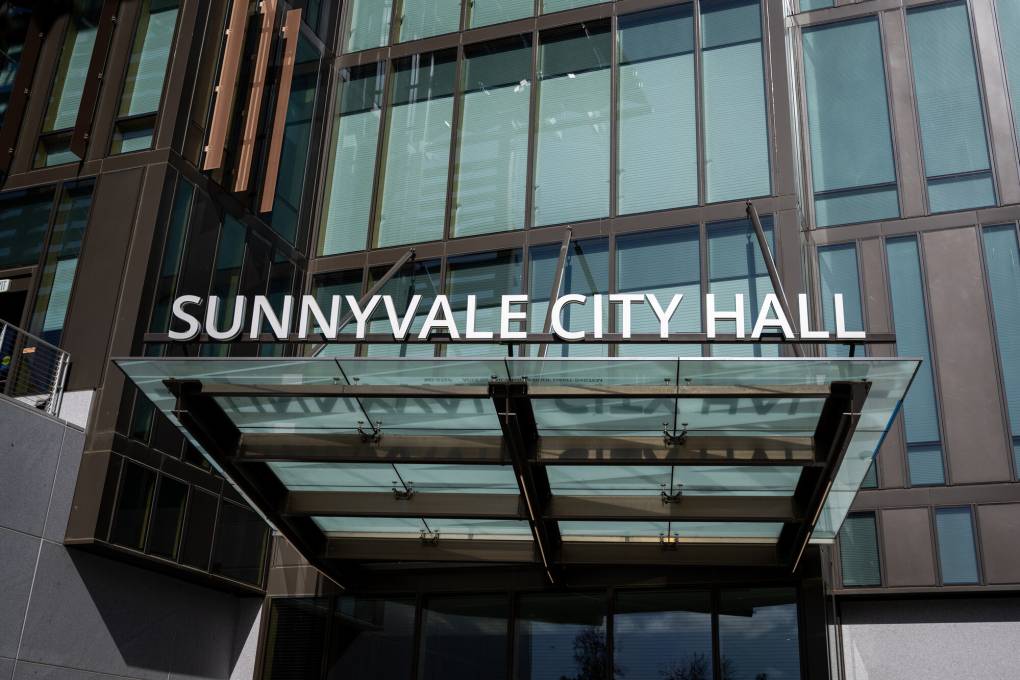
"title": "Sunnyvale City Hall on Nov. 1, 2024.",
"publishDate": 1730818536,
"status": "inherit",
"parent": 0,
"modified": 1730818548,
"caption": "Sunnyvale City Hall on Nov. 1, 2024.",
"credit": "Beth LaBerge/KQED",
"altTag": null,
"description": null,
"imgSizes": {
"medium": {
"file": "https://cdn.kqed.org/wp-content/uploads/sites/10/2024/11/241101-SunnyvaleCityHall-04-BL_qed-800x533.jpg",
"width": 800,
"height": 533,
"mimeType": "image/jpeg"
},
"large": {
"file": "https://cdn.kqed.org/wp-content/uploads/sites/10/2024/11/241101-SunnyvaleCityHall-04-BL_qed-1020x680.jpg",
"width": 1020,
"height": 680,
"mimeType": "image/jpeg"
},
"thumbnail": {
"file": "https://cdn.kqed.org/wp-content/uploads/sites/10/2024/11/241101-SunnyvaleCityHall-04-BL_qed-160x107.jpg",
"width": 160,
"height": 107,
"mimeType": "image/jpeg"
},
"1536x1536": {
"file": "https://cdn.kqed.org/wp-content/uploads/sites/10/2024/11/241101-SunnyvaleCityHall-04-BL_qed-1536x1024.jpg",
"width": 1536,
"height": 1024,
"mimeType": "image/jpeg"
},
"post-thumbnail": {
"file": "https://cdn.kqed.org/wp-content/uploads/sites/10/2024/11/241101-SunnyvaleCityHall-04-BL_qed-672x372.jpg",
"width": 672,
"height": 372,
"mimeType": "image/jpeg"
},
"twentyfourteen-full-width": {
"file": "https://cdn.kqed.org/wp-content/uploads/sites/10/2024/11/241101-SunnyvaleCityHall-04-BL_qed-1038x576.jpg",
"width": 1038,
"height": 576,
"mimeType": "image/jpeg"
},
"full-width": {
"file": "https://cdn.kqed.org/wp-content/uploads/sites/10/2024/11/241101-SunnyvaleCityHall-04-BL_qed-1920x1280.jpg",
"width": 1920,
"height": 1280,
"mimeType": "image/jpeg"
},
"kqedFullSize": {
"file": "https://cdn.kqed.org/wp-content/uploads/sites/10/2024/11/241101-SunnyvaleCityHall-04-BL_qed.jpg",
"width": 1999,
"height": 1333
}
},
"isLoading": false,
"fetchFailed": false
},
"news_12013002": {
"type": "attachments",
"id": "news_12013002",
"meta": {
"index": "attachments_1716263798",
"site": "news",
"id": "12013002",
"found": true
},
"title": "241105-ELECTIONNIGHT-29-BL-KQED",
"publishDate": 1730875707,
"status": "inherit",
"parent": 0,
"modified": 1730884350,
"caption": "Supervisor Aaron Peskin speaks during an election night party at Bimbo's in San Francisco on Nov. 5, 2024.",
"credit": "Beth LaBerge/KQED",
"altTag": null,
"description": null,
"imgSizes": {
"medium": {
"file": "https://cdn.kqed.org/wp-content/uploads/sites/10/2024/11/241105-ELECTIONNIGHT-29-BL-KQED-800x533.jpg",
"width": 800,
"height": 533,
"mimeType": "image/jpeg"
},
"large": {
"file": "https://cdn.kqed.org/wp-content/uploads/sites/10/2024/11/241105-ELECTIONNIGHT-29-BL-KQED-1020x680.jpg",
"width": 1020,
"height": 680,
"mimeType": "image/jpeg"
},
"thumbnail": {
"file": "https://cdn.kqed.org/wp-content/uploads/sites/10/2024/11/241105-ELECTIONNIGHT-29-BL-KQED-160x107.jpg",
"width": 160,
"height": 107,
"mimeType": "image/jpeg"
},
"1536x1536": {
"file": "https://cdn.kqed.org/wp-content/uploads/sites/10/2024/11/241105-ELECTIONNIGHT-29-BL-KQED-1536x1024.jpg",
"width": 1536,
"height": 1024,
"mimeType": "image/jpeg"
},
"post-thumbnail": {
"file": "https://cdn.kqed.org/wp-content/uploads/sites/10/2024/11/241105-ELECTIONNIGHT-29-BL-KQED-672x372.jpg",
"width": 672,
"height": 372,
"mimeType": "image/jpeg"
},
"twentyfourteen-full-width": {
"file": "https://cdn.kqed.org/wp-content/uploads/sites/10/2024/11/241105-ELECTIONNIGHT-29-BL-KQED-1038x576.jpg",
"width": 1038,
"height": 576,
"mimeType": "image/jpeg"
},
"full-width": {
"file": "https://cdn.kqed.org/wp-content/uploads/sites/10/2024/11/241105-ELECTIONNIGHT-29-BL-KQED-1920x1280.jpg",
"width": 1920,
"height": 1280,
"mimeType": "image/jpeg"
},
"kqedFullSize": {
"file": "https://cdn.kqed.org/wp-content/uploads/sites/10/2024/11/241105-ELECTIONNIGHT-29-BL-KQED.jpg",
"width": 2000,
"height": 1333
}
},
"isLoading": false,
"fetchFailed": false
},
"news_11969248": {
"type": "attachments",
"id": "news_11969248",
"meta": {
"index": "attachments_1716263798",
"site": "news",
"id": "11969248",
"found": true
},
"title": "231206-LateefahSimon-19-BL-KQED",
"publishDate": 1701973127,
"status": "inherit",
"parent": 12047037,
"modified": 1751576475,
"caption": "Lateefah Simon poses for a portrait on Dec. 6, 2023, after signing paperwork for her congressional campaign candidacy at the Alameda County Registrar of Voters Office in Oakland.",
"credit": "Beth LaBerge/KQED",
"altTag": null,
"description": null,
"imgSizes": {
"medium": {
"file": "https://cdn.kqed.org/wp-content/uploads/sites/10/2023/12/231206-LateefahSimon-19-BL-KQED-800x533.jpg",
"width": 800,
"height": 533,
"mimeType": "image/jpeg"
},
"large": {
"file": "https://cdn.kqed.org/wp-content/uploads/sites/10/2023/12/231206-LateefahSimon-19-BL-KQED-1020x680.jpg",
"width": 1020,
"height": 680,
"mimeType": "image/jpeg"
},
"thumbnail": {
"file": "https://cdn.kqed.org/wp-content/uploads/sites/10/2023/12/231206-LateefahSimon-19-BL-KQED-160x107.jpg",
"width": 160,
"height": 107,
"mimeType": "image/jpeg"
},
"1536x1536": {
"file": "https://cdn.kqed.org/wp-content/uploads/sites/10/2023/12/231206-LateefahSimon-19-BL-KQED-1536x1024.jpg",
"width": 1536,
"height": 1024,
"mimeType": "image/jpeg"
},
"post-thumbnail": {
"file": "https://cdn.kqed.org/wp-content/uploads/sites/10/2023/12/231206-LateefahSimon-19-BL-KQED-672x372.jpg",
"width": 672,
"height": 372,
"mimeType": "image/jpeg"
},
"twentyfourteen-full-width": {
"file": "https://cdn.kqed.org/wp-content/uploads/sites/10/2023/12/231206-LateefahSimon-19-BL-KQED-1038x576.jpg",
"width": 1038,
"height": 576,
"mimeType": "image/jpeg"
},
"full-width": {
"file": "https://cdn.kqed.org/wp-content/uploads/sites/10/2023/12/231206-LateefahSimon-19-BL-KQED-1920x1280.jpg",
"width": 1920,
"height": 1280,
"mimeType": "image/jpeg"
},
"kqedFullSize": {
"file": "https://cdn.kqed.org/wp-content/uploads/sites/10/2023/12/231206-LateefahSimon-19-BL-KQED.jpg",
"width": 2000,
"height": 1333
}
},
"isLoading": false,
"fetchFailed": false
},
"news_12011901": {
"type": "attachments",
"id": "news_12011901",
"meta": {
"index": "attachments_1716263798",
"site": "news",
"id": "12011901",
"found": true
},
"title": "Early voting process ahead of presidential election in San Francisco",
"publishDate": 1730399191,
"status": "inherit",
"parent": 12011898,
"modified": 1730490547,
"caption": "A view of an official ballot drop box next to the Department of Elections at City Hall in San Francisco on Oct. 24, 2024. ",
"credit": "Tayfun Coskun/Anadolu via Getty Images",
"altTag": null,
"description": null,
"imgSizes": {
"medium": {
"file": "https://cdn.kqed.org/wp-content/uploads/sites/10/2025/10/GettyImages-2180061713_qed-800x533.jpg",
"width": 800,
"height": 533,
"mimeType": "image/jpeg"
},
"large": {
"file": "https://cdn.kqed.org/wp-content/uploads/sites/10/2025/10/GettyImages-2180061713_qed-1020x680.jpg",
"width": 1020,
"height": 680,
"mimeType": "image/jpeg"
},
"thumbnail": {
"file": "https://cdn.kqed.org/wp-content/uploads/sites/10/2025/10/GettyImages-2180061713_qed-160x107.jpg",
"width": 160,
"height": 107,
"mimeType": "image/jpeg"
},
"1536x1536": {
"file": "https://cdn.kqed.org/wp-content/uploads/sites/10/2025/10/GettyImages-2180061713_qed-1536x1024.jpg",
"width": 1536,
"height": 1024,
"mimeType": "image/jpeg"
},
"post-thumbnail": {
"file": "https://cdn.kqed.org/wp-content/uploads/sites/10/2025/10/GettyImages-2180061713_qed-672x372.jpg",
"width": 672,
"height": 372,
"mimeType": "image/jpeg"
},
"twentyfourteen-full-width": {
"file": "https://cdn.kqed.org/wp-content/uploads/sites/10/2025/10/GettyImages-2180061713_qed-1038x576.jpg",
"width": 1038,
"height": 576,
"mimeType": "image/jpeg"
},
"full-width": {
"file": "https://cdn.kqed.org/wp-content/uploads/sites/10/2025/10/GettyImages-2180061713_qed-1920x1280.jpg",
"width": 1920,
"height": 1280,
"mimeType": "image/jpeg"
},
"kqedFullSize": {
"file": "https://cdn.kqed.org/wp-content/uploads/sites/10/2025/10/GettyImages-2180061713_qed.jpg",
"width": 2000,
"height": 1333
}
},
"isLoading": false,
"fetchFailed": false
},
"news_12011991": {
"type": "attachments",
"id": "news_12011991",
"meta": {
"index": "attachments_1716263798",
"site": "news",
"id": "12011991",
"found": true
},
"title": "241031-Recycling Campaign Flyers-JCL-02-KQED",
"publishDate": 1730409414,
"status": "inherit",
"parent": 0,
"modified": 1730483288,
"caption": "Campaigns and political groups are sending out tons of these mailers. Where do they end up?",
"credit": "Juan Carlos Lara/KQED",
"altTag": null,
"description": null,
"imgSizes": {
"medium": {
"file": "https://cdn.kqed.org/wp-content/uploads/sites/10/2024/10/241031-Recycling-Campaign-Flyers-JCL-02-KQED-1-800x533.jpg",
"width": 800,
"height": 533,
"mimeType": "image/jpeg"
},
"large": {
"file": "https://cdn.kqed.org/wp-content/uploads/sites/10/2024/10/241031-Recycling-Campaign-Flyers-JCL-02-KQED-1-1020x680.jpg",
"width": 1020,
"height": 680,
"mimeType": "image/jpeg"
},
"thumbnail": {
"file": "https://cdn.kqed.org/wp-content/uploads/sites/10/2024/10/241031-Recycling-Campaign-Flyers-JCL-02-KQED-1-160x107.jpg",
"width": 160,
"height": 107,
"mimeType": "image/jpeg"
},
"1536x1536": {
"file": "https://cdn.kqed.org/wp-content/uploads/sites/10/2024/10/241031-Recycling-Campaign-Flyers-JCL-02-KQED-1-1536x1024.jpg",
"width": 1536,
"height": 1024,
"mimeType": "image/jpeg"
},
"post-thumbnail": {
"file": "https://cdn.kqed.org/wp-content/uploads/sites/10/2024/10/241031-Recycling-Campaign-Flyers-JCL-02-KQED-1-672x372.jpg",
"width": 672,
"height": 372,
"mimeType": "image/jpeg"
},
"twentyfourteen-full-width": {
"file": "https://cdn.kqed.org/wp-content/uploads/sites/10/2024/10/241031-Recycling-Campaign-Flyers-JCL-02-KQED-1-1038x576.jpg",
"width": 1038,
"height": 576,
"mimeType": "image/jpeg"
},
"full-width": {
"file": "https://cdn.kqed.org/wp-content/uploads/sites/10/2024/10/241031-Recycling-Campaign-Flyers-JCL-02-KQED-1-1920x1280.jpg",
"width": 1920,
"height": 1280,
"mimeType": "image/jpeg"
},
"kqedFullSize": {
"file": "https://cdn.kqed.org/wp-content/uploads/sites/10/2024/10/241031-Recycling-Campaign-Flyers-JCL-02-KQED-1.jpg",
"width": 2000,
"height": 1333
}
},
"isLoading": false,
"fetchFailed": false
},
"news_12011704": {
"type": "attachments",
"id": "news_12011704",
"meta": {
"index": "attachments_1716263798",
"site": "news",
"id": "12011704",
"found": true
},
"title": "241004-SHASTACOUNTYELECTIONS-78-BL-KQED",
"publishDate": 1730313916,
"status": "inherit",
"parent": 0,
"modified": 1730331161,
"caption": "The Shasta County Clerk and Registrar of Voters offices in Redding, California, on Oct. 3, 2024.",
"credit": "Beth LaBerge/KQED",
"altTag": null,
"description": null,
"imgSizes": {
"medium": {
"file": "https://cdn.kqed.org/wp-content/uploads/sites/10/2024/10/241004-SHASTACOUNTYELECTIONS-78-BL-KQED-800x533.jpg",
"width": 800,
"height": 533,
"mimeType": "image/jpeg"
},
"large": {
"file": "https://cdn.kqed.org/wp-content/uploads/sites/10/2024/10/241004-SHASTACOUNTYELECTIONS-78-BL-KQED-1020x680.jpg",
"width": 1020,
"height": 680,
"mimeType": "image/jpeg"
},
"thumbnail": {
"file": "https://cdn.kqed.org/wp-content/uploads/sites/10/2024/10/241004-SHASTACOUNTYELECTIONS-78-BL-KQED-160x107.jpg",
"width": 160,
"height": 107,
"mimeType": "image/jpeg"
},
"1536x1536": {
"file": "https://cdn.kqed.org/wp-content/uploads/sites/10/2024/10/241004-SHASTACOUNTYELECTIONS-78-BL-KQED-1536x1024.jpg",
"width": 1536,
"height": 1024,
"mimeType": "image/jpeg"
},
"post-thumbnail": {
"file": "https://cdn.kqed.org/wp-content/uploads/sites/10/2024/10/241004-SHASTACOUNTYELECTIONS-78-BL-KQED-672x372.jpg",
"width": 672,
"height": 372,
"mimeType": "image/jpeg"
},
"twentyfourteen-full-width": {
"file": "https://cdn.kqed.org/wp-content/uploads/sites/10/2024/10/241004-SHASTACOUNTYELECTIONS-78-BL-KQED-1038x576.jpg",
"width": 1038,
"height": 576,
"mimeType": "image/jpeg"
},
"full-width": {
"file": "https://cdn.kqed.org/wp-content/uploads/sites/10/2024/10/241004-SHASTACOUNTYELECTIONS-78-BL-KQED-1920x1280.jpg",
"width": 1920,
"height": 1280,
"mimeType": "image/jpeg"
},
"kqedFullSize": {
"file": "https://cdn.kqed.org/wp-content/uploads/sites/10/2024/10/241004-SHASTACOUNTYELECTIONS-78-BL-KQED.jpg",
"width": 2000,
"height": 1333
}
},
"isLoading": false,
"fetchFailed": false
},
"news_11977785": {
"type": "attachments",
"id": "news_11977785",
"meta": {
"index": "attachments_1716263798",
"site": "news",
"id": "11977785",
"found": true
},
"title": "A ballot box at the San Mateo County Elections Office on Oct. 21, 2020.",
"publishDate": 1709329093,
"status": "inherit",
"parent": 11977769,
"modified": 1730924081,
"caption": "Woodside voters headed to the polls for a special election in November of 2021 and narrowly passed Measure A, which rezoned two parcels of land in the town center to be used for community gatherings. It was one of the closest elections in San Mateo County history, according to Jim Irizarry, assistant assessor-county clerk-recorder.",
"credit": "Beth LaBerge/KQED",
"altTag": null,
"description": null,
"imgSizes": {
"medium": {
"file": "https://cdn.kqed.org/wp-content/uploads/sites/10/2024/03/036_KQED_SanMateo_ElectionsOffice_10212020_qut-800x533.jpg",
"width": 800,
"height": 533,
"mimeType": "image/jpeg"
},
"large": {
"file": "https://cdn.kqed.org/wp-content/uploads/sites/10/2024/03/036_KQED_SanMateo_ElectionsOffice_10212020_qut-1020x680.jpg",
"width": 1020,
"height": 680,
"mimeType": "image/jpeg"
},
"thumbnail": {
"file": "https://cdn.kqed.org/wp-content/uploads/sites/10/2024/03/036_KQED_SanMateo_ElectionsOffice_10212020_qut-160x107.jpg",
"width": 160,
"height": 107,
"mimeType": "image/jpeg"
},
"1536x1536": {
"file": "https://cdn.kqed.org/wp-content/uploads/sites/10/2024/03/036_KQED_SanMateo_ElectionsOffice_10212020_qut-1536x1024.jpg",
"width": 1536,
"height": 1024,
"mimeType": "image/jpeg"
},
"post-thumbnail": {
"file": "https://cdn.kqed.org/wp-content/uploads/sites/10/2024/03/036_KQED_SanMateo_ElectionsOffice_10212020_qut-672x372.jpg",
"width": 672,
"height": 372,
"mimeType": "image/jpeg"
},
"twentyfourteen-full-width": {
"file": "https://cdn.kqed.org/wp-content/uploads/sites/10/2024/03/036_KQED_SanMateo_ElectionsOffice_10212020_qut-1038x576.jpg",
"width": 1038,
"height": 576,
"mimeType": "image/jpeg"
},
"kqedFullSize": {
"file": "https://cdn.kqed.org/wp-content/uploads/sites/10/2024/03/036_KQED_SanMateo_ElectionsOffice_10212020_qut.jpg",
"width": 1920,
"height": 1280
}
},
"isLoading": false,
"fetchFailed": false
},
"news_11977756": {
"type": "attachments",
"id": "news_11977756",
"meta": {
"index": "attachments_1716263798",
"site": "news",
"id": "11977756",
"found": true
},
"title": "CMPollWorkers02",
"publishDate": 1709323958,
"status": "inherit",
"parent": 11977752,
"modified": 1719012946,
"caption": "A voter fills out their ballot at a polling station at the American Legion in Shasta Lake, California, during a special election in Shasta County on Nov. 7, 2023.",
"credit": "Fred Greaves/CalMatters",
"altTag": null,
"description": null,
"imgSizes": {
"medium": {
"file": "https://cdn.kqed.org/wp-content/uploads/sites/10/2024/03/CMPollWorkers02-800x534.jpg",
"width": 800,
"height": 534,
"mimeType": "image/jpeg"
},
"large": {
"file": "https://cdn.kqed.org/wp-content/uploads/sites/10/2024/03/CMPollWorkers02-1020x680.jpg",
"width": 1020,
"height": 680,
"mimeType": "image/jpeg"
},
"thumbnail": {
"file": "https://cdn.kqed.org/wp-content/uploads/sites/10/2024/03/CMPollWorkers02-160x107.jpg",
"width": 160,
"height": 107,
"mimeType": "image/jpeg"
},
"1536x1536": {
"file": "https://cdn.kqed.org/wp-content/uploads/sites/10/2024/03/CMPollWorkers02-1536x1025.jpg",
"width": 1536,
"height": 1025,
"mimeType": "image/jpeg"
},
"post-thumbnail": {
"file": "https://cdn.kqed.org/wp-content/uploads/sites/10/2024/03/CMPollWorkers02-672x372.jpg",
"width": 672,
"height": 372,
"mimeType": "image/jpeg"
},
"twentyfourteen-full-width": {
"file": "https://cdn.kqed.org/wp-content/uploads/sites/10/2024/03/CMPollWorkers02-1038x576.jpg",
"width": 1038,
"height": 576,
"mimeType": "image/jpeg"
},
"full-width": {
"file": "https://cdn.kqed.org/wp-content/uploads/sites/10/2024/03/CMPollWorkers02-1920x1281.jpg",
"width": 1920,
"height": 1281,
"mimeType": "image/jpeg"
},
"kqedFullSize": {
"file": "https://cdn.kqed.org/wp-content/uploads/sites/10/2024/03/CMPollWorkers02.jpg",
"width": 2000,
"height": 1334
}
},
"isLoading": false,
"fetchFailed": false
},
"news_11978230": {
"type": "attachments",
"id": "news_11978230",
"meta": {
"index": "attachments_1716263798",
"site": "news",
"id": "11978230",
"found": true
},
"parent": 0,
"imgSizes": {
"twentyfourteen-full-width": {
"file": "https://cdn.kqed.org/wp-content/uploads/sites/10/2024/03/240305-GARVEY-SCHIFF-MD-KQED-1038x576.jpg",
"width": 1038,
"mimeType": "image/jpeg",
"height": 576
},
"thumbnail": {
"file": "https://cdn.kqed.org/wp-content/uploads/sites/10/2024/03/240305-GARVEY-SCHIFF-MD-KQED-160x107.jpg",
"width": 160,
"mimeType": "image/jpeg",
"height": 107
},
"post-thumbnail": {
"file": "https://cdn.kqed.org/wp-content/uploads/sites/10/2024/03/240305-GARVEY-SCHIFF-MD-KQED-672x372.jpg",
"width": 672,
"mimeType": "image/jpeg",
"height": 372
},
"kqedFullSize": {
"file": "https://cdn.kqed.org/wp-content/uploads/sites/10/2024/03/240305-GARVEY-SCHIFF-MD-KQED.jpg",
"width": 2000,
"height": 1333
},
"large": {
"file": "https://cdn.kqed.org/wp-content/uploads/sites/10/2024/03/240305-GARVEY-SCHIFF-MD-KQED-1020x680.jpg",
"width": 1020,
"mimeType": "image/jpeg",
"height": 680
},
"1536x1536": {
"file": "https://cdn.kqed.org/wp-content/uploads/sites/10/2024/03/240305-GARVEY-SCHIFF-MD-KQED-1536x1024.jpg",
"width": 1536,
"mimeType": "image/jpeg",
"height": 1024
},
"full-width": {
"file": "https://cdn.kqed.org/wp-content/uploads/sites/10/2024/03/240305-GARVEY-SCHIFF-MD-KQED-1920x1280.jpg",
"width": 1920,
"mimeType": "image/jpeg",
"height": 1280
},
"medium": {
"file": "https://cdn.kqed.org/wp-content/uploads/sites/10/2024/03/240305-GARVEY-SCHIFF-MD-KQED-800x533.jpg",
"width": 800,
"mimeType": "image/jpeg",
"height": 533
}
},
"publishDate": 1709692849,
"modified": 1709701457,
"caption": "Republican Steve Garvey (left), the former baseball star, will face Democratic Rep. Adam Schiff from Burbank in the general election in November.",
"description": null,
"title": "240305-GARVEY SCHIFF-MD-KQED",
"credit": "Justin Sullivan/Getty Images",
"status": "inherit",
"altTag": "A diptych of two middle aged white men.",
"isLoading": false,
"fetchFailed": false
},
"news_11978091": {
"type": "attachments",
"id": "news_11978091",
"meta": {
"index": "attachments_1716263798",
"site": "news",
"id": "11978091",
"found": true
},
"parent": 0,
"imgSizes": {
"twentyfourteen-full-width": {
"file": "https://cdn.kqed.org/wp-content/uploads/sites/10/2024/03/AP24033595037377-KQED-1038x576.jpg",
"width": 1038,
"mimeType": "image/jpeg",
"height": 576
},
"thumbnail": {
"file": "https://cdn.kqed.org/wp-content/uploads/sites/10/2024/03/AP24033595037377-KQED-160x109.jpg",
"width": 160,
"mimeType": "image/jpeg",
"height": 109
},
"post-thumbnail": {
"file": "https://cdn.kqed.org/wp-content/uploads/sites/10/2024/03/AP24033595037377-KQED-672x372.jpg",
"width": 672,
"mimeType": "image/jpeg",
"height": 372
},
"kqedFullSize": {
"file": "https://cdn.kqed.org/wp-content/uploads/sites/10/2024/03/AP24033595037377-KQED.jpg",
"width": 2000,
"height": 1363
},
"large": {
"file": "https://cdn.kqed.org/wp-content/uploads/sites/10/2024/03/AP24033595037377-KQED-1020x695.jpg",
"width": 1020,
"mimeType": "image/jpeg",
"height": 695
},
"1536x1536": {
"file": "https://cdn.kqed.org/wp-content/uploads/sites/10/2024/03/AP24033595037377-KQED-1536x1047.jpg",
"width": 1536,
"mimeType": "image/jpeg",
"height": 1047
},
"full-width": {
"file": "https://cdn.kqed.org/wp-content/uploads/sites/10/2024/03/AP24033595037377-KQED-1920x1308.jpg",
"width": 1920,
"mimeType": "image/jpeg",
"height": 1308
},
"medium": {
"file": "https://cdn.kqed.org/wp-content/uploads/sites/10/2024/03/AP24033595037377-KQED-800x545.jpg",
"width": 800,
"mimeType": "image/jpeg",
"height": 545
}
},
"publishDate": 1709602814,
"modified": 1709686079,
"caption": "Candidates, from left, US Reps. Barbara Lee (D-Calif.), Adam Schiff (D-Calif.), U.S. Rep. Katie Porter (D-Calif.), and former baseball player Steve Garvey, stand on stage during a televised debate for candidates in the Senate race to succeed the late California Sen. Dianne Feinstein, on Monday, Jan. 22, 2024, in Los Angeles.",
"description": null,
"title": "Barbara Lee,Adam Schiff,Katie Porter,Steve Garvey",
"credit": "Damian Dovarganes/AP Photo",
"status": "inherit",
"altTag": "U.S. Senate candidates in California are standing behind stage podiums.",
"isLoading": false,
"fetchFailed": false
},
"news_11974143": {
"type": "attachments",
"id": "news_11974143",
"meta": {
"index": "attachments_1716263798",
"site": "news",
"id": "11974143",
"found": true
},
"parent": 11974134,
"imgSizes": {
"twentyfourteen-full-width": {
"file": "https://cdn.kqed.org/wp-content/uploads/sites/10/2024/01/008_KQED_Election_CityHallSF_02262020_4220_qut-1038x576.jpg",
"width": 1038,
"mimeType": "image/jpeg",
"height": 576
},
"thumbnail": {
"file": "https://cdn.kqed.org/wp-content/uploads/sites/10/2024/01/008_KQED_Election_CityHallSF_02262020_4220_qut-160x107.jpg",
"width": 160,
"mimeType": "image/jpeg",
"height": 107
},
"post-thumbnail": {
"file": "https://cdn.kqed.org/wp-content/uploads/sites/10/2024/01/008_KQED_Election_CityHallSF_02262020_4220_qut-672x372.jpg",
"width": 672,
"mimeType": "image/jpeg",
"height": 372
},
"kqedFullSize": {
"file": "https://cdn.kqed.org/wp-content/uploads/sites/10/2024/01/008_KQED_Election_CityHallSF_02262020_4220_qut.jpg",
"width": 1920,
"height": 1280
},
"large": {
"file": "https://cdn.kqed.org/wp-content/uploads/sites/10/2024/01/008_KQED_Election_CityHallSF_02262020_4220_qut-1020x680.jpg",
"width": 1020,
"mimeType": "image/jpeg",
"height": 680
},
"1536x1536": {
"file": "https://cdn.kqed.org/wp-content/uploads/sites/10/2024/01/008_KQED_Election_CityHallSF_02262020_4220_qut-1536x1024.jpg",
"width": 1536,
"mimeType": "image/jpeg",
"height": 1024
},
"medium": {
"file": "https://cdn.kqed.org/wp-content/uploads/sites/10/2024/01/008_KQED_Election_CityHallSF_02262020_4220_qut-800x533.jpg",
"width": 800,
"mimeType": "image/jpeg",
"height": 533
}
},
"publishDate": 1706567127,
"modified": 1706573239,
"caption": "File Photo: A ballot box at San Francisco City Hall on Wednesday, Feb. 26, 2020.",
"description": null,
"title": "008_KQED_Election_CityHallSF_02262020_4220_qut",
"credit": "Beth La Berge/KQED",
"status": "inherit",
"altTag": "A bright red ballot box.",
"isLoading": false,
"fetchFailed": false
}
},
"audioPlayerReducer": {
"postId": "stream_live",
"isPaused": true,
"isPlaying": false,
"pfsActive": false,
"pledgeModalIsOpen": true,
"playerDrawerIsOpen": false,
"liveAudioPlayStartedAt": 0,
"liveAudioPlayContext": ""
},
"authorsReducer": {
"byline_news_11991539": {
"type": "authors",
"id": "byline_news_11991539",
"meta": {
"override": true
},
"slug": "byline_news_11991539",
"name": "Adam Beam, Associated Press",
"isLoading": false
},
"byline_news_11978080": {
"type": "authors",
"id": "byline_news_11978080",
"meta": {
"override": true
},
"slug": "byline_news_11978080",
"name": "Robert Yoon\u003cbr>The Associated Press",
"isLoading": false
},
"gmarzorati": {
"type": "authors",
"id": "227",
"meta": {
"index": "authors_1716337520",
"id": "227",
"found": true
},
"name": "Guy Marzorati",
"firstName": "Guy",
"lastName": "Marzorati",
"slug": "gmarzorati",
"email": "gmarzorati@KQED.org",
"display_author_email": true,
"staff_mastheads": [
"news"
],
"title": "Correspondent",
"bio": "Guy Marzorati is a correspondent on KQED's California Politics and Government Desk, based in San Jose. A graduate of Santa Clara University, Guy joined KQED in 2013. He reports on state and local politics and produces KQED's digital voter guide.",
"avatar": "https://secure.gravatar.com/avatar/771cddf45ce3a8ed533d82dcc214e9ef925d76d2af5794a33da1ce439eb54a32?s=600&d=blank&r=g",
"twitter": "guymarzorati",
"bluesky": null,
"facebook": null,
"instagram": null,
"linkedin": null,
"sites": [
{
"site": "",
"roles": [
"editor"
]
},
{
"site": "news",
"roles": [
"editor"
]
},
{
"site": "science",
"roles": [
"editor"
]
},
{
"site": "forum",
"roles": [
"editor"
]
},
{
"site": "elections",
"roles": [
"editor"
]
},
{
"site": "liveblog",
"roles": [
"editor"
]
}
],
"headData": {
"title": "Guy Marzorati | KQED",
"description": "Correspondent",
"ogImgSrc": "https://secure.gravatar.com/avatar/771cddf45ce3a8ed533d82dcc214e9ef925d76d2af5794a33da1ce439eb54a32?s=600&d=blank&r=g",
"twImgSrc": "https://secure.gravatar.com/avatar/771cddf45ce3a8ed533d82dcc214e9ef925d76d2af5794a33da1ce439eb54a32?s=600&d=blank&r=g"
},
"isLoading": false,
"link": "/author/gmarzorati"
},
"mlagos": {
"type": "authors",
"id": "3239",
"meta": {
"index": "authors_1716337520",
"id": "3239",
"found": true
},
"name": "Marisa Lagos",
"firstName": "Marisa",
"lastName": "Lagos",
"slug": "mlagos",
"email": "mlagos@kqed.org",
"display_author_email": false,
"staff_mastheads": [
"news"
],
"title": "KQED Contributor",
"bio": "Marisa Lagos is a correspondent for KQED’s California Politics and Government Desk and co-hosts the award-winning show and podcast, Political Breakdown. At KQED, Lagos also conducts reporting, analysis and investigations into state, local and national politics for radio, TV, online and onstage. In 2022, she and co-host, Scott Shafer, moderated the only gubernatorial debate in California. In 2020, the \u003ci>Washington Post\u003c/i> named her one of the top political journalists in California; she was nominated for a Peabody and won several other awards for her work investigating the 2017 California wildfires. She has worked at the \u003ci>San Francisco Chronicle\u003c/i>, \u003ci>San Francisco Examiner\u003c/i> and \u003ci>Los Angeles Times\u003c/i>. A UC Santa Barbara graduate, she lives in San Francisco with her two sons and husband.",
"avatar": "https://secure.gravatar.com/avatar/a261a0d3696fc066871ef96b85b5e7d2?s=600&d=blank&r=g",
"twitter": "@mlagos",
"facebook": null,
"instagram": null,
"linkedin": null,
"sites": [
{
"site": "arts",
"roles": [
"author"
]
},
{
"site": "news",
"roles": [
"editor"
]
},
{
"site": "science",
"roles": [
"editor"
]
},
{
"site": "forum",
"roles": [
"author"
]
},
{
"site": "liveblog",
"roles": [
"author"
]
}
],
"headData": {
"title": "Marisa Lagos | KQED",
"description": "KQED Contributor",
"ogImgSrc": "https://secure.gravatar.com/avatar/a261a0d3696fc066871ef96b85b5e7d2?s=600&d=blank&r=g",
"twImgSrc": "https://secure.gravatar.com/avatar/a261a0d3696fc066871ef96b85b5e7d2?s=600&d=blank&r=g"
},
"isLoading": false,
"link": "/author/mlagos"
},
"carlysevern": {
"type": "authors",
"id": "3243",
"meta": {
"index": "authors_1716337520",
"id": "3243",
"found": true
},
"name": "Carly Severn",
"firstName": "Carly",
"lastName": "Severn",
"slug": "carlysevern",
"email": "csevern@kqed.org",
"display_author_email": false,
"staff_mastheads": [
"news"
],
"title": "Senior Editor, Audience News ",
"bio": "Carly is KQED's Senior Editor of Audience News on the Digital News team, and has reported for the California Report Magazine, Bay Curious and KQED Arts. She's formerly the host of \u003ca href=\"http://ww2.kqed.org/pop/category/the-cooler/\" rel=\"noopener noreferrer\">The Cooler\u003c/a> podcast.",
"avatar": "https://secure.gravatar.com/avatar/54037bf5c128fe678f0ef26cec97a93f2e7f220a22d7285703328f12c42c1b1d?s=600&d=blank&r=g",
"twitter": "teacupinthebay",
"bluesky": null,
"facebook": null,
"instagram": null,
"linkedin": null,
"sites": [
{
"site": "",
"roles": [
"editor"
]
},
{
"site": "arts",
"roles": [
"editor"
]
},
{
"site": "news",
"roles": [
"administrator"
]
},
{
"site": "pop",
"roles": [
"editor"
]
},
{
"site": "futureofyou",
"roles": [
"editor"
]
},
{
"site": "about",
"roles": [
"administrator"
]
},
{
"site": "mindshift",
"roles": [
"editor"
]
},
{
"site": "bayareabites",
"roles": [
"editor"
]
},
{
"site": "stateofhealth",
"roles": [
"editor"
]
},
{
"site": "science",
"roles": [
"editor"
]
},
{
"site": "food",
"roles": [
"contributor"
]
},
{
"site": "forum",
"roles": [
"editor"
]
},
{
"site": "perspectives",
"roles": [
"administrator"
]
},
{
"site": "liveblog",
"roles": [
"editor"
]
}
],
"headData": {
"title": "Carly Severn | KQED",
"description": "Senior Editor, Audience News ",
"ogImgSrc": "https://secure.gravatar.com/avatar/54037bf5c128fe678f0ef26cec97a93f2e7f220a22d7285703328f12c42c1b1d?s=600&d=blank&r=g",
"twImgSrc": "https://secure.gravatar.com/avatar/54037bf5c128fe678f0ef26cec97a93f2e7f220a22d7285703328f12c42c1b1d?s=600&d=blank&r=g"
},
"isLoading": false,
"link": "/author/carlysevern"
},
"ahall": {
"type": "authors",
"id": "11490",
"meta": {
"index": "authors_1716337520",
"id": "11490",
"found": true
},
"name": "Alex Hall",
"firstName": "Alex",
"lastName": "Hall",
"slug": "ahall",
"email": "ahall@kqed.org",
"display_author_email": false,
"staff_mastheads": [
"news"
],
"title": "KQED Enterprise & Accountability Reporter",
"bio": "Alex Hall is KQED's Enterprise and Accountability Reporter. She previously covered the Central Valley for five years from KQED's bureau in Fresno. Before joining KQED, Alex was an investigative reporting fellow at Wisconsin Public Radio and the Wisconsin Center for Investigative Journalism. She has also worked as a bilingual producer for NPR's investigative unit and freelance video producer for Reuters TV on the Latin America desk. She got her start in journalism in South America, where she worked as a radio producer and Spanish-English translator for CNN Chile. Her documentary and investigation into the series of deadly COVID-19 outbreaks at Foster Farms won a national Edward R. Murrow award and was named an Investigative Reporters & Editors award finalist. Alex's reporting for Reveal on the Wisconsin dairy industry's reliance on undocumented immigrant labor was made into a film, Los Lecheros, which won a regional Edward R. Murrow award for best news documentary.",
"avatar": "https://secure.gravatar.com/avatar/04c28ad4a7caa7ac2ef39c655c4030c993a3f331481d1da4799bb76ea85b9afa?s=600&d=blank&r=g",
"twitter": "@chalexhall",
"bluesky": null,
"facebook": null,
"instagram": null,
"linkedin": null,
"sites": [
{
"site": "news",
"roles": [
"editor"
]
},
{
"site": "liveblog",
"roles": [
"author"
]
}
],
"headData": {
"title": "Alex Hall | KQED",
"description": "KQED Enterprise & Accountability Reporter",
"ogImgSrc": "https://secure.gravatar.com/avatar/04c28ad4a7caa7ac2ef39c655c4030c993a3f331481d1da4799bb76ea85b9afa?s=600&d=blank&r=g",
"twImgSrc": "https://secure.gravatar.com/avatar/04c28ad4a7caa7ac2ef39c655c4030c993a3f331481d1da4799bb76ea85b9afa?s=600&d=blank&r=g"
},
"isLoading": false,
"link": "/author/ahall"
},
"jlara": {
"type": "authors",
"id": "11761",
"meta": {
"index": "authors_1716337520",
"id": "11761",
"found": true
},
"name": "Juan Carlos Lara",
"firstName": "Juan Carlos",
"lastName": "Lara",
"slug": "jlara",
"email": "jlara@kqed.org",
"display_author_email": false,
"staff_mastheads": [],
"title": "KQED Contributor",
"bio": null,
"avatar": "https://secure.gravatar.com/avatar/19e2052b9b05657c5ff2af2121846e9c?s=600&d=blank&r=g",
"twitter": null,
"facebook": null,
"instagram": null,
"linkedin": null,
"sites": [
{
"site": "arts",
"roles": [
"editor"
]
},
{
"site": "news",
"roles": [
"editor"
]
},
{
"site": "forum",
"roles": [
"editor"
]
},
{
"site": "liveblog",
"roles": [
"contributor"
]
}
],
"headData": {
"title": "Juan Carlos Lara | KQED",
"description": "KQED Contributor",
"ogImgSrc": "https://secure.gravatar.com/avatar/19e2052b9b05657c5ff2af2121846e9c?s=600&d=blank&r=g",
"twImgSrc": "https://secure.gravatar.com/avatar/19e2052b9b05657c5ff2af2121846e9c?s=600&d=blank&r=g"
},
"isLoading": false,
"link": "/author/jlara"
},
"afinney": {
"type": "authors",
"id": "11772",
"meta": {
"index": "authors_1716337520",
"id": "11772",
"found": true
},
"name": "Annelise Finney",
"firstName": "Annelise",
"lastName": "Finney",
"slug": "afinney",
"email": "afinney@kqed.org",
"display_author_email": false,
"staff_mastheads": [],
"title": "Reporter",
"bio": "Annelise reports on reparations in California and East Bay politics. She co-produced the Sunday Music Drop, a limited-term radio series featuring Bay Area musicians that aired between Sept 2022 and Oct 2024. She joined KQED in 2021 as a general assignment reporter and is an alumna of KALW's Audio Academy. She was born and raised in the East Bay. She is currently away from KQED completing a year-long reporting project in Berlin, Germany as a Alexander Von Humboldt German Chancellor Fellow.",
"avatar": "https://secure.gravatar.com/avatar/b439010ea6540bec1060ee74b3c94314480991106a4a84e774fe5a0fd6605878?s=600&d=blank&r=g",
"twitter": null,
"bluesky": null,
"facebook": null,
"instagram": null,
"linkedin": null,
"sites": [
{
"site": "news",
"roles": [
"subscriber"
]
},
{
"site": "liveblog",
"roles": [
"subscriber"
]
}
],
"headData": {
"title": "Annelise Finney | KQED",
"description": "Reporter",
"ogImgSrc": "https://secure.gravatar.com/avatar/b439010ea6540bec1060ee74b3c94314480991106a4a84e774fe5a0fd6605878?s=600&d=blank&r=g",
"twImgSrc": "https://secure.gravatar.com/avatar/b439010ea6540bec1060ee74b3c94314480991106a4a84e774fe5a0fd6605878?s=600&d=blank&r=g"
},
"isLoading": false,
"link": "/author/afinney"
},
"sjohnson": {
"type": "authors",
"id": "11840",
"meta": {
"index": "authors_1716337520",
"id": "11840",
"found": true
},
"name": "Sydney Johnson",
"firstName": "Sydney",
"lastName": "Johnson",
"slug": "sjohnson",
"email": "sjohnson@kqed.org",
"display_author_email": false,
"staff_mastheads": [
"news"
],
"title": "KQED Reporter",
"bio": "Sydney Johnson is a general assignment reporter at KQED. She previously reported on public health and city government at the San Francisco Examiner, and before that, she covered statewide education policy for EdSource. Her reporting has won multiple local, state and national awards. Sydney is a graduate of the University of California, Berkeley and lives in San Francisco.",
"avatar": "https://secure.gravatar.com/avatar/97855f2719b72ad6190b7c535fe642c8?s=600&d=blank&r=g",
"twitter": "sydneyfjohnson",
"facebook": null,
"instagram": null,
"linkedin": null,
"sites": [
{
"site": "news",
"roles": [
"editor"
]
}
],
"headData": {
"title": "Sydney Johnson | KQED",
"description": "KQED Reporter",
"ogImgSrc": "https://secure.gravatar.com/avatar/97855f2719b72ad6190b7c535fe642c8?s=600&d=blank&r=g",
"twImgSrc": "https://secure.gravatar.com/avatar/97855f2719b72ad6190b7c535fe642c8?s=600&d=blank&r=g"
},
"isLoading": false,
"link": "/author/sjohnson"
},
"jgeha": {
"type": "authors",
"id": "11906",
"meta": {
"index": "authors_1716337520",
"id": "11906",
"found": true
},
"name": "Joseph Geha",
"firstName": "Joseph",
"lastName": "Geha",
"slug": "jgeha",
"email": "jgeha@kqed.org",
"display_author_email": false,
"staff_mastheads": [
"news",
"science"
],
"title": "KQED Contributor",
"bio": null,
"avatar": "https://secure.gravatar.com/avatar/ea84d2b6dd93d6369d453edf19dd583f117cd1759d2d9c9c92f9de77017354fe?s=600&d=blank&r=g",
"twitter": null,
"bluesky": null,
"facebook": null,
"instagram": null,
"linkedin": null,
"sites": [
{
"site": "news",
"roles": [
"editor"
]
},
{
"site": "liveblog",
"roles": [
"author"
]
}
],
"headData": {
"title": "Joseph Geha | KQED",
"description": "KQED Contributor",
"ogImgSrc": "https://secure.gravatar.com/avatar/ea84d2b6dd93d6369d453edf19dd583f117cd1759d2d9c9c92f9de77017354fe?s=600&d=blank&r=g",
"twImgSrc": "https://secure.gravatar.com/avatar/ea84d2b6dd93d6369d453edf19dd583f117cd1759d2d9c9c92f9de77017354fe?s=600&d=blank&r=g"
},
"isLoading": false,
"link": "/author/jgeha"
},
"kdebenedetti": {
"type": "authors",
"id": "11913",
"meta": {
"index": "authors_1716337520",
"id": "11913",
"found": true
},
"name": "Katie DeBenedetti",
"firstName": "Katie",
"lastName": "DeBenedetti",
"slug": "kdebenedetti",
"email": "kdebenedetti@kqed.org",
"display_author_email": false,
"staff_mastheads": [
"news",
"science"
],
"title": "KQED Contributor",
"bio": "Katie DeBenedetti is a digital reporter covering daily news for the Express Desk. Prior to joining KQED as a culture reporting intern in January 2024, she covered education and city government for the Napa Valley Register.",
"avatar": "https://secure.gravatar.com/avatar/6e31073cb8f7e4214ab03f42771d0f45?s=600&d=blank&r=g",
"twitter": null,
"facebook": null,
"instagram": null,
"linkedin": null,
"sites": [
{
"site": "news",
"roles": [
"author"
]
},
{
"site": "science",
"roles": [
"author"
]
},
{
"site": "liveblog",
"roles": [
"author"
]
}
],
"headData": {
"title": "Katie DeBenedetti | KQED",
"description": "KQED Contributor",
"ogImgSrc": "https://secure.gravatar.com/avatar/6e31073cb8f7e4214ab03f42771d0f45?s=600&d=blank&r=g",
"twImgSrc": "https://secure.gravatar.com/avatar/6e31073cb8f7e4214ab03f42771d0f45?s=600&d=blank&r=g"
},
"isLoading": false,
"link": "/author/kdebenedetti"
}
},
"pagesReducer": {
"news_tag_elections": {
"type": "terms",
"id": "news_23394",
"meta": {
"index": "terms_1716263798",
"site": "news",
"id": "23394",
"score": 9.107809
},
"featImg": null,
"name": "elections",
"description": null,
"taxonomy": "tag",
"headData": {
"twImgId": null,
"twTitle": null,
"ogTitle": null,
"ogImgId": null,
"twDescription": null,
"description": null,
"title": "elections Archives | KQED News",
"ogDescription": null
},
"ttid": 23411,
"slug": "elections",
"isLoading": false,
"title": "elections",
"pageMeta": {
"site": "news",
"WpPageTemplate": "page-topic-editorial",
"currentPage": 5
},
"blocks": [
{
"blockName": "kqed/post-list",
"attrs": {
"layout": "cardArticle2",
"query": "posts/news?tag=elections",
"seeMore": false,
"paginated": true,
"page": 5
}
},
{
"blockName": "kqed/ad"
}
]
}
},
"pfsSessionReducer": {},
"postsReducer": {
"stream_live": {
"type": "live",
"id": "stream_live",
"audioUrl": "https://hls.kqed.org/hls/kqed_app/playlist.m3u8",
"title": "Live Stream",
"excerpt": "Live Stream information currently unavailable.",
"link": "/radio",
"featImg": "",
"label": {
"name": "KQED Live",
"link": "/"
}
},
"stream_kqedNewscast": {
"type": "posts",
"id": "stream_kqedNewscast",
"audioUrl": "https://www.kqed.org/.stream/anon/radio/RDnews/newscast.mp3?_=1",
"title": "KQED Newscast",
"featImg": "",
"label": {
"name": "88.5 FM",
"link": "/"
}
},
"news_12012357": {
"type": "posts",
"id": "news_12012357",
"meta": {
"index": "posts_1716263798",
"site": "news",
"id": "12012357",
"score": null,
"sort": [
1731133548000
]
},
"guestAuthors": [],
"slug": "sheng-thao-accepts-defeat-in-contentious-oakland-mayoral-recall",
"title": "Sheng Thao Accepts Defeat in Contentious Oakland Mayoral Recall",
"publishDate": 1731133548,
"format": "standard",
"headTitle": "Sheng Thao Accepts Defeat in Contentious Oakland Mayoral Recall | KQED",
"labelTerm": {
"site": "news"
},
"content": "\u003cp>\u003cem>Updated at 1:10 p.m. Saturday\u003c/em>\u003c/p>\n\u003cp>\u003ca href=\"https://www.kqed.org/news/tag/sheng-thao\">Oakland Mayor Sheng Thao\u003c/a> conceded the recall election on Friday night, setting off a process that will likely see several different mayors leading the city in the coming months.\u003c/p>\n\u003cp>Thao, who noted in her concession statement that she was the first Hmong American woman to become the mayor of a major American city, was recalled less than two years into her term.\u003c/p>\n\u003cp>“It was my goal to make Oakland safer, cleaner, and more vibrant,” Thao said in the statement. “And I am proud of what we accomplished together. We brought crime down dramatically across the board with a historic 35% reduction in homicides. For the first time in over a decade, Oakland went over a month without a single murder. Our work literally saved lives.”\u003c/p>\n\u003cp>In the updated results released Friday by the Alameda County Registrar of Voters, the recall held a sizable advantage — 65.3% to 36.1%.\u003c/p>\n\u003cp>According to Oakland’s city charter, once the election is certified and Thao’s office is declared vacant, the city council president fills the office while a special election is held within 120 days. In an interview with KQED, former Oakland City Councilmember Loren Taylor said he would run.\u003c/p>\n\u003cp>“Oaklanders have spoken with a very strong voice regarding what they need from city leadership, and they clearly have not been getting it from the current administration,” said Taylor, who \u003ca href=\"https://www.kqed.org/news/11931400/sheng-thao-oaklands-next-mayor\">finished second to Thao\u003c/a> two years ago. “The same commitment I have to the city I’m from that drove me to run in 2022 is what’s compelling me to step up in the special election once the results are certified.”\u003c/p>\n\u003cp>[ad fullwidth]\u003c/p>\n\u003cp>In a Nov. 6 statement \u003ca href=\"https://x.com/Nikkiforallofus/status/1854297936013971470\">posted to social media platform X\u003c/a>, Council President Nikki Fortunato Bas said she was already working with the city attorney to plan for a smooth transition.\u003c/p>\n\u003cp>The Oakland City Council would declare the results no later than its next regularly scheduled meeting on Dec. 17, according to Bas. At that point, Thao will step down, the mayor’s spokesperson told KQED.\u003c/p>\n\u003cp>Once she is out, Bas will become interim mayor until the special election unless she is declared winner of a county supervisor race that, as of Saturday morning, still hasn’t been called.\u003c/p>\n\u003cp>If Bas were to win that seat, a new council president would be elected in January, and that person would serve as interim mayor. If she loses, the city council could still choose a new council president in January. After Friday’s results, Bas trailed John Bauters, an Emeryville city council member.\u003c/p>\n\u003cp>Recall organizers blamed the city’s challenges, including crime, shuttering businesses and a \u003ca href=\"https://www.kqed.org/news/12009486/oaklands-finances-significant-risk-report-warns-coliseum-sale-raises-questions\">multimillion-dollar budget deficit,\u003c/a> on what they described as Thao’s incompetence.\u003c/p>\n\u003cp>\u003ca href=\"https://www.kqed.org/news/11991242/fbi-agents-raid-home-of-oakland-mayor-sheng-thao\">An FBI raid of Thao’s home\u003c/a> in June cast a \u003ca href=\"https://www.kqed.org/news/11992073/oakland-fbi-raids-and-straw-donor-probe-spur-allegations-of-corruption\">dark cloud over her administration\u003c/a>. Agents also served search warrants \u003ca href=\"https://www.kqed.org/news/11991426/oakland-fbi-raids-also-targeted-this-powerful-family-heres-what-we-know\">on members of the Duong family\u003c/a>, owners of the city’s recycling provider, California Waste Solutions. Thao claimed she was innocent and that federal officials had told her attorney she was not \u003ca href=\"https://www.kqed.org/news/11991658/oakland-mayor-sheng-thao-to-make-first-public-comments-since-fbi-raids\">the focus of their investigation\u003c/a>.\u003c/p>\n\u003cp>Thao had been \u003ca href=\"https://www.kqed.org/news/11935131/its-about-bringing-people-together-oakland-mayor-elect-sheng-thao-on-her-vision-for-the-town\">in office for roughly a year\u003c/a> when the recall launched in January. In the weeks leading up to the election, Thao pushed back, saying that she \u003ca href=\"https://www.kqed.org/news/12009615/oakland-mayor-sheng-thao-makes-her-case-against-a-recall\">inherited many of the city’s problems\u003c/a> and that crime was down, pointing to city data showing a more than 30% reduction in homicides compared to this time last year.\u003c/p>\n\u003cp>[aside label=\"Live 2024 Election Results\" link1='https://www.kqed.org/elections/results/alameda,Alameda County: Stay informed with the latest results for elected leaders and measures passed' hero=https://cdn.kqed.org/wp-content/uploads/sites/80/2024/10/Aside-Results-Local-Elections-Alameda-County-1200x1200-1.png]\u003c/p>\n\u003cp>Thao’s campaign also focused heavily on hedge fund manager Philip Dreyfuss, whose political contributions \u003ca href=\"https://www.kqed.org/news/11998651/a-hedge-fund-manager-is-funding-bid-to-oust-oaklands-mayor-and-its-not-his-first-recall\">made up the bulk of recall funding\u003c/a>.\u003c/p>\n\u003cp>Thao accused Dreyfuss in an open letter of trying to “buy our city government.”\u003c/p>\n\u003cp>“Oakland is not for sale,” the letter reads.\u003c/p>\n\u003cp>However, that messaging failed to resonate with residents frustrated about public safety and \u003ca href=\"https://www.kqed.org/news/12003276/oaklands-beleaguered-911-dispatch-still-far-behind-state-standards-but-improving\">slow 911 response times\u003c/a>.\u003c/p>\n\u003cp>“She says, ‘Oh, the crime is down.’ But it’s not really down. Especially when they’re breaking into my things around my house,” Oakland resident Cassandra Odiase told KQED at a Fruitvale Avenue grocery store less than a week before the election. “We’re not reporting it because we know the police [are] not coming.”\u003c/p>\n\u003cp>Influential voices like the Oakland chapter of the NAACP and Thao’s predecessor, \u003ca href=\"https://www.kqed.org/news/12010129/former-mayor-libby-schaaf-endorses-recall-of-oakland-mayor-sheng-thao\">former Mayor Libby Schaaf\u003c/a>, came out in support of the recall weeks before Election Day.\u003c/p>\n\u003cp>“I have come to believe, just based on this last year, that she is not capable of growing into the job,” Schaaf said in an interview with KQED’s Scott Shafer. “I am voting to recall Mayor Thao because Oakland can’t afford another two years of continued damage to our fiscal solvency and our public safety.”\u003c/p>\n\u003cp>Seneca Scott, a local activist who ran unsuccessfully for mayor in 2022, and former Alameda County Superior Court Judge Brenda Harbin-Forte, who was critical of Thao’s decision to \u003ca href=\"https://www.kqed.org/news/11980455/oakland-mayor-sheng-thao-appoints-floyd-mitchell-as-new-police-chief\">fire Oakland Police Chief LeRonne Armstrong\u003c/a> while serving on the city’s police commission, \u003ca href=\"https://www.kqed.org/news/11976748/oakland-mayors-announcement-of-3-5-million-public-safety-grant-disrupted-by-protesters-seeking-her-recall\">led the push\u003c/a>. Harbin-Forte’s sister, Gail Harbin, eventually took over after Harbin-Forte began running for city attorney.\u003c/p>\n",
"blocks": [],
"excerpt": "Oakland Mayor Sheng Thao was in office for roughly a year when the recall launched in January. ",
"status": "publish",
"parent": 0,
"modified": 1790790662,
"stats": {
"hasAudio": false,
"hasVideo": false,
"hasChartOrMap": false,
"iframeSrcs": [],
"hasGoogleForm": false,
"hasGallery": false,
"hasHearkenModule": false,
"hasPolis": false,
"paragraphCount": 24,
"wordCount": 888
},
"headData": {
"title": "Sheng Thao Accepts Defeat in Contentious Oakland Mayoral Recall | KQED",
"description": "Oakland Mayor Sheng Thao was in office for roughly a year when the recall launched in January. ",
"ogTitle": "",
"ogDescription": "",
"ogImgId": "",
"twTitle": "",
"twDescription": "",
"twImgId": "",
"schema": {
"@context": "https://schema.org",
"@type": "NewsArticle",
"headline": "Sheng Thao Accepts Defeat in Contentious Oakland Mayoral Recall",
"datePublished": "2024-11-08T22:25:48-08:00",
"dateModified": "2026-09-30T10:51:02-07:00",
"image": "https://cdn.kqed.org/wp-content/uploads/2020/02/KQED-OG-Image@1x.png",
"isAccessibleForFree": "True",
"publisher": {
"@type": "NewsMediaOrganization",
"@id": "https://www.kqed.org/#organization",
"name": "KQED",
"logo": "https://cdn.kqed.org/wp-content/uploads/2020/02/KQED-OG-Image@1x.png",
"url": "https://www.kqed.org",
"sameAs": [
"https://www.facebook.com/KQED",
"https://twitter.com/KQED",
"https://www.instagram.com/kqed/",
"https://www.tiktok.com/@kqedofficial",
"https://www.linkedin.com/company/kqed",
"https://www.youtube.com/channel/UCeC0IOo7i1P_61zVUWbJ4nw"
]
}
}
},
"primaryCategory": {
"termId": 13,
"slug": "politics",
"name": "Politics"
},
"sticky": false,
"nprStoryId": "kqed-12012357",
"templateType": "standard",
"featuredImageType": "standard",
"excludeFromSiteSearch": "Include",
"articleAge": "0",
"path": "/news/12012357/sheng-thao-accepts-defeat-in-contentious-oakland-mayoral-recall",
"audioTrackLength": null,
"parsedContent": [
{
"type": "contentString",
"content": "\u003cdiv class=\"post-body\">\u003cp>\u003cp>\u003cem>Updated at 1:10 p.m. Saturday\u003c/em>\u003c/p>\n\u003cp>\u003ca href=\"https://www.kqed.org/news/tag/sheng-thao\">Oakland Mayor Sheng Thao\u003c/a> conceded the recall election on Friday night, setting off a process that will likely see several different mayors leading the city in the coming months.\u003c/p>\n\u003cp>Thao, who noted in her concession statement that she was the first Hmong American woman to become the mayor of a major American city, was recalled less than two years into her term.\u003c/p>\n\u003cp>“It was my goal to make Oakland safer, cleaner, and more vibrant,” Thao said in the statement. “And I am proud of what we accomplished together. We brought crime down dramatically across the board with a historic 35% reduction in homicides. For the first time in over a decade, Oakland went over a month without a single murder. Our work literally saved lives.”\u003c/p>\n\u003cp>In the updated results released Friday by the Alameda County Registrar of Voters, the recall held a sizable advantage — 65.3% to 36.1%.\u003c/p>\n\u003cp>According to Oakland’s city charter, once the election is certified and Thao’s office is declared vacant, the city council president fills the office while a special election is held within 120 days. In an interview with KQED, former Oakland City Councilmember Loren Taylor said he would run.\u003c/p>\n\u003cp>“Oaklanders have spoken with a very strong voice regarding what they need from city leadership, and they clearly have not been getting it from the current administration,” said Taylor, who \u003ca href=\"https://www.kqed.org/news/11931400/sheng-thao-oaklands-next-mayor\">finished second to Thao\u003c/a> two years ago. “The same commitment I have to the city I’m from that drove me to run in 2022 is what’s compelling me to step up in the special election once the results are certified.”\u003c/p>\n\u003cp>\u003c/p>\u003c/div>",
"attributes": {
"named": {},
"numeric": []
}
},
{
"type": "component",
"content": "",
"name": "ad",
"attributes": {
"named": {
"label": "fullwidth"
},
"numeric": [
"fullwidth"
]
}
},
{
"type": "contentString",
"content": "\u003cdiv class=\"post-body\">\u003cp>\u003c/p>\n\u003cp>In a Nov. 6 statement \u003ca href=\"https://x.com/Nikkiforallofus/status/1854297936013971470\">posted to social media platform X\u003c/a>, Council President Nikki Fortunato Bas said she was already working with the city attorney to plan for a smooth transition.\u003c/p>\n\u003cp>The Oakland City Council would declare the results no later than its next regularly scheduled meeting on Dec. 17, according to Bas. At that point, Thao will step down, the mayor’s spokesperson told KQED.\u003c/p>\n\u003cp>Once she is out, Bas will become interim mayor until the special election unless she is declared winner of a county supervisor race that, as of Saturday morning, still hasn’t been called.\u003c/p>\n\u003cp>If Bas were to win that seat, a new council president would be elected in January, and that person would serve as interim mayor. If she loses, the city council could still choose a new council president in January. After Friday’s results, Bas trailed John Bauters, an Emeryville city council member.\u003c/p>\n\u003cp>Recall organizers blamed the city’s challenges, including crime, shuttering businesses and a \u003ca href=\"https://www.kqed.org/news/12009486/oaklands-finances-significant-risk-report-warns-coliseum-sale-raises-questions\">multimillion-dollar budget deficit,\u003c/a> on what they described as Thao’s incompetence.\u003c/p>\n\u003cp>\u003ca href=\"https://www.kqed.org/news/11991242/fbi-agents-raid-home-of-oakland-mayor-sheng-thao\">An FBI raid of Thao’s home\u003c/a> in June cast a \u003ca href=\"https://www.kqed.org/news/11992073/oakland-fbi-raids-and-straw-donor-probe-spur-allegations-of-corruption\">dark cloud over her administration\u003c/a>. Agents also served search warrants \u003ca href=\"https://www.kqed.org/news/11991426/oakland-fbi-raids-also-targeted-this-powerful-family-heres-what-we-know\">on members of the Duong family\u003c/a>, owners of the city’s recycling provider, California Waste Solutions. Thao claimed she was innocent and that federal officials had told her attorney she was not \u003ca href=\"https://www.kqed.org/news/11991658/oakland-mayor-sheng-thao-to-make-first-public-comments-since-fbi-raids\">the focus of their investigation\u003c/a>.\u003c/p>\n\u003cp>Thao had been \u003ca href=\"https://www.kqed.org/news/11935131/its-about-bringing-people-together-oakland-mayor-elect-sheng-thao-on-her-vision-for-the-town\">in office for roughly a year\u003c/a> when the recall launched in January. In the weeks leading up to the election, Thao pushed back, saying that she \u003ca href=\"https://www.kqed.org/news/12009615/oakland-mayor-sheng-thao-makes-her-case-against-a-recall\">inherited many of the city’s problems\u003c/a> and that crime was down, pointing to city data showing a more than 30% reduction in homicides compared to this time last year.\u003c/p>\n\u003cp>\u003c/p>\u003c/div>",
"attributes": {
"named": {},
"numeric": []
}
},
{
"type": "component",
"content": "",
"name": "aside",
"attributes": {
"named": {
"label": "Live 2024 Election Results ",
"link1": "https://www.kqed.org/elections/results/alameda,Alameda County: Stay informed with the latest results for elected leaders and measures passed",
"hero": "https://cdn.kqed.org/wp-content/uploads/sites/80/2024/10/Aside-Results-Local-Elections-Alameda-County-1200x1200-1.png"
},
"numeric": []
}
},
{
"type": "contentString",
"content": "\u003cdiv class=\"post-body\">\u003cp>\u003c/p>\n\u003cp>Thao’s campaign also focused heavily on hedge fund manager Philip Dreyfuss, whose political contributions \u003ca href=\"https://www.kqed.org/news/11998651/a-hedge-fund-manager-is-funding-bid-to-oust-oaklands-mayor-and-its-not-his-first-recall\">made up the bulk of recall funding\u003c/a>.\u003c/p>\n\u003cp>Thao accused Dreyfuss in an open letter of trying to “buy our city government.”\u003c/p>\n\u003cp>“Oakland is not for sale,” the letter reads.\u003c/p>\n\u003cp>However, that messaging failed to resonate with residents frustrated about public safety and \u003ca href=\"https://www.kqed.org/news/12003276/oaklands-beleaguered-911-dispatch-still-far-behind-state-standards-but-improving\">slow 911 response times\u003c/a>.\u003c/p>\n\u003cp>“She says, ‘Oh, the crime is down.’ But it’s not really down. Especially when they’re breaking into my things around my house,” Oakland resident Cassandra Odiase told KQED at a Fruitvale Avenue grocery store less than a week before the election. “We’re not reporting it because we know the police [are] not coming.”\u003c/p>\n\u003cp>Influential voices like the Oakland chapter of the NAACP and Thao’s predecessor, \u003ca href=\"https://www.kqed.org/news/12010129/former-mayor-libby-schaaf-endorses-recall-of-oakland-mayor-sheng-thao\">former Mayor Libby Schaaf\u003c/a>, came out in support of the recall weeks before Election Day.\u003c/p>\n\u003cp>“I have come to believe, just based on this last year, that she is not capable of growing into the job,” Schaaf said in an interview with KQED’s Scott Shafer. “I am voting to recall Mayor Thao because Oakland can’t afford another two years of continued damage to our fiscal solvency and our public safety.”\u003c/p>\n\u003cp>Seneca Scott, a local activist who ran unsuccessfully for mayor in 2022, and former Alameda County Superior Court Judge Brenda Harbin-Forte, who was critical of Thao’s decision to \u003ca href=\"https://www.kqed.org/news/11980455/oakland-mayor-sheng-thao-appoints-floyd-mitchell-as-new-police-chief\">fire Oakland Police Chief LeRonne Armstrong\u003c/a> while serving on the city’s police commission, \u003ca href=\"https://www.kqed.org/news/11976748/oakland-mayors-announcement-of-3-5-million-public-safety-grant-disrupted-by-protesters-seeking-her-recall\">led the push\u003c/a>. Harbin-Forte’s sister, Gail Harbin, eventually took over after Harbin-Forte began running for city attorney.\u003c/p>\n\u003c/div>\u003c/p>",
"attributes": {
"named": {},
"numeric": []
}
}
],
"link": "/news/12012357/sheng-thao-accepts-defeat-in-contentious-oakland-mayoral-recall",
"authors": [
"11490"
],
"categories": [
"news_31795",
"news_8",
"news_13"
],
"tags": [
"news_32839",
"news_23394",
"news_27626",
"news_34377",
"news_34054",
"news_34661",
"news_210",
"news_17968",
"news_21509",
"news_29647",
"news_31962",
"news_37497"
],
"featImg": "news_12012944",
"label": "news"
},
"news_12012383": {
"type": "posts",
"id": "news_12012383",
"meta": {
"index": "posts_1716263798",
"site": "news",
"id": "12012383",
"score": null,
"sort": [
1730921617000
]
},
"guestAuthors": [],
"slug": "sunnyvale-mayor-larry-klein-takes-decisive-early-lead-in-race-for-reelection",
"title": "Sunnyvale Mayor Larry Klein Takes Decisive Early Lead in Race for Reelection",
"publishDate": 1730921617,
"format": "standard",
"headTitle": "Sunnyvale Mayor Larry Klein Takes Decisive Early Lead in Race for Reelection | KQED",
"labelTerm": {
"site": "news"
},
"content": "\u003cp>Larry Klein has a commanding lead in the two-person race for Sunnyvale mayor \u003ca href=\"https://www.kqed.org/elections/results/santaclara\">in early voting returns\u003c/a>.\u003c/p>\n\u003cp>Klein, Sunnyvale’s current mayor, was far ahead of challenger Russ Melton, a two-term city council member. As of Wednesday morning, Klein held three-quarters of the votes — 29,821 — counted in the race. Sunnyvale has a population of about 150,000.\u003c/p>\n\u003cp>This election is only the second time voters in Sunnyvale have been able to directly elect a mayor. The second-largest city in \u003ca href=\"https://www.kqed.org/news/tag/santa-clara-county\">Santa Clara County\u003c/a> previously appointed its mayors from the City Council.\u003c/p>\n\u003cp>[ad fullwidth]\u003c/p>\n\u003cp>Whoever wins will be at the head of the council for a four-year term as Sunnyvale continues to plan for major growth, including a potential doubling of the housing stock to 100,000 homes over the next two decades.\u003c/p>\n\u003cp>Part of the growth includes plans for revamping major portions of the city, including up to 20,000 homes in the Moffett Park area, which has historically been a locus of defense contractors such as Lockheed Martin and Northrop Grumman, technology companies and other industries.\u003c/p>\n\u003cp>[aside label=\"Live 2024 Election Results\" link1='https://www.kqed.org/elections/results/santaclara,Santa Clara County: Stay informed with the latest results for elected leaders and measures passed' hero=https://cdn.kqed.org/wp-content/uploads/sites/80/2024/10/Aside-Results-Local-Elections-Santa-Clara-County-1200x1200-1.png]\u003c/p>\n\u003cp>The city will also need to plan to accommodate more than 4,500 homes that are affordable for people earning low incomes by 2031 under the latest state affordable housing mandates.\u003c/p>\n\u003cp>City officials recently hired a homeless services manager to better coordinate the work of getting unhoused people connected to support and housing resources in the city and county.\u003c/p>\n\u003cp>Klein, who became the city’s first directly elected mayor in 2020 and who has been in the mayor’s seat since 2019, has advocated for the city to buy land to support the creation of affordable housing. In an interview with KQED, Klein said he thinks the city should explore publicly-funded ADUs if they are rented to teachers, nurses or public servants.\u003c/p>\n\u003cp>Melton, a two-term councilmember, said he wants to hire more planning staff to help fast-track development in the city and is also concerned about keeping pace with necessary infrastructure and protecting against sea-level rise.\u003c/p>\n\u003cp>\u003c/p>\n",
"blocks": [],
"excerpt": "Sunnyvale Mayor Larry Klein appears headed to a second term as he holds a large lead over challenger Russ Melton in early voting results. ",
"status": "publish",
"parent": 0,
"modified": 1730924126,
"stats": {
"hasAudio": false,
"hasVideo": false,
"hasChartOrMap": false,
"iframeSrcs": [],
"hasGoogleForm": false,
"hasGallery": false,
"hasHearkenModule": false,
"hasPolis": false,
"paragraphCount": 12,
"wordCount": 398
},
"headData": {
"title": "Sunnyvale Mayor Larry Klein Takes Decisive Early Lead in Race for Reelection | KQED",
"description": "Sunnyvale Mayor Larry Klein appears headed to a second term as he holds a large lead over challenger Russ Melton in early voting results. ",
"ogTitle": "",
"ogDescription": "",
"ogImgId": "",
"twTitle": "",
"twDescription": "",
"twImgId": "",
"schema": {
"@context": "https://schema.org",
"@type": "NewsArticle",
"headline": "Sunnyvale Mayor Larry Klein Takes Decisive Early Lead in Race for Reelection",
"datePublished": "2024-11-06T11:33:37-08:00",
"dateModified": "2024-11-06T12:15:26-08:00",
"image": "https://cdn.kqed.org/wp-content/uploads/2020/02/KQED-OG-Image@1x.png",
"isAccessibleForFree": "True",
"publisher": {
"@type": "NewsMediaOrganization",
"@id": "https://www.kqed.org/#organization",
"name": "KQED",
"logo": "https://cdn.kqed.org/wp-content/uploads/2020/02/KQED-OG-Image@1x.png",
"url": "https://www.kqed.org",
"sameAs": [
"https://www.facebook.com/KQED",
"https://twitter.com/KQED",
"https://www.instagram.com/kqed/",
"https://www.tiktok.com/@kqedofficial",
"https://www.linkedin.com/company/kqed",
"https://www.youtube.com/channel/UCeC0IOo7i1P_61zVUWbJ4nw"
]
}
}
},
"sticky": false,
"nprStoryId": "kqed-12012383",
"excludeFromSiteSearch": "Include",
"articleAge": "0",
"path": "/news/12012383/sunnyvale-mayor-larry-klein-takes-decisive-early-lead-in-race-for-reelection",
"audioTrackLength": null,
"parsedContent": [
{
"type": "contentString",
"content": "\u003cdiv class=\"post-body\">\u003cp>\u003cp>Larry Klein has a commanding lead in the two-person race for Sunnyvale mayor \u003ca href=\"https://www.kqed.org/elections/results/santaclara\">in early voting returns\u003c/a>.\u003c/p>\n\u003cp>Klein, Sunnyvale’s current mayor, was far ahead of challenger Russ Melton, a two-term city council member. As of Wednesday morning, Klein held three-quarters of the votes — 29,821 — counted in the race. Sunnyvale has a population of about 150,000.\u003c/p>\n\u003cp>This election is only the second time voters in Sunnyvale have been able to directly elect a mayor. The second-largest city in \u003ca href=\"https://www.kqed.org/news/tag/santa-clara-county\">Santa Clara County\u003c/a> previously appointed its mayors from the City Council.\u003c/p>\n\u003cp>\u003c/p>\u003c/div>",
"attributes": {
"named": {},
"numeric": []
}
},
{
"type": "component",
"content": "",
"name": "ad",
"attributes": {
"named": {
"label": "fullwidth"
},
"numeric": [
"fullwidth"
]
}
},
{
"type": "contentString",
"content": "\u003cdiv class=\"post-body\">\u003cp>\u003c/p>\n\u003cp>Whoever wins will be at the head of the council for a four-year term as Sunnyvale continues to plan for major growth, including a potential doubling of the housing stock to 100,000 homes over the next two decades.\u003c/p>\n\u003cp>Part of the growth includes plans for revamping major portions of the city, including up to 20,000 homes in the Moffett Park area, which has historically been a locus of defense contractors such as Lockheed Martin and Northrop Grumman, technology companies and other industries.\u003c/p>\n\u003cp>\u003c/p>\u003c/div>",
"attributes": {
"named": {},
"numeric": []
}
},
{
"type": "component",
"content": "",
"name": "aside",
"attributes": {
"named": {
"label": "Live 2024 Election Results ",
"link1": "https://www.kqed.org/elections/results/santaclara,Santa Clara County: Stay informed with the latest results for elected leaders and measures passed",
"hero": "https://cdn.kqed.org/wp-content/uploads/sites/80/2024/10/Aside-Results-Local-Elections-Santa-Clara-County-1200x1200-1.png"
},
"numeric": []
}
},
{
"type": "contentString",
"content": "\u003cdiv class=\"post-body\">\u003cp>\u003c/p>\n\u003cp>The city will also need to plan to accommodate more than 4,500 homes that are affordable for people earning low incomes by 2031 under the latest state affordable housing mandates.\u003c/p>\n\u003cp>City officials recently hired a homeless services manager to better coordinate the work of getting unhoused people connected to support and housing resources in the city and county.\u003c/p>\n\u003cp>Klein, who became the city’s first directly elected mayor in 2020 and who has been in the mayor’s seat since 2019, has advocated for the city to buy land to support the creation of affordable housing. In an interview with KQED, Klein said he thinks the city should explore publicly-funded ADUs if they are rented to teachers, nurses or public servants.\u003c/p>\n\u003cp>Melton, a two-term councilmember, said he wants to hire more planning staff to help fast-track development in the city and is also concerned about keeping pace with necessary infrastructure and protecting against sea-level rise.\u003c/p>\n\u003cp>\u003c/p>\n\u003c/div>\u003c/p>",
"attributes": {
"named": {},
"numeric": []
}
}
],
"link": "/news/12012383/sunnyvale-mayor-larry-klein-takes-decisive-early-lead-in-race-for-reelection",
"authors": [
"11906"
],
"categories": [
"news_31795",
"news_8",
"news_13"
],
"tags": [
"news_1386",
"news_18538",
"news_32839",
"news_23394",
"news_34377",
"news_17968",
"news_23930"
],
"featImg": "news_12012661",
"label": "news"
},
"news_12012377": {
"type": "posts",
"id": "news_12012377",
"meta": {
"index": "posts_1716263798",
"site": "news",
"id": "12012377",
"score": null,
"sort": [
1730920547000
]
},
"guestAuthors": [],
"slug": "san-franciscos-most-expensive-ballot-measure-prop-d-headed-for-defeat",
"title": "San Francisco’s Most Expensive Ballot Measure, Proposition D, Headed for Defeat",
"publishDate": 1730920547,
"format": "standard",
"headTitle": "San Francisco’s Most Expensive Ballot Measure, Proposition D, Headed for Defeat | KQED",
"labelTerm": {
"site": "news"
},
"content": "\u003cp>Proposition D, a local ballot measure that would cut \u003ca href=\"https://www.kqed.org/news/tag/san-francisco\">San Francisco’s\u003c/a> nearly 130 commissions in half and cap the total at 65, appears headed for defeat.\u003c/p>\n\u003cp>The preliminary results come amid one of the most expensive election cycles in San Francisco’s history, with a number of wealthy technology and real estate billionaires financially backing local races, including Proposition D.\u003c/p>\n\u003cp>As of early Wednesday morning, the commission reform measure had 55% “no” votes and 45% voting “yes.” The next update will be shared on Thursday.\u003c/p>\n\u003cp>[ad fullwidth]\u003c/p>\n\u003cp>\u003ca href=\"https://www.kqed.org/news/12004606/commission-reform-clash-heres-how-mayoral-candidates-want-to-rewrite-san-franciscos-charter\">Proposition D was put forward\u003c/a> by TogetherSF, a billionaire-backed political organizing group seeking to give the mayor more direct authority by cutting down the number of citizen oversight commissions.\u003c/p>\n\u003cp>It has become the most expensive proposition on the ballot primarily due to large donations from Silicon Valley billionaires like venture capitalist Micahel Moritz and real estate developer Thomas Coates. Total contributions for the ballot measure reached nearly $9.4 million, according to publicly available campaign finance data.\u003c/p>\n\u003cfigure id=\"attachment_12012997\" class=\"wp-caption aligncenter\" style=\"max-width: 2000px\">\u003cimg loading=\"lazy\" decoding=\"async\" class=\"size-full wp-image-12012997\" src=\"https://cdn.kqed.org/wp-content/uploads/sites/10/2024/11/241105-ELECTION-NIGHT-FARREL-CCL-01-KQED.jpg\" alt=\"\" width=\"2000\" height=\"1334\" srcset=\"https://cdn.kqed.org/wp-content/uploads/sites/10/2024/11/241105-ELECTION-NIGHT-FARREL-CCL-01-KQED.jpg 2000w, https://cdn.kqed.org/wp-content/uploads/sites/10/2024/11/241105-ELECTION-NIGHT-FARREL-CCL-01-KQED-800x534.jpg 800w, https://cdn.kqed.org/wp-content/uploads/sites/10/2024/11/241105-ELECTION-NIGHT-FARREL-CCL-01-KQED-1020x680.jpg 1020w, https://cdn.kqed.org/wp-content/uploads/sites/10/2024/11/241105-ELECTION-NIGHT-FARREL-CCL-01-KQED-160x107.jpg 160w, https://cdn.kqed.org/wp-content/uploads/sites/10/2024/11/241105-ELECTION-NIGHT-FARREL-CCL-01-KQED-1536x1025.jpg 1536w, https://cdn.kqed.org/wp-content/uploads/sites/10/2024/11/241105-ELECTION-NIGHT-FARREL-CCL-01-KQED-1920x1281.jpg 1920w\" sizes=\"(max-width: 2000px) 100vw, 2000px\">\u003cfigcaption class=\"wp-caption-text\">Mayoral candidate Mark Farrell speaks to reporters after conceding the San Francisco mayor’s race on Nov. 5, 2024. \u003ccite>(Carlos Cabrera-Lomeli/KQED)\u003c/cite>\u003c/figcaption>\u003c/figure>\n\u003cp>The measure also came under scrutiny for ties to mayoral candidate Mark Farrell, who conceded the race on Tuesday night after early returns showed him trailing opponents Mayor London Breed, Board of Supervisors President Aaron Peskin and philanthropist Daniel Lurie, who was \u003ca href=\"https://www.kqed.org/news/12012353/daniel-lurie-leads-as-early-results-for-san-franciscos-mayors-race-come-in\">leading in the mayoral race as of Wednesday morning\u003c/a>.\u003c/p>\n\u003cp>Farrell, a former San Francisco mayor and supervisor, was hit with the city’s largest campaign ethics fine just one day before polls closed for double-dipping resources from his mayoral campaign and the Proposition D campaign. Farrell \u003ca href=\"https://www.kqed.org/news/12012419/sf-mayoral-candidate-mark-farrell-pay-largest-ethics-fine-citys-history\">agreed to pay nearly $108,000\u003c/a> to settle eight counts of campaign finance violations, according to the San Francisco Ethics Commission.\u003c/p>\n\u003cp>Farrell and leaders of TogetherSF did not respond to requests for comment before publication.\u003c/p>\n\u003cp>[aside label=\"Live 2024 Election Results\" link1='https://www.kqed.org/elections/results/sanfrancisco,San Francisco: Stay informed with the latest results for elected leaders and measures passed' hero=https://cdn.kqed.org/wp-content/uploads/sites/80/2024/10/Aside-Results-Local-Elections-San-Francisco-1200x1200-1.png]\u003c/p>\n\u003cp>“This really was not about Mark Farrell. This was really about some very, very powerful forces who invested more money in a mayor’s race than has ever happened in the history of San Francisco by a huge amount,” Peskin told KQED on Tuesday night. “What his concession shows is that billionaires like Michael Moritz and Bill Obendorf and their agenda have been completely rejected by the people of San Francisco.”\u003c/p>\n\u003cp>Individual campaign contributions to candidates are capped at $500. However, the same limits don’t apply to ballot measures. While other candidates, including Peskin and Breed, also backed certain ballot measures, members of the ethics commission said that Farrell’s strategies blatantly flaunted campaign finance rules by using funds for Proposition D to cover things like staffing costs for his mayoral campaign.\u003c/p>\n\u003cp>Meanwhile, a directly competing measure from Peskin, Proposition E, was similarly aimed to reform the city’s commission system. That measure, however, did not create an arbitrary cap on the number of commissions. Instead, it would create a task force to set recommendations for any changes or cutting commissions.\u003c/p>\n\u003cp>Early results suggest voters will pass Peskin’s version of the charter and commission reform proposal, overriding Proposition D.\u003c/p>\n\u003cp>Commissions are government bodies made up of community members and are designed to provide public input and oversight on a variety of city departments and programs, including the library, police, arts and entertainment and public health.\u003c/p>\n\u003cp>Supporters of Proposition D said that commissions have made it harder for elected officials to make direct decisions and have hampered government efficiency. However, critics of the measure and supporters of Proposition E said that the commissions provide important checks and balances, arguing that there should be a more thorough review process before stripping away any commissions.\u003c/p>\n\u003cp>“This is a city that still loves. This is a city that still takes care of one another,” Peskin told a room full of supporters on Tuesday night at an election party at Bimbo’s 365 Club, a music venue in North Beach. “This is a city that refuses to be pushed in the wrong direction by a handful of wealthy billionaires.”\u003c/p>\n\u003cp>\u003c/p>\n",
"blocks": [],
"excerpt": "The preliminary results come amid one of the most expensive election cycles in San Francisco’s history.",
"status": "publish",
"parent": 0,
"modified": 1731691346,
"stats": {
"hasAudio": false,
"hasVideo": false,
"hasChartOrMap": false,
"iframeSrcs": [],
"hasGoogleForm": false,
"hasGallery": false,
"hasHearkenModule": false,
"hasPolis": false,
"paragraphCount": 18,
"wordCount": 740
},
"headData": {
"title": "San Francisco’s Most Expensive Ballot Measure, Proposition D, Headed for Defeat | KQED",
"description": "The preliminary results come amid one of the most expensive election cycles in San Francisco’s history.",
"ogTitle": "",
"ogDescription": "",
"ogImgId": "",
"twTitle": "",
"twDescription": "",
"twImgId": "",
"schema": {
"@context": "https://schema.org",
"@type": "NewsArticle",
"headline": "San Francisco’s Most Expensive Ballot Measure, Proposition D, Headed for Defeat",
"datePublished": "2024-11-06T11:15:47-08:00",
"dateModified": "2024-11-15T09:22:26-08:00",
"image": "https://cdn.kqed.org/wp-content/uploads/2020/02/KQED-OG-Image@1x.png",
"isAccessibleForFree": "True",
"publisher": {
"@type": "NewsMediaOrganization",
"@id": "https://www.kqed.org/#organization",
"name": "KQED",
"logo": "https://cdn.kqed.org/wp-content/uploads/2020/02/KQED-OG-Image@1x.png",
"url": "https://www.kqed.org",
"sameAs": [
"https://www.facebook.com/KQED",
"https://twitter.com/KQED",
"https://www.instagram.com/kqed/",
"https://www.tiktok.com/@kqedofficial",
"https://www.linkedin.com/company/kqed",
"https://www.youtube.com/channel/UCeC0IOo7i1P_61zVUWbJ4nw"
]
}
}
},
"sticky": false,
"nprStoryId": "kqed-12012377",
"excludeFromSiteSearch": "Include",
"articleAge": "0",
"path": "/news/12012377/san-franciscos-most-expensive-ballot-measure-prop-d-headed-for-defeat",
"audioTrackLength": null,
"parsedContent": [
{
"type": "contentString",
"content": "\u003cdiv class=\"post-body\">\u003cp>\u003cp>Proposition D, a local ballot measure that would cut \u003ca href=\"https://www.kqed.org/news/tag/san-francisco\">San Francisco’s\u003c/a> nearly 130 commissions in half and cap the total at 65, appears headed for defeat.\u003c/p>\n\u003cp>The preliminary results come amid one of the most expensive election cycles in San Francisco’s history, with a number of wealthy technology and real estate billionaires financially backing local races, including Proposition D.\u003c/p>\n\u003cp>As of early Wednesday morning, the commission reform measure had 55% “no” votes and 45% voting “yes.” The next update will be shared on Thursday.\u003c/p>\n\u003cp>\u003c/p>\u003c/div>",
"attributes": {
"named": {},
"numeric": []
}
},
{
"type": "component",
"content": "",
"name": "ad",
"attributes": {
"named": {
"label": "fullwidth"
},
"numeric": [
"fullwidth"
]
}
},
{
"type": "contentString",
"content": "\u003cdiv class=\"post-body\">\u003cp>\u003c/p>\n\u003cp>\u003ca href=\"https://www.kqed.org/news/12004606/commission-reform-clash-heres-how-mayoral-candidates-want-to-rewrite-san-franciscos-charter\">Proposition D was put forward\u003c/a> by TogetherSF, a billionaire-backed political organizing group seeking to give the mayor more direct authority by cutting down the number of citizen oversight commissions.\u003c/p>\n\u003cp>It has become the most expensive proposition on the ballot primarily due to large donations from Silicon Valley billionaires like venture capitalist Micahel Moritz and real estate developer Thomas Coates. Total contributions for the ballot measure reached nearly $9.4 million, according to publicly available campaign finance data.\u003c/p>\n\u003cfigure id=\"attachment_12012997\" class=\"wp-caption aligncenter\" style=\"max-width: 2000px\">\u003cimg loading=\"lazy\" decoding=\"async\" class=\"size-full wp-image-12012997\" src=\"https://cdn.kqed.org/wp-content/uploads/sites/10/2024/11/241105-ELECTION-NIGHT-FARREL-CCL-01-KQED.jpg\" alt=\"\" width=\"2000\" height=\"1334\" srcset=\"https://cdn.kqed.org/wp-content/uploads/sites/10/2024/11/241105-ELECTION-NIGHT-FARREL-CCL-01-KQED.jpg 2000w, https://cdn.kqed.org/wp-content/uploads/sites/10/2024/11/241105-ELECTION-NIGHT-FARREL-CCL-01-KQED-800x534.jpg 800w, https://cdn.kqed.org/wp-content/uploads/sites/10/2024/11/241105-ELECTION-NIGHT-FARREL-CCL-01-KQED-1020x680.jpg 1020w, https://cdn.kqed.org/wp-content/uploads/sites/10/2024/11/241105-ELECTION-NIGHT-FARREL-CCL-01-KQED-160x107.jpg 160w, https://cdn.kqed.org/wp-content/uploads/sites/10/2024/11/241105-ELECTION-NIGHT-FARREL-CCL-01-KQED-1536x1025.jpg 1536w, https://cdn.kqed.org/wp-content/uploads/sites/10/2024/11/241105-ELECTION-NIGHT-FARREL-CCL-01-KQED-1920x1281.jpg 1920w\" sizes=\"(max-width: 2000px) 100vw, 2000px\">\u003cfigcaption class=\"wp-caption-text\">Mayoral candidate Mark Farrell speaks to reporters after conceding the San Francisco mayor’s race on Nov. 5, 2024. \u003ccite>(Carlos Cabrera-Lomeli/KQED)\u003c/cite>\u003c/figcaption>\u003c/figure>\n\u003cp>The measure also came under scrutiny for ties to mayoral candidate Mark Farrell, who conceded the race on Tuesday night after early returns showed him trailing opponents Mayor London Breed, Board of Supervisors President Aaron Peskin and philanthropist Daniel Lurie, who was \u003ca href=\"https://www.kqed.org/news/12012353/daniel-lurie-leads-as-early-results-for-san-franciscos-mayors-race-come-in\">leading in the mayoral race as of Wednesday morning\u003c/a>.\u003c/p>\n\u003cp>Farrell, a former San Francisco mayor and supervisor, was hit with the city’s largest campaign ethics fine just one day before polls closed for double-dipping resources from his mayoral campaign and the Proposition D campaign. Farrell \u003ca href=\"https://www.kqed.org/news/12012419/sf-mayoral-candidate-mark-farrell-pay-largest-ethics-fine-citys-history\">agreed to pay nearly $108,000\u003c/a> to settle eight counts of campaign finance violations, according to the San Francisco Ethics Commission.\u003c/p>\n\u003cp>Farrell and leaders of TogetherSF did not respond to requests for comment before publication.\u003c/p>\n\u003cp>\u003c/p>\u003c/div>",
"attributes": {
"named": {},
"numeric": []
}
},
{
"type": "component",
"content": "",
"name": "aside",
"attributes": {
"named": {
"label": "Live 2024 Election Results ",
"link1": "https://www.kqed.org/elections/results/sanfrancisco,San Francisco: Stay informed with the latest results for elected leaders and measures passed",
"hero": "https://cdn.kqed.org/wp-content/uploads/sites/80/2024/10/Aside-Results-Local-Elections-San-Francisco-1200x1200-1.png"
},
"numeric": []
}
},
{
"type": "contentString",
"content": "\u003cdiv class=\"post-body\">\u003cp>\u003c/p>\n\u003cp>“This really was not about Mark Farrell. This was really about some very, very powerful forces who invested more money in a mayor’s race than has ever happened in the history of San Francisco by a huge amount,” Peskin told KQED on Tuesday night. “What his concession shows is that billionaires like Michael Moritz and Bill Obendorf and their agenda have been completely rejected by the people of San Francisco.”\u003c/p>\n\u003cp>Individual campaign contributions to candidates are capped at $500. However, the same limits don’t apply to ballot measures. While other candidates, including Peskin and Breed, also backed certain ballot measures, members of the ethics commission said that Farrell’s strategies blatantly flaunted campaign finance rules by using funds for Proposition D to cover things like staffing costs for his mayoral campaign.\u003c/p>\n\u003cp>Meanwhile, a directly competing measure from Peskin, Proposition E, was similarly aimed to reform the city’s commission system. That measure, however, did not create an arbitrary cap on the number of commissions. Instead, it would create a task force to set recommendations for any changes or cutting commissions.\u003c/p>\n\u003cp>Early results suggest voters will pass Peskin’s version of the charter and commission reform proposal, overriding Proposition D.\u003c/p>\n\u003cp>Commissions are government bodies made up of community members and are designed to provide public input and oversight on a variety of city departments and programs, including the library, police, arts and entertainment and public health.\u003c/p>\n\u003cp>Supporters of Proposition D said that commissions have made it harder for elected officials to make direct decisions and have hampered government efficiency. However, critics of the measure and supporters of Proposition E said that the commissions provide important checks and balances, arguing that there should be a more thorough review process before stripping away any commissions.\u003c/p>\n\u003cp>“This is a city that still loves. This is a city that still takes care of one another,” Peskin told a room full of supporters on Tuesday night at an election party at Bimbo’s 365 Club, a music venue in North Beach. “This is a city that refuses to be pushed in the wrong direction by a handful of wealthy billionaires.”\u003c/p>\n\u003cp>\u003c/p>\n\u003c/div>\u003c/p>",
"attributes": {
"named": {},
"numeric": []
}
}
],
"link": "/news/12012377/san-franciscos-most-expensive-ballot-measure-prop-d-headed-for-defeat",
"authors": [
"11840"
],
"categories": [
"news_31795",
"news_8",
"news_13",
"news_248"
],
"tags": [
"news_195",
"news_34061",
"news_18538",
"news_28778",
"news_34055",
"news_32839",
"news_23394",
"news_27626",
"news_34377",
"news_6931",
"news_22439",
"news_17968",
"news_38",
"news_34371",
"news_34586"
],
"featImg": "news_12013002",
"label": "news"
},
"news_12012363": {
"type": "posts",
"id": "news_12012363",
"meta": {
"index": "posts_1716263798",
"site": "news",
"id": "12012363",
"score": null,
"sort": [
1730919225000
]
},
"guestAuthors": [],
"slug": "lateefah-simon-leads-race-to-succeed-barbara-lee-in-californias-12th-congressional-district",
"title": "Lateefah Simon Leads Race to Succeed Barbara Lee in California’s 12th Congressional District",
"publishDate": 1730919225,
"format": "standard",
"headTitle": "Lateefah Simon Leads Race to Succeed Barbara Lee in California’s 12th Congressional District | KQED",
"labelTerm": {
"site": "news"
},
"content": "\u003cp>Lateefah Simon, a BART Board member, has a commanding lead to replace \u003ca href=\"https://www.kqed.org/news/tag/barbara-lee\">Rep. Barbara Lee\u003c/a>, who stepped down after 26 years representing Congressional District 12 in the East Bay. In initial results, Simon received 63% of the vote, while her opponent, Jennifer Tran, received 37%.\u003c/p>\n\u003cp>Simon’s connections with the Democratic Party made her an early favorite to represent the district, which spans Alameda County and includes Oakland, Alameda, Albany, Berkeley, Emeryville, Piedmont and San Leandro, with a population of more than 750,000 people.\u003c/p>\n\u003cp>She served as co-chair of Gov. Gavin Newsom’s task force on police reform in 2020. U.S. Sen. Alex Padilla endorsed Simon. So did Lee, her longtime mentor. In August, Simon drew attention on the national stage when \u003ca href=\"https://www.youtube.com/watch?v=Eft_aVFw3cY\">she spoke about her friendship\u003c/a> with \u003ca href=\"https://www.kqed.org/news/tag/kamala-harris\">Vice President Kamala Harris\u003c/a> at the \u003ca href=\"https://www.kqed.org/news/12001412/kamala-harris-and-the-biggest-speech-of-her-life-5-takeaways-from-the-dnc\">Democratic National Convention\u003c/a>.\u003c/p>\n\u003cp>[ad fullwidth]\u003c/p>\n\u003cp>Lee, who was in Washington, D.C., on Tuesday night, sent a video of encouragement to Simon.\u003c/p>\n\u003cp>“I am so honored to pass the baton to you,” she said. “Let us continue to stand up for the values of the 12th Congressional District and continue building a broad coalition, working together for a better world. Congratulations again, my sister.”\u003c/p>\n\u003cfigure id=\"attachment_12012952\" class=\"wp-caption aligncenter\" style=\"max-width: 2000px\">\u003cimg loading=\"lazy\" decoding=\"async\" class=\"size-full wp-image-12012952\" src=\"https://cdn.kqed.org/wp-content/uploads/sites/10/2024/11/241105-ELECTION-NIGHT-SIMON-PARTY-NK-02-KQED.jpg\" alt=\"\" width=\"2000\" height=\"1333\" srcset=\"https://cdn.kqed.org/wp-content/uploads/sites/10/2024/11/241105-ELECTION-NIGHT-SIMON-PARTY-NK-02-KQED.jpg 2000w, https://cdn.kqed.org/wp-content/uploads/sites/10/2024/11/241105-ELECTION-NIGHT-SIMON-PARTY-NK-02-KQED-800x533.jpg 800w, https://cdn.kqed.org/wp-content/uploads/sites/10/2024/11/241105-ELECTION-NIGHT-SIMON-PARTY-NK-02-KQED-1020x680.jpg 1020w, https://cdn.kqed.org/wp-content/uploads/sites/10/2024/11/241105-ELECTION-NIGHT-SIMON-PARTY-NK-02-KQED-160x107.jpg 160w, https://cdn.kqed.org/wp-content/uploads/sites/10/2024/11/241105-ELECTION-NIGHT-SIMON-PARTY-NK-02-KQED-1536x1024.jpg 1536w, https://cdn.kqed.org/wp-content/uploads/sites/10/2024/11/241105-ELECTION-NIGHT-SIMON-PARTY-NK-02-KQED-1920x1280.jpg 1920w\" sizes=\"(max-width: 2000px) 100vw, 2000px\">\u003cfigcaption class=\"wp-caption-text\">Lateefah Simon takes a selfie with a supporter at an election watch party at Town Fare in Oakland on Nov. 5, 2024. \u003ccite>(Nisa Khan/KQED)\u003c/cite>\u003c/figcaption>\u003c/figure>\n\u003cp>Spirits were high at Simon’s election watch party at the Oakland Museum of California. She took the stage at 9:30 p.m. and thanked the crowded room.\u003c/p>\n\u003cp>“When you send me to Washington D.C., understand that every single voice in this room and beyond — in the seven cities that we will represent — will be front and center,” she said.\u003c/p>\n\u003cp>Tran, a political newcomer and CSU East Bay ethnic studies professor, said the Democratic Party didn’t give her fair consideration. She aligned herself with the East Bay’s political moderates and wrongly accused Simon of supporting the movement to defund the police.\u003c/p>\n\u003cfigure id=\"attachment_12009507\" class=\"wp-caption aligncenter\" style=\"max-width: 2000px\">\u003cimg loading=\"lazy\" decoding=\"async\" class=\"size-full wp-image-12009507\" src=\"https://cdn.kqed.org/wp-content/uploads/sites/10/2024/10/241015-OAKLANDCHINATOWNTHAORECALL-26-BL-KQED-1.jpg\" alt=\"\" width=\"2000\" height=\"1333\" srcset=\"https://cdn.kqed.org/wp-content/uploads/sites/10/2024/10/241015-OAKLANDCHINATOWNTHAORECALL-26-BL-KQED-1.jpg 2000w, https://cdn.kqed.org/wp-content/uploads/sites/10/2024/10/241015-OAKLANDCHINATOWNTHAORECALL-26-BL-KQED-1-800x533.jpg 800w, https://cdn.kqed.org/wp-content/uploads/sites/10/2024/10/241015-OAKLANDCHINATOWNTHAORECALL-26-BL-KQED-1-1020x680.jpg 1020w, https://cdn.kqed.org/wp-content/uploads/sites/10/2024/10/241015-OAKLANDCHINATOWNTHAORECALL-26-BL-KQED-1-160x107.jpg 160w, https://cdn.kqed.org/wp-content/uploads/sites/10/2024/10/241015-OAKLANDCHINATOWNTHAORECALL-26-BL-KQED-1-1536x1024.jpg 1536w, https://cdn.kqed.org/wp-content/uploads/sites/10/2024/10/241015-OAKLANDCHINATOWNTHAORECALL-26-BL-KQED-1-1920x1280.jpg 1920w\" sizes=\"(max-width: 2000px) 100vw, 2000px\">\u003cfigcaption class=\"wp-caption-text\">Jennifer Tran speaks during a rally calling for the recall of Oakland Mayor Sheng Thao at Pacific Renaissance Plaza in Oakland on Oct. 15, 2024. \u003ccite>(Beth LaBerge/KQED)\u003c/cite>\u003c/figcaption>\u003c/figure>\n\u003cp>\u003ca href=\"https://www.instagram.com/p/DBkWyO7vSW8/\">In campaign ads\u003c/a>, Tran, who is president of Oakland’s Vietnamese Chamber of Commerce, railed against what she called “the corporate mega party” and criticized Simon for not agreeing to debate with her.\u003c/p>\n\u003cp>Simon fundraised over $2 million, while Tran’s war chest never broke $300,000.\u003c/p>\n\u003cp>At a campaign event on Saturday, Lee and Simon cast their ballots together at Mills College, their shared alma mater.\u003c/p>\n\u003cp>“Let me just say the very first time I voted was in 1972 \u003ca href=\"https://www.kqed.org/news/12001183/barbara-lee-on-protests-outside-dnc-their-voices-are-very-important\">for Shirley Chisholm for president\u003c/a>. And today I get to vote for Kamala Harris for president and Lateefah Simon for Congress. How good can it get?” Lee said, smiling in a black shirt that read “Trust Black Women” and featured photos of Harris, Simon, \u003ca href=\"https://www.kqed.org/news/12008296/mayor-london-breed-says-shes-just-getting-started\">San Francisco Mayor London Breed\u003c/a> and California Secretary of State Shirley Weber, among others.\u003c/p>\n\u003cfigure id=\"attachment_12012459\" class=\"wp-caption aligncenter\" style=\"max-width: 2000px\">\u003cimg loading=\"lazy\" decoding=\"async\" class=\"size-full wp-image-12012459\" src=\"https://cdn.kqed.org/wp-content/uploads/sites/10/2024/11/EastBayElection1.jpg\" alt=\"\" width=\"2000\" height=\"1500\" srcset=\"https://cdn.kqed.org/wp-content/uploads/sites/10/2024/11/EastBayElection1.jpg 2000w, https://cdn.kqed.org/wp-content/uploads/sites/10/2024/11/EastBayElection1-800x600.jpg 800w, https://cdn.kqed.org/wp-content/uploads/sites/10/2024/11/EastBayElection1-1020x765.jpg 1020w, https://cdn.kqed.org/wp-content/uploads/sites/10/2024/11/EastBayElection1-160x120.jpg 160w, https://cdn.kqed.org/wp-content/uploads/sites/10/2024/11/EastBayElection1-1536x1152.jpg 1536w, https://cdn.kqed.org/wp-content/uploads/sites/10/2024/11/EastBayElection1-1920x1440.jpg 1920w\" sizes=\"(max-width: 2000px) 100vw, 2000px\">\u003cfigcaption class=\"wp-caption-text\">Oakland City Councilmember Treva Reid (left), Congressional candidate Lateefah Simon and Congresswoman Barbara Lee (center) at a campaign event on Saturday, Nov. 2, 2024, at Mills College in Oakland. \u003ccite>(Annelise Finney/KQED)\u003c/cite>\u003c/figcaption>\u003c/figure>\n\u003cp>Simon, like Lee, is a single mom and has long championed women. At 19, Simon became the executive director of the San Francisco-based Young Women’s Freedom Center, a nonprofit focused on ending the incarceration of young women.\u003c/p>\n\u003cp>[aside label=\"Live 2024 Election Results\" link1='https://www.kqed.org/elections/results/bayarea,Learn about the results for every single race and measure across the nine Bay Area counties' hero=https://cdn.kqed.org/wp-content/uploads/sites/80/2024/10/Aside-Results-Bay-Area-2024-Primary-Election-1200x1200-1.png]\u003c/p>\n\u003cp>At 26, Simon became the youngest woman to be selected for the MacArthur Fellows Program, also known as the “Genius Grant.” Later, she worked in the \u003ca href=\"https://www.kqed.org/news/12009311/sf-shaped-pelosi-feinstein-newsom-harris-global-political-leaders\">San Francisco District Attorney’s Office under Harris\u003c/a>, directing the office’s anti-recidivism program for young people.\u003c/p>\n\u003cp>She serves on a series of boards, including the Board of Trustees for the California State University system and the Akonadi Foundation, an Oakland-based racial justice philanthropic organization.\u003c/p>\n\u003cp>On the campaign trail, Simon pledged to close loopholes in federal gun laws, invest in mental healthcare and addiction treatment, decrease defense spending and push for an immediate ceasefire in the Middle East.\u003c/p>\n\u003cp>“Barbara Lee is still, poll-wise, one of the most beloved electeds that we’ve had,” Simon said Saturday. “The folks here in the 12th district, they actually need someone to continue this legacy and shift material conditions.”\u003c/p>\n\u003cp>On Tuesday night at the Oakland Museum of California, Simon’s family showed up to support her, including her mother and her uncle, Timothy Simon.\u003c/p>\n\u003cp>“Lateefah was born in the revolution,” Timothy Simon said. “She was born of parents who believed in a Black economic agenda. She was born of grandparents who were part of the great migration here to California, seeking opportunity and fleeing those red states that Lateefah is about to take on in the House of Representatives.”\u003c/p>\n\u003cp>\u003cem>\u003ca href=\"https://www.kqed.org/author/nkhan\">Nisa Khan\u003c/a> contributed to this story.\u003c/em>\u003c/p>\n\u003cp>\u003c/p>\n",
"blocks": [],
"excerpt": "BART Board member Lateefah Simon leads with 63% of the vote to succeed Rep. Barbara Lee in East Bay’s District 12, surpassing Democrat Jennifer Tran’s 37%.",
"status": "publish",
"parent": 0,
"modified": 1730920281,
"stats": {
"hasAudio": false,
"hasVideo": false,
"hasChartOrMap": false,
"iframeSrcs": [],
"hasGoogleForm": false,
"hasGallery": false,
"hasHearkenModule": false,
"hasPolis": false,
"paragraphCount": 23,
"wordCount": 886
},
"headData": {
"title": "Lateefah Simon Leads Race to Succeed Barbara Lee in California’s 12th Congressional District | KQED",
"description": "BART Board member Lateefah Simon leads with 63% of the vote to succeed Rep. Barbara Lee in East Bay’s District 12, surpassing Democrat Jennifer Tran’s 37%.",
"ogTitle": "",
"ogDescription": "",
"ogImgId": "",
"twTitle": "",
"twDescription": "",
"twImgId": "",
"schema": {
"@context": "https://schema.org",
"@type": "NewsArticle",
"headline": "Lateefah Simon Leads Race to Succeed Barbara Lee in California’s 12th Congressional District",
"datePublished": "2024-11-06T10:53:45-08:00",
"dateModified": "2024-11-06T11:11:21-08:00",
"image": "https://cdn.kqed.org/wp-content/uploads/2020/02/KQED-OG-Image@1x.png",
"isAccessibleForFree": "True",
"publisher": {
"@type": "NewsMediaOrganization",
"@id": "https://www.kqed.org/#organization",
"name": "KQED",
"logo": "https://cdn.kqed.org/wp-content/uploads/2020/02/KQED-OG-Image@1x.png",
"url": "https://www.kqed.org",
"sameAs": [
"https://www.facebook.com/KQED",
"https://twitter.com/KQED",
"https://www.instagram.com/kqed/",
"https://www.tiktok.com/@kqedofficial",
"https://www.linkedin.com/company/kqed",
"https://www.youtube.com/channel/UCeC0IOo7i1P_61zVUWbJ4nw"
]
}
}
},
"sticky": false,
"nprStoryId": "kqed-12012363",
"excludeFromSiteSearch": "Include",
"articleAge": "0",
"path": "/news/12012363/lateefah-simon-leads-race-to-succeed-barbara-lee-in-californias-12th-congressional-district",
"audioTrackLength": null,
"parsedContent": [
{
"type": "contentString",
"content": "\u003cdiv class=\"post-body\">\u003cp>\u003cp>Lateefah Simon, a BART Board member, has a commanding lead to replace \u003ca href=\"https://www.kqed.org/news/tag/barbara-lee\">Rep. Barbara Lee\u003c/a>, who stepped down after 26 years representing Congressional District 12 in the East Bay. In initial results, Simon received 63% of the vote, while her opponent, Jennifer Tran, received 37%.\u003c/p>\n\u003cp>Simon’s connections with the Democratic Party made her an early favorite to represent the district, which spans Alameda County and includes Oakland, Alameda, Albany, Berkeley, Emeryville, Piedmont and San Leandro, with a population of more than 750,000 people.\u003c/p>\n\u003cp>She served as co-chair of Gov. Gavin Newsom’s task force on police reform in 2020. U.S. Sen. Alex Padilla endorsed Simon. So did Lee, her longtime mentor. In August, Simon drew attention on the national stage when \u003ca href=\"https://www.youtube.com/watch?v=Eft_aVFw3cY\">she spoke about her friendship\u003c/a> with \u003ca href=\"https://www.kqed.org/news/tag/kamala-harris\">Vice President Kamala Harris\u003c/a> at the \u003ca href=\"https://www.kqed.org/news/12001412/kamala-harris-and-the-biggest-speech-of-her-life-5-takeaways-from-the-dnc\">Democratic National Convention\u003c/a>.\u003c/p>\n\u003cp>\u003c/p>\u003c/div>",
"attributes": {
"named": {},
"numeric": []
}
},
{
"type": "component",
"content": "",
"name": "ad",
"attributes": {
"named": {
"label": "fullwidth"
},
"numeric": [
"fullwidth"
]
}
},
{
"type": "contentString",
"content": "\u003cdiv class=\"post-body\">\u003cp>\u003c/p>\n\u003cp>Lee, who was in Washington, D.C., on Tuesday night, sent a video of encouragement to Simon.\u003c/p>\n\u003cp>“I am so honored to pass the baton to you,” she said. “Let us continue to stand up for the values of the 12th Congressional District and continue building a broad coalition, working together for a better world. Congratulations again, my sister.”\u003c/p>\n\u003cfigure id=\"attachment_12012952\" class=\"wp-caption aligncenter\" style=\"max-width: 2000px\">\u003cimg loading=\"lazy\" decoding=\"async\" class=\"size-full wp-image-12012952\" src=\"https://cdn.kqed.org/wp-content/uploads/sites/10/2024/11/241105-ELECTION-NIGHT-SIMON-PARTY-NK-02-KQED.jpg\" alt=\"\" width=\"2000\" height=\"1333\" srcset=\"https://cdn.kqed.org/wp-content/uploads/sites/10/2024/11/241105-ELECTION-NIGHT-SIMON-PARTY-NK-02-KQED.jpg 2000w, https://cdn.kqed.org/wp-content/uploads/sites/10/2024/11/241105-ELECTION-NIGHT-SIMON-PARTY-NK-02-KQED-800x533.jpg 800w, https://cdn.kqed.org/wp-content/uploads/sites/10/2024/11/241105-ELECTION-NIGHT-SIMON-PARTY-NK-02-KQED-1020x680.jpg 1020w, https://cdn.kqed.org/wp-content/uploads/sites/10/2024/11/241105-ELECTION-NIGHT-SIMON-PARTY-NK-02-KQED-160x107.jpg 160w, https://cdn.kqed.org/wp-content/uploads/sites/10/2024/11/241105-ELECTION-NIGHT-SIMON-PARTY-NK-02-KQED-1536x1024.jpg 1536w, https://cdn.kqed.org/wp-content/uploads/sites/10/2024/11/241105-ELECTION-NIGHT-SIMON-PARTY-NK-02-KQED-1920x1280.jpg 1920w\" sizes=\"(max-width: 2000px) 100vw, 2000px\">\u003cfigcaption class=\"wp-caption-text\">Lateefah Simon takes a selfie with a supporter at an election watch party at Town Fare in Oakland on Nov. 5, 2024. \u003ccite>(Nisa Khan/KQED)\u003c/cite>\u003c/figcaption>\u003c/figure>\n\u003cp>Spirits were high at Simon’s election watch party at the Oakland Museum of California. She took the stage at 9:30 p.m. and thanked the crowded room.\u003c/p>\n\u003cp>“When you send me to Washington D.C., understand that every single voice in this room and beyond — in the seven cities that we will represent — will be front and center,” she said.\u003c/p>\n\u003cp>Tran, a political newcomer and CSU East Bay ethnic studies professor, said the Democratic Party didn’t give her fair consideration. She aligned herself with the East Bay’s political moderates and wrongly accused Simon of supporting the movement to defund the police.\u003c/p>\n\u003cfigure id=\"attachment_12009507\" class=\"wp-caption aligncenter\" style=\"max-width: 2000px\">\u003cimg loading=\"lazy\" decoding=\"async\" class=\"size-full wp-image-12009507\" src=\"https://cdn.kqed.org/wp-content/uploads/sites/10/2024/10/241015-OAKLANDCHINATOWNTHAORECALL-26-BL-KQED-1.jpg\" alt=\"\" width=\"2000\" height=\"1333\" srcset=\"https://cdn.kqed.org/wp-content/uploads/sites/10/2024/10/241015-OAKLANDCHINATOWNTHAORECALL-26-BL-KQED-1.jpg 2000w, https://cdn.kqed.org/wp-content/uploads/sites/10/2024/10/241015-OAKLANDCHINATOWNTHAORECALL-26-BL-KQED-1-800x533.jpg 800w, https://cdn.kqed.org/wp-content/uploads/sites/10/2024/10/241015-OAKLANDCHINATOWNTHAORECALL-26-BL-KQED-1-1020x680.jpg 1020w, https://cdn.kqed.org/wp-content/uploads/sites/10/2024/10/241015-OAKLANDCHINATOWNTHAORECALL-26-BL-KQED-1-160x107.jpg 160w, https://cdn.kqed.org/wp-content/uploads/sites/10/2024/10/241015-OAKLANDCHINATOWNTHAORECALL-26-BL-KQED-1-1536x1024.jpg 1536w, https://cdn.kqed.org/wp-content/uploads/sites/10/2024/10/241015-OAKLANDCHINATOWNTHAORECALL-26-BL-KQED-1-1920x1280.jpg 1920w\" sizes=\"(max-width: 2000px) 100vw, 2000px\">\u003cfigcaption class=\"wp-caption-text\">Jennifer Tran speaks during a rally calling for the recall of Oakland Mayor Sheng Thao at Pacific Renaissance Plaza in Oakland on Oct. 15, 2024. \u003ccite>(Beth LaBerge/KQED)\u003c/cite>\u003c/figcaption>\u003c/figure>\n\u003cp>\u003ca href=\"https://www.instagram.com/p/DBkWyO7vSW8/\">In campaign ads\u003c/a>, Tran, who is president of Oakland’s Vietnamese Chamber of Commerce, railed against what she called “the corporate mega party” and criticized Simon for not agreeing to debate with her.\u003c/p>\n\u003cp>Simon fundraised over $2 million, while Tran’s war chest never broke $300,000.\u003c/p>\n\u003cp>At a campaign event on Saturday, Lee and Simon cast their ballots together at Mills College, their shared alma mater.\u003c/p>\n\u003cp>“Let me just say the very first time I voted was in 1972 \u003ca href=\"https://www.kqed.org/news/12001183/barbara-lee-on-protests-outside-dnc-their-voices-are-very-important\">for Shirley Chisholm for president\u003c/a>. And today I get to vote for Kamala Harris for president and Lateefah Simon for Congress. How good can it get?” Lee said, smiling in a black shirt that read “Trust Black Women” and featured photos of Harris, Simon, \u003ca href=\"https://www.kqed.org/news/12008296/mayor-london-breed-says-shes-just-getting-started\">San Francisco Mayor London Breed\u003c/a> and California Secretary of State Shirley Weber, among others.\u003c/p>\n\u003cfigure id=\"attachment_12012459\" class=\"wp-caption aligncenter\" style=\"max-width: 2000px\">\u003cimg loading=\"lazy\" decoding=\"async\" class=\"size-full wp-image-12012459\" src=\"https://cdn.kqed.org/wp-content/uploads/sites/10/2024/11/EastBayElection1.jpg\" alt=\"\" width=\"2000\" height=\"1500\" srcset=\"https://cdn.kqed.org/wp-content/uploads/sites/10/2024/11/EastBayElection1.jpg 2000w, https://cdn.kqed.org/wp-content/uploads/sites/10/2024/11/EastBayElection1-800x600.jpg 800w, https://cdn.kqed.org/wp-content/uploads/sites/10/2024/11/EastBayElection1-1020x765.jpg 1020w, https://cdn.kqed.org/wp-content/uploads/sites/10/2024/11/EastBayElection1-160x120.jpg 160w, https://cdn.kqed.org/wp-content/uploads/sites/10/2024/11/EastBayElection1-1536x1152.jpg 1536w, https://cdn.kqed.org/wp-content/uploads/sites/10/2024/11/EastBayElection1-1920x1440.jpg 1920w\" sizes=\"(max-width: 2000px) 100vw, 2000px\">\u003cfigcaption class=\"wp-caption-text\">Oakland City Councilmember Treva Reid (left), Congressional candidate Lateefah Simon and Congresswoman Barbara Lee (center) at a campaign event on Saturday, Nov. 2, 2024, at Mills College in Oakland. \u003ccite>(Annelise Finney/KQED)\u003c/cite>\u003c/figcaption>\u003c/figure>\n\u003cp>Simon, like Lee, is a single mom and has long championed women. At 19, Simon became the executive director of the San Francisco-based Young Women’s Freedom Center, a nonprofit focused on ending the incarceration of young women.\u003c/p>\n\u003cp>\u003c/p>\u003c/div>",
"attributes": {
"named": {},
"numeric": []
}
},
{
"type": "component",
"content": "",
"name": "aside",
"attributes": {
"named": {
"label": "Live 2024 Election Results ",
"link1": "https://www.kqed.org/elections/results/bayarea,Learn about the results for every single race and measure across the nine Bay Area counties",
"hero": "https://cdn.kqed.org/wp-content/uploads/sites/80/2024/10/Aside-Results-Bay-Area-2024-Primary-Election-1200x1200-1.png"
},
"numeric": []
}
},
{
"type": "contentString",
"content": "\u003cdiv class=\"post-body\">\u003cp>\u003c/p>\n\u003cp>At 26, Simon became the youngest woman to be selected for the MacArthur Fellows Program, also known as the “Genius Grant.” Later, she worked in the \u003ca href=\"https://www.kqed.org/news/12009311/sf-shaped-pelosi-feinstein-newsom-harris-global-political-leaders\">San Francisco District Attorney’s Office under Harris\u003c/a>, directing the office’s anti-recidivism program for young people.\u003c/p>\n\u003cp>She serves on a series of boards, including the Board of Trustees for the California State University system and the Akonadi Foundation, an Oakland-based racial justice philanthropic organization.\u003c/p>\n\u003cp>On the campaign trail, Simon pledged to close loopholes in federal gun laws, invest in mental healthcare and addiction treatment, decrease defense spending and push for an immediate ceasefire in the Middle East.\u003c/p>\n\u003cp>“Barbara Lee is still, poll-wise, one of the most beloved electeds that we’ve had,” Simon said Saturday. “The folks here in the 12th district, they actually need someone to continue this legacy and shift material conditions.”\u003c/p>\n\u003cp>On Tuesday night at the Oakland Museum of California, Simon’s family showed up to support her, including her mother and her uncle, Timothy Simon.\u003c/p>\n\u003cp>“Lateefah was born in the revolution,” Timothy Simon said. “She was born of parents who believed in a Black economic agenda. She was born of grandparents who were part of the great migration here to California, seeking opportunity and fleeing those red states that Lateefah is about to take on in the House of Representatives.”\u003c/p>\n\u003cp>\u003cem>\u003ca href=\"https://www.kqed.org/author/nkhan\">Nisa Khan\u003c/a> contributed to this story.\u003c/em>\u003c/p>\n\u003cp>\u003c/p>\n\u003c/div>\u003c/p>",
"attributes": {
"named": {},
"numeric": []
}
}
],
"link": "/news/12012363/lateefah-simon-leads-race-to-succeed-barbara-lee-in-californias-12th-congressional-district",
"authors": [
"11772"
],
"categories": [
"news_31795",
"news_8",
"news_13"
],
"tags": [
"news_260",
"news_22185",
"news_129",
"news_18066",
"news_32839",
"news_23394",
"news_34377",
"news_61",
"news_28057",
"news_34054",
"news_17968"
],
"featImg": "news_11969248",
"label": "news"
},
"news_12011898": {
"type": "posts",
"id": "news_12011898",
"meta": {
"index": "posts_1716263798",
"site": "news",
"id": "12011898",
"score": null,
"sort": [
1730487914000
]
},
"guestAuthors": [],
"slug": "after-ballot-box-fires-elsewhere-bay-area-elections-officials-urge-trust-in-the-vote",
"title": "After Ballot Box Fires Elsewhere, Bay Area Elections Officials Urge Trust in the Vote",
"publishDate": 1730487914,
"format": "standard",
"headTitle": "After Ballot Box Fires Elsewhere, Bay Area Elections Officials Urge Trust in the Vote | KQED",
"labelTerm": {
"site": "news"
},
"content": "\u003cp>After three \u003ca href=\"https://www.npr.org/2024/10/28/nx-s1-5168404/oregon-washington-arizona-ballots-drop-boxes-fires\">ballot boxes were set on fire\u003c/a> in the Pacific Northwest in recent weeks, raising concerns about voting safety, local elections officials are seeking to reassure voters that they can trust the protections in place.\u003c/p>\n\u003cp>In the Bay Area, registrars have enhanced security measures to ensure that, even in this tense time, voters and poll workers can participate in a safe and fair election cycle.\u003c/p>\n\u003cp>Several officials said they anticipated increased risks ahead of \u003ca href=\"https://www.kqed.org/voterguide\">this election\u003c/a>, which could be the result of the last four years of stoked fears around voting — including \u003ca href=\"https://www.kqed.org/news/tag/donald-trump\">former President Donald Trump\u003c/a> and running mate JD Vance’s refusal to accept the outcome of the 2020 election, and the 2021 insurrection on the day Congress certified its result.\u003c/p>\n\u003cp>“We’ve become increasingly aware of the security risks to the voting process,” said Matt Moreles, Santa Clara County’s acting registrar of voters. “We’ve been taking steps going into this year and into this election to try to strengthen the security so that we can provide all of our voters with a safe and secure election process that’s free from any interference and intimidation.”\u003c/p>\n\u003cp>[ad fullwidth]\u003c/p>\n\u003cp>In Santa Clara, that included adding security to high-turnout polling places and increasing collaboration with local law enforcement to develop escalation and incident response plans.\u003c/p>\n\u003cp>“If anything happens, we have direct lines out to all of our partners,” he said. “We’ve got plans for how to respond so that we can ensure continuity.”\u003c/p>\n\u003cp>Ballot drop boxes are a particular area of concern for voters after the recent fires. On Oct. 8, the first was lit in Vancouver, Washington. On Monday, another fire was set at one of the city’s ballot drop-off locations, as well as at another in Portland, Oregon.[aside postID=news_12011743 hero='https://cdn.kqed.org/wp-content/uploads/sites/10/2024/10/GETTYIMAGES-1244661030-KQED.jpg']\u003c/p>\n\u003cp>Authorities believe the incidents are related. The \u003cem>\u003ca href=\"https://www.nytimes.com/2024/10/29/us/ballot-box-fires-oregon-washington-gaza.html\">New York Times\u003c/a>\u003c/em> has reported that at all three sites, devices placed outside the drop boxes had “Free Gaza” written on them, though investigators are trying to determine whether the suspect was a pro-Palestinian activist or using the phrase to sow division.\u003c/p>\n\u003cp>According to a September bulletin from the Department of Homeland Security, \u003ca href=\"https://propertyofthepeople.org/document-detail/?doc-id=25255596\">obtained by the watchdog group Property of the People\u003c/a>, plans to destroy ballot drop boxes had been swirling on social media for about six months.\u003c/p>\n\u003cp>“Some social media users are discussing and encouraging various methods of sabotaging ballot drop boxes and avoiding detection, likely heightening the potential for targeting of this election infrastructure through the 2024 election cycle,” it reads.\u003c/p>\n\u003cp>The bulletin specifically said that people on forums frequented by “domestic violence extremists” discussed methods to destroy the boxes with petroleum fuel, road flares and fireworks.\u003c/p>\n\u003cp>“We knew going into this election that drop boxes were going to be an area of concern for security,” Moreles said.\u003c/p>\n\u003cp>California requires local elections officials to pick up ballots from boxes every other day in the 10 days before the election, but Santa Clara County has increased the frequency of pickups at its 109 drop-off locations to every day, and as Nov. 5 gets closer, Moreles said they will be picking up three to four times a day.\u003c/p>\n\u003cp>Elections workers have been instructed to inspect the boxes on pickup runs to make sure nothing has been tampered with and that all of their seals are in place, and local law enforcement agencies have been asked to increase patrols near the boxes when possible.\u003c/p>\n\u003cp>Lynda Roberts, Marin County’s chief election officer, said that the county is installing fire suppression equipment to its 26 drop box locations. It is also increasing patrols in the areas, and is closing ballot boxes at polling places overnight, though they have traditionally been accessible 24 hours a day.\u003c/p>\n\u003cp>The 14 drop boxes that are still open at all times are all in the vicinity of government and law enforcement agencies’ buildings.\u003c/p>\n\u003cp>Many Bay Area counties plan to activate their emergency operation centers to centralize communication with voting locations and law enforcement officials, Roberts said.\u003c/p>\n\u003cp>While Kristin Connelly, Contra Costa County’s registrar of voters, said she couldn’t comment on specifics, she said that the elections office had been in communication with local law enforcement and was doing “everything we can to keep a safe and secure election.”\u003c/p>\n\u003cp>Many registrars are telling voters to sign up for \u003ca href=\"https://www.sos.ca.gov/elections/ballot-status/wheres-my-ballot\">ballot tracking\u003c/a> so that they can see when their ballot has been received.[aside postID=news_12011896 hero='https://cdn.kqed.org/wp-content/uploads/sites/10/2024/10/241031-Recycling-Campaign-Flyers-JCL-02-KQED-1.jpg']\u003c/p>\n\u003cp>“The best thing that voters can do is to sign up for ballot tracks,” Roberts said. “It’s a free ballot tracking service through the Secretary of State that will tell the voter when we’ve received their ballot… Then they can have that assurance.”\u003c/p>\n\u003cp>Most counties in the Bay Area have details about their work to ensure a safe election, along with information on deadlines for mail-in ballots and the link to ballot tracking on their websites.\u003c/p>\n\u003cp>Moreles said that one of the best ways to ensure your ballot arrives safely is to vote early and track its progress. Santa Clara County, which has a little over a million registered voters, has already received 275,000 ballots. If your ballot hasn’t arrived after two to three days, he said it might be time to reach out to your elections office to see about a replacement or go to an in-person vote center.\u003c/p>\n\u003cp>According to all three of the officials, their counties are in good positions to have safe and secure elections next week.\u003c/p>\n\u003cp>“We’ve been working tirelessly with all of our local, state and even federal partners to make sure that we have good plans in place to ensure a secure election,” Moreles said.\u003c/p>\n\u003cp>\u003c/p>\n",
"blocks": [],
"excerpt": "In the Bay Area, registrars said they anticipated increased risks around this election and have enhanced security measures to ensure a safe and fair voting process.",
"status": "publish",
"parent": 0,
"modified": 1730491229,
"stats": {
"hasAudio": false,
"hasVideo": false,
"hasChartOrMap": false,
"iframeSrcs": [],
"hasGoogleForm": false,
"hasGallery": false,
"hasHearkenModule": false,
"hasPolis": false,
"paragraphCount": 26,
"wordCount": 1023
},
"headData": {
"title": "After Ballot Box Fires Elsewhere, Bay Area Elections Officials Urge Trust in the Vote | KQED",
"description": "In the Bay Area, registrars said they anticipated increased risks around this election and have enhanced security measures to ensure a safe and fair voting process.",
"ogTitle": "",
"ogDescription": "",
"ogImgId": "",
"twTitle": "",
"twDescription": "",
"twImgId": "",
"schema": {
"@context": "https://schema.org",
"@type": "NewsArticle",
"headline": "After Ballot Box Fires Elsewhere, Bay Area Elections Officials Urge Trust in the Vote",
"datePublished": "2024-11-01T12:05:14-07:00",
"dateModified": "2024-11-01T13:00:29-07:00",
"image": "https://cdn.kqed.org/wp-content/uploads/2020/02/KQED-OG-Image@1x.png",
"isAccessibleForFree": "True",
"publisher": {
"@type": "NewsMediaOrganization",
"@id": "https://www.kqed.org/#organization",
"name": "KQED",
"logo": "https://cdn.kqed.org/wp-content/uploads/2020/02/KQED-OG-Image@1x.png",
"url": "https://www.kqed.org",
"sameAs": [
"https://www.facebook.com/KQED",
"https://twitter.com/KQED",
"https://www.instagram.com/kqed/",
"https://www.tiktok.com/@kqedofficial",
"https://www.linkedin.com/company/kqed",
"https://www.youtube.com/channel/UCeC0IOo7i1P_61zVUWbJ4nw"
]
}
}
},
"sticky": false,
"nprStoryId": "kqed-12011898",
"excludeFromSiteSearch": "Include",
"articleAge": "0",
"path": "/news/12011898/after-ballot-box-fires-elsewhere-bay-area-elections-officials-urge-trust-in-the-vote",
"audioTrackLength": null,
"parsedContent": [
{
"type": "contentString",
"content": "\u003cdiv class=\"post-body\">\u003cp>\u003cp>After three \u003ca href=\"https://www.npr.org/2024/10/28/nx-s1-5168404/oregon-washington-arizona-ballots-drop-boxes-fires\">ballot boxes were set on fire\u003c/a> in the Pacific Northwest in recent weeks, raising concerns about voting safety, local elections officials are seeking to reassure voters that they can trust the protections in place.\u003c/p>\n\u003cp>In the Bay Area, registrars have enhanced security measures to ensure that, even in this tense time, voters and poll workers can participate in a safe and fair election cycle.\u003c/p>\n\u003cp>Several officials said they anticipated increased risks ahead of \u003ca href=\"https://www.kqed.org/voterguide\">this election\u003c/a>, which could be the result of the last four years of stoked fears around voting — including \u003ca href=\"https://www.kqed.org/news/tag/donald-trump\">former President Donald Trump\u003c/a> and running mate JD Vance’s refusal to accept the outcome of the 2020 election, and the 2021 insurrection on the day Congress certified its result.\u003c/p>\n\u003cp>“We’ve become increasingly aware of the security risks to the voting process,” said Matt Moreles, Santa Clara County’s acting registrar of voters. “We’ve been taking steps going into this year and into this election to try to strengthen the security so that we can provide all of our voters with a safe and secure election process that’s free from any interference and intimidation.”\u003c/p>\n\u003cp>\u003c/p>\u003c/div>",
"attributes": {
"named": {},
"numeric": []
}
},
{
"type": "component",
"content": "",
"name": "ad",
"attributes": {
"named": {
"label": "fullwidth"
},
"numeric": [
"fullwidth"
]
}
},
{
"type": "contentString",
"content": "\u003cdiv class=\"post-body\">\u003cp>\u003c/p>\n\u003cp>In Santa Clara, that included adding security to high-turnout polling places and increasing collaboration with local law enforcement to develop escalation and incident response plans.\u003c/p>\n\u003cp>“If anything happens, we have direct lines out to all of our partners,” he said. “We’ve got plans for how to respond so that we can ensure continuity.”\u003c/p>\n\u003cp>Ballot drop boxes are a particular area of concern for voters after the recent fires. On Oct. 8, the first was lit in Vancouver, Washington. On Monday, another fire was set at one of the city’s ballot drop-off locations, as well as at another in Portland, Oregon.\u003c/p>\u003c/div>",
"attributes": {
"named": {},
"numeric": []
}
},
{
"type": "component",
"content": "",
"name": "aside",
"attributes": {
"named": {
"postid": "news_12011743",
"hero": "https://cdn.kqed.org/wp-content/uploads/sites/10/2024/10/GETTYIMAGES-1244661030-KQED.jpg",
"label": ""
},
"numeric": []
}
},
{
"type": "contentString",
"content": "\u003cdiv class=\"post-body\">\u003cp>\u003c/p>\n\u003cp>Authorities believe the incidents are related. The \u003cem>\u003ca href=\"https://www.nytimes.com/2024/10/29/us/ballot-box-fires-oregon-washington-gaza.html\">New York Times\u003c/a>\u003c/em> has reported that at all three sites, devices placed outside the drop boxes had “Free Gaza” written on them, though investigators are trying to determine whether the suspect was a pro-Palestinian activist or using the phrase to sow division.\u003c/p>\n\u003cp>According to a September bulletin from the Department of Homeland Security, \u003ca href=\"https://propertyofthepeople.org/document-detail/?doc-id=25255596\">obtained by the watchdog group Property of the People\u003c/a>, plans to destroy ballot drop boxes had been swirling on social media for about six months.\u003c/p>\n\u003cp>“Some social media users are discussing and encouraging various methods of sabotaging ballot drop boxes and avoiding detection, likely heightening the potential for targeting of this election infrastructure through the 2024 election cycle,” it reads.\u003c/p>\n\u003cp>The bulletin specifically said that people on forums frequented by “domestic violence extremists” discussed methods to destroy the boxes with petroleum fuel, road flares and fireworks.\u003c/p>\n\u003cp>“We knew going into this election that drop boxes were going to be an area of concern for security,” Moreles said.\u003c/p>\n\u003cp>California requires local elections officials to pick up ballots from boxes every other day in the 10 days before the election, but Santa Clara County has increased the frequency of pickups at its 109 drop-off locations to every day, and as Nov. 5 gets closer, Moreles said they will be picking up three to four times a day.\u003c/p>\n\u003cp>Elections workers have been instructed to inspect the boxes on pickup runs to make sure nothing has been tampered with and that all of their seals are in place, and local law enforcement agencies have been asked to increase patrols near the boxes when possible.\u003c/p>\n\u003cp>Lynda Roberts, Marin County’s chief election officer, said that the county is installing fire suppression equipment to its 26 drop box locations. It is also increasing patrols in the areas, and is closing ballot boxes at polling places overnight, though they have traditionally been accessible 24 hours a day.\u003c/p>\n\u003cp>The 14 drop boxes that are still open at all times are all in the vicinity of government and law enforcement agencies’ buildings.\u003c/p>\n\u003cp>Many Bay Area counties plan to activate their emergency operation centers to centralize communication with voting locations and law enforcement officials, Roberts said.\u003c/p>\n\u003cp>While Kristin Connelly, Contra Costa County’s registrar of voters, said she couldn’t comment on specifics, she said that the elections office had been in communication with local law enforcement and was doing “everything we can to keep a safe and secure election.”\u003c/p>\n\u003cp>Many registrars are telling voters to sign up for \u003ca href=\"https://www.sos.ca.gov/elections/ballot-status/wheres-my-ballot\">ballot tracking\u003c/a> so that they can see when their ballot has been received.\u003c/p>\u003c/div>",
"attributes": {
"named": {},
"numeric": []
}
},
{
"type": "component",
"content": "",
"name": "aside",
"attributes": {
"named": {
"postid": "news_12011896",
"hero": "https://cdn.kqed.org/wp-content/uploads/sites/10/2024/10/241031-Recycling-Campaign-Flyers-JCL-02-KQED-1.jpg",
"label": ""
},
"numeric": []
}
},
{
"type": "contentString",
"content": "\u003cdiv class=\"post-body\">\u003cp>\u003c/p>\n\u003cp>“The best thing that voters can do is to sign up for ballot tracks,” Roberts said. “It’s a free ballot tracking service through the Secretary of State that will tell the voter when we’ve received their ballot… Then they can have that assurance.”\u003c/p>\n\u003cp>Most counties in the Bay Area have details about their work to ensure a safe election, along with information on deadlines for mail-in ballots and the link to ballot tracking on their websites.\u003c/p>\n\u003cp>Moreles said that one of the best ways to ensure your ballot arrives safely is to vote early and track its progress. Santa Clara County, which has a little over a million registered voters, has already received 275,000 ballots. If your ballot hasn’t arrived after two to three days, he said it might be time to reach out to your elections office to see about a replacement or go to an in-person vote center.\u003c/p>\n\u003cp>According to all three of the officials, their counties are in good positions to have safe and secure elections next week.\u003c/p>\n\u003cp>“We’ve been working tirelessly with all of our local, state and even federal partners to make sure that we have good plans in place to ensure a secure election,” Moreles said.\u003c/p>\n\u003cp>\u003c/p>\n\u003c/div>\u003c/p>",
"attributes": {
"named": {},
"numeric": []
}
}
],
"link": "/news/12011898/after-ballot-box-fires-elsewhere-bay-area-elections-officials-urge-trust-in-the-vote",
"authors": [
"11913"
],
"categories": [
"news_31795",
"news_28250",
"news_8",
"news_13"
],
"tags": [
"news_18538",
"news_23394",
"news_17968",
"news_2027"
],
"featImg": "news_12011901",
"label": "news"
},
"news_12011896": {
"type": "posts",
"id": "news_12011896",
"meta": {
"index": "posts_1716263798",
"site": "news",
"id": "12011896",
"score": null,
"sort": [
1730484155000
]
},
"guestAuthors": [],
"slug": "san-francisco-is-buried-in-campaign-mailers-heres-where-they-end-up",
"title": "San Francisco Is Buried in Campaign Mailers. Here’s Where They End Up",
"publishDate": 1730484155,
"format": "standard",
"headTitle": "San Francisco Is Buried in Campaign Mailers. Here’s Where They End Up | KQED",
"labelTerm": {},
"content": "\u003cp>The end of the \u003ca href=\"https://www.kqed.org/voterguide\">2024 election season\u003c/a> is just days away, bringing — for better or worse — a conclusion to the uncertainty over who will hold the offices of power come next year.\u003c/p>\n\u003cp>Another ray of light awaits us just beyond the horizon: the unceasing avalanche of campaign flyers will finally stop. But in the meantime, where do they all end up?\u003c/p>\n\u003cp>When I check my mail lately, I’m confronted by a mass of colorful ads praising one candidate or measure or condemning another. And although I already know who I’m voting for, the flyers keep coming. They clog my mailbox and litter the streets.\u003c/p>\n\u003cp>And I know I’m not alone in this. Campaigns and political groups are sending out tons of these mailers, especially in San Francisco, where a contentious \u003ca href=\"https://www.kqed.org/news/tag/san-francisco-mayor-election\">mayoral race\u003c/a> has become the \u003ca href=\"https://www.kqed.org/news/12010904/whos-pouring-millions-into-san-franciscos-expensive-mayors-race\">city’s most expensive in recent history\u003c/a>.\u003c/p>\n\u003cp>In the last two weeks of October alone, Supervisor \u003ca href=\"https://www.kqed.org/news/12012016/aaron-peskin-sees-boost-in-final-stretch-for-sf-mayor-can-he-keep-momentum-up\">Aaron Peskin’s mayoral campaign\u003c/a> sent out over 225,000 mailers, according to public filings with the San Francisco Ethics Commission. They cost his campaign roughly $175,000.\u003c/p>\n\u003cp>[ad fullwidth]\u003c/p>\n\u003cp>“Aaron Peskin gets things done,” reads the mailer, showing the Board of Supervisors president shaking hands and smiling. The flip side includes quotes from notable supporters singing his praises.\u003c/p>\n\u003cp>For those who live with roommates, as I do, it’s common to see duplicates of the same flyer addressed to each voting-age member of the household.\u003c/p>\n\u003cp>Needless to say, all of the mailers I receive end up in the recycling bin, off to parts unknown.\u003c/p>\n\u003cp>Enter Robert Reed, spokesperson for Recology, San Francisco’s recycling company.\u003c/p>\n\u003cp>“This is the biggest season for campaign mailers … so, yes, we’re seeing more of them here,” Reed said during a recent tour of Recycle Central, a processing facility on Pier 96.\u003c/p>\n\u003cfigure id=\"attachment_12011992\" class=\"wp-caption aligncenter\" style=\"max-width: 2000px\">\u003cimg loading=\"lazy\" decoding=\"async\" class=\"size-full wp-image-12011992\" src=\"https://cdn.kqed.org/wp-content/uploads/sites/10/2024/10/241031-Recycling-Campaign-Flyers-JCL-03-KQED.jpg\" alt=\"\" width=\"2000\" height=\"1500\" srcset=\"https://cdn.kqed.org/wp-content/uploads/sites/10/2024/10/241031-Recycling-Campaign-Flyers-JCL-03-KQED.jpg 2000w, https://cdn.kqed.org/wp-content/uploads/sites/10/2024/10/241031-Recycling-Campaign-Flyers-JCL-03-KQED-800x600.jpg 800w, https://cdn.kqed.org/wp-content/uploads/sites/10/2024/10/241031-Recycling-Campaign-Flyers-JCL-03-KQED-1020x765.jpg 1020w, https://cdn.kqed.org/wp-content/uploads/sites/10/2024/10/241031-Recycling-Campaign-Flyers-JCL-03-KQED-160x120.jpg 160w, https://cdn.kqed.org/wp-content/uploads/sites/10/2024/10/241031-Recycling-Campaign-Flyers-JCL-03-KQED-1536x1152.jpg 1536w, https://cdn.kqed.org/wp-content/uploads/sites/10/2024/10/241031-Recycling-Campaign-Flyers-JCL-03-KQED-1920x1440.jpg 1920w\" sizes=\"(max-width: 2000px) 100vw, 2000px\">\u003cfigcaption class=\"wp-caption-text\">At Recology, hundreds of tons of recycling is loaded daily onto conveyor belts where the materials are sorted. \u003ccite>(Juan Carlos Lara/KQED)\u003c/cite>\u003c/figcaption>\u003c/figure>\n\u003cp>Every day, Recology trucks bring roughly 450 tons of recycling to the site. Those materials are then loaded onto conveyor belts, where nonrecyclable materials are pulled out, and the rest are separated into categories through a mix of by-hand and machine sorting.\u003c/p>\n\u003cp>On the conveyor belt, the boldly colored mailers stood out, dotting the blur of moving waste.\u003c/p>\n\u003cp>Reed explained that, as far as paper goes, recyclers are happy to get campaign mailers because they’re printed on high-grade stuff.\u003c/p>\n\u003cp>“These oversized postcards are printed on a paper called cardstock, and it has a long fiber, and it’s a heavy paper,” Reed said. “You can feel the quality of it. It is high-quality paper, and we want to make sure that it gets recycled.”[aside label=\"From the 2024 Voter Guide\" link1='https://www.kqed.org/voterguide/sanfrancisco,San Francisco: Your Voter Guide to Navigate the Candidates and Issues on Your Ballot' hero=https://cdn.kqed.org/wp-content/uploads/sites/80/2024/02/Aside-Voter-Guide-Local-Elections-San-Francisco-1200x1200-1.png]\u003c/p>\n\u003cp>Reed reached into the bunch and quickly plucked out a few.\u003c/p>\n\u003cp>They included one supporting \u003ca href=\"https://www.kqed.org/news/12001601/city-hall-outsider-daniel-lurie-wants-to-clean-up-local-government\">Daniel Lurie’s campaign for mayor\u003c/a>, another denouncing Lurie as the “trust fund guy” — referencing the fact that he is heir to the Levi Strauss fortune — and another in support of Supervisor Catherine Stefani’s run for the California Assembly.\u003c/p>\n\u003cp>After the paper products are isolated, they’re compressed into large bales and moved by forklift onto shipping containers.\u003c/p>\n\u003cp>“We sort and bale over 100 bales of mixed paper here at Recycle Central every day. On a good day, it’s 130 bales,” Reed said. “They then go to a paper mill where they’re made into new paper products like cereal boxes. And that’s good. That saves trees.”\u003c/p>\n\u003cp>\u003c/p>\n\u003cp>And who knows, maybe after a few cycles of paper reincarnation, that discarded paper will come back as a new mailer for the next election.\u003c/p>\n\n",
"blocks": [],
"excerpt": "As Election Day nears, hundreds of thousands of political ads have stuffed San Franciscans’ mailboxes. It makes for a busy time for the city’s recycling company.",
"status": "publish",
"parent": 0,
"modified": 1730493365,
"stats": {
"hasAudio": false,
"hasVideo": false,
"hasChartOrMap": false,
"iframeSrcs": [],
"hasGoogleForm": false,
"hasGallery": false,
"hasHearkenModule": false,
"hasPolis": false,
"paragraphCount": 21,
"wordCount": 688
},
"headData": {
"title": "San Francisco Is Buried in Campaign Mailers. Here’s Where They End Up | KQED",
"description": "As Election Day nears, hundreds of thousands of political ads have stuffed San Franciscans’ mailboxes. It makes for a busy time for the city’s recycling company.",
"ogTitle": "",
"ogDescription": "",
"ogImgId": "",
"twTitle": "",
"twDescription": "",
"twImgId": "",
"schema": {
"@context": "https://schema.org",
"@type": "NewsArticle",
"headline": "San Francisco Is Buried in Campaign Mailers. Here’s Where They End Up",
"datePublished": "2024-11-01T11:02:35-07:00",
"dateModified": "2024-11-01T13:36:05-07:00",
"image": "https://cdn.kqed.org/wp-content/uploads/2020/02/KQED-OG-Image@1x.png",
"isAccessibleForFree": "True",
"publisher": {
"@type": "NewsMediaOrganization",
"@id": "https://www.kqed.org/#organization",
"name": "KQED",
"logo": "https://cdn.kqed.org/wp-content/uploads/2020/02/KQED-OG-Image@1x.png",
"url": "https://www.kqed.org",
"sameAs": [
"https://www.facebook.com/KQED",
"https://twitter.com/KQED",
"https://www.instagram.com/kqed/",
"https://www.tiktok.com/@kqedofficial",
"https://www.linkedin.com/company/kqed",
"https://www.youtube.com/channel/UCeC0IOo7i1P_61zVUWbJ4nw"
]
}
}
},
"source": "Commentary",
"audioUrl": "https://traffic.omny.fm/d/clips/0af137ef-751e-4b19-a055-aaef00d2d578/ffca7e9f-6831-41c5-bcaf-aaef00f5a073/ef5ff8c8-d6c9-45a9-8b2b-b21a013b2428/audio.mp3",
"sticky": false,
"nprStoryId": "kqed-12011896",
"excludeFromSiteSearch": "Include",
"articleAge": "0",
"path": "/news/12011896/san-francisco-is-buried-in-campaign-mailers-heres-where-they-end-up",
"audioTrackLength": null,
"parsedContent": [
{
"type": "contentString",
"content": "\u003cdiv class=\"post-body\">\u003cp>\u003cp>The end of the \u003ca href=\"https://www.kqed.org/voterguide\">2024 election season\u003c/a> is just days away, bringing — for better or worse — a conclusion to the uncertainty over who will hold the offices of power come next year.\u003c/p>\n\u003cp>Another ray of light awaits us just beyond the horizon: the unceasing avalanche of campaign flyers will finally stop. But in the meantime, where do they all end up?\u003c/p>\n\u003cp>When I check my mail lately, I’m confronted by a mass of colorful ads praising one candidate or measure or condemning another. And although I already know who I’m voting for, the flyers keep coming. They clog my mailbox and litter the streets.\u003c/p>\n\u003cp>And I know I’m not alone in this. Campaigns and political groups are sending out tons of these mailers, especially in San Francisco, where a contentious \u003ca href=\"https://www.kqed.org/news/tag/san-francisco-mayor-election\">mayoral race\u003c/a> has become the \u003ca href=\"https://www.kqed.org/news/12010904/whos-pouring-millions-into-san-franciscos-expensive-mayors-race\">city’s most expensive in recent history\u003c/a>.\u003c/p>\n\u003cp>In the last two weeks of October alone, Supervisor \u003ca href=\"https://www.kqed.org/news/12012016/aaron-peskin-sees-boost-in-final-stretch-for-sf-mayor-can-he-keep-momentum-up\">Aaron Peskin’s mayoral campaign\u003c/a> sent out over 225,000 mailers, according to public filings with the San Francisco Ethics Commission. They cost his campaign roughly $175,000.\u003c/p>\n\u003cp>\u003c/p>\u003c/div>",
"attributes": {
"named": {},
"numeric": []
}
},
{
"type": "component",
"content": "",
"name": "ad",
"attributes": {
"named": {
"label": "fullwidth"
},
"numeric": [
"fullwidth"
]
}
},
{
"type": "contentString",
"content": "\u003cdiv class=\"post-body\">\u003cp>\u003c/p>\n\u003cp>“Aaron Peskin gets things done,” reads the mailer, showing the Board of Supervisors president shaking hands and smiling. The flip side includes quotes from notable supporters singing his praises.\u003c/p>\n\u003cp>For those who live with roommates, as I do, it’s common to see duplicates of the same flyer addressed to each voting-age member of the household.\u003c/p>\n\u003cp>Needless to say, all of the mailers I receive end up in the recycling bin, off to parts unknown.\u003c/p>\n\u003cp>Enter Robert Reed, spokesperson for Recology, San Francisco’s recycling company.\u003c/p>\n\u003cp>“This is the biggest season for campaign mailers … so, yes, we’re seeing more of them here,” Reed said during a recent tour of Recycle Central, a processing facility on Pier 96.\u003c/p>\n\u003cfigure id=\"attachment_12011992\" class=\"wp-caption aligncenter\" style=\"max-width: 2000px\">\u003cimg loading=\"lazy\" decoding=\"async\" class=\"size-full wp-image-12011992\" src=\"https://cdn.kqed.org/wp-content/uploads/sites/10/2024/10/241031-Recycling-Campaign-Flyers-JCL-03-KQED.jpg\" alt=\"\" width=\"2000\" height=\"1500\" srcset=\"https://cdn.kqed.org/wp-content/uploads/sites/10/2024/10/241031-Recycling-Campaign-Flyers-JCL-03-KQED.jpg 2000w, https://cdn.kqed.org/wp-content/uploads/sites/10/2024/10/241031-Recycling-Campaign-Flyers-JCL-03-KQED-800x600.jpg 800w, https://cdn.kqed.org/wp-content/uploads/sites/10/2024/10/241031-Recycling-Campaign-Flyers-JCL-03-KQED-1020x765.jpg 1020w, https://cdn.kqed.org/wp-content/uploads/sites/10/2024/10/241031-Recycling-Campaign-Flyers-JCL-03-KQED-160x120.jpg 160w, https://cdn.kqed.org/wp-content/uploads/sites/10/2024/10/241031-Recycling-Campaign-Flyers-JCL-03-KQED-1536x1152.jpg 1536w, https://cdn.kqed.org/wp-content/uploads/sites/10/2024/10/241031-Recycling-Campaign-Flyers-JCL-03-KQED-1920x1440.jpg 1920w\" sizes=\"(max-width: 2000px) 100vw, 2000px\">\u003cfigcaption class=\"wp-caption-text\">At Recology, hundreds of tons of recycling is loaded daily onto conveyor belts where the materials are sorted. \u003ccite>(Juan Carlos Lara/KQED)\u003c/cite>\u003c/figcaption>\u003c/figure>\n\u003cp>Every day, Recology trucks bring roughly 450 tons of recycling to the site. Those materials are then loaded onto conveyor belts, where nonrecyclable materials are pulled out, and the rest are separated into categories through a mix of by-hand and machine sorting.\u003c/p>\n\u003cp>On the conveyor belt, the boldly colored mailers stood out, dotting the blur of moving waste.\u003c/p>\n\u003cp>Reed explained that, as far as paper goes, recyclers are happy to get campaign mailers because they’re printed on high-grade stuff.\u003c/p>\n\u003cp>“These oversized postcards are printed on a paper called cardstock, and it has a long fiber, and it’s a heavy paper,” Reed said. “You can feel the quality of it. It is high-quality paper, and we want to make sure that it gets recycled.”\u003c/p>\u003c/div>",
"attributes": {
"named": {},
"numeric": []
}
},
{
"type": "component",
"content": "",
"name": "aside",
"attributes": {
"named": {
"label": "From the 2024 Voter Guide ",
"link1": "https://www.kqed.org/voterguide/sanfrancisco,San Francisco: Your Voter Guide to Navigate the Candidates and Issues on Your Ballot",
"hero": "https://cdn.kqed.org/wp-content/uploads/sites/80/2024/02/Aside-Voter-Guide-Local-Elections-San-Francisco-1200x1200-1.png"
},
"numeric": []
}
},
{
"type": "contentString",
"content": "\u003cdiv class=\"post-body\">\u003cp>\u003c/p>\n\u003cp>Reed reached into the bunch and quickly plucked out a few.\u003c/p>\n\u003cp>They included one supporting \u003ca href=\"https://www.kqed.org/news/12001601/city-hall-outsider-daniel-lurie-wants-to-clean-up-local-government\">Daniel Lurie’s campaign for mayor\u003c/a>, another denouncing Lurie as the “trust fund guy” — referencing the fact that he is heir to the Levi Strauss fortune — and another in support of Supervisor Catherine Stefani’s run for the California Assembly.\u003c/p>\n\u003cp>After the paper products are isolated, they’re compressed into large bales and moved by forklift onto shipping containers.\u003c/p>\n\u003cp>“We sort and bale over 100 bales of mixed paper here at Recycle Central every day. On a good day, it’s 130 bales,” Reed said. “They then go to a paper mill where they’re made into new paper products like cereal boxes. And that’s good. That saves trees.”\u003c/p>\n\u003cp>\u003c/p>\n\u003cp>And who knows, maybe after a few cycles of paper reincarnation, that discarded paper will come back as a new mailer for the next election.\u003c/p>\n\n\u003c/div>\u003c/p>",
"attributes": {
"named": {},
"numeric": []
}
}
],
"link": "/news/12011896/san-francisco-is-buried-in-campaign-mailers-heres-where-they-end-up",
"authors": [
"11761"
],
"categories": [
"news_31795",
"news_28250",
"news_8",
"news_13"
],
"tags": [
"news_34647",
"news_31116",
"news_23394",
"news_34377",
"news_17968",
"news_903",
"news_382"
],
"featImg": "news_12011991",
"label": "source_news_12011896"
},
"news_12011743": {
"type": "posts",
"id": "news_12011743",
"meta": {
"index": "posts_1716263798",
"site": "news",
"id": "12011743",
"score": null,
"sort": [
1730372424000
]
},
"guestAuthors": [],
"slug": "a-far-right-california-county-appointed-him-registrar-now-his-election-views-have-changed",
"title": "A Far-Right California County Appointed Him Registrar. Now His Election Views Have Changed",
"publishDate": 1730372424,
"format": "image",
"headTitle": "A Far-Right California County Appointed Him Registrar. Now His Election Views Have Changed | KQED",
"labelTerm": {
"term": 72,
"site": "news"
},
"content": "\u003cp>[dropcap]F[/dropcap]or years, only a couple of people would show up to observe staff at the Shasta County Elections office on election night.\u003c/p>\n\u003cp>However, after November 2020, the office saw a dramatic increase in observers.\u003c/p>\n\u003cp>On the night of the June 2022 primary, then-registrar of voters Cathy Darling Allen and her staff experienced bullying and interference from a group of residents who claimed they wanted to protect against election fraud, \u003ca href=\"https://www.judiciary.senate.gov/imo/media/doc/Cathy%20Darling%20Allen%20-%20Shasta%20County,%20CA.pdf\">according to prepared testimony she submitted to the Senate Judiciary Committee\u003c/a>.\u003c/p>\n\u003cp>The committee held a hearing entitled Protecting Our Democracy’s Frontline Workers, which featured testimony from elections officials across the country who had experienced threats and harassment.\u003c/p>\n\u003cp>Darling Allen wrote that some poll workers had canceled or simply not shown up for work, possibly due to the behavior of observers who had attended a recent training. At one point in the night, someone attached a trail camera in the alley behind the elections office to surveil the back entrance.\u003c/p>\n\u003cp>“Election observation in Shasta County has become weaponized,” Darling Allen wrote.\u003c/p>\n\u003cfigure id=\"attachment_12010906\" class=\"wp-caption aligncenter\" style=\"max-width: 1920px\">\u003cimg loading=\"lazy\" decoding=\"async\" class=\"size-full wp-image-12010906\" src=\"https://cdn.kqed.org/wp-content/uploads/sites/10/2024/10/241004-ShastaCountyElections-Diptych.jpg\" alt=\"\" width=\"1920\" height=\"1280\" srcset=\"https://cdn.kqed.org/wp-content/uploads/sites/10/2024/10/241004-ShastaCountyElections-Diptych.jpg 1920w, https://cdn.kqed.org/wp-content/uploads/sites/10/2024/10/241004-ShastaCountyElections-Diptych-800x533.jpg 800w, https://cdn.kqed.org/wp-content/uploads/sites/10/2024/10/241004-ShastaCountyElections-Diptych-1020x680.jpg 1020w, https://cdn.kqed.org/wp-content/uploads/sites/10/2024/10/241004-ShastaCountyElections-Diptych-160x107.jpg 160w, https://cdn.kqed.org/wp-content/uploads/sites/10/2024/10/241004-ShastaCountyElections-Diptych-1536x1024.jpg 1536w\" sizes=\"(max-width: 1920px) 100vw, 1920px\">\u003cfigcaption class=\"wp-caption-text\">Left: Cathy Darling Allen at the Lake Redding Boat Ramp in Redding. Right: Joanna Francescut displays a ballot envelope during a training session for an elections employee. \u003ccite>(Beth LaBerge/KQED)\u003c/cite>\u003c/figcaption>\u003c/figure>\n\u003cp>Since then, Shasta County has been a hotbed of election denialism, with a vocal minority of residents and the board of supervisors’ far-right majority encouraging distrust in California’s voting systems.\u003c/p>\n\u003cp>Darling Allen retired earlier this year due to a heart failure diagnosis, citing a need to avoid work-related stress. To take her place, \u003ca href=\"https://www.kqed.org/news/11991539/shasta-countys-new-registrar-of-voters-has-no-experience-running-elections\">the board appointed Tom Toller, a former county prosecutor with no experience running elections\u003c/a>.\u003c/p>\n\u003cp>[ad fullwidth]\u003c/p>\n\u003cp>Toller, who came into the office with his own concerns about election integrity, said his perspective has changed after several months of working inside the office. Now, as he prepares for one of the most fraught elections in recent history, he finds himself pushing back on a tide of skepticism.\u003c/p>\n\u003cp>“I’m constantly sent emails from people suggesting that I need to stop using this technology or I need to start implementing this other procedure,” Toller said. “My universal response has been, I don’t see any evidence of this. But if you can give me credible evidence that it’s happening here in Shasta County, I will definitely look into it. And if there’s a problem, I will resolve it.”\u003c/p>\n\u003cfigure id=\"attachment_12010881\" class=\"wp-caption aligncenter\" style=\"max-width: 1760px\">\u003cimg loading=\"lazy\" decoding=\"async\" class=\"size-full wp-image-12010881\" src=\"https://cdn.kqed.org/wp-content/uploads/sites/10/2024/10/241004-ShastaCountyElections-01.jpg\" alt=\"\" width=\"1760\" height=\"1173\" srcset=\"https://cdn.kqed.org/wp-content/uploads/sites/10/2024/10/241004-ShastaCountyElections-01.jpg 1760w, https://cdn.kqed.org/wp-content/uploads/sites/10/2024/10/241004-ShastaCountyElections-01-800x533.jpg 800w, https://cdn.kqed.org/wp-content/uploads/sites/10/2024/10/241004-ShastaCountyElections-01-1020x680.jpg 1020w, https://cdn.kqed.org/wp-content/uploads/sites/10/2024/10/241004-ShastaCountyElections-01-160x107.jpg 160w, https://cdn.kqed.org/wp-content/uploads/sites/10/2024/10/241004-ShastaCountyElections-01-1536x1024.jpg 1536w\" sizes=\"(max-width: 1760px) 100vw, 1760px\">\u003cfigcaption class=\"wp-caption-text\">Tom Toller is appointed the new Shasta County clerk and registrar of voters by the county’s Board of Supervisors on June 19, 2024, in Redding. \u003ccite>(Roman Battaglia/JPR)\u003c/cite>\u003c/figcaption>\u003c/figure>\n\u003cp>To accommodate the increase in observers, the county elections office in downtown Redding has been remodeled.\u003c/p>\n\u003cp>A black metal gate accessible only via key card separates the front entrance from an area where elections staff have been preparing to tabulate votes on Tuesday.\u003c/p>\n\u003cp>Upstairs, observers can watch staff on four wall-mounted TV monitors. The county’s vote counting machines, set up in a room nicknamed “the bat cave,” are also visible through a window in the wall.\u003c/p>\n\u003cfigure id=\"attachment_12011738\" class=\"wp-caption aligncenter\" style=\"max-width: 2000px\">\u003cimg loading=\"lazy\" decoding=\"async\" class=\"size-full wp-image-12011738\" src=\"https://cdn.kqed.org/wp-content/uploads/sites/10/2024/10/241004-ShastaCountyElections-86-BL_qed.jpg\" alt=\"\" width=\"2000\" height=\"1333\" srcset=\"https://cdn.kqed.org/wp-content/uploads/sites/10/2024/10/241004-ShastaCountyElections-86-BL_qed.jpg 2000w, https://cdn.kqed.org/wp-content/uploads/sites/10/2024/10/241004-ShastaCountyElections-86-BL_qed-800x533.jpg 800w, https://cdn.kqed.org/wp-content/uploads/sites/10/2024/10/241004-ShastaCountyElections-86-BL_qed-1020x680.jpg 1020w, https://cdn.kqed.org/wp-content/uploads/sites/10/2024/10/241004-ShastaCountyElections-86-BL_qed-160x107.jpg 160w, https://cdn.kqed.org/wp-content/uploads/sites/10/2024/10/241004-ShastaCountyElections-86-BL_qed-1536x1024.jpg 1536w, https://cdn.kqed.org/wp-content/uploads/sites/10/2024/10/241004-ShastaCountyElections-86-BL_qed-1920x1280.jpg 1920w\" sizes=\"(max-width: 2000px) 100vw, 2000px\">\u003cfigcaption class=\"wp-caption-text\">Joanna Francescut, assistant registrar of voters, opens a metal doorway at the Shasta County Elections offices in Redding. \u003ccite>(Beth LaBerge/KQED)\u003c/cite>\u003c/figcaption>\u003c/figure>\n\u003cfigure id=\"attachment_12011702\" class=\"wp-caption aligncenter\" style=\"max-width: 2000px\">\u003cimg loading=\"lazy\" decoding=\"async\" class=\"size-full wp-image-12011702\" src=\"https://cdn.kqed.org/wp-content/uploads/sites/10/2024/10/241004-SHASTACOUNTYELECTIONS-17-BL-KQED.jpg\" alt=\"\" width=\"2000\" height=\"1333\" srcset=\"https://cdn.kqed.org/wp-content/uploads/sites/10/2024/10/241004-SHASTACOUNTYELECTIONS-17-BL-KQED.jpg 2000w, https://cdn.kqed.org/wp-content/uploads/sites/10/2024/10/241004-SHASTACOUNTYELECTIONS-17-BL-KQED-800x533.jpg 800w, https://cdn.kqed.org/wp-content/uploads/sites/10/2024/10/241004-SHASTACOUNTYELECTIONS-17-BL-KQED-1020x680.jpg 1020w, https://cdn.kqed.org/wp-content/uploads/sites/10/2024/10/241004-SHASTACOUNTYELECTIONS-17-BL-KQED-160x107.jpg 160w, https://cdn.kqed.org/wp-content/uploads/sites/10/2024/10/241004-SHASTACOUNTYELECTIONS-17-BL-KQED-1536x1024.jpg 1536w, https://cdn.kqed.org/wp-content/uploads/sites/10/2024/10/241004-SHASTACOUNTYELECTIONS-17-BL-KQED-1920x1280.jpg 1920w\" sizes=\"(max-width: 2000px) 100vw, 2000px\">\u003cfigcaption class=\"wp-caption-text\">Video cameras monitor the interior of the Shasta County Elections offices in Redding on Oct. 3, 2024. \u003ccite>(Beth LaBerge/KQED)\u003c/cite>\u003c/figcaption>\u003c/figure>\n\u003cp>On election night, the office will be completely full with observers, assistant registrar Joanna Francescut said. But being here isn’t always enough to allay their fears.\u003c/p>\n\u003cp>“The majority of those people have been sitting here with us for multiple elections,” said Francescut, who worked for 16 years under Darling Allen and was passed over for the registrar job. “But they’re also not listening to what we have to say about what we’re actually doing. They’re trusting other things, other media that is going after them that has their attention in a different way. They’re trusting what’s being said on YouTube or Truth Social or whatever website they’re looking at.”\u003c/p>\n\u003cp>As ballots come in, observers will be allowed to view ballot tabulation and results reporting. Certain activities, like challenging signatures on vote-by-mail ballots, won’t be permitted, \u003ca href=\"https://elections.shastacounty.gov/wp-content/uploads/2024/09/11052024-Observer-Guidelines.pdf\">according to the elections office website (PDF)\u003c/a>.\u003c/p>\n\u003cp>Toller is facing pushback for not making more changes, with some of the strongest criticisms coming from Supervisor Patrick Jones, one of three members of the board who voted to appoint him.\u003c/p>\n\u003cp>“There’s been some people that are being placed at six feet apart, six feet from meaningful observation. It needs to be three. If that was his decision, then that is a bad decision,” Jones said. “The further you push people back, the further you’re trying to cover something up.”\u003c/p>\n\u003ch2>‘A black box’\u003c/h2>\n\u003cp>Shasta County has been in conflict with the state of California over how to conduct its elections since at least 2023. That’s when the board of supervisors voted to end the county’s contract with Dominion Voting Systems, whose machines were the target of conspiracy theories that the 2020 election was rigged. Supervisors voted to hand count ballots instead but were thwarted when Gov. Gavin Newsom signed AB 969, \u003ca href=\"https://www.npr.org/2023/09/08/1198395036/shasta-county-hand-counting-ballots-california-legislation\">urgent legislation that banned hand counting\u003c/a> except in narrow circumstances.\u003c/p>\n\u003cfigure id=\"attachment_12011741\" class=\"wp-caption aligncenter\" style=\"max-width: 1866px\">\u003cimg loading=\"lazy\" decoding=\"async\" class=\"size-full wp-image-12011741\" src=\"https://cdn.kqed.org/wp-content/uploads/sites/10/2024/10/240923-ShastaCountyElections-01-BL_qed.jpg\" alt=\"\" width=\"1866\" height=\"1333\" srcset=\"https://cdn.kqed.org/wp-content/uploads/sites/10/2024/10/240923-ShastaCountyElections-01-BL_qed.jpg 1866w, https://cdn.kqed.org/wp-content/uploads/sites/10/2024/10/240923-ShastaCountyElections-01-BL_qed-800x571.jpg 800w, https://cdn.kqed.org/wp-content/uploads/sites/10/2024/10/240923-ShastaCountyElections-01-BL_qed-1020x729.jpg 1020w, https://cdn.kqed.org/wp-content/uploads/sites/10/2024/10/240923-ShastaCountyElections-01-BL_qed-160x114.jpg 160w, https://cdn.kqed.org/wp-content/uploads/sites/10/2024/10/240923-ShastaCountyElections-01-BL_qed-1536x1097.jpg 1536w\" sizes=\"(max-width: 1866px) 100vw, 1866px\">\u003cfigcaption class=\"wp-caption-text\">Photos of the Shasta County Board of Supervisors hang in the board offices in Redding. \u003ccite>(Alex Hall/KQED)\u003c/cite>\u003c/figcaption>\u003c/figure>\n\u003cp>Despite the law, calls for the county to use hand counting persist. At a board meeting in late September, security guards wearing tactical vests flanked the dais as people approached the podium during public comment. Several insisted that the county use hand counting in this year’s election.\u003c/p>\n\u003cp>One speaker detailed amateur sleuthing, which she said had uncovered voter registration tied to nonexistent addresses. Another read a letter calling on the county sheriff to launch a criminal investigation of Francescut for alleged perjury.\u003c/p>\n\u003cp>A day earlier, some of the same speakers had attended a meeting of the Shasta County Elections Commission, a panel Jones \u003ca href=\"https://krcrtv.com/resources/pdf/7e2ed968-3bfb-466b-b53b-054ffb022ebe-c4_ordinance_no._scc_202307.pdf\">pushed to create last year\u003c/a> to advise the board on elections.\u003c/p>\n\u003cp>Critics, including a commissioner who resigned in March, have called the panel a \u003ca href=\"https://krcrtv.com/news/local/shasta-county-election-commission-criticized-disbandment-called-for-at-supervisors-meeting\">waste of time\u003c/a> and \u003ca href=\"https://www.actionnewsnow.com/news/former-shasta-county-elections-commissioner-resigns-claiming-it-was-a-waste-of-time-and-money/article_97c5a0a8-eb0a-11ee-949b-0b9f7ab7c413.html\">money\u003c/a>.\u003c/p>\n\u003cp>The commission has recommended that the county not only hand count ballots but also return to limited absentee voting and one-day elections — all of which would violate California law.\u003c/p>\n\u003cp>“I think their attitude is that even if something is futile legally, it has some type of symbolic value,” Toller said about the commission. “And I understand why they’re doing what they’re doing. I just don’t think it’s going to bear much fruit. And it may have unintended consequences that would not necessarily be positive for our county.”\u003c/p>\n\u003cp>So far, the board has not acted on the recommendations.\u003c/p>\n\u003cp>At an October board meeting, commissioner Patty Plumb, a Jones appointee, expressed disappointment in Toller’s leadership of the elections office so far.\u003c/p>\n\u003cp>“Nothing has really taken place to change our system of voting even though we did get a new [registrar of voters],” Plumb said. “We had our hopes that things would be changed. Nothing has really changed to make our voting system and our process transparent.”\u003c/p>\n\u003cfigure id=\"attachment_12011737\" class=\"wp-caption aligncenter\" style=\"max-width: 1999px\">\u003cimg loading=\"lazy\" decoding=\"async\" class=\"size-full wp-image-12011737\" src=\"https://cdn.kqed.org/wp-content/uploads/sites/10/2024/10/241004-ShastaCountyElections-40-BL_qed.jpg\" alt=\"\" width=\"1999\" height=\"1333\" srcset=\"https://cdn.kqed.org/wp-content/uploads/sites/10/2024/10/241004-ShastaCountyElections-40-BL_qed.jpg 1999w, https://cdn.kqed.org/wp-content/uploads/sites/10/2024/10/241004-ShastaCountyElections-40-BL_qed-800x533.jpg 800w, https://cdn.kqed.org/wp-content/uploads/sites/10/2024/10/241004-ShastaCountyElections-40-BL_qed-1020x680.jpg 1020w, https://cdn.kqed.org/wp-content/uploads/sites/10/2024/10/241004-ShastaCountyElections-40-BL_qed-160x107.jpg 160w, https://cdn.kqed.org/wp-content/uploads/sites/10/2024/10/241004-ShastaCountyElections-40-BL_qed-1536x1024.jpg 1536w, https://cdn.kqed.org/wp-content/uploads/sites/10/2024/10/241004-ShastaCountyElections-40-BL_qed-1920x1280.jpg 1920w\" sizes=\"(max-width: 1999px) 100vw, 1999px\">\u003cfigcaption class=\"wp-caption-text\">Election employees sort test ballots known as a ‘test deck’ at theShasta County Elections offices. The test ballots go through the ballot counting system to test the accuracy of the vote count. \u003ccite>(Beth LaBerge/KQED)\u003c/cite>\u003c/figcaption>\u003c/figure>\n\u003cfigure id=\"attachment_12011736\" class=\"wp-caption aligncenter\" style=\"max-width: 1999px\">\u003cimg loading=\"lazy\" decoding=\"async\" class=\"size-full wp-image-12011736\" src=\"https://cdn.kqed.org/wp-content/uploads/sites/10/2024/10/241004-ShastaCountyElections-23-BL_qed.jpg\" alt=\"\" width=\"1999\" height=\"1333\" srcset=\"https://cdn.kqed.org/wp-content/uploads/sites/10/2024/10/241004-ShastaCountyElections-23-BL_qed.jpg 1999w, https://cdn.kqed.org/wp-content/uploads/sites/10/2024/10/241004-ShastaCountyElections-23-BL_qed-800x533.jpg 800w, https://cdn.kqed.org/wp-content/uploads/sites/10/2024/10/241004-ShastaCountyElections-23-BL_qed-1020x680.jpg 1020w, https://cdn.kqed.org/wp-content/uploads/sites/10/2024/10/241004-ShastaCountyElections-23-BL_qed-160x107.jpg 160w, https://cdn.kqed.org/wp-content/uploads/sites/10/2024/10/241004-ShastaCountyElections-23-BL_qed-1536x1024.jpg 1536w, https://cdn.kqed.org/wp-content/uploads/sites/10/2024/10/241004-ShastaCountyElections-23-BL_qed-1920x1280.jpg 1920w\" sizes=\"(max-width: 1999px) 100vw, 1999px\">\u003cfigcaption class=\"wp-caption-text\">Election employees sort test ballots. \u003ccite>(Beth LaBerge/KQED)\u003c/cite>\u003c/figcaption>\u003c/figure>\n\u003cp>Distrust in Shasta County’s elections office had already begun to simmer in 2022, when \u003ca href=\"https://www.kqed.org/news/11902718/militia-led-recall-targets-republican-supervisor-in-shasta-county\">a campaign backed by a local militia successfully recalled Supervisor Leonard Moty\u003c/a>, a moderate Republican and former Redding police chief who they felt hadn’t pushed back hard enough on COVID-19 mandates, among other complaints.\u003c/p>\n\u003cp>Two years later, after the county canceled its contract with Dominion, it signed a new contract to use voting machines from Texas-based Hart InterCivic.\u003c/p>\n\u003cp>Still, skepticism about the trustworthiness of Dominion’s software and that of other voting machines lingers today.\u003c/p>\n\u003cp>“They have a black box,” Kari Chilson, a Shasta County property manager, told KQED in reference to Dominion’s machines after a recent meeting of the elections commission. “They’re proprietary software. And so the public is not even allowed to audit their machines, which is a huge red flag for anybody.”\u003c/p>\n\u003cp>“They’re run by WiFi or internet,” said Antonia Palacio, who works in home care, about the machines. “It’s been proven that they can be hacked. If you don’t have an audit, hand counting, they can put in as many extra votes or whatever in there, and we would never know it.”\u003c/p>\n\u003cfigure id=\"attachment_12011705\" class=\"wp-caption aligncenter\" style=\"max-width: 2000px\">\u003cimg loading=\"lazy\" decoding=\"async\" class=\"size-full wp-image-12011705\" src=\"https://cdn.kqed.org/wp-content/uploads/sites/10/2024/10/GETTYIMAGES-1244661030-KQED.jpg\" alt=\"\" width=\"2000\" height=\"1334\" srcset=\"https://cdn.kqed.org/wp-content/uploads/sites/10/2024/10/GETTYIMAGES-1244661030-KQED.jpg 2000w, https://cdn.kqed.org/wp-content/uploads/sites/10/2024/10/GETTYIMAGES-1244661030-KQED-800x534.jpg 800w, https://cdn.kqed.org/wp-content/uploads/sites/10/2024/10/GETTYIMAGES-1244661030-KQED-1020x680.jpg 1020w, https://cdn.kqed.org/wp-content/uploads/sites/10/2024/10/GETTYIMAGES-1244661030-KQED-160x107.jpg 160w, https://cdn.kqed.org/wp-content/uploads/sites/10/2024/10/GETTYIMAGES-1244661030-KQED-1536x1025.jpg 1536w, https://cdn.kqed.org/wp-content/uploads/sites/10/2024/10/GETTYIMAGES-1244661030-KQED-1920x1281.jpg 1920w\" sizes=\"(max-width: 2000px) 100vw, 2000px\">\u003cfigcaption class=\"wp-caption-text\">Shasta County resident Teresa Romero, right, points out to her husband Charles how the number increased by one on a Dominion voting machine to indicate that his ballot was successfully scanned after being entered into the machine on Nov. 8, 2022, at the Shasta County Elections offices \u003ccite>(Mel Melcon / Los Angeles Times via Getty Images)\u003c/cite>\u003c/figcaption>\u003c/figure>\n\u003cp>Researchers and hackers have identified vulnerabilities in voting machines, but officials with the federal Cybersecurity and Infrastructure Security Agency say that because of the decentralized nature of the United States’ elections system, it would be impossible for hackers to have a material impact on the outcome of a presidential election without being detected.\u003c/p>\n\u003cp>Spokespeople for Hart InterCivic, Dominion and ES&S, the three companies that supply voting machines to most California counties, told KQED that their machines do not connect to the internet.\u003c/p>\n\u003cp>When asked when they first became skeptical of the county’s voting processes, Chilson and Palacio described reports of “abnormalities” in the 2020 election and signed affidavits alleging voter fraud.\u003c/p>\n\u003cp>Statements alleging irregularities or misconduct were a common element of the 64 legal cases brought by former President Donald Trump and his allies challenging the 2020 election. Plaintiffs prevailed in only one of those cases, which involved too few votes to overturn the results, according to a 2022 study.[aside label=\"2024 California Voter Guide\" link1='https://www.kqed.org/voterguide,Learn everything you need to cast an informed ballot for the 2024 general election' hero=https://cdn.kqed.org/wp-content/uploads/sites/80/2024/09/Aside-California-Voter-Guide-2024-General-Election-1200x1200-1.png]Chilson also shared articles that had raised her suspicions from sites like The Epoch Times, One America News and The Gateway Pundit, all of which have promoted conspiracy theories about the 2020 election.\u003c/p>\n\u003cp>Two Georgia election workers settled defamation lawsuits with The Gateway Pundit and OAN after each published stories falsely accusing them of ballot fraud.\u003c/p>\n\u003cp>Toller said he spends a lot of time trying to reassure people that Shasta County’s voting machines don’t connect to the internet.\u003c/p>\n\u003cp>He’s compared the machines that count ballots to the ones that count money in casinos: they sort quicker than any human could, but they’re not connected to the internet, and they don’t misreport the number of $100 bills.\u003c/p>\n\u003cp>“I think ultimately, probably the 80% of folks that are sort of the silent majority get that,” Toller said. “But there’s always going to be people sort of on the fringe who no amount of explanation is going to satisfy them. They simply want to return to the way it was years ago.”\u003c/p>\n\u003cp>He also evaluated the county’s drop boxes and removed the ones that were underutilized. The elections office will replace the remaining 13 with a heavier version and a video camera that can monitor the ballot slot.\u003c/p>\n\u003cfigure id=\"attachment_12011699\" class=\"wp-caption aligncenter\" style=\"max-width: 2000px\">\u003cimg loading=\"lazy\" decoding=\"async\" class=\"size-full wp-image-12011699\" src=\"https://cdn.kqed.org/wp-content/uploads/sites/10/2024/10/241003-SHASTACOUNTYELECTIONS-09-BL-KQED.jpg\" alt=\"\" width=\"2000\" height=\"1333\" srcset=\"https://cdn.kqed.org/wp-content/uploads/sites/10/2024/10/241003-SHASTACOUNTYELECTIONS-09-BL-KQED.jpg 2000w, https://cdn.kqed.org/wp-content/uploads/sites/10/2024/10/241003-SHASTACOUNTYELECTIONS-09-BL-KQED-800x533.jpg 800w, https://cdn.kqed.org/wp-content/uploads/sites/10/2024/10/241003-SHASTACOUNTYELECTIONS-09-BL-KQED-1020x680.jpg 1020w, https://cdn.kqed.org/wp-content/uploads/sites/10/2024/10/241003-SHASTACOUNTYELECTIONS-09-BL-KQED-160x107.jpg 160w, https://cdn.kqed.org/wp-content/uploads/sites/10/2024/10/241003-SHASTACOUNTYELECTIONS-09-BL-KQED-1536x1024.jpg 1536w, https://cdn.kqed.org/wp-content/uploads/sites/10/2024/10/241003-SHASTACOUNTYELECTIONS-09-BL-KQED-1920x1280.jpg 1920w\" sizes=\"(max-width: 2000px) 100vw, 2000px\">\u003cfigcaption class=\"wp-caption-text\">A ballot drop box sits outside of the Shasta County Elections offices in Redding on Oct. 3, 2024. \u003ccite>(Beth LaBerge/KQED)\u003c/cite>\u003c/figcaption>\u003c/figure>\n\u003cp>“This is a situation where some people understand what I’m trying to do, and they recognize that it’s a more secure situation,” Toller said. “But other people are adamant that the only solution is to eliminate the boxes entirely. And you simply can’t do that in a county like ours that’s so large geographically.”\u003c/p>\n\u003cp>Shasta isn’t the only California county that’s responded to drop box concerns. San Benito County created a ride-along program in 2021 for members of the public to observe elections staff collect vote-by-mail ballots from drop boxes. Last year, Kern County installed surveillance cameras at its drop boxes and allowed members of the public to view the footage at the elections office during business hours.\u003c/p>\n\u003cp>Darling Allen said she is concerned that making concessions to quell skeptics could legitimize distrust in the process.\u003c/p>\n\u003cp>“We spent all of 2023 trying to beat back policy changes that were based on junk science and junk statistics and lies told around the nation about elections administration,” Darling Allen said. “We were somewhat successful, but at a pretty high cost.”\u003c/p>\n\u003ch2>Baptism by fire\u003c/h2>\n\u003cp>When Toller interviewed for the job, he appeared willing to join in a potential fight over hand counting.\u003c/p>\n\u003cp>He pointed out that AB 969 hadn’t been challenged in court and should the county decide to act, he would participate in any way the board wanted.\u003c/p>\n\u003cp>“I would in no way be beholden to the Secretary of State in Sacramento as if her interpretation was chapter and verse of Holy Writ,” \u003ca href=\"https://www.shastacounty.gov/sites/default/files/fileattachments/community/page/4803/rov_applications_-_redacted.pdf\">read a cover letter submitted as part of Toller’s job application\u003c/a>.\u003c/p>\n\u003cp>Asked about voting machines, Toller said he wasn’t a big fan and would consider hand counting if the law allowed it. The county has over 115,000 registered voters.\u003c/p>\n\u003cp>“It was good enough for years and years,” Toller said. “I think it’s a system that’s capable of being implemented and observed for transparency and fairness — and accurate. I don’t see any reason why it can’t go forward.”\u003c/p>\n\u003cp>Toller was hired despite his lack of experience. He later told KQED that he considered himself the “compromise choice,” having beat out Francescut and Clint Curtis, a Florida attorney who appeared to be the choice of election skeptics.\u003c/p>\n\u003cfigure id=\"attachment_12011701\" class=\"wp-caption aligncenter\" style=\"max-width: 2000px\">\u003cimg loading=\"lazy\" decoding=\"async\" class=\"size-full wp-image-12011701\" src=\"https://cdn.kqed.org/wp-content/uploads/sites/10/2024/10/241004-SHASTACOUNTYELECTIONS-15-BL-KQED.jpg\" alt=\"\" width=\"2000\" height=\"1333\" srcset=\"https://cdn.kqed.org/wp-content/uploads/sites/10/2024/10/241004-SHASTACOUNTYELECTIONS-15-BL-KQED.jpg 2000w, https://cdn.kqed.org/wp-content/uploads/sites/10/2024/10/241004-SHASTACOUNTYELECTIONS-15-BL-KQED-800x533.jpg 800w, https://cdn.kqed.org/wp-content/uploads/sites/10/2024/10/241004-SHASTACOUNTYELECTIONS-15-BL-KQED-1020x680.jpg 1020w, https://cdn.kqed.org/wp-content/uploads/sites/10/2024/10/241004-SHASTACOUNTYELECTIONS-15-BL-KQED-160x107.jpg 160w, https://cdn.kqed.org/wp-content/uploads/sites/10/2024/10/241004-SHASTACOUNTYELECTIONS-15-BL-KQED-1536x1024.jpg 1536w, https://cdn.kqed.org/wp-content/uploads/sites/10/2024/10/241004-SHASTACOUNTYELECTIONS-15-BL-KQED-1920x1280.jpg 1920w\" sizes=\"(max-width: 2000px) 100vw, 2000px\">\u003cfigcaption class=\"wp-caption-text\">Joanna Francescut, assistant registrar of voters, works in her office at the Shasta County Elections offices on Oct. 3, 2024. \u003ccite>(Beth LaBerge/KQED)\u003c/cite>\u003c/figcaption>\u003c/figure>\n\u003cp>Now, after four months on the job, Toller said some of his perspectives have changed.\u003c/p>\n\u003cp>“I’ve had my baptism by fire, so to speak,” Toller said. “I’ve actually rolled up my sleeves and gotten my hands underneath the hood, into the engine, and figured out how things work,” Toller said. “And in the process of doing that, I have learned an incredible amount.”\u003c/p>\n\u003cp>Among the things he said he has learned: hand counting is slow and expensive, and voting machines are fast — and accurate — when used properly by trained staff.[aside label='More Election Coverage' tag='election-2024']While Toller said he personally never bought into theories of mass election rigging, he did have concerns about election integrity.\u003c/p>\n\u003cp>In 2022, while working on a campaign to unseat Shasta County’s district attorney, Toller said the official results from election night and in the days following, compared with early tabulation data posted at the individual precincts, raised questions.\u003c/p>\n\u003cp>He now believes problems that cropped up in past elections were almost entirely due to the kind of mistakes that happen in a high-stress environment.\u003c/p>\n\u003cp>“I think the biggest switch I’ve made is rather than try to assume that there was any malfeasance or intentional activity with respect to election results, that most of the problems are a result of human error,” he said.\u003c/p>\n\u003cp>Toller told KQED he will make no major changes to how elections are administered in Shasta County prior to Tuesday, and so far, he hasn’t.\u003c/p>\n\u003cp>That’s not pleasing his critics, including Jones.\u003c/p>\n\u003cfigure id=\"attachment_12011698\" class=\"wp-caption aligncenter\" style=\"max-width: 2000px\">\u003cimg loading=\"lazy\" decoding=\"async\" class=\"size-full wp-image-12011698\" src=\"https://cdn.kqed.org/wp-content/uploads/sites/10/2024/10/241003-SHASTACOUNTYELECTIONS-08-BL-KQED.jpg\" alt=\"\" width=\"2000\" height=\"1333\" srcset=\"https://cdn.kqed.org/wp-content/uploads/sites/10/2024/10/241003-SHASTACOUNTYELECTIONS-08-BL-KQED.jpg 2000w, https://cdn.kqed.org/wp-content/uploads/sites/10/2024/10/241003-SHASTACOUNTYELECTIONS-08-BL-KQED-800x533.jpg 800w, https://cdn.kqed.org/wp-content/uploads/sites/10/2024/10/241003-SHASTACOUNTYELECTIONS-08-BL-KQED-1020x680.jpg 1020w, https://cdn.kqed.org/wp-content/uploads/sites/10/2024/10/241003-SHASTACOUNTYELECTIONS-08-BL-KQED-160x107.jpg 160w, https://cdn.kqed.org/wp-content/uploads/sites/10/2024/10/241003-SHASTACOUNTYELECTIONS-08-BL-KQED-1536x1024.jpg 1536w, https://cdn.kqed.org/wp-content/uploads/sites/10/2024/10/241003-SHASTACOUNTYELECTIONS-08-BL-KQED-1920x1280.jpg 1920w\" sizes=\"(max-width: 2000px) 100vw, 2000px\">\u003cfigcaption class=\"wp-caption-text\">Supervisor Patrick Jones in his family’s gun shop, Jones’ Fort, in Redding, on Oct. 3, 2024. \u003ccite>(Beth LaBerge/KQED)\u003c/cite>\u003c/figcaption>\u003c/figure>\n\u003cp>“If we wanted to do things the same, we would have picked Joanna,” Jones said. “He knows the vast majority of us are looking for more transparency, meaningful observation, chain of custody. Will he deliver? That’s up to him. There will be a lot of criticism if he doesn’t live up to what he knows the public wants.”\u003c/p>\n\u003ch2>A gut feeling\u003c/h2>\n\u003cp>While Toller and his office face pressure to successfully pull off the November election, the future of the board’s conservative majority, which has steered many of Shasta County’s recent decisions on elections, is unclear.\u003c/p>\n\u003cp>In January, Jones will be replaced by Matt Plummer, a young moderate who ran on a platform of reducing homelessness, cutting crime and fixing Shasta County’s roads. Plummer said he knocked on over 9,000 doors while campaigning and those were the issues people brought up over and over again.\u003c/p>\n\u003cfigure id=\"attachment_12011700\" class=\"wp-caption aligncenter\" style=\"max-width: 2000px\">\u003cimg loading=\"lazy\" decoding=\"async\" class=\"size-full wp-image-12011700\" src=\"https://cdn.kqed.org/wp-content/uploads/sites/10/2024/10/241003-SHASTACOUNTYELECTIONS-34-BL-KQED.jpg\" alt=\"\" width=\"2000\" height=\"1333\" srcset=\"https://cdn.kqed.org/wp-content/uploads/sites/10/2024/10/241003-SHASTACOUNTYELECTIONS-34-BL-KQED.jpg 2000w, https://cdn.kqed.org/wp-content/uploads/sites/10/2024/10/241003-SHASTACOUNTYELECTIONS-34-BL-KQED-800x533.jpg 800w, https://cdn.kqed.org/wp-content/uploads/sites/10/2024/10/241003-SHASTACOUNTYELECTIONS-34-BL-KQED-1020x680.jpg 1020w, https://cdn.kqed.org/wp-content/uploads/sites/10/2024/10/241003-SHASTACOUNTYELECTIONS-34-BL-KQED-160x107.jpg 160w, https://cdn.kqed.org/wp-content/uploads/sites/10/2024/10/241003-SHASTACOUNTYELECTIONS-34-BL-KQED-1536x1024.jpg 1536w, https://cdn.kqed.org/wp-content/uploads/sites/10/2024/10/241003-SHASTACOUNTYELECTIONS-34-BL-KQED-1920x1280.jpg 1920w\" sizes=\"(max-width: 2000px) 100vw, 2000px\">\u003cfigcaption class=\"wp-caption-text\">Shasta County Supervisor-elect Matt Plummer stands on the Diestelhorst Bridge in Redding. \u003ccite>(Beth LaBerge/KQED)\u003c/cite>\u003c/figcaption>\u003c/figure>\n\u003cp>“The other thing was, like, just stop the chaos and stop the craziness, which has kind of characterized our county board over the last three to four years,” Plummer said at a Redding ice cream shop one evening in September.\u003c/p>\n\u003cp>Shasta County election data show Jones lost his bid for reelection to Plummer in the primary by nearly 20%.\u003c/p>\n\u003cp>But Jones alleged he won the election and will be stepping down because there was cheating.\u003c/p>\n\u003cp>“What we’re seeing is the effort does not match the result,” Jones said. “And your gut feeling is something’s not right when you outdo your opponent, and yet you did not prevail. And that’s just a gut feeling from the candidate that only the candidate would know.”\u003c/p>\n\u003cp>A November runoff between Supervisor Mary Rickert, a moderate incumbent, and Corkey Harmon, a political newcomer, could also shift the board’s makeup.\u003c/p>\n\u003cp>“The MAGA movement here is fading away faster than they ever thought it would be,” said Supervisor Tim Garman, who is stepping down at the end of his term because of redistricting. “Not as fast as I think some of us would like it to go, but it is fading away.”\u003c/p>\n\u003cp>In the meantime, Jones is already casting doubt on the results of Tuesday’s election.\u003c/p>\n\u003cp>“No matter what happens this November, there will be no trust,” Jones said. “And what the public will do, I don’t know. Hopefully, all goes well, but we have not fixed our elections, and people are getting mad. They’re getting upset. Because we’re selecting people, we’re not voting them incorrectly.”\u003c/p>\n\u003cp>Darling Allen said she believes Shasta County elections staff will be criticized, regardless of the outcome of any of the races.\u003c/p>\n\u003cp>“[Jones] is going to say the election was a failure,” Darling Allen predicted. “Especially if he actually comes to believe that Mr. Toller is not going to carry the water for him.”\u003c/p>\n\u003cp>“I hope Mr. Toller continues to stand strong and continues to defend the process and follow the law,” she said. “And maybe Shasta County can become less well known for election problems or the attention on elections.”\u003c/p>\n\u003cp>[ad floatright]\u003c/p>\n",
"blocks": [],
"excerpt": "Tom Toller, appointed by Shasta County’s right-wing majority Board of Supervisors amid a culture of election denialism, said his own views of elections have changed after four months on the job.",
"status": "publish",
"parent": 0,
"modified": 1730747632,
"stats": {
"hasAudio": false,
"hasVideo": false,
"hasChartOrMap": false,
"iframeSrcs": [],
"hasGoogleForm": false,
"hasGallery": false,
"hasHearkenModule": false,
"hasPolis": false,
"paragraphCount": 76,
"wordCount": 3312
},
"headData": {
"title": "A Far-Right California County Appointed Him Registrar. Now His Election Views Have Changed | KQED",
"description": "Tom Toller, appointed by Shasta County’s right-wing majority Board of Supervisors amid a culture of election denialism, said his own views of elections have changed after four months on the job.",
"ogTitle": "",
"ogDescription": "",
"ogImgId": "",
"twTitle": "",
"twDescription": "",
"twImgId": "",
"schema": {
"@context": "https://schema.org",
"@type": "NewsArticle",
"headline": "A Far-Right California County Appointed Him Registrar. Now His Election Views Have Changed",
"datePublished": "2024-10-31T04:00:24-07:00",
"dateModified": "2024-11-04T11:13:52-08:00",
"image": "https://cdn.kqed.org/wp-content/uploads/2020/02/KQED-OG-Image@1x.png",
"isAccessibleForFree": "True",
"publisher": {
"@type": "NewsMediaOrganization",
"@id": "https://www.kqed.org/#organization",
"name": "KQED",
"logo": "https://cdn.kqed.org/wp-content/uploads/2020/02/KQED-OG-Image@1x.png",
"url": "https://www.kqed.org",
"sameAs": [
"https://www.facebook.com/KQED",
"https://twitter.com/KQED",
"https://www.instagram.com/kqed/",
"https://www.tiktok.com/@kqedofficial",
"https://www.linkedin.com/company/kqed",
"https://www.youtube.com/channel/UCeC0IOo7i1P_61zVUWbJ4nw"
]
}
}
},
"audioUrl": "https://traffic.omny.fm/d/clips/0af137ef-751e-4b19-a055-aaef00d2d578/ffca7e9f-6831-41c5-bcaf-aaef00f5a073/ed1b085b-b2b2-41a1-be43-b2190108216b/audio.mp3",
"sticky": false,
"nprStoryId": "kqed-12011743",
"excludeFromSiteSearch": "Include",
"articleAge": "0",
"path": "/news/12011743/a-far-right-california-county-appointed-him-registrar-now-his-election-views-have-changed",
"audioTrackLength": null,
"parsedContent": [
{
"type": "contentString",
"content": "\u003cdiv class=\"post-body\">\u003cp>\u003cp>\u003c/p>\u003cp>\u003cspan class=\"utils-parseShortcode-shortcodes-__dropcapShortcode__dropcap\">F\u003c/span>\u003c/p>\u003cp>or years, only a couple of people would show up to observe staff at the Shasta County Elections office on election night.\u003c/p>\n\u003cp>However, after November 2020, the office saw a dramatic increase in observers.\u003c/p>\n\u003cp>On the night of the June 2022 primary, then-registrar of voters Cathy Darling Allen and her staff experienced bullying and interference from a group of residents who claimed they wanted to protect against election fraud, \u003ca href=\"https://www.judiciary.senate.gov/imo/media/doc/Cathy%20Darling%20Allen%20-%20Shasta%20County,%20CA.pdf\">according to prepared testimony she submitted to the Senate Judiciary Committee\u003c/a>.\u003c/p>\n\u003cp>The committee held a hearing entitled Protecting Our Democracy’s Frontline Workers, which featured testimony from elections officials across the country who had experienced threats and harassment.\u003c/p>\n\u003cp>Darling Allen wrote that some poll workers had canceled or simply not shown up for work, possibly due to the behavior of observers who had attended a recent training. At one point in the night, someone attached a trail camera in the alley behind the elections office to surveil the back entrance.\u003c/p>\n\u003cp>“Election observation in Shasta County has become weaponized,” Darling Allen wrote.\u003c/p>\n\u003cfigure id=\"attachment_12010906\" class=\"wp-caption aligncenter\" style=\"max-width: 1920px\">\u003cimg loading=\"lazy\" decoding=\"async\" class=\"size-full wp-image-12010906\" src=\"https://cdn.kqed.org/wp-content/uploads/sites/10/2024/10/241004-ShastaCountyElections-Diptych.jpg\" alt=\"\" width=\"1920\" height=\"1280\" srcset=\"https://cdn.kqed.org/wp-content/uploads/sites/10/2024/10/241004-ShastaCountyElections-Diptych.jpg 1920w, https://cdn.kqed.org/wp-content/uploads/sites/10/2024/10/241004-ShastaCountyElections-Diptych-800x533.jpg 800w, https://cdn.kqed.org/wp-content/uploads/sites/10/2024/10/241004-ShastaCountyElections-Diptych-1020x680.jpg 1020w, https://cdn.kqed.org/wp-content/uploads/sites/10/2024/10/241004-ShastaCountyElections-Diptych-160x107.jpg 160w, https://cdn.kqed.org/wp-content/uploads/sites/10/2024/10/241004-ShastaCountyElections-Diptych-1536x1024.jpg 1536w\" sizes=\"(max-width: 1920px) 100vw, 1920px\">\u003cfigcaption class=\"wp-caption-text\">Left: Cathy Darling Allen at the Lake Redding Boat Ramp in Redding. Right: Joanna Francescut displays a ballot envelope during a training session for an elections employee. \u003ccite>(Beth LaBerge/KQED)\u003c/cite>\u003c/figcaption>\u003c/figure>\n\u003cp>Since then, Shasta County has been a hotbed of election denialism, with a vocal minority of residents and the board of supervisors’ far-right majority encouraging distrust in California’s voting systems.\u003c/p>\n\u003cp>Darling Allen retired earlier this year due to a heart failure diagnosis, citing a need to avoid work-related stress. To take her place, \u003ca href=\"https://www.kqed.org/news/11991539/shasta-countys-new-registrar-of-voters-has-no-experience-running-elections\">the board appointed Tom Toller, a former county prosecutor with no experience running elections\u003c/a>.\u003c/p>\n\u003cp>\u003c/p>\u003c/div>",
"attributes": {
"named": {},
"numeric": []
}
},
{
"type": "component",
"content": "",
"name": "ad",
"attributes": {
"named": {
"label": "fullwidth"
},
"numeric": [
"fullwidth"
]
}
},
{
"type": "contentString",
"content": "\u003cdiv class=\"post-body\">\u003cp>\u003c/p>\n\u003cp>Toller, who came into the office with his own concerns about election integrity, said his perspective has changed after several months of working inside the office. Now, as he prepares for one of the most fraught elections in recent history, he finds himself pushing back on a tide of skepticism.\u003c/p>\n\u003cp>“I’m constantly sent emails from people suggesting that I need to stop using this technology or I need to start implementing this other procedure,” Toller said. “My universal response has been, I don’t see any evidence of this. But if you can give me credible evidence that it’s happening here in Shasta County, I will definitely look into it. And if there’s a problem, I will resolve it.”\u003c/p>\n\u003cfigure id=\"attachment_12010881\" class=\"wp-caption aligncenter\" style=\"max-width: 1760px\">\u003cimg loading=\"lazy\" decoding=\"async\" class=\"size-full wp-image-12010881\" src=\"https://cdn.kqed.org/wp-content/uploads/sites/10/2024/10/241004-ShastaCountyElections-01.jpg\" alt=\"\" width=\"1760\" height=\"1173\" srcset=\"https://cdn.kqed.org/wp-content/uploads/sites/10/2024/10/241004-ShastaCountyElections-01.jpg 1760w, https://cdn.kqed.org/wp-content/uploads/sites/10/2024/10/241004-ShastaCountyElections-01-800x533.jpg 800w, https://cdn.kqed.org/wp-content/uploads/sites/10/2024/10/241004-ShastaCountyElections-01-1020x680.jpg 1020w, https://cdn.kqed.org/wp-content/uploads/sites/10/2024/10/241004-ShastaCountyElections-01-160x107.jpg 160w, https://cdn.kqed.org/wp-content/uploads/sites/10/2024/10/241004-ShastaCountyElections-01-1536x1024.jpg 1536w\" sizes=\"(max-width: 1760px) 100vw, 1760px\">\u003cfigcaption class=\"wp-caption-text\">Tom Toller is appointed the new Shasta County clerk and registrar of voters by the county’s Board of Supervisors on June 19, 2024, in Redding. \u003ccite>(Roman Battaglia/JPR)\u003c/cite>\u003c/figcaption>\u003c/figure>\n\u003cp>To accommodate the increase in observers, the county elections office in downtown Redding has been remodeled.\u003c/p>\n\u003cp>A black metal gate accessible only via key card separates the front entrance from an area where elections staff have been preparing to tabulate votes on Tuesday.\u003c/p>\n\u003cp>Upstairs, observers can watch staff on four wall-mounted TV monitors. The county’s vote counting machines, set up in a room nicknamed “the bat cave,” are also visible through a window in the wall.\u003c/p>\n\u003cfigure id=\"attachment_12011738\" class=\"wp-caption aligncenter\" style=\"max-width: 2000px\">\u003cimg loading=\"lazy\" decoding=\"async\" class=\"size-full wp-image-12011738\" src=\"https://cdn.kqed.org/wp-content/uploads/sites/10/2024/10/241004-ShastaCountyElections-86-BL_qed.jpg\" alt=\"\" width=\"2000\" height=\"1333\" srcset=\"https://cdn.kqed.org/wp-content/uploads/sites/10/2024/10/241004-ShastaCountyElections-86-BL_qed.jpg 2000w, https://cdn.kqed.org/wp-content/uploads/sites/10/2024/10/241004-ShastaCountyElections-86-BL_qed-800x533.jpg 800w, https://cdn.kqed.org/wp-content/uploads/sites/10/2024/10/241004-ShastaCountyElections-86-BL_qed-1020x680.jpg 1020w, https://cdn.kqed.org/wp-content/uploads/sites/10/2024/10/241004-ShastaCountyElections-86-BL_qed-160x107.jpg 160w, https://cdn.kqed.org/wp-content/uploads/sites/10/2024/10/241004-ShastaCountyElections-86-BL_qed-1536x1024.jpg 1536w, https://cdn.kqed.org/wp-content/uploads/sites/10/2024/10/241004-ShastaCountyElections-86-BL_qed-1920x1280.jpg 1920w\" sizes=\"(max-width: 2000px) 100vw, 2000px\">\u003cfigcaption class=\"wp-caption-text\">Joanna Francescut, assistant registrar of voters, opens a metal doorway at the Shasta County Elections offices in Redding. \u003ccite>(Beth LaBerge/KQED)\u003c/cite>\u003c/figcaption>\u003c/figure>\n\u003cfigure id=\"attachment_12011702\" class=\"wp-caption aligncenter\" style=\"max-width: 2000px\">\u003cimg loading=\"lazy\" decoding=\"async\" class=\"size-full wp-image-12011702\" src=\"https://cdn.kqed.org/wp-content/uploads/sites/10/2024/10/241004-SHASTACOUNTYELECTIONS-17-BL-KQED.jpg\" alt=\"\" width=\"2000\" height=\"1333\" srcset=\"https://cdn.kqed.org/wp-content/uploads/sites/10/2024/10/241004-SHASTACOUNTYELECTIONS-17-BL-KQED.jpg 2000w, https://cdn.kqed.org/wp-content/uploads/sites/10/2024/10/241004-SHASTACOUNTYELECTIONS-17-BL-KQED-800x533.jpg 800w, https://cdn.kqed.org/wp-content/uploads/sites/10/2024/10/241004-SHASTACOUNTYELECTIONS-17-BL-KQED-1020x680.jpg 1020w, https://cdn.kqed.org/wp-content/uploads/sites/10/2024/10/241004-SHASTACOUNTYELECTIONS-17-BL-KQED-160x107.jpg 160w, https://cdn.kqed.org/wp-content/uploads/sites/10/2024/10/241004-SHASTACOUNTYELECTIONS-17-BL-KQED-1536x1024.jpg 1536w, https://cdn.kqed.org/wp-content/uploads/sites/10/2024/10/241004-SHASTACOUNTYELECTIONS-17-BL-KQED-1920x1280.jpg 1920w\" sizes=\"(max-width: 2000px) 100vw, 2000px\">\u003cfigcaption class=\"wp-caption-text\">Video cameras monitor the interior of the Shasta County Elections offices in Redding on Oct. 3, 2024. \u003ccite>(Beth LaBerge/KQED)\u003c/cite>\u003c/figcaption>\u003c/figure>\n\u003cp>On election night, the office will be completely full with observers, assistant registrar Joanna Francescut said. But being here isn’t always enough to allay their fears.\u003c/p>\n\u003cp>“The majority of those people have been sitting here with us for multiple elections,” said Francescut, who worked for 16 years under Darling Allen and was passed over for the registrar job. “But they’re also not listening to what we have to say about what we’re actually doing. They’re trusting other things, other media that is going after them that has their attention in a different way. They’re trusting what’s being said on YouTube or Truth Social or whatever website they’re looking at.”\u003c/p>\n\u003cp>As ballots come in, observers will be allowed to view ballot tabulation and results reporting. Certain activities, like challenging signatures on vote-by-mail ballots, won’t be permitted, \u003ca href=\"https://elections.shastacounty.gov/wp-content/uploads/2024/09/11052024-Observer-Guidelines.pdf\">according to the elections office website (PDF)\u003c/a>.\u003c/p>\n\u003cp>Toller is facing pushback for not making more changes, with some of the strongest criticisms coming from Supervisor Patrick Jones, one of three members of the board who voted to appoint him.\u003c/p>\n\u003cp>“There’s been some people that are being placed at six feet apart, six feet from meaningful observation. It needs to be three. If that was his decision, then that is a bad decision,” Jones said. “The further you push people back, the further you’re trying to cover something up.”\u003c/p>\n\u003ch2>‘A black box’\u003c/h2>\n\u003cp>Shasta County has been in conflict with the state of California over how to conduct its elections since at least 2023. That’s when the board of supervisors voted to end the county’s contract with Dominion Voting Systems, whose machines were the target of conspiracy theories that the 2020 election was rigged. Supervisors voted to hand count ballots instead but were thwarted when Gov. Gavin Newsom signed AB 969, \u003ca href=\"https://www.npr.org/2023/09/08/1198395036/shasta-county-hand-counting-ballots-california-legislation\">urgent legislation that banned hand counting\u003c/a> except in narrow circumstances.\u003c/p>\n\u003cfigure id=\"attachment_12011741\" class=\"wp-caption aligncenter\" style=\"max-width: 1866px\">\u003cimg loading=\"lazy\" decoding=\"async\" class=\"size-full wp-image-12011741\" src=\"https://cdn.kqed.org/wp-content/uploads/sites/10/2024/10/240923-ShastaCountyElections-01-BL_qed.jpg\" alt=\"\" width=\"1866\" height=\"1333\" srcset=\"https://cdn.kqed.org/wp-content/uploads/sites/10/2024/10/240923-ShastaCountyElections-01-BL_qed.jpg 1866w, https://cdn.kqed.org/wp-content/uploads/sites/10/2024/10/240923-ShastaCountyElections-01-BL_qed-800x571.jpg 800w, https://cdn.kqed.org/wp-content/uploads/sites/10/2024/10/240923-ShastaCountyElections-01-BL_qed-1020x729.jpg 1020w, https://cdn.kqed.org/wp-content/uploads/sites/10/2024/10/240923-ShastaCountyElections-01-BL_qed-160x114.jpg 160w, https://cdn.kqed.org/wp-content/uploads/sites/10/2024/10/240923-ShastaCountyElections-01-BL_qed-1536x1097.jpg 1536w\" sizes=\"(max-width: 1866px) 100vw, 1866px\">\u003cfigcaption class=\"wp-caption-text\">Photos of the Shasta County Board of Supervisors hang in the board offices in Redding. \u003ccite>(Alex Hall/KQED)\u003c/cite>\u003c/figcaption>\u003c/figure>\n\u003cp>Despite the law, calls for the county to use hand counting persist. At a board meeting in late September, security guards wearing tactical vests flanked the dais as people approached the podium during public comment. Several insisted that the county use hand counting in this year’s election.\u003c/p>\n\u003cp>One speaker detailed amateur sleuthing, which she said had uncovered voter registration tied to nonexistent addresses. Another read a letter calling on the county sheriff to launch a criminal investigation of Francescut for alleged perjury.\u003c/p>\n\u003cp>A day earlier, some of the same speakers had attended a meeting of the Shasta County Elections Commission, a panel Jones \u003ca href=\"https://krcrtv.com/resources/pdf/7e2ed968-3bfb-466b-b53b-054ffb022ebe-c4_ordinance_no._scc_202307.pdf\">pushed to create last year\u003c/a> to advise the board on elections.\u003c/p>\n\u003cp>Critics, including a commissioner who resigned in March, have called the panel a \u003ca href=\"https://krcrtv.com/news/local/shasta-county-election-commission-criticized-disbandment-called-for-at-supervisors-meeting\">waste of time\u003c/a> and \u003ca href=\"https://www.actionnewsnow.com/news/former-shasta-county-elections-commissioner-resigns-claiming-it-was-a-waste-of-time-and-money/article_97c5a0a8-eb0a-11ee-949b-0b9f7ab7c413.html\">money\u003c/a>.\u003c/p>\n\u003cp>The commission has recommended that the county not only hand count ballots but also return to limited absentee voting and one-day elections — all of which would violate California law.\u003c/p>\n\u003cp>“I think their attitude is that even if something is futile legally, it has some type of symbolic value,” Toller said about the commission. “And I understand why they’re doing what they’re doing. I just don’t think it’s going to bear much fruit. And it may have unintended consequences that would not necessarily be positive for our county.”\u003c/p>\n\u003cp>So far, the board has not acted on the recommendations.\u003c/p>\n\u003cp>At an October board meeting, commissioner Patty Plumb, a Jones appointee, expressed disappointment in Toller’s leadership of the elections office so far.\u003c/p>\n\u003cp>“Nothing has really taken place to change our system of voting even though we did get a new [registrar of voters],” Plumb said. “We had our hopes that things would be changed. Nothing has really changed to make our voting system and our process transparent.”\u003c/p>\n\u003cfigure id=\"attachment_12011737\" class=\"wp-caption aligncenter\" style=\"max-width: 1999px\">\u003cimg loading=\"lazy\" decoding=\"async\" class=\"size-full wp-image-12011737\" src=\"https://cdn.kqed.org/wp-content/uploads/sites/10/2024/10/241004-ShastaCountyElections-40-BL_qed.jpg\" alt=\"\" width=\"1999\" height=\"1333\" srcset=\"https://cdn.kqed.org/wp-content/uploads/sites/10/2024/10/241004-ShastaCountyElections-40-BL_qed.jpg 1999w, https://cdn.kqed.org/wp-content/uploads/sites/10/2024/10/241004-ShastaCountyElections-40-BL_qed-800x533.jpg 800w, https://cdn.kqed.org/wp-content/uploads/sites/10/2024/10/241004-ShastaCountyElections-40-BL_qed-1020x680.jpg 1020w, https://cdn.kqed.org/wp-content/uploads/sites/10/2024/10/241004-ShastaCountyElections-40-BL_qed-160x107.jpg 160w, https://cdn.kqed.org/wp-content/uploads/sites/10/2024/10/241004-ShastaCountyElections-40-BL_qed-1536x1024.jpg 1536w, https://cdn.kqed.org/wp-content/uploads/sites/10/2024/10/241004-ShastaCountyElections-40-BL_qed-1920x1280.jpg 1920w\" sizes=\"(max-width: 1999px) 100vw, 1999px\">\u003cfigcaption class=\"wp-caption-text\">Election employees sort test ballots known as a ‘test deck’ at theShasta County Elections offices. The test ballots go through the ballot counting system to test the accuracy of the vote count. \u003ccite>(Beth LaBerge/KQED)\u003c/cite>\u003c/figcaption>\u003c/figure>\n\u003cfigure id=\"attachment_12011736\" class=\"wp-caption aligncenter\" style=\"max-width: 1999px\">\u003cimg loading=\"lazy\" decoding=\"async\" class=\"size-full wp-image-12011736\" src=\"https://cdn.kqed.org/wp-content/uploads/sites/10/2024/10/241004-ShastaCountyElections-23-BL_qed.jpg\" alt=\"\" width=\"1999\" height=\"1333\" srcset=\"https://cdn.kqed.org/wp-content/uploads/sites/10/2024/10/241004-ShastaCountyElections-23-BL_qed.jpg 1999w, https://cdn.kqed.org/wp-content/uploads/sites/10/2024/10/241004-ShastaCountyElections-23-BL_qed-800x533.jpg 800w, https://cdn.kqed.org/wp-content/uploads/sites/10/2024/10/241004-ShastaCountyElections-23-BL_qed-1020x680.jpg 1020w, https://cdn.kqed.org/wp-content/uploads/sites/10/2024/10/241004-ShastaCountyElections-23-BL_qed-160x107.jpg 160w, https://cdn.kqed.org/wp-content/uploads/sites/10/2024/10/241004-ShastaCountyElections-23-BL_qed-1536x1024.jpg 1536w, https://cdn.kqed.org/wp-content/uploads/sites/10/2024/10/241004-ShastaCountyElections-23-BL_qed-1920x1280.jpg 1920w\" sizes=\"(max-width: 1999px) 100vw, 1999px\">\u003cfigcaption class=\"wp-caption-text\">Election employees sort test ballots. \u003ccite>(Beth LaBerge/KQED)\u003c/cite>\u003c/figcaption>\u003c/figure>\n\u003cp>Distrust in Shasta County’s elections office had already begun to simmer in 2022, when \u003ca href=\"https://www.kqed.org/news/11902718/militia-led-recall-targets-republican-supervisor-in-shasta-county\">a campaign backed by a local militia successfully recalled Supervisor Leonard Moty\u003c/a>, a moderate Republican and former Redding police chief who they felt hadn’t pushed back hard enough on COVID-19 mandates, among other complaints.\u003c/p>\n\u003cp>Two years later, after the county canceled its contract with Dominion, it signed a new contract to use voting machines from Texas-based Hart InterCivic.\u003c/p>\n\u003cp>Still, skepticism about the trustworthiness of Dominion’s software and that of other voting machines lingers today.\u003c/p>\n\u003cp>“They have a black box,” Kari Chilson, a Shasta County property manager, told KQED in reference to Dominion’s machines after a recent meeting of the elections commission. “They’re proprietary software. And so the public is not even allowed to audit their machines, which is a huge red flag for anybody.”\u003c/p>\n\u003cp>“They’re run by WiFi or internet,” said Antonia Palacio, who works in home care, about the machines. “It’s been proven that they can be hacked. If you don’t have an audit, hand counting, they can put in as many extra votes or whatever in there, and we would never know it.”\u003c/p>\n\u003cfigure id=\"attachment_12011705\" class=\"wp-caption aligncenter\" style=\"max-width: 2000px\">\u003cimg loading=\"lazy\" decoding=\"async\" class=\"size-full wp-image-12011705\" src=\"https://cdn.kqed.org/wp-content/uploads/sites/10/2024/10/GETTYIMAGES-1244661030-KQED.jpg\" alt=\"\" width=\"2000\" height=\"1334\" srcset=\"https://cdn.kqed.org/wp-content/uploads/sites/10/2024/10/GETTYIMAGES-1244661030-KQED.jpg 2000w, https://cdn.kqed.org/wp-content/uploads/sites/10/2024/10/GETTYIMAGES-1244661030-KQED-800x534.jpg 800w, https://cdn.kqed.org/wp-content/uploads/sites/10/2024/10/GETTYIMAGES-1244661030-KQED-1020x680.jpg 1020w, https://cdn.kqed.org/wp-content/uploads/sites/10/2024/10/GETTYIMAGES-1244661030-KQED-160x107.jpg 160w, https://cdn.kqed.org/wp-content/uploads/sites/10/2024/10/GETTYIMAGES-1244661030-KQED-1536x1025.jpg 1536w, https://cdn.kqed.org/wp-content/uploads/sites/10/2024/10/GETTYIMAGES-1244661030-KQED-1920x1281.jpg 1920w\" sizes=\"(max-width: 2000px) 100vw, 2000px\">\u003cfigcaption class=\"wp-caption-text\">Shasta County resident Teresa Romero, right, points out to her husband Charles how the number increased by one on a Dominion voting machine to indicate that his ballot was successfully scanned after being entered into the machine on Nov. 8, 2022, at the Shasta County Elections offices \u003ccite>(Mel Melcon / Los Angeles Times via Getty Images)\u003c/cite>\u003c/figcaption>\u003c/figure>\n\u003cp>Researchers and hackers have identified vulnerabilities in voting machines, but officials with the federal Cybersecurity and Infrastructure Security Agency say that because of the decentralized nature of the United States’ elections system, it would be impossible for hackers to have a material impact on the outcome of a presidential election without being detected.\u003c/p>\n\u003cp>Spokespeople for Hart InterCivic, Dominion and ES&S, the three companies that supply voting machines to most California counties, told KQED that their machines do not connect to the internet.\u003c/p>\n\u003cp>When asked when they first became skeptical of the county’s voting processes, Chilson and Palacio described reports of “abnormalities” in the 2020 election and signed affidavits alleging voter fraud.\u003c/p>\n\u003cp>Statements alleging irregularities or misconduct were a common element of the 64 legal cases brought by former President Donald Trump and his allies challenging the 2020 election. Plaintiffs prevailed in only one of those cases, which involved too few votes to overturn the results, according to a 2022 study.\u003c/p>\u003c/div>",
"attributes": {
"named": {},
"numeric": []
}
},
{
"type": "component",
"content": "",
"name": "aside",
"attributes": {
"named": {
"label": "2024 California Voter Guide ",
"link1": "https://www.kqed.org/voterguide,Learn everything you need to cast an informed ballot for the 2024 general election",
"hero": "https://cdn.kqed.org/wp-content/uploads/sites/80/2024/09/Aside-California-Voter-Guide-2024-General-Election-1200x1200-1.png"
},
"numeric": []
}
},
{
"type": "contentString",
"content": "\u003cdiv class=\"post-body\">\u003cp>Chilson also shared articles that had raised her suspicions from sites like The Epoch Times, One America News and The Gateway Pundit, all of which have promoted conspiracy theories about the 2020 election.\u003c/p>\n\u003cp>Two Georgia election workers settled defamation lawsuits with The Gateway Pundit and OAN after each published stories falsely accusing them of ballot fraud.\u003c/p>\n\u003cp>Toller said he spends a lot of time trying to reassure people that Shasta County’s voting machines don’t connect to the internet.\u003c/p>\n\u003cp>He’s compared the machines that count ballots to the ones that count money in casinos: they sort quicker than any human could, but they’re not connected to the internet, and they don’t misreport the number of $100 bills.\u003c/p>\n\u003cp>“I think ultimately, probably the 80% of folks that are sort of the silent majority get that,” Toller said. “But there’s always going to be people sort of on the fringe who no amount of explanation is going to satisfy them. They simply want to return to the way it was years ago.”\u003c/p>\n\u003cp>He also evaluated the county’s drop boxes and removed the ones that were underutilized. The elections office will replace the remaining 13 with a heavier version and a video camera that can monitor the ballot slot.\u003c/p>\n\u003cfigure id=\"attachment_12011699\" class=\"wp-caption aligncenter\" style=\"max-width: 2000px\">\u003cimg loading=\"lazy\" decoding=\"async\" class=\"size-full wp-image-12011699\" src=\"https://cdn.kqed.org/wp-content/uploads/sites/10/2024/10/241003-SHASTACOUNTYELECTIONS-09-BL-KQED.jpg\" alt=\"\" width=\"2000\" height=\"1333\" srcset=\"https://cdn.kqed.org/wp-content/uploads/sites/10/2024/10/241003-SHASTACOUNTYELECTIONS-09-BL-KQED.jpg 2000w, https://cdn.kqed.org/wp-content/uploads/sites/10/2024/10/241003-SHASTACOUNTYELECTIONS-09-BL-KQED-800x533.jpg 800w, https://cdn.kqed.org/wp-content/uploads/sites/10/2024/10/241003-SHASTACOUNTYELECTIONS-09-BL-KQED-1020x680.jpg 1020w, https://cdn.kqed.org/wp-content/uploads/sites/10/2024/10/241003-SHASTACOUNTYELECTIONS-09-BL-KQED-160x107.jpg 160w, https://cdn.kqed.org/wp-content/uploads/sites/10/2024/10/241003-SHASTACOUNTYELECTIONS-09-BL-KQED-1536x1024.jpg 1536w, https://cdn.kqed.org/wp-content/uploads/sites/10/2024/10/241003-SHASTACOUNTYELECTIONS-09-BL-KQED-1920x1280.jpg 1920w\" sizes=\"(max-width: 2000px) 100vw, 2000px\">\u003cfigcaption class=\"wp-caption-text\">A ballot drop box sits outside of the Shasta County Elections offices in Redding on Oct. 3, 2024. \u003ccite>(Beth LaBerge/KQED)\u003c/cite>\u003c/figcaption>\u003c/figure>\n\u003cp>“This is a situation where some people understand what I’m trying to do, and they recognize that it’s a more secure situation,” Toller said. “But other people are adamant that the only solution is to eliminate the boxes entirely. And you simply can’t do that in a county like ours that’s so large geographically.”\u003c/p>\n\u003cp>Shasta isn’t the only California county that’s responded to drop box concerns. San Benito County created a ride-along program in 2021 for members of the public to observe elections staff collect vote-by-mail ballots from drop boxes. Last year, Kern County installed surveillance cameras at its drop boxes and allowed members of the public to view the footage at the elections office during business hours.\u003c/p>\n\u003cp>Darling Allen said she is concerned that making concessions to quell skeptics could legitimize distrust in the process.\u003c/p>\n\u003cp>“We spent all of 2023 trying to beat back policy changes that were based on junk science and junk statistics and lies told around the nation about elections administration,” Darling Allen said. “We were somewhat successful, but at a pretty high cost.”\u003c/p>\n\u003ch2>Baptism by fire\u003c/h2>\n\u003cp>When Toller interviewed for the job, he appeared willing to join in a potential fight over hand counting.\u003c/p>\n\u003cp>He pointed out that AB 969 hadn’t been challenged in court and should the county decide to act, he would participate in any way the board wanted.\u003c/p>\n\u003cp>“I would in no way be beholden to the Secretary of State in Sacramento as if her interpretation was chapter and verse of Holy Writ,” \u003ca href=\"https://www.shastacounty.gov/sites/default/files/fileattachments/community/page/4803/rov_applications_-_redacted.pdf\">read a cover letter submitted as part of Toller’s job application\u003c/a>.\u003c/p>\n\u003cp>Asked about voting machines, Toller said he wasn’t a big fan and would consider hand counting if the law allowed it. The county has over 115,000 registered voters.\u003c/p>\n\u003cp>“It was good enough for years and years,” Toller said. “I think it’s a system that’s capable of being implemented and observed for transparency and fairness — and accurate. I don’t see any reason why it can’t go forward.”\u003c/p>\n\u003cp>Toller was hired despite his lack of experience. He later told KQED that he considered himself the “compromise choice,” having beat out Francescut and Clint Curtis, a Florida attorney who appeared to be the choice of election skeptics.\u003c/p>\n\u003cfigure id=\"attachment_12011701\" class=\"wp-caption aligncenter\" style=\"max-width: 2000px\">\u003cimg loading=\"lazy\" decoding=\"async\" class=\"size-full wp-image-12011701\" src=\"https://cdn.kqed.org/wp-content/uploads/sites/10/2024/10/241004-SHASTACOUNTYELECTIONS-15-BL-KQED.jpg\" alt=\"\" width=\"2000\" height=\"1333\" srcset=\"https://cdn.kqed.org/wp-content/uploads/sites/10/2024/10/241004-SHASTACOUNTYELECTIONS-15-BL-KQED.jpg 2000w, https://cdn.kqed.org/wp-content/uploads/sites/10/2024/10/241004-SHASTACOUNTYELECTIONS-15-BL-KQED-800x533.jpg 800w, https://cdn.kqed.org/wp-content/uploads/sites/10/2024/10/241004-SHASTACOUNTYELECTIONS-15-BL-KQED-1020x680.jpg 1020w, https://cdn.kqed.org/wp-content/uploads/sites/10/2024/10/241004-SHASTACOUNTYELECTIONS-15-BL-KQED-160x107.jpg 160w, https://cdn.kqed.org/wp-content/uploads/sites/10/2024/10/241004-SHASTACOUNTYELECTIONS-15-BL-KQED-1536x1024.jpg 1536w, https://cdn.kqed.org/wp-content/uploads/sites/10/2024/10/241004-SHASTACOUNTYELECTIONS-15-BL-KQED-1920x1280.jpg 1920w\" sizes=\"(max-width: 2000px) 100vw, 2000px\">\u003cfigcaption class=\"wp-caption-text\">Joanna Francescut, assistant registrar of voters, works in her office at the Shasta County Elections offices on Oct. 3, 2024. \u003ccite>(Beth LaBerge/KQED)\u003c/cite>\u003c/figcaption>\u003c/figure>\n\u003cp>Now, after four months on the job, Toller said some of his perspectives have changed.\u003c/p>\n\u003cp>“I’ve had my baptism by fire, so to speak,” Toller said. “I’ve actually rolled up my sleeves and gotten my hands underneath the hood, into the engine, and figured out how things work,” Toller said. “And in the process of doing that, I have learned an incredible amount.”\u003c/p>\n\u003cp>Among the things he said he has learned: hand counting is slow and expensive, and voting machines are fast — and accurate — when used properly by trained staff.\u003c/p>\u003c/div>",
"attributes": {
"named": {},
"numeric": []
}
},
{
"type": "component",
"content": "",
"name": "aside",
"attributes": {
"named": {
"label": "More Election Coverage ",
"tag": "election-2024"
},
"numeric": []
}
},
{
"type": "contentString",
"content": "\u003cdiv class=\"post-body\">\u003cp>While Toller said he personally never bought into theories of mass election rigging, he did have concerns about election integrity.\u003c/p>\n\u003cp>In 2022, while working on a campaign to unseat Shasta County’s district attorney, Toller said the official results from election night and in the days following, compared with early tabulation data posted at the individual precincts, raised questions.\u003c/p>\n\u003cp>He now believes problems that cropped up in past elections were almost entirely due to the kind of mistakes that happen in a high-stress environment.\u003c/p>\n\u003cp>“I think the biggest switch I’ve made is rather than try to assume that there was any malfeasance or intentional activity with respect to election results, that most of the problems are a result of human error,” he said.\u003c/p>\n\u003cp>Toller told KQED he will make no major changes to how elections are administered in Shasta County prior to Tuesday, and so far, he hasn’t.\u003c/p>\n\u003cp>That’s not pleasing his critics, including Jones.\u003c/p>\n\u003cfigure id=\"attachment_12011698\" class=\"wp-caption aligncenter\" style=\"max-width: 2000px\">\u003cimg loading=\"lazy\" decoding=\"async\" class=\"size-full wp-image-12011698\" src=\"https://cdn.kqed.org/wp-content/uploads/sites/10/2024/10/241003-SHASTACOUNTYELECTIONS-08-BL-KQED.jpg\" alt=\"\" width=\"2000\" height=\"1333\" srcset=\"https://cdn.kqed.org/wp-content/uploads/sites/10/2024/10/241003-SHASTACOUNTYELECTIONS-08-BL-KQED.jpg 2000w, https://cdn.kqed.org/wp-content/uploads/sites/10/2024/10/241003-SHASTACOUNTYELECTIONS-08-BL-KQED-800x533.jpg 800w, https://cdn.kqed.org/wp-content/uploads/sites/10/2024/10/241003-SHASTACOUNTYELECTIONS-08-BL-KQED-1020x680.jpg 1020w, https://cdn.kqed.org/wp-content/uploads/sites/10/2024/10/241003-SHASTACOUNTYELECTIONS-08-BL-KQED-160x107.jpg 160w, https://cdn.kqed.org/wp-content/uploads/sites/10/2024/10/241003-SHASTACOUNTYELECTIONS-08-BL-KQED-1536x1024.jpg 1536w, https://cdn.kqed.org/wp-content/uploads/sites/10/2024/10/241003-SHASTACOUNTYELECTIONS-08-BL-KQED-1920x1280.jpg 1920w\" sizes=\"(max-width: 2000px) 100vw, 2000px\">\u003cfigcaption class=\"wp-caption-text\">Supervisor Patrick Jones in his family’s gun shop, Jones’ Fort, in Redding, on Oct. 3, 2024. \u003ccite>(Beth LaBerge/KQED)\u003c/cite>\u003c/figcaption>\u003c/figure>\n\u003cp>“If we wanted to do things the same, we would have picked Joanna,” Jones said. “He knows the vast majority of us are looking for more transparency, meaningful observation, chain of custody. Will he deliver? That’s up to him. There will be a lot of criticism if he doesn’t live up to what he knows the public wants.”\u003c/p>\n\u003ch2>A gut feeling\u003c/h2>\n\u003cp>While Toller and his office face pressure to successfully pull off the November election, the future of the board’s conservative majority, which has steered many of Shasta County’s recent decisions on elections, is unclear.\u003c/p>\n\u003cp>In January, Jones will be replaced by Matt Plummer, a young moderate who ran on a platform of reducing homelessness, cutting crime and fixing Shasta County’s roads. Plummer said he knocked on over 9,000 doors while campaigning and those were the issues people brought up over and over again.\u003c/p>\n\u003cfigure id=\"attachment_12011700\" class=\"wp-caption aligncenter\" style=\"max-width: 2000px\">\u003cimg loading=\"lazy\" decoding=\"async\" class=\"size-full wp-image-12011700\" src=\"https://cdn.kqed.org/wp-content/uploads/sites/10/2024/10/241003-SHASTACOUNTYELECTIONS-34-BL-KQED.jpg\" alt=\"\" width=\"2000\" height=\"1333\" srcset=\"https://cdn.kqed.org/wp-content/uploads/sites/10/2024/10/241003-SHASTACOUNTYELECTIONS-34-BL-KQED.jpg 2000w, https://cdn.kqed.org/wp-content/uploads/sites/10/2024/10/241003-SHASTACOUNTYELECTIONS-34-BL-KQED-800x533.jpg 800w, https://cdn.kqed.org/wp-content/uploads/sites/10/2024/10/241003-SHASTACOUNTYELECTIONS-34-BL-KQED-1020x680.jpg 1020w, https://cdn.kqed.org/wp-content/uploads/sites/10/2024/10/241003-SHASTACOUNTYELECTIONS-34-BL-KQED-160x107.jpg 160w, https://cdn.kqed.org/wp-content/uploads/sites/10/2024/10/241003-SHASTACOUNTYELECTIONS-34-BL-KQED-1536x1024.jpg 1536w, https://cdn.kqed.org/wp-content/uploads/sites/10/2024/10/241003-SHASTACOUNTYELECTIONS-34-BL-KQED-1920x1280.jpg 1920w\" sizes=\"(max-width: 2000px) 100vw, 2000px\">\u003cfigcaption class=\"wp-caption-text\">Shasta County Supervisor-elect Matt Plummer stands on the Diestelhorst Bridge in Redding. \u003ccite>(Beth LaBerge/KQED)\u003c/cite>\u003c/figcaption>\u003c/figure>\n\u003cp>“The other thing was, like, just stop the chaos and stop the craziness, which has kind of characterized our county board over the last three to four years,” Plummer said at a Redding ice cream shop one evening in September.\u003c/p>\n\u003cp>Shasta County election data show Jones lost his bid for reelection to Plummer in the primary by nearly 20%.\u003c/p>\n\u003cp>But Jones alleged he won the election and will be stepping down because there was cheating.\u003c/p>\n\u003cp>“What we’re seeing is the effort does not match the result,” Jones said. “And your gut feeling is something’s not right when you outdo your opponent, and yet you did not prevail. And that’s just a gut feeling from the candidate that only the candidate would know.”\u003c/p>\n\u003cp>A November runoff between Supervisor Mary Rickert, a moderate incumbent, and Corkey Harmon, a political newcomer, could also shift the board’s makeup.\u003c/p>\n\u003cp>“The MAGA movement here is fading away faster than they ever thought it would be,” said Supervisor Tim Garman, who is stepping down at the end of his term because of redistricting. “Not as fast as I think some of us would like it to go, but it is fading away.”\u003c/p>\n\u003cp>In the meantime, Jones is already casting doubt on the results of Tuesday’s election.\u003c/p>\n\u003cp>“No matter what happens this November, there will be no trust,” Jones said. “And what the public will do, I don’t know. Hopefully, all goes well, but we have not fixed our elections, and people are getting mad. They’re getting upset. Because we’re selecting people, we’re not voting them incorrectly.”\u003c/p>\n\u003cp>Darling Allen said she believes Shasta County elections staff will be criticized, regardless of the outcome of any of the races.\u003c/p>\n\u003cp>“[Jones] is going to say the election was a failure,” Darling Allen predicted. “Especially if he actually comes to believe that Mr. Toller is not going to carry the water for him.”\u003c/p>\n\u003cp>“I hope Mr. Toller continues to stand strong and continues to defend the process and follow the law,” she said. “And maybe Shasta County can become less well known for election problems or the attention on elections.”\u003c/p>\n\u003cp>\u003c/p>\u003c/div>",
"attributes": {
"named": {},
"numeric": []
}
},
{
"type": "component",
"content": "",
"name": "ad",
"attributes": {
"named": {
"label": "floatright"
},
"numeric": [
"floatright"
]
}
},
{
"type": "contentString",
"content": "\u003cdiv class=\"post-body\">\u003cp>\u003c/p>\n\u003c/div>\u003c/p>",
"attributes": {
"named": {},
"numeric": []
}
}
],
"link": "/news/12011743/a-far-right-california-county-appointed-him-registrar-now-his-election-views-have-changed",
"authors": [
"11490"
],
"programs": [
"news_72"
],
"categories": [
"news_31795",
"news_8",
"news_13"
],
"tags": [
"news_23394",
"news_27626",
"news_34377",
"news_17968",
"news_2027"
],
"featImg": "news_12011704",
"label": "news_72"
},
"news_11977769": {
"type": "posts",
"id": "news_11977769",
"meta": {
"index": "posts_1716263798",
"site": "news",
"id": "11977769",
"score": null,
"sort": [
1730228153000
]
},
"guestAuthors": [],
"slug": "feel-like-your-vote-doesnt-matter-check-out-these-close-election-results",
"title": "These Bay Area Elections Were Decided by a Handful of Votes",
"publishDate": 1730228153,
"format": "standard",
"headTitle": "These Bay Area Elections Were Decided by a Handful of Votes | KQED",
"labelTerm": {
"site": "news"
},
"content": "\u003cp>“Every vote counts.”\u003c/p>\n\u003cp>It’s an old saying in elections — but it hits differently these days for Santa Clara County supervisor Joe Simitian.\u003c/p>\n\u003cp>In the March primary election, \u003ca href=\"https://www.kqed.org/news/11981809/in-extraordinary-tie-evan-low-and-joe-simitian-both-advance-in-race-for-silicon-valley-house-seat\">Simitian finished in a tie with Assemblymember Evan Low\u003c/a> for second place in the 16th congressional district. After a weeks-long recount, \u003ca href=\"https://www.kqed.org/news/11984495/evan-low-takes-second-place-in-silicon-valley-congressional-race-after-recount-breaks-historic-tie\">Low emerged as the winner by five votes\u003c/a> and \u003ca href=\"https://www.kqed.org/voterguide/california/congress-16th-district\">advanced to the general election\u003c/a>.\u003c/p>\n\u003cp>If increased electoral college gridlock, congressional gerrymandering and uncontested races have you feeling like \u003ca href=\"https://www.kqed.org/news/12008419/ballot-drop-off-location-near-me-early-voting-site-election-2024\">your individual ballot\u003c/a> won’t be the difference between victory and defeat for \u003ca href=\"https://www.kqed.org/voterguide\">candidates or ballot measures in the November election\u003c/a> — consider Simitian’s case, and these other campaigns from Bay Area history.\u003c/p>\n\u003cp>“Don’t sit it out,” Simitian told KQED in May. “I know when people say ‘every vote counts’ it sounds like a cliche, but I’m here to tell you: every vote counts.”[aside label=\"2024 California Voter Guide\" link1='https://www.kqed.org/voterguide,Learn everything you need to cast an informed ballot for the 2024 general election' hero=https://cdn.kqed.org/wp-content/uploads/sites/80/2024/09/Aside-California-Voter-Guide-2024-General-Election-1200x1200-1.png]\u003c/p>\n\u003cp>Keep reading for a sample of races and measures decided by the slimmest of margins. In each race, a different decision by a group of friends or a family — or even a single person — would have changed history in its own small way.\u003c/p>\n\u003cp>“As an elections official, I always hope for a high turnout and wide margins; that’s sort of the easiest thing to call,” said Kristin Connelly, registrar of voters in Contra Costa County. “But every vote counts, and we take that very seriously.”\u003c/p>\n\u003cp>Without further ado, here are a handful of entrants in the Bay Area Election Nail-Biter Hall of Fame:\u003c/p>\n\u003ch2>Tied votes (when candidates receive \u003cem>exactly\u003c/em> the same number of votes)\u003c/h2>\n\u003cul>\n\u003cli>\u003cstrong>In 2018: Byron Bethany Irrigation District Director 1 \u003c/strong>\u003c/li>\n\u003cli>\u003cstrong>In 2022: Sunnyvale City Council, District 3 \u003c/strong>\u003c/li>\n\u003cli>\u003cstrong>In 2022: Richmond City Council \u003c/strong>\u003c/li>\n\u003c/ul>\n\u003cp>Rules on how to break electoral ties vary by jurisdiction. In the Byron Bethany Irrigation District — \u003ca href=\"https://bbid.org/\">a multi-county special district\u003c/a> serving an area that includes parts of Alameda and Contra Costa counties — it \u003ca href=\"https://www.facebook.com/ContraCostaElections/videos/1883011188412861\">required the roll of a 20-sided die\u003c/a>.[aside postID='news_12008332,news_12011386, news_12010355,news_12008419,news_12003469' label='More Election Explainers']\u003c/p>\n\u003cp>In Sunnyvale, \u003ca href=\"https://sanjosespotlight.com/murali-srinivasan-wins-tiebreaker-for-sunnyvale-city-council/\">the city clerk picked an envelope\u003c/a> with Murali Srinivasan’s name on it out of a bag. And something similar played out in Richmond, where \u003ca href=\"https://www.kqed.org/news/11933946/a-dead-heat-richmond-city-council-race-will-be-decided-by-drawing-a-name-from-an-envelope\">Cesar Zepeda won a tiebreaker\u003c/a> over Andrew Butt when the city clerk drew an envelope out of a shopping bag.\u003c/p>\n\u003cp>After a recount, Zepeda was declared the winner by just three votes. Shopping bag don’t lie.\u003c/p>\n\u003ch2>Decided by one vote\u003c/h2>\n\u003cul>\n\u003cli>\u003cstrong>In 2022: Travis Unified School District, Measure M \u003c/strong>\u003c/li>\n\u003cli>\u003cstrong>In 2020: Sausalito City Council \u003c/strong>\u003c/li>\n\u003c/ul>\n\u003cp>It took weeks after the 2020 election to determine that Ian Sobieski had claimed the last of three open spots on the Sausalito City Council, finishing just ahead of incumbent Joan Cox.\u003c/p>\n\u003cp>\u003ca href=\"https://www.cbsnews.com/sanfrancisco/news/sausalito-city-council-race-ian-sobieski-wins-by-single-vote/\">“I am gobsmacked,” Cox told KPIX 5\u003c/a>. “If I were to be defeated, it would be easier to be defeated by a larger margin, quite honestly.”\u003c/p>\n\u003cp>[ad fullwidth]\u003c/p>\n\u003ch2>Decided by three votes\u003c/h2>\n\u003cul>\n\u003cli>\u003cstrong>In 2022: Antioch City Council\u003c/strong>\u003c/li>\n\u003cli>\u003cstrong>In 2007: Vallejo Mayor \u003c/strong>\u003c/li>\n\u003c/ul>\n\u003cp>While the Zepeda-Butt tie in Richmond got all the attention in 2022, there was another incredibly close race also in Contra Costa County last election. In Antioch, incumbent Councilmember Tamisha Torres-Walker beat Joy Motts by just three votes. That’s the same margin of the 2007 mayor’s race in Vallejo when a \u003ca href=\"https://www.timesheraldonline.com/2007/12/06/davis-edges-past-cloutier-in-recount-final-will-become-vallejos-mayor/\">recount lifted Osby Davis to victory over Gary Cloutier\u003c/a>. That recount ended \u003cem>after \u003c/em>Cloutier had already taken the oath of office, requiring an awkward transition in leadership that finally culminated the next year when \u003ca href=\"https://www.sfgate.com/bayarea/article/gary-cloutier-drops-suit-over-recount-3290885.php\">Cloutier dropped a lawsuit challenging the ballot count\u003c/a>.\u003c/p>\n\u003cp>Connelly, the Contra Costa registrar, said she expects the number of close races to grow quickly in the coming years as \u003ca href=\"https://www.kqed.org/forum/2010101904519/sf-chronicle-investigates-mixed-record-of-california-voting-rights-act\">more jurisdictions move to district elections\u003c/a> — with smaller pools of voters.\u003c/p>\n\u003cp>“If anything, we’re going to see more of this,” she said.\u003c/p>\n\u003ch2>Decided by five votes\u003c/h2>\n\u003cul>\n\u003cli>\u003cstrong>In 2021: Woodside, Measure A\u003c/strong>\u003cbr>\n\u003cstrong>In 2024: 16th Congressional District primary\u003c/strong>\u003c/li>\n\u003c/ul>\n\u003cp>Woodside voters headed to the polls for a special election in November 2021 and narrowly passed Measure A, which rezoned two parcels of land in the town center to be used for community gatherings.\u003c/p>\n\u003cp>It was one of the closest elections in San Mateo County history, according to Jim Irizarry, the assistant assessor-county clerk-recorder — until this year’s primary for Congress.\u003c/p>\n\u003cp>That recount in the 16th district took 13 days across both San Mateo and Santa Clara counties.\u003c/p>\n\u003cp>To Irizarry, the results “adds true meaning to the old adage” that this story began with … and well, you know the rest.\u003c/p>\n\u003cp>\u003cem>A earlier version of this story was originally published on March 4.\u003c/em>\u003c/p>\n\u003cp>\u003c/p>\n",
"blocks": [],
"excerpt": "Ever feel like your vote \"doesn't matter\"? In each of these Bay Area races, a different decision by a group of friends, a family or even a single person would have changed the outcome in its own small way.",
"status": "publish",
"parent": 0,
"modified": 1730228489,
"stats": {
"hasAudio": false,
"hasVideo": false,
"hasChartOrMap": false,
"iframeSrcs": [],
"hasGoogleForm": false,
"hasGallery": false,
"hasHearkenModule": false,
"hasPolis": false,
"paragraphCount": 23,
"wordCount": 852
},
"headData": {
"title": "These Bay Area Elections Were Decided by a Handful of Votes | KQED",
"description": "Ever feel like your vote "doesn't matter"? In each of these Bay Area races, a different decision by a group of friends, a family or even a single person would have changed the outcome in its own small way.",
"ogTitle": "",
"ogDescription": "",
"ogImgId": "",
"twTitle": "",
"twDescription": "",
"twImgId": "",
"schema": {
"@context": "https://schema.org",
"@type": "NewsArticle",
"headline": "These Bay Area Elections Were Decided by a Handful of Votes",
"datePublished": "2024-10-29T11:55:53-07:00",
"dateModified": "2024-10-29T12:01:29-07:00",
"image": "https://cdn.kqed.org/wp-content/uploads/2020/02/KQED-OG-Image@1x.png",
"isAccessibleForFree": "True",
"publisher": {
"@type": "NewsMediaOrganization",
"@id": "https://www.kqed.org/#organization",
"name": "KQED",
"logo": "https://cdn.kqed.org/wp-content/uploads/2020/02/KQED-OG-Image@1x.png",
"url": "https://www.kqed.org",
"sameAs": [
"https://www.facebook.com/KQED",
"https://twitter.com/KQED",
"https://www.instagram.com/kqed/",
"https://www.tiktok.com/@kqedofficial",
"https://www.linkedin.com/company/kqed",
"https://www.youtube.com/channel/UCeC0IOo7i1P_61zVUWbJ4nw"
]
}
}
},
"audioUrl": "https://traffic.omny.fm/d/clips/0af137ef-751e-4b19-a055-aaef00d2d578/ffca7e9f-6831-4[…]f-aaef00f5a073/907c0199-96c9-4385-97c5-b12a01184c8b/audio.mp3",
"sticky": false,
"templateType": "standard",
"featuredImageType": "standard",
"excludeFromSiteSearch": "Include",
"articleAge": "0",
"path": "/news/11977769/feel-like-your-vote-doesnt-matter-check-out-these-close-election-results",
"audioTrackLength": null,
"parsedContent": [
{
"type": "contentString",
"content": "\u003cdiv class=\"post-body\">\u003cp>\u003cp>“Every vote counts.”\u003c/p>\n\u003cp>It’s an old saying in elections — but it hits differently these days for Santa Clara County supervisor Joe Simitian.\u003c/p>\n\u003cp>In the March primary election, \u003ca href=\"https://www.kqed.org/news/11981809/in-extraordinary-tie-evan-low-and-joe-simitian-both-advance-in-race-for-silicon-valley-house-seat\">Simitian finished in a tie with Assemblymember Evan Low\u003c/a> for second place in the 16th congressional district. After a weeks-long recount, \u003ca href=\"https://www.kqed.org/news/11984495/evan-low-takes-second-place-in-silicon-valley-congressional-race-after-recount-breaks-historic-tie\">Low emerged as the winner by five votes\u003c/a> and \u003ca href=\"https://www.kqed.org/voterguide/california/congress-16th-district\">advanced to the general election\u003c/a>.\u003c/p>\n\u003cp>If increased electoral college gridlock, congressional gerrymandering and uncontested races have you feeling like \u003ca href=\"https://www.kqed.org/news/12008419/ballot-drop-off-location-near-me-early-voting-site-election-2024\">your individual ballot\u003c/a> won’t be the difference between victory and defeat for \u003ca href=\"https://www.kqed.org/voterguide\">candidates or ballot measures in the November election\u003c/a> — consider Simitian’s case, and these other campaigns from Bay Area history.\u003c/p>\n\u003cp>“Don’t sit it out,” Simitian told KQED in May. “I know when people say ‘every vote counts’ it sounds like a cliche, but I’m here to tell you: every vote counts.”\u003c/p>\u003c/div>",
"attributes": {
"named": {},
"numeric": []
}
},
{
"type": "component",
"content": "",
"name": "aside",
"attributes": {
"named": {
"label": "2024 California Voter Guide ",
"link1": "https://www.kqed.org/voterguide,Learn everything you need to cast an informed ballot for the 2024 general election",
"hero": "https://cdn.kqed.org/wp-content/uploads/sites/80/2024/09/Aside-California-Voter-Guide-2024-General-Election-1200x1200-1.png"
},
"numeric": []
}
},
{
"type": "contentString",
"content": "\u003cdiv class=\"post-body\">\u003cp>\u003c/p>\n\u003cp>Keep reading for a sample of races and measures decided by the slimmest of margins. In each race, a different decision by a group of friends or a family — or even a single person — would have changed history in its own small way.\u003c/p>\n\u003cp>“As an elections official, I always hope for a high turnout and wide margins; that’s sort of the easiest thing to call,” said Kristin Connelly, registrar of voters in Contra Costa County. “But every vote counts, and we take that very seriously.”\u003c/p>\n\u003cp>Without further ado, here are a handful of entrants in the Bay Area Election Nail-Biter Hall of Fame:\u003c/p>\n\u003ch2>Tied votes (when candidates receive \u003cem>exactly\u003c/em> the same number of votes)\u003c/h2>\n\u003cul>\n\u003cli>\u003cstrong>In 2018: Byron Bethany Irrigation District Director 1 \u003c/strong>\u003c/li>\n\u003cli>\u003cstrong>In 2022: Sunnyvale City Council, District 3 \u003c/strong>\u003c/li>\n\u003cli>\u003cstrong>In 2022: Richmond City Council \u003c/strong>\u003c/li>\n\u003c/ul>\n\u003cp>Rules on how to break electoral ties vary by jurisdiction. In the Byron Bethany Irrigation District — \u003ca href=\"https://bbid.org/\">a multi-county special district\u003c/a> serving an area that includes parts of Alameda and Contra Costa counties — it \u003ca href=\"https://www.facebook.com/ContraCostaElections/videos/1883011188412861\">required the roll of a 20-sided die\u003c/a>.\u003c/p>\u003c/div>",
"attributes": {
"named": {},
"numeric": []
}
},
{
"type": "component",
"content": "",
"name": "aside",
"attributes": {
"named": {
"postid": "news_12008332,news_12011386, news_12010355,news_12008419,news_12003469",
"label": "More Election Explainers "
},
"numeric": []
}
},
{
"type": "contentString",
"content": "\u003cdiv class=\"post-body\">\u003cp>\u003c/p>\n\u003cp>In Sunnyvale, \u003ca href=\"https://sanjosespotlight.com/murali-srinivasan-wins-tiebreaker-for-sunnyvale-city-council/\">the city clerk picked an envelope\u003c/a> with Murali Srinivasan’s name on it out of a bag. And something similar played out in Richmond, where \u003ca href=\"https://www.kqed.org/news/11933946/a-dead-heat-richmond-city-council-race-will-be-decided-by-drawing-a-name-from-an-envelope\">Cesar Zepeda won a tiebreaker\u003c/a> over Andrew Butt when the city clerk drew an envelope out of a shopping bag.\u003c/p>\n\u003cp>After a recount, Zepeda was declared the winner by just three votes. Shopping bag don’t lie.\u003c/p>\n\u003ch2>Decided by one vote\u003c/h2>\n\u003cul>\n\u003cli>\u003cstrong>In 2022: Travis Unified School District, Measure M \u003c/strong>\u003c/li>\n\u003cli>\u003cstrong>In 2020: Sausalito City Council \u003c/strong>\u003c/li>\n\u003c/ul>\n\u003cp>It took weeks after the 2020 election to determine that Ian Sobieski had claimed the last of three open spots on the Sausalito City Council, finishing just ahead of incumbent Joan Cox.\u003c/p>\n\u003cp>\u003ca href=\"https://www.cbsnews.com/sanfrancisco/news/sausalito-city-council-race-ian-sobieski-wins-by-single-vote/\">“I am gobsmacked,” Cox told KPIX 5\u003c/a>. “If I were to be defeated, it would be easier to be defeated by a larger margin, quite honestly.”\u003c/p>\n\u003cp>\u003c/p>\u003c/div>",
"attributes": {
"named": {},
"numeric": []
}
},
{
"type": "component",
"content": "",
"name": "ad",
"attributes": {
"named": {
"label": "fullwidth"
},
"numeric": [
"fullwidth"
]
}
},
{
"type": "contentString",
"content": "\u003cdiv class=\"post-body\">\u003cp>\u003c/p>\n\u003ch2>Decided by three votes\u003c/h2>\n\u003cul>\n\u003cli>\u003cstrong>In 2022: Antioch City Council\u003c/strong>\u003c/li>\n\u003cli>\u003cstrong>In 2007: Vallejo Mayor \u003c/strong>\u003c/li>\n\u003c/ul>\n\u003cp>While the Zepeda-Butt tie in Richmond got all the attention in 2022, there was another incredibly close race also in Contra Costa County last election. In Antioch, incumbent Councilmember Tamisha Torres-Walker beat Joy Motts by just three votes. That’s the same margin of the 2007 mayor’s race in Vallejo when a \u003ca href=\"https://www.timesheraldonline.com/2007/12/06/davis-edges-past-cloutier-in-recount-final-will-become-vallejos-mayor/\">recount lifted Osby Davis to victory over Gary Cloutier\u003c/a>. That recount ended \u003cem>after \u003c/em>Cloutier had already taken the oath of office, requiring an awkward transition in leadership that finally culminated the next year when \u003ca href=\"https://www.sfgate.com/bayarea/article/gary-cloutier-drops-suit-over-recount-3290885.php\">Cloutier dropped a lawsuit challenging the ballot count\u003c/a>.\u003c/p>\n\u003cp>Connelly, the Contra Costa registrar, said she expects the number of close races to grow quickly in the coming years as \u003ca href=\"https://www.kqed.org/forum/2010101904519/sf-chronicle-investigates-mixed-record-of-california-voting-rights-act\">more jurisdictions move to district elections\u003c/a> — with smaller pools of voters.\u003c/p>\n\u003cp>“If anything, we’re going to see more of this,” she said.\u003c/p>\n\u003ch2>Decided by five votes\u003c/h2>\n\u003cul>\n\u003cli>\u003cstrong>In 2021: Woodside, Measure A\u003c/strong>\u003cbr>\n\u003cstrong>In 2024: 16th Congressional District primary\u003c/strong>\u003c/li>\n\u003c/ul>\n\u003cp>Woodside voters headed to the polls for a special election in November 2021 and narrowly passed Measure A, which rezoned two parcels of land in the town center to be used for community gatherings.\u003c/p>\n\u003cp>It was one of the closest elections in San Mateo County history, according to Jim Irizarry, the assistant assessor-county clerk-recorder — until this year’s primary for Congress.\u003c/p>\n\u003cp>That recount in the 16th district took 13 days across both San Mateo and Santa Clara counties.\u003c/p>\n\u003cp>To Irizarry, the results “adds true meaning to the old adage” that this story began with … and well, you know the rest.\u003c/p>\n\u003cp>\u003cem>A earlier version of this story was originally published on March 4.\u003c/em>\u003c/p>\n\u003cp>\u003c/p>\n\u003c/div>\u003c/p>",
"attributes": {
"named": {},
"numeric": []
}
}
],
"link": "/news/11977769/feel-like-your-vote-doesnt-matter-check-out-these-close-election-results",
"authors": [
"227"
],
"categories": [
"news_8"
],
"tags": [
"news_32707",
"news_32839",
"news_28639",
"news_23394",
"news_17968",
"news_20147"
],
"featImg": "news_11977785",
"label": "news"
},
"news_11991539": {
"type": "posts",
"id": "news_11991539",
"meta": {
"index": "posts_1716263798",
"site": "news",
"id": "11991539",
"score": null,
"sort": [
1719054030000
]
},
"guestAuthors": [],
"slug": "shasta-countys-new-registrar-of-voters-has-no-experience-running-elections",
"title": "Shasta County's New Registrar of Voters Has No Experience Running Elections",
"publishDate": 1719054030,
"format": "standard",
"headTitle": "Shasta County’s New Registrar of Voters Has No Experience Running Elections | KQED",
"labelTerm": {
"site": "news"
},
"content": "\u003cp>The leaders of a conservative California county that tried to hand-count ballots in response to unfounded fraud claims have hired a new registrar of voters with no experience running elections.\u003c/p>\n\u003cp>The Shasta County Board of Supervisors voted 3–2 on Wednesday to give the job to Tom Toller, a former Shasta County prosecutor who told the board he supports hand-counting ballots, which experts have said is an unrealistic task given the tens of thousands of ballots returned in a countywide election that includes dozens of races.\u003c/p>\n\u003cp>Nestled in the often snow-capped shadow of Mount Shasta, the county made national news in 2023 when the conservative majority on the board of supervisors voted to abruptly get rid of their vote-counting machines and ordered elections officials to count ballots by hand.\u003c/p>\n\u003cp>The voting machines were made by Dominion Voting Systems, a Canadian company at the center of debunked conspiracy theories about why former President Donald Trump lost the 2020 presidential election.\u003c/p>\n\u003cp>The Democrats who control the state Legislature intervened, \u003cspan class=\"LinkEnhancement\">\u003ca class=\"Link AnClick-LinkEnhancement\" href=\"https://apnews.com/article/california-election-ballots-hand-count-trump-shasta-county-6cfaa5678c09bf2454a63df7b65bac07\" data-gtm-enhancement-style=\"LinkEnhancementA\">passing a law\u003c/a>\u003c/span> that forbids counties from hand-counting ballots except in narrow circumstances.\u003c/p>\n\u003cp>[ad fullwidth]\u003c/p>\n\u003cp>Controversy over the voting machines divided the community to the point that some residents tried to recall Supervisor Kevin Crye from office. Crye \u003cspan class=\"LinkEnhancement\">\u003ca class=\"Link AnClick-LinkEnhancement\" href=\"https://apnews.com/article/california-shasta-recall-election-vote-counting-machines-5f1175f10b150f28c6af47be3fa98cbd\" data-gtm-enhancement-style=\"LinkEnhancementA\">narrowly survived that recall attempt\u003c/a>\u003c/span> in a March election that many saw as a referendum on the \u003cspan class=\"LinkEnhancement\">\u003ca class=\"Link AnClick-LinkEnhancement\" href=\"https://apnews.com/article/election-conspiracy-theories-voting-machines-recall-california-67c2cab8c92468c6b2c4e71f22568140\" data-gtm-enhancement-style=\"LinkEnhancementA\">wisdom of hand-counting ballots\u003c/a>\u003c/span>.\u003c/p>\n\u003cp>Toller, who also helped train attorneys and police officers across the state during a stint at the California District Attorneys Association, indicated he would support a lawsuit seeking to overturn the state’s ban on hand-counting ballots, should the county decide to file one.\u003c/p>\n\u003cp>“I think it’s a system that’s capable of being implemented and observed for transparency and fairness and accurate,” he said. “I don’t see any reason why it can’t go forward.”\u003c/p>\n\u003cp>The registrar of voters is an elected position. However, the former registrar, 20-year veteran Cathy Darling Allen, retired with more than two years left of her term. The Board of Supervisors had to pick a replacement.\u003c/p>\n\u003cp>More than two dozen people applied for the position. The board interviewed candidates in public over two days this week, followed by a public discussion and vote.[aside postID=news_11985554 hero='https://cdn.kqed.org/wp-content/uploads/sites/10/2024/05/GettyImages-1244637624-1020x673.jpg']The board chose Toller over Joanna Fransecut, a 16-year veteran of the office who had been Allen’s top deputy. Toller acknowledged his lack of experience, at one point telling the board that what goes on inside the office is “somewhat of a black box to me.”\u003c/p>\n\u003cp>To prepare, he said he downloaded the California elections code to his phone and has been reading it every night for homework. He said he’s a local with a secure pension who doesn’t need the money and will bring independence to the office.\u003c/p>\n\u003cp>“I’m a firm believer that just because the Secretary of State of California tells us a statute or regulation must be interpreted in a certain way that that’s not the end of the story,” he said. “I can bring an independent mind to the decisions about the election statutes and regulations.”\u003c/p>\n\u003cp>Crye — who said he would have preferred if voters, not the board, picked the next registrar of voters — said he believed Fransecut was the right person for the job but said she was “not the right person yet.” He said she would benefit under two years of Toller’s leadership.\u003c/p>\n\u003cp>Supervisor Mary Rickert criticized her fellow board members for voting to hire Toller, noting his lack of experience.\u003c/p>\n\u003cp>“Do you want to put someone in who has never run an election before?” she asked Crye at one point during the hearing. “If it fails, it’s going to rest on your shoulders, and it’s going to be your fault. Are you going to be able to sleep at night?”\u003c/p>\n\u003cp>\u003c/p>\n\u003cp>“Like a rock,” Crye responded.\u003c/p>\n\n",
"blocks": [],
"excerpt": "In 2023, Shasta County wanted to get rid of vote-counting machines and have ballots counted by hand. The voting machines, made by Dominion Voting Systems, were at the center of debunked conspiracy theories on why former President Donald Trump lost in 2020. ",
"status": "publish",
"parent": 0,
"modified": 1723145305,
"stats": {
"hasAudio": false,
"hasVideo": false,
"hasChartOrMap": false,
"iframeSrcs": [],
"hasGoogleForm": false,
"hasGallery": false,
"hasHearkenModule": false,
"hasPolis": false,
"paragraphCount": 18,
"wordCount": 704
},
"headData": {
"title": "Shasta County's New Registrar of Voters Has No Experience Running Elections | KQED",
"description": "In 2023, Shasta County wanted to get rid of vote-counting machines and have ballots counted by hand. The voting machines, made by Dominion Voting Systems, were at the center of debunked conspiracy theories on why former President Donald Trump lost in 2020. ",
"ogTitle": "",
"ogDescription": "",
"ogImgId": "",
"twTitle": "",
"twDescription": "",
"twImgId": "",
"schema": {
"@context": "https://schema.org",
"@type": "NewsArticle",
"headline": "Shasta County's New Registrar of Voters Has No Experience Running Elections",
"datePublished": "2024-06-22T04:00:30-07:00",
"dateModified": "2024-08-08T12:28:25-07:00",
"image": "https://cdn.kqed.org/wp-content/uploads/2020/02/KQED-OG-Image@1x.png",
"isAccessibleForFree": "True",
"publisher": {
"@type": "NewsMediaOrganization",
"@id": "https://www.kqed.org/#organization",
"name": "KQED",
"logo": "https://cdn.kqed.org/wp-content/uploads/2020/02/KQED-OG-Image@1x.png",
"url": "https://www.kqed.org",
"sameAs": [
"https://www.facebook.com/KQED",
"https://twitter.com/KQED",
"https://www.instagram.com/kqed/",
"https://www.tiktok.com/@kqedofficial",
"https://www.linkedin.com/company/kqed",
"https://www.youtube.com/channel/UCeC0IOo7i1P_61zVUWbJ4nw"
]
}
}
},
"sticky": false,
"nprByline": "Adam Beam, Associated Press",
"nprStoryId": "kqed-11991539",
"excludeFromSiteSearch": "Include",
"showOnAuthorArchivePages": "No",
"articleAge": "0",
"path": "/news/11991539/shasta-countys-new-registrar-of-voters-has-no-experience-running-elections",
"audioTrackLength": null,
"parsedContent": [
{
"type": "contentString",
"content": "\u003cdiv class=\"post-body\">\u003cp>\u003cp>The leaders of a conservative California county that tried to hand-count ballots in response to unfounded fraud claims have hired a new registrar of voters with no experience running elections.\u003c/p>\n\u003cp>The Shasta County Board of Supervisors voted 3–2 on Wednesday to give the job to Tom Toller, a former Shasta County prosecutor who told the board he supports hand-counting ballots, which experts have said is an unrealistic task given the tens of thousands of ballots returned in a countywide election that includes dozens of races.\u003c/p>\n\u003cp>Nestled in the often snow-capped shadow of Mount Shasta, the county made national news in 2023 when the conservative majority on the board of supervisors voted to abruptly get rid of their vote-counting machines and ordered elections officials to count ballots by hand.\u003c/p>\n\u003cp>The voting machines were made by Dominion Voting Systems, a Canadian company at the center of debunked conspiracy theories about why former President Donald Trump lost the 2020 presidential election.\u003c/p>\n\u003cp>The Democrats who control the state Legislature intervened, \u003cspan class=\"LinkEnhancement\">\u003ca class=\"Link AnClick-LinkEnhancement\" href=\"https://apnews.com/article/california-election-ballots-hand-count-trump-shasta-county-6cfaa5678c09bf2454a63df7b65bac07\" data-gtm-enhancement-style=\"LinkEnhancementA\">passing a law\u003c/a>\u003c/span> that forbids counties from hand-counting ballots except in narrow circumstances.\u003c/p>\n\u003cp>\u003c/p>\u003c/div>",
"attributes": {
"named": {},
"numeric": []
}
},
{
"type": "component",
"content": "",
"name": "ad",
"attributes": {
"named": {
"label": "fullwidth"
},
"numeric": [
"fullwidth"
]
}
},
{
"type": "contentString",
"content": "\u003cdiv class=\"post-body\">\u003cp>\u003c/p>\n\u003cp>Controversy over the voting machines divided the community to the point that some residents tried to recall Supervisor Kevin Crye from office. Crye \u003cspan class=\"LinkEnhancement\">\u003ca class=\"Link AnClick-LinkEnhancement\" href=\"https://apnews.com/article/california-shasta-recall-election-vote-counting-machines-5f1175f10b150f28c6af47be3fa98cbd\" data-gtm-enhancement-style=\"LinkEnhancementA\">narrowly survived that recall attempt\u003c/a>\u003c/span> in a March election that many saw as a referendum on the \u003cspan class=\"LinkEnhancement\">\u003ca class=\"Link AnClick-LinkEnhancement\" href=\"https://apnews.com/article/election-conspiracy-theories-voting-machines-recall-california-67c2cab8c92468c6b2c4e71f22568140\" data-gtm-enhancement-style=\"LinkEnhancementA\">wisdom of hand-counting ballots\u003c/a>\u003c/span>.\u003c/p>\n\u003cp>Toller, who also helped train attorneys and police officers across the state during a stint at the California District Attorneys Association, indicated he would support a lawsuit seeking to overturn the state’s ban on hand-counting ballots, should the county decide to file one.\u003c/p>\n\u003cp>“I think it’s a system that’s capable of being implemented and observed for transparency and fairness and accurate,” he said. “I don’t see any reason why it can’t go forward.”\u003c/p>\n\u003cp>The registrar of voters is an elected position. However, the former registrar, 20-year veteran Cathy Darling Allen, retired with more than two years left of her term. The Board of Supervisors had to pick a replacement.\u003c/p>\n\u003cp>More than two dozen people applied for the position. The board interviewed candidates in public over two days this week, followed by a public discussion and vote.\u003c/p>\u003c/div>",
"attributes": {
"named": {},
"numeric": []
}
},
{
"type": "component",
"content": "",
"name": "aside",
"attributes": {
"named": {
"postid": "news_11985554",
"hero": "https://cdn.kqed.org/wp-content/uploads/sites/10/2024/05/GettyImages-1244637624-1020x673.jpg",
"label": ""
},
"numeric": []
}
},
{
"type": "contentString",
"content": "\u003cdiv class=\"post-body\">\u003cp>The board chose Toller over Joanna Fransecut, a 16-year veteran of the office who had been Allen’s top deputy. Toller acknowledged his lack of experience, at one point telling the board that what goes on inside the office is “somewhat of a black box to me.”\u003c/p>\n\u003cp>To prepare, he said he downloaded the California elections code to his phone and has been reading it every night for homework. He said he’s a local with a secure pension who doesn’t need the money and will bring independence to the office.\u003c/p>\n\u003cp>“I’m a firm believer that just because the Secretary of State of California tells us a statute or regulation must be interpreted in a certain way that that’s not the end of the story,” he said. “I can bring an independent mind to the decisions about the election statutes and regulations.”\u003c/p>\n\u003cp>Crye — who said he would have preferred if voters, not the board, picked the next registrar of voters — said he believed Fransecut was the right person for the job but said she was “not the right person yet.” He said she would benefit under two years of Toller’s leadership.\u003c/p>\n\u003cp>Supervisor Mary Rickert criticized her fellow board members for voting to hire Toller, noting his lack of experience.\u003c/p>\n\u003cp>“Do you want to put someone in who has never run an election before?” she asked Crye at one point during the hearing. “If it fails, it’s going to rest on your shoulders, and it’s going to be your fault. Are you going to be able to sleep at night?”\u003c/p>\n\u003cp>\u003c/p>\n\u003cp>“Like a rock,” Crye responded.\u003c/p>\n\n\u003c/div>\u003c/p>",
"attributes": {
"named": {},
"numeric": []
}
}
],
"link": "/news/11991539/shasta-countys-new-registrar-of-voters-has-no-experience-running-elections",
"authors": [
"byline_news_11991539"
],
"categories": [
"news_8"
],
"tags": [
"news_34218",
"news_34033",
"news_32839",
"news_28756",
"news_23394",
"news_22895"
],
"featImg": "news_11977756",
"label": "news"
},
"news_11978232": {
"type": "posts",
"id": "news_11978232",
"meta": {
"index": "posts_1716263798",
"site": "news",
"id": "11978232",
"score": null,
"sort": [
1709700768000
]
},
"guestAuthors": [],
"slug": "california-senate-seat-schiff-moves-on-to-general-election-with-garvey-leading-porter-for-second-spot",
"title": "Schiff and Garvey Advance in Race for Prized California Senate Seat",
"publishDate": 1709700768,
"format": "standard",
"headTitle": "Schiff and Garvey Advance in Race for Prized California Senate Seat | KQED",
"labelTerm": {
"site": "news"
},
"content": "\u003cp>\u003cstrong>\u003ca href=\"https://www.kqed.org/liveblog/election-2024\">\u003cem>Primary Election 2024 Live Updates: Follow KQED reporters as we cover election results from across California and the Bay Area.\u003c/em>\u003c/a>\u003c/strong>\u003c/p>\n\u003cp>Democratic Rep. Adam Schiff of Burbank will face Republican Steve Garvey, a former baseball star, in the November general election to decide who will represent California in the U.S. Senate, after the two men edged out Democratic Reps. Katie Porter of Orange County and Barbara Lee of Oakland.\u003c/p>\n\u003cp>The matchup, in an overwhelmingly Democratic state where a Republican hasn’t won a statewide contest since 2006, is a huge win for Schiff, who ran ads propping up Garvey in the hopes of avoiding a runoff with another Democrat.\u003c/p>\n\u003cp>The Associated Press called the race just after 9 p.m., an hour after polls closed Tuesday night, with Schiff decisively leading the pack and Garvey in second place, holding a commanding lead over Porter.\u003c/p>\n\u003cp>Lee, who raised significantly less money than her opponents and had consistently trailed in the polls, was in a distant fourth place.\u003c/p>\n\u003cp>“This is the least surprising outcome of any race I think this year,” said Gil Duran, a journalist and political commentator. “And now, although some of our friends maybe in TV have to pretend like there’s a race this year, it’s pretty much over. We all know that. That’s why Schiff pushed to have Garvey in the race with him. There’s no way a Republican can win.”\u003c/p>\n\u003cp>[aside label=\"more election coverage\" tag=\"election-2024\"]The outcome of Tuesday’s race means that California will not be represented by a female senator for the first time since 1992, when the late Sen. Dianne Feinstein took the seat, which she held \u003ca href=\"https://www.kqed.org/news/11946670/dianne-feinstein-californias-longest-serving-us-senator-dies-at-age-90\">until her death last fall\u003c/a>. Her replacement, Sen. Laphonza Butler, \u003ca href=\"https://www.kqed.org/news/11963066/gov-newsom-names-laphonza-butler-to-dianne-feinsteins-senate-seat\">was appointed by Gov. Gavin Newsom in October\u003c/a>, but chose not to run for a full term.\u003c/p>\n\u003cp>In a quirk of election timing, voters actually weighed in on two questions Tuesday: Who should compete for the full six-year term that begins next January, and who should fill out the final months of Feinstein’s term after the November election.\u003c/p>\n\u003cp>In both cases, voters chose Garvey and Schiff.\u003c/p>\n\u003cp>Schiff, a longtime congressman and former federal prosecutor, ran as an establishment Democrat, with endorsements from former House Speaker Nancy Pelosi, former U.S. Senator Barbara Boxer and most of California’s Democratic congressional delegation.\u003c/p>\n\u003cp>As chair of the House Intelligence Committee, he made national headlines for \u003ca href=\"https://apnews.com/article/donald-trump-ap-top-news-ca-state-wire-adam-schiff-politics-3eec3ea9be5c07a9c297bad439f8f3e8\">leading the first impeachment inquiry\u003c/a> into former President Trump in 2020, and appeared in this race to resonate with the state’s Democratic voters worried about a second Trump term.\u003c/p>\n\u003cp>Schiff was kicked off the Intelligence Committee when Republicans took control of the House last year and was also censured last summer by the GOP-led Congress. He mentioned both incidents in his victory speech Tuesday night in Los Angeles, where he thanked the political heavyweights who endorsed his Senate campaign, including Pelosi and Boxer.\u003c/p>\n\u003cp>“But tonight, I also find myself thinking a great deal of Sen. Feinstein. Sen. Feinstein who was an incredible giant in the U.S. Senate. Somebody who was not afraid to take on the biggest fights, but somebody who also knew how to get things done,” he told the crowd.\u003c/p>\n\u003cp>But Schiff’s speech was interrupted by protesters chanting “Cease-fire now” — a reminder of the schisms within the Democratic party over the conflict between Israel and Hamas. Schiff has been a staunch supporter of Israel and has rebuffed calls for a cease-fire.\u003c/p>\n\u003cp>https://twitter.com/politico/status/1765265791107117562\u003c/p>\n\u003cp>“We are so lucky to live in a democracy where we all have the right to protest,” Schiff said, over the shouts of protesters in the audience. “I want to acknowledge the right of our protesters, and I look forward to working with you all.”\u003c/p>\n\u003cp>Garvey, a star first baseman for the Los Angeles Dodgers and San Diego Padres from 1969 to 1987, has never run for office before. He often struggled to articulate policy positions during his short campaign, and lagged behind his Democratic opponents in fundraising.\u003c/p>\n\u003cp>But Garvey managed to consolidate the Republican and conservative vote in the final weeks before the primary, and was likely aided by millions of dollars worth of ads that Schiff’s campaign produced in an effort to elevate him.\u003c/p>\n\u003cp>“Keep in mind, this is the first game of a doubleheader. So keep the evening of Nov. 5th open, as we will celebrate again,” Garvey told supporters at an election night party in Palm Desert after taking the stage to the Black Eyed Peas song, “I Gotta Feeling.”\u003c/p>\n\u003cp>Porter, a three-term congresswoman from a swing district in Orange County, ran as an outsider looking to shake things up. She has pushed to ban stock trading among members of Congress and attacked Schiff for taking corporate PAC money in past races.\u003c/p>\n\u003cp>[ad fullwidth]\u003c/p>\n\u003cp>But in a presidential primary election with no real competition at the top of the ticket, Porter was likely hurt by low voter turnout and a lack of engagement among younger voters and voters of color, two of her key constituencies.\u003c/p>\n\u003cp>“[Schiff] did get the institutional support of most of the California congressional delegation,” said Debbie Mesloh, a Democratic strategist who worked for Kamala Harris’ 2016 Senate campaign. “Unfortunately Porter did not enjoy that support.”\u003c/p>\n\u003cp>“Also with two women running, they cut the women’s endorsement votes, they cut the women’s donations,” Mesloh added.\u003c/p>\n\u003cp>The outcome likely marks the end of the 77-year-old Lee’s long political career: To run for the Senate, she had to forego another congressional run, and she will give up her House seat at the end of this term.\u003c/p>\n\u003cp>Lee, who is best known for her 2001 vote against war in Afghanistan and Iraq, was the only woman of color in the race and the staunchest progressive voice. But she struggled to raise money and introduce herself to voters after representing a safe Bay Area seat for more than a quarter century.\u003c/p>\n\u003cp>\u003c/p>\n",
"blocks": [],
"excerpt": "The outcome in Tuesday’s primary marks a big win for Schiff in an overwhelmingly Democratic state, and means that California will not be represented by a female senator for the first time since 1992, when the late Dianne Feinstein took the seat.\r\n",
"status": "publish",
"parent": 0,
"modified": 1722881294,
"stats": {
"hasAudio": false,
"hasVideo": false,
"hasChartOrMap": false,
"iframeSrcs": [],
"hasGoogleForm": false,
"hasGallery": false,
"hasHearkenModule": false,
"hasPolis": false,
"paragraphCount": 26,
"wordCount": 1038
},
"headData": {
"title": "Schiff and Garvey Advance in Race for Prized California Senate Seat | KQED",
"description": "The outcome in Tuesday’s primary marks a big win for Schiff in an overwhelmingly Democratic state, and means that California will not be represented by a female senator for the first time since 1992, when the late Dianne Feinstein took the seat.\r\n",
"ogTitle": "",
"ogDescription": "",
"ogImgId": "",
"twTitle": "",
"twDescription": "",
"twImgId": "",
"schema": {
"@context": "https://schema.org",
"@type": "NewsArticle",
"headline": "Schiff and Garvey Advance in Race for Prized California Senate Seat",
"datePublished": "2024-03-05T20:52:48-08:00",
"dateModified": "2024-08-05T11:08:14-07:00",
"image": "https://cdn.kqed.org/wp-content/uploads/2020/02/KQED-OG-Image@1x.png",
"isAccessibleForFree": "True",
"publisher": {
"@type": "NewsMediaOrganization",
"@id": "https://www.kqed.org/#organization",
"name": "KQED",
"logo": "https://cdn.kqed.org/wp-content/uploads/2020/02/KQED-OG-Image@1x.png",
"url": "https://www.kqed.org",
"sameAs": [
"https://www.facebook.com/KQED",
"https://twitter.com/KQED",
"https://www.instagram.com/kqed/",
"https://www.tiktok.com/@kqedofficial",
"https://www.linkedin.com/company/kqed",
"https://www.youtube.com/channel/UCeC0IOo7i1P_61zVUWbJ4nw"
]
}
}
},
"sticky": false,
"excludeFromSiteSearch": "Include",
"articleAge": "0",
"path": "/news/11978232/california-senate-seat-schiff-moves-on-to-general-election-with-garvey-leading-porter-for-second-spot",
"audioTrackLength": null,
"parsedContent": [
{
"type": "contentString",
"content": "\u003cdiv class=\"post-body\">\u003cp>\u003cp>\u003cstrong>\u003ca href=\"https://www.kqed.org/liveblog/election-2024\">\u003cem>Primary Election 2024 Live Updates: Follow KQED reporters as we cover election results from across California and the Bay Area.\u003c/em>\u003c/a>\u003c/strong>\u003c/p>\n\u003cp>Democratic Rep. Adam Schiff of Burbank will face Republican Steve Garvey, a former baseball star, in the November general election to decide who will represent California in the U.S. Senate, after the two men edged out Democratic Reps. Katie Porter of Orange County and Barbara Lee of Oakland.\u003c/p>\n\u003cp>The matchup, in an overwhelmingly Democratic state where a Republican hasn’t won a statewide contest since 2006, is a huge win for Schiff, who ran ads propping up Garvey in the hopes of avoiding a runoff with another Democrat.\u003c/p>\n\u003cp>The Associated Press called the race just after 9 p.m., an hour after polls closed Tuesday night, with Schiff decisively leading the pack and Garvey in second place, holding a commanding lead over Porter.\u003c/p>\n\u003cp>Lee, who raised significantly less money than her opponents and had consistently trailed in the polls, was in a distant fourth place.\u003c/p>\n\u003cp>“This is the least surprising outcome of any race I think this year,” said Gil Duran, a journalist and political commentator. “And now, although some of our friends maybe in TV have to pretend like there’s a race this year, it’s pretty much over. We all know that. That’s why Schiff pushed to have Garvey in the race with him. There’s no way a Republican can win.”\u003c/p>\n\u003cp>\u003c/p>\u003c/div>",
"attributes": {
"named": {},
"numeric": []
}
},
{
"type": "component",
"content": "",
"name": "aside",
"attributes": {
"named": {
"label": "more election coverage ",
"tag": "election-2024"
},
"numeric": []
}
},
{
"type": "contentString",
"content": "\u003cdiv class=\"post-body\">\u003cp>The outcome of Tuesday’s race means that California will not be represented by a female senator for the first time since 1992, when the late Sen. Dianne Feinstein took the seat, which she held \u003ca href=\"https://www.kqed.org/news/11946670/dianne-feinstein-californias-longest-serving-us-senator-dies-at-age-90\">until her death last fall\u003c/a>. Her replacement, Sen. Laphonza Butler, \u003ca href=\"https://www.kqed.org/news/11963066/gov-newsom-names-laphonza-butler-to-dianne-feinsteins-senate-seat\">was appointed by Gov. Gavin Newsom in October\u003c/a>, but chose not to run for a full term.\u003c/p>\n\u003cp>In a quirk of election timing, voters actually weighed in on two questions Tuesday: Who should compete for the full six-year term that begins next January, and who should fill out the final months of Feinstein’s term after the November election.\u003c/p>\n\u003cp>In both cases, voters chose Garvey and Schiff.\u003c/p>\n\u003cp>Schiff, a longtime congressman and former federal prosecutor, ran as an establishment Democrat, with endorsements from former House Speaker Nancy Pelosi, former U.S. Senator Barbara Boxer and most of California’s Democratic congressional delegation.\u003c/p>\n\u003cp>As chair of the House Intelligence Committee, he made national headlines for \u003ca href=\"https://apnews.com/article/donald-trump-ap-top-news-ca-state-wire-adam-schiff-politics-3eec3ea9be5c07a9c297bad439f8f3e8\">leading the first impeachment inquiry\u003c/a> into former President Trump in 2020, and appeared in this race to resonate with the state’s Democratic voters worried about a second Trump term.\u003c/p>\n\u003cp>Schiff was kicked off the Intelligence Committee when Republicans took control of the House last year and was also censured last summer by the GOP-led Congress. He mentioned both incidents in his victory speech Tuesday night in Los Angeles, where he thanked the political heavyweights who endorsed his Senate campaign, including Pelosi and Boxer.\u003c/p>\n\u003cp>“But tonight, I also find myself thinking a great deal of Sen. Feinstein. Sen. Feinstein who was an incredible giant in the U.S. Senate. Somebody who was not afraid to take on the biggest fights, but somebody who also knew how to get things done,” he told the crowd.\u003c/p>\n\u003cp>But Schiff’s speech was interrupted by protesters chanting “Cease-fire now” — a reminder of the schisms within the Democratic party over the conflict between Israel and Hamas. Schiff has been a staunch supporter of Israel and has rebuffed calls for a cease-fire.\u003c/p>\u003c/p>\u003c/div>",
"attributes": {
"named": {},
"numeric": []
}
},
{
"type": "component",
"content": "",
"name": "singleTwitterStatus",
"attributes": {
"named": {
"id": "1765265791107117562"
},
"numeric": []
}
},
{
"type": "contentString",
"content": "\u003cdiv class=\"post-body\">\u003cp>\n\u003cp>“We are so lucky to live in a democracy where we all have the right to protest,” Schiff said, over the shouts of protesters in the audience. “I want to acknowledge the right of our protesters, and I look forward to working with you all.”\u003c/p>\n\u003cp>Garvey, a star first baseman for the Los Angeles Dodgers and San Diego Padres from 1969 to 1987, has never run for office before. He often struggled to articulate policy positions during his short campaign, and lagged behind his Democratic opponents in fundraising.\u003c/p>\n\u003cp>But Garvey managed to consolidate the Republican and conservative vote in the final weeks before the primary, and was likely aided by millions of dollars worth of ads that Schiff’s campaign produced in an effort to elevate him.\u003c/p>\n\u003cp>“Keep in mind, this is the first game of a doubleheader. So keep the evening of Nov. 5th open, as we will celebrate again,” Garvey told supporters at an election night party in Palm Desert after taking the stage to the Black Eyed Peas song, “I Gotta Feeling.”\u003c/p>\n\u003cp>Porter, a three-term congresswoman from a swing district in Orange County, ran as an outsider looking to shake things up. She has pushed to ban stock trading among members of Congress and attacked Schiff for taking corporate PAC money in past races.\u003c/p>\n\u003cp>\u003c/p>\u003c/div>",
"attributes": {
"named": {},
"numeric": []
}
},
{
"type": "component",
"content": "",
"name": "ad",
"attributes": {
"named": {
"label": "fullwidth"
},
"numeric": [
"fullwidth"
]
}
},
{
"type": "contentString",
"content": "\u003cdiv class=\"post-body\">\u003cp>\u003c/p>\n\u003cp>But in a presidential primary election with no real competition at the top of the ticket, Porter was likely hurt by low voter turnout and a lack of engagement among younger voters and voters of color, two of her key constituencies.\u003c/p>\n\u003cp>“[Schiff] did get the institutional support of most of the California congressional delegation,” said Debbie Mesloh, a Democratic strategist who worked for Kamala Harris’ 2016 Senate campaign. “Unfortunately Porter did not enjoy that support.”\u003c/p>\n\u003cp>“Also with two women running, they cut the women’s endorsement votes, they cut the women’s donations,” Mesloh added.\u003c/p>\n\u003cp>The outcome likely marks the end of the 77-year-old Lee’s long political career: To run for the Senate, she had to forego another congressional run, and she will give up her House seat at the end of this term.\u003c/p>\n\u003cp>Lee, who is best known for her 2001 vote against war in Afghanistan and Iraq, was the only woman of color in the race and the staunchest progressive voice. But she struggled to raise money and introduce herself to voters after representing a safe Bay Area seat for more than a quarter century.\u003c/p>\n\u003cp>\u003c/p>\n\u003c/div>\u003c/p>",
"attributes": {
"named": {},
"numeric": []
}
}
],
"link": "/news/11978232/california-senate-seat-schiff-moves-on-to-general-election-with-garvey-leading-porter-for-second-spot",
"authors": [
"3239"
],
"categories": [
"news_8"
],
"tags": [
"news_20716",
"news_22185",
"news_274",
"news_32839",
"news_23394",
"news_27626",
"news_24206",
"news_33463"
],
"featImg": "news_11978230",
"label": "news"
},
"news_11978080": {
"type": "posts",
"id": "news_11978080",
"meta": {
"index": "posts_1716263798",
"site": "news",
"id": "11978080",
"score": null,
"sort": [
1709640018000
]
},
"parent": 0,
"labelTerm": {
"site": "news"
},
"blocks": [],
"publishDate": 1709640018,
"format": "standard",
"title": "What to Know About California Primary Elections on Super Tuesday",
"headTitle": "What to Know About California Primary Elections on Super Tuesday | KQED",
"content": "\u003cp>Presidential campaigns are eyeing the biggest prize of Super Tuesday — the California primary.\u003c/p>\n\u003cp>Democratic President Joe Biden and Republican front-runner Donald Trump both hope that California — and contests in other states — can help them turn the corner toward the nomination and focus on their expected general election rematch in November.\u003c/p>\n\u003cp>In the Democratic primary, Biden faces challenges from Rep. Dean Phillips of Minnesota and self-help author Marianne Williamson, who reentered the nomination race Wednesday after dropping out three weeks earlier. In the Republican primary, Trump once again faces former United Nations Ambassador Nikki Haley, who scored her first victory Sunday in the Washington, D.C., primary but faces a tough electoral map on Super Tuesday.\u003c/p>\n\u003cp>The highest profile state race in California is the one to succeed the late Democratic Sen. Dianne Feinstein. The crowded field of candidates includes Democratic Reps. Barbara Lee, Katie Porter and Adam Schiff and Republican Steve Garvey, a former baseball star.[aside postID=\"news_11973349,news_11973129,news_11967845\" label=\"Related Stories\"]There are two primary elections on the ballot to replace Feinstein: one is to fill the remaining months of her current term and the other is for a full six-year term starting in January 2025.\u003c/p>\n\u003cp>California has a “top-two” primary system in which all candidates appear on the same ballot regardless of party, and the top two finishers advance to the general election.\u003c/p>\n\u003cp>In the presidential race, California is home to the largest haul of delegates in both parties. The state’s 424 Democratic delegates make up almost one-third of the total at stake on Super Tuesday.\u003c/p>\n\u003cp>On the Republican side, the state’s 169 delegates amount to about one-fifth of those available that day. The party’s delegate rules, which award all delegates to the candidate who wins a statewide vote majority, greatly favor front-running candidates and gives Trump an opportunity to capture every delegate at stake.\u003c/p>\n\u003cp>Another notable race on the ballot is the primary to replace Porter in the 47th Congressional District, a seat she gave up to run for the Senate.\u003c/p>\n\u003cp>Vote counting in California is famously slow. It’s not unusual for only about half of the vote to be counted by the morning after the election.\u003c/p>\n\u003cp>The Super Tuesday primaries are comprised of California and 15 other states holding presidential nominating contests. American Samoa is also holding Democratic caucuses that day. It is the single largest day of voting in the primary calendar.\u003c/p>\n\u003cp>A look at what to expect on election night:\u003c/p>\n\u003ch2>Election Day\u003c/h2>\n\u003cp>The California presidential and state primaries will be held Tuesday, March 5. Polls close at 8 p.m. PST.\u003c/p>\n\u003ch2>What’s on the Ballot\u003c/h2>\n\u003cp>The Democratic presidential candidates are Biden, Phillips, Williamson and five others. The Republican candidates include Trump, Haley, Florida businessman David Stuckenberg and former candidates Ryan Binkley, Chris Christie, Ron DeSantis, Asa Hutchinson and Vivek Ramaswamy. Other races on the ballot include primaries for U.S. Senate, U.S. House, state Senate and state House.\u003c/p>\n\u003ch2>Who can vote\u003c/h2>\n\u003cp>Only registered Republicans may vote in the Republican presidential primary. Registered Democrats and unaffiliated voters may vote in the Democratic presidential primary. All registered voters may vote in the state primaries with a “top-two” ballot format.\u003c/p>\n\u003ch2>Delegate allocation rules\u003c/h2>\n\u003cp>There are 424 pledged Democratic delegates at stake in California, and they’re awarded according to the national party’s standard rules. Ninety-two at-large delegates are allocated in proportion to the statewide vote, as are 55 PLEO delegates, or “party leaders and elected officials.” The state’s 52 congressional districts have a combined 277 delegates at stake, which are allocated in proportion to the vote results in each district. Candidates must receive at least 15% of the statewide vote to qualify for any statewide delegates, and 15% of the vote in a congressional district to qualify for delegates in that district.\u003c/p>\n\u003cp>For Republicans, all 169 delegates are awarded to the candidate who wins a majority of the statewide vote. If no candidate reaches a majority, the 169 delegates are allocated proportionally among the candidates.\u003c/p>\n\u003ch2>Decision notes\u003c/h2>\n\u003cp>Trump became the dominant figure in the Republican politics since his election in 2016, and his hold on the party continues eight years later. He remains popular among conservative Republicans, and that has translated into success at the ballot box this year, having won all but one of the contests where both he and Haley appeared on the ballot.\u003c/p>\n\u003cp>In this year’s primaries and caucuses, Haley has done best in heavily Democratic areas, which California has plenty to offer. But Trump has mostly won in Democratic-leaning areas as well as in Republican strongholds, enabling him to win overall by large margins.[aside label=\"More On California Elections\" tag=\"elections\"]Trump won a nonbinding California primary in 2016 with 75% of the vote after he had already clinched the nomination.\u003c/p>\n\u003cp>For the Democrats, Biden has faced only nominal opposition from Phillips and Williamson and heads into the contest as the overwhelming frontrunner.\u003c/p>\n\u003cp>In state races, including the Senate primaries, slow vote-counting could delay a call for one or both spots on the November ballot if it’s not clear which candidates will prevail once all votes are tabulated.\u003c/p>\n\u003cp>The Associated Press does not make projections and will declare a winner only when it’s determined there is no scenario that would allow the trailing candidates to close the gap. If a race has not been called, the AP will continue to cover any newsworthy developments, such as candidate concessions or declarations of victory. In doing so, the AP will make clear that it has not yet declared a winner and explain why.\u003c/p>\n\u003ch2>What do turnout and advance vote look like?\u003c/h2>\n\u003cp>Turnout in the 2022 U.S. Senate and gubernatorial primaries was about 32% of registered voters.\u003c/p>\n\u003cp>As of Wednesday, more than 2 million vote had been cast before Election Day, about 50% by Democrats and about 32% by Republicans. In the 2022 gubernatorial primary, pre-Election Day voting made up about 91% of the total vote.\u003c/p>\n\u003ch2>How long does vote-counting usually take?\u003c/h2>\n\u003cp>In the 2022 primary election, the AP first reported results at 11:11 p.m. EST, or 11 minutes after polls closed. The election night tabulation ended at 6:10 a.m. EST with about 48% of total votes counted.\u003c/p>\n\u003ch2>Are we there yet?\u003c/h2>\n\u003cp>As of Super Tuesday, there will be 132 days until the Republican National Convention in Milwaukee, 167 days until the Democratic National Convention in Chicago and 245 until the November general election.\u003c/p>\n\u003cp>[ad fullwidth]\u003c/p>\n\u003cp>[ad floatright]\u003c/p>\n",
"stats": {
"hasVideo": false,
"hasChartOrMap": false,
"hasAudio": false,
"hasPolis": false,
"wordCount": 1115,
"hasGoogleForm": false,
"hasGallery": false,
"hasHearkenModule": false,
"iframeSrcs": [],
"paragraphCount": 27
},
"modified": 1709696505,
"excerpt": "The highest profile state race in California is the one to succeed the late Democratic Sen. Dianne Feinstein. ",
"headData": {
"twImgId": "",
"twTitle": "",
"ogTitle": "",
"ogImgId": "",
"twDescription": "",
"description": "The highest profile state race in California is the one to succeed the late Democratic Sen. Dianne Feinstein. ",
"title": "What to Know About California Primary Elections on Super Tuesday | KQED",
"ogDescription": "",
"schema": {
"@context": "https://schema.org",
"@type": "NewsArticle",
"headline": "What to Know About California Primary Elections on Super Tuesday",
"datePublished": "2024-03-05T04:00:18-08:00",
"dateModified": "2024-03-05T19:41:45-08:00",
"image": "https://cdn.kqed.org/wp-content/uploads/2020/02/KQED-OG-Image@1x.png",
"isAccessibleForFree": "True",
"publisher": {
"@type": "NewsMediaOrganization",
"@id": "https://www.kqed.org/#organization",
"name": "KQED",
"logo": "https://cdn.kqed.org/wp-content/uploads/2020/02/KQED-OG-Image@1x.png",
"url": "https://www.kqed.org",
"sameAs": [
"https://www.facebook.com/KQED",
"https://twitter.com/KQED",
"https://www.instagram.com/kqed/",
"https://www.tiktok.com/@kqedofficial",
"https://www.linkedin.com/company/kqed",
"https://www.youtube.com/channel/UCeC0IOo7i1P_61zVUWbJ4nw"
]
}
}
},
"guestAuthors": [],
"slug": "what-to-know-about-california-primary-elections-on-super-tuesday",
"status": "publish",
"templateType": "standard",
"nprByline": "Robert Yoon\u003cbr>The Associated Press",
"excludeFromSiteSearch": "Include",
"featuredImageType": "standard",
"sticky": false,
"showOnAuthorArchivePages": "No",
"articleAge": "0",
"path": "/news/11978080/what-to-know-about-california-primary-elections-on-super-tuesday",
"audioTrackLength": null,
"parsedContent": [
{
"type": "contentString",
"content": "\u003cdiv class=\"post-body\">\u003cp>\u003cp>Presidential campaigns are eyeing the biggest prize of Super Tuesday — the California primary.\u003c/p>\n\u003cp>Democratic President Joe Biden and Republican front-runner Donald Trump both hope that California — and contests in other states — can help them turn the corner toward the nomination and focus on their expected general election rematch in November.\u003c/p>\n\u003cp>In the Democratic primary, Biden faces challenges from Rep. Dean Phillips of Minnesota and self-help author Marianne Williamson, who reentered the nomination race Wednesday after dropping out three weeks earlier. In the Republican primary, Trump once again faces former United Nations Ambassador Nikki Haley, who scored her first victory Sunday in the Washington, D.C., primary but faces a tough electoral map on Super Tuesday.\u003c/p>\n\u003cp>The highest profile state race in California is the one to succeed the late Democratic Sen. Dianne Feinstein. The crowded field of candidates includes Democratic Reps. Barbara Lee, Katie Porter and Adam Schiff and Republican Steve Garvey, a former baseball star.\u003c/p>\u003c/div>",
"attributes": {
"named": {},
"numeric": []
}
},
{
"type": "component",
"content": "",
"name": "aside",
"attributes": {
"named": {
"postid": "news_11973349,news_11973129,news_11967845",
"label": "Related Stories "
},
"numeric": []
}
},
{
"type": "contentString",
"content": "\u003cdiv class=\"post-body\">\u003cp>There are two primary elections on the ballot to replace Feinstein: one is to fill the remaining months of her current term and the other is for a full six-year term starting in January 2025.\u003c/p>\n\u003cp>California has a “top-two” primary system in which all candidates appear on the same ballot regardless of party, and the top two finishers advance to the general election.\u003c/p>\n\u003cp>In the presidential race, California is home to the largest haul of delegates in both parties. The state’s 424 Democratic delegates make up almost one-third of the total at stake on Super Tuesday.\u003c/p>\n\u003cp>On the Republican side, the state’s 169 delegates amount to about one-fifth of those available that day. The party’s delegate rules, which award all delegates to the candidate who wins a statewide vote majority, greatly favor front-running candidates and gives Trump an opportunity to capture every delegate at stake.\u003c/p>\n\u003cp>Another notable race on the ballot is the primary to replace Porter in the 47th Congressional District, a seat she gave up to run for the Senate.\u003c/p>\n\u003cp>Vote counting in California is famously slow. It’s not unusual for only about half of the vote to be counted by the morning after the election.\u003c/p>\n\u003cp>The Super Tuesday primaries are comprised of California and 15 other states holding presidential nominating contests. American Samoa is also holding Democratic caucuses that day. It is the single largest day of voting in the primary calendar.\u003c/p>\n\u003cp>A look at what to expect on election night:\u003c/p>\n\u003ch2>Election Day\u003c/h2>\n\u003cp>The California presidential and state primaries will be held Tuesday, March 5. Polls close at 8 p.m. PST.\u003c/p>\n\u003ch2>What’s on the Ballot\u003c/h2>\n\u003cp>The Democratic presidential candidates are Biden, Phillips, Williamson and five others. The Republican candidates include Trump, Haley, Florida businessman David Stuckenberg and former candidates Ryan Binkley, Chris Christie, Ron DeSantis, Asa Hutchinson and Vivek Ramaswamy. Other races on the ballot include primaries for U.S. Senate, U.S. House, state Senate and state House.\u003c/p>\n\u003ch2>Who can vote\u003c/h2>\n\u003cp>Only registered Republicans may vote in the Republican presidential primary. Registered Democrats and unaffiliated voters may vote in the Democratic presidential primary. All registered voters may vote in the state primaries with a “top-two” ballot format.\u003c/p>\n\u003ch2>Delegate allocation rules\u003c/h2>\n\u003cp>There are 424 pledged Democratic delegates at stake in California, and they’re awarded according to the national party’s standard rules. Ninety-two at-large delegates are allocated in proportion to the statewide vote, as are 55 PLEO delegates, or “party leaders and elected officials.” The state’s 52 congressional districts have a combined 277 delegates at stake, which are allocated in proportion to the vote results in each district. Candidates must receive at least 15% of the statewide vote to qualify for any statewide delegates, and 15% of the vote in a congressional district to qualify for delegates in that district.\u003c/p>\n\u003cp>For Republicans, all 169 delegates are awarded to the candidate who wins a majority of the statewide vote. If no candidate reaches a majority, the 169 delegates are allocated proportionally among the candidates.\u003c/p>\n\u003ch2>Decision notes\u003c/h2>\n\u003cp>Trump became the dominant figure in the Republican politics since his election in 2016, and his hold on the party continues eight years later. He remains popular among conservative Republicans, and that has translated into success at the ballot box this year, having won all but one of the contests where both he and Haley appeared on the ballot.\u003c/p>\n\u003cp>In this year’s primaries and caucuses, Haley has done best in heavily Democratic areas, which California has plenty to offer. But Trump has mostly won in Democratic-leaning areas as well as in Republican strongholds, enabling him to win overall by large margins.\u003c/p>\u003c/div>",
"attributes": {
"named": {},
"numeric": []
}
},
{
"type": "component",
"content": "",
"name": "aside",
"attributes": {
"named": {
"label": "More On California Elections ",
"tag": "elections"
},
"numeric": []
}
},
{
"type": "contentString",
"content": "\u003cdiv class=\"post-body\">\u003cp>Trump won a nonbinding California primary in 2016 with 75% of the vote after he had already clinched the nomination.\u003c/p>\n\u003cp>For the Democrats, Biden has faced only nominal opposition from Phillips and Williamson and heads into the contest as the overwhelming frontrunner.\u003c/p>\n\u003cp>In state races, including the Senate primaries, slow vote-counting could delay a call for one or both spots on the November ballot if it’s not clear which candidates will prevail once all votes are tabulated.\u003c/p>\n\u003cp>The Associated Press does not make projections and will declare a winner only when it’s determined there is no scenario that would allow the trailing candidates to close the gap. If a race has not been called, the AP will continue to cover any newsworthy developments, such as candidate concessions or declarations of victory. In doing so, the AP will make clear that it has not yet declared a winner and explain why.\u003c/p>\n\u003ch2>What do turnout and advance vote look like?\u003c/h2>\n\u003cp>Turnout in the 2022 U.S. Senate and gubernatorial primaries was about 32% of registered voters.\u003c/p>\n\u003cp>As of Wednesday, more than 2 million vote had been cast before Election Day, about 50% by Democrats and about 32% by Republicans. In the 2022 gubernatorial primary, pre-Election Day voting made up about 91% of the total vote.\u003c/p>\n\u003ch2>How long does vote-counting usually take?\u003c/h2>\n\u003cp>In the 2022 primary election, the AP first reported results at 11:11 p.m. EST, or 11 minutes after polls closed. The election night tabulation ended at 6:10 a.m. EST with about 48% of total votes counted.\u003c/p>\n\u003ch2>Are we there yet?\u003c/h2>\n\u003cp>As of Super Tuesday, there will be 132 days until the Republican National Convention in Milwaukee, 167 days until the Democratic National Convention in Chicago and 245 until the November general election.\u003c/p>\n\u003cp>\u003c/p>\u003c/div>",
"attributes": {
"named": {},
"numeric": []
}
},
{
"type": "component",
"content": "",
"name": "ad",
"attributes": {
"named": {
"label": "fullwidth"
},
"numeric": [
"fullwidth"
]
}
},
{
"type": "contentString",
"content": "\u003cdiv class=\"post-body\">\u003cp>\u003c/p>\n\u003cp>\u003c/p>\u003c/div>",
"attributes": {
"named": {},
"numeric": []
}
},
{
"type": "component",
"content": "",
"name": "ad",
"attributes": {
"named": {
"label": "floatright"
},
"numeric": [
"floatright"
]
}
},
{
"type": "contentString",
"content": "\u003cdiv class=\"post-body\">\u003cp>\u003c/p>\n\u003c/div>\u003c/p>",
"attributes": {
"named": {},
"numeric": []
}
}
],
"link": "/news/11978080/what-to-know-about-california-primary-elections-on-super-tuesday",
"authors": [
"byline_news_11978080"
],
"categories": [
"news_8",
"news_13"
],
"tags": [
"news_32839",
"news_23394",
"news_27626",
"news_19379"
],
"featImg": "news_11978091",
"label": "news"
},
"news_11974134": {
"type": "posts",
"id": "news_11974134",
"meta": {
"index": "posts_1716263798",
"site": "news",
"id": "11974134",
"score": null,
"sort": [
1709064015000
]
},
"guestAuthors": [],
"slug": "no-party-preference-how-to-vote-california-presidential-primary",
"title": "How Do I Vote in California's Presidential Primary Election as a 'No Party Preference' Voter?",
"publishDate": 1709064015,
"format": "standard",
"headTitle": "How Do I Vote in California’s Presidential Primary Election as a ‘No Party Preference’ Voter? | KQED",
"labelTerm": {
"site": "news"
},
"content": "\u003cp>The 2024 general election in November will decide who will be the President of the United States for the next four years. But way before that, California voters have another big election around the corner on March 5: Our state’s presidential primary. [pullquote size=\"medium\" align=\"right\" citation=\"Kim Alexander, president of the nonpartisan California Voter Foundation\"]‘The good news is that nobody has to vote with the ballot that they get in the mail if they don’t want to.’ [/pullquote]\u003c/p>\n\u003cp>Among other things, the March primary election allows voters to choose the candidate from their preferred political party that they ultimately want to run for president in November. But \u003ca href=\"https://www.kqed.org/news/11795384/whos-down-with-npp-what-to-know-about-no-party-preference-voting-in-californias-primary\">if you’re registered as a “no party preference”\u003c/a> voter (sometimes referred to as an “independent”), you’ll need to take action to be able to vote in these races — because the ballot you received in the mail \u003cem>won’t\u003c/em> have any presidential candidates on it.\u003c/p>\n\u003cp>Another twist: The type of action you have to take depends on what party’s candidate you want to vote for in March. But luckily, it’s not too late. Keep reading for everything you need to know about voting in California’s presidential primaries as a no party preference (NPP) voter.\u003c/p>\n\u003cp>(And if you’re looking for information about what’s on your ballot, \u003ca href=\"https://www.kqed.org/voterguide\">take a look at KQED’s Voter Guide\u003c/a>, which unpacks ballot measures and compares candidates in the most important races in the Bay Area.)\u003c/p>\n\u003cp>\u003cstrong>Jump straight to: How to vote for a presidential candidate in\u003c/strong>\u003c/p>\n\u003cul>\n\u003cli>\u003ca href=\"#howtovote\">\u003cstrong>The Democratic Party, the American Independent Party or the Libertarian Party\u003c/strong>\u003c/a>\u003c/li>\n\u003cli>\u003ca href=\"#greenparty\">\u003cstrong>The Green Party, the Peace and Freedom Party or the Republican Party\u003c/strong>\u003c/a>\u003c/li>\n\u003c/ul>\n\u003ch2>I can’t remember whether I’m registered as no party preference (NPP). How do I check?\u003c/h2>\n\u003cp>You can visit the state’s website, \u003ca href=\"https://registertovote.ca.gov\">registertovote.ca.gov,\u003c/a> and hit “Check your registration status.” You can also call the Voter Hotline at 800-345-VOTE (8683) for your voter status.\u003c/p>\n\u003cp>You certainly won’t be the only California voter figuring this out, said Kim Alexander, president of the nonpartisan California Voter Foundation. “It’s going to be challenging for voters and election officials alike because it’s been a while since people voted,” she noted.\u003c/p>\n\u003cp>“They may have forgotten how they registered to vote, what party they registered to vote with,” Alexander said. “And that will determine their voting choices for president.”\u003c/p>\n\u003cp>\u003ca href=\"https://elections.cdn.sos.ca.gov/ror/60day-presprim-2024/complete-ror.pdf\">21.95% of voters are registered as NPP in California \u003c/a>— a drop from 25.90% in 2020. At 27.11%, Santa Clara County actually holds the greatest percentage of NPP voters in the entire state.\u003c/p>\n\u003cp>(One small thing to note: Even though being a no party preference Voter is sometimes known as being an independent voter, that’s not the same thing as being a member of the American Independent Party.)\u003c/p>\n\u003ch2>When I receive my NPP ballot in the mail without any presidential candidates on it, what should I do with it?\u003c/h2>\n\u003cp>“The good news is that nobody has to vote with the ballot that they get in the mail if they don’t want to,” Alexander said.\u003c/p>\n\u003cp>So, if you, in fact, want to cast a vote for a presidential candidate in the primary, do not fill out and submit that first ballot you were sent.\u003c/p>\n\u003cul>\n\u003cli>\u003cstrong>\u003ca href=\"#tellus\">Tell us: What else do you need to know about voting in 2024?\u003c/a>\u003c/strong>\u003c/li>\n\u003c/ul>\n\u003cp>Not only will that first ballot not give you any presidential nominees to vote on (because you’re an NPP voter), but if you \u003cem>do\u003c/em> submit it, you will not be able to fill out any new ballot with presidential candidates on it because you will have already voted by submitting that first ballot.\u003c/p>\n\u003cp>Instead, you can follow the steps below, depending on which party you want to vote for, and that first ballot will be canceled. Your NPP status will also prevent you from voting for candidates for party central committees, the governing body of the local political parties. Those elections are only open to party members. But NPP voters won’t have to take any action to vote in the primary for U.S. Senate or state legislature.\u003c/p>\n\u003ch2>\u003ca id=\"howtovote\">\u003c/a>I’m NPP, and I want to vote for a presidential candidate in the Democratic Party, the American Independent Party or the Libertarian Party.\u003c/h2>\n\u003cp>These three political parties hold what’s called “modified-closed presidential primaries,” — which means that as well as accepting votes from their registered party members, they also allow NPP voters to vote for their presidential nominees without having to register with that party.\u003c/p>\n\u003cp>To vote in the March primary for a presidential candidate from the Democratic Party, the American Independent Party or the Libertarian Party, you can:\u003c/p>\n\u003cp>\u003cstrong>1. Request a cross-over ballot from your county elections office\u003c/strong>\u003c/p>\n\u003cp>You can print a \u003ca href=\"https://elections.cdn.sos.ca.gov/vote-by-mail/pdf/npp-application-march-5-2024.pdf\">cross-over ballot request form (PDF)\u003c/a>, fill it out, and return it to your county elections office by:\u003c/p>\n\u003cul>\n\u003cli>Mail\u003c/li>\n\u003cli>Fax\u003c/li>\n\u003cli>Email (\u003ca href=\"https://elections.cdn.sos.ca.gov/vote-by-mail/pdf/npp-application-march-5-2024.pdf\">the online form is not editable\u003c/a>, so you’ll have to scan a completed print version and attach it to your email)\u003c/li>\n\u003c/ul>\n\u003cp>Additionally, the state also said that you can submit your request for a cross-over ballot by phone.\u003c/p>\n\u003cp>You can also \u003ca href=\"https://www.sos.ca.gov/elections/voting-info/how-vote-president/#no-party\">find the PDF request form for a cross-over ballot in Spanish, Chinese, Hindi, Japanese, Khmer, Korean, Tagalog, Thai and Vietnamese online\u003c/a>.\u003c/p>\n\u003cp>You can request a cross-over ballot in person from your county elections office up until Election Day. If you do this, it’s a good idea to bring along the original ballot you were sent so it can be canceled on the spot. \u003ca href=\"https://www.sos.ca.gov/elections/voting-resources/county-elections-offices/\">Find your local county elections office’s contact details\u003c/a>.\u003c/p>\n\u003cp>Feb. 27 — one week before Election Day, March 5 — is your last day to request a cross-over ballot by mail, fax or email. Between Feb. 28 and March 5, you’ll need to request one in person (see below).\u003c/p>\n\u003cp>As long as you requested it in time, your new cross-over ballot will arrive in the mail, and the original ballot you were sent in early February — the one that didn’t have any presidential candidates on it — will be canceled, as long as you haven’t already submitted it.\u003c/p>\n\u003cp>\u003cstrong>2. Request a cross-over ballot when you vote in person\u003c/strong>\u003c/p>\n\u003cp>If you want to vote for a presidential candidate from the American Independent, Democratic, or Libertarian party in person, ask a poll worker for a new ballot with those candidates when checking in at an in-person voting location after voting opens in your county. And as mentioned above, you can do this at your county elections office, too.\u003c/p>\n\u003cp>You’ll be handed a new ballot that includes that party’s presidential nominees, which you can fill out and submit there and then. If you do this, it’s a good idea to bring along the original ballot you were sent so it can be canceled on the spot.\u003c/p>\n\u003cp>But again, remember: If you’ve already filled out and submitted that first ballot that arrived in the mail, you cannot request and submit any new cross-over ballot either by mail or in person.\u003c/p>\n\u003cp>[ad fullwidth]\u003c/p>\n\u003ch3>\u003ca id=\"greenparty\">\u003c/a>I’m NPP, and I want to vote for a presidential candidate in the Green Party, the Peace and Freedom Party or the Republican Party\u003c/h3>\n\u003cp>These three political parties hold what’s called “closed presidential primaries,” — which means that only voters who’ve registered as a member of that party (also known as “indicating a preference for that party”) can vote for one of their presidential nominees. Unlike the Democratic Party, the American Independent Party or the Libertarian Party, these parties will not let you request a cross-over ballot.\u003c/p>\n\u003cp>Instead, if you want to vote for a candidate from the Green Party, the Peace and Freedom Party or the Republican Party in the primary, you’ll have to officially \u003ca href=\"https://registertovote.ca.gov/\">re-register as a member of that party\u003c/a>. Remember: Re-registering as a member of a political party, even if you’re only doing it to be able to vote in the presidential primary, will mean you’ll remain a registered member of that party indefinitely unless you make further changes to your registration later. That is, there’s no such thing as a “temporary” re-registration for the primary.\u003c/p>\n\u003cp>Here’s how to re-register with a political party, depending on when you’re reading this:\u003c/p>\n\u003cp>\u003cstrong>Re-register online (before Feb. 20)\u003c/strong>\u003c/p>\n\u003cp>Go to \u003ca href=\"https://registertovote.ca.gov/\">registertovote.ca.gov\u003c/a> to input your details and select the party you now wish to register as a member of to be able to vote for one of their presidential candidates in the March primary.\u003c/p>\n\u003cp>Be sure to check the “I was previously registered or pre-registered to vote” box on the form to indicate you were previously registered as no party preference, and then select your desired new party under “Political Party Preference.”\u003c/p>\n\u003cp>You will then receive a new ballot in the mail that contains presidential nominees for that party.\u003c/p>\n\u003cp>\u003cstrong>Re-register in person at your county elections office (after Feb. 20)\u003c/strong>\u003c/p>\n\u003cp>\u003ca href=\"https://www.sos.ca.gov/elections/voter-registration/same-day-reg/\">The Same Day Registration system\u003c/a> allows voters to register for their preferred party in person and vote using what’s called a provisional ballot. Once your county elections office has verified you are indeed eligible to register or re-register to vote, this ballot will be processed and counted.\u003c/p>\n\u003cp>Go to your county elections office and tell them you want to re-register as a member of the Green Party, the Peace and Freedom Party or the Republican Party to be able to vote in their presidential primary.\u003c/p>\n\u003cp>You’ll be handed a new provisional ballot that includes that party’s presidential nominees, which you can fill out and submit there and then or take home and submit by mail or drop off later. If you do this, it’s a good idea to bring along the original ballot you were sent so it can be canceled on the spot. \u003ca href=\"#local\">Find your local county elections office’s contact details.\u003c/a>\u003c/p>\n\u003cp>\u003cstrong>Re-register in person at your voting location when you vote (from as early as Feb. 24 in some counties)\u003c/strong>\u003c/p>\n\u003cp>If you live in Alameda, Marin, Napa, San Mateo, Santa Clara or Sonoma, \u003ca href=\"https://www.kqed.org/news/11973915/california-primary-election-2024-find-your-early-voting-site-or-ballot-drop-off-location#find\">Vote Centers in your county are now open as of Feb. 24\u003c/a>, where you can go in person. Assigned voting locations will open a little later in San Francisco, Contra Costa or Solano for those counties’ voters. \u003ca href=\"https://caearlyvoting.sos.ca.gov/\">See where early voting is available in your county.\u003c/a>\u003c/p>\n\u003cp>As with your county elections office, go to your voting location and tell them you want to re-register as a member of the Green Party, the Peace and Freedom Party or the Republican Party to be able to vote in their presidential primary.\u003c/p>\n\u003cp>You’ll be handed a new provisional ballot that includes that party’s presidential nominees, which you can fill out and submit there and then, or take home and submit by mail or drop off later. If you do this, it’s a good idea to bring along the original ballot you were sent so it can be canceled on the spot.\u003c/p>\n\u003cp>Remember, if you’ve already filled out the ballot that arrived in the mail that didn’t have any presidential candidates on it, you will not be able to re-register with a political party and request or submit any new ballot with those candidates — because you’ve already voted with that first ballot.\u003c/p>\n\u003ch3>I got a flyer in the mail in December about voting as a no party preference voter. Is that related to this?\u003c/h3>\n\u003cp>Yes. Your county’s election office sent out that mailer and will have included a postcard that an NPP voter could complete and send back to request a cross-over ballot.\u003c/p>\n\u003cp>But the deadline to send back these mailers passed long ago — so if you don’t remember filling out and sending back that postcard, you’ll still need to follow the steps below depending on what party presidential primary you want to vote in. (And if you don’t even remember seeing that mailer, that means there’s no point in stressing about it now anyway.)\u003c/p>\n\u003ch3>Voting in the presidential primary as an NPP voter seems … involved. Am I missing something?\u003c/h3>\n\u003cp>No, Alexander said — the system means that the roughly 22% of California voters registered as NPP “need to be proactive,” she said. “Some people are going to feel frustrated about that.”\u003c/p>\n\u003cp>And when it comes to why the presidential primaries can get complex for NPP voters, Alexander noted that it’s the political parties themselves who decide to hold closed or modified-open primaries this way. The state does not decide it, and “it’s not [your] registrar’s fault or responsibility” either, she said.\u003c/p>\n\u003cp>[aside tag=\"election, ballot\" label=\"More Related Stories\"]This is, Alexander said, “just one of those things that makes California elections feel like you’re doing algebra sometimes, trying to figure out what’s what.”\u003c/p>\n\u003ch3>I’m not actually registered to vote at \u003cem>all\u003c/em>, but I want to vote in March. What now?\u003c/h3>\n\u003cp>After the Feb. 20 deadline to register to vote online at \u003ca href=\"https://registertovote.ca.gov/\">registertovote.ca.gov\u003c/a>, you can still \u003ca href=\"https://www.sos.ca.gov/elections/upcoming-elections/pres-prim-march-2024?mc_cid=638980d345&mc_eid=b5c444f6a0\">register in person\u003c/a> at your county elections office or an open voting location via \u003ca href=\"https://www.sos.ca.gov/elections/voter-registration/same-day-reg/\">Same Day Registration\u003c/a> up until when polls close at 8 p.m. on Election Day, March 5.\u003c/p>\n\u003cp>If you want to vote in the March presidential primary for a candidate from the Democratic Party, the American Independent Party or the Libertarian Party, you’ll either need to register as a member of one of those parties or go through the processes above to request a cross-over ballot if you want to be a no party preference voter.\u003c/p>\n\u003cp>If you want to vote in either the Green Party, the Peace and Freedom Party or the Republican Party’s presidential primaries, you should register as a member of the party you want to vote for.\u003c/p>\n\u003ch3>Will my choice to vote in California’s presidential primary affect my choice in the November general election?\u003c/h3>\n\u003cp>No. In November, you can vote for any candidate from any party, regardless of how you are registered or if you previously voted.\u003c/p>\n\u003ch3>I’m actually registered with a political party, but I don’t want to vote for that party’s presidential candidate in the March primary\u003c/h3>\n\u003cp>You can still vote for another party’s presidential nominee, but your options depend on which party you’re currently registered with and the party you want to vote for in the primary. \u003ca href=\"https://www.sos.ca.gov/elections/voting-info/how-vote-president/\">Read more on how to vote for a different party’s presidential nominee than the party you’re registered with\u003c/a>.\u003c/p>\n\u003ch3>\u003ca id=\"local\">\u003c/a>How to contact your county elections office\u003c/h3>\n\u003cp>Across the Bay Area, elections officials are encouraging voters to reach out — early — with any questions or concerns. You can also use the links below to find the mailing address of your county elections office to send back a printed request for a cross-over ballot:\u003c/p>\n\u003cul>\n\u003cli>\u003ca href=\"https://www.acvote.org/index\">Alameda\u003c/a>: For information about voting by mail, registration and polling place lookup, call 510-267-8683.\u003c/li>\n\u003cli>\u003ca href=\"https://www.cocovote.us/\">Contra Costa\u003c/a>: Call 925-335-7800 or email \u003ca href=\"voter.services@vote.cccounty.us\">voter.services@vote.cccounty.us\u003c/a>.\u003c/li>\n\u003cli>\u003ca href=\"https://www.marincounty.org/depts/rv\">Marin\u003c/a>: Call 415-473-6456 or go to the Marin County elections webpage to \u003ca href=\"https://www.marincounty.org/depts/rv/contact-us\">send a form email\u003c/a>.\u003c/li>\n\u003cli>\u003ca href=\"https://www.countyofnapa.org/396/Elections\">Napa\u003c/a>: Call 707-253-4321 or email the elections office at \u003ca href=\"elections@countyofnapa.org\">elections@countyofnapa.org.\u003c/a>\u003c/li>\n\u003cli>\u003ca href=\"https://sfelections.sfgov.org/\">San Francisco\u003c/a>: Call 415-554-4375 or email \u003ca href=\"sfvote@sfgov.org\">sfvote@sfgov.org\u003c/a>.\u003c/li>\n\u003cli>\u003ca href=\"https://www.smcacre.org/elections\">San Mateo\u003c/a>: Call 888-762-8683 or email \u003ca href=\"registrar@smcacre.org\">registrar@smcacre.org\u003c/a>.\u003c/li>\n\u003cli>\u003ca href=\"https://www.sccgov.org/sites/rov/Pages/Registrar-of-Voters.aspx\">Santa Clara\u003c/a>: Call toll-free at 866-430-VOTE (8683) or email \u003ca href=\"registrar@rov.sccgov.org\">registrar@rov.sccgov.org\u003c/a>.\u003c/li>\n\u003cli>\u003ca href=\"https://www.solanocounty.com/depts/rov/default.asp\">Solano\u003c/a>: Call 707-784-6675 or 888-933-VOTE (8683). You can also email \u003ca href=\"elections@solanocounty.com\">elections@solanocounty.com\u003c/a>.\u003c/li>\n\u003cli>\u003ca href=\"https://sonomacounty.ca.gov/CRA/Registrar-of-Voters/\">Sonoma\u003c/a>: Call 707-565-6800 or toll-free at 800-750-8683.\u003c/li>\n\u003c/ul>\n\u003cp>The state also has a full list of \u003ca href=\"https://www.sos.ca.gov/elections/voting-resources/county-elections-offices/\">every county elections office in California\u003c/a>.\u003c/p>\n\u003cp>Bookmark \u003ca href=\"https://www.sos.ca.gov/elections/upcoming-elections/pres-prim-march-2024?mc_cid=638980d345&mc_eid=b5c444f6a0\">the state’s full list of deadlines for the California Presidential Primary Election\u003c/a>.\u003c/p>\n\u003ch2>\u003ca id=\"tellus\">\u003c/a>Tell us: What else do you need information about?\u003c/h2>\n\u003cp>At KQED News, we know that it can sometimes be hard to track down the answers to navigate life in the Bay Area in 2024. We’ve published \u003ca href=\"https://www.kqed.org/news/tag/coronavirus-resources-and-explainers\">clear, practical explainers and guides about COVID-19\u003c/a>, \u003ca href=\"https://www.kqed.org/news/11936674/how-to-prepare-for-this-weeks-atmospheric-river-storm-sandbags-emergency-kits-and-more\">how to cope with intense winter weather\u003c/a>, and \u003ca href=\"https://www.kqed.org/news/11821950/how-to-safely-attend-a-protest-in-the-bay-area\">how to exercise your right to protest safely\u003c/a>.\u003c/p>\n\u003cp>So tell us: What do you need to know more about? Tell us, and you could see your question answered online or on social media. What you submit will make our reporting stronger and help us decide what to cover here on our site and on KQED Public Radio, too.\u003c/p>\n\u003cp>[hearken id=\"10483\" src=\"https://modules.wearehearken.com/kqed/embed/10483.js\"]\u003c/p>\n\u003cp>\u003cem>This story was originally published on January 30.\u003c/em>\u003c/p>\n\u003cp>[ad floatright]\u003c/p>\n",
"blocks": [],
"excerpt": "Every voter gets a ballot for the March election, but 'no party preference' voters won't have a presidential primary option on theirs unless they take action. If that's you, here's what to do. ",
"status": "publish",
"parent": 0,
"modified": 1721110145,
"stats": {
"hasAudio": false,
"hasVideo": false,
"hasChartOrMap": false,
"iframeSrcs": [],
"hasGoogleForm": false,
"hasGallery": false,
"hasHearkenModule": true,
"hasPolis": false,
"paragraphCount": 62,
"wordCount": 2911
},
"headData": {
"title": "How Do I Vote in California's Presidential Primary Election as a 'No Party Preference' Voter? | KQED",
"description": "Every voter gets a ballot for the March election, but 'no party preference' voters won't have a presidential primary option on theirs unless they take action. If that's you, here's what to do. ",
"ogTitle": "",
"ogDescription": "",
"ogImgId": "",
"twTitle": "",
"twDescription": "",
"twImgId": "",
"schema": {
"@context": "https://schema.org",
"@type": "NewsArticle",
"headline": "How Do I Vote in California's Presidential Primary Election as a 'No Party Preference' Voter?",
"datePublished": "2024-02-27T12:00:15-08:00",
"dateModified": "2024-07-15T23:09:05-07:00",
"image": "https://cdn.kqed.org/wp-content/uploads/2020/02/KQED-OG-Image@1x.png",
"isAccessibleForFree": "True",
"publisher": {
"@type": "NewsMediaOrganization",
"@id": "https://www.kqed.org/#organization",
"name": "KQED",
"logo": "https://cdn.kqed.org/wp-content/uploads/2020/02/KQED-OG-Image@1x.png",
"url": "https://www.kqed.org",
"sameAs": [
"https://www.facebook.com/KQED",
"https://twitter.com/KQED",
"https://www.instagram.com/kqed/",
"https://www.tiktok.com/@kqedofficial",
"https://www.linkedin.com/company/kqed",
"https://www.youtube.com/channel/UCeC0IOo7i1P_61zVUWbJ4nw"
]
}
}
},
"sticky": false,
"excludeFromSiteSearch": "Include",
"articleAge": "0",
"path": "/news/11974134/no-party-preference-how-to-vote-california-presidential-primary",
"audioTrackLength": null,
"parsedContent": [
{
"type": "contentString",
"content": "\u003cdiv class=\"post-body\">\u003cp>\u003cp>The 2024 general election in November will decide who will be the President of the United States for the next four years. But way before that, California voters have another big election around the corner on March 5: Our state’s presidential primary. \u003c/p>\u003c/div>",
"attributes": {
"named": {},
"numeric": []
}
},
{
"type": "component",
"content": "‘The good news is that nobody has to vote with the ballot that they get in the mail if they don’t want to.’ ",
"name": "pullquote",
"attributes": {
"named": {
"size": "medium",
"align": "right",
"citation": "Kim Alexander, president of the nonpartisan California Voter Foundation",
"label": ""
},
"numeric": []
}
},
{
"type": "contentString",
"content": "\u003cdiv class=\"post-body\">\u003cp>\u003c/p>\n\u003cp>Among other things, the March primary election allows voters to choose the candidate from their preferred political party that they ultimately want to run for president in November. But \u003ca href=\"https://www.kqed.org/news/11795384/whos-down-with-npp-what-to-know-about-no-party-preference-voting-in-californias-primary\">if you’re registered as a “no party preference”\u003c/a> voter (sometimes referred to as an “independent”), you’ll need to take action to be able to vote in these races — because the ballot you received in the mail \u003cem>won’t\u003c/em> have any presidential candidates on it.\u003c/p>\n\u003cp>Another twist: The type of action you have to take depends on what party’s candidate you want to vote for in March. But luckily, it’s not too late. Keep reading for everything you need to know about voting in California’s presidential primaries as a no party preference (NPP) voter.\u003c/p>\n\u003cp>(And if you’re looking for information about what’s on your ballot, \u003ca href=\"https://www.kqed.org/voterguide\">take a look at KQED’s Voter Guide\u003c/a>, which unpacks ballot measures and compares candidates in the most important races in the Bay Area.)\u003c/p>\n\u003cp>\u003cstrong>Jump straight to: How to vote for a presidential candidate in\u003c/strong>\u003c/p>\n\u003cul>\n\u003cli>\u003ca href=\"#howtovote\">\u003cstrong>The Democratic Party, the American Independent Party or the Libertarian Party\u003c/strong>\u003c/a>\u003c/li>\n\u003cli>\u003ca href=\"#greenparty\">\u003cstrong>The Green Party, the Peace and Freedom Party or the Republican Party\u003c/strong>\u003c/a>\u003c/li>\n\u003c/ul>\n\u003ch2>I can’t remember whether I’m registered as no party preference (NPP). How do I check?\u003c/h2>\n\u003cp>You can visit the state’s website, \u003ca href=\"https://registertovote.ca.gov\">registertovote.ca.gov,\u003c/a> and hit “Check your registration status.” You can also call the Voter Hotline at 800-345-VOTE (8683) for your voter status.\u003c/p>\n\u003cp>You certainly won’t be the only California voter figuring this out, said Kim Alexander, president of the nonpartisan California Voter Foundation. “It’s going to be challenging for voters and election officials alike because it’s been a while since people voted,” she noted.\u003c/p>\n\u003cp>“They may have forgotten how they registered to vote, what party they registered to vote with,” Alexander said. “And that will determine their voting choices for president.”\u003c/p>\n\u003cp>\u003ca href=\"https://elections.cdn.sos.ca.gov/ror/60day-presprim-2024/complete-ror.pdf\">21.95% of voters are registered as NPP in California \u003c/a>— a drop from 25.90% in 2020. At 27.11%, Santa Clara County actually holds the greatest percentage of NPP voters in the entire state.\u003c/p>\n\u003cp>(One small thing to note: Even though being a no party preference Voter is sometimes known as being an independent voter, that’s not the same thing as being a member of the American Independent Party.)\u003c/p>\n\u003ch2>When I receive my NPP ballot in the mail without any presidential candidates on it, what should I do with it?\u003c/h2>\n\u003cp>“The good news is that nobody has to vote with the ballot that they get in the mail if they don’t want to,” Alexander said.\u003c/p>\n\u003cp>So, if you, in fact, want to cast a vote for a presidential candidate in the primary, do not fill out and submit that first ballot you were sent.\u003c/p>\n\u003cul>\n\u003cli>\u003cstrong>\u003ca href=\"#tellus\">Tell us: What else do you need to know about voting in 2024?\u003c/a>\u003c/strong>\u003c/li>\n\u003c/ul>\n\u003cp>Not only will that first ballot not give you any presidential nominees to vote on (because you’re an NPP voter), but if you \u003cem>do\u003c/em> submit it, you will not be able to fill out any new ballot with presidential candidates on it because you will have already voted by submitting that first ballot.\u003c/p>\n\u003cp>Instead, you can follow the steps below, depending on which party you want to vote for, and that first ballot will be canceled. Your NPP status will also prevent you from voting for candidates for party central committees, the governing body of the local political parties. Those elections are only open to party members. But NPP voters won’t have to take any action to vote in the primary for U.S. Senate or state legislature.\u003c/p>\n\u003ch2>\u003ca id=\"howtovote\">\u003c/a>I’m NPP, and I want to vote for a presidential candidate in the Democratic Party, the American Independent Party or the Libertarian Party.\u003c/h2>\n\u003cp>These three political parties hold what’s called “modified-closed presidential primaries,” — which means that as well as accepting votes from their registered party members, they also allow NPP voters to vote for their presidential nominees without having to register with that party.\u003c/p>\n\u003cp>To vote in the March primary for a presidential candidate from the Democratic Party, the American Independent Party or the Libertarian Party, you can:\u003c/p>\n\u003cp>\u003cstrong>1. Request a cross-over ballot from your county elections office\u003c/strong>\u003c/p>\n\u003cp>You can print a \u003ca href=\"https://elections.cdn.sos.ca.gov/vote-by-mail/pdf/npp-application-march-5-2024.pdf\">cross-over ballot request form (PDF)\u003c/a>, fill it out, and return it to your county elections office by:\u003c/p>\n\u003cul>\n\u003cli>Mail\u003c/li>\n\u003cli>Fax\u003c/li>\n\u003cli>Email (\u003ca href=\"https://elections.cdn.sos.ca.gov/vote-by-mail/pdf/npp-application-march-5-2024.pdf\">the online form is not editable\u003c/a>, so you’ll have to scan a completed print version and attach it to your email)\u003c/li>\n\u003c/ul>\n\u003cp>Additionally, the state also said that you can submit your request for a cross-over ballot by phone.\u003c/p>\n\u003cp>You can also \u003ca href=\"https://www.sos.ca.gov/elections/voting-info/how-vote-president/#no-party\">find the PDF request form for a cross-over ballot in Spanish, Chinese, Hindi, Japanese, Khmer, Korean, Tagalog, Thai and Vietnamese online\u003c/a>.\u003c/p>\n\u003cp>You can request a cross-over ballot in person from your county elections office up until Election Day. If you do this, it’s a good idea to bring along the original ballot you were sent so it can be canceled on the spot. \u003ca href=\"https://www.sos.ca.gov/elections/voting-resources/county-elections-offices/\">Find your local county elections office’s contact details\u003c/a>.\u003c/p>\n\u003cp>Feb. 27 — one week before Election Day, March 5 — is your last day to request a cross-over ballot by mail, fax or email. Between Feb. 28 and March 5, you’ll need to request one in person (see below).\u003c/p>\n\u003cp>As long as you requested it in time, your new cross-over ballot will arrive in the mail, and the original ballot you were sent in early February — the one that didn’t have any presidential candidates on it — will be canceled, as long as you haven’t already submitted it.\u003c/p>\n\u003cp>\u003cstrong>2. Request a cross-over ballot when you vote in person\u003c/strong>\u003c/p>\n\u003cp>If you want to vote for a presidential candidate from the American Independent, Democratic, or Libertarian party in person, ask a poll worker for a new ballot with those candidates when checking in at an in-person voting location after voting opens in your county. And as mentioned above, you can do this at your county elections office, too.\u003c/p>\n\u003cp>You’ll be handed a new ballot that includes that party’s presidential nominees, which you can fill out and submit there and then. If you do this, it’s a good idea to bring along the original ballot you were sent so it can be canceled on the spot.\u003c/p>\n\u003cp>But again, remember: If you’ve already filled out and submitted that first ballot that arrived in the mail, you cannot request and submit any new cross-over ballot either by mail or in person.\u003c/p>\n\u003cp>\u003c/p>\u003c/div>",
"attributes": {
"named": {},
"numeric": []
}
},
{
"type": "component",
"content": "",
"name": "ad",
"attributes": {
"named": {
"label": "fullwidth"
},
"numeric": [
"fullwidth"
]
}
},
{
"type": "contentString",
"content": "\u003cdiv class=\"post-body\">\u003cp>\u003c/p>\n\u003ch3>\u003ca id=\"greenparty\">\u003c/a>I’m NPP, and I want to vote for a presidential candidate in the Green Party, the Peace and Freedom Party or the Republican Party\u003c/h3>\n\u003cp>These three political parties hold what’s called “closed presidential primaries,” — which means that only voters who’ve registered as a member of that party (also known as “indicating a preference for that party”) can vote for one of their presidential nominees. Unlike the Democratic Party, the American Independent Party or the Libertarian Party, these parties will not let you request a cross-over ballot.\u003c/p>\n\u003cp>Instead, if you want to vote for a candidate from the Green Party, the Peace and Freedom Party or the Republican Party in the primary, you’ll have to officially \u003ca href=\"https://registertovote.ca.gov/\">re-register as a member of that party\u003c/a>. Remember: Re-registering as a member of a political party, even if you’re only doing it to be able to vote in the presidential primary, will mean you’ll remain a registered member of that party indefinitely unless you make further changes to your registration later. That is, there’s no such thing as a “temporary” re-registration for the primary.\u003c/p>\n\u003cp>Here’s how to re-register with a political party, depending on when you’re reading this:\u003c/p>\n\u003cp>\u003cstrong>Re-register online (before Feb. 20)\u003c/strong>\u003c/p>\n\u003cp>Go to \u003ca href=\"https://registertovote.ca.gov/\">registertovote.ca.gov\u003c/a> to input your details and select the party you now wish to register as a member of to be able to vote for one of their presidential candidates in the March primary.\u003c/p>\n\u003cp>Be sure to check the “I was previously registered or pre-registered to vote” box on the form to indicate you were previously registered as no party preference, and then select your desired new party under “Political Party Preference.”\u003c/p>\n\u003cp>You will then receive a new ballot in the mail that contains presidential nominees for that party.\u003c/p>\n\u003cp>\u003cstrong>Re-register in person at your county elections office (after Feb. 20)\u003c/strong>\u003c/p>\n\u003cp>\u003ca href=\"https://www.sos.ca.gov/elections/voter-registration/same-day-reg/\">The Same Day Registration system\u003c/a> allows voters to register for their preferred party in person and vote using what’s called a provisional ballot. Once your county elections office has verified you are indeed eligible to register or re-register to vote, this ballot will be processed and counted.\u003c/p>\n\u003cp>Go to your county elections office and tell them you want to re-register as a member of the Green Party, the Peace and Freedom Party or the Republican Party to be able to vote in their presidential primary.\u003c/p>\n\u003cp>You’ll be handed a new provisional ballot that includes that party’s presidential nominees, which you can fill out and submit there and then or take home and submit by mail or drop off later. If you do this, it’s a good idea to bring along the original ballot you were sent so it can be canceled on the spot. \u003ca href=\"#local\">Find your local county elections office’s contact details.\u003c/a>\u003c/p>\n\u003cp>\u003cstrong>Re-register in person at your voting location when you vote (from as early as Feb. 24 in some counties)\u003c/strong>\u003c/p>\n\u003cp>If you live in Alameda, Marin, Napa, San Mateo, Santa Clara or Sonoma, \u003ca href=\"https://www.kqed.org/news/11973915/california-primary-election-2024-find-your-early-voting-site-or-ballot-drop-off-location#find\">Vote Centers in your county are now open as of Feb. 24\u003c/a>, where you can go in person. Assigned voting locations will open a little later in San Francisco, Contra Costa or Solano for those counties’ voters. \u003ca href=\"https://caearlyvoting.sos.ca.gov/\">See where early voting is available in your county.\u003c/a>\u003c/p>\n\u003cp>As with your county elections office, go to your voting location and tell them you want to re-register as a member of the Green Party, the Peace and Freedom Party or the Republican Party to be able to vote in their presidential primary.\u003c/p>\n\u003cp>You’ll be handed a new provisional ballot that includes that party’s presidential nominees, which you can fill out and submit there and then, or take home and submit by mail or drop off later. If you do this, it’s a good idea to bring along the original ballot you were sent so it can be canceled on the spot.\u003c/p>\n\u003cp>Remember, if you’ve already filled out the ballot that arrived in the mail that didn’t have any presidential candidates on it, you will not be able to re-register with a political party and request or submit any new ballot with those candidates — because you’ve already voted with that first ballot.\u003c/p>\n\u003ch3>I got a flyer in the mail in December about voting as a no party preference voter. Is that related to this?\u003c/h3>\n\u003cp>Yes. Your county’s election office sent out that mailer and will have included a postcard that an NPP voter could complete and send back to request a cross-over ballot.\u003c/p>\n\u003cp>But the deadline to send back these mailers passed long ago — so if you don’t remember filling out and sending back that postcard, you’ll still need to follow the steps below depending on what party presidential primary you want to vote in. (And if you don’t even remember seeing that mailer, that means there’s no point in stressing about it now anyway.)\u003c/p>\n\u003ch3>Voting in the presidential primary as an NPP voter seems … involved. Am I missing something?\u003c/h3>\n\u003cp>No, Alexander said — the system means that the roughly 22% of California voters registered as NPP “need to be proactive,” she said. “Some people are going to feel frustrated about that.”\u003c/p>\n\u003cp>And when it comes to why the presidential primaries can get complex for NPP voters, Alexander noted that it’s the political parties themselves who decide to hold closed or modified-open primaries this way. The state does not decide it, and “it’s not [your] registrar’s fault or responsibility” either, she said.\u003c/p>\n\u003cp>\u003c/p>\u003c/div>",
"attributes": {
"named": {},
"numeric": []
}
},
{
"type": "component",
"content": "",
"name": "aside",
"attributes": {
"named": {
"tag": "election, ballot",
"label": "More Related Stories "
},
"numeric": []
}
},
{
"type": "contentString",
"content": "\u003cdiv class=\"post-body\">\u003cp>This is, Alexander said, “just one of those things that makes California elections feel like you’re doing algebra sometimes, trying to figure out what’s what.”\u003c/p>\n\u003ch3>I’m not actually registered to vote at \u003cem>all\u003c/em>, but I want to vote in March. What now?\u003c/h3>\n\u003cp>After the Feb. 20 deadline to register to vote online at \u003ca href=\"https://registertovote.ca.gov/\">registertovote.ca.gov\u003c/a>, you can still \u003ca href=\"https://www.sos.ca.gov/elections/upcoming-elections/pres-prim-march-2024?mc_cid=638980d345&mc_eid=b5c444f6a0\">register in person\u003c/a> at your county elections office or an open voting location via \u003ca href=\"https://www.sos.ca.gov/elections/voter-registration/same-day-reg/\">Same Day Registration\u003c/a> up until when polls close at 8 p.m. on Election Day, March 5.\u003c/p>\n\u003cp>If you want to vote in the March presidential primary for a candidate from the Democratic Party, the American Independent Party or the Libertarian Party, you’ll either need to register as a member of one of those parties or go through the processes above to request a cross-over ballot if you want to be a no party preference voter.\u003c/p>\n\u003cp>If you want to vote in either the Green Party, the Peace and Freedom Party or the Republican Party’s presidential primaries, you should register as a member of the party you want to vote for.\u003c/p>\n\u003ch3>Will my choice to vote in California’s presidential primary affect my choice in the November general election?\u003c/h3>\n\u003cp>No. In November, you can vote for any candidate from any party, regardless of how you are registered or if you previously voted.\u003c/p>\n\u003ch3>I’m actually registered with a political party, but I don’t want to vote for that party’s presidential candidate in the March primary\u003c/h3>\n\u003cp>You can still vote for another party’s presidential nominee, but your options depend on which party you’re currently registered with and the party you want to vote for in the primary. \u003ca href=\"https://www.sos.ca.gov/elections/voting-info/how-vote-president/\">Read more on how to vote for a different party’s presidential nominee than the party you’re registered with\u003c/a>.\u003c/p>\n\u003ch3>\u003ca id=\"local\">\u003c/a>How to contact your county elections office\u003c/h3>\n\u003cp>Across the Bay Area, elections officials are encouraging voters to reach out — early — with any questions or concerns. You can also use the links below to find the mailing address of your county elections office to send back a printed request for a cross-over ballot:\u003c/p>\n\u003cul>\n\u003cli>\u003ca href=\"https://www.acvote.org/index\">Alameda\u003c/a>: For information about voting by mail, registration and polling place lookup, call 510-267-8683.\u003c/li>\n\u003cli>\u003ca href=\"https://www.cocovote.us/\">Contra Costa\u003c/a>: Call 925-335-7800 or email \u003ca href=\"voter.services@vote.cccounty.us\">voter.services@vote.cccounty.us\u003c/a>.\u003c/li>\n\u003cli>\u003ca href=\"https://www.marincounty.org/depts/rv\">Marin\u003c/a>: Call 415-473-6456 or go to the Marin County elections webpage to \u003ca href=\"https://www.marincounty.org/depts/rv/contact-us\">send a form email\u003c/a>.\u003c/li>\n\u003cli>\u003ca href=\"https://www.countyofnapa.org/396/Elections\">Napa\u003c/a>: Call 707-253-4321 or email the elections office at \u003ca href=\"elections@countyofnapa.org\">elections@countyofnapa.org.\u003c/a>\u003c/li>\n\u003cli>\u003ca href=\"https://sfelections.sfgov.org/\">San Francisco\u003c/a>: Call 415-554-4375 or email \u003ca href=\"sfvote@sfgov.org\">sfvote@sfgov.org\u003c/a>.\u003c/li>\n\u003cli>\u003ca href=\"https://www.smcacre.org/elections\">San Mateo\u003c/a>: Call 888-762-8683 or email \u003ca href=\"registrar@smcacre.org\">registrar@smcacre.org\u003c/a>.\u003c/li>\n\u003cli>\u003ca href=\"https://www.sccgov.org/sites/rov/Pages/Registrar-of-Voters.aspx\">Santa Clara\u003c/a>: Call toll-free at 866-430-VOTE (8683) or email \u003ca href=\"registrar@rov.sccgov.org\">registrar@rov.sccgov.org\u003c/a>.\u003c/li>\n\u003cli>\u003ca href=\"https://www.solanocounty.com/depts/rov/default.asp\">Solano\u003c/a>: Call 707-784-6675 or 888-933-VOTE (8683). You can also email \u003ca href=\"elections@solanocounty.com\">elections@solanocounty.com\u003c/a>.\u003c/li>\n\u003cli>\u003ca href=\"https://sonomacounty.ca.gov/CRA/Registrar-of-Voters/\">Sonoma\u003c/a>: Call 707-565-6800 or toll-free at 800-750-8683.\u003c/li>\n\u003c/ul>\n\u003cp>The state also has a full list of \u003ca href=\"https://www.sos.ca.gov/elections/voting-resources/county-elections-offices/\">every county elections office in California\u003c/a>.\u003c/p>\n\u003cp>Bookmark \u003ca href=\"https://www.sos.ca.gov/elections/upcoming-elections/pres-prim-march-2024?mc_cid=638980d345&mc_eid=b5c444f6a0\">the state’s full list of deadlines for the California Presidential Primary Election\u003c/a>.\u003c/p>\n\u003ch2>\u003ca id=\"tellus\">\u003c/a>Tell us: What else do you need information about?\u003c/h2>\n\u003cp>At KQED News, we know that it can sometimes be hard to track down the answers to navigate life in the Bay Area in 2024. We’ve published \u003ca href=\"https://www.kqed.org/news/tag/coronavirus-resources-and-explainers\">clear, practical explainers and guides about COVID-19\u003c/a>, \u003ca href=\"https://www.kqed.org/news/11936674/how-to-prepare-for-this-weeks-atmospheric-river-storm-sandbags-emergency-kits-and-more\">how to cope with intense winter weather\u003c/a>, and \u003ca href=\"https://www.kqed.org/news/11821950/how-to-safely-attend-a-protest-in-the-bay-area\">how to exercise your right to protest safely\u003c/a>.\u003c/p>\n\u003cp>So tell us: What do you need to know more about? Tell us, and you could see your question answered online or on social media. What you submit will make our reporting stronger and help us decide what to cover here on our site and on KQED Public Radio, too.\u003c/p>\n\u003cp>\u003c/p>\u003c/div>",
"attributes": {
"named": {},
"numeric": []
}
},
{
"type": "component",
"content": "",
"name": "hearken",
"attributes": {
"named": {
"id": "10483",
"src": "https://modules.wearehearken.com/kqed/embed/10483.js",
"label": ""
},
"numeric": []
}
},
{
"type": "contentString",
"content": "\u003cdiv class=\"post-body\">\u003cp>\u003c/p>\n\u003cp>\u003cem>This story was originally published on January 30.\u003c/em>\u003c/p>\n\u003cp>\u003c/p>\u003c/div>",
"attributes": {
"named": {},
"numeric": []
}
},
{
"type": "component",
"content": "",
"name": "ad",
"attributes": {
"named": {
"label": "floatright"
},
"numeric": [
"floatright"
]
}
},
{
"type": "contentString",
"content": "\u003cdiv class=\"post-body\">\u003cp>\u003c/p>\n\u003c/div>\u003c/p>",
"attributes": {
"named": {},
"numeric": []
}
}
],
"link": "/news/11974134/no-party-preference-how-to-vote-california-presidential-primary",
"authors": [
"3243"
],
"categories": [
"news_31795",
"news_8",
"news_13"
],
"tags": [
"news_32707",
"news_32839",
"news_28639",
"news_23394",
"news_27626",
"news_17968"
],
"featImg": "news_11974143",
"label": "news"
}
},
"podcastsReducer": {
"isFetching": false,
"fetchFailed": false,
"hasFetched": false,
"podcasts": {}
},
"radioProgramsReducer": {
"isFetching": false,
"fetchFailed": false,
"hasFetched": false,
"radioPrograms": {}
},
"radioSearchSegmentsReducer": {},
"programsReducer": {
"all-things-considered": {
"id": "all-things-considered",
"title": "All Things Considered",
"info": "Every weekday, \u003cem>All Things Considered\u003c/em> hosts Robert Siegel, Audie Cornish, Ari Shapiro, and Kelly McEvers present the program's trademark mix of news, interviews, commentaries, reviews, and offbeat features. Michel Martin hosts on the weekends.",
"airtime": "MON-FRI 1pm-2pm, 4:30pm-6:30pm\u003cbr />SAT-SUN 5pm-6pm",
"imageSrc": "https://cdn.kqed.org/wp-content/uploads/2024/04/All-Things-Considered-Podcast-Tile-360x360-1.jpg",
"officialWebsiteLink": "https://www.npr.org/programs/all-things-considered/",
"meta": {
"site": "news",
"source": "npr"
},
"link": "/radio/program/all-things-considered"
},
"american-suburb-podcast": {
"id": "american-suburb-podcast",
"title": "American Suburb: The Podcast",
"tagline": "The flip side of gentrification, told through one town",
"info": "Gentrification is changing cities across America, forcing people from neighborhoods they have long called home. Call them the displaced. Now those priced out of the Bay Area are looking for a better life in an unlikely place. American Suburb follows this migration to one California town along the Delta, 45 miles from San Francisco. But is this once sleepy suburb ready for them?",
"imageSrc": "https://cdn.kqed.org/wp-content/uploads/2024/04/American-Suburb-Podcast-Tile-703x703-1.jpg",
"officialWebsiteLink": "/news/series/american-suburb-podcast",
"meta": {
"site": "news",
"source": "kqed",
"order": 19
},
"link": "/news/series/american-suburb-podcast/",
"subscribe": {
"npr": "https://rpb3r.app.goo.gl/RBrW",
"apple": "https://itunes.apple.com/WebObjects/MZStore.woa/wa/viewPodcast?mt=2&id=1287748328",
"tuneIn": "https://tunein.com/radio/American-Suburb-p1086805/",
"rss": "https://ww2.kqed.org/news/series/american-suburb-podcast/feed/podcast",
"google": "https://podcasts.google.com/feed/aHR0cHM6Ly9mZWVkcy5tZWdhcGhvbmUuZm0vS1FJTkMzMDExODgxNjA5"
}
},
"baycurious": {
"id": "baycurious",
"title": "Bay Curious",
"tagline": "Exploring the Bay Area, one question at a time",
"info": "KQED’s new podcast, Bay Curious, gets to the bottom of the mysteries — both profound and peculiar — that give the Bay Area its unique identity. And we’ll do it with your help! You ask the questions. You decide what Bay Curious investigates. And you join us on the journey to find the answers.",
"imageSrc": "https://cdn.kqed.org/wp-content/uploads/2024/04/Bay-Curious-Podcast-Tile-703x703-1.jpg",
"imageAlt": "KQED Bay Curious",
"officialWebsiteLink": "/news/series/baycurious",
"meta": {
"site": "news",
"source": "kqed",
"order": 3
},
"link": "/podcasts/baycurious",
"subscribe": {
"apple": "https://podcasts.apple.com/us/podcast/bay-curious/id1172473406",
"npr": "https://www.npr.org/podcasts/500557090/bay-curious",
"rss": "https://ww2.kqed.org/news/category/bay-curious-podcast/feed/podcast",
"amazon": "https://music.amazon.com/podcasts/9a90d476-aa04-455d-9a4c-0871ed6216d4/bay-curious",
"stitcher": "https://www.stitcher.com/podcast/kqed/bay-curious",
"spotify": "https://open.spotify.com/show/6O76IdmhixfijmhTZLIJ8k"
}
},
"bbc-world-service": {
"id": "bbc-world-service",
"title": "BBC World Service",
"info": "The day's top stories from BBC News compiled twice daily in the week, once at weekends.",
"airtime": "MON-FRI 9pm-10pm, TUE-FRI 1am-2am",
"imageSrc": "https://cdn.kqed.org/wp-content/uploads/2024/04/BBC-World-Service-Podcast-Tile-360x360-1.jpg",
"officialWebsiteLink": "https://www.bbc.co.uk/sounds/play/live:bbc_world_service",
"meta": {
"site": "news",
"source": "BBC World Service"
},
"link": "/radio/program/bbc-world-service",
"subscribe": {
"apple": "https://itunes.apple.com/us/podcast/global-news-podcast/id135067274?mt=2",
"tuneIn": "https://tunein.com/radio/BBC-World-Service-p455581/",
"rss": "https://podcasts.files.bbci.co.uk/p02nq0gn.rss"
}
},
"californiareport": {
"id": "californiareport",
"title": "The California Report",
"tagline": "California, day by day",
"info": "KQED’s statewide radio news program providing daily coverage of issues, trends and public policy decisions.",
"imageSrc": "https://cdn.kqed.org/wp-content/uploads/2024/04/The-California-Report-Podcast-Tile-703x703-1.jpg",
"imageAlt": "KQED The California Report",
"officialWebsiteLink": "/californiareport",
"meta": {
"site": "news",
"source": "kqed",
"order": 8
},
"link": "/californiareport",
"subscribe": {
"apple": "https://podcasts.apple.com/us/podcast/kqeds-the-california-report/id79681292",
"amazon": "https://music.amazon.com/podcasts/26099305-72af-4542-9dde-ac1807fe36d5/kqed-s-the-california-report",
"npr": "https://www.npr.org/podcasts/432285393/the-california-report",
"stitcher": "https://www.stitcher.com/podcast/kqedfm-kqeds-the-california-report-podcast-8838",
"rss": "https://ww2.kqed.org/news/tag/tcram/feed/podcast"
}
},
"californiareportmagazine": {
"id": "californiareportmagazine",
"title": "The California Report Magazine",
"tagline": "Your state, your stories",
"info": "Every week, The California Report Magazine takes you on a road trip for the ears: to visit the places and meet the people who make California unique. The in-depth storytelling podcast from the California Report.",
"airtime": "FRI 4:30pm-5pm, 6:30pm-7pm, 11pm-11:30pm",
"imageSrc": "https://cdn.kqed.org/wp-content/uploads/2024/04/The-California-Report-Magazine-Podcast-Tile-703x703-1.jpg",
"imageAlt": "KQED The California Report Magazine",
"officialWebsiteLink": "/californiareportmagazine",
"meta": {
"site": "news",
"source": "kqed",
"order": 10
},
"link": "/californiareportmagazine",
"subscribe": {
"apple": "https://podcasts.apple.com/us/podcast/the-california-report-magazine/id1314750545",
"google": "https://podcasts.google.com/feed/aHR0cHM6Ly9mZWVkcy5tZWdhcGhvbmUuZm0vS1FJTkM3NjkwNjk1OTAz",
"npr": "https://www.npr.org/podcasts/564733126/the-california-report-magazine",
"stitcher": "https://www.stitcher.com/podcast/kqed/the-california-report-magazine",
"rss": "https://ww2.kqed.org/news/tag/tcrmag/feed/podcast"
}
},
"city-arts": {
"id": "city-arts",
"title": "City Arts & Lectures",
"info": "A one-hour radio program to hear celebrated writers, artists and thinkers address contemporary ideas and values, often discussing the creative process. Please note: tapes or transcripts are not available",
"imageSrc": "https://ww2.kqed.org/radio/wp-content/uploads/sites/50/2018/05/cityartsandlecture-300x300.jpg",
"officialWebsiteLink": "https://www.cityarts.net/",
"airtime": "SUN 1pm-2pm, TUE 10pm, WED 1am",
"meta": {
"site": "news",
"source": "City Arts & Lectures"
},
"link": "https://www.cityarts.net",
"subscribe": {
"tuneIn": "https://tunein.com/radio/City-Arts-and-Lectures-p692/",
"rss": "https://www.cityarts.net/feed/"
}
},
"closealltabs": {
"id": "closealltabs",
"title": "Close All Tabs",
"tagline": "Your irreverent guide to the trends redefining our world",
"info": "Close All Tabs breaks down how digital culture shapes our world through thoughtful insights and irreverent humor.",
"imageSrc": "https://cdn.kqed.org/wp-content/uploads/2025/02/CAT_2_Tile-scaled.jpg",
"imageAlt": "KQED Close All Tabs",
"officialWebsiteLink": "/podcasts/closealltabs",
"meta": {
"site": "news",
"source": "kqed",
"order": 1
},
"link": "/podcasts/closealltabs",
"subscribe": {
"apple": "https://podcasts.apple.com/us/podcast/close-all-tabs/id214663465",
"rss": "https://feeds.megaphone.fm/KQINC6993880386",
"amazon": "https://music.amazon.com/podcasts/92d9d4ac-67a3-4eed-b10a-fb45d45b1ef2/close-all-tabs",
"spotify": "https://open.spotify.com/show/6LAJFHnGK1pYXYzv6SIol6?si=deb0cae19813417c"
}
},
"code-switch-life-kit": {
"id": "code-switch-life-kit",
"title": "Code Switch / Life Kit",
"info": "\u003cem>Code Switch\u003c/em>, which listeners will hear in the first part of the hour, has fearless and much-needed conversations about race. Hosted by journalists of color, the show tackles the subject of race head-on, exploring how it impacts every part of society — from politics and pop culture to history, sports and more.\u003cbr />\u003cbr />\u003cem>Life Kit\u003c/em>, which will be in the second part of the hour, guides you through spaces and feelings no one prepares you for — from finances to mental health, from workplace microaggressions to imposter syndrome, from relationships to parenting. The show features experts with real world experience and shares their knowledge. Because everyone needs a little help being human.\u003cbr />\u003cbr />\u003ca href=\"https://www.npr.org/podcasts/510312/codeswitch\">\u003cem>Code Switch\u003c/em> offical site and podcast\u003c/a>\u003cbr />\u003ca href=\"https://www.npr.org/lifekit\">\u003cem>Life Kit\u003c/em> offical site and podcast\u003c/a>\u003cbr />",
"airtime": "SUN 9pm-10pm",
"imageSrc": "https://cdn.kqed.org/wp-content/uploads/2024/04/Code-Switch-Life-Kit-Podcast-Tile-360x360-1.jpg",
"meta": {
"site": "radio",
"source": "npr"
},
"link": "/radio/program/code-switch-life-kit",
"subscribe": {
"apple": "https://podcasts.apple.com/podcast/1112190608?mt=2&at=11l79Y&ct=nprdirectory",
"google": "https://podcasts.google.com/feed/aHR0cHM6Ly93d3cubnByLm9yZy9yc3MvcG9kY2FzdC5waHA_aWQ9NTEwMzEy",
"spotify": "https://open.spotify.com/show/3bExJ9JQpkwNhoHvaIIuyV",
"rss": "https://feeds.npr.org/510312/podcast.xml"
}
},
"commonwealth-club": {
"id": "commonwealth-club",
"title": "Commonwealth Club of California Podcast",
"info": "The Commonwealth Club of California is the nation's oldest and largest public affairs forum. As a non-partisan forum, The Club brings to the public airwaves diverse viewpoints on important topics. The Club's weekly radio broadcast - the oldest in the U.S., dating back to 1924 - is carried across the nation on public radio stations and is now podcasting. Our website archive features audio of our recent programs, as well as selected speeches from our long and distinguished history. This podcast feed is usually updated twice a week and is always un-edited.",
"airtime": "THU 10pm, FRI 1am",
"imageSrc": "https://cdn.kqed.org/wp-content/uploads/2024/04/Commonwealth-Club-Podcast-Tile-360x360-1.jpg",
"officialWebsiteLink": "https://www.commonwealthclub.org/podcasts",
"meta": {
"site": "news",
"source": "Commonwealth Club of California"
},
"link": "/radio/program/commonwealth-club",
"subscribe": {
"apple": "https://itunes.apple.com/us/podcast/commonwealth-club-of-california-podcast/id976334034?mt=2",
"google": "https://podcasts.google.com/feed/aHR0cDovL3d3dy5jb21tb253ZWFsdGhjbHViLm9yZy9hdWRpby9wb2RjYXN0L3dlZWtseS54bWw",
"tuneIn": "https://tunein.com/radio/Commonwealth-Club-of-California-p1060/"
}
},
"forum": {
"id": "forum",
"title": "Forum",
"tagline": "The conversation starts here",
"info": "KQED’s live call-in program discussing local, state, national and international issues, as well as in-depth interviews.",
"airtime": "MON-FRI 9am-11am, 10pm-11pm",
"imageSrc": "https://cdn.kqed.org/wp-content/uploads/2024/04/Forum-Podcast-Tile-703x703-1.jpg",
"imageAlt": "KQED Forum with Mina Kim and Alexis Madrigal",
"officialWebsiteLink": "/forum",
"meta": {
"site": "news",
"source": "kqed",
"order": 9
},
"link": "/forum",
"subscribe": {
"apple": "https://podcasts.apple.com/us/podcast/kqeds-forum/id73329719",
"google": "https://podcasts.google.com/feed/aHR0cHM6Ly9mZWVkcy5tZWdhcGhvbmUuZm0vS1FJTkM5NTU3MzgxNjMz",
"npr": "https://www.npr.org/podcasts/432307980/forum",
"stitcher": "https://www.stitcher.com/podcast/kqedfm-kqeds-forum-podcast",
"rss": "https://feeds.megaphone.fm/KQINC9557381633"
}
},
"freakonomics-radio": {
"id": "freakonomics-radio",
"title": "Freakonomics Radio",
"info": "Freakonomics Radio is a one-hour award-winning podcast and public-radio project hosted by Stephen Dubner, with co-author Steve Levitt as a regular guest. It is produced in partnership with WNYC.",
"imageSrc": "https://ww2.kqed.org/news/wp-content/uploads/sites/10/2018/05/freakonomicsRadio.png",
"officialWebsiteLink": "http://freakonomics.com/",
"airtime": "SUN 1am-2am, SAT 3pm-4pm",
"meta": {
"site": "radio",
"source": "WNYC"
},
"link": "/radio/program/freakonomics-radio",
"subscribe": {
"npr": "https://rpb3r.app.goo.gl/4s8b",
"apple": "https://itunes.apple.com/us/podcast/freakonomics-radio/id354668519",
"tuneIn": "https://tunein.com/podcasts/WNYC-Podcasts/Freakonomics-Radio-p272293/",
"rss": "https://feeds.feedburner.com/freakonomicsradio"
}
},
"fresh-air": {
"id": "fresh-air",
"title": "Fresh Air",
"info": "Hosted by Terry Gross, \u003cem>Fresh Air from WHYY\u003c/em> is the Peabody Award-winning weekday magazine of contemporary arts and issues. One of public radio's most popular programs, Fresh Air features intimate conversations with today's biggest luminaries.",
"airtime": "MON-FRI 7pm-8pm",
"imageSrc": "https://cdn.kqed.org/wp-content/uploads/2024/04/Fresh-Air-Podcast-Tile-360x360-1.jpg",
"officialWebsiteLink": "https://www.npr.org/programs/fresh-air/",
"meta": {
"site": "radio",
"source": "npr"
},
"link": "/radio/program/fresh-air",
"subscribe": {
"npr": "https://rpb3r.app.goo.gl/4s8b",
"apple": "https://itunes.apple.com/WebObjects/MZStore.woa/wa/viewPodcast?s=143441&mt=2&id=214089682&at=11l79Y&ct=nprdirectory",
"tuneIn": "https://tunein.com/radio/Fresh-Air-p17/",
"rss": "https://feeds.npr.org/381444908/podcast.xml"
}
},
"here-and-now": {
"id": "here-and-now",
"title": "Here & Now",
"info": "A live production of NPR and WBUR Boston, in collaboration with stations across the country, Here & Now reflects the fluid world of news as it's happening in the middle of the day, with timely, in-depth news, interviews and conversation. Hosted by Robin Young, Jeremy Hobson and Tonya Mosley.",
"airtime": "MON-THU 11am-12pm",
"imageSrc": "https://cdn.kqed.org/wp-content/uploads/2024/04/Here-And-Now-Podcast-Tile-360x360-1.jpg",
"officialWebsiteLink": "http://www.wbur.org/hereandnow",
"meta": {
"site": "news",
"source": "npr"
},
"link": "/radio/program/here-and-now",
"subsdcribe": {
"apple": "https://itunes.apple.com/WebObjects/MZStore.woa/wa/viewPodcast?mt=2&id=426698661",
"tuneIn": "https://tunein.com/radio/Here--Now-p211/",
"rss": "https://feeds.npr.org/510051/podcast.xml"
}
},
"hidden-brain": {
"id": "hidden-brain",
"title": "Hidden Brain",
"info": "Shankar Vedantam uses science and storytelling to reveal the unconscious patterns that drive human behavior, shape our choices and direct our relationships.",
"imageSrc": "https://ww2.kqed.org/radio/wp-content/uploads/sites/50/2018/05/hiddenbrain.jpg",
"officialWebsiteLink": "https://www.npr.org/series/423302056/hidden-brain",
"airtime": "SUN 7pm-8pm",
"meta": {
"site": "news",
"source": "NPR"
},
"link": "/radio/program/hidden-brain",
"subscribe": {
"apple": "https://itunes.apple.com/us/podcast/hidden-brain/id1028908750?mt=2",
"tuneIn": "https://tunein.com/podcasts/Science-Podcasts/Hidden-Brain-p787503/",
"rss": "https://feeds.npr.org/510308/podcast.xml"
}
},
"how-i-built-this": {
"id": "how-i-built-this",
"title": "How I Built This with Guy Raz",
"info": "Guy Raz dives into the stories behind some of the world's best known companies. How I Built This weaves a narrative journey about innovators, entrepreneurs and idealists—and the movements they built.",
"imageSrc": "https://ww2.kqed.org/news/wp-content/uploads/sites/10/2018/05/howIBuiltThis.png",
"officialWebsiteLink": "https://www.npr.org/podcasts/510313/how-i-built-this",
"airtime": "SUN 7:30pm-8pm",
"meta": {
"site": "news",
"source": "npr"
},
"link": "/radio/program/how-i-built-this",
"subscribe": {
"npr": "https://rpb3r.app.goo.gl/3zxy",
"apple": "https://itunes.apple.com/us/podcast/how-i-built-this-with-guy-raz/id1150510297?mt=2",
"tuneIn": "https://tunein.com/podcasts/Arts--Culture-Podcasts/How-I-Built-This-p910896/",
"rss": "https://feeds.npr.org/510313/podcast.xml"
}
},
"hyphenacion": {
"id": "hyphenacion",
"title": "Hyphenación",
"tagline": "Where conversation and cultura meet",
"info": "What kind of no sabo word is Hyphenación? For us, it’s about living within a hyphenation. Like being a third-gen Mexican-American from the Texas border now living that Bay Area Chicano life. Like Xorje! Each week we bring together a couple of hyphenated Latinos to talk all about personal life choices: family, careers, relationships, belonging … everything is on the table. ",
"imageSrc": "https://cdn.kqed.org/wp-content/uploads/2025/03/Hyphenacion_FinalAssets_PodcastTile.png",
"imageAlt": "KQED Hyphenación",
"officialWebsiteLink": "/podcasts/hyphenacion",
"meta": {
"site": "news",
"source": "kqed",
"order": 15
},
"link": "/podcasts/hyphenacion",
"subscribe": {
"apple": "https://podcasts.apple.com/us/podcast/hyphenaci%C3%B3n/id1191591838",
"spotify": "https://open.spotify.com/show/2p3Fifq96nw9BPcmFdIq0o?si=39209f7b25774f38",
"youtube": "https://www.youtube.com/c/kqedarts",
"amazon": "https://music.amazon.com/podcasts/6c3dd23c-93fb-4aab-97ba-1725fa6315f1/hyphenaci%C3%B3n",
"rss": "https://feeds.megaphone.fm/KQINC2275451163"
}
},
"jerrybrown": {
"id": "jerrybrown",
"title": "The Political Mind of Jerry Brown",
"tagline": "Lessons from a lifetime in politics",
"info": "The Political Mind of Jerry Brown brings listeners the wisdom of the former Governor, Mayor, and presidential candidate. Scott Shafer interviewed Brown for more than 40 hours, covering the former governor's life and half-century in the political game – and Brown has some lessons he'd like to share. ",
"imageSrc": "https://cdn.kqed.org/wp-content/uploads/2024/04/The-Political-Mind-of-Jerry-Brown-Podcast-Tile-703x703-1.jpg",
"imageAlt": "KQED The Political Mind of Jerry Brown",
"officialWebsiteLink": "/podcasts/jerrybrown",
"meta": {
"site": "news",
"source": "kqed",
"order": 18
},
"link": "/podcasts/jerrybrown",
"subscribe": {
"npr": "https://www.npr.org/podcasts/790253322/the-political-mind-of-jerry-brown",
"apple": "https://itunes.apple.com/us/podcast/id1492194549",
"rss": "https://ww2.kqed.org/news/series/jerrybrown/feed/podcast/",
"tuneIn": "http://tun.in/pjGcK",
"stitcher": "https://www.stitcher.com/podcast/kqed/the-political-mind-of-jerry-brown",
"spotify": "https://open.spotify.com/show/54C1dmuyFyKMFttY6X2j6r?si=K8SgRCoISNK6ZbjpXrX5-w",
"amazon": "https://music.amazon.com/podcasts/44420f75-3b0e-4301-ab3b-16da6b09e543/the-political-mind-of-jerry-brown"
}
},
"latino-usa": {
"id": "latino-usa",
"title": "Latino USA",
"airtime": "MON 1am-2am, SUN 6pm-7pm",
"info": "Latino USA, the radio journal of news and culture, is the only national, English-language radio program produced from a Latino perspective.",
"imageSrc": "https://ww2.kqed.org/radio/wp-content/uploads/sites/50/2018/04/latinoUsa.jpg",
"officialWebsiteLink": "http://latinousa.org/",
"meta": {
"site": "news",
"source": "npr"
},
"link": "/radio/program/latino-usa",
"subscribe": {
"npr": "https://rpb3r.app.goo.gl/xtTd",
"apple": "https://itunes.apple.com/WebObjects/MZStore.woa/wa/viewPodcast?s=143441&mt=2&id=79681317&at=11l79Y&ct=nprdirectory",
"tuneIn": "https://tunein.com/radio/Latino-USA-p621/",
"rss": "https://feeds.npr.org/510016/podcast.xml"
}
},
"marketplace": {
"id": "marketplace",
"title": "Marketplace",
"info": "Our flagship program, helmed by Kai Ryssdal, examines what the day in money delivered, through stories, conversations, newsworthy numbers and more. Updated Monday through Friday at about 3:30 p.m. PT.",
"airtime": "MON-FRI 4pm-4:30pm, MON-WED 6:30pm-7pm",
"imageSrc": "https://cdn.kqed.org/wp-content/uploads/2024/04/Marketplace-Podcast-Tile-360x360-1.jpg",
"officialWebsiteLink": "https://www.marketplace.org/",
"meta": {
"site": "news",
"source": "American Public Media"
},
"link": "/radio/program/marketplace",
"subscribe": {
"apple": "https://itunes.apple.com/WebObjects/MZStore.woa/wa/viewPodcast?s=143441&mt=2&id=201853034&at=11l79Y&ct=nprdirectory",
"tuneIn": "https://tunein.com/radio/APM-Marketplace-p88/",
"rss": "https://feeds.publicradio.org/public_feeds/marketplace-pm/rss/rss"
}
},
"masters-of-scale": {
"id": "masters-of-scale",
"title": "Masters of Scale",
"info": "Masters of Scale is an original podcast in which LinkedIn co-founder and Greylock Partner Reid Hoffman sets out to describe and prove theories that explain how great entrepreneurs take their companies from zero to a gazillion in ingenious fashion.",
"airtime": "Every other Wednesday June 12 through October 16 at 8pm (repeats Thursdays at 2am)",
"imageSrc": "https://cdn.kqed.org/wp-content/uploads/2024/04/Masters-of-Scale-Podcast-Tile-360x360-1.jpg",
"officialWebsiteLink": "https://mastersofscale.com/",
"meta": {
"site": "radio",
"source": "WaitWhat"
},
"link": "/radio/program/masters-of-scale",
"subscribe": {
"apple": "http://mastersofscale.app.link/",
"rss": "https://rss.art19.com/masters-of-scale"
}
},
"mindshift": {
"id": "mindshift",
"title": "MindShift",
"tagline": "A podcast about the future of learning and how we raise our kids",
"info": "The MindShift podcast explores the innovations in education that are shaping how kids learn. Hosts Ki Sung and Katrina Schwartz introduce listeners to educators, researchers, parents and students who are developing effective ways to improve how kids learn. We cover topics like how fed-up administrators are developing surprising tactics to deal with classroom disruptions; how listening to podcasts are helping kids develop reading skills; the consequences of overparenting; and why interdisciplinary learning can engage students on all ends of the traditional achievement spectrum. This podcast is part of the MindShift education site, a division of KQED News. KQED is an NPR/PBS member station based in San Francisco. You can also visit the MindShift website for episodes and supplemental blog posts or tweet us \u003ca href=\"https://twitter.com/MindShiftKQED\">@MindShiftKQED\u003c/a> or visit us at \u003ca href=\"/mindshift\">MindShift.KQED.org\u003c/a>",
"imageSrc": "https://cdn.kqed.org/wp-content/uploads/2024/04/Mindshift-Podcast-Tile-703x703-1.jpg",
"imageAlt": "KQED MindShift: How We Will Learn",
"officialWebsiteLink": "/mindshift/",
"meta": {
"site": "news",
"source": "kqed",
"order": 12
},
"link": "/podcasts/mindshift",
"subscribe": {
"apple": "https://podcasts.apple.com/us/podcast/mindshift-podcast/id1078765985",
"google": "https://podcasts.google.com/feed/aHR0cHM6Ly9mZWVkcy5tZWdhcGhvbmUuZm0vS1FJTkM1NzY0NjAwNDI5",
"npr": "https://www.npr.org/podcasts/464615685/mind-shift-podcast",
"stitcher": "https://www.stitcher.com/podcast/kqed/stories-teachers-share",
"spotify": "https://open.spotify.com/show/0MxSpNYZKNprFLCl7eEtyx"
}
},
"morning-edition": {
"id": "morning-edition",
"title": "Morning Edition",
"info": "\u003cem>Morning Edition\u003c/em> takes listeners around the country and the world with multi-faceted stories and commentaries every weekday. Hosts Steve Inskeep, David Greene and Rachel Martin bring you the latest breaking news and features to prepare you for the day.",
"airtime": "MON-FRI 3am-9am",
"imageSrc": "https://cdn.kqed.org/wp-content/uploads/2024/04/Morning-Edition-Podcast-Tile-360x360-1.jpg",
"officialWebsiteLink": "https://www.npr.org/programs/morning-edition/",
"meta": {
"site": "news",
"source": "npr"
},
"link": "/radio/program/morning-edition"
},
"onourwatch": {
"id": "onourwatch",
"title": "On Our Watch",
"tagline": "Deeply-reported investigative journalism",
"info": "For decades, the process for how police police themselves has been inconsistent – if not opaque. In some states, like California, these proceedings were completely hidden. After a new police transparency law unsealed scores of internal affairs files, our reporters set out to examine these cases and the shadow world of police discipline. On Our Watch brings listeners into the rooms where officers are questioned and witnesses are interrogated to find out who this system is really protecting. Is it the officers, or the public they've sworn to serve?",
"imageSrc": "https://cdn.kqed.org/wp-content/uploads/2024/04/On-Our-Watch-Podcast-Tile-703x703-1.jpg",
"imageAlt": "On Our Watch from NPR and KQED",
"officialWebsiteLink": "/podcasts/onourwatch",
"meta": {
"site": "news",
"source": "kqed",
"order": 11
},
"link": "/podcasts/onourwatch",
"subscribe": {
"apple": "https://podcasts.apple.com/podcast/id1567098962",
"google": "https://podcasts.google.com/feed/aHR0cHM6Ly9mZWVkcy5ucHIub3JnLzUxMDM2MC9wb2RjYXN0LnhtbD9zYz1nb29nbGVwb2RjYXN0cw",
"npr": "https://rpb3r.app.goo.gl/onourwatch",
"spotify": "https://open.spotify.com/show/0OLWoyizopu6tY1XiuX70x",
"tuneIn": "https://tunein.com/radio/On-Our-Watch-p1436229/",
"stitcher": "https://www.stitcher.com/show/on-our-watch",
"rss": "https://feeds.npr.org/510360/podcast.xml"
}
},
"on-the-media": {
"id": "on-the-media",
"title": "On The Media",
"info": "Our weekly podcast explores how the media 'sausage' is made, casts an incisive eye on fluctuations in the marketplace of ideas, and examines threats to the freedom of information and expression in America and abroad. For one hour a week, the show tries to lift the veil from the process of \"making media,\" especially news media, because it's through that lens that we see the world and the world sees us",
"airtime": "SUN 2pm-3pm, MON 12am-1am",
"imageSrc": "https://ww2.kqed.org/radio/wp-content/uploads/sites/50/2018/04/onTheMedia.png",
"officialWebsiteLink": "https://www.wnycstudios.org/shows/otm",
"meta": {
"site": "news",
"source": "wnyc"
},
"link": "/radio/program/on-the-media",
"subscribe": {
"apple": "https://itunes.apple.com/us/podcast/on-the-media/id73330715?mt=2",
"tuneIn": "https://tunein.com/radio/On-the-Media-p69/",
"rss": "http://feeds.wnyc.org/onthemedia"
}
},
"pbs-newshour": {
"id": "pbs-newshour",
"title": "PBS NewsHour",
"info": "Analysis, background reports and updates from the PBS NewsHour putting today's news in context.",
"airtime": "MON-FRI 3pm-4pm",
"imageSrc": "https://cdn.kqed.org/wp-content/uploads/2024/04/PBS-News-Hour-Podcast-Tile-360x360-1.jpg",
"officialWebsiteLink": "https://www.pbs.org/newshour/",
"meta": {
"site": "news",
"source": "pbs"
},
"link": "/radio/program/pbs-newshour",
"subscribe": {
"apple": "https://itunes.apple.com/us/podcast/pbs-newshour-full-show/id394432287?mt=2",
"tuneIn": "https://tunein.com/radio/PBS-NewsHour---Full-Show-p425698/",
"rss": "https://www.pbs.org/newshour/feeds/rss/podcasts/show"
}
},
"perspectives": {
"id": "perspectives",
"title": "Perspectives",
"tagline": "KQED's series of daily listener commentaries since 1991",
"info": "KQED's series of daily listener commentaries since 1991.",
"imageSrc": "https://cdn.kqed.org/wp-content/uploads/2025/01/Perspectives_Tile_Final.jpg",
"imageAlt": "KQED Perspectives",
"officialWebsiteLink": "/perspectives/",
"meta": {
"site": "radio",
"source": "kqed",
"order": 14
},
"link": "/perspectives",
"subscribe": {
"apple": "https://podcasts.apple.com/us/podcast/id73801135",
"npr": "https://www.npr.org/podcasts/432309616/perspectives",
"rss": "https://ww2.kqed.org/perspectives/category/perspectives/feed/",
"google": "https://podcasts.google.com/feed/aHR0cHM6Ly93dzIua3FlZC5vcmcvcGVyc3BlY3RpdmVzL2NhdGVnb3J5L3BlcnNwZWN0aXZlcy9mZWVkLw"
}
},
"planet-money": {
"id": "planet-money",
"title": "Planet Money",
"info": "The economy explained. Imagine you could call up a friend and say, Meet me at the bar and tell me what's going on with the economy. Now imagine that's actually a fun evening.",
"airtime": "SUN 3pm-4pm",
"imageSrc": "https://ww2.kqed.org/radio/wp-content/uploads/sites/50/2018/04/planetmoney.jpg",
"officialWebsiteLink": "https://www.npr.org/sections/money/",
"meta": {
"site": "news",
"source": "npr"
},
"link": "/radio/program/planet-money",
"subscribe": {
"npr": "https://rpb3r.app.goo.gl/M4f5",
"apple": "https://itunes.apple.com/us/podcast/planet-money/id290783428?mt=2",
"tuneIn": "https://tunein.com/podcasts/Business--Economics-Podcasts/Planet-Money-p164680/",
"rss": "https://feeds.npr.org/510289/podcast.xml"
}
},
"politicalbreakdown": {
"id": "politicalbreakdown",
"title": "Political Breakdown",
"tagline": "Politics from a personal perspective",
"info": "Political Breakdown is a new series that explores the political intersection of California and the nation. Each week hosts Scott Shafer and Marisa Lagos are joined with a new special guest to unpack politics -- with personality — and offer an insider’s glimpse at how politics happens.",
"airtime": "THU 6:30pm-7pm",
"imageSrc": "https://cdn.kqed.org/wp-content/uploads/2024/04/Political-Breakdown-2024-Podcast-Tile-703x703-1.jpg",
"imageAlt": "KQED Political Breakdown",
"officialWebsiteLink": "/podcasts/politicalbreakdown",
"meta": {
"site": "radio",
"source": "kqed",
"order": 5
},
"link": "/podcasts/politicalbreakdown",
"subscribe": {
"apple": "https://podcasts.apple.com/us/podcast/political-breakdown/id1327641087",
"amazon": "https://music.amazon.com/podcasts/e0c2d153-ad36-4c8d-901d-f1da6a724824/political-breakdown",
"npr": "https://www.npr.org/podcasts/572155894/political-breakdown",
"stitcher": "https://www.stitcher.com/podcast/kqed/political-breakdown",
"spotify": "https://open.spotify.com/show/07RVyIjIdk2WDuVehvBMoN",
"rss": "https://ww2.kqed.org/news/tag/political-breakdown/feed/podcast"
}
},
"possible": {
"id": "possible",
"title": "Possible",
"info": "Possible is hosted by entrepreneur Reid Hoffman and writer Aria Finger. Together in Possible, Hoffman and Finger lead enlightening discussions about building a brighter collective future. The show features interviews with visionary guests like Trevor Noah, Sam Altman and Janette Sadik-Khan. Possible paints an optimistic portrait of the world we can create through science, policy, business, art and our shared humanity. It asks: What if everything goes right for once? How can we get there? Each episode also includes a short fiction story generated by advanced AI GPT-4, serving as a thought-provoking springboard to speculate how humanity could leverage technology for good.",
"airtime": "SUN 2pm",
"imageSrc": "https://cdn.kqed.org/wp-content/uploads/2024/04/Possible-Podcast-Tile-360x360-1.jpg",
"officialWebsiteLink": "https://www.possible.fm/",
"meta": {
"site": "news",
"source": "Possible"
},
"link": "/radio/program/possible",
"subscribe": {
"apple": "https://podcasts.apple.com/us/podcast/possible/id1677184070",
"spotify": "https://open.spotify.com/show/730YpdUSNlMyPQwNnyjp4k"
}
},
"pri-the-world": {
"id": "pri-the-world",
"title": "PRI's The World: Latest Edition",
"info": "Each weekday, host Marco Werman and his team of producers bring you the world's most interesting stories in an hour of radio that reminds us just how small our planet really is.",
"airtime": "MON-FRI 2pm-3pm",
"imageSrc": "https://cdn.kqed.org/wp-content/uploads/2024/04/The-World-Podcast-Tile-360x360-1.jpg",
"officialWebsiteLink": "https://www.pri.org/programs/the-world",
"meta": {
"site": "news",
"source": "PRI"
},
"link": "/radio/program/pri-the-world",
"subscribe": {
"apple": "https://itunes.apple.com/us/podcast/pris-the-world-latest-edition/id278196007?mt=2",
"tuneIn": "https://tunein.com/podcasts/News--Politics-Podcasts/PRIs-The-World-p24/",
"rss": "http://feeds.feedburner.com/pri/theworld"
}
},
"radiolab": {
"id": "radiolab",
"title": "Radiolab",
"info": "A two-time Peabody Award-winner, Radiolab is an investigation told through sounds and stories, and centered around one big idea. In the Radiolab world, information sounds like music and science and culture collide. Hosted by Jad Abumrad and Robert Krulwich, the show is designed for listeners who demand skepticism, but appreciate wonder. WNYC Studios is the producer of other leading podcasts including Freakonomics Radio, Death, Sex & Money, On the Media and many more.",
"airtime": "SUN 12am-1am, SAT 2pm-3pm",
"imageSrc": "https://ww2.kqed.org/radio/wp-content/uploads/sites/50/2018/04/radiolab1400.png",
"officialWebsiteLink": "https://www.wnycstudios.org/shows/radiolab/",
"meta": {
"site": "science",
"source": "WNYC"
},
"link": "/radio/program/radiolab",
"subscribe": {
"apple": "https://itunes.apple.com/us/podcast/radiolab/id152249110?mt=2",
"tuneIn": "https://tunein.com/radio/RadioLab-p68032/",
"rss": "https://feeds.wnyc.org/radiolab"
}
},
"reveal": {
"id": "reveal",
"title": "Reveal",
"info": "Created by The Center for Investigative Reporting and PRX, Reveal is public radios first one-hour weekly radio show and podcast dedicated to investigative reporting. Credible, fact based and without a partisan agenda, Reveal combines the power and artistry of driveway moment storytelling with data-rich reporting on critically important issues. The result is stories that inform and inspire, arming our listeners with information to right injustices, hold the powerful accountable and improve lives.Reveal is hosted by Al Letson and showcases the award-winning work of CIR and newsrooms large and small across the nation. In a radio and podcast market crowded with choices, Reveal focuses on important and often surprising stories that illuminate the world for our listeners.",
"airtime": "SAT 4pm-5pm",
"imageSrc": "https://ww2.kqed.org/radio/wp-content/uploads/sites/50/2018/04/reveal300px.png",
"officialWebsiteLink": "https://www.revealnews.org/episodes/",
"meta": {
"site": "news",
"source": "npr"
},
"link": "/radio/program/reveal",
"subscribe": {
"apple": "https://itunes.apple.com/us/podcast/reveal/id886009669",
"tuneIn": "https://tunein.com/radio/Reveal-p679597/",
"rss": "http://feeds.revealradio.org/revealpodcast"
}
},
"rightnowish": {
"id": "rightnowish",
"title": "Rightnowish",
"tagline": "Art is where you find it",
"info": "Rightnowish digs into life in the Bay Area right now… ish. Journalist Pendarvis Harshaw takes us to galleries painted on the sides of liquor stores in West Oakland. We'll dance in warehouses in the Bayview, make smoothies with kids in South Berkeley, and listen to classical music in a 1984 Cutlass Supreme in Richmond. Every week, Pen talks to movers and shakers about how the Bay Area shapes what they create, and how they shape the place we call home.",
"imageSrc": "https://cdn.kqed.org/wp-content/uploads/2024/04/Rightnowish-Podcast-Tile-500x500-1.jpg",
"imageAlt": "KQED Rightnowish with Pendarvis Harshaw",
"officialWebsiteLink": "/podcasts/rightnowish",
"meta": {
"site": "arts",
"source": "kqed",
"order": 16
},
"link": "/podcasts/rightnowish",
"subscribe": {
"npr": "https://www.npr.org/podcasts/721590300/rightnowish",
"rss": "https://ww2.kqed.org/arts/programs/rightnowish/feed/podcast",
"apple": "https://podcasts.apple.com/us/podcast/rightnowish/id1482187648",
"stitcher": "https://www.stitcher.com/podcast/kqed/rightnowish",
"google": "https://podcasts.google.com/feed/aHR0cHM6Ly9mZWVkcy5tZWdhcGhvbmUuZm0vS1FJTkMxMjU5MTY3NDc4",
"spotify": "https://open.spotify.com/show/7kEJuafTzTVan7B78ttz1I"
}
},
"science-friday": {
"id": "science-friday",
"title": "Science Friday",
"info": "Science Friday is a weekly science talk show, broadcast live over public radio stations nationwide. Each week, the show focuses on science topics that are in the news and tries to bring an educated, balanced discussion to bear on the scientific issues at hand. Panels of expert guests join host Ira Flatow, a veteran science journalist, to discuss science and to take questions from listeners during the call-in portion of the program.",
"airtime": "FRI 11am-1pm",
"imageSrc": "https://cdn.kqed.org/wp-content/uploads/2024/04/Science-Friday-Podcast-Tile-360x360-1.jpg",
"officialWebsiteLink": "https://www.wnycstudios.org/shows/science-friday",
"meta": {
"site": "news",
"source": "npr"
},
"link": "/radio/program/science-friday",
"subscribe": {
"apple": "https://itunes.apple.com/WebObjects/MZStore.woa/wa/viewPodcast?s=143441&mt=2&id=73329284&at=11l79Y&ct=nprdirectory",
"tuneIn": "https://tunein.com/radio/Science-Friday-p394/",
"rss": "http://feeds.wnyc.org/science-friday"
}
},
"snap-judgment": {
"id": "snap-judgment",
"title": "Snap Judgment",
"tagline": "Real stories with killer beats",
"info": "The Snap Judgment radio show and podcast mixes real stories with killer beats to produce cinematic, dramatic radio. Snap's musical brand of storytelling dares listeners to see the world through the eyes of another. This is storytelling... with a BEAT!! Snap first aired on public radio stations nationwide in July 2010. Today, Snap Judgment airs on over 450 public radio stations and is brought to the airwaves by KQED & PRX.",
"airtime": "SAT 1pm-2pm, 9pm-10pm",
"imageSrc": "https://cdn.kqed.org/wp-content/uploads/2024/05/Snap-Judgment-Podcast-Tile-703x703-1.jpg",
"imageAlt": "KQED Snap Judgment",
"officialWebsiteLink": "https://snapjudgment.org",
"meta": {
"site": "arts",
"source": "kqed",
"order": 4
},
"link": "https://snapjudgment.org",
"subscribe": {
"apple": "https://podcasts.apple.com/us/podcast/snap-judgment/id283657561",
"npr": "https://www.npr.org/podcasts/449018144/snap-judgment",
"stitcher": "https://www.pandora.com/podcast/snap-judgment/PC:241?source=stitcher-sunset",
"spotify": "https://open.spotify.com/show/3Cct7ZWmxHNAtLgBTqjC5v",
"rss": "https://snap.feed.snapjudgment.org/"
}
},
"soldout": {
"id": "soldout",
"title": "SOLD OUT: Rethinking Housing in America",
"tagline": "A new future for housing",
"info": "Sold Out: Rethinking Housing in America",
"imageSrc": "https://cdn.kqed.org/wp-content/uploads/2024/04/Sold-Out-Podcast-Tile-703x703-1.jpg",
"imageAlt": "KQED Sold Out: Rethinking Housing in America",
"officialWebsiteLink": "/podcasts/soldout",
"meta": {
"site": "news",
"source": "kqed",
"order": 13
},
"link": "/podcasts/soldout",
"subscribe": {
"npr": "https://www.npr.org/podcasts/911586047/s-o-l-d-o-u-t-a-new-future-for-housing",
"apple": "https://podcasts.apple.com/us/podcast/introducing-sold-out-rethinking-housing-in-america/id1531354937",
"rss": "https://feeds.megaphone.fm/soldout",
"spotify": "https://open.spotify.com/show/38dTBSk2ISFoPiyYNoKn1X",
"stitcher": "https://www.stitcher.com/podcast/kqed/sold-out-rethinking-housing-in-america",
"tunein": "https://tunein.com/radio/SOLD-OUT-Rethinking-Housing-in-America-p1365871/"
}
},
"spooked": {
"id": "spooked",
"title": "Spooked",
"tagline": "True-life supernatural stories",
"info": "",
"imageSrc": "https://cdn.kqed.org/wp-content/uploads/2024/10/Spooked-Podcast-Tile-703x703-1.jpg",
"imageAlt": "KQED Spooked",
"officialWebsiteLink": "https://spookedpodcast.org/",
"meta": {
"site": "news",
"source": "kqed",
"order": 7
},
"link": "https://spookedpodcast.org/",
"subscribe": {
"apple": "https://podcasts.apple.com/us/podcast/spooked/id1279361017",
"npr": "https://www.npr.org/podcasts/549547848/snap-judgment-presents-spooked",
"spotify": "https://open.spotify.com/show/76571Rfl3m7PLJQZKQIGCT",
"rss": "https://feeds.simplecast.com/TBotaapn"
}
},
"tech-nation": {
"id": "tech-nation",
"title": "Tech Nation Radio Podcast",
"info": "Tech Nation is a weekly public radio program, hosted by Dr. Moira Gunn. Founded in 1993, it has grown from a simple interview show to a multi-faceted production, featuring conversations with noted technology and science leaders, and a weekly science and technology-related commentary.",
"airtime": "FRI 10pm",
"imageSrc": "https://cdn.kqed.org/wp-content/uploads/2024/04/Tech-Nation-Radio-Podcast-Tile-360x360-1.jpg",
"officialWebsiteLink": "http://technation.podomatic.com/",
"meta": {
"site": "science",
"source": "Tech Nation Media"
},
"link": "/radio/program/tech-nation",
"subscribe": {
"rss": "https://technation.podomatic.com/rss2.xml"
}
},
"ted-radio-hour": {
"id": "ted-radio-hour",
"title": "TED Radio Hour",
"info": "The TED Radio Hour is a journey through fascinating ideas, astonishing inventions, fresh approaches to old problems, and new ways to think and create.",
"airtime": "SUN 3pm-4pm, SAT 10pm-11pm",
"imageSrc": "https://ww2.kqed.org/radio/wp-content/uploads/sites/50/2018/04/tedRadioHour.jpg",
"officialWebsiteLink": "https://www.npr.org/programs/ted-radio-hour/?showDate=2018-06-22",
"meta": {
"site": "news",
"source": "npr"
},
"link": "/radio/program/ted-radio-hour",
"subscribe": {
"npr": "https://rpb3r.app.goo.gl/8vsS",
"apple": "https://itunes.apple.com/WebObjects/MZStore.woa/wa/viewPodcast?s=143441&mt=2&id=523121474&at=11l79Y&ct=nprdirectory",
"tuneIn": "https://tunein.com/radio/TED-Radio-Hour-p418021/",
"rss": "https://feeds.npr.org/510298/podcast.xml"
}
},
"thebay": {
"id": "thebay",
"title": "The Bay",
"tagline": "Local news to keep you rooted",
"info": "Host Devin Katayama walks you through the biggest story of the day with reporters and newsmakers.",
"imageSrc": "https://cdn.kqed.org/wp-content/uploads/2024/04/The-Bay-Podcast-Tile-703x703-1.jpg",
"imageAlt": "KQED The Bay",
"officialWebsiteLink": "/podcasts/thebay",
"meta": {
"site": "radio",
"source": "kqed",
"order": 2
},
"link": "/podcasts/thebay",
"subscribe": {
"apple": "https://podcasts.apple.com/us/podcast/the-bay/id1350043452",
"amazon": "https://music.amazon.com/podcasts/d800ea4c-7a2c-42f2-b861-edaf78a5db0b/the-bay",
"npr": "https://www.npr.org/podcasts/586725995/the-bay",
"stitcher": "https://www.stitcher.com/podcast/kqed/the-bay",
"spotify": "https://open.spotify.com/show/4BIKBKIujizLHlIlBNaAqQ",
"rss": "https://feeds.megaphone.fm/KQINC8259786327"
}
},
"thelatest": {
"id": "thelatest",
"title": "The Latest",
"tagline": "Trusted local news in real time",
"info": "",
"imageSrc": "https://cdn.kqed.org/wp-content/uploads/2025/05/The-Latest-2025-Podcast-Tile-703x703-1.jpg",
"imageAlt": "KQED The Latest",
"officialWebsiteLink": "/thelatest",
"meta": {
"site": "news",
"source": "kqed",
"order": 6
},
"link": "/thelatest",
"subscribe": {
"apple": "https://podcasts.apple.com/us/podcast/the-latest-from-kqed/id1197721799",
"npr": "https://www.npr.org/podcasts/1257949365/the-latest-from-k-q-e-d",
"spotify": "https://open.spotify.com/show/5KIIXMgM9GTi5AepwOYvIZ?si=bd3053fec7244dba",
"rss": "https://feeds.megaphone.fm/KQINC9137121918"
}
},
"theleap": {
"id": "theleap",
"title": "The Leap",
"tagline": "What if you closed your eyes, and jumped?",
"info": "Stories about people making dramatic, risky changes, told by award-winning public radio reporter Judy Campbell.",
"imageSrc": "https://cdn.kqed.org/wp-content/uploads/2024/04/The-Leap-Podcast-Tile-703x703-1.jpg",
"imageAlt": "KQED The Leap",
"officialWebsiteLink": "/podcasts/theleap",
"meta": {
"site": "news",
"source": "kqed",
"order": 17
},
"link": "/podcasts/theleap",
"subscribe": {
"apple": "https://podcasts.apple.com/us/podcast/the-leap/id1046668171",
"npr": "https://www.npr.org/podcasts/447248267/the-leap",
"stitcher": "https://www.stitcher.com/podcast/kqed/the-leap",
"spotify": "https://open.spotify.com/show/3sSlVHHzU0ytLwuGs1SD1U",
"rss": "https://ww2.kqed.org/news/programs/the-leap/feed/podcast"
}
},
"the-moth-radio-hour": {
"id": "the-moth-radio-hour",
"title": "The Moth Radio Hour",
"info": "Since its launch in 1997, The Moth has presented thousands of true stories, told live and without notes, to standing-room-only crowds worldwide. Moth storytellers stand alone, under a spotlight, with only a microphone and a roomful of strangers. The storyteller and the audience embark on a high-wire act of shared experience which is both terrifying and exhilarating. Since 2008, The Moth podcast has featured many of our favorite stories told live on Moth stages around the country. For information on all of our programs and live events, visit themoth.org.",
"airtime": "SAT 8pm-9pm and SUN 11am-12pm",
"imageSrc": "https://ww2.kqed.org/radio/wp-content/uploads/sites/50/2018/04/theMoth.jpg",
"officialWebsiteLink": "https://themoth.org/",
"meta": {
"site": "arts",
"source": "prx"
},
"link": "/radio/program/the-moth-radio-hour",
"subscribe": {
"apple": "https://itunes.apple.com/us/podcast/the-moth-podcast/id275699983?mt=2",
"tuneIn": "https://tunein.com/radio/The-Moth-p273888/",
"rss": "http://feeds.themoth.org/themothpodcast"
}
},
"the-new-yorker-radio-hour": {
"id": "the-new-yorker-radio-hour",
"title": "The New Yorker Radio Hour",
"info": "The New Yorker Radio Hour is a weekly program presented by the magazine's editor, David Remnick, and produced by WNYC Studios and The New Yorker. Each episode features a diverse mix of interviews, profiles, storytelling, and an occasional burst of humor inspired by the magazine, and shaped by its writers, artists, and editors. This isn't a radio version of a magazine, but something all its own, reflecting the rich possibilities of audio storytelling and conversation. Theme music for the show was composed and performed by Merrill Garbus of tUnE-YArDs.",
"airtime": "SAT 10am-11am",
"imageSrc": "https://cdn.kqed.org/wp-content/uploads/2024/04/The-New-Yorker-Podcast-Tile-360x360-1.jpg",
"officialWebsiteLink": "https://www.wnycstudios.org/shows/tnyradiohour",
"meta": {
"site": "arts",
"source": "WNYC"
},
"link": "/radio/program/the-new-yorker-radio-hour",
"subscribe": {
"apple": "https://itunes.apple.com/us/podcast/id1050430296",
"tuneIn": "https://tunein.com/podcasts/WNYC-Podcasts/New-Yorker-Radio-Hour-p803804/",
"rss": "https://feeds.feedburner.com/newyorkerradiohour"
}
},
"the-sam-sanders-show": {
"id": "the-sam-sanders-show",
"title": "The Sam Sanders Show",
"info": "One of public radio's most dynamic voices, Sam Sanders helped launch The NPR Politics Podcast and hosted NPR's hit show It's Been A Minute. Now, the award-winning host returns with something brand new, The Sam Sanders Show. Every week, Sam Sanders and friends dig into the culture that shapes our lives: what's driving the biggest trends, how artists really think, and even the memes you can't stop scrolling past. Sam is beloved for his way of unpacking the world and bringing you up close to fresh currents and engaging conversations. The Sam Sanders Show is smart, funny and always a good time.",
"airtime": "FRI 12-1pm AND SAT 11am-12pm",
"imageSrc": "https://cdn.kqed.org/wp-content/uploads/2025/11/The-Sam-Sanders-Show-Podcast-Tile-400x400-1.jpg",
"officialWebsiteLink": "https://www.kcrw.com/shows/the-sam-sanders-show/latest",
"meta": {
"site": "arts",
"source": "KCRW"
},
"link": "https://www.kcrw.com/shows/the-sam-sanders-show/latest",
"subscribe": {
"rss": "https://feed.cdnstream1.com/zjb/feed/download/ac/28/59/ac28594c-e1d0-4231-8728-61865cdc80e8.xml"
}
},
"the-splendid-table": {
"id": "the-splendid-table",
"title": "The Splendid Table",
"info": "\u003cem>The Splendid Table\u003c/em> hosts our nation's conversations about cooking, sustainability and food culture.",
"imageSrc": "https://cdn.kqed.org/wp-content/uploads/2024/04/The-Splendid-Table-Podcast-Tile-360x360-1.jpg",
"officialWebsiteLink": "https://www.splendidtable.org/",
"airtime": "SUN 10-11 pm",
"meta": {
"site": "radio",
"source": "npr"
},
"link": "/radio/program/the-splendid-table"
},
"this-american-life": {
"id": "this-american-life",
"title": "This American Life",
"info": "This American Life is a weekly public radio show, heard by 2.2 million people on more than 500 stations. Another 2.5 million people download the weekly podcast. It is hosted by Ira Glass, produced in collaboration with Chicago Public Media, delivered to stations by PRX The Public Radio Exchange, and has won all of the major broadcasting awards.",
"airtime": "SAT 12pm-1pm, 7pm-8pm",
"imageSrc": "https://ww2.kqed.org/radio/wp-content/uploads/sites/50/2018/04/thisAmericanLife.png",
"officialWebsiteLink": "https://www.thisamericanlife.org/",
"meta": {
"site": "news",
"source": "wbez"
},
"link": "/radio/program/this-american-life",
"subscribe": {
"apple": "https://itunes.apple.com/WebObjects/MZStore.woa/wa/viewPodcast?s=143441&mt=2&id=201671138&at=11l79Y&ct=nprdirectory",
"rss": "https://www.thisamericanlife.org/podcast/rss.xml"
}
},
"tinydeskradio": {
"id": "tinydeskradio",
"title": "Tiny Desk Radio",
"info": "We're bringing the best of Tiny Desk to the airwaves, only on public radio.",
"airtime": "SUN 8pm and SAT 9pm",
"imageSrc": "https://cdn.kqed.org/wp-content/uploads/2025/04/300x300-For-Member-Station-Logo-Tiny-Desk-Radio-@2x.png",
"officialWebsiteLink": "https://www.npr.org/series/g-s1-52030/tiny-desk-radio",
"meta": {
"site": "news",
"source": "npr"
},
"link": "/radio/program/tinydeskradio",
"subscribe": {
"rss": "https://feeds.npr.org/g-s1-52030/rss.xml"
}
},
"wait-wait-dont-tell-me": {
"id": "wait-wait-dont-tell-me",
"title": "Wait Wait... Don't Tell Me!",
"info": "Peter Sagal and Bill Kurtis host the weekly NPR News quiz show alongside some of the best and brightest news and entertainment personalities.",
"airtime": "SUN 10am-11am, SAT 11am-12pm, SAT 6pm-7pm",
"imageSrc": "https://cdn.kqed.org/wp-content/uploads/2024/04/Wait-Wait-Podcast-Tile-300x300-1.jpg",
"officialWebsiteLink": "https://www.npr.org/programs/wait-wait-dont-tell-me/",
"meta": {
"site": "news",
"source": "npr"
},
"link": "/radio/program/wait-wait-dont-tell-me",
"subscribe": {
"npr": "https://rpb3r.app.goo.gl/Xogv",
"apple": "https://itunes.apple.com/WebObjects/MZStore.woa/wa/viewPodcast?s=143441&mt=2&id=121493804&at=11l79Y&ct=nprdirectory",
"tuneIn": "https://tunein.com/radio/Wait-Wait-Dont-Tell-Me-p46/",
"rss": "https://feeds.npr.org/344098539/podcast.xml"
}
},
"weekend-edition-saturday": {
"id": "weekend-edition-saturday",
"title": "Weekend Edition Saturday",
"info": "Weekend Edition Saturday wraps up the week's news and offers a mix of analysis and features on a wide range of topics, including arts, sports, entertainment, and human interest stories. The two-hour program is hosted by NPR's Peabody Award-winning Scott Simon.",
"airtime": "SAT 5am-10am",
"imageSrc": "https://cdn.kqed.org/wp-content/uploads/2024/04/Weekend-Edition-Podcast-Tile-360x360-1.jpg",
"officialWebsiteLink": "https://www.npr.org/programs/weekend-edition-saturday/",
"meta": {
"site": "news",
"source": "npr"
},
"link": "/radio/program/weekend-edition-saturday"
},
"weekend-edition-sunday": {
"id": "weekend-edition-sunday",
"title": "Weekend Edition Sunday",
"info": "Weekend Edition Sunday features interviews with newsmakers, artists, scientists, politicians, musicians, writers, theologians and historians. The program has covered news events from Nelson Mandela's 1990 release from a South African prison to the capture of Saddam Hussein.",
"airtime": "SUN 5am-10am",
"imageSrc": "https://cdn.kqed.org/wp-content/uploads/2024/04/Weekend-Edition-Podcast-Tile-360x360-1.jpg",
"officialWebsiteLink": "https://www.npr.org/programs/weekend-edition-sunday/",
"meta": {
"site": "news",
"source": "npr"
},
"link": "/radio/program/weekend-edition-sunday"
}
},
"racesReducer": {},
"racesGenElectionReducer": {},
"racesGenElection2026Reducer": {},
"racesGenElection2026PresidentialReducer": {},
"radioSchedulesReducer": {},
"listsReducer": {
"posts/news?tag=elections": {
"isFetching": false,
"latestQuery": {
"from": 48,
"size": 12
},
"vitalsOnly": false,
"totalRequested": 12,
"isLoading": false,
"isLoadingMore": true,
"total": {
"value": 207,
"relation": "eq"
},
"items": [
"news_12012357",
"news_12012383",
"news_12012377",
"news_12012363",
"news_12011898",
"news_12011896",
"news_12011743",
"news_11977769",
"news_11991539",
"news_11978232",
"news_11978080",
"news_11974134"
],
"complete": true
}
},
"recallGuideReducer": {
"intros": {},
"policy": {},
"candidates": {}
},
"savedArticleReducer": {
"articles": [],
"status": {}
},
"newslettersReducer": {
"isFetching": false,
"fetchFailed": false,
"hasFetched": false,
"newsletters": {},
"isSubscribing": false,
"isUnsubscribing": false,
"subscribedNewsletters": {}
},
"termsReducer": {
"about": {
"name": "About",
"type": "terms",
"id": "about",
"slug": "about",
"link": "/about",
"taxonomy": "site"
},
"arts": {
"name": "Arts & Culture",
"grouping": [
"arts",
"pop",
"trulyca"
],
"description": "KQED Arts provides daily in-depth coverage of the Bay Area's music, art, film, performing arts, literature and arts news, as well as cultural commentary and criticism.",
"type": "terms",
"id": "arts",
"slug": "arts",
"link": "/arts",
"taxonomy": "site"
},
"artschool": {
"name": "Art School",
"parent": "arts",
"type": "terms",
"id": "artschool",
"slug": "artschool",
"link": "/artschool",
"taxonomy": "site"
},
"bayareabites": {
"name": "KQED food",
"grouping": [
"food",
"bayareabites",
"checkplease"
],
"parent": "food",
"type": "terms",
"id": "bayareabites",
"slug": "bayareabites",
"link": "/food",
"taxonomy": "site"
},
"bayareahiphop": {
"name": "Bay Area Hiphop",
"type": "terms",
"id": "bayareahiphop",
"slug": "bayareahiphop",
"link": "/bayareahiphop",
"taxonomy": "site"
},
"campaign21": {
"name": "Campaign 21",
"type": "terms",
"id": "campaign21",
"slug": "campaign21",
"link": "/campaign21",
"taxonomy": "site"
},
"careers": {
"name": "Careers",
"type": "terms",
"id": "careers",
"slug": "careers",
"link": "/careers",
"taxonomy": "site"
},
"checkplease": {
"name": "KQED food",
"grouping": [
"food",
"bayareabites",
"checkplease"
],
"parent": "food",
"type": "terms",
"id": "checkplease",
"slug": "checkplease",
"link": "/food",
"taxonomy": "site"
},
"education": {
"name": "Education",
"grouping": [
"education"
],
"type": "terms",
"id": "education",
"slug": "education",
"link": "/education",
"taxonomy": "site"
},
"elections": {
"name": "Elections",
"type": "terms",
"id": "elections",
"slug": "elections",
"link": "/elections",
"taxonomy": "site"
},
"events": {
"name": "Events",
"type": "terms",
"id": "events",
"slug": "events",
"link": "/events",
"taxonomy": "site"
},
"event": {
"name": "Event",
"alias": "events",
"type": "terms",
"id": "event",
"slug": "event",
"link": "/event",
"taxonomy": "site"
},
"filmschoolshorts": {
"name": "Film School Shorts",
"type": "terms",
"id": "filmschoolshorts",
"slug": "filmschoolshorts",
"link": "/filmschoolshorts",
"taxonomy": "site"
},
"food": {
"name": "KQED food",
"grouping": [
"food",
"bayareabites",
"checkplease"
],
"type": "terms",
"id": "food",
"slug": "food",
"link": "/food",
"taxonomy": "site"
},
"forum": {
"name": "Forum",
"relatedContentQuery": "posts/forum?",
"parent": "news",
"type": "terms",
"id": "forum",
"slug": "forum",
"link": "/forum",
"taxonomy": "site"
},
"futureofyou": {
"name": "Future of You",
"grouping": [
"science",
"futureofyou"
],
"parent": "science",
"type": "terms",
"id": "futureofyou",
"slug": "futureofyou",
"link": "/futureofyou",
"taxonomy": "site"
},
"jpepinheart": {
"name": "KQED food",
"relatedContentQuery": "posts/food,bayareabites,checkplease",
"parent": "food",
"type": "terms",
"id": "jpepinheart",
"slug": "jpepinheart",
"link": "/food",
"taxonomy": "site"
},
"liveblog": {
"name": "Live Blog",
"type": "terms",
"id": "liveblog",
"slug": "liveblog",
"link": "/liveblog",
"taxonomy": "site"
},
"livetv": {
"name": "Live TV",
"parent": "tv",
"type": "terms",
"id": "livetv",
"slug": "livetv",
"link": "/livetv",
"taxonomy": "site"
},
"lowdown": {
"name": "The Lowdown",
"relatedContentQuery": "posts/lowdown?",
"parent": "news",
"type": "terms",
"id": "lowdown",
"slug": "lowdown",
"link": "/lowdown",
"taxonomy": "site"
},
"mindshift": {
"name": "Mindshift",
"parent": "news",
"description": "MindShift explores the future of education by highlighting the innovative – and sometimes counterintuitive – ways educators and parents are helping all children succeed.",
"type": "terms",
"id": "mindshift",
"slug": "mindshift",
"link": "/mindshift",
"taxonomy": "site"
},
"news": {
"name": "News",
"grouping": [
"news",
"forum"
],
"type": "terms",
"id": "news",
"slug": "news",
"link": "/news",
"taxonomy": "site"
},
"newsletters": {
"name": "newsletters",
"type": "terms",
"id": "newsletters",
"slug": "newsletters",
"link": "/newsletters",
"taxonomy": "site"
},
"perspectives": {
"name": "Perspectives",
"parent": "radio",
"type": "terms",
"id": "perspectives",
"slug": "perspectives",
"link": "/perspectives",
"taxonomy": "site"
},
"podcasts": {
"name": "Podcasts",
"type": "terms",
"id": "podcasts",
"slug": "podcasts",
"link": "/podcasts",
"taxonomy": "site"
},
"pop": {
"name": "Pop",
"parent": "arts",
"type": "terms",
"id": "pop",
"slug": "pop",
"link": "/pop",
"taxonomy": "site"
},
"pressroom": {
"name": "Pressroom",
"type": "terms",
"id": "pressroom",
"slug": "pressroom",
"link": "/pressroom",
"taxonomy": "site"
},
"quest": {
"name": "Quest",
"parent": "science",
"type": "terms",
"id": "quest",
"slug": "quest",
"link": "/quest",
"taxonomy": "site"
},
"radio": {
"name": "Radio",
"grouping": [
"forum",
"perspectives"
],
"description": "Listen to KQED Public Radio – home of Forum and The California Report – on 88.5 FM in San Francisco, 89.3 FM in Sacramento, 88.3 FM in Santa Rosa and 88.1 FM in Martinez.",
"type": "terms",
"id": "radio",
"slug": "radio",
"link": "/radio",
"taxonomy": "site"
},
"root": {
"name": "KQED",
"image": "https://ww2.kqed.org/app/uploads/2020/02/KQED-OG-Image@1x.png",
"imageWidth": 1200,
"imageHeight": 630,
"headData": {
"title": "KQED | News, Radio, Podcasts, TV | Public Media for Northern California",
"description": "KQED provides public radio, television, and independent reporting on issues that matter to the Bay Area. We’re the NPR and PBS member station for Northern California."
},
"type": "terms",
"id": "root",
"slug": "root",
"link": "/root",
"taxonomy": "site"
},
"science": {
"name": "Science",
"grouping": [
"science",
"futureofyou"
],
"description": "KQED Science brings you award-winning science and environment coverage from the Bay Area and beyond.",
"type": "terms",
"id": "science",
"slug": "science",
"link": "/science",
"taxonomy": "site"
},
"stateofhealth": {
"name": "State of Health",
"parent": "science",
"type": "terms",
"id": "stateofhealth",
"slug": "stateofhealth",
"link": "/stateofhealth",
"taxonomy": "site"
},
"support": {
"name": "Support",
"type": "terms",
"id": "support",
"slug": "support",
"link": "/support",
"taxonomy": "site"
},
"thedolist": {
"name": "The Do List",
"parent": "arts",
"type": "terms",
"id": "thedolist",
"slug": "thedolist",
"link": "/thedolist",
"taxonomy": "site"
},
"trulyca": {
"name": "Truly CA",
"grouping": [
"arts",
"pop",
"trulyca"
],
"parent": "arts",
"type": "terms",
"id": "trulyca",
"slug": "trulyca",
"link": "/trulyca",
"taxonomy": "site"
},
"tv": {
"name": "TV",
"type": "terms",
"id": "tv",
"slug": "tv",
"link": "/tv",
"taxonomy": "site"
},
"voterguide": {
"name": "Voter Guide",
"parent": "elections",
"alias": "elections",
"type": "terms",
"id": "voterguide",
"slug": "voterguide",
"link": "/voterguide",
"taxonomy": "site"
},
"guiaelectoral": {
"name": "Guia Electoral",
"parent": "elections",
"alias": "elections",
"type": "terms",
"id": "guiaelectoral",
"slug": "guiaelectoral",
"link": "/guiaelectoral",
"taxonomy": "site"
},
"news_tag_elections": {
"isLoading": true
},
"news_23394": {
"type": "terms",
"id": "news_23394",
"meta": {
"index": "terms_1716263798",
"site": "news",
"id": "23394",
"found": true
},
"relationships": {},
"featImg": null,
"name": "elections",
"description": null,
"taxonomy": "tag",
"headData": {
"twImgId": null,
"twTitle": null,
"ogTitle": null,
"ogImgId": null,
"twDescription": null,
"description": null,
"title": "elections Archives | KQED News",
"ogDescription": null
},
"ttid": 23411,
"slug": "elections",
"isLoading": false,
"link": "/news/tag/elections"
},
"source_news_12011896": {
"type": "terms",
"id": "source_news_12011896",
"meta": {
"override": true
},
"name": "Commentary",
"isLoading": false
},
"news_31795": {
"type": "terms",
"id": "news_31795",
"meta": {
"index": "terms_1716263798",
"site": "news",
"id": "31795",
"found": true
},
"relationships": {},
"featImg": null,
"name": "California",
"description": null,
"taxonomy": "category",
"headData": {
"twImgId": null,
"twTitle": null,
"ogTitle": null,
"ogImgId": null,
"twDescription": null,
"description": null,
"title": "California Archives | KQED News",
"ogDescription": null
},
"ttid": 31812,
"slug": "california",
"isLoading": false,
"link": "/news/category/california"
},
"news_8": {
"type": "terms",
"id": "news_8",
"meta": {
"index": "terms_1716263798",
"site": "news",
"id": "8",
"found": true
},
"relationships": {},
"featImg": null,
"name": "News",
"description": null,
"taxonomy": "category",
"headData": {
"twImgId": null,
"twTitle": null,
"ogTitle": null,
"ogImgId": null,
"twDescription": null,
"description": null,
"title": "News Archives | KQED News",
"ogDescription": null
},
"ttid": 8,
"slug": "news",
"isLoading": false,
"link": "/news/category/news"
},
"news_13": {
"type": "terms",
"id": "news_13",
"meta": {
"index": "terms_1716263798",
"site": "news",
"id": "13",
"found": true
},
"relationships": {},
"name": "Politics",
"slug": "politics",
"taxonomy": "category",
"description": null,
"featImg": null,
"headData": {
"title": "Politics | KQED News",
"description": null,
"ogTitle": null,
"ogDescription": null,
"ogImgId": null,
"twTitle": null,
"twDescription": null,
"twImgId": null
},
"ttid": 13,
"isLoading": false,
"link": "/news/category/politics"
},
"news_32839": {
"type": "terms",
"id": "news_32839",
"meta": {
"index": "terms_1716263798",
"site": "news",
"id": "32839",
"found": true
},
"relationships": {},
"featImg": null,
"name": "Election 2024",
"description": null,
"taxonomy": "tag",
"headData": {
"twImgId": null,
"twTitle": null,
"ogTitle": null,
"ogImgId": null,
"twDescription": null,
"description": null,
"title": "Election 2024 Archives | KQED News",
"ogDescription": null
},
"ttid": 32856,
"slug": "election-2024",
"isLoading": false,
"link": "/news/tag/election-2024"
},
"news_27626": {
"type": "terms",
"id": "news_27626",
"meta": {
"index": "terms_1716263798",
"site": "news",
"id": "27626",
"found": true
},
"relationships": {},
"featImg": null,
"name": "featured-news",
"description": null,
"taxonomy": "tag",
"headData": {
"twImgId": null,
"twTitle": null,
"ogTitle": null,
"ogImgId": null,
"twDescription": null,
"description": null,
"title": "featured-news Archives | KQED News",
"ogDescription": null
},
"ttid": 27643,
"slug": "featured-news",
"isLoading": false,
"link": "/news/tag/featured-news"
},
"news_34377": {
"type": "terms",
"id": "news_34377",
"meta": {
"index": "terms_1716263798",
"site": "news",
"id": "34377",
"found": true
},
"relationships": {},
"name": "featured-politics",
"slug": "featured-politics",
"taxonomy": "tag",
"description": null,
"featImg": null,
"headData": {
"title": "featured-politics Archives | KQED News",
"description": null,
"ogTitle": null,
"ogDescription": null,
"ogImgId": null,
"twTitle": null,
"twDescription": null,
"twImgId": null
},
"ttid": 34394,
"isLoading": false,
"link": "/news/tag/featured-politics"
},
"news_34054": {
"type": "terms",
"id": "news_34054",
"meta": {
"index": "terms_1716263798",
"site": "news",
"id": "34054",
"found": true
},
"relationships": {},
"featImg": null,
"name": "oakland",
"description": null,
"taxonomy": "tag",
"headData": {
"twImgId": null,
"twTitle": null,
"ogTitle": null,
"ogImgId": null,
"twDescription": null,
"description": null,
"title": "oakland Archives | KQED News",
"ogDescription": null
},
"ttid": 34071,
"slug": "oakland",
"isLoading": false,
"link": "/news/tag/oakland"
},
"news_34661": {
"type": "terms",
"id": "news_34661",
"meta": {
"index": "terms_1716263798",
"site": "news",
"id": "34661",
"found": true
},
"relationships": {},
"name": "Oakland Mayor",
"slug": "oakland-mayor",
"taxonomy": "tag",
"description": null,
"featImg": null,
"headData": {
"title": "Oakland Mayor | KQED News",
"description": null,
"ogTitle": null,
"ogDescription": null,
"ogImgId": null,
"twTitle": null,
"twDescription": null,
"twImgId": null
},
"ttid": 34678,
"isLoading": false,
"link": "/news/tag/oakland-mayor"
},
"news_210": {
"type": "terms",
"id": "news_210",
"meta": {
"index": "terms_1716263798",
"site": "news",
"id": "210",
"found": true
},
"relationships": {},
"name": "Oakland Mayor Election",
"slug": "oakland-mayor-election",
"taxonomy": "tag",
"description": null,
"featImg": null,
"headData": {
"title": "Oakland Mayor Election | KQED News",
"description": null,
"ogTitle": null,
"ogDescription": null,
"ogImgId": null,
"twTitle": null,
"twDescription": null,
"twImgId": null
},
"ttid": 218,
"isLoading": false,
"link": "/news/tag/oakland-mayor-election"
},
"news_17968": {
"type": "terms",
"id": "news_17968",
"meta": {
"index": "terms_1716263798",
"site": "news",
"id": "17968",
"found": true
},
"relationships": {},
"name": "Politics",
"slug": "politics",
"taxonomy": "tag",
"description": null,
"featImg": null,
"headData": {
"title": "Politics | KQED News",
"description": null,
"ogTitle": null,
"ogDescription": null,
"ogImgId": null,
"twTitle": null,
"twDescription": null,
"twImgId": null
},
"ttid": 18002,
"isLoading": false,
"link": "/news/tag/politics"
},
"news_21509": {
"type": "terms",
"id": "news_21509",
"meta": {
"index": "terms_1716263798",
"site": "news",
"id": "21509",
"found": true
},
"relationships": {},
"featImg": null,
"name": "recall",
"description": null,
"taxonomy": "tag",
"headData": {
"twImgId": null,
"twTitle": null,
"ogTitle": null,
"ogImgId": null,
"twDescription": null,
"description": null,
"title": "recall Archives | KQED News",
"ogDescription": null
},
"ttid": 21526,
"slug": "recall",
"isLoading": false,
"link": "/news/tag/recall"
},
"news_29647": {
"type": "terms",
"id": "news_29647",
"meta": {
"index": "terms_1716263798",
"site": "news",
"id": "29647",
"found": true
},
"relationships": {},
"featImg": null,
"name": "Recall election",
"description": null,
"taxonomy": "tag",
"headData": {
"twImgId": null,
"twTitle": null,
"ogTitle": null,
"ogImgId": null,
"twDescription": null,
"description": null,
"title": "Recall election Archives | KQED News",
"ogDescription": null
},
"ttid": 29664,
"slug": "recall-election",
"isLoading": false,
"link": "/news/tag/recall-election"
},
"news_31962": {
"type": "terms",
"id": "news_31962",
"meta": {
"index": "terms_1716263798",
"site": "news",
"id": "31962",
"found": true
},
"relationships": {},
"name": "Sheng Thao",
"slug": "sheng-thao",
"taxonomy": "tag",
"description": null,
"featImg": null,
"headData": {
"title": "Sheng Thao Archives | KQED News",
"description": null,
"ogTitle": null,
"ogDescription": null,
"ogImgId": null,
"twTitle": null,
"twDescription": null,
"twImgId": null
},
"ttid": 31979,
"isLoading": false,
"link": "/news/tag/sheng-thao"
},
"news_37497": {
"type": "terms",
"id": "news_37497",
"meta": {
"index": "terms_1716263798",
"site": "news",
"id": "37497",
"found": true
},
"relationships": {},
"name": "Sheng Thao Trial",
"slug": "sheng-thao-trial",
"taxonomy": "tag",
"description": null,
"featImg": null,
"headData": {
"title": "Sheng Thao Trial | KQED News",
"description": null,
"ogTitle": null,
"ogDescription": null,
"ogImgId": null,
"twTitle": null,
"twDescription": null,
"twImgId": null
},
"ttid": 37514,
"isLoading": false,
"link": "/news/tag/sheng-thao-trial"
},
"news_33734": {
"type": "terms",
"id": "news_33734",
"meta": {
"index": "terms_1716263798",
"site": "news",
"id": "33734",
"found": true
},
"relationships": {},
"featImg": null,
"name": "Local Politics",
"description": null,
"taxonomy": "interest",
"headData": {
"twImgId": null,
"twTitle": null,
"ogTitle": null,
"ogImgId": null,
"twDescription": null,
"description": null,
"title": "Local Politics Archives | KQED News",
"ogDescription": null
},
"ttid": 33751,
"slug": "local-politics",
"isLoading": false,
"link": "/news/interest/local-politics"
},
"news_33733": {
"type": "terms",
"id": "news_33733",
"meta": {
"index": "terms_1716263798",
"site": "news",
"id": "33733",
"found": true
},
"relationships": {},
"featImg": null,
"name": "News",
"description": null,
"taxonomy": "interest",
"headData": {
"twImgId": null,
"twTitle": null,
"ogTitle": null,
"ogImgId": null,
"twDescription": null,
"description": null,
"title": "News Archives | KQED News",
"ogDescription": null
},
"ttid": 33750,
"slug": "news",
"isLoading": false,
"link": "/news/interest/news"
},
"news_33730": {
"type": "terms",
"id": "news_33730",
"meta": {
"index": "terms_1716263798",
"site": "news",
"id": "33730",
"found": true
},
"relationships": {},
"featImg": null,
"name": "Oakland",
"description": null,
"taxonomy": "interest",
"headData": {
"twImgId": null,
"twTitle": null,
"ogTitle": null,
"ogImgId": null,
"twDescription": null,
"description": null,
"title": "Oakland Archives | KQED News",
"ogDescription": null
},
"ttid": 33747,
"slug": "oakland",
"isLoading": false,
"link": "/news/interest/oakland"
},
"news_1386": {
"type": "terms",
"id": "news_1386",
"meta": {
"index": "terms_1716263798",
"site": "news",
"id": "1386",
"found": true
},
"relationships": {},
"featImg": null,
"name": "Bay Area",
"description": null,
"taxonomy": "tag",
"headData": {
"twImgId": null,
"twTitle": null,
"ogTitle": null,
"ogImgId": null,
"twDescription": null,
"description": null,
"title": "Bay Area Archives | KQED News",
"ogDescription": null
},
"ttid": 1398,
"slug": "bay-area",
"isLoading": false,
"link": "/news/tag/bay-area"
},
"news_18538": {
"type": "terms",
"id": "news_18538",
"meta": {
"index": "terms_1716263798",
"site": "news",
"id": "18538",
"found": true
},
"relationships": {},
"featImg": null,
"name": "California",
"description": null,
"taxonomy": "tag",
"headData": {
"twImgId": null,
"twTitle": null,
"ogTitle": null,
"ogImgId": null,
"twDescription": null,
"description": null,
"title": "California Archives | KQED News",
"ogDescription": null
},
"ttid": 31,
"slug": "california",
"isLoading": false,
"link": "/news/tag/california"
},
"news_23930": {
"type": "terms",
"id": "news_23930",
"meta": {
"index": "terms_1716263798",
"site": "news",
"id": "23930",
"found": true
},
"relationships": {},
"featImg": null,
"name": "Sunnyvale",
"description": null,
"taxonomy": "tag",
"headData": {
"twImgId": null,
"twTitle": null,
"ogTitle": null,
"ogImgId": null,
"twDescription": null,
"description": null,
"title": "Sunnyvale Archives | KQED News",
"ogDescription": null
},
"ttid": 23947,
"slug": "sunnyvale",
"isLoading": false,
"link": "/news/tag/sunnyvale"
},
"news_33731": {
"type": "terms",
"id": "news_33731",
"meta": {
"index": "terms_1716263798",
"site": "news",
"id": "33731",
"found": true
},
"relationships": {},
"featImg": null,
"name": "South Bay",
"description": null,
"taxonomy": "interest",
"headData": {
"twImgId": null,
"twTitle": null,
"ogTitle": null,
"ogImgId": null,
"twDescription": null,
"description": null,
"title": "South Bay Archives | KQED News",
"ogDescription": null
},
"ttid": 33748,
"slug": "south-bay",
"isLoading": false,
"link": "/news/interest/south-bay"
},
"news_248": {
"type": "terms",
"id": "news_248",
"meta": {
"index": "terms_1716263798",
"site": "news",
"id": "248",
"found": true
},
"relationships": {},
"featImg": null,
"name": "Technology",
"description": null,
"taxonomy": "category",
"headData": {
"twImgId": null,
"twTitle": null,
"ogTitle": null,
"ogImgId": null,
"twDescription": null,
"description": null,
"title": "Technology Archives | KQED News",
"ogDescription": null
},
"ttid": 256,
"slug": "technology",
"isLoading": false,
"link": "/news/category/technology"
},
"news_195": {
"type": "terms",
"id": "news_195",
"meta": {
"index": "terms_1716263798",
"site": "news",
"id": "195",
"found": true
},
"relationships": {},
"featImg": null,
"name": "Aaron Peskin",
"description": null,
"taxonomy": "tag",
"headData": {
"twImgId": null,
"twTitle": null,
"ogTitle": null,
"ogImgId": null,
"twDescription": null,
"description": null,
"title": "Aaron Peskin Archives | KQED News",
"ogDescription": null
},
"ttid": 203,
"slug": "aaron-peskin",
"isLoading": false,
"link": "/news/tag/aaron-peskin"
},
"news_34061": {
"type": "terms",
"id": "news_34061",
"meta": {
"index": "terms_1716263798",
"site": "news",
"id": "34061",
"found": true
},
"relationships": {},
"featImg": null,
"name": "billionaires",
"description": null,
"taxonomy": "tag",
"headData": {
"twImgId": null,
"twTitle": null,
"ogTitle": null,
"ogImgId": null,
"twDescription": null,
"description": null,
"title": "billionaires Archives | KQED News",
"ogDescription": null
},
"ttid": 34078,
"slug": "billionaires",
"isLoading": false,
"link": "/news/tag/billionaires"
},
"news_28778": {
"type": "terms",
"id": "news_28778",
"meta": {
"index": "terms_1716263798",
"site": "news",
"id": "28778",
"found": true
},
"relationships": {},
"featImg": null,
"name": "california propositions",
"description": null,
"taxonomy": "tag",
"headData": {
"twImgId": null,
"twTitle": null,
"ogTitle": null,
"ogImgId": null,
"twDescription": null,
"description": null,
"title": "california propositions Archives | KQED News",
"ogDescription": null
},
"ttid": 28795,
"slug": "california-propositions",
"isLoading": false,
"link": "/news/tag/california-propositions"
},
"news_34055": {
"type": "terms",
"id": "news_34055",
"meta": {
"index": "terms_1716263798",
"site": "news",
"id": "34055",
"found": true
},
"relationships": {},
"name": "Daniel Lurie",
"slug": "daniel-lurie",
"taxonomy": "tag",
"description": null,
"featImg": null,
"headData": {
"title": "Daniel Lurie | KQED News",
"description": null,
"ogTitle": null,
"ogDescription": null,
"ogImgId": null,
"twTitle": null,
"twDescription": null,
"twImgId": null
},
"ttid": 34072,
"isLoading": false,
"link": "/news/tag/daniel-lurie"
},
"news_6931": {
"type": "terms",
"id": "news_6931",
"meta": {
"index": "terms_1716263798",
"site": "news",
"id": "6931",
"found": true
},
"relationships": {},
"featImg": null,
"name": "London Breed",
"description": null,
"taxonomy": "tag",
"headData": {
"twImgId": null,
"twTitle": null,
"ogTitle": null,
"ogImgId": null,
"twDescription": null,
"description": null,
"title": "London Breed Archives | KQED News",
"ogDescription": null
},
"ttid": 6955,
"slug": "london-breed",
"isLoading": false,
"link": "/news/tag/london-breed"
},
"news_22439": {
"type": "terms",
"id": "news_22439",
"meta": {
"index": "terms_1716263798",
"site": "news",
"id": "22439",
"found": true
},
"relationships": {},
"featImg": null,
"name": "Mark Farrell",
"description": null,
"taxonomy": "tag",
"headData": {
"twImgId": null,
"twTitle": null,
"ogTitle": null,
"ogImgId": null,
"twDescription": null,
"description": null,
"title": "Mark Farrell Archives | KQED News",
"ogDescription": null
},
"ttid": 22456,
"slug": "mark-farrell",
"isLoading": false,
"link": "/news/tag/mark-farrell"
},
"news_38": {
"type": "terms",
"id": "news_38",
"meta": {
"index": "terms_1716263798",
"site": "news",
"id": "38",
"found": true
},
"relationships": {},
"featImg": null,
"name": "San Francisco",
"description": null,
"taxonomy": "tag",
"headData": {
"twImgId": null,
"twTitle": null,
"ogTitle": null,
"ogImgId": null,
"twDescription": null,
"description": null,
"title": "San Francisco Archives | KQED News",
"ogDescription": null
},
"ttid": 58,
"slug": "san-francisco",
"isLoading": false,
"link": "/news/tag/san-francisco"
},
"news_34371": {
"type": "terms",
"id": "news_34371",
"meta": {
"index": "terms_1716263798",
"site": "news",
"id": "34371",
"found": true
},
"relationships": {},
"name": "San Francisco Mayor Election",
"slug": "san-francisco-mayor-election",
"taxonomy": "tag",
"description": null,
"featImg": null,
"headData": {
"title": "San Francisco Mayor Election Archives | KQED News",
"description": null,
"ogTitle": null,
"ogDescription": null,
"ogImgId": null,
"twTitle": null,
"twDescription": null,
"twImgId": null
},
"ttid": 34388,
"isLoading": false,
"link": "/news/tag/san-francisco-mayor-election"
},
"news_34586": {
"type": "terms",
"id": "news_34586",
"meta": {
"index": "terms_1716263798",
"site": "news",
"id": "34586",
"found": true
},
"relationships": {},
"name": "Silicon Valley",
"slug": "silicon-valley",
"taxonomy": "tag",
"description": null,
"featImg": null,
"headData": {
"title": "Silicon Valley | KQED News",
"description": null,
"ogTitle": null,
"ogDescription": null,
"ogImgId": null,
"twTitle": null,
"twDescription": null,
"twImgId": null
},
"ttid": 34603,
"isLoading": false,
"link": "/news/tag/silicon-valley"
},
"news_33738": {
"type": "terms",
"id": "news_33738",
"meta": {
"index": "terms_1716263798",
"site": "news",
"id": "33738",
"found": true
},
"relationships": {},
"featImg": null,
"name": "California",
"description": null,
"taxonomy": "interest",
"headData": {
"twImgId": null,
"twTitle": null,
"ogTitle": null,
"ogImgId": null,
"twDescription": null,
"description": null,
"title": "California Archives | KQED News",
"ogDescription": null
},
"ttid": 33755,
"slug": "california",
"isLoading": false,
"link": "/news/interest/california"
},
"news_260": {
"type": "terms",
"id": "news_260",
"meta": {
"index": "terms_1716263798",
"site": "news",
"id": "260",
"found": true
},
"relationships": {},
"featImg": null,
"name": "Alameda County",
"description": null,
"taxonomy": "tag",
"headData": {
"twImgId": null,
"twTitle": null,
"ogTitle": null,
"ogImgId": null,
"twDescription": null,
"description": null,
"title": "Alameda County Archives | KQED News",
"ogDescription": null
},
"ttid": 268,
"slug": "alameda-county",
"isLoading": false,
"link": "/news/tag/alameda-county"
},
"news_22185": {
"type": "terms",
"id": "news_22185",
"meta": {
"index": "terms_1716263798",
"site": "news",
"id": "22185",
"found": true
},
"relationships": {},
"featImg": null,
"name": "Barbara Lee",
"description": null,
"taxonomy": "tag",
"headData": {
"twImgId": null,
"twTitle": null,
"ogTitle": null,
"ogImgId": null,
"twDescription": null,
"description": null,
"title": "Barbara Lee Archives | KQED News",
"ogDescription": null
},
"ttid": 22202,
"slug": "barbara-lee",
"isLoading": false,
"link": "/news/tag/barbara-lee"
},
"news_129": {
"type": "terms",
"id": "news_129",
"meta": {
"index": "terms_1716263798",
"site": "news",
"id": "129",
"found": true
},
"relationships": {},
"featImg": null,
"name": "Berkeley",
"description": null,
"taxonomy": "tag",
"headData": {
"twImgId": null,
"twTitle": null,
"ogTitle": null,
"ogImgId": null,
"twDescription": null,
"description": null,
"title": "Berkeley Archives | KQED News",
"ogDescription": null
},
"ttid": 133,
"slug": "berkeley",
"isLoading": false,
"link": "/news/tag/berkeley"
},
"news_18066": {
"type": "terms",
"id": "news_18066",
"meta": {
"index": "terms_1716263798",
"site": "news",
"id": "18066",
"found": true
},
"relationships": {},
"featImg": null,
"name": "east oakland",
"description": null,
"taxonomy": "tag",
"headData": {
"twImgId": null,
"twTitle": null,
"ogTitle": null,
"ogImgId": null,
"twDescription": null,
"description": null,
"title": "east oakland Archives | KQED News",
"ogDescription": null
},
"ttid": 18100,
"slug": "east-oakland",
"isLoading": false,
"link": "/news/tag/east-oakland"
},
"news_61": {
"type": "terms",
"id": "news_61",
"meta": {
"index": "terms_1716263798",
"site": "news",
"id": "61",
"found": true
},
"relationships": {},
"name": "Kamala Harris",
"slug": "kamala-harris",
"taxonomy": "tag",
"description": "Browse all our stories on Vice President Kamala Harris, including archive coverage of her accomplishments — and controversies — during her time in Bay Area and California politics before 2020.\r\n\r\nThe Oakland-born, Berkeley-raised Harris was San Francisco district attorney from 2004–10, California attorney general from 2011–17 and United States senator for California from 2017–21. In 2020, she became the first woman, the first Black woman and the first South Asian woman to be elected to vice president.",
"featImg": null,
"headData": {
"title": "Kamala Harris Archives | KQED News",
"description": "Browse all our stories on Vice President Kamala Harris, including archive coverage of her accomplishments — and controversies — during her time in Bay Area and California politics before 2020. The Oakland-born, Berkeley-raised Harris was San Francisco district attorney from 2004–10, California attorney general from 2011–17 and United States senator for California from 2017–21. In 2020, she became the first woman, the first Black woman and the first South Asian woman to be elected to vice president.",
"ogTitle": null,
"ogDescription": null,
"ogImgId": null,
"twTitle": null,
"twDescription": null,
"twImgId": null
},
"ttid": 62,
"isLoading": false,
"link": "/news/tag/kamala-harris"
},
"news_28057": {
"type": "terms",
"id": "news_28057",
"meta": {
"index": "terms_1716263798",
"site": "news",
"id": "28057",
"found": true
},
"relationships": {},
"featImg": null,
"name": "Lateefah Simon",
"description": null,
"taxonomy": "tag",
"headData": {
"twImgId": null,
"twTitle": null,
"ogTitle": null,
"ogImgId": null,
"twDescription": null,
"description": null,
"title": "Lateefah Simon Archives | KQED News",
"ogDescription": null
},
"ttid": 28074,
"slug": "lateefah-simon",
"isLoading": false,
"link": "/news/tag/lateefah-simon"
},
"news_33741": {
"type": "terms",
"id": "news_33741",
"meta": {
"index": "terms_1716263798",
"site": "news",
"id": "33741",
"found": true
},
"relationships": {},
"featImg": null,
"name": "East Bay",
"description": null,
"taxonomy": "interest",
"headData": {
"twImgId": null,
"twTitle": null,
"ogTitle": null,
"ogImgId": null,
"twDescription": null,
"description": null,
"title": "East Bay Archives | KQED News",
"ogDescription": null
},
"ttid": 33758,
"slug": "east-bay",
"isLoading": false,
"link": "/news/interest/east-bay"
},
"news_28250": {
"type": "terms",
"id": "news_28250",
"meta": {
"index": "terms_1716263798",
"site": "news",
"id": "28250",
"found": true
},
"relationships": {},
"featImg": null,
"name": "Local",
"description": null,
"taxonomy": "category",
"headData": {
"twImgId": null,
"twTitle": null,
"ogTitle": null,
"ogImgId": null,
"twDescription": null,
"description": null,
"title": "Local Archives | KQED News",
"ogDescription": null
},
"ttid": 28267,
"slug": "local",
"isLoading": false,
"link": "/news/category/local"
},
"news_2027": {
"type": "terms",
"id": "news_2027",
"meta": {
"index": "terms_1716263798",
"site": "news",
"id": "2027",
"found": true
},
"relationships": {},
"featImg": null,
"name": "voting",
"description": null,
"taxonomy": "tag",
"headData": {
"twImgId": null,
"twTitle": null,
"ogTitle": null,
"ogImgId": null,
"twDescription": null,
"description": null,
"title": "voting Archives | KQED News",
"ogDescription": null
},
"ttid": 2042,
"slug": "voting",
"isLoading": false,
"link": "/news/tag/voting"
},
"news_33743": {
"type": "terms",
"id": "news_33743",
"meta": {
"index": "terms_1716263798",
"site": "news",
"id": "33743",
"found": true
},
"relationships": {},
"featImg": null,
"name": "North Bay",
"description": null,
"taxonomy": "interest",
"headData": {
"twImgId": null,
"twTitle": null,
"ogTitle": null,
"ogImgId": null,
"twDescription": null,
"description": null,
"title": "North Bay Archives | KQED News",
"ogDescription": null
},
"ttid": 33760,
"slug": "north-bay",
"isLoading": false,
"link": "/news/interest/north-bay"
},
"news_33744": {
"type": "terms",
"id": "news_33744",
"meta": {
"index": "terms_1716263798",
"site": "news",
"id": "33744",
"found": true
},
"relationships": {},
"featImg": null,
"name": "Peninsula",
"description": null,
"taxonomy": "interest",
"headData": {
"twImgId": null,
"twTitle": null,
"ogTitle": null,
"ogImgId": null,
"twDescription": null,
"description": null,
"title": "Peninsula Archives | KQED News",
"ogDescription": null
},
"ttid": 33761,
"slug": "peninsula",
"isLoading": false,
"link": "/news/interest/peninsula"
},
"news_33729": {
"type": "terms",
"id": "news_33729",
"meta": {
"index": "terms_1716263798",
"site": "news",
"id": "33729",
"found": true
},
"relationships": {},
"featImg": null,
"name": "San Francisco",
"description": null,
"taxonomy": "interest",
"headData": {
"twImgId": null,
"twTitle": null,
"ogTitle": null,
"ogImgId": null,
"twDescription": null,
"description": null,
"title": "San Francisco Archives | KQED News",
"ogDescription": null
},
"ttid": 33746,
"slug": "san-francisco",
"isLoading": false,
"link": "/news/interest/san-francisco"
},
"news_34647": {
"type": "terms",
"id": "news_34647",
"meta": {
"index": "terms_1716263798",
"site": "news",
"id": "34647",
"found": true
},
"relationships": {},
"name": "campaign",
"slug": "campaign",
"taxonomy": "tag",
"description": null,
"featImg": null,
"headData": {
"title": "campaign | KQED News",
"description": null,
"ogTitle": null,
"ogDescription": null,
"ogImgId": null,
"twTitle": null,
"twDescription": null,
"twImgId": null,
"metaRobotsNoIndex": "noindex"
},
"ttid": 34664,
"isLoading": false,
"link": "/news/tag/campaign"
},
"news_31116": {
"type": "terms",
"id": "news_31116",
"meta": {
"index": "terms_1716263798",
"site": "news",
"id": "31116",
"found": true
},
"relationships": {},
"featImg": null,
"name": "commentary",
"description": null,
"taxonomy": "tag",
"headData": {
"twImgId": null,
"twTitle": null,
"ogTitle": null,
"ogImgId": null,
"twDescription": null,
"description": null,
"title": "commentary Archives | KQED News",
"ogDescription": null
},
"ttid": 31133,
"slug": "commentary",
"isLoading": false,
"link": "/news/tag/commentary"
},
"news_903": {
"type": "terms",
"id": "news_903",
"meta": {
"index": "terms_1716263798",
"site": "news",
"id": "903",
"found": true
},
"relationships": {},
"featImg": null,
"name": "Recology",
"description": null,
"taxonomy": "tag",
"headData": {
"twImgId": null,
"twTitle": null,
"ogTitle": null,
"ogImgId": null,
"twDescription": null,
"description": null,
"title": "Recology Archives | KQED News",
"ogDescription": null
},
"ttid": 913,
"slug": "recology",
"isLoading": false,
"link": "/news/tag/recology"
},
"news_382": {
"type": "terms",
"id": "news_382",
"meta": {
"index": "terms_1716263798",
"site": "news",
"id": "382",
"found": true
},
"relationships": {},
"featImg": null,
"name": "recycling",
"description": null,
"taxonomy": "tag",
"headData": {
"twImgId": null,
"twTitle": null,
"ogTitle": null,
"ogImgId": null,
"twDescription": null,
"description": null,
"title": "recycling Archives | KQED News",
"ogDescription": null
},
"ttid": 390,
"slug": "recycling",
"isLoading": false,
"link": "/news/tag/recycling"
},
"news_72": {
"type": "terms",
"id": "news_72",
"meta": {
"index": "terms_1716263798",
"site": "news",
"id": "72",
"found": true
},
"relationships": {},
"featImg": "https://ww2.kqed.org/app/uploads/sites/10/2014/10/TCR-2-Logo-Web-Banners-03.png",
"name": "The California Report",
"description": null,
"taxonomy": "program",
"headData": {
"twImgId": null,
"twTitle": null,
"ogTitle": null,
"ogImgId": null,
"twDescription": null,
"description": null,
"title": "The California Report Archives | KQED News",
"ogDescription": null
},
"ttid": 6969,
"slug": "the-california-report",
"isLoading": false,
"link": "/news/program/the-california-report"
},
"news_32707": {
"type": "terms",
"id": "news_32707",
"meta": {
"index": "terms_1716263798",
"site": "news",
"id": "32707",
"found": true
},
"relationships": {},
"featImg": null,
"name": "audience-news",
"description": null,
"taxonomy": "tag",
"headData": {
"twImgId": null,
"twTitle": null,
"ogTitle": null,
"ogImgId": null,
"twDescription": null,
"description": null,
"title": "audience-news Archives | KQED News",
"ogDescription": null
},
"ttid": 32724,
"slug": "audience-news",
"isLoading": false,
"link": "/news/tag/audience-news"
},
"news_28639": {
"type": "terms",
"id": "news_28639",
"meta": {
"index": "terms_1716263798",
"site": "news",
"id": "28639",
"found": true
},
"relationships": {},
"featImg": null,
"name": "Election Explainers",
"description": null,
"taxonomy": "tag",
"headData": {
"twImgId": null,
"twTitle": null,
"ogTitle": null,
"ogImgId": null,
"twDescription": null,
"description": null,
"title": "Election Explainers Archives | KQED News",
"ogDescription": null
},
"ttid": 28656,
"slug": "election-explainers",
"isLoading": false,
"link": "/news/tag/election-explainers"
},
"news_20147": {
"type": "terms",
"id": "news_20147",
"meta": {
"index": "terms_1716263798",
"site": "news",
"id": "20147",
"found": true
},
"relationships": {},
"featImg": null,
"name": "voters",
"description": null,
"taxonomy": "tag",
"headData": {
"twImgId": null,
"twTitle": null,
"ogTitle": null,
"ogImgId": null,
"twDescription": null,
"description": null,
"title": "voters Archives | KQED News",
"ogDescription": null
},
"ttid": 20164,
"slug": "voters",
"isLoading": false,
"link": "/news/tag/voters"
},
"news_34218": {
"type": "terms",
"id": "news_34218",
"meta": {
"index": "terms_1716263798",
"site": "news",
"id": "34218",
"found": true
},
"relationships": {},
"name": "ballot",
"slug": "ballot",
"taxonomy": "tag",
"description": null,
"featImg": null,
"headData": {
"title": "ballot | KQED News",
"description": null,
"ogTitle": null,
"ogDescription": null,
"ogImgId": null,
"twTitle": null,
"twDescription": null,
"twImgId": null,
"metaRobotsNoIndex": "noindex"
},
"ttid": 34235,
"isLoading": false,
"link": "/news/tag/ballot"
},
"news_34033": {
"type": "terms",
"id": "news_34033",
"meta": {
"index": "terms_1716263798",
"site": "news",
"id": "34033",
"found": true
},
"relationships": {},
"name": "dominion voting",
"slug": "dominion-voting",
"taxonomy": "tag",
"description": null,
"featImg": null,
"headData": {
"title": "dominion voting | KQED News",
"description": null,
"ogTitle": null,
"ogDescription": null,
"ogImgId": null,
"twTitle": null,
"twDescription": null,
"twImgId": null,
"metaRobotsNoIndex": "noindex"
},
"ttid": 34050,
"isLoading": false,
"link": "/news/tag/dominion-voting"
},
"news_28756": {
"type": "terms",
"id": "news_28756",
"meta": {
"index": "terms_1716263798",
"site": "news",
"id": "28756",
"found": true
},
"relationships": {},
"name": "Election 2020",
"slug": "election-2020",
"taxonomy": "tag",
"description": null,
"featImg": null,
"headData": {
"title": "Election 2020 | KQED News",
"description": null,
"ogTitle": null,
"ogDescription": null,
"ogImgId": null,
"twTitle": null,
"twDescription": null,
"twImgId": null
},
"ttid": 28773,
"isLoading": false,
"link": "/news/tag/election-2020"
},
"news_22895": {
"type": "terms",
"id": "news_22895",
"meta": {
"index": "terms_1716263798",
"site": "news",
"id": "22895",
"found": true
},
"relationships": {},
"featImg": null,
"name": "Shasta County",
"description": null,
"taxonomy": "tag",
"headData": {
"twImgId": null,
"twTitle": null,
"ogTitle": null,
"ogImgId": null,
"twDescription": null,
"description": null,
"title": "Shasta County Archives | KQED News",
"ogDescription": null
},
"ttid": 22912,
"slug": "shasta-county",
"isLoading": false,
"link": "/news/tag/shasta-county"
},
"news_20716": {
"type": "terms",
"id": "news_20716",
"meta": {
"index": "terms_1716263798",
"site": "news",
"id": "20716",
"found": true
},
"relationships": {},
"featImg": null,
"name": "Adam Schiff",
"description": null,
"taxonomy": "tag",
"headData": {
"twImgId": null,
"twTitle": null,
"ogTitle": null,
"ogImgId": null,
"twDescription": null,
"description": null,
"title": "Adam Schiff Archives | KQED News",
"ogDescription": null
},
"ttid": 20733,
"slug": "adam-schiff",
"isLoading": false,
"link": "/news/tag/adam-schiff"
},
"news_274": {
"type": "terms",
"id": "news_274",
"meta": {
"index": "terms_1716263798",
"site": "news",
"id": "274",
"found": true
},
"relationships": {},
"featImg": null,
"name": "Dianne Feinstein",
"description": null,
"taxonomy": "tag",
"headData": {
"twImgId": null,
"twTitle": null,
"ogTitle": null,
"ogImgId": null,
"twDescription": null,
"description": null,
"title": "Dianne Feinstein Archives | KQED News",
"ogDescription": null
},
"ttid": 282,
"slug": "dianne-feinstein",
"isLoading": false,
"link": "/news/tag/dianne-feinstein"
},
"news_24206": {
"type": "terms",
"id": "news_24206",
"meta": {
"index": "terms_1716263798",
"site": "news",
"id": "24206",
"found": true
},
"relationships": {},
"featImg": null,
"name": "Katie Porter",
"description": null,
"taxonomy": "tag",
"headData": {
"twImgId": null,
"twTitle": null,
"ogTitle": null,
"ogImgId": null,
"twDescription": null,
"description": null,
"title": "Katie Porter Archives | KQED News",
"ogDescription": null
},
"ttid": 24223,
"slug": "katie-porter",
"isLoading": false,
"link": "/news/tag/katie-porter"
},
"news_33463": {
"type": "terms",
"id": "news_33463",
"meta": {
"index": "terms_1716263798",
"site": "news",
"id": "33463",
"found": true
},
"relationships": {},
"name": "Steve Garvey",
"slug": "steve-garvey",
"taxonomy": "tag",
"description": null,
"featImg": null,
"headData": {
"title": "Steve Garvey | KQED News",
"description": null,
"ogTitle": null,
"ogDescription": null,
"ogImgId": null,
"twTitle": null,
"twDescription": null,
"twImgId": null
},
"ttid": 33480,
"isLoading": false,
"link": "/news/tag/steve-garvey"
},
"news_19379": {
"type": "terms",
"id": "news_19379",
"meta": {
"index": "terms_1716263798",
"site": "news",
"id": "19379",
"found": true
},
"relationships": {},
"featImg": null,
"name": "U.S. Senate race",
"description": null,
"taxonomy": "tag",
"headData": {
"twImgId": null,
"twTitle": null,
"ogTitle": null,
"ogImgId": null,
"twDescription": null,
"description": null,
"title": "U.S. Senate race Archives | KQED News",
"ogDescription": null
},
"ttid": 19396,
"slug": "u-s-senate-race",
"isLoading": false,
"link": "/news/tag/u-s-senate-race"
}
},
"userPermissionsReducer": {
"wpLoggedIn": false
},
"eventsReducer": {},
"fssReducer": {},
"tvDailyScheduleReducer": {},
"tvWeeklyScheduleReducer": {},
"tvPrimetimeScheduleReducer": {},
"tvMonthlyScheduleReducer": {},
"userAccountReducer": {
"user": {
"email": null,
"emailStatus": "EMAIL_UNVALIDATED",
"loggedStatus": "LOGGED_OUT",
"loggingChecked": false,
"articles": [],
"firstName": null,
"lastName": null,
"phoneNumber": null,
"fetchingMembership": false,
"membershipError": false,
"memberships": [
{
"id": null,
"startDate": null,
"firstName": null,
"lastName": null,
"familyNumber": null,
"memberNumber": null,
"memberSince": null,
"expirationDate": null,
"pfsEligible": false,
"isSustaining": false,
"membershipLevel": "Prospect",
"membershipStatus": "Non Member",
"lastGiftDate": null,
"renewalDate": null,
"lastDonationAmount": null
}
]
},
"authModal": {
"isOpen": false,
"view": "LANDING_VIEW"
},
"error": null
},
"youthMediaReducer": {},
"checkPleaseReducer": {
"filterData": {
"region": {
"key": "Restaurant Region",
"filters": [
"Any Region"
]
},
"cuisine": {
"key": "Restaurant Cuisine",
"filters": [
"Any Cuisine"
]
}
},
"restaurantDataById": {},
"restaurantIdsSorted": [],
"error": null
},
"userAgentReducer": {
"userAgent": "Mozilla/5.0 AppleWebKit/537.36 (KHTML, like Gecko; compatible; ClaudeBot/1.0; +claudebot@anthropic.com)",
"isBot": true
},
"requestOutcomesReducer": {
"notFound": []
},
"navPromosReducer": {
"isFetching": false,
"fetchFailed": false,
"hasFetched": true,
"promos": {
"news": {
"name": "2026 Voter Guide",
"link": "/voterguide",
"imageURL": "https://cdn.kqed.org/wp-content/uploads/2026/10/Nav-News-Nov2026ElectionCoverage@2x-7bd4aad4.png",
"description": "Get informed in minutes with our Voter Guide for California’s November 3 election."
},
"podcasts-radio": {},
"video-tv": {},
"events": {},
"support": {}
}
}
}