window.__IS_SSR__=true
window.__INITIAL_STATE__={
"attachmentsReducer": {
"audio_0": {
"type": "attachments",
"id": "audio_0",
"imgSizes": {
"kqedFullSize": {
"file": "https://ww2.kqed.org/news/wp-content/themes/KQED-unified/img/audio_bgs/background0.jpg"
}
}
},
"audio_1": {
"type": "attachments",
"id": "audio_1",
"imgSizes": {
"kqedFullSize": {
"file": "https://ww2.kqed.org/news/wp-content/themes/KQED-unified/img/audio_bgs/background1.jpg"
}
}
},
"audio_2": {
"type": "attachments",
"id": "audio_2",
"imgSizes": {
"kqedFullSize": {
"file": "https://ww2.kqed.org/news/wp-content/themes/KQED-unified/img/audio_bgs/background2.jpg"
}
}
},
"audio_3": {
"type": "attachments",
"id": "audio_3",
"imgSizes": {
"kqedFullSize": {
"file": "https://ww2.kqed.org/news/wp-content/themes/KQED-unified/img/audio_bgs/background3.jpg"
}
}
},
"audio_4": {
"type": "attachments",
"id": "audio_4",
"imgSizes": {
"kqedFullSize": {
"file": "https://ww2.kqed.org/news/wp-content/themes/KQED-unified/img/audio_bgs/background4.jpg"
}
}
},
"placeholder": {
"type": "attachments",
"id": "placeholder",
"imgSizes": {
"thumbnail": {
"file": "https://cdn.kqed.org/wp-content/uploads/2024/12/KQED-Default-Image-816638274-2000x1333-1-160x107.jpg",
"width": 160,
"height": 107,
"mimeType": "image/jpeg"
},
"medium": {
"file": "https://cdn.kqed.org/wp-content/uploads/2024/12/KQED-Default-Image-816638274-2000x1333-1-800x533.jpg",
"width": 800,
"height": 533,
"mimeType": "image/jpeg"
},
"medium_large": {
"file": "https://cdn.kqed.org/wp-content/uploads/2024/12/KQED-Default-Image-816638274-2000x1333-1-768x512.jpg",
"width": 768,
"height": 512,
"mimeType": "image/jpeg"
},
"large": {
"file": "https://cdn.kqed.org/wp-content/uploads/2024/12/KQED-Default-Image-816638274-2000x1333-1-1020x680.jpg",
"width": 1020,
"height": 680,
"mimeType": "image/jpeg"
},
"1536x1536": {
"file": "https://cdn.kqed.org/wp-content/uploads/2024/12/KQED-Default-Image-816638274-2000x1333-1-1536x1024.jpg",
"width": 1536,
"height": 1024,
"mimeType": "image/jpeg"
},
"fd-lrg": {
"file": "https://cdn.kqed.org/wp-content/uploads/2024/12/KQED-Default-Image-816638274-2000x1333-1-1536x1024.jpg",
"width": 1536,
"height": 1024,
"mimeType": "image/jpeg"
},
"fd-med": {
"file": "https://cdn.kqed.org/wp-content/uploads/2024/12/KQED-Default-Image-816638274-2000x1333-1-1020x680.jpg",
"width": 1020,
"height": 680,
"mimeType": "image/jpeg"
},
"fd-sm": {
"file": "https://cdn.kqed.org/wp-content/uploads/2024/12/KQED-Default-Image-816638274-2000x1333-1-800x533.jpg",
"width": 800,
"height": 533,
"mimeType": "image/jpeg"
},
"post-thumbnail": {
"file": "https://cdn.kqed.org/wp-content/uploads/2024/12/KQED-Default-Image-816638274-2000x1333-1-672x372.jpg",
"width": 672,
"height": 372,
"mimeType": "image/jpeg"
},
"twentyfourteen-full-width": {
"file": "https://cdn.kqed.org/wp-content/uploads/2024/12/KQED-Default-Image-816638274-2000x1333-1-1038x576.jpg",
"width": 1038,
"height": 576,
"mimeType": "image/jpeg"
},
"xxsmall": {
"file": "https://cdn.kqed.org/wp-content/uploads/2024/12/KQED-Default-Image-816638274-2000x1333-1-160x107.jpg",
"width": 160,
"height": 107,
"mimeType": "image/jpeg"
},
"xsmall": {
"file": "https://cdn.kqed.org/wp-content/uploads/2024/12/KQED-Default-Image-816638274-2000x1333-1-672x372.jpg",
"width": 672,
"height": 372,
"mimeType": "image/jpeg"
},
"small": {
"file": "https://cdn.kqed.org/wp-content/uploads/2024/12/KQED-Default-Image-816638274-2000x1333-1-672x372.jpg",
"width": 672,
"height": 372,
"mimeType": "image/jpeg"
},
"xlarge": {
"file": "https://cdn.kqed.org/wp-content/uploads/2024/12/KQED-Default-Image-816638274-2000x1333-1-1020x680.jpg",
"width": 1020,
"height": 680,
"mimeType": "image/jpeg"
},
"full-width": {
"file": "https://cdn.kqed.org/wp-content/uploads/2024/12/KQED-Default-Image-816638274-2000x1333-1-1920x1280.jpg",
"width": 1920,
"height": 1280,
"mimeType": "image/jpeg"
},
"guest-author-32": {
"file": "https://cdn.kqed.org/wp-content/uploads/2025/01/KQED-Default-Image-816638274-1333x1333-1-160x160.jpg",
"width": 32,
"height": 32,
"mimeType": "image/jpeg"
},
"guest-author-50": {
"file": "https://cdn.kqed.org/wp-content/uploads/2025/01/KQED-Default-Image-816638274-1333x1333-1-160x160.jpg",
"width": 50,
"height": 50,
"mimeType": "image/jpeg"
},
"guest-author-64": {
"file": "https://cdn.kqed.org/wp-content/uploads/2025/01/KQED-Default-Image-816638274-1333x1333-1-160x160.jpg",
"width": 64,
"height": 64,
"mimeType": "image/jpeg"
},
"guest-author-96": {
"file": "https://cdn.kqed.org/wp-content/uploads/2025/01/KQED-Default-Image-816638274-1333x1333-1-160x160.jpg",
"width": 96,
"height": 96,
"mimeType": "image/jpeg"
},
"guest-author-128": {
"file": "https://cdn.kqed.org/wp-content/uploads/2025/01/KQED-Default-Image-816638274-1333x1333-1-160x160.jpg",
"width": 128,
"height": 128,
"mimeType": "image/jpeg"
},
"detail": {
"file": "https://cdn.kqed.org/wp-content/uploads/2025/01/KQED-Default-Image-816638274-1333x1333-1-160x160.jpg",
"width": 160,
"height": 160,
"mimeType": "image/jpeg"
},
"kqedFullSize": {
"file": "https://cdn.kqed.org/wp-content/uploads/2024/12/KQED-Default-Image-816638274-2000x1333-1.jpg",
"width": 2000,
"height": 1333
}
}
},
"news_12016091": {
"type": "attachments",
"id": "news_12016091",
"meta": {
"index": "attachments_1716263798",
"site": "news",
"id": "12016091",
"found": true
},
"title": "Young female patient with a gynecologist making an appointment to consult Female medical specialist consulting stomachache patient Abdominal discomfort due to menstrual pain pancreatitis gastritis",
"publishDate": 1732730062,
"status": "inherit",
"parent": 12016046,
"modified": 1733082476,
"caption": null,
"credit": "Arlawka Aung Tun/iStock/Getty Images Plus",
"altTag": null,
"description": null,
"imgSizes": {
"medium": {
"file": "https://cdn.kqed.org/wp-content/uploads/sites/10/2024/11/GettyImages-1441687304-800x533.jpg",
"width": 800,
"height": 533,
"mimeType": "image/jpeg"
},
"large": {
"file": "https://cdn.kqed.org/wp-content/uploads/sites/10/2024/11/GettyImages-1441687304-1020x680.jpg",
"width": 1020,
"height": 680,
"mimeType": "image/jpeg"
},
"thumbnail": {
"file": "https://cdn.kqed.org/wp-content/uploads/sites/10/2024/11/GettyImages-1441687304-160x107.jpg",
"width": 160,
"height": 107,
"mimeType": "image/jpeg"
},
"1536x1536": {
"file": "https://cdn.kqed.org/wp-content/uploads/sites/10/2024/11/GettyImages-1441687304-1536x1024.jpg",
"width": 1536,
"height": 1024,
"mimeType": "image/jpeg"
},
"2048x2048": {
"file": "https://cdn.kqed.org/wp-content/uploads/sites/10/2024/11/GettyImages-1441687304-2048x1365.jpg",
"width": 2048,
"height": 1365,
"mimeType": "image/jpeg"
},
"post-thumbnail": {
"file": "https://cdn.kqed.org/wp-content/uploads/sites/10/2024/11/GettyImages-1441687304-672x372.jpg",
"width": 672,
"height": 372,
"mimeType": "image/jpeg"
},
"twentyfourteen-full-width": {
"file": "https://cdn.kqed.org/wp-content/uploads/sites/10/2024/11/GettyImages-1441687304-1038x576.jpg",
"width": 1038,
"height": 576,
"mimeType": "image/jpeg"
},
"full-width": {
"file": "https://cdn.kqed.org/wp-content/uploads/sites/10/2024/11/GettyImages-1441687304-1920x1280.jpg",
"width": 1920,
"height": 1280,
"mimeType": "image/jpeg"
},
"kqedFullSize": {
"file": "https://cdn.kqed.org/wp-content/uploads/sites/10/2024/11/GettyImages-1441687304.jpg",
"width": 2121,
"height": 1414
}
},
"isLoading": false,
"fetchFailed": false
},
"news_12015832": {
"type": "attachments",
"id": "news_12015832",
"meta": {
"index": "attachments_1716263798",
"site": "news",
"id": "12015832",
"found": true
},
"title": "Election 2024 RNC",
"publishDate": 1732568722,
"status": "inherit",
"parent": 12015828,
"modified": 1732568754,
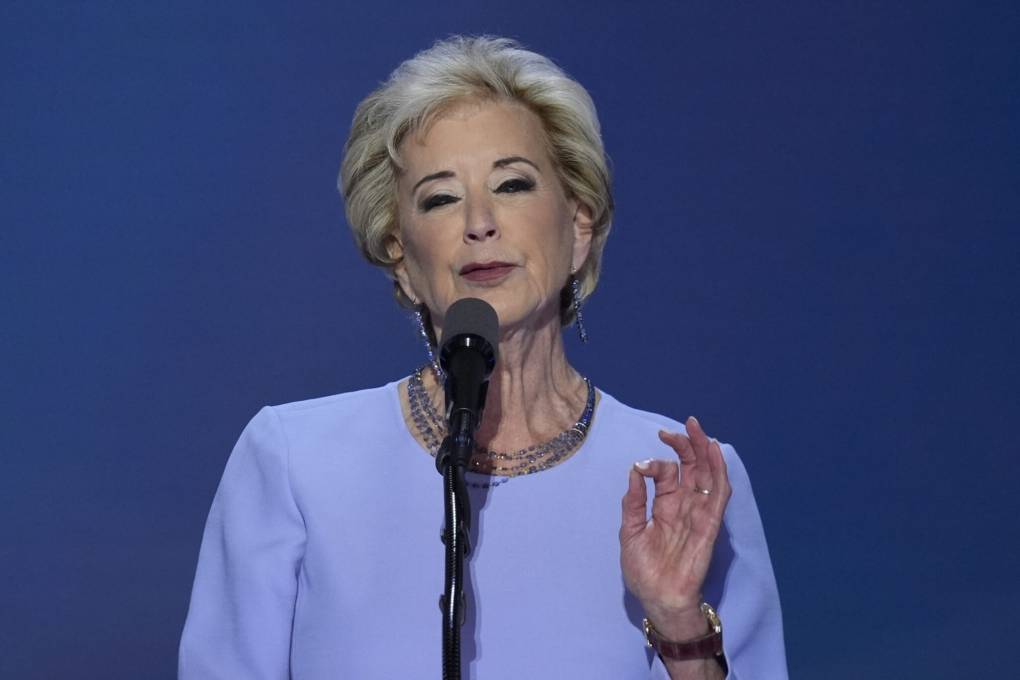
"caption": "Linda McMahon, former Administrator of Small Business Administration, speaking during the Republican National Convention on Thursday, July 18, 2024, in Milwaukee. ",
"credit": "J. Scott Applewhite/AP Photo",
"altTag": null,
"description": null,
"imgSizes": {
"medium": {
"file": "https://cdn.kqed.org/wp-content/uploads/sites/10/2024/11/24200843019562-2048x1365-1-800x533.jpg",
"width": 800,
"height": 533,
"mimeType": "image/jpeg"
},
"large": {
"file": "https://cdn.kqed.org/wp-content/uploads/sites/10/2024/11/24200843019562-2048x1365-1-1020x680.jpg",
"width": 1020,
"height": 680,
"mimeType": "image/jpeg"
},
"thumbnail": {
"file": "https://cdn.kqed.org/wp-content/uploads/sites/10/2024/11/24200843019562-2048x1365-1-160x107.jpg",
"width": 160,
"height": 107,
"mimeType": "image/jpeg"
},
"1536x1536": {
"file": "https://cdn.kqed.org/wp-content/uploads/sites/10/2024/11/24200843019562-2048x1365-1-1536x1024.jpg",
"width": 1536,
"height": 1024,
"mimeType": "image/jpeg"
},
"post-thumbnail": {
"file": "https://cdn.kqed.org/wp-content/uploads/sites/10/2024/11/24200843019562-2048x1365-1-672x372.jpg",
"width": 672,
"height": 372,
"mimeType": "image/jpeg"
},
"twentyfourteen-full-width": {
"file": "https://cdn.kqed.org/wp-content/uploads/sites/10/2024/11/24200843019562-2048x1365-1-1038x576.jpg",
"width": 1038,
"height": 576,
"mimeType": "image/jpeg"
},
"full-width": {
"file": "https://cdn.kqed.org/wp-content/uploads/sites/10/2024/11/24200843019562-2048x1365-1-1920x1280.jpg",
"width": 1920,
"height": 1280,
"mimeType": "image/jpeg"
},
"kqedFullSize": {
"file": "https://cdn.kqed.org/wp-content/uploads/sites/10/2024/11/24200843019562-2048x1365-1.jpg",
"width": 2048,
"height": 1365
}
},
"isLoading": false,
"fetchFailed": false
},
"news_12015316": {
"type": "attachments",
"id": "news_12015316",
"meta": {
"index": "attachments_1716263798",
"site": "news",
"id": "12015316",
"found": true
},
"title": "241121-SFMayorElectDanielLurie-03-BL",
"publishDate": 1732218356,
"status": "inherit",
"parent": 0,
"modified": 1732229445,
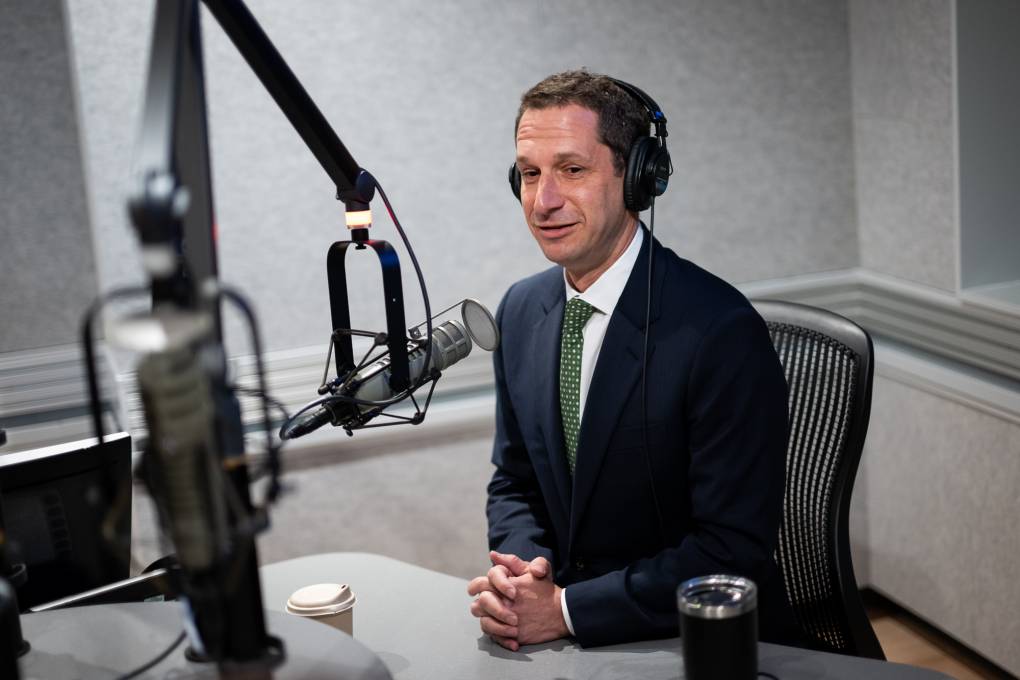
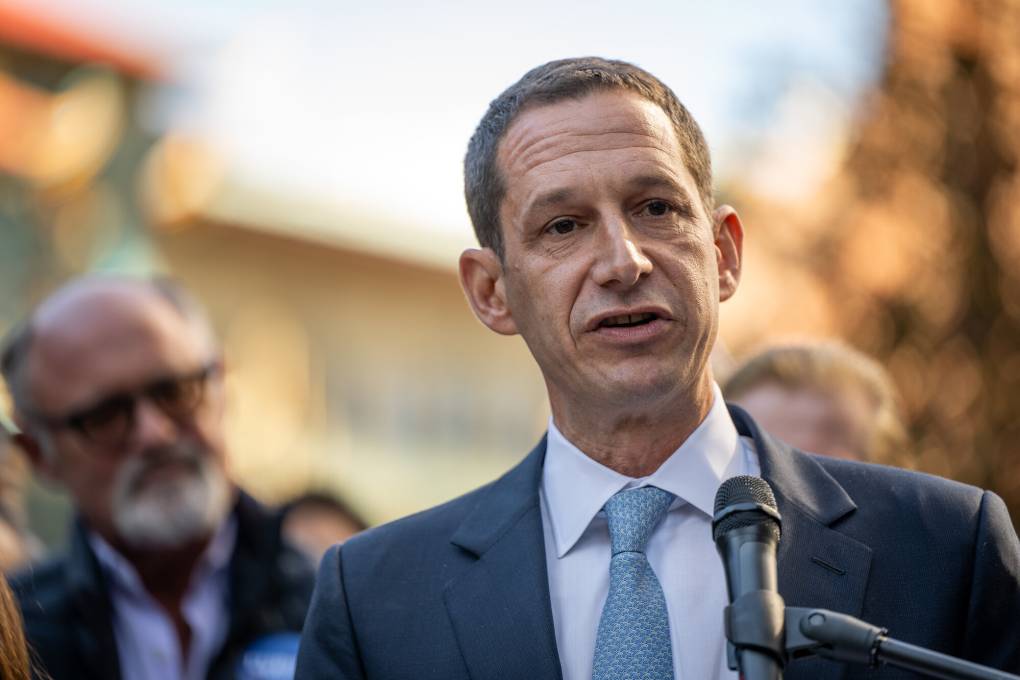
"caption": "Mayor-elect Daniel Lurie speaks with KQED politics reporters Marisa Lagos and Scott Shafer for Political Breakdown at the KQED offices in San Francisco on Nov. 21, 2024.",
"credit": "Beth LaBerge/KQED",
"altTag": null,
"description": null,
"imgSizes": {
"medium": {
"file": "https://cdn.kqed.org/wp-content/uploads/sites/10/2024/11/241121-SFMayorElectDanielLurie-03-BL-800x533.jpg",
"width": 800,
"height": 533,
"mimeType": "image/jpeg"
},
"large": {
"file": "https://cdn.kqed.org/wp-content/uploads/sites/10/2024/11/241121-SFMayorElectDanielLurie-03-BL-1020x680.jpg",
"width": 1020,
"height": 680,
"mimeType": "image/jpeg"
},
"thumbnail": {
"file": "https://cdn.kqed.org/wp-content/uploads/sites/10/2024/11/241121-SFMayorElectDanielLurie-03-BL-160x107.jpg",
"width": 160,
"height": 107,
"mimeType": "image/jpeg"
},
"1536x1536": {
"file": "https://cdn.kqed.org/wp-content/uploads/sites/10/2024/11/241121-SFMayorElectDanielLurie-03-BL-1536x1024.jpg",
"width": 1536,
"height": 1024,
"mimeType": "image/jpeg"
},
"post-thumbnail": {
"file": "https://cdn.kqed.org/wp-content/uploads/sites/10/2024/11/241121-SFMayorElectDanielLurie-03-BL-672x372.jpg",
"width": 672,
"height": 372,
"mimeType": "image/jpeg"
},
"twentyfourteen-full-width": {
"file": "https://cdn.kqed.org/wp-content/uploads/sites/10/2024/11/241121-SFMayorElectDanielLurie-03-BL-1038x576.jpg",
"width": 1038,
"height": 576,
"mimeType": "image/jpeg"
},
"full-width": {
"file": "https://cdn.kqed.org/wp-content/uploads/sites/10/2024/11/241121-SFMayorElectDanielLurie-03-BL-1920x1280.jpg",
"width": 1920,
"height": 1280,
"mimeType": "image/jpeg"
},
"kqedFullSize": {
"file": "https://cdn.kqed.org/wp-content/uploads/sites/10/2024/11/241121-SFMayorElectDanielLurie-03-BL.jpg",
"width": 2000,
"height": 1333
}
},
"isLoading": false,
"fetchFailed": false
},
"news_12012711": {
"type": "attachments",
"id": "news_12012711",
"meta": {
"index": "attachments_1716263798",
"site": "news",
"id": "12012711",
"found": true
},
"title": "20241102_EARLYVOTINGMARIN_GC-5-KQED",
"publishDate": 1730834853,
"status": "inherit",
"parent": 12078711,
"modified": 1775258754,
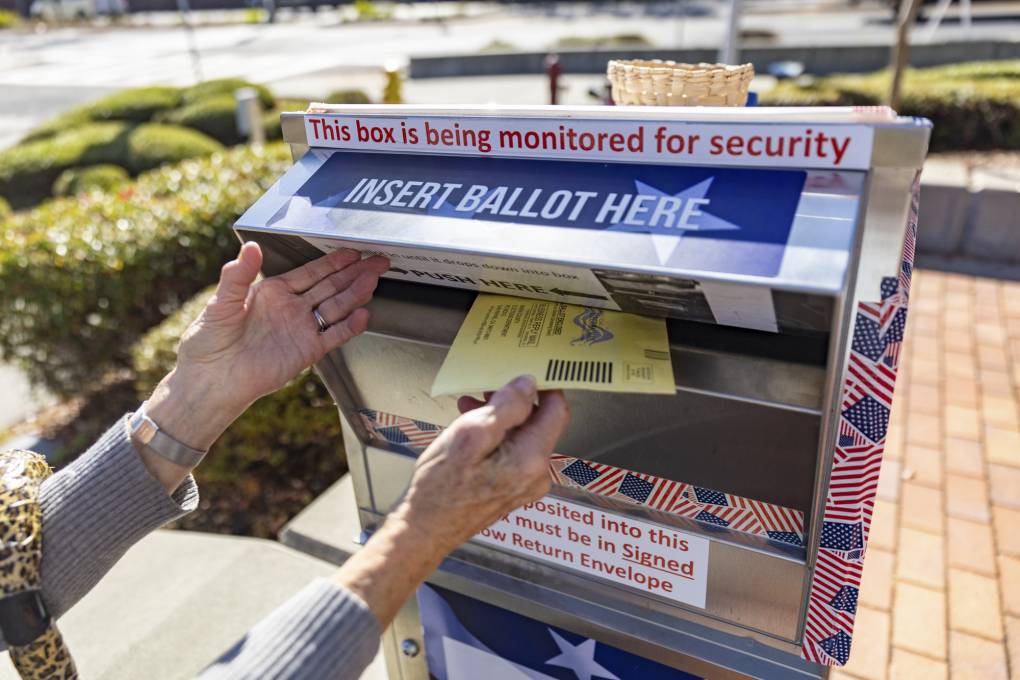
"caption": "A voter drops off their mail-in ballot at a drop box outside of Novato City Hall on Nov. 2, 2024.",
"credit": "Gina Castro/KQED",
"altTag": "A person puts a yellow ballot envelope in a ballot drop box.",
"description": null,
"imgSizes": {
"medium": {
"file": "https://cdn.kqed.org/wp-content/uploads/sites/10/2024/11/20241102_EARLYVOTINGMARIN_GC-5-KQED-800x533.jpg",
"width": 800,
"height": 533,
"mimeType": "image/jpeg"
},
"large": {
"file": "https://cdn.kqed.org/wp-content/uploads/sites/10/2024/11/20241102_EARLYVOTINGMARIN_GC-5-KQED-1020x680.jpg",
"width": 1020,
"height": 680,
"mimeType": "image/jpeg"
},
"thumbnail": {
"file": "https://cdn.kqed.org/wp-content/uploads/sites/10/2024/11/20241102_EARLYVOTINGMARIN_GC-5-KQED-160x107.jpg",
"width": 160,
"height": 107,
"mimeType": "image/jpeg"
},
"1536x1536": {
"file": "https://cdn.kqed.org/wp-content/uploads/sites/10/2024/11/20241102_EARLYVOTINGMARIN_GC-5-KQED-1536x1024.jpg",
"width": 1536,
"height": 1024,
"mimeType": "image/jpeg"
},
"post-thumbnail": {
"file": "https://cdn.kqed.org/wp-content/uploads/sites/10/2024/11/20241102_EARLYVOTINGMARIN_GC-5-KQED-672x372.jpg",
"width": 672,
"height": 372,
"mimeType": "image/jpeg"
},
"twentyfourteen-full-width": {
"file": "https://cdn.kqed.org/wp-content/uploads/sites/10/2024/11/20241102_EARLYVOTINGMARIN_GC-5-KQED-1038x576.jpg",
"width": 1038,
"height": 576,
"mimeType": "image/jpeg"
},
"full-width": {
"file": "https://cdn.kqed.org/wp-content/uploads/sites/10/2024/11/20241102_EARLYVOTINGMARIN_GC-5-KQED-1920x1280.jpg",
"width": 1920,
"height": 1280,
"mimeType": "image/jpeg"
},
"kqedFullSize": {
"file": "https://cdn.kqed.org/wp-content/uploads/sites/10/2024/11/20241102_EARLYVOTINGMARIN_GC-5-KQED.jpg",
"width": 2000,
"height": 1333
}
},
"isLoading": false,
"fetchFailed": false
},
"news_12015345": {
"type": "attachments",
"id": "news_12015345",
"meta": {
"index": "attachments_1716263798",
"site": "news",
"id": "12015345",
"found": true
},
"title": "240305-Election-File-EB-KSM-19_qed",
"publishDate": 1732222076,
"status": "inherit",
"parent": 12015342,
"modified": 1732230625,
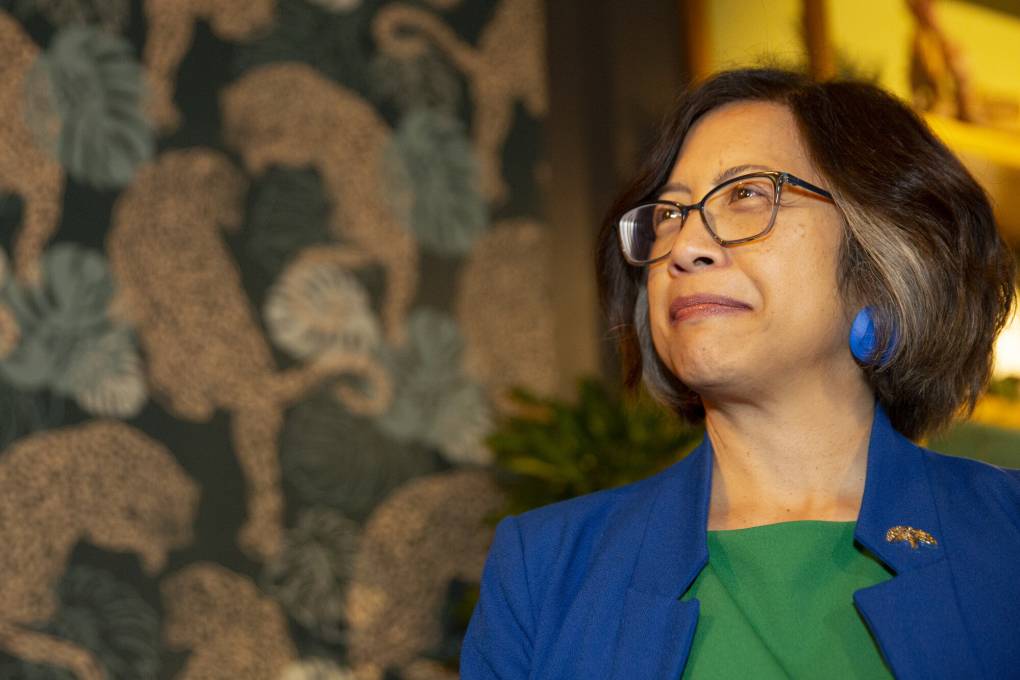
"caption": "Nikki Fortunato Bas at her election party at Understory Oakland on March 5, 2024. Fortunato Bas is running for Alameda County Board of Supervisors in District 5.",
"credit": "Kathryn Styer Martínez/KQED",
"altTag": null,
"description": null,
"imgSizes": {
"medium": {
"file": "https://cdn.kqed.org/wp-content/uploads/sites/10/2024/11/240305-Election-File-EB-KSM-19_qed-800x533.jpg",
"width": 800,
"height": 533,
"mimeType": "image/jpeg"
},
"large": {
"file": "https://cdn.kqed.org/wp-content/uploads/sites/10/2024/11/240305-Election-File-EB-KSM-19_qed-1020x680.jpg",
"width": 1020,
"height": 680,
"mimeType": "image/jpeg"
},
"thumbnail": {
"file": "https://cdn.kqed.org/wp-content/uploads/sites/10/2024/11/240305-Election-File-EB-KSM-19_qed-160x107.jpg",
"width": 160,
"height": 107,
"mimeType": "image/jpeg"
},
"1536x1536": {
"file": "https://cdn.kqed.org/wp-content/uploads/sites/10/2024/11/240305-Election-File-EB-KSM-19_qed-1536x1024.jpg",
"width": 1536,
"height": 1024,
"mimeType": "image/jpeg"
},
"post-thumbnail": {
"file": "https://cdn.kqed.org/wp-content/uploads/sites/10/2024/11/240305-Election-File-EB-KSM-19_qed-672x372.jpg",
"width": 672,
"height": 372,
"mimeType": "image/jpeg"
},
"twentyfourteen-full-width": {
"file": "https://cdn.kqed.org/wp-content/uploads/sites/10/2024/11/240305-Election-File-EB-KSM-19_qed-1038x576.jpg",
"width": 1038,
"height": 576,
"mimeType": "image/jpeg"
},
"full-width": {
"file": "https://cdn.kqed.org/wp-content/uploads/sites/10/2024/11/240305-Election-File-EB-KSM-19_qed-1920x1280.jpg",
"width": 1920,
"height": 1280,
"mimeType": "image/jpeg"
},
"kqedFullSize": {
"file": "https://cdn.kqed.org/wp-content/uploads/sites/10/2024/11/240305-Election-File-EB-KSM-19_qed.jpg",
"width": 1999,
"height": 1333
}
},
"isLoading": false,
"fetchFailed": false
},
"news_12015248": {
"type": "attachments",
"id": "news_12015248",
"meta": {
"index": "attachments_1716263798",
"site": "news",
"id": "12015248",
"found": true
},
"title": "459596481_510570205034259_7309282541546135836_n",
"publishDate": 1732161808,
"status": "inherit",
"parent": 12015247,
"modified": 1732163849,
"caption": "Adena Ishii, a civic organizer and education consultant, narrowly defeated longtime Councilmember Sophie Hahn in the race for Berkeley mayor.",
"credit": "Courtesy of Adena Ishii for Mayor",
"altTag": "A young Asian woman stands in front of a table.",
"description": null,
"imgSizes": {
"medium": {
"file": "https://cdn.kqed.org/wp-content/uploads/sites/10/2024/11/459596481_510570205034259_7309282541546135836_n-800x527.jpg",
"width": 800,
"height": 527,
"mimeType": "image/jpeg"
},
"thumbnail": {
"file": "https://cdn.kqed.org/wp-content/uploads/sites/10/2024/11/459596481_510570205034259_7309282541546135836_n-160x105.jpg",
"width": 160,
"height": 105,
"mimeType": "image/jpeg"
},
"post-thumbnail": {
"file": "https://cdn.kqed.org/wp-content/uploads/sites/10/2024/11/459596481_510570205034259_7309282541546135836_n-672x372.jpg",
"width": 672,
"height": 372,
"mimeType": "image/jpeg"
},
"twentyfourteen-full-width": {
"file": "https://cdn.kqed.org/wp-content/uploads/sites/10/2024/11/459596481_510570205034259_7309282541546135836_n-917x576.jpg",
"width": 917,
"height": 576,
"mimeType": "image/jpeg"
},
"kqedFullSize": {
"file": "https://cdn.kqed.org/wp-content/uploads/sites/10/2024/11/459596481_510570205034259_7309282541546135836_n.jpg",
"width": 917,
"height": 604
}
},
"isLoading": false,
"fetchFailed": false
},
"news_12015120": {
"type": "attachments",
"id": "news_12015120",
"meta": {
"index": "attachments_1716263798",
"site": "news",
"id": "12015120",
"found": true
},
"title": "103024-Shasta-County-Election-Ballots-MG-CM-02",
"publishDate": 1732126990,
"status": "inherit",
"parent": 12015109,
"modified": 1732127022,
"caption": "Election workers process ballots at the Shasta County Clerk Registrar of Voters office in Redding on Oct. 30, 2024.",
"credit": "Miguel Gutierrez Jr., CalMatters",
"altTag": null,
"description": null,
"imgSizes": {
"medium": {
"file": "https://cdn.kqed.org/wp-content/uploads/sites/10/2024/11/103024-Shasta-County-Election-Ballots-MG-CM-02-800x533.jpg",
"width": 800,
"height": 533,
"mimeType": "image/jpeg"
},
"large": {
"file": "https://cdn.kqed.org/wp-content/uploads/sites/10/2024/11/103024-Shasta-County-Election-Ballots-MG-CM-02-1020x680.jpg",
"width": 1020,
"height": 680,
"mimeType": "image/jpeg"
},
"thumbnail": {
"file": "https://cdn.kqed.org/wp-content/uploads/sites/10/2024/11/103024-Shasta-County-Election-Ballots-MG-CM-02-160x107.jpg",
"width": 160,
"height": 107,
"mimeType": "image/jpeg"
},
"1536x1536": {
"file": "https://cdn.kqed.org/wp-content/uploads/sites/10/2024/11/103024-Shasta-County-Election-Ballots-MG-CM-02-1536x1024.jpg",
"width": 1536,
"height": 1024,
"mimeType": "image/jpeg"
},
"post-thumbnail": {
"file": "https://cdn.kqed.org/wp-content/uploads/sites/10/2024/11/103024-Shasta-County-Election-Ballots-MG-CM-02-672x372.jpg",
"width": 672,
"height": 372,
"mimeType": "image/jpeg"
},
"twentyfourteen-full-width": {
"file": "https://cdn.kqed.org/wp-content/uploads/sites/10/2024/11/103024-Shasta-County-Election-Ballots-MG-CM-02-1038x576.jpg",
"width": 1038,
"height": 576,
"mimeType": "image/jpeg"
},
"full-width": {
"file": "https://cdn.kqed.org/wp-content/uploads/sites/10/2024/11/103024-Shasta-County-Election-Ballots-MG-CM-02-1920x1280.jpg",
"width": 1920,
"height": 1280,
"mimeType": "image/jpeg"
},
"kqedFullSize": {
"file": "https://cdn.kqed.org/wp-content/uploads/sites/10/2024/11/103024-Shasta-County-Election-Ballots-MG-CM-02.jpg",
"width": 2000,
"height": 1333
}
},
"isLoading": false,
"fetchFailed": false
},
"news_12011968": {
"type": "attachments",
"id": "news_12011968",
"meta": {
"index": "attachments_1716263798",
"site": "news",
"id": "12011968",
"found": true
},
"title": "SFChronicleVirusHolidays",
"publishDate": 1730405028,
"status": "inherit",
"parent": 0,
"modified": 1730859996,
"caption": "Amelie Hall (left) bags items, as cashier Kimberly Lee (center) rings up Amy Lindahl at Piedmont Grocery on Dec. 23, 2020, in Oakland.",
"credit": "Yalonda M. James/The San Francisco Chronicle via Getty Images",
"altTag": "A bagger in a grocery store bags groceries as customers stand in line.",
"description": null,
"imgSizes": {
"medium": {
"file": "https://cdn.kqed.org/wp-content/uploads/sites/10/2024/10/GETTYIMAGES-1292982945-KQED-800x546.jpg",
"width": 800,
"height": 546,
"mimeType": "image/jpeg"
},
"large": {
"file": "https://cdn.kqed.org/wp-content/uploads/sites/10/2024/10/GETTYIMAGES-1292982945-KQED-1020x697.jpg",
"width": 1020,
"height": 697,
"mimeType": "image/jpeg"
},
"thumbnail": {
"file": "https://cdn.kqed.org/wp-content/uploads/sites/10/2024/10/GETTYIMAGES-1292982945-KQED-160x109.jpg",
"width": 160,
"height": 109,
"mimeType": "image/jpeg"
},
"1536x1536": {
"file": "https://cdn.kqed.org/wp-content/uploads/sites/10/2024/10/GETTYIMAGES-1292982945-KQED-1536x1049.jpg",
"width": 1536,
"height": 1049,
"mimeType": "image/jpeg"
},
"post-thumbnail": {
"file": "https://cdn.kqed.org/wp-content/uploads/sites/10/2024/10/GETTYIMAGES-1292982945-KQED-672x372.jpg",
"width": 672,
"height": 372,
"mimeType": "image/jpeg"
},
"twentyfourteen-full-width": {
"file": "https://cdn.kqed.org/wp-content/uploads/sites/10/2024/10/GETTYIMAGES-1292982945-KQED-1038x576.jpg",
"width": 1038,
"height": 576,
"mimeType": "image/jpeg"
},
"full-width": {
"file": "https://cdn.kqed.org/wp-content/uploads/sites/10/2024/10/GETTYIMAGES-1292982945-KQED-1920x1311.jpg",
"width": 1920,
"height": 1311,
"mimeType": "image/jpeg"
},
"kqedFullSize": {
"file": "https://cdn.kqed.org/wp-content/uploads/sites/10/2024/10/GETTYIMAGES-1292982945-KQED.jpg",
"width": 2000,
"height": 1366
}
},
"isLoading": false,
"fetchFailed": false
},
"news_11923342": {
"type": "attachments",
"id": "news_11923342",
"meta": {
"index": "attachments_1716263798",
"site": "news",
"id": "11923342",
"found": true
},
"title": "Drug related deaths are up on the West Coast",
"publishDate": 1661312825,
"status": "inherit",
"parent": 11923303,
"modified": 1731978560,
"caption": "Paul Harkin, director of harm reduction at GLIDE, hands out Narcan, fentanyl detection packets and tinfoil to drug users in an alley in San Francisco's Tenderloin neighborhood on Feb. 3, 2020.",
"credit": "Nick Otto for the Washington Post via Getty Images",
"altTag": "A man crouches down to speak to another person kneeling on the sidewalk in an alley.",
"description": null,
"imgSizes": {
"medium": {
"file": "https://cdn.kqed.org/wp-content/uploads/sites/10/2022/08/GettyImages-1201746556-800x534.jpg",
"width": 800,
"height": 534,
"mimeType": "image/jpeg"
},
"large": {
"file": "https://cdn.kqed.org/wp-content/uploads/sites/10/2022/08/GettyImages-1201746556-1020x680.jpg",
"width": 1020,
"height": 680,
"mimeType": "image/jpeg"
},
"thumbnail": {
"file": "https://cdn.kqed.org/wp-content/uploads/sites/10/2022/08/GettyImages-1201746556-160x107.jpg",
"width": 160,
"height": 107,
"mimeType": "image/jpeg"
},
"post-thumbnail": {
"file": "https://cdn.kqed.org/wp-content/uploads/sites/10/2022/08/GettyImages-1201746556-672x372.jpg",
"width": 672,
"height": 372,
"mimeType": "image/jpeg"
},
"twentyfourteen-full-width": {
"file": "https://cdn.kqed.org/wp-content/uploads/sites/10/2022/08/GettyImages-1201746556-1024x576.jpg",
"width": 1024,
"height": 576,
"mimeType": "image/jpeg"
},
"kqedFullSize": {
"file": "https://cdn.kqed.org/wp-content/uploads/sites/10/2022/08/GettyImages-1201746556.jpg",
"width": 1024,
"height": 683
}
},
"isLoading": false,
"fetchFailed": false
},
"news_12014902": {
"type": "attachments",
"id": "news_12014902",
"meta": {
"index": "attachments_1716263798",
"site": "news",
"id": "12014902",
"found": true
},
"title": "Portrait Of Govea & Ganz",
"publishDate": 1731969288,
"status": "inherit",
"parent": 12014893,
"modified": 1731969288,
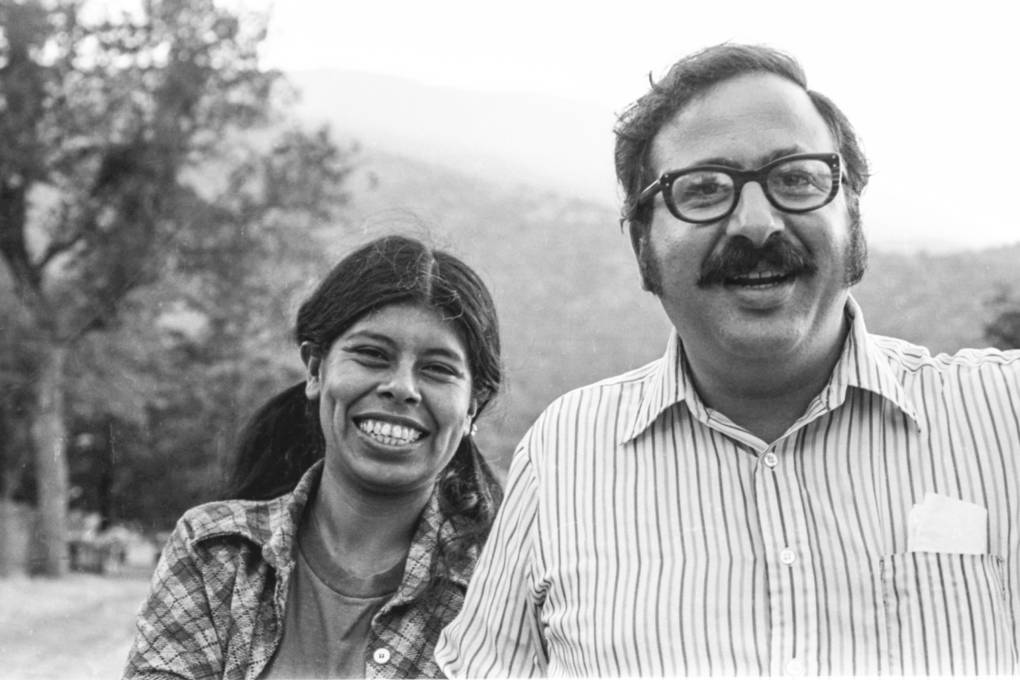
"caption": "Portrait of labor activists Jessica Govea and Marshall Ganz as they share a laugh, La Paz, California, mid 1970s. (Photo by Cathy Murphy/Getty Images)",
"credit": null,
"altTag": null,
"description": null,
"imgSizes": {
"medium": {
"file": "https://cdn.kqed.org/wp-content/uploads/sites/10/2024/11/GettyImages-179843561-800x533.jpg",
"width": 800,
"height": 533,
"mimeType": "image/jpeg"
},
"large": {
"file": "https://cdn.kqed.org/wp-content/uploads/sites/10/2024/11/GettyImages-179843561-1020x680.jpg",
"width": 1020,
"height": 680,
"mimeType": "image/jpeg"
},
"thumbnail": {
"file": "https://cdn.kqed.org/wp-content/uploads/sites/10/2024/11/GettyImages-179843561-160x107.jpg",
"width": 160,
"height": 107,
"mimeType": "image/jpeg"
},
"1536x1536": {
"file": "https://cdn.kqed.org/wp-content/uploads/sites/10/2024/11/GettyImages-179843561-1536x1024.jpg",
"width": 1536,
"height": 1024,
"mimeType": "image/jpeg"
},
"2048x2048": {
"file": "https://cdn.kqed.org/wp-content/uploads/sites/10/2024/11/GettyImages-179843561-2048x1366.jpg",
"width": 2048,
"height": 1366,
"mimeType": "image/jpeg"
},
"post-thumbnail": {
"file": "https://cdn.kqed.org/wp-content/uploads/sites/10/2024/11/GettyImages-179843561-672x372.jpg",
"width": 672,
"height": 372,
"mimeType": "image/jpeg"
},
"twentyfourteen-full-width": {
"file": "https://cdn.kqed.org/wp-content/uploads/sites/10/2024/11/GettyImages-179843561-1038x576.jpg",
"width": 1038,
"height": 576,
"mimeType": "image/jpeg"
},
"full-width": {
"file": "https://cdn.kqed.org/wp-content/uploads/sites/10/2024/11/GettyImages-179843561-1920x1280.jpg",
"width": 1920,
"height": 1280,
"mimeType": "image/jpeg"
},
"kqedFullSize": {
"file": "https://cdn.kqed.org/wp-content/uploads/sites/10/2024/11/GettyImages-179843561-scaled.jpg",
"width": 2560,
"height": 1707
}
},
"isLoading": false,
"fetchFailed": false
},
"news_12011912": {
"type": "attachments",
"id": "news_12011912",
"meta": {
"index": "attachments_1716263798",
"site": "news",
"id": "12011912",
"found": true
},
"title": "241021-OaklandPDDrunkDriving-06-BL_qed",
"publishDate": 1730400232,
"status": "inherit",
"parent": 12023243,
"modified": 1737492597,
"caption": "Alameda County District Attorney Pamela Price speaks to reporters during a briefing in Oakland on Oct. 21, 2024.",
"credit": "Beth LaBerge/KQED",
"altTag": "A middle-aged Black woman in a suit jacket speaks at a podium, with a 'Alameda County District Attorney's Office banner behind her.",
"description": null,
"imgSizes": {
"medium": {
"file": "https://cdn.kqed.org/wp-content/uploads/sites/10/2024/10/241021-OaklandPDDrunkDriving-06-BL_qed-800x533.jpg",
"width": 800,
"height": 533,
"mimeType": "image/jpeg"
},
"large": {
"file": "https://cdn.kqed.org/wp-content/uploads/sites/10/2024/10/241021-OaklandPDDrunkDriving-06-BL_qed-1020x680.jpg",
"width": 1020,
"height": 680,
"mimeType": "image/jpeg"
},
"thumbnail": {
"file": "https://cdn.kqed.org/wp-content/uploads/sites/10/2024/10/241021-OaklandPDDrunkDriving-06-BL_qed-160x107.jpg",
"width": 160,
"height": 107,
"mimeType": "image/jpeg"
},
"1536x1536": {
"file": "https://cdn.kqed.org/wp-content/uploads/sites/10/2024/10/241021-OaklandPDDrunkDriving-06-BL_qed-1536x1024.jpg",
"width": 1536,
"height": 1024,
"mimeType": "image/jpeg"
},
"post-thumbnail": {
"file": "https://cdn.kqed.org/wp-content/uploads/sites/10/2024/10/241021-OaklandPDDrunkDriving-06-BL_qed-672x372.jpg",
"width": 672,
"height": 372,
"mimeType": "image/jpeg"
},
"twentyfourteen-full-width": {
"file": "https://cdn.kqed.org/wp-content/uploads/sites/10/2024/10/241021-OaklandPDDrunkDriving-06-BL_qed-1038x576.jpg",
"width": 1038,
"height": 576,
"mimeType": "image/jpeg"
},
"full-width": {
"file": "https://cdn.kqed.org/wp-content/uploads/sites/10/2024/10/241021-OaklandPDDrunkDriving-06-BL_qed-1920x1280.jpg",
"width": 1920,
"height": 1280,
"mimeType": "image/jpeg"
},
"kqedFullSize": {
"file": "https://cdn.kqed.org/wp-content/uploads/sites/10/2024/10/241021-OaklandPDDrunkDriving-06-BL_qed.jpg",
"width": 2000,
"height": 1333
}
},
"isLoading": false,
"fetchFailed": false
},
"news_12014759": {
"type": "attachments",
"id": "news_12014759",
"meta": {
"index": "attachments_1716263798",
"site": "news",
"id": "12014759",
"found": true
},
"title": "241108-LurieVictoryPresser-29-BL_qed",
"publishDate": 1731717025,
"status": "inherit",
"parent": 12014714,
"modified": 1731717058,
"caption": "San Francisco Mayor-elect Daniel Lurie gives an acceptance speech at St. Mary’s Square in San Francisco on Nov. 8, 2024.",
"credit": "Beth LaBerge/KQED",
"altTag": null,
"description": null,
"imgSizes": {
"medium": {
"file": "https://cdn.kqed.org/wp-content/uploads/sites/10/2024/11/241108-LurieVictoryPresser-29-BL_qed-800x533.jpg",
"width": 800,
"height": 533,
"mimeType": "image/jpeg"
},
"large": {
"file": "https://cdn.kqed.org/wp-content/uploads/sites/10/2024/11/241108-LurieVictoryPresser-29-BL_qed-1020x680.jpg",
"width": 1020,
"height": 680,
"mimeType": "image/jpeg"
},
"thumbnail": {
"file": "https://cdn.kqed.org/wp-content/uploads/sites/10/2024/11/241108-LurieVictoryPresser-29-BL_qed-160x107.jpg",
"width": 160,
"height": 107,
"mimeType": "image/jpeg"
},
"1536x1536": {
"file": "https://cdn.kqed.org/wp-content/uploads/sites/10/2024/11/241108-LurieVictoryPresser-29-BL_qed-1536x1024.jpg",
"width": 1536,
"height": 1024,
"mimeType": "image/jpeg"
},
"post-thumbnail": {
"file": "https://cdn.kqed.org/wp-content/uploads/sites/10/2024/11/241108-LurieVictoryPresser-29-BL_qed-672x372.jpg",
"width": 672,
"height": 372,
"mimeType": "image/jpeg"
},
"twentyfourteen-full-width": {
"file": "https://cdn.kqed.org/wp-content/uploads/sites/10/2024/11/241108-LurieVictoryPresser-29-BL_qed-1038x576.jpg",
"width": 1038,
"height": 576,
"mimeType": "image/jpeg"
},
"full-width": {
"file": "https://cdn.kqed.org/wp-content/uploads/sites/10/2024/11/241108-LurieVictoryPresser-29-BL_qed-1920x1280.jpg",
"width": 1920,
"height": 1280,
"mimeType": "image/jpeg"
},
"kqedFullSize": {
"file": "https://cdn.kqed.org/wp-content/uploads/sites/10/2024/11/241108-LurieVictoryPresser-29-BL_qed.jpg",
"width": 1999,
"height": 1333
}
},
"isLoading": false,
"fetchFailed": false
}
},
"audioPlayerReducer": {
"postId": "stream_live",
"isPaused": true,
"isPlaying": false,
"pfsActive": false,
"pledgeModalIsOpen": true,
"playerDrawerIsOpen": false,
"liveAudioPlayStartedAt": 0,
"liveAudioPlayContext": ""
},
"authorsReducer": {
"byline_news_12015828": {
"type": "authors",
"id": "byline_news_12015828",
"meta": {
"override": true
},
"slug": "byline_news_12015828",
"name": "\u003ca href=\"https://edsource.org/author/lfreedberg\">Louis Freedberg\u003c/a>, EdSource",
"isLoading": false
},
"byline_news_12015109": {
"type": "authors",
"id": "byline_news_12015109",
"meta": {
"override": true
},
"slug": "byline_news_12015109",
"name": "Yue Stella Yu, CalMatters",
"isLoading": false
},
"ohubertallen": {
"type": "authors",
"id": "102",
"meta": {
"index": "authors_1716337520",
"id": "102",
"found": true
},
"name": "Olivia Allen-Price",
"firstName": "Olivia",
"lastName": "Allen-Price",
"slug": "ohubertallen",
"email": "oallenprice@kqed.org",
"display_author_email": false,
"staff_mastheads": [
"news"
],
"title": "Senior Editor",
"bio": "Olivia Allen-Price is senior editor and host of the award-winning Bay Curious podcast. Prior to joining KQED in 2013, Olivia worked at The Baltimore Sun and The Virginian-Pilot in Norfolk, Va. She holds degrees in journalism and political science from Elon University. Her work has earned awards from the Society of Professional Journalists, the Hearst Foundation and Hearken. She loves to talk about running and curly hair.\r\n\r\nFollow: \u003ca href=\"https://twitter.com/oallenprice\">@oallenprice\u003c/a>\r\nEmail: \u003ca href=\"mailto:oallenprice@kqed.org\">oallenprice@kqed.org\u003c/a>",
"avatar": "https://secure.gravatar.com/avatar/07f7803c1f6be56f3be58ef276dfa64dce898502e0554408ef4858451a8294f7?s=600&d=blank&r=g",
"twitter": "oallenprice",
"bluesky": null,
"facebook": null,
"instagram": null,
"linkedin": null,
"sites": [
{
"site": "",
"roles": [
"editor"
]
},
{
"site": "arts",
"roles": [
"subscriber"
]
},
{
"site": "news",
"roles": [
"administrator"
]
},
{
"site": "pop",
"roles": [
"administrator"
]
},
{
"site": "bayareabites",
"roles": [
"contributor"
]
},
{
"site": "stateofhealth",
"roles": [
"administrator"
]
},
{
"site": "science",
"roles": [
"editor"
]
}
],
"headData": {
"title": "Olivia Allen-Price | KQED",
"description": "Senior Editor",
"ogImgSrc": "https://secure.gravatar.com/avatar/07f7803c1f6be56f3be58ef276dfa64dce898502e0554408ef4858451a8294f7?s=600&d=blank&r=g",
"twImgSrc": "https://secure.gravatar.com/avatar/07f7803c1f6be56f3be58ef276dfa64dce898502e0554408ef4858451a8294f7?s=600&d=blank&r=g"
},
"isLoading": false,
"link": "/author/ohubertallen"
},
"danbrekke": {
"type": "authors",
"id": "222",
"meta": {
"index": "authors_1716337520",
"id": "222",
"found": true
},
"name": "Dan Brekke",
"firstName": "Dan",
"lastName": "Brekke",
"slug": "danbrekke",
"email": "dbrekke@kqed.org",
"display_author_email": true,
"staff_mastheads": [
"news",
"science"
],
"title": "KQED Editor and Reporter",
"bio": "Dan Brekke is a reporter and editor for KQED News, responsible for coverage of topics ranging from California water issues to the Bay Area's transportation challenges. In a newsroom career that began in Chicago in 1972, Dan has worked for \u003cem>The San Francisco Examiner,\u003c/em> Wired and TechTV and has been published in The New York Times, The New York Times Magazine, Business 2.0, Salon and elsewhere.\r\n\r\nSince joining KQED in 2007, Dan has reported, edited and produced both radio and online features and breaking news pieces. He has shared as both editor and reporter in four Society of Professional Journalists Norcal Excellence in Journalism awards and one Edward R. Murrow regional award. He was chosen for a spring 2017 residency at the Mesa Refuge to advance his research on California salmon.\r\n\r\nEmail Dan at: \u003ca href=\"mailto:dbrekke@kqed.org\">dbrekke@kqed.org\u003c/a>\r\n\r\n\u003cstrong>Twitter:\u003c/strong> \u003ca href=\"https://twitter.com/danbrekke\" rel=\"noopener noreferrer\">twitter.com/danbrekke\u003c/a>\r\n\u003cstrong>Facebook:\u003c/strong> \u003ca href=\"https://www.facebook.com/danbrekke\" rel=\"noopener noreferrer\">www.facebook.com/danbrekke\u003c/a>\r\n\u003cstrong>LinkedIn:\u003c/strong> \u003ca href=\"https://www.linkedin.com/in/danbrekke\" rel=\"noopener noreferrer\">www.linkedin.com/in/danbrekke\u003c/a>",
"avatar": "https://secure.gravatar.com/avatar/c8126230345efca3f7aa89b1a402be45?s=600&d=mm&r=g",
"twitter": "danbrekke",
"facebook": null,
"instagram": "https://www.instagram.com/dan.brekke/",
"linkedin": "https://www.linkedin.com/in/danbrekke/",
"sites": [
{
"site": "news",
"roles": [
"administrator",
"create_posts"
]
},
{
"site": "stateofhealth",
"roles": [
"editor"
]
},
{
"site": "science",
"roles": [
"editor"
]
},
{
"site": "quest",
"roles": [
"contributor"
]
},
{
"site": "food",
"roles": [
"contributor"
]
},
{
"site": "forum",
"roles": [
"contributor"
]
},
{
"site": "liveblog",
"roles": [
"editor"
]
}
],
"headData": {
"title": "Dan Brekke | KQED",
"description": "KQED Editor and Reporter",
"ogImgSrc": "https://secure.gravatar.com/avatar/c8126230345efca3f7aa89b1a402be45?s=600&d=mm&r=g",
"twImgSrc": "https://secure.gravatar.com/avatar/c8126230345efca3f7aa89b1a402be45?s=600&d=mm&r=g"
},
"isLoading": false,
"link": "/author/danbrekke"
},
"scottshafer": {
"type": "authors",
"id": "255",
"meta": {
"index": "authors_1716337520",
"id": "255",
"found": true
},
"name": "Scott Shafer",
"firstName": "Scott",
"lastName": "Shafer",
"slug": "scottshafer",
"email": "sshafer@kqed.org",
"display_author_email": false,
"staff_mastheads": [
"news"
],
"title": "KQED Contributor",
"bio": "Scott Shafer is a senior editor with the KQED Politics and Government desk. He is co-host of Political Breakdown, the award-winning radio show and podcast with a personal take on the world of politics. Scott came to KQED in 1998 to host the statewide\u003cem> California Report\u003c/em>. Prior to that he had extended stints in politics and government\u003cem>.\u003c/em> He uses that inside experience at KQED in his, reporting, hosting and analysis for the politics desk. Scott collaborated \u003cem>Political Breakdown a\u003c/em>nd on \u003cem>The Political Mind of Jerry Brown, \u003c/em>an eight-part series about the life and extraordinary political career of the former governor. For fun, he plays water polo with the San Francisco Tsunami.",
"avatar": "https://secure.gravatar.com/avatar/a62ebae45b79d7aed1a39a0e3bf68104?s=600&d=blank&r=g",
"twitter": "scottshafer",
"bluesky": null,
"facebook": null,
"instagram": null,
"linkedin": null,
"sites": [
{
"site": "news",
"roles": [
"editor"
]
},
{
"site": "stateofhealth",
"roles": [
"author"
]
},
{
"site": "science",
"roles": [
"author"
]
},
{
"site": "forum",
"roles": [
"subscriber"
]
},
{
"site": "liveblog",
"roles": [
"author"
]
}
],
"headData": {
"title": "Scott Shafer | KQED",
"description": "KQED Contributor",
"ogImgSrc": "https://secure.gravatar.com/avatar/a62ebae45b79d7aed1a39a0e3bf68104?s=600&d=blank&r=g",
"twImgSrc": "https://secure.gravatar.com/avatar/a62ebae45b79d7aed1a39a0e3bf68104?s=600&d=blank&r=g"
},
"isLoading": false,
"link": "/author/scottshafer"
},
"ecruzguevarra": {
"type": "authors",
"id": "8654",
"meta": {
"index": "authors_1716337520",
"id": "8654",
"found": true
},
"name": "Ericka Cruz Guevarra",
"firstName": "Ericka",
"lastName": "Cruz Guevarra",
"slug": "ecruzguevarra",
"email": "ecruzguevarra@kqed.org",
"display_author_email": true,
"staff_mastheads": [
"news"
],
"title": "Producer, The Bay Podcast",
"bio": "Ericka Cruz Guevarra is host of \u003ca href=\"https://www.kqed.org/podcasts/thebay\">\u003cem>The Bay\u003c/em>\u003c/a> podcast at KQED. Before host, she was the show’s producer. Her work in that capacity includes a three-part reported series on policing in Vallejo, which won a 2020 excellence in journalism award from the Society of Professional Journalists. Ericka has worked as a breaking news reporter at Oregon Public Broadcasting, helped produce the Code Switch podcast, and was KQED’s inaugural Raul Ramirez Diversity Fund intern. She’s also an alumna of NPR’s Next Generation Radio program. Send her an email if you have strong feelings about whether Fairfield and Suisun City are the Bay. Ericka is represented by SAG-AFTRA.",
"avatar": "https://secure.gravatar.com/avatar/accefc1de4bafc7e234b69bcb9b6f6536c130fd84709bc3069ef11a78787e1bb?s=600&d=blank&r=g",
"twitter": "NotoriousECG",
"bluesky": null,
"facebook": null,
"instagram": null,
"linkedin": null,
"sites": [
{
"site": "arts",
"roles": [
"subscriber"
]
},
{
"site": "news",
"roles": [
"editor",
"manage_categories"
]
},
{
"site": "futureofyou",
"roles": [
"subscriber"
]
},
{
"site": "stateofhealth",
"roles": [
"subscriber"
]
},
{
"site": "science",
"roles": [
"editor"
]
},
{
"site": "forum",
"roles": [
"subscriber"
]
}
],
"headData": {
"title": "Ericka Cruz Guevarra | KQED",
"description": "Producer, The Bay Podcast",
"ogImgSrc": "https://secure.gravatar.com/avatar/accefc1de4bafc7e234b69bcb9b6f6536c130fd84709bc3069ef11a78787e1bb?s=600&d=blank&r=g",
"twImgSrc": "https://secure.gravatar.com/avatar/accefc1de4bafc7e234b69bcb9b6f6536c130fd84709bc3069ef11a78787e1bb?s=600&d=blank&r=g"
},
"isLoading": false,
"link": "/author/ecruzguevarra"
},
"fjhabvala": {
"type": "authors",
"id": "8659",
"meta": {
"index": "authors_1716337520",
"id": "8659",
"found": true
},
"name": "Farida Jhabvala Romero",
"firstName": "Farida",
"lastName": "Jhabvala Romero",
"slug": "fjhabvala",
"email": "fjhabvala@kqed.org",
"display_author_email": true,
"staff_mastheads": [
"news"
],
"title": "KQED Contributor",
"bio": "Farida Jhabvala Romero is a Labor Correspondent for KQED. She previously covered immigration. Farida was \u003ca href=\"https://www.ccnma.org/2022-most-influential-latina-journalists\">named\u003c/a> one of the 10 Most Influential Latina Journalists in California in 2022 by the California Chicano News Media Association. Her work has won awards from the Society of Professional Journalists (Northern California), as well as a national and regional Edward M. Murrow Award for the collaborative reporting projects “Dangerous Air” and “Graying California.” Before joining KQED, Farida worked as a producer at Radio Bilingüe, a national public radio network. Farida earned her master’s degree in journalism from Stanford University.",
"avatar": "https://secure.gravatar.com/avatar/f9f022d4e2609741874222a1e9d41f48fea74011aa7c615eef91d9a50c944ebe?s=600&d=blank&r=g",
"twitter": "FaridaJhabvala",
"bluesky": null,
"facebook": null,
"instagram": null,
"linkedin": "https://www.linkedin.com/in/faridajhabvala/",
"sites": [
{
"site": "news",
"roles": [
"editor"
]
},
{
"site": "stateofhealth",
"roles": [
"author"
]
},
{
"site": "liveblog",
"roles": [
"author"
]
}
],
"headData": {
"title": "Farida Jhabvala Romero | KQED",
"description": "KQED Contributor",
"ogImgSrc": "https://secure.gravatar.com/avatar/f9f022d4e2609741874222a1e9d41f48fea74011aa7c615eef91d9a50c944ebe?s=600&d=blank&r=g",
"twImgSrc": "https://secure.gravatar.com/avatar/f9f022d4e2609741874222a1e9d41f48fea74011aa7c615eef91d9a50c944ebe?s=600&d=blank&r=g"
},
"isLoading": false,
"link": "/author/fjhabvala"
},
"amontecillo": {
"type": "authors",
"id": "11649",
"meta": {
"index": "authors_1716337520",
"id": "11649",
"found": true
},
"name": "Alan Montecillo",
"firstName": "Alan",
"lastName": "Montecillo",
"slug": "amontecillo",
"email": "amontecillo@kqed.org",
"display_author_email": false,
"staff_mastheads": [
"news"
],
"title": "KQED Contributor",
"bio": "Alan Montecillo is the senior editor of \u003cem>\u003ca href=\"http://kqed.org/thebay\">The Bay\u003c/a>, \u003c/em> KQED's local news podcast. Before moving to the Bay Area, he worked as a senior talk show producer for WILL in Champaign-Urbana, Illinois and at Oregon Public Broadcasting in Portland, Oregon. He has won journalism awards from the Society of Professional Journalists Northern California, the Public Media Journalists Association, The Signal Awards, and has also received a regional Edward R. Murrow award. Alan is a Filipino American from Hong Kong and a graduate of Reed College.",
"avatar": "https://secure.gravatar.com/avatar/268f53a2066899ea9efdd8a5900218b17c822d9862cbc9326cccec53ef41d349?s=600&d=blank&r=g",
"twitter": "alanmontecillo",
"bluesky": null,
"facebook": null,
"instagram": null,
"linkedin": null,
"sites": [
{
"site": "",
"roles": [
"editor"
]
},
{
"site": "news",
"roles": [
"editor",
"manage_categories"
]
}
],
"headData": {
"title": "Alan Montecillo | KQED",
"description": "KQED Contributor",
"ogImgSrc": "https://secure.gravatar.com/avatar/268f53a2066899ea9efdd8a5900218b17c822d9862cbc9326cccec53ef41d349?s=600&d=blank&r=g",
"twImgSrc": "https://secure.gravatar.com/avatar/268f53a2066899ea9efdd8a5900218b17c822d9862cbc9326cccec53ef41d349?s=600&d=blank&r=g"
},
"isLoading": false,
"link": "/author/amontecillo"
},
"jessicakariisa": {
"type": "authors",
"id": "11831",
"meta": {
"index": "authors_1716337520",
"id": "11831",
"found": true
},
"name": "Jessica Kariisa",
"firstName": "Jessica",
"lastName": "Kariisa",
"slug": "jessicakariisa",
"email": "jkariisa@kqed.org",
"display_author_email": false,
"staff_mastheads": [],
"title": "Producer, The Bay",
"bio": "Jessica Kariisa is the producer of The Bay. She first joined KQED as an intern for The California Report Magazine, after which she became an on-call producer. She reported a Bay Curious episode on the use of rap lyrics in criminal trials which won a Society of Professional Journalists award in 2023 for Excellence in Features Journalism and the 2023 Signal Award for Best Conversation Starter. She’s worked on podcasts for Snap Judgment and American Public Media. Before embarking on her audio career, she was a music journalist.\r\n\r\nJessica Kariisa is represented by SAG-AFTRA.",
"avatar": "https://secure.gravatar.com/avatar/522e97b28ac0b3d411621c0fde8f3419c7b71ea2c5c262c57c4bb600963f328c?s=600&d=blank&r=g",
"twitter": null,
"bluesky": null,
"facebook": null,
"instagram": null,
"linkedin": null,
"sites": [
{
"site": "arts",
"roles": [
"author"
]
},
{
"site": "news",
"roles": [
"editor",
"manage_categories"
]
}
],
"headData": {
"title": "Jessica Kariisa | KQED",
"description": "Producer, The Bay",
"ogImgSrc": "https://secure.gravatar.com/avatar/522e97b28ac0b3d411621c0fde8f3419c7b71ea2c5c262c57c4bb600963f328c?s=600&d=blank&r=g",
"twImgSrc": "https://secure.gravatar.com/avatar/522e97b28ac0b3d411621c0fde8f3419c7b71ea2c5c262c57c4bb600963f328c?s=600&d=blank&r=g"
},
"isLoading": false,
"link": "/author/jessicakariisa"
},
"sjohnson": {
"type": "authors",
"id": "11840",
"meta": {
"index": "authors_1716337520",
"id": "11840",
"found": true
},
"name": "Sydney Johnson",
"firstName": "Sydney",
"lastName": "Johnson",
"slug": "sjohnson",
"email": "sjohnson@kqed.org",
"display_author_email": false,
"staff_mastheads": [
"news"
],
"title": "KQED Reporter",
"bio": "Sydney Johnson is a general assignment reporter at KQED. She previously reported on public health and city government at the San Francisco Examiner, and before that, she covered statewide education policy for EdSource. Her reporting has won multiple local, state and national awards. Sydney is a graduate of the University of California, Berkeley and lives in San Francisco.",
"avatar": "https://secure.gravatar.com/avatar/97855f2719b72ad6190b7c535fe642c8?s=600&d=blank&r=g",
"twitter": "sydneyfjohnson",
"facebook": null,
"instagram": null,
"linkedin": null,
"sites": [
{
"site": "news",
"roles": [
"editor"
]
}
],
"headData": {
"title": "Sydney Johnson | KQED",
"description": "KQED Reporter",
"ogImgSrc": "https://secure.gravatar.com/avatar/97855f2719b72ad6190b7c535fe642c8?s=600&d=blank&r=g",
"twImgSrc": "https://secure.gravatar.com/avatar/97855f2719b72ad6190b7c535fe642c8?s=600&d=blank&r=g"
},
"isLoading": false,
"link": "/author/sjohnson"
},
"nkhan": {
"type": "authors",
"id": "11867",
"meta": {
"index": "authors_1716337520",
"id": "11867",
"found": true
},
"name": "Nisa Khan",
"firstName": "Nisa",
"lastName": "Khan",
"slug": "nkhan",
"email": "nkhan@kqed.org",
"display_author_email": false,
"staff_mastheads": [],
"title": "KQED Contributor",
"bio": "Nisa Khan is a reporter for KQED's Audience News Desk. She was formerly a data reporter at Michigan Radio. She earned a Bachelor of Science in Information from the University of Michigan and a Master of Arts in Communication from Stanford University.",
"avatar": "https://secure.gravatar.com/avatar/8720459eef081ff64582b3506b124d58523e80e120704a0cbd9892533c914991?s=600&d=blank&r=g",
"twitter": "mnisakhan",
"bluesky": null,
"facebook": null,
"instagram": null,
"linkedin": null,
"sites": [
{
"site": "arts",
"roles": [
"editor"
]
},
{
"site": "news",
"roles": [
"editor"
]
},
{
"site": "science",
"roles": [
"editor",
"author"
]
},
{
"site": "forum",
"roles": [
"editor"
]
},
{
"site": "liveblog",
"roles": [
"contributor"
]
}
],
"headData": {
"title": "Nisa Khan | KQED",
"description": "KQED Contributor",
"ogImgSrc": "https://secure.gravatar.com/avatar/8720459eef081ff64582b3506b124d58523e80e120704a0cbd9892533c914991?s=600&d=blank&r=g",
"twImgSrc": "https://secure.gravatar.com/avatar/8720459eef081ff64582b3506b124d58523e80e120704a0cbd9892533c914991?s=600&d=blank&r=g"
},
"isLoading": false,
"link": "/author/nkhan"
},
"kdebenedetti": {
"type": "authors",
"id": "11913",
"meta": {
"index": "authors_1716337520",
"id": "11913",
"found": true
},
"name": "Katie DeBenedetti",
"firstName": "Katie",
"lastName": "DeBenedetti",
"slug": "kdebenedetti",
"email": "kdebenedetti@kqed.org",
"display_author_email": false,
"staff_mastheads": [
"news",
"science"
],
"title": "KQED Contributor",
"bio": "Katie DeBenedetti is a digital reporter covering daily news for the Express Desk. Prior to joining KQED as a culture reporting intern in January 2024, she covered education and city government for the Napa Valley Register.",
"avatar": "https://secure.gravatar.com/avatar/6e31073cb8f7e4214ab03f42771d0f45?s=600&d=blank&r=g",
"twitter": null,
"facebook": null,
"instagram": null,
"linkedin": null,
"sites": [
{
"site": "news",
"roles": [
"author"
]
},
{
"site": "science",
"roles": [
"author"
]
},
{
"site": "liveblog",
"roles": [
"author"
]
}
],
"headData": {
"title": "Katie DeBenedetti | KQED",
"description": "KQED Contributor",
"ogImgSrc": "https://secure.gravatar.com/avatar/6e31073cb8f7e4214ab03f42771d0f45?s=600&d=blank&r=g",
"twImgSrc": "https://secure.gravatar.com/avatar/6e31073cb8f7e4214ab03f42771d0f45?s=600&d=blank&r=g"
},
"isLoading": false,
"link": "/author/kdebenedetti"
}
},
"pagesReducer": {
"news_tag_election-2024": {
"type": "terms",
"id": "news_32839",
"meta": {
"index": "terms_1716263798",
"site": "news",
"id": "32839",
"score": 8.937076
},
"featImg": null,
"name": "Election 2024",
"description": null,
"taxonomy": "tag",
"headData": {
"twImgId": null,
"twTitle": null,
"ogTitle": null,
"ogImgId": null,
"twDescription": null,
"description": null,
"title": "Election 2024 Archives | KQED News",
"ogDescription": null
},
"ttid": 32856,
"slug": "election-2024",
"isLoading": false,
"title": "Election 2024",
"pageMeta": {
"site": "news",
"WpPageTemplate": "page-topic-editorial",
"currentPage": 2
},
"blocks": [
{
"blockName": "kqed/post-list",
"attrs": {
"layout": "cardArticle2",
"query": "posts/news?tag=election-2024",
"seeMore": false,
"paginated": true,
"page": 2
}
},
{
"blockName": "kqed/ad"
}
]
}
},
"pfsSessionReducer": {},
"postsReducer": {
"stream_live": {
"type": "live",
"id": "stream_live",
"audioUrl": "https://streams.kqed.org/kqedradio",
"title": "Live Stream",
"excerpt": "Live Stream information currently unavailable.",
"link": "/radio",
"featImg": "",
"label": {
"name": "KQED Live",
"link": "/"
}
},
"stream_kqedNewscast": {
"type": "posts",
"id": "stream_kqedNewscast",
"audioUrl": "https://www.kqed.org/.stream/anon/radio/RDnews/newscast.mp3?_=1",
"title": "KQED Newscast",
"featImg": "",
"label": {
"name": "88.5 FM",
"link": "/"
}
},
"news_12016046": {
"type": "posts",
"id": "news_12016046",
"meta": {
"index": "posts_1716263798",
"site": "news",
"id": "12016046",
"score": null,
"sort": [
1733227254000
]
},
"guestAuthors": [],
"slug": "where-to-find-financial-aid-for-abortion-in-california",
"title": "Where to Find Financial Aid for Abortion in California",
"publishDate": 1733227254,
"format": "standard",
"headTitle": "Where to Find Financial Aid for Abortion in California | KQED",
"labelTerm": {
"site": "news"
},
"content": "\u003cp>Experts and advocates are concerned that the return of President-elect Donald Trump to the White House in January 2025 will bring \u003ca href=\"https://www.kqed.org/news/12012326/californian-votes-really-matter-what-the-election-could-mean-for-reproductive-health\">a wave of policies that will further restrict reproductive care\u003c/a>.\u003c/p>\n\u003cp>Meanwhile, \u003ca href=\"https://www.kqed.org/news/11917111/even-without-roe-v-wade-abortion-is-still-legal-in-california-heres-what-you-need-to-know\">abortion is still legal in California\u003c/a> — and many of the state’s top officials have \u003ca href=\"https://www.kqed.org/news/12013395/newsom-calls-special-session-prepare-california-legal-fight-against-trump\">pledged to fight any federal attempts to restrict abortion care\u003c/a> ahead of a second Trump administration.\u003c/p>\n\u003cp>This doesn’t stop some people from encountering problems with accessing an abortion in California right now or struggling with the financial burden of traveling for the procedure — which has \u003ca href=\"https://www.kqed.org/news/11934819/for-rural-californians-abortion-is-legal-but-its-not-always-accessible\">long been an issue,\u003c/a> especially \u003ca href=\"https://www.kqed.org/news/11934819/for-rural-californians-abortion-is-legal-but-its-not-always-accessible\">in rural parts of the state\u003c/a> or for \u003ca href=\"https://www.kqed.org/news/11896908/for-many-rural-and-lower-income-californians-abortion-services-remain-hard-to-access\">people with low-income backgrounds\u003c/a>.\u003c/p>\n\u003cp>But what many people don’t know is that there are resources available for folks seeking abortion care in California that could provide them with some financial assistance — even for those who are coming from out of state.\u003c/p>\n\u003cp>Keep reading for how private insurance and Medi-Cal cover California abortions, where you can find financial aid for the costs associated with the procedure and even access free legal aid regardless of where you live.\u003c/p>\n\u003cp>[ad fullwidth]\u003c/p>\n\u003cp>\u003cstrong>Jump straight to:\u003c/strong>\u003c/p>\n\u003cul>\n\u003cli>\u003cstrong>\u003ca href=\"#A\">Where can I find help with the costs of traveling for an abortion?\u003c/a>\u003c/strong>\u003c/li>\n\u003cli>\u003cstrong>\u003ca href=\"#B\">How can I find my nearest abortion provider?\u003c/a>\u003c/strong>\u003c/li>\n\u003c/ul>\n\u003ch2>\u003cstrong>How much do abortions cost?\u003c/strong>\u003c/h2>\n\u003cp>Due to \u003ca href=\"https://healthlaw.org/news/the-abortion-accessibility-act-by-senator-lena-gonzalez-signed-into-law/\">the Abortion Accessibility Act\u003c/a> of 2023, all state-licensed health care service plans — including \u003ca href=\"https://www.aclusocal.org/en/know-your-rights/abortion-care-california#:~:text=No.%20California%20law%20is%20clear,cost%20barriers%20to%20abortion%20care.\">private insurers in California\u003c/a> — must cover abortion services without a co-payment, deductible or any type of cost-sharing.\u003c/p>\n\u003cp>All Covered California (aka Obamacare) plans \u003ca href=\"https://abortion.ca.gov/getting-an-abortion/how-to-pay-for-an-abortion/index.html\">also cover abortion\u003c/a>. If you have Medi-Cal, state funds are used to \u003ca href=\"https://mcweb.apps.prd.cammis.medi-cal.ca.gov/assets/26092CC9-AAAF-432E-A672-85D649215F8A/abort.pdf?access_token=6UyVkRRfByXTZEWIh8j8QaYylPyP5ULO\">completely cover the costs of an abortion\u003c/a>, making it free for the patient.\u003c/p>\n\u003cp>\u003cstrong>What if I don’t have insurance?\u003c/strong>\u003c/p>\n\u003cp>California’s \u003ca href=\"https://www.dhcs.ca.gov/services/medi-cal/eligibility/Pages/PE_Info_women.aspx\">Presumptive Eligibility for Pregnant Women (PE4PW) program\u003c/a> offers temporary Medi-Cal coverage for outpatient prenatal services for lower-income California residents who are pregnant. This could include pregnancy-related services that don’t need you to stay in the hospital overnight, including \u003ca href=\"https://www.dhcs.ca.gov/services/medi-cal/eligibility/Pages/PE_Info_women.aspx\">abortion\u003c/a>.\u003c/p>\n\u003cp>To access this program, you’ll need to visit a qualified provider or QP — a Medi-Cal provider who’s enrolled in PE4PW and who provides prenatal care. \u003ca href=\"https://www.dhcs.ca.gov/services/medi-cal/eligibility/Pages/Find-a-Qualified-Provider-to-Enroll.aspx\">Find a QP near you\u003c/a> and contact them to let them know you’d like to be enrolled in PE4PW. If you’re eligible for the program, a QP can enroll you online.\u003c/p>\n\u003cp>This \u003ca href=\"https://www.coveredca.com/health/medi-cal/pregnant-women/\">Covered California’s Medi-Cal for Pregnancy tool\u003c/a> can also determine if you are eligible for any Medi-Cal services.\u003c/p>\n\u003cfigure id=\"attachment_11961750\" class=\"wp-caption alignnone\" style=\"max-width: 800px\">\u003cimg loading=\"lazy\" decoding=\"async\" class=\"size-medium wp-image-11961750\" src=\"https://cdn.kqed.org/wp-content/uploads/sites/10/2023/09/080822-LA-Planned-Parenthood-RN-CM-05-800x533.jpg\" alt=\"the outside of a building that says 'Planned Parenthood'\" width=\"800\" height=\"533\" srcset=\"https://cdn.kqed.org/wp-content/uploads/sites/10/2023/09/080822-LA-Planned-Parenthood-RN-CM-05-800x533.jpg 800w, https://cdn.kqed.org/wp-content/uploads/sites/10/2023/09/080822-LA-Planned-Parenthood-RN-CM-05-1020x679.jpg 1020w, https://cdn.kqed.org/wp-content/uploads/sites/10/2023/09/080822-LA-Planned-Parenthood-RN-CM-05-160x107.jpg 160w, https://cdn.kqed.org/wp-content/uploads/sites/10/2023/09/080822-LA-Planned-Parenthood-RN-CM-05-1536x1023.jpg 1536w, https://cdn.kqed.org/wp-content/uploads/sites/10/2023/09/080822-LA-Planned-Parenthood-RN-CM-05.jpg 1568w\" sizes=\"(max-width: 800px) 100vw, 800px\">\u003cfigcaption class=\"wp-caption-text\">The Planned Parenthood-East Los Angeles Health Center in Los Angeles. \u003ccite>(Raquel Natalicchio for CalMatters)\u003c/cite>\u003c/figcaption>\u003c/figure>\n\u003cp>\u003cstrong>\u003ca id=\"A\">\u003c/a>What will my abortion cost if I don’t live in California?\u003c/strong>\u003c/p>\n\u003cp>In addition to California, 16 other states’ \u003ca href=\"https://abortionfunds.org/need-an-abortion/abortion-and-medicaid/\">Medicaid programs cover abortion\u003c/a>. This includes: Alaska, Connecticut, Hawaii, Illinois, Maine, Maryland, Massachusetts, Minnesota, Montana, New Jersey, New York, Oregon, Vermont and Washington.\u003c/p>\n\u003cp>Be warned that getting your state’s Medicaid to \u003ca href=\"https://www.healthinsurance.org/faqs/can-i-use-my-medicaid-coverage-in-any-state/\">cover out-of-state procedures can be rare.\u003c/a> However, there are exceptions, such as life-threatening emergencies. Some plans may apply to medical facilities and hospitals that are \u003ca href=\"https://www.healthinsurance.org/faqs/can-i-use-my-medicaid-coverage-in-any-state/\">along your state’s border\u003c/a>, since people may travel there regularly for health care.\u003c/p>\n\u003cp>Check with your state’s plan to see if they specifically cover \u003ca href=\"https://abortion.ca.gov/getting-an-abortion/how-to-pay-for-an-abortion/index.html#get-help-covering-abortion-costs\">abortions \u003cem>and\u003c/em> out-of-state procedures\u003c/a>.\u003c/p>\n\u003ch2>\u003cstrong>What financial aid is available for me to get the abortion I need?\u003c/strong>\u003c/h2>\n\u003cp>Even though the procedure itself is cost-free in California, people seeking an abortion can still encounter many financial barriers. For example, they may need to take time off work or travel a long way to their nearest available clinic.[aside label=\"Related Stories\" postID=\"news_12014890,news_12014103,news_11917111\"]There are several sources of financial aid available to people seeking an abortion, and a patient can apply for multiple sources of assistance at the same time. This assistance varies from \u003ca href=\"https://www.abortionfinder.org/abortion-guides-by-state/abortion-in-california/funds-support-organizations\">cash gifts\u003c/a> or \u003ca href=\"https://publicgoodnews.com/2022/06/22/how-to-access-abortion-funds/\">gas or grocery gift cards\u003c/a> provided by an organization to having a volunteer \u003ca href=\"https://abortionfunds.org/need-an-abortion/\">drive you to the clinic.\u003c/a> In some cases, your provider may work with local organizations to assist you or be able to recommend specific sources of financial assistance to best suit your situation.\u003c/p>\n\u003cp>The following resources can also provide information on finding funds for travel and lodging. (And remember: If you live in a state where abortion is restricted, it’s a \u003ca href=\"https://www.kqed.org/news/12014633/how-do-i-protect-my-privacy-if-im-seeking-an-abortion\">good idea to pay attention to your digital privacy\u003c/a>.)\u003c/p>\n\u003cul>\n\u003cli>\u003ca href=\"https://accessrj.org/\">ACCESS Reproductive Justice\u003c/a> can help you access resources for funding, lodging, meals, child care and travel.\n\u003cul>\n\u003cli>English helpline: 800-376-4636\u003c/li>\n\u003cli>Spanish helpline: 888-442-2237\u003c/li>\n\u003cli>Text helpline: 510-925-0335\u003c/li>\n\u003c/ul>\n\u003c/li>\n\u003cli>The \u003ca href=\"https://abortionfunds.org/need-abortion/\">National Network of Abortion Funds\u003c/a> has a map and list dedicated to funds across the country. The network suggests people make an appointment at a clinic first before trying to secure funding. Read \u003ca href=\"https://abortionfunds.org/common-questions/\">a comprehensive FAQ at abortionfunds.org\u003c/a>.\u003c/li>\n\u003cli>Abortion Finder also \u003ca href=\"https://www.abortionfinder.org/#find-assistance\">has a search tool for funding options\u003c/a>.\u003c/li>\n\u003cli>You can also call the \u003ca href=\"https://prochoice.org/patients/naf-hotline/\">National Abortion Federation’s\u003c/a> hotline toll-free at 1-800-772-9100.\u003c/li>\n\u003cli>The \u003ca href=\"https://wrrap.org/assistance-services/find-abortion-funds/\">Women’s Reproductive Rights Assistance Project\u003c/a> has \u003ca href=\"https://wrrap.org/assistance-services/find-abortion-funds/\">a search database\u003c/a>.\u003c/li>\n\u003cli>\u003ca href=\"https://www.heyjane.com/abortion-fund-partners\">Hey Jane’s list of funding sources\u003c/a>.\u003c/li>\n\u003cli>\u003ca href=\"https://www.ineedana.com/blog/how-to-get-a-free-abortion-in-california\">Ineedana’s list of funding resources\u003c/a>.\u003c/li>\n\u003c/ul>\n\u003ch2>\u003cstrong>\u003ca id=\"B\">\u003c/a>Where can I find my nearest abortion clinic?\u003c/strong>\u003c/h2>\n\u003cp>\u003ca href=\"https://abortion.ca.gov/\">The state has a dedicated abortion website\u003c/a> for people seeking the procedure in California. You can also find California clinics that perform abortions online at:\u003c/p>\n\u003cul>\n\u003cli>\u003ca href=\"https://www.abortionfinder.org/\">AbortionFinder.org\u003c/a>\u003c/li>\n\u003cli>\u003ca href=\"https://www.ineedana.com/\">Ineedana.com\u003c/a>\u003c/li>\n\u003cli>\u003ca href=\"https://www.plannedparenthood.org/get-care\">Planned Parenthood’s map\u003c/a>\u003c/li>\n\u003c/ul>\n\u003cp>Be sure the clinic you are visiting actually performs abortions and is not a “\u003ca href=\"https://www.kqed.org/news/11973441/in-california-anti-abortion-centers-outnumber-abortion-clinics\">crisis pregnancy center” (CPC). These places\u003c/a> are often religiously affiliated organizations that discourage people from seeking abortion and provide limited services. \u003ca href=\"https://crisispregnancycentermap.com/\">See a list of known CPCs.\u003c/a>\u003c/p>\n\u003ch2>\u003cstrong>Where can I find abortion pills?\u003c/strong>\u003c/h2>\n\u003cp>\u003ca href=\"https://www.forbes.com/sites/alisondurkee/2024/10/17/gop-states-are-still-trying-to-restrict-abortion-pill-mifepristone-in-court-heres-how/\">The legal battle over the abortion pill mifepristone rages on\u003c/a> despite the Supreme Court’s \u003ca href=\"https://www.forbes.com/sites/alisondurkee/2024/06/13/supreme-court-upholds-abortion-drug-mifepristone/\">rejection earlier this year\u003c/a> of a lawsuit seeking to roll back its federal approval. Even though abortion pills are currently accessible, health care providers worry that could change once Trump takes office.\u003c/p>\n\u003cp>The pills usually \u003ca href=\"https://www.kqed.org/news/12014890/birth-control-on-your-mind-since-the-election-here-are-your-options\">cost around\u003c/a> $25 to $150, depending on the provider and any discounts it may or may not offer. According to \u003ca href=\"https://osg.ca.gov/contraception/#:~:text=Can%20I%20get%20birth%20control,or%20ring%2C%20from%20a%20pharmacist.\">the state Surgeon General’s website\u003c/a>, insurance plans are not required to cover drugs that induce abortions.\u003c/p>\n\u003cp>You can currently find abortion pills in California using the following tools:\u003c/p>\n\u003cul>\n\u003cli>\u003ca href=\"https://www.plancpills.org/abortion-pill/california\">Plan C’s abortion pill search tool\u003c/a>\u003c/li>\n\u003cli>\u003ca href=\"https://www.abuzzhealth.com/\">Abuzz Health\u003c/a>\u003c/li>\n\u003cli>\u003ca href=\"https://asafechoicenetwork.com/\">A Safe Choice\u003c/a>\u003c/li>\n\u003cli>\u003ca href=\"https://www.cambridgereproductivehealthconsultants.org/map\">The MAP\u003c/a>\u003c/li>\n\u003cli>\u003ca href=\"https://www.wetakecareof.us/\">We Take Care of Us\u003c/a>\u003c/li>\n\u003cli>\u003ca href=\"https://www.womenonweb.org/en/\">Women on Web\u003c/a>\u003c/li>\n\u003c/ul>\n\u003ch2>\u003cstrong>Where can I find free legal help?\u003c/strong>\u003c/h2>\n\u003cp>Some people may want to consult with an expert about their specific situation. There are several places you can reach out to, including:\u003c/p>\n\u003cul>\n\u003cli>Free legal services are available through San Francisco’s \u003ca href=\"https://www.sfbar.org/larr/\">Legal Alliance for Reproductive Rights\u003c/a> — which also helps people out of the city and even out of the state. The contact is LARR@sfbar.org or 415-875-7076.\u003c/li>\n\u003cli>The \u003ca href=\"https://www.reprolegalhelpline.org/sma-contact-the-helpline/\">Repro Legal Helpline\u003c/a>. The number is 844-868-2812. There is also a \u003ca href=\"https://www.reprolegalhelpline.org/sma-contact-the-helpline/#secure-form\">secure form available at this website, but it requires an email address\u003c/a>.\u003c/li>\n\u003cli>\u003ca href=\"https://abortiondefensenetwork.org/\">The Abortion Defense Network\u003c/a>\u003c/li>\n\u003cli>\u003ca href=\"https://prochoice.org/patients/naf-hotline/\">National Abortion Federation\u003c/a>\u003c/li>\n\u003c/ul>\n\u003cp>[ad floatright]\u003c/p>\n",
"blocks": [],
"excerpt": "Despite fear of further restrictions on reproductive care under a second Trump presidency, abortion is legal in California, and there are resources available for abortion care, including financial assistance.",
"status": "publish",
"parent": 0,
"modified": 1733082505,
"stats": {
"hasAudio": false,
"hasVideo": false,
"hasChartOrMap": false,
"iframeSrcs": [],
"hasGoogleForm": false,
"hasGallery": false,
"hasHearkenModule": false,
"hasPolis": false,
"paragraphCount": 26,
"wordCount": 1193
},
"headData": {
"title": "Where to Find Financial Aid for Abortion in California | KQED",
"description": "Despite fear of further restrictions on reproductive care under a second Trump presidency, abortion is legal in California, and there are resources available for abortion care, including financial assistance.",
"ogTitle": "",
"ogDescription": "",
"ogImgId": "",
"twTitle": "",
"twDescription": "",
"twImgId": "",
"schema": {
"@context": "https://schema.org",
"@type": "NewsArticle",
"headline": "Where to Find Financial Aid for Abortion in California",
"datePublished": "2024-12-03T04:00:54-08:00",
"dateModified": "2024-12-01T11:48:25-08:00",
"image": "https://cdn.kqed.org/wp-content/uploads/2020/02/KQED-OG-Image@1x.png",
"isAccessibleForFree": "True",
"publisher": {
"@type": "NewsMediaOrganization",
"@id": "https://www.kqed.org/#organization",
"name": "KQED",
"logo": "https://cdn.kqed.org/wp-content/uploads/2020/02/KQED-OG-Image@1x.png",
"url": "https://www.kqed.org",
"sameAs": [
"https://www.facebook.com/KQED",
"https://twitter.com/KQED",
"https://www.instagram.com/kqed/",
"https://www.tiktok.com/@kqedofficial",
"https://www.linkedin.com/company/kqed",
"https://www.youtube.com/channel/UCeC0IOo7i1P_61zVUWbJ4nw"
]
}
}
},
"sticky": false,
"excludeFromSiteSearch": "Include",
"articleAge": "0",
"path": "/news/12016046/where-to-find-financial-aid-for-abortion-in-california",
"audioTrackLength": null,
"parsedContent": [
{
"type": "contentString",
"content": "\u003cdiv class=\"post-body\">\u003cp>\u003cp>Experts and advocates are concerned that the return of President-elect Donald Trump to the White House in January 2025 will bring \u003ca href=\"https://www.kqed.org/news/12012326/californian-votes-really-matter-what-the-election-could-mean-for-reproductive-health\">a wave of policies that will further restrict reproductive care\u003c/a>.\u003c/p>\n\u003cp>Meanwhile, \u003ca href=\"https://www.kqed.org/news/11917111/even-without-roe-v-wade-abortion-is-still-legal-in-california-heres-what-you-need-to-know\">abortion is still legal in California\u003c/a> — and many of the state’s top officials have \u003ca href=\"https://www.kqed.org/news/12013395/newsom-calls-special-session-prepare-california-legal-fight-against-trump\">pledged to fight any federal attempts to restrict abortion care\u003c/a> ahead of a second Trump administration.\u003c/p>\n\u003cp>This doesn’t stop some people from encountering problems with accessing an abortion in California right now or struggling with the financial burden of traveling for the procedure — which has \u003ca href=\"https://www.kqed.org/news/11934819/for-rural-californians-abortion-is-legal-but-its-not-always-accessible\">long been an issue,\u003c/a> especially \u003ca href=\"https://www.kqed.org/news/11934819/for-rural-californians-abortion-is-legal-but-its-not-always-accessible\">in rural parts of the state\u003c/a> or for \u003ca href=\"https://www.kqed.org/news/11896908/for-many-rural-and-lower-income-californians-abortion-services-remain-hard-to-access\">people with low-income backgrounds\u003c/a>.\u003c/p>\n\u003cp>But what many people don’t know is that there are resources available for folks seeking abortion care in California that could provide them with some financial assistance — even for those who are coming from out of state.\u003c/p>\n\u003cp>Keep reading for how private insurance and Medi-Cal cover California abortions, where you can find financial aid for the costs associated with the procedure and even access free legal aid regardless of where you live.\u003c/p>\n\u003cp>\u003c/p>\u003c/div>",
"attributes": {
"named": {},
"numeric": []
}
},
{
"type": "component",
"content": "",
"name": "ad",
"attributes": {
"named": {
"label": "fullwidth"
},
"numeric": [
"fullwidth"
]
}
},
{
"type": "contentString",
"content": "\u003cdiv class=\"post-body\">\u003cp>\u003c/p>\n\u003cp>\u003cstrong>Jump straight to:\u003c/strong>\u003c/p>\n\u003cul>\n\u003cli>\u003cstrong>\u003ca href=\"#A\">Where can I find help with the costs of traveling for an abortion?\u003c/a>\u003c/strong>\u003c/li>\n\u003cli>\u003cstrong>\u003ca href=\"#B\">How can I find my nearest abortion provider?\u003c/a>\u003c/strong>\u003c/li>\n\u003c/ul>\n\u003ch2>\u003cstrong>How much do abortions cost?\u003c/strong>\u003c/h2>\n\u003cp>Due to \u003ca href=\"https://healthlaw.org/news/the-abortion-accessibility-act-by-senator-lena-gonzalez-signed-into-law/\">the Abortion Accessibility Act\u003c/a> of 2023, all state-licensed health care service plans — including \u003ca href=\"https://www.aclusocal.org/en/know-your-rights/abortion-care-california#:~:text=No.%20California%20law%20is%20clear,cost%20barriers%20to%20abortion%20care.\">private insurers in California\u003c/a> — must cover abortion services without a co-payment, deductible or any type of cost-sharing.\u003c/p>\n\u003cp>All Covered California (aka Obamacare) plans \u003ca href=\"https://abortion.ca.gov/getting-an-abortion/how-to-pay-for-an-abortion/index.html\">also cover abortion\u003c/a>. If you have Medi-Cal, state funds are used to \u003ca href=\"https://mcweb.apps.prd.cammis.medi-cal.ca.gov/assets/26092CC9-AAAF-432E-A672-85D649215F8A/abort.pdf?access_token=6UyVkRRfByXTZEWIh8j8QaYylPyP5ULO\">completely cover the costs of an abortion\u003c/a>, making it free for the patient.\u003c/p>\n\u003cp>\u003cstrong>What if I don’t have insurance?\u003c/strong>\u003c/p>\n\u003cp>California’s \u003ca href=\"https://www.dhcs.ca.gov/services/medi-cal/eligibility/Pages/PE_Info_women.aspx\">Presumptive Eligibility for Pregnant Women (PE4PW) program\u003c/a> offers temporary Medi-Cal coverage for outpatient prenatal services for lower-income California residents who are pregnant. This could include pregnancy-related services that don’t need you to stay in the hospital overnight, including \u003ca href=\"https://www.dhcs.ca.gov/services/medi-cal/eligibility/Pages/PE_Info_women.aspx\">abortion\u003c/a>.\u003c/p>\n\u003cp>To access this program, you’ll need to visit a qualified provider or QP — a Medi-Cal provider who’s enrolled in PE4PW and who provides prenatal care. \u003ca href=\"https://www.dhcs.ca.gov/services/medi-cal/eligibility/Pages/Find-a-Qualified-Provider-to-Enroll.aspx\">Find a QP near you\u003c/a> and contact them to let them know you’d like to be enrolled in PE4PW. If you’re eligible for the program, a QP can enroll you online.\u003c/p>\n\u003cp>This \u003ca href=\"https://www.coveredca.com/health/medi-cal/pregnant-women/\">Covered California’s Medi-Cal for Pregnancy tool\u003c/a> can also determine if you are eligible for any Medi-Cal services.\u003c/p>\n\u003cfigure id=\"attachment_11961750\" class=\"wp-caption alignnone\" style=\"max-width: 800px\">\u003cimg loading=\"lazy\" decoding=\"async\" class=\"size-medium wp-image-11961750\" src=\"https://cdn.kqed.org/wp-content/uploads/sites/10/2023/09/080822-LA-Planned-Parenthood-RN-CM-05-800x533.jpg\" alt=\"the outside of a building that says 'Planned Parenthood'\" width=\"800\" height=\"533\" srcset=\"https://cdn.kqed.org/wp-content/uploads/sites/10/2023/09/080822-LA-Planned-Parenthood-RN-CM-05-800x533.jpg 800w, https://cdn.kqed.org/wp-content/uploads/sites/10/2023/09/080822-LA-Planned-Parenthood-RN-CM-05-1020x679.jpg 1020w, https://cdn.kqed.org/wp-content/uploads/sites/10/2023/09/080822-LA-Planned-Parenthood-RN-CM-05-160x107.jpg 160w, https://cdn.kqed.org/wp-content/uploads/sites/10/2023/09/080822-LA-Planned-Parenthood-RN-CM-05-1536x1023.jpg 1536w, https://cdn.kqed.org/wp-content/uploads/sites/10/2023/09/080822-LA-Planned-Parenthood-RN-CM-05.jpg 1568w\" sizes=\"(max-width: 800px) 100vw, 800px\">\u003cfigcaption class=\"wp-caption-text\">The Planned Parenthood-East Los Angeles Health Center in Los Angeles. \u003ccite>(Raquel Natalicchio for CalMatters)\u003c/cite>\u003c/figcaption>\u003c/figure>\n\u003cp>\u003cstrong>\u003ca id=\"A\">\u003c/a>What will my abortion cost if I don’t live in California?\u003c/strong>\u003c/p>\n\u003cp>In addition to California, 16 other states’ \u003ca href=\"https://abortionfunds.org/need-an-abortion/abortion-and-medicaid/\">Medicaid programs cover abortion\u003c/a>. This includes: Alaska, Connecticut, Hawaii, Illinois, Maine, Maryland, Massachusetts, Minnesota, Montana, New Jersey, New York, Oregon, Vermont and Washington.\u003c/p>\n\u003cp>Be warned that getting your state’s Medicaid to \u003ca href=\"https://www.healthinsurance.org/faqs/can-i-use-my-medicaid-coverage-in-any-state/\">cover out-of-state procedures can be rare.\u003c/a> However, there are exceptions, such as life-threatening emergencies. Some plans may apply to medical facilities and hospitals that are \u003ca href=\"https://www.healthinsurance.org/faqs/can-i-use-my-medicaid-coverage-in-any-state/\">along your state’s border\u003c/a>, since people may travel there regularly for health care.\u003c/p>\n\u003cp>Check with your state’s plan to see if they specifically cover \u003ca href=\"https://abortion.ca.gov/getting-an-abortion/how-to-pay-for-an-abortion/index.html#get-help-covering-abortion-costs\">abortions \u003cem>and\u003c/em> out-of-state procedures\u003c/a>.\u003c/p>\n\u003ch2>\u003cstrong>What financial aid is available for me to get the abortion I need?\u003c/strong>\u003c/h2>\n\u003cp>Even though the procedure itself is cost-free in California, people seeking an abortion can still encounter many financial barriers. For example, they may need to take time off work or travel a long way to their nearest available clinic.\u003c/p>\u003c/div>",
"attributes": {
"named": {},
"numeric": []
}
},
{
"type": "component",
"content": "",
"name": "aside",
"attributes": {
"named": {
"label": "Related Stories ",
"postid": "news_12014890,news_12014103,news_11917111"
},
"numeric": []
}
},
{
"type": "contentString",
"content": "\u003cdiv class=\"post-body\">\u003cp>There are several sources of financial aid available to people seeking an abortion, and a patient can apply for multiple sources of assistance at the same time. This assistance varies from \u003ca href=\"https://www.abortionfinder.org/abortion-guides-by-state/abortion-in-california/funds-support-organizations\">cash gifts\u003c/a> or \u003ca href=\"https://publicgoodnews.com/2022/06/22/how-to-access-abortion-funds/\">gas or grocery gift cards\u003c/a> provided by an organization to having a volunteer \u003ca href=\"https://abortionfunds.org/need-an-abortion/\">drive you to the clinic.\u003c/a> In some cases, your provider may work with local organizations to assist you or be able to recommend specific sources of financial assistance to best suit your situation.\u003c/p>\n\u003cp>The following resources can also provide information on finding funds for travel and lodging. (And remember: If you live in a state where abortion is restricted, it’s a \u003ca href=\"https://www.kqed.org/news/12014633/how-do-i-protect-my-privacy-if-im-seeking-an-abortion\">good idea to pay attention to your digital privacy\u003c/a>.)\u003c/p>\n\u003cul>\n\u003cli>\u003ca href=\"https://accessrj.org/\">ACCESS Reproductive Justice\u003c/a> can help you access resources for funding, lodging, meals, child care and travel.\n\u003cul>\n\u003cli>English helpline: 800-376-4636\u003c/li>\n\u003cli>Spanish helpline: 888-442-2237\u003c/li>\n\u003cli>Text helpline: 510-925-0335\u003c/li>\n\u003c/ul>\n\u003c/li>\n\u003cli>The \u003ca href=\"https://abortionfunds.org/need-abortion/\">National Network of Abortion Funds\u003c/a> has a map and list dedicated to funds across the country. The network suggests people make an appointment at a clinic first before trying to secure funding. Read \u003ca href=\"https://abortionfunds.org/common-questions/\">a comprehensive FAQ at abortionfunds.org\u003c/a>.\u003c/li>\n\u003cli>Abortion Finder also \u003ca href=\"https://www.abortionfinder.org/#find-assistance\">has a search tool for funding options\u003c/a>.\u003c/li>\n\u003cli>You can also call the \u003ca href=\"https://prochoice.org/patients/naf-hotline/\">National Abortion Federation’s\u003c/a> hotline toll-free at 1-800-772-9100.\u003c/li>\n\u003cli>The \u003ca href=\"https://wrrap.org/assistance-services/find-abortion-funds/\">Women’s Reproductive Rights Assistance Project\u003c/a> has \u003ca href=\"https://wrrap.org/assistance-services/find-abortion-funds/\">a search database\u003c/a>.\u003c/li>\n\u003cli>\u003ca href=\"https://www.heyjane.com/abortion-fund-partners\">Hey Jane’s list of funding sources\u003c/a>.\u003c/li>\n\u003cli>\u003ca href=\"https://www.ineedana.com/blog/how-to-get-a-free-abortion-in-california\">Ineedana’s list of funding resources\u003c/a>.\u003c/li>\n\u003c/ul>\n\u003ch2>\u003cstrong>\u003ca id=\"B\">\u003c/a>Where can I find my nearest abortion clinic?\u003c/strong>\u003c/h2>\n\u003cp>\u003ca href=\"https://abortion.ca.gov/\">The state has a dedicated abortion website\u003c/a> for people seeking the procedure in California. You can also find California clinics that perform abortions online at:\u003c/p>\n\u003cul>\n\u003cli>\u003ca href=\"https://www.abortionfinder.org/\">AbortionFinder.org\u003c/a>\u003c/li>\n\u003cli>\u003ca href=\"https://www.ineedana.com/\">Ineedana.com\u003c/a>\u003c/li>\n\u003cli>\u003ca href=\"https://www.plannedparenthood.org/get-care\">Planned Parenthood’s map\u003c/a>\u003c/li>\n\u003c/ul>\n\u003cp>Be sure the clinic you are visiting actually performs abortions and is not a “\u003ca href=\"https://www.kqed.org/news/11973441/in-california-anti-abortion-centers-outnumber-abortion-clinics\">crisis pregnancy center” (CPC). These places\u003c/a> are often religiously affiliated organizations that discourage people from seeking abortion and provide limited services. \u003ca href=\"https://crisispregnancycentermap.com/\">See a list of known CPCs.\u003c/a>\u003c/p>\n\u003ch2>\u003cstrong>Where can I find abortion pills?\u003c/strong>\u003c/h2>\n\u003cp>\u003ca href=\"https://www.forbes.com/sites/alisondurkee/2024/10/17/gop-states-are-still-trying-to-restrict-abortion-pill-mifepristone-in-court-heres-how/\">The legal battle over the abortion pill mifepristone rages on\u003c/a> despite the Supreme Court’s \u003ca href=\"https://www.forbes.com/sites/alisondurkee/2024/06/13/supreme-court-upholds-abortion-drug-mifepristone/\">rejection earlier this year\u003c/a> of a lawsuit seeking to roll back its federal approval. Even though abortion pills are currently accessible, health care providers worry that could change once Trump takes office.\u003c/p>\n\u003cp>The pills usually \u003ca href=\"https://www.kqed.org/news/12014890/birth-control-on-your-mind-since-the-election-here-are-your-options\">cost around\u003c/a> $25 to $150, depending on the provider and any discounts it may or may not offer. According to \u003ca href=\"https://osg.ca.gov/contraception/#:~:text=Can%20I%20get%20birth%20control,or%20ring%2C%20from%20a%20pharmacist.\">the state Surgeon General’s website\u003c/a>, insurance plans are not required to cover drugs that induce abortions.\u003c/p>\n\u003cp>You can currently find abortion pills in California using the following tools:\u003c/p>\n\u003cul>\n\u003cli>\u003ca href=\"https://www.plancpills.org/abortion-pill/california\">Plan C’s abortion pill search tool\u003c/a>\u003c/li>\n\u003cli>\u003ca href=\"https://www.abuzzhealth.com/\">Abuzz Health\u003c/a>\u003c/li>\n\u003cli>\u003ca href=\"https://asafechoicenetwork.com/\">A Safe Choice\u003c/a>\u003c/li>\n\u003cli>\u003ca href=\"https://www.cambridgereproductivehealthconsultants.org/map\">The MAP\u003c/a>\u003c/li>\n\u003cli>\u003ca href=\"https://www.wetakecareof.us/\">We Take Care of Us\u003c/a>\u003c/li>\n\u003cli>\u003ca href=\"https://www.womenonweb.org/en/\">Women on Web\u003c/a>\u003c/li>\n\u003c/ul>\n\u003ch2>\u003cstrong>Where can I find free legal help?\u003c/strong>\u003c/h2>\n\u003cp>Some people may want to consult with an expert about their specific situation. There are several places you can reach out to, including:\u003c/p>\n\u003cul>\n\u003cli>Free legal services are available through San Francisco’s \u003ca href=\"https://www.sfbar.org/larr/\">Legal Alliance for Reproductive Rights\u003c/a> — which also helps people out of the city and even out of the state. The contact is LARR@sfbar.org or 415-875-7076.\u003c/li>\n\u003cli>The \u003ca href=\"https://www.reprolegalhelpline.org/sma-contact-the-helpline/\">Repro Legal Helpline\u003c/a>. The number is 844-868-2812. There is also a \u003ca href=\"https://www.reprolegalhelpline.org/sma-contact-the-helpline/#secure-form\">secure form available at this website, but it requires an email address\u003c/a>.\u003c/li>\n\u003cli>\u003ca href=\"https://abortiondefensenetwork.org/\">The Abortion Defense Network\u003c/a>\u003c/li>\n\u003cli>\u003ca href=\"https://prochoice.org/patients/naf-hotline/\">National Abortion Federation\u003c/a>\u003c/li>\n\u003c/ul>\n\u003cp>\u003c/p>\u003c/div>",
"attributes": {
"named": {},
"numeric": []
}
},
{
"type": "component",
"content": "",
"name": "ad",
"attributes": {
"named": {
"label": "floatright"
},
"numeric": [
"floatright"
]
}
},
{
"type": "contentString",
"content": "\u003cdiv class=\"post-body\">\u003cp>\u003c/p>\n\u003c/div>\u003c/p>",
"attributes": {
"named": {},
"numeric": []
}
}
],
"link": "/news/12016046/where-to-find-financial-aid-for-abortion-in-california",
"authors": [
"11867"
],
"categories": [
"news_31795",
"news_457",
"news_8"
],
"tags": [
"news_866",
"news_30251",
"news_22880",
"news_32707",
"news_30275",
"news_4750",
"news_1323",
"news_32839",
"news_27626",
"news_20666",
"news_20296",
"news_23272"
],
"featImg": "news_12016091",
"label": "news"
},
"news_12015828": {
"type": "posts",
"id": "news_12015828",
"meta": {
"index": "posts_1716263798",
"site": "news",
"id": "12015828",
"score": null,
"sort": [
1732644022000
]
},
"guestAuthors": [],
"slug": "trump-nominee-for-education-secretary-would-come-backed-with-detailed-policy-agenda",
"title": "Trump's Education Secretary Pick Linda McMahon Is Backed by a Detailed Policy Agenda",
"publishDate": 1732644022,
"format": "standard",
"headTitle": "Trump’s Education Secretary Pick Linda McMahon Is Backed by a Detailed Policy Agenda | KQED",
"labelTerm": {
"term": 33681,
"site": "news"
},
"content": "\u003cp>President-elect Donald Trump’s selection of a close ally and the co-chair of his transition team indicates that education could be a major priority of his administration, even though it did not feature prominently in the 2024 presidential campaign.\u003c/p>\n\u003cp>Linda McMahon, the former CEO of World Wrestling Entertainment, is a leading financial backer Trump has been close to for decades. She is also chair of the board of the little-known \u003ca class=\"external\" href=\"https://americafirstpolicy.com/\">America First Policy Institute,\u003c/a> \u003ca class=\"external\" href=\"https://americafirstpolicy.com/\">sometimes\u003c/a> referred to as a \u003ca class=\"external\" href=\"https://www.forbes.com/sites/alisondurkee/2024/11/06/america-first-agenda-what-to-know-about-the-project-2025-alternative-reportedly-behind-trump-transition/\">“shadow transition operation\u003c/a>” or “\u003ca class=\"external\" href=\"https://www.politico.com/news/2024/08/29/trump-transition-plan-afpi-00176674\">White House in waiting.\u003c/a>”\u003c/p>\n\u003cp>The institute has issued a \u003ca class=\"external\" href=\"https://americafirstpolicy.com/issues/education/k-12\">detailed education policy\u003c/a> agenda that is likely to serve as a guide for McMahon and the Trump administration in general, should the U.S. Senate confirm her.\u003c/p>\n\u003cp>For those reading the political tea leaves, it was notable that in nominating McMahon, Trump did not explicitly charge her with shutting down the U.S. Department of Education and that the agenda of the America First Policy Institute does not call for it either. Instead, Trump called on her “\u003ca class=\"external\" href=\"https://www.cnn.com/2024/11/19/politics/linda-mcmahon-education-secretary-trump/index.html\">to spearhead efforts to send education back to the states,”\u003c/a> an expansive and undefined charge, especially because, by law, education is already mostly a state and local function.\u003c/p>\n\u003cp>[ad fullwidth]\u003c/p>\n\u003cp>Regardless of the fate of the department, the contrast between President Joe Biden’s and Trump’s education agendas — and between McMahon and current Secretary of Education Miguel Cardona — could not be wider.\u003c/p>\n\u003cp>Cardona is a lifelong educator, becoming secretary after a career as a teacher, principal, district administrator and state commissioner of education. McMahon spent most of her career building the WWE, founded with her husband, Vince McMahon.\u003c/p>\n\u003cp>Cardona’s net worth is estimated by Forbes magazine to be \u003ca class=\"external\" href=\"https://www.forbes.com/sites/michelatindera/2021/06/26/heres-how-much-education-secretary-miguel-cardona-is-worth/\">$1 million\u003c/a>, most of it tied up in his principal residence, retirement savings and a 529 college savings account for his children. By contrast, Forbes places McMahon and her husband’s \u003ca class=\"external\" href=\"https://www.yahoo.com/news/billionaire-presidential-administration-trump-plans-170515584.html\">net worth\u003c/a> at $2.5 billion.\u003c/p>\n\u003cp>The only thing they seem to have in common is that they are both from Connecticut.\u003c/p>\n\u003cp>However, even though McMahon has a slim resume regarding education, she is not entirely an education neophyte. She studied to become a French teacher in college. She has been a trustee of \u003ca class=\"external\" href=\"https://www.sacredheart.edu/about-shu/leadership/\">Sacred Heart College,\u003c/a> a Catholic college in Fairfield, Connecticut, for years. She was appointed to the Connecticut State Board of Education in 2009, although she left after a year to run for the U.S. Senate in 2010 and again in 2012 — both times unsuccessfully.\u003c/p>\n\u003cp>McMahon is more of a traditional conservative Republican than several of Trump’s other Cabinet nominees. In some ways, she is more similar to Betsy DeVos, another billionaire, who was Trump’s first secretary of education. However, unlike DeVos, she has had experience in government as head of the Small Business Administration during Trump’s first term.\u003c/p>\n\u003cp>In 2019, she left that post — not under a cloud or fleeing vitriol from Trump, like many others in his administration — to head the America First PAC, which raised funds for Trump’s reelection bid in 2020.\u003c/p>\n\u003cp>On the explosive issue of “school choice,” publicly, at least, she has mostly called for expanding charter schools, rather than taxpayer-funded vouchers. “I am an advocate for choice through charter schools,” she declared in her 2010 campaign for Senate.\u003c/p>\n\u003cp>She also has some bipartisan instincts, even getting support from the Democratic senators she had previously run against when they had to approve her nomination to head the Small Business Administration. Sen. Richard Blumenthal called her “a person of serious accomplishment and ability,” and Sen. Chris Murphy described her as a “talented and experienced businessperson.”\u003c/p>\n\u003cp>As SBA administrator, she drew \u003ca class=\"external\" href=\"https://www.govexec.com/management/2019/04/small-business-administrator-departs-bipartisan-praise/155968/\">high praise\u003c/a> from some Democrats for increasing loans to women-owned businesses and for making the agency more efficient, including from then-Sen. Ben Cardin (D-Md.), the ranking member of the Small Business and Entrepreneur Committee.\u003c/p>\n\u003cp>Another sign of her bipartisan inclinations came in a September \u003ca class=\"external\" href=\"https://thehill.com/opinion/congress-blog/4871602-skilled-workforce-investment/\">commentary \u003c/a>in \u003cem>The Hill\u003c/em> newspaper when she argued for a radical revision of the Pell Grant, the main form of federal student financial aid.\u003c/p>\n\u003cp>While most Pell Grants go to full-time students, McMahon argued that the grant should also be available to students enrolled in “high-quality, shorter-term, industry-aligned education programs that could lead to immediate employment in well-paying jobs.”\u003c/p>\n\u003cp>To that end, she endorsed a bill \u003ca class=\"external\" href=\"https://www.congress.gov/bill/118th-congress/house-bill/6585\">known as the Workforce Pell Act\u003c/a>, sponsored by lawmakers usually on far opposite sides of the political aisle, including Reps. Virginia Foxx (R-N.C.), Elise Stefanik (R-N.Y.), Mark DeSaulnier (D-Calif.) and Bobby Scott (D-Va).\u003c/p>\n\u003cp>Arguably, one of her key qualifications is that she and Trump have a positive relationship. Unlike many who served in his first administration and left reviled by their former boss, when she stepped down as SBA administrator, Trump \u003ca class=\"external\" href=\"https://www.nytimes.com/2019/03/29/us/politics/linda-mcmahon-small-business-trump.html\">praised her as a “superstar\u003c/a>.” “Just so smooth,” he said. “She’s been one of our all-time favorites.”\u003c/p>\n\u003cp>However, her most important credential may well be her role as chair of the board of the America First Policy Institute, which \u003ca class=\"external\" href=\"https://apnews.com/article/linda-mcmahon-trump-education-secretary-wwe-613016d0c164b89765af761404cbb123\">she helped start.\u003c/a>\u003c/p>\n\u003cp>Its 150-person staff includes well-known Trump staffers like Kellyanne Conway and its executive director, Chad Wolf, the former secretary of homeland security. Pam Bondi, the head of the institute’s legal arm, \u003ca class=\"external\" href=\"https://www.nytimes.com/2024/11/21/us/politics/pam-bondi-attorney-general-trump.html\">was just nominated by Trump\u003c/a> to be attorney general in place of Matt Gaetz, who withdrew his nomination.\u003c/p>\n\u003cp>Like \u003ca class=\"external\" href=\"https://www.project2025.org/\">Project 2025\u003c/a>, the conservative blueprint issued by the Heritage Foundation (which Trump \u003ca class=\"external\" href=\"https://www.nytimes.com/article/project-2025.html\">has disavowed\u003c/a> and said he had no role in crafting), the America First Policy Institute has also drawn up a similar detailed policy framework, including one on education. Yet the institute has not done much to publicize its proposals, which Trump has reportedly appreciated.\u003c/p>\n\u003cp>The institute draws a sharp contrast between its “America First” policies and what it calls “America Last” policies championed by Democrats.\u003c/p>\n\u003cp>“America Last” policies, it argues, “prioritize radical ideologies and failing public schools.” These include promoting “transgenderism” and “radical ideologies over core subjects” while fighting “school choice expansion” and parent notification policies regarding curriculum and gender identification.\u003c/p>\n\u003cp>The institute calls for reinstating Trump’s \u003ca class=\"external\" href=\"https://www.heritage.org/american-founders/commentary/bidens-disbanding-1776-commission-shows-lefts-war-us-history\">1776 Commission \u003c/a>to promote “patriotic civic education” and removing critical race theory and diversity, equity and inclusion from what it alleges are requirements for federal grants.[aside label=\"Related Stories\" postID=\"news_12013558,news_12013686,news_12013269\"]And instead of supporting “leftist teachers unions” and teacher tenure, it advocates for “reduced union influence and increasing flexibility in hiring and firing.”\u003c/p>\n\u003cp>For these and other reasons, it is to be expected that key education groups would oppose McMahon’s nomination.\u003c/p>\n\u003cp>“Rather than working to strengthen public schools, expand learning opportunities for students and support educators, McMahon’s only mission is to eliminate the Department of Education and take away taxpayer dollars from public schools,” said President Becky Pringle, president of the National Education Association, the largest teachers union in the U.S.\u003c/p>\n\u003cp>However, for conservatives like Frederick Hess, director of education policy studies at the American Enterprise Institute, McMahon is an unknown quantity when it comes to education, and he made a pitch for approaching her nomination with an open mind. “I’m looking forward to learning more about her views and approach to the role in the weeks to come,” he said. “I’d avoid gross assumptions based on biography. Those seeking reflexive celebration or condemnation should look elsewhere. “\u003c/p>\n\u003cp>Controversy has already surfaced about her nomination. Media reports point to an October lawsuit in Maryland alleging McMahon and her husband failed to stop a prominent WWE ringside announcer in the 1980s and 1990s from sexually abusing 12- and 13-year-olds known as “ring boys” who were hired to do errands in preparation for wrestling matches.\u003c/p>\n\u003cp>What is still an open question is whether Trump will move to eliminate the Department of Education or how aggressively he will do so. His administration may decide that it is more important to keep the department intact for any number of reasons, including transforming its influential Office of Civil Rights into a weapon to impose his education agenda onto states or schools.\u003c/p>\n\u003cp>And it is possible that McMahon will continue to voice her praise for teachers and for public schools, including charter schools. “We have a very good system of public and private schools,” she said \u003ca class=\"external\" href=\"https://www.leadersmag.com/issues/2014.1_jan/Women%20Leaders/LEADERS-Linda-McMahon.html\">in an interview\u003c/a> a decade ago. “I’ve watched some masterful teachers who are innovative and who are reaching kids who are below grade level in many of the subjects. To see how they get turned around is heartwarming and astounding.”\u003c/p>\n\u003cp>\u003ca href=\"https://edsource.org/2024/trump-nominee-for-education-secretary-would-come-backed-with-detailed-policy-agenda/722774\">\u003cem>This story originally appeared in EdSource.\u003c/em>\u003c/a>\u003c/p>\n\u003cp>[ad floatright]\u003c/p>\n",
"blocks": [],
"excerpt": "McMahon, who is chair of the board at the America First Policy Institute, is expected to bring a detailed policy agenda and has not been publicly charged by Trump with shutting down the U.S. Department of Education. ",
"status": "publish",
"parent": 0,
"modified": 1732642758,
"stats": {
"hasAudio": false,
"hasVideo": false,
"hasChartOrMap": false,
"iframeSrcs": [],
"hasGoogleForm": false,
"hasGallery": false,
"hasHearkenModule": false,
"hasPolis": false,
"paragraphCount": 33,
"wordCount": 1524
},
"headData": {
"title": "Trump's Education Secretary Pick Linda McMahon Is Backed by a Detailed Policy Agenda | KQED",
"description": "McMahon, who is chair of the board at the America First Policy Institute, is expected to bring a detailed policy agenda and has not been publicly charged by Trump with shutting down the U.S. Department of Education. ",
"ogTitle": "",
"ogDescription": "",
"ogImgId": "",
"twTitle": "",
"twDescription": "",
"twImgId": "",
"schema": {
"@context": "https://schema.org",
"@type": "NewsArticle",
"headline": "Trump's Education Secretary Pick Linda McMahon Is Backed by a Detailed Policy Agenda",
"datePublished": "2024-11-26T10:00:22-08:00",
"dateModified": "2024-11-26T09:39:18-08:00",
"image": "https://cdn.kqed.org/wp-content/uploads/2020/02/KQED-OG-Image@1x.png",
"isAccessibleForFree": "True",
"publisher": {
"@type": "NewsMediaOrganization",
"@id": "https://www.kqed.org/#organization",
"name": "KQED",
"logo": "https://cdn.kqed.org/wp-content/uploads/2020/02/KQED-OG-Image@1x.png",
"url": "https://www.kqed.org",
"sameAs": [
"https://www.facebook.com/KQED",
"https://twitter.com/KQED",
"https://www.instagram.com/kqed/",
"https://www.tiktok.com/@kqedofficial",
"https://www.linkedin.com/company/kqed",
"https://www.youtube.com/channel/UCeC0IOo7i1P_61zVUWbJ4nw"
]
}
}
},
"sticky": false,
"nprByline": "\u003ca href=\"https://edsource.org/author/lfreedberg\">Louis Freedberg\u003c/a>, EdSource",
"excludeFromSiteSearch": "Include",
"showOnAuthorArchivePages": "No",
"articleAge": "0",
"path": "/news/12015828/trump-nominee-for-education-secretary-would-come-backed-with-detailed-policy-agenda",
"audioTrackLength": null,
"parsedContent": [
{
"type": "contentString",
"content": "\u003cdiv class=\"post-body\">\u003cp>\u003cp>President-elect Donald Trump’s selection of a close ally and the co-chair of his transition team indicates that education could be a major priority of his administration, even though it did not feature prominently in the 2024 presidential campaign.\u003c/p>\n\u003cp>Linda McMahon, the former CEO of World Wrestling Entertainment, is a leading financial backer Trump has been close to for decades. She is also chair of the board of the little-known \u003ca class=\"external\" href=\"https://americafirstpolicy.com/\">America First Policy Institute,\u003c/a> \u003ca class=\"external\" href=\"https://americafirstpolicy.com/\">sometimes\u003c/a> referred to as a \u003ca class=\"external\" href=\"https://www.forbes.com/sites/alisondurkee/2024/11/06/america-first-agenda-what-to-know-about-the-project-2025-alternative-reportedly-behind-trump-transition/\">“shadow transition operation\u003c/a>” or “\u003ca class=\"external\" href=\"https://www.politico.com/news/2024/08/29/trump-transition-plan-afpi-00176674\">White House in waiting.\u003c/a>”\u003c/p>\n\u003cp>The institute has issued a \u003ca class=\"external\" href=\"https://americafirstpolicy.com/issues/education/k-12\">detailed education policy\u003c/a> agenda that is likely to serve as a guide for McMahon and the Trump administration in general, should the U.S. Senate confirm her.\u003c/p>\n\u003cp>For those reading the political tea leaves, it was notable that in nominating McMahon, Trump did not explicitly charge her with shutting down the U.S. Department of Education and that the agenda of the America First Policy Institute does not call for it either. Instead, Trump called on her “\u003ca class=\"external\" href=\"https://www.cnn.com/2024/11/19/politics/linda-mcmahon-education-secretary-trump/index.html\">to spearhead efforts to send education back to the states,”\u003c/a> an expansive and undefined charge, especially because, by law, education is already mostly a state and local function.\u003c/p>\n\u003cp>\u003c/p>\u003c/div>",
"attributes": {
"named": {},
"numeric": []
}
},
{
"type": "component",
"content": "",
"name": "ad",
"attributes": {
"named": {
"label": "fullwidth"
},
"numeric": [
"fullwidth"
]
}
},
{
"type": "contentString",
"content": "\u003cdiv class=\"post-body\">\u003cp>\u003c/p>\n\u003cp>Regardless of the fate of the department, the contrast between President Joe Biden’s and Trump’s education agendas — and between McMahon and current Secretary of Education Miguel Cardona — could not be wider.\u003c/p>\n\u003cp>Cardona is a lifelong educator, becoming secretary after a career as a teacher, principal, district administrator and state commissioner of education. McMahon spent most of her career building the WWE, founded with her husband, Vince McMahon.\u003c/p>\n\u003cp>Cardona’s net worth is estimated by Forbes magazine to be \u003ca class=\"external\" href=\"https://www.forbes.com/sites/michelatindera/2021/06/26/heres-how-much-education-secretary-miguel-cardona-is-worth/\">$1 million\u003c/a>, most of it tied up in his principal residence, retirement savings and a 529 college savings account for his children. By contrast, Forbes places McMahon and her husband’s \u003ca class=\"external\" href=\"https://www.yahoo.com/news/billionaire-presidential-administration-trump-plans-170515584.html\">net worth\u003c/a> at $2.5 billion.\u003c/p>\n\u003cp>The only thing they seem to have in common is that they are both from Connecticut.\u003c/p>\n\u003cp>However, even though McMahon has a slim resume regarding education, she is not entirely an education neophyte. She studied to become a French teacher in college. She has been a trustee of \u003ca class=\"external\" href=\"https://www.sacredheart.edu/about-shu/leadership/\">Sacred Heart College,\u003c/a> a Catholic college in Fairfield, Connecticut, for years. She was appointed to the Connecticut State Board of Education in 2009, although she left after a year to run for the U.S. Senate in 2010 and again in 2012 — both times unsuccessfully.\u003c/p>\n\u003cp>McMahon is more of a traditional conservative Republican than several of Trump’s other Cabinet nominees. In some ways, she is more similar to Betsy DeVos, another billionaire, who was Trump’s first secretary of education. However, unlike DeVos, she has had experience in government as head of the Small Business Administration during Trump’s first term.\u003c/p>\n\u003cp>In 2019, she left that post — not under a cloud or fleeing vitriol from Trump, like many others in his administration — to head the America First PAC, which raised funds for Trump’s reelection bid in 2020.\u003c/p>\n\u003cp>On the explosive issue of “school choice,” publicly, at least, she has mostly called for expanding charter schools, rather than taxpayer-funded vouchers. “I am an advocate for choice through charter schools,” she declared in her 2010 campaign for Senate.\u003c/p>\n\u003cp>She also has some bipartisan instincts, even getting support from the Democratic senators she had previously run against when they had to approve her nomination to head the Small Business Administration. Sen. Richard Blumenthal called her “a person of serious accomplishment and ability,” and Sen. Chris Murphy described her as a “talented and experienced businessperson.”\u003c/p>\n\u003cp>As SBA administrator, she drew \u003ca class=\"external\" href=\"https://www.govexec.com/management/2019/04/small-business-administrator-departs-bipartisan-praise/155968/\">high praise\u003c/a> from some Democrats for increasing loans to women-owned businesses and for making the agency more efficient, including from then-Sen. Ben Cardin (D-Md.), the ranking member of the Small Business and Entrepreneur Committee.\u003c/p>\n\u003cp>Another sign of her bipartisan inclinations came in a September \u003ca class=\"external\" href=\"https://thehill.com/opinion/congress-blog/4871602-skilled-workforce-investment/\">commentary \u003c/a>in \u003cem>The Hill\u003c/em> newspaper when she argued for a radical revision of the Pell Grant, the main form of federal student financial aid.\u003c/p>\n\u003cp>While most Pell Grants go to full-time students, McMahon argued that the grant should also be available to students enrolled in “high-quality, shorter-term, industry-aligned education programs that could lead to immediate employment in well-paying jobs.”\u003c/p>\n\u003cp>To that end, she endorsed a bill \u003ca class=\"external\" href=\"https://www.congress.gov/bill/118th-congress/house-bill/6585\">known as the Workforce Pell Act\u003c/a>, sponsored by lawmakers usually on far opposite sides of the political aisle, including Reps. Virginia Foxx (R-N.C.), Elise Stefanik (R-N.Y.), Mark DeSaulnier (D-Calif.) and Bobby Scott (D-Va).\u003c/p>\n\u003cp>Arguably, one of her key qualifications is that she and Trump have a positive relationship. Unlike many who served in his first administration and left reviled by their former boss, when she stepped down as SBA administrator, Trump \u003ca class=\"external\" href=\"https://www.nytimes.com/2019/03/29/us/politics/linda-mcmahon-small-business-trump.html\">praised her as a “superstar\u003c/a>.” “Just so smooth,” he said. “She’s been one of our all-time favorites.”\u003c/p>\n\u003cp>However, her most important credential may well be her role as chair of the board of the America First Policy Institute, which \u003ca class=\"external\" href=\"https://apnews.com/article/linda-mcmahon-trump-education-secretary-wwe-613016d0c164b89765af761404cbb123\">she helped start.\u003c/a>\u003c/p>\n\u003cp>Its 150-person staff includes well-known Trump staffers like Kellyanne Conway and its executive director, Chad Wolf, the former secretary of homeland security. Pam Bondi, the head of the institute’s legal arm, \u003ca class=\"external\" href=\"https://www.nytimes.com/2024/11/21/us/politics/pam-bondi-attorney-general-trump.html\">was just nominated by Trump\u003c/a> to be attorney general in place of Matt Gaetz, who withdrew his nomination.\u003c/p>\n\u003cp>Like \u003ca class=\"external\" href=\"https://www.project2025.org/\">Project 2025\u003c/a>, the conservative blueprint issued by the Heritage Foundation (which Trump \u003ca class=\"external\" href=\"https://www.nytimes.com/article/project-2025.html\">has disavowed\u003c/a> and said he had no role in crafting), the America First Policy Institute has also drawn up a similar detailed policy framework, including one on education. Yet the institute has not done much to publicize its proposals, which Trump has reportedly appreciated.\u003c/p>\n\u003cp>The institute draws a sharp contrast between its “America First” policies and what it calls “America Last” policies championed by Democrats.\u003c/p>\n\u003cp>“America Last” policies, it argues, “prioritize radical ideologies and failing public schools.” These include promoting “transgenderism” and “radical ideologies over core subjects” while fighting “school choice expansion” and parent notification policies regarding curriculum and gender identification.\u003c/p>\n\u003cp>The institute calls for reinstating Trump’s \u003ca class=\"external\" href=\"https://www.heritage.org/american-founders/commentary/bidens-disbanding-1776-commission-shows-lefts-war-us-history\">1776 Commission \u003c/a>to promote “patriotic civic education” and removing critical race theory and diversity, equity and inclusion from what it alleges are requirements for federal grants.\u003c/p>\u003c/div>",
"attributes": {
"named": {},
"numeric": []
}
},
{
"type": "component",
"content": "",
"name": "aside",
"attributes": {
"named": {
"label": "Related Stories ",
"postid": "news_12013558,news_12013686,news_12013269"
},
"numeric": []
}
},
{
"type": "contentString",
"content": "\u003cdiv class=\"post-body\">\u003cp>And instead of supporting “leftist teachers unions” and teacher tenure, it advocates for “reduced union influence and increasing flexibility in hiring and firing.”\u003c/p>\n\u003cp>For these and other reasons, it is to be expected that key education groups would oppose McMahon’s nomination.\u003c/p>\n\u003cp>“Rather than working to strengthen public schools, expand learning opportunities for students and support educators, McMahon’s only mission is to eliminate the Department of Education and take away taxpayer dollars from public schools,” said President Becky Pringle, president of the National Education Association, the largest teachers union in the U.S.\u003c/p>\n\u003cp>However, for conservatives like Frederick Hess, director of education policy studies at the American Enterprise Institute, McMahon is an unknown quantity when it comes to education, and he made a pitch for approaching her nomination with an open mind. “I’m looking forward to learning more about her views and approach to the role in the weeks to come,” he said. “I’d avoid gross assumptions based on biography. Those seeking reflexive celebration or condemnation should look elsewhere. “\u003c/p>\n\u003cp>Controversy has already surfaced about her nomination. Media reports point to an October lawsuit in Maryland alleging McMahon and her husband failed to stop a prominent WWE ringside announcer in the 1980s and 1990s from sexually abusing 12- and 13-year-olds known as “ring boys” who were hired to do errands in preparation for wrestling matches.\u003c/p>\n\u003cp>What is still an open question is whether Trump will move to eliminate the Department of Education or how aggressively he will do so. His administration may decide that it is more important to keep the department intact for any number of reasons, including transforming its influential Office of Civil Rights into a weapon to impose his education agenda onto states or schools.\u003c/p>\n\u003cp>And it is possible that McMahon will continue to voice her praise for teachers and for public schools, including charter schools. “We have a very good system of public and private schools,” she said \u003ca class=\"external\" href=\"https://www.leadersmag.com/issues/2014.1_jan/Women%20Leaders/LEADERS-Linda-McMahon.html\">in an interview\u003c/a> a decade ago. “I’ve watched some masterful teachers who are innovative and who are reaching kids who are below grade level in many of the subjects. To see how they get turned around is heartwarming and astounding.”\u003c/p>\n\u003cp>\u003ca href=\"https://edsource.org/2024/trump-nominee-for-education-secretary-would-come-backed-with-detailed-policy-agenda/722774\">\u003cem>This story originally appeared in EdSource.\u003c/em>\u003c/a>\u003c/p>\n\u003cp>\u003c/p>\u003c/div>",
"attributes": {
"named": {},
"numeric": []
}
},
{
"type": "component",
"content": "",
"name": "ad",
"attributes": {
"named": {
"label": "floatright"
},
"numeric": [
"floatright"
]
}
},
{
"type": "contentString",
"content": "\u003cdiv class=\"post-body\">\u003cp>\u003c/p>\n\u003c/div>\u003c/p>",
"attributes": {
"named": {},
"numeric": []
}
}
],
"link": "/news/12015828/trump-nominee-for-education-secretary-would-come-backed-with-detailed-policy-agenda",
"authors": [
"byline_news_12015828"
],
"categories": [
"news_18540",
"news_8",
"news_13"
],
"tags": [
"news_1323",
"news_20013",
"news_32839",
"news_21567"
],
"affiliates": [
"news_33681"
],
"featImg": "news_12015832",
"label": "news_33681"
},
"news_12015128": {
"type": "posts",
"id": "news_12015128",
"meta": {
"index": "posts_1716263798",
"site": "news",
"id": "12015128",
"score": null,
"sort": [
1732305280000
]
},
"guestAuthors": [],
"slug": "sfs-next-mayor-wants-city-lean-into-ai-stay-out-regulating",
"title": "SF’s Next Mayor Wants the City to Lean Into AI — and Stay Out of Regulating It",
"publishDate": 1732305280,
"format": "standard",
"headTitle": "SF’s Next Mayor Wants the City to Lean Into AI — and Stay Out of Regulating It | KQED",
"labelTerm": {
"site": "news"
},
"content": "\u003cp>Mayor-elect \u003ca href=\"https://www.kqed.org/news/tag/daniel-lurie\">Daniel Lurie\u003c/a> is making a play for San Francisco to be the center of the artificial intelligence boom — and wants to leave regulation of the burgeoning industry to higher government.\u003c/p>\n\u003cp>Lurie, a Levi Strauss heir who tapped \u003ca href=\"https://www.kqed.org/news/12014714/san-francisco-mayor-elect-daniel-lurie-taps-openai-founder-transition-team\">OpenAI founder Sam Altman to serve on his transition team\u003c/a>, promised voters he’d do more to bring back technology companies and workers that abandoned the city during the pandemic, with a special focus on AI. San Francisco’s economy has had a slower post-pandemic recovery than several other major metro areas, according to data from the controller’s office.\u003c/p>\n\u003cp>“We are the home of AI, and we should lean into it. We should absolutely make sure guardrails are in place, but I don’t think that’s the job of the mayor of San Francisco,” Lurie \u003ca href=\"https://www.kqed.org/news/12015305/how-daniel-lurie-will-balance-the-need-for-insider-knowledge-with-outsider-perspective\">told KQED’s Political Breakdown\u003c/a>. “We need help nationally and internationally for that.”\u003c/p>\n\u003cp>[ad fullwidth]\u003c/p>\n\u003cp>Lurie’s inclusion of Altman on his transition team announced this week has raised some eyebrows, as the \u003cem>San Francisco Standard\u003c/em> first reported that OpenAI is actively \u003ca href=\"https://sfstandard.com/2024/11/19/openai-sam-altman-daniel-lurie-san-francisco/\">lobbying City Hall for tax breaks\u003c/a>. Mayor London Breed had previously rejected such efforts.\u003c/p>\n\u003cp>In the interview with KQED’s Political Breakdown, Lurie said he has “never” spoken with Altman about tax breaks.\u003c/p>\n\u003cp>The transition team, including former Stockton Mayor Michael Tubbs and former City Controller Ben Rosenfield, will advise Lurie as he plans for his first 100 days\u003ca href=\"https://www.kqed.org/news/12013667/daniel-lurie-san-franciscos-next-mayor-what-will-that-look-like\"> after taking office in January\u003c/a>. However, the selections are largely meant to symbolize priority areas rather than actual policy plans or permanent staff picks, political consultant Jim Ross said.\u003c/p>\n\u003cp>[aside postID=news_12015342 hero='https://cdn.kqed.org/wp-content/uploads/sites/10/2024/11/240305-Election-File-EB-KSM-19_qed-1020x680.jpg']\u003c/p>\n\u003cp>“Mayoral transitions are largely symbolic. The real question or the real issue is who is he going to bring in as his staff and who is he going to hire as chief of staff and budget and policy team,” Ross said. “The tech community in San Francisco has been looking for tax breaks for 15 years. It’s not new or unusual.”\u003c/p>\n\u003cp>Lurie, \u003ca href=\"https://www.kqed.org/news/12014282/bay-area-voters-embrace-political-outsiders-in-historic-mayoral-shake-ups\">a political newcomer\u003c/a> with no prior elected government experience, ran his campaign against what he often described as corrupt “City Hall insiders.” He blamed the elected officials running against him, all with years of experience in City Hall, for not solving the city’s biggest challenges, such as homelessness, public safety and corruption in local government.\u003c/p>\n\u003cp>He also vowed to bring a heightened focus on accountability and made big promises like opening up 1,500 emergency shelter beds within his first six months in office and 2,500 interim housing units in two years.\u003c/p>\n\u003cp>With the election behind him and his first day ahead, Lurie said he plans to meet with business leaders like Salesforce CEO Marc Benioff and the heads of Gap and Levi’s.\u003c/p>\n\u003cp>He also intends to speak with former New York City Mayor Michael Bloomberg, whom he said he looks up to. Bloomberg had endorsed Breed and \u003ca href=\"https://www.kqed.org/news/12003004/michael-bloomberg-gives-1-million-to-back-mayor-london-breeds-reelection\">donated nearly $1.5 million to her reelection campaign\u003c/a>. The director of Lurie’s transition team, Sara Fenske Bahat, helped steer 9/11 recovery projects in New York City and worked with Bloomberg.\u003c/p>\n\u003cp>“I am going to infuse as much knowledge from [Bloomberg] and his team as possible,” Lurie said, adding that he hopes to attend the Bloomberg-Harvard City Leadership Initiative, a program for mayors and city leaders around the country.\u003c/p>\n\u003cp>Lurie said he’s already spoken to Vice President Kamala Harris, who called to congratulate and pass on wisdom after his win.\u003c/p>\n\u003cp>“I had some incredible advice from the vice president who called and said, ‘Optimism is key to service,’” he said. “I believe implicitly in the promise of San Francisco. People need to hear that from their mayor. And the people around the country need to hear that San Francisco should not be counted out.”\u003c/p>\n\u003cp>\u003c/p>\n",
"blocks": [],
"excerpt": "San Francisco Mayor-elect Daniel Lurie told KQED that artificial intelligence regulation should be left to state, national and international governments.",
"status": "publish",
"parent": 0,
"modified": 1732555541,
"stats": {
"hasAudio": false,
"hasVideo": false,
"hasChartOrMap": false,
"iframeSrcs": [],
"hasGoogleForm": false,
"hasGallery": false,
"hasHearkenModule": false,
"hasPolis": false,
"paragraphCount": 17,
"wordCount": 686
},
"headData": {
"title": "SF’s Next Mayor Wants the City to Lean Into AI — and Stay Out of Regulating It | KQED",
"description": "San Francisco Mayor-elect Daniel Lurie told KQED that artificial intelligence regulation should be left to state, national and international governments.",
"ogTitle": "",
"ogDescription": "",
"ogImgId": "",
"twTitle": "",
"twDescription": "",
"twImgId": "",
"schema": {
"@context": "https://schema.org",
"@type": "NewsArticle",
"headline": "SF’s Next Mayor Wants the City to Lean Into AI — and Stay Out of Regulating It",
"datePublished": "2024-11-22T11:54:40-08:00",
"dateModified": "2024-11-25T09:25:41-08:00",
"image": "https://cdn.kqed.org/wp-content/uploads/2020/02/KQED-OG-Image@1x.png",
"isAccessibleForFree": "True",
"publisher": {
"@type": "NewsMediaOrganization",
"@id": "https://www.kqed.org/#organization",
"name": "KQED",
"logo": "https://cdn.kqed.org/wp-content/uploads/2020/02/KQED-OG-Image@1x.png",
"url": "https://www.kqed.org",
"sameAs": [
"https://www.facebook.com/KQED",
"https://twitter.com/KQED",
"https://www.instagram.com/kqed/",
"https://www.tiktok.com/@kqedofficial",
"https://www.linkedin.com/company/kqed",
"https://www.youtube.com/channel/UCeC0IOo7i1P_61zVUWbJ4nw"
]
}
}
},
"sticky": false,
"nprStoryId": "kqed-12015128",
"excludeFromSiteSearch": "Include",
"articleAge": "0",
"path": "/news/12015128/sfs-next-mayor-wants-city-lean-into-ai-stay-out-regulating",
"audioTrackLength": null,
"parsedContent": [
{
"type": "contentString",
"content": "\u003cdiv class=\"post-body\">\u003cp>\u003cp>Mayor-elect \u003ca href=\"https://www.kqed.org/news/tag/daniel-lurie\">Daniel Lurie\u003c/a> is making a play for San Francisco to be the center of the artificial intelligence boom — and wants to leave regulation of the burgeoning industry to higher government.\u003c/p>\n\u003cp>Lurie, a Levi Strauss heir who tapped \u003ca href=\"https://www.kqed.org/news/12014714/san-francisco-mayor-elect-daniel-lurie-taps-openai-founder-transition-team\">OpenAI founder Sam Altman to serve on his transition team\u003c/a>, promised voters he’d do more to bring back technology companies and workers that abandoned the city during the pandemic, with a special focus on AI. San Francisco’s economy has had a slower post-pandemic recovery than several other major metro areas, according to data from the controller’s office.\u003c/p>\n\u003cp>“We are the home of AI, and we should lean into it. We should absolutely make sure guardrails are in place, but I don’t think that’s the job of the mayor of San Francisco,” Lurie \u003ca href=\"https://www.kqed.org/news/12015305/how-daniel-lurie-will-balance-the-need-for-insider-knowledge-with-outsider-perspective\">told KQED’s Political Breakdown\u003c/a>. “We need help nationally and internationally for that.”\u003c/p>\n\u003cp>\u003c/p>\u003c/div>",
"attributes": {
"named": {},
"numeric": []
}
},
{
"type": "component",
"content": "",
"name": "ad",
"attributes": {
"named": {
"label": "fullwidth"
},
"numeric": [
"fullwidth"
]
}
},
{
"type": "contentString",
"content": "\u003cdiv class=\"post-body\">\u003cp>\u003c/p>\n\u003cp>Lurie’s inclusion of Altman on his transition team announced this week has raised some eyebrows, as the \u003cem>San Francisco Standard\u003c/em> first reported that OpenAI is actively \u003ca href=\"https://sfstandard.com/2024/11/19/openai-sam-altman-daniel-lurie-san-francisco/\">lobbying City Hall for tax breaks\u003c/a>. Mayor London Breed had previously rejected such efforts.\u003c/p>\n\u003cp>In the interview with KQED’s Political Breakdown, Lurie said he has “never” spoken with Altman about tax breaks.\u003c/p>\n\u003cp>The transition team, including former Stockton Mayor Michael Tubbs and former City Controller Ben Rosenfield, will advise Lurie as he plans for his first 100 days\u003ca href=\"https://www.kqed.org/news/12013667/daniel-lurie-san-franciscos-next-mayor-what-will-that-look-like\"> after taking office in January\u003c/a>. However, the selections are largely meant to symbolize priority areas rather than actual policy plans or permanent staff picks, political consultant Jim Ross said.\u003c/p>\n\u003cp>\u003c/p>\u003c/div>",
"attributes": {
"named": {},
"numeric": []
}
},
{
"type": "component",
"content": "",
"name": "aside",
"attributes": {
"named": {
"postid": "news_12015342",
"hero": "https://cdn.kqed.org/wp-content/uploads/sites/10/2024/11/240305-Election-File-EB-KSM-19_qed-1020x680.jpg",
"label": ""
},
"numeric": []
}
},
{
"type": "contentString",
"content": "\u003cdiv class=\"post-body\">\u003cp>\u003c/p>\n\u003cp>“Mayoral transitions are largely symbolic. The real question or the real issue is who is he going to bring in as his staff and who is he going to hire as chief of staff and budget and policy team,” Ross said. “The tech community in San Francisco has been looking for tax breaks for 15 years. It’s not new or unusual.”\u003c/p>\n\u003cp>Lurie, \u003ca href=\"https://www.kqed.org/news/12014282/bay-area-voters-embrace-political-outsiders-in-historic-mayoral-shake-ups\">a political newcomer\u003c/a> with no prior elected government experience, ran his campaign against what he often described as corrupt “City Hall insiders.” He blamed the elected officials running against him, all with years of experience in City Hall, for not solving the city’s biggest challenges, such as homelessness, public safety and corruption in local government.\u003c/p>\n\u003cp>He also vowed to bring a heightened focus on accountability and made big promises like opening up 1,500 emergency shelter beds within his first six months in office and 2,500 interim housing units in two years.\u003c/p>\n\u003cp>With the election behind him and his first day ahead, Lurie said he plans to meet with business leaders like Salesforce CEO Marc Benioff and the heads of Gap and Levi’s.\u003c/p>\n\u003cp>He also intends to speak with former New York City Mayor Michael Bloomberg, whom he said he looks up to. Bloomberg had endorsed Breed and \u003ca href=\"https://www.kqed.org/news/12003004/michael-bloomberg-gives-1-million-to-back-mayor-london-breeds-reelection\">donated nearly $1.5 million to her reelection campaign\u003c/a>. The director of Lurie’s transition team, Sara Fenske Bahat, helped steer 9/11 recovery projects in New York City and worked with Bloomberg.\u003c/p>\n\u003cp>“I am going to infuse as much knowledge from [Bloomberg] and his team as possible,” Lurie said, adding that he hopes to attend the Bloomberg-Harvard City Leadership Initiative, a program for mayors and city leaders around the country.\u003c/p>\n\u003cp>Lurie said he’s already spoken to Vice President Kamala Harris, who called to congratulate and pass on wisdom after his win.\u003c/p>\n\u003cp>“I had some incredible advice from the vice president who called and said, ‘Optimism is key to service,’” he said. “I believe implicitly in the promise of San Francisco. People need to hear that from their mayor. And the people around the country need to hear that San Francisco should not be counted out.”\u003c/p>\n\u003cp>\u003c/p>\n\u003c/div>\u003c/p>",
"attributes": {
"named": {},
"numeric": []
}
}
],
"link": "/news/12015128/sfs-next-mayor-wants-city-lean-into-ai-stay-out-regulating",
"authors": [
"11840"
],
"categories": [
"news_31795",
"news_8",
"news_13",
"news_248"
],
"tags": [
"news_34055",
"news_32839",
"news_27626",
"news_34377",
"news_17968",
"news_38",
"news_34371"
],
"featImg": "news_12015316",
"label": "news"
},
"news_12015358": {
"type": "posts",
"id": "news_12015358",
"meta": {
"index": "posts_1716263798",
"site": "news",
"id": "12015358",
"score": null,
"sort": [
1732273212000
]
},
"guestAuthors": [],
"slug": "how-californians-voted-on-statewide-ballot-measures",
"title": "How Californians Voted on Statewide Ballot Measures",
"publishDate": 1732273212,
"format": "audio",
"headTitle": "How Californians Voted on Statewide Ballot Measures | KQED",
"labelTerm": {},
"content": "\u003cp>\u003cspan style=\"font-weight: 400\">It’s been more than 2 weeks since Election Day, but all 10 of California’s statewide ballot measures have been called. Olivia Allen-Price, host of Bay Curious, and Alan Montecillo, senior editor of The Bay, join Ericka to break down the results and what they mean for you.\u003c/span>\u003c/p>\n\u003cp>\u003c!-- iframe plugin v.4.3 wordpress.org/plugins/iframe/ -->\u003cbr>\n\u003ciframe loading=\"lazy\" frameborder=\"0\" height=\"200\" scrolling=\"no\" src=\"https://playlist.megaphone.fm?e=KQINC9975235091&light=true\" width=\"100%\" class=\"iframe-class\">\u003c/iframe>\u003c/p>\n\u003cp>\u003cem>This is a computer-generated transcript. While our team has reviewed it, there are errors.\u003c/em>\u003c/p>\n\u003cp>\u003cstrong>Ericka Cruz Guevarra \u003c/strong>[00:00:49] All right. Well, let’s get into these results then, starting with the most sort of straight forward propositions here. I mean, Alan, what propositions did we kind of expect to pass and ultimately did?\u003c/p>\n\u003cp>\u003cstrong>Alan Montecillo \u003c/strong>[00:01:05] So the two bond measures, Proposition 2, $10 billion for school repairs, proposition for another $10 billion for climate projects, both of those passed by a pretty healthy margin. Prop 2 passed with about 58% of the vote and Prop 4 passed with about 60% of the vote. Although for Prop 2 for school repairs. I will note that last time around, voters rejected a $15 billion bond. So it seems like this time in education advocates, the governor or the legislature were able to convince voters that it was worth borrowing this money to repair old school facilities that need upkeep.\u003c/p>\n\u003cp>[ad fullwidth]\u003c/p>\n\u003cp>\u003cstrong>Ericka Cruz Guevarra \u003c/strong>[00:01:41] And Olivia, probably another, perhaps not super surprising one to pass in California was Prop 3, which enshrined the right to same sex marriage. And that proposition was pretty popular, it seemed like.\u003c/p>\n\u003cp>\u003cstrong>Olivia Allen Price \u003c/strong>[00:01:54] Yeah, I mean, this was one there wasn’t a lot of opposition that came out against it. There wasn’t a lot of spending against it. You know, generally polls in the state were showing it was going to pass and it did pretty handily. 62.6% of people ended up voting in favor of it. I think same sex marriage advocates would have actually liked to see that even higher. They really kind of saw this as a symbolic measure to just show how far California has come on same sex marriage, because when it’s gone before voters in the past, like we had Proposition 8 some years ago, it’s gone the other way. So this was kind of a the first chance that a statewide electorate was able to kind of come out in favor of same sex marriage. And so I think advocates were hoping for even more. But regardless of that, it still passed handily. So we will now, in the Constitution, basically the right to marriage is afforded to everyone, no matter your sexual orientation.\u003c/p>\n\u003cp>\u003cstrong>Ericka Cruz Guevarra \u003c/strong>[00:02:52] Well, let’s get into some of the meatier, complicated ones, starting with the measures around criminal justice. Olivia. Prop 36 probably being one of the more controversial ones that rolls back past reforms that California voters have passed and actually makes it easier to charge people with felony crimes. And this one was pretty popular among voters as well. Can you remind us about Prop 36?\u003c/p>\n\u003cp>\u003cstrong>Olivia Allen Price \u003c/strong>[00:03:23] Sure. So Prop 36 did a number of things. What most people focus on is increased sentences for certain drug and theft crimes. If you steal below, I believe it’s $950 worth of merchandise from a store. If you’re caught with like a small amount of drugs, those were getting charged as misdemeanors. But what a lot of voters, you know, found the problem to be is people could repeatedly offend and continue to get misdemeanors, which don’t often come with many, if any, jail time. So what Prop 36 does is it allows, you know, judges and prosecutors to couple repeat offenses together and charge a felony, which comes with more jail time. You know, overall, it’s just like a harsher penalty. I think one of the big selling points of this prop to voters was that it establishes a new type of felony called a treatment mandated felony, which is specifically for people who are repeat drug offenders. So they could basically be charged with this certain type of felony where they have an alternative, which is to go through drug treatment.\u003c/p>\n\u003cp>One problem I think that a lot of voters saw with with the changes that we made a decade ago to how we were sentencing these crimes, is there really wasn’t an incentive for people who were addicted to drugs to seek treatment, but now they’re kind of going to be faced with the option, like, okay, you have a felony, which is a pretty serious crime to have on your record really comes with a lot of consequences. Or you can go through drug treatment and be released. So I think people are thinking this will compel more people to go through drug treatment, even though this was like one of the problems that I feel like we talked the most about leading up to the election. It was certainly one that there was a decent amount of spending on. It actually passed by 68%, which is more than any other proposition that we are going to be talking about today. That’s more than same sex marriage, more than any of these bonds. So, you know, Californians really came out for this prop.\u003c/p>\n\u003cp>\u003cstrong>Ericka Cruz Guevarra \u003c/strong>[00:05:26] I mean, this ultimately, Olivia is a tough on crime measure. Right? Was this ultimately surprising?\u003c/p>\n\u003cp>\u003cstrong>Olivia Allen Price \u003c/strong>[00:05:34] I think some people would actually push back that it’s a tough on crime measure because it doesn’t go as far as a lot of what was happening in the 90s. You know, Marisa Lagos, KQED’s, you know, esteemed politics reporter, has has been clear to say like she doesn’t think this is kind of a return to tough on crime. It really was a more nuanced measure. She thought it was a more moderate measure than a lot of people expected, which may have been why? Like I think progressive voters or moderate voters got behind it. There is, I think, a frustration for some of the problems that people are seeing on the street. They’re tired of going to Walgreens and seeing things locked up. This appeared to be a measure that might help. So I think, you know, voters are willing to give it a try. And I think how well it plays out will probably be, you know, a bit of a bellwether for where Californians go next on criminal justice.\u003c/p>\n\u003cp>\u003cstrong>Ericka Cruz Guevarra \u003c/strong>[00:06:25] And then, Alan, kind of sticking on the criminal justice front. Prop six, which would have banned involuntary servitude as a punishment for crime that failed. And lots of people I feel like I know in my circles were actually really surprised that this one didn’t pass in California. Can you talk a little bit more about Prop 6?\u003c/p>\n\u003cp>\u003cstrong>Alan Montecillo \u003c/strong>[00:06:48] Yeah, it’s interesting. I think that if you are a progressive who is dismayed about the election results, both at the national level and the local at the state and state level, the failure of Proposition 6, which, as you said, would have banned essentially forced prison labor by removing language about that in the California state constitution, the fact that that also failed kind of feels a little bit like insult to injury for for some people. So far, we know that Proposition 6 failed by about a margin of 53 to 47, 53% voting no, 47% voting yes. So it’s not a landslide, but it’s certainly a disappointing result for the advocates and the formerly incarcerated people who are pushing for Prop 6. You know, in the aftermath of the election, you know, our colleague Elize Manoukian wrote a piece about this. I think it’s fair to say that advocates who wanted Prop 6 to pass see 36 and 6 as interrelated.\u003c/p>\n\u003cp>You know that this was an election in which many Californians felt frustrated with public safety, felt like there wasn’t enough accountability. Obviously in Alameda County, we had the recall of DA., Pamela Price, the recall of Mayor Sheng Thao, and even in Los Angeles, the defeat of DA. George Gascon. So many voters, I think, motivated to vote based on public safety. I think those voters came out motivated against Prop 6, but they may have seen Prop 6 on the ballot and voted no and decided that making our criminal justice system and in particular our prisons less punitive is not really a priority right now.\u003c/p>\n\u003cp>I don’t think this will be the last time these advocates try and push. 15 states have already removed language related to slavery, related to forced prison labor from their state constitutions. In fact, in this same election, Nevada just next door passed a similar measure by about 60%. So, you know, this has been a long time going for some of these advocates. They’ve tried to get it on the ballot in years past. They failed this year. They got it on the ballot and it did fail. So I don’t think this is necessarily the last we’ll hear from them. But certainly I think the yes campaign got caught up in a election and in a statewide context that wasn’t friendly to them.\u003c/p>\n\u003cp>\u003cstrong>Ericka Cruz Guevarra \u003c/strong>[00:09:01] And I think something that’s also reflected in how folks voted on housing and affordability measures in California. If we could turn to those ones, starting with Prop 33, Olivia, this is the rent control proposition. And this one failed by quite a bit, too, in California, right?\u003c/p>\n\u003cp>\u003cstrong>Olivia Allen Price \u003c/strong>[00:09:23] Yeah. So, you know, rent control is just 0 for 3 at this point. And in California, it’s been on the ballot a number of times in the past decade. This is the third time it’s gone up and voters have rejected it. What it would have done is basically it would have opened the door for local municipalities to enact or change their rent control laws. Currently, there is a state law on the books that essentially sort of freezes things in place as they were in 1995 and wrestles away some amount of control from local governments to do anything about rent control. So this is the third time, like I said, in the past decade, that this has gone before California voters and they have rejected it.\u003c/p>\n\u003cp>I think there’s a couple of reasons for that. I mean, one is just the opposition has deep pockets. They can get their message out there. This is realtor groups. This is landlords. I mean, a lot of homeowners really come out against rent control because even if they aren’t landlords themselves, I think there’s always the idea that perhaps they might need to be some day if they’re if their situation changes and they need to rent the home that they own. Also, you know, a lot of Yes In My Backyard or YIMBY groups are against rent control as well, or housing advocates because there is concern that rent control actually makes it more difficult for new construction to happen because developers may not have as many financial incentives to build if their properties would immediately fall under rent control. It limits how much profit they can make on new developments. So you do have a lot of people who are concerned about the price of housing actually against rent control.\u003c/p>\n\u003cp>\u003cstrong>Alan Montecillo \u003c/strong>[00:11:01] I will also say that going to your point of deep pockets, I don’t know what your ad consumption was like in the run up to election season. But if I were to tally up the number of ads per ballot measure Prop 33 is number one by a mile. I saw so many No on 33 ads. And the argument that I saw most often was this idea that 33 would make it harder to address the housing crisis. So I think all the points you brought up, Olivia, about homeowners being, you know, concerned that this could affect their bottom line later on, certainly developers worried about that. You know, that’s not the argument being put forward in ads all over the state. There’s a housing problem. The No on 33 side knows that that’s a concern. And so they were able to tailor the argument against 33 right into that concern about the housing crisis and the fact that we need more housing.\u003c/p>\n\u003cp>\u003cstrong>Ericka Cruz Guevarra \u003c/strong>[00:11:49] That said, as you mentioned, Olivia, this wasn’t the first time rent control has has come before voters. I mean, do you think this will come up again?\u003c/p>\n\u003cp>\u003cstrong>Olivia Allen Price \u003c/strong>[00:11:59] You know, that actually depends a lot on what happens with Prop 34. So Prop 34 on its surface looked and was to some degree about patient care. It would have created new rules about how some health care providers spend revenue that they make selling pharmaceuticals. And it would have required these health care providers spend 98% of their revenue on direct patient services. Now, the Aids Health Care Foundation is the group that has been bankrolling all of these rent control measures that have been on the ballot in the past decade. And this measure, Prop 34, pretty specifically takes target at that political spending by requiring them to spend 98% of sort of this pot of money on patient services. It’s actually taking away from the amount that they would be able to spend on political advocacy work.\u003c/p>\n\u003cp>Right now, Prop 34 has passed. I expect it will go before a judge because there are some concerns that Prop 34 really single handedly was targeting one entity, which is unconstitutional in California. So it’s it’s possible that Prop 34 could get wiped out by the courts. We will have to see. But I do think if it is upheld and the Aids Healthcare Foundation basically kind of gets this whole arm of their company cut off, There’s not like a deep pocketed entity that is, you know, lined up ready to fight for rent control. So it might be a while before we see anything about it again.\u003c/p>\n\u003cp>\u003cstrong>Ericka Cruz Guevarra \u003c/strong>[00:13:56] Olivia, just sticking on the topic of affordability in California, there was also Proposition 5, which was an affordable housing and public infrastructure bond measure. This also failed. How much did this one fail by?\u003c/p>\n\u003cp>\u003cstrong>Olivia Allen Price \u003c/strong>[00:14:25] 55% of voters came out against this one, up against 44.9% who came out in favor. So it lost by a pretty strong margin, in my opinion. What it would have done is it would have lowered the vote threshold needed for local governments to pass bond measures related to affordable housing. Right now, you need two thirds majority, which is actually a lot, if you think about it, especially in a time as divided as we are now. But Prop 5 would have lowered that threshold to 55%, a much more attainable number four for them to achieve.\u003c/p>\n\u003cp>This was a tough year for housing affordability advocates. 2024 in general was just kind of one that they kind of don’t want to go back and look at because they really only had Prop five to kind of hang their hat on for this year. A number of things work their way through the state legislature and kind of died along the way. That would have helped with housing affordability in the state and helped fund more housing affordability projects. But Prop 5 was the only one that made it to the ballot. So we’re kind of, you know, by cutting off some local funding, by not expecting federal funding to grow, it’s really cutting out to like pretty important sources for those types of projects. So I think it’s going to be a tough couple of years for affordable housing projects going forward.\u003c/p>\n\u003cp>\u003cstrong>Ericka Cruz Guevarra \u003c/strong>[00:15:47] Yeah, I mean, Alan, bad news it sounds like, for for affordable housing, bad news for rent control this election. But what about money in people’s pockets? I mean, there was also Prop 32, which would have raised the minimum wage floor to $18 in California, and that that also failed, but just barely. What do you make of that?\u003c/p>\n\u003cp>\u003cstrong>Alan Montecillo \u003c/strong>[00:16:11] Failed by a pretty small margin, I believe at this point we’re at 50.8% voting no. I think part of the reason why it didn’t gain a lot of momentum and frankly, wasn’t a huge you know, you didn’t see 32 making a bunch of headlines in this campaign is that many jurisdictions and industries already have raised their minimum wage to $18 an hour or higher. Fast food workers, for example, make $20 an hour. And the statewide minimum wage, which is currently $16 an hour, is already set to go up to $17 an hour in 2026. And 32 would have had an impact, I should say. The Yes campaign estimated this would still effect effect about 2 million workers across the state.\u003c/p>\n\u003cp>One thing that was interesting about 32 is even though California has a very robust labor movement that has fought for many wage increases, including $20 an hour for fast food workers, including the $16 minimum wage that we have now. The impetus for this ballot measure actually came mostly from one guy and an investor and anti-poverty activist named Joe Sandberg. He actually spent more than $12 million of his own money on this campaign. And so even though there were, you know, labor groups, there were, you know, people, advocates who are for it, you know, it’s not like the full power of the labor movement was put behind Proposition 32. It kind of came from the outside. I think that’s one reason why 32 wasn’t didn’t really make huge waves in this particular election. It’s also possible that enough voters were persuaded by the argument on the no side that raising the minimum wage could lead to price increases. Certainly this is an election where, you know, cost of living was a prominent factor. So it’s possible that that also kind of put the no side over the edge there.\u003c/p>\n\u003cp>\u003cstrong>Ericka Cruz Guevarra \u003c/strong>[00:17:55] And last but not least, in our final prop here is Prop 35, which provides permanent funding for medical. This one passed by a pretty big margin. Remind us again what this one is about and what is it going to mean for people who rely on Medi-Cal?\u003c/p>\n\u003cp>\u003cstrong>Alan Montecillo \u003c/strong>[00:18:13] Yeah, it passed by a huge margin. As of now, about 68% of California voters voted yes on 35. So a landslide victory. This was also a pretty complicated prop, I would say. Prop 35 relates to this pretty obscure tax on health insurance plans called the managed care organization tax. But what’s important is that 35 now says that money has to be used for Medi-Cal specifically. And it also places specifications on how that money can be used. The thinking behind this from its supporters was that this would stabilize funding for, you know, the state’s program health care program for low income people, and also that it would make sure that money goes to essential health services, that most people need access to things like primary care, things like emergency care.\u003c/p>\n\u003cp>So proponents of 35 hope that it will do just that. Access to care will be improved and that people who maybe have medical but who historically have had a hard time finding a primary care physician or something like that, will have an easier time doing that because those providers will we’ll have more stable payments, will be able to, you know, rely on being reimbursed by medical at a decent rate. There were some health advocates who were concerned about Prop 35, worried that it would restrict or even reduce funding for other types of health care, other types of care that people need, community health workers, Medi-Cal patients under five years old. So we’ll just have to wait and see in terms of what 35 is going to mean for health care.\u003c/p>\n\u003cp>\u003cstrong>Ericka Cruz Guevarra \u003c/strong>[00:19:49] I mean, this is the second year, Olivia, that we at the Bay have collaborated with Bay Curious explaining the propositions on the statewide ballot. I mean, what are your takeaways from the results here?\u003c/p>\n\u003cp>\u003cstrong>Olivia Allen Price \u003c/strong>[00:20:03] I think it is interesting just to see how a more conservative electorate really showed up this time. Even in California, which it’s easy to think of as kind of this, you know, liberal bastion. You know, one of the states that’s going to maybe go, you know, toe to toe with the Trump administration, but to still see us kind of come out on the more conservative side of a lot of these issues I think is interesting and notable and, you know, worthy of attention. I’ll be really curious to see if we see any of these props boomerang like we have in the past, where we see, you know, advocates go back, iterate on them and try to get them on the ballot again for consideration in the next four, eight, 12 years. We will see.\u003c/p>\n\u003cp>\u003cstrong>Ericka Cruz Guevarra \u003c/strong>[00:20:48] Yeah, we’ll see how many more props are on the ballot next time for us. What about you, Alan? What are your biggest takeaways from the results here?\u003c/p>\n\u003cp>\u003cstrong>Alan Montecillo \u003c/strong>[00:20:57] Well, just to echo what Olivia said in terms of, you know, not knowing which way things will go. Elections are unpredictable. We all have our, you know, takes about what happened, why it happened. But things can change really quickly. I mean, six years ago, California voters voted to ban same sex marriage, and 16 years later, they voted by a pretty healthy margin to to protect it. So we’ll see what happens. I think one thing that just stands out to me is just the overload of information. I mean, as a San Francisco voter, if you count the state and local ballot measures, I had 25 ballot measures. You know, and I appreciate, you know, voters really trying to do their homework here.\u003c/p>\n\u003cp>[ad floatright]\u003c/p>\n\u003cp>I mean, it’s really a lot that our state asks of voters to read up on all of these policies and try to understand all the ins and outs of it. It can be hard sometimes for all the information to break through, but it’s also been awful to see even just peeling back the curtain a bit as we worked on this series. Voters really ask a lot of questions and be interested in the nuances of how these things work.\u003c/p>\n\n",
"blocks": [],
"excerpt": "It’s been more than 2 weeks since Election Day, but all 10 of California’s statewide ballot measures have been called.",
"status": "publish",
"parent": 0,
"modified": 1732318056,
"stats": {
"hasAudio": true,
"hasVideo": false,
"hasChartOrMap": false,
"iframeSrcs": [],
"hasGoogleForm": false,
"hasGallery": false,
"hasHearkenModule": false,
"hasPolis": false,
"paragraphCount": 39,
"wordCount": 3974
},
"headData": {
"title": "How Californians Voted on Statewide Ballot Measures | KQED",
"description": "It’s been more than 2 weeks since Election Day, but all 10 of California’s statewide ballot measures have been called.",
"ogTitle": "",
"ogDescription": "",
"ogImgId": "",
"twTitle": "",
"twDescription": "",
"twImgId": "",
"schema": {
"@context": "https://schema.org",
"@type": "NewsArticle",
"headline": "How Californians Voted on Statewide Ballot Measures",
"datePublished": "2024-11-22T03:00:12-08:00",
"dateModified": "2024-11-22T15:27:36-08:00",
"image": "https://cdn.kqed.org/wp-content/uploads/2020/02/KQED-OG-Image@1x.png",
"isAccessibleForFree": "True",
"publisher": {
"@type": "NewsMediaOrganization",
"@id": "https://www.kqed.org/#organization",
"name": "KQED",
"logo": "https://cdn.kqed.org/wp-content/uploads/2020/02/KQED-OG-Image@1x.png",
"url": "https://www.kqed.org",
"sameAs": [
"https://www.facebook.com/KQED",
"https://twitter.com/KQED",
"https://www.instagram.com/kqed/",
"https://www.tiktok.com/@kqedofficial",
"https://www.linkedin.com/company/kqed",
"https://www.youtube.com/channel/UCeC0IOo7i1P_61zVUWbJ4nw"
]
}
}
},
"source": "The Bay",
"sourceUrl": "https://www.kqed.org/podcasts/thebay",
"audioUrl": "https://www.podtrac.com/pts/redirect.mp3/chrt.fm/track/G6C7C3/traffic.megaphone.fm/KQINC9975235091.mp3?updated=1732223970",
"sticky": false,
"nprStoryId": "kqed-12015358",
"excludeFromSiteSearch": "Include",
"articleAge": "0",
"path": "/news/12015358/how-californians-voted-on-statewide-ballot-measures",
"audioTrackLength": null,
"parsedContent": [
{
"type": "contentString",
"content": "\u003cdiv class=\"post-body\">\u003cp>\u003cp>\u003cspan style=\"font-weight: 400\">It’s been more than 2 weeks since Election Day, but all 10 of California’s statewide ballot measures have been called. Olivia Allen-Price, host of Bay Curious, and Alan Montecillo, senior editor of The Bay, join Ericka to break down the results and what they mean for you.\u003c/span>\u003c/p>\n\u003cp>\u003c!-- iframe plugin v.4.3 wordpress.org/plugins/iframe/ -->\u003cbr>\n\u003ciframe loading=\"lazy\" frameborder=\"0\" height=\"200\" scrolling=\"no\" src=\"https://playlist.megaphone.fm?e=KQINC9975235091&light=true\" width=\"100%\" class=\"iframe-class\">\u003c/iframe>\u003c/p>\n\u003cp>\u003cem>This is a computer-generated transcript. While our team has reviewed it, there are errors.\u003c/em>\u003c/p>\n\u003cp>\u003cstrong>Ericka Cruz Guevarra \u003c/strong>[00:00:49] All right. Well, let’s get into these results then, starting with the most sort of straight forward propositions here. I mean, Alan, what propositions did we kind of expect to pass and ultimately did?\u003c/p>\n\u003cp>\u003cstrong>Alan Montecillo \u003c/strong>[00:01:05] So the two bond measures, Proposition 2, $10 billion for school repairs, proposition for another $10 billion for climate projects, both of those passed by a pretty healthy margin. Prop 2 passed with about 58% of the vote and Prop 4 passed with about 60% of the vote. Although for Prop 2 for school repairs. I will note that last time around, voters rejected a $15 billion bond. So it seems like this time in education advocates, the governor or the legislature were able to convince voters that it was worth borrowing this money to repair old school facilities that need upkeep.\u003c/p>\n\u003cp>\u003c/p>\u003c/div>",
"attributes": {
"named": {},
"numeric": []
}
},
{
"type": "component",
"content": "",
"name": "ad",
"attributes": {
"named": {
"label": "fullwidth"
},
"numeric": [
"fullwidth"
]
}
},
{
"type": "contentString",
"content": "\u003cdiv class=\"post-body\">\u003cp>\u003c/p>\n\u003cp>\u003cstrong>Ericka Cruz Guevarra \u003c/strong>[00:01:41] And Olivia, probably another, perhaps not super surprising one to pass in California was Prop 3, which enshrined the right to same sex marriage. And that proposition was pretty popular, it seemed like.\u003c/p>\n\u003cp>\u003cstrong>Olivia Allen Price \u003c/strong>[00:01:54] Yeah, I mean, this was one there wasn’t a lot of opposition that came out against it. There wasn’t a lot of spending against it. You know, generally polls in the state were showing it was going to pass and it did pretty handily. 62.6% of people ended up voting in favor of it. I think same sex marriage advocates would have actually liked to see that even higher. They really kind of saw this as a symbolic measure to just show how far California has come on same sex marriage, because when it’s gone before voters in the past, like we had Proposition 8 some years ago, it’s gone the other way. So this was kind of a the first chance that a statewide electorate was able to kind of come out in favor of same sex marriage. And so I think advocates were hoping for even more. But regardless of that, it still passed handily. So we will now, in the Constitution, basically the right to marriage is afforded to everyone, no matter your sexual orientation.\u003c/p>\n\u003cp>\u003cstrong>Ericka Cruz Guevarra \u003c/strong>[00:02:52] Well, let’s get into some of the meatier, complicated ones, starting with the measures around criminal justice. Olivia. Prop 36 probably being one of the more controversial ones that rolls back past reforms that California voters have passed and actually makes it easier to charge people with felony crimes. And this one was pretty popular among voters as well. Can you remind us about Prop 36?\u003c/p>\n\u003cp>\u003cstrong>Olivia Allen Price \u003c/strong>[00:03:23] Sure. So Prop 36 did a number of things. What most people focus on is increased sentences for certain drug and theft crimes. If you steal below, I believe it’s $950 worth of merchandise from a store. If you’re caught with like a small amount of drugs, those were getting charged as misdemeanors. But what a lot of voters, you know, found the problem to be is people could repeatedly offend and continue to get misdemeanors, which don’t often come with many, if any, jail time. So what Prop 36 does is it allows, you know, judges and prosecutors to couple repeat offenses together and charge a felony, which comes with more jail time. You know, overall, it’s just like a harsher penalty. I think one of the big selling points of this prop to voters was that it establishes a new type of felony called a treatment mandated felony, which is specifically for people who are repeat drug offenders. So they could basically be charged with this certain type of felony where they have an alternative, which is to go through drug treatment.\u003c/p>\n\u003cp>One problem I think that a lot of voters saw with with the changes that we made a decade ago to how we were sentencing these crimes, is there really wasn’t an incentive for people who were addicted to drugs to seek treatment, but now they’re kind of going to be faced with the option, like, okay, you have a felony, which is a pretty serious crime to have on your record really comes with a lot of consequences. Or you can go through drug treatment and be released. So I think people are thinking this will compel more people to go through drug treatment, even though this was like one of the problems that I feel like we talked the most about leading up to the election. It was certainly one that there was a decent amount of spending on. It actually passed by 68%, which is more than any other proposition that we are going to be talking about today. That’s more than same sex marriage, more than any of these bonds. So, you know, Californians really came out for this prop.\u003c/p>\n\u003cp>\u003cstrong>Ericka Cruz Guevarra \u003c/strong>[00:05:26] I mean, this ultimately, Olivia is a tough on crime measure. Right? Was this ultimately surprising?\u003c/p>\n\u003cp>\u003cstrong>Olivia Allen Price \u003c/strong>[00:05:34] I think some people would actually push back that it’s a tough on crime measure because it doesn’t go as far as a lot of what was happening in the 90s. You know, Marisa Lagos, KQED’s, you know, esteemed politics reporter, has has been clear to say like she doesn’t think this is kind of a return to tough on crime. It really was a more nuanced measure. She thought it was a more moderate measure than a lot of people expected, which may have been why? Like I think progressive voters or moderate voters got behind it. There is, I think, a frustration for some of the problems that people are seeing on the street. They’re tired of going to Walgreens and seeing things locked up. This appeared to be a measure that might help. So I think, you know, voters are willing to give it a try. And I think how well it plays out will probably be, you know, a bit of a bellwether for where Californians go next on criminal justice.\u003c/p>\n\u003cp>\u003cstrong>Ericka Cruz Guevarra \u003c/strong>[00:06:25] And then, Alan, kind of sticking on the criminal justice front. Prop six, which would have banned involuntary servitude as a punishment for crime that failed. And lots of people I feel like I know in my circles were actually really surprised that this one didn’t pass in California. Can you talk a little bit more about Prop 6?\u003c/p>\n\u003cp>\u003cstrong>Alan Montecillo \u003c/strong>[00:06:48] Yeah, it’s interesting. I think that if you are a progressive who is dismayed about the election results, both at the national level and the local at the state and state level, the failure of Proposition 6, which, as you said, would have banned essentially forced prison labor by removing language about that in the California state constitution, the fact that that also failed kind of feels a little bit like insult to injury for for some people. So far, we know that Proposition 6 failed by about a margin of 53 to 47, 53% voting no, 47% voting yes. So it’s not a landslide, but it’s certainly a disappointing result for the advocates and the formerly incarcerated people who are pushing for Prop 6. You know, in the aftermath of the election, you know, our colleague Elize Manoukian wrote a piece about this. I think it’s fair to say that advocates who wanted Prop 6 to pass see 36 and 6 as interrelated.\u003c/p>\n\u003cp>You know that this was an election in which many Californians felt frustrated with public safety, felt like there wasn’t enough accountability. Obviously in Alameda County, we had the recall of DA., Pamela Price, the recall of Mayor Sheng Thao, and even in Los Angeles, the defeat of DA. George Gascon. So many voters, I think, motivated to vote based on public safety. I think those voters came out motivated against Prop 6, but they may have seen Prop 6 on the ballot and voted no and decided that making our criminal justice system and in particular our prisons less punitive is not really a priority right now.\u003c/p>\n\u003cp>I don’t think this will be the last time these advocates try and push. 15 states have already removed language related to slavery, related to forced prison labor from their state constitutions. In fact, in this same election, Nevada just next door passed a similar measure by about 60%. So, you know, this has been a long time going for some of these advocates. They’ve tried to get it on the ballot in years past. They failed this year. They got it on the ballot and it did fail. So I don’t think this is necessarily the last we’ll hear from them. But certainly I think the yes campaign got caught up in a election and in a statewide context that wasn’t friendly to them.\u003c/p>\n\u003cp>\u003cstrong>Ericka Cruz Guevarra \u003c/strong>[00:09:01] And I think something that’s also reflected in how folks voted on housing and affordability measures in California. If we could turn to those ones, starting with Prop 33, Olivia, this is the rent control proposition. And this one failed by quite a bit, too, in California, right?\u003c/p>\n\u003cp>\u003cstrong>Olivia Allen Price \u003c/strong>[00:09:23] Yeah. So, you know, rent control is just 0 for 3 at this point. And in California, it’s been on the ballot a number of times in the past decade. This is the third time it’s gone up and voters have rejected it. What it would have done is basically it would have opened the door for local municipalities to enact or change their rent control laws. Currently, there is a state law on the books that essentially sort of freezes things in place as they were in 1995 and wrestles away some amount of control from local governments to do anything about rent control. So this is the third time, like I said, in the past decade, that this has gone before California voters and they have rejected it.\u003c/p>\n\u003cp>I think there’s a couple of reasons for that. I mean, one is just the opposition has deep pockets. They can get their message out there. This is realtor groups. This is landlords. I mean, a lot of homeowners really come out against rent control because even if they aren’t landlords themselves, I think there’s always the idea that perhaps they might need to be some day if they’re if their situation changes and they need to rent the home that they own. Also, you know, a lot of Yes In My Backyard or YIMBY groups are against rent control as well, or housing advocates because there is concern that rent control actually makes it more difficult for new construction to happen because developers may not have as many financial incentives to build if their properties would immediately fall under rent control. It limits how much profit they can make on new developments. So you do have a lot of people who are concerned about the price of housing actually against rent control.\u003c/p>\n\u003cp>\u003cstrong>Alan Montecillo \u003c/strong>[00:11:01] I will also say that going to your point of deep pockets, I don’t know what your ad consumption was like in the run up to election season. But if I were to tally up the number of ads per ballot measure Prop 33 is number one by a mile. I saw so many No on 33 ads. And the argument that I saw most often was this idea that 33 would make it harder to address the housing crisis. So I think all the points you brought up, Olivia, about homeowners being, you know, concerned that this could affect their bottom line later on, certainly developers worried about that. You know, that’s not the argument being put forward in ads all over the state. There’s a housing problem. The No on 33 side knows that that’s a concern. And so they were able to tailor the argument against 33 right into that concern about the housing crisis and the fact that we need more housing.\u003c/p>\n\u003cp>\u003cstrong>Ericka Cruz Guevarra \u003c/strong>[00:11:49] That said, as you mentioned, Olivia, this wasn’t the first time rent control has has come before voters. I mean, do you think this will come up again?\u003c/p>\n\u003cp>\u003cstrong>Olivia Allen Price \u003c/strong>[00:11:59] You know, that actually depends a lot on what happens with Prop 34. So Prop 34 on its surface looked and was to some degree about patient care. It would have created new rules about how some health care providers spend revenue that they make selling pharmaceuticals. And it would have required these health care providers spend 98% of their revenue on direct patient services. Now, the Aids Health Care Foundation is the group that has been bankrolling all of these rent control measures that have been on the ballot in the past decade. And this measure, Prop 34, pretty specifically takes target at that political spending by requiring them to spend 98% of sort of this pot of money on patient services. It’s actually taking away from the amount that they would be able to spend on political advocacy work.\u003c/p>\n\u003cp>Right now, Prop 34 has passed. I expect it will go before a judge because there are some concerns that Prop 34 really single handedly was targeting one entity, which is unconstitutional in California. So it’s it’s possible that Prop 34 could get wiped out by the courts. We will have to see. But I do think if it is upheld and the Aids Healthcare Foundation basically kind of gets this whole arm of their company cut off, There’s not like a deep pocketed entity that is, you know, lined up ready to fight for rent control. So it might be a while before we see anything about it again.\u003c/p>\n\u003cp>\u003cstrong>Ericka Cruz Guevarra \u003c/strong>[00:13:56] Olivia, just sticking on the topic of affordability in California, there was also Proposition 5, which was an affordable housing and public infrastructure bond measure. This also failed. How much did this one fail by?\u003c/p>\n\u003cp>\u003cstrong>Olivia Allen Price \u003c/strong>[00:14:25] 55% of voters came out against this one, up against 44.9% who came out in favor. So it lost by a pretty strong margin, in my opinion. What it would have done is it would have lowered the vote threshold needed for local governments to pass bond measures related to affordable housing. Right now, you need two thirds majority, which is actually a lot, if you think about it, especially in a time as divided as we are now. But Prop 5 would have lowered that threshold to 55%, a much more attainable number four for them to achieve.\u003c/p>\n\u003cp>This was a tough year for housing affordability advocates. 2024 in general was just kind of one that they kind of don’t want to go back and look at because they really only had Prop five to kind of hang their hat on for this year. A number of things work their way through the state legislature and kind of died along the way. That would have helped with housing affordability in the state and helped fund more housing affordability projects. But Prop 5 was the only one that made it to the ballot. So we’re kind of, you know, by cutting off some local funding, by not expecting federal funding to grow, it’s really cutting out to like pretty important sources for those types of projects. So I think it’s going to be a tough couple of years for affordable housing projects going forward.\u003c/p>\n\u003cp>\u003cstrong>Ericka Cruz Guevarra \u003c/strong>[00:15:47] Yeah, I mean, Alan, bad news it sounds like, for for affordable housing, bad news for rent control this election. But what about money in people’s pockets? I mean, there was also Prop 32, which would have raised the minimum wage floor to $18 in California, and that that also failed, but just barely. What do you make of that?\u003c/p>\n\u003cp>\u003cstrong>Alan Montecillo \u003c/strong>[00:16:11] Failed by a pretty small margin, I believe at this point we’re at 50.8% voting no. I think part of the reason why it didn’t gain a lot of momentum and frankly, wasn’t a huge you know, you didn’t see 32 making a bunch of headlines in this campaign is that many jurisdictions and industries already have raised their minimum wage to $18 an hour or higher. Fast food workers, for example, make $20 an hour. And the statewide minimum wage, which is currently $16 an hour, is already set to go up to $17 an hour in 2026. And 32 would have had an impact, I should say. The Yes campaign estimated this would still effect effect about 2 million workers across the state.\u003c/p>\n\u003cp>One thing that was interesting about 32 is even though California has a very robust labor movement that has fought for many wage increases, including $20 an hour for fast food workers, including the $16 minimum wage that we have now. The impetus for this ballot measure actually came mostly from one guy and an investor and anti-poverty activist named Joe Sandberg. He actually spent more than $12 million of his own money on this campaign. And so even though there were, you know, labor groups, there were, you know, people, advocates who are for it, you know, it’s not like the full power of the labor movement was put behind Proposition 32. It kind of came from the outside. I think that’s one reason why 32 wasn’t didn’t really make huge waves in this particular election. It’s also possible that enough voters were persuaded by the argument on the no side that raising the minimum wage could lead to price increases. Certainly this is an election where, you know, cost of living was a prominent factor. So it’s possible that that also kind of put the no side over the edge there.\u003c/p>\n\u003cp>\u003cstrong>Ericka Cruz Guevarra \u003c/strong>[00:17:55] And last but not least, in our final prop here is Prop 35, which provides permanent funding for medical. This one passed by a pretty big margin. Remind us again what this one is about and what is it going to mean for people who rely on Medi-Cal?\u003c/p>\n\u003cp>\u003cstrong>Alan Montecillo \u003c/strong>[00:18:13] Yeah, it passed by a huge margin. As of now, about 68% of California voters voted yes on 35. So a landslide victory. This was also a pretty complicated prop, I would say. Prop 35 relates to this pretty obscure tax on health insurance plans called the managed care organization tax. But what’s important is that 35 now says that money has to be used for Medi-Cal specifically. And it also places specifications on how that money can be used. The thinking behind this from its supporters was that this would stabilize funding for, you know, the state’s program health care program for low income people, and also that it would make sure that money goes to essential health services, that most people need access to things like primary care, things like emergency care.\u003c/p>\n\u003cp>So proponents of 35 hope that it will do just that. Access to care will be improved and that people who maybe have medical but who historically have had a hard time finding a primary care physician or something like that, will have an easier time doing that because those providers will we’ll have more stable payments, will be able to, you know, rely on being reimbursed by medical at a decent rate. There were some health advocates who were concerned about Prop 35, worried that it would restrict or even reduce funding for other types of health care, other types of care that people need, community health workers, Medi-Cal patients under five years old. So we’ll just have to wait and see in terms of what 35 is going to mean for health care.\u003c/p>\n\u003cp>\u003cstrong>Ericka Cruz Guevarra \u003c/strong>[00:19:49] I mean, this is the second year, Olivia, that we at the Bay have collaborated with Bay Curious explaining the propositions on the statewide ballot. I mean, what are your takeaways from the results here?\u003c/p>\n\u003cp>\u003cstrong>Olivia Allen Price \u003c/strong>[00:20:03] I think it is interesting just to see how a more conservative electorate really showed up this time. Even in California, which it’s easy to think of as kind of this, you know, liberal bastion. You know, one of the states that’s going to maybe go, you know, toe to toe with the Trump administration, but to still see us kind of come out on the more conservative side of a lot of these issues I think is interesting and notable and, you know, worthy of attention. I’ll be really curious to see if we see any of these props boomerang like we have in the past, where we see, you know, advocates go back, iterate on them and try to get them on the ballot again for consideration in the next four, eight, 12 years. We will see.\u003c/p>\n\u003cp>\u003cstrong>Ericka Cruz Guevarra \u003c/strong>[00:20:48] Yeah, we’ll see how many more props are on the ballot next time for us. What about you, Alan? What are your biggest takeaways from the results here?\u003c/p>\n\u003cp>\u003cstrong>Alan Montecillo \u003c/strong>[00:20:57] Well, just to echo what Olivia said in terms of, you know, not knowing which way things will go. Elections are unpredictable. We all have our, you know, takes about what happened, why it happened. But things can change really quickly. I mean, six years ago, California voters voted to ban same sex marriage, and 16 years later, they voted by a pretty healthy margin to to protect it. So we’ll see what happens. I think one thing that just stands out to me is just the overload of information. I mean, as a San Francisco voter, if you count the state and local ballot measures, I had 25 ballot measures. You know, and I appreciate, you know, voters really trying to do their homework here.\u003c/p>\n\u003cp>\u003c/p>\u003c/div>",
"attributes": {
"named": {},
"numeric": []
}
},
{
"type": "component",
"content": "",
"name": "ad",
"attributes": {
"named": {
"label": "floatright"
},
"numeric": [
"floatright"
]
}
},
{
"type": "contentString",
"content": "\u003cdiv class=\"post-body\">\u003cp>\u003c/p>\n\u003cp>I mean, it’s really a lot that our state asks of voters to read up on all of these policies and try to understand all the ins and outs of it. It can be hard sometimes for all the information to break through, but it’s also been awful to see even just peeling back the curtain a bit as we worked on this series. Voters really ask a lot of questions and be interested in the nuances of how these things work.\u003c/p>\n\n\u003c/div>\u003c/p>",
"attributes": {
"named": {},
"numeric": []
}
}
],
"link": "/news/12015358/how-californians-voted-on-statewide-ballot-measures",
"authors": [
"8654",
"102",
"11649",
"11831"
],
"categories": [
"news_8"
],
"tags": [
"news_32839",
"news_33812",
"news_22598"
],
"featImg": "news_12012711",
"label": "source_news_12015358"
},
"news_12015342": {
"type": "posts",
"id": "news_12015342",
"meta": {
"index": "posts_1716263798",
"site": "news",
"id": "12015342",
"score": null,
"sort": [
1732226617000
]
},
"guestAuthors": [],
"slug": "who-will-be-oaklands-interim-mayor-this-tight-race-could-scramble-the-plan",
"title": "Who Will Be Oakland’s Interim Mayor? This Tight Race Could Scramble the Plan",
"publishDate": 1732226617,
"format": "standard",
"headTitle": "Who Will Be Oakland’s Interim Mayor? This Tight Race Could Scramble the Plan | KQED",
"labelTerm": {
"site": "news"
},
"content": "\u003cp>Near-final ballot returns show Oakland’s City Council president slightly ahead in her bid for the Alameda County Board of Supervisors, setting her up for a win that would throw into question \u003ca href=\"https://www.kqed.org/news/12014241/what-happens-now-oaklands-mayor-recalled-could-get-messy\">who will lead the city\u003c/a> after Mayor Sheng Thao’s recall.\u003c/p>\n\u003cp>As council president, Nikki Fortunato Bas is set to become interim mayor once \u003ca href=\"https://www.kqed.org/news/12012357/sheng-thao-accepts-defeat-in-contentious-oakland-mayoral-recall\">Thao’s recall\u003c/a> is certified next month. But if she wins a seat on the Board of Supervisors, she would be sworn in just weeks later.\u003c/p>\n\u003cp>Bas stopped short of declaring victory over Emeryville Councilmember John Bauters on Wednesday night after the latest ballot returns, \u003ca href=\"https://x.com/Nikkiforallofus/status/1859402441072181610\">posting on X\u003c/a> that it “appears” voters have selected her as their next supervisor.\u003c/p>\n\u003cp>[ad fullwidth]\u003c/p>\n\u003cp>“One year ago, I answered the call from community-based advocates and Labor leaders to advance a vision of an equitable, prosperous and healthy future for every Alameda County family,” Bas wrote. “I will bring an unflagging commitment and engage the community to serve every resident.”\u003c/p>\n\u003cp>She currently \u003ca href=\"https://www.kqed.org/elections/results/alameda/races#supervisor-5th-district\">leads the District 5 race by 415 votes\u003c/a>, and Alameda County Registrar Tim Dupuis estimates that about 4,800 ballots are outstanding across the entire county. Those ballots all have signature errors — like mismatching signatures or lack of a signature at all — that must be cured before they can be counted, Dupuis said, and those that are won’t be added to the online tally until Dec. 3.\u003c/p>\n\u003cfigure id=\"attachment_11974489\" class=\"wp-caption aligncenter\" style=\"max-width: 1920px\">\u003cimg loading=\"lazy\" decoding=\"async\" class=\"size-full wp-image-11974489\" src=\"https://cdn.kqed.org/wp-content/uploads/sites/10/2024/02/04052023_downtownoaklandreactivation-144_qut.jpg\" alt=\"\" width=\"1920\" height=\"1282\" srcset=\"https://cdn.kqed.org/wp-content/uploads/sites/10/2024/02/04052023_downtownoaklandreactivation-144_qut.jpg 1920w, https://cdn.kqed.org/wp-content/uploads/sites/10/2024/02/04052023_downtownoaklandreactivation-144_qut-800x534.jpg 800w, https://cdn.kqed.org/wp-content/uploads/sites/10/2024/02/04052023_downtownoaklandreactivation-144_qut-1020x681.jpg 1020w, https://cdn.kqed.org/wp-content/uploads/sites/10/2024/02/04052023_downtownoaklandreactivation-144_qut-160x107.jpg 160w, https://cdn.kqed.org/wp-content/uploads/sites/10/2024/02/04052023_downtownoaklandreactivation-144_qut-1536x1026.jpg 1536w\" sizes=\"(max-width: 1920px) 100vw, 1920px\">\u003cfigcaption class=\"wp-caption-text\">Oakland Mayor Sheng Thao listens to City Council President Nikki Fortunato Bas speak in front of city hall during a city-led “Welcome Back Wednesday” event to promote the recovery of the city’s downtown area on April 5, 2023. \u003ccite>(Kori Suzuki/KQED)\u003c/cite>\u003c/figcaption>\u003c/figure>\n\u003cp>“We don’t know how many of these 4,836 votes are within that district, and we also don’t know how those folks ended up voting,” he told KQED. “We’ll just have to see what comes in by Dec. 3. That’s just how this works, every vote counts.”\u003c/p>\n\u003cp>Until then, Oakland elected officials will be waiting with bated breath to see if they’ll have to select a new interim leader to inherit \u003ca href=\"https://www.kqed.org/news/12015103/oakland-is-at-risk-of-financial-insolvency-is-bankruptcy-on-the-table\">a serious budget crisis\u003c/a>, weather political fracturing and lead a fairly novice council.\u003c/p>\n\u003cp>Oakland’s city charter said that when a mayor vacates the office, the council president will serve until the city holds a special election, which will take place mid-April. But if Bas vacates her seat, the council will have to select a new president from its ranks in January. As council president, that person would step in as interim mayor to lead the city until voters choose a representative to serve out Thao’s term, which ends in 2026.\u003c/p>\n\u003cp>The stakes for choosing a new council president and president pro tempore will be high.\u003c/p>\n\u003cp>Without Bas, the council would be under entirely new leadership since current President Pro Tem Dan Kalb and Vice Mayor Rebecca Kaplan both chose not to run for another term. And Oakland has big decisions to make before the spring, most notably getting the city back on a fiscally responsible path.\u003c/p>\n\u003cp>[aside postID=news_12015103 hero='https://cdn.kqed.org/wp-content/uploads/sites/10/2024/11/OaklandGetty-1020x573.jpg']\u003c/p>\n\u003cp>City officials raised a red flag this week, telling the council that Oakland is at risk of \u003ca href=\"https://www.kqed.org/news/12015103/oakland-is-at-risk-of-financial-insolvency-is-bankruptcy-on-the-table\">financial insolvency\u003c/a> if there aren’t major budget reductions by the end of the calendar year. Spending at its current rate, the city is set to add $93 million to its already significant deficit.\u003c/p>\n\u003cp>The interim mayor will also have to take over Thao’s role in orchestrating the stalled sale of the \u003ca href=\"https://www.kqed.org/news/12010521/oaklands-fiscal-crisis-budget-cuts-coming-even-with-coliseum-sale\">Oakland Coliseum\u003c/a> to the African American Sports and Entertainment Group, which the city’s year-end budget is significantly reliant on.\u003c/p>\n\u003cp>Whether the outstanding votes in Alameda County are enough to swing Bas’ race, leaving her on the City Council, is unknown. Dupuis said the ballots span the county’s five districts, and it isn’t clear how many are District 5 residents. There’s also a chance some people won’t cure their ballots before the Dec. 3 deadline.\u003c/p>\n\u003cp>The elections office reaches out to voters whose ballots have errors via phone, email and paper mail, urging them to submit signature verification statements by the deadline.\u003c/p>\n\u003cp>Sometimes, “people are very interested in having their vote counted for a particular race, and sometimes they may feel that the election is over, and they don’t get around to doing it,” Dupuis told KQED.\u003c/p>\n\u003cp>Though the race’s margin remains close, Alameda County has no threshold for triggering an automatic recount. Instead, anyone can request a recount — as long as they pay for it. If that’s the case, Dupuis said the person would have to reach out to the registrar within five days of election certification. Then, his office would meet with the requester to discuss whether they want a hand or machine count and how they plan to fund it.\u003c/p>\n\u003cp>In 2022, a requested recount in the Oakland mayoral election that narrowly put Thao into office \u003ca href=\"https://www.kqed.org/news/11935550/oakland-mayoral-recount-forfeited-after-supporters-fall-short-of-covering-cost\">was called off\u003c/a> after its supporters couldn’t foot the bill.\u003c/p>\n\u003cp>No matter what, Dupuis said, the county will post final unofficial results on the evening of Dec. 3, and he will certify elections on Dec. 5.\u003c/p>\n\u003cp>\u003c/p>\n",
"blocks": [],
"excerpt": "Council President Nikki Fortunato Bas is set to fill in once Sheng Thao’s recall is certified. But she’s narrowly winning a race to join the Alameda County Board of Supervisors instead.",
"status": "publish",
"parent": 0,
"modified": 1732231879,
"stats": {
"hasAudio": false,
"hasVideo": false,
"hasChartOrMap": false,
"iframeSrcs": [],
"hasGoogleForm": false,
"hasGallery": false,
"hasHearkenModule": false,
"hasPolis": false,
"paragraphCount": 21,
"wordCount": 915
},
"headData": {
"title": "Who Will Be Oakland’s Interim Mayor? This Tight Race Could Scramble the Plan | KQED",
"description": "Council President Nikki Fortunato Bas is set to fill in once Sheng Thao’s recall is certified. But she’s narrowly winning a race to join the Alameda County Board of Supervisors instead.",
"ogTitle": "",
"ogDescription": "",
"ogImgId": "",
"twTitle": "",
"twDescription": "",
"twImgId": "",
"schema": {
"@context": "https://schema.org",
"@type": "NewsArticle",
"headline": "Who Will Be Oakland’s Interim Mayor? This Tight Race Could Scramble the Plan",
"datePublished": "2024-11-21T14:03:37-08:00",
"dateModified": "2024-11-21T15:31:19-08:00",
"image": "https://cdn.kqed.org/wp-content/uploads/2020/02/KQED-OG-Image@1x.png",
"isAccessibleForFree": "True",
"publisher": {
"@type": "NewsMediaOrganization",
"@id": "https://www.kqed.org/#organization",
"name": "KQED",
"logo": "https://cdn.kqed.org/wp-content/uploads/2020/02/KQED-OG-Image@1x.png",
"url": "https://www.kqed.org",
"sameAs": [
"https://www.facebook.com/KQED",
"https://twitter.com/KQED",
"https://www.instagram.com/kqed/",
"https://www.tiktok.com/@kqedofficial",
"https://www.linkedin.com/company/kqed",
"https://www.youtube.com/channel/UCeC0IOo7i1P_61zVUWbJ4nw"
]
}
}
},
"sticky": false,
"nprStoryId": "kqed-12015342",
"excludeFromSiteSearch": "Include",
"articleAge": "0",
"path": "/news/12015342/who-will-be-oaklands-interim-mayor-this-tight-race-could-scramble-the-plan",
"audioTrackLength": null,
"parsedContent": [
{
"type": "contentString",
"content": "\u003cdiv class=\"post-body\">\u003cp>\u003cp>Near-final ballot returns show Oakland’s City Council president slightly ahead in her bid for the Alameda County Board of Supervisors, setting her up for a win that would throw into question \u003ca href=\"https://www.kqed.org/news/12014241/what-happens-now-oaklands-mayor-recalled-could-get-messy\">who will lead the city\u003c/a> after Mayor Sheng Thao’s recall.\u003c/p>\n\u003cp>As council president, Nikki Fortunato Bas is set to become interim mayor once \u003ca href=\"https://www.kqed.org/news/12012357/sheng-thao-accepts-defeat-in-contentious-oakland-mayoral-recall\">Thao’s recall\u003c/a> is certified next month. But if she wins a seat on the Board of Supervisors, she would be sworn in just weeks later.\u003c/p>\n\u003cp>Bas stopped short of declaring victory over Emeryville Councilmember John Bauters on Wednesday night after the latest ballot returns, \u003ca href=\"https://x.com/Nikkiforallofus/status/1859402441072181610\">posting on X\u003c/a> that it “appears” voters have selected her as their next supervisor.\u003c/p>\n\u003cp>\u003c/p>\u003c/div>",
"attributes": {
"named": {},
"numeric": []
}
},
{
"type": "component",
"content": "",
"name": "ad",
"attributes": {
"named": {
"label": "fullwidth"
},
"numeric": [
"fullwidth"
]
}
},
{
"type": "contentString",
"content": "\u003cdiv class=\"post-body\">\u003cp>\u003c/p>\n\u003cp>“One year ago, I answered the call from community-based advocates and Labor leaders to advance a vision of an equitable, prosperous and healthy future for every Alameda County family,” Bas wrote. “I will bring an unflagging commitment and engage the community to serve every resident.”\u003c/p>\n\u003cp>She currently \u003ca href=\"https://www.kqed.org/elections/results/alameda/races#supervisor-5th-district\">leads the District 5 race by 415 votes\u003c/a>, and Alameda County Registrar Tim Dupuis estimates that about 4,800 ballots are outstanding across the entire county. Those ballots all have signature errors — like mismatching signatures or lack of a signature at all — that must be cured before they can be counted, Dupuis said, and those that are won’t be added to the online tally until Dec. 3.\u003c/p>\n\u003cfigure id=\"attachment_11974489\" class=\"wp-caption aligncenter\" style=\"max-width: 1920px\">\u003cimg loading=\"lazy\" decoding=\"async\" class=\"size-full wp-image-11974489\" src=\"https://cdn.kqed.org/wp-content/uploads/sites/10/2024/02/04052023_downtownoaklandreactivation-144_qut.jpg\" alt=\"\" width=\"1920\" height=\"1282\" srcset=\"https://cdn.kqed.org/wp-content/uploads/sites/10/2024/02/04052023_downtownoaklandreactivation-144_qut.jpg 1920w, https://cdn.kqed.org/wp-content/uploads/sites/10/2024/02/04052023_downtownoaklandreactivation-144_qut-800x534.jpg 800w, https://cdn.kqed.org/wp-content/uploads/sites/10/2024/02/04052023_downtownoaklandreactivation-144_qut-1020x681.jpg 1020w, https://cdn.kqed.org/wp-content/uploads/sites/10/2024/02/04052023_downtownoaklandreactivation-144_qut-160x107.jpg 160w, https://cdn.kqed.org/wp-content/uploads/sites/10/2024/02/04052023_downtownoaklandreactivation-144_qut-1536x1026.jpg 1536w\" sizes=\"(max-width: 1920px) 100vw, 1920px\">\u003cfigcaption class=\"wp-caption-text\">Oakland Mayor Sheng Thao listens to City Council President Nikki Fortunato Bas speak in front of city hall during a city-led “Welcome Back Wednesday” event to promote the recovery of the city’s downtown area on April 5, 2023. \u003ccite>(Kori Suzuki/KQED)\u003c/cite>\u003c/figcaption>\u003c/figure>\n\u003cp>“We don’t know how many of these 4,836 votes are within that district, and we also don’t know how those folks ended up voting,” he told KQED. “We’ll just have to see what comes in by Dec. 3. That’s just how this works, every vote counts.”\u003c/p>\n\u003cp>Until then, Oakland elected officials will be waiting with bated breath to see if they’ll have to select a new interim leader to inherit \u003ca href=\"https://www.kqed.org/news/12015103/oakland-is-at-risk-of-financial-insolvency-is-bankruptcy-on-the-table\">a serious budget crisis\u003c/a>, weather political fracturing and lead a fairly novice council.\u003c/p>\n\u003cp>Oakland’s city charter said that when a mayor vacates the office, the council president will serve until the city holds a special election, which will take place mid-April. But if Bas vacates her seat, the council will have to select a new president from its ranks in January. As council president, that person would step in as interim mayor to lead the city until voters choose a representative to serve out Thao’s term, which ends in 2026.\u003c/p>\n\u003cp>The stakes for choosing a new council president and president pro tempore will be high.\u003c/p>\n\u003cp>Without Bas, the council would be under entirely new leadership since current President Pro Tem Dan Kalb and Vice Mayor Rebecca Kaplan both chose not to run for another term. And Oakland has big decisions to make before the spring, most notably getting the city back on a fiscally responsible path.\u003c/p>\n\u003cp>\u003c/p>\u003c/div>",
"attributes": {
"named": {},
"numeric": []
}
},
{
"type": "component",
"content": "",
"name": "aside",
"attributes": {
"named": {
"postid": "news_12015103",
"hero": "https://cdn.kqed.org/wp-content/uploads/sites/10/2024/11/OaklandGetty-1020x573.jpg",
"label": ""
},
"numeric": []
}
},
{
"type": "contentString",
"content": "\u003cdiv class=\"post-body\">\u003cp>\u003c/p>\n\u003cp>City officials raised a red flag this week, telling the council that Oakland is at risk of \u003ca href=\"https://www.kqed.org/news/12015103/oakland-is-at-risk-of-financial-insolvency-is-bankruptcy-on-the-table\">financial insolvency\u003c/a> if there aren’t major budget reductions by the end of the calendar year. Spending at its current rate, the city is set to add $93 million to its already significant deficit.\u003c/p>\n\u003cp>The interim mayor will also have to take over Thao’s role in orchestrating the stalled sale of the \u003ca href=\"https://www.kqed.org/news/12010521/oaklands-fiscal-crisis-budget-cuts-coming-even-with-coliseum-sale\">Oakland Coliseum\u003c/a> to the African American Sports and Entertainment Group, which the city’s year-end budget is significantly reliant on.\u003c/p>\n\u003cp>Whether the outstanding votes in Alameda County are enough to swing Bas’ race, leaving her on the City Council, is unknown. Dupuis said the ballots span the county’s five districts, and it isn’t clear how many are District 5 residents. There’s also a chance some people won’t cure their ballots before the Dec. 3 deadline.\u003c/p>\n\u003cp>The elections office reaches out to voters whose ballots have errors via phone, email and paper mail, urging them to submit signature verification statements by the deadline.\u003c/p>\n\u003cp>Sometimes, “people are very interested in having their vote counted for a particular race, and sometimes they may feel that the election is over, and they don’t get around to doing it,” Dupuis told KQED.\u003c/p>\n\u003cp>Though the race’s margin remains close, Alameda County has no threshold for triggering an automatic recount. Instead, anyone can request a recount — as long as they pay for it. If that’s the case, Dupuis said the person would have to reach out to the registrar within five days of election certification. Then, his office would meet with the requester to discuss whether they want a hand or machine count and how they plan to fund it.\u003c/p>\n\u003cp>In 2022, a requested recount in the Oakland mayoral election that narrowly put Thao into office \u003ca href=\"https://www.kqed.org/news/11935550/oakland-mayoral-recount-forfeited-after-supporters-fall-short-of-covering-cost\">was called off\u003c/a> after its supporters couldn’t foot the bill.\u003c/p>\n\u003cp>No matter what, Dupuis said, the county will post final unofficial results on the evening of Dec. 3, and he will certify elections on Dec. 5.\u003c/p>\n\u003cp>\u003c/p>\n\u003c/div>\u003c/p>",
"attributes": {
"named": {},
"numeric": []
}
}
],
"link": "/news/12015342/who-will-be-oaklands-interim-mayor-this-tight-race-could-scramble-the-plan",
"authors": [
"11913"
],
"categories": [
"news_31795",
"news_8",
"news_13"
],
"tags": [
"news_260",
"news_20332",
"news_32839",
"news_34377",
"news_34054",
"news_643",
"news_34661",
"news_210",
"news_17968",
"news_21509",
"news_29647",
"news_31962"
],
"featImg": "news_12015345",
"label": "news"
},
"news_12015247": {
"type": "posts",
"id": "news_12015247",
"meta": {
"index": "posts_1716263798",
"site": "news",
"id": "12015247",
"score": null,
"sort": [
1732163854000
]
},
"guestAuthors": [],
"slug": "adena-ishii-a-city-hall-outsider-wins-berkeley-mayors-race",
"title": "Adena Ishii, a City Hall Outsider, Wins Berkeley Mayor's Race",
"publishDate": 1732163854,
"format": "standard",
"headTitle": "Adena Ishii, a City Hall Outsider, Wins Berkeley Mayor’s Race | KQED",
"labelTerm": {
"site": "news"
},
"content": "\u003cp>Adena Ishii, a civic organizer who had never run for or held elected office, has won the tightly contested race for Berkeley mayor, narrowly ousting City Council veteran Sophie Hahn.\u003c/p>\n\u003cp>Ishii on Wednesday said she’s ready to get to work on an agenda that will focus on building more housing and making progress on the city’s perennial challenges with homelessness.\u003c/p>\n\u003cp>A nonprofit education consultant and former president of a local League of Women Voters chapter, Ishii defeated Hahn by 51% to 49%, according to nearly final returns released by Alameda County election officials late Wednesday.\u003c/p>\n\u003cp>Ishii said her upset victory — by just 1,039 votes in a ranked choice “instant runoff” — owed a lot to voter dissatisfaction with infighting on the City Council. The nine-member body has been the scene of loud disagreements involving the war in Gaza, the future of People’s Park and the council’s recent move to take \u003ca href=\"https://www.kqed.org/news/12004348/berkeley-moves-to-expand-homeless-encampment-sweeps-in-more-aggressive-approach\" target=\"_blank\" rel=\"noopener\">a more aggressive stance\u003c/a> toward large encampments of unhoused people.\u003c/p>\n\u003cp>“My message in this campaign was that we needed a reset at City Hall, that we had had two City Council members resign, citing that city politics had become broken and toxic,” Ishii said. “We needed someone who was going to be focused on the issues.”\u003c/p>\n\u003cp>[ad fullwidth]\u003c/p>\n\u003cp>Despite her lack of experience, Ishii won endorsements from several big names in local politics, including state Sen. Nancy Skinner, Assemblymember Buffy Wicks and former Berkeley mayor and longtime state legislator Tom Bates.\u003c/p>\n\u003cp>Ishii said she plans to quickly start building her team, meet with city officials, “and really start getting to work.”\u003c/p>\n\u003cp>“Homelessness has been a priority throughout my entire campaign, and it will continue to be a priority for me, especially as the weather is getting cold and wet,” she added.\u003c/p>\n\u003cp>In an email to supporters Wednesday evening, Hahn conceded the race.\u003c/p>\n\u003cp>“The results of this race are clear: Adena Ishii has been chosen by the people of Berkeley to be your next mayor,” Hahn wrote. “Just a few moments ago I called to congratulate her and wish her the very best as she navigates our city through what are likely to be challenging times for our country and our community.”\u003c/p>\n\u003cp>Ishii’s opponents in the campaign also included former City Councilmember Kate Harrison — one of the two members who \u003ca href=\"https://www.kqed.org/news/11974504/second-berkeley-city-council-resignation-this-month-highlights-discord-among-members\">abruptly quit the council early this year\u003c/a>. Harrison finished a distant third in the ranked choice contest.\u003c/p>\n\u003cp>\u003c/p>\n\u003cp>Ishii, who will become Berkeley’s first Asian American mayor, will be sworn in next month. She succeeds Jesse Arreguín, who was \u003ca href=\"https://www.berkeleyside.org/2024/11/15/jesse-arreguin-district-7-update-winner-jovanka-beckles\">just elected\u003c/a> to the state Senate.\u003c/p>\n\n",
"blocks": [],
"excerpt": "A civic organizer who had never run for or held elected office, Ishii narrowly defeated City Council veteran Sophie Hahn, after calling for a 'reset at City Hall.' She will become Berkeley's first Asian American mayor.",
"status": "publish",
"parent": 0,
"modified": 1732213535,
"stats": {
"hasAudio": false,
"hasVideo": false,
"hasChartOrMap": false,
"iframeSrcs": [],
"hasGoogleForm": false,
"hasGallery": false,
"hasHearkenModule": false,
"hasPolis": false,
"paragraphCount": 14,
"wordCount": 455
},
"headData": {
"title": "Adena Ishii, a City Hall Outsider, Wins Berkeley Mayor's Race | KQED",
"description": "A civic organizer who had never run for or held elected office, Ishii narrowly defeated City Council veteran Sophie Hahn, after calling for a 'reset at City Hall.' She will become Berkeley's first Asian American mayor.",
"ogTitle": "",
"ogDescription": "",
"ogImgId": "",
"twTitle": "",
"twDescription": "",
"twImgId": "",
"schema": {
"@context": "https://schema.org",
"@type": "NewsArticle",
"headline": "Adena Ishii, a City Hall Outsider, Wins Berkeley Mayor's Race",
"datePublished": "2024-11-20T20:37:34-08:00",
"dateModified": "2024-11-21T10:25:35-08:00",
"image": "https://cdn.kqed.org/wp-content/uploads/2020/02/KQED-OG-Image@1x.png",
"isAccessibleForFree": "True",
"publisher": {
"@type": "NewsMediaOrganization",
"@id": "https://www.kqed.org/#organization",
"name": "KQED",
"logo": "https://cdn.kqed.org/wp-content/uploads/2020/02/KQED-OG-Image@1x.png",
"url": "https://www.kqed.org",
"sameAs": [
"https://www.facebook.com/KQED",
"https://twitter.com/KQED",
"https://www.instagram.com/kqed/",
"https://www.tiktok.com/@kqedofficial",
"https://www.linkedin.com/company/kqed",
"https://www.youtube.com/channel/UCeC0IOo7i1P_61zVUWbJ4nw"
]
}
}
},
"sticky": false,
"nprStoryId": "kqed-12015247",
"excludeFromSiteSearch": "Include",
"articleAge": "0",
"path": "/news/12015247/adena-ishii-a-city-hall-outsider-wins-berkeley-mayors-race",
"audioTrackLength": null,
"parsedContent": [
{
"type": "contentString",
"content": "\u003cdiv class=\"post-body\">\u003cp>\u003cp>Adena Ishii, a civic organizer who had never run for or held elected office, has won the tightly contested race for Berkeley mayor, narrowly ousting City Council veteran Sophie Hahn.\u003c/p>\n\u003cp>Ishii on Wednesday said she’s ready to get to work on an agenda that will focus on building more housing and making progress on the city’s perennial challenges with homelessness.\u003c/p>\n\u003cp>A nonprofit education consultant and former president of a local League of Women Voters chapter, Ishii defeated Hahn by 51% to 49%, according to nearly final returns released by Alameda County election officials late Wednesday.\u003c/p>\n\u003cp>Ishii said her upset victory — by just 1,039 votes in a ranked choice “instant runoff” — owed a lot to voter dissatisfaction with infighting on the City Council. The nine-member body has been the scene of loud disagreements involving the war in Gaza, the future of People’s Park and the council’s recent move to take \u003ca href=\"https://www.kqed.org/news/12004348/berkeley-moves-to-expand-homeless-encampment-sweeps-in-more-aggressive-approach\" target=\"_blank\" rel=\"noopener\">a more aggressive stance\u003c/a> toward large encampments of unhoused people.\u003c/p>\n\u003cp>“My message in this campaign was that we needed a reset at City Hall, that we had had two City Council members resign, citing that city politics had become broken and toxic,” Ishii said. “We needed someone who was going to be focused on the issues.”\u003c/p>\n\u003cp>\u003c/p>\u003c/div>",
"attributes": {
"named": {},
"numeric": []
}
},
{
"type": "component",
"content": "",
"name": "ad",
"attributes": {
"named": {
"label": "fullwidth"
},
"numeric": [
"fullwidth"
]
}
},
{
"type": "contentString",
"content": "\u003cdiv class=\"post-body\">\u003cp>\u003c/p>\n\u003cp>Despite her lack of experience, Ishii won endorsements from several big names in local politics, including state Sen. Nancy Skinner, Assemblymember Buffy Wicks and former Berkeley mayor and longtime state legislator Tom Bates.\u003c/p>\n\u003cp>Ishii said she plans to quickly start building her team, meet with city officials, “and really start getting to work.”\u003c/p>\n\u003cp>“Homelessness has been a priority throughout my entire campaign, and it will continue to be a priority for me, especially as the weather is getting cold and wet,” she added.\u003c/p>\n\u003cp>In an email to supporters Wednesday evening, Hahn conceded the race.\u003c/p>\n\u003cp>“The results of this race are clear: Adena Ishii has been chosen by the people of Berkeley to be your next mayor,” Hahn wrote. “Just a few moments ago I called to congratulate her and wish her the very best as she navigates our city through what are likely to be challenging times for our country and our community.”\u003c/p>\n\u003cp>Ishii’s opponents in the campaign also included former City Councilmember Kate Harrison — one of the two members who \u003ca href=\"https://www.kqed.org/news/11974504/second-berkeley-city-council-resignation-this-month-highlights-discord-among-members\">abruptly quit the council early this year\u003c/a>. Harrison finished a distant third in the ranked choice contest.\u003c/p>\n\u003cp>\u003c/p>\n\u003cp>Ishii, who will become Berkeley’s first Asian American mayor, will be sworn in next month. She succeeds Jesse Arreguín, who was \u003ca href=\"https://www.berkeleyside.org/2024/11/15/jesse-arreguin-district-7-update-winner-jovanka-beckles\">just elected\u003c/a> to the state Senate.\u003c/p>\n\n\u003c/div>\u003c/p>",
"attributes": {
"named": {},
"numeric": []
}
}
],
"link": "/news/12015247/adena-ishii-a-city-hall-outsider-wins-berkeley-mayors-race",
"authors": [
"222"
],
"categories": [
"news_8"
],
"tags": [
"news_129",
"news_673",
"news_32839"
],
"featImg": "news_12015248",
"label": "news"
},
"news_12015109": {
"type": "posts",
"id": "news_12015109",
"meta": {
"index": "posts_1716263798",
"site": "news",
"id": "12015109",
"score": null,
"sort": [
1732132818000
]
},
"guestAuthors": [],
"slug": "californias-slow-vote-count-sows-doubt-heres-how-one-group-is-trying-to-fix-that",
"title": "Can a New Vote Tracker Help Dispel Fears About California's Slow Election Process?",
"publishDate": 1732132818,
"format": "standard",
"headTitle": "Can a New Vote Tracker Help Dispel Fears About California’s Slow Election Process? | KQED",
"labelTerm": {},
"content": "\u003cp>California has a notoriously slow ballot counting process — one that Kim Alexander describes as “a pig in the python.”\u003c/p>\n\u003cp>“This giant wad of ballots that all arrive at once, that all have to move through the process, and you can’t speed it up,” said Alexander, president of the nonpartisan California Voter Foundation. “You have to do every single step, otherwise you lose the integrity of the process.”\u003c/p>\n\u003cp>To help voters understand and trust that process, Alexander’s group launched a tracker this election that monitors the vote count in California’s close contests between Election Day and certification of county results.\u003c/p>\n\u003cp>Dubbed the Close Count Transparency Project, the tracker — which debuted as a \u003ca href=\"https://www.calvoter.org/content/close-count-transparency-project#2022\">pilot program in 2022\u003c/a> — \u003ca href=\"https://www.calvoter.org/content/close-count-transparency-project\">provides daily updates\u003c/a> on the results of 11 competitive U.S. House races and seven state legislative races, as well as the statewide vote count status. The tool tracks candidates’ vote share, votes counted and the number of unprocessed ballots in each county the districts cover.\u003c/p>\n\u003cp>As of late Tuesday, an estimated \u003ca href=\"https://electionresults.sos.ca.gov/unprocessed-ballots-status\">570,500 ballots statewide\u003c/a> were yet to be counted, according to the Secretary of State’s office. More than 126,000 ballots needed to be “cured” — they had been rejected for missing or mismatched signatures, and \u003ca href=\"https://elections.cdn.sos.ca.gov/statewide-elections/2024-primary/trusted-info-mismatched-signature.pdf\">voters had time to submit a form to verify their signatures\u003c/a>.\u003c/p>\n\u003cp>[ad fullwidth]\u003c/p>\n\u003cp>A total of eight key contests remained uncalled by the Associated Press as of late Tuesday, including \u003ca href=\"https://www.kqed.org/news/12012387/california-will-help-decide-control-of-congress-but-multiple-seats-too-close-to-call\">two congressional races\u003c/a>, \u003ca href=\"https://calmatters.org/politics/elections/2024/11/california-election-results-november-2024/\">five legislative races\u003c/a> and \u003ca href=\"https://www.kqed.org/news/12012822/california-prop-roundup-heres-what-passed-and-what-got-rejected\">one statewide ballot measure.\u003c/a> (CalMatters and other news outlets use AP to declare winners while the vote count is ongoing.)\u003c/p>\n\u003cp>By making the vote count more transparent, the close contest tracker aims to inoculate against unfounded conspiracy theories about election fraud in California, Alexander said.\u003c/p>\n\u003cp>Some prominent conservatives, including GOP U.S. Rep. Marjorie Taylor Greene, are spreading unproven claims that \u003ca href=\"https://x.com/mtgreenee/status/1858001277851926844\">Democrats are “stealing” the 45th Congressional District race\u003c/a> in Southern California, where Democrat Derek Tran is leading by a razor-thin margin over Republican Rep. Michelle Steel after trailing her for days.\u003c/p>\n\u003cp>“We wanted to create a record of where the vote count stood each day so that if someone came along later and said, ‘Something hinky is going on here,’ there would be a reliable source of information people could turn to to see how the vote count evolved over time,” Alexander said.\u003c/p>\n\u003cp>The tracker also comes as frustration about the lengthy process grows in California. State Assemblymember \u003ca href=\"https://digitaldemocracy.calmatters.org/legislators/joe-patterson-133512?_gl=1*1g0qcdr*_gcl_au*MTM4NjY4NjMyNi4xNzI4OTIxNDUy*_ga*NDc4MzA3MTIxLjE3Mjg5MjE0NTI.*_ga_5TKXNLE5NK*MTczMjEyNDU0MC4xOS4xLjE3MzIxMjYzODUuNDcuMC4w*_ga_DX0K9PCWYH*MTczMjEyNDU0MC4yMC4xLjE3MzIxMjYzODQuMC4wLjA.*_ga_GNY4L81DZE*MTczMjEyNDU0MC4xOS4xLjE3MzIxMjYzODQuMC4wLjA.\">Joe Patterson\u003c/a>, a Rocklin Republican, \u003ca href=\"https://x.com/Patterdude/status/1858253695991029779\">called the procedure “dumb”\u003c/a> on social media, arguing that winners of state legislative races will be sworn in on Dec. 2 before the results are certified by the Secretary of State. The lengthy process “sows distrust” in the state’s election system, \u003ca href=\"https://www.kcra.com/article/californias-vote-count-secretary-of-state-2024/62912146\">he told KCRA\u003c/a>.\u003c/p>\n\u003cp>The state Assembly and Senate already held a joint freshman orientation last week for incoming lawmakers, while the five legislative races remain too close to call, Assembly Republicans spokesperson Jim Stanley confirmed to CalMatters.\u003c/p>\n\u003cp>“It’s a real problem for incoming lawmakers if they miss out on that,” Alexander said.\u003c/p>\n\u003ch3>Why it takes so long to count — and how to speed it up\u003c/h3>\n\u003cp>While voters and campaigns want to see results sooner, it is particularly challenging in California, Alexander said.\u003c/p>\n\u003cp>The state is home to more than \u003ca href=\"https://elections.cdn.sos.ca.gov/ror/15day-gen-2024/complete-ror.pdf\">22 million registered voters\u003c/a>, according to the state Secretary of State’s office. As of Tuesday afternoon, a total of \u003ca href=\"https://electionresults.sos.ca.gov/unprocessed-ballots-status\">15 million ballots\u003c/a> had been counted — a number bigger than the populations of 46 other states, \u003ca href=\"https://www.census.gov/popclock/\">Census data shows\u003c/a>.\u003c/p>\n\u003cp>California has also made it easier for voters to cast their ballots in recent years. \u003ca href=\"https://leginfo.legislature.ca.gov/faces/billTextClient.xhtml?bill_id=202120220AB37\">A 2021 law\u003c/a> made universal vote-by-mail permanent in California, meaning every registered voter receives a mail-in ballot roughly a month before Election Day, and the ballots are counted as long as they arrive at county elections offices within seven days after Election Day. In the March primary, almost 90% of all voters voted by mail, \u003ca href=\"https://www.sos.ca.gov/elections/historical-absentee\">according to the Secretary of State\u003c/a>.\u003c/p>\n\u003cp>The widespread use of vote-by-mail slows down the vote count, Alexander said, because they take longer to process.\u003c/p>\n\u003cp>“We have to open the envelopes, we have to verify the signature, and all of those things before we can actually accept that ballot,” \u003ca href=\"https://drive.google.com/file/d/1Vn2uVIDC4n3CtN8rXzBx1tDj4Gc3Am3w/view\">Secretary of State Shirley Weber\u003c/a> said in a press conference last week.\u003c/p>\n\u003cp>Additionally, election officials have to first complete counting mail-in ballots before they move onto ballots cast by voters who register the same day they voted to make sure no voter votes twice, said Jesse Salinas, president of the California Association of Clerks and Election Officials and clerk-recorder in Yolo County. The number of same-day registered voters has grown over the years, further slowing down the vote count, he said.\u003c/p>\n\u003cp>[aside postID=news_12013684]\u003c/p>\n\u003cp>But the slow vote count is also because races are closer than more than a decade ago, Alexander said. The state’s independent redistricting commission drew more competitive districts after the 2020 Census, she said, and the \u003ca href=\"https://calmatters.org/politics/2022/06/california-primary-top-two/\">top-two primary process\u003c/a> was designed to boost candidates who could appeal to a broader range of voters in the general election.\u003c/p>\n\u003cp>Between 2002 and 2010, before voters approved the independent redistricting commission, there was an average of one or two close congressional races per general election, Alexander said. But following the 2011 redistricting and the 2012 adoption of the top-two primary, there was an average of five close contests per election cycle, she said.\u003c/p>\n\u003cp>“People would be less patient with our long vote count if we had more decisive victories, but we don’t,” she said.\u003c/p>\n\u003cp>Still, county election officials could benefit from more staffing and funding for better equipment, Alexander said. Kern County, for example, has acquired \u003ca href=\"https://www.turnto23.com/news/in-your-neighborhood/bakersfield/kern-county-prepares-for-election-day-testing-the-future-of-voting\">high-speed ballot scanners\u003c/a> to tabulate votes faster, she said. As of Tuesday, Kern had processed nearly 280,000 ballots and had only about 8,500 to go.\u003c/p>\n\u003cp>The state could also benefit from spending big on voter outreach, urging voters to mail in their ballots sooner, which would help county officials pre-process more ballots and reduce the workload post-election, Alexander said.\u003c/p>\n\u003cp>But more importantly, she said, the state should allow voters to opt out of vote-by-mail if they want, although she acknowledged that \u003ca href=\"https://leginfo.legislature.ca.gov/faces/billNavClient.xhtml?bill_id=202320240AB626\">under current law\u003c/a>, voters have the option to cast the ballot they received in the mail in person instead.\u003c/p>\n\u003cp>“A lot of people don’t want to vote by mail, and then you are stuck with this ballot, and that confuses voters,” she said.\u003c/p>\n\u003cp>[ad floatright]\u003c/p>\n\u003cp>\u003cem>CalMatters reporter \u003ca href=\"https://calmatters.org/author/sameea-kamal/\">Sameea Kamal\u003c/a> contributed to this story.\u003c/em>\u003c/p>\n\n",
"blocks": [],
"excerpt": "The California Voter Foundation launched a tool tracking daily vote counts in 18 close contests for Congress and the state Legislature. The tracker aims to show how counts change over time and dispel misinformation about election fraud, the group says.",
"status": "publish",
"parent": 0,
"modified": 1732134115,
"stats": {
"hasAudio": false,
"hasVideo": false,
"hasChartOrMap": false,
"iframeSrcs": [],
"hasGoogleForm": false,
"hasGallery": false,
"hasHearkenModule": false,
"hasPolis": false,
"paragraphCount": 29,
"wordCount": 1156
},
"headData": {
"title": "Can a New Vote Tracker Help Dispel Fears About California's Slow Election Process? | KQED",
"description": "The California Voter Foundation launched a tool tracking daily vote counts in 18 close contests for Congress and the state Legislature. The tracker aims to show how counts change over time and dispel misinformation about election fraud, the group says.",
"ogTitle": "",
"ogDescription": "",
"ogImgId": "",
"twTitle": "",
"twDescription": "",
"twImgId": "",
"schema": {
"@context": "https://schema.org",
"@type": "NewsArticle",
"headline": "Can a New Vote Tracker Help Dispel Fears About California's Slow Election Process?",
"datePublished": "2024-11-20T12:00:18-08:00",
"dateModified": "2024-11-20T12:21:55-08:00",
"image": "https://cdn.kqed.org/wp-content/uploads/2020/02/KQED-OG-Image@1x.png",
"isAccessibleForFree": "True",
"publisher": {
"@type": "NewsMediaOrganization",
"@id": "https://www.kqed.org/#organization",
"name": "KQED",
"logo": "https://cdn.kqed.org/wp-content/uploads/2020/02/KQED-OG-Image@1x.png",
"url": "https://www.kqed.org",
"sameAs": [
"https://www.facebook.com/KQED",
"https://twitter.com/KQED",
"https://www.instagram.com/kqed/",
"https://www.tiktok.com/@kqedofficial",
"https://www.linkedin.com/company/kqed",
"https://www.youtube.com/channel/UCeC0IOo7i1P_61zVUWbJ4nw"
]
}
}
},
"source": "CalMatters",
"sourceUrl": "https://calmatters.org/",
"sticky": false,
"nprByline": "Yue Stella Yu, CalMatters",
"nprStoryId": "kqed-12015109",
"excludeFromSiteSearch": "Include",
"showOnAuthorArchivePages": "No",
"articleAge": "0",
"path": "/news/12015109/californias-slow-vote-count-sows-doubt-heres-how-one-group-is-trying-to-fix-that",
"audioTrackLength": null,
"parsedContent": [
{
"type": "contentString",
"content": "\u003cdiv class=\"post-body\">\u003cp>\u003cp>California has a notoriously slow ballot counting process — one that Kim Alexander describes as “a pig in the python.”\u003c/p>\n\u003cp>“This giant wad of ballots that all arrive at once, that all have to move through the process, and you can’t speed it up,” said Alexander, president of the nonpartisan California Voter Foundation. “You have to do every single step, otherwise you lose the integrity of the process.”\u003c/p>\n\u003cp>To help voters understand and trust that process, Alexander’s group launched a tracker this election that monitors the vote count in California’s close contests between Election Day and certification of county results.\u003c/p>\n\u003cp>Dubbed the Close Count Transparency Project, the tracker — which debuted as a \u003ca href=\"https://www.calvoter.org/content/close-count-transparency-project#2022\">pilot program in 2022\u003c/a> — \u003ca href=\"https://www.calvoter.org/content/close-count-transparency-project\">provides daily updates\u003c/a> on the results of 11 competitive U.S. House races and seven state legislative races, as well as the statewide vote count status. The tool tracks candidates’ vote share, votes counted and the number of unprocessed ballots in each county the districts cover.\u003c/p>\n\u003cp>As of late Tuesday, an estimated \u003ca href=\"https://electionresults.sos.ca.gov/unprocessed-ballots-status\">570,500 ballots statewide\u003c/a> were yet to be counted, according to the Secretary of State’s office. More than 126,000 ballots needed to be “cured” — they had been rejected for missing or mismatched signatures, and \u003ca href=\"https://elections.cdn.sos.ca.gov/statewide-elections/2024-primary/trusted-info-mismatched-signature.pdf\">voters had time to submit a form to verify their signatures\u003c/a>.\u003c/p>\n\u003cp>\u003c/p>\u003c/div>",
"attributes": {
"named": {},
"numeric": []
}
},
{
"type": "component",
"content": "",
"name": "ad",
"attributes": {
"named": {
"label": "fullwidth"
},
"numeric": [
"fullwidth"
]
}
},
{
"type": "contentString",
"content": "\u003cdiv class=\"post-body\">\u003cp>\u003c/p>\n\u003cp>A total of eight key contests remained uncalled by the Associated Press as of late Tuesday, including \u003ca href=\"https://www.kqed.org/news/12012387/california-will-help-decide-control-of-congress-but-multiple-seats-too-close-to-call\">two congressional races\u003c/a>, \u003ca href=\"https://calmatters.org/politics/elections/2024/11/california-election-results-november-2024/\">five legislative races\u003c/a> and \u003ca href=\"https://www.kqed.org/news/12012822/california-prop-roundup-heres-what-passed-and-what-got-rejected\">one statewide ballot measure.\u003c/a> (CalMatters and other news outlets use AP to declare winners while the vote count is ongoing.)\u003c/p>\n\u003cp>By making the vote count more transparent, the close contest tracker aims to inoculate against unfounded conspiracy theories about election fraud in California, Alexander said.\u003c/p>\n\u003cp>Some prominent conservatives, including GOP U.S. Rep. Marjorie Taylor Greene, are spreading unproven claims that \u003ca href=\"https://x.com/mtgreenee/status/1858001277851926844\">Democrats are “stealing” the 45th Congressional District race\u003c/a> in Southern California, where Democrat Derek Tran is leading by a razor-thin margin over Republican Rep. Michelle Steel after trailing her for days.\u003c/p>\n\u003cp>“We wanted to create a record of where the vote count stood each day so that if someone came along later and said, ‘Something hinky is going on here,’ there would be a reliable source of information people could turn to to see how the vote count evolved over time,” Alexander said.\u003c/p>\n\u003cp>The tracker also comes as frustration about the lengthy process grows in California. State Assemblymember \u003ca href=\"https://digitaldemocracy.calmatters.org/legislators/joe-patterson-133512?_gl=1*1g0qcdr*_gcl_au*MTM4NjY4NjMyNi4xNzI4OTIxNDUy*_ga*NDc4MzA3MTIxLjE3Mjg5MjE0NTI.*_ga_5TKXNLE5NK*MTczMjEyNDU0MC4xOS4xLjE3MzIxMjYzODUuNDcuMC4w*_ga_DX0K9PCWYH*MTczMjEyNDU0MC4yMC4xLjE3MzIxMjYzODQuMC4wLjA.*_ga_GNY4L81DZE*MTczMjEyNDU0MC4xOS4xLjE3MzIxMjYzODQuMC4wLjA.\">Joe Patterson\u003c/a>, a Rocklin Republican, \u003ca href=\"https://x.com/Patterdude/status/1858253695991029779\">called the procedure “dumb”\u003c/a> on social media, arguing that winners of state legislative races will be sworn in on Dec. 2 before the results are certified by the Secretary of State. The lengthy process “sows distrust” in the state’s election system, \u003ca href=\"https://www.kcra.com/article/californias-vote-count-secretary-of-state-2024/62912146\">he told KCRA\u003c/a>.\u003c/p>\n\u003cp>The state Assembly and Senate already held a joint freshman orientation last week for incoming lawmakers, while the five legislative races remain too close to call, Assembly Republicans spokesperson Jim Stanley confirmed to CalMatters.\u003c/p>\n\u003cp>“It’s a real problem for incoming lawmakers if they miss out on that,” Alexander said.\u003c/p>\n\u003ch3>Why it takes so long to count — and how to speed it up\u003c/h3>\n\u003cp>While voters and campaigns want to see results sooner, it is particularly challenging in California, Alexander said.\u003c/p>\n\u003cp>The state is home to more than \u003ca href=\"https://elections.cdn.sos.ca.gov/ror/15day-gen-2024/complete-ror.pdf\">22 million registered voters\u003c/a>, according to the state Secretary of State’s office. As of Tuesday afternoon, a total of \u003ca href=\"https://electionresults.sos.ca.gov/unprocessed-ballots-status\">15 million ballots\u003c/a> had been counted — a number bigger than the populations of 46 other states, \u003ca href=\"https://www.census.gov/popclock/\">Census data shows\u003c/a>.\u003c/p>\n\u003cp>California has also made it easier for voters to cast their ballots in recent years. \u003ca href=\"https://leginfo.legislature.ca.gov/faces/billTextClient.xhtml?bill_id=202120220AB37\">A 2021 law\u003c/a> made universal vote-by-mail permanent in California, meaning every registered voter receives a mail-in ballot roughly a month before Election Day, and the ballots are counted as long as they arrive at county elections offices within seven days after Election Day. In the March primary, almost 90% of all voters voted by mail, \u003ca href=\"https://www.sos.ca.gov/elections/historical-absentee\">according to the Secretary of State\u003c/a>.\u003c/p>\n\u003cp>The widespread use of vote-by-mail slows down the vote count, Alexander said, because they take longer to process.\u003c/p>\n\u003cp>“We have to open the envelopes, we have to verify the signature, and all of those things before we can actually accept that ballot,” \u003ca href=\"https://drive.google.com/file/d/1Vn2uVIDC4n3CtN8rXzBx1tDj4Gc3Am3w/view\">Secretary of State Shirley Weber\u003c/a> said in a press conference last week.\u003c/p>\n\u003cp>Additionally, election officials have to first complete counting mail-in ballots before they move onto ballots cast by voters who register the same day they voted to make sure no voter votes twice, said Jesse Salinas, president of the California Association of Clerks and Election Officials and clerk-recorder in Yolo County. The number of same-day registered voters has grown over the years, further slowing down the vote count, he said.\u003c/p>\n\u003cp>\u003c/p>\u003c/div>",
"attributes": {
"named": {},
"numeric": []
}
},
{
"type": "component",
"content": "",
"name": "aside",
"attributes": {
"named": {
"postid": "news_12013684",
"label": ""
},
"numeric": []
}
},
{
"type": "contentString",
"content": "\u003cdiv class=\"post-body\">\u003cp>\u003c/p>\n\u003cp>But the slow vote count is also because races are closer than more than a decade ago, Alexander said. The state’s independent redistricting commission drew more competitive districts after the 2020 Census, she said, and the \u003ca href=\"https://calmatters.org/politics/2022/06/california-primary-top-two/\">top-two primary process\u003c/a> was designed to boost candidates who could appeal to a broader range of voters in the general election.\u003c/p>\n\u003cp>Between 2002 and 2010, before voters approved the independent redistricting commission, there was an average of one or two close congressional races per general election, Alexander said. But following the 2011 redistricting and the 2012 adoption of the top-two primary, there was an average of five close contests per election cycle, she said.\u003c/p>\n\u003cp>“People would be less patient with our long vote count if we had more decisive victories, but we don’t,” she said.\u003c/p>\n\u003cp>Still, county election officials could benefit from more staffing and funding for better equipment, Alexander said. Kern County, for example, has acquired \u003ca href=\"https://www.turnto23.com/news/in-your-neighborhood/bakersfield/kern-county-prepares-for-election-day-testing-the-future-of-voting\">high-speed ballot scanners\u003c/a> to tabulate votes faster, she said. As of Tuesday, Kern had processed nearly 280,000 ballots and had only about 8,500 to go.\u003c/p>\n\u003cp>The state could also benefit from spending big on voter outreach, urging voters to mail in their ballots sooner, which would help county officials pre-process more ballots and reduce the workload post-election, Alexander said.\u003c/p>\n\u003cp>But more importantly, she said, the state should allow voters to opt out of vote-by-mail if they want, although she acknowledged that \u003ca href=\"https://leginfo.legislature.ca.gov/faces/billNavClient.xhtml?bill_id=202320240AB626\">under current law\u003c/a>, voters have the option to cast the ballot they received in the mail in person instead.\u003c/p>\n\u003cp>“A lot of people don’t want to vote by mail, and then you are stuck with this ballot, and that confuses voters,” she said.\u003c/p>\n\u003cp>\u003c/p>\u003c/div>",
"attributes": {
"named": {},
"numeric": []
}
},
{
"type": "component",
"content": "",
"name": "ad",
"attributes": {
"named": {
"label": "floatright"
},
"numeric": [
"floatright"
]
}
},
{
"type": "contentString",
"content": "\u003cdiv class=\"post-body\">\u003cp>\u003c/p>\n\u003cp>\u003cem>CalMatters reporter \u003ca href=\"https://calmatters.org/author/sameea-kamal/\">Sameea Kamal\u003c/a> contributed to this story.\u003c/em>\u003c/p>\n\n\u003c/div>\u003c/p>",
"attributes": {
"named": {},
"numeric": []
}
}
],
"link": "/news/12015109/californias-slow-vote-count-sows-doubt-heres-how-one-group-is-trying-to-fix-that",
"authors": [
"byline_news_12015109"
],
"categories": [
"news_31795",
"news_8",
"news_13"
],
"tags": [
"news_34218",
"news_18862",
"news_23728",
"news_32839",
"news_28404"
],
"affiliates": [
"news_18481"
],
"featImg": "news_12015120",
"label": "source_news_12015109"
},
"news_12012798": {
"type": "posts",
"id": "news_12012798",
"meta": {
"index": "posts_1716263798",
"site": "news",
"id": "12012798",
"score": null,
"sort": [
1732071048000
]
},
"guestAuthors": [],
"slug": "prop-32-measure-to-raise-californias-minimum-wage-remains-too-close-to-call",
"title": "Proposition 32: Measure to Raise California's Minimum Wage Rejected",
"publishDate": 1732071048,
"format": "standard",
"headTitle": "Proposition 32: Measure to Raise California’s Minimum Wage Rejected | KQED",
"labelTerm": {
"site": "news"
},
"content": "\u003cp>\u003cem>Updated at 7:30 p.m. Nov. 19\u003c/em>\u003c/p>\n\u003cp>A California ballot measure aimed to modestly increase the statewide minimum wage was denied by voters.\u003c/p>\n\u003cp>Two weeks after the election, the Associated Press declared Proposition 32’s narrow defeat on Tuesday night, with 49.2% voting “yes.”\u003c/p>\n\u003cp>The measure would have provided an estimated 2 million Californians a raise, to $18 an hour by 2026 — up from the current statewide minimum wage of $16 an hour. The increase would’ve benefitted workers in some of the state’s \u003ca href=\"https://lao.ca.gov/Publications/Report/4878/1\">lowest-paid jobs\u003c/a>, including cashiers, farmworkers, food preparers and home health aides.\u003c/p>\n\u003cp>[ad fullwidth]\u003c/p>\n\u003cp>Joe Sanberg, one of the main proponents of Proposition 32, said he and other supporters were disappointed by the results, but saw them only as a “temporary setback.”\u003c/p>\n\u003cp>“This is one bump in the longer term journey to make California a place where everyone who works can afford life’s basic needs, and change doesn’t always occur in a straight line,” said Sanberg, an anti-poverty activist and investor who spent nearly $12 million of his own money to back the measure. “We have to be resilient and keep forward with the mission to end poverty in California.”\u003c/p>\n\u003cdiv align=\"center\">\n\u003c!-- iframe plugin v.4.3 wordpress.org/plugins/iframe/ -->\u003cbr>\n\u003ciframe loading=\"lazy\" title=\"Proposition 32\" aria-label=\"Table\" id=\"datawrapper-chart-LfyXM\" src=\"https://datawrapper.dwcdn.net/LfyXM/1/\" scrolling=\"no\" frameborder=\"0\" style=\"border: none;\" width=\"675\" height=\"215\" data-external=\"1\" class=\"iframe-class\">\u003c/iframe>\n\u003cp>\u003c!-- iframe plugin v.4.3 wordpress.org/plugins/iframe/ -->\u003cbr>\n\u003ciframe loading=\"lazy\" title=\"Proposition 32\" aria-label=\"Map\" id=\"datawrapper-chart-WqLj6\" src=\"https://datawrapper.dwcdn.net/WqLj6/1/\" scrolling=\"no\" frameborder=\"0\" style=\"border: none;\" width=\"600\" height=\"662\" data-external=\"1\" class=\"iframe-class\">\u003c/iframe>\n\u003c/p>\u003c/div>\n\u003cp>Proposition 32 opponents, including the California Restaurant Association and California Grocers Association, among a host of other business trade groups, argued that higher payroll costs would force businesses to cut jobs and increase the price of products and services to stay afloat.\u003c/p>\n\u003cp>Most economic studies show minimum wage raises have little or no impact on jobs overall, although they can lead to small price increases. Researchers at UC Berkeley studying the fast-food minimum wage raise California implemented in April, for instance, \u003ca href=\"https://www.kqed.org/news/12007150/californias-20-fast-food-minimum-wage-sees-no-job-loss-slight-price-hikes\">found\u003c/a> months later that menu prices had risen about 3.7%, but the policy had not adversely affected employment.\u003c/p>\n\u003cp>\u003ca href=\"https://lao.ca.gov/BallotAnalysis/Proposition?number=32&year=2024\">California’s Legislative Analyst’s office found\u003c/a> Proposition 32 could have increased \u003cem>or\u003c/em> decreased costs for state and local governments due to a more expensive payroll, but also yielded savings due to fewer people enrolling in Medi-Cal and other safety net programs.[aside label='More Election Coverage' tag='election-2024']A growing number of voters in blue and red states have \u003ca href=\"https://ballotpedia.org/Minimum_wage_on_the_ballot\">approved\u003c/a> dozens of minimum wage raises in recent decades, a recognition that pay has not sufficiently kept up with the cost of living, according to economists.\u003c/p>\n\u003cp>The U.S. economy has largely rebounded from the pandemic, with a relatively low unemployment rate, according to experts. But inflation remains a top concern for voters.\u003c/p>\n\u003cp>Just weeks before the election, support for the measure hovered at 47%, just short of the majority it needed to pass, \u003ca href=\"https://www.kqed.org/news/12010912/california-minimum-wage-voter-support-falters-as-inflation-worries-linger\">according to two statewide polls\u003c/a>.\u003c/p>\n\u003cp>Enrique Lopezlira, a labor economist at UC Berkeley, said the low-visibility campaign for Proposition 32, including few advertisements, could be playing a role in the results, particularly in an election with 10 state propositions on the ballot.\u003c/p>\n\u003cp>“There’s a lot of competition for people’s attention during elections,” said Lopezlira, who directs the university’s Low-Wage Work program. “It could be that it was just a lack of information about what it would mean to pass the proposition. So I’m not sure that I would attribute it to anything specifically of the minimum wage itself, but more of maybe the strategies the campaigns used during the election cycle.”\u003c/p>\n\u003cp>Two other states with minimum wage raises on the ballot, Alaska and Missouri, approved the hikes.\u003c/p>\n\u003cp>\u003c/p>\n",
"blocks": [],
"excerpt": "The measure would have given an estimated 2 million Californians a raise, to $18 an hour by 2026 — up from the current statewide minimum wage of $16 an hour.",
"status": "publish",
"parent": 0,
"modified": 1732135139,
"stats": {
"hasAudio": false,
"hasVideo": false,
"hasChartOrMap": true,
"iframeSrcs": [
"https://datawrapper.dwcdn.net/LfyXM/1/",
"https://datawrapper.dwcdn.net/WqLj6/1/"
],
"hasGoogleForm": false,
"hasGallery": false,
"hasHearkenModule": false,
"hasPolis": false,
"paragraphCount": 17,
"wordCount": 595
},
"headData": {
"title": "Proposition 32: Measure to Raise California's Minimum Wage Rejected | KQED",
"description": "The measure would have given an estimated 2 million Californians a raise, to $18 an hour by 2026 — up from the current statewide minimum wage of $16 an hour.",
"ogTitle": "",
"ogDescription": "",
"ogImgId": "",
"twTitle": "",
"twDescription": "",
"twImgId": "",
"schema": {
"@context": "https://schema.org",
"@type": "NewsArticle",
"headline": "Proposition 32: Measure to Raise California's Minimum Wage Rejected",
"datePublished": "2024-11-19T18:50:48-08:00",
"dateModified": "2024-11-20T12:38:59-08:00",
"image": "https://cdn.kqed.org/wp-content/uploads/2020/02/KQED-OG-Image@1x.png",
"isAccessibleForFree": "True",
"publisher": {
"@type": "NewsMediaOrganization",
"@id": "https://www.kqed.org/#organization",
"name": "KQED",
"logo": "https://cdn.kqed.org/wp-content/uploads/2020/02/KQED-OG-Image@1x.png",
"url": "https://www.kqed.org",
"sameAs": [
"https://www.facebook.com/KQED",
"https://twitter.com/KQED",
"https://www.instagram.com/kqed/",
"https://www.tiktok.com/@kqedofficial",
"https://www.linkedin.com/company/kqed",
"https://www.youtube.com/channel/UCeC0IOo7i1P_61zVUWbJ4nw"
]
}
}
},
"sticky": false,
"nprStoryId": "kqed-12012798",
"excludeFromSiteSearch": "Include",
"articleAge": "0",
"path": "/news/12012798/prop-32-measure-to-raise-californias-minimum-wage-remains-too-close-to-call",
"audioTrackLength": null,
"parsedContent": [
{
"type": "contentString",
"content": "\u003cdiv class=\"post-body\">\u003cp>\u003cp>\u003cem>Updated at 7:30 p.m. Nov. 19\u003c/em>\u003c/p>\n\u003cp>A California ballot measure aimed to modestly increase the statewide minimum wage was denied by voters.\u003c/p>\n\u003cp>Two weeks after the election, the Associated Press declared Proposition 32’s narrow defeat on Tuesday night, with 49.2% voting “yes.”\u003c/p>\n\u003cp>The measure would have provided an estimated 2 million Californians a raise, to $18 an hour by 2026 — up from the current statewide minimum wage of $16 an hour. The increase would’ve benefitted workers in some of the state’s \u003ca href=\"https://lao.ca.gov/Publications/Report/4878/1\">lowest-paid jobs\u003c/a>, including cashiers, farmworkers, food preparers and home health aides.\u003c/p>\n\u003cp>\u003c/p>\u003c/div>",
"attributes": {
"named": {},
"numeric": []
}
},
{
"type": "component",
"content": "",
"name": "ad",
"attributes": {
"named": {
"label": "fullwidth"
},
"numeric": [
"fullwidth"
]
}
},
{
"type": "contentString",
"content": "\u003cdiv class=\"post-body\">\u003cp>\u003c/p>\n\u003cp>Joe Sanberg, one of the main proponents of Proposition 32, said he and other supporters were disappointed by the results, but saw them only as a “temporary setback.”\u003c/p>\n\u003cp>“This is one bump in the longer term journey to make California a place where everyone who works can afford life’s basic needs, and change doesn’t always occur in a straight line,” said Sanberg, an anti-poverty activist and investor who spent nearly $12 million of his own money to back the measure. “We have to be resilient and keep forward with the mission to end poverty in California.”\u003c/p>\n\u003cdiv align=\"center\">\n\u003c!-- iframe plugin v.4.3 wordpress.org/plugins/iframe/ -->\u003cbr>\n\u003ciframe loading=\"lazy\" title=\"Proposition 32\" aria-label=\"Table\" id=\"datawrapper-chart-LfyXM\" src=\"https://datawrapper.dwcdn.net/LfyXM/1/\" scrolling=\"no\" frameborder=\"0\" style=\"border: none;\" width=\"675\" height=\"215\" data-external=\"1\" class=\"iframe-class\">\u003c/iframe>\n\u003cp>\u003c!-- iframe plugin v.4.3 wordpress.org/plugins/iframe/ -->\u003cbr>\n\u003ciframe loading=\"lazy\" title=\"Proposition 32\" aria-label=\"Map\" id=\"datawrapper-chart-WqLj6\" src=\"https://datawrapper.dwcdn.net/WqLj6/1/\" scrolling=\"no\" frameborder=\"0\" style=\"border: none;\" width=\"600\" height=\"662\" data-external=\"1\" class=\"iframe-class\">\u003c/iframe>\n\u003c/p>\u003c/div>\n\u003cp>Proposition 32 opponents, including the California Restaurant Association and California Grocers Association, among a host of other business trade groups, argued that higher payroll costs would force businesses to cut jobs and increase the price of products and services to stay afloat.\u003c/p>\n\u003cp>Most economic studies show minimum wage raises have little or no impact on jobs overall, although they can lead to small price increases. Researchers at UC Berkeley studying the fast-food minimum wage raise California implemented in April, for instance, \u003ca href=\"https://www.kqed.org/news/12007150/californias-20-fast-food-minimum-wage-sees-no-job-loss-slight-price-hikes\">found\u003c/a> months later that menu prices had risen about 3.7%, but the policy had not adversely affected employment.\u003c/p>\n\u003cp>\u003ca href=\"https://lao.ca.gov/BallotAnalysis/Proposition?number=32&year=2024\">California’s Legislative Analyst’s office found\u003c/a> Proposition 32 could have increased \u003cem>or\u003c/em> decreased costs for state and local governments due to a more expensive payroll, but also yielded savings due to fewer people enrolling in Medi-Cal and other safety net programs.\u003c/p>\u003c/div>",
"attributes": {
"named": {},
"numeric": []
}
},
{
"type": "component",
"content": "",
"name": "aside",
"attributes": {
"named": {
"label": "More Election Coverage ",
"tag": "election-2024"
},
"numeric": []
}
},
{
"type": "contentString",
"content": "\u003cdiv class=\"post-body\">\u003cp>A growing number of voters in blue and red states have \u003ca href=\"https://ballotpedia.org/Minimum_wage_on_the_ballot\">approved\u003c/a> dozens of minimum wage raises in recent decades, a recognition that pay has not sufficiently kept up with the cost of living, according to economists.\u003c/p>\n\u003cp>The U.S. economy has largely rebounded from the pandemic, with a relatively low unemployment rate, according to experts. But inflation remains a top concern for voters.\u003c/p>\n\u003cp>Just weeks before the election, support for the measure hovered at 47%, just short of the majority it needed to pass, \u003ca href=\"https://www.kqed.org/news/12010912/california-minimum-wage-voter-support-falters-as-inflation-worries-linger\">according to two statewide polls\u003c/a>.\u003c/p>\n\u003cp>Enrique Lopezlira, a labor economist at UC Berkeley, said the low-visibility campaign for Proposition 32, including few advertisements, could be playing a role in the results, particularly in an election with 10 state propositions on the ballot.\u003c/p>\n\u003cp>“There’s a lot of competition for people’s attention during elections,” said Lopezlira, who directs the university’s Low-Wage Work program. “It could be that it was just a lack of information about what it would mean to pass the proposition. So I’m not sure that I would attribute it to anything specifically of the minimum wage itself, but more of maybe the strategies the campaigns used during the election cycle.”\u003c/p>\n\u003cp>Two other states with minimum wage raises on the ballot, Alaska and Missouri, approved the hikes.\u003c/p>\n\u003cp>\u003c/p>\n\u003c/div>\u003c/p>",
"attributes": {
"named": {},
"numeric": []
}
}
],
"link": "/news/12012798/prop-32-measure-to-raise-californias-minimum-wage-remains-too-close-to-call",
"authors": [
"8659"
],
"categories": [
"news_8"
],
"tags": [
"news_28778",
"news_18545",
"news_32839",
"news_1760",
"news_2141"
],
"featImg": "news_12011968",
"label": "news"
},
"news_12014887": {
"type": "posts",
"id": "news_12014887",
"meta": {
"index": "posts_1716263798",
"site": "news",
"id": "12014887",
"score": null,
"sort": [
1732032038000
]
},
"guestAuthors": [],
"slug": "sf-report-offers-zurich-style-overdose-prevention-plan",
"title": "‘A Culture Shift Needs to Happen’: SF Report Offers Zurich-Style Approach to Drug Crisis",
"publishDate": 1732032038,
"format": "standard",
"headTitle": "‘A Culture Shift Needs to Happen’: SF Report Offers Zurich-Style Approach to Drug Crisis | KQED",
"labelTerm": {
"site": "news"
},
"content": "\u003cp>One outgoing supervisor is calling on the city to harmonize public health and law enforcement’s approach to the \u003ca href=\"https://www.kqed.org/news/tag/overdose-crisis\">overdose crisis\u003c/a>.\u003c/p>\n\u003cp>Although overdose deaths have dipped 20% to date this year compared to 2023, San Francisco continues to face an epidemic-level drug overdose crisis. Supervisor Dean Preston, who lost his reelection bid earlier this month, released a report on Tuesday that offers a blueprint for how San Francisco can emulate an approach used in Zurich, Switzerland – one of San Francisco’s sister cities that similarly struggled with an opioid crisis in the 1990s, but has since become an international model for overdose prevention and reducing drug-related crimes.\u003c/p>\n\u003cp>“This is making sure the Department of Public Health, the Police Department, homeless services and others at the table are actually pursuing a unified approach, and we do not have anything like that in San Francisco right now,” Preston told KQED. “My hope is that this is a top priority for not only the new mayor but for incoming supervisors also.”\u003c/p>\n\u003cp>After implementing a “Four Pillars Strategy” that unites prevention, treatment, harm reduction and law enforcement, overdose deaths in Zurich decreased by 50% from 1991 to 2010, according to Stanford Social Innovation Review, along with a 65% decrease in HIV infections, and 80% decrease in new heroin users.\u003c/p>\n\u003cp>[ad fullwidth]\u003c/p>\n\u003cp>UCSF addiction expert Daniel Ciccarone has studied safe consumption sites in Zurich and around the globe. He said the report offers a “rational, clear-minded policy analysis that the city needs for this crisis.”\u003c/p>\n\u003cp>“The beauty of this report is it gives us an opportunity to look at evidence-based approaches and move the city forward,” he said. “There is no good ‘Plan B.’ Relying on police interventions is not sustainable, and bribing or threatening people into treatment does not work.”\u003c/p>\n\u003cp>Several differences could make implementation look different between San Francisco and Zurich, including that the Swiss city is about half the size of San Francisco, has a smaller homeless population, and has more medication-assisted treatment options legally available.\u003c/p>\n\u003cp>Inspired by the success in Zurich, Preston requested that the city’s Budget and Legislative Analyst office produce the report on how San Francisco might replicate that success.\u003c/p>\n\u003cfigure id=\"attachment_11997838\" class=\"wp-caption aligncenter\" style=\"max-width: 2000px\">\u003cimg loading=\"lazy\" decoding=\"async\" class=\"size-full wp-image-11997838\" src=\"https://cdn.kqed.org/wp-content/uploads/sites/10/2024/07/240613-DeanPreston-02-BL_qed.jpg\" alt=\"\" width=\"2000\" height=\"1333\" srcset=\"https://cdn.kqed.org/wp-content/uploads/sites/10/2024/07/240613-DeanPreston-02-BL_qed.jpg 2000w, https://cdn.kqed.org/wp-content/uploads/sites/10/2024/07/240613-DeanPreston-02-BL_qed-800x533.jpg 800w, https://cdn.kqed.org/wp-content/uploads/sites/10/2024/07/240613-DeanPreston-02-BL_qed-1020x680.jpg 1020w, https://cdn.kqed.org/wp-content/uploads/sites/10/2024/07/240613-DeanPreston-02-BL_qed-160x107.jpg 160w, https://cdn.kqed.org/wp-content/uploads/sites/10/2024/07/240613-DeanPreston-02-BL_qed-1536x1024.jpg 1536w, https://cdn.kqed.org/wp-content/uploads/sites/10/2024/07/240613-DeanPreston-02-BL_qed-1920x1280.jpg 1920w\" sizes=\"auto, (max-width: 2000px) 100vw, 2000px\">\u003cfigcaption class=\"wp-caption-text\">Supervisor Dean Preston speaks to a local resident at a bus stop at McAllister and Divisadero in San Francisco on June 13, 2024, while campaigning for reelection to the Board of Supervisors District 5. \u003ccite>(Beth LaBerge/KQED)\u003c/cite>\u003c/figcaption>\u003c/figure>\n\u003cp>“Do we need to do exactly everything that Zurich has done? No. But the defining feature of their Four Pillars approach is that all of these relevant departments are working on each pillar,” he said. “They don’t just work to put Band-Aids on a situation or reactive crisis response. They actually have both a short and long-term plan for success, and that’s what this city has really been lacking.”\u003c/p>\n\u003cp>At the top of the report’s recommendations is a call for all departments working on overdose issues to coordinate – a seemingly simple task but one that the city has struggled to achieve throughout the current overdose crisis. For example, when the city opened up a temporary overdose prevention center in 2022, police fined some drug users for carrying publicly-funded harm reduction supplies that were provided at the site.\u003c/p>\n\u003cp>Mayor-elect Daniel Lurie plans to initiate a state of emergency for the fentanyl crisis when he takes office in January, which Preston said could be an opportunity to implement the report’s recommendations.\u003c/p>\n\u003cp>However, it’s unclear exactly what the incoming mayor will do with the emergency powers. Lurie ran on a platform of increasing drug treatment availability, improving behavioral health interventions and creating more supportive housing, as well as using ankle monitors on first-time drug dealers.\u003c/p>\n\u003cp>“I am in the process of setting up a meeting with Mayor-elect Lurie to go over this,” Preston said. “A culture shift needs to happen, but it’s all doable. And one of the problems right now is we just are not pursuing a unified approach to solve this crisis.”\u003c/p>\n\u003cfigure id=\"attachment_11909488\" class=\"wp-caption aligncenter\" style=\"max-width: 1920px\">\u003cimg loading=\"lazy\" decoding=\"async\" class=\"size-full wp-image-11909488\" src=\"https://cdn.kqed.org/wp-content/uploads/sites/10/2022/03/RS53605_010_SanFrancisco_TLLinkageCenter_02082022-qut.jpg\" alt=\"\" width=\"1920\" height=\"1280\" srcset=\"https://cdn.kqed.org/wp-content/uploads/sites/10/2022/03/RS53605_010_SanFrancisco_TLLinkageCenter_02082022-qut.jpg 1920w, https://cdn.kqed.org/wp-content/uploads/sites/10/2022/03/RS53605_010_SanFrancisco_TLLinkageCenter_02082022-qut-800x533.jpg 800w, https://cdn.kqed.org/wp-content/uploads/sites/10/2022/03/RS53605_010_SanFrancisco_TLLinkageCenter_02082022-qut-1020x680.jpg 1020w, https://cdn.kqed.org/wp-content/uploads/sites/10/2022/03/RS53605_010_SanFrancisco_TLLinkageCenter_02082022-qut-160x107.jpg 160w, https://cdn.kqed.org/wp-content/uploads/sites/10/2022/03/RS53605_010_SanFrancisco_TLLinkageCenter_02082022-qut-1536x1024.jpg 1536w\" sizes=\"auto, (max-width: 1920px) 100vw, 1920px\">\u003cfigcaption class=\"wp-caption-text\">People wait in line to get into the Tenderloin Linkage Center in San Francisco on Feb. 8, 2022. \u003ccite>(Beth LaBerge)\u003c/cite>\u003c/figcaption>\u003c/figure>\n\u003cp>Lurie wouldn’t be the first to declare a state of emergency, which allows the city to bypass certain bureaucratic steps to release and direct urgently needed resources. In December 2021, Mayor London Breed declared an emergency in the Tenderloin, a neighborhood with the highest rate of overdose deaths in the city. It allowed Breed to call in federal law enforcement agencies to help slow the flow of fentanyl into the city and arrest drug dealers.\u003c/p>\n\u003cp>During her emergency order, the city temporarily opened up a safe consumption site in 2022, called the Tenderloin Center, a medically supervised space where drug users could get off the street and get free meals, showers and other basic necessities. More than 300 people visited the center daily, and health professionals reversed 100% of overdoses that occurred on-site.\u003c/p>\n\u003cp>The safe consumption site was intended to be temporary, and the city closed it after about 10 months following public criticism and scrutiny from local businesses who complained about long lines outside extending into United Nations Plaza.\u003c/p>\n\u003cp>That same year, San Francisco released an Overdose Prevention Plan that called for opening up replacement centers in more dispersed wellness hubs around the city. However, today, efforts to open such centers remain at a standstill and political willpower to make them happen has waned in anticipation of President Donald Trump’s second term.\u003c/p>\n\u003cp>[aside postID=news_12000161 hero='https://cdn.kqed.org/wp-content/uploads/sites/10/2024/08/021_SanFrancisco_StFrancisER_08262021_qed-1020x680.jpg']\u003c/p>\n\u003cp>The Budget and Legislative Analyst’s report also recommends that the city open up safe consumption sites and coordinate with law enforcement to help people move safely indoors and reduce drug use in public spaces.\u003c/p>\n\u003cp>Meanwhile, the report also calls for expanding medication-assisted treatment, like buprenorphine, which helps curb cravings and withdrawal symptoms for people struggling with opioid addiction. The city has increased access to this type of therapy by reducing barriers, such as providing medication treatment on demand to residents in permanent supportive housing and expanding the city’s behavioral health pharmacy hours.\u003c/p>\n\u003cp>“We’re starting to see more people accept treatment, whether it’s abstinence-based, buprenorphine or methadone,” Mayor London Breed told reporters at a Monday press conference about the city’s overdose response. “The people are out there doing the work and making sure that folks know it’s not a one-size-fits-all.”\u003c/p>\n\u003cp>According to the report, about 75% of Zurich residents with opioid addiction take medication for opioid use disorder. But in San Francisco, only about 25% of people struggling with opioid use disorder are connected to medication-assisted treatments, according to the BLA report.\u003c/p>\n\u003cp>That’s partly because many people struggling with opioid addiction may not know that the treatment options exist, said San Francisco resident Juliana Gurrola Nuño, who is now part of the city’s public health campaign \u003ca class=\"c-link\" href=\"https://www.kqed.org/news/12014134/sf-launches-media-campaign-to-promote-addiction-treatment-and-recovery-services\" target=\"_blank\" rel=\"noopener noreferrer\" data-stringify-link=\"https://www.kqed.org/news/12014134/sf-launches-media-campaign-to-promote-addiction-treatment-and-recovery-services\" data-sk=\"tooltip_parent\">promoting available drug treatment and stories of San Franciscans\u003c/a> who benefitted from recovery services.\u003c/p>\n\u003cp>“There are services available to help you start your recovery journey, even if it’s just taking the first small step. But not every person struggling with addiction knows about these resources,” she told reporters at the news conference. “I know that when I was in my addiction, I had no idea of any of these services. I want to change that.”\u003c/p>\n\u003cp>[ad floatright]\u003c/p>\n",
"blocks": [],
"excerpt": "To reduce overdose deaths, a report released Tuesday calls for stronger coordination among San Francisco’s law enforcement, public health and other agencies tackling the crisis.",
"status": "publish",
"parent": 0,
"modified": 1738095622,
"stats": {
"hasAudio": false,
"hasVideo": false,
"hasChartOrMap": false,
"iframeSrcs": [],
"hasGoogleForm": false,
"hasGallery": false,
"hasHearkenModule": false,
"hasPolis": false,
"paragraphCount": 26,
"wordCount": 1303
},
"headData": {
"title": "‘A Culture Shift Needs to Happen’: SF Report Offers Zurich-Style Approach to Drug Crisis | KQED",
"description": "To reduce overdose deaths, a report released Tuesday calls for stronger coordination among San Francisco’s law enforcement, public health and other agencies tackling the crisis.",
"ogTitle": "",
"ogDescription": "",
"ogImgId": "",
"twTitle": "",
"twDescription": "",
"twImgId": "",
"schema": {
"@context": "https://schema.org",
"@type": "NewsArticle",
"headline": "‘A Culture Shift Needs to Happen’: SF Report Offers Zurich-Style Approach to Drug Crisis",
"datePublished": "2024-11-19T08:00:38-08:00",
"dateModified": "2025-01-28T12:20:22-08:00",
"image": "https://cdn.kqed.org/wp-content/uploads/2020/02/KQED-OG-Image@1x.png",
"isAccessibleForFree": "True",
"publisher": {
"@type": "NewsMediaOrganization",
"@id": "https://www.kqed.org/#organization",
"name": "KQED",
"logo": "https://cdn.kqed.org/wp-content/uploads/2020/02/KQED-OG-Image@1x.png",
"url": "https://www.kqed.org",
"sameAs": [
"https://www.facebook.com/KQED",
"https://twitter.com/KQED",
"https://www.instagram.com/kqed/",
"https://www.tiktok.com/@kqedofficial",
"https://www.linkedin.com/company/kqed",
"https://www.youtube.com/channel/UCeC0IOo7i1P_61zVUWbJ4nw"
]
}
}
},
"sticky": false,
"nprStoryId": "kqed-12014887",
"excludeFromSiteSearch": "Include",
"articleAge": "0",
"path": "/news/12014887/sf-report-offers-zurich-style-overdose-prevention-plan",
"audioTrackLength": null,
"parsedContent": [
{
"type": "contentString",
"content": "\u003cdiv class=\"post-body\">\u003cp>\u003cp>One outgoing supervisor is calling on the city to harmonize public health and law enforcement’s approach to the \u003ca href=\"https://www.kqed.org/news/tag/overdose-crisis\">overdose crisis\u003c/a>.\u003c/p>\n\u003cp>Although overdose deaths have dipped 20% to date this year compared to 2023, San Francisco continues to face an epidemic-level drug overdose crisis. Supervisor Dean Preston, who lost his reelection bid earlier this month, released a report on Tuesday that offers a blueprint for how San Francisco can emulate an approach used in Zurich, Switzerland – one of San Francisco’s sister cities that similarly struggled with an opioid crisis in the 1990s, but has since become an international model for overdose prevention and reducing drug-related crimes.\u003c/p>\n\u003cp>“This is making sure the Department of Public Health, the Police Department, homeless services and others at the table are actually pursuing a unified approach, and we do not have anything like that in San Francisco right now,” Preston told KQED. “My hope is that this is a top priority for not only the new mayor but for incoming supervisors also.”\u003c/p>\n\u003cp>After implementing a “Four Pillars Strategy” that unites prevention, treatment, harm reduction and law enforcement, overdose deaths in Zurich decreased by 50% from 1991 to 2010, according to Stanford Social Innovation Review, along with a 65% decrease in HIV infections, and 80% decrease in new heroin users.\u003c/p>\n\u003cp>\u003c/p>\u003c/div>",
"attributes": {
"named": {},
"numeric": []
}
},
{
"type": "component",
"content": "",
"name": "ad",
"attributes": {
"named": {
"label": "fullwidth"
},
"numeric": [
"fullwidth"
]
}
},
{
"type": "contentString",
"content": "\u003cdiv class=\"post-body\">\u003cp>\u003c/p>\n\u003cp>UCSF addiction expert Daniel Ciccarone has studied safe consumption sites in Zurich and around the globe. He said the report offers a “rational, clear-minded policy analysis that the city needs for this crisis.”\u003c/p>\n\u003cp>“The beauty of this report is it gives us an opportunity to look at evidence-based approaches and move the city forward,” he said. “There is no good ‘Plan B.’ Relying on police interventions is not sustainable, and bribing or threatening people into treatment does not work.”\u003c/p>\n\u003cp>Several differences could make implementation look different between San Francisco and Zurich, including that the Swiss city is about half the size of San Francisco, has a smaller homeless population, and has more medication-assisted treatment options legally available.\u003c/p>\n\u003cp>Inspired by the success in Zurich, Preston requested that the city’s Budget and Legislative Analyst office produce the report on how San Francisco might replicate that success.\u003c/p>\n\u003cfigure id=\"attachment_11997838\" class=\"wp-caption aligncenter\" style=\"max-width: 2000px\">\u003cimg loading=\"lazy\" decoding=\"async\" class=\"size-full wp-image-11997838\" src=\"https://cdn.kqed.org/wp-content/uploads/sites/10/2024/07/240613-DeanPreston-02-BL_qed.jpg\" alt=\"\" width=\"2000\" height=\"1333\" srcset=\"https://cdn.kqed.org/wp-content/uploads/sites/10/2024/07/240613-DeanPreston-02-BL_qed.jpg 2000w, https://cdn.kqed.org/wp-content/uploads/sites/10/2024/07/240613-DeanPreston-02-BL_qed-800x533.jpg 800w, https://cdn.kqed.org/wp-content/uploads/sites/10/2024/07/240613-DeanPreston-02-BL_qed-1020x680.jpg 1020w, https://cdn.kqed.org/wp-content/uploads/sites/10/2024/07/240613-DeanPreston-02-BL_qed-160x107.jpg 160w, https://cdn.kqed.org/wp-content/uploads/sites/10/2024/07/240613-DeanPreston-02-BL_qed-1536x1024.jpg 1536w, https://cdn.kqed.org/wp-content/uploads/sites/10/2024/07/240613-DeanPreston-02-BL_qed-1920x1280.jpg 1920w\" sizes=\"auto, (max-width: 2000px) 100vw, 2000px\">\u003cfigcaption class=\"wp-caption-text\">Supervisor Dean Preston speaks to a local resident at a bus stop at McAllister and Divisadero in San Francisco on June 13, 2024, while campaigning for reelection to the Board of Supervisors District 5. \u003ccite>(Beth LaBerge/KQED)\u003c/cite>\u003c/figcaption>\u003c/figure>\n\u003cp>“Do we need to do exactly everything that Zurich has done? No. But the defining feature of their Four Pillars approach is that all of these relevant departments are working on each pillar,” he said. “They don’t just work to put Band-Aids on a situation or reactive crisis response. They actually have both a short and long-term plan for success, and that’s what this city has really been lacking.”\u003c/p>\n\u003cp>At the top of the report’s recommendations is a call for all departments working on overdose issues to coordinate – a seemingly simple task but one that the city has struggled to achieve throughout the current overdose crisis. For example, when the city opened up a temporary overdose prevention center in 2022, police fined some drug users for carrying publicly-funded harm reduction supplies that were provided at the site.\u003c/p>\n\u003cp>Mayor-elect Daniel Lurie plans to initiate a state of emergency for the fentanyl crisis when he takes office in January, which Preston said could be an opportunity to implement the report’s recommendations.\u003c/p>\n\u003cp>However, it’s unclear exactly what the incoming mayor will do with the emergency powers. Lurie ran on a platform of increasing drug treatment availability, improving behavioral health interventions and creating more supportive housing, as well as using ankle monitors on first-time drug dealers.\u003c/p>\n\u003cp>“I am in the process of setting up a meeting with Mayor-elect Lurie to go over this,” Preston said. “A culture shift needs to happen, but it’s all doable. And one of the problems right now is we just are not pursuing a unified approach to solve this crisis.”\u003c/p>\n\u003cfigure id=\"attachment_11909488\" class=\"wp-caption aligncenter\" style=\"max-width: 1920px\">\u003cimg loading=\"lazy\" decoding=\"async\" class=\"size-full wp-image-11909488\" src=\"https://cdn.kqed.org/wp-content/uploads/sites/10/2022/03/RS53605_010_SanFrancisco_TLLinkageCenter_02082022-qut.jpg\" alt=\"\" width=\"1920\" height=\"1280\" srcset=\"https://cdn.kqed.org/wp-content/uploads/sites/10/2022/03/RS53605_010_SanFrancisco_TLLinkageCenter_02082022-qut.jpg 1920w, https://cdn.kqed.org/wp-content/uploads/sites/10/2022/03/RS53605_010_SanFrancisco_TLLinkageCenter_02082022-qut-800x533.jpg 800w, https://cdn.kqed.org/wp-content/uploads/sites/10/2022/03/RS53605_010_SanFrancisco_TLLinkageCenter_02082022-qut-1020x680.jpg 1020w, https://cdn.kqed.org/wp-content/uploads/sites/10/2022/03/RS53605_010_SanFrancisco_TLLinkageCenter_02082022-qut-160x107.jpg 160w, https://cdn.kqed.org/wp-content/uploads/sites/10/2022/03/RS53605_010_SanFrancisco_TLLinkageCenter_02082022-qut-1536x1024.jpg 1536w\" sizes=\"auto, (max-width: 1920px) 100vw, 1920px\">\u003cfigcaption class=\"wp-caption-text\">People wait in line to get into the Tenderloin Linkage Center in San Francisco on Feb. 8, 2022. \u003ccite>(Beth LaBerge)\u003c/cite>\u003c/figcaption>\u003c/figure>\n\u003cp>Lurie wouldn’t be the first to declare a state of emergency, which allows the city to bypass certain bureaucratic steps to release and direct urgently needed resources. In December 2021, Mayor London Breed declared an emergency in the Tenderloin, a neighborhood with the highest rate of overdose deaths in the city. It allowed Breed to call in federal law enforcement agencies to help slow the flow of fentanyl into the city and arrest drug dealers.\u003c/p>\n\u003cp>During her emergency order, the city temporarily opened up a safe consumption site in 2022, called the Tenderloin Center, a medically supervised space where drug users could get off the street and get free meals, showers and other basic necessities. More than 300 people visited the center daily, and health professionals reversed 100% of overdoses that occurred on-site.\u003c/p>\n\u003cp>The safe consumption site was intended to be temporary, and the city closed it after about 10 months following public criticism and scrutiny from local businesses who complained about long lines outside extending into United Nations Plaza.\u003c/p>\n\u003cp>That same year, San Francisco released an Overdose Prevention Plan that called for opening up replacement centers in more dispersed wellness hubs around the city. However, today, efforts to open such centers remain at a standstill and political willpower to make them happen has waned in anticipation of President Donald Trump’s second term.\u003c/p>\n\u003cp>\u003c/p>\u003c/div>",
"attributes": {
"named": {},
"numeric": []
}
},
{
"type": "component",
"content": "",
"name": "aside",
"attributes": {
"named": {
"postid": "news_12000161",
"hero": "https://cdn.kqed.org/wp-content/uploads/sites/10/2024/08/021_SanFrancisco_StFrancisER_08262021_qed-1020x680.jpg",
"label": ""
},
"numeric": []
}
},
{
"type": "contentString",
"content": "\u003cdiv class=\"post-body\">\u003cp>\u003c/p>\n\u003cp>The Budget and Legislative Analyst’s report also recommends that the city open up safe consumption sites and coordinate with law enforcement to help people move safely indoors and reduce drug use in public spaces.\u003c/p>\n\u003cp>Meanwhile, the report also calls for expanding medication-assisted treatment, like buprenorphine, which helps curb cravings and withdrawal symptoms for people struggling with opioid addiction. The city has increased access to this type of therapy by reducing barriers, such as providing medication treatment on demand to residents in permanent supportive housing and expanding the city’s behavioral health pharmacy hours.\u003c/p>\n\u003cp>“We’re starting to see more people accept treatment, whether it’s abstinence-based, buprenorphine or methadone,” Mayor London Breed told reporters at a Monday press conference about the city’s overdose response. “The people are out there doing the work and making sure that folks know it’s not a one-size-fits-all.”\u003c/p>\n\u003cp>According to the report, about 75% of Zurich residents with opioid addiction take medication for opioid use disorder. But in San Francisco, only about 25% of people struggling with opioid use disorder are connected to medication-assisted treatments, according to the BLA report.\u003c/p>\n\u003cp>That’s partly because many people struggling with opioid addiction may not know that the treatment options exist, said San Francisco resident Juliana Gurrola Nuño, who is now part of the city’s public health campaign \u003ca class=\"c-link\" href=\"https://www.kqed.org/news/12014134/sf-launches-media-campaign-to-promote-addiction-treatment-and-recovery-services\" target=\"_blank\" rel=\"noopener noreferrer\" data-stringify-link=\"https://www.kqed.org/news/12014134/sf-launches-media-campaign-to-promote-addiction-treatment-and-recovery-services\" data-sk=\"tooltip_parent\">promoting available drug treatment and stories of San Franciscans\u003c/a> who benefitted from recovery services.\u003c/p>\n\u003cp>“There are services available to help you start your recovery journey, even if it’s just taking the first small step. But not every person struggling with addiction knows about these resources,” she told reporters at the news conference. “I know that when I was in my addiction, I had no idea of any of these services. I want to change that.”\u003c/p>\n\u003cp>\u003c/p>\u003c/div>",
"attributes": {
"named": {},
"numeric": []
}
},
{
"type": "component",
"content": "",
"name": "ad",
"attributes": {
"named": {
"label": "floatright"
},
"numeric": [
"floatright"
]
}
},
{
"type": "contentString",
"content": "\u003cdiv class=\"post-body\">\u003cp>\u003c/p>\n\u003c/div>\u003c/p>",
"attributes": {
"named": {},
"numeric": []
}
}
],
"link": "/news/12014887/sf-report-offers-zurich-style-overdose-prevention-plan",
"authors": [
"11840"
],
"categories": [
"news_31795",
"news_8",
"news_13"
],
"tags": [
"news_27045",
"news_32839",
"news_34377",
"news_22774",
"news_33046",
"news_29747",
"news_17968",
"news_38",
"news_196",
"news_922"
],
"featImg": "news_11923342",
"label": "news"
},
"news_12014893": {
"type": "posts",
"id": "news_12014893",
"meta": {
"index": "posts_1716263798",
"site": "news",
"id": "12014893",
"score": null,
"sort": [
1731978323000
]
},
"guestAuthors": [],
"slug": "political-organizer-marshall-ganz-on-how-democrats-ground-game-failed-harris",
"title": "Political Organizer Marshall Ganz On How Democrats’ Ground Game Failed Harris",
"publishDate": 1731978323,
"format": "audio",
"headTitle": "Political Organizer Marshall Ganz On How Democrats’ Ground Game Failed Harris | KQED",
"labelTerm": {},
"content": "\u003cp>In the 1960s and ‘70s, political organizer Marshall Ganz worked with Cesar Chavez and the farmworker rights movement. He also worked on campaigns with Nancy Pelosi, Jerry Brown and others. Scott talks with Ganz, whose new book “People Power Change: Organizing for Democratic Renewal” comes at a time when Democrats are finding themselves without clear leadership.\u003c/p>\n\u003cp>[ad fullwidth]\u003c/p>\u003cp>\u003c/p>\n",
"blocks": [],
"excerpt": null,
"status": "publish",
"parent": 0,
"modified": 1731969499,
"stats": {
"hasAudio": false,
"hasVideo": false,
"hasChartOrMap": false,
"iframeSrcs": [],
"hasGoogleForm": false,
"hasGallery": false,
"hasHearkenModule": false,
"hasPolis": false,
"paragraphCount": 3,
"wordCount": 61
},
"headData": {
"title": "Political Organizer Marshall Ganz On How Democrats’ Ground Game Failed Harris | KQED",
"description": "In the 1960s and ‘70s, political organizer Marshall Ganz worked with Cesar Chavez and the farmworker rights movement. He also worked on campaigns with Nancy Pelosi, Jerry Brown and others. Scott talks with Ganz, whose new book “People Power Change: Organizing for Democratic Renewal” comes at a time when Democrats are finding themselves without clear",
"ogTitle": "",
"ogDescription": "",
"ogImgId": "",
"twTitle": "",
"twDescription": "",
"twImgId": "",
"schema": {
"@context": "https://schema.org",
"@type": "NewsArticle",
"headline": "Political Organizer Marshall Ganz On How Democrats’ Ground Game Failed Harris",
"datePublished": "2024-11-18T17:05:23-08:00",
"dateModified": "2024-11-18T14:38:19-08:00",
"image": "https://cdn.kqed.org/wp-content/uploads/2020/02/KQED-OG-Image@1x.png",
"isAccessibleForFree": "True",
"publisher": {
"@type": "NewsMediaOrganization",
"@id": "https://www.kqed.org/#organization",
"name": "KQED",
"logo": "https://cdn.kqed.org/wp-content/uploads/2020/02/KQED-OG-Image@1x.png",
"url": "https://www.kqed.org",
"sameAs": [
"https://www.facebook.com/KQED",
"https://twitter.com/KQED",
"https://www.instagram.com/kqed/",
"https://www.tiktok.com/@kqedofficial",
"https://www.linkedin.com/company/kqed",
"https://www.youtube.com/channel/UCeC0IOo7i1P_61zVUWbJ4nw"
]
}
}
},
"source": "Political Breakdown",
"audioUrl": "https://www.podtrac.com/pts/redirect.mp3/chrt.fm/track/G6C7C3/traffic.megaphone.fm/KQINC8740484371.mp3?updated=1731969767",
"sticky": false,
"excludeFromSiteSearch": "Include",
"articleAge": "0",
"path": "/news/12014893/political-organizer-marshall-ganz-on-how-democrats-ground-game-failed-harris",
"audioTrackLength": null,
"parsedContent": [
{
"type": "contentString",
"content": "\u003cdiv class=\"post-body\">\u003cp>\u003cp>In the 1960s and ‘70s, political organizer Marshall Ganz worked with Cesar Chavez and the farmworker rights movement. He also worked on campaigns with Nancy Pelosi, Jerry Brown and others. Scott talks with Ganz, whose new book “People Power Change: Organizing for Democratic Renewal” comes at a time when Democrats are finding themselves without clear leadership.\u003c/p>\n\u003cp>\u003c/p>\u003c/div>",
"attributes": {
"named": {},
"numeric": []
}
},
{
"type": "component",
"content": "",
"name": "ad",
"attributes": {
"named": {
"label": "fullwidth"
},
"numeric": [
"fullwidth"
]
}
},
{
"type": "contentString",
"content": "\u003cdiv class=\"post-body\">\u003cp>\u003c/p>\u003cp>\u003c/p>\n\u003c/div>\u003c/p>",
"attributes": {
"named": {},
"numeric": []
}
}
],
"link": "/news/12014893/political-organizer-marshall-ganz-on-how-democrats-ground-game-failed-harris",
"authors": [
"255"
],
"programs": [
"news_33544"
],
"categories": [
"news_8"
],
"tags": [
"news_32839",
"news_22235",
"news_17968",
"news_34624"
],
"featImg": "news_12014902",
"label": "source_news_12014893"
},
"news_12014858": {
"type": "posts",
"id": "news_12014858",
"meta": {
"index": "posts_1716263798",
"site": "news",
"id": "12014858",
"score": null,
"sort": [
1731969943000
]
},
"guestAuthors": [],
"slug": "alameda-county-da-pamela-price-concedes-recall-defeat-after-long-holdout",
"title": "Alameda County DA Pamela Price Concedes Recall Defeat After Long Holdout",
"publishDate": 1731969943,
"format": "standard",
"headTitle": "Alameda County DA Pamela Price Concedes Recall Defeat After Long Holdout | KQED",
"labelTerm": {
"site": "news"
},
"content": "\u003cp>Alameda County District Attorney \u003ca href=\"https://www.kqed.org/news/tag/pamela-price\">Pamela Price\u003c/a> conceded her recall election on Monday, speaking publicly about the results for the first time since Election Day and accepting a defeat that had appeared all but certain for over a week.\u003c/p>\n\u003cp>More than 63% of Alameda County voters chose to remove her from office just two years into her term. The \u003cem>Associated Press\u003c/em> \u003ca href=\"https://www.kqed.org/news/12013442/alameda-county-voters-recall-district-attorney-pamela-price\">called the race on Nov. 8\u003c/a>, when the pro-recall vote hovered around 65%, but Price remained defiant as she urged supporters to await fuller results.\u003c/p>\n\u003cp>Price’s recall comes amid a slew of election outcomes that show Californians \u003ca href=\"https://www.kqed.org/news/12013987/after-voter-backlash-whats-next-for-the-criminal-justice-reform-movement\">turning against progressive criminal justice\u003c/a> measures and candidates that won in recent years. Price told supporters, though, that the fight for change isn’t over.\u003c/p>\n\u003cp>[ad fullwidth]\u003c/p>\n\u003cp>“It is up to you and me to make sure that future leaders of this office remain independent decision makers and stay the course of holding public officials accountable and law enforcement officers accountable for their actions,” she said Monday, flanked by more than a dozen supporters, some donning her original 2022 campaign shirts. “Our challenges are too great to be divided.”\u003c/p>\n\u003cp>Price’s ouster comes just two years after San Francisco recalled its progressive district attorney, \u003ca href=\"https://www.kqed.org/news/11916212/chesa-boudin-recall-sf-voters-on-track-to-oust-district-attorney\">Chesa Boudin\u003c/a>, and as Oakland voters \u003ca href=\"https://www.kqed.org/news/12012357/sheng-thao-accepts-defeat-in-contentious-oakland-mayoral-recall\">recalled Mayor Sheng Thao\u003c/a>. Statewide, voters overwhelmingly passed \u003ca href=\"https://www.kqed.org/news/12012656/proposition-36-californias-newest-tough-on-crime-measure-appears-headed-for-victory\">Proposition 36\u003c/a>, which rolls back lower penalties for certain petty theft and drug possession crimes that voters had passed a decade ago.\u003c/p>\n\u003cp>During the somber press conference, Price spoke about her administration’s efforts to push forward reform during its two years. Under Price, the Alameda County district attorney’s office secured its first-ever indictment against a corporate polluter in connection to a \u003ca href=\"https://www.kqed.org/news/11996994/west-oakland-steel-recycler-charged-with-10-crimes-after-toxic-fire-last-summer\">toxic fire\u003c/a> last year. She also touted the creation of a public accountability unit to review cases of police misconduct and an investigation into past administrations’ practice of \u003ca href=\"https://www.kqed.org/news/11995937/alameda-county-da-seeks-new-sentences-for-3-people-on-death-row-amid-misconduct-record-destruction-claims\">excluding Black and Jewish jurors\u003c/a> from death penalty cases.\u003c/p>\n\u003cp>“In November of 2022, Alameda County took a huge step forward toward a better criminal legal system,” she told reporters. “In January of 2023, I took office, and since then, I’ve fought to bring change and help to a broken criminal justice system. Under my leadership as district attorney, we made incredible strides towards serving the victims in this county.”\u003c/p>\n\u003cp>During her tenure, Price \u003ca href=\"https://www.kqed.org/news/12011550/as-recall-vote-nears-alameda-county-da-says-shes-faced-resistance-her-entire-term\">faced scrutiny\u003c/a> for allowing the statute of limitations to expire on at least hundreds of misdemeanor cases. She also recently came under fire after her office missed the deadline to charge two officers in the \u003ca href=\"https://www.kqed.org/news/12009076/mario-gonzalez-supporters-call-das-error-a-shame-as-2-officers-avoid-charges\">death of Mario Gonzalez\u003c/a>, an unarmed man who died after being pinned to the ground by police in 2021. His was one of the cases her office reopened under the new accountability unit.\u003c/p>\n\u003cp>[aside postID=news_12014282 hero='https://cdn.kqed.org/wp-content/uploads/sites/10/2024/09/20240830-AAPIVOTERS-JY-004-KQED-1020x680.jpg']\u003c/p>\n\u003cp>The Rev. Laurie Manning of Skyline Community Church and Jean Moses, a representative of the Interfaith Coalition for Justice in our Jails, spoke about Price’s work to bring charges against Santa Rita Jail staffers accused of negligence that led to the death of an inmate, \u003ca href=\"https://www.kqed.org/news/12014238/11-charged-in-alameda-county-jail-death-but-recall-leaves-case-up-in-the-air\">Maurice Monk\u003c/a>, in 2021. They applauded Price’s commitment to exposing a pattern of misconduct and cover-up at the infamously dangerous jail.\u003c/p>\n\u003cp>Chief Assistant District Attorney Royl Roberts will take over as interim district attorney when the election results are certified, which will happen sometime before Dec. 5. He will serve while the Board of Supervisors works to select a replacement to serve until 2026 when voters will elect a district attorney to serve out the remainder of Price’s term — which had been set for a longer-than-usual six years to align district attorney elections with the presidential cycle.\u003c/p>\n\u003cp>“Going forward, we are hoping that the Board of Supervisors really weighs what is going to be needed to get the department on the level of functionality because right now it is not,” recall organizer Brenda Grisham said, adding that she and the other leaders of the recall campaign would be weighing in on the selection, but that the decision would ultimately be up to the board.\u003c/p>\n\u003cp>“I do wish her well in whatever her next position is,” Grisham told KQED.\u003c/p>\n\u003cp>Price said her team is “working internally to ensure a smooth transition and with the responsible county officials to provide my successor with as much information as possible.”\u003c/p>\n\u003cp>“I appreciate the opportunity to serve my community and to have made history in Alameda County, and I leave this office in a much better place than how we found it,” she said.\u003c/p>\n\u003cp>\u003c/p>\n",
"blocks": [],
"excerpt": "Price’s recall in the East Bay, which appeared all but certain for over a week, comes amid a wave of voter backlash against progressive criminal justice measures and candidates.",
"status": "publish",
"parent": 0,
"modified": 1731971306,
"stats": {
"hasAudio": false,
"hasVideo": false,
"hasChartOrMap": false,
"iframeSrcs": [],
"hasGoogleForm": false,
"hasGallery": false,
"hasHearkenModule": false,
"hasPolis": false,
"paragraphCount": 17,
"wordCount": 790
},
"headData": {
"title": "Alameda County DA Pamela Price Concedes Recall Defeat After Long Holdout | KQED",
"description": "Price’s recall in the East Bay, which appeared all but certain for over a week, comes amid a wave of voter backlash against progressive criminal justice measures and candidates.",
"ogTitle": "",
"ogDescription": "",
"ogImgId": "",
"twTitle": "",
"twDescription": "",
"twImgId": "",
"schema": {
"@context": "https://schema.org",
"@type": "NewsArticle",
"headline": "Alameda County DA Pamela Price Concedes Recall Defeat After Long Holdout",
"datePublished": "2024-11-18T14:45:43-08:00",
"dateModified": "2024-11-18T15:08:26-08:00",
"image": "https://cdn.kqed.org/wp-content/uploads/2020/02/KQED-OG-Image@1x.png",
"isAccessibleForFree": "True",
"publisher": {
"@type": "NewsMediaOrganization",
"@id": "https://www.kqed.org/#organization",
"name": "KQED",
"logo": "https://cdn.kqed.org/wp-content/uploads/2020/02/KQED-OG-Image@1x.png",
"url": "https://www.kqed.org",
"sameAs": [
"https://www.facebook.com/KQED",
"https://twitter.com/KQED",
"https://www.instagram.com/kqed/",
"https://www.tiktok.com/@kqedofficial",
"https://www.linkedin.com/company/kqed",
"https://www.youtube.com/channel/UCeC0IOo7i1P_61zVUWbJ4nw"
]
}
}
},
"sticky": false,
"nprStoryId": "kqed-12014858",
"excludeFromSiteSearch": "Include",
"articleAge": "0",
"path": "/news/12014858/alameda-county-da-pamela-price-concedes-recall-defeat-after-long-holdout",
"audioTrackLength": null,
"parsedContent": [
{
"type": "contentString",
"content": "\u003cdiv class=\"post-body\">\u003cp>\u003cp>Alameda County District Attorney \u003ca href=\"https://www.kqed.org/news/tag/pamela-price\">Pamela Price\u003c/a> conceded her recall election on Monday, speaking publicly about the results for the first time since Election Day and accepting a defeat that had appeared all but certain for over a week.\u003c/p>\n\u003cp>More than 63% of Alameda County voters chose to remove her from office just two years into her term. The \u003cem>Associated Press\u003c/em> \u003ca href=\"https://www.kqed.org/news/12013442/alameda-county-voters-recall-district-attorney-pamela-price\">called the race on Nov. 8\u003c/a>, when the pro-recall vote hovered around 65%, but Price remained defiant as she urged supporters to await fuller results.\u003c/p>\n\u003cp>Price’s recall comes amid a slew of election outcomes that show Californians \u003ca href=\"https://www.kqed.org/news/12013987/after-voter-backlash-whats-next-for-the-criminal-justice-reform-movement\">turning against progressive criminal justice\u003c/a> measures and candidates that won in recent years. Price told supporters, though, that the fight for change isn’t over.\u003c/p>\n\u003cp>\u003c/p>\u003c/div>",
"attributes": {
"named": {},
"numeric": []
}
},
{
"type": "component",
"content": "",
"name": "ad",
"attributes": {
"named": {
"label": "fullwidth"
},
"numeric": [
"fullwidth"
]
}
},
{
"type": "contentString",
"content": "\u003cdiv class=\"post-body\">\u003cp>\u003c/p>\n\u003cp>“It is up to you and me to make sure that future leaders of this office remain independent decision makers and stay the course of holding public officials accountable and law enforcement officers accountable for their actions,” she said Monday, flanked by more than a dozen supporters, some donning her original 2022 campaign shirts. “Our challenges are too great to be divided.”\u003c/p>\n\u003cp>Price’s ouster comes just two years after San Francisco recalled its progressive district attorney, \u003ca href=\"https://www.kqed.org/news/11916212/chesa-boudin-recall-sf-voters-on-track-to-oust-district-attorney\">Chesa Boudin\u003c/a>, and as Oakland voters \u003ca href=\"https://www.kqed.org/news/12012357/sheng-thao-accepts-defeat-in-contentious-oakland-mayoral-recall\">recalled Mayor Sheng Thao\u003c/a>. Statewide, voters overwhelmingly passed \u003ca href=\"https://www.kqed.org/news/12012656/proposition-36-californias-newest-tough-on-crime-measure-appears-headed-for-victory\">Proposition 36\u003c/a>, which rolls back lower penalties for certain petty theft and drug possession crimes that voters had passed a decade ago.\u003c/p>\n\u003cp>During the somber press conference, Price spoke about her administration’s efforts to push forward reform during its two years. Under Price, the Alameda County district attorney’s office secured its first-ever indictment against a corporate polluter in connection to a \u003ca href=\"https://www.kqed.org/news/11996994/west-oakland-steel-recycler-charged-with-10-crimes-after-toxic-fire-last-summer\">toxic fire\u003c/a> last year. She also touted the creation of a public accountability unit to review cases of police misconduct and an investigation into past administrations’ practice of \u003ca href=\"https://www.kqed.org/news/11995937/alameda-county-da-seeks-new-sentences-for-3-people-on-death-row-amid-misconduct-record-destruction-claims\">excluding Black and Jewish jurors\u003c/a> from death penalty cases.\u003c/p>\n\u003cp>“In November of 2022, Alameda County took a huge step forward toward a better criminal legal system,” she told reporters. “In January of 2023, I took office, and since then, I’ve fought to bring change and help to a broken criminal justice system. Under my leadership as district attorney, we made incredible strides towards serving the victims in this county.”\u003c/p>\n\u003cp>During her tenure, Price \u003ca href=\"https://www.kqed.org/news/12011550/as-recall-vote-nears-alameda-county-da-says-shes-faced-resistance-her-entire-term\">faced scrutiny\u003c/a> for allowing the statute of limitations to expire on at least hundreds of misdemeanor cases. She also recently came under fire after her office missed the deadline to charge two officers in the \u003ca href=\"https://www.kqed.org/news/12009076/mario-gonzalez-supporters-call-das-error-a-shame-as-2-officers-avoid-charges\">death of Mario Gonzalez\u003c/a>, an unarmed man who died after being pinned to the ground by police in 2021. His was one of the cases her office reopened under the new accountability unit.\u003c/p>\n\u003cp>\u003c/p>\u003c/div>",
"attributes": {
"named": {},
"numeric": []
}
},
{
"type": "component",
"content": "",
"name": "aside",
"attributes": {
"named": {
"postid": "news_12014282",
"hero": "https://cdn.kqed.org/wp-content/uploads/sites/10/2024/09/20240830-AAPIVOTERS-JY-004-KQED-1020x680.jpg",
"label": ""
},
"numeric": []
}
},
{
"type": "contentString",
"content": "\u003cdiv class=\"post-body\">\u003cp>\u003c/p>\n\u003cp>The Rev. Laurie Manning of Skyline Community Church and Jean Moses, a representative of the Interfaith Coalition for Justice in our Jails, spoke about Price’s work to bring charges against Santa Rita Jail staffers accused of negligence that led to the death of an inmate, \u003ca href=\"https://www.kqed.org/news/12014238/11-charged-in-alameda-county-jail-death-but-recall-leaves-case-up-in-the-air\">Maurice Monk\u003c/a>, in 2021. They applauded Price’s commitment to exposing a pattern of misconduct and cover-up at the infamously dangerous jail.\u003c/p>\n\u003cp>Chief Assistant District Attorney Royl Roberts will take over as interim district attorney when the election results are certified, which will happen sometime before Dec. 5. He will serve while the Board of Supervisors works to select a replacement to serve until 2026 when voters will elect a district attorney to serve out the remainder of Price’s term — which had been set for a longer-than-usual six years to align district attorney elections with the presidential cycle.\u003c/p>\n\u003cp>“Going forward, we are hoping that the Board of Supervisors really weighs what is going to be needed to get the department on the level of functionality because right now it is not,” recall organizer Brenda Grisham said, adding that she and the other leaders of the recall campaign would be weighing in on the selection, but that the decision would ultimately be up to the board.\u003c/p>\n\u003cp>“I do wish her well in whatever her next position is,” Grisham told KQED.\u003c/p>\n\u003cp>Price said her team is “working internally to ensure a smooth transition and with the responsible county officials to provide my successor with as much information as possible.”\u003c/p>\n\u003cp>“I appreciate the opportunity to serve my community and to have made history in Alameda County, and I leave this office in a much better place than how we found it,” she said.\u003c/p>\n\u003cp>\u003c/p>\n\u003c/div>\u003c/p>",
"attributes": {
"named": {},
"numeric": []
}
}
],
"link": "/news/12014858/alameda-county-da-pamela-price-concedes-recall-defeat-after-long-holdout",
"authors": [
"11913"
],
"categories": [
"news_31795",
"news_34167",
"news_6188",
"news_8",
"news_13"
],
"tags": [
"news_260",
"news_23318",
"news_32839",
"news_27626",
"news_34377",
"news_34054",
"news_24461",
"news_17968",
"news_21509",
"news_29647"
],
"featImg": "news_12011912",
"label": "news"
},
"news_12014714": {
"type": "posts",
"id": "news_12014714",
"meta": {
"index": "posts_1716263798",
"site": "news",
"id": "12014714",
"score": null,
"sort": [
1731949232000
]
},
"guestAuthors": [],
"slug": "san-francisco-mayor-elect-daniel-lurie-taps-openai-founder-transition-team",
"title": "San Francisco Mayor-Elect Daniel Lurie Taps OpenAI Founder for Transition Team",
"publishDate": 1731949232,
"format": "standard",
"headTitle": "San Francisco Mayor-Elect Daniel Lurie Taps OpenAI Founder for Transition Team | KQED",
"labelTerm": {
"site": "news"
},
"content": "\u003cp>San Francisco Mayor-elect \u003ca href=\"https://www.kqed.org/news/tag/daniel-lurie\">Daniel Lurie\u003c/a> is bringing on big names to help transition City Hall leadership, ranging from OpenAI founder Sam Altman to former Stockton Mayor Michael Tubbs.\u003c/p>\n\u003cp>A political newcomer who ran against what he called “City Hall insiders,” \u003ca href=\"https://www.kqed.org/news/12013464/daniel-lurie-clinches-victory-become-sfs-next-mayor-unseating-london-breed\">Lurie’s win\u003c/a> marked a shift for San Francisco leadership. The nonprofit founder and Levi Strauss heir was the only leading candidate with no government experience and campaigned on rooting out corruption and citywide issues like public safety, affordability and homelessness.\u003c/p>\n\u003cp>“I’m excited to introduce this talented and diverse team who will help guide our transition and lay the groundwork for the change San Franciscans demand,” Mayor-elect Lurie said in a statement. “Every one of these incredible leaders brings a track record of shaking up the status quo to deliver results.”\u003c/p>\n\u003cp>[ad fullwidth]\u003c/p>\n\u003cp>The team gives us a first look at what a Lurie administration might prioritize. They will advise the mayor-elect as he assembles his official leadership team and sketches out plans for his first 100 days in office.\u003c/p>\n\u003cp>Government and nonprofit veteran Sara Fenske Bahat, who helped steer 9/11 recovery projects in New York City, will lead the transition team. Until recently she served as the interim CEO of the Yerba Buena Center for the Arts, but \u003ca href=\"https://www.kqed.org/arts/13953653/ybca-ceo-resigns-after-pro-palestinian-protest-and-boycott\">resigned in March\u003c/a> in the wake of pro-Palestinian protests and calls to boycott the museum. To help navigate the city’s complex bureaucracy, Lurie recruited several seasoned city staffers, such as former City Controller Ben Rosenfield, retired SFPD Commander Paul Yep and former Fire Chief Joanne Hayes-White.\u003c/p>\n\u003cp>[aside postID=news_12014282 hero='https://cdn.kqed.org/wp-content/uploads/sites/10/2024/09/20240830-AAPIVOTERS-JY-004-KQED-1020x680.jpg']\u003c/p>\n\u003cp>Nancy Tung, San Francisco Democratic Party chair, also joined the team. Others on the team include José A. Quiñonez, CEO of Mission Asset Fund, attorney and former Chief of Staff to Gov. Gavin Newsom, Ann O’Leary, and Ned Segal, the former CFO at Twitter who co-chaired Lurie’s campaign.\u003c/p>\n\u003cp>On the campaign trail, Lurie promised voters he would usher in a new era of accountability in City Hall in the form of increased audits of nonprofits and other contracted work and tighter scrutiny for department heads.\u003c/p>\n\u003cp>“My transition co-chairs share my commitment to building an accountable, effective government to tackle the many challenges confronting our great city,” Lurie said.\u003c/p>\n\u003cp>He’ll face many of the same challenges incumbent Mayor London Breed did, including \u003ca href=\"https://www.kqed.org/news/11998404/breed-signs-15-9-billion-sf-budget-that-boosts-police-funding-cuts-from-public-health\">a nearly $800 million budget deficit\u003c/a> and the need to collaborate with the Board of Supervisors and other city agencies.\u003c/p>\n\u003cp>He’ll have the added challenge of leading the city during Donald Trump’s second term as President, something \u003ca href=\"https://www.kqed.org/news/12013186/san-franciscans-react-trumps-win\">city\u003c/a> and \u003ca href=\"https://www.kqed.org/news/12013395/newsom-calls-special-session-prepare-california-legal-fight-against-trump\">state leaders\u003c/a> have already started to gear up legal defenses for.\u003c/p>\n\u003cp>“I have serious disagreements with President Donald Trump,” \u003ca href=\"https://www.kqed.org/news/12013667/daniel-lurie-san-franciscos-next-mayor-what-will-that-look-like\">Lurie told a crowd of reporters earlier this month at his first press conference as mayor-elect\u003c/a>. “But I will never let those disagreements get in the way of addressing the problems facing San Francisco.”\u003c/p>\n\u003cp>\u003c/p>\n",
"blocks": [],
"excerpt": "Former Stockton Mayor Michael Tubbs, retired SFPD Commander Paul Yep and others join the list of advisers to transition the Levi Strauss heir into City Hall. ",
"status": "publish",
"parent": 0,
"modified": 1731952492,
"stats": {
"hasAudio": false,
"hasVideo": false,
"hasChartOrMap": false,
"iframeSrcs": [],
"hasGoogleForm": false,
"hasGallery": false,
"hasHearkenModule": false,
"hasPolis": false,
"paragraphCount": 14,
"wordCount": 529
},
"headData": {
"title": "San Francisco Mayor-Elect Daniel Lurie Taps OpenAI Founder for Transition Team | KQED",
"description": "Former Stockton Mayor Michael Tubbs, retired SFPD Commander Paul Yep and others join the list of advisers to transition the Levi Strauss heir into City Hall. ",
"ogTitle": "",
"ogDescription": "",
"ogImgId": "",
"twTitle": "",
"twDescription": "",
"twImgId": "",
"schema": {
"@context": "https://schema.org",
"@type": "NewsArticle",
"headline": "San Francisco Mayor-Elect Daniel Lurie Taps OpenAI Founder for Transition Team",
"datePublished": "2024-11-18T09:00:32-08:00",
"dateModified": "2024-11-18T09:54:52-08:00",
"image": "https://cdn.kqed.org/wp-content/uploads/2020/02/KQED-OG-Image@1x.png",
"isAccessibleForFree": "True",
"publisher": {
"@type": "NewsMediaOrganization",
"@id": "https://www.kqed.org/#organization",
"name": "KQED",
"logo": "https://cdn.kqed.org/wp-content/uploads/2020/02/KQED-OG-Image@1x.png",
"url": "https://www.kqed.org",
"sameAs": [
"https://www.facebook.com/KQED",
"https://twitter.com/KQED",
"https://www.instagram.com/kqed/",
"https://www.tiktok.com/@kqedofficial",
"https://www.linkedin.com/company/kqed",
"https://www.youtube.com/channel/UCeC0IOo7i1P_61zVUWbJ4nw"
]
}
}
},
"sticky": false,
"nprStoryId": "kqed-12014714",
"excludeFromSiteSearch": "Include",
"articleAge": "0",
"path": "/news/12014714/san-francisco-mayor-elect-daniel-lurie-taps-openai-founder-transition-team",
"audioTrackLength": null,
"parsedContent": [
{
"type": "contentString",
"content": "\u003cdiv class=\"post-body\">\u003cp>\u003cp>San Francisco Mayor-elect \u003ca href=\"https://www.kqed.org/news/tag/daniel-lurie\">Daniel Lurie\u003c/a> is bringing on big names to help transition City Hall leadership, ranging from OpenAI founder Sam Altman to former Stockton Mayor Michael Tubbs.\u003c/p>\n\u003cp>A political newcomer who ran against what he called “City Hall insiders,” \u003ca href=\"https://www.kqed.org/news/12013464/daniel-lurie-clinches-victory-become-sfs-next-mayor-unseating-london-breed\">Lurie’s win\u003c/a> marked a shift for San Francisco leadership. The nonprofit founder and Levi Strauss heir was the only leading candidate with no government experience and campaigned on rooting out corruption and citywide issues like public safety, affordability and homelessness.\u003c/p>\n\u003cp>“I’m excited to introduce this talented and diverse team who will help guide our transition and lay the groundwork for the change San Franciscans demand,” Mayor-elect Lurie said in a statement. “Every one of these incredible leaders brings a track record of shaking up the status quo to deliver results.”\u003c/p>\n\u003cp>\u003c/p>\u003c/div>",
"attributes": {
"named": {},
"numeric": []
}
},
{
"type": "component",
"content": "",
"name": "ad",
"attributes": {
"named": {
"label": "fullwidth"
},
"numeric": [
"fullwidth"
]
}
},
{
"type": "contentString",
"content": "\u003cdiv class=\"post-body\">\u003cp>\u003c/p>\n\u003cp>The team gives us a first look at what a Lurie administration might prioritize. They will advise the mayor-elect as he assembles his official leadership team and sketches out plans for his first 100 days in office.\u003c/p>\n\u003cp>Government and nonprofit veteran Sara Fenske Bahat, who helped steer 9/11 recovery projects in New York City, will lead the transition team. Until recently she served as the interim CEO of the Yerba Buena Center for the Arts, but \u003ca href=\"https://www.kqed.org/arts/13953653/ybca-ceo-resigns-after-pro-palestinian-protest-and-boycott\">resigned in March\u003c/a> in the wake of pro-Palestinian protests and calls to boycott the museum. To help navigate the city’s complex bureaucracy, Lurie recruited several seasoned city staffers, such as former City Controller Ben Rosenfield, retired SFPD Commander Paul Yep and former Fire Chief Joanne Hayes-White.\u003c/p>\n\u003cp>\u003c/p>\u003c/div>",
"attributes": {
"named": {},
"numeric": []
}
},
{
"type": "component",
"content": "",
"name": "aside",
"attributes": {
"named": {
"postid": "news_12014282",
"hero": "https://cdn.kqed.org/wp-content/uploads/sites/10/2024/09/20240830-AAPIVOTERS-JY-004-KQED-1020x680.jpg",
"label": ""
},
"numeric": []
}
},
{
"type": "contentString",
"content": "\u003cdiv class=\"post-body\">\u003cp>\u003c/p>\n\u003cp>Nancy Tung, San Francisco Democratic Party chair, also joined the team. Others on the team include José A. Quiñonez, CEO of Mission Asset Fund, attorney and former Chief of Staff to Gov. Gavin Newsom, Ann O’Leary, and Ned Segal, the former CFO at Twitter who co-chaired Lurie’s campaign.\u003c/p>\n\u003cp>On the campaign trail, Lurie promised voters he would usher in a new era of accountability in City Hall in the form of increased audits of nonprofits and other contracted work and tighter scrutiny for department heads.\u003c/p>\n\u003cp>“My transition co-chairs share my commitment to building an accountable, effective government to tackle the many challenges confronting our great city,” Lurie said.\u003c/p>\n\u003cp>He’ll face many of the same challenges incumbent Mayor London Breed did, including \u003ca href=\"https://www.kqed.org/news/11998404/breed-signs-15-9-billion-sf-budget-that-boosts-police-funding-cuts-from-public-health\">a nearly $800 million budget deficit\u003c/a> and the need to collaborate with the Board of Supervisors and other city agencies.\u003c/p>\n\u003cp>He’ll have the added challenge of leading the city during Donald Trump’s second term as President, something \u003ca href=\"https://www.kqed.org/news/12013186/san-franciscans-react-trumps-win\">city\u003c/a> and \u003ca href=\"https://www.kqed.org/news/12013395/newsom-calls-special-session-prepare-california-legal-fight-against-trump\">state leaders\u003c/a> have already started to gear up legal defenses for.\u003c/p>\n\u003cp>“I have serious disagreements with President Donald Trump,” \u003ca href=\"https://www.kqed.org/news/12013667/daniel-lurie-san-franciscos-next-mayor-what-will-that-look-like\">Lurie told a crowd of reporters earlier this month at his first press conference as mayor-elect\u003c/a>. “But I will never let those disagreements get in the way of addressing the problems facing San Francisco.”\u003c/p>\n\u003cp>\u003c/p>\n\u003c/div>\u003c/p>",
"attributes": {
"named": {},
"numeric": []
}
}
],
"link": "/news/12014714/san-francisco-mayor-elect-daniel-lurie-taps-openai-founder-transition-team",
"authors": [
"11840"
],
"categories": [
"news_31795",
"news_8",
"news_13"
],
"tags": [
"news_34055",
"news_32839",
"news_27626",
"news_34377",
"news_17005",
"news_20903",
"news_26778",
"news_33542",
"news_17968",
"news_33543",
"news_38",
"news_34371"
],
"featImg": "news_12014759",
"label": "news"
}
},
"podcastsReducer": {
"isFetching": false,
"fetchFailed": false,
"hasFetched": false,
"podcasts": {}
},
"radioProgramsReducer": {
"isFetching": false,
"fetchFailed": false,
"hasFetched": false,
"radioPrograms": {}
},
"radioSearchSegmentsReducer": {},
"programsReducer": {
"all-things-considered": {
"id": "all-things-considered",
"title": "All Things Considered",
"info": "Every weekday, \u003cem>All Things Considered\u003c/em> hosts Robert Siegel, Audie Cornish, Ari Shapiro, and Kelly McEvers present the program's trademark mix of news, interviews, commentaries, reviews, and offbeat features. Michel Martin hosts on the weekends.",
"airtime": "MON-FRI 1pm-2pm, 4:30pm-6:30pm\u003cbr />SAT-SUN 5pm-6pm",
"imageSrc": "https://cdn.kqed.org/wp-content/uploads/2024/04/All-Things-Considered-Podcast-Tile-360x360-1.jpg",
"officialWebsiteLink": "https://www.npr.org/programs/all-things-considered/",
"meta": {
"site": "news",
"source": "npr"
},
"link": "/radio/program/all-things-considered"
},
"american-suburb-podcast": {
"id": "american-suburb-podcast",
"title": "American Suburb: The Podcast",
"tagline": "The flip side of gentrification, told through one town",
"info": "Gentrification is changing cities across America, forcing people from neighborhoods they have long called home. Call them the displaced. Now those priced out of the Bay Area are looking for a better life in an unlikely place. American Suburb follows this migration to one California town along the Delta, 45 miles from San Francisco. But is this once sleepy suburb ready for them?",
"imageSrc": "https://cdn.kqed.org/wp-content/uploads/2024/04/American-Suburb-Podcast-Tile-703x703-1.jpg",
"officialWebsiteLink": "/news/series/american-suburb-podcast",
"meta": {
"site": "news",
"source": "kqed",
"order": 19
},
"link": "/news/series/american-suburb-podcast/",
"subscribe": {
"npr": "https://rpb3r.app.goo.gl/RBrW",
"apple": "https://itunes.apple.com/WebObjects/MZStore.woa/wa/viewPodcast?mt=2&id=1287748328",
"tuneIn": "https://tunein.com/radio/American-Suburb-p1086805/",
"rss": "https://ww2.kqed.org/news/series/american-suburb-podcast/feed/podcast",
"google": "https://podcasts.google.com/feed/aHR0cHM6Ly9mZWVkcy5tZWdhcGhvbmUuZm0vS1FJTkMzMDExODgxNjA5"
}
},
"baycurious": {
"id": "baycurious",
"title": "Bay Curious",
"tagline": "Exploring the Bay Area, one question at a time",
"info": "KQED’s new podcast, Bay Curious, gets to the bottom of the mysteries — both profound and peculiar — that give the Bay Area its unique identity. And we’ll do it with your help! You ask the questions. You decide what Bay Curious investigates. And you join us on the journey to find the answers.",
"imageSrc": "https://cdn.kqed.org/wp-content/uploads/2024/04/Bay-Curious-Podcast-Tile-703x703-1.jpg",
"imageAlt": "KQED Bay Curious",
"officialWebsiteLink": "/news/series/baycurious",
"meta": {
"site": "news",
"source": "kqed",
"order": 3
},
"link": "/podcasts/baycurious",
"subscribe": {
"apple": "https://podcasts.apple.com/us/podcast/bay-curious/id1172473406",
"npr": "https://www.npr.org/podcasts/500557090/bay-curious",
"rss": "https://ww2.kqed.org/news/category/bay-curious-podcast/feed/podcast",
"amazon": "https://music.amazon.com/podcasts/9a90d476-aa04-455d-9a4c-0871ed6216d4/bay-curious",
"stitcher": "https://www.stitcher.com/podcast/kqed/bay-curious",
"spotify": "https://open.spotify.com/show/6O76IdmhixfijmhTZLIJ8k"
}
},
"bbc-world-service": {
"id": "bbc-world-service",
"title": "BBC World Service",
"info": "The day's top stories from BBC News compiled twice daily in the week, once at weekends.",
"airtime": "MON-FRI 9pm-10pm, TUE-FRI 1am-2am",
"imageSrc": "https://cdn.kqed.org/wp-content/uploads/2024/04/BBC-World-Service-Podcast-Tile-360x360-1.jpg",
"officialWebsiteLink": "https://www.bbc.co.uk/sounds/play/live:bbc_world_service",
"meta": {
"site": "news",
"source": "BBC World Service"
},
"link": "/radio/program/bbc-world-service",
"subscribe": {
"apple": "https://itunes.apple.com/us/podcast/global-news-podcast/id135067274?mt=2",
"tuneIn": "https://tunein.com/radio/BBC-World-Service-p455581/",
"rss": "https://podcasts.files.bbci.co.uk/p02nq0gn.rss"
}
},
"californiareport": {
"id": "californiareport",
"title": "The California Report",
"tagline": "California, day by day",
"info": "KQED’s statewide radio news program providing daily coverage of issues, trends and public policy decisions.",
"imageSrc": "https://cdn.kqed.org/wp-content/uploads/2024/04/The-California-Report-Podcast-Tile-703x703-1.jpg",
"imageAlt": "KQED The California Report",
"officialWebsiteLink": "/californiareport",
"meta": {
"site": "news",
"source": "kqed",
"order": 8
},
"link": "/californiareport",
"subscribe": {
"apple": "https://podcasts.apple.com/us/podcast/kqeds-the-california-report/id79681292",
"amazon": "https://music.amazon.com/podcasts/26099305-72af-4542-9dde-ac1807fe36d5/kqed-s-the-california-report",
"npr": "https://www.npr.org/podcasts/432285393/the-california-report",
"stitcher": "https://www.stitcher.com/podcast/kqedfm-kqeds-the-california-report-podcast-8838",
"rss": "https://ww2.kqed.org/news/tag/tcram/feed/podcast"
}
},
"californiareportmagazine": {
"id": "californiareportmagazine",
"title": "The California Report Magazine",
"tagline": "Your state, your stories",
"info": "Every week, The California Report Magazine takes you on a road trip for the ears: to visit the places and meet the people who make California unique. The in-depth storytelling podcast from the California Report.",
"airtime": "FRI 4:30pm-5pm, 6:30pm-7pm, 11pm-11:30pm",
"imageSrc": "https://cdn.kqed.org/wp-content/uploads/2024/04/The-California-Report-Magazine-Podcast-Tile-703x703-1.jpg",
"imageAlt": "KQED The California Report Magazine",
"officialWebsiteLink": "/californiareportmagazine",
"meta": {
"site": "news",
"source": "kqed",
"order": 10
},
"link": "/californiareportmagazine",
"subscribe": {
"apple": "https://podcasts.apple.com/us/podcast/the-california-report-magazine/id1314750545",
"google": "https://podcasts.google.com/feed/aHR0cHM6Ly9mZWVkcy5tZWdhcGhvbmUuZm0vS1FJTkM3NjkwNjk1OTAz",
"npr": "https://www.npr.org/podcasts/564733126/the-california-report-magazine",
"stitcher": "https://www.stitcher.com/podcast/kqed/the-california-report-magazine",
"rss": "https://ww2.kqed.org/news/tag/tcrmag/feed/podcast"
}
},
"city-arts": {
"id": "city-arts",
"title": "City Arts & Lectures",
"info": "A one-hour radio program to hear celebrated writers, artists and thinkers address contemporary ideas and values, often discussing the creative process. Please note: tapes or transcripts are not available",
"imageSrc": "https://ww2.kqed.org/radio/wp-content/uploads/sites/50/2018/05/cityartsandlecture-300x300.jpg",
"officialWebsiteLink": "https://www.cityarts.net/",
"airtime": "SUN 1pm-2pm, TUE 10pm, WED 1am",
"meta": {
"site": "news",
"source": "City Arts & Lectures"
},
"link": "https://www.cityarts.net",
"subscribe": {
"tuneIn": "https://tunein.com/radio/City-Arts-and-Lectures-p692/",
"rss": "https://www.cityarts.net/feed/"
}
},
"closealltabs": {
"id": "closealltabs",
"title": "Close All Tabs",
"tagline": "Your irreverent guide to the trends redefining our world",
"info": "Close All Tabs breaks down how digital culture shapes our world through thoughtful insights and irreverent humor.",
"imageSrc": "https://cdn.kqed.org/wp-content/uploads/2025/02/CAT_2_Tile-scaled.jpg",
"imageAlt": "KQED Close All Tabs",
"officialWebsiteLink": "/podcasts/closealltabs",
"meta": {
"site": "news",
"source": "kqed",
"order": 1
},
"link": "/podcasts/closealltabs",
"subscribe": {
"apple": "https://podcasts.apple.com/us/podcast/close-all-tabs/id214663465",
"rss": "https://feeds.megaphone.fm/KQINC6993880386",
"amazon": "https://music.amazon.com/podcasts/92d9d4ac-67a3-4eed-b10a-fb45d45b1ef2/close-all-tabs",
"spotify": "https://open.spotify.com/show/6LAJFHnGK1pYXYzv6SIol6?si=deb0cae19813417c"
}
},
"code-switch-life-kit": {
"id": "code-switch-life-kit",
"title": "Code Switch / Life Kit",
"info": "\u003cem>Code Switch\u003c/em>, which listeners will hear in the first part of the hour, has fearless and much-needed conversations about race. Hosted by journalists of color, the show tackles the subject of race head-on, exploring how it impacts every part of society — from politics and pop culture to history, sports and more.\u003cbr />\u003cbr />\u003cem>Life Kit\u003c/em>, which will be in the second part of the hour, guides you through spaces and feelings no one prepares you for — from finances to mental health, from workplace microaggressions to imposter syndrome, from relationships to parenting. The show features experts with real world experience and shares their knowledge. Because everyone needs a little help being human.\u003cbr />\u003cbr />\u003ca href=\"https://www.npr.org/podcasts/510312/codeswitch\">\u003cem>Code Switch\u003c/em> offical site and podcast\u003c/a>\u003cbr />\u003ca href=\"https://www.npr.org/lifekit\">\u003cem>Life Kit\u003c/em> offical site and podcast\u003c/a>\u003cbr />",
"airtime": "SUN 9pm-10pm",
"imageSrc": "https://cdn.kqed.org/wp-content/uploads/2024/04/Code-Switch-Life-Kit-Podcast-Tile-360x360-1.jpg",
"meta": {
"site": "radio",
"source": "npr"
},
"link": "/radio/program/code-switch-life-kit",
"subscribe": {
"apple": "https://podcasts.apple.com/podcast/1112190608?mt=2&at=11l79Y&ct=nprdirectory",
"google": "https://podcasts.google.com/feed/aHR0cHM6Ly93d3cubnByLm9yZy9yc3MvcG9kY2FzdC5waHA_aWQ9NTEwMzEy",
"spotify": "https://open.spotify.com/show/3bExJ9JQpkwNhoHvaIIuyV",
"rss": "https://feeds.npr.org/510312/podcast.xml"
}
},
"commonwealth-club": {
"id": "commonwealth-club",
"title": "Commonwealth Club of California Podcast",
"info": "The Commonwealth Club of California is the nation's oldest and largest public affairs forum. As a non-partisan forum, The Club brings to the public airwaves diverse viewpoints on important topics. The Club's weekly radio broadcast - the oldest in the U.S., dating back to 1924 - is carried across the nation on public radio stations and is now podcasting. Our website archive features audio of our recent programs, as well as selected speeches from our long and distinguished history. This podcast feed is usually updated twice a week and is always un-edited.",
"airtime": "THU 10pm, FRI 1am",
"imageSrc": "https://cdn.kqed.org/wp-content/uploads/2024/04/Commonwealth-Club-Podcast-Tile-360x360-1.jpg",
"officialWebsiteLink": "https://www.commonwealthclub.org/podcasts",
"meta": {
"site": "news",
"source": "Commonwealth Club of California"
},
"link": "/radio/program/commonwealth-club",
"subscribe": {
"apple": "https://itunes.apple.com/us/podcast/commonwealth-club-of-california-podcast/id976334034?mt=2",
"google": "https://podcasts.google.com/feed/aHR0cDovL3d3dy5jb21tb253ZWFsdGhjbHViLm9yZy9hdWRpby9wb2RjYXN0L3dlZWtseS54bWw",
"tuneIn": "https://tunein.com/radio/Commonwealth-Club-of-California-p1060/"
}
},
"forum": {
"id": "forum",
"title": "Forum",
"tagline": "The conversation starts here",
"info": "KQED’s live call-in program discussing local, state, national and international issues, as well as in-depth interviews.",
"airtime": "MON-FRI 9am-11am, 10pm-11pm",
"imageSrc": "https://cdn.kqed.org/wp-content/uploads/2024/04/Forum-Podcast-Tile-703x703-1.jpg",
"imageAlt": "KQED Forum with Mina Kim and Alexis Madrigal",
"officialWebsiteLink": "/forum",
"meta": {
"site": "news",
"source": "kqed",
"order": 9
},
"link": "/forum",
"subscribe": {
"apple": "https://podcasts.apple.com/us/podcast/kqeds-forum/id73329719",
"google": "https://podcasts.google.com/feed/aHR0cHM6Ly9mZWVkcy5tZWdhcGhvbmUuZm0vS1FJTkM5NTU3MzgxNjMz",
"npr": "https://www.npr.org/podcasts/432307980/forum",
"stitcher": "https://www.stitcher.com/podcast/kqedfm-kqeds-forum-podcast",
"rss": "https://feeds.megaphone.fm/KQINC9557381633"
}
},
"freakonomics-radio": {
"id": "freakonomics-radio",
"title": "Freakonomics Radio",
"info": "Freakonomics Radio is a one-hour award-winning podcast and public-radio project hosted by Stephen Dubner, with co-author Steve Levitt as a regular guest. It is produced in partnership with WNYC.",
"imageSrc": "https://ww2.kqed.org/news/wp-content/uploads/sites/10/2018/05/freakonomicsRadio.png",
"officialWebsiteLink": "http://freakonomics.com/",
"airtime": "SUN 1am-2am, SAT 3pm-4pm",
"meta": {
"site": "radio",
"source": "WNYC"
},
"link": "/radio/program/freakonomics-radio",
"subscribe": {
"npr": "https://rpb3r.app.goo.gl/4s8b",
"apple": "https://itunes.apple.com/us/podcast/freakonomics-radio/id354668519",
"tuneIn": "https://tunein.com/podcasts/WNYC-Podcasts/Freakonomics-Radio-p272293/",
"rss": "https://feeds.feedburner.com/freakonomicsradio"
}
},
"fresh-air": {
"id": "fresh-air",
"title": "Fresh Air",
"info": "Hosted by Terry Gross, \u003cem>Fresh Air from WHYY\u003c/em> is the Peabody Award-winning weekday magazine of contemporary arts and issues. One of public radio's most popular programs, Fresh Air features intimate conversations with today's biggest luminaries.",
"airtime": "MON-FRI 7pm-8pm",
"imageSrc": "https://cdn.kqed.org/wp-content/uploads/2024/04/Fresh-Air-Podcast-Tile-360x360-1.jpg",
"officialWebsiteLink": "https://www.npr.org/programs/fresh-air/",
"meta": {
"site": "radio",
"source": "npr"
},
"link": "/radio/program/fresh-air",
"subscribe": {
"npr": "https://rpb3r.app.goo.gl/4s8b",
"apple": "https://itunes.apple.com/WebObjects/MZStore.woa/wa/viewPodcast?s=143441&mt=2&id=214089682&at=11l79Y&ct=nprdirectory",
"tuneIn": "https://tunein.com/radio/Fresh-Air-p17/",
"rss": "https://feeds.npr.org/381444908/podcast.xml"
}
},
"here-and-now": {
"id": "here-and-now",
"title": "Here & Now",
"info": "A live production of NPR and WBUR Boston, in collaboration with stations across the country, Here & Now reflects the fluid world of news as it's happening in the middle of the day, with timely, in-depth news, interviews and conversation. Hosted by Robin Young, Jeremy Hobson and Tonya Mosley.",
"airtime": "MON-THU 11am-12pm",
"imageSrc": "https://cdn.kqed.org/wp-content/uploads/2024/04/Here-And-Now-Podcast-Tile-360x360-1.jpg",
"officialWebsiteLink": "http://www.wbur.org/hereandnow",
"meta": {
"site": "news",
"source": "npr"
},
"link": "/radio/program/here-and-now",
"subsdcribe": {
"apple": "https://itunes.apple.com/WebObjects/MZStore.woa/wa/viewPodcast?mt=2&id=426698661",
"tuneIn": "https://tunein.com/radio/Here--Now-p211/",
"rss": "https://feeds.npr.org/510051/podcast.xml"
}
},
"hidden-brain": {
"id": "hidden-brain",
"title": "Hidden Brain",
"info": "Shankar Vedantam uses science and storytelling to reveal the unconscious patterns that drive human behavior, shape our choices and direct our relationships.",
"imageSrc": "https://ww2.kqed.org/radio/wp-content/uploads/sites/50/2018/05/hiddenbrain.jpg",
"officialWebsiteLink": "https://www.npr.org/series/423302056/hidden-brain",
"airtime": "SUN 7pm-8pm",
"meta": {
"site": "news",
"source": "NPR"
},
"link": "/radio/program/hidden-brain",
"subscribe": {
"apple": "https://itunes.apple.com/us/podcast/hidden-brain/id1028908750?mt=2",
"tuneIn": "https://tunein.com/podcasts/Science-Podcasts/Hidden-Brain-p787503/",
"rss": "https://feeds.npr.org/510308/podcast.xml"
}
},
"how-i-built-this": {
"id": "how-i-built-this",
"title": "How I Built This with Guy Raz",
"info": "Guy Raz dives into the stories behind some of the world's best known companies. How I Built This weaves a narrative journey about innovators, entrepreneurs and idealists—and the movements they built.",
"imageSrc": "https://ww2.kqed.org/news/wp-content/uploads/sites/10/2018/05/howIBuiltThis.png",
"officialWebsiteLink": "https://www.npr.org/podcasts/510313/how-i-built-this",
"airtime": "SUN 7:30pm-8pm",
"meta": {
"site": "news",
"source": "npr"
},
"link": "/radio/program/how-i-built-this",
"subscribe": {
"npr": "https://rpb3r.app.goo.gl/3zxy",
"apple": "https://itunes.apple.com/us/podcast/how-i-built-this-with-guy-raz/id1150510297?mt=2",
"tuneIn": "https://tunein.com/podcasts/Arts--Culture-Podcasts/How-I-Built-This-p910896/",
"rss": "https://feeds.npr.org/510313/podcast.xml"
}
},
"hyphenacion": {
"id": "hyphenacion",
"title": "Hyphenación",
"tagline": "Where conversation and cultura meet",
"info": "What kind of no sabo word is Hyphenación? For us, it’s about living within a hyphenation. Like being a third-gen Mexican-American from the Texas border now living that Bay Area Chicano life. Like Xorje! Each week we bring together a couple of hyphenated Latinos to talk all about personal life choices: family, careers, relationships, belonging … everything is on the table. ",
"imageSrc": "https://cdn.kqed.org/wp-content/uploads/2025/03/Hyphenacion_FinalAssets_PodcastTile.png",
"imageAlt": "KQED Hyphenación",
"officialWebsiteLink": "/podcasts/hyphenacion",
"meta": {
"site": "news",
"source": "kqed",
"order": 15
},
"link": "/podcasts/hyphenacion",
"subscribe": {
"apple": "https://podcasts.apple.com/us/podcast/hyphenaci%C3%B3n/id1191591838",
"spotify": "https://open.spotify.com/show/2p3Fifq96nw9BPcmFdIq0o?si=39209f7b25774f38",
"youtube": "https://www.youtube.com/c/kqedarts",
"amazon": "https://music.amazon.com/podcasts/6c3dd23c-93fb-4aab-97ba-1725fa6315f1/hyphenaci%C3%B3n",
"rss": "https://feeds.megaphone.fm/KQINC2275451163"
}
},
"jerrybrown": {
"id": "jerrybrown",
"title": "The Political Mind of Jerry Brown",
"tagline": "Lessons from a lifetime in politics",
"info": "The Political Mind of Jerry Brown brings listeners the wisdom of the former Governor, Mayor, and presidential candidate. Scott Shafer interviewed Brown for more than 40 hours, covering the former governor's life and half-century in the political game – and Brown has some lessons he'd like to share. ",
"imageSrc": "https://cdn.kqed.org/wp-content/uploads/2024/04/The-Political-Mind-of-Jerry-Brown-Podcast-Tile-703x703-1.jpg",
"imageAlt": "KQED The Political Mind of Jerry Brown",
"officialWebsiteLink": "/podcasts/jerrybrown",
"meta": {
"site": "news",
"source": "kqed",
"order": 18
},
"link": "/podcasts/jerrybrown",
"subscribe": {
"npr": "https://www.npr.org/podcasts/790253322/the-political-mind-of-jerry-brown",
"apple": "https://itunes.apple.com/us/podcast/id1492194549",
"rss": "https://ww2.kqed.org/news/series/jerrybrown/feed/podcast/",
"tuneIn": "http://tun.in/pjGcK",
"stitcher": "https://www.stitcher.com/podcast/kqed/the-political-mind-of-jerry-brown",
"spotify": "https://open.spotify.com/show/54C1dmuyFyKMFttY6X2j6r?si=K8SgRCoISNK6ZbjpXrX5-w",
"amazon": "https://music.amazon.com/podcasts/44420f75-3b0e-4301-ab3b-16da6b09e543/the-political-mind-of-jerry-brown"
}
},
"latino-usa": {
"id": "latino-usa",
"title": "Latino USA",
"airtime": "MON 1am-2am, SUN 6pm-7pm",
"info": "Latino USA, the radio journal of news and culture, is the only national, English-language radio program produced from a Latino perspective.",
"imageSrc": "https://ww2.kqed.org/radio/wp-content/uploads/sites/50/2018/04/latinoUsa.jpg",
"officialWebsiteLink": "http://latinousa.org/",
"meta": {
"site": "news",
"source": "npr"
},
"link": "/radio/program/latino-usa",
"subscribe": {
"npr": "https://rpb3r.app.goo.gl/xtTd",
"apple": "https://itunes.apple.com/WebObjects/MZStore.woa/wa/viewPodcast?s=143441&mt=2&id=79681317&at=11l79Y&ct=nprdirectory",
"tuneIn": "https://tunein.com/radio/Latino-USA-p621/",
"rss": "https://feeds.npr.org/510016/podcast.xml"
}
},
"marketplace": {
"id": "marketplace",
"title": "Marketplace",
"info": "Our flagship program, helmed by Kai Ryssdal, examines what the day in money delivered, through stories, conversations, newsworthy numbers and more. Updated Monday through Friday at about 3:30 p.m. PT.",
"airtime": "MON-FRI 4pm-4:30pm, MON-WED 6:30pm-7pm",
"imageSrc": "https://cdn.kqed.org/wp-content/uploads/2024/04/Marketplace-Podcast-Tile-360x360-1.jpg",
"officialWebsiteLink": "https://www.marketplace.org/",
"meta": {
"site": "news",
"source": "American Public Media"
},
"link": "/radio/program/marketplace",
"subscribe": {
"apple": "https://itunes.apple.com/WebObjects/MZStore.woa/wa/viewPodcast?s=143441&mt=2&id=201853034&at=11l79Y&ct=nprdirectory",
"tuneIn": "https://tunein.com/radio/APM-Marketplace-p88/",
"rss": "https://feeds.publicradio.org/public_feeds/marketplace-pm/rss/rss"
}
},
"masters-of-scale": {
"id": "masters-of-scale",
"title": "Masters of Scale",
"info": "Masters of Scale is an original podcast in which LinkedIn co-founder and Greylock Partner Reid Hoffman sets out to describe and prove theories that explain how great entrepreneurs take their companies from zero to a gazillion in ingenious fashion.",
"airtime": "Every other Wednesday June 12 through October 16 at 8pm (repeats Thursdays at 2am)",
"imageSrc": "https://cdn.kqed.org/wp-content/uploads/2024/04/Masters-of-Scale-Podcast-Tile-360x360-1.jpg",
"officialWebsiteLink": "https://mastersofscale.com/",
"meta": {
"site": "radio",
"source": "WaitWhat"
},
"link": "/radio/program/masters-of-scale",
"subscribe": {
"apple": "http://mastersofscale.app.link/",
"rss": "https://rss.art19.com/masters-of-scale"
}
},
"mindshift": {
"id": "mindshift",
"title": "MindShift",
"tagline": "A podcast about the future of learning and how we raise our kids",
"info": "The MindShift podcast explores the innovations in education that are shaping how kids learn. Hosts Ki Sung and Katrina Schwartz introduce listeners to educators, researchers, parents and students who are developing effective ways to improve how kids learn. We cover topics like how fed-up administrators are developing surprising tactics to deal with classroom disruptions; how listening to podcasts are helping kids develop reading skills; the consequences of overparenting; and why interdisciplinary learning can engage students on all ends of the traditional achievement spectrum. This podcast is part of the MindShift education site, a division of KQED News. KQED is an NPR/PBS member station based in San Francisco. You can also visit the MindShift website for episodes and supplemental blog posts or tweet us \u003ca href=\"https://twitter.com/MindShiftKQED\">@MindShiftKQED\u003c/a> or visit us at \u003ca href=\"/mindshift\">MindShift.KQED.org\u003c/a>",
"imageSrc": "https://cdn.kqed.org/wp-content/uploads/2024/04/Mindshift-Podcast-Tile-703x703-1.jpg",
"imageAlt": "KQED MindShift: How We Will Learn",
"officialWebsiteLink": "/mindshift/",
"meta": {
"site": "news",
"source": "kqed",
"order": 12
},
"link": "/podcasts/mindshift",
"subscribe": {
"apple": "https://podcasts.apple.com/us/podcast/mindshift-podcast/id1078765985",
"google": "https://podcasts.google.com/feed/aHR0cHM6Ly9mZWVkcy5tZWdhcGhvbmUuZm0vS1FJTkM1NzY0NjAwNDI5",
"npr": "https://www.npr.org/podcasts/464615685/mind-shift-podcast",
"stitcher": "https://www.stitcher.com/podcast/kqed/stories-teachers-share",
"spotify": "https://open.spotify.com/show/0MxSpNYZKNprFLCl7eEtyx"
}
},
"morning-edition": {
"id": "morning-edition",
"title": "Morning Edition",
"info": "\u003cem>Morning Edition\u003c/em> takes listeners around the country and the world with multi-faceted stories and commentaries every weekday. Hosts Steve Inskeep, David Greene and Rachel Martin bring you the latest breaking news and features to prepare you for the day.",
"airtime": "MON-FRI 3am-9am",
"imageSrc": "https://cdn.kqed.org/wp-content/uploads/2024/04/Morning-Edition-Podcast-Tile-360x360-1.jpg",
"officialWebsiteLink": "https://www.npr.org/programs/morning-edition/",
"meta": {
"site": "news",
"source": "npr"
},
"link": "/radio/program/morning-edition"
},
"onourwatch": {
"id": "onourwatch",
"title": "On Our Watch",
"tagline": "Deeply-reported investigative journalism",
"info": "For decades, the process for how police police themselves has been inconsistent – if not opaque. In some states, like California, these proceedings were completely hidden. After a new police transparency law unsealed scores of internal affairs files, our reporters set out to examine these cases and the shadow world of police discipline. On Our Watch brings listeners into the rooms where officers are questioned and witnesses are interrogated to find out who this system is really protecting. Is it the officers, or the public they've sworn to serve?",
"imageSrc": "https://cdn.kqed.org/wp-content/uploads/2024/04/On-Our-Watch-Podcast-Tile-703x703-1.jpg",
"imageAlt": "On Our Watch from NPR and KQED",
"officialWebsiteLink": "/podcasts/onourwatch",
"meta": {
"site": "news",
"source": "kqed",
"order": 11
},
"link": "/podcasts/onourwatch",
"subscribe": {
"apple": "https://podcasts.apple.com/podcast/id1567098962",
"google": "https://podcasts.google.com/feed/aHR0cHM6Ly9mZWVkcy5ucHIub3JnLzUxMDM2MC9wb2RjYXN0LnhtbD9zYz1nb29nbGVwb2RjYXN0cw",
"npr": "https://rpb3r.app.goo.gl/onourwatch",
"spotify": "https://open.spotify.com/show/0OLWoyizopu6tY1XiuX70x",
"tuneIn": "https://tunein.com/radio/On-Our-Watch-p1436229/",
"stitcher": "https://www.stitcher.com/show/on-our-watch",
"rss": "https://feeds.npr.org/510360/podcast.xml"
}
},
"on-the-media": {
"id": "on-the-media",
"title": "On The Media",
"info": "Our weekly podcast explores how the media 'sausage' is made, casts an incisive eye on fluctuations in the marketplace of ideas, and examines threats to the freedom of information and expression in America and abroad. For one hour a week, the show tries to lift the veil from the process of \"making media,\" especially news media, because it's through that lens that we see the world and the world sees us",
"airtime": "SUN 2pm-3pm, MON 12am-1am",
"imageSrc": "https://ww2.kqed.org/radio/wp-content/uploads/sites/50/2018/04/onTheMedia.png",
"officialWebsiteLink": "https://www.wnycstudios.org/shows/otm",
"meta": {
"site": "news",
"source": "wnyc"
},
"link": "/radio/program/on-the-media",
"subscribe": {
"apple": "https://itunes.apple.com/us/podcast/on-the-media/id73330715?mt=2",
"tuneIn": "https://tunein.com/radio/On-the-Media-p69/",
"rss": "http://feeds.wnyc.org/onthemedia"
}
},
"pbs-newshour": {
"id": "pbs-newshour",
"title": "PBS NewsHour",
"info": "Analysis, background reports and updates from the PBS NewsHour putting today's news in context.",
"airtime": "MON-FRI 3pm-4pm",
"imageSrc": "https://cdn.kqed.org/wp-content/uploads/2024/04/PBS-News-Hour-Podcast-Tile-360x360-1.jpg",
"officialWebsiteLink": "https://www.pbs.org/newshour/",
"meta": {
"site": "news",
"source": "pbs"
},
"link": "/radio/program/pbs-newshour",
"subscribe": {
"apple": "https://itunes.apple.com/us/podcast/pbs-newshour-full-show/id394432287?mt=2",
"tuneIn": "https://tunein.com/radio/PBS-NewsHour---Full-Show-p425698/",
"rss": "https://www.pbs.org/newshour/feeds/rss/podcasts/show"
}
},
"perspectives": {
"id": "perspectives",
"title": "Perspectives",
"tagline": "KQED's series of daily listener commentaries since 1991",
"info": "KQED's series of daily listener commentaries since 1991.",
"imageSrc": "https://cdn.kqed.org/wp-content/uploads/2025/01/Perspectives_Tile_Final.jpg",
"imageAlt": "KQED Perspectives",
"officialWebsiteLink": "/perspectives/",
"meta": {
"site": "radio",
"source": "kqed",
"order": 14
},
"link": "/perspectives",
"subscribe": {
"apple": "https://podcasts.apple.com/us/podcast/id73801135",
"npr": "https://www.npr.org/podcasts/432309616/perspectives",
"rss": "https://ww2.kqed.org/perspectives/category/perspectives/feed/",
"google": "https://podcasts.google.com/feed/aHR0cHM6Ly93dzIua3FlZC5vcmcvcGVyc3BlY3RpdmVzL2NhdGVnb3J5L3BlcnNwZWN0aXZlcy9mZWVkLw"
}
},
"planet-money": {
"id": "planet-money",
"title": "Planet Money",
"info": "The economy explained. Imagine you could call up a friend and say, Meet me at the bar and tell me what's going on with the economy. Now imagine that's actually a fun evening.",
"airtime": "SUN 3pm-4pm",
"imageSrc": "https://ww2.kqed.org/radio/wp-content/uploads/sites/50/2018/04/planetmoney.jpg",
"officialWebsiteLink": "https://www.npr.org/sections/money/",
"meta": {
"site": "news",
"source": "npr"
},
"link": "/radio/program/planet-money",
"subscribe": {
"npr": "https://rpb3r.app.goo.gl/M4f5",
"apple": "https://itunes.apple.com/us/podcast/planet-money/id290783428?mt=2",
"tuneIn": "https://tunein.com/podcasts/Business--Economics-Podcasts/Planet-Money-p164680/",
"rss": "https://feeds.npr.org/510289/podcast.xml"
}
},
"politicalbreakdown": {
"id": "politicalbreakdown",
"title": "Political Breakdown",
"tagline": "Politics from a personal perspective",
"info": "Political Breakdown is a new series that explores the political intersection of California and the nation. Each week hosts Scott Shafer and Marisa Lagos are joined with a new special guest to unpack politics -- with personality — and offer an insider’s glimpse at how politics happens.",
"airtime": "THU 6:30pm-7pm",
"imageSrc": "https://cdn.kqed.org/wp-content/uploads/2024/04/Political-Breakdown-2024-Podcast-Tile-703x703-1.jpg",
"imageAlt": "KQED Political Breakdown",
"officialWebsiteLink": "/podcasts/politicalbreakdown",
"meta": {
"site": "radio",
"source": "kqed",
"order": 5
},
"link": "/podcasts/politicalbreakdown",
"subscribe": {
"apple": "https://podcasts.apple.com/us/podcast/political-breakdown/id1327641087",
"amazon": "https://music.amazon.com/podcasts/e0c2d153-ad36-4c8d-901d-f1da6a724824/political-breakdown",
"npr": "https://www.npr.org/podcasts/572155894/political-breakdown",
"stitcher": "https://www.stitcher.com/podcast/kqed/political-breakdown",
"spotify": "https://open.spotify.com/show/07RVyIjIdk2WDuVehvBMoN",
"rss": "https://ww2.kqed.org/news/tag/political-breakdown/feed/podcast"
}
},
"possible": {
"id": "possible",
"title": "Possible",
"info": "Possible is hosted by entrepreneur Reid Hoffman and writer Aria Finger. Together in Possible, Hoffman and Finger lead enlightening discussions about building a brighter collective future. The show features interviews with visionary guests like Trevor Noah, Sam Altman and Janette Sadik-Khan. Possible paints an optimistic portrait of the world we can create through science, policy, business, art and our shared humanity. It asks: What if everything goes right for once? How can we get there? Each episode also includes a short fiction story generated by advanced AI GPT-4, serving as a thought-provoking springboard to speculate how humanity could leverage technology for good.",
"airtime": "SUN 2pm",
"imageSrc": "https://cdn.kqed.org/wp-content/uploads/2024/04/Possible-Podcast-Tile-360x360-1.jpg",
"officialWebsiteLink": "https://www.possible.fm/",
"meta": {
"site": "news",
"source": "Possible"
},
"link": "/radio/program/possible",
"subscribe": {
"apple": "https://podcasts.apple.com/us/podcast/possible/id1677184070",
"spotify": "https://open.spotify.com/show/730YpdUSNlMyPQwNnyjp4k"
}
},
"pri-the-world": {
"id": "pri-the-world",
"title": "PRI's The World: Latest Edition",
"info": "Each weekday, host Marco Werman and his team of producers bring you the world's most interesting stories in an hour of radio that reminds us just how small our planet really is.",
"airtime": "MON-FRI 2pm-3pm",
"imageSrc": "https://cdn.kqed.org/wp-content/uploads/2024/04/The-World-Podcast-Tile-360x360-1.jpg",
"officialWebsiteLink": "https://www.pri.org/programs/the-world",
"meta": {
"site": "news",
"source": "PRI"
},
"link": "/radio/program/pri-the-world",
"subscribe": {
"apple": "https://itunes.apple.com/us/podcast/pris-the-world-latest-edition/id278196007?mt=2",
"tuneIn": "https://tunein.com/podcasts/News--Politics-Podcasts/PRIs-The-World-p24/",
"rss": "http://feeds.feedburner.com/pri/theworld"
}
},
"radiolab": {
"id": "radiolab",
"title": "Radiolab",
"info": "A two-time Peabody Award-winner, Radiolab is an investigation told through sounds and stories, and centered around one big idea. In the Radiolab world, information sounds like music and science and culture collide. Hosted by Jad Abumrad and Robert Krulwich, the show is designed for listeners who demand skepticism, but appreciate wonder. WNYC Studios is the producer of other leading podcasts including Freakonomics Radio, Death, Sex & Money, On the Media and many more.",
"airtime": "SUN 12am-1am, SAT 2pm-3pm",
"imageSrc": "https://ww2.kqed.org/radio/wp-content/uploads/sites/50/2018/04/radiolab1400.png",
"officialWebsiteLink": "https://www.wnycstudios.org/shows/radiolab/",
"meta": {
"site": "science",
"source": "WNYC"
},
"link": "/radio/program/radiolab",
"subscribe": {
"apple": "https://itunes.apple.com/us/podcast/radiolab/id152249110?mt=2",
"tuneIn": "https://tunein.com/radio/RadioLab-p68032/",
"rss": "https://feeds.wnyc.org/radiolab"
}
},
"reveal": {
"id": "reveal",
"title": "Reveal",
"info": "Created by The Center for Investigative Reporting and PRX, Reveal is public radios first one-hour weekly radio show and podcast dedicated to investigative reporting. Credible, fact based and without a partisan agenda, Reveal combines the power and artistry of driveway moment storytelling with data-rich reporting on critically important issues. The result is stories that inform and inspire, arming our listeners with information to right injustices, hold the powerful accountable and improve lives.Reveal is hosted by Al Letson and showcases the award-winning work of CIR and newsrooms large and small across the nation. In a radio and podcast market crowded with choices, Reveal focuses on important and often surprising stories that illuminate the world for our listeners.",
"airtime": "SAT 4pm-5pm",
"imageSrc": "https://ww2.kqed.org/radio/wp-content/uploads/sites/50/2018/04/reveal300px.png",
"officialWebsiteLink": "https://www.revealnews.org/episodes/",
"meta": {
"site": "news",
"source": "npr"
},
"link": "/radio/program/reveal",
"subscribe": {
"apple": "https://itunes.apple.com/us/podcast/reveal/id886009669",
"tuneIn": "https://tunein.com/radio/Reveal-p679597/",
"rss": "http://feeds.revealradio.org/revealpodcast"
}
},
"rightnowish": {
"id": "rightnowish",
"title": "Rightnowish",
"tagline": "Art is where you find it",
"info": "Rightnowish digs into life in the Bay Area right now… ish. Journalist Pendarvis Harshaw takes us to galleries painted on the sides of liquor stores in West Oakland. We'll dance in warehouses in the Bayview, make smoothies with kids in South Berkeley, and listen to classical music in a 1984 Cutlass Supreme in Richmond. Every week, Pen talks to movers and shakers about how the Bay Area shapes what they create, and how they shape the place we call home.",
"imageSrc": "https://cdn.kqed.org/wp-content/uploads/2024/04/Rightnowish-Podcast-Tile-500x500-1.jpg",
"imageAlt": "KQED Rightnowish with Pendarvis Harshaw",
"officialWebsiteLink": "/podcasts/rightnowish",
"meta": {
"site": "arts",
"source": "kqed",
"order": 16
},
"link": "/podcasts/rightnowish",
"subscribe": {
"npr": "https://www.npr.org/podcasts/721590300/rightnowish",
"rss": "https://ww2.kqed.org/arts/programs/rightnowish/feed/podcast",
"apple": "https://podcasts.apple.com/us/podcast/rightnowish/id1482187648",
"stitcher": "https://www.stitcher.com/podcast/kqed/rightnowish",
"google": "https://podcasts.google.com/feed/aHR0cHM6Ly9mZWVkcy5tZWdhcGhvbmUuZm0vS1FJTkMxMjU5MTY3NDc4",
"spotify": "https://open.spotify.com/show/7kEJuafTzTVan7B78ttz1I"
}
},
"science-friday": {
"id": "science-friday",
"title": "Science Friday",
"info": "Science Friday is a weekly science talk show, broadcast live over public radio stations nationwide. Each week, the show focuses on science topics that are in the news and tries to bring an educated, balanced discussion to bear on the scientific issues at hand. Panels of expert guests join host Ira Flatow, a veteran science journalist, to discuss science and to take questions from listeners during the call-in portion of the program.",
"airtime": "FRI 11am-1pm",
"imageSrc": "https://cdn.kqed.org/wp-content/uploads/2024/04/Science-Friday-Podcast-Tile-360x360-1.jpg",
"officialWebsiteLink": "https://www.wnycstudios.org/shows/science-friday",
"meta": {
"site": "news",
"source": "npr"
},
"link": "/radio/program/science-friday",
"subscribe": {
"apple": "https://itunes.apple.com/WebObjects/MZStore.woa/wa/viewPodcast?s=143441&mt=2&id=73329284&at=11l79Y&ct=nprdirectory",
"tuneIn": "https://tunein.com/radio/Science-Friday-p394/",
"rss": "http://feeds.wnyc.org/science-friday"
}
},
"snap-judgment": {
"id": "snap-judgment",
"title": "Snap Judgment",
"tagline": "Real stories with killer beats",
"info": "The Snap Judgment radio show and podcast mixes real stories with killer beats to produce cinematic, dramatic radio. Snap's musical brand of storytelling dares listeners to see the world through the eyes of another. This is storytelling... with a BEAT!! Snap first aired on public radio stations nationwide in July 2010. Today, Snap Judgment airs on over 450 public radio stations and is brought to the airwaves by KQED & PRX.",
"airtime": "SAT 1pm-2pm, 9pm-10pm",
"imageSrc": "https://cdn.kqed.org/wp-content/uploads/2024/05/Snap-Judgment-Podcast-Tile-703x703-1.jpg",
"imageAlt": "KQED Snap Judgment",
"officialWebsiteLink": "https://snapjudgment.org",
"meta": {
"site": "arts",
"source": "kqed",
"order": 4
},
"link": "https://snapjudgment.org",
"subscribe": {
"apple": "https://podcasts.apple.com/us/podcast/snap-judgment/id283657561",
"npr": "https://www.npr.org/podcasts/449018144/snap-judgment",
"stitcher": "https://www.pandora.com/podcast/snap-judgment/PC:241?source=stitcher-sunset",
"spotify": "https://open.spotify.com/show/3Cct7ZWmxHNAtLgBTqjC5v",
"rss": "https://snap.feed.snapjudgment.org/"
}
},
"soldout": {
"id": "soldout",
"title": "SOLD OUT: Rethinking Housing in America",
"tagline": "A new future for housing",
"info": "Sold Out: Rethinking Housing in America",
"imageSrc": "https://cdn.kqed.org/wp-content/uploads/2024/04/Sold-Out-Podcast-Tile-703x703-1.jpg",
"imageAlt": "KQED Sold Out: Rethinking Housing in America",
"officialWebsiteLink": "/podcasts/soldout",
"meta": {
"site": "news",
"source": "kqed",
"order": 13
},
"link": "/podcasts/soldout",
"subscribe": {
"npr": "https://www.npr.org/podcasts/911586047/s-o-l-d-o-u-t-a-new-future-for-housing",
"apple": "https://podcasts.apple.com/us/podcast/introducing-sold-out-rethinking-housing-in-america/id1531354937",
"rss": "https://feeds.megaphone.fm/soldout",
"spotify": "https://open.spotify.com/show/38dTBSk2ISFoPiyYNoKn1X",
"stitcher": "https://www.stitcher.com/podcast/kqed/sold-out-rethinking-housing-in-america",
"tunein": "https://tunein.com/radio/SOLD-OUT-Rethinking-Housing-in-America-p1365871/"
}
},
"spooked": {
"id": "spooked",
"title": "Spooked",
"tagline": "True-life supernatural stories",
"info": "",
"imageSrc": "https://cdn.kqed.org/wp-content/uploads/2024/10/Spooked-Podcast-Tile-703x703-1.jpg",
"imageAlt": "KQED Spooked",
"officialWebsiteLink": "https://spookedpodcast.org/",
"meta": {
"site": "news",
"source": "kqed",
"order": 7
},
"link": "https://spookedpodcast.org/",
"subscribe": {
"apple": "https://podcasts.apple.com/us/podcast/spooked/id1279361017",
"npr": "https://www.npr.org/podcasts/549547848/snap-judgment-presents-spooked",
"spotify": "https://open.spotify.com/show/76571Rfl3m7PLJQZKQIGCT",
"rss": "https://feeds.simplecast.com/TBotaapn"
}
},
"tech-nation": {
"id": "tech-nation",
"title": "Tech Nation Radio Podcast",
"info": "Tech Nation is a weekly public radio program, hosted by Dr. Moira Gunn. Founded in 1993, it has grown from a simple interview show to a multi-faceted production, featuring conversations with noted technology and science leaders, and a weekly science and technology-related commentary.",
"airtime": "FRI 10pm",
"imageSrc": "https://cdn.kqed.org/wp-content/uploads/2024/04/Tech-Nation-Radio-Podcast-Tile-360x360-1.jpg",
"officialWebsiteLink": "http://technation.podomatic.com/",
"meta": {
"site": "science",
"source": "Tech Nation Media"
},
"link": "/radio/program/tech-nation",
"subscribe": {
"rss": "https://technation.podomatic.com/rss2.xml"
}
},
"ted-radio-hour": {
"id": "ted-radio-hour",
"title": "TED Radio Hour",
"info": "The TED Radio Hour is a journey through fascinating ideas, astonishing inventions, fresh approaches to old problems, and new ways to think and create.",
"airtime": "SUN 3pm-4pm, SAT 10pm-11pm",
"imageSrc": "https://ww2.kqed.org/radio/wp-content/uploads/sites/50/2018/04/tedRadioHour.jpg",
"officialWebsiteLink": "https://www.npr.org/programs/ted-radio-hour/?showDate=2018-06-22",
"meta": {
"site": "news",
"source": "npr"
},
"link": "/radio/program/ted-radio-hour",
"subscribe": {
"npr": "https://rpb3r.app.goo.gl/8vsS",
"apple": "https://itunes.apple.com/WebObjects/MZStore.woa/wa/viewPodcast?s=143441&mt=2&id=523121474&at=11l79Y&ct=nprdirectory",
"tuneIn": "https://tunein.com/radio/TED-Radio-Hour-p418021/",
"rss": "https://feeds.npr.org/510298/podcast.xml"
}
},
"thebay": {
"id": "thebay",
"title": "The Bay",
"tagline": "Local news to keep you rooted",
"info": "Host Devin Katayama walks you through the biggest story of the day with reporters and newsmakers.",
"imageSrc": "https://cdn.kqed.org/wp-content/uploads/2024/04/The-Bay-Podcast-Tile-703x703-1.jpg",
"imageAlt": "KQED The Bay",
"officialWebsiteLink": "/podcasts/thebay",
"meta": {
"site": "radio",
"source": "kqed",
"order": 2
},
"link": "/podcasts/thebay",
"subscribe": {
"apple": "https://podcasts.apple.com/us/podcast/the-bay/id1350043452",
"amazon": "https://music.amazon.com/podcasts/d800ea4c-7a2c-42f2-b861-edaf78a5db0b/the-bay",
"npr": "https://www.npr.org/podcasts/586725995/the-bay",
"stitcher": "https://www.stitcher.com/podcast/kqed/the-bay",
"spotify": "https://open.spotify.com/show/4BIKBKIujizLHlIlBNaAqQ",
"rss": "https://feeds.megaphone.fm/KQINC8259786327"
}
},
"thelatest": {
"id": "thelatest",
"title": "The Latest",
"tagline": "Trusted local news in real time",
"info": "",
"imageSrc": "https://cdn.kqed.org/wp-content/uploads/2025/05/The-Latest-2025-Podcast-Tile-703x703-1.jpg",
"imageAlt": "KQED The Latest",
"officialWebsiteLink": "/thelatest",
"meta": {
"site": "news",
"source": "kqed",
"order": 6
},
"link": "/thelatest",
"subscribe": {
"apple": "https://podcasts.apple.com/us/podcast/the-latest-from-kqed/id1197721799",
"npr": "https://www.npr.org/podcasts/1257949365/the-latest-from-k-q-e-d",
"spotify": "https://open.spotify.com/show/5KIIXMgM9GTi5AepwOYvIZ?si=bd3053fec7244dba",
"rss": "https://feeds.megaphone.fm/KQINC9137121918"
}
},
"theleap": {
"id": "theleap",
"title": "The Leap",
"tagline": "What if you closed your eyes, and jumped?",
"info": "Stories about people making dramatic, risky changes, told by award-winning public radio reporter Judy Campbell.",
"imageSrc": "https://cdn.kqed.org/wp-content/uploads/2024/04/The-Leap-Podcast-Tile-703x703-1.jpg",
"imageAlt": "KQED The Leap",
"officialWebsiteLink": "/podcasts/theleap",
"meta": {
"site": "news",
"source": "kqed",
"order": 17
},
"link": "/podcasts/theleap",
"subscribe": {
"apple": "https://podcasts.apple.com/us/podcast/the-leap/id1046668171",
"npr": "https://www.npr.org/podcasts/447248267/the-leap",
"stitcher": "https://www.stitcher.com/podcast/kqed/the-leap",
"spotify": "https://open.spotify.com/show/3sSlVHHzU0ytLwuGs1SD1U",
"rss": "https://ww2.kqed.org/news/programs/the-leap/feed/podcast"
}
},
"the-moth-radio-hour": {
"id": "the-moth-radio-hour",
"title": "The Moth Radio Hour",
"info": "Since its launch in 1997, The Moth has presented thousands of true stories, told live and without notes, to standing-room-only crowds worldwide. Moth storytellers stand alone, under a spotlight, with only a microphone and a roomful of strangers. The storyteller and the audience embark on a high-wire act of shared experience which is both terrifying and exhilarating. Since 2008, The Moth podcast has featured many of our favorite stories told live on Moth stages around the country. For information on all of our programs and live events, visit themoth.org.",
"airtime": "SAT 8pm-9pm and SUN 11am-12pm",
"imageSrc": "https://ww2.kqed.org/radio/wp-content/uploads/sites/50/2018/04/theMoth.jpg",
"officialWebsiteLink": "https://themoth.org/",
"meta": {
"site": "arts",
"source": "prx"
},
"link": "/radio/program/the-moth-radio-hour",
"subscribe": {
"apple": "https://itunes.apple.com/us/podcast/the-moth-podcast/id275699983?mt=2",
"tuneIn": "https://tunein.com/radio/The-Moth-p273888/",
"rss": "http://feeds.themoth.org/themothpodcast"
}
},
"the-new-yorker-radio-hour": {
"id": "the-new-yorker-radio-hour",
"title": "The New Yorker Radio Hour",
"info": "The New Yorker Radio Hour is a weekly program presented by the magazine's editor, David Remnick, and produced by WNYC Studios and The New Yorker. Each episode features a diverse mix of interviews, profiles, storytelling, and an occasional burst of humor inspired by the magazine, and shaped by its writers, artists, and editors. This isn't a radio version of a magazine, but something all its own, reflecting the rich possibilities of audio storytelling and conversation. Theme music for the show was composed and performed by Merrill Garbus of tUnE-YArDs.",
"airtime": "SAT 10am-11am",
"imageSrc": "https://cdn.kqed.org/wp-content/uploads/2024/04/The-New-Yorker-Podcast-Tile-360x360-1.jpg",
"officialWebsiteLink": "https://www.wnycstudios.org/shows/tnyradiohour",
"meta": {
"site": "arts",
"source": "WNYC"
},
"link": "/radio/program/the-new-yorker-radio-hour",
"subscribe": {
"apple": "https://itunes.apple.com/us/podcast/id1050430296",
"tuneIn": "https://tunein.com/podcasts/WNYC-Podcasts/New-Yorker-Radio-Hour-p803804/",
"rss": "https://feeds.feedburner.com/newyorkerradiohour"
}
},
"the-sam-sanders-show": {
"id": "the-sam-sanders-show",
"title": "The Sam Sanders Show",
"info": "One of public radio's most dynamic voices, Sam Sanders helped launch The NPR Politics Podcast and hosted NPR's hit show It's Been A Minute. Now, the award-winning host returns with something brand new, The Sam Sanders Show. Every week, Sam Sanders and friends dig into the culture that shapes our lives: what's driving the biggest trends, how artists really think, and even the memes you can't stop scrolling past. Sam is beloved for his way of unpacking the world and bringing you up close to fresh currents and engaging conversations. The Sam Sanders Show is smart, funny and always a good time.",
"airtime": "FRI 12-1pm AND SAT 11am-12pm",
"imageSrc": "https://cdn.kqed.org/wp-content/uploads/2025/11/The-Sam-Sanders-Show-Podcast-Tile-400x400-1.jpg",
"officialWebsiteLink": "https://www.kcrw.com/shows/the-sam-sanders-show/latest",
"meta": {
"site": "arts",
"source": "KCRW"
},
"link": "https://www.kcrw.com/shows/the-sam-sanders-show/latest",
"subscribe": {
"rss": "https://feed.cdnstream1.com/zjb/feed/download/ac/28/59/ac28594c-e1d0-4231-8728-61865cdc80e8.xml"
}
},
"the-splendid-table": {
"id": "the-splendid-table",
"title": "The Splendid Table",
"info": "\u003cem>The Splendid Table\u003c/em> hosts our nation's conversations about cooking, sustainability and food culture.",
"imageSrc": "https://cdn.kqed.org/wp-content/uploads/2024/04/The-Splendid-Table-Podcast-Tile-360x360-1.jpg",
"officialWebsiteLink": "https://www.splendidtable.org/",
"airtime": "SUN 10-11 pm",
"meta": {
"site": "radio",
"source": "npr"
},
"link": "/radio/program/the-splendid-table"
},
"this-american-life": {
"id": "this-american-life",
"title": "This American Life",
"info": "This American Life is a weekly public radio show, heard by 2.2 million people on more than 500 stations. Another 2.5 million people download the weekly podcast. It is hosted by Ira Glass, produced in collaboration with Chicago Public Media, delivered to stations by PRX The Public Radio Exchange, and has won all of the major broadcasting awards.",
"airtime": "SAT 12pm-1pm, 7pm-8pm",
"imageSrc": "https://ww2.kqed.org/radio/wp-content/uploads/sites/50/2018/04/thisAmericanLife.png",
"officialWebsiteLink": "https://www.thisamericanlife.org/",
"meta": {
"site": "news",
"source": "wbez"
},
"link": "/radio/program/this-american-life",
"subscribe": {
"apple": "https://itunes.apple.com/WebObjects/MZStore.woa/wa/viewPodcast?s=143441&mt=2&id=201671138&at=11l79Y&ct=nprdirectory",
"rss": "https://www.thisamericanlife.org/podcast/rss.xml"
}
},
"tinydeskradio": {
"id": "tinydeskradio",
"title": "Tiny Desk Radio",
"info": "We're bringing the best of Tiny Desk to the airwaves, only on public radio.",
"airtime": "SUN 8pm and SAT 9pm",
"imageSrc": "https://cdn.kqed.org/wp-content/uploads/2025/04/300x300-For-Member-Station-Logo-Tiny-Desk-Radio-@2x.png",
"officialWebsiteLink": "https://www.npr.org/series/g-s1-52030/tiny-desk-radio",
"meta": {
"site": "news",
"source": "npr"
},
"link": "/radio/program/tinydeskradio",
"subscribe": {
"rss": "https://feeds.npr.org/g-s1-52030/rss.xml"
}
},
"wait-wait-dont-tell-me": {
"id": "wait-wait-dont-tell-me",
"title": "Wait Wait... Don't Tell Me!",
"info": "Peter Sagal and Bill Kurtis host the weekly NPR News quiz show alongside some of the best and brightest news and entertainment personalities.",
"airtime": "SUN 10am-11am, SAT 11am-12pm, SAT 6pm-7pm",
"imageSrc": "https://cdn.kqed.org/wp-content/uploads/2024/04/Wait-Wait-Podcast-Tile-300x300-1.jpg",
"officialWebsiteLink": "https://www.npr.org/programs/wait-wait-dont-tell-me/",
"meta": {
"site": "news",
"source": "npr"
},
"link": "/radio/program/wait-wait-dont-tell-me",
"subscribe": {
"npr": "https://rpb3r.app.goo.gl/Xogv",
"apple": "https://itunes.apple.com/WebObjects/MZStore.woa/wa/viewPodcast?s=143441&mt=2&id=121493804&at=11l79Y&ct=nprdirectory",
"tuneIn": "https://tunein.com/radio/Wait-Wait-Dont-Tell-Me-p46/",
"rss": "https://feeds.npr.org/344098539/podcast.xml"
}
},
"weekend-edition-saturday": {
"id": "weekend-edition-saturday",
"title": "Weekend Edition Saturday",
"info": "Weekend Edition Saturday wraps up the week's news and offers a mix of analysis and features on a wide range of topics, including arts, sports, entertainment, and human interest stories. The two-hour program is hosted by NPR's Peabody Award-winning Scott Simon.",
"airtime": "SAT 5am-10am",
"imageSrc": "https://cdn.kqed.org/wp-content/uploads/2024/04/Weekend-Edition-Podcast-Tile-360x360-1.jpg",
"officialWebsiteLink": "https://www.npr.org/programs/weekend-edition-saturday/",
"meta": {
"site": "news",
"source": "npr"
},
"link": "/radio/program/weekend-edition-saturday"
},
"weekend-edition-sunday": {
"id": "weekend-edition-sunday",
"title": "Weekend Edition Sunday",
"info": "Weekend Edition Sunday features interviews with newsmakers, artists, scientists, politicians, musicians, writers, theologians and historians. The program has covered news events from Nelson Mandela's 1990 release from a South African prison to the capture of Saddam Hussein.",
"airtime": "SUN 5am-10am",
"imageSrc": "https://cdn.kqed.org/wp-content/uploads/2024/04/Weekend-Edition-Podcast-Tile-360x360-1.jpg",
"officialWebsiteLink": "https://www.npr.org/programs/weekend-edition-sunday/",
"meta": {
"site": "news",
"source": "npr"
},
"link": "/radio/program/weekend-edition-sunday"
}
},
"racesReducer": {},
"racesGenElectionReducer": {},
"racesGenElection2026Reducer": {},
"radioSchedulesReducer": {},
"listsReducer": {
"posts/news?tag=election-2024": {
"isFetching": false,
"latestQuery": {
"from": 12,
"size": 12
},
"vitalsOnly": false,
"totalRequested": 12,
"isLoading": false,
"isLoadingMore": true,
"total": {
"value": 442,
"relation": "eq"
},
"items": [
"news_12016046",
"news_12015828",
"news_12015128",
"news_12015358",
"news_12015342",
"news_12015247",
"news_12015109",
"news_12012798",
"news_12014887",
"news_12014893",
"news_12014858",
"news_12014714"
],
"complete": true
}
},
"recallGuideReducer": {
"intros": {},
"policy": {},
"candidates": {}
},
"savedArticleReducer": {
"articles": [],
"status": {}
},
"newslettersReducer": {
"isFetching": false,
"fetchFailed": false,
"hasFetched": false,
"newsletters": {},
"isSubscribing": false,
"isUnsubscribing": false,
"subscribedNewsletters": {}
},
"termsReducer": {
"about": {
"name": "About",
"type": "terms",
"id": "about",
"slug": "about",
"link": "/about",
"taxonomy": "site"
},
"arts": {
"name": "Arts & Culture",
"grouping": [
"arts",
"pop",
"trulyca"
],
"description": "KQED Arts provides daily in-depth coverage of the Bay Area's music, art, film, performing arts, literature and arts news, as well as cultural commentary and criticism.",
"type": "terms",
"id": "arts",
"slug": "arts",
"link": "/arts",
"taxonomy": "site"
},
"artschool": {
"name": "Art School",
"parent": "arts",
"type": "terms",
"id": "artschool",
"slug": "artschool",
"link": "/artschool",
"taxonomy": "site"
},
"bayareabites": {
"name": "KQED food",
"grouping": [
"food",
"bayareabites",
"checkplease"
],
"parent": "food",
"type": "terms",
"id": "bayareabites",
"slug": "bayareabites",
"link": "/food",
"taxonomy": "site"
},
"bayareahiphop": {
"name": "Bay Area Hiphop",
"type": "terms",
"id": "bayareahiphop",
"slug": "bayareahiphop",
"link": "/bayareahiphop",
"taxonomy": "site"
},
"campaign21": {
"name": "Campaign 21",
"type": "terms",
"id": "campaign21",
"slug": "campaign21",
"link": "/campaign21",
"taxonomy": "site"
},
"careers": {
"name": "Careers",
"type": "terms",
"id": "careers",
"slug": "careers",
"link": "/careers",
"taxonomy": "site"
},
"checkplease": {
"name": "KQED food",
"grouping": [
"food",
"bayareabites",
"checkplease"
],
"parent": "food",
"type": "terms",
"id": "checkplease",
"slug": "checkplease",
"link": "/food",
"taxonomy": "site"
},
"education": {
"name": "Education",
"grouping": [
"education"
],
"type": "terms",
"id": "education",
"slug": "education",
"link": "/education",
"taxonomy": "site"
},
"elections": {
"name": "Elections",
"type": "terms",
"id": "elections",
"slug": "elections",
"link": "/elections",
"taxonomy": "site"
},
"events": {
"name": "Events",
"type": "terms",
"id": "events",
"slug": "events",
"link": "/events",
"taxonomy": "site"
},
"event": {
"name": "Event",
"alias": "events",
"type": "terms",
"id": "event",
"slug": "event",
"link": "/event",
"taxonomy": "site"
},
"filmschoolshorts": {
"name": "Film School Shorts",
"type": "terms",
"id": "filmschoolshorts",
"slug": "filmschoolshorts",
"link": "/filmschoolshorts",
"taxonomy": "site"
},
"food": {
"name": "KQED food",
"grouping": [
"food",
"bayareabites",
"checkplease"
],
"type": "terms",
"id": "food",
"slug": "food",
"link": "/food",
"taxonomy": "site"
},
"forum": {
"name": "Forum",
"relatedContentQuery": "posts/forum?",
"parent": "news",
"type": "terms",
"id": "forum",
"slug": "forum",
"link": "/forum",
"taxonomy": "site"
},
"futureofyou": {
"name": "Future of You",
"grouping": [
"science",
"futureofyou"
],
"parent": "science",
"type": "terms",
"id": "futureofyou",
"slug": "futureofyou",
"link": "/futureofyou",
"taxonomy": "site"
},
"jpepinheart": {
"name": "KQED food",
"relatedContentQuery": "posts/food,bayareabites,checkplease",
"parent": "food",
"type": "terms",
"id": "jpepinheart",
"slug": "jpepinheart",
"link": "/food",
"taxonomy": "site"
},
"liveblog": {
"name": "Live Blog",
"type": "terms",
"id": "liveblog",
"slug": "liveblog",
"link": "/liveblog",
"taxonomy": "site"
},
"livetv": {
"name": "Live TV",
"parent": "tv",
"type": "terms",
"id": "livetv",
"slug": "livetv",
"link": "/livetv",
"taxonomy": "site"
},
"lowdown": {
"name": "The Lowdown",
"relatedContentQuery": "posts/lowdown?",
"parent": "news",
"type": "terms",
"id": "lowdown",
"slug": "lowdown",
"link": "/lowdown",
"taxonomy": "site"
},
"mindshift": {
"name": "Mindshift",
"parent": "news",
"description": "MindShift explores the future of education by highlighting the innovative – and sometimes counterintuitive – ways educators and parents are helping all children succeed.",
"type": "terms",
"id": "mindshift",
"slug": "mindshift",
"link": "/mindshift",
"taxonomy": "site"
},
"news": {
"name": "News",
"grouping": [
"news",
"forum"
],
"type": "terms",
"id": "news",
"slug": "news",
"link": "/news",
"taxonomy": "site"
},
"newsletters": {
"name": "newsletters",
"type": "terms",
"id": "newsletters",
"slug": "newsletters",
"link": "/newsletters",
"taxonomy": "site"
},
"perspectives": {
"name": "Perspectives",
"parent": "radio",
"type": "terms",
"id": "perspectives",
"slug": "perspectives",
"link": "/perspectives",
"taxonomy": "site"
},
"podcasts": {
"name": "Podcasts",
"type": "terms",
"id": "podcasts",
"slug": "podcasts",
"link": "/podcasts",
"taxonomy": "site"
},
"pop": {
"name": "Pop",
"parent": "arts",
"type": "terms",
"id": "pop",
"slug": "pop",
"link": "/pop",
"taxonomy": "site"
},
"pressroom": {
"name": "Pressroom",
"type": "terms",
"id": "pressroom",
"slug": "pressroom",
"link": "/pressroom",
"taxonomy": "site"
},
"quest": {
"name": "Quest",
"parent": "science",
"type": "terms",
"id": "quest",
"slug": "quest",
"link": "/quest",
"taxonomy": "site"
},
"radio": {
"name": "Radio",
"grouping": [
"forum",
"perspectives"
],
"description": "Listen to KQED Public Radio – home of Forum and The California Report – on 88.5 FM in San Francisco, 89.3 FM in Sacramento, 88.3 FM in Santa Rosa and 88.1 FM in Martinez.",
"type": "terms",
"id": "radio",
"slug": "radio",
"link": "/radio",
"taxonomy": "site"
},
"root": {
"name": "KQED",
"image": "https://ww2.kqed.org/app/uploads/2020/02/KQED-OG-Image@1x.png",
"imageWidth": 1200,
"imageHeight": 630,
"headData": {
"title": "KQED | News, Radio, Podcasts, TV | Public Media for Northern California",
"description": "KQED provides public radio, television, and independent reporting on issues that matter to the Bay Area. We’re the NPR and PBS member station for Northern California."
},
"type": "terms",
"id": "root",
"slug": "root",
"link": "/root",
"taxonomy": "site"
},
"science": {
"name": "Science",
"grouping": [
"science",
"futureofyou"
],
"description": "KQED Science brings you award-winning science and environment coverage from the Bay Area and beyond.",
"type": "terms",
"id": "science",
"slug": "science",
"link": "/science",
"taxonomy": "site"
},
"stateofhealth": {
"name": "State of Health",
"parent": "science",
"type": "terms",
"id": "stateofhealth",
"slug": "stateofhealth",
"link": "/stateofhealth",
"taxonomy": "site"
},
"support": {
"name": "Support",
"type": "terms",
"id": "support",
"slug": "support",
"link": "/support",
"taxonomy": "site"
},
"thedolist": {
"name": "The Do List",
"parent": "arts",
"type": "terms",
"id": "thedolist",
"slug": "thedolist",
"link": "/thedolist",
"taxonomy": "site"
},
"trulyca": {
"name": "Truly CA",
"grouping": [
"arts",
"pop",
"trulyca"
],
"parent": "arts",
"type": "terms",
"id": "trulyca",
"slug": "trulyca",
"link": "/trulyca",
"taxonomy": "site"
},
"tv": {
"name": "TV",
"type": "terms",
"id": "tv",
"slug": "tv",
"link": "/tv",
"taxonomy": "site"
},
"voterguide": {
"name": "Voter Guide",
"parent": "elections",
"alias": "elections",
"type": "terms",
"id": "voterguide",
"slug": "voterguide",
"link": "/voterguide",
"taxonomy": "site"
},
"guiaelectoral": {
"name": "Guia Electoral",
"parent": "elections",
"alias": "elections",
"type": "terms",
"id": "guiaelectoral",
"slug": "guiaelectoral",
"link": "/guiaelectoral",
"taxonomy": "site"
},
"news_tag_election-2024": {
"isLoading": true
},
"news_32839": {
"type": "terms",
"id": "news_32839",
"meta": {
"index": "terms_1716263798",
"site": "news",
"id": "32839",
"found": true
},
"relationships": {},
"featImg": null,
"name": "Election 2024",
"description": null,
"taxonomy": "tag",
"headData": {
"twImgId": null,
"twTitle": null,
"ogTitle": null,
"ogImgId": null,
"twDescription": null,
"description": null,
"title": "Election 2024 Archives | KQED News",
"ogDescription": null
},
"ttid": 32856,
"slug": "election-2024",
"isLoading": false,
"link": "/news/tag/election-2024"
},
"source_news_12015358": {
"type": "terms",
"id": "source_news_12015358",
"meta": {
"override": true
},
"name": "The Bay",
"link": "https://www.kqed.org/podcasts/thebay",
"isLoading": false
},
"source_news_12015109": {
"type": "terms",
"id": "source_news_12015109",
"meta": {
"override": true
},
"name": "CalMatters",
"link": "https://calmatters.org/",
"isLoading": false
},
"source_news_12014893": {
"type": "terms",
"id": "source_news_12014893",
"meta": {
"override": true
},
"name": "Political Breakdown",
"isLoading": false
},
"news_31795": {
"type": "terms",
"id": "news_31795",
"meta": {
"index": "terms_1716263798",
"site": "news",
"id": "31795",
"found": true
},
"relationships": {},
"featImg": null,
"name": "California",
"description": null,
"taxonomy": "category",
"headData": {
"twImgId": null,
"twTitle": null,
"ogTitle": null,
"ogImgId": null,
"twDescription": null,
"description": null,
"title": "California Archives | KQED News",
"ogDescription": null
},
"ttid": 31812,
"slug": "california",
"isLoading": false,
"link": "/news/category/california"
},
"news_457": {
"type": "terms",
"id": "news_457",
"meta": {
"index": "terms_1716263798",
"site": "news",
"id": "457",
"found": true
},
"relationships": {},
"featImg": null,
"name": "Health",
"description": null,
"taxonomy": "category",
"headData": {
"twImgId": null,
"twTitle": null,
"ogTitle": null,
"ogImgId": null,
"twDescription": null,
"description": null,
"title": "Health Archives | KQED News",
"ogDescription": null
},
"ttid": 16998,
"slug": "health",
"isLoading": false,
"link": "/news/category/health"
},
"news_8": {
"type": "terms",
"id": "news_8",
"meta": {
"index": "terms_1716263798",
"site": "news",
"id": "8",
"found": true
},
"relationships": {},
"featImg": null,
"name": "News",
"description": null,
"taxonomy": "category",
"headData": {
"twImgId": null,
"twTitle": null,
"ogTitle": null,
"ogImgId": null,
"twDescription": null,
"description": null,
"title": "News Archives | KQED News",
"ogDescription": null
},
"ttid": 8,
"slug": "news",
"isLoading": false,
"link": "/news/category/news"
},
"news_866": {
"type": "terms",
"id": "news_866",
"meta": {
"index": "terms_1716263798",
"site": "news",
"id": "866",
"found": true
},
"relationships": {},
"featImg": null,
"name": "abortion",
"description": null,
"taxonomy": "tag",
"headData": {
"twImgId": null,
"twTitle": null,
"ogTitle": null,
"ogImgId": null,
"twDescription": null,
"description": null,
"title": "abortion Archives | KQED News",
"ogDescription": null
},
"ttid": 876,
"slug": "abortion",
"isLoading": false,
"link": "/news/tag/abortion"
},
"news_30251": {
"type": "terms",
"id": "news_30251",
"meta": {
"index": "terms_1716263798",
"site": "news",
"id": "30251",
"found": true
},
"relationships": {},
"featImg": null,
"name": "abortion access",
"description": null,
"taxonomy": "tag",
"headData": {
"twImgId": null,
"twTitle": null,
"ogTitle": null,
"ogImgId": null,
"twDescription": null,
"description": null,
"title": "abortion access Archives | KQED News",
"ogDescription": null
},
"ttid": 30268,
"slug": "abortion-access",
"isLoading": false,
"link": "/news/tag/abortion-access"
},
"news_22880": {
"type": "terms",
"id": "news_22880",
"meta": {
"index": "terms_1716263798",
"site": "news",
"id": "22880",
"found": true
},
"relationships": {},
"featImg": null,
"name": "abortion rights",
"description": null,
"taxonomy": "tag",
"headData": {
"twImgId": null,
"twTitle": null,
"ogTitle": null,
"ogImgId": null,
"twDescription": null,
"description": null,
"title": "abortion rights Archives | KQED News",
"ogDescription": null
},
"ttid": 22897,
"slug": "abortion-rights",
"isLoading": false,
"link": "/news/tag/abortion-rights"
},
"news_32707": {
"type": "terms",
"id": "news_32707",
"meta": {
"index": "terms_1716263798",
"site": "news",
"id": "32707",
"found": true
},
"relationships": {},
"featImg": null,
"name": "audience-news",
"description": null,
"taxonomy": "tag",
"headData": {
"twImgId": null,
"twTitle": null,
"ogTitle": null,
"ogImgId": null,
"twDescription": null,
"description": null,
"title": "audience-news Archives | KQED News",
"ogDescription": null
},
"ttid": 32724,
"slug": "audience-news",
"isLoading": false,
"link": "/news/tag/audience-news"
},
"news_30275": {
"type": "terms",
"id": "news_30275",
"meta": {
"index": "terms_1716263798",
"site": "news",
"id": "30275",
"found": true
},
"relationships": {},
"featImg": null,
"name": "California abortion laws",
"description": null,
"taxonomy": "tag",
"headData": {
"twImgId": null,
"twTitle": null,
"ogTitle": null,
"ogImgId": null,
"twDescription": null,
"description": null,
"title": "California abortion laws Archives | KQED News",
"ogDescription": null
},
"ttid": 30292,
"slug": "california-abortion-laws",
"isLoading": false,
"link": "/news/tag/california-abortion-laws"
},
"news_4750": {
"type": "terms",
"id": "news_4750",
"meta": {
"index": "terms_1716263798",
"site": "news",
"id": "4750",
"found": true
},
"relationships": {},
"featImg": null,
"name": "civil rights",
"description": null,
"taxonomy": "tag",
"headData": {
"twImgId": null,
"twTitle": null,
"ogTitle": null,
"ogImgId": null,
"twDescription": null,
"description": null,
"title": "civil rights Archives | KQED News",
"ogDescription": null
},
"ttid": 4769,
"slug": "civil-rights",
"isLoading": false,
"link": "/news/tag/civil-rights"
},
"news_1323": {
"type": "terms",
"id": "news_1323",
"meta": {
"index": "terms_1716263798",
"site": "news",
"id": "1323",
"found": true
},
"relationships": {},
"featImg": null,
"name": "Donald Trump",
"description": null,
"taxonomy": "tag",
"headData": {
"twImgId": null,
"twTitle": null,
"ogTitle": null,
"ogImgId": null,
"twDescription": null,
"description": null,
"title": "Donald Trump Archives | KQED News",
"ogDescription": null
},
"ttid": 1335,
"slug": "donald-trump",
"isLoading": false,
"link": "/news/tag/donald-trump"
},
"news_27626": {
"type": "terms",
"id": "news_27626",
"meta": {
"index": "terms_1716263798",
"site": "news",
"id": "27626",
"found": true
},
"relationships": {},
"featImg": null,
"name": "featured-news",
"description": null,
"taxonomy": "tag",
"headData": {
"twImgId": null,
"twTitle": null,
"ogTitle": null,
"ogImgId": null,
"twDescription": null,
"description": null,
"title": "featured-news Archives | KQED News",
"ogDescription": null
},
"ttid": 27643,
"slug": "featured-news",
"isLoading": false,
"link": "/news/tag/featured-news"
},
"news_20666": {
"type": "terms",
"id": "news_20666",
"meta": {
"index": "terms_1716263798",
"site": "news",
"id": "20666",
"found": true
},
"relationships": {},
"featImg": null,
"name": "Medicaid",
"description": null,
"taxonomy": "tag",
"headData": {
"twImgId": null,
"twTitle": null,
"ogTitle": null,
"ogImgId": null,
"twDescription": null,
"description": null,
"title": "Medicaid Archives | KQED News",
"ogDescription": null
},
"ttid": 20683,
"slug": "medicaid",
"isLoading": false,
"link": "/news/tag/medicaid"
},
"news_20296": {
"type": "terms",
"id": "news_20296",
"meta": {
"index": "terms_1716263798",
"site": "news",
"id": "20296",
"found": true
},
"relationships": {},
"featImg": null,
"name": "planned parenthood",
"description": null,
"taxonomy": "tag",
"headData": {
"twImgId": null,
"twTitle": null,
"ogTitle": null,
"ogImgId": null,
"twDescription": null,
"description": null,
"title": "planned parenthood Archives | KQED News",
"ogDescription": null
},
"ttid": 20313,
"slug": "planned-parenthood",
"isLoading": false,
"link": "/news/tag/planned-parenthood"
},
"news_23272": {
"type": "terms",
"id": "news_23272",
"meta": {
"index": "terms_1716263798",
"site": "news",
"id": "23272",
"found": true
},
"relationships": {},
"featImg": null,
"name": "Sanctuary State",
"description": null,
"taxonomy": "tag",
"headData": {
"twImgId": null,
"twTitle": null,
"ogTitle": null,
"ogImgId": null,
"twDescription": null,
"description": null,
"title": "Sanctuary State Archives | KQED News",
"ogDescription": null
},
"ttid": 23289,
"slug": "sanctuary-state",
"isLoading": false,
"link": "/news/tag/sanctuary-state"
},
"news_33738": {
"type": "terms",
"id": "news_33738",
"meta": {
"index": "terms_1716263798",
"site": "news",
"id": "33738",
"found": true
},
"relationships": {},
"featImg": null,
"name": "California",
"description": null,
"taxonomy": "interest",
"headData": {
"twImgId": null,
"twTitle": null,
"ogTitle": null,
"ogImgId": null,
"twDescription": null,
"description": null,
"title": "California Archives | KQED News",
"ogDescription": null
},
"ttid": 33755,
"slug": "california",
"isLoading": false,
"link": "/news/interest/california"
},
"news_33747": {
"type": "terms",
"id": "news_33747",
"meta": {
"index": "terms_1716263798",
"site": "news",
"id": "33747",
"found": true
},
"relationships": {},
"featImg": null,
"name": "Health",
"description": null,
"taxonomy": "interest",
"headData": {
"twImgId": null,
"twTitle": null,
"ogTitle": null,
"ogImgId": null,
"twDescription": null,
"description": null,
"title": "Health Archives | KQED News",
"ogDescription": null
},
"ttid": 33764,
"slug": "health",
"isLoading": false,
"link": "/news/interest/health"
},
"news_33733": {
"type": "terms",
"id": "news_33733",
"meta": {
"index": "terms_1716263798",
"site": "news",
"id": "33733",
"found": true
},
"relationships": {},
"featImg": null,
"name": "News",
"description": null,
"taxonomy": "interest",
"headData": {
"twImgId": null,
"twTitle": null,
"ogTitle": null,
"ogImgId": null,
"twDescription": null,
"description": null,
"title": "News Archives | KQED News",
"ogDescription": null
},
"ttid": 33750,
"slug": "news",
"isLoading": false,
"link": "/news/interest/news"
},
"news_18540": {
"type": "terms",
"id": "news_18540",
"meta": {
"index": "terms_1716263798",
"site": "news",
"id": "18540",
"found": true
},
"relationships": {},
"featImg": null,
"name": "Education",
"description": null,
"taxonomy": "category",
"headData": {
"twImgId": null,
"twTitle": null,
"ogTitle": null,
"ogImgId": null,
"twDescription": null,
"description": null,
"title": "Education Archives | KQED News",
"ogDescription": null
},
"ttid": 2595,
"slug": "education",
"isLoading": false,
"link": "/news/category/education"
},
"news_13": {
"type": "terms",
"id": "news_13",
"meta": {
"index": "terms_1716263798",
"site": "news",
"id": "13",
"found": true
},
"relationships": {},
"name": "Politics",
"slug": "politics",
"taxonomy": "category",
"description": null,
"featImg": null,
"headData": {
"title": "Politics | KQED News",
"description": null,
"ogTitle": null,
"ogDescription": null,
"ogImgId": null,
"twTitle": null,
"twDescription": null,
"twImgId": null
},
"ttid": 13,
"isLoading": false,
"link": "/news/category/politics"
},
"news_20013": {
"type": "terms",
"id": "news_20013",
"meta": {
"index": "terms_1716263798",
"site": "news",
"id": "20013",
"found": true
},
"relationships": {},
"featImg": null,
"name": "education",
"description": null,
"taxonomy": "tag",
"headData": {
"twImgId": null,
"twTitle": null,
"ogTitle": null,
"ogImgId": null,
"twDescription": null,
"description": null,
"title": "education Archives | KQED News",
"ogDescription": null
},
"ttid": 20030,
"slug": "education",
"isLoading": false,
"link": "/news/tag/education"
},
"news_21567": {
"type": "terms",
"id": "news_21567",
"meta": {
"index": "terms_1716263798",
"site": "news",
"id": "21567",
"found": true
},
"relationships": {},
"featImg": null,
"name": "U.S. Department of Education",
"description": null,
"taxonomy": "tag",
"headData": {
"twImgId": null,
"twTitle": null,
"ogTitle": null,
"ogImgId": null,
"twDescription": null,
"description": null,
"title": "U.S. Department of Education Archives | KQED News",
"ogDescription": null
},
"ttid": 21584,
"slug": "u-s-department-of-education",
"isLoading": false,
"link": "/news/tag/u-s-department-of-education"
},
"news_33681": {
"type": "terms",
"id": "news_33681",
"meta": {
"index": "terms_1716263798",
"site": "news",
"id": "33681",
"found": true
},
"relationships": {},
"featImg": null,
"name": "EdSource",
"description": null,
"taxonomy": "affiliate",
"headData": {
"twImgId": null,
"twTitle": null,
"ogTitle": null,
"ogImgId": null,
"twDescription": null,
"description": null,
"title": "EdSource Archives | KQED News",
"ogDescription": null
},
"ttid": 33698,
"slug": "edsource",
"isLoading": false,
"link": "/news/affiliate/edsource"
},
"news_33746": {
"type": "terms",
"id": "news_33746",
"meta": {
"index": "terms_1716263798",
"site": "news",
"id": "33746",
"found": true
},
"relationships": {},
"featImg": null,
"name": "Education",
"description": null,
"taxonomy": "interest",
"headData": {
"twImgId": null,
"twTitle": null,
"ogTitle": null,
"ogImgId": null,
"twDescription": null,
"description": null,
"title": "Education Archives | KQED News",
"ogDescription": null
},
"ttid": 33763,
"slug": "education",
"isLoading": false,
"link": "/news/interest/education"
},
"news_248": {
"type": "terms",
"id": "news_248",
"meta": {
"index": "terms_1716263798",
"site": "news",
"id": "248",
"found": true
},
"relationships": {},
"featImg": null,
"name": "Technology",
"description": null,
"taxonomy": "category",
"headData": {
"twImgId": null,
"twTitle": null,
"ogTitle": null,
"ogImgId": null,
"twDescription": null,
"description": null,
"title": "Technology Archives | KQED News",
"ogDescription": null
},
"ttid": 256,
"slug": "technology",
"isLoading": false,
"link": "/news/category/technology"
},
"news_34055": {
"type": "terms",
"id": "news_34055",
"meta": {
"index": "terms_1716263798",
"site": "news",
"id": "34055",
"found": true
},
"relationships": {},
"name": "Daniel Lurie",
"slug": "daniel-lurie",
"taxonomy": "tag",
"description": null,
"featImg": null,
"headData": {
"title": "Daniel Lurie | KQED News",
"description": null,
"ogTitle": null,
"ogDescription": null,
"ogImgId": null,
"twTitle": null,
"twDescription": null,
"twImgId": null
},
"ttid": 34072,
"isLoading": false,
"link": "/news/tag/daniel-lurie"
},
"news_34377": {
"type": "terms",
"id": "news_34377",
"meta": {
"index": "terms_1716263798",
"site": "news",
"id": "34377",
"found": true
},
"relationships": {},
"name": "featured-politics",
"slug": "featured-politics",
"taxonomy": "tag",
"description": null,
"featImg": null,
"headData": {
"title": "featured-politics Archives | KQED News",
"description": null,
"ogTitle": null,
"ogDescription": null,
"ogImgId": null,
"twTitle": null,
"twDescription": null,
"twImgId": null
},
"ttid": 34394,
"isLoading": false,
"link": "/news/tag/featured-politics"
},
"news_17968": {
"type": "terms",
"id": "news_17968",
"meta": {
"index": "terms_1716263798",
"site": "news",
"id": "17968",
"found": true
},
"relationships": {},
"name": "Politics",
"slug": "politics",
"taxonomy": "tag",
"description": null,
"featImg": null,
"headData": {
"title": "Politics | KQED News",
"description": null,
"ogTitle": null,
"ogDescription": null,
"ogImgId": null,
"twTitle": null,
"twDescription": null,
"twImgId": null
},
"ttid": 18002,
"isLoading": false,
"link": "/news/tag/politics"
},
"news_38": {
"type": "terms",
"id": "news_38",
"meta": {
"index": "terms_1716263798",
"site": "news",
"id": "38",
"found": true
},
"relationships": {},
"featImg": null,
"name": "San Francisco",
"description": null,
"taxonomy": "tag",
"headData": {
"twImgId": null,
"twTitle": null,
"ogTitle": null,
"ogImgId": null,
"twDescription": null,
"description": null,
"title": "San Francisco Archives | KQED News",
"ogDescription": null
},
"ttid": 58,
"slug": "san-francisco",
"isLoading": false,
"link": "/news/tag/san-francisco"
},
"news_34371": {
"type": "terms",
"id": "news_34371",
"meta": {
"index": "terms_1716263798",
"site": "news",
"id": "34371",
"found": true
},
"relationships": {},
"name": "San Francisco Mayor Election",
"slug": "san-francisco-mayor-election",
"taxonomy": "tag",
"description": null,
"featImg": null,
"headData": {
"title": "San Francisco Mayor Election Archives | KQED News",
"description": null,
"ogTitle": null,
"ogDescription": null,
"ogImgId": null,
"twTitle": null,
"twDescription": null,
"twImgId": null
},
"ttid": 34388,
"isLoading": false,
"link": "/news/tag/san-francisco-mayor-election"
},
"news_33734": {
"type": "terms",
"id": "news_33734",
"meta": {
"index": "terms_1716263798",
"site": "news",
"id": "33734",
"found": true
},
"relationships": {},
"featImg": null,
"name": "Local Politics",
"description": null,
"taxonomy": "interest",
"headData": {
"twImgId": null,
"twTitle": null,
"ogTitle": null,
"ogImgId": null,
"twDescription": null,
"description": null,
"title": "Local Politics Archives | KQED News",
"ogDescription": null
},
"ttid": 33751,
"slug": "local-politics",
"isLoading": false,
"link": "/news/interest/local-politics"
},
"news_33729": {
"type": "terms",
"id": "news_33729",
"meta": {
"index": "terms_1716263798",
"site": "news",
"id": "33729",
"found": true
},
"relationships": {},
"featImg": null,
"name": "San Francisco",
"description": null,
"taxonomy": "interest",
"headData": {
"twImgId": null,
"twTitle": null,
"ogTitle": null,
"ogImgId": null,
"twDescription": null,
"description": null,
"title": "San Francisco Archives | KQED News",
"ogDescription": null
},
"ttid": 33746,
"slug": "san-francisco",
"isLoading": false,
"link": "/news/interest/san-francisco"
},
"news_33812": {
"type": "terms",
"id": "news_33812",
"meta": {
"index": "terms_1716263798",
"site": "news",
"id": "33812",
"found": true
},
"relationships": {},
"featImg": null,
"name": "Interests",
"description": null,
"taxonomy": "tag",
"headData": {
"twImgId": null,
"twTitle": null,
"ogTitle": null,
"ogImgId": null,
"twDescription": null,
"description": null,
"title": "Interests Archives | KQED News",
"ogDescription": null
},
"ttid": 33829,
"slug": "interests",
"isLoading": false,
"link": "/news/tag/interests"
},
"news_22598": {
"type": "terms",
"id": "news_22598",
"meta": {
"index": "terms_1716263798",
"site": "news",
"id": "22598",
"found": true
},
"relationships": {},
"featImg": null,
"name": "The Bay",
"description": "\u003cimg class=\"alignnone size-medium wp-image-11638190\" src=\"https://ww2.kqed.org/news/wp-content/uploads/sites/10/2018/02/TheBay_1200x6301.png\" alt=\"\" />\r\n\u003cbr/>\r\n\r\nEvery good story starts local. So that’s where we start. \u003ci>The Bay\u003c/i> is storytelling for daily news. KQED host Devin Katayama talks with reporters to help us make sense of what’s happening in the Bay Area. One story. One conversation. One idea.\r\n\r\n\u003cstrong>Subscribe to The Bay:\u003c/strong>\r\n\r\n\u003ca href=\"https://itunes.apple.com/us/podcast/the-bay/id1350043452?mt=2\">\u003cimg src=\"https://ww2.kqed.org/news/wp-content/uploads/sites/10/2018/01/Listen_on_Apple_Podcasts_sRGB_US-e1515635079510.png\" />\u003c/a>",
"taxonomy": "tag",
"headData": {
"twImgId": null,
"twTitle": null,
"ogTitle": null,
"ogImgId": null,
"twDescription": null,
"description": "Every good story starts local. So that’s where we start. The Bay is storytelling for daily news. KQED host Devin Katayama talks with reporters to help us make sense of what’s happening in the Bay Area. One story. One conversation. One idea. Subscribe to The Bay:",
"title": "The Bay Archives | KQED News",
"ogDescription": null
},
"ttid": 22615,
"slug": "the-bay",
"isLoading": false,
"link": "/news/tag/the-bay"
},
"news_260": {
"type": "terms",
"id": "news_260",
"meta": {
"index": "terms_1716263798",
"site": "news",
"id": "260",
"found": true
},
"relationships": {},
"featImg": null,
"name": "Alameda County",
"description": null,
"taxonomy": "tag",
"headData": {
"twImgId": null,
"twTitle": null,
"ogTitle": null,
"ogImgId": null,
"twDescription": null,
"description": null,
"title": "Alameda County Archives | KQED News",
"ogDescription": null
},
"ttid": 268,
"slug": "alameda-county",
"isLoading": false,
"link": "/news/tag/alameda-county"
},
"news_20332": {
"type": "terms",
"id": "news_20332",
"meta": {
"index": "terms_1716263798",
"site": "news",
"id": "20332",
"found": true
},
"relationships": {},
"featImg": null,
"name": "Board of Supervisors",
"description": null,
"taxonomy": "tag",
"headData": {
"twImgId": null,
"twTitle": null,
"ogTitle": null,
"ogImgId": null,
"twDescription": null,
"description": null,
"title": "Board of Supervisors Archives | KQED News",
"ogDescription": null
},
"ttid": 20349,
"slug": "board-of-supervisors",
"isLoading": false,
"link": "/news/tag/board-of-supervisors"
},
"news_34054": {
"type": "terms",
"id": "news_34054",
"meta": {
"index": "terms_1716263798",
"site": "news",
"id": "34054",
"found": true
},
"relationships": {},
"featImg": null,
"name": "oakland",
"description": null,
"taxonomy": "tag",
"headData": {
"twImgId": null,
"twTitle": null,
"ogTitle": null,
"ogImgId": null,
"twDescription": null,
"description": null,
"title": "oakland Archives | KQED News",
"ogDescription": null
},
"ttid": 34071,
"slug": "oakland",
"isLoading": false,
"link": "/news/tag/oakland"
},
"news_643": {
"type": "terms",
"id": "news_643",
"meta": {
"index": "terms_1716263798",
"site": "news",
"id": "643",
"found": true
},
"relationships": {},
"featImg": null,
"name": "Oakland City Council",
"description": null,
"taxonomy": "tag",
"headData": {
"twImgId": null,
"twTitle": null,
"ogTitle": null,
"ogImgId": null,
"twDescription": null,
"description": null,
"title": "Oakland City Council Archives | KQED News",
"ogDescription": null
},
"ttid": 652,
"slug": "oakland-city-council",
"isLoading": false,
"link": "/news/tag/oakland-city-council"
},
"news_34661": {
"type": "terms",
"id": "news_34661",
"meta": {
"index": "terms_1716263798",
"site": "news",
"id": "34661",
"found": true
},
"relationships": {},
"name": "Oakland Mayor",
"slug": "oakland-mayor",
"taxonomy": "tag",
"description": null,
"featImg": null,
"headData": {
"title": "Oakland Mayor | KQED News",
"description": null,
"ogTitle": null,
"ogDescription": null,
"ogImgId": null,
"twTitle": null,
"twDescription": null,
"twImgId": null
},
"ttid": 34678,
"isLoading": false,
"link": "/news/tag/oakland-mayor"
},
"news_210": {
"type": "terms",
"id": "news_210",
"meta": {
"index": "terms_1716263798",
"site": "news",
"id": "210",
"found": true
},
"relationships": {},
"name": "Oakland Mayor Election",
"slug": "oakland-mayor-election",
"taxonomy": "tag",
"description": null,
"featImg": null,
"headData": {
"title": "Oakland Mayor Election | KQED News",
"description": null,
"ogTitle": null,
"ogDescription": null,
"ogImgId": null,
"twTitle": null,
"twDescription": null,
"twImgId": null
},
"ttid": 218,
"isLoading": false,
"link": "/news/tag/oakland-mayor-election"
},
"news_21509": {
"type": "terms",
"id": "news_21509",
"meta": {
"index": "terms_1716263798",
"site": "news",
"id": "21509",
"found": true
},
"relationships": {},
"featImg": null,
"name": "recall",
"description": null,
"taxonomy": "tag",
"headData": {
"twImgId": null,
"twTitle": null,
"ogTitle": null,
"ogImgId": null,
"twDescription": null,
"description": null,
"title": "recall Archives | KQED News",
"ogDescription": null
},
"ttid": 21526,
"slug": "recall",
"isLoading": false,
"link": "/news/tag/recall"
},
"news_29647": {
"type": "terms",
"id": "news_29647",
"meta": {
"index": "terms_1716263798",
"site": "news",
"id": "29647",
"found": true
},
"relationships": {},
"featImg": null,
"name": "Recall election",
"description": null,
"taxonomy": "tag",
"headData": {
"twImgId": null,
"twTitle": null,
"ogTitle": null,
"ogImgId": null,
"twDescription": null,
"description": null,
"title": "Recall election Archives | KQED News",
"ogDescription": null
},
"ttid": 29664,
"slug": "recall-election",
"isLoading": false,
"link": "/news/tag/recall-election"
},
"news_31962": {
"type": "terms",
"id": "news_31962",
"meta": {
"index": "terms_1716263798",
"site": "news",
"id": "31962",
"found": true
},
"relationships": {},
"name": "Sheng Thao",
"slug": "sheng-thao",
"taxonomy": "tag",
"description": null,
"featImg": null,
"headData": {
"title": "Sheng Thao Archives | KQED News",
"description": null,
"ogTitle": null,
"ogDescription": null,
"ogImgId": null,
"twTitle": null,
"twDescription": null,
"twImgId": null
},
"ttid": 31979,
"isLoading": false,
"link": "/news/tag/sheng-thao"
},
"news_33741": {
"type": "terms",
"id": "news_33741",
"meta": {
"index": "terms_1716263798",
"site": "news",
"id": "33741",
"found": true
},
"relationships": {},
"featImg": null,
"name": "East Bay",
"description": null,
"taxonomy": "interest",
"headData": {
"twImgId": null,
"twTitle": null,
"ogTitle": null,
"ogImgId": null,
"twDescription": null,
"description": null,
"title": "East Bay Archives | KQED News",
"ogDescription": null
},
"ttid": 33758,
"slug": "east-bay",
"isLoading": false,
"link": "/news/interest/east-bay"
},
"news_129": {
"type": "terms",
"id": "news_129",
"meta": {
"index": "terms_1716263798",
"site": "news",
"id": "129",
"found": true
},
"relationships": {},
"featImg": null,
"name": "Berkeley",
"description": null,
"taxonomy": "tag",
"headData": {
"twImgId": null,
"twTitle": null,
"ogTitle": null,
"ogImgId": null,
"twDescription": null,
"description": null,
"title": "Berkeley Archives | KQED News",
"ogDescription": null
},
"ttid": 133,
"slug": "berkeley",
"isLoading": false,
"link": "/news/tag/berkeley"
},
"news_673": {
"type": "terms",
"id": "news_673",
"meta": {
"index": "terms_1716263798",
"site": "news",
"id": "673",
"found": true
},
"relationships": {},
"featImg": null,
"name": "Berkeley City Council",
"description": null,
"taxonomy": "tag",
"headData": {
"twImgId": null,
"twTitle": null,
"ogTitle": null,
"ogImgId": null,
"twDescription": null,
"description": null,
"title": "Berkeley City Council Archives | KQED News",
"ogDescription": null
},
"ttid": 682,
"slug": "berkeley-city-council",
"isLoading": false,
"link": "/news/tag/berkeley-city-council"
},
"news_33742": {
"type": "terms",
"id": "news_33742",
"meta": {
"index": "terms_1716263798",
"site": "news",
"id": "33742",
"found": true
},
"relationships": {},
"featImg": null,
"name": "Berkeley",
"description": null,
"taxonomy": "interest",
"headData": {
"twImgId": null,
"twTitle": null,
"ogTitle": null,
"ogImgId": null,
"twDescription": null,
"description": null,
"title": "Berkeley Archives | KQED News",
"ogDescription": null
},
"ttid": 33759,
"slug": "berkeley",
"isLoading": false,
"link": "/news/interest/berkeley"
},
"news_34218": {
"type": "terms",
"id": "news_34218",
"meta": {
"index": "terms_1716263798",
"site": "news",
"id": "34218",
"found": true
},
"relationships": {},
"name": "ballot",
"slug": "ballot",
"taxonomy": "tag",
"description": null,
"featImg": null,
"headData": {
"title": "ballot | KQED News",
"description": null,
"ogTitle": null,
"ogDescription": null,
"ogImgId": null,
"twTitle": null,
"twDescription": null,
"twImgId": null,
"metaRobotsNoIndex": "noindex"
},
"ttid": 34235,
"isLoading": false,
"link": "/news/tag/ballot"
},
"news_18862": {
"type": "terms",
"id": "news_18862",
"meta": {
"index": "terms_1716263798",
"site": "news",
"id": "18862",
"found": true
},
"relationships": {},
"featImg": null,
"name": "ballot measures",
"description": null,
"taxonomy": "tag",
"headData": {
"twImgId": null,
"twTitle": null,
"ogTitle": null,
"ogImgId": null,
"twDescription": null,
"description": null,
"title": "ballot measures Archives | KQED News",
"ogDescription": null
},
"ttid": 18879,
"slug": "ballot-measures",
"isLoading": false,
"link": "/news/tag/ballot-measures"
},
"news_23728": {
"type": "terms",
"id": "news_23728",
"meta": {
"index": "terms_1716263798",
"site": "news",
"id": "23728",
"found": true
},
"relationships": {},
"featImg": null,
"name": "Congressional races",
"description": null,
"taxonomy": "tag",
"headData": {
"twImgId": null,
"twTitle": null,
"ogTitle": null,
"ogImgId": null,
"twDescription": null,
"description": null,
"title": "Congressional races Archives | KQED News",
"ogDescription": null
},
"ttid": 23745,
"slug": "congressional-races",
"isLoading": false,
"link": "/news/tag/congressional-races"
},
"news_28404": {
"type": "terms",
"id": "news_28404",
"meta": {
"index": "terms_1716263798",
"site": "news",
"id": "28404",
"found": true
},
"relationships": {},
"featImg": null,
"name": "mail-in ballots",
"description": null,
"taxonomy": "tag",
"headData": {
"twImgId": null,
"twTitle": null,
"ogTitle": null,
"ogImgId": null,
"twDescription": null,
"description": null,
"title": "mail-in ballots Archives | KQED News",
"ogDescription": null
},
"ttid": 28421,
"slug": "mail-in-ballots",
"isLoading": false,
"link": "/news/tag/mail-in-ballots"
},
"news_18481": {
"type": "terms",
"id": "news_18481",
"meta": {
"index": "terms_1716263798",
"site": "news",
"id": "18481",
"found": true
},
"relationships": {},
"featImg": null,
"name": "CALmatters",
"description": null,
"taxonomy": "affiliate",
"headData": {
"twImgId": null,
"twTitle": null,
"ogTitle": null,
"ogImgId": null,
"twDescription": null,
"description": null,
"title": "CALmatters Archives | KQED Arts",
"ogDescription": null
},
"ttid": 18515,
"slug": "calmatters",
"isLoading": false,
"link": "/news/affiliate/calmatters"
},
"news_28778": {
"type": "terms",
"id": "news_28778",
"meta": {
"index": "terms_1716263798",
"site": "news",
"id": "28778",
"found": true
},
"relationships": {},
"featImg": null,
"name": "california propositions",
"description": null,
"taxonomy": "tag",
"headData": {
"twImgId": null,
"twTitle": null,
"ogTitle": null,
"ogImgId": null,
"twDescription": null,
"description": null,
"title": "california propositions Archives | KQED News",
"ogDescription": null
},
"ttid": 28795,
"slug": "california-propositions",
"isLoading": false,
"link": "/news/tag/california-propositions"
},
"news_18545": {
"type": "terms",
"id": "news_18545",
"meta": {
"index": "terms_1716263798",
"site": "news",
"id": "18545",
"found": true
},
"relationships": {},
"featImg": null,
"name": "Economy",
"description": null,
"taxonomy": "tag",
"headData": {
"twImgId": null,
"twTitle": null,
"ogTitle": null,
"ogImgId": null,
"twDescription": null,
"description": null,
"title": "Economy Archives | KQED News",
"ogDescription": null
},
"ttid": 1771,
"slug": "economy",
"isLoading": false,
"link": "/news/tag/economy"
},
"news_1760": {
"type": "terms",
"id": "news_1760",
"meta": {
"index": "terms_1716263798",
"site": "news",
"id": "1760",
"found": true
},
"relationships": {},
"featImg": null,
"name": "Jobs",
"description": null,
"taxonomy": "tag",
"headData": {
"twImgId": null,
"twTitle": null,
"ogTitle": null,
"ogImgId": null,
"twDescription": null,
"description": null,
"title": "Jobs Archives | KQED News",
"ogDescription": null
},
"ttid": 1773,
"slug": "jobs",
"isLoading": false,
"link": "/news/tag/jobs"
},
"news_2141": {
"type": "terms",
"id": "news_2141",
"meta": {
"index": "terms_1716263798",
"site": "news",
"id": "2141",
"found": true
},
"relationships": {},
"featImg": null,
"name": "minimum wage",
"description": null,
"taxonomy": "tag",
"headData": {
"twImgId": null,
"twTitle": null,
"ogTitle": null,
"ogImgId": null,
"twDescription": null,
"description": null,
"title": "minimum wage Archives | KQED News",
"ogDescription": null
},
"ttid": 2156,
"slug": "minimum-wage",
"isLoading": false,
"link": "/news/tag/minimum-wage"
},
"news_27045": {
"type": "terms",
"id": "news_27045",
"meta": {
"index": "terms_1716263798",
"site": "news",
"id": "27045",
"found": true
},
"relationships": {},
"featImg": null,
"name": "Dean Preston",
"description": null,
"taxonomy": "tag",
"headData": {
"twImgId": null,
"twTitle": null,
"ogTitle": null,
"ogImgId": null,
"twDescription": null,
"description": null,
"title": "Dean Preston Archives | KQED News",
"ogDescription": null
},
"ttid": 27062,
"slug": "dean-preston",
"isLoading": false,
"link": "/news/tag/dean-preston"
},
"news_22774": {
"type": "terms",
"id": "news_22774",
"meta": {
"index": "terms_1716263798",
"site": "news",
"id": "22774",
"found": true
},
"relationships": {},
"featImg": null,
"name": "opioids",
"description": null,
"taxonomy": "tag",
"headData": {
"twImgId": null,
"twTitle": null,
"ogTitle": null,
"ogImgId": null,
"twDescription": null,
"description": null,
"title": "opioids Archives | KQED News",
"ogDescription": null
},
"ttid": 22791,
"slug": "opioids",
"isLoading": false,
"link": "/news/tag/opioids"
},
"news_33046": {
"type": "terms",
"id": "news_33046",
"meta": {
"index": "terms_1716263798",
"site": "news",
"id": "33046",
"found": true
},
"relationships": {},
"featImg": null,
"name": "overdose crisis",
"description": null,
"taxonomy": "tag",
"headData": {
"twImgId": null,
"twTitle": null,
"ogTitle": null,
"ogImgId": null,
"twDescription": null,
"description": null,
"title": "overdose crisis Archives | KQED News",
"ogDescription": null
},
"ttid": 33063,
"slug": "overdose-crisis",
"isLoading": false,
"link": "/news/tag/overdose-crisis"
},
"news_29747": {
"type": "terms",
"id": "news_29747",
"meta": {
"index": "terms_1716263798",
"site": "news",
"id": "29747",
"found": true
},
"relationships": {},
"featImg": null,
"name": "overdose deaths",
"description": null,
"taxonomy": "tag",
"headData": {
"twImgId": null,
"twTitle": null,
"ogTitle": null,
"ogImgId": null,
"twDescription": null,
"description": null,
"title": "overdose deaths Archives | KQED News",
"ogDescription": null
},
"ttid": 29764,
"slug": "overdose-deaths",
"isLoading": false,
"link": "/news/tag/overdose-deaths"
},
"news_196": {
"type": "terms",
"id": "news_196",
"meta": {
"index": "terms_1716263798",
"site": "news",
"id": "196",
"found": true
},
"relationships": {},
"featImg": null,
"name": "San Francisco Board of Supervisors",
"description": null,
"taxonomy": "tag",
"headData": {
"twImgId": null,
"twTitle": null,
"ogTitle": null,
"ogImgId": null,
"twDescription": null,
"description": null,
"title": "San Francisco Board of Supervisors Archives | KQED News",
"ogDescription": null
},
"ttid": 204,
"slug": "san-francisco-board-of-supervisors",
"isLoading": false,
"link": "/news/tag/san-francisco-board-of-supervisors"
},
"news_922": {
"type": "terms",
"id": "news_922",
"meta": {
"index": "terms_1716263798",
"site": "news",
"id": "922",
"found": true
},
"relationships": {},
"featImg": null,
"name": "ucsf",
"description": null,
"taxonomy": "tag",
"headData": {
"twImgId": null,
"twTitle": null,
"ogTitle": null,
"ogImgId": null,
"twDescription": null,
"description": null,
"title": "ucsf Archives | KQED News",
"ogDescription": null
},
"ttid": 932,
"slug": "ucsf",
"isLoading": false,
"link": "/news/tag/ucsf"
},
"news_33544": {
"type": "terms",
"id": "news_33544",
"meta": {
"index": "terms_1716263798",
"site": "news",
"id": "33544",
"found": true
},
"relationships": {},
"featImg": null,
"name": "Political Breakdown",
"description": null,
"taxonomy": "program",
"headData": {
"twImgId": null,
"twTitle": null,
"ogTitle": null,
"ogImgId": null,
"twDescription": null,
"description": null,
"title": "Political Breakdown Archives | KQED News",
"ogDescription": null
},
"ttid": 33561,
"slug": "political-breakdown",
"isLoading": false,
"link": "/news/program/political-breakdown"
},
"news_22235": {
"type": "terms",
"id": "news_22235",
"meta": {
"index": "terms_1716263798",
"site": "news",
"id": "22235",
"found": true
},
"relationships": {},
"featImg": null,
"name": "Political Breakdown",
"description": "\u003cimg class=\"alignnone size-medium wp-image-11638190\" src=\"https://ww2.kqed.org/news/wp-content/uploads/sites/10/2018/01/PB-for-FB-links.png\" alt=\"\" />\r\n\r\nJoin hosts\u003cstrong> Scott Shafer\u003c/strong> and \u003cstrong>Marisa Lagos\u003c/strong> as they unpack the week in politics with a California perspective. Featuring interviews with reporters and other insiders involved in the craft of politics—including elected officials, candidates, pollsters, campaign managers, fundraisers, and other political players—\u003ci>Political Breakdown \u003c/i>pulls back the curtain to offer an insider’s glimpse at how politics works today.\r\n\r\n\u003ca href=\"https://itunes.apple.com/us/podcast/political-breakdown/id1327641087?mt=2\">\u003cimg src=\"https://ww2.kqed.org/news/wp-content/uploads/sites/10/2018/01/Listen_on_Apple_Podcasts_sRGB_US-e1515635079510.png\" />\u003c/a>",
"taxonomy": "tag",
"headData": {
"twImgId": null,
"twTitle": null,
"ogTitle": null,
"ogImgId": null,
"twDescription": null,
"description": "Join hosts Scott Shafer and Marisa Lagos as they unpack the week in politics with a California perspective. Featuring interviews with reporters and other insiders involved in the craft of politics—including elected officials, candidates, pollsters, campaign managers, fundraisers, and other political players—Political Breakdown pulls back the curtain to offer an insider’s glimpse at how politics works today.",
"title": "Political Breakdown Archives | KQED News",
"ogDescription": null
},
"ttid": 22252,
"slug": "political-breakdown",
"isLoading": false,
"link": "/news/tag/political-breakdown"
},
"news_34624": {
"type": "terms",
"id": "news_34624",
"meta": {
"index": "terms_1716263798",
"site": "news",
"id": "34624",
"found": true
},
"relationships": {},
"name": "politics featured",
"slug": "politics-featured",
"taxonomy": "tag",
"description": null,
"featImg": null,
"headData": {
"title": "politics featured | KQED News",
"description": null,
"ogTitle": null,
"ogDescription": null,
"ogImgId": null,
"twTitle": null,
"twDescription": null,
"twImgId": null
},
"ttid": 34641,
"isLoading": false,
"link": "/news/tag/politics-featured"
},
"news_34167": {
"type": "terms",
"id": "news_34167",
"meta": {
"index": "terms_1716263798",
"site": "news",
"id": "34167",
"found": true
},
"relationships": {},
"name": "Criminal Justice",
"slug": "criminal-justice",
"taxonomy": "category",
"description": null,
"featImg": null,
"headData": {
"title": "Criminal Justice Archives | KQED News",
"description": null,
"ogTitle": null,
"ogDescription": null,
"ogImgId": null,
"twTitle": null,
"twDescription": null,
"twImgId": null
},
"ttid": 34184,
"isLoading": false,
"link": "/news/category/criminal-justice"
},
"news_6188": {
"type": "terms",
"id": "news_6188",
"meta": {
"index": "terms_1716263798",
"site": "news",
"id": "6188",
"found": true
},
"relationships": {},
"featImg": null,
"name": "Law and Justice",
"description": null,
"taxonomy": "category",
"headData": {
"twImgId": null,
"twTitle": null,
"ogTitle": null,
"ogImgId": null,
"twDescription": null,
"description": null,
"title": "Law and Justice Archives | KQED News",
"ogDescription": null
},
"ttid": 6212,
"slug": "law-and-justice",
"isLoading": false,
"link": "/news/category/law-and-justice"
},
"news_23318": {
"type": "terms",
"id": "news_23318",
"meta": {
"index": "terms_1716263798",
"site": "news",
"id": "23318",
"found": true
},
"relationships": {},
"featImg": null,
"name": "Alameda County District Attorney's Office",
"description": null,
"taxonomy": "tag",
"headData": {
"twImgId": null,
"twTitle": null,
"ogTitle": null,
"ogImgId": null,
"twDescription": null,
"description": null,
"title": "Alameda County District Attorney's Office Archives | KQED News",
"ogDescription": null
},
"ttid": 23335,
"slug": "alameda-county-district-attorneys-office",
"isLoading": false,
"link": "/news/tag/alameda-county-district-attorneys-office"
},
"news_24461": {
"type": "terms",
"id": "news_24461",
"meta": {
"index": "terms_1716263798",
"site": "news",
"id": "24461",
"found": true
},
"relationships": {},
"name": "Pamela Price",
"slug": "pamela-price",
"taxonomy": "tag",
"description": null,
"featImg": null,
"headData": {
"title": "Pamela Price | KQED News",
"description": null,
"ogTitle": null,
"ogDescription": null,
"ogImgId": null,
"twTitle": null,
"twDescription": null,
"twImgId": null
},
"ttid": 24478,
"isLoading": false,
"link": "/news/tag/pamela-price"
},
"news_33745": {
"type": "terms",
"id": "news_33745",
"meta": {
"index": "terms_1716263798",
"site": "news",
"id": "33745",
"found": true
},
"relationships": {},
"featImg": null,
"name": "Criminal Justice",
"description": null,
"taxonomy": "interest",
"headData": {
"twImgId": null,
"twTitle": null,
"ogTitle": null,
"ogImgId": null,
"twDescription": null,
"description": null,
"title": "Criminal Justice Archives | KQED News",
"ogDescription": null
},
"ttid": 33762,
"slug": "criminal-justice",
"isLoading": false,
"link": "/news/interest/criminal-justice"
},
"news_17005": {
"type": "terms",
"id": "news_17005",
"meta": {
"index": "terms_1716263798",
"site": "news",
"id": "17005",
"found": true
},
"relationships": {},
"featImg": null,
"name": "Joanne Hayes-White",
"description": null,
"taxonomy": "tag",
"headData": {
"twImgId": null,
"twTitle": null,
"ogTitle": null,
"ogImgId": null,
"twDescription": null,
"description": null,
"title": "Joanne Hayes-White Archives | KQED News",
"ogDescription": null
},
"ttid": 17031,
"slug": "joanne-hayes-white",
"isLoading": false,
"link": "/news/tag/joanne-hayes-white"
},
"news_20903": {
"type": "terms",
"id": "news_20903",
"meta": {
"index": "terms_1716263798",
"site": "news",
"id": "20903",
"found": true
},
"relationships": {},
"featImg": null,
"name": "Michael Tubbs",
"description": null,
"taxonomy": "tag",
"headData": {
"twImgId": null,
"twTitle": null,
"ogTitle": null,
"ogImgId": null,
"twDescription": null,
"description": null,
"title": "Michael Tubbs Archives | KQED News",
"ogDescription": null
},
"ttid": 20920,
"slug": "michael-tubbs",
"isLoading": false,
"link": "/news/tag/michael-tubbs"
},
"news_26778": {
"type": "terms",
"id": "news_26778",
"meta": {
"index": "terms_1716263798",
"site": "news",
"id": "26778",
"found": true
},
"relationships": {},
"featImg": null,
"name": "nancy tung",
"description": null,
"taxonomy": "tag",
"headData": {
"twImgId": null,
"twTitle": null,
"ogTitle": null,
"ogImgId": null,
"twDescription": null,
"description": null,
"title": "nancy tung Archives | KQED News",
"ogDescription": null
},
"ttid": 26795,
"slug": "nancy-tung",
"isLoading": false,
"link": "/news/tag/nancy-tung"
},
"news_33542": {
"type": "terms",
"id": "news_33542",
"meta": {
"index": "terms_1716263798",
"site": "news",
"id": "33542",
"found": true
},
"relationships": {},
"featImg": null,
"name": "OpenAI",
"description": null,
"taxonomy": "tag",
"headData": {
"twImgId": null,
"twTitle": null,
"ogTitle": null,
"ogImgId": null,
"twDescription": null,
"description": null,
"title": "OpenAI Archives | KQED News",
"ogDescription": null
},
"ttid": 33559,
"slug": "openai",
"isLoading": false,
"link": "/news/tag/openai"
},
"news_33543": {
"type": "terms",
"id": "news_33543",
"meta": {
"index": "terms_1716263798",
"site": "news",
"id": "33543",
"found": true
},
"relationships": {},
"name": "Sam Altman",
"slug": "sam-altman",
"taxonomy": "tag",
"description": null,
"featImg": null,
"headData": {
"title": "Sam Altman | KQED News",
"description": null,
"ogTitle": null,
"ogDescription": null,
"ogImgId": null,
"twTitle": null,
"twDescription": null,
"twImgId": null,
"metaRobotsNoIndex": "noindex"
},
"ttid": 33560,
"isLoading": false,
"link": "/news/tag/sam-altman"
}
},
"userPermissionsReducer": {
"wpLoggedIn": false
},
"eventsReducer": {},
"fssReducer": {},
"tvDailyScheduleReducer": {},
"tvWeeklyScheduleReducer": {},
"tvPrimetimeScheduleReducer": {},
"tvMonthlyScheduleReducer": {},
"userAccountReducer": {
"user": {
"email": null,
"emailStatus": "EMAIL_UNVALIDATED",
"loggedStatus": "LOGGED_OUT",
"loggingChecked": false,
"articles": [],
"firstName": null,
"lastName": null,
"phoneNumber": null,
"fetchingMembership": false,
"membershipError": false,
"memberships": [
{
"id": null,
"startDate": null,
"firstName": null,
"lastName": null,
"familyNumber": null,
"memberNumber": null,
"memberSince": null,
"expirationDate": null,
"pfsEligible": false,
"isSustaining": false,
"membershipLevel": "Prospect",
"membershipStatus": "Non Member",
"lastGiftDate": null,
"renewalDate": null,
"lastDonationAmount": null
}
]
},
"authModal": {
"isOpen": false,
"view": "LANDING_VIEW"
},
"error": null
},
"youthMediaReducer": {},
"checkPleaseReducer": {
"filterData": {
"region": {
"key": "Restaurant Region",
"filters": [
"Any Region"
]
},
"cuisine": {
"key": "Restaurant Cuisine",
"filters": [
"Any Cuisine"
]
}
},
"restaurantDataById": {},
"restaurantIdsSorted": [],
"error": null
},
"userAgentReducer": {
"userAgent": "Mozilla/5.0 AppleWebKit/537.36 (KHTML, like Gecko; compatible; ClaudeBot/1.0; +claudebot@anthropic.com)",
"isBot": true
},
"requestOutcomesReducer": {
"notFound": []
}
}