window.__IS_SSR__=true
window.__INITIAL_STATE__={
"attachmentsReducer": {
"audio_0": {
"type": "attachments",
"id": "audio_0",
"imgSizes": {
"kqedFullSize": {
"file": "https://ww2.kqed.org/news/wp-content/themes/KQED-unified/img/audio_bgs/background0.jpg"
}
}
},
"audio_1": {
"type": "attachments",
"id": "audio_1",
"imgSizes": {
"kqedFullSize": {
"file": "https://ww2.kqed.org/news/wp-content/themes/KQED-unified/img/audio_bgs/background1.jpg"
}
}
},
"audio_2": {
"type": "attachments",
"id": "audio_2",
"imgSizes": {
"kqedFullSize": {
"file": "https://ww2.kqed.org/news/wp-content/themes/KQED-unified/img/audio_bgs/background2.jpg"
}
}
},
"audio_3": {
"type": "attachments",
"id": "audio_3",
"imgSizes": {
"kqedFullSize": {
"file": "https://ww2.kqed.org/news/wp-content/themes/KQED-unified/img/audio_bgs/background3.jpg"
}
}
},
"audio_4": {
"type": "attachments",
"id": "audio_4",
"imgSizes": {
"kqedFullSize": {
"file": "https://ww2.kqed.org/news/wp-content/themes/KQED-unified/img/audio_bgs/background4.jpg"
}
}
},
"placeholder": {
"type": "attachments",
"id": "placeholder",
"imgSizes": {
"thumbnail": {
"file": "https://cdn.kqed.org/wp-content/uploads/2024/12/KQED-Default-Image-816638274-2000x1333-1-160x107.jpg",
"width": 160,
"height": 107,
"mimeType": "image/jpeg"
},
"medium": {
"file": "https://cdn.kqed.org/wp-content/uploads/2024/12/KQED-Default-Image-816638274-2000x1333-1-800x533.jpg",
"width": 800,
"height": 533,
"mimeType": "image/jpeg"
},
"medium_large": {
"file": "https://cdn.kqed.org/wp-content/uploads/2024/12/KQED-Default-Image-816638274-2000x1333-1-768x512.jpg",
"width": 768,
"height": 512,
"mimeType": "image/jpeg"
},
"large": {
"file": "https://cdn.kqed.org/wp-content/uploads/2024/12/KQED-Default-Image-816638274-2000x1333-1-1020x680.jpg",
"width": 1020,
"height": 680,
"mimeType": "image/jpeg"
},
"1536x1536": {
"file": "https://cdn.kqed.org/wp-content/uploads/2024/12/KQED-Default-Image-816638274-2000x1333-1-1536x1024.jpg",
"width": 1536,
"height": 1024,
"mimeType": "image/jpeg"
},
"fd-lrg": {
"file": "https://cdn.kqed.org/wp-content/uploads/2024/12/KQED-Default-Image-816638274-2000x1333-1-1536x1024.jpg",
"width": 1536,
"height": 1024,
"mimeType": "image/jpeg"
},
"fd-med": {
"file": "https://cdn.kqed.org/wp-content/uploads/2024/12/KQED-Default-Image-816638274-2000x1333-1-1020x680.jpg",
"width": 1020,
"height": 680,
"mimeType": "image/jpeg"
},
"fd-sm": {
"file": "https://cdn.kqed.org/wp-content/uploads/2024/12/KQED-Default-Image-816638274-2000x1333-1-800x533.jpg",
"width": 800,
"height": 533,
"mimeType": "image/jpeg"
},
"post-thumbnail": {
"file": "https://cdn.kqed.org/wp-content/uploads/2024/12/KQED-Default-Image-816638274-2000x1333-1-672x372.jpg",
"width": 672,
"height": 372,
"mimeType": "image/jpeg"
},
"twentyfourteen-full-width": {
"file": "https://cdn.kqed.org/wp-content/uploads/2024/12/KQED-Default-Image-816638274-2000x1333-1-1038x576.jpg",
"width": 1038,
"height": 576,
"mimeType": "image/jpeg"
},
"xxsmall": {
"file": "https://cdn.kqed.org/wp-content/uploads/2024/12/KQED-Default-Image-816638274-2000x1333-1-160x107.jpg",
"width": 160,
"height": 107,
"mimeType": "image/jpeg"
},
"xsmall": {
"file": "https://cdn.kqed.org/wp-content/uploads/2024/12/KQED-Default-Image-816638274-2000x1333-1-672x372.jpg",
"width": 672,
"height": 372,
"mimeType": "image/jpeg"
},
"small": {
"file": "https://cdn.kqed.org/wp-content/uploads/2024/12/KQED-Default-Image-816638274-2000x1333-1-672x372.jpg",
"width": 672,
"height": 372,
"mimeType": "image/jpeg"
},
"xlarge": {
"file": "https://cdn.kqed.org/wp-content/uploads/2024/12/KQED-Default-Image-816638274-2000x1333-1-1020x680.jpg",
"width": 1020,
"height": 680,
"mimeType": "image/jpeg"
},
"full-width": {
"file": "https://cdn.kqed.org/wp-content/uploads/2024/12/KQED-Default-Image-816638274-2000x1333-1-1920x1280.jpg",
"width": 1920,
"height": 1280,
"mimeType": "image/jpeg"
},
"guest-author-32": {
"file": "https://cdn.kqed.org/wp-content/uploads/2025/01/KQED-Default-Image-816638274-1333x1333-1-160x160.jpg",
"width": 32,
"height": 32,
"mimeType": "image/jpeg"
},
"guest-author-50": {
"file": "https://cdn.kqed.org/wp-content/uploads/2025/01/KQED-Default-Image-816638274-1333x1333-1-160x160.jpg",
"width": 50,
"height": 50,
"mimeType": "image/jpeg"
},
"guest-author-64": {
"file": "https://cdn.kqed.org/wp-content/uploads/2025/01/KQED-Default-Image-816638274-1333x1333-1-160x160.jpg",
"width": 64,
"height": 64,
"mimeType": "image/jpeg"
},
"guest-author-96": {
"file": "https://cdn.kqed.org/wp-content/uploads/2025/01/KQED-Default-Image-816638274-1333x1333-1-160x160.jpg",
"width": 96,
"height": 96,
"mimeType": "image/jpeg"
},
"guest-author-128": {
"file": "https://cdn.kqed.org/wp-content/uploads/2025/01/KQED-Default-Image-816638274-1333x1333-1-160x160.jpg",
"width": 128,
"height": 128,
"mimeType": "image/jpeg"
},
"detail": {
"file": "https://cdn.kqed.org/wp-content/uploads/2025/01/KQED-Default-Image-816638274-1333x1333-1-160x160.jpg",
"width": 160,
"height": 160,
"mimeType": "image/jpeg"
},
"kqedFullSize": {
"file": "https://cdn.kqed.org/wp-content/uploads/2024/12/KQED-Default-Image-816638274-2000x1333-1.jpg",
"width": 2000,
"height": 1333
}
}
},
"news_12048774": {
"type": "attachments",
"id": "news_12048774",
"meta": {
"index": "attachments_1716263798",
"site": "news",
"id": "12048774",
"found": true
},
"title": "004_Hayward_RussellCity_12022021_qed",
"publishDate": 1752864034,
"status": "inherit",
"parent": 12048684,
"modified": 1752864045,
"caption": "Artavia Berry, chair of the Hayward Community Services Commission, holds the book \"Russell City Images of America\" in Hayward on Dec. 2, 2021. Alameda County is set to vote on Tuesday to approve a $900,000 reparations fund for displaced Russell City residents as part of ongoing efforts to address historic racial displacement.",
"credit": "Beth LaBerge/KQED",
"altTag": null,
"description": null,
"imgSizes": {
"thumbnail": {
"file": "https://cdn.kqed.org/wp-content/uploads/sites/10/2025/07/004_Hayward_RussellCity_12022021_qed-160x107.jpg",
"width": 160,
"height": 107,
"mimeType": "image/jpeg"
},
"1536x1536": {
"file": "https://cdn.kqed.org/wp-content/uploads/sites/10/2025/07/004_Hayward_RussellCity_12022021_qed-1536x1024.jpg",
"width": 1536,
"height": 1024,
"mimeType": "image/jpeg"
},
"post-thumbnail": {
"file": "https://cdn.kqed.org/wp-content/uploads/sites/10/2025/07/004_Hayward_RussellCity_12022021_qed-672x372.jpg",
"width": 672,
"height": 372,
"mimeType": "image/jpeg"
},
"twentyfourteen-full-width": {
"file": "https://cdn.kqed.org/wp-content/uploads/sites/10/2025/07/004_Hayward_RussellCity_12022021_qed-1038x576.jpg",
"width": 1038,
"height": 576,
"mimeType": "image/jpeg"
},
"kqedFullSize": {
"file": "https://cdn.kqed.org/wp-content/uploads/sites/10/2025/07/004_Hayward_RussellCity_12022021_qed.jpg",
"width": 2000,
"height": 1333
}
},
"isLoading": false,
"fetchFailed": false
},
"news_12048727": {
"type": "attachments",
"id": "news_12048727",
"meta": {
"index": "attachments_1716263798",
"site": "news",
"id": "12048727",
"found": true
},
"title": "250702-OAKLAND POLICE DEPARTMENT-MD-01_qed",
"publishDate": 1752858990,
"status": "inherit",
"parent": 12048706,
"modified": 1752859091,
"caption": "An Oakland Police Department vehicle parked on July 1, 2025.",
"credit": "Martin do Nascimento/KQED",
"altTag": null,
"description": null,
"imgSizes": {
"thumbnail": {
"file": "https://cdn.kqed.org/wp-content/uploads/sites/10/2025/07/250702-OAKLAND-POLICE-DEPARTMENT-MD-01_qed-160x107.jpg",
"width": 160,
"height": 107,
"mimeType": "image/jpeg"
},
"1536x1536": {
"file": "https://cdn.kqed.org/wp-content/uploads/sites/10/2025/07/250702-OAKLAND-POLICE-DEPARTMENT-MD-01_qed-1536x1024.jpg",
"width": 1536,
"height": 1024,
"mimeType": "image/jpeg"
},
"post-thumbnail": {
"file": "https://cdn.kqed.org/wp-content/uploads/sites/10/2025/07/250702-OAKLAND-POLICE-DEPARTMENT-MD-01_qed-672x372.jpg",
"width": 672,
"height": 372,
"mimeType": "image/jpeg"
},
"twentyfourteen-full-width": {
"file": "https://cdn.kqed.org/wp-content/uploads/sites/10/2025/07/250702-OAKLAND-POLICE-DEPARTMENT-MD-01_qed-1038x576.jpg",
"width": 1038,
"height": 576,
"mimeType": "image/jpeg"
},
"kqedFullSize": {
"file": "https://cdn.kqed.org/wp-content/uploads/sites/10/2025/07/250702-OAKLAND-POLICE-DEPARTMENT-MD-01_qed.jpg",
"width": 1999,
"height": 1333
}
},
"isLoading": false,
"fetchFailed": false
},
"news_12048401": {
"type": "attachments",
"id": "news_12048401",
"meta": {
"index": "attachments_1716263798",
"site": "news",
"id": "12048401",
"found": true
},
"title": "250716-CherrylandUnincorporated-11-BL_qed",
"publishDate": 1752704081,
"status": "inherit",
"parent": 0,
"modified": 1752704174,
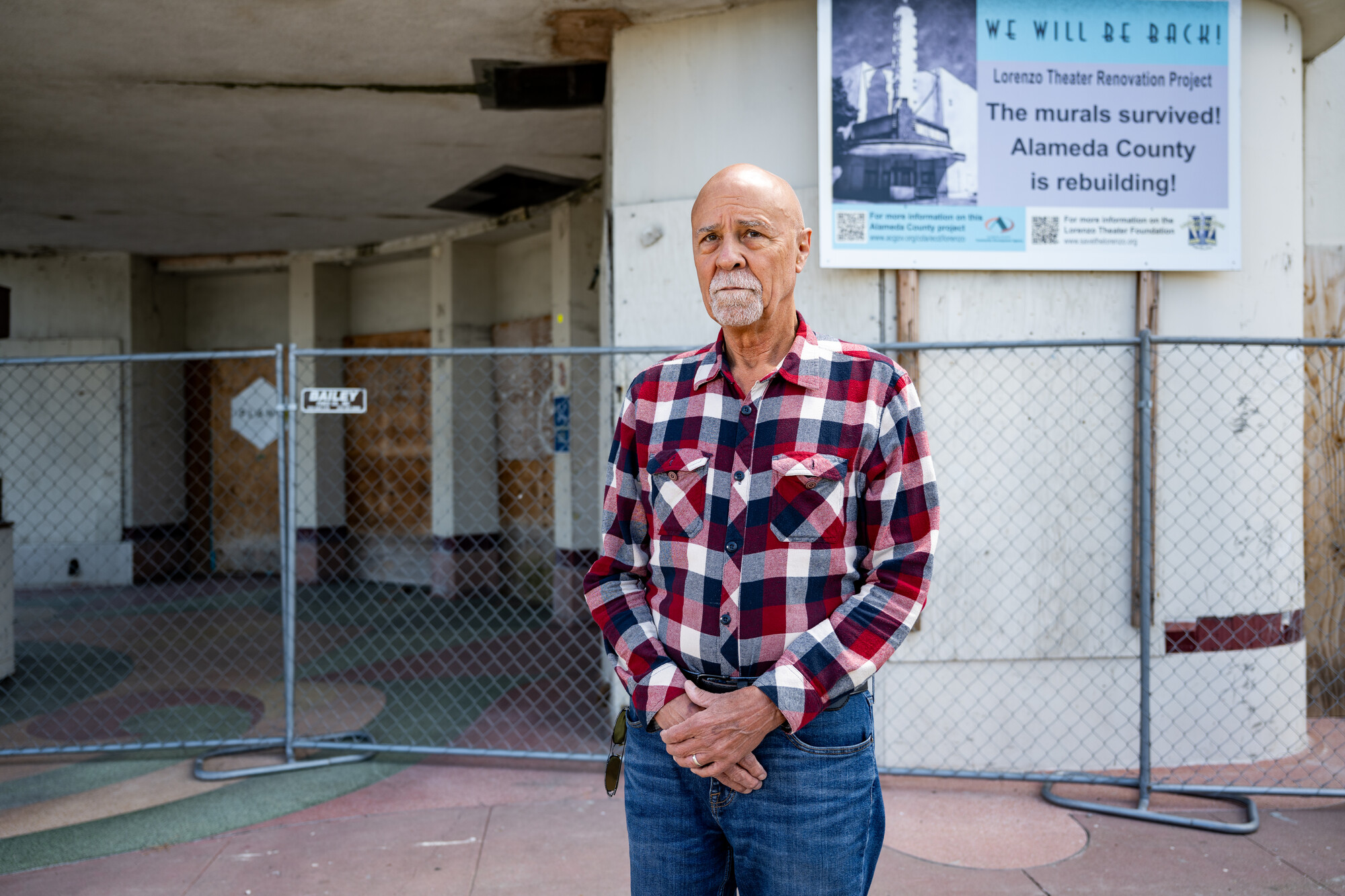
"caption": "Keith Barros, a longtime San Lorenzo resident and community advocate, stands outside the historic Lorenzo Theatre in the unincorporated area of Alameda County on July 16, 2025.",
"credit": "Beth LaBerge/KQED",
"altTag": null,
"description": null,
"imgSizes": {
"thumbnail": {
"file": "https://cdn.kqed.org/wp-content/uploads/sites/10/2025/07/250716-CherrylandUnincorporated-11-BL_qed-160x107.jpg",
"width": 160,
"height": 107,
"mimeType": "image/jpeg"
},
"1536x1536": {
"file": "https://cdn.kqed.org/wp-content/uploads/sites/10/2025/07/250716-CherrylandUnincorporated-11-BL_qed-1536x1024.jpg",
"width": 1536,
"height": 1024,
"mimeType": "image/jpeg"
},
"post-thumbnail": {
"file": "https://cdn.kqed.org/wp-content/uploads/sites/10/2025/07/250716-CherrylandUnincorporated-11-BL_qed-672x372.jpg",
"width": 672,
"height": 372,
"mimeType": "image/jpeg"
},
"twentyfourteen-full-width": {
"file": "https://cdn.kqed.org/wp-content/uploads/sites/10/2025/07/250716-CherrylandUnincorporated-11-BL_qed-1038x576.jpg",
"width": 1038,
"height": 576,
"mimeType": "image/jpeg"
},
"kqedFullSize": {
"file": "https://cdn.kqed.org/wp-content/uploads/sites/10/2025/07/250716-CherrylandUnincorporated-11-BL_qed.jpg",
"width": 2000,
"height": 1333
}
},
"isLoading": false,
"fetchFailed": false
},
"news_12040222": {
"type": "attachments",
"id": "news_12040222",
"meta": {
"index": "attachments_1716263798",
"site": "news",
"id": "12040222",
"found": true
},
"title": "20250514_AFGHANREFUGEESTPS_GC-1-KQED",
"publishDate": 1747265525,
"status": "inherit",
"parent": 0,
"modified": 1747265525,
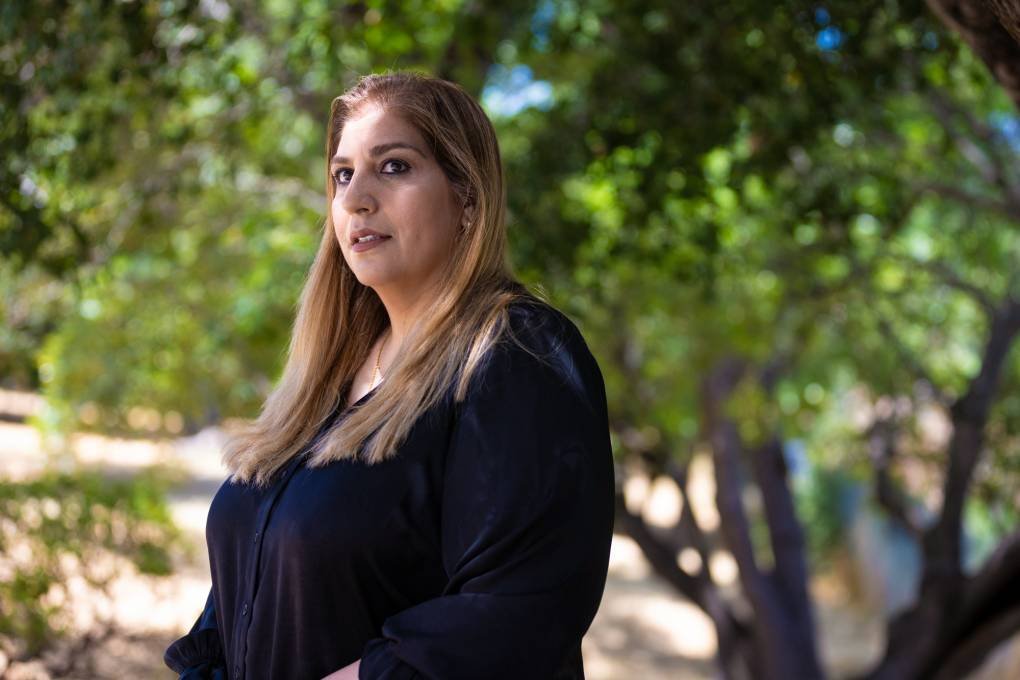
"caption": "Fouzia Palyal Azizi, Director of Refugee Services at JFCS East Bay, poses for a portrait outside of her home, in Pleasant Hill, on May 14, 2025.",
"credit": null,
"altTag": null,
"description": null,
"imgSizes": {
"medium": {
"file": "https://cdn.kqed.org/wp-content/uploads/sites/10/2025/05/20250514_AFGHANREFUGEESTPS_GC-1-KQED-800x533.jpg",
"width": 800,
"height": 533,
"mimeType": "image/jpeg"
},
"large": {
"file": "https://cdn.kqed.org/wp-content/uploads/sites/10/2025/05/20250514_AFGHANREFUGEESTPS_GC-1-KQED-1020x680.jpg",
"width": 1020,
"height": 680,
"mimeType": "image/jpeg"
},
"thumbnail": {
"file": "https://cdn.kqed.org/wp-content/uploads/sites/10/2025/05/20250514_AFGHANREFUGEESTPS_GC-1-KQED-160x107.jpg",
"width": 160,
"height": 107,
"mimeType": "image/jpeg"
},
"1536x1536": {
"file": "https://cdn.kqed.org/wp-content/uploads/sites/10/2025/05/20250514_AFGHANREFUGEESTPS_GC-1-KQED-1536x1024.jpg",
"width": 1536,
"height": 1024,
"mimeType": "image/jpeg"
},
"post-thumbnail": {
"file": "https://cdn.kqed.org/wp-content/uploads/sites/10/2025/05/20250514_AFGHANREFUGEESTPS_GC-1-KQED-672x372.jpg",
"width": 672,
"height": 372,
"mimeType": "image/jpeg"
},
"twentyfourteen-full-width": {
"file": "https://cdn.kqed.org/wp-content/uploads/sites/10/2025/05/20250514_AFGHANREFUGEESTPS_GC-1-KQED-1038x576.jpg",
"width": 1038,
"height": 576,
"mimeType": "image/jpeg"
},
"full-width": {
"file": "https://cdn.kqed.org/wp-content/uploads/sites/10/2025/05/20250514_AFGHANREFUGEESTPS_GC-1-KQED-1920x1280.jpg",
"width": 1920,
"height": 1280,
"mimeType": "image/jpeg"
},
"kqedFullSize": {
"file": "https://cdn.kqed.org/wp-content/uploads/sites/10/2025/05/20250514_AFGHANREFUGEESTPS_GC-1-KQED.jpg",
"width": 2000,
"height": 1333
}
},
"isLoading": false,
"fetchFailed": false
},
"news_12047651": {
"type": "attachments",
"id": "news_12047651",
"meta": {
"index": "attachments_1716263798",
"site": "news",
"id": "12047651",
"found": true
},
"title": "Oakland International Airport on April 14, 2020.",
"publishDate": 1752255952,
"status": "inherit",
"parent": 12047645,
"modified": 1752255969,
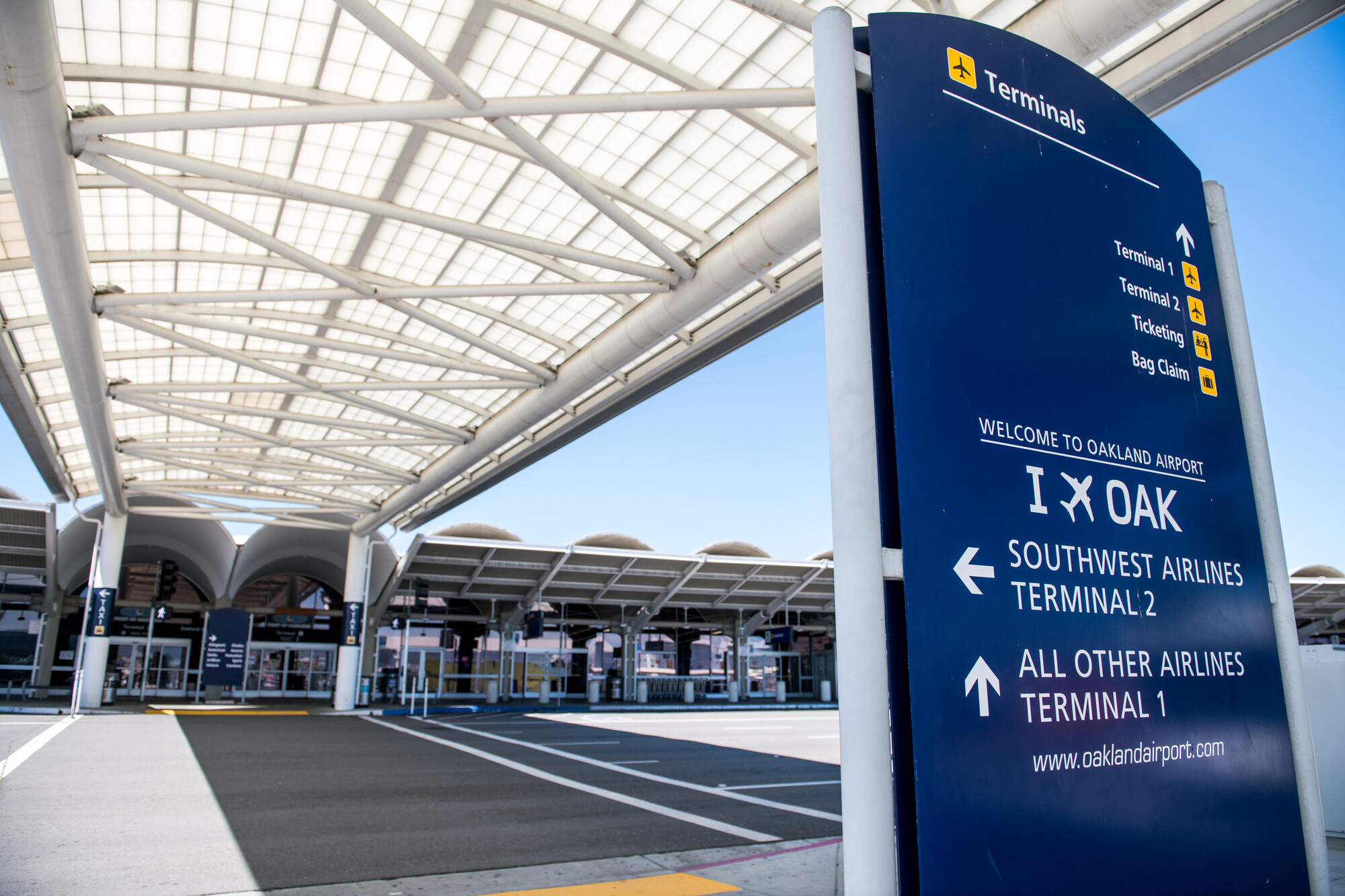
"caption": "Oakland International Airport on April 14, 2020.",
"credit": "Beth LaBerge/KQED",
"altTag": null,
"description": null,
"imgSizes": {
"thumbnail": {
"file": "https://cdn.kqed.org/wp-content/uploads/sites/10/2025/07/003_KQED_Oakland_Airport_04142020_qed-160x107.jpg",
"width": 160,
"height": 107,
"mimeType": "image/jpeg"
},
"1536x1536": {
"file": "https://cdn.kqed.org/wp-content/uploads/sites/10/2025/07/003_KQED_Oakland_Airport_04142020_qed-1536x1024.jpg",
"width": 1536,
"height": 1024,
"mimeType": "image/jpeg"
},
"post-thumbnail": {
"file": "https://cdn.kqed.org/wp-content/uploads/sites/10/2025/07/003_KQED_Oakland_Airport_04142020_qed-672x372.jpg",
"width": 672,
"height": 372,
"mimeType": "image/jpeg"
},
"twentyfourteen-full-width": {
"file": "https://cdn.kqed.org/wp-content/uploads/sites/10/2025/07/003_KQED_Oakland_Airport_04142020_qed-1038x576.jpg",
"width": 1038,
"height": 576,
"mimeType": "image/jpeg"
},
"kqedFullSize": {
"file": "https://cdn.kqed.org/wp-content/uploads/sites/10/2025/07/003_KQED_Oakland_Airport_04142020_qed.jpg",
"width": 2000,
"height": 1333
}
},
"isLoading": false,
"fetchFailed": false
},
"news_12047671": {
"type": "attachments",
"id": "news_12047671",
"meta": {
"index": "attachments_1716263798",
"site": "news",
"id": "12047671",
"found": true
},
"title": "250710-WoodStreetCabins-05-BL_qed",
"publishDate": 1752258075,
"status": "inherit",
"parent": 0,
"modified": 1752258316,
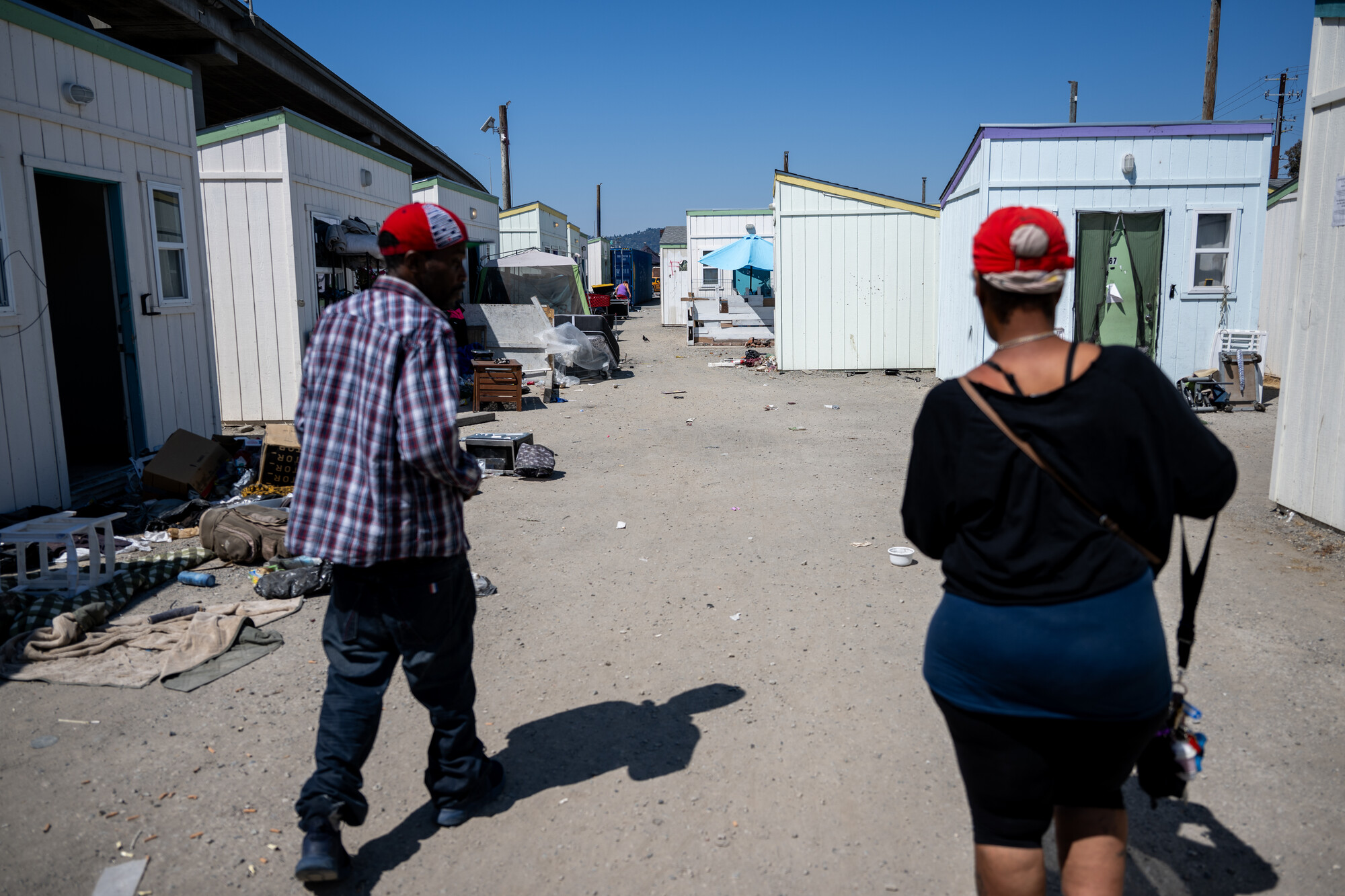
"caption": "Residents walk through the Wood Street Cabins in Oakland on July 10, 2025, before the city shuts down the temporary tiny-home site, which opened in 2023 to shelter people displaced from a nearby encampment.",
"credit": "Beth LaBerge/KQED",
"altTag": null,
"description": null,
"imgSizes": {
"thumbnail": {
"file": "https://cdn.kqed.org/wp-content/uploads/sites/10/2025/07/250710-WoodStreetCabins-05-BL_qed-160x107.jpg",
"width": 160,
"height": 107,
"mimeType": "image/jpeg"
},
"1536x1536": {
"file": "https://cdn.kqed.org/wp-content/uploads/sites/10/2025/07/250710-WoodStreetCabins-05-BL_qed-1536x1024.jpg",
"width": 1536,
"height": 1024,
"mimeType": "image/jpeg"
},
"post-thumbnail": {
"file": "https://cdn.kqed.org/wp-content/uploads/sites/10/2025/07/250710-WoodStreetCabins-05-BL_qed-672x372.jpg",
"width": 672,
"height": 372,
"mimeType": "image/jpeg"
},
"twentyfourteen-full-width": {
"file": "https://cdn.kqed.org/wp-content/uploads/sites/10/2025/07/250710-WoodStreetCabins-05-BL_qed-1038x576.jpg",
"width": 1038,
"height": 576,
"mimeType": "image/jpeg"
},
"kqedFullSize": {
"file": "https://cdn.kqed.org/wp-content/uploads/sites/10/2025/07/250710-WoodStreetCabins-05-BL_qed.jpg",
"width": 2000,
"height": 1333
}
},
"isLoading": false,
"fetchFailed": false
},
"news_12047518": {
"type": "attachments",
"id": "news_12047518",
"meta": {
"index": "attachments_1716263798",
"site": "news",
"id": "12047518",
"found": true
},
"title": "Apple CEO Tim Cook Visits California School For The Deaf In Fremont, California",
"publishDate": 1752107430,
"status": "inherit",
"parent": 12047461,
"modified": 1752107468,
"caption": "FREMONT, CA - MAY 17: Apple CEO Tim Cook (C) and actor, model, and activist for the deaf community Nyle DiMarco (L) gesture while taking a picture with students at the California School for the Deaf on May 17, 2018 in Fremont, California. Cook and DiMarco visited students at the school on Global Accessibility Awareness Day to kick off the Everyone Can Code program that Apple is bringing to the California School for the Deaf and other schools for deaf and blind/low-vision students. ",
"credit": "Justin Sullivan/Getty Images",
"altTag": null,
"description": null,
"imgSizes": {
"thumbnail": {
"file": "https://cdn.kqed.org/wp-content/uploads/sites/10/2025/07/GettyImages-959592014_qed-160x107.jpg",
"width": 160,
"height": 107,
"mimeType": "image/jpeg"
},
"1536x1536": {
"file": "https://cdn.kqed.org/wp-content/uploads/sites/10/2025/07/GettyImages-959592014_qed-1536x1024.jpg",
"width": 1536,
"height": 1024,
"mimeType": "image/jpeg"
},
"post-thumbnail": {
"file": "https://cdn.kqed.org/wp-content/uploads/sites/10/2025/07/GettyImages-959592014_qed-672x372.jpg",
"width": 672,
"height": 372,
"mimeType": "image/jpeg"
},
"twentyfourteen-full-width": {
"file": "https://cdn.kqed.org/wp-content/uploads/sites/10/2025/07/GettyImages-959592014_qed-1038x576.jpg",
"width": 1038,
"height": 576,
"mimeType": "image/jpeg"
},
"kqedFullSize": {
"file": "https://cdn.kqed.org/wp-content/uploads/sites/10/2025/07/GettyImages-959592014_qed.jpg",
"width": 2000,
"height": 1333
}
},
"isLoading": false,
"fetchFailed": false
},
"news_12047391": {
"type": "attachments",
"id": "news_12047391",
"meta": {
"index": "attachments_1716263798",
"site": "news",
"id": "12047391",
"found": true
},
"title": "Government Assistance Programs Aid Underprivileged Communities In New York State",
"publishDate": 1752013492,
"status": "inherit",
"parent": 12047363,
"modified": 1752014498,
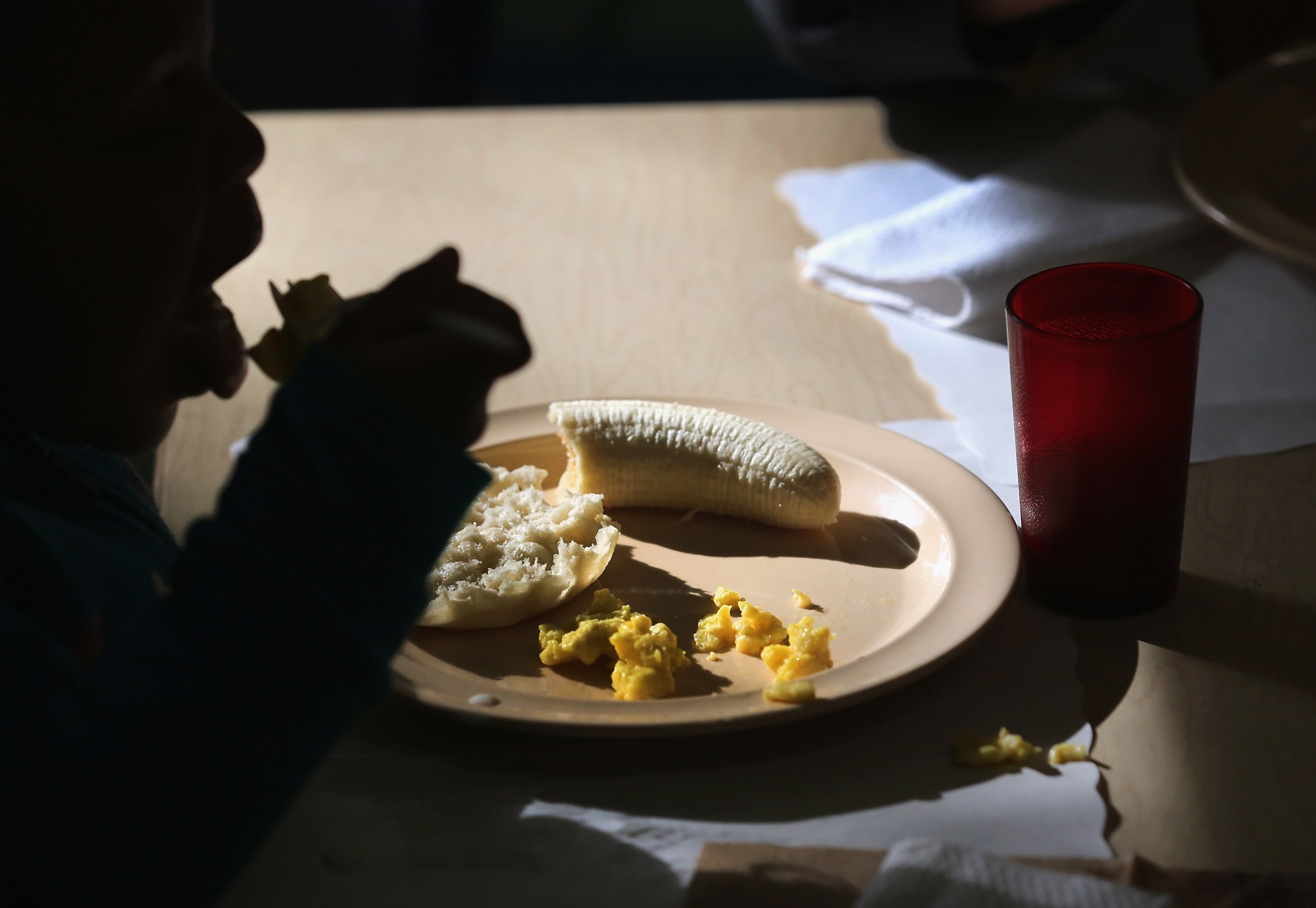
"caption": "Children eat breakfast at a federally-funded Head Start Program school on Sept. 20, 2012, in Woodbourne, New York. ",
"credit": "John Moore/Getty Images",
"altTag": null,
"description": null,
"imgSizes": {
"thumbnail": {
"file": "https://cdn.kqed.org/wp-content/uploads/sites/10/2025/07/GuaranteedIncomeGetty-160x110.jpg",
"width": 160,
"height": 110,
"mimeType": "image/jpeg"
},
"1536x1536": {
"file": "https://cdn.kqed.org/wp-content/uploads/sites/10/2025/07/GuaranteedIncomeGetty-1536x1060.jpg",
"width": 1536,
"height": 1060,
"mimeType": "image/jpeg"
},
"post-thumbnail": {
"file": "https://cdn.kqed.org/wp-content/uploads/sites/10/2025/07/GuaranteedIncomeGetty-672x372.jpg",
"width": 672,
"height": 372,
"mimeType": "image/jpeg"
},
"twentyfourteen-full-width": {
"file": "https://cdn.kqed.org/wp-content/uploads/sites/10/2025/07/GuaranteedIncomeGetty-1038x576.jpg",
"width": 1038,
"height": 576,
"mimeType": "image/jpeg"
},
"kqedFullSize": {
"file": "https://cdn.kqed.org/wp-content/uploads/sites/10/2025/07/GuaranteedIncomeGetty.jpg",
"width": 2000,
"height": 1380
}
},
"isLoading": false,
"fetchFailed": false
},
"news_12047091": {
"type": "attachments",
"id": "news_12047091",
"meta": {
"index": "attachments_1716263798",
"site": "news",
"id": "12047091",
"found": true
},
"title": "250530-DublinEmployees-62-BL_qed",
"publishDate": 1751584838,
"status": "inherit",
"parent": 12047086,
"modified": 1751584893,
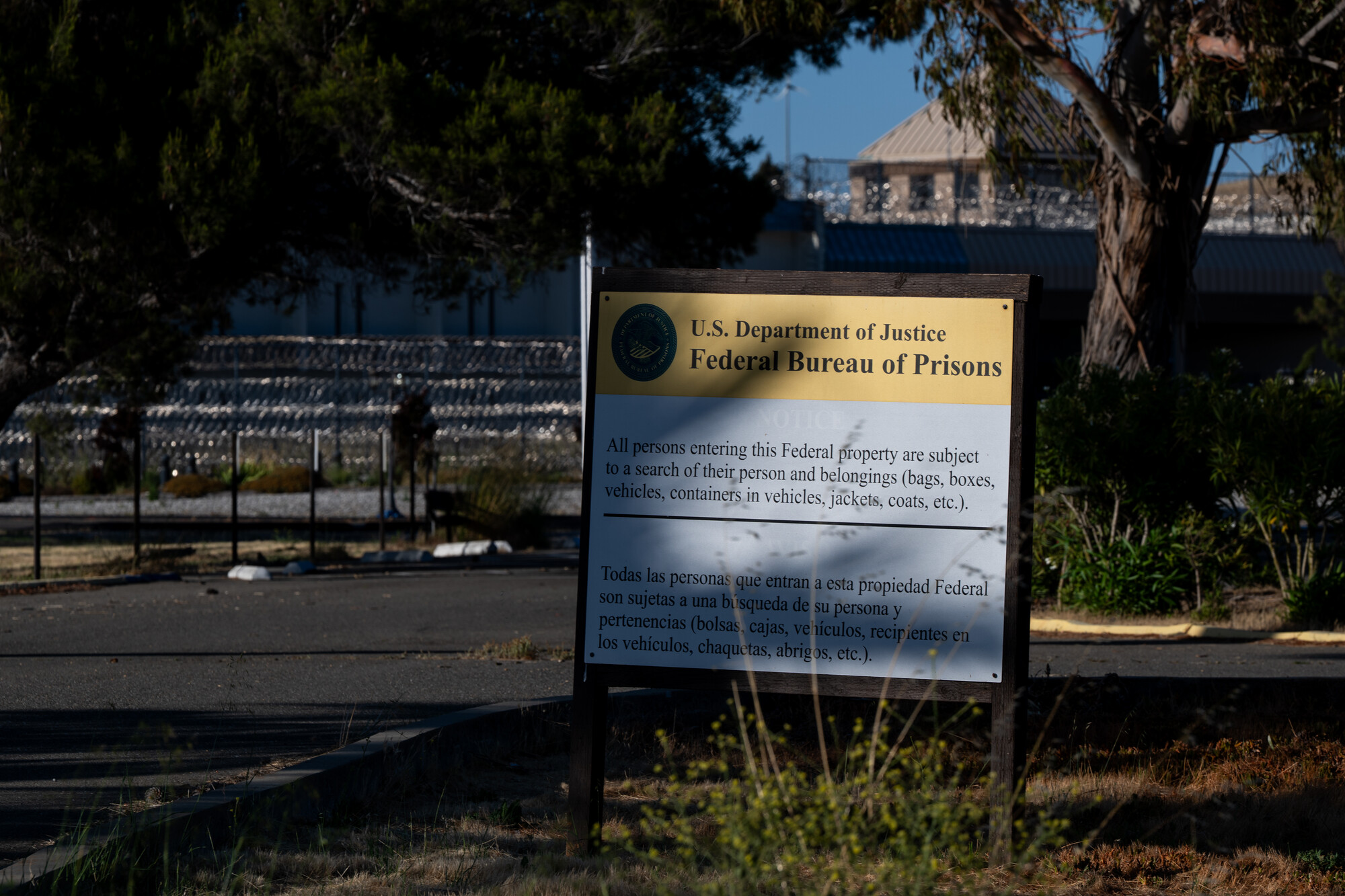
"caption": "The now-closed Federal Correctional Institution, Dublin, on May 30, 2025. The prison was a low-security women’s facility with a history of staff sexual abuse scandals.",
"credit": "Beth LaBerge/KQED",
"altTag": null,
"description": null,
"imgSizes": {
"thumbnail": {
"file": "https://cdn.kqed.org/wp-content/uploads/sites/10/2025/07/250530-DublinEmployees-62-BL_qed-160x107.jpg",
"width": 160,
"height": 107,
"mimeType": "image/jpeg"
},
"1536x1536": {
"file": "https://cdn.kqed.org/wp-content/uploads/sites/10/2025/07/250530-DublinEmployees-62-BL_qed-1536x1024.jpg",
"width": 1536,
"height": 1024,
"mimeType": "image/jpeg"
},
"post-thumbnail": {
"file": "https://cdn.kqed.org/wp-content/uploads/sites/10/2025/07/250530-DublinEmployees-62-BL_qed-672x372.jpg",
"width": 672,
"height": 372,
"mimeType": "image/jpeg"
},
"twentyfourteen-full-width": {
"file": "https://cdn.kqed.org/wp-content/uploads/sites/10/2025/07/250530-DublinEmployees-62-BL_qed-1038x576.jpg",
"width": 1038,
"height": 576,
"mimeType": "image/jpeg"
},
"kqedFullSize": {
"file": "https://cdn.kqed.org/wp-content/uploads/sites/10/2025/07/250530-DublinEmployees-62-BL_qed.jpg",
"width": 2000,
"height": 1333
}
},
"isLoading": false,
"fetchFailed": false
},
"news_11954350": {
"type": "attachments",
"id": "news_11954350",
"meta": {
"index": "attachments_1716263798",
"site": "news",
"id": "11954350",
"found": true
},
"title": "fireworks-near-me-july-4",
"publishDate": 1687972126,
"status": "inherit",
"parent": 11992781,
"modified": 1782234882,
"caption": "Illegal fireworks light up the sky in the Potrero Hill neighborhood on July 4, 2020, in San Francisco.",
"credit": "Santiago Mejia/The San Francisco Chronicle via Getty Images",
"altTag": "The silhouettes of two or more people are thrown into relief by the explosions of fireworks in the distance over a city setting.",
"description": null,
"imgSizes": {
"medium": {
"file": "https://cdn.kqed.org/wp-content/uploads/sites/10/2023/06/230628-SAN-FRANCISCO-FIREWORKS-GETTY-SM-KQED-800x533.jpg",
"width": 800,
"height": 533,
"mimeType": "image/jpeg"
},
"large": {
"file": "https://cdn.kqed.org/wp-content/uploads/sites/10/2023/06/230628-SAN-FRANCISCO-FIREWORKS-GETTY-SM-KQED-1020x680.jpg",
"width": 1020,
"height": 680,
"mimeType": "image/jpeg"
},
"thumbnail": {
"file": "https://cdn.kqed.org/wp-content/uploads/sites/10/2023/06/230628-SAN-FRANCISCO-FIREWORKS-GETTY-SM-KQED-160x107.jpg",
"width": 160,
"height": 107,
"mimeType": "image/jpeg"
},
"1536x1536": {
"file": "https://cdn.kqed.org/wp-content/uploads/sites/10/2023/06/230628-SAN-FRANCISCO-FIREWORKS-GETTY-SM-KQED-1536x1024.jpg",
"width": 1536,
"height": 1024,
"mimeType": "image/jpeg"
},
"post-thumbnail": {
"file": "https://cdn.kqed.org/wp-content/uploads/sites/10/2023/06/230628-SAN-FRANCISCO-FIREWORKS-GETTY-SM-KQED-672x372.jpg",
"width": 672,
"height": 372,
"mimeType": "image/jpeg"
},
"twentyfourteen-full-width": {
"file": "https://cdn.kqed.org/wp-content/uploads/sites/10/2023/06/230628-SAN-FRANCISCO-FIREWORKS-GETTY-SM-KQED-1038x576.jpg",
"width": 1038,
"height": 576,
"mimeType": "image/jpeg"
},
"full-width": {
"file": "https://cdn.kqed.org/wp-content/uploads/sites/10/2023/06/230628-SAN-FRANCISCO-FIREWORKS-GETTY-SM-KQED-1920x1280.jpg",
"width": 1920,
"height": 1280,
"mimeType": "image/jpeg"
},
"kqedFullSize": {
"file": "https://cdn.kqed.org/wp-content/uploads/sites/10/2023/06/230628-SAN-FRANCISCO-FIREWORKS-GETTY-SM-KQED.jpg",
"width": 2000,
"height": 1333
}
},
"isLoading": false,
"fetchFailed": false
},
"news_12046294": {
"type": "attachments",
"id": "news_12046294",
"meta": {
"index": "attachments_1716263798",
"site": "news",
"id": "12046294",
"found": true
},
"title": "An apartment building in the Elmwood neighborhood of Berkeley on July 18, 2024.",
"publishDate": 1751044475,
"status": "inherit",
"parent": 12046283,
"modified": 1751044490,
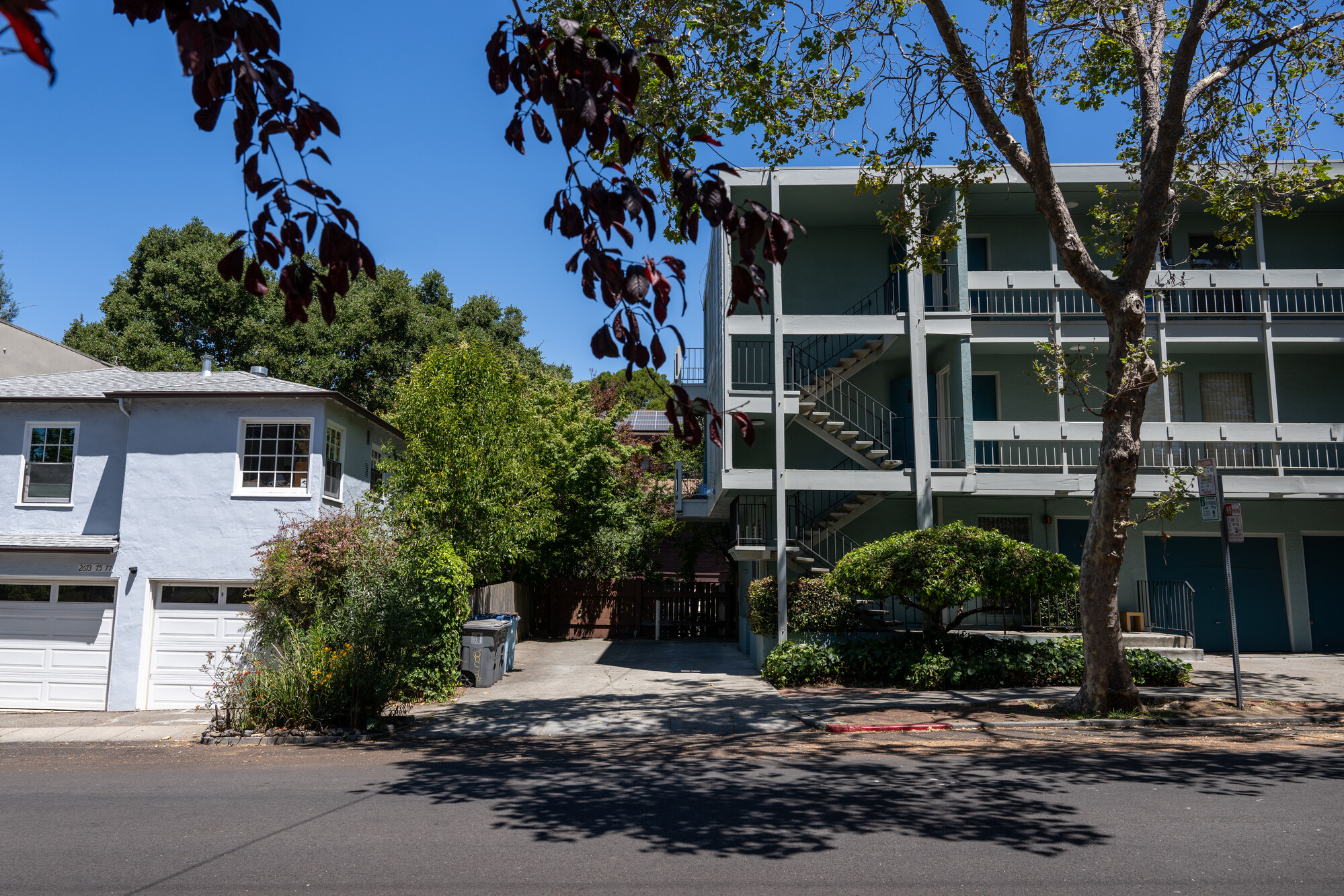
"caption": "An apartment building in the Elmwood neighborhood of Berkeley on July 18, 2024.",
"credit": "Beth LaBerge/KQED",
"altTag": null,
"description": null,
"imgSizes": {
"thumbnail": {
"file": "https://cdn.kqed.org/wp-content/uploads/sites/10/2025/06/240718-BerkeleyMissingMiddleHousing-24-BL_qed-160x107.jpg",
"width": 160,
"height": 107,
"mimeType": "image/jpeg"
},
"1536x1536": {
"file": "https://cdn.kqed.org/wp-content/uploads/sites/10/2025/06/240718-BerkeleyMissingMiddleHousing-24-BL_qed-1536x1024.jpg",
"width": 1536,
"height": 1024,
"mimeType": "image/jpeg"
},
"post-thumbnail": {
"file": "https://cdn.kqed.org/wp-content/uploads/sites/10/2025/06/240718-BerkeleyMissingMiddleHousing-24-BL_qed-672x372.jpg",
"width": 672,
"height": 372,
"mimeType": "image/jpeg"
},
"twentyfourteen-full-width": {
"file": "https://cdn.kqed.org/wp-content/uploads/sites/10/2025/06/240718-BerkeleyMissingMiddleHousing-24-BL_qed-1038x576.jpg",
"width": 1038,
"height": 576,
"mimeType": "image/jpeg"
},
"kqedFullSize": {
"file": "https://cdn.kqed.org/wp-content/uploads/sites/10/2025/06/240718-BerkeleyMissingMiddleHousing-24-BL_qed.jpg",
"width": 1999,
"height": 1333
}
},
"isLoading": false,
"fetchFailed": false
},
"news_12045711": {
"type": "attachments",
"id": "news_12045711",
"meta": {
"index": "attachments_1716263798",
"site": "news",
"id": "12045711",
"found": true
},
"title": "A 'For Rent' sign in Berkeley on June 23, 2025.",
"publishDate": 1750790413,
"status": "inherit",
"parent": 12045703,
"modified": 1750790430,
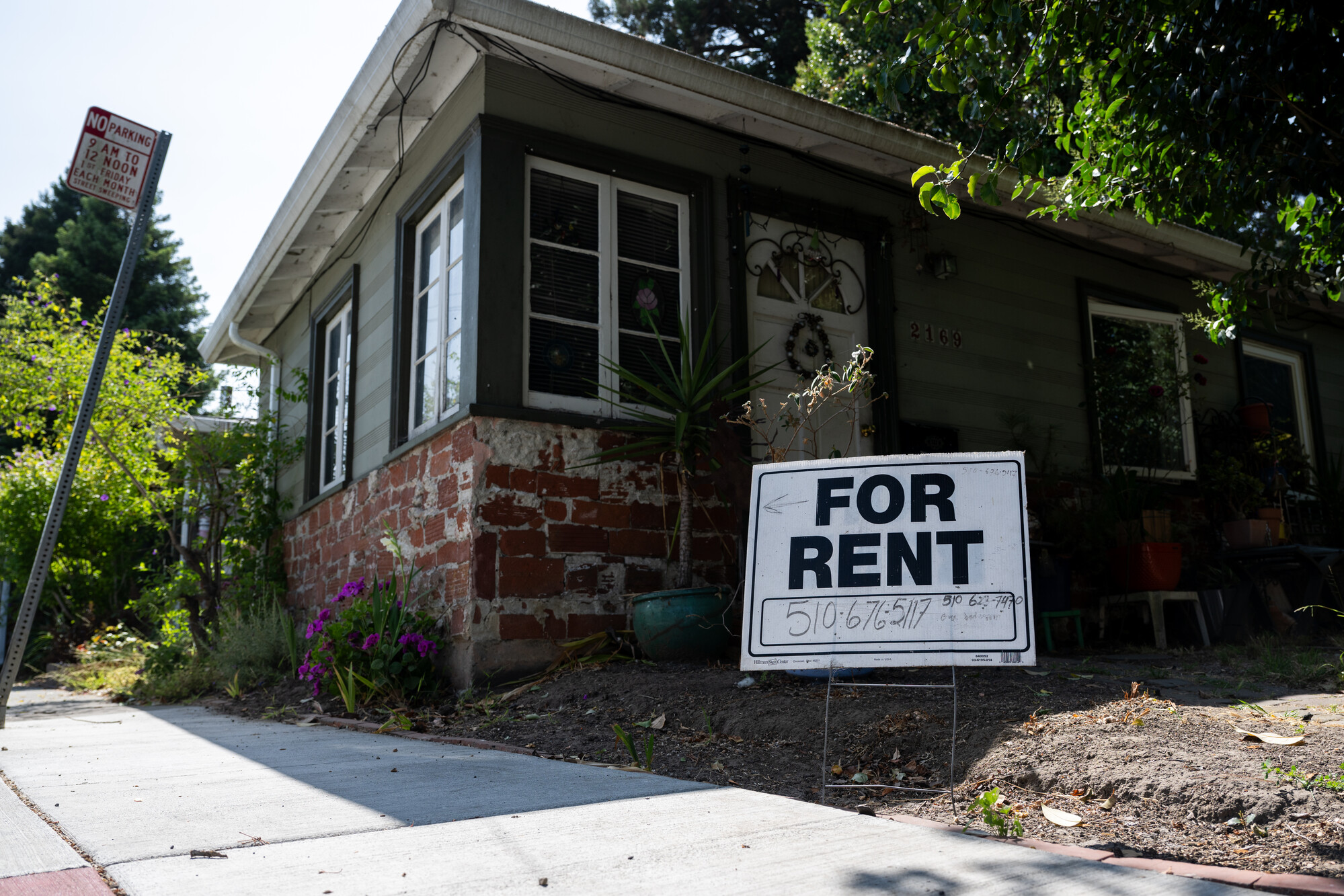
"caption": "A \"For Rent\" sign in Berkeley on June 23, 2025.",
"credit": "Beth LaBerge/KQED",
"altTag": null,
"description": null,
"imgSizes": {
"thumbnail": {
"file": "https://cdn.kqed.org/wp-content/uploads/sites/10/2025/06/250623-BerkeleyMiddleHousing-18-BL_qed-160x107.jpg",
"width": 160,
"height": 107,
"mimeType": "image/jpeg"
},
"1536x1536": {
"file": "https://cdn.kqed.org/wp-content/uploads/sites/10/2025/06/250623-BerkeleyMiddleHousing-18-BL_qed-1536x1024.jpg",
"width": 1536,
"height": 1024,
"mimeType": "image/jpeg"
},
"post-thumbnail": {
"file": "https://cdn.kqed.org/wp-content/uploads/sites/10/2025/06/250623-BerkeleyMiddleHousing-18-BL_qed-672x372.jpg",
"width": 672,
"height": 372,
"mimeType": "image/jpeg"
},
"twentyfourteen-full-width": {
"file": "https://cdn.kqed.org/wp-content/uploads/sites/10/2025/06/250623-BerkeleyMiddleHousing-18-BL_qed-1038x576.jpg",
"width": 1038,
"height": 576,
"mimeType": "image/jpeg"
},
"kqedFullSize": {
"file": "https://cdn.kqed.org/wp-content/uploads/sites/10/2025/06/250623-BerkeleyMiddleHousing-18-BL_qed.jpg",
"width": 1999,
"height": 1333
}
},
"isLoading": false,
"fetchFailed": false
}
},
"audioPlayerReducer": {
"postId": "stream_live",
"isPaused": true,
"isPlaying": false,
"pfsActive": false,
"pledgeModalIsOpen": true,
"playerDrawerIsOpen": false,
"liveAudioPlayStartedAt": 0,
"liveAudioPlayContext": ""
},
"authorsReducer": {
"rachael-myrow": {
"type": "authors",
"id": "251",
"meta": {
"index": "authors_1716337520",
"id": "251",
"found": true
},
"name": "Rachael Myrow",
"firstName": "Rachael",
"lastName": "Myrow",
"slug": "rachael-myrow",
"email": "rmyrow@kqed.org",
"display_author_email": true,
"staff_mastheads": [
"news"
],
"title": "Senior Editor of KQED's Silicon Valley News Desk",
"bio": "• I write and edit stories about how Silicon Valley power and policies shape everyday life in California. I’m also passionate about making Bay Area history and culture more accessible to a broad public. • I’ve been a journalist for most of my life, starting in high school with The Franklin Press in Los Angeles, where I grew up. While earning my first degree in English at UC Berkeley, I got my start in public radio at KALX-FM. After completing a second degree in journalism at Cal, I landed my first professional job at Marketplace, then moved on to KPCC (now LAist), and then KQED, where I hosted The California Report for more than seven years. • My reporting has appeared on NPR, The World, WBUR’s \u003ci>Here & Now\u003c/i>, and the BBC. I also guest host for KQED’s \u003ci>Forum\u003c/i>, as well as the Commonwealth Club in San Francisco. • I speak periodically on media, democracy and technology issues, and do voiceover work for documentaries and educational video projects. • Outside of the studio, you'll find me hiking Bay Area trails and whipping up Insta-ready meals in my kitchen. • I do not accept gifts, money, or favors from anyone connected to my reporting, I don't pay people for information, and I do not support or donate to political causes. • I strive to treat the people I report on with fairness, honesty, and respect. I also recognize there are often multiple sides to a story and work to verify information through multiple sources and documentation. If I get something wrong, I correct it.",
"avatar": "https://secure.gravatar.com/avatar/87bf8cb5874e045cdff430523a6d48b1?s=600&d=blank&r=g",
"twitter": "rachaelmyrow",
"facebook": null,
"instagram": null,
"linkedin": "https://www.linkedin.com/in/rachaelmyrow/",
"sites": [
{
"site": "arts",
"roles": [
"administrator"
]
},
{
"site": "news",
"roles": [
"edit_others_posts",
"editor"
]
},
{
"site": "futureofyou",
"roles": [
"editor"
]
},
{
"site": "bayareabites",
"roles": [
"editor"
]
},
{
"site": "stateofhealth",
"roles": [
"editor"
]
},
{
"site": "science",
"roles": [
"editor"
]
},
{
"site": "food",
"roles": [
"editor"
]
},
{
"site": "forum",
"roles": [
"editor"
]
},
{
"site": "liveblog",
"roles": [
"author"
]
}
],
"headData": {
"title": "Rachael Myrow | KQED",
"description": "Senior Editor of KQED's Silicon Valley News Desk",
"ogImgSrc": "https://secure.gravatar.com/avatar/87bf8cb5874e045cdff430523a6d48b1?s=600&d=blank&r=g",
"twImgSrc": "https://secure.gravatar.com/avatar/87bf8cb5874e045cdff430523a6d48b1?s=600&d=blank&r=g"
},
"isLoading": false,
"link": "/author/rachael-myrow"
},
"matthewgreen": {
"type": "authors",
"id": "1263",
"meta": {
"index": "authors_1716337520",
"id": "1263",
"found": true
},
"name": "Matthew Green",
"firstName": "Matthew",
"lastName": "Green",
"slug": "matthewgreen",
"email": "mgreen@kqed.org",
"display_author_email": false,
"staff_mastheads": [],
"title": "KQED Editor/Reporter",
"bio": "Matthew Green is a digital media producer for KQED News. He previously produced \u003ca href=\"http://www.kqed.org/lowdown\">The Lowdown\u003c/a>, KQED’s multimedia news education blog. Matthew's written for numerous Bay Area publications, including the Oakland Tribune and San Francisco Chronicle. He also taught journalism classes at Fremont High School in East Oakland.\r\n\r\nEmail: mgreen@kqed.org; Twitter: @MGreenKQED",
"avatar": "https://secure.gravatar.com/avatar/3bf498d1267ca02c8494f33d8cfc575e?s=600&d=blank&r=g",
"twitter": "MGreenKQED",
"facebook": null,
"instagram": null,
"linkedin": null,
"sites": [
{
"site": "news",
"roles": []
},
{
"site": "lowdown",
"roles": []
},
{
"site": "science",
"roles": []
},
{
"site": "education",
"roles": []
},
{
"site": "quest",
"roles": []
},
{
"site": "liveblog",
"roles": []
}
],
"headData": {
"title": "Matthew Green | KQED",
"description": "KQED Editor/Reporter",
"ogImgSrc": "https://secure.gravatar.com/avatar/3bf498d1267ca02c8494f33d8cfc575e?s=600&d=blank&r=g",
"twImgSrc": "https://secure.gravatar.com/avatar/3bf498d1267ca02c8494f33d8cfc575e?s=600&d=blank&r=g"
},
"isLoading": false,
"link": "/author/matthewgreen"
},
"ebaldassari": {
"type": "authors",
"id": "11652",
"meta": {
"index": "authors_1716337520",
"id": "11652",
"found": true
},
"name": "Erin Baldassari",
"firstName": "Erin",
"lastName": "Baldassari",
"slug": "ebaldassari",
"email": "ebaldassari@KQED.org",
"display_author_email": true,
"staff_mastheads": [
"news"
],
"title": "Staff Writer",
"bio": "Erin Baldassari covers housing for KQED. She's a former print journalist and most recently worked as the transportation reporter for the \u003cem>Mercury News\u003c/em> and \u003cem>East Bay Times. \u003c/em>There, she focused on how the Bay Area’s housing shortage has changed the way people move around the region. She also served on the \u003cem>East Bay Times\u003c/em>’ 2017 Pulitzer Prize-winning team for coverage of the Ghost Ship Fire in Oakland. Prior to that, Erin worked as a breaking news and general assignment reporter for a variety of outlets in the Bay Area and the greater Boston area. A Tufts University alumna, Erin grew up in the foothills of the Sierra Nevada mountains and in Sonoma County. She is a life-long KQED listener.",
"avatar": "https://secure.gravatar.com/avatar/660ce35d088ca54ad606d7e941abc652?s=600&d=mm&r=g",
"twitter": "e_baldi",
"facebook": null,
"instagram": null,
"linkedin": null,
"sites": [
{
"site": "news",
"roles": [
"edit_others_posts",
"editor"
]
},
{
"site": "science",
"roles": [
"editor"
]
},
{
"site": "liveblog",
"roles": [
"editor"
]
}
],
"headData": {
"title": "Erin Baldassari | KQED",
"description": "Staff Writer",
"ogImgSrc": "https://secure.gravatar.com/avatar/660ce35d088ca54ad606d7e941abc652?s=600&d=mm&r=g",
"twImgSrc": "https://secure.gravatar.com/avatar/660ce35d088ca54ad606d7e941abc652?s=600&d=mm&r=g"
},
"isLoading": false,
"link": "/author/ebaldassari"
},
"abandlamudi": {
"type": "authors",
"id": "11672",
"meta": {
"index": "authors_1716337520",
"id": "11672",
"found": true
},
"name": "Adhiti Bandlamudi",
"firstName": "Adhiti",
"lastName": "Bandlamudi",
"slug": "abandlamudi",
"email": "abandlamudi@kqed.org",
"display_author_email": false,
"staff_mastheads": [
"news"
],
"title": "KQED Housing Reporter",
"bio": "Adhiti Bandlamudi reports for KQED's Housing desk. She focuses on how housing gets built across the Bay Area. Before joining KQED in 2020, she reported for WUNC in Durham, North Carolina, WABE in Atlanta, Georgia and Capital Public Radio in Sacramento. In 2017, she was awarded a Kroc Fellowship at NPR where she reported on everything from sprinkles to the Golden State Killer's arrest. When she's not reporting, she's baking new recipes in her kitchen or watching movies with friends and family. She's originally from Georgia and has strong opinions about Great British Bake Off.",
"avatar": "https://secure.gravatar.com/avatar/868129c8b257bb99a3500e2c86a65400?s=600&d=mm&r=g",
"twitter": "oddity_adhiti",
"facebook": null,
"instagram": null,
"linkedin": null,
"sites": [
{
"site": "arts",
"roles": [
"author"
]
},
{
"site": "news",
"roles": [
"editor"
]
},
{
"site": "liveblog",
"roles": [
"author"
]
}
],
"headData": {
"title": "Adhiti Bandlamudi | KQED",
"description": "KQED Housing Reporter",
"ogImgSrc": "https://secure.gravatar.com/avatar/868129c8b257bb99a3500e2c86a65400?s=600&d=mm&r=g",
"twImgSrc": "https://secure.gravatar.com/avatar/868129c8b257bb99a3500e2c86a65400?s=600&d=mm&r=g"
},
"isLoading": false,
"link": "/author/abandlamudi"
},
"nkhan": {
"type": "authors",
"id": "11867",
"meta": {
"index": "authors_1716337520",
"id": "11867",
"found": true
},
"name": "Nisa Khan",
"firstName": "Nisa",
"lastName": "Khan",
"slug": "nkhan",
"email": "nkhan@kqed.org",
"display_author_email": false,
"staff_mastheads": [],
"title": "KQED Contributor",
"bio": "Nisa Khan is a reporter for KQED's Audience News Desk. She was formerly a data reporter at Michigan Radio. She earned a Bachelor of Science in Information from the University of Michigan and a Master of Arts in Communication from Stanford University.",
"avatar": "https://secure.gravatar.com/avatar/a3bf1efcfbe7658d13a434cc54d0b2e3?s=600&d=blank&r=g",
"twitter": "mnisakhan",
"bluesky": null,
"facebook": null,
"instagram": null,
"linkedin": null,
"sites": [
{
"site": "arts",
"roles": [
"editor"
]
},
{
"site": "news",
"roles": [
"editor"
]
},
{
"site": "science",
"roles": [
"editor",
"author"
]
},
{
"site": "forum",
"roles": [
"editor"
]
},
{
"site": "liveblog",
"roles": [
"contributor"
]
}
],
"headData": {
"title": "Nisa Khan | KQED",
"description": "KQED Contributor",
"ogImgSrc": "https://secure.gravatar.com/avatar/a3bf1efcfbe7658d13a434cc54d0b2e3?s=600&d=blank&r=g",
"twImgSrc": "https://secure.gravatar.com/avatar/a3bf1efcfbe7658d13a434cc54d0b2e3?s=600&d=blank&r=g"
},
"isLoading": false,
"link": "/author/nkhan"
},
"kdebenedetti": {
"type": "authors",
"id": "11913",
"meta": {
"index": "authors_1716337520",
"id": "11913",
"found": true
},
"name": "Katie DeBenedetti",
"firstName": "Katie",
"lastName": "DeBenedetti",
"slug": "kdebenedetti",
"email": "kdebenedetti@kqed.org",
"display_author_email": false,
"staff_mastheads": [
"news",
"science"
],
"title": "KQED Contributor",
"bio": "Katie DeBenedetti is a digital reporter covering daily news for the Express Desk. Prior to joining KQED as a culture reporting intern in January 2024, she covered education and city government for the Napa Valley Register.",
"avatar": "https://secure.gravatar.com/avatar/6e31073cb8f7e4214ab03f42771d0f45?s=600&d=blank&r=g",
"twitter": null,
"facebook": null,
"instagram": null,
"linkedin": null,
"sites": [
{
"site": "news",
"roles": [
"author"
]
},
{
"site": "science",
"roles": [
"author"
]
},
{
"site": "liveblog",
"roles": [
"author"
]
}
],
"headData": {
"title": "Katie DeBenedetti | KQED",
"description": "KQED Contributor",
"ogImgSrc": "https://secure.gravatar.com/avatar/6e31073cb8f7e4214ab03f42771d0f45?s=600&d=blank&r=g",
"twImgSrc": "https://secure.gravatar.com/avatar/6e31073cb8f7e4214ab03f42771d0f45?s=600&d=blank&r=g"
},
"isLoading": false,
"link": "/author/kdebenedetti"
},
"slim": {
"type": "authors",
"id": "11920",
"meta": {
"index": "authors_1716337520",
"id": "11920",
"found": true
},
"name": "Samantha Lim",
"firstName": "Samantha",
"lastName": "Lim",
"slug": "slim",
"email": "slim@KQED.org",
"display_author_email": false,
"staff_mastheads": [],
"title": "KQED Contributor",
"bio": null,
"avatar": "https://secure.gravatar.com/avatar/82e592e6c15fe1a04d385e8ad0fb0b4e?s=600&d=blank&r=g",
"twitter": null,
"facebook": null,
"instagram": null,
"linkedin": null,
"sites": [
{
"site": "news",
"roles": []
}
],
"headData": {
"title": "Samantha Lim | KQED",
"description": "KQED Contributor",
"ogImgSrc": "https://secure.gravatar.com/avatar/82e592e6c15fe1a04d385e8ad0fb0b4e?s=600&d=blank&r=g",
"twImgSrc": "https://secure.gravatar.com/avatar/82e592e6c15fe1a04d385e8ad0fb0b4e?s=600&d=blank&r=g"
},
"isLoading": false,
"link": "/author/slim"
},
"bkrans": {
"type": "authors",
"id": "11923",
"meta": {
"index": "authors_1716337520",
"id": "11923",
"found": true
},
"name": "Brian Krans",
"firstName": "Brian",
"lastName": "Krans",
"slug": "bkrans",
"email": "bkrans@kqed.org",
"display_author_email": false,
"staff_mastheads": [
"news"
],
"title": "KQED Contributing Reporter",
"bio": "Brian Krans is an award-winning local news and investigative reporter who has been proudly working as a general assignment reporter for KQED since August 2023. He lives in Richmond, where he also reports on air pollution for Richmondside. He is also a founding member of the Vallejo Sun.",
"avatar": "https://secure.gravatar.com/avatar/d1014d604089314a94807d2c4f2d3e06?s=600&d=blank&r=g",
"twitter": "citizenkrans",
"facebook": null,
"instagram": null,
"linkedin": null,
"sites": [
{
"site": "news",
"roles": [
"editor"
]
}
],
"headData": {
"title": "Brian Krans | KQED",
"description": "KQED Contributing Reporter",
"ogImgSrc": "https://secure.gravatar.com/avatar/d1014d604089314a94807d2c4f2d3e06?s=600&d=blank&r=g",
"twImgSrc": "https://secure.gravatar.com/avatar/d1014d604089314a94807d2c4f2d3e06?s=600&d=blank&r=g"
},
"isLoading": false,
"link": "/author/bkrans"
},
"gzada": {
"type": "authors",
"id": "11929",
"meta": {
"index": "authors_1716337520",
"id": "11929",
"found": true
},
"name": "Gilare Zada",
"firstName": "Gilare",
"lastName": "Zada",
"slug": "gzada",
"email": "gzada@kqed.org",
"display_author_email": true,
"staff_mastheads": [
"news"
],
"title": null,
"bio": "Gilare Zada is a Kurdish-American from San Diego, CA. Storytelling, fitness, and binge reading are some of her passions outside of news reporting. Her work has appeared in Mission Local, the Peninsula Press, the San Francisco Press Club, and more. She also writes as a class correspondent for the Stanford Magazine - go Card!",
"avatar": "https://secure.gravatar.com/avatar/33a75f2b947669a488a805edec3fbf3838c1cedaedda710e983770633b4d6a75?s=600&d=blank&r=g",
"twitter": null,
"bluesky": null,
"facebook": null,
"instagram": null,
"linkedin": null,
"sites": [
{
"site": "arts",
"roles": [
"editor"
]
},
{
"site": "news",
"roles": [
"editor",
"contributor"
]
},
{
"site": "science",
"roles": [
"editor"
]
}
],
"headData": {
"title": "Gilare Zada | KQED",
"description": null,
"ogImgSrc": "https://secure.gravatar.com/avatar/33a75f2b947669a488a805edec3fbf3838c1cedaedda710e983770633b4d6a75?s=600&d=blank&r=g",
"twImgSrc": "https://secure.gravatar.com/avatar/33a75f2b947669a488a805edec3fbf3838c1cedaedda710e983770633b4d6a75?s=600&d=blank&r=g"
},
"isLoading": false,
"link": "/author/gzada"
}
},
"pagesReducer": {
"news_tag_east-bay": {
"type": "terms",
"id": "news_18352",
"meta": {
"index": "terms_1716263798",
"site": "news",
"id": "18352",
"score": 7.010407
},
"featImg": null,
"name": "East Bay",
"description": null,
"taxonomy": "tag",
"headData": {
"twImgId": null,
"twTitle": null,
"ogTitle": null,
"ogImgId": null,
"twDescription": null,
"description": null,
"title": "East Bay Archives | KQED News",
"ogDescription": null
},
"ttid": 18386,
"slug": "east-bay",
"isLoading": false,
"title": "East Bay",
"pageMeta": {
"site": "news",
"WpPageTemplate": "page-topic-editorial",
"currentPage": 13
},
"blocks": [
{
"blockName": "kqed/post-list",
"attrs": {
"layout": "cardArticle2",
"query": "posts/news?tag=east-bay",
"seeMore": false,
"paginated": true,
"page": 13
}
},
{
"blockName": "kqed/ad"
}
]
}
},
"pfsSessionReducer": {},
"postsReducer": {
"stream_live": {
"type": "live",
"id": "stream_live",
"audioUrl": "https://streams.kqed.org/kqedradio",
"title": "Live Stream",
"excerpt": "Live Stream information currently unavailable.",
"link": "/radio",
"featImg": "",
"label": {
"name": "KQED Live",
"link": "/"
}
},
"stream_kqedNewscast": {
"type": "posts",
"id": "stream_kqedNewscast",
"audioUrl": "https://www.kqed.org/.stream/anon/radio/RDnews/newscast.mp3?_=1",
"title": "KQED Newscast",
"featImg": "",
"label": {
"name": "88.5 FM",
"link": "/"
}
},
"news_12048684": {
"type": "posts",
"id": "news_12048684",
"meta": {
"index": "posts_1716263798",
"site": "news",
"id": "12048684",
"score": null,
"sort": [
1753020045000
]
},
"guestAuthors": [],
"slug": "alameda-county-set-to-approve-reparations-fund-for-displaced-russell-city-residents",
"title": "Alameda County Set to Approve Reparations Fund for Displaced Russell City Residents",
"publishDate": 1753020045,
"format": "standard",
"headTitle": "Alameda County Set to Approve Reparations Fund for Displaced Russell City Residents | KQED",
"labelTerm": {},
"content": "\u003cp>Aisha Knowles’ father grew up in a place that no longer exists: \u003ca href=\"https://www.kqed.org/news/11897843/decades-after-cultural-genocide-residents-of-a-bulldozed-community-get-apology-from-hayward\">Russell City\u003c/a>, a 12-block unincorporated area within Alameda County.\u003c/p>\n\u003cp>The predominantly Black and Latino community was bulldozed by the county and the city of Hayward in the early 1960s, forcibly displacing more than 1,000 people.\u003c/p>\n\u003cp>Today, Knowles and her father, James Knowles, work to keep the memory of the once close-knit community alive. James Knowles serves on Alameda County’s\u003ca href=\"https://www.acgov.org/bnc/#/board/a0U4N00000NObxiUAD\"> Reparations Commission\u003c/a>, and Aisha Knowles volunteers for Hayward’s committee focused on\u003ca href=\"https://www.hayward-ca.gov/discover/hayward-history/russell-city/steering-committee\"> Russell City\u003c/a>.\u003c/p>\n\u003cp>[ad fullwidth]\u003c/p>\n\u003cp>“As the daughter of someone who lived in Russell City, I didn’t start this fight,” Knowles said. “But I feel like … it is part of my responsibility in living and paying things forward.”\u003c/p>\n\u003cp>Now, decades later, Knowles’ father and other former residents of Russell City may receive a form of payment from Alameda County and Hayward to make amends.\u003c/p>\n\u003cp>When she heard the news last week, Knowles said her emotions ranged from surprised to grateful to “a little bit cautious.”\u003c/p>\n\u003cp>“It’s a positive start,” she said.\u003c/p>\n\u003ch2>What was Russell City?\u003c/h2>\n\u003cp>Due to widespread racist policies like redlining, Russell City was one of the rare places where Black and Latino people could own homes in the Bay Area after World War II. It was a thriving community with schools, clubs, a church and businesses.\u003c/p>\n\u003cp>It was also known as \u003ca href=\"https://www.kqed.org/news/11897843/decades-after-cultural-genocide-residents-of-a-bulldozed-community-get-apology-from-hayward\">a vibrant culture hub\u003c/a> for blues music, with legendary performers like Etta James and Ray Charles taking the stage there.\u003c/p>\n\u003cfigure id=\"attachment_12048781\" class=\"wp-caption aligncenter\" style=\"max-width: 1999px\">\u003cimg loading=\"lazy\" decoding=\"async\" class=\"size-full wp-image-12048781\" src=\"https://cdn.kqed.org/wp-content/uploads/sites/10/2025/07/010_Hayward_RussellCity_12022021_qed.jpg\" alt=\"\" width=\"1999\" height=\"1333\" srcset=\"https://cdn.kqed.org/wp-content/uploads/sites/10/2025/07/010_Hayward_RussellCity_12022021_qed.jpg 1999w, https://cdn.kqed.org/wp-content/uploads/sites/10/2025/07/010_Hayward_RussellCity_12022021_qed-160x107.jpg 160w, https://cdn.kqed.org/wp-content/uploads/sites/10/2025/07/010_Hayward_RussellCity_12022021_qed-1536x1024.jpg 1536w\" sizes=\"auto, (max-width: 1999px) 100vw, 1999px\">\u003cfigcaption class=\"wp-caption-text\">A motorcycle drives by a mural depicting scenes from Russell City at A Street and Maple Court in Hayward on Dec. 2, 2021. Mural artists are Joshua Powell, assisted by Wythe Bowart, Nicole Pierret and Brent McHugh. \u003ccite>(Beth LaBerge/KQED)\u003c/cite>\u003c/figcaption>\u003c/figure>\n\u003cp>But because Russell City was unincorporated, it lacked basic city services such as sewage or plumbing. Residents repeatedly petitioned the county and the city of Hayward for assistance, but were denied. Instead, officials declared the community a “blight,” seized property through eminent domain and made plans to redevelop it into an industrial park. In 1963, officials cleared out \u003ca href=\"https://www.kqed.org/news/11897843/decades-after-cultural-genocide-residents-of-a-bulldozed-community-get-apology-from-hayward\">the entire community\u003c/a>.\u003c/p>\n\u003cp>Roughly 1,400 people were forcibly dislocated, including Knowles’ family. She said many former residents struggled to recover, including her grandfather, who lost the auto shop he owned.\u003c/p>\n\u003cp>“It was very difficult for him to recover from not being able to have a business,” she said. “He died at the age of 48 …There are a lot of memories, harm, and trauma that many families have experienced.”[aside postID=news_12044638 hero='https://cdn.kqed.org/wp-content/uploads/sites/10/2025/06/12m-Reparations-1.jpg']After the 2020 murder of George Floyd by Minneapolis police, cities across the country, including in the Bay Area, began taking steps to acknowledge their discriminatory and racist histories. In 2021, Hayward issued\u003ca href=\"https://www.kqed.org/news/11897843/decades-after-cultural-genocide-residents-of-a-bulldozed-community-get-apology-from-hayward\"> a public apology\u003c/a> to former residents of Russell City. The following year, the city launched the Russell City Reparative Justice Project, which presented recommendations to the city council in 2024.\u003c/p>\n\u003cp>“People were in support and happy when we did the apology, but it did feel like it wasn’t enough. Those are just words. It wasn’t anything tangible,” said Alameda County Supervisor Elisa Márquez.\u003c/p>\n\u003cp>In early July, Hayward, Márquez and fellow Alameda County Supervisor Nate Miley announced a \u003ca href=\"https://www.hayward-ca.gov/discover/news/jul25/city-hayward-and-alameda-county-ad-hoc-committee-reparations-announce-creation\">$900,000 fund\u003c/a> dedicated to the former residents of Russell City.\u003c/p>\n\u003cp>“This is our commitment to say, ‘We meant what we said publicly with apology,’” Márquez said. “By no means is it meant to cover the cost of what they lost because that’s insurmountable. But we do want to publicly tell them, ‘We care about you. We care about the pain.”\u003c/p>\n\u003cp>“This could be just the beginning as well. There might be other ways that we can get at redressing the harm for Russell City,” added Miley.\u003c/p>\n\u003cp>According to Márquez, the Alameda County Board of Supervisors is expected to vote to approve the funding for the Russell City fund on Tuesday.\u003c/p>\n\u003cp>“It’s just really important that we act as quickly as possible,” Márquez said. “It is really painful to learn every year that another elder has passed away.”\u003c/p>\n\u003ch2>How much money is in the fund?\u003c/h2>\n\u003cp>There is \u003ca href=\"https://www.hayward-ca.gov/discover/news/jul25/city-hayward-and-alameda-county-ad-hoc-committee-reparations-announce-creation\">$900,000\u003c/a> in the redress fund:\u003c/p>\n\u003cul>\n\u003cli>$250,000 will come from the city of Hayward\u003c/li>\n\u003cli>$400,000 from Márquez’s office\u003c/li>\n\u003cli>$250,000 from Miley’s office\u003c/li>\n\u003c/ul>\n\u003cp>Márquez added she is hoping the fund can reach a million dollars, and that “we’re all gonna work collectively — really hard — engaging in philanthropy as well as local businesses and anyone interested in contributing to the redress fund.”\u003c/p>\n\u003cfigure id=\"attachment_11898070\" class=\"wp-caption aligncenter\" style=\"max-width: 1920px\">\u003cimg loading=\"lazy\" decoding=\"async\" class=\"size-full wp-image-11898070\" src=\"https://cdn.kqed.org/wp-content/uploads/sites/10/2021/12/KnowlesPicnic.jpg\" alt=\"Three women stand together. The woman on the left is wearing glasses, a turquoise sweater with a brown purse. The woman in the middle with her hand holding her wrist is wearing a green shirt and light brown bag. The woman on the right is wearing a grey shirt with a black purse on her left shoulder.\" width=\"1920\" height=\"1440\" srcset=\"https://cdn.kqed.org/wp-content/uploads/sites/10/2021/12/KnowlesPicnic.jpg 1920w, https://cdn.kqed.org/wp-content/uploads/sites/10/2021/12/KnowlesPicnic-800x600.jpg 800w, https://cdn.kqed.org/wp-content/uploads/sites/10/2021/12/KnowlesPicnic-1020x765.jpg 1020w, https://cdn.kqed.org/wp-content/uploads/sites/10/2021/12/KnowlesPicnic-160x120.jpg 160w, https://cdn.kqed.org/wp-content/uploads/sites/10/2021/12/KnowlesPicnic-1536x1152.jpg 1536w\" sizes=\"auto, (max-width: 1920px) 100vw, 1920px\">\u003cfigcaption class=\"wp-caption-text\">Frances Doyal (left), Winny Knowles (center) and Aisha Knowles, former residents and descendants of families from Russell City, pose for a photo during the annual Russell City reunion picnic at Kennedy Park in Hayward on Sept. 3, 2017. \u003ccite>(Courtesy of Aisha Knowles)\u003c/cite>\u003c/figcaption>\u003c/figure>\n\u003cp>Knowles pointed out that there have been other government agencies in the area who could also contribute to the redress fund since they “had a role in what happened in Russell City.”\u003c/p>\n\u003cp>“[The fund is] a good start. It also is a sign to these other agencies to look at the history within their own organizations,” Knowles said.\u003c/p>\n\u003cp>Márquez said she is also working with the city of Hayward to find a local foundation that can administer the funds.\u003c/p>\n\u003ch2>Who is eligible?\u003c/h2>\n\u003cp>Márquez said her priority is for the funds to go to former residents and elders who are still living. They may consider expanding that criteria depending on how much money is ultimately raised.\u003c/p>\n\u003cfigure id=\"attachment_11922177\" class=\"wp-caption aligncenter\" style=\"max-width: 1920px\">\u003cimg loading=\"lazy\" decoding=\"async\" class=\"size-full wp-image-11922177\" src=\"https://cdn.kqed.org/wp-content/uploads/sites/10/2022/08/Kids-play-Russell-City-sized.jpg\" alt=\"Black and white photograph of kids playing volleyball by an empty field. Some low buildings rise up in the background\" width=\"1920\" height=\"1080\" srcset=\"https://cdn.kqed.org/wp-content/uploads/sites/10/2022/08/Kids-play-Russell-City-sized.jpg 1920w, https://cdn.kqed.org/wp-content/uploads/sites/10/2022/08/Kids-play-Russell-City-sized-800x450.jpg 800w, https://cdn.kqed.org/wp-content/uploads/sites/10/2022/08/Kids-play-Russell-City-sized-1020x574.jpg 1020w, https://cdn.kqed.org/wp-content/uploads/sites/10/2022/08/Kids-play-Russell-City-sized-160x90.jpg 160w, https://cdn.kqed.org/wp-content/uploads/sites/10/2022/08/Kids-play-Russell-City-sized-1536x864.jpg 1536w\" sizes=\"auto, (max-width: 1920px) 100vw, 1920px\">\u003cfigcaption class=\"wp-caption-text\">A large group of children playing volleyball on a dirt playground at Russell School, circa 1950. Former Russell City residents fondly remember playing together at the edge of town. \u003ccite>(Courtesy of the Hayward Area Historical Society)\u003c/cite>\u003c/figcaption>\u003c/figure>\n\u003cp>To identify past residents and collect their information, Márquez said the city did a survey with close to 400 respondents and held two town halls.\u003c/p>\n\u003cp>“That data is being compiled, and that’s what we’ll have to look at, in terms of who do we know that actually lived there,” she said. “Now that the issue has been elevated, [it] is very likely that we’ll learn of more former residents.”\u003c/p>\n\u003ch2>How much does a former resident get?\u003c/h2>\n\u003cp>It depends on how much the fund raises, Márquez said. She said the county is aiming to launch a website containing details in the next few weeks.\u003c/p>\n\u003ch2>When will people see the compensation?\u003c/h2>\n\u003cp>Márquez said her “ideal” timeline would be 60 to 90 days to get the fund running.\u003c/p>\n\u003ch2>What is the precedent for this?\u003c/h2>\n\u003cp>“I do feel it’s historic,” said Márquez. “This is a blueprint of what you could do at the local level.”\u003c/p>\n\u003cp>Kamilah Moore, an attorney who chaired \u003ca href=\"https://www.kqed.org/reparations\">California’s Reparations Task Force\u003c/a>, said some local governments and states created funds or programs to address past harms. In 2019, Evanston, Illinois, established a fund for Black residents using the city’s\u003ca href=\"https://dailynorthwestern.com/2025/04/22/city/poetic-justice-how-cannabis-fuels-evanstons-reparations/\"> 3% sales tax on marijuana\u003c/a>. In the 1990s, \u003ca href=\"https://www.washingtonpost.com/graphics/2020/national/rosewood-reparations/\">Florida passed a law\u003c/a> allowing descendants of a Black majority town that suffered a massacre in 1923 to attend college tuition-free.\u003c/p>\n\u003cfigure id=\"attachment_12029390\" class=\"wp-caption aligncenter\" style=\"max-width: 2000px\">\u003cimg loading=\"lazy\" decoding=\"async\" class=\"size-full wp-image-12029390\" src=\"https://cdn.kqed.org/wp-content/uploads/sites/10/2025/03/250228-RACIAL-VIOLENCE-CONFERENCE-MD-07-KQED.jpg\" alt=\"\" width=\"2000\" height=\"1333\" srcset=\"https://cdn.kqed.org/wp-content/uploads/sites/10/2025/03/250228-RACIAL-VIOLENCE-CONFERENCE-MD-07-KQED.jpg 2000w, https://cdn.kqed.org/wp-content/uploads/sites/10/2025/03/250228-RACIAL-VIOLENCE-CONFERENCE-MD-07-KQED-800x533.jpg 800w, https://cdn.kqed.org/wp-content/uploads/sites/10/2025/03/250228-RACIAL-VIOLENCE-CONFERENCE-MD-07-KQED-1020x680.jpg 1020w, https://cdn.kqed.org/wp-content/uploads/sites/10/2025/03/250228-RACIAL-VIOLENCE-CONFERENCE-MD-07-KQED-160x107.jpg 160w, https://cdn.kqed.org/wp-content/uploads/sites/10/2025/03/250228-RACIAL-VIOLENCE-CONFERENCE-MD-07-KQED-1536x1024.jpg 1536w, https://cdn.kqed.org/wp-content/uploads/sites/10/2025/03/250228-RACIAL-VIOLENCE-CONFERENCE-MD-07-KQED-1920x1280.jpg 1920w\" sizes=\"auto, (max-width: 2000px) 100vw, 2000px\">\u003cfigcaption class=\"wp-caption-text\">Kamilah Moore at Northeastern University in Oakland on Feb. 28, 2025. \u003ccite>(Martin do Nascimento/KQED)\u003c/cite>\u003c/figcaption>\u003c/figure>\n\u003cp>“This fund in Russell City seems to be unique,” she said.\u003c/p>\n\u003cp>In her studies of international law and reparations, Moore said a key component of making amends is providing payments to survivors.\u003c/p>\n\u003cp>“When we talk about recommendations, at the end of the day, we’ve got to make sure it includes compensation,” she said.[aside postID=news_11897843 hero='https://cdn.kqed.org/wp-content/uploads/sites/10/2021/12/Hayward_RussellCity_Mural-672x372.jpg']From her perspective, conversation about reparations has \u003ca href=\"https://www.kqed.org/news/12044638/california-reparations-bills-definition-12-million-explainer\">stagnated on the state level\u003c/a>, even as California officials discuss how to disperse the $12 million allocated toward reparative legislation. But she sees the Russell City fund as an example of momentum building locally.\u003c/p>\n\u003cp>“Localities are still doing what they need to do to make sure that they’re rectifying harms,” she said.\u003c/p>\n\u003cp>Knowles — who produced a documentary about Russell City called \u003ca href=\"https://www.theapologyfilm.com/\">\u003cem>The Apology\u003c/em>\u003c/a> — said it is important for communities across California to research past discrimination and violence, ensure harm is repaired and “prevent it from happening in the future.”\u003c/p>\n\u003cp>“As an adult, it seems like there were efforts made to erase the history of Russell City,” she said, her voice breaking as she held back tears. “I feel like my grandparents and my relatives who are no longer here are proud of me.”\u003c/p>\n\u003cp>“My grandmother had faith all the time. She was not an angry woman,” she added. “She believed that there would always be something greater, even if she didn’t get to see it.\u003c/p>\n\u003cp>“With the creation of the redress fund, there is a little bit of peace that I received, in understanding maybe this is what she knew that this would happen one day.”\u003c/p>\n\u003ch2>What other questions do you have?\u003c/h2>\n\u003cp>At KQED News, we aim to publish guides and explainers that dispel confusion and answer pressing questions.\u003c/p>\n\u003cp>If you have more inquiries about reparations or racial justice in California, please let us know, and we’ll do our best to answer. It will make our reporting stronger and will help us decide what to cover.\u003c/p>\n\u003cp>\u003c!-- iframe plugin v.4.3 wordpress.org/plugins/iframe/ -->\u003cbr>\n\u003ciframe loading=\"lazy\" src=\"https://docs.google.com/forms/d/e/1FAIpQLScwcbTYMD7fA9T1Tm7VvQfBTB1KZpCweq-RO5DfwzU5rfk2mQ/viewform?embedded=true\" width=\"640\" height=\"690\" frameborder=\"0\" marginheight=\"0\" marginwidth=\"0\" scrolling=\"yes\" class=\"iframe-class\">\u003c/iframe>\u003c/p>\n\u003cp>\u003cem>KQED’s \u003c/em>\u003ca href=\"https://www.kqed.org/author/swhitney\">\u003cem>Spencer Whitney\u003c/em>\u003c/a>\u003cem> and \u003c/em>\u003ca href=\"https://www.kqed.org/news/11922175/remembering-russell-city-a-thriving-east-bay-town-razed-by-racist-government\">\u003cem>Katrina Schwartz\u003c/em>\u003c/a>\u003cem> contributed to this report. \u003c/em>\u003c/p>\n\u003cp>[ad floatright]\u003c/p>\n",
"blocks": [],
"excerpt": "Alameda County is set to vote Tuesday to approve a $900,000 reparations fund for displaced Russell City residents as part of ongoing efforts to address historic racial displacement.",
"status": "publish",
"parent": 0,
"modified": 1753380279,
"stats": {
"hasAudio": false,
"hasVideo": false,
"hasChartOrMap": false,
"iframeSrcs": [],
"hasGoogleForm": false,
"hasGallery": false,
"hasHearkenModule": false,
"hasPolis": false,
"paragraphCount": 44,
"wordCount": 1668
},
"headData": {
"title": "Alameda County Set to Approve Reparations Fund for Displaced Russell City Residents | KQED",
"description": "Alameda County is set to vote Tuesday to approve a $900,000 reparations fund for displaced Russell City residents as part of ongoing efforts to address historic racial displacement.",
"ogTitle": "",
"ogDescription": "",
"ogImgId": "",
"twTitle": "",
"twDescription": "",
"twImgId": "",
"schema": {
"@context": "https://schema.org",
"@type": "NewsArticle",
"headline": "Alameda County Set to Approve Reparations Fund for Displaced Russell City Residents",
"datePublished": "2025-07-20T07:00:45-07:00",
"dateModified": "2025-07-24T11:04:39-07:00",
"image": "https://cdn.kqed.org/wp-content/uploads/2020/02/KQED-OG-Image@1x.png",
"isAccessibleForFree": "True",
"publisher": {
"@type": "NewsMediaOrganization",
"@id": "https://www.kqed.org/#organization",
"name": "KQED",
"logo": "https://cdn.kqed.org/wp-content/uploads/2020/02/KQED-OG-Image@1x.png",
"url": "https://www.kqed.org",
"sameAs": [
"https://www.facebook.com/KQED",
"https://twitter.com/KQED",
"https://www.instagram.com/kqed/",
"https://www.tiktok.com/@kqedofficial",
"https://www.linkedin.com/company/kqed",
"https://www.youtube.com/channel/UCeC0IOo7i1P_61zVUWbJ4nw"
]
}
}
},
"primaryCategory": {
"termId": 8,
"slug": "news",
"name": "News"
},
"source": "Reparations",
"sourceUrl": "https://www.kqed.org/news/tag/reparations",
"audioUrl": "https://traffic.omny.fm/d/clips/0af137ef-751e-4b19-a055-aaef00d2d578/ffca7e9f-6831-41c5-bcaf-aaef00f5a073/90b84557-ea64-4bfe-a527-b32101120e4f/audio.mp3",
"sticky": false,
"nprStoryId": "kqed-12048684",
"templateType": "standard",
"featuredImageType": "standard",
"excludeFromSiteSearch": "Include",
"articleAge": "0",
"path": "/news/12048684/alameda-county-set-to-approve-reparations-fund-for-displaced-russell-city-residents",
"audioTrackLength": null,
"parsedContent": [
{
"type": "contentString",
"content": "\u003cdiv class=\"post-body\">\u003cp>\u003cp>Aisha Knowles’ father grew up in a place that no longer exists: \u003ca href=\"https://www.kqed.org/news/11897843/decades-after-cultural-genocide-residents-of-a-bulldozed-community-get-apology-from-hayward\">Russell City\u003c/a>, a 12-block unincorporated area within Alameda County.\u003c/p>\n\u003cp>The predominantly Black and Latino community was bulldozed by the county and the city of Hayward in the early 1960s, forcibly displacing more than 1,000 people.\u003c/p>\n\u003cp>Today, Knowles and her father, James Knowles, work to keep the memory of the once close-knit community alive. James Knowles serves on Alameda County’s\u003ca href=\"https://www.acgov.org/bnc/#/board/a0U4N00000NObxiUAD\"> Reparations Commission\u003c/a>, and Aisha Knowles volunteers for Hayward’s committee focused on\u003ca href=\"https://www.hayward-ca.gov/discover/hayward-history/russell-city/steering-committee\"> Russell City\u003c/a>.\u003c/p>\n\u003cp>\u003c/p>\u003c/div>",
"attributes": {
"named": {},
"numeric": []
}
},
{
"type": "component",
"content": "",
"name": "ad",
"attributes": {
"named": {
"label": "fullwidth"
},
"numeric": [
"fullwidth"
]
}
},
{
"type": "contentString",
"content": "\u003cdiv class=\"post-body\">\u003cp>\u003c/p>\n\u003cp>“As the daughter of someone who lived in Russell City, I didn’t start this fight,” Knowles said. “But I feel like … it is part of my responsibility in living and paying things forward.”\u003c/p>\n\u003cp>Now, decades later, Knowles’ father and other former residents of Russell City may receive a form of payment from Alameda County and Hayward to make amends.\u003c/p>\n\u003cp>When she heard the news last week, Knowles said her emotions ranged from surprised to grateful to “a little bit cautious.”\u003c/p>\n\u003cp>“It’s a positive start,” she said.\u003c/p>\n\u003ch2>What was Russell City?\u003c/h2>\n\u003cp>Due to widespread racist policies like redlining, Russell City was one of the rare places where Black and Latino people could own homes in the Bay Area after World War II. It was a thriving community with schools, clubs, a church and businesses.\u003c/p>\n\u003cp>It was also known as \u003ca href=\"https://www.kqed.org/news/11897843/decades-after-cultural-genocide-residents-of-a-bulldozed-community-get-apology-from-hayward\">a vibrant culture hub\u003c/a> for blues music, with legendary performers like Etta James and Ray Charles taking the stage there.\u003c/p>\n\u003cfigure id=\"attachment_12048781\" class=\"wp-caption aligncenter\" style=\"max-width: 1999px\">\u003cimg loading=\"lazy\" decoding=\"async\" class=\"size-full wp-image-12048781\" src=\"https://cdn.kqed.org/wp-content/uploads/sites/10/2025/07/010_Hayward_RussellCity_12022021_qed.jpg\" alt=\"\" width=\"1999\" height=\"1333\" srcset=\"https://cdn.kqed.org/wp-content/uploads/sites/10/2025/07/010_Hayward_RussellCity_12022021_qed.jpg 1999w, https://cdn.kqed.org/wp-content/uploads/sites/10/2025/07/010_Hayward_RussellCity_12022021_qed-160x107.jpg 160w, https://cdn.kqed.org/wp-content/uploads/sites/10/2025/07/010_Hayward_RussellCity_12022021_qed-1536x1024.jpg 1536w\" sizes=\"auto, (max-width: 1999px) 100vw, 1999px\">\u003cfigcaption class=\"wp-caption-text\">A motorcycle drives by a mural depicting scenes from Russell City at A Street and Maple Court in Hayward on Dec. 2, 2021. Mural artists are Joshua Powell, assisted by Wythe Bowart, Nicole Pierret and Brent McHugh. \u003ccite>(Beth LaBerge/KQED)\u003c/cite>\u003c/figcaption>\u003c/figure>\n\u003cp>But because Russell City was unincorporated, it lacked basic city services such as sewage or plumbing. Residents repeatedly petitioned the county and the city of Hayward for assistance, but were denied. Instead, officials declared the community a “blight,” seized property through eminent domain and made plans to redevelop it into an industrial park. In 1963, officials cleared out \u003ca href=\"https://www.kqed.org/news/11897843/decades-after-cultural-genocide-residents-of-a-bulldozed-community-get-apology-from-hayward\">the entire community\u003c/a>.\u003c/p>\n\u003cp>Roughly 1,400 people were forcibly dislocated, including Knowles’ family. She said many former residents struggled to recover, including her grandfather, who lost the auto shop he owned.\u003c/p>\n\u003cp>“It was very difficult for him to recover from not being able to have a business,” she said. “He died at the age of 48 …There are a lot of memories, harm, and trauma that many families have experienced.”\u003c/p>\u003c/div>",
"attributes": {
"named": {},
"numeric": []
}
},
{
"type": "component",
"content": "",
"name": "aside",
"attributes": {
"named": {
"postid": "news_12044638",
"hero": "https://cdn.kqed.org/wp-content/uploads/sites/10/2025/06/12m-Reparations-1.jpg",
"label": ""
},
"numeric": []
}
},
{
"type": "contentString",
"content": "\u003cdiv class=\"post-body\">\u003cp>After the 2020 murder of George Floyd by Minneapolis police, cities across the country, including in the Bay Area, began taking steps to acknowledge their discriminatory and racist histories. In 2021, Hayward issued\u003ca href=\"https://www.kqed.org/news/11897843/decades-after-cultural-genocide-residents-of-a-bulldozed-community-get-apology-from-hayward\"> a public apology\u003c/a> to former residents of Russell City. The following year, the city launched the Russell City Reparative Justice Project, which presented recommendations to the city council in 2024.\u003c/p>\n\u003cp>“People were in support and happy when we did the apology, but it did feel like it wasn’t enough. Those are just words. It wasn’t anything tangible,” said Alameda County Supervisor Elisa Márquez.\u003c/p>\n\u003cp>In early July, Hayward, Márquez and fellow Alameda County Supervisor Nate Miley announced a \u003ca href=\"https://www.hayward-ca.gov/discover/news/jul25/city-hayward-and-alameda-county-ad-hoc-committee-reparations-announce-creation\">$900,000 fund\u003c/a> dedicated to the former residents of Russell City.\u003c/p>\n\u003cp>“This is our commitment to say, ‘We meant what we said publicly with apology,’” Márquez said. “By no means is it meant to cover the cost of what they lost because that’s insurmountable. But we do want to publicly tell them, ‘We care about you. We care about the pain.”\u003c/p>\n\u003cp>“This could be just the beginning as well. There might be other ways that we can get at redressing the harm for Russell City,” added Miley.\u003c/p>\n\u003cp>According to Márquez, the Alameda County Board of Supervisors is expected to vote to approve the funding for the Russell City fund on Tuesday.\u003c/p>\n\u003cp>“It’s just really important that we act as quickly as possible,” Márquez said. “It is really painful to learn every year that another elder has passed away.”\u003c/p>\n\u003ch2>How much money is in the fund?\u003c/h2>\n\u003cp>There is \u003ca href=\"https://www.hayward-ca.gov/discover/news/jul25/city-hayward-and-alameda-county-ad-hoc-committee-reparations-announce-creation\">$900,000\u003c/a> in the redress fund:\u003c/p>\n\u003cul>\n\u003cli>$250,000 will come from the city of Hayward\u003c/li>\n\u003cli>$400,000 from Márquez’s office\u003c/li>\n\u003cli>$250,000 from Miley’s office\u003c/li>\n\u003c/ul>\n\u003cp>Márquez added she is hoping the fund can reach a million dollars, and that “we’re all gonna work collectively — really hard — engaging in philanthropy as well as local businesses and anyone interested in contributing to the redress fund.”\u003c/p>\n\u003cfigure id=\"attachment_11898070\" class=\"wp-caption aligncenter\" style=\"max-width: 1920px\">\u003cimg loading=\"lazy\" decoding=\"async\" class=\"size-full wp-image-11898070\" src=\"https://cdn.kqed.org/wp-content/uploads/sites/10/2021/12/KnowlesPicnic.jpg\" alt=\"Three women stand together. The woman on the left is wearing glasses, a turquoise sweater with a brown purse. The woman in the middle with her hand holding her wrist is wearing a green shirt and light brown bag. The woman on the right is wearing a grey shirt with a black purse on her left shoulder.\" width=\"1920\" height=\"1440\" srcset=\"https://cdn.kqed.org/wp-content/uploads/sites/10/2021/12/KnowlesPicnic.jpg 1920w, https://cdn.kqed.org/wp-content/uploads/sites/10/2021/12/KnowlesPicnic-800x600.jpg 800w, https://cdn.kqed.org/wp-content/uploads/sites/10/2021/12/KnowlesPicnic-1020x765.jpg 1020w, https://cdn.kqed.org/wp-content/uploads/sites/10/2021/12/KnowlesPicnic-160x120.jpg 160w, https://cdn.kqed.org/wp-content/uploads/sites/10/2021/12/KnowlesPicnic-1536x1152.jpg 1536w\" sizes=\"auto, (max-width: 1920px) 100vw, 1920px\">\u003cfigcaption class=\"wp-caption-text\">Frances Doyal (left), Winny Knowles (center) and Aisha Knowles, former residents and descendants of families from Russell City, pose for a photo during the annual Russell City reunion picnic at Kennedy Park in Hayward on Sept. 3, 2017. \u003ccite>(Courtesy of Aisha Knowles)\u003c/cite>\u003c/figcaption>\u003c/figure>\n\u003cp>Knowles pointed out that there have been other government agencies in the area who could also contribute to the redress fund since they “had a role in what happened in Russell City.”\u003c/p>\n\u003cp>“[The fund is] a good start. It also is a sign to these other agencies to look at the history within their own organizations,” Knowles said.\u003c/p>\n\u003cp>Márquez said she is also working with the city of Hayward to find a local foundation that can administer the funds.\u003c/p>\n\u003ch2>Who is eligible?\u003c/h2>\n\u003cp>Márquez said her priority is for the funds to go to former residents and elders who are still living. They may consider expanding that criteria depending on how much money is ultimately raised.\u003c/p>\n\u003cfigure id=\"attachment_11922177\" class=\"wp-caption aligncenter\" style=\"max-width: 1920px\">\u003cimg loading=\"lazy\" decoding=\"async\" class=\"size-full wp-image-11922177\" src=\"https://cdn.kqed.org/wp-content/uploads/sites/10/2022/08/Kids-play-Russell-City-sized.jpg\" alt=\"Black and white photograph of kids playing volleyball by an empty field. Some low buildings rise up in the background\" width=\"1920\" height=\"1080\" srcset=\"https://cdn.kqed.org/wp-content/uploads/sites/10/2022/08/Kids-play-Russell-City-sized.jpg 1920w, https://cdn.kqed.org/wp-content/uploads/sites/10/2022/08/Kids-play-Russell-City-sized-800x450.jpg 800w, https://cdn.kqed.org/wp-content/uploads/sites/10/2022/08/Kids-play-Russell-City-sized-1020x574.jpg 1020w, https://cdn.kqed.org/wp-content/uploads/sites/10/2022/08/Kids-play-Russell-City-sized-160x90.jpg 160w, https://cdn.kqed.org/wp-content/uploads/sites/10/2022/08/Kids-play-Russell-City-sized-1536x864.jpg 1536w\" sizes=\"auto, (max-width: 1920px) 100vw, 1920px\">\u003cfigcaption class=\"wp-caption-text\">A large group of children playing volleyball on a dirt playground at Russell School, circa 1950. Former Russell City residents fondly remember playing together at the edge of town. \u003ccite>(Courtesy of the Hayward Area Historical Society)\u003c/cite>\u003c/figcaption>\u003c/figure>\n\u003cp>To identify past residents and collect their information, Márquez said the city did a survey with close to 400 respondents and held two town halls.\u003c/p>\n\u003cp>“That data is being compiled, and that’s what we’ll have to look at, in terms of who do we know that actually lived there,” she said. “Now that the issue has been elevated, [it] is very likely that we’ll learn of more former residents.”\u003c/p>\n\u003ch2>How much does a former resident get?\u003c/h2>\n\u003cp>It depends on how much the fund raises, Márquez said. She said the county is aiming to launch a website containing details in the next few weeks.\u003c/p>\n\u003ch2>When will people see the compensation?\u003c/h2>\n\u003cp>Márquez said her “ideal” timeline would be 60 to 90 days to get the fund running.\u003c/p>\n\u003ch2>What is the precedent for this?\u003c/h2>\n\u003cp>“I do feel it’s historic,” said Márquez. “This is a blueprint of what you could do at the local level.”\u003c/p>\n\u003cp>Kamilah Moore, an attorney who chaired \u003ca href=\"https://www.kqed.org/reparations\">California’s Reparations Task Force\u003c/a>, said some local governments and states created funds or programs to address past harms. In 2019, Evanston, Illinois, established a fund for Black residents using the city’s\u003ca href=\"https://dailynorthwestern.com/2025/04/22/city/poetic-justice-how-cannabis-fuels-evanstons-reparations/\"> 3% sales tax on marijuana\u003c/a>. In the 1990s, \u003ca href=\"https://www.washingtonpost.com/graphics/2020/national/rosewood-reparations/\">Florida passed a law\u003c/a> allowing descendants of a Black majority town that suffered a massacre in 1923 to attend college tuition-free.\u003c/p>\n\u003cfigure id=\"attachment_12029390\" class=\"wp-caption aligncenter\" style=\"max-width: 2000px\">\u003cimg loading=\"lazy\" decoding=\"async\" class=\"size-full wp-image-12029390\" src=\"https://cdn.kqed.org/wp-content/uploads/sites/10/2025/03/250228-RACIAL-VIOLENCE-CONFERENCE-MD-07-KQED.jpg\" alt=\"\" width=\"2000\" height=\"1333\" srcset=\"https://cdn.kqed.org/wp-content/uploads/sites/10/2025/03/250228-RACIAL-VIOLENCE-CONFERENCE-MD-07-KQED.jpg 2000w, https://cdn.kqed.org/wp-content/uploads/sites/10/2025/03/250228-RACIAL-VIOLENCE-CONFERENCE-MD-07-KQED-800x533.jpg 800w, https://cdn.kqed.org/wp-content/uploads/sites/10/2025/03/250228-RACIAL-VIOLENCE-CONFERENCE-MD-07-KQED-1020x680.jpg 1020w, https://cdn.kqed.org/wp-content/uploads/sites/10/2025/03/250228-RACIAL-VIOLENCE-CONFERENCE-MD-07-KQED-160x107.jpg 160w, https://cdn.kqed.org/wp-content/uploads/sites/10/2025/03/250228-RACIAL-VIOLENCE-CONFERENCE-MD-07-KQED-1536x1024.jpg 1536w, https://cdn.kqed.org/wp-content/uploads/sites/10/2025/03/250228-RACIAL-VIOLENCE-CONFERENCE-MD-07-KQED-1920x1280.jpg 1920w\" sizes=\"auto, (max-width: 2000px) 100vw, 2000px\">\u003cfigcaption class=\"wp-caption-text\">Kamilah Moore at Northeastern University in Oakland on Feb. 28, 2025. \u003ccite>(Martin do Nascimento/KQED)\u003c/cite>\u003c/figcaption>\u003c/figure>\n\u003cp>“This fund in Russell City seems to be unique,” she said.\u003c/p>\n\u003cp>In her studies of international law and reparations, Moore said a key component of making amends is providing payments to survivors.\u003c/p>\n\u003cp>“When we talk about recommendations, at the end of the day, we’ve got to make sure it includes compensation,” she said.\u003c/p>\u003c/div>",
"attributes": {
"named": {},
"numeric": []
}
},
{
"type": "component",
"content": "",
"name": "aside",
"attributes": {
"named": {
"postid": "news_11897843",
"hero": "https://cdn.kqed.org/wp-content/uploads/sites/10/2021/12/Hayward_RussellCity_Mural-672x372.jpg",
"label": ""
},
"numeric": []
}
},
{
"type": "contentString",
"content": "\u003cdiv class=\"post-body\">\u003cp>From her perspective, conversation about reparations has \u003ca href=\"https://www.kqed.org/news/12044638/california-reparations-bills-definition-12-million-explainer\">stagnated on the state level\u003c/a>, even as California officials discuss how to disperse the $12 million allocated toward reparative legislation. But she sees the Russell City fund as an example of momentum building locally.\u003c/p>\n\u003cp>“Localities are still doing what they need to do to make sure that they’re rectifying harms,” she said.\u003c/p>\n\u003cp>Knowles — who produced a documentary about Russell City called \u003ca href=\"https://www.theapologyfilm.com/\">\u003cem>The Apology\u003c/em>\u003c/a> — said it is important for communities across California to research past discrimination and violence, ensure harm is repaired and “prevent it from happening in the future.”\u003c/p>\n\u003cp>“As an adult, it seems like there were efforts made to erase the history of Russell City,” she said, her voice breaking as she held back tears. “I feel like my grandparents and my relatives who are no longer here are proud of me.”\u003c/p>\n\u003cp>“My grandmother had faith all the time. She was not an angry woman,” she added. “She believed that there would always be something greater, even if she didn’t get to see it.\u003c/p>\n\u003cp>“With the creation of the redress fund, there is a little bit of peace that I received, in understanding maybe this is what she knew that this would happen one day.”\u003c/p>\n\u003ch2>What other questions do you have?\u003c/h2>\n\u003cp>At KQED News, we aim to publish guides and explainers that dispel confusion and answer pressing questions.\u003c/p>\n\u003cp>If you have more inquiries about reparations or racial justice in California, please let us know, and we’ll do our best to answer. It will make our reporting stronger and will help us decide what to cover.\u003c/p>\n\u003cp>\u003c!-- iframe plugin v.4.3 wordpress.org/plugins/iframe/ -->\u003cbr>\n\u003ciframe loading=\"lazy\" src=\"https://docs.google.com/forms/d/e/1FAIpQLScwcbTYMD7fA9T1Tm7VvQfBTB1KZpCweq-RO5DfwzU5rfk2mQ/viewform?embedded=true\" width=\"640\" height=\"690\" frameborder=\"0\" marginheight=\"0\" marginwidth=\"0\" scrolling=\"yes\" class=\"iframe-class\">\u003c/iframe>\u003c/p>\n\u003cp>\u003cem>KQED’s \u003c/em>\u003ca href=\"https://www.kqed.org/author/swhitney\">\u003cem>Spencer Whitney\u003c/em>\u003c/a>\u003cem> and \u003c/em>\u003ca href=\"https://www.kqed.org/news/11922175/remembering-russell-city-a-thriving-east-bay-town-razed-by-racist-government\">\u003cem>Katrina Schwartz\u003c/em>\u003c/a>\u003cem> contributed to this report. \u003c/em>\u003c/p>\n\u003cp>\u003c/p>\u003c/div>",
"attributes": {
"named": {},
"numeric": []
}
},
{
"type": "component",
"content": "",
"name": "ad",
"attributes": {
"named": {
"label": "floatright"
},
"numeric": [
"floatright"
]
}
},
{
"type": "contentString",
"content": "\u003cdiv class=\"post-body\">\u003cp>\u003c/p>\n\u003c/div>\u003c/p>",
"attributes": {
"named": {},
"numeric": []
}
}
],
"link": "/news/12048684/alameda-county-set-to-approve-reparations-fund-for-displaced-russell-city-residents",
"authors": [
"11867"
],
"categories": [
"news_31795",
"news_8",
"news_34199"
],
"tags": [
"news_3921",
"news_260",
"news_32707",
"news_32487",
"news_18538",
"news_30652",
"news_18352",
"news_33935",
"news_27626",
"news_34512",
"news_1775",
"news_2923",
"news_30320"
],
"featImg": "news_12048774",
"label": "source_news_12048684"
},
"news_12048706": {
"type": "posts",
"id": "news_12048706",
"meta": {
"index": "posts_1716263798",
"site": "news",
"id": "12048706",
"score": null,
"sort": [
1752859250000
]
},
"guestAuthors": [],
"slug": "california-parole-officer-is-shot-killed-in-east-oakland-office-building",
"title": "California Parole Officer Is Shot, Killed in East Oakland Office Building",
"publishDate": 1752859250,
"format": "standard",
"headTitle": "California Parole Officer Is Shot, Killed in East Oakland Office Building | KQED",
"labelTerm": {
"site": "news"
},
"content": "\u003cp style=\"text-align: left;\">\u003cstrong>\u003cem>Updated at 4:45 p.m.\u003c/em>\u003c/strong>\u003c/p>\n\u003cp>A suspect is in custody after a California parole agent was fatally shot while working in an \u003ca href=\"https://www.kqed.org/news/tag/east-oakland\">East Oakland\u003c/a> office building on Thursday, the California Highway Patrol said.\u003c/p>\n\u003cp>Parole Agent Joshua Lemont Byrd with the California Department of Corrections and Rehabilitation was shot and killed inside the Division of Adult Parole Operations office in Oakland just before 12:50 p.m.\u003c/p>\n\u003cp>According to the CHP, Oakland police officers responded and immediately brought Byrd to a hospital, where he died of his injuries.\u003c/p>\n\u003cp>The suspect, identified as Bryan Keith Hall of Oakland, fled and was later apprehended near 90th Avenue and International Boulevard, about two miles from the office, the CHP said.\u003c/p>\n\u003cp>[ad fullwidth]\u003c/p>\n\u003cp>Hall was booked into Santa Rita Jail late Thursday and is set to be arraigned on a first-degree murder charge on Monday morning.\u003c/p>\n\u003cp>A motive for the shooting remained unclear as of Friday,\u003c/p>\n\u003cp>Byrd’s death is the first line-of-duty fatality of a CDCR officer since 2018, the department said.\u003c/p>\n\u003cp>“This is a heartbreaking loss,” Gov. Gavin Newsom and Lt. Gov. Eleni Kounalakis, who is acting as governor while Newsom is out of the state, said in a statement on Thursday evening. “Agent Byrd served with integrity and courage — and we’re forever grateful. We are keeping his family in our prayers and we join the men and women of CDCR in mourning this tragedy.”\u003c/p>\n\u003cp>Byrd, 40, joined CDCR in 2014 as a cadet in its correctional officer academy and served as a correctional officer and sergeant before joining the department’s Oakland parole office in October. He previously served in the U.S. Navy.[aside postID=news_12047900 hero='https://cdn.kqed.org/wp-content/uploads/sites/10/2025/07/240418-SJPDFILE-JG-6_qed.jpg']“Our hearts are heavy as we remember Parole Agent Joshua Byrd, whose bravery and dedication led to his tragic death in the line of duty,” CDCR Secretary Jeff Macomber said in a statement. “We extend our deepest condolences to the law enforcement community, as well as to Agent Byrd’s family and friends.”\u003c/p>\n\u003cp>Newsom ordered flags at the California Capitol complex to be flown at half-staff in Byrd’s honor.\u003c/p>\n\u003cp>Hall has been arrested numerous times over the last 30 years according to court records \u003ca href=\"https://www.eastbaytimes.com/2025/07/18/details-emerge-about-suspected-gunman-in-oakland-parole-agent-killing/\">obtained\u003c/a> by the \u003cem>East Bay Times\u003c/em>. He was sentenced most recently in February for stabbing a man in the neck in an apparently random assault near Lake Merritt in 2022. In that case, a judge granted him pre-sentence credit for time served locally while awaiting sentencing and released him the same day on parole, according to CDCR.\u003c/p>\n\u003cp>On Thursday evening, law enforcement officers from multiple agencies waited outside Highland Hospital to pay tribute to Byrd. They joined a solemn procession as his casket, draped in an American flag, was carried to a coroner’s van.\u003c/p>\n\u003cp>Byrd’s body was driven Friday afternoon from Oakland to a funeral home in Sacramento, as law enforcement officers joined the procession and lined freeway overpasses to salute the fallen officer.\u003c/p>\n\u003cp>“His passing is a profound loss for his family, his colleagues, and the entire public safety communication,” Neil Flood, president of the California Correctional Peace Officers Association, said in a statement Thursday. “This tragic loss is a painful reminder of the real dangers our members face each day, whether inside facilities or in communities throughout the state.”\u003c/p>\n\u003cp>\u003c/p>\n",
"blocks": [],
"excerpt": "The man who was arrested on suspicion of first-degree murder was reportedly paroled in January after serving more than two years for a stabbing near the Lakeshore area.",
"status": "publish",
"parent": 0,
"modified": 1752897852,
"stats": {
"hasAudio": false,
"hasVideo": false,
"hasChartOrMap": false,
"iframeSrcs": [],
"hasGoogleForm": false,
"hasGallery": false,
"hasHearkenModule": false,
"hasPolis": false,
"paragraphCount": 16,
"wordCount": 587
},
"headData": {
"title": "California Parole Officer Is Shot, Killed in East Oakland Office Building | KQED",
"description": "The man who was arrested on suspicion of first-degree murder was reportedly paroled in January after serving more than two years for a stabbing near the Lakeshore area.",
"ogTitle": "",
"ogDescription": "",
"ogImgId": "",
"twTitle": "",
"twDescription": "",
"twImgId": "",
"schema": {
"@context": "https://schema.org",
"@type": "NewsArticle",
"headline": "California Parole Officer Is Shot, Killed in East Oakland Office Building",
"datePublished": "2025-07-18T10:20:50-07:00",
"dateModified": "2025-07-18T21:04:12-07:00",
"image": "https://cdn.kqed.org/wp-content/uploads/2020/02/KQED-OG-Image@1x.png",
"isAccessibleForFree": "True",
"publisher": {
"@type": "NewsMediaOrganization",
"@id": "https://www.kqed.org/#organization",
"name": "KQED",
"logo": "https://cdn.kqed.org/wp-content/uploads/2020/02/KQED-OG-Image@1x.png",
"url": "https://www.kqed.org",
"sameAs": [
"https://www.facebook.com/KQED",
"https://twitter.com/KQED",
"https://www.instagram.com/kqed/",
"https://www.tiktok.com/@kqedofficial",
"https://www.linkedin.com/company/kqed",
"https://www.youtube.com/channel/UCeC0IOo7i1P_61zVUWbJ4nw"
]
}
}
},
"primaryCategory": {
"termId": 8,
"slug": "news",
"name": "News"
},
"sticky": false,
"nprStoryId": "kqed-12048706",
"templateType": "standard",
"featuredImageType": "standard",
"excludeFromSiteSearch": "Include",
"articleAge": "0",
"path": "/news/12048706/california-parole-officer-is-shot-killed-in-east-oakland-office-building",
"audioTrackLength": null,
"parsedContent": [
{
"type": "contentString",
"content": "\u003cdiv class=\"post-body\">\u003cp>\u003cp style=\"text-align: left;\">\u003cstrong>\u003cem>Updated at 4:45 p.m.\u003c/em>\u003c/strong>\u003c/p>\n\u003cp>A suspect is in custody after a California parole agent was fatally shot while working in an \u003ca href=\"https://www.kqed.org/news/tag/east-oakland\">East Oakland\u003c/a> office building on Thursday, the California Highway Patrol said.\u003c/p>\n\u003cp>Parole Agent Joshua Lemont Byrd with the California Department of Corrections and Rehabilitation was shot and killed inside the Division of Adult Parole Operations office in Oakland just before 12:50 p.m.\u003c/p>\n\u003cp>According to the CHP, Oakland police officers responded and immediately brought Byrd to a hospital, where he died of his injuries.\u003c/p>\n\u003cp>The suspect, identified as Bryan Keith Hall of Oakland, fled and was later apprehended near 90th Avenue and International Boulevard, about two miles from the office, the CHP said.\u003c/p>\n\u003cp>\u003c/p>\u003c/div>",
"attributes": {
"named": {},
"numeric": []
}
},
{
"type": "component",
"content": "",
"name": "ad",
"attributes": {
"named": {
"label": "fullwidth"
},
"numeric": [
"fullwidth"
]
}
},
{
"type": "contentString",
"content": "\u003cdiv class=\"post-body\">\u003cp>\u003c/p>\n\u003cp>Hall was booked into Santa Rita Jail late Thursday and is set to be arraigned on a first-degree murder charge on Monday morning.\u003c/p>\n\u003cp>A motive for the shooting remained unclear as of Friday,\u003c/p>\n\u003cp>Byrd’s death is the first line-of-duty fatality of a CDCR officer since 2018, the department said.\u003c/p>\n\u003cp>“This is a heartbreaking loss,” Gov. Gavin Newsom and Lt. Gov. Eleni Kounalakis, who is acting as governor while Newsom is out of the state, said in a statement on Thursday evening. “Agent Byrd served with integrity and courage — and we’re forever grateful. We are keeping his family in our prayers and we join the men and women of CDCR in mourning this tragedy.”\u003c/p>\n\u003cp>Byrd, 40, joined CDCR in 2014 as a cadet in its correctional officer academy and served as a correctional officer and sergeant before joining the department’s Oakland parole office in October. He previously served in the U.S. Navy.\u003c/p>\u003c/div>",
"attributes": {
"named": {},
"numeric": []
}
},
{
"type": "component",
"content": "",
"name": "aside",
"attributes": {
"named": {
"postid": "news_12047900",
"hero": "https://cdn.kqed.org/wp-content/uploads/sites/10/2025/07/240418-SJPDFILE-JG-6_qed.jpg",
"label": ""
},
"numeric": []
}
},
{
"type": "contentString",
"content": "\u003cdiv class=\"post-body\">\u003cp>“Our hearts are heavy as we remember Parole Agent Joshua Byrd, whose bravery and dedication led to his tragic death in the line of duty,” CDCR Secretary Jeff Macomber said in a statement. “We extend our deepest condolences to the law enforcement community, as well as to Agent Byrd’s family and friends.”\u003c/p>\n\u003cp>Newsom ordered flags at the California Capitol complex to be flown at half-staff in Byrd’s honor.\u003c/p>\n\u003cp>Hall has been arrested numerous times over the last 30 years according to court records \u003ca href=\"https://www.eastbaytimes.com/2025/07/18/details-emerge-about-suspected-gunman-in-oakland-parole-agent-killing/\">obtained\u003c/a> by the \u003cem>East Bay Times\u003c/em>. He was sentenced most recently in February for stabbing a man in the neck in an apparently random assault near Lake Merritt in 2022. In that case, a judge granted him pre-sentence credit for time served locally while awaiting sentencing and released him the same day on parole, according to CDCR.\u003c/p>\n\u003cp>On Thursday evening, law enforcement officers from multiple agencies waited outside Highland Hospital to pay tribute to Byrd. They joined a solemn procession as his casket, draped in an American flag, was carried to a coroner’s van.\u003c/p>\n\u003cp>Byrd’s body was driven Friday afternoon from Oakland to a funeral home in Sacramento, as law enforcement officers joined the procession and lined freeway overpasses to salute the fallen officer.\u003c/p>\n\u003cp>“His passing is a profound loss for his family, his colleagues, and the entire public safety communication,” Neil Flood, president of the California Correctional Peace Officers Association, said in a statement Thursday. “This tragic loss is a painful reminder of the real dangers our members face each day, whether inside facilities or in communities throughout the state.”\u003c/p>\n\u003cp>\u003c/p>\n\u003c/div>\u003c/p>",
"attributes": {
"named": {},
"numeric": []
}
}
],
"link": "/news/12048706/california-parole-officer-is-shot-killed-in-east-oakland-office-building",
"authors": [
"11913",
"1263"
],
"categories": [
"news_34167",
"news_28250",
"news_8"
],
"tags": [
"news_260",
"news_17626",
"news_17725",
"news_22434",
"news_18352",
"news_18066",
"news_34054",
"news_17835",
"news_23074"
],
"featImg": "news_12048727",
"label": "news"
},
"news_12048251": {
"type": "posts",
"id": "news_12048251",
"meta": {
"index": "posts_1716263798",
"site": "news",
"id": "12048251",
"score": null,
"sort": [
1752746432000
]
},
"guestAuthors": [],
"slug": "150000-people-live-in-unincorporated-alameda-county-what-does-that-mean-for-them",
"title": "150,000 People Live in Unincorporated Alameda County. What Does That Mean for Them?",
"publishDate": 1752746432,
"format": "standard",
"headTitle": "150,000 People Live in Unincorporated Alameda County. What Does That Mean for Them? | KQED",
"labelTerm": {
"term": 33523,
"site": "news"
},
"content": "\u003cp>\u003ca href=\"#episode-transcript\">\u003ci>View the full episode transcript.\u003c/i>\u003c/a>\u003c/p>\n\u003cp>There’s a fire station in the East Bay, on Meekland Avenue, with a mosaic depicting big homes in a pastoral landscape. It evokes a time long ago when this area, the stretch of the East Bay flats sandwiched between San Leandro and Hayward, was known for its orchards. \u003ca href=\"https://cargocollective.com/davidburke/Public-Projects-by-Hungry-Ghost-Studio\">A local artist named David Burke created the mosaic\u003c/a>.\u003c/p>\n\u003cp>When the artist’s friend, Sam Hopkins, learned about the project at the Cherryland Fire Station, he remembered slogging through traffic on the 238 connector between I-580 and I-880 and seeing somewhat mystifying signs that said “entering Cherryland” and “entering Ashland.” He thought to himself, “Where’s Cherryland?” When Hopkins finally stopped by to see his friend’s work at \u003ca href=\"https://www.acgov.org/cda/ecd/projects/cherryland_fire_station.htm\">the single-engine fire station\u003c/a>, he noticed something. “It says Alameda County Fire Department,” he said.\u003c/p>\n\u003cp>When he looked it up, he realized that sprinkled throughout the densely residential East Bay flats are several unincorporated areas, two of which are called Ashland and Cherryland. Hopkins hadn’t even realized they were there.\u003c/p>\n\u003cp>[ad fullwidth]\u003c/p>\n\u003cp>He wondered: “What is the history behind Ashland and Cherryland, two unincorporated communities in the East Bay? What defines an ‘unincorporated’ community?”\u003c/p>\n\u003cp>[baycuriousbug]\u003c/p>\n\u003cp>Named for the cherry orchards and ash trees that used to grow in this area in the early 1900s, these places wedged between San Leandro and Hayward are urban now and they deal with some of the same issues as other Bay Area communities, but also come with consequences for residents’ ability to access political representation, housing protections and a sense of community identity.\u003c/p>\n\u003ch2>Welcome to unincorporated Alameda County\u003c/h2>\n\u003cp>About 10% of Alameda County’s population lives on unincorporated land. That means they aren’t part of any of the county’s cities and don’t have city departments for public services like fire, police or public works. And, they often pay lower property taxes because of this setup.\u003c/p>\n\u003cp>Instead, the roughly 150,000 people who live in unincorporated Alameda County depend on the county for those things, which often confuses new residents to the area.\u003c/p>\n\u003cfigure id=\"attachment_12048404\" class=\"wp-caption aligncenter\" style=\"max-width: 2000px\">\u003cimg loading=\"lazy\" decoding=\"async\" class=\"size-full wp-image-12048404\" src=\"https://cdn.kqed.org/wp-content/uploads/sites/10/2025/07/250716-CherrylandUnincorporated-14-BL_qed.jpg\" alt=\"\" width=\"2000\" height=\"1333\" srcset=\"https://cdn.kqed.org/wp-content/uploads/sites/10/2025/07/250716-CherrylandUnincorporated-14-BL_qed.jpg 2000w, https://cdn.kqed.org/wp-content/uploads/sites/10/2025/07/250716-CherrylandUnincorporated-14-BL_qed-160x107.jpg 160w, https://cdn.kqed.org/wp-content/uploads/sites/10/2025/07/250716-CherrylandUnincorporated-14-BL_qed-1536x1024.jpg 1536w\" sizes=\"auto, (max-width: 2000px) 100vw, 2000px\">\u003cfigcaption class=\"wp-caption-text\">Keith Barros, a longtime San Lorenzo resident and community advocate, walks through a neighborhood in the unincorporated area of Alameda County on July 16, 2025. \u003ccite>(Beth LaBerge/KQED)\u003c/cite>\u003c/figcaption>\u003c/figure>\n\u003cp>“I live in San Leandro, so I’m gonna call the San Leandro police department,” said Keith Barros, a longtime resident of Ashland, giving an example of a mixup. “[But if] you call the San Leandro Police Department, it’s like, ‘I’m sorry, you’re not in our jurisdiction. You need to call the Alameda County Sheriff.’”\u003c/p>\n\u003cp>East Bay residents who live in cities like Oakland or Hayward don’t have this problem because police and fire are among the many services provided by their city governments, funded by local taxes.\u003c/p>\n\u003cp>One big issue Barros, a former UPS driver, has been fighting for is formal recognition of their community identity on legal mail. Until recently, unincorporated residents had to list the nearest city as their official addresses.\u003c/p>\n\u003cp>So, for example, Ashland residents would list their addresses with San Leandro, even though they aren’t part of the city. Earlier this year, the \u003ca href=\"https://www.acgov.org/cda/addresschange.htm\">county successfully petitioned the U.S. Postal Service\u003c/a> to allow it to list the community, like Cherryland or Ashland, as its official address.\u003c/p>\n\u003cfigure id=\"attachment_12048410\" class=\"wp-caption aligncenter\" style=\"max-width: 2000px\">\u003cimg loading=\"lazy\" decoding=\"async\" class=\"size-full wp-image-12048410\" src=\"https://cdn.kqed.org/wp-content/uploads/sites/10/2025/07/250716-CherrylandUnincorporated-33-BL_qed.jpg\" alt=\"\" width=\"2000\" height=\"1333\" srcset=\"https://cdn.kqed.org/wp-content/uploads/sites/10/2025/07/250716-CherrylandUnincorporated-33-BL_qed.jpg 2000w, https://cdn.kqed.org/wp-content/uploads/sites/10/2025/07/250716-CherrylandUnincorporated-33-BL_qed-160x107.jpg 160w, https://cdn.kqed.org/wp-content/uploads/sites/10/2025/07/250716-CherrylandUnincorporated-33-BL_qed-1536x1024.jpg 1536w\" sizes=\"auto, (max-width: 2000px) 100vw, 2000px\">\u003cfigcaption class=\"wp-caption-text\">The Ashland Youth Center in an unincorporated area of Alameda County on July 16, 2025. \u003ccite>(Beth LaBerge/KQED)\u003c/cite>\u003c/figcaption>\u003c/figure>\n\u003cp>And there have been other wins as well. Barros advocated for building the \u003ca href=\"https://reachashland.org/\">REACH Ashland Youth Center\u003c/a> on a once-blighted property.\u003c/p>\n\u003cp>“This area has needed something like this. The youth of this area, for a long time, just didn’t have a place to go,” Barros said. “It gives them a sense of community, a sense of identity.”\u003c/p>\n\u003cp>The youth center feels like a victory on a lot of fronts because one of the most difficult aspects of being unincorporated is that there’s no hyperlocal government to reach out to for help. Instead, residents like Barros have to go to the county board of supervisors, where they’ve had limited success.\u003c/p>\n\u003cp>“Ashland and Cherryland, in particular, there’s more of a transient population that lives here,” Barros said. “A lot of renters, they’ve been kind of disenfranchised from the political process, because they haven’t really had any representation of any kind. There’s no city council, nothing like that.”\u003c/p>\n\u003cfigure id=\"attachment_12048408\" class=\"wp-caption aligncenter\" style=\"max-width: 1999px\">\u003cimg loading=\"lazy\" decoding=\"async\" class=\"size-full wp-image-12048408\" src=\"https://cdn.kqed.org/wp-content/uploads/sites/10/2025/07/250716-CherrylandUnincorporated-31-BL_qed.jpg\" alt=\"\" width=\"1999\" height=\"1333\" srcset=\"https://cdn.kqed.org/wp-content/uploads/sites/10/2025/07/250716-CherrylandUnincorporated-31-BL_qed.jpg 1999w, https://cdn.kqed.org/wp-content/uploads/sites/10/2025/07/250716-CherrylandUnincorporated-31-BL_qed-160x107.jpg 160w, https://cdn.kqed.org/wp-content/uploads/sites/10/2025/07/250716-CherrylandUnincorporated-31-BL_qed-1536x1024.jpg 1536w\" sizes=\"auto, (max-width: 1999px) 100vw, 1999px\">\u003cfigcaption class=\"wp-caption-text\">A sign for Cherryland, an unincorporated area of Alameda County, on July 16, 2025. \u003ccite>(Beth LaBerge/KQED)\u003c/cite>\u003c/figcaption>\u003c/figure>\n\u003cp>Barros said even though Alameda County supervisors are their elected representatives, they have bigger, countywide issues on their plates. Unincorporated residents said it has been hard to get them to pay attention to their local needs.\u003c/p>\n\u003cp>“I really don’t like injustice,” Barros said. “I don’t like it when things are not fair.”\u003c/p>\n\u003cp>Barros spent years organizing his neighbors to push for their own advisory council that would advocate for Ashland and Cherryland to the county board. In 2020, they formed the \u003ca href=\"https://www.acgov.org/bc/emac/aboutus.htm\">Eden Area Municipal Advisory Council\u003c/a>. The \u003ca href=\"https://www.acgov.org/edenareavision/documents/EALICommunityProfile.pdf\">Eden Area\u003c/a> is the collective term for a 25-square-mile section of unincorporated area that includes Ashland, Cherryland, Castro Valley, Fairview, and San Lorenzo.\u003c/p>\n\u003cp>“Their voices are being heard, and they’re there,” Barros said. “Their opinions are making their way up to where they need to, at the [County] Board of Supervisors, because that’s our governing body.”\u003c/p>\n\u003ch2>Organizing to protect tenants\u003c/h2>\n\u003cp>One of the first issues the council worked on was renter protections.\u003c/p>\n\u003cp>“The thing about representing the unincorporated area, when we looked at it, it had no community power,” said Claudia Albano, deputy chief of staff for Alameda County Supervisor Nate Miley, who represents most of the urban unincorporated areas. “The only people who had community power were the landlords, the real estate industry.”\u003c/p>\n\u003cfigure id=\"attachment_12048407\" class=\"wp-caption aligncenter\" style=\"max-width: 2000px\">\u003cimg loading=\"lazy\" decoding=\"async\" class=\"size-full wp-image-12048407\" src=\"https://cdn.kqed.org/wp-content/uploads/sites/10/2025/07/250716-CherrylandUnincorporated-30-BL.jpg\" alt=\"\" width=\"2000\" height=\"1333\" srcset=\"https://cdn.kqed.org/wp-content/uploads/sites/10/2025/07/250716-CherrylandUnincorporated-30-BL.jpg 2000w, https://cdn.kqed.org/wp-content/uploads/sites/10/2025/07/250716-CherrylandUnincorporated-30-BL-160x107.jpg 160w, https://cdn.kqed.org/wp-content/uploads/sites/10/2025/07/250716-CherrylandUnincorporated-30-BL-1536x1024.jpg 1536w\" sizes=\"auto, (max-width: 2000px) 100vw, 2000px\">\u003cfigcaption class=\"wp-caption-text\">A home under construction in Cherryland, an unincorporated area of Alameda County, on July 16, 2025. \u003ccite>(Beth LaBerge/KQED)\u003c/cite>\u003c/figcaption>\u003c/figure>\n\u003cp>It has been Albano’s job over the past eight years to bring different community groups together and help them advocate for themselves. And one of the biggest issues is that renters in unincorporated areas aren’t protected by rental laws that individual cities pass. They are more vulnerable to eviction in a power imbalance favoring landlords.\u003c/p>\n\u003cp>“It has been terrible,” said Elena Torres, a low-income renter in the area. “Like in my case, I have a two-year battle with my landlord.”\u003c/p>\n\u003cp>Torres said she asked her landlord to get rid of a roach infestation and to fix things like a broken furnace and water heater. Instead, he evicted her from the one-bedroom apartment she shared with her husband and daughter.[aside postID=news_12044710 hero='https://cdn.kqed.org/wp-content/uploads/sites/10/2025/06/P1000647_qed.jpg']“They have no real cause for eviction, but they decide only because you are asking [for it] to be fixed, you are out,” Torres said. “Eviction is a business practice for them, in order to not take the responsibilities. And it’s not fair.”\u003c/p>\n\u003cp>The experience prompted Torres to get involved with a social justice group called \u003ca href=\"https://www.myedenvoice.org/\">My Eden Voice\u003c/a>.\u003c/p>\n\u003cp>Two years ago, the organization \u003ca href=\"https://ebho.org/wp-content/uploads/2023/07/In-the-Shadows-of-Eden-Report.pdf\">issued a report\u003c/a> that found many residents in unincorporated areas are forced to live in housing that would normally be considered uninhabitable, endure verbal abuse from landlords, and live in fear of eviction, all while having no clear avenues to get help.\u003c/p>\n\u003cp>“If you go and make a complaint that he’s harassing you, if you call the sheriff, the sheriff can’t do anything because it’s his property,” Torres said. “So you have to go to the actual court and go through the process.”\u003c/p>\n\u003cp>Despite winning in court, Torres said her landlord was set on evicting her one way or another. She pleaded to her representatives on the county board of supervisors for help.\u003c/p>\n\u003cp>“I even sent them letters. I tell them the situation. I tell them the issues that the tenants are having and they didn’t do anything,” she said.\u003c/p>\n\u003cfigure id=\"attachment_12048399\" class=\"wp-caption aligncenter\" style=\"max-width: 2000px\">\u003cimg loading=\"lazy\" decoding=\"async\" class=\"size-full wp-image-12048399\" src=\"https://cdn.kqed.org/wp-content/uploads/sites/10/2025/07/250716-CherrylandUnincorporated-05-BL_qed.jpg\" alt=\"\" width=\"2000\" height=\"1333\" srcset=\"https://cdn.kqed.org/wp-content/uploads/sites/10/2025/07/250716-CherrylandUnincorporated-05-BL_qed.jpg 2000w, https://cdn.kqed.org/wp-content/uploads/sites/10/2025/07/250716-CherrylandUnincorporated-05-BL_qed-160x107.jpg 160w, https://cdn.kqed.org/wp-content/uploads/sites/10/2025/07/250716-CherrylandUnincorporated-05-BL_qed-1536x1024.jpg 1536w\" sizes=\"auto, (max-width: 2000px) 100vw, 2000px\">\u003cfigcaption class=\"wp-caption-text\">Elena Torres, evicted from her previous home in an unincorporated area of Alameda County, holds a drawing her daughter made during their housing struggle at their new home in Hayward on July 16, 2025. \u003ccite>(Beth LaBerge/KQED)\u003c/cite>\u003c/figcaption>\u003c/figure>\n\u003cp>Torres didn’t want to move to a nearby city with stricter rental protections already in place because her daughter is thriving at her current school.\u003c/p>\n\u003cp>“It’s not that simple because my daughter has been an honor student for eight years in a row,” she said. “The only thing I can give my daughter is education. That’s a legacy.”\u003c/p>\n\u003cp>After Torres and her family were forced out of their apartment in January of this year, she and her daughter moved in with a friend — who was also facing eviction — while her husband lived in their only car.\u003c/p>\n\u003cp>Torres kept reaching out to the county for help, but she was frustrated at their response and the slow pace of change.\u003c/p>\n\u003cfigure id=\"attachment_12048396\" class=\"wp-caption aligncenter\" style=\"max-width: 2000px\">\u003cimg loading=\"lazy\" decoding=\"async\" class=\"size-full wp-image-12048396\" src=\"https://cdn.kqed.org/wp-content/uploads/sites/10/2025/07/250716-CherrylandUnincorporated-01-BL_qed.jpg\" alt=\"\" width=\"2000\" height=\"1333\" srcset=\"https://cdn.kqed.org/wp-content/uploads/sites/10/2025/07/250716-CherrylandUnincorporated-01-BL_qed.jpg 2000w, https://cdn.kqed.org/wp-content/uploads/sites/10/2025/07/250716-CherrylandUnincorporated-01-BL_qed-160x107.jpg 160w, https://cdn.kqed.org/wp-content/uploads/sites/10/2025/07/250716-CherrylandUnincorporated-01-BL_qed-1536x1024.jpg 1536w\" sizes=\"auto, (max-width: 2000px) 100vw, 2000px\">\u003cfigcaption class=\"wp-caption-text\">Elena Torres stands outside her new home in Hayward on July 16, 2025, after being displaced from her previous home in an unincorporated area — a change that led her to get involved with My Eden Voice, where she now advocates for housing justice. \u003ccite>(Beth LaBerge/KQED)\u003c/cite>\u003c/figcaption>\u003c/figure>\n\u003cp>“We are the ones dealing with landlords,” she said. “They are not the ones losing everything. I lose everything.”\u003c/p>\n\u003cp>After five years of discussion, \u003ca href=\"https://ebho.org/eden-area-renters-win-key-vote-in-years-long-battle-for-tenants-rights/#:~:text=For%20single%20mother%20Zuleny%20Pais,Board%20can%20protect%20our%20families.%E2%80%9D\">Alameda County supervisors passed just cause protections\u003c/a> in February, which included protecting families from being evicted during the school year and ending retaliatory evictions after tenants attempt to assert their rights.\u003c/p>\n\u003cp>These “just cause” protections are rights that tenants in other Bay Area cities have long enjoyed. Renting in an unincorporated community just got a little bit easier. After six months living separately in makeshift accommodations, Torres recently found her family a new place to live together under one roof.\u003c/p>\n\u003cp>[baycuriousquestion]\u003c/p>\n\u003ch2 id=\"episode-transcript\">Episode Transcript\u003c/h2>\n\u003cp>\u003cstrong>Katrina Schwartz:\u003c/strong> On the east side of the bay, towns fan out across the flatlands, sandwiched between the East Bay hills and the water. Oakland is the biggest, of course, but drive south from there and you’re soon in San Leandro, Hayward, Union City and Fremont. But there are some far less well-known communities hidden in that same stretch.\u003c/p>\n\u003cp>\u003cstrong>Rachel Osajima: \u003c/strong>Thank you for being here for the Ashland-Cherryland community identifier ribbon cutting ceremony. \u003cem>(sounds of crowd cheering)\u003c/em>\u003c/p>\n\u003cp>\u003cstrong>Katrina Schwartz: \u003c/strong>Ashland and Cherryland are two unincorporated communities wedged between San Leandro and Hayward.\u003c/p>\n\u003cp>\u003cstrong>Bill Ouirk: \u003c/strong>They want to be recognized as communities. As Ashland, as Cherryland.\u003c/p>\n\u003cp>\u003cstrong>Katrina Schwartz: \u003c/strong>The thing is, it’s really easy to miss these places. That’s why \u003ca href=\"https://www.acgov.org/board/bos_calendar/documents/DocsAgendaReg_6_29_16/GENERAL%20ADMINISTRATION/Regular%20Calendar/Identifier_Mural_Draft_report_6_29_16.pdf\">the county commissioned a muralist \u003c/a>to paint an overpass on East 14th Street. One side reads Ashland and the other Cherryland.\u003c/p>\n\u003cp>\u003cstrong>Barisha Spriggs: \u003c/strong>We’re very proud of this accomplishment. That this will be a lasting memento to all of our unincorporated communities for years to come.\u003c/p>\n\u003cp>\u003cstrong>Katrina Schwartz:\u003c/strong> Bay Curious listener, Sam Hopkins, was one of the many people who hadn’t thought much…if ever… about these places until recently. His friend was asked to work on a mosaic at a fire station in Cherryland. When Sam heard that, he thought to himself: Where’s Cherryland? And when he saw on the map that both Ashland and Cherryland are smack in the middle of the East Bay, he got curious.\u003c/p>\n\u003cp>\u003cstrong>Sam Hopkins: \u003c/strong>What is the history behind Ashland and Cherryland, two unincorporated communities in the East Bay? What defines an “unincorporated” community?\u003c/p>\n\u003cp>\u003cstrong>Katrina Schwartz: \u003c/strong>Named for the cherry orchards and ash trees that used to grow in this area in the early 1900s, these places are definitely urban now, and they deal with some of the same issues as other Bay Area communities. Today on the show, we’ll explain what it means for an area to be “unincorporated.” It turns out living in one of these communities has big consequences for residents’ ability to access political representation and housing protections. I’m Katrina Schwartz, stay with us.\u003c/p>\n\u003cp>Alameda is the second most populous county in the Bay Area…after Santa Clara. Oakland is the biggest city, but the county stretches all the way out to Livermore in the East and Fremont in the South. It’s a big swath of land, and about half of it is “unincorporated,” including two areas known as Cherryland and Ashland. KQED reporter Brian Krans set out to discover more about the day-to-day realities of living in an unincorporated area.\u003c/p>\n\u003cp>\u003cstrong>Brian Krans:\u003c/strong> About 10% of Alameda County’s population lives on unincorporated land.\u003c/p>\n\u003cp>That means they aren’t part of any of the county’s cities and don’t have city departments for public services like fire, police or public works.\u003c/p>\n\u003cp>Instead, people who live in unincorporated communities like Cherryland and Ashland depend on the county for those things.\u003c/p>\n\u003cp>\u003cstrong>Keith Barros: \u003c/strong>This is 94578, which is a San Leandro zip code. But it’s not, it’s not the city of San Leandro.\u003c/p>\n\u003cp>\u003cstrong>Brian Krans: \u003c/strong>Keith Barros knows all about the headaches that come with being unincorporated.\u003c/p>\n\u003cp>He says a lot of times, residents themselves don’t know that \u003cem>where they live\u003c/em> is unincorporated, leading to mistakes like this one.\u003c/p>\n\u003cp>\u003cstrong>Keith Barros: \u003c/strong>So, okay, I live in San Leandro, so I’m gonna call the San Leandro police department. You call the San Leandro Police Department. It’s like, I’m sorry, you’re not in our jurisdiction. You need to call the Alameda County Sheriff.\u003c/p>\n\u003cp>\u003cstrong>Brian Krans: \u003c/strong>East Bay residents who live in cities don’t have this problem. If they need to call the police or fire department, it’s a city service. But for the roughly 150,000 people who live in unincorporated Alameda County, it’s not that simple. They depend on county-level services, like the sheriff or county fire department, in an emergency. And as so often happens, that adversity has made residents even more invested in their community.\u003c/p>\n\u003cp>\u003cstrong>Keith Barros: \u003c/strong>Because I think those of us here, number one, we want to hold on to our own identity.\u003c/p>\n\u003cp>\u003cstrong>Brian Krans: \u003c/strong>Keith is proud that he’s from unincorporated Alameda County and has worked to gain recognition for the community.\u003c/p>\n\u003cp>\u003cstrong>Keith Barros: \u003c/strong>Where we happen to be standing right now, this used to be a blighted property.\u003c/p>\n\u003cp>\u003cstrong>Brian Krans: \u003c/strong>Take the Ashland REACH center where we’re standing. Keith advocated hard to get this youth center built.\u003c/p>\n\u003cp>\u003cstrong>Keith Barros: \u003c/strong>This area has needed something like this. The youth of this area, for a long time, just didn’t have a place to go. It gives them a sense of community, a sense of identity.\u003c/p>\n\u003cp>\u003cstrong>Brian Krans: \u003c/strong>The youth center feels like a victory on a lot of fronts because one of the most difficult aspects of being unincorporated is that there’s no city council to complain to when things need doing. Instead, residents like Keith have to go to the county board of supervisors. And it’s been tough to get folks organized.\u003c/p>\n\u003cp>\u003cstrong>Keith Barros: \u003c/strong>Ashland and Cherryland, in particular, are more there’s more of a transient population that lives here. A lot of renters, and they’ve been, they’re kind of disenfranchised from the political process, because they haven’t really had any representation of any kind. There’s no city council, nothing like that.\u003c/p>\n\u003cp>\u003cstrong>Brian Krans: \u003c/strong>Keith says even though the Alameda County supervisors are their elected representatives, they have big countywide issues on their plates. It’s hard to get them to pay attention to local needs.\u003c/p>\n\u003cp>\u003cstrong>Keith Barros: \u003c/strong>I really don’t like injustice. I don’t like it when things are not fair.\u003c/p>\n\u003cp>\u003cstrong>Brian Krans: \u003c/strong>He spent years organizing his neighbors to push for their own advisory council that would advocate for Ashland and Cherryland to the county board. They finally formed the \u003ca href=\"https://www.acgov.org/bc/emac/aboutus.htm\">Eden Area Municipal Advisory Council\u003c/a> in 2020. “Eden Area” is the collective name for Ashland and Cherryland and several other nearby unincorporated areas together.\u003c/p>\n\u003cp>\u003cstrong>Keith Barros: \u003c/strong>They’re being heard. Their voices are being heard, and they’re there. Their opinions are, you know, are making their way up to where they need to, at the Board of Supervisors, because that’s our governing body.\u003c/p>\n\u003cp>\u003cstrong>Brian Krans: \u003c/strong>One of the first issues the council worked on was renter protections.\u003c/p>\n\u003cp>\u003cstrong>Claudia Albano: \u003c/strong>The thing about representing the unincorporated area, when we looked at it, it had no community power.\u003c/p>\n\u003cp>\u003cstrong>Brian Krans: \u003c/strong>Claudia Albano is the Deputy Chief of Staff for Alameda County Supervisor Nate Miley … who represents most of the urban unincorporated areas.\u003c/p>\n\u003cp>\u003cstrong>Claudia Albano: \u003c/strong>The only people who had community power were the small the landlords, the real estate industry.\u003c/p>\n\u003cp>\u003cstrong>Brian Krans: \u003c/strong>It has been Claudia’s job over the past eight years to bring together different community groups and help them advocate for themselves. And one of the biggest issues is that renters in unincorporated areas aren’t protected by rental laws that individual cities pass, making them more vulnerable to eviction. That’s left an imbalance of power in communities like Ashland and Cherryland.\u003c/p>\n\u003cp>Low-income renters like Elena Torres have paid the price.\u003c/p>\n\u003cp>\u003cstrong>Elena Torres: \u003c/strong>It has been terrible. Like in my case, I have a two-years battle with my landlord.\u003c/p>\n\u003cp>\u003cstrong>Brian Krans: \u003c/strong>She says she asked her landlord to get rid of a roach infestation and to fix things like a broken furnace and water heater. Instead, he evicted her from the one-bedroom apartment she shared with her husband and daughter.\u003c/p>\n\u003cp>\u003cstrong>Elena Torres: \u003c/strong>They have no real cause for eviction, but they decide only because you are asking to be fixed, to have any reparation. You are out. Eviction is a business practice for them, in order to not take the responsibilities. And it’s not fair.\u003c/p>\n\u003cp>\u003cstrong>Brian Krans: \u003c/strong>The experience prompted Elena to get involved with a social justice group called My Eden Voice. Two years ago, the organization issued a report that found many residents in unincorporated areas are forced to live in housing that would normally be considered uninhabitable, endure verbal abuse from landlords, and live in fear of eviction. And they don’t have clear avenues to get help.\u003c/p>\n\u003cp>\u003cstrong>Elena Torres: \u003c/strong>If you go and make a complaint, he’s harassing you, if you call the sheriff, the sheriff can’t do anything, because it’s his property. So you have to go to the court, to the actual court, and go through the process.\u003c/p>\n\u003cp>\u003cstrong>Brian Krans: \u003c/strong>Despite winning in court, Elena said her landlord was set on evicting her one way or another. She pleaded to her representatives on the county board of supervisors for help.\u003c/p>\n\u003cp>\u003cstrong>Elena Torres:\u003c/strong> I even sent them letters. I tell them the situation. I tell them the issues that the tenants are having, and they didn’t do anything.\u003c/p>\n\u003cp>\u003cstrong>Brian Krans: \u003c/strong>Elena and her family were forced out of their apartment in January of this year. She and her daughter moved in with a friend who was also facing eviction, while her husband lived in their only car. Elena kept reaching out to the county for help, but was frustrated at their response and the slow pace of change.\u003c/p>\n\u003cp>\u003cstrong>Elena Torres: \u003c/strong>We are the ones dealing with landlords. They are not the ones losing everything. I lose everything.\u003c/p>\n\u003cp>\u003cstrong>Brian Krans: \u003c/strong>Elena didn’t want to move to a nearby city with stricter rental protections already in place because her daughter is thriving at her current school.\u003c/p>\n\u003cp>\u003cstrong>Elena Torres: \u003c/strong>It’s not that simple because my daughter has been an honor student for eight years in a row. The only thing I can give my daughter is education. That’s a legacy.\u003c/p>\n\u003cp>\u003cstrong>Brian Krans: \u003c/strong>After five years of discussion, Alameda County supervisors passed just cause protections in February, which included protecting families from being evicted during the school year and ending retaliatory evictions after tenants attempt to assert their rights.\u003c/p>\n\u003cp>These “just cause” protections are rights that tenants in other Bay Area cities have long enjoyed. Living in an unincorporated community just got a little bit easier. Especially now that Elena recently found a new place for her family and they’re celebrating being under one roof together — a first in six months.\u003c/p>\n\u003cp>\u003cstrong>Katrina Schwartz:\u003c/strong> That was KQED reporter Brian Krans.\u003c/p>\n\u003cp>Thanks to our question-asker, Sam Hopkins. His question won a Bay Curious voting round. You can vote on what we cover next, by heading to \u003ca href=\"https://www.kqed.org/podcasts/baycurious\">kqed.org slash baycurious\u003c/a>. And while you’re there, consider making a donation to KQED. As you may have heard, this is a perilous time for public media and every little bit helps to support the shows you love. Thank you so much.\u003c/p>\n\u003cp>Bay Curious is produced in San Francisco at member-supported KQED. Our show is made by Gabriela Glueck, Christopher Beale and me, Katrina Schwartz. With extra support from Maha Sanad, Katie Springer, Jen Chien and everyone on team KQED.\u003c/p>\n\u003cp>Some members of the KQED podcast team are represented by the Screen Actors Guild, American Federation of Television and Radio Artists. San Francisco Northern California Local.\u003c/p>\n\u003cp>Have a great week.\u003c/p>\n\u003cp>[ad floatright]\u003c/p>\n",
"blocks": [],
"excerpt": "Alameda County’s unincorporated areas, like Ashland and Cherryland, recently received rental protections their neighbors have long enjoyed. ",
"status": "publish",
"parent": 0,
"modified": 1752771935,
"stats": {
"hasAudio": false,
"hasVideo": false,
"hasChartOrMap": false,
"iframeSrcs": [],
"hasGoogleForm": false,
"hasGallery": false,
"hasHearkenModule": true,
"hasPolis": false,
"paragraphCount": 94,
"wordCount": 3689
},
"headData": {
"title": "150,000 People Live in Unincorporated Alameda County. What Does That Mean for Them? | KQED",
"description": "Alameda County’s unincorporated areas, like Ashland and Cherryland, recently received rental protections their neighbors have long enjoyed. ",
"ogTitle": "",
"ogDescription": "",
"ogImgId": "",
"twTitle": "",
"twDescription": "",
"twImgId": "",
"schema": {
"@context": "https://schema.org",
"@type": "NewsArticle",
"headline": "150,000 People Live in Unincorporated Alameda County. What Does That Mean for Them?",
"datePublished": "2025-07-17T03:00:32-07:00",
"dateModified": "2025-07-17T10:05:35-07:00",
"image": "https://cdn.kqed.org/wp-content/uploads/2020/02/KQED-OG-Image@1x.png",
"isAccessibleForFree": "True",
"publisher": {
"@type": "NewsMediaOrganization",
"@id": "https://www.kqed.org/#organization",
"name": "KQED",
"logo": "https://cdn.kqed.org/wp-content/uploads/2020/02/KQED-OG-Image@1x.png",
"url": "https://www.kqed.org",
"sameAs": [
"https://www.facebook.com/KQED",
"https://twitter.com/KQED",
"https://www.instagram.com/kqed/",
"https://www.tiktok.com/@kqedofficial",
"https://www.linkedin.com/company/kqed",
"https://www.youtube.com/channel/UCeC0IOo7i1P_61zVUWbJ4nw"
]
}
}
},
"primaryCategory": {
"termId": 8,
"slug": "news",
"name": "News"
},
"audioUrl": "https://www.podtrac.com/pts/redirect.mp3/pdst.fm/e/chrt.fm/track/G6C7C3/traffic.megaphone.fm/KQINC7858877387.mp3?updated=1752277984",
"sticky": false,
"nprStoryId": "kqed-12048251",
"templateType": "standard",
"featuredImageType": "standard",
"excludeFromSiteSearch": "Include",
"articleAge": "0",
"path": "/news/12048251/150000-people-live-in-unincorporated-alameda-county-what-does-that-mean-for-them",
"audioTrackLength": null,
"parsedContent": [
{
"type": "contentString",
"content": "\u003cdiv class=\"post-body\">\u003cp>\u003cp>\u003ca href=\"#episode-transcript\">\u003ci>View the full episode transcript.\u003c/i>\u003c/a>\u003c/p>\n\u003cp>There’s a fire station in the East Bay, on Meekland Avenue, with a mosaic depicting big homes in a pastoral landscape. It evokes a time long ago when this area, the stretch of the East Bay flats sandwiched between San Leandro and Hayward, was known for its orchards. \u003ca href=\"https://cargocollective.com/davidburke/Public-Projects-by-Hungry-Ghost-Studio\">A local artist named David Burke created the mosaic\u003c/a>.\u003c/p>\n\u003cp>When the artist’s friend, Sam Hopkins, learned about the project at the Cherryland Fire Station, he remembered slogging through traffic on the 238 connector between I-580 and I-880 and seeing somewhat mystifying signs that said “entering Cherryland” and “entering Ashland.” He thought to himself, “Where’s Cherryland?” When Hopkins finally stopped by to see his friend’s work at \u003ca href=\"https://www.acgov.org/cda/ecd/projects/cherryland_fire_station.htm\">the single-engine fire station\u003c/a>, he noticed something. “It says Alameda County Fire Department,” he said.\u003c/p>\n\u003cp>When he looked it up, he realized that sprinkled throughout the densely residential East Bay flats are several unincorporated areas, two of which are called Ashland and Cherryland. Hopkins hadn’t even realized they were there.\u003c/p>\n\u003cp>\u003c/p>\u003c/div>",
"attributes": {
"named": {},
"numeric": []
}
},
{
"type": "component",
"content": "",
"name": "ad",
"attributes": {
"named": {
"label": "fullwidth"
},
"numeric": [
"fullwidth"
]
}
},
{
"type": "contentString",
"content": "\u003cdiv class=\"post-body\">\u003cp>\u003c/p>\n\u003cp>He wondered: “What is the history behind Ashland and Cherryland, two unincorporated communities in the East Bay? What defines an ‘unincorporated’ community?”\u003c/p>\n\u003cp>\u003c/p>\u003cp>\u003caside class=\"alignleft utils-parseShortcode-shortcodes-__bayCuriousPodcastShortcode__bayCurious\">\u003cimg src=https://cdn.kqed.org/wp-content/uploads/2023/02/bayCuriousLogo.png alt=\"Bay Curious Podcast\" loading=\"lazy\" />\n What do you wonder about the Bay Area, its culture or people that you want KQED to investigate?\n \u003ca href=\"/news/series/baycurious\">Ask Bay Curious.\u003c/a>\u003c/aside>\u003c/p>\u003cp>\u003c/p>\n\u003cp>Named for the cherry orchards and ash trees that used to grow in this area in the early 1900s, these places wedged between San Leandro and Hayward are urban now and they deal with some of the same issues as other Bay Area communities, but also come with consequences for residents’ ability to access political representation, housing protections and a sense of community identity.\u003c/p>\n\u003ch2>Welcome to unincorporated Alameda County\u003c/h2>\n\u003cp>About 10% of Alameda County’s population lives on unincorporated land. That means they aren’t part of any of the county’s cities and don’t have city departments for public services like fire, police or public works. And, they often pay lower property taxes because of this setup.\u003c/p>\n\u003cp>Instead, the roughly 150,000 people who live in unincorporated Alameda County depend on the county for those things, which often confuses new residents to the area.\u003c/p>\n\u003cfigure id=\"attachment_12048404\" class=\"wp-caption aligncenter\" style=\"max-width: 2000px\">\u003cimg loading=\"lazy\" decoding=\"async\" class=\"size-full wp-image-12048404\" src=\"https://cdn.kqed.org/wp-content/uploads/sites/10/2025/07/250716-CherrylandUnincorporated-14-BL_qed.jpg\" alt=\"\" width=\"2000\" height=\"1333\" srcset=\"https://cdn.kqed.org/wp-content/uploads/sites/10/2025/07/250716-CherrylandUnincorporated-14-BL_qed.jpg 2000w, https://cdn.kqed.org/wp-content/uploads/sites/10/2025/07/250716-CherrylandUnincorporated-14-BL_qed-160x107.jpg 160w, https://cdn.kqed.org/wp-content/uploads/sites/10/2025/07/250716-CherrylandUnincorporated-14-BL_qed-1536x1024.jpg 1536w\" sizes=\"auto, (max-width: 2000px) 100vw, 2000px\">\u003cfigcaption class=\"wp-caption-text\">Keith Barros, a longtime San Lorenzo resident and community advocate, walks through a neighborhood in the unincorporated area of Alameda County on July 16, 2025. \u003ccite>(Beth LaBerge/KQED)\u003c/cite>\u003c/figcaption>\u003c/figure>\n\u003cp>“I live in San Leandro, so I’m gonna call the San Leandro police department,” said Keith Barros, a longtime resident of Ashland, giving an example of a mixup. “[But if] you call the San Leandro Police Department, it’s like, ‘I’m sorry, you’re not in our jurisdiction. You need to call the Alameda County Sheriff.’”\u003c/p>\n\u003cp>East Bay residents who live in cities like Oakland or Hayward don’t have this problem because police and fire are among the many services provided by their city governments, funded by local taxes.\u003c/p>\n\u003cp>One big issue Barros, a former UPS driver, has been fighting for is formal recognition of their community identity on legal mail. Until recently, unincorporated residents had to list the nearest city as their official addresses.\u003c/p>\n\u003cp>So, for example, Ashland residents would list their addresses with San Leandro, even though they aren’t part of the city. Earlier this year, the \u003ca href=\"https://www.acgov.org/cda/addresschange.htm\">county successfully petitioned the U.S. Postal Service\u003c/a> to allow it to list the community, like Cherryland or Ashland, as its official address.\u003c/p>\n\u003cfigure id=\"attachment_12048410\" class=\"wp-caption aligncenter\" style=\"max-width: 2000px\">\u003cimg loading=\"lazy\" decoding=\"async\" class=\"size-full wp-image-12048410\" src=\"https://cdn.kqed.org/wp-content/uploads/sites/10/2025/07/250716-CherrylandUnincorporated-33-BL_qed.jpg\" alt=\"\" width=\"2000\" height=\"1333\" srcset=\"https://cdn.kqed.org/wp-content/uploads/sites/10/2025/07/250716-CherrylandUnincorporated-33-BL_qed.jpg 2000w, https://cdn.kqed.org/wp-content/uploads/sites/10/2025/07/250716-CherrylandUnincorporated-33-BL_qed-160x107.jpg 160w, https://cdn.kqed.org/wp-content/uploads/sites/10/2025/07/250716-CherrylandUnincorporated-33-BL_qed-1536x1024.jpg 1536w\" sizes=\"auto, (max-width: 2000px) 100vw, 2000px\">\u003cfigcaption class=\"wp-caption-text\">The Ashland Youth Center in an unincorporated area of Alameda County on July 16, 2025. \u003ccite>(Beth LaBerge/KQED)\u003c/cite>\u003c/figcaption>\u003c/figure>\n\u003cp>And there have been other wins as well. Barros advocated for building the \u003ca href=\"https://reachashland.org/\">REACH Ashland Youth Center\u003c/a> on a once-blighted property.\u003c/p>\n\u003cp>“This area has needed something like this. The youth of this area, for a long time, just didn’t have a place to go,” Barros said. “It gives them a sense of community, a sense of identity.”\u003c/p>\n\u003cp>The youth center feels like a victory on a lot of fronts because one of the most difficult aspects of being unincorporated is that there’s no hyperlocal government to reach out to for help. Instead, residents like Barros have to go to the county board of supervisors, where they’ve had limited success.\u003c/p>\n\u003cp>“Ashland and Cherryland, in particular, there’s more of a transient population that lives here,” Barros said. “A lot of renters, they’ve been kind of disenfranchised from the political process, because they haven’t really had any representation of any kind. There’s no city council, nothing like that.”\u003c/p>\n\u003cfigure id=\"attachment_12048408\" class=\"wp-caption aligncenter\" style=\"max-width: 1999px\">\u003cimg loading=\"lazy\" decoding=\"async\" class=\"size-full wp-image-12048408\" src=\"https://cdn.kqed.org/wp-content/uploads/sites/10/2025/07/250716-CherrylandUnincorporated-31-BL_qed.jpg\" alt=\"\" width=\"1999\" height=\"1333\" srcset=\"https://cdn.kqed.org/wp-content/uploads/sites/10/2025/07/250716-CherrylandUnincorporated-31-BL_qed.jpg 1999w, https://cdn.kqed.org/wp-content/uploads/sites/10/2025/07/250716-CherrylandUnincorporated-31-BL_qed-160x107.jpg 160w, https://cdn.kqed.org/wp-content/uploads/sites/10/2025/07/250716-CherrylandUnincorporated-31-BL_qed-1536x1024.jpg 1536w\" sizes=\"auto, (max-width: 1999px) 100vw, 1999px\">\u003cfigcaption class=\"wp-caption-text\">A sign for Cherryland, an unincorporated area of Alameda County, on July 16, 2025. \u003ccite>(Beth LaBerge/KQED)\u003c/cite>\u003c/figcaption>\u003c/figure>\n\u003cp>Barros said even though Alameda County supervisors are their elected representatives, they have bigger, countywide issues on their plates. Unincorporated residents said it has been hard to get them to pay attention to their local needs.\u003c/p>\n\u003cp>“I really don’t like injustice,” Barros said. “I don’t like it when things are not fair.”\u003c/p>\n\u003cp>Barros spent years organizing his neighbors to push for their own advisory council that would advocate for Ashland and Cherryland to the county board. In 2020, they formed the \u003ca href=\"https://www.acgov.org/bc/emac/aboutus.htm\">Eden Area Municipal Advisory Council\u003c/a>. The \u003ca href=\"https://www.acgov.org/edenareavision/documents/EALICommunityProfile.pdf\">Eden Area\u003c/a> is the collective term for a 25-square-mile section of unincorporated area that includes Ashland, Cherryland, Castro Valley, Fairview, and San Lorenzo.\u003c/p>\n\u003cp>“Their voices are being heard, and they’re there,” Barros said. “Their opinions are making their way up to where they need to, at the [County] Board of Supervisors, because that’s our governing body.”\u003c/p>\n\u003ch2>Organizing to protect tenants\u003c/h2>\n\u003cp>One of the first issues the council worked on was renter protections.\u003c/p>\n\u003cp>“The thing about representing the unincorporated area, when we looked at it, it had no community power,” said Claudia Albano, deputy chief of staff for Alameda County Supervisor Nate Miley, who represents most of the urban unincorporated areas. “The only people who had community power were the landlords, the real estate industry.”\u003c/p>\n\u003cfigure id=\"attachment_12048407\" class=\"wp-caption aligncenter\" style=\"max-width: 2000px\">\u003cimg loading=\"lazy\" decoding=\"async\" class=\"size-full wp-image-12048407\" src=\"https://cdn.kqed.org/wp-content/uploads/sites/10/2025/07/250716-CherrylandUnincorporated-30-BL.jpg\" alt=\"\" width=\"2000\" height=\"1333\" srcset=\"https://cdn.kqed.org/wp-content/uploads/sites/10/2025/07/250716-CherrylandUnincorporated-30-BL.jpg 2000w, https://cdn.kqed.org/wp-content/uploads/sites/10/2025/07/250716-CherrylandUnincorporated-30-BL-160x107.jpg 160w, https://cdn.kqed.org/wp-content/uploads/sites/10/2025/07/250716-CherrylandUnincorporated-30-BL-1536x1024.jpg 1536w\" sizes=\"auto, (max-width: 2000px) 100vw, 2000px\">\u003cfigcaption class=\"wp-caption-text\">A home under construction in Cherryland, an unincorporated area of Alameda County, on July 16, 2025. \u003ccite>(Beth LaBerge/KQED)\u003c/cite>\u003c/figcaption>\u003c/figure>\n\u003cp>It has been Albano’s job over the past eight years to bring different community groups together and help them advocate for themselves. And one of the biggest issues is that renters in unincorporated areas aren’t protected by rental laws that individual cities pass. They are more vulnerable to eviction in a power imbalance favoring landlords.\u003c/p>\n\u003cp>“It has been terrible,” said Elena Torres, a low-income renter in the area. “Like in my case, I have a two-year battle with my landlord.”\u003c/p>\n\u003cp>Torres said she asked her landlord to get rid of a roach infestation and to fix things like a broken furnace and water heater. Instead, he evicted her from the one-bedroom apartment she shared with her husband and daughter.\u003c/p>\u003c/div>",
"attributes": {
"named": {},
"numeric": []
}
},
{
"type": "component",
"content": "",
"name": "aside",
"attributes": {
"named": {
"postid": "news_12044710",
"hero": "https://cdn.kqed.org/wp-content/uploads/sites/10/2025/06/P1000647_qed.jpg",
"label": ""
},
"numeric": []
}
},
{
"type": "contentString",
"content": "\u003cdiv class=\"post-body\">\u003cp>“They have no real cause for eviction, but they decide only because you are asking [for it] to be fixed, you are out,” Torres said. “Eviction is a business practice for them, in order to not take the responsibilities. And it’s not fair.”\u003c/p>\n\u003cp>The experience prompted Torres to get involved with a social justice group called \u003ca href=\"https://www.myedenvoice.org/\">My Eden Voice\u003c/a>.\u003c/p>\n\u003cp>Two years ago, the organization \u003ca href=\"https://ebho.org/wp-content/uploads/2023/07/In-the-Shadows-of-Eden-Report.pdf\">issued a report\u003c/a> that found many residents in unincorporated areas are forced to live in housing that would normally be considered uninhabitable, endure verbal abuse from landlords, and live in fear of eviction, all while having no clear avenues to get help.\u003c/p>\n\u003cp>“If you go and make a complaint that he’s harassing you, if you call the sheriff, the sheriff can’t do anything because it’s his property,” Torres said. “So you have to go to the actual court and go through the process.”\u003c/p>\n\u003cp>Despite winning in court, Torres said her landlord was set on evicting her one way or another. She pleaded to her representatives on the county board of supervisors for help.\u003c/p>\n\u003cp>“I even sent them letters. I tell them the situation. I tell them the issues that the tenants are having and they didn’t do anything,” she said.\u003c/p>\n\u003cfigure id=\"attachment_12048399\" class=\"wp-caption aligncenter\" style=\"max-width: 2000px\">\u003cimg loading=\"lazy\" decoding=\"async\" class=\"size-full wp-image-12048399\" src=\"https://cdn.kqed.org/wp-content/uploads/sites/10/2025/07/250716-CherrylandUnincorporated-05-BL_qed.jpg\" alt=\"\" width=\"2000\" height=\"1333\" srcset=\"https://cdn.kqed.org/wp-content/uploads/sites/10/2025/07/250716-CherrylandUnincorporated-05-BL_qed.jpg 2000w, https://cdn.kqed.org/wp-content/uploads/sites/10/2025/07/250716-CherrylandUnincorporated-05-BL_qed-160x107.jpg 160w, https://cdn.kqed.org/wp-content/uploads/sites/10/2025/07/250716-CherrylandUnincorporated-05-BL_qed-1536x1024.jpg 1536w\" sizes=\"auto, (max-width: 2000px) 100vw, 2000px\">\u003cfigcaption class=\"wp-caption-text\">Elena Torres, evicted from her previous home in an unincorporated area of Alameda County, holds a drawing her daughter made during their housing struggle at their new home in Hayward on July 16, 2025. \u003ccite>(Beth LaBerge/KQED)\u003c/cite>\u003c/figcaption>\u003c/figure>\n\u003cp>Torres didn’t want to move to a nearby city with stricter rental protections already in place because her daughter is thriving at her current school.\u003c/p>\n\u003cp>“It’s not that simple because my daughter has been an honor student for eight years in a row,” she said. “The only thing I can give my daughter is education. That’s a legacy.”\u003c/p>\n\u003cp>After Torres and her family were forced out of their apartment in January of this year, she and her daughter moved in with a friend — who was also facing eviction — while her husband lived in their only car.\u003c/p>\n\u003cp>Torres kept reaching out to the county for help, but she was frustrated at their response and the slow pace of change.\u003c/p>\n\u003cfigure id=\"attachment_12048396\" class=\"wp-caption aligncenter\" style=\"max-width: 2000px\">\u003cimg loading=\"lazy\" decoding=\"async\" class=\"size-full wp-image-12048396\" src=\"https://cdn.kqed.org/wp-content/uploads/sites/10/2025/07/250716-CherrylandUnincorporated-01-BL_qed.jpg\" alt=\"\" width=\"2000\" height=\"1333\" srcset=\"https://cdn.kqed.org/wp-content/uploads/sites/10/2025/07/250716-CherrylandUnincorporated-01-BL_qed.jpg 2000w, https://cdn.kqed.org/wp-content/uploads/sites/10/2025/07/250716-CherrylandUnincorporated-01-BL_qed-160x107.jpg 160w, https://cdn.kqed.org/wp-content/uploads/sites/10/2025/07/250716-CherrylandUnincorporated-01-BL_qed-1536x1024.jpg 1536w\" sizes=\"auto, (max-width: 2000px) 100vw, 2000px\">\u003cfigcaption class=\"wp-caption-text\">Elena Torres stands outside her new home in Hayward on July 16, 2025, after being displaced from her previous home in an unincorporated area — a change that led her to get involved with My Eden Voice, where she now advocates for housing justice. \u003ccite>(Beth LaBerge/KQED)\u003c/cite>\u003c/figcaption>\u003c/figure>\n\u003cp>“We are the ones dealing with landlords,” she said. “They are not the ones losing everything. I lose everything.”\u003c/p>\n\u003cp>After five years of discussion, \u003ca href=\"https://ebho.org/eden-area-renters-win-key-vote-in-years-long-battle-for-tenants-rights/#:~:text=For%20single%20mother%20Zuleny%20Pais,Board%20can%20protect%20our%20families.%E2%80%9D\">Alameda County supervisors passed just cause protections\u003c/a> in February, which included protecting families from being evicted during the school year and ending retaliatory evictions after tenants attempt to assert their rights.\u003c/p>\n\u003cp>These “just cause” protections are rights that tenants in other Bay Area cities have long enjoyed. Renting in an unincorporated community just got a little bit easier. After six months living separately in makeshift accommodations, Torres recently found her family a new place to live together under one roof.\u003c/p>\n\u003cp>\u003c/p>\u003c/div>",
"attributes": {
"named": {},
"numeric": []
}
},
{
"type": "component",
"content": "",
"name": "baycuriousquestion",
"attributes": {
"named": {
"label": ""
},
"numeric": []
}
},
{
"type": "contentString",
"content": "\u003cdiv class=\"post-body\">\u003c/div>",
"attributes": {
"named": {},
"numeric": []
}
},
{
"type": "contentString",
"content": "\u003cdiv class=\"post-content post-body\">\u003ch2 id=\"episode-transcript\">Episode Transcript\u003c/h2>\n\u003cp>\u003cstrong>Katrina Schwartz:\u003c/strong> On the east side of the bay, towns fan out across the flatlands, sandwiched between the East Bay hills and the water. Oakland is the biggest, of course, but drive south from there and you’re soon in San Leandro, Hayward, Union City and Fremont. But there are some far less well-known communities hidden in that same stretch.\u003c/p>\n\u003cp>\u003cstrong>Rachel Osajima: \u003c/strong>Thank you for being here for the Ashland-Cherryland community identifier ribbon cutting ceremony. \u003cem>(sounds of crowd cheering)\u003c/em>\u003c/p>\n\u003cp>\u003cstrong>Katrina Schwartz: \u003c/strong>Ashland and Cherryland are two unincorporated communities wedged between San Leandro and Hayward.\u003c/p>\n\u003cp>\u003cstrong>Bill Ouirk: \u003c/strong>They want to be recognized as communities. As Ashland, as Cherryland.\u003c/p>\n\u003cp>\u003cstrong>Katrina Schwartz: \u003c/strong>The thing is, it’s really easy to miss these places. That’s why \u003ca href=\"https://www.acgov.org/board/bos_calendar/documents/DocsAgendaReg_6_29_16/GENERAL%20ADMINISTRATION/Regular%20Calendar/Identifier_Mural_Draft_report_6_29_16.pdf\">the county commissioned a muralist \u003c/a>to paint an overpass on East 14th Street. One side reads Ashland and the other Cherryland.\u003c/p>\n\u003cp>\u003cstrong>Barisha Spriggs: \u003c/strong>We’re very proud of this accomplishment. That this will be a lasting memento to all of our unincorporated communities for years to come.\u003c/p>\n\u003cp>\u003cstrong>Katrina Schwartz:\u003c/strong> Bay Curious listener, Sam Hopkins, was one of the many people who hadn’t thought much…if ever… about these places until recently. His friend was asked to work on a mosaic at a fire station in Cherryland. When Sam heard that, he thought to himself: Where’s Cherryland? And when he saw on the map that both Ashland and Cherryland are smack in the middle of the East Bay, he got curious.\u003c/p>\n\u003cp>\u003cstrong>Sam Hopkins: \u003c/strong>What is the history behind Ashland and Cherryland, two unincorporated communities in the East Bay? What defines an “unincorporated” community?\u003c/p>\n\u003cp>\u003cstrong>Katrina Schwartz: \u003c/strong>Named for the cherry orchards and ash trees that used to grow in this area in the early 1900s, these places are definitely urban now, and they deal with some of the same issues as other Bay Area communities. Today on the show, we’ll explain what it means for an area to be “unincorporated.” It turns out living in one of these communities has big consequences for residents’ ability to access political representation and housing protections. I’m Katrina Schwartz, stay with us.\u003c/p>\n\u003cp>Alameda is the second most populous county in the Bay Area…after Santa Clara. Oakland is the biggest city, but the county stretches all the way out to Livermore in the East and Fremont in the South. It’s a big swath of land, and about half of it is “unincorporated,” including two areas known as Cherryland and Ashland. KQED reporter Brian Krans set out to discover more about the day-to-day realities of living in an unincorporated area.\u003c/p>\n\u003cp>\u003cstrong>Brian Krans:\u003c/strong> About 10% of Alameda County’s population lives on unincorporated land.\u003c/p>\n\u003cp>That means they aren’t part of any of the county’s cities and don’t have city departments for public services like fire, police or public works.\u003c/p>\n\u003cp>Instead, people who live in unincorporated communities like Cherryland and Ashland depend on the county for those things.\u003c/p>\n\u003cp>\u003cstrong>Keith Barros: \u003c/strong>This is 94578, which is a San Leandro zip code. But it’s not, it’s not the city of San Leandro.\u003c/p>\n\u003cp>\u003cstrong>Brian Krans: \u003c/strong>Keith Barros knows all about the headaches that come with being unincorporated.\u003c/p>\n\u003cp>He says a lot of times, residents themselves don’t know that \u003cem>where they live\u003c/em> is unincorporated, leading to mistakes like this one.\u003c/p>\n\u003cp>\u003cstrong>Keith Barros: \u003c/strong>So, okay, I live in San Leandro, so I’m gonna call the San Leandro police department. You call the San Leandro Police Department. It’s like, I’m sorry, you’re not in our jurisdiction. You need to call the Alameda County Sheriff.\u003c/p>\n\u003cp>\u003cstrong>Brian Krans: \u003c/strong>East Bay residents who live in cities don’t have this problem. If they need to call the police or fire department, it’s a city service. But for the roughly 150,000 people who live in unincorporated Alameda County, it’s not that simple. They depend on county-level services, like the sheriff or county fire department, in an emergency. And as so often happens, that adversity has made residents even more invested in their community.\u003c/p>\n\u003cp>\u003cstrong>Keith Barros: \u003c/strong>Because I think those of us here, number one, we want to hold on to our own identity.\u003c/p>\n\u003cp>\u003cstrong>Brian Krans: \u003c/strong>Keith is proud that he’s from unincorporated Alameda County and has worked to gain recognition for the community.\u003c/p>\n\u003cp>\u003cstrong>Keith Barros: \u003c/strong>Where we happen to be standing right now, this used to be a blighted property.\u003c/p>\n\u003cp>\u003cstrong>Brian Krans: \u003c/strong>Take the Ashland REACH center where we’re standing. Keith advocated hard to get this youth center built.\u003c/p>\n\u003cp>\u003cstrong>Keith Barros: \u003c/strong>This area has needed something like this. The youth of this area, for a long time, just didn’t have a place to go. It gives them a sense of community, a sense of identity.\u003c/p>\n\u003cp>\u003cstrong>Brian Krans: \u003c/strong>The youth center feels like a victory on a lot of fronts because one of the most difficult aspects of being unincorporated is that there’s no city council to complain to when things need doing. Instead, residents like Keith have to go to the county board of supervisors. And it’s been tough to get folks organized.\u003c/p>\n\u003cp>\u003cstrong>Keith Barros: \u003c/strong>Ashland and Cherryland, in particular, are more there’s more of a transient population that lives here. A lot of renters, and they’ve been, they’re kind of disenfranchised from the political process, because they haven’t really had any representation of any kind. There’s no city council, nothing like that.\u003c/p>\n\u003cp>\u003cstrong>Brian Krans: \u003c/strong>Keith says even though the Alameda County supervisors are their elected representatives, they have big countywide issues on their plates. It’s hard to get them to pay attention to local needs.\u003c/p>\n\u003cp>\u003cstrong>Keith Barros: \u003c/strong>I really don’t like injustice. I don’t like it when things are not fair.\u003c/p>\n\u003cp>\u003cstrong>Brian Krans: \u003c/strong>He spent years organizing his neighbors to push for their own advisory council that would advocate for Ashland and Cherryland to the county board. They finally formed the \u003ca href=\"https://www.acgov.org/bc/emac/aboutus.htm\">Eden Area Municipal Advisory Council\u003c/a> in 2020. “Eden Area” is the collective name for Ashland and Cherryland and several other nearby unincorporated areas together.\u003c/p>\n\u003cp>\u003cstrong>Keith Barros: \u003c/strong>They’re being heard. Their voices are being heard, and they’re there. Their opinions are, you know, are making their way up to where they need to, at the Board of Supervisors, because that’s our governing body.\u003c/p>\n\u003cp>\u003cstrong>Brian Krans: \u003c/strong>One of the first issues the council worked on was renter protections.\u003c/p>\n\u003cp>\u003cstrong>Claudia Albano: \u003c/strong>The thing about representing the unincorporated area, when we looked at it, it had no community power.\u003c/p>\n\u003cp>\u003cstrong>Brian Krans: \u003c/strong>Claudia Albano is the Deputy Chief of Staff for Alameda County Supervisor Nate Miley … who represents most of the urban unincorporated areas.\u003c/p>\n\u003cp>\u003cstrong>Claudia Albano: \u003c/strong>The only people who had community power were the small the landlords, the real estate industry.\u003c/p>\n\u003cp>\u003cstrong>Brian Krans: \u003c/strong>It has been Claudia’s job over the past eight years to bring together different community groups and help them advocate for themselves. And one of the biggest issues is that renters in unincorporated areas aren’t protected by rental laws that individual cities pass, making them more vulnerable to eviction. That’s left an imbalance of power in communities like Ashland and Cherryland.\u003c/p>\n\u003cp>Low-income renters like Elena Torres have paid the price.\u003c/p>\n\u003cp>\u003cstrong>Elena Torres: \u003c/strong>It has been terrible. Like in my case, I have a two-years battle with my landlord.\u003c/p>\n\u003cp>\u003cstrong>Brian Krans: \u003c/strong>She says she asked her landlord to get rid of a roach infestation and to fix things like a broken furnace and water heater. Instead, he evicted her from the one-bedroom apartment she shared with her husband and daughter.\u003c/p>\n\u003cp>\u003cstrong>Elena Torres: \u003c/strong>They have no real cause for eviction, but they decide only because you are asking to be fixed, to have any reparation. You are out. Eviction is a business practice for them, in order to not take the responsibilities. And it’s not fair.\u003c/p>\n\u003cp>\u003cstrong>Brian Krans: \u003c/strong>The experience prompted Elena to get involved with a social justice group called My Eden Voice. Two years ago, the organization issued a report that found many residents in unincorporated areas are forced to live in housing that would normally be considered uninhabitable, endure verbal abuse from landlords, and live in fear of eviction. And they don’t have clear avenues to get help.\u003c/p>\n\u003cp>\u003cstrong>Elena Torres: \u003c/strong>If you go and make a complaint, he’s harassing you, if you call the sheriff, the sheriff can’t do anything, because it’s his property. So you have to go to the court, to the actual court, and go through the process.\u003c/p>\n\u003cp>\u003cstrong>Brian Krans: \u003c/strong>Despite winning in court, Elena said her landlord was set on evicting her one way or another. She pleaded to her representatives on the county board of supervisors for help.\u003c/p>\n\u003cp>\u003cstrong>Elena Torres:\u003c/strong> I even sent them letters. I tell them the situation. I tell them the issues that the tenants are having, and they didn’t do anything.\u003c/p>\n\u003cp>\u003cstrong>Brian Krans: \u003c/strong>Elena and her family were forced out of their apartment in January of this year. She and her daughter moved in with a friend who was also facing eviction, while her husband lived in their only car. Elena kept reaching out to the county for help, but was frustrated at their response and the slow pace of change.\u003c/p>\n\u003cp>\u003cstrong>Elena Torres: \u003c/strong>We are the ones dealing with landlords. They are not the ones losing everything. I lose everything.\u003c/p>\n\u003cp>\u003cstrong>Brian Krans: \u003c/strong>Elena didn’t want to move to a nearby city with stricter rental protections already in place because her daughter is thriving at her current school.\u003c/p>\n\u003cp>\u003cstrong>Elena Torres: \u003c/strong>It’s not that simple because my daughter has been an honor student for eight years in a row. The only thing I can give my daughter is education. That’s a legacy.\u003c/p>\n\u003cp>\u003cstrong>Brian Krans: \u003c/strong>After five years of discussion, Alameda County supervisors passed just cause protections in February, which included protecting families from being evicted during the school year and ending retaliatory evictions after tenants attempt to assert their rights.\u003c/p>\n\u003cp>These “just cause” protections are rights that tenants in other Bay Area cities have long enjoyed. Living in an unincorporated community just got a little bit easier. Especially now that Elena recently found a new place for her family and they’re celebrating being under one roof together — a first in six months.\u003c/p>\n\u003cp>\u003cstrong>Katrina Schwartz:\u003c/strong> That was KQED reporter Brian Krans.\u003c/p>\n\u003cp>Thanks to our question-asker, Sam Hopkins. His question won a Bay Curious voting round. You can vote on what we cover next, by heading to \u003ca href=\"https://www.kqed.org/podcasts/baycurious\">kqed.org slash baycurious\u003c/a>. And while you’re there, consider making a donation to KQED. As you may have heard, this is a perilous time for public media and every little bit helps to support the shows you love. Thank you so much.\u003c/p>\n\u003cp>Bay Curious is produced in San Francisco at member-supported KQED. Our show is made by Gabriela Glueck, Christopher Beale and me, Katrina Schwartz. With extra support from Maha Sanad, Katie Springer, Jen Chien and everyone on team KQED.\u003c/p>\n\u003cp>Some members of the KQED podcast team are represented by the Screen Actors Guild, American Federation of Television and Radio Artists. San Francisco Northern California Local.\u003c/p>\n\u003cp>Have a great week.\u003c/p>\n\u003cp>\u003c/p>\n\u003c/div>"
}
],
"link": "/news/12048251/150000-people-live-in-unincorporated-alameda-county-what-does-that-mean-for-them",
"authors": [
"11923"
],
"programs": [
"news_33523"
],
"series": [
"news_17986"
],
"categories": [
"news_31795",
"news_6266",
"news_28250",
"news_8"
],
"tags": [
"news_3921",
"news_260",
"news_1386",
"news_18426",
"news_18352",
"news_1775",
"news_35233",
"news_3924",
"news_35193",
"news_23276"
],
"featImg": "news_12048401",
"label": "news_33523"
},
"news_12040425": {
"type": "posts",
"id": "news_12040425",
"meta": {
"index": "posts_1716263798",
"site": "news",
"id": "12040425",
"score": null,
"sort": [
1752521455000
]
},
"guestAuthors": [],
"slug": "bay-area-afghans-allies-decry-trumps-end-of-tps-theyre-terrified",
"title": "Nowhere to Go: Bay Area Afghans, Allies Condemn Trump’s End of Protections",
"publishDate": 1752521455,
"format": "audio",
"headTitle": "Nowhere to Go: Bay Area Afghans, Allies Condemn Trump’s End of Protections | KQED",
"labelTerm": {
"site": "news"
},
"content": "\u003cp>\u003cem>Updated 12:30 p.m. Monday\u003c/em>\u003c/p>\n\u003cp>More than four years after the Taliban took control of Kabul, \u003ca href=\"https://www.kqed.org/news/11898843/theres-a-lot-thats-not-working-within-the-system-afghan-evacuees-struggle-with-housing-and-immigration-bureaucracy\">thousands of fragmented Afghan families\u003c/a> are still waiting for the U.S. to fulfill promises it made to take them in for helping the American war effort. But now, the Trump administration appears set to kick thousands of recently arrived refugees out of the country.\u003c/p>\n\u003cp>Ever since the Soviet Union’s 1979 invasion of Afghanistan turned the South Asian country into a war zone, waves of Afghan refugees have landed in California looking to build new lives and reunite with family members.\u003c/p>\n\u003cp>“Every Afghan has their own journey,” said Fouzia Azizi, who left Afghanistan in 1994. She now directs refugee services at Jewish Family and Community Services East Bay, a local office of one of the nation’s largest resettlement agencies. “But one thing they all have in common is, in one way or another, they have all faced some level of persecution. There is no hope to go back.”\u003c/p>\n\u003cp>[ad fullwidth]\u003c/p>\n\u003cp>That’s especially true, she added, for \u003ca href=\"https://www.kqed.org/news/11894472/walking-from-san-francisco-to-mountain-view-as-an-ode-to-lgbtq-afghans-and-refugees\">children, women, religious and ethnic minorities, LGBTQ+ people\u003c/a> and any Afghan who helped the U.S. military in the 20 years after Americans invaded in 2001 in response to the Sept. 11 attacks.\u003c/p>\n\u003cp>“You’re living in a limbo,” Azizi said. “There is a sense of trauma. There is a sense of anxiety. Mental health is to the next level.”\u003c/p>\n\u003cfigure id=\"attachment_11888019\" class=\"wp-caption aligncenter\" style=\"max-width: 1920px\">\u003ca href=\"https://cdn.kqed.org/wp-content/uploads/sites/10/2021/09/RS51392_006_Fremont_MaiwandMarket_08272021-qut.jpg\">\u003cimg loading=\"lazy\" decoding=\"async\" class=\"size-full wp-image-11888019\" src=\"https://cdn.kqed.org/wp-content/uploads/sites/10/2021/09/RS51392_006_Fremont_MaiwandMarket_08272021-qut.jpg\" alt=\"\" width=\"1920\" height=\"1280\" srcset=\"https://cdn.kqed.org/wp-content/uploads/sites/10/2021/09/RS51392_006_Fremont_MaiwandMarket_08272021-qut.jpg 1920w, https://cdn.kqed.org/wp-content/uploads/sites/10/2021/09/RS51392_006_Fremont_MaiwandMarket_08272021-qut-800x533.jpg 800w, https://cdn.kqed.org/wp-content/uploads/sites/10/2021/09/RS51392_006_Fremont_MaiwandMarket_08272021-qut-1020x680.jpg 1020w, https://cdn.kqed.org/wp-content/uploads/sites/10/2021/09/RS51392_006_Fremont_MaiwandMarket_08272021-qut-160x107.jpg 160w, https://cdn.kqed.org/wp-content/uploads/sites/10/2021/09/RS51392_006_Fremont_MaiwandMarket_08272021-qut-1536x1024.jpg 1536w\" sizes=\"auto, (max-width: 1920px) 100vw, 1920px\">\u003c/a>\u003cfigcaption class=\"wp-caption-text\">Esmatullah Asadullah’s father buys Afghan bread made at Maiwand Market in Fremont on Aug. 27, 2021. The business became a staple for the Afghan community in the East Bay, who have come together over the past three and a half years to create networks of support for incoming Afghan families, who fled their country after the Taliban takeover in 2021. \u003ccite>(Beth LaBerge/KQED)\u003c/cite>\u003c/figcaption>\u003c/figure>\n\u003cp>Since the \u003ca href=\"https://www.kqed.org/news/11886733/san-francisco-turns-out-in-solidarity-with-worldwide-protest-for-afghan-lives\">chaotic withdrawal of American troops\u003c/a> in 2021, roughly 198,000 Afghans have come to the U.S., according to internal government documents reviewed by KQED.\u003c/p>\n\u003cp>More than half of them came with official refugee status or were granted special visas for working for the U.S. mission as lawyers, interpreters and drivers. They have a path to permanent residence and eventual citizenship. But tens of thousands more are in limbo, with only temporary humanitarian protection.\u003c/p>\n\u003cp>Now, Homeland Security Secretary Kristi Noem \u003ca href=\"https://www.federalregister.gov/documents/2025/05/13/2025-08201/termination-of-the-designation-of-afghanistan-for-temporary-protected-status#citation-26-p20311\">has terminated\u003c/a> one of those protections, known as Temporary Protected Status, for an estimated 11,700 Afghans. While some of them have obtained green cards, as the program ends on July 14, roughly 8,000 Afghans with TPS are now vulnerable to deportation. Some refugees have also sought temporary protection through humanitarian parole and are applying for asylum, but the Trump administration has deported people with pending asylum applications and could also revoke parole.\u003c/p>\n\u003cp>TPS has\u003ca href=\"https://www.kqed.org/news/12020620/thebay-tps-trump\"> historically allowed people already in the U.S.\u003c/a> to stay and work legally if their countries are deemed unsafe. This includes countries experiencing armed conflict, natural disasters or other extraordinary conditions. The U.S. State Department still lists Afghanistan as “\u003ca href=\"https://2021-2025.state.gov/afghanistan-inquiries/\">Level 4: Do Not Travel\u003c/a>” because of the risk of terrorism, unlawful detention, civil unrest and kidnapping.\u003c/p>\n\u003cp>The filing of the notice in the \u003ca href=\"https://public-inspection.federalregister.gov/2025-08201.pdf\">Federal Register\u003c/a> rescinding TPS for Afghan refugees asserted conditions in Afghanistan are improving, noting that Chinese tourism there has increased, as the rates of kidnappings have dropped. In that same notice, Noem noted the number of those in need of humanitarian assistance in Afghanistan has dropped to 23.7 million this year, compared to 29 million last year.\u003c/p>\n\u003cp>[aside postID=news_11890467 hero='https://ww2.kqed.org/app/uploads/sites/10/2021/09/019_EastBay_JFCSAfghanResettlement_09102021-1020x680.jpg']\u003c/p>\n\u003cp>As former governor of South Dakota, Noem\u003ca href=\"https://www.youtube.com/watch?v=l1JG492yg8s\"> criticized\u003c/a> the Biden administration programs taking in Afghan refugees during and after the fall of Kabul, doubting the adequacy of the vetting process. In recent days, Matthew Tragesser, chief of public affairs at U.S. Citizenship and Immigration Services, echoed that partisan language in a \u003ca href=\"https://x.com/USCIS/status/1921928708216045702\">post\u003c/a> on social media platform X announcing the end of TPS: “Bad actors are taking advantage of this humanitarian program.”\u003c/p>\n\u003cp>Many who fled Afghanistan under the auspices of \u003ca href=\"https://www.uscis.gov/humanitarian/information-for-afghan-nationals\">Operation Allies Welcome\u003c/a> and \u003ca href=\"https://www.militaryonesource.mil/benefits/enduring-welcome-program/\">Operation Enduring Welcome\u003c/a> waited for years in third countries like Pakistan, Turkey and Qatar, often at U.S. military bases, as U.S. immigration authorities adjudicated their claims. Hundreds of thousands of people who have qualified to be in the pipeline for some kind of U.S. visa, including roughly 211,000 still in Afghanistan, now presumably have no hope of reuniting with family members in the U.S.\u003c/p>\n\u003cp>On Jan. 20, 2025, the Trump administration’s attack on immigration to the U.S. began with a \u003ca href=\"https://refugees.org/u-s-department-of-state-abandons-u-s-responsibility-for-safely-resettling-refugees/\">“no work”\u003c/a> order for resettlement services like JFCS East Bay. Since then, an unknown number of Afghans in the U.S. \u003ca href=\"https://abc11.com/post/department-homeland-security-deportation-afghan-refugees-triangle-receive-dhs-email-urging-deport/16188536/\">received emails\u003c/a> telling them to self-deport.\u003c/p>\n\u003cp>Afghan refugees in the U.S. have been trying to lay low since President Donald Trump’s inauguration. “They’re so afraid. They’re terrified,” said Harris Mojadedi, a child of refugees born and raised in the Bay Area.\u003c/p>\n\u003cfigure id=\"attachment_12040223\" class=\"wp-caption aligncenter\" style=\"max-width: 2000px\">\u003ca href=\"https://cdn.kqed.org/wp-content/uploads/sites/10/2025/05/20250514_AFGHANREFUGEESTPS_GC-11-KQED.jpg\">\u003cimg loading=\"lazy\" decoding=\"async\" class=\"size-full wp-image-12040223\" src=\"https://cdn.kqed.org/wp-content/uploads/sites/10/2025/05/20250514_AFGHANREFUGEESTPS_GC-11-KQED.jpg\" alt=\"\" width=\"2000\" height=\"1333\" srcset=\"https://cdn.kqed.org/wp-content/uploads/sites/10/2025/05/20250514_AFGHANREFUGEESTPS_GC-11-KQED.jpg 2000w, https://cdn.kqed.org/wp-content/uploads/sites/10/2025/05/20250514_AFGHANREFUGEESTPS_GC-11-KQED-800x533.jpg 800w, https://cdn.kqed.org/wp-content/uploads/sites/10/2025/05/20250514_AFGHANREFUGEESTPS_GC-11-KQED-1020x680.jpg 1020w, https://cdn.kqed.org/wp-content/uploads/sites/10/2025/05/20250514_AFGHANREFUGEESTPS_GC-11-KQED-160x107.jpg 160w, https://cdn.kqed.org/wp-content/uploads/sites/10/2025/05/20250514_AFGHANREFUGEESTPS_GC-11-KQED-1536x1024.jpg 1536w, https://cdn.kqed.org/wp-content/uploads/sites/10/2025/05/20250514_AFGHANREFUGEESTPS_GC-11-KQED-1920x1280.jpg 1920w\" sizes=\"auto, (max-width: 2000px) 100vw, 2000px\">\u003c/a>\u003cfigcaption class=\"wp-caption-text\">Harris Mojadedi, Assistant Dean of Strategic Initiatives, poses for a portrait at UC Berkeley on May 14, 2025.\u003c/figcaption>\u003c/figure>\n\u003cp>“These are people who are really ‘enemy number one’ for the Taliban, and so to send them back, to deport them, would really be a death sentence,” Mojadedi said.\u003c/p>\n\u003cp>“Our federal representatives, I know, are advocating and supporting us, but the actions this government is taking are just so out of the realm of how, you know, the government typically operates,” Mojadedi said.\u003c/p>\n\u003cp>Congressman Eric Swalwell represents most of eastern Alameda County and its Afghan community. In a statement, he condemned the decision to end TPS and called upon the administration to reverse course. He also called attention to the administration’s recent choice to extend refugee status to white South Africans.\u003c/p>\n\u003cp>“I know many of my Republican colleagues feel the same, but it is time for them to grow a spine and stand up to Trump,” he wrote. “Trump is apparently more concerned with \u003ca href=\"https://www.usatoday.com/story/news/politics/2025/05/10/afrikaner-refugees-trump-welcoming-white-south-africans/83557827007/\">protecting white South Africans\u003c/a> who have done nothing to protect American troops than he is with our Afghan Allies. It is unconscionable.”\u003c/p>\n\u003cp>Mojadedi said he understands there’s a limit to what California’s predominantly Democratic representatives can do in a G.O.P.-dominated Washington D.C., but the cause of the Afghans is not politically partisan, any more than it was for Vietnamese refugees following the Vietnam War. Vietnamese refugees were offered permanent status under three congressional acts, but Congress has yet to offer something similar for Afghans.\u003c/p>\n\u003cp>“We thought that President Trump was going to be a champion for the Afghans,” said Shawn VanDiver, a Navy veteran and president of the San Diego-based non-profit #\u003ca href=\"https://afghanevac.org/about\">AfghanEvac\u003c/a>.[aside postID=news_11887630 hero='https://ww2.kqed.org/app/uploads/sites/10/2021/09/RS51406_021_Fremont_MaiwandMarket_08272021-qut-1020x680.jpg']“If we hearken back, he is the one who negotiated the \u003ca href=\"https://apnews.com/article/joe-biden-middle-east-taliban-doha-e6f48507848aef2ee849154604aa11be\">Doha agreement\u003c/a>. He brought the Taliban to \u003ca href=\"https://www.pbs.org/newshour/politics/watch-harris-slams-trump-for-taliban-negotiations\">Camp David\u003c/a>. He brought Afghans to the White House in the first administration and lauded them during Medal of Honor ceremonies. We thought that, for sure, they would be supportive. And then on day one, they shut down the ongoing relocation program,” VanDiver said.\u003c/p>\n\u003cp>VanDiver said he’s been unable to meet with anybody in the second Trump Administration. It’s possible that other groups that are more politically conservative and not specifically nonpartisan, like #AfghanEvac, might have a better chance of getting an audience with the president. VanDiver said he hopes someone can convince President Trump he has an opportunity to “be a hero” and reverse the policies targeting Afghan immigrants.\u003c/p>\n\u003cp>“I think veterans and frontline civilians and everybody who’s involved in this are shocked at how it seems like these folks are just being thrown away,” VanDiver said.\u003c/p>\n\u003cp>If appeals to the president’s ego — or moral decency — don’t work, a lawsuit might force the current administration to at least hit the pause button on the decision to end TPS for Afghans.\u003c/p>\n\u003cp>After \u003ca href=\"https://www.npr.org/2025/04/11/g-s1-59939/trump-afghanistan-tps-kristi-noem-dhs\">Noem signaled\u003c/a> last month that she would terminate the TPS designation for Afghans, a Maryland-based immigrant rights organization filed a \u003ca href=\"https://www.law.georgetown.edu/icap/wp-content/uploads/sites/32/2025/05/TPS-Complaint.pdf\">federal lawsuit\u003c/a>. The suit argues for a stay and alleges the Trump administration’s decision was influenced by racial animus, violating the equal protection guarantees of the Fifth Amendment.\u003c/p>\n\u003cp>The presiding judge denied CASA’s request to keep the protections in place during the litigation.\u003c/p>\n\u003cp>\u003cem>This story was originally published on May 15, 2025.\u003c/em>\u003c/p>\n\u003cp>[ad floatright]\u003c/p>\n",
"blocks": [],
"excerpt": "Today’s cutoff of temporary protected status thrusts thousands of Afghans into legal limbo and revives accusations that the U.S. is abandoning its wartime allies. ",
"status": "publish",
"parent": 0,
"modified": 1752521489,
"stats": {
"hasAudio": false,
"hasVideo": false,
"hasChartOrMap": false,
"iframeSrcs": [],
"hasGoogleForm": false,
"hasGallery": false,
"hasHearkenModule": false,
"hasPolis": false,
"paragraphCount": 30,
"wordCount": 1464
},
"headData": {
"title": "Nowhere to Go: Bay Area Afghans, Allies Condemn Trump’s End of Protections | KQED",
"description": "Today’s cutoff of temporary protected status thrusts thousands of Afghans into legal limbo and revives accusations that the U.S. is abandoning its wartime allies. ",
"ogTitle": "",
"ogDescription": "",
"ogImgId": "",
"twTitle": "",
"twDescription": "",
"twImgId": "",
"schema": {
"@context": "https://schema.org",
"@type": "NewsArticle",
"headline": "Nowhere to Go: Bay Area Afghans, Allies Condemn Trump’s End of Protections",
"datePublished": "2025-07-14T12:30:55-07:00",
"dateModified": "2025-07-14T12:31:29-07:00",
"image": "https://cdn.kqed.org/wp-content/uploads/2020/02/KQED-OG-Image@1x.png",
"isAccessibleForFree": "True",
"publisher": {
"@type": "NewsMediaOrganization",
"@id": "https://www.kqed.org/#organization",
"name": "KQED",
"logo": "https://cdn.kqed.org/wp-content/uploads/2020/02/KQED-OG-Image@1x.png",
"url": "https://www.kqed.org",
"sameAs": [
"https://www.facebook.com/KQED",
"https://twitter.com/KQED",
"https://www.instagram.com/kqed/",
"https://www.tiktok.com/@kqedofficial",
"https://www.linkedin.com/company/kqed",
"https://www.youtube.com/channel/UCeC0IOo7i1P_61zVUWbJ4nw"
]
}
}
},
"primaryCategory": {
"termId": 8,
"slug": "news",
"name": "News"
},
"audioUrl": "https://traffic.omny.fm/d/clips/0af137ef-751e-4b19-a055-aaef00d2d578/ffca7e9f-6831-4[…]f-aaef00f5a073/a30c63bf-5ff7-4324-8209-b2e40104a3d6/audio.mp3",
"sticky": false,
"nprStoryId": "kqed-12040425",
"templateType": "standard",
"featuredImageType": "standard",
"excludeFromSiteSearch": "Include",
"articleAge": "0",
"path": "/news/12040425/bay-area-afghans-allies-decry-trumps-end-of-tps-theyre-terrified",
"audioTrackLength": null,
"parsedContent": [
{
"type": "contentString",
"content": "\u003cdiv class=\"post-body\">\u003cp>\u003cp>\u003cem>Updated 12:30 p.m. Monday\u003c/em>\u003c/p>\n\u003cp>More than four years after the Taliban took control of Kabul, \u003ca href=\"https://www.kqed.org/news/11898843/theres-a-lot-thats-not-working-within-the-system-afghan-evacuees-struggle-with-housing-and-immigration-bureaucracy\">thousands of fragmented Afghan families\u003c/a> are still waiting for the U.S. to fulfill promises it made to take them in for helping the American war effort. But now, the Trump administration appears set to kick thousands of recently arrived refugees out of the country.\u003c/p>\n\u003cp>Ever since the Soviet Union’s 1979 invasion of Afghanistan turned the South Asian country into a war zone, waves of Afghan refugees have landed in California looking to build new lives and reunite with family members.\u003c/p>\n\u003cp>“Every Afghan has their own journey,” said Fouzia Azizi, who left Afghanistan in 1994. She now directs refugee services at Jewish Family and Community Services East Bay, a local office of one of the nation’s largest resettlement agencies. “But one thing they all have in common is, in one way or another, they have all faced some level of persecution. There is no hope to go back.”\u003c/p>\n\u003cp>\u003c/p>\u003c/div>",
"attributes": {
"named": {},
"numeric": []
}
},
{
"type": "component",
"content": "",
"name": "ad",
"attributes": {
"named": {
"label": "fullwidth"
},
"numeric": [
"fullwidth"
]
}
},
{
"type": "contentString",
"content": "\u003cdiv class=\"post-body\">\u003cp>\u003c/p>\n\u003cp>That’s especially true, she added, for \u003ca href=\"https://www.kqed.org/news/11894472/walking-from-san-francisco-to-mountain-view-as-an-ode-to-lgbtq-afghans-and-refugees\">children, women, religious and ethnic minorities, LGBTQ+ people\u003c/a> and any Afghan who helped the U.S. military in the 20 years after Americans invaded in 2001 in response to the Sept. 11 attacks.\u003c/p>\n\u003cp>“You’re living in a limbo,” Azizi said. “There is a sense of trauma. There is a sense of anxiety. Mental health is to the next level.”\u003c/p>\n\u003cfigure id=\"attachment_11888019\" class=\"wp-caption aligncenter\" style=\"max-width: 1920px\">\u003ca href=\"https://cdn.kqed.org/wp-content/uploads/sites/10/2021/09/RS51392_006_Fremont_MaiwandMarket_08272021-qut.jpg\">\u003cimg loading=\"lazy\" decoding=\"async\" class=\"size-full wp-image-11888019\" src=\"https://cdn.kqed.org/wp-content/uploads/sites/10/2021/09/RS51392_006_Fremont_MaiwandMarket_08272021-qut.jpg\" alt=\"\" width=\"1920\" height=\"1280\" srcset=\"https://cdn.kqed.org/wp-content/uploads/sites/10/2021/09/RS51392_006_Fremont_MaiwandMarket_08272021-qut.jpg 1920w, https://cdn.kqed.org/wp-content/uploads/sites/10/2021/09/RS51392_006_Fremont_MaiwandMarket_08272021-qut-800x533.jpg 800w, https://cdn.kqed.org/wp-content/uploads/sites/10/2021/09/RS51392_006_Fremont_MaiwandMarket_08272021-qut-1020x680.jpg 1020w, https://cdn.kqed.org/wp-content/uploads/sites/10/2021/09/RS51392_006_Fremont_MaiwandMarket_08272021-qut-160x107.jpg 160w, https://cdn.kqed.org/wp-content/uploads/sites/10/2021/09/RS51392_006_Fremont_MaiwandMarket_08272021-qut-1536x1024.jpg 1536w\" sizes=\"auto, (max-width: 1920px) 100vw, 1920px\">\u003c/a>\u003cfigcaption class=\"wp-caption-text\">Esmatullah Asadullah’s father buys Afghan bread made at Maiwand Market in Fremont on Aug. 27, 2021. The business became a staple for the Afghan community in the East Bay, who have come together over the past three and a half years to create networks of support for incoming Afghan families, who fled their country after the Taliban takeover in 2021. \u003ccite>(Beth LaBerge/KQED)\u003c/cite>\u003c/figcaption>\u003c/figure>\n\u003cp>Since the \u003ca href=\"https://www.kqed.org/news/11886733/san-francisco-turns-out-in-solidarity-with-worldwide-protest-for-afghan-lives\">chaotic withdrawal of American troops\u003c/a> in 2021, roughly 198,000 Afghans have come to the U.S., according to internal government documents reviewed by KQED.\u003c/p>\n\u003cp>More than half of them came with official refugee status or were granted special visas for working for the U.S. mission as lawyers, interpreters and drivers. They have a path to permanent residence and eventual citizenship. But tens of thousands more are in limbo, with only temporary humanitarian protection.\u003c/p>\n\u003cp>Now, Homeland Security Secretary Kristi Noem \u003ca href=\"https://www.federalregister.gov/documents/2025/05/13/2025-08201/termination-of-the-designation-of-afghanistan-for-temporary-protected-status#citation-26-p20311\">has terminated\u003c/a> one of those protections, known as Temporary Protected Status, for an estimated 11,700 Afghans. While some of them have obtained green cards, as the program ends on July 14, roughly 8,000 Afghans with TPS are now vulnerable to deportation. Some refugees have also sought temporary protection through humanitarian parole and are applying for asylum, but the Trump administration has deported people with pending asylum applications and could also revoke parole.\u003c/p>\n\u003cp>TPS has\u003ca href=\"https://www.kqed.org/news/12020620/thebay-tps-trump\"> historically allowed people already in the U.S.\u003c/a> to stay and work legally if their countries are deemed unsafe. This includes countries experiencing armed conflict, natural disasters or other extraordinary conditions. The U.S. State Department still lists Afghanistan as “\u003ca href=\"https://2021-2025.state.gov/afghanistan-inquiries/\">Level 4: Do Not Travel\u003c/a>” because of the risk of terrorism, unlawful detention, civil unrest and kidnapping.\u003c/p>\n\u003cp>The filing of the notice in the \u003ca href=\"https://public-inspection.federalregister.gov/2025-08201.pdf\">Federal Register\u003c/a> rescinding TPS for Afghan refugees asserted conditions in Afghanistan are improving, noting that Chinese tourism there has increased, as the rates of kidnappings have dropped. In that same notice, Noem noted the number of those in need of humanitarian assistance in Afghanistan has dropped to 23.7 million this year, compared to 29 million last year.\u003c/p>\n\u003cp>\u003c/p>\u003c/div>",
"attributes": {
"named": {},
"numeric": []
}
},
{
"type": "component",
"content": "",
"name": "aside",
"attributes": {
"named": {
"postid": "news_11890467",
"hero": "https://ww2.kqed.org/app/uploads/sites/10/2021/09/019_EastBay_JFCSAfghanResettlement_09102021-1020x680.jpg",
"label": ""
},
"numeric": []
}
},
{
"type": "contentString",
"content": "\u003cdiv class=\"post-body\">\u003cp>\u003c/p>\n\u003cp>As former governor of South Dakota, Noem\u003ca href=\"https://www.youtube.com/watch?v=l1JG492yg8s\"> criticized\u003c/a> the Biden administration programs taking in Afghan refugees during and after the fall of Kabul, doubting the adequacy of the vetting process. In recent days, Matthew Tragesser, chief of public affairs at U.S. Citizenship and Immigration Services, echoed that partisan language in a \u003ca href=\"https://x.com/USCIS/status/1921928708216045702\">post\u003c/a> on social media platform X announcing the end of TPS: “Bad actors are taking advantage of this humanitarian program.”\u003c/p>\n\u003cp>Many who fled Afghanistan under the auspices of \u003ca href=\"https://www.uscis.gov/humanitarian/information-for-afghan-nationals\">Operation Allies Welcome\u003c/a> and \u003ca href=\"https://www.militaryonesource.mil/benefits/enduring-welcome-program/\">Operation Enduring Welcome\u003c/a> waited for years in third countries like Pakistan, Turkey and Qatar, often at U.S. military bases, as U.S. immigration authorities adjudicated their claims. Hundreds of thousands of people who have qualified to be in the pipeline for some kind of U.S. visa, including roughly 211,000 still in Afghanistan, now presumably have no hope of reuniting with family members in the U.S.\u003c/p>\n\u003cp>On Jan. 20, 2025, the Trump administration’s attack on immigration to the U.S. began with a \u003ca href=\"https://refugees.org/u-s-department-of-state-abandons-u-s-responsibility-for-safely-resettling-refugees/\">“no work”\u003c/a> order for resettlement services like JFCS East Bay. Since then, an unknown number of Afghans in the U.S. \u003ca href=\"https://abc11.com/post/department-homeland-security-deportation-afghan-refugees-triangle-receive-dhs-email-urging-deport/16188536/\">received emails\u003c/a> telling them to self-deport.\u003c/p>\n\u003cp>Afghan refugees in the U.S. have been trying to lay low since President Donald Trump’s inauguration. “They’re so afraid. They’re terrified,” said Harris Mojadedi, a child of refugees born and raised in the Bay Area.\u003c/p>\n\u003cfigure id=\"attachment_12040223\" class=\"wp-caption aligncenter\" style=\"max-width: 2000px\">\u003ca href=\"https://cdn.kqed.org/wp-content/uploads/sites/10/2025/05/20250514_AFGHANREFUGEESTPS_GC-11-KQED.jpg\">\u003cimg loading=\"lazy\" decoding=\"async\" class=\"size-full wp-image-12040223\" src=\"https://cdn.kqed.org/wp-content/uploads/sites/10/2025/05/20250514_AFGHANREFUGEESTPS_GC-11-KQED.jpg\" alt=\"\" width=\"2000\" height=\"1333\" srcset=\"https://cdn.kqed.org/wp-content/uploads/sites/10/2025/05/20250514_AFGHANREFUGEESTPS_GC-11-KQED.jpg 2000w, https://cdn.kqed.org/wp-content/uploads/sites/10/2025/05/20250514_AFGHANREFUGEESTPS_GC-11-KQED-800x533.jpg 800w, https://cdn.kqed.org/wp-content/uploads/sites/10/2025/05/20250514_AFGHANREFUGEESTPS_GC-11-KQED-1020x680.jpg 1020w, https://cdn.kqed.org/wp-content/uploads/sites/10/2025/05/20250514_AFGHANREFUGEESTPS_GC-11-KQED-160x107.jpg 160w, https://cdn.kqed.org/wp-content/uploads/sites/10/2025/05/20250514_AFGHANREFUGEESTPS_GC-11-KQED-1536x1024.jpg 1536w, https://cdn.kqed.org/wp-content/uploads/sites/10/2025/05/20250514_AFGHANREFUGEESTPS_GC-11-KQED-1920x1280.jpg 1920w\" sizes=\"auto, (max-width: 2000px) 100vw, 2000px\">\u003c/a>\u003cfigcaption class=\"wp-caption-text\">Harris Mojadedi, Assistant Dean of Strategic Initiatives, poses for a portrait at UC Berkeley on May 14, 2025.\u003c/figcaption>\u003c/figure>\n\u003cp>“These are people who are really ‘enemy number one’ for the Taliban, and so to send them back, to deport them, would really be a death sentence,” Mojadedi said.\u003c/p>\n\u003cp>“Our federal representatives, I know, are advocating and supporting us, but the actions this government is taking are just so out of the realm of how, you know, the government typically operates,” Mojadedi said.\u003c/p>\n\u003cp>Congressman Eric Swalwell represents most of eastern Alameda County and its Afghan community. In a statement, he condemned the decision to end TPS and called upon the administration to reverse course. He also called attention to the administration’s recent choice to extend refugee status to white South Africans.\u003c/p>\n\u003cp>“I know many of my Republican colleagues feel the same, but it is time for them to grow a spine and stand up to Trump,” he wrote. “Trump is apparently more concerned with \u003ca href=\"https://www.usatoday.com/story/news/politics/2025/05/10/afrikaner-refugees-trump-welcoming-white-south-africans/83557827007/\">protecting white South Africans\u003c/a> who have done nothing to protect American troops than he is with our Afghan Allies. It is unconscionable.”\u003c/p>\n\u003cp>Mojadedi said he understands there’s a limit to what California’s predominantly Democratic representatives can do in a G.O.P.-dominated Washington D.C., but the cause of the Afghans is not politically partisan, any more than it was for Vietnamese refugees following the Vietnam War. Vietnamese refugees were offered permanent status under three congressional acts, but Congress has yet to offer something similar for Afghans.\u003c/p>\n\u003cp>“We thought that President Trump was going to be a champion for the Afghans,” said Shawn VanDiver, a Navy veteran and president of the San Diego-based non-profit #\u003ca href=\"https://afghanevac.org/about\">AfghanEvac\u003c/a>.\u003c/p>\u003c/div>",
"attributes": {
"named": {},
"numeric": []
}
},
{
"type": "component",
"content": "",
"name": "aside",
"attributes": {
"named": {
"postid": "news_11887630",
"hero": "https://ww2.kqed.org/app/uploads/sites/10/2021/09/RS51406_021_Fremont_MaiwandMarket_08272021-qut-1020x680.jpg",
"label": ""
},
"numeric": []
}
},
{
"type": "contentString",
"content": "\u003cdiv class=\"post-body\">\u003cp>“If we hearken back, he is the one who negotiated the \u003ca href=\"https://apnews.com/article/joe-biden-middle-east-taliban-doha-e6f48507848aef2ee849154604aa11be\">Doha agreement\u003c/a>. He brought the Taliban to \u003ca href=\"https://www.pbs.org/newshour/politics/watch-harris-slams-trump-for-taliban-negotiations\">Camp David\u003c/a>. He brought Afghans to the White House in the first administration and lauded them during Medal of Honor ceremonies. We thought that, for sure, they would be supportive. And then on day one, they shut down the ongoing relocation program,” VanDiver said.\u003c/p>\n\u003cp>VanDiver said he’s been unable to meet with anybody in the second Trump Administration. It’s possible that other groups that are more politically conservative and not specifically nonpartisan, like #AfghanEvac, might have a better chance of getting an audience with the president. VanDiver said he hopes someone can convince President Trump he has an opportunity to “be a hero” and reverse the policies targeting Afghan immigrants.\u003c/p>\n\u003cp>“I think veterans and frontline civilians and everybody who’s involved in this are shocked at how it seems like these folks are just being thrown away,” VanDiver said.\u003c/p>\n\u003cp>If appeals to the president’s ego — or moral decency — don’t work, a lawsuit might force the current administration to at least hit the pause button on the decision to end TPS for Afghans.\u003c/p>\n\u003cp>After \u003ca href=\"https://www.npr.org/2025/04/11/g-s1-59939/trump-afghanistan-tps-kristi-noem-dhs\">Noem signaled\u003c/a> last month that she would terminate the TPS designation for Afghans, a Maryland-based immigrant rights organization filed a \u003ca href=\"https://www.law.georgetown.edu/icap/wp-content/uploads/sites/32/2025/05/TPS-Complaint.pdf\">federal lawsuit\u003c/a>. The suit argues for a stay and alleges the Trump administration’s decision was influenced by racial animus, violating the equal protection guarantees of the Fifth Amendment.\u003c/p>\n\u003cp>The presiding judge denied CASA’s request to keep the protections in place during the litigation.\u003c/p>\n\u003cp>\u003cem>This story was originally published on May 15, 2025.\u003c/em>\u003c/p>\n\u003cp>\u003c/p>\u003c/div>",
"attributes": {
"named": {},
"numeric": []
}
},
{
"type": "component",
"content": "",
"name": "ad",
"attributes": {
"named": {
"label": "floatright"
},
"numeric": [
"floatright"
]
}
},
{
"type": "contentString",
"content": "\u003cdiv class=\"post-body\">\u003cp>\u003c/p>\n\u003c/div>\u003c/p>",
"attributes": {
"named": {},
"numeric": []
}
}
],
"link": "/news/12040425/bay-area-afghans-allies-decry-trumps-end-of-tps-theyre-terrified",
"authors": [
"251"
],
"categories": [
"news_31795",
"news_1169",
"news_8"
],
"tags": [
"news_29800",
"news_29803",
"news_19537",
"news_1386",
"news_18538",
"news_3716",
"news_1323",
"news_18352",
"news_66",
"news_32406",
"news_20202",
"news_717",
"news_19006",
"news_24242",
"news_237"
],
"featImg": "news_12040222",
"label": "news"
},
"news_12047645": {
"type": "posts",
"id": "news_12047645",
"meta": {
"index": "posts_1716263798",
"site": "news",
"id": "12047645",
"score": null,
"sort": [
1752266638000
]
},
"guestAuthors": [],
"slug": "now-its-the-oakland-san-francisco-bay-airport-sfo-still-isnt-happy",
"title": "Now It’s the Oakland San Francisco Bay Airport? SFO Still Isn’t Happy",
"publishDate": 1752266638,
"format": "standard",
"headTitle": "Now It’s the Oakland San Francisco Bay Airport? SFO Still Isn’t Happy | KQED",
"labelTerm": {
"site": "news"
},
"content": "\u003cp>They say imitation is the highest form of flattery, but \u003ca href=\"https://www.kqed.org/news/tag/san-francisco-international-airport\">SFO\u003c/a> is not buying it.\u003c/p>\n\u003cp>After Oakland’s airport announced last month it would \u003ca href=\"https://www.kqed.org/news/12046379/oakland-airport-renamed-again-in-ongoing-legal-dispute-with-san-francisco\">change its name for a second time\u003c/a> in just over a year amid a legal battle with San Francisco, the city across the bay still isn’t satisfied.\u003c/p>\n\u003cp>Port of Oakland officials say the latest rebrand — which changes its official title from “\u003ca href=\"https://www.kqed.org/news/11983384/san-francisco-sues-oakland-over-plan-to-change-airport-name\">San Francisco Bay Oakland International Airport\u003c/a>” to “Oakland San Francisco Bay Airport” — puts its East Bay roots first. The city of San Francisco, however, has the same problem with the new name as it did with the one Oakland adopted last year, which it alleges infringes on SFO’s trademark privileges.\u003c/p>\n\u003cp>[ad fullwidth]\u003c/p>\n\u003cp>“The Oakland San Francisco Bay name is just more of the same,” San Francisco International Airport spokesperson Doug Yakel said during public comment at a heated Oakland port commissioners meeting on Thursday afternoon, where the board unanimously approved the second name change.\u003c/p>\n\u003cp>“Once again, the port has chosen to ignore the city’s rights and the interests of travelers, and the end result will be detrimental to the public,” Yakel said. “Once again, the port has chosen to surprise the city of San Francisco with this latest renaming announcement barely over a week before voting on it.”\u003c/p>\n\u003cfigure id=\"attachment_11985763\" class=\"wp-caption aligncenter\" style=\"max-width: 1920px\">\u003cimg loading=\"lazy\" decoding=\"async\" class=\"size-full wp-image-11985763\" src=\"https://cdn.kqed.org/wp-content/uploads/sites/10/2024/05/240412-OAKAirport-011-BL_qut.jpg\" alt=\"\" width=\"1920\" height=\"1280\" srcset=\"https://cdn.kqed.org/wp-content/uploads/sites/10/2024/05/240412-OAKAirport-011-BL_qut.jpg 1920w, https://cdn.kqed.org/wp-content/uploads/sites/10/2024/05/240412-OAKAirport-011-BL_qut-800x533.jpg 800w, https://cdn.kqed.org/wp-content/uploads/sites/10/2024/05/240412-OAKAirport-011-BL_qut-1020x680.jpg 1020w, https://cdn.kqed.org/wp-content/uploads/sites/10/2024/05/240412-OAKAirport-011-BL_qut-160x107.jpg 160w, https://cdn.kqed.org/wp-content/uploads/sites/10/2024/05/240412-OAKAirport-011-BL_qut-1536x1024.jpg 1536w\" sizes=\"auto, (max-width: 1920px) 100vw, 1920px\">\u003cfigcaption class=\"wp-caption-text\">Passengers walk into Oakland International Airport in Oakland on April 12, 2024. \u003ccite>(Beth LaBerge/KQED)\u003c/cite>\u003c/figcaption>\u003c/figure>\n\u003cp>Yakel’s comments came after San Francisco City Attorney David Chiu’s office released a statement accusing the Port of Oakland of continuing to try to capitalize on SFO’s international reputation. When he took the public comment podium, commission president Michael Colbruno shot back, welcoming him with faux niceties.\u003c/p>\n\u003cp>“Welcome across San Francisco Bay,” he said to laughs from around the meeting room.\u003c/p>\n\u003cp>In his comments before the vote, Colbruno slammed SFO as hypocritical and disingenuous, reminding meeting attendees that San Francisco International is actually located in Millbrae — which, he said, is only considered inside the bounds of San Francisco “because you guys got a little carve-out.”[aside postID=news_12046379 hero='https://cdn.kqed.org/wp-content/uploads/sites/10/2025/06/240412-OAKAirport-009-BL_qed.jpg']“In 1927, the San Francisco airport in Millbrae was named Mills Field,” Colbruno said. “They changed the name because people didn’t know where Mills Field and Millbrae was.\u003c/p>\n\u003cp>“I just want to be crystal clear, so you can come here and ask about our name change when you did the exact same thing,” he continued. “It’s really upsetting to me … to bring that kind of elitism over here and to talk about us, when you think you’re special and privileged.”\u003c/p>\n\u003cp>Tension between the airports has built since the Port of Oakland, which operates the city’s airport, announced in a video message last March that the “Metropolitan Oakland International Airport” would be \u003ca href=\"https://www.kqed.org/news/11982744/oakland-officials-to-proceed-with-controversial-move-to-rename-airport\">renamed the “San Francisco Bay Oakland International Airport.\u003c/a>” The move was meant to improve the public’s geographic awareness and increase the number of flights in and out of the East Bay airport, port officials said.\u003c/p>\n\u003cp>After the first name change was approved by Port of Oakland commissioners in April 2024, it was \u003ca href=\"https://www.kqed.org/news/11983384/san-francisco-sues-oakland-over-plan-to-change-airport-name\">quickly slapped with a lawsuit\u003c/a> from Chiu and the city of San Francisco, which operates SFO.\u003c/p>\n\u003cp>In the suit, Chiu wrote that the Port of Oakland failed to give San Francisco officials reasonable notice of the coming change and said the move was an escalation of years of “jabs” Oakland’s airport has made toward SFO.\u003c/p>\n\u003cfigure id=\"attachment_12009320\" class=\"wp-caption aligncenter\" style=\"max-width: 1999px\">\u003cimg loading=\"lazy\" decoding=\"async\" class=\"size-full wp-image-12009320\" src=\"https://cdn.kqed.org/wp-content/uploads/sites/10/2024/10/240815-CityAttorneyDeepfakes-10-BL_qed.jpg\" alt=\"\" width=\"1999\" height=\"1333\" srcset=\"https://cdn.kqed.org/wp-content/uploads/sites/10/2024/10/240815-CityAttorneyDeepfakes-10-BL_qed.jpg 1999w, https://cdn.kqed.org/wp-content/uploads/sites/10/2024/10/240815-CityAttorneyDeepfakes-10-BL_qed-800x533.jpg 800w, https://cdn.kqed.org/wp-content/uploads/sites/10/2024/10/240815-CityAttorneyDeepfakes-10-BL_qed-1020x680.jpg 1020w, https://cdn.kqed.org/wp-content/uploads/sites/10/2024/10/240815-CityAttorneyDeepfakes-10-BL_qed-160x107.jpg 160w, https://cdn.kqed.org/wp-content/uploads/sites/10/2024/10/240815-CityAttorneyDeepfakes-10-BL_qed-1536x1024.jpg 1536w, https://cdn.kqed.org/wp-content/uploads/sites/10/2024/10/240815-CityAttorneyDeepfakes-10-BL_qed-1920x1280.jpg 1920w\" sizes=\"auto, (max-width: 1999px) 100vw, 1999px\">\u003cfigcaption class=\"wp-caption-text\">City Attorney David Chiu speaks during a press conference at City Hall in San Francisco on Aug. 15, 2024. \u003ccite>(Beth LaBerge/KQED)\u003c/cite>\u003c/figcaption>\u003c/figure>\n\u003cp>“Oakland has perceived itself to be in a rivalry with [San Francisco] over airlines and passengers,” Chiu wrote in legal documents. “Oakland’s fixation on and negativity toward SFO is exemplified by a pre-pandemic video ad campaign titled ‘Inferiority Complex,’ which features ‘stereotypical’ San Franciscans touting the superiority of the Oakland airport.”\u003c/p>\n\u003cp>For another event with airline partners, OAK also made custom fortune cookies containing paper slips that read “SFO? Just say no,” according to the suit.\u003c/p>\n\u003cp>The Port of Oakland counter-sued San Francisco in May, asking a judge to rule that its new name was not a trademark infringement.[aside postID=news_12043328 hero='https://cdn.kqed.org/wp-content/uploads/sites/10/2024/06/240614-VTAGROUNDBREAKING-JG-01_qut-1020x680.jpg']Both of those suits are pending, and in the meantime, each side is growing increasingly hostile.\u003c/p>\n\u003cp>The Oakland airport was\u003ca href=\"https://www.kqed.org/news/12014130/judge-blocks-oakland-from-using-san-francisco-bay-in-airport-name\"> temporarily blocked from calling itself “San Francisco Bay Oakland International”\u003c/a> after a judge granted SFO a preliminary injunction in November. While the Port of Oakland\u003ca href=\"https://www.kqed.org/news/12018113/oakland-airport-puts-up-fight-keep-san-francisco-bay-new-name\"> continues to appeal that injunction\u003c/a>, officials last month unveiled the second name change.\u003c/p>\n\u003cp>“This year’s name, like last year’s name, invites traveler confusion and risks jeopardizing the brand identity we have built through decades of investment and service to the region,” Jen Kwart, spokesperson for the San Francisco city attorney’s office, said in a statement ahead of the Port of Oakland’s Thursday meeting.\u003c/p>\n\u003cp>It’s unclear whether San Francisco plans to pursue further litigation in response to the now-approved name.\u003c/p>\n\u003cp>Kwart said the office was still assessing next steps, adding that since the city’s original suit is now tied up with a preliminary injunction appeal, “we can’t drop the lawsuit right now even if we wanted to.”\u003c/p>\n\u003cp>A trial for that suit is set for August 2026.\u003c/p>\n\u003cp>“My advice to you is let it be for the benefit of the whole region,” Colbruno said to Yakel. “It’s a benefit to travelers; it’s to the benefit of people coming to the East Bay, who may be going to Livermore or Berkeley or Napa — or San Francisco, which is actually closer [to Oakland] than Millbrae.”\u003c/p>\n\u003cp>\u003c/p>\n",
"blocks": [],
"excerpt": "Oakland port commissioners approved the airport’s second name change in just over a year amid a legal battle with San Francisco, accusing SFO of “elitism” over its reaction to the rebrand.",
"status": "publish",
"parent": 0,
"modified": 1752704047,
"stats": {
"hasAudio": false,
"hasVideo": false,
"hasChartOrMap": false,
"iframeSrcs": [],
"hasGoogleForm": false,
"hasGallery": false,
"hasHearkenModule": false,
"hasPolis": false,
"paragraphCount": 23,
"wordCount": 1041
},
"headData": {
"title": "Now It’s the Oakland San Francisco Bay Airport? SFO Still Isn’t Happy | KQED",
"description": "Oakland port commissioners approved the airport’s second name change in just over a year amid a legal battle with San Francisco, accusing SFO of “elitism” over its reaction to the rebrand.",
"ogTitle": "",
"ogDescription": "",
"ogImgId": "",
"twTitle": "",
"twDescription": "",
"twImgId": "",
"schema": {
"@context": "https://schema.org",
"@type": "NewsArticle",
"headline": "Now It’s the Oakland San Francisco Bay Airport? SFO Still Isn’t Happy",
"datePublished": "2025-07-11T13:43:58-07:00",
"dateModified": "2025-07-16T15:14:07-07:00",
"image": "https://cdn.kqed.org/wp-content/uploads/2020/02/KQED-OG-Image@1x.png",
"isAccessibleForFree": "True",
"publisher": {
"@type": "NewsMediaOrganization",
"@id": "https://www.kqed.org/#organization",
"name": "KQED",
"logo": "https://cdn.kqed.org/wp-content/uploads/2020/02/KQED-OG-Image@1x.png",
"url": "https://www.kqed.org",
"sameAs": [
"https://www.facebook.com/KQED",
"https://twitter.com/KQED",
"https://www.instagram.com/kqed/",
"https://www.tiktok.com/@kqedofficial",
"https://www.linkedin.com/company/kqed",
"https://www.youtube.com/channel/UCeC0IOo7i1P_61zVUWbJ4nw"
]
}
}
},
"primaryCategory": {
"termId": 8,
"slug": "news",
"name": "News"
},
"audioUrl": "https://traffic.omny.fm/d/clips/0af137ef-751e-4b19-a055-aaef00d2d578/ffca7e9f-6831-41c5-bcaf-aaef00f5a073/9ed19b2c-1354-475d-8479-b31c0111dfcb/audio.mp3",
"sticky": false,
"nprStoryId": "kqed-12047645",
"templateType": "standard",
"featuredImageType": "standard",
"excludeFromSiteSearch": "Include",
"articleAge": "0",
"path": "/news/12047645/now-its-the-oakland-san-francisco-bay-airport-sfo-still-isnt-happy",
"audioTrackLength": null,
"parsedContent": [
{
"type": "contentString",
"content": "\u003cdiv class=\"post-body\">\u003cp>\u003cp>They say imitation is the highest form of flattery, but \u003ca href=\"https://www.kqed.org/news/tag/san-francisco-international-airport\">SFO\u003c/a> is not buying it.\u003c/p>\n\u003cp>After Oakland’s airport announced last month it would \u003ca href=\"https://www.kqed.org/news/12046379/oakland-airport-renamed-again-in-ongoing-legal-dispute-with-san-francisco\">change its name for a second time\u003c/a> in just over a year amid a legal battle with San Francisco, the city across the bay still isn’t satisfied.\u003c/p>\n\u003cp>Port of Oakland officials say the latest rebrand — which changes its official title from “\u003ca href=\"https://www.kqed.org/news/11983384/san-francisco-sues-oakland-over-plan-to-change-airport-name\">San Francisco Bay Oakland International Airport\u003c/a>” to “Oakland San Francisco Bay Airport” — puts its East Bay roots first. The city of San Francisco, however, has the same problem with the new name as it did with the one Oakland adopted last year, which it alleges infringes on SFO’s trademark privileges.\u003c/p>\n\u003cp>\u003c/p>\u003c/div>",
"attributes": {
"named": {},
"numeric": []
}
},
{
"type": "component",
"content": "",
"name": "ad",
"attributes": {
"named": {
"label": "fullwidth"
},
"numeric": [
"fullwidth"
]
}
},
{
"type": "contentString",
"content": "\u003cdiv class=\"post-body\">\u003cp>\u003c/p>\n\u003cp>“The Oakland San Francisco Bay name is just more of the same,” San Francisco International Airport spokesperson Doug Yakel said during public comment at a heated Oakland port commissioners meeting on Thursday afternoon, where the board unanimously approved the second name change.\u003c/p>\n\u003cp>“Once again, the port has chosen to ignore the city’s rights and the interests of travelers, and the end result will be detrimental to the public,” Yakel said. “Once again, the port has chosen to surprise the city of San Francisco with this latest renaming announcement barely over a week before voting on it.”\u003c/p>\n\u003cfigure id=\"attachment_11985763\" class=\"wp-caption aligncenter\" style=\"max-width: 1920px\">\u003cimg loading=\"lazy\" decoding=\"async\" class=\"size-full wp-image-11985763\" src=\"https://cdn.kqed.org/wp-content/uploads/sites/10/2024/05/240412-OAKAirport-011-BL_qut.jpg\" alt=\"\" width=\"1920\" height=\"1280\" srcset=\"https://cdn.kqed.org/wp-content/uploads/sites/10/2024/05/240412-OAKAirport-011-BL_qut.jpg 1920w, https://cdn.kqed.org/wp-content/uploads/sites/10/2024/05/240412-OAKAirport-011-BL_qut-800x533.jpg 800w, https://cdn.kqed.org/wp-content/uploads/sites/10/2024/05/240412-OAKAirport-011-BL_qut-1020x680.jpg 1020w, https://cdn.kqed.org/wp-content/uploads/sites/10/2024/05/240412-OAKAirport-011-BL_qut-160x107.jpg 160w, https://cdn.kqed.org/wp-content/uploads/sites/10/2024/05/240412-OAKAirport-011-BL_qut-1536x1024.jpg 1536w\" sizes=\"auto, (max-width: 1920px) 100vw, 1920px\">\u003cfigcaption class=\"wp-caption-text\">Passengers walk into Oakland International Airport in Oakland on April 12, 2024. \u003ccite>(Beth LaBerge/KQED)\u003c/cite>\u003c/figcaption>\u003c/figure>\n\u003cp>Yakel’s comments came after San Francisco City Attorney David Chiu’s office released a statement accusing the Port of Oakland of continuing to try to capitalize on SFO’s international reputation. When he took the public comment podium, commission president Michael Colbruno shot back, welcoming him with faux niceties.\u003c/p>\n\u003cp>“Welcome across San Francisco Bay,” he said to laughs from around the meeting room.\u003c/p>\n\u003cp>In his comments before the vote, Colbruno slammed SFO as hypocritical and disingenuous, reminding meeting attendees that San Francisco International is actually located in Millbrae — which, he said, is only considered inside the bounds of San Francisco “because you guys got a little carve-out.”\u003c/p>\u003c/div>",
"attributes": {
"named": {},
"numeric": []
}
},
{
"type": "component",
"content": "",
"name": "aside",
"attributes": {
"named": {
"postid": "news_12046379",
"hero": "https://cdn.kqed.org/wp-content/uploads/sites/10/2025/06/240412-OAKAirport-009-BL_qed.jpg",
"label": ""
},
"numeric": []
}
},
{
"type": "contentString",
"content": "\u003cdiv class=\"post-body\">\u003cp>“In 1927, the San Francisco airport in Millbrae was named Mills Field,” Colbruno said. “They changed the name because people didn’t know where Mills Field and Millbrae was.\u003c/p>\n\u003cp>“I just want to be crystal clear, so you can come here and ask about our name change when you did the exact same thing,” he continued. “It’s really upsetting to me … to bring that kind of elitism over here and to talk about us, when you think you’re special and privileged.”\u003c/p>\n\u003cp>Tension between the airports has built since the Port of Oakland, which operates the city’s airport, announced in a video message last March that the “Metropolitan Oakland International Airport” would be \u003ca href=\"https://www.kqed.org/news/11982744/oakland-officials-to-proceed-with-controversial-move-to-rename-airport\">renamed the “San Francisco Bay Oakland International Airport.\u003c/a>” The move was meant to improve the public’s geographic awareness and increase the number of flights in and out of the East Bay airport, port officials said.\u003c/p>\n\u003cp>After the first name change was approved by Port of Oakland commissioners in April 2024, it was \u003ca href=\"https://www.kqed.org/news/11983384/san-francisco-sues-oakland-over-plan-to-change-airport-name\">quickly slapped with a lawsuit\u003c/a> from Chiu and the city of San Francisco, which operates SFO.\u003c/p>\n\u003cp>In the suit, Chiu wrote that the Port of Oakland failed to give San Francisco officials reasonable notice of the coming change and said the move was an escalation of years of “jabs” Oakland’s airport has made toward SFO.\u003c/p>\n\u003cfigure id=\"attachment_12009320\" class=\"wp-caption aligncenter\" style=\"max-width: 1999px\">\u003cimg loading=\"lazy\" decoding=\"async\" class=\"size-full wp-image-12009320\" src=\"https://cdn.kqed.org/wp-content/uploads/sites/10/2024/10/240815-CityAttorneyDeepfakes-10-BL_qed.jpg\" alt=\"\" width=\"1999\" height=\"1333\" srcset=\"https://cdn.kqed.org/wp-content/uploads/sites/10/2024/10/240815-CityAttorneyDeepfakes-10-BL_qed.jpg 1999w, https://cdn.kqed.org/wp-content/uploads/sites/10/2024/10/240815-CityAttorneyDeepfakes-10-BL_qed-800x533.jpg 800w, https://cdn.kqed.org/wp-content/uploads/sites/10/2024/10/240815-CityAttorneyDeepfakes-10-BL_qed-1020x680.jpg 1020w, https://cdn.kqed.org/wp-content/uploads/sites/10/2024/10/240815-CityAttorneyDeepfakes-10-BL_qed-160x107.jpg 160w, https://cdn.kqed.org/wp-content/uploads/sites/10/2024/10/240815-CityAttorneyDeepfakes-10-BL_qed-1536x1024.jpg 1536w, https://cdn.kqed.org/wp-content/uploads/sites/10/2024/10/240815-CityAttorneyDeepfakes-10-BL_qed-1920x1280.jpg 1920w\" sizes=\"auto, (max-width: 1999px) 100vw, 1999px\">\u003cfigcaption class=\"wp-caption-text\">City Attorney David Chiu speaks during a press conference at City Hall in San Francisco on Aug. 15, 2024. \u003ccite>(Beth LaBerge/KQED)\u003c/cite>\u003c/figcaption>\u003c/figure>\n\u003cp>“Oakland has perceived itself to be in a rivalry with [San Francisco] over airlines and passengers,” Chiu wrote in legal documents. “Oakland’s fixation on and negativity toward SFO is exemplified by a pre-pandemic video ad campaign titled ‘Inferiority Complex,’ which features ‘stereotypical’ San Franciscans touting the superiority of the Oakland airport.”\u003c/p>\n\u003cp>For another event with airline partners, OAK also made custom fortune cookies containing paper slips that read “SFO? Just say no,” according to the suit.\u003c/p>\n\u003cp>The Port of Oakland counter-sued San Francisco in May, asking a judge to rule that its new name was not a trademark infringement.\u003c/p>\u003c/div>",
"attributes": {
"named": {},
"numeric": []
}
},
{
"type": "component",
"content": "",
"name": "aside",
"attributes": {
"named": {
"postid": "news_12043328",
"hero": "https://cdn.kqed.org/wp-content/uploads/sites/10/2024/06/240614-VTAGROUNDBREAKING-JG-01_qut-1020x680.jpg",
"label": ""
},
"numeric": []
}
},
{
"type": "contentString",
"content": "\u003cdiv class=\"post-body\">\u003cp>Both of those suits are pending, and in the meantime, each side is growing increasingly hostile.\u003c/p>\n\u003cp>The Oakland airport was\u003ca href=\"https://www.kqed.org/news/12014130/judge-blocks-oakland-from-using-san-francisco-bay-in-airport-name\"> temporarily blocked from calling itself “San Francisco Bay Oakland International”\u003c/a> after a judge granted SFO a preliminary injunction in November. While the Port of Oakland\u003ca href=\"https://www.kqed.org/news/12018113/oakland-airport-puts-up-fight-keep-san-francisco-bay-new-name\"> continues to appeal that injunction\u003c/a>, officials last month unveiled the second name change.\u003c/p>\n\u003cp>“This year’s name, like last year’s name, invites traveler confusion and risks jeopardizing the brand identity we have built through decades of investment and service to the region,” Jen Kwart, spokesperson for the San Francisco city attorney’s office, said in a statement ahead of the Port of Oakland’s Thursday meeting.\u003c/p>\n\u003cp>It’s unclear whether San Francisco plans to pursue further litigation in response to the now-approved name.\u003c/p>\n\u003cp>Kwart said the office was still assessing next steps, adding that since the city’s original suit is now tied up with a preliminary injunction appeal, “we can’t drop the lawsuit right now even if we wanted to.”\u003c/p>\n\u003cp>A trial for that suit is set for August 2026.\u003c/p>\n\u003cp>“My advice to you is let it be for the benefit of the whole region,” Colbruno said to Yakel. “It’s a benefit to travelers; it’s to the benefit of people coming to the East Bay, who may be going to Livermore or Berkeley or Napa — or San Francisco, which is actually closer [to Oakland] than Millbrae.”\u003c/p>\n\u003cp>\u003c/p>\n\u003c/div>\u003c/p>",
"attributes": {
"named": {},
"numeric": []
}
}
],
"link": "/news/12047645/now-its-the-oakland-san-francisco-bay-airport-sfo-still-isnt-happy",
"authors": [
"11913"
],
"categories": [
"news_31795",
"news_28250",
"news_8",
"news_1397"
],
"tags": [
"news_18352",
"news_34054",
"news_33915",
"news_38",
"news_34040",
"news_20517"
],
"featImg": "news_12047651",
"label": "news"
},
"news_12047641": {
"type": "posts",
"id": "news_12047641",
"meta": {
"index": "posts_1716263798",
"site": "news",
"id": "12047641",
"score": null,
"sort": [
1752263282000
]
},
"guestAuthors": [],
"slug": "oakland-built-a-shelter-for-unhoused-residents-of-wood-street-now-its-evicting-them",
"title": "Oakland Built a Shelter for Unhoused Residents of Wood Street. Now, It’s Evicting Them",
"publishDate": 1752263282,
"format": "standard",
"headTitle": "Oakland Built a Shelter for Unhoused Residents of Wood Street. Now, It’s Evicting Them | KQED",
"labelTerm": {
"site": "news"
},
"content": "\u003cp>\u003cem>Updated 2:05 p.m. Friday\u003c/em>\u003c/p>\n\u003cp>On Monday, Oakland officials are expected to begin evicting residents of two city-run homeless shelters along Wood Street, the site of what was once the \u003ca href=\"https://www.kqed.org/news/11949327/the-end-of-wood-street-inside-the-struggle-for-stability-housing-on-the-margins-of-the-bay-area\">largest community of unhoused people\u003c/a> in Northern California.\u003c/p>\n\u003cp>The two sites — a safe RV parking site with 40 spots and a 100-bed cabin community — were always meant to be temporary shelters, but ceased operation in mid-May, \u003ca href=\"https://www.mercurynews.com/2025/05/30/oakland-wood-street-cabins-shelter/\">when the shelter operator abruptly left\u003c/a>. While some residents have found permanent housing, others have already left to find shelter in tents, RVs or other makeshift homes, according to SheMika Crawford, who was living in the cabins until she moved out on Thursday. At least five residents remain, city officials said.\u003c/p>\n\u003cp>Two weeks ago, Crawford signed the lease on a new home. She was only meant to stay at the cabin for 90 days, but June marked two years living there.\u003c/p>\n\u003cp>[ad fullwidth]\u003c/p>\n\u003cp>“You’re looking at the cabin falling apart,” she said. “We fix it ourselves.”\u003c/p>\n\u003cp>After BOSS stopped managing the sites in May, Crawford said, “We’ve been winging it.”\u003c/p>\n\u003cp>In 2022, the city and Caltrans began evicting unhoused residents from a sprawling, nearly milelong encampment on a vacant lot underneath Interstate 580 that runs parallel to Wood Street.\u003c/p>\n\u003cfigure id=\"attachment_12047669\" class=\"wp-caption aligncenter\" style=\"max-width: 1999px\">\u003cimg loading=\"lazy\" decoding=\"async\" class=\"size-full wp-image-12047669\" src=\"https://cdn.kqed.org/wp-content/uploads/sites/10/2025/07/250710-WoodStreetCabins-03-BL_qed.jpg\" alt=\"\" width=\"1999\" height=\"1333\" srcset=\"https://cdn.kqed.org/wp-content/uploads/sites/10/2025/07/250710-WoodStreetCabins-03-BL_qed.jpg 1999w, https://cdn.kqed.org/wp-content/uploads/sites/10/2025/07/250710-WoodStreetCabins-03-BL_qed-160x107.jpg 160w, https://cdn.kqed.org/wp-content/uploads/sites/10/2025/07/250710-WoodStreetCabins-03-BL_qed-1536x1024.jpg 1536w\" sizes=\"auto, (max-width: 1999px) 100vw, 1999px\">\u003cfigcaption class=\"wp-caption-text\">Resident SheMika Crawford stands near the Wood Street Cabins in Oakland on July 10, 2025, before the city shuts down the temporary tiny-home site, which opened in 2023 to shelter people displaced from a nearby encampment. \u003ccite>(Beth LaBerge/KQED)\u003c/cite>\u003c/figcaption>\u003c/figure>\n\u003cp>Most of the RVs and makeshift homes were on Caltrans’ land, which the agency closed in the fall of 2022. A portion of the encampment, which was on city-owned land, remained there until the spring of 2023, when the city moved many of the remaining residents into the newly opened cabin community.\u003c/p>\n\u003cp>It partnered with nonprofit Building Opportunities for Self-Sufficiency (BOSS) to operate \u003ca href=\"https://www.self-sufficiency.org/post/wood-street-community-cabins-registration-is-open\">both sites\u003c/a>. Along with RV spaces and cabin beds, BOSS also promised to provide services to find stable housing and employment opportunities. During its two years of operation, 185 people lived between the two sites.[aside postID=news_12032734 hero='https://cdn.kqed.org/wp-content/uploads/sites/10/2025/03/005_KQED_WoodStreet_12162022_qed-1020x680.jpg']But in late May, the nonprofit stopped operating the sites \u003ca href=\"https://www.kqed.org/news/12032734/homeless-services-nonprofits-oakland-fails-pay-contracts\">after months of late or missing payments\u003c/a> from the city of Oakland. In June, the City Council voted to \u003ca href=\"https://www.kqed.org/news/12045763/oaklands-wood-street-shelters-to-close-on-june-30\">decommission the two sites\u003c/a> and return them to the owner by December. According to a city notice, residents remaining after 5 p.m. on Monday will be arrested. Any belongings will be discarded and vehicles will be towed.\u003c/p>\n\u003cp>“The city estimates that the work to restore the property to returnable condition will require up to six months,” Sean Maher, a spokesperson for the city of Oakland, wrote in an email to KQED. “Work to implement this closure and find alternative support for the program residents has been underway for the last several months.”\u003c/p>\n\u003cp>BOSS started providing housing and employment services for people living at the RV safe parking site on Wood Street in July 2022, according to the company. From then through late May, the nonprofit served 48 people. Of those, 75% found permanent housing before the nonprofit left the site.\u003c/p>\n\u003cp>But the numbers look more grim for those who lived in the cabins. Of the 137 residents, fewer than a quarter found permanent housing and nearly 84% went to other shelters.\u003c/p>\n\u003cp>Donald Frazier, CEO of the nonprofit, said the program had its issues — the roads leading to the sites were riddled with potholes, staff slowly left and services dwindled as the city’s payments to the nonprofit grew less frequent. Though people are remaining on the sites, he said it’s not for a lack of trying on BOSS’s part.\u003c/p>\n\u003cfigure id=\"attachment_12047668\" class=\"wp-caption aligncenter\" style=\"max-width: 2000px\">\u003cimg loading=\"lazy\" decoding=\"async\" class=\"size-full wp-image-12047668\" src=\"https://cdn.kqed.org/wp-content/uploads/sites/10/2025/07/250710-WoodStreetCabins-01-BL_qed.jpg\" alt=\"\" width=\"2000\" height=\"1333\" srcset=\"https://cdn.kqed.org/wp-content/uploads/sites/10/2025/07/250710-WoodStreetCabins-01-BL_qed.jpg 2000w, https://cdn.kqed.org/wp-content/uploads/sites/10/2025/07/250710-WoodStreetCabins-01-BL_qed-160x107.jpg 160w, https://cdn.kqed.org/wp-content/uploads/sites/10/2025/07/250710-WoodStreetCabins-01-BL_qed-1536x1024.jpg 1536w\" sizes=\"auto, (max-width: 2000px) 100vw, 2000px\">\u003cfigcaption class=\"wp-caption-text\">The Wood Street Cabins in Oakland on July 10, 2025, before the city shuts down the temporary tiny-home site, which opened in 2023 to shelter people displaced from a nearby encampment. \u003ccite>(Beth LaBerge/KQED)\u003c/cite>\u003c/figcaption>\u003c/figure>\n\u003cp>“We were brought in from the beginning to provide housing navigation services, clinical services and just day-to-day services, food and making sure that everything is operational,” he said. “A vast majority of people were successful.”\u003c/p>\n\u003cp>According to the \u003ca href=\"https://homelessness.acgov.org/homelessness-assets/docs/infographic/Oakland%20PIT%202024%20Infographic.pdf\">city’s latest count\u003c/a>, roughly 5,480 unhoused people were living in Oakland last year, about two-thirds of whom were living in tents, cars and RVs.\u003c/p>\n\u003cp>Maher said the city is working with Alameda County officials to place those remaining at the sites into temporary housing. In the meantime, John Janosko, a former resident of the Wood Street cabins, hopes the city and the county consider the solutions he and other housing rights advocates proposed to address housing insecurity.\u003c/p>\n\u003cp>\u003cstrong>“\u003c/strong>The city needs to really start listening to us,” he said. “We have an opportunity because of Barbara Lee right now to change the narrative, to change how things are being done, how we treat unhoused people in Oakland right now and in Alameda County and be a leader in change.”\u003c/p>\n\u003cp>\u003cem>KQED’s \u003ca href=\"https://www.kqed.org/author/blaberge\">Beth LaBerge\u003c/a> contributed to this report.\u003c/em>\u003c/p>\n\u003cp>\u003c/p>\n",
"blocks": [],
"excerpt": "While some left the site and found permanent housing, others remain and could face either arrest or a return to street homelessness.",
"status": "publish",
"parent": 0,
"modified": 1752267944,
"stats": {
"hasAudio": false,
"hasVideo": false,
"hasChartOrMap": false,
"iframeSrcs": [],
"hasGoogleForm": false,
"hasGallery": false,
"hasHearkenModule": false,
"hasPolis": false,
"paragraphCount": 20,
"wordCount": 873
},
"headData": {
"title": "Oakland Built a Shelter for Unhoused Residents of Wood Street. Now, It’s Evicting Them | KQED",
"description": "While some left the site and found permanent housing, others remain and could face either arrest or a return to street homelessness.",
"ogTitle": "",
"ogDescription": "",
"ogImgId": "",
"twTitle": "",
"twDescription": "",
"twImgId": "",
"schema": {
"@context": "https://schema.org",
"@type": "NewsArticle",
"headline": "Oakland Built a Shelter for Unhoused Residents of Wood Street. Now, It’s Evicting Them",
"datePublished": "2025-07-11T12:48:02-07:00",
"dateModified": "2025-07-11T14:05:44-07:00",
"image": "https://cdn.kqed.org/wp-content/uploads/2020/02/KQED-OG-Image@1x.png",
"isAccessibleForFree": "True",
"publisher": {
"@type": "NewsMediaOrganization",
"@id": "https://www.kqed.org/#organization",
"name": "KQED",
"logo": "https://cdn.kqed.org/wp-content/uploads/2020/02/KQED-OG-Image@1x.png",
"url": "https://www.kqed.org",
"sameAs": [
"https://www.facebook.com/KQED",
"https://twitter.com/KQED",
"https://www.instagram.com/kqed/",
"https://www.tiktok.com/@kqedofficial",
"https://www.linkedin.com/company/kqed",
"https://www.youtube.com/channel/UCeC0IOo7i1P_61zVUWbJ4nw"
]
}
}
},
"primaryCategory": {
"termId": 8,
"slug": "news",
"name": "News"
},
"sticky": false,
"nprStoryId": "kqed-12047641",
"templateType": "standard",
"featuredImageType": "standard",
"excludeFromSiteSearch": "Include",
"articleAge": "0",
"path": "/news/12047641/oakland-built-a-shelter-for-unhoused-residents-of-wood-street-now-its-evicting-them",
"audioTrackLength": null,
"parsedContent": [
{
"type": "contentString",
"content": "\u003cdiv class=\"post-body\">\u003cp>\u003cp>\u003cem>Updated 2:05 p.m. Friday\u003c/em>\u003c/p>\n\u003cp>On Monday, Oakland officials are expected to begin evicting residents of two city-run homeless shelters along Wood Street, the site of what was once the \u003ca href=\"https://www.kqed.org/news/11949327/the-end-of-wood-street-inside-the-struggle-for-stability-housing-on-the-margins-of-the-bay-area\">largest community of unhoused people\u003c/a> in Northern California.\u003c/p>\n\u003cp>The two sites — a safe RV parking site with 40 spots and a 100-bed cabin community — were always meant to be temporary shelters, but ceased operation in mid-May, \u003ca href=\"https://www.mercurynews.com/2025/05/30/oakland-wood-street-cabins-shelter/\">when the shelter operator abruptly left\u003c/a>. While some residents have found permanent housing, others have already left to find shelter in tents, RVs or other makeshift homes, according to SheMika Crawford, who was living in the cabins until she moved out on Thursday. At least five residents remain, city officials said.\u003c/p>\n\u003cp>Two weeks ago, Crawford signed the lease on a new home. She was only meant to stay at the cabin for 90 days, but June marked two years living there.\u003c/p>\n\u003cp>\u003c/p>\u003c/div>",
"attributes": {
"named": {},
"numeric": []
}
},
{
"type": "component",
"content": "",
"name": "ad",
"attributes": {
"named": {
"label": "fullwidth"
},
"numeric": [
"fullwidth"
]
}
},
{
"type": "contentString",
"content": "\u003cdiv class=\"post-body\">\u003cp>\u003c/p>\n\u003cp>“You’re looking at the cabin falling apart,” she said. “We fix it ourselves.”\u003c/p>\n\u003cp>After BOSS stopped managing the sites in May, Crawford said, “We’ve been winging it.”\u003c/p>\n\u003cp>In 2022, the city and Caltrans began evicting unhoused residents from a sprawling, nearly milelong encampment on a vacant lot underneath Interstate 580 that runs parallel to Wood Street.\u003c/p>\n\u003cfigure id=\"attachment_12047669\" class=\"wp-caption aligncenter\" style=\"max-width: 1999px\">\u003cimg loading=\"lazy\" decoding=\"async\" class=\"size-full wp-image-12047669\" src=\"https://cdn.kqed.org/wp-content/uploads/sites/10/2025/07/250710-WoodStreetCabins-03-BL_qed.jpg\" alt=\"\" width=\"1999\" height=\"1333\" srcset=\"https://cdn.kqed.org/wp-content/uploads/sites/10/2025/07/250710-WoodStreetCabins-03-BL_qed.jpg 1999w, https://cdn.kqed.org/wp-content/uploads/sites/10/2025/07/250710-WoodStreetCabins-03-BL_qed-160x107.jpg 160w, https://cdn.kqed.org/wp-content/uploads/sites/10/2025/07/250710-WoodStreetCabins-03-BL_qed-1536x1024.jpg 1536w\" sizes=\"auto, (max-width: 1999px) 100vw, 1999px\">\u003cfigcaption class=\"wp-caption-text\">Resident SheMika Crawford stands near the Wood Street Cabins in Oakland on July 10, 2025, before the city shuts down the temporary tiny-home site, which opened in 2023 to shelter people displaced from a nearby encampment. \u003ccite>(Beth LaBerge/KQED)\u003c/cite>\u003c/figcaption>\u003c/figure>\n\u003cp>Most of the RVs and makeshift homes were on Caltrans’ land, which the agency closed in the fall of 2022. A portion of the encampment, which was on city-owned land, remained there until the spring of 2023, when the city moved many of the remaining residents into the newly opened cabin community.\u003c/p>\n\u003cp>It partnered with nonprofit Building Opportunities for Self-Sufficiency (BOSS) to operate \u003ca href=\"https://www.self-sufficiency.org/post/wood-street-community-cabins-registration-is-open\">both sites\u003c/a>. Along with RV spaces and cabin beds, BOSS also promised to provide services to find stable housing and employment opportunities. During its two years of operation, 185 people lived between the two sites.\u003c/p>\u003c/div>",
"attributes": {
"named": {},
"numeric": []
}
},
{
"type": "component",
"content": "",
"name": "aside",
"attributes": {
"named": {
"postid": "news_12032734",
"hero": "https://cdn.kqed.org/wp-content/uploads/sites/10/2025/03/005_KQED_WoodStreet_12162022_qed-1020x680.jpg",
"label": ""
},
"numeric": []
}
},
{
"type": "contentString",
"content": "\u003cdiv class=\"post-body\">\u003cp>But in late May, the nonprofit stopped operating the sites \u003ca href=\"https://www.kqed.org/news/12032734/homeless-services-nonprofits-oakland-fails-pay-contracts\">after months of late or missing payments\u003c/a> from the city of Oakland. In June, the City Council voted to \u003ca href=\"https://www.kqed.org/news/12045763/oaklands-wood-street-shelters-to-close-on-june-30\">decommission the two sites\u003c/a> and return them to the owner by December. According to a city notice, residents remaining after 5 p.m. on Monday will be arrested. Any belongings will be discarded and vehicles will be towed.\u003c/p>\n\u003cp>“The city estimates that the work to restore the property to returnable condition will require up to six months,” Sean Maher, a spokesperson for the city of Oakland, wrote in an email to KQED. “Work to implement this closure and find alternative support for the program residents has been underway for the last several months.”\u003c/p>\n\u003cp>BOSS started providing housing and employment services for people living at the RV safe parking site on Wood Street in July 2022, according to the company. From then through late May, the nonprofit served 48 people. Of those, 75% found permanent housing before the nonprofit left the site.\u003c/p>\n\u003cp>But the numbers look more grim for those who lived in the cabins. Of the 137 residents, fewer than a quarter found permanent housing and nearly 84% went to other shelters.\u003c/p>\n\u003cp>Donald Frazier, CEO of the nonprofit, said the program had its issues — the roads leading to the sites were riddled with potholes, staff slowly left and services dwindled as the city’s payments to the nonprofit grew less frequent. Though people are remaining on the sites, he said it’s not for a lack of trying on BOSS’s part.\u003c/p>\n\u003cfigure id=\"attachment_12047668\" class=\"wp-caption aligncenter\" style=\"max-width: 2000px\">\u003cimg loading=\"lazy\" decoding=\"async\" class=\"size-full wp-image-12047668\" src=\"https://cdn.kqed.org/wp-content/uploads/sites/10/2025/07/250710-WoodStreetCabins-01-BL_qed.jpg\" alt=\"\" width=\"2000\" height=\"1333\" srcset=\"https://cdn.kqed.org/wp-content/uploads/sites/10/2025/07/250710-WoodStreetCabins-01-BL_qed.jpg 2000w, https://cdn.kqed.org/wp-content/uploads/sites/10/2025/07/250710-WoodStreetCabins-01-BL_qed-160x107.jpg 160w, https://cdn.kqed.org/wp-content/uploads/sites/10/2025/07/250710-WoodStreetCabins-01-BL_qed-1536x1024.jpg 1536w\" sizes=\"auto, (max-width: 2000px) 100vw, 2000px\">\u003cfigcaption class=\"wp-caption-text\">The Wood Street Cabins in Oakland on July 10, 2025, before the city shuts down the temporary tiny-home site, which opened in 2023 to shelter people displaced from a nearby encampment. \u003ccite>(Beth LaBerge/KQED)\u003c/cite>\u003c/figcaption>\u003c/figure>\n\u003cp>“We were brought in from the beginning to provide housing navigation services, clinical services and just day-to-day services, food and making sure that everything is operational,” he said. “A vast majority of people were successful.”\u003c/p>\n\u003cp>According to the \u003ca href=\"https://homelessness.acgov.org/homelessness-assets/docs/infographic/Oakland%20PIT%202024%20Infographic.pdf\">city’s latest count\u003c/a>, roughly 5,480 unhoused people were living in Oakland last year, about two-thirds of whom were living in tents, cars and RVs.\u003c/p>\n\u003cp>Maher said the city is working with Alameda County officials to place those remaining at the sites into temporary housing. In the meantime, John Janosko, a former resident of the Wood Street cabins, hopes the city and the county consider the solutions he and other housing rights advocates proposed to address housing insecurity.\u003c/p>\n\u003cp>\u003cstrong>“\u003c/strong>The city needs to really start listening to us,” he said. “We have an opportunity because of Barbara Lee right now to change the narrative, to change how things are being done, how we treat unhoused people in Oakland right now and in Alameda County and be a leader in change.”\u003c/p>\n\u003cp>\u003cem>KQED’s \u003ca href=\"https://www.kqed.org/author/blaberge\">Beth LaBerge\u003c/a> contributed to this report.\u003c/em>\u003c/p>\n\u003cp>\u003c/p>\n\u003c/div>\u003c/p>",
"attributes": {
"named": {},
"numeric": []
}
}
],
"link": "/news/12047641/oakland-built-a-shelter-for-unhoused-residents-of-wood-street-now-its-evicting-them",
"authors": [
"11672"
],
"categories": [
"news_6266",
"news_28250",
"news_8"
],
"tags": [
"news_3921",
"news_1386",
"news_18352",
"news_27626",
"news_21214",
"news_35213",
"news_4020",
"news_1775",
"news_34054",
"news_2318",
"news_31342"
],
"featImg": "news_12047671",
"label": "news"
},
"news_12047461": {
"type": "posts",
"id": "news_12047461",
"meta": {
"index": "posts_1716263798",
"site": "news",
"id": "12047461",
"score": null,
"sort": [
1752148847000
]
},
"guestAuthors": [],
"slug": "deaf-school-abuse-lawsuit",
"title": "California to Pay $14 Million to Former Student Abused at Deaf School in Fremont",
"publishDate": 1752148847,
"format": "standard",
"headTitle": "California to Pay $14 Million to Former Student Abused at Deaf School in Fremont | KQED",
"labelTerm": {
"site": "news"
},
"content": "\u003cp>The state of California will pay $14 million in a settlement involving a former student at the California School for the Deaf in Fremont, who allegedly endured years of abuse at the hands of a former employee.\u003c/p>\n\u003cp>The plaintiff, whose identity has been concealed, was enrolled at the California School for the Deaf Fremont, or CSDF, between 2009 and 2011. The state-funded boarding school serves about 400 deaf and hard-of-hearing students, ages 3 to 21, from 46 counties across California.\u003c/p>\n\u003cp>Doe filed a lawsuit in 2018, alleging that former employee Ricardo Rose abused him in his dorm room, beginning when Doe was 10 years old.\u003c/p>\n\u003cp>[ad fullwidth]\u003c/p>\n\u003cp>One of Doe’s attorneys, Dave Ring, said Rose had a history of complaints from students and staff for inappropriate behavior. Although Rose had no criminal record at the time of his hiring over 30 years ago, Ring said concerns about his conduct grew over time.\u003c/p>\n\u003cp>“A huge part of the problem is that the school had prior problems with this perpetrator,” Ring said. “They had had prior complaints from both students and from staff about his misconduct and behavior.”\u003c/p>\n\u003cp>Ring said one staff member felt that Rose “was harassing her and she was actually afraid of him.”\u003c/p>\n\u003cp>“She actually refused to work around him because she was in fear of him,” Ring said. “This was not some model employee.”\u003c/p>\n\u003cp>Despite repeated red flags, the school issued restrictions rather than asserting a zero-tolerance policy and removing Rose. One such restriction, Ring said, was that “he was not supposed to be anywhere near the bungalows after normal school hours, and yet he continued to go over there.”\u003c/p>\n\u003cp>“We’re talking about serious misconduct and serious complaints about boundary issues, about interactions with kids, about sexual harassment — and yet they don’t fire him,” Ring continued.[aside postID=news_11990571 hero='https://cdn.kqed.org/wp-content/uploads/sites/10/2023/06/RS66175_20230608_ksuzuki_adelanteschool-111-KQED-1020x678.jpg']\u003c/p>\n\u003cp>According to Ring, Rose, who is also deaf, threatened to “bite Doe’s fingers off” if he revealed the abuse to anyone, and at times choked him in his own dorm bed.\u003c/p>\n\u003cp>In 2011, after over two years of alleged abuse, Doe begged his parents to withdraw him from the school, though he didn’t explain why. It would be another seven years — once Doe turned 18 years old — before he came forward as an adult to report the abuse.\u003c/p>\n\u003cp>California’s expanded statute of limitations allows victims more time to bring forward abuse claims. After the police investigated Doe’s claims, the California Highway Patrol arrested Rose in the Hayward area on charges of child molestation and criminal threats.\u003c/p>\n\u003cp>Ring said the $14 million settlement is the largest the state has ever paid to a single survivor of sexual abuse.\u003c/p>\n\u003cp>“I know that there are other victims of this perpetrator,” Ring said, emphasizing his concern that Rose is not in custody. “If they haven’t come forward already, I would urge them to do so.”\u003c/p>\n\u003cp>In a statement, Liz Sanders, director of communications for the California Department of Education, said, “Student safety remains a top priority” for both the department and the state’s special schools, including the CSDF.\u003c/p>\n\u003cp>“Since learning of these incidents, CSDF has taken additional protective measures for students,” Sanders said.\u003c/p>\n\u003cp>Increasing residential staffing and providing additional training for residential staff are two of those actions, according to Sanders. She said the school has also “expanded monitoring capabilities” throughout the campus to help “ensure safe, supportive learning environments for current and future students.”\u003c/p>\n\u003cp>The CSDF did not respond to requests for comment.\u003c/p>\n\u003cp>Although the experience was deeply traumatizing for Doe, Ring said his client has been in therapy and the litigation did provide a sense of closure.\u003c/p>\n\u003cp>“It empowered him,” Ring said. “He made a difference, and they acknowledged that he had been seriously harmed. So all things considered, he is in a good spot right now.”\u003c/p>\n\u003cp>\u003c/p>\n",
"blocks": [],
"excerpt": "A former student at the California School for the Deaf in Fremont will receive $14 million from the state after alleging years of sexual and physical abuse by a longtime employee. ",
"status": "publish",
"parent": 0,
"modified": 1752168673,
"stats": {
"hasAudio": false,
"hasVideo": false,
"hasChartOrMap": false,
"iframeSrcs": [],
"hasGoogleForm": false,
"hasGallery": false,
"hasHearkenModule": false,
"hasPolis": false,
"paragraphCount": 22,
"wordCount": 700
},
"headData": {
"title": "California to Pay $14 Million to Former Student Abused at Deaf School in Fremont | KQED",
"description": "A former student at the California School for the Deaf in Fremont will receive $14 million from the state after alleging years of sexual and physical abuse by a longtime employee. ",
"ogTitle": "",
"ogDescription": "",
"ogImgId": "",
"twTitle": "",
"twDescription": "",
"twImgId": "",
"schema": {
"@context": "https://schema.org",
"@type": "NewsArticle",
"headline": "California to Pay $14 Million to Former Student Abused at Deaf School in Fremont",
"datePublished": "2025-07-10T05:00:47-07:00",
"dateModified": "2025-07-10T10:31:13-07:00",
"image": "https://cdn.kqed.org/wp-content/uploads/2020/02/KQED-OG-Image@1x.png",
"isAccessibleForFree": "True",
"publisher": {
"@type": "NewsMediaOrganization",
"@id": "https://www.kqed.org/#organization",
"name": "KQED",
"logo": "https://cdn.kqed.org/wp-content/uploads/2020/02/KQED-OG-Image@1x.png",
"url": "https://www.kqed.org",
"sameAs": [
"https://www.facebook.com/KQED",
"https://twitter.com/KQED",
"https://www.instagram.com/kqed/",
"https://www.tiktok.com/@kqedofficial",
"https://www.linkedin.com/company/kqed",
"https://www.youtube.com/channel/UCeC0IOo7i1P_61zVUWbJ4nw"
]
}
}
},
"primaryCategory": {
"termId": 8,
"slug": "news",
"name": "News"
},
"sticky": false,
"nprStoryId": "kqed-12047461",
"templateType": "standard",
"featuredImageType": "standard",
"excludeFromSiteSearch": "Include",
"articleAge": "0",
"path": "/news/12047461/deaf-school-abuse-lawsuit",
"audioTrackLength": null,
"parsedContent": [
{
"type": "contentString",
"content": "\u003cdiv class=\"post-body\">\u003cp>\u003cp>The state of California will pay $14 million in a settlement involving a former student at the California School for the Deaf in Fremont, who allegedly endured years of abuse at the hands of a former employee.\u003c/p>\n\u003cp>The plaintiff, whose identity has been concealed, was enrolled at the California School for the Deaf Fremont, or CSDF, between 2009 and 2011. The state-funded boarding school serves about 400 deaf and hard-of-hearing students, ages 3 to 21, from 46 counties across California.\u003c/p>\n\u003cp>Doe filed a lawsuit in 2018, alleging that former employee Ricardo Rose abused him in his dorm room, beginning when Doe was 10 years old.\u003c/p>\n\u003cp>\u003c/p>\u003c/div>",
"attributes": {
"named": {},
"numeric": []
}
},
{
"type": "component",
"content": "",
"name": "ad",
"attributes": {
"named": {
"label": "fullwidth"
},
"numeric": [
"fullwidth"
]
}
},
{
"type": "contentString",
"content": "\u003cdiv class=\"post-body\">\u003cp>\u003c/p>\n\u003cp>One of Doe’s attorneys, Dave Ring, said Rose had a history of complaints from students and staff for inappropriate behavior. Although Rose had no criminal record at the time of his hiring over 30 years ago, Ring said concerns about his conduct grew over time.\u003c/p>\n\u003cp>“A huge part of the problem is that the school had prior problems with this perpetrator,” Ring said. “They had had prior complaints from both students and from staff about his misconduct and behavior.”\u003c/p>\n\u003cp>Ring said one staff member felt that Rose “was harassing her and she was actually afraid of him.”\u003c/p>\n\u003cp>“She actually refused to work around him because she was in fear of him,” Ring said. “This was not some model employee.”\u003c/p>\n\u003cp>Despite repeated red flags, the school issued restrictions rather than asserting a zero-tolerance policy and removing Rose. One such restriction, Ring said, was that “he was not supposed to be anywhere near the bungalows after normal school hours, and yet he continued to go over there.”\u003c/p>\n\u003cp>“We’re talking about serious misconduct and serious complaints about boundary issues, about interactions with kids, about sexual harassment — and yet they don’t fire him,” Ring continued.\u003c/p>\u003c/div>",
"attributes": {
"named": {},
"numeric": []
}
},
{
"type": "component",
"content": "",
"name": "aside",
"attributes": {
"named": {
"postid": "news_11990571",
"hero": "https://cdn.kqed.org/wp-content/uploads/sites/10/2023/06/RS66175_20230608_ksuzuki_adelanteschool-111-KQED-1020x678.jpg",
"label": ""
},
"numeric": []
}
},
{
"type": "contentString",
"content": "\u003cdiv class=\"post-body\">\u003cp>\u003c/p>\n\u003cp>According to Ring, Rose, who is also deaf, threatened to “bite Doe’s fingers off” if he revealed the abuse to anyone, and at times choked him in his own dorm bed.\u003c/p>\n\u003cp>In 2011, after over two years of alleged abuse, Doe begged his parents to withdraw him from the school, though he didn’t explain why. It would be another seven years — once Doe turned 18 years old — before he came forward as an adult to report the abuse.\u003c/p>\n\u003cp>California’s expanded statute of limitations allows victims more time to bring forward abuse claims. After the police investigated Doe’s claims, the California Highway Patrol arrested Rose in the Hayward area on charges of child molestation and criminal threats.\u003c/p>\n\u003cp>Ring said the $14 million settlement is the largest the state has ever paid to a single survivor of sexual abuse.\u003c/p>\n\u003cp>“I know that there are other victims of this perpetrator,” Ring said, emphasizing his concern that Rose is not in custody. “If they haven’t come forward already, I would urge them to do so.”\u003c/p>\n\u003cp>In a statement, Liz Sanders, director of communications for the California Department of Education, said, “Student safety remains a top priority” for both the department and the state’s special schools, including the CSDF.\u003c/p>\n\u003cp>“Since learning of these incidents, CSDF has taken additional protective measures for students,” Sanders said.\u003c/p>\n\u003cp>Increasing residential staffing and providing additional training for residential staff are two of those actions, according to Sanders. She said the school has also “expanded monitoring capabilities” throughout the campus to help “ensure safe, supportive learning environments for current and future students.”\u003c/p>\n\u003cp>The CSDF did not respond to requests for comment.\u003c/p>\n\u003cp>Although the experience was deeply traumatizing for Doe, Ring said his client has been in therapy and the litigation did provide a sense of closure.\u003c/p>\n\u003cp>“It empowered him,” Ring said. “He made a difference, and they acknowledged that he had been seriously harmed. So all things considered, he is in a good spot right now.”\u003c/p>\n\u003cp>\u003c/p>\n\u003c/div>\u003c/p>",
"attributes": {
"named": {},
"numeric": []
}
}
],
"link": "/news/12047461/deaf-school-abuse-lawsuit",
"authors": [
"11929"
],
"categories": [
"news_34167",
"news_18540",
"news_8"
],
"tags": [
"news_18538",
"news_17725",
"news_18352",
"news_20013",
"news_66",
"news_19954",
"news_2700",
"news_1527"
],
"featImg": "news_12047518",
"label": "news"
},
"news_12047363": {
"type": "posts",
"id": "news_12047363",
"meta": {
"index": "posts_1716263798",
"site": "news",
"id": "12047363",
"score": null,
"sort": [
1752014126000
]
},
"guestAuthors": [],
"slug": "18k-18-months-no-strings-attached-contra-costa-county-pilots-guaranteed-income-program",
"title": "$18K, 18 Months, No Strings Attached: Contra Costa County Pilots Guaranteed Income Program",
"publishDate": 1752014126,
"format": "standard",
"headTitle": "$18K, 18 Months, No Strings Attached: Contra Costa County Pilots Guaranteed Income Program | KQED",
"labelTerm": {
"site": "news"
},
"content": "\u003cp>\u003cem>Updated 12:26 p.m. Wednesday\u003c/em>\u003c/p>\n\u003cp>The \u003ca href=\"https://www.kqed.org/news/tag/contra-costa-county\">Contra Costa County\u003c/a> Board of Supervisors unanimously approved a \u003ca href=\"https://www.kqed.org/news/tag/guaranteed-income\">guaranteed income\u003c/a> pilot project this week that will provide eligible residents with regular cash payments for more than a year.\u003c/p>\n\u003cp>Under the Contra Costa THRIVES Guaranteed Income Pilot Program, 170 participants will be given $18,000 over 18 months. The project, administered by the county’s Employment and Human Services Department, specifically focuses on youth transitioning from foster care, families with young children and people who were previously incarcerated.\u003c/p>\n\u003cp>Supporters of the program say it will provide participants with more financial stability and improve employment opportunities, while others are concerned that the program’s benefits are a temporary solution, compared to other programs. Some county residents who attended the Board of Supervisors meeting were also frustrated at what they said were the program’s overly strict eligibility requirements.\u003c/p>\n\u003cp>[ad fullwidth]\u003c/p>\n\u003cp>In order to qualify for the program, participants must be part of an existing social services initiative, such as CalWORKS’ Welfare-to-Work or Adult Protective Services and must have legal control of their own finances. People who are or have been part of a different guaranteed income program will not be considered.\u003c/p>\n\u003cp>Once eligibility is determined, the final participants will be randomly selected.\u003c/p>\n\u003cp>Funding for the program will be allocated from three sources: $3.25 million from the Measure X sales tax, $1 million from Assembly Bill 109 and $16,200 from a Contra Costa County-based nonprofit.\u003c/p>\n\u003cfigure id=\"attachment_12002238\" class=\"wp-caption aligncenter\" style=\"max-width: 1999px\">\u003cimg loading=\"lazy\" decoding=\"async\" class=\"size-full wp-image-12002238\" src=\"https://cdn.kqed.org/wp-content/uploads/sites/10/2024/08/240827-PortCosta-61-BL_qed.jpg\" alt=\"\" width=\"1999\" height=\"1333\" srcset=\"https://cdn.kqed.org/wp-content/uploads/sites/10/2024/08/240827-PortCosta-61-BL_qed.jpg 1999w, https://cdn.kqed.org/wp-content/uploads/sites/10/2024/08/240827-PortCosta-61-BL_qed-800x533.jpg 800w, https://cdn.kqed.org/wp-content/uploads/sites/10/2024/08/240827-PortCosta-61-BL_qed-1020x680.jpg 1020w, https://cdn.kqed.org/wp-content/uploads/sites/10/2024/08/240827-PortCosta-61-BL_qed-160x107.jpg 160w, https://cdn.kqed.org/wp-content/uploads/sites/10/2024/08/240827-PortCosta-61-BL_qed-1536x1024.jpg 1536w, https://cdn.kqed.org/wp-content/uploads/sites/10/2024/08/240827-PortCosta-61-BL_qed-1920x1280.jpg 1920w\" sizes=\"auto, (max-width: 1999px) 100vw, 1999px\">\u003cfigcaption class=\"wp-caption-text\">The town of Port Costa in Contra Costa County on Aug. 27, 2024. \u003ccite>(Beth LaBerge/KQED)\u003c/cite>\u003c/figcaption>\u003c/figure>\n\u003cp>Employment and Human Services Department officials said 75% of the program’s budget will be dedicated to direct payments for participants.\u003c/p>\n\u003cp>“As a child, my family relied on programs like [Aid to Families with Dependent Children] and food stamps. Later, as an adult, I received Medi-Cal,” Aisha Teal, a workforce services specialist at the department, told the Board of Supervisors during Tuesday’s meeting. “I know firsthand the difference these programs make in people’s lives.”\u003c/p>\n\u003cp>Several community members and some supervisors pushed back against the plan, however.\u003c/p>\n\u003cp>Supervisor Shanelle Scales-Preston said many people in the community are afraid to sign up for county programs, especially those who are particularly vulnerable. Some immigrant families are afraid to fill out paperwork because they fear being tracked, she said, adding that they would be barred from participating because of the program’s enrollment requirement.[aside postID=news_11946467 hero='https://ww2.kqed.org/app/uploads/sites/10/2020/09/GettyImages-1208196870-1020x680.jpg']She also expressed concern regarding the long-term evaluation that would be conducted during and after the project. The study will be outsourced to a university and could cost more than $600,000.\u003c/p>\n\u003cp>“I don’t want all the money just going out to all of these other entities … This program is for our low-income, our marginalized communities,” Scales-Preston said. “That’s where the direct services really need to go.”\u003c/p>\n\u003cp>Johana Gurdian, a representative of the Contra Costa Guaranteed Income Coalition, said she is frustrated at what she described as the county’s disregard of community groups.\u003c/p>\n\u003cp>The program “leaves out entire sectors of our county, like our undocumented families that are literally being taken away from Concord courthouse. This leaves out folks that are simply above the federal poverty limits that have stayed the same for the last 40-plus years,” she said.\u003c/p>\n\u003cp>While county officials behind the initiative have met advisory groups such as the Economic Opportunity Committee, they have yet to sit down with the people who will actually be most affected, Gurdian said.\u003c/p>\n\u003cp>Several Bay Area municipalities have already experimented with guaranteed income programs. \u003ca href=\"https://www.kqed.org/news/11946467/study-shows-limits-of-stocktons-guaranteed-income-program-during-pandemic\">Stockton was one of the first cities\u003c/a> in the state to introduce its own pilot program, which lasted for two years. As part of the experiment, more than 100 low-income residents were given $500 every month with no requirements for how to spend it.\u003c/p>\n\u003cp>Oakland also introduced its own pilot program, which lasted for 18 months and cost $6.7 million. A \u003ca href=\"https://www.uptogether.org/wp-content/uploads/2025/04/CGIR-Oakland-Report-FINAL-small.pdf\">study\u003c/a> conducted at the end of the experiment found that employment for participating residents increased from 15 to 26%. It also showed that 44% were less likely to become homeless.\u003c/p>\n\u003cp>\u003cem>June 9: A previous version of this story misattributed a quote to Marla Stuart, director of the Employment and Human Services Department. It has been corrected to attribute the quote to Aisha Teal, a workforce services specialist.\u003c/em>\u003c/p>\n\u003cp>\u003c/p>\n",
"blocks": [],
"excerpt": "Proponents say the program could offer financial stability and improve employment opportunities for vulnerable Contra Costa County residents.",
"status": "publish",
"parent": 0,
"modified": 1752089201,
"stats": {
"hasAudio": false,
"hasVideo": false,
"hasChartOrMap": false,
"iframeSrcs": [],
"hasGoogleForm": false,
"hasGallery": false,
"hasHearkenModule": false,
"hasPolis": false,
"paragraphCount": 20,
"wordCount": 765
},
"headData": {
"title": "$18K, 18 Months, No Strings Attached: Contra Costa County Pilots Guaranteed Income Program | KQED",
"description": "Proponents say the program could offer financial stability and improve employment opportunities for vulnerable Contra Costa County residents.",
"ogTitle": "",
"ogDescription": "",
"ogImgId": "",
"twTitle": "",
"twDescription": "",
"twImgId": "",
"schema": {
"@context": "https://schema.org",
"@type": "NewsArticle",
"headline": "$18K, 18 Months, No Strings Attached: Contra Costa County Pilots Guaranteed Income Program",
"datePublished": "2025-07-08T15:35:26-07:00",
"dateModified": "2025-07-09T12:26:41-07:00",
"image": "https://cdn.kqed.org/wp-content/uploads/2020/02/KQED-OG-Image@1x.png",
"isAccessibleForFree": "True",
"publisher": {
"@type": "NewsMediaOrganization",
"@id": "https://www.kqed.org/#organization",
"name": "KQED",
"logo": "https://cdn.kqed.org/wp-content/uploads/2020/02/KQED-OG-Image@1x.png",
"url": "https://www.kqed.org",
"sameAs": [
"https://www.facebook.com/KQED",
"https://twitter.com/KQED",
"https://www.instagram.com/kqed/",
"https://www.tiktok.com/@kqedofficial",
"https://www.linkedin.com/company/kqed",
"https://www.youtube.com/channel/UCeC0IOo7i1P_61zVUWbJ4nw"
]
}
}
},
"primaryCategory": {
"termId": 8,
"slug": "news",
"name": "News"
},
"sticky": false,
"nprStoryId": "kqed-12047363",
"templateType": "standard",
"featuredImageType": "standard",
"excludeFromSiteSearch": "Include",
"articleAge": "0",
"path": "/news/12047363/18k-18-months-no-strings-attached-contra-costa-county-pilots-guaranteed-income-program",
"audioTrackLength": null,
"parsedContent": [
{
"type": "contentString",
"content": "\u003cdiv class=\"post-body\">\u003cp>\u003cp>\u003cem>Updated 12:26 p.m. Wednesday\u003c/em>\u003c/p>\n\u003cp>The \u003ca href=\"https://www.kqed.org/news/tag/contra-costa-county\">Contra Costa County\u003c/a> Board of Supervisors unanimously approved a \u003ca href=\"https://www.kqed.org/news/tag/guaranteed-income\">guaranteed income\u003c/a> pilot project this week that will provide eligible residents with regular cash payments for more than a year.\u003c/p>\n\u003cp>Under the Contra Costa THRIVES Guaranteed Income Pilot Program, 170 participants will be given $18,000 over 18 months. The project, administered by the county’s Employment and Human Services Department, specifically focuses on youth transitioning from foster care, families with young children and people who were previously incarcerated.\u003c/p>\n\u003cp>Supporters of the program say it will provide participants with more financial stability and improve employment opportunities, while others are concerned that the program’s benefits are a temporary solution, compared to other programs. Some county residents who attended the Board of Supervisors meeting were also frustrated at what they said were the program’s overly strict eligibility requirements.\u003c/p>\n\u003cp>\u003c/p>\u003c/div>",
"attributes": {
"named": {},
"numeric": []
}
},
{
"type": "component",
"content": "",
"name": "ad",
"attributes": {
"named": {
"label": "fullwidth"
},
"numeric": [
"fullwidth"
]
}
},
{
"type": "contentString",
"content": "\u003cdiv class=\"post-body\">\u003cp>\u003c/p>\n\u003cp>In order to qualify for the program, participants must be part of an existing social services initiative, such as CalWORKS’ Welfare-to-Work or Adult Protective Services and must have legal control of their own finances. People who are or have been part of a different guaranteed income program will not be considered.\u003c/p>\n\u003cp>Once eligibility is determined, the final participants will be randomly selected.\u003c/p>\n\u003cp>Funding for the program will be allocated from three sources: $3.25 million from the Measure X sales tax, $1 million from Assembly Bill 109 and $16,200 from a Contra Costa County-based nonprofit.\u003c/p>\n\u003cfigure id=\"attachment_12002238\" class=\"wp-caption aligncenter\" style=\"max-width: 1999px\">\u003cimg loading=\"lazy\" decoding=\"async\" class=\"size-full wp-image-12002238\" src=\"https://cdn.kqed.org/wp-content/uploads/sites/10/2024/08/240827-PortCosta-61-BL_qed.jpg\" alt=\"\" width=\"1999\" height=\"1333\" srcset=\"https://cdn.kqed.org/wp-content/uploads/sites/10/2024/08/240827-PortCosta-61-BL_qed.jpg 1999w, https://cdn.kqed.org/wp-content/uploads/sites/10/2024/08/240827-PortCosta-61-BL_qed-800x533.jpg 800w, https://cdn.kqed.org/wp-content/uploads/sites/10/2024/08/240827-PortCosta-61-BL_qed-1020x680.jpg 1020w, https://cdn.kqed.org/wp-content/uploads/sites/10/2024/08/240827-PortCosta-61-BL_qed-160x107.jpg 160w, https://cdn.kqed.org/wp-content/uploads/sites/10/2024/08/240827-PortCosta-61-BL_qed-1536x1024.jpg 1536w, https://cdn.kqed.org/wp-content/uploads/sites/10/2024/08/240827-PortCosta-61-BL_qed-1920x1280.jpg 1920w\" sizes=\"auto, (max-width: 1999px) 100vw, 1999px\">\u003cfigcaption class=\"wp-caption-text\">The town of Port Costa in Contra Costa County on Aug. 27, 2024. \u003ccite>(Beth LaBerge/KQED)\u003c/cite>\u003c/figcaption>\u003c/figure>\n\u003cp>Employment and Human Services Department officials said 75% of the program’s budget will be dedicated to direct payments for participants.\u003c/p>\n\u003cp>“As a child, my family relied on programs like [Aid to Families with Dependent Children] and food stamps. Later, as an adult, I received Medi-Cal,” Aisha Teal, a workforce services specialist at the department, told the Board of Supervisors during Tuesday’s meeting. “I know firsthand the difference these programs make in people’s lives.”\u003c/p>\n\u003cp>Several community members and some supervisors pushed back against the plan, however.\u003c/p>\n\u003cp>Supervisor Shanelle Scales-Preston said many people in the community are afraid to sign up for county programs, especially those who are particularly vulnerable. Some immigrant families are afraid to fill out paperwork because they fear being tracked, she said, adding that they would be barred from participating because of the program’s enrollment requirement.\u003c/p>\u003c/div>",
"attributes": {
"named": {},
"numeric": []
}
},
{
"type": "component",
"content": "",
"name": "aside",
"attributes": {
"named": {
"postid": "news_11946467",
"hero": "https://ww2.kqed.org/app/uploads/sites/10/2020/09/GettyImages-1208196870-1020x680.jpg",
"label": ""
},
"numeric": []
}
},
{
"type": "contentString",
"content": "\u003cdiv class=\"post-body\">\u003cp>She also expressed concern regarding the long-term evaluation that would be conducted during and after the project. The study will be outsourced to a university and could cost more than $600,000.\u003c/p>\n\u003cp>“I don’t want all the money just going out to all of these other entities … This program is for our low-income, our marginalized communities,” Scales-Preston said. “That’s where the direct services really need to go.”\u003c/p>\n\u003cp>Johana Gurdian, a representative of the Contra Costa Guaranteed Income Coalition, said she is frustrated at what she described as the county’s disregard of community groups.\u003c/p>\n\u003cp>The program “leaves out entire sectors of our county, like our undocumented families that are literally being taken away from Concord courthouse. This leaves out folks that are simply above the federal poverty limits that have stayed the same for the last 40-plus years,” she said.\u003c/p>\n\u003cp>While county officials behind the initiative have met advisory groups such as the Economic Opportunity Committee, they have yet to sit down with the people who will actually be most affected, Gurdian said.\u003c/p>\n\u003cp>Several Bay Area municipalities have already experimented with guaranteed income programs. \u003ca href=\"https://www.kqed.org/news/11946467/study-shows-limits-of-stocktons-guaranteed-income-program-during-pandemic\">Stockton was one of the first cities\u003c/a> in the state to introduce its own pilot program, which lasted for two years. As part of the experiment, more than 100 low-income residents were given $500 every month with no requirements for how to spend it.\u003c/p>\n\u003cp>Oakland also introduced its own pilot program, which lasted for 18 months and cost $6.7 million. A \u003ca href=\"https://www.uptogether.org/wp-content/uploads/2025/04/CGIR-Oakland-Report-FINAL-small.pdf\">study\u003c/a> conducted at the end of the experiment found that employment for participating residents increased from 15 to 26%. It also showed that 44% were less likely to become homeless.\u003c/p>\n\u003cp>\u003cem>June 9: A previous version of this story misattributed a quote to Marla Stuart, director of the Employment and Human Services Department. It has been corrected to attribute the quote to Aisha Teal, a workforce services specialist.\u003c/em>\u003c/p>\n\u003cp>\u003c/p>\n\u003c/div>\u003c/p>",
"attributes": {
"named": {},
"numeric": []
}
}
],
"link": "/news/12047363/18k-18-months-no-strings-attached-contra-costa-county-pilots-guaranteed-income-program",
"authors": [
"11920"
],
"categories": [
"news_31795",
"news_34551",
"news_8"
],
"tags": [
"news_1386",
"news_20332",
"news_18538",
"news_1467",
"news_18352",
"news_28824",
"news_5096",
"news_19904",
"news_21308",
"news_17968"
],
"featImg": "news_12047391",
"label": "news"
},
"news_12047086": {
"type": "posts",
"id": "news_12047086",
"meta": {
"index": "posts_1716263798",
"site": "news",
"id": "12047086",
"score": null,
"sort": [
1751727636000
]
},
"guestAuthors": [],
"slug": "just-a-few-of-the-many-east-bay-prison-abuse-victims-speak-out-after-more-charges",
"title": "‘Just a Few of the Many’: East Bay Prison Abuse Victims Speak Out After More Charges",
"publishDate": 1751727636,
"format": "standard",
"headTitle": "‘Just a Few of the Many’: East Bay Prison Abuse Victims Speak Out After More Charges | KQED",
"labelTerm": {
"site": "news"
},
"content": "\u003cp>When Aja Jasmin arrived at \u003ca href=\"https://www.kqed.org/news/tag/fci-dublin\">FCI Dublin\u003c/a> in September 2021, her fear about the federal women’s prison immediately became reality.\u003c/p>\n\u003cp>During her medical intake examination, she said the officer on duty — who she said told her he was a nurse — ordered her to expose her breasts and touched her pubic area under the guise of a check for a skin rash.\u003c/p>\n\u003cp>“He had said to lift my shirt up, as well as my bra, and pull down my pants,” she told KQED. “When I told him no, he said if I didn’t, it would be considered insubordination and that I shouldn’t want to start my time off like that.\u003c/p>\n\u003cp>[ad fullwidth]\u003c/p>\n\u003cp>“My first introduction to Dublin was my introduction with him,” she said.\u003c/p>\n\u003cp>Jasmin had heard about the \u003ca href=\"https://www.kqed.org/news/11971511/judge-considers-federal-oversight-for-dublin-womens-prison-notorious-for-sexual-abuse\">sexual abuse accusations\u003c/a> swirling around FCI Dublin after its former warden, Ray Garcia, was walked off the campus and placed on administrative leave just months before. She said her husband had reassured her that she should be safe, since the facility was likely under additional scrutiny in the scandal’s wake.\u003c/p>\n\u003cp>“That was not what happened,” she told KQED.\u003c/p>\n\u003cfigure id=\"attachment_12047092\" class=\"wp-caption aligncenter\" style=\"max-width: 1999px\">\u003cimg loading=\"lazy\" decoding=\"async\" class=\"wp-image-12047092 size-full\" src=\"https://cdn.kqed.org/wp-content/uploads/sites/10/2025/07/250530-DublinEmployees-61-BL_qed.jpg\" alt=\"\" width=\"1999\" height=\"1333\" srcset=\"https://cdn.kqed.org/wp-content/uploads/sites/10/2025/07/250530-DublinEmployees-61-BL_qed.jpg 1999w, https://cdn.kqed.org/wp-content/uploads/sites/10/2025/07/250530-DublinEmployees-61-BL_qed-160x107.jpg 160w, https://cdn.kqed.org/wp-content/uploads/sites/10/2025/07/250530-DublinEmployees-61-BL_qed-1536x1024.jpg 1536w\" sizes=\"auto, (max-width: 1999px) 100vw, 1999px\">\u003cfigcaption class=\"wp-caption-text\">The now-closed Federal Correctional Institution, Dublin, on May 30, 2025. The prison was a low-security women’s facility with a history of staff sexual abuse scandals. \u003ccite>(Beth LaBerge/KQED)\u003c/cite>\u003c/figcaption>\u003c/figure>\n\u003cp>Jeffrey Wilson, the officer who Jasmin said assaulted her on her first day, is one of two former correctional officers who were charged last week with sexually abusing women under their care at the prison. In total, 10 former employees at the now-shuttered facility have now been charged with such crimes.\u003c/p>\n\u003cp>Wilson is charged with five counts of sexual abuse against a woman incarcerated at Dublin between March and August of 2022. Prosecutors allege he forced his penis into her mouth on four occasions and penetrated her with his fingers on another, according to the charging document.\u003c/p>\n\u003cp>He also faces an additional charge for allegedly telling federal agents that he had no sexual contact with the victim and had never given her contraband.\u003c/p>\n\u003cp>The accusations made by Jasmin are not included in the charges, though she told KQED she spoke with federal agents multiple times throughout their investigation.[aside postID=news_12043352 hero='https://cdn.kqed.org/wp-content/uploads/sites/10/2025/06/250530-DUBLINEMPLOYEES-52-BL-KQED-672x372.jpg']Lawrence Gacad, the other guard charged last week, faces one count of abusive sexual contact that allegedly took place the same year.\u003c/p>\n\u003cp>The charges are the latest in a yearslong FBI investigation into FCI Dublin. More than 100 women have come forward with allegations of sexual misconduct at the facility, where reporting from the \u003cem>Associated Press\u003c/em> in 2021 uncovered a culture of abuse, retaliation and cover-up that led staffers and women incarcerated there to call the prison “the rape club.”\u003c/p>\n\u003cp>The Bureau of Prisons said it could not comment on pending litigation or ongoing investigations, citing safety and privacy reasons.\u003c/p>\n\u003cp>The latest charges come two years after a wave of eight former employees, including Garcia, were indicted.\u003c/p>\n\u003cp>Kendra Drysdale, who was a victim of abuse while at Dublin in 2023 and 2024, said the new charges revived her hope that the Department of Justice was continuing to investigate.\u003c/p>\n\u003cp>Still, she said, offenders — including the officer who she said abused her — have not faced repercussions.\u003c/p>\n\u003cfigure id=\"attachment_12047093\" class=\"wp-caption aligncenter\" style=\"max-width: 1999px\">\u003cimg loading=\"lazy\" decoding=\"async\" class=\"size-full wp-image-12047093\" src=\"https://cdn.kqed.org/wp-content/uploads/sites/10/2025/07/250530-DublinEmployees-57-BL_qed.jpg\" alt=\"\" width=\"1999\" height=\"1333\" srcset=\"https://cdn.kqed.org/wp-content/uploads/sites/10/2025/07/250530-DublinEmployees-57-BL_qed.jpg 1999w, https://cdn.kqed.org/wp-content/uploads/sites/10/2025/07/250530-DublinEmployees-57-BL_qed-160x107.jpg 160w, https://cdn.kqed.org/wp-content/uploads/sites/10/2025/07/250530-DublinEmployees-57-BL_qed-1536x1024.jpg 1536w\" sizes=\"auto, (max-width: 1999px) 100vw, 1999px\">\u003cfigcaption class=\"wp-caption-text\">The now-closed Federal Correctional Institution, Dublin, on May 30, 2025. \u003ccite>(Beth LaBerge/KQED)\u003c/cite>\u003c/figcaption>\u003c/figure>\n\u003cp>“They completely protected the officer,” she said, adding that the true number of employees who abused women there, and continue to at other Bureau of Prison facilities, is much greater.\u003c/p>\n\u003cp>“These 10 that have been charged are just a few of the many,” she told KQED. “The system is hugely built on protection and cover-ups. It’s just a widespread culture of complicity.”\u003c/p>\n\u003cp>Drysdale, who now works as an advocacy coordinator for the California Coalition for Women Prisoners, said that after reporting her offender, she was accused of filing a false Prison Rape Elimination Act violation and was retaliated against, losing access to phone calls with her daughter and commissary.\u003c/p>\n\u003cp>She said she was forced to work in the department her offender oversaw until she was released from Dublin the \u003ca href=\"https://www.kqed.org/news/11982973/feds-abruptly-close-east-bay-womens-prison-following-sexual-abuse-scandals\">week the facility was abruptly shut down\u003c/a> in April 2024.[aside postID=news_12045925 hero='https://cdn.kqed.org/wp-content/uploads/sites/10/2025/03/250303-AntiochPolice-02-BL_qed-1020x680.jpg']She said women who have made similar allegations face similar retaliation, as do those who were part of a class-action lawsuit that led to a landmark consent decree awarding women at Dublin special protections while they are incarcerated.\u003c/p>\n\u003cp>As part of one of \u003ca href=\"https://www.kqed.org/news/12018828/prison-sex-abuse-survivor-speaks-on-fci-dublins-cultural-rot-after-record-settlement\">two class-action suits\u003c/a> that have been settled with the BOP, about 300 women who remained incarcerated after the closure and were moved to other federal facilities are supposed to receive special protections including monitoring surrounding their medical and mental health care and in instances when they are placed in solitary housing or report retaliation, among others.\u003c/p>\n\u003cp>But this week, a \u003ca href=\"https://www.kqed.org/news/11982014/judge-chooses-top-pick-for-special-master-to-oversee-womens-prison-following-rampant-abuse\">court-appointed “special master”\u003c/a> tasked with tracking prisons’ compliance with those protections found that in April 2025, the first month since the consent decree went into effect, the BOP failed to comply or only partially complied with nearly all of the agreed-upon protections.\u003c/p>\n\u003cp>“It’s devastating,” Drysdale said. “This report, although not surprising, was really upsetting to know that nothing’s changed.”\u003c/p>\n\u003cp>The report from special master Wendy Still said that in the monthlong period, there were 13 complaints of sexual abuse and three of physical abuse that, in some cases, warranted no follow-up action from staff.\u003c/p>\n\u003cp>Seventeen women also reported retaliation by staff because of their status as part of the class-action suit, including during instances when they were placed in solitary housing, removed from specific programs or lacked responses to requests for remedies promised to class members.\u003c/p>\n\u003cfigure id=\"attachment_12003275\" class=\"wp-caption aligncenter\" style=\"max-width: 2000px\">\u003cimg loading=\"lazy\" decoding=\"async\" class=\"size-full wp-image-12003275\" src=\"https://cdn.kqed.org/wp-content/uploads/sites/10/2024/09/USDeptofJusticeGetty.jpg\" alt=\"\" width=\"2000\" height=\"1333\" srcset=\"https://cdn.kqed.org/wp-content/uploads/sites/10/2024/09/USDeptofJusticeGetty.jpg 2000w, https://cdn.kqed.org/wp-content/uploads/sites/10/2024/09/USDeptofJusticeGetty-800x533.jpg 800w, https://cdn.kqed.org/wp-content/uploads/sites/10/2024/09/USDeptofJusticeGetty-1020x680.jpg 1020w, https://cdn.kqed.org/wp-content/uploads/sites/10/2024/09/USDeptofJusticeGetty-160x107.jpg 160w, https://cdn.kqed.org/wp-content/uploads/sites/10/2024/09/USDeptofJusticeGetty-1536x1024.jpg 1536w, https://cdn.kqed.org/wp-content/uploads/sites/10/2024/09/USDeptofJusticeGetty-1920x1280.jpg 1920w\" sizes=\"auto, (max-width: 2000px) 100vw, 2000px\">\u003cfigcaption class=\"wp-caption-text\">The U.S. Department of Justice has launched a civil rights investigation into staff sexual abuse allegations at two women’s prisons in Chowchilla and Chino, following a series of lawsuits and similar abuses at federal facilities like FCI Dublin, which was closed due to widespread misconduct. \u003ccite>(J. David Ake/Getty Images)\u003c/cite>\u003c/figcaption>\u003c/figure>\n\u003cp>In one case, Still wrote, a class member lost recreation time for 120 days after being charged with refusing to obey an order.\u003c/p>\n\u003cp>“Although this is a sanction available to the [unit disciplinary committee] … [it] is an extreme penalty in relation to the violation,” her report reads.\u003c/p>\n\u003cp>She said class members were also struggling to access medical and mental health care, in part due to systemic understaffing.\u003c/p>\n\u003cp>Drysdale believes the report “shows that they’re either unwilling or incapable or both of providing care and safety for our class members.”\u003c/p>\n\u003cp>“Clearly, oversight isn’t working,” she said. The California Coalition for Women Prisoners has called for all of the members of the class to be released.\u003c/p>\n\u003cp>The new charges against Wilson and Gacad come as Darrell Wayne Smith, the only other correctional officer charged in the probe who has not yet been sentenced, awaits a new trial. In April, his criminal trial on charges of abusive contact with five women \u003ca href=\"https://www.kqed.org/news/12035958/mistrial-declared-fci-dublin-sex-abuse-case-jury-deadlocks-all-charges\">ended in a mistrial\u003c/a> after a jury was unable to agree on any of the 15 counts against him.\u003c/p>\n\u003cp>His defense argued that the women who accused him of assault used him as \u003ca href=\"https://www.kqed.org/news/12033203/defense-casts-victims-as-manipulative-in-east-bay-prison-sex-abuse-trial-with-more-ahead\">part of a scheme to gain the relief\u003c/a> awarded to other victims, including early release from prison, settlement money, and, in some cases, legal status to remain in the U.S.\u003c/p>\n\u003cp>His new trial — which \u003ca href=\"https://www.kqed.org/news/12041857/after-mistrial-in-fci-dublin-abuse-case-new-charges-leave-out-one-of-the-accusers\">excludes one of the alleged victims\u003c/a> from the first trial — is set for August.\u003c/p>\n\u003cp>Wilson and Gacad are scheduled for change of plea hearings on Aug. 7.\u003c/p>\n\u003cp>[ad floatright]\u003c/p>\n",
"blocks": [],
"excerpt": "Charges against two more former correctional officers at the now-shuttered FCI Dublin bring the total to 10, but victims and advocates say the culture of abuse was widespread.",
"status": "publish",
"parent": 0,
"modified": 1751588319,
"stats": {
"hasAudio": false,
"hasVideo": false,
"hasChartOrMap": false,
"iframeSrcs": [],
"hasGoogleForm": false,
"hasGallery": false,
"hasHearkenModule": false,
"hasPolis": false,
"paragraphCount": 35,
"wordCount": 1335
},
"headData": {
"title": "‘Just a Few of the Many’: East Bay Prison Abuse Victims Speak Out After More Charges | KQED",
"description": "Charges against two more former correctional officers at the now-shuttered FCI Dublin bring the total to 10, but victims and advocates say the culture of abuse was widespread.",
"ogTitle": "",
"ogDescription": "",
"ogImgId": "",
"twTitle": "",
"twDescription": "",
"twImgId": "",
"schema": {
"@context": "https://schema.org",
"@type": "NewsArticle",
"headline": "‘Just a Few of the Many’: East Bay Prison Abuse Victims Speak Out After More Charges",
"datePublished": "2025-07-05T08:00:36-07:00",
"dateModified": "2025-07-03T17:18:39-07:00",
"image": "https://cdn.kqed.org/wp-content/uploads/2020/02/KQED-OG-Image@1x.png",
"isAccessibleForFree": "True",
"publisher": {
"@type": "NewsMediaOrganization",
"@id": "https://www.kqed.org/#organization",
"name": "KQED",
"logo": "https://cdn.kqed.org/wp-content/uploads/2020/02/KQED-OG-Image@1x.png",
"url": "https://www.kqed.org",
"sameAs": [
"https://www.facebook.com/KQED",
"https://twitter.com/KQED",
"https://www.instagram.com/kqed/",
"https://www.tiktok.com/@kqedofficial",
"https://www.linkedin.com/company/kqed",
"https://www.youtube.com/channel/UCeC0IOo7i1P_61zVUWbJ4nw"
]
}
}
},
"primaryCategory": {
"termId": 8,
"slug": "news",
"name": "News"
},
"sticky": false,
"templateType": "standard",
"featuredImageType": "standard",
"excludeFromSiteSearch": "Include",
"articleAge": "0",
"path": "/news/12047086/just-a-few-of-the-many-east-bay-prison-abuse-victims-speak-out-after-more-charges",
"audioTrackLength": null,
"parsedContent": [
{
"type": "contentString",
"content": "\u003cdiv class=\"post-body\">\u003cp>\u003cp>When Aja Jasmin arrived at \u003ca href=\"https://www.kqed.org/news/tag/fci-dublin\">FCI Dublin\u003c/a> in September 2021, her fear about the federal women’s prison immediately became reality.\u003c/p>\n\u003cp>During her medical intake examination, she said the officer on duty — who she said told her he was a nurse — ordered her to expose her breasts and touched her pubic area under the guise of a check for a skin rash.\u003c/p>\n\u003cp>“He had said to lift my shirt up, as well as my bra, and pull down my pants,” she told KQED. “When I told him no, he said if I didn’t, it would be considered insubordination and that I shouldn’t want to start my time off like that.\u003c/p>\n\u003cp>\u003c/p>\u003c/div>",
"attributes": {
"named": {},
"numeric": []
}
},
{
"type": "component",
"content": "",
"name": "ad",
"attributes": {
"named": {
"label": "fullwidth"
},
"numeric": [
"fullwidth"
]
}
},
{
"type": "contentString",
"content": "\u003cdiv class=\"post-body\">\u003cp>\u003c/p>\n\u003cp>“My first introduction to Dublin was my introduction with him,” she said.\u003c/p>\n\u003cp>Jasmin had heard about the \u003ca href=\"https://www.kqed.org/news/11971511/judge-considers-federal-oversight-for-dublin-womens-prison-notorious-for-sexual-abuse\">sexual abuse accusations\u003c/a> swirling around FCI Dublin after its former warden, Ray Garcia, was walked off the campus and placed on administrative leave just months before. She said her husband had reassured her that she should be safe, since the facility was likely under additional scrutiny in the scandal’s wake.\u003c/p>\n\u003cp>“That was not what happened,” she told KQED.\u003c/p>\n\u003cfigure id=\"attachment_12047092\" class=\"wp-caption aligncenter\" style=\"max-width: 1999px\">\u003cimg loading=\"lazy\" decoding=\"async\" class=\"wp-image-12047092 size-full\" src=\"https://cdn.kqed.org/wp-content/uploads/sites/10/2025/07/250530-DublinEmployees-61-BL_qed.jpg\" alt=\"\" width=\"1999\" height=\"1333\" srcset=\"https://cdn.kqed.org/wp-content/uploads/sites/10/2025/07/250530-DublinEmployees-61-BL_qed.jpg 1999w, https://cdn.kqed.org/wp-content/uploads/sites/10/2025/07/250530-DublinEmployees-61-BL_qed-160x107.jpg 160w, https://cdn.kqed.org/wp-content/uploads/sites/10/2025/07/250530-DublinEmployees-61-BL_qed-1536x1024.jpg 1536w\" sizes=\"auto, (max-width: 1999px) 100vw, 1999px\">\u003cfigcaption class=\"wp-caption-text\">The now-closed Federal Correctional Institution, Dublin, on May 30, 2025. The prison was a low-security women’s facility with a history of staff sexual abuse scandals. \u003ccite>(Beth LaBerge/KQED)\u003c/cite>\u003c/figcaption>\u003c/figure>\n\u003cp>Jeffrey Wilson, the officer who Jasmin said assaulted her on her first day, is one of two former correctional officers who were charged last week with sexually abusing women under their care at the prison. In total, 10 former employees at the now-shuttered facility have now been charged with such crimes.\u003c/p>\n\u003cp>Wilson is charged with five counts of sexual abuse against a woman incarcerated at Dublin between March and August of 2022. Prosecutors allege he forced his penis into her mouth on four occasions and penetrated her with his fingers on another, according to the charging document.\u003c/p>\n\u003cp>He also faces an additional charge for allegedly telling federal agents that he had no sexual contact with the victim and had never given her contraband.\u003c/p>\n\u003cp>The accusations made by Jasmin are not included in the charges, though she told KQED she spoke with federal agents multiple times throughout their investigation.\u003c/p>\u003c/div>",
"attributes": {
"named": {},
"numeric": []
}
},
{
"type": "component",
"content": "",
"name": "aside",
"attributes": {
"named": {
"postid": "news_12043352",
"hero": "https://cdn.kqed.org/wp-content/uploads/sites/10/2025/06/250530-DUBLINEMPLOYEES-52-BL-KQED-672x372.jpg",
"label": ""
},
"numeric": []
}
},
{
"type": "contentString",
"content": "\u003cdiv class=\"post-body\">\u003cp>Lawrence Gacad, the other guard charged last week, faces one count of abusive sexual contact that allegedly took place the same year.\u003c/p>\n\u003cp>The charges are the latest in a yearslong FBI investigation into FCI Dublin. More than 100 women have come forward with allegations of sexual misconduct at the facility, where reporting from the \u003cem>Associated Press\u003c/em> in 2021 uncovered a culture of abuse, retaliation and cover-up that led staffers and women incarcerated there to call the prison “the rape club.”\u003c/p>\n\u003cp>The Bureau of Prisons said it could not comment on pending litigation or ongoing investigations, citing safety and privacy reasons.\u003c/p>\n\u003cp>The latest charges come two years after a wave of eight former employees, including Garcia, were indicted.\u003c/p>\n\u003cp>Kendra Drysdale, who was a victim of abuse while at Dublin in 2023 and 2024, said the new charges revived her hope that the Department of Justice was continuing to investigate.\u003c/p>\n\u003cp>Still, she said, offenders — including the officer who she said abused her — have not faced repercussions.\u003c/p>\n\u003cfigure id=\"attachment_12047093\" class=\"wp-caption aligncenter\" style=\"max-width: 1999px\">\u003cimg loading=\"lazy\" decoding=\"async\" class=\"size-full wp-image-12047093\" src=\"https://cdn.kqed.org/wp-content/uploads/sites/10/2025/07/250530-DublinEmployees-57-BL_qed.jpg\" alt=\"\" width=\"1999\" height=\"1333\" srcset=\"https://cdn.kqed.org/wp-content/uploads/sites/10/2025/07/250530-DublinEmployees-57-BL_qed.jpg 1999w, https://cdn.kqed.org/wp-content/uploads/sites/10/2025/07/250530-DublinEmployees-57-BL_qed-160x107.jpg 160w, https://cdn.kqed.org/wp-content/uploads/sites/10/2025/07/250530-DublinEmployees-57-BL_qed-1536x1024.jpg 1536w\" sizes=\"auto, (max-width: 1999px) 100vw, 1999px\">\u003cfigcaption class=\"wp-caption-text\">The now-closed Federal Correctional Institution, Dublin, on May 30, 2025. \u003ccite>(Beth LaBerge/KQED)\u003c/cite>\u003c/figcaption>\u003c/figure>\n\u003cp>“They completely protected the officer,” she said, adding that the true number of employees who abused women there, and continue to at other Bureau of Prison facilities, is much greater.\u003c/p>\n\u003cp>“These 10 that have been charged are just a few of the many,” she told KQED. “The system is hugely built on protection and cover-ups. It’s just a widespread culture of complicity.”\u003c/p>\n\u003cp>Drysdale, who now works as an advocacy coordinator for the California Coalition for Women Prisoners, said that after reporting her offender, she was accused of filing a false Prison Rape Elimination Act violation and was retaliated against, losing access to phone calls with her daughter and commissary.\u003c/p>\n\u003cp>She said she was forced to work in the department her offender oversaw until she was released from Dublin the \u003ca href=\"https://www.kqed.org/news/11982973/feds-abruptly-close-east-bay-womens-prison-following-sexual-abuse-scandals\">week the facility was abruptly shut down\u003c/a> in April 2024.\u003c/p>\u003c/div>",
"attributes": {
"named": {},
"numeric": []
}
},
{
"type": "component",
"content": "",
"name": "aside",
"attributes": {
"named": {
"postid": "news_12045925",
"hero": "https://cdn.kqed.org/wp-content/uploads/sites/10/2025/03/250303-AntiochPolice-02-BL_qed-1020x680.jpg",
"label": ""
},
"numeric": []
}
},
{
"type": "contentString",
"content": "\u003cdiv class=\"post-body\">\u003cp>She said women who have made similar allegations face similar retaliation, as do those who were part of a class-action lawsuit that led to a landmark consent decree awarding women at Dublin special protections while they are incarcerated.\u003c/p>\n\u003cp>As part of one of \u003ca href=\"https://www.kqed.org/news/12018828/prison-sex-abuse-survivor-speaks-on-fci-dublins-cultural-rot-after-record-settlement\">two class-action suits\u003c/a> that have been settled with the BOP, about 300 women who remained incarcerated after the closure and were moved to other federal facilities are supposed to receive special protections including monitoring surrounding their medical and mental health care and in instances when they are placed in solitary housing or report retaliation, among others.\u003c/p>\n\u003cp>But this week, a \u003ca href=\"https://www.kqed.org/news/11982014/judge-chooses-top-pick-for-special-master-to-oversee-womens-prison-following-rampant-abuse\">court-appointed “special master”\u003c/a> tasked with tracking prisons’ compliance with those protections found that in April 2025, the first month since the consent decree went into effect, the BOP failed to comply or only partially complied with nearly all of the agreed-upon protections.\u003c/p>\n\u003cp>“It’s devastating,” Drysdale said. “This report, although not surprising, was really upsetting to know that nothing’s changed.”\u003c/p>\n\u003cp>The report from special master Wendy Still said that in the monthlong period, there were 13 complaints of sexual abuse and three of physical abuse that, in some cases, warranted no follow-up action from staff.\u003c/p>\n\u003cp>Seventeen women also reported retaliation by staff because of their status as part of the class-action suit, including during instances when they were placed in solitary housing, removed from specific programs or lacked responses to requests for remedies promised to class members.\u003c/p>\n\u003cfigure id=\"attachment_12003275\" class=\"wp-caption aligncenter\" style=\"max-width: 2000px\">\u003cimg loading=\"lazy\" decoding=\"async\" class=\"size-full wp-image-12003275\" src=\"https://cdn.kqed.org/wp-content/uploads/sites/10/2024/09/USDeptofJusticeGetty.jpg\" alt=\"\" width=\"2000\" height=\"1333\" srcset=\"https://cdn.kqed.org/wp-content/uploads/sites/10/2024/09/USDeptofJusticeGetty.jpg 2000w, https://cdn.kqed.org/wp-content/uploads/sites/10/2024/09/USDeptofJusticeGetty-800x533.jpg 800w, https://cdn.kqed.org/wp-content/uploads/sites/10/2024/09/USDeptofJusticeGetty-1020x680.jpg 1020w, https://cdn.kqed.org/wp-content/uploads/sites/10/2024/09/USDeptofJusticeGetty-160x107.jpg 160w, https://cdn.kqed.org/wp-content/uploads/sites/10/2024/09/USDeptofJusticeGetty-1536x1024.jpg 1536w, https://cdn.kqed.org/wp-content/uploads/sites/10/2024/09/USDeptofJusticeGetty-1920x1280.jpg 1920w\" sizes=\"auto, (max-width: 2000px) 100vw, 2000px\">\u003cfigcaption class=\"wp-caption-text\">The U.S. Department of Justice has launched a civil rights investigation into staff sexual abuse allegations at two women’s prisons in Chowchilla and Chino, following a series of lawsuits and similar abuses at federal facilities like FCI Dublin, which was closed due to widespread misconduct. \u003ccite>(J. David Ake/Getty Images)\u003c/cite>\u003c/figcaption>\u003c/figure>\n\u003cp>In one case, Still wrote, a class member lost recreation time for 120 days after being charged with refusing to obey an order.\u003c/p>\n\u003cp>“Although this is a sanction available to the [unit disciplinary committee] … [it] is an extreme penalty in relation to the violation,” her report reads.\u003c/p>\n\u003cp>She said class members were also struggling to access medical and mental health care, in part due to systemic understaffing.\u003c/p>\n\u003cp>Drysdale believes the report “shows that they’re either unwilling or incapable or both of providing care and safety for our class members.”\u003c/p>\n\u003cp>“Clearly, oversight isn’t working,” she said. The California Coalition for Women Prisoners has called for all of the members of the class to be released.\u003c/p>\n\u003cp>The new charges against Wilson and Gacad come as Darrell Wayne Smith, the only other correctional officer charged in the probe who has not yet been sentenced, awaits a new trial. In April, his criminal trial on charges of abusive contact with five women \u003ca href=\"https://www.kqed.org/news/12035958/mistrial-declared-fci-dublin-sex-abuse-case-jury-deadlocks-all-charges\">ended in a mistrial\u003c/a> after a jury was unable to agree on any of the 15 counts against him.\u003c/p>\n\u003cp>His defense argued that the women who accused him of assault used him as \u003ca href=\"https://www.kqed.org/news/12033203/defense-casts-victims-as-manipulative-in-east-bay-prison-sex-abuse-trial-with-more-ahead\">part of a scheme to gain the relief\u003c/a> awarded to other victims, including early release from prison, settlement money, and, in some cases, legal status to remain in the U.S.\u003c/p>\n\u003cp>His new trial — which \u003ca href=\"https://www.kqed.org/news/12041857/after-mistrial-in-fci-dublin-abuse-case-new-charges-leave-out-one-of-the-accusers\">excludes one of the alleged victims\u003c/a> from the first trial — is set for August.\u003c/p>\n\u003cp>Wilson and Gacad are scheduled for change of plea hearings on Aug. 7.\u003c/p>\n\u003cp>\u003c/p>\u003c/div>",
"attributes": {
"named": {},
"numeric": []
}
},
{
"type": "component",
"content": "",
"name": "ad",
"attributes": {
"named": {
"label": "floatright"
},
"numeric": [
"floatright"
]
}
},
{
"type": "contentString",
"content": "\u003cdiv class=\"post-body\">\u003cp>\u003c/p>\n\u003c/div>\u003c/p>",
"attributes": {
"named": {},
"numeric": []
}
}
],
"link": "/news/12047086/just-a-few-of-the-many-east-bay-prison-abuse-victims-speak-out-after-more-charges",
"authors": [
"11913"
],
"categories": [
"news_31795",
"news_34167",
"news_28250",
"news_8"
],
"tags": [
"news_17626",
"news_17725",
"news_3543",
"news_18352",
"news_33723",
"news_27626",
"news_33888",
"news_2700",
"news_1527",
"news_32043"
],
"featImg": "news_12047091",
"label": "news"
},
"news_12046998": {
"type": "posts",
"id": "news_12046998",
"meta": {
"index": "posts_1716263798",
"site": "news",
"id": "12046998",
"score": null,
"sort": [
1751581702000
]
},
"guestAuthors": [],
"slug": "fireworks-warehouse-in-yolo-county-a-major-bay-area-fireworks-supplier-goes-up-in-smoke",
"title": "Fireworks Warehouse in Yolo County, a Major Bay Area Fireworks Supplier, Goes Up in Smoke",
"publishDate": 1751581702,
"format": "standard",
"headTitle": "Fireworks Warehouse in Yolo County, a Major Bay Area Fireworks Supplier, Goes Up in Smoke | KQED",
"labelTerm": {
"site": "news"
},
"content": "\u003cp>Several \u003ca href=\"https://www.kqed.org/news/tag/bay-area\">Bay Area\u003c/a> firework shows scheduled for the upcoming holiday weekend have been cancelled after a pyrotechnics warehouse in Yolo County was destroyed in a massive explosion.\u003c/p>\n\u003cp>The facility, which was owned and operated by the company Devastating Pyrotechnics, contained fireworks that were reserved for multiple Fourth of July celebrations across the Bay. Fireworks displays in three cities have been cancelled, although other festivities are still set to take place.\u003c/p>\n\u003cp>The explosion occurred near County Road 23 and County Road 86A in Esparto on Tuesday evening. It resulted in several small fires after debris and sparks from the blast landed in nearby vegetation. The fires have since been contained, and teams are working to clear the area and to locate survivors, according to Lt. Don Harmon of the Yolo County Sheriff’s Office.\u003c/p>\n\u003cp>[ad fullwidth]\u003c/p>\n\u003cp>Seven people who are believed to be employees at the facility are still missing.\u003c/p>\n\u003cp>In San José, the explosion forced officials to cancel a fireworks show that was supposed to take place at Lake Cunningham Park. Instead, the city will have its first-ever drone show in addition to food trucks, live performances and other activities.\u003c/p>\n\u003cp>“The tragedy in Yolo County has affected multiple fireworks displays across the state,” San José Councilmember Domingo Candelas said in a statement. “While we have to cancel the fireworks, the celebration is still on. … Our hope is to still unite our community in celebration but also deter the use of illegal fireworks in our neighborhood.”[aside postID=news_12046961 hero='https://cdn.kqed.org/wp-content/uploads/sites/10/2025/07/MadreFire1.jpg']A fireworks display in Sonoma County, arranged by the Cloverdale Lion Club, was also cancelled as a result of the warehouse explosion. St. Helena in Napa County also announced that it would not be moving forward with its show.\u003c/p>\n\u003cp>“This incident goes well beyond any product or any show, as we know there are still individuals that are unaccounted for,” said Dave Jahns, director of community services in St. Helena. The city’s fireworks display was cancelled after the explosion destroyed its reserve of fireworks.\u003c/p>\n\u003cp>“Some people may be disappointed that we’re not able to move forward with fireworks,” he continued. “We just want everyone to understand that due to the circumstances and due to the tragedy at hand … we really think this is the right decision to move forward with.”\u003c/p>\n\u003cp>Other festivities, such as a bicycle parade and a festival with live music and food vendors, are continuing as planned, Jahns said, adding that he hopes families will come and celebrate despite the change in plans.\u003c/p>\n\u003cp>First responders from the Yolo County Sheriff’s Office and Cal Fire, as well as federal agents with the Bureau of Alcohol, Tobacco, Firearms and Explosives, are looking into what may have caused the incident. Officials with the Sheriff’s Office are calling it an active crime scene investigation.\u003c/p>\n\u003cp>An evacuation order was issued for the area around the warehouse, and officers are urging residents to avoid the site until investigators determine that the area is secure.\u003c/p>\n\u003cp>“We will try to release information as it becomes available,” Harmon said. “Our priority is to make it safe and to recover any victims.”\u003c/p>\n\u003cp>\u003c/p>\n",
"blocks": [],
"excerpt": "Fourth of July fireworks displays in San José and other cities are cancelled, as Yolo County Sheriffs investigate what caused the dangerous explosion. ",
"status": "publish",
"parent": 0,
"modified": 1751649507,
"stats": {
"hasAudio": false,
"hasVideo": false,
"hasChartOrMap": false,
"iframeSrcs": [],
"hasGoogleForm": false,
"hasGallery": false,
"hasHearkenModule": false,
"hasPolis": false,
"paragraphCount": 14,
"wordCount": 556
},
"headData": {
"title": "Fireworks Warehouse in Yolo County, a Major Bay Area Fireworks Supplier, Goes Up in Smoke | KQED",
"description": "Fourth of July fireworks displays in San José and other cities are cancelled, as Yolo County Sheriffs investigate what caused the dangerous explosion. ",
"ogTitle": "",
"ogDescription": "",
"ogImgId": "",
"twTitle": "",
"twDescription": "",
"twImgId": "",
"schema": {
"@context": "https://schema.org",
"@type": "NewsArticle",
"headline": "Fireworks Warehouse in Yolo County, a Major Bay Area Fireworks Supplier, Goes Up in Smoke",
"datePublished": "2025-07-03T15:28:22-07:00",
"dateModified": "2025-07-04T10:18:27-07:00",
"image": "https://cdn.kqed.org/wp-content/uploads/2020/02/KQED-OG-Image@1x.png",
"isAccessibleForFree": "True",
"publisher": {
"@type": "NewsMediaOrganization",
"@id": "https://www.kqed.org/#organization",
"name": "KQED",
"logo": "https://cdn.kqed.org/wp-content/uploads/2020/02/KQED-OG-Image@1x.png",
"url": "https://www.kqed.org",
"sameAs": [
"https://www.facebook.com/KQED",
"https://twitter.com/KQED",
"https://www.instagram.com/kqed/",
"https://www.tiktok.com/@kqedofficial",
"https://www.linkedin.com/company/kqed",
"https://www.youtube.com/channel/UCeC0IOo7i1P_61zVUWbJ4nw"
]
}
}
},
"primaryCategory": {
"termId": 8,
"slug": "news",
"name": "News"
},
"sticky": false,
"nprStoryId": "kqed-12046998",
"templateType": "standard",
"featuredImageType": "standard",
"excludeFromSiteSearch": "Include",
"articleAge": "0",
"path": "/news/12046998/fireworks-warehouse-in-yolo-county-a-major-bay-area-fireworks-supplier-goes-up-in-smoke",
"audioTrackLength": null,
"parsedContent": [
{
"type": "contentString",
"content": "\u003cdiv class=\"post-body\">\u003cp>\u003cp>Several \u003ca href=\"https://www.kqed.org/news/tag/bay-area\">Bay Area\u003c/a> firework shows scheduled for the upcoming holiday weekend have been cancelled after a pyrotechnics warehouse in Yolo County was destroyed in a massive explosion.\u003c/p>\n\u003cp>The facility, which was owned and operated by the company Devastating Pyrotechnics, contained fireworks that were reserved for multiple Fourth of July celebrations across the Bay. Fireworks displays in three cities have been cancelled, although other festivities are still set to take place.\u003c/p>\n\u003cp>The explosion occurred near County Road 23 and County Road 86A in Esparto on Tuesday evening. It resulted in several small fires after debris and sparks from the blast landed in nearby vegetation. The fires have since been contained, and teams are working to clear the area and to locate survivors, according to Lt. Don Harmon of the Yolo County Sheriff’s Office.\u003c/p>\n\u003cp>\u003c/p>\u003c/div>",
"attributes": {
"named": {},
"numeric": []
}
},
{
"type": "component",
"content": "",
"name": "ad",
"attributes": {
"named": {
"label": "fullwidth"
},
"numeric": [
"fullwidth"
]
}
},
{
"type": "contentString",
"content": "\u003cdiv class=\"post-body\">\u003cp>\u003c/p>\n\u003cp>Seven people who are believed to be employees at the facility are still missing.\u003c/p>\n\u003cp>In San José, the explosion forced officials to cancel a fireworks show that was supposed to take place at Lake Cunningham Park. Instead, the city will have its first-ever drone show in addition to food trucks, live performances and other activities.\u003c/p>\n\u003cp>“The tragedy in Yolo County has affected multiple fireworks displays across the state,” San José Councilmember Domingo Candelas said in a statement. “While we have to cancel the fireworks, the celebration is still on. … Our hope is to still unite our community in celebration but also deter the use of illegal fireworks in our neighborhood.”\u003c/p>\u003c/div>",
"attributes": {
"named": {},
"numeric": []
}
},
{
"type": "component",
"content": "",
"name": "aside",
"attributes": {
"named": {
"postid": "news_12046961",
"hero": "https://cdn.kqed.org/wp-content/uploads/sites/10/2025/07/MadreFire1.jpg",
"label": ""
},
"numeric": []
}
},
{
"type": "contentString",
"content": "\u003cdiv class=\"post-body\">\u003cp>A fireworks display in Sonoma County, arranged by the Cloverdale Lion Club, was also cancelled as a result of the warehouse explosion. St. Helena in Napa County also announced that it would not be moving forward with its show.\u003c/p>\n\u003cp>“This incident goes well beyond any product or any show, as we know there are still individuals that are unaccounted for,” said Dave Jahns, director of community services in St. Helena. The city’s fireworks display was cancelled after the explosion destroyed its reserve of fireworks.\u003c/p>\n\u003cp>“Some people may be disappointed that we’re not able to move forward with fireworks,” he continued. “We just want everyone to understand that due to the circumstances and due to the tragedy at hand … we really think this is the right decision to move forward with.”\u003c/p>\n\u003cp>Other festivities, such as a bicycle parade and a festival with live music and food vendors, are continuing as planned, Jahns said, adding that he hopes families will come and celebrate despite the change in plans.\u003c/p>\n\u003cp>First responders from the Yolo County Sheriff’s Office and Cal Fire, as well as federal agents with the Bureau of Alcohol, Tobacco, Firearms and Explosives, are looking into what may have caused the incident. Officials with the Sheriff’s Office are calling it an active crime scene investigation.\u003c/p>\n\u003cp>An evacuation order was issued for the area around the warehouse, and officers are urging residents to avoid the site until investigators determine that the area is secure.\u003c/p>\n\u003cp>“We will try to release information as it becomes available,” Harmon said. “Our priority is to make it safe and to recover any victims.”\u003c/p>\n\u003cp>\u003c/p>\n\u003c/div>\u003c/p>",
"attributes": {
"named": {},
"numeric": []
}
}
],
"link": "/news/12046998/fireworks-warehouse-in-yolo-county-a-major-bay-area-fireworks-supplier-goes-up-in-smoke",
"authors": [
"11920"
],
"categories": [
"news_31795",
"news_28250",
"news_8"
],
"tags": [
"news_6383",
"news_25135",
"news_22434",
"news_18352",
"news_1619",
"news_5930",
"news_38",
"news_34456",
"news_23623"
],
"featImg": "news_11954350",
"label": "news"
},
"news_12046283": {
"type": "posts",
"id": "news_12046283",
"meta": {
"index": "posts_1716263798",
"site": "news",
"id": "12046283",
"score": null,
"sort": [
1751045131000
]
},
"guestAuthors": [],
"slug": "berkeley-council-oks-zoning-overhaul-allows-small-apartments-across-most-of-city",
"title": "Berkeley Council OKs Zoning Overhaul, Allows Small Apartments Across Most of City",
"publishDate": 1751045131,
"format": "standard",
"headTitle": "Berkeley Council OKs Zoning Overhaul, Allows Small Apartments Across Most of City | KQED",
"labelTerm": {
"site": "news"
},
"content": "\u003cp>Amid a generationally divided debate, the \u003ca href=\"https://www.kqed.org/news/tag/berkeley\">Berkeley\u003c/a> City Council on Thursday unanimously voted to overturn a more-than-century-old housing policy, allowing small apartment buildings in most of the city.\u003c/p>\n\u003cp>The \u003ca href=\"https://www.kqed.org/news/12045685/berkeley-considers-middle-housing-plan-that-could-reshape-neighborhoods\">Middle Housing ordinance\u003c/a> will permit three-story buildings with up to eight units on a typical 5,000-square-foot lot, not including accessory dwelling units. The actual number will vary on lot size. The changes will apply citywide, except in Berkeley’s hills neighborhoods, which were excluded while the city studies evacuation routes in the high fire-risk zone.\u003c/p>\n\u003cp>The proposal must come back to the council for a second reading in July and is expected to be implemented in November. It comes four years after former Councilmember Lori Droste introduced a resolution to \u003ca href=\"https://berkeleyca.gov/sites/default/files/2022-02/2021-02-23%20Item%2029%20Resolution%20to%20End%20Exclusionary.pdf\" target=\"_blank\" rel=\"noopener\">end exclusionary zoning\u003c/a> in the city that came in the \u003ca href=\"https://www.kqed.org/news/11996229/berkeley-first-city-to-sanctify-single-family-zoning-considers-historic-reversal-allowing-small-apartments\">wake of George Floyd’s murder\u003c/a> and a nationwide \u003ca href=\"https://www.kqed.org/forum/2010101910087/remembering-george-floyd-and-the-racial-reckoning-he-sparked\">racial reckoning\u003c/a> that followed.\u003c/p>\n\u003cp>[ad fullwidth]\u003c/p>\n\u003cp>Councilmember Rashi Kesarwani, who has championed the \u003ca href=\"https://berkeleyca.gov/sites/default/files/documents/2025-06-26%20Special%20Item%2001%20Zoning%20Ordinance%20and%20General%20Plan.pdf\" target=\"_blank\" rel=\"noopener\">current proposal\u003c/a>, said the changes would allow more opportunities for young people, families and middle-income residents to live in Berkeley.\u003c/p>\n\u003cp>“We are actually trying to create more starter-home opportunities for middle-class workers, for people of color, for people who have historically not had an opportunity to own a home and build multi-generational wealth,” Kesarwani said. “That is actually at the root of what I believe we are striving for with this entire ordinance.”\u003c/p>\n\u003cp>The unanimous vote, just before midnight, followed a nearly six-hour meeting punctuated by a sometimes raucous crowd. More than 100 people spoke during public comment, with opinions split roughly 60–40 in support.\u003c/p>\n\u003cfigure id=\"attachment_12046296\" class=\"wp-caption aligncenter\" style=\"max-width: 1999px\">\u003cimg loading=\"lazy\" decoding=\"async\" class=\"size-full wp-image-12046296\" src=\"https://cdn.kqed.org/wp-content/uploads/sites/10/2025/06/250623-BerkeleyMiddleHousing-33-BL_qed.jpg\" alt=\"\" width=\"1999\" height=\"1333\" srcset=\"https://cdn.kqed.org/wp-content/uploads/sites/10/2025/06/250623-BerkeleyMiddleHousing-33-BL_qed.jpg 1999w, https://cdn.kqed.org/wp-content/uploads/sites/10/2025/06/250623-BerkeleyMiddleHousing-33-BL_qed-160x107.jpg 160w, https://cdn.kqed.org/wp-content/uploads/sites/10/2025/06/250623-BerkeleyMiddleHousing-33-BL_qed-1536x1024.jpg 1536w\" sizes=\"auto, (max-width: 1999px) 100vw, 1999px\">\u003cfigcaption class=\"wp-caption-text\">Housing in Berkeley on June 23, 2025. \u003ccite>(Beth LaBerge/KQED)\u003c/cite>\u003c/figcaption>\u003c/figure>\n\u003cp>Supporters included students, renters, parents with small children in tow and millennials, who advocated for more diverse housing options to meet the needs of young people and families trying to gain or keep a toehold in Berkeley.\u003c/p>\n\u003cp>“Not everyone wants to or can live in a single-family home,” said Nina Ichikawa, who identified herself as a third-generation Cal grad. “By just sticking to one type of housing, we’re limiting what Berkeley has to offer.”\u003c/p>\n\u003cp>They confronted a group composed largely of homeowners, who had bought into Berkeley decades ago and were worried the proposal would have the opposite of its intended effect, driving out more working families and changing the city beyond recognition.\u003c/p>\n\u003cp>“[In] 1973, Berkeley citizens passed the neighborhood preservation ordinance,” said resident Clifford Fred. “Now, 52 years later, you’re poised to pass the neighborhood destruction ordinance, I’m afraid to say.”[aside postID=news_12045685 hero='https://cdn.kqed.org/wp-content/uploads/sites/10/2025/06/250623-BERKELEYMIDDLEHOUSING-03-BL-KQED.jpg']But hills resident Andrea Horbinski said the city shouldn’t be frozen in amber and should be allowed to grow.\u003c/p>\n\u003cp>“There are a lot of people who want to keep it as a necropolis for current homeowners, people who bought in the ’60s and ’70s,” Horbinski said. “Is it a tomb or is it a living community? A living community is what we want.”\u003c/p>\n\u003cp>Advocates also pointed to Berkeley’s role in \u003ca href=\"https://belonging.berkeley.edu/rootsraceplace\">pioneering exclusionary zoning\u003c/a> as a driver of manufactured housing scarcity and rising costs. In 1916, the city became the first in the country \u003ca href=\"https://babel.hathitrust.org/cgi/pt?id=uc1.c044977650&seq=9&q1=dance\">to adopt single-family zoning\u003c/a>, which was designed to protect property values from a perceived “\u003ca href=\"https://www.google.com/books/edition/Berkeley_Civic_Bulletin/u0reKZelu2MC?hl=en&gbpv=1&dq=elmwood&pg=RA2-PA105&printsec=frontcover\">invasion\u003c/a>” of lower-cost housing — and \u003ca href=\"https://escholarship.org/uc/item/26b8d8zh\">the people who lived there\u003c/a> — that would devalue homeowners’ investments.\u003c/p>\n\u003cp>Reforming exclusionary zoning, said Councilmember Ben Bartlett, a co-author of the Middle Housing proposal, is “the equity issue of our time.”\u003c/p>\n\u003cp>“We cannot keep deluding ourselves that we don’t have a scarcity problem,” Bartlett said. “You have to realize land is the foundation of wealth. And yet it remains out of reach due to the same scarcity that we prescribed, that we invented in our zoning code here.”\u003c/p>\n\u003cp>As of May, the “\u003ca href=\"https://www.zillow.com/research/data/\">typical\u003c/a>” Berkeley home sold for $1.4 million, according to Zillow, up more than 270% from a quarter-century ago. As home prices have risen, racial segregation in housing \u003ca href=\"https://belonging.berkeley.edu/bay-segregation-map\">has persisted\u003c/a>. In Berkeley, the portion of Black residents has dropped from \u003ca href=\"https://census.bayareametro.gov/historical-data/1970/berkeley\">24% in 1970\u003c/a> to around \u003ca href=\"https://www.census.gov/quickfacts/fact/table/berkeleycitycalifornia/PST045223\">7% last year\u003c/a>.\u003c/p>\n\u003cfigure id=\"attachment_12045599\" class=\"wp-caption aligncenter\" style=\"max-width: 2000px\">\u003cimg loading=\"lazy\" decoding=\"async\" class=\"size-full wp-image-12045599\" src=\"https://cdn.kqed.org/wp-content/uploads/sites/10/2025/06/250623-BERKELEYMIDDLEHOUSING-14-BL-KQED.jpg\" alt=\"\" width=\"2000\" height=\"1333\" srcset=\"https://cdn.kqed.org/wp-content/uploads/sites/10/2025/06/250623-BERKELEYMIDDLEHOUSING-14-BL-KQED.jpg 2000w, https://cdn.kqed.org/wp-content/uploads/sites/10/2025/06/250623-BERKELEYMIDDLEHOUSING-14-BL-KQED-160x107.jpg 160w, https://cdn.kqed.org/wp-content/uploads/sites/10/2025/06/250623-BERKELEYMIDDLEHOUSING-14-BL-KQED-1536x1024.jpg 1536w\" sizes=\"auto, (max-width: 2000px) 100vw, 2000px\">\u003cfigcaption class=\"wp-caption-text\">An apartment building in Berkeley on June 23, 2025. \u003ccite>(Beth LaBerge/KQED)\u003c/cite>\u003c/figcaption>\u003c/figure>\n\u003cp>Many opponents, however, refuted the idea that Middle Housing would lead to greater diversity and criticized the lack of any dedicated, affordable housing in the proposal — though projects would be subject to the \u003ca href=\"https://berkeleyca.gov/sites/default/files/documents/2025-02-25%20Item%2014%20Inclusionary%20Housing%20Ordinance.pdf\" target=\"_blank\" rel=\"noopener\">affordable housing impact fees\u003c/a> that apply to all residential developments over 5,000 square feet.\u003c/p>\n\u003cp>“There’s no affordability in your plan. There’s no Section 8 support in your plan. There’s no guarantee of rent control in your plans, although many of these lots have houses on them,” said Negeene Mosaed, chair of the Berkeley Tenant Union. “You are not protecting the community. You are destroying it.”\u003c/p>\n\u003cp>Mosaed pointed to a \u003ca href=\"https://rentboard.berkeleyca.gov/sites/default/files/2022-05/Anti-Eviction%20Mapping%20Project_UpzoningReport_REV_FINAL_03-22-2022.pdf\" target=\"_blank\" rel=\"noopener\">2022 study\u003c/a> by the Anti-Eviction Mapping Project that found allowing more development could lead to “speculation, increased land values, and displacement.”\u003c/p>\n\u003cp>By expanding the buildable potential of properties in Berkeley, resident Janis Ching said it would incentivize developers to outbid would-be homeowners.\u003c/p>\n\u003cfigure id=\"attachment_12045600\" class=\"wp-caption aligncenter\" style=\"max-width: 2000px\">\u003cimg loading=\"lazy\" decoding=\"async\" class=\"size-full wp-image-12045600\" src=\"https://cdn.kqed.org/wp-content/uploads/sites/10/2025/06/250623-BERKELEYMIDDLEHOUSING-21-BL-KQED.jpg\" alt=\"\" width=\"2000\" height=\"1333\" srcset=\"https://cdn.kqed.org/wp-content/uploads/sites/10/2025/06/250623-BERKELEYMIDDLEHOUSING-21-BL-KQED.jpg 2000w, https://cdn.kqed.org/wp-content/uploads/sites/10/2025/06/250623-BERKELEYMIDDLEHOUSING-21-BL-KQED-160x107.jpg 160w, https://cdn.kqed.org/wp-content/uploads/sites/10/2025/06/250623-BERKELEYMIDDLEHOUSING-21-BL-KQED-1536x1024.jpg 1536w\" sizes=\"auto, (max-width: 2000px) 100vw, 2000px\">\u003cfigcaption class=\"wp-caption-text\">A house for sale in Berkeley on June 23, 2025. \u003ccite>(Beth LaBerge/KQED)\u003c/cite>\u003c/figcaption>\u003c/figure>\n\u003cp>“This ordinance is going to commodify our land,” she said. “It’s going to make it difficult for homebuyers to compete with developers who want to build different types of housing, and also, it’s going to put pressure on people to sell and leave.”\u003c/p>\n\u003cp>Cheryl Davila, a former city council member, called the proposal and its promises for greater equity a “facade.”\u003c/p>\n\u003cp>“So this is all a fake,” she said. “People are going to get displaced and what’s going to be left? A white Berkeley or a Berkeley of billionaires.”\u003c/p>\n\u003cp>Other opponents pointed to the loss of open space, trees and other natural habitats for urban animals, along with concerns that three-story buildings would shade solar panels on single-story rooftops.[aside postID=news_12045703 hero='https://cdn.kqed.org/wp-content/uploads/sites/10/2025/06/250623-BerkeleyMiddleHousing-18-BL_qed.jpg']The ordinance allows buildings to cover 60% of the lot in most districts. It also requires the building height to step down to 22 feet in the rear of the property, partly, staff said, to address concerns about loss of light on neighbors’ properties.\u003c/p>\n\u003cp>But Councilmember Mark Humbert acknowledged some tradeoffs would have to be made.\u003c/p>\n\u003cp>“What is a bigger hit to our quality of life: losing a few hours of direct sunlight in the winter or losing our children to another state when they can’t afford a home in California?” he asked. “What really makes life in Berkeley less pleasant: a few more cars parked on the streets — hopefully more bicycles in foyers — or seeing more and more human beings forced to sleep on our streets?”\u003c/p>\n\u003cp>And even Duncan McDuffie, a real estate developer and \u003ca href=\"https://escholarship.org/uc/item/26b8d8zh\">key architect of Berkeley’s original plan\u003c/a>, recognized that eventually, the zoning would need to change to reflect the city’s changing needs. At an annual dinner in the banquet room of the Hotel Shattuck \u003ca href=\"https://www.google.com/books/edition/Berkeley_Civic_Bulletin/u0reKZelu2MC?hl=en&gbpv=1&dq=elmwood&pg=RA2-PA105&printsec=frontcover\">on Jan. 21, 1916\u003c/a>, he said city planning “must be rigid enough to direct the growth of the community and elastic enough to meet changing conditions. It should be a living thing — never fully completed but always being realized.”\u003c/p>\n\u003cp>The council directed staff to develop objective design standards and to return with a report two years after adoption or after 25 applications for Middle Housing projects have been filed, whichever comes first. The report is expected to assess the ordinance’s effectiveness and impact on equity, among other factors.\u003c/p>\n\u003cp>[ad floatright]\u003c/p>\n",
"blocks": [],
"excerpt": "Berkeley, the first city in the nation to adopt single-family zoning, will now allow small apartment buildings in most neighborhoods.",
"status": "publish",
"parent": 0,
"modified": 1751054756,
"stats": {
"hasAudio": false,
"hasVideo": false,
"hasChartOrMap": false,
"iframeSrcs": [],
"hasGoogleForm": false,
"hasGallery": false,
"hasHearkenModule": false,
"hasPolis": false,
"paragraphCount": 29,
"wordCount": 1356
},
"headData": {
"title": "Berkeley Council OKs Zoning Overhaul, Allows Small Apartments Across Most of City | KQED",
"description": "Berkeley, the first city in the nation to adopt single-family zoning, will now allow small apartment buildings in most neighborhoods.",
"ogTitle": "",
"ogDescription": "",
"ogImgId": "",
"twTitle": "",
"twDescription": "",
"twImgId": "",
"schema": {
"@context": "https://schema.org",
"@type": "NewsArticle",
"headline": "Berkeley Council OKs Zoning Overhaul, Allows Small Apartments Across Most of City",
"datePublished": "2025-06-27T10:25:31-07:00",
"dateModified": "2025-06-27T13:05:56-07:00",
"image": "https://cdn.kqed.org/wp-content/uploads/2020/02/KQED-OG-Image@1x.png",
"isAccessibleForFree": "True",
"publisher": {
"@type": "NewsMediaOrganization",
"@id": "https://www.kqed.org/#organization",
"name": "KQED",
"logo": "https://cdn.kqed.org/wp-content/uploads/2020/02/KQED-OG-Image@1x.png",
"url": "https://www.kqed.org",
"sameAs": [
"https://www.facebook.com/KQED",
"https://twitter.com/KQED",
"https://www.instagram.com/kqed/",
"https://www.tiktok.com/@kqedofficial",
"https://www.linkedin.com/company/kqed",
"https://www.youtube.com/channel/UCeC0IOo7i1P_61zVUWbJ4nw"
]
}
}
},
"primaryCategory": {
"termId": 8,
"slug": "news",
"name": "News"
},
"sticky": false,
"nprStoryId": "kqed-12046283",
"templateType": "standard",
"featuredImageType": "standard",
"excludeFromSiteSearch": "Include",
"articleAge": "0",
"path": "/news/12046283/berkeley-council-oks-zoning-overhaul-allows-small-apartments-across-most-of-city",
"audioTrackLength": null,
"parsedContent": [
{
"type": "contentString",
"content": "\u003cdiv class=\"post-body\">\u003cp>\u003cp>Amid a generationally divided debate, the \u003ca href=\"https://www.kqed.org/news/tag/berkeley\">Berkeley\u003c/a> City Council on Thursday unanimously voted to overturn a more-than-century-old housing policy, allowing small apartment buildings in most of the city.\u003c/p>\n\u003cp>The \u003ca href=\"https://www.kqed.org/news/12045685/berkeley-considers-middle-housing-plan-that-could-reshape-neighborhoods\">Middle Housing ordinance\u003c/a> will permit three-story buildings with up to eight units on a typical 5,000-square-foot lot, not including accessory dwelling units. The actual number will vary on lot size. The changes will apply citywide, except in Berkeley’s hills neighborhoods, which were excluded while the city studies evacuation routes in the high fire-risk zone.\u003c/p>\n\u003cp>The proposal must come back to the council for a second reading in July and is expected to be implemented in November. It comes four years after former Councilmember Lori Droste introduced a resolution to \u003ca href=\"https://berkeleyca.gov/sites/default/files/2022-02/2021-02-23%20Item%2029%20Resolution%20to%20End%20Exclusionary.pdf\" target=\"_blank\" rel=\"noopener\">end exclusionary zoning\u003c/a> in the city that came in the \u003ca href=\"https://www.kqed.org/news/11996229/berkeley-first-city-to-sanctify-single-family-zoning-considers-historic-reversal-allowing-small-apartments\">wake of George Floyd’s murder\u003c/a> and a nationwide \u003ca href=\"https://www.kqed.org/forum/2010101910087/remembering-george-floyd-and-the-racial-reckoning-he-sparked\">racial reckoning\u003c/a> that followed.\u003c/p>\n\u003cp>\u003c/p>\u003c/div>",
"attributes": {
"named": {},
"numeric": []
}
},
{
"type": "component",
"content": "",
"name": "ad",
"attributes": {
"named": {
"label": "fullwidth"
},
"numeric": [
"fullwidth"
]
}
},
{
"type": "contentString",
"content": "\u003cdiv class=\"post-body\">\u003cp>\u003c/p>\n\u003cp>Councilmember Rashi Kesarwani, who has championed the \u003ca href=\"https://berkeleyca.gov/sites/default/files/documents/2025-06-26%20Special%20Item%2001%20Zoning%20Ordinance%20and%20General%20Plan.pdf\" target=\"_blank\" rel=\"noopener\">current proposal\u003c/a>, said the changes would allow more opportunities for young people, families and middle-income residents to live in Berkeley.\u003c/p>\n\u003cp>“We are actually trying to create more starter-home opportunities for middle-class workers, for people of color, for people who have historically not had an opportunity to own a home and build multi-generational wealth,” Kesarwani said. “That is actually at the root of what I believe we are striving for with this entire ordinance.”\u003c/p>\n\u003cp>The unanimous vote, just before midnight, followed a nearly six-hour meeting punctuated by a sometimes raucous crowd. More than 100 people spoke during public comment, with opinions split roughly 60–40 in support.\u003c/p>\n\u003cfigure id=\"attachment_12046296\" class=\"wp-caption aligncenter\" style=\"max-width: 1999px\">\u003cimg loading=\"lazy\" decoding=\"async\" class=\"size-full wp-image-12046296\" src=\"https://cdn.kqed.org/wp-content/uploads/sites/10/2025/06/250623-BerkeleyMiddleHousing-33-BL_qed.jpg\" alt=\"\" width=\"1999\" height=\"1333\" srcset=\"https://cdn.kqed.org/wp-content/uploads/sites/10/2025/06/250623-BerkeleyMiddleHousing-33-BL_qed.jpg 1999w, https://cdn.kqed.org/wp-content/uploads/sites/10/2025/06/250623-BerkeleyMiddleHousing-33-BL_qed-160x107.jpg 160w, https://cdn.kqed.org/wp-content/uploads/sites/10/2025/06/250623-BerkeleyMiddleHousing-33-BL_qed-1536x1024.jpg 1536w\" sizes=\"auto, (max-width: 1999px) 100vw, 1999px\">\u003cfigcaption class=\"wp-caption-text\">Housing in Berkeley on June 23, 2025. \u003ccite>(Beth LaBerge/KQED)\u003c/cite>\u003c/figcaption>\u003c/figure>\n\u003cp>Supporters included students, renters, parents with small children in tow and millennials, who advocated for more diverse housing options to meet the needs of young people and families trying to gain or keep a toehold in Berkeley.\u003c/p>\n\u003cp>“Not everyone wants to or can live in a single-family home,” said Nina Ichikawa, who identified herself as a third-generation Cal grad. “By just sticking to one type of housing, we’re limiting what Berkeley has to offer.”\u003c/p>\n\u003cp>They confronted a group composed largely of homeowners, who had bought into Berkeley decades ago and were worried the proposal would have the opposite of its intended effect, driving out more working families and changing the city beyond recognition.\u003c/p>\n\u003cp>“[In] 1973, Berkeley citizens passed the neighborhood preservation ordinance,” said resident Clifford Fred. “Now, 52 years later, you’re poised to pass the neighborhood destruction ordinance, I’m afraid to say.”\u003c/p>\u003c/div>",
"attributes": {
"named": {},
"numeric": []
}
},
{
"type": "component",
"content": "",
"name": "aside",
"attributes": {
"named": {
"postid": "news_12045685",
"hero": "https://cdn.kqed.org/wp-content/uploads/sites/10/2025/06/250623-BERKELEYMIDDLEHOUSING-03-BL-KQED.jpg",
"label": ""
},
"numeric": []
}
},
{
"type": "contentString",
"content": "\u003cdiv class=\"post-body\">\u003cp>But hills resident Andrea Horbinski said the city shouldn’t be frozen in amber and should be allowed to grow.\u003c/p>\n\u003cp>“There are a lot of people who want to keep it as a necropolis for current homeowners, people who bought in the ’60s and ’70s,” Horbinski said. “Is it a tomb or is it a living community? A living community is what we want.”\u003c/p>\n\u003cp>Advocates also pointed to Berkeley’s role in \u003ca href=\"https://belonging.berkeley.edu/rootsraceplace\">pioneering exclusionary zoning\u003c/a> as a driver of manufactured housing scarcity and rising costs. In 1916, the city became the first in the country \u003ca href=\"https://babel.hathitrust.org/cgi/pt?id=uc1.c044977650&seq=9&q1=dance\">to adopt single-family zoning\u003c/a>, which was designed to protect property values from a perceived “\u003ca href=\"https://www.google.com/books/edition/Berkeley_Civic_Bulletin/u0reKZelu2MC?hl=en&gbpv=1&dq=elmwood&pg=RA2-PA105&printsec=frontcover\">invasion\u003c/a>” of lower-cost housing — and \u003ca href=\"https://escholarship.org/uc/item/26b8d8zh\">the people who lived there\u003c/a> — that would devalue homeowners’ investments.\u003c/p>\n\u003cp>Reforming exclusionary zoning, said Councilmember Ben Bartlett, a co-author of the Middle Housing proposal, is “the equity issue of our time.”\u003c/p>\n\u003cp>“We cannot keep deluding ourselves that we don’t have a scarcity problem,” Bartlett said. “You have to realize land is the foundation of wealth. And yet it remains out of reach due to the same scarcity that we prescribed, that we invented in our zoning code here.”\u003c/p>\n\u003cp>As of May, the “\u003ca href=\"https://www.zillow.com/research/data/\">typical\u003c/a>” Berkeley home sold for $1.4 million, according to Zillow, up more than 270% from a quarter-century ago. As home prices have risen, racial segregation in housing \u003ca href=\"https://belonging.berkeley.edu/bay-segregation-map\">has persisted\u003c/a>. In Berkeley, the portion of Black residents has dropped from \u003ca href=\"https://census.bayareametro.gov/historical-data/1970/berkeley\">24% in 1970\u003c/a> to around \u003ca href=\"https://www.census.gov/quickfacts/fact/table/berkeleycitycalifornia/PST045223\">7% last year\u003c/a>.\u003c/p>\n\u003cfigure id=\"attachment_12045599\" class=\"wp-caption aligncenter\" style=\"max-width: 2000px\">\u003cimg loading=\"lazy\" decoding=\"async\" class=\"size-full wp-image-12045599\" src=\"https://cdn.kqed.org/wp-content/uploads/sites/10/2025/06/250623-BERKELEYMIDDLEHOUSING-14-BL-KQED.jpg\" alt=\"\" width=\"2000\" height=\"1333\" srcset=\"https://cdn.kqed.org/wp-content/uploads/sites/10/2025/06/250623-BERKELEYMIDDLEHOUSING-14-BL-KQED.jpg 2000w, https://cdn.kqed.org/wp-content/uploads/sites/10/2025/06/250623-BERKELEYMIDDLEHOUSING-14-BL-KQED-160x107.jpg 160w, https://cdn.kqed.org/wp-content/uploads/sites/10/2025/06/250623-BERKELEYMIDDLEHOUSING-14-BL-KQED-1536x1024.jpg 1536w\" sizes=\"auto, (max-width: 2000px) 100vw, 2000px\">\u003cfigcaption class=\"wp-caption-text\">An apartment building in Berkeley on June 23, 2025. \u003ccite>(Beth LaBerge/KQED)\u003c/cite>\u003c/figcaption>\u003c/figure>\n\u003cp>Many opponents, however, refuted the idea that Middle Housing would lead to greater diversity and criticized the lack of any dedicated, affordable housing in the proposal — though projects would be subject to the \u003ca href=\"https://berkeleyca.gov/sites/default/files/documents/2025-02-25%20Item%2014%20Inclusionary%20Housing%20Ordinance.pdf\" target=\"_blank\" rel=\"noopener\">affordable housing impact fees\u003c/a> that apply to all residential developments over 5,000 square feet.\u003c/p>\n\u003cp>“There’s no affordability in your plan. There’s no Section 8 support in your plan. There’s no guarantee of rent control in your plans, although many of these lots have houses on them,” said Negeene Mosaed, chair of the Berkeley Tenant Union. “You are not protecting the community. You are destroying it.”\u003c/p>\n\u003cp>Mosaed pointed to a \u003ca href=\"https://rentboard.berkeleyca.gov/sites/default/files/2022-05/Anti-Eviction%20Mapping%20Project_UpzoningReport_REV_FINAL_03-22-2022.pdf\" target=\"_blank\" rel=\"noopener\">2022 study\u003c/a> by the Anti-Eviction Mapping Project that found allowing more development could lead to “speculation, increased land values, and displacement.”\u003c/p>\n\u003cp>By expanding the buildable potential of properties in Berkeley, resident Janis Ching said it would incentivize developers to outbid would-be homeowners.\u003c/p>\n\u003cfigure id=\"attachment_12045600\" class=\"wp-caption aligncenter\" style=\"max-width: 2000px\">\u003cimg loading=\"lazy\" decoding=\"async\" class=\"size-full wp-image-12045600\" src=\"https://cdn.kqed.org/wp-content/uploads/sites/10/2025/06/250623-BERKELEYMIDDLEHOUSING-21-BL-KQED.jpg\" alt=\"\" width=\"2000\" height=\"1333\" srcset=\"https://cdn.kqed.org/wp-content/uploads/sites/10/2025/06/250623-BERKELEYMIDDLEHOUSING-21-BL-KQED.jpg 2000w, https://cdn.kqed.org/wp-content/uploads/sites/10/2025/06/250623-BERKELEYMIDDLEHOUSING-21-BL-KQED-160x107.jpg 160w, https://cdn.kqed.org/wp-content/uploads/sites/10/2025/06/250623-BERKELEYMIDDLEHOUSING-21-BL-KQED-1536x1024.jpg 1536w\" sizes=\"auto, (max-width: 2000px) 100vw, 2000px\">\u003cfigcaption class=\"wp-caption-text\">A house for sale in Berkeley on June 23, 2025. \u003ccite>(Beth LaBerge/KQED)\u003c/cite>\u003c/figcaption>\u003c/figure>\n\u003cp>“This ordinance is going to commodify our land,” she said. “It’s going to make it difficult for homebuyers to compete with developers who want to build different types of housing, and also, it’s going to put pressure on people to sell and leave.”\u003c/p>\n\u003cp>Cheryl Davila, a former city council member, called the proposal and its promises for greater equity a “facade.”\u003c/p>\n\u003cp>“So this is all a fake,” she said. “People are going to get displaced and what’s going to be left? A white Berkeley or a Berkeley of billionaires.”\u003c/p>\n\u003cp>Other opponents pointed to the loss of open space, trees and other natural habitats for urban animals, along with concerns that three-story buildings would shade solar panels on single-story rooftops.\u003c/p>\u003c/div>",
"attributes": {
"named": {},
"numeric": []
}
},
{
"type": "component",
"content": "",
"name": "aside",
"attributes": {
"named": {
"postid": "news_12045703",
"hero": "https://cdn.kqed.org/wp-content/uploads/sites/10/2025/06/250623-BerkeleyMiddleHousing-18-BL_qed.jpg",
"label": ""
},
"numeric": []
}
},
{
"type": "contentString",
"content": "\u003cdiv class=\"post-body\">\u003cp>The ordinance allows buildings to cover 60% of the lot in most districts. It also requires the building height to step down to 22 feet in the rear of the property, partly, staff said, to address concerns about loss of light on neighbors’ properties.\u003c/p>\n\u003cp>But Councilmember Mark Humbert acknowledged some tradeoffs would have to be made.\u003c/p>\n\u003cp>“What is a bigger hit to our quality of life: losing a few hours of direct sunlight in the winter or losing our children to another state when they can’t afford a home in California?” he asked. “What really makes life in Berkeley less pleasant: a few more cars parked on the streets — hopefully more bicycles in foyers — or seeing more and more human beings forced to sleep on our streets?”\u003c/p>\n\u003cp>And even Duncan McDuffie, a real estate developer and \u003ca href=\"https://escholarship.org/uc/item/26b8d8zh\">key architect of Berkeley’s original plan\u003c/a>, recognized that eventually, the zoning would need to change to reflect the city’s changing needs. At an annual dinner in the banquet room of the Hotel Shattuck \u003ca href=\"https://www.google.com/books/edition/Berkeley_Civic_Bulletin/u0reKZelu2MC?hl=en&gbpv=1&dq=elmwood&pg=RA2-PA105&printsec=frontcover\">on Jan. 21, 1916\u003c/a>, he said city planning “must be rigid enough to direct the growth of the community and elastic enough to meet changing conditions. It should be a living thing — never fully completed but always being realized.”\u003c/p>\n\u003cp>The council directed staff to develop objective design standards and to return with a report two years after adoption or after 25 applications for Middle Housing projects have been filed, whichever comes first. The report is expected to assess the ordinance’s effectiveness and impact on equity, among other factors.\u003c/p>\n\u003cp>\u003c/p>\u003c/div>",
"attributes": {
"named": {},
"numeric": []
}
},
{
"type": "component",
"content": "",
"name": "ad",
"attributes": {
"named": {
"label": "floatright"
},
"numeric": [
"floatright"
]
}
},
{
"type": "contentString",
"content": "\u003cdiv class=\"post-body\">\u003cp>\u003c/p>\n\u003c/div>\u003c/p>",
"attributes": {
"named": {},
"numeric": []
}
}
],
"link": "/news/12046283/berkeley-council-oks-zoning-overhaul-allows-small-apartments-across-most-of-city",
"authors": [
"11652"
],
"categories": [
"news_31795",
"news_6266",
"news_28250",
"news_8"
],
"tags": [
"news_3921",
"news_129",
"news_673",
"news_18352",
"news_1775",
"news_27208"
],
"featImg": "news_12046294",
"label": "news"
},
"news_12045703": {
"type": "posts",
"id": "news_12045703",
"meta": {
"index": "posts_1716263798",
"site": "news",
"id": "12045703",
"score": null,
"sort": [
1750879006000
]
},
"guestAuthors": [],
"slug": "facing-costly-lawsuit-berkeley-likely-to-pause-ban-on-rent-setting-algorithms",
"title": "Facing Costly Lawsuit, Berkeley Pauses Its Ban on Rent-Setting Algorithms",
"publishDate": 1750879006,
"format": "standard",
"headTitle": "Facing Costly Lawsuit, Berkeley Pauses Its Ban on Rent-Setting Algorithms | KQED",
"labelTerm": {
"site": "news"
},
"content": "\u003cp>\u003cem>Updated 12:15 p.m. Wednesday\u003c/em>\u003c/p>\n\u003cp>Berkeley postponed its recent ban on \u003ca href=\"https://www.kqed.org/news/11995878/ai-raising-the-rent-san-francisco-could-be-the-first-city-to-ban-the-practice\">rent-setting algorithms\u003c/a>, several months after a leading property management software company \u003ca href=\"https://www.berkeleyside.org/2025/04/03/realpage-sues-berkeley-over-impending-ban-on-rent-pricing-algorithms\">sued \u003c/a>the city in federal court.\u003c/p>\n\u003cp>The City Council voted unanimously Tuesday evening to push back the ban — originally intended to go into effect this spring — in an effort to avoid a costly legal battle with RealPage, the Texas-based company that filed suit in April, arguing the ban violates its First Amendment rights.\u003c/p>\n\u003cp>The deferral, to March 2026, follows \u003ca href=\"https://berkeleyca.gov/sites/default/files/documents/2025-03-11%20Item%2018%20Adopt%20an%20Ordinance%20to%20Prohibit.pdf\">a warning from\u003c/a> City Attorney Farimah Brown that the pending litigation poses “significant costs for the City,” which already faces \u003ca href=\"https://www.berkeleyside.org/2025/04/24/berkeley-budget-deficit-spending-cut-hiring-freeze\">a $27 million budget deficit\u003c/a>. RealPage has tentatively agreed to suspend its lawsuit if the city repeals the ban or delays enforcement of it, she said.\u003c/p>\n\u003cp>[ad fullwidth]\u003c/p>\n\u003cp>“The postponement action is intended to give the Council time to facilitate a resolution of the RealPage litigation and to determine a path forward for the ordinance without the time pressure imposed by litigation deadlines,” Brown told KQED in an email. “Council will likely be debating a range of possible next steps in the months to come.”\u003c/p>\n\u003cp>The ordinance, which the council overwhelmingly approved in March, would bar landlords from using the algorithmic software sold by companies like RealPage that offer pricing and occupancy recommendations based on proprietary rental data. Tenants’ advocates argue the tools allow landlords to collude on pricing decisions, driving up rents and vacancy rates.\u003c/p>\n\u003cp>“These recommendations allow landlords to manipulate the market and the practice amounts to illegal price-fixing,” the city’s Housing Advisory Commission, which sponsored the ordinance, wrote in its \u003ca href=\"https://berkeleyca.gov/sites/default/files/documents/2025-03-11%20Item%2018%20Adopt%20an%20Ordinance%20to%20Prohibit.pdf\">March report\u003c/a> to the council.\u003c/p>\n\u003cfigure id=\"attachment_12035868\" class=\"wp-caption aligncenter\" style=\"max-width: 1999px\">\u003cimg loading=\"lazy\" decoding=\"async\" class=\"size-full wp-image-12035868\" src=\"https://cdn.kqed.org/wp-content/uploads/sites/10/2025/04/240718-BerkeleyMissingMiddleHousing-45-BL_qed.jpg\" alt=\"\" width=\"1999\" height=\"1333\" srcset=\"https://cdn.kqed.org/wp-content/uploads/sites/10/2025/04/240718-BerkeleyMissingMiddleHousing-45-BL_qed.jpg 1999w, https://cdn.kqed.org/wp-content/uploads/sites/10/2025/04/240718-BerkeleyMissingMiddleHousing-45-BL_qed-800x533.jpg 800w, https://cdn.kqed.org/wp-content/uploads/sites/10/2025/04/240718-BerkeleyMissingMiddleHousing-45-BL_qed-1020x680.jpg 1020w, https://cdn.kqed.org/wp-content/uploads/sites/10/2025/04/240718-BerkeleyMissingMiddleHousing-45-BL_qed-160x107.jpg 160w, https://cdn.kqed.org/wp-content/uploads/sites/10/2025/04/240718-BerkeleyMissingMiddleHousing-45-BL_qed-1536x1024.jpg 1536w, https://cdn.kqed.org/wp-content/uploads/sites/10/2025/04/240718-BerkeleyMissingMiddleHousing-45-BL_qed-1920x1280.jpg 1920w\" sizes=\"auto, (max-width: 1999px) 100vw, 1999px\">\u003cfigcaption class=\"wp-caption-text\">Single-family homes line Claremont Boulevard in the Claremont neighborhood of Berkeley on July 18, 2024. \u003ccite>(Beth LaBerge/KQED)\u003c/cite>\u003c/figcaption>\u003c/figure>\n\u003cp>“The use of algorithmic devices in setting rents and occupancy levels contributes to double-digit rent increases, increased rates of eviction, and artificial housing scarcity.”\u003c/p>\n\u003cp>Nearly 60% of Berkeley’s residents are renters, over half of whom are considered lower income and pay a significant portion of their income on rent, according to the commission.\u003c/p>\n\u003cp>“The use of these algorithmic devices is widespread in markets throughout the country and has helped fuel the national housing affordability crisis,” the commission wrote.\u003c/p>\n\u003cp>Berkeley is the first city to be sued by RealPage over such a prohibition, even though similar bans have recently been adopted in a growing number of cities across the country, including \u003ca href=\"https://www.kqed.org/news/11995878/ai-raising-the-rent-san-francisco-could-be-the-first-city-to-ban-the-practice\">San Francisco\u003c/a>, which led the charge last year, followed by \u003ca href=\"https://stateline.org/2025/03/28/cities-lead-bans-on-algorithmic-rent-hikes-as-states-lag-behind/\">Philadelphia, Minneapolis\u003c/a> and \u003ca href=\"https://www.nbcsandiego.com/news/local/san-diego-bans-algorithmic-rent-price-fixing/3825140/\">San Diego\u003c/a>.\u003c/p>\n\u003cp>RealPage did not respond to KQED’s questions about the litigation, and specifically why it sued Berkeley and not other larger, more well-resourced cities.[aside postID=news_11995878 hero='https://cdn.kqed.org/wp-content/uploads/sites/10/2024/07/008_SanFrancisco_Housing_07292021_qed-1020x680.jpg']In its lawsuit, the company contends that Berkeley’s ban is based on “misinformation” and illegally prevents the company from communicating data-driven pricing recommendations to its clients.\u003c/p>\n\u003cp>On its website, it argues that the “misguided” ordinance could ultimately have a “detrimental” impact on housing in the city.\u003c/p>\n\u003cp>RealPage’s software is simply intended “to optimize revenue — not to maximize rents,” the company said. “It makes rental price recommendations in all directions: higher, lower, or at the current rent price.”\u003c/p>\n\u003cp>More than 30 class-action lawsuits have been filed in recent years against RealPage and landlords who use the software, including a \u003ca href=\"https://www.courthousenews.com/wp-content/uploads/2025/04/realpage-v-berkeley-northern-district-california-free-speech-landlords.pdf\">2022 suit\u003c/a> accusing nearly 50 trade associations — including the East Bay Rental Housing Association and the Berkeley Property Owners Association — of serving as “conduits of the cartel.”\u003c/p>\n\u003cp>Six major real estate firms named in lawsuits over the software own over 1,300 apartments in Berkeley, the city’s housing commission reported.\u003c/p>\n\u003cp>Last year, the Biden administration’s Justice Department — joined by California and seven other states — \u003ca href=\"https://www.justice.gov/archives/opa/pr/justice-department-sues-realpage-algorithmic-pricing-scheme-harms-millions-american-renters\">sued the company\u003c/a> “for its unlawful scheme to decrease competition among landlords in apartment pricing,” accusing it of scheming to “monopolize the market.” The suit is moving forward under the Trump administration.\u003c/p>\n\u003cp>“By feeding sensitive data into a sophisticated algorithm powered by artificial intelligence, RealPage has found a modern way to violate a century-old law through systematic coordination of rental housing prices — undermining competition and fairness for consumers in the process,” former Deputy Attorney General Lisa Monaco said in a statement last August announcing the suit. “Training a machine to break the law is still breaking the law.”\u003c/p>\n\u003cp>\u003c/p>\n",
"blocks": [],
"excerpt": "After it was sued by a major property management software company, the city postponed its recent prohibition on rent-setting algorithms to March 2026.",
"status": "publish",
"parent": 0,
"modified": 1750890828,
"stats": {
"hasAudio": false,
"hasVideo": false,
"hasChartOrMap": false,
"iframeSrcs": [],
"hasGoogleForm": false,
"hasGallery": false,
"hasHearkenModule": false,
"hasPolis": false,
"paragraphCount": 20,
"wordCount": 779
},
"headData": {
"title": "Facing Costly Lawsuit, Berkeley Pauses Its Ban on Rent-Setting Algorithms | KQED",
"description": "After it was sued by a major property management software company, the city postponed its recent prohibition on rent-setting algorithms to March 2026.",
"ogTitle": "",
"ogDescription": "",
"ogImgId": "",
"twTitle": "",
"twDescription": "",
"twImgId": "",
"schema": {
"@context": "https://schema.org",
"@type": "NewsArticle",
"headline": "Facing Costly Lawsuit, Berkeley Pauses Its Ban on Rent-Setting Algorithms",
"datePublished": "2025-06-25T12:16:46-07:00",
"dateModified": "2025-06-25T15:33:48-07:00",
"image": "https://cdn.kqed.org/wp-content/uploads/2020/02/KQED-OG-Image@1x.png",
"isAccessibleForFree": "True",
"publisher": {
"@type": "NewsMediaOrganization",
"@id": "https://www.kqed.org/#organization",
"name": "KQED",
"logo": "https://cdn.kqed.org/wp-content/uploads/2020/02/KQED-OG-Image@1x.png",
"url": "https://www.kqed.org",
"sameAs": [
"https://www.facebook.com/KQED",
"https://twitter.com/KQED",
"https://www.instagram.com/kqed/",
"https://www.tiktok.com/@kqedofficial",
"https://www.linkedin.com/company/kqed",
"https://www.youtube.com/channel/UCeC0IOo7i1P_61zVUWbJ4nw"
]
}
}
},
"primaryCategory": {
"termId": 8,
"slug": "news",
"name": "News"
},
"sticky": false,
"nprStoryId": "kqed-12045703",
"templateType": "standard",
"featuredImageType": "standard",
"excludeFromSiteSearch": "Include",
"articleAge": "0",
"path": "/news/12045703/facing-costly-lawsuit-berkeley-likely-to-pause-ban-on-rent-setting-algorithms",
"audioTrackLength": null,
"parsedContent": [
{
"type": "contentString",
"content": "\u003cdiv class=\"post-body\">\u003cp>\u003cp>\u003cem>Updated 12:15 p.m. Wednesday\u003c/em>\u003c/p>\n\u003cp>Berkeley postponed its recent ban on \u003ca href=\"https://www.kqed.org/news/11995878/ai-raising-the-rent-san-francisco-could-be-the-first-city-to-ban-the-practice\">rent-setting algorithms\u003c/a>, several months after a leading property management software company \u003ca href=\"https://www.berkeleyside.org/2025/04/03/realpage-sues-berkeley-over-impending-ban-on-rent-pricing-algorithms\">sued \u003c/a>the city in federal court.\u003c/p>\n\u003cp>The City Council voted unanimously Tuesday evening to push back the ban — originally intended to go into effect this spring — in an effort to avoid a costly legal battle with RealPage, the Texas-based company that filed suit in April, arguing the ban violates its First Amendment rights.\u003c/p>\n\u003cp>The deferral, to March 2026, follows \u003ca href=\"https://berkeleyca.gov/sites/default/files/documents/2025-03-11%20Item%2018%20Adopt%20an%20Ordinance%20to%20Prohibit.pdf\">a warning from\u003c/a> City Attorney Farimah Brown that the pending litigation poses “significant costs for the City,” which already faces \u003ca href=\"https://www.berkeleyside.org/2025/04/24/berkeley-budget-deficit-spending-cut-hiring-freeze\">a $27 million budget deficit\u003c/a>. RealPage has tentatively agreed to suspend its lawsuit if the city repeals the ban or delays enforcement of it, she said.\u003c/p>\n\u003cp>\u003c/p>\u003c/div>",
"attributes": {
"named": {},
"numeric": []
}
},
{
"type": "component",
"content": "",
"name": "ad",
"attributes": {
"named": {
"label": "fullwidth"
},
"numeric": [
"fullwidth"
]
}
},
{
"type": "contentString",
"content": "\u003cdiv class=\"post-body\">\u003cp>\u003c/p>\n\u003cp>“The postponement action is intended to give the Council time to facilitate a resolution of the RealPage litigation and to determine a path forward for the ordinance without the time pressure imposed by litigation deadlines,” Brown told KQED in an email. “Council will likely be debating a range of possible next steps in the months to come.”\u003c/p>\n\u003cp>The ordinance, which the council overwhelmingly approved in March, would bar landlords from using the algorithmic software sold by companies like RealPage that offer pricing and occupancy recommendations based on proprietary rental data. Tenants’ advocates argue the tools allow landlords to collude on pricing decisions, driving up rents and vacancy rates.\u003c/p>\n\u003cp>“These recommendations allow landlords to manipulate the market and the practice amounts to illegal price-fixing,” the city’s Housing Advisory Commission, which sponsored the ordinance, wrote in its \u003ca href=\"https://berkeleyca.gov/sites/default/files/documents/2025-03-11%20Item%2018%20Adopt%20an%20Ordinance%20to%20Prohibit.pdf\">March report\u003c/a> to the council.\u003c/p>\n\u003cfigure id=\"attachment_12035868\" class=\"wp-caption aligncenter\" style=\"max-width: 1999px\">\u003cimg loading=\"lazy\" decoding=\"async\" class=\"size-full wp-image-12035868\" src=\"https://cdn.kqed.org/wp-content/uploads/sites/10/2025/04/240718-BerkeleyMissingMiddleHousing-45-BL_qed.jpg\" alt=\"\" width=\"1999\" height=\"1333\" srcset=\"https://cdn.kqed.org/wp-content/uploads/sites/10/2025/04/240718-BerkeleyMissingMiddleHousing-45-BL_qed.jpg 1999w, https://cdn.kqed.org/wp-content/uploads/sites/10/2025/04/240718-BerkeleyMissingMiddleHousing-45-BL_qed-800x533.jpg 800w, https://cdn.kqed.org/wp-content/uploads/sites/10/2025/04/240718-BerkeleyMissingMiddleHousing-45-BL_qed-1020x680.jpg 1020w, https://cdn.kqed.org/wp-content/uploads/sites/10/2025/04/240718-BerkeleyMissingMiddleHousing-45-BL_qed-160x107.jpg 160w, https://cdn.kqed.org/wp-content/uploads/sites/10/2025/04/240718-BerkeleyMissingMiddleHousing-45-BL_qed-1536x1024.jpg 1536w, https://cdn.kqed.org/wp-content/uploads/sites/10/2025/04/240718-BerkeleyMissingMiddleHousing-45-BL_qed-1920x1280.jpg 1920w\" sizes=\"auto, (max-width: 1999px) 100vw, 1999px\">\u003cfigcaption class=\"wp-caption-text\">Single-family homes line Claremont Boulevard in the Claremont neighborhood of Berkeley on July 18, 2024. \u003ccite>(Beth LaBerge/KQED)\u003c/cite>\u003c/figcaption>\u003c/figure>\n\u003cp>“The use of algorithmic devices in setting rents and occupancy levels contributes to double-digit rent increases, increased rates of eviction, and artificial housing scarcity.”\u003c/p>\n\u003cp>Nearly 60% of Berkeley’s residents are renters, over half of whom are considered lower income and pay a significant portion of their income on rent, according to the commission.\u003c/p>\n\u003cp>“The use of these algorithmic devices is widespread in markets throughout the country and has helped fuel the national housing affordability crisis,” the commission wrote.\u003c/p>\n\u003cp>Berkeley is the first city to be sued by RealPage over such a prohibition, even though similar bans have recently been adopted in a growing number of cities across the country, including \u003ca href=\"https://www.kqed.org/news/11995878/ai-raising-the-rent-san-francisco-could-be-the-first-city-to-ban-the-practice\">San Francisco\u003c/a>, which led the charge last year, followed by \u003ca href=\"https://stateline.org/2025/03/28/cities-lead-bans-on-algorithmic-rent-hikes-as-states-lag-behind/\">Philadelphia, Minneapolis\u003c/a> and \u003ca href=\"https://www.nbcsandiego.com/news/local/san-diego-bans-algorithmic-rent-price-fixing/3825140/\">San Diego\u003c/a>.\u003c/p>\n\u003cp>RealPage did not respond to KQED’s questions about the litigation, and specifically why it sued Berkeley and not other larger, more well-resourced cities.\u003c/p>\u003c/div>",
"attributes": {
"named": {},
"numeric": []
}
},
{
"type": "component",
"content": "",
"name": "aside",
"attributes": {
"named": {
"postid": "news_11995878",
"hero": "https://cdn.kqed.org/wp-content/uploads/sites/10/2024/07/008_SanFrancisco_Housing_07292021_qed-1020x680.jpg",
"label": ""
},
"numeric": []
}
},
{
"type": "contentString",
"content": "\u003cdiv class=\"post-body\">\u003cp>In its lawsuit, the company contends that Berkeley’s ban is based on “misinformation” and illegally prevents the company from communicating data-driven pricing recommendations to its clients.\u003c/p>\n\u003cp>On its website, it argues that the “misguided” ordinance could ultimately have a “detrimental” impact on housing in the city.\u003c/p>\n\u003cp>RealPage’s software is simply intended “to optimize revenue — not to maximize rents,” the company said. “It makes rental price recommendations in all directions: higher, lower, or at the current rent price.”\u003c/p>\n\u003cp>More than 30 class-action lawsuits have been filed in recent years against RealPage and landlords who use the software, including a \u003ca href=\"https://www.courthousenews.com/wp-content/uploads/2025/04/realpage-v-berkeley-northern-district-california-free-speech-landlords.pdf\">2022 suit\u003c/a> accusing nearly 50 trade associations — including the East Bay Rental Housing Association and the Berkeley Property Owners Association — of serving as “conduits of the cartel.”\u003c/p>\n\u003cp>Six major real estate firms named in lawsuits over the software own over 1,300 apartments in Berkeley, the city’s housing commission reported.\u003c/p>\n\u003cp>Last year, the Biden administration’s Justice Department — joined by California and seven other states — \u003ca href=\"https://www.justice.gov/archives/opa/pr/justice-department-sues-realpage-algorithmic-pricing-scheme-harms-millions-american-renters\">sued the company\u003c/a> “for its unlawful scheme to decrease competition among landlords in apartment pricing,” accusing it of scheming to “monopolize the market.” The suit is moving forward under the Trump administration.\u003c/p>\n\u003cp>“By feeding sensitive data into a sophisticated algorithm powered by artificial intelligence, RealPage has found a modern way to violate a century-old law through systematic coordination of rental housing prices — undermining competition and fairness for consumers in the process,” former Deputy Attorney General Lisa Monaco said in a statement last August announcing the suit. “Training a machine to break the law is still breaking the law.”\u003c/p>\n\u003cp>\u003c/p>\n\u003c/div>\u003c/p>",
"attributes": {
"named": {},
"numeric": []
}
}
],
"link": "/news/12045703/facing-costly-lawsuit-berkeley-likely-to-pause-ban-on-rent-setting-algorithms",
"authors": [
"1263"
],
"categories": [
"news_6266",
"news_28250",
"news_8"
],
"tags": [
"news_3921",
"news_25184",
"news_34755",
"news_32945",
"news_129",
"news_673",
"news_18352",
"news_1775",
"news_20967",
"news_3924"
],
"featImg": "news_12045711",
"label": "news"
}
},
"podcastsReducer": {
"isFetching": false,
"fetchFailed": false,
"hasFetched": false,
"podcasts": {}
},
"radioProgramsReducer": {
"isFetching": false,
"fetchFailed": false,
"hasFetched": false,
"radioPrograms": {}
},
"programsReducer": {
"all-things-considered": {
"id": "all-things-considered",
"title": "All Things Considered",
"info": "Every weekday, \u003cem>All Things Considered\u003c/em> hosts Robert Siegel, Audie Cornish, Ari Shapiro, and Kelly McEvers present the program's trademark mix of news, interviews, commentaries, reviews, and offbeat features. Michel Martin hosts on the weekends.",
"airtime": "MON-FRI 1pm-2pm, 4:30pm-6:30pm\u003cbr />SAT-SUN 5pm-6pm",
"imageSrc": "https://cdn.kqed.org/wp-content/uploads/2024/04/All-Things-Considered-Podcast-Tile-360x360-1.jpg",
"officialWebsiteLink": "https://www.npr.org/programs/all-things-considered/",
"meta": {
"site": "news",
"source": "npr"
},
"link": "/radio/program/all-things-considered"
},
"american-suburb-podcast": {
"id": "american-suburb-podcast",
"title": "American Suburb: The Podcast",
"tagline": "The flip side of gentrification, told through one town",
"info": "Gentrification is changing cities across America, forcing people from neighborhoods they have long called home. Call them the displaced. Now those priced out of the Bay Area are looking for a better life in an unlikely place. American Suburb follows this migration to one California town along the Delta, 45 miles from San Francisco. But is this once sleepy suburb ready for them?",
"imageSrc": "https://cdn.kqed.org/wp-content/uploads/2024/04/American-Suburb-Podcast-Tile-703x703-1.jpg",
"officialWebsiteLink": "/news/series/american-suburb-podcast",
"meta": {
"site": "news",
"source": "kqed",
"order": 19
},
"link": "/news/series/american-suburb-podcast/",
"subscribe": {
"npr": "https://rpb3r.app.goo.gl/RBrW",
"apple": "https://itunes.apple.com/WebObjects/MZStore.woa/wa/viewPodcast?mt=2&id=1287748328",
"tuneIn": "https://tunein.com/radio/American-Suburb-p1086805/",
"rss": "https://ww2.kqed.org/news/series/american-suburb-podcast/feed/podcast",
"google": "https://podcasts.google.com/feed/aHR0cHM6Ly9mZWVkcy5tZWdhcGhvbmUuZm0vS1FJTkMzMDExODgxNjA5"
}
},
"baycurious": {
"id": "baycurious",
"title": "Bay Curious",
"tagline": "Exploring the Bay Area, one question at a time",
"info": "KQED’s new podcast, Bay Curious, gets to the bottom of the mysteries — both profound and peculiar — that give the Bay Area its unique identity. And we’ll do it with your help! You ask the questions. You decide what Bay Curious investigates. And you join us on the journey to find the answers.",
"imageSrc": "https://cdn.kqed.org/wp-content/uploads/2024/04/Bay-Curious-Podcast-Tile-703x703-1.jpg",
"imageAlt": "KQED Bay Curious",
"officialWebsiteLink": "/news/series/baycurious",
"meta": {
"site": "news",
"source": "kqed",
"order": 3
},
"link": "/podcasts/baycurious",
"subscribe": {
"apple": "https://podcasts.apple.com/us/podcast/bay-curious/id1172473406",
"npr": "https://www.npr.org/podcasts/500557090/bay-curious",
"rss": "https://ww2.kqed.org/news/category/bay-curious-podcast/feed/podcast",
"amazon": "https://music.amazon.com/podcasts/9a90d476-aa04-455d-9a4c-0871ed6216d4/bay-curious",
"stitcher": "https://www.stitcher.com/podcast/kqed/bay-curious",
"spotify": "https://open.spotify.com/show/6O76IdmhixfijmhTZLIJ8k"
}
},
"bbc-world-service": {
"id": "bbc-world-service",
"title": "BBC World Service",
"info": "The day's top stories from BBC News compiled twice daily in the week, once at weekends.",
"airtime": "MON-FRI 9pm-10pm, TUE-FRI 1am-2am",
"imageSrc": "https://cdn.kqed.org/wp-content/uploads/2024/04/BBC-World-Service-Podcast-Tile-360x360-1.jpg",
"officialWebsiteLink": "https://www.bbc.co.uk/sounds/play/live:bbc_world_service",
"meta": {
"site": "news",
"source": "BBC World Service"
},
"link": "/radio/program/bbc-world-service",
"subscribe": {
"apple": "https://itunes.apple.com/us/podcast/global-news-podcast/id135067274?mt=2",
"tuneIn": "https://tunein.com/radio/BBC-World-Service-p455581/",
"rss": "https://podcasts.files.bbci.co.uk/p02nq0gn.rss"
}
},
"californiareport": {
"id": "californiareport",
"title": "The California Report",
"tagline": "California, day by day",
"info": "KQED’s statewide radio news program providing daily coverage of issues, trends and public policy decisions.",
"imageSrc": "https://cdn.kqed.org/wp-content/uploads/2024/04/The-California-Report-Podcast-Tile-703x703-1.jpg",
"imageAlt": "KQED The California Report",
"officialWebsiteLink": "/californiareport",
"meta": {
"site": "news",
"source": "kqed",
"order": 8
},
"link": "/californiareport",
"subscribe": {
"apple": "https://podcasts.apple.com/us/podcast/kqeds-the-california-report/id79681292",
"amazon": "https://music.amazon.com/podcasts/26099305-72af-4542-9dde-ac1807fe36d5/kqed-s-the-california-report",
"npr": "https://www.npr.org/podcasts/432285393/the-california-report",
"stitcher": "https://www.stitcher.com/podcast/kqedfm-kqeds-the-california-report-podcast-8838",
"rss": "https://ww2.kqed.org/news/tag/tcram/feed/podcast"
}
},
"californiareportmagazine": {
"id": "californiareportmagazine",
"title": "The California Report Magazine",
"tagline": "Your state, your stories",
"info": "Every week, The California Report Magazine takes you on a road trip for the ears: to visit the places and meet the people who make California unique. The in-depth storytelling podcast from the California Report.",
"airtime": "FRI 4:30pm-5pm, 6:30pm-7pm, 11pm-11:30pm",
"imageSrc": "https://cdn.kqed.org/wp-content/uploads/2024/04/The-California-Report-Magazine-Podcast-Tile-703x703-1.jpg",
"imageAlt": "KQED The California Report Magazine",
"officialWebsiteLink": "/californiareportmagazine",
"meta": {
"site": "news",
"source": "kqed",
"order": 10
},
"link": "/californiareportmagazine",
"subscribe": {
"apple": "https://podcasts.apple.com/us/podcast/the-california-report-magazine/id1314750545",
"google": "https://podcasts.google.com/feed/aHR0cHM6Ly9mZWVkcy5tZWdhcGhvbmUuZm0vS1FJTkM3NjkwNjk1OTAz",
"npr": "https://www.npr.org/podcasts/564733126/the-california-report-magazine",
"stitcher": "https://www.stitcher.com/podcast/kqed/the-california-report-magazine",
"rss": "https://ww2.kqed.org/news/tag/tcrmag/feed/podcast"
}
},
"city-arts": {
"id": "city-arts",
"title": "City Arts & Lectures",
"info": "A one-hour radio program to hear celebrated writers, artists and thinkers address contemporary ideas and values, often discussing the creative process. Please note: tapes or transcripts are not available",
"imageSrc": "https://ww2.kqed.org/radio/wp-content/uploads/sites/50/2018/05/cityartsandlecture-300x300.jpg",
"officialWebsiteLink": "https://www.cityarts.net/",
"airtime": "SUN 1pm-2pm, TUE 10pm, WED 1am",
"meta": {
"site": "news",
"source": "City Arts & Lectures"
},
"link": "https://www.cityarts.net",
"subscribe": {
"tuneIn": "https://tunein.com/radio/City-Arts-and-Lectures-p692/",
"rss": "https://www.cityarts.net/feed/"
}
},
"closealltabs": {
"id": "closealltabs",
"title": "Close All Tabs",
"tagline": "Your irreverent guide to the trends redefining our world",
"info": "Close All Tabs breaks down how digital culture shapes our world through thoughtful insights and irreverent humor.",
"imageSrc": "https://cdn.kqed.org/wp-content/uploads/2025/02/CAT_2_Tile-scaled.jpg",
"imageAlt": "KQED Close All Tabs",
"officialWebsiteLink": "/podcasts/closealltabs",
"meta": {
"site": "news",
"source": "kqed",
"order": 1
},
"link": "/podcasts/closealltabs",
"subscribe": {
"apple": "https://podcasts.apple.com/us/podcast/close-all-tabs/id214663465",
"rss": "https://feeds.megaphone.fm/KQINC6993880386",
"amazon": "https://music.amazon.com/podcasts/92d9d4ac-67a3-4eed-b10a-fb45d45b1ef2/close-all-tabs",
"spotify": "https://open.spotify.com/show/6LAJFHnGK1pYXYzv6SIol6?si=deb0cae19813417c"
}
},
"code-switch-life-kit": {
"id": "code-switch-life-kit",
"title": "Code Switch / Life Kit",
"info": "\u003cem>Code Switch\u003c/em>, which listeners will hear in the first part of the hour, has fearless and much-needed conversations about race. Hosted by journalists of color, the show tackles the subject of race head-on, exploring how it impacts every part of society — from politics and pop culture to history, sports and more.\u003cbr />\u003cbr />\u003cem>Life Kit\u003c/em>, which will be in the second part of the hour, guides you through spaces and feelings no one prepares you for — from finances to mental health, from workplace microaggressions to imposter syndrome, from relationships to parenting. The show features experts with real world experience and shares their knowledge. Because everyone needs a little help being human.\u003cbr />\u003cbr />\u003ca href=\"https://www.npr.org/podcasts/510312/codeswitch\">\u003cem>Code Switch\u003c/em> offical site and podcast\u003c/a>\u003cbr />\u003ca href=\"https://www.npr.org/lifekit\">\u003cem>Life Kit\u003c/em> offical site and podcast\u003c/a>\u003cbr />",
"airtime": "SUN 9pm-10pm",
"imageSrc": "https://cdn.kqed.org/wp-content/uploads/2024/04/Code-Switch-Life-Kit-Podcast-Tile-360x360-1.jpg",
"meta": {
"site": "radio",
"source": "npr"
},
"link": "/radio/program/code-switch-life-kit",
"subscribe": {
"apple": "https://podcasts.apple.com/podcast/1112190608?mt=2&at=11l79Y&ct=nprdirectory",
"google": "https://podcasts.google.com/feed/aHR0cHM6Ly93d3cubnByLm9yZy9yc3MvcG9kY2FzdC5waHA_aWQ9NTEwMzEy",
"spotify": "https://open.spotify.com/show/3bExJ9JQpkwNhoHvaIIuyV",
"rss": "https://feeds.npr.org/510312/podcast.xml"
}
},
"commonwealth-club": {
"id": "commonwealth-club",
"title": "Commonwealth Club of California Podcast",
"info": "The Commonwealth Club of California is the nation's oldest and largest public affairs forum. As a non-partisan forum, The Club brings to the public airwaves diverse viewpoints on important topics. The Club's weekly radio broadcast - the oldest in the U.S., dating back to 1924 - is carried across the nation on public radio stations and is now podcasting. Our website archive features audio of our recent programs, as well as selected speeches from our long and distinguished history. This podcast feed is usually updated twice a week and is always un-edited.",
"airtime": "THU 10pm, FRI 1am",
"imageSrc": "https://cdn.kqed.org/wp-content/uploads/2024/04/Commonwealth-Club-Podcast-Tile-360x360-1.jpg",
"officialWebsiteLink": "https://www.commonwealthclub.org/podcasts",
"meta": {
"site": "news",
"source": "Commonwealth Club of California"
},
"link": "/radio/program/commonwealth-club",
"subscribe": {
"apple": "https://itunes.apple.com/us/podcast/commonwealth-club-of-california-podcast/id976334034?mt=2",
"google": "https://podcasts.google.com/feed/aHR0cDovL3d3dy5jb21tb253ZWFsdGhjbHViLm9yZy9hdWRpby9wb2RjYXN0L3dlZWtseS54bWw",
"tuneIn": "https://tunein.com/radio/Commonwealth-Club-of-California-p1060/"
}
},
"forum": {
"id": "forum",
"title": "Forum",
"tagline": "The conversation starts here",
"info": "KQED’s live call-in program discussing local, state, national and international issues, as well as in-depth interviews.",
"airtime": "MON-FRI 9am-11am, 10pm-11pm",
"imageSrc": "https://cdn.kqed.org/wp-content/uploads/2024/04/Forum-Podcast-Tile-703x703-1.jpg",
"imageAlt": "KQED Forum with Mina Kim and Alexis Madrigal",
"officialWebsiteLink": "/forum",
"meta": {
"site": "news",
"source": "kqed",
"order": 9
},
"link": "/forum",
"subscribe": {
"apple": "https://podcasts.apple.com/us/podcast/kqeds-forum/id73329719",
"google": "https://podcasts.google.com/feed/aHR0cHM6Ly9mZWVkcy5tZWdhcGhvbmUuZm0vS1FJTkM5NTU3MzgxNjMz",
"npr": "https://www.npr.org/podcasts/432307980/forum",
"stitcher": "https://www.stitcher.com/podcast/kqedfm-kqeds-forum-podcast",
"rss": "https://feeds.megaphone.fm/KQINC9557381633"
}
},
"freakonomics-radio": {
"id": "freakonomics-radio",
"title": "Freakonomics Radio",
"info": "Freakonomics Radio is a one-hour award-winning podcast and public-radio project hosted by Stephen Dubner, with co-author Steve Levitt as a regular guest. It is produced in partnership with WNYC.",
"imageSrc": "https://ww2.kqed.org/news/wp-content/uploads/sites/10/2018/05/freakonomicsRadio.png",
"officialWebsiteLink": "http://freakonomics.com/",
"airtime": "SUN 1am-2am, SAT 3pm-4pm",
"meta": {
"site": "radio",
"source": "WNYC"
},
"link": "/radio/program/freakonomics-radio",
"subscribe": {
"npr": "https://rpb3r.app.goo.gl/4s8b",
"apple": "https://itunes.apple.com/us/podcast/freakonomics-radio/id354668519",
"tuneIn": "https://tunein.com/podcasts/WNYC-Podcasts/Freakonomics-Radio-p272293/",
"rss": "https://feeds.feedburner.com/freakonomicsradio"
}
},
"fresh-air": {
"id": "fresh-air",
"title": "Fresh Air",
"info": "Hosted by Terry Gross, \u003cem>Fresh Air from WHYY\u003c/em> is the Peabody Award-winning weekday magazine of contemporary arts and issues. One of public radio's most popular programs, Fresh Air features intimate conversations with today's biggest luminaries.",
"airtime": "MON-FRI 7pm-8pm",
"imageSrc": "https://cdn.kqed.org/wp-content/uploads/2024/04/Fresh-Air-Podcast-Tile-360x360-1.jpg",
"officialWebsiteLink": "https://www.npr.org/programs/fresh-air/",
"meta": {
"site": "radio",
"source": "npr"
},
"link": "/radio/program/fresh-air",
"subscribe": {
"npr": "https://rpb3r.app.goo.gl/4s8b",
"apple": "https://itunes.apple.com/WebObjects/MZStore.woa/wa/viewPodcast?s=143441&mt=2&id=214089682&at=11l79Y&ct=nprdirectory",
"tuneIn": "https://tunein.com/radio/Fresh-Air-p17/",
"rss": "https://feeds.npr.org/381444908/podcast.xml"
}
},
"here-and-now": {
"id": "here-and-now",
"title": "Here & Now",
"info": "A live production of NPR and WBUR Boston, in collaboration with stations across the country, Here & Now reflects the fluid world of news as it's happening in the middle of the day, with timely, in-depth news, interviews and conversation. Hosted by Robin Young, Jeremy Hobson and Tonya Mosley.",
"airtime": "MON-THU 11am-12pm",
"imageSrc": "https://cdn.kqed.org/wp-content/uploads/2024/04/Here-And-Now-Podcast-Tile-360x360-1.jpg",
"officialWebsiteLink": "http://www.wbur.org/hereandnow",
"meta": {
"site": "news",
"source": "npr"
},
"link": "/radio/program/here-and-now",
"subsdcribe": {
"apple": "https://itunes.apple.com/WebObjects/MZStore.woa/wa/viewPodcast?mt=2&id=426698661",
"tuneIn": "https://tunein.com/radio/Here--Now-p211/",
"rss": "https://feeds.npr.org/510051/podcast.xml"
}
},
"hidden-brain": {
"id": "hidden-brain",
"title": "Hidden Brain",
"info": "Shankar Vedantam uses science and storytelling to reveal the unconscious patterns that drive human behavior, shape our choices and direct our relationships.",
"imageSrc": "https://ww2.kqed.org/radio/wp-content/uploads/sites/50/2018/05/hiddenbrain.jpg",
"officialWebsiteLink": "https://www.npr.org/series/423302056/hidden-brain",
"airtime": "SUN 7pm-8pm",
"meta": {
"site": "news",
"source": "NPR"
},
"link": "/radio/program/hidden-brain",
"subscribe": {
"apple": "https://itunes.apple.com/us/podcast/hidden-brain/id1028908750?mt=2",
"tuneIn": "https://tunein.com/podcasts/Science-Podcasts/Hidden-Brain-p787503/",
"rss": "https://feeds.npr.org/510308/podcast.xml"
}
},
"how-i-built-this": {
"id": "how-i-built-this",
"title": "How I Built This with Guy Raz",
"info": "Guy Raz dives into the stories behind some of the world's best known companies. How I Built This weaves a narrative journey about innovators, entrepreneurs and idealists—and the movements they built.",
"imageSrc": "https://ww2.kqed.org/news/wp-content/uploads/sites/10/2018/05/howIBuiltThis.png",
"officialWebsiteLink": "https://www.npr.org/podcasts/510313/how-i-built-this",
"airtime": "SUN 7:30pm-8pm",
"meta": {
"site": "news",
"source": "npr"
},
"link": "/radio/program/how-i-built-this",
"subscribe": {
"npr": "https://rpb3r.app.goo.gl/3zxy",
"apple": "https://itunes.apple.com/us/podcast/how-i-built-this-with-guy-raz/id1150510297?mt=2",
"tuneIn": "https://tunein.com/podcasts/Arts--Culture-Podcasts/How-I-Built-This-p910896/",
"rss": "https://feeds.npr.org/510313/podcast.xml"
}
},
"hyphenacion": {
"id": "hyphenacion",
"title": "Hyphenación",
"tagline": "Where conversation and cultura meet",
"info": "What kind of no sabo word is Hyphenación? For us, it’s about living within a hyphenation. Like being a third-gen Mexican-American from the Texas border now living that Bay Area Chicano life. Like Xorje! Each week we bring together a couple of hyphenated Latinos to talk all about personal life choices: family, careers, relationships, belonging … everything is on the table. ",
"imageSrc": "https://cdn.kqed.org/wp-content/uploads/2025/03/Hyphenacion_FinalAssets_PodcastTile.png",
"imageAlt": "KQED Hyphenación",
"officialWebsiteLink": "/podcasts/hyphenacion",
"meta": {
"site": "news",
"source": "kqed",
"order": 15
},
"link": "/podcasts/hyphenacion",
"subscribe": {
"apple": "https://podcasts.apple.com/us/podcast/hyphenaci%C3%B3n/id1191591838",
"spotify": "https://open.spotify.com/show/2p3Fifq96nw9BPcmFdIq0o?si=39209f7b25774f38",
"youtube": "https://www.youtube.com/c/kqedarts",
"amazon": "https://music.amazon.com/podcasts/6c3dd23c-93fb-4aab-97ba-1725fa6315f1/hyphenaci%C3%B3n",
"rss": "https://feeds.megaphone.fm/KQINC2275451163"
}
},
"jerrybrown": {
"id": "jerrybrown",
"title": "The Political Mind of Jerry Brown",
"tagline": "Lessons from a lifetime in politics",
"info": "The Political Mind of Jerry Brown brings listeners the wisdom of the former Governor, Mayor, and presidential candidate. Scott Shafer interviewed Brown for more than 40 hours, covering the former governor's life and half-century in the political game – and Brown has some lessons he'd like to share. ",
"imageSrc": "https://cdn.kqed.org/wp-content/uploads/2024/04/The-Political-Mind-of-Jerry-Brown-Podcast-Tile-703x703-1.jpg",
"imageAlt": "KQED The Political Mind of Jerry Brown",
"officialWebsiteLink": "/podcasts/jerrybrown",
"meta": {
"site": "news",
"source": "kqed",
"order": 18
},
"link": "/podcasts/jerrybrown",
"subscribe": {
"npr": "https://www.npr.org/podcasts/790253322/the-political-mind-of-jerry-brown",
"apple": "https://itunes.apple.com/us/podcast/id1492194549",
"rss": "https://ww2.kqed.org/news/series/jerrybrown/feed/podcast/",
"tuneIn": "http://tun.in/pjGcK",
"stitcher": "https://www.stitcher.com/podcast/kqed/the-political-mind-of-jerry-brown",
"spotify": "https://open.spotify.com/show/54C1dmuyFyKMFttY6X2j6r?si=K8SgRCoISNK6ZbjpXrX5-w",
"amazon": "https://music.amazon.com/podcasts/44420f75-3b0e-4301-ab3b-16da6b09e543/the-political-mind-of-jerry-brown"
}
},
"latino-usa": {
"id": "latino-usa",
"title": "Latino USA",
"airtime": "MON 1am-2am, SUN 6pm-7pm",
"info": "Latino USA, the radio journal of news and culture, is the only national, English-language radio program produced from a Latino perspective.",
"imageSrc": "https://ww2.kqed.org/radio/wp-content/uploads/sites/50/2018/04/latinoUsa.jpg",
"officialWebsiteLink": "http://latinousa.org/",
"meta": {
"site": "news",
"source": "npr"
},
"link": "/radio/program/latino-usa",
"subscribe": {
"npr": "https://rpb3r.app.goo.gl/xtTd",
"apple": "https://itunes.apple.com/WebObjects/MZStore.woa/wa/viewPodcast?s=143441&mt=2&id=79681317&at=11l79Y&ct=nprdirectory",
"tuneIn": "https://tunein.com/radio/Latino-USA-p621/",
"rss": "https://feeds.npr.org/510016/podcast.xml"
}
},
"marketplace": {
"id": "marketplace",
"title": "Marketplace",
"info": "Our flagship program, helmed by Kai Ryssdal, examines what the day in money delivered, through stories, conversations, newsworthy numbers and more. Updated Monday through Friday at about 3:30 p.m. PT.",
"airtime": "MON-FRI 4pm-4:30pm, MON-WED 6:30pm-7pm",
"imageSrc": "https://cdn.kqed.org/wp-content/uploads/2024/04/Marketplace-Podcast-Tile-360x360-1.jpg",
"officialWebsiteLink": "https://www.marketplace.org/",
"meta": {
"site": "news",
"source": "American Public Media"
},
"link": "/radio/program/marketplace",
"subscribe": {
"apple": "https://itunes.apple.com/WebObjects/MZStore.woa/wa/viewPodcast?s=143441&mt=2&id=201853034&at=11l79Y&ct=nprdirectory",
"tuneIn": "https://tunein.com/radio/APM-Marketplace-p88/",
"rss": "https://feeds.publicradio.org/public_feeds/marketplace-pm/rss/rss"
}
},
"masters-of-scale": {
"id": "masters-of-scale",
"title": "Masters of Scale",
"info": "Masters of Scale is an original podcast in which LinkedIn co-founder and Greylock Partner Reid Hoffman sets out to describe and prove theories that explain how great entrepreneurs take their companies from zero to a gazillion in ingenious fashion.",
"airtime": "Every other Wednesday June 12 through October 16 at 8pm (repeats Thursdays at 2am)",
"imageSrc": "https://cdn.kqed.org/wp-content/uploads/2024/04/Masters-of-Scale-Podcast-Tile-360x360-1.jpg",
"officialWebsiteLink": "https://mastersofscale.com/",
"meta": {
"site": "radio",
"source": "WaitWhat"
},
"link": "/radio/program/masters-of-scale",
"subscribe": {
"apple": "http://mastersofscale.app.link/",
"rss": "https://rss.art19.com/masters-of-scale"
}
},
"mindshift": {
"id": "mindshift",
"title": "MindShift",
"tagline": "A podcast about the future of learning and how we raise our kids",
"info": "The MindShift podcast explores the innovations in education that are shaping how kids learn. Hosts Ki Sung and Katrina Schwartz introduce listeners to educators, researchers, parents and students who are developing effective ways to improve how kids learn. We cover topics like how fed-up administrators are developing surprising tactics to deal with classroom disruptions; how listening to podcasts are helping kids develop reading skills; the consequences of overparenting; and why interdisciplinary learning can engage students on all ends of the traditional achievement spectrum. This podcast is part of the MindShift education site, a division of KQED News. KQED is an NPR/PBS member station based in San Francisco. You can also visit the MindShift website for episodes and supplemental blog posts or tweet us \u003ca href=\"https://twitter.com/MindShiftKQED\">@MindShiftKQED\u003c/a> or visit us at \u003ca href=\"/mindshift\">MindShift.KQED.org\u003c/a>",
"imageSrc": "https://cdn.kqed.org/wp-content/uploads/2024/04/Mindshift-Podcast-Tile-703x703-1.jpg",
"imageAlt": "KQED MindShift: How We Will Learn",
"officialWebsiteLink": "/mindshift/",
"meta": {
"site": "news",
"source": "kqed",
"order": 12
},
"link": "/podcasts/mindshift",
"subscribe": {
"apple": "https://podcasts.apple.com/us/podcast/mindshift-podcast/id1078765985",
"google": "https://podcasts.google.com/feed/aHR0cHM6Ly9mZWVkcy5tZWdhcGhvbmUuZm0vS1FJTkM1NzY0NjAwNDI5",
"npr": "https://www.npr.org/podcasts/464615685/mind-shift-podcast",
"stitcher": "https://www.stitcher.com/podcast/kqed/stories-teachers-share",
"spotify": "https://open.spotify.com/show/0MxSpNYZKNprFLCl7eEtyx"
}
},
"morning-edition": {
"id": "morning-edition",
"title": "Morning Edition",
"info": "\u003cem>Morning Edition\u003c/em> takes listeners around the country and the world with multi-faceted stories and commentaries every weekday. Hosts Steve Inskeep, David Greene and Rachel Martin bring you the latest breaking news and features to prepare you for the day.",
"airtime": "MON-FRI 3am-9am",
"imageSrc": "https://cdn.kqed.org/wp-content/uploads/2024/04/Morning-Edition-Podcast-Tile-360x360-1.jpg",
"officialWebsiteLink": "https://www.npr.org/programs/morning-edition/",
"meta": {
"site": "news",
"source": "npr"
},
"link": "/radio/program/morning-edition"
},
"onourwatch": {
"id": "onourwatch",
"title": "On Our Watch",
"tagline": "Deeply-reported investigative journalism",
"info": "For decades, the process for how police police themselves has been inconsistent – if not opaque. In some states, like California, these proceedings were completely hidden. After a new police transparency law unsealed scores of internal affairs files, our reporters set out to examine these cases and the shadow world of police discipline. On Our Watch brings listeners into the rooms where officers are questioned and witnesses are interrogated to find out who this system is really protecting. Is it the officers, or the public they've sworn to serve?",
"imageSrc": "https://cdn.kqed.org/wp-content/uploads/2024/04/On-Our-Watch-Podcast-Tile-703x703-1.jpg",
"imageAlt": "On Our Watch from NPR and KQED",
"officialWebsiteLink": "/podcasts/onourwatch",
"meta": {
"site": "news",
"source": "kqed",
"order": 11
},
"link": "/podcasts/onourwatch",
"subscribe": {
"apple": "https://podcasts.apple.com/podcast/id1567098962",
"google": "https://podcasts.google.com/feed/aHR0cHM6Ly9mZWVkcy5ucHIub3JnLzUxMDM2MC9wb2RjYXN0LnhtbD9zYz1nb29nbGVwb2RjYXN0cw",
"npr": "https://rpb3r.app.goo.gl/onourwatch",
"spotify": "https://open.spotify.com/show/0OLWoyizopu6tY1XiuX70x",
"tuneIn": "https://tunein.com/radio/On-Our-Watch-p1436229/",
"stitcher": "https://www.stitcher.com/show/on-our-watch",
"rss": "https://feeds.npr.org/510360/podcast.xml"
}
},
"on-the-media": {
"id": "on-the-media",
"title": "On The Media",
"info": "Our weekly podcast explores how the media 'sausage' is made, casts an incisive eye on fluctuations in the marketplace of ideas, and examines threats to the freedom of information and expression in America and abroad. For one hour a week, the show tries to lift the veil from the process of \"making media,\" especially news media, because it's through that lens that we see the world and the world sees us",
"airtime": "SUN 2pm-3pm, MON 12am-1am",
"imageSrc": "https://ww2.kqed.org/radio/wp-content/uploads/sites/50/2018/04/onTheMedia.png",
"officialWebsiteLink": "https://www.wnycstudios.org/shows/otm",
"meta": {
"site": "news",
"source": "wnyc"
},
"link": "/radio/program/on-the-media",
"subscribe": {
"apple": "https://itunes.apple.com/us/podcast/on-the-media/id73330715?mt=2",
"tuneIn": "https://tunein.com/radio/On-the-Media-p69/",
"rss": "http://feeds.wnyc.org/onthemedia"
}
},
"pbs-newshour": {
"id": "pbs-newshour",
"title": "PBS NewsHour",
"info": "Analysis, background reports and updates from the PBS NewsHour putting today's news in context.",
"airtime": "MON-FRI 3pm-4pm",
"imageSrc": "https://cdn.kqed.org/wp-content/uploads/2024/04/PBS-News-Hour-Podcast-Tile-360x360-1.jpg",
"officialWebsiteLink": "https://www.pbs.org/newshour/",
"meta": {
"site": "news",
"source": "pbs"
},
"link": "/radio/program/pbs-newshour",
"subscribe": {
"apple": "https://itunes.apple.com/us/podcast/pbs-newshour-full-show/id394432287?mt=2",
"tuneIn": "https://tunein.com/radio/PBS-NewsHour---Full-Show-p425698/",
"rss": "https://www.pbs.org/newshour/feeds/rss/podcasts/show"
}
},
"perspectives": {
"id": "perspectives",
"title": "Perspectives",
"tagline": "KQED's series of daily listener commentaries since 1991",
"info": "KQED's series of daily listener commentaries since 1991.",
"imageSrc": "https://cdn.kqed.org/wp-content/uploads/2025/01/Perspectives_Tile_Final.jpg",
"imageAlt": "KQED Perspectives",
"officialWebsiteLink": "/perspectives/",
"meta": {
"site": "radio",
"source": "kqed",
"order": 14
},
"link": "/perspectives",
"subscribe": {
"apple": "https://podcasts.apple.com/us/podcast/id73801135",
"npr": "https://www.npr.org/podcasts/432309616/perspectives",
"rss": "https://ww2.kqed.org/perspectives/category/perspectives/feed/",
"google": "https://podcasts.google.com/feed/aHR0cHM6Ly93dzIua3FlZC5vcmcvcGVyc3BlY3RpdmVzL2NhdGVnb3J5L3BlcnNwZWN0aXZlcy9mZWVkLw"
}
},
"planet-money": {
"id": "planet-money",
"title": "Planet Money",
"info": "The economy explained. Imagine you could call up a friend and say, Meet me at the bar and tell me what's going on with the economy. Now imagine that's actually a fun evening.",
"airtime": "SUN 3pm-4pm",
"imageSrc": "https://ww2.kqed.org/radio/wp-content/uploads/sites/50/2018/04/planetmoney.jpg",
"officialWebsiteLink": "https://www.npr.org/sections/money/",
"meta": {
"site": "news",
"source": "npr"
},
"link": "/radio/program/planet-money",
"subscribe": {
"npr": "https://rpb3r.app.goo.gl/M4f5",
"apple": "https://itunes.apple.com/us/podcast/planet-money/id290783428?mt=2",
"tuneIn": "https://tunein.com/podcasts/Business--Economics-Podcasts/Planet-Money-p164680/",
"rss": "https://feeds.npr.org/510289/podcast.xml"
}
},
"politicalbreakdown": {
"id": "politicalbreakdown",
"title": "Political Breakdown",
"tagline": "Politics from a personal perspective",
"info": "Political Breakdown is a new series that explores the political intersection of California and the nation. Each week hosts Scott Shafer and Marisa Lagos are joined with a new special guest to unpack politics -- with personality — and offer an insider’s glimpse at how politics happens.",
"airtime": "THU 6:30pm-7pm",
"imageSrc": "https://cdn.kqed.org/wp-content/uploads/2024/04/Political-Breakdown-2024-Podcast-Tile-703x703-1.jpg",
"imageAlt": "KQED Political Breakdown",
"officialWebsiteLink": "/podcasts/politicalbreakdown",
"meta": {
"site": "radio",
"source": "kqed",
"order": 5
},
"link": "/podcasts/politicalbreakdown",
"subscribe": {
"apple": "https://podcasts.apple.com/us/podcast/political-breakdown/id1327641087",
"amazon": "https://music.amazon.com/podcasts/e0c2d153-ad36-4c8d-901d-f1da6a724824/political-breakdown",
"npr": "https://www.npr.org/podcasts/572155894/political-breakdown",
"stitcher": "https://www.stitcher.com/podcast/kqed/political-breakdown",
"spotify": "https://open.spotify.com/show/07RVyIjIdk2WDuVehvBMoN",
"rss": "https://ww2.kqed.org/news/tag/political-breakdown/feed/podcast"
}
},
"possible": {
"id": "possible",
"title": "Possible",
"info": "Possible is hosted by entrepreneur Reid Hoffman and writer Aria Finger. Together in Possible, Hoffman and Finger lead enlightening discussions about building a brighter collective future. The show features interviews with visionary guests like Trevor Noah, Sam Altman and Janette Sadik-Khan. Possible paints an optimistic portrait of the world we can create through science, policy, business, art and our shared humanity. It asks: What if everything goes right for once? How can we get there? Each episode also includes a short fiction story generated by advanced AI GPT-4, serving as a thought-provoking springboard to speculate how humanity could leverage technology for good.",
"airtime": "SUN 2pm",
"imageSrc": "https://cdn.kqed.org/wp-content/uploads/2024/04/Possible-Podcast-Tile-360x360-1.jpg",
"officialWebsiteLink": "https://www.possible.fm/",
"meta": {
"site": "news",
"source": "Possible"
},
"link": "/radio/program/possible",
"subscribe": {
"apple": "https://podcasts.apple.com/us/podcast/possible/id1677184070",
"spotify": "https://open.spotify.com/show/730YpdUSNlMyPQwNnyjp4k"
}
},
"pri-the-world": {
"id": "pri-the-world",
"title": "PRI's The World: Latest Edition",
"info": "Each weekday, host Marco Werman and his team of producers bring you the world's most interesting stories in an hour of radio that reminds us just how small our planet really is.",
"airtime": "MON-FRI 2pm-3pm",
"imageSrc": "https://cdn.kqed.org/wp-content/uploads/2024/04/The-World-Podcast-Tile-360x360-1.jpg",
"officialWebsiteLink": "https://www.pri.org/programs/the-world",
"meta": {
"site": "news",
"source": "PRI"
},
"link": "/radio/program/pri-the-world",
"subscribe": {
"apple": "https://itunes.apple.com/us/podcast/pris-the-world-latest-edition/id278196007?mt=2",
"tuneIn": "https://tunein.com/podcasts/News--Politics-Podcasts/PRIs-The-World-p24/",
"rss": "http://feeds.feedburner.com/pri/theworld"
}
},
"radiolab": {
"id": "radiolab",
"title": "Radiolab",
"info": "A two-time Peabody Award-winner, Radiolab is an investigation told through sounds and stories, and centered around one big idea. In the Radiolab world, information sounds like music and science and culture collide. Hosted by Jad Abumrad and Robert Krulwich, the show is designed for listeners who demand skepticism, but appreciate wonder. WNYC Studios is the producer of other leading podcasts including Freakonomics Radio, Death, Sex & Money, On the Media and many more.",
"airtime": "SUN 12am-1am, SAT 2pm-3pm",
"imageSrc": "https://ww2.kqed.org/radio/wp-content/uploads/sites/50/2018/04/radiolab1400.png",
"officialWebsiteLink": "https://www.wnycstudios.org/shows/radiolab/",
"meta": {
"site": "science",
"source": "WNYC"
},
"link": "/radio/program/radiolab",
"subscribe": {
"apple": "https://itunes.apple.com/us/podcast/radiolab/id152249110?mt=2",
"tuneIn": "https://tunein.com/radio/RadioLab-p68032/",
"rss": "https://feeds.wnyc.org/radiolab"
}
},
"reveal": {
"id": "reveal",
"title": "Reveal",
"info": "Created by The Center for Investigative Reporting and PRX, Reveal is public radios first one-hour weekly radio show and podcast dedicated to investigative reporting. Credible, fact based and without a partisan agenda, Reveal combines the power and artistry of driveway moment storytelling with data-rich reporting on critically important issues. The result is stories that inform and inspire, arming our listeners with information to right injustices, hold the powerful accountable and improve lives.Reveal is hosted by Al Letson and showcases the award-winning work of CIR and newsrooms large and small across the nation. In a radio and podcast market crowded with choices, Reveal focuses on important and often surprising stories that illuminate the world for our listeners.",
"airtime": "SAT 4pm-5pm",
"imageSrc": "https://ww2.kqed.org/radio/wp-content/uploads/sites/50/2018/04/reveal300px.png",
"officialWebsiteLink": "https://www.revealnews.org/episodes/",
"meta": {
"site": "news",
"source": "npr"
},
"link": "/radio/program/reveal",
"subscribe": {
"apple": "https://itunes.apple.com/us/podcast/reveal/id886009669",
"tuneIn": "https://tunein.com/radio/Reveal-p679597/",
"rss": "http://feeds.revealradio.org/revealpodcast"
}
},
"rightnowish": {
"id": "rightnowish",
"title": "Rightnowish",
"tagline": "Art is where you find it",
"info": "Rightnowish digs into life in the Bay Area right now… ish. Journalist Pendarvis Harshaw takes us to galleries painted on the sides of liquor stores in West Oakland. We'll dance in warehouses in the Bayview, make smoothies with kids in South Berkeley, and listen to classical music in a 1984 Cutlass Supreme in Richmond. Every week, Pen talks to movers and shakers about how the Bay Area shapes what they create, and how they shape the place we call home.",
"imageSrc": "https://cdn.kqed.org/wp-content/uploads/2024/04/Rightnowish-Podcast-Tile-500x500-1.jpg",
"imageAlt": "KQED Rightnowish with Pendarvis Harshaw",
"officialWebsiteLink": "/podcasts/rightnowish",
"meta": {
"site": "arts",
"source": "kqed",
"order": 16
},
"link": "/podcasts/rightnowish",
"subscribe": {
"npr": "https://www.npr.org/podcasts/721590300/rightnowish",
"rss": "https://ww2.kqed.org/arts/programs/rightnowish/feed/podcast",
"apple": "https://podcasts.apple.com/us/podcast/rightnowish/id1482187648",
"stitcher": "https://www.stitcher.com/podcast/kqed/rightnowish",
"google": "https://podcasts.google.com/feed/aHR0cHM6Ly9mZWVkcy5tZWdhcGhvbmUuZm0vS1FJTkMxMjU5MTY3NDc4",
"spotify": "https://open.spotify.com/show/7kEJuafTzTVan7B78ttz1I"
}
},
"science-friday": {
"id": "science-friday",
"title": "Science Friday",
"info": "Science Friday is a weekly science talk show, broadcast live over public radio stations nationwide. Each week, the show focuses on science topics that are in the news and tries to bring an educated, balanced discussion to bear on the scientific issues at hand. Panels of expert guests join host Ira Flatow, a veteran science journalist, to discuss science and to take questions from listeners during the call-in portion of the program.",
"airtime": "FRI 11am-1pm",
"imageSrc": "https://cdn.kqed.org/wp-content/uploads/2024/04/Science-Friday-Podcast-Tile-360x360-1.jpg",
"officialWebsiteLink": "https://www.wnycstudios.org/shows/science-friday",
"meta": {
"site": "news",
"source": "npr"
},
"link": "/radio/program/science-friday",
"subscribe": {
"apple": "https://itunes.apple.com/WebObjects/MZStore.woa/wa/viewPodcast?s=143441&mt=2&id=73329284&at=11l79Y&ct=nprdirectory",
"tuneIn": "https://tunein.com/radio/Science-Friday-p394/",
"rss": "http://feeds.wnyc.org/science-friday"
}
},
"snap-judgment": {
"id": "snap-judgment",
"title": "Snap Judgment",
"tagline": "Real stories with killer beats",
"info": "The Snap Judgment radio show and podcast mixes real stories with killer beats to produce cinematic, dramatic radio. Snap's musical brand of storytelling dares listeners to see the world through the eyes of another. This is storytelling... with a BEAT!! Snap first aired on public radio stations nationwide in July 2010. Today, Snap Judgment airs on over 450 public radio stations and is brought to the airwaves by KQED & PRX.",
"airtime": "SAT 1pm-2pm, 9pm-10pm",
"imageSrc": "https://cdn.kqed.org/wp-content/uploads/2024/05/Snap-Judgment-Podcast-Tile-703x703-1.jpg",
"imageAlt": "KQED Snap Judgment",
"officialWebsiteLink": "https://snapjudgment.org",
"meta": {
"site": "arts",
"source": "kqed",
"order": 4
},
"link": "https://snapjudgment.org",
"subscribe": {
"apple": "https://podcasts.apple.com/us/podcast/snap-judgment/id283657561",
"npr": "https://www.npr.org/podcasts/449018144/snap-judgment",
"stitcher": "https://www.pandora.com/podcast/snap-judgment/PC:241?source=stitcher-sunset",
"spotify": "https://open.spotify.com/show/3Cct7ZWmxHNAtLgBTqjC5v",
"rss": "https://snap.feed.snapjudgment.org/"
}
},
"soldout": {
"id": "soldout",
"title": "SOLD OUT: Rethinking Housing in America",
"tagline": "A new future for housing",
"info": "Sold Out: Rethinking Housing in America",
"imageSrc": "https://cdn.kqed.org/wp-content/uploads/2024/04/Sold-Out-Podcast-Tile-703x703-1.jpg",
"imageAlt": "KQED Sold Out: Rethinking Housing in America",
"officialWebsiteLink": "/podcasts/soldout",
"meta": {
"site": "news",
"source": "kqed",
"order": 13
},
"link": "/podcasts/soldout",
"subscribe": {
"npr": "https://www.npr.org/podcasts/911586047/s-o-l-d-o-u-t-a-new-future-for-housing",
"apple": "https://podcasts.apple.com/us/podcast/introducing-sold-out-rethinking-housing-in-america/id1531354937",
"rss": "https://feeds.megaphone.fm/soldout",
"spotify": "https://open.spotify.com/show/38dTBSk2ISFoPiyYNoKn1X",
"stitcher": "https://www.stitcher.com/podcast/kqed/sold-out-rethinking-housing-in-america",
"tunein": "https://tunein.com/radio/SOLD-OUT-Rethinking-Housing-in-America-p1365871/"
}
},
"spooked": {
"id": "spooked",
"title": "Spooked",
"tagline": "True-life supernatural stories",
"info": "",
"imageSrc": "https://cdn.kqed.org/wp-content/uploads/2024/10/Spooked-Podcast-Tile-703x703-1.jpg",
"imageAlt": "KQED Spooked",
"officialWebsiteLink": "https://spookedpodcast.org/",
"meta": {
"site": "news",
"source": "kqed",
"order": 7
},
"link": "https://spookedpodcast.org/",
"subscribe": {
"apple": "https://podcasts.apple.com/us/podcast/spooked/id1279361017",
"npr": "https://www.npr.org/podcasts/549547848/snap-judgment-presents-spooked",
"spotify": "https://open.spotify.com/show/76571Rfl3m7PLJQZKQIGCT",
"rss": "https://feeds.simplecast.com/TBotaapn"
}
},
"tech-nation": {
"id": "tech-nation",
"title": "Tech Nation Radio Podcast",
"info": "Tech Nation is a weekly public radio program, hosted by Dr. Moira Gunn. Founded in 1993, it has grown from a simple interview show to a multi-faceted production, featuring conversations with noted technology and science leaders, and a weekly science and technology-related commentary.",
"airtime": "FRI 10pm",
"imageSrc": "https://cdn.kqed.org/wp-content/uploads/2024/04/Tech-Nation-Radio-Podcast-Tile-360x360-1.jpg",
"officialWebsiteLink": "http://technation.podomatic.com/",
"meta": {
"site": "science",
"source": "Tech Nation Media"
},
"link": "/radio/program/tech-nation",
"subscribe": {
"rss": "https://technation.podomatic.com/rss2.xml"
}
},
"ted-radio-hour": {
"id": "ted-radio-hour",
"title": "TED Radio Hour",
"info": "The TED Radio Hour is a journey through fascinating ideas, astonishing inventions, fresh approaches to old problems, and new ways to think and create.",
"airtime": "SUN 3pm-4pm, SAT 10pm-11pm",
"imageSrc": "https://ww2.kqed.org/radio/wp-content/uploads/sites/50/2018/04/tedRadioHour.jpg",
"officialWebsiteLink": "https://www.npr.org/programs/ted-radio-hour/?showDate=2018-06-22",
"meta": {
"site": "news",
"source": "npr"
},
"link": "/radio/program/ted-radio-hour",
"subscribe": {
"npr": "https://rpb3r.app.goo.gl/8vsS",
"apple": "https://itunes.apple.com/WebObjects/MZStore.woa/wa/viewPodcast?s=143441&mt=2&id=523121474&at=11l79Y&ct=nprdirectory",
"tuneIn": "https://tunein.com/radio/TED-Radio-Hour-p418021/",
"rss": "https://feeds.npr.org/510298/podcast.xml"
}
},
"thebay": {
"id": "thebay",
"title": "The Bay",
"tagline": "Local news to keep you rooted",
"info": "Host Devin Katayama walks you through the biggest story of the day with reporters and newsmakers.",
"imageSrc": "https://cdn.kqed.org/wp-content/uploads/2024/04/The-Bay-Podcast-Tile-703x703-1.jpg",
"imageAlt": "KQED The Bay",
"officialWebsiteLink": "/podcasts/thebay",
"meta": {
"site": "radio",
"source": "kqed",
"order": 2
},
"link": "/podcasts/thebay",
"subscribe": {
"apple": "https://podcasts.apple.com/us/podcast/the-bay/id1350043452",
"amazon": "https://music.amazon.com/podcasts/d800ea4c-7a2c-42f2-b861-edaf78a5db0b/the-bay",
"npr": "https://www.npr.org/podcasts/586725995/the-bay",
"stitcher": "https://www.stitcher.com/podcast/kqed/the-bay",
"spotify": "https://open.spotify.com/show/4BIKBKIujizLHlIlBNaAqQ",
"rss": "https://feeds.megaphone.fm/KQINC8259786327"
}
},
"thelatest": {
"id": "thelatest",
"title": "The Latest",
"tagline": "Trusted local news in real time",
"info": "",
"imageSrc": "https://cdn.kqed.org/wp-content/uploads/2025/05/The-Latest-2025-Podcast-Tile-703x703-1.jpg",
"imageAlt": "KQED The Latest",
"officialWebsiteLink": "/thelatest",
"meta": {
"site": "news",
"source": "kqed",
"order": 6
},
"link": "/thelatest",
"subscribe": {
"apple": "https://podcasts.apple.com/us/podcast/the-latest-from-kqed/id1197721799",
"npr": "https://www.npr.org/podcasts/1257949365/the-latest-from-k-q-e-d",
"spotify": "https://open.spotify.com/show/5KIIXMgM9GTi5AepwOYvIZ?si=bd3053fec7244dba",
"rss": "https://feeds.megaphone.fm/KQINC9137121918"
}
},
"theleap": {
"id": "theleap",
"title": "The Leap",
"tagline": "What if you closed your eyes, and jumped?",
"info": "Stories about people making dramatic, risky changes, told by award-winning public radio reporter Judy Campbell.",
"imageSrc": "https://cdn.kqed.org/wp-content/uploads/2024/04/The-Leap-Podcast-Tile-703x703-1.jpg",
"imageAlt": "KQED The Leap",
"officialWebsiteLink": "/podcasts/theleap",
"meta": {
"site": "news",
"source": "kqed",
"order": 17
},
"link": "/podcasts/theleap",
"subscribe": {
"apple": "https://podcasts.apple.com/us/podcast/the-leap/id1046668171",
"npr": "https://www.npr.org/podcasts/447248267/the-leap",
"stitcher": "https://www.stitcher.com/podcast/kqed/the-leap",
"spotify": "https://open.spotify.com/show/3sSlVHHzU0ytLwuGs1SD1U",
"rss": "https://ww2.kqed.org/news/programs/the-leap/feed/podcast"
}
},
"the-moth-radio-hour": {
"id": "the-moth-radio-hour",
"title": "The Moth Radio Hour",
"info": "Since its launch in 1997, The Moth has presented thousands of true stories, told live and without notes, to standing-room-only crowds worldwide. Moth storytellers stand alone, under a spotlight, with only a microphone and a roomful of strangers. The storyteller and the audience embark on a high-wire act of shared experience which is both terrifying and exhilarating. Since 2008, The Moth podcast has featured many of our favorite stories told live on Moth stages around the country. For information on all of our programs and live events, visit themoth.org.",
"airtime": "SAT 8pm-9pm and SUN 11am-12pm",
"imageSrc": "https://ww2.kqed.org/radio/wp-content/uploads/sites/50/2018/04/theMoth.jpg",
"officialWebsiteLink": "https://themoth.org/",
"meta": {
"site": "arts",
"source": "prx"
},
"link": "/radio/program/the-moth-radio-hour",
"subscribe": {
"apple": "https://itunes.apple.com/us/podcast/the-moth-podcast/id275699983?mt=2",
"tuneIn": "https://tunein.com/radio/The-Moth-p273888/",
"rss": "http://feeds.themoth.org/themothpodcast"
}
},
"the-new-yorker-radio-hour": {
"id": "the-new-yorker-radio-hour",
"title": "The New Yorker Radio Hour",
"info": "The New Yorker Radio Hour is a weekly program presented by the magazine's editor, David Remnick, and produced by WNYC Studios and The New Yorker. Each episode features a diverse mix of interviews, profiles, storytelling, and an occasional burst of humor inspired by the magazine, and shaped by its writers, artists, and editors. This isn't a radio version of a magazine, but something all its own, reflecting the rich possibilities of audio storytelling and conversation. Theme music for the show was composed and performed by Merrill Garbus of tUnE-YArDs.",
"airtime": "SAT 10am-11am",
"imageSrc": "https://cdn.kqed.org/wp-content/uploads/2024/04/The-New-Yorker-Podcast-Tile-360x360-1.jpg",
"officialWebsiteLink": "https://www.wnycstudios.org/shows/tnyradiohour",
"meta": {
"site": "arts",
"source": "WNYC"
},
"link": "/radio/program/the-new-yorker-radio-hour",
"subscribe": {
"apple": "https://itunes.apple.com/us/podcast/id1050430296",
"tuneIn": "https://tunein.com/podcasts/WNYC-Podcasts/New-Yorker-Radio-Hour-p803804/",
"rss": "https://feeds.feedburner.com/newyorkerradiohour"
}
},
"the-sam-sanders-show": {
"id": "the-sam-sanders-show",
"title": "The Sam Sanders Show",
"info": "One of public radio's most dynamic voices, Sam Sanders helped launch The NPR Politics Podcast and hosted NPR's hit show It's Been A Minute. Now, the award-winning host returns with something brand new, The Sam Sanders Show. Every week, Sam Sanders and friends dig into the culture that shapes our lives: what's driving the biggest trends, how artists really think, and even the memes you can't stop scrolling past. Sam is beloved for his way of unpacking the world and bringing you up close to fresh currents and engaging conversations. The Sam Sanders Show is smart, funny and always a good time.",
"airtime": "FRI 12-1pm AND SAT 11am-12pm",
"imageSrc": "https://cdn.kqed.org/wp-content/uploads/2025/11/The-Sam-Sanders-Show-Podcast-Tile-400x400-1.jpg",
"officialWebsiteLink": "https://www.kcrw.com/shows/the-sam-sanders-show/latest",
"meta": {
"site": "arts",
"source": "KCRW"
},
"link": "https://www.kcrw.com/shows/the-sam-sanders-show/latest",
"subscribe": {
"rss": "https://feed.cdnstream1.com/zjb/feed/download/ac/28/59/ac28594c-e1d0-4231-8728-61865cdc80e8.xml"
}
},
"the-splendid-table": {
"id": "the-splendid-table",
"title": "The Splendid Table",
"info": "\u003cem>The Splendid Table\u003c/em> hosts our nation's conversations about cooking, sustainability and food culture.",
"imageSrc": "https://cdn.kqed.org/wp-content/uploads/2024/04/The-Splendid-Table-Podcast-Tile-360x360-1.jpg",
"officialWebsiteLink": "https://www.splendidtable.org/",
"airtime": "SUN 10-11 pm",
"meta": {
"site": "radio",
"source": "npr"
},
"link": "/radio/program/the-splendid-table"
},
"this-american-life": {
"id": "this-american-life",
"title": "This American Life",
"info": "This American Life is a weekly public radio show, heard by 2.2 million people on more than 500 stations. Another 2.5 million people download the weekly podcast. It is hosted by Ira Glass, produced in collaboration with Chicago Public Media, delivered to stations by PRX The Public Radio Exchange, and has won all of the major broadcasting awards.",
"airtime": "SAT 12pm-1pm, 7pm-8pm",
"imageSrc": "https://ww2.kqed.org/radio/wp-content/uploads/sites/50/2018/04/thisAmericanLife.png",
"officialWebsiteLink": "https://www.thisamericanlife.org/",
"meta": {
"site": "news",
"source": "wbez"
},
"link": "/radio/program/this-american-life",
"subscribe": {
"apple": "https://itunes.apple.com/WebObjects/MZStore.woa/wa/viewPodcast?s=143441&mt=2&id=201671138&at=11l79Y&ct=nprdirectory",
"rss": "https://www.thisamericanlife.org/podcast/rss.xml"
}
},
"tinydeskradio": {
"id": "tinydeskradio",
"title": "Tiny Desk Radio",
"info": "We're bringing the best of Tiny Desk to the airwaves, only on public radio.",
"airtime": "SUN 8pm and SAT 9pm",
"imageSrc": "https://cdn.kqed.org/wp-content/uploads/2025/04/300x300-For-Member-Station-Logo-Tiny-Desk-Radio-@2x.png",
"officialWebsiteLink": "https://www.npr.org/series/g-s1-52030/tiny-desk-radio",
"meta": {
"site": "news",
"source": "npr"
},
"link": "/radio/program/tinydeskradio",
"subscribe": {
"rss": "https://feeds.npr.org/g-s1-52030/rss.xml"
}
},
"wait-wait-dont-tell-me": {
"id": "wait-wait-dont-tell-me",
"title": "Wait Wait... Don't Tell Me!",
"info": "Peter Sagal and Bill Kurtis host the weekly NPR News quiz show alongside some of the best and brightest news and entertainment personalities.",
"airtime": "SUN 10am-11am, SAT 11am-12pm, SAT 6pm-7pm",
"imageSrc": "https://cdn.kqed.org/wp-content/uploads/2024/04/Wait-Wait-Podcast-Tile-300x300-1.jpg",
"officialWebsiteLink": "https://www.npr.org/programs/wait-wait-dont-tell-me/",
"meta": {
"site": "news",
"source": "npr"
},
"link": "/radio/program/wait-wait-dont-tell-me",
"subscribe": {
"npr": "https://rpb3r.app.goo.gl/Xogv",
"apple": "https://itunes.apple.com/WebObjects/MZStore.woa/wa/viewPodcast?s=143441&mt=2&id=121493804&at=11l79Y&ct=nprdirectory",
"tuneIn": "https://tunein.com/radio/Wait-Wait-Dont-Tell-Me-p46/",
"rss": "https://feeds.npr.org/344098539/podcast.xml"
}
},
"weekend-edition-saturday": {
"id": "weekend-edition-saturday",
"title": "Weekend Edition Saturday",
"info": "Weekend Edition Saturday wraps up the week's news and offers a mix of analysis and features on a wide range of topics, including arts, sports, entertainment, and human interest stories. The two-hour program is hosted by NPR's Peabody Award-winning Scott Simon.",
"airtime": "SAT 5am-10am",
"imageSrc": "https://cdn.kqed.org/wp-content/uploads/2024/04/Weekend-Edition-Podcast-Tile-360x360-1.jpg",
"officialWebsiteLink": "https://www.npr.org/programs/weekend-edition-saturday/",
"meta": {
"site": "news",
"source": "npr"
},
"link": "/radio/program/weekend-edition-saturday"
},
"weekend-edition-sunday": {
"id": "weekend-edition-sunday",
"title": "Weekend Edition Sunday",
"info": "Weekend Edition Sunday features interviews with newsmakers, artists, scientists, politicians, musicians, writers, theologians and historians. The program has covered news events from Nelson Mandela's 1990 release from a South African prison to the capture of Saddam Hussein.",
"airtime": "SUN 5am-10am",
"imageSrc": "https://cdn.kqed.org/wp-content/uploads/2024/04/Weekend-Edition-Podcast-Tile-360x360-1.jpg",
"officialWebsiteLink": "https://www.npr.org/programs/weekend-edition-sunday/",
"meta": {
"site": "news",
"source": "npr"
},
"link": "/radio/program/weekend-edition-sunday"
}
},
"racesReducer": {},
"racesGenElectionReducer": {},
"racesGenElection2026Reducer": {},
"radioSchedulesReducer": {},
"listsReducer": {
"posts/news?tag=east-bay": {
"isFetching": false,
"latestQuery": {
"from": 144,
"size": 12
},
"vitalsOnly": false,
"totalRequested": 12,
"isLoading": false,
"isLoadingMore": true,
"total": {
"value": 298,
"relation": "eq"
},
"items": [
"news_12048684",
"news_12048706",
"news_12048251",
"news_12040425",
"news_12047645",
"news_12047641",
"news_12047461",
"news_12047363",
"news_12047086",
"news_12046998",
"news_12046283",
"news_12045703"
],
"complete": true
}
},
"recallGuideReducer": {
"intros": {},
"policy": {},
"candidates": {}
},
"savedArticleReducer": {
"articles": [],
"status": {}
},
"newslettersReducer": {
"isFetching": false,
"fetchFailed": false,
"hasFetched": false,
"newsletters": {},
"isSubscribing": false,
"isUnsubscribing": false,
"subscribedNewsletters": {}
},
"termsReducer": {
"about": {
"name": "About",
"type": "terms",
"id": "about",
"slug": "about",
"link": "/about",
"taxonomy": "site"
},
"arts": {
"name": "Arts & Culture",
"grouping": [
"arts",
"pop",
"trulyca"
],
"description": "KQED Arts provides daily in-depth coverage of the Bay Area's music, art, film, performing arts, literature and arts news, as well as cultural commentary and criticism.",
"type": "terms",
"id": "arts",
"slug": "arts",
"link": "/arts",
"taxonomy": "site"
},
"artschool": {
"name": "Art School",
"parent": "arts",
"type": "terms",
"id": "artschool",
"slug": "artschool",
"link": "/artschool",
"taxonomy": "site"
},
"bayareabites": {
"name": "KQED food",
"grouping": [
"food",
"bayareabites",
"checkplease"
],
"parent": "food",
"type": "terms",
"id": "bayareabites",
"slug": "bayareabites",
"link": "/food",
"taxonomy": "site"
},
"bayareahiphop": {
"name": "Bay Area Hiphop",
"type": "terms",
"id": "bayareahiphop",
"slug": "bayareahiphop",
"link": "/bayareahiphop",
"taxonomy": "site"
},
"campaign21": {
"name": "Campaign 21",
"type": "terms",
"id": "campaign21",
"slug": "campaign21",
"link": "/campaign21",
"taxonomy": "site"
},
"careers": {
"name": "Careers",
"type": "terms",
"id": "careers",
"slug": "careers",
"link": "/careers",
"taxonomy": "site"
},
"checkplease": {
"name": "KQED food",
"grouping": [
"food",
"bayareabites",
"checkplease"
],
"parent": "food",
"type": "terms",
"id": "checkplease",
"slug": "checkplease",
"link": "/food",
"taxonomy": "site"
},
"education": {
"name": "Education",
"grouping": [
"education"
],
"type": "terms",
"id": "education",
"slug": "education",
"link": "/education",
"taxonomy": "site"
},
"elections": {
"name": "Elections",
"type": "terms",
"id": "elections",
"slug": "elections",
"link": "/elections",
"taxonomy": "site"
},
"events": {
"name": "Events",
"type": "terms",
"id": "events",
"slug": "events",
"link": "/events",
"taxonomy": "site"
},
"event": {
"name": "Event",
"alias": "events",
"type": "terms",
"id": "event",
"slug": "event",
"link": "/event",
"taxonomy": "site"
},
"filmschoolshorts": {
"name": "Film School Shorts",
"type": "terms",
"id": "filmschoolshorts",
"slug": "filmschoolshorts",
"link": "/filmschoolshorts",
"taxonomy": "site"
},
"food": {
"name": "KQED food",
"grouping": [
"food",
"bayareabites",
"checkplease"
],
"type": "terms",
"id": "food",
"slug": "food",
"link": "/food",
"taxonomy": "site"
},
"forum": {
"name": "Forum",
"relatedContentQuery": "posts/forum?",
"parent": "news",
"type": "terms",
"id": "forum",
"slug": "forum",
"link": "/forum",
"taxonomy": "site"
},
"futureofyou": {
"name": "Future of You",
"grouping": [
"science",
"futureofyou"
],
"parent": "science",
"type": "terms",
"id": "futureofyou",
"slug": "futureofyou",
"link": "/futureofyou",
"taxonomy": "site"
},
"jpepinheart": {
"name": "KQED food",
"relatedContentQuery": "posts/food,bayareabites,checkplease",
"parent": "food",
"type": "terms",
"id": "jpepinheart",
"slug": "jpepinheart",
"link": "/food",
"taxonomy": "site"
},
"liveblog": {
"name": "Live Blog",
"type": "terms",
"id": "liveblog",
"slug": "liveblog",
"link": "/liveblog",
"taxonomy": "site"
},
"livetv": {
"name": "Live TV",
"parent": "tv",
"type": "terms",
"id": "livetv",
"slug": "livetv",
"link": "/livetv",
"taxonomy": "site"
},
"lowdown": {
"name": "The Lowdown",
"relatedContentQuery": "posts/lowdown?",
"parent": "news",
"type": "terms",
"id": "lowdown",
"slug": "lowdown",
"link": "/lowdown",
"taxonomy": "site"
},
"mindshift": {
"name": "Mindshift",
"parent": "news",
"description": "MindShift explores the future of education by highlighting the innovative – and sometimes counterintuitive – ways educators and parents are helping all children succeed.",
"type": "terms",
"id": "mindshift",
"slug": "mindshift",
"link": "/mindshift",
"taxonomy": "site"
},
"news": {
"name": "News",
"grouping": [
"news",
"forum"
],
"type": "terms",
"id": "news",
"slug": "news",
"link": "/news",
"taxonomy": "site"
},
"newsletters": {
"name": "newsletters",
"type": "terms",
"id": "newsletters",
"slug": "newsletters",
"link": "/newsletters",
"taxonomy": "site"
},
"perspectives": {
"name": "Perspectives",
"parent": "radio",
"type": "terms",
"id": "perspectives",
"slug": "perspectives",
"link": "/perspectives",
"taxonomy": "site"
},
"podcasts": {
"name": "Podcasts",
"type": "terms",
"id": "podcasts",
"slug": "podcasts",
"link": "/podcasts",
"taxonomy": "site"
},
"pop": {
"name": "Pop",
"parent": "arts",
"type": "terms",
"id": "pop",
"slug": "pop",
"link": "/pop",
"taxonomy": "site"
},
"pressroom": {
"name": "Pressroom",
"type": "terms",
"id": "pressroom",
"slug": "pressroom",
"link": "/pressroom",
"taxonomy": "site"
},
"quest": {
"name": "Quest",
"parent": "science",
"type": "terms",
"id": "quest",
"slug": "quest",
"link": "/quest",
"taxonomy": "site"
},
"radio": {
"name": "Radio",
"grouping": [
"forum",
"perspectives"
],
"description": "Listen to KQED Public Radio – home of Forum and The California Report – on 88.5 FM in San Francisco, 89.3 FM in Sacramento, 88.3 FM in Santa Rosa and 88.1 FM in Martinez.",
"type": "terms",
"id": "radio",
"slug": "radio",
"link": "/radio",
"taxonomy": "site"
},
"root": {
"name": "KQED",
"image": "https://ww2.kqed.org/app/uploads/2020/02/KQED-OG-Image@1x.png",
"imageWidth": 1200,
"imageHeight": 630,
"headData": {
"title": "KQED | News, Radio, Podcasts, TV | Public Media for Northern California",
"description": "KQED provides public radio, television, and independent reporting on issues that matter to the Bay Area. We’re the NPR and PBS member station for Northern California."
},
"type": "terms",
"id": "root",
"slug": "root",
"link": "/root",
"taxonomy": "site"
},
"science": {
"name": "Science",
"grouping": [
"science",
"futureofyou"
],
"description": "KQED Science brings you award-winning science and environment coverage from the Bay Area and beyond.",
"type": "terms",
"id": "science",
"slug": "science",
"link": "/science",
"taxonomy": "site"
},
"stateofhealth": {
"name": "State of Health",
"parent": "science",
"type": "terms",
"id": "stateofhealth",
"slug": "stateofhealth",
"link": "/stateofhealth",
"taxonomy": "site"
},
"support": {
"name": "Support",
"type": "terms",
"id": "support",
"slug": "support",
"link": "/support",
"taxonomy": "site"
},
"thedolist": {
"name": "The Do List",
"parent": "arts",
"type": "terms",
"id": "thedolist",
"slug": "thedolist",
"link": "/thedolist",
"taxonomy": "site"
},
"trulyca": {
"name": "Truly CA",
"grouping": [
"arts",
"pop",
"trulyca"
],
"parent": "arts",
"type": "terms",
"id": "trulyca",
"slug": "trulyca",
"link": "/trulyca",
"taxonomy": "site"
},
"tv": {
"name": "TV",
"type": "terms",
"id": "tv",
"slug": "tv",
"link": "/tv",
"taxonomy": "site"
},
"voterguide": {
"name": "Voter Guide",
"parent": "elections",
"alias": "elections",
"type": "terms",
"id": "voterguide",
"slug": "voterguide",
"link": "/voterguide",
"taxonomy": "site"
},
"guiaelectoral": {
"name": "Guia Electoral",
"parent": "elections",
"alias": "elections",
"type": "terms",
"id": "guiaelectoral",
"slug": "guiaelectoral",
"link": "/guiaelectoral",
"taxonomy": "site"
},
"news_tag_east-bay": {
"isLoading": true
},
"news_18352": {
"type": "terms",
"id": "news_18352",
"meta": {
"index": "terms_1716263798",
"site": "news",
"id": "18352",
"found": true
},
"relationships": {},
"featImg": null,
"name": "East Bay",
"description": null,
"taxonomy": "tag",
"headData": {
"twImgId": null,
"twTitle": null,
"ogTitle": null,
"ogImgId": null,
"twDescription": null,
"description": null,
"title": "East Bay Archives | KQED News",
"ogDescription": null
},
"ttid": 18386,
"slug": "east-bay",
"isLoading": false,
"link": "/news/tag/east-bay"
},
"source_news_12048684": {
"type": "terms",
"id": "source_news_12048684",
"meta": {
"override": true
},
"name": "Reparations",
"link": "https://www.kqed.org/news/tag/reparations",
"isLoading": false
},
"news_31795": {
"type": "terms",
"id": "news_31795",
"meta": {
"index": "terms_1716263798",
"site": "news",
"id": "31795",
"found": true
},
"relationships": {},
"featImg": null,
"name": "California",
"description": null,
"taxonomy": "category",
"headData": {
"twImgId": null,
"twTitle": null,
"ogTitle": null,
"ogImgId": null,
"twDescription": null,
"description": null,
"title": "California Archives | KQED News",
"ogDescription": null
},
"ttid": 31812,
"slug": "california",
"isLoading": false,
"link": "/news/category/california"
},
"news_8": {
"type": "terms",
"id": "news_8",
"meta": {
"index": "terms_1716263798",
"site": "news",
"id": "8",
"found": true
},
"relationships": {},
"featImg": null,
"name": "News",
"description": null,
"taxonomy": "category",
"headData": {
"twImgId": null,
"twTitle": null,
"ogTitle": null,
"ogImgId": null,
"twDescription": null,
"description": null,
"title": "News Archives | KQED News",
"ogDescription": null
},
"ttid": 8,
"slug": "news",
"isLoading": false,
"link": "/news/category/news"
},
"news_34199": {
"type": "terms",
"id": "news_34199",
"meta": {
"index": "terms_1716263798",
"site": "news",
"id": "34199",
"found": true
},
"relationships": {},
"name": "Reparations",
"slug": "reparations",
"taxonomy": "category",
"description": null,
"featImg": null,
"headData": {
"title": "Reparations Archives | KQED News",
"description": null,
"ogTitle": null,
"ogDescription": null,
"ogImgId": null,
"twTitle": null,
"twDescription": null,
"twImgId": null
},
"ttid": 34216,
"isLoading": false,
"link": "/news/category/reparations"
},
"news_3921": {
"type": "terms",
"id": "news_3921",
"meta": {
"index": "terms_1716263798",
"site": "news",
"id": "3921",
"found": true
},
"relationships": {},
"featImg": null,
"name": "affordable housing",
"description": null,
"taxonomy": "tag",
"headData": {
"twImgId": null,
"twTitle": null,
"ogTitle": null,
"ogImgId": null,
"twDescription": null,
"description": null,
"title": "affordable housing Archives | KQED News",
"ogDescription": null
},
"ttid": 3940,
"slug": "affordable-housing",
"isLoading": false,
"link": "/news/tag/affordable-housing"
},
"news_260": {
"type": "terms",
"id": "news_260",
"meta": {
"index": "terms_1716263798",
"site": "news",
"id": "260",
"found": true
},
"relationships": {},
"featImg": null,
"name": "Alameda County",
"description": null,
"taxonomy": "tag",
"headData": {
"twImgId": null,
"twTitle": null,
"ogTitle": null,
"ogImgId": null,
"twDescription": null,
"description": null,
"title": "Alameda County Archives | KQED News",
"ogDescription": null
},
"ttid": 268,
"slug": "alameda-county",
"isLoading": false,
"link": "/news/tag/alameda-county"
},
"news_32707": {
"type": "terms",
"id": "news_32707",
"meta": {
"index": "terms_1716263798",
"site": "news",
"id": "32707",
"found": true
},
"relationships": {},
"featImg": null,
"name": "audience-news",
"description": null,
"taxonomy": "tag",
"headData": {
"twImgId": null,
"twTitle": null,
"ogTitle": null,
"ogImgId": null,
"twDescription": null,
"description": null,
"title": "audience-news Archives | KQED News",
"ogDescription": null
},
"ttid": 32724,
"slug": "audience-news",
"isLoading": false,
"link": "/news/tag/audience-news"
},
"news_32487": {
"type": "terms",
"id": "news_32487",
"meta": {
"index": "terms_1716263798",
"site": "news",
"id": "32487",
"found": true
},
"relationships": {},
"featImg": null,
"name": "Black reparations",
"description": null,
"taxonomy": "tag",
"headData": {
"twImgId": null,
"twTitle": null,
"ogTitle": null,
"ogImgId": null,
"twDescription": null,
"description": null,
"title": "Black reparations Archives | KQED News",
"ogDescription": null
},
"ttid": 32504,
"slug": "black-reparations",
"isLoading": false,
"link": "/news/tag/black-reparations"
},
"news_18538": {
"type": "terms",
"id": "news_18538",
"meta": {
"index": "terms_1716263798",
"site": "news",
"id": "18538",
"found": true
},
"relationships": {},
"featImg": null,
"name": "California",
"description": null,
"taxonomy": "tag",
"headData": {
"twImgId": null,
"twTitle": null,
"ogTitle": null,
"ogImgId": null,
"twDescription": null,
"description": null,
"title": "California Archives | KQED News",
"ogDescription": null
},
"ttid": 31,
"slug": "california",
"isLoading": false,
"link": "/news/tag/california"
},
"news_30652": {
"type": "terms",
"id": "news_30652",
"meta": {
"index": "terms_1716263798",
"site": "news",
"id": "30652",
"found": true
},
"relationships": {},
"featImg": null,
"name": "california-reparations",
"description": null,
"taxonomy": "tag",
"headData": {
"twImgId": null,
"twTitle": null,
"ogTitle": null,
"ogImgId": null,
"twDescription": null,
"description": null,
"title": "california-reparations Archives | KQED News",
"ogDescription": null
},
"ttid": 30669,
"slug": "california-reparations",
"isLoading": false,
"link": "/news/tag/california-reparations"
},
"news_33935": {
"type": "terms",
"id": "news_33935",
"meta": {
"index": "terms_1716263798",
"site": "news",
"id": "33935",
"found": true
},
"relationships": {},
"featImg": null,
"name": "featured-california-reparations",
"description": null,
"taxonomy": "tag",
"headData": {
"twImgId": null,
"twTitle": null,
"ogTitle": null,
"ogImgId": null,
"twDescription": null,
"description": null,
"title": "featured-california-reparations Archives | KQED News",
"ogDescription": null
},
"ttid": 33952,
"slug": "featured-california-reparations",
"isLoading": false,
"link": "/news/tag/featured-california-reparations"
},
"news_27626": {
"type": "terms",
"id": "news_27626",
"meta": {
"index": "terms_1716263798",
"site": "news",
"id": "27626",
"found": true
},
"relationships": {},
"featImg": null,
"name": "featured-news",
"description": null,
"taxonomy": "tag",
"headData": {
"twImgId": null,
"twTitle": null,
"ogTitle": null,
"ogImgId": null,
"twDescription": null,
"description": null,
"title": "featured-news Archives | KQED News",
"ogDescription": null
},
"ttid": 27643,
"slug": "featured-news",
"isLoading": false,
"link": "/news/tag/featured-news"
},
"news_34512": {
"type": "terms",
"id": "news_34512",
"meta": {
"index": "terms_1716263798",
"site": "news",
"id": "34512",
"found": true
},
"relationships": {},
"name": "featured-reparations",
"slug": "featured-reparations",
"taxonomy": "tag",
"description": null,
"featImg": null,
"headData": {
"title": "featured-reparations | KQED News",
"description": null,
"ogTitle": null,
"ogDescription": null,
"ogImgId": null,
"twTitle": null,
"twDescription": null,
"twImgId": null
},
"ttid": 34529,
"isLoading": false,
"link": "/news/tag/featured-reparations"
},
"news_1775": {
"type": "terms",
"id": "news_1775",
"meta": {
"index": "terms_1716263798",
"site": "news",
"id": "1775",
"found": true
},
"relationships": {},
"featImg": null,
"name": "housing",
"description": null,
"taxonomy": "tag",
"headData": {
"twImgId": null,
"twTitle": null,
"ogTitle": null,
"ogImgId": null,
"twDescription": null,
"description": null,
"title": "housing Archives | KQED News",
"ogDescription": null
},
"ttid": 1790,
"slug": "housing",
"isLoading": false,
"link": "/news/tag/housing"
},
"news_2923": {
"type": "terms",
"id": "news_2923",
"meta": {
"index": "terms_1716263798",
"site": "news",
"id": "2923",
"found": true
},
"relationships": {},
"featImg": null,
"name": "reparations",
"description": null,
"taxonomy": "tag",
"headData": {
"twImgId": null,
"twTitle": null,
"ogTitle": null,
"ogImgId": null,
"twDescription": null,
"description": null,
"title": "reparations Archives | KQED News",
"ogDescription": null
},
"ttid": 2941,
"slug": "reparations",
"isLoading": false,
"link": "/news/tag/reparations"
},
"news_30320": {
"type": "terms",
"id": "news_30320",
"meta": {
"index": "terms_1716263798",
"site": "news",
"id": "30320",
"found": true
},
"relationships": {},
"featImg": null,
"name": "Russell City",
"description": null,
"taxonomy": "tag",
"headData": {
"twImgId": null,
"twTitle": null,
"ogTitle": null,
"ogImgId": null,
"twDescription": null,
"description": null,
"title": "Russell City Archives | KQED News",
"ogDescription": null
},
"ttid": 30337,
"slug": "russell-city",
"isLoading": false,
"link": "/news/tag/russell-city"
},
"news_33738": {
"type": "terms",
"id": "news_33738",
"meta": {
"index": "terms_1716263798",
"site": "news",
"id": "33738",
"found": true
},
"relationships": {},
"featImg": null,
"name": "California",
"description": null,
"taxonomy": "interest",
"headData": {
"twImgId": null,
"twTitle": null,
"ogTitle": null,
"ogImgId": null,
"twDescription": null,
"description": null,
"title": "California Archives | KQED News",
"ogDescription": null
},
"ttid": 33755,
"slug": "california",
"isLoading": false,
"link": "/news/interest/california"
},
"news_33741": {
"type": "terms",
"id": "news_33741",
"meta": {
"index": "terms_1716263798",
"site": "news",
"id": "33741",
"found": true
},
"relationships": {},
"featImg": null,
"name": "East Bay",
"description": null,
"taxonomy": "interest",
"headData": {
"twImgId": null,
"twTitle": null,
"ogTitle": null,
"ogImgId": null,
"twDescription": null,
"description": null,
"title": "East Bay Archives | KQED News",
"ogDescription": null
},
"ttid": 33758,
"slug": "east-bay",
"isLoading": false,
"link": "/news/interest/east-bay"
},
"news_33733": {
"type": "terms",
"id": "news_33733",
"meta": {
"index": "terms_1716263798",
"site": "news",
"id": "33733",
"found": true
},
"relationships": {},
"featImg": null,
"name": "News",
"description": null,
"taxonomy": "interest",
"headData": {
"twImgId": null,
"twTitle": null,
"ogTitle": null,
"ogImgId": null,
"twDescription": null,
"description": null,
"title": "News Archives | KQED News",
"ogDescription": null
},
"ttid": 33750,
"slug": "news",
"isLoading": false,
"link": "/news/interest/news"
},
"news_34167": {
"type": "terms",
"id": "news_34167",
"meta": {
"index": "terms_1716263798",
"site": "news",
"id": "34167",
"found": true
},
"relationships": {},
"name": "Criminal Justice",
"slug": "criminal-justice",
"taxonomy": "category",
"description": null,
"featImg": null,
"headData": {
"title": "Criminal Justice Archives | KQED News",
"description": null,
"ogTitle": null,
"ogDescription": null,
"ogImgId": null,
"twTitle": null,
"twDescription": null,
"twImgId": null
},
"ttid": 34184,
"isLoading": false,
"link": "/news/category/criminal-justice"
},
"news_28250": {
"type": "terms",
"id": "news_28250",
"meta": {
"index": "terms_1716263798",
"site": "news",
"id": "28250",
"found": true
},
"relationships": {},
"featImg": null,
"name": "Local",
"description": null,
"taxonomy": "category",
"headData": {
"twImgId": null,
"twTitle": null,
"ogTitle": null,
"ogImgId": null,
"twDescription": null,
"description": null,
"title": "Local Archives | KQED News",
"ogDescription": null
},
"ttid": 28267,
"slug": "local",
"isLoading": false,
"link": "/news/category/local"
},
"news_17626": {
"type": "terms",
"id": "news_17626",
"meta": {
"index": "terms_1716263798",
"site": "news",
"id": "17626",
"found": true
},
"relationships": {},
"featImg": null,
"name": "crime",
"description": null,
"taxonomy": "tag",
"headData": {
"twImgId": null,
"twTitle": null,
"ogTitle": null,
"ogImgId": null,
"twDescription": null,
"description": null,
"title": "crime Archives | KQED News",
"ogDescription": null
},
"ttid": 17660,
"slug": "crime",
"isLoading": false,
"link": "/news/tag/crime"
},
"news_17725": {
"type": "terms",
"id": "news_17725",
"meta": {
"index": "terms_1716263798",
"site": "news",
"id": "17725",
"found": true
},
"relationships": {},
"featImg": null,
"name": "criminal justice",
"description": null,
"taxonomy": "tag",
"headData": {
"twImgId": null,
"twTitle": null,
"ogTitle": null,
"ogImgId": null,
"twDescription": null,
"description": null,
"title": "criminal justice Archives | KQED News",
"ogDescription": null
},
"ttid": 17759,
"slug": "criminal-justice",
"isLoading": false,
"link": "/news/tag/criminal-justice"
},
"news_22434": {
"type": "terms",
"id": "news_22434",
"meta": {
"index": "terms_1716263798",
"site": "news",
"id": "22434",
"found": true
},
"relationships": {},
"featImg": null,
"name": "death",
"description": null,
"taxonomy": "tag",
"headData": {
"twImgId": null,
"twTitle": null,
"ogTitle": null,
"ogImgId": null,
"twDescription": null,
"description": null,
"title": "death Archives | KQED News",
"ogDescription": null
},
"ttid": 22451,
"slug": "death",
"isLoading": false,
"link": "/news/tag/death"
},
"news_18066": {
"type": "terms",
"id": "news_18066",
"meta": {
"index": "terms_1716263798",
"site": "news",
"id": "18066",
"found": true
},
"relationships": {},
"featImg": null,
"name": "east oakland",
"description": null,
"taxonomy": "tag",
"headData": {
"twImgId": null,
"twTitle": null,
"ogTitle": null,
"ogImgId": null,
"twDescription": null,
"description": null,
"title": "east oakland Archives | KQED News",
"ogDescription": null
},
"ttid": 18100,
"slug": "east-oakland",
"isLoading": false,
"link": "/news/tag/east-oakland"
},
"news_34054": {
"type": "terms",
"id": "news_34054",
"meta": {
"index": "terms_1716263798",
"site": "news",
"id": "34054",
"found": true
},
"relationships": {},
"featImg": null,
"name": "oakland",
"description": null,
"taxonomy": "tag",
"headData": {
"twImgId": null,
"twTitle": null,
"ogTitle": null,
"ogImgId": null,
"twDescription": null,
"description": null,
"title": "oakland Archives | KQED News",
"ogDescription": null
},
"ttid": 34071,
"slug": "oakland",
"isLoading": false,
"link": "/news/tag/oakland"
},
"news_17835": {
"type": "terms",
"id": "news_17835",
"meta": {
"index": "terms_1716263798",
"site": "news",
"id": "17835",
"found": true
},
"relationships": {},
"featImg": null,
"name": "parole",
"description": null,
"taxonomy": "tag",
"headData": {
"twImgId": null,
"twTitle": null,
"ogTitle": null,
"ogImgId": null,
"twDescription": null,
"description": null,
"title": "parole Archives | KQED News",
"ogDescription": null
},
"ttid": 17869,
"slug": "parole",
"isLoading": false,
"link": "/news/tag/parole"
},
"news_23074": {
"type": "terms",
"id": "news_23074",
"meta": {
"index": "terms_1716263798",
"site": "news",
"id": "23074",
"found": true
},
"relationships": {},
"featImg": null,
"name": "shootings",
"description": null,
"taxonomy": "tag",
"headData": {
"twImgId": null,
"twTitle": null,
"ogTitle": null,
"ogImgId": null,
"twDescription": null,
"description": null,
"title": "shootings Archives | KQED News",
"ogDescription": null
},
"ttid": 23091,
"slug": "shootings",
"isLoading": false,
"link": "/news/tag/shootings"
},
"news_33745": {
"type": "terms",
"id": "news_33745",
"meta": {
"index": "terms_1716263798",
"site": "news",
"id": "33745",
"found": true
},
"relationships": {},
"featImg": null,
"name": "Criminal Justice",
"description": null,
"taxonomy": "interest",
"headData": {
"twImgId": null,
"twTitle": null,
"ogTitle": null,
"ogImgId": null,
"twDescription": null,
"description": null,
"title": "Criminal Justice Archives | KQED News",
"ogDescription": null
},
"ttid": 33762,
"slug": "criminal-justice",
"isLoading": false,
"link": "/news/interest/criminal-justice"
},
"news_33730": {
"type": "terms",
"id": "news_33730",
"meta": {
"index": "terms_1716263798",
"site": "news",
"id": "33730",
"found": true
},
"relationships": {},
"featImg": null,
"name": "Oakland",
"description": null,
"taxonomy": "interest",
"headData": {
"twImgId": null,
"twTitle": null,
"ogTitle": null,
"ogImgId": null,
"twDescription": null,
"description": null,
"title": "Oakland Archives | KQED News",
"ogDescription": null
},
"ttid": 33747,
"slug": "oakland",
"isLoading": false,
"link": "/news/interest/oakland"
},
"news_33523": {
"type": "terms",
"id": "news_33523",
"meta": {
"index": "terms_1716263798",
"site": "news",
"id": "33523",
"found": true
},
"relationships": {},
"featImg": null,
"name": "Bay Curious",
"description": null,
"taxonomy": "program",
"headData": {
"twImgId": null,
"twTitle": null,
"ogTitle": null,
"ogImgId": null,
"twDescription": null,
"description": null,
"title": "Bay Curious Archives | KQED News",
"ogDescription": null
},
"ttid": 33540,
"slug": "bay-curious",
"isLoading": false,
"link": "/news/program/bay-curious"
},
"news_17986": {
"type": "terms",
"id": "news_17986",
"meta": {
"index": "terms_1716263798",
"site": "news",
"id": "17986",
"found": true
},
"relationships": {},
"featImg": "https://ww2.kqed.org/app/uploads/sites/10/2016/11/BayCuriousLogoFinal01-e1493662037229.png",
"name": "Bay Curious",
"description": "\u003ch2>A podcast exploring the Bay Area one question at a time\u003c/h2>\r\n\r\n\u003caside>\r\n\u003cdiv style=\"width: 100%; padding-right: 20px;\">\r\n\r\nKQED’s \u003cstrong>Bay Curious\u003c/strong> gets to the bottom of the mysteries — both profound and peculiar — that give the Bay Area its unique identity. And we’ll do it with your help! You ask the questions. You decide what Bay Curious investigates. And you join us on the journey to find the answers.\r\n\u003cbr />\r\n\u003cspan class=\"alignleft\">\u003ca href=\"https://itunes.apple.com/us/podcast/id1172473406\">\u003cimg width=\"75px\" src=\"https://ww2.kqed.org/news/wp-content/uploads/sites/10/2016/11/DownloadOniTunes_100x100.png\">\u003c/a> \u003ca href=\"https://goo.gl/app/playmusic?ibi=com.google.PlayMusic&isi=691797987&ius=googleplaymusic&link=https://play.google.com/music/m/Ipi2mc5aqfen4nr2daayiziiyuy?t%3DBay_Curious\">\u003cimg width=\"75px\" src=\"https://ww2.kqed.org/news/wp-content/uploads/sites/10/2016/11/Google_Play_100x100.png\">\u003c/a>\u003c/span>\u003c/div>\r\n\u003c/aside> \r\n\u003ch2>What's your question?\u003c/h2>\r\n\u003cdiv id=\"huxq6\" class=\"curiosity-module\" data-pym-src=\"//modules.wearehearken.com/kqed/curiosity_modules/133\">\u003c/div>\r\n\u003cscript src=\"//assets.wearehearken.com/production/thirdparty/p.m.js\">\u003c/script>\r\n\u003ch2>Bay Curious monthly newsletter\u003c/h2>\r\nWe're launching it soon! \u003ca href=\"https://docs.google.com/forms/d/e/1FAIpQLSdEtzbyNbSQkRHCCAkKhoGiAl3Bd0zWxhk0ZseJ1KH_o_ZDjQ/viewform\" target=\"_blank\">Sign up\u003c/a> so you don't miss it when it drops.\r\n",
"taxonomy": "series",
"headData": {
"twImgId": null,
"twTitle": null,
"ogTitle": null,
"ogImgId": null,
"twDescription": null,
"description": "A podcast exploring the Bay Area one question at a time KQED’s Bay Curious gets to the bottom of the mysteries — both profound and peculiar — that give the Bay Area its unique identity. And we’ll do it with your help! You ask the questions. You decide what Bay Curious investigates. And you join us on the journey to find the answers. What's your question? Bay Curious monthly newsletter We're launching it soon! Sign up so you don't miss it when it drops.",
"title": "Bay Curious Archives | KQED News",
"ogDescription": null
},
"ttid": 18020,
"slug": "baycurious",
"isLoading": false,
"link": "/news/series/baycurious"
},
"news_6266": {
"type": "terms",
"id": "news_6266",
"meta": {
"index": "terms_1716263798",
"site": "news",
"id": "6266",
"found": true
},
"relationships": {},
"featImg": null,
"name": "Housing",
"description": null,
"taxonomy": "category",
"headData": {
"twImgId": null,
"twTitle": null,
"ogTitle": null,
"ogImgId": null,
"twDescription": null,
"description": null,
"title": "Housing Archives | KQED News",
"ogDescription": null
},
"ttid": 6290,
"slug": "housing",
"isLoading": false,
"link": "/news/category/housing"
},
"news_1386": {
"type": "terms",
"id": "news_1386",
"meta": {
"index": "terms_1716263798",
"site": "news",
"id": "1386",
"found": true
},
"relationships": {},
"featImg": null,
"name": "Bay Area",
"description": null,
"taxonomy": "tag",
"headData": {
"twImgId": null,
"twTitle": null,
"ogTitle": null,
"ogImgId": null,
"twDescription": null,
"description": null,
"title": "Bay Area Archives | KQED News",
"ogDescription": null
},
"ttid": 1398,
"slug": "bay-area",
"isLoading": false,
"link": "/news/tag/bay-area"
},
"news_18426": {
"type": "terms",
"id": "news_18426",
"meta": {
"index": "terms_1716263798",
"site": "news",
"id": "18426",
"found": true
},
"relationships": {},
"featImg": null,
"name": "Bay Curious",
"description": null,
"taxonomy": "tag",
"headData": {
"twImgId": null,
"twTitle": null,
"ogTitle": null,
"ogImgId": null,
"twDescription": null,
"description": null,
"title": "Bay Curious Archives | KQED News",
"ogDescription": null
},
"ttid": 18460,
"slug": "bay-curious",
"isLoading": false,
"link": "/news/tag/bay-curious"
},
"news_35233": {
"type": "terms",
"id": "news_35233",
"meta": {
"index": "terms_1716263798",
"site": "news",
"id": "35233",
"found": true
},
"relationships": {},
"name": "property owners",
"slug": "property-owners",
"taxonomy": "tag",
"description": null,
"featImg": null,
"headData": {
"title": "property owners | KQED News",
"description": null,
"ogTitle": null,
"ogDescription": null,
"ogImgId": null,
"twTitle": null,
"twDescription": null,
"twImgId": null
},
"ttid": 35250,
"isLoading": false,
"link": "/news/tag/property-owners"
},
"news_3924": {
"type": "terms",
"id": "news_3924",
"meta": {
"index": "terms_1716263798",
"site": "news",
"id": "3924",
"found": true
},
"relationships": {},
"name": "Rent Control",
"slug": "rent-control",
"taxonomy": "tag",
"description": null,
"featImg": null,
"headData": {
"title": "Rent Control | KQED News",
"description": null,
"ogTitle": null,
"ogDescription": null,
"ogImgId": null,
"twTitle": null,
"twDescription": null,
"twImgId": null
},
"ttid": 3943,
"isLoading": false,
"link": "/news/tag/rent-control"
},
"news_35193": {
"type": "terms",
"id": "news_35193",
"meta": {
"index": "terms_1716263798",
"site": "news",
"id": "35193",
"found": true
},
"relationships": {},
"name": "rental assistance",
"slug": "rental-assistance",
"taxonomy": "tag",
"description": null,
"featImg": null,
"headData": {
"title": "rental assistance | KQED News",
"description": null,
"ogTitle": null,
"ogDescription": null,
"ogImgId": null,
"twTitle": null,
"twDescription": null,
"twImgId": null
},
"ttid": 35210,
"isLoading": false,
"link": "/news/tag/rental-assistance"
},
"news_23276": {
"type": "terms",
"id": "news_23276",
"meta": {
"index": "terms_1716263798",
"site": "news",
"id": "23276",
"found": true
},
"relationships": {},
"featImg": null,
"name": "San Leandro",
"description": null,
"taxonomy": "tag",
"headData": {
"twImgId": null,
"twTitle": null,
"ogTitle": null,
"ogImgId": null,
"twDescription": null,
"description": null,
"title": "San Leandro Archives | KQED News",
"ogDescription": null
},
"ttid": 23293,
"slug": "san-leandro",
"isLoading": false,
"link": "/news/tag/san-leandro"
},
"news_33739": {
"type": "terms",
"id": "news_33739",
"meta": {
"index": "terms_1716263798",
"site": "news",
"id": "33739",
"found": true
},
"relationships": {},
"featImg": null,
"name": "Housing",
"description": null,
"taxonomy": "interest",
"headData": {
"twImgId": null,
"twTitle": null,
"ogTitle": null,
"ogImgId": null,
"twDescription": null,
"description": null,
"title": "Housing Archives | KQED News",
"ogDescription": null
},
"ttid": 33756,
"slug": "housing",
"isLoading": false,
"link": "/news/interest/housing"
},
"news_1169": {
"type": "terms",
"id": "news_1169",
"meta": {
"index": "terms_1716263798",
"site": "news",
"id": "1169",
"found": true
},
"relationships": {},
"featImg": null,
"name": "Immigration",
"description": null,
"taxonomy": "category",
"headData": {
"twImgId": null,
"twTitle": null,
"ogTitle": null,
"ogImgId": null,
"twDescription": null,
"description": null,
"title": "Immigration Archives | KQED News",
"ogDescription": null
},
"ttid": 1180,
"slug": "immigration",
"isLoading": false,
"link": "/news/category/immigration"
},
"news_29800": {
"type": "terms",
"id": "news_29800",
"meta": {
"index": "terms_1716263798",
"site": "news",
"id": "29800",
"found": true
},
"relationships": {},
"name": "afghan american",
"slug": "afghan-american",
"taxonomy": "tag",
"description": null,
"featImg": null,
"headData": {
"title": "afghan american | KQED News",
"description": null,
"ogTitle": null,
"ogDescription": null,
"ogImgId": null,
"twTitle": null,
"twDescription": null,
"twImgId": null,
"metaRobotsNoIndex": "noindex"
},
"ttid": 29817,
"isLoading": false,
"link": "/news/tag/afghan-american"
},
"news_29803": {
"type": "terms",
"id": "news_29803",
"meta": {
"index": "terms_1716263798",
"site": "news",
"id": "29803",
"found": true
},
"relationships": {},
"featImg": null,
"name": "Afghan refugees",
"description": null,
"taxonomy": "tag",
"headData": {
"twImgId": null,
"twTitle": null,
"ogTitle": null,
"ogImgId": null,
"twDescription": null,
"description": null,
"title": "Afghan refugees Archives | KQED News",
"ogDescription": null
},
"ttid": 29820,
"slug": "afghan-refugees",
"isLoading": false,
"link": "/news/tag/afghan-refugees"
},
"news_19537": {
"type": "terms",
"id": "news_19537",
"meta": {
"index": "terms_1716263798",
"site": "news",
"id": "19537",
"found": true
},
"relationships": {},
"featImg": null,
"name": "Afghanistan",
"description": null,
"taxonomy": "tag",
"headData": {
"twImgId": null,
"twTitle": null,
"ogTitle": null,
"ogImgId": null,
"twDescription": null,
"description": null,
"title": "Afghanistan Archives | KQED News",
"ogDescription": null
},
"ttid": 19554,
"slug": "afghanistan",
"isLoading": false,
"link": "/news/tag/afghanistan"
},
"news_3716": {
"type": "terms",
"id": "news_3716",
"meta": {
"index": "terms_1716263798",
"site": "news",
"id": "3716",
"found": true
},
"relationships": {},
"featImg": null,
"name": "Department of Homeland Security",
"description": null,
"taxonomy": "tag",
"headData": {
"twImgId": null,
"twTitle": null,
"ogTitle": null,
"ogImgId": null,
"twDescription": null,
"description": null,
"title": "Department of Homeland Security Archives | KQED News",
"ogDescription": null
},
"ttid": 3734,
"slug": "department-of-homeland-security",
"isLoading": false,
"link": "/news/tag/department-of-homeland-security"
},
"news_1323": {
"type": "terms",
"id": "news_1323",
"meta": {
"index": "terms_1716263798",
"site": "news",
"id": "1323",
"found": true
},
"relationships": {},
"featImg": null,
"name": "Donald Trump",
"description": null,
"taxonomy": "tag",
"headData": {
"twImgId": null,
"twTitle": null,
"ogTitle": null,
"ogImgId": null,
"twDescription": null,
"description": null,
"title": "Donald Trump Archives | KQED News",
"ogDescription": null
},
"ttid": 1335,
"slug": "donald-trump",
"isLoading": false,
"link": "/news/tag/donald-trump"
},
"news_66": {
"type": "terms",
"id": "news_66",
"meta": {
"index": "terms_1716263798",
"site": "news",
"id": "66",
"found": true
},
"relationships": {},
"featImg": null,
"name": "Fremont",
"description": null,
"taxonomy": "tag",
"headData": {
"twImgId": null,
"twTitle": null,
"ogTitle": null,
"ogImgId": null,
"twDescription": null,
"description": null,
"title": "Fremont Archives | KQED News",
"ogDescription": null
},
"ttid": 67,
"slug": "fremont",
"isLoading": false,
"link": "/news/tag/fremont"
},
"news_32406": {
"type": "terms",
"id": "news_32406",
"meta": {
"index": "terms_1716263798",
"site": "news",
"id": "32406",
"found": true
},
"relationships": {},
"featImg": null,
"name": "humanitarian aid",
"description": null,
"taxonomy": "tag",
"headData": {
"twImgId": null,
"twTitle": null,
"ogTitle": null,
"ogImgId": null,
"twDescription": null,
"description": null,
"title": "humanitarian aid Archives | KQED News",
"ogDescription": null
},
"ttid": 32423,
"slug": "humanitarian-aid",
"isLoading": false,
"link": "/news/tag/humanitarian-aid"
},
"news_20202": {
"type": "terms",
"id": "news_20202",
"meta": {
"index": "terms_1716263798",
"site": "news",
"id": "20202",
"found": true
},
"relationships": {},
"featImg": null,
"name": "immigration",
"description": null,
"taxonomy": "tag",
"headData": {
"twImgId": null,
"twTitle": null,
"ogTitle": null,
"ogImgId": null,
"twDescription": null,
"description": null,
"title": "immigration Archives | KQED News",
"ogDescription": null
},
"ttid": 20219,
"slug": "immigration",
"isLoading": false,
"link": "/news/tag/immigration"
},
"news_717": {
"type": "terms",
"id": "news_717",
"meta": {
"index": "terms_1716263798",
"site": "news",
"id": "717",
"found": true
},
"relationships": {},
"featImg": null,
"name": "Joe Biden",
"description": null,
"taxonomy": "tag",
"headData": {
"twImgId": null,
"twTitle": null,
"ogTitle": null,
"ogImgId": null,
"twDescription": null,
"description": null,
"title": "Joe Biden Archives | KQED News",
"ogDescription": null
},
"ttid": 726,
"slug": "joe-biden",
"isLoading": false,
"link": "/news/tag/joe-biden"
},
"news_19006": {
"type": "terms",
"id": "news_19006",
"meta": {
"index": "terms_1716263798",
"site": "news",
"id": "19006",
"found": true
},
"relationships": {},
"featImg": null,
"name": "refugees",
"description": null,
"taxonomy": "tag",
"headData": {
"twImgId": null,
"twTitle": null,
"ogTitle": null,
"ogImgId": null,
"twDescription": null,
"description": null,
"title": "refugees Archives | KQED News",
"ogDescription": null
},
"ttid": 19023,
"slug": "refugees",
"isLoading": false,
"link": "/news/tag/refugees"
},
"news_24242": {
"type": "terms",
"id": "news_24242",
"meta": {
"index": "terms_1716263798",
"site": "news",
"id": "24242",
"found": true
},
"relationships": {},
"featImg": null,
"name": "tps",
"description": null,
"taxonomy": "tag",
"headData": {
"twImgId": null,
"twTitle": null,
"ogTitle": null,
"ogImgId": null,
"twDescription": null,
"description": null,
"title": "tps Archives | KQED News",
"ogDescription": null
},
"ttid": 24259,
"slug": "tps",
"isLoading": false,
"link": "/news/tag/tps"
},
"news_237": {
"type": "terms",
"id": "news_237",
"meta": {
"index": "terms_1716263798",
"site": "news",
"id": "237",
"found": true
},
"relationships": {},
"featImg": null,
"name": "veterans",
"description": null,
"taxonomy": "tag",
"headData": {
"twImgId": null,
"twTitle": null,
"ogTitle": null,
"ogImgId": null,
"twDescription": null,
"description": null,
"title": "veterans Archives | KQED News",
"ogDescription": null
},
"ttid": 245,
"slug": "veterans",
"isLoading": false,
"link": "/news/tag/veterans"
},
"news_33748": {
"type": "terms",
"id": "news_33748",
"meta": {
"index": "terms_1716263798",
"site": "news",
"id": "33748",
"found": true
},
"relationships": {},
"featImg": null,
"name": "Immigration",
"description": null,
"taxonomy": "interest",
"headData": {
"twImgId": null,
"twTitle": null,
"ogTitle": null,
"ogImgId": null,
"twDescription": null,
"description": null,
"title": "Immigration Archives | KQED News",
"ogDescription": null
},
"ttid": 33765,
"slug": "immigration",
"isLoading": false,
"link": "/news/interest/immigration"
},
"news_1397": {
"type": "terms",
"id": "news_1397",
"meta": {
"index": "terms_1716263798",
"site": "news",
"id": "1397",
"found": true
},
"relationships": {},
"featImg": null,
"name": "Transportation",
"description": null,
"taxonomy": "category",
"headData": {
"twImgId": null,
"twTitle": null,
"ogTitle": null,
"ogImgId": null,
"twDescription": null,
"description": null,
"title": "Transportation Archives | KQED News",
"ogDescription": null
},
"ttid": 1409,
"slug": "transportation",
"isLoading": false,
"link": "/news/category/transportation"
},
"news_33915": {
"type": "terms",
"id": "news_33915",
"meta": {
"index": "terms_1716263798",
"site": "news",
"id": "33915",
"found": true
},
"relationships": {},
"featImg": null,
"name": "Oakland Airport",
"description": null,
"taxonomy": "tag",
"headData": {
"twImgId": null,
"twTitle": null,
"ogTitle": null,
"ogImgId": null,
"twDescription": null,
"description": null,
"title": "Oakland Airport Archives | KQED News",
"ogDescription": null
},
"ttid": 33932,
"slug": "oakland-airport",
"isLoading": false,
"link": "/news/tag/oakland-airport"
},
"news_38": {
"type": "terms",
"id": "news_38",
"meta": {
"index": "terms_1716263798",
"site": "news",
"id": "38",
"found": true
},
"relationships": {},
"featImg": null,
"name": "San Francisco",
"description": null,
"taxonomy": "tag",
"headData": {
"twImgId": null,
"twTitle": null,
"ogTitle": null,
"ogImgId": null,
"twDescription": null,
"description": null,
"title": "San Francisco Archives | KQED News",
"ogDescription": null
},
"ttid": 58,
"slug": "san-francisco",
"isLoading": false,
"link": "/news/tag/san-francisco"
},
"news_34040": {
"type": "terms",
"id": "news_34040",
"meta": {
"index": "terms_1716263798",
"site": "news",
"id": "34040",
"found": true
},
"relationships": {},
"featImg": null,
"name": "San Francisco Bay Oakland International Airport",
"description": null,
"taxonomy": "tag",
"headData": {
"twImgId": null,
"twTitle": null,
"ogTitle": null,
"ogImgId": null,
"twDescription": null,
"description": null,
"title": "San Francisco Bay Oakland International Airport Archives | KQED News",
"ogDescription": null
},
"ttid": 34057,
"slug": "san-francisco-bay-oakland-international-airport",
"isLoading": false,
"link": "/news/tag/san-francisco-bay-oakland-international-airport"
},
"news_20517": {
"type": "terms",
"id": "news_20517",
"meta": {
"index": "terms_1716263798",
"site": "news",
"id": "20517",
"found": true
},
"relationships": {},
"featImg": null,
"name": "transportation",
"description": null,
"taxonomy": "tag",
"headData": {
"twImgId": null,
"twTitle": null,
"ogTitle": null,
"ogImgId": null,
"twDescription": null,
"description": null,
"title": "transportation Archives | KQED News",
"ogDescription": null
},
"ttid": 20534,
"slug": "transportation",
"isLoading": false,
"link": "/news/tag/transportation"
},
"news_33729": {
"type": "terms",
"id": "news_33729",
"meta": {
"index": "terms_1716263798",
"site": "news",
"id": "33729",
"found": true
},
"relationships": {},
"featImg": null,
"name": "San Francisco",
"description": null,
"taxonomy": "interest",
"headData": {
"twImgId": null,
"twTitle": null,
"ogTitle": null,
"ogImgId": null,
"twDescription": null,
"description": null,
"title": "San Francisco Archives | KQED News",
"ogDescription": null
},
"ttid": 33746,
"slug": "san-francisco",
"isLoading": false,
"link": "/news/interest/san-francisco"
},
"news_21214": {
"type": "terms",
"id": "news_21214",
"meta": {
"index": "terms_1716263798",
"site": "news",
"id": "21214",
"found": true
},
"relationships": {},
"featImg": null,
"name": "homeless encampments",
"description": null,
"taxonomy": "tag",
"headData": {
"twImgId": null,
"twTitle": null,
"ogTitle": null,
"ogImgId": null,
"twDescription": null,
"description": null,
"title": "homeless encampments Archives | KQED News",
"ogDescription": null
},
"ttid": 21231,
"slug": "homeless-encampments",
"isLoading": false,
"link": "/news/tag/homeless-encampments"
},
"news_35213": {
"type": "terms",
"id": "news_35213",
"meta": {
"index": "terms_1716263798",
"site": "news",
"id": "35213",
"found": true
},
"relationships": {},
"name": "homeless shelters",
"slug": "homeless-shelters",
"taxonomy": "tag",
"description": null,
"featImg": null,
"headData": {
"title": "homeless shelters | KQED News",
"description": null,
"ogTitle": null,
"ogDescription": null,
"ogImgId": null,
"twTitle": null,
"twDescription": null,
"twImgId": null
},
"ttid": 35230,
"isLoading": false,
"link": "/news/tag/homeless-shelters"
},
"news_4020": {
"type": "terms",
"id": "news_4020",
"meta": {
"index": "terms_1716263798",
"site": "news",
"id": "4020",
"found": true
},
"relationships": {},
"name": "Homelessness",
"slug": "homelessness",
"taxonomy": "tag",
"description": null,
"featImg": null,
"headData": {
"title": "Homelessness | KQED News",
"description": null,
"ogTitle": null,
"ogDescription": null,
"ogImgId": null,
"twTitle": null,
"twDescription": null,
"twImgId": null,
"metaRobotsNoIndex": "index"
},
"ttid": 4039,
"isLoading": false,
"link": "/news/tag/homelessness"
},
"news_2318": {
"type": "terms",
"id": "news_2318",
"meta": {
"index": "terms_1716263798",
"site": "news",
"id": "2318",
"found": true
},
"relationships": {},
"featImg": null,
"name": "West Oakland",
"description": null,
"taxonomy": "tag",
"headData": {
"twImgId": null,
"twTitle": null,
"ogTitle": null,
"ogImgId": null,
"twDescription": null,
"description": null,
"title": "West Oakland Archives | KQED News",
"ogDescription": null
},
"ttid": 2333,
"slug": "west-oakland",
"isLoading": false,
"link": "/news/tag/west-oakland"
},
"news_31342": {
"type": "terms",
"id": "news_31342",
"meta": {
"index": "terms_1716263798",
"site": "news",
"id": "31342",
"found": true
},
"relationships": {},
"featImg": null,
"name": "wood street",
"description": null,
"taxonomy": "tag",
"headData": {
"twImgId": null,
"twTitle": null,
"ogTitle": null,
"ogImgId": null,
"twDescription": null,
"description": null,
"title": "wood street Archives | KQED News",
"ogDescription": null
},
"ttid": 31359,
"slug": "wood-street",
"isLoading": false,
"link": "/news/tag/wood-street"
},
"news_18540": {
"type": "terms",
"id": "news_18540",
"meta": {
"index": "terms_1716263798",
"site": "news",
"id": "18540",
"found": true
},
"relationships": {},
"featImg": null,
"name": "Education",
"description": null,
"taxonomy": "category",
"headData": {
"twImgId": null,
"twTitle": null,
"ogTitle": null,
"ogImgId": null,
"twDescription": null,
"description": null,
"title": "Education Archives | KQED News",
"ogDescription": null
},
"ttid": 2595,
"slug": "education",
"isLoading": false,
"link": "/news/category/education"
},
"news_20013": {
"type": "terms",
"id": "news_20013",
"meta": {
"index": "terms_1716263798",
"site": "news",
"id": "20013",
"found": true
},
"relationships": {},
"featImg": null,
"name": "education",
"description": null,
"taxonomy": "tag",
"headData": {
"twImgId": null,
"twTitle": null,
"ogTitle": null,
"ogImgId": null,
"twDescription": null,
"description": null,
"title": "education Archives | KQED News",
"ogDescription": null
},
"ttid": 20030,
"slug": "education",
"isLoading": false,
"link": "/news/tag/education"
},
"news_19954": {
"type": "terms",
"id": "news_19954",
"meta": {
"index": "terms_1716263798",
"site": "news",
"id": "19954",
"found": true
},
"relationships": {},
"featImg": null,
"name": "Law and Justice",
"description": null,
"taxonomy": "tag",
"headData": {
"twImgId": null,
"twTitle": null,
"ogTitle": null,
"ogImgId": null,
"twDescription": null,
"description": null,
"title": "Law and Justice Archives | KQED News",
"ogDescription": null
},
"ttid": 19971,
"slug": "law-and-justice",
"isLoading": false,
"link": "/news/tag/law-and-justice"
},
"news_2700": {
"type": "terms",
"id": "news_2700",
"meta": {
"index": "terms_1716263798",
"site": "news",
"id": "2700",
"found": true
},
"relationships": {},
"featImg": null,
"name": "sexual abuse",
"description": null,
"taxonomy": "tag",
"headData": {
"twImgId": null,
"twTitle": null,
"ogTitle": null,
"ogImgId": null,
"twDescription": null,
"description": null,
"title": "sexual abuse Archives | KQED News",
"ogDescription": null
},
"ttid": 2718,
"slug": "sexual-abuse",
"isLoading": false,
"link": "/news/tag/sexual-abuse"
},
"news_1527": {
"type": "terms",
"id": "news_1527",
"meta": {
"index": "terms_1716263798",
"site": "news",
"id": "1527",
"found": true
},
"relationships": {},
"featImg": null,
"name": "sexual assault",
"description": null,
"taxonomy": "tag",
"headData": {
"twImgId": null,
"twTitle": null,
"ogTitle": null,
"ogImgId": null,
"twDescription": null,
"description": null,
"title": "sexual assault Archives | KQED News",
"ogDescription": null
},
"ttid": 1539,
"slug": "sexual-assault",
"isLoading": false,
"link": "/news/tag/sexual-assault"
},
"news_34551": {
"type": "terms",
"id": "news_34551",
"meta": {
"index": "terms_1716263798",
"site": "news",
"id": "34551",
"found": true
},
"relationships": {},
"name": "Labor",
"slug": "labor",
"taxonomy": "category",
"description": "We examine worker safety, workplace regulation, employment trends and union organizing.",
"featImg": null,
"headData": {
"title": "Labor | KQED News",
"description": "We examine worker safety, workplace regulation, employment trends and union organizing.",
"ogTitle": null,
"ogDescription": null,
"ogImgId": null,
"twTitle": null,
"twDescription": null,
"twImgId": null
},
"ttid": 34568,
"isLoading": false,
"link": "/news/category/labor"
},
"news_20332": {
"type": "terms",
"id": "news_20332",
"meta": {
"index": "terms_1716263798",
"site": "news",
"id": "20332",
"found": true
},
"relationships": {},
"featImg": null,
"name": "Board of Supervisors",
"description": null,
"taxonomy": "tag",
"headData": {
"twImgId": null,
"twTitle": null,
"ogTitle": null,
"ogImgId": null,
"twDescription": null,
"description": null,
"title": "Board of Supervisors Archives | KQED News",
"ogDescription": null
},
"ttid": 20349,
"slug": "board-of-supervisors",
"isLoading": false,
"link": "/news/tag/board-of-supervisors"
},
"news_1467": {
"type": "terms",
"id": "news_1467",
"meta": {
"index": "terms_1716263798",
"site": "news",
"id": "1467",
"found": true
},
"relationships": {},
"featImg": null,
"name": "Contra Costa County",
"description": null,
"taxonomy": "tag",
"headData": {
"twImgId": null,
"twTitle": null,
"ogTitle": null,
"ogImgId": null,
"twDescription": null,
"description": null,
"title": "Contra Costa County Archives | KQED News",
"ogDescription": null
},
"ttid": 1479,
"slug": "contra-costa-county",
"isLoading": false,
"link": "/news/tag/contra-costa-county"
},
"news_28824": {
"type": "terms",
"id": "news_28824",
"meta": {
"index": "terms_1716263798",
"site": "news",
"id": "28824",
"found": true
},
"relationships": {},
"featImg": null,
"name": "guaranteed income",
"description": null,
"taxonomy": "tag",
"headData": {
"twImgId": null,
"twTitle": null,
"ogTitle": null,
"ogImgId": null,
"twDescription": null,
"description": null,
"title": "guaranteed income Archives | KQED News",
"ogDescription": null
},
"ttid": 28841,
"slug": "guaranteed-income",
"isLoading": false,
"link": "/news/tag/guaranteed-income"
},
"news_5096": {
"type": "terms",
"id": "news_5096",
"meta": {
"index": "terms_1716263798",
"site": "news",
"id": "5096",
"found": true
},
"relationships": {},
"featImg": null,
"name": "income inequality",
"description": null,
"taxonomy": "tag",
"headData": {
"twImgId": null,
"twTitle": null,
"ogTitle": null,
"ogImgId": null,
"twDescription": null,
"description": null,
"title": "income inequality Archives | KQED News",
"ogDescription": null
},
"ttid": 5117,
"slug": "income-inequality",
"isLoading": false,
"link": "/news/tag/income-inequality"
},
"news_19904": {
"type": "terms",
"id": "news_19904",
"meta": {
"index": "terms_1716263798",
"site": "news",
"id": "19904",
"found": true
},
"relationships": {},
"name": "Labor",
"slug": "labor",
"taxonomy": "tag",
"description": null,
"featImg": null,
"headData": {
"title": "Labor | KQED News",
"description": null,
"ogTitle": null,
"ogDescription": null,
"ogImgId": null,
"twTitle": null,
"twDescription": null,
"twImgId": null
},
"ttid": 19921,
"isLoading": false,
"link": "/news/tag/labor"
},
"news_21308": {
"type": "terms",
"id": "news_21308",
"meta": {
"index": "terms_1716263798",
"site": "news",
"id": "21308",
"found": true
},
"relationships": {},
"featImg": null,
"name": "low-income",
"description": null,
"taxonomy": "tag",
"headData": {
"twImgId": null,
"twTitle": null,
"ogTitle": null,
"ogImgId": null,
"twDescription": null,
"description": null,
"title": "low-income Archives | KQED News",
"ogDescription": null
},
"ttid": 21325,
"slug": "low-income",
"isLoading": false,
"link": "/news/tag/low-income"
},
"news_17968": {
"type": "terms",
"id": "news_17968",
"meta": {
"index": "terms_1716263798",
"site": "news",
"id": "17968",
"found": true
},
"relationships": {},
"name": "Politics",
"slug": "politics",
"taxonomy": "tag",
"description": null,
"featImg": null,
"headData": {
"title": "Politics | KQED News",
"description": null,
"ogTitle": null,
"ogDescription": null,
"ogImgId": null,
"twTitle": null,
"twDescription": null,
"twImgId": null
},
"ttid": 18002,
"isLoading": false,
"link": "/news/tag/politics"
},
"news_33734": {
"type": "terms",
"id": "news_33734",
"meta": {
"index": "terms_1716263798",
"site": "news",
"id": "33734",
"found": true
},
"relationships": {},
"featImg": null,
"name": "Local Politics",
"description": null,
"taxonomy": "interest",
"headData": {
"twImgId": null,
"twTitle": null,
"ogTitle": null,
"ogImgId": null,
"twDescription": null,
"description": null,
"title": "Local Politics Archives | KQED News",
"ogDescription": null
},
"ttid": 33751,
"slug": "local-politics",
"isLoading": false,
"link": "/news/interest/local-politics"
},
"news_3543": {
"type": "terms",
"id": "news_3543",
"meta": {
"index": "terms_1716263798",
"site": "news",
"id": "3543",
"found": true
},
"relationships": {},
"featImg": null,
"name": "Dublin",
"description": null,
"taxonomy": "tag",
"headData": {
"twImgId": null,
"twTitle": null,
"ogTitle": null,
"ogImgId": null,
"twDescription": null,
"description": null,
"title": "Dublin Archives | KQED News",
"ogDescription": null
},
"ttid": 3561,
"slug": "dublin",
"isLoading": false,
"link": "/news/tag/dublin"
},
"news_33723": {
"type": "terms",
"id": "news_33723",
"meta": {
"index": "terms_1716263798",
"site": "news",
"id": "33723",
"found": true
},
"relationships": {},
"featImg": null,
"name": "fci dublin",
"description": null,
"taxonomy": "tag",
"headData": {
"twImgId": null,
"twTitle": null,
"ogTitle": null,
"ogImgId": null,
"twDescription": null,
"description": null,
"title": "fci dublin Archives | KQED News",
"ogDescription": null
},
"ttid": 33740,
"slug": "fci-dublin",
"isLoading": false,
"link": "/news/tag/fci-dublin"
},
"news_33888": {
"type": "terms",
"id": "news_33888",
"meta": {
"index": "terms_1716263798",
"site": "news",
"id": "33888",
"found": true
},
"relationships": {},
"featImg": null,
"name": "Federal Correctional Institution in Dublin",
"description": null,
"taxonomy": "tag",
"headData": {
"twImgId": null,
"twTitle": null,
"ogTitle": null,
"ogImgId": null,
"twDescription": null,
"description": null,
"title": "Federal Correctional Institution in Dublin Archives | KQED News",
"ogDescription": null
},
"ttid": 33905,
"slug": "federal-correctional-institution-in-dublin",
"isLoading": false,
"link": "/news/tag/federal-correctional-institution-in-dublin"
},
"news_32043": {
"type": "terms",
"id": "news_32043",
"meta": {
"index": "terms_1716263798",
"site": "news",
"id": "32043",
"found": true
},
"relationships": {},
"featImg": null,
"name": "women's prison",
"description": null,
"taxonomy": "tag",
"headData": {
"twImgId": null,
"twTitle": null,
"ogTitle": null,
"ogImgId": null,
"twDescription": null,
"description": null,
"title": "women's prison Archives | KQED News",
"ogDescription": null
},
"ttid": 32060,
"slug": "womens-prison",
"isLoading": false,
"link": "/news/tag/womens-prison"
},
"news_6383": {
"type": "terms",
"id": "news_6383",
"meta": {
"index": "terms_1716263798",
"site": "news",
"id": "6383",
"found": true
},
"relationships": {},
"featImg": null,
"name": "Cal Fire",
"description": null,
"taxonomy": "tag",
"headData": {
"twImgId": null,
"twTitle": null,
"ogTitle": null,
"ogImgId": null,
"twDescription": null,
"description": null,
"title": "Cal Fire Archives | KQED News",
"ogDescription": null
},
"ttid": 6407,
"slug": "cal-fire",
"isLoading": false,
"link": "/news/tag/cal-fire"
},
"news_25135": {
"type": "terms",
"id": "news_25135",
"meta": {
"index": "terms_1716263798",
"site": "news",
"id": "25135",
"found": true
},
"relationships": {},
"featImg": null,
"name": "California fires",
"description": null,
"taxonomy": "tag",
"headData": {
"twImgId": null,
"twTitle": null,
"ogTitle": null,
"ogImgId": null,
"twDescription": null,
"description": null,
"title": "California fires Archives | KQED News",
"ogDescription": null
},
"ttid": 25152,
"slug": "california-fires",
"isLoading": false,
"link": "/news/tag/california-fires"
},
"news_1619": {
"type": "terms",
"id": "news_1619",
"meta": {
"index": "terms_1716263798",
"site": "news",
"id": "1619",
"found": true
},
"relationships": {},
"featImg": null,
"name": "fireworks",
"description": null,
"taxonomy": "tag",
"headData": {
"twImgId": null,
"twTitle": null,
"ogTitle": null,
"ogImgId": null,
"twDescription": null,
"description": null,
"title": "fireworks Archives | KQED News",
"ogDescription": null
},
"ttid": 1631,
"slug": "fireworks",
"isLoading": false,
"link": "/news/tag/fireworks"
},
"news_5930": {
"type": "terms",
"id": "news_5930",
"meta": {
"index": "terms_1716263798",
"site": "news",
"id": "5930",
"found": true
},
"relationships": {},
"featImg": null,
"name": "Northern California",
"description": null,
"taxonomy": "tag",
"headData": {
"twImgId": null,
"twTitle": null,
"ogTitle": null,
"ogImgId": null,
"twDescription": null,
"description": null,
"title": "Northern California Archives | KQED News",
"ogDescription": null
},
"ttid": 5954,
"slug": "northern-california",
"isLoading": false,
"link": "/news/tag/northern-california"
},
"news_34456": {
"type": "terms",
"id": "news_34456",
"meta": {
"index": "terms_1716263798",
"site": "news",
"id": "34456",
"found": true
},
"relationships": {},
"name": "worker deaths",
"slug": "worker-deaths",
"taxonomy": "tag",
"description": null,
"featImg": null,
"headData": {
"title": "worker deaths | KQED News",
"description": null,
"ogTitle": null,
"ogDescription": null,
"ogImgId": null,
"twTitle": null,
"twDescription": null,
"twImgId": null
},
"ttid": 34473,
"isLoading": false,
"link": "/news/tag/worker-deaths"
},
"news_23623": {
"type": "terms",
"id": "news_23623",
"meta": {
"index": "terms_1716263798",
"site": "news",
"id": "23623",
"found": true
},
"relationships": {},
"featImg": null,
"name": "yolo county",
"description": null,
"taxonomy": "tag",
"headData": {
"twImgId": null,
"twTitle": null,
"ogTitle": null,
"ogImgId": null,
"twDescription": null,
"description": null,
"title": "yolo county Archives | KQED News",
"ogDescription": null
},
"ttid": 23640,
"slug": "yolo-county",
"isLoading": false,
"link": "/news/tag/yolo-county"
},
"news_33731": {
"type": "terms",
"id": "news_33731",
"meta": {
"index": "terms_1716263798",
"site": "news",
"id": "33731",
"found": true
},
"relationships": {},
"featImg": null,
"name": "South Bay",
"description": null,
"taxonomy": "interest",
"headData": {
"twImgId": null,
"twTitle": null,
"ogTitle": null,
"ogImgId": null,
"twDescription": null,
"description": null,
"title": "South Bay Archives | KQED News",
"ogDescription": null
},
"ttid": 33748,
"slug": "south-bay",
"isLoading": false,
"link": "/news/interest/south-bay"
},
"news_129": {
"type": "terms",
"id": "news_129",
"meta": {
"index": "terms_1716263798",
"site": "news",
"id": "129",
"found": true
},
"relationships": {},
"featImg": null,
"name": "Berkeley",
"description": null,
"taxonomy": "tag",
"headData": {
"twImgId": null,
"twTitle": null,
"ogTitle": null,
"ogImgId": null,
"twDescription": null,
"description": null,
"title": "Berkeley Archives | KQED News",
"ogDescription": null
},
"ttid": 133,
"slug": "berkeley",
"isLoading": false,
"link": "/news/tag/berkeley"
},
"news_673": {
"type": "terms",
"id": "news_673",
"meta": {
"index": "terms_1716263798",
"site": "news",
"id": "673",
"found": true
},
"relationships": {},
"featImg": null,
"name": "Berkeley City Council",
"description": null,
"taxonomy": "tag",
"headData": {
"twImgId": null,
"twTitle": null,
"ogTitle": null,
"ogImgId": null,
"twDescription": null,
"description": null,
"title": "Berkeley City Council Archives | KQED News",
"ogDescription": null
},
"ttid": 682,
"slug": "berkeley-city-council",
"isLoading": false,
"link": "/news/tag/berkeley-city-council"
},
"news_27208": {
"type": "terms",
"id": "news_27208",
"meta": {
"index": "terms_1716263798",
"site": "news",
"id": "27208",
"found": true
},
"relationships": {},
"featImg": null,
"name": "housing affordability",
"description": null,
"taxonomy": "tag",
"headData": {
"twImgId": null,
"twTitle": null,
"ogTitle": null,
"ogImgId": null,
"twDescription": null,
"description": null,
"title": "housing affordability Archives | KQED News",
"ogDescription": null
},
"ttid": 27225,
"slug": "housing-affordability",
"isLoading": false,
"link": "/news/tag/housing-affordability"
},
"news_25184": {
"type": "terms",
"id": "news_25184",
"meta": {
"index": "terms_1716263798",
"site": "news",
"id": "25184",
"found": true
},
"relationships": {},
"featImg": null,
"name": "AI",
"description": null,
"taxonomy": "tag",
"headData": {
"twImgId": null,
"twTitle": null,
"ogTitle": null,
"ogImgId": null,
"twDescription": null,
"description": null,
"title": "AI Archives | KQED News",
"ogDescription": null
},
"ttid": 25201,
"slug": "ai",
"isLoading": false,
"link": "/news/tag/ai"
},
"news_34755": {
"type": "terms",
"id": "news_34755",
"meta": {
"index": "terms_1716263798",
"site": "news",
"id": "34755",
"found": true
},
"relationships": {},
"name": "artificial intelligence",
"slug": "artificial-intelligence",
"taxonomy": "tag",
"description": null,
"featImg": null,
"headData": {
"title": "artificial intelligence | KQED News",
"description": null,
"ogTitle": null,
"ogDescription": null,
"ogImgId": null,
"twTitle": null,
"twDescription": null,
"twImgId": null
},
"ttid": 34772,
"isLoading": false,
"link": "/news/tag/artificial-intelligence"
},
"news_32945": {
"type": "terms",
"id": "news_32945",
"meta": {
"index": "terms_1716263798",
"site": "news",
"id": "32945",
"found": true
},
"relationships": {},
"featImg": null,
"name": "bay area housing",
"description": null,
"taxonomy": "tag",
"headData": {
"twImgId": null,
"twTitle": null,
"ogTitle": null,
"ogImgId": null,
"twDescription": null,
"description": null,
"title": "bay area housing Archives | KQED News",
"ogDescription": null
},
"ttid": 32962,
"slug": "bay-area-housing",
"isLoading": false,
"link": "/news/tag/bay-area-housing"
},
"news_20967": {
"type": "terms",
"id": "news_20967",
"meta": {
"index": "terms_1716263798",
"site": "news",
"id": "20967",
"found": true
},
"relationships": {},
"featImg": null,
"name": "Rent",
"description": null,
"taxonomy": "tag",
"headData": {
"twImgId": null,
"twTitle": null,
"ogTitle": null,
"ogImgId": null,
"twDescription": null,
"description": null,
"title": "Rent Archives | KQED News",
"ogDescription": null
},
"ttid": 20984,
"slug": "rent",
"isLoading": false,
"link": "/news/tag/rent"
},
"news_33742": {
"type": "terms",
"id": "news_33742",
"meta": {
"index": "terms_1716263798",
"site": "news",
"id": "33742",
"found": true
},
"relationships": {},
"featImg": null,
"name": "Berkeley",
"description": null,
"taxonomy": "interest",
"headData": {
"twImgId": null,
"twTitle": null,
"ogTitle": null,
"ogImgId": null,
"twDescription": null,
"description": null,
"title": "Berkeley Archives | KQED News",
"ogDescription": null
},
"ttid": 33759,
"slug": "berkeley",
"isLoading": false,
"link": "/news/interest/berkeley"
}
},
"userPermissionsReducer": {
"wpLoggedIn": false
},
"eventsReducer": {},
"fssReducer": {},
"tvDailyScheduleReducer": {},
"tvWeeklyScheduleReducer": {},
"tvPrimetimeScheduleReducer": {},
"tvMonthlyScheduleReducer": {},
"userAccountReducer": {
"user": {
"email": null,
"emailStatus": "EMAIL_UNVALIDATED",
"loggedStatus": "LOGGED_OUT",
"loggingChecked": false,
"articles": [],
"firstName": null,
"lastName": null,
"phoneNumber": null,
"fetchingMembership": false,
"membershipError": false,
"memberships": [
{
"id": null,
"startDate": null,
"firstName": null,
"lastName": null,
"familyNumber": null,
"memberNumber": null,
"memberSince": null,
"expirationDate": null,
"pfsEligible": false,
"isSustaining": false,
"membershipLevel": "Prospect",
"membershipStatus": "Non Member",
"lastGiftDate": null,
"renewalDate": null,
"lastDonationAmount": null
}
]
},
"authModal": {
"isOpen": false,
"view": "LANDING_VIEW"
},
"error": null
},
"youthMediaReducer": {},
"checkPleaseReducer": {
"filterData": {
"region": {
"key": "Restaurant Region",
"filters": [
"Any Region"
]
},
"cuisine": {
"key": "Restaurant Cuisine",
"filters": [
"Any Cuisine"
]
}
},
"restaurantDataById": {},
"restaurantIdsSorted": [],
"error": null
},
"userAgentReducer": {
"userAgent": "Mozilla/5.0 AppleWebKit/537.36 (KHTML, like Gecko; compatible; ClaudeBot/1.0; +claudebot@anthropic.com)",
"isBot": true
}
}