window.__IS_SSR__=true
window.__INITIAL_STATE__={
"attachmentsReducer": {
"audio_0": {
"type": "attachments",
"id": "audio_0",
"imgSizes": {
"kqedFullSize": {
"file": "https://ww2.kqed.org/news/wp-content/themes/KQED-unified/img/audio_bgs/background0.jpg"
}
}
},
"audio_1": {
"type": "attachments",
"id": "audio_1",
"imgSizes": {
"kqedFullSize": {
"file": "https://ww2.kqed.org/news/wp-content/themes/KQED-unified/img/audio_bgs/background1.jpg"
}
}
},
"audio_2": {
"type": "attachments",
"id": "audio_2",
"imgSizes": {
"kqedFullSize": {
"file": "https://ww2.kqed.org/news/wp-content/themes/KQED-unified/img/audio_bgs/background2.jpg"
}
}
},
"audio_3": {
"type": "attachments",
"id": "audio_3",
"imgSizes": {
"kqedFullSize": {
"file": "https://ww2.kqed.org/news/wp-content/themes/KQED-unified/img/audio_bgs/background3.jpg"
}
}
},
"audio_4": {
"type": "attachments",
"id": "audio_4",
"imgSizes": {
"kqedFullSize": {
"file": "https://ww2.kqed.org/news/wp-content/themes/KQED-unified/img/audio_bgs/background4.jpg"
}
}
},
"placeholder": {
"type": "attachments",
"id": "placeholder",
"imgSizes": {
"thumbnail": {
"file": "https://cdn.kqed.org/wp-content/uploads/2024/12/KQED-Default-Image-816638274-2000x1333-1-160x107.jpg",
"width": 160,
"height": 107,
"mimeType": "image/jpeg"
},
"medium": {
"file": "https://cdn.kqed.org/wp-content/uploads/2024/12/KQED-Default-Image-816638274-2000x1333-1-800x533.jpg",
"width": 800,
"height": 533,
"mimeType": "image/jpeg"
},
"medium_large": {
"file": "https://cdn.kqed.org/wp-content/uploads/2024/12/KQED-Default-Image-816638274-2000x1333-1-768x512.jpg",
"width": 768,
"height": 512,
"mimeType": "image/jpeg"
},
"large": {
"file": "https://cdn.kqed.org/wp-content/uploads/2024/12/KQED-Default-Image-816638274-2000x1333-1-1020x680.jpg",
"width": 1020,
"height": 680,
"mimeType": "image/jpeg"
},
"1536x1536": {
"file": "https://cdn.kqed.org/wp-content/uploads/2024/12/KQED-Default-Image-816638274-2000x1333-1-1536x1024.jpg",
"width": 1536,
"height": 1024,
"mimeType": "image/jpeg"
},
"fd-lrg": {
"file": "https://cdn.kqed.org/wp-content/uploads/2024/12/KQED-Default-Image-816638274-2000x1333-1-1536x1024.jpg",
"width": 1536,
"height": 1024,
"mimeType": "image/jpeg"
},
"fd-med": {
"file": "https://cdn.kqed.org/wp-content/uploads/2024/12/KQED-Default-Image-816638274-2000x1333-1-1020x680.jpg",
"width": 1020,
"height": 680,
"mimeType": "image/jpeg"
},
"fd-sm": {
"file": "https://cdn.kqed.org/wp-content/uploads/2024/12/KQED-Default-Image-816638274-2000x1333-1-800x533.jpg",
"width": 800,
"height": 533,
"mimeType": "image/jpeg"
},
"post-thumbnail": {
"file": "https://cdn.kqed.org/wp-content/uploads/2024/12/KQED-Default-Image-816638274-2000x1333-1-672x372.jpg",
"width": 672,
"height": 372,
"mimeType": "image/jpeg"
},
"twentyfourteen-full-width": {
"file": "https://cdn.kqed.org/wp-content/uploads/2024/12/KQED-Default-Image-816638274-2000x1333-1-1038x576.jpg",
"width": 1038,
"height": 576,
"mimeType": "image/jpeg"
},
"xxsmall": {
"file": "https://cdn.kqed.org/wp-content/uploads/2024/12/KQED-Default-Image-816638274-2000x1333-1-160x107.jpg",
"width": 160,
"height": 107,
"mimeType": "image/jpeg"
},
"xsmall": {
"file": "https://cdn.kqed.org/wp-content/uploads/2024/12/KQED-Default-Image-816638274-2000x1333-1-672x372.jpg",
"width": 672,
"height": 372,
"mimeType": "image/jpeg"
},
"small": {
"file": "https://cdn.kqed.org/wp-content/uploads/2024/12/KQED-Default-Image-816638274-2000x1333-1-672x372.jpg",
"width": 672,
"height": 372,
"mimeType": "image/jpeg"
},
"xlarge": {
"file": "https://cdn.kqed.org/wp-content/uploads/2024/12/KQED-Default-Image-816638274-2000x1333-1-1020x680.jpg",
"width": 1020,
"height": 680,
"mimeType": "image/jpeg"
},
"full-width": {
"file": "https://cdn.kqed.org/wp-content/uploads/2024/12/KQED-Default-Image-816638274-2000x1333-1-1920x1280.jpg",
"width": 1920,
"height": 1280,
"mimeType": "image/jpeg"
},
"guest-author-32": {
"file": "https://cdn.kqed.org/wp-content/uploads/2025/01/KQED-Default-Image-816638274-1333x1333-1-160x160.jpg",
"width": 32,
"height": 32,
"mimeType": "image/jpeg"
},
"guest-author-50": {
"file": "https://cdn.kqed.org/wp-content/uploads/2025/01/KQED-Default-Image-816638274-1333x1333-1-160x160.jpg",
"width": 50,
"height": 50,
"mimeType": "image/jpeg"
},
"guest-author-64": {
"file": "https://cdn.kqed.org/wp-content/uploads/2025/01/KQED-Default-Image-816638274-1333x1333-1-160x160.jpg",
"width": 64,
"height": 64,
"mimeType": "image/jpeg"
},
"guest-author-96": {
"file": "https://cdn.kqed.org/wp-content/uploads/2025/01/KQED-Default-Image-816638274-1333x1333-1-160x160.jpg",
"width": 96,
"height": 96,
"mimeType": "image/jpeg"
},
"guest-author-128": {
"file": "https://cdn.kqed.org/wp-content/uploads/2025/01/KQED-Default-Image-816638274-1333x1333-1-160x160.jpg",
"width": 128,
"height": 128,
"mimeType": "image/jpeg"
},
"detail": {
"file": "https://cdn.kqed.org/wp-content/uploads/2025/01/KQED-Default-Image-816638274-1333x1333-1-160x160.jpg",
"width": 160,
"height": 160,
"mimeType": "image/jpeg"
},
"kqedFullSize": {
"file": "https://cdn.kqed.org/wp-content/uploads/2024/12/KQED-Default-Image-816638274-2000x1333-1.jpg",
"width": 2000,
"height": 1333
}
}
},
"news_11993297": {
"type": "attachments",
"id": "news_11993297",
"meta": {
"index": "attachments_1716263798",
"site": "news",
"id": "11993297",
"found": true
},
"title": "Former President Donald Trump Holds Campaign Rally In Chesapeake, Virginia",
"publishDate": 1720479442,
"status": "inherit",
"parent": 11993255,
"modified": 1720548444,
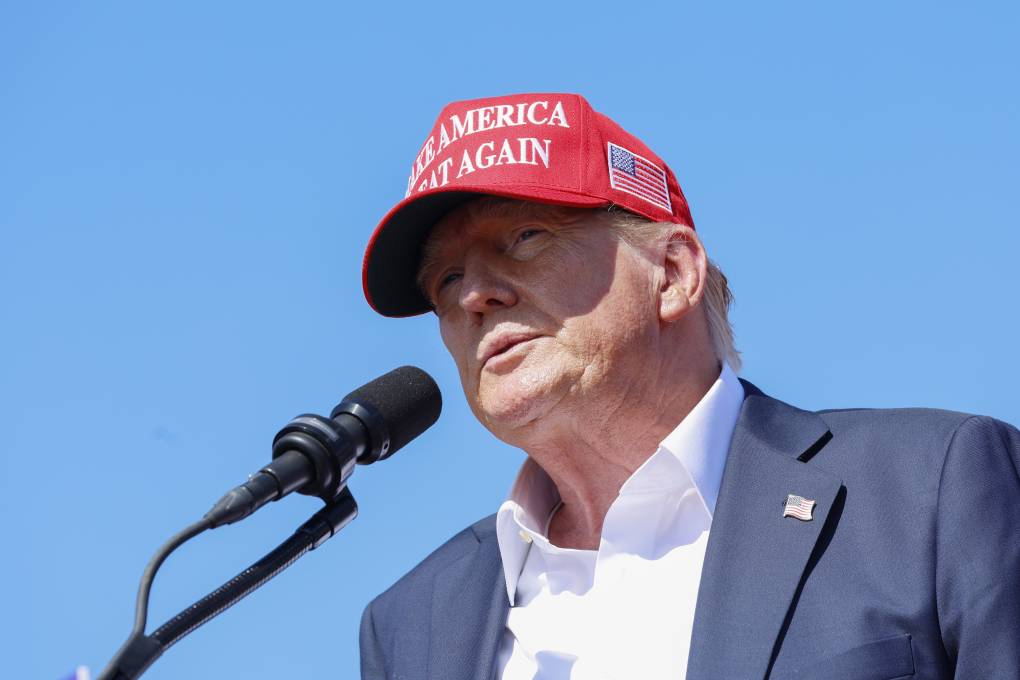
"caption": "Republican presidential candidate, former US President Donald Trump speaks during a rally at Greenbrier Farms on June 28, 2024 in Chesapeake, Virginia. Last night Trump and US President Joe Biden took part in the first presidential debate of the 2024 campaign. ",
"credit": "Anna Moneymaker/Getty Images",
"altTag": null,
"description": null,
"imgSizes": {
"medium": {
"file": "https://cdn.kqed.org/wp-content/uploads/sites/10/2024/07/GettyImages-2159726975-800x533.jpg",
"width": 800,
"height": 533,
"mimeType": "image/jpeg"
},
"large": {
"file": "https://cdn.kqed.org/wp-content/uploads/sites/10/2024/07/GettyImages-2159726975-1020x680.jpg",
"width": 1020,
"height": 680,
"mimeType": "image/jpeg"
},
"thumbnail": {
"file": "https://cdn.kqed.org/wp-content/uploads/sites/10/2024/07/GettyImages-2159726975-160x107.jpg",
"width": 160,
"height": 107,
"mimeType": "image/jpeg"
},
"1536x1536": {
"file": "https://cdn.kqed.org/wp-content/uploads/sites/10/2024/07/GettyImages-2159726975-1536x1024.jpg",
"width": 1536,
"height": 1024,
"mimeType": "image/jpeg"
},
"2048x2048": {
"file": "https://cdn.kqed.org/wp-content/uploads/sites/10/2024/07/GettyImages-2159726975-2048x1365.jpg",
"width": 2048,
"height": 1365,
"mimeType": "image/jpeg"
},
"post-thumbnail": {
"file": "https://cdn.kqed.org/wp-content/uploads/sites/10/2024/07/GettyImages-2159726975-672x372.jpg",
"width": 672,
"height": 372,
"mimeType": "image/jpeg"
},
"twentyfourteen-full-width": {
"file": "https://cdn.kqed.org/wp-content/uploads/sites/10/2024/07/GettyImages-2159726975-1038x576.jpg",
"width": 1038,
"height": 576,
"mimeType": "image/jpeg"
},
"full-width": {
"file": "https://cdn.kqed.org/wp-content/uploads/sites/10/2024/07/GettyImages-2159726975-1920x1280.jpg",
"width": 1920,
"height": 1280,
"mimeType": "image/jpeg"
},
"kqedFullSize": {
"file": "https://cdn.kqed.org/wp-content/uploads/sites/10/2024/07/GettyImages-2159726975-scaled.jpg",
"width": 2560,
"height": 1707
}
},
"isLoading": false,
"fetchFailed": false
},
"news_11992793": {
"type": "attachments",
"id": "news_11992793",
"meta": {
"index": "attachments_1716263798",
"site": "news",
"id": "11992793",
"found": true
},
"title": "Donald Trump Gives Speech On Presidential Election In New York",
"publishDate": 1719941295,
"status": "inherit",
"parent": 11992777,
"modified": 1719941598,
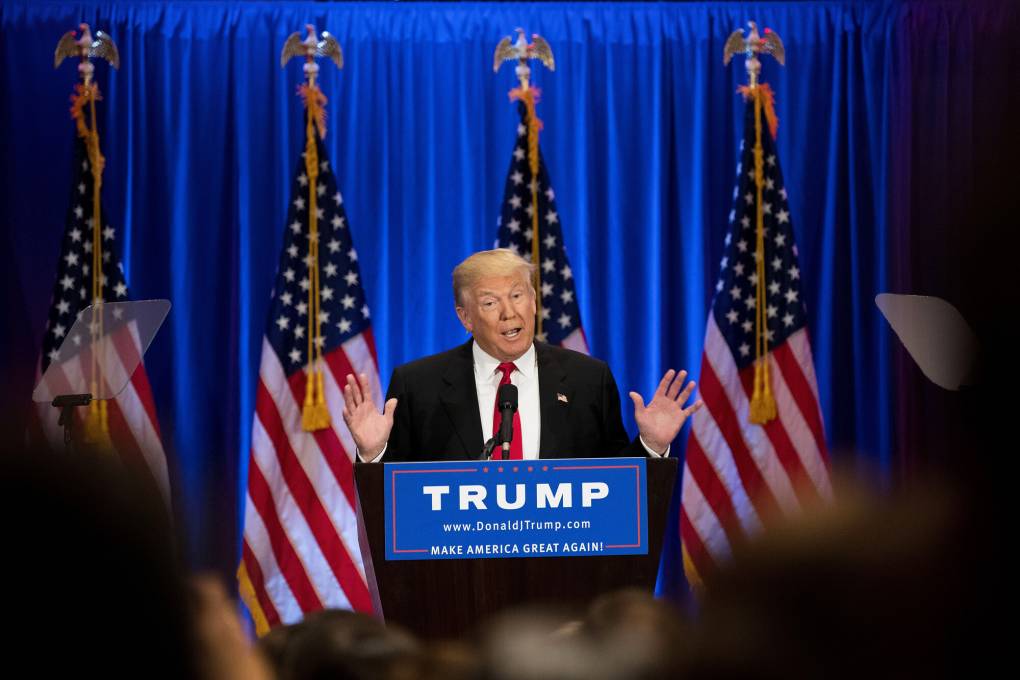
"caption": "California Democrats criticized the Supreme Court's decision granting presidents presumptive immunity from prosecution for official acts after leaving office, aligning with dissenting liberal justices who argued it places presidents above the law — a ruling seen as a significant victory for former President Trump in his federal criminal case.",
"credit": "Drew Angerer/Getty Images",
"altTag": null,
"description": null,
"imgSizes": {
"medium": {
"file": "https://cdn.kqed.org/wp-content/uploads/sites/10/2024/07/GettyImages-542134774_qed-800x533.jpg",
"width": 800,
"height": 533,
"mimeType": "image/jpeg"
},
"large": {
"file": "https://cdn.kqed.org/wp-content/uploads/sites/10/2024/07/GettyImages-542134774_qed-1020x680.jpg",
"width": 1020,
"height": 680,
"mimeType": "image/jpeg"
},
"thumbnail": {
"file": "https://cdn.kqed.org/wp-content/uploads/sites/10/2024/07/GettyImages-542134774_qed-160x107.jpg",
"width": 160,
"height": 107,
"mimeType": "image/jpeg"
},
"1536x1536": {
"file": "https://cdn.kqed.org/wp-content/uploads/sites/10/2024/07/GettyImages-542134774_qed-1536x1024.jpg",
"width": 1536,
"height": 1024,
"mimeType": "image/jpeg"
},
"post-thumbnail": {
"file": "https://cdn.kqed.org/wp-content/uploads/sites/10/2024/07/GettyImages-542134774_qed-672x372.jpg",
"width": 672,
"height": 372,
"mimeType": "image/jpeg"
},
"twentyfourteen-full-width": {
"file": "https://cdn.kqed.org/wp-content/uploads/sites/10/2024/07/GettyImages-542134774_qed-1038x576.jpg",
"width": 1038,
"height": 576,
"mimeType": "image/jpeg"
},
"full-width": {
"file": "https://cdn.kqed.org/wp-content/uploads/sites/10/2024/07/GettyImages-542134774_qed-1920x1280.jpg",
"width": 1920,
"height": 1280,
"mimeType": "image/jpeg"
},
"kqedFullSize": {
"file": "https://cdn.kqed.org/wp-content/uploads/sites/10/2024/07/GettyImages-542134774_qed.jpg",
"width": 2000,
"height": 1333
}
},
"isLoading": false,
"fetchFailed": false
},
"news_11992520": {
"type": "attachments",
"id": "news_11992520",
"meta": {
"index": "attachments_1716263798",
"site": "news",
"id": "11992520",
"found": true
},
"title": "Donald Trump And Joe Biden Participate In First Presidential Debate",
"publishDate": 1719620127,
"status": "inherit",
"parent": 11992512,
"modified": 1719620127,
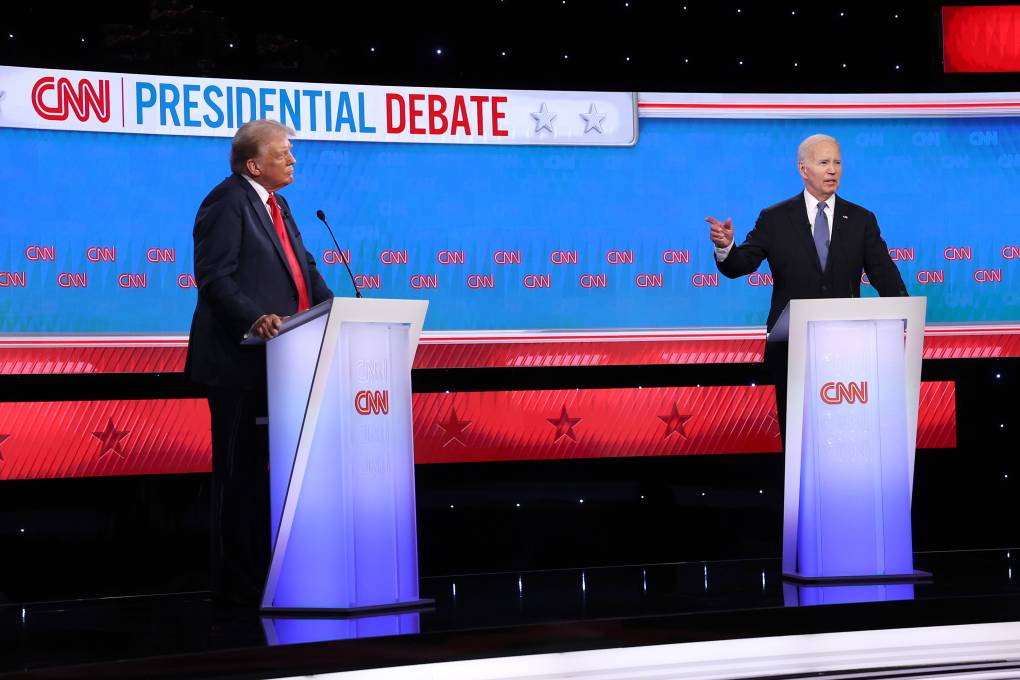
"caption": "ATLANTA, GEORGIA - JUNE 27: U.S. President Joe Biden (R) and Republican presidential candidate, former U.S. President Donald Trump participate in the CNN Presidential Debate at the CNN Studios on June 27, 2024 in Atlanta, Georgia. President Biden and former President Trump are facing off in the first presidential debate of the 2024 campaign. (Photo by Justin Sullivan/Getty Images)",
"credit": null,
"altTag": null,
"description": null,
"imgSizes": {
"medium": {
"file": "https://cdn.kqed.org/wp-content/uploads/sites/10/2024/06/GettyImages-2159611074-800x533.jpg",
"width": 800,
"height": 533,
"mimeType": "image/jpeg"
},
"large": {
"file": "https://cdn.kqed.org/wp-content/uploads/sites/10/2024/06/GettyImages-2159611074-1020x680.jpg",
"width": 1020,
"height": 680,
"mimeType": "image/jpeg"
},
"thumbnail": {
"file": "https://cdn.kqed.org/wp-content/uploads/sites/10/2024/06/GettyImages-2159611074-160x107.jpg",
"width": 160,
"height": 107,
"mimeType": "image/jpeg"
},
"1536x1536": {
"file": "https://cdn.kqed.org/wp-content/uploads/sites/10/2024/06/GettyImages-2159611074-1536x1024.jpg",
"width": 1536,
"height": 1024,
"mimeType": "image/jpeg"
},
"2048x2048": {
"file": "https://cdn.kqed.org/wp-content/uploads/sites/10/2024/06/GettyImages-2159611074-2048x1365.jpg",
"width": 2048,
"height": 1365,
"mimeType": "image/jpeg"
},
"post-thumbnail": {
"file": "https://cdn.kqed.org/wp-content/uploads/sites/10/2024/06/GettyImages-2159611074-672x372.jpg",
"width": 672,
"height": 372,
"mimeType": "image/jpeg"
},
"twentyfourteen-full-width": {
"file": "https://cdn.kqed.org/wp-content/uploads/sites/10/2024/06/GettyImages-2159611074-1038x576.jpg",
"width": 1038,
"height": 576,
"mimeType": "image/jpeg"
},
"full-width": {
"file": "https://cdn.kqed.org/wp-content/uploads/sites/10/2024/06/GettyImages-2159611074-1920x1280.jpg",
"width": 1920,
"height": 1280,
"mimeType": "image/jpeg"
},
"kqedFullSize": {
"file": "https://cdn.kqed.org/wp-content/uploads/sites/10/2024/06/GettyImages-2159611074-scaled.jpg",
"width": 2560,
"height": 1707
}
},
"isLoading": false,
"fetchFailed": false
},
"news_11991885": {
"type": "attachments",
"id": "news_11991885",
"meta": {
"index": "attachments_1716263798",
"site": "news",
"id": "11991885",
"found": true
},
"title": "US-ECONOMY-MILKEN",
"publishDate": 1719344984,
"status": "inherit",
"parent": 11991846,
"modified": 1719345056,
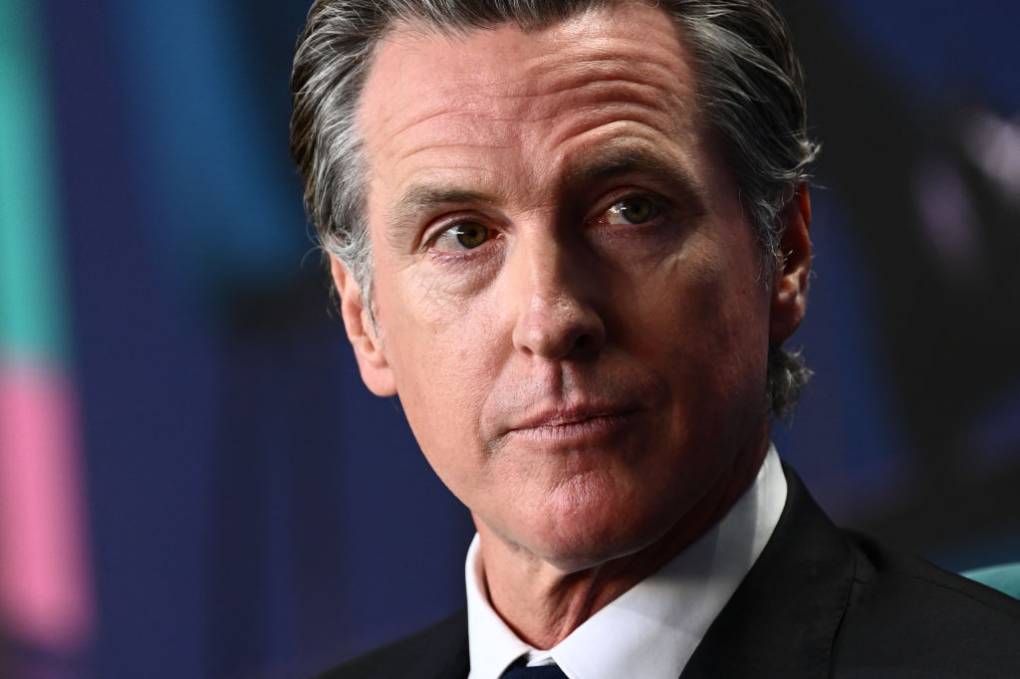
"caption": "California Gov. Gavin Newsom speaks during the Milken Institute Global Conference in Beverly Hills, Los Angeles County, on May 2, 2023.",
"credit": "Patrick T. Fallon/AFP via Getty Images",
"altTag": null,
"description": null,
"imgSizes": {
"medium": {
"file": "https://cdn.kqed.org/wp-content/uploads/sites/10/2024/06/GettyImages-1252545130-800x533.jpg",
"width": 800,
"height": 533,
"mimeType": "image/jpeg"
},
"large": {
"file": "https://cdn.kqed.org/wp-content/uploads/sites/10/2024/06/GettyImages-1252545130-1020x679.jpg",
"width": 1020,
"height": 679,
"mimeType": "image/jpeg"
},
"thumbnail": {
"file": "https://cdn.kqed.org/wp-content/uploads/sites/10/2024/06/GettyImages-1252545130-160x107.jpg",
"width": 160,
"height": 107,
"mimeType": "image/jpeg"
},
"post-thumbnail": {
"file": "https://cdn.kqed.org/wp-content/uploads/sites/10/2024/06/GettyImages-1252545130-672x372.jpg",
"width": 672,
"height": 372,
"mimeType": "image/jpeg"
},
"twentyfourteen-full-width": {
"file": "https://cdn.kqed.org/wp-content/uploads/sites/10/2024/06/GettyImages-1252545130-1024x576.jpg",
"width": 1024,
"height": 576,
"mimeType": "image/jpeg"
},
"kqedFullSize": {
"file": "https://cdn.kqed.org/wp-content/uploads/sites/10/2024/06/GettyImages-1252545130.jpg",
"width": 1024,
"height": 682
}
},
"isLoading": false,
"fetchFailed": false
},
"news_11991329": {
"type": "attachments",
"id": "news_11991329",
"meta": {
"index": "attachments_1716263798",
"site": "news",
"id": "11991329",
"found": true
},
"title": "Capitol Hill Trump",
"publishDate": 1718916377,
"status": "inherit",
"parent": 11991317,
"modified": 1718916377,
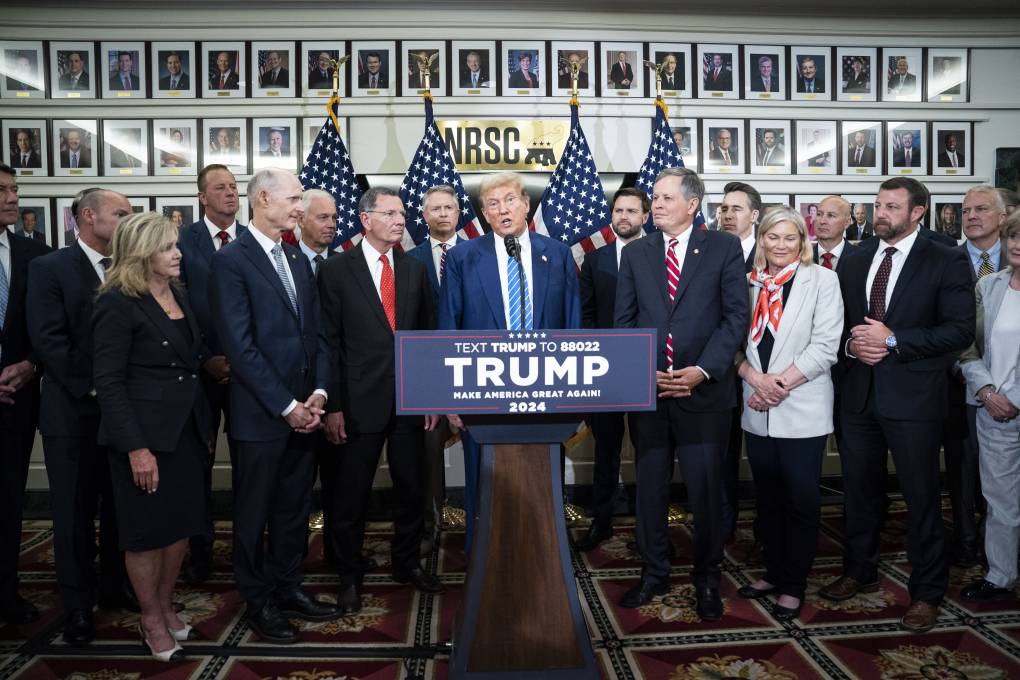
"caption": "Washington, DC - June 13 : Former President Donald Trump meets with Republican Senators at the National Republican Senatorial Committee building on Capitol Hill in Washington, DC on Thursday, June 13, 2024. (Photo by Jabin Botsford/The Washington Post via Getty Images)",
"credit": null,
"altTag": null,
"description": null,
"imgSizes": {
"medium": {
"file": "https://cdn.kqed.org/wp-content/uploads/sites/10/2024/06/GettyImages-2156824484-800x533.jpg",
"width": 800,
"height": 533,
"mimeType": "image/jpeg"
},
"large": {
"file": "https://cdn.kqed.org/wp-content/uploads/sites/10/2024/06/GettyImages-2156824484-1020x680.jpg",
"width": 1020,
"height": 680,
"mimeType": "image/jpeg"
},
"thumbnail": {
"file": "https://cdn.kqed.org/wp-content/uploads/sites/10/2024/06/GettyImages-2156824484-160x107.jpg",
"width": 160,
"height": 107,
"mimeType": "image/jpeg"
},
"1536x1536": {
"file": "https://cdn.kqed.org/wp-content/uploads/sites/10/2024/06/GettyImages-2156824484-1536x1024.jpg",
"width": 1536,
"height": 1024,
"mimeType": "image/jpeg"
},
"2048x2048": {
"file": "https://cdn.kqed.org/wp-content/uploads/sites/10/2024/06/GettyImages-2156824484-2048x1365.jpg",
"width": 2048,
"height": 1365,
"mimeType": "image/jpeg"
},
"post-thumbnail": {
"file": "https://cdn.kqed.org/wp-content/uploads/sites/10/2024/06/GettyImages-2156824484-672x372.jpg",
"width": 672,
"height": 372,
"mimeType": "image/jpeg"
},
"twentyfourteen-full-width": {
"file": "https://cdn.kqed.org/wp-content/uploads/sites/10/2024/06/GettyImages-2156824484-1038x576.jpg",
"width": 1038,
"height": 576,
"mimeType": "image/jpeg"
},
"full-width": {
"file": "https://cdn.kqed.org/wp-content/uploads/sites/10/2024/06/GettyImages-2156824484-1920x1280.jpg",
"width": 1920,
"height": 1280,
"mimeType": "image/jpeg"
},
"kqedFullSize": {
"file": "2024/06/GettyImages-2156824484-scaled.jpg",
"width": 2560,
"height": 1707
}
},
"isLoading": false,
"fetchFailed": false
},
"news_11988384": {
"type": "attachments",
"id": "news_11988384",
"meta": {
"index": "attachments_1716263798",
"site": "news",
"id": "11988384",
"found": true
},
"title": "President Trump Holds A Press Conference At Trump Tower Day After Guilty Verdict",
"publishDate": 1717175093,
"status": "inherit",
"parent": 11988382,
"modified": 1717175093,
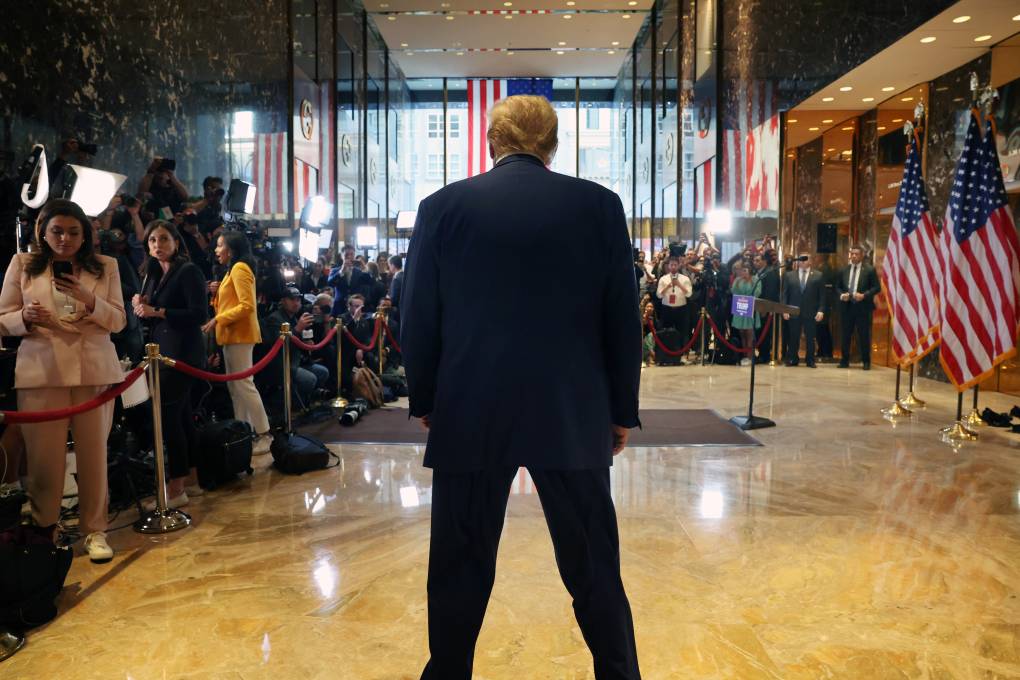
"caption": "NEW YORK, NEW YORK - MAY 31: Former U.S. President Donald Trump speaks at a news conference at Trump Tower following the verdict in his hush-money trial at Trump Tower on May 31, 2024 in New York City. A New York jury found Trump guilty Thursday of all 34 charges of covering up a $130,000 hush money payment to adult film star Stormy Daniels to keep her story of their alleged affair from being published during the 2016 presidential election. Trump is the first former U.S. president to be convicted of crimes.",
"credit": null,
"altTag": null,
"description": null,
"imgSizes": {
"medium": {
"file": "https://cdn.kqed.org/wp-content/uploads/sites/10/2024/05/GettyImages-2155448226-800x533.jpg",
"width": 800,
"height": 533,
"mimeType": "image/jpeg"
},
"large": {
"file": "https://cdn.kqed.org/wp-content/uploads/sites/10/2024/05/GettyImages-2155448226-1020x680.jpg",
"width": 1020,
"height": 680,
"mimeType": "image/jpeg"
},
"thumbnail": {
"file": "https://cdn.kqed.org/wp-content/uploads/sites/10/2024/05/GettyImages-2155448226-160x107.jpg",
"width": 160,
"height": 107,
"mimeType": "image/jpeg"
},
"1536x1536": {
"file": "https://cdn.kqed.org/wp-content/uploads/sites/10/2024/05/GettyImages-2155448226-1536x1024.jpg",
"width": 1536,
"height": 1024,
"mimeType": "image/jpeg"
},
"2048x2048": {
"file": "https://cdn.kqed.org/wp-content/uploads/sites/10/2024/05/GettyImages-2155448226-2048x1365.jpg",
"width": 2048,
"height": 1365,
"mimeType": "image/jpeg"
},
"post-thumbnail": {
"file": "https://cdn.kqed.org/wp-content/uploads/sites/10/2024/05/GettyImages-2155448226-672x372.jpg",
"width": 672,
"height": 372,
"mimeType": "image/jpeg"
},
"twentyfourteen-full-width": {
"file": "https://cdn.kqed.org/wp-content/uploads/sites/10/2024/05/GettyImages-2155448226-1038x576.jpg",
"width": 1038,
"height": 576,
"mimeType": "image/jpeg"
},
"full-width": {
"file": "https://cdn.kqed.org/wp-content/uploads/sites/10/2024/05/GettyImages-2155448226-1920x1280.jpg",
"width": 1920,
"height": 1280,
"mimeType": "image/jpeg"
},
"kqedFullSize": {
"file": "https://cdn.kqed.org/wp-content/uploads/sites/10/2024/05/GettyImages-2155448226-scaled.jpg",
"width": 2560,
"height": 1707
}
},
"isLoading": false,
"fetchFailed": false
},
"news_11988281": {
"type": "attachments",
"id": "news_11988281",
"meta": {
"index": "attachments_1716263798",
"site": "news",
"id": "11988281",
"found": true
},
"title": null,
"publishDate": 1717103473,
"status": "inherit",
"parent": 11988241,
"modified": 1717170115,
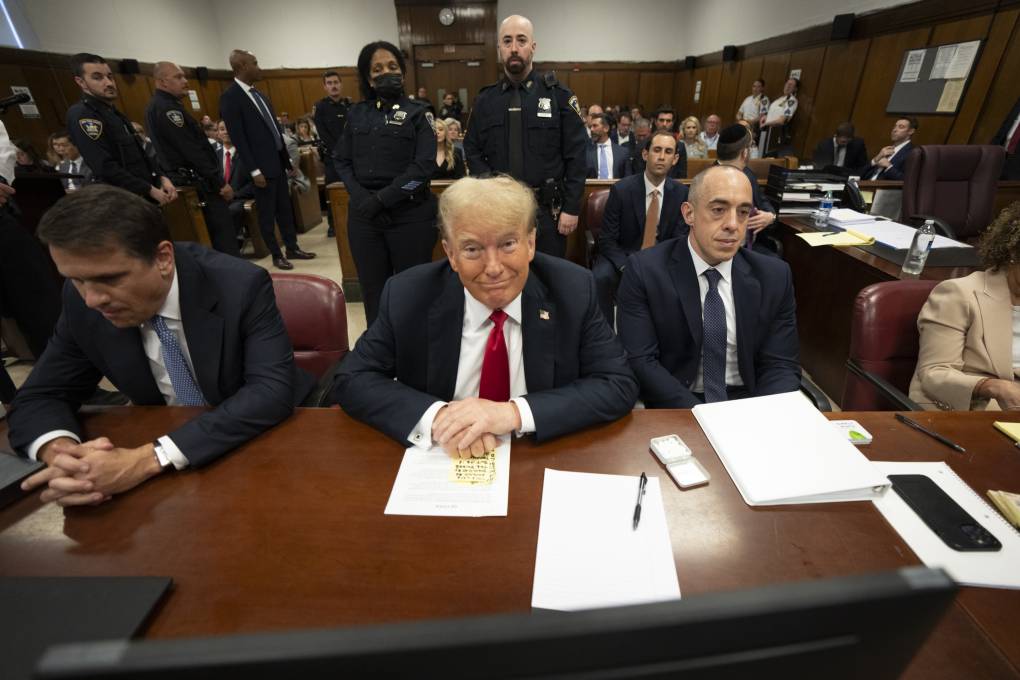
"caption": "Former US President Donald Trump sits at the defendant's table inside the courthouse as the jury continues deliberations for his hush money trial at Manhattan Criminal Court on May 30, 2024 in New York City.",
"credit": "Justin Lane/Pool/Getty Images",
"altTag": "donald trump",
"description": null,
"imgSizes": {
"medium": {
"file": "https://cdn.kqed.org/wp-content/uploads/sites/10/2024/05/GettyImages-2154693291-800x533.jpg",
"width": 800,
"height": 533,
"mimeType": "image/jpeg"
},
"large": {
"file": "https://cdn.kqed.org/wp-content/uploads/sites/10/2024/05/GettyImages-2154693291-1020x679.jpg",
"width": 1020,
"height": 679,
"mimeType": "image/jpeg"
},
"thumbnail": {
"file": "https://cdn.kqed.org/wp-content/uploads/sites/10/2024/05/GettyImages-2154693291-160x107.jpg",
"width": 160,
"height": 107,
"mimeType": "image/jpeg"
},
"1536x1536": {
"file": "https://cdn.kqed.org/wp-content/uploads/sites/10/2024/05/GettyImages-2154693291-1536x1023.jpg",
"width": 1536,
"height": 1023,
"mimeType": "image/jpeg"
},
"2048x2048": {
"file": "https://cdn.kqed.org/wp-content/uploads/sites/10/2024/05/GettyImages-2154693291-2048x1364.jpg",
"width": 2048,
"height": 1364,
"mimeType": "image/jpeg"
},
"post-thumbnail": {
"file": "https://cdn.kqed.org/wp-content/uploads/sites/10/2024/05/GettyImages-2154693291-672x372.jpg",
"width": 672,
"height": 372,
"mimeType": "image/jpeg"
},
"twentyfourteen-full-width": {
"file": "https://cdn.kqed.org/wp-content/uploads/sites/10/2024/05/GettyImages-2154693291-1038x576.jpg",
"width": 1038,
"height": 576,
"mimeType": "image/jpeg"
},
"full-width": {
"file": "https://cdn.kqed.org/wp-content/uploads/sites/10/2024/05/GettyImages-2154693291-1920x1279.jpg",
"width": 1920,
"height": 1279,
"mimeType": "image/jpeg"
},
"kqedFullSize": {
"file": "https://cdn.kqed.org/wp-content/uploads/sites/10/2024/05/GettyImages-2154693291-scaled.jpg",
"width": 2560,
"height": 1705
}
},
"isLoading": false,
"fetchFailed": false
},
"news_11988085": {
"type": "attachments",
"id": "news_11988085",
"meta": {
"index": "attachments_1716263798",
"site": "news",
"id": "11988085",
"found": true
},
"title": "Closing Arguments Begin In Former President Donald Trump's Hush Money Trial",
"publishDate": 1717011371,
"status": "inherit",
"parent": 11988082,
"modified": 1717011416,
"caption": "NEW YORK, NEW YORK - MAY 28: Former U.S. President Donald Trump appears for his hush money trial at Manhattan Criminal Court on May 28, 2024 in New York City. The former president faces 34 felony counts of falsifying business records in the first of his criminal cases to go to trial. (Photo by Steven Hirsch - Pool/Getty Images)",
"credit": null,
"altTag": null,
"description": null,
"imgSizes": {
"medium": {
"file": "https://cdn.kqed.org/wp-content/uploads/sites/10/2024/05/GettyImages-2154509231-800x533.jpg",
"width": 800,
"height": 533,
"mimeType": "image/jpeg"
},
"large": {
"file": "https://cdn.kqed.org/wp-content/uploads/sites/10/2024/05/GettyImages-2154509231-1020x680.jpg",
"width": 1020,
"height": 680,
"mimeType": "image/jpeg"
},
"thumbnail": {
"file": "https://cdn.kqed.org/wp-content/uploads/sites/10/2024/05/GettyImages-2154509231-160x107.jpg",
"width": 160,
"height": 107,
"mimeType": "image/jpeg"
},
"1536x1536": {
"file": "https://cdn.kqed.org/wp-content/uploads/sites/10/2024/05/GettyImages-2154509231-1536x1024.jpg",
"width": 1536,
"height": 1024,
"mimeType": "image/jpeg"
},
"2048x2048": {
"file": "https://cdn.kqed.org/wp-content/uploads/sites/10/2024/05/GettyImages-2154509231-2048x1365.jpg",
"width": 2048,
"height": 1365,
"mimeType": "image/jpeg"
},
"post-thumbnail": {
"file": "https://cdn.kqed.org/wp-content/uploads/sites/10/2024/05/GettyImages-2154509231-672x372.jpg",
"width": 672,
"height": 372,
"mimeType": "image/jpeg"
},
"twentyfourteen-full-width": {
"file": "https://cdn.kqed.org/wp-content/uploads/sites/10/2024/05/GettyImages-2154509231-1038x576.jpg",
"width": 1038,
"height": 576,
"mimeType": "image/jpeg"
},
"full-width": {
"file": "https://cdn.kqed.org/wp-content/uploads/sites/10/2024/05/GettyImages-2154509231-1920x1280.jpg",
"width": 1920,
"height": 1280,
"mimeType": "image/jpeg"
},
"kqedFullSize": {
"file": "https://cdn.kqed.org/wp-content/uploads/sites/10/2024/05/GettyImages-2154509231-scaled.jpg",
"width": 2560,
"height": 1707
}
},
"isLoading": false,
"fetchFailed": false
},
"news_11987547": {
"type": "attachments",
"id": "news_11987547",
"meta": {
"index": "attachments_1716263798",
"site": "news",
"id": "11987547",
"found": true
},
"title": "Gene Block , 74, the current and 6th chancellor of the University of California, Los Angeles",
"publishDate": 1716499560,
"status": "inherit",
"parent": 11987546,
"modified": 1716499560,
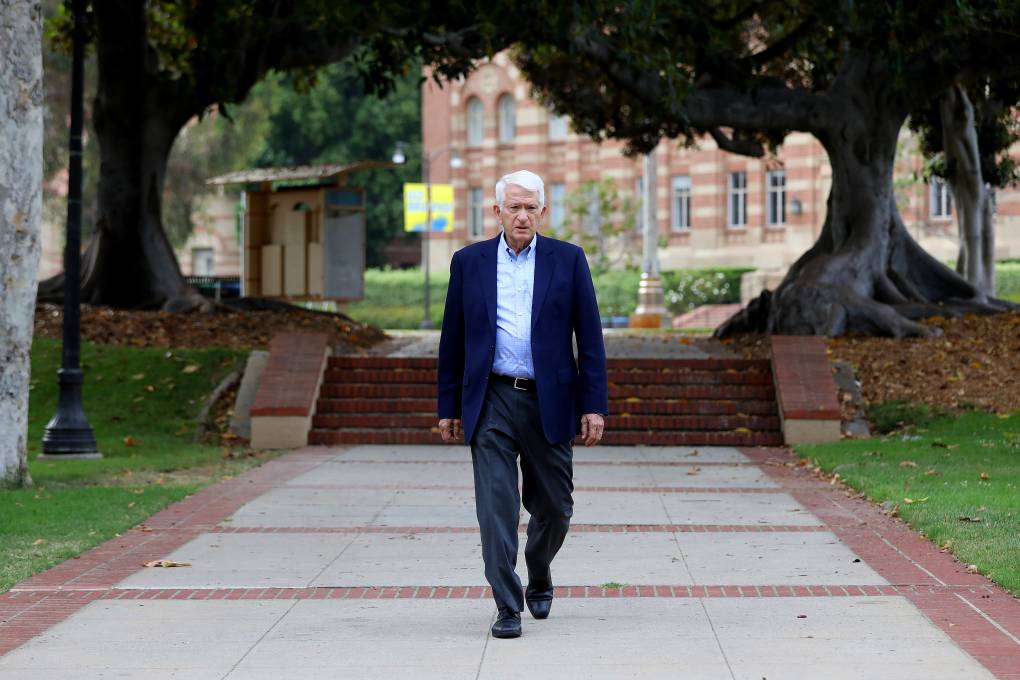
"caption": "LOS ANGELES, CA - JULY 31: Gene Block , 74, the current and 6th chancellor of the University of California, Los Angeles (UCLA) since August 2007, on the campus of UCLA on Monday, July 31, 2023 in Los Angeles, CA. (Gary Coronado / Los Angeles Times via Getty Images)",
"credit": null,
"altTag": null,
"description": null,
"imgSizes": {
"medium": {
"file": "https://cdn.kqed.org/wp-content/uploads/sites/10/2024/05/GettyImages-1574816777-800x533.jpg",
"width": 800,
"height": 533,
"mimeType": "image/jpeg"
},
"large": {
"file": "https://cdn.kqed.org/wp-content/uploads/sites/10/2024/05/GettyImages-1574816777-1020x680.jpg",
"width": 1020,
"height": 680,
"mimeType": "image/jpeg"
},
"thumbnail": {
"file": "https://cdn.kqed.org/wp-content/uploads/sites/10/2024/05/GettyImages-1574816777-160x107.jpg",
"width": 160,
"height": 107,
"mimeType": "image/jpeg"
},
"1536x1536": {
"file": "https://cdn.kqed.org/wp-content/uploads/sites/10/2024/05/GettyImages-1574816777-1536x1024.jpg",
"width": 1536,
"height": 1024,
"mimeType": "image/jpeg"
},
"2048x2048": {
"file": "https://cdn.kqed.org/wp-content/uploads/sites/10/2024/05/GettyImages-1574816777-2048x1365.jpg",
"width": 2048,
"height": 1365,
"mimeType": "image/jpeg"
},
"post-thumbnail": {
"file": "https://cdn.kqed.org/wp-content/uploads/sites/10/2024/05/GettyImages-1574816777-672x372.jpg",
"width": 672,
"height": 372,
"mimeType": "image/jpeg"
},
"twentyfourteen-full-width": {
"file": "https://cdn.kqed.org/wp-content/uploads/sites/10/2024/05/GettyImages-1574816777-1038x576.jpg",
"width": 1038,
"height": 576,
"mimeType": "image/jpeg"
},
"full-width": {
"file": "https://cdn.kqed.org/wp-content/uploads/sites/10/2024/05/GettyImages-1574816777-1920x1280.jpg",
"width": 1920,
"height": 1280,
"mimeType": "image/jpeg"
},
"kqedFullSize": {
"file": "https://cdn.kqed.org/wp-content/uploads/sites/10/2024/05/GettyImages-1574816777-scaled.jpg",
"width": 2560,
"height": 1707
}
},
"isLoading": false,
"fetchFailed": false
},
"news_11984328": {
"type": "attachments",
"id": "news_11984328",
"meta": {
"index": "attachments_1716263798",
"site": "news",
"id": "11984328",
"found": true
},
"parent": 0,
"imgSizes": {
"twentyfourteen-full-width": {
"file": "https://cdn.kqed.org/wp-content/uploads/sites/10/2024/04/240429-CENTRAL-AMERICAN-MINORS-MD-01-KQED-1038x576.jpg",
"width": 1038,
"mimeType": "image/jpeg",
"height": 576
},
"thumbnail": {
"file": "https://cdn.kqed.org/wp-content/uploads/sites/10/2024/04/240429-CENTRAL-AMERICAN-MINORS-MD-01-KQED-160x107.jpg",
"width": 160,
"mimeType": "image/jpeg",
"height": 107
},
"post-thumbnail": {
"file": "https://cdn.kqed.org/wp-content/uploads/sites/10/2024/04/240429-CENTRAL-AMERICAN-MINORS-MD-01-KQED-672x372.jpg",
"width": 672,
"mimeType": "image/jpeg",
"height": 372
},
"kqedFullSize": {
"file": "https://cdn.kqed.org/wp-content/uploads/sites/10/2024/04/240429-CENTRAL-AMERICAN-MINORS-MD-01-KQED.jpg",
"width": 2000,
"height": 1333
},
"large": {
"file": "https://cdn.kqed.org/wp-content/uploads/sites/10/2024/04/240429-CENTRAL-AMERICAN-MINORS-MD-01-KQED-1020x680.jpg",
"width": 1020,
"mimeType": "image/jpeg",
"height": 680
},
"1536x1536": {
"file": "https://cdn.kqed.org/wp-content/uploads/sites/10/2024/04/240429-CENTRAL-AMERICAN-MINORS-MD-01-KQED-1536x1024.jpg",
"width": 1536,
"mimeType": "image/jpeg",
"height": 1024
},
"full-width": {
"file": "https://cdn.kqed.org/wp-content/uploads/sites/10/2024/04/240429-CENTRAL-AMERICAN-MINORS-MD-01-KQED-1920x1280.jpg",
"width": 1920,
"mimeType": "image/jpeg",
"height": 1280
},
"medium": {
"file": "https://cdn.kqed.org/wp-content/uploads/sites/10/2024/04/240429-CENTRAL-AMERICAN-MINORS-MD-01-KQED-800x533.jpg",
"width": 800,
"mimeType": "image/jpeg",
"height": 533
}
},
"publishDate": 1714396318,
"modified": 1715881628,
"caption": "Norma Lima in Menlo Park on April 28, 2024.",
"description": null,
"title": "Norma Lima in Menlo Park on Apr. 28, 2024.",
"credit": "Martin do Nascimento/KQED",
"status": "inherit",
"altTag": "A Latino woman leans against a fence.",
"isLoading": false,
"fetchFailed": false
},
"news_11986167": {
"type": "attachments",
"id": "news_11986167",
"meta": {
"index": "attachments_1716263798",
"site": "news",
"id": "11986167",
"found": true
},
"parent": 11986159,
"imgSizes": {
"twentyfourteen-full-width": {
"file": "https://cdn.kqed.org/wp-content/uploads/sites/10/2024/05/GettyImages-2152350217-1038x576.jpg",
"width": 1038,
"mimeType": "image/jpeg",
"height": 576
},
"thumbnail": {
"file": "https://cdn.kqed.org/wp-content/uploads/sites/10/2024/05/GettyImages-2152350217-160x96.jpg",
"width": 160,
"mimeType": "image/jpeg",
"height": 96
},
"post-thumbnail": {
"file": "https://cdn.kqed.org/wp-content/uploads/sites/10/2024/05/GettyImages-2152350217-672x372.jpg",
"width": 672,
"mimeType": "image/jpeg",
"height": 372
},
"kqedFullSize": {
"file": "https://cdn.kqed.org/wp-content/uploads/sites/10/2024/05/GettyImages-2152350217-scaled.jpg",
"width": 2560,
"height": 1542
},
"2048x2048": {
"file": "https://cdn.kqed.org/wp-content/uploads/sites/10/2024/05/GettyImages-2152350217-2048x1234.jpg",
"width": 2048,
"mimeType": "image/jpeg",
"height": 1234
},
"large": {
"file": "https://cdn.kqed.org/wp-content/uploads/sites/10/2024/05/GettyImages-2152350217-1020x614.jpg",
"width": 1020,
"mimeType": "image/jpeg",
"height": 614
},
"1536x1536": {
"file": "https://cdn.kqed.org/wp-content/uploads/sites/10/2024/05/GettyImages-2152350217-1536x925.jpg",
"width": 1536,
"mimeType": "image/jpeg",
"height": 925
},
"full-width": {
"file": "https://cdn.kqed.org/wp-content/uploads/sites/10/2024/05/GettyImages-2152350217-1920x1157.jpg",
"width": 1920,
"mimeType": "image/jpeg",
"height": 1157
},
"medium": {
"file": "https://cdn.kqed.org/wp-content/uploads/sites/10/2024/05/GettyImages-2152350217-800x482.jpg",
"width": 800,
"mimeType": "image/jpeg",
"height": 482
}
},
"publishDate": 1715721052,
"modified": 1715721052,
"caption": "Former Trump attorney, Michael Cohen, departs his home for Manhattan Criminal Court for the trial of former US President Donald Trump for allegedly covering up hush money payments linked to extramarital affairs in New York City, on May 14, 2024. Cohen returns to the witness stand on Tuesday for what is expected to be a tough grilling by the ex-president's lawyers at his historic hush money trial. (Photo by TIMOTHY A. CLARY / AFP)",
"description": null,
"title": "GettyImages-2152350217",
"credit": null,
"status": "inherit",
"altTag": null,
"isLoading": false,
"fetchFailed": false
}
},
"audioPlayerReducer": {
"postId": "stream_live",
"isPaused": true,
"isPlaying": false,
"pfsActive": false,
"pledgeModalIsOpen": true,
"playerDrawerIsOpen": false,
"liveAudioPlayStartedAt": 0,
"liveAudioPlayContext": ""
},
"authorsReducer": {
"byline_news_11991846": {
"type": "authors",
"id": "byline_news_11991846",
"meta": {
"override": true
},
"slug": "byline_news_11991846",
"name": "Adam Beam, Associated Press",
"isLoading": false
},
"byline_news_11988282": {
"type": "authors",
"id": "byline_news_11988282",
"meta": {
"override": true
},
"slug": "byline_news_11988282",
"name": "Ximena Bustillo and Andrea Bernstein",
"isLoading": false
},
"gmarzorati": {
"type": "authors",
"id": "227",
"meta": {
"index": "authors_1716337520",
"id": "227",
"found": true
},
"name": "Guy Marzorati",
"firstName": "Guy",
"lastName": "Marzorati",
"slug": "gmarzorati",
"email": "gmarzorati@KQED.org",
"display_author_email": true,
"staff_mastheads": [
"news"
],
"title": "Correspondent",
"bio": "Guy Marzorati is a correspondent on KQED's California Politics and Government Desk, based in San Jose. A graduate of Santa Clara University, Guy joined KQED in 2013. He reports on state and local politics and produces KQED's digital voter guide.",
"avatar": "https://secure.gravatar.com/avatar/e7038b8dbfd55b104369b76b1cd0b9de?s=600&d=blank&r=g",
"twitter": "guymarzorati",
"facebook": null,
"instagram": null,
"linkedin": null,
"sites": [
{
"site": "",
"roles": [
"editor"
]
},
{
"site": "news",
"roles": [
"editor"
]
},
{
"site": "science",
"roles": [
"editor"
]
},
{
"site": "forum",
"roles": [
"editor"
]
},
{
"site": "elections",
"roles": [
"editor"
]
},
{
"site": "liveblog",
"roles": [
"editor"
]
}
],
"headData": {
"title": "Guy Marzorati | KQED",
"description": "Correspondent",
"ogImgSrc": "https://secure.gravatar.com/avatar/e7038b8dbfd55b104369b76b1cd0b9de?s=600&d=blank&r=g",
"twImgSrc": "https://secure.gravatar.com/avatar/e7038b8dbfd55b104369b76b1cd0b9de?s=600&d=blank&r=g"
},
"isLoading": false,
"link": "/author/gmarzorati"
},
"kqed": {
"type": "authors",
"id": "236",
"meta": {
"index": "authors_1716337520",
"id": "236",
"found": true
},
"name": "KQED News Staff",
"firstName": "KQED News Staff",
"lastName": null,
"slug": "kqed",
"email": "faq@kqed.org",
"display_author_email": false,
"staff_mastheads": [],
"title": null,
"bio": null,
"avatar": "https://secure.gravatar.com/avatar/ef0e801a68c4c54afa9180db14084167?s=600&d=blank&r=g",
"twitter": null,
"facebook": null,
"instagram": null,
"linkedin": null,
"sites": [
{
"site": "arts",
"roles": [
"contributor"
]
},
{
"site": "news",
"roles": [
"editor"
]
},
{
"site": "futureofyou",
"roles": [
"author"
]
}
],
"headData": {
"title": "KQED News Staff | KQED",
"description": null,
"ogImgSrc": "https://secure.gravatar.com/avatar/ef0e801a68c4c54afa9180db14084167?s=600&d=blank&r=g",
"twImgSrc": "https://secure.gravatar.com/avatar/ef0e801a68c4c54afa9180db14084167?s=600&d=blank&r=g"
},
"isLoading": false,
"link": "/author/kqed"
},
"scottshafer": {
"type": "authors",
"id": "255",
"meta": {
"index": "authors_1716337520",
"id": "255",
"found": true
},
"name": "Scott Shafer",
"firstName": "Scott",
"lastName": "Shafer",
"slug": "scottshafer",
"email": "sshafer@kqed.org",
"display_author_email": false,
"staff_mastheads": [
"news"
],
"title": "KQED Contributor",
"bio": "Scott Shafer is a senior editor with the KQED Politics and Government desk. He is co-host of Political Breakdown, the award-winning radio show and podcast with a personal take on the world of politics. Scott came to KQED in 1998 to host the statewide\u003cem> California Report\u003c/em>. Prior to that he had extended stints in politics and government\u003cem>.\u003c/em> He uses that inside experience at KQED in his, reporting, hosting and analysis for the politics desk. Scott collaborated \u003cem>Political Breakdown a\u003c/em>nd on \u003cem>The Political Mind of Jerry Brown, \u003c/em>an eight-part series about the life and extraordinary political career of the former governor. For fun, he plays water polo with the San Francisco Tsunami.",
"avatar": "https://secure.gravatar.com/avatar/a62ebae45b79d7aed1a39a0e3bf68104?s=600&d=blank&r=g",
"twitter": "scottshafer",
"bluesky": null,
"facebook": null,
"instagram": null,
"linkedin": null,
"sites": [
{
"site": "news",
"roles": [
"editor"
]
},
{
"site": "stateofhealth",
"roles": [
"author"
]
},
{
"site": "science",
"roles": [
"author"
]
},
{
"site": "forum",
"roles": [
"subscriber"
]
},
{
"site": "liveblog",
"roles": [
"author"
]
}
],
"headData": {
"title": "Scott Shafer | KQED",
"description": "KQED Contributor",
"ogImgSrc": "https://secure.gravatar.com/avatar/a62ebae45b79d7aed1a39a0e3bf68104?s=600&d=blank&r=g",
"twImgSrc": "https://secure.gravatar.com/avatar/a62ebae45b79d7aed1a39a0e3bf68104?s=600&d=blank&r=g"
},
"isLoading": false,
"link": "/author/scottshafer"
},
"tychehendricks": {
"type": "authors",
"id": "259",
"meta": {
"index": "authors_1716337520",
"id": "259",
"found": true
},
"name": "Tyche Hendricks",
"firstName": "Tyche",
"lastName": "Hendricks",
"slug": "tychehendricks",
"email": "thendricks@kqed.org",
"display_author_email": true,
"staff_mastheads": [
"news"
],
"title": "KQED Senior Editor, Immigration",
"bio": "\u003cspan style=\"font-weight: 400;\">Tyche Hendricks is KQED’s senior editor for immigration, leading coverage of the policy and politics that affect California’s immigrant communities. Her work for KQED’s radio and online audiences is also carried on NPR and other national outlets. She has been recognized with awards from the Radio and Television News Directors Association, the Society for Professional Journalists; the Education Writers Association; the Best of the West and the National Federation of Community Broadcasters. Before joining KQED in 2010, Tyche spent more than a dozen years as a newspaper reporter, notably at the \u003c/span>\u003ci>\u003cspan style=\"font-weight: 400;\">San Francisco Chronicle\u003c/span>\u003c/i>\u003cspan style=\"font-weight: 400;\">. At different times she has covered criminal justice, government and politics and urban planning. Tyche has taught in the MFA Creative Writing program at the University of San Francisco and at UC Berkeley’s Graduate School of Journalism, where she was co-director of a national immigration symposium for professional journalists. She is the author of \u003c/span>\u003ci>\u003cspan style=\"font-weight: 400;\">The Wind Doesn't Need a Passport: Stories from the U.S.-Mexico Borderlands\u003c/span>\u003c/i>\u003cspan style=\"font-weight: 400;\"> (University of California Press). \u003c/span>",
"avatar": "https://secure.gravatar.com/avatar/b8ee458e2731c2d43df86882ce17267e?s=600&d=blank&r=g",
"twitter": "tychehendricks",
"facebook": null,
"instagram": null,
"linkedin": null,
"sites": [
{
"site": "news",
"roles": [
"editor"
]
},
{
"site": "stateofhealth",
"roles": [
"editor"
]
}
],
"headData": {
"title": "Tyche Hendricks | KQED",
"description": "KQED Senior Editor, Immigration",
"ogImgSrc": "https://secure.gravatar.com/avatar/b8ee458e2731c2d43df86882ce17267e?s=600&d=blank&r=g",
"twImgSrc": "https://secure.gravatar.com/avatar/b8ee458e2731c2d43df86882ce17267e?s=600&d=blank&r=g"
},
"isLoading": false,
"link": "/author/tychehendricks"
},
"mlagos": {
"type": "authors",
"id": "3239",
"meta": {
"index": "authors_1716337520",
"id": "3239",
"found": true
},
"name": "Marisa Lagos",
"firstName": "Marisa",
"lastName": "Lagos",
"slug": "mlagos",
"email": "mlagos@kqed.org",
"display_author_email": false,
"staff_mastheads": [
"news"
],
"title": "KQED Contributor",
"bio": "Marisa Lagos is a correspondent for KQED’s California Politics and Government Desk and co-hosts the award-winning show and podcast, Political Breakdown. At KQED, Lagos also conducts reporting, analysis and investigations into state, local and national politics for radio, TV, online and onstage. In 2022, she and co-host, Scott Shafer, moderated the only gubernatorial debate in California. In 2020, the \u003ci>Washington Post\u003c/i> named her one of the top political journalists in California; she was nominated for a Peabody and won several other awards for her work investigating the 2017 California wildfires. She has worked at the \u003ci>San Francisco Chronicle\u003c/i>, \u003ci>San Francisco Examiner\u003c/i> and \u003ci>Los Angeles Times\u003c/i>. A UC Santa Barbara graduate, she lives in San Francisco with her two sons and husband.",
"avatar": "https://secure.gravatar.com/avatar/a261a0d3696fc066871ef96b85b5e7d2?s=600&d=blank&r=g",
"twitter": "@mlagos",
"facebook": null,
"instagram": null,
"linkedin": null,
"sites": [
{
"site": "arts",
"roles": [
"author"
]
},
{
"site": "news",
"roles": [
"editor"
]
},
{
"site": "science",
"roles": [
"editor"
]
},
{
"site": "forum",
"roles": [
"author"
]
},
{
"site": "liveblog",
"roles": [
"author"
]
}
],
"headData": {
"title": "Marisa Lagos | KQED",
"description": "KQED Contributor",
"ogImgSrc": "https://secure.gravatar.com/avatar/a261a0d3696fc066871ef96b85b5e7d2?s=600&d=blank&r=g",
"twImgSrc": "https://secure.gravatar.com/avatar/a261a0d3696fc066871ef96b85b5e7d2?s=600&d=blank&r=g"
},
"isLoading": false,
"link": "/author/mlagos"
}
},
"pagesReducer": {
"news_tag_donald-trump": {
"type": "terms",
"id": "news_1323",
"meta": {
"index": "terms_1716263798",
"site": "news",
"id": "1323",
"score": 8.555212
},
"featImg": null,
"name": "Donald Trump",
"description": null,
"taxonomy": "tag",
"headData": {
"twImgId": null,
"twTitle": null,
"ogTitle": null,
"ogImgId": null,
"twDescription": null,
"description": null,
"title": "Donald Trump Archives | KQED News",
"ogDescription": null
},
"ttid": 1335,
"slug": "donald-trump",
"isLoading": false,
"title": "Donald Trump",
"pageMeta": {
"site": "news",
"WpPageTemplate": "page-topic-editorial",
"currentPage": 70
},
"blocks": [
{
"blockName": "kqed/post-list",
"attrs": {
"layout": "cardArticle2",
"query": "posts/news?tag=donald-trump",
"seeMore": false,
"paginated": true,
"page": 70
}
},
{
"blockName": "kqed/ad"
}
]
}
},
"pfsSessionReducer": {},
"postsReducer": {
"stream_live": {
"type": "live",
"id": "stream_live",
"audioUrl": "https://streams.kqed.org/kqedradio",
"title": "Live Stream",
"excerpt": "Live Stream information currently unavailable.",
"link": "/radio",
"featImg": "",
"label": {
"name": "KQED Live",
"link": "/"
}
},
"stream_kqedNewscast": {
"type": "posts",
"id": "stream_kqedNewscast",
"audioUrl": "https://www.kqed.org/.stream/anon/radio/RDnews/newscast.mp3?_=1",
"title": "KQED Newscast",
"featImg": "",
"label": {
"name": "88.5 FM",
"link": "/"
}
},
"news_11993255": {
"type": "posts",
"id": "news_11993255",
"meta": {
"index": "posts_1716263798",
"site": "news",
"id": "11993255",
"score": null,
"sort": [
1720485043000
]
},
"guestAuthors": [],
"slug": "if-trump-wins-project-2025",
"title": "If Trump Wins: Project 2025",
"publishDate": 1720485043,
"format": "audio",
"headTitle": "If Trump Wins: Project 2025 | KQED",
"labelTerm": {},
"content": "\u003cp>The Republican National Convention starts one week from today, and we will spend this entire week examining what a second Donald Trump presidency would look like based on what he and his allies have been saying and have laid out in public. Today, Marisa and Scott are joined by Philip Bump, national columnist for the Washington Post, to dig into Project 2025, the conservative playbook by Trump allies that aims to consolidate presidential power and sideline critics.\u003c/p>\n\u003cp>We will continue looking into several policy areas in the coming days, including democracy, climate, economy, foreign policy and immigration.\u003c/p>\n\u003cp>[ad fullwidth]\u003c/p>\u003cp>\u003c/p>\n",
"blocks": [],
"excerpt": null,
"status": "publish",
"parent": 0,
"modified": 1727474840,
"stats": {
"hasAudio": false,
"hasVideo": false,
"hasChartOrMap": false,
"iframeSrcs": [],
"hasGoogleForm": false,
"hasGallery": false,
"hasHearkenModule": false,
"hasPolis": false,
"paragraphCount": 4,
"wordCount": 100
},
"headData": {
"title": "If Trump Wins: Project 2025 | KQED",
"description": "The Republican National Convention starts one week from today, and we will spend this entire week examining what a second Donald Trump presidency would look like based on what he and his allies have been saying and have laid out in public. Today, Marisa and Scott are joined by Philip Bump, national columnist for the Washington Post, to dig into Project 2025, the conservative playbook by Trump allies that aims to consolidate presidential power and sideline critics. We will continue looking into several policy areas in the coming days, including democracy, climate, economy, foreign policy and immigration.",
"ogTitle": "",
"ogDescription": "",
"ogImgId": "",
"twTitle": "",
"twDescription": "",
"twImgId": "",
"schema": {
"@context": "https://schema.org",
"@type": "NewsArticle",
"headline": "If Trump Wins: Project 2025",
"datePublished": "2024-07-08T17:30:43-07:00",
"dateModified": "2024-09-27T15:07:20-07:00",
"image": "https://cdn.kqed.org/wp-content/uploads/2020/02/KQED-OG-Image@1x.png",
"isAccessibleForFree": "True",
"publisher": {
"@type": "NewsMediaOrganization",
"@id": "https://www.kqed.org/#organization",
"name": "KQED",
"logo": "https://cdn.kqed.org/wp-content/uploads/2020/02/KQED-OG-Image@1x.png",
"url": "https://www.kqed.org",
"sameAs": [
"https://www.facebook.com/KQED",
"https://twitter.com/KQED",
"https://www.instagram.com/kqed/",
"https://www.tiktok.com/@kqedofficial",
"https://www.linkedin.com/company/kqed",
"https://www.youtube.com/channel/UCeC0IOo7i1P_61zVUWbJ4nw"
]
}
}
},
"source": "Political Breakdown",
"audioUrl": "https://www.podtrac.com/pts/redirect.mp3/chrt.fm/track/G6C7C3/traffic.megaphone.fm/KQINC7758550327.mp3?updated=1720481717",
"sticky": false,
"nprStoryId": "kqed-11993255",
"excludeFromSiteSearch": "Include",
"articleAge": "0",
"path": "/news/11993255/if-trump-wins-project-2025",
"audioTrackLength": null,
"parsedContent": [
{
"type": "contentString",
"content": "\u003cdiv class=\"post-body\">\u003cp>\u003cp>The Republican National Convention starts one week from today, and we will spend this entire week examining what a second Donald Trump presidency would look like based on what he and his allies have been saying and have laid out in public. Today, Marisa and Scott are joined by Philip Bump, national columnist for the Washington Post, to dig into Project 2025, the conservative playbook by Trump allies that aims to consolidate presidential power and sideline critics.\u003c/p>\n\u003cp>We will continue looking into several policy areas in the coming days, including democracy, climate, economy, foreign policy and immigration.\u003c/p>\n\u003cp>\u003c/p>\u003c/div>",
"attributes": {
"named": {},
"numeric": []
}
},
{
"type": "component",
"content": "",
"name": "ad",
"attributes": {
"named": {
"label": "fullwidth"
},
"numeric": [
"fullwidth"
]
}
},
{
"type": "contentString",
"content": "\u003cdiv class=\"post-body\">\u003cp>\u003c/p>\u003cp>\u003c/p>\n\u003c/div>\u003c/p>",
"attributes": {
"named": {},
"numeric": []
}
}
],
"link": "/news/11993255/if-trump-wins-project-2025",
"authors": [
"3239",
"255"
],
"programs": [
"news_33544"
],
"categories": [
"news_8",
"news_33520"
],
"tags": [
"news_1323",
"news_32839",
"news_717",
"news_22235",
"news_17968",
"news_29111",
"news_34224"
],
"featImg": "news_11993297",
"label": "source_news_11993255"
},
"news_11992777": {
"type": "posts",
"id": "news_11992777",
"meta": {
"index": "posts_1716263798",
"site": "news",
"id": "11992777",
"score": null,
"sort": [
1719941741000
]
},
"guestAuthors": [],
"slug": "extreme-court-puts-trump-above-the-law-in-immunity-ruling-california-democrats-say",
"title": "‘Extreme Court’ Puts Trump Above the Law In Immunity Ruling, California Democrats Say",
"publishDate": 1719941741,
"format": "standard",
"headTitle": "‘Extreme Court’ Puts Trump Above the Law In Immunity Ruling, California Democrats Say | KQED",
"labelTerm": {
"site": "news"
},
"content": "\u003cp>The \u003ca href=\"https://www.kqed.org/news/tag/supreme-court\">Supreme Court\u003c/a>’s decision on Monday that presidents have presumptive immunity from prosecution for official acts after leaving office drew sharp words from elected Democrats in the Bay Area and California.\u003c/p>\n\u003cp>Many agreed with the dissenting liberal justices who said the decision places presidents above the law. It was seen as \u003ca href=\"https://www.kqed.org/news/11992718/supreme-court-hands-trump-a-major-win-does-it-undermine-democracy\">a major win for former President Trump\u003c/a> in the federal criminal case over his efforts to overturn the results of the 2020 presidential election.\u003c/p>\n\u003cp>Rep. Nancy Pelosi, speaker of the House during the second half of Trump’s presidency, said the Supreme Court had given Trump a “political gift” and had “gone rogue with its decision, violating the foundational American principle that no one is above the law.”\u003c/p>\n\u003cp>[ad fullwidth]\u003c/p>\n\u003cp>“The former president’s claim of total presidential immunity is an insult to the vision of our founders, who declared independence from a King,” Pelosi said \u003ca href=\"https://pelosi.house.gov/news/press-releases/pelosi-statement-supreme-court-decision-violating-foundational-american\">in a statement\u003c/a>.\u003c/p>\n\u003cp>California Reps. Zoe Lofgren and Adam Schiff, who both served on the House Jan. 6 committee, sharply condemned the decision. Schiff said the decision was “far worse than anything I imagined.”\u003c/p>\n\u003cp>“It would be difficult to overstate how much this opinion shifts the balance of power away from Congress and towards the presidency and how unshackled a corrupt president will now be,” Schiff said \u003ca href=\"https://schiff.house.gov/news/press-releases/statement-rep-schiff-slams-scotus-ruling-on-trumps-claims-of-presidential-immunity\">in a statement\u003c/a>. “The Court gives the president absolute power, and it will corrupt him, absolutely.”\u003c/p>\n\u003cp>In a Monday appearance on MSNBC, Lofgren noted that in last week’s \u003ca href=\"https://www.kqed.org/news/11992512/the-aftermath-of-the-trump-biden-debate\">debate with President Biden\u003c/a>, Trump “would not commit to accepting the election results this November unless he won.”\u003c/p>\n\u003cp>“So we’ve got a problem here if he cannot be accountable if any president cannot be held accountable under the laws that exist,” she said. “That’s a complete departure from our history.”\u003c/p>\n\u003cp>Sen. Alex Padilla said \u003ca href=\"https://www.padilla.senate.gov/newsroom/press-releases/padilla-statement-on-supreme-court-decision-granting-trump-partial-immunity-from-criminal-prosecution/\">in a statement\u003c/a> that the court “afforded future presidents carte blanche to abuse the powers of their office for political and personal gain and laid the foundation for Donald Trump to have absolute authority in a potential second term.”\u003c/p>\n\u003cp>He cast the blame on Trump’s “handpicked justices,” a sentiment echoed by Rep. Anna Eshoo.\u003c/p>\n\u003cp>“We don’t have an activist court; we have an extreme court,” Eshoo told KQED. “To read Justice Sotomayor’s dissent was enough to make any decent American weep. This Fourth of July will, I think, be the saddest of my life.”\u003c/p>\n\u003cp>Notably, Rep. Eric Swalwell said special counsel Jack Smith will make the argument in the election interference case that Trump’s conduct on Jan. 6 didn’t represent “official acts.”\u003c/p>\n\u003cp>“This is not a Trump victory,” he \u003ca href=\"https://x.com/RepSwalwell/status/1807808244263579789\">posted on X\u003c/a>.\u003c/p>\n\u003cp>On this, he seemingly stands alone from his colleagues.\u003c/p>\n\u003cp>\u003cem>KQED’s \u003ca href=\"https://www.kqed.org/author/csmith\">Caroline Smith\u003c/a> contributed to this report.\u003c/em>\u003c/p>\n\u003cp>\u003c/p>\n",
"blocks": [],
"excerpt": "The Supreme Court’s decision that former President Trump has immunity from prosecution for ‘official acts’ drew sharp words from elected Democrats in the Bay Area and California.",
"status": "publish",
"parent": 0,
"modified": 1738096090,
"stats": {
"hasAudio": false,
"hasVideo": false,
"hasChartOrMap": false,
"iframeSrcs": [],
"hasGoogleForm": false,
"hasGallery": false,
"hasHearkenModule": false,
"hasPolis": false,
"paragraphCount": 17,
"wordCount": 496
},
"headData": {
"title": "‘Extreme Court’ Puts Trump Above the Law In Immunity Ruling, California Democrats Say | KQED",
"description": "The Supreme Court’s decision that former President Trump has immunity from prosecution for ‘official acts’ drew sharp words from elected Democrats in the Bay Area and California.",
"ogTitle": "",
"ogDescription": "",
"ogImgId": "",
"twTitle": "",
"twDescription": "",
"twImgId": "",
"schema": {
"@context": "https://schema.org",
"@type": "NewsArticle",
"headline": "‘Extreme Court’ Puts Trump Above the Law In Immunity Ruling, California Democrats Say",
"datePublished": "2024-07-02T10:35:41-07:00",
"dateModified": "2025-01-28T12:28:10-08:00",
"image": "https://cdn.kqed.org/wp-content/uploads/2020/02/KQED-OG-Image@1x.png",
"isAccessibleForFree": "True",
"publisher": {
"@type": "NewsMediaOrganization",
"@id": "https://www.kqed.org/#organization",
"name": "KQED",
"logo": "https://cdn.kqed.org/wp-content/uploads/2020/02/KQED-OG-Image@1x.png",
"url": "https://www.kqed.org",
"sameAs": [
"https://www.facebook.com/KQED",
"https://twitter.com/KQED",
"https://www.instagram.com/kqed/",
"https://www.tiktok.com/@kqedofficial",
"https://www.linkedin.com/company/kqed",
"https://www.youtube.com/channel/UCeC0IOo7i1P_61zVUWbJ4nw"
]
}
}
},
"sticky": false,
"nprStoryId": "kqed-11992777",
"excludeFromSiteSearch": "Include",
"articleAge": "0",
"path": "/news/11992777/extreme-court-puts-trump-above-the-law-in-immunity-ruling-california-democrats-say",
"audioTrackLength": null,
"parsedContent": [
{
"type": "contentString",
"content": "\u003cdiv class=\"post-body\">\u003cp>\u003cp>The \u003ca href=\"https://www.kqed.org/news/tag/supreme-court\">Supreme Court\u003c/a>’s decision on Monday that presidents have presumptive immunity from prosecution for official acts after leaving office drew sharp words from elected Democrats in the Bay Area and California.\u003c/p>\n\u003cp>Many agreed with the dissenting liberal justices who said the decision places presidents above the law. It was seen as \u003ca href=\"https://www.kqed.org/news/11992718/supreme-court-hands-trump-a-major-win-does-it-undermine-democracy\">a major win for former President Trump\u003c/a> in the federal criminal case over his efforts to overturn the results of the 2020 presidential election.\u003c/p>\n\u003cp>Rep. Nancy Pelosi, speaker of the House during the second half of Trump’s presidency, said the Supreme Court had given Trump a “political gift” and had “gone rogue with its decision, violating the foundational American principle that no one is above the law.”\u003c/p>\n\u003cp>\u003c/p>\u003c/div>",
"attributes": {
"named": {},
"numeric": []
}
},
{
"type": "component",
"content": "",
"name": "ad",
"attributes": {
"named": {
"label": "fullwidth"
},
"numeric": [
"fullwidth"
]
}
},
{
"type": "contentString",
"content": "\u003cdiv class=\"post-body\">\u003cp>\u003c/p>\n\u003cp>“The former president’s claim of total presidential immunity is an insult to the vision of our founders, who declared independence from a King,” Pelosi said \u003ca href=\"https://pelosi.house.gov/news/press-releases/pelosi-statement-supreme-court-decision-violating-foundational-american\">in a statement\u003c/a>.\u003c/p>\n\u003cp>California Reps. Zoe Lofgren and Adam Schiff, who both served on the House Jan. 6 committee, sharply condemned the decision. Schiff said the decision was “far worse than anything I imagined.”\u003c/p>\n\u003cp>“It would be difficult to overstate how much this opinion shifts the balance of power away from Congress and towards the presidency and how unshackled a corrupt president will now be,” Schiff said \u003ca href=\"https://schiff.house.gov/news/press-releases/statement-rep-schiff-slams-scotus-ruling-on-trumps-claims-of-presidential-immunity\">in a statement\u003c/a>. “The Court gives the president absolute power, and it will corrupt him, absolutely.”\u003c/p>\n\u003cp>In a Monday appearance on MSNBC, Lofgren noted that in last week’s \u003ca href=\"https://www.kqed.org/news/11992512/the-aftermath-of-the-trump-biden-debate\">debate with President Biden\u003c/a>, Trump “would not commit to accepting the election results this November unless he won.”\u003c/p>\n\u003cp>“So we’ve got a problem here if he cannot be accountable if any president cannot be held accountable under the laws that exist,” she said. “That’s a complete departure from our history.”\u003c/p>\n\u003cp>Sen. Alex Padilla said \u003ca href=\"https://www.padilla.senate.gov/newsroom/press-releases/padilla-statement-on-supreme-court-decision-granting-trump-partial-immunity-from-criminal-prosecution/\">in a statement\u003c/a> that the court “afforded future presidents carte blanche to abuse the powers of their office for political and personal gain and laid the foundation for Donald Trump to have absolute authority in a potential second term.”\u003c/p>\n\u003cp>He cast the blame on Trump’s “handpicked justices,” a sentiment echoed by Rep. Anna Eshoo.\u003c/p>\n\u003cp>“We don’t have an activist court; we have an extreme court,” Eshoo told KQED. “To read Justice Sotomayor’s dissent was enough to make any decent American weep. This Fourth of July will, I think, be the saddest of my life.”\u003c/p>\n\u003cp>Notably, Rep. Eric Swalwell said special counsel Jack Smith will make the argument in the election interference case that Trump’s conduct on Jan. 6 didn’t represent “official acts.”\u003c/p>\n\u003cp>“This is not a Trump victory,” he \u003ca href=\"https://x.com/RepSwalwell/status/1807808244263579789\">posted on X\u003c/a>.\u003c/p>\n\u003cp>On this, he seemingly stands alone from his colleagues.\u003c/p>\n\u003cp>\u003cem>KQED’s \u003ca href=\"https://www.kqed.org/author/csmith\">Caroline Smith\u003c/a> contributed to this report.\u003c/em>\u003c/p>\n\u003cp>\u003c/p>\n\u003c/div>\u003c/p>",
"attributes": {
"named": {},
"numeric": []
}
}
],
"link": "/news/11992777/extreme-court-puts-trump-above-the-law-in-immunity-ruling-california-democrats-say",
"authors": [
"236"
],
"categories": [
"news_8",
"news_13"
],
"tags": [
"news_1386",
"news_18538",
"news_20251",
"news_1323",
"news_717",
"news_17968",
"news_29111",
"news_932",
"news_18037"
],
"featImg": "news_11992793",
"label": "news"
},
"news_11992512": {
"type": "posts",
"id": "news_11992512",
"meta": {
"index": "posts_1716263798",
"site": "news",
"id": "11992512",
"score": null,
"sort": [
1719621021000
]
},
"guestAuthors": [],
"slug": "the-aftermath-of-the-trump-biden-debate",
"title": "The Aftermath of the Trump-Biden Debate",
"publishDate": 1719621021,
"format": "audio",
"headTitle": "The Aftermath of the Trump-Biden Debate | KQED",
"labelTerm": {},
"content": "\u003cp>Last night’s presidential debate was President Biden’s chance to make the case to the American public that he’s up for another four-year term. But did he succeed?\u003c/p>\n\u003cp>Marisa and Scott dissect both Biden’s and Trump’s performances, discuss why some Democrats are panicking and assess Vice President Kamala Harris’s role in the coming weeks.\u003c/p>\n\u003cp>[ad fullwidth]\u003c/p>\u003cp>\u003c/p>\n",
"blocks": [],
"excerpt": null,
"status": "publish",
"parent": 0,
"modified": 1727475120,
"stats": {
"hasAudio": false,
"hasVideo": false,
"hasChartOrMap": false,
"iframeSrcs": [],
"hasGoogleForm": false,
"hasGallery": false,
"hasHearkenModule": false,
"hasPolis": false,
"paragraphCount": 4,
"wordCount": 68
},
"headData": {
"title": "The Aftermath of the Trump-Biden Debate | KQED",
"description": "Last night’s presidential debate was President Biden’s chance to make the case to the American public that he’s up for another four-year term. But did he succeed? Marisa and Scott dissect both Biden's and Trump’s performances, discuss why some Democrats are panicking and assess Vice President Kamala Harris’s role in the coming weeks.",
"ogTitle": "",
"ogDescription": "",
"ogImgId": "",
"twTitle": "",
"twDescription": "",
"twImgId": "",
"schema": {
"@context": "https://schema.org",
"@type": "NewsArticle",
"headline": "The Aftermath of the Trump-Biden Debate",
"datePublished": "2024-06-28T17:30:21-07:00",
"dateModified": "2024-09-27T15:12:00-07:00",
"image": "https://cdn.kqed.org/wp-content/uploads/2020/02/KQED-OG-Image@1x.png",
"isAccessibleForFree": "True",
"publisher": {
"@type": "NewsMediaOrganization",
"@id": "https://www.kqed.org/#organization",
"name": "KQED",
"logo": "https://cdn.kqed.org/wp-content/uploads/2020/02/KQED-OG-Image@1x.png",
"url": "https://www.kqed.org",
"sameAs": [
"https://www.facebook.com/KQED",
"https://twitter.com/KQED",
"https://www.instagram.com/kqed/",
"https://www.tiktok.com/@kqedofficial",
"https://www.linkedin.com/company/kqed",
"https://www.youtube.com/channel/UCeC0IOo7i1P_61zVUWbJ4nw"
]
}
}
},
"source": "Political Breakdown",
"audioUrl": "https://www.podtrac.com/pts/redirect.mp3/chrt.fm/track/G6C7C3/traffic.megaphone.fm/KQINC6450677804.mp3?updated=1719621075",
"sticky": false,
"nprStoryId": "kqed-11992512",
"excludeFromSiteSearch": "Include",
"articleAge": "0",
"path": "/news/11992512/the-aftermath-of-the-trump-biden-debate",
"audioTrackLength": null,
"parsedContent": [
{
"type": "contentString",
"content": "\u003cdiv class=\"post-body\">\u003cp>\u003cp>Last night’s presidential debate was President Biden’s chance to make the case to the American public that he’s up for another four-year term. But did he succeed?\u003c/p>\n\u003cp>Marisa and Scott dissect both Biden’s and Trump’s performances, discuss why some Democrats are panicking and assess Vice President Kamala Harris’s role in the coming weeks.\u003c/p>\n\u003cp>\u003c/p>\u003c/div>",
"attributes": {
"named": {},
"numeric": []
}
},
{
"type": "component",
"content": "",
"name": "ad",
"attributes": {
"named": {
"label": "fullwidth"
},
"numeric": [
"fullwidth"
]
}
},
{
"type": "contentString",
"content": "\u003cdiv class=\"post-body\">\u003cp>\u003c/p>\u003cp>\u003c/p>\n\u003c/div>\u003c/p>",
"attributes": {
"named": {},
"numeric": []
}
}
],
"link": "/news/11992512/the-aftermath-of-the-trump-biden-debate",
"authors": [
"3239",
"255"
],
"programs": [
"news_33544"
],
"categories": [
"news_33520",
"news_21291"
],
"tags": [
"news_1323",
"news_32839",
"news_717",
"news_22235",
"news_17968",
"news_29111"
],
"featImg": "news_11992520",
"label": "source_news_11992512"
},
"news_11991846": {
"type": "posts",
"id": "news_11991846",
"meta": {
"index": "posts_1716263798",
"site": "news",
"id": "11991846",
"score": null,
"sort": [
1719349232000
]
},
"guestAuthors": [],
"slug": "newsom-offers-progressive-values-as-antidote-to-poisonous-populism-in-state-of-the-state-address",
"title": "Newsom Offers Progressive Values as 'Antidote' to 'Poisonous Populism of the Right' in State of the State Address",
"publishDate": 1719349232,
"format": "standard",
"headTitle": "Newsom Offers Progressive Values as ‘Antidote’ to ‘Poisonous Populism of the Right’ in State of the State Address | KQED",
"labelTerm": {
"site": "news"
},
"content": "\u003cp>Gov. Gavin Newsom used his State of the State address on Tuesday to boost President Joe Biden ahead of Thursday’s \u003ca href=\"https://apnews.com/article/debate-trump-biden-what-to-watch-366ccaf83068a3c64e262bcca945d6ae\">pivotal presidential debate\u003c/a>, comparing Donald Trump’s version of the Republican Party to the rise of fascism prior to World War II and offering Democrats’ ideals as “an antidote to the poisonous populism of the right.”\u003c/p>\n\u003cp>Nowhere in Newsom’s speech — which was prerecorded and \u003ca href=\"https://www.youtube.com/watch?v=0xN-kDXdnno\">posted online\u003c/a> to his social media channels in a departure from decades of tradition — did he mention Trump or Biden by name. But he used some of Trump’s most incendiary statements to offer a dark contrast of the choice facing Americans in November, comparing it to the eve of World War II when “fascism spread its hate and destruction throughout Europe.”\u003c/p>\n\u003cp>“When they speak of immigrants poisoning American blood and of mass deportations and detention camps, this is the language of destruction — of 1939,” Newsom said.\u003c/p>\n\u003cp>[ad fullwidth]\u003c/p>\n\u003cp>Trump made those comments about immigrants “poisoning the blood of our country” during a campaign rally in Iowa last year, later \u003ca href=\"https://apnews.com/article/trump-hitler-poison-blood-history-f8c3ff512edd120252596a4743324352\">saying he did not know\u003c/a> that Adolf Hitler had once said something similar. Still, the comments have become a key talking point for the left as they paint Trump’s candidacy as a warning for a dark future.\u003c/p>\n\u003cp>The political tone of Newsom’s speech was not surprising given his role as one of the Biden campaign’s top surrogates, which has made him a target of Republicans who have repeatedly held up California as an example of Democrats’ mismanagement. They have pointed to the state’s $46.8 billion budget deficit, high tax rates, large homeless population and the proliferation of property crimes in its largest cities — acts which have been captured in viral social media clips.\u003c/p>\n\u003cp>Much of Newsom’s speech was devoted to pushing back against that narrative, referring to “delusional California bashers” whose “success depends on our failure.” He noted California’s violent crime rate is about half of what it was at its peak in 1992. He said property crime in San Francisco has fallen, as has the overall crime rate across the bay in Oakland — where Newsom recently deployed 120 California Highway Patrol officers.\u003c/p>\n\u003cp>“That’s because, in California, we take public safety seriously — a problem to solve, not just to flog on cable news,” he said.\u003c/p>\n\u003cp>On homelessness, Newsom pointed to the more active role the state has taken under his administration, including spending billions of dollars to create programs that provided 15,300 units of housing and provided shelter for more than 71,000 people. However, a \u003ca href=\"https://apnews.com/article/california-homeless-audit-spending-8c8c8ce6cd9fc6840e180a99fccff588\">state audit\u003c/a> released earlier this year chided his administration for not tracking how effective the state’s homelessness spending — more than $24 billion over five years — has been.\u003c/p>\n\u003cp>Newsom defended his decision to sign a law \u003ca href=\"https://apnews.com/article/california-homeless-audit-spending-8c8c8ce6cd9fc6840e180a99fccff588\">raising the minimum wage\u003c/a> for fast food workers to $20 an hour, a raise businesses have blamed for increasing customer costs. He also boasted about California’s economy, which, were it an independent country, would rank as the fifth largest in the world—saying California has added 63,000 new millionaires since 2019.\u003c/p>\n\u003cp>“Here is a simple question for Republicans: If California is a failed state, why are four of the seven most valuable companies in the world based here?” he said, referring to Apple, \u003ca href=\"https://apnews.com/article/nvidia-chip-ai-apple-microsoft-51cc2b56e5871111907de6ad9cab59ae\">Nvidia\u003c/a>, and the parent companies of Google and Facebook. “The best minds in the world call California home because they’re liberated from the constraints of conformity and tradition. This is true freedom — to invent and make the world a better place.”\u003c/p>\n\u003cp>[aside label=\"Related Stories\" postID=\"forum_2010101906125,news_11983845,news_11989427\"]Newsom chose to deliver a speech for the smartphone era, opting to upload a prerecorded video across his social media channels instead of giving a formal speech before a packed house of state lawmakers.\u003c/p>\n\u003cp>The Democratic governor, now in his second term, has never been a big fan of formal speeches, given the \u003ca href=\"https://apnews.com/article/entertainment-health-business-gavin-newsom-childrens-books-9756e47fc0a193a7fed729753be41ca6\">difficulty his dyslexia\u003c/a> gives him while reading from a teleprompter in live time. Last year, Newsom \u003ca href=\"https://apnews.com/article/california-governor-newsom-state-of-state-17c6461bf8b241e75b85fcd2966adb1d\">skipped the speech entirely\u003c/a>, instead embarking on a statewide tour to announce a series of major policy proposals in a more informal setting that allowed for questions from reporters.\u003c/p>\n\u003cp>“While this prerecorded speech fulfills the governor’s legal mandate, it does not in any real way fulfill his responsibility to Californians who deserve a safe, affordable and opportunity-filled future,” California Republican state Sen. Kelly Seyarto said. “California remains the country’s homeless capital, businesses are closing their doors, and crime continues to rise. The state of this state is simply not good under Newsom’s leadership and any claims to the contrary he makes in his speech will be patently false.”\u003c/p>\n\u003cp>California’s Constitution requires the governor to update the Legislature every year “on the condition of the state.” Prior to World War II, California governors would do this by sending a letter to the Legislature. That changed with Gov. Earl Warren — the future chief justice of the U.S. Supreme Court — who decided to give a formal speech to the Legislature.\u003c/p>\n\u003cp>\u003c/p>\n",
"blocks": [],
"excerpt": "Gov. Gavin Newsom has used his State of the State address to defend California's progressive values ahead of a pivotal presidential debate, comparing the November elections to the eve of World War II in Europe.",
"status": "publish",
"parent": 0,
"modified": 1738096093,
"stats": {
"hasAudio": false,
"hasVideo": false,
"hasChartOrMap": false,
"iframeSrcs": [],
"hasGoogleForm": false,
"hasGallery": false,
"hasHearkenModule": false,
"hasPolis": false,
"paragraphCount": 16,
"wordCount": 910
},
"headData": {
"title": "Newsom Offers Progressive Values as 'Antidote' to 'Poisonous Populism of the Right' in State of the State Address | KQED",
"description": "Gov. Gavin Newsom has used his State of the State address to defend California's progressive values ahead of a pivotal presidential debate, comparing the November elections to the eve of World War II in Europe.",
"ogTitle": "",
"ogDescription": "",
"ogImgId": "",
"twTitle": "",
"twDescription": "",
"twImgId": "",
"schema": {
"@context": "https://schema.org",
"@type": "NewsArticle",
"headline": "Newsom Offers Progressive Values as 'Antidote' to 'Poisonous Populism of the Right' in State of the State Address",
"datePublished": "2024-06-25T14:00:32-07:00",
"dateModified": "2025-01-28T12:28:13-08:00",
"image": "https://cdn.kqed.org/wp-content/uploads/2020/02/KQED-OG-Image@1x.png",
"isAccessibleForFree": "True",
"publisher": {
"@type": "NewsMediaOrganization",
"@id": "https://www.kqed.org/#organization",
"name": "KQED",
"logo": "https://cdn.kqed.org/wp-content/uploads/2020/02/KQED-OG-Image@1x.png",
"url": "https://www.kqed.org",
"sameAs": [
"https://www.facebook.com/KQED",
"https://twitter.com/KQED",
"https://www.instagram.com/kqed/",
"https://www.tiktok.com/@kqedofficial",
"https://www.linkedin.com/company/kqed",
"https://www.youtube.com/channel/UCeC0IOo7i1P_61zVUWbJ4nw"
]
}
}
},
"sticky": false,
"nprByline": "Adam Beam, Associated Press",
"nprStoryId": "kqed-11991846",
"excludeFromSiteSearch": "Include",
"showOnAuthorArchivePages": "No",
"articleAge": "0",
"path": "/news/11991846/newsom-offers-progressive-values-as-antidote-to-poisonous-populism-in-state-of-the-state-address",
"audioTrackLength": null,
"parsedContent": [
{
"type": "contentString",
"content": "\u003cdiv class=\"post-body\">\u003cp>\u003cp>Gov. Gavin Newsom used his State of the State address on Tuesday to boost President Joe Biden ahead of Thursday’s \u003ca href=\"https://apnews.com/article/debate-trump-biden-what-to-watch-366ccaf83068a3c64e262bcca945d6ae\">pivotal presidential debate\u003c/a>, comparing Donald Trump’s version of the Republican Party to the rise of fascism prior to World War II and offering Democrats’ ideals as “an antidote to the poisonous populism of the right.”\u003c/p>\n\u003cp>Nowhere in Newsom’s speech — which was prerecorded and \u003ca href=\"https://www.youtube.com/watch?v=0xN-kDXdnno\">posted online\u003c/a> to his social media channels in a departure from decades of tradition — did he mention Trump or Biden by name. But he used some of Trump’s most incendiary statements to offer a dark contrast of the choice facing Americans in November, comparing it to the eve of World War II when “fascism spread its hate and destruction throughout Europe.”\u003c/p>\n\u003cp>“When they speak of immigrants poisoning American blood and of mass deportations and detention camps, this is the language of destruction — of 1939,” Newsom said.\u003c/p>\n\u003cp>\u003c/p>\u003c/div>",
"attributes": {
"named": {},
"numeric": []
}
},
{
"type": "component",
"content": "",
"name": "ad",
"attributes": {
"named": {
"label": "fullwidth"
},
"numeric": [
"fullwidth"
]
}
},
{
"type": "contentString",
"content": "\u003cdiv class=\"post-body\">\u003cp>\u003c/p>\n\u003cp>Trump made those comments about immigrants “poisoning the blood of our country” during a campaign rally in Iowa last year, later \u003ca href=\"https://apnews.com/article/trump-hitler-poison-blood-history-f8c3ff512edd120252596a4743324352\">saying he did not know\u003c/a> that Adolf Hitler had once said something similar. Still, the comments have become a key talking point for the left as they paint Trump’s candidacy as a warning for a dark future.\u003c/p>\n\u003cp>The political tone of Newsom’s speech was not surprising given his role as one of the Biden campaign’s top surrogates, which has made him a target of Republicans who have repeatedly held up California as an example of Democrats’ mismanagement. They have pointed to the state’s $46.8 billion budget deficit, high tax rates, large homeless population and the proliferation of property crimes in its largest cities — acts which have been captured in viral social media clips.\u003c/p>\n\u003cp>Much of Newsom’s speech was devoted to pushing back against that narrative, referring to “delusional California bashers” whose “success depends on our failure.” He noted California’s violent crime rate is about half of what it was at its peak in 1992. He said property crime in San Francisco has fallen, as has the overall crime rate across the bay in Oakland — where Newsom recently deployed 120 California Highway Patrol officers.\u003c/p>\n\u003cp>“That’s because, in California, we take public safety seriously — a problem to solve, not just to flog on cable news,” he said.\u003c/p>\n\u003cp>On homelessness, Newsom pointed to the more active role the state has taken under his administration, including spending billions of dollars to create programs that provided 15,300 units of housing and provided shelter for more than 71,000 people. However, a \u003ca href=\"https://apnews.com/article/california-homeless-audit-spending-8c8c8ce6cd9fc6840e180a99fccff588\">state audit\u003c/a> released earlier this year chided his administration for not tracking how effective the state’s homelessness spending — more than $24 billion over five years — has been.\u003c/p>\n\u003cp>Newsom defended his decision to sign a law \u003ca href=\"https://apnews.com/article/california-homeless-audit-spending-8c8c8ce6cd9fc6840e180a99fccff588\">raising the minimum wage\u003c/a> for fast food workers to $20 an hour, a raise businesses have blamed for increasing customer costs. He also boasted about California’s economy, which, were it an independent country, would rank as the fifth largest in the world—saying California has added 63,000 new millionaires since 2019.\u003c/p>\n\u003cp>“Here is a simple question for Republicans: If California is a failed state, why are four of the seven most valuable companies in the world based here?” he said, referring to Apple, \u003ca href=\"https://apnews.com/article/nvidia-chip-ai-apple-microsoft-51cc2b56e5871111907de6ad9cab59ae\">Nvidia\u003c/a>, and the parent companies of Google and Facebook. “The best minds in the world call California home because they’re liberated from the constraints of conformity and tradition. This is true freedom — to invent and make the world a better place.”\u003c/p>\n\u003cp>\u003c/p>\u003c/div>",
"attributes": {
"named": {},
"numeric": []
}
},
{
"type": "component",
"content": "",
"name": "aside",
"attributes": {
"named": {
"label": "Related Stories ",
"postid": "forum_2010101906125,news_11983845,news_11989427"
},
"numeric": []
}
},
{
"type": "contentString",
"content": "\u003cdiv class=\"post-body\">\u003cp>Newsom chose to deliver a speech for the smartphone era, opting to upload a prerecorded video across his social media channels instead of giving a formal speech before a packed house of state lawmakers.\u003c/p>\n\u003cp>The Democratic governor, now in his second term, has never been a big fan of formal speeches, given the \u003ca href=\"https://apnews.com/article/entertainment-health-business-gavin-newsom-childrens-books-9756e47fc0a193a7fed729753be41ca6\">difficulty his dyslexia\u003c/a> gives him while reading from a teleprompter in live time. Last year, Newsom \u003ca href=\"https://apnews.com/article/california-governor-newsom-state-of-state-17c6461bf8b241e75b85fcd2966adb1d\">skipped the speech entirely\u003c/a>, instead embarking on a statewide tour to announce a series of major policy proposals in a more informal setting that allowed for questions from reporters.\u003c/p>\n\u003cp>“While this prerecorded speech fulfills the governor’s legal mandate, it does not in any real way fulfill his responsibility to Californians who deserve a safe, affordable and opportunity-filled future,” California Republican state Sen. Kelly Seyarto said. “California remains the country’s homeless capital, businesses are closing their doors, and crime continues to rise. The state of this state is simply not good under Newsom’s leadership and any claims to the contrary he makes in his speech will be patently false.”\u003c/p>\n\u003cp>California’s Constitution requires the governor to update the Legislature every year “on the condition of the state.” Prior to World War II, California governors would do this by sending a letter to the Legislature. That changed with Gov. Earl Warren — the future chief justice of the U.S. Supreme Court — who decided to give a formal speech to the Legislature.\u003c/p>\n\u003cp>\u003c/p>\n\u003c/div>\u003c/p>",
"attributes": {
"named": {},
"numeric": []
}
}
],
"link": "/news/11991846/newsom-offers-progressive-values-as-antidote-to-poisonous-populism-in-state-of-the-state-address",
"authors": [
"byline_news_11991846"
],
"categories": [
"news_31795",
"news_8",
"news_13"
],
"tags": [
"news_20251",
"news_1323",
"news_16",
"news_717",
"news_29111"
],
"featImg": "news_11991885",
"label": "news"
},
"news_11991317": {
"type": "posts",
"id": "news_11991317",
"meta": {
"index": "posts_1716263798",
"site": "news",
"id": "11991317",
"score": null,
"sort": [
1718929842000
]
},
"guestAuthors": [],
"slug": "protect-democracy-warns-how-trump-2-0-could-lead-to-authoritarianism",
"title": "“Protect Democracy” Warns How Trump 2.0 Could Lead to Authoritarianism",
"publishDate": 1718929842,
"format": "audio",
"headTitle": "“Protect Democracy” Warns How Trump 2.0 Could Lead to Authoritarianism | KQED",
"labelTerm": {},
"content": "\u003cp>Authoritarianism is rising around the globe … but why? Marisa and Scott are joined by Ben Raderstorf, a policy advocate at Protect Democracy who helps direct policy and communications work around systemic threats to American democracy. They talk about the seven basic tactics used by modern authoritarians, how a Trump 2.0 presidency will bring the U.S. closer to autocracy and some reasons for hope.\u003c/p>\n\u003cp>[ad fullwidth]\u003c/p>\u003cp>\u003c/p>\n",
"blocks": [],
"excerpt": null,
"status": "publish",
"parent": 0,
"modified": 1738096096,
"stats": {
"hasAudio": false,
"hasVideo": false,
"hasChartOrMap": false,
"iframeSrcs": [],
"hasGoogleForm": false,
"hasGallery": false,
"hasHearkenModule": false,
"hasPolis": false,
"paragraphCount": 3,
"wordCount": 67
},
"headData": {
"title": "“Protect Democracy” Warns How Trump 2.0 Could Lead to Authoritarianism | KQED",
"description": "Authoritarianism is rising around the globe … but why? Marisa and Scott are joined by Ben Raderstorf, a policy advocate at Protect Democracy who helps direct policy and communications work around systemic threats to American democracy. They talk about the seven basic tactics used by modern authoritarians, how a Trump 2.0 presidency will bring the U.S. closer to autocracy and some reasons for hope.",
"ogTitle": "",
"ogDescription": "",
"ogImgId": "",
"twTitle": "",
"twDescription": "",
"twImgId": "",
"schema": {
"@context": "https://schema.org",
"@type": "NewsArticle",
"headline": "“Protect Democracy” Warns How Trump 2.0 Could Lead to Authoritarianism",
"datePublished": "2024-06-20T17:30:42-07:00",
"dateModified": "2025-01-28T12:28:16-08:00",
"image": "https://cdn.kqed.org/wp-content/uploads/2020/02/KQED-OG-Image@1x.png",
"isAccessibleForFree": "True",
"publisher": {
"@type": "NewsMediaOrganization",
"@id": "https://www.kqed.org/#organization",
"name": "KQED",
"logo": "https://cdn.kqed.org/wp-content/uploads/2020/02/KQED-OG-Image@1x.png",
"url": "https://www.kqed.org",
"sameAs": [
"https://www.facebook.com/KQED",
"https://twitter.com/KQED",
"https://www.instagram.com/kqed/",
"https://www.tiktok.com/@kqedofficial",
"https://www.linkedin.com/company/kqed",
"https://www.youtube.com/channel/UCeC0IOo7i1P_61zVUWbJ4nw"
]
}
}
},
"source": "Political Breakdown",
"audioUrl": "https://www.podtrac.com/pts/redirect.mp3/chrt.fm/track/G6C7C3/traffic.megaphone.fm/KQINC7743170039.mp3?updated=1718927596",
"sticky": false,
"nprStoryId": "kqed-11991317",
"excludeFromSiteSearch": "Include",
"articleAge": "0",
"path": "/news/11991317/protect-democracy-warns-how-trump-2-0-could-lead-to-authoritarianism",
"audioTrackLength": null,
"parsedContent": [
{
"type": "contentString",
"content": "\u003cdiv class=\"post-body\">\u003cp>\u003cp>Authoritarianism is rising around the globe … but why? Marisa and Scott are joined by Ben Raderstorf, a policy advocate at Protect Democracy who helps direct policy and communications work around systemic threats to American democracy. They talk about the seven basic tactics used by modern authoritarians, how a Trump 2.0 presidency will bring the U.S. closer to autocracy and some reasons for hope.\u003c/p>\n\u003cp>\u003c/p>\u003c/div>",
"attributes": {
"named": {},
"numeric": []
}
},
{
"type": "component",
"content": "",
"name": "ad",
"attributes": {
"named": {
"label": "fullwidth"
},
"numeric": [
"fullwidth"
]
}
},
{
"type": "contentString",
"content": "\u003cdiv class=\"post-body\">\u003cp>\u003c/p>\u003cp>\u003c/p>\n\u003c/div>\u003c/p>",
"attributes": {
"named": {},
"numeric": []
}
}
],
"link": "/news/11991317/protect-democracy-warns-how-trump-2-0-could-lead-to-authoritarianism",
"authors": [
"3239",
"255"
],
"programs": [
"news_33544"
],
"categories": [
"news_33520",
"news_21291"
],
"tags": [
"news_34213",
"news_28843",
"news_1323",
"news_32839",
"news_22235",
"news_17968"
],
"featImg": "news_11991329",
"label": "source_news_11991317"
},
"news_11988382": {
"type": "posts",
"id": "news_11988382",
"meta": {
"index": "posts_1716263798",
"site": "news",
"id": "11988382",
"score": null,
"sort": [
1717201811000
]
},
"guestAuthors": [],
"slug": "new-york-jury-gives-trump-an-unmistakable-verdict-34-0-does-it-matter-politically",
"title": "New York Jury Gives Trump an Unmistakable Verdict, 34–0. Does It Matter Politically?",
"publishDate": 1717201811,
"format": "audio",
"headTitle": "New York Jury Gives Trump an Unmistakable Verdict, 34–0. Does It Matter Politically? | KQED",
"labelTerm": {},
"content": "\u003cp>Now that Donald Trump will run for president as a convicted felon, the KQED politics team assesses the political implications for November. Trump will be sentenced on July 11, just days before the Republican National Convention in Milwaukee where he’s expected to be nominated, and serving time in prison is possible.\u003c/p>\n\u003cp>[ad fullwidth]\u003c/p>\u003cp>\u003c/p>\n",
"blocks": [],
"excerpt": null,
"status": "publish",
"parent": 0,
"modified": 1738109855,
"stats": {
"hasAudio": false,
"hasVideo": false,
"hasChartOrMap": false,
"iframeSrcs": [],
"hasGoogleForm": false,
"hasGallery": false,
"hasHearkenModule": false,
"hasPolis": false,
"paragraphCount": 3,
"wordCount": 55
},
"headData": {
"title": "New York Jury Gives Trump an Unmistakable Verdict, 34–0. Does It Matter Politically? | KQED",
"description": "Now that Donald Trump will run for president as a convicted felon, the KQED politics team assesses the political implications for November. Trump will be sentenced on July 11, just days before the Republican National Convention in Milwaukee where he's expected to be nominated, and serving time in prison is possible.",
"ogTitle": "",
"ogDescription": "",
"ogImgId": "",
"twTitle": "",
"twDescription": "",
"twImgId": "",
"schema": {
"@context": "https://schema.org",
"@type": "NewsArticle",
"headline": "New York Jury Gives Trump an Unmistakable Verdict, 34–0. Does It Matter Politically?",
"datePublished": "2024-05-31T17:30:11-07:00",
"dateModified": "2025-01-28T16:17:35-08:00",
"image": "https://cdn.kqed.org/wp-content/uploads/2020/02/KQED-OG-Image@1x.png",
"isAccessibleForFree": "True",
"publisher": {
"@type": "NewsMediaOrganization",
"@id": "https://www.kqed.org/#organization",
"name": "KQED",
"logo": "https://cdn.kqed.org/wp-content/uploads/2020/02/KQED-OG-Image@1x.png",
"url": "https://www.kqed.org",
"sameAs": [
"https://www.facebook.com/KQED",
"https://twitter.com/KQED",
"https://www.instagram.com/kqed/",
"https://www.tiktok.com/@kqedofficial",
"https://www.linkedin.com/company/kqed",
"https://www.youtube.com/channel/UCeC0IOo7i1P_61zVUWbJ4nw"
]
}
}
},
"source": "Political Breakdown",
"audioUrl": "https://www.podtrac.com/pts/redirect.mp3/chrt.fm/track/G6C7C3/traffic.megaphone.fm/KQINC8614715033.mp3?updated=1717185677",
"sticky": false,
"nprStoryId": "kqed-11988382",
"excludeFromSiteSearch": "Include",
"articleAge": "0",
"path": "/news/11988382/new-york-jury-gives-trump-an-unmistakable-verdict-34-0-does-it-matter-politically",
"audioTrackLength": null,
"parsedContent": [
{
"type": "contentString",
"content": "\u003cdiv class=\"post-body\">\u003cp>\u003cp>Now that Donald Trump will run for president as a convicted felon, the KQED politics team assesses the political implications for November. Trump will be sentenced on July 11, just days before the Republican National Convention in Milwaukee where he’s expected to be nominated, and serving time in prison is possible.\u003c/p>\n\u003cp>\u003c/p>\u003c/div>",
"attributes": {
"named": {},
"numeric": []
}
},
{
"type": "component",
"content": "",
"name": "ad",
"attributes": {
"named": {
"label": "fullwidth"
},
"numeric": [
"fullwidth"
]
}
},
{
"type": "contentString",
"content": "\u003cdiv class=\"post-body\">\u003cp>\u003c/p>\u003cp>\u003c/p>\n\u003c/div>\u003c/p>",
"attributes": {
"named": {},
"numeric": []
}
}
],
"link": "/news/11988382/new-york-jury-gives-trump-an-unmistakable-verdict-34-0-does-it-matter-politically",
"authors": [
"255",
"3239",
"227"
],
"programs": [
"news_33544"
],
"categories": [
"news_8",
"news_33520"
],
"tags": [
"news_1323",
"news_32839",
"news_22235",
"news_17968"
],
"featImg": "news_11988384",
"label": "source_news_11988382"
},
"news_11988241": {
"type": "posts",
"id": "news_11988241",
"meta": {
"index": "posts_1716263798",
"site": "news",
"id": "11988241",
"score": null,
"sort": [
1717115403000
]
},
"guestAuthors": [],
"slug": "the-politics-of-trump-running-as-a-convicted-felon",
"title": "The Politics of Trump Running as a Convicted Felon",
"publishDate": 1717115403,
"format": "audio",
"headTitle": "The Politics of Trump Running as a Convicted Felon | KQED",
"labelTerm": {},
"content": "\u003cp>Former President Donald Trump was convicted on all 34 felony charges related to falsifying records to cover up hush money payments to Stormy Daniels. Marisa and Scott are joined by longtime Republican operative Mike Madrid to digest this historic news. Madrid spent 25 years helping Republicans get elected, but in recent years he’s emerged as one of Trump’s harshest critics. He’s the author of a new book, \u003ca href=\"https://www.simonandschuster.com/books/The-Latino-Century/Mike-Madrid/9781668015261\" target=\"_blank\" rel=\"noopener noreferrer\">The Latino Century\u003c/a>.\u003c/p>\n\u003cp>[ad fullwidth]\u003c/p>\u003cp>\u003c/p>\n",
"blocks": [],
"excerpt": null,
"status": "publish",
"parent": 0,
"modified": 1738109859,
"stats": {
"hasAudio": false,
"hasVideo": false,
"hasChartOrMap": false,
"iframeSrcs": [],
"hasGoogleForm": false,
"hasGallery": false,
"hasHearkenModule": false,
"hasPolis": false,
"paragraphCount": 3,
"wordCount": 78
},
"headData": {
"title": "The Politics of Trump Running as a Convicted Felon | KQED",
"description": "Former President Donald Trump was convicted on all 34 felony charges related to falsifying records to cover up hush money payments to Stormy Daniels. Marisa and Scott are joined by longtime Republican operative Mike Madrid to digest this historic news. Madrid spent 25 years helping Republicans get elected, but in recent years he's emerged as one of Trump's harshest critics. He's the author of a new book, The Latino Century.",
"ogTitle": "",
"ogDescription": "",
"ogImgId": "",
"twTitle": "",
"twDescription": "",
"twImgId": "",
"schema": {
"@context": "https://schema.org",
"@type": "NewsArticle",
"headline": "The Politics of Trump Running as a Convicted Felon",
"datePublished": "2024-05-30T17:30:03-07:00",
"dateModified": "2025-01-28T16:17:39-08:00",
"image": "https://cdn.kqed.org/wp-content/uploads/2020/02/KQED-OG-Image@1x.png",
"isAccessibleForFree": "True",
"publisher": {
"@type": "NewsMediaOrganization",
"@id": "https://www.kqed.org/#organization",
"name": "KQED",
"logo": "https://cdn.kqed.org/wp-content/uploads/2020/02/KQED-OG-Image@1x.png",
"url": "https://www.kqed.org",
"sameAs": [
"https://www.facebook.com/KQED",
"https://twitter.com/KQED",
"https://www.instagram.com/kqed/",
"https://www.tiktok.com/@kqedofficial",
"https://www.linkedin.com/company/kqed",
"https://www.youtube.com/channel/UCeC0IOo7i1P_61zVUWbJ4nw"
]
}
}
},
"source": "Political Breakdown",
"audioUrl": "https://www.podtrac.com/pts/redirect.mp3/chrt.fm/track/G6C7C3/traffic.megaphone.fm/KQINC5788425102.mp3?updated=1717112312",
"sticky": false,
"nprStoryId": "kqed-11988241",
"excludeFromSiteSearch": "Include",
"articleAge": "0",
"path": "/news/11988241/the-politics-of-trump-running-as-a-convicted-felon",
"audioTrackLength": null,
"parsedContent": [
{
"type": "contentString",
"content": "\u003cdiv class=\"post-body\">\u003cp>\u003cp>Former President Donald Trump was convicted on all 34 felony charges related to falsifying records to cover up hush money payments to Stormy Daniels. Marisa and Scott are joined by longtime Republican operative Mike Madrid to digest this historic news. Madrid spent 25 years helping Republicans get elected, but in recent years he’s emerged as one of Trump’s harshest critics. He’s the author of a new book, \u003ca href=\"https://www.simonandschuster.com/books/The-Latino-Century/Mike-Madrid/9781668015261\" target=\"_blank\" rel=\"noopener noreferrer\">The Latino Century\u003c/a>.\u003c/p>\n\u003cp>\u003c/p>\u003c/div>",
"attributes": {
"named": {},
"numeric": []
}
},
{
"type": "component",
"content": "",
"name": "ad",
"attributes": {
"named": {
"label": "fullwidth"
},
"numeric": [
"fullwidth"
]
}
},
{
"type": "contentString",
"content": "\u003cdiv class=\"post-body\">\u003cp>\u003c/p>\u003cp>\u003c/p>\n\u003c/div>\u003c/p>",
"attributes": {
"named": {},
"numeric": []
}
}
],
"link": "/news/11988241/the-politics-of-trump-running-as-a-convicted-felon",
"authors": [
"3239",
"255"
],
"programs": [
"news_33544"
],
"categories": [
"news_8",
"news_33520"
],
"tags": [
"news_1323",
"news_32839",
"news_3037",
"news_34133",
"news_22235",
"news_17968"
],
"featImg": "news_11988281",
"label": "source_news_11988241"
},
"news_11988282": {
"type": "posts",
"id": "news_11988282",
"meta": {
"index": "posts_1716263798",
"site": "news",
"id": "11988282",
"score": null,
"sort": [
1717103803000
]
},
"guestAuthors": [],
"slug": "former-president-trump-is-found-guilty-in-historic-new-york-criminal-case",
"title": "Former President Trump Found Guilty in Historic New York Hush-Money Case",
"publishDate": 1717103803,
"format": "standard",
"headTitle": "Former President Trump Found Guilty in Historic New York Hush-Money Case | KQED",
"labelTerm": {
"term": 253,
"site": "news"
},
"content": "\u003cp>\u003cem>Updated Thursday 3:45 p.m.\u003c/em>\u003c/p>\n\u003cp>\u003cem>For live updates about the verdict, \u003c/em>\u003ca href=\"https://www.npr.org/live-updates/trump-trial-hush-money-live-updates\">follow NPR’s liveblog\u003c/a>\u003cem>.\u003c/em>\u003c/p>\n\u003cp>Former President Donald Trump has been found guilty of falsifying business records to influence the outcome of the 2016 election, a historic verdict as Trump, the presumptive Republican presidential nominee, campaigns again for the White House.\u003c/p>\n\u003cp>This is the first time a former or sitting U.S. president has been convicted of criminal charges.\u003c/p>\n\u003cp>On Thursday, 12 New York jurors said they unanimously agreed that Trump falsified business records to conceal a $130,000 hush money payment to adult film star Stormy Daniels to influence the 2016 election.\u003c/p>\n\u003cp>The decision came after about a day and a half of deliberations.\u003c/p>\n\u003cp>\u003c!-- iframe plugin v.4.3 wordpress.org/plugins/iframe/ -->\u003cbr>\n\u003ciframe loading=\"lazy\" src=\"https://apps.npr.org/dailygraphics/graphics/trump-charges-20240524/summary.html?initialWidth=953&childId=responsive-embed-trump-charges-20240524-summary&parentTitle=Donald%20Trump%20is%20found%20guilty%20in%20hush%20money%20case%20%3A%20NPR&parentUrl=https%3A%2F%2Fwww.npr.org%2F2024%2F05%2F30%2Fnx-s1-4977352%2Ftrump-trial-verdict\" width=\"1000\" height=\"300\" scrolling=\"yes\" class=\"iframe-class\" frameborder=\"0\">\u003c/iframe>\u003c/p>\n\u003cp>As the verdicts were read, Trump remained silent and still. But the former president spoke to reporters outside the courtroom, calling it a “rigged, disgraceful trial,” and said the “real verdict” will be rendered on Election Day.\u003c/p>\n\u003cp>Trump’s legal team signaled it would appeal the conviction.\u003c/p>\n\u003cp>New York Judge Juan Merchan set sentencing for July 11. Trump faces a maximum sentence of up to 4 years in prison, but as a first-time, white-collar offender, no jail time is necessary, and he could receive probation instead.\u003c/p>\n\u003cp>The jury heard from 22 witnesses during just over four weeks of testimony in Manhattan’s criminal court. Jurors also weighed other evidence — mostly documents like phone records, invoices and checks to Michael Cohen, Trump’s once loyal “fixer,” who paid Daniels to keep her story of an alleged affair with the former president quiet.\u003c/p>\n\u003cp>The facts of the payments and invoices labeled as legal services were not in dispute. What prosecutors needed to prove was that Trump falsified the records in order to further another crime — in this case violating the New York election law that makes it a crime for “any two or more persons who conspire to promote or prevent the election of any person to a public office by unlawful means.” The jurors were able to choose whether those unlawful means were violating the Federal Elections Campaign Act, falsifying tax returns, or falsifying other business records.\u003c/p>\n\u003cp>[ad fullwidth]\u003c/p>\n\u003cp>Trump’s defense focused intently on the credibility of Cohen, and argued that influencing an election is not illegal.\u003c/p>\n\u003cp>The verdict came more than a year after a \u003ca href=\"https://www.npr.org/2023/03/30/1164766452/trump-indictment-new-york-bragg-stormy-daniels\">grand jury indicted Trump\u003c/a>, on March 30, 2023, marking the first time a former or sitting president faced criminal charges.\u003c/p>\n\u003cp>\u003ca href=\"https://www.npr.org/live-updates/trump-indictment-arraignment-arrest-new-york#republican-lawmakers-continue-to-paint-the-case-against-trump-as-an-unjust-overreach\">Republicans\u003c/a> quickly dismissed the indictment \u003ca href=\"https://www.npr.org/live-updates/trump-indictment-arraignment-arrest-new-york#republican-lawmakers-continue-to-paint-the-case-against-trump-as-an-unjust-overreach\">as an overreach of power\u003c/a> by Democratic District Attorney Alvin Bragg, who had brought the charges. Trump has continually blasted the case as “election interference” affecting his 2024 campaign.\u003c/p>\n\u003ch2>\u003cstrong>What the jury heard\u003c/strong>\u003c/h2>\n\u003cp>In August 2015, two months after Trump announced his 2016 presidential bid, David Pecker, then the publisher of the \u003cem>National Enquirer \u003c/em>tabloid, met with Trump and Cohen at Trump Tower, according to testimony from Pecker and Cohen.\u003c/p>\n\u003cp>At that meeting, Pecker testified, it was agreed that he would be the “eyes and ears” of the Trump campaign. His job was to look out for negative stories from women he could “take off the marketplace,” by buying up the rights but never publishing them.\u003c/p>\n\u003cp>The plan, as Pecker outlined it, was for him to suppress these stories, and at the same time publish negative stories about Trump’s opponents. Some of these stories, Pecker said, were sent to Trump and Cohen for approval prior to publication.[aside label=\"related coverage\" tag=\"trump\"]Over the next year, Pecker said he carried out this role. His testimony was corroborated by Keith Davidson, an attorney who represented both Daniels and former \u003cem>Playboy \u003c/em>model Karen McDougal. Around June 2016, McDougal considered going public with her story of a yearlong affair with Trump. But Pecker bought the rights to that story, with the expectation that he would be reimbursed by Trump. That never happened.\u003c/p>\n\u003cp>In early October 2016, according to the testimony of former Trump communications aide Hope Hicks, the campaign was rocked by the release of the \u003cem>Access Hollywood \u003c/em>tape, where Trump could be heard boasting “When you’re a star they let you do it. You can do anything. Grab ’em by the p****.”\u003c/p>\n\u003cp>The next day, Daniels threatened to go public with accusations she’d had a sexual encounter with \u003ca href=\"https://www.npr.org/2024/05/07/1249318101/stormy-daniels-trump-trial-new-york\">Trump in 2006\u003c/a> in a Lake Tahoe hotel suite during a celebrity golf tournament, according to Pecker, Cohen and Davidson.\u003c/p>\n\u003cp>In her testimony, Daniels said there was a “power imbalance” when, after leaving the suite’s restroom, she found Trump on the hotel bed in his underwear. That’s when, Daniels said, they had sex.\u003c/p>\n\u003cp>She testified that Trump had dangled a possible role on his TV show \u003cem>Celebrity Apprentice\u003c/em>. This detail — that the sex wasn’t entirely wanted — caused the defense to request a mistrial, which was denied. It also provided a motive for Trump to suppress the story. Prosecutors said, “Trump knew what happened in that hotel room” and didn’t want it to come out. The adult film actor’s testimony also included intimate details of her alleged sexual encounter, some of which Judge Juan M. Merchan agreed with the defense were not necessary.\u003c/p>\n\u003cp>As October drew to a close, Cohen testified, he frantically opened bank accounts and tried to come up with a way to pay the $130,000 to keep Daniels quiet. But Trump, Cohen said, wanted to delay the payment until after the election, with the idea that after that it wouldn’t matter if Daniels was paid.\u003c/p>\n\u003cp>This point, that Trump was making the payment to influence the election by keeping women voters on board, was corroborated by a number of other witnesses. Hicks testified Trump, by then in the White House, told her that it was better the story came out in 2018, rather than 2016.\u003c/p>\n\u003cp>Cohen ultimately wired the money himself to Daniels, with the understanding, he said, that he would be repaid by Trump. Cohen testified to a number of conversations with Trump, backed up by phone records, including on the day he wired the payments. But the defense rattled Cohen on cross-examination when it presented evidence that one of the calls which Cohen had said was made through Trump’s bodyguard, Keith Schiller, was instead with Schiller about threats from a 14-year-old prankster.\u003c/p>\n\u003cp>Still, the heart of the case rested on the testimony of what happened after the election, when the records were falsified, in particular the handwritten notes and documents from the Trump Organization’s former comptroller, Jeff McConney.\u003c/p>\n\u003cp>McConney authenticated a key record: the bank statement showing Cohen’s wire transfer. That record included handwritten notes from Cohen and Trump’s former chief financial officer, Allen Weisselberg, describing the $130,000 payment that would be “grossed up” to cover Cohen’s taxes. That sum, combined with another reimbursement and a bonus, for a total of $420,000, was paid out over 12 months at a rate of $35,000 per month.\u003c/p>\n\u003cp>The payments would be described as pursuant to a “legal retainer.” (Weisselberg, who is serving jail time for perjury in Trump’s civil fraud trial, did not testify.)\u003c/p>\n\u003cp>On the stand, Cohen described a repayment scheme that formed the basis of the 34 counts of falsified business records: 11 falsified invoices, 12 falsified ledger entries and 11 checks falsely recording the repayment as legal “retainers.” Nine of the checks were signed by Trump, himself.\u003c/p>\n\u003cp>Cohen said he and Weisselberg met and discussed the agreement with Trump shortly before he left for Washington, on or about Jan. 17, 2020. Cohen said Trump approved the deal, saying at the end of the meeting that “it was going to be one heck of a ride” in Washington. Cohen said he and Trump discussed the arrangement again, in early February, in the Oval Office. Photos and White House records corroborated that the two met in the Oval Office at the time.\u003c/p>\n\u003cp>The defense presented just two witnesses, including Robert Costello, an attorney who wanted to represent Cohen after Cohen’s home and office were searched by the FBI in 2018. Costello had been put on the stand to refute Cohen’s claim that Costello was pressuring Cohen to stay on Trump’s “team.” But Costello’s emails showed that Trump was deciding which of Cohen’s lawyers he wanted to pay, and that Costello was concerned about not giving “the appearance that we are following instructions from [Rudy] Giuliani or the president,” referring to the former New York City mayor who was Trump’s lawyer at the time.\u003c/p>\n\u003ch2>\u003cstrong>How this conviction could affect the 2024 election\u003c/strong>\u003c/h2>\n\u003cp>This likely is the only one of Trump’s four ongoing criminal cases that will be heard ahead of the 2024 election in November, since federal trials in Washington, D.C., and Florida, and a state case in Georgia are in various stages of delays.\u003c/p>\n\u003cp>This decision in New York is likely to have rippling effects as Trump campaigns as the presumptive Republican presidential nominee. For now, the other 54 criminal charges he faces have not turned off potential voters and, among some Republicans, the cases have bolstered support for him. However, a conviction may not play well with independent and swing voters.\u003c/p>\n\u003cp>The latest \u003ca href=\"https://maristpoll.marist.edu/polls/novembers-presidential-election-may-2024/\">NPR/PBS NewsHour/Marist poll\u003c/a>, from May, showed that 17% of voters said they would be less likely to vote for Trump if he is convicted, while 15% said they would be more likely to vote for him. And 67% of registered voters nationally say it makes no difference to their vote if Trump is found guilty in his hush money trial.\u003c/p>\n\u003cp>[ad floatright]\u003c/p>\n",
"blocks": [],
"excerpt": "Trump, the presumptive 2024 Republican presidential nominee, has been found guilty on all 34 counts of falsifying business records to conceal a hush-money payment to an adult film star, in an effort to influence the outcome of the 2016 election. It's the first time a former or sitting US president has been convicted of criminal charges.\r\n\r\n",
"status": "publish",
"parent": 0,
"modified": 1717109459,
"stats": {
"hasAudio": false,
"hasVideo": false,
"hasChartOrMap": true,
"iframeSrcs": [
"https://apps.npr.org/dailygraphics/graphics/trump-charges-20240524/summary.html"
],
"hasGoogleForm": false,
"hasGallery": false,
"hasHearkenModule": false,
"hasPolis": false,
"paragraphCount": 36,
"wordCount": 1662
},
"headData": {
"title": "Former President Trump Found Guilty in Historic New York Hush-Money Case | KQED",
"description": "Trump, the presumptive 2024 Republican presidential nominee, has been found guilty on all 34 counts of falsifying business records to conceal a hush-money payment to an adult film star, in an effort to influence the outcome of the 2016 election. It's the first time a former or sitting US president has been convicted of criminal charges.\r\n\r\n",
"ogTitle": "",
"ogDescription": "",
"ogImgId": "",
"twTitle": "",
"twDescription": "",
"twImgId": "",
"schema": {
"@context": "https://schema.org",
"@type": "NewsArticle",
"headline": "Former President Trump Found Guilty in Historic New York Hush-Money Case",
"datePublished": "2024-05-30T14:16:43-07:00",
"dateModified": "2024-05-30T15:50:59-07:00",
"image": "https://cdn.kqed.org/wp-content/uploads/2020/02/KQED-OG-Image@1x.png",
"isAccessibleForFree": "True",
"publisher": {
"@type": "NewsMediaOrganization",
"@id": "https://www.kqed.org/#organization",
"name": "KQED",
"logo": "https://cdn.kqed.org/wp-content/uploads/2020/02/KQED-OG-Image@1x.png",
"url": "https://www.kqed.org",
"sameAs": [
"https://www.facebook.com/KQED",
"https://twitter.com/KQED",
"https://www.instagram.com/kqed/",
"https://www.tiktok.com/@kqedofficial",
"https://www.linkedin.com/company/kqed",
"https://www.youtube.com/channel/UCeC0IOo7i1P_61zVUWbJ4nw"
]
}
}
},
"sticky": false,
"nprByline": "Ximena Bustillo and Andrea Bernstein",
"nprStoryId": "nx-s1-4977352",
"nprHtmlLink": "https://www.npr.org/2024/05/30/nx-s1-4977352/trump-trial-verdict",
"nprRetrievedStory": "1",
"nprPubDate": "2024-05-30T16:44:49.915-04:00",
"nprStoryDate": "2024-05-30T16:44:49.915-04:00",
"nprLastModifiedDate": "2024-05-30T17:09:28.518-04:00",
"excludeFromSiteSearch": "Include",
"showOnAuthorArchivePages": "No",
"articleAge": "0",
"path": "/news/11988282/former-president-trump-is-found-guilty-in-historic-new-york-criminal-case",
"audioTrackLength": null,
"parsedContent": [
{
"type": "contentString",
"content": "\u003cdiv class=\"post-body\">\u003cp>\u003cp>\u003cem>Updated Thursday 3:45 p.m.\u003c/em>\u003c/p>\n\u003cp>\u003cem>For live updates about the verdict, \u003c/em>\u003ca href=\"https://www.npr.org/live-updates/trump-trial-hush-money-live-updates\">follow NPR’s liveblog\u003c/a>\u003cem>.\u003c/em>\u003c/p>\n\u003cp>Former President Donald Trump has been found guilty of falsifying business records to influence the outcome of the 2016 election, a historic verdict as Trump, the presumptive Republican presidential nominee, campaigns again for the White House.\u003c/p>\n\u003cp>This is the first time a former or sitting U.S. president has been convicted of criminal charges.\u003c/p>\n\u003cp>On Thursday, 12 New York jurors said they unanimously agreed that Trump falsified business records to conceal a $130,000 hush money payment to adult film star Stormy Daniels to influence the 2016 election.\u003c/p>\n\u003cp>The decision came after about a day and a half of deliberations.\u003c/p>\n\u003cp>\u003c!-- iframe plugin v.4.3 wordpress.org/plugins/iframe/ -->\u003cbr>\n\u003ciframe loading=\"lazy\" src=\"https://apps.npr.org/dailygraphics/graphics/trump-charges-20240524/summary.html?initialWidth=953&childId=responsive-embed-trump-charges-20240524-summary&parentTitle=Donald%20Trump%20is%20found%20guilty%20in%20hush%20money%20case%20%3A%20NPR&parentUrl=https%3A%2F%2Fwww.npr.org%2F2024%2F05%2F30%2Fnx-s1-4977352%2Ftrump-trial-verdict\" width=\"1000\" height=\"300\" scrolling=\"yes\" class=\"iframe-class\" frameborder=\"0\">\u003c/iframe>\u003c/p>\n\u003cp>As the verdicts were read, Trump remained silent and still. But the former president spoke to reporters outside the courtroom, calling it a “rigged, disgraceful trial,” and said the “real verdict” will be rendered on Election Day.\u003c/p>\n\u003cp>Trump’s legal team signaled it would appeal the conviction.\u003c/p>\n\u003cp>New York Judge Juan Merchan set sentencing for July 11. Trump faces a maximum sentence of up to 4 years in prison, but as a first-time, white-collar offender, no jail time is necessary, and he could receive probation instead.\u003c/p>\n\u003cp>The jury heard from 22 witnesses during just over four weeks of testimony in Manhattan’s criminal court. Jurors also weighed other evidence — mostly documents like phone records, invoices and checks to Michael Cohen, Trump’s once loyal “fixer,” who paid Daniels to keep her story of an alleged affair with the former president quiet.\u003c/p>\n\u003cp>The facts of the payments and invoices labeled as legal services were not in dispute. What prosecutors needed to prove was that Trump falsified the records in order to further another crime — in this case violating the New York election law that makes it a crime for “any two or more persons who conspire to promote or prevent the election of any person to a public office by unlawful means.” The jurors were able to choose whether those unlawful means were violating the Federal Elections Campaign Act, falsifying tax returns, or falsifying other business records.\u003c/p>\n\u003cp>\u003c/p>\u003c/div>",
"attributes": {
"named": {},
"numeric": []
}
},
{
"type": "component",
"content": "",
"name": "ad",
"attributes": {
"named": {
"label": "fullwidth"
},
"numeric": [
"fullwidth"
]
}
},
{
"type": "contentString",
"content": "\u003cdiv class=\"post-body\">\u003cp>\u003c/p>\n\u003cp>Trump’s defense focused intently on the credibility of Cohen, and argued that influencing an election is not illegal.\u003c/p>\n\u003cp>The verdict came more than a year after a \u003ca href=\"https://www.npr.org/2023/03/30/1164766452/trump-indictment-new-york-bragg-stormy-daniels\">grand jury indicted Trump\u003c/a>, on March 30, 2023, marking the first time a former or sitting president faced criminal charges.\u003c/p>\n\u003cp>\u003ca href=\"https://www.npr.org/live-updates/trump-indictment-arraignment-arrest-new-york#republican-lawmakers-continue-to-paint-the-case-against-trump-as-an-unjust-overreach\">Republicans\u003c/a> quickly dismissed the indictment \u003ca href=\"https://www.npr.org/live-updates/trump-indictment-arraignment-arrest-new-york#republican-lawmakers-continue-to-paint-the-case-against-trump-as-an-unjust-overreach\">as an overreach of power\u003c/a> by Democratic District Attorney Alvin Bragg, who had brought the charges. Trump has continually blasted the case as “election interference” affecting his 2024 campaign.\u003c/p>\n\u003ch2>\u003cstrong>What the jury heard\u003c/strong>\u003c/h2>\n\u003cp>In August 2015, two months after Trump announced his 2016 presidential bid, David Pecker, then the publisher of the \u003cem>National Enquirer \u003c/em>tabloid, met with Trump and Cohen at Trump Tower, according to testimony from Pecker and Cohen.\u003c/p>\n\u003cp>At that meeting, Pecker testified, it was agreed that he would be the “eyes and ears” of the Trump campaign. His job was to look out for negative stories from women he could “take off the marketplace,” by buying up the rights but never publishing them.\u003c/p>\n\u003cp>The plan, as Pecker outlined it, was for him to suppress these stories, and at the same time publish negative stories about Trump’s opponents. Some of these stories, Pecker said, were sent to Trump and Cohen for approval prior to publication.\u003c/p>\u003c/div>",
"attributes": {
"named": {},
"numeric": []
}
},
{
"type": "component",
"content": "",
"name": "aside",
"attributes": {
"named": {
"label": "related coverage ",
"tag": "trump"
},
"numeric": []
}
},
{
"type": "contentString",
"content": "\u003cdiv class=\"post-body\">\u003cp>Over the next year, Pecker said he carried out this role. His testimony was corroborated by Keith Davidson, an attorney who represented both Daniels and former \u003cem>Playboy \u003c/em>model Karen McDougal. Around June 2016, McDougal considered going public with her story of a yearlong affair with Trump. But Pecker bought the rights to that story, with the expectation that he would be reimbursed by Trump. That never happened.\u003c/p>\n\u003cp>In early October 2016, according to the testimony of former Trump communications aide Hope Hicks, the campaign was rocked by the release of the \u003cem>Access Hollywood \u003c/em>tape, where Trump could be heard boasting “When you’re a star they let you do it. You can do anything. Grab ’em by the p****.”\u003c/p>\n\u003cp>The next day, Daniels threatened to go public with accusations she’d had a sexual encounter with \u003ca href=\"https://www.npr.org/2024/05/07/1249318101/stormy-daniels-trump-trial-new-york\">Trump in 2006\u003c/a> in a Lake Tahoe hotel suite during a celebrity golf tournament, according to Pecker, Cohen and Davidson.\u003c/p>\n\u003cp>In her testimony, Daniels said there was a “power imbalance” when, after leaving the suite’s restroom, she found Trump on the hotel bed in his underwear. That’s when, Daniels said, they had sex.\u003c/p>\n\u003cp>She testified that Trump had dangled a possible role on his TV show \u003cem>Celebrity Apprentice\u003c/em>. This detail — that the sex wasn’t entirely wanted — caused the defense to request a mistrial, which was denied. It also provided a motive for Trump to suppress the story. Prosecutors said, “Trump knew what happened in that hotel room” and didn’t want it to come out. The adult film actor’s testimony also included intimate details of her alleged sexual encounter, some of which Judge Juan M. Merchan agreed with the defense were not necessary.\u003c/p>\n\u003cp>As October drew to a close, Cohen testified, he frantically opened bank accounts and tried to come up with a way to pay the $130,000 to keep Daniels quiet. But Trump, Cohen said, wanted to delay the payment until after the election, with the idea that after that it wouldn’t matter if Daniels was paid.\u003c/p>\n\u003cp>This point, that Trump was making the payment to influence the election by keeping women voters on board, was corroborated by a number of other witnesses. Hicks testified Trump, by then in the White House, told her that it was better the story came out in 2018, rather than 2016.\u003c/p>\n\u003cp>Cohen ultimately wired the money himself to Daniels, with the understanding, he said, that he would be repaid by Trump. Cohen testified to a number of conversations with Trump, backed up by phone records, including on the day he wired the payments. But the defense rattled Cohen on cross-examination when it presented evidence that one of the calls which Cohen had said was made through Trump’s bodyguard, Keith Schiller, was instead with Schiller about threats from a 14-year-old prankster.\u003c/p>\n\u003cp>Still, the heart of the case rested on the testimony of what happened after the election, when the records were falsified, in particular the handwritten notes and documents from the Trump Organization’s former comptroller, Jeff McConney.\u003c/p>\n\u003cp>McConney authenticated a key record: the bank statement showing Cohen’s wire transfer. That record included handwritten notes from Cohen and Trump’s former chief financial officer, Allen Weisselberg, describing the $130,000 payment that would be “grossed up” to cover Cohen’s taxes. That sum, combined with another reimbursement and a bonus, for a total of $420,000, was paid out over 12 months at a rate of $35,000 per month.\u003c/p>\n\u003cp>The payments would be described as pursuant to a “legal retainer.” (Weisselberg, who is serving jail time for perjury in Trump’s civil fraud trial, did not testify.)\u003c/p>\n\u003cp>On the stand, Cohen described a repayment scheme that formed the basis of the 34 counts of falsified business records: 11 falsified invoices, 12 falsified ledger entries and 11 checks falsely recording the repayment as legal “retainers.” Nine of the checks were signed by Trump, himself.\u003c/p>\n\u003cp>Cohen said he and Weisselberg met and discussed the agreement with Trump shortly before he left for Washington, on or about Jan. 17, 2020. Cohen said Trump approved the deal, saying at the end of the meeting that “it was going to be one heck of a ride” in Washington. Cohen said he and Trump discussed the arrangement again, in early February, in the Oval Office. Photos and White House records corroborated that the two met in the Oval Office at the time.\u003c/p>\n\u003cp>The defense presented just two witnesses, including Robert Costello, an attorney who wanted to represent Cohen after Cohen’s home and office were searched by the FBI in 2018. Costello had been put on the stand to refute Cohen’s claim that Costello was pressuring Cohen to stay on Trump’s “team.” But Costello’s emails showed that Trump was deciding which of Cohen’s lawyers he wanted to pay, and that Costello was concerned about not giving “the appearance that we are following instructions from [Rudy] Giuliani or the president,” referring to the former New York City mayor who was Trump’s lawyer at the time.\u003c/p>\n\u003ch2>\u003cstrong>How this conviction could affect the 2024 election\u003c/strong>\u003c/h2>\n\u003cp>This likely is the only one of Trump’s four ongoing criminal cases that will be heard ahead of the 2024 election in November, since federal trials in Washington, D.C., and Florida, and a state case in Georgia are in various stages of delays.\u003c/p>\n\u003cp>This decision in New York is likely to have rippling effects as Trump campaigns as the presumptive Republican presidential nominee. For now, the other 54 criminal charges he faces have not turned off potential voters and, among some Republicans, the cases have bolstered support for him. However, a conviction may not play well with independent and swing voters.\u003c/p>\n\u003cp>The latest \u003ca href=\"https://maristpoll.marist.edu/polls/novembers-presidential-election-may-2024/\">NPR/PBS NewsHour/Marist poll\u003c/a>, from May, showed that 17% of voters said they would be less likely to vote for Trump if he is convicted, while 15% said they would be more likely to vote for him. And 67% of registered voters nationally say it makes no difference to their vote if Trump is found guilty in his hush money trial.\u003c/p>\n\u003cp>\u003c/p>\u003c/div>",
"attributes": {
"named": {},
"numeric": []
}
},
{
"type": "component",
"content": "",
"name": "ad",
"attributes": {
"named": {
"label": "floatright"
},
"numeric": [
"floatright"
]
}
},
{
"type": "contentString",
"content": "\u003cdiv class=\"post-body\">\u003cp>\u003c/p>\n\u003c/div>\u003c/p>",
"attributes": {
"named": {},
"numeric": []
}
}
],
"link": "/news/11988282/former-president-trump-is-found-guilty-in-historic-new-york-criminal-case",
"authors": [
"byline_news_11988282"
],
"categories": [
"news_8"
],
"tags": [
"news_1323",
"news_32839",
"news_27626",
"news_34050"
],
"affiliates": [
"news_253"
],
"featImg": "news_11988281",
"label": "news_253"
},
"news_11988082": {
"type": "posts",
"id": "news_11988082",
"meta": {
"index": "posts_1716263798",
"site": "news",
"id": "11988082",
"score": null,
"sort": [
1717029013000
]
},
"guestAuthors": [],
"slug": "reading-the-tea-leaves-of-trumps-trial-the-jury-and-the-coming-verdict",
"title": "Reading the Tea Leaves of Trump’s Trial, the Jury and the Coming Verdict",
"publishDate": 1717029013,
"format": "audio",
"headTitle": "Reading the Tea Leaves of Trump’s Trial, the Jury and the Coming Verdict | KQED",
"labelTerm": {},
"content": "\u003cp>Donald Trump’s legal fate is now in the hands of a jury in Manhattan, where the former president is facing 34 felony counts related to hush money payments made to former porn actress Stormy Daniels before the 2016 election. Scott is joined by legal scholar and former U.S. Attorney Harry Litman to break down what he heard and saw in the courtroom these past weeks.\u003c/p>\n\u003cp>Check out Litman’s podcast \u003ca href=\"https://www.talkingfeds.com/\" target=\"_blank\" rel=\"noopener noreferrer\">Talking Feds\u003c/a>, which analyzes cases before the federal courts.\u003c/p>\n\u003cp>[ad fullwidth]\u003c/p>\u003cp>\u003c/p>\n",
"blocks": [],
"excerpt": null,
"status": "publish",
"parent": 0,
"modified": 1738180459,
"stats": {
"hasAudio": false,
"hasVideo": false,
"hasChartOrMap": false,
"iframeSrcs": [],
"hasGoogleForm": false,
"hasGallery": false,
"hasHearkenModule": false,
"hasPolis": false,
"paragraphCount": 4,
"wordCount": 85
},
"headData": {
"title": "Reading the Tea Leaves of Trump’s Trial, the Jury and the Coming Verdict | KQED",
"description": "Donald Trump’s legal fate is now in the hands of a jury in Manhattan, where the former president is facing 34 felony counts related to hush money payments made to former porn actress Stormy Daniels before the 2016 election. Scott is joined by legal scholar and former U.S. Attorney Harry Litman to break down what he heard and saw in the courtroom these past weeks. Check out Litman’s podcast Talking Feds, which analyzes cases before the federal courts.",
"ogTitle": "",
"ogDescription": "",
"ogImgId": "",
"twTitle": "",
"twDescription": "",
"twImgId": "",
"schema": {
"@context": "https://schema.org",
"@type": "NewsArticle",
"headline": "Reading the Tea Leaves of Trump’s Trial, the Jury and the Coming Verdict",
"datePublished": "2024-05-29T17:30:13-07:00",
"dateModified": "2025-01-29T11:54:19-08:00",
"image": "https://cdn.kqed.org/wp-content/uploads/2020/02/KQED-OG-Image@1x.png",
"isAccessibleForFree": "True",
"publisher": {
"@type": "NewsMediaOrganization",
"@id": "https://www.kqed.org/#organization",
"name": "KQED",
"logo": "https://cdn.kqed.org/wp-content/uploads/2020/02/KQED-OG-Image@1x.png",
"url": "https://www.kqed.org",
"sameAs": [
"https://www.facebook.com/KQED",
"https://twitter.com/KQED",
"https://www.instagram.com/kqed/",
"https://www.tiktok.com/@kqedofficial",
"https://www.linkedin.com/company/kqed",
"https://www.youtube.com/channel/UCeC0IOo7i1P_61zVUWbJ4nw"
]
}
}
},
"source": "Political Breakdown",
"audioUrl": "https://www.podtrac.com/pts/redirect.mp3/chrt.fm/track/G6C7C3/traffic.megaphone.fm/KQINC1282862361.mp3?updated=1717023467",
"sticky": false,
"nprStoryId": "kqed-11988082",
"excludeFromSiteSearch": "Include",
"articleAge": "0",
"path": "/news/11988082/reading-the-tea-leaves-of-trumps-trial-the-jury-and-the-coming-verdict",
"audioTrackLength": null,
"parsedContent": [
{
"type": "contentString",
"content": "\u003cdiv class=\"post-body\">\u003cp>\u003cp>Donald Trump’s legal fate is now in the hands of a jury in Manhattan, where the former president is facing 34 felony counts related to hush money payments made to former porn actress Stormy Daniels before the 2016 election. Scott is joined by legal scholar and former U.S. Attorney Harry Litman to break down what he heard and saw in the courtroom these past weeks.\u003c/p>\n\u003cp>Check out Litman’s podcast \u003ca href=\"https://www.talkingfeds.com/\" target=\"_blank\" rel=\"noopener noreferrer\">Talking Feds\u003c/a>, which analyzes cases before the federal courts.\u003c/p>\n\u003cp>\u003c/p>\u003c/div>",
"attributes": {
"named": {},
"numeric": []
}
},
{
"type": "component",
"content": "",
"name": "ad",
"attributes": {
"named": {
"label": "fullwidth"
},
"numeric": [
"fullwidth"
]
}
},
{
"type": "contentString",
"content": "\u003cdiv class=\"post-body\">\u003cp>\u003c/p>\u003cp>\u003c/p>\n\u003c/div>\u003c/p>",
"attributes": {
"named": {},
"numeric": []
}
}
],
"link": "/news/11988082/reading-the-tea-leaves-of-trumps-trial-the-jury-and-the-coming-verdict",
"authors": [
"255"
],
"programs": [
"news_33544"
],
"categories": [
"news_8",
"news_33520"
],
"tags": [
"news_1323",
"news_32839",
"news_22235",
"news_17968"
],
"featImg": "news_11988085",
"label": "source_news_11988082"
},
"news_11987546": {
"type": "posts",
"id": "news_11987546",
"meta": {
"index": "posts_1716263798",
"site": "news",
"id": "11987546",
"score": null,
"sort": [
1716597003000
]
},
"guestAuthors": [],
"slug": "uclas-chancellor-escapes-harsh-criticism-in-house-hearing",
"title": "UCLA's Chancellor Escapes Harsh Criticism in House Hearing",
"publishDate": 1716597003,
"format": "audio",
"headTitle": "UCLA’s Chancellor Escapes Harsh Criticism in House Hearing | KQED",
"labelTerm": {},
"content": "\u003cp>Scott, Marisa and Guy get into their Friday roundup of politics stories from the week, including a hearing Thursday in the House subcommittee looking into antisemitism on college campuses. UCLA Chancellor Gene Block skated by without any tough questions about the violence that broke out when pro-Palestinian students were attacked by counterprotesters. Plus, a Silicon Valley billionaire will host a big ticket fundraiser for Donald Trump in San Francisco next month.\u003c/p>\n\u003cp>[ad fullwidth]\u003c/p>\u003cp>\u003c/p>\n",
"blocks": [],
"excerpt": null,
"status": "publish",
"parent": 0,
"modified": 1716659238,
"stats": {
"hasAudio": false,
"hasVideo": false,
"hasChartOrMap": false,
"iframeSrcs": [],
"hasGoogleForm": false,
"hasGallery": false,
"hasHearkenModule": false,
"hasPolis": false,
"paragraphCount": 3,
"wordCount": 74
},
"headData": {
"title": "UCLA's Chancellor Escapes Harsh Criticism in House Hearing | KQED",
"description": "Scott, Marisa and Guy get into their Friday roundup of politics stories from the week, including a hearing Thursday in the House subcommittee looking into antisemitism on college campuses. UCLA Chancellor Gene Block skated by without any tough questions about the violence that broke out when pro-Palestinian students were attacked by counterprotesters. Plus, a Silicon Valley billionaire will host a big ticket fundraiser for Donald Trump in San Francisco next month.",
"ogTitle": "",
"ogDescription": "",
"ogImgId": "",
"twTitle": "",
"twDescription": "",
"twImgId": "",
"schema": {
"@context": "https://schema.org",
"@type": "NewsArticle",
"headline": "UCLA's Chancellor Escapes Harsh Criticism in House Hearing",
"datePublished": "2024-05-24T17:30:03-07:00",
"dateModified": "2024-05-25T10:47:18-07:00",
"image": "https://cdn.kqed.org/wp-content/uploads/2020/02/KQED-OG-Image@1x.png",
"isAccessibleForFree": "True",
"publisher": {
"@type": "NewsMediaOrganization",
"@id": "https://www.kqed.org/#organization",
"name": "KQED",
"logo": "https://cdn.kqed.org/wp-content/uploads/2020/02/KQED-OG-Image@1x.png",
"url": "https://www.kqed.org",
"sameAs": [
"https://www.facebook.com/KQED",
"https://twitter.com/KQED",
"https://www.instagram.com/kqed/",
"https://www.tiktok.com/@kqedofficial",
"https://www.linkedin.com/company/kqed",
"https://www.youtube.com/channel/UCeC0IOo7i1P_61zVUWbJ4nw"
]
}
}
},
"source": "Political Breakdown",
"audioUrl": "https://www.podtrac.com/pts/redirect.mp3/chrt.fm/track/G6C7C3/traffic.megaphone.fm/KQINC8808371778.mp3?updated=1716573855",
"sticky": false,
"nprStoryId": "kqed-11987546",
"excludeFromSiteSearch": "Include",
"articleAge": "0",
"path": "/news/11987546/uclas-chancellor-escapes-harsh-criticism-in-house-hearing",
"audioTrackLength": null,
"parsedContent": [
{
"type": "contentString",
"content": "\u003cdiv class=\"post-body\">\u003cp>\u003cp>Scott, Marisa and Guy get into their Friday roundup of politics stories from the week, including a hearing Thursday in the House subcommittee looking into antisemitism on college campuses. UCLA Chancellor Gene Block skated by without any tough questions about the violence that broke out when pro-Palestinian students were attacked by counterprotesters. Plus, a Silicon Valley billionaire will host a big ticket fundraiser for Donald Trump in San Francisco next month.\u003c/p>\n\u003cp>\u003c/p>\u003c/div>",
"attributes": {
"named": {},
"numeric": []
}
},
{
"type": "component",
"content": "",
"name": "ad",
"attributes": {
"named": {
"label": "fullwidth"
},
"numeric": [
"fullwidth"
]
}
},
{
"type": "contentString",
"content": "\u003cdiv class=\"post-body\">\u003cp>\u003c/p>\u003cp>\u003c/p>\n\u003c/div>\u003c/p>",
"attributes": {
"named": {},
"numeric": []
}
}
],
"link": "/news/11987546/uclas-chancellor-escapes-harsh-criticism-in-house-hearing",
"authors": [
"255",
"3239",
"227"
],
"programs": [
"news_33544"
],
"categories": [
"news_8"
],
"tags": [
"news_34008",
"news_1323",
"news_22235",
"news_17968"
],
"featImg": "news_11987547",
"label": "source_news_11987546"
},
"news_11986437": {
"type": "posts",
"id": "news_11986437",
"meta": {
"index": "posts_1716263798",
"site": "news",
"id": "11986437",
"score": null,
"sort": [
1715875243000
]
},
"guestAuthors": [],
"slug": "political-football-future-uncertain-for-program-reuniting-migrant-families",
"title": "'Political Football:' Future Uncertain for Program Reuniting Migrant Families",
"publishDate": 1715875243,
"format": "standard",
"headTitle": "‘Political Football:’ Future Uncertain for Program Reuniting Migrant Families | KQED",
"labelTerm": {
"site": "news"
},
"content": "\u003cp>In her driveway in East Palo Alto, Norma Lima watched her two boys zip around on their scooters in the spring sunshine. After years of separation from her younger son, it gave her a thrill to see Diego, 6, playing with his 10-year-old brother José.\u003c/p>\n\u003cp>Lima used to be a police officer in her native El Salvador. But in 2019, facing death threats from an organized criminal gang, she fled and sought asylum at the U.S.-Mexico border. Knowing she couldn’t manage the dangerous journey from El Salvador to the U.S. with two young children, she took only José with her. She left Diego, still in diapers, with his grandmother, not knowing how they’d ever reunite.\u003c/p>\n\u003cp>Then, last fall, Diego was approved to come join her in the U.S. with refugee status under something called \u003ca href=\"https://www.uscis.gov/CAM\">the Central American Minors program (CAM)\u003c/a>. In September, he boarded a plane in San Salvador, and Lima met him at San Francisco International Airport with their first hug in four years.\u003c/p>\n\u003cp>“It’s so immense,” Lima said. “I’ll be forever grateful.”\u003c/p>\n\u003cp>At a time when thousands of unaccompanied children are showing up at the U.S.-Mexico border every month, the Biden administration has been trying to build an alternative pathway through CAM. But just as the program, which started under President Barack Obama, has gotten reestablished, supporters and critics alike question whether it will survive this year’s presidential election.\u003c/p>\n\u003ch2>What is the Central American Minors program?\u003c/h2>\n\u003cp>The CAM program was created in 2014 during the Obama administration when the number of children traveling alone into the U.S. first spiked. A \u003ca href=\"https://www.cbp.gov/newsroom/stats/southwest-border-unaccompanied-children/fy-2014\">then-record 68,000 unaccompanied kids\u003c/a> arrived at the border that year, most from the tumultuous countries of Central America’s “Northern Triangle.”\u003c/p>\n\u003cp>The idea was to let parents who were already lawfully in the U.S. bring the children they had left behind in Guatemala, Honduras or El Salvador through a safe, legal pathway, as well as certain adult siblings and caretakers with them. This, the administration hoped, would deter desperate parents from putting their kids into the hands of smugglers.\u003c/p>\n\u003cfigure id=\"attachment_11986452\" class=\"wp-caption aligncenter\" style=\"max-width: 2560px\">\u003ca href=\"https://ww2.kqed.org/news/2024/05/16/political-football-future-uncertain-for-program-reuniting-migrant-families/flood-of-migrants-overwhelms-arizona-border-crossings/\" rel=\"attachment wp-att-11986452\">\u003cimg loading=\"lazy\" decoding=\"async\" class=\"size-full wp-image-11986452\" src=\"https://cdn.kqed.org/wp-content/uploads/sites/10/2024/05/GettyImages-1838184632-scaled.jpg\" alt=\"a line of kids outside in the desert\" width=\"2560\" height=\"1707\" srcset=\"https://cdn.kqed.org/wp-content/uploads/sites/10/2024/05/GettyImages-1838184632-scaled.jpg 2560w, https://cdn.kqed.org/wp-content/uploads/sites/10/2024/05/GettyImages-1838184632-800x533.jpg 800w, https://cdn.kqed.org/wp-content/uploads/sites/10/2024/05/GettyImages-1838184632-1020x680.jpg 1020w, https://cdn.kqed.org/wp-content/uploads/sites/10/2024/05/GettyImages-1838184632-160x107.jpg 160w, https://cdn.kqed.org/wp-content/uploads/sites/10/2024/05/GettyImages-1838184632-1536x1024.jpg 1536w, https://cdn.kqed.org/wp-content/uploads/sites/10/2024/05/GettyImages-1838184632-2048x1365.jpg 2048w, https://cdn.kqed.org/wp-content/uploads/sites/10/2024/05/GettyImages-1838184632-1920x1280.jpg 1920w\" sizes=\"(max-width: 2560px) 100vw, 2560px\">\u003c/a>\u003cfigcaption class=\"wp-caption-text\">Immigrant children await transport from the U.S.-Mexico border in December 2023. \u003ccite>(John Moore/Getty Images)\u003c/cite>\u003c/figcaption>\u003c/figure>\n\u003cp>However, the history of the program has been rocky.\u003c/p>\n\u003cp>Over the final two years of the Obama administration, \u003ca href=\"https://www.migrationpolicy.org/research/relaunching-central-american-minors-program\">more than 6,000 CAM applications were approved\u003c/a>. However, soon after Donald Trump became president, \u003ca href=\"https://www.reuters.com/article/idUSKCN1AW2OY/\">he ended the program\u003c/a> as part of a broad crackdown on immigration.\u003c/p>\n\u003cp>Then, in 2021, President Joe Biden \u003ca href=\"https://www.state.gov/restarting-the-central-american-minors-program/\">brought it back\u003c/a>, saying CAM “reflects our values as a nation” by protecting vulnerable children. It was also part of a comprehensive approach to managing the current surge of migration in the Americas.\u003c/p>\n\u003cp>It’s unclear how many kids have come through CAM since the program restarted because the government has not been forthcoming with data. But the number must be tiny when compared to \u003ca href=\"https://www.cbp.gov/newsroom/stats/southwest-land-border-encounters\">the 137,000 unaccompanied minors\u003c/a> encountered at the border last year.\u003c/p>\n\u003cp>A spokesman for the U.S. State Department said more than 800 people have come into the U.S. as refugees under CAM since 2021. In addition, those who don’t qualify for \u003ca href=\"https://www.uscis.gov/humanitarian/refugees-and-asylum/refugees/refugee-eligibility-determination\">refugee status\u003c/a> (which offers legal permanent residence and eventual citizenship) are considered for a temporary status called \u003ca href=\"https://www.uscis.gov/humanitarian/humanitarian_parole\">humanitarian parole\u003c/a>. Advocates estimate that roughly twice as many people are approved for parole as refugee status. However, the agency that handles parole, U.S. Citizenship and Immigration Services, declined KQED’s request for data on the program.\u003c/p>\n\u003ch2>The lucky and the not-so-lucky\u003c/h2>\n\u003cp>As Diego and José chased each other around the driveway, Lima stood on her porch and spoke in a hushed voice about the death threats that led her to leave her toddler behind in El Salvador.\u003c/p>\n\u003cp>Her city, \u003ca href=\"https://insightcrime.org/el-salvador-organized-crime-news/santa-ana-el-salvador/\">Santa Ana, was dominated by gangs\u003c/a>, and her work as a police officer made her a target. After a warning from colleagues, she said, she began moving where she slept — at the police station, at her parents’ home — but gang members tracked her down and threatened her directly.\u003c/p>\n\u003cp>Finally, she said, she turned in her badge and her uniform, scraped together money for a smuggler, and prepared for a risky journey to reach her sister in California.\u003c/p>\n\u003cp>“I knew if I had to run, my older boy could run with me. But I couldn’t carry one in my arms and hold the other by the hand,” she said. “It was the hardest decision I’ve ever made.”\u003c/p>\n\u003cp>[pullquote size=\"medium\" align=\"right\" citation=\"Norma Lima\"]‘I knew if I had to run, my older boy could run with me. But I couldn’t carry one in my arms and hold the other by the hand.’[/pullquote]Lima got to the U.S. border with José, passed an initial asylum screening and moved in with her sister in East Palo Alto. After six months, she qualified for a work permit and began delivering pizzas, then waitressing, she said.\u003c/p>\n\u003cp>José was thriving in school and learning English, Lima said, but without Diego, she fell into a depression. Then, a friend showed her a YouTube video about the Central American Minors program. She jotted down the phone number and called the next morning. She applied in November of 2022, and 10 months later, she met Diego at the airport.\u003c/p>\n\u003cp>“It was incredibly fast,” she said. “I still can’t believe it.”\u003c/p>\n\u003cp>Other parents have not been so lucky.\u003c/p>\n\u003cp>Elda Coreas, a construction worker in Virginia, applied to the CAM program in 2016 to bring her son from El Salvador. She said she had left him with family as a little boy years earlier.\u003c/p>\n\u003cp>Coreas’s son, Ricardo, was approved for parole. She paid for his plane ticket, and he packed his bag, she said. Then, in 2017, President Trump abruptly shut the program down. An official called and told her Ricardo could not come.\u003c/p>\n\u003cp>“I felt as if the sky had fallen,” Coreas said. “I didn’t know how to tell him.”\u003c/p>\n\u003cp>Then, the International Refugee Assistance Program sued the Trump administration on behalf of families like hers. And in 2019, a judge ordered the government to admit the more than 2,800 people, including Ricardo, who had already been approved when CAM was terminated.\u003c/p>\n\u003cp>Since then, 1,769 of them have arrived in the U.S., and just 107 cases remain pending, though hundreds of others have simply been closed, \u003ca href=\"https://refugeerights.org/wp-content/uploads/2024/04/ECF-124-20th-Quarterly-Report.pdf\">according to a court-ordered update last month (PDF)\u003c/a>.\u003c/p>\n\u003cp>Eventually, Coreas’s case was reopened. Though Ricardo is now an adult with a degree in computer engineering, he was still eligible to join her, and he again went through interviews, background checks and a physical exam. Coreas said last November officials told her Ricardo was qualified and that they would notify him of his travel date. But she said they’ve heard nothing since.\u003c/p>\n\u003cp>“So many years of waiting,” she said. “They give you hope, then they take it away. They’re treating us as if we were toys.”\u003c/p>\n\u003cp>Tatiana Méndez with the International Rescue Committee, which is assisting Coreas with her case, said it’s unclear what’s causing the delay.\u003c/p>\n\u003cp>[ad fullwidth]\u003c/p>\n\u003ch2>‘A political football’\u003c/h2>\n\u003cp>Advocates said the relaunch of the CAM program has been slowed by the fact that refugee resettlement agencies, which assist parents in filing applications, are only now rebuilding after losing funding and staff when Trump drastically cut the U.S. refugee program.\u003c/p>\n\u003cp>The other issue, after so much political back-and-forth, has simply been getting the word out that the program exists — and convincing parents that applying is worth their trouble.\u003c/p>\n\u003cp>“Frankly, a lot of folks who are now eligible may not even be aware that the program exists,” said Michelle Villegas, an attorney with Kids in Need of Defense.\u003c/p>\n\u003cp>Villegas’ organization received a grant from the U.S. State Department to raise awareness of CAM through outreach to legal service providers, schools, clinics and churches in the U.S. and in Central America.\u003c/p>\n\u003cp>Part of the challenge she said she faces is rebuilding trust with those who do know about CAM because the program has had so many stops and starts. She said word travels about cases like Coreas’.\u003c/p>\n\u003cp>“Unfortunately, it’s the reality that many immigration policies are political footballs,” Villegas said. “And CAM is one of these programs that is affected by the policies of different administrations.”\u003c/p>\n\u003cp>Villegas and other supporters believe that, given time and consistency, the CAM program could grow to be a humane and effective tool for making a dent in illegal border crossings. However, political football is still being tossed about, and what will happen in the future is unclear.\u003c/p>\n\u003cp>Confronted with a global migration crisis and record numbers of migrants at the U.S.-Mexico border, Biden has used parole programs liberally. However, parole — including through CAM — has become increasingly controversial.\u003c/p>\n\u003cp>In a campaign video, Trump said that, if elected, he would “\u003ca href=\"https://www.donaldjtrump.com/agenda47/agenda47-no-welfare-for-illegal-aliens\">stop the outrageous abuse of parole authority.\u003c/a>” His press secretary wouldn’t say whether Trump would terminate CAM a second time, but advocates on both the right and the left believe he would.\u003c/p>\n\u003cp>Mark Krikorian, executive director of the Center for Immigration Studies in Washington, D.C., which advocates for reducing immigration, expects Trump would end CAM because, he said, its parole provisions overstep presidential power.\u003c/p>\n\u003cp>“Parole is supposed to be a narrow emergency power. And this administration, in particular, has used it as a kind of blank check,” he said. “The CAM program, regardless of whom it benefits, is illegitimate in itself. Now, Congress could create a program like that if they wanted to, but they didn’t.”\u003c/p>\n\u003cp>At the same time, the CAM program is also being challenged \u003ca href=\"https://refugeerights.org/wp-content/uploads/2022/06/March-14-2022-Amended-Complaint.pdf\">in a lawsuit brought by the attorneys general of Texas and other Republican-led states (PDF)\u003c/a>. Lawyers for parents who’ve intervened in the suit have \u003ca href=\"https://refugeerights.org/wp-content/uploads/2023/10/ECF-124-Defendant-Intervenors-MTD-1.pdf\">asked the federal judge to dismiss the case (PDF)\u003c/a>, saying the states don’t have standing to challenge the program. The judge heard that argument in January and could rule at any time.\u003c/p>\n\u003cp>Hannah Flamm, a policy counsel with the International Refugee Assistance Program, said the migrant journey across Mexico remains extremely dangerous, so lawful pathways for kids are crucial.\u003c/p>\n\u003cp>“For many of these families, there is no alternative,” she said. “So maintaining and improving the Central American Minors program is the only way that the United States can offer a meaningful alternative to the dangerous journey that many children undertake… due to their circumstances.”\u003c/p>\n\u003cfigure id=\"attachment_11984330\" class=\"wp-caption aligncenter\" style=\"max-width: 2000px\">\u003ca href=\"https://ww2.kqed.org/news/norma-lima-and-her-son-diego-6-in-menlo-park-on-apr-28-2024-2/\">\u003cimg loading=\"lazy\" decoding=\"async\" class=\"size-full wp-image-11984330\" src=\"https://cdn.kqed.org/wp-content/uploads/sites/10/2024/04/240429-CENTRAL-AMERICAN-MINORS-MD-08-KQED.jpg\" alt=\"woman pushes a kid in a swing\" width=\"2000\" height=\"1333\" srcset=\"https://cdn.kqed.org/wp-content/uploads/sites/10/2024/04/240429-CENTRAL-AMERICAN-MINORS-MD-08-KQED.jpg 2000w, https://cdn.kqed.org/wp-content/uploads/sites/10/2024/04/240429-CENTRAL-AMERICAN-MINORS-MD-08-KQED-800x533.jpg 800w, https://cdn.kqed.org/wp-content/uploads/sites/10/2024/04/240429-CENTRAL-AMERICAN-MINORS-MD-08-KQED-1020x680.jpg 1020w, https://cdn.kqed.org/wp-content/uploads/sites/10/2024/04/240429-CENTRAL-AMERICAN-MINORS-MD-08-KQED-160x107.jpg 160w, https://cdn.kqed.org/wp-content/uploads/sites/10/2024/04/240429-CENTRAL-AMERICAN-MINORS-MD-08-KQED-1536x1024.jpg 1536w, https://cdn.kqed.org/wp-content/uploads/sites/10/2024/04/240429-CENTRAL-AMERICAN-MINORS-MD-08-KQED-1920x1280.jpg 1920w\" sizes=\"(max-width: 2000px) 100vw, 2000px\">\u003c/a>\u003cfigcaption class=\"wp-caption-text\">Norma Lima and her son Diego, 6, in Menlo Park. \u003ccite>(Martin do Nascimento/KQED)\u003c/cite>\u003c/figcaption>\u003c/figure>\n\u003ch2>A safe alternative\u003c/h2>\n\u003cp>Norma Lima didn’t want to risk her little boy’s life with a smuggler, yet the separation was unbearable. So, she has nothing but gratitude that Diego could come to her safely through CAM. Getting reacquainted after four years apart took a little time — she said at first, she didn’t even know what foods her son liked.\u003c/p>\n\u003cp>But now she can see a future for her children to grow up without fear. She recently won her asylum case, which means they are all on a path to U.S. citizenship.\u003c/p>\n\u003cp>“I’m proud they can grow up here,” she said. “And I’m committed to raising them to respect authority and the values of this country that has opened its doors and helped us so much.”\u003c/p>\n\u003cp>And Lima said bedtime is the time when her heart is fullest because now she can kiss both of her boys goodnight.\u003c/p>\n\u003cp>[ad floatright]\u003c/p>\n",
"blocks": [],
"excerpt": "The little-known Central American Minors program has started, stopped and started again under successive presidential administrations.",
"status": "publish",
"parent": 0,
"modified": 1721117520,
"stats": {
"hasAudio": false,
"hasVideo": false,
"hasChartOrMap": false,
"iframeSrcs": [],
"hasGoogleForm": false,
"hasGallery": false,
"hasHearkenModule": false,
"hasPolis": false,
"paragraphCount": 48,
"wordCount": 2018
},
"headData": {
"title": "'Political Football:' Future Uncertain for Program Reuniting Migrant Families | KQED",
"description": "The little-known Central American Minors program has started, stopped and started again under successive presidential administrations.",
"ogTitle": "",
"ogDescription": "",
"ogImgId": "",
"twTitle": "",
"twDescription": "",
"twImgId": "",
"schema": {
"@context": "https://schema.org",
"@type": "NewsArticle",
"headline": "'Political Football:' Future Uncertain for Program Reuniting Migrant Families",
"datePublished": "2024-05-16T09:00:43-07:00",
"dateModified": "2024-07-16T01:12:00-07:00",
"image": "https://cdn.kqed.org/wp-content/uploads/2020/02/KQED-OG-Image@1x.png",
"isAccessibleForFree": "True",
"publisher": {
"@type": "NewsMediaOrganization",
"@id": "https://www.kqed.org/#organization",
"name": "KQED",
"logo": "https://cdn.kqed.org/wp-content/uploads/2020/02/KQED-OG-Image@1x.png",
"url": "https://www.kqed.org",
"sameAs": [
"https://www.facebook.com/KQED",
"https://twitter.com/KQED",
"https://www.instagram.com/kqed/",
"https://www.tiktok.com/@kqedofficial",
"https://www.linkedin.com/company/kqed",
"https://www.youtube.com/channel/UCeC0IOo7i1P_61zVUWbJ4nw"
]
}
}
},
"audioUrl": "https://traffic.omny.fm/d/clips/0af137ef-751e-4b19-a055-aaef00d2d578/ffca7e9f-6831-4[…]f-aaef00f5a073/14d03b7e-3f3c-42c9-b6f9-b16a0108035e/audio.mp3",
"sticky": false,
"nprStoryId": "kqed-11986437",
"excludeFromSiteSearch": "Include",
"articleAge": "0",
"path": "/news/11986437/political-football-future-uncertain-for-program-reuniting-migrant-families",
"audioTrackLength": null,
"parsedContent": [
{
"type": "contentString",
"content": "\u003cdiv class=\"post-body\">\u003cp>\u003cp>In her driveway in East Palo Alto, Norma Lima watched her two boys zip around on their scooters in the spring sunshine. After years of separation from her younger son, it gave her a thrill to see Diego, 6, playing with his 10-year-old brother José.\u003c/p>\n\u003cp>Lima used to be a police officer in her native El Salvador. But in 2019, facing death threats from an organized criminal gang, she fled and sought asylum at the U.S.-Mexico border. Knowing she couldn’t manage the dangerous journey from El Salvador to the U.S. with two young children, she took only José with her. She left Diego, still in diapers, with his grandmother, not knowing how they’d ever reunite.\u003c/p>\n\u003cp>Then, last fall, Diego was approved to come join her in the U.S. with refugee status under something called \u003ca href=\"https://www.uscis.gov/CAM\">the Central American Minors program (CAM)\u003c/a>. In September, he boarded a plane in San Salvador, and Lima met him at San Francisco International Airport with their first hug in four years.\u003c/p>\n\u003cp>“It’s so immense,” Lima said. “I’ll be forever grateful.”\u003c/p>\n\u003cp>At a time when thousands of unaccompanied children are showing up at the U.S.-Mexico border every month, the Biden administration has been trying to build an alternative pathway through CAM. But just as the program, which started under President Barack Obama, has gotten reestablished, supporters and critics alike question whether it will survive this year’s presidential election.\u003c/p>\n\u003ch2>What is the Central American Minors program?\u003c/h2>\n\u003cp>The CAM program was created in 2014 during the Obama administration when the number of children traveling alone into the U.S. first spiked. A \u003ca href=\"https://www.cbp.gov/newsroom/stats/southwest-border-unaccompanied-children/fy-2014\">then-record 68,000 unaccompanied kids\u003c/a> arrived at the border that year, most from the tumultuous countries of Central America’s “Northern Triangle.”\u003c/p>\n\u003cp>The idea was to let parents who were already lawfully in the U.S. bring the children they had left behind in Guatemala, Honduras or El Salvador through a safe, legal pathway, as well as certain adult siblings and caretakers with them. This, the administration hoped, would deter desperate parents from putting their kids into the hands of smugglers.\u003c/p>\n\u003cfigure id=\"attachment_11986452\" class=\"wp-caption aligncenter\" style=\"max-width: 2560px\">\u003ca href=\"https://ww2.kqed.org/news/2024/05/16/political-football-future-uncertain-for-program-reuniting-migrant-families/flood-of-migrants-overwhelms-arizona-border-crossings/\" rel=\"attachment wp-att-11986452\">\u003cimg loading=\"lazy\" decoding=\"async\" class=\"size-full wp-image-11986452\" src=\"https://cdn.kqed.org/wp-content/uploads/sites/10/2024/05/GettyImages-1838184632-scaled.jpg\" alt=\"a line of kids outside in the desert\" width=\"2560\" height=\"1707\" srcset=\"https://cdn.kqed.org/wp-content/uploads/sites/10/2024/05/GettyImages-1838184632-scaled.jpg 2560w, https://cdn.kqed.org/wp-content/uploads/sites/10/2024/05/GettyImages-1838184632-800x533.jpg 800w, https://cdn.kqed.org/wp-content/uploads/sites/10/2024/05/GettyImages-1838184632-1020x680.jpg 1020w, https://cdn.kqed.org/wp-content/uploads/sites/10/2024/05/GettyImages-1838184632-160x107.jpg 160w, https://cdn.kqed.org/wp-content/uploads/sites/10/2024/05/GettyImages-1838184632-1536x1024.jpg 1536w, https://cdn.kqed.org/wp-content/uploads/sites/10/2024/05/GettyImages-1838184632-2048x1365.jpg 2048w, https://cdn.kqed.org/wp-content/uploads/sites/10/2024/05/GettyImages-1838184632-1920x1280.jpg 1920w\" sizes=\"(max-width: 2560px) 100vw, 2560px\">\u003c/a>\u003cfigcaption class=\"wp-caption-text\">Immigrant children await transport from the U.S.-Mexico border in December 2023. \u003ccite>(John Moore/Getty Images)\u003c/cite>\u003c/figcaption>\u003c/figure>\n\u003cp>However, the history of the program has been rocky.\u003c/p>\n\u003cp>Over the final two years of the Obama administration, \u003ca href=\"https://www.migrationpolicy.org/research/relaunching-central-american-minors-program\">more than 6,000 CAM applications were approved\u003c/a>. However, soon after Donald Trump became president, \u003ca href=\"https://www.reuters.com/article/idUSKCN1AW2OY/\">he ended the program\u003c/a> as part of a broad crackdown on immigration.\u003c/p>\n\u003cp>Then, in 2021, President Joe Biden \u003ca href=\"https://www.state.gov/restarting-the-central-american-minors-program/\">brought it back\u003c/a>, saying CAM “reflects our values as a nation” by protecting vulnerable children. It was also part of a comprehensive approach to managing the current surge of migration in the Americas.\u003c/p>\n\u003cp>It’s unclear how many kids have come through CAM since the program restarted because the government has not been forthcoming with data. But the number must be tiny when compared to \u003ca href=\"https://www.cbp.gov/newsroom/stats/southwest-land-border-encounters\">the 137,000 unaccompanied minors\u003c/a> encountered at the border last year.\u003c/p>\n\u003cp>A spokesman for the U.S. State Department said more than 800 people have come into the U.S. as refugees under CAM since 2021. In addition, those who don’t qualify for \u003ca href=\"https://www.uscis.gov/humanitarian/refugees-and-asylum/refugees/refugee-eligibility-determination\">refugee status\u003c/a> (which offers legal permanent residence and eventual citizenship) are considered for a temporary status called \u003ca href=\"https://www.uscis.gov/humanitarian/humanitarian_parole\">humanitarian parole\u003c/a>. Advocates estimate that roughly twice as many people are approved for parole as refugee status. However, the agency that handles parole, U.S. Citizenship and Immigration Services, declined KQED’s request for data on the program.\u003c/p>\n\u003ch2>The lucky and the not-so-lucky\u003c/h2>\n\u003cp>As Diego and José chased each other around the driveway, Lima stood on her porch and spoke in a hushed voice about the death threats that led her to leave her toddler behind in El Salvador.\u003c/p>\n\u003cp>Her city, \u003ca href=\"https://insightcrime.org/el-salvador-organized-crime-news/santa-ana-el-salvador/\">Santa Ana, was dominated by gangs\u003c/a>, and her work as a police officer made her a target. After a warning from colleagues, she said, she began moving where she slept — at the police station, at her parents’ home — but gang members tracked her down and threatened her directly.\u003c/p>\n\u003cp>Finally, she said, she turned in her badge and her uniform, scraped together money for a smuggler, and prepared for a risky journey to reach her sister in California.\u003c/p>\n\u003cp>“I knew if I had to run, my older boy could run with me. But I couldn’t carry one in my arms and hold the other by the hand,” she said. “It was the hardest decision I’ve ever made.”\u003c/p>\n\u003cp>\u003c/p>\u003c/div>",
"attributes": {
"named": {},
"numeric": []
}
},
{
"type": "component",
"content": "‘I knew if I had to run, my older boy could run with me. But I couldn’t carry one in my arms and hold the other by the hand.’",
"name": "pullquote",
"attributes": {
"named": {
"size": "medium",
"align": "right",
"citation": "Norma Lima",
"label": ""
},
"numeric": []
}
},
{
"type": "contentString",
"content": "\u003cdiv class=\"post-body\">\u003cp>Lima got to the U.S. border with José, passed an initial asylum screening and moved in with her sister in East Palo Alto. After six months, she qualified for a work permit and began delivering pizzas, then waitressing, she said.\u003c/p>\n\u003cp>José was thriving in school and learning English, Lima said, but without Diego, she fell into a depression. Then, a friend showed her a YouTube video about the Central American Minors program. She jotted down the phone number and called the next morning. She applied in November of 2022, and 10 months later, she met Diego at the airport.\u003c/p>\n\u003cp>“It was incredibly fast,” she said. “I still can’t believe it.”\u003c/p>\n\u003cp>Other parents have not been so lucky.\u003c/p>\n\u003cp>Elda Coreas, a construction worker in Virginia, applied to the CAM program in 2016 to bring her son from El Salvador. She said she had left him with family as a little boy years earlier.\u003c/p>\n\u003cp>Coreas’s son, Ricardo, was approved for parole. She paid for his plane ticket, and he packed his bag, she said. Then, in 2017, President Trump abruptly shut the program down. An official called and told her Ricardo could not come.\u003c/p>\n\u003cp>“I felt as if the sky had fallen,” Coreas said. “I didn’t know how to tell him.”\u003c/p>\n\u003cp>Then, the International Refugee Assistance Program sued the Trump administration on behalf of families like hers. And in 2019, a judge ordered the government to admit the more than 2,800 people, including Ricardo, who had already been approved when CAM was terminated.\u003c/p>\n\u003cp>Since then, 1,769 of them have arrived in the U.S., and just 107 cases remain pending, though hundreds of others have simply been closed, \u003ca href=\"https://refugeerights.org/wp-content/uploads/2024/04/ECF-124-20th-Quarterly-Report.pdf\">according to a court-ordered update last month (PDF)\u003c/a>.\u003c/p>\n\u003cp>Eventually, Coreas’s case was reopened. Though Ricardo is now an adult with a degree in computer engineering, he was still eligible to join her, and he again went through interviews, background checks and a physical exam. Coreas said last November officials told her Ricardo was qualified and that they would notify him of his travel date. But she said they’ve heard nothing since.\u003c/p>\n\u003cp>“So many years of waiting,” she said. “They give you hope, then they take it away. They’re treating us as if we were toys.”\u003c/p>\n\u003cp>Tatiana Méndez with the International Rescue Committee, which is assisting Coreas with her case, said it’s unclear what’s causing the delay.\u003c/p>\n\u003cp>\u003c/p>\u003c/div>",
"attributes": {
"named": {},
"numeric": []
}
},
{
"type": "component",
"content": "",
"name": "ad",
"attributes": {
"named": {
"label": "fullwidth"
},
"numeric": [
"fullwidth"
]
}
},
{
"type": "contentString",
"content": "\u003cdiv class=\"post-body\">\u003cp>\u003c/p>\n\u003ch2>‘A political football’\u003c/h2>\n\u003cp>Advocates said the relaunch of the CAM program has been slowed by the fact that refugee resettlement agencies, which assist parents in filing applications, are only now rebuilding after losing funding and staff when Trump drastically cut the U.S. refugee program.\u003c/p>\n\u003cp>The other issue, after so much political back-and-forth, has simply been getting the word out that the program exists — and convincing parents that applying is worth their trouble.\u003c/p>\n\u003cp>“Frankly, a lot of folks who are now eligible may not even be aware that the program exists,” said Michelle Villegas, an attorney with Kids in Need of Defense.\u003c/p>\n\u003cp>Villegas’ organization received a grant from the U.S. State Department to raise awareness of CAM through outreach to legal service providers, schools, clinics and churches in the U.S. and in Central America.\u003c/p>\n\u003cp>Part of the challenge she said she faces is rebuilding trust with those who do know about CAM because the program has had so many stops and starts. She said word travels about cases like Coreas’.\u003c/p>\n\u003cp>“Unfortunately, it’s the reality that many immigration policies are political footballs,” Villegas said. “And CAM is one of these programs that is affected by the policies of different administrations.”\u003c/p>\n\u003cp>Villegas and other supporters believe that, given time and consistency, the CAM program could grow to be a humane and effective tool for making a dent in illegal border crossings. However, political football is still being tossed about, and what will happen in the future is unclear.\u003c/p>\n\u003cp>Confronted with a global migration crisis and record numbers of migrants at the U.S.-Mexico border, Biden has used parole programs liberally. However, parole — including through CAM — has become increasingly controversial.\u003c/p>\n\u003cp>In a campaign video, Trump said that, if elected, he would “\u003ca href=\"https://www.donaldjtrump.com/agenda47/agenda47-no-welfare-for-illegal-aliens\">stop the outrageous abuse of parole authority.\u003c/a>” His press secretary wouldn’t say whether Trump would terminate CAM a second time, but advocates on both the right and the left believe he would.\u003c/p>\n\u003cp>Mark Krikorian, executive director of the Center for Immigration Studies in Washington, D.C., which advocates for reducing immigration, expects Trump would end CAM because, he said, its parole provisions overstep presidential power.\u003c/p>\n\u003cp>“Parole is supposed to be a narrow emergency power. And this administration, in particular, has used it as a kind of blank check,” he said. “The CAM program, regardless of whom it benefits, is illegitimate in itself. Now, Congress could create a program like that if they wanted to, but they didn’t.”\u003c/p>\n\u003cp>At the same time, the CAM program is also being challenged \u003ca href=\"https://refugeerights.org/wp-content/uploads/2022/06/March-14-2022-Amended-Complaint.pdf\">in a lawsuit brought by the attorneys general of Texas and other Republican-led states (PDF)\u003c/a>. Lawyers for parents who’ve intervened in the suit have \u003ca href=\"https://refugeerights.org/wp-content/uploads/2023/10/ECF-124-Defendant-Intervenors-MTD-1.pdf\">asked the federal judge to dismiss the case (PDF)\u003c/a>, saying the states don’t have standing to challenge the program. The judge heard that argument in January and could rule at any time.\u003c/p>\n\u003cp>Hannah Flamm, a policy counsel with the International Refugee Assistance Program, said the migrant journey across Mexico remains extremely dangerous, so lawful pathways for kids are crucial.\u003c/p>\n\u003cp>“For many of these families, there is no alternative,” she said. “So maintaining and improving the Central American Minors program is the only way that the United States can offer a meaningful alternative to the dangerous journey that many children undertake… due to their circumstances.”\u003c/p>\n\u003cfigure id=\"attachment_11984330\" class=\"wp-caption aligncenter\" style=\"max-width: 2000px\">\u003ca href=\"https://ww2.kqed.org/news/norma-lima-and-her-son-diego-6-in-menlo-park-on-apr-28-2024-2/\">\u003cimg loading=\"lazy\" decoding=\"async\" class=\"size-full wp-image-11984330\" src=\"https://cdn.kqed.org/wp-content/uploads/sites/10/2024/04/240429-CENTRAL-AMERICAN-MINORS-MD-08-KQED.jpg\" alt=\"woman pushes a kid in a swing\" width=\"2000\" height=\"1333\" srcset=\"https://cdn.kqed.org/wp-content/uploads/sites/10/2024/04/240429-CENTRAL-AMERICAN-MINORS-MD-08-KQED.jpg 2000w, https://cdn.kqed.org/wp-content/uploads/sites/10/2024/04/240429-CENTRAL-AMERICAN-MINORS-MD-08-KQED-800x533.jpg 800w, https://cdn.kqed.org/wp-content/uploads/sites/10/2024/04/240429-CENTRAL-AMERICAN-MINORS-MD-08-KQED-1020x680.jpg 1020w, https://cdn.kqed.org/wp-content/uploads/sites/10/2024/04/240429-CENTRAL-AMERICAN-MINORS-MD-08-KQED-160x107.jpg 160w, https://cdn.kqed.org/wp-content/uploads/sites/10/2024/04/240429-CENTRAL-AMERICAN-MINORS-MD-08-KQED-1536x1024.jpg 1536w, https://cdn.kqed.org/wp-content/uploads/sites/10/2024/04/240429-CENTRAL-AMERICAN-MINORS-MD-08-KQED-1920x1280.jpg 1920w\" sizes=\"(max-width: 2000px) 100vw, 2000px\">\u003c/a>\u003cfigcaption class=\"wp-caption-text\">Norma Lima and her son Diego, 6, in Menlo Park. \u003ccite>(Martin do Nascimento/KQED)\u003c/cite>\u003c/figcaption>\u003c/figure>\n\u003ch2>A safe alternative\u003c/h2>\n\u003cp>Norma Lima didn’t want to risk her little boy’s life with a smuggler, yet the separation was unbearable. So, she has nothing but gratitude that Diego could come to her safely through CAM. Getting reacquainted after four years apart took a little time — she said at first, she didn’t even know what foods her son liked.\u003c/p>\n\u003cp>But now she can see a future for her children to grow up without fear. She recently won her asylum case, which means they are all on a path to U.S. citizenship.\u003c/p>\n\u003cp>“I’m proud they can grow up here,” she said. “And I’m committed to raising them to respect authority and the values of this country that has opened its doors and helped us so much.”\u003c/p>\n\u003cp>And Lima said bedtime is the time when her heart is fullest because now she can kiss both of her boys goodnight.\u003c/p>\n\u003cp>\u003c/p>\u003c/div>",
"attributes": {
"named": {},
"numeric": []
}
},
{
"type": "component",
"content": "",
"name": "ad",
"attributes": {
"named": {
"label": "floatright"
},
"numeric": [
"floatright"
]
}
},
{
"type": "contentString",
"content": "\u003cdiv class=\"post-body\">\u003cp>\u003c/p>\n\u003c/div>\u003c/p>",
"attributes": {
"named": {},
"numeric": []
}
}
],
"link": "/news/11986437/political-football-future-uncertain-for-program-reuniting-migrant-families",
"authors": [
"259"
],
"categories": [
"news_1169",
"news_8",
"news_13"
],
"tags": [
"news_20458",
"news_1323",
"news_20202",
"news_717"
],
"featImg": "news_11984328",
"label": "news"
},
"news_11986159": {
"type": "posts",
"id": "news_11986159",
"meta": {
"index": "posts_1716263798",
"site": "news",
"id": "11986159",
"score": null,
"sort": [
1715733049000
]
},
"guestAuthors": [],
"slug": "trump-hush-money-trial-update-with-jessica-levinson-of-loyola-law-school",
"title": "Trump Hush Money Trial Update with Jessica Levinson of Loyola Law School",
"publishDate": 1715733049,
"format": "audio",
"headTitle": "Trump Hush Money Trial Update with Jessica Levinson of Loyola Law School | KQED",
"labelTerm": {},
"content": "\u003cp>It’s day two of Michael Cohen’s testimony about Donald Trump’s hush money payments to Stormy Daniels. As the prosecution begins to dig into Cohen’s story and motivations, Scott and Marisa talk with Loyola Law School professor Jessica Levinson about the trial so far, the legal strategies on both sides and how the jury might be interpreting it all.\u003c/p>\n\u003cp>Check out Levinson’s weekly podcast, \u003ca href=\"https://podcasts.apple.com/us/podcast/passing-judgment/id1521406876\" target=\"_blank\" rel=\"noopener\">Passing Judgment\u003c/a>, wherever you get your podcasts.\u003c/p>\n\u003cp>[ad fullwidth]\u003c/p>\u003cp>\u003c/p>\n",
"blocks": [],
"excerpt": null,
"status": "publish",
"parent": 0,
"modified": 1723236008,
"stats": {
"hasAudio": false,
"hasVideo": false,
"hasChartOrMap": false,
"iframeSrcs": [],
"hasGoogleForm": false,
"hasGallery": false,
"hasHearkenModule": false,
"hasPolis": false,
"paragraphCount": 4,
"wordCount": 83
},
"headData": {
"title": "Trump Hush Money Trial Update with Jessica Levinson of Loyola Law School | KQED",
"description": "It’s day two of Michael Cohen’s testimony about Donald Trump’s hush money payments to Stormy Daniels. As the prosecution begins to dig into Cohen’s story and motivations, Scott and Marisa talk with Loyola Law School professor Jessica Levinson about the trial so far, the legal strategies on both sides and how the jury might be interpreting it all. Check out Levinson's weekly podcast, Passing Judgment, wherever you get your podcasts.",
"ogTitle": "",
"ogDescription": "",
"ogImgId": "",
"twTitle": "",
"twDescription": "",
"twImgId": "",
"schema": {
"@context": "https://schema.org",
"@type": "NewsArticle",
"headline": "Trump Hush Money Trial Update with Jessica Levinson of Loyola Law School",
"datePublished": "2024-05-14T17:30:49-07:00",
"dateModified": "2024-08-09T13:40:08-07:00",
"image": "https://cdn.kqed.org/wp-content/uploads/2020/02/KQED-OG-Image@1x.png",
"isAccessibleForFree": "True",
"publisher": {
"@type": "NewsMediaOrganization",
"@id": "https://www.kqed.org/#organization",
"name": "KQED",
"logo": "https://cdn.kqed.org/wp-content/uploads/2020/02/KQED-OG-Image@1x.png",
"url": "https://www.kqed.org",
"sameAs": [
"https://www.facebook.com/KQED",
"https://twitter.com/KQED",
"https://www.instagram.com/kqed/",
"https://www.tiktok.com/@kqedofficial",
"https://www.linkedin.com/company/kqed",
"https://www.youtube.com/channel/UCeC0IOo7i1P_61zVUWbJ4nw"
]
}
}
},
"source": "Political Breakdown",
"audioUrl": "https://www.podtrac.com/pts/redirect.mp3/chrt.fm/track/G6C7C3/traffic.megaphone.fm/KQINC1328044701.mp3?updated=1715724837",
"sticky": false,
"excludeFromSiteSearch": "Include",
"articleAge": "0",
"path": "/news/11986159/trump-hush-money-trial-update-with-jessica-levinson-of-loyola-law-school",
"audioTrackLength": null,
"parsedContent": [
{
"type": "contentString",
"content": "\u003cdiv class=\"post-body\">\u003cp>\u003cp>It’s day two of Michael Cohen’s testimony about Donald Trump’s hush money payments to Stormy Daniels. As the prosecution begins to dig into Cohen’s story and motivations, Scott and Marisa talk with Loyola Law School professor Jessica Levinson about the trial so far, the legal strategies on both sides and how the jury might be interpreting it all.\u003c/p>\n\u003cp>Check out Levinson’s weekly podcast, \u003ca href=\"https://podcasts.apple.com/us/podcast/passing-judgment/id1521406876\" target=\"_blank\" rel=\"noopener\">Passing Judgment\u003c/a>, wherever you get your podcasts.\u003c/p>\n\u003cp>\u003c/p>\u003c/div>",
"attributes": {
"named": {},
"numeric": []
}
},
{
"type": "component",
"content": "",
"name": "ad",
"attributes": {
"named": {
"label": "fullwidth"
},
"numeric": [
"fullwidth"
]
}
},
{
"type": "contentString",
"content": "\u003cdiv class=\"post-body\">\u003cp>\u003c/p>\u003cp>\u003c/p>\n\u003c/div>\u003c/p>",
"attributes": {
"named": {},
"numeric": []
}
}
],
"link": "/news/11986159/trump-hush-money-trial-update-with-jessica-levinson-of-loyola-law-school",
"authors": [
"255",
"3239"
],
"programs": [
"news_33544"
],
"categories": [
"news_8"
],
"tags": [
"news_1323",
"news_32839",
"news_34050",
"news_22945",
"news_22235",
"news_17968"
],
"featImg": "news_11986167",
"label": "source_news_11986159"
}
},
"podcastsReducer": {
"isFetching": false,
"fetchFailed": false,
"hasFetched": false,
"podcasts": {}
},
"radioProgramsReducer": {
"isFetching": false,
"fetchFailed": false,
"hasFetched": false,
"radioPrograms": {}
},
"programsReducer": {
"all-things-considered": {
"id": "all-things-considered",
"title": "All Things Considered",
"info": "Every weekday, \u003cem>All Things Considered\u003c/em> hosts Robert Siegel, Audie Cornish, Ari Shapiro, and Kelly McEvers present the program's trademark mix of news, interviews, commentaries, reviews, and offbeat features. Michel Martin hosts on the weekends.",
"airtime": "MON-FRI 1pm-2pm, 4:30pm-6:30pm\u003cbr />SAT-SUN 5pm-6pm",
"imageSrc": "https://cdn.kqed.org/wp-content/uploads/2024/04/All-Things-Considered-Podcast-Tile-360x360-1.jpg",
"officialWebsiteLink": "https://www.npr.org/programs/all-things-considered/",
"meta": {
"site": "news",
"source": "npr"
},
"link": "/radio/program/all-things-considered"
},
"american-suburb-podcast": {
"id": "american-suburb-podcast",
"title": "American Suburb: The Podcast",
"tagline": "The flip side of gentrification, told through one town",
"info": "Gentrification is changing cities across America, forcing people from neighborhoods they have long called home. Call them the displaced. Now those priced out of the Bay Area are looking for a better life in an unlikely place. American Suburb follows this migration to one California town along the Delta, 45 miles from San Francisco. But is this once sleepy suburb ready for them?",
"imageSrc": "https://cdn.kqed.org/wp-content/uploads/2024/04/American-Suburb-Podcast-Tile-703x703-1.jpg",
"officialWebsiteLink": "/news/series/american-suburb-podcast",
"meta": {
"site": "news",
"source": "kqed",
"order": 19
},
"link": "/news/series/american-suburb-podcast/",
"subscribe": {
"npr": "https://rpb3r.app.goo.gl/RBrW",
"apple": "https://itunes.apple.com/WebObjects/MZStore.woa/wa/viewPodcast?mt=2&id=1287748328",
"tuneIn": "https://tunein.com/radio/American-Suburb-p1086805/",
"rss": "https://ww2.kqed.org/news/series/american-suburb-podcast/feed/podcast",
"google": "https://podcasts.google.com/feed/aHR0cHM6Ly9mZWVkcy5tZWdhcGhvbmUuZm0vS1FJTkMzMDExODgxNjA5"
}
},
"baycurious": {
"id": "baycurious",
"title": "Bay Curious",
"tagline": "Exploring the Bay Area, one question at a time",
"info": "KQED’s new podcast, Bay Curious, gets to the bottom of the mysteries — both profound and peculiar — that give the Bay Area its unique identity. And we’ll do it with your help! You ask the questions. You decide what Bay Curious investigates. And you join us on the journey to find the answers.",
"imageSrc": "https://cdn.kqed.org/wp-content/uploads/2024/04/Bay-Curious-Podcast-Tile-703x703-1.jpg",
"imageAlt": "KQED Bay Curious",
"officialWebsiteLink": "/news/series/baycurious",
"meta": {
"site": "news",
"source": "kqed",
"order": 3
},
"link": "/podcasts/baycurious",
"subscribe": {
"apple": "https://podcasts.apple.com/us/podcast/bay-curious/id1172473406",
"npr": "https://www.npr.org/podcasts/500557090/bay-curious",
"rss": "https://ww2.kqed.org/news/category/bay-curious-podcast/feed/podcast",
"amazon": "https://music.amazon.com/podcasts/9a90d476-aa04-455d-9a4c-0871ed6216d4/bay-curious",
"stitcher": "https://www.stitcher.com/podcast/kqed/bay-curious",
"spotify": "https://open.spotify.com/show/6O76IdmhixfijmhTZLIJ8k"
}
},
"bbc-world-service": {
"id": "bbc-world-service",
"title": "BBC World Service",
"info": "The day's top stories from BBC News compiled twice daily in the week, once at weekends.",
"airtime": "MON-FRI 9pm-10pm, TUE-FRI 1am-2am",
"imageSrc": "https://cdn.kqed.org/wp-content/uploads/2024/04/BBC-World-Service-Podcast-Tile-360x360-1.jpg",
"officialWebsiteLink": "https://www.bbc.co.uk/sounds/play/live:bbc_world_service",
"meta": {
"site": "news",
"source": "BBC World Service"
},
"link": "/radio/program/bbc-world-service",
"subscribe": {
"apple": "https://itunes.apple.com/us/podcast/global-news-podcast/id135067274?mt=2",
"tuneIn": "https://tunein.com/radio/BBC-World-Service-p455581/",
"rss": "https://podcasts.files.bbci.co.uk/p02nq0gn.rss"
}
},
"californiareport": {
"id": "californiareport",
"title": "The California Report",
"tagline": "California, day by day",
"info": "KQED’s statewide radio news program providing daily coverage of issues, trends and public policy decisions.",
"imageSrc": "https://cdn.kqed.org/wp-content/uploads/2024/04/The-California-Report-Podcast-Tile-703x703-1.jpg",
"imageAlt": "KQED The California Report",
"officialWebsiteLink": "/californiareport",
"meta": {
"site": "news",
"source": "kqed",
"order": 8
},
"link": "/californiareport",
"subscribe": {
"apple": "https://podcasts.apple.com/us/podcast/kqeds-the-california-report/id79681292",
"amazon": "https://music.amazon.com/podcasts/26099305-72af-4542-9dde-ac1807fe36d5/kqed-s-the-california-report",
"npr": "https://www.npr.org/podcasts/432285393/the-california-report",
"stitcher": "https://www.stitcher.com/podcast/kqedfm-kqeds-the-california-report-podcast-8838",
"rss": "https://ww2.kqed.org/news/tag/tcram/feed/podcast"
}
},
"californiareportmagazine": {
"id": "californiareportmagazine",
"title": "The California Report Magazine",
"tagline": "Your state, your stories",
"info": "Every week, The California Report Magazine takes you on a road trip for the ears: to visit the places and meet the people who make California unique. The in-depth storytelling podcast from the California Report.",
"airtime": "FRI 4:30pm-5pm, 6:30pm-7pm, 11pm-11:30pm",
"imageSrc": "https://cdn.kqed.org/wp-content/uploads/2024/04/The-California-Report-Magazine-Podcast-Tile-703x703-1.jpg",
"imageAlt": "KQED The California Report Magazine",
"officialWebsiteLink": "/californiareportmagazine",
"meta": {
"site": "news",
"source": "kqed",
"order": 10
},
"link": "/californiareportmagazine",
"subscribe": {
"apple": "https://podcasts.apple.com/us/podcast/the-california-report-magazine/id1314750545",
"google": "https://podcasts.google.com/feed/aHR0cHM6Ly9mZWVkcy5tZWdhcGhvbmUuZm0vS1FJTkM3NjkwNjk1OTAz",
"npr": "https://www.npr.org/podcasts/564733126/the-california-report-magazine",
"stitcher": "https://www.stitcher.com/podcast/kqed/the-california-report-magazine",
"rss": "https://ww2.kqed.org/news/tag/tcrmag/feed/podcast"
}
},
"city-arts": {
"id": "city-arts",
"title": "City Arts & Lectures",
"info": "A one-hour radio program to hear celebrated writers, artists and thinkers address contemporary ideas and values, often discussing the creative process. Please note: tapes or transcripts are not available",
"imageSrc": "https://ww2.kqed.org/radio/wp-content/uploads/sites/50/2018/05/cityartsandlecture-300x300.jpg",
"officialWebsiteLink": "https://www.cityarts.net/",
"airtime": "SUN 1pm-2pm, TUE 10pm, WED 1am",
"meta": {
"site": "news",
"source": "City Arts & Lectures"
},
"link": "https://www.cityarts.net",
"subscribe": {
"tuneIn": "https://tunein.com/radio/City-Arts-and-Lectures-p692/",
"rss": "https://www.cityarts.net/feed/"
}
},
"closealltabs": {
"id": "closealltabs",
"title": "Close All Tabs",
"tagline": "Your irreverent guide to the trends redefining our world",
"info": "Close All Tabs breaks down how digital culture shapes our world through thoughtful insights and irreverent humor.",
"imageSrc": "https://cdn.kqed.org/wp-content/uploads/2025/02/CAT_2_Tile-scaled.jpg",
"imageAlt": "KQED Close All Tabs",
"officialWebsiteLink": "/podcasts/closealltabs",
"meta": {
"site": "news",
"source": "kqed",
"order": 1
},
"link": "/podcasts/closealltabs",
"subscribe": {
"apple": "https://podcasts.apple.com/us/podcast/close-all-tabs/id214663465",
"rss": "https://feeds.megaphone.fm/KQINC6993880386",
"amazon": "https://music.amazon.com/podcasts/92d9d4ac-67a3-4eed-b10a-fb45d45b1ef2/close-all-tabs",
"spotify": "https://open.spotify.com/show/6LAJFHnGK1pYXYzv6SIol6?si=deb0cae19813417c"
}
},
"code-switch-life-kit": {
"id": "code-switch-life-kit",
"title": "Code Switch / Life Kit",
"info": "\u003cem>Code Switch\u003c/em>, which listeners will hear in the first part of the hour, has fearless and much-needed conversations about race. Hosted by journalists of color, the show tackles the subject of race head-on, exploring how it impacts every part of society — from politics and pop culture to history, sports and more.\u003cbr />\u003cbr />\u003cem>Life Kit\u003c/em>, which will be in the second part of the hour, guides you through spaces and feelings no one prepares you for — from finances to mental health, from workplace microaggressions to imposter syndrome, from relationships to parenting. The show features experts with real world experience and shares their knowledge. Because everyone needs a little help being human.\u003cbr />\u003cbr />\u003ca href=\"https://www.npr.org/podcasts/510312/codeswitch\">\u003cem>Code Switch\u003c/em> offical site and podcast\u003c/a>\u003cbr />\u003ca href=\"https://www.npr.org/lifekit\">\u003cem>Life Kit\u003c/em> offical site and podcast\u003c/a>\u003cbr />",
"airtime": "SUN 9pm-10pm",
"imageSrc": "https://cdn.kqed.org/wp-content/uploads/2024/04/Code-Switch-Life-Kit-Podcast-Tile-360x360-1.jpg",
"meta": {
"site": "radio",
"source": "npr"
},
"link": "/radio/program/code-switch-life-kit",
"subscribe": {
"apple": "https://podcasts.apple.com/podcast/1112190608?mt=2&at=11l79Y&ct=nprdirectory",
"google": "https://podcasts.google.com/feed/aHR0cHM6Ly93d3cubnByLm9yZy9yc3MvcG9kY2FzdC5waHA_aWQ9NTEwMzEy",
"spotify": "https://open.spotify.com/show/3bExJ9JQpkwNhoHvaIIuyV",
"rss": "https://feeds.npr.org/510312/podcast.xml"
}
},
"commonwealth-club": {
"id": "commonwealth-club",
"title": "Commonwealth Club of California Podcast",
"info": "The Commonwealth Club of California is the nation's oldest and largest public affairs forum. As a non-partisan forum, The Club brings to the public airwaves diverse viewpoints on important topics. The Club's weekly radio broadcast - the oldest in the U.S., dating back to 1924 - is carried across the nation on public radio stations and is now podcasting. Our website archive features audio of our recent programs, as well as selected speeches from our long and distinguished history. This podcast feed is usually updated twice a week and is always un-edited.",
"airtime": "THU 10pm, FRI 1am",
"imageSrc": "https://cdn.kqed.org/wp-content/uploads/2024/04/Commonwealth-Club-Podcast-Tile-360x360-1.jpg",
"officialWebsiteLink": "https://www.commonwealthclub.org/podcasts",
"meta": {
"site": "news",
"source": "Commonwealth Club of California"
},
"link": "/radio/program/commonwealth-club",
"subscribe": {
"apple": "https://itunes.apple.com/us/podcast/commonwealth-club-of-california-podcast/id976334034?mt=2",
"google": "https://podcasts.google.com/feed/aHR0cDovL3d3dy5jb21tb253ZWFsdGhjbHViLm9yZy9hdWRpby9wb2RjYXN0L3dlZWtseS54bWw",
"tuneIn": "https://tunein.com/radio/Commonwealth-Club-of-California-p1060/"
}
},
"forum": {
"id": "forum",
"title": "Forum",
"tagline": "The conversation starts here",
"info": "KQED’s live call-in program discussing local, state, national and international issues, as well as in-depth interviews.",
"airtime": "MON-FRI 9am-11am, 10pm-11pm",
"imageSrc": "https://cdn.kqed.org/wp-content/uploads/2024/04/Forum-Podcast-Tile-703x703-1.jpg",
"imageAlt": "KQED Forum with Mina Kim and Alexis Madrigal",
"officialWebsiteLink": "/forum",
"meta": {
"site": "news",
"source": "kqed",
"order": 9
},
"link": "/forum",
"subscribe": {
"apple": "https://podcasts.apple.com/us/podcast/kqeds-forum/id73329719",
"google": "https://podcasts.google.com/feed/aHR0cHM6Ly9mZWVkcy5tZWdhcGhvbmUuZm0vS1FJTkM5NTU3MzgxNjMz",
"npr": "https://www.npr.org/podcasts/432307980/forum",
"stitcher": "https://www.stitcher.com/podcast/kqedfm-kqeds-forum-podcast",
"rss": "https://feeds.megaphone.fm/KQINC9557381633"
}
},
"freakonomics-radio": {
"id": "freakonomics-radio",
"title": "Freakonomics Radio",
"info": "Freakonomics Radio is a one-hour award-winning podcast and public-radio project hosted by Stephen Dubner, with co-author Steve Levitt as a regular guest. It is produced in partnership with WNYC.",
"imageSrc": "https://ww2.kqed.org/news/wp-content/uploads/sites/10/2018/05/freakonomicsRadio.png",
"officialWebsiteLink": "http://freakonomics.com/",
"airtime": "SUN 1am-2am, SAT 3pm-4pm",
"meta": {
"site": "radio",
"source": "WNYC"
},
"link": "/radio/program/freakonomics-radio",
"subscribe": {
"npr": "https://rpb3r.app.goo.gl/4s8b",
"apple": "https://itunes.apple.com/us/podcast/freakonomics-radio/id354668519",
"tuneIn": "https://tunein.com/podcasts/WNYC-Podcasts/Freakonomics-Radio-p272293/",
"rss": "https://feeds.feedburner.com/freakonomicsradio"
}
},
"fresh-air": {
"id": "fresh-air",
"title": "Fresh Air",
"info": "Hosted by Terry Gross, \u003cem>Fresh Air from WHYY\u003c/em> is the Peabody Award-winning weekday magazine of contemporary arts and issues. One of public radio's most popular programs, Fresh Air features intimate conversations with today's biggest luminaries.",
"airtime": "MON-FRI 7pm-8pm",
"imageSrc": "https://cdn.kqed.org/wp-content/uploads/2024/04/Fresh-Air-Podcast-Tile-360x360-1.jpg",
"officialWebsiteLink": "https://www.npr.org/programs/fresh-air/",
"meta": {
"site": "radio",
"source": "npr"
},
"link": "/radio/program/fresh-air",
"subscribe": {
"npr": "https://rpb3r.app.goo.gl/4s8b",
"apple": "https://itunes.apple.com/WebObjects/MZStore.woa/wa/viewPodcast?s=143441&mt=2&id=214089682&at=11l79Y&ct=nprdirectory",
"tuneIn": "https://tunein.com/radio/Fresh-Air-p17/",
"rss": "https://feeds.npr.org/381444908/podcast.xml"
}
},
"here-and-now": {
"id": "here-and-now",
"title": "Here & Now",
"info": "A live production of NPR and WBUR Boston, in collaboration with stations across the country, Here & Now reflects the fluid world of news as it's happening in the middle of the day, with timely, in-depth news, interviews and conversation. Hosted by Robin Young, Jeremy Hobson and Tonya Mosley.",
"airtime": "MON-THU 11am-12pm",
"imageSrc": "https://cdn.kqed.org/wp-content/uploads/2024/04/Here-And-Now-Podcast-Tile-360x360-1.jpg",
"officialWebsiteLink": "http://www.wbur.org/hereandnow",
"meta": {
"site": "news",
"source": "npr"
},
"link": "/radio/program/here-and-now",
"subsdcribe": {
"apple": "https://itunes.apple.com/WebObjects/MZStore.woa/wa/viewPodcast?mt=2&id=426698661",
"tuneIn": "https://tunein.com/radio/Here--Now-p211/",
"rss": "https://feeds.npr.org/510051/podcast.xml"
}
},
"hidden-brain": {
"id": "hidden-brain",
"title": "Hidden Brain",
"info": "Shankar Vedantam uses science and storytelling to reveal the unconscious patterns that drive human behavior, shape our choices and direct our relationships.",
"imageSrc": "https://ww2.kqed.org/radio/wp-content/uploads/sites/50/2018/05/hiddenbrain.jpg",
"officialWebsiteLink": "https://www.npr.org/series/423302056/hidden-brain",
"airtime": "SUN 7pm-8pm",
"meta": {
"site": "news",
"source": "NPR"
},
"link": "/radio/program/hidden-brain",
"subscribe": {
"apple": "https://itunes.apple.com/us/podcast/hidden-brain/id1028908750?mt=2",
"tuneIn": "https://tunein.com/podcasts/Science-Podcasts/Hidden-Brain-p787503/",
"rss": "https://feeds.npr.org/510308/podcast.xml"
}
},
"how-i-built-this": {
"id": "how-i-built-this",
"title": "How I Built This with Guy Raz",
"info": "Guy Raz dives into the stories behind some of the world's best known companies. How I Built This weaves a narrative journey about innovators, entrepreneurs and idealists—and the movements they built.",
"imageSrc": "https://ww2.kqed.org/news/wp-content/uploads/sites/10/2018/05/howIBuiltThis.png",
"officialWebsiteLink": "https://www.npr.org/podcasts/510313/how-i-built-this",
"airtime": "SUN 7:30pm-8pm",
"meta": {
"site": "news",
"source": "npr"
},
"link": "/radio/program/how-i-built-this",
"subscribe": {
"npr": "https://rpb3r.app.goo.gl/3zxy",
"apple": "https://itunes.apple.com/us/podcast/how-i-built-this-with-guy-raz/id1150510297?mt=2",
"tuneIn": "https://tunein.com/podcasts/Arts--Culture-Podcasts/How-I-Built-This-p910896/",
"rss": "https://feeds.npr.org/510313/podcast.xml"
}
},
"hyphenacion": {
"id": "hyphenacion",
"title": "Hyphenación",
"tagline": "Where conversation and cultura meet",
"info": "What kind of no sabo word is Hyphenación? For us, it’s about living within a hyphenation. Like being a third-gen Mexican-American from the Texas border now living that Bay Area Chicano life. Like Xorje! Each week we bring together a couple of hyphenated Latinos to talk all about personal life choices: family, careers, relationships, belonging … everything is on the table. ",
"imageSrc": "https://cdn.kqed.org/wp-content/uploads/2025/03/Hyphenacion_FinalAssets_PodcastTile.png",
"imageAlt": "KQED Hyphenación",
"officialWebsiteLink": "/podcasts/hyphenacion",
"meta": {
"site": "news",
"source": "kqed",
"order": 15
},
"link": "/podcasts/hyphenacion",
"subscribe": {
"apple": "https://podcasts.apple.com/us/podcast/hyphenaci%C3%B3n/id1191591838",
"spotify": "https://open.spotify.com/show/2p3Fifq96nw9BPcmFdIq0o?si=39209f7b25774f38",
"youtube": "https://www.youtube.com/c/kqedarts",
"amazon": "https://music.amazon.com/podcasts/6c3dd23c-93fb-4aab-97ba-1725fa6315f1/hyphenaci%C3%B3n",
"rss": "https://feeds.megaphone.fm/KQINC2275451163"
}
},
"jerrybrown": {
"id": "jerrybrown",
"title": "The Political Mind of Jerry Brown",
"tagline": "Lessons from a lifetime in politics",
"info": "The Political Mind of Jerry Brown brings listeners the wisdom of the former Governor, Mayor, and presidential candidate. Scott Shafer interviewed Brown for more than 40 hours, covering the former governor's life and half-century in the political game – and Brown has some lessons he'd like to share. ",
"imageSrc": "https://cdn.kqed.org/wp-content/uploads/2024/04/The-Political-Mind-of-Jerry-Brown-Podcast-Tile-703x703-1.jpg",
"imageAlt": "KQED The Political Mind of Jerry Brown",
"officialWebsiteLink": "/podcasts/jerrybrown",
"meta": {
"site": "news",
"source": "kqed",
"order": 18
},
"link": "/podcasts/jerrybrown",
"subscribe": {
"npr": "https://www.npr.org/podcasts/790253322/the-political-mind-of-jerry-brown",
"apple": "https://itunes.apple.com/us/podcast/id1492194549",
"rss": "https://ww2.kqed.org/news/series/jerrybrown/feed/podcast/",
"tuneIn": "http://tun.in/pjGcK",
"stitcher": "https://www.stitcher.com/podcast/kqed/the-political-mind-of-jerry-brown",
"spotify": "https://open.spotify.com/show/54C1dmuyFyKMFttY6X2j6r?si=K8SgRCoISNK6ZbjpXrX5-w",
"amazon": "https://music.amazon.com/podcasts/44420f75-3b0e-4301-ab3b-16da6b09e543/the-political-mind-of-jerry-brown"
}
},
"latino-usa": {
"id": "latino-usa",
"title": "Latino USA",
"airtime": "MON 1am-2am, SUN 6pm-7pm",
"info": "Latino USA, the radio journal of news and culture, is the only national, English-language radio program produced from a Latino perspective.",
"imageSrc": "https://ww2.kqed.org/radio/wp-content/uploads/sites/50/2018/04/latinoUsa.jpg",
"officialWebsiteLink": "http://latinousa.org/",
"meta": {
"site": "news",
"source": "npr"
},
"link": "/radio/program/latino-usa",
"subscribe": {
"npr": "https://rpb3r.app.goo.gl/xtTd",
"apple": "https://itunes.apple.com/WebObjects/MZStore.woa/wa/viewPodcast?s=143441&mt=2&id=79681317&at=11l79Y&ct=nprdirectory",
"tuneIn": "https://tunein.com/radio/Latino-USA-p621/",
"rss": "https://feeds.npr.org/510016/podcast.xml"
}
},
"marketplace": {
"id": "marketplace",
"title": "Marketplace",
"info": "Our flagship program, helmed by Kai Ryssdal, examines what the day in money delivered, through stories, conversations, newsworthy numbers and more. Updated Monday through Friday at about 3:30 p.m. PT.",
"airtime": "MON-FRI 4pm-4:30pm, MON-WED 6:30pm-7pm",
"imageSrc": "https://cdn.kqed.org/wp-content/uploads/2024/04/Marketplace-Podcast-Tile-360x360-1.jpg",
"officialWebsiteLink": "https://www.marketplace.org/",
"meta": {
"site": "news",
"source": "American Public Media"
},
"link": "/radio/program/marketplace",
"subscribe": {
"apple": "https://itunes.apple.com/WebObjects/MZStore.woa/wa/viewPodcast?s=143441&mt=2&id=201853034&at=11l79Y&ct=nprdirectory",
"tuneIn": "https://tunein.com/radio/APM-Marketplace-p88/",
"rss": "https://feeds.publicradio.org/public_feeds/marketplace-pm/rss/rss"
}
},
"masters-of-scale": {
"id": "masters-of-scale",
"title": "Masters of Scale",
"info": "Masters of Scale is an original podcast in which LinkedIn co-founder and Greylock Partner Reid Hoffman sets out to describe and prove theories that explain how great entrepreneurs take their companies from zero to a gazillion in ingenious fashion.",
"airtime": "Every other Wednesday June 12 through October 16 at 8pm (repeats Thursdays at 2am)",
"imageSrc": "https://cdn.kqed.org/wp-content/uploads/2024/04/Masters-of-Scale-Podcast-Tile-360x360-1.jpg",
"officialWebsiteLink": "https://mastersofscale.com/",
"meta": {
"site": "radio",
"source": "WaitWhat"
},
"link": "/radio/program/masters-of-scale",
"subscribe": {
"apple": "http://mastersofscale.app.link/",
"rss": "https://rss.art19.com/masters-of-scale"
}
},
"mindshift": {
"id": "mindshift",
"title": "MindShift",
"tagline": "A podcast about the future of learning and how we raise our kids",
"info": "The MindShift podcast explores the innovations in education that are shaping how kids learn. Hosts Ki Sung and Katrina Schwartz introduce listeners to educators, researchers, parents and students who are developing effective ways to improve how kids learn. We cover topics like how fed-up administrators are developing surprising tactics to deal with classroom disruptions; how listening to podcasts are helping kids develop reading skills; the consequences of overparenting; and why interdisciplinary learning can engage students on all ends of the traditional achievement spectrum. This podcast is part of the MindShift education site, a division of KQED News. KQED is an NPR/PBS member station based in San Francisco. You can also visit the MindShift website for episodes and supplemental blog posts or tweet us \u003ca href=\"https://twitter.com/MindShiftKQED\">@MindShiftKQED\u003c/a> or visit us at \u003ca href=\"/mindshift\">MindShift.KQED.org\u003c/a>",
"imageSrc": "https://cdn.kqed.org/wp-content/uploads/2024/04/Mindshift-Podcast-Tile-703x703-1.jpg",
"imageAlt": "KQED MindShift: How We Will Learn",
"officialWebsiteLink": "/mindshift/",
"meta": {
"site": "news",
"source": "kqed",
"order": 12
},
"link": "/podcasts/mindshift",
"subscribe": {
"apple": "https://podcasts.apple.com/us/podcast/mindshift-podcast/id1078765985",
"google": "https://podcasts.google.com/feed/aHR0cHM6Ly9mZWVkcy5tZWdhcGhvbmUuZm0vS1FJTkM1NzY0NjAwNDI5",
"npr": "https://www.npr.org/podcasts/464615685/mind-shift-podcast",
"stitcher": "https://www.stitcher.com/podcast/kqed/stories-teachers-share",
"spotify": "https://open.spotify.com/show/0MxSpNYZKNprFLCl7eEtyx"
}
},
"morning-edition": {
"id": "morning-edition",
"title": "Morning Edition",
"info": "\u003cem>Morning Edition\u003c/em> takes listeners around the country and the world with multi-faceted stories and commentaries every weekday. Hosts Steve Inskeep, David Greene and Rachel Martin bring you the latest breaking news and features to prepare you for the day.",
"airtime": "MON-FRI 3am-9am",
"imageSrc": "https://cdn.kqed.org/wp-content/uploads/2024/04/Morning-Edition-Podcast-Tile-360x360-1.jpg",
"officialWebsiteLink": "https://www.npr.org/programs/morning-edition/",
"meta": {
"site": "news",
"source": "npr"
},
"link": "/radio/program/morning-edition"
},
"onourwatch": {
"id": "onourwatch",
"title": "On Our Watch",
"tagline": "Deeply-reported investigative journalism",
"info": "For decades, the process for how police police themselves has been inconsistent – if not opaque. In some states, like California, these proceedings were completely hidden. After a new police transparency law unsealed scores of internal affairs files, our reporters set out to examine these cases and the shadow world of police discipline. On Our Watch brings listeners into the rooms where officers are questioned and witnesses are interrogated to find out who this system is really protecting. Is it the officers, or the public they've sworn to serve?",
"imageSrc": "https://cdn.kqed.org/wp-content/uploads/2024/04/On-Our-Watch-Podcast-Tile-703x703-1.jpg",
"imageAlt": "On Our Watch from NPR and KQED",
"officialWebsiteLink": "/podcasts/onourwatch",
"meta": {
"site": "news",
"source": "kqed",
"order": 11
},
"link": "/podcasts/onourwatch",
"subscribe": {
"apple": "https://podcasts.apple.com/podcast/id1567098962",
"google": "https://podcasts.google.com/feed/aHR0cHM6Ly9mZWVkcy5ucHIub3JnLzUxMDM2MC9wb2RjYXN0LnhtbD9zYz1nb29nbGVwb2RjYXN0cw",
"npr": "https://rpb3r.app.goo.gl/onourwatch",
"spotify": "https://open.spotify.com/show/0OLWoyizopu6tY1XiuX70x",
"tuneIn": "https://tunein.com/radio/On-Our-Watch-p1436229/",
"stitcher": "https://www.stitcher.com/show/on-our-watch",
"rss": "https://feeds.npr.org/510360/podcast.xml"
}
},
"on-the-media": {
"id": "on-the-media",
"title": "On The Media",
"info": "Our weekly podcast explores how the media 'sausage' is made, casts an incisive eye on fluctuations in the marketplace of ideas, and examines threats to the freedom of information and expression in America and abroad. For one hour a week, the show tries to lift the veil from the process of \"making media,\" especially news media, because it's through that lens that we see the world and the world sees us",
"airtime": "SUN 2pm-3pm, MON 12am-1am",
"imageSrc": "https://ww2.kqed.org/radio/wp-content/uploads/sites/50/2018/04/onTheMedia.png",
"officialWebsiteLink": "https://www.wnycstudios.org/shows/otm",
"meta": {
"site": "news",
"source": "wnyc"
},
"link": "/radio/program/on-the-media",
"subscribe": {
"apple": "https://itunes.apple.com/us/podcast/on-the-media/id73330715?mt=2",
"tuneIn": "https://tunein.com/radio/On-the-Media-p69/",
"rss": "http://feeds.wnyc.org/onthemedia"
}
},
"pbs-newshour": {
"id": "pbs-newshour",
"title": "PBS NewsHour",
"info": "Analysis, background reports and updates from the PBS NewsHour putting today's news in context.",
"airtime": "MON-FRI 3pm-4pm",
"imageSrc": "https://cdn.kqed.org/wp-content/uploads/2024/04/PBS-News-Hour-Podcast-Tile-360x360-1.jpg",
"officialWebsiteLink": "https://www.pbs.org/newshour/",
"meta": {
"site": "news",
"source": "pbs"
},
"link": "/radio/program/pbs-newshour",
"subscribe": {
"apple": "https://itunes.apple.com/us/podcast/pbs-newshour-full-show/id394432287?mt=2",
"tuneIn": "https://tunein.com/radio/PBS-NewsHour---Full-Show-p425698/",
"rss": "https://www.pbs.org/newshour/feeds/rss/podcasts/show"
}
},
"perspectives": {
"id": "perspectives",
"title": "Perspectives",
"tagline": "KQED's series of daily listener commentaries since 1991",
"info": "KQED's series of daily listener commentaries since 1991.",
"imageSrc": "https://cdn.kqed.org/wp-content/uploads/2025/01/Perspectives_Tile_Final.jpg",
"imageAlt": "KQED Perspectives",
"officialWebsiteLink": "/perspectives/",
"meta": {
"site": "radio",
"source": "kqed",
"order": 14
},
"link": "/perspectives",
"subscribe": {
"apple": "https://podcasts.apple.com/us/podcast/id73801135",
"npr": "https://www.npr.org/podcasts/432309616/perspectives",
"rss": "https://ww2.kqed.org/perspectives/category/perspectives/feed/",
"google": "https://podcasts.google.com/feed/aHR0cHM6Ly93dzIua3FlZC5vcmcvcGVyc3BlY3RpdmVzL2NhdGVnb3J5L3BlcnNwZWN0aXZlcy9mZWVkLw"
}
},
"planet-money": {
"id": "planet-money",
"title": "Planet Money",
"info": "The economy explained. Imagine you could call up a friend and say, Meet me at the bar and tell me what's going on with the economy. Now imagine that's actually a fun evening.",
"airtime": "SUN 3pm-4pm",
"imageSrc": "https://ww2.kqed.org/radio/wp-content/uploads/sites/50/2018/04/planetmoney.jpg",
"officialWebsiteLink": "https://www.npr.org/sections/money/",
"meta": {
"site": "news",
"source": "npr"
},
"link": "/radio/program/planet-money",
"subscribe": {
"npr": "https://rpb3r.app.goo.gl/M4f5",
"apple": "https://itunes.apple.com/us/podcast/planet-money/id290783428?mt=2",
"tuneIn": "https://tunein.com/podcasts/Business--Economics-Podcasts/Planet-Money-p164680/",
"rss": "https://feeds.npr.org/510289/podcast.xml"
}
},
"politicalbreakdown": {
"id": "politicalbreakdown",
"title": "Political Breakdown",
"tagline": "Politics from a personal perspective",
"info": "Political Breakdown is a new series that explores the political intersection of California and the nation. Each week hosts Scott Shafer and Marisa Lagos are joined with a new special guest to unpack politics -- with personality — and offer an insider’s glimpse at how politics happens.",
"airtime": "THU 6:30pm-7pm",
"imageSrc": "https://cdn.kqed.org/wp-content/uploads/2024/04/Political-Breakdown-2024-Podcast-Tile-703x703-1.jpg",
"imageAlt": "KQED Political Breakdown",
"officialWebsiteLink": "/podcasts/politicalbreakdown",
"meta": {
"site": "radio",
"source": "kqed",
"order": 5
},
"link": "/podcasts/politicalbreakdown",
"subscribe": {
"apple": "https://podcasts.apple.com/us/podcast/political-breakdown/id1327641087",
"amazon": "https://music.amazon.com/podcasts/e0c2d153-ad36-4c8d-901d-f1da6a724824/political-breakdown",
"npr": "https://www.npr.org/podcasts/572155894/political-breakdown",
"stitcher": "https://www.stitcher.com/podcast/kqed/political-breakdown",
"spotify": "https://open.spotify.com/show/07RVyIjIdk2WDuVehvBMoN",
"rss": "https://ww2.kqed.org/news/tag/political-breakdown/feed/podcast"
}
},
"possible": {
"id": "possible",
"title": "Possible",
"info": "Possible is hosted by entrepreneur Reid Hoffman and writer Aria Finger. Together in Possible, Hoffman and Finger lead enlightening discussions about building a brighter collective future. The show features interviews with visionary guests like Trevor Noah, Sam Altman and Janette Sadik-Khan. Possible paints an optimistic portrait of the world we can create through science, policy, business, art and our shared humanity. It asks: What if everything goes right for once? How can we get there? Each episode also includes a short fiction story generated by advanced AI GPT-4, serving as a thought-provoking springboard to speculate how humanity could leverage technology for good.",
"airtime": "SUN 2pm",
"imageSrc": "https://cdn.kqed.org/wp-content/uploads/2024/04/Possible-Podcast-Tile-360x360-1.jpg",
"officialWebsiteLink": "https://www.possible.fm/",
"meta": {
"site": "news",
"source": "Possible"
},
"link": "/radio/program/possible",
"subscribe": {
"apple": "https://podcasts.apple.com/us/podcast/possible/id1677184070",
"spotify": "https://open.spotify.com/show/730YpdUSNlMyPQwNnyjp4k"
}
},
"pri-the-world": {
"id": "pri-the-world",
"title": "PRI's The World: Latest Edition",
"info": "Each weekday, host Marco Werman and his team of producers bring you the world's most interesting stories in an hour of radio that reminds us just how small our planet really is.",
"airtime": "MON-FRI 2pm-3pm",
"imageSrc": "https://cdn.kqed.org/wp-content/uploads/2024/04/The-World-Podcast-Tile-360x360-1.jpg",
"officialWebsiteLink": "https://www.pri.org/programs/the-world",
"meta": {
"site": "news",
"source": "PRI"
},
"link": "/radio/program/pri-the-world",
"subscribe": {
"apple": "https://itunes.apple.com/us/podcast/pris-the-world-latest-edition/id278196007?mt=2",
"tuneIn": "https://tunein.com/podcasts/News--Politics-Podcasts/PRIs-The-World-p24/",
"rss": "http://feeds.feedburner.com/pri/theworld"
}
},
"radiolab": {
"id": "radiolab",
"title": "Radiolab",
"info": "A two-time Peabody Award-winner, Radiolab is an investigation told through sounds and stories, and centered around one big idea. In the Radiolab world, information sounds like music and science and culture collide. Hosted by Jad Abumrad and Robert Krulwich, the show is designed for listeners who demand skepticism, but appreciate wonder. WNYC Studios is the producer of other leading podcasts including Freakonomics Radio, Death, Sex & Money, On the Media and many more.",
"airtime": "SUN 12am-1am, SAT 2pm-3pm",
"imageSrc": "https://ww2.kqed.org/radio/wp-content/uploads/sites/50/2018/04/radiolab1400.png",
"officialWebsiteLink": "https://www.wnycstudios.org/shows/radiolab/",
"meta": {
"site": "science",
"source": "WNYC"
},
"link": "/radio/program/radiolab",
"subscribe": {
"apple": "https://itunes.apple.com/us/podcast/radiolab/id152249110?mt=2",
"tuneIn": "https://tunein.com/radio/RadioLab-p68032/",
"rss": "https://feeds.wnyc.org/radiolab"
}
},
"reveal": {
"id": "reveal",
"title": "Reveal",
"info": "Created by The Center for Investigative Reporting and PRX, Reveal is public radios first one-hour weekly radio show and podcast dedicated to investigative reporting. Credible, fact based and without a partisan agenda, Reveal combines the power and artistry of driveway moment storytelling with data-rich reporting on critically important issues. The result is stories that inform and inspire, arming our listeners with information to right injustices, hold the powerful accountable and improve lives.Reveal is hosted by Al Letson and showcases the award-winning work of CIR and newsrooms large and small across the nation. In a radio and podcast market crowded with choices, Reveal focuses on important and often surprising stories that illuminate the world for our listeners.",
"airtime": "SAT 4pm-5pm",
"imageSrc": "https://ww2.kqed.org/radio/wp-content/uploads/sites/50/2018/04/reveal300px.png",
"officialWebsiteLink": "https://www.revealnews.org/episodes/",
"meta": {
"site": "news",
"source": "npr"
},
"link": "/radio/program/reveal",
"subscribe": {
"apple": "https://itunes.apple.com/us/podcast/reveal/id886009669",
"tuneIn": "https://tunein.com/radio/Reveal-p679597/",
"rss": "http://feeds.revealradio.org/revealpodcast"
}
},
"rightnowish": {
"id": "rightnowish",
"title": "Rightnowish",
"tagline": "Art is where you find it",
"info": "Rightnowish digs into life in the Bay Area right now… ish. Journalist Pendarvis Harshaw takes us to galleries painted on the sides of liquor stores in West Oakland. We'll dance in warehouses in the Bayview, make smoothies with kids in South Berkeley, and listen to classical music in a 1984 Cutlass Supreme in Richmond. Every week, Pen talks to movers and shakers about how the Bay Area shapes what they create, and how they shape the place we call home.",
"imageSrc": "https://cdn.kqed.org/wp-content/uploads/2024/04/Rightnowish-Podcast-Tile-500x500-1.jpg",
"imageAlt": "KQED Rightnowish with Pendarvis Harshaw",
"officialWebsiteLink": "/podcasts/rightnowish",
"meta": {
"site": "arts",
"source": "kqed",
"order": 16
},
"link": "/podcasts/rightnowish",
"subscribe": {
"npr": "https://www.npr.org/podcasts/721590300/rightnowish",
"rss": "https://ww2.kqed.org/arts/programs/rightnowish/feed/podcast",
"apple": "https://podcasts.apple.com/us/podcast/rightnowish/id1482187648",
"stitcher": "https://www.stitcher.com/podcast/kqed/rightnowish",
"google": "https://podcasts.google.com/feed/aHR0cHM6Ly9mZWVkcy5tZWdhcGhvbmUuZm0vS1FJTkMxMjU5MTY3NDc4",
"spotify": "https://open.spotify.com/show/7kEJuafTzTVan7B78ttz1I"
}
},
"science-friday": {
"id": "science-friday",
"title": "Science Friday",
"info": "Science Friday is a weekly science talk show, broadcast live over public radio stations nationwide. Each week, the show focuses on science topics that are in the news and tries to bring an educated, balanced discussion to bear on the scientific issues at hand. Panels of expert guests join host Ira Flatow, a veteran science journalist, to discuss science and to take questions from listeners during the call-in portion of the program.",
"airtime": "FRI 11am-1pm",
"imageSrc": "https://cdn.kqed.org/wp-content/uploads/2024/04/Science-Friday-Podcast-Tile-360x360-1.jpg",
"officialWebsiteLink": "https://www.wnycstudios.org/shows/science-friday",
"meta": {
"site": "news",
"source": "npr"
},
"link": "/radio/program/science-friday",
"subscribe": {
"apple": "https://itunes.apple.com/WebObjects/MZStore.woa/wa/viewPodcast?s=143441&mt=2&id=73329284&at=11l79Y&ct=nprdirectory",
"tuneIn": "https://tunein.com/radio/Science-Friday-p394/",
"rss": "http://feeds.wnyc.org/science-friday"
}
},
"snap-judgment": {
"id": "snap-judgment",
"title": "Snap Judgment",
"tagline": "Real stories with killer beats",
"info": "The Snap Judgment radio show and podcast mixes real stories with killer beats to produce cinematic, dramatic radio. Snap's musical brand of storytelling dares listeners to see the world through the eyes of another. This is storytelling... with a BEAT!! Snap first aired on public radio stations nationwide in July 2010. Today, Snap Judgment airs on over 450 public radio stations and is brought to the airwaves by KQED & PRX.",
"airtime": "SAT 1pm-2pm, 9pm-10pm",
"imageSrc": "https://cdn.kqed.org/wp-content/uploads/2024/05/Snap-Judgment-Podcast-Tile-703x703-1.jpg",
"imageAlt": "KQED Snap Judgment",
"officialWebsiteLink": "https://snapjudgment.org",
"meta": {
"site": "arts",
"source": "kqed",
"order": 4
},
"link": "https://snapjudgment.org",
"subscribe": {
"apple": "https://podcasts.apple.com/us/podcast/snap-judgment/id283657561",
"npr": "https://www.npr.org/podcasts/449018144/snap-judgment",
"stitcher": "https://www.pandora.com/podcast/snap-judgment/PC:241?source=stitcher-sunset",
"spotify": "https://open.spotify.com/show/3Cct7ZWmxHNAtLgBTqjC5v",
"rss": "https://snap.feed.snapjudgment.org/"
}
},
"soldout": {
"id": "soldout",
"title": "SOLD OUT: Rethinking Housing in America",
"tagline": "A new future for housing",
"info": "Sold Out: Rethinking Housing in America",
"imageSrc": "https://cdn.kqed.org/wp-content/uploads/2024/04/Sold-Out-Podcast-Tile-703x703-1.jpg",
"imageAlt": "KQED Sold Out: Rethinking Housing in America",
"officialWebsiteLink": "/podcasts/soldout",
"meta": {
"site": "news",
"source": "kqed",
"order": 13
},
"link": "/podcasts/soldout",
"subscribe": {
"npr": "https://www.npr.org/podcasts/911586047/s-o-l-d-o-u-t-a-new-future-for-housing",
"apple": "https://podcasts.apple.com/us/podcast/introducing-sold-out-rethinking-housing-in-america/id1531354937",
"rss": "https://feeds.megaphone.fm/soldout",
"spotify": "https://open.spotify.com/show/38dTBSk2ISFoPiyYNoKn1X",
"stitcher": "https://www.stitcher.com/podcast/kqed/sold-out-rethinking-housing-in-america",
"tunein": "https://tunein.com/radio/SOLD-OUT-Rethinking-Housing-in-America-p1365871/"
}
},
"spooked": {
"id": "spooked",
"title": "Spooked",
"tagline": "True-life supernatural stories",
"info": "",
"imageSrc": "https://cdn.kqed.org/wp-content/uploads/2024/10/Spooked-Podcast-Tile-703x703-1.jpg",
"imageAlt": "KQED Spooked",
"officialWebsiteLink": "https://spookedpodcast.org/",
"meta": {
"site": "news",
"source": "kqed",
"order": 7
},
"link": "https://spookedpodcast.org/",
"subscribe": {
"apple": "https://podcasts.apple.com/us/podcast/spooked/id1279361017",
"npr": "https://www.npr.org/podcasts/549547848/snap-judgment-presents-spooked",
"spotify": "https://open.spotify.com/show/76571Rfl3m7PLJQZKQIGCT",
"rss": "https://feeds.simplecast.com/TBotaapn"
}
},
"tech-nation": {
"id": "tech-nation",
"title": "Tech Nation Radio Podcast",
"info": "Tech Nation is a weekly public radio program, hosted by Dr. Moira Gunn. Founded in 1993, it has grown from a simple interview show to a multi-faceted production, featuring conversations with noted technology and science leaders, and a weekly science and technology-related commentary.",
"airtime": "FRI 10pm",
"imageSrc": "https://cdn.kqed.org/wp-content/uploads/2024/04/Tech-Nation-Radio-Podcast-Tile-360x360-1.jpg",
"officialWebsiteLink": "http://technation.podomatic.com/",
"meta": {
"site": "science",
"source": "Tech Nation Media"
},
"link": "/radio/program/tech-nation",
"subscribe": {
"rss": "https://technation.podomatic.com/rss2.xml"
}
},
"ted-radio-hour": {
"id": "ted-radio-hour",
"title": "TED Radio Hour",
"info": "The TED Radio Hour is a journey through fascinating ideas, astonishing inventions, fresh approaches to old problems, and new ways to think and create.",
"airtime": "SUN 3pm-4pm, SAT 10pm-11pm",
"imageSrc": "https://ww2.kqed.org/radio/wp-content/uploads/sites/50/2018/04/tedRadioHour.jpg",
"officialWebsiteLink": "https://www.npr.org/programs/ted-radio-hour/?showDate=2018-06-22",
"meta": {
"site": "news",
"source": "npr"
},
"link": "/radio/program/ted-radio-hour",
"subscribe": {
"npr": "https://rpb3r.app.goo.gl/8vsS",
"apple": "https://itunes.apple.com/WebObjects/MZStore.woa/wa/viewPodcast?s=143441&mt=2&id=523121474&at=11l79Y&ct=nprdirectory",
"tuneIn": "https://tunein.com/radio/TED-Radio-Hour-p418021/",
"rss": "https://feeds.npr.org/510298/podcast.xml"
}
},
"thebay": {
"id": "thebay",
"title": "The Bay",
"tagline": "Local news to keep you rooted",
"info": "Host Devin Katayama walks you through the biggest story of the day with reporters and newsmakers.",
"imageSrc": "https://cdn.kqed.org/wp-content/uploads/2024/04/The-Bay-Podcast-Tile-703x703-1.jpg",
"imageAlt": "KQED The Bay",
"officialWebsiteLink": "/podcasts/thebay",
"meta": {
"site": "radio",
"source": "kqed",
"order": 2
},
"link": "/podcasts/thebay",
"subscribe": {
"apple": "https://podcasts.apple.com/us/podcast/the-bay/id1350043452",
"amazon": "https://music.amazon.com/podcasts/d800ea4c-7a2c-42f2-b861-edaf78a5db0b/the-bay",
"npr": "https://www.npr.org/podcasts/586725995/the-bay",
"stitcher": "https://www.stitcher.com/podcast/kqed/the-bay",
"spotify": "https://open.spotify.com/show/4BIKBKIujizLHlIlBNaAqQ",
"rss": "https://feeds.megaphone.fm/KQINC8259786327"
}
},
"thelatest": {
"id": "thelatest",
"title": "The Latest",
"tagline": "Trusted local news in real time",
"info": "",
"imageSrc": "https://cdn.kqed.org/wp-content/uploads/2025/05/The-Latest-2025-Podcast-Tile-703x703-1.jpg",
"imageAlt": "KQED The Latest",
"officialWebsiteLink": "/thelatest",
"meta": {
"site": "news",
"source": "kqed",
"order": 6
},
"link": "/thelatest",
"subscribe": {
"apple": "https://podcasts.apple.com/us/podcast/the-latest-from-kqed/id1197721799",
"npr": "https://www.npr.org/podcasts/1257949365/the-latest-from-k-q-e-d",
"spotify": "https://open.spotify.com/show/5KIIXMgM9GTi5AepwOYvIZ?si=bd3053fec7244dba",
"rss": "https://feeds.megaphone.fm/KQINC9137121918"
}
},
"theleap": {
"id": "theleap",
"title": "The Leap",
"tagline": "What if you closed your eyes, and jumped?",
"info": "Stories about people making dramatic, risky changes, told by award-winning public radio reporter Judy Campbell.",
"imageSrc": "https://cdn.kqed.org/wp-content/uploads/2024/04/The-Leap-Podcast-Tile-703x703-1.jpg",
"imageAlt": "KQED The Leap",
"officialWebsiteLink": "/podcasts/theleap",
"meta": {
"site": "news",
"source": "kqed",
"order": 17
},
"link": "/podcasts/theleap",
"subscribe": {
"apple": "https://podcasts.apple.com/us/podcast/the-leap/id1046668171",
"npr": "https://www.npr.org/podcasts/447248267/the-leap",
"stitcher": "https://www.stitcher.com/podcast/kqed/the-leap",
"spotify": "https://open.spotify.com/show/3sSlVHHzU0ytLwuGs1SD1U",
"rss": "https://ww2.kqed.org/news/programs/the-leap/feed/podcast"
}
},
"the-moth-radio-hour": {
"id": "the-moth-radio-hour",
"title": "The Moth Radio Hour",
"info": "Since its launch in 1997, The Moth has presented thousands of true stories, told live and without notes, to standing-room-only crowds worldwide. Moth storytellers stand alone, under a spotlight, with only a microphone and a roomful of strangers. The storyteller and the audience embark on a high-wire act of shared experience which is both terrifying and exhilarating. Since 2008, The Moth podcast has featured many of our favorite stories told live on Moth stages around the country. For information on all of our programs and live events, visit themoth.org.",
"airtime": "SAT 8pm-9pm and SUN 11am-12pm",
"imageSrc": "https://ww2.kqed.org/radio/wp-content/uploads/sites/50/2018/04/theMoth.jpg",
"officialWebsiteLink": "https://themoth.org/",
"meta": {
"site": "arts",
"source": "prx"
},
"link": "/radio/program/the-moth-radio-hour",
"subscribe": {
"apple": "https://itunes.apple.com/us/podcast/the-moth-podcast/id275699983?mt=2",
"tuneIn": "https://tunein.com/radio/The-Moth-p273888/",
"rss": "http://feeds.themoth.org/themothpodcast"
}
},
"the-new-yorker-radio-hour": {
"id": "the-new-yorker-radio-hour",
"title": "The New Yorker Radio Hour",
"info": "The New Yorker Radio Hour is a weekly program presented by the magazine's editor, David Remnick, and produced by WNYC Studios and The New Yorker. Each episode features a diverse mix of interviews, profiles, storytelling, and an occasional burst of humor inspired by the magazine, and shaped by its writers, artists, and editors. This isn't a radio version of a magazine, but something all its own, reflecting the rich possibilities of audio storytelling and conversation. Theme music for the show was composed and performed by Merrill Garbus of tUnE-YArDs.",
"airtime": "SAT 10am-11am",
"imageSrc": "https://cdn.kqed.org/wp-content/uploads/2024/04/The-New-Yorker-Podcast-Tile-360x360-1.jpg",
"officialWebsiteLink": "https://www.wnycstudios.org/shows/tnyradiohour",
"meta": {
"site": "arts",
"source": "WNYC"
},
"link": "/radio/program/the-new-yorker-radio-hour",
"subscribe": {
"apple": "https://itunes.apple.com/us/podcast/id1050430296",
"tuneIn": "https://tunein.com/podcasts/WNYC-Podcasts/New-Yorker-Radio-Hour-p803804/",
"rss": "https://feeds.feedburner.com/newyorkerradiohour"
}
},
"the-sam-sanders-show": {
"id": "the-sam-sanders-show",
"title": "The Sam Sanders Show",
"info": "One of public radio's most dynamic voices, Sam Sanders helped launch The NPR Politics Podcast and hosted NPR's hit show It's Been A Minute. Now, the award-winning host returns with something brand new, The Sam Sanders Show. Every week, Sam Sanders and friends dig into the culture that shapes our lives: what's driving the biggest trends, how artists really think, and even the memes you can't stop scrolling past. Sam is beloved for his way of unpacking the world and bringing you up close to fresh currents and engaging conversations. The Sam Sanders Show is smart, funny and always a good time.",
"airtime": "FRI 12-1pm AND SAT 11am-12pm",
"imageSrc": "https://cdn.kqed.org/wp-content/uploads/2025/11/The-Sam-Sanders-Show-Podcast-Tile-400x400-1.jpg",
"officialWebsiteLink": "https://www.kcrw.com/shows/the-sam-sanders-show/latest",
"meta": {
"site": "arts",
"source": "KCRW"
},
"link": "https://www.kcrw.com/shows/the-sam-sanders-show/latest",
"subscribe": {
"rss": "https://feed.cdnstream1.com/zjb/feed/download/ac/28/59/ac28594c-e1d0-4231-8728-61865cdc80e8.xml"
}
},
"the-splendid-table": {
"id": "the-splendid-table",
"title": "The Splendid Table",
"info": "\u003cem>The Splendid Table\u003c/em> hosts our nation's conversations about cooking, sustainability and food culture.",
"imageSrc": "https://cdn.kqed.org/wp-content/uploads/2024/04/The-Splendid-Table-Podcast-Tile-360x360-1.jpg",
"officialWebsiteLink": "https://www.splendidtable.org/",
"airtime": "SUN 10-11 pm",
"meta": {
"site": "radio",
"source": "npr"
},
"link": "/radio/program/the-splendid-table"
},
"this-american-life": {
"id": "this-american-life",
"title": "This American Life",
"info": "This American Life is a weekly public radio show, heard by 2.2 million people on more than 500 stations. Another 2.5 million people download the weekly podcast. It is hosted by Ira Glass, produced in collaboration with Chicago Public Media, delivered to stations by PRX The Public Radio Exchange, and has won all of the major broadcasting awards.",
"airtime": "SAT 12pm-1pm, 7pm-8pm",
"imageSrc": "https://ww2.kqed.org/radio/wp-content/uploads/sites/50/2018/04/thisAmericanLife.png",
"officialWebsiteLink": "https://www.thisamericanlife.org/",
"meta": {
"site": "news",
"source": "wbez"
},
"link": "/radio/program/this-american-life",
"subscribe": {
"apple": "https://itunes.apple.com/WebObjects/MZStore.woa/wa/viewPodcast?s=143441&mt=2&id=201671138&at=11l79Y&ct=nprdirectory",
"rss": "https://www.thisamericanlife.org/podcast/rss.xml"
}
},
"tinydeskradio": {
"id": "tinydeskradio",
"title": "Tiny Desk Radio",
"info": "We're bringing the best of Tiny Desk to the airwaves, only on public radio.",
"airtime": "SUN 8pm and SAT 9pm",
"imageSrc": "https://cdn.kqed.org/wp-content/uploads/2025/04/300x300-For-Member-Station-Logo-Tiny-Desk-Radio-@2x.png",
"officialWebsiteLink": "https://www.npr.org/series/g-s1-52030/tiny-desk-radio",
"meta": {
"site": "news",
"source": "npr"
},
"link": "/radio/program/tinydeskradio",
"subscribe": {
"rss": "https://feeds.npr.org/g-s1-52030/rss.xml"
}
},
"wait-wait-dont-tell-me": {
"id": "wait-wait-dont-tell-me",
"title": "Wait Wait... Don't Tell Me!",
"info": "Peter Sagal and Bill Kurtis host the weekly NPR News quiz show alongside some of the best and brightest news and entertainment personalities.",
"airtime": "SUN 10am-11am, SAT 11am-12pm, SAT 6pm-7pm",
"imageSrc": "https://cdn.kqed.org/wp-content/uploads/2024/04/Wait-Wait-Podcast-Tile-300x300-1.jpg",
"officialWebsiteLink": "https://www.npr.org/programs/wait-wait-dont-tell-me/",
"meta": {
"site": "news",
"source": "npr"
},
"link": "/radio/program/wait-wait-dont-tell-me",
"subscribe": {
"npr": "https://rpb3r.app.goo.gl/Xogv",
"apple": "https://itunes.apple.com/WebObjects/MZStore.woa/wa/viewPodcast?s=143441&mt=2&id=121493804&at=11l79Y&ct=nprdirectory",
"tuneIn": "https://tunein.com/radio/Wait-Wait-Dont-Tell-Me-p46/",
"rss": "https://feeds.npr.org/344098539/podcast.xml"
}
},
"weekend-edition-saturday": {
"id": "weekend-edition-saturday",
"title": "Weekend Edition Saturday",
"info": "Weekend Edition Saturday wraps up the week's news and offers a mix of analysis and features on a wide range of topics, including arts, sports, entertainment, and human interest stories. The two-hour program is hosted by NPR's Peabody Award-winning Scott Simon.",
"airtime": "SAT 5am-10am",
"imageSrc": "https://cdn.kqed.org/wp-content/uploads/2024/04/Weekend-Edition-Podcast-Tile-360x360-1.jpg",
"officialWebsiteLink": "https://www.npr.org/programs/weekend-edition-saturday/",
"meta": {
"site": "news",
"source": "npr"
},
"link": "/radio/program/weekend-edition-saturday"
},
"weekend-edition-sunday": {
"id": "weekend-edition-sunday",
"title": "Weekend Edition Sunday",
"info": "Weekend Edition Sunday features interviews with newsmakers, artists, scientists, politicians, musicians, writers, theologians and historians. The program has covered news events from Nelson Mandela's 1990 release from a South African prison to the capture of Saddam Hussein.",
"airtime": "SUN 5am-10am",
"imageSrc": "https://cdn.kqed.org/wp-content/uploads/2024/04/Weekend-Edition-Podcast-Tile-360x360-1.jpg",
"officialWebsiteLink": "https://www.npr.org/programs/weekend-edition-sunday/",
"meta": {
"site": "news",
"source": "npr"
},
"link": "/radio/program/weekend-edition-sunday"
}
},
"racesReducer": {},
"racesGenElectionReducer": {},
"racesGenElection2026Reducer": {},
"radioSchedulesReducer": {},
"listsReducer": {
"posts/news?tag=donald-trump": {
"isFetching": false,
"latestQuery": {
"from": 828,
"size": 12
},
"vitalsOnly": false,
"totalRequested": 12,
"isLoading": false,
"isLoadingMore": true,
"total": {
"value": 2273,
"relation": "eq"
},
"items": [
"news_11993255",
"news_11992777",
"news_11992512",
"news_11991846",
"news_11991317",
"news_11988382",
"news_11988241",
"news_11988282",
"news_11988082",
"news_11987546",
"news_11986437",
"news_11986159"
],
"complete": true
}
},
"recallGuideReducer": {
"intros": {},
"policy": {},
"candidates": {}
},
"savedArticleReducer": {
"articles": [],
"status": {}
},
"newslettersReducer": {
"isFetching": false,
"fetchFailed": false,
"hasFetched": false,
"newsletters": {},
"isSubscribing": false,
"isUnsubscribing": false,
"subscribedNewsletters": {}
},
"termsReducer": {
"about": {
"name": "About",
"type": "terms",
"id": "about",
"slug": "about",
"link": "/about",
"taxonomy": "site"
},
"arts": {
"name": "Arts & Culture",
"grouping": [
"arts",
"pop",
"trulyca"
],
"description": "KQED Arts provides daily in-depth coverage of the Bay Area's music, art, film, performing arts, literature and arts news, as well as cultural commentary and criticism.",
"type": "terms",
"id": "arts",
"slug": "arts",
"link": "/arts",
"taxonomy": "site"
},
"artschool": {
"name": "Art School",
"parent": "arts",
"type": "terms",
"id": "artschool",
"slug": "artschool",
"link": "/artschool",
"taxonomy": "site"
},
"bayareabites": {
"name": "KQED food",
"grouping": [
"food",
"bayareabites",
"checkplease"
],
"parent": "food",
"type": "terms",
"id": "bayareabites",
"slug": "bayareabites",
"link": "/food",
"taxonomy": "site"
},
"bayareahiphop": {
"name": "Bay Area Hiphop",
"type": "terms",
"id": "bayareahiphop",
"slug": "bayareahiphop",
"link": "/bayareahiphop",
"taxonomy": "site"
},
"campaign21": {
"name": "Campaign 21",
"type": "terms",
"id": "campaign21",
"slug": "campaign21",
"link": "/campaign21",
"taxonomy": "site"
},
"careers": {
"name": "Careers",
"type": "terms",
"id": "careers",
"slug": "careers",
"link": "/careers",
"taxonomy": "site"
},
"checkplease": {
"name": "KQED food",
"grouping": [
"food",
"bayareabites",
"checkplease"
],
"parent": "food",
"type": "terms",
"id": "checkplease",
"slug": "checkplease",
"link": "/food",
"taxonomy": "site"
},
"education": {
"name": "Education",
"grouping": [
"education"
],
"type": "terms",
"id": "education",
"slug": "education",
"link": "/education",
"taxonomy": "site"
},
"elections": {
"name": "Elections",
"type": "terms",
"id": "elections",
"slug": "elections",
"link": "/elections",
"taxonomy": "site"
},
"events": {
"name": "Events",
"type": "terms",
"id": "events",
"slug": "events",
"link": "/events",
"taxonomy": "site"
},
"event": {
"name": "Event",
"alias": "events",
"type": "terms",
"id": "event",
"slug": "event",
"link": "/event",
"taxonomy": "site"
},
"filmschoolshorts": {
"name": "Film School Shorts",
"type": "terms",
"id": "filmschoolshorts",
"slug": "filmschoolshorts",
"link": "/filmschoolshorts",
"taxonomy": "site"
},
"food": {
"name": "KQED food",
"grouping": [
"food",
"bayareabites",
"checkplease"
],
"type": "terms",
"id": "food",
"slug": "food",
"link": "/food",
"taxonomy": "site"
},
"forum": {
"name": "Forum",
"relatedContentQuery": "posts/forum?",
"parent": "news",
"type": "terms",
"id": "forum",
"slug": "forum",
"link": "/forum",
"taxonomy": "site"
},
"futureofyou": {
"name": "Future of You",
"grouping": [
"science",
"futureofyou"
],
"parent": "science",
"type": "terms",
"id": "futureofyou",
"slug": "futureofyou",
"link": "/futureofyou",
"taxonomy": "site"
},
"jpepinheart": {
"name": "KQED food",
"relatedContentQuery": "posts/food,bayareabites,checkplease",
"parent": "food",
"type": "terms",
"id": "jpepinheart",
"slug": "jpepinheart",
"link": "/food",
"taxonomy": "site"
},
"liveblog": {
"name": "Live Blog",
"type": "terms",
"id": "liveblog",
"slug": "liveblog",
"link": "/liveblog",
"taxonomy": "site"
},
"livetv": {
"name": "Live TV",
"parent": "tv",
"type": "terms",
"id": "livetv",
"slug": "livetv",
"link": "/livetv",
"taxonomy": "site"
},
"lowdown": {
"name": "The Lowdown",
"relatedContentQuery": "posts/lowdown?",
"parent": "news",
"type": "terms",
"id": "lowdown",
"slug": "lowdown",
"link": "/lowdown",
"taxonomy": "site"
},
"mindshift": {
"name": "Mindshift",
"parent": "news",
"description": "MindShift explores the future of education by highlighting the innovative – and sometimes counterintuitive – ways educators and parents are helping all children succeed.",
"type": "terms",
"id": "mindshift",
"slug": "mindshift",
"link": "/mindshift",
"taxonomy": "site"
},
"news": {
"name": "News",
"grouping": [
"news",
"forum"
],
"type": "terms",
"id": "news",
"slug": "news",
"link": "/news",
"taxonomy": "site"
},
"newsletters": {
"name": "newsletters",
"type": "terms",
"id": "newsletters",
"slug": "newsletters",
"link": "/newsletters",
"taxonomy": "site"
},
"perspectives": {
"name": "Perspectives",
"parent": "radio",
"type": "terms",
"id": "perspectives",
"slug": "perspectives",
"link": "/perspectives",
"taxonomy": "site"
},
"podcasts": {
"name": "Podcasts",
"type": "terms",
"id": "podcasts",
"slug": "podcasts",
"link": "/podcasts",
"taxonomy": "site"
},
"pop": {
"name": "Pop",
"parent": "arts",
"type": "terms",
"id": "pop",
"slug": "pop",
"link": "/pop",
"taxonomy": "site"
},
"pressroom": {
"name": "Pressroom",
"type": "terms",
"id": "pressroom",
"slug": "pressroom",
"link": "/pressroom",
"taxonomy": "site"
},
"quest": {
"name": "Quest",
"parent": "science",
"type": "terms",
"id": "quest",
"slug": "quest",
"link": "/quest",
"taxonomy": "site"
},
"radio": {
"name": "Radio",
"grouping": [
"forum",
"perspectives"
],
"description": "Listen to KQED Public Radio – home of Forum and The California Report – on 88.5 FM in San Francisco, 89.3 FM in Sacramento, 88.3 FM in Santa Rosa and 88.1 FM in Martinez.",
"type": "terms",
"id": "radio",
"slug": "radio",
"link": "/radio",
"taxonomy": "site"
},
"root": {
"name": "KQED",
"image": "https://ww2.kqed.org/app/uploads/2020/02/KQED-OG-Image@1x.png",
"imageWidth": 1200,
"imageHeight": 630,
"headData": {
"title": "KQED | News, Radio, Podcasts, TV | Public Media for Northern California",
"description": "KQED provides public radio, television, and independent reporting on issues that matter to the Bay Area. We’re the NPR and PBS member station for Northern California."
},
"type": "terms",
"id": "root",
"slug": "root",
"link": "/root",
"taxonomy": "site"
},
"science": {
"name": "Science",
"grouping": [
"science",
"futureofyou"
],
"description": "KQED Science brings you award-winning science and environment coverage from the Bay Area and beyond.",
"type": "terms",
"id": "science",
"slug": "science",
"link": "/science",
"taxonomy": "site"
},
"stateofhealth": {
"name": "State of Health",
"parent": "science",
"type": "terms",
"id": "stateofhealth",
"slug": "stateofhealth",
"link": "/stateofhealth",
"taxonomy": "site"
},
"support": {
"name": "Support",
"type": "terms",
"id": "support",
"slug": "support",
"link": "/support",
"taxonomy": "site"
},
"thedolist": {
"name": "The Do List",
"parent": "arts",
"type": "terms",
"id": "thedolist",
"slug": "thedolist",
"link": "/thedolist",
"taxonomy": "site"
},
"trulyca": {
"name": "Truly CA",
"grouping": [
"arts",
"pop",
"trulyca"
],
"parent": "arts",
"type": "terms",
"id": "trulyca",
"slug": "trulyca",
"link": "/trulyca",
"taxonomy": "site"
},
"tv": {
"name": "TV",
"type": "terms",
"id": "tv",
"slug": "tv",
"link": "/tv",
"taxonomy": "site"
},
"voterguide": {
"name": "Voter Guide",
"parent": "elections",
"alias": "elections",
"type": "terms",
"id": "voterguide",
"slug": "voterguide",
"link": "/voterguide",
"taxonomy": "site"
},
"guiaelectoral": {
"name": "Guia Electoral",
"parent": "elections",
"alias": "elections",
"type": "terms",
"id": "guiaelectoral",
"slug": "guiaelectoral",
"link": "/guiaelectoral",
"taxonomy": "site"
},
"news_tag_donald-trump": {
"isLoading": true
},
"news_1323": {
"type": "terms",
"id": "news_1323",
"meta": {
"index": "terms_1716263798",
"site": "news",
"id": "1323",
"found": true
},
"relationships": {},
"featImg": null,
"name": "Donald Trump",
"description": null,
"taxonomy": "tag",
"headData": {
"twImgId": null,
"twTitle": null,
"ogTitle": null,
"ogImgId": null,
"twDescription": null,
"description": null,
"title": "Donald Trump Archives | KQED News",
"ogDescription": null
},
"ttid": 1335,
"slug": "donald-trump",
"isLoading": false,
"link": "/news/tag/donald-trump"
},
"source_news_11993255": {
"type": "terms",
"id": "source_news_11993255",
"meta": {
"override": true
},
"name": "Political Breakdown",
"isLoading": false
},
"source_news_11992512": {
"type": "terms",
"id": "source_news_11992512",
"meta": {
"override": true
},
"name": "Political Breakdown",
"isLoading": false
},
"source_news_11991317": {
"type": "terms",
"id": "source_news_11991317",
"meta": {
"override": true
},
"name": "Political Breakdown",
"isLoading": false
},
"source_news_11988382": {
"type": "terms",
"id": "source_news_11988382",
"meta": {
"override": true
},
"name": "Political Breakdown",
"isLoading": false
},
"source_news_11988241": {
"type": "terms",
"id": "source_news_11988241",
"meta": {
"override": true
},
"name": "Political Breakdown",
"isLoading": false
},
"source_news_11988082": {
"type": "terms",
"id": "source_news_11988082",
"meta": {
"override": true
},
"name": "Political Breakdown",
"isLoading": false
},
"source_news_11987546": {
"type": "terms",
"id": "source_news_11987546",
"meta": {
"override": true
},
"name": "Political Breakdown",
"isLoading": false
},
"source_news_11986159": {
"type": "terms",
"id": "source_news_11986159",
"meta": {
"override": true
},
"name": "Political Breakdown",
"isLoading": false
},
"news_33544": {
"type": "terms",
"id": "news_33544",
"meta": {
"index": "terms_1716263798",
"site": "news",
"id": "33544",
"found": true
},
"relationships": {},
"featImg": null,
"name": "Political Breakdown",
"description": null,
"taxonomy": "program",
"headData": {
"twImgId": null,
"twTitle": null,
"ogTitle": null,
"ogImgId": null,
"twDescription": null,
"description": null,
"title": "Political Breakdown Archives | KQED News",
"ogDescription": null
},
"ttid": 33561,
"slug": "political-breakdown",
"isLoading": false,
"link": "/news/program/political-breakdown"
},
"news_8": {
"type": "terms",
"id": "news_8",
"meta": {
"index": "terms_1716263798",
"site": "news",
"id": "8",
"found": true
},
"relationships": {},
"featImg": null,
"name": "News",
"description": null,
"taxonomy": "category",
"headData": {
"twImgId": null,
"twTitle": null,
"ogTitle": null,
"ogImgId": null,
"twDescription": null,
"description": null,
"title": "News Archives | KQED News",
"ogDescription": null
},
"ttid": 8,
"slug": "news",
"isLoading": false,
"link": "/news/category/news"
},
"news_33520": {
"type": "terms",
"id": "news_33520",
"meta": {
"index": "terms_1716263798",
"site": "news",
"id": "33520",
"found": true
},
"relationships": {},
"featImg": null,
"name": "Podcast",
"description": null,
"taxonomy": "category",
"headData": {
"twImgId": null,
"twTitle": null,
"ogTitle": null,
"ogImgId": null,
"twDescription": null,
"description": null,
"title": "Podcast Archives | KQED News",
"ogDescription": null
},
"ttid": 33537,
"slug": "podcast",
"isLoading": false,
"link": "/news/category/podcast"
},
"news_32839": {
"type": "terms",
"id": "news_32839",
"meta": {
"index": "terms_1716263798",
"site": "news",
"id": "32839",
"found": true
},
"relationships": {},
"featImg": null,
"name": "Election 2024",
"description": null,
"taxonomy": "tag",
"headData": {
"twImgId": null,
"twTitle": null,
"ogTitle": null,
"ogImgId": null,
"twDescription": null,
"description": null,
"title": "Election 2024 Archives | KQED News",
"ogDescription": null
},
"ttid": 32856,
"slug": "election-2024",
"isLoading": false,
"link": "/news/tag/election-2024"
},
"news_717": {
"type": "terms",
"id": "news_717",
"meta": {
"index": "terms_1716263798",
"site": "news",
"id": "717",
"found": true
},
"relationships": {},
"featImg": null,
"name": "Joe Biden",
"description": null,
"taxonomy": "tag",
"headData": {
"twImgId": null,
"twTitle": null,
"ogTitle": null,
"ogImgId": null,
"twDescription": null,
"description": null,
"title": "Joe Biden Archives | KQED News",
"ogDescription": null
},
"ttid": 726,
"slug": "joe-biden",
"isLoading": false,
"link": "/news/tag/joe-biden"
},
"news_22235": {
"type": "terms",
"id": "news_22235",
"meta": {
"index": "terms_1716263798",
"site": "news",
"id": "22235",
"found": true
},
"relationships": {},
"featImg": null,
"name": "Political Breakdown",
"description": "\u003cimg class=\"alignnone size-medium wp-image-11638190\" src=\"https://ww2.kqed.org/news/wp-content/uploads/sites/10/2018/01/PB-for-FB-links.png\" alt=\"\" />\r\n\r\nJoin hosts\u003cstrong> Scott Shafer\u003c/strong> and \u003cstrong>Marisa Lagos\u003c/strong> as they unpack the week in politics with a California perspective. Featuring interviews with reporters and other insiders involved in the craft of politics—including elected officials, candidates, pollsters, campaign managers, fundraisers, and other political players—\u003ci>Political Breakdown \u003c/i>pulls back the curtain to offer an insider’s glimpse at how politics works today.\r\n\r\n\u003ca href=\"https://itunes.apple.com/us/podcast/political-breakdown/id1327641087?mt=2\">\u003cimg src=\"https://ww2.kqed.org/news/wp-content/uploads/sites/10/2018/01/Listen_on_Apple_Podcasts_sRGB_US-e1515635079510.png\" />\u003c/a>",
"taxonomy": "tag",
"headData": {
"twImgId": null,
"twTitle": null,
"ogTitle": null,
"ogImgId": null,
"twDescription": null,
"description": "Join hosts Scott Shafer and Marisa Lagos as they unpack the week in politics with a California perspective. Featuring interviews with reporters and other insiders involved in the craft of politics—including elected officials, candidates, pollsters, campaign managers, fundraisers, and other political players—Political Breakdown pulls back the curtain to offer an insider’s glimpse at how politics works today.",
"title": "Political Breakdown Archives | KQED News",
"ogDescription": null
},
"ttid": 22252,
"slug": "political-breakdown",
"isLoading": false,
"link": "/news/tag/political-breakdown"
},
"news_17968": {
"type": "terms",
"id": "news_17968",
"meta": {
"index": "terms_1716263798",
"site": "news",
"id": "17968",
"found": true
},
"relationships": {},
"name": "Politics",
"slug": "politics",
"taxonomy": "tag",
"description": null,
"featImg": null,
"headData": {
"title": "Politics | KQED News",
"description": null,
"ogTitle": null,
"ogDescription": null,
"ogImgId": null,
"twTitle": null,
"twDescription": null,
"twImgId": null
},
"ttid": 18002,
"isLoading": false,
"link": "/news/tag/politics"
},
"news_29111": {
"type": "terms",
"id": "news_29111",
"meta": {
"index": "terms_1716263798",
"site": "news",
"id": "29111",
"found": true
},
"relationships": {},
"name": "Presidential Election",
"slug": "presidential-election",
"taxonomy": "tag",
"description": null,
"featImg": null,
"headData": {
"title": "Presidential Election Archives | KQED News",
"description": null,
"ogTitle": null,
"ogDescription": null,
"ogImgId": null,
"twTitle": null,
"twDescription": null,
"twImgId": null
},
"ttid": 29128,
"isLoading": false,
"link": "/news/tag/presidential-election"
},
"news_34224": {
"type": "terms",
"id": "news_34224",
"meta": {
"index": "terms_1716263798",
"site": "news",
"id": "34224",
"found": true
},
"relationships": {},
"name": "project 2025",
"slug": "project-2025",
"taxonomy": "tag",
"description": null,
"featImg": null,
"headData": {
"title": "project 2025 Archives | KQED News",
"description": null,
"ogTitle": null,
"ogDescription": null,
"ogImgId": null,
"twTitle": null,
"twDescription": null,
"twImgId": null
},
"ttid": 34241,
"isLoading": false,
"link": "/news/tag/project-2025"
},
"news_13": {
"type": "terms",
"id": "news_13",
"meta": {
"index": "terms_1716263798",
"site": "news",
"id": "13",
"found": true
},
"relationships": {},
"name": "Politics",
"slug": "politics",
"taxonomy": "category",
"description": null,
"featImg": null,
"headData": {
"title": "Politics | KQED News",
"description": null,
"ogTitle": null,
"ogDescription": null,
"ogImgId": null,
"twTitle": null,
"twDescription": null,
"twImgId": null
},
"ttid": 13,
"isLoading": false,
"link": "/news/category/politics"
},
"news_1386": {
"type": "terms",
"id": "news_1386",
"meta": {
"index": "terms_1716263798",
"site": "news",
"id": "1386",
"found": true
},
"relationships": {},
"featImg": null,
"name": "Bay Area",
"description": null,
"taxonomy": "tag",
"headData": {
"twImgId": null,
"twTitle": null,
"ogTitle": null,
"ogImgId": null,
"twDescription": null,
"description": null,
"title": "Bay Area Archives | KQED News",
"ogDescription": null
},
"ttid": 1398,
"slug": "bay-area",
"isLoading": false,
"link": "/news/tag/bay-area"
},
"news_18538": {
"type": "terms",
"id": "news_18538",
"meta": {
"index": "terms_1716263798",
"site": "news",
"id": "18538",
"found": true
},
"relationships": {},
"featImg": null,
"name": "California",
"description": null,
"taxonomy": "tag",
"headData": {
"twImgId": null,
"twTitle": null,
"ogTitle": null,
"ogImgId": null,
"twDescription": null,
"description": null,
"title": "California Archives | KQED News",
"ogDescription": null
},
"ttid": 31,
"slug": "california",
"isLoading": false,
"link": "/news/tag/california"
},
"news_20251": {
"type": "terms",
"id": "news_20251",
"meta": {
"index": "terms_1716263798",
"site": "news",
"id": "20251",
"found": true
},
"relationships": {},
"featImg": null,
"name": "California Democrats",
"description": null,
"taxonomy": "tag",
"headData": {
"twImgId": null,
"twTitle": null,
"ogTitle": null,
"ogImgId": null,
"twDescription": null,
"description": null,
"title": "California Democrats Archives | KQED News",
"ogDescription": null
},
"ttid": 20268,
"slug": "california-democrats",
"isLoading": false,
"link": "/news/tag/california-democrats"
},
"news_932": {
"type": "terms",
"id": "news_932",
"meta": {
"index": "terms_1716263798",
"site": "news",
"id": "932",
"found": true
},
"relationships": {},
"featImg": null,
"name": "supreme court",
"description": null,
"taxonomy": "tag",
"headData": {
"twImgId": null,
"twTitle": null,
"ogTitle": null,
"ogImgId": null,
"twDescription": null,
"description": null,
"title": "supreme court Archives | KQED News",
"ogDescription": null
},
"ttid": 942,
"slug": "supreme-court",
"isLoading": false,
"link": "/news/tag/supreme-court"
},
"news_18037": {
"type": "terms",
"id": "news_18037",
"meta": {
"index": "terms_1716263798",
"site": "news",
"id": "18037",
"found": true
},
"relationships": {},
"featImg": null,
"name": "Supreme Court of the United States",
"description": null,
"taxonomy": "tag",
"headData": {
"twImgId": null,
"twTitle": null,
"ogTitle": null,
"ogImgId": null,
"twDescription": null,
"description": null,
"title": "Supreme Court of the United States Archives | KQED News",
"ogDescription": null
},
"ttid": 18071,
"slug": "supreme-court-of-the-united-states",
"isLoading": false,
"link": "/news/tag/supreme-court-of-the-united-states"
},
"news_33738": {
"type": "terms",
"id": "news_33738",
"meta": {
"index": "terms_1716263798",
"site": "news",
"id": "33738",
"found": true
},
"relationships": {},
"featImg": null,
"name": "California",
"description": null,
"taxonomy": "interest",
"headData": {
"twImgId": null,
"twTitle": null,
"ogTitle": null,
"ogImgId": null,
"twDescription": null,
"description": null,
"title": "California Archives | KQED News",
"ogDescription": null
},
"ttid": 33755,
"slug": "california",
"isLoading": false,
"link": "/news/interest/california"
},
"news_33734": {
"type": "terms",
"id": "news_33734",
"meta": {
"index": "terms_1716263798",
"site": "news",
"id": "33734",
"found": true
},
"relationships": {},
"featImg": null,
"name": "Local Politics",
"description": null,
"taxonomy": "interest",
"headData": {
"twImgId": null,
"twTitle": null,
"ogTitle": null,
"ogImgId": null,
"twDescription": null,
"description": null,
"title": "Local Politics Archives | KQED News",
"ogDescription": null
},
"ttid": 33751,
"slug": "local-politics",
"isLoading": false,
"link": "/news/interest/local-politics"
},
"news_33733": {
"type": "terms",
"id": "news_33733",
"meta": {
"index": "terms_1716263798",
"site": "news",
"id": "33733",
"found": true
},
"relationships": {},
"featImg": null,
"name": "News",
"description": null,
"taxonomy": "interest",
"headData": {
"twImgId": null,
"twTitle": null,
"ogTitle": null,
"ogImgId": null,
"twDescription": null,
"description": null,
"title": "News Archives | KQED News",
"ogDescription": null
},
"ttid": 33750,
"slug": "news",
"isLoading": false,
"link": "/news/interest/news"
},
"news_21291": {
"type": "terms",
"id": "news_21291",
"meta": {
"index": "terms_1716263798",
"site": "news",
"id": "21291",
"found": true
},
"relationships": {},
"featImg": null,
"name": "Uncategorized",
"description": null,
"taxonomy": "category",
"headData": {
"twImgId": null,
"twTitle": null,
"ogTitle": null,
"ogImgId": null,
"twDescription": null,
"description": null,
"title": "Uncategorized Archives | KQED News",
"ogDescription": null
},
"ttid": 21308,
"slug": "uncategorized",
"isLoading": false,
"link": "/news/category/uncategorized"
},
"news_31795": {
"type": "terms",
"id": "news_31795",
"meta": {
"index": "terms_1716263798",
"site": "news",
"id": "31795",
"found": true
},
"relationships": {},
"featImg": null,
"name": "California",
"description": null,
"taxonomy": "category",
"headData": {
"twImgId": null,
"twTitle": null,
"ogTitle": null,
"ogImgId": null,
"twDescription": null,
"description": null,
"title": "California Archives | KQED News",
"ogDescription": null
},
"ttid": 31812,
"slug": "california",
"isLoading": false,
"link": "/news/category/california"
},
"news_16": {
"type": "terms",
"id": "news_16",
"meta": {
"index": "terms_1716263798",
"site": "news",
"id": "16",
"found": true
},
"relationships": {},
"featImg": null,
"name": "Gavin Newsom",
"description": null,
"taxonomy": "tag",
"headData": {
"twImgId": null,
"twTitle": null,
"ogTitle": null,
"ogImgId": null,
"twDescription": null,
"description": null,
"title": "Gavin Newsom Archives | KQED News",
"ogDescription": null
},
"ttid": 16,
"slug": "gavin-newsom",
"isLoading": false,
"link": "/news/tag/gavin-newsom"
},
"news_34213": {
"type": "terms",
"id": "news_34213",
"meta": {
"index": "terms_1716263798",
"site": "news",
"id": "34213",
"found": true
},
"relationships": {},
"name": "autocracy",
"slug": "autocracy",
"taxonomy": "tag",
"description": null,
"featImg": null,
"headData": {
"title": "autocracy | KQED News",
"description": null,
"ogTitle": null,
"ogDescription": null,
"ogImgId": null,
"twTitle": null,
"twDescription": null,
"twImgId": null,
"metaRobotsNoIndex": "noindex"
},
"ttid": 34230,
"isLoading": false,
"link": "/news/tag/autocracy"
},
"news_28843": {
"type": "terms",
"id": "news_28843",
"meta": {
"index": "terms_1716263798",
"site": "news",
"id": "28843",
"found": true
},
"relationships": {},
"featImg": null,
"name": "democracy",
"description": null,
"taxonomy": "tag",
"headData": {
"twImgId": null,
"twTitle": null,
"ogTitle": null,
"ogImgId": null,
"twDescription": null,
"description": null,
"title": "democracy Archives | KQED News",
"ogDescription": null
},
"ttid": 28860,
"slug": "democracy",
"isLoading": false,
"link": "/news/tag/democracy"
},
"news_3037": {
"type": "terms",
"id": "news_3037",
"meta": {
"index": "terms_1716263798",
"site": "news",
"id": "3037",
"found": true
},
"relationships": {},
"featImg": null,
"name": "GOP",
"description": null,
"taxonomy": "tag",
"headData": {
"twImgId": null,
"twTitle": null,
"ogTitle": null,
"ogImgId": null,
"twDescription": null,
"description": null,
"title": "GOP Archives | KQED News",
"ogDescription": null
},
"ttid": 3055,
"slug": "gop",
"isLoading": false,
"link": "/news/tag/gop"
},
"news_34133": {
"type": "terms",
"id": "news_34133",
"meta": {
"index": "terms_1716263798",
"site": "news",
"id": "34133",
"found": true
},
"relationships": {},
"name": "mike madrid",
"slug": "mike-madrid",
"taxonomy": "tag",
"description": null,
"featImg": null,
"headData": {
"title": "mike madrid | KQED News",
"description": null,
"ogTitle": null,
"ogDescription": null,
"ogImgId": null,
"twTitle": null,
"twDescription": null,
"twImgId": null,
"metaRobotsNoIndex": "noindex"
},
"ttid": 34150,
"isLoading": false,
"link": "/news/tag/mike-madrid"
},
"news_27626": {
"type": "terms",
"id": "news_27626",
"meta": {
"index": "terms_1716263798",
"site": "news",
"id": "27626",
"found": true
},
"relationships": {},
"featImg": null,
"name": "featured-news",
"description": null,
"taxonomy": "tag",
"headData": {
"twImgId": null,
"twTitle": null,
"ogTitle": null,
"ogImgId": null,
"twDescription": null,
"description": null,
"title": "featured-news Archives | KQED News",
"ogDescription": null
},
"ttid": 27643,
"slug": "featured-news",
"isLoading": false,
"link": "/news/tag/featured-news"
},
"news_34050": {
"type": "terms",
"id": "news_34050",
"meta": {
"index": "terms_1716263798",
"site": "news",
"id": "34050",
"found": true
},
"relationships": {},
"name": "hush money case",
"slug": "hush-money-case",
"taxonomy": "tag",
"description": null,
"featImg": null,
"headData": {
"title": "hush money case | KQED News",
"description": null,
"ogTitle": null,
"ogDescription": null,
"ogImgId": null,
"twTitle": null,
"twDescription": null,
"twImgId": null,
"metaRobotsNoIndex": "noindex"
},
"ttid": 34067,
"isLoading": false,
"link": "/news/tag/hush-money-case"
},
"news_253": {
"type": "terms",
"id": "news_253",
"meta": {
"index": "terms_1716263798",
"site": "news",
"id": "253",
"found": true
},
"relationships": {},
"featImg": null,
"name": "NPR",
"description": null,
"taxonomy": "affiliate",
"headData": {
"twImgId": null,
"twTitle": null,
"ogTitle": null,
"ogImgId": null,
"twDescription": null,
"description": "KQED is the NPR station for the Bay Area, providing award-winning news, programming, and community engagement.",
"title": "NPR Archives - Get the Latest News and Reports from California | KQED",
"ogDescription": null
},
"ttid": 7083,
"slug": "npr",
"isLoading": false,
"link": "/news/affiliate/npr"
},
"news_34008": {
"type": "terms",
"id": "news_34008",
"meta": {
"index": "terms_1716263798",
"site": "news",
"id": "34008",
"found": true
},
"relationships": {},
"featImg": null,
"name": "campus protests",
"description": null,
"taxonomy": "tag",
"headData": {
"twImgId": null,
"twTitle": null,
"ogTitle": null,
"ogImgId": null,
"twDescription": null,
"description": null,
"title": "campus protests Archives | KQED News",
"ogDescription": null
},
"ttid": 34025,
"slug": "campus-protests",
"isLoading": false,
"link": "/news/tag/campus-protests"
},
"news_1169": {
"type": "terms",
"id": "news_1169",
"meta": {
"index": "terms_1716263798",
"site": "news",
"id": "1169",
"found": true
},
"relationships": {},
"featImg": null,
"name": "Immigration",
"description": null,
"taxonomy": "category",
"headData": {
"twImgId": null,
"twTitle": null,
"ogTitle": null,
"ogImgId": null,
"twDescription": null,
"description": null,
"title": "Immigration Archives | KQED News",
"ogDescription": null
},
"ttid": 1180,
"slug": "immigration",
"isLoading": false,
"link": "/news/category/immigration"
},
"news_20458": {
"type": "terms",
"id": "news_20458",
"meta": {
"index": "terms_1716263798",
"site": "news",
"id": "20458",
"found": true
},
"relationships": {},
"featImg": null,
"name": "border",
"description": null,
"taxonomy": "tag",
"headData": {
"twImgId": null,
"twTitle": null,
"ogTitle": null,
"ogImgId": null,
"twDescription": null,
"description": null,
"title": "border Archives | KQED News",
"ogDescription": null
},
"ttid": 20475,
"slug": "border",
"isLoading": false,
"link": "/news/tag/border"
},
"news_20202": {
"type": "terms",
"id": "news_20202",
"meta": {
"index": "terms_1716263798",
"site": "news",
"id": "20202",
"found": true
},
"relationships": {},
"featImg": null,
"name": "immigration",
"description": null,
"taxonomy": "tag",
"headData": {
"twImgId": null,
"twTitle": null,
"ogTitle": null,
"ogImgId": null,
"twDescription": null,
"description": null,
"title": "immigration Archives | KQED News",
"ogDescription": null
},
"ttid": 20219,
"slug": "immigration",
"isLoading": false,
"link": "/news/tag/immigration"
},
"news_22945": {
"type": "terms",
"id": "news_22945",
"meta": {
"index": "terms_1716263798",
"site": "news",
"id": "22945",
"found": true
},
"relationships": {},
"featImg": null,
"name": "Michael Cohen",
"description": null,
"taxonomy": "tag",
"headData": {
"twImgId": null,
"twTitle": null,
"ogTitle": null,
"ogImgId": null,
"twDescription": null,
"description": null,
"title": "Michael Cohen Archives | KQED News",
"ogDescription": null
},
"ttid": 22962,
"slug": "michael-cohen",
"isLoading": false,
"link": "/news/tag/michael-cohen"
}
},
"userPermissionsReducer": {
"wpLoggedIn": false
},
"eventsReducer": {},
"fssReducer": {},
"tvDailyScheduleReducer": {},
"tvWeeklyScheduleReducer": {},
"tvPrimetimeScheduleReducer": {},
"tvMonthlyScheduleReducer": {},
"userAccountReducer": {
"user": {
"email": null,
"emailStatus": "EMAIL_UNVALIDATED",
"loggedStatus": "LOGGED_OUT",
"loggingChecked": false,
"articles": [],
"firstName": null,
"lastName": null,
"phoneNumber": null,
"fetchingMembership": false,
"membershipError": false,
"memberships": [
{
"id": null,
"startDate": null,
"firstName": null,
"lastName": null,
"familyNumber": null,
"memberNumber": null,
"memberSince": null,
"expirationDate": null,
"pfsEligible": false,
"isSustaining": false,
"membershipLevel": "Prospect",
"membershipStatus": "Non Member",
"lastGiftDate": null,
"renewalDate": null,
"lastDonationAmount": null
}
]
},
"authModal": {
"isOpen": false,
"view": "LANDING_VIEW"
},
"error": null
},
"youthMediaReducer": {},
"checkPleaseReducer": {
"filterData": {
"region": {
"key": "Restaurant Region",
"filters": [
"Any Region"
]
},
"cuisine": {
"key": "Restaurant Cuisine",
"filters": [
"Any Cuisine"
]
}
},
"restaurantDataById": {},
"restaurantIdsSorted": [],
"error": null
},
"userAgentReducer": {
"userAgent": "Mozilla/5.0 AppleWebKit/537.36 (KHTML, like Gecko; compatible; ClaudeBot/1.0; +claudebot@anthropic.com)",
"isBot": true
}
}