window.__IS_SSR__=true
window.__INITIAL_STATE__={
"attachmentsReducer": {
"audio_0": {
"type": "attachments",
"id": "audio_0",
"imgSizes": {
"kqedFullSize": {
"file": "https://ww2.kqed.org/news/wp-content/themes/KQED-unified/img/audio_bgs/background0.jpg"
}
}
},
"audio_1": {
"type": "attachments",
"id": "audio_1",
"imgSizes": {
"kqedFullSize": {
"file": "https://ww2.kqed.org/news/wp-content/themes/KQED-unified/img/audio_bgs/background1.jpg"
}
}
},
"audio_2": {
"type": "attachments",
"id": "audio_2",
"imgSizes": {
"kqedFullSize": {
"file": "https://ww2.kqed.org/news/wp-content/themes/KQED-unified/img/audio_bgs/background2.jpg"
}
}
},
"audio_3": {
"type": "attachments",
"id": "audio_3",
"imgSizes": {
"kqedFullSize": {
"file": "https://ww2.kqed.org/news/wp-content/themes/KQED-unified/img/audio_bgs/background3.jpg"
}
}
},
"audio_4": {
"type": "attachments",
"id": "audio_4",
"imgSizes": {
"kqedFullSize": {
"file": "https://ww2.kqed.org/news/wp-content/themes/KQED-unified/img/audio_bgs/background4.jpg"
}
}
},
"placeholder": {
"type": "attachments",
"id": "placeholder",
"imgSizes": {
"thumbnail": {
"file": "https://cdn.kqed.org/wp-content/uploads/2024/12/KQED-Default-Image-816638274-2000x1333-1-160x107.jpg",
"width": 160,
"height": 107,
"mimeType": "image/jpeg"
},
"medium": {
"file": "https://cdn.kqed.org/wp-content/uploads/2024/12/KQED-Default-Image-816638274-2000x1333-1-800x533.jpg",
"width": 800,
"height": 533,
"mimeType": "image/jpeg"
},
"medium_large": {
"file": "https://cdn.kqed.org/wp-content/uploads/2024/12/KQED-Default-Image-816638274-2000x1333-1-768x512.jpg",
"width": 768,
"height": 512,
"mimeType": "image/jpeg"
},
"large": {
"file": "https://cdn.kqed.org/wp-content/uploads/2024/12/KQED-Default-Image-816638274-2000x1333-1-1020x680.jpg",
"width": 1020,
"height": 680,
"mimeType": "image/jpeg"
},
"1536x1536": {
"file": "https://cdn.kqed.org/wp-content/uploads/2024/12/KQED-Default-Image-816638274-2000x1333-1-1536x1024.jpg",
"width": 1536,
"height": 1024,
"mimeType": "image/jpeg"
},
"fd-lrg": {
"file": "https://cdn.kqed.org/wp-content/uploads/2024/12/KQED-Default-Image-816638274-2000x1333-1-1536x1024.jpg",
"width": 1536,
"height": 1024,
"mimeType": "image/jpeg"
},
"fd-med": {
"file": "https://cdn.kqed.org/wp-content/uploads/2024/12/KQED-Default-Image-816638274-2000x1333-1-1020x680.jpg",
"width": 1020,
"height": 680,
"mimeType": "image/jpeg"
},
"fd-sm": {
"file": "https://cdn.kqed.org/wp-content/uploads/2024/12/KQED-Default-Image-816638274-2000x1333-1-800x533.jpg",
"width": 800,
"height": 533,
"mimeType": "image/jpeg"
},
"post-thumbnail": {
"file": "https://cdn.kqed.org/wp-content/uploads/2024/12/KQED-Default-Image-816638274-2000x1333-1-672x372.jpg",
"width": 672,
"height": 372,
"mimeType": "image/jpeg"
},
"twentyfourteen-full-width": {
"file": "https://cdn.kqed.org/wp-content/uploads/2024/12/KQED-Default-Image-816638274-2000x1333-1-1038x576.jpg",
"width": 1038,
"height": 576,
"mimeType": "image/jpeg"
},
"xxsmall": {
"file": "https://cdn.kqed.org/wp-content/uploads/2024/12/KQED-Default-Image-816638274-2000x1333-1-160x107.jpg",
"width": 160,
"height": 107,
"mimeType": "image/jpeg"
},
"xsmall": {
"file": "https://cdn.kqed.org/wp-content/uploads/2024/12/KQED-Default-Image-816638274-2000x1333-1-672x372.jpg",
"width": 672,
"height": 372,
"mimeType": "image/jpeg"
},
"small": {
"file": "https://cdn.kqed.org/wp-content/uploads/2024/12/KQED-Default-Image-816638274-2000x1333-1-672x372.jpg",
"width": 672,
"height": 372,
"mimeType": "image/jpeg"
},
"xlarge": {
"file": "https://cdn.kqed.org/wp-content/uploads/2024/12/KQED-Default-Image-816638274-2000x1333-1-1020x680.jpg",
"width": 1020,
"height": 680,
"mimeType": "image/jpeg"
},
"full-width": {
"file": "https://cdn.kqed.org/wp-content/uploads/2024/12/KQED-Default-Image-816638274-2000x1333-1-1920x1280.jpg",
"width": 1920,
"height": 1280,
"mimeType": "image/jpeg"
},
"guest-author-32": {
"file": "https://cdn.kqed.org/wp-content/uploads/2025/01/KQED-Default-Image-816638274-1333x1333-1-160x160.jpg",
"width": 32,
"height": 32,
"mimeType": "image/jpeg"
},
"guest-author-50": {
"file": "https://cdn.kqed.org/wp-content/uploads/2025/01/KQED-Default-Image-816638274-1333x1333-1-160x160.jpg",
"width": 50,
"height": 50,
"mimeType": "image/jpeg"
},
"guest-author-64": {
"file": "https://cdn.kqed.org/wp-content/uploads/2025/01/KQED-Default-Image-816638274-1333x1333-1-160x160.jpg",
"width": 64,
"height": 64,
"mimeType": "image/jpeg"
},
"guest-author-96": {
"file": "https://cdn.kqed.org/wp-content/uploads/2025/01/KQED-Default-Image-816638274-1333x1333-1-160x160.jpg",
"width": 96,
"height": 96,
"mimeType": "image/jpeg"
},
"guest-author-128": {
"file": "https://cdn.kqed.org/wp-content/uploads/2025/01/KQED-Default-Image-816638274-1333x1333-1-160x160.jpg",
"width": 128,
"height": 128,
"mimeType": "image/jpeg"
},
"detail": {
"file": "https://cdn.kqed.org/wp-content/uploads/2025/01/KQED-Default-Image-816638274-1333x1333-1-160x160.jpg",
"width": 160,
"height": 160,
"mimeType": "image/jpeg"
},
"kqedFullSize": {
"file": "https://cdn.kqed.org/wp-content/uploads/2024/12/KQED-Default-Image-816638274-2000x1333-1.jpg",
"width": 2000,
"height": 1333
}
}
},
"news_11248649": {
"type": "attachments",
"id": "news_11248649",
"meta": {
"index": "attachments_1716263798",
"site": "news",
"id": "11248649",
"found": true
},
"parent": 11248648,
"imgSizes": {
"small": {
"file": "https://ww2.kqed.org/app/uploads/sites/10/2017/01/Trump_March-520x228.png",
"width": 520,
"mimeType": "image/png",
"height": 228
},
"thumbnail": {
"file": "https://ww2.kqed.org/app/uploads/sites/10/2017/01/Trump_March-160x70.png",
"width": 160,
"mimeType": "image/png",
"height": 70
},
"fd-sm": {
"file": "https://ww2.kqed.org/app/uploads/sites/10/2017/01/Trump_March-960x421.png",
"width": 960,
"mimeType": "image/png",
"height": 421
},
"post-thumbnail": {
"file": "https://ww2.kqed.org/app/uploads/sites/10/2017/01/Trump_March-672x372.png",
"width": 672,
"mimeType": "image/png",
"height": 372
},
"xsmall": {
"file": "https://ww2.kqed.org/app/uploads/sites/10/2017/01/Trump_March-375x165.png",
"width": 375,
"mimeType": "image/png",
"height": 165
},
"kqedFullSize": {
"file": "https://ww2.kqed.org/app/uploads/sites/10/2017/01/Trump_March.png",
"width": 1032,
"height": 453
},
"large": {
"file": "https://ww2.kqed.org/app/uploads/sites/10/2017/01/Trump_March-1020x448.png",
"width": 1020,
"mimeType": "image/png",
"height": 448
},
"guest-author-50": {
"file": "https://ww2.kqed.org/app/uploads/sites/10/2017/01/Trump_March-50x50.png",
"width": 50,
"mimeType": "image/png",
"height": 50
},
"guest-author-96": {
"file": "https://ww2.kqed.org/app/uploads/sites/10/2017/01/Trump_March-96x96.png",
"width": 96,
"mimeType": "image/png",
"height": 96
},
"medium": {
"file": "https://ww2.kqed.org/app/uploads/sites/10/2017/01/Trump_March-800x351.png",
"width": 800,
"mimeType": "image/png",
"height": 351
},
"guest-author-64": {
"file": "https://ww2.kqed.org/app/uploads/sites/10/2017/01/Trump_March-64x64.png",
"width": 64,
"mimeType": "image/png",
"height": 64
},
"guest-author-32": {
"file": "https://ww2.kqed.org/app/uploads/sites/10/2017/01/Trump_March-32x32.png",
"width": 32,
"mimeType": "image/png",
"height": 32
},
"jmtc-small-thumb": {
"file": "https://ww2.kqed.org/app/uploads/sites/10/2017/01/Trump_March-280x150.png",
"width": 280,
"mimeType": "image/png",
"height": 150
},
"detail": {
"file": "https://ww2.kqed.org/app/uploads/sites/10/2017/01/Trump_March-150x150.png",
"width": 150,
"mimeType": "image/png",
"height": 150
},
"guest-author-128": {
"file": "https://ww2.kqed.org/app/uploads/sites/10/2017/01/Trump_March-128x128.png",
"width": 128,
"mimeType": "image/png",
"height": 128
},
"xxsmall": {
"file": "https://ww2.kqed.org/app/uploads/sites/10/2017/01/Trump_March-240x105.png",
"width": 240,
"mimeType": "image/png",
"height": 105
}
},
"publishDate": 1483313769,
"modified": 1483313769,
"caption": null,
"description": null,
"title": "trump_march",
"credit": null,
"status": "inherit",
"isLoading": false,
"fetchFailed": false
},
"news_11251609": {
"type": "attachments",
"id": "news_11251609",
"meta": {
"index": "attachments_1716263798",
"site": "news",
"id": "11251609",
"found": true
},
"parent": 11251526,
"imgSizes": {
"small": {
"file": "https://ww2.kqed.org/app/uploads/sites/10/2017/01/GettyImages-626992268-520x354.jpg",
"width": 520,
"mimeType": "image/jpeg",
"height": 354
},
"twentyfourteen-full-width": {
"file": "https://ww2.kqed.org/app/uploads/sites/10/2017/01/GettyImages-626992268-1038x576.jpg",
"width": 1038,
"mimeType": "image/jpeg",
"height": 576
},
"thumbnail": {
"file": "https://ww2.kqed.org/app/uploads/sites/10/2017/01/GettyImages-626992268-160x109.jpg",
"width": 160,
"mimeType": "image/jpeg",
"height": 109
},
"fd-sm": {
"file": "https://ww2.kqed.org/app/uploads/sites/10/2017/01/GettyImages-626992268-960x653.jpg",
"width": 960,
"mimeType": "image/jpeg",
"height": 653
},
"post-thumbnail": {
"file": "https://ww2.kqed.org/app/uploads/sites/10/2017/01/GettyImages-626992268-672x372.jpg",
"width": 672,
"mimeType": "image/jpeg",
"height": 372
},
"xsmall": {
"file": "https://ww2.kqed.org/app/uploads/sites/10/2017/01/GettyImages-626992268-375x255.jpg",
"width": 375,
"mimeType": "image/jpeg",
"height": 255
},
"kqedFullSize": {
"file": "https://ww2.kqed.org/app/uploads/sites/10/2017/01/GettyImages-626992268.jpg",
"width": 3000,
"height": 2041
},
"large": {
"file": "https://ww2.kqed.org/app/uploads/sites/10/2017/01/GettyImages-626992268-1020x694.jpg",
"width": 1020,
"mimeType": "image/jpeg",
"height": 694
},
"xlarge": {
"file": "https://ww2.kqed.org/app/uploads/sites/10/2017/01/GettyImages-626992268-1180x803.jpg",
"width": 1180,
"mimeType": "image/jpeg",
"height": 803
},
"guest-author-50": {
"file": "https://ww2.kqed.org/app/uploads/sites/10/2017/01/GettyImages-626992268-50x50.jpg",
"width": 50,
"mimeType": "image/jpeg",
"height": 50
},
"guest-author-96": {
"file": "https://ww2.kqed.org/app/uploads/sites/10/2017/01/GettyImages-626992268-96x96.jpg",
"width": 96,
"mimeType": "image/jpeg",
"height": 96
},
"medium": {
"file": "https://ww2.kqed.org/app/uploads/sites/10/2017/01/GettyImages-626992268-800x544.jpg",
"width": 800,
"mimeType": "image/jpeg",
"height": 544
},
"guest-author-64": {
"file": "https://ww2.kqed.org/app/uploads/sites/10/2017/01/GettyImages-626992268-64x64.jpg",
"width": 64,
"mimeType": "image/jpeg",
"height": 64
},
"guest-author-32": {
"file": "https://ww2.kqed.org/app/uploads/sites/10/2017/01/GettyImages-626992268-32x32.jpg",
"width": 32,
"mimeType": "image/jpeg",
"height": 32
},
"jmtc-small-thumb": {
"file": "https://ww2.kqed.org/app/uploads/sites/10/2017/01/GettyImages-626992268-280x150.jpg",
"width": 280,
"mimeType": "image/jpeg",
"height": 150
},
"fd-lrg": {
"file": "https://ww2.kqed.org/app/uploads/sites/10/2017/01/GettyImages-626992268-1920x1306.jpg",
"width": 1920,
"mimeType": "image/jpeg",
"height": 1306
},
"fd-med": {
"file": "https://ww2.kqed.org/app/uploads/sites/10/2017/01/GettyImages-626992268-1180x803.jpg",
"width": 1180,
"mimeType": "image/jpeg",
"height": 803
},
"full-width": {
"file": "https://ww2.kqed.org/app/uploads/sites/10/2017/01/GettyImages-626992268-1920x1306.jpg",
"width": 1920,
"mimeType": "image/jpeg",
"height": 1306
},
"detail": {
"file": "https://ww2.kqed.org/app/uploads/sites/10/2017/01/GettyImages-626992268-150x150.jpg",
"width": 150,
"mimeType": "image/jpeg",
"height": 150
},
"guest-author-128": {
"file": "https://ww2.kqed.org/app/uploads/sites/10/2017/01/GettyImages-626992268-128x128.jpg",
"width": 128,
"mimeType": "image/jpeg",
"height": 128
},
"xxsmall": {
"file": "https://ww2.kqed.org/app/uploads/sites/10/2017/01/GettyImages-626992268-240x163.jpg",
"width": 240,
"mimeType": "image/jpeg",
"height": 163
}
},
"publishDate": 1483473267,
"modified": 1483485275,
"caption": "U.S. Speaker of the House Rep. Paul Ryan (R-WI) speaks during a weekly news briefing Dec. 1, 2016, at the Capitol in Washington, D.C. Ryan and the House GOP backed away from a proposal to weaken the Office of Congressional Ethics after a backlash, including from President-elect Trump.",
"description": " U.S. Speaker of the House Rep. Paul Ryan (R-WI) speaks during a weekly news briefing December 1, 2016 at the Capitol in Washington, DC. Speaker Ryan held his weekly briefing to answer questions from members of the media.",
"title": "House Speaker Paul Ryan Holds Weekly Press Briefing At The Capitol",
"credit": "Alex Wong/Getty Images",
"status": "inherit",
"isLoading": false,
"fetchFailed": false
},
"news_11245375": {
"type": "attachments",
"id": "news_11245375",
"meta": {
"index": "attachments_1716263798",
"site": "news",
"id": "11245375",
"found": true
},
"parent": 11245369,
"imgSizes": {
"small": {
"file": "https://ww2.kqed.org/app/uploads/sites/10/2016/12/RS3859_pelosidebtceiling072811-520x349.jpg",
"width": 520,
"mimeType": "image/jpeg",
"height": 349
},
"twentyfourteen-full-width": {
"file": "https://ww2.kqed.org/app/uploads/sites/10/2016/12/RS3859_pelosidebtceiling072811-1038x576.jpg",
"width": 1038,
"mimeType": "image/jpeg",
"height": 576
},
"thumbnail": {
"file": "https://ww2.kqed.org/app/uploads/sites/10/2016/12/RS3859_pelosidebtceiling072811-160x108.jpg",
"width": 160,
"mimeType": "image/jpeg",
"height": 108
},
"fd-sm": {
"file": "https://ww2.kqed.org/app/uploads/sites/10/2016/12/RS3859_pelosidebtceiling072811-960x645.jpg",
"width": 960,
"mimeType": "image/jpeg",
"height": 645
},
"post-thumbnail": {
"file": "https://ww2.kqed.org/app/uploads/sites/10/2016/12/RS3859_pelosidebtceiling072811-672x372.jpg",
"width": 672,
"mimeType": "image/jpeg",
"height": 372
},
"xsmall": {
"file": "https://ww2.kqed.org/app/uploads/sites/10/2016/12/RS3859_pelosidebtceiling072811-375x252.jpg",
"width": 375,
"mimeType": "image/jpeg",
"height": 252
},
"kqedFullSize": {
"file": "https://ww2.kqed.org/app/uploads/sites/10/2016/12/RS3859_pelosidebtceiling072811.jpg",
"width": 3569,
"height": 2398
},
"large": {
"file": "https://ww2.kqed.org/app/uploads/sites/10/2016/12/RS3859_pelosidebtceiling072811-1020x685.jpg",
"width": 1020,
"mimeType": "image/jpeg",
"height": 685
},
"xlarge": {
"file": "https://ww2.kqed.org/app/uploads/sites/10/2016/12/RS3859_pelosidebtceiling072811-1180x793.jpg",
"width": 1180,
"mimeType": "image/jpeg",
"height": 793
},
"guest-author-50": {
"file": "https://ww2.kqed.org/app/uploads/sites/10/2016/12/RS3859_pelosidebtceiling072811-50x50.jpg",
"width": 50,
"mimeType": "image/jpeg",
"height": 50
},
"guest-author-96": {
"file": "https://ww2.kqed.org/app/uploads/sites/10/2016/12/RS3859_pelosidebtceiling072811-96x96.jpg",
"width": 96,
"mimeType": "image/jpeg",
"height": 96
},
"medium": {
"file": "https://ww2.kqed.org/app/uploads/sites/10/2016/12/RS3859_pelosidebtceiling072811-800x538.jpg",
"width": 800,
"mimeType": "image/jpeg",
"height": 538
},
"guest-author-64": {
"file": "https://ww2.kqed.org/app/uploads/sites/10/2016/12/RS3859_pelosidebtceiling072811-64x64.jpg",
"width": 64,
"mimeType": "image/jpeg",
"height": 64
},
"guest-author-32": {
"file": "https://ww2.kqed.org/app/uploads/sites/10/2016/12/RS3859_pelosidebtceiling072811-32x32.jpg",
"width": 32,
"mimeType": "image/jpeg",
"height": 32
},
"jmtc-small-thumb": {
"file": "https://ww2.kqed.org/app/uploads/sites/10/2016/12/RS3859_pelosidebtceiling072811-280x150.jpg",
"width": 280,
"mimeType": "image/jpeg",
"height": 150
},
"fd-lrg": {
"file": "https://ww2.kqed.org/app/uploads/sites/10/2016/12/RS3859_pelosidebtceiling072811-1920x1290.jpg",
"width": 1920,
"mimeType": "image/jpeg",
"height": 1290
},
"fd-med": {
"file": "https://ww2.kqed.org/app/uploads/sites/10/2016/12/RS3859_pelosidebtceiling072811-1180x793.jpg",
"width": 1180,
"mimeType": "image/jpeg",
"height": 793
},
"full-width": {
"file": "https://ww2.kqed.org/app/uploads/sites/10/2016/12/RS3859_pelosidebtceiling072811-1920x1290.jpg",
"width": 1920,
"mimeType": "image/jpeg",
"height": 1290
},
"detail": {
"file": "https://ww2.kqed.org/app/uploads/sites/10/2016/12/RS3859_pelosidebtceiling072811-150x150.jpg",
"width": 150,
"mimeType": "image/jpeg",
"height": 150
},
"guest-author-128": {
"file": "https://ww2.kqed.org/app/uploads/sites/10/2016/12/RS3859_pelosidebtceiling072811-128x128.jpg",
"width": 128,
"mimeType": "image/jpeg",
"height": 128
},
"xxsmall": {
"file": "https://ww2.kqed.org/app/uploads/sites/10/2016/12/RS3859_pelosidebtceiling072811-240x161.jpg",
"width": 240,
"mimeType": "image/jpeg",
"height": 161
}
},
"publishDate": 1483137950,
"modified": 1483138035,
"caption": "House Minority Leader Nancy Pelosi is weighing Democrats' options.",
"description": null,
"title": "House Minority Leader Nancy Pelosi",
"credit": "Photo By Bill Clark/Roll Call",
"status": "inherit",
"isLoading": false,
"fetchFailed": false
},
"bayareabites_114400": {
"type": "attachments",
"id": "bayareabites_114400",
"meta": {
"index": "attachments_1716263798",
"site": "bayareabites",
"id": "114400",
"found": true
},
"parent": 114399,
"imgSizes": {
"small": {
"file": "https://ww2.kqed.org/app/uploads/sites/24/2016/12/farm-workers_slide-7dac7935e215c1cb2790d2f6510e4e595f71e9ba-520x347.jpg",
"width": 520,
"mimeType": "image/jpeg",
"height": 347
},
"twentyfourteen-full-width": {
"file": "https://ww2.kqed.org/app/uploads/sites/24/2016/12/farm-workers_slide-7dac7935e215c1cb2790d2f6510e4e595f71e9ba-1038x576.jpg",
"width": 1038,
"mimeType": "image/jpeg",
"height": 576
},
"thumbnail": {
"file": "https://ww2.kqed.org/app/uploads/sites/24/2016/12/farm-workers_slide-7dac7935e215c1cb2790d2f6510e4e595f71e9ba-160x107.jpg",
"width": 160,
"mimeType": "image/jpeg",
"height": 107
},
"fd-sm": {
"file": "https://ww2.kqed.org/app/uploads/sites/24/2016/12/farm-workers_slide-7dac7935e215c1cb2790d2f6510e4e595f71e9ba-960x640.jpg",
"width": 960,
"mimeType": "image/jpeg",
"height": 640
},
"post-thumbnail": {
"file": "https://ww2.kqed.org/app/uploads/sites/24/2016/12/farm-workers_slide-7dac7935e215c1cb2790d2f6510e4e595f71e9ba-672x372.jpg",
"width": 672,
"mimeType": "image/jpeg",
"height": 372
},
"xsmall": {
"file": "https://ww2.kqed.org/app/uploads/sites/24/2016/12/farm-workers_slide-7dac7935e215c1cb2790d2f6510e4e595f71e9ba-375x250.jpg",
"width": 375,
"mimeType": "image/jpeg",
"height": 250
},
"kqedFullSize": {
"file": "https://ww2.kqed.org/app/uploads/sites/24/2016/12/farm-workers_slide-7dac7935e215c1cb2790d2f6510e4e595f71e9ba.jpg",
"width": 1998,
"height": 1332
},
"large": {
"file": "https://ww2.kqed.org/app/uploads/sites/24/2016/12/farm-workers_slide-7dac7935e215c1cb2790d2f6510e4e595f71e9ba-1020x680.jpg",
"width": 1020,
"mimeType": "image/jpeg",
"height": 680
},
"xlarge": {
"file": "https://ww2.kqed.org/app/uploads/sites/24/2016/12/farm-workers_slide-7dac7935e215c1cb2790d2f6510e4e595f71e9ba-1180x787.jpg",
"width": 1180,
"mimeType": "image/jpeg",
"height": 787
},
"guest-author-50": {
"file": "https://ww2.kqed.org/app/uploads/sites/24/2016/12/farm-workers_slide-7dac7935e215c1cb2790d2f6510e4e595f71e9ba-50x50.jpg",
"width": 50,
"mimeType": "image/jpeg",
"height": 50
},
"guest-author-96": {
"file": "https://ww2.kqed.org/app/uploads/sites/24/2016/12/farm-workers_slide-7dac7935e215c1cb2790d2f6510e4e595f71e9ba-96x96.jpg",
"width": 96,
"mimeType": "image/jpeg",
"height": 96
},
"medium": {
"file": "https://ww2.kqed.org/app/uploads/sites/24/2016/12/farm-workers_slide-7dac7935e215c1cb2790d2f6510e4e595f71e9ba-800x533.jpg",
"width": 800,
"mimeType": "image/jpeg",
"height": 533
},
"guest-author-64": {
"file": "https://ww2.kqed.org/app/uploads/sites/24/2016/12/farm-workers_slide-7dac7935e215c1cb2790d2f6510e4e595f71e9ba-64x64.jpg",
"width": 64,
"mimeType": "image/jpeg",
"height": 64
},
"guest-author-32": {
"file": "https://ww2.kqed.org/app/uploads/sites/24/2016/12/farm-workers_slide-7dac7935e215c1cb2790d2f6510e4e595f71e9ba-32x32.jpg",
"width": 32,
"mimeType": "image/jpeg",
"height": 32
},
"fd-lrg": {
"file": "https://ww2.kqed.org/app/uploads/sites/24/2016/12/farm-workers_slide-7dac7935e215c1cb2790d2f6510e4e595f71e9ba-1920x1280.jpg",
"width": 1920,
"mimeType": "image/jpeg",
"height": 1280
},
"fd-med": {
"file": "https://ww2.kqed.org/app/uploads/sites/24/2016/12/farm-workers_slide-7dac7935e215c1cb2790d2f6510e4e595f71e9ba-1180x787.jpg",
"width": 1180,
"mimeType": "image/jpeg",
"height": 787
},
"full-width": {
"file": "https://ww2.kqed.org/app/uploads/sites/24/2016/12/farm-workers_slide-7dac7935e215c1cb2790d2f6510e4e595f71e9ba-1920x1280.jpg",
"width": 1920,
"mimeType": "image/jpeg",
"height": 1280
},
"detail": {
"file": "https://ww2.kqed.org/app/uploads/sites/24/2016/12/farm-workers_slide-7dac7935e215c1cb2790d2f6510e4e595f71e9ba-150x150.jpg",
"width": 150,
"mimeType": "image/jpeg",
"height": 150
},
"medium_large": {
"file": "https://ww2.kqed.org/app/uploads/sites/24/2016/12/farm-workers_slide-7dac7935e215c1cb2790d2f6510e4e595f71e9ba-768x512.jpg",
"width": 768,
"mimeType": "image/jpeg",
"height": 512
},
"guest-author-128": {
"file": "https://ww2.kqed.org/app/uploads/sites/24/2016/12/farm-workers_slide-7dac7935e215c1cb2790d2f6510e4e595f71e9ba-128x128.jpg",
"width": 128,
"mimeType": "image/jpeg",
"height": 128
},
"xxsmall": {
"file": "https://ww2.kqed.org/app/uploads/sites/24/2016/12/farm-workers_slide-7dac7935e215c1cb2790d2f6510e4e595f71e9ba-240x160.jpg",
"width": 240,
"mimeType": "image/jpeg",
"height": 160
}
},
"publishDate": 1483030981,
"modified": 1483031812,
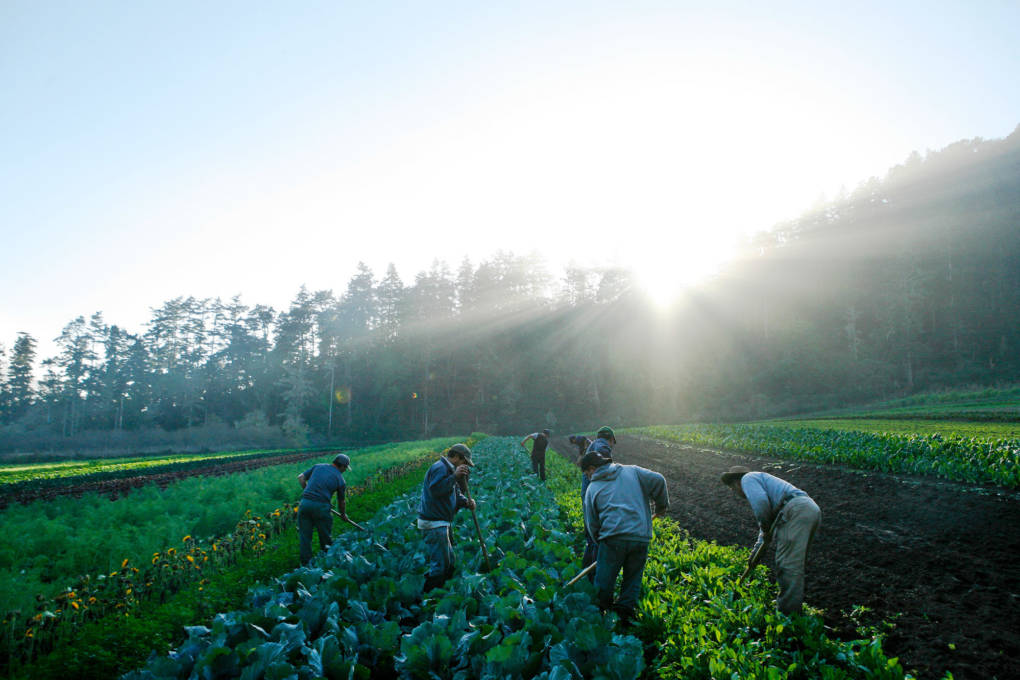
"caption": "Many large-scale farms rely heavily on immigrant labor. And many farmers are opposed to Donald Trump's strong stance against illegal immigrant.",
"description": "Many large-scale farms rely heavily on immigrant labor. And many farmers are opposed to Donald Trump's strong stance against illegal immigrant",
"title": "Many large-scale farms rely heavily on immigrant labor. And many farmers are opposed to Donald Trump's strong stance against illegal immigrant.",
"credit": "Ryan Anson/Bloomberg via Getty Images",
"status": "inherit",
"isLoading": false,
"fetchFailed": false
},
"news_11242107": {
"type": "attachments",
"id": "news_11242107",
"meta": {
"index": "attachments_1716263798",
"site": "news",
"id": "11242107",
"found": true
},
"parent": 11242106,
"imgSizes": {
"small": {
"file": "https://ww2.kqed.org/app/uploads/sites/10/2016/12/gettyimages-622156288_wide-12dbc6f9847d6e920c6f1125346c01ae2172bdc5-520x292.jpg",
"width": 520,
"mimeType": "image/jpeg",
"height": 292
},
"twentyfourteen-full-width": {
"file": "https://ww2.kqed.org/app/uploads/sites/10/2016/12/gettyimages-622156288_wide-12dbc6f9847d6e920c6f1125346c01ae2172bdc5-1038x576.jpg",
"width": 1038,
"mimeType": "image/jpeg",
"height": 576
},
"thumbnail": {
"file": "https://ww2.kqed.org/app/uploads/sites/10/2016/12/gettyimages-622156288_wide-12dbc6f9847d6e920c6f1125346c01ae2172bdc5-160x90.jpg",
"width": 160,
"mimeType": "image/jpeg",
"height": 90
},
"fd-sm": {
"file": "https://ww2.kqed.org/app/uploads/sites/10/2016/12/gettyimages-622156288_wide-12dbc6f9847d6e920c6f1125346c01ae2172bdc5-960x540.jpg",
"width": 960,
"mimeType": "image/jpeg",
"height": 540
},
"post-thumbnail": {
"file": "https://ww2.kqed.org/app/uploads/sites/10/2016/12/gettyimages-622156288_wide-12dbc6f9847d6e920c6f1125346c01ae2172bdc5-672x372.jpg",
"width": 672,
"mimeType": "image/jpeg",
"height": 372
},
"xsmall": {
"file": "https://ww2.kqed.org/app/uploads/sites/10/2016/12/gettyimages-622156288_wide-12dbc6f9847d6e920c6f1125346c01ae2172bdc5-375x211.jpg",
"width": 375,
"mimeType": "image/jpeg",
"height": 211
},
"kqedFullSize": {
"file": "https://ww2.kqed.org/app/uploads/sites/10/2016/12/gettyimages-622156288_wide-12dbc6f9847d6e920c6f1125346c01ae2172bdc5-e1482969070460.jpg",
"width": 1920,
"height": 1080
},
"large": {
"file": "https://ww2.kqed.org/app/uploads/sites/10/2016/12/gettyimages-622156288_wide-12dbc6f9847d6e920c6f1125346c01ae2172bdc5-1020x574.jpg",
"width": 1020,
"mimeType": "image/jpeg",
"height": 574
},
"xlarge": {
"file": "https://ww2.kqed.org/app/uploads/sites/10/2016/12/gettyimages-622156288_wide-12dbc6f9847d6e920c6f1125346c01ae2172bdc5-1180x663.jpg",
"width": 1180,
"mimeType": "image/jpeg",
"height": 663
},
"guest-author-50": {
"file": "https://ww2.kqed.org/app/uploads/sites/10/2016/12/gettyimages-622156288_wide-12dbc6f9847d6e920c6f1125346c01ae2172bdc5-50x50.jpg",
"width": 50,
"mimeType": "image/jpeg",
"height": 50
},
"guest-author-96": {
"file": "https://ww2.kqed.org/app/uploads/sites/10/2016/12/gettyimages-622156288_wide-12dbc6f9847d6e920c6f1125346c01ae2172bdc5-96x96.jpg",
"width": 96,
"mimeType": "image/jpeg",
"height": 96
},
"medium": {
"file": "https://ww2.kqed.org/app/uploads/sites/10/2016/12/gettyimages-622156288_wide-12dbc6f9847d6e920c6f1125346c01ae2172bdc5-800x450.jpg",
"width": 800,
"mimeType": "image/jpeg",
"height": 450
},
"guest-author-64": {
"file": "https://ww2.kqed.org/app/uploads/sites/10/2016/12/gettyimages-622156288_wide-12dbc6f9847d6e920c6f1125346c01ae2172bdc5-64x64.jpg",
"width": 64,
"mimeType": "image/jpeg",
"height": 64
},
"guest-author-32": {
"file": "https://ww2.kqed.org/app/uploads/sites/10/2016/12/gettyimages-622156288_wide-12dbc6f9847d6e920c6f1125346c01ae2172bdc5-32x32.jpg",
"width": 32,
"mimeType": "image/jpeg",
"height": 32
},
"jmtc-small-thumb": {
"file": "https://ww2.kqed.org/app/uploads/sites/10/2016/12/gettyimages-622156288_wide-12dbc6f9847d6e920c6f1125346c01ae2172bdc5-280x150.jpg",
"width": 280,
"mimeType": "image/jpeg",
"height": 150
},
"fd-lrg": {
"file": "https://ww2.kqed.org/app/uploads/sites/10/2016/12/gettyimages-622156288_wide-12dbc6f9847d6e920c6f1125346c01ae2172bdc5-1920x1080.jpg",
"width": 1920,
"mimeType": "image/jpeg",
"height": 1080
},
"fd-med": {
"file": "https://ww2.kqed.org/app/uploads/sites/10/2016/12/gettyimages-622156288_wide-12dbc6f9847d6e920c6f1125346c01ae2172bdc5-1180x663.jpg",
"width": 1180,
"mimeType": "image/jpeg",
"height": 663
},
"full-width": {
"file": "https://ww2.kqed.org/app/uploads/sites/10/2016/12/gettyimages-622156288_wide-12dbc6f9847d6e920c6f1125346c01ae2172bdc5-1920x1080.jpg",
"width": 1920,
"mimeType": "image/jpeg",
"height": 1080
},
"detail": {
"file": "https://ww2.kqed.org/app/uploads/sites/10/2016/12/gettyimages-622156288_wide-12dbc6f9847d6e920c6f1125346c01ae2172bdc5-150x150.jpg",
"width": 150,
"mimeType": "image/jpeg",
"height": 150
},
"guest-author-128": {
"file": "https://ww2.kqed.org/app/uploads/sites/10/2016/12/gettyimages-622156288_wide-12dbc6f9847d6e920c6f1125346c01ae2172bdc5-128x128.jpg",
"width": 128,
"mimeType": "image/jpeg",
"height": 128
},
"xxsmall": {
"file": "https://ww2.kqed.org/app/uploads/sites/10/2016/12/gettyimages-622156288_wide-12dbc6f9847d6e920c6f1125346c01ae2172bdc5-240x135.jpg",
"width": 240,
"mimeType": "image/jpeg",
"height": 135
}
},
"publishDate": 1482969000,
"modified": 1482969096,
"caption": "Cable news networks saw massive audience growth in 2016, despite the year's disruptive events.",
"description": "Cable news networks saw massive audience growth in 2016, despite the year's disruptive events.",
"title": "Cable news networks saw massive audience growth in 2016, despite the year's disruptive events.",
"credit": "Nicholas Hunt/Getty Images",
"status": "inherit",
"isLoading": false,
"fetchFailed": false
},
"news_11242172": {
"type": "attachments",
"id": "news_11242172",
"meta": {
"index": "attachments_1716263798",
"site": "news",
"id": "11242172",
"found": true
},
"parent": 11242097,
"imgSizes": {
"small": {
"file": "https://ww2.kqed.org/app/uploads/sites/10/2016/12/RS8264_107560102-520x347.jpg",
"width": 520,
"mimeType": "image/jpeg",
"height": 347
},
"twentyfourteen-full-width": {
"file": "https://ww2.kqed.org/app/uploads/sites/10/2016/12/RS8264_107560102-1038x576.jpg",
"width": 1038,
"mimeType": "image/jpeg",
"height": 576
},
"thumbnail": {
"file": "https://ww2.kqed.org/app/uploads/sites/10/2016/12/RS8264_107560102-160x107.jpg",
"width": 160,
"mimeType": "image/jpeg",
"height": 107
},
"fd-sm": {
"file": "https://ww2.kqed.org/app/uploads/sites/10/2016/12/RS8264_107560102-960x640.jpg",
"width": 960,
"mimeType": "image/jpeg",
"height": 640
},
"post-thumbnail": {
"file": "https://ww2.kqed.org/app/uploads/sites/10/2016/12/RS8264_107560102-672x372.jpg",
"width": 672,
"mimeType": "image/jpeg",
"height": 372
},
"xsmall": {
"file": "https://ww2.kqed.org/app/uploads/sites/10/2016/12/RS8264_107560102-375x250.jpg",
"width": 375,
"mimeType": "image/jpeg",
"height": 250
},
"kqedFullSize": {
"file": "https://ww2.kqed.org/app/uploads/sites/10/2016/12/RS8264_107560102.jpg",
"width": 1535,
"height": 1024
},
"large": {
"file": "https://ww2.kqed.org/app/uploads/sites/10/2016/12/RS8264_107560102-1020x680.jpg",
"width": 1020,
"mimeType": "image/jpeg",
"height": 680
},
"xlarge": {
"file": "https://ww2.kqed.org/app/uploads/sites/10/2016/12/RS8264_107560102-1180x787.jpg",
"width": 1180,
"mimeType": "image/jpeg",
"height": 787
},
"guest-author-50": {
"file": "https://ww2.kqed.org/app/uploads/sites/10/2016/12/RS8264_107560102-50x50.jpg",
"width": 50,
"mimeType": "image/jpeg",
"height": 50
},
"guest-author-96": {
"file": "https://ww2.kqed.org/app/uploads/sites/10/2016/12/RS8264_107560102-96x96.jpg",
"width": 96,
"mimeType": "image/jpeg",
"height": 96
},
"medium": {
"file": "https://ww2.kqed.org/app/uploads/sites/10/2016/12/RS8264_107560102-800x534.jpg",
"width": 800,
"mimeType": "image/jpeg",
"height": 534
},
"guest-author-64": {
"file": "https://ww2.kqed.org/app/uploads/sites/10/2016/12/RS8264_107560102-64x64.jpg",
"width": 64,
"mimeType": "image/jpeg",
"height": 64
},
"guest-author-32": {
"file": "https://ww2.kqed.org/app/uploads/sites/10/2016/12/RS8264_107560102-32x32.jpg",
"width": 32,
"mimeType": "image/jpeg",
"height": 32
},
"jmtc-small-thumb": {
"file": "https://ww2.kqed.org/app/uploads/sites/10/2016/12/RS8264_107560102-280x150.jpg",
"width": 280,
"mimeType": "image/jpeg",
"height": 150
},
"fd-med": {
"file": "https://ww2.kqed.org/app/uploads/sites/10/2016/12/RS8264_107560102-1180x787.jpg",
"width": 1180,
"mimeType": "image/jpeg",
"height": 787
},
"detail": {
"file": "https://ww2.kqed.org/app/uploads/sites/10/2016/12/RS8264_107560102-150x150.jpg",
"width": 150,
"mimeType": "image/jpeg",
"height": 150
},
"guest-author-128": {
"file": "https://ww2.kqed.org/app/uploads/sites/10/2016/12/RS8264_107560102-128x128.jpg",
"width": 128,
"mimeType": "image/jpeg",
"height": 128
},
"xxsmall": {
"file": "https://ww2.kqed.org/app/uploads/sites/10/2016/12/RS8264_107560102-240x160.jpg",
"width": 240,
"mimeType": "image/jpeg",
"height": 160
}
},
"publishDate": 1482969614,
"modified": 1482972343,
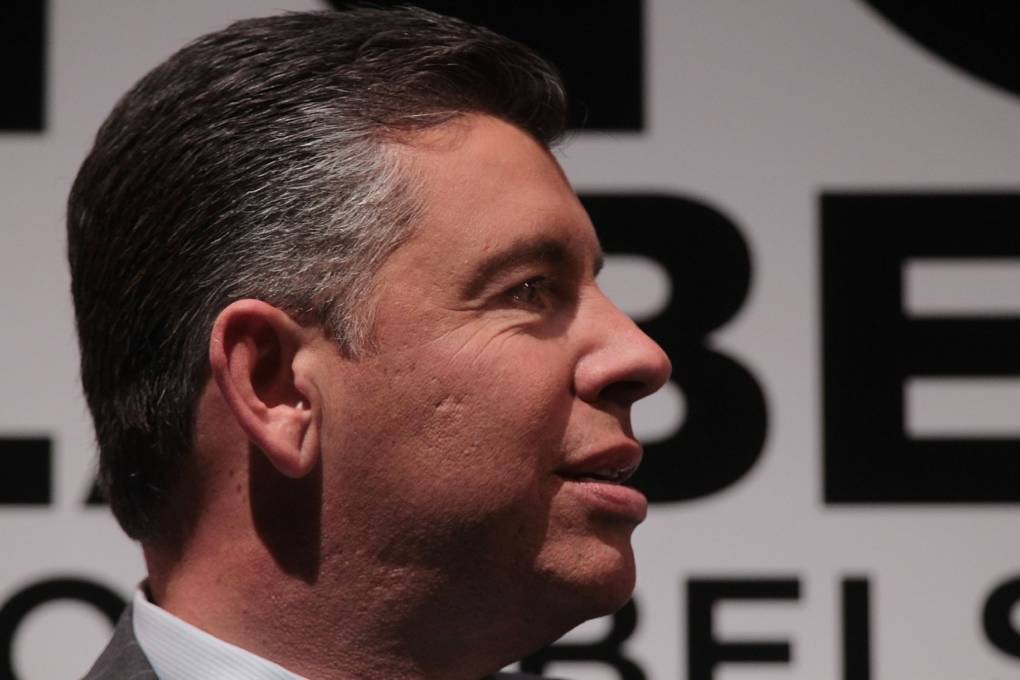
"caption": "In 2010, California Lt. Gov. Abel Maldonado spoke at the launch of the unaffiliated political organization known as 'No Labels.'",
"description": "In 2010, California Lt. Governor Abel Maldonado spoke at the launch of the unaffiliated political organization known as 'No Labels.'",
"title": "rs8264_107560102",
"credit": "Spencer Platt/Getty Images",
"status": "inherit",
"isLoading": false,
"fetchFailed": false
},
"news_11223700": {
"type": "attachments",
"id": "news_11223700",
"meta": {
"index": "attachments_1716263798",
"site": "news",
"id": "11223700",
"found": true
},
"parent": 11221916,
"imgSizes": {
"small": {
"file": "https://ww2.kqed.org/app/uploads/sites/10/2016/12/RS23378_c173eac6a706af84438d5c9924d5f8a5-qut-520x520.jpg",
"width": 520,
"mimeType": "image/jpeg",
"height": 520
},
"twentyfourteen-full-width": {
"file": "https://ww2.kqed.org/app/uploads/sites/10/2016/12/RS23378_c173eac6a706af84438d5c9924d5f8a5-qut-720x576.jpg",
"width": 720,
"mimeType": "image/jpeg",
"height": 576
},
"thumbnail": {
"file": "https://ww2.kqed.org/app/uploads/sites/10/2016/12/RS23378_c173eac6a706af84438d5c9924d5f8a5-qut-160x160.jpg",
"width": 160,
"mimeType": "image/jpeg",
"height": 160
},
"post-thumbnail": {
"file": "https://ww2.kqed.org/app/uploads/sites/10/2016/12/RS23378_c173eac6a706af84438d5c9924d5f8a5-qut-672x372.jpg",
"width": 672,
"mimeType": "image/jpeg",
"height": 372
},
"xsmall": {
"file": "https://ww2.kqed.org/app/uploads/sites/10/2016/12/RS23378_c173eac6a706af84438d5c9924d5f8a5-qut-375x375.jpg",
"width": 375,
"mimeType": "image/jpeg",
"height": 375
},
"kqedFullSize": {
"file": "https://ww2.kqed.org/app/uploads/sites/10/2016/12/RS23378_c173eac6a706af84438d5c9924d5f8a5-qut.jpg",
"width": 720,
"height": 720
},
"guest-author-50": {
"file": "https://ww2.kqed.org/app/uploads/sites/10/2016/12/RS23378_c173eac6a706af84438d5c9924d5f8a5-qut-50x50.jpg",
"width": 50,
"mimeType": "image/jpeg",
"height": 50
},
"guest-author-96": {
"file": "https://ww2.kqed.org/app/uploads/sites/10/2016/12/RS23378_c173eac6a706af84438d5c9924d5f8a5-qut-96x96.jpg",
"width": 96,
"mimeType": "image/jpeg",
"height": 96
},
"guest-author-64": {
"file": "https://ww2.kqed.org/app/uploads/sites/10/2016/12/RS23378_c173eac6a706af84438d5c9924d5f8a5-qut-64x64.jpg",
"width": 64,
"mimeType": "image/jpeg",
"height": 64
},
"guest-author-32": {
"file": "https://ww2.kqed.org/app/uploads/sites/10/2016/12/RS23378_c173eac6a706af84438d5c9924d5f8a5-qut-32x32.jpg",
"width": 32,
"mimeType": "image/jpeg",
"height": 32
},
"jmtc-small-thumb": {
"file": "https://ww2.kqed.org/app/uploads/sites/10/2016/12/RS23378_c173eac6a706af84438d5c9924d5f8a5-qut-280x150.jpg",
"width": 280,
"mimeType": "image/jpeg",
"height": 150
},
"detail": {
"file": "https://ww2.kqed.org/app/uploads/sites/10/2016/12/RS23378_c173eac6a706af84438d5c9924d5f8a5-qut-150x150.jpg",
"width": 150,
"mimeType": "image/jpeg",
"height": 150
},
"guest-author-128": {
"file": "https://ww2.kqed.org/app/uploads/sites/10/2016/12/RS23378_c173eac6a706af84438d5c9924d5f8a5-qut-128x128.jpg",
"width": 128,
"mimeType": "image/jpeg",
"height": 128
},
"xxsmall": {
"file": "https://ww2.kqed.org/app/uploads/sites/10/2016/12/RS23378_c173eac6a706af84438d5c9924d5f8a5-qut-240x240.jpg",
"width": 240,
"mimeType": "image/jpeg",
"height": 240
}
},
"publishDate": 1481933317,
"modified": 1482456922,
"caption": "Sacramento's youth poet laureate wrote a poem especially for The California Report Magazine",
"description": null,
"title": "rs23378_c173eac6a706af84438d5c9924d5f8a5-qut",
"credit": null,
"status": "inherit",
"isLoading": false,
"fetchFailed": false
},
"news_11232690": {
"type": "attachments",
"id": "news_11232690",
"meta": {
"index": "attachments_1716263798",
"site": "news",
"id": "11232690",
"found": true
},
"parent": 11231508,
"imgSizes": {
"small": {
"file": "https://ww2.kqed.org/app/uploads/sites/10/2016/12/Angie-Bonnie-3-e1482442323809-520x475.jpg",
"width": 520,
"mimeType": "image/jpeg",
"height": 475
},
"twentyfourteen-full-width": {
"file": "https://ww2.kqed.org/app/uploads/sites/10/2016/12/Angie-Bonnie-3-e1482442323809-1038x576.jpg",
"width": 1038,
"mimeType": "image/jpeg",
"height": 576
},
"thumbnail": {
"file": "https://ww2.kqed.org/app/uploads/sites/10/2016/12/Angie-Bonnie-3-e1482442323809-160x146.jpg",
"width": 160,
"mimeType": "image/jpeg",
"height": 146
},
"fd-sm": {
"file": "https://ww2.kqed.org/app/uploads/sites/10/2016/12/Angie-Bonnie-3-e1482442323809-960x876.jpg",
"width": 960,
"mimeType": "image/jpeg",
"height": 876
},
"post-thumbnail": {
"file": "https://ww2.kqed.org/app/uploads/sites/10/2016/12/Angie-Bonnie-3-e1482442323809-672x372.jpg",
"width": 672,
"mimeType": "image/jpeg",
"height": 372
},
"xsmall": {
"file": "https://ww2.kqed.org/app/uploads/sites/10/2016/12/Angie-Bonnie-3-e1482442323809-375x342.jpg",
"width": 375,
"mimeType": "image/jpeg",
"height": 342
},
"kqedFullSize": {
"file": "https://ww2.kqed.org/app/uploads/sites/10/2016/12/Angie-Bonnie-3-e1482442323809.jpg",
"width": 1224,
"height": 1117
},
"large": {
"file": "https://ww2.kqed.org/app/uploads/sites/10/2016/12/Angie-Bonnie-3-e1482442323809-1020x931.jpg",
"width": 1020,
"mimeType": "image/jpeg",
"height": 931
},
"xlarge": {
"file": "https://ww2.kqed.org/app/uploads/sites/10/2016/12/Angie-Bonnie-3-e1482442323809-1180x1077.jpg",
"width": 1180,
"mimeType": "image/jpeg",
"height": 1077
},
"guest-author-50": {
"file": "https://ww2.kqed.org/app/uploads/sites/10/2016/12/Angie-Bonnie-3-e1482442323809-50x50.jpg",
"width": 50,
"mimeType": "image/jpeg",
"height": 50
},
"guest-author-96": {
"file": "https://ww2.kqed.org/app/uploads/sites/10/2016/12/Angie-Bonnie-3-e1482442323809-96x96.jpg",
"width": 96,
"mimeType": "image/jpeg",
"height": 96
},
"medium": {
"file": "https://ww2.kqed.org/app/uploads/sites/10/2016/12/Angie-Bonnie-3-e1482442323809-800x730.jpg",
"width": 800,
"mimeType": "image/jpeg",
"height": 730
},
"guest-author-64": {
"file": "https://ww2.kqed.org/app/uploads/sites/10/2016/12/Angie-Bonnie-3-e1482442323809-64x64.jpg",
"width": 64,
"mimeType": "image/jpeg",
"height": 64
},
"guest-author-32": {
"file": "https://ww2.kqed.org/app/uploads/sites/10/2016/12/Angie-Bonnie-3-e1482442323809-32x32.jpg",
"width": 32,
"mimeType": "image/jpeg",
"height": 32
},
"jmtc-small-thumb": {
"file": "https://ww2.kqed.org/app/uploads/sites/10/2016/12/Angie-Bonnie-3-e1482442323809-280x150.jpg",
"width": 280,
"mimeType": "image/jpeg",
"height": 150
},
"fd-med": {
"file": "https://ww2.kqed.org/app/uploads/sites/10/2016/12/Angie-Bonnie-3-e1482442323809-1180x1077.jpg",
"width": 1180,
"mimeType": "image/jpeg",
"height": 1077
},
"detail": {
"file": "https://ww2.kqed.org/app/uploads/sites/10/2016/12/Angie-Bonnie-3-e1482442323809-150x150.jpg",
"width": 150,
"mimeType": "image/jpeg",
"height": 150
},
"guest-author-128": {
"file": "https://ww2.kqed.org/app/uploads/sites/10/2016/12/Angie-Bonnie-3-e1482442323809-128x128.jpg",
"width": 128,
"mimeType": "image/jpeg",
"height": 128
},
"xxsmall": {
"file": "https://ww2.kqed.org/app/uploads/sites/10/2016/12/Angie-Bonnie-3-e1482442323809-240x219.jpg",
"width": 240,
"mimeType": "image/jpeg",
"height": 219
}
},
"publishDate": 1482429938,
"modified": 1482442286,
"caption": "Bonnie Peters (left) and Angie Dutra, two Hanford Republicans who voted for Trump but now worry about the future.",
"description": null,
"title": "Trump Voters-Central Valley",
"credit": "Scott Shafer/KQED",
"status": "inherit",
"isLoading": false,
"fetchFailed": false
},
"news_11231039": {
"type": "attachments",
"id": "news_11231039",
"meta": {
"index": "attachments_1716263798",
"site": "news",
"id": "11231039",
"found": true
},
"parent": 11231035,
"imgSizes": {
"small": {
"file": "https://ww2.kqed.org/app/uploads/sites/10/2016/12/RS22060_IMG_9460-520x390.jpg",
"width": 520,
"mimeType": "image/jpeg",
"height": 390
},
"twentyfourteen-full-width": {
"file": "https://ww2.kqed.org/app/uploads/sites/10/2016/12/RS22060_IMG_9460-1038x576.jpg",
"width": 1038,
"mimeType": "image/jpeg",
"height": 576
},
"thumbnail": {
"file": "https://ww2.kqed.org/app/uploads/sites/10/2016/12/RS22060_IMG_9460-160x120.jpg",
"width": 160,
"mimeType": "image/jpeg",
"height": 120
},
"fd-sm": {
"file": "https://ww2.kqed.org/app/uploads/sites/10/2016/12/RS22060_IMG_9460-960x720.jpg",
"width": 960,
"mimeType": "image/jpeg",
"height": 720
},
"post-thumbnail": {
"file": "https://ww2.kqed.org/app/uploads/sites/10/2016/12/RS22060_IMG_9460-672x372.jpg",
"width": 672,
"mimeType": "image/jpeg",
"height": 372
},
"xsmall": {
"file": "https://ww2.kqed.org/app/uploads/sites/10/2016/12/RS22060_IMG_9460-375x281.jpg",
"width": 375,
"mimeType": "image/jpeg",
"height": 281
},
"kqedFullSize": {
"file": "https://ww2.kqed.org/app/uploads/sites/10/2016/12/RS22060_IMG_9460-e1482347007858.jpg",
"width": 1920,
"height": 1440
},
"large": {
"file": "https://ww2.kqed.org/app/uploads/sites/10/2016/12/RS22060_IMG_9460-1020x765.jpg",
"width": 1020,
"mimeType": "image/jpeg",
"height": 765
},
"xlarge": {
"file": "https://ww2.kqed.org/app/uploads/sites/10/2016/12/RS22060_IMG_9460-1180x885.jpg",
"width": 1180,
"mimeType": "image/jpeg",
"height": 885
},
"guest-author-50": {
"file": "https://ww2.kqed.org/app/uploads/sites/10/2016/12/RS22060_IMG_9460-50x50.jpg",
"width": 50,
"mimeType": "image/jpeg",
"height": 50
},
"guest-author-96": {
"file": "https://ww2.kqed.org/app/uploads/sites/10/2016/12/RS22060_IMG_9460-96x96.jpg",
"width": 96,
"mimeType": "image/jpeg",
"height": 96
},
"medium": {
"file": "https://ww2.kqed.org/app/uploads/sites/10/2016/12/RS22060_IMG_9460-800x600.jpg",
"width": 800,
"mimeType": "image/jpeg",
"height": 600
},
"guest-author-64": {
"file": "https://ww2.kqed.org/app/uploads/sites/10/2016/12/RS22060_IMG_9460-64x64.jpg",
"width": 64,
"mimeType": "image/jpeg",
"height": 64
},
"guest-author-32": {
"file": "https://ww2.kqed.org/app/uploads/sites/10/2016/12/RS22060_IMG_9460-32x32.jpg",
"width": 32,
"mimeType": "image/jpeg",
"height": 32
},
"jmtc-small-thumb": {
"file": "https://ww2.kqed.org/app/uploads/sites/10/2016/12/RS22060_IMG_9460-280x150.jpg",
"width": 280,
"mimeType": "image/jpeg",
"height": 150
},
"fd-lrg": {
"file": "https://ww2.kqed.org/app/uploads/sites/10/2016/12/RS22060_IMG_9460-1920x1440.jpg",
"width": 1920,
"mimeType": "image/jpeg",
"height": 1440
},
"fd-med": {
"file": "https://ww2.kqed.org/app/uploads/sites/10/2016/12/RS22060_IMG_9460-1180x885.jpg",
"width": 1180,
"mimeType": "image/jpeg",
"height": 885
},
"full-width": {
"file": "https://ww2.kqed.org/app/uploads/sites/10/2016/12/RS22060_IMG_9460-1920x1440.jpg",
"width": 1920,
"mimeType": "image/jpeg",
"height": 1440
},
"detail": {
"file": "https://ww2.kqed.org/app/uploads/sites/10/2016/12/RS22060_IMG_9460-150x150.jpg",
"width": 150,
"mimeType": "image/jpeg",
"height": 150
},
"guest-author-128": {
"file": "https://ww2.kqed.org/app/uploads/sites/10/2016/12/RS22060_IMG_9460-128x128.jpg",
"width": 128,
"mimeType": "image/jpeg",
"height": 128
},
"xxsmall": {
"file": "https://ww2.kqed.org/app/uploads/sites/10/2016/12/RS22060_IMG_9460-240x180.jpg",
"width": 240,
"mimeType": "image/jpeg",
"height": 180
}
},
"publishDate": 1482346873,
"modified": 1482347003,
"caption": "San Francisco high school students carry flags to protest Donald Trump's presidential victory. Protests like it have been springing up all over the country, and a women's protest is planned for Jan. 21.",
"description": null,
"title": "rs22060_img_9460",
"credit": "Ryan Levi/KQED News",
"status": "inherit",
"isLoading": false,
"fetchFailed": false
},
"news_11228050": {
"type": "attachments",
"id": "news_11228050",
"meta": {
"index": "attachments_1716263798",
"site": "news",
"id": "11228050",
"found": true
},
"parent": 11228047,
"imgSizes": {
"small": {
"file": "https://ww2.kqed.org/app/uploads/sites/10/2016/12/GettyImages-630255050-520x346.jpg",
"width": 520,
"mimeType": "image/jpeg",
"height": 346
},
"twentyfourteen-full-width": {
"file": "https://ww2.kqed.org/app/uploads/sites/10/2016/12/GettyImages-630255050-1038x576.jpg",
"width": 1038,
"mimeType": "image/jpeg",
"height": 576
},
"thumbnail": {
"file": "https://ww2.kqed.org/app/uploads/sites/10/2016/12/GettyImages-630255050-160x107.jpg",
"width": 160,
"mimeType": "image/jpeg",
"height": 107
},
"fd-sm": {
"file": "https://ww2.kqed.org/app/uploads/sites/10/2016/12/GettyImages-630255050-960x639.jpg",
"width": 960,
"mimeType": "image/jpeg",
"height": 639
},
"post-thumbnail": {
"file": "https://ww2.kqed.org/app/uploads/sites/10/2016/12/GettyImages-630255050-672x372.jpg",
"width": 672,
"mimeType": "image/jpeg",
"height": 372
},
"xsmall": {
"file": "https://ww2.kqed.org/app/uploads/sites/10/2016/12/GettyImages-630255050-375x250.jpg",
"width": 375,
"mimeType": "image/jpeg",
"height": 250
},
"kqedFullSize": {
"file": "https://ww2.kqed.org/app/uploads/sites/10/2016/12/GettyImages-630255050-e1482187522441.jpg",
"width": 1920,
"height": 1278
},
"large": {
"file": "https://ww2.kqed.org/app/uploads/sites/10/2016/12/GettyImages-630255050-1020x679.jpg",
"width": 1020,
"mimeType": "image/jpeg",
"height": 679
},
"xlarge": {
"file": "https://ww2.kqed.org/app/uploads/sites/10/2016/12/GettyImages-630255050-1180x786.jpg",
"width": 1180,
"mimeType": "image/jpeg",
"height": 786
},
"guest-author-50": {
"file": "https://ww2.kqed.org/app/uploads/sites/10/2016/12/GettyImages-630255050-50x50.jpg",
"width": 50,
"mimeType": "image/jpeg",
"height": 50
},
"guest-author-96": {
"file": "https://ww2.kqed.org/app/uploads/sites/10/2016/12/GettyImages-630255050-96x96.jpg",
"width": 96,
"mimeType": "image/jpeg",
"height": 96
},
"medium": {
"file": "https://ww2.kqed.org/app/uploads/sites/10/2016/12/GettyImages-630255050-800x533.jpg",
"width": 800,
"mimeType": "image/jpeg",
"height": 533
},
"guest-author-64": {
"file": "https://ww2.kqed.org/app/uploads/sites/10/2016/12/GettyImages-630255050-64x64.jpg",
"width": 64,
"mimeType": "image/jpeg",
"height": 64
},
"guest-author-32": {
"file": "https://ww2.kqed.org/app/uploads/sites/10/2016/12/GettyImages-630255050-32x32.jpg",
"width": 32,
"mimeType": "image/jpeg",
"height": 32
},
"jmtc-small-thumb": {
"file": "https://ww2.kqed.org/app/uploads/sites/10/2016/12/GettyImages-630255050-280x150.jpg",
"width": 280,
"mimeType": "image/jpeg",
"height": 150
},
"fd-lrg": {
"file": "https://ww2.kqed.org/app/uploads/sites/10/2016/12/GettyImages-630255050-1920x1278.jpg",
"width": 1920,
"mimeType": "image/jpeg",
"height": 1278
},
"fd-med": {
"file": "https://ww2.kqed.org/app/uploads/sites/10/2016/12/GettyImages-630255050-1180x786.jpg",
"width": 1180,
"mimeType": "image/jpeg",
"height": 786
},
"full-width": {
"file": "https://ww2.kqed.org/app/uploads/sites/10/2016/12/GettyImages-630255050-1920x1278.jpg",
"width": 1920,
"mimeType": "image/jpeg",
"height": 1278
},
"detail": {
"file": "https://ww2.kqed.org/app/uploads/sites/10/2016/12/GettyImages-630255050-150x150.jpg",
"width": 150,
"mimeType": "image/jpeg",
"height": 150
},
"guest-author-128": {
"file": "https://ww2.kqed.org/app/uploads/sites/10/2016/12/GettyImages-630255050-128x128.jpg",
"width": 128,
"mimeType": "image/jpeg",
"height": 128
},
"xxsmall": {
"file": "https://ww2.kqed.org/app/uploads/sites/10/2016/12/GettyImages-630255050-240x160.jpg",
"width": 240,
"mimeType": "image/jpeg",
"height": 160
}
},
"publishDate": 1482187507,
"modified": 1482280427,
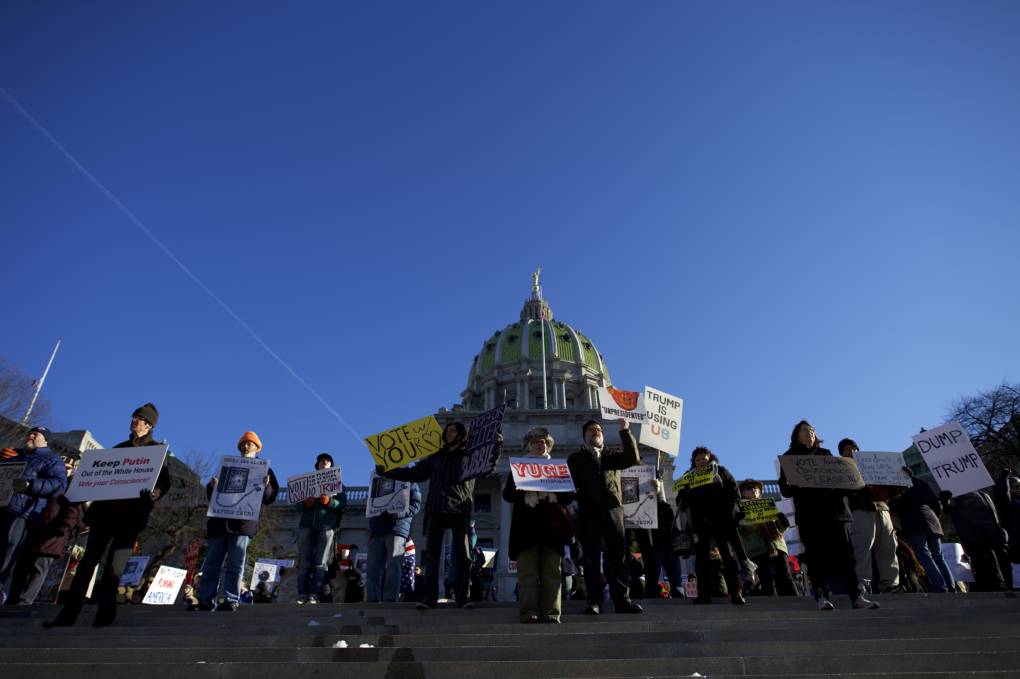
"caption": "Donald Trump protesters demonstrate outside the Pennsylvania Capitol Building before electors arrive to cast their votes from the election on Dec. 19, 2016, in Harrisburg, Pennsylvania.",
"description": "Donald Trump protestors demonstrate outside the Pennsylvania Capitol Building before electors arrive to cast their votes from the election at December 19, 2016 in Harrisburg, Pennsylvania.",
"title": "Electoral College Voters Cast Ballots Amid Protests",
"credit": "Mark Makela/Getty Images",
"status": "inherit",
"isLoading": false,
"fetchFailed": false
},
"news_11223334": {
"type": "attachments",
"id": "news_11223334",
"meta": {
"index": "attachments_1716263798",
"site": "news",
"id": "11223334",
"found": true
},
"parent": 11221817,
"imgSizes": {
"small": {
"file": "https://ww2.kqed.org/app/uploads/sites/10/2016/12/ElectoralVotes-520x334.jpg",
"width": 520,
"mimeType": "image/jpeg",
"height": 334
},
"twentyfourteen-full-width": {
"file": "https://ww2.kqed.org/app/uploads/sites/10/2016/12/ElectoralVotes-1038x576.jpg",
"width": 1038,
"mimeType": "image/jpeg",
"height": 576
},
"thumbnail": {
"file": "https://ww2.kqed.org/app/uploads/sites/10/2016/12/ElectoralVotes-160x103.jpg",
"width": 160,
"mimeType": "image/jpeg",
"height": 103
},
"fd-sm": {
"file": "https://ww2.kqed.org/app/uploads/sites/10/2016/12/ElectoralVotes-960x617.jpg",
"width": 960,
"mimeType": "image/jpeg",
"height": 617
},
"post-thumbnail": {
"file": "https://ww2.kqed.org/app/uploads/sites/10/2016/12/ElectoralVotes-672x372.jpg",
"width": 672,
"mimeType": "image/jpeg",
"height": 372
},
"xsmall": {
"file": "https://ww2.kqed.org/app/uploads/sites/10/2016/12/ElectoralVotes-375x241.jpg",
"width": 375,
"mimeType": "image/jpeg",
"height": 241
},
"kqedFullSize": {
"file": "https://ww2.kqed.org/app/uploads/sites/10/2016/12/ElectoralVotes.jpg",
"width": 1920,
"height": 1233
},
"large": {
"file": "https://ww2.kqed.org/app/uploads/sites/10/2016/12/ElectoralVotes-1020x655.jpg",
"width": 1020,
"mimeType": "image/jpeg",
"height": 655
},
"xlarge": {
"file": "https://ww2.kqed.org/app/uploads/sites/10/2016/12/ElectoralVotes-1180x758.jpg",
"width": 1180,
"mimeType": "image/jpeg",
"height": 758
},
"guest-author-50": {
"file": "https://ww2.kqed.org/app/uploads/sites/10/2016/12/ElectoralVotes-50x50.jpg",
"width": 50,
"mimeType": "image/jpeg",
"height": 50
},
"guest-author-96": {
"file": "https://ww2.kqed.org/app/uploads/sites/10/2016/12/ElectoralVotes-96x96.jpg",
"width": 96,
"mimeType": "image/jpeg",
"height": 96
},
"medium": {
"file": "https://ww2.kqed.org/app/uploads/sites/10/2016/12/ElectoralVotes-800x514.jpg",
"width": 800,
"mimeType": "image/jpeg",
"height": 514
},
"guest-author-64": {
"file": "https://ww2.kqed.org/app/uploads/sites/10/2016/12/ElectoralVotes-64x64.jpg",
"width": 64,
"mimeType": "image/jpeg",
"height": 64
},
"guest-author-32": {
"file": "https://ww2.kqed.org/app/uploads/sites/10/2016/12/ElectoralVotes-32x32.jpg",
"width": 32,
"mimeType": "image/jpeg",
"height": 32
},
"jmtc-small-thumb": {
"file": "https://ww2.kqed.org/app/uploads/sites/10/2016/12/ElectoralVotes-280x150.jpg",
"width": 280,
"mimeType": "image/jpeg",
"height": 150
},
"fd-lrg": {
"file": "https://ww2.kqed.org/app/uploads/sites/10/2016/12/ElectoralVotes-1920x1233.jpg",
"width": 1920,
"mimeType": "image/jpeg",
"height": 1233
},
"fd-med": {
"file": "https://ww2.kqed.org/app/uploads/sites/10/2016/12/ElectoralVotes-1180x758.jpg",
"width": 1180,
"mimeType": "image/jpeg",
"height": 758
},
"full-width": {
"file": "https://ww2.kqed.org/app/uploads/sites/10/2016/12/ElectoralVotes-1920x1233.jpg",
"width": 1920,
"mimeType": "image/jpeg",
"height": 1233
},
"detail": {
"file": "https://ww2.kqed.org/app/uploads/sites/10/2016/12/ElectoralVotes-150x150.jpg",
"width": 150,
"mimeType": "image/jpeg",
"height": 150
},
"guest-author-128": {
"file": "https://ww2.kqed.org/app/uploads/sites/10/2016/12/ElectoralVotes-128x128.jpg",
"width": 128,
"mimeType": "image/jpeg",
"height": 128
},
"xxsmall": {
"file": "https://ww2.kqed.org/app/uploads/sites/10/2016/12/ElectoralVotes-240x154.jpg",
"width": 240,
"mimeType": "image/jpeg",
"height": 154
}
},
"publishDate": 1481920335,
"modified": 1481927537,
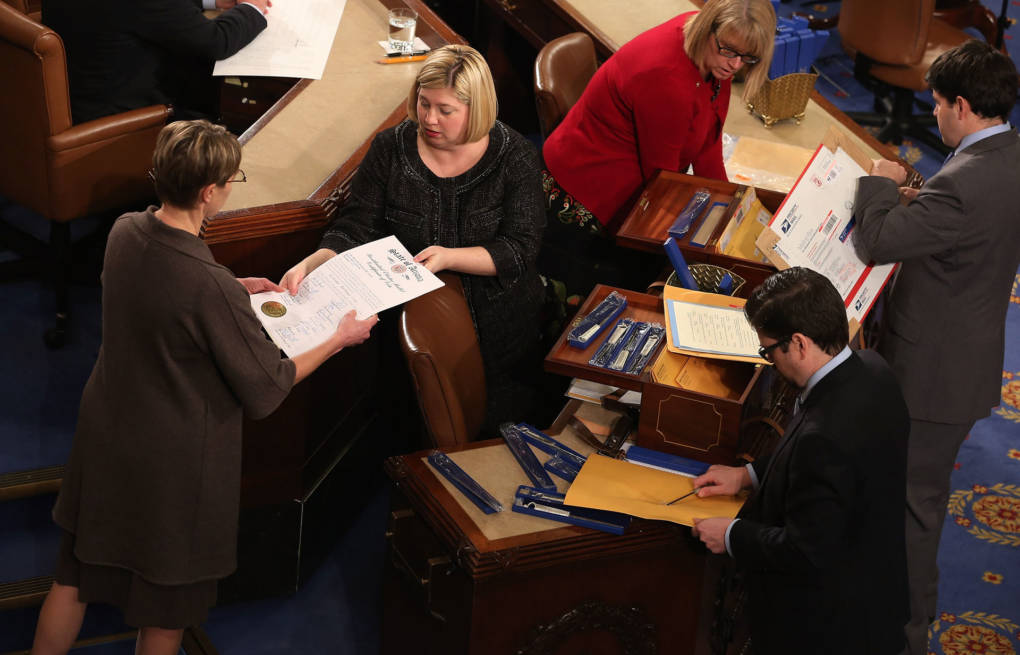
"caption": "Congressional clerks help unseal and organize the Electoral College votes from all 50 states in the U.S. House of Representatives on Jan. 4, 2013. ",
"description": "Congressional clerks help unseal and organize the Electoral College votes from all 50 states in the U.S. House of Representatives on January 4, 2013. ",
"title": "electoralvotes",
"credit": "Chip Somodevilla/Getty Images",
"status": "inherit",
"isLoading": false,
"fetchFailed": false
},
"news_11222016": {
"type": "attachments",
"id": "news_11222016",
"meta": {
"index": "attachments_1716263798",
"site": "news",
"id": "11222016",
"found": true
},
"parent": 11222015,
"imgSizes": {
"small": {
"file": "https://ww2.kqed.org/app/uploads/sites/10/2016/12/gettyimages-629850828-1846daae27074d2468e5d5df887af49d77feb547-520x390.jpg",
"width": 520,
"mimeType": "image/jpeg",
"height": 390
},
"twentyfourteen-full-width": {
"file": "https://ww2.kqed.org/app/uploads/sites/10/2016/12/gettyimages-629850828-1846daae27074d2468e5d5df887af49d77feb547-1038x576.jpg",
"width": 1038,
"mimeType": "image/jpeg",
"height": 576
},
"thumbnail": {
"file": "https://ww2.kqed.org/app/uploads/sites/10/2016/12/gettyimages-629850828-1846daae27074d2468e5d5df887af49d77feb547-160x120.jpg",
"width": 160,
"mimeType": "image/jpeg",
"height": 120
},
"fd-sm": {
"file": "https://ww2.kqed.org/app/uploads/sites/10/2016/12/gettyimages-629850828-1846daae27074d2468e5d5df887af49d77feb547-960x720.jpg",
"width": 960,
"mimeType": "image/jpeg",
"height": 720
},
"post-thumbnail": {
"file": "https://ww2.kqed.org/app/uploads/sites/10/2016/12/gettyimages-629850828-1846daae27074d2468e5d5df887af49d77feb547-672x372.jpg",
"width": 672,
"mimeType": "image/jpeg",
"height": 372
},
"xsmall": {
"file": "https://ww2.kqed.org/app/uploads/sites/10/2016/12/gettyimages-629850828-1846daae27074d2468e5d5df887af49d77feb547-375x281.jpg",
"width": 375,
"mimeType": "image/jpeg",
"height": 281
},
"kqedFullSize": {
"file": "https://ww2.kqed.org/app/uploads/sites/10/2016/12/gettyimages-629850828-1846daae27074d2468e5d5df887af49d77feb547.jpg",
"width": 3447,
"height": 2585
},
"large": {
"file": "https://ww2.kqed.org/app/uploads/sites/10/2016/12/gettyimages-629850828-1846daae27074d2468e5d5df887af49d77feb547-1020x765.jpg",
"width": 1020,
"mimeType": "image/jpeg",
"height": 765
},
"xlarge": {
"file": "https://ww2.kqed.org/app/uploads/sites/10/2016/12/gettyimages-629850828-1846daae27074d2468e5d5df887af49d77feb547-1180x885.jpg",
"width": 1180,
"mimeType": "image/jpeg",
"height": 885
},
"guest-author-50": {
"file": "https://ww2.kqed.org/app/uploads/sites/10/2016/12/gettyimages-629850828-1846daae27074d2468e5d5df887af49d77feb547-50x50.jpg",
"width": 50,
"mimeType": "image/jpeg",
"height": 50
},
"guest-author-96": {
"file": "https://ww2.kqed.org/app/uploads/sites/10/2016/12/gettyimages-629850828-1846daae27074d2468e5d5df887af49d77feb547-96x96.jpg",
"width": 96,
"mimeType": "image/jpeg",
"height": 96
},
"medium": {
"file": "https://ww2.kqed.org/app/uploads/sites/10/2016/12/gettyimages-629850828-1846daae27074d2468e5d5df887af49d77feb547-800x600.jpg",
"width": 800,
"mimeType": "image/jpeg",
"height": 600
},
"guest-author-64": {
"file": "https://ww2.kqed.org/app/uploads/sites/10/2016/12/gettyimages-629850828-1846daae27074d2468e5d5df887af49d77feb547-64x64.jpg",
"width": 64,
"mimeType": "image/jpeg",
"height": 64
},
"guest-author-32": {
"file": "https://ww2.kqed.org/app/uploads/sites/10/2016/12/gettyimages-629850828-1846daae27074d2468e5d5df887af49d77feb547-32x32.jpg",
"width": 32,
"mimeType": "image/jpeg",
"height": 32
},
"jmtc-small-thumb": {
"file": "https://ww2.kqed.org/app/uploads/sites/10/2016/12/gettyimages-629850828-1846daae27074d2468e5d5df887af49d77feb547-280x150.jpg",
"width": 280,
"mimeType": "image/jpeg",
"height": 150
},
"fd-lrg": {
"file": "https://ww2.kqed.org/app/uploads/sites/10/2016/12/gettyimages-629850828-1846daae27074d2468e5d5df887af49d77feb547-1920x1440.jpg",
"width": 1920,
"mimeType": "image/jpeg",
"height": 1440
},
"fd-med": {
"file": "https://ww2.kqed.org/app/uploads/sites/10/2016/12/gettyimages-629850828-1846daae27074d2468e5d5df887af49d77feb547-1180x885.jpg",
"width": 1180,
"mimeType": "image/jpeg",
"height": 885
},
"full-width": {
"file": "https://ww2.kqed.org/app/uploads/sites/10/2016/12/gettyimages-629850828-1846daae27074d2468e5d5df887af49d77feb547-1920x1440.jpg",
"width": 1920,
"mimeType": "image/jpeg",
"height": 1440
},
"detail": {
"file": "https://ww2.kqed.org/app/uploads/sites/10/2016/12/gettyimages-629850828-1846daae27074d2468e5d5df887af49d77feb547-150x150.jpg",
"width": 150,
"mimeType": "image/jpeg",
"height": 150
},
"guest-author-128": {
"file": "https://ww2.kqed.org/app/uploads/sites/10/2016/12/gettyimages-629850828-1846daae27074d2468e5d5df887af49d77feb547-128x128.jpg",
"width": 128,
"mimeType": "image/jpeg",
"height": 128
},
"xxsmall": {
"file": "https://ww2.kqed.org/app/uploads/sites/10/2016/12/gettyimages-629850828-1846daae27074d2468e5d5df887af49d77feb547-240x180.jpg",
"width": 240,
"mimeType": "image/jpeg",
"height": 180
}
},
"publishDate": 1481853115,
"modified": 1481853338,
"caption": "President-elect Donald Trump speaks with technology leaders at Trump Tower in New York.",
"description": "President-elect Donald Trump speaks with technology leaders at Trump Tower in New York.",
"title": "President-elect Donald Trump speaks with technology leaders at Trump Tower in New York.",
"credit": "Albin Lohr-Jones/Bloomberg/Getty Images",
"status": "inherit",
"isLoading": false,
"fetchFailed": false
}
},
"audioPlayerReducer": {
"postId": "stream_live",
"isPaused": true,
"isPlaying": false,
"pfsActive": false,
"pledgeModalIsOpen": true,
"playerDrawerIsOpen": false,
"liveAudioPlayStartedAt": 0,
"liveAudioPlayContext": ""
},
"authorsReducer": {
"byline_news_11248648": {
"type": "authors",
"id": "byline_news_11248648",
"meta": {
"override": true
},
"slug": "byline_news_11248648",
"name": "Miranda Leitsinger",
"isLoading": false
},
"byline_news_11251526": {
"type": "authors",
"id": "byline_news_11251526",
"meta": {
"override": true
},
"slug": "byline_news_11251526",
"name": "\u003cstrong\u003ca href=\"http://www.npr.org/people/467975902/susan-davis\">Susan David\u003c/a>\u003c/strong> and \u003cstrong>\u003ca href=\"http://www.npr.org/people/2100941/brian-naylor\">Brian Naylor\u003c/a>\u003c/strong>",
"isLoading": false
},
"byline_news_11245369": {
"type": "authors",
"id": "byline_news_11245369",
"meta": {
"override": true
},
"slug": "byline_news_11245369",
"name": "\u003ca href=\"http://www.npr.org/2016/12/30/506731750/deal-or-disrupt-congressional-democrats-weigh-2017-choices\">\u003cstrong>Scott Detrow\u003cbr>NPR\u003c/strong>\u003c/a>",
"isLoading": false
},
"byline_bayareabites_114399": {
"type": "authors",
"id": "byline_bayareabites_114399",
"meta": {
"override": true
},
"slug": "byline_bayareabites_114399",
"name": "Dan Charles and Allison Aubrey, NPR Food",
"isLoading": false
},
"byline_news_11242106": {
"type": "authors",
"id": "byline_news_11242106",
"meta": {
"override": true
},
"slug": "byline_news_11242106",
"name": "\u003cstrong>Eric Deggans\u003cbr>NPR\u003c/strong>",
"isLoading": false
},
"byline_news_11231035": {
"type": "authors",
"id": "byline_news_11231035",
"meta": {
"override": true
},
"slug": "byline_news_11231035",
"name": "\u003cstrong>Alejandra Maria Salazar\u003cbr>NPR\u003c/strong>",
"isLoading": false
},
"byline_news_11228047": {
"type": "authors",
"id": "byline_news_11228047",
"meta": {
"override": true
},
"slug": "byline_news_11228047",
"name": "\u003cstrong>\u003ca href=\"http://www.npr.org/people/444796749/scott-detrow\" target=\"_blank\">Scott Detrow\u003c/a>\u003cbr />NPR\u003c/strong>",
"isLoading": false
},
"byline_news_11222015": {
"type": "authors",
"id": "byline_news_11222015",
"meta": {
"override": true
},
"slug": "byline_news_11222015",
"name": "Brian Naylor",
"isLoading": false
},
"sasha-khokha": {
"type": "authors",
"id": "254",
"meta": {
"index": "authors_1716337520",
"id": "254",
"found": true
},
"name": "Sasha Khokha",
"firstName": "Sasha",
"lastName": "Khokha",
"slug": "sasha-khokha",
"email": "skhokha@kqed.org",
"display_author_email": true,
"staff_mastheads": [
"news"
],
"title": "Host, The California Report Magazine",
"bio": "Sasha Khokha is the host of \u003cem>The California Report's \u003c/em> weekly magazine program, which takes listeners on sound-rich excursions to meet the people that make the Golden State unique -- through audio documentaries and long-form stories. As \u003cem>The California Report's\u003c/em> Central Valley Bureau Chief based in Fresno for nearly a dozen years, Sasha brought the lives and concerns of rural Californians to listeners around the state. Her reporting helped expose the hidden price immigrant women janitors and farmworkers may pay to keep their jobs: sexual assault at work. It inspired two new California laws to protect them from sexual harassment. She was a key member of the reporting team for the Frontline film \u003cem>Rape on the Night Shift, \u003c/em>which was nominated for two national Emmys. Sasha has also won a national Edward R. Murrow and a national PRNDI award for investigative reporting, as well as multiple prizes from the Society for Professional Journalists. Sasha is a proud alum of the UC Berkeley Graduate School of Journalism and Brown University and a member of the South Asian Journalists Association.",
"avatar": "https://secure.gravatar.com/avatar/e4b5e1541aaeea2aa356aa1fb2a68950?s=600&d=blank&r=g",
"twitter": "KQEDSashaKhokha",
"facebook": null,
"instagram": null,
"linkedin": null,
"sites": [
{
"site": "news",
"roles": [
"editor"
]
},
{
"site": "stateofhealth",
"roles": [
"author"
]
},
{
"site": "science",
"roles": [
"author"
]
},
{
"site": "quest",
"roles": [
"subscriber"
]
}
],
"headData": {
"title": "Sasha Khokha | KQED",
"description": "Host, The California Report Magazine",
"ogImgSrc": "https://secure.gravatar.com/avatar/e4b5e1541aaeea2aa356aa1fb2a68950?s=600&d=blank&r=g",
"twImgSrc": "https://secure.gravatar.com/avatar/e4b5e1541aaeea2aa356aa1fb2a68950?s=600&d=blank&r=g"
},
"isLoading": false,
"link": "/author/sasha-khokha"
},
"scottshafer": {
"type": "authors",
"id": "255",
"meta": {
"index": "authors_1716337520",
"id": "255",
"found": true
},
"name": "Scott Shafer",
"firstName": "Scott",
"lastName": "Shafer",
"slug": "scottshafer",
"email": "sshafer@kqed.org",
"display_author_email": false,
"staff_mastheads": [
"news"
],
"title": "KQED Contributor",
"bio": "Scott Shafer is a senior editor with the KQED Politics and Government desk. He is co-host of Political Breakdown, the award-winning radio show and podcast with a personal take on the world of politics. Scott came to KQED in 1998 to host the statewide\u003cem> California Report\u003c/em>. Prior to that he had extended stints in politics and government\u003cem>.\u003c/em> He uses that inside experience at KQED in his, reporting, hosting and analysis for the politics desk. Scott collaborated \u003cem>Political Breakdown a\u003c/em>nd on \u003cem>The Political Mind of Jerry Brown, \u003c/em>an eight-part series about the life and extraordinary political career of the former governor. For fun, he plays water polo with the San Francisco Tsunami.",
"avatar": "https://secure.gravatar.com/avatar/a62ebae45b79d7aed1a39a0e3bf68104?s=600&d=blank&r=g",
"twitter": "scottshafer",
"bluesky": null,
"facebook": null,
"instagram": null,
"linkedin": null,
"sites": [
{
"site": "news",
"roles": [
"editor"
]
},
{
"site": "stateofhealth",
"roles": [
"author"
]
},
{
"site": "science",
"roles": [
"author"
]
},
{
"site": "forum",
"roles": [
"subscriber"
]
},
{
"site": "liveblog",
"roles": [
"author"
]
}
],
"headData": {
"title": "Scott Shafer | KQED",
"description": "KQED Contributor",
"ogImgSrc": "https://secure.gravatar.com/avatar/a62ebae45b79d7aed1a39a0e3bf68104?s=600&d=blank&r=g",
"twImgSrc": "https://secure.gravatar.com/avatar/a62ebae45b79d7aed1a39a0e3bf68104?s=600&d=blank&r=g"
},
"isLoading": false,
"link": "/author/scottshafer"
},
"korr": {
"type": "authors",
"id": "11200",
"meta": {
"index": "authors_1716337520",
"id": "11200",
"found": true
},
"name": "Katie Orr",
"firstName": "Katie",
"lastName": "Orr",
"slug": "korr",
"email": "korr@kqed.org",
"display_author_email": false,
"staff_mastheads": [],
"title": "KQED Contributor",
"bio": "Katie Orr was a Sacramento-based reporter for KQED's Politics and Government Desk, covering the state Capitol and a variety of issues including women in politics, voting and elections and legislation. Prior to joining KQED in 2016, Katie was state government reporter for Capital Public Radio in Sacramento. She's also worked for KPBS in San Diego, where she covered City Hall.\r\n\r\nKatie received her masters degree in political science from San Diego State University and holds a Bachelors degree in broadcast journalism from Arizona State University.\r\n\r\nIn 2015 Katie won a national Clarion Award for a series of stories she did on women in California politics. She's been honored by the Society for Professional Journalists and, in 2013, was named by \u003cem>The Washington Post\u003c/em> as one of the country's top state Capitol reporters. She's also reported for the award-winning documentary series \u003cem>The View from Here \u003c/em>and was part of the team that won national PRNDI and Gabriel Awards in 2015. She lives in Sacramento with her husband. Twitter: @1KatieOrr",
"avatar": "https://secure.gravatar.com/avatar/41a40b25845adc78f50808670860449e?s=600&d=blank&r=g",
"twitter": "1katieorr",
"facebook": null,
"instagram": null,
"linkedin": null,
"sites": [
{
"site": "news",
"roles": [
"subscriber"
]
},
{
"site": "stateofhealth",
"roles": [
"author"
]
},
{
"site": "forum",
"roles": [
"author"
]
}
],
"headData": {
"title": "Katie Orr | KQED",
"description": "KQED Contributor",
"ogImgSrc": "https://secure.gravatar.com/avatar/41a40b25845adc78f50808670860449e?s=600&d=blank&r=g",
"twImgSrc": "https://secure.gravatar.com/avatar/41a40b25845adc78f50808670860449e?s=600&d=blank&r=g"
},
"isLoading": false,
"link": "/author/korr"
}
},
"pagesReducer": {
"news_tag_donald-trump": {
"type": "terms",
"id": "news_1323",
"meta": {
"index": "terms_1716263798",
"site": "news",
"id": "1323",
"score": 8.557341
},
"featImg": null,
"name": "Donald Trump",
"description": null,
"taxonomy": "tag",
"headData": {
"twImgId": null,
"twTitle": null,
"ogTitle": null,
"ogImgId": null,
"twDescription": null,
"description": null,
"title": "Donald Trump Archives | KQED News",
"ogDescription": null
},
"ttid": 1335,
"slug": "donald-trump",
"isLoading": false,
"title": "Donald Trump",
"pageMeta": {
"site": "news",
"WpPageTemplate": "page-topic-editorial",
"currentPage": 181
},
"blocks": [
{
"blockName": "kqed/post-list",
"attrs": {
"layout": "cardArticle2",
"query": "posts/news?tag=donald-trump",
"seeMore": false,
"paginated": true,
"page": 181
}
},
{
"blockName": "kqed/ad"
}
]
}
},
"pfsSessionReducer": {},
"postsReducer": {
"stream_live": {
"type": "live",
"id": "stream_live",
"audioUrl": "https://streams.kqed.org/kqedradio",
"title": "Live Stream",
"excerpt": "Live Stream information currently unavailable.",
"link": "/radio",
"featImg": "",
"label": {
"name": "KQED Live",
"link": "/"
}
},
"stream_kqedNewscast": {
"type": "posts",
"id": "stream_kqedNewscast",
"audioUrl": "https://www.kqed.org/.stream/anon/radio/RDnews/newscast.mp3?_=1",
"title": "KQED Newscast",
"featImg": "",
"label": {
"name": "88.5 FM",
"link": "/"
}
},
"news_11248648": {
"type": "posts",
"id": "news_11248648",
"meta": {
"index": "posts_1716263798",
"site": "news",
"id": "11248648",
"score": null,
"sort": [
1483482447000
]
},
"parent": 0,
"labelTerm": {
"site": "news",
"term": 72
},
"blocks": [],
"publishDate": 1483482447,
"format": "standard",
"disqusTitle": "Are You Going to the Trump Inauguration or the Women's March?",
"title": "Are You Going to the Trump Inauguration or the Women's March?",
"headTitle": "The California Report | KQED News",
"content": "\u003cp>We are looking for people attending the inauguration of President-elect Donald Trump or the Women's March on Washington. Yes, we'd like to follow your journey. If this describes you, we'd love to hear from you and learn about why you are attending one of these events.\u003c/p>\n\u003cp>Complete \u003ca href=\"http://bit.ly/2it9kLO\">our form here\u003c/a> so we can contact you.\u003c/p>\n\u003cp>[ad fullwidth]\u003c/p>\u003cp>\u003c/p>\n",
"disqusIdentifier": "11248648 http://ww2.kqed.org/news/?p=11248648",
"disqusUrl": "https://ww2.kqed.org/news/2017/01/03/are-you-going-to-the-trump-inauguration-or-the-womens-march/",
"stats": {
"hasVideo": false,
"hasChartOrMap": false,
"hasAudio": false,
"hasPolis": false,
"wordCount": 62,
"hasGoogleForm": false,
"hasGallery": false,
"hasHearkenModule": false,
"iframeSrcs": [],
"paragraphCount": 4
},
"modified": 1483621373,
"excerpt": "We're looking for people headed to D.C. and would like to follow your journey. Be in touch!",
"headData": {
"twImgId": "",
"twTitle": "",
"ogTitle": "",
"ogImgId": "",
"twDescription": "",
"description": "We're looking for people headed to D.C. and would like to follow your journey. Be in touch!",
"title": "Are You Going to the Trump Inauguration or the Women's March? | KQED",
"ogDescription": "",
"schema": {
"@context": "https://schema.org",
"@type": "NewsArticle",
"headline": "Are You Going to the Trump Inauguration or the Women's March?",
"datePublished": "2017-01-03T14:27:27-08:00",
"dateModified": "2017-01-05T05:02:53-08:00",
"image": "https://cdn.kqed.org/wp-content/uploads/2020/02/KQED-OG-Image@1x.png",
"isAccessibleForFree": "True",
"publisher": {
"@type": "NewsMediaOrganization",
"@id": "https://www.kqed.org/#organization",
"name": "KQED",
"logo": "https://cdn.kqed.org/wp-content/uploads/2020/02/KQED-OG-Image@1x.png",
"url": "https://www.kqed.org",
"sameAs": [
"https://www.facebook.com/KQED",
"https://twitter.com/KQED",
"https://www.instagram.com/kqed/",
"https://www.tiktok.com/@kqedofficial",
"https://www.linkedin.com/company/kqed",
"https://www.youtube.com/channel/UCeC0IOo7i1P_61zVUWbJ4nw"
]
}
}
},
"guestAuthors": [],
"slug": "are-you-going-to-the-trump-inauguration-or-the-womens-march",
"status": "publish",
"nprByline": "Miranda Leitsinger",
"path": "/news/11248648/are-you-going-to-the-trump-inauguration-or-the-womens-march",
"audioTrackLength": null,
"parsedContent": [
{
"type": "contentString",
"content": "\u003cdiv class=\"post-body\">\u003cp>\u003cp>We are looking for people attending the inauguration of President-elect Donald Trump or the Women's March on Washington. Yes, we'd like to follow your journey. If this describes you, we'd love to hear from you and learn about why you are attending one of these events.\u003c/p>\n\u003cp>Complete \u003ca href=\"http://bit.ly/2it9kLO\">our form here\u003c/a> so we can contact you.\u003c/p>\n\u003cp>\u003c/p>\u003c/div>",
"attributes": {
"named": {},
"numeric": []
}
},
{
"type": "component",
"content": "",
"name": "ad",
"attributes": {
"named": {
"label": "fullwidth"
},
"numeric": [
"fullwidth"
]
}
},
{
"type": "contentString",
"content": "\u003cdiv class=\"post-body\">\u003cp>\u003c/p>\u003cp>\u003c/p>\n\u003c/div>\u003c/p>",
"attributes": {
"named": {},
"numeric": []
}
}
],
"link": "/news/11248648/are-you-going-to-the-trump-inauguration-or-the-womens-march",
"authors": [
"byline_news_11248648"
],
"programs": [
"news_6944",
"news_72"
],
"categories": [
"news_8"
],
"tags": [
"news_18538",
"news_1323",
"news_20222",
"news_17968",
"news_17286",
"news_20357"
],
"featImg": "news_11248649",
"label": "news_72"
},
"news_11251526": {
"type": "posts",
"id": "news_11251526",
"meta": {
"index": "posts_1716263798",
"site": "news",
"id": "11251526",
"score": null,
"sort": [
1483473466000
]
},
"guestAuthors": [],
"slug": "after-backlash-including-from-trump-house-gop-drops-weakening-of-ethics-office",
"title": "After Backlash, Including From Trump, House GOP Drops Weakening of Ethics Office",
"publishDate": 1483473466,
"format": "standard",
"headTitle": "After Backlash, Including From Trump, House GOP Drops Weakening of Ethics Office | KQED",
"labelTerm": {},
"content": "\u003cp>After a storm of criticism, including from President-elect Donald Trump, House Republicans have reversed themselves and restored the current rules of the Office of Congressional Ethics.\u003c/p>\n\u003cp>GOP members met Tuesday afternoon and agreed by unanimous consent to withdraw a change to House rules approved late Monday evening, before the new Congress was sworn in, that would have weakened the ethics office, an independent watchdog first established in 2008 under House Democrats.\u003c/p>\n\u003cp>According to lawmakers in the room, GOP leaders said the change was a distraction from their agenda and that the issue needed further vetting.\u003c/p>\n\u003cp>Public outcry, opposition from ethics watchdog groups, a divided GOP and two tweets from Trump critical of the rules change prompted a swift reversal of the proposal authored by House Judiciary Chairman Bob Goodlatte, R-Va.\u003c/p>\n\u003cp>Trump questioned, via Tweet, Congress’ priorities. He tweeted a pair of posts saying that while the OCE was “unfair,” Congress had more important issues to take up, including tax reform and health care.\u003c/p>\n\u003cp>[ad fullwidth]\u003c/p>\n\u003cp>https://twitter.com/realDonaldTrump/status/816298944456232960\u003c/p>\n\u003cp>https://twitter.com/realDonaldTrump/status/816300003442495488\u003c/p>\n\u003cp>Inclusion of the ethics measure threatened to bring down the entire rules package — the governing rules of the chamber — that is headed for a vote later Tuesday. The majority party traditionally passes the rules package on its votes alone, and a defeat would have been an embarrassing start for Republicans in the new Congress.\u003c/p>\n\u003cp>House Ethics Chairwoman Susan Brooks, R-Indiana, said that the ethics panel will review the proposal and come back to the conference with any recommendations by late summer or early fall. Republicans said they would like to have Democratic buy in to any proposed changes to the OCE. Several Democrats in recent years have also voiced criticism of the OCE, but Minority Leader Nancy Pelosi, D-California, who played a critical role in establishing the office, has fought back any efforts to reduce its role.\u003c/p>\n\u003cp>Pelosi said in a statement that “House Republicans showed their true colors last night” and decried “the toxic dysfunction of a Republican House that will do anything to further their special interest agenda, thwart transparency and undermine the public trust.”\u003c/p>\n\u003cp>Democrats did not immediately comment on whether they would take part in an Ethics Committee review.\u003c/p>\n\u003cp>Opposition to the gutting of the office was swift and came from some unexpected sources in addition to Trump.\u003c/p>\n\u003cp>Exhibit A: Jack Abramoff, the former lobbyist, whose conviction on influence-peddling charges helped lead to the creation of the OCE, told Politico the Republicans’ action was “exactly the opposite of what Congress should be doing.”\u003c/p>\n\u003cp>Former Rep. Bob Ney, who also served time after being convicted as part of the same scandal, said, “House Republicans should not have done this and also the way they did it without announcing it is not a public policy to be proud of.”\u003c/p>\n\u003cp>Judicial Watch, the conservative group that has led efforts to release former Secretary of State Hillary Clinton’s emails, called the House rules change “shady and corrupt” and a “drive-by effort” to eliminate the OCE, as well as “a poor way for the Republican majority to begin ‘draining the swamp.’ ”\u003c/p>\n\u003cp>House Speaker Paul Ryan had issued a statement saying many members feel that after eight years, the office “is in need of reform.” Ryan argued the office would continue to operate independently and still take complaints from members of the public. He said the House Ethics Committee would merely provide oversight of the complaints office but insisted that the office “is not controlled by the committee.”\u003c/p>\n\u003cp>The Project on Government Oversight also chimed in, saying ethics watchdogs like the OCE “need to be strengthened and expanded — not taken out back and shot in the middle of the night.”\u003c/p>\n\u003cp>\u003c/p>\n\u003cp>Copyright 2017 NPR. To see more, visit http://www.npr.org/.\u003c/p>\n\n",
"blocks": [],
"excerpt": "After a late-night vote and an ensuing public relations debacle, House Republicans reversed themselves on a decision that would have taken the teeth out of the Office of Congressional Ethics.",
"status": "publish",
"parent": 0,
"modified": 1721109591,
"stats": {
"hasAudio": false,
"hasVideo": false,
"hasChartOrMap": false,
"iframeSrcs": [],
"hasGoogleForm": false,
"hasGallery": false,
"hasHearkenModule": false,
"hasPolis": false,
"paragraphCount": 18,
"wordCount": 663
},
"headData": {
"title": "After Backlash, Including From Trump, House GOP Drops Weakening of Ethics Office | KQED",
"description": "After a late-night vote and an ensuing public relations debacle, House Republicans reversed themselves on a decision that would have taken the teeth out of the Office of Congressional Ethics.",
"ogTitle": "",
"ogDescription": "",
"ogImgId": "",
"twTitle": "",
"twDescription": "",
"twImgId": "",
"schema": {
"@context": "https://schema.org",
"@type": "NewsArticle",
"headline": "After Backlash, Including From Trump, House GOP Drops Weakening of Ethics Office",
"datePublished": "2017-01-03T11:57:46-08:00",
"dateModified": "2024-07-15T22:59:51-07:00",
"image": "https://cdn.kqed.org/wp-content/uploads/2020/02/KQED-OG-Image@1x.png",
"isAccessibleForFree": "True",
"publisher": {
"@type": "NewsMediaOrganization",
"@id": "https://www.kqed.org/#organization",
"name": "KQED",
"logo": "https://cdn.kqed.org/wp-content/uploads/2020/02/KQED-OG-Image@1x.png",
"url": "https://www.kqed.org",
"sameAs": [
"https://www.facebook.com/KQED",
"https://twitter.com/KQED",
"https://www.instagram.com/kqed/",
"https://www.tiktok.com/@kqedofficial",
"https://www.linkedin.com/company/kqed",
"https://www.youtube.com/channel/UCeC0IOo7i1P_61zVUWbJ4nw"
]
}
}
},
"source": "NPR",
"sourceUrl": "http://www.npr.org/",
"sticky": false,
"nprImageCredit": "Cliff Owen",
"nprByline": "\u003cstrong\u003ca href=\"http://www.npr.org/people/467975902/susan-davis\">Susan David\u003c/a>\u003c/strong> and \u003cstrong>\u003ca href=\"http://www.npr.org/people/2100941/brian-naylor\">Brian Naylor\u003c/a>\u003c/strong>",
"nprImageAgency": "AP",
"nprStoryId": "508043376",
"nprApiLink": "http://api.npr.org/query?id=508043376&apiKey=MDAxOTAwOTE4MDEyMTkxMDAzNjczZDljZA004",
"nprHtmlLink": "http://www.npr.org/2017/01/03/508043376/after-trump-tweets-criticism-house-gop-drops-weakening-of-house-ethics-office?ft=nprml&f=508043376",
"nprRetrievedStory": "1",
"nprPubDate": "Tue, 03 Jan 2017 13:46:00 -0500",
"nprStoryDate": "Tue, 03 Jan 2017 12:43:00 -0500",
"nprLastModifiedDate": "Tue, 03 Jan 2017 13:46:15 -0500",
"path": "/news/11251526/after-backlash-including-from-trump-house-gop-drops-weakening-of-ethics-office",
"audioTrackLength": null,
"parsedContent": [
{
"type": "contentString",
"content": "\u003cdiv class=\"post-body\">\u003cp>\u003cp>After a storm of criticism, including from President-elect Donald Trump, House Republicans have reversed themselves and restored the current rules of the Office of Congressional Ethics.\u003c/p>\n\u003cp>GOP members met Tuesday afternoon and agreed by unanimous consent to withdraw a change to House rules approved late Monday evening, before the new Congress was sworn in, that would have weakened the ethics office, an independent watchdog first established in 2008 under House Democrats.\u003c/p>\n\u003cp>According to lawmakers in the room, GOP leaders said the change was a distraction from their agenda and that the issue needed further vetting.\u003c/p>\n\u003cp>Public outcry, opposition from ethics watchdog groups, a divided GOP and two tweets from Trump critical of the rules change prompted a swift reversal of the proposal authored by House Judiciary Chairman Bob Goodlatte, R-Va.\u003c/p>\n\u003cp>Trump questioned, via Tweet, Congress’ priorities. He tweeted a pair of posts saying that while the OCE was “unfair,” Congress had more important issues to take up, including tax reform and health care.\u003c/p>\n\u003cp>\u003c/p>\u003c/div>",
"attributes": {
"named": {},
"numeric": []
}
},
{
"type": "component",
"content": "",
"name": "ad",
"attributes": {
"named": {
"label": "fullwidth"
},
"numeric": [
"fullwidth"
]
}
},
{
"type": "contentString",
"content": "\u003cdiv class=\"post-body\">\u003cp>\u003c/p>\u003c/p>\u003c/div>",
"attributes": {
"named": {},
"numeric": []
}
},
{
"type": "component",
"content": "",
"name": "singleTwitterStatus",
"attributes": {
"named": {
"id": "816298944456232960"
},
"numeric": []
}
},
{
"type": "contentString",
"content": "\u003cdiv class=\"post-body\">\u003cp>\u003c/p>\u003c/div>",
"attributes": {
"named": {},
"numeric": []
}
},
{
"type": "component",
"content": "",
"name": "singleTwitterStatus",
"attributes": {
"named": {
"id": "816300003442495488"
},
"numeric": []
}
},
{
"type": "contentString",
"content": "\u003cdiv class=\"post-body\">\u003cp>\n\u003cp>Inclusion of the ethics measure threatened to bring down the entire rules package — the governing rules of the chamber — that is headed for a vote later Tuesday. The majority party traditionally passes the rules package on its votes alone, and a defeat would have been an embarrassing start for Republicans in the new Congress.\u003c/p>\n\u003cp>House Ethics Chairwoman Susan Brooks, R-Indiana, said that the ethics panel will review the proposal and come back to the conference with any recommendations by late summer or early fall. Republicans said they would like to have Democratic buy in to any proposed changes to the OCE. Several Democrats in recent years have also voiced criticism of the OCE, but Minority Leader Nancy Pelosi, D-California, who played a critical role in establishing the office, has fought back any efforts to reduce its role.\u003c/p>\n\u003cp>Pelosi said in a statement that “House Republicans showed their true colors last night” and decried “the toxic dysfunction of a Republican House that will do anything to further their special interest agenda, thwart transparency and undermine the public trust.”\u003c/p>\n\u003cp>Democrats did not immediately comment on whether they would take part in an Ethics Committee review.\u003c/p>\n\u003cp>Opposition to the gutting of the office was swift and came from some unexpected sources in addition to Trump.\u003c/p>\n\u003cp>Exhibit A: Jack Abramoff, the former lobbyist, whose conviction on influence-peddling charges helped lead to the creation of the OCE, told Politico the Republicans’ action was “exactly the opposite of what Congress should be doing.”\u003c/p>\n\u003cp>Former Rep. Bob Ney, who also served time after being convicted as part of the same scandal, said, “House Republicans should not have done this and also the way they did it without announcing it is not a public policy to be proud of.”\u003c/p>\n\u003cp>Judicial Watch, the conservative group that has led efforts to release former Secretary of State Hillary Clinton’s emails, called the House rules change “shady and corrupt” and a “drive-by effort” to eliminate the OCE, as well as “a poor way for the Republican majority to begin ‘draining the swamp.’ ”\u003c/p>\n\u003cp>House Speaker Paul Ryan had issued a statement saying many members feel that after eight years, the office “is in need of reform.” Ryan argued the office would continue to operate independently and still take complaints from members of the public. He said the House Ethics Committee would merely provide oversight of the complaints office but insisted that the office “is not controlled by the committee.”\u003c/p>\n\u003cp>The Project on Government Oversight also chimed in, saying ethics watchdogs like the OCE “need to be strengthened and expanded — not taken out back and shot in the middle of the night.”\u003c/p>\n\u003cp>\u003c/p>\n\u003cp>Copyright 2017 NPR. To see more, visit http://www.npr.org/.\u003c/p>\n\n\u003c/div>\u003c/p>",
"attributes": {
"named": {},
"numeric": []
}
}
],
"link": "/news/11251526/after-backlash-including-from-trump-house-gop-drops-weakening-of-ethics-office",
"authors": [
"byline_news_11251526"
],
"programs": [
"news_72",
"news_6944"
],
"categories": [
"news_8"
],
"tags": [
"news_1323",
"news_17968"
],
"affiliates": [
"news_253"
],
"featImg": "news_11251609",
"label": "source_news_11251526"
},
"news_11245369": {
"type": "posts",
"id": "news_11245369",
"meta": {
"index": "posts_1716263798",
"site": "news",
"id": "11245369",
"score": null,
"sort": [
1483138113000
]
},
"parent": 0,
"labelTerm": {},
"blocks": [],
"publishDate": 1483138113,
"format": "standard",
"disqusTitle": "Deal Or Disrupt? Congressional Democrats Weigh 2017 Choices",
"title": "Deal Or Disrupt? Congressional Democrats Weigh 2017 Choices",
"headTitle": "The California Report | KQED News",
"content": "\u003cp>Democrats may have lost the House and the Senate over the past eight years, but they always had one thing: President Barack Obama — and his veto pen — in the White House.\u003c/p>\n\u003cp>That won't be the case next year, when Republicans find themselves with all the power in Washington for the first time since 2006.\u003c/p>\n\u003cp>The capital's new power dynamic — and the aggressive agenda Republican leaders are laying out for 2017— are forcing Democrats to make some tough strategic choices about how they'll work as a minority party.\u003c/p>\n\u003cp>The starting point in the conversation Democrats are having with themselves right now is this: Republicans in Congress spent almost all of the past eight years opposing President Obama, and they seem to have reaped a lot of political rewards for the block opposition.\u003c/p>\n\u003cp>GOP leaders will get to set the agenda in Congress next year. And among their first orders of business will be voting on a Supreme Court nominee picked by President Donald Trump. That's after Senate Majority Leader Mitch McConnell rejected any hearings, let alone votes, for Obama's pick, Merrick Garland.\u003c/p>\n\u003cp>[ad fullwidth]\u003c/p>\n\u003cp>House Minority Leader Nancy Pelosi is quick and careful to reject an approach of wholesale opposition, though. She recently described Democrats' approach as \"always trying to find a place where we can find a common goal. Giving [Republicans] credit, or saving face, whatever it happens to be.\"\u003c/p>\n\u003cp>\"We would be hopeful that there are some places that we can work together,\" Pelosi said.\u003c/p>\n\u003cp>But when Pelosi and other Democrats talk about working with Trump, that common goal is conditional. They say Trump would have to be willing to do things \u003cem>they\u003c/em> care about — like, perhaps, following through on a promise to spend hundreds of billions of dollars on infrastructure projects.\u003c/p>\n\u003cp>\"We think it should be large. He's mentioned a trillion dollars. I told him that sounds good to me,\" incoming Senate Minority Leader \u003ca href=\"http://abcnews.go.com/Politics/schumer-trumps-trillion-dollar-infrastructure-plan-sounds-good/story?id=44311598\">Chuck Schumer recently told ABC News\u003c/a>.\u003c/p>\n\u003cp>\u003cstrong>Highlighting differences\u003c/strong>\u003c/p>\n\u003cp>But otherwise, Democrats are confident that drawing out their differences with the new president will be a winning strategy.\u003c/p>\n\u003cp>\"Our big leverage is the public,\" Pelosi said, expressing confidence that public opinion sides with Democrats when it comes to issues like not making major changes to Medicare and Social Security.\u003c/p>\n\u003cp>Democrats are eager to draw the contrast on those sorts of topics, and see those particular wedge issues as a big reason why they won back the House and Senate in 2006, the last time Republicans held so much power in Washington.\u003c/p>\n\u003cp>That's why, while Republicans like McConnell and House Speaker Paul Ryan are focusing on repealing Obamacare, Pelosi, Schumer and other Democrats keep talking about the possibility of wholesale Medicare changes.\u003c/p>\n\u003cp>\"Republicans here in Washington are gearing up for a war on seniors,\" Schumer warned at a recent Washington press conference with a \"hands off our Medicare\" message.\u003c/p>\n\u003cp>Schumer said Senate Democrats will give \"one heck of a hearing\" to Rep. Tom Price, Trump's pick for the Department of Health and Human Services and a longtime Medicare critic.\u003c/p>\n\u003cp>Democrats think they can generate a lot of positive headlines by grilling Trump's Cabinet picks. \"These are, with a few exceptions, radical nominees, the likes of which we have never seen in this country,\" said Sen. Chris Murphy of Connecticut.\u003c/p>\n\u003cp>Democrats see hearings as a way to continue emphasizing their key concerns about Trump, like the fact he never released his tax returns, and the ongoing question of how he'll avoid conflict-of-interest problems as president.\u003c/p>\n\u003cp>They see Secretary of State nominee Rex Tillerson's hearing as an avenue to highlight Russia's attempt to disrupt the presidential race, and Trump's warm words toward Russian President Vladimir Putin.\u003c/p>\n\u003cp>\u003cstrong>A big choice on Obamacare\u003c/strong>\u003c/p>\n\u003cp>But highlighting contrasts can go only so far, when Republicans set the congressional agenda.\u003c/p>\n\u003cp>At some point, Democrats still face a choice. Do they do their best to block every single big initiative, or try to work with Republicans to make it more Democrat-friendly?\u003c/p>\n\u003cp>Sarah Binder studies Congress at the Brookings Institution, and said Democrats do have leverage. \"On most measures, whether it's spending bills, deregulation, repeal Dodd-Frank. That all requires cooperation from at least eight Democrats.\"\u003c/p>\n\u003cp>That's because while Republicans will control the Senate with 52 seats, they'll need at least 60 votes to advance bills in the chamber.\u003c/p>\n\u003cp>The hardest political calculus could be Obamacare.\u003c/p>\n\u003cp>Republicans can repeal the landmark law without any Democratic votes, using the budget reconciliation process that helped pass the initial law. But they'd need Democratic support in the Senate to pass a replacement plan, since the measure would be subject to filibuster.\u003c/p>\n\u003cp>Blocking any sort of replacement plan, and then trying to lay the blame for disappearing health care coverage on Trump and Republicans, would be a bold, if callous, political move.\u003c/p>\n\u003cp>\"Are they kind of, as a party, constitutionally adverse to that type of strategy? Many people think so,\" said Binder. \"That they just value government and legislative action too much to do that to the process.\"\u003c/p>\n\u003cp>Indeed, many Democrats might want to work with Republicans to keep as much of Obamacare as they can.\u003c/p>\n\u003cp>But helping give Trump a big legislative accomplishment could make him more popular. And it could anger progressive activists.\u003c/p>\n\u003cp>\"It is the responsibility of this minority of Democrats in Congress to block, obstruct, disrupt and do whatever they can,\" filmmaker Michael Moore recently argued on CNN.\u003c/p>\n\u003cp>He issued a warning to Democrats who may consider cutting deals with Trump: \"In the same way that the Tea Party was there in 2009, myself and thousands like me are going to be at those town halls in the district in the spring. And we will primary these Democrats if they don't do their job.\"\u003c/p>\n\u003cp>Warnings like that may be why leaders like Schumer are quick to qualify any talk about working with Trump on issues like infrastructure spending. \"When we oppose Trump on values, or if his presidency takes a dark, divisive turn, we're going to do it tooth-and-nail,\" he told ABC News.\u003c/p>\n\u003cp>Pelosi knows Democrats all across the country are anxious. But she's urging patience as the party tries to make its case to voters.\u003c/p>\n\u003cp>\"Somebody used the analogy of, it's like telling somebody they married the wrong person or their art is fake,\" she recently told reporters.\u003c/p>\n\u003cp>The first scenario is something many people have seen happen to a friend or family member. The second? Maybe not as much. Still, Pelosi's point was that American voters did choose Trump and the GOP this year.\u003c/p>\n\u003cp>\"They bought it. They'll find out sooner or later whether they made a mistake,\" she said, arguing that it's better to let the married couple or art connoisseur make that discovery themselves, than to be told by an outside party.\u003c/p>\n\u003cp>Pelosi has seen voters reject Democrats, come back to the party, and then reject them again.\u003c/p>\n\u003cp>She said she is patient enough to point out the key differences between the parties, and wait for voters to eventually come back.\u003c/p>\n\u003cp>[ad floatright]\u003c/p>\n\u003cp>\u003cem>Copyright 2016 NPR. To see more, visit \u003ca href=\"http://www.npr.org/\" target=\"_blank\">www.npr.org\u003c/a>.\u003c/em>\u003c/p>\n\n",
"disqusIdentifier": "11245369 http://ww2.kqed.org/news/?p=11245369",
"disqusUrl": "https://ww2.kqed.org/news/2016/12/30/deal-or-disrupt-congressional-democrats-weigh-2017-choices/",
"stats": {
"hasVideo": false,
"hasChartOrMap": false,
"hasAudio": false,
"hasPolis": false,
"wordCount": 1206,
"hasGoogleForm": false,
"hasGallery": false,
"hasHearkenModule": false,
"iframeSrcs": [],
"paragraphCount": 42
},
"modified": 1483143963,
"excerpt": "Democrats in Washington will be at their weakest point in more than a decade next year. The minority party is weighing whether to cut deals with Donald Trump or try to block his agenda.",
"headData": {
"twImgId": "",
"twTitle": "",
"ogTitle": "",
"ogImgId": "",
"twDescription": "",
"description": "Democrats in Washington will be at their weakest point in more than a decade next year. The minority party is weighing whether to cut deals with Donald Trump or try to block his agenda.",
"title": "Deal Or Disrupt? Congressional Democrats Weigh 2017 Choices | KQED",
"ogDescription": "",
"schema": {
"@context": "https://schema.org",
"@type": "NewsArticle",
"headline": "Deal Or Disrupt? Congressional Democrats Weigh 2017 Choices",
"datePublished": "2016-12-30T14:48:33-08:00",
"dateModified": "2016-12-30T16:26:03-08:00",
"image": "https://cdn.kqed.org/wp-content/uploads/2020/02/KQED-OG-Image@1x.png",
"isAccessibleForFree": "True",
"publisher": {
"@type": "NewsMediaOrganization",
"@id": "https://www.kqed.org/#organization",
"name": "KQED",
"logo": "https://cdn.kqed.org/wp-content/uploads/2020/02/KQED-OG-Image@1x.png",
"url": "https://www.kqed.org",
"sameAs": [
"https://www.facebook.com/KQED",
"https://twitter.com/KQED",
"https://www.instagram.com/kqed/",
"https://www.tiktok.com/@kqedofficial",
"https://www.linkedin.com/company/kqed",
"https://www.youtube.com/channel/UCeC0IOo7i1P_61zVUWbJ4nw"
]
}
}
},
"guestAuthors": [],
"slug": "deal-or-disrupt-congressional-democrats-weigh-2017-choices",
"status": "publish",
"sourceUrl": "http://www.npr.org/2016/12/30/506731750/deal-or-disrupt-congressional-democrats-weigh-2017-choices",
"nprApiLink": "http://api.npr.org/query?id=506731750&apiKey=MDAxOTAwOTE4MDEyMTkxMDAzNjczZDljZA004",
"nprByline": "\u003ca href=\"http://www.npr.org/2016/12/30/506731750/deal-or-disrupt-congressional-democrats-weigh-2017-choices\">\u003cstrong>Scott Detrow\u003cbr>NPR\u003c/strong>\u003c/a>",
"nprStoryDate": "Fri, 30 Dec 2016 06:00:03 -0500",
"nprLastModifiedDate": "Fri, 30 Dec 2016 06:00:03 -0500",
"nprHtmlLink": "http://www.npr.org/2016/12/30/506731750/deal-or-disrupt-congressional-democrats-weigh-2017-choices?ft=nprml&f=506731750",
"nprImageAgency": "AP",
"nprImageCredit": "Evan Vucci",
"source": "NPR",
"nprStoryId": "506731750",
"nprRetrievedStory": "1",
"nprPubDate": "Fri, 30 Dec 2016 06:00:00 -0500",
"path": "/news/11245369/deal-or-disrupt-congressional-democrats-weigh-2017-choices",
"audioTrackLength": null,
"parsedContent": [
{
"type": "contentString",
"content": "\u003cdiv class=\"post-body\">\u003cp>\u003cp>Democrats may have lost the House and the Senate over the past eight years, but they always had one thing: President Barack Obama — and his veto pen — in the White House.\u003c/p>\n\u003cp>That won't be the case next year, when Republicans find themselves with all the power in Washington for the first time since 2006.\u003c/p>\n\u003cp>The capital's new power dynamic — and the aggressive agenda Republican leaders are laying out for 2017— are forcing Democrats to make some tough strategic choices about how they'll work as a minority party.\u003c/p>\n\u003cp>The starting point in the conversation Democrats are having with themselves right now is this: Republicans in Congress spent almost all of the past eight years opposing President Obama, and they seem to have reaped a lot of political rewards for the block opposition.\u003c/p>\n\u003cp>GOP leaders will get to set the agenda in Congress next year. And among their first orders of business will be voting on a Supreme Court nominee picked by President Donald Trump. That's after Senate Majority Leader Mitch McConnell rejected any hearings, let alone votes, for Obama's pick, Merrick Garland.\u003c/p>\n\u003cp>\u003c/p>\u003c/div>",
"attributes": {
"named": {},
"numeric": []
}
},
{
"type": "component",
"content": "",
"name": "ad",
"attributes": {
"named": {
"label": "fullwidth"
},
"numeric": [
"fullwidth"
]
}
},
{
"type": "contentString",
"content": "\u003cdiv class=\"post-body\">\u003cp>\u003c/p>\n\u003cp>House Minority Leader Nancy Pelosi is quick and careful to reject an approach of wholesale opposition, though. She recently described Democrats' approach as \"always trying to find a place where we can find a common goal. Giving [Republicans] credit, or saving face, whatever it happens to be.\"\u003c/p>\n\u003cp>\"We would be hopeful that there are some places that we can work together,\" Pelosi said.\u003c/p>\n\u003cp>But when Pelosi and other Democrats talk about working with Trump, that common goal is conditional. They say Trump would have to be willing to do things \u003cem>they\u003c/em> care about — like, perhaps, following through on a promise to spend hundreds of billions of dollars on infrastructure projects.\u003c/p>\n\u003cp>\"We think it should be large. He's mentioned a trillion dollars. I told him that sounds good to me,\" incoming Senate Minority Leader \u003ca href=\"http://abcnews.go.com/Politics/schumer-trumps-trillion-dollar-infrastructure-plan-sounds-good/story?id=44311598\">Chuck Schumer recently told ABC News\u003c/a>.\u003c/p>\n\u003cp>\u003cstrong>Highlighting differences\u003c/strong>\u003c/p>\n\u003cp>But otherwise, Democrats are confident that drawing out their differences with the new president will be a winning strategy.\u003c/p>\n\u003cp>\"Our big leverage is the public,\" Pelosi said, expressing confidence that public opinion sides with Democrats when it comes to issues like not making major changes to Medicare and Social Security.\u003c/p>\n\u003cp>Democrats are eager to draw the contrast on those sorts of topics, and see those particular wedge issues as a big reason why they won back the House and Senate in 2006, the last time Republicans held so much power in Washington.\u003c/p>\n\u003cp>That's why, while Republicans like McConnell and House Speaker Paul Ryan are focusing on repealing Obamacare, Pelosi, Schumer and other Democrats keep talking about the possibility of wholesale Medicare changes.\u003c/p>\n\u003cp>\"Republicans here in Washington are gearing up for a war on seniors,\" Schumer warned at a recent Washington press conference with a \"hands off our Medicare\" message.\u003c/p>\n\u003cp>Schumer said Senate Democrats will give \"one heck of a hearing\" to Rep. Tom Price, Trump's pick for the Department of Health and Human Services and a longtime Medicare critic.\u003c/p>\n\u003cp>Democrats think they can generate a lot of positive headlines by grilling Trump's Cabinet picks. \"These are, with a few exceptions, radical nominees, the likes of which we have never seen in this country,\" said Sen. Chris Murphy of Connecticut.\u003c/p>\n\u003cp>Democrats see hearings as a way to continue emphasizing their key concerns about Trump, like the fact he never released his tax returns, and the ongoing question of how he'll avoid conflict-of-interest problems as president.\u003c/p>\n\u003cp>They see Secretary of State nominee Rex Tillerson's hearing as an avenue to highlight Russia's attempt to disrupt the presidential race, and Trump's warm words toward Russian President Vladimir Putin.\u003c/p>\n\u003cp>\u003cstrong>A big choice on Obamacare\u003c/strong>\u003c/p>\n\u003cp>But highlighting contrasts can go only so far, when Republicans set the congressional agenda.\u003c/p>\n\u003cp>At some point, Democrats still face a choice. Do they do their best to block every single big initiative, or try to work with Republicans to make it more Democrat-friendly?\u003c/p>\n\u003cp>Sarah Binder studies Congress at the Brookings Institution, and said Democrats do have leverage. \"On most measures, whether it's spending bills, deregulation, repeal Dodd-Frank. That all requires cooperation from at least eight Democrats.\"\u003c/p>\n\u003cp>That's because while Republicans will control the Senate with 52 seats, they'll need at least 60 votes to advance bills in the chamber.\u003c/p>\n\u003cp>The hardest political calculus could be Obamacare.\u003c/p>\n\u003cp>Republicans can repeal the landmark law without any Democratic votes, using the budget reconciliation process that helped pass the initial law. But they'd need Democratic support in the Senate to pass a replacement plan, since the measure would be subject to filibuster.\u003c/p>\n\u003cp>Blocking any sort of replacement plan, and then trying to lay the blame for disappearing health care coverage on Trump and Republicans, would be a bold, if callous, political move.\u003c/p>\n\u003cp>\"Are they kind of, as a party, constitutionally adverse to that type of strategy? Many people think so,\" said Binder. \"That they just value government and legislative action too much to do that to the process.\"\u003c/p>\n\u003cp>Indeed, many Democrats might want to work with Republicans to keep as much of Obamacare as they can.\u003c/p>\n\u003cp>But helping give Trump a big legislative accomplishment could make him more popular. And it could anger progressive activists.\u003c/p>\n\u003cp>\"It is the responsibility of this minority of Democrats in Congress to block, obstruct, disrupt and do whatever they can,\" filmmaker Michael Moore recently argued on CNN.\u003c/p>\n\u003cp>He issued a warning to Democrats who may consider cutting deals with Trump: \"In the same way that the Tea Party was there in 2009, myself and thousands like me are going to be at those town halls in the district in the spring. And we will primary these Democrats if they don't do their job.\"\u003c/p>\n\u003cp>Warnings like that may be why leaders like Schumer are quick to qualify any talk about working with Trump on issues like infrastructure spending. \"When we oppose Trump on values, or if his presidency takes a dark, divisive turn, we're going to do it tooth-and-nail,\" he told ABC News.\u003c/p>\n\u003cp>Pelosi knows Democrats all across the country are anxious. But she's urging patience as the party tries to make its case to voters.\u003c/p>\n\u003cp>\"Somebody used the analogy of, it's like telling somebody they married the wrong person or their art is fake,\" she recently told reporters.\u003c/p>\n\u003cp>The first scenario is something many people have seen happen to a friend or family member. The second? Maybe not as much. Still, Pelosi's point was that American voters did choose Trump and the GOP this year.\u003c/p>\n\u003cp>\"They bought it. They'll find out sooner or later whether they made a mistake,\" she said, arguing that it's better to let the married couple or art connoisseur make that discovery themselves, than to be told by an outside party.\u003c/p>\n\u003cp>Pelosi has seen voters reject Democrats, come back to the party, and then reject them again.\u003c/p>\n\u003cp>She said she is patient enough to point out the key differences between the parties, and wait for voters to eventually come back.\u003c/p>\n\u003cp>\u003c/p>\u003c/div>",
"attributes": {
"named": {},
"numeric": []
}
},
{
"type": "component",
"content": "",
"name": "ad",
"attributes": {
"named": {
"label": "floatright"
},
"numeric": [
"floatright"
]
}
},
{
"type": "contentString",
"content": "\u003cdiv class=\"post-body\">\u003cp>\u003c/p>\n\u003cp>\u003cem>Copyright 2016 NPR. To see more, visit \u003ca href=\"http://www.npr.org/\" target=\"_blank\">www.npr.org\u003c/a>.\u003c/em>\u003c/p>\n\n\u003c/div>\u003c/p>",
"attributes": {
"named": {},
"numeric": []
}
}
],
"link": "/news/11245369/deal-or-disrupt-congressional-democrats-weigh-2017-choices",
"authors": [
"byline_news_11245369"
],
"programs": [
"news_6944",
"news_72"
],
"categories": [
"news_13"
],
"tags": [
"news_176",
"news_1323",
"news_177",
"news_3890"
],
"affiliates": [
"news_253"
],
"featImg": "news_11245375",
"label": "source_news_11245369"
},
"bayareabites_114399": {
"type": "posts",
"id": "bayareabites_114399",
"meta": {
"index": "posts_1716263798",
"site": "bayareabites",
"id": "114399",
"score": null,
"sort": [
1483032072000
]
},
"parent": 0,
"labelTerm": {},
"blocks": [],
"publishDate": 1483032072,
"format": "standard",
"disqusTitle": "Big Battles Over Farm And Food Policies May Be Brewing As Trump Era Begins",
"title": "Big Battles Over Farm And Food Policies May Be Brewing As Trump Era Begins",
"headTitle": "Bay Area Bites | KQED Food",
"content": "\u003cp>At first glance, food policy seems to be an afterthought in the Trump administration. The campaign saw few debates about food or farming. And the president-elect hasn't yet nominated someone to head the Department of Agriculture or the Food and Drug Administration.\u003c/p>\n\u003cp>But Donald Trump's lack of attention won't make future food battles any less cutthroat. Plenty of people in Washington, including powerful factions within the Republican majority in Congress, are hoping to change a wide variety of food-related policies, and believe that the new administration offers a prime opportunity to make those changes happen. Kip Tom, a farmer in Indiana who was a member of Trump's advisory committee on agricultural policy, recently told The Salt that this is a time to \"swing for the fences.\"\u003c/p>\n\u003cp>Parke Wilde, an expert on food policy at Tufts University, told us in an email that shortly after the election, he had predicted that food policies would escape radical changes simply because they enjoyed a lower profile. He has changed his mind since, because \"every news report seems to show that the incoming administration plans to pursue 100 fights simultaneously. I have never seen that approach work in American politics previously. But, in these wild times, who knows?\"\u003c/p>\n\u003cp>Here is a list of potential changes to watch for.\u003c/p>\n\u003cp>\u003cstrong>1. Will the successful alliance of farmers and poverty advocates crumble?\u003c/strong>\u003c/p>\n\u003cp>[ad fullwidth]\u003c/p>\n\u003cp>The Farm Bill, which funds both food stamps (now known as SNAP) and farm subsidies, is due to be renegotiated by the end of 2018. Some conservative Republicans probably will renew their efforts, previously unsuccessful, to scuttle the whole package, separating the farm-related provisions and the nutrition programs into separate bills. Many observers believe that this would leave each of them more vulnerable to attack. The political factions that have traditionally supported this bill, though, including farm groups and poverty advocates, are likely to mount a fierce counterattack. The stakes are high. SNAP, in particular, is one of the country's most important \"safety net\" programs for the poor.\u003c/p>\n\u003cp>\u003cstrong>2. School lunch reforms and nutrition standards may be under attack\u003c/strong>\u003c/p>\n\u003cp>There could be attempts to roll back parts of the school lunch reforms ushered in during the Obama administration. Margo Wootan of the Center for Science in the Public Interest, who has been a key player in pushing for healthier food in schools, told us that \"given the deregulatory, anti-science rhetoric during the [Trump] campaign, we are on high alert.\" She says Congress \"might try to rollback school meal standards or try to dismantle the National School Lunch Program\" by converting them into \"block grants\" that states could manage with only limited federal oversight.\u003c/p>\n\u003cp>Wootan says other nutrition policies at risk include new menu labeling rules. Federal standards requiring chain restaurants to list calories on menus or menu boards are set to go into effect in 2017. Those rules were mandated by the Affordable Care Act. But Wootan says she's concerned that changes being considered by the incoming administration could \"weaken the provision of information to consumers.\" And she says the Dietary Guidelines for Americans that were updated this year and serve as the basis for national nutrition programs \"could be part of anti-science efforts\" during the Trump administration. The guidelines are set to be updated again in 2020.\u003c/p>\n\u003cp>\u003cstrong>3. Will the administration compromise on farmworkers?\u003c/strong>\u003c/p>\n\u003cp>Hostility to illegal immigration was central to Trump's campaign. But farm groups, many of them bedrock supporters of the Republican Party, are adamantly opposed to any wholesale deportation of immigrants who aren't in the country legally. Many large-scale dairy farmers, and growers of fruits and vegetables, rely heavily on immigrant labor. This promises to be a delicate backroom negotiation.\u003c/p>\n\u003cp>\u003cstrong>4. Environmental regulations. Which will go first?\u003c/strong>\u003c/p>\n\u003cp>Among farmers, few regulations have inspired more hostility than the Environmental Protection Agency's Clean Water Rule. It laid out, among other things, a definition of which waterways should be subject to regulation under the Clean Water Act. Farmers were outraged to discover that some of their streams and ponds might be subject to federal regulation. It's likely that the EPA, under Scott Pruitt, will look for ways to withdraw or revise that rule.\u003c/p>\n\u003cp>Other environmental regulations that are less well-known but probably more significant may also face scrutiny. Among them are the \"conservation compliance\" provisions of the Farm Bill. Under this law, farmers who plow up native grasslands or drain wetlands can lose their federal crop subsidies. The EPA also could reduce the number of large-scale animal feeding operations that it regulates as \"point sources\" of pollution.\u003c/p>\n\u003cp>Environmental groups are concerned about what Trump's pick for EPA administrator will mean for the plight of bees. Bees are important to agriculture since so many crops rely on the pollination services they provide. And as \u003ca href=\"http://www.npr.org/sections/thesalt/2015/11/24/457130929/as-beekeepers-lose-more-hives-time-for-new-rules-on-pesticides\">we've reported\u003c/a>, scientists are concerned that the widespread use of neonicotinoid (neonic) pesticides on crops such as corn and soybeans is linked to bee decline. Under the Obama administration, the EPA has been reviewing the safety of neonics. The Sierra Club is watching this issue closely. It pointed out in an email to its supporters that \"If Scott Pruitt is confirmed as EPA head ... it is clear he will severely weaken the EPA's power.\" The Sierra Club email continues: \"the fate of bees — and all the crops and ecosystems that depend on them — may come down to a standoff between the Trump administration and science itself.\"\u003c/p>\n\u003cp>\u003cstrong>5. Will political inertia trump Trump?\u003c/strong>\u003c/p>\n\u003cp>Ferd Hoefner is one of the true veterans of Washington's food policy community. He has been part of these debates for almost four decades and has been policy director of the National Sustainable Agriculture Coalition, which represents small farmers, for 28 years. And Hoefner, in contrast to every other policy advocate and lobbyist whom we contacted, believes that the Trump administration may choose to continue some pieces of\u003cstrong> \u003c/strong>Obama's legacy in food and farm policy.\u003c/p>\n\u003cp>Take the environment, he says. Alongside the predictable push to dismantle some environmental regulations, Hoefner sees a good chance that the next Farm Bill might actually contain a new initiative that environmentalists will welcome. It will focus on ways to improve the fertility and microbial health of farmland soil. Soil health has always been central to the concerns of organic farmers. \"We have witnessed in the last several years a tremendous amount of interest in soil health from more conventional farms and organizations,\" Hoefner writes, in an email to The Salt.\u003c/p>\n\u003cp>Hoefner also predicts that the Trump administration will end up supporting another piece of the Obama legacy, a controversial regulation issued in recent weeks, that protects farmers from abuse at the hands of meat packers and large-scale poultry producers. According to Hoefner, it makes little sense, politically, for Trump to dump a rule that benefits some of his strongest supporters, small farmers who raise cattle, hogs and poultry.\u003c/p>\n\u003cp>[ad floatright]\u003c/p>\n\u003cp> \u003cem>Copyright 2016 \u003ca href=\"http://www.npr.org/\" target=\"_blank\">NPR\u003c/a>.\u003c/em> \u003c/p>\n\n",
"disqusIdentifier": "114399 http://ww2.kqed.org/bayareabites/?p=114399",
"disqusUrl": "https://ww2.kqed.org/bayareabites/2016/12/29/big-battles-over-farm-and-food-policies-may-be-brewing-as-trump-era-begins/",
"stats": {
"hasVideo": false,
"hasChartOrMap": false,
"hasAudio": false,
"hasPolis": false,
"wordCount": 1168,
"hasGoogleForm": false,
"hasGallery": false,
"hasHearkenModule": false,
"iframeSrcs": [],
"paragraphCount": 22
},
"modified": 1483032072,
"excerpt": "President-elect Donald Trump hasn't said much about food and farm policy or named his choices for top food-related jobs. But the coming years will likely see profound battles over food and nutrition.",
"headData": {
"twImgId": "",
"twTitle": "",
"ogTitle": "",
"ogImgId": "",
"twDescription": "",
"description": "President-elect Donald Trump hasn't said much about food and farm policy or named his choices for top food-related jobs. But the coming years will likely see profound battles over food and nutrition.",
"title": "Big Battles Over Farm And Food Policies May Be Brewing As Trump Era Begins | KQED",
"ogDescription": "",
"schema": {
"@context": "https://schema.org",
"@type": "Article",
"headline": "Big Battles Over Farm And Food Policies May Be Brewing As Trump Era Begins",
"datePublished": "2016-12-29T09:21:12-08:00",
"dateModified": "2016-12-29T09:21:12-08:00",
"image": "https://cdn.kqed.org/wp-content/uploads/2020/02/KQED-OG-Image@1x.png"
}
},
"guestAuthors": [],
"slug": "big-battles-over-farm-and-food-policies-may-be-brewing-as-trump-era-begins",
"status": "publish",
"sourceUrl": "https://ww2.kqed.org/bayareabites/category/politics-activism-food-safety/",
"nprApiLink": "http://api.npr.org/query?id=506592753&apiKey=MDAxOTAwOTE4MDEyMTkxMDAzNjczZDljZA004",
"nprByline": "Dan Charles and Allison Aubrey, NPR Food",
"nprStoryDate": "Wed, 28 Dec 2016 15:00:00 -0500",
"nprLastModifiedDate": "Wed, 28 Dec 2016 15:30:00 -0500",
"nprHtmlLink": "http://www.npr.org/sections/thesalt/2016/12/28/506592753/big-battles-over-farm-and-food-policies-may-be-brewing-as-trump-era-begins?ft=nprml&f=506592753",
"nprImageAgency": "Bloomberg via Getty Images",
"nprImageCredit": "Ryan Anson",
"source": "Food Politics",
"nprStoryId": "506592753",
"nprRetrievedStory": "1",
"nprPubDate": "Wed, 28 Dec 2016 15:30:00 -0500",
"path": "/bayareabites/114399/big-battles-over-farm-and-food-policies-may-be-brewing-as-trump-era-begins",
"audioTrackLength": null,
"parsedContent": [
{
"type": "contentString",
"content": "\u003cdiv class=\"post-body\">\u003cp>\u003cp>At first glance, food policy seems to be an afterthought in the Trump administration. The campaign saw few debates about food or farming. And the president-elect hasn't yet nominated someone to head the Department of Agriculture or the Food and Drug Administration.\u003c/p>\n\u003cp>But Donald Trump's lack of attention won't make future food battles any less cutthroat. Plenty of people in Washington, including powerful factions within the Republican majority in Congress, are hoping to change a wide variety of food-related policies, and believe that the new administration offers a prime opportunity to make those changes happen. Kip Tom, a farmer in Indiana who was a member of Trump's advisory committee on agricultural policy, recently told The Salt that this is a time to \"swing for the fences.\"\u003c/p>\n\u003cp>Parke Wilde, an expert on food policy at Tufts University, told us in an email that shortly after the election, he had predicted that food policies would escape radical changes simply because they enjoyed a lower profile. He has changed his mind since, because \"every news report seems to show that the incoming administration plans to pursue 100 fights simultaneously. I have never seen that approach work in American politics previously. But, in these wild times, who knows?\"\u003c/p>\n\u003cp>Here is a list of potential changes to watch for.\u003c/p>\n\u003cp>\u003cstrong>1. Will the successful alliance of farmers and poverty advocates crumble?\u003c/strong>\u003c/p>\n\u003cp>\u003c/p>\u003c/div>",
"attributes": {
"named": {},
"numeric": []
}
},
{
"type": "component",
"content": "",
"name": "ad",
"attributes": {
"named": {
"label": "fullwidth"
},
"numeric": [
"fullwidth"
]
}
},
{
"type": "contentString",
"content": "\u003cdiv class=\"post-body\">\u003cp>\u003c/p>\n\u003cp>The Farm Bill, which funds both food stamps (now known as SNAP) and farm subsidies, is due to be renegotiated by the end of 2018. Some conservative Republicans probably will renew their efforts, previously unsuccessful, to scuttle the whole package, separating the farm-related provisions and the nutrition programs into separate bills. Many observers believe that this would leave each of them more vulnerable to attack. The political factions that have traditionally supported this bill, though, including farm groups and poverty advocates, are likely to mount a fierce counterattack. The stakes are high. SNAP, in particular, is one of the country's most important \"safety net\" programs for the poor.\u003c/p>\n\u003cp>\u003cstrong>2. School lunch reforms and nutrition standards may be under attack\u003c/strong>\u003c/p>\n\u003cp>There could be attempts to roll back parts of the school lunch reforms ushered in during the Obama administration. Margo Wootan of the Center for Science in the Public Interest, who has been a key player in pushing for healthier food in schools, told us that \"given the deregulatory, anti-science rhetoric during the [Trump] campaign, we are on high alert.\" She says Congress \"might try to rollback school meal standards or try to dismantle the National School Lunch Program\" by converting them into \"block grants\" that states could manage with only limited federal oversight.\u003c/p>\n\u003cp>Wootan says other nutrition policies at risk include new menu labeling rules. Federal standards requiring chain restaurants to list calories on menus or menu boards are set to go into effect in 2017. Those rules were mandated by the Affordable Care Act. But Wootan says she's concerned that changes being considered by the incoming administration could \"weaken the provision of information to consumers.\" And she says the Dietary Guidelines for Americans that were updated this year and serve as the basis for national nutrition programs \"could be part of anti-science efforts\" during the Trump administration. The guidelines are set to be updated again in 2020.\u003c/p>\n\u003cp>\u003cstrong>3. Will the administration compromise on farmworkers?\u003c/strong>\u003c/p>\n\u003cp>Hostility to illegal immigration was central to Trump's campaign. But farm groups, many of them bedrock supporters of the Republican Party, are adamantly opposed to any wholesale deportation of immigrants who aren't in the country legally. Many large-scale dairy farmers, and growers of fruits and vegetables, rely heavily on immigrant labor. This promises to be a delicate backroom negotiation.\u003c/p>\n\u003cp>\u003cstrong>4. Environmental regulations. Which will go first?\u003c/strong>\u003c/p>\n\u003cp>Among farmers, few regulations have inspired more hostility than the Environmental Protection Agency's Clean Water Rule. It laid out, among other things, a definition of which waterways should be subject to regulation under the Clean Water Act. Farmers were outraged to discover that some of their streams and ponds might be subject to federal regulation. It's likely that the EPA, under Scott Pruitt, will look for ways to withdraw or revise that rule.\u003c/p>\n\u003cp>Other environmental regulations that are less well-known but probably more significant may also face scrutiny. Among them are the \"conservation compliance\" provisions of the Farm Bill. Under this law, farmers who plow up native grasslands or drain wetlands can lose their federal crop subsidies. The EPA also could reduce the number of large-scale animal feeding operations that it regulates as \"point sources\" of pollution.\u003c/p>\n\u003cp>Environmental groups are concerned about what Trump's pick for EPA administrator will mean for the plight of bees. Bees are important to agriculture since so many crops rely on the pollination services they provide. And as \u003ca href=\"http://www.npr.org/sections/thesalt/2015/11/24/457130929/as-beekeepers-lose-more-hives-time-for-new-rules-on-pesticides\">we've reported\u003c/a>, scientists are concerned that the widespread use of neonicotinoid (neonic) pesticides on crops such as corn and soybeans is linked to bee decline. Under the Obama administration, the EPA has been reviewing the safety of neonics. The Sierra Club is watching this issue closely. It pointed out in an email to its supporters that \"If Scott Pruitt is confirmed as EPA head ... it is clear he will severely weaken the EPA's power.\" The Sierra Club email continues: \"the fate of bees — and all the crops and ecosystems that depend on them — may come down to a standoff between the Trump administration and science itself.\"\u003c/p>\n\u003cp>\u003cstrong>5. Will political inertia trump Trump?\u003c/strong>\u003c/p>\n\u003cp>Ferd Hoefner is one of the true veterans of Washington's food policy community. He has been part of these debates for almost four decades and has been policy director of the National Sustainable Agriculture Coalition, which represents small farmers, for 28 years. And Hoefner, in contrast to every other policy advocate and lobbyist whom we contacted, believes that the Trump administration may choose to continue some pieces of\u003cstrong> \u003c/strong>Obama's legacy in food and farm policy.\u003c/p>\n\u003cp>Take the environment, he says. Alongside the predictable push to dismantle some environmental regulations, Hoefner sees a good chance that the next Farm Bill might actually contain a new initiative that environmentalists will welcome. It will focus on ways to improve the fertility and microbial health of farmland soil. Soil health has always been central to the concerns of organic farmers. \"We have witnessed in the last several years a tremendous amount of interest in soil health from more conventional farms and organizations,\" Hoefner writes, in an email to The Salt.\u003c/p>\n\u003cp>Hoefner also predicts that the Trump administration will end up supporting another piece of the Obama legacy, a controversial regulation issued in recent weeks, that protects farmers from abuse at the hands of meat packers and large-scale poultry producers. According to Hoefner, it makes little sense, politically, for Trump to dump a rule that benefits some of his strongest supporters, small farmers who raise cattle, hogs and poultry.\u003c/p>\n\u003cp>\u003c/p>\u003c/div>",
"attributes": {
"named": {},
"numeric": []
}
},
{
"type": "component",
"content": "",
"name": "ad",
"attributes": {
"named": {
"label": "floatright"
},
"numeric": [
"floatright"
]
}
},
{
"type": "contentString",
"content": "\u003cdiv class=\"post-body\">\u003cp>\u003c/p>\n\u003cp> \u003cem>Copyright 2016 \u003ca href=\"http://www.npr.org/\" target=\"_blank\">NPR\u003c/a>.\u003c/em> \u003c/p>\n\n\u003c/div>\u003c/p>",
"attributes": {
"named": {},
"numeric": []
}
}
],
"link": "/bayareabites/114399/big-battles-over-farm-and-food-policies-may-be-brewing-as-trump-era-begins",
"authors": [
"byline_bayareabites_114399"
],
"categories": [
"bayareabites_1874",
"bayareabites_10028",
"bayareabites_4084",
"bayareabites_2035",
"bayareabites_358",
"bayareabites_60"
],
"tags": [
"bayareabites_1111",
"bayareabites_11497",
"bayareabites_450"
],
"featImg": "bayareabites_114400",
"label": "source_bayareabites_114399"
},
"news_11242106": {
"type": "posts",
"id": "news_11242106",
"meta": {
"index": "posts_1716263798",
"site": "news",
"id": "11242106",
"score": null,
"sort": [
1483023611000
]
},
"parent": 0,
"labelTerm": {
"site": "news",
"term": 6944
},
"blocks": [],
"publishDate": 1483023611,
"format": "standard",
"disqusTitle": "Beyond Fake News: 2016's Most Disruptive Media Moments",
"title": "Beyond Fake News: 2016's Most Disruptive Media Moments",
"headTitle": "News Fix | KQED News",
"content": "\u003cp>Here's the biggest understatement of the year: 2016 was the most disruptive moment the mainstream American news media have faced in a very long time.\u003c/p>\n\u003cp>That's not because so many media outlets misread the presidential election, although that is part of it. And it's not just because so-called fake news has become a genuine issue, prompting Facebook and other social media outlets to address fraudulent items formatted to look like legitimate news reports — a long-needed change.\u003c/p>\n\u003cp>It's because a number of disturbing trends eating away at the effectiveness of modern news media came to a head in this year's election. And — in a response that seems strikingly similar to how news outlets struggled with early disruption from the internet — mainstream news outlets still don't appear to be responding very effectively.\u003c/p>\n\u003cp>Each year, I pull together a list of moments that most affected media over the previous 12 months, looking at events like the rise of viral videos capturing police shootings or the staggering fall of NBC News anchor Brian Williams. This year, there's a single moment with many implications.\u003c/p>\n\u003cp>The election of Donald Trump as president is my top media moment in 2016, of course. And the list of reasons why his campaign and victory matter for media also highlight the challenges at the very core of how journalism operates in America.\u003c/p>\n\u003cp>[ad fullwidth]\u003c/p>\n\u003cp>\u003cstrong>Issue #1: Trust.\u003c/strong> This was a year in which tough reporting by mainstream news outlets often seemed to have limited impact on the opinions of voters. And I don't think it's a coincidence that's it's also the year in which mainstream news outlets had their worst polling on trust in modern history.\u003c/p>\n\u003cp>Gallup revealed in September that \u003ca href=\"http://www.gallup.com/poll/195542/americans-trust-mass-media-sinks-new-low.aspx\">trust in news media had sunk to its lowest levels in their history of polling on this question\u003c/a>. Just 32 percent of those polled said they had a great deal or a fair amount of trust in the news media \"to report the news accurately and fairly.\" That's down from 40 percent last year, 50 percent in 2005 and 72 percent in 1976, when investigative journalism was still on a pedestal following the Watergate scandal.\u003c/p>\n\u003cp>Bad as those numbers are, they are worse among those who identify as Republicans. The September Gallup report found just 14 percent of Republicans polled expressed trust in media, down from 32 percent last year. \"This is easily the lowest confidence among Republicans in 20 years,\" the report said.\u003c/p>\n\u003cp>This polling ties into an analysis the Pew Research Center presented in 2014, which suggests \u003ca href=\"http://www.journalism.org/2014/10/21/political-polarization-media-habits/\">people who identify as consistent conservatives consume news differently from those who say they're consistent liberals\u003c/a>. Consistent conservatives tended to cluster news consumption around one news source they trusted, with 47 percent of those polled citing Fox News Channel as their main source of news for government and politics. Consistent liberals were more likely to get their news from an array of trusted sources, including CNN (15 percent), the New York Times (10 percent) and NPR (13 percent).\u003c/p>\n\u003cp>Small wonder that political conservatives have built an alternative media structure focused on news and information that speak more directly to the priorities, values and fears of their group. That structure includes TV outlets like Fox News, online outlets like Breitbart.com, Alex Jones' Infowars and The Daily Caller, radio hosts like Rush Limbaugh and Hugh Hewitt, and authors like Ann Coulter. Liberal-friendly media outlets such as MSNBC and the Huffington Post also speak to liberal values, but I believe the news consumption patterns cited by Pew show that those audiences also consume news sources outside that circle regularly.\u003c/p>\n\u003cp>This means, as mainstream news outlets tried to break tough stories on Trump and Democratic challenger Hillary Clinton, they faced a news audience that included a significant number of people who distrusted their reporting. Some were consuming news on platforms that elevated that mistrust.\u003c/p>\n\u003cp>I think it's telling that the stories that seemed to hurt Trump the most during the campaign were stories largely based on an unfiltered presentation of what he said. In particular, video leaked from an old \u003cem>Access Hollywood\u003c/em> tape -- featuring Trump talking crudely off camera about making sexual advances toward women -- made a tremendous impact, in part because it was his words presented to the audience without much analysis required.\u003c/p>\n\u003cp>\u003cstrong>Issue #2: Bias and Credibility.\u003c/strong> Critics have accused some mainstream media outlets of political bias favoring liberals, but I think the biases that most affect mainstream journalism are different. They include a bias toward being the first to report a story, particularly if it has a big public impact; a bias toward ratings and revenue; a bias toward celebrity, conflict and scandal. Any of these biases can cause big problems if left unchecked.\u003c/p>\n\u003cp>The attraction to conflict and desire to reach a divided audience brought some head-scratching decisions. CNN's decision to hire Trump's former campaign manager, Corey Lewandowski, even when it wasn't clear if he was still on the candidate's payroll or significantly involved with his campaign, was disappointing. The frequency of political arguments between partisans filling up time that could have been used for reporting on policy issues, particularly on cable TV, was also a mistake. Emails released by Wikileaks, showing that Democratic party official Donna Brazile may have funneled advance information about questions from CNN's events to Clinton's campaign, showed the dangers inherent in hiring people who are active players in the election.\u003c/p>\n\u003cp>What has hurt mainstream media particularly is a mistrust that it can provide honest brokers — people who, even if they are political pundits expressing opinions, can be fair to all sides of an argument. In an environment where so much trust is already gone, moves by mainstream outlets that chip away at their status as honest brokers seem unwise.\u003c/p>\n\u003cp>But because interest in the election has also fueled a rise in news consumption — \u003ca href=\"http://www.forbes.com/sites/brettedkins/2016/12/01/donald-trumps-election-delivers-massive-ratings-for-cable-news/#9a956c9321c9\">cable news channels in particular saw huge double-digit ratings increases from last year\u003c/a> — news outlets haven't yet paid a significant price economically for any missteps.\u003c/p>\n\u003cp>\u003cstrong>Issue #3: Normalizing racism and sexism.\u003c/strong> Given that Trump's electoral success has emboldened some white nationalists and racists who endorsed him, news media outlets face the challenging task of reporting on these issues and groups without inadvertently helping them recruit more followers or make their racist views seem more acceptable.\u003c/p>\n\u003cp>NPR faced that challenge when interviewing Breitbart senior editor-at-large Joel Pollak about questions that the site has been a platform for the racist \"alt-right\" movement. Pollak called the reporting and commentary on race and culture by our Code Switch team \"racist,\" while also pushing back against questions about a Breitbart piece on the Confederate flag that denied the Confederacy was attempting to \"enforce slavery.\"\u003c/p>\n\u003cp>Host Steve Inskeep did a great job asking fair questions of Pollak, but the issues at hand are so complex, as a listener I was thirsty for a longer, more detailed dialogue that more deeply probed these allegations. NPR media correspondent David Folkenflik delivered a story that offered that level of reporting and probing, which is very difficult to capture in a single interview.\u003c/p>\n\u003cp>\u003cstrong>Issue #4: Democratization of news through social media.\u003c/strong> The wonderful thing about social media outlets like Facebook and Twitter is that they can level the playing field and reduce the power of media gatekeepers. Anyone with an insightful observation or information about a newsworthy issue can reach the world directly.\u003c/p>\n\u003cp>But that democratization creates an environment that can also allow fake news to spread. Beyond that, this leveled playing field can also reduce the value of the experience and expertise of reporters, make opinions and facts look like the same thing and make ideologically skewed reports look equal to more objective reporting.\u003c/p>\n\u003cp>[ad floatright]\u003c/p>\n\u003cp>Facebook's development of a system to identify fake news is promising. But the fact that mainstream news organizations even have to deal with this remains disturbing.\u003c/p>\n\u003cdiv class=\"fullattribution\">Copyright 2016 NPR. To see more, visit http://www.npr.org/.\u003cimg src=\"http://www.google-analytics.com/__utm.gif?utmac=UA-5828686-4&utmdt=Beyond+Fake+News%3A+2016%27s+Most+Disruptive+Media+Moments&utme=8(APIKey)9(MDAxOTAwOTE4MDEyMTkxMDAzNjczZDljZA004)\">\u003c/div>\n\n",
"disqusIdentifier": "11242106 http://ww2.kqed.org/news/?p=11242106",
"disqusUrl": "https://ww2.kqed.org/news/2016/12/29/beyond-fake-news-2016s-most-disruptive-media-moments/",
"stats": {
"hasVideo": false,
"hasChartOrMap": false,
"hasAudio": false,
"hasPolis": false,
"wordCount": 1350,
"hasGoogleForm": false,
"hasGallery": false,
"hasHearkenModule": false,
"iframeSrcs": [],
"paragraphCount": 24
},
"modified": 1482975927,
"excerpt": "This year was the most chaotic year America's mainstream news media have faced in a long time — and not just because of the presidential election, or the prevalence of fake news stories.",
"headData": {
"twImgId": "",
"twTitle": "",
"ogTitle": "",
"ogImgId": "",
"twDescription": "",
"description": "This year was the most chaotic year America's mainstream news media have faced in a long time — and not just because of the presidential election, or the prevalence of fake news stories.",
"title": "Beyond Fake News: 2016's Most Disruptive Media Moments | KQED",
"ogDescription": "",
"schema": {
"@context": "https://schema.org",
"@type": "NewsArticle",
"headline": "Beyond Fake News: 2016's Most Disruptive Media Moments",
"datePublished": "2016-12-29T07:00:11-08:00",
"dateModified": "2016-12-28T17:45:27-08:00",
"image": "https://cdn.kqed.org/wp-content/uploads/2020/02/KQED-OG-Image@1x.png",
"isAccessibleForFree": "True",
"publisher": {
"@type": "NewsMediaOrganization",
"@id": "https://www.kqed.org/#organization",
"name": "KQED",
"logo": "https://cdn.kqed.org/wp-content/uploads/2020/02/KQED-OG-Image@1x.png",
"url": "https://www.kqed.org",
"sameAs": [
"https://www.facebook.com/KQED",
"https://twitter.com/KQED",
"https://www.instagram.com/kqed/",
"https://www.tiktok.com/@kqedofficial",
"https://www.linkedin.com/company/kqed",
"https://www.youtube.com/channel/UCeC0IOo7i1P_61zVUWbJ4nw"
]
}
}
},
"guestAuthors": [],
"slug": "beyond-fake-news-2016s-most-disruptive-media-moments",
"status": "publish",
"nprApiLink": "http://api.npr.org/query?id=507111963&apiKey=MDAxOTAwOTE4MDEyMTkxMDAzNjczZDljZA004",
"nprByline": "\u003cstrong>Eric Deggans\u003cbr>NPR\u003c/strong>",
"nprStoryDate": "Wed, 28 Dec 2016 07:00:00 -0500",
"nprLastModifiedDate": "Wed, 28 Dec 2016 18:21:30 -0500",
"nprHtmlLink": "http://www.npr.org/2016/12/28/507111963/beyond-fake-news-2016s-most-disruptive-media-moments?ft=nprml&f=507111963",
"nprImageAgency": "Getty Images",
"nprImageCredit": "Nicholas Hunt",
"nprStoryId": "507111963",
"nprRetrievedStory": "1",
"nprPubDate": "Wed, 28 Dec 2016 18:21:00 -0500",
"path": "/news/11242106/beyond-fake-news-2016s-most-disruptive-media-moments",
"audioTrackLength": null,
"parsedContent": [
{
"type": "contentString",
"content": "\u003cdiv class=\"post-body\">\u003cp>\u003cp>Here's the biggest understatement of the year: 2016 was the most disruptive moment the mainstream American news media have faced in a very long time.\u003c/p>\n\u003cp>That's not because so many media outlets misread the presidential election, although that is part of it. And it's not just because so-called fake news has become a genuine issue, prompting Facebook and other social media outlets to address fraudulent items formatted to look like legitimate news reports — a long-needed change.\u003c/p>\n\u003cp>It's because a number of disturbing trends eating away at the effectiveness of modern news media came to a head in this year's election. And — in a response that seems strikingly similar to how news outlets struggled with early disruption from the internet — mainstream news outlets still don't appear to be responding very effectively.\u003c/p>\n\u003cp>Each year, I pull together a list of moments that most affected media over the previous 12 months, looking at events like the rise of viral videos capturing police shootings or the staggering fall of NBC News anchor Brian Williams. This year, there's a single moment with many implications.\u003c/p>\n\u003cp>The election of Donald Trump as president is my top media moment in 2016, of course. And the list of reasons why his campaign and victory matter for media also highlight the challenges at the very core of how journalism operates in America.\u003c/p>\n\u003cp>\u003c/p>\u003c/div>",
"attributes": {
"named": {},
"numeric": []
}
},
{
"type": "component",
"content": "",
"name": "ad",
"attributes": {
"named": {
"label": "fullwidth"
},
"numeric": [
"fullwidth"
]
}
},
{
"type": "contentString",
"content": "\u003cdiv class=\"post-body\">\u003cp>\u003c/p>\n\u003cp>\u003cstrong>Issue #1: Trust.\u003c/strong> This was a year in which tough reporting by mainstream news outlets often seemed to have limited impact on the opinions of voters. And I don't think it's a coincidence that's it's also the year in which mainstream news outlets had their worst polling on trust in modern history.\u003c/p>\n\u003cp>Gallup revealed in September that \u003ca href=\"http://www.gallup.com/poll/195542/americans-trust-mass-media-sinks-new-low.aspx\">trust in news media had sunk to its lowest levels in their history of polling on this question\u003c/a>. Just 32 percent of those polled said they had a great deal or a fair amount of trust in the news media \"to report the news accurately and fairly.\" That's down from 40 percent last year, 50 percent in 2005 and 72 percent in 1976, when investigative journalism was still on a pedestal following the Watergate scandal.\u003c/p>\n\u003cp>Bad as those numbers are, they are worse among those who identify as Republicans. The September Gallup report found just 14 percent of Republicans polled expressed trust in media, down from 32 percent last year. \"This is easily the lowest confidence among Republicans in 20 years,\" the report said.\u003c/p>\n\u003cp>This polling ties into an analysis the Pew Research Center presented in 2014, which suggests \u003ca href=\"http://www.journalism.org/2014/10/21/political-polarization-media-habits/\">people who identify as consistent conservatives consume news differently from those who say they're consistent liberals\u003c/a>. Consistent conservatives tended to cluster news consumption around one news source they trusted, with 47 percent of those polled citing Fox News Channel as their main source of news for government and politics. Consistent liberals were more likely to get their news from an array of trusted sources, including CNN (15 percent), the New York Times (10 percent) and NPR (13 percent).\u003c/p>\n\u003cp>Small wonder that political conservatives have built an alternative media structure focused on news and information that speak more directly to the priorities, values and fears of their group. That structure includes TV outlets like Fox News, online outlets like Breitbart.com, Alex Jones' Infowars and The Daily Caller, radio hosts like Rush Limbaugh and Hugh Hewitt, and authors like Ann Coulter. Liberal-friendly media outlets such as MSNBC and the Huffington Post also speak to liberal values, but I believe the news consumption patterns cited by Pew show that those audiences also consume news sources outside that circle regularly.\u003c/p>\n\u003cp>This means, as mainstream news outlets tried to break tough stories on Trump and Democratic challenger Hillary Clinton, they faced a news audience that included a significant number of people who distrusted their reporting. Some were consuming news on platforms that elevated that mistrust.\u003c/p>\n\u003cp>I think it's telling that the stories that seemed to hurt Trump the most during the campaign were stories largely based on an unfiltered presentation of what he said. In particular, video leaked from an old \u003cem>Access Hollywood\u003c/em> tape -- featuring Trump talking crudely off camera about making sexual advances toward women -- made a tremendous impact, in part because it was his words presented to the audience without much analysis required.\u003c/p>\n\u003cp>\u003cstrong>Issue #2: Bias and Credibility.\u003c/strong> Critics have accused some mainstream media outlets of political bias favoring liberals, but I think the biases that most affect mainstream journalism are different. They include a bias toward being the first to report a story, particularly if it has a big public impact; a bias toward ratings and revenue; a bias toward celebrity, conflict and scandal. Any of these biases can cause big problems if left unchecked.\u003c/p>\n\u003cp>The attraction to conflict and desire to reach a divided audience brought some head-scratching decisions. CNN's decision to hire Trump's former campaign manager, Corey Lewandowski, even when it wasn't clear if he was still on the candidate's payroll or significantly involved with his campaign, was disappointing. The frequency of political arguments between partisans filling up time that could have been used for reporting on policy issues, particularly on cable TV, was also a mistake. Emails released by Wikileaks, showing that Democratic party official Donna Brazile may have funneled advance information about questions from CNN's events to Clinton's campaign, showed the dangers inherent in hiring people who are active players in the election.\u003c/p>\n\u003cp>What has hurt mainstream media particularly is a mistrust that it can provide honest brokers — people who, even if they are political pundits expressing opinions, can be fair to all sides of an argument. In an environment where so much trust is already gone, moves by mainstream outlets that chip away at their status as honest brokers seem unwise.\u003c/p>\n\u003cp>But because interest in the election has also fueled a rise in news consumption — \u003ca href=\"http://www.forbes.com/sites/brettedkins/2016/12/01/donald-trumps-election-delivers-massive-ratings-for-cable-news/#9a956c9321c9\">cable news channels in particular saw huge double-digit ratings increases from last year\u003c/a> — news outlets haven't yet paid a significant price economically for any missteps.\u003c/p>\n\u003cp>\u003cstrong>Issue #3: Normalizing racism and sexism.\u003c/strong> Given that Trump's electoral success has emboldened some white nationalists and racists who endorsed him, news media outlets face the challenging task of reporting on these issues and groups without inadvertently helping them recruit more followers or make their racist views seem more acceptable.\u003c/p>\n\u003cp>NPR faced that challenge when interviewing Breitbart senior editor-at-large Joel Pollak about questions that the site has been a platform for the racist \"alt-right\" movement. Pollak called the reporting and commentary on race and culture by our Code Switch team \"racist,\" while also pushing back against questions about a Breitbart piece on the Confederate flag that denied the Confederacy was attempting to \"enforce slavery.\"\u003c/p>\n\u003cp>Host Steve Inskeep did a great job asking fair questions of Pollak, but the issues at hand are so complex, as a listener I was thirsty for a longer, more detailed dialogue that more deeply probed these allegations. NPR media correspondent David Folkenflik delivered a story that offered that level of reporting and probing, which is very difficult to capture in a single interview.\u003c/p>\n\u003cp>\u003cstrong>Issue #4: Democratization of news through social media.\u003c/strong> The wonderful thing about social media outlets like Facebook and Twitter is that they can level the playing field and reduce the power of media gatekeepers. Anyone with an insightful observation or information about a newsworthy issue can reach the world directly.\u003c/p>\n\u003cp>But that democratization creates an environment that can also allow fake news to spread. Beyond that, this leveled playing field can also reduce the value of the experience and expertise of reporters, make opinions and facts look like the same thing and make ideologically skewed reports look equal to more objective reporting.\u003c/p>\n\u003cp>\u003c/p>\u003c/div>",
"attributes": {
"named": {},
"numeric": []
}
},
{
"type": "component",
"content": "",
"name": "ad",
"attributes": {
"named": {
"label": "floatright"
},
"numeric": [
"floatright"
]
}
},
{
"type": "contentString",
"content": "\u003cdiv class=\"post-body\">\u003cp>\u003c/p>\n\u003cp>Facebook's development of a system to identify fake news is promising. But the fact that mainstream news organizations even have to deal with this remains disturbing.\u003c/p>\n\u003cdiv class=\"fullattribution\">Copyright 2016 NPR. To see more, visit http://www.npr.org/.\u003cimg src=\"http://www.google-analytics.com/__utm.gif?utmac=UA-5828686-4&utmdt=Beyond+Fake+News%3A+2016%27s+Most+Disruptive+Media+Moments&utme=8(APIKey)9(MDAxOTAwOTE4MDEyMTkxMDAzNjczZDljZA004)\">\u003c/div>\n\n\u003c/div>\u003c/p>",
"attributes": {
"named": {},
"numeric": []
}
}
],
"link": "/news/11242106/beyond-fake-news-2016s-most-disruptive-media-moments",
"authors": [
"byline_news_11242106"
],
"programs": [
"news_6944"
],
"categories": [
"news_8",
"news_13"
],
"tags": [
"news_1323",
"news_19964",
"news_205"
],
"affiliates": [
"news_253"
],
"featImg": "news_11242107",
"label": "news_6944"
},
"news_11242097": {
"type": "posts",
"id": "news_11242097",
"meta": {
"index": "posts_1716263798",
"site": "news",
"id": "11242097",
"score": null,
"sort": [
1482972667000
]
},
"parent": 0,
"labelTerm": {
"site": "news",
"term": 72
},
"blocks": [],
"publishDate": 1482972667,
"format": "standard",
"disqusTitle": "Trump Considering Former California Lieutenant Governor for Cabinet Post",
"title": "Trump Considering Former California Lieutenant Governor for Cabinet Post",
"headTitle": "Election 2016 | The California Report | KQED News",
"content": "\u003cp>Former California Republican Lt. Gov. Abel Maldonado is in the running to become the country’s next Agriculture secretary. The Associated Press reports that President-elect Trump met with Maldonado about the job today.\u003c/p>\n\u003cp>Maldonado, 49, has served in several posts during his political career. He began as the mayor of Santa Maria, in Santa Barbara County. From there he went on to the California Assembly and then the state Senate. In 2010, he was appointed by then-Gov. Arnold Schwarzenegger to lieutenant governor. But that November he was defeated by current Lt. Gov. Gavin Newsom. Maldonado now owns a vineyard in Santa Maria.\u003c/p>\n\u003cp>Sherry Bebitch Jeffe, USC professor of the practice of public policy communication, says Maldonado brings several attractive qualities to the table.\u003c/p>\n\u003cp>“It would give Donald Trump a Latino in his cabinet,\" she says. \"It would give Donald Trump a moderate in his cabinet.”\u003c/p>\n\u003cp>Bebitch Jeffe says Maldonado could also be helpful to Trump in negotiations with California’s large congressional delegation. And she says the move could make sense for Maldonado, who has lost several elections in recent years and appears largely shut out of California politics at the moment.\u003c/p>\n\u003cp>[ad fullwidth]\u003c/p>\n\u003cp>California Farm Bureau Federation president Paul Wenger says Maldonado’s background gives him a good foundation for the job.\u003c/p>\n\u003cp>“Growing up on a family farm and his family still very involved in agriculture, he understands the challenges of weather, the challenges of regulation.,\" Wenger says.\u003c/p>\n\u003cp>Maldonado is also the son of immigrants, which Wenger says could be beneficial if the Trump administration takes on immigration reform. If he’s nominated and confirmed, Maldonado would be the \u003ca href=\"http://www.nytimes.com/interactive/2016/us/politics/donald-trump-administration.html\" target=\"_blank\">only Latino\u003c/a> so far to get a cabinet post.\u003c/p>\n\u003cp>\u003c/p>\n\u003cp>Maldonado is the creator of California's\u003ca href=\"https://ballotpedia.org/California_Proposition_14,_Top_Two_Primaries_Act_(June_2010)\" target=\"_blank\"> top-two primary system\u003c/a>. That allows the top vote-getters in a primary election to move on to the general election, regardless of party affiliation.\u003c/p>\n\n",
"disqusIdentifier": "11242097 http://ww2.kqed.org/news/?p=11242097",
"disqusUrl": "https://ww2.kqed.org/news/2016/12/28/trump-considering-former-california-lieutenant-governor-for-cabinet-post/",
"stats": {
"hasVideo": false,
"hasChartOrMap": false,
"hasAudio": false,
"hasPolis": false,
"wordCount": 321,
"hasGoogleForm": false,
"hasGallery": false,
"hasHearkenModule": false,
"iframeSrcs": [],
"paragraphCount": 11
},
"modified": 1482972667,
"excerpt": "Abel Maldonado is being considered for the position of Agriculture secretary in the incoming Trump administration. ",
"headData": {
"twImgId": "",
"twTitle": "",
"ogTitle": "",
"ogImgId": "",
"twDescription": "",
"description": "Abel Maldonado is being considered for the position of Agriculture secretary in the incoming Trump administration. ",
"title": "Trump Considering Former California Lieutenant Governor for Cabinet Post | KQED",
"ogDescription": "",
"schema": {
"@context": "https://schema.org",
"@type": "NewsArticle",
"headline": "Trump Considering Former California Lieutenant Governor for Cabinet Post",
"datePublished": "2016-12-28T16:51:07-08:00",
"dateModified": "2016-12-28T16:51:07-08:00",
"image": "https://cdn.kqed.org/wp-content/uploads/2020/02/KQED-OG-Image@1x.png",
"isAccessibleForFree": "True",
"publisher": {
"@type": "NewsMediaOrganization",
"@id": "https://www.kqed.org/#organization",
"name": "KQED",
"logo": "https://cdn.kqed.org/wp-content/uploads/2020/02/KQED-OG-Image@1x.png",
"url": "https://www.kqed.org",
"sameAs": [
"https://www.facebook.com/KQED",
"https://twitter.com/KQED",
"https://www.instagram.com/kqed/",
"https://www.tiktok.com/@kqedofficial",
"https://www.linkedin.com/company/kqed",
"https://www.youtube.com/channel/UCeC0IOo7i1P_61zVUWbJ4nw"
]
}
}
},
"guestAuthors": [],
"slug": "trump-considering-former-california-lieutenant-governor-for-cabinet-post",
"status": "publish",
"path": "/news/11242097/trump-considering-former-california-lieutenant-governor-for-cabinet-post",
"audioTrackLength": null,
"parsedContent": [
{
"type": "contentString",
"content": "\u003cdiv class=\"post-body\">\u003cp>\u003cp>Former California Republican Lt. Gov. Abel Maldonado is in the running to become the country’s next Agriculture secretary. The Associated Press reports that President-elect Trump met with Maldonado about the job today.\u003c/p>\n\u003cp>Maldonado, 49, has served in several posts during his political career. He began as the mayor of Santa Maria, in Santa Barbara County. From there he went on to the California Assembly and then the state Senate. In 2010, he was appointed by then-Gov. Arnold Schwarzenegger to lieutenant governor. But that November he was defeated by current Lt. Gov. Gavin Newsom. Maldonado now owns a vineyard in Santa Maria.\u003c/p>\n\u003cp>Sherry Bebitch Jeffe, USC professor of the practice of public policy communication, says Maldonado brings several attractive qualities to the table.\u003c/p>\n\u003cp>“It would give Donald Trump a Latino in his cabinet,\" she says. \"It would give Donald Trump a moderate in his cabinet.”\u003c/p>\n\u003cp>Bebitch Jeffe says Maldonado could also be helpful to Trump in negotiations with California’s large congressional delegation. And she says the move could make sense for Maldonado, who has lost several elections in recent years and appears largely shut out of California politics at the moment.\u003c/p>\n\u003cp>\u003c/p>\u003c/div>",
"attributes": {
"named": {},
"numeric": []
}
},
{
"type": "component",
"content": "",
"name": "ad",
"attributes": {
"named": {
"label": "fullwidth"
},
"numeric": [
"fullwidth"
]
}
},
{
"type": "contentString",
"content": "\u003cdiv class=\"post-body\">\u003cp>\u003c/p>\n\u003cp>California Farm Bureau Federation president Paul Wenger says Maldonado’s background gives him a good foundation for the job.\u003c/p>\n\u003cp>“Growing up on a family farm and his family still very involved in agriculture, he understands the challenges of weather, the challenges of regulation.,\" Wenger says.\u003c/p>\n\u003cp>Maldonado is also the son of immigrants, which Wenger says could be beneficial if the Trump administration takes on immigration reform. If he’s nominated and confirmed, Maldonado would be the \u003ca href=\"http://www.nytimes.com/interactive/2016/us/politics/donald-trump-administration.html\" target=\"_blank\">only Latino\u003c/a> so far to get a cabinet post.\u003c/p>\n\u003cp>\u003c/p>\n\u003cp>Maldonado is the creator of California's\u003ca href=\"https://ballotpedia.org/California_Proposition_14,_Top_Two_Primaries_Act_(June_2010)\" target=\"_blank\"> top-two primary system\u003c/a>. That allows the top vote-getters in a primary election to move on to the general election, regardless of party affiliation.\u003c/p>\n\n\u003c/div>\u003c/p>",
"attributes": {
"named": {},
"numeric": []
}
}
],
"link": "/news/11242097/trump-considering-former-california-lieutenant-governor-for-cabinet-post",
"authors": [
"11200"
],
"programs": [
"news_6944",
"news_72"
],
"series": [
"news_19101"
],
"categories": [
"news_1758",
"news_13"
],
"tags": [
"news_14",
"news_1323",
"news_17286"
],
"featImg": "news_11242172",
"label": "news_72"
},
"news_11221916": {
"type": "posts",
"id": "news_11221916",
"meta": {
"index": "posts_1716263798",
"site": "news",
"id": "11221916",
"score": null,
"sort": [
1482507012000
]
},
"guestAuthors": [],
"slug": "a-new-take-on-the-grinch-from-sacramentos-youth-poet-laureate",
"title": "A New Take on 'The Grinch' From Sacramento's Youth Poet Laureate",
"publishDate": 1482507012,
"format": "standard",
"headTitle": "A New Take on ‘The Grinch’ From Sacramento’s Youth Poet Laureate | KQED",
"labelTerm": {
"term": 72,
"site": "news"
},
"content": "\u003cp>You’ve heard of the \u003ca href=\"https://ww2.kqed.org/news/2015/06/12/in-the-studio-with-juan-felipe-herrera-so-much-to-say/\">national poet laureate\u003c/a>, and maybe the \u003ca href=\"https://ww2.kqed.org/news/2016/07/10/hitting-the-road-with-californias-poet-laureate/\">California poet laureate\u003c/a>. But did you know that some cities and counties here have their own youth poet laureate? Someone who’s a young ambassador, pushing the literary arts to include young people’s voices and ideas.\u003c/p>\n\u003cp>Twenty-year-old Deborah Armstrong, the \u003ca href=\"http://www.says.ucdavis.edu/student-poet-laureatte\">youth poet laureate of Sacramento\u003c/a>, wrote this poem especially for The California Report Magazine’s holiday show.\u003c/p>\n\u003cp>[soundcloud url=”https://api.soundcloud.com/tracks/299236806″ params=”color=ff5500&auto_play=false&hide_related=false&show_comments=true&show_user=true&show_reposts=false” width=”100%” height=”166″ iframe=”true” /]\u003c/p>\n\u003cp>\u003cstrong>The Grinch\u003c/strong>\u003c/p>\n\u003cp>The Grinch tried to steal Christmas\u003cbr>\nHe came bearing yellow hair and orange skin\u003cbr>\nHe talked about building walls to separate humans\u003cbr>\nAnd also made racist comments\u003c/p>\n\u003cp>[ad fullwidth]\u003c/p>\n\u003cp>The very people of color he speaks poorly of\u003cbr>\nAre in this country working the hardest\u003cbr>\nThey’re some of smartest\u003cbr>\nMost talented individuals in their towns\u003cbr>\nThey will not be intimidated, shamed, or silenced\u003c/p>\n\u003cp>The Grinch tried to steal Christmas\u003cbr>\nThey came bearing lead pipes and oil\u003cbr>\nWith hard hats\u003cbr>\nAnd harder hearts\u003cbr>\nThey drilled into native soil\u003c/p>\n\u003cp>Water protectors gathered\u003cbr>\nStanding firm like a rock\u003cbr>\nThey stood against a water hose in the freezing cold\u003cbr>\nAnd had the Dakota pipeline stopped\u003cbr>\nWater protectors gathered\u003cbr>\nMaybe Flint Michigan will be their next stop\u003c/p>\n\u003cp>The Grinch tried to steal Christmas\u003cbr>\nIn the form of a fire\u003cbr>\nIt destroyed the ghost ship that many called home\u003cbr>\nAffordable rent is what they desired\u003c/p>\n\u003cp>Oakland has always bred artist and activist alike\u003cbr>\nKnown for politically charged murals\u003cbr>\nFlea markets\u003cbr>\nAnd random freestyle cyphers\u003cbr>\nAnd no matter how high greedy developers raise the rent\u003cbr>\nThe people who created the culture of Oakland will not relent\u003c/p>\n\u003cp>The Grinch tried to steal Christmas\u003cbr>\nIn the form of advertisement\u003cbr>\nManipulation\u003cbr>\nMisleading us to believe Christmas is about consumerism\u003cbr>\nBurying family traditions in sales and spending\u003c/p>\n\u003cp>The commercials will show you bells\u003cbr>\nAnd whistles\u003cbr>\nBrand new peacoats\u003cbr>\nAnd diamond necklaces\u003cbr>\nNarrators will prompt you to apply for credit cards\u003cbr>\nSo you can buy gifts that you can’t afford\u003c/p>\n\u003cp>The day after giving thanks\u003cbr>\nWe’re urged to stampede into stores to buy more\u003c/p>\n\u003cp>Fortunately, my family has always been a little unfortunate\u003cbr>\nUnafforded the luxury of numbing family problems with new stuff\u003cbr>\nYou begin to start envisioning things gift wrapped that ordinarily wouldn’t be\u003c/p>\n\u003cp>Like the roof over your head\u003cbr>\nAnd the foundation underneath your feet\u003cbr>\nBe mindful everyday you get into bed\u003cbr>\nSomeone is sleeping on concrete\u003c/p>\n\u003cp>I begin to imagine my siblings with bows on top of their heads\u003cbr>\nI was blessed with the gift of a brother and sisters to share my childhood with\u003cbr>\nIf you have siblings be grateful, be kind, and forgive\u003cbr>\nStay in contact and be mindful that some people wish they did\u003c/p>\n\u003cp>In the words of Dr. Seuss:\u003c/p>\n\u003cp>And the Grinch, with his Grinch feet ice-cold in the snow,\u003cbr>\nStood puzzling and puzzling. “How could it be so?\u003c/p>\n\u003cp>It came without ribbons! It came without tags!\u003cbr>\nIt came without packages, boxes, or bags!”\u003c/p>\n\u003cp>He puzzled and puzzled till his puzzler was sore.\u003cbr>\nThen the Grinch thought of something he hadn’t before.\u003c/p>\n\u003cp>Maybe Christmas, he thought, doesn’t come from a store.\u003cbr>\nMaybe Christmas, perhaps, means a little bit more!\u003c/p>\n\u003cp>******\u003c/p>\n\u003cp>Check out Deborah performing her poem “CJ”\u003c/p>\n\u003cp>https://www.youtube.com/watch?v=wrhXvUDPPms\u003c/p>\n\u003cp>\u003c/p>\n\u003cp> \u003c/p>\n\n",
"blocks": [],
"excerpt": "A Christmas poem from Sacramento's youth poet laureate, written especially for The California Report. ",
"status": "publish",
"parent": 0,
"modified": 1738179218,
"stats": {
"hasAudio": false,
"hasVideo": true,
"hasChartOrMap": false,
"iframeSrcs": [],
"hasGoogleForm": false,
"hasGallery": false,
"hasHearkenModule": false,
"hasPolis": false,
"paragraphCount": 25,
"wordCount": 600
},
"headData": {
"title": "A New Take on 'The Grinch' From Sacramento's Youth Poet Laureate | KQED",
"description": "A Christmas poem from Sacramento's youth poet laureate, written especially for The California Report. ",
"ogTitle": "",
"ogDescription": "",
"ogImgId": "",
"twTitle": "",
"twDescription": "",
"twImgId": "",
"schema": {
"@context": "https://schema.org",
"@type": "NewsArticle",
"headline": "A New Take on 'The Grinch' From Sacramento's Youth Poet Laureate",
"datePublished": "2016-12-23T07:30:12-08:00",
"dateModified": "2025-01-29T11:33:38-08:00",
"image": "https://cdn.kqed.org/wp-content/uploads/2020/02/KQED-OG-Image@1x.png",
"isAccessibleForFree": "True",
"publisher": {
"@type": "NewsMediaOrganization",
"@id": "https://www.kqed.org/#organization",
"name": "KQED",
"logo": "https://cdn.kqed.org/wp-content/uploads/2020/02/KQED-OG-Image@1x.png",
"url": "https://www.kqed.org",
"sameAs": [
"https://www.facebook.com/KQED",
"https://twitter.com/KQED",
"https://www.instagram.com/kqed/",
"https://www.tiktok.com/@kqedofficial",
"https://www.linkedin.com/company/kqed",
"https://www.youtube.com/channel/UCeC0IOo7i1P_61zVUWbJ4nw"
]
}
}
},
"sticky": false,
"customPermalink": "2016/12/16/a-new-take-on-the-grinch-from-sacramentos-youth-poet-laureate/",
"path": "/news/11221916/a-new-take-on-the-grinch-from-sacramentos-youth-poet-laureate",
"audioTrackLength": null,
"parsedContent": [
{
"type": "contentString",
"content": "\u003cdiv class=\"post-body\">\u003cp>\u003cp>You’ve heard of the \u003ca href=\"https://ww2.kqed.org/news/2015/06/12/in-the-studio-with-juan-felipe-herrera-so-much-to-say/\">national poet laureate\u003c/a>, and maybe the \u003ca href=\"https://ww2.kqed.org/news/2016/07/10/hitting-the-road-with-californias-poet-laureate/\">California poet laureate\u003c/a>. But did you know that some cities and counties here have their own youth poet laureate? Someone who’s a young ambassador, pushing the literary arts to include young people’s voices and ideas.\u003c/p>\n\u003cp>Twenty-year-old Deborah Armstrong, the \u003ca href=\"http://www.says.ucdavis.edu/student-poet-laureatte\">youth poet laureate of Sacramento\u003c/a>, wrote this poem especially for The California Report Magazine’s holiday show.\u003c/p>\n\u003cp>\u003c/p>\u003cp>\u003cdiv class='utils-parseShortcode-shortcodes-__shortcodes__shortcodeWrapper'>\n \u003ciframe width='”100%”' height='”166″'\n scrolling='no' frameborder='no'\n src='https://w.soundcloud.com/player/?url=”https://api.soundcloud.com/tracks/299236806″&visual=true&”color=ff5500&auto_play=false&hide_related=false&show_comments=true&show_user=true&show_reposts=false”'\n title='”https://api.soundcloud.com/tracks/299236806″'>\n \u003c/iframe>\n \u003c/div>\u003c/p>\u003cp>\u003c/p>\n\u003cp>\u003cstrong>The Grinch\u003c/strong>\u003c/p>\n\u003cp>The Grinch tried to steal Christmas\u003cbr>\nHe came bearing yellow hair and orange skin\u003cbr>\nHe talked about building walls to separate humans\u003cbr>\nAnd also made racist comments\u003c/p>\n\u003cp>\u003c/p>\u003c/div>",
"attributes": {
"named": {},
"numeric": []
}
},
{
"type": "component",
"content": "",
"name": "ad",
"attributes": {
"named": {
"label": "fullwidth"
},
"numeric": [
"fullwidth"
]
}
},
{
"type": "contentString",
"content": "\u003cdiv class=\"post-body\">\u003cp>\u003c/p>\n\u003cp>The very people of color he speaks poorly of\u003cbr>\nAre in this country working the hardest\u003cbr>\nThey’re some of smartest\u003cbr>\nMost talented individuals in their towns\u003cbr>\nThey will not be intimidated, shamed, or silenced\u003c/p>\n\u003cp>The Grinch tried to steal Christmas\u003cbr>\nThey came bearing lead pipes and oil\u003cbr>\nWith hard hats\u003cbr>\nAnd harder hearts\u003cbr>\nThey drilled into native soil\u003c/p>\n\u003cp>Water protectors gathered\u003cbr>\nStanding firm like a rock\u003cbr>\nThey stood against a water hose in the freezing cold\u003cbr>\nAnd had the Dakota pipeline stopped\u003cbr>\nWater protectors gathered\u003cbr>\nMaybe Flint Michigan will be their next stop\u003c/p>\n\u003cp>The Grinch tried to steal Christmas\u003cbr>\nIn the form of a fire\u003cbr>\nIt destroyed the ghost ship that many called home\u003cbr>\nAffordable rent is what they desired\u003c/p>\n\u003cp>Oakland has always bred artist and activist alike\u003cbr>\nKnown for politically charged murals\u003cbr>\nFlea markets\u003cbr>\nAnd random freestyle cyphers\u003cbr>\nAnd no matter how high greedy developers raise the rent\u003cbr>\nThe people who created the culture of Oakland will not relent\u003c/p>\n\u003cp>The Grinch tried to steal Christmas\u003cbr>\nIn the form of advertisement\u003cbr>\nManipulation\u003cbr>\nMisleading us to believe Christmas is about consumerism\u003cbr>\nBurying family traditions in sales and spending\u003c/p>\n\u003cp>The commercials will show you bells\u003cbr>\nAnd whistles\u003cbr>\nBrand new peacoats\u003cbr>\nAnd diamond necklaces\u003cbr>\nNarrators will prompt you to apply for credit cards\u003cbr>\nSo you can buy gifts that you can’t afford\u003c/p>\n\u003cp>The day after giving thanks\u003cbr>\nWe’re urged to stampede into stores to buy more\u003c/p>\n\u003cp>Fortunately, my family has always been a little unfortunate\u003cbr>\nUnafforded the luxury of numbing family problems with new stuff\u003cbr>\nYou begin to start envisioning things gift wrapped that ordinarily wouldn’t be\u003c/p>\n\u003cp>Like the roof over your head\u003cbr>\nAnd the foundation underneath your feet\u003cbr>\nBe mindful everyday you get into bed\u003cbr>\nSomeone is sleeping on concrete\u003c/p>\n\u003cp>I begin to imagine my siblings with bows on top of their heads\u003cbr>\nI was blessed with the gift of a brother and sisters to share my childhood with\u003cbr>\nIf you have siblings be grateful, be kind, and forgive\u003cbr>\nStay in contact and be mindful that some people wish they did\u003c/p>\n\u003cp>In the words of Dr. Seuss:\u003c/p>\n\u003cp>And the Grinch, with his Grinch feet ice-cold in the snow,\u003cbr>\nStood puzzling and puzzling. “How could it be so?\u003c/p>\n\u003cp>It came without ribbons! It came without tags!\u003cbr>\nIt came without packages, boxes, or bags!”\u003c/p>\n\u003cp>He puzzled and puzzled till his puzzler was sore.\u003cbr>\nThen the Grinch thought of something he hadn’t before.\u003c/p>\n\u003cp>Maybe Christmas, he thought, doesn’t come from a store.\u003cbr>\nMaybe Christmas, perhaps, means a little bit more!\u003c/p>\n\u003cp>******\u003c/p>\n\u003cp>Check out Deborah performing her poem “CJ”\u003c/p>\u003c/p>\u003cp>\u003cspan class='utils-parseShortcode-shortcodes-__youtubeShortcode__embedYoutube'>\n \u003cspan class='utils-parseShortcode-shortcodes-__youtubeShortcode__embedYoutubeInside'>\n \u003ciframe\n loading='lazy'\n class='utils-parseShortcode-shortcodes-__youtubeShortcode__youtubePlayer'\n type='text/html'\n src='//www.youtube.com/embed/wrhXvUDPPms'\n title='//www.youtube.com/embed/wrhXvUDPPms'\n allowfullscreen='true'\n style='border:0;'>\u003c/iframe>\n \u003c/span>\n \u003c/span>\u003c/p>\u003cp>\u003cp>\u003c/p>\n\u003cp> \u003c/p>\n\n\u003c/div>\u003c/p>",
"attributes": {
"named": {},
"numeric": []
}
}
],
"link": "/news/11221916/a-new-take-on-the-grinch-from-sacramentos-youth-poet-laureate",
"authors": [
"254"
],
"programs": [
"news_72"
],
"categories": [
"news_223",
"news_1169",
"news_33520"
],
"tags": [
"news_18909",
"news_1323",
"news_20259",
"news_20202",
"news_1222",
"news_17286",
"news_98"
],
"featImg": "news_11223700",
"label": "news_72"
},
"news_11231508": {
"type": "posts",
"id": "news_11231508",
"meta": {
"index": "posts_1716263798",
"site": "news",
"id": "11231508",
"score": null,
"sort": [
1482441659000
]
},
"parent": 0,
"labelTerm": {
"site": "news",
"term": 72
},
"blocks": [],
"publishDate": 1482441659,
"format": "standard",
"disqusTitle": "Hope, Fear and Low Expectations in Trump-Friendly Central Valley",
"title": "Hope, Fear and Low Expectations in Trump-Friendly Central Valley",
"headTitle": "The California Report | KQED News",
"content": "\u003cp>[dropcap]T[/dropcap]here was never really any doubt that California would end up in Hillary Clinton’s column in last month’s election. But Donald Trump \u003cem>did\u003c/em> manage to carry two dozen California counties, almost all of them rural.\u003c/p>\n\u003cp>I visited one of them -- \u003ca href=\"http://www.countyofkings.com/\">Kings County\u003c/a> in the southern San Joaquin Valley -- to hear what voters there expect from the new president.\u003c/p>\n\u003cp>My first stop was the Hanford Senior Center, where I met two women setting up for noontime bingo. At first there was a bit of resistance to talking politics with a stranger.\u003c/p>\n\u003cp>“No comment,” says volunteer Angie Dutra. “Me neither,” her friend Bonnie Peters echoes.\u003c/p>\n\u003cp>But they soon warmed up and were willing to talk about the presidential election. Dutra admits it was tough choosing a candidate to vote for.\u003c/p>\n\u003cp>[ad fullwidth]\u003c/p>\n\u003cp>\u003c!-- iframe plugin v.4.3 wordpress.org/plugins/iframe/ -->\u003cbr>\n\u003ciframe width=\"100%\" height=\"166\" scrolling=\"no\" frameborder=\"no\" src=\"https://w.soundcloud.com/player/?url=https%3A//api.soundcloud.com/tracks/298966946&color=ff5500&auto_play=false&hide_related=false&show_comments=true&show_user=true&show_reposts=false\" class=\"iframe-class\">\u003c/iframe>\u003c/p>\n\u003cp>“I had mixed feelings,” she says. “I think there’s a lot of folks that felt that way. One way or another, I didn’t know which way to go.”\u003c/p>\n\u003cp>Peters agrees.\u003c/p>\n\u003cp>“I didn’t believe in a lot of the things Trump said, and I don’t think he’ll follow through with what he promised,” she says.\u003c/p>\n\u003cp>Peters says she almost didn’t vote at all, but her husband pushed her to cast a ballot. Both women are registered Republicans and in the end, both voted for Trump. Despite her misgivings, Peters hopes he delivers on at least one thing.\u003c/p>\n\u003cp>“I’m against letting too many foreigners in,” Peters tells me. “And Trump says he’s not going to let that happen, but we’ll see.”\u003c/p>\n\u003cp>Does that mean she still has misgivings about Trump, I ask.\u003c/p>\n\u003cp>“Oh, yes. And I probably will for the next four years,” she says, letting out a loud cackle of laughter.\u003c/p>\n\u003cp>Another bingo player, Gail Rios, walks in and says she worries Trump will get the country into a war.\u003c/p>\n\u003cp>\"I hate radical people, and to me he's radical,\" Rios says. \"He's so wicked. He scares the crap out of me!\"\u003c/p>\n\u003cp>Rios voted for Hillary Clinton.\u003c/p>\n\u003cp>[dropcap]H[/dropcap]anford is the seat of Kings County, just south of Fresno. Four years ago, Mitt Romney \u003ca href=\"http://elections.cdn.sos.ca.gov/sov/2016-general/sov/2016-complete-sov.pdf\">carried\u003c/a> Kings County, and Trump did, too, by about the same margin.\u003c/p>\n\u003cp>The economy here is driven by agriculture, including the dairy industry, which was hit hard by the recession. On a recent Monday I met up with some of the dairymen who turned up for the weekly auction of cows at the Overland Stockyards.\u003c/p>\n\u003cp>Joe Augusto quit the dairy business a few years ago. He complains that Democrats \u003cem>and\u003c/em> Republicans are too cozy with big agriculture for little guys like him to make it. Eight years ago he saw Barack Obama as the person to change business as usual. This time, it was Trump.\u003c/p>\n\u003cfigure id=\"attachment_11232695\" class=\"wp-caption alignleft\" style=\"max-width: 800px\">\u003ca href=\"http://ww2.kqed.org/news/wp-content/uploads/sites/10/2016/12/IMG_2917-e1482431443928.jpg\">\u003cimg class=\"size-medium wp-image-11232695\" src=\"http://ww2.kqed.org/news/wp-content/uploads/sites/10/2016/12/IMG_2917-e1482431443928-800x600.jpg\" alt=\"Hanford dairymen Joaquin Contente, left, and Joe Augusto both voted for Barack Obama in 2008 and Donald Trump in 2016.\" width=\"800\" height=\"600\" srcset=\"https://ww2.kqed.org/app/uploads/sites/10/2016/12/IMG_2917-e1482431443928-800x600.jpg 800w, https://ww2.kqed.org/app/uploads/sites/10/2016/12/IMG_2917-e1482431443928-160x120.jpg 160w, https://ww2.kqed.org/app/uploads/sites/10/2016/12/IMG_2917-e1482431443928-1020x765.jpg 1020w, https://ww2.kqed.org/app/uploads/sites/10/2016/12/IMG_2917-e1482431443928-1920x1440.jpg 1920w, https://ww2.kqed.org/app/uploads/sites/10/2016/12/IMG_2917-e1482431443928-1180x885.jpg 1180w, https://ww2.kqed.org/app/uploads/sites/10/2016/12/IMG_2917-e1482431443928-960x720.jpg 960w, https://ww2.kqed.org/app/uploads/sites/10/2016/12/IMG_2917-e1482431443928-240x180.jpg 240w, https://ww2.kqed.org/app/uploads/sites/10/2016/12/IMG_2917-e1482431443928-375x281.jpg 375w, https://ww2.kqed.org/app/uploads/sites/10/2016/12/IMG_2917-e1482431443928-520x390.jpg 520w\" sizes=\"(max-width: 800px) 100vw, 800px\">\u003c/a>\u003cfigcaption class=\"wp-caption-text\">Hanford dairymen Joaquin Contente, left, and Joe Augusto both voted for Barack Obama in 2008 and Donald Trump in 2016. \u003ccite>(Scott Shafer/KQED)\u003c/cite>\u003c/figcaption>\u003c/figure>\n\u003cp>“I would like to see things shaken up,” Augusto tells me, as an auctioneer calls out the running bids on one dairy cow after another. “But I’m prepared to be disappointed. Because you have people elected and they talk about hope and change and change in general, and it doesn’t usually happen. So I’m not getting my hopes up.”\u003c/p>\n\u003cp>Augusto’s friend and fellow farmer, Joaquin Contente, says he also voted for Obama eight years ago, and this time for Trump.\u003c/p>\n\u003cp>I ask if he saw something in Trump that he also saw in Obama in 2008.\u003c/p>\n\u003cp>“Totally,” Contente tells me. \"They both seem to be outside the establishment. We’ll see how far this guy (Trump) goes forward with his disconnect.”\u003c/p>\n\u003cp>Augusto admits Trump is a roll of the dice.\u003c/p>\n\u003cp>“Most people voted for change, even though it could be wrong,” Augusto says. “I think I admit, and a lot of people admit, maybe he won't be a good president, but we're gonna take a chance.”\u003c/p>\n\u003cp>Both men dismiss Trump’s most outrageous comments on things like building a wall on the Mexican border and mass deportation of undocumented immigrants. But Joaquin Contente hopes Trump’s plain talk helps broker deals on things like immigration reform, so that Central Valley farmers can get a more reliable source of migrant labor.\u003c/p>\n\u003cp>“This guy has the courage to step up and say those things that are kind of on the fringe of maybe it's not correct to say it, maybe it's not politically correct,” Contente offers. “I think it's gonna be a refreshing change to have someone like that.”\u003c/p>\n\u003cp>[dropcap]T[/dropcap]his region relies heavily on immigrant workers, documented and otherwise. And many Latinos are worried about Trump’s threats to throw them out of the country. Community organizer Pedro Ramirez tries to engage Latinos in civic affairs, but he says getting eligible Latinos to register and vote is like pulling teeth.\u003c/p>\n\u003cp>“They don’t really care about Democrats, Republicans, Trump, Clinton,” Ramirez tells me. “They don’t even know for the most part. They see it on TV, but to them they’re painted the same, the same stripes.” He adds that getting citizenship, registering to vote and then actually voting are a low priority.\u003c/p>\n\u003cp>Ramirez was brought to California illegally by his parents when he was 3. Today, he’s 28 and was one of the first undocumented student body presidents at Fresno State. He says there’s a lot of apathy about politics here.\u003c/p>\n\u003cp>“Because people here have felt let down,” he explains. “A lot of promises have been made to them by a lot of people in local, state or federal government. And they see nothing changes here in the valley.”\u003c/p>\n\u003cp>Espi Sandoval is trying to change that. Sandoval spent $300 on a successful campaign for the City Council in the Fresno County town of \u003ca href=\"http://cityofkerman.net/\">Kerman\u003c/a>. Despite the town’s large Hispanic population, Sandoval was just the second Latino elected to the council.\u003c/p>\n\u003cp>Sandoval is frustrated that the congressman here, \u003ca href=\"https://valadao.house.gov\" target=\"_blank\">Rep. David Valadao\u003c/a>, R-Hanford, won’t meet with people like him to hear their concerns (\u003cem>see note below\u003c/em>). Sandoval would like more attention paid to the region's high poverty rate. Sandoval says he’s been meeting with other newly elected Latino officials from the region in hopes of making public officials more responsive.\u003c/p>\n\u003cp>“We want to make sure they’re getting involved with \u003cem>our \u003c/em>community and not just representing the 10 percent,” Sandoval says. “We want the other 90 percent represented, too. But we’ve just got to force them to do it.”\u003c/p>\n\u003cp>[ad floatright]\u003c/p>\n\u003cp>\u003cstrong>\u003cem>Update\u003c/em>\u003c/strong>: Shortly after this story appeared, Rep. Valadao's office emailed to say the congressman met that morning with Espi Sandoval. According to Sandoval, they met for two hours and talked about immigration reform and getting federal grants to secure drinking water for people whose wells have run dry. \"Valadao was very receptive to us,\" Sandoval said. Sandoval added that he was hopeful for progress addressing the concerns of towns with largely Latino populations, including Kerman, Mendota and Huron.\u003c/p>\n\n",
"disqusIdentifier": "11231508 http://ww2.kqed.org/news/?p=11231508",
"disqusUrl": "https://ww2.kqed.org/news/2016/12/22/hope-fear-and-low-expectations-in-trump-friendly-central-valley/",
"stats": {
"hasVideo": false,
"hasChartOrMap": false,
"hasAudio": true,
"hasPolis": false,
"wordCount": 1250,
"hasGoogleForm": false,
"hasGallery": false,
"hasHearkenModule": false,
"iframeSrcs": [],
"paragraphCount": 37
},
"modified": 1482539862,
"excerpt": "A visit to one of the California counties Donald Trump carried in November found hope for the future but also skepticism that much will change.",
"headData": {
"twImgId": "",
"twTitle": "",
"ogTitle": "",
"ogImgId": "",
"twDescription": "",
"description": "A visit to one of the California counties Donald Trump carried in November found hope for the future but also skepticism that much will change.",
"title": "Hope, Fear and Low Expectations in Trump-Friendly Central Valley | KQED",
"ogDescription": "",
"schema": {
"@context": "https://schema.org",
"@type": "NewsArticle",
"headline": "Hope, Fear and Low Expectations in Trump-Friendly Central Valley",
"datePublished": "2016-12-22T13:20:59-08:00",
"dateModified": "2016-12-23T16:37:42-08:00",
"image": "https://cdn.kqed.org/wp-content/uploads/2020/02/KQED-OG-Image@1x.png",
"isAccessibleForFree": "True",
"publisher": {
"@type": "NewsMediaOrganization",
"@id": "https://www.kqed.org/#organization",
"name": "KQED",
"logo": "https://cdn.kqed.org/wp-content/uploads/2020/02/KQED-OG-Image@1x.png",
"url": "https://www.kqed.org",
"sameAs": [
"https://www.facebook.com/KQED",
"https://twitter.com/KQED",
"https://www.instagram.com/kqed/",
"https://www.tiktok.com/@kqedofficial",
"https://www.linkedin.com/company/kqed",
"https://www.youtube.com/channel/UCeC0IOo7i1P_61zVUWbJ4nw"
]
}
}
},
"guestAuthors": [],
"slug": "hope-fear-and-low-expectations-in-trump-friendly-central-valley",
"status": "publish",
"path": "/news/11231508/hope-fear-and-low-expectations-in-trump-friendly-central-valley",
"audioTrackLength": null,
"parsedContent": [
{
"type": "contentString",
"content": "\u003cdiv class=\"post-body\">\u003cp>\u003cp>\u003c/p>\u003cp>\u003cspan class=\"utils-parseShortcode-shortcodes-__dropcapShortcode__dropcap\">T\u003c/span>\u003c/p>\u003cp>here was never really any doubt that California would end up in Hillary Clinton’s column in last month’s election. But Donald Trump \u003cem>did\u003c/em> manage to carry two dozen California counties, almost all of them rural.\u003c/p>\n\u003cp>I visited one of them -- \u003ca href=\"http://www.countyofkings.com/\">Kings County\u003c/a> in the southern San Joaquin Valley -- to hear what voters there expect from the new president.\u003c/p>\n\u003cp>My first stop was the Hanford Senior Center, where I met two women setting up for noontime bingo. At first there was a bit of resistance to talking politics with a stranger.\u003c/p>\n\u003cp>“No comment,” says volunteer Angie Dutra. “Me neither,” her friend Bonnie Peters echoes.\u003c/p>\n\u003cp>But they soon warmed up and were willing to talk about the presidential election. Dutra admits it was tough choosing a candidate to vote for.\u003c/p>\n\u003cp>\u003c/p>\u003c/div>",
"attributes": {
"named": {},
"numeric": []
}
},
{
"type": "component",
"content": "",
"name": "ad",
"attributes": {
"named": {
"label": "fullwidth"
},
"numeric": [
"fullwidth"
]
}
},
{
"type": "contentString",
"content": "\u003cdiv class=\"post-body\">\u003cp>\u003c/p>\n\u003cp>\u003c!-- iframe plugin v.4.3 wordpress.org/plugins/iframe/ -->\u003cbr>\n\u003ciframe width=\"100%\" height=\"166\" scrolling=\"no\" frameborder=\"no\" src=\"https://w.soundcloud.com/player/?url=https%3A//api.soundcloud.com/tracks/298966946&color=ff5500&auto_play=false&hide_related=false&show_comments=true&show_user=true&show_reposts=false\" class=\"iframe-class\">\u003c/iframe>\u003c/p>\n\u003cp>“I had mixed feelings,” she says. “I think there’s a lot of folks that felt that way. One way or another, I didn’t know which way to go.”\u003c/p>\n\u003cp>Peters agrees.\u003c/p>\n\u003cp>“I didn’t believe in a lot of the things Trump said, and I don’t think he’ll follow through with what he promised,” she says.\u003c/p>\n\u003cp>Peters says she almost didn’t vote at all, but her husband pushed her to cast a ballot. Both women are registered Republicans and in the end, both voted for Trump. Despite her misgivings, Peters hopes he delivers on at least one thing.\u003c/p>\n\u003cp>“I’m against letting too many foreigners in,” Peters tells me. “And Trump says he’s not going to let that happen, but we’ll see.”\u003c/p>\n\u003cp>Does that mean she still has misgivings about Trump, I ask.\u003c/p>\n\u003cp>“Oh, yes. And I probably will for the next four years,” she says, letting out a loud cackle of laughter.\u003c/p>\n\u003cp>Another bingo player, Gail Rios, walks in and says she worries Trump will get the country into a war.\u003c/p>\n\u003cp>\"I hate radical people, and to me he's radical,\" Rios says. \"He's so wicked. He scares the crap out of me!\"\u003c/p>\n\u003cp>Rios voted for Hillary Clinton.\u003c/p>\n\u003cp>\u003c/p>\u003cp>\u003cspan class=\"utils-parseShortcode-shortcodes-__dropcapShortcode__dropcap\">H\u003c/span>\u003c/p>\u003cp>anford is the seat of Kings County, just south of Fresno. Four years ago, Mitt Romney \u003ca href=\"http://elections.cdn.sos.ca.gov/sov/2016-general/sov/2016-complete-sov.pdf\">carried\u003c/a> Kings County, and Trump did, too, by about the same margin.\u003c/p>\n\u003cp>The economy here is driven by agriculture, including the dairy industry, which was hit hard by the recession. On a recent Monday I met up with some of the dairymen who turned up for the weekly auction of cows at the Overland Stockyards.\u003c/p>\n\u003cp>Joe Augusto quit the dairy business a few years ago. He complains that Democrats \u003cem>and\u003c/em> Republicans are too cozy with big agriculture for little guys like him to make it. Eight years ago he saw Barack Obama as the person to change business as usual. This time, it was Trump.\u003c/p>\n\u003cfigure id=\"attachment_11232695\" class=\"wp-caption alignleft\" style=\"max-width: 800px\">\u003ca href=\"http://ww2.kqed.org/news/wp-content/uploads/sites/10/2016/12/IMG_2917-e1482431443928.jpg\">\u003cimg class=\"size-medium wp-image-11232695\" src=\"http://ww2.kqed.org/news/wp-content/uploads/sites/10/2016/12/IMG_2917-e1482431443928-800x600.jpg\" alt=\"Hanford dairymen Joaquin Contente, left, and Joe Augusto both voted for Barack Obama in 2008 and Donald Trump in 2016.\" width=\"800\" height=\"600\" srcset=\"https://ww2.kqed.org/app/uploads/sites/10/2016/12/IMG_2917-e1482431443928-800x600.jpg 800w, https://ww2.kqed.org/app/uploads/sites/10/2016/12/IMG_2917-e1482431443928-160x120.jpg 160w, https://ww2.kqed.org/app/uploads/sites/10/2016/12/IMG_2917-e1482431443928-1020x765.jpg 1020w, https://ww2.kqed.org/app/uploads/sites/10/2016/12/IMG_2917-e1482431443928-1920x1440.jpg 1920w, https://ww2.kqed.org/app/uploads/sites/10/2016/12/IMG_2917-e1482431443928-1180x885.jpg 1180w, https://ww2.kqed.org/app/uploads/sites/10/2016/12/IMG_2917-e1482431443928-960x720.jpg 960w, https://ww2.kqed.org/app/uploads/sites/10/2016/12/IMG_2917-e1482431443928-240x180.jpg 240w, https://ww2.kqed.org/app/uploads/sites/10/2016/12/IMG_2917-e1482431443928-375x281.jpg 375w, https://ww2.kqed.org/app/uploads/sites/10/2016/12/IMG_2917-e1482431443928-520x390.jpg 520w\" sizes=\"(max-width: 800px) 100vw, 800px\">\u003c/a>\u003cfigcaption class=\"wp-caption-text\">Hanford dairymen Joaquin Contente, left, and Joe Augusto both voted for Barack Obama in 2008 and Donald Trump in 2016. \u003ccite>(Scott Shafer/KQED)\u003c/cite>\u003c/figcaption>\u003c/figure>\n\u003cp>“I would like to see things shaken up,” Augusto tells me, as an auctioneer calls out the running bids on one dairy cow after another. “But I’m prepared to be disappointed. Because you have people elected and they talk about hope and change and change in general, and it doesn’t usually happen. So I’m not getting my hopes up.”\u003c/p>\n\u003cp>Augusto’s friend and fellow farmer, Joaquin Contente, says he also voted for Obama eight years ago, and this time for Trump.\u003c/p>\n\u003cp>I ask if he saw something in Trump that he also saw in Obama in 2008.\u003c/p>\n\u003cp>“Totally,” Contente tells me. \"They both seem to be outside the establishment. We’ll see how far this guy (Trump) goes forward with his disconnect.”\u003c/p>\n\u003cp>Augusto admits Trump is a roll of the dice.\u003c/p>\n\u003cp>“Most people voted for change, even though it could be wrong,” Augusto says. “I think I admit, and a lot of people admit, maybe he won't be a good president, but we're gonna take a chance.”\u003c/p>\n\u003cp>Both men dismiss Trump’s most outrageous comments on things like building a wall on the Mexican border and mass deportation of undocumented immigrants. But Joaquin Contente hopes Trump’s plain talk helps broker deals on things like immigration reform, so that Central Valley farmers can get a more reliable source of migrant labor.\u003c/p>\n\u003cp>“This guy has the courage to step up and say those things that are kind of on the fringe of maybe it's not correct to say it, maybe it's not politically correct,” Contente offers. “I think it's gonna be a refreshing change to have someone like that.”\u003c/p>\n\u003cp>\u003c/p>\u003cp>\u003cspan class=\"utils-parseShortcode-shortcodes-__dropcapShortcode__dropcap\">T\u003c/span>\u003c/p>\u003cp>his region relies heavily on immigrant workers, documented and otherwise. And many Latinos are worried about Trump’s threats to throw them out of the country. Community organizer Pedro Ramirez tries to engage Latinos in civic affairs, but he says getting eligible Latinos to register and vote is like pulling teeth.\u003c/p>\n\u003cp>“They don’t really care about Democrats, Republicans, Trump, Clinton,” Ramirez tells me. “They don’t even know for the most part. They see it on TV, but to them they’re painted the same, the same stripes.” He adds that getting citizenship, registering to vote and then actually voting are a low priority.\u003c/p>\n\u003cp>Ramirez was brought to California illegally by his parents when he was 3. Today, he’s 28 and was one of the first undocumented student body presidents at Fresno State. He says there’s a lot of apathy about politics here.\u003c/p>\n\u003cp>“Because people here have felt let down,” he explains. “A lot of promises have been made to them by a lot of people in local, state or federal government. And they see nothing changes here in the valley.”\u003c/p>\n\u003cp>Espi Sandoval is trying to change that. Sandoval spent $300 on a successful campaign for the City Council in the Fresno County town of \u003ca href=\"http://cityofkerman.net/\">Kerman\u003c/a>. Despite the town’s large Hispanic population, Sandoval was just the second Latino elected to the council.\u003c/p>\n\u003cp>Sandoval is frustrated that the congressman here, \u003ca href=\"https://valadao.house.gov\" target=\"_blank\">Rep. David Valadao\u003c/a>, R-Hanford, won’t meet with people like him to hear their concerns (\u003cem>see note below\u003c/em>). Sandoval would like more attention paid to the region's high poverty rate. Sandoval says he’s been meeting with other newly elected Latino officials from the region in hopes of making public officials more responsive.\u003c/p>\n\u003cp>“We want to make sure they’re getting involved with \u003cem>our \u003c/em>community and not just representing the 10 percent,” Sandoval says. “We want the other 90 percent represented, too. But we’ve just got to force them to do it.”\u003c/p>\n\u003cp>\u003c/p>\u003c/div>",
"attributes": {
"named": {},
"numeric": []
}
},
{
"type": "component",
"content": "",
"name": "ad",
"attributes": {
"named": {
"label": "floatright"
},
"numeric": [
"floatright"
]
}
},
{
"type": "contentString",
"content": "\u003cdiv class=\"post-body\">\u003cp>\u003c/p>\n\u003cp>\u003cstrong>\u003cem>Update\u003c/em>\u003c/strong>: Shortly after this story appeared, Rep. Valadao's office emailed to say the congressman met that morning with Espi Sandoval. According to Sandoval, they met for two hours and talked about immigration reform and getting federal grants to secure drinking water for people whose wells have run dry. \"Valadao was very receptive to us,\" Sandoval said. Sandoval added that he was hopeful for progress addressing the concerns of towns with largely Latino populations, including Kerman, Mendota and Huron.\u003c/p>\n\n\u003c/div>\u003c/p>",
"attributes": {
"named": {},
"numeric": []
}
}
],
"link": "/news/11231508/hope-fear-and-low-expectations-in-trump-friendly-central-valley",
"authors": [
"255"
],
"programs": [
"news_6944",
"news_72"
],
"categories": [
"news_13"
],
"tags": [
"news_1323",
"news_312",
"news_17286",
"news_17041"
],
"featImg": "news_11232690",
"label": "news_72"
},
"news_11231035": {
"type": "posts",
"id": "news_11231035",
"meta": {
"index": "posts_1716263798",
"site": "news",
"id": "11231035",
"score": null,
"sort": [
1482347438000
]
},
"parent": 0,
"labelTerm": {
"site": "news",
"term": 6944
},
"blocks": [],
"publishDate": 1482347438,
"format": "standard",
"disqusTitle": "Organizers Hope Women's March on Washington Inspires, Evolves",
"title": "Organizers Hope Women's March on Washington Inspires, Evolves",
"headTitle": "News Fix | KQED News",
"content": "\u003cp>The day after President-elect Donald Trump's inauguration, Jan. 20, 2017, a march is slated to take place on the National Mall.\u003c/p>\n\u003cp>It's being called the Women's March on Washington. (It was being referred to, somewhat controversially, as the \"\u003ca href=\"http://nytlive.nytimes.com/womenintheworld/2016/11/11/million-women-march-being-planned-for-january-21-2017-in-d-c/\">Million Women March\u003c/a>\" before it was re-branded.) At this point, thousands of women and allies plan to rally here for the \u003ca href=\"https://www.womensmarch.com/\">Women's March on Washington\u003c/a>. The march aims to \"send a bold message to our new administration on their first day in office, and to the world that women's rights are human rights,\" according to the event's official website.\u003c/p>\n\u003cp>\"We want to ensure that this country knows women are not happy,\" said co-founder Tamika Mallory. \"And when we get angry, change happens. We make things happen.\"\u003c/p>\n\u003cp>Catalyzed by a polarizing presidential race, the march aims to be a message to the new administration that there's a coalition planning to press the issue of women's rights in potentially high-profile ways over the next four years.\u003c/p>\n\u003cp>\"This effort is not anti-Trump,\" Mallory said. \"This is pro-women. This is a continuation of a struggle women have been dealing with for a very long time. In this moment, we are connecting and being as loud as possible.\"\u003c/p>\n\u003cp>[ad fullwidth]\u003c/p>\n\u003cp>Trump created firestorms when it came to women's issues during the campaign. Upset with Fox News anchor Megyn Kelly bringing up in a debate his past crude remarks about women (calling some \"pigs,\" for example), he responded that she had \"blood coming out of her — wherever.\" Trump was also caught on tape bragging about grabbing women by the genitals. \"[W]hen you're a star, they let you do it. You can do anything,\" Trump said in the leaked 2005 \u003ca href=\"http://www.npr.org/2016/10/07/497087141/donald-trump-caught-on-tape-making-vulgar-remarks-about-women\">video\u003c/a>.\u003c/p>\n\u003cp>Trump has a \u003ca href=\"http://www.pbs.org/newshour/rundown/trump-offensive-comments-women/\">long history of making sexist or offensive remarks\u003c/a>, and his candidacy happened to take place while running against a candidate who would have been the first female president.\u003c/p>\n\u003cp>What started as a cross-country collaboration among seven women in the aftermath of Election Day gained traction online and is now a network of 50-plus events in multiple countries.\u003c/p>\n\u003cp>Historical significance is embedded in the event's name: To march in Washington evokes the legacies of powerful public demonstrations in American history, such as Martin Luther King Jr.'s March on Washington for Jobs and Freedom, the Moratorium March to End the War in Vietnam, the Million Man March to highlight the collective power of the African-American community, and the 2004 March for Women's Lives as a demonstration for reproductive and women's rights.\u003c/p>\n\u003cp>Organizers are hoping to create a social movement, but Marcia Chatelain, a faculty fellow at Georgetown University's Center for Social Justice, said doing that depends on whether the Women's March's momentum can be sustained long after the march itself.\u003c/p>\n\u003cp>\"One of the goals of any type of march or any type of visible sign of solidarity is to get inspired, to inspire people to do more,\" Chatelain said. \"And the question is, at the march, what kind of organizational structures or movements will also be present to help people know how to channel their energy for the next day and for the long haul?\"\u003c/p>\n\u003cp>Organizers and activists can use the march to proffer alternative ways to create change in their communities and contribute to a greater movement from a local, everyday standpoint.\u003c/p>\n\u003cp>\"Movements are not just the dramatic moments,\" Chatelain said. \"It's about the everyday acts of resistance that the marches are also trying to represent. Everyone has the capacity in their communities to resist.\"\u003c/p>\n\u003cp>A single event, while important to rally on a grass-roots level, is often politically ineffective in its immediate aftermath — it can take years to figure out how a demonstration like the Women's March will inform public policy, if at all.\u003c/p>\n\u003cp>Georgetown history professor Michael Kazin noted that when it comes to effectively altering legislation, public demonstrations alone have a \"checkered history of success.\" To affect policy, Kazin said, a march needs to be part of a greater social movement with clear and consistent objectives, constant pressure on the Legislature, dedicated support from its base and continued momentum.\u003c/p>\n\u003cp>Perhaps most importantly, creating systemic change has historically called for one last critical element: help from people in government.\u003c/p>\n\u003cp>\u003c/p>\n\u003cp>\"All successful movements in American history have both inside and outside strategy,\" Kazin said. \"If you're just protesting, and it just stops there, you're not going to get anything done.\"\u003c/p>\n\u003cdiv class=\"fullattribution\">Copyright 2016 NPR. To see more, visit http://www.npr.org/.\u003cimg src=\"http://www.google-analytics.com/__utm.gif?utmac=UA-5828686-4&utmdt=+Organizers+Hope+Women%27s+March+On+Washington+Inspires%2C+Evolves&utme=8(APIKey)9(MDAxOTAwOTE4MDEyMTkxMDAzNjczZDljZA004)\">\u003c/div>\n\n",
"disqusIdentifier": "11231035 http://ww2.kqed.org/news/?p=11231035",
"disqusUrl": "https://ww2.kqed.org/news/2016/12/21/organizers-hope-womens-march-on-washington-inspires-evolves/",
"stats": {
"hasVideo": false,
"hasChartOrMap": false,
"hasAudio": false,
"hasPolis": false,
"wordCount": 770,
"hasGoogleForm": false,
"hasGallery": false,
"hasHearkenModule": false,
"iframeSrcs": [],
"paragraphCount": 19
},
"modified": 1482350502,
"excerpt": "\"If you're just protesting, and it just stops there,\" Georgetown history professor Michael Kazin noted, \"you're not going to get anything done.\"",
"headData": {
"twImgId": "",
"twTitle": "",
"ogTitle": "",
"ogImgId": "",
"twDescription": "",
"description": ""If you're just protesting, and it just stops there," Georgetown history professor Michael Kazin noted, "you're not going to get anything done."",
"title": "Organizers Hope Women's March on Washington Inspires, Evolves | KQED",
"ogDescription": "",
"schema": {
"@context": "https://schema.org",
"@type": "NewsArticle",
"headline": "Organizers Hope Women's March on Washington Inspires, Evolves",
"datePublished": "2016-12-21T11:10:38-08:00",
"dateModified": "2016-12-21T12:01:42-08:00",
"image": "https://cdn.kqed.org/wp-content/uploads/2020/02/KQED-OG-Image@1x.png",
"isAccessibleForFree": "True",
"publisher": {
"@type": "NewsMediaOrganization",
"@id": "https://www.kqed.org/#organization",
"name": "KQED",
"logo": "https://cdn.kqed.org/wp-content/uploads/2020/02/KQED-OG-Image@1x.png",
"url": "https://www.kqed.org",
"sameAs": [
"https://www.facebook.com/KQED",
"https://twitter.com/KQED",
"https://www.instagram.com/kqed/",
"https://www.tiktok.com/@kqedofficial",
"https://www.linkedin.com/company/kqed",
"https://www.youtube.com/channel/UCeC0IOo7i1P_61zVUWbJ4nw"
]
}
}
},
"guestAuthors": [],
"slug": "organizers-hope-womens-march-on-washington-inspires-evolves",
"status": "publish",
"nprApiLink": "http://api.npr.org/query?id=506299560&apiKey=MDAxOTAwOTE4MDEyMTkxMDAzNjczZDljZA004",
"nprByline": "\u003cstrong>Alejandra Maria Salazar\u003cbr>NPR\u003c/strong>",
"nprStoryDate": "Wed, 21 Dec 2016 06:00:00 -0500",
"nprLastModifiedDate": "Wed, 21 Dec 2016 10:54:10 -0500",
"nprHtmlLink": "http://www.npr.org/2016/12/21/506299560/womens-march-on-washington-aims-to-be-more-than-protest-but-will-it?ft=nprml&f=506299560",
"nprImageAgency": "AP",
"nprImageCredit": "Eric Risberg",
"nprStoryId": "506299560",
"nprRetrievedStory": "1",
"nprPubDate": "Wed, 21 Dec 2016 10:54:00 -0500",
"path": "/news/11231035/organizers-hope-womens-march-on-washington-inspires-evolves",
"audioTrackLength": null,
"parsedContent": [
{
"type": "contentString",
"content": "\u003cdiv class=\"post-body\">\u003cp>\u003cp>The day after President-elect Donald Trump's inauguration, Jan. 20, 2017, a march is slated to take place on the National Mall.\u003c/p>\n\u003cp>It's being called the Women's March on Washington. (It was being referred to, somewhat controversially, as the \"\u003ca href=\"http://nytlive.nytimes.com/womenintheworld/2016/11/11/million-women-march-being-planned-for-january-21-2017-in-d-c/\">Million Women March\u003c/a>\" before it was re-branded.) At this point, thousands of women and allies plan to rally here for the \u003ca href=\"https://www.womensmarch.com/\">Women's March on Washington\u003c/a>. The march aims to \"send a bold message to our new administration on their first day in office, and to the world that women's rights are human rights,\" according to the event's official website.\u003c/p>\n\u003cp>\"We want to ensure that this country knows women are not happy,\" said co-founder Tamika Mallory. \"And when we get angry, change happens. We make things happen.\"\u003c/p>\n\u003cp>Catalyzed by a polarizing presidential race, the march aims to be a message to the new administration that there's a coalition planning to press the issue of women's rights in potentially high-profile ways over the next four years.\u003c/p>\n\u003cp>\"This effort is not anti-Trump,\" Mallory said. \"This is pro-women. This is a continuation of a struggle women have been dealing with for a very long time. In this moment, we are connecting and being as loud as possible.\"\u003c/p>\n\u003cp>\u003c/p>\u003c/div>",
"attributes": {
"named": {},
"numeric": []
}
},
{
"type": "component",
"content": "",
"name": "ad",
"attributes": {
"named": {
"label": "fullwidth"
},
"numeric": [
"fullwidth"
]
}
},
{
"type": "contentString",
"content": "\u003cdiv class=\"post-body\">\u003cp>\u003c/p>\n\u003cp>Trump created firestorms when it came to women's issues during the campaign. Upset with Fox News anchor Megyn Kelly bringing up in a debate his past crude remarks about women (calling some \"pigs,\" for example), he responded that she had \"blood coming out of her — wherever.\" Trump was also caught on tape bragging about grabbing women by the genitals. \"[W]hen you're a star, they let you do it. You can do anything,\" Trump said in the leaked 2005 \u003ca href=\"http://www.npr.org/2016/10/07/497087141/donald-trump-caught-on-tape-making-vulgar-remarks-about-women\">video\u003c/a>.\u003c/p>\n\u003cp>Trump has a \u003ca href=\"http://www.pbs.org/newshour/rundown/trump-offensive-comments-women/\">long history of making sexist or offensive remarks\u003c/a>, and his candidacy happened to take place while running against a candidate who would have been the first female president.\u003c/p>\n\u003cp>What started as a cross-country collaboration among seven women in the aftermath of Election Day gained traction online and is now a network of 50-plus events in multiple countries.\u003c/p>\n\u003cp>Historical significance is embedded in the event's name: To march in Washington evokes the legacies of powerful public demonstrations in American history, such as Martin Luther King Jr.'s March on Washington for Jobs and Freedom, the Moratorium March to End the War in Vietnam, the Million Man March to highlight the collective power of the African-American community, and the 2004 March for Women's Lives as a demonstration for reproductive and women's rights.\u003c/p>\n\u003cp>Organizers are hoping to create a social movement, but Marcia Chatelain, a faculty fellow at Georgetown University's Center for Social Justice, said doing that depends on whether the Women's March's momentum can be sustained long after the march itself.\u003c/p>\n\u003cp>\"One of the goals of any type of march or any type of visible sign of solidarity is to get inspired, to inspire people to do more,\" Chatelain said. \"And the question is, at the march, what kind of organizational structures or movements will also be present to help people know how to channel their energy for the next day and for the long haul?\"\u003c/p>\n\u003cp>Organizers and activists can use the march to proffer alternative ways to create change in their communities and contribute to a greater movement from a local, everyday standpoint.\u003c/p>\n\u003cp>\"Movements are not just the dramatic moments,\" Chatelain said. \"It's about the everyday acts of resistance that the marches are also trying to represent. Everyone has the capacity in their communities to resist.\"\u003c/p>\n\u003cp>A single event, while important to rally on a grass-roots level, is often politically ineffective in its immediate aftermath — it can take years to figure out how a demonstration like the Women's March will inform public policy, if at all.\u003c/p>\n\u003cp>Georgetown history professor Michael Kazin noted that when it comes to effectively altering legislation, public demonstrations alone have a \"checkered history of success.\" To affect policy, Kazin said, a march needs to be part of a greater social movement with clear and consistent objectives, constant pressure on the Legislature, dedicated support from its base and continued momentum.\u003c/p>\n\u003cp>Perhaps most importantly, creating systemic change has historically called for one last critical element: help from people in government.\u003c/p>\n\u003cp>\u003c/p>\n\u003cp>\"All successful movements in American history have both inside and outside strategy,\" Kazin said. \"If you're just protesting, and it just stops there, you're not going to get anything done.\"\u003c/p>\n\u003cdiv class=\"fullattribution\">Copyright 2016 NPR. To see more, visit http://www.npr.org/.\u003cimg src=\"http://www.google-analytics.com/__utm.gif?utmac=UA-5828686-4&utmdt=+Organizers+Hope+Women%27s+March+On+Washington+Inspires%2C+Evolves&utme=8(APIKey)9(MDAxOTAwOTE4MDEyMTkxMDAzNjczZDljZA004)\">\u003c/div>\n\n\u003c/div>\u003c/p>",
"attributes": {
"named": {},
"numeric": []
}
}
],
"link": "/news/11231035/organizers-hope-womens-march-on-washington-inspires-evolves",
"authors": [
"byline_news_11231035"
],
"programs": [
"news_6944"
],
"categories": [
"news_8",
"news_13"
],
"tags": [
"news_1323",
"news_19964",
"news_19542",
"news_1917"
],
"featImg": "news_11231039",
"label": "news_6944"
},
"news_11228047": {
"type": "posts",
"id": "news_11228047",
"meta": {
"index": "posts_1716263798",
"site": "news",
"id": "11228047",
"score": null,
"sort": [
1482187723000
]
},
"guestAuthors": [],
"slug": "donald-trump-secures-electoral-college-win-with-few-surprises",
"title": "Donald Trump Secures Electoral College Win, With Few Surprises",
"publishDate": 1482187723,
"format": "standard",
"headTitle": "Donald Trump Secures Electoral College Win, With Few Surprises | KQED",
"labelTerm": {
"term": 72,
"site": "news"
},
"content": "\u003cp>Donald J. Trump will be the next president of the United States.\u003c/p>\n\u003cp>That’s been the case since Nov. 8, when Trump won 306 electoral votes, despite losing the national popular vote to Hillary Clinton by nearly 3 million.\u003c/p>\n\u003cp>And on Monday, the result was ratified by Electoral College voters, who gathered in state capitals across the United States to formally vote for president.\u003c/p>\n\u003cp>That voting continues, but by early evening, Trump went over the 270 needed, according to the Associated Press, which tracked results from capital to capital. That was despite a pitched effort by some on the left, who wrote letters to Trump electors trying to convince them to switch their votes or not vote at all and keep Trump short of the 270 needed.\u003c/p>\n\u003cp>Not only did it not happen, but more electors tried to defect from Hillary Clinton Monday than from Trump, by a count of 7-to-2, as of Monday afternoon. Three Democratic electors tried to vote for Bernie Sanders instead of Clinton — one in Maine, one in Minnesota and one in Colorado. The electors’ votes, however, were disallowed because of state rules binding them to the statewide popular vote winner.\u003c/p>\n\u003cp>[ad fullwidth]\u003c/p>\n\u003cp>Four more electors in Washington state defected from Clinton. Three voted for Colin Powell and one for Faith Spotted Eagle, a Native American who gained some notoriety for her \u003ca href=\"http://www.cnn.com/2016/11/01/us/standing-rock-sioux-sacred-land-dakota-pipeline/\">protest of the Dakota Access Pipeline\u003c/a>.\u003c/p>\n\u003cp>https://twitter.com/Edpilkington/status/810943044161851397?ref_src=twsrc%5Etfw\u003c/p>\n\u003cp>The Electoral College gathering is usually a formality — a chance for political activists to gather amid pomp and circumstance to formalize their party’s victory in each state.\u003c/p>\n\u003cp>But the fact Clinton won the national popular vote by such a large margin, combined with the unconventional and unpredictable — and to many, threatening — way that Trump carried himself before and after winning the White House, led to an unprecedented effort to lobby electors to vote for someone else.\u003c/p>\n\u003cp>Electors found themselves inundated by letters, petitions, tweets and Facebook posts, urging them to cast a ballot for an alternate candidate.\u003c/p>\n\u003cp>Many people behind the lobbying campaign cited a Federalist Paper written by Alexander Hamilton, which frames the Electoral College as a safeguard against “foreign powers” that try to “gain an improper ascendant in our councils” — a potentially relevant line, in the midst of revelations that Russia attempted to disrupt this year’s election by hacking and releasing Democratic emails.\u003c/p>\n\u003cp>Hollywood celebrities even got in on the act, recording video pleas to electors. But, unsurprisingly, that effort had no effect on Trump electors.\u003c/p>\n\u003cp>Maine elector David Bright announced Monday morning that he would cast a ballot for Sanders. But Bright ultimately changed his vote to Clinton, after his initial ballot was ruled out of order.\u003c/p>\n\u003cp>https://twitter.com/mikeshepherdME/status/810851986342080512/photo/1?ref_src=twsrc%5Etfw\u003c/p>\n\u003cp>Minnesota elector Muhammad Abdurrahman tried to vote Sanders, according to Minnesota Public Radio reporter Brian Bakst. He was replaced by another elector who cast a ballot for Clinton.\u003c/p>\n\u003cp>https://twitter.com/Stowydad/status/810918200229711872?ref_src=twsrc%5Etfw\u003c/p>\n\u003cp>A similar situation happened in Colorado, too, with an attempted Sanders vote being swapped out with someone who cast a ballot for Clinton.\u003c/p>\n\u003cp>Two Texas electors defected from Trump — one went for Ohio Gov. John Kasich, the other for former Texas Rep. Ron Paul. The Kasich defector, Chris Suprun, \u003ca href=\"http://thehill.com/blogs/pundits-blog/presidential-campaign/310968-the-last-stand-why-i-will-vote-for-john-kasich-in\">told \u003cem>The Hill\u003c/em> beforehand\u003c/a> of his plans. Another Texas elector, Art Cisneros, resigned instead of voting for Trump. He \u003ca href=\"http://www.npr.org/2016/12/07/504651708/texas-elector-resigns-saying-he-cant-vote-for-trump-in-electoral-college\">spoke to NPR \u003c/a>earlier this month.\u003c/p>\n\u003cp>Many Republican electors dismissed the pleas to “vote their conscience,” pointing out that their consciences were perfectly fine with Trump.\u003c/p>\n\u003cp>With protesters heckling from the gallery of Pennsylvania’s House chamber, Pennsylvania elector Robert Gleason seemed to pointedly respond to their efforts.\u003c/p>\n\u003cp>“My fellow electors,” Gleason said, “let us always remember this shared moment when we stood up for our constitutional system, followed our conscience, answered the call of Pennsylvania voters, and did our part by electing the next president and vice president of the United States, Donald Trump and Mike Pence.”\u003c/p>\n\u003cp>\u003c/p>\n\u003cp>There are two more steps in the process. States will submit a “certificate of vote” to the Federal Register by Dec. 28. Then, on Jan. 6, Congress will formally tally the Electoral College’s votes in a joint session and make it official.\u003c/p>\n\u003cdiv class=\"fullattribution\">Copyright 2016 NPR. To see more, visit http://www.npr.org/.\u003cimg decoding=\"async\" src=\"http://www.google-analytics.com/__utm.gif?utmac=UA-5828686-4&utmdt=Donald+Trump+Secures+Electoral+College+Win%2C+With+Few+Surprises&utme=8(APIKey)9(MDAxOTAwOTE4MDEyMTkxMDAzNjczZDljZA004)\">\u003c/div>\n\n",
"blocks": [],
"excerpt": "Despite pressure on Trump electors, more defected from Clinton than the Republican.",
"status": "publish",
"parent": 0,
"modified": 1721109491,
"stats": {
"hasAudio": false,
"hasVideo": false,
"hasChartOrMap": false,
"iframeSrcs": [],
"hasGoogleForm": false,
"hasGallery": false,
"hasHearkenModule": false,
"hasPolis": false,
"paragraphCount": 21,
"wordCount": 748
},
"headData": {
"title": "Donald Trump Secures Electoral College Win, With Few Surprises | KQED",
"description": "Despite pressure on Trump electors, more defected from Clinton than the Republican.",
"ogTitle": "",
"ogDescription": "",
"ogImgId": "",
"twTitle": "",
"twDescription": "",
"twImgId": "",
"schema": {
"@context": "https://schema.org",
"@type": "NewsArticle",
"headline": "Donald Trump Secures Electoral College Win, With Few Surprises",
"datePublished": "2016-12-19T14:48:43-08:00",
"dateModified": "2024-07-15T22:58:11-07:00",
"image": "https://cdn.kqed.org/wp-content/uploads/2020/02/KQED-OG-Image@1x.png",
"isAccessibleForFree": "True",
"publisher": {
"@type": "NewsMediaOrganization",
"@id": "https://www.kqed.org/#organization",
"name": "KQED",
"logo": "https://cdn.kqed.org/wp-content/uploads/2020/02/KQED-OG-Image@1x.png",
"url": "https://www.kqed.org",
"sameAs": [
"https://www.facebook.com/KQED",
"https://twitter.com/KQED",
"https://www.instagram.com/kqed/",
"https://www.tiktok.com/@kqedofficial",
"https://www.linkedin.com/company/kqed",
"https://www.youtube.com/channel/UCeC0IOo7i1P_61zVUWbJ4nw"
]
}
}
},
"sticky": false,
"nprImageCredit": "Alex Brandon",
"nprByline": "\u003cstrong>\u003ca href=\"http://www.npr.org/people/444796749/scott-detrow\" target=\"_blank\">Scott Detrow\u003c/a>\u003cbr />NPR\u003c/strong>",
"nprImageAgency": "AP",
"nprStoryId": "506188169",
"nprApiLink": "http://api.npr.org/query?id=506188169&apiKey=MDAxOTAwOTE4MDEyMTkxMDAzNjczZDljZA004",
"nprHtmlLink": "http://www.npr.org/2016/12/19/506188169/donald-trump-poised-to-secure-electoral-college-win-with-few-surprises?ft=nprml&f=506188169",
"nprRetrievedStory": "1",
"nprPubDate": "Mon, 19 Dec 2016 17:32:00 -0500",
"nprStoryDate": "Mon, 19 Dec 2016 16:52:00 -0500",
"nprLastModifiedDate": "Mon, 19 Dec 2016 17:34:21 -0500",
"path": "/news/11228047/donald-trump-secures-electoral-college-win-with-few-surprises",
"audioTrackLength": null,
"parsedContent": [
{
"type": "contentString",
"content": "\u003cdiv class=\"post-body\">\u003cp>\u003cp>Donald J. Trump will be the next president of the United States.\u003c/p>\n\u003cp>That’s been the case since Nov. 8, when Trump won 306 electoral votes, despite losing the national popular vote to Hillary Clinton by nearly 3 million.\u003c/p>\n\u003cp>And on Monday, the result was ratified by Electoral College voters, who gathered in state capitals across the United States to formally vote for president.\u003c/p>\n\u003cp>That voting continues, but by early evening, Trump went over the 270 needed, according to the Associated Press, which tracked results from capital to capital. That was despite a pitched effort by some on the left, who wrote letters to Trump electors trying to convince them to switch their votes or not vote at all and keep Trump short of the 270 needed.\u003c/p>\n\u003cp>Not only did it not happen, but more electors tried to defect from Hillary Clinton Monday than from Trump, by a count of 7-to-2, as of Monday afternoon. Three Democratic electors tried to vote for Bernie Sanders instead of Clinton — one in Maine, one in Minnesota and one in Colorado. The electors’ votes, however, were disallowed because of state rules binding them to the statewide popular vote winner.\u003c/p>\n\u003cp>\u003c/p>\u003c/div>",
"attributes": {
"named": {},
"numeric": []
}
},
{
"type": "component",
"content": "",
"name": "ad",
"attributes": {
"named": {
"label": "fullwidth"
},
"numeric": [
"fullwidth"
]
}
},
{
"type": "contentString",
"content": "\u003cdiv class=\"post-body\">\u003cp>\u003c/p>\n\u003cp>Four more electors in Washington state defected from Clinton. Three voted for Colin Powell and one for Faith Spotted Eagle, a Native American who gained some notoriety for her \u003ca href=\"http://www.cnn.com/2016/11/01/us/standing-rock-sioux-sacred-land-dakota-pipeline/\">protest of the Dakota Access Pipeline\u003c/a>.\u003c/p>\u003c/p>\u003c/div>",
"attributes": {
"named": {},
"numeric": []
}
},
{
"type": "component",
"content": "",
"name": "singleTwitterStatus",
"attributes": {
"named": {
"id": "810943044161851397"
},
"numeric": []
}
},
{
"type": "contentString",
"content": "\u003cdiv class=\"post-body\">\u003cp>\n\u003cp>The Electoral College gathering is usually a formality — a chance for political activists to gather amid pomp and circumstance to formalize their party’s victory in each state.\u003c/p>\n\u003cp>But the fact Clinton won the national popular vote by such a large margin, combined with the unconventional and unpredictable — and to many, threatening — way that Trump carried himself before and after winning the White House, led to an unprecedented effort to lobby electors to vote for someone else.\u003c/p>\n\u003cp>Electors found themselves inundated by letters, petitions, tweets and Facebook posts, urging them to cast a ballot for an alternate candidate.\u003c/p>\n\u003cp>Many people behind the lobbying campaign cited a Federalist Paper written by Alexander Hamilton, which frames the Electoral College as a safeguard against “foreign powers” that try to “gain an improper ascendant in our councils” — a potentially relevant line, in the midst of revelations that Russia attempted to disrupt this year’s election by hacking and releasing Democratic emails.\u003c/p>\n\u003cp>Hollywood celebrities even got in on the act, recording video pleas to electors. But, unsurprisingly, that effort had no effect on Trump electors.\u003c/p>\n\u003cp>Maine elector David Bright announced Monday morning that he would cast a ballot for Sanders. But Bright ultimately changed his vote to Clinton, after his initial ballot was ruled out of order.\u003c/p>\u003c/p>\u003c/div>",
"attributes": {
"named": {},
"numeric": []
}
},
{
"type": "component",
"content": "",
"name": "singleTwitterStatus",
"attributes": {
"named": {
"id": "810851986342080512"
},
"numeric": []
}
},
{
"type": "contentString",
"content": "\u003cdiv class=\"post-body\">\u003cp>/photo/1?ref_src=twsrc%5Etfw\u003c/p>\n\u003cp>Minnesota elector Muhammad Abdurrahman tried to vote Sanders, according to Minnesota Public Radio reporter Brian Bakst. He was replaced by another elector who cast a ballot for Clinton.\u003c/p>\u003c/p>\u003c/div>",
"attributes": {
"named": {},
"numeric": []
}
},
{
"type": "component",
"content": "",
"name": "singleTwitterStatus",
"attributes": {
"named": {
"id": "810918200229711872"
},
"numeric": []
}
},
{
"type": "contentString",
"content": "\u003cdiv class=\"post-body\">\u003cp>\n\u003cp>A similar situation happened in Colorado, too, with an attempted Sanders vote being swapped out with someone who cast a ballot for Clinton.\u003c/p>\n\u003cp>Two Texas electors defected from Trump — one went for Ohio Gov. John Kasich, the other for former Texas Rep. Ron Paul. The Kasich defector, Chris Suprun, \u003ca href=\"http://thehill.com/blogs/pundits-blog/presidential-campaign/310968-the-last-stand-why-i-will-vote-for-john-kasich-in\">told \u003cem>The Hill\u003c/em> beforehand\u003c/a> of his plans. Another Texas elector, Art Cisneros, resigned instead of voting for Trump. He \u003ca href=\"http://www.npr.org/2016/12/07/504651708/texas-elector-resigns-saying-he-cant-vote-for-trump-in-electoral-college\">spoke to NPR \u003c/a>earlier this month.\u003c/p>\n\u003cp>Many Republican electors dismissed the pleas to “vote their conscience,” pointing out that their consciences were perfectly fine with Trump.\u003c/p>\n\u003cp>With protesters heckling from the gallery of Pennsylvania’s House chamber, Pennsylvania elector Robert Gleason seemed to pointedly respond to their efforts.\u003c/p>\n\u003cp>“My fellow electors,” Gleason said, “let us always remember this shared moment when we stood up for our constitutional system, followed our conscience, answered the call of Pennsylvania voters, and did our part by electing the next president and vice president of the United States, Donald Trump and Mike Pence.”\u003c/p>\n\u003cp>\u003c/p>\n\u003cp>There are two more steps in the process. States will submit a “certificate of vote” to the Federal Register by Dec. 28. Then, on Jan. 6, Congress will formally tally the Electoral College’s votes in a joint session and make it official.\u003c/p>\n\u003cdiv class=\"fullattribution\">Copyright 2016 NPR. To see more, visit http://www.npr.org/.\u003cimg decoding=\"async\" src=\"http://www.google-analytics.com/__utm.gif?utmac=UA-5828686-4&utmdt=Donald+Trump+Secures+Electoral+College+Win%2C+With+Few+Surprises&utme=8(APIKey)9(MDAxOTAwOTE4MDEyMTkxMDAzNjczZDljZA004)\">\u003c/div>\n\n\u003c/div>\u003c/p>",
"attributes": {
"named": {},
"numeric": []
}
}
],
"link": "/news/11228047/donald-trump-secures-electoral-college-win-with-few-surprises",
"authors": [
"byline_news_11228047"
],
"programs": [
"news_6944",
"news_72"
],
"categories": [
"news_8"
],
"tags": [
"news_1323",
"news_19542",
"news_17968",
"news_17286"
],
"featImg": "news_11228050",
"label": "news_72"
},
"news_11221817": {
"type": "posts",
"id": "news_11221817",
"meta": {
"index": "posts_1716263798",
"site": "news",
"id": "11221817",
"score": null,
"sort": [
1481925311000
]
},
"guestAuthors": [],
"slug": "what-you-need-to-know-about-californias-electoral-college-electors",
"title": "What You Need to Know About California’s Electoral College Electors",
"publishDate": 1481925311,
"format": "standard",
"headTitle": "What You Need to Know About California’s Electoral College Electors | KQED",
"labelTerm": {
"term": 72,
"site": "news"
},
"content": "\u003cp>You may have thought the presidential election was over weeks ago, but there’s another step in the process. Members of the national Electoral College must formally cast their votes. Whichever candidate receives 270 or more votes will be sworn in as the next president of the United States.\u003c/p>\n\u003cp>\u003cstrong>Who are California’s electors?\u003c/strong>\u003c/p>\n\u003cp>California gets 55 electoral votes, one for each of its U.S. senators and its 53 members of Congress. California has 55 electors, and they each get to cast two votes: one for president, one for vice president. The party whose candidate wins the popular vote in California gets to choose the electors, and \u003ca href=\"http://www.sos.ca.gov/elections/electoral-college/#tie\" target=\"_blank\" rel=\"noopener\">each has a different method\u003c/a>.\u003c/p>\n\u003cp>The Democrats, who won this year, allow each Democratic congressional nominee and each Senate nominee from the last two elections to choose an elector.\u003c/p>\n\u003cp>[ElectorQuiz]\u003c/p>\n\u003cp>\u003cstrong>Must electors vote for whoever won the popular vote in the state?\u003c/strong>\u003c/p>\n\u003cp>[ad fullwidth]\u003c/p>\n\u003cp>California is among the 29 states and the District of Columbia that require electors to vote for the candidate who won the state’s popular vote.\u003c/p>\n\u003cp>Generally electors are party loyalists who tend to support the winning candidate. Still, \u003ca href=\"http://www.socratek.com/StateLaws.aspx?id=840543&title=Electionsode&showall=true\" target=\"_blank\" rel=\"noopener\">state election code\u003c/a> does compel them to vote for the popular vote winner. It reads: “The electors, when convened, if both candidates are alive, shall vote by ballot for that person for President and that person for Vice President of the United States, who are, respectively, the candidates of the political party which they represent.” Since the electors all represent the winning party, this ensures the candidate who won the popular vote will receive all the electoral votes.\u003c/p>\n\u003cp>This year a California elector \u003ca href=\"http://www.politico.com/story/2016/12/california-elector-files-suit-joins-anti-trump-electoral-college-push-232472\" target=\"_blank\" rel=\"noopener\">challenged the law\u003c/a> requiring electors to follow the popular vote. A federal judge \u003ca href=\"http://www.politico.com/story/2016/12/anti-trump-electoral-college-fight-judge-232749\" target=\"_blank\" rel=\"noopener\">ruled against him \u003c/a>and the elector has appealed. The legal challenge has been called a last-ditch effort to block Donald Trump from getting enough electoral votes to win the presidency.\u003c/p>\n\u003cp>\u003cstrong>How do electors cast their votes?\u003c/strong>\u003c/p>\n\u003cp>The state code requires the designated electors to meet in Sacramento, “at 2 o clock in the afternoon on the first Monday after the second Wednesday in December next following their election.”\u003c/p>\n\u003cp>On that day the electors will meet in the state Assembly chambers to formally cast their votes. They will be sworn into office and presented with two simple ballots, one for president and one for vice president. The electors must simply vote yes or no for the Democratic nominees. There are no other candidates on the ballot and no space to write in a candidate. The votes will be tallied in the meeting.\u003c/p>\n\u003cp>\u003c/p>\n\u003cp>You can \u003ca href=\"http://www.calchannel.com/live-webcast/\" target=\"_blank\" rel=\"noopener\">watch the vote\u003c/a> live online at 2 p.m. Monday. The votes from all of the country’s electors will be counted in a joint session of Congress on Jan. 6.\u003c/p>\n\n",
"blocks": [],
"excerpt": "California's electors will gather in Sacramento on Monday to formally cast their votes for president of the United States. Who are they, and who chooses them?",
"status": "publish",
"parent": 0,
"modified": 1721109500,
"stats": {
"hasAudio": false,
"hasVideo": false,
"hasChartOrMap": false,
"iframeSrcs": [],
"hasGoogleForm": false,
"hasGallery": false,
"hasHearkenModule": false,
"hasPolis": false,
"paragraphCount": 15,
"wordCount": 479
},
"headData": {
"title": "What You Need to Know About California’s Electoral College Electors | KQED",
"description": "California's electors will gather in Sacramento on Monday to formally cast their votes for president of the United States. Who are they, and who chooses them?",
"ogTitle": "",
"ogDescription": "",
"ogImgId": "",
"twTitle": "",
"twDescription": "",
"twImgId": "",
"schema": {
"@context": "https://schema.org",
"@type": "NewsArticle",
"headline": "What You Need to Know About California’s Electoral College Electors",
"datePublished": "2016-12-16T13:55:11-08:00",
"dateModified": "2024-07-15T22:58:20-07:00",
"image": "https://cdn.kqed.org/wp-content/uploads/2020/02/KQED-OG-Image@1x.png",
"isAccessibleForFree": "True",
"publisher": {
"@type": "NewsMediaOrganization",
"@id": "https://www.kqed.org/#organization",
"name": "KQED",
"logo": "https://cdn.kqed.org/wp-content/uploads/2020/02/KQED-OG-Image@1x.png",
"url": "https://www.kqed.org",
"sameAs": [
"https://www.facebook.com/KQED",
"https://twitter.com/KQED",
"https://www.instagram.com/kqed/",
"https://www.tiktok.com/@kqedofficial",
"https://www.linkedin.com/company/kqed",
"https://www.youtube.com/channel/UCeC0IOo7i1P_61zVUWbJ4nw"
]
}
}
},
"sticky": false,
"path": "/news/11221817/what-you-need-to-know-about-californias-electoral-college-electors",
"audioTrackLength": null,
"parsedContent": [
{
"type": "contentString",
"content": "\u003cdiv class=\"post-body\">\u003cp>\u003cp>You may have thought the presidential election was over weeks ago, but there’s another step in the process. Members of the national Electoral College must formally cast their votes. Whichever candidate receives 270 or more votes will be sworn in as the next president of the United States.\u003c/p>\n\u003cp>\u003cstrong>Who are California’s electors?\u003c/strong>\u003c/p>\n\u003cp>California gets 55 electoral votes, one for each of its U.S. senators and its 53 members of Congress. California has 55 electors, and they each get to cast two votes: one for president, one for vice president. The party whose candidate wins the popular vote in California gets to choose the electors, and \u003ca href=\"http://www.sos.ca.gov/elections/electoral-college/#tie\" target=\"_blank\" rel=\"noopener\">each has a different method\u003c/a>.\u003c/p>\n\u003cp>The Democrats, who won this year, allow each Democratic congressional nominee and each Senate nominee from the last two elections to choose an elector.\u003c/p>\n\u003cp>[ElectorQuiz]\u003c/p>\n\u003cp>\u003cstrong>Must electors vote for whoever won the popular vote in the state?\u003c/strong>\u003c/p>\n\u003cp>\u003c/p>\u003c/div>",
"attributes": {
"named": {},
"numeric": []
}
},
{
"type": "component",
"content": "",
"name": "ad",
"attributes": {
"named": {
"label": "fullwidth"
},
"numeric": [
"fullwidth"
]
}
},
{
"type": "contentString",
"content": "\u003cdiv class=\"post-body\">\u003cp>\u003c/p>\n\u003cp>California is among the 29 states and the District of Columbia that require electors to vote for the candidate who won the state’s popular vote.\u003c/p>\n\u003cp>Generally electors are party loyalists who tend to support the winning candidate. Still, \u003ca href=\"http://www.socratek.com/StateLaws.aspx?id=840543&title=Electionsode&showall=true\" target=\"_blank\" rel=\"noopener\">state election code\u003c/a> does compel them to vote for the popular vote winner. It reads: “The electors, when convened, if both candidates are alive, shall vote by ballot for that person for President and that person for Vice President of the United States, who are, respectively, the candidates of the political party which they represent.” Since the electors all represent the winning party, this ensures the candidate who won the popular vote will receive all the electoral votes.\u003c/p>\n\u003cp>This year a California elector \u003ca href=\"http://www.politico.com/story/2016/12/california-elector-files-suit-joins-anti-trump-electoral-college-push-232472\" target=\"_blank\" rel=\"noopener\">challenged the law\u003c/a> requiring electors to follow the popular vote. A federal judge \u003ca href=\"http://www.politico.com/story/2016/12/anti-trump-electoral-college-fight-judge-232749\" target=\"_blank\" rel=\"noopener\">ruled against him \u003c/a>and the elector has appealed. The legal challenge has been called a last-ditch effort to block Donald Trump from getting enough electoral votes to win the presidency.\u003c/p>\n\u003cp>\u003cstrong>How do electors cast their votes?\u003c/strong>\u003c/p>\n\u003cp>The state code requires the designated electors to meet in Sacramento, “at 2 o clock in the afternoon on the first Monday after the second Wednesday in December next following their election.”\u003c/p>\n\u003cp>On that day the electors will meet in the state Assembly chambers to formally cast their votes. They will be sworn into office and presented with two simple ballots, one for president and one for vice president. The electors must simply vote yes or no for the Democratic nominees. There are no other candidates on the ballot and no space to write in a candidate. The votes will be tallied in the meeting.\u003c/p>\n\u003cp>\u003c/p>\n\u003cp>You can \u003ca href=\"http://www.calchannel.com/live-webcast/\" target=\"_blank\" rel=\"noopener\">watch the vote\u003c/a> live online at 2 p.m. Monday. The votes from all of the country’s electors will be counted in a joint session of Congress on Jan. 6.\u003c/p>\n\n\u003c/div>\u003c/p>",
"attributes": {
"named": {},
"numeric": []
}
}
],
"link": "/news/11221817/what-you-need-to-know-about-californias-electoral-college-electors",
"authors": [
"11200"
],
"programs": [
"news_6944",
"news_72"
],
"series": [
"news_19101"
],
"categories": [
"news_6188",
"news_8",
"news_13"
],
"tags": [
"news_1323",
"news_1866",
"news_17968",
"news_17286"
],
"featImg": "news_11223334",
"label": "news_72"
},
"news_11222015": {
"type": "posts",
"id": "news_11222015",
"meta": {
"index": "posts_1716263798",
"site": "news",
"id": "11222015",
"score": null,
"sort": [
1481896850000
]
},
"parent": 0,
"labelTerm": {},
"blocks": [],
"publishDate": 1481896850,
"format": "standard",
"disqusTitle": "Trump and Technology Executives Try to Reconcile Rough Relationship",
"title": "Trump and Technology Executives Try to Reconcile Rough Relationship",
"headTitle": "The California Report | KQED News",
"content": "\u003cp>President-elect Donald Trump \u003ca href=\"http://www.npr.org/sections/thetwo-way/2016/12/14/505512664/tech-leaders-to-meet-with-president-elect-trump\" target=\"_blank\">met Wednesday afternoon\u003c/a> with a who's who of the tech industry. They came from Silicon Valley and elsewhere to Trump Tower in Manhattan, where they talked about jobs and innovation.\u003c/p>\n\u003cp>At the start of the meeting, which was open to pool reporters, Trump told the tech executives he was \"here to help you folks do well,\" and referred to the \"bounce\" in the stock market since Election Day, saying, \"Right now everybody in this room has to like me a little bit.\" (Though for the most part, tech companies have lagged behind the big gains.)\u003c/p>\n\u003cp>\u003c!-- iframe plugin v.4.3 wordpress.org/plugins/iframe/ -->\u003cbr>\n\u003ciframe src=\"https://www.npr.org/player/embed/505604737/505612111\" width=\"100%\" height=\"290\" frameborder=\"0\" scrolling=\"no\" title=\"NPR embedded audio player\" class=\"iframe-class\">\u003c/iframe>\u003c/p>\n\u003cp>It was no secret that most of Silicon Valley backed Democrat Hillary Clinton in the presidential election, and Trump openly feuded with some tech companies during the campaign. He called for a boycott of Apple because of \u003ca href=\"http://www.npr.org/sections/alltechconsidered/2016/04/16/474374513/apple-fbi-the-theories-and-mysteries-of-the-san-bernardino-iphone\" target=\"_blank\">its refusal to help the government unlock an iPhone\u003c/a> used by the San Bernardino shooter last December, and he also called on Apple to make its iPhones in the U.S.\u003c/p>\n\u003cp>And he \u003ca href=\"http://www.foxnews.com/politics/2016/05/13/trump-says-washington-post-owner-bezos-has-huge-antitrust-problem.html\" target=\"_blank\">has also criticized\u003c/a> Jeff Bezos, the CEO of Amazon and owner of \u003cem>The Washington Post\u003c/em>, over the newspaper's reporting during the campaign. In May, Trump called \u003cem>The Post\u003c/em> a \"toy\" that Bezos used \"for power so that the politicians in Washington don't tax Amazon like they should be taxed.\"\u003c/p>\n\u003cp>[ad fullwidth]\u003c/p>\n\u003cp>Bezos was in the room, along with Tim Cook of Apple, Sheryl Sandberg of Facebook, Elon Musk of Tesla and top executives from Microsoft, Oracle, IBM and other tech giants — as well as investor Peter Thiel, one of the few tech leaders who supported Trump's campaign, and who arranged today's meeting. Three of Trump's adult children were also present.\u003c/p>\n\u003cfigure id=\"attachment_11222083\" class=\"wp-caption aligncenter\" style=\"max-width: 800px\">\u003cimg class=\"size-medium wp-image-11222083\" src=\"http://ww2.kqed.org/news/wp-content/uploads/sites/10/2016/12/TrumpHandsyThiel-800x533.jpg\" alt=\"Mike Pence looks on as Donald Trump shakes the hand of Peter Thiel during a meeting with technology executives.\" width=\"800\" height=\"533\" srcset=\"https://ww2.kqed.org/app/uploads/sites/10/2016/12/TrumpHandsyThiel-800x533.jpg 800w, https://ww2.kqed.org/app/uploads/sites/10/2016/12/TrumpHandsyThiel-160x107.jpg 160w, https://ww2.kqed.org/app/uploads/sites/10/2016/12/TrumpHandsyThiel-1020x680.jpg 1020w, https://ww2.kqed.org/app/uploads/sites/10/2016/12/TrumpHandsyThiel.jpg 1920w, https://ww2.kqed.org/app/uploads/sites/10/2016/12/TrumpHandsyThiel-1180x787.jpg 1180w, https://ww2.kqed.org/app/uploads/sites/10/2016/12/TrumpHandsyThiel-960x640.jpg 960w, https://ww2.kqed.org/app/uploads/sites/10/2016/12/TrumpHandsyThiel-240x160.jpg 240w, https://ww2.kqed.org/app/uploads/sites/10/2016/12/TrumpHandsyThiel-375x250.jpg 375w, https://ww2.kqed.org/app/uploads/sites/10/2016/12/TrumpHandsyThiel-520x347.jpg 520w\" sizes=\"(max-width: 800px) 100vw, 800px\">\u003cfigcaption class=\"wp-caption-text\">Mike Pence looks on as Donald Trump shakes the hand of Peter Thiel during a meeting with technology executives. \u003ccite>(Drew Angerer/Getty Images)\u003c/cite>\u003c/figcaption>\u003c/figure>\n\u003cp>Trump told the executives that his team \"has no chain of command,\" and that his phone line would be open to them.\u003c/p>\n\u003cp>There's no shortage of issues for the group to discuss.\u003c/p>\n\u003cp>The tech companies are highly reliant on highly skilled immigrants coming to the U.S., and so that's a concern for them, given Trumps views on immigration.\u003c/p>\n\u003cp>And China is a big issue -- not only in terms of the products that U.S. tech companies manufacture there, but also as a market for their products. There are fears that a trade war with China could injure the companies' bottom lines.\u003c/p>\n\u003cp>[contextly_sidebar id=\"kaD3tY4MBT6oBeOzB99fNBtahiaJY7cS\"]\u003c/p>\n\u003cp>But tech leaders aren't worried about everything on the president-elect's plans. Their companies have billions of dollars in profits sitting overseas, which they say is because of high U.S. corporate tax rates. Presumably the companies would repatriate those profits if tax rates were lower, which is something at the top of Trump's agenda.\u003c/p>\n\u003cp>One of the few high-profile tech companies that was excluded from Wednesday's meeting was Twitter — Trump's preferred social platform. A \u003cem>Politico\u003c/em> \u003ca href=\"http://www.politico.com/story/2016/12/donald-trump-twitter-emoji-crooked-hillary-232647\" target=\"_blank\">story suggested this was\u003c/a> in response to Twitter rejecting the Trump campaign's #CrookedHillary emoji earlier this year. Trump's transition team says Twitter was not invited \u003ca href=\"http://www.reuters.com/article/usa-trump-technology-twitter-idUSL1N1E91SS\" target=\"_blank\">because it is too small\u003c/a>.\u003c/p>\n\u003cp>\u003c/p>\n\u003cp>Copyright 2016 NPR. To see more, visit \u003ca href=\"http://www.npr.org/\" target=\"_blank\">NPR.org\u003c/a>.\u003c/p>\n\n",
"disqusIdentifier": "11222015 http://ww2.kqed.org/news/?p=11222015",
"disqusUrl": "https://ww2.kqed.org/news/2016/12/16/trump-and-technology-executives-try-to-reconcile-rough-relationship/",
"stats": {
"hasVideo": false,
"hasChartOrMap": false,
"hasAudio": false,
"hasPolis": false,
"wordCount": 540,
"hasGoogleForm": false,
"hasGallery": false,
"hasHearkenModule": false,
"iframeSrcs": [],
"paragraphCount": 16
},
"modified": 1481932684,
"excerpt": "The President-elect and the tech industry have clashed on many issues. But at the roundtable, Trump struck a conciliatory tone, saying he was \"here to help you folks do well.\"",
"headData": {
"twImgId": "",
"twTitle": "",
"ogTitle": "",
"ogImgId": "",
"twDescription": "",
"description": "The President-elect and the tech industry have clashed on many issues. But at the roundtable, Trump struck a conciliatory tone, saying he was "here to help you folks do well."",
"title": "Trump and Technology Executives Try to Reconcile Rough Relationship | KQED",
"ogDescription": "",
"schema": {
"@context": "https://schema.org",
"@type": "NewsArticle",
"headline": "Trump and Technology Executives Try to Reconcile Rough Relationship",
"datePublished": "2016-12-16T06:00:50-08:00",
"dateModified": "2016-12-16T15:58:04-08:00",
"image": "https://cdn.kqed.org/wp-content/uploads/2020/02/KQED-OG-Image@1x.png",
"isAccessibleForFree": "True",
"publisher": {
"@type": "NewsMediaOrganization",
"@id": "https://www.kqed.org/#organization",
"name": "KQED",
"logo": "https://cdn.kqed.org/wp-content/uploads/2020/02/KQED-OG-Image@1x.png",
"url": "https://www.kqed.org",
"sameAs": [
"https://www.facebook.com/KQED",
"https://twitter.com/KQED",
"https://www.instagram.com/kqed/",
"https://www.tiktok.com/@kqedofficial",
"https://www.linkedin.com/company/kqed",
"https://www.youtube.com/channel/UCeC0IOo7i1P_61zVUWbJ4nw"
]
}
}
},
"guestAuthors": [],
"slug": "trump-and-technology-executives-try-to-reconcile-rough-relationship",
"status": "publish",
"nprApiLink": "http://api.npr.org/query?id=505604737&apiKey=MDAxOTAwOTE4MDEyMTkxMDAzNjczZDljZA004",
"nprStoryDate": "Wed, 14 Dec 2016 20:09:00 -0500",
"nprLastModifiedDate": "Thu, 15 Dec 2016 09:48:57 -0500",
"nprHtmlLink": "http://www.npr.org/sections/alltechconsidered/2016/12/14/505604737/trump-and-technology-executives-try-to-reconcile-rough-relationship?ft=nprml&f=505604737",
"nprAudio": "https://ondemand.npr.org/anon.npr-mp3/npr/atc/2016/12/20161214_atc_despite_past_differences_trump_meets_with_tech_industry_leaders.mp3?orgId=1&topicId=1019&d=176&story=505604737&ft=nprml&f=505604737",
"nprImageAgency": "Albin Lohr-Jones/Bloomberg/Getty Images",
"source": "NPR",
"nprAudioM3u": "http://api.npr.org/m3u/1505612111-344762.m3u?orgId=1&topicId=1019&d=176&story=505604737&ft=nprml&f=505604737",
"nprStoryId": "505604737",
"sourceUrl": "http://www.npr.org/",
"nprByline": "Brian Naylor",
"nprRetrievedStory": "1",
"nprPubDate": "Thu, 15 Dec 2016 09:48:00 -0500",
"path": "/news/11222015/trump-and-technology-executives-try-to-reconcile-rough-relationship",
"audioUrl": "https://ondemand.npr.org/anon.npr-mp3/npr/atc/2016/12/20161214_atc_despite_past_differences_trump_meets_with_tech_industry_leaders.mp3?orgId=1&topicId=1019&d=176&story=505604737&ft=nprml&f=505604737",
"audioTrackLength": null,
"parsedContent": [
{
"type": "contentString",
"content": "\u003cdiv class=\"post-body\">\u003cp>\u003cp>President-elect Donald Trump \u003ca href=\"http://www.npr.org/sections/thetwo-way/2016/12/14/505512664/tech-leaders-to-meet-with-president-elect-trump\" target=\"_blank\">met Wednesday afternoon\u003c/a> with a who's who of the tech industry. They came from Silicon Valley and elsewhere to Trump Tower in Manhattan, where they talked about jobs and innovation.\u003c/p>\n\u003cp>At the start of the meeting, which was open to pool reporters, Trump told the tech executives he was \"here to help you folks do well,\" and referred to the \"bounce\" in the stock market since Election Day, saying, \"Right now everybody in this room has to like me a little bit.\" (Though for the most part, tech companies have lagged behind the big gains.)\u003c/p>\n\u003cp>\u003c!-- iframe plugin v.4.3 wordpress.org/plugins/iframe/ -->\u003cbr>\n\u003ciframe src=\"https://www.npr.org/player/embed/505604737/505612111\" width=\"100%\" height=\"290\" frameborder=\"0\" scrolling=\"no\" title=\"NPR embedded audio player\" class=\"iframe-class\">\u003c/iframe>\u003c/p>\n\u003cp>It was no secret that most of Silicon Valley backed Democrat Hillary Clinton in the presidential election, and Trump openly feuded with some tech companies during the campaign. He called for a boycott of Apple because of \u003ca href=\"http://www.npr.org/sections/alltechconsidered/2016/04/16/474374513/apple-fbi-the-theories-and-mysteries-of-the-san-bernardino-iphone\" target=\"_blank\">its refusal to help the government unlock an iPhone\u003c/a> used by the San Bernardino shooter last December, and he also called on Apple to make its iPhones in the U.S.\u003c/p>\n\u003cp>And he \u003ca href=\"http://www.foxnews.com/politics/2016/05/13/trump-says-washington-post-owner-bezos-has-huge-antitrust-problem.html\" target=\"_blank\">has also criticized\u003c/a> Jeff Bezos, the CEO of Amazon and owner of \u003cem>The Washington Post\u003c/em>, over the newspaper's reporting during the campaign. In May, Trump called \u003cem>The Post\u003c/em> a \"toy\" that Bezos used \"for power so that the politicians in Washington don't tax Amazon like they should be taxed.\"\u003c/p>\n\u003cp>\u003c/p>\u003c/div>",
"attributes": {
"named": {},
"numeric": []
}
},
{
"type": "component",
"content": "",
"name": "ad",
"attributes": {
"named": {
"label": "fullwidth"
},
"numeric": [
"fullwidth"
]
}
},
{
"type": "contentString",
"content": "\u003cdiv class=\"post-body\">\u003cp>\u003c/p>\n\u003cp>Bezos was in the room, along with Tim Cook of Apple, Sheryl Sandberg of Facebook, Elon Musk of Tesla and top executives from Microsoft, Oracle, IBM and other tech giants — as well as investor Peter Thiel, one of the few tech leaders who supported Trump's campaign, and who arranged today's meeting. Three of Trump's adult children were also present.\u003c/p>\n\u003cfigure id=\"attachment_11222083\" class=\"wp-caption aligncenter\" style=\"max-width: 800px\">\u003cimg class=\"size-medium wp-image-11222083\" src=\"http://ww2.kqed.org/news/wp-content/uploads/sites/10/2016/12/TrumpHandsyThiel-800x533.jpg\" alt=\"Mike Pence looks on as Donald Trump shakes the hand of Peter Thiel during a meeting with technology executives.\" width=\"800\" height=\"533\" srcset=\"https://ww2.kqed.org/app/uploads/sites/10/2016/12/TrumpHandsyThiel-800x533.jpg 800w, https://ww2.kqed.org/app/uploads/sites/10/2016/12/TrumpHandsyThiel-160x107.jpg 160w, https://ww2.kqed.org/app/uploads/sites/10/2016/12/TrumpHandsyThiel-1020x680.jpg 1020w, https://ww2.kqed.org/app/uploads/sites/10/2016/12/TrumpHandsyThiel.jpg 1920w, https://ww2.kqed.org/app/uploads/sites/10/2016/12/TrumpHandsyThiel-1180x787.jpg 1180w, https://ww2.kqed.org/app/uploads/sites/10/2016/12/TrumpHandsyThiel-960x640.jpg 960w, https://ww2.kqed.org/app/uploads/sites/10/2016/12/TrumpHandsyThiel-240x160.jpg 240w, https://ww2.kqed.org/app/uploads/sites/10/2016/12/TrumpHandsyThiel-375x250.jpg 375w, https://ww2.kqed.org/app/uploads/sites/10/2016/12/TrumpHandsyThiel-520x347.jpg 520w\" sizes=\"(max-width: 800px) 100vw, 800px\">\u003cfigcaption class=\"wp-caption-text\">Mike Pence looks on as Donald Trump shakes the hand of Peter Thiel during a meeting with technology executives. \u003ccite>(Drew Angerer/Getty Images)\u003c/cite>\u003c/figcaption>\u003c/figure>\n\u003cp>Trump told the executives that his team \"has no chain of command,\" and that his phone line would be open to them.\u003c/p>\n\u003cp>There's no shortage of issues for the group to discuss.\u003c/p>\n\u003cp>The tech companies are highly reliant on highly skilled immigrants coming to the U.S., and so that's a concern for them, given Trumps views on immigration.\u003c/p>\n\u003cp>And China is a big issue -- not only in terms of the products that U.S. tech companies manufacture there, but also as a market for their products. There are fears that a trade war with China could injure the companies' bottom lines.\u003c/p>\n\u003cp>\u003c/p>\u003cp>\u003c/p>\u003cp>\u003c/p>\n\u003cp>But tech leaders aren't worried about everything on the president-elect's plans. Their companies have billions of dollars in profits sitting overseas, which they say is because of high U.S. corporate tax rates. Presumably the companies would repatriate those profits if tax rates were lower, which is something at the top of Trump's agenda.\u003c/p>\n\u003cp>One of the few high-profile tech companies that was excluded from Wednesday's meeting was Twitter — Trump's preferred social platform. A \u003cem>Politico\u003c/em> \u003ca href=\"http://www.politico.com/story/2016/12/donald-trump-twitter-emoji-crooked-hillary-232647\" target=\"_blank\">story suggested this was\u003c/a> in response to Twitter rejecting the Trump campaign's #CrookedHillary emoji earlier this year. Trump's transition team says Twitter was not invited \u003ca href=\"http://www.reuters.com/article/usa-trump-technology-twitter-idUSL1N1E91SS\" target=\"_blank\">because it is too small\u003c/a>.\u003c/p>\n\u003cp>\u003c/p>\n\u003cp>Copyright 2016 NPR. To see more, visit \u003ca href=\"http://www.npr.org/\" target=\"_blank\">NPR.org\u003c/a>.\u003c/p>\n\n\u003c/div>\u003c/p>",
"attributes": {
"named": {},
"numeric": []
}
}
],
"link": "/news/11222015/trump-and-technology-executives-try-to-reconcile-rough-relationship",
"authors": [
"byline_news_11222015"
],
"programs": [
"news_6944",
"news_72"
],
"categories": [
"news_1758",
"news_8",
"news_13",
"news_248"
],
"tags": [
"news_1323",
"news_17286"
],
"affiliates": [
"news_253"
],
"featImg": "news_11222016",
"label": "source_news_11222015"
}
},
"podcastsReducer": {
"isFetching": false,
"fetchFailed": false,
"hasFetched": false,
"podcasts": {}
},
"radioProgramsReducer": {
"isFetching": false,
"fetchFailed": false,
"hasFetched": false,
"radioPrograms": {}
},
"radioSearchSegmentsReducer": {},
"programsReducer": {
"all-things-considered": {
"id": "all-things-considered",
"title": "All Things Considered",
"info": "Every weekday, \u003cem>All Things Considered\u003c/em> hosts Robert Siegel, Audie Cornish, Ari Shapiro, and Kelly McEvers present the program's trademark mix of news, interviews, commentaries, reviews, and offbeat features. Michel Martin hosts on the weekends.",
"airtime": "MON-FRI 1pm-2pm, 4:30pm-6:30pm\u003cbr />SAT-SUN 5pm-6pm",
"imageSrc": "https://cdn.kqed.org/wp-content/uploads/2024/04/All-Things-Considered-Podcast-Tile-360x360-1.jpg",
"officialWebsiteLink": "https://www.npr.org/programs/all-things-considered/",
"meta": {
"site": "news",
"source": "npr"
},
"link": "/radio/program/all-things-considered"
},
"american-suburb-podcast": {
"id": "american-suburb-podcast",
"title": "American Suburb: The Podcast",
"tagline": "The flip side of gentrification, told through one town",
"info": "Gentrification is changing cities across America, forcing people from neighborhoods they have long called home. Call them the displaced. Now those priced out of the Bay Area are looking for a better life in an unlikely place. American Suburb follows this migration to one California town along the Delta, 45 miles from San Francisco. But is this once sleepy suburb ready for them?",
"imageSrc": "https://cdn.kqed.org/wp-content/uploads/2024/04/American-Suburb-Podcast-Tile-703x703-1.jpg",
"officialWebsiteLink": "/news/series/american-suburb-podcast",
"meta": {
"site": "news",
"source": "kqed",
"order": 19
},
"link": "/news/series/american-suburb-podcast/",
"subscribe": {
"npr": "https://rpb3r.app.goo.gl/RBrW",
"apple": "https://itunes.apple.com/WebObjects/MZStore.woa/wa/viewPodcast?mt=2&id=1287748328",
"tuneIn": "https://tunein.com/radio/American-Suburb-p1086805/",
"rss": "https://ww2.kqed.org/news/series/american-suburb-podcast/feed/podcast",
"google": "https://podcasts.google.com/feed/aHR0cHM6Ly9mZWVkcy5tZWdhcGhvbmUuZm0vS1FJTkMzMDExODgxNjA5"
}
},
"baycurious": {
"id": "baycurious",
"title": "Bay Curious",
"tagline": "Exploring the Bay Area, one question at a time",
"info": "KQED’s new podcast, Bay Curious, gets to the bottom of the mysteries — both profound and peculiar — that give the Bay Area its unique identity. And we’ll do it with your help! You ask the questions. You decide what Bay Curious investigates. And you join us on the journey to find the answers.",
"imageSrc": "https://cdn.kqed.org/wp-content/uploads/2024/04/Bay-Curious-Podcast-Tile-703x703-1.jpg",
"imageAlt": "KQED Bay Curious",
"officialWebsiteLink": "/news/series/baycurious",
"meta": {
"site": "news",
"source": "kqed",
"order": 3
},
"link": "/podcasts/baycurious",
"subscribe": {
"apple": "https://podcasts.apple.com/us/podcast/bay-curious/id1172473406",
"npr": "https://www.npr.org/podcasts/500557090/bay-curious",
"rss": "https://ww2.kqed.org/news/category/bay-curious-podcast/feed/podcast",
"amazon": "https://music.amazon.com/podcasts/9a90d476-aa04-455d-9a4c-0871ed6216d4/bay-curious",
"stitcher": "https://www.stitcher.com/podcast/kqed/bay-curious",
"spotify": "https://open.spotify.com/show/6O76IdmhixfijmhTZLIJ8k"
}
},
"bbc-world-service": {
"id": "bbc-world-service",
"title": "BBC World Service",
"info": "The day's top stories from BBC News compiled twice daily in the week, once at weekends.",
"airtime": "MON-FRI 9pm-10pm, TUE-FRI 1am-2am",
"imageSrc": "https://cdn.kqed.org/wp-content/uploads/2024/04/BBC-World-Service-Podcast-Tile-360x360-1.jpg",
"officialWebsiteLink": "https://www.bbc.co.uk/sounds/play/live:bbc_world_service",
"meta": {
"site": "news",
"source": "BBC World Service"
},
"link": "/radio/program/bbc-world-service",
"subscribe": {
"apple": "https://itunes.apple.com/us/podcast/global-news-podcast/id135067274?mt=2",
"tuneIn": "https://tunein.com/radio/BBC-World-Service-p455581/",
"rss": "https://podcasts.files.bbci.co.uk/p02nq0gn.rss"
}
},
"californiareport": {
"id": "californiareport",
"title": "The California Report",
"tagline": "California, day by day",
"info": "KQED’s statewide radio news program providing daily coverage of issues, trends and public policy decisions.",
"imageSrc": "https://cdn.kqed.org/wp-content/uploads/2024/04/The-California-Report-Podcast-Tile-703x703-1.jpg",
"imageAlt": "KQED The California Report",
"officialWebsiteLink": "/californiareport",
"meta": {
"site": "news",
"source": "kqed",
"order": 8
},
"link": "/californiareport",
"subscribe": {
"apple": "https://podcasts.apple.com/us/podcast/kqeds-the-california-report/id79681292",
"amazon": "https://music.amazon.com/podcasts/26099305-72af-4542-9dde-ac1807fe36d5/kqed-s-the-california-report",
"npr": "https://www.npr.org/podcasts/432285393/the-california-report",
"stitcher": "https://www.stitcher.com/podcast/kqedfm-kqeds-the-california-report-podcast-8838",
"rss": "https://ww2.kqed.org/news/tag/tcram/feed/podcast"
}
},
"californiareportmagazine": {
"id": "californiareportmagazine",
"title": "The California Report Magazine",
"tagline": "Your state, your stories",
"info": "Every week, The California Report Magazine takes you on a road trip for the ears: to visit the places and meet the people who make California unique. The in-depth storytelling podcast from the California Report.",
"airtime": "FRI 4:30pm-5pm, 6:30pm-7pm, 11pm-11:30pm",
"imageSrc": "https://cdn.kqed.org/wp-content/uploads/2024/04/The-California-Report-Magazine-Podcast-Tile-703x703-1.jpg",
"imageAlt": "KQED The California Report Magazine",
"officialWebsiteLink": "/californiareportmagazine",
"meta": {
"site": "news",
"source": "kqed",
"order": 10
},
"link": "/californiareportmagazine",
"subscribe": {
"apple": "https://podcasts.apple.com/us/podcast/the-california-report-magazine/id1314750545",
"google": "https://podcasts.google.com/feed/aHR0cHM6Ly9mZWVkcy5tZWdhcGhvbmUuZm0vS1FJTkM3NjkwNjk1OTAz",
"npr": "https://www.npr.org/podcasts/564733126/the-california-report-magazine",
"stitcher": "https://www.stitcher.com/podcast/kqed/the-california-report-magazine",
"rss": "https://ww2.kqed.org/news/tag/tcrmag/feed/podcast"
}
},
"city-arts": {
"id": "city-arts",
"title": "City Arts & Lectures",
"info": "A one-hour radio program to hear celebrated writers, artists and thinkers address contemporary ideas and values, often discussing the creative process. Please note: tapes or transcripts are not available",
"imageSrc": "https://ww2.kqed.org/radio/wp-content/uploads/sites/50/2018/05/cityartsandlecture-300x300.jpg",
"officialWebsiteLink": "https://www.cityarts.net/",
"airtime": "SUN 1pm-2pm, TUE 10pm, WED 1am",
"meta": {
"site": "news",
"source": "City Arts & Lectures"
},
"link": "https://www.cityarts.net",
"subscribe": {
"tuneIn": "https://tunein.com/radio/City-Arts-and-Lectures-p692/",
"rss": "https://www.cityarts.net/feed/"
}
},
"closealltabs": {
"id": "closealltabs",
"title": "Close All Tabs",
"tagline": "Your irreverent guide to the trends redefining our world",
"info": "Close All Tabs breaks down how digital culture shapes our world through thoughtful insights and irreverent humor.",
"imageSrc": "https://cdn.kqed.org/wp-content/uploads/2025/02/CAT_2_Tile-scaled.jpg",
"imageAlt": "KQED Close All Tabs",
"officialWebsiteLink": "/podcasts/closealltabs",
"meta": {
"site": "news",
"source": "kqed",
"order": 1
},
"link": "/podcasts/closealltabs",
"subscribe": {
"apple": "https://podcasts.apple.com/us/podcast/close-all-tabs/id214663465",
"rss": "https://feeds.megaphone.fm/KQINC6993880386",
"amazon": "https://music.amazon.com/podcasts/92d9d4ac-67a3-4eed-b10a-fb45d45b1ef2/close-all-tabs",
"spotify": "https://open.spotify.com/show/6LAJFHnGK1pYXYzv6SIol6?si=deb0cae19813417c"
}
},
"code-switch-life-kit": {
"id": "code-switch-life-kit",
"title": "Code Switch / Life Kit",
"info": "\u003cem>Code Switch\u003c/em>, which listeners will hear in the first part of the hour, has fearless and much-needed conversations about race. Hosted by journalists of color, the show tackles the subject of race head-on, exploring how it impacts every part of society — from politics and pop culture to history, sports and more.\u003cbr />\u003cbr />\u003cem>Life Kit\u003c/em>, which will be in the second part of the hour, guides you through spaces and feelings no one prepares you for — from finances to mental health, from workplace microaggressions to imposter syndrome, from relationships to parenting. The show features experts with real world experience and shares their knowledge. Because everyone needs a little help being human.\u003cbr />\u003cbr />\u003ca href=\"https://www.npr.org/podcasts/510312/codeswitch\">\u003cem>Code Switch\u003c/em> offical site and podcast\u003c/a>\u003cbr />\u003ca href=\"https://www.npr.org/lifekit\">\u003cem>Life Kit\u003c/em> offical site and podcast\u003c/a>\u003cbr />",
"airtime": "SUN 9pm-10pm",
"imageSrc": "https://cdn.kqed.org/wp-content/uploads/2024/04/Code-Switch-Life-Kit-Podcast-Tile-360x360-1.jpg",
"meta": {
"site": "radio",
"source": "npr"
},
"link": "/radio/program/code-switch-life-kit",
"subscribe": {
"apple": "https://podcasts.apple.com/podcast/1112190608?mt=2&at=11l79Y&ct=nprdirectory",
"google": "https://podcasts.google.com/feed/aHR0cHM6Ly93d3cubnByLm9yZy9yc3MvcG9kY2FzdC5waHA_aWQ9NTEwMzEy",
"spotify": "https://open.spotify.com/show/3bExJ9JQpkwNhoHvaIIuyV",
"rss": "https://feeds.npr.org/510312/podcast.xml"
}
},
"commonwealth-club": {
"id": "commonwealth-club",
"title": "Commonwealth Club of California Podcast",
"info": "The Commonwealth Club of California is the nation's oldest and largest public affairs forum. As a non-partisan forum, The Club brings to the public airwaves diverse viewpoints on important topics. The Club's weekly radio broadcast - the oldest in the U.S., dating back to 1924 - is carried across the nation on public radio stations and is now podcasting. Our website archive features audio of our recent programs, as well as selected speeches from our long and distinguished history. This podcast feed is usually updated twice a week and is always un-edited.",
"airtime": "THU 10pm, FRI 1am",
"imageSrc": "https://cdn.kqed.org/wp-content/uploads/2024/04/Commonwealth-Club-Podcast-Tile-360x360-1.jpg",
"officialWebsiteLink": "https://www.commonwealthclub.org/podcasts",
"meta": {
"site": "news",
"source": "Commonwealth Club of California"
},
"link": "/radio/program/commonwealth-club",
"subscribe": {
"apple": "https://itunes.apple.com/us/podcast/commonwealth-club-of-california-podcast/id976334034?mt=2",
"google": "https://podcasts.google.com/feed/aHR0cDovL3d3dy5jb21tb253ZWFsdGhjbHViLm9yZy9hdWRpby9wb2RjYXN0L3dlZWtseS54bWw",
"tuneIn": "https://tunein.com/radio/Commonwealth-Club-of-California-p1060/"
}
},
"forum": {
"id": "forum",
"title": "Forum",
"tagline": "The conversation starts here",
"info": "KQED’s live call-in program discussing local, state, national and international issues, as well as in-depth interviews.",
"airtime": "MON-FRI 9am-11am, 10pm-11pm",
"imageSrc": "https://cdn.kqed.org/wp-content/uploads/2024/04/Forum-Podcast-Tile-703x703-1.jpg",
"imageAlt": "KQED Forum with Mina Kim and Alexis Madrigal",
"officialWebsiteLink": "/forum",
"meta": {
"site": "news",
"source": "kqed",
"order": 9
},
"link": "/forum",
"subscribe": {
"apple": "https://podcasts.apple.com/us/podcast/kqeds-forum/id73329719",
"google": "https://podcasts.google.com/feed/aHR0cHM6Ly9mZWVkcy5tZWdhcGhvbmUuZm0vS1FJTkM5NTU3MzgxNjMz",
"npr": "https://www.npr.org/podcasts/432307980/forum",
"stitcher": "https://www.stitcher.com/podcast/kqedfm-kqeds-forum-podcast",
"rss": "https://feeds.megaphone.fm/KQINC9557381633"
}
},
"freakonomics-radio": {
"id": "freakonomics-radio",
"title": "Freakonomics Radio",
"info": "Freakonomics Radio is a one-hour award-winning podcast and public-radio project hosted by Stephen Dubner, with co-author Steve Levitt as a regular guest. It is produced in partnership with WNYC.",
"imageSrc": "https://ww2.kqed.org/news/wp-content/uploads/sites/10/2018/05/freakonomicsRadio.png",
"officialWebsiteLink": "http://freakonomics.com/",
"airtime": "SUN 1am-2am, SAT 3pm-4pm",
"meta": {
"site": "radio",
"source": "WNYC"
},
"link": "/radio/program/freakonomics-radio",
"subscribe": {
"npr": "https://rpb3r.app.goo.gl/4s8b",
"apple": "https://itunes.apple.com/us/podcast/freakonomics-radio/id354668519",
"tuneIn": "https://tunein.com/podcasts/WNYC-Podcasts/Freakonomics-Radio-p272293/",
"rss": "https://feeds.feedburner.com/freakonomicsradio"
}
},
"fresh-air": {
"id": "fresh-air",
"title": "Fresh Air",
"info": "Hosted by Terry Gross, \u003cem>Fresh Air from WHYY\u003c/em> is the Peabody Award-winning weekday magazine of contemporary arts and issues. One of public radio's most popular programs, Fresh Air features intimate conversations with today's biggest luminaries.",
"airtime": "MON-FRI 7pm-8pm",
"imageSrc": "https://cdn.kqed.org/wp-content/uploads/2024/04/Fresh-Air-Podcast-Tile-360x360-1.jpg",
"officialWebsiteLink": "https://www.npr.org/programs/fresh-air/",
"meta": {
"site": "radio",
"source": "npr"
},
"link": "/radio/program/fresh-air",
"subscribe": {
"npr": "https://rpb3r.app.goo.gl/4s8b",
"apple": "https://itunes.apple.com/WebObjects/MZStore.woa/wa/viewPodcast?s=143441&mt=2&id=214089682&at=11l79Y&ct=nprdirectory",
"tuneIn": "https://tunein.com/radio/Fresh-Air-p17/",
"rss": "https://feeds.npr.org/381444908/podcast.xml"
}
},
"here-and-now": {
"id": "here-and-now",
"title": "Here & Now",
"info": "A live production of NPR and WBUR Boston, in collaboration with stations across the country, Here & Now reflects the fluid world of news as it's happening in the middle of the day, with timely, in-depth news, interviews and conversation. Hosted by Robin Young, Jeremy Hobson and Tonya Mosley.",
"airtime": "MON-THU 11am-12pm",
"imageSrc": "https://cdn.kqed.org/wp-content/uploads/2024/04/Here-And-Now-Podcast-Tile-360x360-1.jpg",
"officialWebsiteLink": "http://www.wbur.org/hereandnow",
"meta": {
"site": "news",
"source": "npr"
},
"link": "/radio/program/here-and-now",
"subsdcribe": {
"apple": "https://itunes.apple.com/WebObjects/MZStore.woa/wa/viewPodcast?mt=2&id=426698661",
"tuneIn": "https://tunein.com/radio/Here--Now-p211/",
"rss": "https://feeds.npr.org/510051/podcast.xml"
}
},
"hidden-brain": {
"id": "hidden-brain",
"title": "Hidden Brain",
"info": "Shankar Vedantam uses science and storytelling to reveal the unconscious patterns that drive human behavior, shape our choices and direct our relationships.",
"imageSrc": "https://ww2.kqed.org/radio/wp-content/uploads/sites/50/2018/05/hiddenbrain.jpg",
"officialWebsiteLink": "https://www.npr.org/series/423302056/hidden-brain",
"airtime": "SUN 7pm-8pm",
"meta": {
"site": "news",
"source": "NPR"
},
"link": "/radio/program/hidden-brain",
"subscribe": {
"apple": "https://itunes.apple.com/us/podcast/hidden-brain/id1028908750?mt=2",
"tuneIn": "https://tunein.com/podcasts/Science-Podcasts/Hidden-Brain-p787503/",
"rss": "https://feeds.npr.org/510308/podcast.xml"
}
},
"how-i-built-this": {
"id": "how-i-built-this",
"title": "How I Built This with Guy Raz",
"info": "Guy Raz dives into the stories behind some of the world's best known companies. How I Built This weaves a narrative journey about innovators, entrepreneurs and idealists—and the movements they built.",
"imageSrc": "https://ww2.kqed.org/news/wp-content/uploads/sites/10/2018/05/howIBuiltThis.png",
"officialWebsiteLink": "https://www.npr.org/podcasts/510313/how-i-built-this",
"airtime": "SUN 7:30pm-8pm",
"meta": {
"site": "news",
"source": "npr"
},
"link": "/radio/program/how-i-built-this",
"subscribe": {
"npr": "https://rpb3r.app.goo.gl/3zxy",
"apple": "https://itunes.apple.com/us/podcast/how-i-built-this-with-guy-raz/id1150510297?mt=2",
"tuneIn": "https://tunein.com/podcasts/Arts--Culture-Podcasts/How-I-Built-This-p910896/",
"rss": "https://feeds.npr.org/510313/podcast.xml"
}
},
"hyphenacion": {
"id": "hyphenacion",
"title": "Hyphenación",
"tagline": "Where conversation and cultura meet",
"info": "What kind of no sabo word is Hyphenación? For us, it’s about living within a hyphenation. Like being a third-gen Mexican-American from the Texas border now living that Bay Area Chicano life. Like Xorje! Each week we bring together a couple of hyphenated Latinos to talk all about personal life choices: family, careers, relationships, belonging … everything is on the table. ",
"imageSrc": "https://cdn.kqed.org/wp-content/uploads/2025/03/Hyphenacion_FinalAssets_PodcastTile.png",
"imageAlt": "KQED Hyphenación",
"officialWebsiteLink": "/podcasts/hyphenacion",
"meta": {
"site": "news",
"source": "kqed",
"order": 15
},
"link": "/podcasts/hyphenacion",
"subscribe": {
"apple": "https://podcasts.apple.com/us/podcast/hyphenaci%C3%B3n/id1191591838",
"spotify": "https://open.spotify.com/show/2p3Fifq96nw9BPcmFdIq0o?si=39209f7b25774f38",
"youtube": "https://www.youtube.com/c/kqedarts",
"amazon": "https://music.amazon.com/podcasts/6c3dd23c-93fb-4aab-97ba-1725fa6315f1/hyphenaci%C3%B3n",
"rss": "https://feeds.megaphone.fm/KQINC2275451163"
}
},
"jerrybrown": {
"id": "jerrybrown",
"title": "The Political Mind of Jerry Brown",
"tagline": "Lessons from a lifetime in politics",
"info": "The Political Mind of Jerry Brown brings listeners the wisdom of the former Governor, Mayor, and presidential candidate. Scott Shafer interviewed Brown for more than 40 hours, covering the former governor's life and half-century in the political game – and Brown has some lessons he'd like to share. ",
"imageSrc": "https://cdn.kqed.org/wp-content/uploads/2024/04/The-Political-Mind-of-Jerry-Brown-Podcast-Tile-703x703-1.jpg",
"imageAlt": "KQED The Political Mind of Jerry Brown",
"officialWebsiteLink": "/podcasts/jerrybrown",
"meta": {
"site": "news",
"source": "kqed",
"order": 18
},
"link": "/podcasts/jerrybrown",
"subscribe": {
"npr": "https://www.npr.org/podcasts/790253322/the-political-mind-of-jerry-brown",
"apple": "https://itunes.apple.com/us/podcast/id1492194549",
"rss": "https://ww2.kqed.org/news/series/jerrybrown/feed/podcast/",
"tuneIn": "http://tun.in/pjGcK",
"stitcher": "https://www.stitcher.com/podcast/kqed/the-political-mind-of-jerry-brown",
"spotify": "https://open.spotify.com/show/54C1dmuyFyKMFttY6X2j6r?si=K8SgRCoISNK6ZbjpXrX5-w",
"amazon": "https://music.amazon.com/podcasts/44420f75-3b0e-4301-ab3b-16da6b09e543/the-political-mind-of-jerry-brown"
}
},
"latino-usa": {
"id": "latino-usa",
"title": "Latino USA",
"airtime": "MON 1am-2am, SUN 6pm-7pm",
"info": "Latino USA, the radio journal of news and culture, is the only national, English-language radio program produced from a Latino perspective.",
"imageSrc": "https://ww2.kqed.org/radio/wp-content/uploads/sites/50/2018/04/latinoUsa.jpg",
"officialWebsiteLink": "http://latinousa.org/",
"meta": {
"site": "news",
"source": "npr"
},
"link": "/radio/program/latino-usa",
"subscribe": {
"npr": "https://rpb3r.app.goo.gl/xtTd",
"apple": "https://itunes.apple.com/WebObjects/MZStore.woa/wa/viewPodcast?s=143441&mt=2&id=79681317&at=11l79Y&ct=nprdirectory",
"tuneIn": "https://tunein.com/radio/Latino-USA-p621/",
"rss": "https://feeds.npr.org/510016/podcast.xml"
}
},
"marketplace": {
"id": "marketplace",
"title": "Marketplace",
"info": "Our flagship program, helmed by Kai Ryssdal, examines what the day in money delivered, through stories, conversations, newsworthy numbers and more. Updated Monday through Friday at about 3:30 p.m. PT.",
"airtime": "MON-FRI 4pm-4:30pm, MON-WED 6:30pm-7pm",
"imageSrc": "https://cdn.kqed.org/wp-content/uploads/2024/04/Marketplace-Podcast-Tile-360x360-1.jpg",
"officialWebsiteLink": "https://www.marketplace.org/",
"meta": {
"site": "news",
"source": "American Public Media"
},
"link": "/radio/program/marketplace",
"subscribe": {
"apple": "https://itunes.apple.com/WebObjects/MZStore.woa/wa/viewPodcast?s=143441&mt=2&id=201853034&at=11l79Y&ct=nprdirectory",
"tuneIn": "https://tunein.com/radio/APM-Marketplace-p88/",
"rss": "https://feeds.publicradio.org/public_feeds/marketplace-pm/rss/rss"
}
},
"masters-of-scale": {
"id": "masters-of-scale",
"title": "Masters of Scale",
"info": "Masters of Scale is an original podcast in which LinkedIn co-founder and Greylock Partner Reid Hoffman sets out to describe and prove theories that explain how great entrepreneurs take their companies from zero to a gazillion in ingenious fashion.",
"airtime": "Every other Wednesday June 12 through October 16 at 8pm (repeats Thursdays at 2am)",
"imageSrc": "https://cdn.kqed.org/wp-content/uploads/2024/04/Masters-of-Scale-Podcast-Tile-360x360-1.jpg",
"officialWebsiteLink": "https://mastersofscale.com/",
"meta": {
"site": "radio",
"source": "WaitWhat"
},
"link": "/radio/program/masters-of-scale",
"subscribe": {
"apple": "http://mastersofscale.app.link/",
"rss": "https://rss.art19.com/masters-of-scale"
}
},
"mindshift": {
"id": "mindshift",
"title": "MindShift",
"tagline": "A podcast about the future of learning and how we raise our kids",
"info": "The MindShift podcast explores the innovations in education that are shaping how kids learn. Hosts Ki Sung and Katrina Schwartz introduce listeners to educators, researchers, parents and students who are developing effective ways to improve how kids learn. We cover topics like how fed-up administrators are developing surprising tactics to deal with classroom disruptions; how listening to podcasts are helping kids develop reading skills; the consequences of overparenting; and why interdisciplinary learning can engage students on all ends of the traditional achievement spectrum. This podcast is part of the MindShift education site, a division of KQED News. KQED is an NPR/PBS member station based in San Francisco. You can also visit the MindShift website for episodes and supplemental blog posts or tweet us \u003ca href=\"https://twitter.com/MindShiftKQED\">@MindShiftKQED\u003c/a> or visit us at \u003ca href=\"/mindshift\">MindShift.KQED.org\u003c/a>",
"imageSrc": "https://cdn.kqed.org/wp-content/uploads/2024/04/Mindshift-Podcast-Tile-703x703-1.jpg",
"imageAlt": "KQED MindShift: How We Will Learn",
"officialWebsiteLink": "/mindshift/",
"meta": {
"site": "news",
"source": "kqed",
"order": 12
},
"link": "/podcasts/mindshift",
"subscribe": {
"apple": "https://podcasts.apple.com/us/podcast/mindshift-podcast/id1078765985",
"google": "https://podcasts.google.com/feed/aHR0cHM6Ly9mZWVkcy5tZWdhcGhvbmUuZm0vS1FJTkM1NzY0NjAwNDI5",
"npr": "https://www.npr.org/podcasts/464615685/mind-shift-podcast",
"stitcher": "https://www.stitcher.com/podcast/kqed/stories-teachers-share",
"spotify": "https://open.spotify.com/show/0MxSpNYZKNprFLCl7eEtyx"
}
},
"morning-edition": {
"id": "morning-edition",
"title": "Morning Edition",
"info": "\u003cem>Morning Edition\u003c/em> takes listeners around the country and the world with multi-faceted stories and commentaries every weekday. Hosts Steve Inskeep, David Greene and Rachel Martin bring you the latest breaking news and features to prepare you for the day.",
"airtime": "MON-FRI 3am-9am",
"imageSrc": "https://cdn.kqed.org/wp-content/uploads/2024/04/Morning-Edition-Podcast-Tile-360x360-1.jpg",
"officialWebsiteLink": "https://www.npr.org/programs/morning-edition/",
"meta": {
"site": "news",
"source": "npr"
},
"link": "/radio/program/morning-edition"
},
"onourwatch": {
"id": "onourwatch",
"title": "On Our Watch",
"tagline": "Deeply-reported investigative journalism",
"info": "For decades, the process for how police police themselves has been inconsistent – if not opaque. In some states, like California, these proceedings were completely hidden. After a new police transparency law unsealed scores of internal affairs files, our reporters set out to examine these cases and the shadow world of police discipline. On Our Watch brings listeners into the rooms where officers are questioned and witnesses are interrogated to find out who this system is really protecting. Is it the officers, or the public they've sworn to serve?",
"imageSrc": "https://cdn.kqed.org/wp-content/uploads/2024/04/On-Our-Watch-Podcast-Tile-703x703-1.jpg",
"imageAlt": "On Our Watch from NPR and KQED",
"officialWebsiteLink": "/podcasts/onourwatch",
"meta": {
"site": "news",
"source": "kqed",
"order": 11
},
"link": "/podcasts/onourwatch",
"subscribe": {
"apple": "https://podcasts.apple.com/podcast/id1567098962",
"google": "https://podcasts.google.com/feed/aHR0cHM6Ly9mZWVkcy5ucHIub3JnLzUxMDM2MC9wb2RjYXN0LnhtbD9zYz1nb29nbGVwb2RjYXN0cw",
"npr": "https://rpb3r.app.goo.gl/onourwatch",
"spotify": "https://open.spotify.com/show/0OLWoyizopu6tY1XiuX70x",
"tuneIn": "https://tunein.com/radio/On-Our-Watch-p1436229/",
"stitcher": "https://www.stitcher.com/show/on-our-watch",
"rss": "https://feeds.npr.org/510360/podcast.xml"
}
},
"on-the-media": {
"id": "on-the-media",
"title": "On The Media",
"info": "Our weekly podcast explores how the media 'sausage' is made, casts an incisive eye on fluctuations in the marketplace of ideas, and examines threats to the freedom of information and expression in America and abroad. For one hour a week, the show tries to lift the veil from the process of \"making media,\" especially news media, because it's through that lens that we see the world and the world sees us",
"airtime": "SUN 2pm-3pm, MON 12am-1am",
"imageSrc": "https://ww2.kqed.org/radio/wp-content/uploads/sites/50/2018/04/onTheMedia.png",
"officialWebsiteLink": "https://www.wnycstudios.org/shows/otm",
"meta": {
"site": "news",
"source": "wnyc"
},
"link": "/radio/program/on-the-media",
"subscribe": {
"apple": "https://itunes.apple.com/us/podcast/on-the-media/id73330715?mt=2",
"tuneIn": "https://tunein.com/radio/On-the-Media-p69/",
"rss": "http://feeds.wnyc.org/onthemedia"
}
},
"pbs-newshour": {
"id": "pbs-newshour",
"title": "PBS NewsHour",
"info": "Analysis, background reports and updates from the PBS NewsHour putting today's news in context.",
"airtime": "MON-FRI 3pm-4pm",
"imageSrc": "https://cdn.kqed.org/wp-content/uploads/2024/04/PBS-News-Hour-Podcast-Tile-360x360-1.jpg",
"officialWebsiteLink": "https://www.pbs.org/newshour/",
"meta": {
"site": "news",
"source": "pbs"
},
"link": "/radio/program/pbs-newshour",
"subscribe": {
"apple": "https://itunes.apple.com/us/podcast/pbs-newshour-full-show/id394432287?mt=2",
"tuneIn": "https://tunein.com/radio/PBS-NewsHour---Full-Show-p425698/",
"rss": "https://www.pbs.org/newshour/feeds/rss/podcasts/show"
}
},
"perspectives": {
"id": "perspectives",
"title": "Perspectives",
"tagline": "KQED's series of daily listener commentaries since 1991",
"info": "KQED's series of daily listener commentaries since 1991.",
"imageSrc": "https://cdn.kqed.org/wp-content/uploads/2025/01/Perspectives_Tile_Final.jpg",
"imageAlt": "KQED Perspectives",
"officialWebsiteLink": "/perspectives/",
"meta": {
"site": "radio",
"source": "kqed",
"order": 14
},
"link": "/perspectives",
"subscribe": {
"apple": "https://podcasts.apple.com/us/podcast/id73801135",
"npr": "https://www.npr.org/podcasts/432309616/perspectives",
"rss": "https://ww2.kqed.org/perspectives/category/perspectives/feed/",
"google": "https://podcasts.google.com/feed/aHR0cHM6Ly93dzIua3FlZC5vcmcvcGVyc3BlY3RpdmVzL2NhdGVnb3J5L3BlcnNwZWN0aXZlcy9mZWVkLw"
}
},
"planet-money": {
"id": "planet-money",
"title": "Planet Money",
"info": "The economy explained. Imagine you could call up a friend and say, Meet me at the bar and tell me what's going on with the economy. Now imagine that's actually a fun evening.",
"airtime": "SUN 3pm-4pm",
"imageSrc": "https://ww2.kqed.org/radio/wp-content/uploads/sites/50/2018/04/planetmoney.jpg",
"officialWebsiteLink": "https://www.npr.org/sections/money/",
"meta": {
"site": "news",
"source": "npr"
},
"link": "/radio/program/planet-money",
"subscribe": {
"npr": "https://rpb3r.app.goo.gl/M4f5",
"apple": "https://itunes.apple.com/us/podcast/planet-money/id290783428?mt=2",
"tuneIn": "https://tunein.com/podcasts/Business--Economics-Podcasts/Planet-Money-p164680/",
"rss": "https://feeds.npr.org/510289/podcast.xml"
}
},
"politicalbreakdown": {
"id": "politicalbreakdown",
"title": "Political Breakdown",
"tagline": "Politics from a personal perspective",
"info": "Political Breakdown is a new series that explores the political intersection of California and the nation. Each week hosts Scott Shafer and Marisa Lagos are joined with a new special guest to unpack politics -- with personality — and offer an insider’s glimpse at how politics happens.",
"airtime": "THU 6:30pm-7pm",
"imageSrc": "https://cdn.kqed.org/wp-content/uploads/2024/04/Political-Breakdown-2024-Podcast-Tile-703x703-1.jpg",
"imageAlt": "KQED Political Breakdown",
"officialWebsiteLink": "/podcasts/politicalbreakdown",
"meta": {
"site": "radio",
"source": "kqed",
"order": 5
},
"link": "/podcasts/politicalbreakdown",
"subscribe": {
"apple": "https://podcasts.apple.com/us/podcast/political-breakdown/id1327641087",
"amazon": "https://music.amazon.com/podcasts/e0c2d153-ad36-4c8d-901d-f1da6a724824/political-breakdown",
"npr": "https://www.npr.org/podcasts/572155894/political-breakdown",
"stitcher": "https://www.stitcher.com/podcast/kqed/political-breakdown",
"spotify": "https://open.spotify.com/show/07RVyIjIdk2WDuVehvBMoN",
"rss": "https://ww2.kqed.org/news/tag/political-breakdown/feed/podcast"
}
},
"possible": {
"id": "possible",
"title": "Possible",
"info": "Possible is hosted by entrepreneur Reid Hoffman and writer Aria Finger. Together in Possible, Hoffman and Finger lead enlightening discussions about building a brighter collective future. The show features interviews with visionary guests like Trevor Noah, Sam Altman and Janette Sadik-Khan. Possible paints an optimistic portrait of the world we can create through science, policy, business, art and our shared humanity. It asks: What if everything goes right for once? How can we get there? Each episode also includes a short fiction story generated by advanced AI GPT-4, serving as a thought-provoking springboard to speculate how humanity could leverage technology for good.",
"airtime": "SUN 2pm",
"imageSrc": "https://cdn.kqed.org/wp-content/uploads/2024/04/Possible-Podcast-Tile-360x360-1.jpg",
"officialWebsiteLink": "https://www.possible.fm/",
"meta": {
"site": "news",
"source": "Possible"
},
"link": "/radio/program/possible",
"subscribe": {
"apple": "https://podcasts.apple.com/us/podcast/possible/id1677184070",
"spotify": "https://open.spotify.com/show/730YpdUSNlMyPQwNnyjp4k"
}
},
"pri-the-world": {
"id": "pri-the-world",
"title": "PRI's The World: Latest Edition",
"info": "Each weekday, host Marco Werman and his team of producers bring you the world's most interesting stories in an hour of radio that reminds us just how small our planet really is.",
"airtime": "MON-FRI 2pm-3pm",
"imageSrc": "https://cdn.kqed.org/wp-content/uploads/2024/04/The-World-Podcast-Tile-360x360-1.jpg",
"officialWebsiteLink": "https://www.pri.org/programs/the-world",
"meta": {
"site": "news",
"source": "PRI"
},
"link": "/radio/program/pri-the-world",
"subscribe": {
"apple": "https://itunes.apple.com/us/podcast/pris-the-world-latest-edition/id278196007?mt=2",
"tuneIn": "https://tunein.com/podcasts/News--Politics-Podcasts/PRIs-The-World-p24/",
"rss": "http://feeds.feedburner.com/pri/theworld"
}
},
"radiolab": {
"id": "radiolab",
"title": "Radiolab",
"info": "A two-time Peabody Award-winner, Radiolab is an investigation told through sounds and stories, and centered around one big idea. In the Radiolab world, information sounds like music and science and culture collide. Hosted by Jad Abumrad and Robert Krulwich, the show is designed for listeners who demand skepticism, but appreciate wonder. WNYC Studios is the producer of other leading podcasts including Freakonomics Radio, Death, Sex & Money, On the Media and many more.",
"airtime": "SUN 12am-1am, SAT 2pm-3pm",
"imageSrc": "https://ww2.kqed.org/radio/wp-content/uploads/sites/50/2018/04/radiolab1400.png",
"officialWebsiteLink": "https://www.wnycstudios.org/shows/radiolab/",
"meta": {
"site": "science",
"source": "WNYC"
},
"link": "/radio/program/radiolab",
"subscribe": {
"apple": "https://itunes.apple.com/us/podcast/radiolab/id152249110?mt=2",
"tuneIn": "https://tunein.com/radio/RadioLab-p68032/",
"rss": "https://feeds.wnyc.org/radiolab"
}
},
"reveal": {
"id": "reveal",
"title": "Reveal",
"info": "Created by The Center for Investigative Reporting and PRX, Reveal is public radios first one-hour weekly radio show and podcast dedicated to investigative reporting. Credible, fact based and without a partisan agenda, Reveal combines the power and artistry of driveway moment storytelling with data-rich reporting on critically important issues. The result is stories that inform and inspire, arming our listeners with information to right injustices, hold the powerful accountable and improve lives.Reveal is hosted by Al Letson and showcases the award-winning work of CIR and newsrooms large and small across the nation. In a radio and podcast market crowded with choices, Reveal focuses on important and often surprising stories that illuminate the world for our listeners.",
"airtime": "SAT 4pm-5pm",
"imageSrc": "https://ww2.kqed.org/radio/wp-content/uploads/sites/50/2018/04/reveal300px.png",
"officialWebsiteLink": "https://www.revealnews.org/episodes/",
"meta": {
"site": "news",
"source": "npr"
},
"link": "/radio/program/reveal",
"subscribe": {
"apple": "https://itunes.apple.com/us/podcast/reveal/id886009669",
"tuneIn": "https://tunein.com/radio/Reveal-p679597/",
"rss": "http://feeds.revealradio.org/revealpodcast"
}
},
"rightnowish": {
"id": "rightnowish",
"title": "Rightnowish",
"tagline": "Art is where you find it",
"info": "Rightnowish digs into life in the Bay Area right now… ish. Journalist Pendarvis Harshaw takes us to galleries painted on the sides of liquor stores in West Oakland. We'll dance in warehouses in the Bayview, make smoothies with kids in South Berkeley, and listen to classical music in a 1984 Cutlass Supreme in Richmond. Every week, Pen talks to movers and shakers about how the Bay Area shapes what they create, and how they shape the place we call home.",
"imageSrc": "https://cdn.kqed.org/wp-content/uploads/2024/04/Rightnowish-Podcast-Tile-500x500-1.jpg",
"imageAlt": "KQED Rightnowish with Pendarvis Harshaw",
"officialWebsiteLink": "/podcasts/rightnowish",
"meta": {
"site": "arts",
"source": "kqed",
"order": 16
},
"link": "/podcasts/rightnowish",
"subscribe": {
"npr": "https://www.npr.org/podcasts/721590300/rightnowish",
"rss": "https://ww2.kqed.org/arts/programs/rightnowish/feed/podcast",
"apple": "https://podcasts.apple.com/us/podcast/rightnowish/id1482187648",
"stitcher": "https://www.stitcher.com/podcast/kqed/rightnowish",
"google": "https://podcasts.google.com/feed/aHR0cHM6Ly9mZWVkcy5tZWdhcGhvbmUuZm0vS1FJTkMxMjU5MTY3NDc4",
"spotify": "https://open.spotify.com/show/7kEJuafTzTVan7B78ttz1I"
}
},
"science-friday": {
"id": "science-friday",
"title": "Science Friday",
"info": "Science Friday is a weekly science talk show, broadcast live over public radio stations nationwide. Each week, the show focuses on science topics that are in the news and tries to bring an educated, balanced discussion to bear on the scientific issues at hand. Panels of expert guests join host Ira Flatow, a veteran science journalist, to discuss science and to take questions from listeners during the call-in portion of the program.",
"airtime": "FRI 11am-1pm",
"imageSrc": "https://cdn.kqed.org/wp-content/uploads/2024/04/Science-Friday-Podcast-Tile-360x360-1.jpg",
"officialWebsiteLink": "https://www.wnycstudios.org/shows/science-friday",
"meta": {
"site": "news",
"source": "npr"
},
"link": "/radio/program/science-friday",
"subscribe": {
"apple": "https://itunes.apple.com/WebObjects/MZStore.woa/wa/viewPodcast?s=143441&mt=2&id=73329284&at=11l79Y&ct=nprdirectory",
"tuneIn": "https://tunein.com/radio/Science-Friday-p394/",
"rss": "http://feeds.wnyc.org/science-friday"
}
},
"snap-judgment": {
"id": "snap-judgment",
"title": "Snap Judgment",
"tagline": "Real stories with killer beats",
"info": "The Snap Judgment radio show and podcast mixes real stories with killer beats to produce cinematic, dramatic radio. Snap's musical brand of storytelling dares listeners to see the world through the eyes of another. This is storytelling... with a BEAT!! Snap first aired on public radio stations nationwide in July 2010. Today, Snap Judgment airs on over 450 public radio stations and is brought to the airwaves by KQED & PRX.",
"airtime": "SAT 1pm-2pm, 9pm-10pm",
"imageSrc": "https://cdn.kqed.org/wp-content/uploads/2024/05/Snap-Judgment-Podcast-Tile-703x703-1.jpg",
"imageAlt": "KQED Snap Judgment",
"officialWebsiteLink": "https://snapjudgment.org",
"meta": {
"site": "arts",
"source": "kqed",
"order": 4
},
"link": "https://snapjudgment.org",
"subscribe": {
"apple": "https://podcasts.apple.com/us/podcast/snap-judgment/id283657561",
"npr": "https://www.npr.org/podcasts/449018144/snap-judgment",
"stitcher": "https://www.pandora.com/podcast/snap-judgment/PC:241?source=stitcher-sunset",
"spotify": "https://open.spotify.com/show/3Cct7ZWmxHNAtLgBTqjC5v",
"rss": "https://snap.feed.snapjudgment.org/"
}
},
"soldout": {
"id": "soldout",
"title": "SOLD OUT: Rethinking Housing in America",
"tagline": "A new future for housing",
"info": "Sold Out: Rethinking Housing in America",
"imageSrc": "https://cdn.kqed.org/wp-content/uploads/2024/04/Sold-Out-Podcast-Tile-703x703-1.jpg",
"imageAlt": "KQED Sold Out: Rethinking Housing in America",
"officialWebsiteLink": "/podcasts/soldout",
"meta": {
"site": "news",
"source": "kqed",
"order": 13
},
"link": "/podcasts/soldout",
"subscribe": {
"npr": "https://www.npr.org/podcasts/911586047/s-o-l-d-o-u-t-a-new-future-for-housing",
"apple": "https://podcasts.apple.com/us/podcast/introducing-sold-out-rethinking-housing-in-america/id1531354937",
"rss": "https://feeds.megaphone.fm/soldout",
"spotify": "https://open.spotify.com/show/38dTBSk2ISFoPiyYNoKn1X",
"stitcher": "https://www.stitcher.com/podcast/kqed/sold-out-rethinking-housing-in-america",
"tunein": "https://tunein.com/radio/SOLD-OUT-Rethinking-Housing-in-America-p1365871/"
}
},
"spooked": {
"id": "spooked",
"title": "Spooked",
"tagline": "True-life supernatural stories",
"info": "",
"imageSrc": "https://cdn.kqed.org/wp-content/uploads/2024/10/Spooked-Podcast-Tile-703x703-1.jpg",
"imageAlt": "KQED Spooked",
"officialWebsiteLink": "https://spookedpodcast.org/",
"meta": {
"site": "news",
"source": "kqed",
"order": 7
},
"link": "https://spookedpodcast.org/",
"subscribe": {
"apple": "https://podcasts.apple.com/us/podcast/spooked/id1279361017",
"npr": "https://www.npr.org/podcasts/549547848/snap-judgment-presents-spooked",
"spotify": "https://open.spotify.com/show/76571Rfl3m7PLJQZKQIGCT",
"rss": "https://feeds.simplecast.com/TBotaapn"
}
},
"tech-nation": {
"id": "tech-nation",
"title": "Tech Nation Radio Podcast",
"info": "Tech Nation is a weekly public radio program, hosted by Dr. Moira Gunn. Founded in 1993, it has grown from a simple interview show to a multi-faceted production, featuring conversations with noted technology and science leaders, and a weekly science and technology-related commentary.",
"airtime": "FRI 10pm",
"imageSrc": "https://cdn.kqed.org/wp-content/uploads/2024/04/Tech-Nation-Radio-Podcast-Tile-360x360-1.jpg",
"officialWebsiteLink": "http://technation.podomatic.com/",
"meta": {
"site": "science",
"source": "Tech Nation Media"
},
"link": "/radio/program/tech-nation",
"subscribe": {
"rss": "https://technation.podomatic.com/rss2.xml"
}
},
"ted-radio-hour": {
"id": "ted-radio-hour",
"title": "TED Radio Hour",
"info": "The TED Radio Hour is a journey through fascinating ideas, astonishing inventions, fresh approaches to old problems, and new ways to think and create.",
"airtime": "SUN 3pm-4pm, SAT 10pm-11pm",
"imageSrc": "https://ww2.kqed.org/radio/wp-content/uploads/sites/50/2018/04/tedRadioHour.jpg",
"officialWebsiteLink": "https://www.npr.org/programs/ted-radio-hour/?showDate=2018-06-22",
"meta": {
"site": "news",
"source": "npr"
},
"link": "/radio/program/ted-radio-hour",
"subscribe": {
"npr": "https://rpb3r.app.goo.gl/8vsS",
"apple": "https://itunes.apple.com/WebObjects/MZStore.woa/wa/viewPodcast?s=143441&mt=2&id=523121474&at=11l79Y&ct=nprdirectory",
"tuneIn": "https://tunein.com/radio/TED-Radio-Hour-p418021/",
"rss": "https://feeds.npr.org/510298/podcast.xml"
}
},
"thebay": {
"id": "thebay",
"title": "The Bay",
"tagline": "Local news to keep you rooted",
"info": "Host Devin Katayama walks you through the biggest story of the day with reporters and newsmakers.",
"imageSrc": "https://cdn.kqed.org/wp-content/uploads/2024/04/The-Bay-Podcast-Tile-703x703-1.jpg",
"imageAlt": "KQED The Bay",
"officialWebsiteLink": "/podcasts/thebay",
"meta": {
"site": "radio",
"source": "kqed",
"order": 2
},
"link": "/podcasts/thebay",
"subscribe": {
"apple": "https://podcasts.apple.com/us/podcast/the-bay/id1350043452",
"amazon": "https://music.amazon.com/podcasts/d800ea4c-7a2c-42f2-b861-edaf78a5db0b/the-bay",
"npr": "https://www.npr.org/podcasts/586725995/the-bay",
"stitcher": "https://www.stitcher.com/podcast/kqed/the-bay",
"spotify": "https://open.spotify.com/show/4BIKBKIujizLHlIlBNaAqQ",
"rss": "https://feeds.megaphone.fm/KQINC8259786327"
}
},
"thelatest": {
"id": "thelatest",
"title": "The Latest",
"tagline": "Trusted local news in real time",
"info": "",
"imageSrc": "https://cdn.kqed.org/wp-content/uploads/2025/05/The-Latest-2025-Podcast-Tile-703x703-1.jpg",
"imageAlt": "KQED The Latest",
"officialWebsiteLink": "/thelatest",
"meta": {
"site": "news",
"source": "kqed",
"order": 6
},
"link": "/thelatest",
"subscribe": {
"apple": "https://podcasts.apple.com/us/podcast/the-latest-from-kqed/id1197721799",
"npr": "https://www.npr.org/podcasts/1257949365/the-latest-from-k-q-e-d",
"spotify": "https://open.spotify.com/show/5KIIXMgM9GTi5AepwOYvIZ?si=bd3053fec7244dba",
"rss": "https://feeds.megaphone.fm/KQINC9137121918"
}
},
"theleap": {
"id": "theleap",
"title": "The Leap",
"tagline": "What if you closed your eyes, and jumped?",
"info": "Stories about people making dramatic, risky changes, told by award-winning public radio reporter Judy Campbell.",
"imageSrc": "https://cdn.kqed.org/wp-content/uploads/2024/04/The-Leap-Podcast-Tile-703x703-1.jpg",
"imageAlt": "KQED The Leap",
"officialWebsiteLink": "/podcasts/theleap",
"meta": {
"site": "news",
"source": "kqed",
"order": 17
},
"link": "/podcasts/theleap",
"subscribe": {
"apple": "https://podcasts.apple.com/us/podcast/the-leap/id1046668171",
"npr": "https://www.npr.org/podcasts/447248267/the-leap",
"stitcher": "https://www.stitcher.com/podcast/kqed/the-leap",
"spotify": "https://open.spotify.com/show/3sSlVHHzU0ytLwuGs1SD1U",
"rss": "https://ww2.kqed.org/news/programs/the-leap/feed/podcast"
}
},
"the-moth-radio-hour": {
"id": "the-moth-radio-hour",
"title": "The Moth Radio Hour",
"info": "Since its launch in 1997, The Moth has presented thousands of true stories, told live and without notes, to standing-room-only crowds worldwide. Moth storytellers stand alone, under a spotlight, with only a microphone and a roomful of strangers. The storyteller and the audience embark on a high-wire act of shared experience which is both terrifying and exhilarating. Since 2008, The Moth podcast has featured many of our favorite stories told live on Moth stages around the country. For information on all of our programs and live events, visit themoth.org.",
"airtime": "SAT 8pm-9pm and SUN 11am-12pm",
"imageSrc": "https://ww2.kqed.org/radio/wp-content/uploads/sites/50/2018/04/theMoth.jpg",
"officialWebsiteLink": "https://themoth.org/",
"meta": {
"site": "arts",
"source": "prx"
},
"link": "/radio/program/the-moth-radio-hour",
"subscribe": {
"apple": "https://itunes.apple.com/us/podcast/the-moth-podcast/id275699983?mt=2",
"tuneIn": "https://tunein.com/radio/The-Moth-p273888/",
"rss": "http://feeds.themoth.org/themothpodcast"
}
},
"the-new-yorker-radio-hour": {
"id": "the-new-yorker-radio-hour",
"title": "The New Yorker Radio Hour",
"info": "The New Yorker Radio Hour is a weekly program presented by the magazine's editor, David Remnick, and produced by WNYC Studios and The New Yorker. Each episode features a diverse mix of interviews, profiles, storytelling, and an occasional burst of humor inspired by the magazine, and shaped by its writers, artists, and editors. This isn't a radio version of a magazine, but something all its own, reflecting the rich possibilities of audio storytelling and conversation. Theme music for the show was composed and performed by Merrill Garbus of tUnE-YArDs.",
"airtime": "SAT 10am-11am",
"imageSrc": "https://cdn.kqed.org/wp-content/uploads/2024/04/The-New-Yorker-Podcast-Tile-360x360-1.jpg",
"officialWebsiteLink": "https://www.wnycstudios.org/shows/tnyradiohour",
"meta": {
"site": "arts",
"source": "WNYC"
},
"link": "/radio/program/the-new-yorker-radio-hour",
"subscribe": {
"apple": "https://itunes.apple.com/us/podcast/id1050430296",
"tuneIn": "https://tunein.com/podcasts/WNYC-Podcasts/New-Yorker-Radio-Hour-p803804/",
"rss": "https://feeds.feedburner.com/newyorkerradiohour"
}
},
"the-sam-sanders-show": {
"id": "the-sam-sanders-show",
"title": "The Sam Sanders Show",
"info": "One of public radio's most dynamic voices, Sam Sanders helped launch The NPR Politics Podcast and hosted NPR's hit show It's Been A Minute. Now, the award-winning host returns with something brand new, The Sam Sanders Show. Every week, Sam Sanders and friends dig into the culture that shapes our lives: what's driving the biggest trends, how artists really think, and even the memes you can't stop scrolling past. Sam is beloved for his way of unpacking the world and bringing you up close to fresh currents and engaging conversations. The Sam Sanders Show is smart, funny and always a good time.",
"airtime": "FRI 12-1pm AND SAT 11am-12pm",
"imageSrc": "https://cdn.kqed.org/wp-content/uploads/2025/11/The-Sam-Sanders-Show-Podcast-Tile-400x400-1.jpg",
"officialWebsiteLink": "https://www.kcrw.com/shows/the-sam-sanders-show/latest",
"meta": {
"site": "arts",
"source": "KCRW"
},
"link": "https://www.kcrw.com/shows/the-sam-sanders-show/latest",
"subscribe": {
"rss": "https://feed.cdnstream1.com/zjb/feed/download/ac/28/59/ac28594c-e1d0-4231-8728-61865cdc80e8.xml"
}
},
"the-splendid-table": {
"id": "the-splendid-table",
"title": "The Splendid Table",
"info": "\u003cem>The Splendid Table\u003c/em> hosts our nation's conversations about cooking, sustainability and food culture.",
"imageSrc": "https://cdn.kqed.org/wp-content/uploads/2024/04/The-Splendid-Table-Podcast-Tile-360x360-1.jpg",
"officialWebsiteLink": "https://www.splendidtable.org/",
"airtime": "SUN 10-11 pm",
"meta": {
"site": "radio",
"source": "npr"
},
"link": "/radio/program/the-splendid-table"
},
"this-american-life": {
"id": "this-american-life",
"title": "This American Life",
"info": "This American Life is a weekly public radio show, heard by 2.2 million people on more than 500 stations. Another 2.5 million people download the weekly podcast. It is hosted by Ira Glass, produced in collaboration with Chicago Public Media, delivered to stations by PRX The Public Radio Exchange, and has won all of the major broadcasting awards.",
"airtime": "SAT 12pm-1pm, 7pm-8pm",
"imageSrc": "https://ww2.kqed.org/radio/wp-content/uploads/sites/50/2018/04/thisAmericanLife.png",
"officialWebsiteLink": "https://www.thisamericanlife.org/",
"meta": {
"site": "news",
"source": "wbez"
},
"link": "/radio/program/this-american-life",
"subscribe": {
"apple": "https://itunes.apple.com/WebObjects/MZStore.woa/wa/viewPodcast?s=143441&mt=2&id=201671138&at=11l79Y&ct=nprdirectory",
"rss": "https://www.thisamericanlife.org/podcast/rss.xml"
}
},
"tinydeskradio": {
"id": "tinydeskradio",
"title": "Tiny Desk Radio",
"info": "We're bringing the best of Tiny Desk to the airwaves, only on public radio.",
"airtime": "SUN 8pm and SAT 9pm",
"imageSrc": "https://cdn.kqed.org/wp-content/uploads/2025/04/300x300-For-Member-Station-Logo-Tiny-Desk-Radio-@2x.png",
"officialWebsiteLink": "https://www.npr.org/series/g-s1-52030/tiny-desk-radio",
"meta": {
"site": "news",
"source": "npr"
},
"link": "/radio/program/tinydeskradio",
"subscribe": {
"rss": "https://feeds.npr.org/g-s1-52030/rss.xml"
}
},
"wait-wait-dont-tell-me": {
"id": "wait-wait-dont-tell-me",
"title": "Wait Wait... Don't Tell Me!",
"info": "Peter Sagal and Bill Kurtis host the weekly NPR News quiz show alongside some of the best and brightest news and entertainment personalities.",
"airtime": "SUN 10am-11am, SAT 11am-12pm, SAT 6pm-7pm",
"imageSrc": "https://cdn.kqed.org/wp-content/uploads/2024/04/Wait-Wait-Podcast-Tile-300x300-1.jpg",
"officialWebsiteLink": "https://www.npr.org/programs/wait-wait-dont-tell-me/",
"meta": {
"site": "news",
"source": "npr"
},
"link": "/radio/program/wait-wait-dont-tell-me",
"subscribe": {
"npr": "https://rpb3r.app.goo.gl/Xogv",
"apple": "https://itunes.apple.com/WebObjects/MZStore.woa/wa/viewPodcast?s=143441&mt=2&id=121493804&at=11l79Y&ct=nprdirectory",
"tuneIn": "https://tunein.com/radio/Wait-Wait-Dont-Tell-Me-p46/",
"rss": "https://feeds.npr.org/344098539/podcast.xml"
}
},
"weekend-edition-saturday": {
"id": "weekend-edition-saturday",
"title": "Weekend Edition Saturday",
"info": "Weekend Edition Saturday wraps up the week's news and offers a mix of analysis and features on a wide range of topics, including arts, sports, entertainment, and human interest stories. The two-hour program is hosted by NPR's Peabody Award-winning Scott Simon.",
"airtime": "SAT 5am-10am",
"imageSrc": "https://cdn.kqed.org/wp-content/uploads/2024/04/Weekend-Edition-Podcast-Tile-360x360-1.jpg",
"officialWebsiteLink": "https://www.npr.org/programs/weekend-edition-saturday/",
"meta": {
"site": "news",
"source": "npr"
},
"link": "/radio/program/weekend-edition-saturday"
},
"weekend-edition-sunday": {
"id": "weekend-edition-sunday",
"title": "Weekend Edition Sunday",
"info": "Weekend Edition Sunday features interviews with newsmakers, artists, scientists, politicians, musicians, writers, theologians and historians. The program has covered news events from Nelson Mandela's 1990 release from a South African prison to the capture of Saddam Hussein.",
"airtime": "SUN 5am-10am",
"imageSrc": "https://cdn.kqed.org/wp-content/uploads/2024/04/Weekend-Edition-Podcast-Tile-360x360-1.jpg",
"officialWebsiteLink": "https://www.npr.org/programs/weekend-edition-sunday/",
"meta": {
"site": "news",
"source": "npr"
},
"link": "/radio/program/weekend-edition-sunday"
}
},
"racesReducer": {},
"racesGenElectionReducer": {},
"racesGenElection2026Reducer": {},
"radioSchedulesReducer": {},
"listsReducer": {
"posts/news?tag=donald-trump": {
"isFetching": false,
"latestQuery": {
"from": 2160,
"size": 12
},
"vitalsOnly": false,
"totalRequested": 12,
"isLoading": false,
"isLoadingMore": true,
"total": {
"value": 2293,
"relation": "eq"
},
"items": [
"news_11248648",
"news_11251526",
"news_11245369",
"bayareabites_114399",
"news_11242106",
"news_11242097",
"news_11221916",
"news_11231508",
"news_11231035",
"news_11228047",
"news_11221817",
"news_11222015"
],
"complete": true
}
},
"recallGuideReducer": {
"intros": {},
"policy": {},
"candidates": {}
},
"savedArticleReducer": {
"articles": [],
"status": {}
},
"newslettersReducer": {
"isFetching": false,
"fetchFailed": false,
"hasFetched": false,
"newsletters": {},
"isSubscribing": false,
"isUnsubscribing": false,
"subscribedNewsletters": {}
},
"termsReducer": {
"about": {
"name": "About",
"type": "terms",
"id": "about",
"slug": "about",
"link": "/about",
"taxonomy": "site"
},
"arts": {
"name": "Arts & Culture",
"grouping": [
"arts",
"pop",
"trulyca"
],
"description": "KQED Arts provides daily in-depth coverage of the Bay Area's music, art, film, performing arts, literature and arts news, as well as cultural commentary and criticism.",
"type": "terms",
"id": "arts",
"slug": "arts",
"link": "/arts",
"taxonomy": "site"
},
"artschool": {
"name": "Art School",
"parent": "arts",
"type": "terms",
"id": "artschool",
"slug": "artschool",
"link": "/artschool",
"taxonomy": "site"
},
"bayareabites": {
"name": "KQED food",
"grouping": [
"food",
"bayareabites",
"checkplease"
],
"parent": "food",
"type": "terms",
"id": "bayareabites",
"slug": "bayareabites",
"link": "/food",
"taxonomy": "site"
},
"bayareahiphop": {
"name": "Bay Area Hiphop",
"type": "terms",
"id": "bayareahiphop",
"slug": "bayareahiphop",
"link": "/bayareahiphop",
"taxonomy": "site"
},
"campaign21": {
"name": "Campaign 21",
"type": "terms",
"id": "campaign21",
"slug": "campaign21",
"link": "/campaign21",
"taxonomy": "site"
},
"careers": {
"name": "Careers",
"type": "terms",
"id": "careers",
"slug": "careers",
"link": "/careers",
"taxonomy": "site"
},
"checkplease": {
"name": "KQED food",
"grouping": [
"food",
"bayareabites",
"checkplease"
],
"parent": "food",
"type": "terms",
"id": "checkplease",
"slug": "checkplease",
"link": "/food",
"taxonomy": "site"
},
"education": {
"name": "Education",
"grouping": [
"education"
],
"type": "terms",
"id": "education",
"slug": "education",
"link": "/education",
"taxonomy": "site"
},
"elections": {
"name": "Elections",
"type": "terms",
"id": "elections",
"slug": "elections",
"link": "/elections",
"taxonomy": "site"
},
"events": {
"name": "Events",
"type": "terms",
"id": "events",
"slug": "events",
"link": "/events",
"taxonomy": "site"
},
"event": {
"name": "Event",
"alias": "events",
"type": "terms",
"id": "event",
"slug": "event",
"link": "/event",
"taxonomy": "site"
},
"filmschoolshorts": {
"name": "Film School Shorts",
"type": "terms",
"id": "filmschoolshorts",
"slug": "filmschoolshorts",
"link": "/filmschoolshorts",
"taxonomy": "site"
},
"food": {
"name": "KQED food",
"grouping": [
"food",
"bayareabites",
"checkplease"
],
"type": "terms",
"id": "food",
"slug": "food",
"link": "/food",
"taxonomy": "site"
},
"forum": {
"name": "Forum",
"relatedContentQuery": "posts/forum?",
"parent": "news",
"type": "terms",
"id": "forum",
"slug": "forum",
"link": "/forum",
"taxonomy": "site"
},
"futureofyou": {
"name": "Future of You",
"grouping": [
"science",
"futureofyou"
],
"parent": "science",
"type": "terms",
"id": "futureofyou",
"slug": "futureofyou",
"link": "/futureofyou",
"taxonomy": "site"
},
"jpepinheart": {
"name": "KQED food",
"relatedContentQuery": "posts/food,bayareabites,checkplease",
"parent": "food",
"type": "terms",
"id": "jpepinheart",
"slug": "jpepinheart",
"link": "/food",
"taxonomy": "site"
},
"liveblog": {
"name": "Live Blog",
"type": "terms",
"id": "liveblog",
"slug": "liveblog",
"link": "/liveblog",
"taxonomy": "site"
},
"livetv": {
"name": "Live TV",
"parent": "tv",
"type": "terms",
"id": "livetv",
"slug": "livetv",
"link": "/livetv",
"taxonomy": "site"
},
"lowdown": {
"name": "The Lowdown",
"relatedContentQuery": "posts/lowdown?",
"parent": "news",
"type": "terms",
"id": "lowdown",
"slug": "lowdown",
"link": "/lowdown",
"taxonomy": "site"
},
"mindshift": {
"name": "Mindshift",
"parent": "news",
"description": "MindShift explores the future of education by highlighting the innovative – and sometimes counterintuitive – ways educators and parents are helping all children succeed.",
"type": "terms",
"id": "mindshift",
"slug": "mindshift",
"link": "/mindshift",
"taxonomy": "site"
},
"news": {
"name": "News",
"grouping": [
"news",
"forum"
],
"type": "terms",
"id": "news",
"slug": "news",
"link": "/news",
"taxonomy": "site"
},
"newsletters": {
"name": "newsletters",
"type": "terms",
"id": "newsletters",
"slug": "newsletters",
"link": "/newsletters",
"taxonomy": "site"
},
"perspectives": {
"name": "Perspectives",
"parent": "radio",
"type": "terms",
"id": "perspectives",
"slug": "perspectives",
"link": "/perspectives",
"taxonomy": "site"
},
"podcasts": {
"name": "Podcasts",
"type": "terms",
"id": "podcasts",
"slug": "podcasts",
"link": "/podcasts",
"taxonomy": "site"
},
"pop": {
"name": "Pop",
"parent": "arts",
"type": "terms",
"id": "pop",
"slug": "pop",
"link": "/pop",
"taxonomy": "site"
},
"pressroom": {
"name": "Pressroom",
"type": "terms",
"id": "pressroom",
"slug": "pressroom",
"link": "/pressroom",
"taxonomy": "site"
},
"quest": {
"name": "Quest",
"parent": "science",
"type": "terms",
"id": "quest",
"slug": "quest",
"link": "/quest",
"taxonomy": "site"
},
"radio": {
"name": "Radio",
"grouping": [
"forum",
"perspectives"
],
"description": "Listen to KQED Public Radio – home of Forum and The California Report – on 88.5 FM in San Francisco, 89.3 FM in Sacramento, 88.3 FM in Santa Rosa and 88.1 FM in Martinez.",
"type": "terms",
"id": "radio",
"slug": "radio",
"link": "/radio",
"taxonomy": "site"
},
"root": {
"name": "KQED",
"image": "https://ww2.kqed.org/app/uploads/2020/02/KQED-OG-Image@1x.png",
"imageWidth": 1200,
"imageHeight": 630,
"headData": {
"title": "KQED | News, Radio, Podcasts, TV | Public Media for Northern California",
"description": "KQED provides public radio, television, and independent reporting on issues that matter to the Bay Area. We’re the NPR and PBS member station for Northern California."
},
"type": "terms",
"id": "root",
"slug": "root",
"link": "/root",
"taxonomy": "site"
},
"science": {
"name": "Science",
"grouping": [
"science",
"futureofyou"
],
"description": "KQED Science brings you award-winning science and environment coverage from the Bay Area and beyond.",
"type": "terms",
"id": "science",
"slug": "science",
"link": "/science",
"taxonomy": "site"
},
"stateofhealth": {
"name": "State of Health",
"parent": "science",
"type": "terms",
"id": "stateofhealth",
"slug": "stateofhealth",
"link": "/stateofhealth",
"taxonomy": "site"
},
"support": {
"name": "Support",
"type": "terms",
"id": "support",
"slug": "support",
"link": "/support",
"taxonomy": "site"
},
"thedolist": {
"name": "The Do List",
"parent": "arts",
"type": "terms",
"id": "thedolist",
"slug": "thedolist",
"link": "/thedolist",
"taxonomy": "site"
},
"trulyca": {
"name": "Truly CA",
"grouping": [
"arts",
"pop",
"trulyca"
],
"parent": "arts",
"type": "terms",
"id": "trulyca",
"slug": "trulyca",
"link": "/trulyca",
"taxonomy": "site"
},
"tv": {
"name": "TV",
"type": "terms",
"id": "tv",
"slug": "tv",
"link": "/tv",
"taxonomy": "site"
},
"voterguide": {
"name": "Voter Guide",
"parent": "elections",
"alias": "elections",
"type": "terms",
"id": "voterguide",
"slug": "voterguide",
"link": "/voterguide",
"taxonomy": "site"
},
"guiaelectoral": {
"name": "Guia Electoral",
"parent": "elections",
"alias": "elections",
"type": "terms",
"id": "guiaelectoral",
"slug": "guiaelectoral",
"link": "/guiaelectoral",
"taxonomy": "site"
},
"news_tag_donald-trump": {
"isLoading": true
},
"news_1323": {
"type": "terms",
"id": "news_1323",
"meta": {
"index": "terms_1716263798",
"site": "news",
"id": "1323",
"found": true
},
"relationships": {},
"featImg": null,
"name": "Donald Trump",
"description": null,
"taxonomy": "tag",
"headData": {
"twImgId": null,
"twTitle": null,
"ogTitle": null,
"ogImgId": null,
"twDescription": null,
"description": null,
"title": "Donald Trump Archives | KQED News",
"ogDescription": null
},
"ttid": 1335,
"slug": "donald-trump",
"isLoading": false,
"link": "/news/tag/donald-trump"
},
"source_news_11251526": {
"type": "terms",
"id": "source_news_11251526",
"meta": {
"override": true
},
"name": "NPR",
"link": "http://www.npr.org/",
"isLoading": false
},
"source_news_11245369": {
"type": "terms",
"id": "source_news_11245369",
"meta": {
"override": true
},
"name": "NPR",
"link": "http://www.npr.org/2016/12/30/506731750/deal-or-disrupt-congressional-democrats-weigh-2017-choices",
"isLoading": false
},
"source_bayareabites_114399": {
"type": "terms",
"id": "source_bayareabites_114399",
"meta": {
"override": true
},
"name": "Food Politics",
"link": "https://ww2.kqed.org/bayareabites/category/politics-activism-food-safety/",
"isLoading": false
},
"source_news_11222015": {
"type": "terms",
"id": "source_news_11222015",
"meta": {
"override": true
},
"name": "NPR",
"link": "http://www.npr.org/",
"isLoading": false
},
"news_6944": {
"type": "terms",
"id": "news_6944",
"meta": {
"index": "terms_1716263798",
"site": "news",
"id": "6944",
"found": true
},
"relationships": {},
"featImg": "https://ww2.kqed.org/app/uploads/sites/10/2014/10/News-Fix-Logo-Web-Banners-04.png",
"name": "News Fix",
"description": null,
"taxonomy": "program",
"headData": {
"twImgId": null,
"twTitle": null,
"ogTitle": null,
"ogImgId": null,
"twDescription": null,
"description": "The News Fix is a daily news podcast from KQED that breaks down the latest headlines and provides in-depth analysis of the stories that matter to the Bay Area.",
"title": "News Fix - Daily Dose of Bay Area News | KQED",
"ogDescription": null
},
"ttid": 6968,
"slug": "news-fix",
"isLoading": false,
"link": "/news/program/news-fix"
},
"news_72": {
"type": "terms",
"id": "news_72",
"meta": {
"index": "terms_1716263798",
"site": "news",
"id": "72",
"found": true
},
"relationships": {},
"featImg": "https://ww2.kqed.org/app/uploads/sites/10/2014/10/TCR-2-Logo-Web-Banners-03.png",
"name": "The California Report",
"description": null,
"taxonomy": "program",
"headData": {
"twImgId": null,
"twTitle": null,
"ogTitle": null,
"ogImgId": null,
"twDescription": null,
"description": null,
"title": "The California Report Archives | KQED News",
"ogDescription": null
},
"ttid": 6969,
"slug": "the-california-report",
"isLoading": false,
"link": "/news/program/the-california-report"
},
"news_8": {
"type": "terms",
"id": "news_8",
"meta": {
"index": "terms_1716263798",
"site": "news",
"id": "8",
"found": true
},
"relationships": {},
"featImg": null,
"name": "News",
"description": null,
"taxonomy": "category",
"headData": {
"twImgId": null,
"twTitle": null,
"ogTitle": null,
"ogImgId": null,
"twDescription": null,
"description": null,
"title": "News Archives | KQED News",
"ogDescription": null
},
"ttid": 8,
"slug": "news",
"isLoading": false,
"link": "/news/category/news"
},
"news_18538": {
"type": "terms",
"id": "news_18538",
"meta": {
"index": "terms_1716263798",
"site": "news",
"id": "18538",
"found": true
},
"relationships": {},
"featImg": null,
"name": "California",
"description": null,
"taxonomy": "tag",
"headData": {
"twImgId": null,
"twTitle": null,
"ogTitle": null,
"ogImgId": null,
"twDescription": null,
"description": null,
"title": "California Archives | KQED News",
"ogDescription": null
},
"ttid": 31,
"slug": "california",
"isLoading": false,
"link": "/news/tag/california"
},
"news_20222": {
"type": "terms",
"id": "news_20222",
"meta": {
"index": "terms_1716263798",
"site": "news",
"id": "20222",
"found": true
},
"relationships": {},
"featImg": null,
"name": "inauguration",
"description": null,
"taxonomy": "tag",
"headData": {
"twImgId": null,
"twTitle": null,
"ogTitle": null,
"ogImgId": null,
"twDescription": null,
"description": null,
"title": "inauguration Archives | KQED News",
"ogDescription": null
},
"ttid": 20239,
"slug": "inauguration",
"isLoading": false,
"link": "/news/tag/inauguration"
},
"news_17968": {
"type": "terms",
"id": "news_17968",
"meta": {
"index": "terms_1716263798",
"site": "news",
"id": "17968",
"found": true
},
"relationships": {},
"name": "Politics",
"slug": "politics",
"taxonomy": "tag",
"description": null,
"featImg": null,
"headData": {
"title": "Politics | KQED News",
"description": null,
"ogTitle": null,
"ogDescription": null,
"ogImgId": null,
"twTitle": null,
"twDescription": null,
"twImgId": null
},
"ttid": 18002,
"isLoading": false,
"link": "/news/tag/politics"
},
"news_17286": {
"type": "terms",
"id": "news_17286",
"meta": {
"index": "terms_1716263798",
"site": "news",
"id": "17286",
"found": true
},
"relationships": {},
"featImg": null,
"name": "tcr",
"description": null,
"taxonomy": "tag",
"headData": {
"twImgId": null,
"twTitle": null,
"ogTitle": null,
"ogImgId": null,
"twDescription": null,
"description": null,
"title": "tcr Archives | KQED News",
"ogDescription": null
},
"ttid": 17318,
"slug": "tcr",
"isLoading": false,
"link": "/news/tag/tcr"
},
"news_20357": {
"type": "terms",
"id": "news_20357",
"meta": {
"index": "terms_1716263798",
"site": "news",
"id": "20357",
"found": true
},
"relationships": {},
"featImg": null,
"name": "women's march",
"description": null,
"taxonomy": "tag",
"headData": {
"twImgId": null,
"twTitle": null,
"ogTitle": null,
"ogImgId": null,
"twDescription": null,
"description": null,
"title": "women's march Archives | KQED News",
"ogDescription": null
},
"ttid": 20374,
"slug": "womens-march",
"isLoading": false,
"link": "/news/tag/womens-march"
},
"news_253": {
"type": "terms",
"id": "news_253",
"meta": {
"index": "terms_1716263798",
"site": "news",
"id": "253",
"found": true
},
"relationships": {},
"featImg": null,
"name": "NPR",
"description": null,
"taxonomy": "affiliate",
"headData": {
"twImgId": null,
"twTitle": null,
"ogTitle": null,
"ogImgId": null,
"twDescription": null,
"description": "KQED is the NPR station for the Bay Area, providing award-winning news, programming, and community engagement.",
"title": "NPR Archives - Get the Latest News and Reports from California | KQED",
"ogDescription": null
},
"ttid": 7083,
"slug": "npr",
"isLoading": false,
"link": "/news/affiliate/npr"
},
"news_13": {
"type": "terms",
"id": "news_13",
"meta": {
"index": "terms_1716263798",
"site": "news",
"id": "13",
"found": true
},
"relationships": {},
"name": "Politics",
"slug": "politics",
"taxonomy": "category",
"description": null,
"featImg": null,
"headData": {
"title": "Politics | KQED News",
"description": null,
"ogTitle": null,
"ogDescription": null,
"ogImgId": null,
"twTitle": null,
"twDescription": null,
"twImgId": null
},
"ttid": 13,
"isLoading": false,
"link": "/news/category/politics"
},
"news_176": {
"type": "terms",
"id": "news_176",
"meta": {
"index": "terms_1716263798",
"site": "news",
"id": "176",
"found": true
},
"relationships": {},
"featImg": null,
"name": "Democrats",
"description": null,
"taxonomy": "tag",
"headData": {
"twImgId": null,
"twTitle": null,
"ogTitle": null,
"ogImgId": null,
"twDescription": null,
"description": null,
"title": "Democrats Archives | KQED News",
"ogDescription": null
},
"ttid": 183,
"slug": "democrats",
"isLoading": false,
"link": "/news/tag/democrats"
},
"news_177": {
"type": "terms",
"id": "news_177",
"meta": {
"index": "terms_1716263798",
"site": "news",
"id": "177",
"found": true
},
"relationships": {},
"featImg": null,
"name": "Nancy Pelosi",
"description": null,
"taxonomy": "tag",
"headData": {
"twImgId": null,
"twTitle": null,
"ogTitle": null,
"ogImgId": null,
"twDescription": null,
"description": null,
"title": "Nancy Pelosi Archives | KQED News",
"ogDescription": null
},
"ttid": 184,
"slug": "nancy-pelosi",
"isLoading": false,
"link": "/news/tag/nancy-pelosi"
},
"news_3890": {
"type": "terms",
"id": "news_3890",
"meta": {
"index": "terms_1716263798",
"site": "news",
"id": "3890",
"found": true
},
"relationships": {},
"featImg": null,
"name": "Obamacare",
"description": null,
"taxonomy": "tag",
"headData": {
"twImgId": null,
"twTitle": null,
"ogTitle": null,
"ogImgId": null,
"twDescription": null,
"description": null,
"title": "Obamacare Archives | KQED News",
"ogDescription": null
},
"ttid": 3909,
"slug": "obamacare",
"isLoading": false,
"link": "/news/tag/obamacare"
},
"bayareabites_1874": {
"type": "terms",
"id": "bayareabites_1874",
"meta": {
"index": "terms_1716263798",
"site": "bayareabites",
"id": "1874",
"found": true
},
"relationships": {},
"featImg": null,
"name": "farmers and farms",
"description": null,
"taxonomy": "category",
"headData": {
"twImgId": null,
"twTitle": null,
"ogTitle": null,
"ogImgId": null,
"twDescription": null,
"description": null,
"title": "farmers and farms Archives | KQED Bay Area Bites",
"ogDescription": null
},
"ttid": 1452,
"slug": "farmers-farmers-markets",
"isLoading": false,
"link": "/bayareabites/category/farmers-farmers-markets"
},
"bayareabites_10028": {
"type": "terms",
"id": "bayareabites_10028",
"meta": {
"index": "terms_1716263798",
"site": "bayareabites",
"id": "10028",
"found": true
},
"relationships": {},
"featImg": null,
"name": "food news",
"description": null,
"taxonomy": "category",
"headData": {
"twImgId": null,
"twTitle": null,
"ogTitle": null,
"ogImgId": null,
"twDescription": null,
"description": null,
"title": "food news Archives | KQED Bay Area Bites",
"ogDescription": null
},
"ttid": 8301,
"slug": "food-news",
"isLoading": false,
"link": "/bayareabites/category/food-news"
},
"bayareabites_4084": {
"type": "terms",
"id": "bayareabites_4084",
"meta": {
"index": "terms_1716263798",
"site": "bayareabites",
"id": "4084",
"found": true
},
"relationships": {},
"featImg": null,
"name": "food trends and technology",
"description": null,
"taxonomy": "category",
"headData": {
"twImgId": null,
"twTitle": null,
"ogTitle": null,
"ogImgId": null,
"twDescription": null,
"description": null,
"title": "food trends and technology Archives | KQED Bay Area Bites",
"ogDescription": null
},
"ttid": 2573,
"slug": "food-and-technology",
"isLoading": false,
"link": "/bayareabites/category/food-and-technology"
},
"bayareabites_2035": {
"type": "terms",
"id": "bayareabites_2035",
"meta": {
"index": "terms_1716263798",
"site": "bayareabites",
"id": "2035",
"found": true
},
"relationships": {},
"featImg": null,
"name": "politics, activism, food safety",
"description": null,
"taxonomy": "category",
"headData": {
"twImgId": null,
"twTitle": null,
"ogTitle": null,
"ogImgId": null,
"twDescription": null,
"description": null,
"title": "politics, activism, food safety Archives | KQED Bay Area Bites",
"ogDescription": null
},
"ttid": 943,
"slug": "politics-activism-food-safety",
"isLoading": false,
"link": "/bayareabites/category/politics-activism-food-safety"
},
"bayareabites_358": {
"type": "terms",
"id": "bayareabites_358",
"meta": {
"index": "terms_1716263798",
"site": "bayareabites",
"id": "358",
"found": true
},
"relationships": {},
"featImg": null,
"name": "science",
"description": null,
"taxonomy": "category",
"headData": {
"twImgId": null,
"twTitle": null,
"ogTitle": null,
"ogImgId": null,
"twDescription": null,
"description": null,
"title": "science Archives | KQED Bay Area Bites",
"ogDescription": null
},
"ttid": 7943,
"slug": "science",
"isLoading": false,
"link": "/bayareabites/category/science"
},
"bayareabites_60": {
"type": "terms",
"id": "bayareabites_60",
"meta": {
"index": "terms_1716263798",
"site": "bayareabites",
"id": "60",
"found": true
},
"relationships": {},
"featImg": null,
"name": "sustainability, environment, climate change",
"description": null,
"taxonomy": "category",
"headData": {
"twImgId": null,
"twTitle": null,
"ogTitle": null,
"ogImgId": null,
"twDescription": null,
"description": null,
"title": "sustainability, environment, climate change Archives | KQED Bay Area Bites",
"ogDescription": null
},
"ttid": 23,
"slug": "sustainability",
"isLoading": false,
"link": "/bayareabites/category/sustainability"
},
"bayareabites_1111": {
"type": "terms",
"id": "bayareabites_1111",
"meta": {
"index": "terms_1716263798",
"site": "bayareabites",
"id": "1111",
"found": true
},
"relationships": {},
"featImg": null,
"name": "Donald Trump",
"description": null,
"taxonomy": "tag",
"headData": {
"twImgId": null,
"twTitle": null,
"ogTitle": null,
"ogImgId": null,
"twDescription": null,
"description": null,
"title": "Donald Trump Archives | KQED Bay Area Bites",
"ogDescription": null
},
"ttid": 994,
"slug": "donald-trump",
"isLoading": false,
"link": "/bayareabites/tag/donald-trump"
},
"bayareabites_11497": {
"type": "terms",
"id": "bayareabites_11497",
"meta": {
"index": "terms_1716263798",
"site": "bayareabites",
"id": "11497",
"found": true
},
"relationships": {},
"featImg": null,
"name": "food policy",
"description": null,
"taxonomy": "tag",
"headData": {
"twImgId": null,
"twTitle": null,
"ogTitle": null,
"ogImgId": null,
"twDescription": null,
"description": null,
"title": "food policy Archives | KQED Bay Area Bites",
"ogDescription": null
},
"ttid": 5958,
"slug": "food-policy",
"isLoading": false,
"link": "/bayareabites/tag/food-policy"
},
"bayareabites_450": {
"type": "terms",
"id": "bayareabites_450",
"meta": {
"index": "terms_1716263798",
"site": "bayareabites",
"id": "450",
"found": true
},
"relationships": {},
"featImg": null,
"name": "school lunch",
"description": null,
"taxonomy": "tag",
"headData": {
"twImgId": null,
"twTitle": null,
"ogTitle": null,
"ogImgId": null,
"twDescription": null,
"description": null,
"title": "school lunch Archives | KQED Bay Area Bites",
"ogDescription": null
},
"ttid": 415,
"slug": "school-lunch",
"isLoading": false,
"link": "/bayareabites/tag/school-lunch"
},
"news_205": {
"type": "terms",
"id": "news_205",
"meta": {
"index": "terms_1716263798",
"site": "news",
"id": "205",
"found": true
},
"relationships": {},
"featImg": null,
"name": "Media",
"description": null,
"taxonomy": "tag",
"headData": {
"twImgId": null,
"twTitle": null,
"ogTitle": null,
"ogImgId": null,
"twDescription": null,
"description": null,
"title": "Media Archives | KQED News",
"ogDescription": null
},
"ttid": 213,
"slug": "media",
"isLoading": false,
"link": "/news/tag/media"
},
"news_19101": {
"type": "terms",
"id": "news_19101",
"meta": {
"index": "terms_1716263798",
"site": "news",
"id": "19101",
"found": true
},
"relationships": {},
"featImg": "https://ww2.kqed.org/app/uploads/sites/10/2016/04/election2016_hor.png",
"name": "Election 2016",
"description": null,
"taxonomy": "series",
"headData": {
"twImgId": null,
"twTitle": null,
"ogTitle": null,
"ogImgId": null,
"twDescription": null,
"description": null,
"title": "Election 2016 Archives | KQED News",
"ogDescription": null
},
"ttid": 19118,
"slug": "election-2016",
"isLoading": false,
"link": "/news/series/election-2016"
},
"news_1758": {
"type": "terms",
"id": "news_1758",
"meta": {
"index": "terms_1716263798",
"site": "news",
"id": "1758",
"found": true
},
"relationships": {},
"featImg": null,
"name": "Economy",
"description": null,
"taxonomy": "category",
"headData": {
"twImgId": null,
"twTitle": null,
"ogTitle": null,
"ogImgId": null,
"twDescription": null,
"description": "Full coverage of the economy",
"title": "Economy Archives | KQED News",
"ogDescription": null
},
"ttid": 2648,
"slug": "economy",
"isLoading": false,
"link": "/news/category/economy"
},
"news_14": {
"type": "terms",
"id": "news_14",
"meta": {
"index": "terms_1716263798",
"site": "news",
"id": "14",
"found": true
},
"relationships": {},
"featImg": null,
"name": "Abel Maldonado",
"description": null,
"taxonomy": "tag",
"headData": {
"twImgId": null,
"twTitle": null,
"ogTitle": null,
"ogImgId": null,
"twDescription": null,
"description": null,
"title": "Abel Maldonado Archives | KQED News",
"ogDescription": null
},
"ttid": 14,
"slug": "abel-maldonado",
"isLoading": false,
"link": "/news/tag/abel-maldonado"
},
"news_223": {
"type": "terms",
"id": "news_223",
"meta": {
"index": "terms_1716263798",
"site": "news",
"id": "223",
"found": true
},
"relationships": {},
"featImg": null,
"name": "Arts and Culture",
"description": null,
"taxonomy": "category",
"headData": {
"twImgId": null,
"twTitle": null,
"ogTitle": null,
"ogImgId": null,
"twDescription": null,
"description": null,
"title": "Arts and Culture Archives | KQED News",
"ogDescription": null
},
"ttid": 231,
"slug": "arts-and-culture",
"isLoading": false,
"link": "/news/category/arts-and-culture"
},
"news_1169": {
"type": "terms",
"id": "news_1169",
"meta": {
"index": "terms_1716263798",
"site": "news",
"id": "1169",
"found": true
},
"relationships": {},
"featImg": null,
"name": "Immigration",
"description": null,
"taxonomy": "category",
"headData": {
"twImgId": null,
"twTitle": null,
"ogTitle": null,
"ogImgId": null,
"twDescription": null,
"description": null,
"title": "Immigration Archives | KQED News",
"ogDescription": null
},
"ttid": 1180,
"slug": "immigration",
"isLoading": false,
"link": "/news/category/immigration"
},
"news_33520": {
"type": "terms",
"id": "news_33520",
"meta": {
"index": "terms_1716263798",
"site": "news",
"id": "33520",
"found": true
},
"relationships": {},
"featImg": null,
"name": "Podcast",
"description": null,
"taxonomy": "category",
"headData": {
"twImgId": null,
"twTitle": null,
"ogTitle": null,
"ogImgId": null,
"twDescription": null,
"description": null,
"title": "Podcast Archives | KQED News",
"ogDescription": null
},
"ttid": 33537,
"slug": "podcast",
"isLoading": false,
"link": "/news/category/podcast"
},
"news_18909": {
"type": "terms",
"id": "news_18909",
"meta": {
"index": "terms_1716263798",
"site": "news",
"id": "18909",
"found": true
},
"relationships": {},
"featImg": null,
"name": "Christmas",
"description": null,
"taxonomy": "tag",
"headData": {
"twImgId": null,
"twTitle": null,
"ogTitle": null,
"ogImgId": null,
"twDescription": null,
"description": null,
"title": "Christmas Archives | KQED News",
"ogDescription": null
},
"ttid": 18926,
"slug": "christmas",
"isLoading": false,
"link": "/news/tag/christmas"
},
"news_20259": {
"type": "terms",
"id": "news_20259",
"meta": {
"index": "terms_1716263798",
"site": "news",
"id": "20259",
"found": true
},
"relationships": {},
"featImg": null,
"name": "Ghost Ship",
"description": null,
"taxonomy": "tag",
"headData": {
"twImgId": null,
"twTitle": null,
"ogTitle": null,
"ogImgId": null,
"twDescription": null,
"description": null,
"title": "Ghost Ship Archives | KQED News",
"ogDescription": null
},
"ttid": 20276,
"slug": "ghost-ship",
"isLoading": false,
"link": "/news/tag/ghost-ship"
},
"news_20202": {
"type": "terms",
"id": "news_20202",
"meta": {
"index": "terms_1716263798",
"site": "news",
"id": "20202",
"found": true
},
"relationships": {},
"featImg": null,
"name": "immigration",
"description": null,
"taxonomy": "tag",
"headData": {
"twImgId": null,
"twTitle": null,
"ogTitle": null,
"ogImgId": null,
"twDescription": null,
"description": null,
"title": "immigration Archives | KQED News",
"ogDescription": null
},
"ttid": 20219,
"slug": "immigration",
"isLoading": false,
"link": "/news/tag/immigration"
},
"news_1222": {
"type": "terms",
"id": "news_1222",
"meta": {
"index": "terms_1716263798",
"site": "news",
"id": "1222",
"found": true
},
"relationships": {},
"featImg": null,
"name": "poetry",
"description": null,
"taxonomy": "tag",
"headData": {
"twImgId": null,
"twTitle": null,
"ogTitle": null,
"ogImgId": null,
"twDescription": null,
"description": null,
"title": "poetry Archives | KQED News",
"ogDescription": null
},
"ttid": 1234,
"slug": "poetry",
"isLoading": false,
"link": "/news/tag/poetry"
},
"news_98": {
"type": "terms",
"id": "news_98",
"meta": {
"index": "terms_1716263798",
"site": "news",
"id": "98",
"found": true
},
"relationships": {},
"featImg": null,
"name": "Youth",
"description": null,
"taxonomy": "tag",
"headData": {
"twImgId": null,
"twTitle": null,
"ogTitle": null,
"ogImgId": null,
"twDescription": null,
"description": null,
"title": "Youth Archives | KQED News",
"ogDescription": null
},
"ttid": 101,
"slug": "youth",
"isLoading": false,
"link": "/news/tag/youth"
},
"news_312": {
"type": "terms",
"id": "news_312",
"meta": {
"index": "terms_1716263798",
"site": "news",
"id": "312",
"found": true
},
"relationships": {},
"featImg": null,
"name": "San Joaquin Valley",
"description": null,
"taxonomy": "tag",
"headData": {
"twImgId": null,
"twTitle": null,
"ogTitle": null,
"ogImgId": null,
"twDescription": null,
"description": null,
"title": "San Joaquin Valley Archives | KQED News",
"ogDescription": null
},
"ttid": 320,
"slug": "san-joaquin-valley",
"isLoading": false,
"link": "/news/tag/san-joaquin-valley"
},
"news_17041": {
"type": "terms",
"id": "news_17041",
"meta": {
"index": "terms_1716263798",
"site": "news",
"id": "17041",
"found": true
},
"relationships": {},
"featImg": null,
"name": "the-california-report-featured",
"description": null,
"taxonomy": "tag",
"headData": {
"twImgId": null,
"twTitle": null,
"ogTitle": null,
"ogImgId": null,
"twDescription": null,
"description": null,
"title": "the-california-report-featured Archives | KQED News",
"ogDescription": null
},
"ttid": 17067,
"slug": "the-california-report-featured",
"isLoading": false,
"link": "/news/tag/the-california-report-featured"
},
"news_19542": {
"type": "terms",
"id": "news_19542",
"meta": {
"index": "terms_1716263798",
"site": "news",
"id": "19542",
"found": true
},
"relationships": {},
"featImg": null,
"name": "featured",
"description": null,
"taxonomy": "tag",
"headData": {
"twImgId": null,
"twTitle": null,
"ogTitle": null,
"ogImgId": null,
"twDescription": null,
"description": null,
"title": "featured Archives | KQED News",
"ogDescription": null
},
"ttid": 19559,
"slug": "featured",
"isLoading": false,
"link": "/news/tag/featured"
},
"news_1917": {
"type": "terms",
"id": "news_1917",
"meta": {
"index": "terms_1716263798",
"site": "news",
"id": "1917",
"found": true
},
"relationships": {},
"featImg": null,
"name": "women's rights",
"description": null,
"taxonomy": "tag",
"headData": {
"twImgId": null,
"twTitle": null,
"ogTitle": null,
"ogImgId": null,
"twDescription": null,
"description": null,
"title": "women's rights Archives | KQED News",
"ogDescription": null
},
"ttid": 1932,
"slug": "womens-rights",
"isLoading": false,
"link": "/news/tag/womens-rights"
},
"news_6188": {
"type": "terms",
"id": "news_6188",
"meta": {
"index": "terms_1716263798",
"site": "news",
"id": "6188",
"found": true
},
"relationships": {},
"featImg": null,
"name": "Law and Justice",
"description": null,
"taxonomy": "category",
"headData": {
"twImgId": null,
"twTitle": null,
"ogTitle": null,
"ogImgId": null,
"twDescription": null,
"description": null,
"title": "Law and Justice Archives | KQED News",
"ogDescription": null
},
"ttid": 6212,
"slug": "law-and-justice",
"isLoading": false,
"link": "/news/category/law-and-justice"
},
"news_1866": {
"type": "terms",
"id": "news_1866",
"meta": {
"index": "terms_1716263798",
"site": "news",
"id": "1866",
"found": true
},
"relationships": {},
"featImg": null,
"name": "Hillary Clinton",
"description": null,
"taxonomy": "tag",
"headData": {
"twImgId": null,
"twTitle": null,
"ogTitle": null,
"ogImgId": null,
"twDescription": null,
"description": null,
"title": "Hillary Clinton Archives | KQED News",
"ogDescription": null
},
"ttid": 1881,
"slug": "hillary-clinton",
"isLoading": false,
"link": "/news/tag/hillary-clinton"
},
"news_248": {
"type": "terms",
"id": "news_248",
"meta": {
"index": "terms_1716263798",
"site": "news",
"id": "248",
"found": true
},
"relationships": {},
"featImg": null,
"name": "Technology",
"description": null,
"taxonomy": "category",
"headData": {
"twImgId": null,
"twTitle": null,
"ogTitle": null,
"ogImgId": null,
"twDescription": null,
"description": null,
"title": "Technology Archives | KQED News",
"ogDescription": null
},
"ttid": 256,
"slug": "technology",
"isLoading": false,
"link": "/news/category/technology"
}
},
"userPermissionsReducer": {
"wpLoggedIn": false
},
"eventsReducer": {},
"fssReducer": {},
"tvDailyScheduleReducer": {},
"tvWeeklyScheduleReducer": {},
"tvPrimetimeScheduleReducer": {},
"tvMonthlyScheduleReducer": {},
"userAccountReducer": {
"user": {
"email": null,
"emailStatus": "EMAIL_UNVALIDATED",
"loggedStatus": "LOGGED_OUT",
"loggingChecked": false,
"articles": [],
"firstName": null,
"lastName": null,
"phoneNumber": null,
"fetchingMembership": false,
"membershipError": false,
"memberships": [
{
"id": null,
"startDate": null,
"firstName": null,
"lastName": null,
"familyNumber": null,
"memberNumber": null,
"memberSince": null,
"expirationDate": null,
"pfsEligible": false,
"isSustaining": false,
"membershipLevel": "Prospect",
"membershipStatus": "Non Member",
"lastGiftDate": null,
"renewalDate": null,
"lastDonationAmount": null
}
]
},
"authModal": {
"isOpen": false,
"view": "LANDING_VIEW"
},
"error": null
},
"youthMediaReducer": {},
"checkPleaseReducer": {
"filterData": {
"region": {
"key": "Restaurant Region",
"filters": [
"Any Region"
]
},
"cuisine": {
"key": "Restaurant Cuisine",
"filters": [
"Any Cuisine"
]
}
},
"restaurantDataById": {},
"restaurantIdsSorted": [],
"error": null
},
"userAgentReducer": {
"userAgent": "Mozilla/5.0 AppleWebKit/537.36 (KHTML, like Gecko; compatible; ClaudeBot/1.0; +claudebot@anthropic.com)",
"isBot": true
},
"requestOutcomesReducer": {
"notFound": []
}
}