window.__IS_SSR__=true
window.__INITIAL_STATE__={
"attachmentsReducer": {
"audio_0": {
"type": "attachments",
"id": "audio_0",
"imgSizes": {
"kqedFullSize": {
"file": "https://ww2.kqed.org/news/wp-content/themes/KQED-unified/img/audio_bgs/background0.jpg"
}
}
},
"audio_1": {
"type": "attachments",
"id": "audio_1",
"imgSizes": {
"kqedFullSize": {
"file": "https://ww2.kqed.org/news/wp-content/themes/KQED-unified/img/audio_bgs/background1.jpg"
}
}
},
"audio_2": {
"type": "attachments",
"id": "audio_2",
"imgSizes": {
"kqedFullSize": {
"file": "https://ww2.kqed.org/news/wp-content/themes/KQED-unified/img/audio_bgs/background2.jpg"
}
}
},
"audio_3": {
"type": "attachments",
"id": "audio_3",
"imgSizes": {
"kqedFullSize": {
"file": "https://ww2.kqed.org/news/wp-content/themes/KQED-unified/img/audio_bgs/background3.jpg"
}
}
},
"audio_4": {
"type": "attachments",
"id": "audio_4",
"imgSizes": {
"kqedFullSize": {
"file": "https://ww2.kqed.org/news/wp-content/themes/KQED-unified/img/audio_bgs/background4.jpg"
}
}
},
"placeholder": {
"type": "attachments",
"id": "placeholder",
"imgSizes": {
"thumbnail": {
"file": "https://cdn.kqed.org/wp-content/uploads/2024/12/KQED-Default-Image-816638274-2000x1333-1-160x107.jpg",
"width": 160,
"height": 107,
"mimeType": "image/jpeg"
},
"medium": {
"file": "https://cdn.kqed.org/wp-content/uploads/2024/12/KQED-Default-Image-816638274-2000x1333-1-800x533.jpg",
"width": 800,
"height": 533,
"mimeType": "image/jpeg"
},
"medium_large": {
"file": "https://cdn.kqed.org/wp-content/uploads/2024/12/KQED-Default-Image-816638274-2000x1333-1-768x512.jpg",
"width": 768,
"height": 512,
"mimeType": "image/jpeg"
},
"large": {
"file": "https://cdn.kqed.org/wp-content/uploads/2024/12/KQED-Default-Image-816638274-2000x1333-1-1020x680.jpg",
"width": 1020,
"height": 680,
"mimeType": "image/jpeg"
},
"1536x1536": {
"file": "https://cdn.kqed.org/wp-content/uploads/2024/12/KQED-Default-Image-816638274-2000x1333-1-1536x1024.jpg",
"width": 1536,
"height": 1024,
"mimeType": "image/jpeg"
},
"fd-lrg": {
"file": "https://cdn.kqed.org/wp-content/uploads/2024/12/KQED-Default-Image-816638274-2000x1333-1-1536x1024.jpg",
"width": 1536,
"height": 1024,
"mimeType": "image/jpeg"
},
"fd-med": {
"file": "https://cdn.kqed.org/wp-content/uploads/2024/12/KQED-Default-Image-816638274-2000x1333-1-1020x680.jpg",
"width": 1020,
"height": 680,
"mimeType": "image/jpeg"
},
"fd-sm": {
"file": "https://cdn.kqed.org/wp-content/uploads/2024/12/KQED-Default-Image-816638274-2000x1333-1-800x533.jpg",
"width": 800,
"height": 533,
"mimeType": "image/jpeg"
},
"post-thumbnail": {
"file": "https://cdn.kqed.org/wp-content/uploads/2024/12/KQED-Default-Image-816638274-2000x1333-1-672x372.jpg",
"width": 672,
"height": 372,
"mimeType": "image/jpeg"
},
"twentyfourteen-full-width": {
"file": "https://cdn.kqed.org/wp-content/uploads/2024/12/KQED-Default-Image-816638274-2000x1333-1-1038x576.jpg",
"width": 1038,
"height": 576,
"mimeType": "image/jpeg"
},
"xxsmall": {
"file": "https://cdn.kqed.org/wp-content/uploads/2024/12/KQED-Default-Image-816638274-2000x1333-1-160x107.jpg",
"width": 160,
"height": 107,
"mimeType": "image/jpeg"
},
"xsmall": {
"file": "https://cdn.kqed.org/wp-content/uploads/2024/12/KQED-Default-Image-816638274-2000x1333-1-672x372.jpg",
"width": 672,
"height": 372,
"mimeType": "image/jpeg"
},
"small": {
"file": "https://cdn.kqed.org/wp-content/uploads/2024/12/KQED-Default-Image-816638274-2000x1333-1-672x372.jpg",
"width": 672,
"height": 372,
"mimeType": "image/jpeg"
},
"xlarge": {
"file": "https://cdn.kqed.org/wp-content/uploads/2024/12/KQED-Default-Image-816638274-2000x1333-1-1020x680.jpg",
"width": 1020,
"height": 680,
"mimeType": "image/jpeg"
},
"full-width": {
"file": "https://cdn.kqed.org/wp-content/uploads/2024/12/KQED-Default-Image-816638274-2000x1333-1-1920x1280.jpg",
"width": 1920,
"height": 1280,
"mimeType": "image/jpeg"
},
"guest-author-32": {
"file": "https://cdn.kqed.org/wp-content/uploads/2025/01/KQED-Default-Image-816638274-1333x1333-1-160x160.jpg",
"width": 32,
"height": 32,
"mimeType": "image/jpeg"
},
"guest-author-50": {
"file": "https://cdn.kqed.org/wp-content/uploads/2025/01/KQED-Default-Image-816638274-1333x1333-1-160x160.jpg",
"width": 50,
"height": 50,
"mimeType": "image/jpeg"
},
"guest-author-64": {
"file": "https://cdn.kqed.org/wp-content/uploads/2025/01/KQED-Default-Image-816638274-1333x1333-1-160x160.jpg",
"width": 64,
"height": 64,
"mimeType": "image/jpeg"
},
"guest-author-96": {
"file": "https://cdn.kqed.org/wp-content/uploads/2025/01/KQED-Default-Image-816638274-1333x1333-1-160x160.jpg",
"width": 96,
"height": 96,
"mimeType": "image/jpeg"
},
"guest-author-128": {
"file": "https://cdn.kqed.org/wp-content/uploads/2025/01/KQED-Default-Image-816638274-1333x1333-1-160x160.jpg",
"width": 128,
"height": 128,
"mimeType": "image/jpeg"
},
"detail": {
"file": "https://cdn.kqed.org/wp-content/uploads/2025/01/KQED-Default-Image-816638274-1333x1333-1-160x160.jpg",
"width": 160,
"height": 160,
"mimeType": "image/jpeg"
},
"kqedFullSize": {
"file": "https://cdn.kqed.org/wp-content/uploads/2024/12/KQED-Default-Image-816638274-2000x1333-1.jpg",
"width": 2000,
"height": 1333
}
}
},
"news_11277971": {
"type": "attachments",
"id": "news_11277971",
"meta": {
"index": "attachments_1716263798",
"site": "news",
"id": "11277971",
"found": true
},
"parent": 11277969,
"imgSizes": {
"small": {
"file": "https://ww2.kqed.org/app/uploads/sites/10/2017/01/RS23684_IMG_2551-qut-520x390.jpg",
"width": 520,
"mimeType": "image/jpeg",
"height": 390
},
"twentyfourteen-full-width": {
"file": "https://ww2.kqed.org/app/uploads/sites/10/2017/01/RS23684_IMG_2551-qut-1038x576.jpg",
"width": 1038,
"mimeType": "image/jpeg",
"height": 576
},
"thumbnail": {
"file": "https://ww2.kqed.org/app/uploads/sites/10/2017/01/RS23684_IMG_2551-qut-160x120.jpg",
"width": 160,
"mimeType": "image/jpeg",
"height": 120
},
"fd-sm": {
"file": "https://ww2.kqed.org/app/uploads/sites/10/2017/01/RS23684_IMG_2551-qut-960x720.jpg",
"width": 960,
"mimeType": "image/jpeg",
"height": 720
},
"post-thumbnail": {
"file": "https://ww2.kqed.org/app/uploads/sites/10/2017/01/RS23684_IMG_2551-qut-672x372.jpg",
"width": 672,
"mimeType": "image/jpeg",
"height": 372
},
"xsmall": {
"file": "https://ww2.kqed.org/app/uploads/sites/10/2017/01/RS23684_IMG_2551-qut-375x281.jpg",
"width": 375,
"mimeType": "image/jpeg",
"height": 281
},
"kqedFullSize": {
"file": "https://ww2.kqed.org/app/uploads/sites/10/2017/01/RS23684_IMG_2551-qut.jpg",
"width": 1920,
"height": 1440
},
"large": {
"file": "https://ww2.kqed.org/app/uploads/sites/10/2017/01/RS23684_IMG_2551-qut-1020x765.jpg",
"width": 1020,
"mimeType": "image/jpeg",
"height": 765
},
"xlarge": {
"file": "https://ww2.kqed.org/app/uploads/sites/10/2017/01/RS23684_IMG_2551-qut-1180x885.jpg",
"width": 1180,
"mimeType": "image/jpeg",
"height": 885
},
"guest-author-50": {
"file": "https://ww2.kqed.org/app/uploads/sites/10/2017/01/RS23684_IMG_2551-qut-50x50.jpg",
"width": 50,
"mimeType": "image/jpeg",
"height": 50
},
"guest-author-96": {
"file": "https://ww2.kqed.org/app/uploads/sites/10/2017/01/RS23684_IMG_2551-qut-96x96.jpg",
"width": 96,
"mimeType": "image/jpeg",
"height": 96
},
"medium": {
"file": "https://ww2.kqed.org/app/uploads/sites/10/2017/01/RS23684_IMG_2551-qut-800x600.jpg",
"width": 800,
"mimeType": "image/jpeg",
"height": 600
},
"guest-author-64": {
"file": "https://ww2.kqed.org/app/uploads/sites/10/2017/01/RS23684_IMG_2551-qut-64x64.jpg",
"width": 64,
"mimeType": "image/jpeg",
"height": 64
},
"guest-author-32": {
"file": "https://ww2.kqed.org/app/uploads/sites/10/2017/01/RS23684_IMG_2551-qut-32x32.jpg",
"width": 32,
"mimeType": "image/jpeg",
"height": 32
},
"jmtc-small-thumb": {
"file": "https://ww2.kqed.org/app/uploads/sites/10/2017/01/RS23684_IMG_2551-qut-280x150.jpg",
"width": 280,
"mimeType": "image/jpeg",
"height": 150
},
"fd-lrg": {
"file": "https://ww2.kqed.org/app/uploads/sites/10/2017/01/RS23684_IMG_2551-qut-1920x1440.jpg",
"width": 1920,
"mimeType": "image/jpeg",
"height": 1440
},
"fd-med": {
"file": "https://ww2.kqed.org/app/uploads/sites/10/2017/01/RS23684_IMG_2551-qut-1180x885.jpg",
"width": 1180,
"mimeType": "image/jpeg",
"height": 885
},
"full-width": {
"file": "https://ww2.kqed.org/app/uploads/sites/10/2017/01/RS23684_IMG_2551-qut-1920x1440.jpg",
"width": 1920,
"mimeType": "image/jpeg",
"height": 1440
},
"detail": {
"file": "https://ww2.kqed.org/app/uploads/sites/10/2017/01/RS23684_IMG_2551-qut-150x150.jpg",
"width": 150,
"mimeType": "image/jpeg",
"height": 150
},
"guest-author-128": {
"file": "https://ww2.kqed.org/app/uploads/sites/10/2017/01/RS23684_IMG_2551-qut-128x128.jpg",
"width": 128,
"mimeType": "image/jpeg",
"height": 128
},
"xxsmall": {
"file": "https://ww2.kqed.org/app/uploads/sites/10/2017/01/RS23684_IMG_2551-qut-240x180.jpg",
"width": 240,
"mimeType": "image/jpeg",
"height": 180
}
},
"publishDate": 1484892566,
"modified": 1484892620,
"caption": "Margaret Robbins, of Pacifica, with her daughter, Amanda, 13, at the Jefferson Memorial in D.C.",
"description": null,
"title": "RS23684_IMG_2551-qut",
"credit": "Miranda Leitsinger/KQED",
"status": "inherit",
"isLoading": false,
"fetchFailed": false
},
"news_11278650": {
"type": "attachments",
"id": "news_11278650",
"meta": {
"index": "attachments_1716263798",
"site": "news",
"id": "11278650",
"found": true
},
"parent": 11278649,
"imgSizes": {
"small": {
"file": "https://ww2.kqed.org/app/uploads/sites/10/2017/01/inaug-steps-gettyimages-632192866_custom-c328945a755da18c82cad64cd666d26e879ad5dc-1-520x346.jpg",
"width": 520,
"mimeType": "image/jpeg",
"height": 346
},
"twentyfourteen-full-width": {
"file": "https://ww2.kqed.org/app/uploads/sites/10/2017/01/inaug-steps-gettyimages-632192866_custom-c328945a755da18c82cad64cd666d26e879ad5dc-1-1038x576.jpg",
"width": 1038,
"mimeType": "image/jpeg",
"height": 576
},
"thumbnail": {
"file": "https://ww2.kqed.org/app/uploads/sites/10/2017/01/inaug-steps-gettyimages-632192866_custom-c328945a755da18c82cad64cd666d26e879ad5dc-1-160x107.jpg",
"width": 160,
"mimeType": "image/jpeg",
"height": 107
},
"fd-sm": {
"file": "https://ww2.kqed.org/app/uploads/sites/10/2017/01/inaug-steps-gettyimages-632192866_custom-c328945a755da18c82cad64cd666d26e879ad5dc-1-960x639.jpg",
"width": 960,
"mimeType": "image/jpeg",
"height": 639
},
"post-thumbnail": {
"file": "https://ww2.kqed.org/app/uploads/sites/10/2017/01/inaug-steps-gettyimages-632192866_custom-c328945a755da18c82cad64cd666d26e879ad5dc-1-672x372.jpg",
"width": 672,
"mimeType": "image/jpeg",
"height": 372
},
"xsmall": {
"file": "https://ww2.kqed.org/app/uploads/sites/10/2017/01/inaug-steps-gettyimages-632192866_custom-c328945a755da18c82cad64cd666d26e879ad5dc-1-375x250.jpg",
"width": 375,
"mimeType": "image/jpeg",
"height": 250
},
"kqedFullSize": {
"file": "https://ww2.kqed.org/app/uploads/sites/10/2017/01/inaug-steps-gettyimages-632192866_custom-c328945a755da18c82cad64cd666d26e879ad5dc-1-e1484933545830.jpg",
"width": 1920,
"height": 1279
},
"large": {
"file": "https://ww2.kqed.org/app/uploads/sites/10/2017/01/inaug-steps-gettyimages-632192866_custom-c328945a755da18c82cad64cd666d26e879ad5dc-1-1020x679.jpg",
"width": 1020,
"mimeType": "image/jpeg",
"height": 679
},
"xlarge": {
"file": "https://ww2.kqed.org/app/uploads/sites/10/2017/01/inaug-steps-gettyimages-632192866_custom-c328945a755da18c82cad64cd666d26e879ad5dc-1-1180x786.jpg",
"width": 1180,
"mimeType": "image/jpeg",
"height": 786
},
"guest-author-50": {
"file": "https://ww2.kqed.org/app/uploads/sites/10/2017/01/inaug-steps-gettyimages-632192866_custom-c328945a755da18c82cad64cd666d26e879ad5dc-1-50x50.jpg",
"width": 50,
"mimeType": "image/jpeg",
"height": 50
},
"guest-author-96": {
"file": "https://ww2.kqed.org/app/uploads/sites/10/2017/01/inaug-steps-gettyimages-632192866_custom-c328945a755da18c82cad64cd666d26e879ad5dc-1-96x96.jpg",
"width": 96,
"mimeType": "image/jpeg",
"height": 96
},
"medium": {
"file": "https://ww2.kqed.org/app/uploads/sites/10/2017/01/inaug-steps-gettyimages-632192866_custom-c328945a755da18c82cad64cd666d26e879ad5dc-1-800x533.jpg",
"width": 800,
"mimeType": "image/jpeg",
"height": 533
},
"guest-author-64": {
"file": "https://ww2.kqed.org/app/uploads/sites/10/2017/01/inaug-steps-gettyimages-632192866_custom-c328945a755da18c82cad64cd666d26e879ad5dc-1-64x64.jpg",
"width": 64,
"mimeType": "image/jpeg",
"height": 64
},
"guest-author-32": {
"file": "https://ww2.kqed.org/app/uploads/sites/10/2017/01/inaug-steps-gettyimages-632192866_custom-c328945a755da18c82cad64cd666d26e879ad5dc-1-32x32.jpg",
"width": 32,
"mimeType": "image/jpeg",
"height": 32
},
"jmtc-small-thumb": {
"file": "https://ww2.kqed.org/app/uploads/sites/10/2017/01/inaug-steps-gettyimages-632192866_custom-c328945a755da18c82cad64cd666d26e879ad5dc-1-280x150.jpg",
"width": 280,
"mimeType": "image/jpeg",
"height": 150
},
"fd-lrg": {
"file": "https://ww2.kqed.org/app/uploads/sites/10/2017/01/inaug-steps-gettyimages-632192866_custom-c328945a755da18c82cad64cd666d26e879ad5dc-1-1920x1279.jpg",
"width": 1920,
"mimeType": "image/jpeg",
"height": 1279
},
"fd-med": {
"file": "https://ww2.kqed.org/app/uploads/sites/10/2017/01/inaug-steps-gettyimages-632192866_custom-c328945a755da18c82cad64cd666d26e879ad5dc-1-1180x786.jpg",
"width": 1180,
"mimeType": "image/jpeg",
"height": 786
},
"full-width": {
"file": "https://ww2.kqed.org/app/uploads/sites/10/2017/01/inaug-steps-gettyimages-632192866_custom-c328945a755da18c82cad64cd666d26e879ad5dc-1-1920x1279.jpg",
"width": 1920,
"mimeType": "image/jpeg",
"height": 1279
},
"detail": {
"file": "https://ww2.kqed.org/app/uploads/sites/10/2017/01/inaug-steps-gettyimages-632192866_custom-c328945a755da18c82cad64cd666d26e879ad5dc-1-150x150.jpg",
"width": 150,
"mimeType": "image/jpeg",
"height": 150
},
"guest-author-128": {
"file": "https://ww2.kqed.org/app/uploads/sites/10/2017/01/inaug-steps-gettyimages-632192866_custom-c328945a755da18c82cad64cd666d26e879ad5dc-1-128x128.jpg",
"width": 128,
"mimeType": "image/jpeg",
"height": 128
},
"xxsmall": {
"file": "https://ww2.kqed.org/app/uploads/sites/10/2017/01/inaug-steps-gettyimages-632192866_custom-c328945a755da18c82cad64cd666d26e879ad5dc-1-240x160.jpg",
"width": 240,
"mimeType": "image/jpeg",
"height": 160
}
},
"publishDate": 1484933361,
"modified": 1484933539,
"caption": "President Trump walks down the steps of the U.S. Capitol on Friday.",
"description": "President Trump walks down the steps of the U.S. Capitol on Friday.",
"title": "President Trump walks down the steps of the U.S. Capitol on Friday.",
"credit": "Alex Wong/Getty Images",
"status": "inherit",
"isLoading": false,
"fetchFailed": false
},
"news_11278717": {
"type": "attachments",
"id": "news_11278717",
"meta": {
"index": "attachments_1716263798",
"site": "news",
"id": "11278717",
"found": true
},
"parent": 11278655,
"imgSizes": {
"small": {
"file": "https://ww2.kqed.org/app/uploads/sites/10/2017/01/GettyImages-632199248-520x231.jpg",
"width": 520,
"mimeType": "image/jpeg",
"height": 231
},
"twentyfourteen-full-width": {
"file": "https://ww2.kqed.org/app/uploads/sites/10/2017/01/GettyImages-632199248-1038x576.jpg",
"width": 1038,
"mimeType": "image/jpeg",
"height": 576
},
"thumbnail": {
"file": "https://ww2.kqed.org/app/uploads/sites/10/2017/01/GettyImages-632199248-160x71.jpg",
"width": 160,
"mimeType": "image/jpeg",
"height": 71
},
"fd-sm": {
"file": "https://ww2.kqed.org/app/uploads/sites/10/2017/01/GettyImages-632199248-960x426.jpg",
"width": 960,
"mimeType": "image/jpeg",
"height": 426
},
"post-thumbnail": {
"file": "https://ww2.kqed.org/app/uploads/sites/10/2017/01/GettyImages-632199248-672x372.jpg",
"width": 672,
"mimeType": "image/jpeg",
"height": 372
},
"xsmall": {
"file": "https://ww2.kqed.org/app/uploads/sites/10/2017/01/GettyImages-632199248-375x167.jpg",
"width": 375,
"mimeType": "image/jpeg",
"height": 167
},
"kqedFullSize": {
"file": "https://ww2.kqed.org/app/uploads/sites/10/2017/01/GettyImages-632199248-e1484935436233.jpg",
"width": 1920,
"height": 853
},
"large": {
"file": "https://ww2.kqed.org/app/uploads/sites/10/2017/01/GettyImages-632199248-1020x453.jpg",
"width": 1020,
"mimeType": "image/jpeg",
"height": 453
},
"xlarge": {
"file": "https://ww2.kqed.org/app/uploads/sites/10/2017/01/GettyImages-632199248-1180x524.jpg",
"width": 1180,
"mimeType": "image/jpeg",
"height": 524
},
"guest-author-50": {
"file": "https://ww2.kqed.org/app/uploads/sites/10/2017/01/GettyImages-632199248-50x50.jpg",
"width": 50,
"mimeType": "image/jpeg",
"height": 50
},
"guest-author-96": {
"file": "https://ww2.kqed.org/app/uploads/sites/10/2017/01/GettyImages-632199248-96x96.jpg",
"width": 96,
"mimeType": "image/jpeg",
"height": 96
},
"medium": {
"file": "https://ww2.kqed.org/app/uploads/sites/10/2017/01/GettyImages-632199248-800x355.jpg",
"width": 800,
"mimeType": "image/jpeg",
"height": 355
},
"guest-author-64": {
"file": "https://ww2.kqed.org/app/uploads/sites/10/2017/01/GettyImages-632199248-64x64.jpg",
"width": 64,
"mimeType": "image/jpeg",
"height": 64
},
"guest-author-32": {
"file": "https://ww2.kqed.org/app/uploads/sites/10/2017/01/GettyImages-632199248-32x32.jpg",
"width": 32,
"mimeType": "image/jpeg",
"height": 32
},
"jmtc-small-thumb": {
"file": "https://ww2.kqed.org/app/uploads/sites/10/2017/01/GettyImages-632199248-280x150.jpg",
"width": 280,
"mimeType": "image/jpeg",
"height": 150
},
"fd-lrg": {
"file": "https://ww2.kqed.org/app/uploads/sites/10/2017/01/GettyImages-632199248-1920x853.jpg",
"width": 1920,
"mimeType": "image/jpeg",
"height": 853
},
"fd-med": {
"file": "https://ww2.kqed.org/app/uploads/sites/10/2017/01/GettyImages-632199248-1180x524.jpg",
"width": 1180,
"mimeType": "image/jpeg",
"height": 524
},
"full-width": {
"file": "https://ww2.kqed.org/app/uploads/sites/10/2017/01/GettyImages-632199248-1920x853.jpg",
"width": 1920,
"mimeType": "image/jpeg",
"height": 853
},
"detail": {
"file": "https://ww2.kqed.org/app/uploads/sites/10/2017/01/GettyImages-632199248-150x150.jpg",
"width": 150,
"mimeType": "image/jpeg",
"height": 150
},
"guest-author-128": {
"file": "https://ww2.kqed.org/app/uploads/sites/10/2017/01/GettyImages-632199248-128x128.jpg",
"width": 128,
"mimeType": "image/jpeg",
"height": 128
},
"xxsmall": {
"file": "https://ww2.kqed.org/app/uploads/sites/10/2017/01/GettyImages-632199248-240x107.jpg",
"width": 240,
"mimeType": "image/jpeg",
"height": 107
}
},
"publishDate": 1484935274,
"modified": 1484956862,
"caption": "U.S. President Donald Trump gives his inaugural address as the 45th president of the United States.",
"description": null,
"title": "Donald Trump Inauguration",
"credit": "Brendan Smialowski/AFP-Getty Images",
"status": "inherit",
"isLoading": false,
"fetchFailed": false
},
"news_11277977": {
"type": "attachments",
"id": "news_11277977",
"meta": {
"index": "attachments_1716263798",
"site": "news",
"id": "11277977",
"found": true
},
"parent": 11277573,
"imgSizes": {
"small": {
"file": "https://ww2.kqed.org/app/uploads/sites/10/2017/01/donald-trump-1920c-520x347.jpg",
"width": 520,
"mimeType": "image/jpeg",
"height": 347
},
"twentyfourteen-full-width": {
"file": "https://ww2.kqed.org/app/uploads/sites/10/2017/01/donald-trump-1920c-1038x576.jpg",
"width": 1038,
"mimeType": "image/jpeg",
"height": 576
},
"thumbnail": {
"file": "https://ww2.kqed.org/app/uploads/sites/10/2017/01/donald-trump-1920c-160x107.jpg",
"width": 160,
"mimeType": "image/jpeg",
"height": 107
},
"fd-sm": {
"file": "https://ww2.kqed.org/app/uploads/sites/10/2017/01/donald-trump-1920c-960x640.jpg",
"width": 960,
"mimeType": "image/jpeg",
"height": 640
},
"post-thumbnail": {
"file": "https://ww2.kqed.org/app/uploads/sites/10/2017/01/donald-trump-1920c-672x372.jpg",
"width": 672,
"mimeType": "image/jpeg",
"height": 372
},
"xsmall": {
"file": "https://ww2.kqed.org/app/uploads/sites/10/2017/01/donald-trump-1920c-375x250.jpg",
"width": 375,
"mimeType": "image/jpeg",
"height": 250
},
"kqedFullSize": {
"file": "https://ww2.kqed.org/app/uploads/sites/10/2017/01/donald-trump-1920c.jpg",
"width": 1920,
"height": 1280
},
"large": {
"file": "https://ww2.kqed.org/app/uploads/sites/10/2017/01/donald-trump-1920c-1020x680.jpg",
"width": 1020,
"mimeType": "image/jpeg",
"height": 680
},
"xlarge": {
"file": "https://ww2.kqed.org/app/uploads/sites/10/2017/01/donald-trump-1920c-1180x787.jpg",
"width": 1180,
"mimeType": "image/jpeg",
"height": 787
},
"guest-author-50": {
"file": "https://ww2.kqed.org/app/uploads/sites/10/2017/01/donald-trump-1920c-50x50.jpg",
"width": 50,
"mimeType": "image/jpeg",
"height": 50
},
"guest-author-96": {
"file": "https://ww2.kqed.org/app/uploads/sites/10/2017/01/donald-trump-1920c-96x96.jpg",
"width": 96,
"mimeType": "image/jpeg",
"height": 96
},
"medium": {
"file": "https://ww2.kqed.org/app/uploads/sites/10/2017/01/donald-trump-1920c-800x533.jpg",
"width": 800,
"mimeType": "image/jpeg",
"height": 533
},
"guest-author-64": {
"file": "https://ww2.kqed.org/app/uploads/sites/10/2017/01/donald-trump-1920c-64x64.jpg",
"width": 64,
"mimeType": "image/jpeg",
"height": 64
},
"guest-author-32": {
"file": "https://ww2.kqed.org/app/uploads/sites/10/2017/01/donald-trump-1920c-32x32.jpg",
"width": 32,
"mimeType": "image/jpeg",
"height": 32
},
"jmtc-small-thumb": {
"file": "https://ww2.kqed.org/app/uploads/sites/10/2017/01/donald-trump-1920c-280x150.jpg",
"width": 280,
"mimeType": "image/jpeg",
"height": 150
},
"fd-lrg": {
"file": "https://ww2.kqed.org/app/uploads/sites/10/2017/01/donald-trump-1920c-1920x1280.jpg",
"width": 1920,
"mimeType": "image/jpeg",
"height": 1280
},
"fd-med": {
"file": "https://ww2.kqed.org/app/uploads/sites/10/2017/01/donald-trump-1920c-1180x787.jpg",
"width": 1180,
"mimeType": "image/jpeg",
"height": 787
},
"full-width": {
"file": "https://ww2.kqed.org/app/uploads/sites/10/2017/01/donald-trump-1920c-1920x1280.jpg",
"width": 1920,
"mimeType": "image/jpeg",
"height": 1280
},
"detail": {
"file": "https://ww2.kqed.org/app/uploads/sites/10/2017/01/donald-trump-1920c-150x150.jpg",
"width": 150,
"mimeType": "image/jpeg",
"height": 150
},
"guest-author-128": {
"file": "https://ww2.kqed.org/app/uploads/sites/10/2017/01/donald-trump-1920c-128x128.jpg",
"width": 128,
"mimeType": "image/jpeg",
"height": 128
},
"xxsmall": {
"file": "https://ww2.kqed.org/app/uploads/sites/10/2017/01/donald-trump-1920c-240x160.jpg",
"width": 240,
"mimeType": "image/jpeg",
"height": 160
}
},
"publishDate": 1484893455,
"modified": 1485277683,
"caption": "President Trump looks on during a December rally in Grand Rapids, Michigan.",
"description": null,
"title": "donald-trump-1920c",
"credit": "Drew Angerer/Getty Images",
"status": "inherit",
"isLoading": false,
"fetchFailed": false
},
"news_11277001": {
"type": "attachments",
"id": "news_11277001",
"meta": {
"index": "attachments_1716263798",
"site": "news",
"id": "11277001",
"found": true
},
"parent": 11276919,
"imgSizes": {
"small": {
"file": "https://ww2.kqed.org/app/uploads/sites/10/2017/01/GettyImages-629845080-520x347.jpg",
"width": 520,
"mimeType": "image/jpeg",
"height": 347
},
"twentyfourteen-full-width": {
"file": "https://ww2.kqed.org/app/uploads/sites/10/2017/01/GettyImages-629845080-1038x576.jpg",
"width": 1038,
"mimeType": "image/jpeg",
"height": 576
},
"thumbnail": {
"file": "https://ww2.kqed.org/app/uploads/sites/10/2017/01/GettyImages-629845080-160x107.jpg",
"width": 160,
"mimeType": "image/jpeg",
"height": 107
},
"fd-sm": {
"file": "https://ww2.kqed.org/app/uploads/sites/10/2017/01/GettyImages-629845080-960x640.jpg",
"width": 960,
"mimeType": "image/jpeg",
"height": 640
},
"post-thumbnail": {
"file": "https://ww2.kqed.org/app/uploads/sites/10/2017/01/GettyImages-629845080-672x372.jpg",
"width": 672,
"mimeType": "image/jpeg",
"height": 372
},
"xsmall": {
"file": "https://ww2.kqed.org/app/uploads/sites/10/2017/01/GettyImages-629845080-375x250.jpg",
"width": 375,
"mimeType": "image/jpeg",
"height": 250
},
"kqedFullSize": {
"file": "https://ww2.kqed.org/app/uploads/sites/10/2017/01/GettyImages-629845080.jpg",
"width": 4529,
"height": 3019
},
"large": {
"file": "https://ww2.kqed.org/app/uploads/sites/10/2017/01/GettyImages-629845080-1020x680.jpg",
"width": 1020,
"mimeType": "image/jpeg",
"height": 680
},
"xlarge": {
"file": "https://ww2.kqed.org/app/uploads/sites/10/2017/01/GettyImages-629845080-1180x787.jpg",
"width": 1180,
"mimeType": "image/jpeg",
"height": 787
},
"guest-author-50": {
"file": "https://ww2.kqed.org/app/uploads/sites/10/2017/01/GettyImages-629845080-50x50.jpg",
"width": 50,
"mimeType": "image/jpeg",
"height": 50
},
"guest-author-96": {
"file": "https://ww2.kqed.org/app/uploads/sites/10/2017/01/GettyImages-629845080-96x96.jpg",
"width": 96,
"mimeType": "image/jpeg",
"height": 96
},
"medium": {
"file": "https://ww2.kqed.org/app/uploads/sites/10/2017/01/GettyImages-629845080-800x533.jpg",
"width": 800,
"mimeType": "image/jpeg",
"height": 533
},
"guest-author-64": {
"file": "https://ww2.kqed.org/app/uploads/sites/10/2017/01/GettyImages-629845080-64x64.jpg",
"width": 64,
"mimeType": "image/jpeg",
"height": 64
},
"guest-author-32": {
"file": "https://ww2.kqed.org/app/uploads/sites/10/2017/01/GettyImages-629845080-32x32.jpg",
"width": 32,
"mimeType": "image/jpeg",
"height": 32
},
"jmtc-small-thumb": {
"file": "https://ww2.kqed.org/app/uploads/sites/10/2017/01/GettyImages-629845080-280x150.jpg",
"width": 280,
"mimeType": "image/jpeg",
"height": 150
},
"fd-lrg": {
"file": "https://ww2.kqed.org/app/uploads/sites/10/2017/01/GettyImages-629845080-1920x1280.jpg",
"width": 1920,
"mimeType": "image/jpeg",
"height": 1280
},
"fd-med": {
"file": "https://ww2.kqed.org/app/uploads/sites/10/2017/01/GettyImages-629845080-1180x787.jpg",
"width": 1180,
"mimeType": "image/jpeg",
"height": 787
},
"full-width": {
"file": "https://ww2.kqed.org/app/uploads/sites/10/2017/01/GettyImages-629845080-1920x1280.jpg",
"width": 1920,
"mimeType": "image/jpeg",
"height": 1280
},
"detail": {
"file": "https://ww2.kqed.org/app/uploads/sites/10/2017/01/GettyImages-629845080-150x150.jpg",
"width": 150,
"mimeType": "image/jpeg",
"height": 150
},
"guest-author-128": {
"file": "https://ww2.kqed.org/app/uploads/sites/10/2017/01/GettyImages-629845080-128x128.jpg",
"width": 128,
"mimeType": "image/jpeg",
"height": 128
},
"xxsmall": {
"file": "https://ww2.kqed.org/app/uploads/sites/10/2017/01/GettyImages-629845080-240x160.jpg",
"width": 240,
"mimeType": "image/jpeg",
"height": 160
}
},
"publishDate": 1484851163,
"modified": 1484873132,
"caption": "Tech industry leaders meet with President-elect Donald Trump at Trump Tower. Like the industry at large, the group is mostly white and male. ",
"description": null,
"title": "Trump Holds Summit With Technology Industry Leaders",
"credit": "Drew Angerer/Getty Images",
"status": "inherit",
"isLoading": false,
"fetchFailed": false
},
"news_11277461": {
"type": "attachments",
"id": "news_11277461",
"meta": {
"index": "attachments_1716263798",
"site": "news",
"id": "11277461",
"found": true
},
"parent": 11277460,
"imgSizes": {
"small": {
"file": "https://ww2.kqed.org/app/uploads/sites/10/2017/01/gettyimages-632092622_custom-b0c0778ddac64be9ca4e7cbc961ee57397146ef0-520x346.jpg",
"width": 520,
"mimeType": "image/jpeg",
"height": 346
},
"twentyfourteen-full-width": {
"file": "https://ww2.kqed.org/app/uploads/sites/10/2017/01/gettyimages-632092622_custom-b0c0778ddac64be9ca4e7cbc961ee57397146ef0-1038x576.jpg",
"width": 1038,
"mimeType": "image/jpeg",
"height": 576
},
"thumbnail": {
"file": "https://ww2.kqed.org/app/uploads/sites/10/2017/01/gettyimages-632092622_custom-b0c0778ddac64be9ca4e7cbc961ee57397146ef0-160x107.jpg",
"width": 160,
"mimeType": "image/jpeg",
"height": 107
},
"fd-sm": {
"file": "https://ww2.kqed.org/app/uploads/sites/10/2017/01/gettyimages-632092622_custom-b0c0778ddac64be9ca4e7cbc961ee57397146ef0-960x639.jpg",
"width": 960,
"mimeType": "image/jpeg",
"height": 639
},
"post-thumbnail": {
"file": "https://ww2.kqed.org/app/uploads/sites/10/2017/01/gettyimages-632092622_custom-b0c0778ddac64be9ca4e7cbc961ee57397146ef0-672x372.jpg",
"width": 672,
"mimeType": "image/jpeg",
"height": 372
},
"xsmall": {
"file": "https://ww2.kqed.org/app/uploads/sites/10/2017/01/gettyimages-632092622_custom-b0c0778ddac64be9ca4e7cbc961ee57397146ef0-375x250.jpg",
"width": 375,
"mimeType": "image/jpeg",
"height": 250
},
"kqedFullSize": {
"file": "https://ww2.kqed.org/app/uploads/sites/10/2017/01/gettyimages-632092622_custom-b0c0778ddac64be9ca4e7cbc961ee57397146ef0.jpg",
"width": 5568,
"height": 3708
},
"large": {
"file": "https://ww2.kqed.org/app/uploads/sites/10/2017/01/gettyimages-632092622_custom-b0c0778ddac64be9ca4e7cbc961ee57397146ef0-1020x679.jpg",
"width": 1020,
"mimeType": "image/jpeg",
"height": 679
},
"xlarge": {
"file": "https://ww2.kqed.org/app/uploads/sites/10/2017/01/gettyimages-632092622_custom-b0c0778ddac64be9ca4e7cbc961ee57397146ef0-1180x786.jpg",
"width": 1180,
"mimeType": "image/jpeg",
"height": 786
},
"guest-author-50": {
"file": "https://ww2.kqed.org/app/uploads/sites/10/2017/01/gettyimages-632092622_custom-b0c0778ddac64be9ca4e7cbc961ee57397146ef0-50x50.jpg",
"width": 50,
"mimeType": "image/jpeg",
"height": 50
},
"guest-author-96": {
"file": "https://ww2.kqed.org/app/uploads/sites/10/2017/01/gettyimages-632092622_custom-b0c0778ddac64be9ca4e7cbc961ee57397146ef0-96x96.jpg",
"width": 96,
"mimeType": "image/jpeg",
"height": 96
},
"medium": {
"file": "https://ww2.kqed.org/app/uploads/sites/10/2017/01/gettyimages-632092622_custom-b0c0778ddac64be9ca4e7cbc961ee57397146ef0-800x533.jpg",
"width": 800,
"mimeType": "image/jpeg",
"height": 533
},
"guest-author-64": {
"file": "https://ww2.kqed.org/app/uploads/sites/10/2017/01/gettyimages-632092622_custom-b0c0778ddac64be9ca4e7cbc961ee57397146ef0-64x64.jpg",
"width": 64,
"mimeType": "image/jpeg",
"height": 64
},
"guest-author-32": {
"file": "https://ww2.kqed.org/app/uploads/sites/10/2017/01/gettyimages-632092622_custom-b0c0778ddac64be9ca4e7cbc961ee57397146ef0-32x32.jpg",
"width": 32,
"mimeType": "image/jpeg",
"height": 32
},
"jmtc-small-thumb": {
"file": "https://ww2.kqed.org/app/uploads/sites/10/2017/01/gettyimages-632092622_custom-b0c0778ddac64be9ca4e7cbc961ee57397146ef0-280x150.jpg",
"width": 280,
"mimeType": "image/jpeg",
"height": 150
},
"fd-lrg": {
"file": "https://ww2.kqed.org/app/uploads/sites/10/2017/01/gettyimages-632092622_custom-b0c0778ddac64be9ca4e7cbc961ee57397146ef0-1920x1279.jpg",
"width": 1920,
"mimeType": "image/jpeg",
"height": 1279
},
"fd-med": {
"file": "https://ww2.kqed.org/app/uploads/sites/10/2017/01/gettyimages-632092622_custom-b0c0778ddac64be9ca4e7cbc961ee57397146ef0-1180x786.jpg",
"width": 1180,
"mimeType": "image/jpeg",
"height": 786
},
"full-width": {
"file": "https://ww2.kqed.org/app/uploads/sites/10/2017/01/gettyimages-632092622_custom-b0c0778ddac64be9ca4e7cbc961ee57397146ef0-1920x1279.jpg",
"width": 1920,
"mimeType": "image/jpeg",
"height": 1279
},
"detail": {
"file": "https://ww2.kqed.org/app/uploads/sites/10/2017/01/gettyimages-632092622_custom-b0c0778ddac64be9ca4e7cbc961ee57397146ef0-150x150.jpg",
"width": 150,
"mimeType": "image/jpeg",
"height": 150
},
"guest-author-128": {
"file": "https://ww2.kqed.org/app/uploads/sites/10/2017/01/gettyimages-632092622_custom-b0c0778ddac64be9ca4e7cbc961ee57397146ef0-128x128.jpg",
"width": 128,
"mimeType": "image/jpeg",
"height": 128
},
"xxsmall": {
"file": "https://ww2.kqed.org/app/uploads/sites/10/2017/01/gettyimages-632092622_custom-b0c0778ddac64be9ca4e7cbc961ee57397146ef0-240x160.jpg",
"width": 240,
"mimeType": "image/jpeg",
"height": 160
}
},
"publishDate": 1484867664,
"modified": 1484867664,
"caption": null,
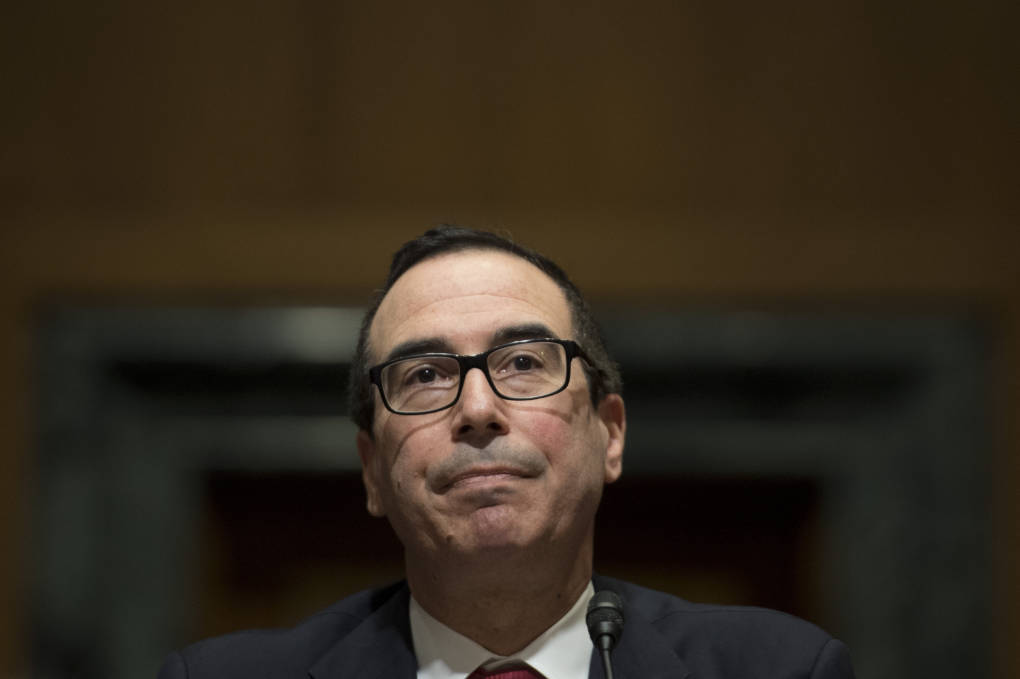
"description": "Steven Mnuchin testifies before Senate Finance Committee on Capitol Hill on Thursday, for his nomination to be secretary of the Treasury in the Trump administration.",
"title": "Steven Mnuchin testifies before Senate Finance Committee on Capitol Hill on Thursday, for his nomination to be secretary of the Treasury in the Trump administration.",
"credit": null,
"status": "inherit",
"isLoading": false,
"fetchFailed": false
},
"science_1335968": {
"type": "attachments",
"id": "science_1335968",
"meta": {
"index": "attachments_1716263798",
"site": "science",
"id": "1335968",
"found": true
},
"parent": 1335857,
"imgSizes": {
"small": {
"file": "https://ww2.kqed.org/app/uploads/sites/35/2017/01/Donald-trump-moth-520x258.jpg",
"width": 520,
"mimeType": "image/jpeg",
"height": 258
},
"twentyfourteen-full-width": {
"file": "https://ww2.kqed.org/app/uploads/sites/35/2017/01/Donald-trump-moth-1038x576.jpg",
"width": 1038,
"mimeType": "image/jpeg",
"height": 576
},
"thumbnail": {
"file": "https://ww2.kqed.org/app/uploads/sites/35/2017/01/Donald-trump-moth-160x79.jpg",
"width": 160,
"mimeType": "image/jpeg",
"height": 79
},
"fd-sm": {
"file": "https://ww2.kqed.org/app/uploads/sites/35/2017/01/Donald-trump-moth-960x476.jpg",
"width": 960,
"mimeType": "image/jpeg",
"height": 476
},
"post-thumbnail": {
"file": "https://ww2.kqed.org/app/uploads/sites/35/2017/01/Donald-trump-moth-672x372.jpg",
"width": 672,
"mimeType": "image/jpeg",
"height": 372
},
"xsmall": {
"file": "https://ww2.kqed.org/app/uploads/sites/35/2017/01/Donald-trump-moth-375x186.jpg",
"width": 375,
"mimeType": "image/jpeg",
"height": 186
},
"kqedFullSize": {
"file": "https://ww2.kqed.org/app/uploads/sites/35/2017/01/Donald-trump-moth.jpg",
"width": 2015,
"height": 1000
},
"large": {
"file": "https://ww2.kqed.org/app/uploads/sites/35/2017/01/Donald-trump-moth-1020x506.jpg",
"width": 1020,
"mimeType": "image/jpeg",
"height": 506
},
"xlarge": {
"file": "https://ww2.kqed.org/app/uploads/sites/35/2017/01/Donald-trump-moth-1180x586.jpg",
"width": 1180,
"mimeType": "image/jpeg",
"height": 586
},
"guest-author-50": {
"file": "https://ww2.kqed.org/app/uploads/sites/35/2017/01/Donald-trump-moth-50x50.jpg",
"width": 50,
"mimeType": "image/jpeg",
"height": 50
},
"guest-author-96": {
"file": "https://ww2.kqed.org/app/uploads/sites/35/2017/01/Donald-trump-moth-96x96.jpg",
"width": 96,
"mimeType": "image/jpeg",
"height": 96
},
"medium": {
"file": "https://ww2.kqed.org/app/uploads/sites/35/2017/01/Donald-trump-moth-800x397.jpg",
"width": 800,
"mimeType": "image/jpeg",
"height": 397
},
"guest-author-64": {
"file": "https://ww2.kqed.org/app/uploads/sites/35/2017/01/Donald-trump-moth-64x64.jpg",
"width": 64,
"mimeType": "image/jpeg",
"height": 64
},
"guest-author-32": {
"file": "https://ww2.kqed.org/app/uploads/sites/35/2017/01/Donald-trump-moth-32x32.jpg",
"width": 32,
"mimeType": "image/jpeg",
"height": 32
},
"fd-lrg": {
"file": "https://ww2.kqed.org/app/uploads/sites/35/2017/01/Donald-trump-moth-1920x953.jpg",
"width": 1920,
"mimeType": "image/jpeg",
"height": 953
},
"fd-med": {
"file": "https://ww2.kqed.org/app/uploads/sites/35/2017/01/Donald-trump-moth-1180x586.jpg",
"width": 1180,
"mimeType": "image/jpeg",
"height": 586
},
"full-width": {
"file": "https://ww2.kqed.org/app/uploads/sites/35/2017/01/Donald-trump-moth-1920x953.jpg",
"width": 1920,
"mimeType": "image/jpeg",
"height": 953
},
"detail": {
"file": "https://ww2.kqed.org/app/uploads/sites/35/2017/01/Donald-trump-moth-150x150.jpg",
"width": 150,
"mimeType": "image/jpeg",
"height": 150
},
"medium_large": {
"file": "https://ww2.kqed.org/app/uploads/sites/35/2017/01/Donald-trump-moth-768x381.jpg",
"width": 768,
"mimeType": "image/jpeg",
"height": 381
},
"guest-author-128": {
"file": "https://ww2.kqed.org/app/uploads/sites/35/2017/01/Donald-trump-moth-128x128.jpg",
"width": 128,
"mimeType": "image/jpeg",
"height": 128
},
"xxsmall": {
"file": "https://ww2.kqed.org/app/uploads/sites/35/2017/01/Donald-trump-moth-240x119.jpg",
"width": 240,
"mimeType": "image/jpeg",
"height": 119
}
},
"publishDate": 1484857716,
"modified": 1484857743,
"caption": "Moth species Neopalpa donaldtrumpi. ",
"description": null,
"title": "Donald trump moth",
"credit": "Vazrick Nazari",
"status": "inherit",
"isLoading": false,
"fetchFailed": false
},
"news_11277181": {
"type": "attachments",
"id": "news_11277181",
"meta": {
"index": "attachments_1716263798",
"site": "news",
"id": "11277181",
"found": true
},
"parent": 11276836,
"imgSizes": {
"small": {
"file": "https://ww2.kqed.org/app/uploads/sites/10/2017/01/RS23671_IMG_2560-qut-520x390.jpg",
"width": 520,
"mimeType": "image/jpeg",
"height": 390
},
"twentyfourteen-full-width": {
"file": "https://ww2.kqed.org/app/uploads/sites/10/2017/01/RS23671_IMG_2560-qut-1038x576.jpg",
"width": 1038,
"mimeType": "image/jpeg",
"height": 576
},
"thumbnail": {
"file": "https://ww2.kqed.org/app/uploads/sites/10/2017/01/RS23671_IMG_2560-qut-160x120.jpg",
"width": 160,
"mimeType": "image/jpeg",
"height": 120
},
"fd-sm": {
"file": "https://ww2.kqed.org/app/uploads/sites/10/2017/01/RS23671_IMG_2560-qut-960x720.jpg",
"width": 960,
"mimeType": "image/jpeg",
"height": 720
},
"post-thumbnail": {
"file": "https://ww2.kqed.org/app/uploads/sites/10/2017/01/RS23671_IMG_2560-qut-672x372.jpg",
"width": 672,
"mimeType": "image/jpeg",
"height": 372
},
"xsmall": {
"file": "https://ww2.kqed.org/app/uploads/sites/10/2017/01/RS23671_IMG_2560-qut-375x281.jpg",
"width": 375,
"mimeType": "image/jpeg",
"height": 281
},
"kqedFullSize": {
"file": "https://ww2.kqed.org/app/uploads/sites/10/2017/01/RS23671_IMG_2560-qut.jpg",
"width": 1920,
"height": 1440
},
"large": {
"file": "https://ww2.kqed.org/app/uploads/sites/10/2017/01/RS23671_IMG_2560-qut-1020x765.jpg",
"width": 1020,
"mimeType": "image/jpeg",
"height": 765
},
"xlarge": {
"file": "https://ww2.kqed.org/app/uploads/sites/10/2017/01/RS23671_IMG_2560-qut-1180x885.jpg",
"width": 1180,
"mimeType": "image/jpeg",
"height": 885
},
"guest-author-50": {
"file": "https://ww2.kqed.org/app/uploads/sites/10/2017/01/RS23671_IMG_2560-qut-50x50.jpg",
"width": 50,
"mimeType": "image/jpeg",
"height": 50
},
"guest-author-96": {
"file": "https://ww2.kqed.org/app/uploads/sites/10/2017/01/RS23671_IMG_2560-qut-96x96.jpg",
"width": 96,
"mimeType": "image/jpeg",
"height": 96
},
"medium": {
"file": "https://ww2.kqed.org/app/uploads/sites/10/2017/01/RS23671_IMG_2560-qut-800x600.jpg",
"width": 800,
"mimeType": "image/jpeg",
"height": 600
},
"guest-author-64": {
"file": "https://ww2.kqed.org/app/uploads/sites/10/2017/01/RS23671_IMG_2560-qut-64x64.jpg",
"width": 64,
"mimeType": "image/jpeg",
"height": 64
},
"guest-author-32": {
"file": "https://ww2.kqed.org/app/uploads/sites/10/2017/01/RS23671_IMG_2560-qut-32x32.jpg",
"width": 32,
"mimeType": "image/jpeg",
"height": 32
},
"jmtc-small-thumb": {
"file": "https://ww2.kqed.org/app/uploads/sites/10/2017/01/RS23671_IMG_2560-qut-280x150.jpg",
"width": 280,
"mimeType": "image/jpeg",
"height": 150
},
"fd-lrg": {
"file": "https://ww2.kqed.org/app/uploads/sites/10/2017/01/RS23671_IMG_2560-qut-1920x1440.jpg",
"width": 1920,
"mimeType": "image/jpeg",
"height": 1440
},
"fd-med": {
"file": "https://ww2.kqed.org/app/uploads/sites/10/2017/01/RS23671_IMG_2560-qut-1180x885.jpg",
"width": 1180,
"mimeType": "image/jpeg",
"height": 885
},
"full-width": {
"file": "https://ww2.kqed.org/app/uploads/sites/10/2017/01/RS23671_IMG_2560-qut-1920x1440.jpg",
"width": 1920,
"mimeType": "image/jpeg",
"height": 1440
},
"detail": {
"file": "https://ww2.kqed.org/app/uploads/sites/10/2017/01/RS23671_IMG_2560-qut-150x150.jpg",
"width": 150,
"mimeType": "image/jpeg",
"height": 150
},
"guest-author-128": {
"file": "https://ww2.kqed.org/app/uploads/sites/10/2017/01/RS23671_IMG_2560-qut-128x128.jpg",
"width": 128,
"mimeType": "image/jpeg",
"height": 128
},
"xxsmall": {
"file": "https://ww2.kqed.org/app/uploads/sites/10/2017/01/RS23671_IMG_2560-qut-240x180.jpg",
"width": 240,
"mimeType": "image/jpeg",
"height": 180
}
},
"publishDate": 1484856647,
"modified": 1484856730,
"caption": "Amanda Weissman on the steps of the Jefferson Memorial on Jan. 19, 2017.",
"description": null,
"title": "RS23671_IMG_2560-qut",
"credit": "Miranda Leitsinger/KQED",
"status": "inherit",
"isLoading": false,
"fetchFailed": false
},
"stateofhealth_285467": {
"type": "attachments",
"id": "stateofhealth_285467",
"meta": {
"index": "attachments_1716263798",
"site": "stateofhealth",
"id": "285467",
"found": true
},
"parent": 285454,
"imgSizes": {
"small": {
"file": "https://ww2.kqed.org/app/uploads/sites/27/2017/01/Valley-Community-Healthcare-520x346.jpg",
"width": 520,
"mimeType": "image/jpeg",
"height": 346
},
"thumbnail": {
"file": "https://ww2.kqed.org/app/uploads/sites/27/2017/01/Valley-Community-Healthcare-160x107.jpg",
"width": 160,
"mimeType": "image/jpeg",
"height": 107
},
"post-thumbnail": {
"file": "https://ww2.kqed.org/app/uploads/sites/27/2017/01/Valley-Community-Healthcare-672x372.jpg",
"width": 672,
"mimeType": "image/jpeg",
"height": 372
},
"xsmall": {
"file": "https://ww2.kqed.org/app/uploads/sites/27/2017/01/Valley-Community-Healthcare-375x250.jpg",
"width": 375,
"mimeType": "image/jpeg",
"height": 250
},
"kqedFullSize": {
"file": "https://ww2.kqed.org/app/uploads/sites/27/2017/01/Valley-Community-Healthcare.jpg",
"width": 770,
"height": 513
},
"guest-author-50": {
"file": "https://ww2.kqed.org/app/uploads/sites/27/2017/01/Valley-Community-Healthcare-50x50.jpg",
"width": 50,
"mimeType": "image/jpeg",
"height": 50
},
"guest-author-96": {
"file": "https://ww2.kqed.org/app/uploads/sites/27/2017/01/Valley-Community-Healthcare-96x96.jpg",
"width": 96,
"mimeType": "image/jpeg",
"height": 96
},
"guest-author-64": {
"file": "https://ww2.kqed.org/app/uploads/sites/27/2017/01/Valley-Community-Healthcare-64x64.jpg",
"width": 64,
"mimeType": "image/jpeg",
"height": 64
},
"guest-author-32": {
"file": "https://ww2.kqed.org/app/uploads/sites/27/2017/01/Valley-Community-Healthcare-32x32.jpg",
"width": 32,
"mimeType": "image/jpeg",
"height": 32
},
"jmtc-small-thumb": {
"file": "https://ww2.kqed.org/app/uploads/sites/27/2017/01/Valley-Community-Healthcare-280x150.jpg",
"width": 280,
"mimeType": "image/jpeg",
"height": 150
},
"detail": {
"file": "https://ww2.kqed.org/app/uploads/sites/27/2017/01/Valley-Community-Healthcare-150x150.jpg",
"width": 150,
"mimeType": "image/jpeg",
"height": 150
},
"medium_large": {
"file": "https://ww2.kqed.org/app/uploads/sites/27/2017/01/Valley-Community-Healthcare-768x512.jpg",
"width": 768,
"mimeType": "image/jpeg",
"height": 512
},
"guest-author-128": {
"file": "https://ww2.kqed.org/app/uploads/sites/27/2017/01/Valley-Community-Healthcare-128x128.jpg",
"width": 128,
"mimeType": "image/jpeg",
"height": 128
},
"xxsmall": {
"file": "https://ww2.kqed.org/app/uploads/sites/27/2017/01/Valley-Community-Healthcare-240x160.jpg",
"width": 240,
"mimeType": "image/jpeg",
"height": 160
}
},
"publishDate": 1484851106,
"modified": 1484851134,
"caption": "Pamela Richardson, 60, waits to see her doctor at Valley Community Healthcare in North Hollywood, California, on Wednesday, December 21, 2016. ",
"description": null,
"title": "Valley Community Healthcare",
"credit": "Heidi de Marco/KHN",
"status": "inherit",
"isLoading": false,
"fetchFailed": false
},
"news_11277567": {
"type": "attachments",
"id": "news_11277567",
"meta": {
"index": "attachments_1716263798",
"site": "news",
"id": "11277567",
"found": true
},
"parent": 11275396,
"imgSizes": {
"small": {
"file": "https://ww2.kqed.org/app/uploads/sites/10/2017/01/ArendtCover-520x526.jpg",
"width": 520,
"mimeType": "image/jpeg",
"height": 526
},
"twentyfourteen-full-width": {
"file": "https://ww2.kqed.org/app/uploads/sites/10/2017/01/ArendtCover-800x576.jpg",
"width": 800,
"mimeType": "image/jpeg",
"height": 576
},
"thumbnail": {
"file": "https://ww2.kqed.org/app/uploads/sites/10/2017/01/ArendtCover-160x162.jpg",
"width": 160,
"mimeType": "image/jpeg",
"height": 162
},
"post-thumbnail": {
"file": "https://ww2.kqed.org/app/uploads/sites/10/2017/01/ArendtCover-672x372.jpg",
"width": 672,
"mimeType": "image/jpeg",
"height": 372
},
"xsmall": {
"file": "https://ww2.kqed.org/app/uploads/sites/10/2017/01/ArendtCover-375x379.jpg",
"width": 375,
"mimeType": "image/jpeg",
"height": 379
},
"kqedFullSize": {
"file": "https://ww2.kqed.org/app/uploads/sites/10/2017/01/ArendtCover.jpg",
"width": 800,
"height": 809
},
"guest-author-50": {
"file": "https://ww2.kqed.org/app/uploads/sites/10/2017/01/ArendtCover-50x50.jpg",
"width": 50,
"mimeType": "image/jpeg",
"height": 50
},
"guest-author-96": {
"file": "https://ww2.kqed.org/app/uploads/sites/10/2017/01/ArendtCover-96x96.jpg",
"width": 96,
"mimeType": "image/jpeg",
"height": 96
},
"medium": {
"file": "https://ww2.kqed.org/app/uploads/sites/10/2017/01/ArendtCover-800x809.jpg",
"width": 800,
"mimeType": "image/jpeg",
"height": 809
},
"guest-author-64": {
"file": "https://ww2.kqed.org/app/uploads/sites/10/2017/01/ArendtCover-64x64.jpg",
"width": 64,
"mimeType": "image/jpeg",
"height": 64
},
"guest-author-32": {
"file": "https://ww2.kqed.org/app/uploads/sites/10/2017/01/ArendtCover-32x32.jpg",
"width": 32,
"mimeType": "image/jpeg",
"height": 32
},
"jmtc-small-thumb": {
"file": "https://ww2.kqed.org/app/uploads/sites/10/2017/01/ArendtCover-280x150.jpg",
"width": 280,
"mimeType": "image/jpeg",
"height": 150
},
"detail": {
"file": "https://ww2.kqed.org/app/uploads/sites/10/2017/01/ArendtCover-150x150.jpg",
"width": 150,
"mimeType": "image/jpeg",
"height": 150
},
"guest-author-128": {
"file": "https://ww2.kqed.org/app/uploads/sites/10/2017/01/ArendtCover-128x128.jpg",
"width": 128,
"mimeType": "image/jpeg",
"height": 128
},
"xxsmall": {
"file": "https://ww2.kqed.org/app/uploads/sites/10/2017/01/ArendtCover-240x243.jpg",
"width": 240,
"mimeType": "image/jpeg",
"height": 243
}
},
"publishDate": 1484872058,
"modified": 1484872081,
"caption": "In December, Hannah Arendt's classic was selling at 16 times its normal national rate.",
"description": "In December, Hannah Arendt's classic was selling at 16 times its normal national rate.",
"title": "ArendtCover",
"credit": "Hulton-Deutsch Collection/CORBIS",
"status": "inherit",
"isLoading": false,
"fetchFailed": false
},
"news_11275794": {
"type": "attachments",
"id": "news_11275794",
"meta": {
"index": "attachments_1716263798",
"site": "news",
"id": "11275794",
"found": true
},
"parent": 11275772,
"imgSizes": {
"small": {
"file": "https://ww2.kqed.org/app/uploads/sites/10/2017/01/RS23662_Merced-Sheriffs-Posse-3-qut-520x346.jpg",
"width": 520,
"mimeType": "image/jpeg",
"height": 346
},
"twentyfourteen-full-width": {
"file": "https://ww2.kqed.org/app/uploads/sites/10/2017/01/RS23662_Merced-Sheriffs-Posse-3-qut-1038x576.jpg",
"width": 1038,
"mimeType": "image/jpeg",
"height": 576
},
"thumbnail": {
"file": "https://ww2.kqed.org/app/uploads/sites/10/2017/01/RS23662_Merced-Sheriffs-Posse-3-qut-160x106.jpg",
"width": 160,
"mimeType": "image/jpeg",
"height": 106
},
"fd-sm": {
"file": "https://ww2.kqed.org/app/uploads/sites/10/2017/01/RS23662_Merced-Sheriffs-Posse-3-qut-960x638.jpg",
"width": 960,
"mimeType": "image/jpeg",
"height": 638
},
"post-thumbnail": {
"file": "https://ww2.kqed.org/app/uploads/sites/10/2017/01/RS23662_Merced-Sheriffs-Posse-3-qut-672x372.jpg",
"width": 672,
"mimeType": "image/jpeg",
"height": 372
},
"xsmall": {
"file": "https://ww2.kqed.org/app/uploads/sites/10/2017/01/RS23662_Merced-Sheriffs-Posse-3-qut-375x249.jpg",
"width": 375,
"mimeType": "image/jpeg",
"height": 249
},
"kqedFullSize": {
"file": "https://ww2.kqed.org/app/uploads/sites/10/2017/01/RS23662_Merced-Sheriffs-Posse-3-qut.jpg",
"width": 1920,
"height": 1276
},
"large": {
"file": "https://ww2.kqed.org/app/uploads/sites/10/2017/01/RS23662_Merced-Sheriffs-Posse-3-qut-1020x678.jpg",
"width": 1020,
"mimeType": "image/jpeg",
"height": 678
},
"xlarge": {
"file": "https://ww2.kqed.org/app/uploads/sites/10/2017/01/RS23662_Merced-Sheriffs-Posse-3-qut-1180x784.jpg",
"width": 1180,
"mimeType": "image/jpeg",
"height": 784
},
"guest-author-50": {
"file": "https://ww2.kqed.org/app/uploads/sites/10/2017/01/RS23662_Merced-Sheriffs-Posse-3-qut-50x50.jpg",
"width": 50,
"mimeType": "image/jpeg",
"height": 50
},
"guest-author-96": {
"file": "https://ww2.kqed.org/app/uploads/sites/10/2017/01/RS23662_Merced-Sheriffs-Posse-3-qut-96x96.jpg",
"width": 96,
"mimeType": "image/jpeg",
"height": 96
},
"medium": {
"file": "https://ww2.kqed.org/app/uploads/sites/10/2017/01/RS23662_Merced-Sheriffs-Posse-3-qut-800x532.jpg",
"width": 800,
"mimeType": "image/jpeg",
"height": 532
},
"guest-author-64": {
"file": "https://ww2.kqed.org/app/uploads/sites/10/2017/01/RS23662_Merced-Sheriffs-Posse-3-qut-64x64.jpg",
"width": 64,
"mimeType": "image/jpeg",
"height": 64
},
"guest-author-32": {
"file": "https://ww2.kqed.org/app/uploads/sites/10/2017/01/RS23662_Merced-Sheriffs-Posse-3-qut-32x32.jpg",
"width": 32,
"mimeType": "image/jpeg",
"height": 32
},
"jmtc-small-thumb": {
"file": "https://ww2.kqed.org/app/uploads/sites/10/2017/01/RS23662_Merced-Sheriffs-Posse-3-qut-280x150.jpg",
"width": 280,
"mimeType": "image/jpeg",
"height": 150
},
"fd-lrg": {
"file": "https://ww2.kqed.org/app/uploads/sites/10/2017/01/RS23662_Merced-Sheriffs-Posse-3-qut-1920x1276.jpg",
"width": 1920,
"mimeType": "image/jpeg",
"height": 1276
},
"fd-med": {
"file": "https://ww2.kqed.org/app/uploads/sites/10/2017/01/RS23662_Merced-Sheriffs-Posse-3-qut-1180x784.jpg",
"width": 1180,
"mimeType": "image/jpeg",
"height": 784
},
"full-width": {
"file": "https://ww2.kqed.org/app/uploads/sites/10/2017/01/RS23662_Merced-Sheriffs-Posse-3-qut-1920x1276.jpg",
"width": 1920,
"mimeType": "image/jpeg",
"height": 1276
},
"detail": {
"file": "https://ww2.kqed.org/app/uploads/sites/10/2017/01/RS23662_Merced-Sheriffs-Posse-3-qut-150x150.jpg",
"width": 150,
"mimeType": "image/jpeg",
"height": 150
},
"guest-author-128": {
"file": "https://ww2.kqed.org/app/uploads/sites/10/2017/01/RS23662_Merced-Sheriffs-Posse-3-qut-128x128.jpg",
"width": 128,
"mimeType": "image/jpeg",
"height": 128
},
"xxsmall": {
"file": "https://ww2.kqed.org/app/uploads/sites/10/2017/01/RS23662_Merced-Sheriffs-Posse-3-qut-240x160.jpg",
"width": 240,
"mimeType": "image/jpeg",
"height": 160
}
},
"publishDate": 1484787290,
"modified": 1484853451,
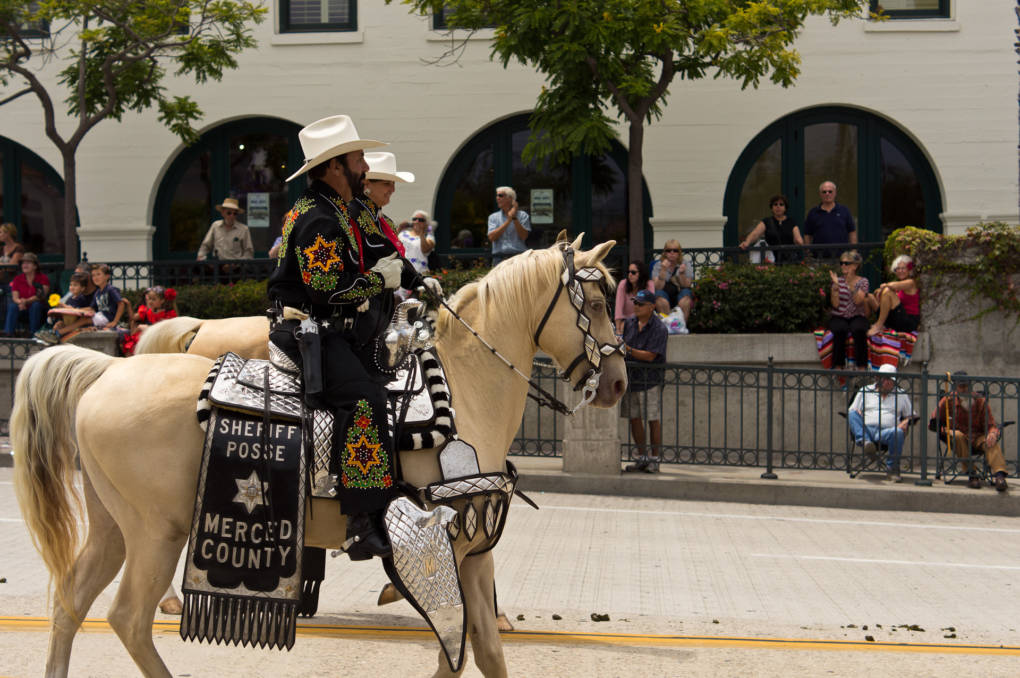
"caption": "Merced County Sheriff's Posse members ride in Santa Barbara.",
"description": "Merced County Sheriff's Posse members ride in Santa Barbara.",
"title": "Merced Sheriff's Posse",
"credit": "Fated Snowfox/\u003ca href=\"https://www.flickr.com/photos/fatedsnowfox/7723012684/in/photolist-cLssB7\">Flickr\u003c/a>",
"status": "inherit",
"isLoading": false,
"fetchFailed": false
},
"news_11275880": {
"type": "attachments",
"id": "news_11275880",
"meta": {
"index": "attachments_1716263798",
"site": "news",
"id": "11275880",
"found": true
},
"parent": 11275856,
"imgSizes": {
"small": {
"file": "https://ww2.kqed.org/app/uploads/sites/10/2017/01/DiFi-520x390.jpg",
"width": 520,
"mimeType": "image/jpeg",
"height": 390
},
"twentyfourteen-full-width": {
"file": "https://ww2.kqed.org/app/uploads/sites/10/2017/01/DiFi-1038x576.jpg",
"width": 1038,
"mimeType": "image/jpeg",
"height": 576
},
"thumbnail": {
"file": "https://ww2.kqed.org/app/uploads/sites/10/2017/01/DiFi-160x120.jpg",
"width": 160,
"mimeType": "image/jpeg",
"height": 120
},
"fd-sm": {
"file": "https://ww2.kqed.org/app/uploads/sites/10/2017/01/DiFi-960x720.jpg",
"width": 960,
"mimeType": "image/jpeg",
"height": 720
},
"post-thumbnail": {
"file": "https://ww2.kqed.org/app/uploads/sites/10/2017/01/DiFi-672x372.jpg",
"width": 672,
"mimeType": "image/jpeg",
"height": 372
},
"xsmall": {
"file": "https://ww2.kqed.org/app/uploads/sites/10/2017/01/DiFi-375x281.jpg",
"width": 375,
"mimeType": "image/jpeg",
"height": 281
},
"kqedFullSize": {
"file": "https://ww2.kqed.org/app/uploads/sites/10/2017/01/DiFi.jpg",
"width": 2048,
"height": 1536
},
"large": {
"file": "https://ww2.kqed.org/app/uploads/sites/10/2017/01/DiFi-1020x765.jpg",
"width": 1020,
"mimeType": "image/jpeg",
"height": 765
},
"xlarge": {
"file": "https://ww2.kqed.org/app/uploads/sites/10/2017/01/DiFi-1180x885.jpg",
"width": 1180,
"mimeType": "image/jpeg",
"height": 885
},
"guest-author-50": {
"file": "https://ww2.kqed.org/app/uploads/sites/10/2017/01/DiFi-50x50.jpg",
"width": 50,
"mimeType": "image/jpeg",
"height": 50
},
"guest-author-96": {
"file": "https://ww2.kqed.org/app/uploads/sites/10/2017/01/DiFi-96x96.jpg",
"width": 96,
"mimeType": "image/jpeg",
"height": 96
},
"medium": {
"file": "https://ww2.kqed.org/app/uploads/sites/10/2017/01/DiFi-800x600.jpg",
"width": 800,
"mimeType": "image/jpeg",
"height": 600
},
"guest-author-64": {
"file": "https://ww2.kqed.org/app/uploads/sites/10/2017/01/DiFi-64x64.jpg",
"width": 64,
"mimeType": "image/jpeg",
"height": 64
},
"guest-author-32": {
"file": "https://ww2.kqed.org/app/uploads/sites/10/2017/01/DiFi-32x32.jpg",
"width": 32,
"mimeType": "image/jpeg",
"height": 32
},
"jmtc-small-thumb": {
"file": "https://ww2.kqed.org/app/uploads/sites/10/2017/01/DiFi-280x150.jpg",
"width": 280,
"mimeType": "image/jpeg",
"height": 150
},
"fd-lrg": {
"file": "https://ww2.kqed.org/app/uploads/sites/10/2017/01/DiFi-1920x1440.jpg",
"width": 1920,
"mimeType": "image/jpeg",
"height": 1440
},
"fd-med": {
"file": "https://ww2.kqed.org/app/uploads/sites/10/2017/01/DiFi-1180x885.jpg",
"width": 1180,
"mimeType": "image/jpeg",
"height": 885
},
"full-width": {
"file": "https://ww2.kqed.org/app/uploads/sites/10/2017/01/DiFi-1920x1440.jpg",
"width": 1920,
"mimeType": "image/jpeg",
"height": 1440
},
"detail": {
"file": "https://ww2.kqed.org/app/uploads/sites/10/2017/01/DiFi-150x150.jpg",
"width": 150,
"mimeType": "image/jpeg",
"height": 150
},
"guest-author-128": {
"file": "https://ww2.kqed.org/app/uploads/sites/10/2017/01/DiFi-128x128.jpg",
"width": 128,
"mimeType": "image/jpeg",
"height": 128
},
"xxsmall": {
"file": "https://ww2.kqed.org/app/uploads/sites/10/2017/01/DiFi-240x180.jpg",
"width": 240,
"mimeType": "image/jpeg",
"height": 180
}
},
"publishDate": 1484789413,
"modified": 1484790773,
"caption": "Scott Shafer of KQED interviews U.S. Sen. Dianne Feinstein on Jan. 18, 2017, two days before President-elect Trump's inauguration.",
"description": null,
"title": "DiFi",
"credit": "KQED",
"status": "inherit",
"isLoading": false,
"fetchFailed": false
}
},
"audioPlayerReducer": {
"postId": "stream_live",
"isPaused": true,
"isPlaying": false,
"pfsActive": false,
"pledgeModalIsOpen": true,
"playerDrawerIsOpen": false,
"liveAudioPlayStartedAt": 0,
"liveAudioPlayContext": ""
},
"authorsReducer": {
"byline_news_11278649": {
"type": "authors",
"id": "byline_news_11278649",
"meta": {
"override": true
},
"slug": "byline_news_11278649",
"name": "Carrie Johnson",
"isLoading": false
},
"byline_news_11278655": {
"type": "authors",
"id": "byline_news_11278655",
"meta": {
"override": true
},
"slug": "byline_news_11278655",
"name": "\u003cstrong>KQED News Staff\u003c/strong>",
"isLoading": false
},
"byline_news_11277460": {
"type": "authors",
"id": "byline_news_11277460",
"meta": {
"override": true
},
"slug": "byline_news_11277460",
"name": "Yuki Noguchi",
"isLoading": false
},
"byline_science_1335857": {
"type": "authors",
"id": "byline_science_1335857",
"meta": {
"override": true
},
"slug": "byline_science_1335857",
"name": "Associated Press",
"isLoading": false
},
"byline_news_11276836": {
"type": "authors",
"id": "byline_news_11276836",
"meta": {
"override": true
},
"slug": "byline_news_11276836",
"name": "\u003cstrong>Amanda Weissman\u003c/strong>",
"isLoading": false
},
"byline_stateofhealth_285454": {
"type": "authors",
"id": "byline_stateofhealth_285454",
"meta": {
"override": true
},
"slug": "byline_stateofhealth_285454",
"name": "\u003cstrong>\u003ca href=\"http://californiahealthline.org/news/author/eryn-brown/\">Eryn Brown\u003c/a>\u003c/strong>",
"isLoading": false
},
"kqed": {
"type": "authors",
"id": "236",
"meta": {
"index": "authors_1716337520",
"id": "236",
"found": true
},
"name": "KQED News Staff",
"firstName": "KQED News Staff",
"lastName": null,
"slug": "kqed",
"email": "faq@kqed.org",
"display_author_email": false,
"staff_mastheads": [],
"title": null,
"bio": null,
"avatar": "https://secure.gravatar.com/avatar/ef0e801a68c4c54afa9180db14084167?s=600&d=blank&r=g",
"twitter": null,
"facebook": null,
"instagram": null,
"linkedin": null,
"sites": [
{
"site": "arts",
"roles": [
"contributor"
]
},
{
"site": "news",
"roles": [
"editor"
]
},
{
"site": "futureofyou",
"roles": [
"author"
]
}
],
"headData": {
"title": "KQED News Staff | KQED",
"description": null,
"ogImgSrc": "https://secure.gravatar.com/avatar/ef0e801a68c4c54afa9180db14084167?s=600&d=blank&r=g",
"twImgSrc": "https://secure.gravatar.com/avatar/ef0e801a68c4c54afa9180db14084167?s=600&d=blank&r=g"
},
"isLoading": false,
"link": "/author/kqed"
},
"samharnett": {
"type": "authors",
"id": "253",
"meta": {
"index": "authors_1716337520",
"id": "253",
"found": true
},
"name": "Sam Harnett",
"firstName": "Sam",
"lastName": "Harnett",
"slug": "samharnett",
"email": "samharnett@gmail.com",
"display_author_email": false,
"staff_mastheads": [],
"title": "KQED Contributor",
"bio": "Sam Harnett covered tech and work at KQED. He is the co-creator of \u003cem>\u003ca href=\"http://www.theworldaccordingtosound.org\">The World According to Sound\u003c/a>,\u003c/em> a 90-second podcast that features different sounds and the stories behind them.\r\n\r\nBefore coming to KQED, Sam worked as an independent reporter who contributed regularly to \u003cem>The California Report, Marketplace,\u003c/em> \u003cem>The World \u003c/em>and NPR.",
"avatar": "https://secure.gravatar.com/avatar/2538b972ac02f2b9546c7a6c59a0f3d0?s=600&d=blank&r=g",
"twitter": "Samwharnett",
"facebook": null,
"instagram": null,
"linkedin": null,
"sites": [
{
"site": "news",
"roles": [
"edit_others_posts",
"subscriber"
]
},
{
"site": "stateofhealth",
"roles": [
"author"
]
},
{
"site": "science",
"roles": [
"editor"
]
},
{
"site": "quest",
"roles": [
"subscriber"
]
}
],
"headData": {
"title": "Sam Harnett | KQED",
"description": "KQED Contributor",
"ogImgSrc": "https://secure.gravatar.com/avatar/2538b972ac02f2b9546c7a6c59a0f3d0?s=600&d=blank&r=g",
"twImgSrc": "https://secure.gravatar.com/avatar/2538b972ac02f2b9546c7a6c59a0f3d0?s=600&d=blank&r=g"
},
"isLoading": false,
"link": "/author/samharnett"
},
"scottshafer": {
"type": "authors",
"id": "255",
"meta": {
"index": "authors_1716337520",
"id": "255",
"found": true
},
"name": "Scott Shafer",
"firstName": "Scott",
"lastName": "Shafer",
"slug": "scottshafer",
"email": "sshafer@kqed.org",
"display_author_email": false,
"staff_mastheads": [
"news"
],
"title": "KQED Contributor",
"bio": "Scott Shafer is a senior editor with the KQED Politics and Government desk. He is co-host of Political Breakdown, the award-winning radio show and podcast with a personal take on the world of politics. Scott came to KQED in 1998 to host the statewide\u003cem> California Report\u003c/em>. Prior to that he had extended stints in politics and government\u003cem>.\u003c/em> He uses that inside experience at KQED in his, reporting, hosting and analysis for the politics desk. Scott collaborated \u003cem>Political Breakdown a\u003c/em>nd on \u003cem>The Political Mind of Jerry Brown, \u003c/em>an eight-part series about the life and extraordinary political career of the former governor. For fun, he plays water polo with the San Francisco Tsunami.",
"avatar": "https://secure.gravatar.com/avatar/a62ebae45b79d7aed1a39a0e3bf68104?s=600&d=blank&r=g",
"twitter": "scottshafer",
"bluesky": null,
"facebook": null,
"instagram": null,
"linkedin": null,
"sites": [
{
"site": "news",
"roles": [
"editor"
]
},
{
"site": "stateofhealth",
"roles": [
"author"
]
},
{
"site": "science",
"roles": [
"author"
]
},
{
"site": "forum",
"roles": [
"subscriber"
]
},
{
"site": "liveblog",
"roles": [
"author"
]
}
],
"headData": {
"title": "Scott Shafer | KQED",
"description": "KQED Contributor",
"ogImgSrc": "https://secure.gravatar.com/avatar/a62ebae45b79d7aed1a39a0e3bf68104?s=600&d=blank&r=g",
"twImgSrc": "https://secure.gravatar.com/avatar/a62ebae45b79d7aed1a39a0e3bf68104?s=600&d=blank&r=g"
},
"isLoading": false,
"link": "/author/scottshafer"
},
"qkim": {
"type": "authors",
"id": "11099",
"meta": {
"index": "authors_1716337520",
"id": "11099",
"found": true
},
"name": "Queena Sook Kim",
"firstName": "Queena",
"lastName": "Kim",
"slug": "qkim",
"email": "qkim@kqed.org",
"display_author_email": false,
"staff_mastheads": [
"news"
],
"title": "Senior Editor",
"bio": "\u003cspan style=\"font-weight: 400;\">Queena Sook Kim is a former senior editor of the weekend desk at KQED. Before taking on that post, she was the Senior Editor of the Silicon Valley Desk and was the \u003c/span>\u003cspan style=\"font-weight: 400;\">host of The California Report. The daily morning show airs on KQED in San Francisco, one of the nation’s largest NPR affiliates, and on 30 stations across the state. In that role, she produces and reports on news, politics and life in the Golden State. Queena likes to take sideways look at the larger trends changing the state. One of her favorite stories asked\u003c/span>\u003ca href=\"https://ww2.kqed.org/news/2015/02/15/why-the-heck-do-mexican-reporters-on-public-radio-say-their-names-that-way\"> \u003cspan style=\"font-weight: 400;\">why Latino journalists “over’pronounce” their Spanish surnames\u003c/span>\u003c/a>\u003cspan style=\"font-weight: 400;\"> as a way of looking at how immigration is creating a culture shift in California.\u003c/span>\r\n\r\n\u003cspan style=\"font-weight: 400;\">Before joining The California Report, Queena was a \u003ca href=\"http://www.marketplace.org/people/queena-kim\">Senior Reporter covering technology for Marketplace\u003c/a>, the daily business show that airs on public radio. Queena covered daily tech business stories and reported on larger technology trends. She did a series of stories looking at role of social engineering in hacking and on a start-up in Silicon Valley that’s trying to use technology, instead of animals, to make meat that bleeds.\u003c/span>\r\n\r\n\u003cspan style=\"font-weight: 400;\">Queena started her career as a business journalist at the Wall Street Journal, where she spent four years covering the paper, home building and toy industries. She wrote A1 stories about the unusually aggressive tactics KB Home took against its home buyers. and the resurgence of “Cracker” architecture in Florida. She also wrote section front stories on marketing trends and\u003c/span>\r\n\r\n\u003cspan style=\"font-weight: 400;\">As a journalist, Queena has spent much of her career helping start-up editorial products. She was on the founding editorial team of The Bay Citizen, an experimental, online news site in San Francisco that was funded by the late hillbilly billionaire Warren Hellman. In 2009, Queena received a grant from the Corporation of Public Broadcasting to start-up a podcast called \u003ca href=\"https://soundcloud.com/cyberfrequencies\">CyberFrequencies\u003c/a>, which reported on the culture of technology. She also helped start-up two radio shows - Off-Ramp and Pacific Drift - for KPCC, the NPR-affiliate in Los Angeles. Off-Ramp was awarded 1st Place for news and Public Affairs programming by the PRINDI and the L.A. Press club. \u003ca href=\"https://soundcloud.com/queena-sook-kim\">Queena’s stories have appeared \u003c/a>on NPR’s Day to Day, Hearing Voices, WNYC’s Studio 360, WBUR’s Here and Now, BBC’s Global Perspectives and New York Times’ multimedia page.\u003c/span>\r\n\r\n\u003cspan style=\"font-weight: 400;\">In 1994, Queena won a Fulbright Grant to teach and study in Seoul, South Korea. She was also selected to be a Teach For America Corps Member in 1991 and taught elementary school in the Inglewood Unified School District in Southern California.\u003c/span>\r\n\r\n\u003cspan style=\"font-weight: 400;\">Queena is a frequent public speaker and has given talks at UC Berkeley, Stanford University, San Francisco State University, PRINDI conference and the Craigslist Foundation Boot Camp. Queena went to UC Berkeley’s Graduate School of Journalism and graduated cum laude from New York University with a B.A. in Politics. She grew up in Southern California and lives in Berkeley, Ca in a big fixer on which she spends most weekends, well, fixing.\u003c/span>",
"avatar": "https://secure.gravatar.com/avatar/b72382fd0db351b99f8a31939f4853fc?s=600&d=blank&r=g",
"twitter": "queenasookkim",
"facebook": null,
"instagram": null,
"linkedin": null,
"sites": [
{
"site": "news",
"roles": [
"subscriber"
]
},
{
"site": "forum",
"roles": [
"author"
]
},
{
"site": "breakingnews",
"roles": [
"editor"
]
}
],
"headData": {
"title": "Queena Sook Kim | KQED",
"description": "Senior Editor",
"ogImgSrc": "https://secure.gravatar.com/avatar/b72382fd0db351b99f8a31939f4853fc?s=600&d=blank&r=g",
"twImgSrc": "https://secure.gravatar.com/avatar/b72382fd0db351b99f8a31939f4853fc?s=600&d=blank&r=g"
},
"isLoading": false,
"link": "/author/qkim"
},
"vrancano": {
"type": "authors",
"id": "11276",
"meta": {
"index": "authors_1716337520",
"id": "11276",
"found": true
},
"name": "Vanessa Rancaño",
"firstName": "Vanessa",
"lastName": "Rancaño",
"slug": "vrancano",
"email": "vrancano@kqed.org",
"display_author_email": false,
"staff_mastheads": [
"news"
],
"title": "Reporter",
"bio": "Vanessa Rancaño is a features reporter for KQED. She’s also covered homelessness and education for the station and reported from the Central Valley. Her work has aired across public radio, from flagship national news shows to longform narrative podcasts. Before taking up a mic, she worked as a freelance print journalist. She’s been recognized with a number of national and regional awards. Vanessa grew up in California's Central Valley. She's a former NPR Kroc Fellow, and a graduate of the UC Berkeley Graduate School of Journalism.",
"avatar": "https://secure.gravatar.com/avatar/b3a383dfb0e7ee1c17568f2cf067904ab654d6e3de9743fc661f3c788ade1bed?s=600&d=blank&r=g",
"twitter": "vanessarancano",
"bluesky": null,
"facebook": null,
"instagram": null,
"linkedin": null,
"sites": [
{
"site": "arts",
"roles": [
"editor"
]
},
{
"site": "news",
"roles": [
"editor"
]
},
{
"site": "liveblog",
"roles": [
"contributor"
]
}
],
"headData": {
"title": "Vanessa Rancaño | KQED",
"description": "Reporter",
"ogImgSrc": "https://secure.gravatar.com/avatar/b3a383dfb0e7ee1c17568f2cf067904ab654d6e3de9743fc661f3c788ade1bed?s=600&d=blank&r=g",
"twImgSrc": "https://secure.gravatar.com/avatar/b3a383dfb0e7ee1c17568f2cf067904ab654d6e3de9743fc661f3c788ade1bed?s=600&d=blank&r=g"
},
"isLoading": false,
"link": "/author/vrancano"
},
"mleitsinger": {
"type": "authors",
"id": "11310",
"meta": {
"index": "authors_1716337520",
"id": "11310",
"found": true
},
"name": "Miranda Leitsinger",
"firstName": "Miranda",
"lastName": "Leitsinger",
"slug": "mleitsinger",
"email": "mleitsinger@KQED.org",
"display_author_email": false,
"staff_mastheads": [
"news"
],
"title": "KQED Contributor",
"bio": "Miranda Leitsinger has worked in journalism as a reporter and editor since 2000, including seven years at The Associated Press in locales such as Cambodia and Puerto Rico, four years at NBC News Digital in New York and 2.5 years at CNN.com International in Hong Kong. Major stories she has covered included sexual abuse in the yoga community, the rise of women in local politics post-2016 election, the struggle over LGBTQ inclusion in the Boy Scouts, aftermath of the 2004 and 2011 tsunamis, the Aurora movie theater attack, the Newtown school shooting, Superstorm Sandy and the Boston Marathon bombing.",
"avatar": "https://secure.gravatar.com/avatar/cdd00de7be92aab3b7fd3d915e02033d?s=600&d=blank&r=g",
"twitter": "mimileitsinger",
"facebook": null,
"instagram": null,
"linkedin": null,
"sites": [
{
"site": "arts",
"roles": [
"author"
]
},
{
"site": "news",
"roles": [
"subscriber"
]
},
{
"site": "futureofyou",
"roles": [
"editor"
]
},
{
"site": "stateofhealth",
"roles": [
"editor"
]
}
],
"headData": {
"title": "Miranda Leitsinger | KQED",
"description": "KQED Contributor",
"ogImgSrc": "https://secure.gravatar.com/avatar/cdd00de7be92aab3b7fd3d915e02033d?s=600&d=blank&r=g",
"twImgSrc": "https://secure.gravatar.com/avatar/cdd00de7be92aab3b7fd3d915e02033d?s=600&d=blank&r=g"
},
"isLoading": false,
"link": "/author/mleitsinger"
}
},
"pagesReducer": {
"news_tag_donald-trump": {
"type": "terms",
"id": "news_1323",
"meta": {
"index": "terms_1716263798",
"site": "news",
"id": "1323",
"score": 8.557362
},
"featImg": null,
"name": "Donald Trump",
"description": null,
"taxonomy": "tag",
"headData": {
"twImgId": null,
"twTitle": null,
"ogTitle": null,
"ogImgId": null,
"twDescription": null,
"description": null,
"title": "Donald Trump Archives | KQED News",
"ogDescription": null
},
"ttid": 1335,
"slug": "donald-trump",
"isLoading": false,
"title": "Donald Trump",
"pageMeta": {
"site": "news",
"WpPageTemplate": "page-topic-editorial",
"currentPage": 179
},
"blocks": [
{
"blockName": "kqed/post-list",
"attrs": {
"layout": "cardArticle2",
"query": "posts/news?tag=donald-trump",
"seeMore": false,
"paginated": true,
"page": 179
}
},
{
"blockName": "kqed/ad"
}
]
}
},
"pfsSessionReducer": {},
"postsReducer": {
"stream_live": {
"type": "live",
"id": "stream_live",
"audioUrl": "https://streams.kqed.org/kqedradio",
"title": "Live Stream",
"excerpt": "Live Stream information currently unavailable.",
"link": "/radio",
"featImg": "",
"label": {
"name": "KQED Live",
"link": "/"
}
},
"stream_kqedNewscast": {
"type": "posts",
"id": "stream_kqedNewscast",
"audioUrl": "https://www.kqed.org/.stream/anon/radio/RDnews/newscast.mp3?_=1",
"title": "KQED Newscast",
"featImg": "",
"label": {
"name": "88.5 FM",
"link": "/"
}
},
"news_11277969": {
"type": "posts",
"id": "news_11277969",
"meta": {
"index": "posts_1716263798",
"site": "news",
"id": "11277969",
"score": null,
"sort": [
1484939317000
]
},
"parent": 0,
"labelTerm": {
"site": "news",
"term": 6944
},
"blocks": [],
"publishDate": 1484939317,
"format": "standard",
"disqusTitle": "Many Bay Area Moms in First-Ever National Protest, and With Kids",
"title": "Many Bay Area Moms in First-Ever National Protest, and With Kids",
"headTitle": "News Fix | KQED News",
"content": "\u003cp>For many Bay Area moms, joining the Women’s March on Washington will not only be their first protest ever, it will also be the first one with their kids.\u003c/p>\n\u003cp>So planning to participate wasn’t simply about the logistics of how they would get there and where they’d stay, but also how they'd have their tots, tweens and teens in tow.\u003c/p>\n\u003cp>“I'm preparing us for a long day, a lot of standing to start, a lot of walking. I've got to be prepared to leave if she's really done, and is just over it,” said Hao Le of San Jose, who is bringing her daughter, Quynh-Mai Duarte, 7. “That's got to be factored in.”\u003c/p>\n\u003cfigure id=\"attachment_11277972\" class=\"wp-caption aligncenter\" style=\"max-width: 800px\">\u003cimg class=\"size-medium wp-image-11277972\" src=\"https://ww2.kqed.org/news/wp-content/uploads/sites/10/2017/01/RS23682_Hao_daughter-qut-800x533.jpg\" alt=\"Hao Le, of San Jose, with her daughter, Quynh-Mai Duarte, 7.\" width=\"800\" height=\"533\" srcset=\"https://ww2.kqed.org/app/uploads/sites/10/2017/01/RS23682_Hao_daughter-qut-800x533.jpg 800w, https://ww2.kqed.org/app/uploads/sites/10/2017/01/RS23682_Hao_daughter-qut-160x107.jpg 160w, https://ww2.kqed.org/app/uploads/sites/10/2017/01/RS23682_Hao_daughter-qut-1020x680.jpg 1020w, https://ww2.kqed.org/app/uploads/sites/10/2017/01/RS23682_Hao_daughter-qut.jpg 1920w, https://ww2.kqed.org/app/uploads/sites/10/2017/01/RS23682_Hao_daughter-qut-1180x787.jpg 1180w, https://ww2.kqed.org/app/uploads/sites/10/2017/01/RS23682_Hao_daughter-qut-960x640.jpg 960w, https://ww2.kqed.org/app/uploads/sites/10/2017/01/RS23682_Hao_daughter-qut-240x160.jpg 240w, https://ww2.kqed.org/app/uploads/sites/10/2017/01/RS23682_Hao_daughter-qut-375x250.jpg 375w, https://ww2.kqed.org/app/uploads/sites/10/2017/01/RS23682_Hao_daughter-qut-520x347.jpg 520w\" sizes=\"(max-width: 800px) 100vw, 800px\">\u003cfigcaption class=\"wp-caption-text\">Hao Le, of San Jose, with her daughter, Quynh-Mai Duarte, 7. \u003ccite>(Courtesy of Hao Le)\u003c/cite>\u003c/figcaption>\u003c/figure>\n\u003cp>Moms like Le are factoring in bathroom breaks, how much food and water to bring with the bag size limitations, games, stickers and toys to keep kids entertained during the times they’re standing during the rally, and making sure everyone stays safe.\u003c/p>\n\u003cp>In case they get separated, some parents have GPS tiles for their kids, while others are writing names and numbers on their child’s arms, and yet others have brightly colored flags for them to wave or hold up.\u003c/p>\n\u003cp>[ad fullwidth]\u003c/p>\n\u003cp>“I am having a backup plan, and a plan for the backup,” said Le.\u003c/p>\n\u003cp>Many of these topics are covered on a \u003ca href=\"https://www.facebook.com/groups/1864386127130497/\">Facebook page\u003c/a> for parents attending the march. But those are, in a way, just logistics. Many moms said they decided to make the cross-country trip with their kids to teach them invaluable life lessons, too.\u003c/p>\n\u003cp>“Is there any better education? You’re not going to get this from a classroom. This is what you’re going to read about in a textbook,” said Mars Stone, a mom from Berkeley who is bringing her daughter, Ruby, 10.\u003c/p>\n\u003cp>“I've never really felt compelled to really stand up and do a whole lot before like I do now,” said Le. “I thought that she could benefit from participating in that, and seeing a sea of strong and independent women and girls.”\u003c/p>\n\u003cfigure id=\"attachment_11277973\" class=\"wp-caption aligncenter\" style=\"max-width: 800px\">\u003cimg class=\"size-medium wp-image-11277973\" src=\"https://ww2.kqed.org/news/wp-content/uploads/sites/10/2017/01/RS23685_IMG_2364-qut-800x600.jpg\" alt=\"Mars Stone, of Berkeley, with her daughter, Ruby, 10.\" width=\"800\" height=\"600\" srcset=\"https://ww2.kqed.org/app/uploads/sites/10/2017/01/RS23685_IMG_2364-qut-800x600.jpg 800w, https://ww2.kqed.org/app/uploads/sites/10/2017/01/RS23685_IMG_2364-qut-160x120.jpg 160w, https://ww2.kqed.org/app/uploads/sites/10/2017/01/RS23685_IMG_2364-qut-1020x765.jpg 1020w, https://ww2.kqed.org/app/uploads/sites/10/2017/01/RS23685_IMG_2364-qut.jpg 1920w, https://ww2.kqed.org/app/uploads/sites/10/2017/01/RS23685_IMG_2364-qut-1180x885.jpg 1180w, https://ww2.kqed.org/app/uploads/sites/10/2017/01/RS23685_IMG_2364-qut-960x720.jpg 960w, https://ww2.kqed.org/app/uploads/sites/10/2017/01/RS23685_IMG_2364-qut-240x180.jpg 240w, https://ww2.kqed.org/app/uploads/sites/10/2017/01/RS23685_IMG_2364-qut-375x281.jpg 375w, https://ww2.kqed.org/app/uploads/sites/10/2017/01/RS23685_IMG_2364-qut-520x390.jpg 520w\" sizes=\"(max-width: 800px) 100vw, 800px\">\u003cfigcaption class=\"wp-caption-text\">Mars Stone, of Berkeley, with her daughter, Ruby, 10. \u003ccite>(Miranda Leitsinger/KQED)\u003c/cite>\u003c/figcaption>\u003c/figure>\n\u003cp>For mom Elizabeth Beatty, of San Francisco, who home-schools her daughter, Alessandra, 12, the march is partly to teach their kids about democracy and being active in their communities and politics to enact change.\u003c/p>\n\u003cp>It’s \"about being a role model to your children and saying you can’t take things for granted, you have to stand up for what’s right,” she said. “I think that’s what all the children need. They’re seeing their parents out their standing up for something they believe in, fighting for something they believe in, and that’s a great message.”\u003c/p>\n\u003cp>For many families, though, the decision was complicated. Beatty didn’t want to push her political views on her daughter. Margaret Robbins, a retired lawyer living in Pacifica, weighed whether this was the right time in her daughter Amanda’s life to be exposed to such a gathering — where there could be other groups protesting the march, such as supporters of President Donald Trump, fresh off of his inauguration.\u003c/p>\n\u003cp>[contextly_sidebar id=\"wlKQLaCwv9hVFnSiLduEB7OfdOWxkXfF\"]\u003c/p>\n\u003cp>“I was concerned about sort of taking innocence away, in a sense, from her. That eventually is going to happen, but is 13 the right age?” she said. “I thought a lot about that, but I weighed that against having her feel empowered during this whole mess, because I know, myself, as a person who is a very strong woman, I felt a blow when this happened.”\u003c/p>\n\u003cp>Lots of her friends don’t agree, Robbins said. “It’s a personal choice.”\u003c/p>\n\u003cp>Amanda chimed in: “I am going to remember this experience for as long as I live. I think I'd be truly upset that you would be going and I would be left behind to only get pictures back.”\u003c/p>\n\u003cfigure id=\"attachment_11277974\" class=\"wp-caption aligncenter\" style=\"max-width: 800px\">\u003cimg class=\"size-medium wp-image-11277974\" src=\"https://ww2.kqed.org/news/wp-content/uploads/sites/10/2017/01/RS23683_beatty-qut-800x988.jpg\" alt=\"Elizabeth Beatty, of San Francisco, with her daughter, Alessandra, 12.\" width=\"800\" height=\"988\" srcset=\"https://ww2.kqed.org/app/uploads/sites/10/2017/01/RS23683_beatty-qut-800x988.jpg 800w, https://ww2.kqed.org/app/uploads/sites/10/2017/01/RS23683_beatty-qut-160x198.jpg 160w, https://ww2.kqed.org/app/uploads/sites/10/2017/01/RS23683_beatty-qut-1020x1260.jpg 1020w, https://ww2.kqed.org/app/uploads/sites/10/2017/01/RS23683_beatty-qut-1180x1458.jpg 1180w, https://ww2.kqed.org/app/uploads/sites/10/2017/01/RS23683_beatty-qut-960x1186.jpg 960w, https://ww2.kqed.org/app/uploads/sites/10/2017/01/RS23683_beatty-qut-240x297.jpg 240w, https://ww2.kqed.org/app/uploads/sites/10/2017/01/RS23683_beatty-qut-375x463.jpg 375w, https://ww2.kqed.org/app/uploads/sites/10/2017/01/RS23683_beatty-qut-520x642.jpg 520w, https://ww2.kqed.org/app/uploads/sites/10/2017/01/RS23683_beatty-qut.jpg 1507w\" sizes=\"(max-width: 800px) 100vw, 800px\">\u003cfigcaption class=\"wp-caption-text\">Elizabeth Beatty, of San Francisco, with her daughter, Alessandra, 12. \u003ccite>(Courtesy of Elizabeth Beatty)\u003c/cite>\u003c/figcaption>\u003c/figure>\n\u003cp>Many moms said there was yet another reason to go to D.C.: To get out of the Bay Area “bubble.”\u003c/p>\n\u003cp>“This is life. We can march here [in the Bay Area] with people who are like-minded and we are never going to be faced with any opposition here. It's going to be a big kumbaya and it's great,” said Stone. “That's not the world, that's not the country we live in.”\u003c/p>\n\u003cp>They’ve all prepared for potential encounters with people who oppose the march. Some will ignore them; Stone said they’ll respond to opponents with “dignity and compassion.” But they’re not there to engage opponents. Instead, it’s about sharing a historic moment with their children and to get inspired for the next chapter.\u003c/p>\n\u003cp>\u003c/p>\n\u003cp>“I wanted to make sure that she felt empowered,” Robbins said of her daughter, “and that she had a voice, and that she understood that even though this person is going to be our president, that we still have power, and we still matter.”\u003c/p>\n\n",
"disqusIdentifier": "11277969 https://ww2.kqed.org/news/?p=11277969",
"disqusUrl": "https://ww2.kqed.org/news/2017/01/20/many-bay-area-moms-in-first-ever-national-protest-and-with-kids/",
"stats": {
"hasVideo": false,
"hasChartOrMap": false,
"hasAudio": false,
"hasPolis": false,
"wordCount": 916,
"hasGoogleForm": false,
"hasGallery": false,
"hasHearkenModule": false,
"iframeSrcs": [],
"paragraphCount": 22
},
"modified": 1484954216,
"excerpt": "For many Bay Area moms, the decision to bring their daughters to D.C. was about giving them a chance to participate in history.",
"headData": {
"twImgId": "",
"twTitle": "",
"ogTitle": "",
"ogImgId": "",
"twDescription": "",
"description": "For many Bay Area moms, the decision to bring their daughters to D.C. was about giving them a chance to participate in history.",
"title": "Many Bay Area Moms in First-Ever National Protest, and With Kids | KQED",
"ogDescription": "",
"schema": {
"@context": "https://schema.org",
"@type": "NewsArticle",
"headline": "Many Bay Area Moms in First-Ever National Protest, and With Kids",
"datePublished": "2017-01-20T11:08:37-08:00",
"dateModified": "2017-01-20T15:16:56-08:00",
"image": "https://cdn.kqed.org/wp-content/uploads/2020/02/KQED-OG-Image@1x.png",
"isAccessibleForFree": "True",
"publisher": {
"@type": "NewsMediaOrganization",
"@id": "https://www.kqed.org/#organization",
"name": "KQED",
"logo": "https://cdn.kqed.org/wp-content/uploads/2020/02/KQED-OG-Image@1x.png",
"url": "https://www.kqed.org",
"sameAs": [
"https://www.facebook.com/KQED",
"https://twitter.com/KQED",
"https://www.instagram.com/kqed/",
"https://www.tiktok.com/@kqedofficial",
"https://www.linkedin.com/company/kqed",
"https://www.youtube.com/channel/UCeC0IOo7i1P_61zVUWbJ4nw"
]
}
}
},
"guestAuthors": [],
"slug": "many-bay-area-moms-in-first-ever-national-protest-and-with-kids",
"status": "publish",
"path": "/news/11277969/many-bay-area-moms-in-first-ever-national-protest-and-with-kids",
"audioTrackLength": null,
"parsedContent": [
{
"type": "contentString",
"content": "\u003cdiv class=\"post-body\">\u003cp>\u003cp>For many Bay Area moms, joining the Women’s March on Washington will not only be their first protest ever, it will also be the first one with their kids.\u003c/p>\n\u003cp>So planning to participate wasn’t simply about the logistics of how they would get there and where they’d stay, but also how they'd have their tots, tweens and teens in tow.\u003c/p>\n\u003cp>“I'm preparing us for a long day, a lot of standing to start, a lot of walking. I've got to be prepared to leave if she's really done, and is just over it,” said Hao Le of San Jose, who is bringing her daughter, Quynh-Mai Duarte, 7. “That's got to be factored in.”\u003c/p>\n\u003cfigure id=\"attachment_11277972\" class=\"wp-caption aligncenter\" style=\"max-width: 800px\">\u003cimg class=\"size-medium wp-image-11277972\" src=\"https://ww2.kqed.org/news/wp-content/uploads/sites/10/2017/01/RS23682_Hao_daughter-qut-800x533.jpg\" alt=\"Hao Le, of San Jose, with her daughter, Quynh-Mai Duarte, 7.\" width=\"800\" height=\"533\" srcset=\"https://ww2.kqed.org/app/uploads/sites/10/2017/01/RS23682_Hao_daughter-qut-800x533.jpg 800w, https://ww2.kqed.org/app/uploads/sites/10/2017/01/RS23682_Hao_daughter-qut-160x107.jpg 160w, https://ww2.kqed.org/app/uploads/sites/10/2017/01/RS23682_Hao_daughter-qut-1020x680.jpg 1020w, https://ww2.kqed.org/app/uploads/sites/10/2017/01/RS23682_Hao_daughter-qut.jpg 1920w, https://ww2.kqed.org/app/uploads/sites/10/2017/01/RS23682_Hao_daughter-qut-1180x787.jpg 1180w, https://ww2.kqed.org/app/uploads/sites/10/2017/01/RS23682_Hao_daughter-qut-960x640.jpg 960w, https://ww2.kqed.org/app/uploads/sites/10/2017/01/RS23682_Hao_daughter-qut-240x160.jpg 240w, https://ww2.kqed.org/app/uploads/sites/10/2017/01/RS23682_Hao_daughter-qut-375x250.jpg 375w, https://ww2.kqed.org/app/uploads/sites/10/2017/01/RS23682_Hao_daughter-qut-520x347.jpg 520w\" sizes=\"(max-width: 800px) 100vw, 800px\">\u003cfigcaption class=\"wp-caption-text\">Hao Le, of San Jose, with her daughter, Quynh-Mai Duarte, 7. \u003ccite>(Courtesy of Hao Le)\u003c/cite>\u003c/figcaption>\u003c/figure>\n\u003cp>Moms like Le are factoring in bathroom breaks, how much food and water to bring with the bag size limitations, games, stickers and toys to keep kids entertained during the times they’re standing during the rally, and making sure everyone stays safe.\u003c/p>\n\u003cp>In case they get separated, some parents have GPS tiles for their kids, while others are writing names and numbers on their child’s arms, and yet others have brightly colored flags for them to wave or hold up.\u003c/p>\n\u003cp>\u003c/p>\u003c/div>",
"attributes": {
"named": {},
"numeric": []
}
},
{
"type": "component",
"content": "",
"name": "ad",
"attributes": {
"named": {
"label": "fullwidth"
},
"numeric": [
"fullwidth"
]
}
},
{
"type": "contentString",
"content": "\u003cdiv class=\"post-body\">\u003cp>\u003c/p>\n\u003cp>“I am having a backup plan, and a plan for the backup,” said Le.\u003c/p>\n\u003cp>Many of these topics are covered on a \u003ca href=\"https://www.facebook.com/groups/1864386127130497/\">Facebook page\u003c/a> for parents attending the march. But those are, in a way, just logistics. Many moms said they decided to make the cross-country trip with their kids to teach them invaluable life lessons, too.\u003c/p>\n\u003cp>“Is there any better education? You’re not going to get this from a classroom. This is what you’re going to read about in a textbook,” said Mars Stone, a mom from Berkeley who is bringing her daughter, Ruby, 10.\u003c/p>\n\u003cp>“I've never really felt compelled to really stand up and do a whole lot before like I do now,” said Le. “I thought that she could benefit from participating in that, and seeing a sea of strong and independent women and girls.”\u003c/p>\n\u003cfigure id=\"attachment_11277973\" class=\"wp-caption aligncenter\" style=\"max-width: 800px\">\u003cimg class=\"size-medium wp-image-11277973\" src=\"https://ww2.kqed.org/news/wp-content/uploads/sites/10/2017/01/RS23685_IMG_2364-qut-800x600.jpg\" alt=\"Mars Stone, of Berkeley, with her daughter, Ruby, 10.\" width=\"800\" height=\"600\" srcset=\"https://ww2.kqed.org/app/uploads/sites/10/2017/01/RS23685_IMG_2364-qut-800x600.jpg 800w, https://ww2.kqed.org/app/uploads/sites/10/2017/01/RS23685_IMG_2364-qut-160x120.jpg 160w, https://ww2.kqed.org/app/uploads/sites/10/2017/01/RS23685_IMG_2364-qut-1020x765.jpg 1020w, https://ww2.kqed.org/app/uploads/sites/10/2017/01/RS23685_IMG_2364-qut.jpg 1920w, https://ww2.kqed.org/app/uploads/sites/10/2017/01/RS23685_IMG_2364-qut-1180x885.jpg 1180w, https://ww2.kqed.org/app/uploads/sites/10/2017/01/RS23685_IMG_2364-qut-960x720.jpg 960w, https://ww2.kqed.org/app/uploads/sites/10/2017/01/RS23685_IMG_2364-qut-240x180.jpg 240w, https://ww2.kqed.org/app/uploads/sites/10/2017/01/RS23685_IMG_2364-qut-375x281.jpg 375w, https://ww2.kqed.org/app/uploads/sites/10/2017/01/RS23685_IMG_2364-qut-520x390.jpg 520w\" sizes=\"(max-width: 800px) 100vw, 800px\">\u003cfigcaption class=\"wp-caption-text\">Mars Stone, of Berkeley, with her daughter, Ruby, 10. \u003ccite>(Miranda Leitsinger/KQED)\u003c/cite>\u003c/figcaption>\u003c/figure>\n\u003cp>For mom Elizabeth Beatty, of San Francisco, who home-schools her daughter, Alessandra, 12, the march is partly to teach their kids about democracy and being active in their communities and politics to enact change.\u003c/p>\n\u003cp>It’s \"about being a role model to your children and saying you can’t take things for granted, you have to stand up for what’s right,” she said. “I think that’s what all the children need. They’re seeing their parents out their standing up for something they believe in, fighting for something they believe in, and that’s a great message.”\u003c/p>\n\u003cp>For many families, though, the decision was complicated. Beatty didn’t want to push her political views on her daughter. Margaret Robbins, a retired lawyer living in Pacifica, weighed whether this was the right time in her daughter Amanda’s life to be exposed to such a gathering — where there could be other groups protesting the march, such as supporters of President Donald Trump, fresh off of his inauguration.\u003c/p>\n\u003cp>\u003c/p>\u003cp>\u003c/p>\u003cp>\u003c/p>\n\u003cp>“I was concerned about sort of taking innocence away, in a sense, from her. That eventually is going to happen, but is 13 the right age?” she said. “I thought a lot about that, but I weighed that against having her feel empowered during this whole mess, because I know, myself, as a person who is a very strong woman, I felt a blow when this happened.”\u003c/p>\n\u003cp>Lots of her friends don’t agree, Robbins said. “It’s a personal choice.”\u003c/p>\n\u003cp>Amanda chimed in: “I am going to remember this experience for as long as I live. I think I'd be truly upset that you would be going and I would be left behind to only get pictures back.”\u003c/p>\n\u003cfigure id=\"attachment_11277974\" class=\"wp-caption aligncenter\" style=\"max-width: 800px\">\u003cimg class=\"size-medium wp-image-11277974\" src=\"https://ww2.kqed.org/news/wp-content/uploads/sites/10/2017/01/RS23683_beatty-qut-800x988.jpg\" alt=\"Elizabeth Beatty, of San Francisco, with her daughter, Alessandra, 12.\" width=\"800\" height=\"988\" srcset=\"https://ww2.kqed.org/app/uploads/sites/10/2017/01/RS23683_beatty-qut-800x988.jpg 800w, https://ww2.kqed.org/app/uploads/sites/10/2017/01/RS23683_beatty-qut-160x198.jpg 160w, https://ww2.kqed.org/app/uploads/sites/10/2017/01/RS23683_beatty-qut-1020x1260.jpg 1020w, https://ww2.kqed.org/app/uploads/sites/10/2017/01/RS23683_beatty-qut-1180x1458.jpg 1180w, https://ww2.kqed.org/app/uploads/sites/10/2017/01/RS23683_beatty-qut-960x1186.jpg 960w, https://ww2.kqed.org/app/uploads/sites/10/2017/01/RS23683_beatty-qut-240x297.jpg 240w, https://ww2.kqed.org/app/uploads/sites/10/2017/01/RS23683_beatty-qut-375x463.jpg 375w, https://ww2.kqed.org/app/uploads/sites/10/2017/01/RS23683_beatty-qut-520x642.jpg 520w, https://ww2.kqed.org/app/uploads/sites/10/2017/01/RS23683_beatty-qut.jpg 1507w\" sizes=\"(max-width: 800px) 100vw, 800px\">\u003cfigcaption class=\"wp-caption-text\">Elizabeth Beatty, of San Francisco, with her daughter, Alessandra, 12. \u003ccite>(Courtesy of Elizabeth Beatty)\u003c/cite>\u003c/figcaption>\u003c/figure>\n\u003cp>Many moms said there was yet another reason to go to D.C.: To get out of the Bay Area “bubble.”\u003c/p>\n\u003cp>“This is life. We can march here [in the Bay Area] with people who are like-minded and we are never going to be faced with any opposition here. It's going to be a big kumbaya and it's great,” said Stone. “That's not the world, that's not the country we live in.”\u003c/p>\n\u003cp>They’ve all prepared for potential encounters with people who oppose the march. Some will ignore them; Stone said they’ll respond to opponents with “dignity and compassion.” But they’re not there to engage opponents. Instead, it’s about sharing a historic moment with their children and to get inspired for the next chapter.\u003c/p>\n\u003cp>\u003c/p>\n\u003cp>“I wanted to make sure that she felt empowered,” Robbins said of her daughter, “and that she had a voice, and that she understood that even though this person is going to be our president, that we still have power, and we still matter.”\u003c/p>\n\n\u003c/div>\u003c/p>",
"attributes": {
"named": {},
"numeric": []
}
}
],
"link": "/news/11277969/many-bay-area-moms-in-first-ever-national-protest-and-with-kids",
"authors": [
"11310"
],
"programs": [
"news_6944"
],
"categories": [
"news_8",
"news_13"
],
"tags": [
"news_18538",
"news_1323",
"news_20222",
"news_386",
"news_20357"
],
"featImg": "news_11277971",
"label": "news_6944"
},
"news_11278649": {
"type": "posts",
"id": "news_11278649",
"meta": {
"index": "posts_1716263798",
"site": "news",
"id": "11278649",
"score": null,
"sort": [
1484937000000
]
},
"parent": 0,
"labelTerm": {},
"blocks": [],
"publishDate": 1484937000,
"format": "standard",
"disqusTitle": "Donald Trump Sworn in as the 45th President of the United States",
"title": "Donald Trump Sworn in as the 45th President of the United States",
"headTitle": "The California Report | KQED News",
"content": "\u003cp>A newly inaugurated Donald J. Trump delivered a fiercely populist and often dark address, promising to transfer power in Washington from political elites to the people and vowing to put \"America first.\"\u003c/p>\n\u003cp>Surrounded by members of Congress and the Supreme Court, the nation's 45th president repeated themes from his historic and divisive campaign message, describing children in poverty; schools in crisis; and streets pocked with crime and \"carnage.\"\u003c/p>\n\u003cp>\"For too long, a small group in our nation's capital has reaped the rewards of government while the people have borne the cost,\" Trump said. \"Washington flourished but the people did not share in its wealth. The establishment protected itself.\"\u003c/p>\n\u003cp>[http_redir]\u003c/p>\n\u003cp>\u003c!-- iframe plugin v.4.3 wordpress.org/plugins/iframe/ -->\u003cbr>\n\u003ciframe width=\"800\" height=\"438\" src=\"http://www.npr.org/templates/event/embeddedVideo.php?storyId=510746700&mediaId=510783511\" frameborder=\"0\" scrolling=\"no\" class=\"iframe-class\">\u003c/iframe>\u003c/p>\n\u003cp>[ad fullwidth]\u003c/p>\n\u003cp>In his 16-minute remarks, he criticized an educational system \"flush with cash\" that fails to fulfill its mission to students. He lamented factories left to rust while jobs flowed overseas. And he decried crime and gang violence, despite reports from the FBI and criminologists that the U.S. crime rate remains near historic lows.\u003c/p>\n\u003cp>\"This American carnage stops right here and stops right now,\" Trump said, amid cheers from the crowd.\u003c/p>\n\u003cp>Moments earlier, with his hand on Bibles once used by Abraham Lincoln and his own family, Trump pledged to \"preserve, protect and defend the Constitution of the United States,\" completing an unlikely trajectory from real estate mogul to the nation's 45th president.\u003c/p>\n\u003cp>A crowd that stretched along the National Mall assembled under gray Washington skies to witness the ceremony. So did nearly every living former president, from Jimmy Carter and George W. Bush to Bill Clinton and his wife, Hillary, who was defeated by Trump last November after a costly and bitter campaign.\u003c/p>\n\u003cp>[contextly_sidebar id=\"nb5864l59eXVpIIpcMIRziAxLpJRvRVL\"]\u003c/p>\n\u003cp>Soon, Trump and his vice president, former Indiana Gov. Mike Pence, will travel a little under 2 miles from the U.S. Capitol to the White House, part of a parade that includes 8,000 members of the military, school marching bands, the Boy Scouts and veterans groups.\u003c/p>\n\u003cp>Also lining their route: Protesters representing 99 different groups. In sporadic exchanges at security checkpoints across downtown Washington, protesters shouted: \"No Trump! No KKK! No fascist USA!\" Others carried signs with such slogans as \"Fake 45.\"\u003c/p>\n\u003cp>But, so far, skirmishes appeared to be mostly free from violence. Not far from the White House, several hundred protesters clad in black ran through the streets, breaking windows and knocking over trashcans. Police fired pepper spray to subdue demonstrators. The Metropolitan Police Department reported \"numerous arrests\" on charges of rioting.\u003c/p>\n\u003cp>Preparations for the event have been under way for months. Around 28,000 officers are on hand to provide security for the event, including Secret Service, FBI agents, the Coast Guard, police departments and nearly 8,000 National Guard troops. Homeland Security Secretary Jeh Johnson said authorities had \"no specific, credible threat\" directed at the proceedings.\u003c/p>\n\u003cp>Meanwhile, at the White House, household crews are furiously preparing the mansion for its new occupants. Earlier in the day, camera crews spotted President Obama making one last visit to the Oval Office, slipping a letter in the desk drawer for his successor.\u003c/p>\n\u003cp>[contextly_sidebar id=\"56ngPDuLpPPx90K2frx6sOjJw8qkJXo1\"]\u003c/p>\n\u003cp>Staff members at the residence presented the Obamas with two flags: one that welcomed them to the White House eight years ago; another that flew over the building Friday morning, on their last day there. The Obama family heads to Palm Springs, California, Friday for a vacation.\u003c/p>\n\u003cp>The formal handoff of power is now complete, as the Trump administration only begins to come into focus. Trump, who has had no experience in elective office, now controls a vast federal bureaucracy, including national security, international diplomacy, the economy, the environment and the justice system. He's painted his governing agenda in broad strokes, promising to \"Make America Great Again\" by bringing jobs back to the U.S. and deliver a tough message on the international stage.\u003c/p>\n\u003cp>His formal remarks from the inaugural platform hearkened back to his campaign speeches: \"We will bring back our jobs. We will bring back our borders. We will bring back our wealth and we will bring back our dreams.\"\u003c/p>\n\u003cp>Trump went on to blast \"empty talk\" by politicians of the past. \"Now arrives the hour of action,\" he said.\u003c/p>\n\u003cp>Flanked by his extended family, his vice president, and congressional leaders, Trump took his first actions: signing papers for his cabinet nominees and proclaiming a national day of patriotism.\u003c/p>\n\u003cp>\u003c/p>\n\u003cp>Copyright 2017 NPR. To see more, visit \u003ca href=\"http://www.npr.org/\" target=\"_blank\">NPR.org\u003c/a>.\u003c/p>\n\n",
"disqusIdentifier": "11278649 https://ww2.kqed.org/news/?p=11278649",
"disqusUrl": "https://ww2.kqed.org/news/2017/01/20/donald-trump-sworn-in-as-the-45th-president-of-the-united-states/",
"stats": {
"hasVideo": false,
"hasChartOrMap": false,
"hasAudio": false,
"hasPolis": false,
"wordCount": 740,
"hasGoogleForm": false,
"hasGallery": false,
"hasHearkenModule": false,
"iframeSrcs": [],
"paragraphCount": 24
},
"modified": 1484952726,
"excerpt": "Donald Trump has completed an unlikely journey from real estate mogul to the 45th president of the United States.",
"headData": {
"twImgId": "",
"twTitle": "",
"ogTitle": "",
"ogImgId": "",
"twDescription": "",
"description": "Donald Trump has completed an unlikely journey from real estate mogul to the 45th president of the United States.",
"title": "Donald Trump Sworn in as the 45th President of the United States | KQED",
"ogDescription": "",
"schema": {
"@context": "https://schema.org",
"@type": "NewsArticle",
"headline": "Donald Trump Sworn in as the 45th President of the United States",
"datePublished": "2017-01-20T10:30:00-08:00",
"dateModified": "2017-01-20T14:52:06-08:00",
"image": "https://cdn.kqed.org/wp-content/uploads/2020/02/KQED-OG-Image@1x.png",
"isAccessibleForFree": "True",
"publisher": {
"@type": "NewsMediaOrganization",
"@id": "https://www.kqed.org/#organization",
"name": "KQED",
"logo": "https://cdn.kqed.org/wp-content/uploads/2020/02/KQED-OG-Image@1x.png",
"url": "https://www.kqed.org",
"sameAs": [
"https://www.facebook.com/KQED",
"https://twitter.com/KQED",
"https://www.instagram.com/kqed/",
"https://www.tiktok.com/@kqedofficial",
"https://www.linkedin.com/company/kqed",
"https://www.youtube.com/channel/UCeC0IOo7i1P_61zVUWbJ4nw"
]
}
}
},
"guestAuthors": [],
"slug": "donald-trump-sworn-in-as-the-45th-president-of-the-united-states",
"status": "publish",
"sourceUrl": "http://www.npr.org/",
"nprApiLink": "http://api.npr.org/query?id=510746700&apiKey=MDAxOTAwOTE4MDEyMTkxMDAzNjczZDljZA004",
"nprByline": "Carrie Johnson",
"nprStoryDate": "Fri, 20 Jan 2017 12:01:00 -0500",
"nprLastModifiedDate": "Fri, 20 Jan 2017 13:36:18 -0500",
"nprHtmlLink": "http://www.npr.org/2017/01/20/510746700/donald-trump-sworn-in-as-the-45th-president-of-the-united-states?ft=nprml&f=510746700",
"nprImageAgency": "Getty Images",
"nprImageCredit": "Alex Wong",
"source": "NPR",
"nprStoryId": "510746700",
"nprRetrievedStory": "1",
"nprPubDate": "Fri, 20 Jan 2017 13:36:00 -0500",
"path": "/news/11278649/donald-trump-sworn-in-as-the-45th-president-of-the-united-states",
"audioTrackLength": null,
"parsedContent": [
{
"type": "contentString",
"content": "\u003cdiv class=\"post-body\">\u003cp>\u003cp>A newly inaugurated Donald J. Trump delivered a fiercely populist and often dark address, promising to transfer power in Washington from political elites to the people and vowing to put \"America first.\"\u003c/p>\n\u003cp>Surrounded by members of Congress and the Supreme Court, the nation's 45th president repeated themes from his historic and divisive campaign message, describing children in poverty; schools in crisis; and streets pocked with crime and \"carnage.\"\u003c/p>\n\u003cp>\"For too long, a small group in our nation's capital has reaped the rewards of government while the people have borne the cost,\" Trump said. \"Washington flourished but the people did not share in its wealth. The establishment protected itself.\"\u003c/p>\n\u003cp>[http_redir]\u003c/p>\n\u003cp>\u003c!-- iframe plugin v.4.3 wordpress.org/plugins/iframe/ -->\u003cbr>\n\u003ciframe width=\"800\" height=\"438\" src=\"http://www.npr.org/templates/event/embeddedVideo.php?storyId=510746700&mediaId=510783511\" frameborder=\"0\" scrolling=\"no\" class=\"iframe-class\">\u003c/iframe>\u003c/p>\n\u003cp>\u003c/p>\u003c/div>",
"attributes": {
"named": {},
"numeric": []
}
},
{
"type": "component",
"content": "",
"name": "ad",
"attributes": {
"named": {
"label": "fullwidth"
},
"numeric": [
"fullwidth"
]
}
},
{
"type": "contentString",
"content": "\u003cdiv class=\"post-body\">\u003cp>\u003c/p>\n\u003cp>In his 16-minute remarks, he criticized an educational system \"flush with cash\" that fails to fulfill its mission to students. He lamented factories left to rust while jobs flowed overseas. And he decried crime and gang violence, despite reports from the FBI and criminologists that the U.S. crime rate remains near historic lows.\u003c/p>\n\u003cp>\"This American carnage stops right here and stops right now,\" Trump said, amid cheers from the crowd.\u003c/p>\n\u003cp>Moments earlier, with his hand on Bibles once used by Abraham Lincoln and his own family, Trump pledged to \"preserve, protect and defend the Constitution of the United States,\" completing an unlikely trajectory from real estate mogul to the nation's 45th president.\u003c/p>\n\u003cp>A crowd that stretched along the National Mall assembled under gray Washington skies to witness the ceremony. So did nearly every living former president, from Jimmy Carter and George W. Bush to Bill Clinton and his wife, Hillary, who was defeated by Trump last November after a costly and bitter campaign.\u003c/p>\n\u003cp>\u003c/p>\u003cp>\u003c/p>\u003cp>\u003c/p>\n\u003cp>Soon, Trump and his vice president, former Indiana Gov. Mike Pence, will travel a little under 2 miles from the U.S. Capitol to the White House, part of a parade that includes 8,000 members of the military, school marching bands, the Boy Scouts and veterans groups.\u003c/p>\n\u003cp>Also lining their route: Protesters representing 99 different groups. In sporadic exchanges at security checkpoints across downtown Washington, protesters shouted: \"No Trump! No KKK! No fascist USA!\" Others carried signs with such slogans as \"Fake 45.\"\u003c/p>\n\u003cp>But, so far, skirmishes appeared to be mostly free from violence. Not far from the White House, several hundred protesters clad in black ran through the streets, breaking windows and knocking over trashcans. Police fired pepper spray to subdue demonstrators. The Metropolitan Police Department reported \"numerous arrests\" on charges of rioting.\u003c/p>\n\u003cp>Preparations for the event have been under way for months. Around 28,000 officers are on hand to provide security for the event, including Secret Service, FBI agents, the Coast Guard, police departments and nearly 8,000 National Guard troops. Homeland Security Secretary Jeh Johnson said authorities had \"no specific, credible threat\" directed at the proceedings.\u003c/p>\n\u003cp>Meanwhile, at the White House, household crews are furiously preparing the mansion for its new occupants. Earlier in the day, camera crews spotted President Obama making one last visit to the Oval Office, slipping a letter in the desk drawer for his successor.\u003c/p>\n\u003cp>\u003c/p>\u003cp>\u003c/p>\u003cp>\u003c/p>\n\u003cp>Staff members at the residence presented the Obamas with two flags: one that welcomed them to the White House eight years ago; another that flew over the building Friday morning, on their last day there. The Obama family heads to Palm Springs, California, Friday for a vacation.\u003c/p>\n\u003cp>The formal handoff of power is now complete, as the Trump administration only begins to come into focus. Trump, who has had no experience in elective office, now controls a vast federal bureaucracy, including national security, international diplomacy, the economy, the environment and the justice system. He's painted his governing agenda in broad strokes, promising to \"Make America Great Again\" by bringing jobs back to the U.S. and deliver a tough message on the international stage.\u003c/p>\n\u003cp>His formal remarks from the inaugural platform hearkened back to his campaign speeches: \"We will bring back our jobs. We will bring back our borders. We will bring back our wealth and we will bring back our dreams.\"\u003c/p>\n\u003cp>Trump went on to blast \"empty talk\" by politicians of the past. \"Now arrives the hour of action,\" he said.\u003c/p>\n\u003cp>Flanked by his extended family, his vice president, and congressional leaders, Trump took his first actions: signing papers for his cabinet nominees and proclaiming a national day of patriotism.\u003c/p>\n\u003cp>\u003c/p>\n\u003cp>Copyright 2017 NPR. To see more, visit \u003ca href=\"http://www.npr.org/\" target=\"_blank\">NPR.org\u003c/a>.\u003c/p>\n\n\u003c/div>\u003c/p>",
"attributes": {
"named": {},
"numeric": []
}
}
],
"link": "/news/11278649/donald-trump-sworn-in-as-the-45th-president-of-the-united-states",
"authors": [
"byline_news_11278649"
],
"programs": [
"news_6944",
"news_72"
],
"categories": [
"news_8",
"news_13"
],
"tags": [
"news_1323",
"news_19542",
"news_20222",
"news_17041"
],
"featImg": "news_11278650",
"label": "source_news_11278649"
},
"news_11278655": {
"type": "posts",
"id": "news_11278655",
"meta": {
"index": "posts_1716263798",
"site": "news",
"id": "11278655",
"score": null,
"sort": [
1484935907000
]
},
"parent": 0,
"labelTerm": {
"site": "news",
"term": 72
},
"blocks": [],
"publishDate": 1484935907,
"format": "standard",
"disqusTitle": "Full Text: President Trump's Inaugural Address",
"title": "Full Text: President Trump's Inaugural Address",
"headTitle": "The California Report | KQED News",
"content": "\u003cp>[dropcap]C[/dropcap]hief Justice Roberts, President Carter, President Clinton, President Bush, President Obama, fellow Americans, and people of the world: Thank you.\u003c/p>\n\u003cp>We, the citizens of America, are now joined in a great national effort to rebuild our country and to restore its promise for all of our people.\u003c/p>\n\u003cp>Together, we will determine the course of America and the world for years to come.\u003c/p>\n\u003cp>We will face challenges. We will confront hardships. But we will get the job done.\u003c/p>\n\u003cp>[contextly_sidebar id=\"T3aLM5unhvO3JaDrRwJuQcx1GtJXs4Ce\"]\u003c/p>\n\u003cp>Every four years, we gather on these steps to carry out the orderly and peaceful transfer of power, and we are grateful to President Obama and First Lady Michelle Obama for their gracious aid throughout this transition. They have been magnificent.\u003c/p>\n\u003cp>[ad fullwidth]\u003c/p>\n\u003cp>Today’s ceremony, however, has very special meaning. Because today we are not merely transferring power from one Administration to another, or from one party to another – but we are transferring power from Washington, D.C., and giving it back to you, the American People.\u003c/p>\n\u003cp>For too long, a small group in our nation’s Capital has reaped the rewards of government while the people have borne the cost.\u003c/p>\n\u003cp>Washington flourished – but the people did not share in its wealth.\u003c/p>\n\u003cp>Politicians prospered – but the jobs left, and the factories closed.\u003c/p>\n\u003cp>The establishment protected itself, but not the citizens of our country.\u003c/p>\n\u003cp>Their victories have not been your victories; their triumphs have not been your triumphs; and while they celebrated in our nation’s Capital, there was little to celebrate for struggling families all across our land.\u003c/p>\n\u003cp>[dropcap]T[/dropcap]hat all changes – starting right here, and right now, because this moment is your moment: it belongs to you.\u003c/p>\n\u003caside class=\"pullquote alignright\">'January 20th, 2017, will be remembered as the day the people became the rulers of this nation again. The forgotten men and women of our country will be forgotten no longer.'\u003c/aside>\n\u003cp>It belongs to everyone gathered here today and everyone watching all across America.\u003c/p>\n\u003cp>This is your day. This is your celebration.\u003c/p>\n\u003cp>And this, the United States of America, is your country.\u003c/p>\n\u003cp>What truly matters is not which party controls our government, but whether our government is controlled by the people.\u003c/p>\n\u003cp>January 20th, 2017, will be remembered as the day the people became the rulers of this nation again.\u003cbr>\nThe forgotten men and women of our country will be forgotten no longer.\u003c/p>\n\u003cp>Everyone is listening to you now.\u003c/p>\n\u003cp>You came by the tens of millions to become part of a historic movement the likes of which the world has never seen before.\u003c/p>\n\u003cp>At the center of this movement is a crucial conviction: that a nation exists to serve its citizens.\u003c/p>\n\u003cp>Americans want great schools for their children, safe neighborhoods for their families, and good jobs for themselves.\u003c/p>\n\u003cp>These are the just and reasonable demands of a righteous public.\u003c/p>\n\u003cp>But for too many of our citizens, a different reality exists: Mothers and children trapped in poverty in our inner cities; rusted-out factories scattered like tombstones across the landscape of our nation; an education system, flush with cash, but which leaves our young and beautiful students deprived of knowledge; and the crime and gangs and drugs that have stolen too many lives and robbed our country of so much unrealized potential.\u003c/p>\n\u003cp>This American carnage stops right here and stops right now.\u003c/p>\n\u003cp>We are one nation – and their pain is our pain. Their dreams are our dreams; and their success will be our success. We share one heart, one home, and one glorious destiny.\u003c/p>\n\u003cp>[dropcap]T[/dropcap]he oath of office I take today is an oath of allegiance to all Americans.\u003c/p>\n\u003cp>For many decades, we’ve enriched foreign industry at the expense of American industry, subsidized the armies of other countries while allowing for the very sad depletion of our military; we've defended other nation’s borders while refusing to defend our own; and spent trillions of dollars overseas while America's infrastructure has fallen into disrepair and decay.\u003c/p>\n\u003cp>We’ve made other countries rich while the wealth, strength, and confidence of our country has disappeared over the horizon.\u003c/p>\n\u003cp>One by one, the factories shuttered and left our shores, with not even a thought about the millions upon millions of American workers left behind.\u003c/p>\n\u003cp>The wealth of our middle class has been ripped from their homes and then redistributed across the entire world.\u003c/p>\n\u003cp>But that is the past. And now we are looking only to the future.\u003c/p>\n\u003cp>[dropcap]W[/dropcap]e assembled here today are issuing a new decree to be heard in every city, in every foreign capital, and in every hall of power.\u003c/p>\n\u003caside class=\"pullquote alignleft\">'From this day forward, a new vision will govern our land. From this moment on, it's going to be America First.'\u003c/aside>\n\u003cp>From this moment on, it’s going to be America First.\u003c/p>\n\u003cp>Every decision on trade, on taxes, on immigration, on foreign affairs, will be made to benefit American workers and American families.\u003c/p>\n\u003cp>We must protect our borders from the ravages of other countries making our products, stealing our companies, and destroying our jobs. Protection will lead to great prosperity and strength.\u003c/p>\n\u003cp>I will fight for you with every breath in my body – and I will never, ever let you down.\u003c/p>\n\u003cp>America will start winning again, winning like never before.\u003c/p>\n\u003cp>We will bring back our jobs. We will bring back our borders. We will bring back our wealth. And we will bring back our dreams.\u003c/p>\n\u003cp>We will build new roads, and highways, and bridges, and airports, and tunnels, and railways all across our wonderful nation.\u003c/p>\n\u003cp>We will get our people off of welfare and back to work – rebuilding our country with American hands and American labor.\u003c/p>\n\u003cp>We will follow two simple rules: Buy American and Hire American.\u003c/p>\n\u003cp>We will seek friendship and goodwill with the nations of the world – but we do so with the understanding that it is the right of all nations to put their own interests first.\u003c/p>\n\u003cp>We do not seek to impose our way of life on anyone, but rather to let it shine as an example for everyone to follow.\u003c/p>\n\u003cp>We will reinforce old alliances and form new ones – and unite the civilized world against Radical Islamic Terrorism, which we will eradicate completely from the face of the Earth.\u003c/p>\n\u003caside class=\"pullquote alignright\">'At the bedrock of our politics will be a total allegiance to the United States of America, and through our loyalty to our country, we will rediscover our loyalty to each other. When you open your heart to patriotism, there is no room for prejudice.'\u003c/aside>\n\u003cp>[dropcap]A[/dropcap]t the bedrock of our politics will be a total allegiance to the United States of America, and through our loyalty to our country, we will rediscover our loyalty to each other.\u003c/p>\n\u003cp>When you open your heart to patriotism, there is no room for prejudice.\u003c/p>\n\u003cp>The Bible tells us, “how good and pleasant it is when God’s people live together in unity.”\u003c/p>\n\u003cp>We must speak our minds openly, debate our disagreements honestly, but always pursue solidarity.\u003cbr>\nWhen America is united, America is totally unstoppable.\u003c/p>\n\u003cp>There should be no fear – we are protected, and we will always be protected.\u003c/p>\n\u003cp>We will be protected by the great men and women of our military and law enforcement and, most importantly, we are protected by God.\u003c/p>\n\u003cp>Finally, we must think big and dream even bigger.\u003c/p>\n\u003cp>In America, we understand that a nation is only living as long as it is striving.\u003c/p>\n\u003cp>We will no longer accept politicians who are all talk and no action – constantly complaining but never doing anything about it.\u003c/p>\n\u003cp>The time for empty talk is over.\u003c/p>\n\u003cp>Now arrives the hour of action.\u003c/p>\n\u003cp>Do not let anyone tell you it cannot be done. No challenge can match the heart and fight and spirit of America.\u003c/p>\n\u003cp>We will not fail. Our country will thrive and prosper again.\u003c/p>\n\u003cp>[dropcap]W[/dropcap]e stand at the birth of a new millennium, ready to unlock the mysteries of space, to free the Earth from the miseries of disease, and to harness the energies, industries and technologies of tomorrow.\u003c/p>\n\u003cp>A new national pride will stir our souls, lift our sights, and heal our divisions.\u003c/p>\n\u003cp>It is time to remember that old wisdom our soldiers will never forget: that whether we are black or brown or white, we all bleed the same red blood of patriots, we all enjoy the same glorious freedoms, and we all salute the same great American Flag.\u003c/p>\n\u003cp>And whether a child is born in the urban sprawl of Detroit or the windswept plains of Nebraska, they look up at the same night sky, they fill their heart with the same dreams, and they are infused with the breath of life by the same almighty Creator.\u003c/p>\n\u003cp>So to all Americans, in every city near and far, small and large, from mountain to mountain, and from ocean to ocean, hear these words:\u003c/p>\n\u003caside class=\"pullquote alignleft\">'You will never be ignored again. Your voice, your hopes, and your dreams, will define our American destiny. And your courage and goodness and love will forever guide us along the way.'\u003c/aside>\n\u003cp>You will never be ignored again.\u003c/p>\n\u003cp>Your voice, your hopes, and your dreams, will define our American destiny. And your courage and goodness and love will forever guide us along the way.\u003c/p>\n\u003cp>Together, We Will Make America Strong Again.\u003c/p>\n\u003cp>We Will Make America Wealthy Again.\u003c/p>\n\u003cp>We Will Make America Proud Again.\u003c/p>\n\u003cp>We Will Make America Safe Again.\u003c/p>\n\u003cp>[ad floatright]\u003c/p>\n\u003cp>And, Yes, Together, We Will Make America Great Again. Thank you, God Bless You, And God Bless America.\u003c/p>\n\n",
"disqusIdentifier": "11278655 https://ww2.kqed.org/news/?p=11278655",
"disqusUrl": "https://ww2.kqed.org/news/2017/01/20/full-text-president-trumps-inaugural-address/",
"stats": {
"hasVideo": false,
"hasChartOrMap": false,
"hasAudio": false,
"hasPolis": false,
"wordCount": 1610,
"hasGoogleForm": false,
"hasGallery": false,
"hasHearkenModule": false,
"iframeSrcs": [],
"paragraphCount": 72
},
"modified": 1484957040,
"excerpt": "'From this day forward, a new vision will govern our land. From this moment on, it's going to be America First.'",
"headData": {
"twImgId": "",
"twTitle": "",
"ogTitle": "",
"ogImgId": "",
"twDescription": "",
"description": "'From this day forward, a new vision will govern our land. From this moment on, it's going to be America First.'",
"title": "Full Text: President Trump's Inaugural Address | KQED",
"ogDescription": "",
"schema": {
"@context": "https://schema.org",
"@type": "NewsArticle",
"headline": "Full Text: President Trump's Inaugural Address",
"datePublished": "2017-01-20T10:11:47-08:00",
"dateModified": "2017-01-20T16:04:00-08:00",
"image": "https://cdn.kqed.org/wp-content/uploads/2020/02/KQED-OG-Image@1x.png",
"isAccessibleForFree": "True",
"publisher": {
"@type": "NewsMediaOrganization",
"@id": "https://www.kqed.org/#organization",
"name": "KQED",
"logo": "https://cdn.kqed.org/wp-content/uploads/2020/02/KQED-OG-Image@1x.png",
"url": "https://www.kqed.org",
"sameAs": [
"https://www.facebook.com/KQED",
"https://twitter.com/KQED",
"https://www.instagram.com/kqed/",
"https://www.tiktok.com/@kqedofficial",
"https://www.linkedin.com/company/kqed",
"https://www.youtube.com/channel/UCeC0IOo7i1P_61zVUWbJ4nw"
]
}
}
},
"guestAuthors": [],
"slug": "full-text-president-trumps-inaugural-address",
"status": "publish",
"nprByline": "\u003cstrong>KQED News Staff\u003c/strong>",
"path": "/news/11278655/full-text-president-trumps-inaugural-address",
"audioTrackLength": null,
"parsedContent": [
{
"type": "contentString",
"content": "\u003cdiv class=\"post-body\">\u003cp>\u003cp>\u003c/p>\u003cp>\u003cspan class=\"utils-parseShortcode-shortcodes-__dropcapShortcode__dropcap\">C\u003c/span>\u003c/p>\u003cp>hief Justice Roberts, President Carter, President Clinton, President Bush, President Obama, fellow Americans, and people of the world: Thank you.\u003c/p>\n\u003cp>We, the citizens of America, are now joined in a great national effort to rebuild our country and to restore its promise for all of our people.\u003c/p>\n\u003cp>Together, we will determine the course of America and the world for years to come.\u003c/p>\n\u003cp>We will face challenges. We will confront hardships. But we will get the job done.\u003c/p>\n\u003cp>\u003c/p>\u003cp>\u003c/p>\u003cp>\u003c/p>\n\u003cp>Every four years, we gather on these steps to carry out the orderly and peaceful transfer of power, and we are grateful to President Obama and First Lady Michelle Obama for their gracious aid throughout this transition. They have been magnificent.\u003c/p>\n\u003cp>\u003c/p>\u003c/div>",
"attributes": {
"named": {},
"numeric": []
}
},
{
"type": "component",
"content": "",
"name": "ad",
"attributes": {
"named": {
"label": "fullwidth"
},
"numeric": [
"fullwidth"
]
}
},
{
"type": "contentString",
"content": "\u003cdiv class=\"post-body\">\u003cp>\u003c/p>\n\u003cp>Today’s ceremony, however, has very special meaning. Because today we are not merely transferring power from one Administration to another, or from one party to another – but we are transferring power from Washington, D.C., and giving it back to you, the American People.\u003c/p>\n\u003cp>For too long, a small group in our nation’s Capital has reaped the rewards of government while the people have borne the cost.\u003c/p>\n\u003cp>Washington flourished – but the people did not share in its wealth.\u003c/p>\n\u003cp>Politicians prospered – but the jobs left, and the factories closed.\u003c/p>\n\u003cp>The establishment protected itself, but not the citizens of our country.\u003c/p>\n\u003cp>Their victories have not been your victories; their triumphs have not been your triumphs; and while they celebrated in our nation’s Capital, there was little to celebrate for struggling families all across our land.\u003c/p>\n\u003cp>\u003c/p>\u003cp>\u003cspan class=\"utils-parseShortcode-shortcodes-__dropcapShortcode__dropcap\">T\u003c/span>\u003c/p>\u003cp>hat all changes – starting right here, and right now, because this moment is your moment: it belongs to you.\u003c/p>\n\u003caside class=\"pullquote alignright\">'January 20th, 2017, will be remembered as the day the people became the rulers of this nation again. The forgotten men and women of our country will be forgotten no longer.'\u003c/aside>\n\u003cp>It belongs to everyone gathered here today and everyone watching all across America.\u003c/p>\n\u003cp>This is your day. This is your celebration.\u003c/p>\n\u003cp>And this, the United States of America, is your country.\u003c/p>\n\u003cp>What truly matters is not which party controls our government, but whether our government is controlled by the people.\u003c/p>\n\u003cp>January 20th, 2017, will be remembered as the day the people became the rulers of this nation again.\u003cbr>\nThe forgotten men and women of our country will be forgotten no longer.\u003c/p>\n\u003cp>Everyone is listening to you now.\u003c/p>\n\u003cp>You came by the tens of millions to become part of a historic movement the likes of which the world has never seen before.\u003c/p>\n\u003cp>At the center of this movement is a crucial conviction: that a nation exists to serve its citizens.\u003c/p>\n\u003cp>Americans want great schools for their children, safe neighborhoods for their families, and good jobs for themselves.\u003c/p>\n\u003cp>These are the just and reasonable demands of a righteous public.\u003c/p>\n\u003cp>But for too many of our citizens, a different reality exists: Mothers and children trapped in poverty in our inner cities; rusted-out factories scattered like tombstones across the landscape of our nation; an education system, flush with cash, but which leaves our young and beautiful students deprived of knowledge; and the crime and gangs and drugs that have stolen too many lives and robbed our country of so much unrealized potential.\u003c/p>\n\u003cp>This American carnage stops right here and stops right now.\u003c/p>\n\u003cp>We are one nation – and their pain is our pain. Their dreams are our dreams; and their success will be our success. We share one heart, one home, and one glorious destiny.\u003c/p>\n\u003cp>\u003c/p>\u003cp>\u003cspan class=\"utils-parseShortcode-shortcodes-__dropcapShortcode__dropcap\">T\u003c/span>\u003c/p>\u003cp>he oath of office I take today is an oath of allegiance to all Americans.\u003c/p>\n\u003cp>For many decades, we’ve enriched foreign industry at the expense of American industry, subsidized the armies of other countries while allowing for the very sad depletion of our military; we've defended other nation’s borders while refusing to defend our own; and spent trillions of dollars overseas while America's infrastructure has fallen into disrepair and decay.\u003c/p>\n\u003cp>We’ve made other countries rich while the wealth, strength, and confidence of our country has disappeared over the horizon.\u003c/p>\n\u003cp>One by one, the factories shuttered and left our shores, with not even a thought about the millions upon millions of American workers left behind.\u003c/p>\n\u003cp>The wealth of our middle class has been ripped from their homes and then redistributed across the entire world.\u003c/p>\n\u003cp>But that is the past. And now we are looking only to the future.\u003c/p>\n\u003cp>\u003c/p>\u003cp>\u003cspan class=\"utils-parseShortcode-shortcodes-__dropcapShortcode__dropcap\">W\u003c/span>\u003c/p>\u003cp>e assembled here today are issuing a new decree to be heard in every city, in every foreign capital, and in every hall of power.\u003c/p>\n\u003caside class=\"pullquote alignleft\">'From this day forward, a new vision will govern our land. From this moment on, it's going to be America First.'\u003c/aside>\n\u003cp>From this moment on, it’s going to be America First.\u003c/p>\n\u003cp>Every decision on trade, on taxes, on immigration, on foreign affairs, will be made to benefit American workers and American families.\u003c/p>\n\u003cp>We must protect our borders from the ravages of other countries making our products, stealing our companies, and destroying our jobs. Protection will lead to great prosperity and strength.\u003c/p>\n\u003cp>I will fight for you with every breath in my body – and I will never, ever let you down.\u003c/p>\n\u003cp>America will start winning again, winning like never before.\u003c/p>\n\u003cp>We will bring back our jobs. We will bring back our borders. We will bring back our wealth. And we will bring back our dreams.\u003c/p>\n\u003cp>We will build new roads, and highways, and bridges, and airports, and tunnels, and railways all across our wonderful nation.\u003c/p>\n\u003cp>We will get our people off of welfare and back to work – rebuilding our country with American hands and American labor.\u003c/p>\n\u003cp>We will follow two simple rules: Buy American and Hire American.\u003c/p>\n\u003cp>We will seek friendship and goodwill with the nations of the world – but we do so with the understanding that it is the right of all nations to put their own interests first.\u003c/p>\n\u003cp>We do not seek to impose our way of life on anyone, but rather to let it shine as an example for everyone to follow.\u003c/p>\n\u003cp>We will reinforce old alliances and form new ones – and unite the civilized world against Radical Islamic Terrorism, which we will eradicate completely from the face of the Earth.\u003c/p>\n\u003caside class=\"pullquote alignright\">'At the bedrock of our politics will be a total allegiance to the United States of America, and through our loyalty to our country, we will rediscover our loyalty to each other. When you open your heart to patriotism, there is no room for prejudice.'\u003c/aside>\n\u003cp>\u003c/p>\u003cp>\u003cspan class=\"utils-parseShortcode-shortcodes-__dropcapShortcode__dropcap\">A\u003c/span>\u003c/p>\u003cp>t the bedrock of our politics will be a total allegiance to the United States of America, and through our loyalty to our country, we will rediscover our loyalty to each other.\u003c/p>\n\u003cp>When you open your heart to patriotism, there is no room for prejudice.\u003c/p>\n\u003cp>The Bible tells us, “how good and pleasant it is when God’s people live together in unity.”\u003c/p>\n\u003cp>We must speak our minds openly, debate our disagreements honestly, but always pursue solidarity.\u003cbr>\nWhen America is united, America is totally unstoppable.\u003c/p>\n\u003cp>There should be no fear – we are protected, and we will always be protected.\u003c/p>\n\u003cp>We will be protected by the great men and women of our military and law enforcement and, most importantly, we are protected by God.\u003c/p>\n\u003cp>Finally, we must think big and dream even bigger.\u003c/p>\n\u003cp>In America, we understand that a nation is only living as long as it is striving.\u003c/p>\n\u003cp>We will no longer accept politicians who are all talk and no action – constantly complaining but never doing anything about it.\u003c/p>\n\u003cp>The time for empty talk is over.\u003c/p>\n\u003cp>Now arrives the hour of action.\u003c/p>\n\u003cp>Do not let anyone tell you it cannot be done. No challenge can match the heart and fight and spirit of America.\u003c/p>\n\u003cp>We will not fail. Our country will thrive and prosper again.\u003c/p>\n\u003cp>\u003c/p>\u003cp>\u003cspan class=\"utils-parseShortcode-shortcodes-__dropcapShortcode__dropcap\">W\u003c/span>\u003c/p>\u003cp>e stand at the birth of a new millennium, ready to unlock the mysteries of space, to free the Earth from the miseries of disease, and to harness the energies, industries and technologies of tomorrow.\u003c/p>\n\u003cp>A new national pride will stir our souls, lift our sights, and heal our divisions.\u003c/p>\n\u003cp>It is time to remember that old wisdom our soldiers will never forget: that whether we are black or brown or white, we all bleed the same red blood of patriots, we all enjoy the same glorious freedoms, and we all salute the same great American Flag.\u003c/p>\n\u003cp>And whether a child is born in the urban sprawl of Detroit or the windswept plains of Nebraska, they look up at the same night sky, they fill their heart with the same dreams, and they are infused with the breath of life by the same almighty Creator.\u003c/p>\n\u003cp>So to all Americans, in every city near and far, small and large, from mountain to mountain, and from ocean to ocean, hear these words:\u003c/p>\n\u003caside class=\"pullquote alignleft\">'You will never be ignored again. Your voice, your hopes, and your dreams, will define our American destiny. And your courage and goodness and love will forever guide us along the way.'\u003c/aside>\n\u003cp>You will never be ignored again.\u003c/p>\n\u003cp>Your voice, your hopes, and your dreams, will define our American destiny. And your courage and goodness and love will forever guide us along the way.\u003c/p>\n\u003cp>Together, We Will Make America Strong Again.\u003c/p>\n\u003cp>We Will Make America Wealthy Again.\u003c/p>\n\u003cp>We Will Make America Proud Again.\u003c/p>\n\u003cp>We Will Make America Safe Again.\u003c/p>\n\u003cp>\u003c/p>\u003c/div>",
"attributes": {
"named": {},
"numeric": []
}
},
{
"type": "component",
"content": "",
"name": "ad",
"attributes": {
"named": {
"label": "floatright"
},
"numeric": [
"floatright"
]
}
},
{
"type": "contentString",
"content": "\u003cdiv class=\"post-body\">\u003cp>\u003c/p>\n\u003cp>And, Yes, Together, We Will Make America Great Again. Thank you, God Bless You, And God Bless America.\u003c/p>\n\n\u003c/div>\u003c/p>",
"attributes": {
"named": {},
"numeric": []
}
}
],
"link": "/news/11278655/full-text-president-trumps-inaugural-address",
"authors": [
"byline_news_11278655"
],
"programs": [
"news_6944",
"news_72"
],
"categories": [
"news_13"
],
"tags": [
"news_1323",
"news_17286"
],
"featImg": "news_11278717",
"label": "news_72"
},
"news_11277573": {
"type": "posts",
"id": "news_11277573",
"meta": {
"index": "posts_1716263798",
"site": "news",
"id": "11277573",
"score": null,
"sort": [
1484898268000
]
},
"parent": 0,
"labelTerm": {
"site": "news",
"term": 72
},
"blocks": [],
"publishDate": 1484898268,
"format": "aside",
"disqusTitle": "Watch Live: The Trump Inauguration",
"title": "Watch Live: The Trump Inauguration",
"headTitle": "The California Report | KQED News",
"content": "\u003cp>\u003c!-- iframe plugin v.4.3 wordpress.org/plugins/iframe/ -->\u003cbr>\n\u003ciframe width=\"800\" height=\"450\" src=\"https://www.youtube.com/embed/VBgNoP-DXWo\" frameborder=\"0\" scrolling=\"yes\" class=\"iframe-class\">\u003c/iframe>\u003c/p>\n\u003cp>Watch coverage of Donald J. Trump's inauguration via the live whitehouse.gov stream. You can also tune in at KQED 88.5 FM or listen to KQED's \u003ca href=\"https://www.kqed.org/radio/listen/\" target=\"_blank\">live stream online\u003c/a>.\u003c/p>\n\u003cp>[ad fullwidth]\u003c/p>\u003cp>\u003c/p>\n",
"disqusIdentifier": "11277573 https://ww2.kqed.org/news/?p=11277573",
"disqusUrl": "https://ww2.kqed.org/news/2017/01/19/watch-live-the-trump-inauguration/",
"stats": {
"hasVideo": true,
"hasChartOrMap": false,
"hasAudio": false,
"hasPolis": false,
"wordCount": 34,
"hasGoogleForm": false,
"hasGallery": false,
"hasHearkenModule": false,
"iframeSrcs": [],
"paragraphCount": 4
},
"modified": 1484930725,
"excerpt": "Watch live video via whitehouse.gov, tune into KQED 88.5 FM or listen to KQED's live stream online.",
"headData": {
"twImgId": "",
"twTitle": "",
"ogTitle": "",
"ogImgId": "",
"twDescription": "",
"description": "Watch live video via whitehouse.gov, tune into KQED 88.5 FM or listen to KQED's live stream online.",
"title": "Watch Live: The Trump Inauguration | KQED",
"ogDescription": "",
"schema": {
"@context": "https://schema.org",
"@type": "NewsArticle",
"headline": "Watch Live: The Trump Inauguration",
"datePublished": "2017-01-19T23:44:28-08:00",
"dateModified": "2017-01-20T08:45:25-08:00",
"image": "https://cdn.kqed.org/wp-content/uploads/2020/02/KQED-OG-Image@1x.png",
"isAccessibleForFree": "True",
"publisher": {
"@type": "NewsMediaOrganization",
"@id": "https://www.kqed.org/#organization",
"name": "KQED",
"logo": "https://cdn.kqed.org/wp-content/uploads/2020/02/KQED-OG-Image@1x.png",
"url": "https://www.kqed.org",
"sameAs": [
"https://www.facebook.com/KQED",
"https://twitter.com/KQED",
"https://www.instagram.com/kqed/",
"https://www.tiktok.com/@kqedofficial",
"https://www.linkedin.com/company/kqed",
"https://www.youtube.com/channel/UCeC0IOo7i1P_61zVUWbJ4nw"
]
}
}
},
"guestAuthors": [],
"slug": "watch-live-the-trump-inauguration",
"status": "publish",
"path": "/news/11277573/watch-live-the-trump-inauguration",
"audioTrackLength": null,
"parsedContent": [
{
"type": "contentString",
"content": "\u003cdiv class=\"post-body\">\u003cp>\u003cp>\u003c!-- iframe plugin v.4.3 wordpress.org/plugins/iframe/ -->\u003cbr>\n\u003ciframe width=\"800\" height=\"450\" src=\"https://www.youtube.com/embed/VBgNoP-DXWo\" frameborder=\"0\" scrolling=\"yes\" class=\"iframe-class\">\u003c/iframe>\u003c/p>\n\u003cp>Watch coverage of Donald J. Trump's inauguration via the live whitehouse.gov stream. You can also tune in at KQED 88.5 FM or listen to KQED's \u003ca href=\"https://www.kqed.org/radio/listen/\" target=\"_blank\">live stream online\u003c/a>.\u003c/p>\n\u003cp>\u003c/p>\u003c/div>",
"attributes": {
"named": {},
"numeric": []
}
},
{
"type": "component",
"content": "",
"name": "ad",
"attributes": {
"named": {
"label": "fullwidth"
},
"numeric": [
"fullwidth"
]
}
},
{
"type": "contentString",
"content": "\u003cdiv class=\"post-body\">\u003cp>\u003c/p>\u003cp>\u003c/p>\n\u003c/div>\u003c/p>",
"attributes": {
"named": {},
"numeric": []
}
}
],
"link": "/news/11277573/watch-live-the-trump-inauguration",
"authors": [
"236"
],
"programs": [
"news_6944",
"news_72"
],
"categories": [
"news_8",
"news_13"
],
"tags": [
"news_1323",
"news_19542",
"news_20222"
],
"featImg": "news_11277977",
"label": "news_72"
},
"news_11276919": {
"type": "posts",
"id": "news_11276919",
"meta": {
"index": "posts_1716263798",
"site": "news",
"id": "11276919",
"score": null,
"sort": [
1484875812000
]
},
"guestAuthors": [],
"slug": "in-trump-era-where-are-diversity-efforts-in-silicon-valley-headed",
"title": "In Trump Era, Where Are Diversity Efforts in Silicon Valley Headed?",
"publishDate": 1484875812,
"format": "standard",
"headTitle": "In Trump Era, Where Are Diversity Efforts in Silicon Valley Headed? | KQED",
"labelTerm": {
"term": 72,
"site": "news"
},
"content": "\u003cp>With high-profile companies from \u003ca href=\"https://www.wired.com/2014/10/maxine-williams/\" target=\"_blank\" rel=\"noopener noreferrer\">Facebook\u003c/a> to Airbnb making pronouncements in support of diversity, you’d think that the very people hired to address the problems inside tech companies would feel comfortable talking about the challenges of their job. Not necessarily.\u003c/p>\n\u003cp>“I don’t feel comfortable speaking freely,” said “Elizabeth” with a nervous laugh.\u003c/p>\n\u003cp>Elizabeth is African-American and works at a tech company in Silicon Valley. We’re not using her real name because she’s concerned her job could be in jeopardy if she’s identified.\u003c/p>\n\u003cp>“One of the things I consistently feel is that I’m not taken seriously because of my race,” Elizabeth said.\u003c/p>\n\u003cp>What she means is that whenever she brings up issues about diversity or raises concerns that people might be treated unfairly, the response she senses from colleagues and management is: Of course she’s gonna bring that up, she’s African-American. Then, the eye roll.\u003c/p>\n\u003cp>[ad fullwidth]\u003c/p>\n\u003cp>Elizabeth’s company makes software for industries ranging from retail to banking. As a diversity and inclusion specialist, she pushes to make sure product focus groups are diverse.\u003c/p>\n\u003cp>“Even that gets an eye roll,” she said. “Just asking for an audience that is representative of the population as opposed to who we can get now, who are the easiest people to access.”\u003c/p>\n\u003cp>[soundcloud url=”https://api.soundcloud.com/tracks/303519185″ params=”auto_play=false&hide_related=false&show_comments=true&show_user=true&show_reposts=false&visual=true” width=”100%” height=”250″ iframe=”true” /]\u003c/p>\n\u003cp>Tech companies have acknowledged the need to diversify their workforce, but despite these high-profile commitments, the road has been slow going. Diversity numbers at many tech companies have barely \u003ca href=\"http://time.com/4391031/google-diversity-statistics-2016/\" target=\"_blank\" rel=\"noopener noreferrer\">budged\u003c/a>. And people of color say while the industry talks a lot about diversity, in general it’s not a top priority and initiatives to bring about change are met with \u003ca href=\"https://www.bloomberg.com/news/articles/2017-01-09/facebook-s-hiring-process-hinders-its-effort-to-create-a-diverse-workforce\" target=\"_blank\" rel=\"noopener noreferrer\">resistance\u003c/a>.\u003c/p>\n\u003cp>Elizabeth says one important ally has been President Obama. For one thing, she says, Obama was beloved by many in Silicon Valley and so had influence. Another reason?\u003c/p>\n\u003cp>“These companies do government work, and so to be on the good side of the administration there was pressure to really commit to diversity and inclusion,” Elizabeth said.\u003c/p>\n\u003cp>Obama urged tech executives to be more inclusive of women and people of color. And in response, the CEOs of Airbnb, Lyft and Intel, among others, initiated an “\u003ca href=\"https://www.google.com/url?sa=t&rct=j&q=&esrc=s&source=web&cd=2&cad=rja&uact=8&ved=0ahUKEwi-x_755s7RAhVhqlQKHQUnAxoQFggjMAE&url=https%3A%2F%2Fwww.whitehouse.gov%2Fsites%2Fwhitehouse.gov%2Ffiles%2Fimages%2FBlog%2FTech-Inclusion-Pledge-Letter-6-22-16.pdf&usg=AFQjCNEwUvITCJY6FglWsP-sW5dMYd2L8w&sig2=-QwLrC2wa_BSs1cY_XRvcw\" target=\"_blank\" rel=\"noopener noreferrer\">Inclusion Pledge\u003c/a>.”\u003c/p>\n\u003cp>To date, some \u003ca href=\"https://www.tech-inclusion.org/participants\" target=\"_blank\" rel=\"noopener noreferrer\">80\u003c/a> companies have pledged to publish annual reports on the makeup of their workforce and to put in place policies and resources to train, recruit and retain more women, blacks and Latinos.\u003c/p>\n\u003cp>Elizabeth said the pledge created a tiny bit of leverage.\u003c/p>\n\u003cp>“Signing a pledge isn’t the thing that makes companies change,” she said. “But for the people doing diversity and inclusion work, you can say, ‘Hey, this is what you stated to do and your actions better line up.’ ”\u003c/p>\n\u003cp>If Obama played good cop by cajoling and flattering tech leaders to change, the Department of Labor has been bad cop.\u003c/p>\n\u003cp>\u003ca href=\"https://www.orrick.com/People/8/F/3/Erin-M-Connell\" target=\"_blank\" rel=\"noopener noreferrer\">Erin Connell\u003c/a> practices employment law at Orrick in San Francisco and represents companies that do business with the federal government.\u003c/p>\n\u003cp>“There definitely has been a focus on the technology sector within the Department of Labor,” Connell said.\u003c/p>\n\u003cp>She says federal compliance officers have taken a tougher, more adversarial tone with tech companies. And for the first time in recent memory, the Department of Labor sued three Silicon Valley companies — \u003ca href=\"http://www.reuters.com/article/us-palantir-tech-discrimination-lawsuit-idUSKCN11W2DA\" target=\"_blank\" rel=\"noopener noreferrer\">Palantir\u003c/a>, Google and Oracle — for alleged violations of equal employment opportunity laws.\u003c/p>\n\u003cp>The companies deny wrongdoing.\u003c/p>\n\u003cp>Connell speculates that the lawsuits are the Obama administration’s last-ditch effort to try to shore up its legacy.\u003c/p>\n\u003cp>“With the inauguration right around the corner, I think they’re running out of runway,” Connell said.\u003c/p>\n\u003cp>She believes the lawsuits will continue under a Trump administration but said “hypothetically, at any time the Department of Labor could choose to no longer pursue these lawsuits.”\u003c/p>\n\u003cp>Advocates believe that’s exactly what will happen under a Trump administration and fear they’ll lose another pressure point.\u003c/p>\n\u003cp>But \u003ca href=\"http://www.kaporcapital.com/who-we-are/ellen-pao/\" target=\"_blank\" rel=\"noopener noreferrer\">Ellen Pao\u003c/a>, the chief diversity and inclusion officer at \u003ca href=\"http://www.kaporcapital.com/\" target=\"_blank\" rel=\"noopener noreferrer\">Kapor Capital\u003c/a>, is more optimistic. Pao emerged as a vocal advocate for diversity after losing a high-profile gender discrimination lawsuit against the venture capital firm Kleiner Perkins Caufield & Byers in 2015.\u003c/p>\n\u003cp>Pao says that in reaction to the election, she’s seen some tech leaders, especially at up-and-coming companies, become even more committed to diversity.\u003c/p>\n\u003cp>“I’m excited because I think these startups are going to be the next wave of successful startups,” Pao said.\u003c/p>\n\u003cp>As a co-founder of \u003ca href=\"http://projectinclude.org/\" target=\"_blank\" rel=\"noopener noreferrer\">Project Include\u003c/a>, Pao works with CEOs of early-stage startups to try to build a culture of diversity from the start.\u003c/p>\n\u003cp>“You know in tech there is still very much a herd mentality,” Pao said.\u003c/p>\n\u003cp>When these new companies become successful with a diverse and inclusive workforce, she said, Trump or no Trump, it will be that success that paves the way for real change in Silicon Valley.\u003c/p>\n\u003cp>\u003c/p>\n\u003cp>\u003cem>This story is part of our ongoing series on Techquity: Diversity, Inclusion and Equity in Silicon Valley. \u003c/em>\u003c/p>\n\n",
"blocks": [],
"excerpt": "With the departure of President Obama, diversity advocates in the tech sector are concerned that efforts will stall.",
"status": "publish",
"parent": 0,
"modified": 1721109223,
"stats": {
"hasAudio": false,
"hasVideo": false,
"hasChartOrMap": false,
"iframeSrcs": [],
"hasGoogleForm": false,
"hasGallery": false,
"hasHearkenModule": false,
"hasPolis": false,
"paragraphCount": 33,
"wordCount": 913
},
"headData": {
"title": "In Trump Era, Where Are Diversity Efforts in Silicon Valley Headed? | KQED",
"description": "With the departure of President Obama, diversity advocates in the tech sector are concerned that efforts will stall.",
"ogTitle": "",
"ogDescription": "",
"ogImgId": "",
"twTitle": "",
"twDescription": "",
"twImgId": "",
"schema": {
"@context": "https://schema.org",
"@type": "NewsArticle",
"headline": "In Trump Era, Where Are Diversity Efforts in Silicon Valley Headed?",
"datePublished": "2017-01-19T17:30:12-08:00",
"dateModified": "2024-07-15T22:53:43-07:00",
"image": "https://cdn.kqed.org/wp-content/uploads/2020/02/KQED-OG-Image@1x.png",
"isAccessibleForFree": "True",
"publisher": {
"@type": "NewsMediaOrganization",
"@id": "https://www.kqed.org/#organization",
"name": "KQED",
"logo": "https://cdn.kqed.org/wp-content/uploads/2020/02/KQED-OG-Image@1x.png",
"url": "https://www.kqed.org",
"sameAs": [
"https://www.facebook.com/KQED",
"https://twitter.com/KQED",
"https://www.instagram.com/kqed/",
"https://www.tiktok.com/@kqedofficial",
"https://www.linkedin.com/company/kqed",
"https://www.youtube.com/channel/UCeC0IOo7i1P_61zVUWbJ4nw"
]
}
}
},
"sticky": false,
"path": "/news/11276919/in-trump-era-where-are-diversity-efforts-in-silicon-valley-headed",
"audioTrackLength": null,
"parsedContent": [
{
"type": "contentString",
"content": "\u003cdiv class=\"post-body\">\u003cp>\u003cp>With high-profile companies from \u003ca href=\"https://www.wired.com/2014/10/maxine-williams/\" target=\"_blank\" rel=\"noopener noreferrer\">Facebook\u003c/a> to Airbnb making pronouncements in support of diversity, you’d think that the very people hired to address the problems inside tech companies would feel comfortable talking about the challenges of their job. Not necessarily.\u003c/p>\n\u003cp>“I don’t feel comfortable speaking freely,” said “Elizabeth” with a nervous laugh.\u003c/p>\n\u003cp>Elizabeth is African-American and works at a tech company in Silicon Valley. We’re not using her real name because she’s concerned her job could be in jeopardy if she’s identified.\u003c/p>\n\u003cp>“One of the things I consistently feel is that I’m not taken seriously because of my race,” Elizabeth said.\u003c/p>\n\u003cp>What she means is that whenever she brings up issues about diversity or raises concerns that people might be treated unfairly, the response she senses from colleagues and management is: Of course she’s gonna bring that up, she’s African-American. Then, the eye roll.\u003c/p>\n\u003cp>\u003c/p>\u003c/div>",
"attributes": {
"named": {},
"numeric": []
}
},
{
"type": "component",
"content": "",
"name": "ad",
"attributes": {
"named": {
"label": "fullwidth"
},
"numeric": [
"fullwidth"
]
}
},
{
"type": "contentString",
"content": "\u003cdiv class=\"post-body\">\u003cp>\u003c/p>\n\u003cp>Elizabeth’s company makes software for industries ranging from retail to banking. As a diversity and inclusion specialist, she pushes to make sure product focus groups are diverse.\u003c/p>\n\u003cp>“Even that gets an eye roll,” she said. “Just asking for an audience that is representative of the population as opposed to who we can get now, who are the easiest people to access.”\u003c/p>\n\u003cp>\u003c/p>\u003cp>\u003cdiv class='utils-parseShortcode-shortcodes-__shortcodes__shortcodeWrapper'>\n \u003ciframe width='”100%”' height='”250″'\n scrolling='no' frameborder='no'\n src='https://w.soundcloud.com/player/?url=”https://api.soundcloud.com/tracks/303519185″&visual=true&”auto_play=false&hide_related=false&show_comments=true&show_user=true&show_reposts=false&visual=true”'\n title='”https://api.soundcloud.com/tracks/303519185″'>\n \u003c/iframe>\n \u003c/div>\u003c/p>\u003cp>\u003c/p>\n\u003cp>Tech companies have acknowledged the need to diversify their workforce, but despite these high-profile commitments, the road has been slow going. Diversity numbers at many tech companies have barely \u003ca href=\"http://time.com/4391031/google-diversity-statistics-2016/\" target=\"_blank\" rel=\"noopener noreferrer\">budged\u003c/a>. And people of color say while the industry talks a lot about diversity, in general it’s not a top priority and initiatives to bring about change are met with \u003ca href=\"https://www.bloomberg.com/news/articles/2017-01-09/facebook-s-hiring-process-hinders-its-effort-to-create-a-diverse-workforce\" target=\"_blank\" rel=\"noopener noreferrer\">resistance\u003c/a>.\u003c/p>\n\u003cp>Elizabeth says one important ally has been President Obama. For one thing, she says, Obama was beloved by many in Silicon Valley and so had influence. Another reason?\u003c/p>\n\u003cp>“These companies do government work, and so to be on the good side of the administration there was pressure to really commit to diversity and inclusion,” Elizabeth said.\u003c/p>\n\u003cp>Obama urged tech executives to be more inclusive of women and people of color. And in response, the CEOs of Airbnb, Lyft and Intel, among others, initiated an “\u003ca href=\"https://www.google.com/url?sa=t&rct=j&q=&esrc=s&source=web&cd=2&cad=rja&uact=8&ved=0ahUKEwi-x_755s7RAhVhqlQKHQUnAxoQFggjMAE&url=https%3A%2F%2Fwww.whitehouse.gov%2Fsites%2Fwhitehouse.gov%2Ffiles%2Fimages%2FBlog%2FTech-Inclusion-Pledge-Letter-6-22-16.pdf&usg=AFQjCNEwUvITCJY6FglWsP-sW5dMYd2L8w&sig2=-QwLrC2wa_BSs1cY_XRvcw\" target=\"_blank\" rel=\"noopener noreferrer\">Inclusion Pledge\u003c/a>.”\u003c/p>\n\u003cp>To date, some \u003ca href=\"https://www.tech-inclusion.org/participants\" target=\"_blank\" rel=\"noopener noreferrer\">80\u003c/a> companies have pledged to publish annual reports on the makeup of their workforce and to put in place policies and resources to train, recruit and retain more women, blacks and Latinos.\u003c/p>\n\u003cp>Elizabeth said the pledge created a tiny bit of leverage.\u003c/p>\n\u003cp>“Signing a pledge isn’t the thing that makes companies change,” she said. “But for the people doing diversity and inclusion work, you can say, ‘Hey, this is what you stated to do and your actions better line up.’ ”\u003c/p>\n\u003cp>If Obama played good cop by cajoling and flattering tech leaders to change, the Department of Labor has been bad cop.\u003c/p>\n\u003cp>\u003ca href=\"https://www.orrick.com/People/8/F/3/Erin-M-Connell\" target=\"_blank\" rel=\"noopener noreferrer\">Erin Connell\u003c/a> practices employment law at Orrick in San Francisco and represents companies that do business with the federal government.\u003c/p>\n\u003cp>“There definitely has been a focus on the technology sector within the Department of Labor,” Connell said.\u003c/p>\n\u003cp>She says federal compliance officers have taken a tougher, more adversarial tone with tech companies. And for the first time in recent memory, the Department of Labor sued three Silicon Valley companies — \u003ca href=\"http://www.reuters.com/article/us-palantir-tech-discrimination-lawsuit-idUSKCN11W2DA\" target=\"_blank\" rel=\"noopener noreferrer\">Palantir\u003c/a>, Google and Oracle — for alleged violations of equal employment opportunity laws.\u003c/p>\n\u003cp>The companies deny wrongdoing.\u003c/p>\n\u003cp>Connell speculates that the lawsuits are the Obama administration’s last-ditch effort to try to shore up its legacy.\u003c/p>\n\u003cp>“With the inauguration right around the corner, I think they’re running out of runway,” Connell said.\u003c/p>\n\u003cp>She believes the lawsuits will continue under a Trump administration but said “hypothetically, at any time the Department of Labor could choose to no longer pursue these lawsuits.”\u003c/p>\n\u003cp>Advocates believe that’s exactly what will happen under a Trump administration and fear they’ll lose another pressure point.\u003c/p>\n\u003cp>But \u003ca href=\"http://www.kaporcapital.com/who-we-are/ellen-pao/\" target=\"_blank\" rel=\"noopener noreferrer\">Ellen Pao\u003c/a>, the chief diversity and inclusion officer at \u003ca href=\"http://www.kaporcapital.com/\" target=\"_blank\" rel=\"noopener noreferrer\">Kapor Capital\u003c/a>, is more optimistic. Pao emerged as a vocal advocate for diversity after losing a high-profile gender discrimination lawsuit against the venture capital firm Kleiner Perkins Caufield & Byers in 2015.\u003c/p>\n\u003cp>Pao says that in reaction to the election, she’s seen some tech leaders, especially at up-and-coming companies, become even more committed to diversity.\u003c/p>\n\u003cp>“I’m excited because I think these startups are going to be the next wave of successful startups,” Pao said.\u003c/p>\n\u003cp>As a co-founder of \u003ca href=\"http://projectinclude.org/\" target=\"_blank\" rel=\"noopener noreferrer\">Project Include\u003c/a>, Pao works with CEOs of early-stage startups to try to build a culture of diversity from the start.\u003c/p>\n\u003cp>“You know in tech there is still very much a herd mentality,” Pao said.\u003c/p>\n\u003cp>When these new companies become successful with a diverse and inclusive workforce, she said, Trump or no Trump, it will be that success that paves the way for real change in Silicon Valley.\u003c/p>\n\u003cp>\u003c/p>\n\u003cp>\u003cem>This story is part of our ongoing series on Techquity: Diversity, Inclusion and Equity in Silicon Valley. \u003c/em>\u003c/p>\n\n\u003c/div>\u003c/p>",
"attributes": {
"named": {},
"numeric": []
}
}
],
"link": "/news/11276919/in-trump-era-where-are-diversity-efforts-in-silicon-valley-headed",
"authors": [
"11099"
],
"programs": [
"news_6944",
"news_72"
],
"categories": [
"news_8",
"news_13",
"news_248"
],
"tags": [
"news_21114",
"news_17687",
"news_1323",
"news_21405",
"news_17041"
],
"featImg": "news_11277001",
"label": "news_72"
},
"news_11277460": {
"type": "posts",
"id": "news_11277460",
"meta": {
"index": "posts_1716263798",
"site": "news",
"id": "11277460",
"score": null,
"sort": [
1484874001000
]
},
"parent": 0,
"labelTerm": {},
"blocks": [],
"publishDate": 1484874001,
"format": "standard",
"disqusTitle": "Trump Treasury Nominee Defends Profiting From Foreclosure Crisis",
"title": "Trump Treasury Nominee Defends Profiting From Foreclosure Crisis",
"headTitle": "The California Report | KQED News",
"content": "\u003cp>In a tense hearing Thursday morning, the new administration's Treasury secretary nominee, Steven Mnuchin, faced scrutiny from Democratic senators concerned about him profiting handsomely off homeowners who lost their homes during the housing crisis.\u003c/p>\n\u003cp>Mnuchin, whose career includes a 17-year stint at Goldman Sachs and Hollywood movie production, got early praise from Republicans. But stiff questioning followed from Democrats for his role as CEO of a company that took over IndyMac Bank, now known as OneWest, which failed because of its bad home loans and later pushed through many controversial foreclosures, ultimately yielding massive profits for Mnuchin.\u003c/p>\n\u003cp>Oregon Democrat Ron Wyden, the ranking member of the Senate Committee on Finance, called his practices \"predatory,\" saying the bank foreclosed on 35,000 homeowners.\u003c/p>\n\u003cp>[contextly_sidebar id=\"YmtsXp6rqy33N7ojSmMF2XWspP7jyoQC\"]\u003c/p>\n\u003cp>\"While Mr. Mnuchin was CEO, the bank proved it could put more people on the street faster than just about anybody else around,\" Wyden said in his opening statement, referring to OneWest borrowers who came forward with stories of the bank refusing to modify loan terms that might have allowed thousands more troubled borrowers to remain in their homes.\u003c/p>\n\u003cp>[ad fullwidth]\u003c/p>\n\u003cp>Wyden added, \"Treasury secretary ought to be somebody who works on behalf of all Americans, including those who still wait for the economic recovery to show up in their communities. When I look at Mr. Mnuchin's background, it's a real stretch to find hard evidence that he would be that kind of Treasury secretary.\"\u003c/p>\n\u003cp>Committee Chairman Orrin Hatch, a Republican from Utah, rushed to Mnuchin's defense early, accusing the Democrats of obstructionism.\u003c/p>\n\u003cp>\"Objectively speaking, I don't think anyone can argue that Mr. Mnuchin is unqualified for this position, so I hope we don't have those type of stupid arguments,\" Hatch said.\u003c/p>\n\u003cp>There is no evidence that any laws were broken in Mnuchin's management of OneWest bank, he added.\u003c/p>\n\u003cp>Given the press around OneWest leading up to the hearing, Mnuchin was prepared for this attack, saying he welcomed the opportunity to set the record straight. \"Let me be clear: My group had nothing to do with the creation of risky loans in the IndyMac loan portfolios,\" he said, pinning blame on the previous leadership.\u003c/p>\n\u003cp>[contextly_sidebar id=\"RCmxzsgYvYOCPVh6OHT5Wj37nfQHmZ3Q\"]\u003c/p>\n\u003cp>Mnuchin said in many cases where loan modifications were not possible, it was because of bank, government or other rules that did not give him the flexibility to do so. As Treasury secretary, he said, he would work to change some of those rules.\u003c/p>\n\u003cp>Mnuchin added that his investor group invested $1.6 billion in the bank, in part to help increase modifications. \"We renamed the business OneWest bank and saved thousands of jobs.\"\u003c/p>\n\u003cp>Mnuchin's group originally purchased IndyMac for $1.55 billion from the Federal Deposit Insurance Corp. in 2009, then ultimately sold OneWest to CIT Group in 2015 for $3.4 billion.\u003c/p>\n\u003cp>Mnuchin, 54, a divorced father of three children, followed in his father's footsteps to Goldman Sachs, where he worked for 17 years.\u003c/p>\n\u003cp>Campaign finance records show Mnuchin contributed to the political campaigns of many Democrats, though he was an early supporter of Donald Trump, having met him about 15 years ago, after Mnuchin left Goldman Sachs and started a hedge fund that later invested in at least two Trump real estate projects. More recently, he has been a money man in Hollywood, with a production company that produced \u003cem>The Lego Movie,\u003c/em> \u003cem>American Sniper\u003c/em> and \u003cem>Suicide Squad.\u003c/em>\u003c/p>\n\u003cp>[contextly_sidebar id=\"iTLRylvhCYv7UYwbbmN502h2rPEqXrEz\"]\u003c/p>\n\u003cp>Mnuchin's appointment was controversial in part because it departed from Trump's rhetoric during the campaign.\u003c/p>\n\u003cp>As a presidential candidate, Trump vilified Wall Street bankers, arguing they were part of an establishment more allied with Hillary Clinton. One television ad featured video of Goldman CEO Lloyd Blankfein appearing as Trump says in a voice-over, \"it's a global power structure that is responsible for the economic decisions that have robbed our working class, stripped our country of its wealth and put that money into the pockets of a handful of large corporations and political entities.\"\u003c/p>\n\u003cp>On several key issues, Mnuchin seemed to differ from some of his party colleagues:\u003c/p>\n\u003cul>\n\u003cli>On the Consumer Financial Protection Bureau, which some congressional Republicans called to dismantle, Mnuchin said the agency should remain in place, but with congressional funding instead of through the Federal Reserve.\u003c/li>\n\u003cli>He voiced support for the Volcker Rule, which would limit a bank's proprietary trading — considered high risk by its proponents. Some key congressional Republicans, including House Financial Services Committee chair Jeb Hensarling of Texas, have called to do away with the rule entirely.\u003c/li>\n\u003cli>He supports increasing the size of the Internal Revenue Service payroll in order to improve tax collection and enforcement.\u003c/li>\n\u003cli>Mnuchin promised to enforce sanctions against Russia, seeming to counter some of Trump's comments expressing support for Russian president Vladimir Putin.\u003c/li>\n\u003c/ul>\n\u003cp>During the hearing, Senate Democrats kept returning to how OneWest handled its portfolio of troubled mortgages. In one heated exchange, Ohio Sen. Sherrod Brown told Mnuchin, \"You've been rather defensive, probably for good reason, about this.\"\u003c/p>\n\u003cp>Mnuchin shot back: \"It's not that I'm being defensive. I'm proud.\"\u003c/p>\n\u003cp>\u003c/p>\n\u003cp>Copyright 2017 NPR. To see more, visit \u003ca href=\"http://www.npr.org/\" target=\"_blank\">NPR.org\u003c/a>.\u003c/p>\n\n",
"disqusIdentifier": "11277460 https://ww2.kqed.org/news/?p=11277460",
"disqusUrl": "https://ww2.kqed.org/news/2017/01/19/trump-treasury-nominee-defends-profiting-from-foreclosure-crisis/",
"stats": {
"hasVideo": false,
"hasChartOrMap": false,
"hasAudio": false,
"hasPolis": false,
"wordCount": 863,
"hasGoogleForm": false,
"hasGallery": false,
"hasHearkenModule": false,
"iframeSrcs": [],
"paragraphCount": 25
},
"modified": 1484876120,
"excerpt": "Steven Mnuchin, who took over a bank that failed because of bad home loans, argued before the Senate Finance Committee that his actions saved thousands of jobs.",
"headData": {
"twImgId": "",
"twTitle": "",
"ogTitle": "",
"ogImgId": "",
"twDescription": "",
"description": "Steven Mnuchin, who took over a bank that failed because of bad home loans, argued before the Senate Finance Committee that his actions saved thousands of jobs.",
"title": "Trump Treasury Nominee Defends Profiting From Foreclosure Crisis | KQED",
"ogDescription": "",
"schema": {
"@context": "https://schema.org",
"@type": "NewsArticle",
"headline": "Trump Treasury Nominee Defends Profiting From Foreclosure Crisis",
"datePublished": "2017-01-19T17:00:01-08:00",
"dateModified": "2017-01-19T17:35:20-08:00",
"image": "https://cdn.kqed.org/wp-content/uploads/2020/02/KQED-OG-Image@1x.png",
"isAccessibleForFree": "True",
"publisher": {
"@type": "NewsMediaOrganization",
"@id": "https://www.kqed.org/#organization",
"name": "KQED",
"logo": "https://cdn.kqed.org/wp-content/uploads/2020/02/KQED-OG-Image@1x.png",
"url": "https://www.kqed.org",
"sameAs": [
"https://www.facebook.com/KQED",
"https://twitter.com/KQED",
"https://www.instagram.com/kqed/",
"https://www.tiktok.com/@kqedofficial",
"https://www.linkedin.com/company/kqed",
"https://www.youtube.com/channel/UCeC0IOo7i1P_61zVUWbJ4nw"
]
}
}
},
"guestAuthors": [],
"slug": "trump-treasury-nominee-defends-profiting-from-foreclosure-crisis",
"status": "publish",
"sourceUrl": "http://www.npr.org/",
"nprApiLink": "http://api.npr.org/query?id=510576713&apiKey=MDAxOTAwOTE4MDEyMTkxMDAzNjczZDljZA004",
"nprByline": "Yuki Noguchi",
"nprStoryDate": "Thu, 19 Jan 2017 11:29:00 -0500",
"nprLastModifiedDate": "Thu, 19 Jan 2017 17:24:42 -0500",
"nprHtmlLink": "http://www.npr.org/2017/01/19/510576713/trump-treasury-nominee-defends-record-of-profiting-off-foreclosure-crisis?ft=nprml&f=510576713",
"nprImageAgency": "AFP/Getty Images",
"nprImageCredit": "Jim Watson",
"source": "NPR",
"nprStoryId": "510576713",
"nprRetrievedStory": "1",
"nprPubDate": "Thu, 19 Jan 2017 17:24:00 -0500",
"path": "/news/11277460/trump-treasury-nominee-defends-profiting-from-foreclosure-crisis",
"audioTrackLength": null,
"parsedContent": [
{
"type": "contentString",
"content": "\u003cdiv class=\"post-body\">\u003cp>\u003cp>In a tense hearing Thursday morning, the new administration's Treasury secretary nominee, Steven Mnuchin, faced scrutiny from Democratic senators concerned about him profiting handsomely off homeowners who lost their homes during the housing crisis.\u003c/p>\n\u003cp>Mnuchin, whose career includes a 17-year stint at Goldman Sachs and Hollywood movie production, got early praise from Republicans. But stiff questioning followed from Democrats for his role as CEO of a company that took over IndyMac Bank, now known as OneWest, which failed because of its bad home loans and later pushed through many controversial foreclosures, ultimately yielding massive profits for Mnuchin.\u003c/p>\n\u003cp>Oregon Democrat Ron Wyden, the ranking member of the Senate Committee on Finance, called his practices \"predatory,\" saying the bank foreclosed on 35,000 homeowners.\u003c/p>\n\u003cp>\u003c/p>\u003cp>\u003c/p>\u003cp>\u003c/p>\n\u003cp>\"While Mr. Mnuchin was CEO, the bank proved it could put more people on the street faster than just about anybody else around,\" Wyden said in his opening statement, referring to OneWest borrowers who came forward with stories of the bank refusing to modify loan terms that might have allowed thousands more troubled borrowers to remain in their homes.\u003c/p>\n\u003cp>\u003c/p>\u003c/div>",
"attributes": {
"named": {},
"numeric": []
}
},
{
"type": "component",
"content": "",
"name": "ad",
"attributes": {
"named": {
"label": "fullwidth"
},
"numeric": [
"fullwidth"
]
}
},
{
"type": "contentString",
"content": "\u003cdiv class=\"post-body\">\u003cp>\u003c/p>\n\u003cp>Wyden added, \"Treasury secretary ought to be somebody who works on behalf of all Americans, including those who still wait for the economic recovery to show up in their communities. When I look at Mr. Mnuchin's background, it's a real stretch to find hard evidence that he would be that kind of Treasury secretary.\"\u003c/p>\n\u003cp>Committee Chairman Orrin Hatch, a Republican from Utah, rushed to Mnuchin's defense early, accusing the Democrats of obstructionism.\u003c/p>\n\u003cp>\"Objectively speaking, I don't think anyone can argue that Mr. Mnuchin is unqualified for this position, so I hope we don't have those type of stupid arguments,\" Hatch said.\u003c/p>\n\u003cp>There is no evidence that any laws were broken in Mnuchin's management of OneWest bank, he added.\u003c/p>\n\u003cp>Given the press around OneWest leading up to the hearing, Mnuchin was prepared for this attack, saying he welcomed the opportunity to set the record straight. \"Let me be clear: My group had nothing to do with the creation of risky loans in the IndyMac loan portfolios,\" he said, pinning blame on the previous leadership.\u003c/p>\n\u003cp>\u003c/p>\u003cp>\u003c/p>\u003cp>\u003c/p>\n\u003cp>Mnuchin said in many cases where loan modifications were not possible, it was because of bank, government or other rules that did not give him the flexibility to do so. As Treasury secretary, he said, he would work to change some of those rules.\u003c/p>\n\u003cp>Mnuchin added that his investor group invested $1.6 billion in the bank, in part to help increase modifications. \"We renamed the business OneWest bank and saved thousands of jobs.\"\u003c/p>\n\u003cp>Mnuchin's group originally purchased IndyMac for $1.55 billion from the Federal Deposit Insurance Corp. in 2009, then ultimately sold OneWest to CIT Group in 2015 for $3.4 billion.\u003c/p>\n\u003cp>Mnuchin, 54, a divorced father of three children, followed in his father's footsteps to Goldman Sachs, where he worked for 17 years.\u003c/p>\n\u003cp>Campaign finance records show Mnuchin contributed to the political campaigns of many Democrats, though he was an early supporter of Donald Trump, having met him about 15 years ago, after Mnuchin left Goldman Sachs and started a hedge fund that later invested in at least two Trump real estate projects. More recently, he has been a money man in Hollywood, with a production company that produced \u003cem>The Lego Movie,\u003c/em> \u003cem>American Sniper\u003c/em> and \u003cem>Suicide Squad.\u003c/em>\u003c/p>\n\u003cp>\u003c/p>\u003cp>\u003c/p>\u003cp>\u003c/p>\n\u003cp>Mnuchin's appointment was controversial in part because it departed from Trump's rhetoric during the campaign.\u003c/p>\n\u003cp>As a presidential candidate, Trump vilified Wall Street bankers, arguing they were part of an establishment more allied with Hillary Clinton. One television ad featured video of Goldman CEO Lloyd Blankfein appearing as Trump says in a voice-over, \"it's a global power structure that is responsible for the economic decisions that have robbed our working class, stripped our country of its wealth and put that money into the pockets of a handful of large corporations and political entities.\"\u003c/p>\n\u003cp>On several key issues, Mnuchin seemed to differ from some of his party colleagues:\u003c/p>\n\u003cul>\n\u003cli>On the Consumer Financial Protection Bureau, which some congressional Republicans called to dismantle, Mnuchin said the agency should remain in place, but with congressional funding instead of through the Federal Reserve.\u003c/li>\n\u003cli>He voiced support for the Volcker Rule, which would limit a bank's proprietary trading — considered high risk by its proponents. Some key congressional Republicans, including House Financial Services Committee chair Jeb Hensarling of Texas, have called to do away with the rule entirely.\u003c/li>\n\u003cli>He supports increasing the size of the Internal Revenue Service payroll in order to improve tax collection and enforcement.\u003c/li>\n\u003cli>Mnuchin promised to enforce sanctions against Russia, seeming to counter some of Trump's comments expressing support for Russian president Vladimir Putin.\u003c/li>\n\u003c/ul>\n\u003cp>During the hearing, Senate Democrats kept returning to how OneWest handled its portfolio of troubled mortgages. In one heated exchange, Ohio Sen. Sherrod Brown told Mnuchin, \"You've been rather defensive, probably for good reason, about this.\"\u003c/p>\n\u003cp>Mnuchin shot back: \"It's not that I'm being defensive. I'm proud.\"\u003c/p>\n\u003cp>\u003c/p>\n\u003cp>Copyright 2017 NPR. To see more, visit \u003ca href=\"http://www.npr.org/\" target=\"_blank\">NPR.org\u003c/a>.\u003c/p>\n\n\u003c/div>\u003c/p>",
"attributes": {
"named": {},
"numeric": []
}
}
],
"link": "/news/11277460/trump-treasury-nominee-defends-profiting-from-foreclosure-crisis",
"authors": [
"byline_news_11277460"
],
"programs": [
"news_6944",
"news_72"
],
"categories": [
"news_1758",
"news_6266",
"news_6188",
"news_8",
"news_13"
],
"tags": [
"news_1323",
"news_2657",
"news_17286",
"news_2376"
],
"featImg": "news_11277461",
"label": "source_news_11277460"
},
"science_1335857": {
"type": "posts",
"id": "science_1335857",
"meta": {
"index": "posts_1716263798",
"site": "science",
"id": "1335857",
"score": null,
"sort": [
1484857988000
]
},
"parent": 0,
"labelTerm": {},
"blocks": [],
"publishDate": 1484857988,
"format": "standard",
"title": "California Scientist Names Moth Species After Donald Trump",
"headTitle": "California Scientist Names Moth Species After Donald Trump | KQED",
"content": "\u003cp>A scientist in California has named a newly discovered moth species after President-elect Donald Trump, saying the white and yellow scales on the insect’s head are reminiscent of Trump’s blond hairdo.\u003c/p>\n\u003cp>The moth was named \u003cem>Neopalpa donadltrumpi\u003c/em> by evolutionary biologist Vazrick Nazari, who discovered it while dissecting moths and noticing that three specimens had a distinct wing pattern and unique DNA profile, the \u003ca href=\"http://bit.ly/2k6ZyTk\" target=\"_blank\" rel=\"noopener\">Sacramento Bee reported\u003c/a> Wednesday.\u003c/p>\n\u003caside class=\"pullquote alignright\">The scientist chose the name, in part, to bring awareness to fragile habitats that may contain undiscovered species.\u003c/aside>\n\u003cp>He chose the name, in part, to bring awareness to fragile habitats that may contain undiscovered species. The moths have been found in two Southern California counties, where urban growth is threatening its habitat, according to the research article.\u003c/p>\n\u003cp>Naming newly discovered species after famous people is nothing new. Nine species have been named in honor of President Barack Obama, including an ancient lizard and a coral reef fish.\u003c/p>\n\u003cp>The International Commission on Zoological Nomenclature has rules to ensure that the same scientific name is used for the same animal by all scientists around the world.\u003c/p>\n\u003cp>[ad fullwidth]\u003c/p>\n\u003cp>\u003c/p>\n\u003cp>When a new species is found, it is described in a particular way and published in a scientific paper, with a description and illustrations.\u003c/p>\n\n",
"stats": {
"hasVideo": false,
"hasChartOrMap": false,
"hasAudio": false,
"hasPolis": false,
"wordCount": 212,
"hasGoogleForm": false,
"hasGallery": false,
"hasHearkenModule": false,
"iframeSrcs": [],
"paragraphCount": 8
},
"modified": 1704929174,
"excerpt": "A moth species with white and yellow scales on its head is named after President-elect Donald Trump.",
"headData": {
"twImgId": "",
"twTitle": "",
"ogTitle": "",
"ogImgId": "",
"twDescription": "",
"description": "A moth species with white and yellow scales on its head is named after President-elect Donald Trump.",
"title": "California Scientist Names Moth Species After Donald Trump | KQED",
"ogDescription": "",
"schema": {
"@context": "https://schema.org",
"@type": "Article",
"headline": "California Scientist Names Moth Species After Donald Trump",
"datePublished": "2017-01-19T12:33:08-08:00",
"dateModified": "2024-01-10T15:26:14-08:00",
"image": "https://cdn.kqed.org/wp-content/uploads/2020/02/KQED-OG-Image@1x.png"
}
},
"guestAuthors": [],
"slug": "california-scientist-names-moth-species-after-donald-trump",
"status": "publish",
"nprByline": "Associated Press",
"sticky": false,
"source": "Associated Press",
"path": "/science/1335857/california-scientist-names-moth-species-after-donald-trump",
"audioTrackLength": null,
"parsedContent": [
{
"type": "contentString",
"content": "\u003cdiv class=\"post-body\">\u003cp>\u003cp>A scientist in California has named a newly discovered moth species after President-elect Donald Trump, saying the white and yellow scales on the insect’s head are reminiscent of Trump’s blond hairdo.\u003c/p>\n\u003cp>The moth was named \u003cem>Neopalpa donadltrumpi\u003c/em> by evolutionary biologist Vazrick Nazari, who discovered it while dissecting moths and noticing that three specimens had a distinct wing pattern and unique DNA profile, the \u003ca href=\"http://bit.ly/2k6ZyTk\" target=\"_blank\" rel=\"noopener\">Sacramento Bee reported\u003c/a> Wednesday.\u003c/p>\n\u003caside class=\"pullquote alignright\">The scientist chose the name, in part, to bring awareness to fragile habitats that may contain undiscovered species.\u003c/aside>\n\u003cp>He chose the name, in part, to bring awareness to fragile habitats that may contain undiscovered species. The moths have been found in two Southern California counties, where urban growth is threatening its habitat, according to the research article.\u003c/p>\n\u003cp>Naming newly discovered species after famous people is nothing new. Nine species have been named in honor of President Barack Obama, including an ancient lizard and a coral reef fish.\u003c/p>\n\u003cp>The International Commission on Zoological Nomenclature has rules to ensure that the same scientific name is used for the same animal by all scientists around the world.\u003c/p>\n\u003cp>\u003c/p>\u003c/div>",
"attributes": {
"named": {},
"numeric": []
}
},
{
"type": "component",
"content": "",
"name": "ad",
"attributes": {
"named": {
"label": "fullwidth"
},
"numeric": [
"fullwidth"
]
}
},
{
"type": "contentString",
"content": "\u003cdiv class=\"post-body\">\u003cp>\u003c/p>\n\u003cp>\u003c/p>\n\u003cp>When a new species is found, it is described in a particular way and published in a scientific paper, with a description and illustrations.\u003c/p>\n\n\u003c/div>\u003c/p>",
"attributes": {
"named": {},
"numeric": []
}
}
],
"link": "/science/1335857/california-scientist-names-moth-species-after-donald-trump",
"authors": [
"byline_science_1335857"
],
"categories": [
"science_2874",
"science_35",
"science_40"
],
"featImg": "science_1335968",
"label": "source_science_1335857"
},
"news_11276836": {
"type": "posts",
"id": "news_11276836",
"meta": {
"index": "posts_1716263798",
"site": "news",
"id": "11276836",
"score": null,
"sort": [
1484869793000
]
},
"parent": 0,
"labelTerm": {
"site": "news",
"term": 72
},
"blocks": [],
"publishDate": 1484869793,
"format": "standard",
"disqusTitle": "My First Protest At 13 … At An Inauguration",
"title": "My First Protest At 13 … At An Inauguration",
"headTitle": "The California Report | KQED News",
"content": "\u003cp>\u003cem>Amanda Weissman will be writing blogs for KQED about her inauguration 2017 experience and tweeting from her \u003ca href=\"https://twitter.com/Robbins2\">mom's account\u003c/a>.\u003c/em>\u003c/p>\n\u003cp>Hi! My name is Amanda Weissman, and I am 13 years old. I attend middle school in the Bay Area. My favorite classes are English and history. I also enjoy reading, theater and creative writing, and I aspire to be a professional author when I’m older.\u003c/p>\n\u003cp>I’ve taken an interest in politics because I care about the environment, equality, immigration and freedom of expression.\u003c/p>\n\u003cfigure id=\"attachment_11277175\" class=\"wp-caption alignleft\" style=\"max-width: 180px\">\u003cimg class=\"wp-image-11277175 size-full\" src=\"https://ww2.kqed.org/news/wp-content/uploads/sites/10/2017/01/RS23670_Amanda-qut.jpg\" alt=\"Amanda Weissman, 13, of Pacific is going to her first protest ever - and her mom's too - in attending the Women's March during the 2017 inauguration week.\" width=\"180\" height=\"252\" srcset=\"https://ww2.kqed.org/app/uploads/sites/10/2017/01/RS23670_Amanda-qut.jpg 180w, https://ww2.kqed.org/app/uploads/sites/10/2017/01/RS23670_Amanda-qut-160x224.jpg 160w\" sizes=\"(max-width: 180px) 100vw, 180px\">\u003cfigcaption class=\"wp-caption-text\">Amanda Weissman, 13, of Pacifica, is going to her first protest ever -- and her mom's, too -- by attending the Women's March on Washington Saturday. \u003ccite>(Courtesy of Margaret Robbins)\u003c/cite>\u003c/figcaption>\u003c/figure>\n\u003cp>However, these issues have grown to become more important to me since the recent election. I was deeply disappointed when Hillary Clinton lost.\u003c/p>\n\u003cp>I want to go to the Women’s March on Washington to express my opinions, feelings and ideas. I think it is important for women to march to show their emotions regarding the current events in the world. I hope by marching that I will feel stronger than ever before.\u003c/p>\n\u003cp>[ad fullwidth]\u003c/p>\n\u003cp>I especially want to continue to meet new, powerful women and to one day inspire the generation following mine. I hope this experience will open my mind to new ideas and opinions.\u003c/p>\n\u003cblockquote class=\"twitter-tweet\" data-width=\"550\" data-dnt=\"true\">\n\u003cp lang=\"en\" dir=\"ltr\">We're on our way to D.C.! \u003ca href=\"https://t.co/z7xiKfJMdf\">pic.twitter.com/z7xiKfJMdf\u003c/a>\u003c/p>\n\u003cp>— Margaret (@Robbins2) \u003ca href=\"https://twitter.com/Robbins2/status/821729606684160001?ref_src=twsrc%5Etfw\">January 18, 2017\u003c/a>\u003c/p>\u003c/blockquote>\n\u003cp>\u003cscript async src=\"https://platform.twitter.com/widgets.js\" charset=\"utf-8\">\u003c/script>\u003c/p>\n\u003cblockquote class=\"twitter-tweet\" data-width=\"550\" data-dnt=\"true\">\n\u003cp lang=\"en\" dir=\"ltr\">We made it! We're quite excited!\u003c/p>\n\u003cp>— Margaret (@Robbins2) \u003ca href=\"https://twitter.com/Robbins2/status/821825113804931078?ref_src=twsrc%5Etfw\">January 18, 2017\u003c/a>\u003c/p>\u003c/blockquote>\n\u003cp>\u003cscript async src=\"https://platform.twitter.com/widgets.js\" charset=\"utf-8\">\u003c/script>\u003c/p>\n\u003cblockquote class=\"twitter-tweet\" data-width=\"550\" data-dnt=\"true\">\n\u003cp lang=\"en\" dir=\"ltr\">Writing my first draft of my blog for the Women's March On Washington! Stay tuned! \u003ca href=\"https://t.co/GqY3FY4dgO\">pic.twitter.com/GqY3FY4dgO\u003c/a>\u003c/p>\n\u003cp>— Margaret (@Robbins2) \u003ca href=\"https://twitter.com/Robbins2/status/821927981543292929?ref_src=twsrc%5Etfw\">January 19, 2017\u003c/a>\u003c/p>\u003c/blockquote>\n\u003cp>\u003cscript async src=\"https://platform.twitter.com/widgets.js\" charset=\"utf-8\">\u003c/script>\u003c/p>\n\u003cp>\u003c/p>\n\u003cp> \u003c/p>\n\n",
"disqusIdentifier": "11276836 https://ww2.kqed.org/news/?p=11276836",
"disqusUrl": "https://ww2.kqed.org/news/2017/01/19/my-first-protest-at-13-at-an-inauguration/",
"stats": {
"hasVideo": false,
"hasChartOrMap": false,
"hasAudio": false,
"hasPolis": false,
"wordCount": 284,
"hasGoogleForm": false,
"hasGallery": false,
"hasHearkenModule": false,
"iframeSrcs": [],
"paragraphCount": 14
},
"modified": 1484869831,
"excerpt": "'I want to go to the Women’s March on Washington to express my opinions, feelings and ideas.'",
"headData": {
"twImgId": "",
"twTitle": "",
"ogTitle": "",
"ogImgId": "",
"twDescription": "",
"description": "'I want to go to the Women’s March on Washington to express my opinions, feelings and ideas.'",
"title": "My First Protest At 13 … At An Inauguration | KQED",
"ogDescription": "",
"schema": {
"@context": "https://schema.org",
"@type": "NewsArticle",
"headline": "My First Protest At 13 … At An Inauguration",
"datePublished": "2017-01-19T15:49:53-08:00",
"dateModified": "2017-01-19T15:50:31-08:00",
"image": "https://cdn.kqed.org/wp-content/uploads/2020/02/KQED-OG-Image@1x.png",
"isAccessibleForFree": "True",
"publisher": {
"@type": "NewsMediaOrganization",
"@id": "https://www.kqed.org/#organization",
"name": "KQED",
"logo": "https://cdn.kqed.org/wp-content/uploads/2020/02/KQED-OG-Image@1x.png",
"url": "https://www.kqed.org",
"sameAs": [
"https://www.facebook.com/KQED",
"https://twitter.com/KQED",
"https://www.instagram.com/kqed/",
"https://www.tiktok.com/@kqedofficial",
"https://www.linkedin.com/company/kqed",
"https://www.youtube.com/channel/UCeC0IOo7i1P_61zVUWbJ4nw"
]
}
}
},
"guestAuthors": [],
"slug": "my-first-protest-at-13-at-an-inauguration",
"status": "publish",
"nprByline": "\u003cstrong>Amanda Weissman\u003c/strong>",
"path": "/news/11276836/my-first-protest-at-13-at-an-inauguration",
"audioTrackLength": null,
"parsedContent": [
{
"type": "contentString",
"content": "\u003cdiv class=\"post-body\">\u003cp>\u003cp>\u003cem>Amanda Weissman will be writing blogs for KQED about her inauguration 2017 experience and tweeting from her \u003ca href=\"https://twitter.com/Robbins2\">mom's account\u003c/a>.\u003c/em>\u003c/p>\n\u003cp>Hi! My name is Amanda Weissman, and I am 13 years old. I attend middle school in the Bay Area. My favorite classes are English and history. I also enjoy reading, theater and creative writing, and I aspire to be a professional author when I’m older.\u003c/p>\n\u003cp>I’ve taken an interest in politics because I care about the environment, equality, immigration and freedom of expression.\u003c/p>\n\u003cfigure id=\"attachment_11277175\" class=\"wp-caption alignleft\" style=\"max-width: 180px\">\u003cimg class=\"wp-image-11277175 size-full\" src=\"https://ww2.kqed.org/news/wp-content/uploads/sites/10/2017/01/RS23670_Amanda-qut.jpg\" alt=\"Amanda Weissman, 13, of Pacific is going to her first protest ever - and her mom's too - in attending the Women's March during the 2017 inauguration week.\" width=\"180\" height=\"252\" srcset=\"https://ww2.kqed.org/app/uploads/sites/10/2017/01/RS23670_Amanda-qut.jpg 180w, https://ww2.kqed.org/app/uploads/sites/10/2017/01/RS23670_Amanda-qut-160x224.jpg 160w\" sizes=\"(max-width: 180px) 100vw, 180px\">\u003cfigcaption class=\"wp-caption-text\">Amanda Weissman, 13, of Pacifica, is going to her first protest ever -- and her mom's, too -- by attending the Women's March on Washington Saturday. \u003ccite>(Courtesy of Margaret Robbins)\u003c/cite>\u003c/figcaption>\u003c/figure>\n\u003cp>However, these issues have grown to become more important to me since the recent election. I was deeply disappointed when Hillary Clinton lost.\u003c/p>\n\u003cp>I want to go to the Women’s March on Washington to express my opinions, feelings and ideas. I think it is important for women to march to show their emotions regarding the current events in the world. I hope by marching that I will feel stronger than ever before.\u003c/p>\n\u003cp>\u003c/p>\u003c/div>",
"attributes": {
"named": {},
"numeric": []
}
},
{
"type": "component",
"content": "",
"name": "ad",
"attributes": {
"named": {
"label": "fullwidth"
},
"numeric": [
"fullwidth"
]
}
},
{
"type": "contentString",
"content": "\u003cdiv class=\"post-body\">\u003cp>\u003c/p>\n\u003cp>I especially want to continue to meet new, powerful women and to one day inspire the generation following mine. I hope this experience will open my mind to new ideas and opinions.\u003c/p>\n\u003cblockquote class=\"twitter-tweet\" data-width=\"550\" data-dnt=\"true\">\n\u003cp lang=\"en\" dir=\"ltr\">We're on our way to D.C.! \u003ca href=\"https://t.co/z7xiKfJMdf\">pic.twitter.com/z7xiKfJMdf\u003c/a>\u003c/p>\n\u003cp>— Margaret (@Robbins2) \u003ca href=\"https://twitter.com/Robbins2/status/821729606684160001?ref_src=twsrc%5Etfw\">January 18, 2017\u003c/a>\u003c/p>\u003c/blockquote>\n\u003cp>\u003cscript async src=\"https://platform.twitter.com/widgets.js\" charset=\"utf-8\">\u003c/script>\u003c/p>\n\u003cblockquote class=\"twitter-tweet\" data-width=\"550\" data-dnt=\"true\">\n\u003cp lang=\"en\" dir=\"ltr\">We made it! We're quite excited!\u003c/p>\n\u003cp>— Margaret (@Robbins2) \u003ca href=\"https://twitter.com/Robbins2/status/821825113804931078?ref_src=twsrc%5Etfw\">January 18, 2017\u003c/a>\u003c/p>\u003c/blockquote>\n\u003cp>\u003cscript async src=\"https://platform.twitter.com/widgets.js\" charset=\"utf-8\">\u003c/script>\u003c/p>\n\u003cblockquote class=\"twitter-tweet\" data-width=\"550\" data-dnt=\"true\">\n\u003cp lang=\"en\" dir=\"ltr\">Writing my first draft of my blog for the Women's March On Washington! Stay tuned! \u003ca href=\"https://t.co/GqY3FY4dgO\">pic.twitter.com/GqY3FY4dgO\u003c/a>\u003c/p>\n\u003cp>— Margaret (@Robbins2) \u003ca href=\"https://twitter.com/Robbins2/status/821927981543292929?ref_src=twsrc%5Etfw\">January 19, 2017\u003c/a>\u003c/p>\u003c/blockquote>\n\u003cp>\u003cscript async src=\"https://platform.twitter.com/widgets.js\" charset=\"utf-8\">\u003c/script>\u003c/p>\n\u003cp>\u003c/p>\n\u003cp> \u003c/p>\n\n\u003c/div>\u003c/p>",
"attributes": {
"named": {},
"numeric": []
}
}
],
"link": "/news/11276836/my-first-protest-at-13-at-an-inauguration",
"authors": [
"byline_news_11276836"
],
"programs": [
"news_6944",
"news_72"
],
"categories": [
"news_6188",
"news_8",
"news_13"
],
"tags": [
"news_18538",
"news_1323",
"news_1866",
"news_20222",
"news_17286"
],
"featImg": "news_11277181",
"label": "news_72"
},
"stateofhealth_285454": {
"type": "posts",
"id": "stateofhealth_285454",
"meta": {
"index": "posts_1716263798",
"site": "stateofhealth",
"id": "285454",
"score": null,
"sort": [
1484863534000
]
},
"parent": 0,
"labelTerm": {
"site": "stateofhealth",
"term": 3036
},
"blocks": [],
"publishDate": 1484863534,
"format": "standard",
"disqusTitle": "California’s Community Clinics, Big Obamacare Beneficiaries, Worry About Their Future",
"title": "California’s Community Clinics, Big Obamacare Beneficiaries, Worry About Their Future",
"headTitle": "California Healthline | State of Health | KQED News",
"content": "\u003cp>Paula Wilson has seen some tough times in her 23 years as the CEO of Valley Community Healthcare, a clinic that provides care for the poor in North Hollywood, Calif. But nothing was quite like November 9, the day after the U.S. elections, when walking around the office “was like coming into a funeral,” she said.\u003c/p>\n\u003cp>Her staff worried that a repeal of the Affordable Care Act, long promised by Republicans, would obliterate their jobs. Patients fretted it would jeopardize their care.\u003c/p>\n\u003cp>Nearly a third of the clinic’s 25,000 patients were newcomers, many of them recently covered through the expansion of Medi-Cal ushered in by the Affordable Care Act. Thanks to the expansion, Valley Community Healthcare had been growing rapidly, opening one new site, adding on to others, and offering patients new dental and mental health services.\u003c/p>\n\u003cp>What would happen if this new source of financial support were taken away?\u003c/p>\n\u003cp>Wilson didn’t have an answer that day, and she still doesn’t. But she’s hanging on to a cautious hope. “Pretty much that whole first week was getting a grip and assuring people: We’ve been here 46 years and we’re not going anywhere,” she said. “We’ve fought the fight before, and we’ll do it again.”\u003c/p>\n\u003cp>[ad fullwidth]\u003c/p>\n\u003cp>In the absence of details about the impact and timing of a possible ACA repeal, Wilson’s brand of determination is all community clinics can count on for now.\u003c/p>\n\u003cp>Republicans, newly empowered by Donald Trump’s ascendance to the White House, have made clear they plan to repeal large parts of the landmark health care law in short order. The timing of any replacement is still uncertain, though political pressure has been growing recently for any void left by a repeal to be quickly filled with a new plan. For the time being, however, consumers are unlikely to see big changes in their health care.\u003c/p>\n\u003cp>Community clinics are key providers of primary care services for the poor. CaliforniaHealth+ Advocates, which represents the state’s clinics, estimates that they serve 6.2 million Californians — an increase of more than a million in less than five years. Today, more than 3.5 million community clinic patients are covered by Medi-Cal, California’s version of Medicaid, the federal health insurance program for people with low incomes.\u003c/p>\n\u003cp>More than half of patients who signed up for Medi-Cal after the advent of the ACA have gotten their primary care at community clinics, according to a December 2015 \u003ca href=\"http://www.chcf.org/publications/2015/12/medical-winwin-surging-enrollment\" target=\"_blank\">report\u003c/a> by the California Health Care Foundation. (California Healthline is an editorially independent service of the California Health Care Foundation.)\u003c/p>\n\u003cp>Historically supported by Democrats and Republicans alike, community clinics worked hard to implement Obamacare reforms, and they benefited as a result. Many, like Valley Community Healthcare, helped enroll patients and expanded their services, taking advantage of special ACA funding that enabled them to improve their facilities and systems of care.\u003c/p>\n\u003cp>The \u003ca href=\"http://khn.org/news/obamacare-boosted-community-health-centers-reach-now-what/\" target=\"_blank\">same scenario\u003c/a> has played out nationwide at many of 1,400 federally backed community health centers — a type of community clinic — according to two studies published recently in the journal \u003ca href=\"http://www.healthaffairs.org/\" target=\"_blank\">Health Affairs\u003c/a>.\u003c/p>\n\u003cp>\u003ca href=\"http://content.healthaffairs.org/content/36/1/49.abstract\" target=\"_blank\">One of the studies\u003c/a>, which used data from 2012 to 2015 to track visits to community health centers, showed that in states that adopted the Medicaid expansion, the centers saw more patient visits, including those for mental health treatment, and lower rates of uninsured patients — a financial boon for clinics that typically operate on thin margins.\u003c/p>\n\u003cp>The second \u003ca href=\"http://content.healthaffairs.org/content/36/1/40.abstract\" target=\"_blank\">study\u003c/a> which examined data from 2011 to 2014, found that in the Medicaid expansion states, patients were more likely to receive asthma treatment when it was needed, have their body mass index assessed, get pap smears and keep their blood pressure relatively stable.\u003c/p>\n\u003cp>Proponents of the health reform law in California had hoped the expansion of community clinics would provide primary care for more patients, thus reducing expensive emergency room visits at safety-net hospitals.\u003c/p>\n\u003cp>“Health centers have been the poster child of positively embracing the ACA. They’ve gone along with everything,” said Blue Shield of California Foundation CEO Peter Long, whose organization supports the clinics. But without clarity about where funding will come from in the future, or how much of it there will be, it’s possible that clinics will “go into hunker-down mode,” he added. That could mean limiting hours, reinstating waiting lists for new patients and cutting promising new programs.\u003c/p>\n\u003cp>Implementing Obamacare “put a lot of stress on their systems,” Long said. “To unwind it would be equally hard.”\u003c/p>\n\u003cfigure class=\"layout-lg carousel-article carousel slide carousel-article-1\">\n\u003col class=\"carousel-indicators\">\n\u003cli class=\"active\">\n\u003cli>\n\u003cli>\n\u003c/ol>\n\u003cdiv class=\"carousel-inner\">\n\u003cdiv class=\"item active\">\u003cimg src=\"https://californiahealthline.files.wordpress.com/2016/12/community-clinics-1_cropped.jpg\" class=\"img-responsive\">\u003cfigcaption class=\"caption carousel-caption\">Paula Wilson, CEO of Valley Community Healthcare, says she has seen some tough times in her 23 years at the clinic which provides care for the poor in the area. (Heidi de Marco/California Healthline)\u003c/figcaption>\u003c/div>\n\u003cdiv class=\"item\">\u003cimg src=\"https://californiahealthline.files.wordpress.com/2016/12/community-clinics-2_cropped.jpg\" class=\"img-responsive\">\u003cfigcaption class=\"caption carousel-caption\">The staff at Valley Community Healthcare worry that a promised Republican repeal of the Affordable Care Act would jeopardize the care offered to the 7,400 patients currently under the law. (Heidi de Marco/California Healthline)\u003c/figcaption>\u003c/div>\n\u003cdiv class=\"item\">\u003cimg src=\"https://californiahealthline.files.wordpress.com/2016/12/community-clinics-3_cropped.jpg\" class=\"img-responsive\">\u003cfigcaption class=\"caption carousel-caption\">Nearly a third of Valley Community Healthcare’s 25,000 customers are newcomers. Many had only recently secured health coverage through the Medicaid expansion provisions of the Affordable Care Act. After the election, Wilson spent the week assuring her customers: “We’ve been here 46 years and we’re not going anywhere,” said Wilson. (Heidi de Marco/California Healthline)\u003c/figcaption>\u003c/div>\n\u003c/div>\n\u003cp>\u003ca class=\"left carousel-control\" href=\".carousel-article.carousel-article-1\">\u003cspan class=\"btn-prev\">\u003c/span>\u003c/a>\u003ca class=\"right carousel-control\" href=\".carousel-article.carousel-article-1\">\u003cspan class=\"btn-next\">\u003c/span>\u003c/a>\u003c/p>\u003c/figure>\n\u003cp>Wilson and other clinic CEOs said they’re trying to anticipate worst-case scenarios and plan accordingly, but that’s hard when Congress hasn’t specified what changes it is planning, or when to expect them.\u003c/p>\n\u003cp>“Right now it’s all crystal ball gazing,” said Steven Wallace, associate director of the UCLA Center for Health Policy Research. “‘Repeal and replace’ is a great slogan, but ‘replace’ is really hard to figure out.”\u003c/p>\n\u003cp>Community clinic leaders say they’re focusing on several \u003ca href=\"http://khn.org/news/millions-could-lose-medicaid-coverage-under-trump-plan/\" target=\"_blank\">funding challenges\u003c/a>. First is a potential rollback of the ACA’s Medicaid expansion program, which extended new coverage to about 20 million people in the U.S., including more than 5 million in California, said Carmela Castellano-Garcia, CEO of CaliforniaHealth+ Advocates.\u003c/p>\n\u003cp>Some also worry that shifting Medicaid to a block grant system, an idea President-elect Trump has endorsed, would result in cuts to services; or that Congress could decline to reauthorize “330 funding” — an additional $5 billion community clinics receive each year from the federal government. That stream of federal dollars is set to expire in September of 2017.\u003c/p>\n\u003cp>That funding, in addition to payments from the Medi-Cal expansion, allowed the Los Angeles Christian Health Centers to add medical, mental health, dental and case management staff and open two new sites.\u003c/p>\n\u003cp>The clinic, headquartered on Skid Row in downtown Los Angeles, also launched a fundraising campaign to revamp and enlarge its flagship facility. But CEO Dr. Lisa Abdishoo now worries that some financial assumptions made in planning the expansion may no longer apply after Trump takes office on Friday. “We’re trying not to panic, but now we have to question the sustainability of some of the growth,” she said.\u003c/p>\n\u003cp>Health care advocates have advised community clinics that they may need to “look at 2009 levels” to plan for post-ACA operations, Abdishoo said. That year, Los Angeles Christian Health Centers served 6,600 patients a year, compared to 10,000 today.\u003c/p>\n\u003cp>Jane Garcia, CEO of La Clínica De La Raza, a 32-site clinic network in Alameda, Contra Costa and Solano Counties, said her organization could lose ground on hard-fought cost reductions if people’s insurance is taken away and they revert to their old behavior of seeking care only when they are very sick.\u003c/p>\n\u003cp>“Patients who don’t have coverage hesitate to come in and see the doctor, and they hesitate to seek preventive care,” Garcia said. “That’s the kind of thing that was starting to have an impact on bending the curve on cost reduction.”\u003c/p>\n\u003cp>ACA-related grants allowed La Clínica’s health centers to improve case management and collaborate more effectively with partners such as Sutter Health, which also saved money by reducing the number of patients seeking primary care in emergency rooms. La Clínica would probably have to cut such administrative efforts were the ACA repealed, Garcia said.\u003c/p>\n\u003cp>Pamela Richardson, a 60-year-old patient of Valley Community Healthcare who suffers from an iron absorption disorder called hereditary hemochromatosis, was unable to get health insurance before Obamacare prohibited insurers from excluding people with preexisting medical conditions. The clinic helped her sign up for coverage through the Medi-Cal expansion.\u003c/p>\n\u003cp>Once Richardson was covered, she got long-delayed primary care, which revealed that she had “scary high” blood pressure and a lump in one breast (which proved benign). “When you don’t have insurance you don’t get breast exams. You don’t have pap smears,” she said. “I wish people had a little more patience with Obamacare. Once you get what’s wrong with you under control, the cost would come down.”\u003c/p>\n\u003cdiv id=\"attachment_222383\" style=\"width: 780px\" class=\"wp-caption aligncenter\">\u003cimg class=\"wp-image-222383 size-khn-article-large\" src=\"https://californiahealthline.files.wordpress.com/2016/12/community-clinics-7_770.jpg?w=770&h=513&crop=1\" alt=\"Lisa Zeelander, a medical doctor at Valley Community Healthcare in North Hollywood, California, examines patient Pamela Richardson, 60, on Wednesday, December 21, 2016. (Heidi de Marco/KHN)\" width=\"770\" height=\"513\">\n\u003cp class=\"wp-caption-text\">Lisa Zeelander, a doctor at Valley Community Healthcare, examines Richardson in December 2016. (Heidi de Marco/California Healthline)\u003c/p>\n\u003c/div>\n\u003cp>Wilson, Castellano-Garcia and others said they plan to make precisely that case — that community clinics represent a good value — once state and federal officials begin mulling an ACA replacement in earnest.\u003c/p>\n\u003cp>A \u003ca href=\"http://ajph.aphapublications.org/doi/abs/10.2105/AJPH.2016.303341\" target=\"_blank\">November 2016 study\u003c/a> in the American Journal of Public Health showed that Medicaid spending was 24 percent lower for patients who received a majority of their primary care from federally qualified health centers — a type of community clinic — than for patients who got care in other settings. The savings extended across all services, the study’s authors reported.\u003c/p>\n\u003cp>In rural Shasta County, where a majority voted for Trump, one in three people has Medi-Cal coverage. Dean Germano, CEO of Shasta Community Health in Redding, said he has already launched conversations with staffers of Republican U.S. Rep. Doug LaMalfa who he considers “a friend of the health centers.”\u003c/p>\n\u003cp>“Our mission is to make people like him realize what [repeal] will mean for people on the ground,” Germano said. “If the system goes through a major shock, what would happen to jobs? It would have a major impact on rural communities.”\u003c/p>\n\u003cp>Another clinic CEO, Kim Wyard of Northeast Valley Health Corporation in San Fernando, said she takes heart because Congress will have to do something to replace what it is taking away. Just blowing everything up isn’t an option, she said.\u003c/p>\n\u003cp>“We need a safety net, and if more patients are uninsured, we’ll need it more,” Wyard said. “We’re cost-effective,” she added. “Our new president wrote ‘The Art of the Deal.’ He likes a deal. I don’t think there’s a better deal than health centers.”\u003c/p>\n\u003cp>[ad floatright]\u003c/p>\n\u003cp>\u003cem>Shefali Luthra contributed reporting.\u003c/em>\u003c/p>\n\n",
"disqusIdentifier": "285454 https://ww2.kqed.org/stateofhealth/?p=285454",
"disqusUrl": "https://ww2.kqed.org/stateofhealth/2017/01/19/californias-community-clinics-big-aca-beneficiaries-worry-about-their-future/",
"stats": {
"hasVideo": false,
"hasChartOrMap": false,
"hasAudio": false,
"hasPolis": false,
"wordCount": 1925,
"hasGoogleForm": false,
"hasGallery": false,
"hasHearkenModule": false,
"iframeSrcs": [],
"paragraphCount": 38
},
"modified": 1484869157,
"excerpt": "A flow of Medi-Cal expansion dollars — and patients — has fueled significant growth, making clinics in California one of the linchpins of primary care under the Affordable Care Act.",
"headData": {
"twImgId": "",
"twTitle": "",
"ogTitle": "",
"ogImgId": "",
"twDescription": "",
"description": "A flow of Medi-Cal expansion dollars — and patients — has fueled significant growth, making clinics in California one of the linchpins of primary care under the Affordable Care Act.",
"title": "California’s Community Clinics, Big Obamacare Beneficiaries, Worry About Their Future | KQED",
"ogDescription": "",
"schema": {
"@context": "https://schema.org",
"@type": "Article",
"headline": "California’s Community Clinics, Big Obamacare Beneficiaries, Worry About Their Future",
"datePublished": "2017-01-19T14:05:34-08:00",
"dateModified": "2017-01-19T15:39:17-08:00",
"image": "https://cdn.kqed.org/wp-content/uploads/2020/02/KQED-OG-Image@1x.png"
}
},
"guestAuthors": [],
"slug": "californias-community-clinics-big-aca-beneficiaries-worry-about-their-future",
"status": "publish",
"nprByline": "\u003cstrong>\u003ca href=\"http://californiahealthline.org/news/author/eryn-brown/\">Eryn Brown\u003c/a>\u003c/strong>",
"path": "/stateofhealth/285454/californias-community-clinics-big-aca-beneficiaries-worry-about-their-future",
"audioTrackLength": null,
"parsedContent": [
{
"type": "contentString",
"content": "\u003cdiv class=\"post-body\">\u003cp>\u003cp>Paula Wilson has seen some tough times in her 23 years as the CEO of Valley Community Healthcare, a clinic that provides care for the poor in North Hollywood, Calif. But nothing was quite like November 9, the day after the U.S. elections, when walking around the office “was like coming into a funeral,” she said.\u003c/p>\n\u003cp>Her staff worried that a repeal of the Affordable Care Act, long promised by Republicans, would obliterate their jobs. Patients fretted it would jeopardize their care.\u003c/p>\n\u003cp>Nearly a third of the clinic’s 25,000 patients were newcomers, many of them recently covered through the expansion of Medi-Cal ushered in by the Affordable Care Act. Thanks to the expansion, Valley Community Healthcare had been growing rapidly, opening one new site, adding on to others, and offering patients new dental and mental health services.\u003c/p>\n\u003cp>What would happen if this new source of financial support were taken away?\u003c/p>\n\u003cp>Wilson didn’t have an answer that day, and she still doesn’t. But she’s hanging on to a cautious hope. “Pretty much that whole first week was getting a grip and assuring people: We’ve been here 46 years and we’re not going anywhere,” she said. “We’ve fought the fight before, and we’ll do it again.”\u003c/p>\n\u003cp>\u003c/p>\u003c/div>",
"attributes": {
"named": {},
"numeric": []
}
},
{
"type": "component",
"content": "",
"name": "ad",
"attributes": {
"named": {
"label": "fullwidth"
},
"numeric": [
"fullwidth"
]
}
},
{
"type": "contentString",
"content": "\u003cdiv class=\"post-body\">\u003cp>\u003c/p>\n\u003cp>In the absence of details about the impact and timing of a possible ACA repeal, Wilson’s brand of determination is all community clinics can count on for now.\u003c/p>\n\u003cp>Republicans, newly empowered by Donald Trump’s ascendance to the White House, have made clear they plan to repeal large parts of the landmark health care law in short order. The timing of any replacement is still uncertain, though political pressure has been growing recently for any void left by a repeal to be quickly filled with a new plan. For the time being, however, consumers are unlikely to see big changes in their health care.\u003c/p>\n\u003cp>Community clinics are key providers of primary care services for the poor. CaliforniaHealth+ Advocates, which represents the state’s clinics, estimates that they serve 6.2 million Californians — an increase of more than a million in less than five years. Today, more than 3.5 million community clinic patients are covered by Medi-Cal, California’s version of Medicaid, the federal health insurance program for people with low incomes.\u003c/p>\n\u003cp>More than half of patients who signed up for Medi-Cal after the advent of the ACA have gotten their primary care at community clinics, according to a December 2015 \u003ca href=\"http://www.chcf.org/publications/2015/12/medical-winwin-surging-enrollment\" target=\"_blank\">report\u003c/a> by the California Health Care Foundation. (California Healthline is an editorially independent service of the California Health Care Foundation.)\u003c/p>\n\u003cp>Historically supported by Democrats and Republicans alike, community clinics worked hard to implement Obamacare reforms, and they benefited as a result. Many, like Valley Community Healthcare, helped enroll patients and expanded their services, taking advantage of special ACA funding that enabled them to improve their facilities and systems of care.\u003c/p>\n\u003cp>The \u003ca href=\"http://khn.org/news/obamacare-boosted-community-health-centers-reach-now-what/\" target=\"_blank\">same scenario\u003c/a> has played out nationwide at many of 1,400 federally backed community health centers — a type of community clinic — according to two studies published recently in the journal \u003ca href=\"http://www.healthaffairs.org/\" target=\"_blank\">Health Affairs\u003c/a>.\u003c/p>\n\u003cp>\u003ca href=\"http://content.healthaffairs.org/content/36/1/49.abstract\" target=\"_blank\">One of the studies\u003c/a>, which used data from 2012 to 2015 to track visits to community health centers, showed that in states that adopted the Medicaid expansion, the centers saw more patient visits, including those for mental health treatment, and lower rates of uninsured patients — a financial boon for clinics that typically operate on thin margins.\u003c/p>\n\u003cp>The second \u003ca href=\"http://content.healthaffairs.org/content/36/1/40.abstract\" target=\"_blank\">study\u003c/a> which examined data from 2011 to 2014, found that in the Medicaid expansion states, patients were more likely to receive asthma treatment when it was needed, have their body mass index assessed, get pap smears and keep their blood pressure relatively stable.\u003c/p>\n\u003cp>Proponents of the health reform law in California had hoped the expansion of community clinics would provide primary care for more patients, thus reducing expensive emergency room visits at safety-net hospitals.\u003c/p>\n\u003cp>“Health centers have been the poster child of positively embracing the ACA. They’ve gone along with everything,” said Blue Shield of California Foundation CEO Peter Long, whose organization supports the clinics. But without clarity about where funding will come from in the future, or how much of it there will be, it’s possible that clinics will “go into hunker-down mode,” he added. That could mean limiting hours, reinstating waiting lists for new patients and cutting promising new programs.\u003c/p>\n\u003cp>Implementing Obamacare “put a lot of stress on their systems,” Long said. “To unwind it would be equally hard.”\u003c/p>\n\u003cfigure class=\"layout-lg carousel-article carousel slide carousel-article-1\">\n\u003col class=\"carousel-indicators\">\n\u003cli class=\"active\">\n\u003cli>\n\u003cli>\n\u003c/ol>\n\u003cdiv class=\"carousel-inner\">\n\u003cdiv class=\"item active\">\u003cimg src=\"https://californiahealthline.files.wordpress.com/2016/12/community-clinics-1_cropped.jpg\" class=\"img-responsive\">\u003cfigcaption class=\"caption carousel-caption\">Paula Wilson, CEO of Valley Community Healthcare, says she has seen some tough times in her 23 years at the clinic which provides care for the poor in the area. (Heidi de Marco/California Healthline)\u003c/figcaption>\u003c/div>\n\u003cdiv class=\"item\">\u003cimg src=\"https://californiahealthline.files.wordpress.com/2016/12/community-clinics-2_cropped.jpg\" class=\"img-responsive\">\u003cfigcaption class=\"caption carousel-caption\">The staff at Valley Community Healthcare worry that a promised Republican repeal of the Affordable Care Act would jeopardize the care offered to the 7,400 patients currently under the law. (Heidi de Marco/California Healthline)\u003c/figcaption>\u003c/div>\n\u003cdiv class=\"item\">\u003cimg src=\"https://californiahealthline.files.wordpress.com/2016/12/community-clinics-3_cropped.jpg\" class=\"img-responsive\">\u003cfigcaption class=\"caption carousel-caption\">Nearly a third of Valley Community Healthcare’s 25,000 customers are newcomers. Many had only recently secured health coverage through the Medicaid expansion provisions of the Affordable Care Act. After the election, Wilson spent the week assuring her customers: “We’ve been here 46 years and we’re not going anywhere,” said Wilson. (Heidi de Marco/California Healthline)\u003c/figcaption>\u003c/div>\n\u003c/div>\n\u003cp>\u003ca class=\"left carousel-control\" href=\".carousel-article.carousel-article-1\">\u003cspan class=\"btn-prev\">\u003c/span>\u003c/a>\u003ca class=\"right carousel-control\" href=\".carousel-article.carousel-article-1\">\u003cspan class=\"btn-next\">\u003c/span>\u003c/a>\u003c/p>\u003c/figure>\n\u003cp>Wilson and other clinic CEOs said they’re trying to anticipate worst-case scenarios and plan accordingly, but that’s hard when Congress hasn’t specified what changes it is planning, or when to expect them.\u003c/p>\n\u003cp>“Right now it’s all crystal ball gazing,” said Steven Wallace, associate director of the UCLA Center for Health Policy Research. “‘Repeal and replace’ is a great slogan, but ‘replace’ is really hard to figure out.”\u003c/p>\n\u003cp>Community clinic leaders say they’re focusing on several \u003ca href=\"http://khn.org/news/millions-could-lose-medicaid-coverage-under-trump-plan/\" target=\"_blank\">funding challenges\u003c/a>. First is a potential rollback of the ACA’s Medicaid expansion program, which extended new coverage to about 20 million people in the U.S., including more than 5 million in California, said Carmela Castellano-Garcia, CEO of CaliforniaHealth+ Advocates.\u003c/p>\n\u003cp>Some also worry that shifting Medicaid to a block grant system, an idea President-elect Trump has endorsed, would result in cuts to services; or that Congress could decline to reauthorize “330 funding” — an additional $5 billion community clinics receive each year from the federal government. That stream of federal dollars is set to expire in September of 2017.\u003c/p>\n\u003cp>That funding, in addition to payments from the Medi-Cal expansion, allowed the Los Angeles Christian Health Centers to add medical, mental health, dental and case management staff and open two new sites.\u003c/p>\n\u003cp>The clinic, headquartered on Skid Row in downtown Los Angeles, also launched a fundraising campaign to revamp and enlarge its flagship facility. But CEO Dr. Lisa Abdishoo now worries that some financial assumptions made in planning the expansion may no longer apply after Trump takes office on Friday. “We’re trying not to panic, but now we have to question the sustainability of some of the growth,” she said.\u003c/p>\n\u003cp>Health care advocates have advised community clinics that they may need to “look at 2009 levels” to plan for post-ACA operations, Abdishoo said. That year, Los Angeles Christian Health Centers served 6,600 patients a year, compared to 10,000 today.\u003c/p>\n\u003cp>Jane Garcia, CEO of La Clínica De La Raza, a 32-site clinic network in Alameda, Contra Costa and Solano Counties, said her organization could lose ground on hard-fought cost reductions if people’s insurance is taken away and they revert to their old behavior of seeking care only when they are very sick.\u003c/p>\n\u003cp>“Patients who don’t have coverage hesitate to come in and see the doctor, and they hesitate to seek preventive care,” Garcia said. “That’s the kind of thing that was starting to have an impact on bending the curve on cost reduction.”\u003c/p>\n\u003cp>ACA-related grants allowed La Clínica’s health centers to improve case management and collaborate more effectively with partners such as Sutter Health, which also saved money by reducing the number of patients seeking primary care in emergency rooms. La Clínica would probably have to cut such administrative efforts were the ACA repealed, Garcia said.\u003c/p>\n\u003cp>Pamela Richardson, a 60-year-old patient of Valley Community Healthcare who suffers from an iron absorption disorder called hereditary hemochromatosis, was unable to get health insurance before Obamacare prohibited insurers from excluding people with preexisting medical conditions. The clinic helped her sign up for coverage through the Medi-Cal expansion.\u003c/p>\n\u003cp>Once Richardson was covered, she got long-delayed primary care, which revealed that she had “scary high” blood pressure and a lump in one breast (which proved benign). “When you don’t have insurance you don’t get breast exams. You don’t have pap smears,” she said. “I wish people had a little more patience with Obamacare. Once you get what’s wrong with you under control, the cost would come down.”\u003c/p>\n\u003cdiv id=\"attachment_222383\" style=\"width: 780px\" class=\"wp-caption aligncenter\">\u003cimg class=\"wp-image-222383 size-khn-article-large\" src=\"https://californiahealthline.files.wordpress.com/2016/12/community-clinics-7_770.jpg?w=770&h=513&crop=1\" alt=\"Lisa Zeelander, a medical doctor at Valley Community Healthcare in North Hollywood, California, examines patient Pamela Richardson, 60, on Wednesday, December 21, 2016. (Heidi de Marco/KHN)\" width=\"770\" height=\"513\">\n\u003cp class=\"wp-caption-text\">Lisa Zeelander, a doctor at Valley Community Healthcare, examines Richardson in December 2016. (Heidi de Marco/California Healthline)\u003c/p>\n\u003c/div>\n\u003cp>Wilson, Castellano-Garcia and others said they plan to make precisely that case — that community clinics represent a good value — once state and federal officials begin mulling an ACA replacement in earnest.\u003c/p>\n\u003cp>A \u003ca href=\"http://ajph.aphapublications.org/doi/abs/10.2105/AJPH.2016.303341\" target=\"_blank\">November 2016 study\u003c/a> in the American Journal of Public Health showed that Medicaid spending was 24 percent lower for patients who received a majority of their primary care from federally qualified health centers — a type of community clinic — than for patients who got care in other settings. The savings extended across all services, the study’s authors reported.\u003c/p>\n\u003cp>In rural Shasta County, where a majority voted for Trump, one in three people has Medi-Cal coverage. Dean Germano, CEO of Shasta Community Health in Redding, said he has already launched conversations with staffers of Republican U.S. Rep. Doug LaMalfa who he considers “a friend of the health centers.”\u003c/p>\n\u003cp>“Our mission is to make people like him realize what [repeal] will mean for people on the ground,” Germano said. “If the system goes through a major shock, what would happen to jobs? It would have a major impact on rural communities.”\u003c/p>\n\u003cp>Another clinic CEO, Kim Wyard of Northeast Valley Health Corporation in San Fernando, said she takes heart because Congress will have to do something to replace what it is taking away. Just blowing everything up isn’t an option, she said.\u003c/p>\n\u003cp>“We need a safety net, and if more patients are uninsured, we’ll need it more,” Wyard said. “We’re cost-effective,” she added. “Our new president wrote ‘The Art of the Deal.’ He likes a deal. I don’t think there’s a better deal than health centers.”\u003c/p>\n\u003cp>\u003c/p>\u003c/div>",
"attributes": {
"named": {},
"numeric": []
}
},
{
"type": "component",
"content": "",
"name": "ad",
"attributes": {
"named": {
"label": "floatright"
},
"numeric": [
"floatright"
]
}
},
{
"type": "contentString",
"content": "\u003cdiv class=\"post-body\">\u003cp>\u003c/p>\n\u003cp>\u003cem>Shefali Luthra contributed reporting.\u003c/em>\u003c/p>\n\n\u003c/div>\u003c/p>",
"attributes": {
"named": {},
"numeric": []
}
}
],
"link": "/stateofhealth/285454/californias-community-clinics-big-aca-beneficiaries-worry-about-their-future",
"authors": [
"byline_stateofhealth_285454"
],
"categories": [
"stateofhealth_1"
],
"tags": [
"stateofhealth_3037",
"stateofhealth_2808",
"stateofhealth_2519",
"stateofhealth_365"
],
"affiliates": [
"stateofhealth_3036"
],
"featImg": "stateofhealth_285467",
"label": "stateofhealth_3036"
},
"news_11275396": {
"type": "posts",
"id": "news_11275396",
"meta": {
"index": "posts_1716263798",
"site": "news",
"id": "11275396",
"score": null,
"sort": [
1484865996000
]
},
"guestAuthors": [],
"slug": "trump-election-spurs-sales-of-books-about-white-working-class-and-totalitarianism",
"title": "Trump Election Spurs Sales of Books About White Working Class and Totalitarianism",
"publishDate": 1484865996,
"format": "standard",
"headTitle": "Trump Election Spurs Sales of Books About White Working Class and Totalitarianism | KQED",
"labelTerm": {
"term": 72,
"site": "news"
},
"content": "\u003cp>Thanks to the election of Donald Trump, Dog Eared Books in San Francisco has a whole new section. It’s right up front and filled with books about social justice.\u003c/p>\n\u003cp>Dan Weiss, head buyer of new books for the store, created the section the day after the election. It has books about rural white America, like Arlie Russell Hochschild’s “Strangers in Their Own Land,” and ones about activism, like Angela Davis’ “Freedom Is a Constant Struggle.” Other bookstores, like City Lights and Alley Cat, have created similar areas and have similar books.\u003c/p>\n\u003cp>“It’s not a selfless gesture,” Weiss said. “We’re making money on it as a store. I don’t want to make us sound like heroes, because we’re not. But it feels good to make this information more available.”\u003c/p>\n\u003cfigure id=\"attachment_11275499\" class=\"wp-caption aligncenter\" style=\"max-width: 498px\">\u003cimg loading=\"lazy\" decoding=\"async\" class=\" wp-image-11275499\" src=\"https://ww2.kqed.org/news/wp-content/uploads/sites/10/2017/01/IMG_1073-800x600.jpg\" alt=\"Store manager Ryan Smith (left) and Dan Weiss (right) in front of the book section Weiss created in response to Donald Trump's election.\" width=\"498\" height=\"374\" srcset=\"https://cdn.kqed.org/wp-content/uploads/sites/10/2017/01/IMG_1073-800x600.jpg 800w, https://cdn.kqed.org/wp-content/uploads/sites/10/2017/01/IMG_1073-160x120.jpg 160w, https://cdn.kqed.org/wp-content/uploads/sites/10/2017/01/IMG_1073-1020x765.jpg 1020w, https://cdn.kqed.org/wp-content/uploads/sites/10/2017/01/IMG_1073-1920x1440.jpg 1920w, https://cdn.kqed.org/wp-content/uploads/sites/10/2017/01/IMG_1073-1180x885.jpg 1180w, https://cdn.kqed.org/wp-content/uploads/sites/10/2017/01/IMG_1073-960x720.jpg 960w, https://cdn.kqed.org/wp-content/uploads/sites/10/2017/01/IMG_1073-240x180.jpg 240w, https://cdn.kqed.org/wp-content/uploads/sites/10/2017/01/IMG_1073-375x281.jpg 375w, https://cdn.kqed.org/wp-content/uploads/sites/10/2017/01/IMG_1073-520x390.jpg 520w\" sizes=\"(max-width: 498px) 100vw, 498px\">\u003cfigcaption class=\"wp-caption-text\">Ryan Smith (left) and Dan Weiss (right) of Dog Eared Books in front of the book section Weiss created in response to Donald Trump’s election. \u003ccite>(Sam Harnett/KQED)\u003c/cite>\u003c/figcaption>\u003c/figure>\n\u003cp>Weiss said he also wanted to feature books that give some political and social insights into what is happening in America. People told him again and again about one particular book, “The Origins of Totalitarianism,” by Hannah Arendt. He ordered it, and the book immediately sold. Copies have been flying off the shelves ever since.\u003c/p>\n\u003cp>[soundcloud url=”https://api.soundcloud.com/tracks/303344352″ params=”color=ff5500&auto_play=false&hide_related=false&show_comments=true&show_user=true&show_reposts=false” width=”100%” height=”166″ iframe=”true” /]\u003c/p>\n\u003cp>\u003cstrong>Surging Sales\u003c/strong>\u003c/p>\n\u003cp>[ad fullwidth]\u003c/p>\n\u003cp>Other books have seen a spike in sales after Trump’s election. Titles about the white working class and rural America have done particularly well — books like “White Trash” by Nancy Isenberg and “Hillbilly Elegy” by J.D. Vance. “Hillbilly Elegy” started selling three times as fast after the election, according to the book’s publisher. As of Jan. 18, it was once again on top of the New York Times hardcover \u003ca href=\"http://www.nytimes.com/books/best-sellers/hardcover-nonfiction/?_r=0\" target=\"_blank\" rel=\"noopener\">nonfiction best-seller list\u003c/a>.\u003c/p>\n\u003cp>But these books are new and intended for a popular audience. They were already selling well before the election. “The Origins of Totalitarianism,” not so much. Weiss said Dog Eared Books usually sold just a few copies a year and often bought the book on publisher overstock or remainder.\u003c/p>\n\u003cp>“The Origins of Totalitarianism” is a dense tome of political theory published in 1951. In over 500 pages, author Arendt details the elements in society that led to the rise of Stalinism and Nazism. The book is not typically a hot commodity. But by mid-December, many Bay Area bookstores were sold out. Even Amazon briefly ran out of stock.\u003c/p>\n\u003cp>Jim Milliot, editorial director of the trade magazine Publishers Weekly, said demand for Arendt’s book started to rise right after Trump’s election.\u003c/p>\n\u003cp>Milliot said about 50 copies of “The Origins of Totalitarianism” normally sell nationally each week, according to data from Nielsen BookScan. When sales of the book peaked in December, it was selling at 16 times that rate.\u003c/p>\n\u003cp>Milliot said these are very good numbers for a decades-old book of political theory. He added that the surge in demand was not some holiday bump — December 2015 saw no surge in sales. Milliot said this isn’t the kind of book someone would normally give as a Christmas present.\u003c/p>\n\u003cp>\u003cstrong>Shocked and Heartened\u003c/strong>\u003c/p>\n\u003cp>Roger Berkowitz, founder of the \u003ca href=\"http://hac.bard.edu/\" target=\"_blank\" rel=\"noopener\">Hannah Arendt Center at Bard College\u003c/a>, is both shocked and heartened by the sales numbers.\u003c/p>\n\u003caside class=\"pullquote alignright\">‘The amount of interest in [this book] is sort of shocking.’ \u003ccite>Roger Berkowitz, head of Hannah Arendt Center\u003c/cite>\u003c/aside>\n\u003cp>Berkowitz said he’s never seen so much interest in Arendt’s work. There have been articles about her writings in the \u003ca href=\"https://www.nytimes.com/2016/12/21/opinion/books-for-the-trump-era.html\" target=\"_blank\" rel=\"noopener\">New York Times\u003c/a>, \u003ca href=\"https://www.washingtonpost.com/news/monkey-cage/wp/2016/12/17/how-hannah-arendts-classic-work/?utm_term=.a2b70f22b8d3\" target=\"_blank\" rel=\"noopener\">the Washington Post\u003c/a>, \u003ca href=\"http://www.nybooks.com/daily/2016/11/27/trump-realism-vs-moral-politics-choice-we-face/\" target=\"_blank\" rel=\"noopener\">New York Review of Books\u003c/a> and a host of other publications. Berkowitz is starting \u003ca href=\"http://hac.bard.edu/membership/vrg/\" target=\"_blank\" rel=\"noopener\">a virtual reading group\u003c/a> open to the public on Friday to tackle “The Origins of Totalitarianism,” and people are signing up at an unprecedented rate.\u003c/p>\n\u003cp>Berkowitz says it makes sense that people are turning to Arendt now, because the right-wing populism and dissatisfaction with government sweeping through Europe and the U.S. is reminiscent of what happened in the 1920s and ’30s in Nazi Germany and Communist Russia.\u003c/p>\n\u003cp>Arendt identified three major social problems back then, which Berkowitz said are still relevant today: rootlessness, loneliness and homelessness — not lacking a physical house, but the larger sense of being disconnected from a place where you feel at home. Berkowitz said these modern ills are all slightly different, but “their overarching impact is the same, which is that we live in a world in which people don’t feel as if their lives have purposes or meaning.”\u003c/p>\n\u003cp>Arendt wrote about how these conditions open the door for totalitarianism, a political system in which the state has complete power and establishes a single ideology that people follow en masse. Arendt investigated how, once that kind of mass movement begins, individuals no longer accept rational arguments that contradict their ideology. She wrote that they will sacrifice even their own well-being to preserve a movement that has become the central thing that gives their lives meaning.\u003c/p>\n\u003cp>\u003cstrong>The Burden of Our Times\u003c/strong>\u003c/p>\n\u003cp>Trump started a movement with some unsettling characteristics, Berkowitz said — like how the campaign handled facts — but that Trump is no totalitarian. He said we should not exaggerate the comparison between now and the 1920s and 1930s.\u003c/p>\n\u003cp>“Arendt would be the first that point out that we are not living in a totalitarian era right now,” Berkowitz said, but “that doesn’t mean that one can’t emerge.”\u003c/p>\n\u003cp>Berkowitz said some of the interest in this book today undoubtedly, and perhaps unfortunately, comes from the title, “The Origins of Totalitarianism,” which may seem to promise answers to readers.\u003c/p>\n\u003cp>Berkowitz said Hannah Arendt actually did not like the title, which came from the publisher. She didn’t think you could pinpoint the origins of totalitarianism because of the messy complexity of the world.\u003c/p>\n\u003cp>Berkowitz said the book gives readers the analytical tools to see the elements in society that increase the potential for totalitarianism, like loneliness and the isolation or “atomization” of individuals. Arendt originally wanted to call the book “The Burden of Our Times.”\u003c/p>\n\u003cp>\u003cstrong>Difficult Books for Difficult Times\u003c/strong>\u003c/p>\n\u003cp>At Dog Eared Books, Dan Weiss said readers are feeling uncertainty about the future, and they’re searching for a way to understand it. That’s one reason they’re buying challenging books.\u003c/p>\n\u003cp>“People are feeling more commitment, I think, to read things that are difficult right now than they would have before,” Weiss said.\u003c/p>\n\u003cp>[ad floatright]\u003c/p>\n\u003cp>But some customers are coming in because they want to steer clear of the real world altogether. Since the election, Weiss said, the store has sold quite a few science fiction novels.\u003c/p>\n\n",
"blocks": [],
"excerpt": "A dense 66-year-old tome about political theory sold at up to 16 times its normal rate in December. ",
"status": "publish",
"parent": 0,
"modified": 1721150311,
"stats": {
"hasAudio": false,
"hasVideo": false,
"hasChartOrMap": false,
"iframeSrcs": [],
"hasGoogleForm": false,
"hasGallery": false,
"hasHearkenModule": false,
"hasPolis": false,
"paragraphCount": 30,
"wordCount": 1230
},
"headData": {
"title": "Trump Election Spurs Sales of Books About White Working Class and Totalitarianism | KQED",
"description": "A dense 66-year-old tome about political theory sold at up to 16 times its normal rate in December. ",
"ogTitle": "",
"ogDescription": "",
"ogImgId": "",
"twTitle": "",
"twDescription": "",
"twImgId": "",
"schema": {
"@context": "https://schema.org",
"@type": "NewsArticle",
"headline": "Trump Election Spurs Sales of Books About White Working Class and Totalitarianism",
"datePublished": "2017-01-19T14:46:36-08:00",
"dateModified": "2024-07-16T10:18:31-07:00",
"image": "https://cdn.kqed.org/wp-content/uploads/2020/02/KQED-OG-Image@1x.png",
"isAccessibleForFree": "True",
"publisher": {
"@type": "NewsMediaOrganization",
"@id": "https://www.kqed.org/#organization",
"name": "KQED",
"logo": "https://cdn.kqed.org/wp-content/uploads/2020/02/KQED-OG-Image@1x.png",
"url": "https://www.kqed.org",
"sameAs": [
"https://www.facebook.com/KQED",
"https://twitter.com/KQED",
"https://www.instagram.com/kqed/",
"https://www.tiktok.com/@kqedofficial",
"https://www.linkedin.com/company/kqed",
"https://www.youtube.com/channel/UCeC0IOo7i1P_61zVUWbJ4nw"
]
}
}
},
"sticky": false,
"path": "/news/11275396/trump-election-spurs-sales-of-books-about-white-working-class-and-totalitarianism",
"audioTrackLength": null,
"parsedContent": [
{
"type": "contentString",
"content": "\u003cdiv class=\"post-body\">\u003cp>\u003cp>Thanks to the election of Donald Trump, Dog Eared Books in San Francisco has a whole new section. It’s right up front and filled with books about social justice.\u003c/p>\n\u003cp>Dan Weiss, head buyer of new books for the store, created the section the day after the election. It has books about rural white America, like Arlie Russell Hochschild’s “Strangers in Their Own Land,” and ones about activism, like Angela Davis’ “Freedom Is a Constant Struggle.” Other bookstores, like City Lights and Alley Cat, have created similar areas and have similar books.\u003c/p>\n\u003cp>“It’s not a selfless gesture,” Weiss said. “We’re making money on it as a store. I don’t want to make us sound like heroes, because we’re not. But it feels good to make this information more available.”\u003c/p>\n\u003cfigure id=\"attachment_11275499\" class=\"wp-caption aligncenter\" style=\"max-width: 498px\">\u003cimg loading=\"lazy\" decoding=\"async\" class=\" wp-image-11275499\" src=\"https://ww2.kqed.org/news/wp-content/uploads/sites/10/2017/01/IMG_1073-800x600.jpg\" alt=\"Store manager Ryan Smith (left) and Dan Weiss (right) in front of the book section Weiss created in response to Donald Trump's election.\" width=\"498\" height=\"374\" srcset=\"https://cdn.kqed.org/wp-content/uploads/sites/10/2017/01/IMG_1073-800x600.jpg 800w, https://cdn.kqed.org/wp-content/uploads/sites/10/2017/01/IMG_1073-160x120.jpg 160w, https://cdn.kqed.org/wp-content/uploads/sites/10/2017/01/IMG_1073-1020x765.jpg 1020w, https://cdn.kqed.org/wp-content/uploads/sites/10/2017/01/IMG_1073-1920x1440.jpg 1920w, https://cdn.kqed.org/wp-content/uploads/sites/10/2017/01/IMG_1073-1180x885.jpg 1180w, https://cdn.kqed.org/wp-content/uploads/sites/10/2017/01/IMG_1073-960x720.jpg 960w, https://cdn.kqed.org/wp-content/uploads/sites/10/2017/01/IMG_1073-240x180.jpg 240w, https://cdn.kqed.org/wp-content/uploads/sites/10/2017/01/IMG_1073-375x281.jpg 375w, https://cdn.kqed.org/wp-content/uploads/sites/10/2017/01/IMG_1073-520x390.jpg 520w\" sizes=\"(max-width: 498px) 100vw, 498px\">\u003cfigcaption class=\"wp-caption-text\">Ryan Smith (left) and Dan Weiss (right) of Dog Eared Books in front of the book section Weiss created in response to Donald Trump’s election. \u003ccite>(Sam Harnett/KQED)\u003c/cite>\u003c/figcaption>\u003c/figure>\n\u003cp>Weiss said he also wanted to feature books that give some political and social insights into what is happening in America. People told him again and again about one particular book, “The Origins of Totalitarianism,” by Hannah Arendt. He ordered it, and the book immediately sold. Copies have been flying off the shelves ever since.\u003c/p>\n\u003cp>\u003c/p>\u003cp>\u003cdiv class='utils-parseShortcode-shortcodes-__shortcodes__shortcodeWrapper'>\n \u003ciframe width='”100%”' height='”166″'\n scrolling='no' frameborder='no'\n src='https://w.soundcloud.com/player/?url=”https://api.soundcloud.com/tracks/303344352″&visual=true&”color=ff5500&auto_play=false&hide_related=false&show_comments=true&show_user=true&show_reposts=false”'\n title='”https://api.soundcloud.com/tracks/303344352″'>\n \u003c/iframe>\n \u003c/div>\u003c/p>\u003cp>\u003c/p>\n\u003cp>\u003cstrong>Surging Sales\u003c/strong>\u003c/p>\n\u003cp>\u003c/p>\u003c/div>",
"attributes": {
"named": {},
"numeric": []
}
},
{
"type": "component",
"content": "",
"name": "ad",
"attributes": {
"named": {
"label": "fullwidth"
},
"numeric": [
"fullwidth"
]
}
},
{
"type": "contentString",
"content": "\u003cdiv class=\"post-body\">\u003cp>\u003c/p>\n\u003cp>Other books have seen a spike in sales after Trump’s election. Titles about the white working class and rural America have done particularly well — books like “White Trash” by Nancy Isenberg and “Hillbilly Elegy” by J.D. Vance. “Hillbilly Elegy” started selling three times as fast after the election, according to the book’s publisher. As of Jan. 18, it was once again on top of the New York Times hardcover \u003ca href=\"http://www.nytimes.com/books/best-sellers/hardcover-nonfiction/?_r=0\" target=\"_blank\" rel=\"noopener\">nonfiction best-seller list\u003c/a>.\u003c/p>\n\u003cp>But these books are new and intended for a popular audience. They were already selling well before the election. “The Origins of Totalitarianism,” not so much. Weiss said Dog Eared Books usually sold just a few copies a year and often bought the book on publisher overstock or remainder.\u003c/p>\n\u003cp>“The Origins of Totalitarianism” is a dense tome of political theory published in 1951. In over 500 pages, author Arendt details the elements in society that led to the rise of Stalinism and Nazism. The book is not typically a hot commodity. But by mid-December, many Bay Area bookstores were sold out. Even Amazon briefly ran out of stock.\u003c/p>\n\u003cp>Jim Milliot, editorial director of the trade magazine Publishers Weekly, said demand for Arendt’s book started to rise right after Trump’s election.\u003c/p>\n\u003cp>Milliot said about 50 copies of “The Origins of Totalitarianism” normally sell nationally each week, according to data from Nielsen BookScan. When sales of the book peaked in December, it was selling at 16 times that rate.\u003c/p>\n\u003cp>Milliot said these are very good numbers for a decades-old book of political theory. He added that the surge in demand was not some holiday bump — December 2015 saw no surge in sales. Milliot said this isn’t the kind of book someone would normally give as a Christmas present.\u003c/p>\n\u003cp>\u003cstrong>Shocked and Heartened\u003c/strong>\u003c/p>\n\u003cp>Roger Berkowitz, founder of the \u003ca href=\"http://hac.bard.edu/\" target=\"_blank\" rel=\"noopener\">Hannah Arendt Center at Bard College\u003c/a>, is both shocked and heartened by the sales numbers.\u003c/p>\n\u003caside class=\"pullquote alignright\">‘The amount of interest in [this book] is sort of shocking.’ \u003ccite>Roger Berkowitz, head of Hannah Arendt Center\u003c/cite>\u003c/aside>\n\u003cp>Berkowitz said he’s never seen so much interest in Arendt’s work. There have been articles about her writings in the \u003ca href=\"https://www.nytimes.com/2016/12/21/opinion/books-for-the-trump-era.html\" target=\"_blank\" rel=\"noopener\">New York Times\u003c/a>, \u003ca href=\"https://www.washingtonpost.com/news/monkey-cage/wp/2016/12/17/how-hannah-arendts-classic-work/?utm_term=.a2b70f22b8d3\" target=\"_blank\" rel=\"noopener\">the Washington Post\u003c/a>, \u003ca href=\"http://www.nybooks.com/daily/2016/11/27/trump-realism-vs-moral-politics-choice-we-face/\" target=\"_blank\" rel=\"noopener\">New York Review of Books\u003c/a> and a host of other publications. Berkowitz is starting \u003ca href=\"http://hac.bard.edu/membership/vrg/\" target=\"_blank\" rel=\"noopener\">a virtual reading group\u003c/a> open to the public on Friday to tackle “The Origins of Totalitarianism,” and people are signing up at an unprecedented rate.\u003c/p>\n\u003cp>Berkowitz says it makes sense that people are turning to Arendt now, because the right-wing populism and dissatisfaction with government sweeping through Europe and the U.S. is reminiscent of what happened in the 1920s and ’30s in Nazi Germany and Communist Russia.\u003c/p>\n\u003cp>Arendt identified three major social problems back then, which Berkowitz said are still relevant today: rootlessness, loneliness and homelessness — not lacking a physical house, but the larger sense of being disconnected from a place where you feel at home. Berkowitz said these modern ills are all slightly different, but “their overarching impact is the same, which is that we live in a world in which people don’t feel as if their lives have purposes or meaning.”\u003c/p>\n\u003cp>Arendt wrote about how these conditions open the door for totalitarianism, a political system in which the state has complete power and establishes a single ideology that people follow en masse. Arendt investigated how, once that kind of mass movement begins, individuals no longer accept rational arguments that contradict their ideology. She wrote that they will sacrifice even their own well-being to preserve a movement that has become the central thing that gives their lives meaning.\u003c/p>\n\u003cp>\u003cstrong>The Burden of Our Times\u003c/strong>\u003c/p>\n\u003cp>Trump started a movement with some unsettling characteristics, Berkowitz said — like how the campaign handled facts — but that Trump is no totalitarian. He said we should not exaggerate the comparison between now and the 1920s and 1930s.\u003c/p>\n\u003cp>“Arendt would be the first that point out that we are not living in a totalitarian era right now,” Berkowitz said, but “that doesn’t mean that one can’t emerge.”\u003c/p>\n\u003cp>Berkowitz said some of the interest in this book today undoubtedly, and perhaps unfortunately, comes from the title, “The Origins of Totalitarianism,” which may seem to promise answers to readers.\u003c/p>\n\u003cp>Berkowitz said Hannah Arendt actually did not like the title, which came from the publisher. She didn’t think you could pinpoint the origins of totalitarianism because of the messy complexity of the world.\u003c/p>\n\u003cp>Berkowitz said the book gives readers the analytical tools to see the elements in society that increase the potential for totalitarianism, like loneliness and the isolation or “atomization” of individuals. Arendt originally wanted to call the book “The Burden of Our Times.”\u003c/p>\n\u003cp>\u003cstrong>Difficult Books for Difficult Times\u003c/strong>\u003c/p>\n\u003cp>At Dog Eared Books, Dan Weiss said readers are feeling uncertainty about the future, and they’re searching for a way to understand it. That’s one reason they’re buying challenging books.\u003c/p>\n\u003cp>“People are feeling more commitment, I think, to read things that are difficult right now than they would have before,” Weiss said.\u003c/p>\n\u003cp>\u003c/p>\u003c/div>",
"attributes": {
"named": {},
"numeric": []
}
},
{
"type": "component",
"content": "",
"name": "ad",
"attributes": {
"named": {
"label": "floatright"
},
"numeric": [
"floatright"
]
}
},
{
"type": "contentString",
"content": "\u003cdiv class=\"post-body\">\u003cp>\u003c/p>\n\u003cp>But some customers are coming in because they want to steer clear of the real world altogether. Since the election, Weiss said, the store has sold quite a few science fiction novels.\u003c/p>\n\n\u003c/div>\u003c/p>",
"attributes": {
"named": {},
"numeric": []
}
}
],
"link": "/news/11275396/trump-election-spurs-sales-of-books-about-white-working-class-and-totalitarianism",
"authors": [
"253"
],
"programs": [
"news_6944",
"news_72"
],
"series": [
"news_19101"
],
"categories": [
"news_223",
"news_8"
],
"tags": [
"news_1323"
],
"featImg": "news_11277567",
"label": "news_72"
},
"news_11275772": {
"type": "posts",
"id": "news_11275772",
"meta": {
"index": "posts_1716263798",
"site": "news",
"id": "11275772",
"score": null,
"sort": [
1484857803000
]
},
"guestAuthors": [],
"slug": "merced-sheriffs-posse-will-be-riding-high-at-inauguration",
"title": "Merced Sheriff's Posse Will Be Riding High at Inauguration",
"publishDate": 1484857803,
"format": "standard",
"headTitle": "Merced Sheriff’s Posse Will Be Riding High at Inauguration | KQED",
"labelTerm": {
"term": 72,
"site": "news"
},
"content": "\u003cp>The \u003ca href=\"https://www.facebook.com/Merced-County-Sheriff-Posse-221349218281746/\" target=\"_blank\" rel=\"noopener\">Merced County Sheriff’s Posse\u003c/a> has been riding since the 1940s. The group appears in parades around California, and this week members are heading to Washington, D.C. — with 14 horses in tow — for their third \u003ca href=\"http://www.inaugural.senate.gov/days-events/inaugural-parade\" target=\"_blank\" rel=\"noopener\">inauguration day parade\u003c/a>.\u003c/p>\n\u003cp>[soundcloud url=”https://api.soundcloud.com/tracks/302609642″ params=”color=ff5500&auto_play=false&hide_related=false&show_comments=true&show_user=true&show_reposts=false” width=”100%” height=”166″ iframe=”true” /]\u003c/p>\n\u003cp>Since the election of Donald Trump, \u003ca href=\"https://ww2.kqed.org/news/2017/01/17/california-gears-up-for-resistance-as-trump-era-begins/\" target=\"_blank\" rel=\"noopener\">California has emerged as a leader in the movement to challenge the incoming administration\u003c/a> on issues like climate change and immigration, and there are a lot of protests planned both here and in D.C. on inauguration day. But for the posse, the chance to be part of this historic tradition transcends politics.\u003c/p>\n\u003caside class=\"pullquote alignright\">‘I’m the only gunslinger… But what are we gonna be called the, uh, almond tree growers posse? Gotta be sheriff’s posse.’\u003ccite>Sheriff Vern Warnke\u003c/cite>\u003c/aside>\n\u003cp>At a fundraiser for the trip last week, Merced County Sheriff Vern Warnke took the stage in a white Stetson and gleaming belt buckle. \u003c/p>\n\u003cp>“We’re gonna represent not only Merced County, but the Central Valley and not only the Central Valley but the State of California in Washington, D.C., when we go march in front of our newly elected president,” he told the crowd. “Folks, your support to help us get there has been overwhelming. Sometimes, literally, I want to cry.”\u003c/p>\n\u003cp>[ad fullwidth]\u003c/p>\n\u003cp>They need all the support they can get, because Warnke says it’s costing them $25,000 just to transport the horses across the country. They’ll be riding in luxury climate-controlled trailers, he says, with handlers and individual pens.\u003c/p>\n\u003cfigure id=\"attachment_11275790\" class=\"wp-caption aligncenter\" style=\"max-width: 800px\">\u003cimg loading=\"lazy\" decoding=\"async\" class=\"wp-image-11275790 size-medium\" src=\"https://ww2.kqed.org/news/wp-content/uploads/sites/10/2017/01/RS23663_Sheriff-Warnke-on-stage-1-qut-800x600.jpg\" alt=\"Sheriff Warnke on stage \" width=\"800\" height=\"600\" srcset=\"https://cdn.kqed.org/wp-content/uploads/sites/10/2017/01/RS23663_Sheriff-Warnke-on-stage-1-qut-800x600.jpg 800w, https://cdn.kqed.org/wp-content/uploads/sites/10/2017/01/RS23663_Sheriff-Warnke-on-stage-1-qut-160x120.jpg 160w, https://cdn.kqed.org/wp-content/uploads/sites/10/2017/01/RS23663_Sheriff-Warnke-on-stage-1-qut-1020x765.jpg 1020w, https://cdn.kqed.org/wp-content/uploads/sites/10/2017/01/RS23663_Sheriff-Warnke-on-stage-1-qut.jpg 1920w, https://cdn.kqed.org/wp-content/uploads/sites/10/2017/01/RS23663_Sheriff-Warnke-on-stage-1-qut-1180x885.jpg 1180w, https://cdn.kqed.org/wp-content/uploads/sites/10/2017/01/RS23663_Sheriff-Warnke-on-stage-1-qut-960x720.jpg 960w, https://cdn.kqed.org/wp-content/uploads/sites/10/2017/01/RS23663_Sheriff-Warnke-on-stage-1-qut-240x180.jpg 240w, https://cdn.kqed.org/wp-content/uploads/sites/10/2017/01/RS23663_Sheriff-Warnke-on-stage-1-qut-375x281.jpg 375w, https://cdn.kqed.org/wp-content/uploads/sites/10/2017/01/RS23663_Sheriff-Warnke-on-stage-1-qut-520x390.jpg 520w\" sizes=\"(max-width: 800px) 100vw, 800px\">\u003cfigcaption class=\"wp-caption-text\">Merced County Sheriff Vern Warnke addresses the crowd at a fundraiser for the posse’s trip to DC. \u003ccite>(Vanessa Rancano/KQED)\u003c/cite>\u003c/figcaption>\u003c/figure>\n\u003cp>Warnke admits ‘sheriff’s posse’ is kind of a misnomer for the group. “I’m the only gunslinger,” he says. They’re mostly farmers and ranchers. But Warnke says it sounds cooler this way. “What are we gonna be called the, uh, almond tree growers posse? Gotta be sheriff’s posse.”\u003c/p>\n\u003cp>Some 20 posse members are heading east, Warnke says, and 14 of them will ride Palominos in the inaugural parade wearing dazzling outfits. \u003c/p>\n\u003cp>“The uniforms are actually jeweled with rubies, emeralds and rhinestones,” Warnke says. “This isn’t one of those that you went and bought at K-Mart.” The horses will be decked out, too, in intricate silver-embellished saddles. Posse members will carry American flags and wave as they ride by the new president.\u003c/p>\n\u003cp>https://www.youtube.com/watch?v=7J6yX6H6bBY\u003c/p>\n\u003cp>For supporters at the benefit, though, the inaugural ride is more than pomp. Peter and Katherine Stavrianoudakis aren’t Trump fans, but they’re posse supporters.\u003c/p>\n\u003cp>“Often our voices aren’t heard,” Katherine says of Central Valley residents. “There are times that people forget about us because we’re lower educated, we have a high crime rate. There’s a lot of problems in the Valley, but there’s a lot to be proud of, and that’s what the posse is — we’re being recognized at a national level.” \u003c/p>\n\u003cp>Her husband Peter chimes in to say he went to high school with Sheriff Warnke and that everybody knows everybody here. “That little hometown feel will be in D.C.,” he says. “That’s kind of special.”\u003c/p>\n\u003cp>Not all Merced residents see it that way. Outside the fundraiser a few anti-Trump protesters braved the rain, \u003ca href=\"http://www.mercedsunstar.com/news/politics-government/article125455954.html\" target=\"_blank\" rel=\"noopener\">trying to ensure that no public funds\u003c/a> will be used for the trip.\u003c/p>\n\u003cp>In the end, Sheriff Warnke says, the group \u003ca href=\"http://www.mercedsunstar.com/news/article125779489.html\">raised over $60,000 in donations\u003c/a>, enough to cover the trip. The posse had decided they’d try to ride in the inauguration parade no matter who won the election. \u003c/p>\n\u003cp>“Whether you care about the man or not, bottom line is the president is the leader of the greatest nation on Earth,” Warnke says. “We’re going to represent every citizen in our communities and we’ll be doing so with our heads held high.”\u003c/p>\n\u003cp>\u003c/p>\n\u003cp>Follow the group’s D.C. doings on\u003ca href=\"https://www.facebook.com/Merced-County-Sheriff-Posse-221349218281746/\" target=\"_blank\" rel=\"noopener\"> the posse Facebook page\u003c/a>.\u003c/p>\n\n",
"blocks": [],
"excerpt": "While others protest, posse members will be strutting their stuff before the new president in bejeweled outfits. They say they're keeping politics out of it. ",
"status": "publish",
"parent": 0,
"modified": 1721151896,
"stats": {
"hasAudio": false,
"hasVideo": true,
"hasChartOrMap": false,
"iframeSrcs": [],
"hasGoogleForm": false,
"hasGallery": false,
"hasHearkenModule": false,
"hasPolis": false,
"paragraphCount": 18,
"wordCount": 761
},
"headData": {
"title": "Merced Sheriff's Posse Will Be Riding High at Inauguration | KQED",
"description": "While others protest, posse members will be strutting their stuff before the new president in bejeweled outfits. They say they're keeping politics out of it. ",
"ogTitle": "",
"ogDescription": "",
"ogImgId": "",
"twTitle": "",
"twDescription": "",
"twImgId": "",
"schema": {
"@context": "https://schema.org",
"@type": "NewsArticle",
"headline": "Merced Sheriff's Posse Will Be Riding High at Inauguration",
"datePublished": "2017-01-19T12:30:03-08:00",
"dateModified": "2024-07-16T10:44:56-07:00",
"image": "https://cdn.kqed.org/wp-content/uploads/2020/02/KQED-OG-Image@1x.png",
"isAccessibleForFree": "True",
"publisher": {
"@type": "NewsMediaOrganization",
"@id": "https://www.kqed.org/#organization",
"name": "KQED",
"logo": "https://cdn.kqed.org/wp-content/uploads/2020/02/KQED-OG-Image@1x.png",
"url": "https://www.kqed.org",
"sameAs": [
"https://www.facebook.com/KQED",
"https://twitter.com/KQED",
"https://www.instagram.com/kqed/",
"https://www.tiktok.com/@kqedofficial",
"https://www.linkedin.com/company/kqed",
"https://www.youtube.com/channel/UCeC0IOo7i1P_61zVUWbJ4nw"
]
}
}
},
"sticky": false,
"path": "/news/11275772/merced-sheriffs-posse-will-be-riding-high-at-inauguration",
"audioTrackLength": null,
"parsedContent": [
{
"type": "contentString",
"content": "\u003cdiv class=\"post-body\">\u003cp>\u003cp>The \u003ca href=\"https://www.facebook.com/Merced-County-Sheriff-Posse-221349218281746/\" target=\"_blank\" rel=\"noopener\">Merced County Sheriff’s Posse\u003c/a> has been riding since the 1940s. The group appears in parades around California, and this week members are heading to Washington, D.C. — with 14 horses in tow — for their third \u003ca href=\"http://www.inaugural.senate.gov/days-events/inaugural-parade\" target=\"_blank\" rel=\"noopener\">inauguration day parade\u003c/a>.\u003c/p>\n\u003cp>\u003c/p>\u003cp>\u003cdiv class='utils-parseShortcode-shortcodes-__shortcodes__shortcodeWrapper'>\n \u003ciframe width='”100%”' height='”166″'\n scrolling='no' frameborder='no'\n src='https://w.soundcloud.com/player/?url=”https://api.soundcloud.com/tracks/302609642″&visual=true&”color=ff5500&auto_play=false&hide_related=false&show_comments=true&show_user=true&show_reposts=false”'\n title='”https://api.soundcloud.com/tracks/302609642″'>\n \u003c/iframe>\n \u003c/div>\u003c/p>\u003cp>\u003c/p>\n\u003cp>Since the election of Donald Trump, \u003ca href=\"https://ww2.kqed.org/news/2017/01/17/california-gears-up-for-resistance-as-trump-era-begins/\" target=\"_blank\" rel=\"noopener\">California has emerged as a leader in the movement to challenge the incoming administration\u003c/a> on issues like climate change and immigration, and there are a lot of protests planned both here and in D.C. on inauguration day. But for the posse, the chance to be part of this historic tradition transcends politics.\u003c/p>\n\u003caside class=\"pullquote alignright\">‘I’m the only gunslinger… But what are we gonna be called the, uh, almond tree growers posse? Gotta be sheriff’s posse.’\u003ccite>Sheriff Vern Warnke\u003c/cite>\u003c/aside>\n\u003cp>At a fundraiser for the trip last week, Merced County Sheriff Vern Warnke took the stage in a white Stetson and gleaming belt buckle. \u003c/p>\n\u003cp>“We’re gonna represent not only Merced County, but the Central Valley and not only the Central Valley but the State of California in Washington, D.C., when we go march in front of our newly elected president,” he told the crowd. “Folks, your support to help us get there has been overwhelming. Sometimes, literally, I want to cry.”\u003c/p>\n\u003cp>\u003c/p>\u003c/div>",
"attributes": {
"named": {},
"numeric": []
}
},
{
"type": "component",
"content": "",
"name": "ad",
"attributes": {
"named": {
"label": "fullwidth"
},
"numeric": [
"fullwidth"
]
}
},
{
"type": "contentString",
"content": "\u003cdiv class=\"post-body\">\u003cp>\u003c/p>\n\u003cp>They need all the support they can get, because Warnke says it’s costing them $25,000 just to transport the horses across the country. They’ll be riding in luxury climate-controlled trailers, he says, with handlers and individual pens.\u003c/p>\n\u003cfigure id=\"attachment_11275790\" class=\"wp-caption aligncenter\" style=\"max-width: 800px\">\u003cimg loading=\"lazy\" decoding=\"async\" class=\"wp-image-11275790 size-medium\" src=\"https://ww2.kqed.org/news/wp-content/uploads/sites/10/2017/01/RS23663_Sheriff-Warnke-on-stage-1-qut-800x600.jpg\" alt=\"Sheriff Warnke on stage \" width=\"800\" height=\"600\" srcset=\"https://cdn.kqed.org/wp-content/uploads/sites/10/2017/01/RS23663_Sheriff-Warnke-on-stage-1-qut-800x600.jpg 800w, https://cdn.kqed.org/wp-content/uploads/sites/10/2017/01/RS23663_Sheriff-Warnke-on-stage-1-qut-160x120.jpg 160w, https://cdn.kqed.org/wp-content/uploads/sites/10/2017/01/RS23663_Sheriff-Warnke-on-stage-1-qut-1020x765.jpg 1020w, https://cdn.kqed.org/wp-content/uploads/sites/10/2017/01/RS23663_Sheriff-Warnke-on-stage-1-qut.jpg 1920w, https://cdn.kqed.org/wp-content/uploads/sites/10/2017/01/RS23663_Sheriff-Warnke-on-stage-1-qut-1180x885.jpg 1180w, https://cdn.kqed.org/wp-content/uploads/sites/10/2017/01/RS23663_Sheriff-Warnke-on-stage-1-qut-960x720.jpg 960w, https://cdn.kqed.org/wp-content/uploads/sites/10/2017/01/RS23663_Sheriff-Warnke-on-stage-1-qut-240x180.jpg 240w, https://cdn.kqed.org/wp-content/uploads/sites/10/2017/01/RS23663_Sheriff-Warnke-on-stage-1-qut-375x281.jpg 375w, https://cdn.kqed.org/wp-content/uploads/sites/10/2017/01/RS23663_Sheriff-Warnke-on-stage-1-qut-520x390.jpg 520w\" sizes=\"(max-width: 800px) 100vw, 800px\">\u003cfigcaption class=\"wp-caption-text\">Merced County Sheriff Vern Warnke addresses the crowd at a fundraiser for the posse’s trip to DC. \u003ccite>(Vanessa Rancano/KQED)\u003c/cite>\u003c/figcaption>\u003c/figure>\n\u003cp>Warnke admits ‘sheriff’s posse’ is kind of a misnomer for the group. “I’m the only gunslinger,” he says. They’re mostly farmers and ranchers. But Warnke says it sounds cooler this way. “What are we gonna be called the, uh, almond tree growers posse? Gotta be sheriff’s posse.”\u003c/p>\n\u003cp>Some 20 posse members are heading east, Warnke says, and 14 of them will ride Palominos in the inaugural parade wearing dazzling outfits. \u003c/p>\n\u003cp>“The uniforms are actually jeweled with rubies, emeralds and rhinestones,” Warnke says. “This isn’t one of those that you went and bought at K-Mart.” The horses will be decked out, too, in intricate silver-embellished saddles. Posse members will carry American flags and wave as they ride by the new president.\u003c/p>\u003c/p>\u003cp>\u003cspan class='utils-parseShortcode-shortcodes-__youtubeShortcode__embedYoutube'>\n \u003cspan class='utils-parseShortcode-shortcodes-__youtubeShortcode__embedYoutubeInside'>\n \u003ciframe\n loading='lazy'\n class='utils-parseShortcode-shortcodes-__youtubeShortcode__youtubePlayer'\n type='text/html'\n src='//www.youtube.com/embed/7J6yX6H6bBY'\n title='//www.youtube.com/embed/7J6yX6H6bBY'\n allowfullscreen='true'\n style='border:0;'>\u003c/iframe>\n \u003c/span>\n \u003c/span>\u003c/p>\u003cp>\u003cp>For supporters at the benefit, though, the inaugural ride is more than pomp. Peter and Katherine Stavrianoudakis aren’t Trump fans, but they’re posse supporters.\u003c/p>\n\u003cp>“Often our voices aren’t heard,” Katherine says of Central Valley residents. “There are times that people forget about us because we’re lower educated, we have a high crime rate. There’s a lot of problems in the Valley, but there’s a lot to be proud of, and that’s what the posse is — we’re being recognized at a national level.” \u003c/p>\n\u003cp>Her husband Peter chimes in to say he went to high school with Sheriff Warnke and that everybody knows everybody here. “That little hometown feel will be in D.C.,” he says. “That’s kind of special.”\u003c/p>\n\u003cp>Not all Merced residents see it that way. Outside the fundraiser a few anti-Trump protesters braved the rain, \u003ca href=\"http://www.mercedsunstar.com/news/politics-government/article125455954.html\" target=\"_blank\" rel=\"noopener\">trying to ensure that no public funds\u003c/a> will be used for the trip.\u003c/p>\n\u003cp>In the end, Sheriff Warnke says, the group \u003ca href=\"http://www.mercedsunstar.com/news/article125779489.html\">raised over $60,000 in donations\u003c/a>, enough to cover the trip. The posse had decided they’d try to ride in the inauguration parade no matter who won the election. \u003c/p>\n\u003cp>“Whether you care about the man or not, bottom line is the president is the leader of the greatest nation on Earth,” Warnke says. “We’re going to represent every citizen in our communities and we’ll be doing so with our heads held high.”\u003c/p>\n\u003cp>\u003c/p>\n\u003cp>Follow the group’s D.C. doings on\u003ca href=\"https://www.facebook.com/Merced-County-Sheriff-Posse-221349218281746/\" target=\"_blank\" rel=\"noopener\"> the posse Facebook page\u003c/a>.\u003c/p>\n\n\u003c/div>\u003c/p>",
"attributes": {
"named": {},
"numeric": []
}
}
],
"link": "/news/11275772/merced-sheriffs-posse-will-be-riding-high-at-inauguration",
"authors": [
"11276"
],
"programs": [
"news_72"
],
"categories": [
"news_223",
"news_8",
"news_13"
],
"tags": [
"news_311",
"news_1323",
"news_17286"
],
"featImg": "news_11275794",
"label": "news_72"
},
"news_11275856": {
"type": "posts",
"id": "news_11275856",
"meta": {
"index": "posts_1716263798",
"site": "news",
"id": "11275856",
"score": null,
"sort": [
1484792184000
]
},
"parent": 0,
"labelTerm": {
"site": "news",
"term": 72
},
"blocks": [],
"publishDate": 1484792184,
"format": "standard",
"disqusTitle": "Will She Or Won't She? Feinstein Hints at 2018 Run",
"title": "Will She Or Won't She? Feinstein Hints at 2018 Run",
"headTitle": "The California Report | KQED News",
"content": "\u003cp>My interview with Sen. Dianne Feinstein began when she sat down in her Washington, D.C., office and offered to show me the scar from her recent pacemaker implant. I had a flash to LBJ showing off to reporters the scar from his gallbladder surgery in 1965.\u003c/p>\n\u003cp>At 83 years old, Dianne Feinstein is the oldest serving U.S. senator, a distinction she earned when Sen. Frank Lautenberg (D-NJ) died in 2013 at the age of 89. And despite the sudden pacemaker procedure last week, the California Democrat is still sharp and vibrant, as seen in her recent questioning of Sen. Jeff Sessions of Alabama, the nominee for attorney general.\u003c/p>\n\u003cp>Nonetheless, her age and recent health issues -- and her husband's bout with cancer -- have generated a parlor game among California Democrats, including several would-be candidates to replace her stuck in the starting gate without a jockey.\u003c/p>\n\u003cp>And so I had to ask Feinstein on Wednesday whether she had made up her mind about seeking re-election.\u003c/p>\n\u003cp>\"If I can produce, and I can produce, and I can continue to produce, then I will continue to produce. If I believe I can’t, either by health or any other way, I won’t, but as long as I believe I can, I will,” Feinstein said. “Is that pretty clear?”\u003c/p>\n\u003cp>[ad fullwidth]\u003c/p>\n\u003cp>I said it was, and that to me it sounded like she's ready to run for re-election.\u003c/p>\n\u003cp>“Well, that’s sort of true,” she said. “I’ll make it formal at an appropriate time.”\u003c/p>\n\u003cp>\u003c/p>\n\u003cp>Her office insists that the senator was simply saying she'd make an announcement about her decision when it was finally decided. But she certainly sounded like someone who wasn't ready to retire and was still enjoying the spotlight and power she has accrued after 25 years in the Senate.\u003c/p>\n\n",
"disqusIdentifier": "11275856 https://ww2.kqed.org/news/?p=11275856",
"disqusUrl": "https://ww2.kqed.org/news/2017/01/18/will-she-or-wont-she-feinstein-hints-at-2018-run/",
"stats": {
"hasVideo": false,
"hasChartOrMap": false,
"hasAudio": false,
"hasPolis": false,
"wordCount": 324,
"hasGoogleForm": false,
"hasGallery": false,
"hasHearkenModule": false,
"iframeSrcs": [],
"paragraphCount": 10
},
"modified": 1526156022,
"excerpt": "The California senator sounds like someone who isn't ready to retire and is still enjoying her time in the U.S. Senate.",
"headData": {
"twImgId": "",
"twTitle": "",
"ogTitle": "",
"ogImgId": "",
"twDescription": "",
"description": "The California senator sounds like someone who isn't ready to retire and is still enjoying her time in the U.S. Senate.",
"title": "Will She Or Won't She? Feinstein Hints at 2018 Run | KQED",
"ogDescription": "",
"schema": {
"@context": "https://schema.org",
"@type": "NewsArticle",
"headline": "Will She Or Won't She? Feinstein Hints at 2018 Run",
"datePublished": "2017-01-18T18:16:24-08:00",
"dateModified": "2018-05-12T13:13:42-07:00",
"image": "https://cdn.kqed.org/wp-content/uploads/2020/02/KQED-OG-Image@1x.png",
"isAccessibleForFree": "True",
"publisher": {
"@type": "NewsMediaOrganization",
"@id": "https://www.kqed.org/#organization",
"name": "KQED",
"logo": "https://cdn.kqed.org/wp-content/uploads/2020/02/KQED-OG-Image@1x.png",
"url": "https://www.kqed.org",
"sameAs": [
"https://www.facebook.com/KQED",
"https://twitter.com/KQED",
"https://www.instagram.com/kqed/",
"https://www.tiktok.com/@kqedofficial",
"https://www.linkedin.com/company/kqed",
"https://www.youtube.com/channel/UCeC0IOo7i1P_61zVUWbJ4nw"
]
}
}
},
"guestAuthors": [],
"slug": "will-she-or-wont-she-feinstein-hints-at-2018-run",
"status": "publish",
"path": "/news/11275856/will-she-or-wont-she-feinstein-hints-at-2018-run",
"audioTrackLength": null,
"parsedContent": [
{
"type": "contentString",
"content": "\u003cdiv class=\"post-body\">\u003cp>\u003cp>My interview with Sen. Dianne Feinstein began when she sat down in her Washington, D.C., office and offered to show me the scar from her recent pacemaker implant. I had a flash to LBJ showing off to reporters the scar from his gallbladder surgery in 1965.\u003c/p>\n\u003cp>At 83 years old, Dianne Feinstein is the oldest serving U.S. senator, a distinction she earned when Sen. Frank Lautenberg (D-NJ) died in 2013 at the age of 89. And despite the sudden pacemaker procedure last week, the California Democrat is still sharp and vibrant, as seen in her recent questioning of Sen. Jeff Sessions of Alabama, the nominee for attorney general.\u003c/p>\n\u003cp>Nonetheless, her age and recent health issues -- and her husband's bout with cancer -- have generated a parlor game among California Democrats, including several would-be candidates to replace her stuck in the starting gate without a jockey.\u003c/p>\n\u003cp>And so I had to ask Feinstein on Wednesday whether she had made up her mind about seeking re-election.\u003c/p>\n\u003cp>\"If I can produce, and I can produce, and I can continue to produce, then I will continue to produce. If I believe I can’t, either by health or any other way, I won’t, but as long as I believe I can, I will,” Feinstein said. “Is that pretty clear?”\u003c/p>\n\u003cp>\u003c/p>\u003c/div>",
"attributes": {
"named": {},
"numeric": []
}
},
{
"type": "component",
"content": "",
"name": "ad",
"attributes": {
"named": {
"label": "fullwidth"
},
"numeric": [
"fullwidth"
]
}
},
{
"type": "contentString",
"content": "\u003cdiv class=\"post-body\">\u003cp>\u003c/p>\n\u003cp>I said it was, and that to me it sounded like she's ready to run for re-election.\u003c/p>\n\u003cp>“Well, that’s sort of true,” she said. “I’ll make it formal at an appropriate time.”\u003c/p>\n\u003cp>\u003c/p>\n\u003cp>Her office insists that the senator was simply saying she'd make an announcement about her decision when it was finally decided. But she certainly sounded like someone who wasn't ready to retire and was still enjoying the spotlight and power she has accrued after 25 years in the Senate.\u003c/p>\n\n\u003c/div>\u003c/p>",
"attributes": {
"named": {},
"numeric": []
}
}
],
"link": "/news/11275856/will-she-or-wont-she-feinstein-hints-at-2018-run",
"authors": [
"255"
],
"programs": [
"news_6944",
"news_72"
],
"categories": [
"news_8",
"news_13"
],
"tags": [
"news_274",
"news_1323",
"news_20191",
"news_20222",
"news_23213",
"news_17286",
"news_17041"
],
"featImg": "news_11275880",
"label": "news_72"
}
},
"podcastsReducer": {
"isFetching": false,
"fetchFailed": false,
"hasFetched": false,
"podcasts": {}
},
"radioProgramsReducer": {
"isFetching": false,
"fetchFailed": false,
"hasFetched": false,
"radioPrograms": {}
},
"radioSearchSegmentsReducer": {},
"programsReducer": {
"all-things-considered": {
"id": "all-things-considered",
"title": "All Things Considered",
"info": "Every weekday, \u003cem>All Things Considered\u003c/em> hosts Robert Siegel, Audie Cornish, Ari Shapiro, and Kelly McEvers present the program's trademark mix of news, interviews, commentaries, reviews, and offbeat features. Michel Martin hosts on the weekends.",
"airtime": "MON-FRI 1pm-2pm, 4:30pm-6:30pm\u003cbr />SAT-SUN 5pm-6pm",
"imageSrc": "https://cdn.kqed.org/wp-content/uploads/2024/04/All-Things-Considered-Podcast-Tile-360x360-1.jpg",
"officialWebsiteLink": "https://www.npr.org/programs/all-things-considered/",
"meta": {
"site": "news",
"source": "npr"
},
"link": "/radio/program/all-things-considered"
},
"american-suburb-podcast": {
"id": "american-suburb-podcast",
"title": "American Suburb: The Podcast",
"tagline": "The flip side of gentrification, told through one town",
"info": "Gentrification is changing cities across America, forcing people from neighborhoods they have long called home. Call them the displaced. Now those priced out of the Bay Area are looking for a better life in an unlikely place. American Suburb follows this migration to one California town along the Delta, 45 miles from San Francisco. But is this once sleepy suburb ready for them?",
"imageSrc": "https://cdn.kqed.org/wp-content/uploads/2024/04/American-Suburb-Podcast-Tile-703x703-1.jpg",
"officialWebsiteLink": "/news/series/american-suburb-podcast",
"meta": {
"site": "news",
"source": "kqed",
"order": 19
},
"link": "/news/series/american-suburb-podcast/",
"subscribe": {
"npr": "https://rpb3r.app.goo.gl/RBrW",
"apple": "https://itunes.apple.com/WebObjects/MZStore.woa/wa/viewPodcast?mt=2&id=1287748328",
"tuneIn": "https://tunein.com/radio/American-Suburb-p1086805/",
"rss": "https://ww2.kqed.org/news/series/american-suburb-podcast/feed/podcast",
"google": "https://podcasts.google.com/feed/aHR0cHM6Ly9mZWVkcy5tZWdhcGhvbmUuZm0vS1FJTkMzMDExODgxNjA5"
}
},
"baycurious": {
"id": "baycurious",
"title": "Bay Curious",
"tagline": "Exploring the Bay Area, one question at a time",
"info": "KQED’s new podcast, Bay Curious, gets to the bottom of the mysteries — both profound and peculiar — that give the Bay Area its unique identity. And we’ll do it with your help! You ask the questions. You decide what Bay Curious investigates. And you join us on the journey to find the answers.",
"imageSrc": "https://cdn.kqed.org/wp-content/uploads/2024/04/Bay-Curious-Podcast-Tile-703x703-1.jpg",
"imageAlt": "KQED Bay Curious",
"officialWebsiteLink": "/news/series/baycurious",
"meta": {
"site": "news",
"source": "kqed",
"order": 3
},
"link": "/podcasts/baycurious",
"subscribe": {
"apple": "https://podcasts.apple.com/us/podcast/bay-curious/id1172473406",
"npr": "https://www.npr.org/podcasts/500557090/bay-curious",
"rss": "https://ww2.kqed.org/news/category/bay-curious-podcast/feed/podcast",
"amazon": "https://music.amazon.com/podcasts/9a90d476-aa04-455d-9a4c-0871ed6216d4/bay-curious",
"stitcher": "https://www.stitcher.com/podcast/kqed/bay-curious",
"spotify": "https://open.spotify.com/show/6O76IdmhixfijmhTZLIJ8k"
}
},
"bbc-world-service": {
"id": "bbc-world-service",
"title": "BBC World Service",
"info": "The day's top stories from BBC News compiled twice daily in the week, once at weekends.",
"airtime": "MON-FRI 9pm-10pm, TUE-FRI 1am-2am",
"imageSrc": "https://cdn.kqed.org/wp-content/uploads/2024/04/BBC-World-Service-Podcast-Tile-360x360-1.jpg",
"officialWebsiteLink": "https://www.bbc.co.uk/sounds/play/live:bbc_world_service",
"meta": {
"site": "news",
"source": "BBC World Service"
},
"link": "/radio/program/bbc-world-service",
"subscribe": {
"apple": "https://itunes.apple.com/us/podcast/global-news-podcast/id135067274?mt=2",
"tuneIn": "https://tunein.com/radio/BBC-World-Service-p455581/",
"rss": "https://podcasts.files.bbci.co.uk/p02nq0gn.rss"
}
},
"californiareport": {
"id": "californiareport",
"title": "The California Report",
"tagline": "California, day by day",
"info": "KQED’s statewide radio news program providing daily coverage of issues, trends and public policy decisions.",
"imageSrc": "https://cdn.kqed.org/wp-content/uploads/2024/04/The-California-Report-Podcast-Tile-703x703-1.jpg",
"imageAlt": "KQED The California Report",
"officialWebsiteLink": "/californiareport",
"meta": {
"site": "news",
"source": "kqed",
"order": 8
},
"link": "/californiareport",
"subscribe": {
"apple": "https://podcasts.apple.com/us/podcast/kqeds-the-california-report/id79681292",
"amazon": "https://music.amazon.com/podcasts/26099305-72af-4542-9dde-ac1807fe36d5/kqed-s-the-california-report",
"npr": "https://www.npr.org/podcasts/432285393/the-california-report",
"stitcher": "https://www.stitcher.com/podcast/kqedfm-kqeds-the-california-report-podcast-8838",
"rss": "https://ww2.kqed.org/news/tag/tcram/feed/podcast"
}
},
"californiareportmagazine": {
"id": "californiareportmagazine",
"title": "The California Report Magazine",
"tagline": "Your state, your stories",
"info": "Every week, The California Report Magazine takes you on a road trip for the ears: to visit the places and meet the people who make California unique. The in-depth storytelling podcast from the California Report.",
"airtime": "FRI 4:30pm-5pm, 6:30pm-7pm, 11pm-11:30pm",
"imageSrc": "https://cdn.kqed.org/wp-content/uploads/2024/04/The-California-Report-Magazine-Podcast-Tile-703x703-1.jpg",
"imageAlt": "KQED The California Report Magazine",
"officialWebsiteLink": "/californiareportmagazine",
"meta": {
"site": "news",
"source": "kqed",
"order": 10
},
"link": "/californiareportmagazine",
"subscribe": {
"apple": "https://podcasts.apple.com/us/podcast/the-california-report-magazine/id1314750545",
"google": "https://podcasts.google.com/feed/aHR0cHM6Ly9mZWVkcy5tZWdhcGhvbmUuZm0vS1FJTkM3NjkwNjk1OTAz",
"npr": "https://www.npr.org/podcasts/564733126/the-california-report-magazine",
"stitcher": "https://www.stitcher.com/podcast/kqed/the-california-report-magazine",
"rss": "https://ww2.kqed.org/news/tag/tcrmag/feed/podcast"
}
},
"city-arts": {
"id": "city-arts",
"title": "City Arts & Lectures",
"info": "A one-hour radio program to hear celebrated writers, artists and thinkers address contemporary ideas and values, often discussing the creative process. Please note: tapes or transcripts are not available",
"imageSrc": "https://ww2.kqed.org/radio/wp-content/uploads/sites/50/2018/05/cityartsandlecture-300x300.jpg",
"officialWebsiteLink": "https://www.cityarts.net/",
"airtime": "SUN 1pm-2pm, TUE 10pm, WED 1am",
"meta": {
"site": "news",
"source": "City Arts & Lectures"
},
"link": "https://www.cityarts.net",
"subscribe": {
"tuneIn": "https://tunein.com/radio/City-Arts-and-Lectures-p692/",
"rss": "https://www.cityarts.net/feed/"
}
},
"closealltabs": {
"id": "closealltabs",
"title": "Close All Tabs",
"tagline": "Your irreverent guide to the trends redefining our world",
"info": "Close All Tabs breaks down how digital culture shapes our world through thoughtful insights and irreverent humor.",
"imageSrc": "https://cdn.kqed.org/wp-content/uploads/2025/02/CAT_2_Tile-scaled.jpg",
"imageAlt": "KQED Close All Tabs",
"officialWebsiteLink": "/podcasts/closealltabs",
"meta": {
"site": "news",
"source": "kqed",
"order": 1
},
"link": "/podcasts/closealltabs",
"subscribe": {
"apple": "https://podcasts.apple.com/us/podcast/close-all-tabs/id214663465",
"rss": "https://feeds.megaphone.fm/KQINC6993880386",
"amazon": "https://music.amazon.com/podcasts/92d9d4ac-67a3-4eed-b10a-fb45d45b1ef2/close-all-tabs",
"spotify": "https://open.spotify.com/show/6LAJFHnGK1pYXYzv6SIol6?si=deb0cae19813417c"
}
},
"code-switch-life-kit": {
"id": "code-switch-life-kit",
"title": "Code Switch / Life Kit",
"info": "\u003cem>Code Switch\u003c/em>, which listeners will hear in the first part of the hour, has fearless and much-needed conversations about race. Hosted by journalists of color, the show tackles the subject of race head-on, exploring how it impacts every part of society — from politics and pop culture to history, sports and more.\u003cbr />\u003cbr />\u003cem>Life Kit\u003c/em>, which will be in the second part of the hour, guides you through spaces and feelings no one prepares you for — from finances to mental health, from workplace microaggressions to imposter syndrome, from relationships to parenting. The show features experts with real world experience and shares their knowledge. Because everyone needs a little help being human.\u003cbr />\u003cbr />\u003ca href=\"https://www.npr.org/podcasts/510312/codeswitch\">\u003cem>Code Switch\u003c/em> offical site and podcast\u003c/a>\u003cbr />\u003ca href=\"https://www.npr.org/lifekit\">\u003cem>Life Kit\u003c/em> offical site and podcast\u003c/a>\u003cbr />",
"airtime": "SUN 9pm-10pm",
"imageSrc": "https://cdn.kqed.org/wp-content/uploads/2024/04/Code-Switch-Life-Kit-Podcast-Tile-360x360-1.jpg",
"meta": {
"site": "radio",
"source": "npr"
},
"link": "/radio/program/code-switch-life-kit",
"subscribe": {
"apple": "https://podcasts.apple.com/podcast/1112190608?mt=2&at=11l79Y&ct=nprdirectory",
"google": "https://podcasts.google.com/feed/aHR0cHM6Ly93d3cubnByLm9yZy9yc3MvcG9kY2FzdC5waHA_aWQ9NTEwMzEy",
"spotify": "https://open.spotify.com/show/3bExJ9JQpkwNhoHvaIIuyV",
"rss": "https://feeds.npr.org/510312/podcast.xml"
}
},
"commonwealth-club": {
"id": "commonwealth-club",
"title": "Commonwealth Club of California Podcast",
"info": "The Commonwealth Club of California is the nation's oldest and largest public affairs forum. As a non-partisan forum, The Club brings to the public airwaves diverse viewpoints on important topics. The Club's weekly radio broadcast - the oldest in the U.S., dating back to 1924 - is carried across the nation on public radio stations and is now podcasting. Our website archive features audio of our recent programs, as well as selected speeches from our long and distinguished history. This podcast feed is usually updated twice a week and is always un-edited.",
"airtime": "THU 10pm, FRI 1am",
"imageSrc": "https://cdn.kqed.org/wp-content/uploads/2024/04/Commonwealth-Club-Podcast-Tile-360x360-1.jpg",
"officialWebsiteLink": "https://www.commonwealthclub.org/podcasts",
"meta": {
"site": "news",
"source": "Commonwealth Club of California"
},
"link": "/radio/program/commonwealth-club",
"subscribe": {
"apple": "https://itunes.apple.com/us/podcast/commonwealth-club-of-california-podcast/id976334034?mt=2",
"google": "https://podcasts.google.com/feed/aHR0cDovL3d3dy5jb21tb253ZWFsdGhjbHViLm9yZy9hdWRpby9wb2RjYXN0L3dlZWtseS54bWw",
"tuneIn": "https://tunein.com/radio/Commonwealth-Club-of-California-p1060/"
}
},
"forum": {
"id": "forum",
"title": "Forum",
"tagline": "The conversation starts here",
"info": "KQED’s live call-in program discussing local, state, national and international issues, as well as in-depth interviews.",
"airtime": "MON-FRI 9am-11am, 10pm-11pm",
"imageSrc": "https://cdn.kqed.org/wp-content/uploads/2024/04/Forum-Podcast-Tile-703x703-1.jpg",
"imageAlt": "KQED Forum with Mina Kim and Alexis Madrigal",
"officialWebsiteLink": "/forum",
"meta": {
"site": "news",
"source": "kqed",
"order": 9
},
"link": "/forum",
"subscribe": {
"apple": "https://podcasts.apple.com/us/podcast/kqeds-forum/id73329719",
"google": "https://podcasts.google.com/feed/aHR0cHM6Ly9mZWVkcy5tZWdhcGhvbmUuZm0vS1FJTkM5NTU3MzgxNjMz",
"npr": "https://www.npr.org/podcasts/432307980/forum",
"stitcher": "https://www.stitcher.com/podcast/kqedfm-kqeds-forum-podcast",
"rss": "https://feeds.megaphone.fm/KQINC9557381633"
}
},
"freakonomics-radio": {
"id": "freakonomics-radio",
"title": "Freakonomics Radio",
"info": "Freakonomics Radio is a one-hour award-winning podcast and public-radio project hosted by Stephen Dubner, with co-author Steve Levitt as a regular guest. It is produced in partnership with WNYC.",
"imageSrc": "https://ww2.kqed.org/news/wp-content/uploads/sites/10/2018/05/freakonomicsRadio.png",
"officialWebsiteLink": "http://freakonomics.com/",
"airtime": "SUN 1am-2am, SAT 3pm-4pm",
"meta": {
"site": "radio",
"source": "WNYC"
},
"link": "/radio/program/freakonomics-radio",
"subscribe": {
"npr": "https://rpb3r.app.goo.gl/4s8b",
"apple": "https://itunes.apple.com/us/podcast/freakonomics-radio/id354668519",
"tuneIn": "https://tunein.com/podcasts/WNYC-Podcasts/Freakonomics-Radio-p272293/",
"rss": "https://feeds.feedburner.com/freakonomicsradio"
}
},
"fresh-air": {
"id": "fresh-air",
"title": "Fresh Air",
"info": "Hosted by Terry Gross, \u003cem>Fresh Air from WHYY\u003c/em> is the Peabody Award-winning weekday magazine of contemporary arts and issues. One of public radio's most popular programs, Fresh Air features intimate conversations with today's biggest luminaries.",
"airtime": "MON-FRI 7pm-8pm",
"imageSrc": "https://cdn.kqed.org/wp-content/uploads/2024/04/Fresh-Air-Podcast-Tile-360x360-1.jpg",
"officialWebsiteLink": "https://www.npr.org/programs/fresh-air/",
"meta": {
"site": "radio",
"source": "npr"
},
"link": "/radio/program/fresh-air",
"subscribe": {
"npr": "https://rpb3r.app.goo.gl/4s8b",
"apple": "https://itunes.apple.com/WebObjects/MZStore.woa/wa/viewPodcast?s=143441&mt=2&id=214089682&at=11l79Y&ct=nprdirectory",
"tuneIn": "https://tunein.com/radio/Fresh-Air-p17/",
"rss": "https://feeds.npr.org/381444908/podcast.xml"
}
},
"here-and-now": {
"id": "here-and-now",
"title": "Here & Now",
"info": "A live production of NPR and WBUR Boston, in collaboration with stations across the country, Here & Now reflects the fluid world of news as it's happening in the middle of the day, with timely, in-depth news, interviews and conversation. Hosted by Robin Young, Jeremy Hobson and Tonya Mosley.",
"airtime": "MON-THU 11am-12pm",
"imageSrc": "https://cdn.kqed.org/wp-content/uploads/2024/04/Here-And-Now-Podcast-Tile-360x360-1.jpg",
"officialWebsiteLink": "http://www.wbur.org/hereandnow",
"meta": {
"site": "news",
"source": "npr"
},
"link": "/radio/program/here-and-now",
"subsdcribe": {
"apple": "https://itunes.apple.com/WebObjects/MZStore.woa/wa/viewPodcast?mt=2&id=426698661",
"tuneIn": "https://tunein.com/radio/Here--Now-p211/",
"rss": "https://feeds.npr.org/510051/podcast.xml"
}
},
"hidden-brain": {
"id": "hidden-brain",
"title": "Hidden Brain",
"info": "Shankar Vedantam uses science and storytelling to reveal the unconscious patterns that drive human behavior, shape our choices and direct our relationships.",
"imageSrc": "https://ww2.kqed.org/radio/wp-content/uploads/sites/50/2018/05/hiddenbrain.jpg",
"officialWebsiteLink": "https://www.npr.org/series/423302056/hidden-brain",
"airtime": "SUN 7pm-8pm",
"meta": {
"site": "news",
"source": "NPR"
},
"link": "/radio/program/hidden-brain",
"subscribe": {
"apple": "https://itunes.apple.com/us/podcast/hidden-brain/id1028908750?mt=2",
"tuneIn": "https://tunein.com/podcasts/Science-Podcasts/Hidden-Brain-p787503/",
"rss": "https://feeds.npr.org/510308/podcast.xml"
}
},
"how-i-built-this": {
"id": "how-i-built-this",
"title": "How I Built This with Guy Raz",
"info": "Guy Raz dives into the stories behind some of the world's best known companies. How I Built This weaves a narrative journey about innovators, entrepreneurs and idealists—and the movements they built.",
"imageSrc": "https://ww2.kqed.org/news/wp-content/uploads/sites/10/2018/05/howIBuiltThis.png",
"officialWebsiteLink": "https://www.npr.org/podcasts/510313/how-i-built-this",
"airtime": "SUN 7:30pm-8pm",
"meta": {
"site": "news",
"source": "npr"
},
"link": "/radio/program/how-i-built-this",
"subscribe": {
"npr": "https://rpb3r.app.goo.gl/3zxy",
"apple": "https://itunes.apple.com/us/podcast/how-i-built-this-with-guy-raz/id1150510297?mt=2",
"tuneIn": "https://tunein.com/podcasts/Arts--Culture-Podcasts/How-I-Built-This-p910896/",
"rss": "https://feeds.npr.org/510313/podcast.xml"
}
},
"hyphenacion": {
"id": "hyphenacion",
"title": "Hyphenación",
"tagline": "Where conversation and cultura meet",
"info": "What kind of no sabo word is Hyphenación? For us, it’s about living within a hyphenation. Like being a third-gen Mexican-American from the Texas border now living that Bay Area Chicano life. Like Xorje! Each week we bring together a couple of hyphenated Latinos to talk all about personal life choices: family, careers, relationships, belonging … everything is on the table. ",
"imageSrc": "https://cdn.kqed.org/wp-content/uploads/2025/03/Hyphenacion_FinalAssets_PodcastTile.png",
"imageAlt": "KQED Hyphenación",
"officialWebsiteLink": "/podcasts/hyphenacion",
"meta": {
"site": "news",
"source": "kqed",
"order": 15
},
"link": "/podcasts/hyphenacion",
"subscribe": {
"apple": "https://podcasts.apple.com/us/podcast/hyphenaci%C3%B3n/id1191591838",
"spotify": "https://open.spotify.com/show/2p3Fifq96nw9BPcmFdIq0o?si=39209f7b25774f38",
"youtube": "https://www.youtube.com/c/kqedarts",
"amazon": "https://music.amazon.com/podcasts/6c3dd23c-93fb-4aab-97ba-1725fa6315f1/hyphenaci%C3%B3n",
"rss": "https://feeds.megaphone.fm/KQINC2275451163"
}
},
"jerrybrown": {
"id": "jerrybrown",
"title": "The Political Mind of Jerry Brown",
"tagline": "Lessons from a lifetime in politics",
"info": "The Political Mind of Jerry Brown brings listeners the wisdom of the former Governor, Mayor, and presidential candidate. Scott Shafer interviewed Brown for more than 40 hours, covering the former governor's life and half-century in the political game – and Brown has some lessons he'd like to share. ",
"imageSrc": "https://cdn.kqed.org/wp-content/uploads/2024/04/The-Political-Mind-of-Jerry-Brown-Podcast-Tile-703x703-1.jpg",
"imageAlt": "KQED The Political Mind of Jerry Brown",
"officialWebsiteLink": "/podcasts/jerrybrown",
"meta": {
"site": "news",
"source": "kqed",
"order": 18
},
"link": "/podcasts/jerrybrown",
"subscribe": {
"npr": "https://www.npr.org/podcasts/790253322/the-political-mind-of-jerry-brown",
"apple": "https://itunes.apple.com/us/podcast/id1492194549",
"rss": "https://ww2.kqed.org/news/series/jerrybrown/feed/podcast/",
"tuneIn": "http://tun.in/pjGcK",
"stitcher": "https://www.stitcher.com/podcast/kqed/the-political-mind-of-jerry-brown",
"spotify": "https://open.spotify.com/show/54C1dmuyFyKMFttY6X2j6r?si=K8SgRCoISNK6ZbjpXrX5-w",
"amazon": "https://music.amazon.com/podcasts/44420f75-3b0e-4301-ab3b-16da6b09e543/the-political-mind-of-jerry-brown"
}
},
"latino-usa": {
"id": "latino-usa",
"title": "Latino USA",
"airtime": "MON 1am-2am, SUN 6pm-7pm",
"info": "Latino USA, the radio journal of news and culture, is the only national, English-language radio program produced from a Latino perspective.",
"imageSrc": "https://ww2.kqed.org/radio/wp-content/uploads/sites/50/2018/04/latinoUsa.jpg",
"officialWebsiteLink": "http://latinousa.org/",
"meta": {
"site": "news",
"source": "npr"
},
"link": "/radio/program/latino-usa",
"subscribe": {
"npr": "https://rpb3r.app.goo.gl/xtTd",
"apple": "https://itunes.apple.com/WebObjects/MZStore.woa/wa/viewPodcast?s=143441&mt=2&id=79681317&at=11l79Y&ct=nprdirectory",
"tuneIn": "https://tunein.com/radio/Latino-USA-p621/",
"rss": "https://feeds.npr.org/510016/podcast.xml"
}
},
"marketplace": {
"id": "marketplace",
"title": "Marketplace",
"info": "Our flagship program, helmed by Kai Ryssdal, examines what the day in money delivered, through stories, conversations, newsworthy numbers and more. Updated Monday through Friday at about 3:30 p.m. PT.",
"airtime": "MON-FRI 4pm-4:30pm, MON-WED 6:30pm-7pm",
"imageSrc": "https://cdn.kqed.org/wp-content/uploads/2024/04/Marketplace-Podcast-Tile-360x360-1.jpg",
"officialWebsiteLink": "https://www.marketplace.org/",
"meta": {
"site": "news",
"source": "American Public Media"
},
"link": "/radio/program/marketplace",
"subscribe": {
"apple": "https://itunes.apple.com/WebObjects/MZStore.woa/wa/viewPodcast?s=143441&mt=2&id=201853034&at=11l79Y&ct=nprdirectory",
"tuneIn": "https://tunein.com/radio/APM-Marketplace-p88/",
"rss": "https://feeds.publicradio.org/public_feeds/marketplace-pm/rss/rss"
}
},
"masters-of-scale": {
"id": "masters-of-scale",
"title": "Masters of Scale",
"info": "Masters of Scale is an original podcast in which LinkedIn co-founder and Greylock Partner Reid Hoffman sets out to describe and prove theories that explain how great entrepreneurs take their companies from zero to a gazillion in ingenious fashion.",
"airtime": "Every other Wednesday June 12 through October 16 at 8pm (repeats Thursdays at 2am)",
"imageSrc": "https://cdn.kqed.org/wp-content/uploads/2024/04/Masters-of-Scale-Podcast-Tile-360x360-1.jpg",
"officialWebsiteLink": "https://mastersofscale.com/",
"meta": {
"site": "radio",
"source": "WaitWhat"
},
"link": "/radio/program/masters-of-scale",
"subscribe": {
"apple": "http://mastersofscale.app.link/",
"rss": "https://rss.art19.com/masters-of-scale"
}
},
"mindshift": {
"id": "mindshift",
"title": "MindShift",
"tagline": "A podcast about the future of learning and how we raise our kids",
"info": "The MindShift podcast explores the innovations in education that are shaping how kids learn. Hosts Ki Sung and Katrina Schwartz introduce listeners to educators, researchers, parents and students who are developing effective ways to improve how kids learn. We cover topics like how fed-up administrators are developing surprising tactics to deal with classroom disruptions; how listening to podcasts are helping kids develop reading skills; the consequences of overparenting; and why interdisciplinary learning can engage students on all ends of the traditional achievement spectrum. This podcast is part of the MindShift education site, a division of KQED News. KQED is an NPR/PBS member station based in San Francisco. You can also visit the MindShift website for episodes and supplemental blog posts or tweet us \u003ca href=\"https://twitter.com/MindShiftKQED\">@MindShiftKQED\u003c/a> or visit us at \u003ca href=\"/mindshift\">MindShift.KQED.org\u003c/a>",
"imageSrc": "https://cdn.kqed.org/wp-content/uploads/2024/04/Mindshift-Podcast-Tile-703x703-1.jpg",
"imageAlt": "KQED MindShift: How We Will Learn",
"officialWebsiteLink": "/mindshift/",
"meta": {
"site": "news",
"source": "kqed",
"order": 12
},
"link": "/podcasts/mindshift",
"subscribe": {
"apple": "https://podcasts.apple.com/us/podcast/mindshift-podcast/id1078765985",
"google": "https://podcasts.google.com/feed/aHR0cHM6Ly9mZWVkcy5tZWdhcGhvbmUuZm0vS1FJTkM1NzY0NjAwNDI5",
"npr": "https://www.npr.org/podcasts/464615685/mind-shift-podcast",
"stitcher": "https://www.stitcher.com/podcast/kqed/stories-teachers-share",
"spotify": "https://open.spotify.com/show/0MxSpNYZKNprFLCl7eEtyx"
}
},
"morning-edition": {
"id": "morning-edition",
"title": "Morning Edition",
"info": "\u003cem>Morning Edition\u003c/em> takes listeners around the country and the world with multi-faceted stories and commentaries every weekday. Hosts Steve Inskeep, David Greene and Rachel Martin bring you the latest breaking news and features to prepare you for the day.",
"airtime": "MON-FRI 3am-9am",
"imageSrc": "https://cdn.kqed.org/wp-content/uploads/2024/04/Morning-Edition-Podcast-Tile-360x360-1.jpg",
"officialWebsiteLink": "https://www.npr.org/programs/morning-edition/",
"meta": {
"site": "news",
"source": "npr"
},
"link": "/radio/program/morning-edition"
},
"onourwatch": {
"id": "onourwatch",
"title": "On Our Watch",
"tagline": "Deeply-reported investigative journalism",
"info": "For decades, the process for how police police themselves has been inconsistent – if not opaque. In some states, like California, these proceedings were completely hidden. After a new police transparency law unsealed scores of internal affairs files, our reporters set out to examine these cases and the shadow world of police discipline. On Our Watch brings listeners into the rooms where officers are questioned and witnesses are interrogated to find out who this system is really protecting. Is it the officers, or the public they've sworn to serve?",
"imageSrc": "https://cdn.kqed.org/wp-content/uploads/2024/04/On-Our-Watch-Podcast-Tile-703x703-1.jpg",
"imageAlt": "On Our Watch from NPR and KQED",
"officialWebsiteLink": "/podcasts/onourwatch",
"meta": {
"site": "news",
"source": "kqed",
"order": 11
},
"link": "/podcasts/onourwatch",
"subscribe": {
"apple": "https://podcasts.apple.com/podcast/id1567098962",
"google": "https://podcasts.google.com/feed/aHR0cHM6Ly9mZWVkcy5ucHIub3JnLzUxMDM2MC9wb2RjYXN0LnhtbD9zYz1nb29nbGVwb2RjYXN0cw",
"npr": "https://rpb3r.app.goo.gl/onourwatch",
"spotify": "https://open.spotify.com/show/0OLWoyizopu6tY1XiuX70x",
"tuneIn": "https://tunein.com/radio/On-Our-Watch-p1436229/",
"stitcher": "https://www.stitcher.com/show/on-our-watch",
"rss": "https://feeds.npr.org/510360/podcast.xml"
}
},
"on-the-media": {
"id": "on-the-media",
"title": "On The Media",
"info": "Our weekly podcast explores how the media 'sausage' is made, casts an incisive eye on fluctuations in the marketplace of ideas, and examines threats to the freedom of information and expression in America and abroad. For one hour a week, the show tries to lift the veil from the process of \"making media,\" especially news media, because it's through that lens that we see the world and the world sees us",
"airtime": "SUN 2pm-3pm, MON 12am-1am",
"imageSrc": "https://ww2.kqed.org/radio/wp-content/uploads/sites/50/2018/04/onTheMedia.png",
"officialWebsiteLink": "https://www.wnycstudios.org/shows/otm",
"meta": {
"site": "news",
"source": "wnyc"
},
"link": "/radio/program/on-the-media",
"subscribe": {
"apple": "https://itunes.apple.com/us/podcast/on-the-media/id73330715?mt=2",
"tuneIn": "https://tunein.com/radio/On-the-Media-p69/",
"rss": "http://feeds.wnyc.org/onthemedia"
}
},
"pbs-newshour": {
"id": "pbs-newshour",
"title": "PBS NewsHour",
"info": "Analysis, background reports and updates from the PBS NewsHour putting today's news in context.",
"airtime": "MON-FRI 3pm-4pm",
"imageSrc": "https://cdn.kqed.org/wp-content/uploads/2024/04/PBS-News-Hour-Podcast-Tile-360x360-1.jpg",
"officialWebsiteLink": "https://www.pbs.org/newshour/",
"meta": {
"site": "news",
"source": "pbs"
},
"link": "/radio/program/pbs-newshour",
"subscribe": {
"apple": "https://itunes.apple.com/us/podcast/pbs-newshour-full-show/id394432287?mt=2",
"tuneIn": "https://tunein.com/radio/PBS-NewsHour---Full-Show-p425698/",
"rss": "https://www.pbs.org/newshour/feeds/rss/podcasts/show"
}
},
"perspectives": {
"id": "perspectives",
"title": "Perspectives",
"tagline": "KQED's series of daily listener commentaries since 1991",
"info": "KQED's series of daily listener commentaries since 1991.",
"imageSrc": "https://cdn.kqed.org/wp-content/uploads/2025/01/Perspectives_Tile_Final.jpg",
"imageAlt": "KQED Perspectives",
"officialWebsiteLink": "/perspectives/",
"meta": {
"site": "radio",
"source": "kqed",
"order": 14
},
"link": "/perspectives",
"subscribe": {
"apple": "https://podcasts.apple.com/us/podcast/id73801135",
"npr": "https://www.npr.org/podcasts/432309616/perspectives",
"rss": "https://ww2.kqed.org/perspectives/category/perspectives/feed/",
"google": "https://podcasts.google.com/feed/aHR0cHM6Ly93dzIua3FlZC5vcmcvcGVyc3BlY3RpdmVzL2NhdGVnb3J5L3BlcnNwZWN0aXZlcy9mZWVkLw"
}
},
"planet-money": {
"id": "planet-money",
"title": "Planet Money",
"info": "The economy explained. Imagine you could call up a friend and say, Meet me at the bar and tell me what's going on with the economy. Now imagine that's actually a fun evening.",
"airtime": "SUN 3pm-4pm",
"imageSrc": "https://ww2.kqed.org/radio/wp-content/uploads/sites/50/2018/04/planetmoney.jpg",
"officialWebsiteLink": "https://www.npr.org/sections/money/",
"meta": {
"site": "news",
"source": "npr"
},
"link": "/radio/program/planet-money",
"subscribe": {
"npr": "https://rpb3r.app.goo.gl/M4f5",
"apple": "https://itunes.apple.com/us/podcast/planet-money/id290783428?mt=2",
"tuneIn": "https://tunein.com/podcasts/Business--Economics-Podcasts/Planet-Money-p164680/",
"rss": "https://feeds.npr.org/510289/podcast.xml"
}
},
"politicalbreakdown": {
"id": "politicalbreakdown",
"title": "Political Breakdown",
"tagline": "Politics from a personal perspective",
"info": "Political Breakdown is a new series that explores the political intersection of California and the nation. Each week hosts Scott Shafer and Marisa Lagos are joined with a new special guest to unpack politics -- with personality — and offer an insider’s glimpse at how politics happens.",
"airtime": "THU 6:30pm-7pm",
"imageSrc": "https://cdn.kqed.org/wp-content/uploads/2024/04/Political-Breakdown-2024-Podcast-Tile-703x703-1.jpg",
"imageAlt": "KQED Political Breakdown",
"officialWebsiteLink": "/podcasts/politicalbreakdown",
"meta": {
"site": "radio",
"source": "kqed",
"order": 5
},
"link": "/podcasts/politicalbreakdown",
"subscribe": {
"apple": "https://podcasts.apple.com/us/podcast/political-breakdown/id1327641087",
"amazon": "https://music.amazon.com/podcasts/e0c2d153-ad36-4c8d-901d-f1da6a724824/political-breakdown",
"npr": "https://www.npr.org/podcasts/572155894/political-breakdown",
"stitcher": "https://www.stitcher.com/podcast/kqed/political-breakdown",
"spotify": "https://open.spotify.com/show/07RVyIjIdk2WDuVehvBMoN",
"rss": "https://ww2.kqed.org/news/tag/political-breakdown/feed/podcast"
}
},
"possible": {
"id": "possible",
"title": "Possible",
"info": "Possible is hosted by entrepreneur Reid Hoffman and writer Aria Finger. Together in Possible, Hoffman and Finger lead enlightening discussions about building a brighter collective future. The show features interviews with visionary guests like Trevor Noah, Sam Altman and Janette Sadik-Khan. Possible paints an optimistic portrait of the world we can create through science, policy, business, art and our shared humanity. It asks: What if everything goes right for once? How can we get there? Each episode also includes a short fiction story generated by advanced AI GPT-4, serving as a thought-provoking springboard to speculate how humanity could leverage technology for good.",
"airtime": "SUN 2pm",
"imageSrc": "https://cdn.kqed.org/wp-content/uploads/2024/04/Possible-Podcast-Tile-360x360-1.jpg",
"officialWebsiteLink": "https://www.possible.fm/",
"meta": {
"site": "news",
"source": "Possible"
},
"link": "/radio/program/possible",
"subscribe": {
"apple": "https://podcasts.apple.com/us/podcast/possible/id1677184070",
"spotify": "https://open.spotify.com/show/730YpdUSNlMyPQwNnyjp4k"
}
},
"pri-the-world": {
"id": "pri-the-world",
"title": "PRI's The World: Latest Edition",
"info": "Each weekday, host Marco Werman and his team of producers bring you the world's most interesting stories in an hour of radio that reminds us just how small our planet really is.",
"airtime": "MON-FRI 2pm-3pm",
"imageSrc": "https://cdn.kqed.org/wp-content/uploads/2024/04/The-World-Podcast-Tile-360x360-1.jpg",
"officialWebsiteLink": "https://www.pri.org/programs/the-world",
"meta": {
"site": "news",
"source": "PRI"
},
"link": "/radio/program/pri-the-world",
"subscribe": {
"apple": "https://itunes.apple.com/us/podcast/pris-the-world-latest-edition/id278196007?mt=2",
"tuneIn": "https://tunein.com/podcasts/News--Politics-Podcasts/PRIs-The-World-p24/",
"rss": "http://feeds.feedburner.com/pri/theworld"
}
},
"radiolab": {
"id": "radiolab",
"title": "Radiolab",
"info": "A two-time Peabody Award-winner, Radiolab is an investigation told through sounds and stories, and centered around one big idea. In the Radiolab world, information sounds like music and science and culture collide. Hosted by Jad Abumrad and Robert Krulwich, the show is designed for listeners who demand skepticism, but appreciate wonder. WNYC Studios is the producer of other leading podcasts including Freakonomics Radio, Death, Sex & Money, On the Media and many more.",
"airtime": "SUN 12am-1am, SAT 2pm-3pm",
"imageSrc": "https://ww2.kqed.org/radio/wp-content/uploads/sites/50/2018/04/radiolab1400.png",
"officialWebsiteLink": "https://www.wnycstudios.org/shows/radiolab/",
"meta": {
"site": "science",
"source": "WNYC"
},
"link": "/radio/program/radiolab",
"subscribe": {
"apple": "https://itunes.apple.com/us/podcast/radiolab/id152249110?mt=2",
"tuneIn": "https://tunein.com/radio/RadioLab-p68032/",
"rss": "https://feeds.wnyc.org/radiolab"
}
},
"reveal": {
"id": "reveal",
"title": "Reveal",
"info": "Created by The Center for Investigative Reporting and PRX, Reveal is public radios first one-hour weekly radio show and podcast dedicated to investigative reporting. Credible, fact based and without a partisan agenda, Reveal combines the power and artistry of driveway moment storytelling with data-rich reporting on critically important issues. The result is stories that inform and inspire, arming our listeners with information to right injustices, hold the powerful accountable and improve lives.Reveal is hosted by Al Letson and showcases the award-winning work of CIR and newsrooms large and small across the nation. In a radio and podcast market crowded with choices, Reveal focuses on important and often surprising stories that illuminate the world for our listeners.",
"airtime": "SAT 4pm-5pm",
"imageSrc": "https://ww2.kqed.org/radio/wp-content/uploads/sites/50/2018/04/reveal300px.png",
"officialWebsiteLink": "https://www.revealnews.org/episodes/",
"meta": {
"site": "news",
"source": "npr"
},
"link": "/radio/program/reveal",
"subscribe": {
"apple": "https://itunes.apple.com/us/podcast/reveal/id886009669",
"tuneIn": "https://tunein.com/radio/Reveal-p679597/",
"rss": "http://feeds.revealradio.org/revealpodcast"
}
},
"rightnowish": {
"id": "rightnowish",
"title": "Rightnowish",
"tagline": "Art is where you find it",
"info": "Rightnowish digs into life in the Bay Area right now… ish. Journalist Pendarvis Harshaw takes us to galleries painted on the sides of liquor stores in West Oakland. We'll dance in warehouses in the Bayview, make smoothies with kids in South Berkeley, and listen to classical music in a 1984 Cutlass Supreme in Richmond. Every week, Pen talks to movers and shakers about how the Bay Area shapes what they create, and how they shape the place we call home.",
"imageSrc": "https://cdn.kqed.org/wp-content/uploads/2024/04/Rightnowish-Podcast-Tile-500x500-1.jpg",
"imageAlt": "KQED Rightnowish with Pendarvis Harshaw",
"officialWebsiteLink": "/podcasts/rightnowish",
"meta": {
"site": "arts",
"source": "kqed",
"order": 16
},
"link": "/podcasts/rightnowish",
"subscribe": {
"npr": "https://www.npr.org/podcasts/721590300/rightnowish",
"rss": "https://ww2.kqed.org/arts/programs/rightnowish/feed/podcast",
"apple": "https://podcasts.apple.com/us/podcast/rightnowish/id1482187648",
"stitcher": "https://www.stitcher.com/podcast/kqed/rightnowish",
"google": "https://podcasts.google.com/feed/aHR0cHM6Ly9mZWVkcy5tZWdhcGhvbmUuZm0vS1FJTkMxMjU5MTY3NDc4",
"spotify": "https://open.spotify.com/show/7kEJuafTzTVan7B78ttz1I"
}
},
"science-friday": {
"id": "science-friday",
"title": "Science Friday",
"info": "Science Friday is a weekly science talk show, broadcast live over public radio stations nationwide. Each week, the show focuses on science topics that are in the news and tries to bring an educated, balanced discussion to bear on the scientific issues at hand. Panels of expert guests join host Ira Flatow, a veteran science journalist, to discuss science and to take questions from listeners during the call-in portion of the program.",
"airtime": "FRI 11am-1pm",
"imageSrc": "https://cdn.kqed.org/wp-content/uploads/2024/04/Science-Friday-Podcast-Tile-360x360-1.jpg",
"officialWebsiteLink": "https://www.wnycstudios.org/shows/science-friday",
"meta": {
"site": "news",
"source": "npr"
},
"link": "/radio/program/science-friday",
"subscribe": {
"apple": "https://itunes.apple.com/WebObjects/MZStore.woa/wa/viewPodcast?s=143441&mt=2&id=73329284&at=11l79Y&ct=nprdirectory",
"tuneIn": "https://tunein.com/radio/Science-Friday-p394/",
"rss": "http://feeds.wnyc.org/science-friday"
}
},
"snap-judgment": {
"id": "snap-judgment",
"title": "Snap Judgment",
"tagline": "Real stories with killer beats",
"info": "The Snap Judgment radio show and podcast mixes real stories with killer beats to produce cinematic, dramatic radio. Snap's musical brand of storytelling dares listeners to see the world through the eyes of another. This is storytelling... with a BEAT!! Snap first aired on public radio stations nationwide in July 2010. Today, Snap Judgment airs on over 450 public radio stations and is brought to the airwaves by KQED & PRX.",
"airtime": "SAT 1pm-2pm, 9pm-10pm",
"imageSrc": "https://cdn.kqed.org/wp-content/uploads/2024/05/Snap-Judgment-Podcast-Tile-703x703-1.jpg",
"imageAlt": "KQED Snap Judgment",
"officialWebsiteLink": "https://snapjudgment.org",
"meta": {
"site": "arts",
"source": "kqed",
"order": 4
},
"link": "https://snapjudgment.org",
"subscribe": {
"apple": "https://podcasts.apple.com/us/podcast/snap-judgment/id283657561",
"npr": "https://www.npr.org/podcasts/449018144/snap-judgment",
"stitcher": "https://www.pandora.com/podcast/snap-judgment/PC:241?source=stitcher-sunset",
"spotify": "https://open.spotify.com/show/3Cct7ZWmxHNAtLgBTqjC5v",
"rss": "https://snap.feed.snapjudgment.org/"
}
},
"soldout": {
"id": "soldout",
"title": "SOLD OUT: Rethinking Housing in America",
"tagline": "A new future for housing",
"info": "Sold Out: Rethinking Housing in America",
"imageSrc": "https://cdn.kqed.org/wp-content/uploads/2024/04/Sold-Out-Podcast-Tile-703x703-1.jpg",
"imageAlt": "KQED Sold Out: Rethinking Housing in America",
"officialWebsiteLink": "/podcasts/soldout",
"meta": {
"site": "news",
"source": "kqed",
"order": 13
},
"link": "/podcasts/soldout",
"subscribe": {
"npr": "https://www.npr.org/podcasts/911586047/s-o-l-d-o-u-t-a-new-future-for-housing",
"apple": "https://podcasts.apple.com/us/podcast/introducing-sold-out-rethinking-housing-in-america/id1531354937",
"rss": "https://feeds.megaphone.fm/soldout",
"spotify": "https://open.spotify.com/show/38dTBSk2ISFoPiyYNoKn1X",
"stitcher": "https://www.stitcher.com/podcast/kqed/sold-out-rethinking-housing-in-america",
"tunein": "https://tunein.com/radio/SOLD-OUT-Rethinking-Housing-in-America-p1365871/"
}
},
"spooked": {
"id": "spooked",
"title": "Spooked",
"tagline": "True-life supernatural stories",
"info": "",
"imageSrc": "https://cdn.kqed.org/wp-content/uploads/2024/10/Spooked-Podcast-Tile-703x703-1.jpg",
"imageAlt": "KQED Spooked",
"officialWebsiteLink": "https://spookedpodcast.org/",
"meta": {
"site": "news",
"source": "kqed",
"order": 7
},
"link": "https://spookedpodcast.org/",
"subscribe": {
"apple": "https://podcasts.apple.com/us/podcast/spooked/id1279361017",
"npr": "https://www.npr.org/podcasts/549547848/snap-judgment-presents-spooked",
"spotify": "https://open.spotify.com/show/76571Rfl3m7PLJQZKQIGCT",
"rss": "https://feeds.simplecast.com/TBotaapn"
}
},
"tech-nation": {
"id": "tech-nation",
"title": "Tech Nation Radio Podcast",
"info": "Tech Nation is a weekly public radio program, hosted by Dr. Moira Gunn. Founded in 1993, it has grown from a simple interview show to a multi-faceted production, featuring conversations with noted technology and science leaders, and a weekly science and technology-related commentary.",
"airtime": "FRI 10pm",
"imageSrc": "https://cdn.kqed.org/wp-content/uploads/2024/04/Tech-Nation-Radio-Podcast-Tile-360x360-1.jpg",
"officialWebsiteLink": "http://technation.podomatic.com/",
"meta": {
"site": "science",
"source": "Tech Nation Media"
},
"link": "/radio/program/tech-nation",
"subscribe": {
"rss": "https://technation.podomatic.com/rss2.xml"
}
},
"ted-radio-hour": {
"id": "ted-radio-hour",
"title": "TED Radio Hour",
"info": "The TED Radio Hour is a journey through fascinating ideas, astonishing inventions, fresh approaches to old problems, and new ways to think and create.",
"airtime": "SUN 3pm-4pm, SAT 10pm-11pm",
"imageSrc": "https://ww2.kqed.org/radio/wp-content/uploads/sites/50/2018/04/tedRadioHour.jpg",
"officialWebsiteLink": "https://www.npr.org/programs/ted-radio-hour/?showDate=2018-06-22",
"meta": {
"site": "news",
"source": "npr"
},
"link": "/radio/program/ted-radio-hour",
"subscribe": {
"npr": "https://rpb3r.app.goo.gl/8vsS",
"apple": "https://itunes.apple.com/WebObjects/MZStore.woa/wa/viewPodcast?s=143441&mt=2&id=523121474&at=11l79Y&ct=nprdirectory",
"tuneIn": "https://tunein.com/radio/TED-Radio-Hour-p418021/",
"rss": "https://feeds.npr.org/510298/podcast.xml"
}
},
"thebay": {
"id": "thebay",
"title": "The Bay",
"tagline": "Local news to keep you rooted",
"info": "Host Devin Katayama walks you through the biggest story of the day with reporters and newsmakers.",
"imageSrc": "https://cdn.kqed.org/wp-content/uploads/2024/04/The-Bay-Podcast-Tile-703x703-1.jpg",
"imageAlt": "KQED The Bay",
"officialWebsiteLink": "/podcasts/thebay",
"meta": {
"site": "radio",
"source": "kqed",
"order": 2
},
"link": "/podcasts/thebay",
"subscribe": {
"apple": "https://podcasts.apple.com/us/podcast/the-bay/id1350043452",
"amazon": "https://music.amazon.com/podcasts/d800ea4c-7a2c-42f2-b861-edaf78a5db0b/the-bay",
"npr": "https://www.npr.org/podcasts/586725995/the-bay",
"stitcher": "https://www.stitcher.com/podcast/kqed/the-bay",
"spotify": "https://open.spotify.com/show/4BIKBKIujizLHlIlBNaAqQ",
"rss": "https://feeds.megaphone.fm/KQINC8259786327"
}
},
"thelatest": {
"id": "thelatest",
"title": "The Latest",
"tagline": "Trusted local news in real time",
"info": "",
"imageSrc": "https://cdn.kqed.org/wp-content/uploads/2025/05/The-Latest-2025-Podcast-Tile-703x703-1.jpg",
"imageAlt": "KQED The Latest",
"officialWebsiteLink": "/thelatest",
"meta": {
"site": "news",
"source": "kqed",
"order": 6
},
"link": "/thelatest",
"subscribe": {
"apple": "https://podcasts.apple.com/us/podcast/the-latest-from-kqed/id1197721799",
"npr": "https://www.npr.org/podcasts/1257949365/the-latest-from-k-q-e-d",
"spotify": "https://open.spotify.com/show/5KIIXMgM9GTi5AepwOYvIZ?si=bd3053fec7244dba",
"rss": "https://feeds.megaphone.fm/KQINC9137121918"
}
},
"theleap": {
"id": "theleap",
"title": "The Leap",
"tagline": "What if you closed your eyes, and jumped?",
"info": "Stories about people making dramatic, risky changes, told by award-winning public radio reporter Judy Campbell.",
"imageSrc": "https://cdn.kqed.org/wp-content/uploads/2024/04/The-Leap-Podcast-Tile-703x703-1.jpg",
"imageAlt": "KQED The Leap",
"officialWebsiteLink": "/podcasts/theleap",
"meta": {
"site": "news",
"source": "kqed",
"order": 17
},
"link": "/podcasts/theleap",
"subscribe": {
"apple": "https://podcasts.apple.com/us/podcast/the-leap/id1046668171",
"npr": "https://www.npr.org/podcasts/447248267/the-leap",
"stitcher": "https://www.stitcher.com/podcast/kqed/the-leap",
"spotify": "https://open.spotify.com/show/3sSlVHHzU0ytLwuGs1SD1U",
"rss": "https://ww2.kqed.org/news/programs/the-leap/feed/podcast"
}
},
"the-moth-radio-hour": {
"id": "the-moth-radio-hour",
"title": "The Moth Radio Hour",
"info": "Since its launch in 1997, The Moth has presented thousands of true stories, told live and without notes, to standing-room-only crowds worldwide. Moth storytellers stand alone, under a spotlight, with only a microphone and a roomful of strangers. The storyteller and the audience embark on a high-wire act of shared experience which is both terrifying and exhilarating. Since 2008, The Moth podcast has featured many of our favorite stories told live on Moth stages around the country. For information on all of our programs and live events, visit themoth.org.",
"airtime": "SAT 8pm-9pm and SUN 11am-12pm",
"imageSrc": "https://ww2.kqed.org/radio/wp-content/uploads/sites/50/2018/04/theMoth.jpg",
"officialWebsiteLink": "https://themoth.org/",
"meta": {
"site": "arts",
"source": "prx"
},
"link": "/radio/program/the-moth-radio-hour",
"subscribe": {
"apple": "https://itunes.apple.com/us/podcast/the-moth-podcast/id275699983?mt=2",
"tuneIn": "https://tunein.com/radio/The-Moth-p273888/",
"rss": "http://feeds.themoth.org/themothpodcast"
}
},
"the-new-yorker-radio-hour": {
"id": "the-new-yorker-radio-hour",
"title": "The New Yorker Radio Hour",
"info": "The New Yorker Radio Hour is a weekly program presented by the magazine's editor, David Remnick, and produced by WNYC Studios and The New Yorker. Each episode features a diverse mix of interviews, profiles, storytelling, and an occasional burst of humor inspired by the magazine, and shaped by its writers, artists, and editors. This isn't a radio version of a magazine, but something all its own, reflecting the rich possibilities of audio storytelling and conversation. Theme music for the show was composed and performed by Merrill Garbus of tUnE-YArDs.",
"airtime": "SAT 10am-11am",
"imageSrc": "https://cdn.kqed.org/wp-content/uploads/2024/04/The-New-Yorker-Podcast-Tile-360x360-1.jpg",
"officialWebsiteLink": "https://www.wnycstudios.org/shows/tnyradiohour",
"meta": {
"site": "arts",
"source": "WNYC"
},
"link": "/radio/program/the-new-yorker-radio-hour",
"subscribe": {
"apple": "https://itunes.apple.com/us/podcast/id1050430296",
"tuneIn": "https://tunein.com/podcasts/WNYC-Podcasts/New-Yorker-Radio-Hour-p803804/",
"rss": "https://feeds.feedburner.com/newyorkerradiohour"
}
},
"the-sam-sanders-show": {
"id": "the-sam-sanders-show",
"title": "The Sam Sanders Show",
"info": "One of public radio's most dynamic voices, Sam Sanders helped launch The NPR Politics Podcast and hosted NPR's hit show It's Been A Minute. Now, the award-winning host returns with something brand new, The Sam Sanders Show. Every week, Sam Sanders and friends dig into the culture that shapes our lives: what's driving the biggest trends, how artists really think, and even the memes you can't stop scrolling past. Sam is beloved for his way of unpacking the world and bringing you up close to fresh currents and engaging conversations. The Sam Sanders Show is smart, funny and always a good time.",
"airtime": "FRI 12-1pm AND SAT 11am-12pm",
"imageSrc": "https://cdn.kqed.org/wp-content/uploads/2025/11/The-Sam-Sanders-Show-Podcast-Tile-400x400-1.jpg",
"officialWebsiteLink": "https://www.kcrw.com/shows/the-sam-sanders-show/latest",
"meta": {
"site": "arts",
"source": "KCRW"
},
"link": "https://www.kcrw.com/shows/the-sam-sanders-show/latest",
"subscribe": {
"rss": "https://feed.cdnstream1.com/zjb/feed/download/ac/28/59/ac28594c-e1d0-4231-8728-61865cdc80e8.xml"
}
},
"the-splendid-table": {
"id": "the-splendid-table",
"title": "The Splendid Table",
"info": "\u003cem>The Splendid Table\u003c/em> hosts our nation's conversations about cooking, sustainability and food culture.",
"imageSrc": "https://cdn.kqed.org/wp-content/uploads/2024/04/The-Splendid-Table-Podcast-Tile-360x360-1.jpg",
"officialWebsiteLink": "https://www.splendidtable.org/",
"airtime": "SUN 10-11 pm",
"meta": {
"site": "radio",
"source": "npr"
},
"link": "/radio/program/the-splendid-table"
},
"this-american-life": {
"id": "this-american-life",
"title": "This American Life",
"info": "This American Life is a weekly public radio show, heard by 2.2 million people on more than 500 stations. Another 2.5 million people download the weekly podcast. It is hosted by Ira Glass, produced in collaboration with Chicago Public Media, delivered to stations by PRX The Public Radio Exchange, and has won all of the major broadcasting awards.",
"airtime": "SAT 12pm-1pm, 7pm-8pm",
"imageSrc": "https://ww2.kqed.org/radio/wp-content/uploads/sites/50/2018/04/thisAmericanLife.png",
"officialWebsiteLink": "https://www.thisamericanlife.org/",
"meta": {
"site": "news",
"source": "wbez"
},
"link": "/radio/program/this-american-life",
"subscribe": {
"apple": "https://itunes.apple.com/WebObjects/MZStore.woa/wa/viewPodcast?s=143441&mt=2&id=201671138&at=11l79Y&ct=nprdirectory",
"rss": "https://www.thisamericanlife.org/podcast/rss.xml"
}
},
"tinydeskradio": {
"id": "tinydeskradio",
"title": "Tiny Desk Radio",
"info": "We're bringing the best of Tiny Desk to the airwaves, only on public radio.",
"airtime": "SUN 8pm and SAT 9pm",
"imageSrc": "https://cdn.kqed.org/wp-content/uploads/2025/04/300x300-For-Member-Station-Logo-Tiny-Desk-Radio-@2x.png",
"officialWebsiteLink": "https://www.npr.org/series/g-s1-52030/tiny-desk-radio",
"meta": {
"site": "news",
"source": "npr"
},
"link": "/radio/program/tinydeskradio",
"subscribe": {
"rss": "https://feeds.npr.org/g-s1-52030/rss.xml"
}
},
"wait-wait-dont-tell-me": {
"id": "wait-wait-dont-tell-me",
"title": "Wait Wait... Don't Tell Me!",
"info": "Peter Sagal and Bill Kurtis host the weekly NPR News quiz show alongside some of the best and brightest news and entertainment personalities.",
"airtime": "SUN 10am-11am, SAT 11am-12pm, SAT 6pm-7pm",
"imageSrc": "https://cdn.kqed.org/wp-content/uploads/2024/04/Wait-Wait-Podcast-Tile-300x300-1.jpg",
"officialWebsiteLink": "https://www.npr.org/programs/wait-wait-dont-tell-me/",
"meta": {
"site": "news",
"source": "npr"
},
"link": "/radio/program/wait-wait-dont-tell-me",
"subscribe": {
"npr": "https://rpb3r.app.goo.gl/Xogv",
"apple": "https://itunes.apple.com/WebObjects/MZStore.woa/wa/viewPodcast?s=143441&mt=2&id=121493804&at=11l79Y&ct=nprdirectory",
"tuneIn": "https://tunein.com/radio/Wait-Wait-Dont-Tell-Me-p46/",
"rss": "https://feeds.npr.org/344098539/podcast.xml"
}
},
"weekend-edition-saturday": {
"id": "weekend-edition-saturday",
"title": "Weekend Edition Saturday",
"info": "Weekend Edition Saturday wraps up the week's news and offers a mix of analysis and features on a wide range of topics, including arts, sports, entertainment, and human interest stories. The two-hour program is hosted by NPR's Peabody Award-winning Scott Simon.",
"airtime": "SAT 5am-10am",
"imageSrc": "https://cdn.kqed.org/wp-content/uploads/2024/04/Weekend-Edition-Podcast-Tile-360x360-1.jpg",
"officialWebsiteLink": "https://www.npr.org/programs/weekend-edition-saturday/",
"meta": {
"site": "news",
"source": "npr"
},
"link": "/radio/program/weekend-edition-saturday"
},
"weekend-edition-sunday": {
"id": "weekend-edition-sunday",
"title": "Weekend Edition Sunday",
"info": "Weekend Edition Sunday features interviews with newsmakers, artists, scientists, politicians, musicians, writers, theologians and historians. The program has covered news events from Nelson Mandela's 1990 release from a South African prison to the capture of Saddam Hussein.",
"airtime": "SUN 5am-10am",
"imageSrc": "https://cdn.kqed.org/wp-content/uploads/2024/04/Weekend-Edition-Podcast-Tile-360x360-1.jpg",
"officialWebsiteLink": "https://www.npr.org/programs/weekend-edition-sunday/",
"meta": {
"site": "news",
"source": "npr"
},
"link": "/radio/program/weekend-edition-sunday"
}
},
"racesReducer": {},
"racesGenElectionReducer": {},
"racesGenElection2026Reducer": {},
"radioSchedulesReducer": {},
"listsReducer": {
"posts/news?tag=donald-trump": {
"isFetching": false,
"latestQuery": {
"from": 2136,
"size": 12
},
"vitalsOnly": false,
"totalRequested": 12,
"isLoading": false,
"isLoadingMore": true,
"total": {
"value": 2293,
"relation": "eq"
},
"items": [
"news_11277969",
"news_11278649",
"news_11278655",
"news_11277573",
"news_11276919",
"news_11277460",
"science_1335857",
"news_11276836",
"stateofhealth_285454",
"news_11275396",
"news_11275772",
"news_11275856"
],
"complete": true
}
},
"recallGuideReducer": {
"intros": {},
"policy": {},
"candidates": {}
},
"savedArticleReducer": {
"articles": [],
"status": {}
},
"newslettersReducer": {
"isFetching": false,
"fetchFailed": false,
"hasFetched": false,
"newsletters": {},
"isSubscribing": false,
"isUnsubscribing": false,
"subscribedNewsletters": {}
},
"termsReducer": {
"about": {
"name": "About",
"type": "terms",
"id": "about",
"slug": "about",
"link": "/about",
"taxonomy": "site"
},
"arts": {
"name": "Arts & Culture",
"grouping": [
"arts",
"pop",
"trulyca"
],
"description": "KQED Arts provides daily in-depth coverage of the Bay Area's music, art, film, performing arts, literature and arts news, as well as cultural commentary and criticism.",
"type": "terms",
"id": "arts",
"slug": "arts",
"link": "/arts",
"taxonomy": "site"
},
"artschool": {
"name": "Art School",
"parent": "arts",
"type": "terms",
"id": "artschool",
"slug": "artschool",
"link": "/artschool",
"taxonomy": "site"
},
"bayareabites": {
"name": "KQED food",
"grouping": [
"food",
"bayareabites",
"checkplease"
],
"parent": "food",
"type": "terms",
"id": "bayareabites",
"slug": "bayareabites",
"link": "/food",
"taxonomy": "site"
},
"bayareahiphop": {
"name": "Bay Area Hiphop",
"type": "terms",
"id": "bayareahiphop",
"slug": "bayareahiphop",
"link": "/bayareahiphop",
"taxonomy": "site"
},
"campaign21": {
"name": "Campaign 21",
"type": "terms",
"id": "campaign21",
"slug": "campaign21",
"link": "/campaign21",
"taxonomy": "site"
},
"careers": {
"name": "Careers",
"type": "terms",
"id": "careers",
"slug": "careers",
"link": "/careers",
"taxonomy": "site"
},
"checkplease": {
"name": "KQED food",
"grouping": [
"food",
"bayareabites",
"checkplease"
],
"parent": "food",
"type": "terms",
"id": "checkplease",
"slug": "checkplease",
"link": "/food",
"taxonomy": "site"
},
"education": {
"name": "Education",
"grouping": [
"education"
],
"type": "terms",
"id": "education",
"slug": "education",
"link": "/education",
"taxonomy": "site"
},
"elections": {
"name": "Elections",
"type": "terms",
"id": "elections",
"slug": "elections",
"link": "/elections",
"taxonomy": "site"
},
"events": {
"name": "Events",
"type": "terms",
"id": "events",
"slug": "events",
"link": "/events",
"taxonomy": "site"
},
"event": {
"name": "Event",
"alias": "events",
"type": "terms",
"id": "event",
"slug": "event",
"link": "/event",
"taxonomy": "site"
},
"filmschoolshorts": {
"name": "Film School Shorts",
"type": "terms",
"id": "filmschoolshorts",
"slug": "filmschoolshorts",
"link": "/filmschoolshorts",
"taxonomy": "site"
},
"food": {
"name": "KQED food",
"grouping": [
"food",
"bayareabites",
"checkplease"
],
"type": "terms",
"id": "food",
"slug": "food",
"link": "/food",
"taxonomy": "site"
},
"forum": {
"name": "Forum",
"relatedContentQuery": "posts/forum?",
"parent": "news",
"type": "terms",
"id": "forum",
"slug": "forum",
"link": "/forum",
"taxonomy": "site"
},
"futureofyou": {
"name": "Future of You",
"grouping": [
"science",
"futureofyou"
],
"parent": "science",
"type": "terms",
"id": "futureofyou",
"slug": "futureofyou",
"link": "/futureofyou",
"taxonomy": "site"
},
"jpepinheart": {
"name": "KQED food",
"relatedContentQuery": "posts/food,bayareabites,checkplease",
"parent": "food",
"type": "terms",
"id": "jpepinheart",
"slug": "jpepinheart",
"link": "/food",
"taxonomy": "site"
},
"liveblog": {
"name": "Live Blog",
"type": "terms",
"id": "liveblog",
"slug": "liveblog",
"link": "/liveblog",
"taxonomy": "site"
},
"livetv": {
"name": "Live TV",
"parent": "tv",
"type": "terms",
"id": "livetv",
"slug": "livetv",
"link": "/livetv",
"taxonomy": "site"
},
"lowdown": {
"name": "The Lowdown",
"relatedContentQuery": "posts/lowdown?",
"parent": "news",
"type": "terms",
"id": "lowdown",
"slug": "lowdown",
"link": "/lowdown",
"taxonomy": "site"
},
"mindshift": {
"name": "Mindshift",
"parent": "news",
"description": "MindShift explores the future of education by highlighting the innovative – and sometimes counterintuitive – ways educators and parents are helping all children succeed.",
"type": "terms",
"id": "mindshift",
"slug": "mindshift",
"link": "/mindshift",
"taxonomy": "site"
},
"news": {
"name": "News",
"grouping": [
"news",
"forum"
],
"type": "terms",
"id": "news",
"slug": "news",
"link": "/news",
"taxonomy": "site"
},
"newsletters": {
"name": "newsletters",
"type": "terms",
"id": "newsletters",
"slug": "newsletters",
"link": "/newsletters",
"taxonomy": "site"
},
"perspectives": {
"name": "Perspectives",
"parent": "radio",
"type": "terms",
"id": "perspectives",
"slug": "perspectives",
"link": "/perspectives",
"taxonomy": "site"
},
"podcasts": {
"name": "Podcasts",
"type": "terms",
"id": "podcasts",
"slug": "podcasts",
"link": "/podcasts",
"taxonomy": "site"
},
"pop": {
"name": "Pop",
"parent": "arts",
"type": "terms",
"id": "pop",
"slug": "pop",
"link": "/pop",
"taxonomy": "site"
},
"pressroom": {
"name": "Pressroom",
"type": "terms",
"id": "pressroom",
"slug": "pressroom",
"link": "/pressroom",
"taxonomy": "site"
},
"quest": {
"name": "Quest",
"parent": "science",
"type": "terms",
"id": "quest",
"slug": "quest",
"link": "/quest",
"taxonomy": "site"
},
"radio": {
"name": "Radio",
"grouping": [
"forum",
"perspectives"
],
"description": "Listen to KQED Public Radio – home of Forum and The California Report – on 88.5 FM in San Francisco, 89.3 FM in Sacramento, 88.3 FM in Santa Rosa and 88.1 FM in Martinez.",
"type": "terms",
"id": "radio",
"slug": "radio",
"link": "/radio",
"taxonomy": "site"
},
"root": {
"name": "KQED",
"image": "https://ww2.kqed.org/app/uploads/2020/02/KQED-OG-Image@1x.png",
"imageWidth": 1200,
"imageHeight": 630,
"headData": {
"title": "KQED | News, Radio, Podcasts, TV | Public Media for Northern California",
"description": "KQED provides public radio, television, and independent reporting on issues that matter to the Bay Area. We’re the NPR and PBS member station for Northern California."
},
"type": "terms",
"id": "root",
"slug": "root",
"link": "/root",
"taxonomy": "site"
},
"science": {
"name": "Science",
"grouping": [
"science",
"futureofyou"
],
"description": "KQED Science brings you award-winning science and environment coverage from the Bay Area and beyond.",
"type": "terms",
"id": "science",
"slug": "science",
"link": "/science",
"taxonomy": "site"
},
"stateofhealth": {
"name": "State of Health",
"parent": "science",
"type": "terms",
"id": "stateofhealth",
"slug": "stateofhealth",
"link": "/stateofhealth",
"taxonomy": "site"
},
"support": {
"name": "Support",
"type": "terms",
"id": "support",
"slug": "support",
"link": "/support",
"taxonomy": "site"
},
"thedolist": {
"name": "The Do List",
"parent": "arts",
"type": "terms",
"id": "thedolist",
"slug": "thedolist",
"link": "/thedolist",
"taxonomy": "site"
},
"trulyca": {
"name": "Truly CA",
"grouping": [
"arts",
"pop",
"trulyca"
],
"parent": "arts",
"type": "terms",
"id": "trulyca",
"slug": "trulyca",
"link": "/trulyca",
"taxonomy": "site"
},
"tv": {
"name": "TV",
"type": "terms",
"id": "tv",
"slug": "tv",
"link": "/tv",
"taxonomy": "site"
},
"voterguide": {
"name": "Voter Guide",
"parent": "elections",
"alias": "elections",
"type": "terms",
"id": "voterguide",
"slug": "voterguide",
"link": "/voterguide",
"taxonomy": "site"
},
"guiaelectoral": {
"name": "Guia Electoral",
"parent": "elections",
"alias": "elections",
"type": "terms",
"id": "guiaelectoral",
"slug": "guiaelectoral",
"link": "/guiaelectoral",
"taxonomy": "site"
},
"news_tag_donald-trump": {
"isLoading": true
},
"news_1323": {
"type": "terms",
"id": "news_1323",
"meta": {
"index": "terms_1716263798",
"site": "news",
"id": "1323",
"found": true
},
"relationships": {},
"featImg": null,
"name": "Donald Trump",
"description": null,
"taxonomy": "tag",
"headData": {
"twImgId": null,
"twTitle": null,
"ogTitle": null,
"ogImgId": null,
"twDescription": null,
"description": null,
"title": "Donald Trump Archives | KQED News",
"ogDescription": null
},
"ttid": 1335,
"slug": "donald-trump",
"isLoading": false,
"link": "/news/tag/donald-trump"
},
"source_news_11278649": {
"type": "terms",
"id": "source_news_11278649",
"meta": {
"override": true
},
"name": "NPR",
"link": "http://www.npr.org/",
"isLoading": false
},
"source_news_11277460": {
"type": "terms",
"id": "source_news_11277460",
"meta": {
"override": true
},
"name": "NPR",
"link": "http://www.npr.org/",
"isLoading": false
},
"source_science_1335857": {
"type": "terms",
"id": "source_science_1335857",
"meta": {
"override": true
},
"name": "Associated Press",
"isLoading": false
},
"news_6944": {
"type": "terms",
"id": "news_6944",
"meta": {
"index": "terms_1716263798",
"site": "news",
"id": "6944",
"found": true
},
"relationships": {},
"featImg": "https://ww2.kqed.org/app/uploads/sites/10/2014/10/News-Fix-Logo-Web-Banners-04.png",
"name": "News Fix",
"description": null,
"taxonomy": "program",
"headData": {
"twImgId": null,
"twTitle": null,
"ogTitle": null,
"ogImgId": null,
"twDescription": null,
"description": "The News Fix is a daily news podcast from KQED that breaks down the latest headlines and provides in-depth analysis of the stories that matter to the Bay Area.",
"title": "News Fix - Daily Dose of Bay Area News | KQED",
"ogDescription": null
},
"ttid": 6968,
"slug": "news-fix",
"isLoading": false,
"link": "/news/program/news-fix"
},
"news_8": {
"type": "terms",
"id": "news_8",
"meta": {
"index": "terms_1716263798",
"site": "news",
"id": "8",
"found": true
},
"relationships": {},
"featImg": null,
"name": "News",
"description": null,
"taxonomy": "category",
"headData": {
"twImgId": null,
"twTitle": null,
"ogTitle": null,
"ogImgId": null,
"twDescription": null,
"description": null,
"title": "News Archives | KQED News",
"ogDescription": null
},
"ttid": 8,
"slug": "news",
"isLoading": false,
"link": "/news/category/news"
},
"news_13": {
"type": "terms",
"id": "news_13",
"meta": {
"index": "terms_1716263798",
"site": "news",
"id": "13",
"found": true
},
"relationships": {},
"name": "Politics",
"slug": "politics",
"taxonomy": "category",
"description": null,
"featImg": null,
"headData": {
"title": "Politics | KQED News",
"description": null,
"ogTitle": null,
"ogDescription": null,
"ogImgId": null,
"twTitle": null,
"twDescription": null,
"twImgId": null
},
"ttid": 13,
"isLoading": false,
"link": "/news/category/politics"
},
"news_18538": {
"type": "terms",
"id": "news_18538",
"meta": {
"index": "terms_1716263798",
"site": "news",
"id": "18538",
"found": true
},
"relationships": {},
"featImg": null,
"name": "California",
"description": null,
"taxonomy": "tag",
"headData": {
"twImgId": null,
"twTitle": null,
"ogTitle": null,
"ogImgId": null,
"twDescription": null,
"description": null,
"title": "California Archives | KQED News",
"ogDescription": null
},
"ttid": 31,
"slug": "california",
"isLoading": false,
"link": "/news/tag/california"
},
"news_20222": {
"type": "terms",
"id": "news_20222",
"meta": {
"index": "terms_1716263798",
"site": "news",
"id": "20222",
"found": true
},
"relationships": {},
"featImg": null,
"name": "inauguration",
"description": null,
"taxonomy": "tag",
"headData": {
"twImgId": null,
"twTitle": null,
"ogTitle": null,
"ogImgId": null,
"twDescription": null,
"description": null,
"title": "inauguration Archives | KQED News",
"ogDescription": null
},
"ttid": 20239,
"slug": "inauguration",
"isLoading": false,
"link": "/news/tag/inauguration"
},
"news_386": {
"type": "terms",
"id": "news_386",
"meta": {
"index": "terms_1716263798",
"site": "news",
"id": "386",
"found": true
},
"relationships": {},
"featImg": null,
"name": "Republicans",
"description": null,
"taxonomy": "tag",
"headData": {
"twImgId": null,
"twTitle": null,
"ogTitle": null,
"ogImgId": null,
"twDescription": null,
"description": null,
"title": "Republicans Archives | KQED News",
"ogDescription": null
},
"ttid": 394,
"slug": "republicans",
"isLoading": false,
"link": "/news/tag/republicans"
},
"news_20357": {
"type": "terms",
"id": "news_20357",
"meta": {
"index": "terms_1716263798",
"site": "news",
"id": "20357",
"found": true
},
"relationships": {},
"featImg": null,
"name": "women's march",
"description": null,
"taxonomy": "tag",
"headData": {
"twImgId": null,
"twTitle": null,
"ogTitle": null,
"ogImgId": null,
"twDescription": null,
"description": null,
"title": "women's march Archives | KQED News",
"ogDescription": null
},
"ttid": 20374,
"slug": "womens-march",
"isLoading": false,
"link": "/news/tag/womens-march"
},
"news_72": {
"type": "terms",
"id": "news_72",
"meta": {
"index": "terms_1716263798",
"site": "news",
"id": "72",
"found": true
},
"relationships": {},
"featImg": "https://ww2.kqed.org/app/uploads/sites/10/2014/10/TCR-2-Logo-Web-Banners-03.png",
"name": "The California Report",
"description": null,
"taxonomy": "program",
"headData": {
"twImgId": null,
"twTitle": null,
"ogTitle": null,
"ogImgId": null,
"twDescription": null,
"description": null,
"title": "The California Report Archives | KQED News",
"ogDescription": null
},
"ttid": 6969,
"slug": "the-california-report",
"isLoading": false,
"link": "/news/program/the-california-report"
},
"news_19542": {
"type": "terms",
"id": "news_19542",
"meta": {
"index": "terms_1716263798",
"site": "news",
"id": "19542",
"found": true
},
"relationships": {},
"featImg": null,
"name": "featured",
"description": null,
"taxonomy": "tag",
"headData": {
"twImgId": null,
"twTitle": null,
"ogTitle": null,
"ogImgId": null,
"twDescription": null,
"description": null,
"title": "featured Archives | KQED News",
"ogDescription": null
},
"ttid": 19559,
"slug": "featured",
"isLoading": false,
"link": "/news/tag/featured"
},
"news_17041": {
"type": "terms",
"id": "news_17041",
"meta": {
"index": "terms_1716263798",
"site": "news",
"id": "17041",
"found": true
},
"relationships": {},
"featImg": null,
"name": "the-california-report-featured",
"description": null,
"taxonomy": "tag",
"headData": {
"twImgId": null,
"twTitle": null,
"ogTitle": null,
"ogImgId": null,
"twDescription": null,
"description": null,
"title": "the-california-report-featured Archives | KQED News",
"ogDescription": null
},
"ttid": 17067,
"slug": "the-california-report-featured",
"isLoading": false,
"link": "/news/tag/the-california-report-featured"
},
"news_17286": {
"type": "terms",
"id": "news_17286",
"meta": {
"index": "terms_1716263798",
"site": "news",
"id": "17286",
"found": true
},
"relationships": {},
"featImg": null,
"name": "tcr",
"description": null,
"taxonomy": "tag",
"headData": {
"twImgId": null,
"twTitle": null,
"ogTitle": null,
"ogImgId": null,
"twDescription": null,
"description": null,
"title": "tcr Archives | KQED News",
"ogDescription": null
},
"ttid": 17318,
"slug": "tcr",
"isLoading": false,
"link": "/news/tag/tcr"
},
"news_248": {
"type": "terms",
"id": "news_248",
"meta": {
"index": "terms_1716263798",
"site": "news",
"id": "248",
"found": true
},
"relationships": {},
"featImg": null,
"name": "Technology",
"description": null,
"taxonomy": "category",
"headData": {
"twImgId": null,
"twTitle": null,
"ogTitle": null,
"ogImgId": null,
"twDescription": null,
"description": null,
"title": "Technology Archives | KQED News",
"ogDescription": null
},
"ttid": 256,
"slug": "technology",
"isLoading": false,
"link": "/news/category/technology"
},
"news_21114": {
"type": "terms",
"id": "news_21114",
"meta": {
"index": "terms_1716263798",
"site": "news",
"id": "21114",
"found": true
},
"relationships": {},
"featImg": null,
"name": "Changing Workplace",
"description": null,
"taxonomy": "tag",
"headData": {
"twImgId": null,
"twTitle": null,
"ogTitle": null,
"ogImgId": null,
"twDescription": null,
"description": null,
"title": "Changing Workplace Archives | KQED News",
"ogDescription": null
},
"ttid": 21131,
"slug": "changing-workplace",
"isLoading": false,
"link": "/news/tag/changing-workplace"
},
"news_17687": {
"type": "terms",
"id": "news_17687",
"meta": {
"index": "terms_1716263798",
"site": "news",
"id": "17687",
"found": true
},
"relationships": {},
"featImg": null,
"name": "diversity",
"description": null,
"taxonomy": "tag",
"headData": {
"twImgId": null,
"twTitle": null,
"ogTitle": null,
"ogImgId": null,
"twDescription": null,
"description": null,
"title": "diversity Archives | KQED News",
"ogDescription": null
},
"ttid": 17721,
"slug": "diversity",
"isLoading": false,
"link": "/news/tag/diversity"
},
"news_21405": {
"type": "terms",
"id": "news_21405",
"meta": {
"index": "terms_1716263798",
"site": "news",
"id": "21405",
"found": true
},
"relationships": {},
"featImg": null,
"name": "equity",
"description": null,
"taxonomy": "tag",
"headData": {
"twImgId": null,
"twTitle": null,
"ogTitle": null,
"ogImgId": null,
"twDescription": null,
"description": null,
"title": "equity Archives | KQED News",
"ogDescription": null
},
"ttid": 21422,
"slug": "equity",
"isLoading": false,
"link": "/news/tag/equity"
},
"news_1758": {
"type": "terms",
"id": "news_1758",
"meta": {
"index": "terms_1716263798",
"site": "news",
"id": "1758",
"found": true
},
"relationships": {},
"featImg": null,
"name": "Economy",
"description": null,
"taxonomy": "category",
"headData": {
"twImgId": null,
"twTitle": null,
"ogTitle": null,
"ogImgId": null,
"twDescription": null,
"description": "Full coverage of the economy",
"title": "Economy Archives | KQED News",
"ogDescription": null
},
"ttid": 2648,
"slug": "economy",
"isLoading": false,
"link": "/news/category/economy"
},
"news_6266": {
"type": "terms",
"id": "news_6266",
"meta": {
"index": "terms_1716263798",
"site": "news",
"id": "6266",
"found": true
},
"relationships": {},
"featImg": null,
"name": "Housing",
"description": null,
"taxonomy": "category",
"headData": {
"twImgId": null,
"twTitle": null,
"ogTitle": null,
"ogImgId": null,
"twDescription": null,
"description": null,
"title": "Housing Archives | KQED News",
"ogDescription": null
},
"ttid": 6290,
"slug": "housing",
"isLoading": false,
"link": "/news/category/housing"
},
"news_6188": {
"type": "terms",
"id": "news_6188",
"meta": {
"index": "terms_1716263798",
"site": "news",
"id": "6188",
"found": true
},
"relationships": {},
"featImg": null,
"name": "Law and Justice",
"description": null,
"taxonomy": "category",
"headData": {
"twImgId": null,
"twTitle": null,
"ogTitle": null,
"ogImgId": null,
"twDescription": null,
"description": null,
"title": "Law and Justice Archives | KQED News",
"ogDescription": null
},
"ttid": 6212,
"slug": "law-and-justice",
"isLoading": false,
"link": "/news/category/law-and-justice"
},
"news_2657": {
"type": "terms",
"id": "news_2657",
"meta": {
"index": "terms_1716263798",
"site": "news",
"id": "2657",
"found": true
},
"relationships": {},
"featImg": null,
"name": "foreclosures",
"description": null,
"taxonomy": "tag",
"headData": {
"twImgId": null,
"twTitle": null,
"ogTitle": null,
"ogImgId": null,
"twDescription": null,
"description": null,
"title": "foreclosures Archives | KQED News",
"ogDescription": null
},
"ttid": 2674,
"slug": "foreclosures",
"isLoading": false,
"link": "/news/tag/foreclosures"
},
"news_2376": {
"type": "terms",
"id": "news_2376",
"meta": {
"index": "terms_1716263798",
"site": "news",
"id": "2376",
"found": true
},
"relationships": {},
"featImg": null,
"name": "Wall Street",
"description": null,
"taxonomy": "tag",
"headData": {
"twImgId": null,
"twTitle": null,
"ogTitle": null,
"ogImgId": null,
"twDescription": null,
"description": null,
"title": "Wall Street Archives | KQED News",
"ogDescription": null
},
"ttid": 2391,
"slug": "wall-street",
"isLoading": false,
"link": "/news/tag/wall-street"
},
"science_2874": {
"type": "terms",
"id": "science_2874",
"meta": {
"index": "terms_1716263798",
"site": "science",
"id": "2874",
"found": true
},
"relationships": {},
"featImg": null,
"name": "Animals",
"description": null,
"taxonomy": "category",
"headData": {
"twImgId": null,
"twTitle": null,
"ogTitle": null,
"ogImgId": null,
"twDescription": null,
"description": null,
"title": "Animals Archives | KQED Science",
"ogDescription": null
},
"ttid": 2874,
"slug": "animals",
"isLoading": false,
"link": "/science/category/animals"
},
"science_35": {
"type": "terms",
"id": "science_35",
"meta": {
"index": "terms_1716263798",
"site": "science",
"id": "35",
"found": true
},
"relationships": {},
"featImg": null,
"name": "Environment",
"description": null,
"taxonomy": "category",
"headData": {
"twImgId": null,
"twTitle": null,
"ogTitle": null,
"ogImgId": null,
"twDescription": null,
"description": null,
"title": "Environment Archives | KQED Science",
"ogDescription": null
},
"ttid": 37,
"slug": "environment",
"isLoading": false,
"link": "/science/category/environment"
},
"science_40": {
"type": "terms",
"id": "science_40",
"meta": {
"index": "terms_1716263798",
"site": "science",
"id": "40",
"found": true
},
"relationships": {},
"featImg": null,
"name": "News",
"description": null,
"taxonomy": "category",
"headData": {
"twImgId": null,
"twTitle": null,
"ogTitle": null,
"ogImgId": null,
"twDescription": null,
"description": null,
"title": "News Archives | KQED Science",
"ogDescription": null
},
"ttid": 42,
"slug": "news",
"isLoading": false,
"link": "/science/category/news"
},
"news_1866": {
"type": "terms",
"id": "news_1866",
"meta": {
"index": "terms_1716263798",
"site": "news",
"id": "1866",
"found": true
},
"relationships": {},
"featImg": null,
"name": "Hillary Clinton",
"description": null,
"taxonomy": "tag",
"headData": {
"twImgId": null,
"twTitle": null,
"ogTitle": null,
"ogImgId": null,
"twDescription": null,
"description": null,
"title": "Hillary Clinton Archives | KQED News",
"ogDescription": null
},
"ttid": 1881,
"slug": "hillary-clinton",
"isLoading": false,
"link": "/news/tag/hillary-clinton"
},
"stateofhealth_1": {
"type": "terms",
"id": "stateofhealth_1",
"meta": {
"index": "terms_1716263798",
"site": "stateofhealth",
"id": "1",
"found": true
},
"relationships": {},
"featImg": null,
"name": "Uncategorized",
"description": null,
"taxonomy": "category",
"headData": {
"twImgId": null,
"twTitle": null,
"ogTitle": null,
"ogImgId": null,
"twDescription": null,
"description": null,
"title": "Uncategorized Archives | KQED Arts",
"ogDescription": null
},
"ttid": 1,
"slug": "uncategorized",
"isLoading": false,
"link": "/stateofhealth/category/uncategorized"
},
"stateofhealth_3037": {
"type": "terms",
"id": "stateofhealth_3037",
"meta": {
"index": "terms_1716263798",
"site": "stateofhealth",
"id": "3037",
"found": true
},
"relationships": {},
"featImg": null,
"name": "community health clinic",
"description": null,
"taxonomy": "tag",
"headData": {
"twImgId": null,
"twTitle": null,
"ogTitle": null,
"ogImgId": null,
"twDescription": null,
"description": null,
"title": "community health clinic Archives | KQED Arts",
"ogDescription": null
},
"ttid": 3046,
"slug": "community-health-clinic",
"isLoading": false,
"link": "/stateofhealth/tag/community-health-clinic"
},
"stateofhealth_2808": {
"type": "terms",
"id": "stateofhealth_2808",
"meta": {
"index": "terms_1716263798",
"site": "stateofhealth",
"id": "2808",
"found": true
},
"relationships": {},
"featImg": null,
"name": "featured",
"description": null,
"taxonomy": "tag",
"headData": {
"twImgId": null,
"twTitle": null,
"ogTitle": null,
"ogImgId": null,
"twDescription": null,
"description": null,
"title": "featured Archives | KQED Arts",
"ogDescription": null
},
"ttid": 2817,
"slug": "featured",
"isLoading": false,
"link": "/stateofhealth/tag/featured"
},
"stateofhealth_2519": {
"type": "terms",
"id": "stateofhealth_2519",
"meta": {
"index": "terms_1716263798",
"site": "stateofhealth",
"id": "2519",
"found": true
},
"relationships": {},
"featImg": null,
"name": "News",
"description": null,
"taxonomy": "tag",
"headData": {
"twImgId": null,
"twTitle": null,
"ogTitle": null,
"ogImgId": null,
"twDescription": null,
"description": null,
"title": "News Archives | KQED Arts",
"ogDescription": null
},
"ttid": 2528,
"slug": "news",
"isLoading": false,
"link": "/stateofhealth/tag/news"
},
"stateofhealth_365": {
"type": "terms",
"id": "stateofhealth_365",
"meta": {
"index": "terms_1716263798",
"site": "stateofhealth",
"id": "365",
"found": true
},
"relationships": {},
"featImg": null,
"name": "Obamacare",
"description": null,
"taxonomy": "tag",
"headData": {
"twImgId": null,
"twTitle": null,
"ogTitle": null,
"ogImgId": null,
"twDescription": null,
"description": null,
"title": "Obamacare Archives | KQED Arts",
"ogDescription": null
},
"ttid": 366,
"slug": "obamacare",
"isLoading": false,
"link": "/stateofhealth/tag/obamacare"
},
"stateofhealth_3036": {
"type": "terms",
"id": "stateofhealth_3036",
"meta": {
"index": "terms_1716263798",
"site": "stateofhealth",
"id": "3036",
"found": true
},
"relationships": {},
"featImg": null,
"name": "California Healthline",
"description": null,
"taxonomy": "affiliate",
"headData": {
"twImgId": null,
"twTitle": null,
"ogTitle": null,
"ogImgId": null,
"twDescription": null,
"description": null,
"title": "California Healthline Archives | KQED Arts",
"ogDescription": null
},
"ttid": 3045,
"slug": "california-healthline",
"isLoading": false,
"link": "/stateofhealth/affiliate/california-healthline"
},
"news_19101": {
"type": "terms",
"id": "news_19101",
"meta": {
"index": "terms_1716263798",
"site": "news",
"id": "19101",
"found": true
},
"relationships": {},
"featImg": "https://ww2.kqed.org/app/uploads/sites/10/2016/04/election2016_hor.png",
"name": "Election 2016",
"description": null,
"taxonomy": "series",
"headData": {
"twImgId": null,
"twTitle": null,
"ogTitle": null,
"ogImgId": null,
"twDescription": null,
"description": null,
"title": "Election 2016 Archives | KQED News",
"ogDescription": null
},
"ttid": 19118,
"slug": "election-2016",
"isLoading": false,
"link": "/news/series/election-2016"
},
"news_223": {
"type": "terms",
"id": "news_223",
"meta": {
"index": "terms_1716263798",
"site": "news",
"id": "223",
"found": true
},
"relationships": {},
"featImg": null,
"name": "Arts and Culture",
"description": null,
"taxonomy": "category",
"headData": {
"twImgId": null,
"twTitle": null,
"ogTitle": null,
"ogImgId": null,
"twDescription": null,
"description": null,
"title": "Arts and Culture Archives | KQED News",
"ogDescription": null
},
"ttid": 231,
"slug": "arts-and-culture",
"isLoading": false,
"link": "/news/category/arts-and-culture"
},
"news_311": {
"type": "terms",
"id": "news_311",
"meta": {
"index": "terms_1716263798",
"site": "news",
"id": "311",
"found": true
},
"relationships": {},
"featImg": null,
"name": "Central Valley",
"description": null,
"taxonomy": "tag",
"headData": {
"twImgId": null,
"twTitle": null,
"ogTitle": null,
"ogImgId": null,
"twDescription": null,
"description": null,
"title": "Central Valley Archives | KQED News",
"ogDescription": null
},
"ttid": 319,
"slug": "central-valley",
"isLoading": false,
"link": "/news/tag/central-valley"
},
"news_274": {
"type": "terms",
"id": "news_274",
"meta": {
"index": "terms_1716263798",
"site": "news",
"id": "274",
"found": true
},
"relationships": {},
"featImg": null,
"name": "Dianne Feinstein",
"description": null,
"taxonomy": "tag",
"headData": {
"twImgId": null,
"twTitle": null,
"ogTitle": null,
"ogImgId": null,
"twDescription": null,
"description": null,
"title": "Dianne Feinstein Archives | KQED News",
"ogDescription": null
},
"ttid": 282,
"slug": "dianne-feinstein",
"isLoading": false,
"link": "/news/tag/dianne-feinstein"
},
"news_20191": {
"type": "terms",
"id": "news_20191",
"meta": {
"index": "terms_1716263798",
"site": "news",
"id": "20191",
"found": true
},
"relationships": {},
"featImg": null,
"name": "election 2018",
"description": null,
"taxonomy": "tag",
"headData": {
"twImgId": null,
"twTitle": null,
"ogTitle": null,
"ogImgId": null,
"twDescription": null,
"description": null,
"title": "election 2018 Archives | KQED News",
"ogDescription": null
},
"ttid": 20208,
"slug": "election-2018",
"isLoading": false,
"link": "/news/tag/election-2018"
},
"news_23213": {
"type": "terms",
"id": "news_23213",
"meta": {
"index": "terms_1716263798",
"site": "news",
"id": "23213",
"found": true
},
"relationships": {},
"featImg": null,
"name": "Senate 2018",
"description": null,
"taxonomy": "tag",
"headData": {
"twImgId": null,
"twTitle": null,
"ogTitle": null,
"ogImgId": null,
"twDescription": null,
"description": null,
"title": "Senate 2018 Archives | KQED News",
"ogDescription": null
},
"ttid": 23230,
"slug": "senate-2018",
"isLoading": false,
"link": "/news/tag/senate-2018"
}
},
"userPermissionsReducer": {
"wpLoggedIn": false
},
"eventsReducer": {},
"fssReducer": {},
"tvDailyScheduleReducer": {},
"tvWeeklyScheduleReducer": {},
"tvPrimetimeScheduleReducer": {},
"tvMonthlyScheduleReducer": {},
"userAccountReducer": {
"user": {
"email": null,
"emailStatus": "EMAIL_UNVALIDATED",
"loggedStatus": "LOGGED_OUT",
"loggingChecked": false,
"articles": [],
"firstName": null,
"lastName": null,
"phoneNumber": null,
"fetchingMembership": false,
"membershipError": false,
"memberships": [
{
"id": null,
"startDate": null,
"firstName": null,
"lastName": null,
"familyNumber": null,
"memberNumber": null,
"memberSince": null,
"expirationDate": null,
"pfsEligible": false,
"isSustaining": false,
"membershipLevel": "Prospect",
"membershipStatus": "Non Member",
"lastGiftDate": null,
"renewalDate": null,
"lastDonationAmount": null
}
]
},
"authModal": {
"isOpen": false,
"view": "LANDING_VIEW"
},
"error": null
},
"youthMediaReducer": {},
"checkPleaseReducer": {
"filterData": {
"region": {
"key": "Restaurant Region",
"filters": [
"Any Region"
]
},
"cuisine": {
"key": "Restaurant Cuisine",
"filters": [
"Any Cuisine"
]
}
},
"restaurantDataById": {},
"restaurantIdsSorted": [],
"error": null
},
"userAgentReducer": {
"userAgent": "Mozilla/5.0 AppleWebKit/537.36 (KHTML, like Gecko; compatible; ClaudeBot/1.0; +claudebot@anthropic.com)",
"isBot": true
},
"requestOutcomesReducer": {
"notFound": []
}
}