window.__IS_SSR__=true
window.__INITIAL_STATE__={
"attachmentsReducer": {
"audio_0": {
"type": "attachments",
"id": "audio_0",
"imgSizes": {
"kqedFullSize": {
"file": "https://ww2.kqed.org/news/wp-content/themes/KQED-unified/img/audio_bgs/background0.jpg"
}
}
},
"audio_1": {
"type": "attachments",
"id": "audio_1",
"imgSizes": {
"kqedFullSize": {
"file": "https://ww2.kqed.org/news/wp-content/themes/KQED-unified/img/audio_bgs/background1.jpg"
}
}
},
"audio_2": {
"type": "attachments",
"id": "audio_2",
"imgSizes": {
"kqedFullSize": {
"file": "https://ww2.kqed.org/news/wp-content/themes/KQED-unified/img/audio_bgs/background2.jpg"
}
}
},
"audio_3": {
"type": "attachments",
"id": "audio_3",
"imgSizes": {
"kqedFullSize": {
"file": "https://ww2.kqed.org/news/wp-content/themes/KQED-unified/img/audio_bgs/background3.jpg"
}
}
},
"audio_4": {
"type": "attachments",
"id": "audio_4",
"imgSizes": {
"kqedFullSize": {
"file": "https://ww2.kqed.org/news/wp-content/themes/KQED-unified/img/audio_bgs/background4.jpg"
}
}
},
"placeholder": {
"type": "attachments",
"id": "placeholder",
"imgSizes": {
"thumbnail": {
"file": "https://cdn.kqed.org/wp-content/uploads/2024/12/KQED-Default-Image-816638274-2000x1333-1-160x107.jpg",
"width": 160,
"height": 107,
"mimeType": "image/jpeg"
},
"medium": {
"file": "https://cdn.kqed.org/wp-content/uploads/2024/12/KQED-Default-Image-816638274-2000x1333-1-800x533.jpg",
"width": 800,
"height": 533,
"mimeType": "image/jpeg"
},
"medium_large": {
"file": "https://cdn.kqed.org/wp-content/uploads/2024/12/KQED-Default-Image-816638274-2000x1333-1-768x512.jpg",
"width": 768,
"height": 512,
"mimeType": "image/jpeg"
},
"large": {
"file": "https://cdn.kqed.org/wp-content/uploads/2024/12/KQED-Default-Image-816638274-2000x1333-1-1020x680.jpg",
"width": 1020,
"height": 680,
"mimeType": "image/jpeg"
},
"1536x1536": {
"file": "https://cdn.kqed.org/wp-content/uploads/2024/12/KQED-Default-Image-816638274-2000x1333-1-1536x1024.jpg",
"width": 1536,
"height": 1024,
"mimeType": "image/jpeg"
},
"fd-lrg": {
"file": "https://cdn.kqed.org/wp-content/uploads/2024/12/KQED-Default-Image-816638274-2000x1333-1-1536x1024.jpg",
"width": 1536,
"height": 1024,
"mimeType": "image/jpeg"
},
"fd-med": {
"file": "https://cdn.kqed.org/wp-content/uploads/2024/12/KQED-Default-Image-816638274-2000x1333-1-1020x680.jpg",
"width": 1020,
"height": 680,
"mimeType": "image/jpeg"
},
"fd-sm": {
"file": "https://cdn.kqed.org/wp-content/uploads/2024/12/KQED-Default-Image-816638274-2000x1333-1-800x533.jpg",
"width": 800,
"height": 533,
"mimeType": "image/jpeg"
},
"post-thumbnail": {
"file": "https://cdn.kqed.org/wp-content/uploads/2024/12/KQED-Default-Image-816638274-2000x1333-1-672x372.jpg",
"width": 672,
"height": 372,
"mimeType": "image/jpeg"
},
"twentyfourteen-full-width": {
"file": "https://cdn.kqed.org/wp-content/uploads/2024/12/KQED-Default-Image-816638274-2000x1333-1-1038x576.jpg",
"width": 1038,
"height": 576,
"mimeType": "image/jpeg"
},
"xxsmall": {
"file": "https://cdn.kqed.org/wp-content/uploads/2024/12/KQED-Default-Image-816638274-2000x1333-1-160x107.jpg",
"width": 160,
"height": 107,
"mimeType": "image/jpeg"
},
"xsmall": {
"file": "https://cdn.kqed.org/wp-content/uploads/2024/12/KQED-Default-Image-816638274-2000x1333-1-672x372.jpg",
"width": 672,
"height": 372,
"mimeType": "image/jpeg"
},
"small": {
"file": "https://cdn.kqed.org/wp-content/uploads/2024/12/KQED-Default-Image-816638274-2000x1333-1-672x372.jpg",
"width": 672,
"height": 372,
"mimeType": "image/jpeg"
},
"xlarge": {
"file": "https://cdn.kqed.org/wp-content/uploads/2024/12/KQED-Default-Image-816638274-2000x1333-1-1020x680.jpg",
"width": 1020,
"height": 680,
"mimeType": "image/jpeg"
},
"full-width": {
"file": "https://cdn.kqed.org/wp-content/uploads/2024/12/KQED-Default-Image-816638274-2000x1333-1-1920x1280.jpg",
"width": 1920,
"height": 1280,
"mimeType": "image/jpeg"
},
"guest-author-32": {
"file": "https://cdn.kqed.org/wp-content/uploads/2025/01/KQED-Default-Image-816638274-1333x1333-1-160x160.jpg",
"width": 32,
"height": 32,
"mimeType": "image/jpeg"
},
"guest-author-50": {
"file": "https://cdn.kqed.org/wp-content/uploads/2025/01/KQED-Default-Image-816638274-1333x1333-1-160x160.jpg",
"width": 50,
"height": 50,
"mimeType": "image/jpeg"
},
"guest-author-64": {
"file": "https://cdn.kqed.org/wp-content/uploads/2025/01/KQED-Default-Image-816638274-1333x1333-1-160x160.jpg",
"width": 64,
"height": 64,
"mimeType": "image/jpeg"
},
"guest-author-96": {
"file": "https://cdn.kqed.org/wp-content/uploads/2025/01/KQED-Default-Image-816638274-1333x1333-1-160x160.jpg",
"width": 96,
"height": 96,
"mimeType": "image/jpeg"
},
"guest-author-128": {
"file": "https://cdn.kqed.org/wp-content/uploads/2025/01/KQED-Default-Image-816638274-1333x1333-1-160x160.jpg",
"width": 128,
"height": 128,
"mimeType": "image/jpeg"
},
"detail": {
"file": "https://cdn.kqed.org/wp-content/uploads/2025/01/KQED-Default-Image-816638274-1333x1333-1-160x160.jpg",
"width": 160,
"height": 160,
"mimeType": "image/jpeg"
},
"kqedFullSize": {
"file": "https://cdn.kqed.org/wp-content/uploads/2024/12/KQED-Default-Image-816638274-2000x1333-1.jpg",
"width": 2000,
"height": 1333
}
}
},
"news_11748891": {
"type": "attachments",
"id": "news_11748891",
"meta": {
"index": "attachments_1716263798",
"site": "news",
"id": "11748891",
"found": true
},
"title": "US-TRANSPORT-RAIL",
"publishDate": 1558471499,
"status": "inherit",
"parent": 11748853,
"modified": 1749060009,
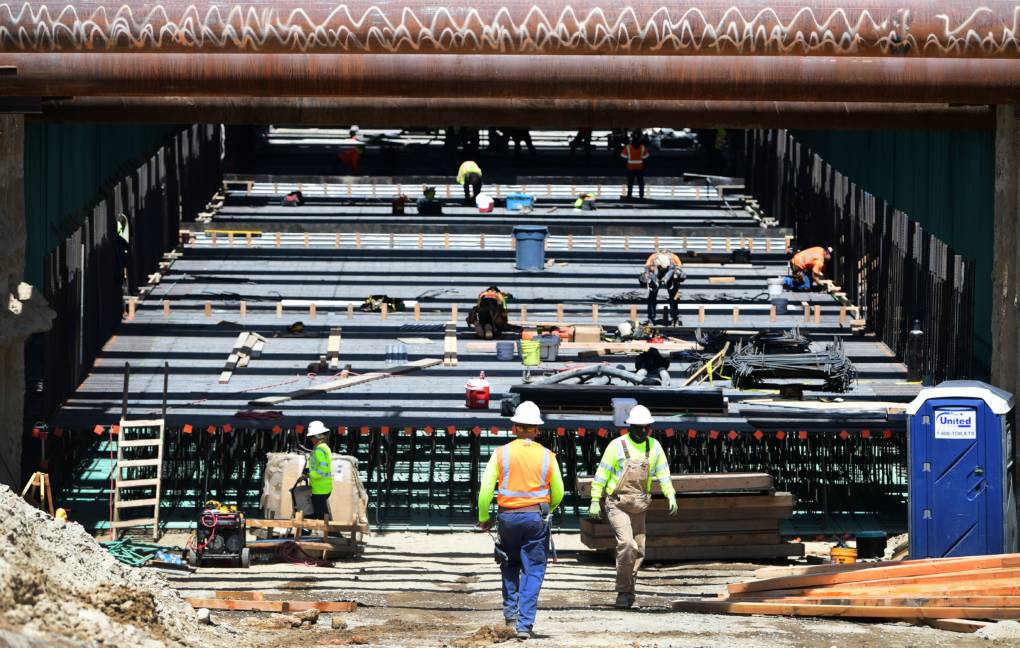
"caption": "Construction workers build a portion of the California high-speed railway line in the Fresno Trench on May 21, 2019. California sued to block the Trump administration from canceling nearly $1 billion for the project. ",
"credit": "Frederic J. Brown/AFP/Getty Images",
"altTag": null,
"description": null,
"imgSizes": {
"thumbnail": {
"file": "https://cdn.kqed.org/wp-content/uploads/sites/10/2019/05/GettyImages-1144887120-160x102.jpg",
"width": 160,
"height": 102,
"mimeType": "image/jpeg"
},
"medium": {
"file": "https://cdn.kqed.org/wp-content/uploads/sites/10/2019/05/GettyImages-1144887120-800x508.jpg",
"width": 800,
"height": 508,
"mimeType": "image/jpeg"
},
"large": {
"file": "https://cdn.kqed.org/wp-content/uploads/sites/10/2019/05/GettyImages-1144887120-1020x648.jpg",
"width": 1020,
"height": 648,
"mimeType": "image/jpeg"
},
"complete_open_graph": {
"file": "https://cdn.kqed.org/wp-content/uploads/sites/10/2019/05/GettyImages-1144887120-1200x762.jpg",
"width": 1200,
"height": 762,
"mimeType": "image/jpeg"
},
"post-thumbnail": {
"file": "https://cdn.kqed.org/wp-content/uploads/sites/10/2019/05/GettyImages-1144887120-672x372.jpg",
"width": 672,
"height": 372,
"mimeType": "image/jpeg"
},
"twentyfourteen-full-width": {
"file": "https://cdn.kqed.org/wp-content/uploads/sites/10/2019/05/GettyImages-1144887120-1038x576.jpg",
"width": 1038,
"height": 576,
"mimeType": "image/jpeg"
},
"full-width": {
"file": "https://cdn.kqed.org/wp-content/uploads/sites/10/2019/05/GettyImages-1144887120-1920x1219.jpg",
"width": 1920,
"height": 1219,
"mimeType": "image/jpeg"
},
"apple_news_ca_landscape_12_9": {
"file": "https://cdn.kqed.org/wp-content/uploads/sites/10/2019/05/GettyImages-1144887120-1832x1374.jpg",
"width": 1832,
"height": 1374,
"mimeType": "image/jpeg"
},
"apple_news_ca_landscape_9_7": {
"file": "https://cdn.kqed.org/wp-content/uploads/sites/10/2019/05/GettyImages-1144887120-1376x1032.jpg",
"width": 1376,
"height": 1032,
"mimeType": "image/jpeg"
},
"apple_news_ca_landscape_5_5": {
"file": "https://cdn.kqed.org/wp-content/uploads/sites/10/2019/05/GettyImages-1144887120-1044x783.jpg",
"width": 1044,
"height": 783,
"mimeType": "image/jpeg"
},
"apple_news_ca_landscape_4_7": {
"file": "https://cdn.kqed.org/wp-content/uploads/sites/10/2019/05/GettyImages-1144887120-632x474.jpg",
"width": 632,
"height": 474,
"mimeType": "image/jpeg"
},
"apple_news_ca_landscape_4_0": {
"file": "https://cdn.kqed.org/wp-content/uploads/sites/10/2019/05/GettyImages-1144887120-536x402.jpg",
"width": 536,
"height": 402,
"mimeType": "image/jpeg"
},
"apple_news_ca_portrait_12_9": {
"file": "https://cdn.kqed.org/wp-content/uploads/sites/10/2019/05/GettyImages-1144887120-1122x1496.jpg",
"width": 1122,
"height": 1496,
"mimeType": "image/jpeg"
},
"apple_news_ca_portrait_9_7": {
"file": "https://cdn.kqed.org/wp-content/uploads/sites/10/2019/05/GettyImages-1144887120-840x1120.jpg",
"width": 840,
"height": 1120,
"mimeType": "image/jpeg"
},
"apple_news_ca_portrait_5_5": {
"file": "https://cdn.kqed.org/wp-content/uploads/sites/10/2019/05/GettyImages-1144887120-687x916.jpg",
"width": 687,
"height": 916,
"mimeType": "image/jpeg"
},
"apple_news_ca_portrait_4_7": {
"file": "https://cdn.kqed.org/wp-content/uploads/sites/10/2019/05/GettyImages-1144887120-414x552.jpg",
"width": 414,
"height": 552,
"mimeType": "image/jpeg"
},
"apple_news_ca_portrait_4_0": {
"file": "https://cdn.kqed.org/wp-content/uploads/sites/10/2019/05/GettyImages-1144887120-354x472.jpg",
"width": 354,
"height": 472,
"mimeType": "image/jpeg"
},
"apple_news_ca_square_12_9": {
"file": "https://cdn.kqed.org/wp-content/uploads/sites/10/2019/05/GettyImages-1144887120-1472x1472.jpg",
"width": 1472,
"height": 1472,
"mimeType": "image/jpeg"
},
"apple_news_ca_square_9_7": {
"file": "https://cdn.kqed.org/wp-content/uploads/sites/10/2019/05/GettyImages-1144887120-1104x1104.jpg",
"width": 1104,
"height": 1104,
"mimeType": "image/jpeg"
},
"apple_news_ca_square_5_5": {
"file": "https://cdn.kqed.org/wp-content/uploads/sites/10/2019/05/GettyImages-1144887120-912x912.jpg",
"width": 912,
"height": 912,
"mimeType": "image/jpeg"
},
"apple_news_ca_square_4_7": {
"file": "https://cdn.kqed.org/wp-content/uploads/sites/10/2019/05/GettyImages-1144887120-550x550.jpg",
"width": 550,
"height": 550,
"mimeType": "image/jpeg"
},
"apple_news_ca_square_4_0": {
"file": "https://cdn.kqed.org/wp-content/uploads/sites/10/2019/05/GettyImages-1144887120-470x470.jpg",
"width": 470,
"height": 470,
"mimeType": "image/jpeg"
},
"kqedFullSize": {
"file": "https://cdn.kqed.org/wp-content/uploads/sites/10/2019/05/GettyImages-1144887120-e1558471580629.jpg",
"width": 1920,
"height": 1219
}
},
"isLoading": false,
"fetchFailed": false
},
"news_11748493": {
"type": "attachments",
"id": "news_11748493",
"meta": {
"index": "attachments_1716263798",
"site": "news",
"id": "11748493",
"found": true
},
"parent": 11748486,
"imgSizes": {
"apple_news_ca_square_4_0": {
"file": "https://ww2.kqed.org/app/uploads/sites/10/2019/05/GettyImages-1090892928-2-470x470.jpg",
"width": 470,
"mimeType": "image/jpeg",
"height": 470
},
"twentyfourteen-full-width": {
"file": "https://ww2.kqed.org/app/uploads/sites/10/2019/05/GettyImages-1090892928-2-1024x576.jpg",
"width": 1024,
"mimeType": "image/jpeg",
"height": 576
},
"thumbnail": {
"file": "https://ww2.kqed.org/app/uploads/sites/10/2019/05/GettyImages-1090892928-2-160x110.jpg",
"width": 160,
"mimeType": "image/jpeg",
"height": 110
},
"post-thumbnail": {
"file": "https://ww2.kqed.org/app/uploads/sites/10/2019/05/GettyImages-1090892928-2-672x372.jpg",
"width": 672,
"mimeType": "image/jpeg",
"height": 372
},
"kqedFullSize": {
"file": "https://ww2.kqed.org/app/uploads/sites/10/2019/05/GettyImages-1090892928-2.jpg",
"width": 1024,
"height": 703
},
"apple_news_ca_landscape_4_7": {
"file": "https://ww2.kqed.org/app/uploads/sites/10/2019/05/GettyImages-1090892928-2-632x474.jpg",
"width": 632,
"mimeType": "image/jpeg",
"height": 474
},
"large": {
"file": "https://ww2.kqed.org/app/uploads/sites/10/2019/05/GettyImages-1090892928-2-1020x700.jpg",
"width": 1020,
"mimeType": "image/jpeg",
"height": 700
},
"apple_news_ca_landscape_4_0": {
"file": "https://ww2.kqed.org/app/uploads/sites/10/2019/05/GettyImages-1090892928-2-536x402.jpg",
"width": 536,
"mimeType": "image/jpeg",
"height": 402
},
"medium": {
"file": "https://ww2.kqed.org/app/uploads/sites/10/2019/05/GettyImages-1090892928-2-800x549.jpg",
"width": 800,
"mimeType": "image/jpeg",
"height": 549
},
"apple_news_ca_portrait_4_0": {
"file": "https://ww2.kqed.org/app/uploads/sites/10/2019/05/GettyImages-1090892928-2-354x472.jpg",
"width": 354,
"mimeType": "image/jpeg",
"height": 472
},
"apple_news_ca_portrait_9_7": {
"file": "https://ww2.kqed.org/app/uploads/sites/10/2019/05/GettyImages-1090892928-2-840x703.jpg",
"width": 840,
"mimeType": "image/jpeg",
"height": 703
},
"apple_news_ca_portrait_4_7": {
"file": "https://ww2.kqed.org/app/uploads/sites/10/2019/05/GettyImages-1090892928-2-414x552.jpg",
"width": 414,
"mimeType": "image/jpeg",
"height": 552
},
"apple_news_ca_portrait_5_5": {
"file": "https://ww2.kqed.org/app/uploads/sites/10/2019/05/GettyImages-1090892928-2-687x703.jpg",
"width": 687,
"mimeType": "image/jpeg",
"height": 703
},
"apple_news_ca_square_4_7": {
"file": "https://ww2.kqed.org/app/uploads/sites/10/2019/05/GettyImages-1090892928-2-550x550.jpg",
"width": 550,
"mimeType": "image/jpeg",
"height": 550
},
"apple_news_ca_square_5_5": {
"file": "https://ww2.kqed.org/app/uploads/sites/10/2019/05/GettyImages-1090892928-2-912x703.jpg",
"width": 912,
"mimeType": "image/jpeg",
"height": 703
}
},
"publishDate": 1558373695,
"modified": 1558379574,
"caption": "A pedestrian talks on the phone while walking past a Huawei Technologies store in Beijing, China.",
"description": "A pedestrian talks on the phone while walking past a Huawei Technologies store in Beijing, China.",
"title": "China's Telecom Giant Faces Criminal Charges in the U.S.",
"credit": "Kevin Frayer/Getty Images",
"status": "inherit",
"isLoading": false,
"fetchFailed": false
},
"news_11748148": {
"type": "attachments",
"id": "news_11748148",
"meta": {
"index": "attachments_1716263798",
"site": "news",
"id": "11748148",
"found": true
},
"parent": 11747928,
"imgSizes": {
"apple_news_ca_landscape_5_5": {
"file": "https://ww2.kqed.org/app/uploads/sites/10/2019/05/NR629_MARQUEE-1044x720.jpg",
"width": 1044,
"mimeType": "image/jpeg",
"height": 720
},
"apple_news_ca_square_4_0": {
"file": "https://ww2.kqed.org/app/uploads/sites/10/2019/05/NR629_MARQUEE-470x470.jpg",
"width": 470,
"mimeType": "image/jpeg",
"height": 470
},
"twentyfourteen-full-width": {
"file": "https://ww2.kqed.org/app/uploads/sites/10/2019/05/NR629_MARQUEE-1038x576.jpg",
"width": 1038,
"mimeType": "image/jpeg",
"height": 576
},
"thumbnail": {
"file": "https://ww2.kqed.org/app/uploads/sites/10/2019/05/NR629_MARQUEE-160x90.jpg",
"width": 160,
"mimeType": "image/jpeg",
"height": 90
},
"post-thumbnail": {
"file": "https://ww2.kqed.org/app/uploads/sites/10/2019/05/NR629_MARQUEE-672x372.jpg",
"width": 672,
"mimeType": "image/jpeg",
"height": 372
},
"kqedFullSize": {
"file": "https://ww2.kqed.org/app/uploads/sites/10/2019/05/NR629_MARQUEE.jpg",
"width": 1280,
"height": 720
},
"apple_news_ca_landscape_4_7": {
"file": "https://ww2.kqed.org/app/uploads/sites/10/2019/05/NR629_MARQUEE-632x474.jpg",
"width": 632,
"mimeType": "image/jpeg",
"height": 474
},
"large": {
"file": "https://ww2.kqed.org/app/uploads/sites/10/2019/05/NR629_MARQUEE-1020x574.jpg",
"width": 1020,
"mimeType": "image/jpeg",
"height": 574
},
"complete_open_graph": {
"file": "https://ww2.kqed.org/app/uploads/sites/10/2019/05/NR629_MARQUEE-1200x675.jpg",
"width": 1200,
"mimeType": "image/jpeg",
"height": 675
},
"apple_news_ca_landscape_4_0": {
"file": "https://ww2.kqed.org/app/uploads/sites/10/2019/05/NR629_MARQUEE-536x402.jpg",
"width": 536,
"mimeType": "image/jpeg",
"height": 402
},
"apple_news_ca_portrait_12_9": {
"file": "https://ww2.kqed.org/app/uploads/sites/10/2019/05/NR629_MARQUEE-1122x720.jpg",
"width": 1122,
"mimeType": "image/jpeg",
"height": 720
},
"medium": {
"file": "https://ww2.kqed.org/app/uploads/sites/10/2019/05/NR629_MARQUEE-800x450.jpg",
"width": 800,
"mimeType": "image/jpeg",
"height": 450
},
"apple_news_ca_portrait_4_0": {
"file": "https://ww2.kqed.org/app/uploads/sites/10/2019/05/NR629_MARQUEE-354x472.jpg",
"width": 354,
"mimeType": "image/jpeg",
"height": 472
},
"apple_news_ca_portrait_9_7": {
"file": "https://ww2.kqed.org/app/uploads/sites/10/2019/05/NR629_MARQUEE-840x720.jpg",
"width": 840,
"mimeType": "image/jpeg",
"height": 720
},
"apple_news_ca_square_9_7": {
"file": "https://ww2.kqed.org/app/uploads/sites/10/2019/05/NR629_MARQUEE-1104x720.jpg",
"width": 1104,
"mimeType": "image/jpeg",
"height": 720
},
"apple_news_ca_portrait_4_7": {
"file": "https://ww2.kqed.org/app/uploads/sites/10/2019/05/NR629_MARQUEE-414x552.jpg",
"width": 414,
"mimeType": "image/jpeg",
"height": 552
},
"apple_news_ca_portrait_5_5": {
"file": "https://ww2.kqed.org/app/uploads/sites/10/2019/05/NR629_MARQUEE-687x720.jpg",
"width": 687,
"mimeType": "image/jpeg",
"height": 720
},
"apple_news_ca_square_4_7": {
"file": "https://ww2.kqed.org/app/uploads/sites/10/2019/05/NR629_MARQUEE-550x550.jpg",
"width": 550,
"mimeType": "image/jpeg",
"height": 550
},
"apple_news_ca_square_5_5": {
"file": "https://ww2.kqed.org/app/uploads/sites/10/2019/05/NR629_MARQUEE-912x720.jpg",
"width": 912,
"mimeType": "image/jpeg",
"height": 720
}
},
"publishDate": 1558134670,
"modified": 1558134670,
"caption": null,
"description": null,
"title": "NR629_MARQUEE",
"credit": null,
"status": "inherit",
"isLoading": false,
"fetchFailed": false
},
"news_11748137": {
"type": "attachments",
"id": "news_11748137",
"meta": {
"index": "attachments_1716263798",
"site": "news",
"id": "11748137",
"found": true
},
"parent": 11748116,
"imgSizes": {
"apple_news_ca_landscape_5_5": {
"file": "https://ww2.kqed.org/app/uploads/sites/10/2019/05/merit_051719_final-1044x783.jpg",
"width": 1044,
"mimeType": "image/jpeg",
"height": 783
},
"apple_news_ca_square_4_0": {
"file": "https://ww2.kqed.org/app/uploads/sites/10/2019/05/merit_051719_final-470x470.jpg",
"width": 470,
"mimeType": "image/jpeg",
"height": 470
},
"twentyfourteen-full-width": {
"file": "https://ww2.kqed.org/app/uploads/sites/10/2019/05/merit_051719_final-1038x576.jpg",
"width": 1038,
"mimeType": "image/jpeg",
"height": 576
},
"thumbnail": {
"file": "https://ww2.kqed.org/app/uploads/sites/10/2019/05/merit_051719_final-160x106.jpg",
"width": 160,
"mimeType": "image/jpeg",
"height": 106
},
"post-thumbnail": {
"file": "https://ww2.kqed.org/app/uploads/sites/10/2019/05/merit_051719_final-672x372.jpg",
"width": 672,
"mimeType": "image/jpeg",
"height": 372
},
"kqedFullSize": {
"file": "https://ww2.kqed.org/app/uploads/sites/10/2019/05/merit_051719_final.jpg",
"width": 1920,
"height": 1266
},
"apple_news_ca_landscape_4_7": {
"file": "https://ww2.kqed.org/app/uploads/sites/10/2019/05/merit_051719_final-632x474.jpg",
"width": 632,
"mimeType": "image/jpeg",
"height": 474
},
"large": {
"file": "https://ww2.kqed.org/app/uploads/sites/10/2019/05/merit_051719_final-1020x673.jpg",
"width": 1020,
"mimeType": "image/jpeg",
"height": 673
},
"complete_open_graph": {
"file": "https://ww2.kqed.org/app/uploads/sites/10/2019/05/merit_051719_final-1200x791.jpg",
"width": 1200,
"mimeType": "image/jpeg",
"height": 791
},
"apple_news_ca_landscape_4_0": {
"file": "https://ww2.kqed.org/app/uploads/sites/10/2019/05/merit_051719_final-536x402.jpg",
"width": 536,
"mimeType": "image/jpeg",
"height": 402
},
"apple_news_ca_portrait_12_9": {
"file": "https://ww2.kqed.org/app/uploads/sites/10/2019/05/merit_051719_final-1122x1266.jpg",
"width": 1122,
"mimeType": "image/jpeg",
"height": 1266
},
"medium": {
"file": "https://ww2.kqed.org/app/uploads/sites/10/2019/05/merit_051719_final-800x528.jpg",
"width": 800,
"mimeType": "image/jpeg",
"height": 528
},
"apple_news_ca_portrait_4_0": {
"file": "https://ww2.kqed.org/app/uploads/sites/10/2019/05/merit_051719_final-354x472.jpg",
"width": 354,
"mimeType": "image/jpeg",
"height": 472
},
"apple_news_ca_portrait_9_7": {
"file": "https://ww2.kqed.org/app/uploads/sites/10/2019/05/merit_051719_final-840x1120.jpg",
"width": 840,
"mimeType": "image/jpeg",
"height": 1120
},
"apple_news_ca_landscape_12_9": {
"file": "https://ww2.kqed.org/app/uploads/sites/10/2019/05/merit_051719_final-1832x1266.jpg",
"width": 1832,
"mimeType": "image/jpeg",
"height": 1266
},
"apple_news_ca_square_9_7": {
"file": "https://ww2.kqed.org/app/uploads/sites/10/2019/05/merit_051719_final-1104x1104.jpg",
"width": 1104,
"mimeType": "image/jpeg",
"height": 1104
},
"apple_news_ca_portrait_4_7": {
"file": "https://ww2.kqed.org/app/uploads/sites/10/2019/05/merit_051719_final-414x552.jpg",
"width": 414,
"mimeType": "image/jpeg",
"height": 552
},
"apple_news_ca_square_12_9": {
"file": "https://ww2.kqed.org/app/uploads/sites/10/2019/05/merit_051719_final-1472x1266.jpg",
"width": 1472,
"mimeType": "image/jpeg",
"height": 1266
},
"apple_news_ca_portrait_5_5": {
"file": "https://ww2.kqed.org/app/uploads/sites/10/2019/05/merit_051719_final-687x916.jpg",
"width": 687,
"mimeType": "image/jpeg",
"height": 916
},
"full-width": {
"file": "https://ww2.kqed.org/app/uploads/sites/10/2019/05/merit_051719_final-1920x1266.jpg",
"width": 1920,
"mimeType": "image/jpeg",
"height": 1266
},
"apple_news_ca_square_4_7": {
"file": "https://ww2.kqed.org/app/uploads/sites/10/2019/05/merit_051719_final-550x550.jpg",
"width": 550,
"mimeType": "image/jpeg",
"height": 550
},
"apple_news_ca_landscape_9_7": {
"file": "https://ww2.kqed.org/app/uploads/sites/10/2019/05/merit_051719_final-1376x1032.jpg",
"width": 1376,
"mimeType": "image/jpeg",
"height": 1032
},
"apple_news_ca_square_5_5": {
"file": "https://ww2.kqed.org/app/uploads/sites/10/2019/05/merit_051719_final-912x912.jpg",
"width": 912,
"mimeType": "image/jpeg",
"height": 912
}
},
"publishDate": 1558134079,
"modified": 1558134105,
"caption": null,
"description": null,
"title": "merit_051719_final",
"credit": null,
"status": "inherit",
"isLoading": false,
"fetchFailed": false
},
"news_11747984": {
"type": "attachments",
"id": "news_11747984",
"meta": {
"index": "attachments_1716263798",
"site": "news",
"id": "11747984",
"found": true
},
"parent": 11747977,
"imgSizes": {
"apple_news_ca_landscape_5_5": {
"file": "https://ww2.kqed.org/app/uploads/sites/10/2019/05/05172019_us-mexico-border-immigrants-donald-trump-border-wall-migrants-qut-1044x783.jpg",
"width": 1044,
"mimeType": "image/jpeg",
"height": 783
},
"apple_news_ca_square_4_0": {
"file": "https://ww2.kqed.org/app/uploads/sites/10/2019/05/05172019_us-mexico-border-immigrants-donald-trump-border-wall-migrants-qut-470x470.jpg",
"width": 470,
"mimeType": "image/jpeg",
"height": 470
},
"twentyfourteen-full-width": {
"file": "https://ww2.kqed.org/app/uploads/sites/10/2019/05/05172019_us-mexico-border-immigrants-donald-trump-border-wall-migrants-qut-1038x576.jpg",
"width": 1038,
"mimeType": "image/jpeg",
"height": 576
},
"thumbnail": {
"file": "https://ww2.kqed.org/app/uploads/sites/10/2019/05/05172019_us-mexico-border-immigrants-donald-trump-border-wall-migrants-qut-160x109.jpg",
"width": 160,
"mimeType": "image/jpeg",
"height": 109
},
"post-thumbnail": {
"file": "https://ww2.kqed.org/app/uploads/sites/10/2019/05/05172019_us-mexico-border-immigrants-donald-trump-border-wall-migrants-qut-672x372.jpg",
"width": 672,
"mimeType": "image/jpeg",
"height": 372
},
"kqedFullSize": {
"file": "https://ww2.kqed.org/app/uploads/sites/10/2019/05/05172019_us-mexico-border-immigrants-donald-trump-border-wall-migrants-qut.jpg",
"width": 1920,
"height": 1307
},
"apple_news_ca_landscape_4_7": {
"file": "https://ww2.kqed.org/app/uploads/sites/10/2019/05/05172019_us-mexico-border-immigrants-donald-trump-border-wall-migrants-qut-632x474.jpg",
"width": 632,
"mimeType": "image/jpeg",
"height": 474
},
"large": {
"file": "https://ww2.kqed.org/app/uploads/sites/10/2019/05/05172019_us-mexico-border-immigrants-donald-trump-border-wall-migrants-qut-1020x694.jpg",
"width": 1020,
"mimeType": "image/jpeg",
"height": 694
},
"complete_open_graph": {
"file": "https://ww2.kqed.org/app/uploads/sites/10/2019/05/05172019_us-mexico-border-immigrants-donald-trump-border-wall-migrants-qut-1200x817.jpg",
"width": 1200,
"mimeType": "image/jpeg",
"height": 817
},
"apple_news_ca_landscape_4_0": {
"file": "https://ww2.kqed.org/app/uploads/sites/10/2019/05/05172019_us-mexico-border-immigrants-donald-trump-border-wall-migrants-qut-536x402.jpg",
"width": 536,
"mimeType": "image/jpeg",
"height": 402
},
"apple_news_ca_portrait_12_9": {
"file": "https://ww2.kqed.org/app/uploads/sites/10/2019/05/05172019_us-mexico-border-immigrants-donald-trump-border-wall-migrants-qut-1122x1307.jpg",
"width": 1122,
"mimeType": "image/jpeg",
"height": 1307
},
"medium": {
"file": "https://ww2.kqed.org/app/uploads/sites/10/2019/05/05172019_us-mexico-border-immigrants-donald-trump-border-wall-migrants-qut-800x545.jpg",
"width": 800,
"mimeType": "image/jpeg",
"height": 545
},
"apple_news_ca_portrait_4_0": {
"file": "https://ww2.kqed.org/app/uploads/sites/10/2019/05/05172019_us-mexico-border-immigrants-donald-trump-border-wall-migrants-qut-354x472.jpg",
"width": 354,
"mimeType": "image/jpeg",
"height": 472
},
"apple_news_ca_portrait_9_7": {
"file": "https://ww2.kqed.org/app/uploads/sites/10/2019/05/05172019_us-mexico-border-immigrants-donald-trump-border-wall-migrants-qut-840x1120.jpg",
"width": 840,
"mimeType": "image/jpeg",
"height": 1120
},
"apple_news_ca_landscape_12_9": {
"file": "https://ww2.kqed.org/app/uploads/sites/10/2019/05/05172019_us-mexico-border-immigrants-donald-trump-border-wall-migrants-qut-1832x1307.jpg",
"width": 1832,
"mimeType": "image/jpeg",
"height": 1307
},
"apple_news_ca_square_9_7": {
"file": "https://ww2.kqed.org/app/uploads/sites/10/2019/05/05172019_us-mexico-border-immigrants-donald-trump-border-wall-migrants-qut-1104x1104.jpg",
"width": 1104,
"mimeType": "image/jpeg",
"height": 1104
},
"apple_news_ca_portrait_4_7": {
"file": "https://ww2.kqed.org/app/uploads/sites/10/2019/05/05172019_us-mexico-border-immigrants-donald-trump-border-wall-migrants-qut-414x552.jpg",
"width": 414,
"mimeType": "image/jpeg",
"height": 552
},
"apple_news_ca_square_12_9": {
"file": "https://ww2.kqed.org/app/uploads/sites/10/2019/05/05172019_us-mexico-border-immigrants-donald-trump-border-wall-migrants-qut-1472x1307.jpg",
"width": 1472,
"mimeType": "image/jpeg",
"height": 1307
},
"apple_news_ca_portrait_5_5": {
"file": "https://ww2.kqed.org/app/uploads/sites/10/2019/05/05172019_us-mexico-border-immigrants-donald-trump-border-wall-migrants-qut-687x916.jpg",
"width": 687,
"mimeType": "image/jpeg",
"height": 916
},
"full-width": {
"file": "https://ww2.kqed.org/app/uploads/sites/10/2019/05/05172019_us-mexico-border-immigrants-donald-trump-border-wall-migrants-qut-1920x1307.jpg",
"width": 1920,
"mimeType": "image/jpeg",
"height": 1307
},
"apple_news_ca_square_4_7": {
"file": "https://ww2.kqed.org/app/uploads/sites/10/2019/05/05172019_us-mexico-border-immigrants-donald-trump-border-wall-migrants-qut-550x550.jpg",
"width": 550,
"mimeType": "image/jpeg",
"height": 550
},
"apple_news_ca_landscape_9_7": {
"file": "https://ww2.kqed.org/app/uploads/sites/10/2019/05/05172019_us-mexico-border-immigrants-donald-trump-border-wall-migrants-qut-1376x1032.jpg",
"width": 1376,
"mimeType": "image/jpeg",
"height": 1032
},
"apple_news_ca_square_5_5": {
"file": "https://ww2.kqed.org/app/uploads/sites/10/2019/05/05172019_us-mexico-border-immigrants-donald-trump-border-wall-migrants-qut-912x912.jpg",
"width": 912,
"mimeType": "image/jpeg",
"height": 912
}
},
"publishDate": 1558123758,
"modified": 1558139731,
"caption": "Aerial view of the U.S.-Mexico border fence in Playas de Tijuana, Mexico, on May 3, 2019. ",
"description": "Aerial view of the U.S.-Mexico border fence in Playas de Tijuana, Mexico, on May 3, 2019. ",
"title": "MEXICO-US-IMMIGRATION-BORDER",
"credit": "GUILLERMO ARIAS/AFP/Getty Images",
"status": "inherit",
"isLoading": false,
"fetchFailed": false
},
"news_11747949": {
"type": "attachments",
"id": "news_11747949",
"meta": {
"index": "attachments_1716263798",
"site": "news",
"id": "11747949",
"found": true
},
"parent": 11747948,
"imgSizes": {
"apple_news_ca_landscape_5_5": {
"file": "https://ww2.kqed.org/app/uploads/sites/10/2019/05/ap_19136689198302_wide-acec85db6e19a9d117d12071d89c226dbc061f11-1-1044x783.jpg",
"width": 1044,
"mimeType": "image/jpeg",
"height": 783
},
"apple_news_ca_square_4_0": {
"file": "https://ww2.kqed.org/app/uploads/sites/10/2019/05/ap_19136689198302_wide-acec85db6e19a9d117d12071d89c226dbc061f11-1-470x470.jpg",
"width": 470,
"mimeType": "image/jpeg",
"height": 470
},
"twentyfourteen-full-width": {
"file": "https://ww2.kqed.org/app/uploads/sites/10/2019/05/ap_19136689198302_wide-acec85db6e19a9d117d12071d89c226dbc061f11-1-1038x576.jpg",
"width": 1038,
"mimeType": "image/jpeg",
"height": 576
},
"thumbnail": {
"file": "https://ww2.kqed.org/app/uploads/sites/10/2019/05/ap_19136689198302_wide-acec85db6e19a9d117d12071d89c226dbc061f11-1-160x90.jpg",
"width": 160,
"mimeType": "image/jpeg",
"height": 90
},
"post-thumbnail": {
"file": "https://ww2.kqed.org/app/uploads/sites/10/2019/05/ap_19136689198302_wide-acec85db6e19a9d117d12071d89c226dbc061f11-1-672x372.jpg",
"width": 672,
"mimeType": "image/jpeg",
"height": 372
},
"kqedFullSize": {
"file": "https://ww2.kqed.org/app/uploads/sites/10/2019/05/ap_19136689198302_wide-acec85db6e19a9d117d12071d89c226dbc061f11-1-e1558120428420.jpg",
"width": 1920,
"height": 1080
},
"apple_news_ca_landscape_4_7": {
"file": "https://ww2.kqed.org/app/uploads/sites/10/2019/05/ap_19136689198302_wide-acec85db6e19a9d117d12071d89c226dbc061f11-1-632x474.jpg",
"width": 632,
"mimeType": "image/jpeg",
"height": 474
},
"large": {
"file": "https://ww2.kqed.org/app/uploads/sites/10/2019/05/ap_19136689198302_wide-acec85db6e19a9d117d12071d89c226dbc061f11-1-1020x574.jpg",
"width": 1020,
"mimeType": "image/jpeg",
"height": 574
},
"complete_open_graph": {
"file": "https://ww2.kqed.org/app/uploads/sites/10/2019/05/ap_19136689198302_wide-acec85db6e19a9d117d12071d89c226dbc061f11-1-1200x675.jpg",
"width": 1200,
"mimeType": "image/jpeg",
"height": 675
},
"apple_news_ca_landscape_4_0": {
"file": "https://ww2.kqed.org/app/uploads/sites/10/2019/05/ap_19136689198302_wide-acec85db6e19a9d117d12071d89c226dbc061f11-1-536x402.jpg",
"width": 536,
"mimeType": "image/jpeg",
"height": 402
},
"apple_news_ca_portrait_12_9": {
"file": "https://ww2.kqed.org/app/uploads/sites/10/2019/05/ap_19136689198302_wide-acec85db6e19a9d117d12071d89c226dbc061f11-1-1122x1496.jpg",
"width": 1122,
"mimeType": "image/jpeg",
"height": 1496
},
"medium": {
"file": "https://ww2.kqed.org/app/uploads/sites/10/2019/05/ap_19136689198302_wide-acec85db6e19a9d117d12071d89c226dbc061f11-1-800x450.jpg",
"width": 800,
"mimeType": "image/jpeg",
"height": 450
},
"apple_news_ca_portrait_4_0": {
"file": "https://ww2.kqed.org/app/uploads/sites/10/2019/05/ap_19136689198302_wide-acec85db6e19a9d117d12071d89c226dbc061f11-1-354x472.jpg",
"width": 354,
"mimeType": "image/jpeg",
"height": 472
},
"apple_news_ca_portrait_9_7": {
"file": "https://ww2.kqed.org/app/uploads/sites/10/2019/05/ap_19136689198302_wide-acec85db6e19a9d117d12071d89c226dbc061f11-1-840x1120.jpg",
"width": 840,
"mimeType": "image/jpeg",
"height": 1120
},
"apple_news_ca_landscape_12_9": {
"file": "https://ww2.kqed.org/app/uploads/sites/10/2019/05/ap_19136689198302_wide-acec85db6e19a9d117d12071d89c226dbc061f11-1-1832x1374.jpg",
"width": 1832,
"mimeType": "image/jpeg",
"height": 1374
},
"apple_news_ca_square_9_7": {
"file": "https://ww2.kqed.org/app/uploads/sites/10/2019/05/ap_19136689198302_wide-acec85db6e19a9d117d12071d89c226dbc061f11-1-1104x1104.jpg",
"width": 1104,
"mimeType": "image/jpeg",
"height": 1104
},
"apple_news_ca_portrait_4_7": {
"file": "https://ww2.kqed.org/app/uploads/sites/10/2019/05/ap_19136689198302_wide-acec85db6e19a9d117d12071d89c226dbc061f11-1-414x552.jpg",
"width": 414,
"mimeType": "image/jpeg",
"height": 552
},
"apple_news_ca_square_12_9": {
"file": "https://ww2.kqed.org/app/uploads/sites/10/2019/05/ap_19136689198302_wide-acec85db6e19a9d117d12071d89c226dbc061f11-1-1472x1472.jpg",
"width": 1472,
"mimeType": "image/jpeg",
"height": 1472
},
"apple_news_ca_portrait_5_5": {
"file": "https://ww2.kqed.org/app/uploads/sites/10/2019/05/ap_19136689198302_wide-acec85db6e19a9d117d12071d89c226dbc061f11-1-687x916.jpg",
"width": 687,
"mimeType": "image/jpeg",
"height": 916
},
"full-width": {
"file": "https://ww2.kqed.org/app/uploads/sites/10/2019/05/ap_19136689198302_wide-acec85db6e19a9d117d12071d89c226dbc061f11-1-1920x1080.jpg",
"width": 1920,
"mimeType": "image/jpeg",
"height": 1080
},
"apple_news_ca_square_4_7": {
"file": "https://ww2.kqed.org/app/uploads/sites/10/2019/05/ap_19136689198302_wide-acec85db6e19a9d117d12071d89c226dbc061f11-1-550x550.jpg",
"width": 550,
"mimeType": "image/jpeg",
"height": 550
},
"apple_news_ca_landscape_9_7": {
"file": "https://ww2.kqed.org/app/uploads/sites/10/2019/05/ap_19136689198302_wide-acec85db6e19a9d117d12071d89c226dbc061f11-1-1376x1032.jpg",
"width": 1376,
"mimeType": "image/jpeg",
"height": 1032
},
"apple_news_ca_square_5_5": {
"file": "https://ww2.kqed.org/app/uploads/sites/10/2019/05/ap_19136689198302_wide-acec85db6e19a9d117d12071d89c226dbc061f11-1-912x912.jpg",
"width": 912,
"mimeType": "image/jpeg",
"height": 912
}
},
"publishDate": 1558120217,
"modified": 1558120456,
"caption": "President Trump speaks on immigration in the Rose Garden at the White House in Washington, D.C. on May 16, 2019.",
"description": "President Donald Trump speaks on immigration in the Rose Garden at the White House in Washington, Thursday, May 16, 2019.",
"title": "President Donald Trump speaks on immigration in the Rose Garden at the White House in Washington, Thursday, May 16, 2019.",
"credit": null,
"status": "inherit",
"isLoading": false,
"fetchFailed": false
},
"news_11738228": {
"type": "attachments",
"id": "news_11738228",
"meta": {
"index": "attachments_1716263798",
"site": "news",
"id": "11738228",
"found": true
},
"parent": 11738199,
"imgSizes": {
"post-thumbnail": {
"file": "https://ww2.kqed.org/app/uploads/sites/10/2019/04/RS32034_IMG_1545-2-672x372.jpg",
"width": 672,
"mimeType": "image/jpeg",
"height": 372
},
"kqedFullSize": {
"file": "https://ww2.kqed.org/app/uploads/sites/10/2019/04/RS32034_IMG_1545-2-e1554500811482.jpg",
"width": 1920,
"height": 1280
},
"guest-author-50": {
"file": "https://ww2.kqed.org/app/uploads/sites/10/2019/04/RS32034_IMG_1545-2-50x50.jpg",
"width": 50,
"mimeType": "image/jpeg",
"height": 50
},
"guest-author-96": {
"file": "https://ww2.kqed.org/app/uploads/sites/10/2019/04/RS32034_IMG_1545-2-96x96.jpg",
"width": 96,
"mimeType": "image/jpeg",
"height": 96
},
"apple_news_ca_portrait_12_9": {
"file": "https://ww2.kqed.org/app/uploads/sites/10/2019/04/RS32034_IMG_1545-2-1122x1496.jpg",
"width": 1122,
"mimeType": "image/jpeg",
"height": 1496
},
"medium": {
"file": "https://ww2.kqed.org/app/uploads/sites/10/2019/04/RS32034_IMG_1545-2-800x533.jpg",
"width": 800,
"mimeType": "image/jpeg",
"height": 533
},
"guest-author-32": {
"file": "https://ww2.kqed.org/app/uploads/sites/10/2019/04/RS32034_IMG_1545-2-32x32.jpg",
"width": 32,
"mimeType": "image/jpeg",
"height": 32
},
"apple_news_ca_portrait_9_7": {
"file": "https://ww2.kqed.org/app/uploads/sites/10/2019/04/RS32034_IMG_1545-2-840x1120.jpg",
"width": 840,
"mimeType": "image/jpeg",
"height": 1120
},
"apple_news_ca_square_9_7": {
"file": "https://ww2.kqed.org/app/uploads/sites/10/2019/04/RS32034_IMG_1545-2-1104x1104.jpg",
"width": 1104,
"mimeType": "image/jpeg",
"height": 1104
},
"apple_news_ca_portrait_4_7": {
"file": "https://ww2.kqed.org/app/uploads/sites/10/2019/04/RS32034_IMG_1545-2-414x552.jpg",
"width": 414,
"mimeType": "image/jpeg",
"height": 552
},
"apple_news_ca_square_12_9": {
"file": "https://ww2.kqed.org/app/uploads/sites/10/2019/04/RS32034_IMG_1545-2-1472x1472.jpg",
"width": 1472,
"mimeType": "image/jpeg",
"height": 1472
},
"apple_news_ca_portrait_5_5": {
"file": "https://ww2.kqed.org/app/uploads/sites/10/2019/04/RS32034_IMG_1545-2-687x916.jpg",
"width": 687,
"mimeType": "image/jpeg",
"height": 916
},
"apple_news_ca_square_4_7": {
"file": "https://ww2.kqed.org/app/uploads/sites/10/2019/04/RS32034_IMG_1545-2-550x550.jpg",
"width": 550,
"mimeType": "image/jpeg",
"height": 550
},
"apple_news_ca_square_5_5": {
"file": "https://ww2.kqed.org/app/uploads/sites/10/2019/04/RS32034_IMG_1545-2-912x912.jpg",
"width": 912,
"mimeType": "image/jpeg",
"height": 912
},
"apple_news_ca_landscape_5_5": {
"file": "https://ww2.kqed.org/app/uploads/sites/10/2019/04/RS32034_IMG_1545-2-1044x783.jpg",
"width": 1044,
"mimeType": "image/jpeg",
"height": 783
},
"apple_news_ca_square_4_0": {
"file": "https://ww2.kqed.org/app/uploads/sites/10/2019/04/RS32034_IMG_1545-2-470x470.jpg",
"width": 470,
"mimeType": "image/jpeg",
"height": 470
},
"twentyfourteen-full-width": {
"file": "https://ww2.kqed.org/app/uploads/sites/10/2019/04/RS32034_IMG_1545-2-1038x576.jpg",
"width": 1038,
"mimeType": "image/jpeg",
"height": 576
},
"thumbnail": {
"file": "https://ww2.kqed.org/app/uploads/sites/10/2019/04/RS32034_IMG_1545-2-160x107.jpg",
"width": 160,
"mimeType": "image/jpeg",
"height": 107
},
"apple_news_ca_landscape_4_7": {
"file": "https://ww2.kqed.org/app/uploads/sites/10/2019/04/RS32034_IMG_1545-2-632x474.jpg",
"width": 632,
"mimeType": "image/jpeg",
"height": 474
},
"large": {
"file": "https://ww2.kqed.org/app/uploads/sites/10/2019/04/RS32034_IMG_1545-2-1020x680.jpg",
"width": 1020,
"mimeType": "image/jpeg",
"height": 680
},
"complete_open_graph": {
"file": "https://ww2.kqed.org/app/uploads/sites/10/2019/04/RS32034_IMG_1545-2-1200x800.jpg",
"width": 1200,
"mimeType": "image/jpeg",
"height": 800
},
"apple_news_ca_landscape_4_0": {
"file": "https://ww2.kqed.org/app/uploads/sites/10/2019/04/RS32034_IMG_1545-2-536x402.jpg",
"width": 536,
"mimeType": "image/jpeg",
"height": 402
},
"guest-author-64": {
"file": "https://ww2.kqed.org/app/uploads/sites/10/2019/04/RS32034_IMG_1545-2-64x64.jpg",
"width": 64,
"mimeType": "image/jpeg",
"height": 64
},
"apple_news_ca_portrait_4_0": {
"file": "https://ww2.kqed.org/app/uploads/sites/10/2019/04/RS32034_IMG_1545-2-354x472.jpg",
"width": 354,
"mimeType": "image/jpeg",
"height": 472
},
"apple_news_ca_landscape_12_9": {
"file": "https://ww2.kqed.org/app/uploads/sites/10/2019/04/RS32034_IMG_1545-2-1832x1374.jpg",
"width": 1832,
"mimeType": "image/jpeg",
"height": 1374
},
"full-width": {
"file": "https://ww2.kqed.org/app/uploads/sites/10/2019/04/RS32034_IMG_1545-2-1920x1280.jpg",
"width": 1920,
"mimeType": "image/jpeg",
"height": 1280
},
"guest-author-128": {
"file": "https://ww2.kqed.org/app/uploads/sites/10/2019/04/RS32034_IMG_1545-2-128x128.jpg",
"width": 128,
"mimeType": "image/jpeg",
"height": 128
},
"apple_news_ca_landscape_9_7": {
"file": "https://ww2.kqed.org/app/uploads/sites/10/2019/04/RS32034_IMG_1545-2-1376x1032.jpg",
"width": 1376,
"mimeType": "image/jpeg",
"height": 1032
}
},
"publishDate": 1554500751,
"modified": 1558033484,
"caption": "A U.S. Border Patrol agent patrols the Goat Canyon area near Calexico along the U.S.-Mexico border.",
"description": "A U.S. Border Patrol agent patrols the Goat Canyon area near Calexico along the U.S.-Mexico border.",
"title": "RS32034_IMG_1545",
"credit": "Ariana Drehsler/KQED",
"status": "inherit",
"isLoading": false,
"fetchFailed": false
},
"news_11747200": {
"type": "attachments",
"id": "news_11747200",
"meta": {
"index": "attachments_1716263798",
"site": "news",
"id": "11747200",
"found": true
},
"parent": 11747026,
"imgSizes": {
"apple_news_ca_square_4_0": {
"file": "https://ww2.kqed.org/app/uploads/sites/10/2019/05/05132019_kanghen-470x450.jpg",
"width": 470,
"mimeType": "image/jpeg",
"height": 450
},
"thumbnail": {
"file": "https://ww2.kqed.org/app/uploads/sites/10/2019/05/05132019_kanghen-160x90.jpg",
"width": 160,
"mimeType": "image/jpeg",
"height": 90
},
"post-thumbnail": {
"file": "https://ww2.kqed.org/app/uploads/sites/10/2019/05/05132019_kanghen-672x372.jpg",
"width": 672,
"mimeType": "image/jpeg",
"height": 372
},
"kqedFullSize": {
"file": "https://ww2.kqed.org/app/uploads/sites/10/2019/05/05132019_kanghen.jpg",
"width": 800,
"height": 450
},
"apple_news_ca_landscape_4_7": {
"file": "https://ww2.kqed.org/app/uploads/sites/10/2019/05/05132019_kanghen-632x450.jpg",
"width": 632,
"mimeType": "image/jpeg",
"height": 450
},
"apple_news_ca_portrait_4_7": {
"file": "https://ww2.kqed.org/app/uploads/sites/10/2019/05/05132019_kanghen-414x450.jpg",
"width": 414,
"mimeType": "image/jpeg",
"height": 450
},
"apple_news_ca_portrait_5_5": {
"file": "https://ww2.kqed.org/app/uploads/sites/10/2019/05/05132019_kanghen-687x450.jpg",
"width": 687,
"mimeType": "image/jpeg",
"height": 450
},
"apple_news_ca_square_4_7": {
"file": "https://ww2.kqed.org/app/uploads/sites/10/2019/05/05132019_kanghen-550x450.jpg",
"width": 550,
"mimeType": "image/jpeg",
"height": 450
},
"apple_news_ca_landscape_4_0": {
"file": "https://ww2.kqed.org/app/uploads/sites/10/2019/05/05132019_kanghen-536x402.jpg",
"width": 536,
"mimeType": "image/jpeg",
"height": 402
},
"medium": {
"file": "https://ww2.kqed.org/app/uploads/sites/10/2019/05/05132019_kanghen-800x450.jpg",
"width": 800,
"mimeType": "image/jpeg",
"height": 450
},
"apple_news_ca_portrait_4_0": {
"file": "https://ww2.kqed.org/app/uploads/sites/10/2019/05/05132019_kanghen-354x450.jpg",
"width": 354,
"mimeType": "image/jpeg",
"height": 450
}
},
"publishDate": 1557875524,
"modified": 1557875591,
"caption": "Kang Hen came to the United States as a refugee in 1985 as a child. Hen, his parents, and siblings escaped the genocide in Cambodia and survived Khmer Rouge labor camps. Hen is seen here with his wife, Ruth, and their son, Kayden.",
"description": "Kang Hen came to the United States as a refugee in 1985 as a child. Hen, his parents, and siblings escaped the genocide in Cambodia and survived Khmer Rouge labor camps. Hen is seen here with his wife, Ruth, and their son, Kayden.",
"title": "Cambodian refugees_Cambodian deportees_immigrants_Cambodia",
"credit": null,
"status": "inherit",
"isLoading": false,
"fetchFailed": false
},
"news_11746580": {
"type": "attachments",
"id": "news_11746580",
"meta": {
"index": "attachments_1716263798",
"site": "news",
"id": "11746580",
"found": true
},
"parent": 11746559,
"imgSizes": {
"apple_news_ca_landscape_5_5": {
"file": "https://ww2.kqed.org/app/uploads/sites/10/2019/05/RS2074_Containership20120912-1044x783.jpg",
"width": 1044,
"mimeType": "image/jpeg",
"height": 783
},
"apple_news_ca_square_4_0": {
"file": "https://ww2.kqed.org/app/uploads/sites/10/2019/05/RS2074_Containership20120912-470x470.jpg",
"width": 470,
"mimeType": "image/jpeg",
"height": 470
},
"twentyfourteen-full-width": {
"file": "https://ww2.kqed.org/app/uploads/sites/10/2019/05/RS2074_Containership20120912-1038x576.jpg",
"width": 1038,
"mimeType": "image/jpeg",
"height": 576
},
"thumbnail": {
"file": "https://ww2.kqed.org/app/uploads/sites/10/2019/05/RS2074_Containership20120912-160x109.jpg",
"width": 160,
"mimeType": "image/jpeg",
"height": 109
},
"post-thumbnail": {
"file": "https://ww2.kqed.org/app/uploads/sites/10/2019/05/RS2074_Containership20120912-672x372.jpg",
"width": 672,
"mimeType": "image/jpeg",
"height": 372
},
"kqedFullSize": {
"file": "https://ww2.kqed.org/app/uploads/sites/10/2019/05/RS2074_Containership20120912-e1557687783677.jpg",
"width": 1920,
"height": 1303
},
"apple_news_ca_landscape_4_7": {
"file": "https://ww2.kqed.org/app/uploads/sites/10/2019/05/RS2074_Containership20120912-632x474.jpg",
"width": 632,
"mimeType": "image/jpeg",
"height": 474
},
"large": {
"file": "https://ww2.kqed.org/app/uploads/sites/10/2019/05/RS2074_Containership20120912-1020x692.jpg",
"width": 1020,
"mimeType": "image/jpeg",
"height": 692
},
"complete_open_graph": {
"file": "https://ww2.kqed.org/app/uploads/sites/10/2019/05/RS2074_Containership20120912-1200x814.jpg",
"width": 1200,
"mimeType": "image/jpeg",
"height": 814
},
"apple_news_ca_landscape_4_0": {
"file": "https://ww2.kqed.org/app/uploads/sites/10/2019/05/RS2074_Containership20120912-536x402.jpg",
"width": 536,
"mimeType": "image/jpeg",
"height": 402
},
"apple_news_ca_portrait_12_9": {
"file": "https://ww2.kqed.org/app/uploads/sites/10/2019/05/RS2074_Containership20120912-1122x1496.jpg",
"width": 1122,
"mimeType": "image/jpeg",
"height": 1496
},
"medium": {
"file": "https://ww2.kqed.org/app/uploads/sites/10/2019/05/RS2074_Containership20120912-800x543.jpg",
"width": 800,
"mimeType": "image/jpeg",
"height": 543
},
"apple_news_ca_portrait_4_0": {
"file": "https://ww2.kqed.org/app/uploads/sites/10/2019/05/RS2074_Containership20120912-354x472.jpg",
"width": 354,
"mimeType": "image/jpeg",
"height": 472
},
"apple_news_ca_portrait_9_7": {
"file": "https://ww2.kqed.org/app/uploads/sites/10/2019/05/RS2074_Containership20120912-840x1120.jpg",
"width": 840,
"mimeType": "image/jpeg",
"height": 1120
},
"apple_news_ca_landscape_12_9": {
"file": "https://ww2.kqed.org/app/uploads/sites/10/2019/05/RS2074_Containership20120912-1832x1374.jpg",
"width": 1832,
"mimeType": "image/jpeg",
"height": 1374
},
"apple_news_ca_square_9_7": {
"file": "https://ww2.kqed.org/app/uploads/sites/10/2019/05/RS2074_Containership20120912-1104x1104.jpg",
"width": 1104,
"mimeType": "image/jpeg",
"height": 1104
},
"apple_news_ca_portrait_4_7": {
"file": "https://ww2.kqed.org/app/uploads/sites/10/2019/05/RS2074_Containership20120912-414x552.jpg",
"width": 414,
"mimeType": "image/jpeg",
"height": 552
},
"apple_news_ca_square_12_9": {
"file": "https://ww2.kqed.org/app/uploads/sites/10/2019/05/RS2074_Containership20120912-1472x1472.jpg",
"width": 1472,
"mimeType": "image/jpeg",
"height": 1472
},
"apple_news_ca_portrait_5_5": {
"file": "https://ww2.kqed.org/app/uploads/sites/10/2019/05/RS2074_Containership20120912-687x916.jpg",
"width": 687,
"mimeType": "image/jpeg",
"height": 916
},
"full-width": {
"file": "https://ww2.kqed.org/app/uploads/sites/10/2019/05/RS2074_Containership20120912-1920x1303.jpg",
"width": 1920,
"mimeType": "image/jpeg",
"height": 1303
},
"apple_news_ca_square_4_7": {
"file": "https://ww2.kqed.org/app/uploads/sites/10/2019/05/RS2074_Containership20120912-550x550.jpg",
"width": 550,
"mimeType": "image/jpeg",
"height": 550
},
"apple_news_ca_landscape_9_7": {
"file": "https://ww2.kqed.org/app/uploads/sites/10/2019/05/RS2074_Containership20120912-1376x1032.jpg",
"width": 1376,
"mimeType": "image/jpeg",
"height": 1032
},
"apple_news_ca_square_5_5": {
"file": "https://ww2.kqed.org/app/uploads/sites/10/2019/05/RS2074_Containership20120912-912x912.jpg",
"width": 912,
"mimeType": "image/jpeg",
"height": 912
}
},
"publishDate": 1557685497,
"modified": 1557687798,
"caption": "A cargo ship stands on Long Beach harbour, California.",
"description": null,
"title": "(FILES) A cargo ship stands on Long Beac",
"credit": "Joe Klamar/AFP/Getty Images",
"status": "inherit",
"isLoading": false,
"fetchFailed": false
},
"news_11746387": {
"type": "attachments",
"id": "news_11746387",
"meta": {
"index": "attachments_1716263798",
"site": "news",
"id": "11746387",
"found": true
},
"parent": 11746318,
"imgSizes": {
"apple_news_ca_landscape_5_5": {
"file": "https://ww2.kqed.org/app/uploads/sites/10/2019/05/05102019_Port-of-Oakland-trade-containers-shipping-Trump-tariffs-qut-1044x783.jpg",
"width": 1044,
"mimeType": "image/jpeg",
"height": 783
},
"apple_news_ca_square_4_0": {
"file": "https://ww2.kqed.org/app/uploads/sites/10/2019/05/05102019_Port-of-Oakland-trade-containers-shipping-Trump-tariffs-qut-470x470.jpg",
"width": 470,
"mimeType": "image/jpeg",
"height": 470
},
"twentyfourteen-full-width": {
"file": "https://ww2.kqed.org/app/uploads/sites/10/2019/05/05102019_Port-of-Oakland-trade-containers-shipping-Trump-tariffs-qut-1038x576.jpg",
"width": 1038,
"mimeType": "image/jpeg",
"height": 576
},
"thumbnail": {
"file": "https://ww2.kqed.org/app/uploads/sites/10/2019/05/05102019_Port-of-Oakland-trade-containers-shipping-Trump-tariffs-qut-160x104.jpg",
"width": 160,
"mimeType": "image/jpeg",
"height": 104
},
"post-thumbnail": {
"file": "https://ww2.kqed.org/app/uploads/sites/10/2019/05/05102019_Port-of-Oakland-trade-containers-shipping-Trump-tariffs-qut-672x372.jpg",
"width": 672,
"mimeType": "image/jpeg",
"height": 372
},
"kqedFullSize": {
"file": "https://ww2.kqed.org/app/uploads/sites/10/2019/05/05102019_Port-of-Oakland-trade-containers-shipping-Trump-tariffs-qut.jpg",
"width": 1920,
"height": 1249
},
"apple_news_ca_landscape_4_7": {
"file": "https://ww2.kqed.org/app/uploads/sites/10/2019/05/05102019_Port-of-Oakland-trade-containers-shipping-Trump-tariffs-qut-632x474.jpg",
"width": 632,
"mimeType": "image/jpeg",
"height": 474
},
"large": {
"file": "https://ww2.kqed.org/app/uploads/sites/10/2019/05/05102019_Port-of-Oakland-trade-containers-shipping-Trump-tariffs-qut-1020x664.jpg",
"width": 1020,
"mimeType": "image/jpeg",
"height": 664
},
"complete_open_graph": {
"file": "https://ww2.kqed.org/app/uploads/sites/10/2019/05/05102019_Port-of-Oakland-trade-containers-shipping-Trump-tariffs-qut-1200x781.jpg",
"width": 1200,
"mimeType": "image/jpeg",
"height": 781
},
"apple_news_ca_landscape_4_0": {
"file": "https://ww2.kqed.org/app/uploads/sites/10/2019/05/05102019_Port-of-Oakland-trade-containers-shipping-Trump-tariffs-qut-536x402.jpg",
"width": 536,
"mimeType": "image/jpeg",
"height": 402
},
"apple_news_ca_portrait_12_9": {
"file": "https://ww2.kqed.org/app/uploads/sites/10/2019/05/05102019_Port-of-Oakland-trade-containers-shipping-Trump-tariffs-qut-1122x1249.jpg",
"width": 1122,
"mimeType": "image/jpeg",
"height": 1249
},
"medium": {
"file": "https://ww2.kqed.org/app/uploads/sites/10/2019/05/05102019_Port-of-Oakland-trade-containers-shipping-Trump-tariffs-qut-800x520.jpg",
"width": 800,
"mimeType": "image/jpeg",
"height": 520
},
"apple_news_ca_portrait_4_0": {
"file": "https://ww2.kqed.org/app/uploads/sites/10/2019/05/05102019_Port-of-Oakland-trade-containers-shipping-Trump-tariffs-qut-354x472.jpg",
"width": 354,
"mimeType": "image/jpeg",
"height": 472
},
"apple_news_ca_portrait_9_7": {
"file": "https://ww2.kqed.org/app/uploads/sites/10/2019/05/05102019_Port-of-Oakland-trade-containers-shipping-Trump-tariffs-qut-840x1120.jpg",
"width": 840,
"mimeType": "image/jpeg",
"height": 1120
},
"apple_news_ca_landscape_12_9": {
"file": "https://ww2.kqed.org/app/uploads/sites/10/2019/05/05102019_Port-of-Oakland-trade-containers-shipping-Trump-tariffs-qut-1832x1249.jpg",
"width": 1832,
"mimeType": "image/jpeg",
"height": 1249
},
"apple_news_ca_square_9_7": {
"file": "https://ww2.kqed.org/app/uploads/sites/10/2019/05/05102019_Port-of-Oakland-trade-containers-shipping-Trump-tariffs-qut-1104x1104.jpg",
"width": 1104,
"mimeType": "image/jpeg",
"height": 1104
},
"apple_news_ca_portrait_4_7": {
"file": "https://ww2.kqed.org/app/uploads/sites/10/2019/05/05102019_Port-of-Oakland-trade-containers-shipping-Trump-tariffs-qut-414x552.jpg",
"width": 414,
"mimeType": "image/jpeg",
"height": 552
},
"apple_news_ca_square_12_9": {
"file": "https://ww2.kqed.org/app/uploads/sites/10/2019/05/05102019_Port-of-Oakland-trade-containers-shipping-Trump-tariffs-qut-1472x1249.jpg",
"width": 1472,
"mimeType": "image/jpeg",
"height": 1249
},
"apple_news_ca_portrait_5_5": {
"file": "https://ww2.kqed.org/app/uploads/sites/10/2019/05/05102019_Port-of-Oakland-trade-containers-shipping-Trump-tariffs-qut-687x916.jpg",
"width": 687,
"mimeType": "image/jpeg",
"height": 916
},
"full-width": {
"file": "https://ww2.kqed.org/app/uploads/sites/10/2019/05/05102019_Port-of-Oakland-trade-containers-shipping-Trump-tariffs-qut-1920x1249.jpg",
"width": 1920,
"mimeType": "image/jpeg",
"height": 1249
},
"apple_news_ca_square_4_7": {
"file": "https://ww2.kqed.org/app/uploads/sites/10/2019/05/05102019_Port-of-Oakland-trade-containers-shipping-Trump-tariffs-qut-550x550.jpg",
"width": 550,
"mimeType": "image/jpeg",
"height": 550
},
"apple_news_ca_landscape_9_7": {
"file": "https://ww2.kqed.org/app/uploads/sites/10/2019/05/05102019_Port-of-Oakland-trade-containers-shipping-Trump-tariffs-qut-1376x1032.jpg",
"width": 1376,
"mimeType": "image/jpeg",
"height": 1032
},
"apple_news_ca_square_5_5": {
"file": "https://ww2.kqed.org/app/uploads/sites/10/2019/05/05102019_Port-of-Oakland-trade-containers-shipping-Trump-tariffs-qut-912x912.jpg",
"width": 912,
"mimeType": "image/jpeg",
"height": 912
}
},
"publishDate": 1557527025,
"modified": 1557531517,
"caption": "An aerial view of container ships docked at the Port of Oakland on March 6, 2019.",
"description": "An aerial view of container ships docked at the Port of Oakland on March 06, 2019, in Oakland.",
"title": "U.S. Trade Deficit Rises To Highest Level In History At $891 Billion",
"credit": "Justin Sullivan/Getty Images",
"status": "inherit",
"isLoading": false,
"fetchFailed": false
},
"news_11746366": {
"type": "attachments",
"id": "news_11746366",
"meta": {
"index": "attachments_1716263798",
"site": "news",
"id": "11746366",
"found": true
},
"parent": 11746321,
"imgSizes": {
"apple_news_ca_landscape_5_5": {
"file": "https://ww2.kqed.org/app/uploads/sites/10/2019/05/organic_051019_final-1044x783.jpg",
"width": 1044,
"mimeType": "image/jpeg",
"height": 783
},
"apple_news_ca_square_4_0": {
"file": "https://ww2.kqed.org/app/uploads/sites/10/2019/05/organic_051019_final-470x470.jpg",
"width": 470,
"mimeType": "image/jpeg",
"height": 470
},
"twentyfourteen-full-width": {
"file": "https://ww2.kqed.org/app/uploads/sites/10/2019/05/organic_051019_final-1038x576.jpg",
"width": 1038,
"mimeType": "image/jpeg",
"height": 576
},
"thumbnail": {
"file": "https://ww2.kqed.org/app/uploads/sites/10/2019/05/organic_051019_final-160x113.jpg",
"width": 160,
"mimeType": "image/jpeg",
"height": 113
},
"post-thumbnail": {
"file": "https://ww2.kqed.org/app/uploads/sites/10/2019/05/organic_051019_final-672x372.jpg",
"width": 672,
"mimeType": "image/jpeg",
"height": 372
},
"kqedFullSize": {
"file": "https://ww2.kqed.org/app/uploads/sites/10/2019/05/organic_051019_final.jpg",
"width": 1920,
"height": 1350
},
"apple_news_ca_landscape_4_7": {
"file": "https://ww2.kqed.org/app/uploads/sites/10/2019/05/organic_051019_final-632x474.jpg",
"width": 632,
"mimeType": "image/jpeg",
"height": 474
},
"large": {
"file": "https://ww2.kqed.org/app/uploads/sites/10/2019/05/organic_051019_final-1020x717.jpg",
"width": 1020,
"mimeType": "image/jpeg",
"height": 717
},
"complete_open_graph": {
"file": "https://ww2.kqed.org/app/uploads/sites/10/2019/05/organic_051019_final-1200x844.jpg",
"width": 1200,
"mimeType": "image/jpeg",
"height": 844
},
"apple_news_ca_landscape_4_0": {
"file": "https://ww2.kqed.org/app/uploads/sites/10/2019/05/organic_051019_final-536x402.jpg",
"width": 536,
"mimeType": "image/jpeg",
"height": 402
},
"apple_news_ca_portrait_12_9": {
"file": "https://ww2.kqed.org/app/uploads/sites/10/2019/05/organic_051019_final-1122x1350.jpg",
"width": 1122,
"mimeType": "image/jpeg",
"height": 1350
},
"medium": {
"file": "https://ww2.kqed.org/app/uploads/sites/10/2019/05/organic_051019_final-800x563.jpg",
"width": 800,
"mimeType": "image/jpeg",
"height": 563
},
"apple_news_ca_portrait_4_0": {
"file": "https://ww2.kqed.org/app/uploads/sites/10/2019/05/organic_051019_final-354x472.jpg",
"width": 354,
"mimeType": "image/jpeg",
"height": 472
},
"apple_news_ca_portrait_9_7": {
"file": "https://ww2.kqed.org/app/uploads/sites/10/2019/05/organic_051019_final-840x1120.jpg",
"width": 840,
"mimeType": "image/jpeg",
"height": 1120
},
"apple_news_ca_landscape_12_9": {
"file": "https://ww2.kqed.org/app/uploads/sites/10/2019/05/organic_051019_final-1832x1350.jpg",
"width": 1832,
"mimeType": "image/jpeg",
"height": 1350
},
"apple_news_ca_square_9_7": {
"file": "https://ww2.kqed.org/app/uploads/sites/10/2019/05/organic_051019_final-1104x1104.jpg",
"width": 1104,
"mimeType": "image/jpeg",
"height": 1104
},
"apple_news_ca_portrait_4_7": {
"file": "https://ww2.kqed.org/app/uploads/sites/10/2019/05/organic_051019_final-414x552.jpg",
"width": 414,
"mimeType": "image/jpeg",
"height": 552
},
"apple_news_ca_square_12_9": {
"file": "https://ww2.kqed.org/app/uploads/sites/10/2019/05/organic_051019_final-1472x1350.jpg",
"width": 1472,
"mimeType": "image/jpeg",
"height": 1350
},
"apple_news_ca_portrait_5_5": {
"file": "https://ww2.kqed.org/app/uploads/sites/10/2019/05/organic_051019_final-687x916.jpg",
"width": 687,
"mimeType": "image/jpeg",
"height": 916
},
"full-width": {
"file": "https://ww2.kqed.org/app/uploads/sites/10/2019/05/organic_051019_final-1920x1350.jpg",
"width": 1920,
"mimeType": "image/jpeg",
"height": 1350
},
"apple_news_ca_square_4_7": {
"file": "https://ww2.kqed.org/app/uploads/sites/10/2019/05/organic_051019_final-550x550.jpg",
"width": 550,
"mimeType": "image/jpeg",
"height": 550
},
"apple_news_ca_landscape_9_7": {
"file": "https://ww2.kqed.org/app/uploads/sites/10/2019/05/organic_051019_final-1376x1032.jpg",
"width": 1376,
"mimeType": "image/jpeg",
"height": 1032
},
"apple_news_ca_square_5_5": {
"file": "https://ww2.kqed.org/app/uploads/sites/10/2019/05/organic_051019_final-912x912.jpg",
"width": 912,
"mimeType": "image/jpeg",
"height": 912
}
},
"publishDate": 1557525331,
"modified": 1557525356,
"caption": null,
"description": null,
"title": "organic_051019_final",
"credit": null,
"status": "inherit",
"isLoading": false,
"fetchFailed": false
},
"news_11745139": {
"type": "attachments",
"id": "news_11745139",
"meta": {
"index": "attachments_1716263798",
"site": "news",
"id": "11745139",
"found": true
},
"parent": 11745134,
"imgSizes": {
"apple_news_ca_landscape_5_5": {
"file": "https://ww2.kqed.org/app/uploads/sites/10/2019/05/RS26225_GettyImages-831967268-qut-1044x783.jpg",
"width": 1044,
"mimeType": "image/jpeg",
"height": 783
},
"apple_news_ca_square_4_0": {
"file": "https://ww2.kqed.org/app/uploads/sites/10/2019/05/RS26225_GettyImages-831967268-qut-470x470.jpg",
"width": 470,
"mimeType": "image/jpeg",
"height": 470
},
"twentyfourteen-full-width": {
"file": "https://ww2.kqed.org/app/uploads/sites/10/2019/05/RS26225_GettyImages-831967268-qut-1038x576.jpg",
"width": 1038,
"mimeType": "image/jpeg",
"height": 576
},
"thumbnail": {
"file": "https://ww2.kqed.org/app/uploads/sites/10/2019/05/RS26225_GettyImages-831967268-qut-160x107.jpg",
"width": 160,
"mimeType": "image/jpeg",
"height": 107
},
"post-thumbnail": {
"file": "https://ww2.kqed.org/app/uploads/sites/10/2019/05/RS26225_GettyImages-831967268-qut-672x372.jpg",
"width": 672,
"mimeType": "image/jpeg",
"height": 372
},
"kqedFullSize": {
"file": "https://ww2.kqed.org/app/uploads/sites/10/2019/05/RS26225_GettyImages-831967268-qut.jpg",
"width": 1920,
"height": 1280
},
"apple_news_ca_landscape_4_7": {
"file": "https://ww2.kqed.org/app/uploads/sites/10/2019/05/RS26225_GettyImages-831967268-qut-632x474.jpg",
"width": 632,
"mimeType": "image/jpeg",
"height": 474
},
"large": {
"file": "https://ww2.kqed.org/app/uploads/sites/10/2019/05/RS26225_GettyImages-831967268-qut-1020x680.jpg",
"width": 1020,
"mimeType": "image/jpeg",
"height": 680
},
"complete_open_graph": {
"file": "https://ww2.kqed.org/app/uploads/sites/10/2019/05/RS26225_GettyImages-831967268-qut-1200x800.jpg",
"width": 1200,
"mimeType": "image/jpeg",
"height": 800
},
"apple_news_ca_landscape_4_0": {
"file": "https://ww2.kqed.org/app/uploads/sites/10/2019/05/RS26225_GettyImages-831967268-qut-536x402.jpg",
"width": 536,
"mimeType": "image/jpeg",
"height": 402
},
"apple_news_ca_portrait_12_9": {
"file": "https://ww2.kqed.org/app/uploads/sites/10/2019/05/RS26225_GettyImages-831967268-qut-1122x1280.jpg",
"width": 1122,
"mimeType": "image/jpeg",
"height": 1280
},
"medium": {
"file": "https://ww2.kqed.org/app/uploads/sites/10/2019/05/RS26225_GettyImages-831967268-qut-800x533.jpg",
"width": 800,
"mimeType": "image/jpeg",
"height": 533
},
"apple_news_ca_portrait_4_0": {
"file": "https://ww2.kqed.org/app/uploads/sites/10/2019/05/RS26225_GettyImages-831967268-qut-354x472.jpg",
"width": 354,
"mimeType": "image/jpeg",
"height": 472
},
"apple_news_ca_portrait_9_7": {
"file": "https://ww2.kqed.org/app/uploads/sites/10/2019/05/RS26225_GettyImages-831967268-qut-840x1120.jpg",
"width": 840,
"mimeType": "image/jpeg",
"height": 1120
},
"apple_news_ca_landscape_12_9": {
"file": "https://ww2.kqed.org/app/uploads/sites/10/2019/05/RS26225_GettyImages-831967268-qut-1832x1280.jpg",
"width": 1832,
"mimeType": "image/jpeg",
"height": 1280
},
"apple_news_ca_square_9_7": {
"file": "https://ww2.kqed.org/app/uploads/sites/10/2019/05/RS26225_GettyImages-831967268-qut-1104x1104.jpg",
"width": 1104,
"mimeType": "image/jpeg",
"height": 1104
},
"apple_news_ca_portrait_4_7": {
"file": "https://ww2.kqed.org/app/uploads/sites/10/2019/05/RS26225_GettyImages-831967268-qut-414x552.jpg",
"width": 414,
"mimeType": "image/jpeg",
"height": 552
},
"apple_news_ca_square_12_9": {
"file": "https://ww2.kqed.org/app/uploads/sites/10/2019/05/RS26225_GettyImages-831967268-qut-1472x1280.jpg",
"width": 1472,
"mimeType": "image/jpeg",
"height": 1280
},
"apple_news_ca_portrait_5_5": {
"file": "https://ww2.kqed.org/app/uploads/sites/10/2019/05/RS26225_GettyImages-831967268-qut-687x916.jpg",
"width": 687,
"mimeType": "image/jpeg",
"height": 916
},
"full-width": {
"file": "https://ww2.kqed.org/app/uploads/sites/10/2019/05/RS26225_GettyImages-831967268-qut-1920x1280.jpg",
"width": 1920,
"mimeType": "image/jpeg",
"height": 1280
},
"apple_news_ca_square_4_7": {
"file": "https://ww2.kqed.org/app/uploads/sites/10/2019/05/RS26225_GettyImages-831967268-qut-550x550.jpg",
"width": 550,
"mimeType": "image/jpeg",
"height": 550
},
"apple_news_ca_landscape_9_7": {
"file": "https://ww2.kqed.org/app/uploads/sites/10/2019/05/RS26225_GettyImages-831967268-qut-1376x1032.jpg",
"width": 1376,
"mimeType": "image/jpeg",
"height": 1032
},
"apple_news_ca_square_5_5": {
"file": "https://ww2.kqed.org/app/uploads/sites/10/2019/05/RS26225_GettyImages-831967268-qut-912x912.jpg",
"width": 912,
"mimeType": "image/jpeg",
"height": 912
}
},
"publishDate": 1556994294,
"modified": 1556994452,
"caption": "President Donald Trump has tweeted extensively about individuals being unfairly treated by social media companies, such as Facebook and Twitter.",
"description": null,
"title": "President Trump Speaks On Infrastructure Meeting Held At Trump Tower",
"credit": "Drew Angerer/Getty Images",
"status": "inherit",
"isLoading": false,
"fetchFailed": false
}
},
"audioPlayerReducer": {
"postId": "stream_live",
"isPaused": true,
"isPlaying": false,
"pfsActive": false,
"pledgeModalIsOpen": true,
"playerDrawerIsOpen": false,
"liveAudioPlayStartedAt": 0,
"liveAudioPlayContext": ""
},
"authorsReducer": {
"byline_news_11748853": {
"type": "authors",
"id": "byline_news_11748853",
"meta": {
"override": true
},
"slug": "byline_news_11748853",
"name": "Kathleen Ronayne \u003cbr> Associated Press",
"isLoading": false
},
"byline_news_11748486": {
"type": "authors",
"id": "byline_news_11748486",
"meta": {
"override": true
},
"slug": "byline_news_11748486",
"name": "\u003ca href= \"https://www.npr.org/people/620099155/matthew-schwartz\"> Matthew S. Schwartz \u003ca/>",
"isLoading": false
},
"byline_news_11747977": {
"type": "authors",
"id": "byline_news_11747977",
"meta": {
"override": true
},
"slug": "byline_news_11747977",
"name": "\u003cstrong>Associated Press\u003c/strong>",
"isLoading": false
},
"byline_news_11747948": {
"type": "authors",
"id": "byline_news_11747948",
"meta": {
"override": true
},
"slug": "byline_news_11747948",
"name": "\u003cstrong>Joel Rose\u003cbr />NPR\u003c/strong>",
"isLoading": false
},
"byline_news_11747705": {
"type": "authors",
"id": "byline_news_11747705",
"meta": {
"override": true
},
"slug": "byline_news_11747705",
"name": "Tamara Keith",
"isLoading": false
},
"byline_news_11747026": {
"type": "authors",
"id": "byline_news_11747026",
"meta": {
"override": true
},
"slug": "byline_news_11747026",
"name": "\u003cstrong>Associated Press\u003c/strong>",
"isLoading": false
},
"byline_news_11746559": {
"type": "authors",
"id": "byline_news_11746559",
"meta": {
"override": true
},
"slug": "byline_news_11746559",
"name": "Joe McDonald \u003cbr> Associated Press",
"isLoading": false
},
"byline_news_11745134": {
"type": "authors",
"id": "byline_news_11745134",
"meta": {
"override": true
},
"slug": "byline_news_11745134",
"name": "\u003cstrong>Associated Press\u003c/strong>",
"isLoading": false
},
"kqed": {
"type": "authors",
"id": "236",
"meta": {
"index": "authors_1716337520",
"id": "236",
"found": true
},
"name": "KQED News Staff",
"firstName": "KQED News Staff",
"lastName": null,
"slug": "kqed",
"email": "faq@kqed.org",
"display_author_email": false,
"staff_mastheads": [],
"title": null,
"bio": null,
"avatar": "https://secure.gravatar.com/avatar/ef0e801a68c4c54afa9180db14084167?s=600&d=blank&r=g",
"twitter": null,
"facebook": null,
"instagram": null,
"linkedin": null,
"sites": [
{
"site": "arts",
"roles": [
"contributor"
]
},
{
"site": "news",
"roles": [
"editor"
]
},
{
"site": "futureofyou",
"roles": [
"author"
]
}
],
"headData": {
"title": "KQED News Staff | KQED",
"description": null,
"ogImgSrc": "https://secure.gravatar.com/avatar/ef0e801a68c4c54afa9180db14084167?s=600&d=blank&r=g",
"twImgSrc": "https://secure.gravatar.com/avatar/ef0e801a68c4c54afa9180db14084167?s=600&d=blank&r=g"
},
"isLoading": false,
"link": "/author/kqed"
},
"kqednewsstaffandwires": {
"type": "authors",
"id": "237",
"meta": {
"index": "authors_1716337520",
"id": "237",
"found": true
},
"name": "KQED News Staff and Wires",
"firstName": "KQED News Staff and Wires",
"lastName": null,
"slug": "kqednewsstaffandwires",
"email": "onlinenewsstaff@kqed.org",
"display_author_email": false,
"staff_mastheads": [],
"title": null,
"bio": null,
"avatar": "https://secure.gravatar.com/avatar/72295af8ebbfbd19a4948f5271285664?s=600&d=blank&r=g",
"twitter": null,
"facebook": null,
"instagram": null,
"linkedin": null,
"sites": [
{
"site": "arts",
"roles": [
"contributor"
]
},
{
"site": "news",
"roles": [
"contributor"
]
},
{
"site": "lowdown",
"roles": [
"author"
]
},
{
"site": "stateofhealth",
"roles": [
"contributor"
]
},
{
"site": "food",
"roles": [
"author"
]
}
],
"headData": {
"title": "KQED News Staff and Wires | KQED",
"description": null,
"ogImgSrc": "https://secure.gravatar.com/avatar/72295af8ebbfbd19a4948f5271285664?s=600&d=blank&r=g",
"twImgSrc": "https://secure.gravatar.com/avatar/72295af8ebbfbd19a4948f5271285664?s=600&d=blank&r=g"
},
"isLoading": false,
"link": "/author/kqednewsstaffandwires"
},
"markfiore": {
"type": "authors",
"id": "3236",
"meta": {
"index": "authors_1716337520",
"id": "3236",
"found": true
},
"name": "Mark Fiore",
"firstName": "Mark",
"lastName": "Fiore",
"slug": "markfiore",
"email": "mark@markfiore.com",
"display_author_email": false,
"staff_mastheads": [
"news"
],
"title": "KQED News Cartoonist",
"bio": "\u003ca href=\"http://www.MarkFiore.com\">MarkFiore.com\u003c/a> | \u003ca href=\"https://twitter.com/markfiore\">Follow on Twitter\u003c/a> | \u003ca href=\"https://www.facebook.com/pages/Mark-Fiore-Animated-Political-Cartoons/94451707396?ref=bookmarks\">Facebook\u003c/a> | \u003ca href=\"mailto:mark@markfiore.com\">email\u003c/a>\r\n\r\nPulitzer Prize-winner, Mark Fiore, who the Wall Street Journal has called “the undisputed guru of the form,” creates animated political cartoons in San Francisco, where his work has been featured regularly on the San Francisco Chronicle’s web site, SFGate.com. His work has appeared on Newsweek.com, Slate.com, CBSNews.com, MotherJones.com, DailyKos.com and NPR’s web site. Fiore’s political animation has appeared on CNN, Frontline, Bill Moyers Journal, Salon.com and cable and broadcast outlets across the globe.\r\n\r\nBeginning his professional life by drawing traditional political cartoons for newspapers, Fiore’s work appeared in publications ranging from the Washington Post to the Los Angeles Times. In the late 1990s, he began to experiment with animating political cartoons and, after a short stint at the San Jose Mercury News as their staff cartoonist, Fiore devoted all his energies to animation.\r\nGrowing up in California, Fiore also spent a good portion of his life in the backwoods of Idaho. It was this combination that shaped him politically. Mark majored in political science at Colorado College, where, in a perfect send-off for a cartoonist, he received his diploma in 1991 as commencement speaker Dick Cheney smiled approvingly.\r\nMark Fiore was awarded the Pulitzer Prize for political cartooning in 2010, a Robert F. Kennedy Journalism Award in 2004 and has twice received an Online Journalism Award for commentary from the Online News Association (2002, 2008). Fiore has received two awards for his work in new media from the National Cartoonists Society (2001, 2002), and in 2006 received The James Madison Freedom of Information Award from The Society of Professional Journalists.",
"avatar": "https://secure.gravatar.com/avatar/fc4e2a612b15b67bad0c6f0e1db4ca9b?s=600&d=blank&r=g",
"twitter": "MarkFiore",
"facebook": null,
"instagram": "https://www.instagram.com/markfiore/?hl=en",
"linkedin": null,
"sites": [
{
"site": "arts",
"roles": [
"contributor"
]
},
{
"site": "news",
"roles": [
"editor"
]
},
{
"site": "futureofyou",
"roles": [
"editor"
]
},
{
"site": "science",
"roles": [
"editor"
]
}
],
"headData": {
"title": "Mark Fiore | KQED",
"description": "KQED News Cartoonist",
"ogImgSrc": "https://secure.gravatar.com/avatar/fc4e2a612b15b67bad0c6f0e1db4ca9b?s=600&d=blank&r=g",
"twImgSrc": "https://secure.gravatar.com/avatar/fc4e2a612b15b67bad0c6f0e1db4ca9b?s=600&d=blank&r=g"
},
"isLoading": false,
"link": "/author/markfiore"
}
},
"pagesReducer": {
"news_tag_donald-trump": {
"type": "terms",
"id": "news_1323",
"meta": {
"index": "terms_1716263798",
"site": "news",
"id": "1323",
"score": 8.561954
},
"featImg": null,
"name": "Donald Trump",
"description": null,
"taxonomy": "tag",
"headData": {
"twImgId": null,
"twTitle": null,
"ogTitle": null,
"ogImgId": null,
"twDescription": null,
"description": null,
"title": "Donald Trump Archives | KQED News",
"ogDescription": null
},
"ttid": 1335,
"slug": "donald-trump",
"isLoading": false,
"title": "Donald Trump",
"pageMeta": {
"site": "news",
"WpPageTemplate": "page-topic-editorial",
"currentPage": 110
},
"blocks": [
{
"blockName": "kqed/post-list",
"attrs": {
"layout": "cardArticle2",
"query": "posts/news?tag=donald-trump",
"seeMore": false,
"paginated": true,
"page": 110
}
},
{
"blockName": "kqed/ad"
}
]
}
},
"pfsSessionReducer": {},
"postsReducer": {
"stream_live": {
"type": "live",
"id": "stream_live",
"audioUrl": "https://hls.kqed.org/hls/kqed_app/playlist.m3u8",
"title": "Live Stream",
"excerpt": "Live Stream information currently unavailable.",
"link": "/radio",
"featImg": "",
"label": {
"name": "KQED Live",
"link": "/"
}
},
"stream_kqedNewscast": {
"type": "posts",
"id": "stream_kqedNewscast",
"audioUrl": "https://www.kqed.org/.stream/anon/radio/RDnews/newscast.mp3?_=1",
"title": "KQED Newscast",
"featImg": "",
"label": {
"name": "88.5 FM",
"link": "/"
}
},
"news_11748853": {
"type": "posts",
"id": "news_11748853",
"meta": {
"index": "posts_1716263798",
"site": "news",
"id": "11748853",
"score": null,
"sort": [
1558478869000
]
},
"parent": 0,
"labelTerm": {
"site": "news",
"term": 72
},
"blocks": [],
"publishDate": 1558478869,
"format": "standard",
"disqusTitle": "California Sues Over $929 Million in Canceled High-Speed Rail Money",
"title": "California Sues Over $929 Million in Canceled High-Speed Rail Money",
"headTitle": "The California Report | KQED News",
"content": "\u003cp>California sued Tuesday to block federal officials from canceling $929 million for the state's high-speed rail project, escalating the state's feud with the Trump administration.\u003c/p>\n\u003cp>The Federal Railroad Administration \u003ca href=\"https://www.kqed.org/news/11747776/trump-administration-pulls-1b-from-california-high-speed-rail\" target=\"_blank\" rel=\"noopener\">announced last week\u003c/a> it would not give California the money awarded by Congress nearly a decade ago, arguing that the state has not made enough progress on the project.\u003c/p>\n\u003cp>The state must complete construction on a segment of track in the Central Valley by the end of 2022 to keep the money, and the administration has argued the state cannot meet that deadline.\u003c/p>\n\u003cp>But Lenny Mendonca, chairman of the California High-Speed Rail Authority, said in a statement that California has performed its obligations on the project thus far.\u003c/p>\n\u003cp>\"While this project has long been a political football, our determination to get the work done and bring high-speed rail to California is undaunted,\" he said.\u003c/p>\n\u003cp>[documentcloud url=\"https://www.documentcloud.org/documents/6021947-California-v-DOT-Complaint.html\" responsive=true height=800]\u003c/p>\n\u003cp>Gov. Gavin Newsom said the move is retribution for California's criticism of President Trump's immigration policies.\u003c/p>\n\u003cp>The attempt to revoke funding for the bullet train \"puts every large-scale infrastructure project in the United States of America at risk,\" he added. \"Everybody knows what it was; it was a petulant act by a petulant president.\"\u003c/p>\n\u003cp>The lawsuit doubled down on that criticism.\u003c/p>\n\u003cp>\"The decision was precipitated by President Trump's overt hostility to California, its challenge to his border wall initiatives, and what he called the 'green disaster' high-speed rail project,\" the complaint said.\u003c/p>\n\u003cp>[aside postID='news_11741446,news_11732523,science_1938750' label='more on trump vs. california']\u003c/p>\n\u003cp>California has worked for more than a decade on the project to build high-speed rail service between Los Angeles and San Francisco, but the project has been plagued by delays and cost overruns. It's now projected to cost nearly $80 billion and be finished by 2033.\u003c/p>\n\u003cp>The $929 million the Trump administration plans to cancel is key funding for a Central Valley track segment expected to cost about $12 billion.\u003c/p>\n\u003cp>California was not expected to tap those funds until 2021. The state has already spent another $2.5 billion in federal grants, and the Federal Railroad Administration said last week it's exploring whether it can try to get that money back.\u003c/p>\n\u003cp>\u003cem>KQED's Katie Orr contributed to this report.\u003c/em>\u003c/p>\n\u003cp>[ad fullwidth]\u003c/p>\n\u003cp>\u003c/p>\n",
"disqusIdentifier": "11748853 https://ww2.kqed.org/news/?p=11748853",
"disqusUrl": "https://ww2.kqed.org/news/2019/05/21/california-sues-over-1-billion-in-canceled-high-speed-rail-money/",
"stats": {
"hasVideo": false,
"hasChartOrMap": false,
"hasAudio": false,
"hasPolis": false,
"wordCount": 398,
"hasGoogleForm": false,
"hasGallery": false,
"hasHearkenModule": false,
"iframeSrcs": [],
"paragraphCount": 17
},
"modified": 1558557371,
"excerpt": "Gov. Gavin Newsom says the move is retribution for the state's criticism of President Trump's immigration policies.",
"headData": {
"twImgId": "",
"twTitle": "",
"ogTitle": "",
"ogImgId": "",
"twDescription": "",
"description": "Gov. Gavin Newsom says the move is retribution for the state's criticism of President Trump's immigration policies.",
"title": "California Sues Over $929 Million in Canceled High-Speed Rail Money | KQED",
"ogDescription": "",
"schema": {
"@context": "https://schema.org",
"@type": "NewsArticle",
"headline": "California Sues Over $929 Million in Canceled High-Speed Rail Money",
"datePublished": "2019-05-21T15:47:49-07:00",
"dateModified": "2019-05-22T13:36:11-07:00",
"image": "https://cdn.kqed.org/wp-content/uploads/2020/02/KQED-OG-Image@1x.png",
"isAccessibleForFree": "True",
"publisher": {
"@type": "NewsMediaOrganization",
"@id": "https://www.kqed.org/#organization",
"name": "KQED",
"logo": "https://cdn.kqed.org/wp-content/uploads/2020/02/KQED-OG-Image@1x.png",
"url": "https://www.kqed.org",
"sameAs": [
"https://www.facebook.com/KQED",
"https://twitter.com/KQED",
"https://www.instagram.com/kqed/",
"https://www.tiktok.com/@kqedofficial",
"https://www.linkedin.com/company/kqed",
"https://www.youtube.com/channel/UCeC0IOo7i1P_61zVUWbJ4nw"
]
}
}
},
"guestAuthors": [],
"slug": "california-sues-over-1-billion-in-canceled-high-speed-rail-money",
"status": "publish",
"audioUrl": "https://www.kqed.org/.stream/anon/radio/tcr/2019/05/OrrHighSpeedRail.mp3",
"nprByline": "Kathleen Ronayne \u003cbr> Associated Press",
"audioTrackLength": 90,
"path": "/news/11748853/california-sues-over-1-billion-in-canceled-high-speed-rail-money",
"audioDuration": 91000,
"parsedContent": [
{
"type": "contentString",
"content": "\u003cdiv class=\"post-body\">\u003cp>\u003cp>California sued Tuesday to block federal officials from canceling $929 million for the state's high-speed rail project, escalating the state's feud with the Trump administration.\u003c/p>\n\u003cp>The Federal Railroad Administration \u003ca href=\"https://www.kqed.org/news/11747776/trump-administration-pulls-1b-from-california-high-speed-rail\" target=\"_blank\" rel=\"noopener\">announced last week\u003c/a> it would not give California the money awarded by Congress nearly a decade ago, arguing that the state has not made enough progress on the project.\u003c/p>\n\u003cp>The state must complete construction on a segment of track in the Central Valley by the end of 2022 to keep the money, and the administration has argued the state cannot meet that deadline.\u003c/p>\n\u003cp>But Lenny Mendonca, chairman of the California High-Speed Rail Authority, said in a statement that California has performed its obligations on the project thus far.\u003c/p>\n\u003cp>\"While this project has long been a political football, our determination to get the work done and bring high-speed rail to California is undaunted,\" he said.\u003c/p>\n\u003cp>\u003c/p>\u003c/div>",
"attributes": {
"named": {},
"numeric": []
}
},
{
"type": "component",
"content": "",
"name": "documentcloud",
"attributes": {
"named": {
"url": "https://www.documentcloud.org/documents/6021947-California-v-DOT-Complaint.html",
"responsive": "true",
"height": "800",
"label": ""
},
"numeric": []
}
},
{
"type": "contentString",
"content": "\u003cdiv class=\"post-body\">\u003cp>\u003c/p>\n\u003cp>Gov. Gavin Newsom said the move is retribution for California's criticism of President Trump's immigration policies.\u003c/p>\n\u003cp>The attempt to revoke funding for the bullet train \"puts every large-scale infrastructure project in the United States of America at risk,\" he added. \"Everybody knows what it was; it was a petulant act by a petulant president.\"\u003c/p>\n\u003cp>The lawsuit doubled down on that criticism.\u003c/p>\n\u003cp>\"The decision was precipitated by President Trump's overt hostility to California, its challenge to his border wall initiatives, and what he called the 'green disaster' high-speed rail project,\" the complaint said.\u003c/p>\n\u003cp>\u003c/p>\u003c/div>",
"attributes": {
"named": {},
"numeric": []
}
},
{
"type": "component",
"content": "",
"name": "aside",
"attributes": {
"named": {
"postid": "news_11741446,news_11732523,science_1938750",
"label": "more on trump vs. california "
},
"numeric": []
}
},
{
"type": "contentString",
"content": "\u003cdiv class=\"post-body\">\u003cp>\u003c/p>\n\u003cp>California has worked for more than a decade on the project to build high-speed rail service between Los Angeles and San Francisco, but the project has been plagued by delays and cost overruns. It's now projected to cost nearly $80 billion and be finished by 2033.\u003c/p>\n\u003cp>The $929 million the Trump administration plans to cancel is key funding for a Central Valley track segment expected to cost about $12 billion.\u003c/p>\n\u003cp>California was not expected to tap those funds until 2021. The state has already spent another $2.5 billion in federal grants, and the Federal Railroad Administration said last week it's exploring whether it can try to get that money back.\u003c/p>\n\u003cp>\u003cem>KQED's Katie Orr contributed to this report.\u003c/em>\u003c/p>\n\u003cp>\u003c/p>\u003c/div>",
"attributes": {
"named": {},
"numeric": []
}
},
{
"type": "component",
"content": "",
"name": "ad",
"attributes": {
"named": {
"label": "fullwidth"
},
"numeric": [
"fullwidth"
]
}
},
{
"type": "contentString",
"content": "\u003cdiv class=\"post-body\">\u003cp>\u003c/p>\n\u003cp>\u003c/p>\n\u003c/div>\u003c/p>",
"attributes": {
"named": {},
"numeric": []
}
}
],
"link": "/news/11748853/california-sues-over-1-billion-in-canceled-high-speed-rail-money",
"authors": [
"byline_news_11748853"
],
"programs": [
"news_72"
],
"categories": [
"news_19906",
"news_6188",
"news_8",
"news_13",
"news_1397"
],
"tags": [
"news_20290",
"news_1323",
"news_16",
"news_309"
],
"featImg": "news_11748891",
"label": "news_72"
},
"news_11748486": {
"type": "posts",
"id": "news_11748486",
"meta": {
"index": "posts_1716263798",
"site": "news",
"id": "11748486",
"score": null,
"sort": [
1558379609000
]
},
"guestAuthors": [],
"slug": "after-trump-ban-huawei-phones-will-lose-access-to-google-software",
"title": "After Trump Ban, Huawei Phones Will Lose Access to Google Software",
"publishDate": 1558379609,
"format": "standard",
"headTitle": "After Trump Ban, Huawei Phones Will Lose Access to Google Software | KQED",
"labelTerm": {},
"content": "\u003cp>Google says it will stop offering Android updates for phones made by the Chinese telecom company Huawei. The move follows a U.S. executive order that American companies stop doing business with any foreign company that harms national security interests.\u003c/p>\n\u003cp>Google, owned by Alphabet, “has suspended business with Huawei that requires the transfer of hardware, software and technical services except those publicly available via open source licensing,” \u003ca href=\"https://www.reuters.com/article/us-huawei-tech-alphabet-exclusive/exclusive-google-suspends-some-business-with-huawei-after-trump-blacklist-source-idUSKCN1SP0NB\" target=\"_blank\" rel=\"noopener\">Reuters\u003c/a> first reported. In a statement, Google confirmed the news: “We are complying with the order and reviewing the implications,” a spokesperson said, according to \u003ca href=\"https://www.cnbc.com/2019/05/20/google-stops-some-business-with-huawei-could-hit-its-global-smartphone-ambitions.html\" target=\"_blank\" rel=\"noopener\">CNBC\u003c/a>.\u003c/p>\n\u003cp>[aside postID='news_11746559,news_11727438,bayareabites_126751' label='more on the tariff war']\u003c/p>\n\u003cp>In practice, this means Huawei won’t be able to license Google’s Android operating system, so Huawei phone users will lose access to updates. Future versions of Huawei smartphones running Android won’t be able to access popular Google apps including Gmail, YouTube, and the Google Play store – which lets users easily download third-party apps.\u003c/p>\n\u003cp>Huawei is one of the world’s largest smartphone suppliers, second only to Samsung. In losing access to the latest Google software, Huawei may find it difficult to compete in the global smartphone market, \u003ca href=\"https://www.cnn.com/2019/05/20/tech/huawei-google-android/index.html\" target=\"_blank\" rel=\"noopener\">CNN reports\u003c/a>.\u003c/p>\n\u003cp>Google isn’t the only company cutting ties with Huawei. American chipmakers such as Intel, Qualcomm and Broadcom have told their employees that they will stop supplying Huawei, \u003ca href=\"https://www.bloomberg.com/news/articles/2019-05-19/google-to-end-some-huawei-business-ties-after-trump-crackdown\" target=\"_blank\" rel=\"noopener\">Bloomberg\u003c/a> reported. And the \u003ca href=\"https://asia.nikkei.com/Economy/Trade-war/Germany-s-Infineon-suspends-shipments-to-Huawei-sources\" target=\"_blank\" rel=\"noopener\">Nikkei Asian Review \u003c/a>reported that the German chipmaker Infineon has also stopped shipments to Huawei.\u003c/p>\n\u003cp>[ad fullwidth]\u003c/p>\n\u003cp>The Trump administration last week restricted the sale of U.S. technology, which seemed aimed at Huawei. \u003ca href=\"https://www.whitehouse.gov/presidential-actions/executive-order-securing-information-communications-technology-services-supply-chain/\" target=\"_blank\" rel=\"noopener\">An executive order\u003c/a> signed by the president declared a “national emergency” and blocked U.S. companies from doing business with foreign tech companies that pose “an unacceptable risk to the national security of the United States.” The Commerce Department \u003ca href=\"https://www.commerce.gov/news/press-releases/2019/05/department-commerce-announces-addition-huawei-technologies-co-ltd\" target=\"_blank\" rel=\"noopener\">said\u003c/a> it would add Huawei and its subsidiaries to a list of companies generally prohibited from buying U.S. technology.\u003c/p>\n\u003cfigure id=\"attachment_11748494\" class=\"wp-caption alignright\" style=\"max-width: 1024px\">\u003ca href=\"https://ww2.kqed.org/news/wp-content/uploads/sites/10/2019/05/GettyImages-519378032-3.jpg\">\u003cimg loading=\"lazy\" decoding=\"async\" class=\"size-full wp-image-11748494\" src=\"https://ww2.kqed.org/news/wp-content/uploads/sites/10/2019/05/GettyImages-519378032-3.jpg\" alt=\"\" width=\"1024\" height=\"780\" srcset=\"https://cdn.kqed.org/wp-content/uploads/sites/10/2019/05/GettyImages-519378032-3.jpg 1024w, https://cdn.kqed.org/wp-content/uploads/sites/10/2019/05/GettyImages-519378032-3-160x122.jpg 160w, https://cdn.kqed.org/wp-content/uploads/sites/10/2019/05/GettyImages-519378032-3-800x609.jpg 800w, https://cdn.kqed.org/wp-content/uploads/sites/10/2019/05/GettyImages-519378032-3-1020x777.jpg 1020w\" sizes=\"(max-width: 1024px) 100vw, 1024px\">\u003c/a>\u003cfigcaption class=\"wp-caption-text\">CEO of Consumer Business Group of Chinese tech company Huawei, Richard Yu, said the company has been preparing for the possibility that it might lose access to American companies. \u003ccite>(JackTaylor/AFP/Getty Images)\u003c/cite>\u003c/figcaption>\u003c/figure>\n\u003cp>Huawei, which has denied allegations that it spies on its users, says it has been preparing for the possibility that it might lose access to American companies. In March, Richard Yu, CEO of Huawei’s consumer products division, told a \u003ca href=\"https://translate.google.com/translate?sl=auto&tl=en&u=https%3A%2F%2Fwww.welt.de%2Fwirtschaft%2Farticle190034791%2FHuawei-Manager-zu-Spionagevorwurf-Das-hat-politische-Gruende.html\" target=\"_blank\" rel=\"noopener\">German newspaper\u003c/a> that Huawei had prepared its own operating system in case it lost access to Android. “That’s our plan B,” Yu said. “But of course we prefer to work with the ecosystems of Google and Microsoft.” The company has stockpiled enough chips to keep its phone business running for months, \u003ca href=\"https://www.bloomberg.com/news/articles/2019-05-17/huawei-built-at-least-a-three-month-stockpile-ahead-of-trump-ban\" target=\"_blank\" rel=\"noopener\">Bloomberg\u003c/a> reports.\u003c/p>\n\u003cp>According to Ryan Koontz, an analyst with Rosenblatt Securities Inc., the U.S. ban could have a major impact on China’s ability to build 5G networks, as Huawei is dependent on U.S. components like semiconductors.\u003c/p>\n\u003cp>“The extreme scenario of Huawei’s telecom network unit failing would set China back many years and might even be viewed as an act of war by China,” Koontz told \u003ca href=\"https://www.bloomberg.com/news/articles/2019-05-19/google-to-end-some-huawei-business-ties-after-trump-crackdown\" target=\"_blank\" rel=\"noopener\">Bloomberg\u003c/a>. “Such a failure would have massive global telecom market implications.”\u003c/p>\n\u003cdiv class=\"fullattribution\">Copyright 2019 NPR. To see more, visit \u003ca href=\"https://www.npr.org\">https://www.npr.org\u003c/a>.\u003cimg decoding=\"async\" src=\"https://www.google-analytics.com/__utm.gif?utmac=UA-5828686-4&utmdt=After+Trump+Ban%2C+Huawei+Phones+Will+Lose+Access+To+Google+Software&utme=8(APIKey)9(MDAxOTAwOTE4MDEyMTkxMDAzNjczZDljZA004)\">\u003c/div>\n\u003cp>\u003c/p>\n",
"blocks": [],
"excerpt": "Alphabet's Google, which makes the Android operating system, says it's complying with a U.S. order banning companies from doing business with Huawei.",
"status": "publish",
"parent": 0,
"modified": 1721117369,
"stats": {
"hasAudio": false,
"hasVideo": false,
"hasChartOrMap": false,
"iframeSrcs": [],
"hasGoogleForm": false,
"hasGallery": false,
"hasHearkenModule": false,
"hasPolis": false,
"paragraphCount": 12,
"wordCount": 564
},
"headData": {
"title": "After Trump Ban, Huawei Phones Will Lose Access to Google Software | KQED",
"description": "Alphabet's Google, which makes the Android operating system, says it's complying with a U.S. order banning companies from doing business with Huawei.",
"ogTitle": "",
"ogDescription": "",
"ogImgId": "",
"twTitle": "",
"twDescription": "",
"twImgId": "",
"schema": {
"@context": "https://schema.org",
"@type": "NewsArticle",
"headline": "After Trump Ban, Huawei Phones Will Lose Access to Google Software",
"datePublished": "2019-05-20T12:13:29-07:00",
"dateModified": "2024-07-16T01:09:29-07:00",
"image": "https://cdn.kqed.org/wp-content/uploads/2020/02/KQED-OG-Image@1x.png",
"isAccessibleForFree": "True",
"publisher": {
"@type": "NewsMediaOrganization",
"@id": "https://www.kqed.org/#organization",
"name": "KQED",
"logo": "https://cdn.kqed.org/wp-content/uploads/2020/02/KQED-OG-Image@1x.png",
"url": "https://www.kqed.org",
"sameAs": [
"https://www.facebook.com/KQED",
"https://twitter.com/KQED",
"https://www.instagram.com/kqed/",
"https://www.tiktok.com/@kqedofficial",
"https://www.linkedin.com/company/kqed",
"https://www.youtube.com/channel/UCeC0IOo7i1P_61zVUWbJ4nw"
]
}
}
},
"source": "NPR",
"sourceUrl": "https://www.npr.org",
"sticky": false,
"nprImageCredit": "Ng Han Guan",
"nprByline": "\u003ca href= \"https://www.npr.org/people/620099155/matthew-schwartz\"> Matthew S. Schwartz \u003ca/>",
"nprImageAgency": "AP",
"nprStoryId": "724910121",
"nprApiLink": "http://api.npr.org/query?id=724910121&apiKey=MDAxOTAwOTE4MDEyMTkxMDAzNjczZDljZA004",
"nprHtmlLink": "https://www.npr.org/2019/05/20/724910121/after-trump-ban-huawei-phones-will-lose-access-to-google-software?ft=nprml&f=724910121",
"nprRetrievedStory": "1",
"nprPubDate": "Mon, 20 May 2019 11:05:00 -0400",
"nprStoryDate": "Mon, 20 May 2019 06:46:06 -0400",
"nprLastModifiedDate": "Mon, 20 May 2019 11:05:56 -0400",
"path": "/news/11748486/after-trump-ban-huawei-phones-will-lose-access-to-google-software",
"audioTrackLength": null,
"parsedContent": [
{
"type": "contentString",
"content": "\u003cdiv class=\"post-body\">\u003cp>\u003cp>Google says it will stop offering Android updates for phones made by the Chinese telecom company Huawei. The move follows a U.S. executive order that American companies stop doing business with any foreign company that harms national security interests.\u003c/p>\n\u003cp>Google, owned by Alphabet, “has suspended business with Huawei that requires the transfer of hardware, software and technical services except those publicly available via open source licensing,” \u003ca href=\"https://www.reuters.com/article/us-huawei-tech-alphabet-exclusive/exclusive-google-suspends-some-business-with-huawei-after-trump-blacklist-source-idUSKCN1SP0NB\" target=\"_blank\" rel=\"noopener\">Reuters\u003c/a> first reported. In a statement, Google confirmed the news: “We are complying with the order and reviewing the implications,” a spokesperson said, according to \u003ca href=\"https://www.cnbc.com/2019/05/20/google-stops-some-business-with-huawei-could-hit-its-global-smartphone-ambitions.html\" target=\"_blank\" rel=\"noopener\">CNBC\u003c/a>.\u003c/p>\n\u003cp>\u003c/p>\u003c/div>",
"attributes": {
"named": {},
"numeric": []
}
},
{
"type": "component",
"content": "",
"name": "aside",
"attributes": {
"named": {
"postid": "news_11746559,news_11727438,bayareabites_126751",
"label": "more on the tariff war "
},
"numeric": []
}
},
{
"type": "contentString",
"content": "\u003cdiv class=\"post-body\">\u003cp>\u003c/p>\n\u003cp>In practice, this means Huawei won’t be able to license Google’s Android operating system, so Huawei phone users will lose access to updates. Future versions of Huawei smartphones running Android won’t be able to access popular Google apps including Gmail, YouTube, and the Google Play store – which lets users easily download third-party apps.\u003c/p>\n\u003cp>Huawei is one of the world’s largest smartphone suppliers, second only to Samsung. In losing access to the latest Google software, Huawei may find it difficult to compete in the global smartphone market, \u003ca href=\"https://www.cnn.com/2019/05/20/tech/huawei-google-android/index.html\" target=\"_blank\" rel=\"noopener\">CNN reports\u003c/a>.\u003c/p>\n\u003cp>Google isn’t the only company cutting ties with Huawei. American chipmakers such as Intel, Qualcomm and Broadcom have told their employees that they will stop supplying Huawei, \u003ca href=\"https://www.bloomberg.com/news/articles/2019-05-19/google-to-end-some-huawei-business-ties-after-trump-crackdown\" target=\"_blank\" rel=\"noopener\">Bloomberg\u003c/a> reported. And the \u003ca href=\"https://asia.nikkei.com/Economy/Trade-war/Germany-s-Infineon-suspends-shipments-to-Huawei-sources\" target=\"_blank\" rel=\"noopener\">Nikkei Asian Review \u003c/a>reported that the German chipmaker Infineon has also stopped shipments to Huawei.\u003c/p>\n\u003cp>\u003c/p>\u003c/div>",
"attributes": {
"named": {},
"numeric": []
}
},
{
"type": "component",
"content": "",
"name": "ad",
"attributes": {
"named": {
"label": "fullwidth"
},
"numeric": [
"fullwidth"
]
}
},
{
"type": "contentString",
"content": "\u003cdiv class=\"post-body\">\u003cp>\u003c/p>\n\u003cp>The Trump administration last week restricted the sale of U.S. technology, which seemed aimed at Huawei. \u003ca href=\"https://www.whitehouse.gov/presidential-actions/executive-order-securing-information-communications-technology-services-supply-chain/\" target=\"_blank\" rel=\"noopener\">An executive order\u003c/a> signed by the president declared a “national emergency” and blocked U.S. companies from doing business with foreign tech companies that pose “an unacceptable risk to the national security of the United States.” The Commerce Department \u003ca href=\"https://www.commerce.gov/news/press-releases/2019/05/department-commerce-announces-addition-huawei-technologies-co-ltd\" target=\"_blank\" rel=\"noopener\">said\u003c/a> it would add Huawei and its subsidiaries to a list of companies generally prohibited from buying U.S. technology.\u003c/p>\n\u003cfigure id=\"attachment_11748494\" class=\"wp-caption alignright\" style=\"max-width: 1024px\">\u003ca href=\"https://ww2.kqed.org/news/wp-content/uploads/sites/10/2019/05/GettyImages-519378032-3.jpg\">\u003cimg loading=\"lazy\" decoding=\"async\" class=\"size-full wp-image-11748494\" src=\"https://ww2.kqed.org/news/wp-content/uploads/sites/10/2019/05/GettyImages-519378032-3.jpg\" alt=\"\" width=\"1024\" height=\"780\" srcset=\"https://cdn.kqed.org/wp-content/uploads/sites/10/2019/05/GettyImages-519378032-3.jpg 1024w, https://cdn.kqed.org/wp-content/uploads/sites/10/2019/05/GettyImages-519378032-3-160x122.jpg 160w, https://cdn.kqed.org/wp-content/uploads/sites/10/2019/05/GettyImages-519378032-3-800x609.jpg 800w, https://cdn.kqed.org/wp-content/uploads/sites/10/2019/05/GettyImages-519378032-3-1020x777.jpg 1020w\" sizes=\"(max-width: 1024px) 100vw, 1024px\">\u003c/a>\u003cfigcaption class=\"wp-caption-text\">CEO of Consumer Business Group of Chinese tech company Huawei, Richard Yu, said the company has been preparing for the possibility that it might lose access to American companies. \u003ccite>(JackTaylor/AFP/Getty Images)\u003c/cite>\u003c/figcaption>\u003c/figure>\n\u003cp>Huawei, which has denied allegations that it spies on its users, says it has been preparing for the possibility that it might lose access to American companies. In March, Richard Yu, CEO of Huawei’s consumer products division, told a \u003ca href=\"https://translate.google.com/translate?sl=auto&tl=en&u=https%3A%2F%2Fwww.welt.de%2Fwirtschaft%2Farticle190034791%2FHuawei-Manager-zu-Spionagevorwurf-Das-hat-politische-Gruende.html\" target=\"_blank\" rel=\"noopener\">German newspaper\u003c/a> that Huawei had prepared its own operating system in case it lost access to Android. “That’s our plan B,” Yu said. “But of course we prefer to work with the ecosystems of Google and Microsoft.” The company has stockpiled enough chips to keep its phone business running for months, \u003ca href=\"https://www.bloomberg.com/news/articles/2019-05-17/huawei-built-at-least-a-three-month-stockpile-ahead-of-trump-ban\" target=\"_blank\" rel=\"noopener\">Bloomberg\u003c/a> reports.\u003c/p>\n\u003cp>According to Ryan Koontz, an analyst with Rosenblatt Securities Inc., the U.S. ban could have a major impact on China’s ability to build 5G networks, as Huawei is dependent on U.S. components like semiconductors.\u003c/p>\n\u003cp>“The extreme scenario of Huawei’s telecom network unit failing would set China back many years and might even be viewed as an act of war by China,” Koontz told \u003ca href=\"https://www.bloomberg.com/news/articles/2019-05-19/google-to-end-some-huawei-business-ties-after-trump-crackdown\" target=\"_blank\" rel=\"noopener\">Bloomberg\u003c/a>. “Such a failure would have massive global telecom market implications.”\u003c/p>\n\u003cdiv class=\"fullattribution\">Copyright 2019 NPR. To see more, visit \u003ca href=\"https://www.npr.org\">https://www.npr.org\u003c/a>.\u003cimg decoding=\"async\" src=\"https://www.google-analytics.com/__utm.gif?utmac=UA-5828686-4&utmdt=After+Trump+Ban%2C+Huawei+Phones+Will+Lose+Access+To+Google+Software&utme=8(APIKey)9(MDAxOTAwOTE4MDEyMTkxMDAzNjczZDljZA004)\">\u003c/div>\n\u003cp>\u003c/p>\n\u003c/div>\u003c/p>",
"attributes": {
"named": {},
"numeric": []
}
}
],
"link": "/news/11748486/after-trump-ban-huawei-phones-will-lose-access-to-google-software",
"authors": [
"byline_news_11748486"
],
"categories": [
"news_8",
"news_13",
"news_248"
],
"tags": [
"news_1323",
"news_20466",
"news_93",
"news_25048",
"news_4950",
"news_1631",
"news_22934"
],
"affiliates": [
"news_253"
],
"featImg": "news_11748493",
"label": "source_news_11748486"
},
"news_11747928": {
"type": "posts",
"id": "news_11747928",
"meta": {
"index": "posts_1716263798",
"site": "news",
"id": "11747928",
"score": null,
"sort": [
1558142151000
]
},
"guestAuthors": [],
"slug": "pge-blamed-for-camp-fire-sfs-facial-surveillance-ban-warriors-and-sharks",
"title": "PG&E Blamed for Camp Fire, SF’s Facial Surveillance Ban, Warriors and Sharks",
"publishDate": 1558142151,
"format": "video",
"headTitle": "PG&E Blamed for Camp Fire, SF’s Facial Surveillance Ban, Warriors and Sharks | KQED",
"labelTerm": {
"term": 7052,
"site": "news"
},
"content": "\u003cp>\u003cb>PG&E Equipment Blamed for Camp Fire\u003cbr>\n\u003c/b>\u003cspan style=\"font-weight: 400\">On Wednesday, state fire investigators found that PG&E’s equipment caused November’s Camp Fire, the deadliest and most destructive wildfire in California history. The blaze killed 85 and burned nearly 14,000 homes in and around the town of Paradise. The utility is currently in bankruptcy proceedings, claiming it faces nearly $70 billion in liabilities along with numerous lawsuits filed by wildfire victims. It also faces a criminal investigation in Butte County, where the Camp Fire broke out, and pressure from state lawmakers to ramp up inspections and shield customers from future rate hikes. \u003c/span>\u003c/p>\n\u003cp>\u003cb>Guests:\u003c/b>\u003c/p>\n\u003cul>\n\u003cli style=\"font-weight: 400\">\u003cspan style=\"font-weight: 400\">Marisa Lagos, politics correspondent, KQED \u003c/span>\u003c/li>\n\u003cli style=\"font-weight: 400\">\u003cspan style=\"font-weight: 400\">Carla Marinucci, senior writer, Politico\u003c/span>\u003c/li>\n\u003cli style=\"font-weight: 400\">\u003cspan style=\"font-weight: 400\">Sean Walsh, GOP strategist, Wilson Walsh Consulting\u003c/span>\u003c/li>\n\u003c/ul>\n\u003cp>\u003cb>San Francisco’s Facial Recognition Technology Ban\u003cbr>\n\u003c/b>\u003cspan style=\"font-weight: 400\">This week, San Francisco became the first city in the U.S. to approve a ban on the use of facial recognition technology by city agencies. Although neither the San Francisco Police Department nor the Sheriff’s Department currently use facial recognition software, some law enforcement officials say it’s a useful tool to apprehend suspects or prevent terror attacks. Critics, however, point to recent studies that have documented widespread inaccuracies in the use of the technology on women and people of color, and privacy concerns associated with government agencies surveilling and tracking people without their consent. Law enforcement agencies in Orlando, New York and Washington, D.C. have face surveillance pilot programs currently under way. \u003c/span>\u003c/p>\n\u003cp>\u003cb>Guests:\u003c/b>\u003c/p>\n\u003cul>\n\u003cli style=\"font-weight: 400\">\u003cspan style=\"font-weight: 400\">Jennifer Lynch, surveillance litigation director, Electronic Frontier Foundation\u003c/span>\u003c/li>\n\u003cli style=\"font-weight: 400\">\u003cspan style=\"font-weight: 400\">Trisha Thadani, city hall reporter, San Francisco Chronicle \u003c/span>\u003c/li>\n\u003c/ul>\n\u003cp>\u003cb>Best in the West Playoffs for Warriors and Sharks\u003cbr>\n\u003c/b>\u003cspan style=\"font-weight: 400\">It’s playoffs frenzy in the Bay Area as the Golden State Warriors compete in the Western Conference NBA Finals for the fifth consecutive year. Time time, they’re facing off against the Portland Trail Blazers, who last reached the conference playoffs 19 years ago. In their first match on Tuesday, the Warriors dominated the Trail Blazers as NBA history was made when two brothers, Steph Curry and Seth Curry, faced off for the first time in a playoff game. Moving from the basketball court to the hockey rink, another Bay Area sports franchise is vying to be best in the west. On Wednesday, the San Jose Sharks won game three in their western conference matchup against the St. Louis Blues. \u003c/span>\u003c/p>\n\u003cp>[ad fullwidth]\u003c/p>\n\u003cp>\u003c/p>\n\u003cp>\u003cb>Guest:\u003c/b>\u003c/p>\n\u003cul>\n\u003cli style=\"font-weight: 400\">\u003cspan style=\"font-weight: 400\">Mark Willard, evening host, KNBR\u003c/span>\u003c/li>\n\u003c/ul>\n\n",
"blocks": [],
"excerpt": null,
"status": "publish",
"parent": 0,
"modified": 1738109362,
"stats": {
"hasAudio": false,
"hasVideo": false,
"hasChartOrMap": false,
"iframeSrcs": [],
"hasGoogleForm": false,
"hasGallery": false,
"hasHearkenModule": false,
"hasPolis": false,
"paragraphCount": 8,
"wordCount": 409
},
"headData": {
"title": "PG&E Blamed for Camp Fire, SF’s Facial Surveillance Ban, Warriors and Sharks | KQED",
"description": "PG&E Equipment Blamed for Camp Fire On Wednesday, state fire investigators found that PG&E’s equipment caused November’s Camp Fire, the deadliest and most destructive wildfire in California history. The blaze killed 85 and burned nearly 14,000 homes in and around the town of Paradise. The utility is currently in bankruptcy proceedings, claiming it faces nearly $70 billion in liabilities along with numerous lawsuits filed by wildfire victims. It also faces a criminal investigation in Butte County, where the Camp Fire broke out, and pressure from state lawmakers to ramp up inspections and shield customers from future rate hikes. Guests: Marisa",
"ogTitle": "",
"ogDescription": "",
"ogImgId": "",
"twTitle": "",
"twDescription": "",
"twImgId": "",
"schema": {
"@context": "https://schema.org",
"@type": "NewsArticle",
"headline": "PG&E Blamed for Camp Fire, SF’s Facial Surveillance Ban, Warriors and Sharks",
"datePublished": "2019-05-17T18:15:51-07:00",
"dateModified": "2025-01-28T16:09:22-08:00",
"image": "https://cdn.kqed.org/wp-content/uploads/2020/02/KQED-OG-Image@1x.png",
"isAccessibleForFree": "True",
"publisher": {
"@type": "NewsMediaOrganization",
"@id": "https://www.kqed.org/#organization",
"name": "KQED",
"logo": "https://cdn.kqed.org/wp-content/uploads/2020/02/KQED-OG-Image@1x.png",
"url": "https://www.kqed.org",
"sameAs": [
"https://www.facebook.com/KQED",
"https://twitter.com/KQED",
"https://www.instagram.com/kqed/",
"https://www.tiktok.com/@kqedofficial",
"https://www.linkedin.com/company/kqed",
"https://www.youtube.com/channel/UCeC0IOo7i1P_61zVUWbJ4nw"
]
}
}
},
"videoEmbed": "https://youtu.be/iic3-TT5EvY",
"sticky": false,
"path": "/news/11747928/pge-blamed-for-camp-fire-sfs-facial-surveillance-ban-warriors-and-sharks",
"audioTrackLength": null,
"parsedContent": [
{
"type": "contentString",
"content": "\u003cdiv class=\"post-body\">\u003cp>\u003cp>\u003cb>PG&E Equipment Blamed for Camp Fire\u003cbr>\n\u003c/b>\u003cspan style=\"font-weight: 400\">On Wednesday, state fire investigators found that PG&E’s equipment caused November’s Camp Fire, the deadliest and most destructive wildfire in California history. The blaze killed 85 and burned nearly 14,000 homes in and around the town of Paradise. The utility is currently in bankruptcy proceedings, claiming it faces nearly $70 billion in liabilities along with numerous lawsuits filed by wildfire victims. It also faces a criminal investigation in Butte County, where the Camp Fire broke out, and pressure from state lawmakers to ramp up inspections and shield customers from future rate hikes. \u003c/span>\u003c/p>\n\u003cp>\u003cb>Guests:\u003c/b>\u003c/p>\n\u003cul>\n\u003cli style=\"font-weight: 400\">\u003cspan style=\"font-weight: 400\">Marisa Lagos, politics correspondent, KQED \u003c/span>\u003c/li>\n\u003cli style=\"font-weight: 400\">\u003cspan style=\"font-weight: 400\">Carla Marinucci, senior writer, Politico\u003c/span>\u003c/li>\n\u003cli style=\"font-weight: 400\">\u003cspan style=\"font-weight: 400\">Sean Walsh, GOP strategist, Wilson Walsh Consulting\u003c/span>\u003c/li>\n\u003c/ul>\n\u003cp>\u003cb>San Francisco’s Facial Recognition Technology Ban\u003cbr>\n\u003c/b>\u003cspan style=\"font-weight: 400\">This week, San Francisco became the first city in the U.S. to approve a ban on the use of facial recognition technology by city agencies. Although neither the San Francisco Police Department nor the Sheriff’s Department currently use facial recognition software, some law enforcement officials say it’s a useful tool to apprehend suspects or prevent terror attacks. Critics, however, point to recent studies that have documented widespread inaccuracies in the use of the technology on women and people of color, and privacy concerns associated with government agencies surveilling and tracking people without their consent. Law enforcement agencies in Orlando, New York and Washington, D.C. have face surveillance pilot programs currently under way. \u003c/span>\u003c/p>\n\u003cp>\u003cb>Guests:\u003c/b>\u003c/p>\n\u003cul>\n\u003cli style=\"font-weight: 400\">\u003cspan style=\"font-weight: 400\">Jennifer Lynch, surveillance litigation director, Electronic Frontier Foundation\u003c/span>\u003c/li>\n\u003cli style=\"font-weight: 400\">\u003cspan style=\"font-weight: 400\">Trisha Thadani, city hall reporter, San Francisco Chronicle \u003c/span>\u003c/li>\n\u003c/ul>\n\u003cp>\u003cb>Best in the West Playoffs for Warriors and Sharks\u003cbr>\n\u003c/b>\u003cspan style=\"font-weight: 400\">It’s playoffs frenzy in the Bay Area as the Golden State Warriors compete in the Western Conference NBA Finals for the fifth consecutive year. Time time, they’re facing off against the Portland Trail Blazers, who last reached the conference playoffs 19 years ago. In their first match on Tuesday, the Warriors dominated the Trail Blazers as NBA history was made when two brothers, Steph Curry and Seth Curry, faced off for the first time in a playoff game. Moving from the basketball court to the hockey rink, another Bay Area sports franchise is vying to be best in the west. On Wednesday, the San Jose Sharks won game three in their western conference matchup against the St. Louis Blues. \u003c/span>\u003c/p>\n\u003cp>\u003c/p>\u003c/div>",
"attributes": {
"named": {},
"numeric": []
}
},
{
"type": "component",
"content": "",
"name": "ad",
"attributes": {
"named": {
"label": "fullwidth"
},
"numeric": [
"fullwidth"
]
}
},
{
"type": "contentString",
"content": "\u003cdiv class=\"post-body\">\u003cp>\u003c/p>\n\u003cp>\u003c/p>\n\u003cp>\u003cb>Guest:\u003c/b>\u003c/p>\n\u003cul>\n\u003cli style=\"font-weight: 400\">\u003cspan style=\"font-weight: 400\">Mark Willard, evening host, KNBR\u003c/span>\u003c/li>\n\u003c/ul>\n\n\u003c/div>\u003c/p>",
"attributes": {
"named": {},
"numeric": []
}
}
],
"link": "/news/11747928/pge-blamed-for-camp-fire-sfs-facial-surveillance-ban-warriors-and-sharks",
"authors": [
"236"
],
"programs": [
"news_7052"
],
"categories": [
"news_1169",
"news_8"
],
"tags": [
"news_195",
"news_24483",
"news_1323",
"news_23800",
"news_935",
"news_20202",
"news_20297",
"news_19177",
"news_20562",
"news_205",
"news_1411",
"news_20871",
"news_20331"
],
"featImg": "news_11748148",
"label": "news_7052"
},
"news_11748116": {
"type": "posts",
"id": "news_11748116",
"meta": {
"index": "posts_1716263798",
"site": "news",
"id": "11748116",
"score": null,
"sort": [
1558134562000
]
},
"guestAuthors": [],
"slug": "trump-and-kushner-focus-on-the-best-and-brightest-immigrants",
"title": "Trump and Kushner Focus on the 'Best and Brightest Immigrants'",
"publishDate": 1558134562,
"format": "standard",
"headTitle": "Trump and Kushner Focus on the ‘Best and Brightest Immigrants’ | KQED",
"labelTerm": {
"term": 18515,
"site": "news"
},
"content": "\u003cp>President Donald Trump announced an immigration plan put together by his son-in-law and senior adviser, Jared Kushner, that would \u003ca href=\"http://bit.ly/fioremeritbased\" target=\"_blank\" rel=\"noopener\">prioritize merit-based immigration over family ties\u003c/a>.\u003c/p>\n\u003cp>My cartoonist’s hypocrisy-meter went into overdrive when I remembered what sort of advantages both Trump and Kushner had in their earlier incarnations.\u003c/p>\n\u003cp>The Trump administration wants to shift immigration policies to focus on the best and the brightest.\u003c/p>\n\u003cp>And if you’re not quite the best or the brightest, having a father who can \u003ca href=\"https://www.propublica.org/article/the-story-behind-jared-kushners-curious-acceptance-into-harvard\" target=\"_blank\" rel=\"noopener\">give $2.5 million to help you get into Harvard University\u003c/a> can sure help.\u003c/p>\n\u003cp>[ad fullwidth]\u003c/p>\u003cp>\u003c/p>\n",
"blocks": [],
"excerpt": "President Trump announced an immigration plan put together by his son-in-law and senior adviser, Jared Kushner, that would prioritize merit-based immigration over family ties.",
"status": "publish",
"parent": 0,
"modified": 1721121168,
"stats": {
"hasAudio": false,
"hasVideo": false,
"hasChartOrMap": false,
"iframeSrcs": [],
"hasGoogleForm": false,
"hasGallery": false,
"hasHearkenModule": false,
"hasPolis": false,
"paragraphCount": 6,
"wordCount": 103
},
"headData": {
"title": "Trump and Kushner Focus on the 'Best and Brightest Immigrants' | KQED",
"description": "President Trump announced an immigration plan put together by his son-in-law and senior adviser, Jared Kushner, that would prioritize merit-based immigration over family ties.",
"ogTitle": "",
"ogDescription": "",
"ogImgId": "",
"twTitle": "",
"twDescription": "",
"twImgId": "",
"schema": {
"@context": "https://schema.org",
"@type": "NewsArticle",
"headline": "Trump and Kushner Focus on the 'Best and Brightest Immigrants'",
"datePublished": "2019-05-17T16:09:22-07:00",
"dateModified": "2024-07-16T02:12:48-07:00",
"image": "https://cdn.kqed.org/wp-content/uploads/2020/02/KQED-OG-Image@1x.png",
"isAccessibleForFree": "True",
"publisher": {
"@type": "NewsMediaOrganization",
"@id": "https://www.kqed.org/#organization",
"name": "KQED",
"logo": "https://cdn.kqed.org/wp-content/uploads/2020/02/KQED-OG-Image@1x.png",
"url": "https://www.kqed.org",
"sameAs": [
"https://www.facebook.com/KQED",
"https://twitter.com/KQED",
"https://www.instagram.com/kqed/",
"https://www.tiktok.com/@kqedofficial",
"https://www.linkedin.com/company/kqed",
"https://www.youtube.com/channel/UCeC0IOo7i1P_61zVUWbJ4nw"
]
}
}
},
"sticky": false,
"path": "/news/11748116/trump-and-kushner-focus-on-the-best-and-brightest-immigrants",
"audioTrackLength": null,
"parsedContent": [
{
"type": "contentString",
"content": "\u003cdiv class=\"post-body\">\u003cp>\u003cp>President Donald Trump announced an immigration plan put together by his son-in-law and senior adviser, Jared Kushner, that would \u003ca href=\"http://bit.ly/fioremeritbased\" target=\"_blank\" rel=\"noopener\">prioritize merit-based immigration over family ties\u003c/a>.\u003c/p>\n\u003cp>My cartoonist’s hypocrisy-meter went into overdrive when I remembered what sort of advantages both Trump and Kushner had in their earlier incarnations.\u003c/p>\n\u003cp>The Trump administration wants to shift immigration policies to focus on the best and the brightest.\u003c/p>\n\u003cp>And if you’re not quite the best or the brightest, having a father who can \u003ca href=\"https://www.propublica.org/article/the-story-behind-jared-kushners-curious-acceptance-into-harvard\" target=\"_blank\" rel=\"noopener\">give $2.5 million to help you get into Harvard University\u003c/a> can sure help.\u003c/p>\n\u003cp>\u003c/p>\u003c/div>",
"attributes": {
"named": {},
"numeric": []
}
},
{
"type": "component",
"content": "",
"name": "ad",
"attributes": {
"named": {
"label": "fullwidth"
},
"numeric": [
"fullwidth"
]
}
},
{
"type": "contentString",
"content": "\u003cdiv class=\"post-body\">\u003cp>\u003c/p>\u003cp>\u003c/p>\n\u003c/div>\u003c/p>",
"attributes": {
"named": {},
"numeric": []
}
}
],
"link": "/news/11748116/trump-and-kushner-focus-on-the-best-and-brightest-immigrants",
"authors": [
"3236"
],
"series": [
"news_18515"
],
"categories": [
"news_1169",
"news_6188",
"news_8",
"news_13"
],
"tags": [
"news_20594",
"news_20446",
"news_1323",
"news_20202",
"news_20949",
"news_17968"
],
"featImg": "news_11748137",
"label": "news_18515"
},
"news_11747977": {
"type": "posts",
"id": "news_11747977",
"meta": {
"index": "posts_1716263798",
"site": "news",
"id": "11747977",
"score": null,
"sort": [
1558124677000
]
},
"parent": 0,
"labelTerm": {
"site": "news",
"term": 72
},
"blocks": [],
"publishDate": 1558124677,
"format": "standard",
"disqusTitle": "Can Trump Use Emergency Declaration to Build Border Wall? Courts Weigh In",
"title": "Can Trump Use Emergency Declaration to Build Border Wall? Courts Weigh In",
"headTitle": "The California Report | KQED News",
"content": "\u003cp>President Donald Trump is moving fast to spend billions of dollars to build a wall on the Mexican border with money secured under his declaration of a national emergency, but he first must get past the courts.\u003c/p>\n\u003cp>On Friday, a federal judge in Oakland considered arguments in two cases that seek to block the White House from spending Defense and Treasury Department money for wall construction. California and 19 other states brought one lawsuit; the Sierra Club and Southern Border Communities Coalition, represented by the American Civil Liberties Union, filed the other.\u003c/p>\n\u003cp>On Thursday, a federal judge in the nation's capital will consider a bid by the U.S. House of Representatives to prevent Trump from spending any Defense Department money for a border wall.\u003c/p>\n\u003cp>At stake is billions of dollars that would allow Trump to make major progress on a signature campaign promise heading into his campaign for a second term.\u003c/p>\n\u003cp>[pullquote]'The courtroom showdowns come amid a flurry of activity to accelerate wall construction.'[/pullquote]The president's adversaries say the emergency declaration was an illegal attempt to ignore Congress, which authorized far less wall spending than Trump wanted. Trump grudgingly accepted congressional approval of $1.375 billion to end a 35-day government shutdown on Feb. 15 but immediately declared an emergency. The White House says it has identified up to $8.1 billion that it could spend.\u003c/p>\n\u003cp>[ad fullwidth]\u003c/p>\n\u003cp>Trump's actions \"amount to a usurpation of Congress' legislative powers in violation of bedrock separation of powers principles embedded in the Constitution,\" the state attorneys general wrote.\u003c/p>\n\u003cp>\"Our clients are already experiencing irreparable harm. Border communities don't have a choice to sit around while the government holds this over their heads. They need an order stopping it now,\" said ACLU attorney Dror Ladin.\u003c/p>\n\u003cp>The administration argues that the president is protecting national security interests as unprecedented numbers of Central American asylum-seeking families arrive at the U.S. border with Mexico.\u003c/p>\n\u003cp>\"The increasing surge of migrants, the highest in over a decade, has placed a tremendous strain on the limited resources of the Department of Homeland Security and exacerbated the risks to border security, public safety, and the safety of the migrants themselves,\" the Justice Department said in a court filing.\u003c/p>\n\u003cp>[pullquote size='small' align='right' citation='ACLU attorney Dror Ladin']'Border communities don't have a choice to sit around while the government holds this over their heads.'[/pullquote]The courtroom showdowns come amid a flurry of activity to accelerate wall construction. Kenneth Rapuano, an assistant secretary of defense, said in a court filing last month that work on the highest-priority, Pentagon-funded projects — in Yuma, Arizona, and in New Mexico — could begin as soon as May 25.\u003c/p>\n\u003cp>The Defense Department transferred $1 billion to border wall coffers in March and another $1.5 billion last week. Patrick Shanahan, the acting defense secretary, may decide as soon as Wednesday whether to transfer an additional $3.6 billion.\u003c/p>\n\u003cp>Last month, the Army Corps of Engineers awarded a $789 million contract to SLSCO Ltd. of Galveston, Texas, to replace 46 miles of barrier in New Mexico, paid for by Pentagon funds.\u003c/p>\n\u003cp>[aside tag='border-wall' label='More Coverage of the Border']On Wednesday, Barnard Construction Co. of Bozeman, Montana, won a $141.8 million contract to replace 5 miles in Yuma and 15 miles in the Border Patrol's El Centro, California, sector. Southwest Valley Constructors of Albuquerque, New Mexico, won a $646 million contract to replace 63 miles in the Border Patrol's Tucson, Arizona, sector. All of those projects are funded by the Defense Department, with construction expected to begin in as little as 45 days.\u003c/p>\n\u003cp>Also this week, the Department of Homeland Security waived environmental impact and other reviews to replace wall in California and Arizona under a law that gives the secretary sweeping powers to spec construction.\u003c/p>\n\u003cp>The environmental waivers cover a 15-mile replacement in El Centro that is funded by the Homeland Security Department's 2018 appropriations and was awarded in a contract to SLSCO last year. The administration said construction could begin on that project as early as Saturday.\u003c/p>\n\u003cp>Apart from California, states participating in the legal challenge are Colorado, Connecticut, Delaware, Hawaii, Illinois, Maine, Maryland, Massachusetts, Michigan, Minnesota, Nevada, New Jersey, New Mexico, New York, Oregon, Rhode Island, Vermont, Virginia and Wisconsin.\u003c/p>\n\u003cp>\u003c/p>\n\u003cp>\u003cem>KQED News' Lily Jamali contributed to this report.\u003c/em>\u003c/p>\n\n",
"disqusIdentifier": "11747977 https://ww2.kqed.org/news/?p=11747977",
"disqusUrl": "https://ww2.kqed.org/news/2019/05/17/can-trump-use-emergency-declaration-to-build-border-wall-courts-weigh-in/",
"stats": {
"hasVideo": false,
"hasChartOrMap": false,
"hasAudio": false,
"hasPolis": false,
"wordCount": 736,
"hasGoogleForm": false,
"hasGallery": false,
"hasHearkenModule": false,
"iframeSrcs": [],
"paragraphCount": 19
},
"modified": 1558139735,
"excerpt": "The courtroom showdowns come amid a flurry of activity to accelerate wall construction. Work on the highest-priority, Pentagon-funded projects — in Arizona, New Mexico — could begin as soon as May 25.",
"headData": {
"twImgId": "",
"twTitle": "",
"ogTitle": "",
"ogImgId": "",
"twDescription": "",
"description": "The courtroom showdowns come amid a flurry of activity to accelerate wall construction. Work on the highest-priority, Pentagon-funded projects — in Arizona, New Mexico — could begin as soon as May 25.",
"title": "Can Trump Use Emergency Declaration to Build Border Wall? Courts Weigh In | KQED",
"ogDescription": "",
"schema": {
"@context": "https://schema.org",
"@type": "NewsArticle",
"headline": "Can Trump Use Emergency Declaration to Build Border Wall? Courts Weigh In",
"datePublished": "2019-05-17T13:24:37-07:00",
"dateModified": "2019-05-17T17:35:35-07:00",
"image": "https://cdn.kqed.org/wp-content/uploads/2020/02/KQED-OG-Image@1x.png",
"isAccessibleForFree": "True",
"publisher": {
"@type": "NewsMediaOrganization",
"@id": "https://www.kqed.org/#organization",
"name": "KQED",
"logo": "https://cdn.kqed.org/wp-content/uploads/2020/02/KQED-OG-Image@1x.png",
"url": "https://www.kqed.org",
"sameAs": [
"https://www.facebook.com/KQED",
"https://twitter.com/KQED",
"https://www.instagram.com/kqed/",
"https://www.tiktok.com/@kqedofficial",
"https://www.linkedin.com/company/kqed",
"https://www.youtube.com/channel/UCeC0IOo7i1P_61zVUWbJ4nw"
]
}
}
},
"guestAuthors": [],
"slug": "can-trump-use-emergency-declaration-to-build-border-wall-courts-weigh-in",
"status": "publish",
"nprByline": "\u003cstrong>Associated Press\u003c/strong>",
"path": "/news/11747977/can-trump-use-emergency-declaration-to-build-border-wall-courts-weigh-in",
"audioTrackLength": null,
"parsedContent": [
{
"type": "contentString",
"content": "\u003cdiv class=\"post-body\">\u003cp>\u003cp>President Donald Trump is moving fast to spend billions of dollars to build a wall on the Mexican border with money secured under his declaration of a national emergency, but he first must get past the courts.\u003c/p>\n\u003cp>On Friday, a federal judge in Oakland considered arguments in two cases that seek to block the White House from spending Defense and Treasury Department money for wall construction. California and 19 other states brought one lawsuit; the Sierra Club and Southern Border Communities Coalition, represented by the American Civil Liberties Union, filed the other.\u003c/p>\n\u003cp>On Thursday, a federal judge in the nation's capital will consider a bid by the U.S. House of Representatives to prevent Trump from spending any Defense Department money for a border wall.\u003c/p>\n\u003cp>At stake is billions of dollars that would allow Trump to make major progress on a signature campaign promise heading into his campaign for a second term.\u003c/p>\n\u003cp>\u003c/p>\u003c/div>",
"attributes": {
"named": {},
"numeric": []
}
},
{
"type": "component",
"content": "'The courtroom showdowns come amid a flurry of activity to accelerate wall construction.'",
"name": "pullquote",
"attributes": {
"named": {
"label": ""
},
"numeric": []
}
},
{
"type": "contentString",
"content": "\u003cdiv class=\"post-body\">\u003cp>The president's adversaries say the emergency declaration was an illegal attempt to ignore Congress, which authorized far less wall spending than Trump wanted. Trump grudgingly accepted congressional approval of $1.375 billion to end a 35-day government shutdown on Feb. 15 but immediately declared an emergency. The White House says it has identified up to $8.1 billion that it could spend.\u003c/p>\n\u003cp>\u003c/p>\u003c/div>",
"attributes": {
"named": {},
"numeric": []
}
},
{
"type": "component",
"content": "",
"name": "ad",
"attributes": {
"named": {
"label": "fullwidth"
},
"numeric": [
"fullwidth"
]
}
},
{
"type": "contentString",
"content": "\u003cdiv class=\"post-body\">\u003cp>\u003c/p>\n\u003cp>Trump's actions \"amount to a usurpation of Congress' legislative powers in violation of bedrock separation of powers principles embedded in the Constitution,\" the state attorneys general wrote.\u003c/p>\n\u003cp>\"Our clients are already experiencing irreparable harm. Border communities don't have a choice to sit around while the government holds this over their heads. They need an order stopping it now,\" said ACLU attorney Dror Ladin.\u003c/p>\n\u003cp>The administration argues that the president is protecting national security interests as unprecedented numbers of Central American asylum-seeking families arrive at the U.S. border with Mexico.\u003c/p>\n\u003cp>\"The increasing surge of migrants, the highest in over a decade, has placed a tremendous strain on the limited resources of the Department of Homeland Security and exacerbated the risks to border security, public safety, and the safety of the migrants themselves,\" the Justice Department said in a court filing.\u003c/p>\n\u003cp>\u003c/p>\u003c/div>",
"attributes": {
"named": {},
"numeric": []
}
},
{
"type": "component",
"content": "'Border communities don't have a choice to sit around while the government holds this over their heads.'",
"name": "pullquote",
"attributes": {
"named": {
"size": "small",
"align": "right",
"citation": "ACLU attorney Dror Ladin",
"label": ""
},
"numeric": []
}
},
{
"type": "contentString",
"content": "\u003cdiv class=\"post-body\">\u003cp>The courtroom showdowns come amid a flurry of activity to accelerate wall construction. Kenneth Rapuano, an assistant secretary of defense, said in a court filing last month that work on the highest-priority, Pentagon-funded projects — in Yuma, Arizona, and in New Mexico — could begin as soon as May 25.\u003c/p>\n\u003cp>The Defense Department transferred $1 billion to border wall coffers in March and another $1.5 billion last week. Patrick Shanahan, the acting defense secretary, may decide as soon as Wednesday whether to transfer an additional $3.6 billion.\u003c/p>\n\u003cp>Last month, the Army Corps of Engineers awarded a $789 million contract to SLSCO Ltd. of Galveston, Texas, to replace 46 miles of barrier in New Mexico, paid for by Pentagon funds.\u003c/p>\n\u003cp>\u003c/p>\u003c/div>",
"attributes": {
"named": {},
"numeric": []
}
},
{
"type": "component",
"content": "",
"name": "aside",
"attributes": {
"named": {
"tag": "border-wall",
"label": "More Coverage of the Border "
},
"numeric": []
}
},
{
"type": "contentString",
"content": "\u003cdiv class=\"post-body\">\u003cp>On Wednesday, Barnard Construction Co. of Bozeman, Montana, won a $141.8 million contract to replace 5 miles in Yuma and 15 miles in the Border Patrol's El Centro, California, sector. Southwest Valley Constructors of Albuquerque, New Mexico, won a $646 million contract to replace 63 miles in the Border Patrol's Tucson, Arizona, sector. All of those projects are funded by the Defense Department, with construction expected to begin in as little as 45 days.\u003c/p>\n\u003cp>Also this week, the Department of Homeland Security waived environmental impact and other reviews to replace wall in California and Arizona under a law that gives the secretary sweeping powers to spec construction.\u003c/p>\n\u003cp>The environmental waivers cover a 15-mile replacement in El Centro that is funded by the Homeland Security Department's 2018 appropriations and was awarded in a contract to SLSCO last year. The administration said construction could begin on that project as early as Saturday.\u003c/p>\n\u003cp>Apart from California, states participating in the legal challenge are Colorado, Connecticut, Delaware, Hawaii, Illinois, Maine, Maryland, Massachusetts, Michigan, Minnesota, Nevada, New Jersey, New Mexico, New York, Oregon, Rhode Island, Vermont, Virginia and Wisconsin.\u003c/p>\n\u003cp>\u003c/p>\n\u003cp>\u003cem>KQED News' Lily Jamali contributed to this report.\u003c/em>\u003c/p>\n\n\u003c/div>\u003c/p>",
"attributes": {
"named": {},
"numeric": []
}
}
],
"link": "/news/11747977/can-trump-use-emergency-declaration-to-build-border-wall-courts-weigh-in",
"authors": [
"byline_news_11747977"
],
"programs": [
"news_72"
],
"categories": [
"news_1169",
"news_6188",
"news_8",
"news_13"
],
"tags": [
"news_20446",
"news_1323",
"news_17708",
"news_20202",
"news_23978",
"news_21038"
],
"featImg": "news_11747984",
"label": "news_72"
},
"news_11747948": {
"type": "posts",
"id": "news_11747948",
"meta": {
"index": "posts_1716263798",
"site": "news",
"id": "11747948",
"score": null,
"sort": [
1558121518000
]
},
"guestAuthors": [],
"slug": "tracking-trump-on-immigration-despite-focus-many-ideas-are-stalled-or-blocked",
"title": "Tracking Trump on Immigration: Despite Focus, Many Ideas Are Stalled or Blocked",
"publishDate": 1558121518,
"format": "standard",
"headTitle": "Tracking Trump on Immigration: Despite Focus, Many Ideas Are Stalled or Blocked | KQED",
"labelTerm": {},
"content": "\u003cp>President Trump is proposing a fundamental overhaul of the U.S. immigration system, including more border security and tougher standards for who could be admitted. It’s the latest in a long line of White House efforts to reshape and restrict immigration.\u003c/p>\n\u003cp>But many of those efforts have been stymied by the courts, Congress, and the administration’s critics at the state and local level. Here’s a look at what the White House has accomplished on immigration — and what it hasn’t.\u003c/p>\n\u003cp>\u003cimg loading=\"lazy\" decoding=\"async\" src=\"https://ww2.kqed.org/news/wp-content/uploads/sites/10/2019/05/trump-immigration-table-800x1185.png\" alt=\"\" width=\"800\" height=\"1185\" class=\"aligncenter size-medium wp-image-11747953\" srcset=\"https://cdn.kqed.org/wp-content/uploads/sites/10/2019/05/trump-immigration-table-800x1185.png 800w, https://cdn.kqed.org/wp-content/uploads/sites/10/2019/05/trump-immigration-table-160x237.png 160w, https://cdn.kqed.org/wp-content/uploads/sites/10/2019/05/trump-immigration-table-1020x1511.png 1020w, https://cdn.kqed.org/wp-content/uploads/sites/10/2019/05/trump-immigration-table-810x1200.png 810w, https://cdn.kqed.org/wp-content/uploads/sites/10/2019/05/trump-immigration-table.png 1418w\" sizes=\"(max-width: 800px) 100vw, 800px\">\u003c/p>\n\u003cp>\u003cstrong>Merit-Based System \u003c/strong>\u003c/p>\n\u003cp>Trump has laid out sweeping changes he’d like to make to the legal immigration system. The White House proposal would favor immigrants with higher skills and more education, and it would shift the immigration system away from family reunification, which has been \u003ca href=\"https://www.npr.org/2019/01/16/685819397/how-the-1965-immigration-act-made-america-a-nation-of-immigrants\">its guiding principle since 1965\u003c/a>.\u003c/p>\n\u003cp>But the proposal is getting little traction on Capitol Hill — particularly among Democrats, whose support would be necessary for the proposal to become law.\u003c/p>\n\u003cp>\u003cstrong>Travel Ban\u003c/strong>\u003c/p>\n\u003cp>The Trump administration’s effort to restrict immigration and travel from several majority-Muslim countries was blocked by lower courts. But a modified version — including the majority-Muslim countries of Libya, Iran, Somalia, Syria and Yemen, plus North Korea and Venezuela — was \u003ca href=\"https://www.npr.org/2018/06/26/606481548/supreme-court-upholds-trump-travel-ban\">upheld by the Supreme Court\u003c/a> in a major victory for the White House.\u003c/p>\n\u003cp>Another legal challenge remains after a federal judge in Maryland ruled that lawsuit \u003ca href=\"https://www.buzzfeednews.com/article/zoetillman/trump-muslim-travel-ban-court-fight-scotus\">can go forward\u003c/a>. But that could take years, so it may be a long time before people \u003ca href=\"https://www.npr.org/2019/05/04/720221968/a-love-that-stretches-beyond-trumps-travel-ban\">who are affected by the policy\u003c/a> see a change, if any.\u003c/p>\n\u003cp>\u003cstrong>Sanctuary Cities \u003c/strong>\u003c/p>\n\u003cp>Federal courts have \u003ca href=\"https://www.npr.org/sections/thetwo-way/2017/09/15/551397597/federal-court-says-trump-administration-can-t-deny-funds-to-sanctuary-cities\">widely\u003c/a> \u003ca href=\"https://www.npr.org/sections/thetwo-way/2017/11/21/565678707/enter-title\">rejected \u003c/a>the Justice Department’s attempts to withhold law enforcement grants from so-called sanctuary cities that limit their cooperation with immigration authorities. In April, Trump \u003ca href=\"https://www.npr.org/2019/04/12/712760676/trump-threatens-to-send-detained-immigrants-to-sanctuary-cities\">threatened to bus migrants from the border\u003c/a> and then release them in sanctuary cities. But so far, his administration has not acted on those threats.\u003c/p>\n\u003cp>\u003cstrong>Asylum Crackdown \u003c/strong>\u003c/p>\n\u003cp>The White House wants to discourage migrants from seeking asylum in the U.S., arguing that many are abusing generous asylum laws to live and work in the country until their cases are heard in immigration court.\u003c/p>\n\u003cp>Courts have rejected some of the administration’s tactics, including an effort to \u003ca href=\"https://www.npr.org/2018/11/20/669471110/federal-court-blocks-trump-administrations-asylum-ban\">deny asylum to any migrant who crossed the border illegally\u003c/a>. But the Justice Department has succeeded in \u003ca href=\"https://www.npr.org/2019/01/18/686466207/its-getting-harder-for-migrants-to-win-asylum-cases-lawyers-say\">making it harder to get asylum based on gang or domestic violence\u003c/a>.\u003c/p>\n\u003cp>[ad fullwidth]\u003c/p>\n\u003cp>The DOJ is also moving to \u003ca href=\"https://www.npr.org/2019/04/17/714381003/ag-barr-orders-immigration-judges-to-stop-releasing-asylum-seekers-out-on-bail\">get rid of bond hearings\u003c/a> for detained asylum-seekers. And the administration wants to amend \u003ca href=\"https://www.npr.org/2018/06/22/622678753/the-history-of-the-flores-settlement-and-its-effects-on-immigration\">a decades-old settlement called the Flores agreement\u003c/a> in order to hold migrant families in detention for longer than a few weeks.\u003c/p>\n\u003cp>None of these changes have stopped migrant families from \u003ca href=\"https://www.npr.org/2019/05/08/721616007/migrants-apprehended-at-southern-border-tops-100-000-for-second-consecutive-mont\">crossing the southern border in record numbers\u003c/a> to escape from poverty and violence in Central America.\u003c/p>\n\u003cp>\u003cstrong>Remain in Mexico\u003c/strong>\u003c/p>\n\u003cp>Immigration authorities have sent about \u003ca href=\"https://www.npr.org/2019/05/09/721755716/trump-administrations-remain-in-mexico-program-tangles-legal-process\">5,000 thousand migrants back to Mexico\u003c/a> to wait for months until a U.S. immigration court decides their asylum cases.\u003c/p>\n\u003cp>A federal court initially blocked the administration from sending asylum-seekers back to crime-ridden Mexican border towns where many are staying in shelters.\u003c/p>\n\u003cp>But the 9th U.S. Circuit Court of Appeals overturned the lower court’s injunction, \u003ca href=\"https://www.npr.org/2019/05/08/721293828/appeals-court-rules-trump-administration-can-keep-sending-asylum-seekers-to-mexi\">allowing the “Remain in Mexico” policy to continue\u003c/a> while the case plays out. Now the case goes back to the same judge in San Francisco, who \u003ca href=\"https://www.npr.org/2019/04/08/711265433/federal-judge-blocks-trump-administration-policy-of-sending-asylum-seekers-to-me\">said the policy lacked sufficient protections for asylum-seekers\u003c/a>.\u003c/p>\n\u003cp>\u003cstrong>Family Separation \u003c/strong>\u003c/p>\n\u003cp>The administration’s “zero tolerance” policy was \u003ca href=\"https://www.npr.org/2018/05/11/610116389/transcript-white-house-chief-of-staff-john-kellys-interview-with-npr\">intended to deter asylum-seekers\u003c/a> by separating migrant parents and children at the border — until Trump ended the policy under pressure last June.\u003c/p>\n\u003cp>A federal judge has ordered the administration to reunite nearly 3,000 children with their parents. The same judge has since \u003ca href=\"https://www.npr.org/2019/04/26/717380923/court-orders-administration-to-identify-separated-migrant-children-within-6-mont\">ordered the administration to identify what could be thousands of additional families\u003c/a> that were separated before the “zero tolerance” policy took effect.\u003c/p>\n\u003cp>\u003cstrong>The Wall \u003c/strong>\u003c/p>\n\u003cp>After signing a spending bill to end the government shutdown in February, Trump declared a national emergency in order to secure billions of additional dollars for his signature immigration policy: the border wall.\u003c/p>\n\u003cp>That emergency declaration is now being \u003ca href=\"https://www.npr.org/2019/02/18/695821740/16-states-sue-over-trumps-national-emergency-declaration\">challenged in court\u003c/a> by critics who say there is no emergency, and that the president is flouting the will of Congress in order to deliver on a key campaign promise.\u003c/p>\n\u003cp>Lawmakers have authorized more than $1.3 billion for 55 miles of steel fencing on the U.S.-Mexico border. The Trump administration wants to spend an additional $6 billion from military construction and counter-drug accounts to add to that total.\u003c/p>\n\u003cp>\u003cstrong>DACA\u003c/strong>\u003c/p>\n\u003cp>The Trump administration’s efforts to end Deferred Action for Childhood Arrivals, or DACA, are stalled in court. That means \u003ca href=\"https://www.migrationpolicy.org/programs/data-hub/deferred-action-childhood-arrivals-daca-profiles\">nearly 700,000 young immigrants\u003c/a> who were brought to the country illegally as children are still protected from deportation and allowed to work legally — for now.\u003c/p>\n\u003cp>Democrats and moderate Republicans are likely to insist on some relief for DACA recipients as part of any comprehensive immigration overhaul, while immigration hardliners are wary of granting “amnesty” or a path to citizenship.\u003c/p>\n\u003cp>\u003cstrong>TPS\u003c/strong>\u003c/p>\n\u003cp>The administration has moved to wind down Temporary Protected Status, or TPS, for \u003ca href=\"https://www.everycrsreport.com/files/20190329_RS20844_40bba737bf5e4440ac7bebb19757db87fe994fa4.pdf\">more than 400,000 immigrants\u003c/a> from countries wracked by civil conflict or natural disasters.The immigrants are protected from deportation and allowed to work in the U.S.\u003c/p>\n\u003cp>A number of legal challenges have been filed. For instance, the Department of Homeland Security has been \u003ca href=\"https://www.npr.org/2018/10/04/654264072/federal-judge-blocks-trump-from-removing-immigrants-from-four-countries\">blocked from ending TPS\u003c/a> for immigrants from Haiti, El Salvador, Nicaragua and Sudan by a judge in California.\u003c/p>\n\u003cp>\u003cstrong>Birthright Citizenship \u003c/strong>\u003c/p>\n\u003cp>Shortly before the 2018 midterm elections, Trump threatened to end birthright citizenship, which is widely understood by legal scholarsto be \u003ca href=\"https://www.npr.org/2018/10/30/662335612/legal-scholars-say-14th-amendment-doubt-trump-can-end-birthright-citizenship-wit\">guaranteed by the 14th Amendment\u003c/a>. He has not followed through on that threat.\u003c/p>\n\u003cp>More than 30 countries have birthright citizenship, including Canada, Mexico, Brazil and Argentina.\u003c/p>\n\u003cp>\u003cstrong>Public Benefits\u003c/strong>\u003c/p>\n\u003cp>Homeland Security is working on rules that would make it harder for immigrants to get green cards, or bring other family members to the U.S., \u003ca href=\"https://www.npr.org/2018/08/20/640262463/trump-administration-moves-to-penalize-immigrants-for-using-government-benefits\">if they use a wide range of public benefits\u003c/a>, such as food stamps and subsidized health insurance.\u003c/p>\n\u003cp>The final rule is still under development. But critics say the proposal is \u003ca href=\"https://www.npr.org/sections/health-shots/2019/01/26/686325494/fear-of-deportation-or-green-card-denial-deters-some-parents-from-getting-kids-c\">already scaring immigrants away from using benefits\u003c/a>. Immigrant advocates and state and local governments are expected to challenge the rule in court once it’s finalized.\u003c/p>\n\u003cp>\u003cstrong>Deportations\u003c/strong>\u003c/p>\n\u003cp>Arrests and deportations of undocumented immigrants living in the U.S. spiked during the first two years of the Trump administration — for immigrants with and without criminal records. But the numbers remain \u003ca href=\"https://www.migrationpolicy.org/research/revving-deportation-machinery-under-trump-and-pushback\">well below\u003c/a> the highest figures of President Obama’s first term.\u003c/p>\n\u003cp>And the acting director of Immigration and Customs Enforcement says arrests and deportations \u003ca href=\"https://www.usnews.com/news/us/articles/2019-04-17/ice-arresting-deporting-fewer-people-due-to-border-surge\">declined in early 2019\u003c/a> because the agency is devoting more resources to the southern border.\u003c/p>\n\u003cp>Still, immigrant advocates say aggressive enforcement by ICE continues to create a climate of fear among unauthorized migrants.\u003c/p>\n\u003cp>\u003cstrong>Public Housing\u003c/strong>\u003c/p>\n\u003cp>Thousands of families that include undocumented members \u003ca href=\"https://www.npr.org/2019/05/10/722173775/proposed-rule-could-evict-55-000-children-from-subsidized-housing\">could be forced out of public housing\u003c/a> by a rule proposed by the Department of Housing and Urban Development. These families include estimated 55,000 children who are U.S. citizens or legal residents.\u003c/p>\n\u003cp>The rule is intended to prevent undocumented immigrants or mixed-status families from living in public housing. It’s still in the public comment stage, and critics are pressuring HUD Secretary Ben Carson to reconsider.\u003c/p>\n\u003cp>\u003cstrong>Refugee Cap\u003c/strong>\u003c/p>\n\u003cp>The Trump administration has slashed the number of refugees the U.S. will accept. The official cap is set at 30,000 for the year, \u003ca href=\"https://www.migrationpolicy.org/programs/data-hub/charts/us-annual-refugee-resettlement-ceilings-and-number-refugees-admitted-united\">the lowest figure since the current refugee resettlement program began\u003c/a> in 1980.\u003c/p>\n\u003cp>But the administration is on pace to admit far less than the current cap. Halfway through the fiscal year, the U.S. had admitted \u003ca href=\"http://www.rcusa.org/blog/mid-year-refugee-arrivals-report\">fewer than 13,000 refugees\u003c/a>. \u003c/p>\n\u003cp>Copyright 2019 NPR. To see more, visit https://www.npr.org.\u003c/p>\n\u003cp>[ad floatright]\u003c/p>\n",
"blocks": [],
"excerpt": "One of the Trump administration's top priorities is reshaping and restricting immigration. But many of the White House efforts have faced opposition from Congress, courts and local critics.",
"status": "publish",
"parent": 0,
"modified": 1721121172,
"stats": {
"hasAudio": false,
"hasVideo": false,
"hasChartOrMap": false,
"iframeSrcs": [],
"hasGoogleForm": false,
"hasGallery": false,
"hasHearkenModule": false,
"hasPolis": false,
"paragraphCount": 52,
"wordCount": 1323
},
"headData": {
"title": "Tracking Trump on Immigration: Despite Focus, Many Ideas Are Stalled or Blocked | KQED",
"description": "One of the Trump administration's top priorities is reshaping and restricting immigration. But many of the White House efforts have faced opposition from Congress, courts and local critics.",
"ogTitle": "",
"ogDescription": "",
"ogImgId": "",
"twTitle": "",
"twDescription": "",
"twImgId": "",
"schema": {
"@context": "https://schema.org",
"@type": "NewsArticle",
"headline": "Tracking Trump on Immigration: Despite Focus, Many Ideas Are Stalled or Blocked",
"datePublished": "2019-05-17T12:31:58-07:00",
"dateModified": "2024-07-16T02:12:52-07:00",
"image": "https://cdn.kqed.org/wp-content/uploads/2020/02/KQED-OG-Image@1x.png",
"isAccessibleForFree": "True",
"publisher": {
"@type": "NewsMediaOrganization",
"@id": "https://www.kqed.org/#organization",
"name": "KQED",
"logo": "https://cdn.kqed.org/wp-content/uploads/2020/02/KQED-OG-Image@1x.png",
"url": "https://www.kqed.org",
"sameAs": [
"https://www.facebook.com/KQED",
"https://twitter.com/KQED",
"https://www.instagram.com/kqed/",
"https://www.tiktok.com/@kqedofficial",
"https://www.linkedin.com/company/kqed",
"https://www.youtube.com/channel/UCeC0IOo7i1P_61zVUWbJ4nw"
]
}
}
},
"source": "NPR",
"sourceUrl": "https://www.npr.org/",
"sticky": false,
"nprImageCredit": "Susan Walsh",
"nprByline": "\u003cstrong>Joel Rose\u003cbr />NPR\u003c/strong>",
"nprImageAgency": "AP",
"nprStoryId": "723694656",
"nprApiLink": "http://api.npr.org/query?id=723694656&apiKey=MDAxOTAwOTE4MDEyMTkxMDAzNjczZDljZA004",
"nprHtmlLink": "https://www.npr.org/2019/05/17/723694656/tracking-trump-on-immigration-despite-focus-many-ideas-are-stalled-or-blocked?ft=nprml&f=723694656",
"nprRetrievedStory": "1",
"nprPubDate": "Fri, 17 May 2019 08:03:00 -0400",
"nprStoryDate": "Fri, 17 May 2019 05:02:00 -0400",
"nprLastModifiedDate": "Fri, 17 May 2019 06:04:59 -0400",
"nprAudio": "https://ondemand.npr.org/anon.npr-mp3/npr/me/2019/05/20190517_me_tracking_trump_on_immigration_despite_focus_many_ideas_are_stalled_or_blocked.mp3?orgId=1&topicId=1003&d=220&p=3&story=723694656&ft=nprml&f=723694656",
"nprAudioM3u": "http://api.npr.org/m3u/1724234222-cc3e21.m3u?orgId=1&topicId=1003&d=220&p=3&story=723694656&ft=nprml&f=723694656",
"audioTrackLength": 221,
"path": "/news/11747948/tracking-trump-on-immigration-despite-focus-many-ideas-are-stalled-or-blocked",
"audioUrl": "https://ondemand.npr.org/anon.npr-mp3/npr/me/2019/05/20190517_me_tracking_trump_on_immigration_despite_focus_many_ideas_are_stalled_or_blocked.mp3?orgId=1&topicId=1003&d=220&p=3&story=723694656&ft=nprml&f=723694656",
"parsedContent": [
{
"type": "contentString",
"content": "\u003cdiv class=\"post-body\">\u003cp>\u003cp>President Trump is proposing a fundamental overhaul of the U.S. immigration system, including more border security and tougher standards for who could be admitted. It’s the latest in a long line of White House efforts to reshape and restrict immigration.\u003c/p>\n\u003cp>But many of those efforts have been stymied by the courts, Congress, and the administration’s critics at the state and local level. Here’s a look at what the White House has accomplished on immigration — and what it hasn’t.\u003c/p>\n\u003cp>\u003cimg loading=\"lazy\" decoding=\"async\" src=\"https://ww2.kqed.org/news/wp-content/uploads/sites/10/2019/05/trump-immigration-table-800x1185.png\" alt=\"\" width=\"800\" height=\"1185\" class=\"aligncenter size-medium wp-image-11747953\" srcset=\"https://cdn.kqed.org/wp-content/uploads/sites/10/2019/05/trump-immigration-table-800x1185.png 800w, https://cdn.kqed.org/wp-content/uploads/sites/10/2019/05/trump-immigration-table-160x237.png 160w, https://cdn.kqed.org/wp-content/uploads/sites/10/2019/05/trump-immigration-table-1020x1511.png 1020w, https://cdn.kqed.org/wp-content/uploads/sites/10/2019/05/trump-immigration-table-810x1200.png 810w, https://cdn.kqed.org/wp-content/uploads/sites/10/2019/05/trump-immigration-table.png 1418w\" sizes=\"(max-width: 800px) 100vw, 800px\">\u003c/p>\n\u003cp>\u003cstrong>Merit-Based System \u003c/strong>\u003c/p>\n\u003cp>Trump has laid out sweeping changes he’d like to make to the legal immigration system. The White House proposal would favor immigrants with higher skills and more education, and it would shift the immigration system away from family reunification, which has been \u003ca href=\"https://www.npr.org/2019/01/16/685819397/how-the-1965-immigration-act-made-america-a-nation-of-immigrants\">its guiding principle since 1965\u003c/a>.\u003c/p>\n\u003cp>But the proposal is getting little traction on Capitol Hill — particularly among Democrats, whose support would be necessary for the proposal to become law.\u003c/p>\n\u003cp>\u003cstrong>Travel Ban\u003c/strong>\u003c/p>\n\u003cp>The Trump administration’s effort to restrict immigration and travel from several majority-Muslim countries was blocked by lower courts. But a modified version — including the majority-Muslim countries of Libya, Iran, Somalia, Syria and Yemen, plus North Korea and Venezuela — was \u003ca href=\"https://www.npr.org/2018/06/26/606481548/supreme-court-upholds-trump-travel-ban\">upheld by the Supreme Court\u003c/a> in a major victory for the White House.\u003c/p>\n\u003cp>Another legal challenge remains after a federal judge in Maryland ruled that lawsuit \u003ca href=\"https://www.buzzfeednews.com/article/zoetillman/trump-muslim-travel-ban-court-fight-scotus\">can go forward\u003c/a>. But that could take years, so it may be a long time before people \u003ca href=\"https://www.npr.org/2019/05/04/720221968/a-love-that-stretches-beyond-trumps-travel-ban\">who are affected by the policy\u003c/a> see a change, if any.\u003c/p>\n\u003cp>\u003cstrong>Sanctuary Cities \u003c/strong>\u003c/p>\n\u003cp>Federal courts have \u003ca href=\"https://www.npr.org/sections/thetwo-way/2017/09/15/551397597/federal-court-says-trump-administration-can-t-deny-funds-to-sanctuary-cities\">widely\u003c/a> \u003ca href=\"https://www.npr.org/sections/thetwo-way/2017/11/21/565678707/enter-title\">rejected \u003c/a>the Justice Department’s attempts to withhold law enforcement grants from so-called sanctuary cities that limit their cooperation with immigration authorities. In April, Trump \u003ca href=\"https://www.npr.org/2019/04/12/712760676/trump-threatens-to-send-detained-immigrants-to-sanctuary-cities\">threatened to bus migrants from the border\u003c/a> and then release them in sanctuary cities. But so far, his administration has not acted on those threats.\u003c/p>\n\u003cp>\u003cstrong>Asylum Crackdown \u003c/strong>\u003c/p>\n\u003cp>The White House wants to discourage migrants from seeking asylum in the U.S., arguing that many are abusing generous asylum laws to live and work in the country until their cases are heard in immigration court.\u003c/p>\n\u003cp>Courts have rejected some of the administration’s tactics, including an effort to \u003ca href=\"https://www.npr.org/2018/11/20/669471110/federal-court-blocks-trump-administrations-asylum-ban\">deny asylum to any migrant who crossed the border illegally\u003c/a>. But the Justice Department has succeeded in \u003ca href=\"https://www.npr.org/2019/01/18/686466207/its-getting-harder-for-migrants-to-win-asylum-cases-lawyers-say\">making it harder to get asylum based on gang or domestic violence\u003c/a>.\u003c/p>\n\u003cp>\u003c/p>\u003c/div>",
"attributes": {
"named": {},
"numeric": []
}
},
{
"type": "component",
"content": "",
"name": "ad",
"attributes": {
"named": {
"label": "fullwidth"
},
"numeric": [
"fullwidth"
]
}
},
{
"type": "contentString",
"content": "\u003cdiv class=\"post-body\">\u003cp>\u003c/p>\n\u003cp>The DOJ is also moving to \u003ca href=\"https://www.npr.org/2019/04/17/714381003/ag-barr-orders-immigration-judges-to-stop-releasing-asylum-seekers-out-on-bail\">get rid of bond hearings\u003c/a> for detained asylum-seekers. And the administration wants to amend \u003ca href=\"https://www.npr.org/2018/06/22/622678753/the-history-of-the-flores-settlement-and-its-effects-on-immigration\">a decades-old settlement called the Flores agreement\u003c/a> in order to hold migrant families in detention for longer than a few weeks.\u003c/p>\n\u003cp>None of these changes have stopped migrant families from \u003ca href=\"https://www.npr.org/2019/05/08/721616007/migrants-apprehended-at-southern-border-tops-100-000-for-second-consecutive-mont\">crossing the southern border in record numbers\u003c/a> to escape from poverty and violence in Central America.\u003c/p>\n\u003cp>\u003cstrong>Remain in Mexico\u003c/strong>\u003c/p>\n\u003cp>Immigration authorities have sent about \u003ca href=\"https://www.npr.org/2019/05/09/721755716/trump-administrations-remain-in-mexico-program-tangles-legal-process\">5,000 thousand migrants back to Mexico\u003c/a> to wait for months until a U.S. immigration court decides their asylum cases.\u003c/p>\n\u003cp>A federal court initially blocked the administration from sending asylum-seekers back to crime-ridden Mexican border towns where many are staying in shelters.\u003c/p>\n\u003cp>But the 9th U.S. Circuit Court of Appeals overturned the lower court’s injunction, \u003ca href=\"https://www.npr.org/2019/05/08/721293828/appeals-court-rules-trump-administration-can-keep-sending-asylum-seekers-to-mexi\">allowing the “Remain in Mexico” policy to continue\u003c/a> while the case plays out. Now the case goes back to the same judge in San Francisco, who \u003ca href=\"https://www.npr.org/2019/04/08/711265433/federal-judge-blocks-trump-administration-policy-of-sending-asylum-seekers-to-me\">said the policy lacked sufficient protections for asylum-seekers\u003c/a>.\u003c/p>\n\u003cp>\u003cstrong>Family Separation \u003c/strong>\u003c/p>\n\u003cp>The administration’s “zero tolerance” policy was \u003ca href=\"https://www.npr.org/2018/05/11/610116389/transcript-white-house-chief-of-staff-john-kellys-interview-with-npr\">intended to deter asylum-seekers\u003c/a> by separating migrant parents and children at the border — until Trump ended the policy under pressure last June.\u003c/p>\n\u003cp>A federal judge has ordered the administration to reunite nearly 3,000 children with their parents. The same judge has since \u003ca href=\"https://www.npr.org/2019/04/26/717380923/court-orders-administration-to-identify-separated-migrant-children-within-6-mont\">ordered the administration to identify what could be thousands of additional families\u003c/a> that were separated before the “zero tolerance” policy took effect.\u003c/p>\n\u003cp>\u003cstrong>The Wall \u003c/strong>\u003c/p>\n\u003cp>After signing a spending bill to end the government shutdown in February, Trump declared a national emergency in order to secure billions of additional dollars for his signature immigration policy: the border wall.\u003c/p>\n\u003cp>That emergency declaration is now being \u003ca href=\"https://www.npr.org/2019/02/18/695821740/16-states-sue-over-trumps-national-emergency-declaration\">challenged in court\u003c/a> by critics who say there is no emergency, and that the president is flouting the will of Congress in order to deliver on a key campaign promise.\u003c/p>\n\u003cp>Lawmakers have authorized more than $1.3 billion for 55 miles of steel fencing on the U.S.-Mexico border. The Trump administration wants to spend an additional $6 billion from military construction and counter-drug accounts to add to that total.\u003c/p>\n\u003cp>\u003cstrong>DACA\u003c/strong>\u003c/p>\n\u003cp>The Trump administration’s efforts to end Deferred Action for Childhood Arrivals, or DACA, are stalled in court. That means \u003ca href=\"https://www.migrationpolicy.org/programs/data-hub/deferred-action-childhood-arrivals-daca-profiles\">nearly 700,000 young immigrants\u003c/a> who were brought to the country illegally as children are still protected from deportation and allowed to work legally — for now.\u003c/p>\n\u003cp>Democrats and moderate Republicans are likely to insist on some relief for DACA recipients as part of any comprehensive immigration overhaul, while immigration hardliners are wary of granting “amnesty” or a path to citizenship.\u003c/p>\n\u003cp>\u003cstrong>TPS\u003c/strong>\u003c/p>\n\u003cp>The administration has moved to wind down Temporary Protected Status, or TPS, for \u003ca href=\"https://www.everycrsreport.com/files/20190329_RS20844_40bba737bf5e4440ac7bebb19757db87fe994fa4.pdf\">more than 400,000 immigrants\u003c/a> from countries wracked by civil conflict or natural disasters.The immigrants are protected from deportation and allowed to work in the U.S.\u003c/p>\n\u003cp>A number of legal challenges have been filed. For instance, the Department of Homeland Security has been \u003ca href=\"https://www.npr.org/2018/10/04/654264072/federal-judge-blocks-trump-from-removing-immigrants-from-four-countries\">blocked from ending TPS\u003c/a> for immigrants from Haiti, El Salvador, Nicaragua and Sudan by a judge in California.\u003c/p>\n\u003cp>\u003cstrong>Birthright Citizenship \u003c/strong>\u003c/p>\n\u003cp>Shortly before the 2018 midterm elections, Trump threatened to end birthright citizenship, which is widely understood by legal scholarsto be \u003ca href=\"https://www.npr.org/2018/10/30/662335612/legal-scholars-say-14th-amendment-doubt-trump-can-end-birthright-citizenship-wit\">guaranteed by the 14th Amendment\u003c/a>. He has not followed through on that threat.\u003c/p>\n\u003cp>More than 30 countries have birthright citizenship, including Canada, Mexico, Brazil and Argentina.\u003c/p>\n\u003cp>\u003cstrong>Public Benefits\u003c/strong>\u003c/p>\n\u003cp>Homeland Security is working on rules that would make it harder for immigrants to get green cards, or bring other family members to the U.S., \u003ca href=\"https://www.npr.org/2018/08/20/640262463/trump-administration-moves-to-penalize-immigrants-for-using-government-benefits\">if they use a wide range of public benefits\u003c/a>, such as food stamps and subsidized health insurance.\u003c/p>\n\u003cp>The final rule is still under development. But critics say the proposal is \u003ca href=\"https://www.npr.org/sections/health-shots/2019/01/26/686325494/fear-of-deportation-or-green-card-denial-deters-some-parents-from-getting-kids-c\">already scaring immigrants away from using benefits\u003c/a>. Immigrant advocates and state and local governments are expected to challenge the rule in court once it’s finalized.\u003c/p>\n\u003cp>\u003cstrong>Deportations\u003c/strong>\u003c/p>\n\u003cp>Arrests and deportations of undocumented immigrants living in the U.S. spiked during the first two years of the Trump administration — for immigrants with and without criminal records. But the numbers remain \u003ca href=\"https://www.migrationpolicy.org/research/revving-deportation-machinery-under-trump-and-pushback\">well below\u003c/a> the highest figures of President Obama’s first term.\u003c/p>\n\u003cp>And the acting director of Immigration and Customs Enforcement says arrests and deportations \u003ca href=\"https://www.usnews.com/news/us/articles/2019-04-17/ice-arresting-deporting-fewer-people-due-to-border-surge\">declined in early 2019\u003c/a> because the agency is devoting more resources to the southern border.\u003c/p>\n\u003cp>Still, immigrant advocates say aggressive enforcement by ICE continues to create a climate of fear among unauthorized migrants.\u003c/p>\n\u003cp>\u003cstrong>Public Housing\u003c/strong>\u003c/p>\n\u003cp>Thousands of families that include undocumented members \u003ca href=\"https://www.npr.org/2019/05/10/722173775/proposed-rule-could-evict-55-000-children-from-subsidized-housing\">could be forced out of public housing\u003c/a> by a rule proposed by the Department of Housing and Urban Development. These families include estimated 55,000 children who are U.S. citizens or legal residents.\u003c/p>\n\u003cp>The rule is intended to prevent undocumented immigrants or mixed-status families from living in public housing. It’s still in the public comment stage, and critics are pressuring HUD Secretary Ben Carson to reconsider.\u003c/p>\n\u003cp>\u003cstrong>Refugee Cap\u003c/strong>\u003c/p>\n\u003cp>The Trump administration has slashed the number of refugees the U.S. will accept. The official cap is set at 30,000 for the year, \u003ca href=\"https://www.migrationpolicy.org/programs/data-hub/charts/us-annual-refugee-resettlement-ceilings-and-number-refugees-admitted-united\">the lowest figure since the current refugee resettlement program began\u003c/a> in 1980.\u003c/p>\n\u003cp>But the administration is on pace to admit far less than the current cap. Halfway through the fiscal year, the U.S. had admitted \u003ca href=\"http://www.rcusa.org/blog/mid-year-refugee-arrivals-report\">fewer than 13,000 refugees\u003c/a>. \u003c/p>\n\u003cp>Copyright 2019 NPR. To see more, visit https://www.npr.org.\u003c/p>\n\u003cp>\u003c/p>\u003c/div>",
"attributes": {
"named": {},
"numeric": []
}
},
{
"type": "component",
"content": "",
"name": "ad",
"attributes": {
"named": {
"label": "floatright"
},
"numeric": [
"floatright"
]
}
},
{
"type": "contentString",
"content": "\u003cdiv class=\"post-body\">\u003cp>\u003c/p>\n\u003c/div>\u003c/p>",
"attributes": {
"named": {},
"numeric": []
}
}
],
"link": "/news/11747948/tracking-trump-on-immigration-despite-focus-many-ideas-are-stalled-or-blocked",
"authors": [
"byline_news_11747948"
],
"categories": [
"news_1169",
"news_8"
],
"tags": [
"news_23653",
"news_20446",
"news_20226",
"news_21021",
"news_1323",
"news_20202"
],
"featImg": "news_11747949",
"label": "source_news_11747948"
},
"news_11747705": {
"type": "posts",
"id": "news_11747705",
"meta": {
"index": "posts_1716263798",
"site": "news",
"id": "11747705",
"score": null,
"sort": [
1558032779000
]
},
"parent": 0,
"labelTerm": {},
"blocks": [],
"publishDate": 1558032779,
"format": "standard",
"disqusTitle": "Trump Announces Plan Prioritizing Merit-Based Immigration Over Family Ties, Asylum-Seekers",
"title": "Trump Announces Plan Prioritizing Merit-Based Immigration Over Family Ties, Asylum-Seekers",
"headTitle": "The California Report | KQED News",
"content": "\u003cp>\u003cem>Updated at 1 p.m., Thursday, May 16\u003c/em>\u003c/p>\n\u003cp>President Trump announced an immigration proposal on Thursday that would dramatically reshape the legal immigration system in the United States, prioritizing merit-based immigration over family ties and asylum-seekers.\u003c/p>\n\u003cp>The plan \"puts jobs, wages and safety of American workers first,\" Trump said in the White House Rose Garden. \"We must implement an immigration system that will allow our citizens to prosper for generations to come.\" \u003c/p>\n\u003cp>The plan does not address the pressing challenge of what to do about the estimated 11 million people currently in the country illegally, one of the core issues that has animated Trump's presidency.\u003c/p>\n\u003cp>The speech was notably softer in tone for a president who has often used harsh language when describing immigrants.\u003c/p>\n\u003cp>[ad fullwidth]\u003c/p>\n\u003cp>Trump's son-in-law and senior adviser, Jared Kushner, has been quietly working on the plan for months and briefed Republican senators on the details Tuesday. A senior administration official, who spoke to reporters Wednesday on the condition that his name not be used, said the proposal was a \"good faith effort\" intended to unify Republicans and start a discussion.\u003c/p>\n\u003cp>\"Right now, this is the Trump plan and we're hoping this will become the Republican plan,\" the official said.\u003c/p>\n\u003cp>https://www.youtube.com/watch?v=XMbmQMrANic\u003c/p>\n\u003cp>The plan, as described by the administration official, would prioritize merit-based immigration, limiting the number of people who could get green cards by seeking asylum or based on family ties. But it would keep immigration levels static, neither increasing or decreasing the number of people allowed to legally enter the U.S. each year. Here are the elements of the proposal as described to reporters:\u003c/p>\n\u003cul>\n\u003cli>\u003cstrong>Securing the border:\u003c/strong> Finishing the border wall\u003c/li>\n\u003cli>\u003cstrong>Protecting American wages: \u003c/strong>Stemming the flow of low-wage labor\u003c/li>\n\u003cli>\u003cstrong>Attract and retain the best and brightest immigrants\u003c/strong>\u003c/li>\n\u003cli>\u003cstrong>Prioritize nuclear families: \u003c/strong>It would limit family members who can come to the country to children and spouses\u003c/li>\n\u003cli>\u003cstrong>Import labor for critical industries\u003c/strong>\u003c/li>\n\u003cli>\u003cstrong>Preserve humanitarian values:\u003c/strong> Keep asylum system, but limit it\u003c/li>\n\u003c/ul>\n\u003cp>Democrats criticized the plan, which House Speaker Nancy Pelosi said was “dead on arrival.”\u003c/p>\n\u003cp>“I want to say something about the word that they use, merit,\" Pelosi said. \"It is really a condescending word. Are they saying family is without merit? Are they saying most of the people that ever came to the United States in the history of our country are without merit because they don’t have an engineering degree? Certainly we want to attract the best to our country and that includes many people from many parts of society.”\u003c/p>\n\u003cp>The announcement comes as the Trump administration is struggling to deal with a dramatic increase in asylum-seekers trying to enter the U.S. along the southern border, creating what many are now calling a humanitarian crisis.\u003c/p>\n\u003cp>Earlier this year, \u003ca href=\"https://www.npr.org/2019/02/15/695253043/trump-declares-national-emergency-to-help-fund-southern-border-wall\">President Trump declared a national emergency\u003c/a> to go against the wishes of Congress and shift funds to build the border wall he promised during his presidential campaign. White House aides see this as an ideal moment to try again to reshape the immigration system and enhance border security, something that requires congressional buy-in.\u003c/p>\n\u003cp>[aside tag='immigration' label='More KQED immigration coverage']Democrats are unlikely to support any immigration proposal that doesn't also address the young people who came to the U.S. as children and are now here illegally, known as Dreamers. Trump moved to eliminate the Obama-era program to give them work permits and protection from deportation, and the program is now in limbo pending court action.\u003c/p>\n\u003cp>The last time Trump and his White House proposed an immigration overhaul, it included a path to citizenship for Dreamers. While potentially more detailed, this proposal is less comprehensive than previous offers by Trump and his administration.\u003c/p>\n\u003cp>Asked about this omission, White House press secretary Sarah Sanders said Thursday: \"Because it's a serious program, it's not included. Every single time that we have put forward or anyone else has put forward any type of immigration plan and it's included DACA, it's failed. It's a divisive thing. Certainly something to discuss and look at and address, but this plan is focused on fixing a different part of the immigration system.\"\u003c/p>\n\u003cp>DACA has registered strong bipartisan support among voters: \u003ca href=\"https://news.gallup.com/poll/235775/americans-oppose-border-walls-favor-dealing-daca.aspx\">A 2018 Gallup poll\u003c/a> found that 83% of Americans backed giving citizenship to DACA recipients.\u003c/p>\n\u003cp>The Coalition for Humane Immigrant Rights (CHIRLA) said Trump's plan was \"more-of-the-same\" — one that cuts family visas, guts the asylum system and funds a failed border wall — and left out those in the country on conditional status, such as Dreamers.\u003c/p>\n\u003cp>\"This immoral immigration plan helps only those in the lap of privilege and leaves families in the cold,\" Angelica Salas, CHIRLA's executive director, said in a statement. \"Most importantly, we need to affirm, in no uncertain terms, that migration is not a matter of deserving — that it is a human right, not a conferred privilege. Everyone has the right to seek safety and a better life for themselves and their family, and we should aim for a fair process that lets them do that.\"\u003c/p>\n\u003cp>https://twitter.com/RepBarbaraLee/status/1129100915854794752\u003c/p>\n\u003cp>Senate Judiciary Chairman Lindsey Graham, R-S.C., a close ally to Trump, said the proposal was purposely narrow by not addressing those in the country already.\u003c/p>\n\u003cp>\"I don't think it's designed to get Democratic support as much as it is to unify the Republican party around border security,\" said Graham, who characterized it more as a \"negotiating position\" than a legislative proposals. \"This is what we want on border security, this is what we want on merit-based immigration, and then we'll have to sit down and find common ground on the 11 million.\"\u003c/p>\n\u003cp>Graham was involved in the last major bipartisan effort to overhaul immigration in 2013. It passed the Senate but failed in the House. Trump's proposal has zero chance of becoming law without bipartisan support. At the moment, it isn't clear whether it has Republican buy-in, much less Democrats.\u003c/p>\n\u003cp>And the proposal is likely to run into trouble from the right, too, because it doesn't restrict legal immigration.\u003c/p>\n\u003cp>\"This bill will only get worse. As a starting point, it's not acceptable,\" said Mark Krikorian, executive director of the Center for Immigration Studies.\u003c/p>\n\u003cp>Krikorian wants to see the level of legal immigration reduced and is concerned that the Trump proposal doesn't even start by calling for a cut in immigration.\u003c/p>\n\u003cp>[aside tag='border' label='More KQED coverage of the U.S.-Mexico border']\"I don't think any of them really understands how important it is to his voters that there be some acknowledgement that numbers need to come down,\" said Krikorian. \"Is it an actual legislative vehicle or is it a campaign statement? And if it is real legislation why would they start with what is already a compromise position? The art of the deal says you start with an aggressive position. Why wouldn't this have cuts to legal immigration?\"\u003c/p>\n\u003cp>While insisting that this was a serious proposal, the White House official also suggested that the Democrats running for president should be asked about the plan — which isn't in the form of legislation and has no lawmakers signed on as sponsors.\u003c/p>\n\u003cp>Speaking in Trumpian hyperbole, the administration official boasted, \"This will probably be one of the most detailed immigration proposals that has ever been put out,\" before adding the caveat that he was talking about language to be released at some future date and not what Trump will unveil in the Rose Garden.\u003c/p>\n\u003cp>[ad floatright]\u003c/p>\n\u003cp>\u003cem>KQED News' Ted Goldberg, Miranda Leitsinger and Farida Jhabvala Romero contributed to this report.\u003c/em>\u003c/p>\n\n",
"disqusIdentifier": "11747705 https://ww2.kqed.org/news/?p=11747705",
"disqusUrl": "https://ww2.kqed.org/news/2019/05/16/watch-trump-to-announce-plan-prioritizing-merit-based-immigration-over-family-ties-asylum-seekers/",
"stats": {
"hasVideo": true,
"hasChartOrMap": false,
"hasAudio": false,
"hasPolis": false,
"wordCount": 1300,
"hasGoogleForm": false,
"hasGallery": false,
"hasHearkenModule": false,
"iframeSrcs": [],
"paragraphCount": 30
},
"modified": 1558134449,
"excerpt": "President Trump's proposal would keep legal immigration levels the same but dramatically change who would be let in. It does not address the estimated 11 million people in the U.S. illegally.",
"headData": {
"twImgId": "",
"twTitle": "",
"ogTitle": "",
"ogImgId": "",
"twDescription": "",
"description": "President Trump's proposal would keep legal immigration levels the same but dramatically change who would be let in. It does not address the estimated 11 million people in the U.S. illegally.",
"title": "Trump Announces Plan Prioritizing Merit-Based Immigration Over Family Ties, Asylum-Seekers | KQED",
"ogDescription": "",
"schema": {
"@context": "https://schema.org",
"@type": "NewsArticle",
"headline": "Trump Announces Plan Prioritizing Merit-Based Immigration Over Family Ties, Asylum-Seekers",
"datePublished": "2019-05-16T11:52:59-07:00",
"dateModified": "2019-05-17T16:07:29-07:00",
"image": "https://cdn.kqed.org/wp-content/uploads/2020/02/KQED-OG-Image@1x.png",
"isAccessibleForFree": "True",
"publisher": {
"@type": "NewsMediaOrganization",
"@id": "https://www.kqed.org/#organization",
"name": "KQED",
"logo": "https://cdn.kqed.org/wp-content/uploads/2020/02/KQED-OG-Image@1x.png",
"url": "https://www.kqed.org",
"sameAs": [
"https://www.facebook.com/KQED",
"https://twitter.com/KQED",
"https://www.instagram.com/kqed/",
"https://www.tiktok.com/@kqedofficial",
"https://www.linkedin.com/company/kqed",
"https://www.youtube.com/channel/UCeC0IOo7i1P_61zVUWbJ4nw"
]
}
}
},
"guestAuthors": [],
"slug": "watch-trump-to-announce-plan-prioritizing-merit-based-immigration-over-family-ties-asylum-seekers",
"status": "publish",
"nprApiLink": "http://api.npr.org/query?id=723677591&apiKey=MDAxOTAwOTE4MDEyMTkxMDAzNjczZDljZA004",
"nprStoryDate": "Thu, 16 May 2019 05:00:00 -0400",
"nprLastModifiedDate": "Thu, 16 May 2019 14:24:38 -0400",
"nprHtmlLink": "https://www.npr.org/2019/05/16/723677591/trumps-new-immigration-plan-doesn-t-address-undocumented-immigrants?ft=nprml&f=723677591",
"nprAudio": "https://ondemand.npr.org/anon.npr-mp3/npr/me/2019/05/20190516_me_trumps_new_immigration_plan_doesnt_address_undocumented_immigrants.mp3?orgId=1&topicId=1014&d=248&p=3&story=723677591&ft=nprml&f=723677591",
"nprImageAgency": "AFP/Getty Images",
"source": "NPR",
"nprAudioM3u": "http://api.npr.org/m3u/1723878824-b2bf61.m3u?orgId=1&topicId=1014&d=248&p=3&story=723677591&ft=nprml&f=723677591",
"nprStoryId": "723677591",
"sourceUrl": "https://www.npr.org",
"nprByline": "Tamara Keith",
"audioTrackLength": 248,
"nprImageCredit": "Jim Watson",
"nprRetrievedStory": "1",
"nprPubDate": "Thu, 16 May 2019 14:24:00 -0400",
"path": "/news/11747705/watch-trump-to-announce-plan-prioritizing-merit-based-immigration-over-family-ties-asylum-seekers",
"audioUrl": "https://ondemand.npr.org/anon.npr-mp3/npr/me/2019/05/20190516_me_trumps_new_immigration_plan_doesnt_address_undocumented_immigrants.mp3?orgId=1&topicId=1014&d=248&p=3&story=723677591&ft=nprml&f=723677591",
"parsedContent": [
{
"type": "contentString",
"content": "\u003cdiv class=\"post-body\">\u003cp>\u003cp>\u003cem>Updated at 1 p.m., Thursday, May 16\u003c/em>\u003c/p>\n\u003cp>President Trump announced an immigration proposal on Thursday that would dramatically reshape the legal immigration system in the United States, prioritizing merit-based immigration over family ties and asylum-seekers.\u003c/p>\n\u003cp>The plan \"puts jobs, wages and safety of American workers first,\" Trump said in the White House Rose Garden. \"We must implement an immigration system that will allow our citizens to prosper for generations to come.\" \u003c/p>\n\u003cp>The plan does not address the pressing challenge of what to do about the estimated 11 million people currently in the country illegally, one of the core issues that has animated Trump's presidency.\u003c/p>\n\u003cp>The speech was notably softer in tone for a president who has often used harsh language when describing immigrants.\u003c/p>\n\u003cp>\u003c/p>\u003c/div>",
"attributes": {
"named": {},
"numeric": []
}
},
{
"type": "component",
"content": "",
"name": "ad",
"attributes": {
"named": {
"label": "fullwidth"
},
"numeric": [
"fullwidth"
]
}
},
{
"type": "contentString",
"content": "\u003cdiv class=\"post-body\">\u003cp>\u003c/p>\n\u003cp>Trump's son-in-law and senior adviser, Jared Kushner, has been quietly working on the plan for months and briefed Republican senators on the details Tuesday. A senior administration official, who spoke to reporters Wednesday on the condition that his name not be used, said the proposal was a \"good faith effort\" intended to unify Republicans and start a discussion.\u003c/p>\n\u003cp>\"Right now, this is the Trump plan and we're hoping this will become the Republican plan,\" the official said.\u003c/p>\u003c/p>\u003cp>\u003cspan class='utils-parseShortcode-shortcodes-__youtubeShortcode__embedYoutube'>\n \u003cspan class='utils-parseShortcode-shortcodes-__youtubeShortcode__embedYoutubeInside'>\n \u003ciframe\n loading='lazy'\n class='utils-parseShortcode-shortcodes-__youtubeShortcode__youtubePlayer'\n type='text/html'\n src='//www.youtube.com/embed/XMbmQMrANic'\n title='//www.youtube.com/embed/XMbmQMrANic'\n allowfullscreen='true'\n style='border:0;'>\u003c/iframe>\n \u003c/span>\n \u003c/span>\u003c/p>\u003cp>\u003cp>The plan, as described by the administration official, would prioritize merit-based immigration, limiting the number of people who could get green cards by seeking asylum or based on family ties. But it would keep immigration levels static, neither increasing or decreasing the number of people allowed to legally enter the U.S. each year. Here are the elements of the proposal as described to reporters:\u003c/p>\n\u003cul>\n\u003cli>\u003cstrong>Securing the border:\u003c/strong> Finishing the border wall\u003c/li>\n\u003cli>\u003cstrong>Protecting American wages: \u003c/strong>Stemming the flow of low-wage labor\u003c/li>\n\u003cli>\u003cstrong>Attract and retain the best and brightest immigrants\u003c/strong>\u003c/li>\n\u003cli>\u003cstrong>Prioritize nuclear families: \u003c/strong>It would limit family members who can come to the country to children and spouses\u003c/li>\n\u003cli>\u003cstrong>Import labor for critical industries\u003c/strong>\u003c/li>\n\u003cli>\u003cstrong>Preserve humanitarian values:\u003c/strong> Keep asylum system, but limit it\u003c/li>\n\u003c/ul>\n\u003cp>Democrats criticized the plan, which House Speaker Nancy Pelosi said was “dead on arrival.”\u003c/p>\n\u003cp>“I want to say something about the word that they use, merit,\" Pelosi said. \"It is really a condescending word. Are they saying family is without merit? Are they saying most of the people that ever came to the United States in the history of our country are without merit because they don’t have an engineering degree? Certainly we want to attract the best to our country and that includes many people from many parts of society.”\u003c/p>\n\u003cp>The announcement comes as the Trump administration is struggling to deal with a dramatic increase in asylum-seekers trying to enter the U.S. along the southern border, creating what many are now calling a humanitarian crisis.\u003c/p>\n\u003cp>Earlier this year, \u003ca href=\"https://www.npr.org/2019/02/15/695253043/trump-declares-national-emergency-to-help-fund-southern-border-wall\">President Trump declared a national emergency\u003c/a> to go against the wishes of Congress and shift funds to build the border wall he promised during his presidential campaign. White House aides see this as an ideal moment to try again to reshape the immigration system and enhance border security, something that requires congressional buy-in.\u003c/p>\n\u003cp>\u003c/p>\u003c/div>",
"attributes": {
"named": {},
"numeric": []
}
},
{
"type": "component",
"content": "",
"name": "aside",
"attributes": {
"named": {
"tag": "immigration",
"label": "More KQED immigration coverage "
},
"numeric": []
}
},
{
"type": "contentString",
"content": "\u003cdiv class=\"post-body\">\u003cp>Democrats are unlikely to support any immigration proposal that doesn't also address the young people who came to the U.S. as children and are now here illegally, known as Dreamers. Trump moved to eliminate the Obama-era program to give them work permits and protection from deportation, and the program is now in limbo pending court action.\u003c/p>\n\u003cp>The last time Trump and his White House proposed an immigration overhaul, it included a path to citizenship for Dreamers. While potentially more detailed, this proposal is less comprehensive than previous offers by Trump and his administration.\u003c/p>\n\u003cp>Asked about this omission, White House press secretary Sarah Sanders said Thursday: \"Because it's a serious program, it's not included. Every single time that we have put forward or anyone else has put forward any type of immigration plan and it's included DACA, it's failed. It's a divisive thing. Certainly something to discuss and look at and address, but this plan is focused on fixing a different part of the immigration system.\"\u003c/p>\n\u003cp>DACA has registered strong bipartisan support among voters: \u003ca href=\"https://news.gallup.com/poll/235775/americans-oppose-border-walls-favor-dealing-daca.aspx\">A 2018 Gallup poll\u003c/a> found that 83% of Americans backed giving citizenship to DACA recipients.\u003c/p>\n\u003cp>The Coalition for Humane Immigrant Rights (CHIRLA) said Trump's plan was \"more-of-the-same\" — one that cuts family visas, guts the asylum system and funds a failed border wall — and left out those in the country on conditional status, such as Dreamers.\u003c/p>\n\u003cp>\"This immoral immigration plan helps only those in the lap of privilege and leaves families in the cold,\" Angelica Salas, CHIRLA's executive director, said in a statement. \"Most importantly, we need to affirm, in no uncertain terms, that migration is not a matter of deserving — that it is a human right, not a conferred privilege. Everyone has the right to seek safety and a better life for themselves and their family, and we should aim for a fair process that lets them do that.\"\u003c/p>\u003c/p>\u003c/div>",
"attributes": {
"named": {},
"numeric": []
}
},
{
"type": "component",
"content": "",
"name": "singleTwitterStatus",
"attributes": {
"named": {
"id": "1129100915854794752"
},
"numeric": []
}
},
{
"type": "contentString",
"content": "\u003cdiv class=\"post-body\">\u003cp>\n\u003cp>Senate Judiciary Chairman Lindsey Graham, R-S.C., a close ally to Trump, said the proposal was purposely narrow by not addressing those in the country already.\u003c/p>\n\u003cp>\"I don't think it's designed to get Democratic support as much as it is to unify the Republican party around border security,\" said Graham, who characterized it more as a \"negotiating position\" than a legislative proposals. \"This is what we want on border security, this is what we want on merit-based immigration, and then we'll have to sit down and find common ground on the 11 million.\"\u003c/p>\n\u003cp>Graham was involved in the last major bipartisan effort to overhaul immigration in 2013. It passed the Senate but failed in the House. Trump's proposal has zero chance of becoming law without bipartisan support. At the moment, it isn't clear whether it has Republican buy-in, much less Democrats.\u003c/p>\n\u003cp>And the proposal is likely to run into trouble from the right, too, because it doesn't restrict legal immigration.\u003c/p>\n\u003cp>\"This bill will only get worse. As a starting point, it's not acceptable,\" said Mark Krikorian, executive director of the Center for Immigration Studies.\u003c/p>\n\u003cp>Krikorian wants to see the level of legal immigration reduced and is concerned that the Trump proposal doesn't even start by calling for a cut in immigration.\u003c/p>\n\u003cp>\u003c/p>\u003c/div>",
"attributes": {
"named": {},
"numeric": []
}
},
{
"type": "component",
"content": "",
"name": "aside",
"attributes": {
"named": {
"tag": "border",
"label": "More KQED coverage of the U.S.-Mexico border "
},
"numeric": []
}
},
{
"type": "contentString",
"content": "\u003cdiv class=\"post-body\">\u003cp>\"I don't think any of them really understands how important it is to his voters that there be some acknowledgement that numbers need to come down,\" said Krikorian. \"Is it an actual legislative vehicle or is it a campaign statement? And if it is real legislation why would they start with what is already a compromise position? The art of the deal says you start with an aggressive position. Why wouldn't this have cuts to legal immigration?\"\u003c/p>\n\u003cp>While insisting that this was a serious proposal, the White House official also suggested that the Democrats running for president should be asked about the plan — which isn't in the form of legislation and has no lawmakers signed on as sponsors.\u003c/p>\n\u003cp>Speaking in Trumpian hyperbole, the administration official boasted, \"This will probably be one of the most detailed immigration proposals that has ever been put out,\" before adding the caveat that he was talking about language to be released at some future date and not what Trump will unveil in the Rose Garden.\u003c/p>\n\u003cp>\u003c/p>\u003c/div>",
"attributes": {
"named": {},
"numeric": []
}
},
{
"type": "component",
"content": "",
"name": "ad",
"attributes": {
"named": {
"label": "floatright"
},
"numeric": [
"floatright"
]
}
},
{
"type": "contentString",
"content": "\u003cdiv class=\"post-body\">\u003cp>\u003c/p>\n\u003cp>\u003cem>KQED News' Ted Goldberg, Miranda Leitsinger and Farida Jhabvala Romero contributed to this report.\u003c/em>\u003c/p>\n\n\u003c/div>\u003c/p>",
"attributes": {
"named": {},
"numeric": []
}
}
],
"link": "/news/11747705/watch-trump-to-announce-plan-prioritizing-merit-based-immigration-over-family-ties-asylum-seekers",
"authors": [
"byline_news_11747705"
],
"programs": [
"news_72"
],
"categories": [
"news_1169",
"news_8",
"news_13"
],
"tags": [
"news_1323",
"news_19542",
"news_17708",
"news_20202",
"news_17041",
"news_21038"
],
"featImg": "news_11738228",
"label": "source_news_11747705"
},
"news_11747026": {
"type": "posts",
"id": "news_11747026",
"meta": {
"index": "posts_1716263798",
"site": "news",
"id": "11747026",
"score": null,
"sort": [
1557868510000
]
},
"parent": 0,
"labelTerm": {
"site": "news",
"term": 72
},
"blocks": [],
"publishDate": 1557868510,
"format": "standard",
"disqusTitle": "Gov. Newsom Pardons Two Former Cambodian Refugees Facing Deportation",
"title": "Gov. Newsom Pardons Two Former Cambodian Refugees Facing Deportation",
"headTitle": "The California Report | KQED News",
"content": "\u003cp>Two former Cambodian refugees facing deportation for crimes committed as young adults were among seven people granted clemency by California Gov. Gavin Newsom in his first pardons since taking office in January.\u003c/p>\n\u003cp>Newsom on Monday pardoned Kang Hen who pleaded guilty to being the getaway driver during an attempted armed robbery in 1994. Hen, who was brought to the U.S. when he was 9, surrendered to immigration authorities on April 1 after being notified he was wanted for deportation.\u003c/p>\n\u003cp>[pullquote size='small' align='right' citation='Gov. Gavin Newsom']'Their deportation would be an unjust collateral consequence that would harm their families and communities.'[/pullquote]The governor, a Democrat, also issued a pardon for Hay Hov, of Oakland, who was convicted of solicitation to commit murder and participation in a street gang in 2001.\u003c/p>\n\u003cp>Immigration officials took Hov, a naturalized citizen, into custody in March.\u003c/p>\n\u003cp>“We are deeply grateful to Governor Newsom for recognizing the plight of refugees who are being targeted by the Trump administration and for acting with compassion and leadership to stop their deportations,” said Aarti Kohli, executive director of Advancing Justice – Asian Law Caucus, which advocated for the pardons.\u003c/p>\n\u003cp>[ad fullwidth]\u003c/p>\n\u003cp>https://twitter.com/angelafchan/status/1126927832506961920\u003c/p>\n\u003cp>Both men petitioned Newsom for pardons, saying they have moved past their troubled youth to become respectable men with jobs and families. They both immigrated to the U.S. lawfully as children, fleeing the genocidal Khmer Rouge regime.\u003c/p>\n\u003cp>At least 1.7 million people — nearly a quarter of Cambodia's population — were killed by execution, disease, starvation and overwork under the Khmer Rouge's brutal regime from 1975 to 1979.\u003c/p>\n\u003cp>Hen and his family came to the U.S. in 1985, settling in San Jose. At age 12, Hen was pressured into joining a gang, the caucus said. Since his release from jail, Hen has lived in San Francisco, working at a seafood business for the past 13 years. He and his partner of 17 years, Ruth, have a three-year-old son.\u003c/p>\n\u003cfigure id=\"attachment_11747342\" class=\"wp-caption alignnone\" style=\"max-width: 800px\">\u003cimg class=\"size-medium wp-image-11747342\" src=\"https://ww2.kqed.org/news/wp-content/uploads/sites/10/2019/05/05152019_Hay-Hov_Cambodian-refugees_Cambodian-deportees_immigrants_rally-qut-800x600.jpg\" alt=\"Hay Hov was born in Cambodia in 1979; his family was admitted to the U.S. in 1985 after spending many years in refugee camps. They settled in east Oakland. Hov is seen here at a rally urging Newsom to grant the pardons in Sacramento on May 10, 2019.\" width=\"800\" height=\"600\" srcset=\"https://ww2.kqed.org/app/uploads/sites/10/2019/05/05152019_Hay-Hov_Cambodian-refugees_Cambodian-deportees_immigrants_rally-qut-800x600.jpg 800w, https://ww2.kqed.org/app/uploads/sites/10/2019/05/05152019_Hay-Hov_Cambodian-refugees_Cambodian-deportees_immigrants_rally-qut-160x120.jpg 160w, https://ww2.kqed.org/app/uploads/sites/10/2019/05/05152019_Hay-Hov_Cambodian-refugees_Cambodian-deportees_immigrants_rally-qut-1020x765.jpg 1020w, https://ww2.kqed.org/app/uploads/sites/10/2019/05/05152019_Hay-Hov_Cambodian-refugees_Cambodian-deportees_immigrants_rally-qut-1200x900.jpg 1200w, https://ww2.kqed.org/app/uploads/sites/10/2019/05/05152019_Hay-Hov_Cambodian-refugees_Cambodian-deportees_immigrants_rally-qut.jpg 1920w, https://ww2.kqed.org/app/uploads/sites/10/2019/05/05152019_Hay-Hov_Cambodian-refugees_Cambodian-deportees_immigrants_rally-qut-1832x1374.jpg 1832w, https://ww2.kqed.org/app/uploads/sites/10/2019/05/05152019_Hay-Hov_Cambodian-refugees_Cambodian-deportees_immigrants_rally-qut-1376x1032.jpg 1376w, https://ww2.kqed.org/app/uploads/sites/10/2019/05/05152019_Hay-Hov_Cambodian-refugees_Cambodian-deportees_immigrants_rally-qut-1044x783.jpg 1044w, https://ww2.kqed.org/app/uploads/sites/10/2019/05/05152019_Hay-Hov_Cambodian-refugees_Cambodian-deportees_immigrants_rally-qut-632x474.jpg 632w, https://ww2.kqed.org/app/uploads/sites/10/2019/05/05152019_Hay-Hov_Cambodian-refugees_Cambodian-deportees_immigrants_rally-qut-536x402.jpg 536w\" sizes=\"(max-width: 800px) 100vw, 800px\">\u003cfigcaption class=\"wp-caption-text\">Hay Hov was born in Cambodia in 1979; his family was admitted to the U.S. in 1985 after spending many years in refugee camps. They settled in east Oakland. Hov is seen here at a rally urging Newsom to grant the pardons in Sacramento on May 10, 2019. \u003ccite>(Courtesy of Hay Hov)\u003c/cite>\u003c/figcaption>\u003c/figure>\n\u003cp>Hov and his family were admitted to the U.S. in 1985 after spending many years in refugee camps. They settled in east Oakland, where as a child, Hov was beaten up, stabbed and hit with a stray bullet, the caucus said.\u003c/p>\n\u003cp>At age 19, Hov got into a verbal argument with an older man in his neighborhood. The feud between the two escalated and Hov was later convicted of solicitation of murder. Since then, Hov has stayed out of trouble, the group said, and his co-workers at Pet Food Express launched a petition in support of a pardon.\u003c/p>\n\u003cp>While pardons don't automatically halt deportation proceedings, they do eliminate the criminal conviction that judges often base their decisions on, the governor's office said.\u003c/p>\n\u003cp>In Hen's case, a pardon may eventually allow him to stay in the U.S. Hov, whose green card was recently re-instated by a judge, is no longer at risk of deportation.\u003c/p>\n\u003cp>\"Both men have young children, are the primary income provider for their families, and provide care to relatives living with chronic health conditions,\" the governor's office said in a statement. \"Their deportation would be an unjust collateral consequence that would harm their families and communities.\"\u003c/p>\n\u003cp>[aside tag='immigration' label='More Immigration Coverage']\u003c/p>\n\u003cp>The pardons are a rebuke to President Trump's administration, which has cracked down on immigrants who committed crimes. Since Trump took office, a large number of people have been detained and deported to Cambodia, advocates say.\u003c/p>\n\u003cp>Newsom's predecessor, Gov. Jerry Brown, pardoned five Cambodian refugees who faced deportation last year.\u003c/p>\n\u003cp>Newsom also pardoned five other people who had convictions more than 15 years old — including business owners, students and at least one grandparent, the governor's office said. Their crimes ranged from forgery to drug-related offenses.\u003c/p>\n\u003cp>None of those pardoned had multiple felonies and all had completed their sentences, Newsom's office said.\u003c/p>\n\u003cp>Newsom's highest-profile use of his clemency powers came in March, when he placed a moratorium on executions for the 737 people on California's death row. His action temporarily halted the death penalty in the state.\u003c/p>\n\u003cp>\u003c/p>\n\u003cp>\u003cem>KQED News' Miranda Leitsinger contributed to this report.\u003c/em>\u003c/p>\n\n",
"disqusIdentifier": "11747026 https://ww2.kqed.org/news/?p=11747026",
"disqusUrl": "https://ww2.kqed.org/news/2019/05/14/gov-newsom-pardons-two-former-cambodian-refugees-facing-deportation/",
"stats": {
"hasVideo": false,
"hasChartOrMap": false,
"hasAudio": false,
"hasPolis": false,
"wordCount": 758,
"hasGoogleForm": false,
"hasGallery": false,
"hasHearkenModule": false,
"iframeSrcs": [],
"paragraphCount": 22
},
"modified": 1557943028,
"excerpt": "The pardons are a rebuke to President Trump's administration, which has cracked down on immigrants who committed crimes.",
"headData": {
"twImgId": "",
"twTitle": "",
"ogTitle": "",
"ogImgId": "",
"twDescription": "",
"description": "The pardons are a rebuke to President Trump's administration, which has cracked down on immigrants who committed crimes.",
"title": "Gov. Newsom Pardons Two Former Cambodian Refugees Facing Deportation | KQED",
"ogDescription": "",
"schema": {
"@context": "https://schema.org",
"@type": "NewsArticle",
"headline": "Gov. Newsom Pardons Two Former Cambodian Refugees Facing Deportation",
"datePublished": "2019-05-14T14:15:10-07:00",
"dateModified": "2019-05-15T10:57:08-07:00",
"image": "https://cdn.kqed.org/wp-content/uploads/2020/02/KQED-OG-Image@1x.png",
"isAccessibleForFree": "True",
"publisher": {
"@type": "NewsMediaOrganization",
"@id": "https://www.kqed.org/#organization",
"name": "KQED",
"logo": "https://cdn.kqed.org/wp-content/uploads/2020/02/KQED-OG-Image@1x.png",
"url": "https://www.kqed.org",
"sameAs": [
"https://www.facebook.com/KQED",
"https://twitter.com/KQED",
"https://www.instagram.com/kqed/",
"https://www.tiktok.com/@kqedofficial",
"https://www.linkedin.com/company/kqed",
"https://www.youtube.com/channel/UCeC0IOo7i1P_61zVUWbJ4nw"
]
}
}
},
"guestAuthors": [],
"slug": "gov-newsom-pardons-two-former-cambodian-refugees-facing-deportation",
"status": "publish",
"audioUrl": "https://www.kqed.org/.stream/anon/radio/tcr/2019/05/HendricksCamodianPardon.mp3",
"nprByline": "\u003cstrong>Associated Press\u003c/strong>",
"audioTrackLength": 71,
"path": "/news/11747026/gov-newsom-pardons-two-former-cambodian-refugees-facing-deportation",
"audioDuration": 72000,
"parsedContent": [
{
"type": "contentString",
"content": "\u003cdiv class=\"post-body\">\u003cp>\u003cp>Two former Cambodian refugees facing deportation for crimes committed as young adults were among seven people granted clemency by California Gov. Gavin Newsom in his first pardons since taking office in January.\u003c/p>\n\u003cp>Newsom on Monday pardoned Kang Hen who pleaded guilty to being the getaway driver during an attempted armed robbery in 1994. Hen, who was brought to the U.S. when he was 9, surrendered to immigration authorities on April 1 after being notified he was wanted for deportation.\u003c/p>\n\u003cp>\u003c/p>\u003c/div>",
"attributes": {
"named": {},
"numeric": []
}
},
{
"type": "component",
"content": "'Their deportation would be an unjust collateral consequence that would harm their families and communities.'",
"name": "pullquote",
"attributes": {
"named": {
"size": "small",
"align": "right",
"citation": "Gov. Gavin Newsom",
"label": ""
},
"numeric": []
}
},
{
"type": "contentString",
"content": "\u003cdiv class=\"post-body\">\u003cp>The governor, a Democrat, also issued a pardon for Hay Hov, of Oakland, who was convicted of solicitation to commit murder and participation in a street gang in 2001.\u003c/p>\n\u003cp>Immigration officials took Hov, a naturalized citizen, into custody in March.\u003c/p>\n\u003cp>“We are deeply grateful to Governor Newsom for recognizing the plight of refugees who are being targeted by the Trump administration and for acting with compassion and leadership to stop their deportations,” said Aarti Kohli, executive director of Advancing Justice – Asian Law Caucus, which advocated for the pardons.\u003c/p>\n\u003cp>\u003c/p>\u003c/div>",
"attributes": {
"named": {},
"numeric": []
}
},
{
"type": "component",
"content": "",
"name": "ad",
"attributes": {
"named": {
"label": "fullwidth"
},
"numeric": [
"fullwidth"
]
}
},
{
"type": "contentString",
"content": "\u003cdiv class=\"post-body\">\u003cp>\u003c/p>\u003c/p>\u003c/div>",
"attributes": {
"named": {},
"numeric": []
}
},
{
"type": "component",
"content": "",
"name": "singleTwitterStatus",
"attributes": {
"named": {
"id": "1126927832506961920"
},
"numeric": []
}
},
{
"type": "contentString",
"content": "\u003cdiv class=\"post-body\">\u003cp>\n\u003cp>Both men petitioned Newsom for pardons, saying they have moved past their troubled youth to become respectable men with jobs and families. They both immigrated to the U.S. lawfully as children, fleeing the genocidal Khmer Rouge regime.\u003c/p>\n\u003cp>At least 1.7 million people — nearly a quarter of Cambodia's population — were killed by execution, disease, starvation and overwork under the Khmer Rouge's brutal regime from 1975 to 1979.\u003c/p>\n\u003cp>Hen and his family came to the U.S. in 1985, settling in San Jose. At age 12, Hen was pressured into joining a gang, the caucus said. Since his release from jail, Hen has lived in San Francisco, working at a seafood business for the past 13 years. He and his partner of 17 years, Ruth, have a three-year-old son.\u003c/p>\n\u003cfigure id=\"attachment_11747342\" class=\"wp-caption alignnone\" style=\"max-width: 800px\">\u003cimg class=\"size-medium wp-image-11747342\" src=\"https://ww2.kqed.org/news/wp-content/uploads/sites/10/2019/05/05152019_Hay-Hov_Cambodian-refugees_Cambodian-deportees_immigrants_rally-qut-800x600.jpg\" alt=\"Hay Hov was born in Cambodia in 1979; his family was admitted to the U.S. in 1985 after spending many years in refugee camps. They settled in east Oakland. Hov is seen here at a rally urging Newsom to grant the pardons in Sacramento on May 10, 2019.\" width=\"800\" height=\"600\" srcset=\"https://ww2.kqed.org/app/uploads/sites/10/2019/05/05152019_Hay-Hov_Cambodian-refugees_Cambodian-deportees_immigrants_rally-qut-800x600.jpg 800w, https://ww2.kqed.org/app/uploads/sites/10/2019/05/05152019_Hay-Hov_Cambodian-refugees_Cambodian-deportees_immigrants_rally-qut-160x120.jpg 160w, https://ww2.kqed.org/app/uploads/sites/10/2019/05/05152019_Hay-Hov_Cambodian-refugees_Cambodian-deportees_immigrants_rally-qut-1020x765.jpg 1020w, https://ww2.kqed.org/app/uploads/sites/10/2019/05/05152019_Hay-Hov_Cambodian-refugees_Cambodian-deportees_immigrants_rally-qut-1200x900.jpg 1200w, https://ww2.kqed.org/app/uploads/sites/10/2019/05/05152019_Hay-Hov_Cambodian-refugees_Cambodian-deportees_immigrants_rally-qut.jpg 1920w, https://ww2.kqed.org/app/uploads/sites/10/2019/05/05152019_Hay-Hov_Cambodian-refugees_Cambodian-deportees_immigrants_rally-qut-1832x1374.jpg 1832w, https://ww2.kqed.org/app/uploads/sites/10/2019/05/05152019_Hay-Hov_Cambodian-refugees_Cambodian-deportees_immigrants_rally-qut-1376x1032.jpg 1376w, https://ww2.kqed.org/app/uploads/sites/10/2019/05/05152019_Hay-Hov_Cambodian-refugees_Cambodian-deportees_immigrants_rally-qut-1044x783.jpg 1044w, https://ww2.kqed.org/app/uploads/sites/10/2019/05/05152019_Hay-Hov_Cambodian-refugees_Cambodian-deportees_immigrants_rally-qut-632x474.jpg 632w, https://ww2.kqed.org/app/uploads/sites/10/2019/05/05152019_Hay-Hov_Cambodian-refugees_Cambodian-deportees_immigrants_rally-qut-536x402.jpg 536w\" sizes=\"(max-width: 800px) 100vw, 800px\">\u003cfigcaption class=\"wp-caption-text\">Hay Hov was born in Cambodia in 1979; his family was admitted to the U.S. in 1985 after spending many years in refugee camps. They settled in east Oakland. Hov is seen here at a rally urging Newsom to grant the pardons in Sacramento on May 10, 2019. \u003ccite>(Courtesy of Hay Hov)\u003c/cite>\u003c/figcaption>\u003c/figure>\n\u003cp>Hov and his family were admitted to the U.S. in 1985 after spending many years in refugee camps. They settled in east Oakland, where as a child, Hov was beaten up, stabbed and hit with a stray bullet, the caucus said.\u003c/p>\n\u003cp>At age 19, Hov got into a verbal argument with an older man in his neighborhood. The feud between the two escalated and Hov was later convicted of solicitation of murder. Since then, Hov has stayed out of trouble, the group said, and his co-workers at Pet Food Express launched a petition in support of a pardon.\u003c/p>\n\u003cp>While pardons don't automatically halt deportation proceedings, they do eliminate the criminal conviction that judges often base their decisions on, the governor's office said.\u003c/p>\n\u003cp>In Hen's case, a pardon may eventually allow him to stay in the U.S. Hov, whose green card was recently re-instated by a judge, is no longer at risk of deportation.\u003c/p>\n\u003cp>\"Both men have young children, are the primary income provider for their families, and provide care to relatives living with chronic health conditions,\" the governor's office said in a statement. \"Their deportation would be an unjust collateral consequence that would harm their families and communities.\"\u003c/p>\n\u003cp>\u003c/p>\u003c/div>",
"attributes": {
"named": {},
"numeric": []
}
},
{
"type": "component",
"content": "",
"name": "aside",
"attributes": {
"named": {
"tag": "immigration",
"label": "More Immigration Coverage "
},
"numeric": []
}
},
{
"type": "contentString",
"content": "\u003cdiv class=\"post-body\">\u003cp>\u003c/p>\n\u003cp>The pardons are a rebuke to President Trump's administration, which has cracked down on immigrants who committed crimes. Since Trump took office, a large number of people have been detained and deported to Cambodia, advocates say.\u003c/p>\n\u003cp>Newsom's predecessor, Gov. Jerry Brown, pardoned five Cambodian refugees who faced deportation last year.\u003c/p>\n\u003cp>Newsom also pardoned five other people who had convictions more than 15 years old — including business owners, students and at least one grandparent, the governor's office said. Their crimes ranged from forgery to drug-related offenses.\u003c/p>\n\u003cp>None of those pardoned had multiple felonies and all had completed their sentences, Newsom's office said.\u003c/p>\n\u003cp>Newsom's highest-profile use of his clemency powers came in March, when he placed a moratorium on executions for the 737 people on California's death row. His action temporarily halted the death penalty in the state.\u003c/p>\n\u003cp>\u003c/p>\n\u003cp>\u003cem>KQED News' Miranda Leitsinger contributed to this report.\u003c/em>\u003c/p>\n\n\u003c/div>\u003c/p>",
"attributes": {
"named": {},
"numeric": []
}
}
],
"link": "/news/11747026/gov-newsom-pardons-two-former-cambodian-refugees-facing-deportation",
"authors": [
"byline_news_11747026"
],
"programs": [
"news_72"
],
"categories": [
"news_1169",
"news_6188",
"news_8",
"news_13"
],
"tags": [
"news_18123",
"news_1323",
"news_16",
"news_17041"
],
"featImg": "news_11747200",
"label": "news_72"
},
"news_11746559": {
"type": "posts",
"id": "news_11746559",
"meta": {
"index": "posts_1716263798",
"site": "news",
"id": "11746559",
"score": null,
"sort": [
1557688563000
]
},
"guestAuthors": [],
"slug": "how-trumps-tariff-war-threatens-beijings-tech-economy",
"title": "How Trump's Tariff War Threatens Beijing's Tech Economy",
"publishDate": 1557688563,
"format": "standard",
"headTitle": "How Trump’s Tariff War Threatens Beijing’s Tech Economy | KQED",
"labelTerm": {
"site": "news"
},
"content": "\u003cp>China’s intensified \u003ca href=\"https://www.kqed.org/news/11746318/record-imports-at-port-of-oakland-partly-due-to-companies-trying-to-beat-trumps-tariff-increase\" target=\"_blank\" rel=\"noopener\">tariff\u003c/a> war with the Trump administration is threatening Beijing’s ambition to transform itself into the dominant player in global technology.\u003c/p>\n\u003cp>The United States is a vital customer and source of technology for Chinese makers of electronics, medical equipment and other high-tech exports — industries that the ruling Communist Party sees as the heart of its economic future.\u003c/p>\n\u003cp>Yet to the Trump administration, they’re a threat to America’s industrial leadership.\u003c/p>\n\u003cp>Beijing managed to keep Chinese economic growth steady in the most recent quarter despite a drop in exports to the United States. It did so by boosting government spending and bank lending.\u003c/p>\n\u003cp>But China’s technology exporters suffered huge sales drops of up to 40 percent, which ate into profits that pay for technology research.\u003c/p>\n\u003cp>[ad fullwidth]\u003c/p>\n\u003cp>The tariff war is compounding the pain felt by many Chinese companies. They are already enduring stiffened resistance in the United States and Europe to Chinese acquisitions of technology through joint ventures with foreign companies or, with financing by state-run banks, outright purchases.\u003c/p>\n\u003cp>China might now have to take the “tougher route” of developing more of its own technology, with less access to foreign partners and know-how, said Rajiv Biswas, chief Asia economist for IHS Markit.\u003c/p>\n\u003cp>“It may be a slower path,” Biswas said.\u003c/p>\n\u003cp>The government and companies are pouring billions of dollars into research. Huawei, the telecom equipment giant and China’s first global tech brand, spent $15 billion last year — more than Apple Inc.\u003c/p>\n\u003cp>All of this has helped make China an emerging heavyweight in telecoms, artificial intelligence and other fields. Yet the United States, Europe, Japan and other governments complain that Beijing has done so in part by stealing technology or pressuring foreign companies to hand over trade secrets.\u003c/p>\n\u003cp>Washington is pushing Beijing to roll back plans for a government-led creation of global competitors in robotics, electric cars, artificial intelligence and an array of emerging technologies. Beijing’s trading partners argue that such plans violate its commitments to further open its vast consumer and business markets.\u003c/p>\n\u003cp>The struggle compounds the challenges for President Xi Jinping’s government by threatening to delay or disrupt its economic plans. China’s leaders are reluctant to yield; they need higher-tech industries to keep incomes rising. Many producers of textiles, shoes and toys have already migrated to Vietnam, Cambodia and other lower-cost economies.\u003c/p>\n\u003cp>China’s ruling Communist Party responded to an economic downturn last year by stepping up spending and lending. That effort reversed a campaign to curb reliance on debt, which had soared so high that rating agencies had downgraded China’s credit rating for government borrowing.\u003c/p>\n\u003cp>[aside postID='news_11727438,bayareabites_126751,news_11738288' label='more on the tariff war']\u003c/p>\n\u003cp>Abroad, Xi has been forced to overhaul his multibillion-dollar “Belt and Road” initiative to build railways and other infrastructure. In response to complaints that Beijing is saddling some countries with too much debt, the government has written off some loans and renegotiated contracts.\u003c/p>\n\u003cp>The tariff war was sparked by years of yawning U.S. trade deficits with China and by complaints — by the Trump administration and many independent trade experts — that Beijing was engaging in predatory and illicit practices, including the theft of technology.\u003c/p>\n\u003cp>The first U.S. penalties targeted high-tech Chinese goods that American officials said benefited from improper support from Beijing.\u003c/p>\n\u003cp>Its impact spread as President Donald Trump extended tariff increases to Chinese exporters of handbags, furniture and other goods.\u003c/p>\n\u003cp>Those higher import taxes heightened the threat of job losses — a political risk for an unelected party that derives its claim to power in no small part from having managed three decades of explosive economic growth.\u003c/p>\n\u003cp>On the surface at least, the impact of Friday’s U.S. tariff hike “is relatively modest,” Brian Coulton, chief economist for Fitch Ratings, said in a report. But if Trump proceeds with his threat to extend 25% tariffs to all imports from China, that “would be a much more material threat to China’s growth outlook,” Coulton said.\u003c/p>\n\u003cp>“Renewed weakening in China would rekindle financial market concerns about global growth risks,” he said.\u003c/p>\n\u003cp>Xi’s personal standing has been hurt by slowing growth and by last year’s decision to eliminate term limits for his office as president, said Zhang Lifang, an independent political commentator in Beijing.\u003c/p>\n\u003cp>“I think these two things are very stressful for him, both economically and politically,” Zhang said.\u003c/p>\n\u003cp>The United States and Europe have been increasing the cost and complexity of Chinese acquisition of foreign technology or blocking it outright. In October, the European Union tentatively approved the trade bloc’s first rules on foreign investments in sensitive sectors.\u003c/p>\n\u003cp>That step followed criticism of Chinese purchases of European technology vendors that are considered vital national assets, including German robot maker Kuka. Chinese buyers have also acquired Sweden’s Volvo Cars, Swiss agri-tech supplier Syngenta and IBM Corp.’s low-end server business.\u003c/p>\n\u003cp>In the United States, Trump vetoed the 2017 purchase of a chipmaker, Lattice Semiconductor, that was financed by a Chinese government fund.\u003c/p>\n\u003cp>Foreign manufacturers of consumer electronics and other goods already are shifting investments to Southeast Asia to cut costs, thereby hurting demand for Chinese parts suppliers and sapping revenue they would use to develop technology.\u003c/p>\n\u003cp>“Boardrooms of multinationals, including possibly Chinese companies, might decide they need to have more manufacturing capability outside China to reduce this risk,” Biswas said.\u003c/p>\n\u003cp>That shift, accelerated by the pressure from U.S. tariffs, promises a potential windfall for other Asian economies.\u003c/p>\n\u003cp>Taiwanese President Tsai Ing-wen has suggested that the U.S.-China tariff war might help her government woo back manufacturers who had moved to the mainland in search of lower costs.\u003c/p>\n\u003cp>\u003c/p>\n\u003cp>“Our goal is to speed up Taiwanese business people’s coming back to rebuild a high added-value supply chain and encourage industries to transform and upgrade themselves,” Tsai said.\u003c/p>\n\n",
"blocks": [],
"excerpt": "As the United States is a vital customer of Chinese makers of high-tech exports, Trump's threat to extend 25% tariffs to all imports can greatly harm China's future economic growth",
"status": "publish",
"parent": 0,
"modified": 1738178989,
"stats": {
"hasAudio": false,
"hasVideo": false,
"hasChartOrMap": false,
"iframeSrcs": [],
"hasGoogleForm": false,
"hasGallery": false,
"hasHearkenModule": false,
"hasPolis": false,
"paragraphCount": 33,
"wordCount": 1025
},
"headData": {
"title": "How Trump's Tariff War Threatens Beijing's Tech Economy | KQED",
"description": "As the United States is a vital customer of Chinese makers of high-tech exports, Trump's threat to extend 25% tariffs to all imports can greatly harm China's future economic growth",
"ogTitle": "",
"ogDescription": "",
"ogImgId": "",
"twTitle": "",
"twDescription": "",
"twImgId": "",
"schema": {
"@context": "https://schema.org",
"@type": "NewsArticle",
"headline": "How Trump's Tariff War Threatens Beijing's Tech Economy",
"datePublished": "2019-05-12T12:16:03-07:00",
"dateModified": "2025-01-29T11:29:49-08:00",
"image": "https://cdn.kqed.org/wp-content/uploads/2020/02/KQED-OG-Image@1x.png",
"isAccessibleForFree": "True",
"publisher": {
"@type": "NewsMediaOrganization",
"@id": "https://www.kqed.org/#organization",
"name": "KQED",
"logo": "https://cdn.kqed.org/wp-content/uploads/2020/02/KQED-OG-Image@1x.png",
"url": "https://www.kqed.org",
"sameAs": [
"https://www.facebook.com/KQED",
"https://twitter.com/KQED",
"https://www.instagram.com/kqed/",
"https://www.tiktok.com/@kqedofficial",
"https://www.linkedin.com/company/kqed",
"https://www.youtube.com/channel/UCeC0IOo7i1P_61zVUWbJ4nw"
]
}
}
},
"sourceUrl": "ASSOCIATED PRESS",
"sticky": false,
"nprByline": "Joe McDonald \u003cbr> Associated Press",
"path": "/news/11746559/how-trumps-tariff-war-threatens-beijings-tech-economy",
"audioTrackLength": null,
"parsedContent": [
{
"type": "contentString",
"content": "\u003cdiv class=\"post-body\">\u003cp>\u003cp>China’s intensified \u003ca href=\"https://www.kqed.org/news/11746318/record-imports-at-port-of-oakland-partly-due-to-companies-trying-to-beat-trumps-tariff-increase\" target=\"_blank\" rel=\"noopener\">tariff\u003c/a> war with the Trump administration is threatening Beijing’s ambition to transform itself into the dominant player in global technology.\u003c/p>\n\u003cp>The United States is a vital customer and source of technology for Chinese makers of electronics, medical equipment and other high-tech exports — industries that the ruling Communist Party sees as the heart of its economic future.\u003c/p>\n\u003cp>Yet to the Trump administration, they’re a threat to America’s industrial leadership.\u003c/p>\n\u003cp>Beijing managed to keep Chinese economic growth steady in the most recent quarter despite a drop in exports to the United States. It did so by boosting government spending and bank lending.\u003c/p>\n\u003cp>But China’s technology exporters suffered huge sales drops of up to 40 percent, which ate into profits that pay for technology research.\u003c/p>\n\u003cp>\u003c/p>\u003c/div>",
"attributes": {
"named": {},
"numeric": []
}
},
{
"type": "component",
"content": "",
"name": "ad",
"attributes": {
"named": {
"label": "fullwidth"
},
"numeric": [
"fullwidth"
]
}
},
{
"type": "contentString",
"content": "\u003cdiv class=\"post-body\">\u003cp>\u003c/p>\n\u003cp>The tariff war is compounding the pain felt by many Chinese companies. They are already enduring stiffened resistance in the United States and Europe to Chinese acquisitions of technology through joint ventures with foreign companies or, with financing by state-run banks, outright purchases.\u003c/p>\n\u003cp>China might now have to take the “tougher route” of developing more of its own technology, with less access to foreign partners and know-how, said Rajiv Biswas, chief Asia economist for IHS Markit.\u003c/p>\n\u003cp>“It may be a slower path,” Biswas said.\u003c/p>\n\u003cp>The government and companies are pouring billions of dollars into research. Huawei, the telecom equipment giant and China’s first global tech brand, spent $15 billion last year — more than Apple Inc.\u003c/p>\n\u003cp>All of this has helped make China an emerging heavyweight in telecoms, artificial intelligence and other fields. Yet the United States, Europe, Japan and other governments complain that Beijing has done so in part by stealing technology or pressuring foreign companies to hand over trade secrets.\u003c/p>\n\u003cp>Washington is pushing Beijing to roll back plans for a government-led creation of global competitors in robotics, electric cars, artificial intelligence and an array of emerging technologies. Beijing’s trading partners argue that such plans violate its commitments to further open its vast consumer and business markets.\u003c/p>\n\u003cp>The struggle compounds the challenges for President Xi Jinping’s government by threatening to delay or disrupt its economic plans. China’s leaders are reluctant to yield; they need higher-tech industries to keep incomes rising. Many producers of textiles, shoes and toys have already migrated to Vietnam, Cambodia and other lower-cost economies.\u003c/p>\n\u003cp>China’s ruling Communist Party responded to an economic downturn last year by stepping up spending and lending. That effort reversed a campaign to curb reliance on debt, which had soared so high that rating agencies had downgraded China’s credit rating for government borrowing.\u003c/p>\n\u003cp>\u003c/p>\u003c/div>",
"attributes": {
"named": {},
"numeric": []
}
},
{
"type": "component",
"content": "",
"name": "aside",
"attributes": {
"named": {
"postid": "news_11727438,bayareabites_126751,news_11738288",
"label": "more on the tariff war "
},
"numeric": []
}
},
{
"type": "contentString",
"content": "\u003cdiv class=\"post-body\">\u003cp>\u003c/p>\n\u003cp>Abroad, Xi has been forced to overhaul his multibillion-dollar “Belt and Road” initiative to build railways and other infrastructure. In response to complaints that Beijing is saddling some countries with too much debt, the government has written off some loans and renegotiated contracts.\u003c/p>\n\u003cp>The tariff war was sparked by years of yawning U.S. trade deficits with China and by complaints — by the Trump administration and many independent trade experts — that Beijing was engaging in predatory and illicit practices, including the theft of technology.\u003c/p>\n\u003cp>The first U.S. penalties targeted high-tech Chinese goods that American officials said benefited from improper support from Beijing.\u003c/p>\n\u003cp>Its impact spread as President Donald Trump extended tariff increases to Chinese exporters of handbags, furniture and other goods.\u003c/p>\n\u003cp>Those higher import taxes heightened the threat of job losses — a political risk for an unelected party that derives its claim to power in no small part from having managed three decades of explosive economic growth.\u003c/p>\n\u003cp>On the surface at least, the impact of Friday’s U.S. tariff hike “is relatively modest,” Brian Coulton, chief economist for Fitch Ratings, said in a report. But if Trump proceeds with his threat to extend 25% tariffs to all imports from China, that “would be a much more material threat to China’s growth outlook,” Coulton said.\u003c/p>\n\u003cp>“Renewed weakening in China would rekindle financial market concerns about global growth risks,” he said.\u003c/p>\n\u003cp>Xi’s personal standing has been hurt by slowing growth and by last year’s decision to eliminate term limits for his office as president, said Zhang Lifang, an independent political commentator in Beijing.\u003c/p>\n\u003cp>“I think these two things are very stressful for him, both economically and politically,” Zhang said.\u003c/p>\n\u003cp>The United States and Europe have been increasing the cost and complexity of Chinese acquisition of foreign technology or blocking it outright. In October, the European Union tentatively approved the trade bloc’s first rules on foreign investments in sensitive sectors.\u003c/p>\n\u003cp>That step followed criticism of Chinese purchases of European technology vendors that are considered vital national assets, including German robot maker Kuka. Chinese buyers have also acquired Sweden’s Volvo Cars, Swiss agri-tech supplier Syngenta and IBM Corp.’s low-end server business.\u003c/p>\n\u003cp>In the United States, Trump vetoed the 2017 purchase of a chipmaker, Lattice Semiconductor, that was financed by a Chinese government fund.\u003c/p>\n\u003cp>Foreign manufacturers of consumer electronics and other goods already are shifting investments to Southeast Asia to cut costs, thereby hurting demand for Chinese parts suppliers and sapping revenue they would use to develop technology.\u003c/p>\n\u003cp>“Boardrooms of multinationals, including possibly Chinese companies, might decide they need to have more manufacturing capability outside China to reduce this risk,” Biswas said.\u003c/p>\n\u003cp>That shift, accelerated by the pressure from U.S. tariffs, promises a potential windfall for other Asian economies.\u003c/p>\n\u003cp>Taiwanese President Tsai Ing-wen has suggested that the U.S.-China tariff war might help her government woo back manufacturers who had moved to the mainland in search of lower costs.\u003c/p>\n\u003cp>\u003c/p>\n\u003cp>“Our goal is to speed up Taiwanese business people’s coming back to rebuild a high added-value supply chain and encourage industries to transform and upgrade themselves,” Tsai said.\u003c/p>\n\n\u003c/div>\u003c/p>",
"attributes": {
"named": {},
"numeric": []
}
}
],
"link": "/news/11746559/how-trumps-tariff-war-threatens-beijings-tech-economy",
"authors": [
"byline_news_11746559"
],
"categories": [
"news_1758",
"news_8"
],
"tags": [
"news_1323",
"news_23908"
],
"featImg": "news_11746580",
"label": "news"
},
"news_11746318": {
"type": "posts",
"id": "news_11746318",
"meta": {
"index": "posts_1716263798",
"site": "news",
"id": "11746318",
"score": null,
"sort": [
1557532867000
]
},
"parent": 0,
"labelTerm": {
"site": "news",
"term": 72
},
"blocks": [],
"publishDate": 1557532867,
"format": "standard",
"disqusTitle": "Record Imports at Port of Oakland, Partly Due to Companies Trying to Beat Trump's Tariff Increase",
"title": "Record Imports at Port of Oakland, Partly Due to Companies Trying to Beat Trump's Tariff Increase",
"headTitle": "The California Report | KQED News",
"content": "\u003cp>The Port of Oakland experienced record import volume for April, with more than 80,000 containers coming in — the highest number in its 92-year history, the port said.\u003c/p>\n\u003cp>The surge in imports came ahead of a decision by the Trump administration on Friday to boost tariffs on $200 billion worth of goods coming from China — Oakland’s largest trading partner — to 25% from 10%.\u003c/p>\n\u003cp>Some experts attributed the increase in the Oakland port’s imports to tense trade talks between the U.S. and China, in which President Trump’s threat to raise tariffs — unless they reached a deal that would address U.S. concerns about Chinese business practices — loomed.\u003c/p>\n\u003cp>“If you’re going to be shipping something to the United States, you may as well get a little bit ahead of the potential tariffs rather than behind them,” Andrew Rose, a professor at UC Berkeley's Haas School of Business, said Thursday.\u003c/p>\n\u003cp>The port said its trade numbers predated U.S. warnings of increased tariffs on Chinese goods and attributed the gains mostly to strong consumer demand. Import volume has increased 5.8% in the first four months of 2019, while overall total cargo volume – imports, exports and empty containers – is up 4.6%.\u003c/p>\n\u003cp>[ad fullwidth]\u003c/p>\n\u003cp>Still, a tariff hike could dampen import demand, said John Driscoll, the port’s maritime director.\u003c/p>\n\u003cp>“When you see things like this that could impact your business, yeah it’s not a positive sign for us,” Driscoll said.\u003c/p>\n\u003cp>[aside postID=news_11730890,news_11606579,news_10826267] Trump had threatened to increase tariffs in January and March, but the administration held off to give negotiators more time to make a deal. Financial markets have fallen this week in response to the escalation of the trade dispute and the prospect of higher tariffs, \u003ca href=\"https://www.npr.org/2019/05/09/721893765/tense-u-s-china-trade-talks-underway-with-threat-of-tariffs-\" target=\"_blank\" rel=\"noopener\">NPR reported\u003c/a> looming.\u003c/p>\n\u003cp>The tariffs would be \"paid for mostly by China,\" Trump has said, but economists disagree.\u003c/p>\n\u003cp>“The evidence so far is very strongly that businesses pass it completely on to consumers,” Rose said. “Consumers are just going to pay more.”\u003c/p>\n\u003cp>Previous rounds of tariffs are already making life more expensive, increasing consumer costs by $1.4 billion a month, according to experts from the \u003ca href=\"https://www.princeton.edu/~reddings/papers/CEPR-DP13564.pdf\" target=\"_blank\" rel=\"noopener\">Federal Reserve Bank of New York and Princeton and Columbia University\u003c/a>. To date, tariffs have largely affected raw materials used to make other products, so the cost increases appear incremental to the consumer. But additional new tariffs would boost prices on a broader number of finished goods that consumers buy, like bikes, \u003ca href=\"https://www.npr.org/2019/05/09/721893765/ten%20se-u-s-china-trade-talks-underway-with-threat-of-tariffs-looming\" target=\"_blank\" rel=\"noopener\">NPR reported\u003c/a>.\u003c/p>\n\u003cp>The latest tariffs will add $500 a year in costs for the average American household, Katheryn Russ, an economics professor at UC Davis, told NPR. The tariffs will be applied only to goods shipped after Friday.\u003c/p>\n\u003cp>\u003c/p>\n\u003cp>\u003cem>NPR and KQED News' Kate Wolffe and Miranda Leitsinger contributed to this report.\u003c/em>\u003c/p>\n\n",
"disqusIdentifier": "11746318 https://ww2.kqed.org/news/?p=11746318",
"disqusUrl": "https://ww2.kqed.org/news/2019/05/10/record-imports-at-port-of-oakland-partly-due-to-companies-trying-to-beat-trumps-tariff-increase/",
"stats": {
"hasVideo": false,
"hasChartOrMap": false,
"hasAudio": false,
"hasPolis": false,
"wordCount": 486,
"hasGoogleForm": false,
"hasGallery": false,
"hasHearkenModule": false,
"iframeSrcs": [],
"paragraphCount": 15
},
"modified": 1557533910,
"excerpt": "The surge in imports came ahead of a decision by the Trump administration on Friday to boost tariffs on $200 billion worth of goods coming from China — Oakland’s largest trading partner — to 25% from 10%.",
"headData": {
"twImgId": "",
"twTitle": "",
"ogTitle": "",
"ogImgId": "",
"twDescription": "",
"description": "The surge in imports came ahead of a decision by the Trump administration on Friday to boost tariffs on $200 billion worth of goods coming from China — Oakland’s largest trading partner — to 25% from 10%.",
"title": "Record Imports at Port of Oakland, Partly Due to Companies Trying to Beat Trump's Tariff Increase | KQED",
"ogDescription": "",
"schema": {
"@context": "https://schema.org",
"@type": "NewsArticle",
"headline": "Record Imports at Port of Oakland, Partly Due to Companies Trying to Beat Trump's Tariff Increase",
"datePublished": "2019-05-10T17:01:07-07:00",
"dateModified": "2019-05-10T17:18:30-07:00",
"image": "https://cdn.kqed.org/wp-content/uploads/2020/02/KQED-OG-Image@1x.png",
"isAccessibleForFree": "True",
"publisher": {
"@type": "NewsMediaOrganization",
"@id": "https://www.kqed.org/#organization",
"name": "KQED",
"logo": "https://cdn.kqed.org/wp-content/uploads/2020/02/KQED-OG-Image@1x.png",
"url": "https://www.kqed.org",
"sameAs": [
"https://www.facebook.com/KQED",
"https://twitter.com/KQED",
"https://www.instagram.com/kqed/",
"https://www.tiktok.com/@kqedofficial",
"https://www.linkedin.com/company/kqed",
"https://www.youtube.com/channel/UCeC0IOo7i1P_61zVUWbJ4nw"
]
}
}
},
"guestAuthors": [],
"slug": "record-imports-at-port-of-oakland-partly-due-to-companies-trying-to-beat-trumps-tariff-increase",
"status": "publish",
"audioUrl": "https://www.kqed.org/.stream/anon/radio/RDnews/2019/05/WolffeOaklandPort.mp3",
"audioTrackLength": 98,
"path": "/news/11746318/record-imports-at-port-of-oakland-partly-due-to-companies-trying-to-beat-trumps-tariff-increase",
"audioDuration": 98000,
"parsedContent": [
{
"type": "contentString",
"content": "\u003cdiv class=\"post-body\">\u003cp>\u003cp>The Port of Oakland experienced record import volume for April, with more than 80,000 containers coming in — the highest number in its 92-year history, the port said.\u003c/p>\n\u003cp>The surge in imports came ahead of a decision by the Trump administration on Friday to boost tariffs on $200 billion worth of goods coming from China — Oakland’s largest trading partner — to 25% from 10%.\u003c/p>\n\u003cp>Some experts attributed the increase in the Oakland port’s imports to tense trade talks between the U.S. and China, in which President Trump’s threat to raise tariffs — unless they reached a deal that would address U.S. concerns about Chinese business practices — loomed.\u003c/p>\n\u003cp>“If you’re going to be shipping something to the United States, you may as well get a little bit ahead of the potential tariffs rather than behind them,” Andrew Rose, a professor at UC Berkeley's Haas School of Business, said Thursday.\u003c/p>\n\u003cp>The port said its trade numbers predated U.S. warnings of increased tariffs on Chinese goods and attributed the gains mostly to strong consumer demand. Import volume has increased 5.8% in the first four months of 2019, while overall total cargo volume – imports, exports and empty containers – is up 4.6%.\u003c/p>\n\u003cp>\u003c/p>\u003c/div>",
"attributes": {
"named": {},
"numeric": []
}
},
{
"type": "component",
"content": "",
"name": "ad",
"attributes": {
"named": {
"label": "fullwidth"
},
"numeric": [
"fullwidth"
]
}
},
{
"type": "contentString",
"content": "\u003cdiv class=\"post-body\">\u003cp>\u003c/p>\n\u003cp>Still, a tariff hike could dampen import demand, said John Driscoll, the port’s maritime director.\u003c/p>\n\u003cp>“When you see things like this that could impact your business, yeah it’s not a positive sign for us,” Driscoll said.\u003c/p>\n\u003cp>\u003c/p>\u003c/div>",
"attributes": {
"named": {},
"numeric": []
}
},
{
"type": "component",
"content": "",
"name": "aside",
"attributes": {
"named": {
"postid": "news_11730890,news_11606579,news_10826267",
"label": ""
},
"numeric": []
}
},
{
"type": "contentString",
"content": "\u003cdiv class=\"post-body\">\u003cp> Trump had threatened to increase tariffs in January and March, but the administration held off to give negotiators more time to make a deal. Financial markets have fallen this week in response to the escalation of the trade dispute and the prospect of higher tariffs, \u003ca href=\"https://www.npr.org/2019/05/09/721893765/tense-u-s-china-trade-talks-underway-with-threat-of-tariffs-\" target=\"_blank\" rel=\"noopener\">NPR reported\u003c/a> looming.\u003c/p>\n\u003cp>The tariffs would be \"paid for mostly by China,\" Trump has said, but economists disagree.\u003c/p>\n\u003cp>“The evidence so far is very strongly that businesses pass it completely on to consumers,” Rose said. “Consumers are just going to pay more.”\u003c/p>\n\u003cp>Previous rounds of tariffs are already making life more expensive, increasing consumer costs by $1.4 billion a month, according to experts from the \u003ca href=\"https://www.princeton.edu/~reddings/papers/CEPR-DP13564.pdf\" target=\"_blank\" rel=\"noopener\">Federal Reserve Bank of New York and Princeton and Columbia University\u003c/a>. To date, tariffs have largely affected raw materials used to make other products, so the cost increases appear incremental to the consumer. But additional new tariffs would boost prices on a broader number of finished goods that consumers buy, like bikes, \u003ca href=\"https://www.npr.org/2019/05/09/721893765/ten%20se-u-s-china-trade-talks-underway-with-threat-of-tariffs-looming\" target=\"_blank\" rel=\"noopener\">NPR reported\u003c/a>.\u003c/p>\n\u003cp>The latest tariffs will add $500 a year in costs for the average American household, Katheryn Russ, an economics professor at UC Davis, told NPR. The tariffs will be applied only to goods shipped after Friday.\u003c/p>\n\u003cp>\u003c/p>\n\u003cp>\u003cem>NPR and KQED News' Kate Wolffe and Miranda Leitsinger contributed to this report.\u003c/em>\u003c/p>\n\n\u003c/div>\u003c/p>",
"attributes": {
"named": {},
"numeric": []
}
}
],
"link": "/news/11746318/record-imports-at-port-of-oakland-partly-due-to-companies-trying-to-beat-trumps-tariff-increase",
"authors": [
"237"
],
"programs": [
"news_72"
],
"categories": [
"news_1758",
"news_8",
"news_13"
],
"tags": [
"news_18378",
"news_1323",
"news_19542",
"news_2045",
"news_23908",
"news_18696",
"news_22934"
],
"featImg": "news_11746387",
"label": "news_72"
},
"news_11746321": {
"type": "posts",
"id": "news_11746321",
"meta": {
"index": "posts_1716263798",
"site": "news",
"id": "11746321",
"score": null,
"sort": [
1557529447000
]
},
"guestAuthors": [],
"slug": "trump-administration-wants-you-to-buy-local",
"title": "Trump Administration Wants You to Buy Local",
"publishDate": 1557529447,
"format": "standard",
"headTitle": "Trump Administration Wants You to Buy Local | KQED",
"labelTerm": {
"term": 18515,
"site": "news"
},
"content": "\u003cp>The most recent Trump administration \u003ca href=\"http://bit.ly/fiorebayareadrilling\" target=\"_blank\" rel=\"noopener\">oil and gas drilling plan\u003c/a> includes sites in and around Walnut Creek and Pescadero.\u003c/p>\n\u003cp>If you want to see oil and gas exploration in Butano State Park and Mount Diablo State Park, the final lease plan just released by the Bureau of Land Management may be up your alley.\u003c/p>\n\u003cp>Given market forces and California’s stringent regulations, drilling at those sites is a long shot. But over the past two months the Trump administration has proposed opening up nearly 2 million acres in California to oil and gas exploration.\u003c/p>\n\u003cp>Which got me thinking in an only slightly tongue-in-cheek way: We use plenty of oil and gas in the Bay Area. Wouldn’t it be more environmentally friendly to source it closer to home?\u003c/p>\n\u003cp>[ad fullwidth]\u003c/p>\u003cp>\u003c/p>\n",
"blocks": [],
"excerpt": "The Trump administration oil and gas drilling plan includes sites in and around Walnut Creek and Pescadero.",
"status": "publish",
"parent": 0,
"modified": 1738180136,
"stats": {
"hasAudio": false,
"hasVideo": false,
"hasChartOrMap": false,
"iframeSrcs": [],
"hasGoogleForm": false,
"hasGallery": false,
"hasHearkenModule": false,
"hasPolis": false,
"paragraphCount": 6,
"wordCount": 134
},
"headData": {
"title": "Trump Administration Wants You to Buy Local | KQED",
"description": "The Trump administration oil and gas drilling plan includes sites in and around Walnut Creek and Pescadero.",
"ogTitle": "",
"ogDescription": "",
"ogImgId": "",
"twTitle": "",
"twDescription": "",
"twImgId": "",
"schema": {
"@context": "https://schema.org",
"@type": "NewsArticle",
"headline": "Trump Administration Wants You to Buy Local",
"datePublished": "2019-05-10T16:04:07-07:00",
"dateModified": "2025-01-29T11:48:56-08:00",
"image": "https://cdn.kqed.org/wp-content/uploads/2020/02/KQED-OG-Image@1x.png",
"isAccessibleForFree": "True",
"publisher": {
"@type": "NewsMediaOrganization",
"@id": "https://www.kqed.org/#organization",
"name": "KQED",
"logo": "https://cdn.kqed.org/wp-content/uploads/2020/02/KQED-OG-Image@1x.png",
"url": "https://www.kqed.org",
"sameAs": [
"https://www.facebook.com/KQED",
"https://twitter.com/KQED",
"https://www.instagram.com/kqed/",
"https://www.tiktok.com/@kqedofficial",
"https://www.linkedin.com/company/kqed",
"https://www.youtube.com/channel/UCeC0IOo7i1P_61zVUWbJ4nw"
]
}
}
},
"sticky": false,
"path": "/news/11746321/trump-administration-wants-you-to-buy-local",
"audioTrackLength": null,
"parsedContent": [
{
"type": "contentString",
"content": "\u003cdiv class=\"post-body\">\u003cp>\u003cp>The most recent Trump administration \u003ca href=\"http://bit.ly/fiorebayareadrilling\" target=\"_blank\" rel=\"noopener\">oil and gas drilling plan\u003c/a> includes sites in and around Walnut Creek and Pescadero.\u003c/p>\n\u003cp>If you want to see oil and gas exploration in Butano State Park and Mount Diablo State Park, the final lease plan just released by the Bureau of Land Management may be up your alley.\u003c/p>\n\u003cp>Given market forces and California’s stringent regulations, drilling at those sites is a long shot. But over the past two months the Trump administration has proposed opening up nearly 2 million acres in California to oil and gas exploration.\u003c/p>\n\u003cp>Which got me thinking in an only slightly tongue-in-cheek way: We use plenty of oil and gas in the Bay Area. Wouldn’t it be more environmentally friendly to source it closer to home?\u003c/p>\n\u003cp>\u003c/p>\u003c/div>",
"attributes": {
"named": {},
"numeric": []
}
},
{
"type": "component",
"content": "",
"name": "ad",
"attributes": {
"named": {
"label": "fullwidth"
},
"numeric": [
"fullwidth"
]
}
},
{
"type": "contentString",
"content": "\u003cdiv class=\"post-body\">\u003cp>\u003c/p>\u003cp>\u003c/p>\n\u003c/div>\u003c/p>",
"attributes": {
"named": {},
"numeric": []
}
}
],
"link": "/news/11746321/trump-administration-wants-you-to-buy-local",
"authors": [
"3236"
],
"series": [
"news_18515"
],
"categories": [
"news_19906",
"news_8",
"news_13",
"news_1397"
],
"tags": [
"news_21256",
"news_1323",
"news_20949",
"news_4198",
"news_20845",
"news_2281"
],
"featImg": "news_11746366",
"label": "news_18515"
},
"news_11745134": {
"type": "posts",
"id": "news_11745134",
"meta": {
"index": "posts_1716263798",
"site": "news",
"id": "11745134",
"score": null,
"sort": [
1556995789000
]
},
"guestAuthors": [],
"slug": "trump-attacks-social-media-companies-through-twitter-claims-bias-against-conservative-users",
"title": "Trump Attacks Social Media Companies Through Twitter, Claims Bias Against Conservative Users",
"publishDate": 1556995789,
"format": "standard",
"headTitle": "Trump Attacks Social Media Companies Through Twitter, Claims Bias Against Conservative Users | KQED",
"labelTerm": {},
"content": "\u003cp>President Donald Trump criticized social media companies after Facebook banned a number of extremist figures, declaring that he was “monitoring and watching, closely!!”\u003c/p>\n\u003cp>Trump, who tweeted and re-tweeted complaints Friday and Saturday, said he would “monitor the censorship of AMERICAN CITIZENS on social media platforms.” He has previously asserted that social media companies exhibit bias against conservatives, something the companies have rejected as untrue.\u003c/p>\n\u003cp>https://twitter.com/realDonaldTrump/status/1124447302544965634\u003c/p>\n\u003cp>The president’s comments came after Facebook this week banned Louis Farrakhan, Alex Jones and other extremists, saying they violated its ban on “dangerous individuals.”\u003c/p>\n\u003cp>The company also removed right-wing personalities Paul Nehlen, Milo Yiannopoulos, Paul Joseph Watson and Laura Loomer, along with Jones’ site, Infowars, which often posts conspiracy theories.\u003c/p>\n\u003cp>[ad fullwidth]\u003c/p>\n\u003cp>The latest bans apply both to Facebook’s main service and to Instagram and extend to fan pages and other related accounts.\u003c/p>\n\u003cp>Facebook’s move signaled renewed effort by the social media giant to remove people and groups promoting objectionable material such as hate, racism and anti-Semitism.\u003c/p>\n\u003cp>The company said it has “always banned” people or groups that proclaim a violent or hateful mission or are engaged in acts of hate or violence, regardless of political ideology.\u003c/p>\n\u003cp>On Twitter, Trump cited a number of individuals he said were being unfairly treated by social media companies, including Watson and actor James Woods. He insisted it was “getting worse and worse for Conservatives on social media!”\u003c/p>\n\u003cp>Woods, one of Hollywood’s most outspoken conservatives, has had his Twitter account locked. Twitter spokeswoman Katie Rosborough said Woods will need to delete a tweet that violated Twitter rules before he can be reinstated.\u003c/p>\n\u003cp>“We enforce the Twitter Rules impartially for all users, regardless of their background or political affiliation,” Rosborough said.\u003c/p>\n\u003cp>https://twitter.com/realDonaldTrump/status/1124743267873116160\u003c/p>\n\u003cp>Trump, who uses Twitter extensively to push his message, recently met with Twitter CEO Jack Dorsey at the White House after attacking the company and complaining that it was not treating him well because he was a Republican. He later described it as a “great meeting.”\u003c/p>\n\u003cp>\u003c/p>\n\u003cp>The president had more than social media on his mind Saturday. Trump also tweeted that he was holding out hopes for a deal with North Korea on its nuclear program, as well as improved relations with Russia, now that he feels the special counsel investigation is behind him.\u003c/p>\n\n",
"blocks": [],
"excerpt": "The president reacted to Facebook banning certain right-wing personalities, saying they violated its ban on 'dangerous individuals.'",
"status": "publish",
"parent": 0,
"modified": 1738178995,
"stats": {
"hasAudio": false,
"hasVideo": false,
"hasChartOrMap": false,
"iframeSrcs": [],
"hasGoogleForm": false,
"hasGallery": false,
"hasHearkenModule": false,
"hasPolis": false,
"paragraphCount": 14,
"wordCount": 412
},
"headData": {
"title": "Trump Attacks Social Media Companies Through Twitter, Claims Bias Against Conservative Users | KQED",
"description": "The president reacted to Facebook banning certain right-wing personalities, saying they violated its ban on 'dangerous individuals.'",
"ogTitle": "",
"ogDescription": "",
"ogImgId": "",
"twTitle": "",
"twDescription": "",
"twImgId": "",
"schema": {
"@context": "https://schema.org",
"@type": "NewsArticle",
"headline": "Trump Attacks Social Media Companies Through Twitter, Claims Bias Against Conservative Users",
"datePublished": "2019-05-04T11:49:49-07:00",
"dateModified": "2025-01-29T11:29:55-08:00",
"image": "https://cdn.kqed.org/wp-content/uploads/2020/02/KQED-OG-Image@1x.png",
"isAccessibleForFree": "True",
"publisher": {
"@type": "NewsMediaOrganization",
"@id": "https://www.kqed.org/#organization",
"name": "KQED",
"logo": "https://cdn.kqed.org/wp-content/uploads/2020/02/KQED-OG-Image@1x.png",
"url": "https://www.kqed.org",
"sameAs": [
"https://www.facebook.com/KQED",
"https://twitter.com/KQED",
"https://www.instagram.com/kqed/",
"https://www.tiktok.com/@kqedofficial",
"https://www.linkedin.com/company/kqed",
"https://www.youtube.com/channel/UCeC0IOo7i1P_61zVUWbJ4nw"
]
}
}
},
"source": "ASSOCIATED PRESS",
"sticky": false,
"nprByline": "\u003cstrong>Associated Press\u003c/strong>",
"path": "/news/11745134/trump-attacks-social-media-companies-through-twitter-claims-bias-against-conservative-users",
"audioTrackLength": null,
"parsedContent": [
{
"type": "contentString",
"content": "\u003cdiv class=\"post-body\">\u003cp>\u003cp>President Donald Trump criticized social media companies after Facebook banned a number of extremist figures, declaring that he was “monitoring and watching, closely!!”\u003c/p>\n\u003cp>Trump, who tweeted and re-tweeted complaints Friday and Saturday, said he would “monitor the censorship of AMERICAN CITIZENS on social media platforms.” He has previously asserted that social media companies exhibit bias against conservatives, something the companies have rejected as untrue.\u003c/p>\u003c/p>\u003c/div>",
"attributes": {
"named": {},
"numeric": []
}
},
{
"type": "component",
"content": "",
"name": "singleTwitterStatus",
"attributes": {
"named": {
"id": "1124447302544965634"
},
"numeric": []
}
},
{
"type": "contentString",
"content": "\u003cdiv class=\"post-body\">\u003cp>\n\u003cp>The president’s comments came after Facebook this week banned Louis Farrakhan, Alex Jones and other extremists, saying they violated its ban on “dangerous individuals.”\u003c/p>\n\u003cp>The company also removed right-wing personalities Paul Nehlen, Milo Yiannopoulos, Paul Joseph Watson and Laura Loomer, along with Jones’ site, Infowars, which often posts conspiracy theories.\u003c/p>\n\u003cp>\u003c/p>\u003c/div>",
"attributes": {
"named": {},
"numeric": []
}
},
{
"type": "component",
"content": "",
"name": "ad",
"attributes": {
"named": {
"label": "fullwidth"
},
"numeric": [
"fullwidth"
]
}
},
{
"type": "contentString",
"content": "\u003cdiv class=\"post-body\">\u003cp>\u003c/p>\n\u003cp>The latest bans apply both to Facebook’s main service and to Instagram and extend to fan pages and other related accounts.\u003c/p>\n\u003cp>Facebook’s move signaled renewed effort by the social media giant to remove people and groups promoting objectionable material such as hate, racism and anti-Semitism.\u003c/p>\n\u003cp>The company said it has “always banned” people or groups that proclaim a violent or hateful mission or are engaged in acts of hate or violence, regardless of political ideology.\u003c/p>\n\u003cp>On Twitter, Trump cited a number of individuals he said were being unfairly treated by social media companies, including Watson and actor James Woods. He insisted it was “getting worse and worse for Conservatives on social media!”\u003c/p>\n\u003cp>Woods, one of Hollywood’s most outspoken conservatives, has had his Twitter account locked. Twitter spokeswoman Katie Rosborough said Woods will need to delete a tweet that violated Twitter rules before he can be reinstated.\u003c/p>\n\u003cp>“We enforce the Twitter Rules impartially for all users, regardless of their background or political affiliation,” Rosborough said.\u003c/p>\u003c/p>\u003c/div>",
"attributes": {
"named": {},
"numeric": []
}
},
{
"type": "component",
"content": "",
"name": "singleTwitterStatus",
"attributes": {
"named": {
"id": "1124743267873116160"
},
"numeric": []
}
},
{
"type": "contentString",
"content": "\u003cdiv class=\"post-body\">\u003cp>\n\u003cp>Trump, who uses Twitter extensively to push his message, recently met with Twitter CEO Jack Dorsey at the White House after attacking the company and complaining that it was not treating him well because he was a Republican. He later described it as a “great meeting.”\u003c/p>\n\u003cp>\u003c/p>\n\u003cp>The president had more than social media on his mind Saturday. Trump also tweeted that he was holding out hopes for a deal with North Korea on its nuclear program, as well as improved relations with Russia, now that he feels the special counsel investigation is behind him.\u003c/p>\n\n\u003c/div>\u003c/p>",
"attributes": {
"named": {},
"numeric": []
}
}
],
"link": "/news/11745134/trump-attacks-social-media-companies-through-twitter-claims-bias-against-conservative-users",
"authors": [
"byline_news_11745134"
],
"categories": [
"news_8"
],
"tags": [
"news_20759",
"news_1323",
"news_249",
"news_1089"
],
"featImg": "news_11745139",
"label": "source_news_11745134"
}
},
"podcastsReducer": {
"isFetching": false,
"fetchFailed": false,
"hasFetched": false,
"podcasts": {}
},
"radioProgramsReducer": {
"isFetching": false,
"fetchFailed": false,
"hasFetched": false,
"radioPrograms": {}
},
"radioSearchSegmentsReducer": {},
"programsReducer": {
"all-things-considered": {
"id": "all-things-considered",
"title": "All Things Considered",
"info": "Every weekday, \u003cem>All Things Considered\u003c/em> hosts Robert Siegel, Audie Cornish, Ari Shapiro, and Kelly McEvers present the program's trademark mix of news, interviews, commentaries, reviews, and offbeat features. Michel Martin hosts on the weekends.",
"airtime": "MON-FRI 1pm-2pm, 4:30pm-6:30pm\u003cbr />SAT-SUN 5pm-6pm",
"imageSrc": "https://cdn.kqed.org/wp-content/uploads/2024/04/All-Things-Considered-Podcast-Tile-360x360-1.jpg",
"officialWebsiteLink": "https://www.npr.org/programs/all-things-considered/",
"meta": {
"site": "news",
"source": "npr"
},
"link": "/radio/program/all-things-considered"
},
"american-suburb-podcast": {
"id": "american-suburb-podcast",
"title": "American Suburb: The Podcast",
"tagline": "The flip side of gentrification, told through one town",
"info": "Gentrification is changing cities across America, forcing people from neighborhoods they have long called home. Call them the displaced. Now those priced out of the Bay Area are looking for a better life in an unlikely place. American Suburb follows this migration to one California town along the Delta, 45 miles from San Francisco. But is this once sleepy suburb ready for them?",
"imageSrc": "https://cdn.kqed.org/wp-content/uploads/2024/04/American-Suburb-Podcast-Tile-703x703-1.jpg",
"officialWebsiteLink": "/news/series/american-suburb-podcast",
"meta": {
"site": "news",
"source": "kqed",
"order": 19
},
"link": "/news/series/american-suburb-podcast/",
"subscribe": {
"npr": "https://rpb3r.app.goo.gl/RBrW",
"apple": "https://itunes.apple.com/WebObjects/MZStore.woa/wa/viewPodcast?mt=2&id=1287748328",
"tuneIn": "https://tunein.com/radio/American-Suburb-p1086805/",
"rss": "https://ww2.kqed.org/news/series/american-suburb-podcast/feed/podcast",
"google": "https://podcasts.google.com/feed/aHR0cHM6Ly9mZWVkcy5tZWdhcGhvbmUuZm0vS1FJTkMzMDExODgxNjA5"
}
},
"baycurious": {
"id": "baycurious",
"title": "Bay Curious",
"tagline": "Exploring the Bay Area, one question at a time",
"info": "KQED’s new podcast, Bay Curious, gets to the bottom of the mysteries — both profound and peculiar — that give the Bay Area its unique identity. And we’ll do it with your help! You ask the questions. You decide what Bay Curious investigates. And you join us on the journey to find the answers.",
"imageSrc": "https://cdn.kqed.org/wp-content/uploads/2024/04/Bay-Curious-Podcast-Tile-703x703-1.jpg",
"imageAlt": "KQED Bay Curious",
"officialWebsiteLink": "/news/series/baycurious",
"meta": {
"site": "news",
"source": "kqed",
"order": 3
},
"link": "/podcasts/baycurious",
"subscribe": {
"apple": "https://podcasts.apple.com/us/podcast/bay-curious/id1172473406",
"npr": "https://www.npr.org/podcasts/500557090/bay-curious",
"rss": "https://ww2.kqed.org/news/category/bay-curious-podcast/feed/podcast",
"amazon": "https://music.amazon.com/podcasts/9a90d476-aa04-455d-9a4c-0871ed6216d4/bay-curious",
"stitcher": "https://www.stitcher.com/podcast/kqed/bay-curious",
"spotify": "https://open.spotify.com/show/6O76IdmhixfijmhTZLIJ8k"
}
},
"bbc-world-service": {
"id": "bbc-world-service",
"title": "BBC World Service",
"info": "The day's top stories from BBC News compiled twice daily in the week, once at weekends.",
"airtime": "MON-FRI 9pm-10pm, TUE-FRI 1am-2am",
"imageSrc": "https://cdn.kqed.org/wp-content/uploads/2024/04/BBC-World-Service-Podcast-Tile-360x360-1.jpg",
"officialWebsiteLink": "https://www.bbc.co.uk/sounds/play/live:bbc_world_service",
"meta": {
"site": "news",
"source": "BBC World Service"
},
"link": "/radio/program/bbc-world-service",
"subscribe": {
"apple": "https://itunes.apple.com/us/podcast/global-news-podcast/id135067274?mt=2",
"tuneIn": "https://tunein.com/radio/BBC-World-Service-p455581/",
"rss": "https://podcasts.files.bbci.co.uk/p02nq0gn.rss"
}
},
"californiareport": {
"id": "californiareport",
"title": "The California Report",
"tagline": "California, day by day",
"info": "KQED’s statewide radio news program providing daily coverage of issues, trends and public policy decisions.",
"imageSrc": "https://cdn.kqed.org/wp-content/uploads/2024/04/The-California-Report-Podcast-Tile-703x703-1.jpg",
"imageAlt": "KQED The California Report",
"officialWebsiteLink": "/californiareport",
"meta": {
"site": "news",
"source": "kqed",
"order": 8
},
"link": "/californiareport",
"subscribe": {
"apple": "https://podcasts.apple.com/us/podcast/kqeds-the-california-report/id79681292",
"amazon": "https://music.amazon.com/podcasts/26099305-72af-4542-9dde-ac1807fe36d5/kqed-s-the-california-report",
"npr": "https://www.npr.org/podcasts/432285393/the-california-report",
"stitcher": "https://www.stitcher.com/podcast/kqedfm-kqeds-the-california-report-podcast-8838",
"rss": "https://ww2.kqed.org/news/tag/tcram/feed/podcast"
}
},
"californiareportmagazine": {
"id": "californiareportmagazine",
"title": "The California Report Magazine",
"tagline": "Your state, your stories",
"info": "Every week, The California Report Magazine takes you on a road trip for the ears: to visit the places and meet the people who make California unique. The in-depth storytelling podcast from the California Report.",
"airtime": "FRI 4:30pm-5pm, 6:30pm-7pm, 11pm-11:30pm",
"imageSrc": "https://cdn.kqed.org/wp-content/uploads/2024/04/The-California-Report-Magazine-Podcast-Tile-703x703-1.jpg",
"imageAlt": "KQED The California Report Magazine",
"officialWebsiteLink": "/californiareportmagazine",
"meta": {
"site": "news",
"source": "kqed",
"order": 10
},
"link": "/californiareportmagazine",
"subscribe": {
"apple": "https://podcasts.apple.com/us/podcast/the-california-report-magazine/id1314750545",
"google": "https://podcasts.google.com/feed/aHR0cHM6Ly9mZWVkcy5tZWdhcGhvbmUuZm0vS1FJTkM3NjkwNjk1OTAz",
"npr": "https://www.npr.org/podcasts/564733126/the-california-report-magazine",
"stitcher": "https://www.stitcher.com/podcast/kqed/the-california-report-magazine",
"rss": "https://ww2.kqed.org/news/tag/tcrmag/feed/podcast"
}
},
"city-arts": {
"id": "city-arts",
"title": "City Arts & Lectures",
"info": "A one-hour radio program to hear celebrated writers, artists and thinkers address contemporary ideas and values, often discussing the creative process. Please note: tapes or transcripts are not available",
"imageSrc": "https://ww2.kqed.org/radio/wp-content/uploads/sites/50/2018/05/cityartsandlecture-300x300.jpg",
"officialWebsiteLink": "https://www.cityarts.net/",
"airtime": "SUN 1pm-2pm, TUE 10pm, WED 1am",
"meta": {
"site": "news",
"source": "City Arts & Lectures"
},
"link": "https://www.cityarts.net",
"subscribe": {
"tuneIn": "https://tunein.com/radio/City-Arts-and-Lectures-p692/",
"rss": "https://www.cityarts.net/feed/"
}
},
"closealltabs": {
"id": "closealltabs",
"title": "Close All Tabs",
"tagline": "Your irreverent guide to the trends redefining our world",
"info": "Close All Tabs breaks down how digital culture shapes our world through thoughtful insights and irreverent humor.",
"imageSrc": "https://cdn.kqed.org/wp-content/uploads/2025/02/CAT_2_Tile-scaled.jpg",
"imageAlt": "KQED Close All Tabs",
"officialWebsiteLink": "/podcasts/closealltabs",
"meta": {
"site": "news",
"source": "kqed",
"order": 1
},
"link": "/podcasts/closealltabs",
"subscribe": {
"apple": "https://podcasts.apple.com/us/podcast/close-all-tabs/id214663465",
"rss": "https://feeds.megaphone.fm/KQINC6993880386",
"amazon": "https://music.amazon.com/podcasts/92d9d4ac-67a3-4eed-b10a-fb45d45b1ef2/close-all-tabs",
"spotify": "https://open.spotify.com/show/6LAJFHnGK1pYXYzv6SIol6?si=deb0cae19813417c"
}
},
"code-switch-life-kit": {
"id": "code-switch-life-kit",
"title": "Code Switch / Life Kit",
"info": "\u003cem>Code Switch\u003c/em>, which listeners will hear in the first part of the hour, has fearless and much-needed conversations about race. Hosted by journalists of color, the show tackles the subject of race head-on, exploring how it impacts every part of society — from politics and pop culture to history, sports and more.\u003cbr />\u003cbr />\u003cem>Life Kit\u003c/em>, which will be in the second part of the hour, guides you through spaces and feelings no one prepares you for — from finances to mental health, from workplace microaggressions to imposter syndrome, from relationships to parenting. The show features experts with real world experience and shares their knowledge. Because everyone needs a little help being human.\u003cbr />\u003cbr />\u003ca href=\"https://www.npr.org/podcasts/510312/codeswitch\">\u003cem>Code Switch\u003c/em> offical site and podcast\u003c/a>\u003cbr />\u003ca href=\"https://www.npr.org/lifekit\">\u003cem>Life Kit\u003c/em> offical site and podcast\u003c/a>\u003cbr />",
"airtime": "SUN 9pm-10pm",
"imageSrc": "https://cdn.kqed.org/wp-content/uploads/2024/04/Code-Switch-Life-Kit-Podcast-Tile-360x360-1.jpg",
"meta": {
"site": "radio",
"source": "npr"
},
"link": "/radio/program/code-switch-life-kit",
"subscribe": {
"apple": "https://podcasts.apple.com/podcast/1112190608?mt=2&at=11l79Y&ct=nprdirectory",
"google": "https://podcasts.google.com/feed/aHR0cHM6Ly93d3cubnByLm9yZy9yc3MvcG9kY2FzdC5waHA_aWQ9NTEwMzEy",
"spotify": "https://open.spotify.com/show/3bExJ9JQpkwNhoHvaIIuyV",
"rss": "https://feeds.npr.org/510312/podcast.xml"
}
},
"commonwealth-club": {
"id": "commonwealth-club",
"title": "Commonwealth Club of California Podcast",
"info": "The Commonwealth Club of California is the nation's oldest and largest public affairs forum. As a non-partisan forum, The Club brings to the public airwaves diverse viewpoints on important topics. The Club's weekly radio broadcast - the oldest in the U.S., dating back to 1924 - is carried across the nation on public radio stations and is now podcasting. Our website archive features audio of our recent programs, as well as selected speeches from our long and distinguished history. This podcast feed is usually updated twice a week and is always un-edited.",
"airtime": "THU 10pm, FRI 1am",
"imageSrc": "https://cdn.kqed.org/wp-content/uploads/2024/04/Commonwealth-Club-Podcast-Tile-360x360-1.jpg",
"officialWebsiteLink": "https://www.commonwealthclub.org/podcasts",
"meta": {
"site": "news",
"source": "Commonwealth Club of California"
},
"link": "/radio/program/commonwealth-club",
"subscribe": {
"apple": "https://itunes.apple.com/us/podcast/commonwealth-club-of-california-podcast/id976334034?mt=2",
"google": "https://podcasts.google.com/feed/aHR0cDovL3d3dy5jb21tb253ZWFsdGhjbHViLm9yZy9hdWRpby9wb2RjYXN0L3dlZWtseS54bWw",
"tuneIn": "https://tunein.com/radio/Commonwealth-Club-of-California-p1060/"
}
},
"forum": {
"id": "forum",
"title": "Forum",
"tagline": "The conversation starts here",
"info": "KQED’s live call-in program discussing local, state, national and international issues, as well as in-depth interviews.",
"airtime": "MON-FRI 9am-11am, 10pm-11pm",
"imageSrc": "https://cdn.kqed.org/wp-content/uploads/2024/04/Forum-Podcast-Tile-703x703-1.jpg",
"imageAlt": "KQED Forum with Mina Kim and Alexis Madrigal",
"officialWebsiteLink": "/forum",
"meta": {
"site": "news",
"source": "kqed",
"order": 9
},
"link": "/forum",
"subscribe": {
"apple": "https://podcasts.apple.com/us/podcast/kqeds-forum/id73329719",
"google": "https://podcasts.google.com/feed/aHR0cHM6Ly9mZWVkcy5tZWdhcGhvbmUuZm0vS1FJTkM5NTU3MzgxNjMz",
"npr": "https://www.npr.org/podcasts/432307980/forum",
"stitcher": "https://www.stitcher.com/podcast/kqedfm-kqeds-forum-podcast",
"rss": "https://feeds.megaphone.fm/KQINC9557381633"
}
},
"freakonomics-radio": {
"id": "freakonomics-radio",
"title": "Freakonomics Radio",
"info": "Freakonomics Radio is a one-hour award-winning podcast and public-radio project hosted by Stephen Dubner, with co-author Steve Levitt as a regular guest. It is produced in partnership with WNYC.",
"imageSrc": "https://ww2.kqed.org/news/wp-content/uploads/sites/10/2018/05/freakonomicsRadio.png",
"officialWebsiteLink": "http://freakonomics.com/",
"airtime": "SUN 1am-2am, SAT 3pm-4pm",
"meta": {
"site": "radio",
"source": "WNYC"
},
"link": "/radio/program/freakonomics-radio",
"subscribe": {
"npr": "https://rpb3r.app.goo.gl/4s8b",
"apple": "https://itunes.apple.com/us/podcast/freakonomics-radio/id354668519",
"tuneIn": "https://tunein.com/podcasts/WNYC-Podcasts/Freakonomics-Radio-p272293/",
"rss": "https://feeds.feedburner.com/freakonomicsradio"
}
},
"fresh-air": {
"id": "fresh-air",
"title": "Fresh Air",
"info": "Hosted by Terry Gross, \u003cem>Fresh Air from WHYY\u003c/em> is the Peabody Award-winning weekday magazine of contemporary arts and issues. One of public radio's most popular programs, Fresh Air features intimate conversations with today's biggest luminaries.",
"airtime": "MON-FRI 7pm-8pm",
"imageSrc": "https://cdn.kqed.org/wp-content/uploads/2024/04/Fresh-Air-Podcast-Tile-360x360-1.jpg",
"officialWebsiteLink": "https://www.npr.org/programs/fresh-air/",
"meta": {
"site": "radio",
"source": "npr"
},
"link": "/radio/program/fresh-air",
"subscribe": {
"npr": "https://rpb3r.app.goo.gl/4s8b",
"apple": "https://itunes.apple.com/WebObjects/MZStore.woa/wa/viewPodcast?s=143441&mt=2&id=214089682&at=11l79Y&ct=nprdirectory",
"tuneIn": "https://tunein.com/radio/Fresh-Air-p17/",
"rss": "https://feeds.npr.org/381444908/podcast.xml"
}
},
"here-and-now": {
"id": "here-and-now",
"title": "Here & Now",
"info": "A live production of NPR and WBUR Boston, in collaboration with stations across the country, Here & Now reflects the fluid world of news as it's happening in the middle of the day, with timely, in-depth news, interviews and conversation. Hosted by Robin Young, Jeremy Hobson and Tonya Mosley.",
"airtime": "MON-THU 11am-12pm",
"imageSrc": "https://cdn.kqed.org/wp-content/uploads/2024/04/Here-And-Now-Podcast-Tile-360x360-1.jpg",
"officialWebsiteLink": "http://www.wbur.org/hereandnow",
"meta": {
"site": "news",
"source": "npr"
},
"link": "/radio/program/here-and-now",
"subsdcribe": {
"apple": "https://itunes.apple.com/WebObjects/MZStore.woa/wa/viewPodcast?mt=2&id=426698661",
"tuneIn": "https://tunein.com/radio/Here--Now-p211/",
"rss": "https://feeds.npr.org/510051/podcast.xml"
}
},
"hidden-brain": {
"id": "hidden-brain",
"title": "Hidden Brain",
"info": "Shankar Vedantam uses science and storytelling to reveal the unconscious patterns that drive human behavior, shape our choices and direct our relationships.",
"imageSrc": "https://ww2.kqed.org/radio/wp-content/uploads/sites/50/2018/05/hiddenbrain.jpg",
"officialWebsiteLink": "https://www.npr.org/series/423302056/hidden-brain",
"airtime": "SUN 7pm-8pm",
"meta": {
"site": "news",
"source": "NPR"
},
"link": "/radio/program/hidden-brain",
"subscribe": {
"apple": "https://itunes.apple.com/us/podcast/hidden-brain/id1028908750?mt=2",
"tuneIn": "https://tunein.com/podcasts/Science-Podcasts/Hidden-Brain-p787503/",
"rss": "https://feeds.npr.org/510308/podcast.xml"
}
},
"how-i-built-this": {
"id": "how-i-built-this",
"title": "How I Built This with Guy Raz",
"info": "Guy Raz dives into the stories behind some of the world's best known companies. How I Built This weaves a narrative journey about innovators, entrepreneurs and idealists—and the movements they built.",
"imageSrc": "https://ww2.kqed.org/news/wp-content/uploads/sites/10/2018/05/howIBuiltThis.png",
"officialWebsiteLink": "https://www.npr.org/podcasts/510313/how-i-built-this",
"airtime": "SUN 7:30pm-8pm",
"meta": {
"site": "news",
"source": "npr"
},
"link": "/radio/program/how-i-built-this",
"subscribe": {
"npr": "https://rpb3r.app.goo.gl/3zxy",
"apple": "https://itunes.apple.com/us/podcast/how-i-built-this-with-guy-raz/id1150510297?mt=2",
"tuneIn": "https://tunein.com/podcasts/Arts--Culture-Podcasts/How-I-Built-This-p910896/",
"rss": "https://feeds.npr.org/510313/podcast.xml"
}
},
"hyphenacion": {
"id": "hyphenacion",
"title": "Hyphenación",
"tagline": "Where conversation and cultura meet",
"info": "What kind of no sabo word is Hyphenación? For us, it’s about living within a hyphenation. Like being a third-gen Mexican-American from the Texas border now living that Bay Area Chicano life. Like Xorje! Each week we bring together a couple of hyphenated Latinos to talk all about personal life choices: family, careers, relationships, belonging … everything is on the table. ",
"imageSrc": "https://cdn.kqed.org/wp-content/uploads/2025/03/Hyphenacion_FinalAssets_PodcastTile.png",
"imageAlt": "KQED Hyphenación",
"officialWebsiteLink": "/podcasts/hyphenacion",
"meta": {
"site": "news",
"source": "kqed",
"order": 15
},
"link": "/podcasts/hyphenacion",
"subscribe": {
"apple": "https://podcasts.apple.com/us/podcast/hyphenaci%C3%B3n/id1191591838",
"spotify": "https://open.spotify.com/show/2p3Fifq96nw9BPcmFdIq0o?si=39209f7b25774f38",
"youtube": "https://www.youtube.com/c/kqedarts",
"amazon": "https://music.amazon.com/podcasts/6c3dd23c-93fb-4aab-97ba-1725fa6315f1/hyphenaci%C3%B3n",
"rss": "https://feeds.megaphone.fm/KQINC2275451163"
}
},
"jerrybrown": {
"id": "jerrybrown",
"title": "The Political Mind of Jerry Brown",
"tagline": "Lessons from a lifetime in politics",
"info": "The Political Mind of Jerry Brown brings listeners the wisdom of the former Governor, Mayor, and presidential candidate. Scott Shafer interviewed Brown for more than 40 hours, covering the former governor's life and half-century in the political game – and Brown has some lessons he'd like to share. ",
"imageSrc": "https://cdn.kqed.org/wp-content/uploads/2024/04/The-Political-Mind-of-Jerry-Brown-Podcast-Tile-703x703-1.jpg",
"imageAlt": "KQED The Political Mind of Jerry Brown",
"officialWebsiteLink": "/podcasts/jerrybrown",
"meta": {
"site": "news",
"source": "kqed",
"order": 18
},
"link": "/podcasts/jerrybrown",
"subscribe": {
"npr": "https://www.npr.org/podcasts/790253322/the-political-mind-of-jerry-brown",
"apple": "https://itunes.apple.com/us/podcast/id1492194549",
"rss": "https://ww2.kqed.org/news/series/jerrybrown/feed/podcast/",
"tuneIn": "http://tun.in/pjGcK",
"stitcher": "https://www.stitcher.com/podcast/kqed/the-political-mind-of-jerry-brown",
"spotify": "https://open.spotify.com/show/54C1dmuyFyKMFttY6X2j6r?si=K8SgRCoISNK6ZbjpXrX5-w",
"amazon": "https://music.amazon.com/podcasts/44420f75-3b0e-4301-ab3b-16da6b09e543/the-political-mind-of-jerry-brown"
}
},
"latino-usa": {
"id": "latino-usa",
"title": "Latino USA",
"airtime": "MON 1am-2am, SUN 6pm-7pm",
"info": "Latino USA, the radio journal of news and culture, is the only national, English-language radio program produced from a Latino perspective.",
"imageSrc": "https://ww2.kqed.org/radio/wp-content/uploads/sites/50/2018/04/latinoUsa.jpg",
"officialWebsiteLink": "http://latinousa.org/",
"meta": {
"site": "news",
"source": "npr"
},
"link": "/radio/program/latino-usa",
"subscribe": {
"npr": "https://rpb3r.app.goo.gl/xtTd",
"apple": "https://itunes.apple.com/WebObjects/MZStore.woa/wa/viewPodcast?s=143441&mt=2&id=79681317&at=11l79Y&ct=nprdirectory",
"tuneIn": "https://tunein.com/radio/Latino-USA-p621/",
"rss": "https://feeds.npr.org/510016/podcast.xml"
}
},
"marketplace": {
"id": "marketplace",
"title": "Marketplace",
"info": "Our flagship program, helmed by Kai Ryssdal, examines what the day in money delivered, through stories, conversations, newsworthy numbers and more. Updated Monday through Friday at about 3:30 p.m. PT.",
"airtime": "MON-FRI 4pm-4:30pm, MON-WED 6:30pm-7pm",
"imageSrc": "https://cdn.kqed.org/wp-content/uploads/2024/04/Marketplace-Podcast-Tile-360x360-1.jpg",
"officialWebsiteLink": "https://www.marketplace.org/",
"meta": {
"site": "news",
"source": "American Public Media"
},
"link": "/radio/program/marketplace",
"subscribe": {
"apple": "https://itunes.apple.com/WebObjects/MZStore.woa/wa/viewPodcast?s=143441&mt=2&id=201853034&at=11l79Y&ct=nprdirectory",
"tuneIn": "https://tunein.com/radio/APM-Marketplace-p88/",
"rss": "https://feeds.publicradio.org/public_feeds/marketplace-pm/rss/rss"
}
},
"masters-of-scale": {
"id": "masters-of-scale",
"title": "Masters of Scale",
"info": "Masters of Scale is an original podcast in which LinkedIn co-founder and Greylock Partner Reid Hoffman sets out to describe and prove theories that explain how great entrepreneurs take their companies from zero to a gazillion in ingenious fashion.",
"airtime": "Every other Wednesday June 12 through October 16 at 8pm (repeats Thursdays at 2am)",
"imageSrc": "https://cdn.kqed.org/wp-content/uploads/2024/04/Masters-of-Scale-Podcast-Tile-360x360-1.jpg",
"officialWebsiteLink": "https://mastersofscale.com/",
"meta": {
"site": "radio",
"source": "WaitWhat"
},
"link": "/radio/program/masters-of-scale",
"subscribe": {
"apple": "http://mastersofscale.app.link/",
"rss": "https://rss.art19.com/masters-of-scale"
}
},
"mindshift": {
"id": "mindshift",
"title": "MindShift",
"tagline": "A podcast about the future of learning and how we raise our kids",
"info": "The MindShift podcast explores the innovations in education that are shaping how kids learn. Hosts Ki Sung and Katrina Schwartz introduce listeners to educators, researchers, parents and students who are developing effective ways to improve how kids learn. We cover topics like how fed-up administrators are developing surprising tactics to deal with classroom disruptions; how listening to podcasts are helping kids develop reading skills; the consequences of overparenting; and why interdisciplinary learning can engage students on all ends of the traditional achievement spectrum. This podcast is part of the MindShift education site, a division of KQED News. KQED is an NPR/PBS member station based in San Francisco. You can also visit the MindShift website for episodes and supplemental blog posts or tweet us \u003ca href=\"https://twitter.com/MindShiftKQED\">@MindShiftKQED\u003c/a> or visit us at \u003ca href=\"/mindshift\">MindShift.KQED.org\u003c/a>",
"imageSrc": "https://cdn.kqed.org/wp-content/uploads/2024/04/Mindshift-Podcast-Tile-703x703-1.jpg",
"imageAlt": "KQED MindShift: How We Will Learn",
"officialWebsiteLink": "/mindshift/",
"meta": {
"site": "news",
"source": "kqed",
"order": 12
},
"link": "/podcasts/mindshift",
"subscribe": {
"apple": "https://podcasts.apple.com/us/podcast/mindshift-podcast/id1078765985",
"google": "https://podcasts.google.com/feed/aHR0cHM6Ly9mZWVkcy5tZWdhcGhvbmUuZm0vS1FJTkM1NzY0NjAwNDI5",
"npr": "https://www.npr.org/podcasts/464615685/mind-shift-podcast",
"stitcher": "https://www.stitcher.com/podcast/kqed/stories-teachers-share",
"spotify": "https://open.spotify.com/show/0MxSpNYZKNprFLCl7eEtyx"
}
},
"morning-edition": {
"id": "morning-edition",
"title": "Morning Edition",
"info": "\u003cem>Morning Edition\u003c/em> takes listeners around the country and the world with multi-faceted stories and commentaries every weekday. Hosts Steve Inskeep, David Greene and Rachel Martin bring you the latest breaking news and features to prepare you for the day.",
"airtime": "MON-FRI 3am-9am",
"imageSrc": "https://cdn.kqed.org/wp-content/uploads/2024/04/Morning-Edition-Podcast-Tile-360x360-1.jpg",
"officialWebsiteLink": "https://www.npr.org/programs/morning-edition/",
"meta": {
"site": "news",
"source": "npr"
},
"link": "/radio/program/morning-edition"
},
"onourwatch": {
"id": "onourwatch",
"title": "On Our Watch",
"tagline": "Deeply-reported investigative journalism",
"info": "For decades, the process for how police police themselves has been inconsistent – if not opaque. In some states, like California, these proceedings were completely hidden. After a new police transparency law unsealed scores of internal affairs files, our reporters set out to examine these cases and the shadow world of police discipline. On Our Watch brings listeners into the rooms where officers are questioned and witnesses are interrogated to find out who this system is really protecting. Is it the officers, or the public they've sworn to serve?",
"imageSrc": "https://cdn.kqed.org/wp-content/uploads/2024/04/On-Our-Watch-Podcast-Tile-703x703-1.jpg",
"imageAlt": "On Our Watch from NPR and KQED",
"officialWebsiteLink": "/podcasts/onourwatch",
"meta": {
"site": "news",
"source": "kqed",
"order": 11
},
"link": "/podcasts/onourwatch",
"subscribe": {
"apple": "https://podcasts.apple.com/podcast/id1567098962",
"google": "https://podcasts.google.com/feed/aHR0cHM6Ly9mZWVkcy5ucHIub3JnLzUxMDM2MC9wb2RjYXN0LnhtbD9zYz1nb29nbGVwb2RjYXN0cw",
"npr": "https://rpb3r.app.goo.gl/onourwatch",
"spotify": "https://open.spotify.com/show/0OLWoyizopu6tY1XiuX70x",
"tuneIn": "https://tunein.com/radio/On-Our-Watch-p1436229/",
"stitcher": "https://www.stitcher.com/show/on-our-watch",
"rss": "https://feeds.npr.org/510360/podcast.xml"
}
},
"on-the-media": {
"id": "on-the-media",
"title": "On The Media",
"info": "Our weekly podcast explores how the media 'sausage' is made, casts an incisive eye on fluctuations in the marketplace of ideas, and examines threats to the freedom of information and expression in America and abroad. For one hour a week, the show tries to lift the veil from the process of \"making media,\" especially news media, because it's through that lens that we see the world and the world sees us",
"airtime": "SUN 2pm-3pm, MON 12am-1am",
"imageSrc": "https://ww2.kqed.org/radio/wp-content/uploads/sites/50/2018/04/onTheMedia.png",
"officialWebsiteLink": "https://www.wnycstudios.org/shows/otm",
"meta": {
"site": "news",
"source": "wnyc"
},
"link": "/radio/program/on-the-media",
"subscribe": {
"apple": "https://itunes.apple.com/us/podcast/on-the-media/id73330715?mt=2",
"tuneIn": "https://tunein.com/radio/On-the-Media-p69/",
"rss": "http://feeds.wnyc.org/onthemedia"
}
},
"pbs-newshour": {
"id": "pbs-newshour",
"title": "PBS NewsHour",
"info": "Analysis, background reports and updates from the PBS NewsHour putting today's news in context.",
"airtime": "MON-FRI 3pm-4pm",
"imageSrc": "https://cdn.kqed.org/wp-content/uploads/2024/04/PBS-News-Hour-Podcast-Tile-360x360-1.jpg",
"officialWebsiteLink": "https://www.pbs.org/newshour/",
"meta": {
"site": "news",
"source": "pbs"
},
"link": "/radio/program/pbs-newshour",
"subscribe": {
"apple": "https://itunes.apple.com/us/podcast/pbs-newshour-full-show/id394432287?mt=2",
"tuneIn": "https://tunein.com/radio/PBS-NewsHour---Full-Show-p425698/",
"rss": "https://www.pbs.org/newshour/feeds/rss/podcasts/show"
}
},
"perspectives": {
"id": "perspectives",
"title": "Perspectives",
"tagline": "KQED's series of daily listener commentaries since 1991",
"info": "KQED's series of daily listener commentaries since 1991.",
"imageSrc": "https://cdn.kqed.org/wp-content/uploads/2025/01/Perspectives_Tile_Final.jpg",
"imageAlt": "KQED Perspectives",
"officialWebsiteLink": "/perspectives/",
"meta": {
"site": "radio",
"source": "kqed",
"order": 14
},
"link": "/perspectives",
"subscribe": {
"apple": "https://podcasts.apple.com/us/podcast/id73801135",
"npr": "https://www.npr.org/podcasts/432309616/perspectives",
"rss": "https://ww2.kqed.org/perspectives/category/perspectives/feed/",
"google": "https://podcasts.google.com/feed/aHR0cHM6Ly93dzIua3FlZC5vcmcvcGVyc3BlY3RpdmVzL2NhdGVnb3J5L3BlcnNwZWN0aXZlcy9mZWVkLw"
}
},
"planet-money": {
"id": "planet-money",
"title": "Planet Money",
"info": "The economy explained. Imagine you could call up a friend and say, Meet me at the bar and tell me what's going on with the economy. Now imagine that's actually a fun evening.",
"airtime": "SUN 3pm-4pm",
"imageSrc": "https://ww2.kqed.org/radio/wp-content/uploads/sites/50/2018/04/planetmoney.jpg",
"officialWebsiteLink": "https://www.npr.org/sections/money/",
"meta": {
"site": "news",
"source": "npr"
},
"link": "/radio/program/planet-money",
"subscribe": {
"npr": "https://rpb3r.app.goo.gl/M4f5",
"apple": "https://itunes.apple.com/us/podcast/planet-money/id290783428?mt=2",
"tuneIn": "https://tunein.com/podcasts/Business--Economics-Podcasts/Planet-Money-p164680/",
"rss": "https://feeds.npr.org/510289/podcast.xml"
}
},
"politicalbreakdown": {
"id": "politicalbreakdown",
"title": "Political Breakdown",
"tagline": "Politics from a personal perspective",
"info": "Political Breakdown is a new series that explores the political intersection of California and the nation. Each week hosts Scott Shafer and Marisa Lagos are joined with a new special guest to unpack politics -- with personality — and offer an insider’s glimpse at how politics happens.",
"airtime": "THU 6:30pm-7pm",
"imageSrc": "https://cdn.kqed.org/wp-content/uploads/2024/04/Political-Breakdown-2024-Podcast-Tile-703x703-1.jpg",
"imageAlt": "KQED Political Breakdown",
"officialWebsiteLink": "/podcasts/politicalbreakdown",
"meta": {
"site": "radio",
"source": "kqed",
"order": 5
},
"link": "/podcasts/politicalbreakdown",
"subscribe": {
"apple": "https://podcasts.apple.com/us/podcast/political-breakdown/id1327641087",
"amazon": "https://music.amazon.com/podcasts/e0c2d153-ad36-4c8d-901d-f1da6a724824/political-breakdown",
"npr": "https://www.npr.org/podcasts/572155894/political-breakdown",
"stitcher": "https://www.stitcher.com/podcast/kqed/political-breakdown",
"spotify": "https://open.spotify.com/show/07RVyIjIdk2WDuVehvBMoN",
"rss": "https://ww2.kqed.org/news/tag/political-breakdown/feed/podcast"
}
},
"possible": {
"id": "possible",
"title": "Possible",
"info": "Possible is hosted by entrepreneur Reid Hoffman and writer Aria Finger. Together in Possible, Hoffman and Finger lead enlightening discussions about building a brighter collective future. The show features interviews with visionary guests like Trevor Noah, Sam Altman and Janette Sadik-Khan. Possible paints an optimistic portrait of the world we can create through science, policy, business, art and our shared humanity. It asks: What if everything goes right for once? How can we get there? Each episode also includes a short fiction story generated by advanced AI GPT-4, serving as a thought-provoking springboard to speculate how humanity could leverage technology for good.",
"airtime": "SUN 2pm",
"imageSrc": "https://cdn.kqed.org/wp-content/uploads/2024/04/Possible-Podcast-Tile-360x360-1.jpg",
"officialWebsiteLink": "https://www.possible.fm/",
"meta": {
"site": "news",
"source": "Possible"
},
"link": "/radio/program/possible",
"subscribe": {
"apple": "https://podcasts.apple.com/us/podcast/possible/id1677184070",
"spotify": "https://open.spotify.com/show/730YpdUSNlMyPQwNnyjp4k"
}
},
"pri-the-world": {
"id": "pri-the-world",
"title": "PRI's The World: Latest Edition",
"info": "Each weekday, host Marco Werman and his team of producers bring you the world's most interesting stories in an hour of radio that reminds us just how small our planet really is.",
"airtime": "MON-FRI 2pm-3pm",
"imageSrc": "https://cdn.kqed.org/wp-content/uploads/2024/04/The-World-Podcast-Tile-360x360-1.jpg",
"officialWebsiteLink": "https://www.pri.org/programs/the-world",
"meta": {
"site": "news",
"source": "PRI"
},
"link": "/radio/program/pri-the-world",
"subscribe": {
"apple": "https://itunes.apple.com/us/podcast/pris-the-world-latest-edition/id278196007?mt=2",
"tuneIn": "https://tunein.com/podcasts/News--Politics-Podcasts/PRIs-The-World-p24/",
"rss": "http://feeds.feedburner.com/pri/theworld"
}
},
"radiolab": {
"id": "radiolab",
"title": "Radiolab",
"info": "A two-time Peabody Award-winner, Radiolab is an investigation told through sounds and stories, and centered around one big idea. In the Radiolab world, information sounds like music and science and culture collide. Hosted by Jad Abumrad and Robert Krulwich, the show is designed for listeners who demand skepticism, but appreciate wonder. WNYC Studios is the producer of other leading podcasts including Freakonomics Radio, Death, Sex & Money, On the Media and many more.",
"airtime": "SUN 12am-1am, SAT 2pm-3pm",
"imageSrc": "https://ww2.kqed.org/radio/wp-content/uploads/sites/50/2018/04/radiolab1400.png",
"officialWebsiteLink": "https://www.wnycstudios.org/shows/radiolab/",
"meta": {
"site": "science",
"source": "WNYC"
},
"link": "/radio/program/radiolab",
"subscribe": {
"apple": "https://itunes.apple.com/us/podcast/radiolab/id152249110?mt=2",
"tuneIn": "https://tunein.com/radio/RadioLab-p68032/",
"rss": "https://feeds.wnyc.org/radiolab"
}
},
"reveal": {
"id": "reveal",
"title": "Reveal",
"info": "Created by The Center for Investigative Reporting and PRX, Reveal is public radios first one-hour weekly radio show and podcast dedicated to investigative reporting. Credible, fact based and without a partisan agenda, Reveal combines the power and artistry of driveway moment storytelling with data-rich reporting on critically important issues. The result is stories that inform and inspire, arming our listeners with information to right injustices, hold the powerful accountable and improve lives.Reveal is hosted by Al Letson and showcases the award-winning work of CIR and newsrooms large and small across the nation. In a radio and podcast market crowded with choices, Reveal focuses on important and often surprising stories that illuminate the world for our listeners.",
"airtime": "SAT 4pm-5pm",
"imageSrc": "https://ww2.kqed.org/radio/wp-content/uploads/sites/50/2018/04/reveal300px.png",
"officialWebsiteLink": "https://www.revealnews.org/episodes/",
"meta": {
"site": "news",
"source": "npr"
},
"link": "/radio/program/reveal",
"subscribe": {
"apple": "https://itunes.apple.com/us/podcast/reveal/id886009669",
"tuneIn": "https://tunein.com/radio/Reveal-p679597/",
"rss": "http://feeds.revealradio.org/revealpodcast"
}
},
"rightnowish": {
"id": "rightnowish",
"title": "Rightnowish",
"tagline": "Art is where you find it",
"info": "Rightnowish digs into life in the Bay Area right now… ish. Journalist Pendarvis Harshaw takes us to galleries painted on the sides of liquor stores in West Oakland. We'll dance in warehouses in the Bayview, make smoothies with kids in South Berkeley, and listen to classical music in a 1984 Cutlass Supreme in Richmond. Every week, Pen talks to movers and shakers about how the Bay Area shapes what they create, and how they shape the place we call home.",
"imageSrc": "https://cdn.kqed.org/wp-content/uploads/2024/04/Rightnowish-Podcast-Tile-500x500-1.jpg",
"imageAlt": "KQED Rightnowish with Pendarvis Harshaw",
"officialWebsiteLink": "/podcasts/rightnowish",
"meta": {
"site": "arts",
"source": "kqed",
"order": 16
},
"link": "/podcasts/rightnowish",
"subscribe": {
"npr": "https://www.npr.org/podcasts/721590300/rightnowish",
"rss": "https://ww2.kqed.org/arts/programs/rightnowish/feed/podcast",
"apple": "https://podcasts.apple.com/us/podcast/rightnowish/id1482187648",
"stitcher": "https://www.stitcher.com/podcast/kqed/rightnowish",
"google": "https://podcasts.google.com/feed/aHR0cHM6Ly9mZWVkcy5tZWdhcGhvbmUuZm0vS1FJTkMxMjU5MTY3NDc4",
"spotify": "https://open.spotify.com/show/7kEJuafTzTVan7B78ttz1I"
}
},
"science-friday": {
"id": "science-friday",
"title": "Science Friday",
"info": "Science Friday is a weekly science talk show, broadcast live over public radio stations nationwide. Each week, the show focuses on science topics that are in the news and tries to bring an educated, balanced discussion to bear on the scientific issues at hand. Panels of expert guests join host Ira Flatow, a veteran science journalist, to discuss science and to take questions from listeners during the call-in portion of the program.",
"airtime": "FRI 11am-1pm",
"imageSrc": "https://cdn.kqed.org/wp-content/uploads/2024/04/Science-Friday-Podcast-Tile-360x360-1.jpg",
"officialWebsiteLink": "https://www.wnycstudios.org/shows/science-friday",
"meta": {
"site": "news",
"source": "npr"
},
"link": "/radio/program/science-friday",
"subscribe": {
"apple": "https://itunes.apple.com/WebObjects/MZStore.woa/wa/viewPodcast?s=143441&mt=2&id=73329284&at=11l79Y&ct=nprdirectory",
"tuneIn": "https://tunein.com/radio/Science-Friday-p394/",
"rss": "http://feeds.wnyc.org/science-friday"
}
},
"snap-judgment": {
"id": "snap-judgment",
"title": "Snap Judgment",
"tagline": "Real stories with killer beats",
"info": "The Snap Judgment radio show and podcast mixes real stories with killer beats to produce cinematic, dramatic radio. Snap's musical brand of storytelling dares listeners to see the world through the eyes of another. This is storytelling... with a BEAT!! Snap first aired on public radio stations nationwide in July 2010. Today, Snap Judgment airs on over 450 public radio stations and is brought to the airwaves by KQED & PRX.",
"airtime": "SAT 1pm-2pm, 9pm-10pm",
"imageSrc": "https://cdn.kqed.org/wp-content/uploads/2024/05/Snap-Judgment-Podcast-Tile-703x703-1.jpg",
"imageAlt": "KQED Snap Judgment",
"officialWebsiteLink": "https://snapjudgment.org",
"meta": {
"site": "arts",
"source": "kqed",
"order": 4
},
"link": "https://snapjudgment.org",
"subscribe": {
"apple": "https://podcasts.apple.com/us/podcast/snap-judgment/id283657561",
"npr": "https://www.npr.org/podcasts/449018144/snap-judgment",
"stitcher": "https://www.pandora.com/podcast/snap-judgment/PC:241?source=stitcher-sunset",
"spotify": "https://open.spotify.com/show/3Cct7ZWmxHNAtLgBTqjC5v",
"rss": "https://snap.feed.snapjudgment.org/"
}
},
"soldout": {
"id": "soldout",
"title": "SOLD OUT: Rethinking Housing in America",
"tagline": "A new future for housing",
"info": "Sold Out: Rethinking Housing in America",
"imageSrc": "https://cdn.kqed.org/wp-content/uploads/2024/04/Sold-Out-Podcast-Tile-703x703-1.jpg",
"imageAlt": "KQED Sold Out: Rethinking Housing in America",
"officialWebsiteLink": "/podcasts/soldout",
"meta": {
"site": "news",
"source": "kqed",
"order": 13
},
"link": "/podcasts/soldout",
"subscribe": {
"npr": "https://www.npr.org/podcasts/911586047/s-o-l-d-o-u-t-a-new-future-for-housing",
"apple": "https://podcasts.apple.com/us/podcast/introducing-sold-out-rethinking-housing-in-america/id1531354937",
"rss": "https://feeds.megaphone.fm/soldout",
"spotify": "https://open.spotify.com/show/38dTBSk2ISFoPiyYNoKn1X",
"stitcher": "https://www.stitcher.com/podcast/kqed/sold-out-rethinking-housing-in-america",
"tunein": "https://tunein.com/radio/SOLD-OUT-Rethinking-Housing-in-America-p1365871/"
}
},
"spooked": {
"id": "spooked",
"title": "Spooked",
"tagline": "True-life supernatural stories",
"info": "",
"imageSrc": "https://cdn.kqed.org/wp-content/uploads/2024/10/Spooked-Podcast-Tile-703x703-1.jpg",
"imageAlt": "KQED Spooked",
"officialWebsiteLink": "https://spookedpodcast.org/",
"meta": {
"site": "news",
"source": "kqed",
"order": 7
},
"link": "https://spookedpodcast.org/",
"subscribe": {
"apple": "https://podcasts.apple.com/us/podcast/spooked/id1279361017",
"npr": "https://www.npr.org/podcasts/549547848/snap-judgment-presents-spooked",
"spotify": "https://open.spotify.com/show/76571Rfl3m7PLJQZKQIGCT",
"rss": "https://feeds.simplecast.com/TBotaapn"
}
},
"tech-nation": {
"id": "tech-nation",
"title": "Tech Nation Radio Podcast",
"info": "Tech Nation is a weekly public radio program, hosted by Dr. Moira Gunn. Founded in 1993, it has grown from a simple interview show to a multi-faceted production, featuring conversations with noted technology and science leaders, and a weekly science and technology-related commentary.",
"airtime": "FRI 10pm",
"imageSrc": "https://cdn.kqed.org/wp-content/uploads/2024/04/Tech-Nation-Radio-Podcast-Tile-360x360-1.jpg",
"officialWebsiteLink": "http://technation.podomatic.com/",
"meta": {
"site": "science",
"source": "Tech Nation Media"
},
"link": "/radio/program/tech-nation",
"subscribe": {
"rss": "https://technation.podomatic.com/rss2.xml"
}
},
"ted-radio-hour": {
"id": "ted-radio-hour",
"title": "TED Radio Hour",
"info": "The TED Radio Hour is a journey through fascinating ideas, astonishing inventions, fresh approaches to old problems, and new ways to think and create.",
"airtime": "SUN 3pm-4pm, SAT 10pm-11pm",
"imageSrc": "https://ww2.kqed.org/radio/wp-content/uploads/sites/50/2018/04/tedRadioHour.jpg",
"officialWebsiteLink": "https://www.npr.org/programs/ted-radio-hour/?showDate=2018-06-22",
"meta": {
"site": "news",
"source": "npr"
},
"link": "/radio/program/ted-radio-hour",
"subscribe": {
"npr": "https://rpb3r.app.goo.gl/8vsS",
"apple": "https://itunes.apple.com/WebObjects/MZStore.woa/wa/viewPodcast?s=143441&mt=2&id=523121474&at=11l79Y&ct=nprdirectory",
"tuneIn": "https://tunein.com/radio/TED-Radio-Hour-p418021/",
"rss": "https://feeds.npr.org/510298/podcast.xml"
}
},
"thebay": {
"id": "thebay",
"title": "The Bay",
"tagline": "Local news to keep you rooted",
"info": "Host Devin Katayama walks you through the biggest story of the day with reporters and newsmakers.",
"imageSrc": "https://cdn.kqed.org/wp-content/uploads/2024/04/The-Bay-Podcast-Tile-703x703-1.jpg",
"imageAlt": "KQED The Bay",
"officialWebsiteLink": "/podcasts/thebay",
"meta": {
"site": "radio",
"source": "kqed",
"order": 2
},
"link": "/podcasts/thebay",
"subscribe": {
"apple": "https://podcasts.apple.com/us/podcast/the-bay/id1350043452",
"amazon": "https://music.amazon.com/podcasts/d800ea4c-7a2c-42f2-b861-edaf78a5db0b/the-bay",
"npr": "https://www.npr.org/podcasts/586725995/the-bay",
"stitcher": "https://www.stitcher.com/podcast/kqed/the-bay",
"spotify": "https://open.spotify.com/show/4BIKBKIujizLHlIlBNaAqQ",
"rss": "https://feeds.megaphone.fm/KQINC8259786327"
}
},
"thelatest": {
"id": "thelatest",
"title": "The Latest",
"tagline": "Trusted local news in real time",
"info": "",
"imageSrc": "https://cdn.kqed.org/wp-content/uploads/2025/05/The-Latest-2025-Podcast-Tile-703x703-1.jpg",
"imageAlt": "KQED The Latest",
"officialWebsiteLink": "/thelatest",
"meta": {
"site": "news",
"source": "kqed",
"order": 6
},
"link": "/thelatest",
"subscribe": {
"apple": "https://podcasts.apple.com/us/podcast/the-latest-from-kqed/id1197721799",
"npr": "https://www.npr.org/podcasts/1257949365/the-latest-from-k-q-e-d",
"spotify": "https://open.spotify.com/show/5KIIXMgM9GTi5AepwOYvIZ?si=bd3053fec7244dba",
"rss": "https://feeds.megaphone.fm/KQINC9137121918"
}
},
"theleap": {
"id": "theleap",
"title": "The Leap",
"tagline": "What if you closed your eyes, and jumped?",
"info": "Stories about people making dramatic, risky changes, told by award-winning public radio reporter Judy Campbell.",
"imageSrc": "https://cdn.kqed.org/wp-content/uploads/2024/04/The-Leap-Podcast-Tile-703x703-1.jpg",
"imageAlt": "KQED The Leap",
"officialWebsiteLink": "/podcasts/theleap",
"meta": {
"site": "news",
"source": "kqed",
"order": 17
},
"link": "/podcasts/theleap",
"subscribe": {
"apple": "https://podcasts.apple.com/us/podcast/the-leap/id1046668171",
"npr": "https://www.npr.org/podcasts/447248267/the-leap",
"stitcher": "https://www.stitcher.com/podcast/kqed/the-leap",
"spotify": "https://open.spotify.com/show/3sSlVHHzU0ytLwuGs1SD1U",
"rss": "https://ww2.kqed.org/news/programs/the-leap/feed/podcast"
}
},
"the-moth-radio-hour": {
"id": "the-moth-radio-hour",
"title": "The Moth Radio Hour",
"info": "Since its launch in 1997, The Moth has presented thousands of true stories, told live and without notes, to standing-room-only crowds worldwide. Moth storytellers stand alone, under a spotlight, with only a microphone and a roomful of strangers. The storyteller and the audience embark on a high-wire act of shared experience which is both terrifying and exhilarating. Since 2008, The Moth podcast has featured many of our favorite stories told live on Moth stages around the country. For information on all of our programs and live events, visit themoth.org.",
"airtime": "SAT 8pm-9pm and SUN 11am-12pm",
"imageSrc": "https://ww2.kqed.org/radio/wp-content/uploads/sites/50/2018/04/theMoth.jpg",
"officialWebsiteLink": "https://themoth.org/",
"meta": {
"site": "arts",
"source": "prx"
},
"link": "/radio/program/the-moth-radio-hour",
"subscribe": {
"apple": "https://itunes.apple.com/us/podcast/the-moth-podcast/id275699983?mt=2",
"tuneIn": "https://tunein.com/radio/The-Moth-p273888/",
"rss": "http://feeds.themoth.org/themothpodcast"
}
},
"the-new-yorker-radio-hour": {
"id": "the-new-yorker-radio-hour",
"title": "The New Yorker Radio Hour",
"info": "The New Yorker Radio Hour is a weekly program presented by the magazine's editor, David Remnick, and produced by WNYC Studios and The New Yorker. Each episode features a diverse mix of interviews, profiles, storytelling, and an occasional burst of humor inspired by the magazine, and shaped by its writers, artists, and editors. This isn't a radio version of a magazine, but something all its own, reflecting the rich possibilities of audio storytelling and conversation. Theme music for the show was composed and performed by Merrill Garbus of tUnE-YArDs.",
"airtime": "SAT 10am-11am",
"imageSrc": "https://cdn.kqed.org/wp-content/uploads/2024/04/The-New-Yorker-Podcast-Tile-360x360-1.jpg",
"officialWebsiteLink": "https://www.wnycstudios.org/shows/tnyradiohour",
"meta": {
"site": "arts",
"source": "WNYC"
},
"link": "/radio/program/the-new-yorker-radio-hour",
"subscribe": {
"apple": "https://itunes.apple.com/us/podcast/id1050430296",
"tuneIn": "https://tunein.com/podcasts/WNYC-Podcasts/New-Yorker-Radio-Hour-p803804/",
"rss": "https://feeds.feedburner.com/newyorkerradiohour"
}
},
"the-sam-sanders-show": {
"id": "the-sam-sanders-show",
"title": "The Sam Sanders Show",
"info": "One of public radio's most dynamic voices, Sam Sanders helped launch The NPR Politics Podcast and hosted NPR's hit show It's Been A Minute. Now, the award-winning host returns with something brand new, The Sam Sanders Show. Every week, Sam Sanders and friends dig into the culture that shapes our lives: what's driving the biggest trends, how artists really think, and even the memes you can't stop scrolling past. Sam is beloved for his way of unpacking the world and bringing you up close to fresh currents and engaging conversations. The Sam Sanders Show is smart, funny and always a good time.",
"airtime": "FRI 12-1pm AND SAT 11am-12pm",
"imageSrc": "https://cdn.kqed.org/wp-content/uploads/2025/11/The-Sam-Sanders-Show-Podcast-Tile-400x400-1.jpg",
"officialWebsiteLink": "https://www.kcrw.com/shows/the-sam-sanders-show/latest",
"meta": {
"site": "arts",
"source": "KCRW"
},
"link": "https://www.kcrw.com/shows/the-sam-sanders-show/latest",
"subscribe": {
"rss": "https://feed.cdnstream1.com/zjb/feed/download/ac/28/59/ac28594c-e1d0-4231-8728-61865cdc80e8.xml"
}
},
"the-splendid-table": {
"id": "the-splendid-table",
"title": "The Splendid Table",
"info": "\u003cem>The Splendid Table\u003c/em> hosts our nation's conversations about cooking, sustainability and food culture.",
"imageSrc": "https://cdn.kqed.org/wp-content/uploads/2024/04/The-Splendid-Table-Podcast-Tile-360x360-1.jpg",
"officialWebsiteLink": "https://www.splendidtable.org/",
"airtime": "SUN 10-11 pm",
"meta": {
"site": "radio",
"source": "npr"
},
"link": "/radio/program/the-splendid-table"
},
"this-american-life": {
"id": "this-american-life",
"title": "This American Life",
"info": "This American Life is a weekly public radio show, heard by 2.2 million people on more than 500 stations. Another 2.5 million people download the weekly podcast. It is hosted by Ira Glass, produced in collaboration with Chicago Public Media, delivered to stations by PRX The Public Radio Exchange, and has won all of the major broadcasting awards.",
"airtime": "SAT 12pm-1pm, 7pm-8pm",
"imageSrc": "https://ww2.kqed.org/radio/wp-content/uploads/sites/50/2018/04/thisAmericanLife.png",
"officialWebsiteLink": "https://www.thisamericanlife.org/",
"meta": {
"site": "news",
"source": "wbez"
},
"link": "/radio/program/this-american-life",
"subscribe": {
"apple": "https://itunes.apple.com/WebObjects/MZStore.woa/wa/viewPodcast?s=143441&mt=2&id=201671138&at=11l79Y&ct=nprdirectory",
"rss": "https://www.thisamericanlife.org/podcast/rss.xml"
}
},
"tinydeskradio": {
"id": "tinydeskradio",
"title": "Tiny Desk Radio",
"info": "We're bringing the best of Tiny Desk to the airwaves, only on public radio.",
"airtime": "SUN 8pm and SAT 9pm",
"imageSrc": "https://cdn.kqed.org/wp-content/uploads/2025/04/300x300-For-Member-Station-Logo-Tiny-Desk-Radio-@2x.png",
"officialWebsiteLink": "https://www.npr.org/series/g-s1-52030/tiny-desk-radio",
"meta": {
"site": "news",
"source": "npr"
},
"link": "/radio/program/tinydeskradio",
"subscribe": {
"rss": "https://feeds.npr.org/g-s1-52030/rss.xml"
}
},
"wait-wait-dont-tell-me": {
"id": "wait-wait-dont-tell-me",
"title": "Wait Wait... Don't Tell Me!",
"info": "Peter Sagal and Bill Kurtis host the weekly NPR News quiz show alongside some of the best and brightest news and entertainment personalities.",
"airtime": "SUN 10am-11am, SAT 11am-12pm, SAT 6pm-7pm",
"imageSrc": "https://cdn.kqed.org/wp-content/uploads/2024/04/Wait-Wait-Podcast-Tile-300x300-1.jpg",
"officialWebsiteLink": "https://www.npr.org/programs/wait-wait-dont-tell-me/",
"meta": {
"site": "news",
"source": "npr"
},
"link": "/radio/program/wait-wait-dont-tell-me",
"subscribe": {
"npr": "https://rpb3r.app.goo.gl/Xogv",
"apple": "https://itunes.apple.com/WebObjects/MZStore.woa/wa/viewPodcast?s=143441&mt=2&id=121493804&at=11l79Y&ct=nprdirectory",
"tuneIn": "https://tunein.com/radio/Wait-Wait-Dont-Tell-Me-p46/",
"rss": "https://feeds.npr.org/344098539/podcast.xml"
}
},
"weekend-edition-saturday": {
"id": "weekend-edition-saturday",
"title": "Weekend Edition Saturday",
"info": "Weekend Edition Saturday wraps up the week's news and offers a mix of analysis and features on a wide range of topics, including arts, sports, entertainment, and human interest stories. The two-hour program is hosted by NPR's Peabody Award-winning Scott Simon.",
"airtime": "SAT 5am-10am",
"imageSrc": "https://cdn.kqed.org/wp-content/uploads/2024/04/Weekend-Edition-Podcast-Tile-360x360-1.jpg",
"officialWebsiteLink": "https://www.npr.org/programs/weekend-edition-saturday/",
"meta": {
"site": "news",
"source": "npr"
},
"link": "/radio/program/weekend-edition-saturday"
},
"weekend-edition-sunday": {
"id": "weekend-edition-sunday",
"title": "Weekend Edition Sunday",
"info": "Weekend Edition Sunday features interviews with newsmakers, artists, scientists, politicians, musicians, writers, theologians and historians. The program has covered news events from Nelson Mandela's 1990 release from a South African prison to the capture of Saddam Hussein.",
"airtime": "SUN 5am-10am",
"imageSrc": "https://cdn.kqed.org/wp-content/uploads/2024/04/Weekend-Edition-Podcast-Tile-360x360-1.jpg",
"officialWebsiteLink": "https://www.npr.org/programs/weekend-edition-sunday/",
"meta": {
"site": "news",
"source": "npr"
},
"link": "/radio/program/weekend-edition-sunday"
}
},
"racesReducer": {},
"racesGenElectionReducer": {},
"racesGenElection2026Reducer": {},
"racesGeneralEl2026Reducer": {},
"radioSchedulesReducer": {},
"listsReducer": {
"posts/news?tag=donald-trump": {
"isFetching": false,
"latestQuery": {
"from": 1308,
"size": 12
},
"vitalsOnly": false,
"totalRequested": 12,
"isLoading": false,
"isLoadingMore": true,
"total": {
"value": 2327,
"relation": "eq"
},
"items": [
"news_11748853",
"news_11748486",
"news_11747928",
"news_11748116",
"news_11747977",
"news_11747948",
"news_11747705",
"news_11747026",
"news_11746559",
"news_11746318",
"news_11746321",
"news_11745134"
],
"complete": true
}
},
"recallGuideReducer": {
"intros": {},
"policy": {},
"candidates": {}
},
"savedArticleReducer": {
"articles": [],
"status": {}
},
"newslettersReducer": {
"isFetching": false,
"fetchFailed": false,
"hasFetched": false,
"newsletters": {},
"isSubscribing": false,
"isUnsubscribing": false,
"subscribedNewsletters": {}
},
"termsReducer": {
"about": {
"name": "About",
"type": "terms",
"id": "about",
"slug": "about",
"link": "/about",
"taxonomy": "site"
},
"arts": {
"name": "Arts & Culture",
"grouping": [
"arts",
"pop",
"trulyca"
],
"description": "KQED Arts provides daily in-depth coverage of the Bay Area's music, art, film, performing arts, literature and arts news, as well as cultural commentary and criticism.",
"type": "terms",
"id": "arts",
"slug": "arts",
"link": "/arts",
"taxonomy": "site"
},
"artschool": {
"name": "Art School",
"parent": "arts",
"type": "terms",
"id": "artschool",
"slug": "artschool",
"link": "/artschool",
"taxonomy": "site"
},
"bayareabites": {
"name": "KQED food",
"grouping": [
"food",
"bayareabites",
"checkplease"
],
"parent": "food",
"type": "terms",
"id": "bayareabites",
"slug": "bayareabites",
"link": "/food",
"taxonomy": "site"
},
"bayareahiphop": {
"name": "Bay Area Hiphop",
"type": "terms",
"id": "bayareahiphop",
"slug": "bayareahiphop",
"link": "/bayareahiphop",
"taxonomy": "site"
},
"campaign21": {
"name": "Campaign 21",
"type": "terms",
"id": "campaign21",
"slug": "campaign21",
"link": "/campaign21",
"taxonomy": "site"
},
"careers": {
"name": "Careers",
"type": "terms",
"id": "careers",
"slug": "careers",
"link": "/careers",
"taxonomy": "site"
},
"checkplease": {
"name": "KQED food",
"grouping": [
"food",
"bayareabites",
"checkplease"
],
"parent": "food",
"type": "terms",
"id": "checkplease",
"slug": "checkplease",
"link": "/food",
"taxonomy": "site"
},
"education": {
"name": "Education",
"grouping": [
"education"
],
"type": "terms",
"id": "education",
"slug": "education",
"link": "/education",
"taxonomy": "site"
},
"elections": {
"name": "Elections",
"type": "terms",
"id": "elections",
"slug": "elections",
"link": "/elections",
"taxonomy": "site"
},
"events": {
"name": "Events",
"type": "terms",
"id": "events",
"slug": "events",
"link": "/events",
"taxonomy": "site"
},
"event": {
"name": "Event",
"alias": "events",
"type": "terms",
"id": "event",
"slug": "event",
"link": "/event",
"taxonomy": "site"
},
"filmschoolshorts": {
"name": "Film School Shorts",
"type": "terms",
"id": "filmschoolshorts",
"slug": "filmschoolshorts",
"link": "/filmschoolshorts",
"taxonomy": "site"
},
"food": {
"name": "KQED food",
"grouping": [
"food",
"bayareabites",
"checkplease"
],
"type": "terms",
"id": "food",
"slug": "food",
"link": "/food",
"taxonomy": "site"
},
"forum": {
"name": "Forum",
"relatedContentQuery": "posts/forum?",
"parent": "news",
"type": "terms",
"id": "forum",
"slug": "forum",
"link": "/forum",
"taxonomy": "site"
},
"futureofyou": {
"name": "Future of You",
"grouping": [
"science",
"futureofyou"
],
"parent": "science",
"type": "terms",
"id": "futureofyou",
"slug": "futureofyou",
"link": "/futureofyou",
"taxonomy": "site"
},
"jpepinheart": {
"name": "KQED food",
"relatedContentQuery": "posts/food,bayareabites,checkplease",
"parent": "food",
"type": "terms",
"id": "jpepinheart",
"slug": "jpepinheart",
"link": "/food",
"taxonomy": "site"
},
"liveblog": {
"name": "Live Blog",
"type": "terms",
"id": "liveblog",
"slug": "liveblog",
"link": "/liveblog",
"taxonomy": "site"
},
"livetv": {
"name": "Live TV",
"parent": "tv",
"type": "terms",
"id": "livetv",
"slug": "livetv",
"link": "/livetv",
"taxonomy": "site"
},
"lowdown": {
"name": "The Lowdown",
"relatedContentQuery": "posts/lowdown?",
"parent": "news",
"type": "terms",
"id": "lowdown",
"slug": "lowdown",
"link": "/lowdown",
"taxonomy": "site"
},
"mindshift": {
"name": "Mindshift",
"parent": "news",
"description": "MindShift explores the future of education by highlighting the innovative – and sometimes counterintuitive – ways educators and parents are helping all children succeed.",
"type": "terms",
"id": "mindshift",
"slug": "mindshift",
"link": "/mindshift",
"taxonomy": "site"
},
"news": {
"name": "News",
"grouping": [
"news",
"forum"
],
"type": "terms",
"id": "news",
"slug": "news",
"link": "/news",
"taxonomy": "site"
},
"newsletters": {
"name": "newsletters",
"type": "terms",
"id": "newsletters",
"slug": "newsletters",
"link": "/newsletters",
"taxonomy": "site"
},
"perspectives": {
"name": "Perspectives",
"parent": "radio",
"type": "terms",
"id": "perspectives",
"slug": "perspectives",
"link": "/perspectives",
"taxonomy": "site"
},
"podcasts": {
"name": "Podcasts",
"type": "terms",
"id": "podcasts",
"slug": "podcasts",
"link": "/podcasts",
"taxonomy": "site"
},
"pop": {
"name": "Pop",
"parent": "arts",
"type": "terms",
"id": "pop",
"slug": "pop",
"link": "/pop",
"taxonomy": "site"
},
"pressroom": {
"name": "Pressroom",
"type": "terms",
"id": "pressroom",
"slug": "pressroom",
"link": "/pressroom",
"taxonomy": "site"
},
"quest": {
"name": "Quest",
"parent": "science",
"type": "terms",
"id": "quest",
"slug": "quest",
"link": "/quest",
"taxonomy": "site"
},
"radio": {
"name": "Radio",
"grouping": [
"forum",
"perspectives"
],
"description": "Listen to KQED Public Radio – home of Forum and The California Report – on 88.5 FM in San Francisco, 89.3 FM in Sacramento, 88.3 FM in Santa Rosa and 88.1 FM in Martinez.",
"type": "terms",
"id": "radio",
"slug": "radio",
"link": "/radio",
"taxonomy": "site"
},
"root": {
"name": "KQED",
"image": "https://ww2.kqed.org/app/uploads/2020/02/KQED-OG-Image@1x.png",
"imageWidth": 1200,
"imageHeight": 630,
"headData": {
"title": "KQED | News, Radio, Podcasts, TV | Public Media for Northern California",
"description": "KQED provides public radio, television, and independent reporting on issues that matter to the Bay Area. We’re the NPR and PBS member station for Northern California."
},
"type": "terms",
"id": "root",
"slug": "root",
"link": "/root",
"taxonomy": "site"
},
"science": {
"name": "Science",
"grouping": [
"science",
"futureofyou"
],
"description": "KQED Science brings you award-winning science and environment coverage from the Bay Area and beyond.",
"type": "terms",
"id": "science",
"slug": "science",
"link": "/science",
"taxonomy": "site"
},
"stateofhealth": {
"name": "State of Health",
"parent": "science",
"type": "terms",
"id": "stateofhealth",
"slug": "stateofhealth",
"link": "/stateofhealth",
"taxonomy": "site"
},
"support": {
"name": "Support",
"type": "terms",
"id": "support",
"slug": "support",
"link": "/support",
"taxonomy": "site"
},
"thedolist": {
"name": "The Do List",
"parent": "arts",
"type": "terms",
"id": "thedolist",
"slug": "thedolist",
"link": "/thedolist",
"taxonomy": "site"
},
"trulyca": {
"name": "Truly CA",
"grouping": [
"arts",
"pop",
"trulyca"
],
"parent": "arts",
"type": "terms",
"id": "trulyca",
"slug": "trulyca",
"link": "/trulyca",
"taxonomy": "site"
},
"tv": {
"name": "TV",
"type": "terms",
"id": "tv",
"slug": "tv",
"link": "/tv",
"taxonomy": "site"
},
"voterguide": {
"name": "Voter Guide",
"parent": "elections",
"alias": "elections",
"type": "terms",
"id": "voterguide",
"slug": "voterguide",
"link": "/voterguide",
"taxonomy": "site"
},
"guiaelectoral": {
"name": "Guia Electoral",
"parent": "elections",
"alias": "elections",
"type": "terms",
"id": "guiaelectoral",
"slug": "guiaelectoral",
"link": "/guiaelectoral",
"taxonomy": "site"
},
"news_tag_donald-trump": {
"isLoading": true
},
"news_1323": {
"type": "terms",
"id": "news_1323",
"meta": {
"index": "terms_1716263798",
"site": "news",
"id": "1323",
"found": true
},
"relationships": {},
"featImg": null,
"name": "Donald Trump",
"description": null,
"taxonomy": "tag",
"headData": {
"twImgId": null,
"twTitle": null,
"ogTitle": null,
"ogImgId": null,
"twDescription": null,
"description": null,
"title": "Donald Trump Archives | KQED News",
"ogDescription": null
},
"ttid": 1335,
"slug": "donald-trump",
"isLoading": false,
"link": "/news/tag/donald-trump"
},
"source_news_11748486": {
"type": "terms",
"id": "source_news_11748486",
"meta": {
"override": true
},
"name": "NPR",
"link": "https://www.npr.org",
"isLoading": false
},
"source_news_11747948": {
"type": "terms",
"id": "source_news_11747948",
"meta": {
"override": true
},
"name": "NPR",
"link": "https://www.npr.org/",
"isLoading": false
},
"source_news_11747705": {
"type": "terms",
"id": "source_news_11747705",
"meta": {
"override": true
},
"name": "NPR",
"link": "https://www.npr.org",
"isLoading": false
},
"source_news_11745134": {
"type": "terms",
"id": "source_news_11745134",
"meta": {
"override": true
},
"name": "ASSOCIATED PRESS",
"isLoading": false
},
"news_72": {
"type": "terms",
"id": "news_72",
"meta": {
"index": "terms_1716263798",
"site": "news",
"id": "72",
"found": true
},
"relationships": {},
"featImg": "https://ww2.kqed.org/app/uploads/sites/10/2014/10/TCR-2-Logo-Web-Banners-03.png",
"name": "The California Report",
"description": null,
"taxonomy": "program",
"headData": {
"twImgId": null,
"twTitle": null,
"ogTitle": null,
"ogImgId": null,
"twDescription": null,
"description": null,
"title": "The California Report Archives | KQED News",
"ogDescription": null
},
"ttid": 6969,
"slug": "the-california-report",
"isLoading": false,
"link": "/news/program/the-california-report"
},
"news_19906": {
"type": "terms",
"id": "news_19906",
"meta": {
"index": "terms_1716263798",
"site": "news",
"id": "19906",
"found": true
},
"relationships": {},
"featImg": null,
"name": "Environment",
"description": null,
"taxonomy": "category",
"headData": {
"twImgId": null,
"twTitle": null,
"ogTitle": null,
"ogImgId": null,
"twDescription": null,
"description": null,
"title": "Environment Archives | KQED News",
"ogDescription": null
},
"ttid": 19923,
"slug": "environment",
"isLoading": false,
"link": "/news/category/environment"
},
"news_6188": {
"type": "terms",
"id": "news_6188",
"meta": {
"index": "terms_1716263798",
"site": "news",
"id": "6188",
"found": true
},
"relationships": {},
"featImg": null,
"name": "Law and Justice",
"description": null,
"taxonomy": "category",
"headData": {
"twImgId": null,
"twTitle": null,
"ogTitle": null,
"ogImgId": null,
"twDescription": null,
"description": null,
"title": "Law and Justice Archives | KQED News",
"ogDescription": null
},
"ttid": 6212,
"slug": "law-and-justice",
"isLoading": false,
"link": "/news/category/law-and-justice"
},
"news_8": {
"type": "terms",
"id": "news_8",
"meta": {
"index": "terms_1716263798",
"site": "news",
"id": "8",
"found": true
},
"relationships": {},
"featImg": null,
"name": "News",
"description": null,
"taxonomy": "category",
"headData": {
"twImgId": null,
"twTitle": null,
"ogTitle": null,
"ogImgId": null,
"twDescription": null,
"description": null,
"title": "News Archives | KQED News",
"ogDescription": null
},
"ttid": 8,
"slug": "news",
"isLoading": false,
"link": "/news/category/news"
},
"news_13": {
"type": "terms",
"id": "news_13",
"meta": {
"index": "terms_1716263798",
"site": "news",
"id": "13",
"found": true
},
"relationships": {},
"name": "Politics",
"slug": "politics",
"taxonomy": "category",
"description": null,
"featImg": null,
"headData": {
"title": "Politics | KQED News",
"description": null,
"ogTitle": null,
"ogDescription": null,
"ogImgId": null,
"twTitle": null,
"twDescription": null,
"twImgId": null
},
"ttid": 13,
"isLoading": false,
"link": "/news/category/politics"
},
"news_1397": {
"type": "terms",
"id": "news_1397",
"meta": {
"index": "terms_1716263798",
"site": "news",
"id": "1397",
"found": true
},
"relationships": {},
"featImg": null,
"name": "Transportation",
"description": null,
"taxonomy": "category",
"headData": {
"twImgId": null,
"twTitle": null,
"ogTitle": null,
"ogImgId": null,
"twDescription": null,
"description": null,
"title": "Transportation Archives | KQED News",
"ogDescription": null
},
"ttid": 1409,
"slug": "transportation",
"isLoading": false,
"link": "/news/category/transportation"
},
"news_20290": {
"type": "terms",
"id": "news_20290",
"meta": {
"index": "terms_1716263798",
"site": "news",
"id": "20290",
"found": true
},
"relationships": {},
"featImg": null,
"name": "California High-Speed Rail",
"description": null,
"taxonomy": "tag",
"headData": {
"twImgId": null,
"twTitle": null,
"ogTitle": null,
"ogImgId": null,
"twDescription": null,
"description": null,
"title": "California High-Speed Rail Archives | KQED News",
"ogDescription": null
},
"ttid": 20307,
"slug": "california-high-speed-rail",
"isLoading": false,
"link": "/news/tag/california-high-speed-rail"
},
"news_16": {
"type": "terms",
"id": "news_16",
"meta": {
"index": "terms_1716263798",
"site": "news",
"id": "16",
"found": true
},
"relationships": {},
"featImg": null,
"name": "Gavin Newsom",
"description": null,
"taxonomy": "tag",
"headData": {
"twImgId": null,
"twTitle": null,
"ogTitle": null,
"ogImgId": null,
"twDescription": null,
"description": null,
"title": "Gavin Newsom Archives | KQED News",
"ogDescription": null
},
"ttid": 16,
"slug": "gavin-newsom",
"isLoading": false,
"link": "/news/tag/gavin-newsom"
},
"news_309": {
"type": "terms",
"id": "news_309",
"meta": {
"index": "terms_1716263798",
"site": "news",
"id": "309",
"found": true
},
"relationships": {},
"featImg": null,
"name": "high-speed rail",
"description": null,
"taxonomy": "tag",
"headData": {
"twImgId": null,
"twTitle": null,
"ogTitle": null,
"ogImgId": null,
"twDescription": null,
"description": null,
"title": "high-speed rail Archives | KQED News",
"ogDescription": null
},
"ttid": 317,
"slug": "high-speed-rail",
"isLoading": false,
"link": "/news/tag/high-speed-rail"
},
"news_248": {
"type": "terms",
"id": "news_248",
"meta": {
"index": "terms_1716263798",
"site": "news",
"id": "248",
"found": true
},
"relationships": {},
"featImg": null,
"name": "Technology",
"description": null,
"taxonomy": "category",
"headData": {
"twImgId": null,
"twTitle": null,
"ogTitle": null,
"ogImgId": null,
"twDescription": null,
"description": null,
"title": "Technology Archives | KQED News",
"ogDescription": null
},
"ttid": 256,
"slug": "technology",
"isLoading": false,
"link": "/news/category/technology"
},
"news_20466": {
"type": "terms",
"id": "news_20466",
"meta": {
"index": "terms_1716263798",
"site": "news",
"id": "20466",
"found": true
},
"relationships": {},
"featImg": null,
"name": "Executive Order",
"description": null,
"taxonomy": "tag",
"headData": {
"twImgId": null,
"twTitle": null,
"ogTitle": null,
"ogImgId": null,
"twDescription": null,
"description": null,
"title": "Executive Order Archives | KQED News",
"ogDescription": null
},
"ttid": 20483,
"slug": "executive-order",
"isLoading": false,
"link": "/news/tag/executive-order"
},
"news_93": {
"type": "terms",
"id": "news_93",
"meta": {
"index": "terms_1716263798",
"site": "news",
"id": "93",
"found": true
},
"relationships": {},
"featImg": null,
"name": "Google",
"description": null,
"taxonomy": "tag",
"headData": {
"twImgId": null,
"twTitle": null,
"ogTitle": null,
"ogImgId": null,
"twDescription": null,
"description": null,
"title": "Google Archives | KQED News",
"ogDescription": null
},
"ttid": 96,
"slug": "google",
"isLoading": false,
"link": "/news/tag/google"
},
"news_25048": {
"type": "terms",
"id": "news_25048",
"meta": {
"index": "terms_1716263798",
"site": "news",
"id": "25048",
"found": true
},
"relationships": {},
"featImg": null,
"name": "national emergency",
"description": null,
"taxonomy": "tag",
"headData": {
"twImgId": null,
"twTitle": null,
"ogTitle": null,
"ogImgId": null,
"twDescription": null,
"description": null,
"title": "national emergency Archives | KQED News",
"ogDescription": null
},
"ttid": 25065,
"slug": "national-emergency",
"isLoading": false,
"link": "/news/tag/national-emergency"
},
"news_4950": {
"type": "terms",
"id": "news_4950",
"meta": {
"index": "terms_1716263798",
"site": "news",
"id": "4950",
"found": true
},
"relationships": {},
"featImg": null,
"name": "smartphones",
"description": null,
"taxonomy": "tag",
"headData": {
"twImgId": null,
"twTitle": null,
"ogTitle": null,
"ogImgId": null,
"twDescription": null,
"description": null,
"title": "smartphones Archives | KQED News",
"ogDescription": null
},
"ttid": 4969,
"slug": "smartphones",
"isLoading": false,
"link": "/news/tag/smartphones"
},
"news_1631": {
"type": "terms",
"id": "news_1631",
"meta": {
"index": "terms_1716263798",
"site": "news",
"id": "1631",
"found": true
},
"relationships": {},
"name": "Technology",
"slug": "technology",
"taxonomy": "tag",
"description": null,
"featImg": null,
"headData": {
"title": "Technology | KQED News",
"description": null,
"ogTitle": null,
"ogDescription": null,
"ogImgId": null,
"twTitle": null,
"twDescription": null,
"twImgId": null
},
"ttid": 1643,
"isLoading": false,
"link": "/news/tag/technology"
},
"news_22934": {
"type": "terms",
"id": "news_22934",
"meta": {
"index": "terms_1716263798",
"site": "news",
"id": "22934",
"found": true
},
"relationships": {},
"featImg": null,
"name": "trade war",
"description": null,
"taxonomy": "tag",
"headData": {
"twImgId": null,
"twTitle": null,
"ogTitle": null,
"ogImgId": null,
"twDescription": null,
"description": null,
"title": "trade war Archives | KQED News",
"ogDescription": null
},
"ttid": 22951,
"slug": "trade-war",
"isLoading": false,
"link": "/news/tag/trade-war"
},
"news_253": {
"type": "terms",
"id": "news_253",
"meta": {
"index": "terms_1716263798",
"site": "news",
"id": "253",
"found": true
},
"relationships": {},
"featImg": null,
"name": "NPR",
"description": null,
"taxonomy": "affiliate",
"headData": {
"twImgId": null,
"twTitle": null,
"ogTitle": null,
"ogImgId": null,
"twDescription": null,
"description": "KQED is the NPR station for the Bay Area, providing award-winning news, programming, and community engagement.",
"title": "NPR Archives - Get the Latest News and Reports from California | KQED",
"ogDescription": null
},
"ttid": 7083,
"slug": "npr",
"isLoading": false,
"link": "/news/affiliate/npr"
},
"news_7052": {
"type": "terms",
"id": "news_7052",
"meta": {
"index": "terms_1716263798",
"site": "news",
"id": "7052",
"found": true
},
"relationships": {
"ogImgId": {
"data": {
"type": "attachments",
"id": "news_117396"
}
}
},
"featImg": "https://ww2.kqed.org/app/uploads/sites/10/2014/10/KQED-Newsroom-Logo-Web-Banners-051.png",
"name": "KQED Newsroom",
"description": null,
"taxonomy": "program",
"headData": {
"twImgId": null,
"twTitle": null,
"ogTitle": "KQED Newsroom",
"ogImgId": "news_117396",
"twDescription": null,
"description": "KQED Newsroom airs every Friday on KQED-9",
"title": "KQED Newsroom | KQED Arts",
"ogDescription": "KQED Newsroom is our weekly show highlighting the issues that matter most to the people of Northern California."
},
"ttid": 7078,
"slug": "kqed-newsroom",
"isLoading": false,
"link": "/news/program/kqed-newsroom"
},
"news_1169": {
"type": "terms",
"id": "news_1169",
"meta": {
"index": "terms_1716263798",
"site": "news",
"id": "1169",
"found": true
},
"relationships": {},
"featImg": null,
"name": "Immigration",
"description": null,
"taxonomy": "category",
"headData": {
"twImgId": null,
"twTitle": null,
"ogTitle": null,
"ogImgId": null,
"twDescription": null,
"description": null,
"title": "Immigration Archives | KQED News",
"ogDescription": null
},
"ttid": 1180,
"slug": "immigration",
"isLoading": false,
"link": "/news/category/immigration"
},
"news_195": {
"type": "terms",
"id": "news_195",
"meta": {
"index": "terms_1716263798",
"site": "news",
"id": "195",
"found": true
},
"relationships": {},
"featImg": null,
"name": "Aaron Peskin",
"description": null,
"taxonomy": "tag",
"headData": {
"twImgId": null,
"twTitle": null,
"ogTitle": null,
"ogImgId": null,
"twDescription": null,
"description": null,
"title": "Aaron Peskin Archives | KQED News",
"ogDescription": null
},
"ttid": 203,
"slug": "aaron-peskin",
"isLoading": false,
"link": "/news/tag/aaron-peskin"
},
"news_24483": {
"type": "terms",
"id": "news_24483",
"meta": {
"index": "terms_1716263798",
"site": "news",
"id": "24483",
"found": true
},
"relationships": {},
"featImg": null,
"name": "Camp Fire",
"description": null,
"taxonomy": "tag",
"headData": {
"twImgId": null,
"twTitle": null,
"ogTitle": null,
"ogImgId": null,
"twDescription": null,
"description": null,
"title": "Camp Fire Archives | KQED News",
"ogDescription": null
},
"ttid": 24500,
"slug": "camp-fire",
"isLoading": false,
"link": "/news/tag/camp-fire"
},
"news_23800": {
"type": "terms",
"id": "news_23800",
"meta": {
"index": "terms_1716263798",
"site": "news",
"id": "23800",
"found": true
},
"relationships": {},
"featImg": null,
"name": "facial recognition",
"description": null,
"taxonomy": "tag",
"headData": {
"twImgId": null,
"twTitle": null,
"ogTitle": null,
"ogImgId": null,
"twDescription": null,
"description": null,
"title": "facial recognition Archives | KQED News",
"ogDescription": null
},
"ttid": 23817,
"slug": "facial-recognition",
"isLoading": false,
"link": "/news/tag/facial-recognition"
},
"news_935": {
"type": "terms",
"id": "news_935",
"meta": {
"index": "terms_1716263798",
"site": "news",
"id": "935",
"found": true
},
"relationships": {},
"featImg": null,
"name": "golden state warriors",
"description": null,
"taxonomy": "tag",
"headData": {
"twImgId": null,
"twTitle": null,
"ogTitle": null,
"ogImgId": null,
"twDescription": null,
"description": null,
"title": "golden state warriors Archives | KQED News",
"ogDescription": null
},
"ttid": 945,
"slug": "golden-state-warriors",
"isLoading": false,
"link": "/news/tag/golden-state-warriors"
},
"news_20202": {
"type": "terms",
"id": "news_20202",
"meta": {
"index": "terms_1716263798",
"site": "news",
"id": "20202",
"found": true
},
"relationships": {},
"featImg": null,
"name": "immigration",
"description": null,
"taxonomy": "tag",
"headData": {
"twImgId": null,
"twTitle": null,
"ogTitle": null,
"ogImgId": null,
"twDescription": null,
"description": null,
"title": "immigration Archives | KQED News",
"ogDescription": null
},
"ttid": 20219,
"slug": "immigration",
"isLoading": false,
"link": "/news/tag/immigration"
},
"news_20297": {
"type": "terms",
"id": "news_20297",
"meta": {
"index": "terms_1716263798",
"site": "news",
"id": "20297",
"found": true
},
"relationships": {},
"featImg": "https://ww2.kqed.org/app/uploads/sites/10/2014/10/KQED-Newsroom-Logo-Web-Banners-051.png",
"name": "KQED Newsroom Full Episodes",
"description": null,
"taxonomy": "tag",
"headData": {
"twImgId": null,
"twTitle": null,
"ogTitle": null,
"ogImgId": null,
"twDescription": null,
"description": null,
"title": "KQED Newsroom Full Episodes Archives | KQED News",
"ogDescription": null
},
"ttid": 20314,
"slug": "kqed-newsroom-episode",
"isLoading": false,
"link": "/news/tag/kqed-newsroom-episode"
},
"news_19177": {
"type": "terms",
"id": "news_19177",
"meta": {
"index": "terms_1716263798",
"site": "news",
"id": "19177",
"found": true
},
"relationships": {},
"featImg": null,
"name": "kqed-newsroom-featured",
"description": null,
"taxonomy": "tag",
"headData": {
"twImgId": null,
"twTitle": null,
"ogTitle": null,
"ogImgId": null,
"twDescription": null,
"description": null,
"title": "kqed-newsroom-featured Archives | KQED News",
"ogDescription": null
},
"ttid": 19194,
"slug": "kqed-newsroom-featured",
"isLoading": false,
"link": "/news/tag/kqed-newsroom-featured"
},
"news_20562": {
"type": "terms",
"id": "news_20562",
"meta": {
"index": "terms_1716263798",
"site": "news",
"id": "20562",
"found": true
},
"relationships": {},
"featImg": null,
"name": "Marisa Lagos",
"description": null,
"taxonomy": "tag",
"headData": {
"twImgId": null,
"twTitle": null,
"ogTitle": null,
"ogImgId": null,
"twDescription": null,
"description": null,
"title": "Marisa Lagos Archives | KQED News",
"ogDescription": null
},
"ttid": 20579,
"slug": "marisa-lagos",
"isLoading": false,
"link": "/news/tag/marisa-lagos"
},
"news_205": {
"type": "terms",
"id": "news_205",
"meta": {
"index": "terms_1716263798",
"site": "news",
"id": "205",
"found": true
},
"relationships": {},
"featImg": null,
"name": "Media",
"description": null,
"taxonomy": "tag",
"headData": {
"twImgId": null,
"twTitle": null,
"ogTitle": null,
"ogImgId": null,
"twDescription": null,
"description": null,
"title": "Media Archives | KQED News",
"ogDescription": null
},
"ttid": 213,
"slug": "media",
"isLoading": false,
"link": "/news/tag/media"
},
"news_1411": {
"type": "terms",
"id": "news_1411",
"meta": {
"index": "terms_1716263798",
"site": "news",
"id": "1411",
"found": true
},
"relationships": {},
"featImg": null,
"name": "San Jose Sharks",
"description": null,
"taxonomy": "tag",
"headData": {
"twImgId": null,
"twTitle": null,
"ogTitle": null,
"ogImgId": null,
"twDescription": null,
"description": null,
"title": "San Jose Sharks Archives | KQED News",
"ogDescription": null
},
"ttid": 1423,
"slug": "san-jose-sharks",
"isLoading": false,
"link": "/news/tag/san-jose-sharks"
},
"news_20871": {
"type": "terms",
"id": "news_20871",
"meta": {
"index": "terms_1716263798",
"site": "news",
"id": "20871",
"found": true
},
"relationships": {},
"featImg": null,
"name": "sean walsh",
"description": null,
"taxonomy": "tag",
"headData": {
"twImgId": null,
"twTitle": null,
"ogTitle": null,
"ogImgId": null,
"twDescription": null,
"description": null,
"title": "sean walsh Archives | KQED News",
"ogDescription": null
},
"ttid": 20888,
"slug": "sean-walsh",
"isLoading": false,
"link": "/news/tag/sean-walsh"
},
"news_20331": {
"type": "terms",
"id": "news_20331",
"meta": {
"index": "terms_1716263798",
"site": "news",
"id": "20331",
"found": true
},
"relationships": {},
"featImg": null,
"name": "SFPD",
"description": null,
"taxonomy": "tag",
"headData": {
"twImgId": null,
"twTitle": null,
"ogTitle": null,
"ogImgId": null,
"twDescription": null,
"description": null,
"title": "SFPD Archives | KQED News",
"ogDescription": null
},
"ttid": 20348,
"slug": "sfpd",
"isLoading": false,
"link": "/news/tag/sfpd"
},
"news_18515": {
"type": "terms",
"id": "news_18515",
"meta": {
"index": "terms_1716263798",
"site": "news",
"id": "18515",
"found": true
},
"relationships": {},
"featImg": "https://ww2.kqed.org/app/uploads/sites/10/2015/09/DrawnBayHeader.jpg",
"name": "Mark Fiore: Drawn to the Bay",
"description": "\"Mark Fiore: Drawn to the Bay\" is a look at the Bay Area through the eyes of a longtime local cartoonist. Sometimes current, sometimes quirky, always interesting and engaging, you can find Drawn to the Bay here and on KQED’s Facebook, Twitter and Instagram feeds Monday through Friday. Mark Fiore is a Pulitzer Prize-winning political animator and cartoonist who hatched in California before the Intertubes were even invented.\r\n",
"taxonomy": "series",
"headData": {
"twImgId": null,
"twTitle": null,
"ogTitle": null,
"ogImgId": null,
"twDescription": null,
"description": "\"Mark Fiore: Drawn to the Bay\" is a look at the Bay Area through the eyes of a longtime local cartoonist. Sometimes current, sometimes quirky, always interesting and engaging, you can find Drawn to the Bay here and on KQED’s Facebook, Twitter and Instagram feeds Monday through Friday. Mark Fiore is a Pulitzer Prize-winning political animator and cartoonist who hatched in California before the Intertubes were even invented.",
"title": "Mark Fiore: Drawn to the Bay Archives | KQED News",
"ogDescription": null
},
"ttid": 18549,
"slug": "mark-fiore-drawn-to-the-bay",
"isLoading": false,
"link": "/news/series/mark-fiore-drawn-to-the-bay"
},
"news_20594": {
"type": "terms",
"id": "news_20594",
"meta": {
"index": "terms_1716263798",
"site": "news",
"id": "20594",
"found": true
},
"relationships": {},
"featImg": null,
"name": "border security",
"description": null,
"taxonomy": "tag",
"headData": {
"twImgId": null,
"twTitle": null,
"ogTitle": null,
"ogImgId": null,
"twDescription": null,
"description": null,
"title": "border security Archives | KQED News",
"ogDescription": null
},
"ttid": 20611,
"slug": "border-security",
"isLoading": false,
"link": "/news/tag/border-security"
},
"news_20446": {
"type": "terms",
"id": "news_20446",
"meta": {
"index": "terms_1716263798",
"site": "news",
"id": "20446",
"found": true
},
"relationships": {},
"featImg": null,
"name": "Border Wall",
"description": null,
"taxonomy": "tag",
"headData": {
"twImgId": null,
"twTitle": null,
"ogTitle": null,
"ogImgId": null,
"twDescription": null,
"description": null,
"title": "Border Wall Archives | KQED News",
"ogDescription": null
},
"ttid": 20463,
"slug": "border-wall",
"isLoading": false,
"link": "/news/tag/border-wall"
},
"news_20949": {
"type": "terms",
"id": "news_20949",
"meta": {
"index": "terms_1716263798",
"site": "news",
"id": "20949",
"found": true
},
"relationships": {},
"featImg": null,
"name": "mark-fiore-drawn-to-the-bay-featured",
"description": null,
"taxonomy": "tag",
"headData": {
"twImgId": null,
"twTitle": null,
"ogTitle": null,
"ogImgId": null,
"twDescription": null,
"description": null,
"title": "mark-fiore-drawn-to-the-bay-featured Archives | KQED News",
"ogDescription": null
},
"ttid": 20966,
"slug": "mark-fiore-drawn-to-the-bay-featured",
"isLoading": false,
"link": "/news/tag/mark-fiore-drawn-to-the-bay-featured"
},
"news_17968": {
"type": "terms",
"id": "news_17968",
"meta": {
"index": "terms_1716263798",
"site": "news",
"id": "17968",
"found": true
},
"relationships": {},
"name": "Politics",
"slug": "politics",
"taxonomy": "tag",
"description": null,
"featImg": null,
"headData": {
"title": "Politics | KQED News",
"description": null,
"ogTitle": null,
"ogDescription": null,
"ogImgId": null,
"twTitle": null,
"twDescription": null,
"twImgId": null
},
"ttid": 18002,
"isLoading": false,
"link": "/news/tag/politics"
},
"news_17708": {
"type": "terms",
"id": "news_17708",
"meta": {
"index": "terms_1716263798",
"site": "news",
"id": "17708",
"found": true
},
"relationships": {},
"featImg": null,
"name": "immigrants",
"description": null,
"taxonomy": "tag",
"headData": {
"twImgId": null,
"twTitle": null,
"ogTitle": null,
"ogImgId": null,
"twDescription": null,
"description": null,
"title": "immigrants Archives | KQED News",
"ogDescription": null
},
"ttid": 17742,
"slug": "immigrants",
"isLoading": false,
"link": "/news/tag/immigrants"
},
"news_23978": {
"type": "terms",
"id": "news_23978",
"meta": {
"index": "terms_1716263798",
"site": "news",
"id": "23978",
"found": true
},
"relationships": {},
"featImg": null,
"name": "migrants",
"description": null,
"taxonomy": "tag",
"headData": {
"twImgId": null,
"twTitle": null,
"ogTitle": null,
"ogImgId": null,
"twDescription": null,
"description": null,
"title": "migrants Archives | KQED News",
"ogDescription": null
},
"ttid": 23995,
"slug": "migrants",
"isLoading": false,
"link": "/news/tag/migrants"
},
"news_21038": {
"type": "terms",
"id": "news_21038",
"meta": {
"index": "terms_1716263798",
"site": "news",
"id": "21038",
"found": true
},
"relationships": {},
"featImg": null,
"name": "U.S. Mexico border",
"description": null,
"taxonomy": "tag",
"headData": {
"twImgId": null,
"twTitle": null,
"ogTitle": null,
"ogImgId": null,
"twDescription": null,
"description": null,
"title": "U.S. Mexico border Archives | KQED News",
"ogDescription": null
},
"ttid": 21055,
"slug": "u-s-mexico-border",
"isLoading": false,
"link": "/news/tag/u-s-mexico-border"
},
"news_23653": {
"type": "terms",
"id": "news_23653",
"meta": {
"index": "terms_1716263798",
"site": "news",
"id": "23653",
"found": true
},
"relationships": {},
"featImg": null,
"name": "Asylum-seekers",
"description": null,
"taxonomy": "tag",
"headData": {
"twImgId": null,
"twTitle": null,
"ogTitle": null,
"ogImgId": null,
"twDescription": null,
"description": null,
"title": "Asylum-seekers Archives | KQED News",
"ogDescription": null
},
"ttid": 23670,
"slug": "asylum-seekers",
"isLoading": false,
"link": "/news/tag/asylum-seekers"
},
"news_20226": {
"type": "terms",
"id": "news_20226",
"meta": {
"index": "terms_1716263798",
"site": "news",
"id": "20226",
"found": true
},
"relationships": {},
"featImg": null,
"name": "DACA",
"description": null,
"taxonomy": "tag",
"headData": {
"twImgId": null,
"twTitle": null,
"ogTitle": null,
"ogImgId": null,
"twDescription": null,
"description": null,
"title": "DACA Archives | KQED News",
"ogDescription": null
},
"ttid": 20243,
"slug": "daca",
"isLoading": false,
"link": "/news/tag/daca"
},
"news_21021": {
"type": "terms",
"id": "news_21021",
"meta": {
"index": "terms_1716263798",
"site": "news",
"id": "21021",
"found": true
},
"relationships": {},
"featImg": null,
"name": "Deferred Action for Childhood Arrivals",
"description": null,
"taxonomy": "tag",
"headData": {
"twImgId": null,
"twTitle": null,
"ogTitle": null,
"ogImgId": null,
"twDescription": null,
"description": null,
"title": "Deferred Action for Childhood Arrivals Archives | KQED News",
"ogDescription": null
},
"ttid": 21038,
"slug": "deferred-action-for-childhood-arrivals",
"isLoading": false,
"link": "/news/tag/deferred-action-for-childhood-arrivals"
},
"news_19542": {
"type": "terms",
"id": "news_19542",
"meta": {
"index": "terms_1716263798",
"site": "news",
"id": "19542",
"found": true
},
"relationships": {},
"featImg": null,
"name": "featured",
"description": null,
"taxonomy": "tag",
"headData": {
"twImgId": null,
"twTitle": null,
"ogTitle": null,
"ogImgId": null,
"twDescription": null,
"description": null,
"title": "featured Archives | KQED News",
"ogDescription": null
},
"ttid": 19559,
"slug": "featured",
"isLoading": false,
"link": "/news/tag/featured"
},
"news_17041": {
"type": "terms",
"id": "news_17041",
"meta": {
"index": "terms_1716263798",
"site": "news",
"id": "17041",
"found": true
},
"relationships": {},
"featImg": null,
"name": "the-california-report-featured",
"description": null,
"taxonomy": "tag",
"headData": {
"twImgId": null,
"twTitle": null,
"ogTitle": null,
"ogImgId": null,
"twDescription": null,
"description": null,
"title": "the-california-report-featured Archives | KQED News",
"ogDescription": null
},
"ttid": 17067,
"slug": "the-california-report-featured",
"isLoading": false,
"link": "/news/tag/the-california-report-featured"
},
"news_18123": {
"type": "terms",
"id": "news_18123",
"meta": {
"index": "terms_1716263798",
"site": "news",
"id": "18123",
"found": true
},
"relationships": {},
"featImg": null,
"name": "deportation",
"description": null,
"taxonomy": "tag",
"headData": {
"twImgId": null,
"twTitle": null,
"ogTitle": null,
"ogImgId": null,
"twDescription": null,
"description": null,
"title": "deportation Archives | KQED News",
"ogDescription": null
},
"ttid": 18157,
"slug": "deportation",
"isLoading": false,
"link": "/news/tag/deportation"
},
"news_1758": {
"type": "terms",
"id": "news_1758",
"meta": {
"index": "terms_1716263798",
"site": "news",
"id": "1758",
"found": true
},
"relationships": {},
"featImg": null,
"name": "Economy",
"description": null,
"taxonomy": "category",
"headData": {
"twImgId": null,
"twTitle": null,
"ogTitle": null,
"ogImgId": null,
"twDescription": null,
"description": "Full coverage of the economy",
"title": "Economy Archives | KQED News",
"ogDescription": null
},
"ttid": 2648,
"slug": "economy",
"isLoading": false,
"link": "/news/category/economy"
},
"news_23908": {
"type": "terms",
"id": "news_23908",
"meta": {
"index": "terms_1716263798",
"site": "news",
"id": "23908",
"found": true
},
"relationships": {},
"featImg": null,
"name": "tariffs",
"description": null,
"taxonomy": "tag",
"headData": {
"twImgId": null,
"twTitle": null,
"ogTitle": null,
"ogImgId": null,
"twDescription": null,
"description": null,
"title": "tariffs Archives | KQED News",
"ogDescription": null
},
"ttid": 23925,
"slug": "tariffs",
"isLoading": false,
"link": "/news/tag/tariffs"
},
"news_18378": {
"type": "terms",
"id": "news_18378",
"meta": {
"index": "terms_1716263798",
"site": "news",
"id": "18378",
"found": true
},
"relationships": {},
"featImg": null,
"name": "China",
"description": null,
"taxonomy": "tag",
"headData": {
"twImgId": null,
"twTitle": null,
"ogTitle": null,
"ogImgId": null,
"twDescription": null,
"description": null,
"title": "China Archives | KQED News",
"ogDescription": null
},
"ttid": 18412,
"slug": "china",
"isLoading": false,
"link": "/news/tag/china"
},
"news_2045": {
"type": "terms",
"id": "news_2045",
"meta": {
"index": "terms_1716263798",
"site": "news",
"id": "2045",
"found": true
},
"relationships": {},
"featImg": null,
"name": "Port of Oakland",
"description": null,
"taxonomy": "tag",
"headData": {
"twImgId": null,
"twTitle": null,
"ogTitle": null,
"ogImgId": null,
"twDescription": null,
"description": null,
"title": "Port of Oakland Archives | KQED News",
"ogDescription": null
},
"ttid": 2060,
"slug": "port-of-oakland",
"isLoading": false,
"link": "/news/tag/port-of-oakland"
},
"news_18696": {
"type": "terms",
"id": "news_18696",
"meta": {
"index": "terms_1716263798",
"site": "news",
"id": "18696",
"found": true
},
"relationships": {},
"featImg": null,
"name": "trade",
"description": null,
"taxonomy": "tag",
"headData": {
"twImgId": null,
"twTitle": null,
"ogTitle": null,
"ogImgId": null,
"twDescription": null,
"description": null,
"title": "trade Archives | KQED News",
"ogDescription": null
},
"ttid": 18713,
"slug": "trade",
"isLoading": false,
"link": "/news/tag/trade"
},
"news_21256": {
"type": "terms",
"id": "news_21256",
"meta": {
"index": "terms_1716263798",
"site": "news",
"id": "21256",
"found": true
},
"relationships": {},
"featImg": null,
"name": "Bureau of Land Management",
"description": null,
"taxonomy": "tag",
"headData": {
"twImgId": null,
"twTitle": null,
"ogTitle": null,
"ogImgId": null,
"twDescription": null,
"description": null,
"title": "Bureau of Land Management Archives | KQED News",
"ogDescription": null
},
"ttid": 21273,
"slug": "bureau-of-land-management",
"isLoading": false,
"link": "/news/tag/bureau-of-land-management"
},
"news_4198": {
"type": "terms",
"id": "news_4198",
"meta": {
"index": "terms_1716263798",
"site": "news",
"id": "4198",
"found": true
},
"relationships": {},
"featImg": null,
"name": "oil and gas",
"description": null,
"taxonomy": "tag",
"headData": {
"twImgId": null,
"twTitle": null,
"ogTitle": null,
"ogImgId": null,
"twDescription": null,
"description": null,
"title": "oil and gas Archives | KQED News",
"ogDescription": null
},
"ttid": 4217,
"slug": "oil-and-gas",
"isLoading": false,
"link": "/news/tag/oil-and-gas"
},
"news_20845": {
"type": "terms",
"id": "news_20845",
"meta": {
"index": "terms_1716263798",
"site": "news",
"id": "20845",
"found": true
},
"relationships": {},
"name": "Pescadero",
"slug": "pescadero",
"taxonomy": "tag",
"description": null,
"featImg": null,
"headData": {
"title": "Pescadero | KQED News",
"description": null,
"ogTitle": null,
"ogDescription": null,
"ogImgId": null,
"twTitle": null,
"twDescription": null,
"twImgId": null,
"metaRobotsNoIndex": "noindex"
},
"ttid": 20862,
"isLoading": false,
"link": "/news/tag/pescadero"
},
"news_2281": {
"type": "terms",
"id": "news_2281",
"meta": {
"index": "terms_1716263798",
"site": "news",
"id": "2281",
"found": true
},
"relationships": {},
"featImg": null,
"name": "Walnut Creek",
"description": null,
"taxonomy": "tag",
"headData": {
"twImgId": null,
"twTitle": null,
"ogTitle": null,
"ogImgId": null,
"twDescription": null,
"description": null,
"title": "Walnut Creek Archives | KQED News",
"ogDescription": null
},
"ttid": 2296,
"slug": "walnut-creek",
"isLoading": false,
"link": "/news/tag/walnut-creek"
},
"news_20759": {
"type": "terms",
"id": "news_20759",
"meta": {
"index": "terms_1716263798",
"site": "news",
"id": "20759",
"found": true
},
"relationships": {},
"featImg": null,
"name": "censorship",
"description": null,
"taxonomy": "tag",
"headData": {
"twImgId": null,
"twTitle": null,
"ogTitle": null,
"ogImgId": null,
"twDescription": null,
"description": null,
"title": "censorship Archives | KQED News",
"ogDescription": null
},
"ttid": 20776,
"slug": "censorship",
"isLoading": false,
"link": "/news/tag/censorship"
},
"news_249": {
"type": "terms",
"id": "news_249",
"meta": {
"index": "terms_1716263798",
"site": "news",
"id": "249",
"found": true
},
"relationships": {},
"featImg": null,
"name": "Facebook",
"description": null,
"taxonomy": "tag",
"headData": {
"twImgId": null,
"twTitle": null,
"ogTitle": null,
"ogImgId": null,
"twDescription": null,
"description": null,
"title": "Facebook Archives | KQED News",
"ogDescription": null
},
"ttid": 257,
"slug": "facebook",
"isLoading": false,
"link": "/news/tag/facebook"
},
"news_1089": {
"type": "terms",
"id": "news_1089",
"meta": {
"index": "terms_1716263798",
"site": "news",
"id": "1089",
"found": true
},
"relationships": {},
"featImg": null,
"name": "social media",
"description": null,
"taxonomy": "tag",
"headData": {
"twImgId": null,
"twTitle": null,
"ogTitle": null,
"ogImgId": null,
"twDescription": null,
"description": null,
"title": "social media Archives | KQED News",
"ogDescription": null
},
"ttid": 1100,
"slug": "social-media",
"isLoading": false,
"link": "/news/tag/social-media"
}
},
"userPermissionsReducer": {
"wpLoggedIn": false
},
"eventsReducer": {},
"fssReducer": {},
"tvDailyScheduleReducer": {},
"tvWeeklyScheduleReducer": {},
"tvPrimetimeScheduleReducer": {},
"tvMonthlyScheduleReducer": {},
"userAccountReducer": {
"user": {
"email": null,
"emailStatus": "EMAIL_UNVALIDATED",
"loggedStatus": "LOGGED_OUT",
"loggingChecked": false,
"articles": [],
"firstName": null,
"lastName": null,
"phoneNumber": null,
"fetchingMembership": false,
"membershipError": false,
"memberships": [
{
"id": null,
"startDate": null,
"firstName": null,
"lastName": null,
"familyNumber": null,
"memberNumber": null,
"memberSince": null,
"expirationDate": null,
"pfsEligible": false,
"isSustaining": false,
"membershipLevel": "Prospect",
"membershipStatus": "Non Member",
"lastGiftDate": null,
"renewalDate": null,
"lastDonationAmount": null
}
]
},
"authModal": {
"isOpen": false,
"view": "LANDING_VIEW"
},
"error": null
},
"youthMediaReducer": {},
"checkPleaseReducer": {
"filterData": {
"region": {
"key": "Restaurant Region",
"filters": [
"Any Region"
]
},
"cuisine": {
"key": "Restaurant Cuisine",
"filters": [
"Any Cuisine"
]
}
},
"restaurantDataById": {},
"restaurantIdsSorted": [],
"error": null
},
"userAgentReducer": {
"userAgent": "Mozilla/5.0 AppleWebKit/537.36 (KHTML, like Gecko; compatible; ClaudeBot/1.0; +claudebot@anthropic.com)",
"isBot": true
},
"requestOutcomesReducer": {
"notFound": []
},
"navPromosReducer": {
"isFetching": false,
"fetchFailed": false,
"hasFetched": true,
"promos": {
"news": {},
"podcasts-radio": {},
"video-tv": {},
"events": {},
"support": {
"name": "Shop exclusive Bay Area offers",
"link": "https://shop.kqed.org/",
"imageURL": "https://cdn.kqed.org/wp-content/uploads/2026/11/Nav-Support-KQED-Marketplace@2x-e29b8111.png",
"description": "100% of net proceeds go to support KQED’s mission."
}
}
}
}