window.__IS_SSR__=true
window.__INITIAL_STATE__={
"attachmentsReducer": {
"audio_0": {
"type": "attachments",
"id": "audio_0",
"imgSizes": {
"kqedFullSize": {
"file": "https://ww2.kqed.org/news/wp-content/themes/KQED-unified/img/audio_bgs/background0.jpg"
}
}
},
"audio_1": {
"type": "attachments",
"id": "audio_1",
"imgSizes": {
"kqedFullSize": {
"file": "https://ww2.kqed.org/news/wp-content/themes/KQED-unified/img/audio_bgs/background1.jpg"
}
}
},
"audio_2": {
"type": "attachments",
"id": "audio_2",
"imgSizes": {
"kqedFullSize": {
"file": "https://ww2.kqed.org/news/wp-content/themes/KQED-unified/img/audio_bgs/background2.jpg"
}
}
},
"audio_3": {
"type": "attachments",
"id": "audio_3",
"imgSizes": {
"kqedFullSize": {
"file": "https://ww2.kqed.org/news/wp-content/themes/KQED-unified/img/audio_bgs/background3.jpg"
}
}
},
"audio_4": {
"type": "attachments",
"id": "audio_4",
"imgSizes": {
"kqedFullSize": {
"file": "https://ww2.kqed.org/news/wp-content/themes/KQED-unified/img/audio_bgs/background4.jpg"
}
}
},
"placeholder": {
"type": "attachments",
"id": "placeholder",
"imgSizes": {
"thumbnail": {
"file": "https://cdn.kqed.org/wp-content/uploads/2024/12/KQED-Default-Image-816638274-2000x1333-1-160x107.jpg",
"width": 160,
"height": 107,
"mimeType": "image/jpeg"
},
"medium": {
"file": "https://cdn.kqed.org/wp-content/uploads/2024/12/KQED-Default-Image-816638274-2000x1333-1-800x533.jpg",
"width": 800,
"height": 533,
"mimeType": "image/jpeg"
},
"medium_large": {
"file": "https://cdn.kqed.org/wp-content/uploads/2024/12/KQED-Default-Image-816638274-2000x1333-1-768x512.jpg",
"width": 768,
"height": 512,
"mimeType": "image/jpeg"
},
"large": {
"file": "https://cdn.kqed.org/wp-content/uploads/2024/12/KQED-Default-Image-816638274-2000x1333-1-1020x680.jpg",
"width": 1020,
"height": 680,
"mimeType": "image/jpeg"
},
"1536x1536": {
"file": "https://cdn.kqed.org/wp-content/uploads/2024/12/KQED-Default-Image-816638274-2000x1333-1-1536x1024.jpg",
"width": 1536,
"height": 1024,
"mimeType": "image/jpeg"
},
"fd-lrg": {
"file": "https://cdn.kqed.org/wp-content/uploads/2024/12/KQED-Default-Image-816638274-2000x1333-1-1536x1024.jpg",
"width": 1536,
"height": 1024,
"mimeType": "image/jpeg"
},
"fd-med": {
"file": "https://cdn.kqed.org/wp-content/uploads/2024/12/KQED-Default-Image-816638274-2000x1333-1-1020x680.jpg",
"width": 1020,
"height": 680,
"mimeType": "image/jpeg"
},
"fd-sm": {
"file": "https://cdn.kqed.org/wp-content/uploads/2024/12/KQED-Default-Image-816638274-2000x1333-1-800x533.jpg",
"width": 800,
"height": 533,
"mimeType": "image/jpeg"
},
"post-thumbnail": {
"file": "https://cdn.kqed.org/wp-content/uploads/2024/12/KQED-Default-Image-816638274-2000x1333-1-672x372.jpg",
"width": 672,
"height": 372,
"mimeType": "image/jpeg"
},
"twentyfourteen-full-width": {
"file": "https://cdn.kqed.org/wp-content/uploads/2024/12/KQED-Default-Image-816638274-2000x1333-1-1038x576.jpg",
"width": 1038,
"height": 576,
"mimeType": "image/jpeg"
},
"xxsmall": {
"file": "https://cdn.kqed.org/wp-content/uploads/2024/12/KQED-Default-Image-816638274-2000x1333-1-160x107.jpg",
"width": 160,
"height": 107,
"mimeType": "image/jpeg"
},
"xsmall": {
"file": "https://cdn.kqed.org/wp-content/uploads/2024/12/KQED-Default-Image-816638274-2000x1333-1-672x372.jpg",
"width": 672,
"height": 372,
"mimeType": "image/jpeg"
},
"small": {
"file": "https://cdn.kqed.org/wp-content/uploads/2024/12/KQED-Default-Image-816638274-2000x1333-1-672x372.jpg",
"width": 672,
"height": 372,
"mimeType": "image/jpeg"
},
"xlarge": {
"file": "https://cdn.kqed.org/wp-content/uploads/2024/12/KQED-Default-Image-816638274-2000x1333-1-1020x680.jpg",
"width": 1020,
"height": 680,
"mimeType": "image/jpeg"
},
"full-width": {
"file": "https://cdn.kqed.org/wp-content/uploads/2024/12/KQED-Default-Image-816638274-2000x1333-1-1920x1280.jpg",
"width": 1920,
"height": 1280,
"mimeType": "image/jpeg"
},
"guest-author-32": {
"file": "https://cdn.kqed.org/wp-content/uploads/2025/01/KQED-Default-Image-816638274-1333x1333-1-160x160.jpg",
"width": 32,
"height": 32,
"mimeType": "image/jpeg"
},
"guest-author-50": {
"file": "https://cdn.kqed.org/wp-content/uploads/2025/01/KQED-Default-Image-816638274-1333x1333-1-160x160.jpg",
"width": 50,
"height": 50,
"mimeType": "image/jpeg"
},
"guest-author-64": {
"file": "https://cdn.kqed.org/wp-content/uploads/2025/01/KQED-Default-Image-816638274-1333x1333-1-160x160.jpg",
"width": 64,
"height": 64,
"mimeType": "image/jpeg"
},
"guest-author-96": {
"file": "https://cdn.kqed.org/wp-content/uploads/2025/01/KQED-Default-Image-816638274-1333x1333-1-160x160.jpg",
"width": 96,
"height": 96,
"mimeType": "image/jpeg"
},
"guest-author-128": {
"file": "https://cdn.kqed.org/wp-content/uploads/2025/01/KQED-Default-Image-816638274-1333x1333-1-160x160.jpg",
"width": 128,
"height": 128,
"mimeType": "image/jpeg"
},
"detail": {
"file": "https://cdn.kqed.org/wp-content/uploads/2025/01/KQED-Default-Image-816638274-1333x1333-1-160x160.jpg",
"width": 160,
"height": 160,
"mimeType": "image/jpeg"
},
"kqedFullSize": {
"file": "https://cdn.kqed.org/wp-content/uploads/2024/12/KQED-Default-Image-816638274-2000x1333-1.jpg",
"width": 2000,
"height": 1333
}
}
},
"news_11772896": {
"type": "attachments",
"id": "news_11772896",
"meta": {
"index": "attachments_1716263798",
"site": "news",
"id": "11772896",
"found": true
},
"parent": 11772813,
"imgSizes": {
"apple_news_ca_landscape_5_5": {
"file": "https://ww2.kqed.org/app/uploads/sites/10/2019/09/RS38916__DSC3796-qut-1044x783.jpg",
"width": 1044,
"mimeType": "image/jpeg",
"height": 783
},
"apple_news_ca_square_4_0": {
"file": "https://ww2.kqed.org/app/uploads/sites/10/2019/09/RS38916__DSC3796-qut-470x470.jpg",
"width": 470,
"mimeType": "image/jpeg",
"height": 470
},
"twentyfourteen-full-width": {
"file": "https://ww2.kqed.org/app/uploads/sites/10/2019/09/RS38916__DSC3796-qut-1038x576.jpg",
"width": 1038,
"mimeType": "image/jpeg",
"height": 576
},
"thumbnail": {
"file": "https://ww2.kqed.org/app/uploads/sites/10/2019/09/RS38916__DSC3796-qut-160x107.jpg",
"width": 160,
"mimeType": "image/jpeg",
"height": 107
},
"post-thumbnail": {
"file": "https://ww2.kqed.org/app/uploads/sites/10/2019/09/RS38916__DSC3796-qut-672x372.jpg",
"width": 672,
"mimeType": "image/jpeg",
"height": 372
},
"kqedFullSize": {
"file": "https://ww2.kqed.org/app/uploads/sites/10/2019/09/RS38916__DSC3796-qut.jpg",
"width": 1920,
"height": 1281
},
"apple_news_ca_landscape_4_7": {
"file": "https://ww2.kqed.org/app/uploads/sites/10/2019/09/RS38916__DSC3796-qut-632x474.jpg",
"width": 632,
"mimeType": "image/jpeg",
"height": 474
},
"large": {
"file": "https://ww2.kqed.org/app/uploads/sites/10/2019/09/RS38916__DSC3796-qut-1020x681.jpg",
"width": 1020,
"mimeType": "image/jpeg",
"height": 681
},
"complete_open_graph": {
"file": "https://ww2.kqed.org/app/uploads/sites/10/2019/09/RS38916__DSC3796-qut-1200x801.jpg",
"width": 1200,
"mimeType": "image/jpeg",
"height": 801
},
"apple_news_ca_landscape_4_0": {
"file": "https://ww2.kqed.org/app/uploads/sites/10/2019/09/RS38916__DSC3796-qut-536x402.jpg",
"width": 536,
"mimeType": "image/jpeg",
"height": 402
},
"apple_news_ca_portrait_12_9": {
"file": "https://ww2.kqed.org/app/uploads/sites/10/2019/09/RS38916__DSC3796-qut-1122x1281.jpg",
"width": 1122,
"mimeType": "image/jpeg",
"height": 1281
},
"medium": {
"file": "https://ww2.kqed.org/app/uploads/sites/10/2019/09/RS38916__DSC3796-qut-800x534.jpg",
"width": 800,
"mimeType": "image/jpeg",
"height": 534
},
"apple_news_ca_portrait_4_0": {
"file": "https://ww2.kqed.org/app/uploads/sites/10/2019/09/RS38916__DSC3796-qut-354x472.jpg",
"width": 354,
"mimeType": "image/jpeg",
"height": 472
},
"apple_news_ca_portrait_9_7": {
"file": "https://ww2.kqed.org/app/uploads/sites/10/2019/09/RS38916__DSC3796-qut-840x1120.jpg",
"width": 840,
"mimeType": "image/jpeg",
"height": 1120
},
"apple_news_ca_landscape_12_9": {
"file": "https://ww2.kqed.org/app/uploads/sites/10/2019/09/RS38916__DSC3796-qut-1832x1281.jpg",
"width": 1832,
"mimeType": "image/jpeg",
"height": 1281
},
"apple_news_ca_square_9_7": {
"file": "https://ww2.kqed.org/app/uploads/sites/10/2019/09/RS38916__DSC3796-qut-1104x1104.jpg",
"width": 1104,
"mimeType": "image/jpeg",
"height": 1104
},
"apple_news_ca_portrait_4_7": {
"file": "https://ww2.kqed.org/app/uploads/sites/10/2019/09/RS38916__DSC3796-qut-414x552.jpg",
"width": 414,
"mimeType": "image/jpeg",
"height": 552
},
"apple_news_ca_square_12_9": {
"file": "https://ww2.kqed.org/app/uploads/sites/10/2019/09/RS38916__DSC3796-qut-1472x1281.jpg",
"width": 1472,
"mimeType": "image/jpeg",
"height": 1281
},
"apple_news_ca_portrait_5_5": {
"file": "https://ww2.kqed.org/app/uploads/sites/10/2019/09/RS38916__DSC3796-qut-687x916.jpg",
"width": 687,
"mimeType": "image/jpeg",
"height": 916
},
"full-width": {
"file": "https://ww2.kqed.org/app/uploads/sites/10/2019/09/RS38916__DSC3796-qut-1920x1281.jpg",
"width": 1920,
"mimeType": "image/jpeg",
"height": 1281
},
"apple_news_ca_square_4_7": {
"file": "https://ww2.kqed.org/app/uploads/sites/10/2019/09/RS38916__DSC3796-qut-550x550.jpg",
"width": 550,
"mimeType": "image/jpeg",
"height": 550
},
"apple_news_ca_landscape_9_7": {
"file": "https://ww2.kqed.org/app/uploads/sites/10/2019/09/RS38916__DSC3796-qut-1376x1032.jpg",
"width": 1376,
"mimeType": "image/jpeg",
"height": 1032
},
"apple_news_ca_square_5_5": {
"file": "https://ww2.kqed.org/app/uploads/sites/10/2019/09/RS38916__DSC3796-qut-912x912.jpg",
"width": 912,
"mimeType": "image/jpeg",
"height": 912
}
},
"publishDate": 1567816205,
"modified": 1567818310,
"caption": "Maria Isabel Bueso (center) and nurse Wendy Bloom (right) share a warm moment just after Bueso spoke at a rally at UCSF Benioff Children's Hospital in Oakland on Sept. 6, 2019, where she receives weekly care.\n\n",
"description": null,
"title": "RS38916__DSC3796-qut",
"credit": "Stephanie Lister/KQED",
"status": "inherit",
"isLoading": false,
"fetchFailed": false
},
"news_11757891": {
"type": "attachments",
"id": "news_11757891",
"meta": {
"index": "attachments_1716263798",
"site": "news",
"id": "11757891",
"found": true
},
"parent": 11757890,
"imgSizes": {
"apple_news_ca_landscape_5_5": {
"file": "https://ww2.kqed.org/app/uploads/sites/10/2019/06/ap_18010737469139_custom-3795f676deb1cfc93e7e4a1ef57cc72575dbe379-1044x783.jpg",
"width": 1044,
"mimeType": "image/jpeg",
"height": 783
},
"apple_news_ca_square_4_0": {
"file": "https://ww2.kqed.org/app/uploads/sites/10/2019/06/ap_18010737469139_custom-3795f676deb1cfc93e7e4a1ef57cc72575dbe379-470x470.jpg",
"width": 470,
"mimeType": "image/jpeg",
"height": 470
},
"twentyfourteen-full-width": {
"file": "https://ww2.kqed.org/app/uploads/sites/10/2019/06/ap_18010737469139_custom-3795f676deb1cfc93e7e4a1ef57cc72575dbe379-1038x576.jpg",
"width": 1038,
"mimeType": "image/jpeg",
"height": 576
},
"thumbnail": {
"file": "https://ww2.kqed.org/app/uploads/sites/10/2019/06/ap_18010737469139_custom-3795f676deb1cfc93e7e4a1ef57cc72575dbe379-160x108.jpg",
"width": 160,
"mimeType": "image/jpeg",
"height": 108
},
"post-thumbnail": {
"file": "https://ww2.kqed.org/app/uploads/sites/10/2019/06/ap_18010737469139_custom-3795f676deb1cfc93e7e4a1ef57cc72575dbe379-672x372.jpg",
"width": 672,
"mimeType": "image/jpeg",
"height": 372
},
"kqedFullSize": {
"file": "https://ww2.kqed.org/app/uploads/sites/10/2019/06/ap_18010737469139_custom-3795f676deb1cfc93e7e4a1ef57cc72575dbe379-e1561730370136.jpg",
"width": 1920,
"height": 1296
},
"apple_news_ca_landscape_4_7": {
"file": "https://ww2.kqed.org/app/uploads/sites/10/2019/06/ap_18010737469139_custom-3795f676deb1cfc93e7e4a1ef57cc72575dbe379-632x474.jpg",
"width": 632,
"mimeType": "image/jpeg",
"height": 474
},
"large": {
"file": "https://ww2.kqed.org/app/uploads/sites/10/2019/06/ap_18010737469139_custom-3795f676deb1cfc93e7e4a1ef57cc72575dbe379-1020x688.jpg",
"width": 1020,
"mimeType": "image/jpeg",
"height": 688
},
"complete_open_graph": {
"file": "https://ww2.kqed.org/app/uploads/sites/10/2019/06/ap_18010737469139_custom-3795f676deb1cfc93e7e4a1ef57cc72575dbe379-1200x810.jpg",
"width": 1200,
"mimeType": "image/jpeg",
"height": 810
},
"apple_news_ca_landscape_4_0": {
"file": "https://ww2.kqed.org/app/uploads/sites/10/2019/06/ap_18010737469139_custom-3795f676deb1cfc93e7e4a1ef57cc72575dbe379-536x402.jpg",
"width": 536,
"mimeType": "image/jpeg",
"height": 402
},
"apple_news_ca_portrait_12_9": {
"file": "https://ww2.kqed.org/app/uploads/sites/10/2019/06/ap_18010737469139_custom-3795f676deb1cfc93e7e4a1ef57cc72575dbe379-1122x1496.jpg",
"width": 1122,
"mimeType": "image/jpeg",
"height": 1496
},
"medium": {
"file": "https://ww2.kqed.org/app/uploads/sites/10/2019/06/ap_18010737469139_custom-3795f676deb1cfc93e7e4a1ef57cc72575dbe379-800x540.jpg",
"width": 800,
"mimeType": "image/jpeg",
"height": 540
},
"apple_news_ca_portrait_4_0": {
"file": "https://ww2.kqed.org/app/uploads/sites/10/2019/06/ap_18010737469139_custom-3795f676deb1cfc93e7e4a1ef57cc72575dbe379-354x472.jpg",
"width": 354,
"mimeType": "image/jpeg",
"height": 472
},
"apple_news_ca_portrait_9_7": {
"file": "https://ww2.kqed.org/app/uploads/sites/10/2019/06/ap_18010737469139_custom-3795f676deb1cfc93e7e4a1ef57cc72575dbe379-840x1120.jpg",
"width": 840,
"mimeType": "image/jpeg",
"height": 1120
},
"apple_news_ca_landscape_12_9": {
"file": "https://ww2.kqed.org/app/uploads/sites/10/2019/06/ap_18010737469139_custom-3795f676deb1cfc93e7e4a1ef57cc72575dbe379-1832x1374.jpg",
"width": 1832,
"mimeType": "image/jpeg",
"height": 1374
},
"apple_news_ca_square_9_7": {
"file": "https://ww2.kqed.org/app/uploads/sites/10/2019/06/ap_18010737469139_custom-3795f676deb1cfc93e7e4a1ef57cc72575dbe379-1104x1104.jpg",
"width": 1104,
"mimeType": "image/jpeg",
"height": 1104
},
"apple_news_ca_portrait_4_7": {
"file": "https://ww2.kqed.org/app/uploads/sites/10/2019/06/ap_18010737469139_custom-3795f676deb1cfc93e7e4a1ef57cc72575dbe379-414x552.jpg",
"width": 414,
"mimeType": "image/jpeg",
"height": 552
},
"apple_news_ca_square_12_9": {
"file": "https://ww2.kqed.org/app/uploads/sites/10/2019/06/ap_18010737469139_custom-3795f676deb1cfc93e7e4a1ef57cc72575dbe379-1472x1472.jpg",
"width": 1472,
"mimeType": "image/jpeg",
"height": 1472
},
"apple_news_ca_portrait_5_5": {
"file": "https://ww2.kqed.org/app/uploads/sites/10/2019/06/ap_18010737469139_custom-3795f676deb1cfc93e7e4a1ef57cc72575dbe379-687x916.jpg",
"width": 687,
"mimeType": "image/jpeg",
"height": 916
},
"full-width": {
"file": "https://ww2.kqed.org/app/uploads/sites/10/2019/06/ap_18010737469139_custom-3795f676deb1cfc93e7e4a1ef57cc72575dbe379-1920x1295.jpg",
"width": 1920,
"mimeType": "image/jpeg",
"height": 1295
},
"apple_news_ca_square_4_7": {
"file": "https://ww2.kqed.org/app/uploads/sites/10/2019/06/ap_18010737469139_custom-3795f676deb1cfc93e7e4a1ef57cc72575dbe379-550x550.jpg",
"width": 550,
"mimeType": "image/jpeg",
"height": 550
},
"apple_news_ca_landscape_9_7": {
"file": "https://ww2.kqed.org/app/uploads/sites/10/2019/06/ap_18010737469139_custom-3795f676deb1cfc93e7e4a1ef57cc72575dbe379-1376x1032.jpg",
"width": 1376,
"mimeType": "image/jpeg",
"height": 1032
},
"apple_news_ca_square_5_5": {
"file": "https://ww2.kqed.org/app/uploads/sites/10/2019/06/ap_18010737469139_custom-3795f676deb1cfc93e7e4a1ef57cc72575dbe379-912x912.jpg",
"width": 912,
"mimeType": "image/jpeg",
"height": 912
}
},
"publishDate": 1561730296,
"modified": 1561730592,
"caption": "People brought to the U.S. illegally as children, known as \"Dreamers,\" and other supporters of the Deferred Action for Childhood Arrivals program, listen as lawmakers speak at the U.S. Capitol.",
"description": "People brought to the U.S. illegally as children, known as \"Dreamers,\" and other supporters of the Deferred Action for Childhood Arrivals program, listen as lawmakers speak at the U.S. Capitol.",
"title": "People brought to the U.S. illegally as children, known as \"Dreamers,\" and other supporters of the Deferred Action for Childhood Arrivals program, listen as lawmakers speak at the U.S. Capitol.",
"credit": "J. Scott Applewhite/AP",
"status": "inherit",
"isLoading": false,
"fetchFailed": false
},
"news_11752512": {
"type": "attachments",
"id": "news_11752512",
"meta": {
"index": "attachments_1716263798",
"site": "news",
"id": "11752512",
"found": true
},
"parent": 11752482,
"imgSizes": {
"apple_news_ca_square_4_0": {
"file": "https://ww2.kqed.org/app/uploads/sites/10/2019/06/GettyImages-1153734379-1-470x470.jpg",
"width": 470,
"mimeType": "image/jpeg",
"height": 470
},
"twentyfourteen-full-width": {
"file": "https://ww2.kqed.org/app/uploads/sites/10/2019/06/GettyImages-1153734379-1-1024x576.jpg",
"width": 1024,
"mimeType": "image/jpeg",
"height": 576
},
"thumbnail": {
"file": "https://ww2.kqed.org/app/uploads/sites/10/2019/06/GettyImages-1153734379-1-160x105.jpg",
"width": 160,
"mimeType": "image/jpeg",
"height": 105
},
"post-thumbnail": {
"file": "https://ww2.kqed.org/app/uploads/sites/10/2019/06/GettyImages-1153734379-1-672x372.jpg",
"width": 672,
"mimeType": "image/jpeg",
"height": 372
},
"kqedFullSize": {
"file": "https://ww2.kqed.org/app/uploads/sites/10/2019/06/GettyImages-1153734379-1.jpg",
"width": 1024,
"height": 673
},
"apple_news_ca_landscape_4_7": {
"file": "https://ww2.kqed.org/app/uploads/sites/10/2019/06/GettyImages-1153734379-1-632x474.jpg",
"width": 632,
"mimeType": "image/jpeg",
"height": 474
},
"large": {
"file": "https://ww2.kqed.org/app/uploads/sites/10/2019/06/GettyImages-1153734379-1-1020x670.jpg",
"width": 1020,
"mimeType": "image/jpeg",
"height": 670
},
"apple_news_ca_landscape_4_0": {
"file": "https://ww2.kqed.org/app/uploads/sites/10/2019/06/GettyImages-1153734379-1-536x402.jpg",
"width": 536,
"mimeType": "image/jpeg",
"height": 402
},
"medium": {
"file": "https://ww2.kqed.org/app/uploads/sites/10/2019/06/GettyImages-1153734379-1-800x526.jpg",
"width": 800,
"mimeType": "image/jpeg",
"height": 526
},
"apple_news_ca_portrait_4_0": {
"file": "https://ww2.kqed.org/app/uploads/sites/10/2019/06/GettyImages-1153734379-1-354x472.jpg",
"width": 354,
"mimeType": "image/jpeg",
"height": 472
},
"apple_news_ca_portrait_9_7": {
"file": "https://ww2.kqed.org/app/uploads/sites/10/2019/06/GettyImages-1153734379-1-840x673.jpg",
"width": 840,
"mimeType": "image/jpeg",
"height": 673
},
"apple_news_ca_portrait_4_7": {
"file": "https://ww2.kqed.org/app/uploads/sites/10/2019/06/GettyImages-1153734379-1-414x552.jpg",
"width": 414,
"mimeType": "image/jpeg",
"height": 552
},
"apple_news_ca_portrait_5_5": {
"file": "https://ww2.kqed.org/app/uploads/sites/10/2019/06/GettyImages-1153734379-1-687x673.jpg",
"width": 687,
"mimeType": "image/jpeg",
"height": 673
},
"apple_news_ca_square_4_7": {
"file": "https://ww2.kqed.org/app/uploads/sites/10/2019/06/GettyImages-1153734379-1-550x550.jpg",
"width": 550,
"mimeType": "image/jpeg",
"height": 550
},
"apple_news_ca_square_5_5": {
"file": "https://ww2.kqed.org/app/uploads/sites/10/2019/06/GettyImages-1153734379-1-912x673.jpg",
"width": 912,
"mimeType": "image/jpeg",
"height": 673
}
},
"publishDate": 1559763741,
"modified": 1559764055,
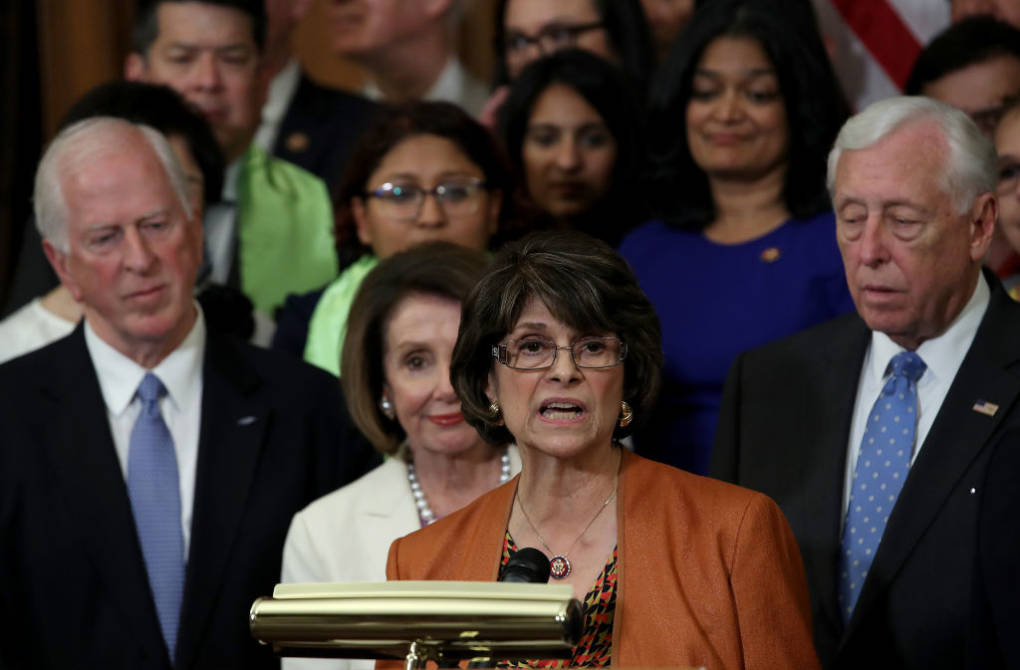
"caption": "Lucille Roybal-Allard, D-California, speaks during a press conference with House Democrats at the U.S. Capitol on June 4, 2019 ahead of a vote on the American Dream and Promise Act. The bill offers a pathway to citizenship for those with Deferred Action for Childhood Arrivals, Temporary Protected Status, Deferred Enforced Departure and similarly situated immigrants who have spent much of their lives in the United States.",
"description": null,
"title": "Nancy Pelosi, House Democrats Discuss American Dream And Promise Act",
"credit": "Win McNamee/Getty Images",
"status": "inherit",
"isLoading": false,
"fetchFailed": false
},
"news_11747949": {
"type": "attachments",
"id": "news_11747949",
"meta": {
"index": "attachments_1716263798",
"site": "news",
"id": "11747949",
"found": true
},
"parent": 11747948,
"imgSizes": {
"apple_news_ca_landscape_5_5": {
"file": "https://ww2.kqed.org/app/uploads/sites/10/2019/05/ap_19136689198302_wide-acec85db6e19a9d117d12071d89c226dbc061f11-1-1044x783.jpg",
"width": 1044,
"mimeType": "image/jpeg",
"height": 783
},
"apple_news_ca_square_4_0": {
"file": "https://ww2.kqed.org/app/uploads/sites/10/2019/05/ap_19136689198302_wide-acec85db6e19a9d117d12071d89c226dbc061f11-1-470x470.jpg",
"width": 470,
"mimeType": "image/jpeg",
"height": 470
},
"twentyfourteen-full-width": {
"file": "https://ww2.kqed.org/app/uploads/sites/10/2019/05/ap_19136689198302_wide-acec85db6e19a9d117d12071d89c226dbc061f11-1-1038x576.jpg",
"width": 1038,
"mimeType": "image/jpeg",
"height": 576
},
"thumbnail": {
"file": "https://ww2.kqed.org/app/uploads/sites/10/2019/05/ap_19136689198302_wide-acec85db6e19a9d117d12071d89c226dbc061f11-1-160x90.jpg",
"width": 160,
"mimeType": "image/jpeg",
"height": 90
},
"post-thumbnail": {
"file": "https://ww2.kqed.org/app/uploads/sites/10/2019/05/ap_19136689198302_wide-acec85db6e19a9d117d12071d89c226dbc061f11-1-672x372.jpg",
"width": 672,
"mimeType": "image/jpeg",
"height": 372
},
"kqedFullSize": {
"file": "https://ww2.kqed.org/app/uploads/sites/10/2019/05/ap_19136689198302_wide-acec85db6e19a9d117d12071d89c226dbc061f11-1-e1558120428420.jpg",
"width": 1920,
"height": 1080
},
"apple_news_ca_landscape_4_7": {
"file": "https://ww2.kqed.org/app/uploads/sites/10/2019/05/ap_19136689198302_wide-acec85db6e19a9d117d12071d89c226dbc061f11-1-632x474.jpg",
"width": 632,
"mimeType": "image/jpeg",
"height": 474
},
"large": {
"file": "https://ww2.kqed.org/app/uploads/sites/10/2019/05/ap_19136689198302_wide-acec85db6e19a9d117d12071d89c226dbc061f11-1-1020x574.jpg",
"width": 1020,
"mimeType": "image/jpeg",
"height": 574
},
"complete_open_graph": {
"file": "https://ww2.kqed.org/app/uploads/sites/10/2019/05/ap_19136689198302_wide-acec85db6e19a9d117d12071d89c226dbc061f11-1-1200x675.jpg",
"width": 1200,
"mimeType": "image/jpeg",
"height": 675
},
"apple_news_ca_landscape_4_0": {
"file": "https://ww2.kqed.org/app/uploads/sites/10/2019/05/ap_19136689198302_wide-acec85db6e19a9d117d12071d89c226dbc061f11-1-536x402.jpg",
"width": 536,
"mimeType": "image/jpeg",
"height": 402
},
"apple_news_ca_portrait_12_9": {
"file": "https://ww2.kqed.org/app/uploads/sites/10/2019/05/ap_19136689198302_wide-acec85db6e19a9d117d12071d89c226dbc061f11-1-1122x1496.jpg",
"width": 1122,
"mimeType": "image/jpeg",
"height": 1496
},
"medium": {
"file": "https://ww2.kqed.org/app/uploads/sites/10/2019/05/ap_19136689198302_wide-acec85db6e19a9d117d12071d89c226dbc061f11-1-800x450.jpg",
"width": 800,
"mimeType": "image/jpeg",
"height": 450
},
"apple_news_ca_portrait_4_0": {
"file": "https://ww2.kqed.org/app/uploads/sites/10/2019/05/ap_19136689198302_wide-acec85db6e19a9d117d12071d89c226dbc061f11-1-354x472.jpg",
"width": 354,
"mimeType": "image/jpeg",
"height": 472
},
"apple_news_ca_portrait_9_7": {
"file": "https://ww2.kqed.org/app/uploads/sites/10/2019/05/ap_19136689198302_wide-acec85db6e19a9d117d12071d89c226dbc061f11-1-840x1120.jpg",
"width": 840,
"mimeType": "image/jpeg",
"height": 1120
},
"apple_news_ca_landscape_12_9": {
"file": "https://ww2.kqed.org/app/uploads/sites/10/2019/05/ap_19136689198302_wide-acec85db6e19a9d117d12071d89c226dbc061f11-1-1832x1374.jpg",
"width": 1832,
"mimeType": "image/jpeg",
"height": 1374
},
"apple_news_ca_square_9_7": {
"file": "https://ww2.kqed.org/app/uploads/sites/10/2019/05/ap_19136689198302_wide-acec85db6e19a9d117d12071d89c226dbc061f11-1-1104x1104.jpg",
"width": 1104,
"mimeType": "image/jpeg",
"height": 1104
},
"apple_news_ca_portrait_4_7": {
"file": "https://ww2.kqed.org/app/uploads/sites/10/2019/05/ap_19136689198302_wide-acec85db6e19a9d117d12071d89c226dbc061f11-1-414x552.jpg",
"width": 414,
"mimeType": "image/jpeg",
"height": 552
},
"apple_news_ca_square_12_9": {
"file": "https://ww2.kqed.org/app/uploads/sites/10/2019/05/ap_19136689198302_wide-acec85db6e19a9d117d12071d89c226dbc061f11-1-1472x1472.jpg",
"width": 1472,
"mimeType": "image/jpeg",
"height": 1472
},
"apple_news_ca_portrait_5_5": {
"file": "https://ww2.kqed.org/app/uploads/sites/10/2019/05/ap_19136689198302_wide-acec85db6e19a9d117d12071d89c226dbc061f11-1-687x916.jpg",
"width": 687,
"mimeType": "image/jpeg",
"height": 916
},
"full-width": {
"file": "https://ww2.kqed.org/app/uploads/sites/10/2019/05/ap_19136689198302_wide-acec85db6e19a9d117d12071d89c226dbc061f11-1-1920x1080.jpg",
"width": 1920,
"mimeType": "image/jpeg",
"height": 1080
},
"apple_news_ca_square_4_7": {
"file": "https://ww2.kqed.org/app/uploads/sites/10/2019/05/ap_19136689198302_wide-acec85db6e19a9d117d12071d89c226dbc061f11-1-550x550.jpg",
"width": 550,
"mimeType": "image/jpeg",
"height": 550
},
"apple_news_ca_landscape_9_7": {
"file": "https://ww2.kqed.org/app/uploads/sites/10/2019/05/ap_19136689198302_wide-acec85db6e19a9d117d12071d89c226dbc061f11-1-1376x1032.jpg",
"width": 1376,
"mimeType": "image/jpeg",
"height": 1032
},
"apple_news_ca_square_5_5": {
"file": "https://ww2.kqed.org/app/uploads/sites/10/2019/05/ap_19136689198302_wide-acec85db6e19a9d117d12071d89c226dbc061f11-1-912x912.jpg",
"width": 912,
"mimeType": "image/jpeg",
"height": 912
}
},
"publishDate": 1558120217,
"modified": 1558120456,
"caption": "President Trump speaks on immigration in the Rose Garden at the White House in Washington, D.C. on May 16, 2019.",
"description": "President Donald Trump speaks on immigration in the Rose Garden at the White House in Washington, Thursday, May 16, 2019.",
"title": "President Donald Trump speaks on immigration in the Rose Garden at the White House in Washington, Thursday, May 16, 2019.",
"credit": null,
"status": "inherit",
"isLoading": false,
"fetchFailed": false
},
"news_11733643": {
"type": "attachments",
"id": "news_11733643",
"meta": {
"index": "attachments_1716263798",
"site": "news",
"id": "11733643",
"found": true
},
"parent": 11733635,
"imgSizes": {
"twentyfourteen-full-width": {
"file": "https://ww2.kqed.org/app/uploads/sites/10/2019/03/immigration-lawyer-PHOTO-1-1038x576.jpg",
"width": 1038,
"mimeType": "image/jpeg",
"height": 576
},
"thumbnail": {
"file": "https://ww2.kqed.org/app/uploads/sites/10/2019/03/immigration-lawyer-PHOTO-1-160x107.jpg",
"width": 160,
"mimeType": "image/jpeg",
"height": 107
},
"post-thumbnail": {
"file": "https://ww2.kqed.org/app/uploads/sites/10/2019/03/immigration-lawyer-PHOTO-1-672x372.jpg",
"width": 672,
"mimeType": "image/jpeg",
"height": 372
},
"kqedFullSize": {
"file": "https://ww2.kqed.org/app/uploads/sites/10/2019/03/immigration-lawyer-PHOTO-1.jpg",
"width": 1280,
"height": 853
},
"large": {
"file": "https://ww2.kqed.org/app/uploads/sites/10/2019/03/immigration-lawyer-PHOTO-1-1020x680.jpg",
"width": 1020,
"mimeType": "image/jpeg",
"height": 680
},
"complete_open_graph": {
"file": "https://ww2.kqed.org/app/uploads/sites/10/2019/03/immigration-lawyer-PHOTO-1-1200x800.jpg",
"width": 1200,
"mimeType": "image/jpeg",
"height": 800
},
"guest-author-50": {
"file": "https://ww2.kqed.org/app/uploads/sites/10/2019/03/immigration-lawyer-PHOTO-1-50x50.jpg",
"width": 50,
"mimeType": "image/jpeg",
"height": 50
},
"guest-author-96": {
"file": "https://ww2.kqed.org/app/uploads/sites/10/2019/03/immigration-lawyer-PHOTO-1-96x96.jpg",
"width": 96,
"mimeType": "image/jpeg",
"height": 96
},
"medium": {
"file": "https://ww2.kqed.org/app/uploads/sites/10/2019/03/immigration-lawyer-PHOTO-1-800x533.jpg",
"width": 800,
"mimeType": "image/jpeg",
"height": 533
},
"guest-author-64": {
"file": "https://ww2.kqed.org/app/uploads/sites/10/2019/03/immigration-lawyer-PHOTO-1-64x64.jpg",
"width": 64,
"mimeType": "image/jpeg",
"height": 64
},
"guest-author-32": {
"file": "https://ww2.kqed.org/app/uploads/sites/10/2019/03/immigration-lawyer-PHOTO-1-32x32.jpg",
"width": 32,
"mimeType": "image/jpeg",
"height": 32
},
"guest-author-128": {
"file": "https://ww2.kqed.org/app/uploads/sites/10/2019/03/immigration-lawyer-PHOTO-1-128x128.jpg",
"width": 128,
"mimeType": "image/jpeg",
"height": 128
}
},
"publishDate": 1552938703,
"modified": 1552938744,
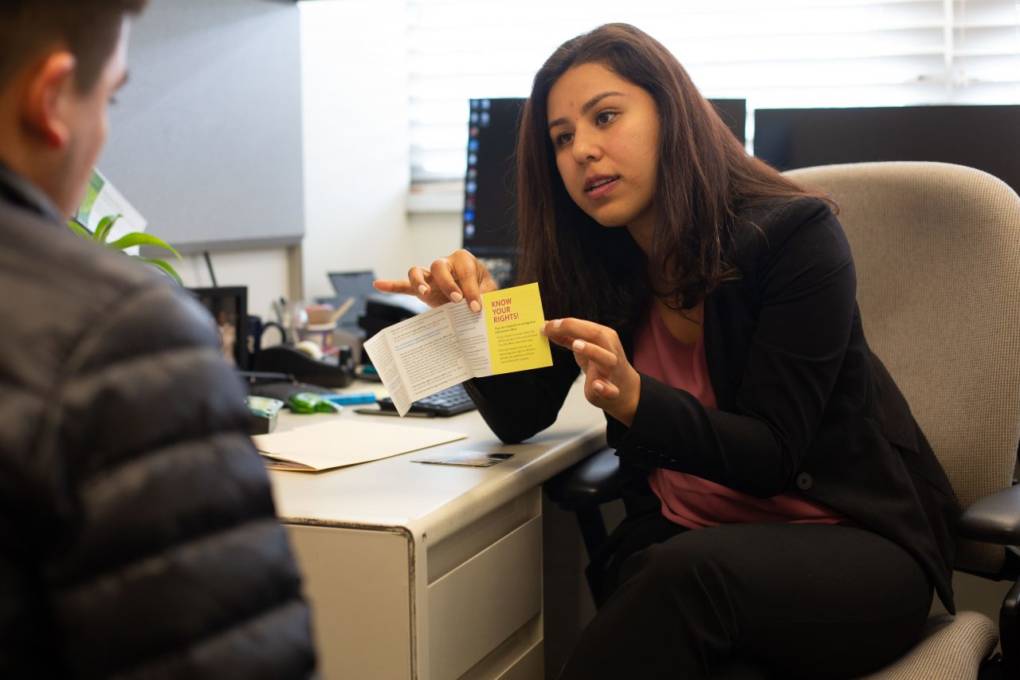
"caption": "Karina Gutierrez, an immigration lawyer on the UC Riverside campus, helps the brother of a student understand his rights.\n",
"description": null,
"title": "immigration lawyer PHOTO 1",
"credit": "James Bernal/CALmatters",
"status": "inherit",
"isLoading": false,
"fetchFailed": false
},
"news_11719642": {
"type": "attachments",
"id": "news_11719642",
"meta": {
"index": "attachments_1716263798",
"site": "news",
"id": "11719642",
"found": true
},
"parent": 11719628,
"imgSizes": {
"twentyfourteen-full-width": {
"file": "https://ww2.kqed.org/app/uploads/sites/10/2019/01/4935be95-rs34766_gettyimages-1092246050-qut-1038x576.jpg",
"width": 1038,
"mimeType": "image/jpeg",
"height": 576
},
"thumbnail": {
"file": "https://ww2.kqed.org/app/uploads/sites/10/2019/01/4935be95-rs34766_gettyimages-1092246050-qut-160x111.jpg",
"width": 160,
"mimeType": "image/jpeg",
"height": 111
},
"post-thumbnail": {
"file": "https://ww2.kqed.org/app/uploads/sites/10/2019/01/4935be95-rs34766_gettyimages-1092246050-qut-672x372.jpg",
"width": 672,
"mimeType": "image/jpeg",
"height": 372
},
"kqedFullSize": {
"file": "https://ww2.kqed.org/app/uploads/sites/10/2019/01/4935be95-rs34766_gettyimages-1092246050-qut.jpg",
"width": 1920,
"height": 1331
},
"large": {
"file": "https://ww2.kqed.org/app/uploads/sites/10/2019/01/4935be95-rs34766_gettyimages-1092246050-qut-1020x707.jpg",
"width": 1020,
"mimeType": "image/jpeg",
"height": 707
},
"complete_open_graph": {
"file": "https://ww2.kqed.org/app/uploads/sites/10/2019/01/4935be95-rs34766_gettyimages-1092246050-qut-1200x832.jpg",
"width": 1200,
"mimeType": "image/jpeg",
"height": 832
},
"guest-author-50": {
"file": "https://ww2.kqed.org/app/uploads/sites/10/2019/01/4935be95-rs34766_gettyimages-1092246050-qut-50x50.jpg",
"width": 50,
"mimeType": "image/jpeg",
"height": 50
},
"guest-author-96": {
"file": "https://ww2.kqed.org/app/uploads/sites/10/2019/01/4935be95-rs34766_gettyimages-1092246050-qut-96x96.jpg",
"width": 96,
"mimeType": "image/jpeg",
"height": 96
},
"medium": {
"file": "https://ww2.kqed.org/app/uploads/sites/10/2019/01/4935be95-rs34766_gettyimages-1092246050-qut-800x555.jpg",
"width": 800,
"mimeType": "image/jpeg",
"height": 555
},
"guest-author-64": {
"file": "https://ww2.kqed.org/app/uploads/sites/10/2019/01/4935be95-rs34766_gettyimages-1092246050-qut-64x64.jpg",
"width": 64,
"mimeType": "image/jpeg",
"height": 64
},
"guest-author-32": {
"file": "https://ww2.kqed.org/app/uploads/sites/10/2019/01/4935be95-rs34766_gettyimages-1092246050-qut-32x32.jpg",
"width": 32,
"mimeType": "image/jpeg",
"height": 32
},
"full-width": {
"file": "https://ww2.kqed.org/app/uploads/sites/10/2019/01/4935be95-rs34766_gettyimages-1092246050-qut-1920x1331.jpg",
"width": 1920,
"mimeType": "image/jpeg",
"height": 1331
},
"detail": {
"file": "https://ww2.kqed.org/app/uploads/sites/10/2019/01/4935be95-rs34766_gettyimages-1092246050-qut-150x150.jpg",
"width": 150,
"mimeType": "image/jpeg",
"height": 150
},
"guest-author-128": {
"file": "https://ww2.kqed.org/app/uploads/sites/10/2019/01/4935be95-rs34766_gettyimages-1092246050-qut-128x128.jpg",
"width": 128,
"mimeType": "image/jpeg",
"height": 128
}
},
"publishDate": 1547940484,
"modified": 1547941795,
"caption": "San Francisco Democrat and House Speaker Nancy Pelosi called President Trump's border proposal a 'non-starter' even before it was officially announced.",
"description": "San Francisco Democrat and House Speaker Nancy Pelosi called President Trump's border proposal a 'non-starter' even before it was officially announced.",
"title": "House Speaker Nancy Pelosi Holds Her Weekly News Conference On Capitol Hill",
"credit": "Win McNamee/Getty Images",
"status": "inherit",
"isLoading": false,
"fetchFailed": false
},
"news_11705128": {
"type": "attachments",
"id": "news_11705128",
"meta": {
"index": "attachments_1716263798",
"site": "news",
"id": "11705128",
"found": true
},
"parent": 11705114,
"imgSizes": {
"twentyfourteen-full-width": {
"file": "https://ww2.kqed.org/app/uploads/sites/10/2018/11/RS26227_IMG_0297-qut-1038x576.jpg",
"width": 1038,
"mimeType": "image/jpeg",
"height": 576
},
"thumbnail": {
"file": "https://ww2.kqed.org/app/uploads/sites/10/2018/11/RS26227_IMG_0297-qut-160x120.jpg",
"width": 160,
"mimeType": "image/jpeg",
"height": 120
},
"post-thumbnail": {
"file": "https://ww2.kqed.org/app/uploads/sites/10/2018/11/RS26227_IMG_0297-qut-672x372.jpg",
"width": 672,
"mimeType": "image/jpeg",
"height": 372
},
"kqedFullSize": {
"file": "https://ww2.kqed.org/app/uploads/sites/10/2018/11/RS26227_IMG_0297-qut.jpg",
"width": 1920,
"height": 1440
},
"large": {
"file": "https://ww2.kqed.org/app/uploads/sites/10/2018/11/RS26227_IMG_0297-qut-1020x765.jpg",
"width": 1020,
"mimeType": "image/jpeg",
"height": 765
},
"complete_open_graph": {
"file": "https://ww2.kqed.org/app/uploads/sites/10/2018/11/RS26227_IMG_0297-qut-1200x900.jpg",
"width": 1200,
"mimeType": "image/jpeg",
"height": 900
},
"guest-author-50": {
"file": "https://ww2.kqed.org/app/uploads/sites/10/2018/11/RS26227_IMG_0297-qut-50x50.jpg",
"width": 50,
"mimeType": "image/jpeg",
"height": 50
},
"guest-author-96": {
"file": "https://ww2.kqed.org/app/uploads/sites/10/2018/11/RS26227_IMG_0297-qut-96x96.jpg",
"width": 96,
"mimeType": "image/jpeg",
"height": 96
},
"medium": {
"file": "https://ww2.kqed.org/app/uploads/sites/10/2018/11/RS26227_IMG_0297-qut-800x600.jpg",
"width": 800,
"mimeType": "image/jpeg",
"height": 600
},
"guest-author-64": {
"file": "https://ww2.kqed.org/app/uploads/sites/10/2018/11/RS26227_IMG_0297-qut-64x64.jpg",
"width": 64,
"mimeType": "image/jpeg",
"height": 64
},
"guest-author-32": {
"file": "https://ww2.kqed.org/app/uploads/sites/10/2018/11/RS26227_IMG_0297-qut-32x32.jpg",
"width": 32,
"mimeType": "image/jpeg",
"height": 32
},
"full-width": {
"file": "https://ww2.kqed.org/app/uploads/sites/10/2018/11/RS26227_IMG_0297-qut-1920x1440.jpg",
"width": 1920,
"mimeType": "image/jpeg",
"height": 1440
},
"detail": {
"file": "https://ww2.kqed.org/app/uploads/sites/10/2018/11/RS26227_IMG_0297-qut-150x150.jpg",
"width": 150,
"mimeType": "image/jpeg",
"height": 150
},
"guest-author-128": {
"file": "https://ww2.kqed.org/app/uploads/sites/10/2018/11/RS26227_IMG_0297-qut-128x128.jpg",
"width": 128,
"mimeType": "image/jpeg",
"height": 128
}
},
"publishDate": 1541727184,
"modified": 1541729878,
"caption": "Jasmine Mongue, Kim Wilson and Caitlin Lang (L-R) hold signs at a pro-DACA rally in San Francisco's Financial District on Tuesday, August 15, 2017.",
"description": null,
"title": "RS26227_IMG_0297-qut",
"credit": "Ryan Levi/KQED",
"status": "inherit",
"isLoading": false,
"fetchFailed": false
},
"news_11704211": {
"type": "attachments",
"id": "news_11704211",
"meta": {
"index": "attachments_1716263798",
"site": "news",
"id": "11704211",
"found": true
},
"parent": 11704210,
"imgSizes": {
"twentyfourteen-full-width": {
"file": "https://ww2.kqed.org/app/uploads/sites/10/2018/11/gettyimages-801354822_wide-0be532b5f2bdf9a28ab7b9792ee5cc0a02def536-e1541549429953-1038x576.jpg",
"width": 1038,
"mimeType": "image/jpeg",
"height": 576
},
"thumbnail": {
"file": "https://ww2.kqed.org/app/uploads/sites/10/2018/11/gettyimages-801354822_wide-0be532b5f2bdf9a28ab7b9792ee5cc0a02def536-e1541549429953-160x90.jpg",
"width": 160,
"mimeType": "image/jpeg",
"height": 90
},
"post-thumbnail": {
"file": "https://ww2.kqed.org/app/uploads/sites/10/2018/11/gettyimages-801354822_wide-0be532b5f2bdf9a28ab7b9792ee5cc0a02def536-e1541549429953-672x372.jpg",
"width": 672,
"mimeType": "image/jpeg",
"height": 372
},
"kqedFullSize": {
"file": "https://ww2.kqed.org/app/uploads/sites/10/2018/11/gettyimages-801354822_wide-0be532b5f2bdf9a28ab7b9792ee5cc0a02def536-e1541549429953.jpg",
"width": 1920,
"height": 1080
},
"large": {
"file": "https://ww2.kqed.org/app/uploads/sites/10/2018/11/gettyimages-801354822_wide-0be532b5f2bdf9a28ab7b9792ee5cc0a02def536-e1541549429953-1020x574.jpg",
"width": 1020,
"mimeType": "image/jpeg",
"height": 574
},
"complete_open_graph": {
"file": "https://ww2.kqed.org/app/uploads/sites/10/2018/11/gettyimages-801354822_wide-0be532b5f2bdf9a28ab7b9792ee5cc0a02def536-e1541549429953-1200x675.jpg",
"width": 1200,
"mimeType": "image/jpeg",
"height": 675
},
"guest-author-50": {
"file": "https://ww2.kqed.org/app/uploads/sites/10/2018/11/gettyimages-801354822_wide-0be532b5f2bdf9a28ab7b9792ee5cc0a02def536-e1541549429953-50x50.jpg",
"width": 50,
"mimeType": "image/jpeg",
"height": 50
},
"guest-author-96": {
"file": "https://ww2.kqed.org/app/uploads/sites/10/2018/11/gettyimages-801354822_wide-0be532b5f2bdf9a28ab7b9792ee5cc0a02def536-e1541549429953-96x96.jpg",
"width": 96,
"mimeType": "image/jpeg",
"height": 96
},
"medium": {
"file": "https://ww2.kqed.org/app/uploads/sites/10/2018/11/gettyimages-801354822_wide-0be532b5f2bdf9a28ab7b9792ee5cc0a02def536-e1541549429953-800x450.jpg",
"width": 800,
"mimeType": "image/jpeg",
"height": 450
},
"guest-author-64": {
"file": "https://ww2.kqed.org/app/uploads/sites/10/2018/11/gettyimages-801354822_wide-0be532b5f2bdf9a28ab7b9792ee5cc0a02def536-e1541549429953-64x64.jpg",
"width": 64,
"mimeType": "image/jpeg",
"height": 64
},
"guest-author-32": {
"file": "https://ww2.kqed.org/app/uploads/sites/10/2018/11/gettyimages-801354822_wide-0be532b5f2bdf9a28ab7b9792ee5cc0a02def536-e1541549429953-32x32.jpg",
"width": 32,
"mimeType": "image/jpeg",
"height": 32
},
"full-width": {
"file": "https://ww2.kqed.org/app/uploads/sites/10/2018/11/gettyimages-801354822_wide-0be532b5f2bdf9a28ab7b9792ee5cc0a02def536-e1541549429953-1920x1080.jpg",
"width": 1920,
"mimeType": "image/jpeg",
"height": 1080
},
"detail": {
"file": "https://ww2.kqed.org/app/uploads/sites/10/2018/11/gettyimages-801354822_wide-0be532b5f2bdf9a28ab7b9792ee5cc0a02def536-e1541549429953-150x150.jpg",
"width": 150,
"mimeType": "image/jpeg",
"height": 150
},
"guest-author-128": {
"file": "https://ww2.kqed.org/app/uploads/sites/10/2018/11/gettyimages-801354822_wide-0be532b5f2bdf9a28ab7b9792ee5cc0a02def536-e1541549429953-128x128.jpg",
"width": 128,
"mimeType": "image/jpeg",
"height": 128
}
},
"publishDate": 1541547660,
"modified": 1541549449,
"caption": "The U.S. Supreme Court has been asked to intervene in pending cases about the legality of the Trump administration's decision to end the DACA program.",
"description": "The U.S. Supreme Court has been asked to intervene in pending cases about the legality of the Trump administration's decision to end the DACA program.",
"title": "The U.S. Supreme Court has been asked to intervene in pending cases about the legality of the Trump administration's decision to end the DACA program.",
"credit": "Eric Thayer/Getty Images",
"status": "inherit",
"isLoading": false,
"fetchFailed": false
},
"news_11682269": {
"type": "attachments",
"id": "news_11682269",
"meta": {
"index": "attachments_1716263798",
"site": "news",
"id": "11682269",
"found": true
},
"parent": 11682247,
"imgSizes": {
"small": {
"file": "https://ww2.kqed.org/app/uploads/sites/10/2018/07/NapolitanoMain-520x347.jpg",
"width": 520,
"mimeType": "image/jpeg",
"height": 347
},
"twentyfourteen-full-width": {
"file": "https://ww2.kqed.org/app/uploads/sites/10/2018/07/NapolitanoMain-1038x576.jpg",
"width": 1038,
"mimeType": "image/jpeg",
"height": 576
},
"thumbnail": {
"file": "https://ww2.kqed.org/app/uploads/sites/10/2018/07/NapolitanoMain-160x107.jpg",
"width": 160,
"mimeType": "image/jpeg",
"height": 107
},
"fd-sm": {
"file": "https://ww2.kqed.org/app/uploads/sites/10/2018/07/NapolitanoMain-960x640.jpg",
"width": 960,
"mimeType": "image/jpeg",
"height": 640
},
"post-thumbnail": {
"file": "https://ww2.kqed.org/app/uploads/sites/10/2018/07/NapolitanoMain-672x372.jpg",
"width": 672,
"mimeType": "image/jpeg",
"height": 372
},
"xsmall": {
"file": "https://ww2.kqed.org/app/uploads/sites/10/2018/07/NapolitanoMain-375x250.jpg",
"width": 375,
"mimeType": "image/jpeg",
"height": 250
},
"kqedFullSize": {
"file": "https://ww2.kqed.org/app/uploads/sites/10/2018/07/NapolitanoMain.jpg",
"width": 1920,
"height": 1280
},
"large": {
"file": "https://ww2.kqed.org/app/uploads/sites/10/2018/07/NapolitanoMain-1020x680.jpg",
"width": 1020,
"mimeType": "image/jpeg",
"height": 680
},
"xlarge": {
"file": "https://ww2.kqed.org/app/uploads/sites/10/2018/07/NapolitanoMain-1180x787.jpg",
"width": 1180,
"mimeType": "image/jpeg",
"height": 787
},
"complete_open_graph": {
"file": "https://ww2.kqed.org/app/uploads/sites/10/2018/07/NapolitanoMain-1200x800.jpg",
"width": 1200,
"mimeType": "image/jpeg",
"height": 800
},
"guest-author-50": {
"file": "https://ww2.kqed.org/app/uploads/sites/10/2018/07/NapolitanoMain-50x50.jpg",
"width": 50,
"mimeType": "image/jpeg",
"height": 50
},
"guest-author-96": {
"file": "https://ww2.kqed.org/app/uploads/sites/10/2018/07/NapolitanoMain-96x96.jpg",
"width": 96,
"mimeType": "image/jpeg",
"height": 96
},
"medium": {
"file": "https://ww2.kqed.org/app/uploads/sites/10/2018/07/NapolitanoMain-800x533.jpg",
"width": 800,
"mimeType": "image/jpeg",
"height": 533
},
"guest-author-64": {
"file": "https://ww2.kqed.org/app/uploads/sites/10/2018/07/NapolitanoMain-64x64.jpg",
"width": 64,
"mimeType": "image/jpeg",
"height": 64
},
"guest-author-32": {
"file": "https://ww2.kqed.org/app/uploads/sites/10/2018/07/NapolitanoMain-32x32.jpg",
"width": 32,
"mimeType": "image/jpeg",
"height": 32
},
"fd-lrg": {
"file": "https://ww2.kqed.org/app/uploads/sites/10/2018/07/NapolitanoMain-1920x1280.jpg",
"width": 1920,
"mimeType": "image/jpeg",
"height": 1280
},
"fd-med": {
"file": "https://ww2.kqed.org/app/uploads/sites/10/2018/07/NapolitanoMain-1180x787.jpg",
"width": 1180,
"mimeType": "image/jpeg",
"height": 787
},
"full-width": {
"file": "https://ww2.kqed.org/app/uploads/sites/10/2018/07/NapolitanoMain-1920x1280.jpg",
"width": 1920,
"mimeType": "image/jpeg",
"height": 1280
},
"detail": {
"file": "https://ww2.kqed.org/app/uploads/sites/10/2018/07/NapolitanoMain-150x150.jpg",
"width": 150,
"mimeType": "image/jpeg",
"height": 150
},
"guest-author-128": {
"file": "https://ww2.kqed.org/app/uploads/sites/10/2018/07/NapolitanoMain-128x128.jpg",
"width": 128,
"mimeType": "image/jpeg",
"height": 128
},
"xxsmall": {
"file": "https://ww2.kqed.org/app/uploads/sites/10/2018/07/NapolitanoMain-240x160.jpg",
"width": 240,
"mimeType": "image/jpeg",
"height": 160
}
},
"publishDate": 1532458617,
"modified": 1589261409,
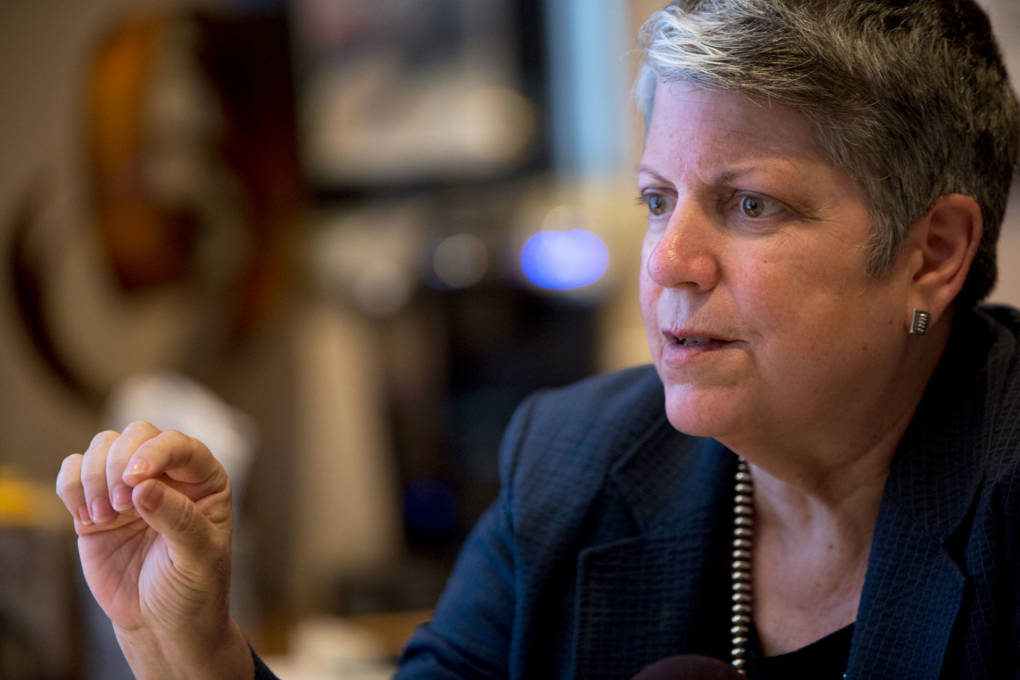
"caption": "UC President Janet Napolitano in her office in Oakland on July 17, 2018.",
"description": "UC President and former Secretary of Homeland Security Janet Napolitano talked with The California Report in her office in Oakland on July 17, 2018.",
"title": "NapolitanoMain",
"credit": "Anne Wernikoff/KQED",
"status": "inherit",
"isLoading": false,
"fetchFailed": false
},
"news_11671727": {
"type": "attachments",
"id": "news_11671727",
"meta": {
"index": "attachments_1716263798",
"site": "news",
"id": "11671727",
"found": true
},
"parent": 11671527,
"imgSizes": {
"small": {
"file": "https://ww2.kqed.org/app/uploads/sites/10/2018/05/JeffDenham-520x356.jpg",
"width": 520,
"mimeType": "image/jpeg",
"height": 356
},
"twentyfourteen-full-width": {
"file": "https://ww2.kqed.org/app/uploads/sites/10/2018/05/JeffDenham-1038x576.jpg",
"width": 1038,
"mimeType": "image/jpeg",
"height": 576
},
"thumbnail": {
"file": "https://ww2.kqed.org/app/uploads/sites/10/2018/05/JeffDenham-160x110.jpg",
"width": 160,
"mimeType": "image/jpeg",
"height": 110
},
"fd-sm": {
"file": "https://ww2.kqed.org/app/uploads/sites/10/2018/05/JeffDenham-960x658.jpg",
"width": 960,
"mimeType": "image/jpeg",
"height": 658
},
"post-thumbnail": {
"file": "https://ww2.kqed.org/app/uploads/sites/10/2018/05/JeffDenham-672x372.jpg",
"width": 672,
"mimeType": "image/jpeg",
"height": 372
},
"xsmall": {
"file": "https://ww2.kqed.org/app/uploads/sites/10/2018/05/JeffDenham-375x257.jpg",
"width": 375,
"mimeType": "image/jpeg",
"height": 257
},
"kqedFullSize": {
"file": "https://ww2.kqed.org/app/uploads/sites/10/2018/05/JeffDenham.jpg",
"width": 1920,
"height": 1316
},
"large": {
"file": "https://ww2.kqed.org/app/uploads/sites/10/2018/05/JeffDenham-1020x699.jpg",
"width": 1020,
"mimeType": "image/jpeg",
"height": 699
},
"xlarge": {
"file": "https://ww2.kqed.org/app/uploads/sites/10/2018/05/JeffDenham-1180x809.jpg",
"width": 1180,
"mimeType": "image/jpeg",
"height": 809
},
"complete_open_graph": {
"file": "https://ww2.kqed.org/app/uploads/sites/10/2018/05/JeffDenham-1200x823.jpg",
"width": 1200,
"mimeType": "image/jpeg",
"height": 823
},
"guest-author-50": {
"file": "https://ww2.kqed.org/app/uploads/sites/10/2018/05/JeffDenham-50x50.jpg",
"width": 50,
"mimeType": "image/jpeg",
"height": 50
},
"guest-author-96": {
"file": "https://ww2.kqed.org/app/uploads/sites/10/2018/05/JeffDenham-96x96.jpg",
"width": 96,
"mimeType": "image/jpeg",
"height": 96
},
"medium": {
"file": "https://ww2.kqed.org/app/uploads/sites/10/2018/05/JeffDenham-800x548.jpg",
"width": 800,
"mimeType": "image/jpeg",
"height": 548
},
"guest-author-64": {
"file": "https://ww2.kqed.org/app/uploads/sites/10/2018/05/JeffDenham-64x64.jpg",
"width": 64,
"mimeType": "image/jpeg",
"height": 64
},
"guest-author-32": {
"file": "https://ww2.kqed.org/app/uploads/sites/10/2018/05/JeffDenham-32x32.jpg",
"width": 32,
"mimeType": "image/jpeg",
"height": 32
},
"fd-lrg": {
"file": "https://ww2.kqed.org/app/uploads/sites/10/2018/05/JeffDenham-1920x1316.jpg",
"width": 1920,
"mimeType": "image/jpeg",
"height": 1316
},
"fd-med": {
"file": "https://ww2.kqed.org/app/uploads/sites/10/2018/05/JeffDenham-1180x809.jpg",
"width": 1180,
"mimeType": "image/jpeg",
"height": 809
},
"full-width": {
"file": "https://ww2.kqed.org/app/uploads/sites/10/2018/05/JeffDenham-1920x1316.jpg",
"width": 1920,
"mimeType": "image/jpeg",
"height": 1316
},
"detail": {
"file": "https://ww2.kqed.org/app/uploads/sites/10/2018/05/JeffDenham-150x150.jpg",
"width": 150,
"mimeType": "image/jpeg",
"height": 150
},
"guest-author-128": {
"file": "https://ww2.kqed.org/app/uploads/sites/10/2018/05/JeffDenham-128x128.jpg",
"width": 128,
"mimeType": "image/jpeg",
"height": 128
},
"xxsmall": {
"file": "https://ww2.kqed.org/app/uploads/sites/10/2018/05/JeffDenham-240x165.jpg",
"width": 240,
"mimeType": "image/jpeg",
"height": 165
}
},
"publishDate": 1527794289,
"modified": 1527801652,
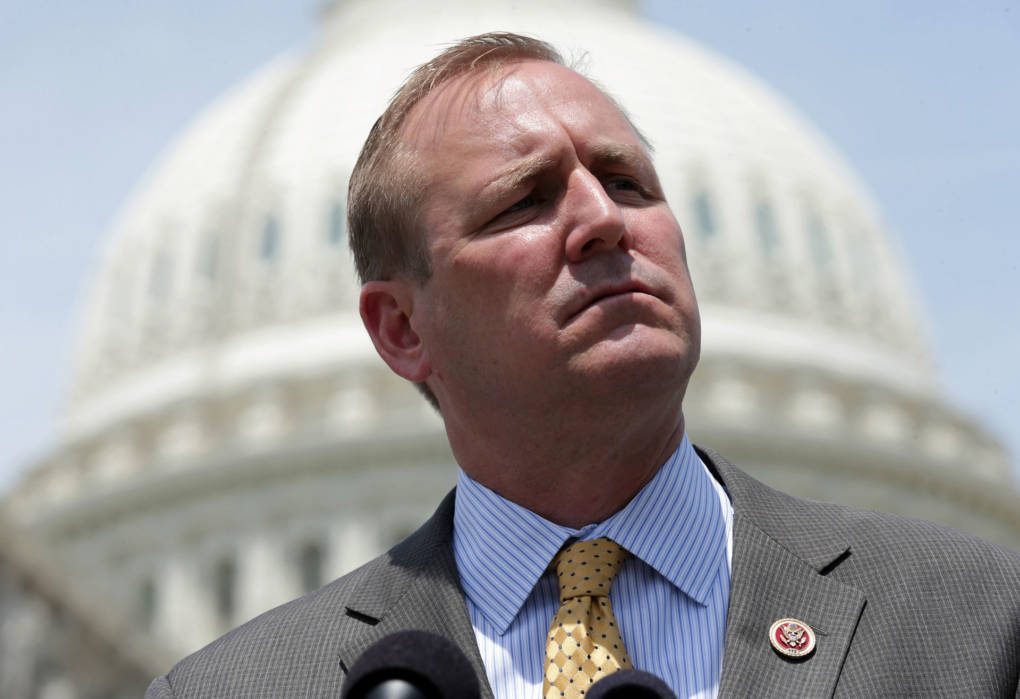
"caption": "Rep. Jeff Denham speaks at a news conference with military Dreamers at the U.S. Capitol in 2014.",
"description": "Rep. Jeff Denham speaks at a news conference with military 'DREAMers' at the U.S. Capitol in 2014.",
"title": "JeffDenham",
"credit": "Chip Somodevilla/Getty Images",
"status": "inherit",
"isLoading": false,
"fetchFailed": false
},
"news_11670736": {
"type": "attachments",
"id": "news_11670736",
"meta": {
"index": "attachments_1716263798",
"site": "news",
"id": "11670736",
"found": true
},
"parent": 11670565,
"imgSizes": {
"small": {
"file": "https://ww2.kqed.org/app/uploads/sites/10/2018/05/WPR_RS26261__MG_3197-qut-520x347.jpg",
"width": 520,
"mimeType": "image/jpeg",
"height": 347
},
"twentyfourteen-full-width": {
"file": "https://ww2.kqed.org/app/uploads/sites/10/2018/05/WPR_RS26261__MG_3197-qut-1038x576.jpg",
"width": 1038,
"mimeType": "image/jpeg",
"height": 576
},
"thumbnail": {
"file": "https://ww2.kqed.org/app/uploads/sites/10/2018/05/WPR_RS26261__MG_3197-qut-160x107.jpg",
"width": 160,
"mimeType": "image/jpeg",
"height": 107
},
"fd-sm": {
"file": "https://ww2.kqed.org/app/uploads/sites/10/2018/05/WPR_RS26261__MG_3197-qut-960x640.jpg",
"width": 960,
"mimeType": "image/jpeg",
"height": 640
},
"post-thumbnail": {
"file": "https://ww2.kqed.org/app/uploads/sites/10/2018/05/WPR_RS26261__MG_3197-qut-672x372.jpg",
"width": 672,
"mimeType": "image/jpeg",
"height": 372
},
"xsmall": {
"file": "https://ww2.kqed.org/app/uploads/sites/10/2018/05/WPR_RS26261__MG_3197-qut-375x250.jpg",
"width": 375,
"mimeType": "image/jpeg",
"height": 250
},
"kqedFullSize": {
"file": "https://ww2.kqed.org/app/uploads/sites/10/2018/05/WPR_RS26261__MG_3197-qut.jpg",
"width": 1920,
"height": 1280
},
"large": {
"file": "https://ww2.kqed.org/app/uploads/sites/10/2018/05/WPR_RS26261__MG_3197-qut-1020x680.jpg",
"width": 1020,
"mimeType": "image/jpeg",
"height": 680
},
"xlarge": {
"file": "https://ww2.kqed.org/app/uploads/sites/10/2018/05/WPR_RS26261__MG_3197-qut-1180x787.jpg",
"width": 1180,
"mimeType": "image/jpeg",
"height": 787
},
"complete_open_graph": {
"file": "https://ww2.kqed.org/app/uploads/sites/10/2018/05/WPR_RS26261__MG_3197-qut-1200x800.jpg",
"width": 1200,
"mimeType": "image/jpeg",
"height": 800
},
"guest-author-50": {
"file": "https://ww2.kqed.org/app/uploads/sites/10/2018/05/WPR_RS26261__MG_3197-qut-50x50.jpg",
"width": 50,
"mimeType": "image/jpeg",
"height": 50
},
"guest-author-96": {
"file": "https://ww2.kqed.org/app/uploads/sites/10/2018/05/WPR_RS26261__MG_3197-qut-96x96.jpg",
"width": 96,
"mimeType": "image/jpeg",
"height": 96
},
"medium": {
"file": "https://ww2.kqed.org/app/uploads/sites/10/2018/05/WPR_RS26261__MG_3197-qut-800x533.jpg",
"width": 800,
"mimeType": "image/jpeg",
"height": 533
},
"guest-author-64": {
"file": "https://ww2.kqed.org/app/uploads/sites/10/2018/05/WPR_RS26261__MG_3197-qut-64x64.jpg",
"width": 64,
"mimeType": "image/jpeg",
"height": 64
},
"guest-author-32": {
"file": "https://ww2.kqed.org/app/uploads/sites/10/2018/05/WPR_RS26261__MG_3197-qut-32x32.jpg",
"width": 32,
"mimeType": "image/jpeg",
"height": 32
},
"fd-lrg": {
"file": "https://ww2.kqed.org/app/uploads/sites/10/2018/05/WPR_RS26261__MG_3197-qut-1920x1280.jpg",
"width": 1920,
"mimeType": "image/jpeg",
"height": 1280
},
"fd-med": {
"file": "https://ww2.kqed.org/app/uploads/sites/10/2018/05/WPR_RS26261__MG_3197-qut-1180x787.jpg",
"width": 1180,
"mimeType": "image/jpeg",
"height": 787
},
"full-width": {
"file": "https://ww2.kqed.org/app/uploads/sites/10/2018/05/WPR_RS26261__MG_3197-qut-1920x1280.jpg",
"width": 1920,
"mimeType": "image/jpeg",
"height": 1280
},
"detail": {
"file": "https://ww2.kqed.org/app/uploads/sites/10/2018/05/WPR_RS26261__MG_3197-qut-150x150.jpg",
"width": 150,
"mimeType": "image/jpeg",
"height": 150
},
"guest-author-128": {
"file": "https://ww2.kqed.org/app/uploads/sites/10/2018/05/WPR_RS26261__MG_3197-qut-128x128.jpg",
"width": 128,
"mimeType": "image/jpeg",
"height": 128
},
"xxsmall": {
"file": "https://ww2.kqed.org/app/uploads/sites/10/2018/05/WPR_RS26261__MG_3197-qut-240x160.jpg",
"width": 240,
"mimeType": "image/jpeg",
"height": 160
}
},
"publishDate": 1527278461,
"modified": 1527284832,
"caption": "Maria Mendoza-Sanchez sits on a couch in her Oakland home on Aug. 16, 2017, hours before she, her husband and son leave Oakland for Mexico City. Her daughter, Melin Sanchez, 21, cries as she watches her mother with concern.",
"description": "Maria Mendoza-Sanchez sits on a couch in her Oakland home on Aug. 16, 2017, hours before she, her husband and son leave Oakland for Mexico City. Her daughter, Melin Sanchez, 21, cries as she watches her mother with concern.",
"title": "WPR_RS26261__MG_3197-qut",
"credit": "Deborah Svoboda/KQED",
"status": "inherit",
"isLoading": false,
"fetchFailed": false
},
"news_11669965": {
"type": "attachments",
"id": "news_11669965",
"meta": {
"index": "attachments_1716263798",
"site": "news",
"id": "11669965",
"found": true
},
"parent": 11669964,
"imgSizes": {
"small": {
"file": "https://ww2.kqed.org/app/uploads/sites/10/2018/05/ap_18136653426779_custom-ed07619ccad0dec2b4808bc08c738cc510a9ffa7-520x383.jpg",
"width": 520,
"mimeType": "image/jpeg",
"height": 383
},
"twentyfourteen-full-width": {
"file": "https://ww2.kqed.org/app/uploads/sites/10/2018/05/ap_18136653426779_custom-ed07619ccad0dec2b4808bc08c738cc510a9ffa7-1038x576.jpg",
"width": 1038,
"mimeType": "image/jpeg",
"height": 576
},
"thumbnail": {
"file": "https://ww2.kqed.org/app/uploads/sites/10/2018/05/ap_18136653426779_custom-ed07619ccad0dec2b4808bc08c738cc510a9ffa7-160x118.jpg",
"width": 160,
"mimeType": "image/jpeg",
"height": 118
},
"fd-sm": {
"file": "https://ww2.kqed.org/app/uploads/sites/10/2018/05/ap_18136653426779_custom-ed07619ccad0dec2b4808bc08c738cc510a9ffa7-960x708.jpg",
"width": 960,
"mimeType": "image/jpeg",
"height": 708
},
"post-thumbnail": {
"file": "https://ww2.kqed.org/app/uploads/sites/10/2018/05/ap_18136653426779_custom-ed07619ccad0dec2b4808bc08c738cc510a9ffa7-672x372.jpg",
"width": 672,
"mimeType": "image/jpeg",
"height": 372
},
"xsmall": {
"file": "https://ww2.kqed.org/app/uploads/sites/10/2018/05/ap_18136653426779_custom-ed07619ccad0dec2b4808bc08c738cc510a9ffa7-375x277.jpg",
"width": 375,
"mimeType": "image/jpeg",
"height": 277
},
"kqedFullSize": {
"file": "https://ww2.kqed.org/app/uploads/sites/10/2018/05/ap_18136653426779_custom-ed07619ccad0dec2b4808bc08c738cc510a9ffa7-e1527016748785.jpg",
"width": 1920,
"height": 1416
},
"large": {
"file": "https://ww2.kqed.org/app/uploads/sites/10/2018/05/ap_18136653426779_custom-ed07619ccad0dec2b4808bc08c738cc510a9ffa7-1020x752.jpg",
"width": 1020,
"mimeType": "image/jpeg",
"height": 752
},
"xlarge": {
"file": "https://ww2.kqed.org/app/uploads/sites/10/2018/05/ap_18136653426779_custom-ed07619ccad0dec2b4808bc08c738cc510a9ffa7-1180x870.jpg",
"width": 1180,
"mimeType": "image/jpeg",
"height": 870
},
"complete_open_graph": {
"file": "https://ww2.kqed.org/app/uploads/sites/10/2018/05/ap_18136653426779_custom-ed07619ccad0dec2b4808bc08c738cc510a9ffa7-1200x885.jpg",
"width": 1200,
"mimeType": "image/jpeg",
"height": 885
},
"guest-author-50": {
"file": "https://ww2.kqed.org/app/uploads/sites/10/2018/05/ap_18136653426779_custom-ed07619ccad0dec2b4808bc08c738cc510a9ffa7-50x50.jpg",
"width": 50,
"mimeType": "image/jpeg",
"height": 50
},
"guest-author-96": {
"file": "https://ww2.kqed.org/app/uploads/sites/10/2018/05/ap_18136653426779_custom-ed07619ccad0dec2b4808bc08c738cc510a9ffa7-96x96.jpg",
"width": 96,
"mimeType": "image/jpeg",
"height": 96
},
"medium": {
"file": "https://ww2.kqed.org/app/uploads/sites/10/2018/05/ap_18136653426779_custom-ed07619ccad0dec2b4808bc08c738cc510a9ffa7-800x590.jpg",
"width": 800,
"mimeType": "image/jpeg",
"height": 590
},
"guest-author-64": {
"file": "https://ww2.kqed.org/app/uploads/sites/10/2018/05/ap_18136653426779_custom-ed07619ccad0dec2b4808bc08c738cc510a9ffa7-64x64.jpg",
"width": 64,
"mimeType": "image/jpeg",
"height": 64
},
"guest-author-32": {
"file": "https://ww2.kqed.org/app/uploads/sites/10/2018/05/ap_18136653426779_custom-ed07619ccad0dec2b4808bc08c738cc510a9ffa7-32x32.jpg",
"width": 32,
"mimeType": "image/jpeg",
"height": 32
},
"fd-lrg": {
"file": "https://ww2.kqed.org/app/uploads/sites/10/2018/05/ap_18136653426779_custom-ed07619ccad0dec2b4808bc08c738cc510a9ffa7-1920x1416.jpg",
"width": 1920,
"mimeType": "image/jpeg",
"height": 1416
},
"fd-med": {
"file": "https://ww2.kqed.org/app/uploads/sites/10/2018/05/ap_18136653426779_custom-ed07619ccad0dec2b4808bc08c738cc510a9ffa7-1180x870.jpg",
"width": 1180,
"mimeType": "image/jpeg",
"height": 870
},
"full-width": {
"file": "https://ww2.kqed.org/app/uploads/sites/10/2018/05/ap_18136653426779_custom-ed07619ccad0dec2b4808bc08c738cc510a9ffa7-1920x1416.jpg",
"width": 1920,
"mimeType": "image/jpeg",
"height": 1416
},
"detail": {
"file": "https://ww2.kqed.org/app/uploads/sites/10/2018/05/ap_18136653426779_custom-ed07619ccad0dec2b4808bc08c738cc510a9ffa7-150x150.jpg",
"width": 150,
"mimeType": "image/jpeg",
"height": 150
},
"guest-author-128": {
"file": "https://ww2.kqed.org/app/uploads/sites/10/2018/05/ap_18136653426779_custom-ed07619ccad0dec2b4808bc08c738cc510a9ffa7-128x128.jpg",
"width": 128,
"mimeType": "image/jpeg",
"height": 128
},
"xxsmall": {
"file": "https://ww2.kqed.org/app/uploads/sites/10/2018/05/ap_18136653426779_custom-ed07619ccad0dec2b4808bc08c738cc510a9ffa7-240x177.jpg",
"width": 240,
"mimeType": "image/jpeg",
"height": 177
}
},
"publishDate": 1527016562,
"modified": 1527016737,
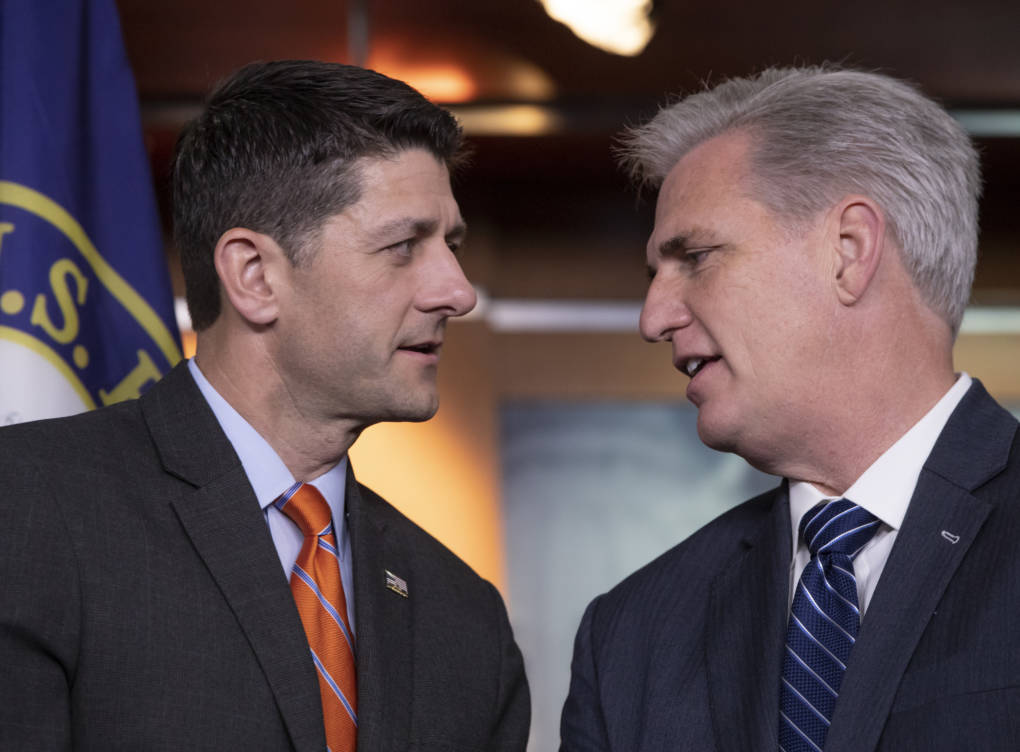
"caption": "Speaker of the House Paul Ryan (left) confers with House Majority Leader Kevin McCarthy during a May 16 news conference.",
"description": "Speaker of the House Paul Ryan (left) confers with House Majority Leader Kevin McCarthy during a May 16 news conference.",
"title": "Speaker of the House Paul Ryan (left) confers with House Majority Leader Kevin McCarthy during a May 16 news conference.",
"credit": "J. Scott Applewhite/AP",
"status": "inherit",
"isLoading": false,
"fetchFailed": false
}
},
"audioPlayerReducer": {
"postId": "stream_live",
"isPaused": true,
"isPlaying": false,
"pfsActive": false,
"pledgeModalIsOpen": true,
"playerDrawerIsOpen": false,
"liveAudioPlayStartedAt": 0,
"liveAudioPlayContext": ""
},
"authorsReducer": {
"byline_news_11757890": {
"type": "authors",
"id": "byline_news_11757890",
"meta": {
"override": true
},
"slug": "byline_news_11757890",
"name": "\u003cstrong>Nina Totenberg and Domenico Montanaro\u003cbr />NPR\u003c/strong>",
"isLoading": false
},
"byline_news_11752482": {
"type": "authors",
"id": "byline_news_11752482",
"meta": {
"override": true
},
"slug": "byline_news_11752482",
"name": "Alan Fram\u003cbr>Associated Press",
"isLoading": false
},
"byline_news_11747948": {
"type": "authors",
"id": "byline_news_11747948",
"meta": {
"override": true
},
"slug": "byline_news_11747948",
"name": "\u003cstrong>Joel Rose\u003cbr />NPR\u003c/strong>",
"isLoading": false
},
"byline_news_11733635": {
"type": "authors",
"id": "byline_news_11733635",
"meta": {
"override": true
},
"slug": "byline_news_11733635",
"name": "\u003ca href=\"https://calmatters.org/articles/author/feliciacalmatters-org/\" target=\"_blank\">Felicia Mello\u003c/a>",
"isLoading": false
},
"byline_news_11705114": {
"type": "authors",
"id": "byline_news_11705114",
"meta": {
"override": true
},
"slug": "byline_news_11705114",
"name": "\u003cstrong>\u003ca href=\"https://www.npr.org/people/2100569/richard-gonzales\">Richard Gonzales\u003c/a>\u003c/strong>",
"isLoading": false
},
"byline_news_11704210": {
"type": "authors",
"id": "byline_news_11704210",
"meta": {
"override": true
},
"slug": "byline_news_11704210",
"name": "Camila Domonoske",
"isLoading": false
},
"byline_news_11670565": {
"type": "authors",
"id": "byline_news_11670565",
"meta": {
"override": true
},
"slug": "byline_news_11670565",
"name": "Alyssa Jeong Perry and Levi Bridges",
"isLoading": false
},
"byline_news_11669964": {
"type": "authors",
"id": "byline_news_11669964",
"meta": {
"override": true
},
"slug": "byline_news_11669964",
"name": "Kelsey Snell",
"isLoading": false
},
"dmarks": {
"type": "authors",
"id": "182",
"meta": {
"index": "authors_1716337520",
"id": "182",
"found": true
},
"name": "David Marks",
"firstName": "David",
"lastName": "Marks",
"slug": "dmarks",
"email": "dmarks@kqed.org",
"display_author_email": false,
"staff_mastheads": [],
"title": "KQED Editor",
"bio": "David Marks is a senior digital editor for KQED News. \u003c/a>Reach him at dmarks@kqed.org.",
"avatar": "https://secure.gravatar.com/avatar/b88bd6227ce6cb96ae33fefaf42b2a29?s=600&d=mm&r=g",
"twitter": "divadskram",
"facebook": null,
"instagram": null,
"linkedin": null,
"sites": [
{
"site": "news",
"roles": []
},
{
"site": "science",
"roles": []
},
{
"site": "perspectives",
"roles": []
},
{
"site": "liveblog",
"roles": []
}
],
"headData": {
"title": "David Marks | KQED",
"description": "KQED Editor",
"ogImgSrc": "https://secure.gravatar.com/avatar/b88bd6227ce6cb96ae33fefaf42b2a29?s=600&d=mm&r=g",
"twImgSrc": "https://secure.gravatar.com/avatar/b88bd6227ce6cb96ae33fefaf42b2a29?s=600&d=mm&r=g"
},
"isLoading": false,
"link": "/author/dmarks"
},
"korr": {
"type": "authors",
"id": "11200",
"meta": {
"index": "authors_1716337520",
"id": "11200",
"found": true
},
"name": "Katie Orr",
"firstName": "Katie",
"lastName": "Orr",
"slug": "korr",
"email": "korr@kqed.org",
"display_author_email": false,
"staff_mastheads": [],
"title": "KQED Contributor",
"bio": "Katie Orr was a Sacramento-based reporter for KQED's Politics and Government Desk, covering the state Capitol and a variety of issues including women in politics, voting and elections and legislation. Prior to joining KQED in 2016, Katie was state government reporter for Capital Public Radio in Sacramento. She's also worked for KPBS in San Diego, where she covered City Hall.\r\n\r\nKatie received her masters degree in political science from San Diego State University and holds a Bachelors degree in broadcast journalism from Arizona State University.\r\n\r\nIn 2015 Katie won a national Clarion Award for a series of stories she did on women in California politics. She's been honored by the Society for Professional Journalists and, in 2013, was named by \u003cem>The Washington Post\u003c/em> as one of the country's top state Capitol reporters. She's also reported for the award-winning documentary series \u003cem>The View from Here \u003c/em>and was part of the team that won national PRNDI and Gabriel Awards in 2015. She lives in Sacramento with her husband. Twitter: @1KatieOrr",
"avatar": "https://secure.gravatar.com/avatar/41a40b25845adc78f50808670860449e?s=600&d=blank&r=g",
"twitter": "1katieorr",
"facebook": null,
"instagram": null,
"linkedin": null,
"sites": [
{
"site": "news",
"roles": [
"subscriber"
]
},
{
"site": "stateofhealth",
"roles": [
"author"
]
},
{
"site": "forum",
"roles": [
"author"
]
}
],
"headData": {
"title": "Katie Orr | KQED",
"description": "KQED Contributor",
"ogImgSrc": "https://secure.gravatar.com/avatar/41a40b25845adc78f50808670860449e?s=600&d=blank&r=g",
"twImgSrc": "https://secure.gravatar.com/avatar/41a40b25845adc78f50808670860449e?s=600&d=blank&r=g"
},
"isLoading": false,
"link": "/author/korr"
},
"jeremysiegel": {
"type": "authors",
"id": "11258",
"meta": {
"index": "authors_1716337520",
"id": "11258",
"found": true
},
"name": "Jeremy Siegel",
"firstName": "Jeremy",
"lastName": "Siegel",
"slug": "jeremysiegel",
"email": "jsiegel@kqed.org",
"display_author_email": false,
"staff_mastheads": [],
"title": "KQED Contributor",
"bio": "Jeremy Siegel is is the weekend afternoon news anchor for KQED. His reporting can be heard on KQED News, Morning Edition, All Things Considered and The California Report. Jeremy's coverage of the Camp Fire in Butte County won the 2019 Society of Professional Journalists, Northern California Chapter, Excellence in Journalism Award for Breaking News. Jeremy grew up in Cincinnati, Ohio, and graduated from UC Berkeley.",
"avatar": "https://secure.gravatar.com/avatar/3921a64ceb9ed5d0ba47d9ae9782f1ab?s=600&d=blank&r=g",
"twitter": "jersiegel",
"facebook": null,
"instagram": null,
"linkedin": null,
"sites": [
{
"site": "arts",
"roles": []
},
{
"site": "news",
"roles": [
"subscriber"
]
},
{
"site": "science",
"roles": []
}
],
"headData": {
"title": "Jeremy Siegel | KQED",
"description": "KQED Contributor",
"ogImgSrc": "https://secure.gravatar.com/avatar/3921a64ceb9ed5d0ba47d9ae9782f1ab?s=600&d=blank&r=g",
"twImgSrc": "https://secure.gravatar.com/avatar/3921a64ceb9ed5d0ba47d9ae9782f1ab?s=600&d=blank&r=g"
},
"isLoading": false,
"link": "/author/jeremysiegel"
},
"rlevi": {
"type": "authors",
"id": "11260",
"meta": {
"index": "authors_1716337520",
"id": "11260",
"found": true
},
"name": "Ryan Levi",
"firstName": "Ryan",
"lastName": "Levi",
"slug": "rlevi",
"email": "rlevi@KQED.org",
"display_author_email": false,
"staff_mastheads": [],
"title": "KQED Contributor",
"bio": "Ryan Levi was a reporter and podcast producer at KQED News from 2016-2019. He worked on \u003ca href=\"https://www.kqed.org/news/series/baycurious\">Bay Curious\u003c/a>, \u003ca href=\"https://www.kqed.org/news/tag/the-bay/\">The Bay, \u003c/a>and \u003ca href=\"https://podcasts.apple.com/us/podcast/the-california-report-magazine/id1314750545\">The California Report Magazine\u003c/a>, as well as hosting and producing the weekly \u003ca href=\"https://www.kqed.org/news/program/qedup/\">Q'ed Up podcast. \u003c/a>He also helped inaugurate KQED's weekend news coverage in 2017 as one of two original digital producers. Ryan holds degrees in multimedia journalism and Spanish from the University of Missouri.",
"avatar": "https://secure.gravatar.com/avatar/4cb2ddd028ac8807d1adf09609c5555d?s=600&d=blank&r=g",
"twitter": "ryan_levi",
"facebook": null,
"instagram": null,
"linkedin": null,
"sites": [
{
"site": "arts",
"roles": [
"editor"
]
},
{
"site": "news",
"roles": [
"subscriber"
]
},
{
"site": "stateofhealth",
"roles": [
"editor"
]
},
{
"site": "science",
"roles": [
"editor"
]
},
{
"site": "forum",
"roles": [
"administrator"
]
},
{
"site": "perspectives",
"roles": [
"administrator"
]
}
],
"headData": {
"title": "Ryan Levi | KQED",
"description": "KQED Contributor",
"ogImgSrc": "https://secure.gravatar.com/avatar/4cb2ddd028ac8807d1adf09609c5555d?s=600&d=blank&r=g",
"twImgSrc": "https://secure.gravatar.com/avatar/4cb2ddd028ac8807d1adf09609c5555d?s=600&d=blank&r=g"
},
"isLoading": false,
"link": "/author/rlevi"
},
"jsepulvado": {
"type": "authors",
"id": "11298",
"meta": {
"index": "authors_1716337520",
"id": "11298",
"found": true
},
"name": "John Sepulvado",
"firstName": "John",
"lastName": "Sepulvado",
"slug": "jsepulvado",
"email": "jsepulvado@KQED.org",
"display_author_email": false,
"staff_mastheads": [],
"title": null,
"bio": "John Sepulvado is a former morning host of \u003cem>The California Report\u003c/em>. Prior to joining KQED in September 2016, John was the local host of NPR’s \u003cem>Weekend Edition\u003c/em> at Oregon Public Broadcasting (OPB). He has also served as a producer for America Public Media’s \u003cem>Marketplace Weekend\u003c/em> and worked as a national correspondent for CNN and as news director at WUSF in Tampa, Florida. John has earned prestigious RTDNA Murrow and PRNDI awards for investigative reporting, and helped CNN take home a Peabody Award for coverage of the 2010 Gulf oil spill. John attended Florida A&M in Tallahassee and is also a member of Phi Theta Kappa. He left KQED in 2019.",
"avatar": "https://secure.gravatar.com/avatar/b976d3c4cf11750a793b670e5acb7a1c?s=600&d=blank&r=g",
"twitter": null,
"facebook": null,
"instagram": null,
"linkedin": null,
"sites": [
{
"site": "news",
"roles": [
"author",
"edit_others_posts"
]
}
],
"headData": {
"title": "John Sepulvado | KQED",
"description": null,
"ogImgSrc": "https://secure.gravatar.com/avatar/b976d3c4cf11750a793b670e5acb7a1c?s=600&d=blank&r=g",
"twImgSrc": "https://secure.gravatar.com/avatar/b976d3c4cf11750a793b670e5acb7a1c?s=600&d=blank&r=g"
},
"isLoading": false,
"link": "/author/jsepulvado"
}
},
"pagesReducer": {
"news_tag_daca": {
"type": "terms",
"id": "news_20226",
"meta": {
"index": "terms_1716263798",
"site": "news",
"id": "20226",
"score": 8.795391
},
"featImg": null,
"name": "DACA",
"description": null,
"taxonomy": "tag",
"headData": {
"twImgId": null,
"twTitle": null,
"ogTitle": null,
"ogImgId": null,
"twDescription": null,
"description": null,
"title": "DACA Archives | KQED News",
"ogDescription": null
},
"ttid": 20243,
"slug": "daca",
"isLoading": false,
"title": "DACA",
"pageMeta": {
"site": "news",
"WpPageTemplate": "page-topic-editorial",
"currentPage": 5
},
"blocks": [
{
"blockName": "kqed/post-list",
"attrs": {
"layout": "cardArticle2",
"query": "posts/news?tag=daca",
"seeMore": false,
"paginated": true,
"page": 5
}
},
{
"blockName": "kqed/ad"
}
]
}
},
"pfsSessionReducer": {},
"postsReducer": {
"stream_live": {
"type": "live",
"id": "stream_live",
"audioUrl": "https://streams.kqed.org/kqedradio",
"title": "Live Stream",
"excerpt": "Live Stream information currently unavailable.",
"link": "/radio",
"featImg": "",
"label": {
"name": "KQED Live",
"link": "/"
}
},
"stream_kqedNewscast": {
"type": "posts",
"id": "stream_kqedNewscast",
"audioUrl": "https://www.kqed.org/.stream/anon/radio/RDnews/newscast.mp3?_=1",
"title": "KQED Newscast",
"featImg": "",
"label": {
"name": "88.5 FM",
"link": "/"
}
},
"news_11772813": {
"type": "posts",
"id": "news_11772813",
"meta": {
"index": "posts_1716263798",
"site": "news",
"id": "11772813",
"score": null,
"sort": [
1567816374000
]
},
"guestAuthors": [],
"slug": "bay-area-nurses-protest-potential-deportation-of-patient-receiving-lifesaving-treatment",
"title": "Bay Area Medical Community Protests Possible Deportation of Patient Receiving Lifesaving Treatment",
"publishDate": 1567816374,
"format": "standard",
"headTitle": "Bay Area Medical Community Protests Possible Deportation of Patient Receiving Lifesaving Treatment | KQED",
"labelTerm": {
"site": "news"
},
"content": "\u003cp>Dozens of nurses, doctors and immigrant advocates rallied Friday outside USCF Benioff Children’s Hospital in Oakland in support of a 24-year-old undocumented Bay Area resident with a debilitating genetic disease who is at risk of being deported back to her native Guatemala.\u003c/p>\n\u003cp>Maria Isabel Bueso, who goes by Isabel, has an extremely rare condition known as Maroteaux-Lamy Syndrome that confines her to a wheelchair and requires that she use a medical device to breathe. She currently relies on weekly treatments at the hospital.\u003c/p>\n\u003cp>[pullquote size='medium' align='right' citation=\"Maria Isabel Bueso\"]‘I’ll keep resharing this story with everyone to make sure this problem gets resolved.’[/pullquote]\u003c/p>\n\u003cp>Bueso, who lives in Concord with her family, arrived in the U.S. when she was just 7. Through “deferred action,” an Obama-era temporary humanitarian relief program, she has been able to remain here legally, renewing her status every few years.\u003c/p>\n\u003cp>But in August, after U.S. Citizenship and Immigration Services announced it was no longer considering deferred action for non-military requestors, authorities ordered Bueso and her family to leave the country by mid-September or face deportation.\u003c/p>\n\u003cp>On Monday, however, the agency shifted course again, \u003ca href=\"https://www.uscis.gov/news/alerts/uscis-re-opens-previously-pending-deferral-requests\" target=\"_blank\" rel=\"noopener\">saying \u003c/a>it would reopen certain pending cases of immigrants, particularly those with severe medical conditions.\u003c/p>\n\u003cp>Participants in Friday’s rally said that regardless of whether the federal government walks back its policy, it’s important to keep fighting for the rights of Bueso and other immigrants who depend on medical care in the U.S.\u003c/p>\n\u003cfigure id=\"attachment_11772910\" class=\"wp-caption alignnone\" style=\"max-width: 1920px\">\u003ca href=\"https://ww2.kqed.org/news/wp-content/uploads/sites/10/2019/09/RS38921__DSC3550-qut.jpg\">\u003cimg loading=\"lazy\" decoding=\"async\" class=\"size-full wp-image-11772910\" src=\"https://ww2.kqed.org/news/wp-content/uploads/sites/10/2019/09/RS38921__DSC3550-qut.jpg\" alt=\"\" width=\"1920\" height=\"1281\" srcset=\"https://cdn.kqed.org/wp-content/uploads/sites/10/2019/09/RS38921__DSC3550-qut.jpg 1920w, https://cdn.kqed.org/wp-content/uploads/sites/10/2019/09/RS38921__DSC3550-qut-160x107.jpg 160w, https://cdn.kqed.org/wp-content/uploads/sites/10/2019/09/RS38921__DSC3550-qut-800x534.jpg 800w, https://cdn.kqed.org/wp-content/uploads/sites/10/2019/09/RS38921__DSC3550-qut-1020x681.jpg 1020w, https://cdn.kqed.org/wp-content/uploads/sites/10/2019/09/RS38921__DSC3550-qut-1200x801.jpg 1200w\" sizes=\"(max-width: 1920px) 100vw, 1920px\">\u003c/a>\u003cfigcaption class=\"wp-caption-text\">Students from the UC Berkeley-UCSF Joint Medical Program hold signs in support of Maria Isabel Bueso during Friday’s rally at UCSF Benioff Children’s Hospital in Oakland. \u003ccite>(Stephanie Lister/KQED)\u003c/cite>\u003c/figcaption>\u003c/figure>\n\u003cp>“I have formed deep, deep bonds with our immigrant communities over the years,” said Diane Oviatt, a nurse at UCSF Benioff Children’s Hospital Oakland, who has cared for Bueso, and was joined by other members of the California Nurses Association.\u003c/p>\n\u003cp>[aside label=\"related stories\" tag=\"deferred-action\"]\u003c/p>\n\u003cp>“We are outraged by the way they are being treated by our government, and we will fight for their absolute right to a quality life and [for] our right to facilitate that by continuing to lovingly care for the whole family.\u003c/p>\n\u003cp>Bueso appeared alongside nurses at the rally and said it was an “honor” to receive so much support from her community.\u003c/p>\n\u003cp>“My hope is that a solution will come out of this,” she said. “And I’ll keep resharing this story with everyone to make sure this problem gets resolved.”\u003c/p>\n\u003cp>In a statement, Bueso’s family said that news of the recent reconsideration was encouraging:\u003c/p>\n\u003cfigure id=\"attachment_11772907\" class=\"wp-caption alignnone\" style=\"max-width: 1920px\">\u003ca href=\"https://ww2.kqed.org/news/wp-content/uploads/sites/10/2019/09/RS38923__DSC3658-qut.jpg\">\u003cimg loading=\"lazy\" decoding=\"async\" class=\"size-full wp-image-11772907\" src=\"https://ww2.kqed.org/news/wp-content/uploads/sites/10/2019/09/RS38923__DSC3658-qut.jpg\" alt=\"\" width=\"1920\" height=\"1281\" srcset=\"https://cdn.kqed.org/wp-content/uploads/sites/10/2019/09/RS38923__DSC3658-qut.jpg 1920w, https://cdn.kqed.org/wp-content/uploads/sites/10/2019/09/RS38923__DSC3658-qut-160x107.jpg 160w, https://cdn.kqed.org/wp-content/uploads/sites/10/2019/09/RS38923__DSC3658-qut-800x534.jpg 800w, https://cdn.kqed.org/wp-content/uploads/sites/10/2019/09/RS38923__DSC3658-qut-1020x681.jpg 1020w, https://cdn.kqed.org/wp-content/uploads/sites/10/2019/09/RS38923__DSC3658-qut-1200x801.jpg 1200w\" sizes=\"(max-width: 1920px) 100vw, 1920px\">\u003c/a>\u003cfigcaption class=\"wp-caption-text\">Bueso (left) and Assemblyman Rob Bonta on Sept. 6, 2019 in front of UCSF Benioff Children’s Hospital in Oakland, just before Bueso addresses a crowd of supporters. \u003ccite>(Stephanie Lister/KQED)\u003c/cite>\u003c/figcaption>\u003c/figure>\n\u003cp>“We see this as a first step in revisiting our status as U.S. residents and will be working with our local representatives to find a more permanent solution that guarantees Isabel’s life is never put at risk again.”\u003c/p>\n\u003cp>The House Committee on Oversight and Reform is expected to hold a hearing Wednesday on the Trump administration’s policy on humanitarian protections for immigrants in need of medical treatment in the U.S.\u003c/p>\n\u003cp>Bueso plans to travel to Washington, D.C., for the hearing and is expected to testify before lawmakers about the importance of the medical care she and other immigrants receive.\u003c/p>\n\u003cfigure id=\"attachment_11772903\" class=\"wp-caption alignnone\" style=\"max-width: 1920px\">\u003ca href=\"https://ww2.kqed.org/news/wp-content/uploads/sites/10/2019/09/RS38918__DSC3823-qut.jpg\">\u003cimg loading=\"lazy\" decoding=\"async\" class=\"size-full wp-image-11772903\" src=\"https://ww2.kqed.org/news/wp-content/uploads/sites/10/2019/09/RS38918__DSC3823-qut.jpg\" alt=\"\" width=\"1920\" height=\"1281\" srcset=\"https://cdn.kqed.org/wp-content/uploads/sites/10/2019/09/RS38918__DSC3823-qut.jpg 1920w, https://cdn.kqed.org/wp-content/uploads/sites/10/2019/09/RS38918__DSC3823-qut-160x107.jpg 160w, https://cdn.kqed.org/wp-content/uploads/sites/10/2019/09/RS38918__DSC3823-qut-800x534.jpg 800w, https://cdn.kqed.org/wp-content/uploads/sites/10/2019/09/RS38918__DSC3823-qut-1020x681.jpg 1020w, https://cdn.kqed.org/wp-content/uploads/sites/10/2019/09/RS38918__DSC3823-qut-1200x801.jpg 1200w\" sizes=\"(max-width: 1920px) 100vw, 1920px\">\u003c/a>\u003cfigcaption class=\"wp-caption-text\">Students from the UC Berkeley-UCSF Joint Medical Program hold banners in support of undocumented immigrant patients during Friday’s rally at UCSF Benioff Children’s Hospital in Oakland. \u003ccite>(Stephanie Lister/KQED)\u003c/cite>\u003c/figcaption>\u003c/figure>\n\u003cp>[ad fullwidth]\u003c/p>\n\u003cp>\u003c/p>\n",
"blocks": [],
"excerpt": "Immigration authorities recently ordered Maria Isabel Bueso and her family to leave the country by mid-September or face deportation after U.S. Citizenship and Immigration Services announced it was no longing considering deferred action for non-military requestors. But the agency this week said it was considering walking back this policy in certain cases. \r\n\r\n\r\n",
"status": "publish",
"parent": 0,
"modified": 1721122738,
"stats": {
"hasAudio": false,
"hasVideo": false,
"hasChartOrMap": false,
"iframeSrcs": [],
"hasGoogleForm": false,
"hasGallery": false,
"hasHearkenModule": false,
"hasPolis": false,
"paragraphCount": 18,
"wordCount": 642
},
"headData": {
"title": "Bay Area Medical Community Protests Possible Deportation of Patient Receiving Lifesaving Treatment | KQED",
"description": "Immigration authorities recently ordered Maria Isabel Bueso and her family to leave the country by mid-September or face deportation after U.S. Citizenship and Immigration Services announced it was no longing considering deferred action for non-military requestors. But the agency this week said it was considering walking back this policy in certain cases. \r\n\r\n\r\n",
"ogTitle": "",
"ogDescription": "",
"ogImgId": "",
"twTitle": "",
"twDescription": "",
"twImgId": "",
"schema": {
"@context": "https://schema.org",
"@type": "NewsArticle",
"headline": "Bay Area Medical Community Protests Possible Deportation of Patient Receiving Lifesaving Treatment",
"datePublished": "2019-09-06T17:32:54-07:00",
"dateModified": "2024-07-16T02:38:58-07:00",
"image": "https://cdn.kqed.org/wp-content/uploads/2020/02/KQED-OG-Image@1x.png",
"isAccessibleForFree": "True",
"publisher": {
"@type": "NewsMediaOrganization",
"@id": "https://www.kqed.org/#organization",
"name": "KQED",
"logo": "https://cdn.kqed.org/wp-content/uploads/2020/02/KQED-OG-Image@1x.png",
"url": "https://www.kqed.org",
"sameAs": [
"https://www.facebook.com/KQED",
"https://twitter.com/KQED",
"https://www.instagram.com/kqed/",
"https://www.tiktok.com/@kqedofficial",
"https://www.linkedin.com/company/kqed",
"https://www.youtube.com/channel/UCeC0IOo7i1P_61zVUWbJ4nw"
]
}
}
},
"sticky": false,
"path": "/news/11772813/bay-area-nurses-protest-potential-deportation-of-patient-receiving-lifesaving-treatment",
"audioTrackLength": null,
"parsedContent": [
{
"type": "contentString",
"content": "\u003cdiv class=\"post-body\">\u003cp>\u003cp>Dozens of nurses, doctors and immigrant advocates rallied Friday outside USCF Benioff Children’s Hospital in Oakland in support of a 24-year-old undocumented Bay Area resident with a debilitating genetic disease who is at risk of being deported back to her native Guatemala.\u003c/p>\n\u003cp>Maria Isabel Bueso, who goes by Isabel, has an extremely rare condition known as Maroteaux-Lamy Syndrome that confines her to a wheelchair and requires that she use a medical device to breathe. She currently relies on weekly treatments at the hospital.\u003c/p>\n\u003cp>\u003c/p>\u003c/div>",
"attributes": {
"named": {},
"numeric": []
}
},
{
"type": "component",
"content": "‘I’ll keep resharing this story with everyone to make sure this problem gets resolved.’",
"name": "pullquote",
"attributes": {
"named": {
"size": "medium",
"align": "right",
"citation": "Maria Isabel Bueso",
"label": ""
},
"numeric": []
}
},
{
"type": "contentString",
"content": "\u003cdiv class=\"post-body\">\u003cp>\u003c/p>\n\u003cp>Bueso, who lives in Concord with her family, arrived in the U.S. when she was just 7. Through “deferred action,” an Obama-era temporary humanitarian relief program, she has been able to remain here legally, renewing her status every few years.\u003c/p>\n\u003cp>But in August, after U.S. Citizenship and Immigration Services announced it was no longer considering deferred action for non-military requestors, authorities ordered Bueso and her family to leave the country by mid-September or face deportation.\u003c/p>\n\u003cp>On Monday, however, the agency shifted course again, \u003ca href=\"https://www.uscis.gov/news/alerts/uscis-re-opens-previously-pending-deferral-requests\" target=\"_blank\" rel=\"noopener\">saying \u003c/a>it would reopen certain pending cases of immigrants, particularly those with severe medical conditions.\u003c/p>\n\u003cp>Participants in Friday’s rally said that regardless of whether the federal government walks back its policy, it’s important to keep fighting for the rights of Bueso and other immigrants who depend on medical care in the U.S.\u003c/p>\n\u003cfigure id=\"attachment_11772910\" class=\"wp-caption alignnone\" style=\"max-width: 1920px\">\u003ca href=\"https://ww2.kqed.org/news/wp-content/uploads/sites/10/2019/09/RS38921__DSC3550-qut.jpg\">\u003cimg loading=\"lazy\" decoding=\"async\" class=\"size-full wp-image-11772910\" src=\"https://ww2.kqed.org/news/wp-content/uploads/sites/10/2019/09/RS38921__DSC3550-qut.jpg\" alt=\"\" width=\"1920\" height=\"1281\" srcset=\"https://cdn.kqed.org/wp-content/uploads/sites/10/2019/09/RS38921__DSC3550-qut.jpg 1920w, https://cdn.kqed.org/wp-content/uploads/sites/10/2019/09/RS38921__DSC3550-qut-160x107.jpg 160w, https://cdn.kqed.org/wp-content/uploads/sites/10/2019/09/RS38921__DSC3550-qut-800x534.jpg 800w, https://cdn.kqed.org/wp-content/uploads/sites/10/2019/09/RS38921__DSC3550-qut-1020x681.jpg 1020w, https://cdn.kqed.org/wp-content/uploads/sites/10/2019/09/RS38921__DSC3550-qut-1200x801.jpg 1200w\" sizes=\"(max-width: 1920px) 100vw, 1920px\">\u003c/a>\u003cfigcaption class=\"wp-caption-text\">Students from the UC Berkeley-UCSF Joint Medical Program hold signs in support of Maria Isabel Bueso during Friday’s rally at UCSF Benioff Children’s Hospital in Oakland. \u003ccite>(Stephanie Lister/KQED)\u003c/cite>\u003c/figcaption>\u003c/figure>\n\u003cp>“I have formed deep, deep bonds with our immigrant communities over the years,” said Diane Oviatt, a nurse at UCSF Benioff Children’s Hospital Oakland, who has cared for Bueso, and was joined by other members of the California Nurses Association.\u003c/p>\n\u003cp>\u003c/p>\u003c/div>",
"attributes": {
"named": {},
"numeric": []
}
},
{
"type": "component",
"content": "",
"name": "aside",
"attributes": {
"named": {
"label": "related stories ",
"tag": "deferred-action"
},
"numeric": []
}
},
{
"type": "contentString",
"content": "\u003cdiv class=\"post-body\">\u003cp>\u003c/p>\n\u003cp>“We are outraged by the way they are being treated by our government, and we will fight for their absolute right to a quality life and [for] our right to facilitate that by continuing to lovingly care for the whole family.\u003c/p>\n\u003cp>Bueso appeared alongside nurses at the rally and said it was an “honor” to receive so much support from her community.\u003c/p>\n\u003cp>“My hope is that a solution will come out of this,” she said. “And I’ll keep resharing this story with everyone to make sure this problem gets resolved.”\u003c/p>\n\u003cp>In a statement, Bueso’s family said that news of the recent reconsideration was encouraging:\u003c/p>\n\u003cfigure id=\"attachment_11772907\" class=\"wp-caption alignnone\" style=\"max-width: 1920px\">\u003ca href=\"https://ww2.kqed.org/news/wp-content/uploads/sites/10/2019/09/RS38923__DSC3658-qut.jpg\">\u003cimg loading=\"lazy\" decoding=\"async\" class=\"size-full wp-image-11772907\" src=\"https://ww2.kqed.org/news/wp-content/uploads/sites/10/2019/09/RS38923__DSC3658-qut.jpg\" alt=\"\" width=\"1920\" height=\"1281\" srcset=\"https://cdn.kqed.org/wp-content/uploads/sites/10/2019/09/RS38923__DSC3658-qut.jpg 1920w, https://cdn.kqed.org/wp-content/uploads/sites/10/2019/09/RS38923__DSC3658-qut-160x107.jpg 160w, https://cdn.kqed.org/wp-content/uploads/sites/10/2019/09/RS38923__DSC3658-qut-800x534.jpg 800w, https://cdn.kqed.org/wp-content/uploads/sites/10/2019/09/RS38923__DSC3658-qut-1020x681.jpg 1020w, https://cdn.kqed.org/wp-content/uploads/sites/10/2019/09/RS38923__DSC3658-qut-1200x801.jpg 1200w\" sizes=\"(max-width: 1920px) 100vw, 1920px\">\u003c/a>\u003cfigcaption class=\"wp-caption-text\">Bueso (left) and Assemblyman Rob Bonta on Sept. 6, 2019 in front of UCSF Benioff Children’s Hospital in Oakland, just before Bueso addresses a crowd of supporters. \u003ccite>(Stephanie Lister/KQED)\u003c/cite>\u003c/figcaption>\u003c/figure>\n\u003cp>“We see this as a first step in revisiting our status as U.S. residents and will be working with our local representatives to find a more permanent solution that guarantees Isabel’s life is never put at risk again.”\u003c/p>\n\u003cp>The House Committee on Oversight and Reform is expected to hold a hearing Wednesday on the Trump administration’s policy on humanitarian protections for immigrants in need of medical treatment in the U.S.\u003c/p>\n\u003cp>Bueso plans to travel to Washington, D.C., for the hearing and is expected to testify before lawmakers about the importance of the medical care she and other immigrants receive.\u003c/p>\n\u003cfigure id=\"attachment_11772903\" class=\"wp-caption alignnone\" style=\"max-width: 1920px\">\u003ca href=\"https://ww2.kqed.org/news/wp-content/uploads/sites/10/2019/09/RS38918__DSC3823-qut.jpg\">\u003cimg loading=\"lazy\" decoding=\"async\" class=\"size-full wp-image-11772903\" src=\"https://ww2.kqed.org/news/wp-content/uploads/sites/10/2019/09/RS38918__DSC3823-qut.jpg\" alt=\"\" width=\"1920\" height=\"1281\" srcset=\"https://cdn.kqed.org/wp-content/uploads/sites/10/2019/09/RS38918__DSC3823-qut.jpg 1920w, https://cdn.kqed.org/wp-content/uploads/sites/10/2019/09/RS38918__DSC3823-qut-160x107.jpg 160w, https://cdn.kqed.org/wp-content/uploads/sites/10/2019/09/RS38918__DSC3823-qut-800x534.jpg 800w, https://cdn.kqed.org/wp-content/uploads/sites/10/2019/09/RS38918__DSC3823-qut-1020x681.jpg 1020w, https://cdn.kqed.org/wp-content/uploads/sites/10/2019/09/RS38918__DSC3823-qut-1200x801.jpg 1200w\" sizes=\"(max-width: 1920px) 100vw, 1920px\">\u003c/a>\u003cfigcaption class=\"wp-caption-text\">Students from the UC Berkeley-UCSF Joint Medical Program hold banners in support of undocumented immigrant patients during Friday’s rally at UCSF Benioff Children’s Hospital in Oakland. \u003ccite>(Stephanie Lister/KQED)\u003c/cite>\u003c/figcaption>\u003c/figure>\n\u003cp>\u003c/p>\u003c/div>",
"attributes": {
"named": {},
"numeric": []
}
},
{
"type": "component",
"content": "",
"name": "ad",
"attributes": {
"named": {
"label": "fullwidth"
},
"numeric": [
"fullwidth"
]
}
},
{
"type": "contentString",
"content": "\u003cdiv class=\"post-body\">\u003cp>\u003c/p>\n\u003cp>\u003c/p>\n\u003c/div>\u003c/p>",
"attributes": {
"named": {},
"numeric": []
}
}
],
"link": "/news/11772813/bay-area-nurses-protest-potential-deportation-of-patient-receiving-lifesaving-treatment",
"authors": [
"11258"
],
"categories": [
"news_1169",
"news_8"
],
"tags": [
"news_5403",
"news_20226",
"news_18123",
"news_20202"
],
"featImg": "news_11772896",
"label": "news"
},
"news_11757890": {
"type": "posts",
"id": "news_11757890",
"meta": {
"index": "posts_1716263798",
"site": "news",
"id": "11757890",
"score": null,
"sort": [
1561734601000
]
},
"parent": 0,
"labelTerm": {},
"blocks": [],
"publishDate": 1561734601,
"format": "standard",
"disqusTitle": "Supreme Court Takes Up DACA Appeal",
"title": "Supreme Court Takes Up DACA Appeal",
"headTitle": "The California Report | KQED News",
"content": "\u003cp>The fates of almost a million people brought to the country illegally as children, known as DREAMers, are now in the hands of the U.S. Supreme Court. \u003c/p>\n\u003cp>The court granted an appeal to the Trump administration's decision to end the DACA program, or Deferred Action for Childhood Arrivals.\u003c/p>\n\u003cp>The Obama-era program to protect DREAMers will get a one-hour hearing before the high court next term. The court said it would consolidate three appeals into one argument.\u003c/p>\n\u003cp>The program provided temporary legal status and protection from deportation for nearly 800,000 young people who were brought to the U.S. without legal papers when they were children. \u003c/p>\n\u003cp>President Trump sought to revoke their protected status in 2017, seven months after taking office. The administration claimed in court that it could revoke DREAMers' status anytime because the original Obama program was illegal. It also asserted that the courts had no power to review its decision. \u003c/p>\n\u003cp>[ad fullwidth]\u003c/p>\n\u003cp>Four federal appeals courts subsequently rejected those arguments, and the Supreme Court earlier this month refused to expedite high court consideration of the cases.\u003c/p>\n\u003cp>Now, the court will hear arguments next term, with a decision expected a year from now — just as the 2020 presidential election will be kicking into high gear.\u003c/p>\n\u003cp>While public approval for DREAMers is high — around 80% in most public opinion polls — the issues in the case are tricky. Were the administration willing to concede that President Barack Obama acted legally in enacting the program, the Trump administration could rescind the program as long as it provided a good reason and followed the rules for such a policy reversal.\u003c/p>\n\u003cp>But the administration has hinged its legal position on its contention that Obama acted illegally. And that is a tough sell, given that other administrations of both parties have used deferred action to permit certain large categories of people to remain in the United States. \u003c/p>\n\u003cp>The DACA controversy also has been intertwined with politics. President Trump sought to use the program as a bargaining chip to get Democrats to agree to build a wall along the U.S.-Mexico border. And when that failed, and the administration still maintained that DACA was illegal, the administration's push to get the case into the Supreme Court earlier was seen by some critics as an effort to shift the blame for an unpopular act onto the court. \u003c/p>\n\u003cp>The question of what to do about DREAMers was intensely debated within the Trump administration in the summer of 2017. John Kelly, then the secretary of Homeland Security, twice declined to close the program.\u003c/p>\n\u003cp>The president's daughter, Ivanka, and his son-in-law, Jared Kushner, were both said to be DACA supporters, and the president himself had often spoken approvingly about DREAMers, calling them \"great kids,\" and expressing his \"love\" for them.\u003c/p>\n\u003cp>\u003c/p>\n\u003cp>Copyright 2019 NPR. To see more, visit https://www.npr.org.\u003c/p>\n\n",
"disqusIdentifier": "11757890 https://ww2.kqed.org/news/?p=11757890",
"disqusUrl": "https://ww2.kqed.org/news/2019/06/28/supreme-court-takes-up-daca-appeal/",
"stats": {
"hasVideo": false,
"hasChartOrMap": false,
"hasAudio": false,
"hasPolis": false,
"wordCount": 484,
"hasGoogleForm": false,
"hasGallery": false,
"hasHearkenModule": false,
"iframeSrcs": [],
"paragraphCount": 15
},
"modified": 1561734774,
"excerpt": "The high court agrees to review the Trump administration's elimination of a program designed to help children brought to the country illegally.",
"headData": {
"twImgId": "",
"twTitle": "",
"ogTitle": "",
"ogImgId": "",
"twDescription": "",
"description": "The high court agrees to review the Trump administration's elimination of a program designed to help children brought to the country illegally.",
"title": "Supreme Court Takes Up DACA Appeal | KQED",
"ogDescription": "",
"schema": {
"@context": "https://schema.org",
"@type": "NewsArticle",
"headline": "Supreme Court Takes Up DACA Appeal",
"datePublished": "2019-06-28T08:10:01-07:00",
"dateModified": "2019-06-28T08:12:54-07:00",
"image": "https://cdn.kqed.org/wp-content/uploads/2020/02/KQED-OG-Image@1x.png",
"isAccessibleForFree": "True",
"publisher": {
"@type": "NewsMediaOrganization",
"@id": "https://www.kqed.org/#organization",
"name": "KQED",
"logo": "https://cdn.kqed.org/wp-content/uploads/2020/02/KQED-OG-Image@1x.png",
"url": "https://www.kqed.org",
"sameAs": [
"https://www.facebook.com/KQED",
"https://twitter.com/KQED",
"https://www.instagram.com/kqed/",
"https://www.tiktok.com/@kqedofficial",
"https://www.linkedin.com/company/kqed",
"https://www.youtube.com/channel/UCeC0IOo7i1P_61zVUWbJ4nw"
]
}
}
},
"guestAuthors": [],
"slug": "supreme-court-takes-up-daca-appeal",
"status": "publish",
"sourceUrl": "https://www.npr.org/",
"nprApiLink": "http://api.npr.org/query?id=733774906&apiKey=MDAxOTAwOTE4MDEyMTkxMDAzNjczZDljZA004",
"nprByline": "\u003cstrong>Nina Totenberg and Domenico Montanaro\u003cbr />NPR\u003c/strong>",
"nprStoryDate": "Fri, 28 Jun 2019 09:50:01 -0400",
"nprLastModifiedDate": "Fri, 28 Jun 2019 11:05:58 -0400",
"nprHtmlLink": "https://www.npr.org/2019/06/28/733774906/supreme-court-takes-up-daca-appeal?ft=nprml&f=733774906",
"nprImageAgency": "AP",
"nprImageCredit": "J. Scott Applewhite",
"source": "NPR",
"nprStoryId": "733774906",
"nprRetrievedStory": "1",
"nprPubDate": "Fri, 28 Jun 2019 11:05:00 -0400",
"path": "/news/11757890/supreme-court-takes-up-daca-appeal",
"audioTrackLength": null,
"parsedContent": [
{
"type": "contentString",
"content": "\u003cdiv class=\"post-body\">\u003cp>\u003cp>The fates of almost a million people brought to the country illegally as children, known as DREAMers, are now in the hands of the U.S. Supreme Court. \u003c/p>\n\u003cp>The court granted an appeal to the Trump administration's decision to end the DACA program, or Deferred Action for Childhood Arrivals.\u003c/p>\n\u003cp>The Obama-era program to protect DREAMers will get a one-hour hearing before the high court next term. The court said it would consolidate three appeals into one argument.\u003c/p>\n\u003cp>The program provided temporary legal status and protection from deportation for nearly 800,000 young people who were brought to the U.S. without legal papers when they were children. \u003c/p>\n\u003cp>President Trump sought to revoke their protected status in 2017, seven months after taking office. The administration claimed in court that it could revoke DREAMers' status anytime because the original Obama program was illegal. It also asserted that the courts had no power to review its decision. \u003c/p>\n\u003cp>\u003c/p>\u003c/div>",
"attributes": {
"named": {},
"numeric": []
}
},
{
"type": "component",
"content": "",
"name": "ad",
"attributes": {
"named": {
"label": "fullwidth"
},
"numeric": [
"fullwidth"
]
}
},
{
"type": "contentString",
"content": "\u003cdiv class=\"post-body\">\u003cp>\u003c/p>\n\u003cp>Four federal appeals courts subsequently rejected those arguments, and the Supreme Court earlier this month refused to expedite high court consideration of the cases.\u003c/p>\n\u003cp>Now, the court will hear arguments next term, with a decision expected a year from now — just as the 2020 presidential election will be kicking into high gear.\u003c/p>\n\u003cp>While public approval for DREAMers is high — around 80% in most public opinion polls — the issues in the case are tricky. Were the administration willing to concede that President Barack Obama acted legally in enacting the program, the Trump administration could rescind the program as long as it provided a good reason and followed the rules for such a policy reversal.\u003c/p>\n\u003cp>But the administration has hinged its legal position on its contention that Obama acted illegally. And that is a tough sell, given that other administrations of both parties have used deferred action to permit certain large categories of people to remain in the United States. \u003c/p>\n\u003cp>The DACA controversy also has been intertwined with politics. President Trump sought to use the program as a bargaining chip to get Democrats to agree to build a wall along the U.S.-Mexico border. And when that failed, and the administration still maintained that DACA was illegal, the administration's push to get the case into the Supreme Court earlier was seen by some critics as an effort to shift the blame for an unpopular act onto the court. \u003c/p>\n\u003cp>The question of what to do about DREAMers was intensely debated within the Trump administration in the summer of 2017. John Kelly, then the secretary of Homeland Security, twice declined to close the program.\u003c/p>\n\u003cp>The president's daughter, Ivanka, and his son-in-law, Jared Kushner, were both said to be DACA supporters, and the president himself had often spoken approvingly about DREAMers, calling them \"great kids,\" and expressing his \"love\" for them.\u003c/p>\n\u003cp>\u003c/p>\n\u003cp>Copyright 2019 NPR. To see more, visit https://www.npr.org.\u003c/p>\n\n\u003c/div>\u003c/p>",
"attributes": {
"named": {},
"numeric": []
}
}
],
"link": "/news/11757890/supreme-court-takes-up-daca-appeal",
"authors": [
"byline_news_11757890"
],
"programs": [
"news_72"
],
"categories": [
"news_1169",
"news_6188",
"news_8"
],
"tags": [
"news_20226",
"news_21021",
"news_1323",
"news_20415",
"news_1172"
],
"featImg": "news_11757891",
"label": "source_news_11757890"
},
"news_11752482": {
"type": "posts",
"id": "news_11752482",
"meta": {
"index": "posts_1716263798",
"site": "news",
"id": "11752482",
"score": null,
"sort": [
1559764135000
]
},
"guestAuthors": [],
"slug": "house-oks-dems-immigration-bill-despite-veto-threat",
"title": "House OKs Pathway to Citizenship for Some Immigrants, Despite Trump Veto Threat",
"publishDate": 1559764135,
"format": "audio",
"headTitle": "House OKs Pathway to Citizenship for Some Immigrants, Despite Trump Veto Threat | KQED",
"labelTerm": {
"term": 72,
"site": "news"
},
"content": "\u003cp>[aside label=\"Related Stories\" tag=\"immigration\"]\u003c/p>\n\u003cp>Democrats shunned a White House veto threat and muscled legislation through the House Tuesday that opens up the possibility of citizenship to an estimated 2 million-plus migrants, including more than 600,000 Californians.\u003c/p>\n\u003cp>The bill stands virtually no chance of enactment but allows Democratic lawmakers to showcase their efforts on one of their highest-profile priorities.\u003c/p>\n\u003cp>The measure is just one skirmish in Democrats’ multifront battle against most congressional Republicans over immigration, an issue that has deadlocked the two parties for decades but intensified under the harsh policies and rhetoric of President Donald Trump. It is likely fated to join a host of other House-passed measures advancing Democrats’ agenda that are running aground in the GOP-run Senate, including legislation on health care, gun control, climate change and election security.\u003c/p>\n\u003cp>The bill passed on a near party-line 237-187 vote as supporters in the House visitors’ galleries roared “Yes We Can” and other chants, a rare display of raucous emotion in a chamber whose rules require decorum by its guests. Seven Republicans from mostly moderate districts were the only lawmakers to cross party lines.\u003c/p>\n\u003cp>[ad fullwidth]\u003c/p>\n\u003cp>As if to underscore the relentlessness and sweep of the immigration fight, the Democratic-led House Appropriations Committee took its own swipe at Trump by unveiling a separate bill that provides no additional money next year for building the president’s long-sought barriers along the southwest border. That measure also claws back a portion of the billions of dollars Trump has unilaterally diverted toward constructing portions of his wall.\u003c/p>\n\u003cp>The House-passed bill would shield young migrants brought to the U.S. illegally as children from being deported and offer them a pathway toward citizenship. Many beneficiaries would be “Dreamers” who are currently safeguarded by the Obama-era Deferred Action for Childhood Arrivals program, or DACA, which only the federal courts have thwarted Trump from dismantling.\u003c/p>\n\u003cp>It would also shield other immigrants who are here temporarily because their home countries — chiefly in Central America, Africa and the Middle East — have been ravaged by wars or natural disasters.\u003c/p>\n\u003cp>The nonpartisan Congressional Budget Office estimated that more than 2 million people already in the U.S. would get legal status under the House bill. The analysts also said the measure would cost more than $30 billion over the next decade, largely because many migrants attaining legal status would qualify for federal benefits like Medicaid.\u003c/p>\n\u003cp>Democrats said that besides humanitarian considerations, helping the migrants stay in the U.S. would benefit the economy and the many industries that employ them as workers. The bill’s supporters include the U.S. Chamber of Commerce, the AFL-CIO labor organization and immigration and progressive groups.\u003c/p>\n\u003cp>“This is about who we are as Americans, and what is in the best interests of our country,” said Rep. Lucille Roybal-Allard, D-California, the measure’s chief sponsor.\u003c/p>\n\u003cp>Republicans criticized the bill for lacking border security provisions that they and Trump have long demanded as part of any major immigration bill, and said it dangled overly generous provisions that would encourage even more illegal immigration.\u003c/p>\n\u003cp>“This bill, to my mind, would ruin America,” said Rep. Glenn Grothman, R-Wisconsin.\u003c/p>\n\u003cp>White House aides sent lawmakers a letter threatening a Trump veto, saying the measure “would incentivize and reward illegal immigration” without “protecting our communities and defending our borders.”\u003c/p>\n\u003cp>Though the bill contained provisions thwarting many gang members from winning legal status, Republicans unsuccessfully tried adding tougher language. Just 10 Democrats voted for it, nine from districts Trump carried in 2016. Republicans seemed certain to use the vote in next year’s campaigns to try characterizing Democrats who opposed the amendment as soft on crime.\u003c/p>\n\u003cp>The debate occurred as the number of migrants arriving at the border with Mexico has swelled, straining the government’s ability to process and detain them. Since Dec. 1, more than 200,000 migrants have been released into the country, a huge backlog that means they will likely be in the U.S. for years until immigration courts decide their fate.\u003c/p>\n\u003cp>Trump has requested $4.5 billion to address that influx, but Congress has yet to approve it. Trump has also said he’ll impose a 5% tariff on all Mexican goods starting next week if that country doesn’t stem the flow of migrants and drugs into the U.S. The assessment would grow gradually to 25% without a resolution.\u003c/p>\n\u003cp>Under the House bill, “Dreamers” and immigrants who entered the country before they turned 18 and lived here continually for at least four years could qualify for a decade of conditional legal status. They would have to meet education and background check requirements, and not have committed felonies or certain misdemeanors, including for domestic violence.\u003c/p>\n\u003cp>They would qualify for full, permanent legal residence if they attain post-secondary degrees, serve in the military or have worked for at least three years. After another five years, they could then apply for citizenship.\u003c/p>\n\u003cp>Also qualifying for legal residence, and possible citizenship would be people in the U.S. with Temporary Protected Status, another program that temporarily protects roughly 300,000 people from 10 war-torn or disaster-racked nations. The administration has tried ending the program for people from several of those countries — including Sudan, Nicaragua, Haiti and El Salvador — but has been hindered by lawsuits.\u003c/p>\n\u003cp>Several thousand Liberians fleeing violence and the Ebola virus who have received temporary legal status in the U.S. would also be given a chance for permanent residence and citizenship. Trump decided last year to end that program, called Deferred Enforced Departure, but in March extended it for another year so the program could be phased out.\u003c/p>\n\u003cp>Democrats’ separate homeland security bill would cancel $601 million from procurement programs, dinging Trump for trying to shift that amount from a Treasury fund toward building a border wall, and cut the number of Immigration and Customs Enforcement detention beds. That move by Democrats seeks to reduce the government’s ability to detain migrants instead of releasing them pending court appearances.\u003c/p>\n\u003cp>Both proposals seem certain to attract another Trump veto promise.\u003c/p>\n\u003cp>\u003c/p>\n\u003cp>\u003ci>Associated Press writer Andrew Taylor contributed to this report.\u003c/i>\u003c/p>\n\n",
"blocks": [],
"excerpt": "Although the American Dream and Promise Act stands virtually no chance in the Senate, it gives Democratic lawmakers the opportunity to showcase their efforts on one of their highest-profile priorities.",
"status": "publish",
"parent": 0,
"modified": 1721105119,
"stats": {
"hasAudio": false,
"hasVideo": false,
"hasChartOrMap": false,
"iframeSrcs": [],
"hasGoogleForm": false,
"hasGallery": false,
"hasHearkenModule": false,
"hasPolis": false,
"paragraphCount": 26,
"wordCount": 1063
},
"headData": {
"title": "House OKs Pathway to Citizenship for Some Immigrants, Despite Trump Veto Threat | KQED",
"description": "Although the American Dream and Promise Act stands virtually no chance in the Senate, it gives Democratic lawmakers the opportunity to showcase their efforts on one of their highest-profile priorities.",
"ogTitle": "",
"ogDescription": "",
"ogImgId": "",
"twTitle": "",
"twDescription": "",
"twImgId": "",
"schema": {
"@context": "https://schema.org",
"@type": "NewsArticle",
"headline": "House OKs Pathway to Citizenship for Some Immigrants, Despite Trump Veto Threat",
"datePublished": "2019-06-05T12:48:55-07:00",
"dateModified": "2024-07-15T21:45:19-07:00",
"image": "https://cdn.kqed.org/wp-content/uploads/2020/02/KQED-OG-Image@1x.png",
"isAccessibleForFree": "True",
"publisher": {
"@type": "NewsMediaOrganization",
"@id": "https://www.kqed.org/#organization",
"name": "KQED",
"logo": "https://cdn.kqed.org/wp-content/uploads/2020/02/KQED-OG-Image@1x.png",
"url": "https://www.kqed.org",
"sameAs": [
"https://www.facebook.com/KQED",
"https://twitter.com/KQED",
"https://www.instagram.com/kqed/",
"https://www.tiktok.com/@kqedofficial",
"https://www.linkedin.com/company/kqed",
"https://www.youtube.com/channel/UCeC0IOo7i1P_61zVUWbJ4nw"
]
}
}
},
"audioUrl": "https://www.kqed.org/.stream/anon/radio/tcr/2019/06/HendricksDREAMActHouse.mp3",
"sticky": false,
"nprByline": "Alan Fram\u003cbr>Associated Press",
"audioTrackLength": 85,
"path": "/news/11752482/house-oks-dems-immigration-bill-despite-veto-threat",
"audioDuration": 85000,
"parsedContent": [
{
"type": "contentString",
"content": "\u003cdiv class=\"post-body\">\u003cp>\u003cp>\u003c/p>\u003c/div>",
"attributes": {
"named": {},
"numeric": []
}
},
{
"type": "component",
"content": "",
"name": "aside",
"attributes": {
"named": {
"label": "Related Stories ",
"tag": "immigration"
},
"numeric": []
}
},
{
"type": "contentString",
"content": "\u003cdiv class=\"post-body\">\u003cp>\u003c/p>\n\u003cp>Democrats shunned a White House veto threat and muscled legislation through the House Tuesday that opens up the possibility of citizenship to an estimated 2 million-plus migrants, including more than 600,000 Californians.\u003c/p>\n\u003cp>The bill stands virtually no chance of enactment but allows Democratic lawmakers to showcase their efforts on one of their highest-profile priorities.\u003c/p>\n\u003cp>The measure is just one skirmish in Democrats’ multifront battle against most congressional Republicans over immigration, an issue that has deadlocked the two parties for decades but intensified under the harsh policies and rhetoric of President Donald Trump. It is likely fated to join a host of other House-passed measures advancing Democrats’ agenda that are running aground in the GOP-run Senate, including legislation on health care, gun control, climate change and election security.\u003c/p>\n\u003cp>The bill passed on a near party-line 237-187 vote as supporters in the House visitors’ galleries roared “Yes We Can” and other chants, a rare display of raucous emotion in a chamber whose rules require decorum by its guests. Seven Republicans from mostly moderate districts were the only lawmakers to cross party lines.\u003c/p>\n\u003cp>\u003c/p>\u003c/div>",
"attributes": {
"named": {},
"numeric": []
}
},
{
"type": "component",
"content": "",
"name": "ad",
"attributes": {
"named": {
"label": "fullwidth"
},
"numeric": [
"fullwidth"
]
}
},
{
"type": "contentString",
"content": "\u003cdiv class=\"post-body\">\u003cp>\u003c/p>\n\u003cp>As if to underscore the relentlessness and sweep of the immigration fight, the Democratic-led House Appropriations Committee took its own swipe at Trump by unveiling a separate bill that provides no additional money next year for building the president’s long-sought barriers along the southwest border. That measure also claws back a portion of the billions of dollars Trump has unilaterally diverted toward constructing portions of his wall.\u003c/p>\n\u003cp>The House-passed bill would shield young migrants brought to the U.S. illegally as children from being deported and offer them a pathway toward citizenship. Many beneficiaries would be “Dreamers” who are currently safeguarded by the Obama-era Deferred Action for Childhood Arrivals program, or DACA, which only the federal courts have thwarted Trump from dismantling.\u003c/p>\n\u003cp>It would also shield other immigrants who are here temporarily because their home countries — chiefly in Central America, Africa and the Middle East — have been ravaged by wars or natural disasters.\u003c/p>\n\u003cp>The nonpartisan Congressional Budget Office estimated that more than 2 million people already in the U.S. would get legal status under the House bill. The analysts also said the measure would cost more than $30 billion over the next decade, largely because many migrants attaining legal status would qualify for federal benefits like Medicaid.\u003c/p>\n\u003cp>Democrats said that besides humanitarian considerations, helping the migrants stay in the U.S. would benefit the economy and the many industries that employ them as workers. The bill’s supporters include the U.S. Chamber of Commerce, the AFL-CIO labor organization and immigration and progressive groups.\u003c/p>\n\u003cp>“This is about who we are as Americans, and what is in the best interests of our country,” said Rep. Lucille Roybal-Allard, D-California, the measure’s chief sponsor.\u003c/p>\n\u003cp>Republicans criticized the bill for lacking border security provisions that they and Trump have long demanded as part of any major immigration bill, and said it dangled overly generous provisions that would encourage even more illegal immigration.\u003c/p>\n\u003cp>“This bill, to my mind, would ruin America,” said Rep. Glenn Grothman, R-Wisconsin.\u003c/p>\n\u003cp>White House aides sent lawmakers a letter threatening a Trump veto, saying the measure “would incentivize and reward illegal immigration” without “protecting our communities and defending our borders.”\u003c/p>\n\u003cp>Though the bill contained provisions thwarting many gang members from winning legal status, Republicans unsuccessfully tried adding tougher language. Just 10 Democrats voted for it, nine from districts Trump carried in 2016. Republicans seemed certain to use the vote in next year’s campaigns to try characterizing Democrats who opposed the amendment as soft on crime.\u003c/p>\n\u003cp>The debate occurred as the number of migrants arriving at the border with Mexico has swelled, straining the government’s ability to process and detain them. Since Dec. 1, more than 200,000 migrants have been released into the country, a huge backlog that means they will likely be in the U.S. for years until immigration courts decide their fate.\u003c/p>\n\u003cp>Trump has requested $4.5 billion to address that influx, but Congress has yet to approve it. Trump has also said he’ll impose a 5% tariff on all Mexican goods starting next week if that country doesn’t stem the flow of migrants and drugs into the U.S. The assessment would grow gradually to 25% without a resolution.\u003c/p>\n\u003cp>Under the House bill, “Dreamers” and immigrants who entered the country before they turned 18 and lived here continually for at least four years could qualify for a decade of conditional legal status. They would have to meet education and background check requirements, and not have committed felonies or certain misdemeanors, including for domestic violence.\u003c/p>\n\u003cp>They would qualify for full, permanent legal residence if they attain post-secondary degrees, serve in the military or have worked for at least three years. After another five years, they could then apply for citizenship.\u003c/p>\n\u003cp>Also qualifying for legal residence, and possible citizenship would be people in the U.S. with Temporary Protected Status, another program that temporarily protects roughly 300,000 people from 10 war-torn or disaster-racked nations. The administration has tried ending the program for people from several of those countries — including Sudan, Nicaragua, Haiti and El Salvador — but has been hindered by lawsuits.\u003c/p>\n\u003cp>Several thousand Liberians fleeing violence and the Ebola virus who have received temporary legal status in the U.S. would also be given a chance for permanent residence and citizenship. Trump decided last year to end that program, called Deferred Enforced Departure, but in March extended it for another year so the program could be phased out.\u003c/p>\n\u003cp>Democrats’ separate homeland security bill would cancel $601 million from procurement programs, dinging Trump for trying to shift that amount from a Treasury fund toward building a border wall, and cut the number of Immigration and Customs Enforcement detention beds. That move by Democrats seeks to reduce the government’s ability to detain migrants instead of releasing them pending court appearances.\u003c/p>\n\u003cp>Both proposals seem certain to attract another Trump veto promise.\u003c/p>\n\u003cp>\u003c/p>\n\u003cp>\u003ci>Associated Press writer Andrew Taylor contributed to this report.\u003c/i>\u003c/p>\n\n\u003c/div>\u003c/p>",
"attributes": {
"named": {},
"numeric": []
}
}
],
"link": "/news/11752482/house-oks-dems-immigration-bill-despite-veto-threat",
"authors": [
"byline_news_11752482"
],
"programs": [
"news_72"
],
"categories": [
"news_1169",
"news_6188",
"news_8",
"news_13"
],
"tags": [
"news_22883",
"news_20226",
"news_20415",
"news_20202",
"news_22361"
],
"featImg": "news_11752512",
"label": "news_72"
},
"news_11747948": {
"type": "posts",
"id": "news_11747948",
"meta": {
"index": "posts_1716263798",
"site": "news",
"id": "11747948",
"score": null,
"sort": [
1558121518000
]
},
"guestAuthors": [],
"slug": "tracking-trump-on-immigration-despite-focus-many-ideas-are-stalled-or-blocked",
"title": "Tracking Trump on Immigration: Despite Focus, Many Ideas Are Stalled or Blocked",
"publishDate": 1558121518,
"format": "standard",
"headTitle": "Tracking Trump on Immigration: Despite Focus, Many Ideas Are Stalled or Blocked | KQED",
"labelTerm": {},
"content": "\u003cp>President Trump is proposing a fundamental overhaul of the U.S. immigration system, including more border security and tougher standards for who could be admitted. It’s the latest in a long line of White House efforts to reshape and restrict immigration.\u003c/p>\n\u003cp>But many of those efforts have been stymied by the courts, Congress, and the administration’s critics at the state and local level. Here’s a look at what the White House has accomplished on immigration — and what it hasn’t.\u003c/p>\n\u003cp>\u003cimg loading=\"lazy\" decoding=\"async\" src=\"https://ww2.kqed.org/news/wp-content/uploads/sites/10/2019/05/trump-immigration-table-800x1185.png\" alt=\"\" width=\"800\" height=\"1185\" class=\"aligncenter size-medium wp-image-11747953\" srcset=\"https://cdn.kqed.org/wp-content/uploads/sites/10/2019/05/trump-immigration-table-800x1185.png 800w, https://cdn.kqed.org/wp-content/uploads/sites/10/2019/05/trump-immigration-table-160x237.png 160w, https://cdn.kqed.org/wp-content/uploads/sites/10/2019/05/trump-immigration-table-1020x1511.png 1020w, https://cdn.kqed.org/wp-content/uploads/sites/10/2019/05/trump-immigration-table-810x1200.png 810w, https://cdn.kqed.org/wp-content/uploads/sites/10/2019/05/trump-immigration-table.png 1418w\" sizes=\"(max-width: 800px) 100vw, 800px\">\u003c/p>\n\u003cp>\u003cstrong>Merit-Based System \u003c/strong>\u003c/p>\n\u003cp>Trump has laid out sweeping changes he’d like to make to the legal immigration system. The White House proposal would favor immigrants with higher skills and more education, and it would shift the immigration system away from family reunification, which has been \u003ca href=\"https://www.npr.org/2019/01/16/685819397/how-the-1965-immigration-act-made-america-a-nation-of-immigrants\">its guiding principle since 1965\u003c/a>.\u003c/p>\n\u003cp>But the proposal is getting little traction on Capitol Hill — particularly among Democrats, whose support would be necessary for the proposal to become law.\u003c/p>\n\u003cp>\u003cstrong>Travel Ban\u003c/strong>\u003c/p>\n\u003cp>The Trump administration’s effort to restrict immigration and travel from several majority-Muslim countries was blocked by lower courts. But a modified version — including the majority-Muslim countries of Libya, Iran, Somalia, Syria and Yemen, plus North Korea and Venezuela — was \u003ca href=\"https://www.npr.org/2018/06/26/606481548/supreme-court-upholds-trump-travel-ban\">upheld by the Supreme Court\u003c/a> in a major victory for the White House.\u003c/p>\n\u003cp>Another legal challenge remains after a federal judge in Maryland ruled that lawsuit \u003ca href=\"https://www.buzzfeednews.com/article/zoetillman/trump-muslim-travel-ban-court-fight-scotus\">can go forward\u003c/a>. But that could take years, so it may be a long time before people \u003ca href=\"https://www.npr.org/2019/05/04/720221968/a-love-that-stretches-beyond-trumps-travel-ban\">who are affected by the policy\u003c/a> see a change, if any.\u003c/p>\n\u003cp>\u003cstrong>Sanctuary Cities \u003c/strong>\u003c/p>\n\u003cp>Federal courts have \u003ca href=\"https://www.npr.org/sections/thetwo-way/2017/09/15/551397597/federal-court-says-trump-administration-can-t-deny-funds-to-sanctuary-cities\">widely\u003c/a> \u003ca href=\"https://www.npr.org/sections/thetwo-way/2017/11/21/565678707/enter-title\">rejected \u003c/a>the Justice Department’s attempts to withhold law enforcement grants from so-called sanctuary cities that limit their cooperation with immigration authorities. In April, Trump \u003ca href=\"https://www.npr.org/2019/04/12/712760676/trump-threatens-to-send-detained-immigrants-to-sanctuary-cities\">threatened to bus migrants from the border\u003c/a> and then release them in sanctuary cities. But so far, his administration has not acted on those threats.\u003c/p>\n\u003cp>\u003cstrong>Asylum Crackdown \u003c/strong>\u003c/p>\n\u003cp>The White House wants to discourage migrants from seeking asylum in the U.S., arguing that many are abusing generous asylum laws to live and work in the country until their cases are heard in immigration court.\u003c/p>\n\u003cp>Courts have rejected some of the administration’s tactics, including an effort to \u003ca href=\"https://www.npr.org/2018/11/20/669471110/federal-court-blocks-trump-administrations-asylum-ban\">deny asylum to any migrant who crossed the border illegally\u003c/a>. But the Justice Department has succeeded in \u003ca href=\"https://www.npr.org/2019/01/18/686466207/its-getting-harder-for-migrants-to-win-asylum-cases-lawyers-say\">making it harder to get asylum based on gang or domestic violence\u003c/a>.\u003c/p>\n\u003cp>[ad fullwidth]\u003c/p>\n\u003cp>The DOJ is also moving to \u003ca href=\"https://www.npr.org/2019/04/17/714381003/ag-barr-orders-immigration-judges-to-stop-releasing-asylum-seekers-out-on-bail\">get rid of bond hearings\u003c/a> for detained asylum-seekers. And the administration wants to amend \u003ca href=\"https://www.npr.org/2018/06/22/622678753/the-history-of-the-flores-settlement-and-its-effects-on-immigration\">a decades-old settlement called the Flores agreement\u003c/a> in order to hold migrant families in detention for longer than a few weeks.\u003c/p>\n\u003cp>None of these changes have stopped migrant families from \u003ca href=\"https://www.npr.org/2019/05/08/721616007/migrants-apprehended-at-southern-border-tops-100-000-for-second-consecutive-mont\">crossing the southern border in record numbers\u003c/a> to escape from poverty and violence in Central America.\u003c/p>\n\u003cp>\u003cstrong>Remain in Mexico\u003c/strong>\u003c/p>\n\u003cp>Immigration authorities have sent about \u003ca href=\"https://www.npr.org/2019/05/09/721755716/trump-administrations-remain-in-mexico-program-tangles-legal-process\">5,000 thousand migrants back to Mexico\u003c/a> to wait for months until a U.S. immigration court decides their asylum cases.\u003c/p>\n\u003cp>A federal court initially blocked the administration from sending asylum-seekers back to crime-ridden Mexican border towns where many are staying in shelters.\u003c/p>\n\u003cp>But the 9th U.S. Circuit Court of Appeals overturned the lower court’s injunction, \u003ca href=\"https://www.npr.org/2019/05/08/721293828/appeals-court-rules-trump-administration-can-keep-sending-asylum-seekers-to-mexi\">allowing the “Remain in Mexico” policy to continue\u003c/a> while the case plays out. Now the case goes back to the same judge in San Francisco, who \u003ca href=\"https://www.npr.org/2019/04/08/711265433/federal-judge-blocks-trump-administration-policy-of-sending-asylum-seekers-to-me\">said the policy lacked sufficient protections for asylum-seekers\u003c/a>.\u003c/p>\n\u003cp>\u003cstrong>Family Separation \u003c/strong>\u003c/p>\n\u003cp>The administration’s “zero tolerance” policy was \u003ca href=\"https://www.npr.org/2018/05/11/610116389/transcript-white-house-chief-of-staff-john-kellys-interview-with-npr\">intended to deter asylum-seekers\u003c/a> by separating migrant parents and children at the border — until Trump ended the policy under pressure last June.\u003c/p>\n\u003cp>A federal judge has ordered the administration to reunite nearly 3,000 children with their parents. The same judge has since \u003ca href=\"https://www.npr.org/2019/04/26/717380923/court-orders-administration-to-identify-separated-migrant-children-within-6-mont\">ordered the administration to identify what could be thousands of additional families\u003c/a> that were separated before the “zero tolerance” policy took effect.\u003c/p>\n\u003cp>\u003cstrong>The Wall \u003c/strong>\u003c/p>\n\u003cp>After signing a spending bill to end the government shutdown in February, Trump declared a national emergency in order to secure billions of additional dollars for his signature immigration policy: the border wall.\u003c/p>\n\u003cp>That emergency declaration is now being \u003ca href=\"https://www.npr.org/2019/02/18/695821740/16-states-sue-over-trumps-national-emergency-declaration\">challenged in court\u003c/a> by critics who say there is no emergency, and that the president is flouting the will of Congress in order to deliver on a key campaign promise.\u003c/p>\n\u003cp>Lawmakers have authorized more than $1.3 billion for 55 miles of steel fencing on the U.S.-Mexico border. The Trump administration wants to spend an additional $6 billion from military construction and counter-drug accounts to add to that total.\u003c/p>\n\u003cp>\u003cstrong>DACA\u003c/strong>\u003c/p>\n\u003cp>The Trump administration’s efforts to end Deferred Action for Childhood Arrivals, or DACA, are stalled in court. That means \u003ca href=\"https://www.migrationpolicy.org/programs/data-hub/deferred-action-childhood-arrivals-daca-profiles\">nearly 700,000 young immigrants\u003c/a> who were brought to the country illegally as children are still protected from deportation and allowed to work legally — for now.\u003c/p>\n\u003cp>Democrats and moderate Republicans are likely to insist on some relief for DACA recipients as part of any comprehensive immigration overhaul, while immigration hardliners are wary of granting “amnesty” or a path to citizenship.\u003c/p>\n\u003cp>\u003cstrong>TPS\u003c/strong>\u003c/p>\n\u003cp>The administration has moved to wind down Temporary Protected Status, or TPS, for \u003ca href=\"https://www.everycrsreport.com/files/20190329_RS20844_40bba737bf5e4440ac7bebb19757db87fe994fa4.pdf\">more than 400,000 immigrants\u003c/a> from countries wracked by civil conflict or natural disasters.The immigrants are protected from deportation and allowed to work in the U.S.\u003c/p>\n\u003cp>A number of legal challenges have been filed. For instance, the Department of Homeland Security has been \u003ca href=\"https://www.npr.org/2018/10/04/654264072/federal-judge-blocks-trump-from-removing-immigrants-from-four-countries\">blocked from ending TPS\u003c/a> for immigrants from Haiti, El Salvador, Nicaragua and Sudan by a judge in California.\u003c/p>\n\u003cp>\u003cstrong>Birthright Citizenship \u003c/strong>\u003c/p>\n\u003cp>Shortly before the 2018 midterm elections, Trump threatened to end birthright citizenship, which is widely understood by legal scholarsto be \u003ca href=\"https://www.npr.org/2018/10/30/662335612/legal-scholars-say-14th-amendment-doubt-trump-can-end-birthright-citizenship-wit\">guaranteed by the 14th Amendment\u003c/a>. He has not followed through on that threat.\u003c/p>\n\u003cp>More than 30 countries have birthright citizenship, including Canada, Mexico, Brazil and Argentina.\u003c/p>\n\u003cp>\u003cstrong>Public Benefits\u003c/strong>\u003c/p>\n\u003cp>Homeland Security is working on rules that would make it harder for immigrants to get green cards, or bring other family members to the U.S., \u003ca href=\"https://www.npr.org/2018/08/20/640262463/trump-administration-moves-to-penalize-immigrants-for-using-government-benefits\">if they use a wide range of public benefits\u003c/a>, such as food stamps and subsidized health insurance.\u003c/p>\n\u003cp>The final rule is still under development. But critics say the proposal is \u003ca href=\"https://www.npr.org/sections/health-shots/2019/01/26/686325494/fear-of-deportation-or-green-card-denial-deters-some-parents-from-getting-kids-c\">already scaring immigrants away from using benefits\u003c/a>. Immigrant advocates and state and local governments are expected to challenge the rule in court once it’s finalized.\u003c/p>\n\u003cp>\u003cstrong>Deportations\u003c/strong>\u003c/p>\n\u003cp>Arrests and deportations of undocumented immigrants living in the U.S. spiked during the first two years of the Trump administration — for immigrants with and without criminal records. But the numbers remain \u003ca href=\"https://www.migrationpolicy.org/research/revving-deportation-machinery-under-trump-and-pushback\">well below\u003c/a> the highest figures of President Obama’s first term.\u003c/p>\n\u003cp>And the acting director of Immigration and Customs Enforcement says arrests and deportations \u003ca href=\"https://www.usnews.com/news/us/articles/2019-04-17/ice-arresting-deporting-fewer-people-due-to-border-surge\">declined in early 2019\u003c/a> because the agency is devoting more resources to the southern border.\u003c/p>\n\u003cp>Still, immigrant advocates say aggressive enforcement by ICE continues to create a climate of fear among unauthorized migrants.\u003c/p>\n\u003cp>\u003cstrong>Public Housing\u003c/strong>\u003c/p>\n\u003cp>Thousands of families that include undocumented members \u003ca href=\"https://www.npr.org/2019/05/10/722173775/proposed-rule-could-evict-55-000-children-from-subsidized-housing\">could be forced out of public housing\u003c/a> by a rule proposed by the Department of Housing and Urban Development. These families include estimated 55,000 children who are U.S. citizens or legal residents.\u003c/p>\n\u003cp>The rule is intended to prevent undocumented immigrants or mixed-status families from living in public housing. It’s still in the public comment stage, and critics are pressuring HUD Secretary Ben Carson to reconsider.\u003c/p>\n\u003cp>\u003cstrong>Refugee Cap\u003c/strong>\u003c/p>\n\u003cp>The Trump administration has slashed the number of refugees the U.S. will accept. The official cap is set at 30,000 for the year, \u003ca href=\"https://www.migrationpolicy.org/programs/data-hub/charts/us-annual-refugee-resettlement-ceilings-and-number-refugees-admitted-united\">the lowest figure since the current refugee resettlement program began\u003c/a> in 1980.\u003c/p>\n\u003cp>But the administration is on pace to admit far less than the current cap. Halfway through the fiscal year, the U.S. had admitted \u003ca href=\"http://www.rcusa.org/blog/mid-year-refugee-arrivals-report\">fewer than 13,000 refugees\u003c/a>. \u003c/p>\n\u003cp>Copyright 2019 NPR. To see more, visit https://www.npr.org.\u003c/p>\n\u003cp>[ad floatright]\u003c/p>\n",
"blocks": [],
"excerpt": "One of the Trump administration's top priorities is reshaping and restricting immigration. But many of the White House efforts have faced opposition from Congress, courts and local critics.",
"status": "publish",
"parent": 0,
"modified": 1721121172,
"stats": {
"hasAudio": false,
"hasVideo": false,
"hasChartOrMap": false,
"iframeSrcs": [],
"hasGoogleForm": false,
"hasGallery": false,
"hasHearkenModule": false,
"hasPolis": false,
"paragraphCount": 52,
"wordCount": 1323
},
"headData": {
"title": "Tracking Trump on Immigration: Despite Focus, Many Ideas Are Stalled or Blocked | KQED",
"description": "One of the Trump administration's top priorities is reshaping and restricting immigration. But many of the White House efforts have faced opposition from Congress, courts and local critics.",
"ogTitle": "",
"ogDescription": "",
"ogImgId": "",
"twTitle": "",
"twDescription": "",
"twImgId": "",
"schema": {
"@context": "https://schema.org",
"@type": "NewsArticle",
"headline": "Tracking Trump on Immigration: Despite Focus, Many Ideas Are Stalled or Blocked",
"datePublished": "2019-05-17T12:31:58-07:00",
"dateModified": "2024-07-16T02:12:52-07:00",
"image": "https://cdn.kqed.org/wp-content/uploads/2020/02/KQED-OG-Image@1x.png",
"isAccessibleForFree": "True",
"publisher": {
"@type": "NewsMediaOrganization",
"@id": "https://www.kqed.org/#organization",
"name": "KQED",
"logo": "https://cdn.kqed.org/wp-content/uploads/2020/02/KQED-OG-Image@1x.png",
"url": "https://www.kqed.org",
"sameAs": [
"https://www.facebook.com/KQED",
"https://twitter.com/KQED",
"https://www.instagram.com/kqed/",
"https://www.tiktok.com/@kqedofficial",
"https://www.linkedin.com/company/kqed",
"https://www.youtube.com/channel/UCeC0IOo7i1P_61zVUWbJ4nw"
]
}
}
},
"source": "NPR",
"sourceUrl": "https://www.npr.org/",
"sticky": false,
"nprImageCredit": "Susan Walsh",
"nprByline": "\u003cstrong>Joel Rose\u003cbr />NPR\u003c/strong>",
"nprImageAgency": "AP",
"nprStoryId": "723694656",
"nprApiLink": "http://api.npr.org/query?id=723694656&apiKey=MDAxOTAwOTE4MDEyMTkxMDAzNjczZDljZA004",
"nprHtmlLink": "https://www.npr.org/2019/05/17/723694656/tracking-trump-on-immigration-despite-focus-many-ideas-are-stalled-or-blocked?ft=nprml&f=723694656",
"nprRetrievedStory": "1",
"nprPubDate": "Fri, 17 May 2019 08:03:00 -0400",
"nprStoryDate": "Fri, 17 May 2019 05:02:00 -0400",
"nprLastModifiedDate": "Fri, 17 May 2019 06:04:59 -0400",
"nprAudio": "https://ondemand.npr.org/anon.npr-mp3/npr/me/2019/05/20190517_me_tracking_trump_on_immigration_despite_focus_many_ideas_are_stalled_or_blocked.mp3?orgId=1&topicId=1003&d=220&p=3&story=723694656&ft=nprml&f=723694656",
"nprAudioM3u": "http://api.npr.org/m3u/1724234222-cc3e21.m3u?orgId=1&topicId=1003&d=220&p=3&story=723694656&ft=nprml&f=723694656",
"audioTrackLength": 221,
"path": "/news/11747948/tracking-trump-on-immigration-despite-focus-many-ideas-are-stalled-or-blocked",
"audioUrl": "https://ondemand.npr.org/anon.npr-mp3/npr/me/2019/05/20190517_me_tracking_trump_on_immigration_despite_focus_many_ideas_are_stalled_or_blocked.mp3?orgId=1&topicId=1003&d=220&p=3&story=723694656&ft=nprml&f=723694656",
"parsedContent": [
{
"type": "contentString",
"content": "\u003cdiv class=\"post-body\">\u003cp>\u003cp>President Trump is proposing a fundamental overhaul of the U.S. immigration system, including more border security and tougher standards for who could be admitted. It’s the latest in a long line of White House efforts to reshape and restrict immigration.\u003c/p>\n\u003cp>But many of those efforts have been stymied by the courts, Congress, and the administration’s critics at the state and local level. Here’s a look at what the White House has accomplished on immigration — and what it hasn’t.\u003c/p>\n\u003cp>\u003cimg loading=\"lazy\" decoding=\"async\" src=\"https://ww2.kqed.org/news/wp-content/uploads/sites/10/2019/05/trump-immigration-table-800x1185.png\" alt=\"\" width=\"800\" height=\"1185\" class=\"aligncenter size-medium wp-image-11747953\" srcset=\"https://cdn.kqed.org/wp-content/uploads/sites/10/2019/05/trump-immigration-table-800x1185.png 800w, https://cdn.kqed.org/wp-content/uploads/sites/10/2019/05/trump-immigration-table-160x237.png 160w, https://cdn.kqed.org/wp-content/uploads/sites/10/2019/05/trump-immigration-table-1020x1511.png 1020w, https://cdn.kqed.org/wp-content/uploads/sites/10/2019/05/trump-immigration-table-810x1200.png 810w, https://cdn.kqed.org/wp-content/uploads/sites/10/2019/05/trump-immigration-table.png 1418w\" sizes=\"(max-width: 800px) 100vw, 800px\">\u003c/p>\n\u003cp>\u003cstrong>Merit-Based System \u003c/strong>\u003c/p>\n\u003cp>Trump has laid out sweeping changes he’d like to make to the legal immigration system. The White House proposal would favor immigrants with higher skills and more education, and it would shift the immigration system away from family reunification, which has been \u003ca href=\"https://www.npr.org/2019/01/16/685819397/how-the-1965-immigration-act-made-america-a-nation-of-immigrants\">its guiding principle since 1965\u003c/a>.\u003c/p>\n\u003cp>But the proposal is getting little traction on Capitol Hill — particularly among Democrats, whose support would be necessary for the proposal to become law.\u003c/p>\n\u003cp>\u003cstrong>Travel Ban\u003c/strong>\u003c/p>\n\u003cp>The Trump administration’s effort to restrict immigration and travel from several majority-Muslim countries was blocked by lower courts. But a modified version — including the majority-Muslim countries of Libya, Iran, Somalia, Syria and Yemen, plus North Korea and Venezuela — was \u003ca href=\"https://www.npr.org/2018/06/26/606481548/supreme-court-upholds-trump-travel-ban\">upheld by the Supreme Court\u003c/a> in a major victory for the White House.\u003c/p>\n\u003cp>Another legal challenge remains after a federal judge in Maryland ruled that lawsuit \u003ca href=\"https://www.buzzfeednews.com/article/zoetillman/trump-muslim-travel-ban-court-fight-scotus\">can go forward\u003c/a>. But that could take years, so it may be a long time before people \u003ca href=\"https://www.npr.org/2019/05/04/720221968/a-love-that-stretches-beyond-trumps-travel-ban\">who are affected by the policy\u003c/a> see a change, if any.\u003c/p>\n\u003cp>\u003cstrong>Sanctuary Cities \u003c/strong>\u003c/p>\n\u003cp>Federal courts have \u003ca href=\"https://www.npr.org/sections/thetwo-way/2017/09/15/551397597/federal-court-says-trump-administration-can-t-deny-funds-to-sanctuary-cities\">widely\u003c/a> \u003ca href=\"https://www.npr.org/sections/thetwo-way/2017/11/21/565678707/enter-title\">rejected \u003c/a>the Justice Department’s attempts to withhold law enforcement grants from so-called sanctuary cities that limit their cooperation with immigration authorities. In April, Trump \u003ca href=\"https://www.npr.org/2019/04/12/712760676/trump-threatens-to-send-detained-immigrants-to-sanctuary-cities\">threatened to bus migrants from the border\u003c/a> and then release them in sanctuary cities. But so far, his administration has not acted on those threats.\u003c/p>\n\u003cp>\u003cstrong>Asylum Crackdown \u003c/strong>\u003c/p>\n\u003cp>The White House wants to discourage migrants from seeking asylum in the U.S., arguing that many are abusing generous asylum laws to live and work in the country until their cases are heard in immigration court.\u003c/p>\n\u003cp>Courts have rejected some of the administration’s tactics, including an effort to \u003ca href=\"https://www.npr.org/2018/11/20/669471110/federal-court-blocks-trump-administrations-asylum-ban\">deny asylum to any migrant who crossed the border illegally\u003c/a>. But the Justice Department has succeeded in \u003ca href=\"https://www.npr.org/2019/01/18/686466207/its-getting-harder-for-migrants-to-win-asylum-cases-lawyers-say\">making it harder to get asylum based on gang or domestic violence\u003c/a>.\u003c/p>\n\u003cp>\u003c/p>\u003c/div>",
"attributes": {
"named": {},
"numeric": []
}
},
{
"type": "component",
"content": "",
"name": "ad",
"attributes": {
"named": {
"label": "fullwidth"
},
"numeric": [
"fullwidth"
]
}
},
{
"type": "contentString",
"content": "\u003cdiv class=\"post-body\">\u003cp>\u003c/p>\n\u003cp>The DOJ is also moving to \u003ca href=\"https://www.npr.org/2019/04/17/714381003/ag-barr-orders-immigration-judges-to-stop-releasing-asylum-seekers-out-on-bail\">get rid of bond hearings\u003c/a> for detained asylum-seekers. And the administration wants to amend \u003ca href=\"https://www.npr.org/2018/06/22/622678753/the-history-of-the-flores-settlement-and-its-effects-on-immigration\">a decades-old settlement called the Flores agreement\u003c/a> in order to hold migrant families in detention for longer than a few weeks.\u003c/p>\n\u003cp>None of these changes have stopped migrant families from \u003ca href=\"https://www.npr.org/2019/05/08/721616007/migrants-apprehended-at-southern-border-tops-100-000-for-second-consecutive-mont\">crossing the southern border in record numbers\u003c/a> to escape from poverty and violence in Central America.\u003c/p>\n\u003cp>\u003cstrong>Remain in Mexico\u003c/strong>\u003c/p>\n\u003cp>Immigration authorities have sent about \u003ca href=\"https://www.npr.org/2019/05/09/721755716/trump-administrations-remain-in-mexico-program-tangles-legal-process\">5,000 thousand migrants back to Mexico\u003c/a> to wait for months until a U.S. immigration court decides their asylum cases.\u003c/p>\n\u003cp>A federal court initially blocked the administration from sending asylum-seekers back to crime-ridden Mexican border towns where many are staying in shelters.\u003c/p>\n\u003cp>But the 9th U.S. Circuit Court of Appeals overturned the lower court’s injunction, \u003ca href=\"https://www.npr.org/2019/05/08/721293828/appeals-court-rules-trump-administration-can-keep-sending-asylum-seekers-to-mexi\">allowing the “Remain in Mexico” policy to continue\u003c/a> while the case plays out. Now the case goes back to the same judge in San Francisco, who \u003ca href=\"https://www.npr.org/2019/04/08/711265433/federal-judge-blocks-trump-administration-policy-of-sending-asylum-seekers-to-me\">said the policy lacked sufficient protections for asylum-seekers\u003c/a>.\u003c/p>\n\u003cp>\u003cstrong>Family Separation \u003c/strong>\u003c/p>\n\u003cp>The administration’s “zero tolerance” policy was \u003ca href=\"https://www.npr.org/2018/05/11/610116389/transcript-white-house-chief-of-staff-john-kellys-interview-with-npr\">intended to deter asylum-seekers\u003c/a> by separating migrant parents and children at the border — until Trump ended the policy under pressure last June.\u003c/p>\n\u003cp>A federal judge has ordered the administration to reunite nearly 3,000 children with their parents. The same judge has since \u003ca href=\"https://www.npr.org/2019/04/26/717380923/court-orders-administration-to-identify-separated-migrant-children-within-6-mont\">ordered the administration to identify what could be thousands of additional families\u003c/a> that were separated before the “zero tolerance” policy took effect.\u003c/p>\n\u003cp>\u003cstrong>The Wall \u003c/strong>\u003c/p>\n\u003cp>After signing a spending bill to end the government shutdown in February, Trump declared a national emergency in order to secure billions of additional dollars for his signature immigration policy: the border wall.\u003c/p>\n\u003cp>That emergency declaration is now being \u003ca href=\"https://www.npr.org/2019/02/18/695821740/16-states-sue-over-trumps-national-emergency-declaration\">challenged in court\u003c/a> by critics who say there is no emergency, and that the president is flouting the will of Congress in order to deliver on a key campaign promise.\u003c/p>\n\u003cp>Lawmakers have authorized more than $1.3 billion for 55 miles of steel fencing on the U.S.-Mexico border. The Trump administration wants to spend an additional $6 billion from military construction and counter-drug accounts to add to that total.\u003c/p>\n\u003cp>\u003cstrong>DACA\u003c/strong>\u003c/p>\n\u003cp>The Trump administration’s efforts to end Deferred Action for Childhood Arrivals, or DACA, are stalled in court. That means \u003ca href=\"https://www.migrationpolicy.org/programs/data-hub/deferred-action-childhood-arrivals-daca-profiles\">nearly 700,000 young immigrants\u003c/a> who were brought to the country illegally as children are still protected from deportation and allowed to work legally — for now.\u003c/p>\n\u003cp>Democrats and moderate Republicans are likely to insist on some relief for DACA recipients as part of any comprehensive immigration overhaul, while immigration hardliners are wary of granting “amnesty” or a path to citizenship.\u003c/p>\n\u003cp>\u003cstrong>TPS\u003c/strong>\u003c/p>\n\u003cp>The administration has moved to wind down Temporary Protected Status, or TPS, for \u003ca href=\"https://www.everycrsreport.com/files/20190329_RS20844_40bba737bf5e4440ac7bebb19757db87fe994fa4.pdf\">more than 400,000 immigrants\u003c/a> from countries wracked by civil conflict or natural disasters.The immigrants are protected from deportation and allowed to work in the U.S.\u003c/p>\n\u003cp>A number of legal challenges have been filed. For instance, the Department of Homeland Security has been \u003ca href=\"https://www.npr.org/2018/10/04/654264072/federal-judge-blocks-trump-from-removing-immigrants-from-four-countries\">blocked from ending TPS\u003c/a> for immigrants from Haiti, El Salvador, Nicaragua and Sudan by a judge in California.\u003c/p>\n\u003cp>\u003cstrong>Birthright Citizenship \u003c/strong>\u003c/p>\n\u003cp>Shortly before the 2018 midterm elections, Trump threatened to end birthright citizenship, which is widely understood by legal scholarsto be \u003ca href=\"https://www.npr.org/2018/10/30/662335612/legal-scholars-say-14th-amendment-doubt-trump-can-end-birthright-citizenship-wit\">guaranteed by the 14th Amendment\u003c/a>. He has not followed through on that threat.\u003c/p>\n\u003cp>More than 30 countries have birthright citizenship, including Canada, Mexico, Brazil and Argentina.\u003c/p>\n\u003cp>\u003cstrong>Public Benefits\u003c/strong>\u003c/p>\n\u003cp>Homeland Security is working on rules that would make it harder for immigrants to get green cards, or bring other family members to the U.S., \u003ca href=\"https://www.npr.org/2018/08/20/640262463/trump-administration-moves-to-penalize-immigrants-for-using-government-benefits\">if they use a wide range of public benefits\u003c/a>, such as food stamps and subsidized health insurance.\u003c/p>\n\u003cp>The final rule is still under development. But critics say the proposal is \u003ca href=\"https://www.npr.org/sections/health-shots/2019/01/26/686325494/fear-of-deportation-or-green-card-denial-deters-some-parents-from-getting-kids-c\">already scaring immigrants away from using benefits\u003c/a>. Immigrant advocates and state and local governments are expected to challenge the rule in court once it’s finalized.\u003c/p>\n\u003cp>\u003cstrong>Deportations\u003c/strong>\u003c/p>\n\u003cp>Arrests and deportations of undocumented immigrants living in the U.S. spiked during the first two years of the Trump administration — for immigrants with and without criminal records. But the numbers remain \u003ca href=\"https://www.migrationpolicy.org/research/revving-deportation-machinery-under-trump-and-pushback\">well below\u003c/a> the highest figures of President Obama’s first term.\u003c/p>\n\u003cp>And the acting director of Immigration and Customs Enforcement says arrests and deportations \u003ca href=\"https://www.usnews.com/news/us/articles/2019-04-17/ice-arresting-deporting-fewer-people-due-to-border-surge\">declined in early 2019\u003c/a> because the agency is devoting more resources to the southern border.\u003c/p>\n\u003cp>Still, immigrant advocates say aggressive enforcement by ICE continues to create a climate of fear among unauthorized migrants.\u003c/p>\n\u003cp>\u003cstrong>Public Housing\u003c/strong>\u003c/p>\n\u003cp>Thousands of families that include undocumented members \u003ca href=\"https://www.npr.org/2019/05/10/722173775/proposed-rule-could-evict-55-000-children-from-subsidized-housing\">could be forced out of public housing\u003c/a> by a rule proposed by the Department of Housing and Urban Development. These families include estimated 55,000 children who are U.S. citizens or legal residents.\u003c/p>\n\u003cp>The rule is intended to prevent undocumented immigrants or mixed-status families from living in public housing. It’s still in the public comment stage, and critics are pressuring HUD Secretary Ben Carson to reconsider.\u003c/p>\n\u003cp>\u003cstrong>Refugee Cap\u003c/strong>\u003c/p>\n\u003cp>The Trump administration has slashed the number of refugees the U.S. will accept. The official cap is set at 30,000 for the year, \u003ca href=\"https://www.migrationpolicy.org/programs/data-hub/charts/us-annual-refugee-resettlement-ceilings-and-number-refugees-admitted-united\">the lowest figure since the current refugee resettlement program began\u003c/a> in 1980.\u003c/p>\n\u003cp>But the administration is on pace to admit far less than the current cap. Halfway through the fiscal year, the U.S. had admitted \u003ca href=\"http://www.rcusa.org/blog/mid-year-refugee-arrivals-report\">fewer than 13,000 refugees\u003c/a>. \u003c/p>\n\u003cp>Copyright 2019 NPR. To see more, visit https://www.npr.org.\u003c/p>\n\u003cp>\u003c/p>\u003c/div>",
"attributes": {
"named": {},
"numeric": []
}
},
{
"type": "component",
"content": "",
"name": "ad",
"attributes": {
"named": {
"label": "floatright"
},
"numeric": [
"floatright"
]
}
},
{
"type": "contentString",
"content": "\u003cdiv class=\"post-body\">\u003cp>\u003c/p>\n\u003c/div>\u003c/p>",
"attributes": {
"named": {},
"numeric": []
}
}
],
"link": "/news/11747948/tracking-trump-on-immigration-despite-focus-many-ideas-are-stalled-or-blocked",
"authors": [
"byline_news_11747948"
],
"categories": [
"news_1169",
"news_8"
],
"tags": [
"news_23653",
"news_20446",
"news_20226",
"news_21021",
"news_1323",
"news_20202"
],
"featImg": "news_11747949",
"label": "source_news_11747948"
},
"news_11733635": {
"type": "posts",
"id": "news_11733635",
"meta": {
"index": "posts_1716263798",
"site": "news",
"id": "11733635",
"score": null,
"sort": [
1552939210000
]
},
"parent": 0,
"labelTerm": {},
"blocks": [],
"publishDate": 1552939210,
"format": "standard",
"disqusTitle": "Amid Trump’s Immigration Crackdown, UC Immigration Lawyer Offers Comfort and Legal Advice to Undocumented Students",
"title": "Amid Trump’s Immigration Crackdown, UC Immigration Lawyer Offers Comfort and Legal Advice to Undocumented Students",
"headTitle": "KQED News",
"content": "\u003cp>The petite college student in the plaid shirt and jeans sitting across from attorney Karina Gutierrez is so nervous, she almost can’t remember her birth date. Behind her square-framed glasses, her eyes well with tears.\u003c/p>\n\u003cp>The expiration is nearing on the 21-year-old student’s permit under the Deferred Action for Childhood Arrivals program, which protects certain immigrants brought to the United States as children from deportation and allows them to work legally in this country. Renewals cost $495, and she doesn’t yet have the money.\u003c/p>\n\u003cp>Gutierrez listens. “So you have a lot going on right now, basically,” she says gently. “Why don’t I give you a legal assessment and we can go from there? And if you need a break, let me know.”\u003c/p>\n\u003cp>Gutierrez herself might need a break. At just after 11 a.m., the 30-year-old attorney is about three hours into a 13-hour day that started with wolfing down a few bites of instant oatmeal as she raced through emails and paperwork.\u003c/p>\n\u003cp>She’s one of 10 attorneys employed by the University of California’s Immigrant Legal Services Center. And as the Trump administration \u003ca href=\"https://www.nytimes.com/2019/03/14/us/politics/senate-vote-trump-national-emergency.html?action=click&module=Top%20Stories&pgtype=Homepage\" target=\"_blank\" rel=\"noopener\">seeks to further curb immigration\u003c/a>, her office in a quiet corner of a UC Riverside administration building has become one of many fronts in the ongoing national debate over who should have access to the American dream.\u003c/p>\n\u003cp>[ad fullwidth]\u003c/p>\n\u003cp>With federal courts weighing the fate of DACA amid pitched partisan battles in Congress over border enforcement, California is spending $4 million over three years to fund free immigration legal assistance for UC students and their families. More than a quarter of the country’s 700,000 DACA recipients live in California.\u003c/p>\n\u003cp>In a redder state, taxpayers might object to a public university providing state-funded legal aid for clients that include undocumented immigrants, not all of whom are students. But \u003ca href=\"https://www.ppic.org/blog/ppic-polling-immigration-debate/\">polls\u003c/a> show more than eight in 10 Californians favor a path to legal status for undocumented residents.\u003c/p>\n\u003cp>UC President Janet Napolitano — the former Secretary of Homeland Security — supports the program, as does Gov. Gavin Newsom, who has proposed spending an additional $17 million next year to provide similar legal services on California State University and community college campuses.\u003c/p>\n\u003cp>At UC Riverside, where the student body includes an estimated 800 undocumented and DACA-status students, Gutierrez helps her clients file renewal applications for the two-year DACA permits — under President Donald Trump, the program is not accepting new applicants — and counsels them about long-shot options for establishing permanent residency. She draws diagrams on notebook paper filled with boxes and arrows showing the possibilities and hurdles. Sometimes, she literally holds their hands.\u003c/p>\n\u003ch2>An uncertain path\u003c/h2>\n\u003cp>The student sitting in Gutierrez’s office wants to be a high school guidance counselor, because, she says, a counselor once made a difference for her. She came to the United States when she was 5 years old and has no memory of life before that in the Mexican state of Guerrero.\u003c/p>\n\u003cp>“They’re always telling me stories, but I’m like, ‘I don’t know what you’re talking about.’”\u003c/p>\n\u003cp>Here in California, she says, “I have my driver’s license, but it’s still kind of scary—always watching what I do, looking over my shoulder.”\u003c/p>\n\u003cp>All the clients interviewed for this story asked CALmatters not to identify them, to avoid compromising their immigration cases, so we’ll call her Marisol.\u003c/p>\n\u003cp>Like many UCR students, Marisol comes from a mixed-status family: parents without papers, a sister who is a citizen, and a brother who qualified for DACA but didn’t apply because the family couldn’t afford it.\u003c/p>\n\u003cp>In the past, a grant program through the California Department of Social Services would have paid the $495 fee. But that money has run out and it’s unclear whether the state will renew it. Marisol’s two-day-a-week job at a theater doesn’t pay enough, so she’s hoping to use her financial aid money.\u003c/p>\n\u003cp>Her U.S. citizen sister can petition for her, but the current wait time is more than 20 years, according to the State Department’s latest visa bulletin. And she may have to leave the country for 10 years before becoming eligible. Marisol’s eyes widen.\u003c/p>\n\u003cp>The overwhelming majority of cases are like these—students whose path to citizenship is either lengthy and uncertain, or just nonexistent.\u003c/p>\n\u003cp>“You want to do something more for your clients, but you also come to learn that this is what we’re dealing with,” Gutierrez says.\u003c/p>\n\u003ch2>‘Stomachache, unable to sleep’\u003c/h2>\n\u003cp>Gutierrez’s next appointment, a shaggy-haired chemistry student we’ll call Luis, is already waiting when Marisol leaves, DACA renewal check in hand. Luis is doing his Ph.D. research on a coating for the surfaces of airplanes and spacecraft that could make them more impact-resistant.\u003c/p>\n\u003cp>Without DACA, Luis says, he’d likely have to drop out of school: While California lets students who are undocumented apply for state-sponsored financial aid, the bulk of that aid is targeted toward undergraduates. Luis relies on about $24,000 a year from his graduate assistantship to make ends meet.\u003c/p>\n\u003cp>The last time he renewed his permit, Luis paid a local immigration consultant $150 to help fill out the forms, which ended up sprinkled with minor errors. A fixture of many Latino neighborhoods, such consultants—sometimes referred to as \u003cem>notarios—\u003c/em>work out of storefronts assisting clients with taxes and legal documents. But they are not attorneys, and sometimes make costly mistakes.\u003c/p>\n\u003cp>Established in 2012 by President Barack Obama, DACA has helped students like Luis, but recipients still can’t travel outside the country or receive federal financial aid. An Obama-era provision called advance parole allowed those with DACA to leave the United States to study abroad or visit sick family members, a practice the Trump administration stopped.\u003c/p>\n\u003cp>“A lot of these students have grandparents back home who were their caregivers that they can’t see,” Gutierrez says of her clients. “And then these people pass away and you never see them again.”\u003c/p>\n\u003cp>For undocumented students without DACA, the risk of travel is greater. At least two UC students have landed in immigration detention since the Immigrant Legal Services Center was founded in 2015, according to its staff, and a third was stranded in Tijuana after his advance parole expired during a research trip. All eventually returned to their campuses, but Gutierrez says that kind of prosecutorial discretion has become rarer under Trump. She counsels undocumented students to avoid unnecessary travel even to border-adjacent areas like San Diego, warning that they can’t count on leniency: “The worst-case scenario is no longer the worst-case scenario.”\u003c/p>\n\u003cp>Gutierrez understands these challenges more than most: She’s a DACA recipient herself, who was born in Mexico and came moved with her family to Orange County when she was 4. She told no one she was undocumented until she became a student at Cal State Fullerton and her friends were planning a San Diego trip.\u003c/p>\n\u003cp>\u003c!-- iframe plugin v.4.3 wordpress.org/plugins/iframe/ -->\u003cbr>\n\u003ciframe src=\"https://e.infogram.com/5212271c-2a32-48cd-b8d2-5b99da27977f?src=embed\" title=\"85% of californians\" width=\"1094\" height=\"850\" scrolling=\"no\" frameborder=\"0\" style=\"border:none;\" allowfullscreen=\"allowfullscreen\" class=\"iframe-class\">\u003c/iframe>\u003c/p>\n\u003cp>California is among a handful of states that allow undocumented immigrants to become lawyers. But despite her education and professional status, Gutierrez says she faces the same dilemma as other DACA recipients: Leaving the country to “get in line” for legal status would mean leaving the only home she knows, and paradoxically, might actually damage her immigration case.\u003c/p>\n\u003cp>So when then-Attorney General Jeff Sessions announced in fall 2017 plans to end DACA, Gutierrez says, she went through the same stress cycle as her clients: “Stomachache, unable to sleep, crying. Pure emotion.”\u003c/p>\n\u003cp>A series of lawsuits has kept DACA alive for those who already have permits, with the U.S. Court of Appeals for the Ninth Circuit deeming the Trump administration’s attempt to terminate it “arbitrary and capricious.” A Washington, D.C., appeals court is currently reviewing another case, and the U.S. Supreme Court has so far declined to take up the issue, meaning that the legal limbo is likely to continue at least through the end of the year.\u003c/p>\n\u003ch2>‘I never know if I’m going to return’\u003c/h2>\n\u003cp>It’s 2:30 p.m., and the oatmeal still sits mostly untouched on Gutierrez’s desk. She takes a few more bites and logs onto her case-management system: 35 open cases, 110 pending with U.S. Citizenship and Immigration Services, 127 closed. The center’s caseload grew by 28 percent in the 2017-18 academic year. Attorneys mostly do their own clerical work, which means late-night hours and weekend shifts to catch up.\u003c/p>\n\u003cp>An intern comes in with a letter: Citizenship and Immigration Services has rejected a residency petition filed by a student under a special program for underage victims of abuse and neglect. Applications for this program open periodically, then the window closes. By law, the application fee can be waived for those who can’t afford it, but the government has decided not to waive it in this case, Gutierrez says, and the client has missed the deadline. She will now have to wait until applications reopen, which could be years.\u003c/p>\n\u003cp>Administrative snafus like these can carry serious consequences. Another client, a recent UCR graduate from Peru, had a DACA work permit lost in the mail nine months ago, and immigration officials have so far refused to send another one, Gutierrez says. A professional photographer, the client is planning a multi-state photography trip but is nervous about leaving California without the permit in hand, though she’s already been approved for it.\u003c/p>\n\u003cp>Gutierrez is helping her draft a letter to U.S. Rep. Jackie Speier, D-San\u003c/p>\n\u003cfigure id=\"attachment_11733644\" class=\"wp-caption alignnone\" style=\"max-width: 640px\">\u003ca href=\"https://ww2.kqed.org/news/wp-content/uploads/sites/10/2019/03/Immigration-lawyer-PHOTO-2.jpg\">\u003cimg class=\"wp-image-11733644 size-large\" src=\"https://ww2.kqed.org/news/wp-content/uploads/sites/10/2019/03/Immigration-lawyer-PHOTO-2-1020x728.jpg\" alt=\"\" width=\"640\" height=\"457\" srcset=\"https://ww2.kqed.org/app/uploads/sites/10/2019/03/Immigration-lawyer-PHOTO-2-1020x728.jpg 1020w, https://ww2.kqed.org/app/uploads/sites/10/2019/03/Immigration-lawyer-PHOTO-2-160x114.jpg 160w, https://ww2.kqed.org/app/uploads/sites/10/2019/03/Immigration-lawyer-PHOTO-2-800x571.jpg 800w, https://ww2.kqed.org/app/uploads/sites/10/2019/03/Immigration-lawyer-PHOTO-2-1200x857.jpg 1200w, https://ww2.kqed.org/app/uploads/sites/10/2019/03/Immigration-lawyer-PHOTO-2.jpg 1280w\" sizes=\"(max-width: 640px) 100vw, 640px\">\u003c/a>\u003cfigcaption class=\"wp-caption-text\">Gutierrez and a client stroll on the UC Riverside campus. More than a quarter of the country’s 700,000 DACA recipients live in California. \u003ccite>(Felicia Mello/CALmatters)\u003c/cite>\u003c/figcaption>\u003c/figure>\n\u003cp>Mateo, asking her to intervene.\u003c/p>\n\u003cp>A \u003ca href=\"https://www.luminafoundation.org/files/resources/in-the-shadows.pdf\" target=\"_blank\" rel=\"noopener\">2015 UCLA study\u003c/a> found that the rate of anxiety among DACA students is about five times as high as that of the general student population, often due to worry about friends and family members being deported.\u003c/p>\n\u003cp>That’s why the center also counsels students’ immediate relatives. Among them is Gutierrez’s last client of the day, Marvin, a burly construction worker whose daughter attends UCR. Marvin, too, came to the United States as a teen, but it was long before DACA existed.\u003c/p>\n\u003cp>“I leave my house in the morning,” he says, “but I never know if I’m going to return. Probably my daughters feel it, too.”\u003c/p>\n\u003cp>Gutierrez tells him she wants him to be aware of his rights if he’s stopped by immigration officials at one of the checkpoints he sometimes passes on the way to work.\u003c/p>\n\u003cp>“The only thing you’re going to tell them is your name and your birthdate,” she coaches him. “If they ask you any other questions, what are you going to say?”\u003c/p>\n\u003cp>“I want to talk to an attorney,” Marvin responds.\u003c/p>\n\u003cp>Gutierrez moves her face close to his and barks questions in Spanish, imitating an immigration official. They’re both half-laughing, but Gutierrez is serious.\u003c/p>\n\u003cp>“If they’re like this, are you going to be able to remember what I’m telling you,” she asks him. “No, you are going to feel intimidated.”\u003c/p>\n\u003cp>She hands him a pamphlet he can show to officials invoking his right to an attorney.\u003c/p>\n\u003cp>It’s dark by the time Marvin leaves, and Gutierrez has another two hours of paperwork ahead of her. She takes off her black blazer, pins up her hair and starts entering details into the case-management system.\u003c/p>\n\u003cp>In some ways, she says, she feels like a professional deliverer of bad news. But there are bright moments, like the client who decided she wanted to be a lawyer after talking with Gutierrez, who was the first undocumented attorney she’d ever met.\u003c/p>\n\u003cp>When all else fails, she simply takes a pause.\u003c/p>\n\u003cp>“Sometimes I have to leave the office and cry for 10 minutes,” she says. “And then it’s back to work.”\u003c/p>\n\u003cp>\u003cem>This story and other higher education coverage are supported by the College Futures Foundation.\u003c/em>\u003c/p>\n\u003cp>[ad floatright]\u003c/p>\n\u003cp>\u003ca href=\"https://calmatters.org/\" target=\"_blank\" rel=\"noopener\">\u003cem>CALmatters.org\u003c/em>\u003c/a>\u003cem> is a nonprofit, nonpartisan media venture explaining California policies and politics.\u003c/em>\u003c/p>\n\n",
"disqusIdentifier": "11733635 https://ww2.kqed.org/news/?p=11733635",
"disqusUrl": "https://ww2.kqed.org/news/2019/03/18/amid-trumps-border-showdown-uc-immigration-lawyer-offers-comfort-and-strategy-to-students/",
"stats": {
"hasVideo": false,
"hasChartOrMap": false,
"hasAudio": false,
"hasPolis": false,
"wordCount": 2150,
"hasGoogleForm": false,
"hasGallery": false,
"hasHearkenModule": false,
"iframeSrcs": [],
"paragraphCount": 51
},
"modified": 1552948868,
"excerpt": "Karina Gutierrez is one of 10 attorneys at the University of California’s Immigrant Legal Services Center tasked with providing legal advice to the sizable number of undocumented students enrolled in the UC system. ",
"headData": {
"twImgId": "",
"twTitle": "",
"ogTitle": "",
"ogImgId": "",
"twDescription": "",
"description": "Karina Gutierrez is one of 10 attorneys at the University of California’s Immigrant Legal Services Center tasked with providing legal advice to the sizable number of undocumented students enrolled in the UC system. ",
"title": "Amid Trump’s Immigration Crackdown, UC Immigration Lawyer Offers Comfort and Legal Advice to Undocumented Students | KQED",
"ogDescription": "",
"schema": {
"@context": "https://schema.org",
"@type": "NewsArticle",
"headline": "Amid Trump’s Immigration Crackdown, UC Immigration Lawyer Offers Comfort and Legal Advice to Undocumented Students",
"datePublished": "2019-03-18T13:00:10-07:00",
"dateModified": "2019-03-18T15:41:08-07:00",
"image": "https://cdn.kqed.org/wp-content/uploads/2020/02/KQED-OG-Image@1x.png",
"isAccessibleForFree": "True",
"publisher": {
"@type": "NewsMediaOrganization",
"@id": "https://www.kqed.org/#organization",
"name": "KQED",
"logo": "https://cdn.kqed.org/wp-content/uploads/2020/02/KQED-OG-Image@1x.png",
"url": "https://www.kqed.org",
"sameAs": [
"https://www.facebook.com/KQED",
"https://twitter.com/KQED",
"https://www.instagram.com/kqed/",
"https://www.tiktok.com/@kqedofficial",
"https://www.linkedin.com/company/kqed",
"https://www.youtube.com/channel/UCeC0IOo7i1P_61zVUWbJ4nw"
]
}
}
},
"guestAuthors": [],
"slug": "amid-trumps-border-showdown-uc-immigration-lawyer-offers-comfort-and-strategy-to-students",
"status": "publish",
"templateType": "standard",
"nprByline": "\u003ca href=\"https://calmatters.org/articles/author/feliciacalmatters-org/\" target=\"_blank\">Felicia Mello\u003c/a>",
"featuredImageType": "standard",
"source": "\u003ca href=\"http://calmatters.org/\" target=\"_blank\">CALmatters\u003c/a>",
"path": "/news/11733635/amid-trumps-border-showdown-uc-immigration-lawyer-offers-comfort-and-strategy-to-students",
"audioTrackLength": null,
"parsedContent": [
{
"type": "contentString",
"content": "\u003cdiv class=\"post-body\">\u003cp>\u003cp>The petite college student in the plaid shirt and jeans sitting across from attorney Karina Gutierrez is so nervous, she almost can’t remember her birth date. Behind her square-framed glasses, her eyes well with tears.\u003c/p>\n\u003cp>The expiration is nearing on the 21-year-old student’s permit under the Deferred Action for Childhood Arrivals program, which protects certain immigrants brought to the United States as children from deportation and allows them to work legally in this country. Renewals cost $495, and she doesn’t yet have the money.\u003c/p>\n\u003cp>Gutierrez listens. “So you have a lot going on right now, basically,” she says gently. “Why don’t I give you a legal assessment and we can go from there? And if you need a break, let me know.”\u003c/p>\n\u003cp>Gutierrez herself might need a break. At just after 11 a.m., the 30-year-old attorney is about three hours into a 13-hour day that started with wolfing down a few bites of instant oatmeal as she raced through emails and paperwork.\u003c/p>\n\u003cp>She’s one of 10 attorneys employed by the University of California’s Immigrant Legal Services Center. And as the Trump administration \u003ca href=\"https://www.nytimes.com/2019/03/14/us/politics/senate-vote-trump-national-emergency.html?action=click&module=Top%20Stories&pgtype=Homepage\" target=\"_blank\" rel=\"noopener\">seeks to further curb immigration\u003c/a>, her office in a quiet corner of a UC Riverside administration building has become one of many fronts in the ongoing national debate over who should have access to the American dream.\u003c/p>\n\u003cp>\u003c/p>\u003c/div>",
"attributes": {
"named": {},
"numeric": []
}
},
{
"type": "component",
"content": "",
"name": "ad",
"attributes": {
"named": {
"label": "fullwidth"
},
"numeric": [
"fullwidth"
]
}
},
{
"type": "contentString",
"content": "\u003cdiv class=\"post-body\">\u003cp>\u003c/p>\n\u003cp>With federal courts weighing the fate of DACA amid pitched partisan battles in Congress over border enforcement, California is spending $4 million over three years to fund free immigration legal assistance for UC students and their families. More than a quarter of the country’s 700,000 DACA recipients live in California.\u003c/p>\n\u003cp>In a redder state, taxpayers might object to a public university providing state-funded legal aid for clients that include undocumented immigrants, not all of whom are students. But \u003ca href=\"https://www.ppic.org/blog/ppic-polling-immigration-debate/\">polls\u003c/a> show more than eight in 10 Californians favor a path to legal status for undocumented residents.\u003c/p>\n\u003cp>UC President Janet Napolitano — the former Secretary of Homeland Security — supports the program, as does Gov. Gavin Newsom, who has proposed spending an additional $17 million next year to provide similar legal services on California State University and community college campuses.\u003c/p>\n\u003cp>At UC Riverside, where the student body includes an estimated 800 undocumented and DACA-status students, Gutierrez helps her clients file renewal applications for the two-year DACA permits — under President Donald Trump, the program is not accepting new applicants — and counsels them about long-shot options for establishing permanent residency. She draws diagrams on notebook paper filled with boxes and arrows showing the possibilities and hurdles. Sometimes, she literally holds their hands.\u003c/p>\n\u003ch2>An uncertain path\u003c/h2>\n\u003cp>The student sitting in Gutierrez’s office wants to be a high school guidance counselor, because, she says, a counselor once made a difference for her. She came to the United States when she was 5 years old and has no memory of life before that in the Mexican state of Guerrero.\u003c/p>\n\u003cp>“They’re always telling me stories, but I’m like, ‘I don’t know what you’re talking about.’”\u003c/p>\n\u003cp>Here in California, she says, “I have my driver’s license, but it’s still kind of scary—always watching what I do, looking over my shoulder.”\u003c/p>\n\u003cp>All the clients interviewed for this story asked CALmatters not to identify them, to avoid compromising their immigration cases, so we’ll call her Marisol.\u003c/p>\n\u003cp>Like many UCR students, Marisol comes from a mixed-status family: parents without papers, a sister who is a citizen, and a brother who qualified for DACA but didn’t apply because the family couldn’t afford it.\u003c/p>\n\u003cp>In the past, a grant program through the California Department of Social Services would have paid the $495 fee. But that money has run out and it’s unclear whether the state will renew it. Marisol’s two-day-a-week job at a theater doesn’t pay enough, so she’s hoping to use her financial aid money.\u003c/p>\n\u003cp>Her U.S. citizen sister can petition for her, but the current wait time is more than 20 years, according to the State Department’s latest visa bulletin. And she may have to leave the country for 10 years before becoming eligible. Marisol’s eyes widen.\u003c/p>\n\u003cp>The overwhelming majority of cases are like these—students whose path to citizenship is either lengthy and uncertain, or just nonexistent.\u003c/p>\n\u003cp>“You want to do something more for your clients, but you also come to learn that this is what we’re dealing with,” Gutierrez says.\u003c/p>\n\u003ch2>‘Stomachache, unable to sleep’\u003c/h2>\n\u003cp>Gutierrez’s next appointment, a shaggy-haired chemistry student we’ll call Luis, is already waiting when Marisol leaves, DACA renewal check in hand. Luis is doing his Ph.D. research on a coating for the surfaces of airplanes and spacecraft that could make them more impact-resistant.\u003c/p>\n\u003cp>Without DACA, Luis says, he’d likely have to drop out of school: While California lets students who are undocumented apply for state-sponsored financial aid, the bulk of that aid is targeted toward undergraduates. Luis relies on about $24,000 a year from his graduate assistantship to make ends meet.\u003c/p>\n\u003cp>The last time he renewed his permit, Luis paid a local immigration consultant $150 to help fill out the forms, which ended up sprinkled with minor errors. A fixture of many Latino neighborhoods, such consultants—sometimes referred to as \u003cem>notarios—\u003c/em>work out of storefronts assisting clients with taxes and legal documents. But they are not attorneys, and sometimes make costly mistakes.\u003c/p>\n\u003cp>Established in 2012 by President Barack Obama, DACA has helped students like Luis, but recipients still can’t travel outside the country or receive federal financial aid. An Obama-era provision called advance parole allowed those with DACA to leave the United States to study abroad or visit sick family members, a practice the Trump administration stopped.\u003c/p>\n\u003cp>“A lot of these students have grandparents back home who were their caregivers that they can’t see,” Gutierrez says of her clients. “And then these people pass away and you never see them again.”\u003c/p>\n\u003cp>For undocumented students without DACA, the risk of travel is greater. At least two UC students have landed in immigration detention since the Immigrant Legal Services Center was founded in 2015, according to its staff, and a third was stranded in Tijuana after his advance parole expired during a research trip. All eventually returned to their campuses, but Gutierrez says that kind of prosecutorial discretion has become rarer under Trump. She counsels undocumented students to avoid unnecessary travel even to border-adjacent areas like San Diego, warning that they can’t count on leniency: “The worst-case scenario is no longer the worst-case scenario.”\u003c/p>\n\u003cp>Gutierrez understands these challenges more than most: She’s a DACA recipient herself, who was born in Mexico and came moved with her family to Orange County when she was 4. She told no one she was undocumented until she became a student at Cal State Fullerton and her friends were planning a San Diego trip.\u003c/p>\n\u003cp>\u003c!-- iframe plugin v.4.3 wordpress.org/plugins/iframe/ -->\u003cbr>\n\u003ciframe src=\"https://e.infogram.com/5212271c-2a32-48cd-b8d2-5b99da27977f?src=embed\" title=\"85% of californians\" width=\"1094\" height=\"850\" scrolling=\"no\" frameborder=\"0\" style=\"border:none;\" allowfullscreen=\"allowfullscreen\" class=\"iframe-class\">\u003c/iframe>\u003c/p>\n\u003cp>California is among a handful of states that allow undocumented immigrants to become lawyers. But despite her education and professional status, Gutierrez says she faces the same dilemma as other DACA recipients: Leaving the country to “get in line” for legal status would mean leaving the only home she knows, and paradoxically, might actually damage her immigration case.\u003c/p>\n\u003cp>So when then-Attorney General Jeff Sessions announced in fall 2017 plans to end DACA, Gutierrez says, she went through the same stress cycle as her clients: “Stomachache, unable to sleep, crying. Pure emotion.”\u003c/p>\n\u003cp>A series of lawsuits has kept DACA alive for those who already have permits, with the U.S. Court of Appeals for the Ninth Circuit deeming the Trump administration’s attempt to terminate it “arbitrary and capricious.” A Washington, D.C., appeals court is currently reviewing another case, and the U.S. Supreme Court has so far declined to take up the issue, meaning that the legal limbo is likely to continue at least through the end of the year.\u003c/p>\n\u003ch2>‘I never know if I’m going to return’\u003c/h2>\n\u003cp>It’s 2:30 p.m., and the oatmeal still sits mostly untouched on Gutierrez’s desk. She takes a few more bites and logs onto her case-management system: 35 open cases, 110 pending with U.S. Citizenship and Immigration Services, 127 closed. The center’s caseload grew by 28 percent in the 2017-18 academic year. Attorneys mostly do their own clerical work, which means late-night hours and weekend shifts to catch up.\u003c/p>\n\u003cp>An intern comes in with a letter: Citizenship and Immigration Services has rejected a residency petition filed by a student under a special program for underage victims of abuse and neglect. Applications for this program open periodically, then the window closes. By law, the application fee can be waived for those who can’t afford it, but the government has decided not to waive it in this case, Gutierrez says, and the client has missed the deadline. She will now have to wait until applications reopen, which could be years.\u003c/p>\n\u003cp>Administrative snafus like these can carry serious consequences. Another client, a recent UCR graduate from Peru, had a DACA work permit lost in the mail nine months ago, and immigration officials have so far refused to send another one, Gutierrez says. A professional photographer, the client is planning a multi-state photography trip but is nervous about leaving California without the permit in hand, though she’s already been approved for it.\u003c/p>\n\u003cp>Gutierrez is helping her draft a letter to U.S. Rep. Jackie Speier, D-San\u003c/p>\n\u003cfigure id=\"attachment_11733644\" class=\"wp-caption alignnone\" style=\"max-width: 640px\">\u003ca href=\"https://ww2.kqed.org/news/wp-content/uploads/sites/10/2019/03/Immigration-lawyer-PHOTO-2.jpg\">\u003cimg class=\"wp-image-11733644 size-large\" src=\"https://ww2.kqed.org/news/wp-content/uploads/sites/10/2019/03/Immigration-lawyer-PHOTO-2-1020x728.jpg\" alt=\"\" width=\"640\" height=\"457\" srcset=\"https://ww2.kqed.org/app/uploads/sites/10/2019/03/Immigration-lawyer-PHOTO-2-1020x728.jpg 1020w, https://ww2.kqed.org/app/uploads/sites/10/2019/03/Immigration-lawyer-PHOTO-2-160x114.jpg 160w, https://ww2.kqed.org/app/uploads/sites/10/2019/03/Immigration-lawyer-PHOTO-2-800x571.jpg 800w, https://ww2.kqed.org/app/uploads/sites/10/2019/03/Immigration-lawyer-PHOTO-2-1200x857.jpg 1200w, https://ww2.kqed.org/app/uploads/sites/10/2019/03/Immigration-lawyer-PHOTO-2.jpg 1280w\" sizes=\"(max-width: 640px) 100vw, 640px\">\u003c/a>\u003cfigcaption class=\"wp-caption-text\">Gutierrez and a client stroll on the UC Riverside campus. More than a quarter of the country’s 700,000 DACA recipients live in California. \u003ccite>(Felicia Mello/CALmatters)\u003c/cite>\u003c/figcaption>\u003c/figure>\n\u003cp>Mateo, asking her to intervene.\u003c/p>\n\u003cp>A \u003ca href=\"https://www.luminafoundation.org/files/resources/in-the-shadows.pdf\" target=\"_blank\" rel=\"noopener\">2015 UCLA study\u003c/a> found that the rate of anxiety among DACA students is about five times as high as that of the general student population, often due to worry about friends and family members being deported.\u003c/p>\n\u003cp>That’s why the center also counsels students’ immediate relatives. Among them is Gutierrez’s last client of the day, Marvin, a burly construction worker whose daughter attends UCR. Marvin, too, came to the United States as a teen, but it was long before DACA existed.\u003c/p>\n\u003cp>“I leave my house in the morning,” he says, “but I never know if I’m going to return. Probably my daughters feel it, too.”\u003c/p>\n\u003cp>Gutierrez tells him she wants him to be aware of his rights if he’s stopped by immigration officials at one of the checkpoints he sometimes passes on the way to work.\u003c/p>\n\u003cp>“The only thing you’re going to tell them is your name and your birthdate,” she coaches him. “If they ask you any other questions, what are you going to say?”\u003c/p>\n\u003cp>“I want to talk to an attorney,” Marvin responds.\u003c/p>\n\u003cp>Gutierrez moves her face close to his and barks questions in Spanish, imitating an immigration official. They’re both half-laughing, but Gutierrez is serious.\u003c/p>\n\u003cp>“If they’re like this, are you going to be able to remember what I’m telling you,” she asks him. “No, you are going to feel intimidated.”\u003c/p>\n\u003cp>She hands him a pamphlet he can show to officials invoking his right to an attorney.\u003c/p>\n\u003cp>It’s dark by the time Marvin leaves, and Gutierrez has another two hours of paperwork ahead of her. She takes off her black blazer, pins up her hair and starts entering details into the case-management system.\u003c/p>\n\u003cp>In some ways, she says, she feels like a professional deliverer of bad news. But there are bright moments, like the client who decided she wanted to be a lawyer after talking with Gutierrez, who was the first undocumented attorney she’d ever met.\u003c/p>\n\u003cp>When all else fails, she simply takes a pause.\u003c/p>\n\u003cp>“Sometimes I have to leave the office and cry for 10 minutes,” she says. “And then it’s back to work.”\u003c/p>\n\u003cp>\u003cem>This story and other higher education coverage are supported by the College Futures Foundation.\u003c/em>\u003c/p>\n\u003cp>\u003c/p>\u003c/div>",
"attributes": {
"named": {},
"numeric": []
}
},
{
"type": "component",
"content": "",
"name": "ad",
"attributes": {
"named": {
"label": "floatright"
},
"numeric": [
"floatright"
]
}
},
{
"type": "contentString",
"content": "\u003cdiv class=\"post-body\">\u003cp>\u003c/p>\n\u003cp>\u003ca href=\"https://calmatters.org/\" target=\"_blank\" rel=\"noopener\">\u003cem>CALmatters.org\u003c/em>\u003c/a>\u003cem> is a nonprofit, nonpartisan media venture explaining California policies and politics.\u003c/em>\u003c/p>\n\n\u003c/div>\u003c/p>",
"attributes": {
"named": {},
"numeric": []
}
}
],
"link": "/news/11733635/amid-trumps-border-showdown-uc-immigration-lawyer-offers-comfort-and-strategy-to-students",
"authors": [
"byline_news_11733635"
],
"categories": [
"news_18540",
"news_1169",
"news_6188",
"news_8"
],
"tags": [
"news_20226",
"news_17041",
"news_206"
],
"featImg": "news_11733643",
"label": "source_news_11733635"
},
"news_11719628": {
"type": "posts",
"id": "news_11719628",
"meta": {
"index": "posts_1716263798",
"site": "news",
"id": "11719628",
"score": null,
"sort": [
1547941702000
]
},
"parent": 0,
"labelTerm": {
"site": "news",
"term": 72
},
"blocks": [],
"publishDate": 1547941702,
"format": "standard",
"disqusTitle": "Bay Area Lawmakers Dismiss Trump's Proposal to End Government Shutdown",
"title": "Bay Area Lawmakers Dismiss Trump's Proposal to End Government Shutdown",
"headTitle": "The California Report | KQED News",
"content": "\u003cp>\u003cem>Updated Saturday, 11:55 p.m.\u003c/em>\u003c/p>\n\u003cp>Several Bay Area congressional leaders on Saturday quickly rejected President Trump's proposal to reopen the federal government by exchanging temporary protections for people brought to the country illegally as children for $5.7 billion in border wall funding.\u003c/p>\n\u003cp>\u003ca href=\"https://www.kqed.org/news/11719616/trump-offers-temporary-immigrant-protections-for-5-7-billion-in-wall-money\" target=\"_blank\" rel=\"noopener\">Trump's offer\u003c/a>, which he announced Saturday afternoon from the White House, would extend for three years legal status and protection from deportation for the roughly 700,000 recipients of Deferred Action for Childhood Arrivals, or DACA, as well as temporary protected status for some 300,000 immigrants who have fled natural disasters or unrest in their native countries.\u003c/p>\n\u003cp>The Trump administration has previously rescinded DACA and TPS protections, although its move against DACA has been blocked by the courts. \u003c/p>\n\u003cp>In exchange, he's asking for $800 million for humanitarian assistance at the border, $805 million for drug-detection technology at ports of entry, an additional 2,750 border agents, 75 new \"\u003ca href=\"https://www.kqed.org/news/11717702/thousands-of-immigrants-in-court-limbo-due-to-government-shutdown\" target=\"_blank\" rel=\"noopener\">immigration judge teams\u003c/a>,\" the ability for Central American minors to apply for asylum from their home countries and $5.7 billion for \"strategic deployment of physical barriers or a wall.\"\u003c/p>\n\u003cp>[ad fullwidth]\u003c/p>\n\u003cp>Even before the president announced his proposal, Bay Area Democrats were coming out against it based on early media reports.\u003c/p>\n\u003cp>San Francisco Democrat and House Speaker Nancy Pelosi called the proposal a \"compilation of previously rejected initiatives\" in a \u003ca href=\"https://twitter.com/SpeakerPelosi/status/1086730113369165827\" rel=\"noopener\" target=\"_blank\">statement released\u003c/a> 30 minutes before Trump's speech. \"It is unlikely that any one of these provisions alone would pass the House, and taken together, they are a non-starter,\" she wrote.\u003c/p>\n\u003cp>https://twitter.com/SpeakerPelosi/status/1086730113369165827\u003c/p>\n\u003cp>Pelosi specifically called out the lack of a permanent solution for DACA recipients and those with temporary protected status, but several of the \"smart, effective border security solutions\" Pelosi said that Democrats would support — new drug-detection technology at ports of entry, increased border staffing and more immigration judges — were included in Trump's proposal.\u003c/p>\n\u003cp>\"What is original in the President’s proposal is not good. What is good in the proposal is not original,\" Pelosi \u003ca href=\"https://twitter.com/SpeakerPelosi/status/1086756248119316482\" rel=\"noopener\" target=\"_blank\">tweeted\u003c/a> after Trump officially unveiled his plan.\u003c/p>\n\u003cp>East Bay Rep. Eric Swalwell, D-Dublin, also rebuffed Trump's offer before it was officially announced. Swalwell told KQED just before the president's speech that any proposal including a wall is off the table.\u003c/p>\n\u003cp>“I’m not going to trade opening the government or the fate of Dreamers for a wall,” he said.\u003c/p>\n\u003cp>Swalwell, a staunch critic of the president and rumored candidate for president in 2020, added that he could support a proposal that includes funding for barriers at certain points along the border, but not a wall.\u003c/p>\n\u003cp>“If he wants to have targeted barriers where he can articulate vulnerabilities, I’m open to working with him on that,” he said, noting that he does not think the president will budge on the issue.\u003c/p>\n\u003cp>Fellow Bay Area Rep. Zoe Lofgren, D-San Jose, said in an \u003ca href=\"https://www.cnn.com/videos/politics/2019/01/19/rep-zoe-lofgren-trump-daca-offer-democrats-response-sot-nr-vpx.cnn\" rel=\"noopener\" target=\"_blank\">interview with CNN\u003c/a> shortly after Trump's announcement that Democrats will not negotiate with the president on funding for a wall while the government is shut down.\u003c/p>\n\u003cp>“We can have a discussion about solving our policy differences, but not with the government hostage,” said Lofgren, who leads the House Judiciary Subcommittee on Immigration and Citizenship.\u003c/p>\n\u003cp>Lofgren, a former immigration attorney and longtime advocate for immigration reform, told CNN that Democrats do support funding for border security and conceded that some of their ideas may overlap with the president’s in some areas, but she said the government should reopen before negotiations begin.\u003c/p>\n\u003cp>“We’re not going to get to where we need to be for our country with the president coming up with deals that are only his deals that he’s never discussed with anyone,” she said.\u003c/p>\n\u003cp>Lofgren added that Democrats plan to release their border security proposals in detail next week, including a proposal to “dramatically” increase the number of immigration judges, one to increase funding for the Coast Guard, and another to strengthen funding for new detection technologies at official ports of entry.\u003c/p>\n\u003cp>“Almost all the drugs that are coming over the land borders come through the ports of entry; they come on trucks,” she said. “And we don’t have the technology to detect those drugs.”\u003c/p>\n\u003cp>Rep. Mark DeSaulnier, D-Concord, also called funding the border wall a \"non-starter\" and said border security negotiations should wait until after the government is reopened.\u003c/p>\n\u003cp>\"We shouldn't shut down the government for policy disagreements,\" DeSaulnier said at a town hall in his district on Saturday.\u003c/p>\n\u003cp>\"I do agree with [Trump] on the immigration reform,\" he added. \"We do need to fix the system; it's broken. But for him to claim there's a humanitarian crisis? I've seen it, and he's contributed to it significantly.\"\u003c/p>\n\u003cp>Rep. Barbara Lee, D-Oakland, called the proposal a \"real slap in the face,\" and echoed her colleagues complaints over the lack of long-term protections for DACA and TPS recipients. But she said even if they were included, it would not be enough for her to agree to the rest of Trump's proposal.\u003c/p>\n\u003cp>\"Not for a $5 billion wall,\" she told KQED. \"Dreamers deserve a pathway to citizenship regardless of any proposed wall or any proposal the president makes. That’s the right thing to do.” \u003c/p>\n\u003cp>She also lamented the continued impact of the partial government shutdown, now the longest in U.S. history.\u003c/p>\n\u003cp>“These government workers don’t have a lot of money, and this president is just holding them hostage,\" she said.\u003c/p>\n\u003cp>https://twitter.com/RepBarbaraLee/status/1086778035305467905\u003c/p>\n\u003cp>Unlike her colleagues, Rep. Jackie Speier, D-Hillsborough, said there are parameters under which she could support providing some funding for a border wall, including if the president were to propose a permanent fix for DACA, rather than just three years of protections.\u003c/p>\n\u003cp>“I think that would be a deal that I personally could support,” she said. “But not all of my colleagues would even be willing to do that.”\u003c/p>\n\u003cp>But that didn't stop her from harshly criticizing the proposal and the president's negotiating tactics, which she said indicate that he’s not willing to negotiate with Democrats at all.\u003c/p>\n\u003cp>“We’re not going to negotiate with a terrorist,” she said. “He’s becoming a terrorist in the way he’s negotiating with us.”\u003c/p>\n\u003cp>https://twitter.com/RepSpeier/status/1086780030372536320\u003c/p>\n\u003cp>In her statement, Pelosi said Democrats plan to pass a package of six bills to reopen the government \"so that we can fully negotiate on border security proposals.\"\u003c/p>\n\u003cp>Senate Leader Mitch McConnell, who has previously said he would not bring any proposal to reopen the government up for a vote in the Senate unless it was agreed upon by the president and Democrats, said in a statement after the speech that he will move the president's proposal through the Senate this week.\u003c/p>\n\u003cp>The federal government has been partially shutdown since Dec. 22. and has led to more than 800,000 federal employees being furloughed or forced to work without pay.\u003c/p>\n\u003cp>\u003cem>KQED's Sara Hossaini and Caroline Champlin contributed to this report.\u003c/em>\u003c/p>\n\u003cp>[ad floatright]\u003c/p>\n\u003cp>\u003cem>This post has been updated to include comments from Reps. Barbara Lee, Jackie Speier and Mark DeSaulnier.\u003c/em>\u003c/p>\n\n",
"disqusIdentifier": "11719628 https://ww2.kqed.org/news/?p=11719628",
"disqusUrl": "https://ww2.kqed.org/news/2019/01/19/bay-area-lawmakers-reject-trumps-latest-proposal-to-end-government-shutdown/",
"stats": {
"hasVideo": false,
"hasChartOrMap": false,
"hasAudio": false,
"hasPolis": false,
"wordCount": 1242,
"hasGoogleForm": false,
"hasGallery": false,
"hasHearkenModule": false,
"iframeSrcs": [],
"paragraphCount": 37
},
"modified": 1547970895,
"excerpt": "Even before the president officially released his plan, House Speaker Nancy Pelosi called it a 'non-starter.'",
"headData": {
"twImgId": "",
"twTitle": "",
"ogTitle": "",
"ogImgId": "",
"twDescription": "",
"description": "Even before the president officially released his plan, House Speaker Nancy Pelosi called it a 'non-starter.'",
"title": "Bay Area Lawmakers Dismiss Trump's Proposal to End Government Shutdown | KQED",
"ogDescription": "",
"schema": {
"@context": "https://schema.org",
"@type": "NewsArticle",
"headline": "Bay Area Lawmakers Dismiss Trump's Proposal to End Government Shutdown",
"datePublished": "2019-01-19T15:48:22-08:00",
"dateModified": "2019-01-19T23:54:55-08:00",
"image": "https://cdn.kqed.org/wp-content/uploads/2020/02/KQED-OG-Image@1x.png",
"isAccessibleForFree": "True",
"publisher": {
"@type": "NewsMediaOrganization",
"@id": "https://www.kqed.org/#organization",
"name": "KQED",
"logo": "https://cdn.kqed.org/wp-content/uploads/2020/02/KQED-OG-Image@1x.png",
"url": "https://www.kqed.org",
"sameAs": [
"https://www.facebook.com/KQED",
"https://twitter.com/KQED",
"https://www.instagram.com/kqed/",
"https://www.tiktok.com/@kqedofficial",
"https://www.linkedin.com/company/kqed",
"https://www.youtube.com/channel/UCeC0IOo7i1P_61zVUWbJ4nw"
]
}
}
},
"guestAuthors": [],
"slug": "bay-area-lawmakers-reject-trumps-latest-proposal-to-end-government-shutdown",
"status": "publish",
"path": "/news/11719628/bay-area-lawmakers-reject-trumps-latest-proposal-to-end-government-shutdown",
"audioTrackLength": null,
"parsedContent": [
{
"type": "contentString",
"content": "\u003cdiv class=\"post-body\">\u003cp>\u003cp>\u003cem>Updated Saturday, 11:55 p.m.\u003c/em>\u003c/p>\n\u003cp>Several Bay Area congressional leaders on Saturday quickly rejected President Trump's proposal to reopen the federal government by exchanging temporary protections for people brought to the country illegally as children for $5.7 billion in border wall funding.\u003c/p>\n\u003cp>\u003ca href=\"https://www.kqed.org/news/11719616/trump-offers-temporary-immigrant-protections-for-5-7-billion-in-wall-money\" target=\"_blank\" rel=\"noopener\">Trump's offer\u003c/a>, which he announced Saturday afternoon from the White House, would extend for three years legal status and protection from deportation for the roughly 700,000 recipients of Deferred Action for Childhood Arrivals, or DACA, as well as temporary protected status for some 300,000 immigrants who have fled natural disasters or unrest in their native countries.\u003c/p>\n\u003cp>The Trump administration has previously rescinded DACA and TPS protections, although its move against DACA has been blocked by the courts. \u003c/p>\n\u003cp>In exchange, he's asking for $800 million for humanitarian assistance at the border, $805 million for drug-detection technology at ports of entry, an additional 2,750 border agents, 75 new \"\u003ca href=\"https://www.kqed.org/news/11717702/thousands-of-immigrants-in-court-limbo-due-to-government-shutdown\" target=\"_blank\" rel=\"noopener\">immigration judge teams\u003c/a>,\" the ability for Central American minors to apply for asylum from their home countries and $5.7 billion for \"strategic deployment of physical barriers or a wall.\"\u003c/p>\n\u003cp>\u003c/p>\u003c/div>",
"attributes": {
"named": {},
"numeric": []
}
},
{
"type": "component",
"content": "",
"name": "ad",
"attributes": {
"named": {
"label": "fullwidth"
},
"numeric": [
"fullwidth"
]
}
},
{
"type": "contentString",
"content": "\u003cdiv class=\"post-body\">\u003cp>\u003c/p>\n\u003cp>Even before the president announced his proposal, Bay Area Democrats were coming out against it based on early media reports.\u003c/p>\n\u003cp>San Francisco Democrat and House Speaker Nancy Pelosi called the proposal a \"compilation of previously rejected initiatives\" in a \u003ca href=\"https://twitter.com/SpeakerPelosi/status/1086730113369165827\" rel=\"noopener\" target=\"_blank\">statement released\u003c/a> 30 minutes before Trump's speech. \"It is unlikely that any one of these provisions alone would pass the House, and taken together, they are a non-starter,\" she wrote.\u003c/p>\u003c/p>\u003c/div>",
"attributes": {
"named": {},
"numeric": []
}
},
{
"type": "component",
"content": "",
"name": "singleTwitterStatus",
"attributes": {
"named": {
"id": "1086730113369165827"
},
"numeric": []
}
},
{
"type": "contentString",
"content": "\u003cdiv class=\"post-body\">\u003cp>\n\u003cp>Pelosi specifically called out the lack of a permanent solution for DACA recipients and those with temporary protected status, but several of the \"smart, effective border security solutions\" Pelosi said that Democrats would support — new drug-detection technology at ports of entry, increased border staffing and more immigration judges — were included in Trump's proposal.\u003c/p>\n\u003cp>\"What is original in the President’s proposal is not good. What is good in the proposal is not original,\" Pelosi \u003ca href=\"https://twitter.com/SpeakerPelosi/status/1086756248119316482\" rel=\"noopener\" target=\"_blank\">tweeted\u003c/a> after Trump officially unveiled his plan.\u003c/p>\n\u003cp>East Bay Rep. Eric Swalwell, D-Dublin, also rebuffed Trump's offer before it was officially announced. Swalwell told KQED just before the president's speech that any proposal including a wall is off the table.\u003c/p>\n\u003cp>“I’m not going to trade opening the government or the fate of Dreamers for a wall,” he said.\u003c/p>\n\u003cp>Swalwell, a staunch critic of the president and rumored candidate for president in 2020, added that he could support a proposal that includes funding for barriers at certain points along the border, but not a wall.\u003c/p>\n\u003cp>“If he wants to have targeted barriers where he can articulate vulnerabilities, I’m open to working with him on that,” he said, noting that he does not think the president will budge on the issue.\u003c/p>\n\u003cp>Fellow Bay Area Rep. Zoe Lofgren, D-San Jose, said in an \u003ca href=\"https://www.cnn.com/videos/politics/2019/01/19/rep-zoe-lofgren-trump-daca-offer-democrats-response-sot-nr-vpx.cnn\" rel=\"noopener\" target=\"_blank\">interview with CNN\u003c/a> shortly after Trump's announcement that Democrats will not negotiate with the president on funding for a wall while the government is shut down.\u003c/p>\n\u003cp>“We can have a discussion about solving our policy differences, but not with the government hostage,” said Lofgren, who leads the House Judiciary Subcommittee on Immigration and Citizenship.\u003c/p>\n\u003cp>Lofgren, a former immigration attorney and longtime advocate for immigration reform, told CNN that Democrats do support funding for border security and conceded that some of their ideas may overlap with the president’s in some areas, but she said the government should reopen before negotiations begin.\u003c/p>\n\u003cp>“We’re not going to get to where we need to be for our country with the president coming up with deals that are only his deals that he’s never discussed with anyone,” she said.\u003c/p>\n\u003cp>Lofgren added that Democrats plan to release their border security proposals in detail next week, including a proposal to “dramatically” increase the number of immigration judges, one to increase funding for the Coast Guard, and another to strengthen funding for new detection technologies at official ports of entry.\u003c/p>\n\u003cp>“Almost all the drugs that are coming over the land borders come through the ports of entry; they come on trucks,” she said. “And we don’t have the technology to detect those drugs.”\u003c/p>\n\u003cp>Rep. Mark DeSaulnier, D-Concord, also called funding the border wall a \"non-starter\" and said border security negotiations should wait until after the government is reopened.\u003c/p>\n\u003cp>\"We shouldn't shut down the government for policy disagreements,\" DeSaulnier said at a town hall in his district on Saturday.\u003c/p>\n\u003cp>\"I do agree with [Trump] on the immigration reform,\" he added. \"We do need to fix the system; it's broken. But for him to claim there's a humanitarian crisis? I've seen it, and he's contributed to it significantly.\"\u003c/p>\n\u003cp>Rep. Barbara Lee, D-Oakland, called the proposal a \"real slap in the face,\" and echoed her colleagues complaints over the lack of long-term protections for DACA and TPS recipients. But she said even if they were included, it would not be enough for her to agree to the rest of Trump's proposal.\u003c/p>\n\u003cp>\"Not for a $5 billion wall,\" she told KQED. \"Dreamers deserve a pathway to citizenship regardless of any proposed wall or any proposal the president makes. That’s the right thing to do.” \u003c/p>\n\u003cp>She also lamented the continued impact of the partial government shutdown, now the longest in U.S. history.\u003c/p>\n\u003cp>“These government workers don’t have a lot of money, and this president is just holding them hostage,\" she said.\u003c/p>\u003c/p>\u003c/div>",
"attributes": {
"named": {},
"numeric": []
}
},
{
"type": "component",
"content": "",
"name": "singleTwitterStatus",
"attributes": {
"named": {
"id": "1086778035305467905"
},
"numeric": []
}
},
{
"type": "contentString",
"content": "\u003cdiv class=\"post-body\">\u003cp>\n\u003cp>Unlike her colleagues, Rep. Jackie Speier, D-Hillsborough, said there are parameters under which she could support providing some funding for a border wall, including if the president were to propose a permanent fix for DACA, rather than just three years of protections.\u003c/p>\n\u003cp>“I think that would be a deal that I personally could support,” she said. “But not all of my colleagues would even be willing to do that.”\u003c/p>\n\u003cp>But that didn't stop her from harshly criticizing the proposal and the president's negotiating tactics, which she said indicate that he’s not willing to negotiate with Democrats at all.\u003c/p>\n\u003cp>“We’re not going to negotiate with a terrorist,” she said. “He’s becoming a terrorist in the way he’s negotiating with us.”\u003c/p>\u003c/p>\u003c/div>",
"attributes": {
"named": {},
"numeric": []
}
},
{
"type": "component",
"content": "",
"name": "singleTwitterStatus",
"attributes": {
"named": {
"id": "1086780030372536320"
},
"numeric": []
}
},
{
"type": "contentString",
"content": "\u003cdiv class=\"post-body\">\u003cp>\n\u003cp>In her statement, Pelosi said Democrats plan to pass a package of six bills to reopen the government \"so that we can fully negotiate on border security proposals.\"\u003c/p>\n\u003cp>Senate Leader Mitch McConnell, who has previously said he would not bring any proposal to reopen the government up for a vote in the Senate unless it was agreed upon by the president and Democrats, said in a statement after the speech that he will move the president's proposal through the Senate this week.\u003c/p>\n\u003cp>The federal government has been partially shutdown since Dec. 22. and has led to more than 800,000 federal employees being furloughed or forced to work without pay.\u003c/p>\n\u003cp>\u003cem>KQED's Sara Hossaini and Caroline Champlin contributed to this report.\u003c/em>\u003c/p>\n\u003cp>\u003c/p>\u003c/div>",
"attributes": {
"named": {},
"numeric": []
}
},
{
"type": "component",
"content": "",
"name": "ad",
"attributes": {
"named": {
"label": "floatright"
},
"numeric": [
"floatright"
]
}
},
{
"type": "contentString",
"content": "\u003cdiv class=\"post-body\">\u003cp>\u003c/p>\n\u003cp>\u003cem>This post has been updated to include comments from Reps. Barbara Lee, Jackie Speier and Mark DeSaulnier.\u003c/em>\u003c/p>\n\n\u003c/div>\u003c/p>",
"attributes": {
"named": {},
"numeric": []
}
}
],
"link": "/news/11719628/bay-area-lawmakers-reject-trumps-latest-proposal-to-end-government-shutdown",
"authors": [
"11260",
"11258"
],
"programs": [
"news_72"
],
"categories": [
"news_1169",
"news_8",
"news_13"
],
"tags": [
"news_20594",
"news_20446",
"news_20226",
"news_1323",
"news_20415",
"news_20910",
"news_19542",
"news_24796",
"news_1204",
"news_177",
"news_24748",
"news_2013"
],
"featImg": "news_11719642",
"label": "news_72"
},
"news_11705114": {
"type": "posts",
"id": "news_11705114",
"meta": {
"index": "posts_1716263798",
"site": "news",
"id": "11705114",
"score": null,
"sort": [
1541732692000
]
},
"parent": 0,
"labelTerm": {},
"blocks": [],
"publishDate": 1541732692,
"format": "standard",
"disqusTitle": "Federal Appeals Court Deals Trump Another Setback on DACA",
"title": "Federal Appeals Court Deals Trump Another Setback on DACA",
"headTitle": "The California Report | KQED News",
"content": "\u003cp>A federal appeals court in California has \u003ca href=\"http://cdn.ca9.uscourts.gov/datastore/general/2018/11/08/18-15068%20Opinion.pdf\">blocked\u003c/a> the Trump administration from immediately terminating an Obama-era program protecting from deportation young immigrants brought illegally to the U.S. as children.\u003c/p>\n\u003cp>A three-judge panel of the U.S. 9th Circuit Court of Appeals, based in San Francisco, ruled unanimously in favor of a lower court's \u003ca href=\"https://assets.documentcloud.org/documents/4345906/1-9-18-DACA-Opinion.pdf\">preliminary injunction\u003c/a> against the administration's attempt to phase out Deferred Action for Childhood Arrivals.\u003c/p>\n\u003cp>The program allows about \u003ca href=\"https://www.uscis.gov/sites/default/files/USCIS/Resources/Reports%20and%20Studies/Immigration%20Forms%20Data/All%20Form%20Types/DACA/DACA_Population_Data_July_31_2018.pdf\" target=\"_blank\" rel=\"noopener\">703,000 young immigrants\u003c/a> to stay and work in the United States—201,000 of them live in California. In January, U.S. District Judge William Alsup \u003ca href=\"https://www.npr.org/sections/thetwo-way/2018/01/10/576963434/federal-judge-temporarily-blocks-trumps-decision-to-end-daca\">granted a request\u003c/a> to keep DACA operational while its future was being litigated.\u003c/p>\n\u003cp>The ruling is the latest legal setback for the Trump administration over DACA.\u003c/p>\n\u003cfigure id=\"attachment_11705151\" class=\"wp-caption alignright\" style=\"max-width: 3000px\">\u003ca href=\"https://ww2.kqed.org/news/wp-content/uploads/sites/10/2018/11/RS5735_027.jpg\">\u003cimg class=\"size-full wp-image-11705151\" src=\"https://ww2.kqed.org/news/wp-content/uploads/sites/10/2018/11/RS5735_027.jpg\" alt=\"\" width=\"3000\" height=\"2000\">\u003c/a>\u003cfigcaption class=\"wp-caption-text\">Janet Napolitano, President of the University of California, sued the Trump administration over its decision to end DACA. \u003ccite>(Deborah Svoboda/KQED)\u003c/cite>\u003c/figcaption>\u003c/figure>\n\u003cp>\"What that means for our students and for DACA students around the country is they can continue to be enrolled and to reenroll,\" Janet Napolitano, President of the University of California, told KQED.\u003c/p>\n\u003cp>\u003cspan style=\"font-weight: 400\">Napolitano helped create DACA in 2012 when she worked as former President Obama's Homeland Security Secretary. \u003c/span>\u003c/p>\n\u003cp>\u003cspan style=\"font-weight: 400\">Last year, she brought the lawsuit on behalf of UC students that has kept DACA alive thus far. \u003c/span>\u003c/p>\n\u003cp>\u003cspan style=\"font-weight: 400\">\"I take it a bit personally when the next administration just eliminated the program, with seemingly little thought for the hardships they were causing,\" she said.\u003c/span>\u003c/p>\n\u003cp>\u003cspan style=\"font-weight: 400\">Earlier this week, the U.S. Department of Justice \u003ca href=\"https://www.politico.com/story/2018/11/05/trump-administration-supreme-court-daca-927891\" target=\"_blank\" rel=\"noopener\">asked\u003c/a> the Supreme Court to intervene intervene, even before the 9th Circuit issued its ruling. The administration argues the program is unlawful.\u003c/span>\u003c/p>\n\u003cp>\u003cspan style=\"font-weight: 400\">\"The Department of Homeland Security acted within its lawful authority in deciding to wind down DACA in an orderly manner,\" said Steven Stafford, a spokesman for the Justice Department. \u003c/span>\u003c/p>\n\u003cp>\u003cspan style=\"font-weight: 400\">\"While we are disappointed with today's (9th Circuit) ruling, we are pleased that the court has finally acted and that the Supreme Court now can consider our petition for review,\" he said.\u003c/span>\u003c/p>\n\u003cp>\u003cstrong>History of Legal Challenges\u003c/strong>\u003c/p>\n\u003cp>Last year, President Trump announced his intention to end DACA to avoid a lawsuit by Texas and other states. But the president's action drew immediate \u003ca href=\"https://www.npr.org/sections/thetwo-way/2017/09/07/549047054/states-sue-to-block-daca-termination-citing-trumps-racial-animus\">legal challenges\u003c/a>.\u003c/p>\n\u003cp>In February, a federal judge in New York also \u003ca href=\"https://www.npr.org/sections/thetwo-way/2018/02/13/585597527/second-federal-court-blocks-trump-from-rescinding-daca\">blocked\u003c/a> the administration from ending DACA.\u003c/p>\n\u003cp>In April, a third federal judge, in Washington, D.C., also \u003ca href=\"https://www.politico.com/story/2018/04/24/third-judge-rules-against-trump-daca-550092\">ruled against\u003c/a> the administration.\u003c/p>\n\u003cp>\"When President Trump announced the decision of to end the DACA program, we knew right away here in California that we needed to take legal action,\" said California Attorney General Xavier Becerra at a press conference. \"We are home to more than one of every four dreamers in this country.\"\u003c/p>\n\u003cp>[ad fullwidth]\u003c/p>\n\u003cp>In this latest ruling, the first by an appellate panel, the judges rejected the government's arguments that the court has no jurisdiction in the matter and said that DACA supporters are likely to succeed in their claim that the administration was acting in an arbitrary and capricious manner.\u003c/p>\n\u003cp>\"In upholding Judge Alsup's preliminary injunction, the Court recognized that... DACA was put in place to prevent 'the cruelty and wastefulness of deporting productive young people to countries with which they have no ties,'\" said attorney Ethan Dettmer of Gibson, Dunn & Crutcher LLP, a firm representing some of the DACA plaintiffs, in a statement.\u003c/p>\n\u003cp>The high court has not responded to the federal government's request to review three rulings across the country blocking the administration's plan to terminate DACA.\u003c/p>\n\u003cp>But virtually all legal observers anticipate that the Supreme Court will ultimately decide the program's fate.\u003c/p>\n\u003cp>\u003cem>KQED's Farida Jhabvala Romero contributed to this report.\u003c/em>\u003c/p>\n\u003cp>\u003c/p>\n",
"disqusIdentifier": "11705114 https://ww2.kqed.org/news/?p=11705114",
"disqusUrl": "https://ww2.kqed.org/news/2018/11/08/federal-appeals-court-deals-trump-another-setback-on-daca/",
"stats": {
"hasVideo": false,
"hasChartOrMap": false,
"hasAudio": false,
"hasPolis": false,
"wordCount": 613,
"hasGoogleForm": false,
"hasGallery": false,
"hasHearkenModule": false,
"iframeSrcs": [],
"paragraphCount": 23
},
"modified": 1541792550,
"excerpt": "The U.S. 9th Circuit Court of Appeals is the first appellate court to rule on ending Deferred Action for Childhood Arrivals. Judges rejected government arguments that the court has no jurisdiction.",
"headData": {
"twImgId": "",
"twTitle": "",
"ogTitle": "",
"ogImgId": "",
"twDescription": "",
"description": "The U.S. 9th Circuit Court of Appeals is the first appellate court to rule on ending Deferred Action for Childhood Arrivals. Judges rejected government arguments that the court has no jurisdiction.",
"title": "Federal Appeals Court Deals Trump Another Setback on DACA | KQED",
"ogDescription": "",
"schema": {
"@context": "https://schema.org",
"@type": "NewsArticle",
"headline": "Federal Appeals Court Deals Trump Another Setback on DACA",
"datePublished": "2018-11-08T19:04:52-08:00",
"dateModified": "2018-11-09T11:42:30-08:00",
"image": "https://cdn.kqed.org/wp-content/uploads/2020/02/KQED-OG-Image@1x.png",
"isAccessibleForFree": "True",
"publisher": {
"@type": "NewsMediaOrganization",
"@id": "https://www.kqed.org/#organization",
"name": "KQED",
"logo": "https://cdn.kqed.org/wp-content/uploads/2020/02/KQED-OG-Image@1x.png",
"url": "https://www.kqed.org",
"sameAs": [
"https://www.facebook.com/KQED",
"https://twitter.com/KQED",
"https://www.instagram.com/kqed/",
"https://www.tiktok.com/@kqedofficial",
"https://www.linkedin.com/company/kqed",
"https://www.youtube.com/channel/UCeC0IOo7i1P_61zVUWbJ4nw"
]
}
}
},
"guestAuthors": [],
"slug": "federal-appeals-court-deals-trump-another-setback-on-daca",
"status": "publish",
"sourceUrl": "http://www.npr.org/",
"nprApiLink": "http://api.npr.org/query?id=665916995&apiKey=MDAxOTAwOTE4MDEyMTkxMDAzNjczZDljZA004",
"nprByline": "\u003cstrong>\u003ca href=\"https://www.npr.org/people/2100569/richard-gonzales\">Richard Gonzales\u003c/a>\u003c/strong>",
"nprStoryDate": "Thu, 08 Nov 2018 18:49:15 -0500",
"nprLastModifiedDate": "Thu, 08 Nov 2018 20:10:20 -0500",
"nprHtmlLink": "https://www.npr.org/2018/11/08/665916995/federal-appeals-court-deals-trump-another-setback-on-daca?ft=nprml&f=665916995",
"nprImageAgency": "AP",
"nprImageCredit": "J. Scott Applewhite",
"source": "NPR",
"nprStoryId": "665916995",
"nprRetrievedStory": "1",
"nprPubDate": "Thu, 08 Nov 2018 20:10:00 -0500",
"path": "/news/11705114/federal-appeals-court-deals-trump-another-setback-on-daca",
"audioTrackLength": null,
"parsedContent": [
{
"type": "contentString",
"content": "\u003cdiv class=\"post-body\">\u003cp>\u003cp>A federal appeals court in California has \u003ca href=\"http://cdn.ca9.uscourts.gov/datastore/general/2018/11/08/18-15068%20Opinion.pdf\">blocked\u003c/a> the Trump administration from immediately terminating an Obama-era program protecting from deportation young immigrants brought illegally to the U.S. as children.\u003c/p>\n\u003cp>A three-judge panel of the U.S. 9th Circuit Court of Appeals, based in San Francisco, ruled unanimously in favor of a lower court's \u003ca href=\"https://assets.documentcloud.org/documents/4345906/1-9-18-DACA-Opinion.pdf\">preliminary injunction\u003c/a> against the administration's attempt to phase out Deferred Action for Childhood Arrivals.\u003c/p>\n\u003cp>The program allows about \u003ca href=\"https://www.uscis.gov/sites/default/files/USCIS/Resources/Reports%20and%20Studies/Immigration%20Forms%20Data/All%20Form%20Types/DACA/DACA_Population_Data_July_31_2018.pdf\" target=\"_blank\" rel=\"noopener\">703,000 young immigrants\u003c/a> to stay and work in the United States—201,000 of them live in California. In January, U.S. District Judge William Alsup \u003ca href=\"https://www.npr.org/sections/thetwo-way/2018/01/10/576963434/federal-judge-temporarily-blocks-trumps-decision-to-end-daca\">granted a request\u003c/a> to keep DACA operational while its future was being litigated.\u003c/p>\n\u003cp>The ruling is the latest legal setback for the Trump administration over DACA.\u003c/p>\n\u003cfigure id=\"attachment_11705151\" class=\"wp-caption alignright\" style=\"max-width: 3000px\">\u003ca href=\"https://ww2.kqed.org/news/wp-content/uploads/sites/10/2018/11/RS5735_027.jpg\">\u003cimg class=\"size-full wp-image-11705151\" src=\"https://ww2.kqed.org/news/wp-content/uploads/sites/10/2018/11/RS5735_027.jpg\" alt=\"\" width=\"3000\" height=\"2000\">\u003c/a>\u003cfigcaption class=\"wp-caption-text\">Janet Napolitano, President of the University of California, sued the Trump administration over its decision to end DACA. \u003ccite>(Deborah Svoboda/KQED)\u003c/cite>\u003c/figcaption>\u003c/figure>\n\u003cp>\"What that means for our students and for DACA students around the country is they can continue to be enrolled and to reenroll,\" Janet Napolitano, President of the University of California, told KQED.\u003c/p>\n\u003cp>\u003cspan style=\"font-weight: 400\">Napolitano helped create DACA in 2012 when she worked as former President Obama's Homeland Security Secretary. \u003c/span>\u003c/p>\n\u003cp>\u003cspan style=\"font-weight: 400\">Last year, she brought the lawsuit on behalf of UC students that has kept DACA alive thus far. \u003c/span>\u003c/p>\n\u003cp>\u003cspan style=\"font-weight: 400\">\"I take it a bit personally when the next administration just eliminated the program, with seemingly little thought for the hardships they were causing,\" she said.\u003c/span>\u003c/p>\n\u003cp>\u003cspan style=\"font-weight: 400\">Earlier this week, the U.S. Department of Justice \u003ca href=\"https://www.politico.com/story/2018/11/05/trump-administration-supreme-court-daca-927891\" target=\"_blank\" rel=\"noopener\">asked\u003c/a> the Supreme Court to intervene intervene, even before the 9th Circuit issued its ruling. The administration argues the program is unlawful.\u003c/span>\u003c/p>\n\u003cp>\u003cspan style=\"font-weight: 400\">\"The Department of Homeland Security acted within its lawful authority in deciding to wind down DACA in an orderly manner,\" said Steven Stafford, a spokesman for the Justice Department. \u003c/span>\u003c/p>\n\u003cp>\u003cspan style=\"font-weight: 400\">\"While we are disappointed with today's (9th Circuit) ruling, we are pleased that the court has finally acted and that the Supreme Court now can consider our petition for review,\" he said.\u003c/span>\u003c/p>\n\u003cp>\u003cstrong>History of Legal Challenges\u003c/strong>\u003c/p>\n\u003cp>Last year, President Trump announced his intention to end DACA to avoid a lawsuit by Texas and other states. But the president's action drew immediate \u003ca href=\"https://www.npr.org/sections/thetwo-way/2017/09/07/549047054/states-sue-to-block-daca-termination-citing-trumps-racial-animus\">legal challenges\u003c/a>.\u003c/p>\n\u003cp>In February, a federal judge in New York also \u003ca href=\"https://www.npr.org/sections/thetwo-way/2018/02/13/585597527/second-federal-court-blocks-trump-from-rescinding-daca\">blocked\u003c/a> the administration from ending DACA.\u003c/p>\n\u003cp>In April, a third federal judge, in Washington, D.C., also \u003ca href=\"https://www.politico.com/story/2018/04/24/third-judge-rules-against-trump-daca-550092\">ruled against\u003c/a> the administration.\u003c/p>\n\u003cp>\"When President Trump announced the decision of to end the DACA program, we knew right away here in California that we needed to take legal action,\" said California Attorney General Xavier Becerra at a press conference. \"We are home to more than one of every four dreamers in this country.\"\u003c/p>\n\u003cp>\u003c/p>\u003c/div>",
"attributes": {
"named": {},
"numeric": []
}
},
{
"type": "component",
"content": "",
"name": "ad",
"attributes": {
"named": {
"label": "fullwidth"
},
"numeric": [
"fullwidth"
]
}
},
{
"type": "contentString",
"content": "\u003cdiv class=\"post-body\">\u003cp>\u003c/p>\n\u003cp>In this latest ruling, the first by an appellate panel, the judges rejected the government's arguments that the court has no jurisdiction in the matter and said that DACA supporters are likely to succeed in their claim that the administration was acting in an arbitrary and capricious manner.\u003c/p>\n\u003cp>\"In upholding Judge Alsup's preliminary injunction, the Court recognized that... DACA was put in place to prevent 'the cruelty and wastefulness of deporting productive young people to countries with which they have no ties,'\" said attorney Ethan Dettmer of Gibson, Dunn & Crutcher LLP, a firm representing some of the DACA plaintiffs, in a statement.\u003c/p>\n\u003cp>The high court has not responded to the federal government's request to review three rulings across the country blocking the administration's plan to terminate DACA.\u003c/p>\n\u003cp>But virtually all legal observers anticipate that the Supreme Court will ultimately decide the program's fate.\u003c/p>\n\u003cp>\u003cem>KQED's Farida Jhabvala Romero contributed to this report.\u003c/em>\u003c/p>\n\u003cp>\u003c/p>\n\u003c/div>\u003c/p>",
"attributes": {
"named": {},
"numeric": []
}
}
],
"link": "/news/11705114/federal-appeals-court-deals-trump-another-setback-on-daca",
"authors": [
"byline_news_11705114"
],
"programs": [
"news_72"
],
"categories": [
"news_1169",
"news_6188",
"news_8"
],
"tags": [
"news_20226",
"news_21021",
"news_1323",
"news_20415",
"news_6904",
"news_1790",
"news_206",
"news_20378"
],
"affiliates": [
"news_253"
],
"featImg": "news_11705128",
"label": "source_news_11705114"
},
"news_11704210": {
"type": "posts",
"id": "news_11704210",
"meta": {
"index": "posts_1716263798",
"site": "news",
"id": "11704210",
"score": null,
"sort": [
1541549719000
]
},
"parent": 0,
"labelTerm": {},
"blocks": [],
"publishDate": 1541549719,
"format": "standard",
"disqusTitle": "White House Asks Supreme Court to Rule on DACA Sooner, Not Later",
"title": "White House Asks Supreme Court to Rule on DACA Sooner, Not Later",
"headTitle": "The California Report | KQED News",
"content": "\u003cp>The Department of Justice has once again petitioned the Supreme Court to intervene in pending cases over the future of DACA, or Deferred Action for Childhood Arrivals, the Obama-era program that protects immigrants who were brought to the U.S. illegally as children.\u003c/p>\n\u003cp>The program is keeping about 700,000 young people from being deported, NPR's Joel Rose notes. At the moment, DACA is accepting renewals but not new applicants. If the program is ended, currently protected individuals could be deported, though it's not clear how quickly that might happen.\u003c/p>\n\u003cp>More than a year ago, the Trump administration announced it was ending the program. Multiple judges have blocked that change, and three cases have worked their way to the federal appellate level.\u003c/p>\n\u003caside class=\"alignright\">\n\u003ch3>\u003ca href=\"https://www.kqed.org/news/11682247/janet-napolitano-on-family-separations-border-security-and-daca\">UC President Janet Napolitano on Family Separations, Border Security and DACA\u003c/a>\u003c/h3>\n\u003cfigure>\u003ca href=\"https://www.kqed.org/news/11682247/janet-napolitano-on-family-separations-border-security-and-daca\">\u003cimg src=\"https://ww2.kqed.org/news/wp-content/uploads/sites/10/2018/07/Napolitano2-800x533.jpg\" alt=\"\">\u003c/a>\u003c/figure>\n\u003c/aside>\n\u003cp>But the Trump administration is asking the Supreme Court to skip ahead in the process — and step in before the lower courts are finished.\u003c/p>\n\u003cp>In a filing dated Tuesday, the department said that allowing the cases to continue to move through the normal appeals process would cause an \"untenable and unnecessary\" delay in the administration's efforts to eliminate the policy.\u003c/p>\n\u003cp>This is not the first time the federal government has made this request.\u003c/p>\n\u003cp>In early January, after a federal judge in California blocked the administration's plans, the Justice Department sought direct review from the Supreme Court. In a \u003ca href=\"https://www.justice.gov/opa/pr/justice-department-files-notice-appeal-and-intends-petition-immediate-supreme-court-review\">statement\u003c/a>, the department called that a \"rare step.\"\u003c/p>\n\u003cp>But the Supreme Court denied that request. The court said it believed the lower court \"will proceed expeditiously to decide this case.\"\u003c/p>\n\u003cp>Ten months later, the Justice Department says that isn't happening, arguing that without intervention from the Supreme Court now, \"there is little chance the Court would resolve this dispute for at least another year,\" the department argues.\u003c/p>\n\u003cp>The sticking point is a lawsuit filed by the Regents of the University of California, the university system's governing board. The case is currently before the 9th U.S. Circuit Court of Appeals, which is widely viewed as a liberal-leaning court. Oral arguments were held in May, and a decision has not been issued.\u003c/p>\n\u003caside class=\"pullquote alignleft\">\"The irregularity of the government's procedural choices mirrors the irregularity of the government's rescission of DACA itself.\" — Jeffrey Davidson, an attorney representing the Regents of the University of California\u003c/aside>\n\u003cp>In that case — like in the other lawsuits over this issue — challengers say that the White House acted \"capriciously and arbitrarily\" in ending DACA. Instead of providing a policy explanation for withdrawing DACA, the Trump administration claims that the program was always illegal.\u003c/p>\n\u003cp>The Justice Department maintains that position and has vigorously defended the president's authority to end DACA.\u003c/p>\n\u003cp>\"The last administration started DACA without a mandate or even an authorization from Congress or the courts; this administration can therefore end DACA at any time,\" Attorney General Jeff Sessions said in a statement Monday. \"That is what we have done, and it was the lawful thing to do.\"\u003c/p>\n\u003cp>Jeffrey Davidson, an attorney representing the Regents of the University of California, said in a statement that the case should \"be reviewed in the ordinary course.\"\u003c/p>\n\u003cp>[ad fullwidth]\u003c/p>\n\u003cp>\"This is the second time the Trump administration has attempted to shortcut the normal appellate process by seeking Supreme Court review prior to any decision by the Courts of Appeals,\" Davidson said. \"The irregularity of the government's procedural choices mirrors the irregularity of the government's rescission of DACA itself.\"\u003c/p>\n\u003cp>Meanwhile, it's worth noting that the status of DACA recipients also could be resolved \u003ca href=\"https://www.npr.org/2017/09/06/548766330/here-s-how-congress-could-act-to-save-daca\">through an act of Congress \u003c/a>— but in recent years, Congress has had a notoriously difficult time taking action on immigration issues.\u003c/p>\n\u003cdiv class=\"fullattribution\">Copyright 2018 NPR. To see more, visit http://www.npr.org/.\u003cimg src=\"https://www.google-analytics.com/__utm.gif?utmac=UA-5828686-4&utmdt=White+House+Asks+Supreme+Court+To+Rule+On+DACA+Sooner%2C+Not+Later&utme=8(APIKey)9(MDAxOTAwOTE4MDEyMTkxMDAzNjczZDljZA004)\">\u003c/div>\n\u003cp>\u003c/p>\n",
"disqusIdentifier": "11704210 https://ww2.kqed.org/news/?p=11704210",
"disqusUrl": "https://ww2.kqed.org/news/2018/11/06/white-house-asks-supreme-court-to-rule-on-daca-sooner-not-later/",
"stats": {
"hasVideo": false,
"hasChartOrMap": false,
"hasAudio": false,
"hasPolis": false,
"wordCount": 631,
"hasGoogleForm": false,
"hasGallery": false,
"hasHearkenModule": false,
"iframeSrcs": [],
"paragraphCount": 18
},
"modified": 1541549719,
"excerpt": "The Justice Department has asked the court to decide whether the Trump administration can dismantle the Deferred Action for Childhood Arrivals program — without waiting for rulings from lower courts. ",
"headData": {
"twImgId": "",
"twTitle": "",
"ogTitle": "",
"ogImgId": "",
"twDescription": "",
"description": "The Justice Department has asked the court to decide whether the Trump administration can dismantle the Deferred Action for Childhood Arrivals program — without waiting for rulings from lower courts. ",
"title": "White House Asks Supreme Court to Rule on DACA Sooner, Not Later | KQED",
"ogDescription": "",
"schema": {
"@context": "https://schema.org",
"@type": "NewsArticle",
"headline": "White House Asks Supreme Court to Rule on DACA Sooner, Not Later",
"datePublished": "2018-11-06T16:15:19-08:00",
"dateModified": "2018-11-06T16:15:19-08:00",
"image": "https://cdn.kqed.org/wp-content/uploads/2020/02/KQED-OG-Image@1x.png",
"isAccessibleForFree": "True",
"publisher": {
"@type": "NewsMediaOrganization",
"@id": "https://www.kqed.org/#organization",
"name": "KQED",
"logo": "https://cdn.kqed.org/wp-content/uploads/2020/02/KQED-OG-Image@1x.png",
"url": "https://www.kqed.org",
"sameAs": [
"https://www.facebook.com/KQED",
"https://twitter.com/KQED",
"https://www.instagram.com/kqed/",
"https://www.tiktok.com/@kqedofficial",
"https://www.linkedin.com/company/kqed",
"https://www.youtube.com/channel/UCeC0IOo7i1P_61zVUWbJ4nw"
]
}
}
},
"guestAuthors": [],
"slug": "white-house-asks-supreme-court-to-rule-on-daca-sooner-not-later",
"status": "publish",
"sourceUrl": "www.npr.org",
"nprApiLink": "http://api.npr.org/query?id=664649161&apiKey=MDAxOTAwOTE4MDEyMTkxMDAzNjczZDljZA004",
"nprByline": "Camila Domonoske",
"nprStoryDate": "Tue, 06 Nov 2018 12:23:13 -0500",
"nprLastModifiedDate": "Tue, 06 Nov 2018 13:32:24 -0500",
"nprHtmlLink": "https://www.npr.org/2018/11/06/664649161/white-house-asks-supreme-court-to-rule-on-daca-sooner-not-later?ft=nprml&f=664649161",
"nprImageAgency": "Getty Images",
"nprImageCredit": "Eric Thayer",
"source": "NPR",
"nprStoryId": "664649161",
"nprRetrievedStory": "1",
"nprPubDate": "Tue, 06 Nov 2018 13:32:00 -0500",
"path": "/news/11704210/white-house-asks-supreme-court-to-rule-on-daca-sooner-not-later",
"audioTrackLength": null,
"parsedContent": [
{
"type": "contentString",
"content": "\u003cdiv class=\"post-body\">\u003cp>\u003cp>The Department of Justice has once again petitioned the Supreme Court to intervene in pending cases over the future of DACA, or Deferred Action for Childhood Arrivals, the Obama-era program that protects immigrants who were brought to the U.S. illegally as children.\u003c/p>\n\u003cp>The program is keeping about 700,000 young people from being deported, NPR's Joel Rose notes. At the moment, DACA is accepting renewals but not new applicants. If the program is ended, currently protected individuals could be deported, though it's not clear how quickly that might happen.\u003c/p>\n\u003cp>More than a year ago, the Trump administration announced it was ending the program. Multiple judges have blocked that change, and three cases have worked their way to the federal appellate level.\u003c/p>\n\u003caside class=\"alignright\">\n\u003ch3>\u003ca href=\"https://www.kqed.org/news/11682247/janet-napolitano-on-family-separations-border-security-and-daca\">UC President Janet Napolitano on Family Separations, Border Security and DACA\u003c/a>\u003c/h3>\n\u003cfigure>\u003ca href=\"https://www.kqed.org/news/11682247/janet-napolitano-on-family-separations-border-security-and-daca\">\u003cimg src=\"https://ww2.kqed.org/news/wp-content/uploads/sites/10/2018/07/Napolitano2-800x533.jpg\" alt=\"\">\u003c/a>\u003c/figure>\n\u003c/aside>\n\u003cp>But the Trump administration is asking the Supreme Court to skip ahead in the process — and step in before the lower courts are finished.\u003c/p>\n\u003cp>In a filing dated Tuesday, the department said that allowing the cases to continue to move through the normal appeals process would cause an \"untenable and unnecessary\" delay in the administration's efforts to eliminate the policy.\u003c/p>\n\u003cp>This is not the first time the federal government has made this request.\u003c/p>\n\u003cp>In early January, after a federal judge in California blocked the administration's plans, the Justice Department sought direct review from the Supreme Court. In a \u003ca href=\"https://www.justice.gov/opa/pr/justice-department-files-notice-appeal-and-intends-petition-immediate-supreme-court-review\">statement\u003c/a>, the department called that a \"rare step.\"\u003c/p>\n\u003cp>But the Supreme Court denied that request. The court said it believed the lower court \"will proceed expeditiously to decide this case.\"\u003c/p>\n\u003cp>Ten months later, the Justice Department says that isn't happening, arguing that without intervention from the Supreme Court now, \"there is little chance the Court would resolve this dispute for at least another year,\" the department argues.\u003c/p>\n\u003cp>The sticking point is a lawsuit filed by the Regents of the University of California, the university system's governing board. The case is currently before the 9th U.S. Circuit Court of Appeals, which is widely viewed as a liberal-leaning court. Oral arguments were held in May, and a decision has not been issued.\u003c/p>\n\u003caside class=\"pullquote alignleft\">\"The irregularity of the government's procedural choices mirrors the irregularity of the government's rescission of DACA itself.\" — Jeffrey Davidson, an attorney representing the Regents of the University of California\u003c/aside>\n\u003cp>In that case — like in the other lawsuits over this issue — challengers say that the White House acted \"capriciously and arbitrarily\" in ending DACA. Instead of providing a policy explanation for withdrawing DACA, the Trump administration claims that the program was always illegal.\u003c/p>\n\u003cp>The Justice Department maintains that position and has vigorously defended the president's authority to end DACA.\u003c/p>\n\u003cp>\"The last administration started DACA without a mandate or even an authorization from Congress or the courts; this administration can therefore end DACA at any time,\" Attorney General Jeff Sessions said in a statement Monday. \"That is what we have done, and it was the lawful thing to do.\"\u003c/p>\n\u003cp>Jeffrey Davidson, an attorney representing the Regents of the University of California, said in a statement that the case should \"be reviewed in the ordinary course.\"\u003c/p>\n\u003cp>\u003c/p>\u003c/div>",
"attributes": {
"named": {},
"numeric": []
}
},
{
"type": "component",
"content": "",
"name": "ad",
"attributes": {
"named": {
"label": "fullwidth"
},
"numeric": [
"fullwidth"
]
}
},
{
"type": "contentString",
"content": "\u003cdiv class=\"post-body\">\u003cp>\u003c/p>\n\u003cp>\"This is the second time the Trump administration has attempted to shortcut the normal appellate process by seeking Supreme Court review prior to any decision by the Courts of Appeals,\" Davidson said. \"The irregularity of the government's procedural choices mirrors the irregularity of the government's rescission of DACA itself.\"\u003c/p>\n\u003cp>Meanwhile, it's worth noting that the status of DACA recipients also could be resolved \u003ca href=\"https://www.npr.org/2017/09/06/548766330/here-s-how-congress-could-act-to-save-daca\">through an act of Congress \u003c/a>— but in recent years, Congress has had a notoriously difficult time taking action on immigration issues.\u003c/p>\n\u003cdiv class=\"fullattribution\">Copyright 2018 NPR. To see more, visit http://www.npr.org/.\u003cimg src=\"https://www.google-analytics.com/__utm.gif?utmac=UA-5828686-4&utmdt=White+House+Asks+Supreme+Court+To+Rule+On+DACA+Sooner%2C+Not+Later&utme=8(APIKey)9(MDAxOTAwOTE4MDEyMTkxMDAzNjczZDljZA004)\">\u003c/div>\n\u003cp>\u003c/p>\n\u003c/div>\u003c/p>",
"attributes": {
"named": {},
"numeric": []
}
}
],
"link": "/news/11704210/white-house-asks-supreme-court-to-rule-on-daca-sooner-not-later",
"authors": [
"byline_news_11704210"
],
"programs": [
"news_72"
],
"categories": [
"news_1169",
"news_6188",
"news_8",
"news_13"
],
"tags": [
"news_20226",
"news_21021",
"news_1323",
"news_1790",
"news_201",
"news_1172",
"news_206"
],
"affiliates": [
"news_253"
],
"featImg": "news_11704211",
"label": "source_news_11704210"
},
"news_11682247": {
"type": "posts",
"id": "news_11682247",
"meta": {
"index": "posts_1716263798",
"site": "news",
"id": "11682247",
"score": null,
"sort": [
1532476550000
]
},
"parent": 0,
"labelTerm": {
"site": "news",
"term": 72
},
"blocks": [],
"publishDate": 1532476550,
"format": "audio",
"disqusTitle": "Janet Napolitano on Family Separations, Border Security and DACA",
"title": "Janet Napolitano on Family Separations, Border Security and DACA",
"headTitle": "The California Report | KQED News",
"content": "\u003cp>Janet Napolitano knows a few things about immigration and border security.\u003c/p>\n\u003cp>Before she became president of the University of California in 2013, Napolitano served as secretary of the Department of Homeland Security under President Barack Obama. Before that, she governed Arizona.\u003c/p>\n\u003cp>\u003cem>The California Report\u003c/em> sat down with Napolitano in her Oakland office last week for a wide-ranging conversation, from the Trump administration's zero-tolerance migration policy to border walls and DACA.\u003c/p>\n\u003ch2>Family Separations Indicate 'No Preplanning'\u003c/h2>\n\u003cp>Napolitano confirmed that, like the Trump administration, the Obama administration also had considered separating migrant families to deter parents from crossing into the United States illegally with their children.\u003c/p>\n\u003cp>But, she said, under Obama the idea was a nonstarter.\u003c/p>\n\u003cp>[ad fullwidth]\u003c/p>\n\u003cp>\"It was quickly discarded,\" she said. \"It's just not consistent with what we thought wise immigration actions would be. And also with our values.\"\u003c/p>\n\u003cp>Napolitano admitted to being angered upon witnessing family separations taking place under the Trump administration's zero tolerance policy. But as the former head of a Cabinet department, she also noticed something else: a total lack of planning.\u003c/p>\n\u003cp>\"You could just tell that the three agencies that were involved -- the Department of Justice, the Department of Homeland Security and the Department of Health and Human Services -- had done no preplanning for this,\" Napolitano said.\u003c/p>\n\u003cp>\"[They] had no system in place for how they were going to keep families and children ... parents and children ... in touch with each other, even if they were to be separated, which they shouldn't have been separated to begin with, or how to bring them together,\" she said.\u003c/p>\n\u003cp>\"And so now they're trying frantically because the courts are making them, and the court of public opinion is making them, to knit together a system [that] at the very least should have been thought through ahead of time.\"\u003c/p>\n\u003cp>What tipped Napolitano off to the Trump administration's lack of planning?\u003c/p>\n\u003cp>\"Well, first of all the announcement by the attorney general that we're going to do zero tolerance, and the effect on law enforcement ... [was] that you've got to pull federal prosecutors off of doing serious drug smuggling, human trafficking, gunrunning cases to do what are at most federal misdemeanors.\u003c/p>\n\u003cp>\"The other thing that tipped me off was the fact that once you put the adults into the criminal justice system, the children can't go there. So that must have required separation. And yet there seemed to be no appreciation in Washington about how the one thing -- the zero tolerance policy -- led necessarily to the other.\u003c/p>\n\u003cp>\"And then the third thing was the obvious scramble to find safe, child-amenable housing for the children who were separated. So you had horrible pictures on TV of these places that were never designed to keep large numbers of children for an extended period,\" Napolitano said.\u003c/p>\n\u003cfigure id=\"attachment_11682413\" class=\"wp-caption aligncenter\" style=\"max-width: 800px\">\u003cimg class=\"size-medium wp-image-11682413\" src=\"https://ww2.kqed.org/news/wp-content/uploads/sites/10/2018/07/Napolitano2-800x533.jpg\" alt=\"UC President and former Secretary of Homeland Security Janet Napolitano talked with The California Report in her office in Oakland on July 17, 2018.\" width=\"800\" height=\"533\" srcset=\"https://ww2.kqed.org/app/uploads/sites/10/2018/07/Napolitano2-800x533.jpg 800w, https://ww2.kqed.org/app/uploads/sites/10/2018/07/Napolitano2-160x107.jpg 160w, https://ww2.kqed.org/app/uploads/sites/10/2018/07/Napolitano2-1020x680.jpg 1020w, https://ww2.kqed.org/app/uploads/sites/10/2018/07/Napolitano2-1200x800.jpg 1200w, https://ww2.kqed.org/app/uploads/sites/10/2018/07/Napolitano2.jpg 1920w, https://ww2.kqed.org/app/uploads/sites/10/2018/07/Napolitano2-1180x787.jpg 1180w, https://ww2.kqed.org/app/uploads/sites/10/2018/07/Napolitano2-960x640.jpg 960w, https://ww2.kqed.org/app/uploads/sites/10/2018/07/Napolitano2-240x160.jpg 240w, https://ww2.kqed.org/app/uploads/sites/10/2018/07/Napolitano2-375x250.jpg 375w, https://ww2.kqed.org/app/uploads/sites/10/2018/07/Napolitano2-520x347.jpg 520w\" sizes=\"(max-width: 800px) 100vw, 800px\">\u003cfigcaption class=\"wp-caption-text\">UC President and former Secretary of Homeland Security Janet Napolitano talked with The California Report in her office in Oakland on July 17, 2018. \u003ccite>(Anne Wernikoff/KQED)\u003c/cite>\u003c/figcaption>\u003c/figure>\n\u003cp>One of the goals of the Trump administration's zero tolerance policy is to deter people trying to cross into the U.S. illegally. Napolitano doesn't see that as a reasonable strategy.\u003c/p>\n\u003cp>\"I think a deterrence-based strategy when people are migrating out of desperation doesn't really work,\" Napolitano said. \"It may deter a few people at the margins, but when the factors contributing to the migration are widespread and serious, I don't think justifying a zero tolerance policy as a deterrent actually works.\"\u003c/p>\n\u003ch2>On Building a Border Wall\u003c/h2>\n\u003cp>Meanwhile, the Trump administration \u003ca href=\"https://www.usatoday.com/story/opinion/2017/08/22/homeland-security-secretary-border-walls-work-yuma-sector-proves-it-elaine-duke-column/586853001/\">has pointed to an Arizona policy\u003c/a> implemented while Napolitano was governor as a reason to build a border wall.\u003c/p>\n\u003cp>In 2005, more than 800 people were arrested crossing into Yuma, Arizona, from Mexico. Congress approved a 20-foot-high, reinforced metal fence that stretches the length of Yuma. Crime immediately fell by double-digit rates \u003ca href=\"http://www.city-data.com/crime/crime-Yuma-Arizona.html\">in the area\u003c/a>.\u003c/p>\n\u003cp>Napolitano appeared with then-President George W. Bush and \u003ca href=\"http://www.nbcnews.com/id/12851381/ns/politics/t/bush-visits-ground-zero-immigration-debate/#.W1X6kdVKjIU\">spoke in support of tough security measures\u003c/a>.\u003c/p>\n\u003cp>Since then, Napolitano has said that building a similar structure along the entire border \u003ca href=\"https://www.cnn.com/videos/world/2016/02/22/intv-amanpour-janet-napolitano-trump-wall.cnn\">would not work\u003c/a>, a position she reiterated in her conversation with us.\u003c/p>\n\u003cp>“The Yuma sector is a very small sector along the southwest border,” Napolitano said.\u003c/p>\n\u003cp>“It's much smaller than say, for example, even the Tucson sector in Arizona. And when you think in terms of just actual cost ... as I said and have said for years ... show me a 50-foot wall and I’ll show you a 51-foot ladder.”\u003c/p>\n\u003cp>Napolitano emphasized a more holistic approach to border security as one with the best chance for success.\u003c/p>\n\u003cp>\"We need to stop thinking about [border security] as simply a literal space, but really as a strategy that begins outside the borders of the United States, that includes the right level of manpower, the right kind of technology.\"\u003c/p>\n\u003ch2>On Rescinding DACA\u003c/h2>\n\u003cp>Napolitano -- who helped implement the Deferred Action for Childhood Arrivals (DACA) program as DHS secretary -- \u003ca href=\"https://www.nytimes.com/2017/09/08/us/politics/napolitano-sues-trump-to-save-daca-program-she-helped-create.html\" target=\"_blank\" rel=\"noopener\">sued President Trump\u003c/a> last year to preserve the program.\u003c/p>\n\u003cp>“I began DACA when I was secretary ... I take it personally,” she said.\u003c/p>\n\u003cp>Napolitano said she took issue with Attorney General Jeff Sessions’ announcement rescinding DACA. While Sessions said that the rescission should not be seen as meaning DACA recipients are “bad people,” he also described DACA as a failure to enforce the laws.\u003c/p>\n\u003cp>“Failure to enforce the laws in the past has put our nation at risk of crime, violence and even terrorism,” Sessions said.\u003c/p>\n\u003cp>Yet, studies of DACA and DACA-age recipients show this group commits crime at a lower rate than native-born United States citizens. These findings have held even in surveys conducted by \u003ca href=\"https://www.cato.org/publications/immigration-research-policy-brief/dreamer-incarceration-rate#full\">conservative think tanks\u003c/a>.\u003c/p>\n\u003cp>”I thought the attorney general's announcement of the decision was just over the top also because he made comments about the qualities of DACA recipients, not recognizing that they are students, that they are in the military,” Napolitano said. “They have started and owned small businesses. They can't be a known gang member or a security threat or anything of that sort.”\u003c/p>\n\u003cp>Napolitano also pushed back on Sessions' and Trump’s claim that DACA was an overreach of the Obama administration that violated the lawmaking process.\u003c/p>\n\u003cp>[ad floatright]\u003c/p>\n\u003cp>“To simply say we're going to end it and then in kind of one line say because the program is illegal. ... It's not illegal,” Napolitano said. “It was done and created very carefully with lots of input from lawyers at the Department of Justice and at the White House.”\u003c/p>\n\n",
"disqusIdentifier": "11682247 https://ww2.kqed.org/news/?p=11682247",
"disqusUrl": "https://ww2.kqed.org/news/2018/07/24/janet-napolitano-on-family-separations-border-security-and-daca/",
"stats": {
"hasVideo": false,
"hasChartOrMap": false,
"hasAudio": false,
"hasPolis": false,
"wordCount": 1114,
"hasGoogleForm": false,
"hasGallery": false,
"hasHearkenModule": false,
"iframeSrcs": [],
"paragraphCount": 34
},
"modified": 1532476550,
"excerpt": "The UC president is no stranger to immigration issues, having served as Homeland Security secretary and Arizona governor. She told us why she thinks the Trump administration did no preplanning in regard to migrant family separations.",
"headData": {
"twImgId": "",
"twTitle": "",
"ogTitle": "",
"ogImgId": "",
"twDescription": "",
"description": "The UC president is no stranger to immigration issues, having served as Homeland Security secretary and Arizona governor. She told us why she thinks the Trump administration did no preplanning in regard to migrant family separations.",
"title": "Janet Napolitano on Family Separations, Border Security and DACA | KQED",
"ogDescription": "",
"schema": {
"@context": "https://schema.org",
"@type": "NewsArticle",
"headline": "Janet Napolitano on Family Separations, Border Security and DACA",
"datePublished": "2018-07-24T16:55:50-07:00",
"dateModified": "2018-07-24T16:55:50-07:00",
"image": "https://cdn.kqed.org/wp-content/uploads/2020/02/KQED-OG-Image@1x.png",
"isAccessibleForFree": "True",
"publisher": {
"@type": "NewsMediaOrganization",
"@id": "https://www.kqed.org/#organization",
"name": "KQED",
"logo": "https://cdn.kqed.org/wp-content/uploads/2020/02/KQED-OG-Image@1x.png",
"url": "https://www.kqed.org",
"sameAs": [
"https://www.facebook.com/KQED",
"https://twitter.com/KQED",
"https://www.instagram.com/kqed/",
"https://www.tiktok.com/@kqedofficial",
"https://www.linkedin.com/company/kqed",
"https://www.youtube.com/channel/UCeC0IOo7i1P_61zVUWbJ4nw"
]
}
}
},
"guestAuthors": [],
"slug": "janet-napolitano-on-family-separations-border-security-and-daca",
"status": "publish",
"audioUrl": "https://www.kqed.org/.stream/anon/radio/tcr/2018/07/SepulvadoNapolitano2wayFULL.mp3",
"path": "/news/11682247/janet-napolitano-on-family-separations-border-security-and-daca",
"audioDuration": 579000,
"audioTrackLength": null,
"parsedContent": [
{
"type": "contentString",
"content": "\u003cdiv class=\"post-body\">\u003cp>\u003cp>Janet Napolitano knows a few things about immigration and border security.\u003c/p>\n\u003cp>Before she became president of the University of California in 2013, Napolitano served as secretary of the Department of Homeland Security under President Barack Obama. Before that, she governed Arizona.\u003c/p>\n\u003cp>\u003cem>The California Report\u003c/em> sat down with Napolitano in her Oakland office last week for a wide-ranging conversation, from the Trump administration's zero-tolerance migration policy to border walls and DACA.\u003c/p>\n\u003ch2>Family Separations Indicate 'No Preplanning'\u003c/h2>\n\u003cp>Napolitano confirmed that, like the Trump administration, the Obama administration also had considered separating migrant families to deter parents from crossing into the United States illegally with their children.\u003c/p>\n\u003cp>But, she said, under Obama the idea was a nonstarter.\u003c/p>\n\u003cp>\u003c/p>\u003c/div>",
"attributes": {
"named": {},
"numeric": []
}
},
{
"type": "component",
"content": "",
"name": "ad",
"attributes": {
"named": {
"label": "fullwidth"
},
"numeric": [
"fullwidth"
]
}
},
{
"type": "contentString",
"content": "\u003cdiv class=\"post-body\">\u003cp>\u003c/p>\n\u003cp>\"It was quickly discarded,\" she said. \"It's just not consistent with what we thought wise immigration actions would be. And also with our values.\"\u003c/p>\n\u003cp>Napolitano admitted to being angered upon witnessing family separations taking place under the Trump administration's zero tolerance policy. But as the former head of a Cabinet department, she also noticed something else: a total lack of planning.\u003c/p>\n\u003cp>\"You could just tell that the three agencies that were involved -- the Department of Justice, the Department of Homeland Security and the Department of Health and Human Services -- had done no preplanning for this,\" Napolitano said.\u003c/p>\n\u003cp>\"[They] had no system in place for how they were going to keep families and children ... parents and children ... in touch with each other, even if they were to be separated, which they shouldn't have been separated to begin with, or how to bring them together,\" she said.\u003c/p>\n\u003cp>\"And so now they're trying frantically because the courts are making them, and the court of public opinion is making them, to knit together a system [that] at the very least should have been thought through ahead of time.\"\u003c/p>\n\u003cp>What tipped Napolitano off to the Trump administration's lack of planning?\u003c/p>\n\u003cp>\"Well, first of all the announcement by the attorney general that we're going to do zero tolerance, and the effect on law enforcement ... [was] that you've got to pull federal prosecutors off of doing serious drug smuggling, human trafficking, gunrunning cases to do what are at most federal misdemeanors.\u003c/p>\n\u003cp>\"The other thing that tipped me off was the fact that once you put the adults into the criminal justice system, the children can't go there. So that must have required separation. And yet there seemed to be no appreciation in Washington about how the one thing -- the zero tolerance policy -- led necessarily to the other.\u003c/p>\n\u003cp>\"And then the third thing was the obvious scramble to find safe, child-amenable housing for the children who were separated. So you had horrible pictures on TV of these places that were never designed to keep large numbers of children for an extended period,\" Napolitano said.\u003c/p>\n\u003cfigure id=\"attachment_11682413\" class=\"wp-caption aligncenter\" style=\"max-width: 800px\">\u003cimg class=\"size-medium wp-image-11682413\" src=\"https://ww2.kqed.org/news/wp-content/uploads/sites/10/2018/07/Napolitano2-800x533.jpg\" alt=\"UC President and former Secretary of Homeland Security Janet Napolitano talked with The California Report in her office in Oakland on July 17, 2018.\" width=\"800\" height=\"533\" srcset=\"https://ww2.kqed.org/app/uploads/sites/10/2018/07/Napolitano2-800x533.jpg 800w, https://ww2.kqed.org/app/uploads/sites/10/2018/07/Napolitano2-160x107.jpg 160w, https://ww2.kqed.org/app/uploads/sites/10/2018/07/Napolitano2-1020x680.jpg 1020w, https://ww2.kqed.org/app/uploads/sites/10/2018/07/Napolitano2-1200x800.jpg 1200w, https://ww2.kqed.org/app/uploads/sites/10/2018/07/Napolitano2.jpg 1920w, https://ww2.kqed.org/app/uploads/sites/10/2018/07/Napolitano2-1180x787.jpg 1180w, https://ww2.kqed.org/app/uploads/sites/10/2018/07/Napolitano2-960x640.jpg 960w, https://ww2.kqed.org/app/uploads/sites/10/2018/07/Napolitano2-240x160.jpg 240w, https://ww2.kqed.org/app/uploads/sites/10/2018/07/Napolitano2-375x250.jpg 375w, https://ww2.kqed.org/app/uploads/sites/10/2018/07/Napolitano2-520x347.jpg 520w\" sizes=\"(max-width: 800px) 100vw, 800px\">\u003cfigcaption class=\"wp-caption-text\">UC President and former Secretary of Homeland Security Janet Napolitano talked with The California Report in her office in Oakland on July 17, 2018. \u003ccite>(Anne Wernikoff/KQED)\u003c/cite>\u003c/figcaption>\u003c/figure>\n\u003cp>One of the goals of the Trump administration's zero tolerance policy is to deter people trying to cross into the U.S. illegally. Napolitano doesn't see that as a reasonable strategy.\u003c/p>\n\u003cp>\"I think a deterrence-based strategy when people are migrating out of desperation doesn't really work,\" Napolitano said. \"It may deter a few people at the margins, but when the factors contributing to the migration are widespread and serious, I don't think justifying a zero tolerance policy as a deterrent actually works.\"\u003c/p>\n\u003ch2>On Building a Border Wall\u003c/h2>\n\u003cp>Meanwhile, the Trump administration \u003ca href=\"https://www.usatoday.com/story/opinion/2017/08/22/homeland-security-secretary-border-walls-work-yuma-sector-proves-it-elaine-duke-column/586853001/\">has pointed to an Arizona policy\u003c/a> implemented while Napolitano was governor as a reason to build a border wall.\u003c/p>\n\u003cp>In 2005, more than 800 people were arrested crossing into Yuma, Arizona, from Mexico. Congress approved a 20-foot-high, reinforced metal fence that stretches the length of Yuma. Crime immediately fell by double-digit rates \u003ca href=\"http://www.city-data.com/crime/crime-Yuma-Arizona.html\">in the area\u003c/a>.\u003c/p>\n\u003cp>Napolitano appeared with then-President George W. Bush and \u003ca href=\"http://www.nbcnews.com/id/12851381/ns/politics/t/bush-visits-ground-zero-immigration-debate/#.W1X6kdVKjIU\">spoke in support of tough security measures\u003c/a>.\u003c/p>\n\u003cp>Since then, Napolitano has said that building a similar structure along the entire border \u003ca href=\"https://www.cnn.com/videos/world/2016/02/22/intv-amanpour-janet-napolitano-trump-wall.cnn\">would not work\u003c/a>, a position she reiterated in her conversation with us.\u003c/p>\n\u003cp>“The Yuma sector is a very small sector along the southwest border,” Napolitano said.\u003c/p>\n\u003cp>“It's much smaller than say, for example, even the Tucson sector in Arizona. And when you think in terms of just actual cost ... as I said and have said for years ... show me a 50-foot wall and I’ll show you a 51-foot ladder.”\u003c/p>\n\u003cp>Napolitano emphasized a more holistic approach to border security as one with the best chance for success.\u003c/p>\n\u003cp>\"We need to stop thinking about [border security] as simply a literal space, but really as a strategy that begins outside the borders of the United States, that includes the right level of manpower, the right kind of technology.\"\u003c/p>\n\u003ch2>On Rescinding DACA\u003c/h2>\n\u003cp>Napolitano -- who helped implement the Deferred Action for Childhood Arrivals (DACA) program as DHS secretary -- \u003ca href=\"https://www.nytimes.com/2017/09/08/us/politics/napolitano-sues-trump-to-save-daca-program-she-helped-create.html\" target=\"_blank\" rel=\"noopener\">sued President Trump\u003c/a> last year to preserve the program.\u003c/p>\n\u003cp>“I began DACA when I was secretary ... I take it personally,” she said.\u003c/p>\n\u003cp>Napolitano said she took issue with Attorney General Jeff Sessions’ announcement rescinding DACA. While Sessions said that the rescission should not be seen as meaning DACA recipients are “bad people,” he also described DACA as a failure to enforce the laws.\u003c/p>\n\u003cp>“Failure to enforce the laws in the past has put our nation at risk of crime, violence and even terrorism,” Sessions said.\u003c/p>\n\u003cp>Yet, studies of DACA and DACA-age recipients show this group commits crime at a lower rate than native-born United States citizens. These findings have held even in surveys conducted by \u003ca href=\"https://www.cato.org/publications/immigration-research-policy-brief/dreamer-incarceration-rate#full\">conservative think tanks\u003c/a>.\u003c/p>\n\u003cp>”I thought the attorney general's announcement of the decision was just over the top also because he made comments about the qualities of DACA recipients, not recognizing that they are students, that they are in the military,” Napolitano said. “They have started and owned small businesses. They can't be a known gang member or a security threat or anything of that sort.”\u003c/p>\n\u003cp>Napolitano also pushed back on Sessions' and Trump’s claim that DACA was an overreach of the Obama administration that violated the lawmaking process.\u003c/p>\n\u003cp>\u003c/p>\u003c/div>",
"attributes": {
"named": {},
"numeric": []
}
},
{
"type": "component",
"content": "",
"name": "ad",
"attributes": {
"named": {
"label": "floatright"
},
"numeric": [
"floatright"
]
}
},
{
"type": "contentString",
"content": "\u003cdiv class=\"post-body\">\u003cp>\u003c/p>\n\u003cp>“To simply say we're going to end it and then in kind of one line say because the program is illegal. ... It's not illegal,” Napolitano said. “It was done and created very carefully with lots of input from lawyers at the Department of Justice and at the White House.”\u003c/p>\n\n\u003c/div>\u003c/p>",
"attributes": {
"named": {},
"numeric": []
}
}
],
"link": "/news/11682247/janet-napolitano-on-family-separations-border-security-and-daca",
"authors": [
"11298",
"182"
],
"programs": [
"news_72"
],
"categories": [
"news_1169",
"news_6188",
"news_8",
"news_13"
],
"tags": [
"news_20446",
"news_21200",
"news_20226",
"news_3716",
"news_23456",
"news_1790",
"news_21038",
"news_244",
"news_206"
],
"featImg": "news_11682269",
"label": "news_72"
},
"news_11671527": {
"type": "posts",
"id": "news_11671527",
"meta": {
"index": "posts_1716263798",
"site": "news",
"id": "11671527",
"score": null,
"sort": [
1527798185000
]
},
"guestAuthors": [],
"slug": "as-republican-jeff-denham-pushes-to-extend-daca-how-do-voters-feel",
"title": "As Republican Jeff Denham Pushes to Extend DACA, How Do Voters Feel?",
"publishDate": 1527798185,
"format": "audio",
"headTitle": "As Republican Jeff Denham Pushes to Extend DACA, How Do Voters Feel? | KQED",
"labelTerm": {
"term": 72,
"site": "news"
},
"content": "\u003cp>California Republican congressman Jeff Denham (R-Turlock) is among a group of lawmakers bucking his own party and trying to \u003ca href=\"https://riponadvance.com/stories/support-queen-hill-rule-denham-hurd-dreamer-bill-edges-closer-house-floor/\">force an immigration vote\u003c/a> in the House of Representatives.\u003c/p>\n\u003cp>He’s \u003ca href=\"https://denham.house.gov/uploadedfiles/usa_act_one_pager_-_english.pdf\">supporting a bill\u003c/a> that would extend the Deferred Action for Childhood Arrivals program (DACA), which provides protections to immigrants who were brought into the country illegally as children.\u003c/p>\n\u003cp>With Democrats \u003ca href=\"http://www.modbee.com/news/politics-government/election/article205419754.html\">targeting his seat\u003c/a>, Denham needs to appeal to moderates, without angering the Republican base. That could be tricky in a district that went for Democrat Hillary Clinton in the 2016 presidential election. The \u003ca href=\"http://elections.cdn.sos.ca.gov/ror/60day-stwddirprim-2018/congressional.pdf\">most recent data\u003c/a> show 38.51 percent of voters registered as Democrats, 35.66 percent as Republicans and 20.51 percent as no party preference.\u003c/p>\n\u003cp>An unscientific sampling of voters found a wide range of feelings about the four-term incumbent congressman.\u003c/p>\n\u003cfigure id=\"attachment_11671557\" class=\"wp-caption alignnone\" style=\"max-width: 800px\">\u003cimg loading=\"lazy\" decoding=\"async\" class=\"size-medium wp-image-11671557\" src=\"https://ww2.kqed.org/news/wp-content/uploads/sites/10/2018/05/RS31210_Concert-qut-800x450.jpg\" alt=\"People gather for a public concert in Modesto's 10th Street Plaza.\" width=\"800\" height=\"450\" srcset=\"https://cdn.kqed.org/wp-content/uploads/sites/10/2018/05/RS31210_Concert-qut-800x450.jpg 800w, https://cdn.kqed.org/wp-content/uploads/sites/10/2018/05/RS31210_Concert-qut-160x90.jpg 160w, https://cdn.kqed.org/wp-content/uploads/sites/10/2018/05/RS31210_Concert-qut-1020x574.jpg 1020w, https://cdn.kqed.org/wp-content/uploads/sites/10/2018/05/RS31210_Concert-qut-1200x675.jpg 1200w, https://cdn.kqed.org/wp-content/uploads/sites/10/2018/05/RS31210_Concert-qut.jpg 1920w, https://cdn.kqed.org/wp-content/uploads/sites/10/2018/05/RS31210_Concert-qut-1180x664.jpg 1180w, https://cdn.kqed.org/wp-content/uploads/sites/10/2018/05/RS31210_Concert-qut-960x540.jpg 960w, https://cdn.kqed.org/wp-content/uploads/sites/10/2018/05/RS31210_Concert-qut-240x135.jpg 240w, https://cdn.kqed.org/wp-content/uploads/sites/10/2018/05/RS31210_Concert-qut-375x211.jpg 375w, https://cdn.kqed.org/wp-content/uploads/sites/10/2018/05/RS31210_Concert-qut-520x293.jpg 520w\" sizes=\"(max-width: 800px) 100vw, 800px\">\u003cfigcaption class=\"wp-caption-text\">People gather for a public concert in Modesto’s 10th Street Plaza. \u003ccite>(Katie Orr/KQED)\u003c/cite>\u003c/figcaption>\u003c/figure>\n\u003cp>At a concert in Modesto’s 10th Street Plaza, Bill Heyden sat in a folding chair and watched as the band warmed up.\u003c/p>\n\u003cp>[ad fullwidth]\u003c/p>\n\u003cp>The property manager and one-time DJ already cast his mail-in ballot for Denham, and is generally supportive of tougher immigration policies. But he said kids shouldn’t be punished for their parents’ decisions.\u003c/p>\n\u003cp>“The parents are the ones who knew all along what they were doing and went along with the program,” Heyden said.\u003c/p>\n\u003cfigure id=\"attachment_11671560\" class=\"wp-caption aligncenter\" style=\"max-width: 800px\">\u003cimg loading=\"lazy\" decoding=\"async\" class=\"size-medium wp-image-11671560\" src=\"https://ww2.kqed.org/news/wp-content/uploads/sites/10/2018/05/RS31213_Race-2-qut-800x450.jpg\" alt=\"Runners prepare to start a Memorial Day 5K in Modesto.\" width=\"800\" height=\"450\" srcset=\"https://cdn.kqed.org/wp-content/uploads/sites/10/2018/05/RS31213_Race-2-qut-800x450.jpg 800w, https://cdn.kqed.org/wp-content/uploads/sites/10/2018/05/RS31213_Race-2-qut-160x90.jpg 160w, https://cdn.kqed.org/wp-content/uploads/sites/10/2018/05/RS31213_Race-2-qut-1020x574.jpg 1020w, https://cdn.kqed.org/wp-content/uploads/sites/10/2018/05/RS31213_Race-2-qut-1200x675.jpg 1200w, https://cdn.kqed.org/wp-content/uploads/sites/10/2018/05/RS31213_Race-2-qut.jpg 1920w, https://cdn.kqed.org/wp-content/uploads/sites/10/2018/05/RS31213_Race-2-qut-1180x664.jpg 1180w, https://cdn.kqed.org/wp-content/uploads/sites/10/2018/05/RS31213_Race-2-qut-960x540.jpg 960w, https://cdn.kqed.org/wp-content/uploads/sites/10/2018/05/RS31213_Race-2-qut-240x135.jpg 240w, https://cdn.kqed.org/wp-content/uploads/sites/10/2018/05/RS31213_Race-2-qut-375x211.jpg 375w, https://cdn.kqed.org/wp-content/uploads/sites/10/2018/05/RS31213_Race-2-qut-520x293.jpg 520w\" sizes=\"(max-width: 800px) 100vw, 800px\">\u003cfigcaption class=\"wp-caption-text\">Runners prepare to start a Memorial Day 5K in Modesto. \u003ccite>(Katie Orr/KQED)\u003c/cite>\u003c/figcaption>\u003c/figure>\n\u003cp>Heyden’s view echoed those of several other concertgoers. But opinions were a bit more mixed at a Memorial Day 5K race the next day. Ernestina Santana was there to cheer on her husband.\u003c/p>\n\u003cp>“Go Jesse! Go, babe, go! Come on, babe,” she yelled as he ran by.\u003c/p>\n\u003cp>Santana voted for Hillary Clinton in the 2016 presidential election and generally considers herself a Democrat. She’s not a supporter of Denham, but \u003cem>does\u003c/em> like his efforts to extend DACA.\u003c/p>\n\u003cp>“Well, it’s very important. It’s a lot of children, young adults that are going to be affected by it,” she said. “So they shouldn’t have to live in fear, in limbo of not knowing what their future is going to hold.”\u003c/p>\n\u003cp>Later that morning people were already lined up out the door of Mr. T’s Delicate Donut Shop, a local favorite. But the line moved quickly as boxes of glazed, sprinkled and chocolate doughnuts were quickly packed up and handed off to eager customers.\u003c/p>\n\u003cfigure id=\"attachment_11671563\" class=\"wp-caption aligncenter\" style=\"max-width: 800px\">\u003cimg loading=\"lazy\" decoding=\"async\" class=\"size-medium wp-image-11671563\" src=\"https://ww2.kqed.org/news/wp-content/uploads/sites/10/2018/05/RS31212_Donuts-qut-800x450.jpg\" alt=\"Donuts at Mr. T's Delicate Donut Shop in Modesto.\" width=\"800\" height=\"450\" srcset=\"https://cdn.kqed.org/wp-content/uploads/sites/10/2018/05/RS31212_Donuts-qut-800x450.jpg 800w, https://cdn.kqed.org/wp-content/uploads/sites/10/2018/05/RS31212_Donuts-qut-160x90.jpg 160w, https://cdn.kqed.org/wp-content/uploads/sites/10/2018/05/RS31212_Donuts-qut-1020x574.jpg 1020w, https://cdn.kqed.org/wp-content/uploads/sites/10/2018/05/RS31212_Donuts-qut-1200x675.jpg 1200w, https://cdn.kqed.org/wp-content/uploads/sites/10/2018/05/RS31212_Donuts-qut.jpg 1920w, https://cdn.kqed.org/wp-content/uploads/sites/10/2018/05/RS31212_Donuts-qut-1180x664.jpg 1180w, https://cdn.kqed.org/wp-content/uploads/sites/10/2018/05/RS31212_Donuts-qut-960x540.jpg 960w, https://cdn.kqed.org/wp-content/uploads/sites/10/2018/05/RS31212_Donuts-qut-240x135.jpg 240w, https://cdn.kqed.org/wp-content/uploads/sites/10/2018/05/RS31212_Donuts-qut-375x211.jpg 375w, https://cdn.kqed.org/wp-content/uploads/sites/10/2018/05/RS31212_Donuts-qut-520x293.jpg 520w\" sizes=\"(max-width: 800px) 100vw, 800px\">\u003cfigcaption class=\"wp-caption-text\">Donuts at Mr. T’s Delicate Donut Shop in Modesto. \u003ccite>(Katie Orr/KQED)\u003c/cite>\u003c/figcaption>\u003c/figure>\n\u003cp>Among those waiting was Peter Lejeck, who called Denham’s efforts to extend DACA “a last-ditch effort to get re-elected.” Lejeck said he’d been hoping to get Denham voted out of office for years.\u003c/p>\n\u003cp>“He has done nothing for us in this area and just repeatedly done things that are bad for us,” Lejeck said. “I mean, we heavily depended on the Obamacare and he voted to repeal.”\u003c/p>\n\u003cp>Denham is also facing pushback from people who used to support him.\u003c/p>\n\u003cp>In downtown Modesto, members of the conservative Central Valley Patriots recently held a “Constitutional March.” Several in the group said Denham has lost touch with his constituents. Member Terry Koster said he’s supporting a Republican challenger to Denham in the primary.\u003c/p>\n\u003cp>“Jeff Denham has turned his back on us,” Koster said. “And now he’s promoting illegal aliens. Which, nobody has a problem with legal immigration. What we have a problem with is breaking rules and coming into the country and cutting in the line.”\u003c/p>\n\u003cfigure id=\"attachment_11671565\" class=\"wp-caption aligncenter\" style=\"max-width: 800px\">\u003cimg loading=\"lazy\" decoding=\"async\" class=\"size-medium wp-image-11671565\" src=\"https://ww2.kqed.org/news/wp-content/uploads/sites/10/2018/05/RS31211_Farmers-market-qut-800x545.jpg\" alt=\"A booth at the Modesto Farmer's Market.\" width=\"800\" height=\"545\" srcset=\"https://cdn.kqed.org/wp-content/uploads/sites/10/2018/05/RS31211_Farmers-market-qut-800x545.jpg 800w, https://cdn.kqed.org/wp-content/uploads/sites/10/2018/05/RS31211_Farmers-market-qut-160x109.jpg 160w, https://cdn.kqed.org/wp-content/uploads/sites/10/2018/05/RS31211_Farmers-market-qut-1020x695.jpg 1020w, https://cdn.kqed.org/wp-content/uploads/sites/10/2018/05/RS31211_Farmers-market-qut-1200x818.jpg 1200w, https://cdn.kqed.org/wp-content/uploads/sites/10/2018/05/RS31211_Farmers-market-qut.jpg 1920w, https://cdn.kqed.org/wp-content/uploads/sites/10/2018/05/RS31211_Farmers-market-qut-1180x804.jpg 1180w, https://cdn.kqed.org/wp-content/uploads/sites/10/2018/05/RS31211_Farmers-market-qut-960x654.jpg 960w, https://cdn.kqed.org/wp-content/uploads/sites/10/2018/05/RS31211_Farmers-market-qut-240x164.jpg 240w, https://cdn.kqed.org/wp-content/uploads/sites/10/2018/05/RS31211_Farmers-market-qut-375x255.jpg 375w, https://cdn.kqed.org/wp-content/uploads/sites/10/2018/05/RS31211_Farmers-market-qut-520x354.jpg 520w\" sizes=\"(max-width: 800px) 100vw, 800px\">\u003cfigcaption class=\"wp-caption-text\">A booth at the Modesto farmers market. \u003ccite>(Katie Orr/KQED)\u003c/cite>\u003c/figcaption>\u003c/figure>\n\u003cp>A couple of blocks away at the Modesto farmers market, people strolled along with arms full of flowers, strawberries and tomatoes. Farmer John Bava watched it all. He grows almonds, walnuts and mushrooms. Bava said he has probably voted for Denham at some point but is undecided at the moment.\u003c/p>\n\u003cp>He’s frustrated by the lack of progress in Washington, D.C.\u003c/p>\n\u003cp>“You know, nobody gets along in this country anymore,” Bava said. “I have to sit out there in the county, I gotta get along with the workers, I gotta get along with the city management, I gotta get along with the county officials, I got the ag commissioners. If we don’t get along, nothing gets done.”\u003c/p>\n\u003cp>Bava said he’s ready for a political change and is considering his options. That thinking could mean trouble for Denham, but Republican political consultant Rob Stutzman said Denham has faced challenges before.\u003c/p>\n\u003cp>“Denham is a proven vote-getter in the valley for a couple decades. He’s faced well-funded challengers and even a recall when he was a state senator,” Stutzman said. “The Democrats have never been able to topple him.”\u003c/p>\n\u003cp>\u003c/p>\n\u003cp>Stutzman said efforts to push through a DACA fix show he’s in touch with what his voters want.\u003c/p>\n\n",
"blocks": [],
"excerpt": "The California congressman is bucking his own party and leading an effort to force an immigration vote in the House.",
"status": "publish",
"parent": 0,
"modified": 1721116445,
"stats": {
"hasAudio": false,
"hasVideo": false,
"hasChartOrMap": false,
"iframeSrcs": [],
"hasGoogleForm": false,
"hasGallery": false,
"hasHearkenModule": false,
"hasPolis": false,
"paragraphCount": 25,
"wordCount": 868
},
"headData": {
"title": "As Republican Jeff Denham Pushes to Extend DACA, How Do Voters Feel? | KQED",
"description": "The California congressman is bucking his own party and leading an effort to force an immigration vote in the House.",
"ogTitle": "",
"ogDescription": "",
"ogImgId": "",
"twTitle": "",
"twDescription": "",
"twImgId": "",
"schema": {
"@context": "https://schema.org",
"@type": "NewsArticle",
"headline": "As Republican Jeff Denham Pushes to Extend DACA, How Do Voters Feel?",
"datePublished": "2018-05-31T13:23:05-07:00",
"dateModified": "2024-07-16T00:54:05-07:00",
"image": "https://cdn.kqed.org/wp-content/uploads/2020/02/KQED-OG-Image@1x.png",
"isAccessibleForFree": "True",
"publisher": {
"@type": "NewsMediaOrganization",
"@id": "https://www.kqed.org/#organization",
"name": "KQED",
"logo": "https://cdn.kqed.org/wp-content/uploads/2020/02/KQED-OG-Image@1x.png",
"url": "https://www.kqed.org",
"sameAs": [
"https://www.facebook.com/KQED",
"https://twitter.com/KQED",
"https://www.instagram.com/kqed/",
"https://www.tiktok.com/@kqedofficial",
"https://www.linkedin.com/company/kqed",
"https://www.youtube.com/channel/UCeC0IOo7i1P_61zVUWbJ4nw"
]
}
}
},
"audioUrl": "https://www.kqed.org/.stream/anon/radio/tcr/2018/05/DenhamModestoOrr180531.mp3",
"sticky": false,
"path": "/news/11671527/as-republican-jeff-denham-pushes-to-extend-daca-how-do-voters-feel",
"audioDuration": 201000,
"audioTrackLength": null,
"parsedContent": [
{
"type": "contentString",
"content": "\u003cdiv class=\"post-body\">\u003cp>\u003cp>California Republican congressman Jeff Denham (R-Turlock) is among a group of lawmakers bucking his own party and trying to \u003ca href=\"https://riponadvance.com/stories/support-queen-hill-rule-denham-hurd-dreamer-bill-edges-closer-house-floor/\">force an immigration vote\u003c/a> in the House of Representatives.\u003c/p>\n\u003cp>He’s \u003ca href=\"https://denham.house.gov/uploadedfiles/usa_act_one_pager_-_english.pdf\">supporting a bill\u003c/a> that would extend the Deferred Action for Childhood Arrivals program (DACA), which provides protections to immigrants who were brought into the country illegally as children.\u003c/p>\n\u003cp>With Democrats \u003ca href=\"http://www.modbee.com/news/politics-government/election/article205419754.html\">targeting his seat\u003c/a>, Denham needs to appeal to moderates, without angering the Republican base. That could be tricky in a district that went for Democrat Hillary Clinton in the 2016 presidential election. The \u003ca href=\"http://elections.cdn.sos.ca.gov/ror/60day-stwddirprim-2018/congressional.pdf\">most recent data\u003c/a> show 38.51 percent of voters registered as Democrats, 35.66 percent as Republicans and 20.51 percent as no party preference.\u003c/p>\n\u003cp>An unscientific sampling of voters found a wide range of feelings about the four-term incumbent congressman.\u003c/p>\n\u003cfigure id=\"attachment_11671557\" class=\"wp-caption alignnone\" style=\"max-width: 800px\">\u003cimg loading=\"lazy\" decoding=\"async\" class=\"size-medium wp-image-11671557\" src=\"https://ww2.kqed.org/news/wp-content/uploads/sites/10/2018/05/RS31210_Concert-qut-800x450.jpg\" alt=\"People gather for a public concert in Modesto's 10th Street Plaza.\" width=\"800\" height=\"450\" srcset=\"https://cdn.kqed.org/wp-content/uploads/sites/10/2018/05/RS31210_Concert-qut-800x450.jpg 800w, https://cdn.kqed.org/wp-content/uploads/sites/10/2018/05/RS31210_Concert-qut-160x90.jpg 160w, https://cdn.kqed.org/wp-content/uploads/sites/10/2018/05/RS31210_Concert-qut-1020x574.jpg 1020w, https://cdn.kqed.org/wp-content/uploads/sites/10/2018/05/RS31210_Concert-qut-1200x675.jpg 1200w, https://cdn.kqed.org/wp-content/uploads/sites/10/2018/05/RS31210_Concert-qut.jpg 1920w, https://cdn.kqed.org/wp-content/uploads/sites/10/2018/05/RS31210_Concert-qut-1180x664.jpg 1180w, https://cdn.kqed.org/wp-content/uploads/sites/10/2018/05/RS31210_Concert-qut-960x540.jpg 960w, https://cdn.kqed.org/wp-content/uploads/sites/10/2018/05/RS31210_Concert-qut-240x135.jpg 240w, https://cdn.kqed.org/wp-content/uploads/sites/10/2018/05/RS31210_Concert-qut-375x211.jpg 375w, https://cdn.kqed.org/wp-content/uploads/sites/10/2018/05/RS31210_Concert-qut-520x293.jpg 520w\" sizes=\"(max-width: 800px) 100vw, 800px\">\u003cfigcaption class=\"wp-caption-text\">People gather for a public concert in Modesto’s 10th Street Plaza. \u003ccite>(Katie Orr/KQED)\u003c/cite>\u003c/figcaption>\u003c/figure>\n\u003cp>At a concert in Modesto’s 10th Street Plaza, Bill Heyden sat in a folding chair and watched as the band warmed up.\u003c/p>\n\u003cp>\u003c/p>\u003c/div>",
"attributes": {
"named": {},
"numeric": []
}
},
{
"type": "component",
"content": "",
"name": "ad",
"attributes": {
"named": {
"label": "fullwidth"
},
"numeric": [
"fullwidth"
]
}
},
{
"type": "contentString",
"content": "\u003cdiv class=\"post-body\">\u003cp>\u003c/p>\n\u003cp>The property manager and one-time DJ already cast his mail-in ballot for Denham, and is generally supportive of tougher immigration policies. But he said kids shouldn’t be punished for their parents’ decisions.\u003c/p>\n\u003cp>“The parents are the ones who knew all along what they were doing and went along with the program,” Heyden said.\u003c/p>\n\u003cfigure id=\"attachment_11671560\" class=\"wp-caption aligncenter\" style=\"max-width: 800px\">\u003cimg loading=\"lazy\" decoding=\"async\" class=\"size-medium wp-image-11671560\" src=\"https://ww2.kqed.org/news/wp-content/uploads/sites/10/2018/05/RS31213_Race-2-qut-800x450.jpg\" alt=\"Runners prepare to start a Memorial Day 5K in Modesto.\" width=\"800\" height=\"450\" srcset=\"https://cdn.kqed.org/wp-content/uploads/sites/10/2018/05/RS31213_Race-2-qut-800x450.jpg 800w, https://cdn.kqed.org/wp-content/uploads/sites/10/2018/05/RS31213_Race-2-qut-160x90.jpg 160w, https://cdn.kqed.org/wp-content/uploads/sites/10/2018/05/RS31213_Race-2-qut-1020x574.jpg 1020w, https://cdn.kqed.org/wp-content/uploads/sites/10/2018/05/RS31213_Race-2-qut-1200x675.jpg 1200w, https://cdn.kqed.org/wp-content/uploads/sites/10/2018/05/RS31213_Race-2-qut.jpg 1920w, https://cdn.kqed.org/wp-content/uploads/sites/10/2018/05/RS31213_Race-2-qut-1180x664.jpg 1180w, https://cdn.kqed.org/wp-content/uploads/sites/10/2018/05/RS31213_Race-2-qut-960x540.jpg 960w, https://cdn.kqed.org/wp-content/uploads/sites/10/2018/05/RS31213_Race-2-qut-240x135.jpg 240w, https://cdn.kqed.org/wp-content/uploads/sites/10/2018/05/RS31213_Race-2-qut-375x211.jpg 375w, https://cdn.kqed.org/wp-content/uploads/sites/10/2018/05/RS31213_Race-2-qut-520x293.jpg 520w\" sizes=\"(max-width: 800px) 100vw, 800px\">\u003cfigcaption class=\"wp-caption-text\">Runners prepare to start a Memorial Day 5K in Modesto. \u003ccite>(Katie Orr/KQED)\u003c/cite>\u003c/figcaption>\u003c/figure>\n\u003cp>Heyden’s view echoed those of several other concertgoers. But opinions were a bit more mixed at a Memorial Day 5K race the next day. Ernestina Santana was there to cheer on her husband.\u003c/p>\n\u003cp>“Go Jesse! Go, babe, go! Come on, babe,” she yelled as he ran by.\u003c/p>\n\u003cp>Santana voted for Hillary Clinton in the 2016 presidential election and generally considers herself a Democrat. She’s not a supporter of Denham, but \u003cem>does\u003c/em> like his efforts to extend DACA.\u003c/p>\n\u003cp>“Well, it’s very important. It’s a lot of children, young adults that are going to be affected by it,” she said. “So they shouldn’t have to live in fear, in limbo of not knowing what their future is going to hold.”\u003c/p>\n\u003cp>Later that morning people were already lined up out the door of Mr. T’s Delicate Donut Shop, a local favorite. But the line moved quickly as boxes of glazed, sprinkled and chocolate doughnuts were quickly packed up and handed off to eager customers.\u003c/p>\n\u003cfigure id=\"attachment_11671563\" class=\"wp-caption aligncenter\" style=\"max-width: 800px\">\u003cimg loading=\"lazy\" decoding=\"async\" class=\"size-medium wp-image-11671563\" src=\"https://ww2.kqed.org/news/wp-content/uploads/sites/10/2018/05/RS31212_Donuts-qut-800x450.jpg\" alt=\"Donuts at Mr. T's Delicate Donut Shop in Modesto.\" width=\"800\" height=\"450\" srcset=\"https://cdn.kqed.org/wp-content/uploads/sites/10/2018/05/RS31212_Donuts-qut-800x450.jpg 800w, https://cdn.kqed.org/wp-content/uploads/sites/10/2018/05/RS31212_Donuts-qut-160x90.jpg 160w, https://cdn.kqed.org/wp-content/uploads/sites/10/2018/05/RS31212_Donuts-qut-1020x574.jpg 1020w, https://cdn.kqed.org/wp-content/uploads/sites/10/2018/05/RS31212_Donuts-qut-1200x675.jpg 1200w, https://cdn.kqed.org/wp-content/uploads/sites/10/2018/05/RS31212_Donuts-qut.jpg 1920w, https://cdn.kqed.org/wp-content/uploads/sites/10/2018/05/RS31212_Donuts-qut-1180x664.jpg 1180w, https://cdn.kqed.org/wp-content/uploads/sites/10/2018/05/RS31212_Donuts-qut-960x540.jpg 960w, https://cdn.kqed.org/wp-content/uploads/sites/10/2018/05/RS31212_Donuts-qut-240x135.jpg 240w, https://cdn.kqed.org/wp-content/uploads/sites/10/2018/05/RS31212_Donuts-qut-375x211.jpg 375w, https://cdn.kqed.org/wp-content/uploads/sites/10/2018/05/RS31212_Donuts-qut-520x293.jpg 520w\" sizes=\"(max-width: 800px) 100vw, 800px\">\u003cfigcaption class=\"wp-caption-text\">Donuts at Mr. T’s Delicate Donut Shop in Modesto. \u003ccite>(Katie Orr/KQED)\u003c/cite>\u003c/figcaption>\u003c/figure>\n\u003cp>Among those waiting was Peter Lejeck, who called Denham’s efforts to extend DACA “a last-ditch effort to get re-elected.” Lejeck said he’d been hoping to get Denham voted out of office for years.\u003c/p>\n\u003cp>“He has done nothing for us in this area and just repeatedly done things that are bad for us,” Lejeck said. “I mean, we heavily depended on the Obamacare and he voted to repeal.”\u003c/p>\n\u003cp>Denham is also facing pushback from people who used to support him.\u003c/p>\n\u003cp>In downtown Modesto, members of the conservative Central Valley Patriots recently held a “Constitutional March.” Several in the group said Denham has lost touch with his constituents. Member Terry Koster said he’s supporting a Republican challenger to Denham in the primary.\u003c/p>\n\u003cp>“Jeff Denham has turned his back on us,” Koster said. “And now he’s promoting illegal aliens. Which, nobody has a problem with legal immigration. What we have a problem with is breaking rules and coming into the country and cutting in the line.”\u003c/p>\n\u003cfigure id=\"attachment_11671565\" class=\"wp-caption aligncenter\" style=\"max-width: 800px\">\u003cimg loading=\"lazy\" decoding=\"async\" class=\"size-medium wp-image-11671565\" src=\"https://ww2.kqed.org/news/wp-content/uploads/sites/10/2018/05/RS31211_Farmers-market-qut-800x545.jpg\" alt=\"A booth at the Modesto Farmer's Market.\" width=\"800\" height=\"545\" srcset=\"https://cdn.kqed.org/wp-content/uploads/sites/10/2018/05/RS31211_Farmers-market-qut-800x545.jpg 800w, https://cdn.kqed.org/wp-content/uploads/sites/10/2018/05/RS31211_Farmers-market-qut-160x109.jpg 160w, https://cdn.kqed.org/wp-content/uploads/sites/10/2018/05/RS31211_Farmers-market-qut-1020x695.jpg 1020w, https://cdn.kqed.org/wp-content/uploads/sites/10/2018/05/RS31211_Farmers-market-qut-1200x818.jpg 1200w, https://cdn.kqed.org/wp-content/uploads/sites/10/2018/05/RS31211_Farmers-market-qut.jpg 1920w, https://cdn.kqed.org/wp-content/uploads/sites/10/2018/05/RS31211_Farmers-market-qut-1180x804.jpg 1180w, https://cdn.kqed.org/wp-content/uploads/sites/10/2018/05/RS31211_Farmers-market-qut-960x654.jpg 960w, https://cdn.kqed.org/wp-content/uploads/sites/10/2018/05/RS31211_Farmers-market-qut-240x164.jpg 240w, https://cdn.kqed.org/wp-content/uploads/sites/10/2018/05/RS31211_Farmers-market-qut-375x255.jpg 375w, https://cdn.kqed.org/wp-content/uploads/sites/10/2018/05/RS31211_Farmers-market-qut-520x354.jpg 520w\" sizes=\"(max-width: 800px) 100vw, 800px\">\u003cfigcaption class=\"wp-caption-text\">A booth at the Modesto farmers market. \u003ccite>(Katie Orr/KQED)\u003c/cite>\u003c/figcaption>\u003c/figure>\n\u003cp>A couple of blocks away at the Modesto farmers market, people strolled along with arms full of flowers, strawberries and tomatoes. Farmer John Bava watched it all. He grows almonds, walnuts and mushrooms. Bava said he has probably voted for Denham at some point but is undecided at the moment.\u003c/p>\n\u003cp>He’s frustrated by the lack of progress in Washington, D.C.\u003c/p>\n\u003cp>“You know, nobody gets along in this country anymore,” Bava said. “I have to sit out there in the county, I gotta get along with the workers, I gotta get along with the city management, I gotta get along with the county officials, I got the ag commissioners. If we don’t get along, nothing gets done.”\u003c/p>\n\u003cp>Bava said he’s ready for a political change and is considering his options. That thinking could mean trouble for Denham, but Republican political consultant Rob Stutzman said Denham has faced challenges before.\u003c/p>\n\u003cp>“Denham is a proven vote-getter in the valley for a couple decades. He’s faced well-funded challengers and even a recall when he was a state senator,” Stutzman said. “The Democrats have never been able to topple him.”\u003c/p>\n\u003cp>\u003c/p>\n\u003cp>Stutzman said efforts to push through a DACA fix show he’s in touch with what his voters want.\u003c/p>\n\n\u003c/div>\u003c/p>",
"attributes": {
"named": {},
"numeric": []
}
}
],
"link": "/news/11671527/as-republican-jeff-denham-pushes-to-extend-daca-how-do-voters-feel",
"authors": [
"11200"
],
"programs": [
"news_72"
],
"categories": [
"news_1169",
"news_8",
"news_13"
],
"tags": [
"news_20226",
"news_20415",
"news_20191",
"news_23228",
"news_4874",
"news_1435",
"news_17968",
"news_17041",
"news_244"
],
"featImg": "news_11671727",
"label": "news_72"
},
"news_11670565": {
"type": "posts",
"id": "news_11670565",
"meta": {
"index": "posts_1716263798",
"site": "news",
"id": "11670565",
"score": null,
"sort": [
1527290125000
]
},
"parent": 0,
"labelTerm": {
"site": "news",
"term": 72
},
"blocks": [],
"publishDate": 1527290125,
"format": "image",
"disqusTitle": "This Deported Nurse Is Now Raising Her Oakland Kids — From Mexico",
"title": "This Deported Nurse Is Now Raising Her Oakland Kids — From Mexico",
"headTitle": "The California Dream | The California Report | KQED News",
"content": "\u003cp>\u003cem>\u003ca href=\"http://itunes.apple.com/us/podcast/the-california-report-magazine/id1314750545?mt=2\" target=\"_blank\" rel=\"noopener\">Listen to this and more in-depth storytelling by subscribing to The California Report Magazine podcast.\u003c/a>\u003c/em>\u003c/p>\n\u003cp>[dropcap]I[/dropcap]n the winter of 1990, a private plane carrying a small group of passengers crashed on the high-altitude plateau of central Mexico.\u003c/p>\n\u003cp>For Maria Mendoza, the accident started a chain of events that sent her on a northward journey all the way to Oakland, California. And eventually, years later, back to the small town in the Mexican state of Hidalgo where she was born.\u003c/p>\n\u003cp>Sitting in her mother’s living room in Hidalgo on an armchair draped with a bright serape blanket, Maria reflected on the nursing career and family she built in California, and the deportation that wrenched her away -- unexpected outcomes of that long-ago crash.\u003c/p>\n\u003cp>She was just 18 the day the plane went down, and had already earned an accounting degree and gotten a good job as a secretary in a hospital near Mexico City. In addition to answering the phones, a doctor often called on Maria to help attend patients -- including the pilot injured in the plane crash. Maria got the pilot necessary blood transfusions, and his uncle was so grateful that he offered Maria a place to stay with family in Tijuana and promised to help her find a better hospital job in northern Mexico.\u003c/p>\n\u003cp>[ad fullwidth]\u003c/p>\n\u003cp>Opportunities had never just fallen into Maria’s lap. Born in Santa Monica, a small village with just 120 residents, Maria grew up with a father who farmed the land and resented the fact that most of his children were girls. Maria left home at 14 to work and put herself through school in the Mexican capital.\u003c/p>\n\u003cp>“I had to raise myself,” Maria said.\u003c/p>\n\u003cfigure id=\"attachment_11670732\" class=\"wp-caption aligncenter\" style=\"max-width: 800px\">\u003cimg class=\"size-medium wp-image-11670732\" src=\"https://ww2.kqed.org/news/wp-content/uploads/sites/10/2018/05/RS31157_Photo_5-qut-800x617.jpg\" alt='A baby portrait of Maria Mendoza (upper left) and her family in Hidalgo, Mexico. Mendoza left home at age 14 and put herself through school in Mexico City. \"I raised myself,\" she said.' width=\"800\" height=\"617\" srcset=\"https://ww2.kqed.org/app/uploads/sites/10/2018/05/RS31157_Photo_5-qut-800x617.jpg 800w, https://ww2.kqed.org/app/uploads/sites/10/2018/05/RS31157_Photo_5-qut-160x123.jpg 160w, https://ww2.kqed.org/app/uploads/sites/10/2018/05/RS31157_Photo_5-qut-1020x787.jpg 1020w, https://ww2.kqed.org/app/uploads/sites/10/2018/05/RS31157_Photo_5-qut-1200x926.jpg 1200w, https://ww2.kqed.org/app/uploads/sites/10/2018/05/RS31157_Photo_5-qut-1180x911.jpg 1180w, https://ww2.kqed.org/app/uploads/sites/10/2018/05/RS31157_Photo_5-qut-960x741.jpg 960w, https://ww2.kqed.org/app/uploads/sites/10/2018/05/RS31157_Photo_5-qut-240x185.jpg 240w, https://ww2.kqed.org/app/uploads/sites/10/2018/05/RS31157_Photo_5-qut-375x289.jpg 375w, https://ww2.kqed.org/app/uploads/sites/10/2018/05/RS31157_Photo_5-qut-520x401.jpg 520w, https://ww2.kqed.org/app/uploads/sites/10/2018/05/RS31157_Photo_5-qut.jpg 1376w\" sizes=\"(max-width: 800px) 100vw, 800px\">\u003cfigcaption class=\"wp-caption-text\">A baby portrait of Maria Mendoza (upper left) and her family in Hidalgo, Mexico. Mendoza left home at age 14 and put herself through school in Mexico City. \"I raised myself,\" she said. \u003ccite>(Levi Bridges/KQED)\u003c/cite>\u003c/figcaption>\u003c/figure>\n\u003cp>Maria took the bus to Tijuana, hoping to advance her career. But when she arrived in the distant border city, the pilot’s family refused to take in a stranger. Maria says they abandoned her.\u003c/p>\n\u003cp>She found a job exchanging money at a \u003ci>casa de cambio\u003c/i> in Tijuana near the San Ysidro port of entry into San Diego. Sometimes Maria would walk on the bridge above the Tijuana River and watch Border Patrol agents on the U.S. side chase migrants trying to run over the nearby hills into California.\u003c/p>\n\u003cp>“I never understood why people would want to risk their lives trying to cross the border into another country,” Maria said. “That wasn’t part of my dream.”\u003c/p>\n\u003cp>Love changed things.\u003c/p>\n\u003cp>While living in Tijuana, Maria started exchanging letters with an old boyfriend, Eusebio, who had also grown up in her hometown of Santa Monica. Eusebio was one of those migrants who, at age 18, ran across the border from Tijuana and crossed into California. He settled in Oakland, and Maria got a U.S. tourist visa to visit him.\u003c/p>\n\u003cp>Maria eventually decided to stay with Eusebio and they started a life together as young undocumented immigrants in California.\u003c/p>\n\u003cp>Almost three decades later, the couple has four children and a three-bedroom house in East Oakland. The letters they once exchanged are stored away safely in a plastic box in their house. The kids are in the house, too.\u003c/p>\n\u003cp>But Maria and Eusebio are more than 2,000 miles away in Hidalgo, Mexico, deported and separated from their children.\u003c/p>\n\u003cfigure id=\"attachment_11670730\" class=\"wp-caption aligncenter\" style=\"max-width: 800px\">\u003cimg class=\"size-medium wp-image-11670730\" src=\"https://ww2.kqed.org/news/wp-content/uploads/sites/10/2018/05/RS31155_Photo_2-qut-800x525.jpg\" alt=\"Eusebio Sanchez, 48, and Maria Mendoza, 47, grew up together in the Mexican state of Hidalgo and moved to Oakland, California, in their early 20s. They were deported to Mexico last August, leaving their four children behind in Oakland.\" width=\"800\" height=\"525\" srcset=\"https://ww2.kqed.org/app/uploads/sites/10/2018/05/RS31155_Photo_2-qut-800x525.jpg 800w, https://ww2.kqed.org/app/uploads/sites/10/2018/05/RS31155_Photo_2-qut-160x105.jpg 160w, https://ww2.kqed.org/app/uploads/sites/10/2018/05/RS31155_Photo_2-qut-1020x669.jpg 1020w, https://ww2.kqed.org/app/uploads/sites/10/2018/05/RS31155_Photo_2-qut-1200x787.jpg 1200w, https://ww2.kqed.org/app/uploads/sites/10/2018/05/RS31155_Photo_2-qut-1180x774.jpg 1180w, https://ww2.kqed.org/app/uploads/sites/10/2018/05/RS31155_Photo_2-qut-960x629.jpg 960w, https://ww2.kqed.org/app/uploads/sites/10/2018/05/RS31155_Photo_2-qut-240x157.jpg 240w, https://ww2.kqed.org/app/uploads/sites/10/2018/05/RS31155_Photo_2-qut-375x246.jpg 375w, https://ww2.kqed.org/app/uploads/sites/10/2018/05/RS31155_Photo_2-qut-520x341.jpg 520w, https://ww2.kqed.org/app/uploads/sites/10/2018/05/RS31155_Photo_2-qut.jpg 1856w\" sizes=\"(max-width: 800px) 100vw, 800px\">\u003cfigcaption class=\"wp-caption-text\">Eusebio Sanchez, 48, and Maria Mendoza, 47, grew up together in the Mexican state of Hidalgo and moved to Oakland, California, in their early 20s. They were deported to Mexico last August, leaving their four children behind in Oakland. \u003ccite>(Levi Bridges/KQED)\u003c/cite>\u003c/figcaption>\u003c/figure>\n\u003cp>Today Maria is 47, with wavy hair highlighted auburn. Every afternoon she video-chats with her kids in Oakland.\u003c/p>\n\u003cp>“How was school, baby?” she asked her 12-year-old son, Jesus, one recent evening.\u003c/p>\n\u003cp>“School was good,” Jesus said, his voice crackly over the line. The internet connection in rural Mexico frequently fizzles out and drops the calls.\u003c/p>\n\u003cp>Maria’s kids range in age from 12 to 24. As a young woman, Maria went back to Mexico to give birth to her first child, Vianney. Then she crossed back into California with the baby, illegally. The rest of Maria’s children are U.S. citizens. Vianney, now 24, is protected by the Obama-era DACA program that shields young adults who came to the U.S. illegally as children from deportation.\u003c/p>\n\u003cp>Now Vianney takes care of her siblings in California. And Maria is a long-distance mother, parenting her children over the phone.\u003c/p>\n\u003cfigure id=\"attachment_11670734\" class=\"wp-caption aligncenter\" style=\"max-width: 800px\">\u003cimg class=\"size-medium wp-image-11670734\" src=\"https://ww2.kqed.org/news/wp-content/uploads/sites/10/2018/05/RS31159_Photo_7-qut-800x621.jpg\" alt=\"Maria Mendoza's three daughters (left to right: Melin, 22, Elizabeth, 16, and Vianney, 24). The sisters have been living alone together with their younger brother, Jesus, 12, since their parents were deported to Mexico last year.\" width=\"800\" height=\"621\" srcset=\"https://ww2.kqed.org/app/uploads/sites/10/2018/05/RS31159_Photo_7-qut-800x621.jpg 800w, https://ww2.kqed.org/app/uploads/sites/10/2018/05/RS31159_Photo_7-qut-160x124.jpg 160w, https://ww2.kqed.org/app/uploads/sites/10/2018/05/RS31159_Photo_7-qut-1020x791.jpg 1020w, https://ww2.kqed.org/app/uploads/sites/10/2018/05/RS31159_Photo_7-qut-1200x931.jpg 1200w, https://ww2.kqed.org/app/uploads/sites/10/2018/05/RS31159_Photo_7-qut-1180x915.jpg 1180w, https://ww2.kqed.org/app/uploads/sites/10/2018/05/RS31159_Photo_7-qut-960x745.jpg 960w, https://ww2.kqed.org/app/uploads/sites/10/2018/05/RS31159_Photo_7-qut-240x186.jpg 240w, https://ww2.kqed.org/app/uploads/sites/10/2018/05/RS31159_Photo_7-qut-375x291.jpg 375w, https://ww2.kqed.org/app/uploads/sites/10/2018/05/RS31159_Photo_7-qut-520x403.jpg 520w, https://ww2.kqed.org/app/uploads/sites/10/2018/05/RS31159_Photo_7-qut.jpg 1646w\" sizes=\"(max-width: 800px) 100vw, 800px\">\u003cfigcaption class=\"wp-caption-text\">Maria Mendoza's three daughters (left to right: Melin, 22, Elizabeth, 16, and Vianney, 24). The sisters have been living alone together with their younger brother, Jesus, 12, since their parents were deported to Mexico last year. \u003ccite>(Courtesy of the Mendoza-Sanchez family.)\u003c/cite>\u003c/figcaption>\u003c/figure>\n\u003cp>Years earlier, Maria and Eusebio tried to avoid the situation they most feared -- deportation -- by attempting to regularize their immigration status.\u003c/p>\n\u003cp>Jesus had been born with congenital heart disease and the couple argued in court that he would suffer extreme hardship if his parents were ever deported. \u003c/p>\n\u003cp>Both parents were granted work permits in 2002 as their case slowly worked its way through the courts. While they waited for a decision, Maria studied nursing and eventually became an oncology nurse at Highland Hospital in Oakland.\u003c/p>\n\u003caside class=\"alignright\">\n\u003ch3>\u003ca href=\"https://www.kqed.org/news/11612563/forced-out-when-leaving-the-country-means-leaving-your-kids\">Forced Out: When Leaving the Country Means Leaving Your Kids\u003c/a>\u003c/h3>\n\u003cfigure>\u003ca href=\"https://www.kqed.org/news/11612563/forced-out-when-leaving-the-country-means-leaving-your-kids\">\u003cimg src=\"https://ww2.kqed.org/wp-content/uploads/sites/10/2017/08/Husband_Wife__MG_3176-qut-1180x787.jpg\" alt=\"\">\u003c/a>\u003c/figure>\n\u003c/aside>\n\u003cp>In 2011, a judge ruled that Maria and Eusebio couldn’t prove their children would suffer enough hardship to justify giving them legal residency. But under Obama-era priorities that favored keeping families intact, Maria and Eusebio were granted stays of deportation and continued work permits.\u003c/p>\n\u003cp>Last spring, things changed: The two parents received news that they would be deported in 90 days as part of the Trump administration’s crackdown on undocumented immigrants.\u003c/p>\n\u003cp>The couple returned to Mexico last August and have lived with Maria’s mother in a small orange house in their hometown of Santa Monica for the last nine months. No proof of hardship experienced by their children could save them.\u003c/p>\n\u003cp>“I guess nobody thought about the significant amount of emotional distress that the kids are going through right now,” Maria said. “That’s already a hardship in itself.”\u003c/p>\n\u003cfigure id=\"attachment_11670736\" class=\"wp-caption aligncenter\" style=\"max-width: 800px\">\u003cimg class=\"size-medium wp-image-11670736\" src=\"https://ww2.kqed.org/news/wp-content/uploads/sites/10/2018/05/WPR_RS26261__MG_3197-qut-800x533.jpg\" alt=\"Maria Mendoza-Sanchez sits on a couch in her Oakland home on Aug. 16, 2017, hours before she, her husband and son leave Oakland for Mexico City. Her daughter, Melin Sanchez, 21, cries as she watches her mother with concern.\" width=\"800\" height=\"533\" srcset=\"https://ww2.kqed.org/app/uploads/sites/10/2018/05/WPR_RS26261__MG_3197-qut-800x533.jpg 800w, https://ww2.kqed.org/app/uploads/sites/10/2018/05/WPR_RS26261__MG_3197-qut-160x107.jpg 160w, https://ww2.kqed.org/app/uploads/sites/10/2018/05/WPR_RS26261__MG_3197-qut-1020x680.jpg 1020w, https://ww2.kqed.org/app/uploads/sites/10/2018/05/WPR_RS26261__MG_3197-qut-1200x800.jpg 1200w, https://ww2.kqed.org/app/uploads/sites/10/2018/05/WPR_RS26261__MG_3197-qut.jpg 1920w, https://ww2.kqed.org/app/uploads/sites/10/2018/05/WPR_RS26261__MG_3197-qut-1180x787.jpg 1180w, https://ww2.kqed.org/app/uploads/sites/10/2018/05/WPR_RS26261__MG_3197-qut-960x640.jpg 960w, https://ww2.kqed.org/app/uploads/sites/10/2018/05/WPR_RS26261__MG_3197-qut-240x160.jpg 240w, https://ww2.kqed.org/app/uploads/sites/10/2018/05/WPR_RS26261__MG_3197-qut-375x250.jpg 375w, https://ww2.kqed.org/app/uploads/sites/10/2018/05/WPR_RS26261__MG_3197-qut-520x347.jpg 520w\" sizes=\"(max-width: 800px) 100vw, 800px\">\u003cfigcaption class=\"wp-caption-text\">Maria Mendoza-Sanchez sits on a couch in her Oakland home on Aug. 16, 2017, hours before she, her husband and son leave Oakland for Mexico City. Her daughter, Melin Sanchez, 21, cries as she watches her mother with concern. \u003ccite>(Deborah Svoboda/KQED)\u003c/cite>\u003c/figcaption>\u003c/figure>\n\u003cp>Santa Monica is a quiet town with a cemetery, a school and a couple of stores, set in an arid expanse of prickly pear cactuses and mesquite trees about two hours north of Mexico City. As the setting sun poured through the windows of her mother’s home, Maria pestered her son to prepare for an upcoming exam at his Oakland middle school.\u003c/p>\n\u003cp>“You have to eat a very good breakfast before you go off to school,” Maria told Jesus over the phone. “No excuses.”\u003c/p>\n\u003cp>After Maria hangs up each night she says she can breathe easy for a moment, knowing all the kids are safe and sound at home. She has spent hours researching how she might get a U.S. visa to return. But Maria and Eusebio are both currently barred from returning to the U.S. legally for 10 years.\u003c/p>\n\u003cp>Her deportation has taken a physical toll. Maria has grappled with depression and a heart condition that worsened in Mexico because of all the stress. This whole process has been devastating. Maria said her anxiety began during the 2016 election.\u003c/p>\n\u003cp>“The night of the elections, as the map was turning red, it was like if somebody was stabbing me little by little,” Maria said.\u003c/p>\n\u003cfigure id=\"attachment_11670728\" class=\"wp-caption aligncenter\" style=\"max-width: 800px\">\u003cimg class=\"size-medium wp-image-11670728\" src=\"https://ww2.kqed.org/news/wp-content/uploads/sites/10/2018/05/RS31154_Photo_1-qut-800x622.jpg\" alt=\"Maria Mendoza, 47, sits at her mother's house in Santa Monica, Hidalgo. Mendoza was deported to Mexico last summer after living in California for more than two decades.\" width=\"800\" height=\"622\" srcset=\"https://ww2.kqed.org/app/uploads/sites/10/2018/05/RS31154_Photo_1-qut-800x622.jpg 800w, https://ww2.kqed.org/app/uploads/sites/10/2018/05/RS31154_Photo_1-qut-160x124.jpg 160w, https://ww2.kqed.org/app/uploads/sites/10/2018/05/RS31154_Photo_1-qut-1020x792.jpg 1020w, https://ww2.kqed.org/app/uploads/sites/10/2018/05/RS31154_Photo_1-qut-1200x932.jpg 1200w, https://ww2.kqed.org/app/uploads/sites/10/2018/05/RS31154_Photo_1-qut-1180x917.jpg 1180w, https://ww2.kqed.org/app/uploads/sites/10/2018/05/RS31154_Photo_1-qut-960x746.jpg 960w, https://ww2.kqed.org/app/uploads/sites/10/2018/05/RS31154_Photo_1-qut-240x186.jpg 240w, https://ww2.kqed.org/app/uploads/sites/10/2018/05/RS31154_Photo_1-qut-375x291.jpg 375w, https://ww2.kqed.org/app/uploads/sites/10/2018/05/RS31154_Photo_1-qut-520x404.jpg 520w, https://ww2.kqed.org/app/uploads/sites/10/2018/05/RS31154_Photo_1-qut.jpg 1802w\" sizes=\"(max-width: 800px) 100vw, 800px\">\u003cfigcaption class=\"wp-caption-text\">Maria Mendoza, 47, sits at her mother's house in Santa Monica, Hidalgo. Mendoza was deported to Mexico last summer after living in California for more than two decades. \u003ccite>(Levi Bridges/KQED)\u003c/cite>\u003c/figcaption>\u003c/figure>\n\u003cp>After President Trump was elected, Maria started working extra shifts at the hospital to save up money for the kids in case she got deported. She figured every day of work could pay for one week of food for her kids.\u003c/p>\n\u003cp>The extra money Maria saved became vital. Paying the mortgage and putting four kids through school is hard enough in the Bay Area. But supporting a family in Oakland from rural Mexico is impossible -- Maria says nurses in Hidalgo make only $12 a day. Maria and Eusebio’s savings won’t last forever. Soon the kids will have to pay their mortgage.\u003c/p>\n\u003cp>Vianney and her younger siblings live together in the family home in Oakland with a flock of chickens out back. Inside there are family photos scattered throughout the living room and a big table in the kitchen where the family used to gather for meals.\u003c/p>\n\u003cp>Not long ago, Vianney was a college student. Now she’s the one who does the Costco runs, drives her siblings to school and cooks the meals. All of these new responsibilities have helped Vianney understand and respect her mother more. But parenting weighs heavily on her.\u003c/p>\n\u003cp>“I can't afford to let anything happen to me,” Vianney said, “I don't know what would happen to my siblings if I wasn't here.”\u003c/p>\n\u003cfigure id=\"attachment_11670735\" class=\"wp-caption aligncenter\" style=\"max-width: 800px\">\u003cimg class=\"size-medium wp-image-11670735\" src=\"https://ww2.kqed.org/news/wp-content/uploads/sites/10/2018/05/RS31160_Photo_8-qut-800x578.jpg\" alt=\"\" width=\"800\" height=\"578\" srcset=\"https://ww2.kqed.org/app/uploads/sites/10/2018/05/RS31160_Photo_8-qut-800x578.jpg 800w, https://ww2.kqed.org/app/uploads/sites/10/2018/05/RS31160_Photo_8-qut-160x116.jpg 160w, https://ww2.kqed.org/app/uploads/sites/10/2018/05/RS31160_Photo_8-qut-1020x737.jpg 1020w, https://ww2.kqed.org/app/uploads/sites/10/2018/05/RS31160_Photo_8-qut-1200x867.jpg 1200w, https://ww2.kqed.org/app/uploads/sites/10/2018/05/RS31160_Photo_8-qut-1180x852.jpg 1180w, https://ww2.kqed.org/app/uploads/sites/10/2018/05/RS31160_Photo_8-qut-960x694.jpg 960w, https://ww2.kqed.org/app/uploads/sites/10/2018/05/RS31160_Photo_8-qut-240x173.jpg 240w, https://ww2.kqed.org/app/uploads/sites/10/2018/05/RS31160_Photo_8-qut-375x271.jpg 375w, https://ww2.kqed.org/app/uploads/sites/10/2018/05/RS31160_Photo_8-qut-520x376.jpg 520w, https://ww2.kqed.org/app/uploads/sites/10/2018/05/RS31160_Photo_8-qut.jpg 1697w\" sizes=\"(max-width: 800px) 100vw, 800px\">\u003cfigcaption class=\"wp-caption-text\">Melin Sanchez (left), 22, recently celebrated her first birthday in Oakland without her parents. \u003ccite>(Courtesy of the Mendoza-Sanchez family.)\u003c/cite>\u003c/figcaption>\u003c/figure>\n\u003cp>Before her parents were deported, Vianney thought about following in her mother’s footsteps and becoming a nurse. Now her dreams are on hold.\u003c/p>\n\u003cp>Her sister, Melin, 22, has struggled to finish her last year at UC Santa Cruz with a degree in human biology. She goes home to Oakland every weekend to help. She says the family’s troubles make it tough to concentrate on her schoolwork.\u003c/p>\n\u003cp>“I have much more anxiety and my classes are getting harder because it’s my senior year,” Melin said.\u003c/p>\n\u003cp>Not long ago, Melin also had plans to go to medical school and become a pediatrician. But like Vianney, she can’t continue her education now. She expects to move home and help provide for her siblings.\u003c/p>\n\u003cp>Maria and Eusebio thought about bringing their kids to Mexico. But Maria says they have far more opportunities, like better schools, in California. Many people in Santa Monica raise sheep, herding flocks along dirt roads in the desert.\u003c/p>\n\u003cfigure id=\"attachment_11670733\" class=\"wp-caption aligncenter\" style=\"max-width: 800px\">\u003cimg class=\"size-medium wp-image-11670733\" src=\"https://ww2.kqed.org/news/wp-content/uploads/sites/10/2018/05/RS31158_Photo_6-qut-800x605.jpg\" alt=\"A church rises behind the cemetery in Santa Monica, Hidalgo.\" width=\"800\" height=\"605\" srcset=\"https://ww2.kqed.org/app/uploads/sites/10/2018/05/RS31158_Photo_6-qut-800x605.jpg 800w, https://ww2.kqed.org/app/uploads/sites/10/2018/05/RS31158_Photo_6-qut-160x121.jpg 160w, https://ww2.kqed.org/app/uploads/sites/10/2018/05/RS31158_Photo_6-qut-1020x772.jpg 1020w, https://ww2.kqed.org/app/uploads/sites/10/2018/05/RS31158_Photo_6-qut-1200x908.jpg 1200w, https://ww2.kqed.org/app/uploads/sites/10/2018/05/RS31158_Photo_6-qut-1180x893.jpg 1180w, https://ww2.kqed.org/app/uploads/sites/10/2018/05/RS31158_Photo_6-qut-960x726.jpg 960w, https://ww2.kqed.org/app/uploads/sites/10/2018/05/RS31158_Photo_6-qut-240x182.jpg 240w, https://ww2.kqed.org/app/uploads/sites/10/2018/05/RS31158_Photo_6-qut-375x284.jpg 375w, https://ww2.kqed.org/app/uploads/sites/10/2018/05/RS31158_Photo_6-qut-520x393.jpg 520w, https://ww2.kqed.org/app/uploads/sites/10/2018/05/RS31158_Photo_6-qut.jpg 1802w\" sizes=\"(max-width: 800px) 100vw, 800px\">\u003cfigcaption class=\"wp-caption-text\">A church rises behind the cemetery in Santa Monica, Hidalgo. \u003ccite>(Levi Bridges/KQED)\u003c/cite>\u003c/figcaption>\u003c/figure>\n\u003cp>Locals in Santa Monica make a living selling lamb tacos in Mexico City at street stands on weekends. But the cash they earn makes them targets for extortion by criminals. Maria’s sister sells tacos and was recently robbed at gunpoint in her own house.\u003c/p>\n\u003cp>This is not the life Maria wants for her kids.\u003c/p>\n\u003cp>“Sometimes you don't even make enough to survive and then on top of that you have to give some to criminals,” Maria said.\u003c/p>\n\u003cp>Maria still holds out hope that she can find a way back to her kids in California. Her old employer, Highland Hospital in Oakland, has even applied to bring her to the U.S. on an H-1B visa for skilled professionals. But those visas are chosen through a competitive lottery system. It’s still a long shot. And even if she were granted a visa, she would have to win an exemption to the bar against returning to the U.S.\u003c/p>\n\u003cp>Sitting on the serape blanket at her mother’s house, Maria said that her deportation has forced everyone in her family to grow and ultimately become stronger, better people. She has started to accept that things will never be the same. And she no longer sees herself as a victim of immigration laws that separate families.\u003c/p>\n\u003cp>“The system is broken,” Maria said, “and it just happened to be that I was there when that broken system became even more broken.”\u003c/p>\n\u003cp>Maria is proud of how her kids have stepped up during her absence.\u003c/p>\n\u003cp>Despite how hard the last year has been, her children in California still have far more advantages than Maria did when she set off to Mexico City as a 14-year-old with dreams of getting an education. And she’s found comfort in that.\u003c/p>\n\u003cp>If Maria gets denied for an H-1B visa to return to Oakland, she plans to apply for hospital jobs in Canada so she can pay the mortgage and put her kids through college and graduate school.\u003c/p>\n\u003cp>[ad floatright]\u003c/p>\n\u003cp>With a Canadian work visa, Maria could pay the kids’ tuition. But she won’t be able to attend their graduation.\u003c/p>\n\n",
"disqusIdentifier": "11670565 https://ww2.kqed.org/news/?p=11670565",
"disqusUrl": "https://ww2.kqed.org/news/2018/05/25/deported-nurse-is-now-raising-her-oakland-kids-from-mexico/",
"stats": {
"hasVideo": false,
"hasChartOrMap": false,
"hasAudio": false,
"hasPolis": false,
"wordCount": 2173,
"hasGoogleForm": false,
"hasGallery": false,
"hasHearkenModule": false,
"iframeSrcs": [],
"paragraphCount": 54
},
"modified": 1527293343,
"excerpt": "Maria Mendoza was working as a nurse at Oakland’s Highland Hospital and raising four children with her husband, until they were both deported.",
"headData": {
"twImgId": "",
"twTitle": "",
"ogTitle": "",
"ogImgId": "",
"twDescription": "",
"description": "Maria Mendoza was working as a nurse at Oakland’s Highland Hospital and raising four children with her husband, until they were both deported.",
"title": "This Deported Nurse Is Now Raising Her Oakland Kids — From Mexico | KQED",
"ogDescription": "",
"schema": {
"@context": "https://schema.org",
"@type": "NewsArticle",
"headline": "This Deported Nurse Is Now Raising Her Oakland Kids — From Mexico",
"datePublished": "2018-05-25T16:15:25-07:00",
"dateModified": "2018-05-25T17:09:03-07:00",
"image": "https://cdn.kqed.org/wp-content/uploads/2020/02/KQED-OG-Image@1x.png",
"isAccessibleForFree": "True",
"publisher": {
"@type": "NewsMediaOrganization",
"@id": "https://www.kqed.org/#organization",
"name": "KQED",
"logo": "https://cdn.kqed.org/wp-content/uploads/2020/02/KQED-OG-Image@1x.png",
"url": "https://www.kqed.org",
"sameAs": [
"https://www.facebook.com/KQED",
"https://twitter.com/KQED",
"https://www.instagram.com/kqed/",
"https://www.tiktok.com/@kqedofficial",
"https://www.linkedin.com/company/kqed",
"https://www.youtube.com/channel/UCeC0IOo7i1P_61zVUWbJ4nw"
]
}
}
},
"guestAuthors": [],
"slug": "deported-nurse-is-now-raising-her-oakland-kids-from-mexico",
"status": "publish",
"nprByline": "Alyssa Jeong Perry and Levi Bridges",
"path": "/news/11670565/deported-nurse-is-now-raising-her-oakland-kids-from-mexico",
"audioUrl": "https://www.kqed.org/.stream/anon/radio/tcrmag/2018/05/PerryBridgesDeportedMom.mp3",
"audioDuration": 608000,
"audioTrackLength": null,
"parsedContent": [
{
"type": "contentString",
"content": "\u003cdiv class=\"post-body\">\u003cp>\u003cp>\u003cem>\u003ca href=\"http://itunes.apple.com/us/podcast/the-california-report-magazine/id1314750545?mt=2\" target=\"_blank\" rel=\"noopener\">Listen to this and more in-depth storytelling by subscribing to The California Report Magazine podcast.\u003c/a>\u003c/em>\u003c/p>\n\u003cp>\u003c/p>\u003cp>\u003cspan class=\"utils-parseShortcode-shortcodes-__dropcapShortcode__dropcap\">I\u003c/span>\u003c/p>\u003cp>n the winter of 1990, a private plane carrying a small group of passengers crashed on the high-altitude plateau of central Mexico.\u003c/p>\n\u003cp>For Maria Mendoza, the accident started a chain of events that sent her on a northward journey all the way to Oakland, California. And eventually, years later, back to the small town in the Mexican state of Hidalgo where she was born.\u003c/p>\n\u003cp>Sitting in her mother’s living room in Hidalgo on an armchair draped with a bright serape blanket, Maria reflected on the nursing career and family she built in California, and the deportation that wrenched her away -- unexpected outcomes of that long-ago crash.\u003c/p>\n\u003cp>She was just 18 the day the plane went down, and had already earned an accounting degree and gotten a good job as a secretary in a hospital near Mexico City. In addition to answering the phones, a doctor often called on Maria to help attend patients -- including the pilot injured in the plane crash. Maria got the pilot necessary blood transfusions, and his uncle was so grateful that he offered Maria a place to stay with family in Tijuana and promised to help her find a better hospital job in northern Mexico.\u003c/p>\n\u003cp>\u003c/p>\u003c/div>",
"attributes": {
"named": {},
"numeric": []
}
},
{
"type": "component",
"content": "",
"name": "ad",
"attributes": {
"named": {
"label": "fullwidth"
},
"numeric": [
"fullwidth"
]
}
},
{
"type": "contentString",
"content": "\u003cdiv class=\"post-body\">\u003cp>\u003c/p>\n\u003cp>Opportunities had never just fallen into Maria’s lap. Born in Santa Monica, a small village with just 120 residents, Maria grew up with a father who farmed the land and resented the fact that most of his children were girls. Maria left home at 14 to work and put herself through school in the Mexican capital.\u003c/p>\n\u003cp>“I had to raise myself,” Maria said.\u003c/p>\n\u003cfigure id=\"attachment_11670732\" class=\"wp-caption aligncenter\" style=\"max-width: 800px\">\u003cimg class=\"size-medium wp-image-11670732\" src=\"https://ww2.kqed.org/news/wp-content/uploads/sites/10/2018/05/RS31157_Photo_5-qut-800x617.jpg\" alt='A baby portrait of Maria Mendoza (upper left) and her family in Hidalgo, Mexico. Mendoza left home at age 14 and put herself through school in Mexico City. \"I raised myself,\" she said.' width=\"800\" height=\"617\" srcset=\"https://ww2.kqed.org/app/uploads/sites/10/2018/05/RS31157_Photo_5-qut-800x617.jpg 800w, https://ww2.kqed.org/app/uploads/sites/10/2018/05/RS31157_Photo_5-qut-160x123.jpg 160w, https://ww2.kqed.org/app/uploads/sites/10/2018/05/RS31157_Photo_5-qut-1020x787.jpg 1020w, https://ww2.kqed.org/app/uploads/sites/10/2018/05/RS31157_Photo_5-qut-1200x926.jpg 1200w, https://ww2.kqed.org/app/uploads/sites/10/2018/05/RS31157_Photo_5-qut-1180x911.jpg 1180w, https://ww2.kqed.org/app/uploads/sites/10/2018/05/RS31157_Photo_5-qut-960x741.jpg 960w, https://ww2.kqed.org/app/uploads/sites/10/2018/05/RS31157_Photo_5-qut-240x185.jpg 240w, https://ww2.kqed.org/app/uploads/sites/10/2018/05/RS31157_Photo_5-qut-375x289.jpg 375w, https://ww2.kqed.org/app/uploads/sites/10/2018/05/RS31157_Photo_5-qut-520x401.jpg 520w, https://ww2.kqed.org/app/uploads/sites/10/2018/05/RS31157_Photo_5-qut.jpg 1376w\" sizes=\"(max-width: 800px) 100vw, 800px\">\u003cfigcaption class=\"wp-caption-text\">A baby portrait of Maria Mendoza (upper left) and her family in Hidalgo, Mexico. Mendoza left home at age 14 and put herself through school in Mexico City. \"I raised myself,\" she said. \u003ccite>(Levi Bridges/KQED)\u003c/cite>\u003c/figcaption>\u003c/figure>\n\u003cp>Maria took the bus to Tijuana, hoping to advance her career. But when she arrived in the distant border city, the pilot’s family refused to take in a stranger. Maria says they abandoned her.\u003c/p>\n\u003cp>She found a job exchanging money at a \u003ci>casa de cambio\u003c/i> in Tijuana near the San Ysidro port of entry into San Diego. Sometimes Maria would walk on the bridge above the Tijuana River and watch Border Patrol agents on the U.S. side chase migrants trying to run over the nearby hills into California.\u003c/p>\n\u003cp>“I never understood why people would want to risk their lives trying to cross the border into another country,” Maria said. “That wasn’t part of my dream.”\u003c/p>\n\u003cp>Love changed things.\u003c/p>\n\u003cp>While living in Tijuana, Maria started exchanging letters with an old boyfriend, Eusebio, who had also grown up in her hometown of Santa Monica. Eusebio was one of those migrants who, at age 18, ran across the border from Tijuana and crossed into California. He settled in Oakland, and Maria got a U.S. tourist visa to visit him.\u003c/p>\n\u003cp>Maria eventually decided to stay with Eusebio and they started a life together as young undocumented immigrants in California.\u003c/p>\n\u003cp>Almost three decades later, the couple has four children and a three-bedroom house in East Oakland. The letters they once exchanged are stored away safely in a plastic box in their house. The kids are in the house, too.\u003c/p>\n\u003cp>But Maria and Eusebio are more than 2,000 miles away in Hidalgo, Mexico, deported and separated from their children.\u003c/p>\n\u003cfigure id=\"attachment_11670730\" class=\"wp-caption aligncenter\" style=\"max-width: 800px\">\u003cimg class=\"size-medium wp-image-11670730\" src=\"https://ww2.kqed.org/news/wp-content/uploads/sites/10/2018/05/RS31155_Photo_2-qut-800x525.jpg\" alt=\"Eusebio Sanchez, 48, and Maria Mendoza, 47, grew up together in the Mexican state of Hidalgo and moved to Oakland, California, in their early 20s. They were deported to Mexico last August, leaving their four children behind in Oakland.\" width=\"800\" height=\"525\" srcset=\"https://ww2.kqed.org/app/uploads/sites/10/2018/05/RS31155_Photo_2-qut-800x525.jpg 800w, https://ww2.kqed.org/app/uploads/sites/10/2018/05/RS31155_Photo_2-qut-160x105.jpg 160w, https://ww2.kqed.org/app/uploads/sites/10/2018/05/RS31155_Photo_2-qut-1020x669.jpg 1020w, https://ww2.kqed.org/app/uploads/sites/10/2018/05/RS31155_Photo_2-qut-1200x787.jpg 1200w, https://ww2.kqed.org/app/uploads/sites/10/2018/05/RS31155_Photo_2-qut-1180x774.jpg 1180w, https://ww2.kqed.org/app/uploads/sites/10/2018/05/RS31155_Photo_2-qut-960x629.jpg 960w, https://ww2.kqed.org/app/uploads/sites/10/2018/05/RS31155_Photo_2-qut-240x157.jpg 240w, https://ww2.kqed.org/app/uploads/sites/10/2018/05/RS31155_Photo_2-qut-375x246.jpg 375w, https://ww2.kqed.org/app/uploads/sites/10/2018/05/RS31155_Photo_2-qut-520x341.jpg 520w, https://ww2.kqed.org/app/uploads/sites/10/2018/05/RS31155_Photo_2-qut.jpg 1856w\" sizes=\"(max-width: 800px) 100vw, 800px\">\u003cfigcaption class=\"wp-caption-text\">Eusebio Sanchez, 48, and Maria Mendoza, 47, grew up together in the Mexican state of Hidalgo and moved to Oakland, California, in their early 20s. They were deported to Mexico last August, leaving their four children behind in Oakland. \u003ccite>(Levi Bridges/KQED)\u003c/cite>\u003c/figcaption>\u003c/figure>\n\u003cp>Today Maria is 47, with wavy hair highlighted auburn. Every afternoon she video-chats with her kids in Oakland.\u003c/p>\n\u003cp>“How was school, baby?” she asked her 12-year-old son, Jesus, one recent evening.\u003c/p>\n\u003cp>“School was good,” Jesus said, his voice crackly over the line. The internet connection in rural Mexico frequently fizzles out and drops the calls.\u003c/p>\n\u003cp>Maria’s kids range in age from 12 to 24. As a young woman, Maria went back to Mexico to give birth to her first child, Vianney. Then she crossed back into California with the baby, illegally. The rest of Maria’s children are U.S. citizens. Vianney, now 24, is protected by the Obama-era DACA program that shields young adults who came to the U.S. illegally as children from deportation.\u003c/p>\n\u003cp>Now Vianney takes care of her siblings in California. And Maria is a long-distance mother, parenting her children over the phone.\u003c/p>\n\u003cfigure id=\"attachment_11670734\" class=\"wp-caption aligncenter\" style=\"max-width: 800px\">\u003cimg class=\"size-medium wp-image-11670734\" src=\"https://ww2.kqed.org/news/wp-content/uploads/sites/10/2018/05/RS31159_Photo_7-qut-800x621.jpg\" alt=\"Maria Mendoza's three daughters (left to right: Melin, 22, Elizabeth, 16, and Vianney, 24). The sisters have been living alone together with their younger brother, Jesus, 12, since their parents were deported to Mexico last year.\" width=\"800\" height=\"621\" srcset=\"https://ww2.kqed.org/app/uploads/sites/10/2018/05/RS31159_Photo_7-qut-800x621.jpg 800w, https://ww2.kqed.org/app/uploads/sites/10/2018/05/RS31159_Photo_7-qut-160x124.jpg 160w, https://ww2.kqed.org/app/uploads/sites/10/2018/05/RS31159_Photo_7-qut-1020x791.jpg 1020w, https://ww2.kqed.org/app/uploads/sites/10/2018/05/RS31159_Photo_7-qut-1200x931.jpg 1200w, https://ww2.kqed.org/app/uploads/sites/10/2018/05/RS31159_Photo_7-qut-1180x915.jpg 1180w, https://ww2.kqed.org/app/uploads/sites/10/2018/05/RS31159_Photo_7-qut-960x745.jpg 960w, https://ww2.kqed.org/app/uploads/sites/10/2018/05/RS31159_Photo_7-qut-240x186.jpg 240w, https://ww2.kqed.org/app/uploads/sites/10/2018/05/RS31159_Photo_7-qut-375x291.jpg 375w, https://ww2.kqed.org/app/uploads/sites/10/2018/05/RS31159_Photo_7-qut-520x403.jpg 520w, https://ww2.kqed.org/app/uploads/sites/10/2018/05/RS31159_Photo_7-qut.jpg 1646w\" sizes=\"(max-width: 800px) 100vw, 800px\">\u003cfigcaption class=\"wp-caption-text\">Maria Mendoza's three daughters (left to right: Melin, 22, Elizabeth, 16, and Vianney, 24). The sisters have been living alone together with their younger brother, Jesus, 12, since their parents were deported to Mexico last year. \u003ccite>(Courtesy of the Mendoza-Sanchez family.)\u003c/cite>\u003c/figcaption>\u003c/figure>\n\u003cp>Years earlier, Maria and Eusebio tried to avoid the situation they most feared -- deportation -- by attempting to regularize their immigration status.\u003c/p>\n\u003cp>Jesus had been born with congenital heart disease and the couple argued in court that he would suffer extreme hardship if his parents were ever deported. \u003c/p>\n\u003cp>Both parents were granted work permits in 2002 as their case slowly worked its way through the courts. While they waited for a decision, Maria studied nursing and eventually became an oncology nurse at Highland Hospital in Oakland.\u003c/p>\n\u003caside class=\"alignright\">\n\u003ch3>\u003ca href=\"https://www.kqed.org/news/11612563/forced-out-when-leaving-the-country-means-leaving-your-kids\">Forced Out: When Leaving the Country Means Leaving Your Kids\u003c/a>\u003c/h3>\n\u003cfigure>\u003ca href=\"https://www.kqed.org/news/11612563/forced-out-when-leaving-the-country-means-leaving-your-kids\">\u003cimg src=\"https://ww2.kqed.org/wp-content/uploads/sites/10/2017/08/Husband_Wife__MG_3176-qut-1180x787.jpg\" alt=\"\">\u003c/a>\u003c/figure>\n\u003c/aside>\n\u003cp>In 2011, a judge ruled that Maria and Eusebio couldn’t prove their children would suffer enough hardship to justify giving them legal residency. But under Obama-era priorities that favored keeping families intact, Maria and Eusebio were granted stays of deportation and continued work permits.\u003c/p>\n\u003cp>Last spring, things changed: The two parents received news that they would be deported in 90 days as part of the Trump administration’s crackdown on undocumented immigrants.\u003c/p>\n\u003cp>The couple returned to Mexico last August and have lived with Maria’s mother in a small orange house in their hometown of Santa Monica for the last nine months. No proof of hardship experienced by their children could save them.\u003c/p>\n\u003cp>“I guess nobody thought about the significant amount of emotional distress that the kids are going through right now,” Maria said. “That’s already a hardship in itself.”\u003c/p>\n\u003cfigure id=\"attachment_11670736\" class=\"wp-caption aligncenter\" style=\"max-width: 800px\">\u003cimg class=\"size-medium wp-image-11670736\" src=\"https://ww2.kqed.org/news/wp-content/uploads/sites/10/2018/05/WPR_RS26261__MG_3197-qut-800x533.jpg\" alt=\"Maria Mendoza-Sanchez sits on a couch in her Oakland home on Aug. 16, 2017, hours before she, her husband and son leave Oakland for Mexico City. Her daughter, Melin Sanchez, 21, cries as she watches her mother with concern.\" width=\"800\" height=\"533\" srcset=\"https://ww2.kqed.org/app/uploads/sites/10/2018/05/WPR_RS26261__MG_3197-qut-800x533.jpg 800w, https://ww2.kqed.org/app/uploads/sites/10/2018/05/WPR_RS26261__MG_3197-qut-160x107.jpg 160w, https://ww2.kqed.org/app/uploads/sites/10/2018/05/WPR_RS26261__MG_3197-qut-1020x680.jpg 1020w, https://ww2.kqed.org/app/uploads/sites/10/2018/05/WPR_RS26261__MG_3197-qut-1200x800.jpg 1200w, https://ww2.kqed.org/app/uploads/sites/10/2018/05/WPR_RS26261__MG_3197-qut.jpg 1920w, https://ww2.kqed.org/app/uploads/sites/10/2018/05/WPR_RS26261__MG_3197-qut-1180x787.jpg 1180w, https://ww2.kqed.org/app/uploads/sites/10/2018/05/WPR_RS26261__MG_3197-qut-960x640.jpg 960w, https://ww2.kqed.org/app/uploads/sites/10/2018/05/WPR_RS26261__MG_3197-qut-240x160.jpg 240w, https://ww2.kqed.org/app/uploads/sites/10/2018/05/WPR_RS26261__MG_3197-qut-375x250.jpg 375w, https://ww2.kqed.org/app/uploads/sites/10/2018/05/WPR_RS26261__MG_3197-qut-520x347.jpg 520w\" sizes=\"(max-width: 800px) 100vw, 800px\">\u003cfigcaption class=\"wp-caption-text\">Maria Mendoza-Sanchez sits on a couch in her Oakland home on Aug. 16, 2017, hours before she, her husband and son leave Oakland for Mexico City. Her daughter, Melin Sanchez, 21, cries as she watches her mother with concern. \u003ccite>(Deborah Svoboda/KQED)\u003c/cite>\u003c/figcaption>\u003c/figure>\n\u003cp>Santa Monica is a quiet town with a cemetery, a school and a couple of stores, set in an arid expanse of prickly pear cactuses and mesquite trees about two hours north of Mexico City. As the setting sun poured through the windows of her mother’s home, Maria pestered her son to prepare for an upcoming exam at his Oakland middle school.\u003c/p>\n\u003cp>“You have to eat a very good breakfast before you go off to school,” Maria told Jesus over the phone. “No excuses.”\u003c/p>\n\u003cp>After Maria hangs up each night she says she can breathe easy for a moment, knowing all the kids are safe and sound at home. She has spent hours researching how she might get a U.S. visa to return. But Maria and Eusebio are both currently barred from returning to the U.S. legally for 10 years.\u003c/p>\n\u003cp>Her deportation has taken a physical toll. Maria has grappled with depression and a heart condition that worsened in Mexico because of all the stress. This whole process has been devastating. Maria said her anxiety began during the 2016 election.\u003c/p>\n\u003cp>“The night of the elections, as the map was turning red, it was like if somebody was stabbing me little by little,” Maria said.\u003c/p>\n\u003cfigure id=\"attachment_11670728\" class=\"wp-caption aligncenter\" style=\"max-width: 800px\">\u003cimg class=\"size-medium wp-image-11670728\" src=\"https://ww2.kqed.org/news/wp-content/uploads/sites/10/2018/05/RS31154_Photo_1-qut-800x622.jpg\" alt=\"Maria Mendoza, 47, sits at her mother's house in Santa Monica, Hidalgo. Mendoza was deported to Mexico last summer after living in California for more than two decades.\" width=\"800\" height=\"622\" srcset=\"https://ww2.kqed.org/app/uploads/sites/10/2018/05/RS31154_Photo_1-qut-800x622.jpg 800w, https://ww2.kqed.org/app/uploads/sites/10/2018/05/RS31154_Photo_1-qut-160x124.jpg 160w, https://ww2.kqed.org/app/uploads/sites/10/2018/05/RS31154_Photo_1-qut-1020x792.jpg 1020w, https://ww2.kqed.org/app/uploads/sites/10/2018/05/RS31154_Photo_1-qut-1200x932.jpg 1200w, https://ww2.kqed.org/app/uploads/sites/10/2018/05/RS31154_Photo_1-qut-1180x917.jpg 1180w, https://ww2.kqed.org/app/uploads/sites/10/2018/05/RS31154_Photo_1-qut-960x746.jpg 960w, https://ww2.kqed.org/app/uploads/sites/10/2018/05/RS31154_Photo_1-qut-240x186.jpg 240w, https://ww2.kqed.org/app/uploads/sites/10/2018/05/RS31154_Photo_1-qut-375x291.jpg 375w, https://ww2.kqed.org/app/uploads/sites/10/2018/05/RS31154_Photo_1-qut-520x404.jpg 520w, https://ww2.kqed.org/app/uploads/sites/10/2018/05/RS31154_Photo_1-qut.jpg 1802w\" sizes=\"(max-width: 800px) 100vw, 800px\">\u003cfigcaption class=\"wp-caption-text\">Maria Mendoza, 47, sits at her mother's house in Santa Monica, Hidalgo. Mendoza was deported to Mexico last summer after living in California for more than two decades. \u003ccite>(Levi Bridges/KQED)\u003c/cite>\u003c/figcaption>\u003c/figure>\n\u003cp>After President Trump was elected, Maria started working extra shifts at the hospital to save up money for the kids in case she got deported. She figured every day of work could pay for one week of food for her kids.\u003c/p>\n\u003cp>The extra money Maria saved became vital. Paying the mortgage and putting four kids through school is hard enough in the Bay Area. But supporting a family in Oakland from rural Mexico is impossible -- Maria says nurses in Hidalgo make only $12 a day. Maria and Eusebio’s savings won’t last forever. Soon the kids will have to pay their mortgage.\u003c/p>\n\u003cp>Vianney and her younger siblings live together in the family home in Oakland with a flock of chickens out back. Inside there are family photos scattered throughout the living room and a big table in the kitchen where the family used to gather for meals.\u003c/p>\n\u003cp>Not long ago, Vianney was a college student. Now she’s the one who does the Costco runs, drives her siblings to school and cooks the meals. All of these new responsibilities have helped Vianney understand and respect her mother more. But parenting weighs heavily on her.\u003c/p>\n\u003cp>“I can't afford to let anything happen to me,” Vianney said, “I don't know what would happen to my siblings if I wasn't here.”\u003c/p>\n\u003cfigure id=\"attachment_11670735\" class=\"wp-caption aligncenter\" style=\"max-width: 800px\">\u003cimg class=\"size-medium wp-image-11670735\" src=\"https://ww2.kqed.org/news/wp-content/uploads/sites/10/2018/05/RS31160_Photo_8-qut-800x578.jpg\" alt=\"\" width=\"800\" height=\"578\" srcset=\"https://ww2.kqed.org/app/uploads/sites/10/2018/05/RS31160_Photo_8-qut-800x578.jpg 800w, https://ww2.kqed.org/app/uploads/sites/10/2018/05/RS31160_Photo_8-qut-160x116.jpg 160w, https://ww2.kqed.org/app/uploads/sites/10/2018/05/RS31160_Photo_8-qut-1020x737.jpg 1020w, https://ww2.kqed.org/app/uploads/sites/10/2018/05/RS31160_Photo_8-qut-1200x867.jpg 1200w, https://ww2.kqed.org/app/uploads/sites/10/2018/05/RS31160_Photo_8-qut-1180x852.jpg 1180w, https://ww2.kqed.org/app/uploads/sites/10/2018/05/RS31160_Photo_8-qut-960x694.jpg 960w, https://ww2.kqed.org/app/uploads/sites/10/2018/05/RS31160_Photo_8-qut-240x173.jpg 240w, https://ww2.kqed.org/app/uploads/sites/10/2018/05/RS31160_Photo_8-qut-375x271.jpg 375w, https://ww2.kqed.org/app/uploads/sites/10/2018/05/RS31160_Photo_8-qut-520x376.jpg 520w, https://ww2.kqed.org/app/uploads/sites/10/2018/05/RS31160_Photo_8-qut.jpg 1697w\" sizes=\"(max-width: 800px) 100vw, 800px\">\u003cfigcaption class=\"wp-caption-text\">Melin Sanchez (left), 22, recently celebrated her first birthday in Oakland without her parents. \u003ccite>(Courtesy of the Mendoza-Sanchez family.)\u003c/cite>\u003c/figcaption>\u003c/figure>\n\u003cp>Before her parents were deported, Vianney thought about following in her mother’s footsteps and becoming a nurse. Now her dreams are on hold.\u003c/p>\n\u003cp>Her sister, Melin, 22, has struggled to finish her last year at UC Santa Cruz with a degree in human biology. She goes home to Oakland every weekend to help. She says the family’s troubles make it tough to concentrate on her schoolwork.\u003c/p>\n\u003cp>“I have much more anxiety and my classes are getting harder because it’s my senior year,” Melin said.\u003c/p>\n\u003cp>Not long ago, Melin also had plans to go to medical school and become a pediatrician. But like Vianney, she can’t continue her education now. She expects to move home and help provide for her siblings.\u003c/p>\n\u003cp>Maria and Eusebio thought about bringing their kids to Mexico. But Maria says they have far more opportunities, like better schools, in California. Many people in Santa Monica raise sheep, herding flocks along dirt roads in the desert.\u003c/p>\n\u003cfigure id=\"attachment_11670733\" class=\"wp-caption aligncenter\" style=\"max-width: 800px\">\u003cimg class=\"size-medium wp-image-11670733\" src=\"https://ww2.kqed.org/news/wp-content/uploads/sites/10/2018/05/RS31158_Photo_6-qut-800x605.jpg\" alt=\"A church rises behind the cemetery in Santa Monica, Hidalgo.\" width=\"800\" height=\"605\" srcset=\"https://ww2.kqed.org/app/uploads/sites/10/2018/05/RS31158_Photo_6-qut-800x605.jpg 800w, https://ww2.kqed.org/app/uploads/sites/10/2018/05/RS31158_Photo_6-qut-160x121.jpg 160w, https://ww2.kqed.org/app/uploads/sites/10/2018/05/RS31158_Photo_6-qut-1020x772.jpg 1020w, https://ww2.kqed.org/app/uploads/sites/10/2018/05/RS31158_Photo_6-qut-1200x908.jpg 1200w, https://ww2.kqed.org/app/uploads/sites/10/2018/05/RS31158_Photo_6-qut-1180x893.jpg 1180w, https://ww2.kqed.org/app/uploads/sites/10/2018/05/RS31158_Photo_6-qut-960x726.jpg 960w, https://ww2.kqed.org/app/uploads/sites/10/2018/05/RS31158_Photo_6-qut-240x182.jpg 240w, https://ww2.kqed.org/app/uploads/sites/10/2018/05/RS31158_Photo_6-qut-375x284.jpg 375w, https://ww2.kqed.org/app/uploads/sites/10/2018/05/RS31158_Photo_6-qut-520x393.jpg 520w, https://ww2.kqed.org/app/uploads/sites/10/2018/05/RS31158_Photo_6-qut.jpg 1802w\" sizes=\"(max-width: 800px) 100vw, 800px\">\u003cfigcaption class=\"wp-caption-text\">A church rises behind the cemetery in Santa Monica, Hidalgo. \u003ccite>(Levi Bridges/KQED)\u003c/cite>\u003c/figcaption>\u003c/figure>\n\u003cp>Locals in Santa Monica make a living selling lamb tacos in Mexico City at street stands on weekends. But the cash they earn makes them targets for extortion by criminals. Maria’s sister sells tacos and was recently robbed at gunpoint in her own house.\u003c/p>\n\u003cp>This is not the life Maria wants for her kids.\u003c/p>\n\u003cp>“Sometimes you don't even make enough to survive and then on top of that you have to give some to criminals,” Maria said.\u003c/p>\n\u003cp>Maria still holds out hope that she can find a way back to her kids in California. Her old employer, Highland Hospital in Oakland, has even applied to bring her to the U.S. on an H-1B visa for skilled professionals. But those visas are chosen through a competitive lottery system. It’s still a long shot. And even if she were granted a visa, she would have to win an exemption to the bar against returning to the U.S.\u003c/p>\n\u003cp>Sitting on the serape blanket at her mother’s house, Maria said that her deportation has forced everyone in her family to grow and ultimately become stronger, better people. She has started to accept that things will never be the same. And she no longer sees herself as a victim of immigration laws that separate families.\u003c/p>\n\u003cp>“The system is broken,” Maria said, “and it just happened to be that I was there when that broken system became even more broken.”\u003c/p>\n\u003cp>Maria is proud of how her kids have stepped up during her absence.\u003c/p>\n\u003cp>Despite how hard the last year has been, her children in California still have far more advantages than Maria did when she set off to Mexico City as a 14-year-old with dreams of getting an education. And she’s found comfort in that.\u003c/p>\n\u003cp>If Maria gets denied for an H-1B visa to return to Oakland, she plans to apply for hospital jobs in Canada so she can pay the mortgage and put her kids through college and graduate school.\u003c/p>\n\u003cp>\u003c/p>\u003c/div>",
"attributes": {
"named": {},
"numeric": []
}
},
{
"type": "component",
"content": "",
"name": "ad",
"attributes": {
"named": {
"label": "floatright"
},
"numeric": [
"floatright"
]
}
},
{
"type": "contentString",
"content": "\u003cdiv class=\"post-body\">\u003cp>\u003c/p>\n\u003cp>With a Canadian work visa, Maria could pay the kids’ tuition. But she won’t be able to attend their graduation.\u003c/p>\n\n\u003c/div>\u003c/p>",
"attributes": {
"named": {},
"numeric": []
}
}
],
"link": "/news/11670565/deported-nurse-is-now-raising-her-oakland-kids-from-mexico",
"authors": [
"byline_news_11670565"
],
"programs": [
"news_72"
],
"series": [
"news_21879"
],
"categories": [
"news_1758",
"news_1169",
"news_6188",
"news_8",
"news_13"
],
"tags": [
"news_20226",
"news_18123",
"news_18143",
"news_2403",
"news_18",
"news_21038",
"news_244"
],
"featImg": "news_11670736",
"label": "news_72"
},
"news_11669964": {
"type": "posts",
"id": "news_11669964",
"meta": {
"index": "posts_1716263798",
"site": "news",
"id": "11669964",
"score": null,
"sort": [
1527017862000
]
},
"parent": 0,
"labelTerm": {},
"blocks": [],
"publishDate": 1527017862,
"format": "standard",
"disqusTitle": "To Quell Growing Rebellion, House GOP Leaders Promise Action on Immigration in June",
"title": "To Quell Growing Rebellion, House GOP Leaders Promise Action on Immigration in June",
"headTitle": "The California Report | KQED News",
"content": "\u003cp>House GOP leaders promised Republicans Tuesday they will bring up immigration legislation in June, even though that pledge threatens to divide the party and undermine the staying power of House Speaker Paul Ryan.\u003c/p>\n\u003cp>\"What we're trying to do is find where the consensus sweet spot is,\" Ryan told reporters. \"It's a very difficult issue. Immigration is an issue that has a lot of passionate positions, a lot of passionate thoughts, and our members come from various different perspectives.\"\u003c/p>\n\u003cp>Those passions took down unrelated \u003ca href=\"https://www.npr.org/2018/05/18/612203191/house-farm-bill-in-jeopardy-as-leaders-court-conservatives\">farm legislation\u003c/a> on Friday, when a bloc of House conservatives voted against a measure they support as leverage to force the House to vote on a hard-line immigration bill authored by Judiciary Committee Chairman Bob Goodlatte, R-Va. The farm bill is now on hold until a path forward on immigration is clear.\u003c/p>\n\u003cp>At the same time, a competing group of moderate Republicans continues to advance a discharge petition over the vocal opposition of the speaker to force the House to vote on a competing series of immigration proposals. The goal is to ultimately pass a more centrist bill that Democrats can support.\u003c/p>\n\u003cp>\"I think that it's important to have something that will get 60 votes in the Senate; that means getting Democrats on board. We will have Democrats on board in the House as well,\" said GOP Rep. Jeff Denham of California, one of the discharge petition advocates who said he expects more lawmakers to sign on to the effort Tuesday.\u003c/p>\n\u003cp>[ad fullwidth]\u003c/p>\n\u003cp>A discharge petition is a rarely used parliamentary tool that can force a vote on legislation if at least 218 lawmakers sign on to the maneuver. If successful, it requires a short waiting period and can be voted on in the House only on the second or fourth Monday in a month the chamber is in session. It rarely succeeds because, by design, it undercuts the will of the majority party, and Ryan reiterated Tuesday he opposes that effort.\u003c/p>\n\u003cp>\u003c!-- iframe plugin v.4.3 wordpress.org/plugins/iframe/ -->\u003cbr>\n\u003ciframe src=\"https://www.npr.org/player/embed/613317049/613449591\" width=\"100%\" height=\"290\" frameborder=\"0\" scrolling=\"no\" title=\"NPR embedded audio player\" class=\"iframe-class\">\u003c/iframe>\u003c/p>\n\u003cp>\"I can guarantee you a discharge petition will not make law, so what's the point?\" the speaker said.\u003c/p>\n\u003cp>The point to a growing number of lawmakers is that inaction on immigration is worse than taking tough votes in an election year. Retiring Pennsylvania GOP Rep. Ryan Costello signed the petition and said good policy isn't nullified just because it has support from Democrats.\u003c/p>\n\u003cp>\"If you get 200 Republicans and 100 Democrats or 50 Democrats, is that all of a sudden a bad bill?\" Costello said. \"I don't think so.\"\u003c/p>\n\u003cp>Leaders say the moderates control far fewer than 200 votes, meaning Democrats would have to provide the vast majority of the votes to pass any bipartisan immigration bill. House Democratic Whip Steny Hoyer told reporters Tuesday he expects they will be able to do just that.\u003c/p>\n\u003cfigure id=\"attachment_11649815\" class=\"wp-caption aligncenter\" style=\"max-width: 800px\">\u003cimg class=\"size-medium wp-image-11649815\" src=\"https://ww2.kqed.org/news/wp-content/uploads/sites/10/2018/02/GettyImages-845453564-800x533.jpg\" alt=\"Thousands of immigrants and supporters join the Defend DACA March to oppose President Trump's order to end DACA on Sept. 10, 2017, in Los Angeles.\" width=\"800\" height=\"533\">\u003cfigcaption class=\"wp-caption-text\">Thousands of immigrants and supporters join the Defend DACA March to oppose President Trump's order to end DACA on Sept. 10, 2017, in Los Angeles. \u003ccite>(David McNew/Getty Images)\u003c/cite>\u003c/figcaption>\u003c/figure>\n\u003cp>\"Every Democrat, I think, is supportive of bringing a bill to the floor that would fix and protect DACA,\" Hoyer said. \"I'm hoping that we can get sufficient signatures to discharge a rule which allows for four different alternatives and allows the speaker to offer anything he wants. How much more open and fair and transparent can you be?\"\u003c/p>\n\u003cp>That may be enough for Republicans who are frustrated with months of inaction from GOP leaders.\u003c/p>\n\u003cp>\"I'm tired of defending nothing. Even if nothing passes, you've got to put forth the effort so you know where people are. Now that may be an entirely ludicrous thought but that's where I'm at,\" said Rep. Mark Amodei, R-Nev., who has signed the discharge petition. \"Guess what: I'm not trying to sow discontentment or mutiny — I've just frankly run out of patience with, 'Yeah, we'll get to it.' \"\u003c/p>\n\u003cp>Costello also rejected the political argument that pushing an immigration debate could further threaten the GOP's grip on the House majority.\u003c/p>\n\u003cp>\"I just don't agree with that because there's a lot of members in districts similar to mine, middle-of-the-road districts, where they're just looking for people to solve problems, and when you're willing to just have the courage to just go solve problems, voters reward you for that,\" Costello said.\u003c/p>\n\u003cp>House Republicans have never been able to come up with an immigration bill that can pass with GOP votes alone, although that is clearly the continued preference of conservatives like Freedom Caucus Chairman Mark Meadows, R-N.C., one of the Republicans who took down the farm bill last week.\u003c/p>\n\u003cp>\"It's going to have to be something that garners 218 votes. I won't get everything I want; moderate members won't get everything they want. Hopefully in the end we'll find a compromise,\" Meadows told reporters.\u003c/p>\n\u003cp>While lawmakers, including Meadows, continue to voice support for Ryan's leadership, the immigration debate may test not only his ability to stay on as speaker through the election as he plans but also the ambitions of the Republicans who want to move up the leadership ladder when he is gone: Majority Leader Kevin McCarthy, R-Calif., and Majority Whip Steve Scalise, R-La.\u003c/p>\n\u003cfigure id=\"attachment_11663669\" class=\"wp-caption aligncenter\" style=\"max-width: 800px\">\u003cimg class=\"size-medium wp-image-11663669\" src=\"https://ww2.kqed.org/news/wp-content/uploads/sites/10/2018/04/RyanAndMcCarthy-800x535.jpg\" alt=\"House Speaker Paul Ryan (L) and House Majority Leader Kevin McCarthy talk to reporters following the weekly House Republican Conference meeting at the U.S. Capitol April 17, 2018. Last week, Ryan endorsed McCarthy to be his successor.\" width=\"800\" height=\"535\" srcset=\"https://ww2.kqed.org/app/uploads/sites/10/2018/04/RyanAndMcCarthy-800x535.jpg 800w, https://ww2.kqed.org/app/uploads/sites/10/2018/04/RyanAndMcCarthy-160x107.jpg 160w, https://ww2.kqed.org/app/uploads/sites/10/2018/04/RyanAndMcCarthy-1020x683.jpg 1020w, https://ww2.kqed.org/app/uploads/sites/10/2018/04/RyanAndMcCarthy-1200x803.jpg 1200w, https://ww2.kqed.org/app/uploads/sites/10/2018/04/RyanAndMcCarthy.jpg 1920w, https://ww2.kqed.org/app/uploads/sites/10/2018/04/RyanAndMcCarthy-1180x790.jpg 1180w, https://ww2.kqed.org/app/uploads/sites/10/2018/04/RyanAndMcCarthy-960x643.jpg 960w, https://ww2.kqed.org/app/uploads/sites/10/2018/04/RyanAndMcCarthy-240x161.jpg 240w, https://ww2.kqed.org/app/uploads/sites/10/2018/04/RyanAndMcCarthy-375x251.jpg 375w, https://ww2.kqed.org/app/uploads/sites/10/2018/04/RyanAndMcCarthy-520x348.jpg 520w\" sizes=\"(max-width: 800px) 100vw, 800px\">\u003cfigcaption class=\"wp-caption-text\">House Speaker Paul Ryan (L) and House Majority Leader Kevin McCarthy talk to reporters following the weekly House Republican Conference meeting at the U.S. Capitol April 17, 2018. \u003ccite>(Chip Somodevilla/Getty Images)\u003c/cite>\u003c/figcaption>\u003c/figure>\n\u003cp>While GOP leadership elections are determined solely by sitting lawmakers, outside conservative activists' groups are already calling for Ryan to step aside to let a new leadership team lead the House GOP through the elections.\u003c/p>\n\u003cp>\"Lame-duck leaders never help much. I think it's time for new leadership,\" said conservative activist Brent Bozell of the Media Research Center, a frequent critic of House and Senate GOP leaders.\u003c/p>\n\u003cp>Bozell signed a public letter along with more than 100 conservative leaders on Monday calling for leadership elections now and throwing their support behind Rep. Jim Jordan, R-Ohio, a prominent member of the House Freedom Caucus. Conservative activists are closely watching the upcoming immigration debate.\u003c/p>\n\u003cp>\"I don't want to be overly dramatic here but it's not just consequential; I think it might be existential,\" he said.\u003c/p>\n\u003cp>It may be up to members to decide whether he stays in power, but Ryan said Tuesday that he believes most Republicans still support him.\u003c/p>\n\u003cp>\"Obviously, I serve at the pleasure of the members,\" Ryan said. \"Those are the people who drafted me into this job in the first place, but I think we all agree the best thing for us is to complete our agenda and not wedge into the middle of the completion of our agenda a divisive leadership election.\"\u003c/p>\n\u003cp>Rep. Tom Cole, R-Okla., said the conference stands behind Ryan, but he acknowledged that the immigration debate is one of the toughest issues members can confront in an election year.\u003c/p>\n\u003cp>\"I think it's precarious for the conference, it's not for him. It's extremely difficult. It's hard to come together around and we have different opinions, but you just have to keep working the issue and get there,\" he said.\u003c/p>\n\u003cp>Cole, a former campaign chairman, said he thinks the political risk will be affected by whether Republicans allow a bill to pass without the support of a majority of Republican lawmakers.\u003c/p>\n\u003cp>[ad floatright]\u003c/p>\n\u003cp>\"Depends. If it's a majority of Republicans, no. If it's a minority of Republicans, yes,\" he said.\u003c/p>\n\u003cdiv class=\"fullattribution\">Copyright 2018 NPR. To see more, visit http://www.npr.org/.\u003cimg src=\"https://www.google-analytics.com/__utm.gif?utmac=UA-5828686-4&utmdt=To+Quell+Growing+Rebellion%2C+House+GOP+Leaders+Promise+Action+On+Immigration+In+June&utme=8(APIKey)9(MDAxOTAwOTE4MDEyMTkxMDAzNjczZDljZA004)\">\u003c/div>\n\n",
"disqusIdentifier": "11669964 https://ww2.kqed.org/news/?p=11669964",
"disqusUrl": "https://ww2.kqed.org/news/2018/05/22/to-quell-growing-rebellion-house-gop-leaders-promise-action-on-immigration-in-june/",
"stats": {
"hasVideo": false,
"hasChartOrMap": false,
"hasAudio": false,
"hasPolis": false,
"wordCount": 1272,
"hasGoogleForm": false,
"hasGallery": false,
"hasHearkenModule": false,
"iframeSrcs": [],
"paragraphCount": 31
},
"modified": 1527027163,
"excerpt": "Over initial objections by House GOP leaders, the House is expected to take up immigration legislation next month that threatens to further divide the party in the middle of an election year.",
"headData": {
"twImgId": "",
"twTitle": "",
"ogTitle": "",
"ogImgId": "",
"twDescription": "",
"description": "Over initial objections by House GOP leaders, the House is expected to take up immigration legislation next month that threatens to further divide the party in the middle of an election year.",
"title": "To Quell Growing Rebellion, House GOP Leaders Promise Action on Immigration in June | KQED",
"ogDescription": "",
"schema": {
"@context": "https://schema.org",
"@type": "NewsArticle",
"headline": "To Quell Growing Rebellion, House GOP Leaders Promise Action on Immigration in June",
"datePublished": "2018-05-22T12:37:42-07:00",
"dateModified": "2018-05-22T15:12:43-07:00",
"image": "https://cdn.kqed.org/wp-content/uploads/2020/02/KQED-OG-Image@1x.png",
"isAccessibleForFree": "True",
"publisher": {
"@type": "NewsMediaOrganization",
"@id": "https://www.kqed.org/#organization",
"name": "KQED",
"logo": "https://cdn.kqed.org/wp-content/uploads/2020/02/KQED-OG-Image@1x.png",
"url": "https://www.kqed.org",
"sameAs": [
"https://www.facebook.com/KQED",
"https://twitter.com/KQED",
"https://www.instagram.com/kqed/",
"https://www.tiktok.com/@kqedofficial",
"https://www.linkedin.com/company/kqed",
"https://www.youtube.com/channel/UCeC0IOo7i1P_61zVUWbJ4nw"
]
}
}
},
"guestAuthors": [],
"slug": "to-quell-growing-rebellion-house-gop-leaders-promise-action-on-immigration-in-june",
"status": "publish",
"sourceUrl": "https://www.npr.org/",
"nprApiLink": "http://api.npr.org/query?id=613317049&apiKey=MDAxOTAwOTE4MDEyMTkxMDAzNjczZDljZA004",
"nprByline": "Kelsey Snell",
"nprStoryDate": "Tue, 22 May 2018 12:56:00 -0400",
"nprLastModifiedDate": "Tue, 22 May 2018 14:49:21 -0400",
"nprHtmlLink": "https://www.npr.org/2018/05/22/613317049/house-gop-preps-for-june-immigration-battle?ft=nprml&f=613317049",
"nprImageAgency": "AP",
"nprImageCredit": "J. Scott Applewhite",
"source": "NPR",
"nprStoryId": "613317049",
"nprRetrievedStory": "1",
"nprPubDate": "Tue, 22 May 2018 14:49:00 -0400",
"path": "/news/11669964/to-quell-growing-rebellion-house-gop-leaders-promise-action-on-immigration-in-june",
"audioTrackLength": null,
"parsedContent": [
{
"type": "contentString",
"content": "\u003cdiv class=\"post-body\">\u003cp>\u003cp>House GOP leaders promised Republicans Tuesday they will bring up immigration legislation in June, even though that pledge threatens to divide the party and undermine the staying power of House Speaker Paul Ryan.\u003c/p>\n\u003cp>\"What we're trying to do is find where the consensus sweet spot is,\" Ryan told reporters. \"It's a very difficult issue. Immigration is an issue that has a lot of passionate positions, a lot of passionate thoughts, and our members come from various different perspectives.\"\u003c/p>\n\u003cp>Those passions took down unrelated \u003ca href=\"https://www.npr.org/2018/05/18/612203191/house-farm-bill-in-jeopardy-as-leaders-court-conservatives\">farm legislation\u003c/a> on Friday, when a bloc of House conservatives voted against a measure they support as leverage to force the House to vote on a hard-line immigration bill authored by Judiciary Committee Chairman Bob Goodlatte, R-Va. The farm bill is now on hold until a path forward on immigration is clear.\u003c/p>\n\u003cp>At the same time, a competing group of moderate Republicans continues to advance a discharge petition over the vocal opposition of the speaker to force the House to vote on a competing series of immigration proposals. The goal is to ultimately pass a more centrist bill that Democrats can support.\u003c/p>\n\u003cp>\"I think that it's important to have something that will get 60 votes in the Senate; that means getting Democrats on board. We will have Democrats on board in the House as well,\" said GOP Rep. Jeff Denham of California, one of the discharge petition advocates who said he expects more lawmakers to sign on to the effort Tuesday.\u003c/p>\n\u003cp>\u003c/p>\u003c/div>",
"attributes": {
"named": {},
"numeric": []
}
},
{
"type": "component",
"content": "",
"name": "ad",
"attributes": {
"named": {
"label": "fullwidth"
},
"numeric": [
"fullwidth"
]
}
},
{
"type": "contentString",
"content": "\u003cdiv class=\"post-body\">\u003cp>\u003c/p>\n\u003cp>A discharge petition is a rarely used parliamentary tool that can force a vote on legislation if at least 218 lawmakers sign on to the maneuver. If successful, it requires a short waiting period and can be voted on in the House only on the second or fourth Monday in a month the chamber is in session. It rarely succeeds because, by design, it undercuts the will of the majority party, and Ryan reiterated Tuesday he opposes that effort.\u003c/p>\n\u003cp>\u003c!-- iframe plugin v.4.3 wordpress.org/plugins/iframe/ -->\u003cbr>\n\u003ciframe src=\"https://www.npr.org/player/embed/613317049/613449591\" width=\"100%\" height=\"290\" frameborder=\"0\" scrolling=\"no\" title=\"NPR embedded audio player\" class=\"iframe-class\">\u003c/iframe>\u003c/p>\n\u003cp>\"I can guarantee you a discharge petition will not make law, so what's the point?\" the speaker said.\u003c/p>\n\u003cp>The point to a growing number of lawmakers is that inaction on immigration is worse than taking tough votes in an election year. Retiring Pennsylvania GOP Rep. Ryan Costello signed the petition and said good policy isn't nullified just because it has support from Democrats.\u003c/p>\n\u003cp>\"If you get 200 Republicans and 100 Democrats or 50 Democrats, is that all of a sudden a bad bill?\" Costello said. \"I don't think so.\"\u003c/p>\n\u003cp>Leaders say the moderates control far fewer than 200 votes, meaning Democrats would have to provide the vast majority of the votes to pass any bipartisan immigration bill. House Democratic Whip Steny Hoyer told reporters Tuesday he expects they will be able to do just that.\u003c/p>\n\u003cfigure id=\"attachment_11649815\" class=\"wp-caption aligncenter\" style=\"max-width: 800px\">\u003cimg class=\"size-medium wp-image-11649815\" src=\"https://ww2.kqed.org/news/wp-content/uploads/sites/10/2018/02/GettyImages-845453564-800x533.jpg\" alt=\"Thousands of immigrants and supporters join the Defend DACA March to oppose President Trump's order to end DACA on Sept. 10, 2017, in Los Angeles.\" width=\"800\" height=\"533\">\u003cfigcaption class=\"wp-caption-text\">Thousands of immigrants and supporters join the Defend DACA March to oppose President Trump's order to end DACA on Sept. 10, 2017, in Los Angeles. \u003ccite>(David McNew/Getty Images)\u003c/cite>\u003c/figcaption>\u003c/figure>\n\u003cp>\"Every Democrat, I think, is supportive of bringing a bill to the floor that would fix and protect DACA,\" Hoyer said. \"I'm hoping that we can get sufficient signatures to discharge a rule which allows for four different alternatives and allows the speaker to offer anything he wants. How much more open and fair and transparent can you be?\"\u003c/p>\n\u003cp>That may be enough for Republicans who are frustrated with months of inaction from GOP leaders.\u003c/p>\n\u003cp>\"I'm tired of defending nothing. Even if nothing passes, you've got to put forth the effort so you know where people are. Now that may be an entirely ludicrous thought but that's where I'm at,\" said Rep. Mark Amodei, R-Nev., who has signed the discharge petition. \"Guess what: I'm not trying to sow discontentment or mutiny — I've just frankly run out of patience with, 'Yeah, we'll get to it.' \"\u003c/p>\n\u003cp>Costello also rejected the political argument that pushing an immigration debate could further threaten the GOP's grip on the House majority.\u003c/p>\n\u003cp>\"I just don't agree with that because there's a lot of members in districts similar to mine, middle-of-the-road districts, where they're just looking for people to solve problems, and when you're willing to just have the courage to just go solve problems, voters reward you for that,\" Costello said.\u003c/p>\n\u003cp>House Republicans have never been able to come up with an immigration bill that can pass with GOP votes alone, although that is clearly the continued preference of conservatives like Freedom Caucus Chairman Mark Meadows, R-N.C., one of the Republicans who took down the farm bill last week.\u003c/p>\n\u003cp>\"It's going to have to be something that garners 218 votes. I won't get everything I want; moderate members won't get everything they want. Hopefully in the end we'll find a compromise,\" Meadows told reporters.\u003c/p>\n\u003cp>While lawmakers, including Meadows, continue to voice support for Ryan's leadership, the immigration debate may test not only his ability to stay on as speaker through the election as he plans but also the ambitions of the Republicans who want to move up the leadership ladder when he is gone: Majority Leader Kevin McCarthy, R-Calif., and Majority Whip Steve Scalise, R-La.\u003c/p>\n\u003cfigure id=\"attachment_11663669\" class=\"wp-caption aligncenter\" style=\"max-width: 800px\">\u003cimg class=\"size-medium wp-image-11663669\" src=\"https://ww2.kqed.org/news/wp-content/uploads/sites/10/2018/04/RyanAndMcCarthy-800x535.jpg\" alt=\"House Speaker Paul Ryan (L) and House Majority Leader Kevin McCarthy talk to reporters following the weekly House Republican Conference meeting at the U.S. Capitol April 17, 2018. Last week, Ryan endorsed McCarthy to be his successor.\" width=\"800\" height=\"535\" srcset=\"https://ww2.kqed.org/app/uploads/sites/10/2018/04/RyanAndMcCarthy-800x535.jpg 800w, https://ww2.kqed.org/app/uploads/sites/10/2018/04/RyanAndMcCarthy-160x107.jpg 160w, https://ww2.kqed.org/app/uploads/sites/10/2018/04/RyanAndMcCarthy-1020x683.jpg 1020w, https://ww2.kqed.org/app/uploads/sites/10/2018/04/RyanAndMcCarthy-1200x803.jpg 1200w, https://ww2.kqed.org/app/uploads/sites/10/2018/04/RyanAndMcCarthy.jpg 1920w, https://ww2.kqed.org/app/uploads/sites/10/2018/04/RyanAndMcCarthy-1180x790.jpg 1180w, https://ww2.kqed.org/app/uploads/sites/10/2018/04/RyanAndMcCarthy-960x643.jpg 960w, https://ww2.kqed.org/app/uploads/sites/10/2018/04/RyanAndMcCarthy-240x161.jpg 240w, https://ww2.kqed.org/app/uploads/sites/10/2018/04/RyanAndMcCarthy-375x251.jpg 375w, https://ww2.kqed.org/app/uploads/sites/10/2018/04/RyanAndMcCarthy-520x348.jpg 520w\" sizes=\"(max-width: 800px) 100vw, 800px\">\u003cfigcaption class=\"wp-caption-text\">House Speaker Paul Ryan (L) and House Majority Leader Kevin McCarthy talk to reporters following the weekly House Republican Conference meeting at the U.S. Capitol April 17, 2018. \u003ccite>(Chip Somodevilla/Getty Images)\u003c/cite>\u003c/figcaption>\u003c/figure>\n\u003cp>While GOP leadership elections are determined solely by sitting lawmakers, outside conservative activists' groups are already calling for Ryan to step aside to let a new leadership team lead the House GOP through the elections.\u003c/p>\n\u003cp>\"Lame-duck leaders never help much. I think it's time for new leadership,\" said conservative activist Brent Bozell of the Media Research Center, a frequent critic of House and Senate GOP leaders.\u003c/p>\n\u003cp>Bozell signed a public letter along with more than 100 conservative leaders on Monday calling for leadership elections now and throwing their support behind Rep. Jim Jordan, R-Ohio, a prominent member of the House Freedom Caucus. Conservative activists are closely watching the upcoming immigration debate.\u003c/p>\n\u003cp>\"I don't want to be overly dramatic here but it's not just consequential; I think it might be existential,\" he said.\u003c/p>\n\u003cp>It may be up to members to decide whether he stays in power, but Ryan said Tuesday that he believes most Republicans still support him.\u003c/p>\n\u003cp>\"Obviously, I serve at the pleasure of the members,\" Ryan said. \"Those are the people who drafted me into this job in the first place, but I think we all agree the best thing for us is to complete our agenda and not wedge into the middle of the completion of our agenda a divisive leadership election.\"\u003c/p>\n\u003cp>Rep. Tom Cole, R-Okla., said the conference stands behind Ryan, but he acknowledged that the immigration debate is one of the toughest issues members can confront in an election year.\u003c/p>\n\u003cp>\"I think it's precarious for the conference, it's not for him. It's extremely difficult. It's hard to come together around and we have different opinions, but you just have to keep working the issue and get there,\" he said.\u003c/p>\n\u003cp>Cole, a former campaign chairman, said he thinks the political risk will be affected by whether Republicans allow a bill to pass without the support of a majority of Republican lawmakers.\u003c/p>\n\u003cp>\u003c/p>\u003c/div>",
"attributes": {
"named": {},
"numeric": []
}
},
{
"type": "component",
"content": "",
"name": "ad",
"attributes": {
"named": {
"label": "floatright"
},
"numeric": [
"floatright"
]
}
},
{
"type": "contentString",
"content": "\u003cdiv class=\"post-body\">\u003cp>\u003c/p>\n\u003cp>\"Depends. If it's a majority of Republicans, no. If it's a minority of Republicans, yes,\" he said.\u003c/p>\n\u003cdiv class=\"fullattribution\">Copyright 2018 NPR. To see more, visit http://www.npr.org/.\u003cimg src=\"https://www.google-analytics.com/__utm.gif?utmac=UA-5828686-4&utmdt=To+Quell+Growing+Rebellion%2C+House+GOP+Leaders+Promise+Action+On+Immigration+In+June&utme=8(APIKey)9(MDAxOTAwOTE4MDEyMTkxMDAzNjczZDljZA004)\">\u003c/div>\n\n\u003c/div>\u003c/p>",
"attributes": {
"named": {},
"numeric": []
}
}
],
"link": "/news/11669964/to-quell-growing-rebellion-house-gop-leaders-promise-action-on-immigration-in-june",
"authors": [
"byline_news_11669964"
],
"programs": [
"news_72"
],
"categories": [
"news_1169",
"news_8",
"news_13"
],
"tags": [
"news_20226",
"news_20415",
"news_1891",
"news_1889",
"news_387",
"news_244"
],
"affiliates": [
"news_253"
],
"featImg": "news_11669965",
"label": "source_news_11669964"
}
},
"podcastsReducer": {
"isFetching": false,
"fetchFailed": false,
"hasFetched": false,
"podcasts": {}
},
"radioProgramsReducer": {
"isFetching": false,
"fetchFailed": false,
"hasFetched": false,
"radioPrograms": {}
},
"radioSearchSegmentsReducer": {},
"programsReducer": {
"all-things-considered": {
"id": "all-things-considered",
"title": "All Things Considered",
"info": "Every weekday, \u003cem>All Things Considered\u003c/em> hosts Robert Siegel, Audie Cornish, Ari Shapiro, and Kelly McEvers present the program's trademark mix of news, interviews, commentaries, reviews, and offbeat features. Michel Martin hosts on the weekends.",
"airtime": "MON-FRI 1pm-2pm, 4:30pm-6:30pm\u003cbr />SAT-SUN 5pm-6pm",
"imageSrc": "https://cdn.kqed.org/wp-content/uploads/2024/04/All-Things-Considered-Podcast-Tile-360x360-1.jpg",
"officialWebsiteLink": "https://www.npr.org/programs/all-things-considered/",
"meta": {
"site": "news",
"source": "npr"
},
"link": "/radio/program/all-things-considered"
},
"american-suburb-podcast": {
"id": "american-suburb-podcast",
"title": "American Suburb: The Podcast",
"tagline": "The flip side of gentrification, told through one town",
"info": "Gentrification is changing cities across America, forcing people from neighborhoods they have long called home. Call them the displaced. Now those priced out of the Bay Area are looking for a better life in an unlikely place. American Suburb follows this migration to one California town along the Delta, 45 miles from San Francisco. But is this once sleepy suburb ready for them?",
"imageSrc": "https://cdn.kqed.org/wp-content/uploads/2024/04/American-Suburb-Podcast-Tile-703x703-1.jpg",
"officialWebsiteLink": "/news/series/american-suburb-podcast",
"meta": {
"site": "news",
"source": "kqed",
"order": 19
},
"link": "/news/series/american-suburb-podcast/",
"subscribe": {
"npr": "https://rpb3r.app.goo.gl/RBrW",
"apple": "https://itunes.apple.com/WebObjects/MZStore.woa/wa/viewPodcast?mt=2&id=1287748328",
"tuneIn": "https://tunein.com/radio/American-Suburb-p1086805/",
"rss": "https://ww2.kqed.org/news/series/american-suburb-podcast/feed/podcast",
"google": "https://podcasts.google.com/feed/aHR0cHM6Ly9mZWVkcy5tZWdhcGhvbmUuZm0vS1FJTkMzMDExODgxNjA5"
}
},
"baycurious": {
"id": "baycurious",
"title": "Bay Curious",
"tagline": "Exploring the Bay Area, one question at a time",
"info": "KQED’s new podcast, Bay Curious, gets to the bottom of the mysteries — both profound and peculiar — that give the Bay Area its unique identity. And we’ll do it with your help! You ask the questions. You decide what Bay Curious investigates. And you join us on the journey to find the answers.",
"imageSrc": "https://cdn.kqed.org/wp-content/uploads/2024/04/Bay-Curious-Podcast-Tile-703x703-1.jpg",
"imageAlt": "KQED Bay Curious",
"officialWebsiteLink": "/news/series/baycurious",
"meta": {
"site": "news",
"source": "kqed",
"order": 3
},
"link": "/podcasts/baycurious",
"subscribe": {
"apple": "https://podcasts.apple.com/us/podcast/bay-curious/id1172473406",
"npr": "https://www.npr.org/podcasts/500557090/bay-curious",
"rss": "https://ww2.kqed.org/news/category/bay-curious-podcast/feed/podcast",
"amazon": "https://music.amazon.com/podcasts/9a90d476-aa04-455d-9a4c-0871ed6216d4/bay-curious",
"stitcher": "https://www.stitcher.com/podcast/kqed/bay-curious",
"spotify": "https://open.spotify.com/show/6O76IdmhixfijmhTZLIJ8k"
}
},
"bbc-world-service": {
"id": "bbc-world-service",
"title": "BBC World Service",
"info": "The day's top stories from BBC News compiled twice daily in the week, once at weekends.",
"airtime": "MON-FRI 9pm-10pm, TUE-FRI 1am-2am",
"imageSrc": "https://cdn.kqed.org/wp-content/uploads/2024/04/BBC-World-Service-Podcast-Tile-360x360-1.jpg",
"officialWebsiteLink": "https://www.bbc.co.uk/sounds/play/live:bbc_world_service",
"meta": {
"site": "news",
"source": "BBC World Service"
},
"link": "/radio/program/bbc-world-service",
"subscribe": {
"apple": "https://itunes.apple.com/us/podcast/global-news-podcast/id135067274?mt=2",
"tuneIn": "https://tunein.com/radio/BBC-World-Service-p455581/",
"rss": "https://podcasts.files.bbci.co.uk/p02nq0gn.rss"
}
},
"californiareport": {
"id": "californiareport",
"title": "The California Report",
"tagline": "California, day by day",
"info": "KQED’s statewide radio news program providing daily coverage of issues, trends and public policy decisions.",
"imageSrc": "https://cdn.kqed.org/wp-content/uploads/2024/04/The-California-Report-Podcast-Tile-703x703-1.jpg",
"imageAlt": "KQED The California Report",
"officialWebsiteLink": "/californiareport",
"meta": {
"site": "news",
"source": "kqed",
"order": 8
},
"link": "/californiareport",
"subscribe": {
"apple": "https://podcasts.apple.com/us/podcast/kqeds-the-california-report/id79681292",
"amazon": "https://music.amazon.com/podcasts/26099305-72af-4542-9dde-ac1807fe36d5/kqed-s-the-california-report",
"npr": "https://www.npr.org/podcasts/432285393/the-california-report",
"stitcher": "https://www.stitcher.com/podcast/kqedfm-kqeds-the-california-report-podcast-8838",
"rss": "https://ww2.kqed.org/news/tag/tcram/feed/podcast"
}
},
"californiareportmagazine": {
"id": "californiareportmagazine",
"title": "The California Report Magazine",
"tagline": "Your state, your stories",
"info": "Every week, The California Report Magazine takes you on a road trip for the ears: to visit the places and meet the people who make California unique. The in-depth storytelling podcast from the California Report.",
"airtime": "FRI 4:30pm-5pm, 6:30pm-7pm, 11pm-11:30pm",
"imageSrc": "https://cdn.kqed.org/wp-content/uploads/2024/04/The-California-Report-Magazine-Podcast-Tile-703x703-1.jpg",
"imageAlt": "KQED The California Report Magazine",
"officialWebsiteLink": "/californiareportmagazine",
"meta": {
"site": "news",
"source": "kqed",
"order": 10
},
"link": "/californiareportmagazine",
"subscribe": {
"apple": "https://podcasts.apple.com/us/podcast/the-california-report-magazine/id1314750545",
"google": "https://podcasts.google.com/feed/aHR0cHM6Ly9mZWVkcy5tZWdhcGhvbmUuZm0vS1FJTkM3NjkwNjk1OTAz",
"npr": "https://www.npr.org/podcasts/564733126/the-california-report-magazine",
"stitcher": "https://www.stitcher.com/podcast/kqed/the-california-report-magazine",
"rss": "https://ww2.kqed.org/news/tag/tcrmag/feed/podcast"
}
},
"city-arts": {
"id": "city-arts",
"title": "City Arts & Lectures",
"info": "A one-hour radio program to hear celebrated writers, artists and thinkers address contemporary ideas and values, often discussing the creative process. Please note: tapes or transcripts are not available",
"imageSrc": "https://ww2.kqed.org/radio/wp-content/uploads/sites/50/2018/05/cityartsandlecture-300x300.jpg",
"officialWebsiteLink": "https://www.cityarts.net/",
"airtime": "SUN 1pm-2pm, TUE 10pm, WED 1am",
"meta": {
"site": "news",
"source": "City Arts & Lectures"
},
"link": "https://www.cityarts.net",
"subscribe": {
"tuneIn": "https://tunein.com/radio/City-Arts-and-Lectures-p692/",
"rss": "https://www.cityarts.net/feed/"
}
},
"closealltabs": {
"id": "closealltabs",
"title": "Close All Tabs",
"tagline": "Your irreverent guide to the trends redefining our world",
"info": "Close All Tabs breaks down how digital culture shapes our world through thoughtful insights and irreverent humor.",
"imageSrc": "https://cdn.kqed.org/wp-content/uploads/2025/02/CAT_2_Tile-scaled.jpg",
"imageAlt": "KQED Close All Tabs",
"officialWebsiteLink": "/podcasts/closealltabs",
"meta": {
"site": "news",
"source": "kqed",
"order": 1
},
"link": "/podcasts/closealltabs",
"subscribe": {
"apple": "https://podcasts.apple.com/us/podcast/close-all-tabs/id214663465",
"rss": "https://feeds.megaphone.fm/KQINC6993880386",
"amazon": "https://music.amazon.com/podcasts/92d9d4ac-67a3-4eed-b10a-fb45d45b1ef2/close-all-tabs",
"spotify": "https://open.spotify.com/show/6LAJFHnGK1pYXYzv6SIol6?si=deb0cae19813417c"
}
},
"code-switch-life-kit": {
"id": "code-switch-life-kit",
"title": "Code Switch / Life Kit",
"info": "\u003cem>Code Switch\u003c/em>, which listeners will hear in the first part of the hour, has fearless and much-needed conversations about race. Hosted by journalists of color, the show tackles the subject of race head-on, exploring how it impacts every part of society — from politics and pop culture to history, sports and more.\u003cbr />\u003cbr />\u003cem>Life Kit\u003c/em>, which will be in the second part of the hour, guides you through spaces and feelings no one prepares you for — from finances to mental health, from workplace microaggressions to imposter syndrome, from relationships to parenting. The show features experts with real world experience and shares their knowledge. Because everyone needs a little help being human.\u003cbr />\u003cbr />\u003ca href=\"https://www.npr.org/podcasts/510312/codeswitch\">\u003cem>Code Switch\u003c/em> offical site and podcast\u003c/a>\u003cbr />\u003ca href=\"https://www.npr.org/lifekit\">\u003cem>Life Kit\u003c/em> offical site and podcast\u003c/a>\u003cbr />",
"airtime": "SUN 9pm-10pm",
"imageSrc": "https://cdn.kqed.org/wp-content/uploads/2024/04/Code-Switch-Life-Kit-Podcast-Tile-360x360-1.jpg",
"meta": {
"site": "radio",
"source": "npr"
},
"link": "/radio/program/code-switch-life-kit",
"subscribe": {
"apple": "https://podcasts.apple.com/podcast/1112190608?mt=2&at=11l79Y&ct=nprdirectory",
"google": "https://podcasts.google.com/feed/aHR0cHM6Ly93d3cubnByLm9yZy9yc3MvcG9kY2FzdC5waHA_aWQ9NTEwMzEy",
"spotify": "https://open.spotify.com/show/3bExJ9JQpkwNhoHvaIIuyV",
"rss": "https://feeds.npr.org/510312/podcast.xml"
}
},
"commonwealth-club": {
"id": "commonwealth-club",
"title": "Commonwealth Club of California Podcast",
"info": "The Commonwealth Club of California is the nation's oldest and largest public affairs forum. As a non-partisan forum, The Club brings to the public airwaves diverse viewpoints on important topics. The Club's weekly radio broadcast - the oldest in the U.S., dating back to 1924 - is carried across the nation on public radio stations and is now podcasting. Our website archive features audio of our recent programs, as well as selected speeches from our long and distinguished history. This podcast feed is usually updated twice a week and is always un-edited.",
"airtime": "THU 10pm, FRI 1am",
"imageSrc": "https://cdn.kqed.org/wp-content/uploads/2024/04/Commonwealth-Club-Podcast-Tile-360x360-1.jpg",
"officialWebsiteLink": "https://www.commonwealthclub.org/podcasts",
"meta": {
"site": "news",
"source": "Commonwealth Club of California"
},
"link": "/radio/program/commonwealth-club",
"subscribe": {
"apple": "https://itunes.apple.com/us/podcast/commonwealth-club-of-california-podcast/id976334034?mt=2",
"google": "https://podcasts.google.com/feed/aHR0cDovL3d3dy5jb21tb253ZWFsdGhjbHViLm9yZy9hdWRpby9wb2RjYXN0L3dlZWtseS54bWw",
"tuneIn": "https://tunein.com/radio/Commonwealth-Club-of-California-p1060/"
}
},
"forum": {
"id": "forum",
"title": "Forum",
"tagline": "The conversation starts here",
"info": "KQED’s live call-in program discussing local, state, national and international issues, as well as in-depth interviews.",
"airtime": "MON-FRI 9am-11am, 10pm-11pm",
"imageSrc": "https://cdn.kqed.org/wp-content/uploads/2024/04/Forum-Podcast-Tile-703x703-1.jpg",
"imageAlt": "KQED Forum with Mina Kim and Alexis Madrigal",
"officialWebsiteLink": "/forum",
"meta": {
"site": "news",
"source": "kqed",
"order": 9
},
"link": "/forum",
"subscribe": {
"apple": "https://podcasts.apple.com/us/podcast/kqeds-forum/id73329719",
"google": "https://podcasts.google.com/feed/aHR0cHM6Ly9mZWVkcy5tZWdhcGhvbmUuZm0vS1FJTkM5NTU3MzgxNjMz",
"npr": "https://www.npr.org/podcasts/432307980/forum",
"stitcher": "https://www.stitcher.com/podcast/kqedfm-kqeds-forum-podcast",
"rss": "https://feeds.megaphone.fm/KQINC9557381633"
}
},
"freakonomics-radio": {
"id": "freakonomics-radio",
"title": "Freakonomics Radio",
"info": "Freakonomics Radio is a one-hour award-winning podcast and public-radio project hosted by Stephen Dubner, with co-author Steve Levitt as a regular guest. It is produced in partnership with WNYC.",
"imageSrc": "https://ww2.kqed.org/news/wp-content/uploads/sites/10/2018/05/freakonomicsRadio.png",
"officialWebsiteLink": "http://freakonomics.com/",
"airtime": "SUN 1am-2am, SAT 3pm-4pm",
"meta": {
"site": "radio",
"source": "WNYC"
},
"link": "/radio/program/freakonomics-radio",
"subscribe": {
"npr": "https://rpb3r.app.goo.gl/4s8b",
"apple": "https://itunes.apple.com/us/podcast/freakonomics-radio/id354668519",
"tuneIn": "https://tunein.com/podcasts/WNYC-Podcasts/Freakonomics-Radio-p272293/",
"rss": "https://feeds.feedburner.com/freakonomicsradio"
}
},
"fresh-air": {
"id": "fresh-air",
"title": "Fresh Air",
"info": "Hosted by Terry Gross, \u003cem>Fresh Air from WHYY\u003c/em> is the Peabody Award-winning weekday magazine of contemporary arts and issues. One of public radio's most popular programs, Fresh Air features intimate conversations with today's biggest luminaries.",
"airtime": "MON-FRI 7pm-8pm",
"imageSrc": "https://cdn.kqed.org/wp-content/uploads/2024/04/Fresh-Air-Podcast-Tile-360x360-1.jpg",
"officialWebsiteLink": "https://www.npr.org/programs/fresh-air/",
"meta": {
"site": "radio",
"source": "npr"
},
"link": "/radio/program/fresh-air",
"subscribe": {
"npr": "https://rpb3r.app.goo.gl/4s8b",
"apple": "https://itunes.apple.com/WebObjects/MZStore.woa/wa/viewPodcast?s=143441&mt=2&id=214089682&at=11l79Y&ct=nprdirectory",
"tuneIn": "https://tunein.com/radio/Fresh-Air-p17/",
"rss": "https://feeds.npr.org/381444908/podcast.xml"
}
},
"here-and-now": {
"id": "here-and-now",
"title": "Here & Now",
"info": "A live production of NPR and WBUR Boston, in collaboration with stations across the country, Here & Now reflects the fluid world of news as it's happening in the middle of the day, with timely, in-depth news, interviews and conversation. Hosted by Robin Young, Jeremy Hobson and Tonya Mosley.",
"airtime": "MON-THU 11am-12pm",
"imageSrc": "https://cdn.kqed.org/wp-content/uploads/2024/04/Here-And-Now-Podcast-Tile-360x360-1.jpg",
"officialWebsiteLink": "http://www.wbur.org/hereandnow",
"meta": {
"site": "news",
"source": "npr"
},
"link": "/radio/program/here-and-now",
"subsdcribe": {
"apple": "https://itunes.apple.com/WebObjects/MZStore.woa/wa/viewPodcast?mt=2&id=426698661",
"tuneIn": "https://tunein.com/radio/Here--Now-p211/",
"rss": "https://feeds.npr.org/510051/podcast.xml"
}
},
"hidden-brain": {
"id": "hidden-brain",
"title": "Hidden Brain",
"info": "Shankar Vedantam uses science and storytelling to reveal the unconscious patterns that drive human behavior, shape our choices and direct our relationships.",
"imageSrc": "https://ww2.kqed.org/radio/wp-content/uploads/sites/50/2018/05/hiddenbrain.jpg",
"officialWebsiteLink": "https://www.npr.org/series/423302056/hidden-brain",
"airtime": "SUN 7pm-8pm",
"meta": {
"site": "news",
"source": "NPR"
},
"link": "/radio/program/hidden-brain",
"subscribe": {
"apple": "https://itunes.apple.com/us/podcast/hidden-brain/id1028908750?mt=2",
"tuneIn": "https://tunein.com/podcasts/Science-Podcasts/Hidden-Brain-p787503/",
"rss": "https://feeds.npr.org/510308/podcast.xml"
}
},
"how-i-built-this": {
"id": "how-i-built-this",
"title": "How I Built This with Guy Raz",
"info": "Guy Raz dives into the stories behind some of the world's best known companies. How I Built This weaves a narrative journey about innovators, entrepreneurs and idealists—and the movements they built.",
"imageSrc": "https://ww2.kqed.org/news/wp-content/uploads/sites/10/2018/05/howIBuiltThis.png",
"officialWebsiteLink": "https://www.npr.org/podcasts/510313/how-i-built-this",
"airtime": "SUN 7:30pm-8pm",
"meta": {
"site": "news",
"source": "npr"
},
"link": "/radio/program/how-i-built-this",
"subscribe": {
"npr": "https://rpb3r.app.goo.gl/3zxy",
"apple": "https://itunes.apple.com/us/podcast/how-i-built-this-with-guy-raz/id1150510297?mt=2",
"tuneIn": "https://tunein.com/podcasts/Arts--Culture-Podcasts/How-I-Built-This-p910896/",
"rss": "https://feeds.npr.org/510313/podcast.xml"
}
},
"hyphenacion": {
"id": "hyphenacion",
"title": "Hyphenación",
"tagline": "Where conversation and cultura meet",
"info": "What kind of no sabo word is Hyphenación? For us, it’s about living within a hyphenation. Like being a third-gen Mexican-American from the Texas border now living that Bay Area Chicano life. Like Xorje! Each week we bring together a couple of hyphenated Latinos to talk all about personal life choices: family, careers, relationships, belonging … everything is on the table. ",
"imageSrc": "https://cdn.kqed.org/wp-content/uploads/2025/03/Hyphenacion_FinalAssets_PodcastTile.png",
"imageAlt": "KQED Hyphenación",
"officialWebsiteLink": "/podcasts/hyphenacion",
"meta": {
"site": "news",
"source": "kqed",
"order": 15
},
"link": "/podcasts/hyphenacion",
"subscribe": {
"apple": "https://podcasts.apple.com/us/podcast/hyphenaci%C3%B3n/id1191591838",
"spotify": "https://open.spotify.com/show/2p3Fifq96nw9BPcmFdIq0o?si=39209f7b25774f38",
"youtube": "https://www.youtube.com/c/kqedarts",
"amazon": "https://music.amazon.com/podcasts/6c3dd23c-93fb-4aab-97ba-1725fa6315f1/hyphenaci%C3%B3n",
"rss": "https://feeds.megaphone.fm/KQINC2275451163"
}
},
"jerrybrown": {
"id": "jerrybrown",
"title": "The Political Mind of Jerry Brown",
"tagline": "Lessons from a lifetime in politics",
"info": "The Political Mind of Jerry Brown brings listeners the wisdom of the former Governor, Mayor, and presidential candidate. Scott Shafer interviewed Brown for more than 40 hours, covering the former governor's life and half-century in the political game – and Brown has some lessons he'd like to share. ",
"imageSrc": "https://cdn.kqed.org/wp-content/uploads/2024/04/The-Political-Mind-of-Jerry-Brown-Podcast-Tile-703x703-1.jpg",
"imageAlt": "KQED The Political Mind of Jerry Brown",
"officialWebsiteLink": "/podcasts/jerrybrown",
"meta": {
"site": "news",
"source": "kqed",
"order": 18
},
"link": "/podcasts/jerrybrown",
"subscribe": {
"npr": "https://www.npr.org/podcasts/790253322/the-political-mind-of-jerry-brown",
"apple": "https://itunes.apple.com/us/podcast/id1492194549",
"rss": "https://ww2.kqed.org/news/series/jerrybrown/feed/podcast/",
"tuneIn": "http://tun.in/pjGcK",
"stitcher": "https://www.stitcher.com/podcast/kqed/the-political-mind-of-jerry-brown",
"spotify": "https://open.spotify.com/show/54C1dmuyFyKMFttY6X2j6r?si=K8SgRCoISNK6ZbjpXrX5-w",
"amazon": "https://music.amazon.com/podcasts/44420f75-3b0e-4301-ab3b-16da6b09e543/the-political-mind-of-jerry-brown"
}
},
"latino-usa": {
"id": "latino-usa",
"title": "Latino USA",
"airtime": "MON 1am-2am, SUN 6pm-7pm",
"info": "Latino USA, the radio journal of news and culture, is the only national, English-language radio program produced from a Latino perspective.",
"imageSrc": "https://ww2.kqed.org/radio/wp-content/uploads/sites/50/2018/04/latinoUsa.jpg",
"officialWebsiteLink": "http://latinousa.org/",
"meta": {
"site": "news",
"source": "npr"
},
"link": "/radio/program/latino-usa",
"subscribe": {
"npr": "https://rpb3r.app.goo.gl/xtTd",
"apple": "https://itunes.apple.com/WebObjects/MZStore.woa/wa/viewPodcast?s=143441&mt=2&id=79681317&at=11l79Y&ct=nprdirectory",
"tuneIn": "https://tunein.com/radio/Latino-USA-p621/",
"rss": "https://feeds.npr.org/510016/podcast.xml"
}
},
"marketplace": {
"id": "marketplace",
"title": "Marketplace",
"info": "Our flagship program, helmed by Kai Ryssdal, examines what the day in money delivered, through stories, conversations, newsworthy numbers and more. Updated Monday through Friday at about 3:30 p.m. PT.",
"airtime": "MON-FRI 4pm-4:30pm, MON-WED 6:30pm-7pm",
"imageSrc": "https://cdn.kqed.org/wp-content/uploads/2024/04/Marketplace-Podcast-Tile-360x360-1.jpg",
"officialWebsiteLink": "https://www.marketplace.org/",
"meta": {
"site": "news",
"source": "American Public Media"
},
"link": "/radio/program/marketplace",
"subscribe": {
"apple": "https://itunes.apple.com/WebObjects/MZStore.woa/wa/viewPodcast?s=143441&mt=2&id=201853034&at=11l79Y&ct=nprdirectory",
"tuneIn": "https://tunein.com/radio/APM-Marketplace-p88/",
"rss": "https://feeds.publicradio.org/public_feeds/marketplace-pm/rss/rss"
}
},
"masters-of-scale": {
"id": "masters-of-scale",
"title": "Masters of Scale",
"info": "Masters of Scale is an original podcast in which LinkedIn co-founder and Greylock Partner Reid Hoffman sets out to describe and prove theories that explain how great entrepreneurs take their companies from zero to a gazillion in ingenious fashion.",
"airtime": "Every other Wednesday June 12 through October 16 at 8pm (repeats Thursdays at 2am)",
"imageSrc": "https://cdn.kqed.org/wp-content/uploads/2024/04/Masters-of-Scale-Podcast-Tile-360x360-1.jpg",
"officialWebsiteLink": "https://mastersofscale.com/",
"meta": {
"site": "radio",
"source": "WaitWhat"
},
"link": "/radio/program/masters-of-scale",
"subscribe": {
"apple": "http://mastersofscale.app.link/",
"rss": "https://rss.art19.com/masters-of-scale"
}
},
"mindshift": {
"id": "mindshift",
"title": "MindShift",
"tagline": "A podcast about the future of learning and how we raise our kids",
"info": "The MindShift podcast explores the innovations in education that are shaping how kids learn. Hosts Ki Sung and Katrina Schwartz introduce listeners to educators, researchers, parents and students who are developing effective ways to improve how kids learn. We cover topics like how fed-up administrators are developing surprising tactics to deal with classroom disruptions; how listening to podcasts are helping kids develop reading skills; the consequences of overparenting; and why interdisciplinary learning can engage students on all ends of the traditional achievement spectrum. This podcast is part of the MindShift education site, a division of KQED News. KQED is an NPR/PBS member station based in San Francisco. You can also visit the MindShift website for episodes and supplemental blog posts or tweet us \u003ca href=\"https://twitter.com/MindShiftKQED\">@MindShiftKQED\u003c/a> or visit us at \u003ca href=\"/mindshift\">MindShift.KQED.org\u003c/a>",
"imageSrc": "https://cdn.kqed.org/wp-content/uploads/2024/04/Mindshift-Podcast-Tile-703x703-1.jpg",
"imageAlt": "KQED MindShift: How We Will Learn",
"officialWebsiteLink": "/mindshift/",
"meta": {
"site": "news",
"source": "kqed",
"order": 12
},
"link": "/podcasts/mindshift",
"subscribe": {
"apple": "https://podcasts.apple.com/us/podcast/mindshift-podcast/id1078765985",
"google": "https://podcasts.google.com/feed/aHR0cHM6Ly9mZWVkcy5tZWdhcGhvbmUuZm0vS1FJTkM1NzY0NjAwNDI5",
"npr": "https://www.npr.org/podcasts/464615685/mind-shift-podcast",
"stitcher": "https://www.stitcher.com/podcast/kqed/stories-teachers-share",
"spotify": "https://open.spotify.com/show/0MxSpNYZKNprFLCl7eEtyx"
}
},
"morning-edition": {
"id": "morning-edition",
"title": "Morning Edition",
"info": "\u003cem>Morning Edition\u003c/em> takes listeners around the country and the world with multi-faceted stories and commentaries every weekday. Hosts Steve Inskeep, David Greene and Rachel Martin bring you the latest breaking news and features to prepare you for the day.",
"airtime": "MON-FRI 3am-9am",
"imageSrc": "https://cdn.kqed.org/wp-content/uploads/2024/04/Morning-Edition-Podcast-Tile-360x360-1.jpg",
"officialWebsiteLink": "https://www.npr.org/programs/morning-edition/",
"meta": {
"site": "news",
"source": "npr"
},
"link": "/radio/program/morning-edition"
},
"onourwatch": {
"id": "onourwatch",
"title": "On Our Watch",
"tagline": "Deeply-reported investigative journalism",
"info": "For decades, the process for how police police themselves has been inconsistent – if not opaque. In some states, like California, these proceedings were completely hidden. After a new police transparency law unsealed scores of internal affairs files, our reporters set out to examine these cases and the shadow world of police discipline. On Our Watch brings listeners into the rooms where officers are questioned and witnesses are interrogated to find out who this system is really protecting. Is it the officers, or the public they've sworn to serve?",
"imageSrc": "https://cdn.kqed.org/wp-content/uploads/2024/04/On-Our-Watch-Podcast-Tile-703x703-1.jpg",
"imageAlt": "On Our Watch from NPR and KQED",
"officialWebsiteLink": "/podcasts/onourwatch",
"meta": {
"site": "news",
"source": "kqed",
"order": 11
},
"link": "/podcasts/onourwatch",
"subscribe": {
"apple": "https://podcasts.apple.com/podcast/id1567098962",
"google": "https://podcasts.google.com/feed/aHR0cHM6Ly9mZWVkcy5ucHIub3JnLzUxMDM2MC9wb2RjYXN0LnhtbD9zYz1nb29nbGVwb2RjYXN0cw",
"npr": "https://rpb3r.app.goo.gl/onourwatch",
"spotify": "https://open.spotify.com/show/0OLWoyizopu6tY1XiuX70x",
"tuneIn": "https://tunein.com/radio/On-Our-Watch-p1436229/",
"stitcher": "https://www.stitcher.com/show/on-our-watch",
"rss": "https://feeds.npr.org/510360/podcast.xml"
}
},
"on-the-media": {
"id": "on-the-media",
"title": "On The Media",
"info": "Our weekly podcast explores how the media 'sausage' is made, casts an incisive eye on fluctuations in the marketplace of ideas, and examines threats to the freedom of information and expression in America and abroad. For one hour a week, the show tries to lift the veil from the process of \"making media,\" especially news media, because it's through that lens that we see the world and the world sees us",
"airtime": "SUN 2pm-3pm, MON 12am-1am",
"imageSrc": "https://ww2.kqed.org/radio/wp-content/uploads/sites/50/2018/04/onTheMedia.png",
"officialWebsiteLink": "https://www.wnycstudios.org/shows/otm",
"meta": {
"site": "news",
"source": "wnyc"
},
"link": "/radio/program/on-the-media",
"subscribe": {
"apple": "https://itunes.apple.com/us/podcast/on-the-media/id73330715?mt=2",
"tuneIn": "https://tunein.com/radio/On-the-Media-p69/",
"rss": "http://feeds.wnyc.org/onthemedia"
}
},
"pbs-newshour": {
"id": "pbs-newshour",
"title": "PBS NewsHour",
"info": "Analysis, background reports and updates from the PBS NewsHour putting today's news in context.",
"airtime": "MON-FRI 3pm-4pm",
"imageSrc": "https://cdn.kqed.org/wp-content/uploads/2024/04/PBS-News-Hour-Podcast-Tile-360x360-1.jpg",
"officialWebsiteLink": "https://www.pbs.org/newshour/",
"meta": {
"site": "news",
"source": "pbs"
},
"link": "/radio/program/pbs-newshour",
"subscribe": {
"apple": "https://itunes.apple.com/us/podcast/pbs-newshour-full-show/id394432287?mt=2",
"tuneIn": "https://tunein.com/radio/PBS-NewsHour---Full-Show-p425698/",
"rss": "https://www.pbs.org/newshour/feeds/rss/podcasts/show"
}
},
"perspectives": {
"id": "perspectives",
"title": "Perspectives",
"tagline": "KQED's series of daily listener commentaries since 1991",
"info": "KQED's series of daily listener commentaries since 1991.",
"imageSrc": "https://cdn.kqed.org/wp-content/uploads/2025/01/Perspectives_Tile_Final.jpg",
"imageAlt": "KQED Perspectives",
"officialWebsiteLink": "/perspectives/",
"meta": {
"site": "radio",
"source": "kqed",
"order": 14
},
"link": "/perspectives",
"subscribe": {
"apple": "https://podcasts.apple.com/us/podcast/id73801135",
"npr": "https://www.npr.org/podcasts/432309616/perspectives",
"rss": "https://ww2.kqed.org/perspectives/category/perspectives/feed/",
"google": "https://podcasts.google.com/feed/aHR0cHM6Ly93dzIua3FlZC5vcmcvcGVyc3BlY3RpdmVzL2NhdGVnb3J5L3BlcnNwZWN0aXZlcy9mZWVkLw"
}
},
"planet-money": {
"id": "planet-money",
"title": "Planet Money",
"info": "The economy explained. Imagine you could call up a friend and say, Meet me at the bar and tell me what's going on with the economy. Now imagine that's actually a fun evening.",
"airtime": "SUN 3pm-4pm",
"imageSrc": "https://ww2.kqed.org/radio/wp-content/uploads/sites/50/2018/04/planetmoney.jpg",
"officialWebsiteLink": "https://www.npr.org/sections/money/",
"meta": {
"site": "news",
"source": "npr"
},
"link": "/radio/program/planet-money",
"subscribe": {
"npr": "https://rpb3r.app.goo.gl/M4f5",
"apple": "https://itunes.apple.com/us/podcast/planet-money/id290783428?mt=2",
"tuneIn": "https://tunein.com/podcasts/Business--Economics-Podcasts/Planet-Money-p164680/",
"rss": "https://feeds.npr.org/510289/podcast.xml"
}
},
"politicalbreakdown": {
"id": "politicalbreakdown",
"title": "Political Breakdown",
"tagline": "Politics from a personal perspective",
"info": "Political Breakdown is a new series that explores the political intersection of California and the nation. Each week hosts Scott Shafer and Marisa Lagos are joined with a new special guest to unpack politics -- with personality — and offer an insider’s glimpse at how politics happens.",
"airtime": "THU 6:30pm-7pm",
"imageSrc": "https://cdn.kqed.org/wp-content/uploads/2024/04/Political-Breakdown-2024-Podcast-Tile-703x703-1.jpg",
"imageAlt": "KQED Political Breakdown",
"officialWebsiteLink": "/podcasts/politicalbreakdown",
"meta": {
"site": "radio",
"source": "kqed",
"order": 5
},
"link": "/podcasts/politicalbreakdown",
"subscribe": {
"apple": "https://podcasts.apple.com/us/podcast/political-breakdown/id1327641087",
"amazon": "https://music.amazon.com/podcasts/e0c2d153-ad36-4c8d-901d-f1da6a724824/political-breakdown",
"npr": "https://www.npr.org/podcasts/572155894/political-breakdown",
"stitcher": "https://www.stitcher.com/podcast/kqed/political-breakdown",
"spotify": "https://open.spotify.com/show/07RVyIjIdk2WDuVehvBMoN",
"rss": "https://ww2.kqed.org/news/tag/political-breakdown/feed/podcast"
}
},
"possible": {
"id": "possible",
"title": "Possible",
"info": "Possible is hosted by entrepreneur Reid Hoffman and writer Aria Finger. Together in Possible, Hoffman and Finger lead enlightening discussions about building a brighter collective future. The show features interviews with visionary guests like Trevor Noah, Sam Altman and Janette Sadik-Khan. Possible paints an optimistic portrait of the world we can create through science, policy, business, art and our shared humanity. It asks: What if everything goes right for once? How can we get there? Each episode also includes a short fiction story generated by advanced AI GPT-4, serving as a thought-provoking springboard to speculate how humanity could leverage technology for good.",
"airtime": "SUN 2pm",
"imageSrc": "https://cdn.kqed.org/wp-content/uploads/2024/04/Possible-Podcast-Tile-360x360-1.jpg",
"officialWebsiteLink": "https://www.possible.fm/",
"meta": {
"site": "news",
"source": "Possible"
},
"link": "/radio/program/possible",
"subscribe": {
"apple": "https://podcasts.apple.com/us/podcast/possible/id1677184070",
"spotify": "https://open.spotify.com/show/730YpdUSNlMyPQwNnyjp4k"
}
},
"pri-the-world": {
"id": "pri-the-world",
"title": "PRI's The World: Latest Edition",
"info": "Each weekday, host Marco Werman and his team of producers bring you the world's most interesting stories in an hour of radio that reminds us just how small our planet really is.",
"airtime": "MON-FRI 2pm-3pm",
"imageSrc": "https://cdn.kqed.org/wp-content/uploads/2024/04/The-World-Podcast-Tile-360x360-1.jpg",
"officialWebsiteLink": "https://www.pri.org/programs/the-world",
"meta": {
"site": "news",
"source": "PRI"
},
"link": "/radio/program/pri-the-world",
"subscribe": {
"apple": "https://itunes.apple.com/us/podcast/pris-the-world-latest-edition/id278196007?mt=2",
"tuneIn": "https://tunein.com/podcasts/News--Politics-Podcasts/PRIs-The-World-p24/",
"rss": "http://feeds.feedburner.com/pri/theworld"
}
},
"radiolab": {
"id": "radiolab",
"title": "Radiolab",
"info": "A two-time Peabody Award-winner, Radiolab is an investigation told through sounds and stories, and centered around one big idea. In the Radiolab world, information sounds like music and science and culture collide. Hosted by Jad Abumrad and Robert Krulwich, the show is designed for listeners who demand skepticism, but appreciate wonder. WNYC Studios is the producer of other leading podcasts including Freakonomics Radio, Death, Sex & Money, On the Media and many more.",
"airtime": "SUN 12am-1am, SAT 2pm-3pm",
"imageSrc": "https://ww2.kqed.org/radio/wp-content/uploads/sites/50/2018/04/radiolab1400.png",
"officialWebsiteLink": "https://www.wnycstudios.org/shows/radiolab/",
"meta": {
"site": "science",
"source": "WNYC"
},
"link": "/radio/program/radiolab",
"subscribe": {
"apple": "https://itunes.apple.com/us/podcast/radiolab/id152249110?mt=2",
"tuneIn": "https://tunein.com/radio/RadioLab-p68032/",
"rss": "https://feeds.wnyc.org/radiolab"
}
},
"reveal": {
"id": "reveal",
"title": "Reveal",
"info": "Created by The Center for Investigative Reporting and PRX, Reveal is public radios first one-hour weekly radio show and podcast dedicated to investigative reporting. Credible, fact based and without a partisan agenda, Reveal combines the power and artistry of driveway moment storytelling with data-rich reporting on critically important issues. The result is stories that inform and inspire, arming our listeners with information to right injustices, hold the powerful accountable and improve lives.Reveal is hosted by Al Letson and showcases the award-winning work of CIR and newsrooms large and small across the nation. In a radio and podcast market crowded with choices, Reveal focuses on important and often surprising stories that illuminate the world for our listeners.",
"airtime": "SAT 4pm-5pm",
"imageSrc": "https://ww2.kqed.org/radio/wp-content/uploads/sites/50/2018/04/reveal300px.png",
"officialWebsiteLink": "https://www.revealnews.org/episodes/",
"meta": {
"site": "news",
"source": "npr"
},
"link": "/radio/program/reveal",
"subscribe": {
"apple": "https://itunes.apple.com/us/podcast/reveal/id886009669",
"tuneIn": "https://tunein.com/radio/Reveal-p679597/",
"rss": "http://feeds.revealradio.org/revealpodcast"
}
},
"rightnowish": {
"id": "rightnowish",
"title": "Rightnowish",
"tagline": "Art is where you find it",
"info": "Rightnowish digs into life in the Bay Area right now… ish. Journalist Pendarvis Harshaw takes us to galleries painted on the sides of liquor stores in West Oakland. We'll dance in warehouses in the Bayview, make smoothies with kids in South Berkeley, and listen to classical music in a 1984 Cutlass Supreme in Richmond. Every week, Pen talks to movers and shakers about how the Bay Area shapes what they create, and how they shape the place we call home.",
"imageSrc": "https://cdn.kqed.org/wp-content/uploads/2024/04/Rightnowish-Podcast-Tile-500x500-1.jpg",
"imageAlt": "KQED Rightnowish with Pendarvis Harshaw",
"officialWebsiteLink": "/podcasts/rightnowish",
"meta": {
"site": "arts",
"source": "kqed",
"order": 16
},
"link": "/podcasts/rightnowish",
"subscribe": {
"npr": "https://www.npr.org/podcasts/721590300/rightnowish",
"rss": "https://ww2.kqed.org/arts/programs/rightnowish/feed/podcast",
"apple": "https://podcasts.apple.com/us/podcast/rightnowish/id1482187648",
"stitcher": "https://www.stitcher.com/podcast/kqed/rightnowish",
"google": "https://podcasts.google.com/feed/aHR0cHM6Ly9mZWVkcy5tZWdhcGhvbmUuZm0vS1FJTkMxMjU5MTY3NDc4",
"spotify": "https://open.spotify.com/show/7kEJuafTzTVan7B78ttz1I"
}
},
"science-friday": {
"id": "science-friday",
"title": "Science Friday",
"info": "Science Friday is a weekly science talk show, broadcast live over public radio stations nationwide. Each week, the show focuses on science topics that are in the news and tries to bring an educated, balanced discussion to bear on the scientific issues at hand. Panels of expert guests join host Ira Flatow, a veteran science journalist, to discuss science and to take questions from listeners during the call-in portion of the program.",
"airtime": "FRI 11am-1pm",
"imageSrc": "https://cdn.kqed.org/wp-content/uploads/2024/04/Science-Friday-Podcast-Tile-360x360-1.jpg",
"officialWebsiteLink": "https://www.wnycstudios.org/shows/science-friday",
"meta": {
"site": "news",
"source": "npr"
},
"link": "/radio/program/science-friday",
"subscribe": {
"apple": "https://itunes.apple.com/WebObjects/MZStore.woa/wa/viewPodcast?s=143441&mt=2&id=73329284&at=11l79Y&ct=nprdirectory",
"tuneIn": "https://tunein.com/radio/Science-Friday-p394/",
"rss": "http://feeds.wnyc.org/science-friday"
}
},
"snap-judgment": {
"id": "snap-judgment",
"title": "Snap Judgment",
"tagline": "Real stories with killer beats",
"info": "The Snap Judgment radio show and podcast mixes real stories with killer beats to produce cinematic, dramatic radio. Snap's musical brand of storytelling dares listeners to see the world through the eyes of another. This is storytelling... with a BEAT!! Snap first aired on public radio stations nationwide in July 2010. Today, Snap Judgment airs on over 450 public radio stations and is brought to the airwaves by KQED & PRX.",
"airtime": "SAT 1pm-2pm, 9pm-10pm",
"imageSrc": "https://cdn.kqed.org/wp-content/uploads/2024/05/Snap-Judgment-Podcast-Tile-703x703-1.jpg",
"imageAlt": "KQED Snap Judgment",
"officialWebsiteLink": "https://snapjudgment.org",
"meta": {
"site": "arts",
"source": "kqed",
"order": 4
},
"link": "https://snapjudgment.org",
"subscribe": {
"apple": "https://podcasts.apple.com/us/podcast/snap-judgment/id283657561",
"npr": "https://www.npr.org/podcasts/449018144/snap-judgment",
"stitcher": "https://www.pandora.com/podcast/snap-judgment/PC:241?source=stitcher-sunset",
"spotify": "https://open.spotify.com/show/3Cct7ZWmxHNAtLgBTqjC5v",
"rss": "https://snap.feed.snapjudgment.org/"
}
},
"soldout": {
"id": "soldout",
"title": "SOLD OUT: Rethinking Housing in America",
"tagline": "A new future for housing",
"info": "Sold Out: Rethinking Housing in America",
"imageSrc": "https://cdn.kqed.org/wp-content/uploads/2024/04/Sold-Out-Podcast-Tile-703x703-1.jpg",
"imageAlt": "KQED Sold Out: Rethinking Housing in America",
"officialWebsiteLink": "/podcasts/soldout",
"meta": {
"site": "news",
"source": "kqed",
"order": 13
},
"link": "/podcasts/soldout",
"subscribe": {
"npr": "https://www.npr.org/podcasts/911586047/s-o-l-d-o-u-t-a-new-future-for-housing",
"apple": "https://podcasts.apple.com/us/podcast/introducing-sold-out-rethinking-housing-in-america/id1531354937",
"rss": "https://feeds.megaphone.fm/soldout",
"spotify": "https://open.spotify.com/show/38dTBSk2ISFoPiyYNoKn1X",
"stitcher": "https://www.stitcher.com/podcast/kqed/sold-out-rethinking-housing-in-america",
"tunein": "https://tunein.com/radio/SOLD-OUT-Rethinking-Housing-in-America-p1365871/"
}
},
"spooked": {
"id": "spooked",
"title": "Spooked",
"tagline": "True-life supernatural stories",
"info": "",
"imageSrc": "https://cdn.kqed.org/wp-content/uploads/2024/10/Spooked-Podcast-Tile-703x703-1.jpg",
"imageAlt": "KQED Spooked",
"officialWebsiteLink": "https://spookedpodcast.org/",
"meta": {
"site": "news",
"source": "kqed",
"order": 7
},
"link": "https://spookedpodcast.org/",
"subscribe": {
"apple": "https://podcasts.apple.com/us/podcast/spooked/id1279361017",
"npr": "https://www.npr.org/podcasts/549547848/snap-judgment-presents-spooked",
"spotify": "https://open.spotify.com/show/76571Rfl3m7PLJQZKQIGCT",
"rss": "https://feeds.simplecast.com/TBotaapn"
}
},
"tech-nation": {
"id": "tech-nation",
"title": "Tech Nation Radio Podcast",
"info": "Tech Nation is a weekly public radio program, hosted by Dr. Moira Gunn. Founded in 1993, it has grown from a simple interview show to a multi-faceted production, featuring conversations with noted technology and science leaders, and a weekly science and technology-related commentary.",
"airtime": "FRI 10pm",
"imageSrc": "https://cdn.kqed.org/wp-content/uploads/2024/04/Tech-Nation-Radio-Podcast-Tile-360x360-1.jpg",
"officialWebsiteLink": "http://technation.podomatic.com/",
"meta": {
"site": "science",
"source": "Tech Nation Media"
},
"link": "/radio/program/tech-nation",
"subscribe": {
"rss": "https://technation.podomatic.com/rss2.xml"
}
},
"ted-radio-hour": {
"id": "ted-radio-hour",
"title": "TED Radio Hour",
"info": "The TED Radio Hour is a journey through fascinating ideas, astonishing inventions, fresh approaches to old problems, and new ways to think and create.",
"airtime": "SUN 3pm-4pm, SAT 10pm-11pm",
"imageSrc": "https://ww2.kqed.org/radio/wp-content/uploads/sites/50/2018/04/tedRadioHour.jpg",
"officialWebsiteLink": "https://www.npr.org/programs/ted-radio-hour/?showDate=2018-06-22",
"meta": {
"site": "news",
"source": "npr"
},
"link": "/radio/program/ted-radio-hour",
"subscribe": {
"npr": "https://rpb3r.app.goo.gl/8vsS",
"apple": "https://itunes.apple.com/WebObjects/MZStore.woa/wa/viewPodcast?s=143441&mt=2&id=523121474&at=11l79Y&ct=nprdirectory",
"tuneIn": "https://tunein.com/radio/TED-Radio-Hour-p418021/",
"rss": "https://feeds.npr.org/510298/podcast.xml"
}
},
"thebay": {
"id": "thebay",
"title": "The Bay",
"tagline": "Local news to keep you rooted",
"info": "Host Devin Katayama walks you through the biggest story of the day with reporters and newsmakers.",
"imageSrc": "https://cdn.kqed.org/wp-content/uploads/2024/04/The-Bay-Podcast-Tile-703x703-1.jpg",
"imageAlt": "KQED The Bay",
"officialWebsiteLink": "/podcasts/thebay",
"meta": {
"site": "radio",
"source": "kqed",
"order": 2
},
"link": "/podcasts/thebay",
"subscribe": {
"apple": "https://podcasts.apple.com/us/podcast/the-bay/id1350043452",
"amazon": "https://music.amazon.com/podcasts/d800ea4c-7a2c-42f2-b861-edaf78a5db0b/the-bay",
"npr": "https://www.npr.org/podcasts/586725995/the-bay",
"stitcher": "https://www.stitcher.com/podcast/kqed/the-bay",
"spotify": "https://open.spotify.com/show/4BIKBKIujizLHlIlBNaAqQ",
"rss": "https://feeds.megaphone.fm/KQINC8259786327"
}
},
"thelatest": {
"id": "thelatest",
"title": "The Latest",
"tagline": "Trusted local news in real time",
"info": "",
"imageSrc": "https://cdn.kqed.org/wp-content/uploads/2025/05/The-Latest-2025-Podcast-Tile-703x703-1.jpg",
"imageAlt": "KQED The Latest",
"officialWebsiteLink": "/thelatest",
"meta": {
"site": "news",
"source": "kqed",
"order": 6
},
"link": "/thelatest",
"subscribe": {
"apple": "https://podcasts.apple.com/us/podcast/the-latest-from-kqed/id1197721799",
"npr": "https://www.npr.org/podcasts/1257949365/the-latest-from-k-q-e-d",
"spotify": "https://open.spotify.com/show/5KIIXMgM9GTi5AepwOYvIZ?si=bd3053fec7244dba",
"rss": "https://feeds.megaphone.fm/KQINC9137121918"
}
},
"theleap": {
"id": "theleap",
"title": "The Leap",
"tagline": "What if you closed your eyes, and jumped?",
"info": "Stories about people making dramatic, risky changes, told by award-winning public radio reporter Judy Campbell.",
"imageSrc": "https://cdn.kqed.org/wp-content/uploads/2024/04/The-Leap-Podcast-Tile-703x703-1.jpg",
"imageAlt": "KQED The Leap",
"officialWebsiteLink": "/podcasts/theleap",
"meta": {
"site": "news",
"source": "kqed",
"order": 17
},
"link": "/podcasts/theleap",
"subscribe": {
"apple": "https://podcasts.apple.com/us/podcast/the-leap/id1046668171",
"npr": "https://www.npr.org/podcasts/447248267/the-leap",
"stitcher": "https://www.stitcher.com/podcast/kqed/the-leap",
"spotify": "https://open.spotify.com/show/3sSlVHHzU0ytLwuGs1SD1U",
"rss": "https://ww2.kqed.org/news/programs/the-leap/feed/podcast"
}
},
"the-moth-radio-hour": {
"id": "the-moth-radio-hour",
"title": "The Moth Radio Hour",
"info": "Since its launch in 1997, The Moth has presented thousands of true stories, told live and without notes, to standing-room-only crowds worldwide. Moth storytellers stand alone, under a spotlight, with only a microphone and a roomful of strangers. The storyteller and the audience embark on a high-wire act of shared experience which is both terrifying and exhilarating. Since 2008, The Moth podcast has featured many of our favorite stories told live on Moth stages around the country. For information on all of our programs and live events, visit themoth.org.",
"airtime": "SAT 8pm-9pm and SUN 11am-12pm",
"imageSrc": "https://ww2.kqed.org/radio/wp-content/uploads/sites/50/2018/04/theMoth.jpg",
"officialWebsiteLink": "https://themoth.org/",
"meta": {
"site": "arts",
"source": "prx"
},
"link": "/radio/program/the-moth-radio-hour",
"subscribe": {
"apple": "https://itunes.apple.com/us/podcast/the-moth-podcast/id275699983?mt=2",
"tuneIn": "https://tunein.com/radio/The-Moth-p273888/",
"rss": "http://feeds.themoth.org/themothpodcast"
}
},
"the-new-yorker-radio-hour": {
"id": "the-new-yorker-radio-hour",
"title": "The New Yorker Radio Hour",
"info": "The New Yorker Radio Hour is a weekly program presented by the magazine's editor, David Remnick, and produced by WNYC Studios and The New Yorker. Each episode features a diverse mix of interviews, profiles, storytelling, and an occasional burst of humor inspired by the magazine, and shaped by its writers, artists, and editors. This isn't a radio version of a magazine, but something all its own, reflecting the rich possibilities of audio storytelling and conversation. Theme music for the show was composed and performed by Merrill Garbus of tUnE-YArDs.",
"airtime": "SAT 10am-11am",
"imageSrc": "https://cdn.kqed.org/wp-content/uploads/2024/04/The-New-Yorker-Podcast-Tile-360x360-1.jpg",
"officialWebsiteLink": "https://www.wnycstudios.org/shows/tnyradiohour",
"meta": {
"site": "arts",
"source": "WNYC"
},
"link": "/radio/program/the-new-yorker-radio-hour",
"subscribe": {
"apple": "https://itunes.apple.com/us/podcast/id1050430296",
"tuneIn": "https://tunein.com/podcasts/WNYC-Podcasts/New-Yorker-Radio-Hour-p803804/",
"rss": "https://feeds.feedburner.com/newyorkerradiohour"
}
},
"the-sam-sanders-show": {
"id": "the-sam-sanders-show",
"title": "The Sam Sanders Show",
"info": "One of public radio's most dynamic voices, Sam Sanders helped launch The NPR Politics Podcast and hosted NPR's hit show It's Been A Minute. Now, the award-winning host returns with something brand new, The Sam Sanders Show. Every week, Sam Sanders and friends dig into the culture that shapes our lives: what's driving the biggest trends, how artists really think, and even the memes you can't stop scrolling past. Sam is beloved for his way of unpacking the world and bringing you up close to fresh currents and engaging conversations. The Sam Sanders Show is smart, funny and always a good time.",
"airtime": "FRI 12-1pm AND SAT 11am-12pm",
"imageSrc": "https://cdn.kqed.org/wp-content/uploads/2025/11/The-Sam-Sanders-Show-Podcast-Tile-400x400-1.jpg",
"officialWebsiteLink": "https://www.kcrw.com/shows/the-sam-sanders-show/latest",
"meta": {
"site": "arts",
"source": "KCRW"
},
"link": "https://www.kcrw.com/shows/the-sam-sanders-show/latest",
"subscribe": {
"rss": "https://feed.cdnstream1.com/zjb/feed/download/ac/28/59/ac28594c-e1d0-4231-8728-61865cdc80e8.xml"
}
},
"the-splendid-table": {
"id": "the-splendid-table",
"title": "The Splendid Table",
"info": "\u003cem>The Splendid Table\u003c/em> hosts our nation's conversations about cooking, sustainability and food culture.",
"imageSrc": "https://cdn.kqed.org/wp-content/uploads/2024/04/The-Splendid-Table-Podcast-Tile-360x360-1.jpg",
"officialWebsiteLink": "https://www.splendidtable.org/",
"airtime": "SUN 10-11 pm",
"meta": {
"site": "radio",
"source": "npr"
},
"link": "/radio/program/the-splendid-table"
},
"this-american-life": {
"id": "this-american-life",
"title": "This American Life",
"info": "This American Life is a weekly public radio show, heard by 2.2 million people on more than 500 stations. Another 2.5 million people download the weekly podcast. It is hosted by Ira Glass, produced in collaboration with Chicago Public Media, delivered to stations by PRX The Public Radio Exchange, and has won all of the major broadcasting awards.",
"airtime": "SAT 12pm-1pm, 7pm-8pm",
"imageSrc": "https://ww2.kqed.org/radio/wp-content/uploads/sites/50/2018/04/thisAmericanLife.png",
"officialWebsiteLink": "https://www.thisamericanlife.org/",
"meta": {
"site": "news",
"source": "wbez"
},
"link": "/radio/program/this-american-life",
"subscribe": {
"apple": "https://itunes.apple.com/WebObjects/MZStore.woa/wa/viewPodcast?s=143441&mt=2&id=201671138&at=11l79Y&ct=nprdirectory",
"rss": "https://www.thisamericanlife.org/podcast/rss.xml"
}
},
"tinydeskradio": {
"id": "tinydeskradio",
"title": "Tiny Desk Radio",
"info": "We're bringing the best of Tiny Desk to the airwaves, only on public radio.",
"airtime": "SUN 8pm and SAT 9pm",
"imageSrc": "https://cdn.kqed.org/wp-content/uploads/2025/04/300x300-For-Member-Station-Logo-Tiny-Desk-Radio-@2x.png",
"officialWebsiteLink": "https://www.npr.org/series/g-s1-52030/tiny-desk-radio",
"meta": {
"site": "news",
"source": "npr"
},
"link": "/radio/program/tinydeskradio",
"subscribe": {
"rss": "https://feeds.npr.org/g-s1-52030/rss.xml"
}
},
"wait-wait-dont-tell-me": {
"id": "wait-wait-dont-tell-me",
"title": "Wait Wait... Don't Tell Me!",
"info": "Peter Sagal and Bill Kurtis host the weekly NPR News quiz show alongside some of the best and brightest news and entertainment personalities.",
"airtime": "SUN 10am-11am, SAT 11am-12pm, SAT 6pm-7pm",
"imageSrc": "https://cdn.kqed.org/wp-content/uploads/2024/04/Wait-Wait-Podcast-Tile-300x300-1.jpg",
"officialWebsiteLink": "https://www.npr.org/programs/wait-wait-dont-tell-me/",
"meta": {
"site": "news",
"source": "npr"
},
"link": "/radio/program/wait-wait-dont-tell-me",
"subscribe": {
"npr": "https://rpb3r.app.goo.gl/Xogv",
"apple": "https://itunes.apple.com/WebObjects/MZStore.woa/wa/viewPodcast?s=143441&mt=2&id=121493804&at=11l79Y&ct=nprdirectory",
"tuneIn": "https://tunein.com/radio/Wait-Wait-Dont-Tell-Me-p46/",
"rss": "https://feeds.npr.org/344098539/podcast.xml"
}
},
"weekend-edition-saturday": {
"id": "weekend-edition-saturday",
"title": "Weekend Edition Saturday",
"info": "Weekend Edition Saturday wraps up the week's news and offers a mix of analysis and features on a wide range of topics, including arts, sports, entertainment, and human interest stories. The two-hour program is hosted by NPR's Peabody Award-winning Scott Simon.",
"airtime": "SAT 5am-10am",
"imageSrc": "https://cdn.kqed.org/wp-content/uploads/2024/04/Weekend-Edition-Podcast-Tile-360x360-1.jpg",
"officialWebsiteLink": "https://www.npr.org/programs/weekend-edition-saturday/",
"meta": {
"site": "news",
"source": "npr"
},
"link": "/radio/program/weekend-edition-saturday"
},
"weekend-edition-sunday": {
"id": "weekend-edition-sunday",
"title": "Weekend Edition Sunday",
"info": "Weekend Edition Sunday features interviews with newsmakers, artists, scientists, politicians, musicians, writers, theologians and historians. The program has covered news events from Nelson Mandela's 1990 release from a South African prison to the capture of Saddam Hussein.",
"airtime": "SUN 5am-10am",
"imageSrc": "https://cdn.kqed.org/wp-content/uploads/2024/04/Weekend-Edition-Podcast-Tile-360x360-1.jpg",
"officialWebsiteLink": "https://www.npr.org/programs/weekend-edition-sunday/",
"meta": {
"site": "news",
"source": "npr"
},
"link": "/radio/program/weekend-edition-sunday"
}
},
"racesReducer": {},
"racesGenElectionReducer": {},
"racesGenElection2026Reducer": {},
"racesGenElection2026PresidentialReducer": {},
"radioSchedulesReducer": {},
"listsReducer": {
"posts/news?tag=daca": {
"isFetching": false,
"latestQuery": {
"from": 48,
"size": 12
},
"vitalsOnly": false,
"totalRequested": 12,
"isLoading": false,
"isLoadingMore": true,
"total": {
"value": 152,
"relation": "eq"
},
"items": [
"news_11772813",
"news_11757890",
"news_11752482",
"news_11747948",
"news_11733635",
"news_11719628",
"news_11705114",
"news_11704210",
"news_11682247",
"news_11671527",
"news_11670565",
"news_11669964"
],
"complete": true
}
},
"recallGuideReducer": {
"intros": {},
"policy": {},
"candidates": {}
},
"savedArticleReducer": {
"articles": [],
"status": {}
},
"newslettersReducer": {
"isFetching": false,
"fetchFailed": false,
"hasFetched": false,
"newsletters": {},
"isSubscribing": false,
"isUnsubscribing": false,
"subscribedNewsletters": {}
},
"termsReducer": {
"about": {
"name": "About",
"type": "terms",
"id": "about",
"slug": "about",
"link": "/about",
"taxonomy": "site"
},
"arts": {
"name": "Arts & Culture",
"grouping": [
"arts",
"pop",
"trulyca"
],
"description": "KQED Arts provides daily in-depth coverage of the Bay Area's music, art, film, performing arts, literature and arts news, as well as cultural commentary and criticism.",
"type": "terms",
"id": "arts",
"slug": "arts",
"link": "/arts",
"taxonomy": "site"
},
"artschool": {
"name": "Art School",
"parent": "arts",
"type": "terms",
"id": "artschool",
"slug": "artschool",
"link": "/artschool",
"taxonomy": "site"
},
"bayareabites": {
"name": "KQED food",
"grouping": [
"food",
"bayareabites",
"checkplease"
],
"parent": "food",
"type": "terms",
"id": "bayareabites",
"slug": "bayareabites",
"link": "/food",
"taxonomy": "site"
},
"bayareahiphop": {
"name": "Bay Area Hiphop",
"type": "terms",
"id": "bayareahiphop",
"slug": "bayareahiphop",
"link": "/bayareahiphop",
"taxonomy": "site"
},
"campaign21": {
"name": "Campaign 21",
"type": "terms",
"id": "campaign21",
"slug": "campaign21",
"link": "/campaign21",
"taxonomy": "site"
},
"careers": {
"name": "Careers",
"type": "terms",
"id": "careers",
"slug": "careers",
"link": "/careers",
"taxonomy": "site"
},
"checkplease": {
"name": "KQED food",
"grouping": [
"food",
"bayareabites",
"checkplease"
],
"parent": "food",
"type": "terms",
"id": "checkplease",
"slug": "checkplease",
"link": "/food",
"taxonomy": "site"
},
"education": {
"name": "Education",
"grouping": [
"education"
],
"type": "terms",
"id": "education",
"slug": "education",
"link": "/education",
"taxonomy": "site"
},
"elections": {
"name": "Elections",
"type": "terms",
"id": "elections",
"slug": "elections",
"link": "/elections",
"taxonomy": "site"
},
"events": {
"name": "Events",
"type": "terms",
"id": "events",
"slug": "events",
"link": "/events",
"taxonomy": "site"
},
"event": {
"name": "Event",
"alias": "events",
"type": "terms",
"id": "event",
"slug": "event",
"link": "/event",
"taxonomy": "site"
},
"filmschoolshorts": {
"name": "Film School Shorts",
"type": "terms",
"id": "filmschoolshorts",
"slug": "filmschoolshorts",
"link": "/filmschoolshorts",
"taxonomy": "site"
},
"food": {
"name": "KQED food",
"grouping": [
"food",
"bayareabites",
"checkplease"
],
"type": "terms",
"id": "food",
"slug": "food",
"link": "/food",
"taxonomy": "site"
},
"forum": {
"name": "Forum",
"relatedContentQuery": "posts/forum?",
"parent": "news",
"type": "terms",
"id": "forum",
"slug": "forum",
"link": "/forum",
"taxonomy": "site"
},
"futureofyou": {
"name": "Future of You",
"grouping": [
"science",
"futureofyou"
],
"parent": "science",
"type": "terms",
"id": "futureofyou",
"slug": "futureofyou",
"link": "/futureofyou",
"taxonomy": "site"
},
"jpepinheart": {
"name": "KQED food",
"relatedContentQuery": "posts/food,bayareabites,checkplease",
"parent": "food",
"type": "terms",
"id": "jpepinheart",
"slug": "jpepinheart",
"link": "/food",
"taxonomy": "site"
},
"liveblog": {
"name": "Live Blog",
"type": "terms",
"id": "liveblog",
"slug": "liveblog",
"link": "/liveblog",
"taxonomy": "site"
},
"livetv": {
"name": "Live TV",
"parent": "tv",
"type": "terms",
"id": "livetv",
"slug": "livetv",
"link": "/livetv",
"taxonomy": "site"
},
"lowdown": {
"name": "The Lowdown",
"relatedContentQuery": "posts/lowdown?",
"parent": "news",
"type": "terms",
"id": "lowdown",
"slug": "lowdown",
"link": "/lowdown",
"taxonomy": "site"
},
"mindshift": {
"name": "Mindshift",
"parent": "news",
"description": "MindShift explores the future of education by highlighting the innovative – and sometimes counterintuitive – ways educators and parents are helping all children succeed.",
"type": "terms",
"id": "mindshift",
"slug": "mindshift",
"link": "/mindshift",
"taxonomy": "site"
},
"news": {
"name": "News",
"grouping": [
"news",
"forum"
],
"type": "terms",
"id": "news",
"slug": "news",
"link": "/news",
"taxonomy": "site"
},
"newsletters": {
"name": "newsletters",
"type": "terms",
"id": "newsletters",
"slug": "newsletters",
"link": "/newsletters",
"taxonomy": "site"
},
"perspectives": {
"name": "Perspectives",
"parent": "radio",
"type": "terms",
"id": "perspectives",
"slug": "perspectives",
"link": "/perspectives",
"taxonomy": "site"
},
"podcasts": {
"name": "Podcasts",
"type": "terms",
"id": "podcasts",
"slug": "podcasts",
"link": "/podcasts",
"taxonomy": "site"
},
"pop": {
"name": "Pop",
"parent": "arts",
"type": "terms",
"id": "pop",
"slug": "pop",
"link": "/pop",
"taxonomy": "site"
},
"pressroom": {
"name": "Pressroom",
"type": "terms",
"id": "pressroom",
"slug": "pressroom",
"link": "/pressroom",
"taxonomy": "site"
},
"quest": {
"name": "Quest",
"parent": "science",
"type": "terms",
"id": "quest",
"slug": "quest",
"link": "/quest",
"taxonomy": "site"
},
"radio": {
"name": "Radio",
"grouping": [
"forum",
"perspectives"
],
"description": "Listen to KQED Public Radio – home of Forum and The California Report – on 88.5 FM in San Francisco, 89.3 FM in Sacramento, 88.3 FM in Santa Rosa and 88.1 FM in Martinez.",
"type": "terms",
"id": "radio",
"slug": "radio",
"link": "/radio",
"taxonomy": "site"
},
"root": {
"name": "KQED",
"image": "https://ww2.kqed.org/app/uploads/2020/02/KQED-OG-Image@1x.png",
"imageWidth": 1200,
"imageHeight": 630,
"headData": {
"title": "KQED | News, Radio, Podcasts, TV | Public Media for Northern California",
"description": "KQED provides public radio, television, and independent reporting on issues that matter to the Bay Area. We’re the NPR and PBS member station for Northern California."
},
"type": "terms",
"id": "root",
"slug": "root",
"link": "/root",
"taxonomy": "site"
},
"science": {
"name": "Science",
"grouping": [
"science",
"futureofyou"
],
"description": "KQED Science brings you award-winning science and environment coverage from the Bay Area and beyond.",
"type": "terms",
"id": "science",
"slug": "science",
"link": "/science",
"taxonomy": "site"
},
"stateofhealth": {
"name": "State of Health",
"parent": "science",
"type": "terms",
"id": "stateofhealth",
"slug": "stateofhealth",
"link": "/stateofhealth",
"taxonomy": "site"
},
"support": {
"name": "Support",
"type": "terms",
"id": "support",
"slug": "support",
"link": "/support",
"taxonomy": "site"
},
"thedolist": {
"name": "The Do List",
"parent": "arts",
"type": "terms",
"id": "thedolist",
"slug": "thedolist",
"link": "/thedolist",
"taxonomy": "site"
},
"trulyca": {
"name": "Truly CA",
"grouping": [
"arts",
"pop",
"trulyca"
],
"parent": "arts",
"type": "terms",
"id": "trulyca",
"slug": "trulyca",
"link": "/trulyca",
"taxonomy": "site"
},
"tv": {
"name": "TV",
"type": "terms",
"id": "tv",
"slug": "tv",
"link": "/tv",
"taxonomy": "site"
},
"voterguide": {
"name": "Voter Guide",
"parent": "elections",
"alias": "elections",
"type": "terms",
"id": "voterguide",
"slug": "voterguide",
"link": "/voterguide",
"taxonomy": "site"
},
"guiaelectoral": {
"name": "Guia Electoral",
"parent": "elections",
"alias": "elections",
"type": "terms",
"id": "guiaelectoral",
"slug": "guiaelectoral",
"link": "/guiaelectoral",
"taxonomy": "site"
},
"news_tag_daca": {
"isLoading": true
},
"news_20226": {
"type": "terms",
"id": "news_20226",
"meta": {
"index": "terms_1716263798",
"site": "news",
"id": "20226",
"found": true
},
"relationships": {},
"featImg": null,
"name": "DACA",
"description": null,
"taxonomy": "tag",
"headData": {
"twImgId": null,
"twTitle": null,
"ogTitle": null,
"ogImgId": null,
"twDescription": null,
"description": null,
"title": "DACA Archives | KQED News",
"ogDescription": null
},
"ttid": 20243,
"slug": "daca",
"isLoading": false,
"link": "/news/tag/daca"
},
"source_news_11757890": {
"type": "terms",
"id": "source_news_11757890",
"meta": {
"override": true
},
"name": "NPR",
"link": "https://www.npr.org/",
"isLoading": false
},
"source_news_11747948": {
"type": "terms",
"id": "source_news_11747948",
"meta": {
"override": true
},
"name": "NPR",
"link": "https://www.npr.org/",
"isLoading": false
},
"source_news_11733635": {
"type": "terms",
"id": "source_news_11733635",
"meta": {
"override": true
},
"name": "\u003ca href=\"http://calmatters.org/\" target=\"_blank\">CALmatters\u003c/a>",
"isLoading": false
},
"source_news_11705114": {
"type": "terms",
"id": "source_news_11705114",
"meta": {
"override": true
},
"name": "NPR",
"link": "http://www.npr.org/",
"isLoading": false
},
"source_news_11704210": {
"type": "terms",
"id": "source_news_11704210",
"meta": {
"override": true
},
"name": "NPR",
"link": "www.npr.org",
"isLoading": false
},
"source_news_11669964": {
"type": "terms",
"id": "source_news_11669964",
"meta": {
"override": true
},
"name": "NPR",
"link": "https://www.npr.org/",
"isLoading": false
},
"news_1169": {
"type": "terms",
"id": "news_1169",
"meta": {
"index": "terms_1716263798",
"site": "news",
"id": "1169",
"found": true
},
"relationships": {},
"featImg": null,
"name": "Immigration",
"description": null,
"taxonomy": "category",
"headData": {
"twImgId": null,
"twTitle": null,
"ogTitle": null,
"ogImgId": null,
"twDescription": null,
"description": null,
"title": "Immigration Archives | KQED News",
"ogDescription": null
},
"ttid": 1180,
"slug": "immigration",
"isLoading": false,
"link": "/news/category/immigration"
},
"news_8": {
"type": "terms",
"id": "news_8",
"meta": {
"index": "terms_1716263798",
"site": "news",
"id": "8",
"found": true
},
"relationships": {},
"featImg": null,
"name": "News",
"description": null,
"taxonomy": "category",
"headData": {
"twImgId": null,
"twTitle": null,
"ogTitle": null,
"ogImgId": null,
"twDescription": null,
"description": null,
"title": "News Archives | KQED News",
"ogDescription": null
},
"ttid": 8,
"slug": "news",
"isLoading": false,
"link": "/news/category/news"
},
"news_5403": {
"type": "terms",
"id": "news_5403",
"meta": {
"index": "terms_1716263798",
"site": "news",
"id": "5403",
"found": true
},
"relationships": {},
"featImg": null,
"name": "Children's Hospital Oakland",
"description": null,
"taxonomy": "tag",
"headData": {
"twImgId": null,
"twTitle": null,
"ogTitle": null,
"ogImgId": null,
"twDescription": null,
"description": null,
"title": "Children's Hospital Oakland Archives | KQED News",
"ogDescription": null
},
"ttid": 5426,
"slug": "childrens-hospital-oakland",
"isLoading": false,
"link": "/news/tag/childrens-hospital-oakland"
},
"news_18123": {
"type": "terms",
"id": "news_18123",
"meta": {
"index": "terms_1716263798",
"site": "news",
"id": "18123",
"found": true
},
"relationships": {},
"featImg": null,
"name": "deportation",
"description": null,
"taxonomy": "tag",
"headData": {
"twImgId": null,
"twTitle": null,
"ogTitle": null,
"ogImgId": null,
"twDescription": null,
"description": null,
"title": "deportation Archives | KQED News",
"ogDescription": null
},
"ttid": 18157,
"slug": "deportation",
"isLoading": false,
"link": "/news/tag/deportation"
},
"news_20202": {
"type": "terms",
"id": "news_20202",
"meta": {
"index": "terms_1716263798",
"site": "news",
"id": "20202",
"found": true
},
"relationships": {},
"featImg": null,
"name": "immigration",
"description": null,
"taxonomy": "tag",
"headData": {
"twImgId": null,
"twTitle": null,
"ogTitle": null,
"ogImgId": null,
"twDescription": null,
"description": null,
"title": "immigration Archives | KQED News",
"ogDescription": null
},
"ttid": 20219,
"slug": "immigration",
"isLoading": false,
"link": "/news/tag/immigration"
},
"news_72": {
"type": "terms",
"id": "news_72",
"meta": {
"index": "terms_1716263798",
"site": "news",
"id": "72",
"found": true
},
"relationships": {},
"featImg": "https://ww2.kqed.org/app/uploads/sites/10/2014/10/TCR-2-Logo-Web-Banners-03.png",
"name": "The California Report",
"description": null,
"taxonomy": "program",
"headData": {
"twImgId": null,
"twTitle": null,
"ogTitle": null,
"ogImgId": null,
"twDescription": null,
"description": null,
"title": "The California Report Archives | KQED News",
"ogDescription": null
},
"ttid": 6969,
"slug": "the-california-report",
"isLoading": false,
"link": "/news/program/the-california-report"
},
"news_6188": {
"type": "terms",
"id": "news_6188",
"meta": {
"index": "terms_1716263798",
"site": "news",
"id": "6188",
"found": true
},
"relationships": {},
"featImg": null,
"name": "Law and Justice",
"description": null,
"taxonomy": "category",
"headData": {
"twImgId": null,
"twTitle": null,
"ogTitle": null,
"ogImgId": null,
"twDescription": null,
"description": null,
"title": "Law and Justice Archives | KQED News",
"ogDescription": null
},
"ttid": 6212,
"slug": "law-and-justice",
"isLoading": false,
"link": "/news/category/law-and-justice"
},
"news_21021": {
"type": "terms",
"id": "news_21021",
"meta": {
"index": "terms_1716263798",
"site": "news",
"id": "21021",
"found": true
},
"relationships": {},
"featImg": null,
"name": "Deferred Action for Childhood Arrivals",
"description": null,
"taxonomy": "tag",
"headData": {
"twImgId": null,
"twTitle": null,
"ogTitle": null,
"ogImgId": null,
"twDescription": null,
"description": null,
"title": "Deferred Action for Childhood Arrivals Archives | KQED News",
"ogDescription": null
},
"ttid": 21038,
"slug": "deferred-action-for-childhood-arrivals",
"isLoading": false,
"link": "/news/tag/deferred-action-for-childhood-arrivals"
},
"news_1323": {
"type": "terms",
"id": "news_1323",
"meta": {
"index": "terms_1716263798",
"site": "news",
"id": "1323",
"found": true
},
"relationships": {},
"featImg": null,
"name": "Donald Trump",
"description": null,
"taxonomy": "tag",
"headData": {
"twImgId": null,
"twTitle": null,
"ogTitle": null,
"ogImgId": null,
"twDescription": null,
"description": null,
"title": "Donald Trump Archives | KQED News",
"ogDescription": null
},
"ttid": 1335,
"slug": "donald-trump",
"isLoading": false,
"link": "/news/tag/donald-trump"
},
"news_20415": {
"type": "terms",
"id": "news_20415",
"meta": {
"index": "terms_1716263798",
"site": "news",
"id": "20415",
"found": true
},
"relationships": {},
"featImg": null,
"name": "dreamers",
"description": null,
"taxonomy": "tag",
"headData": {
"twImgId": null,
"twTitle": null,
"ogTitle": null,
"ogImgId": null,
"twDescription": null,
"description": null,
"title": "dreamers Archives | KQED News",
"ogDescription": null
},
"ttid": 20432,
"slug": "dreamers",
"isLoading": false,
"link": "/news/tag/dreamers"
},
"news_1172": {
"type": "terms",
"id": "news_1172",
"meta": {
"index": "terms_1716263798",
"site": "news",
"id": "1172",
"found": true
},
"relationships": {},
"featImg": null,
"name": "U.S. Supreme Court",
"description": null,
"taxonomy": "tag",
"headData": {
"twImgId": null,
"twTitle": null,
"ogTitle": null,
"ogImgId": null,
"twDescription": null,
"description": null,
"title": "U.S. Supreme Court Archives | KQED News",
"ogDescription": null
},
"ttid": 1183,
"slug": "u-s-supreme-court",
"isLoading": false,
"link": "/news/tag/u-s-supreme-court"
},
"news_13": {
"type": "terms",
"id": "news_13",
"meta": {
"index": "terms_1716263798",
"site": "news",
"id": "13",
"found": true
},
"relationships": {},
"name": "Politics",
"slug": "politics",
"taxonomy": "category",
"description": null,
"featImg": null,
"headData": {
"title": "Politics | KQED News",
"description": null,
"ogTitle": null,
"ogDescription": null,
"ogImgId": null,
"twTitle": null,
"twDescription": null,
"twImgId": null
},
"ttid": 13,
"isLoading": false,
"link": "/news/category/politics"
},
"news_22883": {
"type": "terms",
"id": "news_22883",
"meta": {
"index": "terms_1716263798",
"site": "news",
"id": "22883",
"found": true
},
"relationships": {},
"featImg": null,
"name": "citizenship",
"description": null,
"taxonomy": "tag",
"headData": {
"twImgId": null,
"twTitle": null,
"ogTitle": null,
"ogImgId": null,
"twDescription": null,
"description": null,
"title": "citizenship Archives | KQED News",
"ogDescription": null
},
"ttid": 22900,
"slug": "citizenship",
"isLoading": false,
"link": "/news/tag/citizenship"
},
"news_22361": {
"type": "terms",
"id": "news_22361",
"meta": {
"index": "terms_1716263798",
"site": "news",
"id": "22361",
"found": true
},
"relationships": {},
"featImg": null,
"name": "Immigration reform",
"description": null,
"taxonomy": "tag",
"headData": {
"twImgId": null,
"twTitle": null,
"ogTitle": null,
"ogImgId": null,
"twDescription": null,
"description": null,
"title": "Immigration reform Archives | KQED News",
"ogDescription": null
},
"ttid": 22378,
"slug": "immigration-reform",
"isLoading": false,
"link": "/news/tag/immigration-reform"
},
"news_23653": {
"type": "terms",
"id": "news_23653",
"meta": {
"index": "terms_1716263798",
"site": "news",
"id": "23653",
"found": true
},
"relationships": {},
"featImg": null,
"name": "Asylum-seekers",
"description": null,
"taxonomy": "tag",
"headData": {
"twImgId": null,
"twTitle": null,
"ogTitle": null,
"ogImgId": null,
"twDescription": null,
"description": null,
"title": "Asylum-seekers Archives | KQED News",
"ogDescription": null
},
"ttid": 23670,
"slug": "asylum-seekers",
"isLoading": false,
"link": "/news/tag/asylum-seekers"
},
"news_20446": {
"type": "terms",
"id": "news_20446",
"meta": {
"index": "terms_1716263798",
"site": "news",
"id": "20446",
"found": true
},
"relationships": {},
"featImg": null,
"name": "Border Wall",
"description": null,
"taxonomy": "tag",
"headData": {
"twImgId": null,
"twTitle": null,
"ogTitle": null,
"ogImgId": null,
"twDescription": null,
"description": null,
"title": "Border Wall Archives | KQED News",
"ogDescription": null
},
"ttid": 20463,
"slug": "border-wall",
"isLoading": false,
"link": "/news/tag/border-wall"
},
"news_18540": {
"type": "terms",
"id": "news_18540",
"meta": {
"index": "terms_1716263798",
"site": "news",
"id": "18540",
"found": true
},
"relationships": {},
"featImg": null,
"name": "Education",
"description": null,
"taxonomy": "category",
"headData": {
"twImgId": null,
"twTitle": null,
"ogTitle": null,
"ogImgId": null,
"twDescription": null,
"description": null,
"title": "Education Archives | KQED News",
"ogDescription": null
},
"ttid": 2595,
"slug": "education",
"isLoading": false,
"link": "/news/category/education"
},
"news_17041": {
"type": "terms",
"id": "news_17041",
"meta": {
"index": "terms_1716263798",
"site": "news",
"id": "17041",
"found": true
},
"relationships": {},
"featImg": null,
"name": "the-california-report-featured",
"description": null,
"taxonomy": "tag",
"headData": {
"twImgId": null,
"twTitle": null,
"ogTitle": null,
"ogImgId": null,
"twDescription": null,
"description": null,
"title": "the-california-report-featured Archives | KQED News",
"ogDescription": null
},
"ttid": 17067,
"slug": "the-california-report-featured",
"isLoading": false,
"link": "/news/tag/the-california-report-featured"
},
"news_206": {
"type": "terms",
"id": "news_206",
"meta": {
"index": "terms_1716263798",
"site": "news",
"id": "206",
"found": true
},
"relationships": {},
"featImg": null,
"name": "University of California",
"description": null,
"taxonomy": "tag",
"headData": {
"twImgId": null,
"twTitle": null,
"ogTitle": null,
"ogImgId": null,
"twDescription": null,
"description": null,
"title": "University of California Archives | KQED News",
"ogDescription": null
},
"ttid": 214,
"slug": "university-of-california",
"isLoading": false,
"link": "/news/tag/university-of-california"
},
"news_20594": {
"type": "terms",
"id": "news_20594",
"meta": {
"index": "terms_1716263798",
"site": "news",
"id": "20594",
"found": true
},
"relationships": {},
"featImg": null,
"name": "border security",
"description": null,
"taxonomy": "tag",
"headData": {
"twImgId": null,
"twTitle": null,
"ogTitle": null,
"ogImgId": null,
"twDescription": null,
"description": null,
"title": "border security Archives | KQED News",
"ogDescription": null
},
"ttid": 20611,
"slug": "border-security",
"isLoading": false,
"link": "/news/tag/border-security"
},
"news_20910": {
"type": "terms",
"id": "news_20910",
"meta": {
"index": "terms_1716263798",
"site": "news",
"id": "20910",
"found": true
},
"relationships": {},
"featImg": null,
"name": "Eric Swalwell",
"description": null,
"taxonomy": "tag",
"headData": {
"twImgId": null,
"twTitle": null,
"ogTitle": null,
"ogImgId": null,
"twDescription": null,
"description": null,
"title": "Eric Swalwell Archives | KQED News",
"ogDescription": null
},
"ttid": 20927,
"slug": "eric-swalwell",
"isLoading": false,
"link": "/news/tag/eric-swalwell"
},
"news_19542": {
"type": "terms",
"id": "news_19542",
"meta": {
"index": "terms_1716263798",
"site": "news",
"id": "19542",
"found": true
},
"relationships": {},
"featImg": null,
"name": "featured",
"description": null,
"taxonomy": "tag",
"headData": {
"twImgId": null,
"twTitle": null,
"ogTitle": null,
"ogImgId": null,
"twDescription": null,
"description": null,
"title": "featured Archives | KQED News",
"ogDescription": null
},
"ttid": 19559,
"slug": "featured",
"isLoading": false,
"link": "/news/tag/featured"
},
"news_24796": {
"type": "terms",
"id": "news_24796",
"meta": {
"index": "terms_1716263798",
"site": "news",
"id": "24796",
"found": true
},
"relationships": {},
"featImg": null,
"name": "Federal government shutdown",
"description": null,
"taxonomy": "tag",
"headData": {
"twImgId": null,
"twTitle": null,
"ogTitle": null,
"ogImgId": null,
"twDescription": null,
"description": null,
"title": "Federal government shutdown Archives | KQED News",
"ogDescription": null
},
"ttid": 24813,
"slug": "federal-government-shutdown",
"isLoading": false,
"link": "/news/tag/federal-government-shutdown"
},
"news_1204": {
"type": "terms",
"id": "news_1204",
"meta": {
"index": "terms_1716263798",
"site": "news",
"id": "1204",
"found": true
},
"relationships": {},
"featImg": null,
"name": "government shutdown",
"description": null,
"taxonomy": "tag",
"headData": {
"twImgId": null,
"twTitle": null,
"ogTitle": null,
"ogImgId": null,
"twDescription": null,
"description": null,
"title": "government shutdown Archives | KQED News",
"ogDescription": null
},
"ttid": 1216,
"slug": "government-shutdown",
"isLoading": false,
"link": "/news/tag/government-shutdown"
},
"news_177": {
"type": "terms",
"id": "news_177",
"meta": {
"index": "terms_1716263798",
"site": "news",
"id": "177",
"found": true
},
"relationships": {},
"featImg": null,
"name": "Nancy Pelosi",
"description": null,
"taxonomy": "tag",
"headData": {
"twImgId": null,
"twTitle": null,
"ogTitle": null,
"ogImgId": null,
"twDescription": null,
"description": null,
"title": "Nancy Pelosi Archives | KQED News",
"ogDescription": null
},
"ttid": 184,
"slug": "nancy-pelosi",
"isLoading": false,
"link": "/news/tag/nancy-pelosi"
},
"news_24748": {
"type": "terms",
"id": "news_24748",
"meta": {
"index": "terms_1716263798",
"site": "news",
"id": "24748",
"found": true
},
"relationships": {},
"featImg": null,
"name": "partial government shutdown",
"description": null,
"taxonomy": "tag",
"headData": {
"twImgId": null,
"twTitle": null,
"ogTitle": null,
"ogImgId": null,
"twDescription": null,
"description": null,
"title": "partial government shutdown Archives | KQED News",
"ogDescription": null
},
"ttid": 24765,
"slug": "partial-government-shutdown",
"isLoading": false,
"link": "/news/tag/partial-government-shutdown"
},
"news_2013": {
"type": "terms",
"id": "news_2013",
"meta": {
"index": "terms_1716263798",
"site": "news",
"id": "2013",
"found": true
},
"relationships": {},
"featImg": null,
"name": "Zoe Lofgren",
"description": null,
"taxonomy": "tag",
"headData": {
"twImgId": null,
"twTitle": null,
"ogTitle": null,
"ogImgId": null,
"twDescription": null,
"description": null,
"title": "Zoe Lofgren Archives | KQED News",
"ogDescription": null
},
"ttid": 2028,
"slug": "zoe-lofgren",
"isLoading": false,
"link": "/news/tag/zoe-lofgren"
},
"news_6904": {
"type": "terms",
"id": "news_6904",
"meta": {
"index": "terms_1716263798",
"site": "news",
"id": "6904",
"found": true
},
"relationships": {},
"featImg": null,
"name": "immigrant children",
"description": null,
"taxonomy": "tag",
"headData": {
"twImgId": null,
"twTitle": null,
"ogTitle": null,
"ogImgId": null,
"twDescription": null,
"description": null,
"title": "immigrant children Archives | KQED News",
"ogDescription": null
},
"ttid": 6928,
"slug": "immigrant-children",
"isLoading": false,
"link": "/news/tag/immigrant-children"
},
"news_1790": {
"type": "terms",
"id": "news_1790",
"meta": {
"index": "terms_1716263798",
"site": "news",
"id": "1790",
"found": true
},
"relationships": {},
"featImg": null,
"name": "Janet Napolitano",
"description": null,
"taxonomy": "tag",
"headData": {
"twImgId": null,
"twTitle": null,
"ogTitle": null,
"ogImgId": null,
"twDescription": null,
"description": null,
"title": "Janet Napolitano Archives | KQED News",
"ogDescription": null
},
"ttid": 1805,
"slug": "janet-napolitano",
"isLoading": false,
"link": "/news/tag/janet-napolitano"
},
"news_20378": {
"type": "terms",
"id": "news_20378",
"meta": {
"index": "terms_1716263798",
"site": "news",
"id": "20378",
"found": true
},
"relationships": {},
"featImg": null,
"name": "Xavier Becerra",
"description": null,
"taxonomy": "tag",
"headData": {
"twImgId": null,
"twTitle": null,
"ogTitle": null,
"ogImgId": null,
"twDescription": null,
"description": null,
"title": "Xavier Becerra Archives | KQED News",
"ogDescription": null
},
"ttid": 20395,
"slug": "xavier-becerra",
"isLoading": false,
"link": "/news/tag/xavier-becerra"
},
"news_253": {
"type": "terms",
"id": "news_253",
"meta": {
"index": "terms_1716263798",
"site": "news",
"id": "253",
"found": true
},
"relationships": {},
"featImg": null,
"name": "NPR",
"description": null,
"taxonomy": "affiliate",
"headData": {
"twImgId": null,
"twTitle": null,
"ogTitle": null,
"ogImgId": null,
"twDescription": null,
"description": "KQED is the NPR station for the Bay Area, providing award-winning news, programming, and community engagement.",
"title": "NPR Archives - Get the Latest News and Reports from California | KQED",
"ogDescription": null
},
"ttid": 7083,
"slug": "npr",
"isLoading": false,
"link": "/news/affiliate/npr"
},
"news_201": {
"type": "terms",
"id": "news_201",
"meta": {
"index": "terms_1716263798",
"site": "news",
"id": "201",
"found": true
},
"relationships": {},
"featImg": null,
"name": "SCOTUS",
"description": null,
"taxonomy": "tag",
"headData": {
"twImgId": null,
"twTitle": null,
"ogTitle": null,
"ogImgId": null,
"twDescription": null,
"description": null,
"title": "SCOTUS Archives | KQED News",
"ogDescription": null
},
"ttid": 209,
"slug": "scotus",
"isLoading": false,
"link": "/news/tag/scotus"
},
"news_21200": {
"type": "terms",
"id": "news_21200",
"meta": {
"index": "terms_1716263798",
"site": "news",
"id": "21200",
"found": true
},
"relationships": {},
"featImg": null,
"name": "Customs and Border Protection",
"description": null,
"taxonomy": "tag",
"headData": {
"twImgId": null,
"twTitle": null,
"ogTitle": null,
"ogImgId": null,
"twDescription": null,
"description": null,
"title": "Customs and Border Protection Archives | KQED News",
"ogDescription": null
},
"ttid": 21217,
"slug": "customs-and-border-protection",
"isLoading": false,
"link": "/news/tag/customs-and-border-protection"
},
"news_3716": {
"type": "terms",
"id": "news_3716",
"meta": {
"index": "terms_1716263798",
"site": "news",
"id": "3716",
"found": true
},
"relationships": {},
"featImg": null,
"name": "Department of Homeland Security",
"description": null,
"taxonomy": "tag",
"headData": {
"twImgId": null,
"twTitle": null,
"ogTitle": null,
"ogImgId": null,
"twDescription": null,
"description": null,
"title": "Department of Homeland Security Archives | KQED News",
"ogDescription": null
},
"ttid": 3734,
"slug": "department-of-homeland-security",
"isLoading": false,
"link": "/news/tag/department-of-homeland-security"
},
"news_23456": {
"type": "terms",
"id": "news_23456",
"meta": {
"index": "terms_1716263798",
"site": "news",
"id": "23456",
"found": true
},
"relationships": {},
"featImg": null,
"name": "family separation",
"description": null,
"taxonomy": "tag",
"headData": {
"twImgId": null,
"twTitle": null,
"ogTitle": null,
"ogImgId": null,
"twDescription": null,
"description": null,
"title": "family separation Archives | KQED News",
"ogDescription": null
},
"ttid": 23473,
"slug": "family-separation",
"isLoading": false,
"link": "/news/tag/family-separation"
},
"news_21038": {
"type": "terms",
"id": "news_21038",
"meta": {
"index": "terms_1716263798",
"site": "news",
"id": "21038",
"found": true
},
"relationships": {},
"featImg": null,
"name": "U.S. Mexico border",
"description": null,
"taxonomy": "tag",
"headData": {
"twImgId": null,
"twTitle": null,
"ogTitle": null,
"ogImgId": null,
"twDescription": null,
"description": null,
"title": "U.S. Mexico border Archives | KQED News",
"ogDescription": null
},
"ttid": 21055,
"slug": "u-s-mexico-border",
"isLoading": false,
"link": "/news/tag/u-s-mexico-border"
},
"news_244": {
"type": "terms",
"id": "news_244",
"meta": {
"index": "terms_1716263798",
"site": "news",
"id": "244",
"found": true
},
"relationships": {},
"featImg": null,
"name": "undocumented immigrants",
"description": null,
"taxonomy": "tag",
"headData": {
"twImgId": null,
"twTitle": null,
"ogTitle": null,
"ogImgId": null,
"twDescription": null,
"description": null,
"title": "undocumented immigrants Archives | KQED News",
"ogDescription": null
},
"ttid": 252,
"slug": "undocumented-immigrants",
"isLoading": false,
"link": "/news/tag/undocumented-immigrants"
},
"news_20191": {
"type": "terms",
"id": "news_20191",
"meta": {
"index": "terms_1716263798",
"site": "news",
"id": "20191",
"found": true
},
"relationships": {},
"featImg": null,
"name": "election 2018",
"description": null,
"taxonomy": "tag",
"headData": {
"twImgId": null,
"twTitle": null,
"ogTitle": null,
"ogImgId": null,
"twDescription": null,
"description": null,
"title": "election 2018 Archives | KQED News",
"ogDescription": null
},
"ttid": 20208,
"slug": "election-2018",
"isLoading": false,
"link": "/news/tag/election-2018"
},
"news_23228": {
"type": "terms",
"id": "news_23228",
"meta": {
"index": "terms_1716263798",
"site": "news",
"id": "23228",
"found": true
},
"relationships": {},
"featImg": null,
"name": "House 2018",
"description": null,
"taxonomy": "tag",
"headData": {
"twImgId": null,
"twTitle": null,
"ogTitle": null,
"ogImgId": null,
"twDescription": null,
"description": null,
"title": "House 2018 Archives | KQED News",
"ogDescription": null
},
"ttid": 23245,
"slug": "house-2018",
"isLoading": false,
"link": "/news/tag/house-2018"
},
"news_4874": {
"type": "terms",
"id": "news_4874",
"meta": {
"index": "terms_1716263798",
"site": "news",
"id": "4874",
"found": true
},
"relationships": {},
"featImg": null,
"name": "Jeff Denham",
"description": null,
"taxonomy": "tag",
"headData": {
"twImgId": null,
"twTitle": null,
"ogTitle": null,
"ogImgId": null,
"twDescription": null,
"description": null,
"title": "Jeff Denham Archives | KQED News",
"ogDescription": null
},
"ttid": 4893,
"slug": "jeff-denham",
"isLoading": false,
"link": "/news/tag/jeff-denham"
},
"news_1435": {
"type": "terms",
"id": "news_1435",
"meta": {
"index": "terms_1716263798",
"site": "news",
"id": "1435",
"found": true
},
"relationships": {},
"featImg": null,
"name": "Modesto",
"description": null,
"taxonomy": "tag",
"headData": {
"twImgId": null,
"twTitle": null,
"ogTitle": null,
"ogImgId": null,
"twDescription": null,
"description": null,
"title": "Modesto Archives | KQED News",
"ogDescription": null
},
"ttid": 1447,
"slug": "modesto",
"isLoading": false,
"link": "/news/tag/modesto"
},
"news_17968": {
"type": "terms",
"id": "news_17968",
"meta": {
"index": "terms_1716263798",
"site": "news",
"id": "17968",
"found": true
},
"relationships": {},
"name": "Politics",
"slug": "politics",
"taxonomy": "tag",
"description": null,
"featImg": null,
"headData": {
"title": "Politics | KQED News",
"description": null,
"ogTitle": null,
"ogDescription": null,
"ogImgId": null,
"twTitle": null,
"twDescription": null,
"twImgId": null
},
"ttid": 18002,
"isLoading": false,
"link": "/news/tag/politics"
},
"news_21879": {
"type": "terms",
"id": "news_21879",
"meta": {
"index": "terms_1716263798",
"site": "news",
"id": "21879",
"found": true
},
"relationships": {},
"featImg": "https://ww2.kqed.org/app/uploads/sites/10/2017/10/interstate-1920x1080-tight-crop.jpg",
"name": "The California Dream",
"description": "\u003ch1>The California Dream\u003c/h1>\r\nYou became a Californian because someone in your family believed in a dream. A strong public education. The promise of a job. The weather. (Ahhh, the weather.) In its long history, the California Dream has meant different things to different people. Today, the state’s identity is in marked contrast to the rest of the country. The dream may still be alive, but it’s challenged at every corner.\r\n\r\nWhat does it mean today?\r\n\r\nKQED and mission-driven media organizations around the state will explore the California Dream starting this year. Reporters and producers will tell the personal stories and discuss the ideas that make up the history, future and current state of the California Dream.\r\n\r\nIs the dream still attainable for most people who live here? \u003ca href=\"https://www.kqed.org/news/11671006/what-was-your-familys-california-dream\">\u003cstrong>Tell us your California Dream story\u003c/strong>\u003c/a>.\r\n\r\n\u003ca href=\"https://www.kqed.org/news/11671006/what-was-your-familys-california-dream\">\u003cimg class=\"aligncenter size-medium wp-image-11660152\" src=\"https://ww2.kqed.org/news/wp-content/uploads/sites/10/2018/04/CADreamBanner-1-800x219.jpg\" alt=\"\" width=\"800\" height=\"219\" />\u003c/a>",
"taxonomy": "series",
"headData": {
"twImgId": null,
"twTitle": null,
"ogTitle": null,
"ogImgId": null,
"twDescription": null,
"description": "The California Dream You became a Californian because someone in your family believed in a dream. A strong public education. The promise of a job. The weather. (Ahhh, the weather.) In its long history, the California Dream has meant different things to different people. Today, the state’s identity is in marked contrast to the rest of the country. The dream may still be alive, but it’s challenged at every corner. What does it mean today? KQED and mission-driven media organizations around the state will explore the California Dream starting this year. Reporters and producers will tell the personal stories and discuss the ideas that make up the history, future and current state of the California Dream. Is the dream still attainable for most people who live here? Tell us your California Dream story.",
"title": "The California Dream Archives | KQED News",
"ogDescription": null
},
"ttid": 21896,
"slug": "californiadream",
"isLoading": false,
"link": "/news/series/californiadream"
},
"news_1758": {
"type": "terms",
"id": "news_1758",
"meta": {
"index": "terms_1716263798",
"site": "news",
"id": "1758",
"found": true
},
"relationships": {},
"featImg": null,
"name": "Economy",
"description": null,
"taxonomy": "category",
"headData": {
"twImgId": null,
"twTitle": null,
"ogTitle": null,
"ogImgId": null,
"twDescription": null,
"description": "Full coverage of the economy",
"title": "Economy Archives | KQED News",
"ogDescription": null
},
"ttid": 2648,
"slug": "economy",
"isLoading": false,
"link": "/news/category/economy"
},
"news_18143": {
"type": "terms",
"id": "news_18143",
"meta": {
"index": "terms_1716263798",
"site": "news",
"id": "18143",
"found": true
},
"relationships": {},
"featImg": null,
"name": "family",
"description": null,
"taxonomy": "tag",
"headData": {
"twImgId": null,
"twTitle": null,
"ogTitle": null,
"ogImgId": null,
"twDescription": null,
"description": null,
"title": "family Archives | KQED News",
"ogDescription": null
},
"ttid": 18177,
"slug": "family",
"isLoading": false,
"link": "/news/tag/family"
},
"news_2403": {
"type": "terms",
"id": "news_2403",
"meta": {
"index": "terms_1716263798",
"site": "news",
"id": "2403",
"found": true
},
"relationships": {},
"featImg": null,
"name": "Mexico",
"description": null,
"taxonomy": "tag",
"headData": {
"twImgId": null,
"twTitle": null,
"ogTitle": null,
"ogImgId": null,
"twDescription": null,
"description": null,
"title": "Mexico Archives | KQED News",
"ogDescription": null
},
"ttid": 2418,
"slug": "mexico",
"isLoading": false,
"link": "/news/tag/mexico"
},
"news_1891": {
"type": "terms",
"id": "news_1891",
"meta": {
"index": "terms_1716263798",
"site": "news",
"id": "1891",
"found": true
},
"relationships": {},
"featImg": null,
"name": "Kevin McCarthy",
"description": null,
"taxonomy": "tag",
"headData": {
"twImgId": null,
"twTitle": null,
"ogTitle": null,
"ogImgId": null,
"twDescription": null,
"description": null,
"title": "Kevin McCarthy Archives | KQED News",
"ogDescription": null
},
"ttid": 1906,
"slug": "kevin-mccarthy",
"isLoading": false,
"link": "/news/tag/kevin-mccarthy"
},
"news_1889": {
"type": "terms",
"id": "news_1889",
"meta": {
"index": "terms_1716263798",
"site": "news",
"id": "1889",
"found": true
},
"relationships": {},
"featImg": null,
"name": "Paul Ryan",
"description": null,
"taxonomy": "tag",
"headData": {
"twImgId": null,
"twTitle": null,
"ogTitle": null,
"ogImgId": null,
"twDescription": null,
"description": null,
"title": "Paul Ryan Archives | KQED News",
"ogDescription": null
},
"ttid": 1904,
"slug": "paul-ryan",
"isLoading": false,
"link": "/news/tag/paul-ryan"
},
"news_387": {
"type": "terms",
"id": "news_387",
"meta": {
"index": "terms_1716263798",
"site": "news",
"id": "387",
"found": true
},
"relationships": {},
"featImg": null,
"name": "U.S. House of Representatives",
"description": null,
"taxonomy": "tag",
"headData": {
"twImgId": null,
"twTitle": null,
"ogTitle": null,
"ogImgId": null,
"twDescription": null,
"description": null,
"title": "U.S. House of Representatives Archives | KQED News",
"ogDescription": null
},
"ttid": 395,
"slug": "u-s-house-of-representatives",
"isLoading": false,
"link": "/news/tag/u-s-house-of-representatives"
}
},
"userPermissionsReducer": {
"wpLoggedIn": false
},
"eventsReducer": {},
"fssReducer": {},
"tvDailyScheduleReducer": {},
"tvWeeklyScheduleReducer": {},
"tvPrimetimeScheduleReducer": {},
"tvMonthlyScheduleReducer": {},
"userAccountReducer": {
"user": {
"email": null,
"emailStatus": "EMAIL_UNVALIDATED",
"loggedStatus": "LOGGED_OUT",
"loggingChecked": false,
"articles": [],
"firstName": null,
"lastName": null,
"phoneNumber": null,
"fetchingMembership": false,
"membershipError": false,
"memberships": [
{
"id": null,
"startDate": null,
"firstName": null,
"lastName": null,
"familyNumber": null,
"memberNumber": null,
"memberSince": null,
"expirationDate": null,
"pfsEligible": false,
"isSustaining": false,
"membershipLevel": "Prospect",
"membershipStatus": "Non Member",
"lastGiftDate": null,
"renewalDate": null,
"lastDonationAmount": null
}
]
},
"authModal": {
"isOpen": false,
"view": "LANDING_VIEW"
},
"error": null
},
"youthMediaReducer": {},
"checkPleaseReducer": {
"filterData": {
"region": {
"key": "Restaurant Region",
"filters": [
"Any Region"
]
},
"cuisine": {
"key": "Restaurant Cuisine",
"filters": [
"Any Cuisine"
]
}
},
"restaurantDataById": {},
"restaurantIdsSorted": [],
"error": null
},
"userAgentReducer": {
"userAgent": "Mozilla/5.0 AppleWebKit/537.36 (KHTML, like Gecko; compatible; ClaudeBot/1.0; +claudebot@anthropic.com)",
"isBot": true
},
"requestOutcomesReducer": {
"notFound": []
}
}