window.__IS_SSR__=true
window.__INITIAL_STATE__={
"attachmentsReducer": {
"audio_0": {
"type": "attachments",
"id": "audio_0",
"imgSizes": {
"kqedFullSize": {
"file": "https://ww2.kqed.org/news/wp-content/themes/KQED-unified/img/audio_bgs/background0.jpg"
}
}
},
"audio_1": {
"type": "attachments",
"id": "audio_1",
"imgSizes": {
"kqedFullSize": {
"file": "https://ww2.kqed.org/news/wp-content/themes/KQED-unified/img/audio_bgs/background1.jpg"
}
}
},
"audio_2": {
"type": "attachments",
"id": "audio_2",
"imgSizes": {
"kqedFullSize": {
"file": "https://ww2.kqed.org/news/wp-content/themes/KQED-unified/img/audio_bgs/background2.jpg"
}
}
},
"audio_3": {
"type": "attachments",
"id": "audio_3",
"imgSizes": {
"kqedFullSize": {
"file": "https://ww2.kqed.org/news/wp-content/themes/KQED-unified/img/audio_bgs/background3.jpg"
}
}
},
"audio_4": {
"type": "attachments",
"id": "audio_4",
"imgSizes": {
"kqedFullSize": {
"file": "https://ww2.kqed.org/news/wp-content/themes/KQED-unified/img/audio_bgs/background4.jpg"
}
}
},
"placeholder": {
"type": "attachments",
"id": "placeholder",
"imgSizes": {
"thumbnail": {
"file": "https://cdn.kqed.org/wp-content/uploads/2024/12/KQED-Default-Image-816638274-2000x1333-1-160x107.jpg",
"width": 160,
"height": 107,
"mimeType": "image/jpeg"
},
"medium": {
"file": "https://cdn.kqed.org/wp-content/uploads/2024/12/KQED-Default-Image-816638274-2000x1333-1-800x533.jpg",
"width": 800,
"height": 533,
"mimeType": "image/jpeg"
},
"medium_large": {
"file": "https://cdn.kqed.org/wp-content/uploads/2024/12/KQED-Default-Image-816638274-2000x1333-1-768x512.jpg",
"width": 768,
"height": 512,
"mimeType": "image/jpeg"
},
"large": {
"file": "https://cdn.kqed.org/wp-content/uploads/2024/12/KQED-Default-Image-816638274-2000x1333-1-1020x680.jpg",
"width": 1020,
"height": 680,
"mimeType": "image/jpeg"
},
"1536x1536": {
"file": "https://cdn.kqed.org/wp-content/uploads/2024/12/KQED-Default-Image-816638274-2000x1333-1-1536x1024.jpg",
"width": 1536,
"height": 1024,
"mimeType": "image/jpeg"
},
"fd-lrg": {
"file": "https://cdn.kqed.org/wp-content/uploads/2024/12/KQED-Default-Image-816638274-2000x1333-1-1536x1024.jpg",
"width": 1536,
"height": 1024,
"mimeType": "image/jpeg"
},
"fd-med": {
"file": "https://cdn.kqed.org/wp-content/uploads/2024/12/KQED-Default-Image-816638274-2000x1333-1-1020x680.jpg",
"width": 1020,
"height": 680,
"mimeType": "image/jpeg"
},
"fd-sm": {
"file": "https://cdn.kqed.org/wp-content/uploads/2024/12/KQED-Default-Image-816638274-2000x1333-1-800x533.jpg",
"width": 800,
"height": 533,
"mimeType": "image/jpeg"
},
"post-thumbnail": {
"file": "https://cdn.kqed.org/wp-content/uploads/2024/12/KQED-Default-Image-816638274-2000x1333-1-672x372.jpg",
"width": 672,
"height": 372,
"mimeType": "image/jpeg"
},
"twentyfourteen-full-width": {
"file": "https://cdn.kqed.org/wp-content/uploads/2024/12/KQED-Default-Image-816638274-2000x1333-1-1038x576.jpg",
"width": 1038,
"height": 576,
"mimeType": "image/jpeg"
},
"xxsmall": {
"file": "https://cdn.kqed.org/wp-content/uploads/2024/12/KQED-Default-Image-816638274-2000x1333-1-160x107.jpg",
"width": 160,
"height": 107,
"mimeType": "image/jpeg"
},
"xsmall": {
"file": "https://cdn.kqed.org/wp-content/uploads/2024/12/KQED-Default-Image-816638274-2000x1333-1-672x372.jpg",
"width": 672,
"height": 372,
"mimeType": "image/jpeg"
},
"small": {
"file": "https://cdn.kqed.org/wp-content/uploads/2024/12/KQED-Default-Image-816638274-2000x1333-1-672x372.jpg",
"width": 672,
"height": 372,
"mimeType": "image/jpeg"
},
"xlarge": {
"file": "https://cdn.kqed.org/wp-content/uploads/2024/12/KQED-Default-Image-816638274-2000x1333-1-1020x680.jpg",
"width": 1020,
"height": 680,
"mimeType": "image/jpeg"
},
"full-width": {
"file": "https://cdn.kqed.org/wp-content/uploads/2024/12/KQED-Default-Image-816638274-2000x1333-1-1920x1280.jpg",
"width": 1920,
"height": 1280,
"mimeType": "image/jpeg"
},
"guest-author-32": {
"file": "https://cdn.kqed.org/wp-content/uploads/2025/01/KQED-Default-Image-816638274-1333x1333-1-160x160.jpg",
"width": 32,
"height": 32,
"mimeType": "image/jpeg"
},
"guest-author-50": {
"file": "https://cdn.kqed.org/wp-content/uploads/2025/01/KQED-Default-Image-816638274-1333x1333-1-160x160.jpg",
"width": 50,
"height": 50,
"mimeType": "image/jpeg"
},
"guest-author-64": {
"file": "https://cdn.kqed.org/wp-content/uploads/2025/01/KQED-Default-Image-816638274-1333x1333-1-160x160.jpg",
"width": 64,
"height": 64,
"mimeType": "image/jpeg"
},
"guest-author-96": {
"file": "https://cdn.kqed.org/wp-content/uploads/2025/01/KQED-Default-Image-816638274-1333x1333-1-160x160.jpg",
"width": 96,
"height": 96,
"mimeType": "image/jpeg"
},
"guest-author-128": {
"file": "https://cdn.kqed.org/wp-content/uploads/2025/01/KQED-Default-Image-816638274-1333x1333-1-160x160.jpg",
"width": 128,
"height": 128,
"mimeType": "image/jpeg"
},
"detail": {
"file": "https://cdn.kqed.org/wp-content/uploads/2025/01/KQED-Default-Image-816638274-1333x1333-1-160x160.jpg",
"width": 160,
"height": 160,
"mimeType": "image/jpeg"
},
"kqedFullSize": {
"file": "https://cdn.kqed.org/wp-content/uploads/2024/12/KQED-Default-Image-816638274-2000x1333-1.jpg",
"width": 2000,
"height": 1333
}
}
},
"news_11845752": {
"type": "attachments",
"id": "news_11845752",
"meta": {
"index": "attachments_1716263798",
"site": "news",
"id": "11845752",
"found": true
},
"parent": 11845616,
"imgSizes": {
"apple_news_ca_landscape_5_5": {
"file": "https://ww2.kqed.org/app/uploads/sites/10/2020/11/bartcars_danbrekke-1044x783.jpg",
"width": 1044,
"mimeType": "image/jpeg",
"height": 783
},
"apple_news_ca_square_4_0": {
"file": "https://ww2.kqed.org/app/uploads/sites/10/2020/11/bartcars_danbrekke-470x470.jpg",
"width": 470,
"mimeType": "image/jpeg",
"height": 470
},
"twentyfourteen-full-width": {
"file": "https://ww2.kqed.org/app/uploads/sites/10/2020/11/bartcars_danbrekke-1038x576.jpg",
"width": 1038,
"mimeType": "image/jpeg",
"height": 576
},
"thumbnail": {
"file": "https://ww2.kqed.org/app/uploads/sites/10/2020/11/bartcars_danbrekke-160x107.jpg",
"width": 160,
"mimeType": "image/jpeg",
"height": 107
},
"post-thumbnail": {
"file": "https://ww2.kqed.org/app/uploads/sites/10/2020/11/bartcars_danbrekke-672x372.jpg",
"width": 672,
"mimeType": "image/jpeg",
"height": 372
},
"kqedFullSize": {
"file": "https://ww2.kqed.org/app/uploads/sites/10/2020/11/bartcars_danbrekke.jpg",
"width": 1920,
"height": 1280
},
"apple_news_ca_landscape_4_7": {
"file": "https://ww2.kqed.org/app/uploads/sites/10/2020/11/bartcars_danbrekke-632x474.jpg",
"width": 632,
"mimeType": "image/jpeg",
"height": 474
},
"large": {
"file": "https://ww2.kqed.org/app/uploads/sites/10/2020/11/bartcars_danbrekke-1020x680.jpg",
"width": 1020,
"mimeType": "image/jpeg",
"height": 680
},
"apple_news_ca_landscape_4_0": {
"file": "https://ww2.kqed.org/app/uploads/sites/10/2020/11/bartcars_danbrekke-536x402.jpg",
"width": 536,
"mimeType": "image/jpeg",
"height": 402
},
"apple_news_ca_portrait_12_9": {
"file": "https://ww2.kqed.org/app/uploads/sites/10/2020/11/bartcars_danbrekke-1122x1280.jpg",
"width": 1122,
"mimeType": "image/jpeg",
"height": 1280
},
"medium": {
"file": "https://ww2.kqed.org/app/uploads/sites/10/2020/11/bartcars_danbrekke-800x533.jpg",
"width": 800,
"mimeType": "image/jpeg",
"height": 533
},
"apple_news_ca_portrait_4_0": {
"file": "https://ww2.kqed.org/app/uploads/sites/10/2020/11/bartcars_danbrekke-354x472.jpg",
"width": 354,
"mimeType": "image/jpeg",
"height": 472
},
"apple_news_ca_portrait_9_7": {
"file": "https://ww2.kqed.org/app/uploads/sites/10/2020/11/bartcars_danbrekke-840x1120.jpg",
"width": 840,
"mimeType": "image/jpeg",
"height": 1120
},
"apple_news_ca_landscape_12_9": {
"file": "https://ww2.kqed.org/app/uploads/sites/10/2020/11/bartcars_danbrekke-1832x1280.jpg",
"width": 1832,
"mimeType": "image/jpeg",
"height": 1280
},
"apple_news_ca_square_9_7": {
"file": "https://ww2.kqed.org/app/uploads/sites/10/2020/11/bartcars_danbrekke-1104x1104.jpg",
"width": 1104,
"mimeType": "image/jpeg",
"height": 1104
},
"1536x1536": {
"file": "https://ww2.kqed.org/app/uploads/sites/10/2020/11/bartcars_danbrekke-1536x1024.jpg",
"width": 1536,
"mimeType": "image/jpeg",
"height": 1024
},
"apple_news_ca_portrait_4_7": {
"file": "https://ww2.kqed.org/app/uploads/sites/10/2020/11/bartcars_danbrekke-414x552.jpg",
"width": 414,
"mimeType": "image/jpeg",
"height": 552
},
"apple_news_ca_square_12_9": {
"file": "https://ww2.kqed.org/app/uploads/sites/10/2020/11/bartcars_danbrekke-1472x1280.jpg",
"width": 1472,
"mimeType": "image/jpeg",
"height": 1280
},
"apple_news_ca_portrait_5_5": {
"file": "https://ww2.kqed.org/app/uploads/sites/10/2020/11/bartcars_danbrekke-687x916.jpg",
"width": 687,
"mimeType": "image/jpeg",
"height": 916
},
"apple_news_ca_square_4_7": {
"file": "https://ww2.kqed.org/app/uploads/sites/10/2020/11/bartcars_danbrekke-550x550.jpg",
"width": 550,
"mimeType": "image/jpeg",
"height": 550
},
"apple_news_ca_landscape_9_7": {
"file": "https://ww2.kqed.org/app/uploads/sites/10/2020/11/bartcars_danbrekke-1376x1032.jpg",
"width": 1376,
"mimeType": "image/jpeg",
"height": 1032
},
"apple_news_ca_square_5_5": {
"file": "https://ww2.kqed.org/app/uploads/sites/10/2020/11/bartcars_danbrekke-912x912.jpg",
"width": 912,
"mimeType": "image/jpeg",
"height": 912
}
},
"publishDate": 1604536771,
"modified": 1609535714,
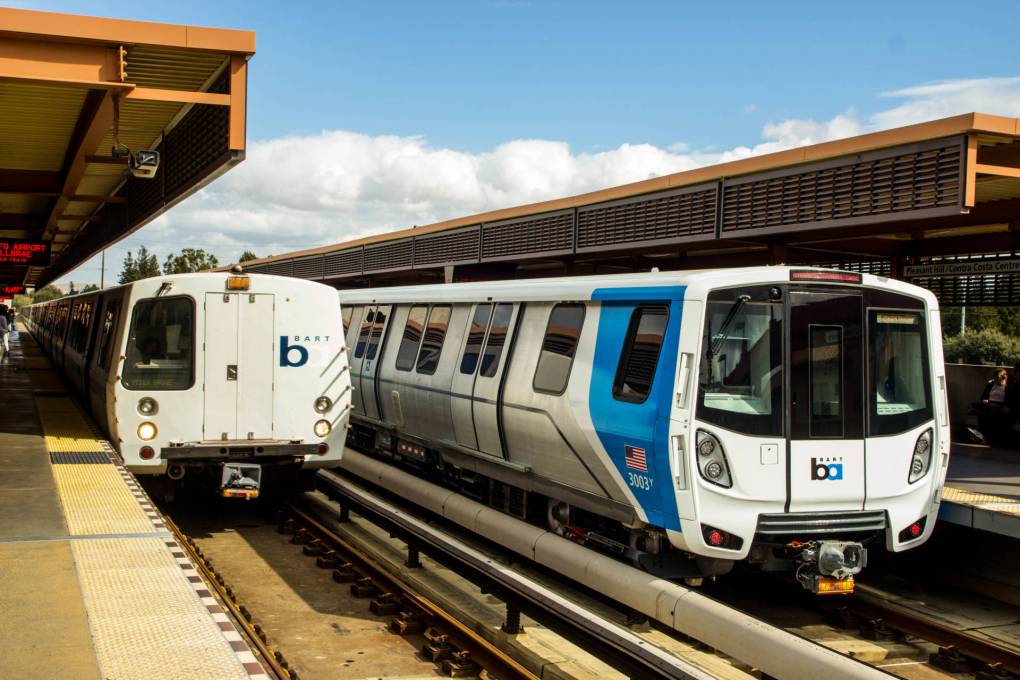
"caption": "A car from BART's 'Fleet of the Future' (right) alongside one of the transit agency's old cars at Pleasant Hill Station in October 2016.",
"description": "A car from BART's 'Fleet of the Future' (right) alongside one of the transit agency's old cars at Pleasant Hill Station in October 2016.",
"title": "bartcars_danbrekke",
"credit": "Dan Brekke/KQED",
"status": "inherit",
"altTag": "\"\"",
"isLoading": false,
"fetchFailed": false
},
"news_11864255": {
"type": "attachments",
"id": "news_11864255",
"meta": {
"index": "attachments_1716263798",
"site": "news",
"id": "11864255",
"found": true
},
"parent": 11864254,
"imgSizes": {
"twentyfourteen-full-width": {
"file": "https://ww2.kqed.org/app/uploads/sites/10/2021/03/gettyimages-1206551323-d536800699a77eef72aec690a9e44f871871382b-1038x576.jpg",
"width": 1038,
"mimeType": "image/jpeg",
"height": 576
},
"thumbnail": {
"file": "https://ww2.kqed.org/app/uploads/sites/10/2021/03/gettyimages-1206551323-d536800699a77eef72aec690a9e44f871871382b-160x120.jpg",
"width": 160,
"mimeType": "image/jpeg",
"height": 120
},
"post-thumbnail": {
"file": "https://ww2.kqed.org/app/uploads/sites/10/2021/03/gettyimages-1206551323-d536800699a77eef72aec690a9e44f871871382b-672x372.jpg",
"width": 672,
"mimeType": "image/jpeg",
"height": 372
},
"kqedFullSize": {
"file": "https://ww2.kqed.org/app/uploads/sites/10/2021/03/gettyimages-1206551323-d536800699a77eef72aec690a9e44f871871382b-scaled.jpg",
"width": 2560,
"height": 1920
},
"2048x2048": {
"file": "https://ww2.kqed.org/app/uploads/sites/10/2021/03/gettyimages-1206551323-d536800699a77eef72aec690a9e44f871871382b-2048x1536.jpg",
"width": 2048,
"mimeType": "image/jpeg",
"height": 1536
},
"large": {
"file": "https://ww2.kqed.org/app/uploads/sites/10/2021/03/gettyimages-1206551323-d536800699a77eef72aec690a9e44f871871382b-1020x765.jpg",
"width": 1020,
"mimeType": "image/jpeg",
"height": 765
},
"1536x1536": {
"file": "https://ww2.kqed.org/app/uploads/sites/10/2021/03/gettyimages-1206551323-d536800699a77eef72aec690a9e44f871871382b-1536x1152.jpg",
"width": 1536,
"mimeType": "image/jpeg",
"height": 1152
},
"full-width": {
"file": "https://ww2.kqed.org/app/uploads/sites/10/2021/03/gettyimages-1206551323-d536800699a77eef72aec690a9e44f871871382b-1920x1440.jpg",
"width": 1920,
"mimeType": "image/jpeg",
"height": 1440
},
"medium": {
"file": "https://ww2.kqed.org/app/uploads/sites/10/2021/03/gettyimages-1206551323-d536800699a77eef72aec690a9e44f871871382b-800x600.jpg",
"width": 800,
"mimeType": "image/jpeg",
"height": 600
}
},
"publishDate": 1615489623,
"modified": 1615497022,
"caption": "Rep. Stephen Lynch, D-Massachusetts, and Dr. Anthony Fauci, director of the National Institute of Allergy and Infectious Diseases at National Institutes of Health, greet each other with an elbow bump before the start of a House Oversight And Reform Committee hearing concerning government preparedness and response to the coronavirus, in the Rayburn House Office Building on Capitol Hill March 11, 2020 in Washington, D.C.",
"description": "WASHINGTON, DC - MARCH 11: (L-R) Rep. Stephen Lynch (D-MA) and Dr. Anthony Fauci, Director, National Institute of Allergy and Infectious Diseases at National Institutes of Health, greet each other with an elbow bump before the start of a House Oversight And Reform Committee hearing concerning government preparedness and response to the coronavirus, in the Rayburn House Office Building on Capitol Hill March 11, 2020 in Washington, DC. Since December 2019, coronavirus (COVID-19) has infected more than 109,000 people and killed more than 3,800 people in 105 countries. (Photo by Drew Angerer/Getty Images)",
"title": "Before there were masks, there were elbow bumps. Rep. Stephen Lynch, D-Mass., and Dr. Anthony Fauci greet each other before a House Oversight and Reform Committee hearing on March 11, 2020.",
"credit": "Drew Angerer/Getty Images",
"status": "inherit",
"altTag": null,
"isLoading": false,
"fetchFailed": false
},
"news_11864233": {
"type": "attachments",
"id": "news_11864233",
"meta": {
"index": "attachments_1716263798",
"site": "news",
"id": "11864233",
"found": true
},
"parent": 11864223,
"imgSizes": {
"twentyfourteen-full-width": {
"file": "https://ww2.kqed.org/app/uploads/sites/10/2021/03/RS47629_GettyImages-1304962043-qut-1038x576.jpg",
"width": 1038,
"mimeType": "image/jpeg",
"height": 576
},
"thumbnail": {
"file": "https://ww2.kqed.org/app/uploads/sites/10/2021/03/RS47629_GettyImages-1304962043-qut-160x112.jpg",
"width": 160,
"mimeType": "image/jpeg",
"height": 112
},
"post-thumbnail": {
"file": "https://ww2.kqed.org/app/uploads/sites/10/2021/03/RS47629_GettyImages-1304962043-qut-672x372.jpg",
"width": 672,
"mimeType": "image/jpeg",
"height": 372
},
"kqedFullSize": {
"file": "https://ww2.kqed.org/app/uploads/sites/10/2021/03/RS47629_GettyImages-1304962043-qut.jpg",
"width": 1920,
"height": 1341
},
"large": {
"file": "https://ww2.kqed.org/app/uploads/sites/10/2021/03/RS47629_GettyImages-1304962043-qut-1020x712.jpg",
"width": 1020,
"mimeType": "image/jpeg",
"height": 712
},
"1536x1536": {
"file": "https://ww2.kqed.org/app/uploads/sites/10/2021/03/RS47629_GettyImages-1304962043-qut-1536x1073.jpg",
"width": 1536,
"mimeType": "image/jpeg",
"height": 1073
},
"medium": {
"file": "https://ww2.kqed.org/app/uploads/sites/10/2021/03/RS47629_GettyImages-1304962043-qut-800x559.jpg",
"width": 800,
"mimeType": "image/jpeg",
"height": 559
}
},
"publishDate": 1615486632,
"modified": 1615486722,
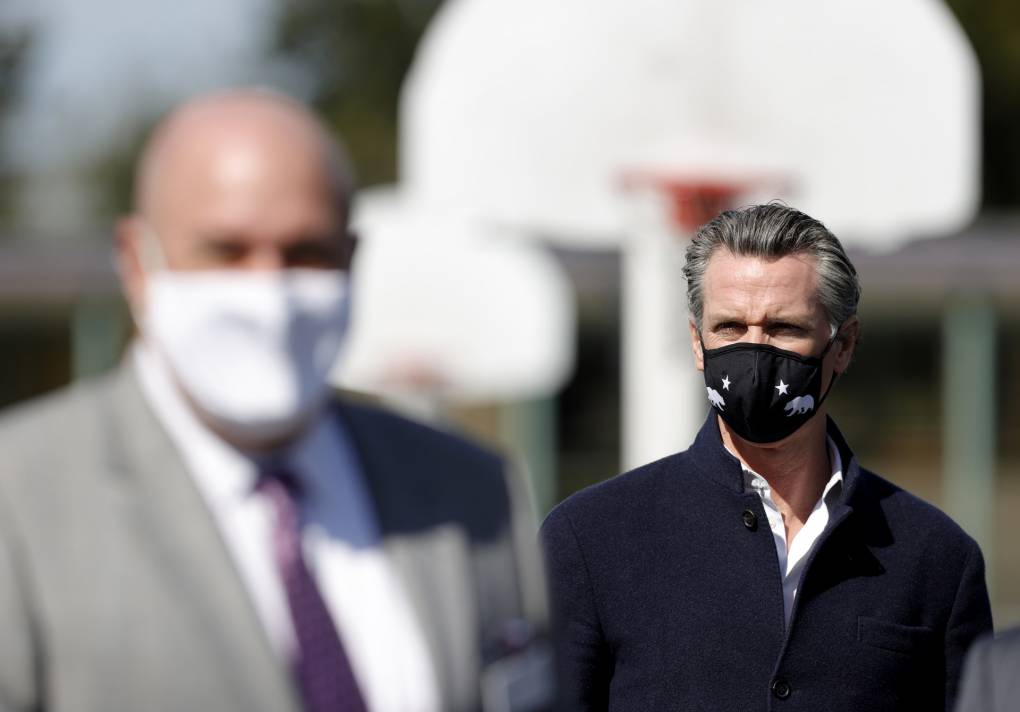
"caption": "Gov. Gavin Newsom looks on during a news conference after touring Barron Park Elementary School on March 2, 2021 in Palo Alto. About $15.9 billion from the federal coronavirus relief bill will go to public and private schools in California.",
"description": "Gov. Gavin Newsom looks on during a news conference after touring Barron Park Elementary School on March 2, 2021 in Palo Alto. About $15.9 billion from the federal coronavirus relief bill will go to public and private schools in California.",
"title": "California Governor Gavin Newsom Visits Reopened Elementary In Palo Alto",
"credit": "Justin Sullivan/Getty Images",
"status": "inherit",
"altTag": "Gavin Newsom with mask on school's basketball court",
"isLoading": false,
"fetchFailed": false
},
"news_11864150": {
"type": "attachments",
"id": "news_11864150",
"meta": {
"index": "attachments_1716263798",
"site": "news",
"id": "11864150",
"found": true
},
"parent": 11864120,
"imgSizes": {
"twentyfourteen-full-width": {
"file": "https://ww2.kqed.org/app/uploads/sites/10/2021/03/GettyImages-1231635017-1-1038x576.jpg",
"width": 1038,
"mimeType": "image/jpeg",
"height": 576
},
"thumbnail": {
"file": "https://ww2.kqed.org/app/uploads/sites/10/2021/03/GettyImages-1231635017-1-160x119.jpg",
"width": 160,
"mimeType": "image/jpeg",
"height": 119
},
"post-thumbnail": {
"file": "https://ww2.kqed.org/app/uploads/sites/10/2021/03/GettyImages-1231635017-1-672x372.jpg",
"width": 672,
"mimeType": "image/jpeg",
"height": 372
},
"kqedFullSize": {
"file": "https://ww2.kqed.org/app/uploads/sites/10/2021/03/GettyImages-1231635017-1.jpg",
"width": 1920,
"height": 1433
},
"large": {
"file": "https://ww2.kqed.org/app/uploads/sites/10/2021/03/GettyImages-1231635017-1-1020x761.jpg",
"width": 1020,
"mimeType": "image/jpeg",
"height": 761
},
"1536x1536": {
"file": "https://ww2.kqed.org/app/uploads/sites/10/2021/03/GettyImages-1231635017-1-1536x1146.jpg",
"width": 1536,
"mimeType": "image/jpeg",
"height": 1146
},
"medium": {
"file": "https://ww2.kqed.org/app/uploads/sites/10/2021/03/GettyImages-1231635017-1-800x597.jpg",
"width": 800,
"mimeType": "image/jpeg",
"height": 597
}
},
"publishDate": 1615411630,
"modified": 1615415458,
"caption": "Speaker of the House Nancy Pelosi (L) and Senate Majority Leader Chuck Schumer sign the American Rescue Plan Act after the House Chamber voted on the final revised legislation of the $1.9 trillion Covid-19 relief plan, at the US Capitol on March 10, 2021 in Washington, DC. - The US Congress on Wednesday passed Joe Biden's enormous economic relief package, delivering a resounding victory for the US president and a desperately needed injection of cash to millions of families and businesses enduring the coronavirus pandemic. ",
"description": "Speaker of the House Nancy Pelosi (L) and Senate Majority Leader Chuck Schumer sign the American Rescue Plan Act after the House Chamber voted on the final revised legislation of the $1.9 trillion Covid-19 relief plan, at the US Capitol on March 10, 2021 in Washington, DC. - The US Congress on Wednesday passed Joe Biden's enormous economic relief package, delivering a resounding victory for the US president and a desperately needed injection of cash to millions of families and businesses enduring the coronavirus pandemic. ",
"title": "GettyImages-1231635017 (1)",
"credit": "Olivier Douliery/AFP via Getty Images",
"status": "inherit",
"altTag": "Pelosi and Schumer sitting with masks on, signing American Rescue Plan Act",
"isLoading": false,
"fetchFailed": false
},
"news_11863994": {
"type": "attachments",
"id": "news_11863994",
"meta": {
"index": "attachments_1716263798",
"site": "news",
"id": "11863994",
"found": true
},
"parent": 11863986,
"imgSizes": {
"twentyfourteen-full-width": {
"file": "https://ww2.kqed.org/app/uploads/sites/10/2021/03/tunnel_030921_final-1038x576.png",
"width": 1038,
"mimeType": "image/png",
"height": 576
},
"thumbnail": {
"file": "https://ww2.kqed.org/app/uploads/sites/10/2021/03/tunnel_030921_final-160x104.png",
"width": 160,
"mimeType": "image/png",
"height": 104
},
"post-thumbnail": {
"file": "https://ww2.kqed.org/app/uploads/sites/10/2021/03/tunnel_030921_final-672x372.png",
"width": 672,
"mimeType": "image/png",
"height": 372
},
"kqedFullSize": {
"file": "https://ww2.kqed.org/app/uploads/sites/10/2021/03/tunnel_030921_final.png",
"width": 1920,
"height": 1246
},
"large": {
"file": "https://ww2.kqed.org/app/uploads/sites/10/2021/03/tunnel_030921_final-1020x662.png",
"width": 1020,
"mimeType": "image/png",
"height": 662
},
"1536x1536": {
"file": "https://ww2.kqed.org/app/uploads/sites/10/2021/03/tunnel_030921_final-1536x997.png",
"width": 1536,
"mimeType": "image/png",
"height": 997
},
"medium": {
"file": "https://ww2.kqed.org/app/uploads/sites/10/2021/03/tunnel_030921_final-800x519.png",
"width": 800,
"mimeType": "image/png",
"height": 519
}
},
"publishDate": 1615334992,
"modified": 1615335034,
"caption": null,
"description": null,
"title": "tunnel_030921_final",
"credit": null,
"status": "inherit",
"altTag": "A Mark Fiore cartoon featuring a happy reunion between grandparents and grandkids at the end of a tunnel, captioned, \"the light at the end of the tunnel.\"",
"isLoading": false,
"fetchFailed": false
},
"news_11863931": {
"type": "attachments",
"id": "news_11863931",
"meta": {
"index": "attachments_1716263798",
"site": "news",
"id": "11863931",
"found": true
},
"parent": 11863930,
"imgSizes": {
"apple_news_ca_landscape_5_5": {
"file": "https://ww2.kqed.org/app/uploads/sites/10/2021/03/img_3954-992c81bb1fe5b27c0ed0e7881272117c39c98d06-1044x783.jpg",
"width": 1044,
"mimeType": "image/jpeg",
"height": 783
},
"apple_news_ca_square_4_0": {
"file": "https://ww2.kqed.org/app/uploads/sites/10/2021/03/img_3954-992c81bb1fe5b27c0ed0e7881272117c39c98d06-470x470.jpg",
"width": 470,
"mimeType": "image/jpeg",
"height": 470
},
"twentyfourteen-full-width": {
"file": "https://ww2.kqed.org/app/uploads/sites/10/2021/03/img_3954-992c81bb1fe5b27c0ed0e7881272117c39c98d06-1038x576.jpg",
"width": 1038,
"mimeType": "image/jpeg",
"height": 576
},
"thumbnail": {
"file": "https://ww2.kqed.org/app/uploads/sites/10/2021/03/img_3954-992c81bb1fe5b27c0ed0e7881272117c39c98d06-160x120.jpg",
"width": 160,
"mimeType": "image/jpeg",
"height": 120
},
"post-thumbnail": {
"file": "https://ww2.kqed.org/app/uploads/sites/10/2021/03/img_3954-992c81bb1fe5b27c0ed0e7881272117c39c98d06-672x372.jpg",
"width": 672,
"mimeType": "image/jpeg",
"height": 372
},
"kqedFullSize": {
"file": "https://ww2.kqed.org/app/uploads/sites/10/2021/03/img_3954-992c81bb1fe5b27c0ed0e7881272117c39c98d06-scaled.jpg",
"width": 2560,
"height": 1920
},
"2048x2048": {
"file": "https://ww2.kqed.org/app/uploads/sites/10/2021/03/img_3954-992c81bb1fe5b27c0ed0e7881272117c39c98d06-2048x1536.jpg",
"width": 2048,
"mimeType": "image/jpeg",
"height": 1536
},
"apple_news_ca_landscape_4_7": {
"file": "https://ww2.kqed.org/app/uploads/sites/10/2021/03/img_3954-992c81bb1fe5b27c0ed0e7881272117c39c98d06-632x474.jpg",
"width": 632,
"mimeType": "image/jpeg",
"height": 474
},
"large": {
"file": "https://ww2.kqed.org/app/uploads/sites/10/2021/03/img_3954-992c81bb1fe5b27c0ed0e7881272117c39c98d06-1020x765.jpg",
"width": 1020,
"mimeType": "image/jpeg",
"height": 765
},
"apple_news_ca_landscape_4_0": {
"file": "https://ww2.kqed.org/app/uploads/sites/10/2021/03/img_3954-992c81bb1fe5b27c0ed0e7881272117c39c98d06-536x402.jpg",
"width": 536,
"mimeType": "image/jpeg",
"height": 402
},
"apple_news_ca_portrait_12_9": {
"file": "https://ww2.kqed.org/app/uploads/sites/10/2021/03/img_3954-992c81bb1fe5b27c0ed0e7881272117c39c98d06-1122x1496.jpg",
"width": 1122,
"mimeType": "image/jpeg",
"height": 1496
},
"medium": {
"file": "https://ww2.kqed.org/app/uploads/sites/10/2021/03/img_3954-992c81bb1fe5b27c0ed0e7881272117c39c98d06-800x600.jpg",
"width": 800,
"mimeType": "image/jpeg",
"height": 600
},
"apple_news_ca_portrait_4_0": {
"file": "https://ww2.kqed.org/app/uploads/sites/10/2021/03/img_3954-992c81bb1fe5b27c0ed0e7881272117c39c98d06-354x472.jpg",
"width": 354,
"mimeType": "image/jpeg",
"height": 472
},
"apple_news_ca_portrait_9_7": {
"file": "https://ww2.kqed.org/app/uploads/sites/10/2021/03/img_3954-992c81bb1fe5b27c0ed0e7881272117c39c98d06-840x1120.jpg",
"width": 840,
"mimeType": "image/jpeg",
"height": 1120
},
"apple_news_ca_landscape_12_9": {
"file": "https://ww2.kqed.org/app/uploads/sites/10/2021/03/img_3954-992c81bb1fe5b27c0ed0e7881272117c39c98d06-1832x1374.jpg",
"width": 1832,
"mimeType": "image/jpeg",
"height": 1374
},
"apple_news_ca_square_9_7": {
"file": "https://ww2.kqed.org/app/uploads/sites/10/2021/03/img_3954-992c81bb1fe5b27c0ed0e7881272117c39c98d06-1104x1104.jpg",
"width": 1104,
"mimeType": "image/jpeg",
"height": 1104
},
"1536x1536": {
"file": "https://ww2.kqed.org/app/uploads/sites/10/2021/03/img_3954-992c81bb1fe5b27c0ed0e7881272117c39c98d06-1536x1152.jpg",
"width": 1536,
"mimeType": "image/jpeg",
"height": 1152
},
"apple_news_ca_portrait_4_7": {
"file": "https://ww2.kqed.org/app/uploads/sites/10/2021/03/img_3954-992c81bb1fe5b27c0ed0e7881272117c39c98d06-414x552.jpg",
"width": 414,
"mimeType": "image/jpeg",
"height": 552
},
"apple_news_ca_square_12_9": {
"file": "https://ww2.kqed.org/app/uploads/sites/10/2021/03/img_3954-992c81bb1fe5b27c0ed0e7881272117c39c98d06-1472x1472.jpg",
"width": 1472,
"mimeType": "image/jpeg",
"height": 1472
},
"apple_news_ca_portrait_5_5": {
"file": "https://ww2.kqed.org/app/uploads/sites/10/2021/03/img_3954-992c81bb1fe5b27c0ed0e7881272117c39c98d06-687x916.jpg",
"width": 687,
"mimeType": "image/jpeg",
"height": 916
},
"full-width": {
"file": "https://ww2.kqed.org/app/uploads/sites/10/2021/03/img_3954-992c81bb1fe5b27c0ed0e7881272117c39c98d06-1920x1440.jpg",
"width": 1920,
"mimeType": "image/jpeg",
"height": 1440
},
"apple_news_ca_square_4_7": {
"file": "https://ww2.kqed.org/app/uploads/sites/10/2021/03/img_3954-992c81bb1fe5b27c0ed0e7881272117c39c98d06-550x550.jpg",
"width": 550,
"mimeType": "image/jpeg",
"height": 550
},
"apple_news_ca_landscape_9_7": {
"file": "https://ww2.kqed.org/app/uploads/sites/10/2021/03/img_3954-992c81bb1fe5b27c0ed0e7881272117c39c98d06-1376x1032.jpg",
"width": 1376,
"mimeType": "image/jpeg",
"height": 1032
},
"apple_news_ca_square_5_5": {
"file": "https://ww2.kqed.org/app/uploads/sites/10/2021/03/img_3954-992c81bb1fe5b27c0ed0e7881272117c39c98d06-912x912.jpg",
"width": 912,
"mimeType": "image/jpeg",
"height": 912
}
},
"publishDate": 1615323819,
"modified": 1615324454,
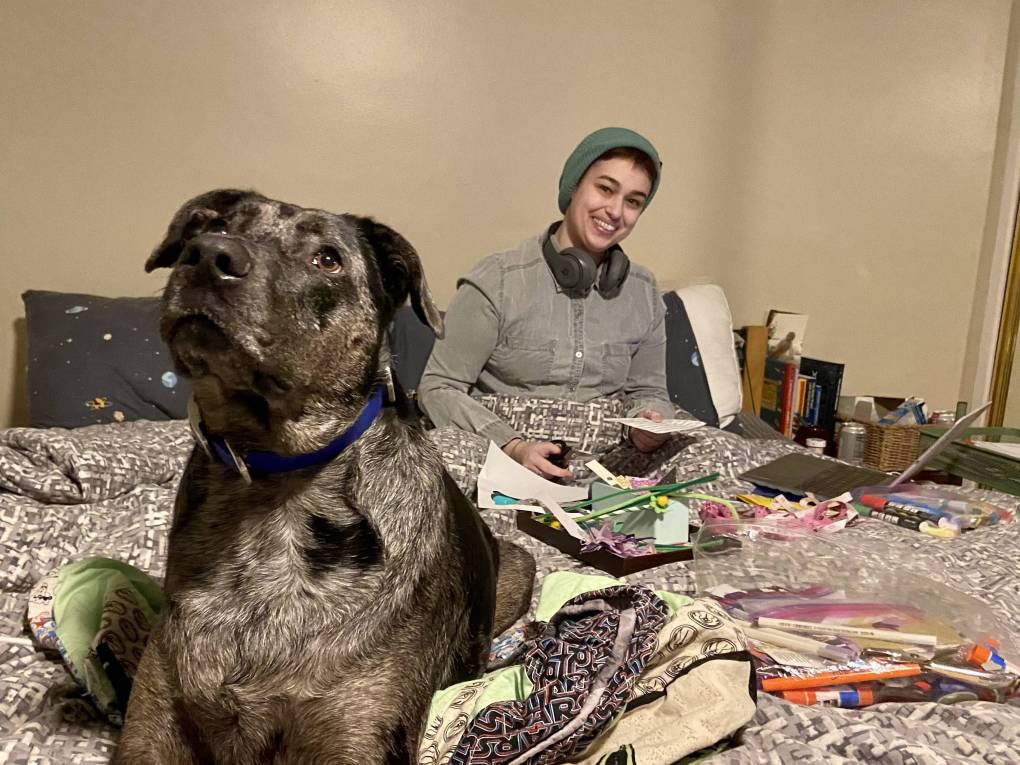
"caption": "Mimi Newman, pictured with her dog Miller, has lived in isolation for a year to avoid COVID-19. She says California's vaccine distribution strategy should have prioritized people with disabilities.",
"description": "Mimi Newman, pictured with her dog Miller, has lived in isolation for a year to avoid COVID-19. She says California's vaccine distribution strategy should have prioritized people with disabilities.",
"title": "Mimi Newman, pictured with her dog Miller, has lived in isolation for a year to avoid COVID-19. She says California's vaccine distribution strategy should have prioritized people with disabilities.",
"credit": "Courtesy of Megan Newman",
"status": "inherit",
"altTag": "young woman sits on her bed with her dog",
"isLoading": false,
"fetchFailed": false
},
"news_11863744": {
"type": "attachments",
"id": "news_11863744",
"meta": {
"index": "attachments_1716263798",
"site": "news",
"id": "11863744",
"found": true
},
"parent": 11863739,
"imgSizes": {
"apple_news_ca_landscape_5_5": {
"file": "https://ww2.kqed.org/app/uploads/sites/10/2021/03/022821_UFWvaccine_AI_03-1044x783.jpg",
"width": 1044,
"mimeType": "image/jpeg",
"height": 783
},
"apple_news_ca_square_4_0": {
"file": "https://ww2.kqed.org/app/uploads/sites/10/2021/03/022821_UFWvaccine_AI_03-470x470.jpg",
"width": 470,
"mimeType": "image/jpeg",
"height": 470
},
"twentyfourteen-full-width": {
"file": "https://ww2.kqed.org/app/uploads/sites/10/2021/03/022821_UFWvaccine_AI_03-1038x576.jpg",
"width": 1038,
"mimeType": "image/jpeg",
"height": 576
},
"thumbnail": {
"file": "https://ww2.kqed.org/app/uploads/sites/10/2021/03/022821_UFWvaccine_AI_03-160x120.jpg",
"width": 160,
"mimeType": "image/jpeg",
"height": 120
},
"post-thumbnail": {
"file": "https://ww2.kqed.org/app/uploads/sites/10/2021/03/022821_UFWvaccine_AI_03-672x372.jpg",
"width": 672,
"mimeType": "image/jpeg",
"height": 372
},
"kqedFullSize": {
"file": "https://ww2.kqed.org/app/uploads/sites/10/2021/03/022821_UFWvaccine_AI_03-e1615233334285.jpg",
"width": 1920,
"height": 1440
},
"apple_news_ca_landscape_4_7": {
"file": "https://ww2.kqed.org/app/uploads/sites/10/2021/03/022821_UFWvaccine_AI_03-632x474.jpg",
"width": 632,
"mimeType": "image/jpeg",
"height": 474
},
"large": {
"file": "https://ww2.kqed.org/app/uploads/sites/10/2021/03/022821_UFWvaccine_AI_03-1020x765.jpg",
"width": 1020,
"mimeType": "image/jpeg",
"height": 765
},
"apple_news_ca_landscape_4_0": {
"file": "https://ww2.kqed.org/app/uploads/sites/10/2021/03/022821_UFWvaccine_AI_03-536x402.jpg",
"width": 536,
"mimeType": "image/jpeg",
"height": 402
},
"apple_news_ca_portrait_12_9": {
"file": "https://ww2.kqed.org/app/uploads/sites/10/2021/03/022821_UFWvaccine_AI_03-1122x1496.jpg",
"width": 1122,
"mimeType": "image/jpeg",
"height": 1496
},
"medium": {
"file": "https://ww2.kqed.org/app/uploads/sites/10/2021/03/022821_UFWvaccine_AI_03-800x600.jpg",
"width": 800,
"mimeType": "image/jpeg",
"height": 600
},
"apple_news_ca_portrait_4_0": {
"file": "https://ww2.kqed.org/app/uploads/sites/10/2021/03/022821_UFWvaccine_AI_03-354x472.jpg",
"width": 354,
"mimeType": "image/jpeg",
"height": 472
},
"apple_news_ca_portrait_9_7": {
"file": "https://ww2.kqed.org/app/uploads/sites/10/2021/03/022821_UFWvaccine_AI_03-840x1120.jpg",
"width": 840,
"mimeType": "image/jpeg",
"height": 1120
},
"apple_news_ca_landscape_12_9": {
"file": "https://ww2.kqed.org/app/uploads/sites/10/2021/03/022821_UFWvaccine_AI_03-1832x1374.jpg",
"width": 1832,
"mimeType": "image/jpeg",
"height": 1374
},
"apple_news_ca_square_9_7": {
"file": "https://ww2.kqed.org/app/uploads/sites/10/2021/03/022821_UFWvaccine_AI_03-1104x1104.jpg",
"width": 1104,
"mimeType": "image/jpeg",
"height": 1104
},
"1536x1536": {
"file": "https://ww2.kqed.org/app/uploads/sites/10/2021/03/022821_UFWvaccine_AI_03-1536x1152.jpg",
"width": 1536,
"mimeType": "image/jpeg",
"height": 1152
},
"apple_news_ca_portrait_4_7": {
"file": "https://ww2.kqed.org/app/uploads/sites/10/2021/03/022821_UFWvaccine_AI_03-414x552.jpg",
"width": 414,
"mimeType": "image/jpeg",
"height": 552
},
"apple_news_ca_square_12_9": {
"file": "https://ww2.kqed.org/app/uploads/sites/10/2021/03/022821_UFWvaccine_AI_03-1472x1472.jpg",
"width": 1472,
"mimeType": "image/jpeg",
"height": 1472
},
"apple_news_ca_portrait_5_5": {
"file": "https://ww2.kqed.org/app/uploads/sites/10/2021/03/022821_UFWvaccine_AI_03-687x916.jpg",
"width": 687,
"mimeType": "image/jpeg",
"height": 916
},
"full-width": {
"file": "https://ww2.kqed.org/app/uploads/sites/10/2021/03/022821_UFWvaccine_AI_03-1920x1440.jpg",
"width": 1920,
"mimeType": "image/jpeg",
"height": 1440
},
"apple_news_ca_square_4_7": {
"file": "https://ww2.kqed.org/app/uploads/sites/10/2021/03/022821_UFWvaccine_AI_03-550x550.jpg",
"width": 550,
"mimeType": "image/jpeg",
"height": 550
},
"apple_news_ca_landscape_9_7": {
"file": "https://ww2.kqed.org/app/uploads/sites/10/2021/03/022821_UFWvaccine_AI_03-1376x1032.jpg",
"width": 1376,
"mimeType": "image/jpeg",
"height": 1032
},
"apple_news_ca_square_5_5": {
"file": "https://ww2.kqed.org/app/uploads/sites/10/2021/03/022821_UFWvaccine_AI_03-912x912.jpg",
"width": 912,
"mimeType": "image/jpeg",
"height": 912
}
},
"publishDate": 1615233259,
"modified": 1616791266,
"caption": "Mauricio Chavez of Hollister gets a COVID-19 vaccine at Monterey Mushrooms in Morgan Hill on Feb. 28, 2021.",
"description": "Mauricio Chavez of Hollister gets a COVID-19 vaccine at Monterey Mushrooms in Morgan Hill on Feb. 28, 2021. He works at a neighboring mushroom farm. Many California farmworkers still face obstacles getting the vaccine.",
"title": "022821_UFWvaccine_AI_03",
"credit": "Ana Ibarra/CalMatters",
"status": "inherit",
"altTag": "farmworker gets vaccine shot",
"isLoading": false,
"fetchFailed": false
},
"news_11863596": {
"type": "attachments",
"id": "news_11863596",
"meta": {
"index": "attachments_1716263798",
"site": "news",
"id": "11863596",
"found": true
},
"parent": 11863374,
"imgSizes": {
"apple_news_ca_landscape_5_5": {
"file": "https://ww2.kqed.org/app/uploads/sites/10/2020/03/WhitneyDwyer_01292021-qut-1044x783.jpg",
"width": 1044,
"mimeType": "image/jpeg",
"height": 783
},
"apple_news_ca_square_4_0": {
"file": "https://ww2.kqed.org/app/uploads/sites/10/2020/03/WhitneyDwyer_01292021-qut-470x470.jpg",
"width": 470,
"mimeType": "image/jpeg",
"height": 470
},
"twentyfourteen-full-width": {
"file": "https://ww2.kqed.org/app/uploads/sites/10/2020/03/WhitneyDwyer_01292021-qut-1038x576.jpg",
"width": 1038,
"mimeType": "image/jpeg",
"height": 576
},
"thumbnail": {
"file": "https://ww2.kqed.org/app/uploads/sites/10/2020/03/WhitneyDwyer_01292021-qut-160x107.jpg",
"width": 160,
"mimeType": "image/jpeg",
"height": 107
},
"post-thumbnail": {
"file": "https://ww2.kqed.org/app/uploads/sites/10/2020/03/WhitneyDwyer_01292021-qut-672x372.jpg",
"width": 672,
"mimeType": "image/jpeg",
"height": 372
},
"kqedFullSize": {
"file": "https://ww2.kqed.org/app/uploads/sites/10/2020/03/WhitneyDwyer_01292021-qut.jpg",
"width": 1920,
"height": 1280
},
"apple_news_ca_landscape_4_7": {
"file": "https://ww2.kqed.org/app/uploads/sites/10/2020/03/WhitneyDwyer_01292021-qut-632x474.jpg",
"width": 632,
"mimeType": "image/jpeg",
"height": 474
},
"large": {
"file": "https://ww2.kqed.org/app/uploads/sites/10/2020/03/WhitneyDwyer_01292021-qut-1020x680.jpg",
"width": 1020,
"mimeType": "image/jpeg",
"height": 680
},
"apple_news_ca_landscape_4_0": {
"file": "https://ww2.kqed.org/app/uploads/sites/10/2020/03/WhitneyDwyer_01292021-qut-536x402.jpg",
"width": 536,
"mimeType": "image/jpeg",
"height": 402
},
"apple_news_ca_portrait_12_9": {
"file": "https://ww2.kqed.org/app/uploads/sites/10/2020/03/WhitneyDwyer_01292021-qut-1122x1280.jpg",
"width": 1122,
"mimeType": "image/jpeg",
"height": 1280
},
"medium": {
"file": "https://ww2.kqed.org/app/uploads/sites/10/2020/03/WhitneyDwyer_01292021-qut-800x533.jpg",
"width": 800,
"mimeType": "image/jpeg",
"height": 533
},
"apple_news_ca_portrait_4_0": {
"file": "https://ww2.kqed.org/app/uploads/sites/10/2020/03/WhitneyDwyer_01292021-qut-354x472.jpg",
"width": 354,
"mimeType": "image/jpeg",
"height": 472
},
"apple_news_ca_portrait_9_7": {
"file": "https://ww2.kqed.org/app/uploads/sites/10/2020/03/WhitneyDwyer_01292021-qut-840x1120.jpg",
"width": 840,
"mimeType": "image/jpeg",
"height": 1120
},
"apple_news_ca_landscape_12_9": {
"file": "https://ww2.kqed.org/app/uploads/sites/10/2020/03/WhitneyDwyer_01292021-qut-1832x1280.jpg",
"width": 1832,
"mimeType": "image/jpeg",
"height": 1280
},
"apple_news_ca_square_9_7": {
"file": "https://ww2.kqed.org/app/uploads/sites/10/2020/03/WhitneyDwyer_01292021-qut-1104x1104.jpg",
"width": 1104,
"mimeType": "image/jpeg",
"height": 1104
},
"1536x1536": {
"file": "https://ww2.kqed.org/app/uploads/sites/10/2020/03/WhitneyDwyer_01292021-qut-1536x1024.jpg",
"width": 1536,
"mimeType": "image/jpeg",
"height": 1024
},
"apple_news_ca_portrait_4_7": {
"file": "https://ww2.kqed.org/app/uploads/sites/10/2020/03/WhitneyDwyer_01292021-qut-414x552.jpg",
"width": 414,
"mimeType": "image/jpeg",
"height": 552
},
"apple_news_ca_square_12_9": {
"file": "https://ww2.kqed.org/app/uploads/sites/10/2020/03/WhitneyDwyer_01292021-qut-1472x1280.jpg",
"width": 1472,
"mimeType": "image/jpeg",
"height": 1280
},
"apple_news_ca_portrait_5_5": {
"file": "https://ww2.kqed.org/app/uploads/sites/10/2020/03/WhitneyDwyer_01292021-qut-687x916.jpg",
"width": 687,
"mimeType": "image/jpeg",
"height": 916
},
"apple_news_ca_square_4_7": {
"file": "https://ww2.kqed.org/app/uploads/sites/10/2020/03/WhitneyDwyer_01292021-qut-550x550.jpg",
"width": 550,
"mimeType": "image/jpeg",
"height": 550
},
"apple_news_ca_landscape_9_7": {
"file": "https://ww2.kqed.org/app/uploads/sites/10/2020/03/WhitneyDwyer_01292021-qut-1376x1032.jpg",
"width": 1376,
"mimeType": "image/jpeg",
"height": 1032
},
"apple_news_ca_square_5_5": {
"file": "https://ww2.kqed.org/app/uploads/sites/10/2020/03/WhitneyDwyer_01292021-qut-912x912.jpg",
"width": 912,
"mimeType": "image/jpeg",
"height": 912
}
},
"publishDate": 1614990835,
"modified": 1614994300,
"caption": "Oakland Unified School District teacher Whitney Dwyer grades student's work in her backyard in Oakland on Jan. 29, 2021.",
"description": null,
"title": "WhitneyDwyer_01292021-qut",
"credit": "Beth LaBerge/KQED",
"status": "inherit",
"altTag": null,
"isLoading": false,
"fetchFailed": false
},
"news_11863574": {
"type": "attachments",
"id": "news_11863574",
"meta": {
"index": "attachments_1716263798",
"site": "news",
"id": "11863574",
"found": true
},
"parent": 11863567,
"imgSizes": {
"apple_news_ca_landscape_5_5": {
"file": "https://ww2.kqed.org/app/uploads/sites/10/2021/03/readjustment_030521_final-1044x783.png",
"width": 1044,
"mimeType": "image/png",
"height": 783
},
"apple_news_ca_square_4_0": {
"file": "https://ww2.kqed.org/app/uploads/sites/10/2021/03/readjustment_030521_final-470x470.png",
"width": 470,
"mimeType": "image/png",
"height": 470
},
"twentyfourteen-full-width": {
"file": "https://ww2.kqed.org/app/uploads/sites/10/2021/03/readjustment_030521_final-1038x576.png",
"width": 1038,
"mimeType": "image/png",
"height": 576
},
"thumbnail": {
"file": "https://ww2.kqed.org/app/uploads/sites/10/2021/03/readjustment_030521_final-160x108.png",
"width": 160,
"mimeType": "image/png",
"height": 108
},
"post-thumbnail": {
"file": "https://ww2.kqed.org/app/uploads/sites/10/2021/03/readjustment_030521_final-672x372.png",
"width": 672,
"mimeType": "image/png",
"height": 372
},
"kqedFullSize": {
"file": "https://ww2.kqed.org/app/uploads/sites/10/2021/03/readjustment_030521_final.png",
"width": 1920,
"height": 1292
},
"apple_news_ca_landscape_4_7": {
"file": "https://ww2.kqed.org/app/uploads/sites/10/2021/03/readjustment_030521_final-632x474.png",
"width": 632,
"mimeType": "image/png",
"height": 474
},
"large": {
"file": "https://ww2.kqed.org/app/uploads/sites/10/2021/03/readjustment_030521_final-1020x686.png",
"width": 1020,
"mimeType": "image/png",
"height": 686
},
"apple_news_ca_landscape_4_0": {
"file": "https://ww2.kqed.org/app/uploads/sites/10/2021/03/readjustment_030521_final-536x402.png",
"width": 536,
"mimeType": "image/png",
"height": 402
},
"apple_news_ca_portrait_12_9": {
"file": "https://ww2.kqed.org/app/uploads/sites/10/2021/03/readjustment_030521_final-1122x1292.png",
"width": 1122,
"mimeType": "image/png",
"height": 1292
},
"medium": {
"file": "https://ww2.kqed.org/app/uploads/sites/10/2021/03/readjustment_030521_final-800x538.png",
"width": 800,
"mimeType": "image/png",
"height": 538
},
"apple_news_ca_portrait_4_0": {
"file": "https://ww2.kqed.org/app/uploads/sites/10/2021/03/readjustment_030521_final-354x472.png",
"width": 354,
"mimeType": "image/png",
"height": 472
},
"apple_news_ca_portrait_9_7": {
"file": "https://ww2.kqed.org/app/uploads/sites/10/2021/03/readjustment_030521_final-840x1120.png",
"width": 840,
"mimeType": "image/png",
"height": 1120
},
"apple_news_ca_landscape_12_9": {
"file": "https://ww2.kqed.org/app/uploads/sites/10/2021/03/readjustment_030521_final-1832x1292.png",
"width": 1832,
"mimeType": "image/png",
"height": 1292
},
"apple_news_ca_square_9_7": {
"file": "https://ww2.kqed.org/app/uploads/sites/10/2021/03/readjustment_030521_final-1104x1104.png",
"width": 1104,
"mimeType": "image/png",
"height": 1104
},
"1536x1536": {
"file": "https://ww2.kqed.org/app/uploads/sites/10/2021/03/readjustment_030521_final-1536x1034.png",
"width": 1536,
"mimeType": "image/png",
"height": 1034
},
"apple_news_ca_portrait_4_7": {
"file": "https://ww2.kqed.org/app/uploads/sites/10/2021/03/readjustment_030521_final-414x552.png",
"width": 414,
"mimeType": "image/png",
"height": 552
},
"apple_news_ca_square_12_9": {
"file": "https://ww2.kqed.org/app/uploads/sites/10/2021/03/readjustment_030521_final-1472x1292.png",
"width": 1472,
"mimeType": "image/png",
"height": 1292
},
"apple_news_ca_portrait_5_5": {
"file": "https://ww2.kqed.org/app/uploads/sites/10/2021/03/readjustment_030521_final-687x916.png",
"width": 687,
"mimeType": "image/png",
"height": 916
},
"apple_news_ca_square_4_7": {
"file": "https://ww2.kqed.org/app/uploads/sites/10/2021/03/readjustment_030521_final-550x550.png",
"width": 550,
"mimeType": "image/png",
"height": 550
},
"apple_news_ca_landscape_9_7": {
"file": "https://ww2.kqed.org/app/uploads/sites/10/2021/03/readjustment_030521_final-1376x1032.png",
"width": 1376,
"mimeType": "image/png",
"height": 1032
},
"apple_news_ca_square_5_5": {
"file": "https://ww2.kqed.org/app/uploads/sites/10/2021/03/readjustment_030521_final-912x912.png",
"width": 912,
"mimeType": "image/png",
"height": 912
}
},
"publishDate": 1614988852,
"modified": 1614988942,
"caption": null,
"description": null,
"title": "readjustment_030521_final",
"credit": null,
"status": "inherit",
"altTag": "A Mark Fiore cartoon about schools reopening, showing a classroom with two teachers talking about students readjusting from online learning as students all have glowing computer eyes.",
"isLoading": false,
"fetchFailed": false
},
"news_11863540": {
"type": "attachments",
"id": "news_11863540",
"meta": {
"index": "attachments_1716263798",
"site": "news",
"id": "11863540",
"found": true
},
"parent": 11863518,
"imgSizes": {
"apple_news_ca_landscape_5_5": {
"file": "https://ww2.kqed.org/app/uploads/sites/10/2021/03/RS47549_030_SanFrancisco_AquariumoftheBay_03042021-qut-1044x783.jpg",
"width": 1044,
"mimeType": "image/jpeg",
"height": 783
},
"apple_news_ca_square_4_0": {
"file": "https://ww2.kqed.org/app/uploads/sites/10/2021/03/RS47549_030_SanFrancisco_AquariumoftheBay_03042021-qut-470x470.jpg",
"width": 470,
"mimeType": "image/jpeg",
"height": 470
},
"twentyfourteen-full-width": {
"file": "https://ww2.kqed.org/app/uploads/sites/10/2021/03/RS47549_030_SanFrancisco_AquariumoftheBay_03042021-qut-1038x576.jpg",
"width": 1038,
"mimeType": "image/jpeg",
"height": 576
},
"thumbnail": {
"file": "https://ww2.kqed.org/app/uploads/sites/10/2021/03/RS47549_030_SanFrancisco_AquariumoftheBay_03042021-qut-160x107.jpg",
"width": 160,
"mimeType": "image/jpeg",
"height": 107
},
"post-thumbnail": {
"file": "https://ww2.kqed.org/app/uploads/sites/10/2021/03/RS47549_030_SanFrancisco_AquariumoftheBay_03042021-qut-672x372.jpg",
"width": 672,
"mimeType": "image/jpeg",
"height": 372
},
"kqedFullSize": {
"file": "https://ww2.kqed.org/app/uploads/sites/10/2021/03/RS47549_030_SanFrancisco_AquariumoftheBay_03042021-qut.jpg",
"width": 1920,
"height": 1280
},
"apple_news_ca_landscape_4_7": {
"file": "https://ww2.kqed.org/app/uploads/sites/10/2021/03/RS47549_030_SanFrancisco_AquariumoftheBay_03042021-qut-632x474.jpg",
"width": 632,
"mimeType": "image/jpeg",
"height": 474
},
"large": {
"file": "https://ww2.kqed.org/app/uploads/sites/10/2021/03/RS47549_030_SanFrancisco_AquariumoftheBay_03042021-qut-1020x680.jpg",
"width": 1020,
"mimeType": "image/jpeg",
"height": 680
},
"apple_news_ca_landscape_4_0": {
"file": "https://ww2.kqed.org/app/uploads/sites/10/2021/03/RS47549_030_SanFrancisco_AquariumoftheBay_03042021-qut-536x402.jpg",
"width": 536,
"mimeType": "image/jpeg",
"height": 402
},
"apple_news_ca_portrait_12_9": {
"file": "https://ww2.kqed.org/app/uploads/sites/10/2021/03/RS47549_030_SanFrancisco_AquariumoftheBay_03042021-qut-1122x1280.jpg",
"width": 1122,
"mimeType": "image/jpeg",
"height": 1280
},
"medium": {
"file": "https://ww2.kqed.org/app/uploads/sites/10/2021/03/RS47549_030_SanFrancisco_AquariumoftheBay_03042021-qut-800x533.jpg",
"width": 800,
"mimeType": "image/jpeg",
"height": 533
},
"apple_news_ca_portrait_4_0": {
"file": "https://ww2.kqed.org/app/uploads/sites/10/2021/03/RS47549_030_SanFrancisco_AquariumoftheBay_03042021-qut-354x472.jpg",
"width": 354,
"mimeType": "image/jpeg",
"height": 472
},
"apple_news_ca_portrait_9_7": {
"file": "https://ww2.kqed.org/app/uploads/sites/10/2021/03/RS47549_030_SanFrancisco_AquariumoftheBay_03042021-qut-840x1120.jpg",
"width": 840,
"mimeType": "image/jpeg",
"height": 1120
},
"apple_news_ca_landscape_12_9": {
"file": "https://ww2.kqed.org/app/uploads/sites/10/2021/03/RS47549_030_SanFrancisco_AquariumoftheBay_03042021-qut-1832x1280.jpg",
"width": 1832,
"mimeType": "image/jpeg",
"height": 1280
},
"apple_news_ca_square_9_7": {
"file": "https://ww2.kqed.org/app/uploads/sites/10/2021/03/RS47549_030_SanFrancisco_AquariumoftheBay_03042021-qut-1104x1104.jpg",
"width": 1104,
"mimeType": "image/jpeg",
"height": 1104
},
"1536x1536": {
"file": "https://ww2.kqed.org/app/uploads/sites/10/2021/03/RS47549_030_SanFrancisco_AquariumoftheBay_03042021-qut-1536x1024.jpg",
"width": 1536,
"mimeType": "image/jpeg",
"height": 1024
},
"apple_news_ca_portrait_4_7": {
"file": "https://ww2.kqed.org/app/uploads/sites/10/2021/03/RS47549_030_SanFrancisco_AquariumoftheBay_03042021-qut-414x552.jpg",
"width": 414,
"mimeType": "image/jpeg",
"height": 552
},
"apple_news_ca_square_12_9": {
"file": "https://ww2.kqed.org/app/uploads/sites/10/2021/03/RS47549_030_SanFrancisco_AquariumoftheBay_03042021-qut-1472x1280.jpg",
"width": 1472,
"mimeType": "image/jpeg",
"height": 1280
},
"apple_news_ca_portrait_5_5": {
"file": "https://ww2.kqed.org/app/uploads/sites/10/2021/03/RS47549_030_SanFrancisco_AquariumoftheBay_03042021-qut-687x916.jpg",
"width": 687,
"mimeType": "image/jpeg",
"height": 916
},
"apple_news_ca_square_4_7": {
"file": "https://ww2.kqed.org/app/uploads/sites/10/2021/03/RS47549_030_SanFrancisco_AquariumoftheBay_03042021-qut-550x550.jpg",
"width": 550,
"mimeType": "image/jpeg",
"height": 550
},
"apple_news_ca_landscape_9_7": {
"file": "https://ww2.kqed.org/app/uploads/sites/10/2021/03/RS47549_030_SanFrancisco_AquariumoftheBay_03042021-qut-1376x1032.jpg",
"width": 1376,
"mimeType": "image/jpeg",
"height": 1032
},
"apple_news_ca_square_5_5": {
"file": "https://ww2.kqed.org/app/uploads/sites/10/2021/03/RS47549_030_SanFrancisco_AquariumoftheBay_03042021-qut-912x912.jpg",
"width": 912,
"mimeType": "image/jpeg",
"height": 912
}
},
"publishDate": 1614985780,
"modified": 1614987621,
"caption": "Sea otters swim at the Aquarium of the Bay in San Francisco on March 4, 2021.",
"description": "Sea otters swim at the Aquarium of the Bay in San Francisco on March 4, 2021.",
"title": "Sea otters at the Aquarium of the Bay in San Francisco on March 4, 2021.",
"credit": "Beth LaBerge/KQED",
"status": "inherit",
"altTag": null,
"isLoading": false,
"fetchFailed": false
},
"news_11863361": {
"type": "attachments",
"id": "news_11863361",
"meta": {
"index": "attachments_1716263798",
"site": "news",
"id": "11863361",
"found": true
},
"parent": 11863348,
"imgSizes": {
"apple_news_ca_landscape_5_5": {
"file": "https://ww2.kqed.org/app/uploads/sites/10/2021/03/Kamau_Bell_Conversation_Campaign_210304_screenshot-1044x698.png",
"width": 1044,
"mimeType": "image/png",
"height": 698
},
"apple_news_ca_square_4_0": {
"file": "https://ww2.kqed.org/app/uploads/sites/10/2021/03/Kamau_Bell_Conversation_Campaign_210304_screenshot-470x470.png",
"width": 470,
"mimeType": "image/png",
"height": 470
},
"twentyfourteen-full-width": {
"file": "https://ww2.kqed.org/app/uploads/sites/10/2021/03/Kamau_Bell_Conversation_Campaign_210304_screenshot-1038x576.png",
"width": 1038,
"mimeType": "image/png",
"height": 576
},
"thumbnail": {
"file": "https://ww2.kqed.org/app/uploads/sites/10/2021/03/Kamau_Bell_Conversation_Campaign_210304_screenshot-160x87.png",
"width": 160,
"mimeType": "image/png",
"height": 87
},
"post-thumbnail": {
"file": "https://ww2.kqed.org/app/uploads/sites/10/2021/03/Kamau_Bell_Conversation_Campaign_210304_screenshot-672x372.png",
"width": 672,
"mimeType": "image/png",
"height": 372
},
"kqedFullSize": {
"file": "https://ww2.kqed.org/app/uploads/sites/10/2021/03/Kamau_Bell_Conversation_Campaign_210304_screenshot.png",
"width": 1280,
"height": 698
},
"apple_news_ca_landscape_4_7": {
"file": "https://ww2.kqed.org/app/uploads/sites/10/2021/03/Kamau_Bell_Conversation_Campaign_210304_screenshot-632x474.png",
"width": 632,
"mimeType": "image/png",
"height": 474
},
"large": {
"file": "https://ww2.kqed.org/app/uploads/sites/10/2021/03/Kamau_Bell_Conversation_Campaign_210304_screenshot-1020x556.png",
"width": 1020,
"mimeType": "image/png",
"height": 556
},
"apple_news_ca_landscape_4_0": {
"file": "https://ww2.kqed.org/app/uploads/sites/10/2021/03/Kamau_Bell_Conversation_Campaign_210304_screenshot-536x402.png",
"width": 536,
"mimeType": "image/png",
"height": 402
},
"apple_news_ca_portrait_12_9": {
"file": "https://ww2.kqed.org/app/uploads/sites/10/2021/03/Kamau_Bell_Conversation_Campaign_210304_screenshot-1122x698.png",
"width": 1122,
"mimeType": "image/png",
"height": 698
},
"medium": {
"file": "https://ww2.kqed.org/app/uploads/sites/10/2021/03/Kamau_Bell_Conversation_Campaign_210304_screenshot-800x436.png",
"width": 800,
"mimeType": "image/png",
"height": 436
},
"apple_news_ca_portrait_4_0": {
"file": "https://ww2.kqed.org/app/uploads/sites/10/2021/03/Kamau_Bell_Conversation_Campaign_210304_screenshot-354x472.png",
"width": 354,
"mimeType": "image/png",
"height": 472
},
"apple_news_ca_portrait_9_7": {
"file": "https://ww2.kqed.org/app/uploads/sites/10/2021/03/Kamau_Bell_Conversation_Campaign_210304_screenshot-840x698.png",
"width": 840,
"mimeType": "image/png",
"height": 698
},
"apple_news_ca_square_9_7": {
"file": "https://ww2.kqed.org/app/uploads/sites/10/2021/03/Kamau_Bell_Conversation_Campaign_210304_screenshot-1104x698.png",
"width": 1104,
"mimeType": "image/png",
"height": 698
},
"apple_news_ca_portrait_4_7": {
"file": "https://ww2.kqed.org/app/uploads/sites/10/2021/03/Kamau_Bell_Conversation_Campaign_210304_screenshot-414x552.png",
"width": 414,
"mimeType": "image/png",
"height": 552
},
"apple_news_ca_portrait_5_5": {
"file": "https://ww2.kqed.org/app/uploads/sites/10/2021/03/Kamau_Bell_Conversation_Campaign_210304_screenshot-687x698.png",
"width": 687,
"mimeType": "image/png",
"height": 698
},
"apple_news_ca_square_4_7": {
"file": "https://ww2.kqed.org/app/uploads/sites/10/2021/03/Kamau_Bell_Conversation_Campaign_210304_screenshot-550x550.png",
"width": 550,
"mimeType": "image/png",
"height": 550
},
"apple_news_ca_square_5_5": {
"file": "https://ww2.kqed.org/app/uploads/sites/10/2021/03/Kamau_Bell_Conversation_Campaign_210304_screenshot-912x698.png",
"width": 912,
"mimeType": "image/png",
"height": 698
}
},
"publishDate": 1614899657,
"modified": 1614899767,
"caption": "W. Kamau Bell, Bay Area comedian and CNN host, says he wants to be part of the solution to make sure Black folks get the COVID-19 vaccine.",
"description": null,
"title": "Kamau_Bell_Conversation_Campaign_210304_screenshot",
"credit": null,
"status": "inherit",
"altTag": null,
"isLoading": false,
"fetchFailed": false
},
"news_11863262": {
"type": "attachments",
"id": "news_11863262",
"meta": {
"index": "attachments_1716263798",
"site": "news",
"id": "11863262",
"found": true
},
"parent": 11863246,
"imgSizes": {
"apple_news_ca_landscape_5_5": {
"file": "https://ww2.kqed.org/app/uploads/sites/10/2021/03/RS47513_2f86e93c-f03d-42dd-8a9d-090a0a2849b1-009_20210226_USAToday_DeathClassification_0129_A-scaled-qut-1044x783.jpg",
"width": 1044,
"mimeType": "image/jpeg",
"height": 783
},
"apple_news_ca_square_4_0": {
"file": "https://ww2.kqed.org/app/uploads/sites/10/2021/03/RS47513_2f86e93c-f03d-42dd-8a9d-090a0a2849b1-009_20210226_USAToday_DeathClassification_0129_A-scaled-qut-470x470.jpg",
"width": 470,
"mimeType": "image/jpeg",
"height": 470
},
"twentyfourteen-full-width": {
"file": "https://ww2.kqed.org/app/uploads/sites/10/2021/03/RS47513_2f86e93c-f03d-42dd-8a9d-090a0a2849b1-009_20210226_USAToday_DeathClassification_0129_A-scaled-qut-1038x576.jpg",
"width": 1038,
"mimeType": "image/jpeg",
"height": 576
},
"thumbnail": {
"file": "https://ww2.kqed.org/app/uploads/sites/10/2021/03/RS47513_2f86e93c-f03d-42dd-8a9d-090a0a2849b1-009_20210226_USAToday_DeathClassification_0129_A-scaled-qut-160x107.jpg",
"width": 160,
"mimeType": "image/jpeg",
"height": 107
},
"post-thumbnail": {
"file": "https://ww2.kqed.org/app/uploads/sites/10/2021/03/RS47513_2f86e93c-f03d-42dd-8a9d-090a0a2849b1-009_20210226_USAToday_DeathClassification_0129_A-scaled-qut-672x372.jpg",
"width": 672,
"mimeType": "image/jpeg",
"height": 372
},
"kqedFullSize": {
"file": "https://ww2.kqed.org/app/uploads/sites/10/2021/03/RS47513_2f86e93c-f03d-42dd-8a9d-090a0a2849b1-009_20210226_USAToday_DeathClassification_0129_A-scaled-qut.jpg",
"width": 1920,
"height": 1280
},
"apple_news_ca_landscape_4_7": {
"file": "https://ww2.kqed.org/app/uploads/sites/10/2021/03/RS47513_2f86e93c-f03d-42dd-8a9d-090a0a2849b1-009_20210226_USAToday_DeathClassification_0129_A-scaled-qut-632x474.jpg",
"width": 632,
"mimeType": "image/jpeg",
"height": 474
},
"large": {
"file": "https://ww2.kqed.org/app/uploads/sites/10/2021/03/RS47513_2f86e93c-f03d-42dd-8a9d-090a0a2849b1-009_20210226_USAToday_DeathClassification_0129_A-scaled-qut-1020x680.jpg",
"width": 1020,
"mimeType": "image/jpeg",
"height": 680
},
"apple_news_ca_landscape_4_0": {
"file": "https://ww2.kqed.org/app/uploads/sites/10/2021/03/RS47513_2f86e93c-f03d-42dd-8a9d-090a0a2849b1-009_20210226_USAToday_DeathClassification_0129_A-scaled-qut-536x402.jpg",
"width": 536,
"mimeType": "image/jpeg",
"height": 402
},
"apple_news_ca_portrait_12_9": {
"file": "https://ww2.kqed.org/app/uploads/sites/10/2021/03/RS47513_2f86e93c-f03d-42dd-8a9d-090a0a2849b1-009_20210226_USAToday_DeathClassification_0129_A-scaled-qut-1122x1280.jpg",
"width": 1122,
"mimeType": "image/jpeg",
"height": 1280
},
"medium": {
"file": "https://ww2.kqed.org/app/uploads/sites/10/2021/03/RS47513_2f86e93c-f03d-42dd-8a9d-090a0a2849b1-009_20210226_USAToday_DeathClassification_0129_A-scaled-qut-800x533.jpg",
"width": 800,
"mimeType": "image/jpeg",
"height": 533
},
"apple_news_ca_portrait_4_0": {
"file": "https://ww2.kqed.org/app/uploads/sites/10/2021/03/RS47513_2f86e93c-f03d-42dd-8a9d-090a0a2849b1-009_20210226_USAToday_DeathClassification_0129_A-scaled-qut-354x472.jpg",
"width": 354,
"mimeType": "image/jpeg",
"height": 472
},
"apple_news_ca_portrait_9_7": {
"file": "https://ww2.kqed.org/app/uploads/sites/10/2021/03/RS47513_2f86e93c-f03d-42dd-8a9d-090a0a2849b1-009_20210226_USAToday_DeathClassification_0129_A-scaled-qut-840x1120.jpg",
"width": 840,
"mimeType": "image/jpeg",
"height": 1120
},
"apple_news_ca_landscape_12_9": {
"file": "https://ww2.kqed.org/app/uploads/sites/10/2021/03/RS47513_2f86e93c-f03d-42dd-8a9d-090a0a2849b1-009_20210226_USAToday_DeathClassification_0129_A-scaled-qut-1832x1280.jpg",
"width": 1832,
"mimeType": "image/jpeg",
"height": 1280
},
"apple_news_ca_square_9_7": {
"file": "https://ww2.kqed.org/app/uploads/sites/10/2021/03/RS47513_2f86e93c-f03d-42dd-8a9d-090a0a2849b1-009_20210226_USAToday_DeathClassification_0129_A-scaled-qut-1104x1104.jpg",
"width": 1104,
"mimeType": "image/jpeg",
"height": 1104
},
"1536x1536": {
"file": "https://ww2.kqed.org/app/uploads/sites/10/2021/03/RS47513_2f86e93c-f03d-42dd-8a9d-090a0a2849b1-009_20210226_USAToday_DeathClassification_0129_A-scaled-qut-1536x1024.jpg",
"width": 1536,
"mimeType": "image/jpeg",
"height": 1024
},
"apple_news_ca_portrait_4_7": {
"file": "https://ww2.kqed.org/app/uploads/sites/10/2021/03/RS47513_2f86e93c-f03d-42dd-8a9d-090a0a2849b1-009_20210226_USAToday_DeathClassification_0129_A-scaled-qut-414x552.jpg",
"width": 414,
"mimeType": "image/jpeg",
"height": 552
},
"apple_news_ca_square_12_9": {
"file": "https://ww2.kqed.org/app/uploads/sites/10/2021/03/RS47513_2f86e93c-f03d-42dd-8a9d-090a0a2849b1-009_20210226_USAToday_DeathClassification_0129_A-scaled-qut-1472x1280.jpg",
"width": 1472,
"mimeType": "image/jpeg",
"height": 1280
},
"apple_news_ca_portrait_5_5": {
"file": "https://ww2.kqed.org/app/uploads/sites/10/2021/03/RS47513_2f86e93c-f03d-42dd-8a9d-090a0a2849b1-009_20210226_USAToday_DeathClassification_0129_A-scaled-qut-687x916.jpg",
"width": 687,
"mimeType": "image/jpeg",
"height": 916
},
"apple_news_ca_square_4_7": {
"file": "https://ww2.kqed.org/app/uploads/sites/10/2021/03/RS47513_2f86e93c-f03d-42dd-8a9d-090a0a2849b1-009_20210226_USAToday_DeathClassification_0129_A-scaled-qut-550x550.jpg",
"width": 550,
"mimeType": "image/jpeg",
"height": 550
},
"apple_news_ca_landscape_9_7": {
"file": "https://ww2.kqed.org/app/uploads/sites/10/2021/03/RS47513_2f86e93c-f03d-42dd-8a9d-090a0a2849b1-009_20210226_USAToday_DeathClassification_0129_A-scaled-qut-1376x1032.jpg",
"width": 1376,
"mimeType": "image/jpeg",
"height": 1032
},
"apple_news_ca_square_5_5": {
"file": "https://ww2.kqed.org/app/uploads/sites/10/2021/03/RS47513_2f86e93c-f03d-42dd-8a9d-090a0a2849b1-009_20210226_USAToday_DeathClassification_0129_A-scaled-qut-912x912.jpg",
"width": 912,
"mimeType": "image/jpeg",
"height": 912
}
},
"publishDate": 1614887662,
"modified": 1614887707,
"caption": "Leticia Aguilar poses for a portrait holding a picture of her grandmother Betty Ann Sigala in her home in Elk Grove. ",
"description": "Leticia Aguilar poses for a portrait holding a picture of her grandmother Betty Ann Sigala in her home in Elk Grove. ",
"title": "RS47513_2f86e93c-f03d-42dd-8a9d-090a0a2849b1-009_20210226_USAToday_DeathClassification_0129_A-scaled-qut",
"credit": "Salgu Wissmath/USA Today",
"status": "inherit",
"altTag": null,
"isLoading": false,
"fetchFailed": false
}
},
"audioPlayerReducer": {
"postId": "stream_live",
"isPaused": true,
"isPlaying": false,
"pfsActive": false,
"pledgeModalIsOpen": true,
"playerDrawerIsOpen": false,
"liveAudioPlayStartedAt": 0,
"liveAudioPlayContext": ""
},
"authorsReducer": {
"byline_news_11864254": {
"type": "authors",
"id": "byline_news_11864254",
"meta": {
"override": true
},
"slug": "byline_news_11864254",
"name": "Laurel Wamsley",
"isLoading": false
},
"byline_news_11864223": {
"type": "authors",
"id": "byline_news_11864223",
"meta": {
"override": true
},
"slug": "byline_news_11864223",
"name": "Adam Beam \u003cbr> The Associated Press",
"isLoading": false
},
"byline_news_11863930": {
"type": "authors",
"id": "byline_news_11863930",
"meta": {
"override": true
},
"slug": "byline_news_11863930",
"name": "Adwoa Gyimah-Brempong ",
"isLoading": false
},
"byline_news_11863739": {
"type": "authors",
"id": "byline_news_11863739",
"meta": {
"override": true
},
"slug": "byline_news_11863739",
"name": "\u003ca href=\"https://calmatters.org/author/anaibarra/\">Ana B. Ibarra\u003c/a>",
"isLoading": false
},
"byline_news_11863246": {
"type": "authors",
"id": "byline_news_11863246",
"meta": {
"override": true
},
"slug": "byline_news_11863246",
"name": "\u003ca href=\"https://calmatters.org/author/kate-cimini/\">Kate Cimini\u003c/a> \u003cbr /> CalMatters",
"isLoading": false
},
"danbrekke": {
"type": "authors",
"id": "222",
"meta": {
"index": "authors_1716337520",
"id": "222",
"found": true
},
"name": "Dan Brekke",
"firstName": "Dan",
"lastName": "Brekke",
"slug": "danbrekke",
"email": "dbrekke@kqed.org",
"display_author_email": true,
"staff_mastheads": [
"news",
"science"
],
"title": "KQED Editor and Reporter",
"bio": "Dan Brekke is a reporter and editor for KQED News, responsible for coverage of topics ranging from California water issues to the Bay Area's transportation challenges. In a newsroom career that began in Chicago in 1972, Dan has worked for \u003cem>The San Francisco Examiner,\u003c/em> Wired and TechTV and has been published in The New York Times, The New York Times Magazine, Business 2.0, Salon and elsewhere.\r\n\r\nSince joining KQED in 2007, Dan has reported, edited and produced both radio and online features and breaking news pieces. He has shared as both editor and reporter in four Society of Professional Journalists Norcal Excellence in Journalism awards and one Edward R. Murrow regional award. He was chosen for a spring 2017 residency at the Mesa Refuge to advance his research on California salmon.\r\n\r\nEmail Dan at: \u003ca href=\"mailto:dbrekke@kqed.org\">dbrekke@kqed.org\u003c/a>\r\n\r\n\u003cstrong>Twitter:\u003c/strong> \u003ca href=\"https://twitter.com/danbrekke\" rel=\"noopener noreferrer\">twitter.com/danbrekke\u003c/a>\r\n\u003cstrong>Facebook:\u003c/strong> \u003ca href=\"https://www.facebook.com/danbrekke\" rel=\"noopener noreferrer\">www.facebook.com/danbrekke\u003c/a>\r\n\u003cstrong>LinkedIn:\u003c/strong> \u003ca href=\"https://www.linkedin.com/in/danbrekke\" rel=\"noopener noreferrer\">www.linkedin.com/in/danbrekke\u003c/a>",
"avatar": "https://secure.gravatar.com/avatar/8f1f0d2a978fb3b23426c922c7e2af558fa36905b49c4ce76a97dc3c72d27226?s=600&d=mm&r=g",
"twitter": "danbrekke",
"bluesky": null,
"facebook": null,
"instagram": "https://www.instagram.com/dan.brekke/",
"linkedin": "https://www.linkedin.com/in/danbrekke/",
"sites": [
{
"site": "news",
"roles": [
"administrator",
"create_posts"
]
},
{
"site": "stateofhealth",
"roles": [
"editor"
]
},
{
"site": "science",
"roles": [
"editor"
]
},
{
"site": "quest",
"roles": [
"contributor"
]
},
{
"site": "food",
"roles": [
"contributor"
]
},
{
"site": "forum",
"roles": [
"contributor"
]
},
{
"site": "elections",
"roles": [
"editor"
]
},
{
"site": "liveblog",
"roles": [
"editor"
]
}
],
"headData": {
"title": "Dan Brekke | KQED",
"description": "KQED Editor and Reporter",
"ogImgSrc": "https://secure.gravatar.com/avatar/8f1f0d2a978fb3b23426c922c7e2af558fa36905b49c4ce76a97dc3c72d27226?s=600&d=mm&r=g",
"twImgSrc": "https://secure.gravatar.com/avatar/8f1f0d2a978fb3b23426c922c7e2af558fa36905b49c4ce76a97dc3c72d27226?s=600&d=mm&r=g"
},
"isLoading": false,
"link": "/author/danbrekke"
},
"kqed": {
"type": "authors",
"id": "236",
"meta": {
"index": "authors_1716337520",
"id": "236",
"found": true
},
"name": "KQED News Staff",
"firstName": "KQED News Staff",
"lastName": null,
"slug": "kqed",
"email": "faq@kqed.org",
"display_author_email": false,
"staff_mastheads": [],
"title": null,
"bio": null,
"avatar": "https://secure.gravatar.com/avatar/ef0e801a68c4c54afa9180db14084167?s=600&d=blank&r=g",
"twitter": null,
"facebook": null,
"instagram": null,
"linkedin": null,
"sites": [
{
"site": "arts",
"roles": [
"contributor"
]
},
{
"site": "news",
"roles": [
"editor"
]
},
{
"site": "futureofyou",
"roles": [
"author"
]
}
],
"headData": {
"title": "KQED News Staff | KQED",
"description": null,
"ogImgSrc": "https://secure.gravatar.com/avatar/ef0e801a68c4c54afa9180db14084167?s=600&d=blank&r=g",
"twImgSrc": "https://secure.gravatar.com/avatar/ef0e801a68c4c54afa9180db14084167?s=600&d=blank&r=g"
},
"isLoading": false,
"link": "/author/kqed"
},
"kqednewsstaffandwires": {
"type": "authors",
"id": "237",
"meta": {
"index": "authors_1716337520",
"id": "237",
"found": true
},
"name": "KQED News Staff and Wires",
"firstName": "KQED News Staff and Wires",
"lastName": null,
"slug": "kqednewsstaffandwires",
"email": "onlinenewsstaff@kqed.org",
"display_author_email": false,
"staff_mastheads": [],
"title": null,
"bio": null,
"avatar": "https://secure.gravatar.com/avatar/72295af8ebbfbd19a4948f5271285664?s=600&d=blank&r=g",
"twitter": null,
"facebook": null,
"instagram": null,
"linkedin": null,
"sites": [
{
"site": "arts",
"roles": [
"contributor"
]
},
{
"site": "news",
"roles": [
"contributor"
]
},
{
"site": "lowdown",
"roles": [
"author"
]
},
{
"site": "stateofhealth",
"roles": [
"contributor"
]
},
{
"site": "food",
"roles": [
"author"
]
}
],
"headData": {
"title": "KQED News Staff and Wires | KQED",
"description": null,
"ogImgSrc": "https://secure.gravatar.com/avatar/72295af8ebbfbd19a4948f5271285664?s=600&d=blank&r=g",
"twImgSrc": "https://secure.gravatar.com/avatar/72295af8ebbfbd19a4948f5271285664?s=600&d=blank&r=g"
},
"isLoading": false,
"link": "/author/kqednewsstaffandwires"
},
"markfiore": {
"type": "authors",
"id": "3236",
"meta": {
"index": "authors_1716337520",
"id": "3236",
"found": true
},
"name": "Mark Fiore",
"firstName": "Mark",
"lastName": "Fiore",
"slug": "markfiore",
"email": "mark@markfiore.com",
"display_author_email": false,
"staff_mastheads": [
"news"
],
"title": "KQED News Cartoonist",
"bio": "\u003ca href=\"http://www.MarkFiore.com\">MarkFiore.com\u003c/a> | \u003ca href=\"https://twitter.com/markfiore\">Follow on Twitter\u003c/a> | \u003ca href=\"https://www.facebook.com/pages/Mark-Fiore-Animated-Political-Cartoons/94451707396?ref=bookmarks\">Facebook\u003c/a> | \u003ca href=\"mailto:mark@markfiore.com\">email\u003c/a>\r\n\r\nPulitzer Prize-winner, Mark Fiore, who the Wall Street Journal has called “the undisputed guru of the form,” creates animated political cartoons in San Francisco, where his work has been featured regularly on the San Francisco Chronicle’s web site, SFGate.com. His work has appeared on Newsweek.com, Slate.com, CBSNews.com, MotherJones.com, DailyKos.com and NPR’s web site. Fiore’s political animation has appeared on CNN, Frontline, Bill Moyers Journal, Salon.com and cable and broadcast outlets across the globe.\r\n\r\nBeginning his professional life by drawing traditional political cartoons for newspapers, Fiore’s work appeared in publications ranging from the Washington Post to the Los Angeles Times. In the late 1990s, he began to experiment with animating political cartoons and, after a short stint at the San Jose Mercury News as their staff cartoonist, Fiore devoted all his energies to animation.\r\nGrowing up in California, Fiore also spent a good portion of his life in the backwoods of Idaho. It was this combination that shaped him politically. Mark majored in political science at Colorado College, where, in a perfect send-off for a cartoonist, he received his diploma in 1991 as commencement speaker Dick Cheney smiled approvingly.\r\nMark Fiore was awarded the Pulitzer Prize for political cartooning in 2010, a Robert F. Kennedy Journalism Award in 2004 and has twice received an Online Journalism Award for commentary from the Online News Association (2002, 2008). Fiore has received two awards for his work in new media from the National Cartoonists Society (2001, 2002), and in 2006 received The James Madison Freedom of Information Award from The Society of Professional Journalists.",
"avatar": "https://secure.gravatar.com/avatar/fc4e2a612b15b67bad0c6f0e1db4ca9b?s=600&d=blank&r=g",
"twitter": "MarkFiore",
"facebook": null,
"instagram": "https://www.instagram.com/markfiore/?hl=en",
"linkedin": null,
"sites": [
{
"site": "arts",
"roles": [
"contributor"
]
},
{
"site": "news",
"roles": [
"editor"
]
},
{
"site": "futureofyou",
"roles": [
"editor"
]
},
{
"site": "science",
"roles": [
"editor"
]
}
],
"headData": {
"title": "Mark Fiore | KQED",
"description": "KQED News Cartoonist",
"ogImgSrc": "https://secure.gravatar.com/avatar/fc4e2a612b15b67bad0c6f0e1db4ca9b?s=600&d=blank&r=g",
"twImgSrc": "https://secure.gravatar.com/avatar/fc4e2a612b15b67bad0c6f0e1db4ca9b?s=600&d=blank&r=g"
},
"isLoading": false,
"link": "/author/markfiore"
},
"bwatt": {
"type": "authors",
"id": "11238",
"meta": {
"index": "authors_1716337520",
"id": "11238",
"found": true
},
"name": "Brian Watt",
"firstName": "Brian",
"lastName": "Watt",
"slug": "bwatt",
"email": "bwatt@KQED.org",
"display_author_email": false,
"staff_mastheads": [
"news"
],
"title": "Morning News Anchor",
"bio": "Brian Watt is KQED's morning radio news anchor. He joined the KQED News team in April of 2016. Prior to that, he worked as a Reporter for KPCC in Los Angeles and a producer at \u003cem>Marketplace.\u003c/em>\r\n\r\nDuring eight years at KPCC, Brian covered business and economics, and his work won several awards. In 2008, he won the Los Angeles Press Club’s first-place award for Business and Financial Reporting, Broadcast. He’s also received honorable mention and been first runner up for the Press Club’s Radio Journalist of the Year. He won two Golden Mike awards from the Radio and TV News Association of Southern California.\r\n\r\nBrian holds degrees in theater from Yale University and the Sorbonne, and has worked as an actor in France, Italy, Brazil, Hungary and . . . Hollywood. He appeared in a few television shows, including \u003cem>The West Wing, Judging Amy\u003c/em> and \u003cem>The District.\u003c/em>\r\n\r\nEmail: bwatt@KQED.org Twitter: @RadioBWatt",
"avatar": "https://secure.gravatar.com/avatar/55393ff57ed34e2be773ba4789dd6a19?s=600&d=blank&r=g",
"twitter": "@RadioBWatt",
"facebook": null,
"instagram": null,
"linkedin": null,
"sites": [
{
"site": "arts",
"roles": [
"contributor"
]
},
{
"site": "news",
"roles": [
"editor"
]
}
],
"headData": {
"title": "Brian Watt | KQED",
"description": "Morning News Anchor",
"ogImgSrc": "https://secure.gravatar.com/avatar/55393ff57ed34e2be773ba4789dd6a19?s=600&d=blank&r=g",
"twImgSrc": "https://secure.gravatar.com/avatar/55393ff57ed34e2be773ba4789dd6a19?s=600&d=blank&r=g"
},
"isLoading": false,
"link": "/author/bwatt"
},
"mwiley": {
"type": "authors",
"id": "11526",
"meta": {
"index": "authors_1716337520",
"id": "11526",
"found": true
},
"name": "Michelle Wiley",
"firstName": "Michelle",
"lastName": "Wiley",
"slug": "mwiley",
"email": "mwiley@KQED.org",
"display_author_email": true,
"staff_mastheads": [],
"title": null,
"bio": "Michelle Wiley was the senior editor of weekends.",
"avatar": "https://secure.gravatar.com/avatar/3b897d82a09e8587e8e73fa69fbcc635?s=600&d=blank&r=g",
"twitter": "michelleewiley",
"facebook": null,
"instagram": null,
"linkedin": null,
"sites": [
{
"site": "",
"roles": [
"editor"
]
},
{
"site": "arts",
"roles": [
"editor"
]
},
{
"site": "news",
"roles": [
"subscriber"
]
},
{
"site": "lowdown",
"roles": [
"editor"
]
},
{
"site": "science",
"roles": [
"editor"
]
},
{
"site": "podcasts",
"roles": [
"editor"
]
}
],
"headData": {
"title": "Michelle Wiley | KQED",
"description": null,
"ogImgSrc": "https://secure.gravatar.com/avatar/3b897d82a09e8587e8e73fa69fbcc635?s=600&d=blank&r=g",
"twImgSrc": "https://secure.gravatar.com/avatar/3b897d82a09e8587e8e73fa69fbcc635?s=600&d=blank&r=g"
},
"isLoading": false,
"link": "/author/mwiley"
},
"blaberge": {
"type": "authors",
"id": "11667",
"meta": {
"index": "authors_1716337520",
"id": "11667",
"found": true
},
"name": "Beth LaBerge",
"firstName": "Beth",
"lastName": "LaBerge",
"slug": "blaberge",
"email": "blaberge@KQED.org",
"display_author_email": true,
"staff_mastheads": [
"news"
],
"title": "Photographer, News",
"bio": "Beth LaBerge is a visual journalist for \u003ca href=\"https://www.kqed.org/news\">KQED News\u003c/a>.",
"avatar": "https://secure.gravatar.com/avatar/ce49ecd7a1306685637b45a1f6f5dedfc4ae9481966eb596fea5160466dd6319?s=600&d=blank&r=g",
"twitter": null,
"bluesky": null,
"facebook": null,
"instagram": "https://www.instagram.com/bethlaberge/",
"linkedin": null,
"sites": [
{
"site": "arts",
"roles": [
"editor",
"manage_categories"
]
},
{
"site": "news",
"roles": [
"editor",
"edit_plugins",
"manage_categories"
]
},
{
"site": "science",
"roles": [
"editor",
"contributor",
"author",
"manage_categories"
]
},
{
"site": "perspectives",
"roles": [
"editor"
]
},
{
"site": "liveblog",
"roles": [
"editor"
]
}
],
"headData": {
"title": "Beth LaBerge | KQED",
"description": "Photographer, News",
"ogImgSrc": "https://secure.gravatar.com/avatar/ce49ecd7a1306685637b45a1f6f5dedfc4ae9481966eb596fea5160466dd6319?s=600&d=blank&r=g",
"twImgSrc": "https://secure.gravatar.com/avatar/ce49ecd7a1306685637b45a1f6f5dedfc4ae9481966eb596fea5160466dd6319?s=600&d=blank&r=g"
},
"isLoading": false,
"link": "/author/blaberge"
},
"agonzalez": {
"type": "authors",
"id": "11724",
"meta": {
"index": "authors_1716337520",
"id": "11724",
"found": true
},
"name": "Alexander Gonzalez",
"firstName": "Alexander",
"lastName": "Gonzalez",
"slug": "agonzalez",
"email": "AlexanderGonzalez@KQED.org",
"display_author_email": false,
"staff_mastheads": [
"news"
],
"title": "KQED Contributor",
"bio": null,
"avatar": "https://secure.gravatar.com/avatar/9e291ed34e154df4c662edf858b641d70b4859939bfe40be478408f9dfd057d2?s=600&d=blank&r=g",
"twitter": null,
"bluesky": null,
"facebook": null,
"instagram": null,
"linkedin": null,
"sites": [
{
"site": "arts",
"roles": [
"editor"
]
},
{
"site": "news",
"roles": [
"editor"
]
},
{
"site": "science",
"roles": [
"editor"
]
}
],
"headData": {
"title": "Alexander Gonzalez | KQED",
"description": "KQED Contributor",
"ogImgSrc": "https://secure.gravatar.com/avatar/9e291ed34e154df4c662edf858b641d70b4859939bfe40be478408f9dfd057d2?s=600&d=blank&r=g",
"twImgSrc": "https://secure.gravatar.com/avatar/9e291ed34e154df4c662edf858b641d70b4859939bfe40be478408f9dfd057d2?s=600&d=blank&r=g"
},
"isLoading": false,
"link": "/author/agonzalez"
}
},
"pagesReducer": {
"news_tag_covid-19": {
"type": "terms",
"id": "news_27504",
"meta": {
"index": "terms_1716263798",
"site": "news",
"id": "27504",
"score": 8.5584755
},
"featImg": null,
"name": "covid-19",
"description": null,
"taxonomy": "tag",
"headData": {
"twImgId": null,
"twTitle": null,
"ogTitle": null,
"ogImgId": null,
"twDescription": null,
"description": null,
"title": "covid-19 Archives | KQED News",
"ogDescription": null
},
"ttid": 27521,
"slug": "covid-19",
"isLoading": false,
"title": "covid-19",
"pageMeta": {
"site": "news",
"WpPageTemplate": "page-topic-editorial",
"currentPage": 28
},
"blocks": [
{
"blockName": "kqed/post-list",
"attrs": {
"layout": "cardArticle2",
"query": "posts/news?tag=covid-19",
"seeMore": false,
"paginated": true,
"page": 28
}
},
{
"blockName": "kqed/ad"
}
]
}
},
"pfsSessionReducer": {},
"postsReducer": {
"stream_live": {
"type": "live",
"id": "stream_live",
"audioUrl": "https://streams.kqed.org/kqedradio",
"title": "Live Stream",
"excerpt": "Live Stream information currently unavailable.",
"link": "/radio",
"featImg": "",
"label": {
"name": "KQED Live",
"link": "/"
}
},
"stream_kqedNewscast": {
"type": "posts",
"id": "stream_kqedNewscast",
"audioUrl": "https://www.kqed.org/.stream/anon/radio/RDnews/newscast.mp3?_=1",
"title": "KQED Newscast",
"featImg": "",
"label": {
"name": "88.5 FM",
"link": "/"
}
},
"news_11864357": {
"type": "posts",
"id": "news_11864357",
"meta": {
"index": "posts_1716263798",
"site": "news",
"id": "11864357",
"score": null,
"sort": [
1615507860000
]
},
"parent": 0,
"labelTerm": {
"site": "news"
},
"blocks": [],
"publishDate": 1615507860,
"format": "standard",
"disqusTitle": "Here's How to Find a Free Ride on Transit to Bay Area Vaccine Sites",
"title": "Here's How to Find a Free Ride on Transit to Bay Area Vaccine Sites",
"headTitle": "KQED News",
"content": "\u003cp>A half-dozen Bay Area transit agencies are stepping up an effort to make it easier for people to use public transportation to get to and from major COVID-19 vaccination sites across the region.\u003c/p>\n\u003cp>The agencies — AC Transit, BART, Golden Gate Transit and Ferry, San Francisco Muni, SamTrans and Santa Clara County's VTA — launched \u003ca href=\"http://www.healthytransitplan.com/vaccination-sites/\" target=\"_blank\" rel=\"noopener noreferrer\">a one-page web guide\u003c/a> Thursday on how to use the services to get to vaccine appointments.\u003c/p>\n\u003cp>All six of the agencies are offering free rides to passengers who have proof they're on their way to or from getting a COVID-19 shot — either a vaccination card or other appointment verification with the current date.\u003c/p>\n\u003cp>The guide is part of the \u003ca href=\"http://www.healthytransitplan.com/\" target=\"_blank\" rel=\"noopener noreferrer\">Bay Area Healthy Transit Plan\u003c/a> website, a portal that details measures that more than two dozen agencies across the region have taken to make riding safe during the pandemic.\u003c/p>\n\u003cp>It's an old story at this point, but it bears repeating: Transit patronage is down, about 70% for Muni and AC Transit, 88% for BART, and 95% for Caltrain and the Golden Gate and San Francisco Bay ferry systems, among other big declines.\u003c/p>\n\u003cp>\u003cem>—\u003ca href=\"https://twitter.com/danbrekke\">Dan Brekke\u003c/a>\u003c/em>\u003c/p>\n",
"disqusIdentifier": "11864357 https://ww2.kqed.org/news/?p=11864357",
"disqusUrl": "https://ww2.kqed.org/news/2021/03/11/heres-how-to-find-a-free-ride-on-transit-to-bay-area-vaccine-sites/",
"stats": {
"hasVideo": false,
"hasChartOrMap": false,
"hasAudio": false,
"hasPolis": false,
"wordCount": 193,
"hasGoogleForm": false,
"hasGallery": false,
"hasHearkenModule": false,
"iframeSrcs": [],
"paragraphCount": 6
},
"modified": 1615509121,
"excerpt": "A half-dozen agencies, including BART and Muni, create a one-stop guide for those trying to get to vaccine appointments on public transit. ",
"headData": {
"twImgId": "",
"twTitle": "",
"ogTitle": "",
"ogImgId": "",
"twDescription": "",
"description": "A half-dozen agencies, including BART and Muni, create a one-stop guide for those trying to get to vaccine appointments on public transit. ",
"title": "Here's How to Find a Free Ride on Transit to Bay Area Vaccine Sites | KQED",
"ogDescription": "",
"schema": {
"@context": "https://schema.org",
"@type": "NewsArticle",
"headline": "Here's How to Find a Free Ride on Transit to Bay Area Vaccine Sites",
"datePublished": "2021-03-11T16:11:00-08:00",
"dateModified": "2021-03-11T16:32:01-08:00",
"image": "https://cdn.kqed.org/wp-content/uploads/2020/02/KQED-OG-Image@1x.png",
"isAccessibleForFree": "True",
"publisher": {
"@type": "NewsMediaOrganization",
"@id": "https://www.kqed.org/#organization",
"name": "KQED",
"logo": "https://cdn.kqed.org/wp-content/uploads/2020/02/KQED-OG-Image@1x.png",
"url": "https://www.kqed.org",
"sameAs": [
"https://www.facebook.com/KQED",
"https://twitter.com/KQED",
"https://www.instagram.com/kqed/",
"https://www.tiktok.com/@kqedofficial",
"https://www.linkedin.com/company/kqed",
"https://www.youtube.com/channel/UCeC0IOo7i1P_61zVUWbJ4nw"
]
}
}
},
"guestAuthors": [],
"slug": "heres-how-to-find-a-free-ride-on-transit-to-bay-area-vaccine-sites",
"status": "publish",
"justInHeadline": "Here's how to find a free transit ride to Bay Area vaccine sites",
"path": "/news/11864357/heres-how-to-find-a-free-ride-on-transit-to-bay-area-vaccine-sites",
"redirect": {
"type": "internal",
"url": "/coronavirusliveupdates/news/11864357/heres-how-to-find-a-free-ride-on-transit-to-bay-area-vaccine-sites"
},
"audioTrackLength": null,
"parsedContent": [
{
"type": "contentString",
"content": "\u003cdiv class=\"post-body\">\u003cp>\u003cp>A half-dozen Bay Area transit agencies are stepping up an effort to make it easier for people to use public transportation to get to and from major COVID-19 vaccination sites across the region.\u003c/p>\n\u003cp>The agencies — AC Transit, BART, Golden Gate Transit and Ferry, San Francisco Muni, SamTrans and Santa Clara County's VTA — launched \u003ca href=\"http://www.healthytransitplan.com/vaccination-sites/\" target=\"_blank\" rel=\"noopener noreferrer\">a one-page web guide\u003c/a> Thursday on how to use the services to get to vaccine appointments.\u003c/p>\n\u003cp>All six of the agencies are offering free rides to passengers who have proof they're on their way to or from getting a COVID-19 shot — either a vaccination card or other appointment verification with the current date.\u003c/p>\n\u003cp>The guide is part of the \u003ca href=\"http://www.healthytransitplan.com/\" target=\"_blank\" rel=\"noopener noreferrer\">Bay Area Healthy Transit Plan\u003c/a> website, a portal that details measures that more than two dozen agencies across the region have taken to make riding safe during the pandemic.\u003c/p>\n\u003cp>It's an old story at this point, but it bears repeating: Transit patronage is down, about 70% for Muni and AC Transit, 88% for BART, and 95% for Caltrain and the Golden Gate and San Francisco Bay ferry systems, among other big declines.\u003c/p>\n\u003cp>\u003cem>—\u003ca href=\"https://twitter.com/danbrekke\">Dan Brekke\u003c/a>\u003c/em>\u003c/p>\n\u003c/div>\u003c/p>",
"attributes": {
"named": {},
"numeric": []
}
}
],
"link": "/coronavirusliveupdates/news/11864357/heres-how-to-find-a-free-ride-on-transit-to-bay-area-vaccine-sites",
"authors": [
"222"
],
"categories": [
"news_27809",
"news_1397"
],
"tags": [
"news_2505",
"news_269",
"news_27504",
"news_27741",
"news_319"
],
"featImg": "news_11845752",
"label": "news"
},
"news_11864254": {
"type": "posts",
"id": "news_11864254",
"meta": {
"index": "posts_1716263798",
"site": "news",
"id": "11864254",
"score": null,
"sort": [
1615492946000
]
},
"parent": 0,
"labelTerm": {
"site": "news"
},
"blocks": [],
"publishDate": 1615492946,
"format": "standard",
"disqusTitle": "March 11, 2020: The Day Everything Changed",
"title": "March 11, 2020: The Day Everything Changed",
"headTitle": "KQED News",
"content": "\u003cp>A year into the coronavirus pandemic, the enormous changes in our lives have become unremarkable: The collection of fabric masks. Visits with friends or family only in small outdoor gatherings. Working or learning from home. Downtowns deserted at noon on a weekday.\u003c/p>\n\u003cp>While some changes happened gradually, there was one day that marked the beginning of the new normal.\u003c/p>\n\u003cp>March 11, 2020.\u003c/p>\n\u003cp>On that day in the United States, the pandemic future arrived all at once.\u003c/p>\n\u003ch3>\u003cstrong>A historic day begins with other news\u003c/strong>\u003c/h3>\n\u003cp>March 11 was a Wednesday. Joe Biden had \u003ca href=\"https://www.npr.org/2020/03/11/814268568/here-are-the-voters-who-powered-biden-to-his-big-tuesday-wins?ft=nprml&f=\">won\u003c/a> primaries the night before in Idaho, Michigan, Mississippi and Missouri, putting him on \u003ca href=\"https://www.npr.org/2020/03/11/814298678/the-democratic-nomination-is-now-in-view-for-joe-biden-and-6-other-takeaways\">a path toward\u003c/a> clinching the Democratic nomination. Bernie Sanders \u003ca href=\"https://www.npr.org/2020/03/11/814266895/sanders-an-unlikely-front-runner-2-weeks-ago-faces-a-stark-reality?ft=nprml&f=\">said\u003c/a> he was staying in the race, despite his disappointing results.\u003c/p>\n\u003cp>The big news in the morning — and what was expected to be the top headline of the day — was the sentencing of movie mogul Harvey Weinstein. Sitting in a Manhattan courtroom, Weinstein was \u003ca href=\"https://www.npr.org/2020/03/11/814051801/harvey-weinstein-sentenced-to-23-years-in-prison?ft=nprml&f=\">sentenced to 23 years\u003c/a> in prison for rape and sexual abuse.\u003c/p>\n\u003cp>Two days earlier, stocks had \u003ca href=\"https://www.npr.org/2020/03/09/813619387/dow-dives-1-900-points-nyse-halts-trading-as-stock-indexes-plummet\">tumbled\u003c/a> in reaction to Saudi Arabia cutting the price of oil, spurring the market's worst drop since 2008.\u003c/p>\n\u003cp>And the coronavirus — which had already sparked lockdowns in China and Italy — had become a major concern in the U.S. The first case in the U.S. was announced on Jan. 21 in Everett, Washington. On Jan. 30, the World Health Organization \u003ca href=\"https://www.npr.org/sections/goatsandsoda/2020/01/30/798894428/who-declares-coronavirus-outbreak-a-global-health-emergency\">declared\u003c/a> a global health emergency.\u003c/p>\n\u003cp>Some schools in the U.S. had \u003ca href=\"https://www.npr.org/2020/03/11/814438424/when-should-schools-close-for-coronavirus?ft=nprml&f=\">already closed\u003c/a>, affecting about 850,000 students. And some Americans were trying to figure out whether to \u003ca href=\"https://www.npr.org/2020/03/11/814353639/cruise-industry-hit-hard-by-coronavirus-outbreak-effects?ft=nprml&f=\">cancel the expensive cruises\u003c/a> they had booked — days earlier, the State Department had put out a warning against such travel, following outbreaks on several ships.\u003c/p>\n\u003cp>The Centers for Disease Control and Prevention had issued guidance on getting tested for the virus, but it was hard to figure out where such tests \u003ca href=\"https://www.npr.org/sections/health-shots/2020/03/11/814189027/no-guarantee-youll-get-tested-for-covid-19-even-if-your-doctor-requests-it?ft=nprml&f=103537970\">might be available\u003c/a>. And there were — as there continue to be – instances of racism and xenophobia \u003ca href=\"https://www.npr.org/2020/03/09/813700167/as-coronavirus-spreads-racism-and-xenophobia-are-too?ft=nprml&f=510351\">targeting\u003c/a> Asian Americans as fears of the virus spread through the U.S.\u003c/p>\n\u003ch3>\u003cstrong>Dr. Fauci testifies: \"It's going to get worse\"\u003c/strong>\u003c/h3>\n\u003cp>Dr. Anthony Fauci, director of the National Institute of Allergy and Infectious Diseases, and Dr. Robert Redfield, the director of the CDC, had been called to \u003ca href=\"https://www.npr.org/sections/health-shots/2020/03/11/814460233/coronavirus-1-000-cases-now-in-u-s-and-it-s-going-to-get-worse-fauci-says\">testify about the coronavirus\u003c/a> on March 11 before the House Committee on Oversight and Reform.\u003c/p>\n\u003cp>Observers in the chamber sat shoulder to shoulder, and there was not a mask in sight.\u003c/p>\n\u003cp>\"Is the worst yet to come, Dr. Fauci?\" asked Rep. Carolyn Maloney, the committee chairwoman.\u003c/p>\n\u003cp>\"Yes, it is,\" Fauci replied. He explained that the U.S. was seeing more cases from both community spread and international travel.\u003c/p>\n\u003cp>\"I can say we will see more cases, and things will get worse than they are right now,\" Fauci said. \"How much worse we'll get will depend on our ability to do two things: to contain the influx of people who are infected coming from the outside, and the ability to contain and mitigate within our own country.\"\u003c/p>\n\u003cp>The virus had by then infected more than 1,000 people in 40 states. At least 31 people in the U.S. had died from COVID-19, most of them in Washington state.\u003c/p>\n\u003cp>\"Bottom line,\" Fauci said, \"it's going to get worse.\"\u003c/p>\n\u003ch3>\u003cstrong>WHO declares a pandemic — and stocks plunge\u003c/strong>\u003c/h3>\n\u003cp>In Geneva, the WHO was holding a briefing. Eight countries, including the U.S., now had more than 1,000 cases.\u003c/p>\n\u003cp>\"In the past two weeks, the number of cases of COVID-19 outside China has increased 13-fold, and the number of affected countries has tripled,\" said WHO Director-General Tedros Adhanom Ghebreyesus.\u003c/p>\n\u003cp>\"WHO has been assessing this outbreak around the clock and we are deeply concerned both by the alarming levels of spread and severity, and by the alarming levels of inaction,\" he said.\u003c/p>\n\u003cp>\"We have therefore made the assessment that COVID-19 can be characterized as a pandemic.\"\u003c/p>\n\u003cp>The global health emergency was now \u003ca href=\"https://www.npr.org/sections/goatsandsoda/2020/03/11/814474930/coronavirus-covid-19-is-now-officially-a-pandemic-who-says\">officially a pandemic\u003c/a> — the first one to be \u003ca href=\"https://www.hopkinsmedicine.org/health/conditions-and-diseases/coronavirus\">caused by a coronavirus\u003c/a>.\u003c/p>\n\u003cp>The stock market reacted quickly to the new designation: the Dow Jones Industrial Average \u003ca href=\"https://www.yahoo.com/entertainment/stock-market-news-live-updates-march-11-2020-115430808.html\">dropped\u003c/a> more than 1,200 points.\u003c/p>\n\u003cp>By the end of the day, the Dow was down more than 20% from its peak in February – and had \u003ca href=\"https://www.npr.org/2020/03/11/814412314/here-we-go-again-dow-drops-700-points-as-stock-market-turmoil-continues?ft=nprml&f=\">entered\u003c/a> bear market territory. An 11-year bull market had come to an end.\u003c/p>\n\u003ch3>\u003cstrong>In prime-time Oval Office address, Trump bans travel from Europe\u003c/strong>\u003c/h3>\n\u003cp>At 3:18 p.m., with the pandemic now official and stocks cratering, President Donald Trump sent out \u003ca href=\"https://www.thetrumparchive.com/?dates=%5B%222020-03-11%22%2C%222020-03-12%22%5D\">a tweet\u003c/a>: \"I am fully prepared to use the full power of the Federal Government to deal with our current challenge of the CoronaVirus!\" He said he would address the nation from the Oval Office that evening.\u003c/p>\n\u003cp>At 9:02 p.m., Trump began his remarks: \"My fellow Americans: Tonight, I want to speak with you about our nation's unprecedented response to the coronavirus outbreak that started in China and is now spreading throughout the world.\"\u003c/p>\n\u003cp>\"This is the most aggressive and comprehensive effort to confront a foreign virus in modern history,\" he continued. \"I am confident that by counting and continuing to take these tough measures, we will significantly reduce the threat to our citizens, and we will ultimately and expeditiously defeat this virus,\" he said.\u003c/p>\n\u003cp>[ad fullwidth]\u003c/p>\n\u003cp>Then he \u003ca href=\"https://www.npr.org/2020/03/11/814597993/trump-set-to-deliver-address-as-coronavirus-deemed-a-pandemic\">made\u003c/a> a stunning announcement: a 30-day ban on travel from European countries to the U.S., beginning on Friday at midnight — just two days later — \"to keep new cases from entering our shores.\"\u003c/p>\n\u003cp>Experts were skeptical the ban would make much of a difference. \"It may have political value, but [it] has zero public health value,\" Lawrence Gostin, a global health law professor at Georgetown University, told NPR.\u003c/p>\n\u003cp>\"Most of Europe has the same or fewer cases than the U.S. Restricting travel certainly won't make America safer,\" Gostin said.\u003c/p>\n\u003cp>Confusion followed the speech, about who and what would be affected by the ban. Trump soon tweeted a clarification: \"trade will in no way be affected by the 30-day restriction on travel from Europe. The restriction stops people not goods.\"\u003c/p>\n\u003ch3>\u003cstrong>Tom Hanks and Rita Wilson test positive for the virus\u003c/strong>\u003c/h3>\n\u003cp>Shortly after 9 p.m. ET, Tom Hanks \u003ca href=\"https://www.instagram.com/p/B9nVasnBNF5/?igshid=oxbz0ypzf0ny\">posted \u003c/a>a photo to Instagram of a surgical glove in a trash can, along with \u003ca href=\"https://www.npr.org/2020/03/12/814807838/tom-hanks-wife-rita-wilson-test-positive-for-coronavirus\">an announcement\u003c/a>: He and his wife, actress Rita Wilson, were sick with the coronavirus.\u003c/p>\n\u003cp>\"We felt a bit tired, like we had colds, and some body aches. Rita had some chills that came and went. Slight fevers too,\" he wrote. The two were in Australia for pre-production on a film starring Hanks.\u003c/p>\n\u003cp>\"Well, now. What to do next?\" Hanks continued. \"The Medical Officials have protocols that must be followed. We Hanks' will be tested, observed, and isolated for as long as public health and safety requires. Not much more to it than a one-day-at-a-time approach, no?\"\u003c/p>\n\u003ch3>\u003cstrong>An NBA game is halted just before tipoff\u003c/strong>\u003c/h3>\n\u003cp>In Oklahoma City, the Thunder were about to take on the visiting Utah Jazz. Around 8 p.m. ET, shortly before tipoff, the referees and coaches conferred about an unsettling development: Jazz center Rudy Gobert's coronavirus test had just come back positive.\u003c/p>\n\u003cp>The teams returned to their locker rooms. The halftime act, Frankie J, was brought out to perform for the packed arena, where fans were stirring in confusion. \"Wild times,\" said an ESPN commentator on the game's broadcast. \"The fans here in the arena don't know what's going on, we don't know what's going on.\"\u003c/p>\n\u003cp>A moment later, the public address announcer took to the microphone. \"The game tonight has been postponed. You are all safe,\" he said. Cries of dismay rang out from the stands. \"Take your time in leaving the arena tonight, and do so in an orderly fashion.\"\u003c/p>\n\u003cp>The Jazz tested the rest of its players and traveling party and found that a second player, Donovan Mitchell, was also positive for the virus.\u003c/p>\n\u003cp>Word soon got out of even bigger news: The NBA would be \u003ca href=\"https://twitter.com/wojespn/status/1237914166285008896\">postponing its entire season\u003c/a>. In Dallas, ESPN trained a camera on Mavericks owner Mark Cuban as he got the news on his phone.\u003c/p>\n\u003cp>He reacted in shock: His jaw dropped, and he leaned way back in his chair. \"Now it's much more personal. You've seen what's happening in other countries,\" he \u003ca href=\"https://www.youtube.com/watch?v=b2-wU42KJ0c\">told a reporter\u003c/a> a few minutes later. \"But just the whole idea that it's come this close, potentially a couple players have it ... just stunning isn't the right word. It's crazy.\"\u003c/p>\n\u003cp>The players on the Mavericks bench were aware of the news and talking about it, Cuban said — the only ones who didn't know were the players still in the game.\u003c/p>\n\u003cp>At 9:46 p.m., the NBA \u003ca href=\"https://twitter.com/NBA/status/1237917831506857989\">made it official\u003c/a>: The season was suspended until further notice.\u003c/p>\n\u003cp>\"This is much bigger than just the NBA,\" Cuban told the reporter.\u003c/p>\n\u003cp>\"Do we send our kids to school tomorrow? Is it that big?\" he mused. \"It's like out of a movie. It doesn't seem real.\"\u003c/p>\n\u003cdiv class=\"fullattribution\">\u003cem>Copyright 2021 NPR. To see more, visit https://www.npr.org.\u003cimg src=\"https://www.google-analytics.com/__utm.gif?utmac=UA-5828686-4&utmdt=March+11%2C+2020%3A+The+Day+Everything+Changed&utme=8(APIKey)9(MDAxOTAwOTE4MDEyMTkxMDAzNjczZDljZA004)\">\u003c/em>\u003c/div>\n\u003cp>[ad floatright]\u003c/p>\n",
"disqusIdentifier": "11864254 https://ww2.kqed.org/news/?p=11864254",
"disqusUrl": "https://ww2.kqed.org/news/2021/03/11/march-11-2020-the-day-everything-changed/",
"stats": {
"hasVideo": false,
"hasChartOrMap": false,
"hasAudio": false,
"hasPolis": false,
"wordCount": 1551,
"hasGoogleForm": false,
"hasGallery": false,
"hasHearkenModule": false,
"iframeSrcs": [],
"paragraphCount": 46
},
"modified": 1615497024,
"excerpt": "The WHO declared a pandemic. The NBA shut down its season. President Trump banned travel from Europe. Tom Hanks tested positive. On one day a year ago, the coronavirus became very real in America.",
"headData": {
"twImgId": "",
"twTitle": "",
"ogTitle": "",
"ogImgId": "",
"twDescription": "",
"description": "The WHO declared a pandemic. The NBA shut down its season. President Trump banned travel from Europe. Tom Hanks tested positive. On one day a year ago, the coronavirus became very real in America.",
"title": "March 11, 2020: The Day Everything Changed | KQED",
"ogDescription": "",
"schema": {
"@context": "https://schema.org",
"@type": "NewsArticle",
"headline": "March 11, 2020: The Day Everything Changed",
"datePublished": "2021-03-11T12:02:26-08:00",
"dateModified": "2021-03-11T13:10:24-08:00",
"image": "https://cdn.kqed.org/wp-content/uploads/2020/02/KQED-OG-Image@1x.png",
"isAccessibleForFree": "True",
"publisher": {
"@type": "NewsMediaOrganization",
"@id": "https://www.kqed.org/#organization",
"name": "KQED",
"logo": "https://cdn.kqed.org/wp-content/uploads/2020/02/KQED-OG-Image@1x.png",
"url": "https://www.kqed.org",
"sameAs": [
"https://www.facebook.com/KQED",
"https://twitter.com/KQED",
"https://www.instagram.com/kqed/",
"https://www.tiktok.com/@kqedofficial",
"https://www.linkedin.com/company/kqed",
"https://www.youtube.com/channel/UCeC0IOo7i1P_61zVUWbJ4nw"
]
}
}
},
"guestAuthors": [],
"slug": "march-11-2020-the-day-everything-changed",
"status": "publish",
"nprApiLink": "http://api.npr.org/query?id=975663437&apiKey=MDAxOTAwOTE4MDEyMTkxMDAzNjczZDljZA004",
"nprByline": "Laurel Wamsley",
"nprStoryDate": "Thu, 11 Mar 2021 05:00:55 -0500",
"nprLastModifiedDate": "Thu, 11 Mar 2021 10:11:25 -0500",
"nprHtmlLink": "https://www.npr.org/2021/03/11/975663437/march-11-2020-the-day-everything-changed?ft=nprml&f=975663437",
"nprImageAgency": "Getty Images",
"nprImageCredit": "Drew Angerer",
"nprStoryId": "975663437",
"nprRetrievedStory": "1",
"nprPubDate": "Thu, 11 Mar 2021 10:11:00 -0500",
"path": "/news/11864254/march-11-2020-the-day-everything-changed",
"audioTrackLength": null,
"parsedContent": [
{
"type": "contentString",
"content": "\u003cdiv class=\"post-body\">\u003cp>\u003cp>A year into the coronavirus pandemic, the enormous changes in our lives have become unremarkable: The collection of fabric masks. Visits with friends or family only in small outdoor gatherings. Working or learning from home. Downtowns deserted at noon on a weekday.\u003c/p>\n\u003cp>While some changes happened gradually, there was one day that marked the beginning of the new normal.\u003c/p>\n\u003cp>March 11, 2020.\u003c/p>\n\u003cp>On that day in the United States, the pandemic future arrived all at once.\u003c/p>\n\u003ch3>\u003cstrong>A historic day begins with other news\u003c/strong>\u003c/h3>\n\u003cp>March 11 was a Wednesday. Joe Biden had \u003ca href=\"https://www.npr.org/2020/03/11/814268568/here-are-the-voters-who-powered-biden-to-his-big-tuesday-wins?ft=nprml&f=\">won\u003c/a> primaries the night before in Idaho, Michigan, Mississippi and Missouri, putting him on \u003ca href=\"https://www.npr.org/2020/03/11/814298678/the-democratic-nomination-is-now-in-view-for-joe-biden-and-6-other-takeaways\">a path toward\u003c/a> clinching the Democratic nomination. Bernie Sanders \u003ca href=\"https://www.npr.org/2020/03/11/814266895/sanders-an-unlikely-front-runner-2-weeks-ago-faces-a-stark-reality?ft=nprml&f=\">said\u003c/a> he was staying in the race, despite his disappointing results.\u003c/p>\n\u003cp>The big news in the morning — and what was expected to be the top headline of the day — was the sentencing of movie mogul Harvey Weinstein. Sitting in a Manhattan courtroom, Weinstein was \u003ca href=\"https://www.npr.org/2020/03/11/814051801/harvey-weinstein-sentenced-to-23-years-in-prison?ft=nprml&f=\">sentenced to 23 years\u003c/a> in prison for rape and sexual abuse.\u003c/p>\n\u003cp>Two days earlier, stocks had \u003ca href=\"https://www.npr.org/2020/03/09/813619387/dow-dives-1-900-points-nyse-halts-trading-as-stock-indexes-plummet\">tumbled\u003c/a> in reaction to Saudi Arabia cutting the price of oil, spurring the market's worst drop since 2008.\u003c/p>\n\u003cp>And the coronavirus — which had already sparked lockdowns in China and Italy — had become a major concern in the U.S. The first case in the U.S. was announced on Jan. 21 in Everett, Washington. On Jan. 30, the World Health Organization \u003ca href=\"https://www.npr.org/sections/goatsandsoda/2020/01/30/798894428/who-declares-coronavirus-outbreak-a-global-health-emergency\">declared\u003c/a> a global health emergency.\u003c/p>\n\u003cp>Some schools in the U.S. had \u003ca href=\"https://www.npr.org/2020/03/11/814438424/when-should-schools-close-for-coronavirus?ft=nprml&f=\">already closed\u003c/a>, affecting about 850,000 students. And some Americans were trying to figure out whether to \u003ca href=\"https://www.npr.org/2020/03/11/814353639/cruise-industry-hit-hard-by-coronavirus-outbreak-effects?ft=nprml&f=\">cancel the expensive cruises\u003c/a> they had booked — days earlier, the State Department had put out a warning against such travel, following outbreaks on several ships.\u003c/p>\n\u003cp>The Centers for Disease Control and Prevention had issued guidance on getting tested for the virus, but it was hard to figure out where such tests \u003ca href=\"https://www.npr.org/sections/health-shots/2020/03/11/814189027/no-guarantee-youll-get-tested-for-covid-19-even-if-your-doctor-requests-it?ft=nprml&f=103537970\">might be available\u003c/a>. And there were — as there continue to be – instances of racism and xenophobia \u003ca href=\"https://www.npr.org/2020/03/09/813700167/as-coronavirus-spreads-racism-and-xenophobia-are-too?ft=nprml&f=510351\">targeting\u003c/a> Asian Americans as fears of the virus spread through the U.S.\u003c/p>\n\u003ch3>\u003cstrong>Dr. Fauci testifies: \"It's going to get worse\"\u003c/strong>\u003c/h3>\n\u003cp>Dr. Anthony Fauci, director of the National Institute of Allergy and Infectious Diseases, and Dr. Robert Redfield, the director of the CDC, had been called to \u003ca href=\"https://www.npr.org/sections/health-shots/2020/03/11/814460233/coronavirus-1-000-cases-now-in-u-s-and-it-s-going-to-get-worse-fauci-says\">testify about the coronavirus\u003c/a> on March 11 before the House Committee on Oversight and Reform.\u003c/p>\n\u003cp>Observers in the chamber sat shoulder to shoulder, and there was not a mask in sight.\u003c/p>\n\u003cp>\"Is the worst yet to come, Dr. Fauci?\" asked Rep. Carolyn Maloney, the committee chairwoman.\u003c/p>\n\u003cp>\"Yes, it is,\" Fauci replied. He explained that the U.S. was seeing more cases from both community spread and international travel.\u003c/p>\n\u003cp>\"I can say we will see more cases, and things will get worse than they are right now,\" Fauci said. \"How much worse we'll get will depend on our ability to do two things: to contain the influx of people who are infected coming from the outside, and the ability to contain and mitigate within our own country.\"\u003c/p>\n\u003cp>The virus had by then infected more than 1,000 people in 40 states. At least 31 people in the U.S. had died from COVID-19, most of them in Washington state.\u003c/p>\n\u003cp>\"Bottom line,\" Fauci said, \"it's going to get worse.\"\u003c/p>\n\u003ch3>\u003cstrong>WHO declares a pandemic — and stocks plunge\u003c/strong>\u003c/h3>\n\u003cp>In Geneva, the WHO was holding a briefing. Eight countries, including the U.S., now had more than 1,000 cases.\u003c/p>\n\u003cp>\"In the past two weeks, the number of cases of COVID-19 outside China has increased 13-fold, and the number of affected countries has tripled,\" said WHO Director-General Tedros Adhanom Ghebreyesus.\u003c/p>\n\u003cp>\"WHO has been assessing this outbreak around the clock and we are deeply concerned both by the alarming levels of spread and severity, and by the alarming levels of inaction,\" he said.\u003c/p>\n\u003cp>\"We have therefore made the assessment that COVID-19 can be characterized as a pandemic.\"\u003c/p>\n\u003cp>The global health emergency was now \u003ca href=\"https://www.npr.org/sections/goatsandsoda/2020/03/11/814474930/coronavirus-covid-19-is-now-officially-a-pandemic-who-says\">officially a pandemic\u003c/a> — the first one to be \u003ca href=\"https://www.hopkinsmedicine.org/health/conditions-and-diseases/coronavirus\">caused by a coronavirus\u003c/a>.\u003c/p>\n\u003cp>The stock market reacted quickly to the new designation: the Dow Jones Industrial Average \u003ca href=\"https://www.yahoo.com/entertainment/stock-market-news-live-updates-march-11-2020-115430808.html\">dropped\u003c/a> more than 1,200 points.\u003c/p>\n\u003cp>By the end of the day, the Dow was down more than 20% from its peak in February – and had \u003ca href=\"https://www.npr.org/2020/03/11/814412314/here-we-go-again-dow-drops-700-points-as-stock-market-turmoil-continues?ft=nprml&f=\">entered\u003c/a> bear market territory. An 11-year bull market had come to an end.\u003c/p>\n\u003ch3>\u003cstrong>In prime-time Oval Office address, Trump bans travel from Europe\u003c/strong>\u003c/h3>\n\u003cp>At 3:18 p.m., with the pandemic now official and stocks cratering, President Donald Trump sent out \u003ca href=\"https://www.thetrumparchive.com/?dates=%5B%222020-03-11%22%2C%222020-03-12%22%5D\">a tweet\u003c/a>: \"I am fully prepared to use the full power of the Federal Government to deal with our current challenge of the CoronaVirus!\" He said he would address the nation from the Oval Office that evening.\u003c/p>\n\u003cp>At 9:02 p.m., Trump began his remarks: \"My fellow Americans: Tonight, I want to speak with you about our nation's unprecedented response to the coronavirus outbreak that started in China and is now spreading throughout the world.\"\u003c/p>\n\u003cp>\"This is the most aggressive and comprehensive effort to confront a foreign virus in modern history,\" he continued. \"I am confident that by counting and continuing to take these tough measures, we will significantly reduce the threat to our citizens, and we will ultimately and expeditiously defeat this virus,\" he said.\u003c/p>\n\u003cp>\u003c/p>\u003c/div>",
"attributes": {
"named": {},
"numeric": []
}
},
{
"type": "component",
"content": "",
"name": "ad",
"attributes": {
"named": {
"label": "fullwidth"
},
"numeric": [
"fullwidth"
]
}
},
{
"type": "contentString",
"content": "\u003cdiv class=\"post-body\">\u003cp>\u003c/p>\n\u003cp>Then he \u003ca href=\"https://www.npr.org/2020/03/11/814597993/trump-set-to-deliver-address-as-coronavirus-deemed-a-pandemic\">made\u003c/a> a stunning announcement: a 30-day ban on travel from European countries to the U.S., beginning on Friday at midnight — just two days later — \"to keep new cases from entering our shores.\"\u003c/p>\n\u003cp>Experts were skeptical the ban would make much of a difference. \"It may have political value, but [it] has zero public health value,\" Lawrence Gostin, a global health law professor at Georgetown University, told NPR.\u003c/p>\n\u003cp>\"Most of Europe has the same or fewer cases than the U.S. Restricting travel certainly won't make America safer,\" Gostin said.\u003c/p>\n\u003cp>Confusion followed the speech, about who and what would be affected by the ban. Trump soon tweeted a clarification: \"trade will in no way be affected by the 30-day restriction on travel from Europe. The restriction stops people not goods.\"\u003c/p>\n\u003ch3>\u003cstrong>Tom Hanks and Rita Wilson test positive for the virus\u003c/strong>\u003c/h3>\n\u003cp>Shortly after 9 p.m. ET, Tom Hanks \u003ca href=\"https://www.instagram.com/p/B9nVasnBNF5/?igshid=oxbz0ypzf0ny\">posted \u003c/a>a photo to Instagram of a surgical glove in a trash can, along with \u003ca href=\"https://www.npr.org/2020/03/12/814807838/tom-hanks-wife-rita-wilson-test-positive-for-coronavirus\">an announcement\u003c/a>: He and his wife, actress Rita Wilson, were sick with the coronavirus.\u003c/p>\n\u003cp>\"We felt a bit tired, like we had colds, and some body aches. Rita had some chills that came and went. Slight fevers too,\" he wrote. The two were in Australia for pre-production on a film starring Hanks.\u003c/p>\n\u003cp>\"Well, now. What to do next?\" Hanks continued. \"The Medical Officials have protocols that must be followed. We Hanks' will be tested, observed, and isolated for as long as public health and safety requires. Not much more to it than a one-day-at-a-time approach, no?\"\u003c/p>\n\u003ch3>\u003cstrong>An NBA game is halted just before tipoff\u003c/strong>\u003c/h3>\n\u003cp>In Oklahoma City, the Thunder were about to take on the visiting Utah Jazz. Around 8 p.m. ET, shortly before tipoff, the referees and coaches conferred about an unsettling development: Jazz center Rudy Gobert's coronavirus test had just come back positive.\u003c/p>\n\u003cp>The teams returned to their locker rooms. The halftime act, Frankie J, was brought out to perform for the packed arena, where fans were stirring in confusion. \"Wild times,\" said an ESPN commentator on the game's broadcast. \"The fans here in the arena don't know what's going on, we don't know what's going on.\"\u003c/p>\n\u003cp>A moment later, the public address announcer took to the microphone. \"The game tonight has been postponed. You are all safe,\" he said. Cries of dismay rang out from the stands. \"Take your time in leaving the arena tonight, and do so in an orderly fashion.\"\u003c/p>\n\u003cp>The Jazz tested the rest of its players and traveling party and found that a second player, Donovan Mitchell, was also positive for the virus.\u003c/p>\n\u003cp>Word soon got out of even bigger news: The NBA would be \u003ca href=\"https://twitter.com/wojespn/status/1237914166285008896\">postponing its entire season\u003c/a>. In Dallas, ESPN trained a camera on Mavericks owner Mark Cuban as he got the news on his phone.\u003c/p>\n\u003cp>He reacted in shock: His jaw dropped, and he leaned way back in his chair. \"Now it's much more personal. You've seen what's happening in other countries,\" he \u003ca href=\"https://www.youtube.com/watch?v=b2-wU42KJ0c\">told a reporter\u003c/a> a few minutes later. \"But just the whole idea that it's come this close, potentially a couple players have it ... just stunning isn't the right word. It's crazy.\"\u003c/p>\n\u003cp>The players on the Mavericks bench were aware of the news and talking about it, Cuban said — the only ones who didn't know were the players still in the game.\u003c/p>\n\u003cp>At 9:46 p.m., the NBA \u003ca href=\"https://twitter.com/NBA/status/1237917831506857989\">made it official\u003c/a>: The season was suspended until further notice.\u003c/p>\n\u003cp>\"This is much bigger than just the NBA,\" Cuban told the reporter.\u003c/p>\n\u003cp>\"Do we send our kids to school tomorrow? Is it that big?\" he mused. \"It's like out of a movie. It doesn't seem real.\"\u003c/p>\n\u003cdiv class=\"fullattribution\">\u003cem>Copyright 2021 NPR. To see more, visit https://www.npr.org.\u003cimg src=\"https://www.google-analytics.com/__utm.gif?utmac=UA-5828686-4&utmdt=March+11%2C+2020%3A+The+Day+Everything+Changed&utme=8(APIKey)9(MDAxOTAwOTE4MDEyMTkxMDAzNjczZDljZA004)\">\u003c/em>\u003c/div>\n\u003cp>\u003c/p>\u003c/div>",
"attributes": {
"named": {},
"numeric": []
}
},
{
"type": "component",
"content": "",
"name": "ad",
"attributes": {
"named": {
"label": "floatright"
},
"numeric": [
"floatright"
]
}
},
{
"type": "contentString",
"content": "\u003cdiv class=\"post-body\">\u003cp>\u003c/p>\n\u003c/div>\u003c/p>",
"attributes": {
"named": {},
"numeric": []
}
}
],
"link": "/news/11864254/march-11-2020-the-day-everything-changed",
"authors": [
"byline_news_11864254"
],
"categories": [
"news_8"
],
"tags": [
"news_29216",
"news_27350",
"news_27504"
],
"featImg": "news_11864255",
"label": "news"
},
"news_11864223": {
"type": "posts",
"id": "news_11864223",
"meta": {
"index": "posts_1716263798",
"site": "news",
"id": "11864223",
"score": null,
"sort": [
1615486786000
]
},
"parent": 0,
"labelTerm": {
"site": "news"
},
"blocks": [],
"publishDate": 1615486786,
"format": "standard",
"disqusTitle": "California Could Get $150 Billion From Federal COVID-19 Relief Bill",
"title": "California Could Get $150 Billion From Federal COVID-19 Relief Bill",
"headTitle": "KQED News",
"content": "\u003cp>The massive COVID-19 relief bill Congress \u003ca href=\"https://www.kqed.org/news/11864120/bay-area-leaders-applaud-passage-of-1-9-trillion-covid-relief-package-heres-whats-in-it\">approved Wednesday\u003c/a> will pump more than $150 billion into California's economy, Gov. Gavin Newsom's administration said Wednesday, including a $26 billion windfall for the state's already burgeoning budget surplus.\u003c/p>\n\u003cp>Nearly half of the money will go to Californians directly in the form of $1,400 checks and expanded unemployment benefits. \u003c/p>\n\u003cp>Another $15.9 billion will go to public and private schools while $3.6 billion will boost the state's vaccination, testing and contact tracing efforts. There's also money for public transit agencies, airports and child care. \u003c/p>\n\u003cp>About $16 billion will go to local governments and will be split between cities and counties. And $26 billion will go directly to state government for services impacted by the pandemic. \u003c/p>\n\u003cp>Toni Atkins, Democratic president pro tempore of the California Senate, called it the state's \"fair share.\"\u003c/p>\n\u003cp>\"California has been a 'donor state' for decades, paying more to the federal government than we receive in federal services and investments,\" said Atkins, who represents the San Diego area. \"We're fortunate that our budget is healthy and balanced, but it's because we prioritized responsible fiscal planning.\"\u003c/p>\n\u003cp>[aside postID=news_11864120 hero='https://ww2.kqed.org/app/uploads/sites/10/2021/03/GettyImages-1231635017-1-1020x761.jpg']Like most states, California budget forecasters predicted a steep drop-off in revenue during the pandemic as businesses were forced to close and millions of people lost their jobs. \u003c/p>\n\u003cp>Newsom and the Legislature reacted quickly by raising taxes, cutting spending and pulling from the state's savings accounts to cover what they expected to be a $54.3 billion shortfall.\u003c/p>\n\u003cp>Instead, California's revenues went up, buoyed by taxes paid by a wealthy population that made a lot of money from the surging stock market. \u003c/p>\n\u003cp>In January, Newsom announced the state had a $15 billion one-time surplus. The state has already spent $7.6 billion of that via a state stimulus package that will, among other things, send $600 payments to millions of low- to moderate-income Californians. \u003c/p>\n\u003cp>State lawmakers also set aside $6.6 billion to help schools return students to classrooms. And they are preparing another bill that would give $2.3 billion in tax breaks to businesses, bringing the state's total aid package to more than $16 billion. Despite that, Atkins said \"the need is still much greater than the resources we have.\"\u003c/p>\n\u003cp>[ad fullwidth]\u003c/p>\n\u003cp>Now, state leaders are preparing for $26 billion in aid from the federal government with few limits on how they can spend it. State Department of Finance spokesman H.D. Palmer said Newsom will announce his plans for the money in May when the state updates its budget projections.\u003c/p>\n\u003cp>The Democrat-dominated Legislature will have to approve whatever Newsom proposes. Assembly Speaker Anthony Rendon, D-Lakewood, said lawmakers are interested in using the federal money to continue direct relief to families and small businesses.\u003c/p>\n\u003cp>[aside postID=news_11862122 hero='https://ww2.kqed.org/app/uploads/sites/10/2021/03/RS47577_iStock-915488206-qut-1020x538.jpg']He also suggested using some of the money to increase access to high-speed internet and to make up shortfalls in the state's cap and trade program that requires big polluters to purchase credits to let them pollute. The state uses that money to pay for various climate-related programs, including wildfire prevention and drinking water. \u003c/p>\n\u003cp>Democratic Assemblyman Phil Ting of San Francisco, chair of the Assembly Budget Committee, said priorities include restoring previous spending cuts and doing more to help small businesses and the unemployed. \u003c/p>\n\u003cp>He also said the state could spend the money on construction projects that include expanding high-speed internet access and creating jobs that last for years.\u003c/p>\n\u003cp>In January, state lawmakers agreed to use $2.6 billion in prior federal relief funding to pay off up to 80% of some tenants unpaid rent. Ting said he'd like the state to also help pay off unpaid commercial rents to prevent small business evictions.\u003c/p>\n\u003cp>\"The one thing we've learned about this year is the environment constantly shifts, the virus kind of moves and the impact constantly changes every day,\" Ting said. \"We have to keep monitoring how Californians and all the different small businesses are doing.\" \u003c/p>\n\u003cp>President Biden is expected to sign the bill into law on Friday. \u003c/p>\n\u003cp>The U.S. Treasury Department has told state governments they can't cut taxes and use the federal money to make up the money. \u003c/p>\n\u003cp>But they can use the money to respond to the public health emergency, provide government services or invest in water, sewer or broadband infrastructure.\u003c/p>\n\u003cp>\u003c/p>\n",
"disqusIdentifier": "11864223 https://ww2.kqed.org/news/?p=11864223",
"disqusUrl": "https://ww2.kqed.org/news/2021/03/11/california-could-get-150-billion-from-federal-covid-19-relief-bill/",
"stats": {
"hasVideo": false,
"hasChartOrMap": false,
"hasAudio": false,
"hasPolis": false,
"wordCount": 769,
"hasGoogleForm": false,
"hasGallery": false,
"hasHearkenModule": false,
"iframeSrcs": [],
"paragraphCount": 23
},
"modified": 1615490347,
"excerpt": "Nearly half of that money will go to Californians directly in the form of $1,400 checks and expanded unemployment benefits. Another $26 billion will go to the state government. ",
"headData": {
"twImgId": "",
"twTitle": "",
"ogTitle": "",
"ogImgId": "",
"twDescription": "",
"description": "Nearly half of that money will go to Californians directly in the form of $1,400 checks and expanded unemployment benefits. Another $26 billion will go to the state government. ",
"title": "California Could Get $150 Billion From Federal COVID-19 Relief Bill | KQED",
"ogDescription": "",
"schema": {
"@context": "https://schema.org",
"@type": "NewsArticle",
"headline": "California Could Get $150 Billion From Federal COVID-19 Relief Bill",
"datePublished": "2021-03-11T10:19:46-08:00",
"dateModified": "2021-03-11T11:19:07-08:00",
"image": "https://cdn.kqed.org/wp-content/uploads/2020/02/KQED-OG-Image@1x.png",
"isAccessibleForFree": "True",
"publisher": {
"@type": "NewsMediaOrganization",
"@id": "https://www.kqed.org/#organization",
"name": "KQED",
"logo": "https://cdn.kqed.org/wp-content/uploads/2020/02/KQED-OG-Image@1x.png",
"url": "https://www.kqed.org",
"sameAs": [
"https://www.facebook.com/KQED",
"https://twitter.com/KQED",
"https://www.instagram.com/kqed/",
"https://www.tiktok.com/@kqedofficial",
"https://www.linkedin.com/company/kqed",
"https://www.youtube.com/channel/UCeC0IOo7i1P_61zVUWbJ4nw"
]
}
}
},
"guestAuthors": [],
"slug": "california-could-get-150-billion-from-federal-covid-19-relief-bill",
"status": "publish",
"nprByline": "Adam Beam \u003cbr> The Associated Press",
"path": "/news/11864223/california-could-get-150-billion-from-federal-covid-19-relief-bill",
"audioTrackLength": null,
"parsedContent": [
{
"type": "contentString",
"content": "\u003cdiv class=\"post-body\">\u003cp>\u003cp>The massive COVID-19 relief bill Congress \u003ca href=\"https://www.kqed.org/news/11864120/bay-area-leaders-applaud-passage-of-1-9-trillion-covid-relief-package-heres-whats-in-it\">approved Wednesday\u003c/a> will pump more than $150 billion into California's economy, Gov. Gavin Newsom's administration said Wednesday, including a $26 billion windfall for the state's already burgeoning budget surplus.\u003c/p>\n\u003cp>Nearly half of the money will go to Californians directly in the form of $1,400 checks and expanded unemployment benefits. \u003c/p>\n\u003cp>Another $15.9 billion will go to public and private schools while $3.6 billion will boost the state's vaccination, testing and contact tracing efforts. There's also money for public transit agencies, airports and child care. \u003c/p>\n\u003cp>About $16 billion will go to local governments and will be split between cities and counties. And $26 billion will go directly to state government for services impacted by the pandemic. \u003c/p>\n\u003cp>Toni Atkins, Democratic president pro tempore of the California Senate, called it the state's \"fair share.\"\u003c/p>\n\u003cp>\"California has been a 'donor state' for decades, paying more to the federal government than we receive in federal services and investments,\" said Atkins, who represents the San Diego area. \"We're fortunate that our budget is healthy and balanced, but it's because we prioritized responsible fiscal planning.\"\u003c/p>\n\u003cp>\u003c/p>\u003c/div>",
"attributes": {
"named": {},
"numeric": []
}
},
{
"type": "component",
"content": "",
"name": "aside",
"attributes": {
"named": {
"postid": "news_11864120",
"hero": "https://ww2.kqed.org/app/uploads/sites/10/2021/03/GettyImages-1231635017-1-1020x761.jpg",
"label": ""
},
"numeric": []
}
},
{
"type": "contentString",
"content": "\u003cdiv class=\"post-body\">\u003cp>Like most states, California budget forecasters predicted a steep drop-off in revenue during the pandemic as businesses were forced to close and millions of people lost their jobs. \u003c/p>\n\u003cp>Newsom and the Legislature reacted quickly by raising taxes, cutting spending and pulling from the state's savings accounts to cover what they expected to be a $54.3 billion shortfall.\u003c/p>\n\u003cp>Instead, California's revenues went up, buoyed by taxes paid by a wealthy population that made a lot of money from the surging stock market. \u003c/p>\n\u003cp>In January, Newsom announced the state had a $15 billion one-time surplus. The state has already spent $7.6 billion of that via a state stimulus package that will, among other things, send $600 payments to millions of low- to moderate-income Californians. \u003c/p>\n\u003cp>State lawmakers also set aside $6.6 billion to help schools return students to classrooms. And they are preparing another bill that would give $2.3 billion in tax breaks to businesses, bringing the state's total aid package to more than $16 billion. Despite that, Atkins said \"the need is still much greater than the resources we have.\"\u003c/p>\n\u003cp>\u003c/p>\u003c/div>",
"attributes": {
"named": {},
"numeric": []
}
},
{
"type": "component",
"content": "",
"name": "ad",
"attributes": {
"named": {
"label": "fullwidth"
},
"numeric": [
"fullwidth"
]
}
},
{
"type": "contentString",
"content": "\u003cdiv class=\"post-body\">\u003cp>\u003c/p>\n\u003cp>Now, state leaders are preparing for $26 billion in aid from the federal government with few limits on how they can spend it. State Department of Finance spokesman H.D. Palmer said Newsom will announce his plans for the money in May when the state updates its budget projections.\u003c/p>\n\u003cp>The Democrat-dominated Legislature will have to approve whatever Newsom proposes. Assembly Speaker Anthony Rendon, D-Lakewood, said lawmakers are interested in using the federal money to continue direct relief to families and small businesses.\u003c/p>\n\u003cp>\u003c/p>\u003c/div>",
"attributes": {
"named": {},
"numeric": []
}
},
{
"type": "component",
"content": "",
"name": "aside",
"attributes": {
"named": {
"postid": "news_11862122",
"hero": "https://ww2.kqed.org/app/uploads/sites/10/2021/03/RS47577_iStock-915488206-qut-1020x538.jpg",
"label": ""
},
"numeric": []
}
},
{
"type": "contentString",
"content": "\u003cdiv class=\"post-body\">\u003cp>He also suggested using some of the money to increase access to high-speed internet and to make up shortfalls in the state's cap and trade program that requires big polluters to purchase credits to let them pollute. The state uses that money to pay for various climate-related programs, including wildfire prevention and drinking water. \u003c/p>\n\u003cp>Democratic Assemblyman Phil Ting of San Francisco, chair of the Assembly Budget Committee, said priorities include restoring previous spending cuts and doing more to help small businesses and the unemployed. \u003c/p>\n\u003cp>He also said the state could spend the money on construction projects that include expanding high-speed internet access and creating jobs that last for years.\u003c/p>\n\u003cp>In January, state lawmakers agreed to use $2.6 billion in prior federal relief funding to pay off up to 80% of some tenants unpaid rent. Ting said he'd like the state to also help pay off unpaid commercial rents to prevent small business evictions.\u003c/p>\n\u003cp>\"The one thing we've learned about this year is the environment constantly shifts, the virus kind of moves and the impact constantly changes every day,\" Ting said. \"We have to keep monitoring how Californians and all the different small businesses are doing.\" \u003c/p>\n\u003cp>President Biden is expected to sign the bill into law on Friday. \u003c/p>\n\u003cp>The U.S. Treasury Department has told state governments they can't cut taxes and use the federal money to make up the money. \u003c/p>\n\u003cp>But they can use the money to respond to the public health emergency, provide government services or invest in water, sewer or broadband infrastructure.\u003c/p>\n\u003cp>\u003c/p>\n\u003c/div>\u003c/p>",
"attributes": {
"named": {},
"numeric": []
}
}
],
"link": "/news/11864223/california-could-get-150-billion-from-federal-covid-19-relief-bill",
"authors": [
"byline_news_11864223"
],
"categories": [
"news_1758",
"news_457",
"news_8",
"news_13"
],
"tags": [
"news_18538",
"news_27350",
"news_27504",
"news_16",
"news_717",
"news_17968",
"news_397"
],
"featImg": "news_11864233",
"label": "news"
},
"news_11864120": {
"type": "posts",
"id": "news_11864120",
"meta": {
"index": "posts_1716263798",
"site": "news",
"id": "11864120",
"score": null,
"sort": [
1615415489000
]
},
"guestAuthors": [],
"slug": "bay-area-leaders-applaud-passage-of-1-9-trillion-covid-relief-package-heres-whats-in-it",
"title": "Bay Area Leaders Applaud Passage of $1.9 Trillion COVID Relief Package. Here's What's in It",
"publishDate": 1615415489,
"format": "standard",
"headTitle": "Bay Area Leaders Applaud Passage of $1.9 Trillion COVID Relief Package. Here’s What’s in It | KQED",
"labelTerm": {
"site": "news"
},
"content": "\u003cp>House lawmakers on Wednesday gave final approval to President Biden’s $1.9 trillion coronavirus relief package, sending the legislation to Biden’s desk for his signature. The White House says Biden plans to sign it on Friday.\u003c/p>\n\u003cp>That’s welcome news to some Bay Area city leaders, who have advocated for more relief from the federal government.\u003c/p>\n\u003cp>San Francisco Mayor London Breed lauded the package, called the American Rescue Plan, for providing funding for vaccinations, direct support for families and people in need, and helping cities “maintain critical services and avoid layoffs.”\u003c/p>\n\u003cp>“This is what happens when we have a federal government that wants to invest in the success of states and cities,” Breed \u003ca href=\"https://twitter.com/LondonBreed/status/1369738349032828929?s=20\">said on Twitter\u003c/a> Wednesday. “The future of San Francisco and the country is brighter today as a result.”\u003c/p>\n\u003cp>San Jose Mayor Sam Liccardo and Oakland Mayor Libby Schaaf were also among Bay Area leaders pushing for more funding in the federal relief package.\u003c/p>\n\u003cp>“American cities like San Jose have been on the front lines of the #COVID19 pandemic & paid a steep price,” Liccardo \u003ca href=\"https://twitter.com/sliccardo/status/1364988774581592066?s=20\">tweeted\u003c/a> in February, joining more than 400 mayors across the United States calling on Congress to pass the relief plan.\u003c/p>\n\u003cp>The bill will direct a new round of aid to Americans — in the form of direct payments, extended unemployment benefits, an expanded child tax credit and more — almost a year after the pandemic first upended daily life in the United States.\u003c/p>\n\u003cp>https://twitter.com/LondonBreed/status/1369738349032828929\u003c/p>\n\u003cp>Biden said in remarks on Saturday at the White House that funding for the American Rescue Plan will “get the country in a place to get back to normal.”\u003c/p>\n\u003cp>“This plan puts us on a path to beating the virus,” he said, following the Senate’s vote. “This plan gives those families who are struggling the most the help and the breathing room they need to get through this moment.”\u003c/p>\n\u003cp>Biden also vowed to get the direct payments of up to $1,400 out the door starting “this month.”\u003c/p>\n\u003cp>[ad fullwidth]\u003c/p>\n\u003cp>The House voted 220-211 with no Republicans voting in favor of the bill, despite calls for bipartisan support from House Speaker Nancy Pelosi and other Democratic leaders. One Democrat, Rep. Jared Golden of Maine, voted against the bill.\u003c/p>\n\u003cp>The House passed a similar version of the plan last month, but had to approve changes to the legislation made by the Senate. One key difference is that the Senate’s version of the bill doesn’t include an increase to the federal minimum wage, a provision that was ruled out by the nonpartisan Senate parliamentarian.\u003c/p>\n\u003cp>[pullquote size=\"medium\" align=\"right\" citation=\"Sam Liccardo, mayor of San Jose\"]‘American cities like San Jose have been on the front lines of the [COVID-19] pandemic [and] paid a steep price.’[/pullquote]The Senate also tightened the caps for direct payments, narrowing who would qualify for them.\u003c/p>\n\u003cp>Beyond support for individuals and families — including an expanded child tax credit, the bill allocates billions of dollars to schools and to the distribution of COVID-19 vaccines, testing and supplies. \u003c/p>\n\u003cp>Though Republicans have largely opposed the plan since Biden introduced it in January, the budget reconciliation process allowed Democrats to push the bill forward without support from across the aisle.\u003c/p>\n\u003cp>The White House and congressional Democrats point to public opinion polls showing overwhelming support for the legislation, including the backing in some surveys from a majority of Republicans. While no GOP lawmakers in Congress voted for it, Democrats point out that some Republican state and local government officials are pressing for the aid.\u003c/p>\n\u003cp>Biden is expected to sign the bill swiftly; the current enhanced federal unemployment benefits expire Sunday. He’ll also deliver the first prime-time address of his term Thursday to mark the one-year anniversary of the pandemic.\u003c/p>\n\u003cp>Here’s a closer look at some of the big-ticket provisions in the Senate-amended bill:\u003c/p>\n\u003ch3>Direct Payments\u003c/h3>\n\u003cp>The bill allocates funds for a third economic impact payment to qualifying Americans.\u003c/p>\n\u003cp>Individuals earning up to $75,000 and couples earning up to $150,000 would receive the full direct payments of $1,400 per person. Individuals will also receive an additional $1,400 payment for each dependent claimed on their tax returns.\u003c/p>\n\u003cp>Senate Democrats agreed to lower the income cutoff at which payments phase out from $100,000 to $80,000 for individuals, and from $200,000 to $160,000 for couples filing jointly, following demands from \u003ca href=\"https://www.npr.org/2021/03/03/973367877/senate-democrats-white-house-agree-to-tighter-income-limits-for-stimulus-checks\">moderate Democrats\u003c/a>.\u003c/p>\n\u003ch3>Unemployment Benefits\u003c/h3>\n\u003cp>Under the Senate version, federal unemployment insurance payments will remain at $300 per week — \u003ca href=\"https://www.npr.org/2021/03/05/974020325/senate-democrats-agree-to-extend-unemployment-benefits-through-september\">down from $400 per week\u003c/a> in the earlier package passed by the House. The benefits will extend through Sept. 6. The Senate’s bill makes the first $10,200 in unemployment payments nontaxable for households with incomes under $150,000.\u003c/p>\n\u003ch3>Child Tax Credit\u003c/h3>\n\u003cp>The legislation would temporarily expand the \u003ca href=\"https://www.npr.org/2021/02/26/970999998/with-one-move-congress-could-lift-millions-of-children-out-of-poverty\">child tax credit\u003c/a>, increasing the amount to $3,000 for children ages 6 to 17 and $3,600 for children under age 6.\u003c/p>\n\u003cp>The amount is gradually reduced for couples earning over $150,000 and individuals earning over $75,000 per year. Families eligible for the full credit would get payments of up to $300 per child per month from July through the end of the year.\u003c/p>\n\u003cp>Congressional Democrats and the White House may want to figure out how to make the credit permanent.\u003c/p>\n\u003cp>[aside postID=news_11862122 hero='https://ww2.kqed.org/app/uploads/sites/10/2021/03/RS47577_iStock-915488206-qut-1020x538.jpg']\u003c/p>\n\u003ch3>Paycheck Protection Program\u003c/h3>\n\u003cp>The bill includes $7.25 billion in new money for the small-business loan program known as the Paycheck Protection Program and would allow more nonprofits to apply, including those groups that engage in advocacy and some limited lobbying. It also allows larger nonprofits to be eligible.\u003c/p>\n\u003ch3>Education\u003c/h3>\n\u003cp>There are over $128 billion in grants to state educational agencies, with 90% allocated to local educational agencies, plus $39 billion in grants to higher education institutions. Nearly $15 billion in funds are directed to the Child Care and Development Block Grant program to help support child care facilities, particularly in high-need areas.\u003c/p>\n\u003cp>The Senate version added a provision to make any student loan forgiveness passed between Dec. 31, 2020, and Jan. 1, 2026, tax-free — rather than having the forgiven debt be treated as taxable income.\u003c/p>\n\u003ch3>Support for Low-Income Families\u003c/h3>\n\u003cp>The bill includes $4.5 billion for the Low Income Home Energy Assistance Program, known as LIHEAP, to help families with home heating and cooling costs. One provision would give the agriculture secretary the authority and funding to temporarily boost the value of cash vouchers for the Special Supplemental Nutrition Program for Women, Infants, and Children (WIC) up to $35 per month for women and children for a four-month period during the pandemic.\u003c/p>\n\u003cp>There is $1.4 billion in funding for programs authorized under the Older Americans Act, including support for nutrition programs, community-based support programs and the National Family Caregiver Support Program.\u003c/p>\n\u003cp>The bill provides $37 million to the Commodity Supplemental Food Program for low-income seniors.\u003c/p>\n\u003ch3>Public Health\u003c/h3>\n\u003cp>The Centers for Disease Control and Prevention is set to receive $7.5 billion to track, administer and distribute COVID-19 vaccines. Another $46 billion would go toward diagnosing and tracing coronavirus infections, and $2 billion would go toward buying and distributing various testing supplies and personal protective equipment.\u003c/p>\n\u003cp>There’s a variety of provisions in the legislation to offer support to different industries. The Small Business Administration would get $25 billion for a new grant program for “restaurants and other food and drinking establishments.” Grants would be up to $10 million per entity and $5 million per physical location, with a maximum of 20 locations. The legislation sets aside $5 billion of the total money to be targeted to businesses with less than $500,000 in revenue in 2019. The bill includes another $1.25 billion for the Small Business Administration’s Shuttered Venue Operators Grant program.\u003c/p>\n\u003cp>To support the transportation sector, the bill allocates nearly $30 billion for transit costs, including payroll and personal protective equipment; $8 billion for airports; $3 billion for a temporary payroll support program to help support the aerospace manufacturing industry; and $1.5 billion to recall and pay Amtrak employees who were furloughed because of the pandemic and to restore various daily routes. Another $15 billion would also be allocated to support workers in the airline industry.\u003c/p>\n\u003ch3>Rental Assistance\u003c/h3>\n\u003cp>There is $25 billion for emergency rental assistance, including $5 billion for emergency housing vouchers for people experiencing homelessness, survivors of domestic violence and victims of human trafficking.\u003c/p>\n\u003cp>\u003cem>This story includes reporting from NPR’s \u003ca href=\"https://www.npr.org/people/728257568/chloee-weiner\">Chloee Weiner\u003c/a> and \u003ca href=\"https://www.npr.org/people/468259099/barbara-sprunt\">Barbara Sprunt\u003c/a>, and KQED’s \u003ca href=\"https://www.kqed.org/author/jrodriguez\">Joe Fitzgerald Rodriguez\u003c/a>.\u003c/em>\u003c/p>\n\u003cp>[ad floatright]\u003c/p>\n",
"blocks": [],
"excerpt": "In welcome news to Bay Area city leaders, the House on Wednesday gave final approval to President Biden's $1.9 trillion coronavirus relief package. Biden plans to sign it on Friday.",
"status": "publish",
"parent": 0,
"modified": 1721156548,
"stats": {
"hasAudio": false,
"hasVideo": false,
"hasChartOrMap": false,
"iframeSrcs": [],
"hasGoogleForm": false,
"hasGallery": false,
"hasHearkenModule": false,
"hasPolis": false,
"paragraphCount": 39,
"wordCount": 1489
},
"headData": {
"title": "Bay Area Leaders Applaud Passage of $1.9 Trillion COVID Relief Package. Here's What's in It | KQED",
"description": "In welcome news to Bay Area city leaders, the House on Wednesday gave final approval to President Biden's $1.9 trillion coronavirus relief package. Biden plans to sign it on Friday.",
"ogTitle": "",
"ogDescription": "",
"ogImgId": "",
"twTitle": "",
"twDescription": "",
"twImgId": "",
"schema": {
"@context": "https://schema.org",
"@type": "NewsArticle",
"headline": "Bay Area Leaders Applaud Passage of $1.9 Trillion COVID Relief Package. Here's What's in It",
"datePublished": "2021-03-10T14:31:29-08:00",
"dateModified": "2024-07-16T12:02:28-07:00",
"image": "https://cdn.kqed.org/wp-content/uploads/2020/02/KQED-OG-Image@1x.png",
"isAccessibleForFree": "True",
"publisher": {
"@type": "NewsMediaOrganization",
"@id": "https://www.kqed.org/#organization",
"name": "KQED",
"logo": "https://cdn.kqed.org/wp-content/uploads/2020/02/KQED-OG-Image@1x.png",
"url": "https://www.kqed.org",
"sameAs": [
"https://www.facebook.com/KQED",
"https://twitter.com/KQED",
"https://www.instagram.com/kqed/",
"https://www.tiktok.com/@kqedofficial",
"https://www.linkedin.com/company/kqed",
"https://www.youtube.com/channel/UCeC0IOo7i1P_61zVUWbJ4nw"
]
}
}
},
"sticky": false,
"path": "/news/11864120/bay-area-leaders-applaud-passage-of-1-9-trillion-covid-relief-package-heres-whats-in-it",
"audioTrackLength": null,
"parsedContent": [
{
"type": "contentString",
"content": "\u003cdiv class=\"post-body\">\u003cp>\u003cp>House lawmakers on Wednesday gave final approval to President Biden’s $1.9 trillion coronavirus relief package, sending the legislation to Biden’s desk for his signature. The White House says Biden plans to sign it on Friday.\u003c/p>\n\u003cp>That’s welcome news to some Bay Area city leaders, who have advocated for more relief from the federal government.\u003c/p>\n\u003cp>San Francisco Mayor London Breed lauded the package, called the American Rescue Plan, for providing funding for vaccinations, direct support for families and people in need, and helping cities “maintain critical services and avoid layoffs.”\u003c/p>\n\u003cp>“This is what happens when we have a federal government that wants to invest in the success of states and cities,” Breed \u003ca href=\"https://twitter.com/LondonBreed/status/1369738349032828929?s=20\">said on Twitter\u003c/a> Wednesday. “The future of San Francisco and the country is brighter today as a result.”\u003c/p>\n\u003cp>San Jose Mayor Sam Liccardo and Oakland Mayor Libby Schaaf were also among Bay Area leaders pushing for more funding in the federal relief package.\u003c/p>\n\u003cp>“American cities like San Jose have been on the front lines of the #COVID19 pandemic & paid a steep price,” Liccardo \u003ca href=\"https://twitter.com/sliccardo/status/1364988774581592066?s=20\">tweeted\u003c/a> in February, joining more than 400 mayors across the United States calling on Congress to pass the relief plan.\u003c/p>\n\u003cp>The bill will direct a new round of aid to Americans — in the form of direct payments, extended unemployment benefits, an expanded child tax credit and more — almost a year after the pandemic first upended daily life in the United States.\u003c/p>\u003c/p>\u003c/div>",
"attributes": {
"named": {},
"numeric": []
}
},
{
"type": "component",
"content": "",
"name": "singleTwitterStatus",
"attributes": {
"named": {
"id": "1369738349032828929"
},
"numeric": []
}
},
{
"type": "contentString",
"content": "\u003cdiv class=\"post-body\">\u003cp>\n\u003cp>Biden said in remarks on Saturday at the White House that funding for the American Rescue Plan will “get the country in a place to get back to normal.”\u003c/p>\n\u003cp>“This plan puts us on a path to beating the virus,” he said, following the Senate’s vote. “This plan gives those families who are struggling the most the help and the breathing room they need to get through this moment.”\u003c/p>\n\u003cp>Biden also vowed to get the direct payments of up to $1,400 out the door starting “this month.”\u003c/p>\n\u003cp>\u003c/p>\u003c/div>",
"attributes": {
"named": {},
"numeric": []
}
},
{
"type": "component",
"content": "",
"name": "ad",
"attributes": {
"named": {
"label": "fullwidth"
},
"numeric": [
"fullwidth"
]
}
},
{
"type": "contentString",
"content": "\u003cdiv class=\"post-body\">\u003cp>\u003c/p>\n\u003cp>The House voted 220-211 with no Republicans voting in favor of the bill, despite calls for bipartisan support from House Speaker Nancy Pelosi and other Democratic leaders. One Democrat, Rep. Jared Golden of Maine, voted against the bill.\u003c/p>\n\u003cp>The House passed a similar version of the plan last month, but had to approve changes to the legislation made by the Senate. One key difference is that the Senate’s version of the bill doesn’t include an increase to the federal minimum wage, a provision that was ruled out by the nonpartisan Senate parliamentarian.\u003c/p>\n\u003cp>\u003c/p>\u003c/div>",
"attributes": {
"named": {},
"numeric": []
}
},
{
"type": "component",
"content": "‘American cities like San Jose have been on the front lines of the [COVID-19] pandemic [and] paid a steep price.’",
"name": "pullquote",
"attributes": {
"named": {
"size": "medium",
"align": "right",
"citation": "Sam Liccardo, mayor of San Jose",
"label": ""
},
"numeric": []
}
},
{
"type": "contentString",
"content": "\u003cdiv class=\"post-body\">\u003cp>The Senate also tightened the caps for direct payments, narrowing who would qualify for them.\u003c/p>\n\u003cp>Beyond support for individuals and families — including an expanded child tax credit, the bill allocates billions of dollars to schools and to the distribution of COVID-19 vaccines, testing and supplies. \u003c/p>\n\u003cp>Though Republicans have largely opposed the plan since Biden introduced it in January, the budget reconciliation process allowed Democrats to push the bill forward without support from across the aisle.\u003c/p>\n\u003cp>The White House and congressional Democrats point to public opinion polls showing overwhelming support for the legislation, including the backing in some surveys from a majority of Republicans. While no GOP lawmakers in Congress voted for it, Democrats point out that some Republican state and local government officials are pressing for the aid.\u003c/p>\n\u003cp>Biden is expected to sign the bill swiftly; the current enhanced federal unemployment benefits expire Sunday. He’ll also deliver the first prime-time address of his term Thursday to mark the one-year anniversary of the pandemic.\u003c/p>\n\u003cp>Here’s a closer look at some of the big-ticket provisions in the Senate-amended bill:\u003c/p>\n\u003ch3>Direct Payments\u003c/h3>\n\u003cp>The bill allocates funds for a third economic impact payment to qualifying Americans.\u003c/p>\n\u003cp>Individuals earning up to $75,000 and couples earning up to $150,000 would receive the full direct payments of $1,400 per person. Individuals will also receive an additional $1,400 payment for each dependent claimed on their tax returns.\u003c/p>\n\u003cp>Senate Democrats agreed to lower the income cutoff at which payments phase out from $100,000 to $80,000 for individuals, and from $200,000 to $160,000 for couples filing jointly, following demands from \u003ca href=\"https://www.npr.org/2021/03/03/973367877/senate-democrats-white-house-agree-to-tighter-income-limits-for-stimulus-checks\">moderate Democrats\u003c/a>.\u003c/p>\n\u003ch3>Unemployment Benefits\u003c/h3>\n\u003cp>Under the Senate version, federal unemployment insurance payments will remain at $300 per week — \u003ca href=\"https://www.npr.org/2021/03/05/974020325/senate-democrats-agree-to-extend-unemployment-benefits-through-september\">down from $400 per week\u003c/a> in the earlier package passed by the House. The benefits will extend through Sept. 6. The Senate’s bill makes the first $10,200 in unemployment payments nontaxable for households with incomes under $150,000.\u003c/p>\n\u003ch3>Child Tax Credit\u003c/h3>\n\u003cp>The legislation would temporarily expand the \u003ca href=\"https://www.npr.org/2021/02/26/970999998/with-one-move-congress-could-lift-millions-of-children-out-of-poverty\">child tax credit\u003c/a>, increasing the amount to $3,000 for children ages 6 to 17 and $3,600 for children under age 6.\u003c/p>\n\u003cp>The amount is gradually reduced for couples earning over $150,000 and individuals earning over $75,000 per year. Families eligible for the full credit would get payments of up to $300 per child per month from July through the end of the year.\u003c/p>\n\u003cp>Congressional Democrats and the White House may want to figure out how to make the credit permanent.\u003c/p>\n\u003cp>\u003c/p>\u003c/div>",
"attributes": {
"named": {},
"numeric": []
}
},
{
"type": "component",
"content": "",
"name": "aside",
"attributes": {
"named": {
"postid": "news_11862122",
"hero": "https://ww2.kqed.org/app/uploads/sites/10/2021/03/RS47577_iStock-915488206-qut-1020x538.jpg",
"label": ""
},
"numeric": []
}
},
{
"type": "contentString",
"content": "\u003cdiv class=\"post-body\">\u003cp>\u003c/p>\n\u003ch3>Paycheck Protection Program\u003c/h3>\n\u003cp>The bill includes $7.25 billion in new money for the small-business loan program known as the Paycheck Protection Program and would allow more nonprofits to apply, including those groups that engage in advocacy and some limited lobbying. It also allows larger nonprofits to be eligible.\u003c/p>\n\u003ch3>Education\u003c/h3>\n\u003cp>There are over $128 billion in grants to state educational agencies, with 90% allocated to local educational agencies, plus $39 billion in grants to higher education institutions. Nearly $15 billion in funds are directed to the Child Care and Development Block Grant program to help support child care facilities, particularly in high-need areas.\u003c/p>\n\u003cp>The Senate version added a provision to make any student loan forgiveness passed between Dec. 31, 2020, and Jan. 1, 2026, tax-free — rather than having the forgiven debt be treated as taxable income.\u003c/p>\n\u003ch3>Support for Low-Income Families\u003c/h3>\n\u003cp>The bill includes $4.5 billion for the Low Income Home Energy Assistance Program, known as LIHEAP, to help families with home heating and cooling costs. One provision would give the agriculture secretary the authority and funding to temporarily boost the value of cash vouchers for the Special Supplemental Nutrition Program for Women, Infants, and Children (WIC) up to $35 per month for women and children for a four-month period during the pandemic.\u003c/p>\n\u003cp>There is $1.4 billion in funding for programs authorized under the Older Americans Act, including support for nutrition programs, community-based support programs and the National Family Caregiver Support Program.\u003c/p>\n\u003cp>The bill provides $37 million to the Commodity Supplemental Food Program for low-income seniors.\u003c/p>\n\u003ch3>Public Health\u003c/h3>\n\u003cp>The Centers for Disease Control and Prevention is set to receive $7.5 billion to track, administer and distribute COVID-19 vaccines. Another $46 billion would go toward diagnosing and tracing coronavirus infections, and $2 billion would go toward buying and distributing various testing supplies and personal protective equipment.\u003c/p>\n\u003cp>There’s a variety of provisions in the legislation to offer support to different industries. The Small Business Administration would get $25 billion for a new grant program for “restaurants and other food and drinking establishments.” Grants would be up to $10 million per entity and $5 million per physical location, with a maximum of 20 locations. The legislation sets aside $5 billion of the total money to be targeted to businesses with less than $500,000 in revenue in 2019. The bill includes another $1.25 billion for the Small Business Administration’s Shuttered Venue Operators Grant program.\u003c/p>\n\u003cp>To support the transportation sector, the bill allocates nearly $30 billion for transit costs, including payroll and personal protective equipment; $8 billion for airports; $3 billion for a temporary payroll support program to help support the aerospace manufacturing industry; and $1.5 billion to recall and pay Amtrak employees who were furloughed because of the pandemic and to restore various daily routes. Another $15 billion would also be allocated to support workers in the airline industry.\u003c/p>\n\u003ch3>Rental Assistance\u003c/h3>\n\u003cp>There is $25 billion for emergency rental assistance, including $5 billion for emergency housing vouchers for people experiencing homelessness, survivors of domestic violence and victims of human trafficking.\u003c/p>\n\u003cp>\u003cem>This story includes reporting from NPR’s \u003ca href=\"https://www.npr.org/people/728257568/chloee-weiner\">Chloee Weiner\u003c/a> and \u003ca href=\"https://www.npr.org/people/468259099/barbara-sprunt\">Barbara Sprunt\u003c/a>, and KQED’s \u003ca href=\"https://www.kqed.org/author/jrodriguez\">Joe Fitzgerald Rodriguez\u003c/a>.\u003c/em>\u003c/p>\n\u003cp>\u003c/p>\u003c/div>",
"attributes": {
"named": {},
"numeric": []
}
},
{
"type": "component",
"content": "",
"name": "ad",
"attributes": {
"named": {
"label": "floatright"
},
"numeric": [
"floatright"
]
}
},
{
"type": "contentString",
"content": "\u003cdiv class=\"post-body\">\u003cp>\u003c/p>\n\u003c/div>\u003c/p>",
"attributes": {
"named": {},
"numeric": []
}
}
],
"link": "/news/11864120/bay-area-leaders-applaud-passage-of-1-9-trillion-covid-relief-package-heres-whats-in-it",
"authors": [
"237"
],
"categories": [
"news_8",
"news_13"
],
"tags": [
"news_27350",
"news_27504",
"news_18543",
"news_717",
"news_177",
"news_17968"
],
"featImg": "news_11864150",
"label": "news"
},
"news_11863986": {
"type": "posts",
"id": "news_11863986",
"meta": {
"index": "posts_1716263798",
"site": "news",
"id": "11863986",
"score": null,
"sort": [
1615335584000
]
},
"parent": 0,
"labelTerm": {
"site": "news",
"term": 18515
},
"blocks": [],
"publishDate": 1615335584,
"format": "standard",
"disqusTitle": "Here's to Happy Reunions",
"title": "Here's to Happy Reunions",
"headTitle": "Mark Fiore: Drawn to the Bay | KQED News",
"content": "\u003cp>There will be some happy grandparents after the \u003ca href=\"http://bit.ly/fiorecdcvaccines\">Centers for Disease Control and Prevention gave the OK\u003c/a> for vaccinated people to meet indoors with low-risk unvaccinated people from another household — without masks or social distancing.\u003c/p>\n\u003cp>Plenty of caveats and cautions are in the new \u003ca href=\"https://www.cdc.gov/coronavirus/2019-ncov/vaccines/fully-vaccinated-guidance.html\">CDC guidelines\u003c/a> that ease social distancing recommendations for people who are now fully vaccinated, and more \u003ca href=\"https://www.washingtonpost.com/opinions/cdc-recommendations-vaccinated-masks-limited/2021/03/08/a05353ac-804e-11eb-9ca6-54e187ee4939_story.html\">perks for being vaccinated\u003c/a> may be on the way soon.\u003c/p>\n\u003cp>As people start to see the wonders of being vaccinated, let's hope that will give an incentive to more people to get vaccinated.\u003c/p>\n\u003cp>Now if we can just figure out the COVID-19 vaccine supply ...\u003c/p>\n\u003cp>[ad fullwidth]\u003c/p>\n\u003cp>\u003c/p>\n",
"disqusIdentifier": "11863986 https://ww2.kqed.org/news/?p=11863986",
"disqusUrl": "https://ww2.kqed.org/news/2021/03/09/heres-to-happy-reunions/",
"stats": {
"hasVideo": false,
"hasChartOrMap": false,
"hasAudio": false,
"hasPolis": false,
"wordCount": 110,
"hasGoogleForm": false,
"hasGallery": false,
"hasHearkenModule": false,
"iframeSrcs": [],
"paragraphCount": 6
},
"modified": 1615336367,
"excerpt": "There will be some happy grandparents after the CDC gave the OK for vaccinated people to meet indoors with low-risk unvaccinated people from another household — without masks or social distancing. ",
"headData": {
"twImgId": "",
"twTitle": "",
"ogTitle": "",
"ogImgId": "",
"twDescription": "",
"description": "There will be some happy grandparents after the CDC gave the OK for vaccinated people to meet indoors with low-risk unvaccinated people from another household — without masks or social distancing. ",
"title": "Here's to Happy Reunions | KQED",
"ogDescription": "",
"schema": {
"@context": "https://schema.org",
"@type": "NewsArticle",
"headline": "Here's to Happy Reunions",
"datePublished": "2021-03-09T16:19:44-08:00",
"dateModified": "2021-03-09T16:32:47-08:00",
"image": "https://cdn.kqed.org/wp-content/uploads/2020/02/KQED-OG-Image@1x.png",
"isAccessibleForFree": "True",
"publisher": {
"@type": "NewsMediaOrganization",
"@id": "https://www.kqed.org/#organization",
"name": "KQED",
"logo": "https://cdn.kqed.org/wp-content/uploads/2020/02/KQED-OG-Image@1x.png",
"url": "https://www.kqed.org",
"sameAs": [
"https://www.facebook.com/KQED",
"https://twitter.com/KQED",
"https://www.instagram.com/kqed/",
"https://www.tiktok.com/@kqedofficial",
"https://www.linkedin.com/company/kqed",
"https://www.youtube.com/channel/UCeC0IOo7i1P_61zVUWbJ4nw"
]
}
}
},
"guestAuthors": [],
"slug": "heres-to-happy-reunions",
"status": "publish",
"path": "/news/11863986/heres-to-happy-reunions",
"audioTrackLength": null,
"parsedContent": [
{
"type": "contentString",
"content": "\u003cdiv class=\"post-body\">\u003cp>\u003cp>There will be some happy grandparents after the \u003ca href=\"http://bit.ly/fiorecdcvaccines\">Centers for Disease Control and Prevention gave the OK\u003c/a> for vaccinated people to meet indoors with low-risk unvaccinated people from another household — without masks or social distancing.\u003c/p>\n\u003cp>Plenty of caveats and cautions are in the new \u003ca href=\"https://www.cdc.gov/coronavirus/2019-ncov/vaccines/fully-vaccinated-guidance.html\">CDC guidelines\u003c/a> that ease social distancing recommendations for people who are now fully vaccinated, and more \u003ca href=\"https://www.washingtonpost.com/opinions/cdc-recommendations-vaccinated-masks-limited/2021/03/08/a05353ac-804e-11eb-9ca6-54e187ee4939_story.html\">perks for being vaccinated\u003c/a> may be on the way soon.\u003c/p>\n\u003cp>As people start to see the wonders of being vaccinated, let's hope that will give an incentive to more people to get vaccinated.\u003c/p>\n\u003cp>Now if we can just figure out the COVID-19 vaccine supply ...\u003c/p>\n\u003cp>\u003c/p>\u003c/div>",
"attributes": {
"named": {},
"numeric": []
}
},
{
"type": "component",
"content": "",
"name": "ad",
"attributes": {
"named": {
"label": "fullwidth"
},
"numeric": [
"fullwidth"
]
}
},
{
"type": "contentString",
"content": "\u003cdiv class=\"post-body\">\u003cp>\u003c/p>\n\u003cp>\u003c/p>\n\u003c/div>\u003c/p>",
"attributes": {
"named": {},
"numeric": []
}
}
],
"link": "/news/11863986/heres-to-happy-reunions",
"authors": [
"3236"
],
"series": [
"news_18515"
],
"categories": [
"news_457",
"news_13"
],
"tags": [
"news_22221",
"news_23099",
"news_27350",
"news_28801",
"news_27504",
"news_20949",
"news_27660",
"news_981"
],
"featImg": "news_11863994",
"label": "news_18515"
},
"news_11863930": {
"type": "posts",
"id": "news_11863930",
"meta": {
"index": "posts_1716263798",
"site": "news",
"id": "11863930",
"score": null,
"sort": [
1615325331000
]
},
"guestAuthors": [],
"slug": "people-with-high-risk-disabilities-feel-left-out-by-californias-vaccine-system",
"title": "People With High-Risk Disabilities Feel Left Out by California's Vaccine System",
"publishDate": 1615325331,
"format": "standard",
"headTitle": "People With High-Risk Disabilities Feel Left Out by California’s Vaccine System | KQED",
"labelTerm": {},
"content": "\u003cp>On a blustery day in Los Angeles, Mimi Newman unlocks her front door to take the dogs outside. For Newman, “outside” is a relative term — she’s been in strict quarantine since March 6, 2020. She’s only gone past her front gate three times.\u003c/p>\n\u003cp>Newman is severely immunocompromised. To a small degree, her medical history prepared her for the pandemic.\u003c/p>\n\u003cp>“I have had periods of my life — years and years and years — where I had to be either in bed the whole time, or just not able to leave the house ’cause I had been so sick,” she says. “But it’s so different when anyone that could walk through the door could essentially kill you with their breath.”\u003c/p>\n\u003cp>So for the past year she’s been nannying a 9-year-old over Zoom, supervising cake baking and attending Morning Sing from bed. “We have done sewing. We have done making paper flowers out of tissue paper. You name it, I’ve crafted it,” she says. “I even bedazzle.”\u003c/p>\n\u003cp>Californians with \u003ca href=\"https://www.cdph.ca.gov/Programs/CID/DCDC/Pages/COVID-19/Provider-Bulletin-2-12-21.aspx\">high-risk disabilities\u003c/a>, such as heart failure and chronic pulmonary disease, had been eligible for the COVID-19 vaccine in the state’s tier 1C. But in January, after opening tiers 1A and 1B, California joined states like Connecticut and Indiana in pivoting from a risk-based strategy to an age-based one.\u003c/p>\n\u003cp>After an\u003ca href=\"https://www.kqed.org/news/11857538/so-angry-so-sad-so-scared-disability-advocates-say-states-new-vaccine-rollout-plan-leaves-them-behind\"> outcry from disability advocates\u003c/a>, in February California then announced that people ages 16-64 who are disabled or have health conditions that put them at high risk from the coronavirus \u003ca href=\"https://www.kqed.org/coronavirusliveupdates/news/11860281/california-to-expand-vaccine-eligibility-to-people-with-disabilities-high-risk-health-conditions\">\u003cem>would\u003c/em> be eligible for slightly earlier vaccinations\u003c/a> after all — but not until March 15.\u003c/p>\n\u003cp>Which meant Newman, who’s 31, would still have to wait.\u003c/p>\n\u003cp>[aside postID=news_11857538 hero='https://ww2.kqed.org/app/uploads/sites/10/2021/02/RS43258_HEADSHOT-3-aw-qut-1020x1020-2.jpg']Many states are rolling out the vaccine in tiers that prioritize people using a variety of factors, including age, occupation and risk factors such as preexisting conditions.\u003c/p>\n\u003cp>The state’s plan has led to some odd loopholes. Landscapers and massage therapists became eligible for vaccines in early February, as did Newman’s wife Megan, her primary caretaker.\u003c/p>\n\u003cp>“It seems particularly fitting that they decided to categorize my wife as more eligible for vaccination than me,” says Newman. “It’s literally saying, ‘We are going to keep her safe instead of you.’ ”\u003c/p>\n\u003cp>Age-based vaccine systems are the norm: Think of the shots needed for school. But things change in a pandemic, when everyone needs a shot at the same time. There is widespread agreement that health care workers should take priority. But almost immediately after that, things get messy.\u003c/p>\n\u003cp>“As we go down the ladder, it gets more and more complicated,” says bioethicist Jen James. “How do we weigh teachers against people with disabilities or chronic illnesses? Those questions of individual value, of who quote unquote deserves a vaccine more or needs a vaccine more, are directly butting heads with: Who do we need to be vaccinated for the good of our society?”\u003c/p>\n\u003cp>[ad fullwidth]\u003c/p>\n\u003cp>There’s also the basic difficulty of getting shots into arms.\u003c/p>\n\u003cp>“The infrastructure limitations are huge in California,” says infectious disease specialist Dr. Peter Chin-Hong. “California is not only the most populous state, but a huge landmass with a lot of rural areas.”\u003c/p>\n\u003cp>With that in mind, an age-based system has two clear advantages. “Every decade above the age of 50 results in an increase in mortality from COVID-19,” says Chin-Hong. “The other aspect is one of logistics: It’s easily possible to adjudicate what somebody’s age is.”\u003c/p>\n\u003cp>[aside label='Coronavirus Coverage' tag='coronavirus']Dr. Louise Aronson is a member of the California Department of Public Health’s Priority Population Workgroup, which helped set the vaccine tiers. “We looked at socio-demographic groups, we looked at illness categories, we looked at combinations of illness,” she says. “If you look at people who have three or more chronic conditions, that is another thing where the risk for serious illness and death goes way, way up.”\u003c/p>\n\u003cp>But sometimes that risk is obscured by a lack of data.\u003c/p>\n\u003cp>“There are rare conditions that probably put people at really high risk, but they’re rare, so they don’t get quantitated,” says Aronson. And in a state as large as California, going by the numbers is both necessary for an effective rollout and bound to exclude people like Mimi Newman.\u003c/p>\n\u003cp>So much of the human toll of this pandemic is hidden away from view, from solitary deaths in ICUs to people with high-risk disabilities in tight lockdown.\u003c/p>\n\u003cp>“Seeing people sitting in Beverly Hills, eating outside with no masks on: It’s those kind of tiny pickaxes that eat away at me,” says Newman. “It hurts to know that there are the people who think, ‘Oh, just this once. Just this once isn’t bad.’ I don’t know any other world than the one that is people who are staying inside and dying.”\u003c/p>\n\u003cp>On March 15, Newman will join up to 6 million other Californians newly eligible for the COVID-19 vaccine. In the meantime, she’s entering the second year of the pandemic exactly where she started the first: inside, waiting.\u003c/p>\n\u003cdiv class=\"fullattribution\">Copyright 2021 NPR. To see more, visit \u003ca href=\"https://www.npr.org\">NPR.org\u003c/a>.\u003cimg decoding=\"async\" src=\"https://www.google-analytics.com/__utm.gif?utmac=UA-5828686-4&utmdt=People+With+High-Risk+Disabilities+Feel+Left+Out+By+California%27s+Vaccine+System&utme=8(APIKey)9(MDAxOTAwOTE4MDEyMTkxMDAzNjczZDljZA004)\">\u003c/div>\n\u003cp>\u003c/p>\n",
"blocks": [],
"excerpt": "California moved from a risk-based to an age-based system for the COVID-19 vaccine in January. People with disabilities say that pivot cast them aside and they should have been prioritized.",
"status": "publish",
"parent": 0,
"modified": 1721128503,
"stats": {
"hasAudio": false,
"hasVideo": false,
"hasChartOrMap": false,
"iframeSrcs": [],
"hasGoogleForm": false,
"hasGallery": false,
"hasHearkenModule": false,
"hasPolis": false,
"paragraphCount": 23,
"wordCount": 947
},
"headData": {
"title": "People With High-Risk Disabilities Feel Left Out by California's Vaccine System | KQED",
"description": "California moved from a risk-based to an age-based system for the COVID-19 vaccine in January. People with disabilities say that pivot cast them aside and they should have been prioritized.",
"ogTitle": "",
"ogDescription": "",
"ogImgId": "",
"twTitle": "",
"twDescription": "",
"twImgId": "",
"schema": {
"@context": "https://schema.org",
"@type": "NewsArticle",
"headline": "People With High-Risk Disabilities Feel Left Out by California's Vaccine System",
"datePublished": "2021-03-09T13:28:51-08:00",
"dateModified": "2024-07-16T04:15:03-07:00",
"image": "https://cdn.kqed.org/wp-content/uploads/2020/02/KQED-OG-Image@1x.png",
"isAccessibleForFree": "True",
"publisher": {
"@type": "NewsMediaOrganization",
"@id": "https://www.kqed.org/#organization",
"name": "KQED",
"logo": "https://cdn.kqed.org/wp-content/uploads/2020/02/KQED-OG-Image@1x.png",
"url": "https://www.kqed.org",
"sameAs": [
"https://www.facebook.com/KQED",
"https://twitter.com/KQED",
"https://www.instagram.com/kqed/",
"https://www.tiktok.com/@kqedofficial",
"https://www.linkedin.com/company/kqed",
"https://www.youtube.com/channel/UCeC0IOo7i1P_61zVUWbJ4nw"
]
}
}
},
"source": "NPR",
"sourceUrl": "https://www.npr.org/",
"sticky": false,
"nprByline": "Adwoa Gyimah-Brempong ",
"nprImageAgency": "Courtesy of Megan Newman",
"nprStoryId": "975216805",
"nprApiLink": "http://api.npr.org/query?id=975216805&apiKey=MDAxOTAwOTE4MDEyMTkxMDAzNjczZDljZA004",
"nprHtmlLink": "https://www.npr.org/2021/03/09/975216805/people-with-high-risk-disabilities-feel-left-out-by-californias-vaccine-system?ft=nprml&f=975216805",
"nprRetrievedStory": "1",
"nprPubDate": "Tue, 09 Mar 2021 14:59:00 -0500",
"nprStoryDate": "Tue, 09 Mar 2021 14:59:02 -0500",
"nprLastModifiedDate": "Tue, 09 Mar 2021 14:59:32 -0500",
"path": "/news/11863930/people-with-high-risk-disabilities-feel-left-out-by-californias-vaccine-system",
"audioTrackLength": null,
"parsedContent": [
{
"type": "contentString",
"content": "\u003cdiv class=\"post-body\">\u003cp>\u003cp>On a blustery day in Los Angeles, Mimi Newman unlocks her front door to take the dogs outside. For Newman, “outside” is a relative term — she’s been in strict quarantine since March 6, 2020. She’s only gone past her front gate three times.\u003c/p>\n\u003cp>Newman is severely immunocompromised. To a small degree, her medical history prepared her for the pandemic.\u003c/p>\n\u003cp>“I have had periods of my life — years and years and years — where I had to be either in bed the whole time, or just not able to leave the house ’cause I had been so sick,” she says. “But it’s so different when anyone that could walk through the door could essentially kill you with their breath.”\u003c/p>\n\u003cp>So for the past year she’s been nannying a 9-year-old over Zoom, supervising cake baking and attending Morning Sing from bed. “We have done sewing. We have done making paper flowers out of tissue paper. You name it, I’ve crafted it,” she says. “I even bedazzle.”\u003c/p>\n\u003cp>Californians with \u003ca href=\"https://www.cdph.ca.gov/Programs/CID/DCDC/Pages/COVID-19/Provider-Bulletin-2-12-21.aspx\">high-risk disabilities\u003c/a>, such as heart failure and chronic pulmonary disease, had been eligible for the COVID-19 vaccine in the state’s tier 1C. But in January, after opening tiers 1A and 1B, California joined states like Connecticut and Indiana in pivoting from a risk-based strategy to an age-based one.\u003c/p>\n\u003cp>After an\u003ca href=\"https://www.kqed.org/news/11857538/so-angry-so-sad-so-scared-disability-advocates-say-states-new-vaccine-rollout-plan-leaves-them-behind\"> outcry from disability advocates\u003c/a>, in February California then announced that people ages 16-64 who are disabled or have health conditions that put them at high risk from the coronavirus \u003ca href=\"https://www.kqed.org/coronavirusliveupdates/news/11860281/california-to-expand-vaccine-eligibility-to-people-with-disabilities-high-risk-health-conditions\">\u003cem>would\u003c/em> be eligible for slightly earlier vaccinations\u003c/a> after all — but not until March 15.\u003c/p>\n\u003cp>Which meant Newman, who’s 31, would still have to wait.\u003c/p>\n\u003cp>\u003c/p>\u003c/div>",
"attributes": {
"named": {},
"numeric": []
}
},
{
"type": "component",
"content": "",
"name": "aside",
"attributes": {
"named": {
"postid": "news_11857538",
"hero": "https://ww2.kqed.org/app/uploads/sites/10/2021/02/RS43258_HEADSHOT-3-aw-qut-1020x1020-2.jpg",
"label": ""
},
"numeric": []
}
},
{
"type": "contentString",
"content": "\u003cdiv class=\"post-body\">\u003cp>Many states are rolling out the vaccine in tiers that prioritize people using a variety of factors, including age, occupation and risk factors such as preexisting conditions.\u003c/p>\n\u003cp>The state’s plan has led to some odd loopholes. Landscapers and massage therapists became eligible for vaccines in early February, as did Newman’s wife Megan, her primary caretaker.\u003c/p>\n\u003cp>“It seems particularly fitting that they decided to categorize my wife as more eligible for vaccination than me,” says Newman. “It’s literally saying, ‘We are going to keep her safe instead of you.’ ”\u003c/p>\n\u003cp>Age-based vaccine systems are the norm: Think of the shots needed for school. But things change in a pandemic, when everyone needs a shot at the same time. There is widespread agreement that health care workers should take priority. But almost immediately after that, things get messy.\u003c/p>\n\u003cp>“As we go down the ladder, it gets more and more complicated,” says bioethicist Jen James. “How do we weigh teachers against people with disabilities or chronic illnesses? Those questions of individual value, of who quote unquote deserves a vaccine more or needs a vaccine more, are directly butting heads with: Who do we need to be vaccinated for the good of our society?”\u003c/p>\n\u003cp>\u003c/p>\u003c/div>",
"attributes": {
"named": {},
"numeric": []
}
},
{
"type": "component",
"content": "",
"name": "ad",
"attributes": {
"named": {
"label": "fullwidth"
},
"numeric": [
"fullwidth"
]
}
},
{
"type": "contentString",
"content": "\u003cdiv class=\"post-body\">\u003cp>\u003c/p>\n\u003cp>There’s also the basic difficulty of getting shots into arms.\u003c/p>\n\u003cp>“The infrastructure limitations are huge in California,” says infectious disease specialist Dr. Peter Chin-Hong. “California is not only the most populous state, but a huge landmass with a lot of rural areas.”\u003c/p>\n\u003cp>With that in mind, an age-based system has two clear advantages. “Every decade above the age of 50 results in an increase in mortality from COVID-19,” says Chin-Hong. “The other aspect is one of logistics: It’s easily possible to adjudicate what somebody’s age is.”\u003c/p>\n\u003cp>\u003c/p>\u003c/div>",
"attributes": {
"named": {},
"numeric": []
}
},
{
"type": "component",
"content": "",
"name": "aside",
"attributes": {
"named": {
"label": "Coronavirus Coverage ",
"tag": "coronavirus"
},
"numeric": []
}
},
{
"type": "contentString",
"content": "\u003cdiv class=\"post-body\">\u003cp>Dr. Louise Aronson is a member of the California Department of Public Health’s Priority Population Workgroup, which helped set the vaccine tiers. “We looked at socio-demographic groups, we looked at illness categories, we looked at combinations of illness,” she says. “If you look at people who have three or more chronic conditions, that is another thing where the risk for serious illness and death goes way, way up.”\u003c/p>\n\u003cp>But sometimes that risk is obscured by a lack of data.\u003c/p>\n\u003cp>“There are rare conditions that probably put people at really high risk, but they’re rare, so they don’t get quantitated,” says Aronson. And in a state as large as California, going by the numbers is both necessary for an effective rollout and bound to exclude people like Mimi Newman.\u003c/p>\n\u003cp>So much of the human toll of this pandemic is hidden away from view, from solitary deaths in ICUs to people with high-risk disabilities in tight lockdown.\u003c/p>\n\u003cp>“Seeing people sitting in Beverly Hills, eating outside with no masks on: It’s those kind of tiny pickaxes that eat away at me,” says Newman. “It hurts to know that there are the people who think, ‘Oh, just this once. Just this once isn’t bad.’ I don’t know any other world than the one that is people who are staying inside and dying.”\u003c/p>\n\u003cp>On March 15, Newman will join up to 6 million other Californians newly eligible for the COVID-19 vaccine. In the meantime, she’s entering the second year of the pandemic exactly where she started the first: inside, waiting.\u003c/p>\n\u003cdiv class=\"fullattribution\">Copyright 2021 NPR. To see more, visit \u003ca href=\"https://www.npr.org\">NPR.org\u003c/a>.\u003cimg decoding=\"async\" src=\"https://www.google-analytics.com/__utm.gif?utmac=UA-5828686-4&utmdt=People+With+High-Risk+Disabilities+Feel+Left+Out+By+California%27s+Vaccine+System&utme=8(APIKey)9(MDAxOTAwOTE4MDEyMTkxMDAzNjczZDljZA004)\">\u003c/div>\n\u003cp>\u003c/p>\n\u003c/div>\u003c/p>",
"attributes": {
"named": {},
"numeric": []
}
}
],
"link": "/news/11863930/people-with-high-risk-disabilities-feel-left-out-by-californias-vaccine-system",
"authors": [
"byline_news_11863930"
],
"categories": [
"news_457",
"news_8"
],
"tags": [
"news_18538",
"news_27350",
"news_27504",
"news_21845",
"news_29228",
"news_25262"
],
"featImg": "news_11863931",
"label": "source_news_11863930"
},
"news_11863739": {
"type": "posts",
"id": "news_11863739",
"meta": {
"index": "posts_1716263798",
"site": "news",
"id": "11863739",
"score": null,
"sort": [
1615234659000
]
},
"guestAuthors": [],
"slug": "eager-to-be-vaccinated-california-farmworkers-still-face-obstacles",
"title": "Eager to Be Vaccinated, California Farmworkers Still Face Obstacles",
"publishDate": 1615234659,
"format": "standard",
"headTitle": "Eager to Be Vaccinated, California Farmworkers Still Face Obstacles | KQED",
"labelTerm": {},
"content": "\u003cp>There was a day in early December when Maria Cruz thought she might not make it.\u003c/p>\n\u003cp>“One morning my chest was in so much pain, I began to cry because honestly I panicked,” she said, recalling the cough, body aches and shivers during the grueling weeks she spent with COVID-19.\u003c/p>\n\u003cp>So when her employer, Monterey Mushrooms in Morgan Hill, offered its employees vaccines allotted by Santa Clara County, she drowned out anything negative she’d heard about the shots and signed up.\u003c/p>\n\u003cp>The process was easy enough: During a Sunday shift in late February, she walked from her workstation to an outdoor vaccine line. The whole process took less than 30 minutes, including the 15 minutes she sat in observation after her shot.\u003c/p>\n\u003cp>California has more than \u003ca href=\"https://farmworkerfamily.org/information\">half a million farmworkers\u003c/a> – and they appear to be eager to get vaccinated. Counties only recently started offering vaccinations to this hard-hit workforce, but agricultural workers are so far accepting the vaccine at high rates.\u003c/p>\n\u003cp>[pullquote size=\"medium\" align=\"right\" citation=\"Diana Tellefson Torres, executive director, United Farm Workers Foundation\"]‘We want to make sure the process is accessible. Just having something on a website isn’t going to get farmworkers somewhere because there is limited digital literacy and that limitation has been a huge barrier.’[/pullquote]Large employers like Foster Farms, Pom Wonderful and Terranova Ranch reported about a 90% vaccination rate in recent, on-site worker vaccination clinics, according to the Fresno County Department of Public Health.\u003c/p>\n\u003cp>“A big part is seeing how much growers really want it,” said Irene de Barraicua with \u003ca href=\"http://www.liderescampesinas.org/\">Lideres Campesinas\u003c/a>, a nonprofit network of women farmworkers based in Oxnard. “Some (growers) weren’t crazy about getting workers tested or bringing doctors to the fields, but vaccines are different.”\u003c/p>\n\u003cp>Gov. Gavin Newsom has visited farmworker vaccine events in the Central Valley, touting the state’s commitment to the workers who feed America and promising them more vaccines.\u003c/p>\n\u003cp>But workplace vaccination events are still few and far between in California, so farmworkers face many obstacles getting the vaccine, advocates say. The clinics are sometimes only open to workers of certain companies, and they are reliant on how many doses a county sets aside for them.\u003c/p>\n\u003cp>United Farm Workers Foundation Executive Director Diana Tellefson Torres said targeting farmworkers at their work sites is the best way to make the vaccine easy for them to get. But success will take more available doses, and also more coordination and ingenuity to ensure that vaccines are available where the workers are.\u003c/p>\n\u003cp>“We want to make sure the process is accessible. Just having something on a website isn’t going to get farmworkers somewhere because there is limited digital literacy and that limitation has been a huge barrier,” she said.\u003c/p>\n\u003cp>[ad fullwidth]\u003c/p>\n\u003cp>Some counties like Riverside have sent mobile clinics to agricultural worksites. Tulare County has opened its large \u003ca href=\"https://www.internationalagricenter.com/\">International Agri-Center\u003c/a>, well known in its farming community, where growers can send their employees for vaccinations.\u003c/p>\n\u003cp>Farmworkers, like other essential employees, can also get vaccinated at other distribution sites, like pharmacies, but that often requires taking time off work, navigating a county or pharmacy website or the My Turn online form and getting lucky finding an appointment.\u003c/p>\n\u003cp>In a nationwide United Farm Workers Foundation survey of 10,149 farmworkers – the vast majority of them in California – 73% said they would get the vaccine as soon as possible while only 5% said they would not. Twenty-two percent said they were neutral. That’s slightly more pro-vaccine than the 69% of all Americans who say they have been or will be vaccinated and the 30% who say they would not, according to a new \u003ca href=\"https://www.pewresearch.org/science/2021/03/05/growing-share-of-americans-say-they-plan-to-get-a-covid-19-vaccine--or-already-have/\">Pew Research Center survey\u003c/a>.\u003c/p>\n\u003ch3>Higher Infection Rates\u003c/h3>\n\u003cp>About \u003ca href=\"https://ag.purdue.edu/agecon/Pages/FoodandAgVulnerabilityIndex.aspx?_ga=2.152868540.4695762.1607534115-582371292.1607534115\">46,000\u003c/a> agricultural workers in California have been infected with COVID-19, according to estimates from Purdue University researchers. Their infection rates tend to run higher than the general population – 13% of farmworkers recruited for a study in the Salinas Valley tested positive for COVID-19 between July and November, compared to 5% of the general population, according to a \u003ca href=\"https://news.berkeley.edu/2020/12/02/california-farmworkers-hit-hard-by-covid-19-study-finds/\">UC Berkeley study\u003c/a> published in December.\u003c/p>\n\u003cp>Like Cruz, Mauricio Chavez of Hollister got his COVID-19 shot at Monterey Mushrooms. Although he works at a different, neighboring mushroom farm, its workers were invited to the vaccine clinic.\u003c/p>\n\u003cp>“At work they told us this wasn’t mandatory, it was voluntary,” he said. But he didn’t think twice about it. “I haven’t seen my parents in a year, they’re 80 and 82 … that’s a year we don’t get back.” Because his parents were also recently immunized, “this opens up the opportunity for me to see them again soon,” he said.\u003c/p>\n\u003cp>[aside postID=news_11860883 hero='https://ww2.kqed.org/app/uploads/sites/10/2021/02/SanJose_COVIDTesting-1038x576.jpg']Chavez said agricultural workers may be more inclined to get the vaccine because so many have either been infected or know someone who was. He has coworkers who have fallen ill, although not necessarily at work, but likely at home because they live in crowded housing.\u003c/p>\n\u003cp>“You have 10 or 15 people living in one house, and all you need is one person to get infected,” he said.\u003c/p>\n\u003cp>About four in 10 Californians who live with an agricultural or food processing worker live in an overcrowded home – defined as having more people than rooms, according to a CalMatters \u003ca href=\"https://calmatters.org/california-divide/2020/08/guest-worker-covid-outbreak-california/\">analysis\u003c/a> of census data.\u003c/p>\n\u003ch3>Rumors and Misinformation\u003c/h3>\n\u003cp>Despite some concerns about vaccine misinformation and hesitancy among farmworkers, if there is education and access, farmworkers will generally accept the vaccine, de Barraicua said.\u003c/p>\n\u003cp>Still, rumors and misinformation are common. Cruz said she’s heard that the vaccine is a government ploy to track them, or an attempt to make people sick and reduce the population. Cruz brushes the rumors aside, but knows this type of gossip could discourage some of her peers.\u003c/p>\n\u003cp>Other concerns are more technical. Some workers think they can’t be vaccinated because they don’t have health insurance, even though shots are free. According to a second UFW Foundation survey of nearly 15,000 farmworkers, 78% of respondents said they did not have health insurance, and 34% had medical conditions that put them at high risk for severe illness from COVID-19.\u003c/p>\n\u003cp>[aside label='Related Coverage' tag='farmworkers']There is also a fear about sharing any type of personal information because of their immigration status, de Barraicua said.\u003c/p>\n\u003cp>She said she’s attended events where some farmworkers said they didn’t get any advanced notice about the vaccination events, giving them little time to ask questions and ease their doubts.\u003c/p>\n\u003cp>Organizations like the UFW Foundation and Lideres Campesinas have been working with health officials across the state to provide vaccine education to workers in the fields.\u003c/p>\n\u003cp>Most of the worksite vaccination clinics are a partnership between a county and employers. Tulare County Supervisor Pete Vander Poel said he is concerned that switching to the \u003ca href=\"https://calmatters.org/health/coronavirus/2021/02/california-new-covid-vaccine-system/\">new vaccine distribution system\u003c/a>, led by Blue Shield, could limit how many of these events counties can schedule.\u003c/p>\n\u003cp>Tulare County recently started receiving double the doses of previous weeks, increasing from 3,800 doses a week to 7,600 doses per week.\u003c/p>\n\u003cp>But that’s for all eligible residents. \u003c/p>\n\u003cp>“And we have about 42,000 [agricultural] employees ready to be vaccinated,” Vander Poel said. “So that shows you the magnitude we’re dealing with.”\u003c/p>\n\u003cp>[ad floatright]\u003c/p>\n",
"blocks": [],
"excerpt": "About 73% of farmworkers said they would get the COVID-19 vaccine as soon as possible, but vaccination clinics at farm worksites are still infrequent and reliant on scarce supply.",
"status": "publish",
"parent": 0,
"modified": 1740614483,
"stats": {
"hasAudio": false,
"hasVideo": false,
"hasChartOrMap": false,
"iframeSrcs": [],
"hasGoogleForm": false,
"hasGallery": false,
"hasHearkenModule": false,
"hasPolis": false,
"paragraphCount": 32,
"wordCount": 1290
},
"headData": {
"title": "Eager to Be Vaccinated, California Farmworkers Still Face Obstacles | KQED",
"description": "About 73% of farmworkers said they would get the COVID-19 vaccine as soon as possible, but vaccination clinics at farm worksites are still infrequent and reliant on scarce supply.",
"ogTitle": "",
"ogDescription": "",
"ogImgId": "",
"twTitle": "",
"twDescription": "",
"twImgId": "",
"canonicalUrl": "https://calmatters.org/health/coronavirus/2021/03/california-farmworkers-vaccine-obstacles/",
"schema": {
"@context": "https://schema.org",
"@type": "NewsArticle",
"headline": "Eager to Be Vaccinated, California Farmworkers Still Face Obstacles",
"datePublished": "2021-03-08T12:17:39-08:00",
"dateModified": "2025-02-26T16:01:23-08:00",
"image": "https://cdn.kqed.org/wp-content/uploads/2020/02/KQED-OG-Image@1x.png",
"isAccessibleForFree": "True",
"publisher": {
"@type": "NewsMediaOrganization",
"@id": "https://www.kqed.org/#organization",
"name": "KQED",
"logo": "https://cdn.kqed.org/wp-content/uploads/2020/02/KQED-OG-Image@1x.png",
"url": "https://www.kqed.org",
"sameAs": [
"https://www.facebook.com/KQED",
"https://twitter.com/KQED",
"https://www.instagram.com/kqed/",
"https://www.tiktok.com/@kqedofficial",
"https://www.linkedin.com/company/kqed",
"https://www.youtube.com/channel/UCeC0IOo7i1P_61zVUWbJ4nw"
]
}
}
},
"source": "CalMatters",
"sourceUrl": "https://calmatters.org/",
"sticky": false,
"nprByline": "\u003ca href=\"https://calmatters.org/author/anaibarra/\">Ana B. Ibarra\u003c/a>",
"path": "https://calmatters.org/health/coronavirus/2021/03/california-farmworkers-vaccine-obstacles/",
"redirect": {
"type": "external",
"url": "https://calmatters.org/health/coronavirus/2021/03/california-farmworkers-vaccine-obstacles/"
},
"audioTrackLength": null,
"parsedContent": [
{
"type": "contentString",
"content": "\u003cdiv class=\"post-body\">\u003cp>\u003cp>There was a day in early December when Maria Cruz thought she might not make it.\u003c/p>\n\u003cp>“One morning my chest was in so much pain, I began to cry because honestly I panicked,” she said, recalling the cough, body aches and shivers during the grueling weeks she spent with COVID-19.\u003c/p>\n\u003cp>So when her employer, Monterey Mushrooms in Morgan Hill, offered its employees vaccines allotted by Santa Clara County, she drowned out anything negative she’d heard about the shots and signed up.\u003c/p>\n\u003cp>The process was easy enough: During a Sunday shift in late February, she walked from her workstation to an outdoor vaccine line. The whole process took less than 30 minutes, including the 15 minutes she sat in observation after her shot.\u003c/p>\n\u003cp>California has more than \u003ca href=\"https://farmworkerfamily.org/information\">half a million farmworkers\u003c/a> – and they appear to be eager to get vaccinated. Counties only recently started offering vaccinations to this hard-hit workforce, but agricultural workers are so far accepting the vaccine at high rates.\u003c/p>\n\u003cp>\u003c/p>\u003c/div>",
"attributes": {
"named": {},
"numeric": []
}
},
{
"type": "component",
"content": "‘We want to make sure the process is accessible. Just having something on a website isn’t going to get farmworkers somewhere because there is limited digital literacy and that limitation has been a huge barrier.’",
"name": "pullquote",
"attributes": {
"named": {
"size": "medium",
"align": "right",
"citation": "Diana Tellefson Torres, executive director, United Farm Workers Foundation",
"label": ""
},
"numeric": []
}
},
{
"type": "contentString",
"content": "\u003cdiv class=\"post-body\">\u003cp>Large employers like Foster Farms, Pom Wonderful and Terranova Ranch reported about a 90% vaccination rate in recent, on-site worker vaccination clinics, according to the Fresno County Department of Public Health.\u003c/p>\n\u003cp>“A big part is seeing how much growers really want it,” said Irene de Barraicua with \u003ca href=\"http://www.liderescampesinas.org/\">Lideres Campesinas\u003c/a>, a nonprofit network of women farmworkers based in Oxnard. “Some (growers) weren’t crazy about getting workers tested or bringing doctors to the fields, but vaccines are different.”\u003c/p>\n\u003cp>Gov. Gavin Newsom has visited farmworker vaccine events in the Central Valley, touting the state’s commitment to the workers who feed America and promising them more vaccines.\u003c/p>\n\u003cp>But workplace vaccination events are still few and far between in California, so farmworkers face many obstacles getting the vaccine, advocates say. The clinics are sometimes only open to workers of certain companies, and they are reliant on how many doses a county sets aside for them.\u003c/p>\n\u003cp>United Farm Workers Foundation Executive Director Diana Tellefson Torres said targeting farmworkers at their work sites is the best way to make the vaccine easy for them to get. But success will take more available doses, and also more coordination and ingenuity to ensure that vaccines are available where the workers are.\u003c/p>\n\u003cp>“We want to make sure the process is accessible. Just having something on a website isn’t going to get farmworkers somewhere because there is limited digital literacy and that limitation has been a huge barrier,” she said.\u003c/p>\n\u003cp>\u003c/p>\u003c/div>",
"attributes": {
"named": {},
"numeric": []
}
},
{
"type": "component",
"content": "",
"name": "ad",
"attributes": {
"named": {
"label": "fullwidth"
},
"numeric": [
"fullwidth"
]
}
},
{
"type": "contentString",
"content": "\u003cdiv class=\"post-body\">\u003cp>\u003c/p>\n\u003cp>Some counties like Riverside have sent mobile clinics to agricultural worksites. Tulare County has opened its large \u003ca href=\"https://www.internationalagricenter.com/\">International Agri-Center\u003c/a>, well known in its farming community, where growers can send their employees for vaccinations.\u003c/p>\n\u003cp>Farmworkers, like other essential employees, can also get vaccinated at other distribution sites, like pharmacies, but that often requires taking time off work, navigating a county or pharmacy website or the My Turn online form and getting lucky finding an appointment.\u003c/p>\n\u003cp>In a nationwide United Farm Workers Foundation survey of 10,149 farmworkers – the vast majority of them in California – 73% said they would get the vaccine as soon as possible while only 5% said they would not. Twenty-two percent said they were neutral. That’s slightly more pro-vaccine than the 69% of all Americans who say they have been or will be vaccinated and the 30% who say they would not, according to a new \u003ca href=\"https://www.pewresearch.org/science/2021/03/05/growing-share-of-americans-say-they-plan-to-get-a-covid-19-vaccine--or-already-have/\">Pew Research Center survey\u003c/a>.\u003c/p>\n\u003ch3>Higher Infection Rates\u003c/h3>\n\u003cp>About \u003ca href=\"https://ag.purdue.edu/agecon/Pages/FoodandAgVulnerabilityIndex.aspx?_ga=2.152868540.4695762.1607534115-582371292.1607534115\">46,000\u003c/a> agricultural workers in California have been infected with COVID-19, according to estimates from Purdue University researchers. Their infection rates tend to run higher than the general population – 13% of farmworkers recruited for a study in the Salinas Valley tested positive for COVID-19 between July and November, compared to 5% of the general population, according to a \u003ca href=\"https://news.berkeley.edu/2020/12/02/california-farmworkers-hit-hard-by-covid-19-study-finds/\">UC Berkeley study\u003c/a> published in December.\u003c/p>\n\u003cp>Like Cruz, Mauricio Chavez of Hollister got his COVID-19 shot at Monterey Mushrooms. Although he works at a different, neighboring mushroom farm, its workers were invited to the vaccine clinic.\u003c/p>\n\u003cp>“At work they told us this wasn’t mandatory, it was voluntary,” he said. But he didn’t think twice about it. “I haven’t seen my parents in a year, they’re 80 and 82 … that’s a year we don’t get back.” Because his parents were also recently immunized, “this opens up the opportunity for me to see them again soon,” he said.\u003c/p>\n\u003cp>\u003c/p>\u003c/div>",
"attributes": {
"named": {},
"numeric": []
}
},
{
"type": "component",
"content": "",
"name": "aside",
"attributes": {
"named": {
"postid": "news_11860883",
"hero": "https://ww2.kqed.org/app/uploads/sites/10/2021/02/SanJose_COVIDTesting-1038x576.jpg",
"label": ""
},
"numeric": []
}
},
{
"type": "contentString",
"content": "\u003cdiv class=\"post-body\">\u003cp>Chavez said agricultural workers may be more inclined to get the vaccine because so many have either been infected or know someone who was. He has coworkers who have fallen ill, although not necessarily at work, but likely at home because they live in crowded housing.\u003c/p>\n\u003cp>“You have 10 or 15 people living in one house, and all you need is one person to get infected,” he said.\u003c/p>\n\u003cp>About four in 10 Californians who live with an agricultural or food processing worker live in an overcrowded home – defined as having more people than rooms, according to a CalMatters \u003ca href=\"https://calmatters.org/california-divide/2020/08/guest-worker-covid-outbreak-california/\">analysis\u003c/a> of census data.\u003c/p>\n\u003ch3>Rumors and Misinformation\u003c/h3>\n\u003cp>Despite some concerns about vaccine misinformation and hesitancy among farmworkers, if there is education and access, farmworkers will generally accept the vaccine, de Barraicua said.\u003c/p>\n\u003cp>Still, rumors and misinformation are common. Cruz said she’s heard that the vaccine is a government ploy to track them, or an attempt to make people sick and reduce the population. Cruz brushes the rumors aside, but knows this type of gossip could discourage some of her peers.\u003c/p>\n\u003cp>Other concerns are more technical. Some workers think they can’t be vaccinated because they don’t have health insurance, even though shots are free. According to a second UFW Foundation survey of nearly 15,000 farmworkers, 78% of respondents said they did not have health insurance, and 34% had medical conditions that put them at high risk for severe illness from COVID-19.\u003c/p>\n\u003cp>\u003c/p>\u003c/div>",
"attributes": {
"named": {},
"numeric": []
}
},
{
"type": "component",
"content": "",
"name": "aside",
"attributes": {
"named": {
"label": "Related Coverage ",
"tag": "farmworkers"
},
"numeric": []
}
},
{
"type": "contentString",
"content": "\u003cdiv class=\"post-body\">\u003cp>There is also a fear about sharing any type of personal information because of their immigration status, de Barraicua said.\u003c/p>\n\u003cp>She said she’s attended events where some farmworkers said they didn’t get any advanced notice about the vaccination events, giving them little time to ask questions and ease their doubts.\u003c/p>\n\u003cp>Organizations like the UFW Foundation and Lideres Campesinas have been working with health officials across the state to provide vaccine education to workers in the fields.\u003c/p>\n\u003cp>Most of the worksite vaccination clinics are a partnership between a county and employers. Tulare County Supervisor Pete Vander Poel said he is concerned that switching to the \u003ca href=\"https://calmatters.org/health/coronavirus/2021/02/california-new-covid-vaccine-system/\">new vaccine distribution system\u003c/a>, led by Blue Shield, could limit how many of these events counties can schedule.\u003c/p>\n\u003cp>Tulare County recently started receiving double the doses of previous weeks, increasing from 3,800 doses a week to 7,600 doses per week.\u003c/p>\n\u003cp>But that’s for all eligible residents. \u003c/p>\n\u003cp>“And we have about 42,000 [agricultural] employees ready to be vaccinated,” Vander Poel said. “So that shows you the magnitude we’re dealing with.”\u003c/p>\n\u003cp>\u003c/p>\u003c/div>",
"attributes": {
"named": {},
"numeric": []
}
},
{
"type": "component",
"content": "",
"name": "ad",
"attributes": {
"named": {
"label": "floatright"
},
"numeric": [
"floatright"
]
}
},
{
"type": "contentString",
"content": "\u003cdiv class=\"post-body\">\u003cp>\u003c/p>\n\u003c/div>\u003c/p>",
"attributes": {
"named": {},
"numeric": []
}
}
],
"link": "https://calmatters.org/health/coronavirus/2021/03/california-farmworkers-vaccine-obstacles/",
"authors": [
"byline_news_11863739"
],
"categories": [
"news_457",
"news_1169",
"news_34551",
"news_8"
],
"tags": [
"news_18538",
"news_27350",
"news_28801",
"news_27504",
"news_18269",
"news_19904",
"news_17615"
],
"affiliates": [
"news_18481"
],
"featImg": "news_11863744",
"label": "source_news_11863739"
},
"news_11863515": {
"type": "posts",
"id": "news_11863515",
"meta": {
"index": "posts_1716263798",
"site": "news",
"id": "11863515",
"score": null,
"sort": [
1614994248000
]
},
"guestAuthors": [],
"slug": "a-push-to-reopen-california-schools-and-a-day-in-the-pandemic-life-of-a-teacher",
"title": "A Push to Reopen California Schools and A Day in the Pandemic Life of a Teacher",
"publishDate": 1614994248,
"format": "audio",
"headTitle": "A Push to Reopen California Schools and A Day in the Pandemic Life of a Teacher | KQED",
"labelTerm": {
"term": 26731,
"site": "news"
},
"content": "\u003cp>\u003cem>\u003ca href=\"http://itunes.apple.com/us/podcast/the-california-report-magazine/id1314750545?mt=2\" target=\"_blank\" rel=\"noopener noreferrer\">Listen to this and more in-depth storytelling by subscribing to The California Report Magazine podcast.\u003c/a>\u003c/em>\u003c/p>\n\u003cp>We start the show with voices from California parents, teachers and students weighing in on the debate around schools reopening.\u003c/p>\n\u003ch2>\u003ca href=\"https://www.kqed.org/news/11863374/nightmares-of-black-zoom-boxes-a-day-in-the-life-of-an-oakland-remote-learning-teacher\">‘Nightmares’ of Black Zoom Boxes: A Day in the Life of an Oakland Remote Learning Teacher\u003c/a>\u003c/h2>\n\u003cp>It has been almost a year since schools shut down in-person classes, and distance learning is taking a toll on students and parents. It’s also taking a toll on teachers, especially those with their own kids at home. KQED’s Vanessa Rancaño asked one Oakland teacher to keep an audio diary for a day, documenting her every move.\u003c/p>\n\u003ch2>\u003ca href=\"https://www.kqed.org/news/11861142/hed-still-be-here-today-in-oakland-a-push-to-resume-school-sports-to-stem-rising-violence\">‘He’d Still Be Here Today’: In Oakland, a Push to Resume School Sports to Stem Rising Violence\u003c/a>\u003c/h2>\n\u003cp>California public health officials have given the green light for school sports to start up again, both outdoors and indoors, if they meet certain requirements. The pandemic had disrupted a lot of sports programs, some of which kept kids out of trouble. For some kids in Oakland, that sport was football. At the same time, 2020 marked one of the deadliest years on the streets of that city in the last decade. As KQED’s Marco Siler-Gonzales tells us, police officials and community activists say there’s a connection.\u003c/p>\n\u003ch2>\u003ca href=\"https://www.kqed.org/news/11861810/no-the-tuskegee-study-is-not-the-top-reason-some-black-americans-question-the-covid-19-vaccine\">No, the Tuskegee Study Is Not the Top Reason Some Black Americans Question the COVID-19 Vaccine\u003c/a>\u003c/h2>\n\u003cp>Surveys show that Black Californians are a lot more reluctant to get the coronavirus vaccine than white Californians. But most surveys don’t ask respondents why. The California Report’s health correspondent April Dembosky reports one hypothesis politicians and medical experts have widely embraced, may not be as widespread in the community.\u003c/p>\n\u003cp>[ad fullwidth]\u003c/p>\u003cp>\u003c/p>\n",
"blocks": [],
"excerpt": null,
"status": "publish",
"parent": 0,
"modified": 1738186559,
"stats": {
"hasAudio": false,
"hasVideo": false,
"hasChartOrMap": false,
"iframeSrcs": [],
"hasGoogleForm": false,
"hasGallery": false,
"hasHearkenModule": false,
"hasPolis": false,
"paragraphCount": 7,
"wordCount": 304
},
"headData": {
"title": "A Push to Reopen California Schools and A Day in the Pandemic Life of a Teacher | KQED",
"description": "Listen to this and more in-depth storytelling by subscribing to The California Report Magazine podcast. We start the show with voices from California parents, teachers and students weighing in on the debate around schools reopening. 'Nightmares' of Black Zoom Boxes: A Day in the Life of an Oakland Remote Learning Teacher It has been almost a year since schools shut down in-person classes, and distance learning is taking a toll on students and parents. It’s also taking a toll on teachers, especially those with their own kids at home. KQED’s Vanessa Rancaño asked one Oakland teacher to keep an audio",
"ogTitle": "",
"ogDescription": "",
"ogImgId": "",
"twTitle": "",
"twDescription": "",
"twImgId": "",
"schema": {
"@context": "https://schema.org",
"@type": "NewsArticle",
"headline": "A Push to Reopen California Schools and A Day in the Pandemic Life of a Teacher",
"datePublished": "2021-03-05T17:30:48-08:00",
"dateModified": "2025-01-29T13:35:59-08:00",
"image": "https://cdn.kqed.org/wp-content/uploads/2020/02/KQED-OG-Image@1x.png",
"isAccessibleForFree": "True",
"publisher": {
"@type": "NewsMediaOrganization",
"@id": "https://www.kqed.org/#organization",
"name": "KQED",
"logo": "https://cdn.kqed.org/wp-content/uploads/2020/02/KQED-OG-Image@1x.png",
"url": "https://www.kqed.org",
"sameAs": [
"https://www.facebook.com/KQED",
"https://twitter.com/KQED",
"https://www.instagram.com/kqed/",
"https://www.tiktok.com/@kqedofficial",
"https://www.linkedin.com/company/kqed",
"https://www.youtube.com/channel/UCeC0IOo7i1P_61zVUWbJ4nw"
]
}
}
},
"sourceUrl": "https://www.kqed.org/californiareportmagazine",
"audioUrl": "https://www.podtrac.com/pts/redirect.mp3/traffic.megaphone.fm/KQINC2759724221.mp3",
"sticky": false,
"path": "/news/11863515/a-push-to-reopen-california-schools-and-a-day-in-the-pandemic-life-of-a-teacher",
"audioTrackLength": null,
"parsedContent": [
{
"type": "contentString",
"content": "\u003cdiv class=\"post-body\">\u003cp>\u003cp>\u003cem>\u003ca href=\"http://itunes.apple.com/us/podcast/the-california-report-magazine/id1314750545?mt=2\" target=\"_blank\" rel=\"noopener noreferrer\">Listen to this and more in-depth storytelling by subscribing to The California Report Magazine podcast.\u003c/a>\u003c/em>\u003c/p>\n\u003cp>We start the show with voices from California parents, teachers and students weighing in on the debate around schools reopening.\u003c/p>\n\u003ch2>\u003ca href=\"https://www.kqed.org/news/11863374/nightmares-of-black-zoom-boxes-a-day-in-the-life-of-an-oakland-remote-learning-teacher\">‘Nightmares’ of Black Zoom Boxes: A Day in the Life of an Oakland Remote Learning Teacher\u003c/a>\u003c/h2>\n\u003cp>It has been almost a year since schools shut down in-person classes, and distance learning is taking a toll on students and parents. It’s also taking a toll on teachers, especially those with their own kids at home. KQED’s Vanessa Rancaño asked one Oakland teacher to keep an audio diary for a day, documenting her every move.\u003c/p>\n\u003ch2>\u003ca href=\"https://www.kqed.org/news/11861142/hed-still-be-here-today-in-oakland-a-push-to-resume-school-sports-to-stem-rising-violence\">‘He’d Still Be Here Today’: In Oakland, a Push to Resume School Sports to Stem Rising Violence\u003c/a>\u003c/h2>\n\u003cp>California public health officials have given the green light for school sports to start up again, both outdoors and indoors, if they meet certain requirements. The pandemic had disrupted a lot of sports programs, some of which kept kids out of trouble. For some kids in Oakland, that sport was football. At the same time, 2020 marked one of the deadliest years on the streets of that city in the last decade. As KQED’s Marco Siler-Gonzales tells us, police officials and community activists say there’s a connection.\u003c/p>\n\u003ch2>\u003ca href=\"https://www.kqed.org/news/11861810/no-the-tuskegee-study-is-not-the-top-reason-some-black-americans-question-the-covid-19-vaccine\">No, the Tuskegee Study Is Not the Top Reason Some Black Americans Question the COVID-19 Vaccine\u003c/a>\u003c/h2>\n\u003cp>Surveys show that Black Californians are a lot more reluctant to get the coronavirus vaccine than white Californians. But most surveys don’t ask respondents why. The California Report’s health correspondent April Dembosky reports one hypothesis politicians and medical experts have widely embraced, may not be as widespread in the community.\u003c/p>\n\u003cp>\u003c/p>\u003c/div>",
"attributes": {
"named": {},
"numeric": []
}
},
{
"type": "component",
"content": "",
"name": "ad",
"attributes": {
"named": {
"label": "fullwidth"
},
"numeric": [
"fullwidth"
]
}
},
{
"type": "contentString",
"content": "\u003cdiv class=\"post-body\">\u003cp>\u003c/p>\u003cp>\u003c/p>\n\u003c/div>\u003c/p>",
"attributes": {
"named": {},
"numeric": []
}
}
],
"link": "/news/11863515/a-push-to-reopen-california-schools-and-a-day-in-the-pandemic-life-of-a-teacher",
"authors": [
"236"
],
"programs": [
"news_72",
"news_26731"
],
"categories": [
"news_18540",
"news_33520",
"news_21291"
],
"tags": [
"news_2043",
"news_27504",
"news_20013",
"news_18543"
],
"featImg": "news_11863596",
"label": "news_26731"
},
"news_11863567": {
"type": "posts",
"id": "news_11863567",
"meta": {
"index": "posts_1716263798",
"site": "news",
"id": "11863567",
"score": null,
"sort": [
1614989681000
]
},
"parent": 0,
"labelTerm": {
"site": "news",
"term": 18515
},
"blocks": [],
"publishDate": 1614989681,
"format": "standard",
"disqusTitle": "Readjusting to Reality",
"title": "Readjusting to Reality",
"headTitle": "Mark Fiore: Drawn to the Bay | KQED News",
"content": "\u003cp>Between vaccines for teachers and staff and the state Legislature's $6.6 billion plan to encourage in-person learning, all signs point to schools reopening.\u003c/p>\n\u003cp>The Bay's \u003ca href=\"http://bit.ly/fioreschoolsreopening\">Devin Katayama talked with three students\u003c/a> about what they think.\u003c/p>\n\u003cp>Vaccines combined with financial incentives are great steps to getting students learning more effectively in the classroom ... and getting these kids out of my house.\u003c/p>\n\u003cp>[ad fullwidth]\u003c/p>\n\u003cp>\u003c/p>\n",
"disqusIdentifier": "11863567 https://ww2.kqed.org/news/?p=11863567",
"disqusUrl": "https://ww2.kqed.org/news/2021/03/05/readjusting-to-reality/",
"stats": {
"hasVideo": false,
"hasChartOrMap": false,
"hasAudio": false,
"hasPolis": false,
"wordCount": 67,
"hasGoogleForm": false,
"hasGallery": false,
"hasHearkenModule": false,
"iframeSrcs": [],
"paragraphCount": 5
},
"modified": 1614989919,
"excerpt": "Between vaccines for teachers and staff and the Legislature's $6.6 billion plan to encourage in-person learning, all signs point to schools reopening. The Bay's Devin Katayama talked with three students about what they think.",
"headData": {
"twImgId": "",
"twTitle": "",
"ogTitle": "",
"ogImgId": "",
"twDescription": "",
"description": "Between vaccines for teachers and staff and the Legislature's $6.6 billion plan to encourage in-person learning, all signs point to schools reopening. The Bay's Devin Katayama talked with three students about what they think.",
"title": "Readjusting to Reality | KQED",
"ogDescription": "",
"schema": {
"@context": "https://schema.org",
"@type": "NewsArticle",
"headline": "Readjusting to Reality",
"datePublished": "2021-03-05T16:14:41-08:00",
"dateModified": "2021-03-05T16:18:39-08:00",
"image": "https://cdn.kqed.org/wp-content/uploads/2020/02/KQED-OG-Image@1x.png",
"isAccessibleForFree": "True",
"publisher": {
"@type": "NewsMediaOrganization",
"@id": "https://www.kqed.org/#organization",
"name": "KQED",
"logo": "https://cdn.kqed.org/wp-content/uploads/2020/02/KQED-OG-Image@1x.png",
"url": "https://www.kqed.org",
"sameAs": [
"https://www.facebook.com/KQED",
"https://twitter.com/KQED",
"https://www.instagram.com/kqed/",
"https://www.tiktok.com/@kqedofficial",
"https://www.linkedin.com/company/kqed",
"https://www.youtube.com/channel/UCeC0IOo7i1P_61zVUWbJ4nw"
]
}
}
},
"guestAuthors": [],
"slug": "readjusting-to-reality",
"status": "publish",
"path": "/news/11863567/readjusting-to-reality",
"audioTrackLength": null,
"parsedContent": [
{
"type": "contentString",
"content": "\u003cdiv class=\"post-body\">\u003cp>\u003cp>Between vaccines for teachers and staff and the state Legislature's $6.6 billion plan to encourage in-person learning, all signs point to schools reopening.\u003c/p>\n\u003cp>The Bay's \u003ca href=\"http://bit.ly/fioreschoolsreopening\">Devin Katayama talked with three students\u003c/a> about what they think.\u003c/p>\n\u003cp>Vaccines combined with financial incentives are great steps to getting students learning more effectively in the classroom ... and getting these kids out of my house.\u003c/p>\n\u003cp>\u003c/p>\u003c/div>",
"attributes": {
"named": {},
"numeric": []
}
},
{
"type": "component",
"content": "",
"name": "ad",
"attributes": {
"named": {
"label": "fullwidth"
},
"numeric": [
"fullwidth"
]
}
},
{
"type": "contentString",
"content": "\u003cdiv class=\"post-body\">\u003cp>\u003c/p>\n\u003cp>\u003c/p>\n\u003c/div>\u003c/p>",
"attributes": {
"named": {},
"numeric": []
}
}
],
"link": "/news/11863567/readjusting-to-reality",
"authors": [
"3236"
],
"series": [
"news_18515"
],
"categories": [
"news_18540",
"news_457"
],
"tags": [
"news_27350",
"news_27504",
"news_20013",
"news_20949",
"news_27660",
"news_28267",
"news_2998",
"news_29223"
],
"featImg": "news_11863574",
"label": "news_18515"
},
"news_11863518": {
"type": "posts",
"id": "news_11863518",
"meta": {
"index": "posts_1716263798",
"site": "news",
"id": "11863518",
"score": null,
"sort": [
1614989133000
]
},
"parent": 0,
"labelTerm": {
"site": "news"
},
"blocks": [],
"publishDate": 1614989133,
"format": "standard",
"disqusTitle": "Dining, Sky Rides and Otters: What San Francisco's (Slow) Reopening Looked Like This Week",
"title": "Dining, Sky Rides and Otters: What San Francisco's (Slow) Reopening Looked Like This Week",
"headTitle": "KQED News",
"content": "\u003cp>After months under California's most restrictive COVID-19 guidelines, San Francisco \u003ca href=\"https://www.kqed.org/news/11862817/san-francisco-santa-clara-napa-counties-move-to-less-restrictive-reopening-tier\">entered the so-called red tier\u003c/a> this week, meaning some businesses and services can reopen to the public for the first time since 2020.\u003c/p>\n\u003cp>A county's ranking in the tier system, called California's \"\u003ca href=\"https://covid19.ca.gov/safer-economy/\">Blueprint for a Safer Economy\u003c/a>,\" is determined based on the seven-day average of its overall COVID-19 cases, and the positivity rate. Counties under the red tier are allowed to reopen some nonessential businesses — like bookstores, museums and fitness centers — with limited capacity.\u003c/p>\n\u003cp>Since the announcement, aquariums and \u003ca href=\"https://www.kqed.org/arts/13893481/de-young-and-sfmoma-reopen-this-weekend-hopefully-for-good\">museums have been slowly opening\u003c/a> their doors. The Asian Art Museum reopened on Thursday, and de Young Museum and the San Francisco Museum of Modern Art plan to reopen this weekend.\u003c/p>\n\u003cfigure id=\"attachment_11863543\" class=\"wp-caption aligncenter\" style=\"max-width: 1920px\">\u003cimg class=\"size-full wp-image-11863543\" src=\"https://ww2.kqed.org/app/uploads/sites/10/2021/03/RS47550_001_SanFrancisco_Pier39Reopening_03042021-qut.jpg\" alt=\"\" width=\"1920\" height=\"1280\" srcset=\"https://ww2.kqed.org/app/uploads/sites/10/2021/03/RS47550_001_SanFrancisco_Pier39Reopening_03042021-qut.jpg 1920w, https://ww2.kqed.org/app/uploads/sites/10/2021/03/RS47550_001_SanFrancisco_Pier39Reopening_03042021-qut-800x533.jpg 800w, https://ww2.kqed.org/app/uploads/sites/10/2021/03/RS47550_001_SanFrancisco_Pier39Reopening_03042021-qut-1020x680.jpg 1020w, https://ww2.kqed.org/app/uploads/sites/10/2021/03/RS47550_001_SanFrancisco_Pier39Reopening_03042021-qut-160x107.jpg 160w, https://ww2.kqed.org/app/uploads/sites/10/2021/03/RS47550_001_SanFrancisco_Pier39Reopening_03042021-qut-1536x1024.jpg 1536w\" sizes=\"(max-width: 1920px) 100vw, 1920px\">\u003cfigcaption class=\"wp-caption-text\">A 'Welcome Back' sign at Pier 39 in San Francisco on March 4, 2021, outlining new safety measures due to COVID-19. \u003ccite>(Beth LaBerge/KQED)\u003c/cite>\u003c/figcaption>\u003c/figure>\n\u003cp>Here are some of the other businesses that can reopen under red tier restrictions:\u003c/p>\n\u003cul>\n\u003cli>Clothing and shoe stores, with 50% capacity\u003c/li>\n\u003cli>Dance studios, with 10% capacity\u003c/li>\n\u003cli>Hair salons and barbershops can open indoors, with modifications\u003c/li>\n\u003cli>Libraries, with 50% capacity\u003c/li>\n\u003cli>Movie theaters, with 25% capacity or 100 people, whichever is fewer\u003c/li>\n\u003cli>Restaurants can open indoor dining with 25% capacity or 100 people, whichever is fewer\u003c/li>\n\u003c/ul>\n\u003cp>\u003cem>\u003ca href=\"https://covid19.ca.gov/safer-economy/\">Check out the full list of what's open, and what's not, here.\u003c/a>\u003c/em>\u003c/p>\n\u003cp>Just days after moving from the more restrictive purple tier to the red tier, residents are already taking advantage of reopened businesses.\u003c/p>\n\u003cfigure id=\"attachment_11863568\" class=\"wp-caption aligncenter\" style=\"max-width: 1920px\">\u003cimg src=\"https://ww2.kqed.org/app/uploads/sites/10/2021/03/RS47567_025_SanFrancisco_EmbarcaderoReopening_03032021-qut.jpg\" alt=\"\" width=\"1920\" height=\"1280\" class=\"size-full wp-image-11863568\" srcset=\"https://ww2.kqed.org/app/uploads/sites/10/2021/03/RS47567_025_SanFrancisco_EmbarcaderoReopening_03032021-qut.jpg 1920w, https://ww2.kqed.org/app/uploads/sites/10/2021/03/RS47567_025_SanFrancisco_EmbarcaderoReopening_03032021-qut-800x533.jpg 800w, https://ww2.kqed.org/app/uploads/sites/10/2021/03/RS47567_025_SanFrancisco_EmbarcaderoReopening_03032021-qut-1020x680.jpg 1020w, https://ww2.kqed.org/app/uploads/sites/10/2021/03/RS47567_025_SanFrancisco_EmbarcaderoReopening_03032021-qut-160x107.jpg 160w, https://ww2.kqed.org/app/uploads/sites/10/2021/03/RS47567_025_SanFrancisco_EmbarcaderoReopening_03032021-qut-1536x1024.jpg 1536w\" sizes=\"(max-width: 1920px) 100vw, 1920px\">\u003cfigcaption class=\"wp-caption-text\">Diners eat inside of a tent at La Mar Cebicheria Peruana restaurant in San Francisco on March 3, 2021. \u003ccite>(Beth LaBerge/KQED)\u003c/cite>\u003c/figcaption>\u003c/figure>\n\u003cfigure id=\"attachment_11863544\" class=\"wp-caption aligncenter\" style=\"max-width: 1920px\">\u003cimg src=\"https://ww2.kqed.org/app/uploads/sites/10/2021/03/RS47552_003_SanFrancisco_Pier39Reopening_03042021-qut.jpg\" alt=\"\" width=\"1920\" height=\"1280\" class=\"size-full wp-image-11863544\" srcset=\"https://ww2.kqed.org/app/uploads/sites/10/2021/03/RS47552_003_SanFrancisco_Pier39Reopening_03042021-qut.jpg 1920w, https://ww2.kqed.org/app/uploads/sites/10/2021/03/RS47552_003_SanFrancisco_Pier39Reopening_03042021-qut-800x533.jpg 800w, https://ww2.kqed.org/app/uploads/sites/10/2021/03/RS47552_003_SanFrancisco_Pier39Reopening_03042021-qut-1020x680.jpg 1020w, https://ww2.kqed.org/app/uploads/sites/10/2021/03/RS47552_003_SanFrancisco_Pier39Reopening_03042021-qut-160x107.jpg 160w, https://ww2.kqed.org/app/uploads/sites/10/2021/03/RS47552_003_SanFrancisco_Pier39Reopening_03042021-qut-1536x1024.jpg 1536w\" sizes=\"(max-width: 1920px) 100vw, 1920px\">\u003cfigcaption class=\"wp-caption-text\">Jorge Arreola sanitizes a table at Pier Market after the restaurant reopened for indoor dining on March 4, 2021. \u003ccite>(Beth LaBerge/KQED)\u003c/cite>\u003c/figcaption>\u003c/figure>\n\u003cfigure id=\"attachment_11863538\" class=\"wp-caption aligncenter\" style=\"max-width: 1920px\">\u003cimg class=\"size-full wp-image-11863538\" src=\"https://ww2.kqed.org/app/uploads/sites/10/2021/03/RS47544_022_SanFrancisco_AquariumoftheBay_03042021-qut.jpg\" alt=\"\" width=\"1920\" height=\"1280\" srcset=\"https://ww2.kqed.org/app/uploads/sites/10/2021/03/RS47544_022_SanFrancisco_AquariumoftheBay_03042021-qut.jpg 1920w, https://ww2.kqed.org/app/uploads/sites/10/2021/03/RS47544_022_SanFrancisco_AquariumoftheBay_03042021-qut-800x533.jpg 800w, https://ww2.kqed.org/app/uploads/sites/10/2021/03/RS47544_022_SanFrancisco_AquariumoftheBay_03042021-qut-1020x680.jpg 1020w, https://ww2.kqed.org/app/uploads/sites/10/2021/03/RS47544_022_SanFrancisco_AquariumoftheBay_03042021-qut-160x107.jpg 160w, https://ww2.kqed.org/app/uploads/sites/10/2021/03/RS47544_022_SanFrancisco_AquariumoftheBay_03042021-qut-1536x1024.jpg 1536w\" sizes=\"(max-width: 1920px) 100vw, 1920px\">\u003cfigcaption class=\"wp-caption-text\">The Espinosa family at the Aquarium of the Bay at Fisherman's Wharf in San Francisco on March 4, 2021. \u003ccite>(Beth LaBerge/KQED)\u003c/cite>\u003c/figcaption>\u003c/figure>\n\u003cfigure id=\"attachment_11863563\" class=\"wp-caption aligncenter\" style=\"max-width: 1920px\">\u003cimg src=\"https://ww2.kqed.org/app/uploads/sites/10/2021/03/RS47543_018_SanFrancisco_AquariumoftheBay_03042021-qut.jpg\" alt=\"sea otter swimming\" width=\"1920\" height=\"1280\" class=\"size-full wp-image-11863563\" srcset=\"https://ww2.kqed.org/app/uploads/sites/10/2021/03/RS47543_018_SanFrancisco_AquariumoftheBay_03042021-qut.jpg 1920w, https://ww2.kqed.org/app/uploads/sites/10/2021/03/RS47543_018_SanFrancisco_AquariumoftheBay_03042021-qut-800x533.jpg 800w, https://ww2.kqed.org/app/uploads/sites/10/2021/03/RS47543_018_SanFrancisco_AquariumoftheBay_03042021-qut-1020x680.jpg 1020w, https://ww2.kqed.org/app/uploads/sites/10/2021/03/RS47543_018_SanFrancisco_AquariumoftheBay_03042021-qut-160x107.jpg 160w, https://ww2.kqed.org/app/uploads/sites/10/2021/03/RS47543_018_SanFrancisco_AquariumoftheBay_03042021-qut-1536x1024.jpg 1536w\" sizes=\"(max-width: 1920px) 100vw, 1920px\">\u003cfigcaption class=\"wp-caption-text\">A sea otter swims at the Aquarium of the Bay in San Francisco on March 4, 2021. \u003ccite>(Beth LaBerge/KQED)\u003c/cite>\u003c/figcaption>\u003c/figure>\n\u003cfigure id=\"attachment_11863536\" class=\"wp-caption aligncenter\" style=\"max-width: 1920px\">\u003cimg src=\"https://ww2.kqed.org/app/uploads/sites/10/2021/03/RS47539_014_SanFrancisco_AquariumoftheBay_03042021-qut.jpg\" alt=\"\" width=\"1920\" height=\"1280\" class=\"size-full wp-image-11863536\" srcset=\"https://ww2.kqed.org/app/uploads/sites/10/2021/03/RS47539_014_SanFrancisco_AquariumoftheBay_03042021-qut.jpg 1920w, https://ww2.kqed.org/app/uploads/sites/10/2021/03/RS47539_014_SanFrancisco_AquariumoftheBay_03042021-qut-800x533.jpg 800w, https://ww2.kqed.org/app/uploads/sites/10/2021/03/RS47539_014_SanFrancisco_AquariumoftheBay_03042021-qut-1020x680.jpg 1020w, https://ww2.kqed.org/app/uploads/sites/10/2021/03/RS47539_014_SanFrancisco_AquariumoftheBay_03042021-qut-160x107.jpg 160w, https://ww2.kqed.org/app/uploads/sites/10/2021/03/RS47539_014_SanFrancisco_AquariumoftheBay_03042021-qut-1536x1024.jpg 1536w\" sizes=\"(max-width: 1920px) 100vw, 1920px\">\u003cfigcaption class=\"wp-caption-text\">Helen Yool at the Aquarium of the Bay in San Francisco on March 4, 2021. \u003ccite>(Beth LaBerge/KQED)\u003c/cite>\u003c/figcaption>\u003c/figure>\n\u003cfigure id=\"attachment_11863533\" class=\"wp-caption aligncenter\" style=\"max-width: 1920px\">\u003cimg class=\"size-full wp-image-11863533\" src=\"https://ww2.kqed.org/app/uploads/sites/10/2021/03/RS47531_029_SanFrancisco_SkyStarWheel_03042021-qut.jpg\" alt=\"\" width=\"1920\" height=\"1280\" srcset=\"https://ww2.kqed.org/app/uploads/sites/10/2021/03/RS47531_029_SanFrancisco_SkyStarWheel_03042021-qut.jpg 1920w, https://ww2.kqed.org/app/uploads/sites/10/2021/03/RS47531_029_SanFrancisco_SkyStarWheel_03042021-qut-800x533.jpg 800w, https://ww2.kqed.org/app/uploads/sites/10/2021/03/RS47531_029_SanFrancisco_SkyStarWheel_03042021-qut-1020x680.jpg 1020w, https://ww2.kqed.org/app/uploads/sites/10/2021/03/RS47531_029_SanFrancisco_SkyStarWheel_03042021-qut-160x107.jpg 160w, https://ww2.kqed.org/app/uploads/sites/10/2021/03/RS47531_029_SanFrancisco_SkyStarWheel_03042021-qut-1536x1024.jpg 1536w\" sizes=\"(max-width: 1920px) 100vw, 1920px\">\u003cfigcaption class=\"wp-caption-text\">Ariel Mestayer-Orallo takes a passenger's temperature at SkyStar Observation Wheel in Golden Gate Park on March 4, 2021, on the first day of reopening as San Francisco enters the red tier. \u003ccite>(Beth LaBerge/KQED)\u003c/cite>\u003c/figcaption>\u003c/figure>\n\u003cfigure id=\"attachment_11863532\" class=\"wp-caption aligncenter\" style=\"max-width: 1920px\">\u003cimg class=\"size-full wp-image-11863532\" src=\"https://ww2.kqed.org/app/uploads/sites/10/2021/03/RS47527_019_SanFrancisco_SkyStarWheel_03042021-qut.jpg\" alt=\"\" width=\"1920\" height=\"1280\" srcset=\"https://ww2.kqed.org/app/uploads/sites/10/2021/03/RS47527_019_SanFrancisco_SkyStarWheel_03042021-qut.jpg 1920w, https://ww2.kqed.org/app/uploads/sites/10/2021/03/RS47527_019_SanFrancisco_SkyStarWheel_03042021-qut-800x533.jpg 800w, https://ww2.kqed.org/app/uploads/sites/10/2021/03/RS47527_019_SanFrancisco_SkyStarWheel_03042021-qut-1020x680.jpg 1020w, https://ww2.kqed.org/app/uploads/sites/10/2021/03/RS47527_019_SanFrancisco_SkyStarWheel_03042021-qut-160x107.jpg 160w, https://ww2.kqed.org/app/uploads/sites/10/2021/03/RS47527_019_SanFrancisco_SkyStarWheel_03042021-qut-1536x1024.jpg 1536w\" sizes=\"(max-width: 1920px) 100vw, 1920px\">\u003cfigcaption class=\"wp-caption-text\">A passenger rides in a gondola on the SkyStar Observation Wheel in Golden Gate Park on March 4, 2021, on the first day of reopening as San Francisco enters the red tier. \u003ccite>(Beth LaBerge/KQED)\u003c/cite>\u003c/figcaption>\u003c/figure>\n\u003cfigure id=\"attachment_11863577\" class=\"wp-caption aligncenter\" style=\"max-width: 1920px\">\u003cimg src=\"https://ww2.kqed.org/app/uploads/sites/10/2021/03/RS47526_016_SanFrancisco_SkyStarWheel_03042021-qut.jpg\" alt=\"\" width=\"1920\" height=\"1280\" class=\"size-full wp-image-11863577\" srcset=\"https://ww2.kqed.org/app/uploads/sites/10/2021/03/RS47526_016_SanFrancisco_SkyStarWheel_03042021-qut.jpg 1920w, https://ww2.kqed.org/app/uploads/sites/10/2021/03/RS47526_016_SanFrancisco_SkyStarWheel_03042021-qut-800x533.jpg 800w, https://ww2.kqed.org/app/uploads/sites/10/2021/03/RS47526_016_SanFrancisco_SkyStarWheel_03042021-qut-1020x680.jpg 1020w, https://ww2.kqed.org/app/uploads/sites/10/2021/03/RS47526_016_SanFrancisco_SkyStarWheel_03042021-qut-160x107.jpg 160w, https://ww2.kqed.org/app/uploads/sites/10/2021/03/RS47526_016_SanFrancisco_SkyStarWheel_03042021-qut-1536x1024.jpg 1536w\" sizes=\"(max-width: 1920px) 100vw, 1920px\">\u003cfigcaption class=\"wp-caption-text\">View from the SkyStar Observation Wheel in Golden Gate Park on March 4, 2021. \u003ccite>(Beth LaBerge/KQED)\u003c/cite>\u003c/figcaption>\u003c/figure>\n\u003cp>[ad fullwidth]\u003c/p>\n\u003cp>\u003c/p>\n",
"disqusIdentifier": "11863518 https://ww2.kqed.org/news/?p=11863518",
"disqusUrl": "https://ww2.kqed.org/news/2021/03/05/dining-sky-rides-and-otters-what-san-franciscos-slow-reopening-looked-like-this-week/",
"stats": {
"hasVideo": false,
"hasChartOrMap": false,
"hasAudio": false,
"hasPolis": false,
"wordCount": 449,
"hasGoogleForm": false,
"hasGallery": false,
"hasHearkenModule": false,
"iframeSrcs": [],
"paragraphCount": 8
},
"modified": 1614990336,
"excerpt": "Just days after moving into the state's less-restrictive red tier, residents are already taking advantage of reopened businesses.",
"headData": {
"twImgId": "",
"twTitle": "",
"ogTitle": "",
"ogImgId": "",
"twDescription": "",
"description": "Just days after moving into the state's less-restrictive red tier, residents are already taking advantage of reopened businesses.",
"title": "Dining, Sky Rides and Otters: What San Francisco's (Slow) Reopening Looked Like This Week | KQED",
"ogDescription": "",
"schema": {
"@context": "https://schema.org",
"@type": "NewsArticle",
"headline": "Dining, Sky Rides and Otters: What San Francisco's (Slow) Reopening Looked Like This Week",
"datePublished": "2021-03-05T16:05:33-08:00",
"dateModified": "2021-03-05T16:25:36-08:00",
"image": "https://cdn.kqed.org/wp-content/uploads/2020/02/KQED-OG-Image@1x.png",
"isAccessibleForFree": "True",
"publisher": {
"@type": "NewsMediaOrganization",
"@id": "https://www.kqed.org/#organization",
"name": "KQED",
"logo": "https://cdn.kqed.org/wp-content/uploads/2020/02/KQED-OG-Image@1x.png",
"url": "https://www.kqed.org",
"sameAs": [
"https://www.facebook.com/KQED",
"https://twitter.com/KQED",
"https://www.instagram.com/kqed/",
"https://www.tiktok.com/@kqedofficial",
"https://www.linkedin.com/company/kqed",
"https://www.youtube.com/channel/UCeC0IOo7i1P_61zVUWbJ4nw"
]
}
}
},
"guestAuthors": [],
"slug": "dining-sky-rides-and-otters-what-san-franciscos-slow-reopening-looked-like-this-week",
"status": "publish",
"path": "/news/11863518/dining-sky-rides-and-otters-what-san-franciscos-slow-reopening-looked-like-this-week",
"audioTrackLength": null,
"parsedContent": [
{
"type": "contentString",
"content": "\u003cdiv class=\"post-body\">\u003cp>\u003cp>After months under California's most restrictive COVID-19 guidelines, San Francisco \u003ca href=\"https://www.kqed.org/news/11862817/san-francisco-santa-clara-napa-counties-move-to-less-restrictive-reopening-tier\">entered the so-called red tier\u003c/a> this week, meaning some businesses and services can reopen to the public for the first time since 2020.\u003c/p>\n\u003cp>A county's ranking in the tier system, called California's \"\u003ca href=\"https://covid19.ca.gov/safer-economy/\">Blueprint for a Safer Economy\u003c/a>,\" is determined based on the seven-day average of its overall COVID-19 cases, and the positivity rate. Counties under the red tier are allowed to reopen some nonessential businesses — like bookstores, museums and fitness centers — with limited capacity.\u003c/p>\n\u003cp>Since the announcement, aquariums and \u003ca href=\"https://www.kqed.org/arts/13893481/de-young-and-sfmoma-reopen-this-weekend-hopefully-for-good\">museums have been slowly opening\u003c/a> their doors. The Asian Art Museum reopened on Thursday, and de Young Museum and the San Francisco Museum of Modern Art plan to reopen this weekend.\u003c/p>\n\u003cfigure id=\"attachment_11863543\" class=\"wp-caption aligncenter\" style=\"max-width: 1920px\">\u003cimg class=\"size-full wp-image-11863543\" src=\"https://ww2.kqed.org/app/uploads/sites/10/2021/03/RS47550_001_SanFrancisco_Pier39Reopening_03042021-qut.jpg\" alt=\"\" width=\"1920\" height=\"1280\" srcset=\"https://ww2.kqed.org/app/uploads/sites/10/2021/03/RS47550_001_SanFrancisco_Pier39Reopening_03042021-qut.jpg 1920w, https://ww2.kqed.org/app/uploads/sites/10/2021/03/RS47550_001_SanFrancisco_Pier39Reopening_03042021-qut-800x533.jpg 800w, https://ww2.kqed.org/app/uploads/sites/10/2021/03/RS47550_001_SanFrancisco_Pier39Reopening_03042021-qut-1020x680.jpg 1020w, https://ww2.kqed.org/app/uploads/sites/10/2021/03/RS47550_001_SanFrancisco_Pier39Reopening_03042021-qut-160x107.jpg 160w, https://ww2.kqed.org/app/uploads/sites/10/2021/03/RS47550_001_SanFrancisco_Pier39Reopening_03042021-qut-1536x1024.jpg 1536w\" sizes=\"(max-width: 1920px) 100vw, 1920px\">\u003cfigcaption class=\"wp-caption-text\">A 'Welcome Back' sign at Pier 39 in San Francisco on March 4, 2021, outlining new safety measures due to COVID-19. \u003ccite>(Beth LaBerge/KQED)\u003c/cite>\u003c/figcaption>\u003c/figure>\n\u003cp>Here are some of the other businesses that can reopen under red tier restrictions:\u003c/p>\n\u003cul>\n\u003cli>Clothing and shoe stores, with 50% capacity\u003c/li>\n\u003cli>Dance studios, with 10% capacity\u003c/li>\n\u003cli>Hair salons and barbershops can open indoors, with modifications\u003c/li>\n\u003cli>Libraries, with 50% capacity\u003c/li>\n\u003cli>Movie theaters, with 25% capacity or 100 people, whichever is fewer\u003c/li>\n\u003cli>Restaurants can open indoor dining with 25% capacity or 100 people, whichever is fewer\u003c/li>\n\u003c/ul>\n\u003cp>\u003cem>\u003ca href=\"https://covid19.ca.gov/safer-economy/\">Check out the full list of what's open, and what's not, here.\u003c/a>\u003c/em>\u003c/p>\n\u003cp>Just days after moving from the more restrictive purple tier to the red tier, residents are already taking advantage of reopened businesses.\u003c/p>\n\u003cfigure id=\"attachment_11863568\" class=\"wp-caption aligncenter\" style=\"max-width: 1920px\">\u003cimg src=\"https://ww2.kqed.org/app/uploads/sites/10/2021/03/RS47567_025_SanFrancisco_EmbarcaderoReopening_03032021-qut.jpg\" alt=\"\" width=\"1920\" height=\"1280\" class=\"size-full wp-image-11863568\" srcset=\"https://ww2.kqed.org/app/uploads/sites/10/2021/03/RS47567_025_SanFrancisco_EmbarcaderoReopening_03032021-qut.jpg 1920w, https://ww2.kqed.org/app/uploads/sites/10/2021/03/RS47567_025_SanFrancisco_EmbarcaderoReopening_03032021-qut-800x533.jpg 800w, https://ww2.kqed.org/app/uploads/sites/10/2021/03/RS47567_025_SanFrancisco_EmbarcaderoReopening_03032021-qut-1020x680.jpg 1020w, https://ww2.kqed.org/app/uploads/sites/10/2021/03/RS47567_025_SanFrancisco_EmbarcaderoReopening_03032021-qut-160x107.jpg 160w, https://ww2.kqed.org/app/uploads/sites/10/2021/03/RS47567_025_SanFrancisco_EmbarcaderoReopening_03032021-qut-1536x1024.jpg 1536w\" sizes=\"(max-width: 1920px) 100vw, 1920px\">\u003cfigcaption class=\"wp-caption-text\">Diners eat inside of a tent at La Mar Cebicheria Peruana restaurant in San Francisco on March 3, 2021. \u003ccite>(Beth LaBerge/KQED)\u003c/cite>\u003c/figcaption>\u003c/figure>\n\u003cfigure id=\"attachment_11863544\" class=\"wp-caption aligncenter\" style=\"max-width: 1920px\">\u003cimg src=\"https://ww2.kqed.org/app/uploads/sites/10/2021/03/RS47552_003_SanFrancisco_Pier39Reopening_03042021-qut.jpg\" alt=\"\" width=\"1920\" height=\"1280\" class=\"size-full wp-image-11863544\" srcset=\"https://ww2.kqed.org/app/uploads/sites/10/2021/03/RS47552_003_SanFrancisco_Pier39Reopening_03042021-qut.jpg 1920w, https://ww2.kqed.org/app/uploads/sites/10/2021/03/RS47552_003_SanFrancisco_Pier39Reopening_03042021-qut-800x533.jpg 800w, https://ww2.kqed.org/app/uploads/sites/10/2021/03/RS47552_003_SanFrancisco_Pier39Reopening_03042021-qut-1020x680.jpg 1020w, https://ww2.kqed.org/app/uploads/sites/10/2021/03/RS47552_003_SanFrancisco_Pier39Reopening_03042021-qut-160x107.jpg 160w, https://ww2.kqed.org/app/uploads/sites/10/2021/03/RS47552_003_SanFrancisco_Pier39Reopening_03042021-qut-1536x1024.jpg 1536w\" sizes=\"(max-width: 1920px) 100vw, 1920px\">\u003cfigcaption class=\"wp-caption-text\">Jorge Arreola sanitizes a table at Pier Market after the restaurant reopened for indoor dining on March 4, 2021. \u003ccite>(Beth LaBerge/KQED)\u003c/cite>\u003c/figcaption>\u003c/figure>\n\u003cfigure id=\"attachment_11863538\" class=\"wp-caption aligncenter\" style=\"max-width: 1920px\">\u003cimg class=\"size-full wp-image-11863538\" src=\"https://ww2.kqed.org/app/uploads/sites/10/2021/03/RS47544_022_SanFrancisco_AquariumoftheBay_03042021-qut.jpg\" alt=\"\" width=\"1920\" height=\"1280\" srcset=\"https://ww2.kqed.org/app/uploads/sites/10/2021/03/RS47544_022_SanFrancisco_AquariumoftheBay_03042021-qut.jpg 1920w, https://ww2.kqed.org/app/uploads/sites/10/2021/03/RS47544_022_SanFrancisco_AquariumoftheBay_03042021-qut-800x533.jpg 800w, https://ww2.kqed.org/app/uploads/sites/10/2021/03/RS47544_022_SanFrancisco_AquariumoftheBay_03042021-qut-1020x680.jpg 1020w, https://ww2.kqed.org/app/uploads/sites/10/2021/03/RS47544_022_SanFrancisco_AquariumoftheBay_03042021-qut-160x107.jpg 160w, https://ww2.kqed.org/app/uploads/sites/10/2021/03/RS47544_022_SanFrancisco_AquariumoftheBay_03042021-qut-1536x1024.jpg 1536w\" sizes=\"(max-width: 1920px) 100vw, 1920px\">\u003cfigcaption class=\"wp-caption-text\">The Espinosa family at the Aquarium of the Bay at Fisherman's Wharf in San Francisco on March 4, 2021. \u003ccite>(Beth LaBerge/KQED)\u003c/cite>\u003c/figcaption>\u003c/figure>\n\u003cfigure id=\"attachment_11863563\" class=\"wp-caption aligncenter\" style=\"max-width: 1920px\">\u003cimg src=\"https://ww2.kqed.org/app/uploads/sites/10/2021/03/RS47543_018_SanFrancisco_AquariumoftheBay_03042021-qut.jpg\" alt=\"sea otter swimming\" width=\"1920\" height=\"1280\" class=\"size-full wp-image-11863563\" srcset=\"https://ww2.kqed.org/app/uploads/sites/10/2021/03/RS47543_018_SanFrancisco_AquariumoftheBay_03042021-qut.jpg 1920w, https://ww2.kqed.org/app/uploads/sites/10/2021/03/RS47543_018_SanFrancisco_AquariumoftheBay_03042021-qut-800x533.jpg 800w, https://ww2.kqed.org/app/uploads/sites/10/2021/03/RS47543_018_SanFrancisco_AquariumoftheBay_03042021-qut-1020x680.jpg 1020w, https://ww2.kqed.org/app/uploads/sites/10/2021/03/RS47543_018_SanFrancisco_AquariumoftheBay_03042021-qut-160x107.jpg 160w, https://ww2.kqed.org/app/uploads/sites/10/2021/03/RS47543_018_SanFrancisco_AquariumoftheBay_03042021-qut-1536x1024.jpg 1536w\" sizes=\"(max-width: 1920px) 100vw, 1920px\">\u003cfigcaption class=\"wp-caption-text\">A sea otter swims at the Aquarium of the Bay in San Francisco on March 4, 2021. \u003ccite>(Beth LaBerge/KQED)\u003c/cite>\u003c/figcaption>\u003c/figure>\n\u003cfigure id=\"attachment_11863536\" class=\"wp-caption aligncenter\" style=\"max-width: 1920px\">\u003cimg src=\"https://ww2.kqed.org/app/uploads/sites/10/2021/03/RS47539_014_SanFrancisco_AquariumoftheBay_03042021-qut.jpg\" alt=\"\" width=\"1920\" height=\"1280\" class=\"size-full wp-image-11863536\" srcset=\"https://ww2.kqed.org/app/uploads/sites/10/2021/03/RS47539_014_SanFrancisco_AquariumoftheBay_03042021-qut.jpg 1920w, https://ww2.kqed.org/app/uploads/sites/10/2021/03/RS47539_014_SanFrancisco_AquariumoftheBay_03042021-qut-800x533.jpg 800w, https://ww2.kqed.org/app/uploads/sites/10/2021/03/RS47539_014_SanFrancisco_AquariumoftheBay_03042021-qut-1020x680.jpg 1020w, https://ww2.kqed.org/app/uploads/sites/10/2021/03/RS47539_014_SanFrancisco_AquariumoftheBay_03042021-qut-160x107.jpg 160w, https://ww2.kqed.org/app/uploads/sites/10/2021/03/RS47539_014_SanFrancisco_AquariumoftheBay_03042021-qut-1536x1024.jpg 1536w\" sizes=\"(max-width: 1920px) 100vw, 1920px\">\u003cfigcaption class=\"wp-caption-text\">Helen Yool at the Aquarium of the Bay in San Francisco on March 4, 2021. \u003ccite>(Beth LaBerge/KQED)\u003c/cite>\u003c/figcaption>\u003c/figure>\n\u003cfigure id=\"attachment_11863533\" class=\"wp-caption aligncenter\" style=\"max-width: 1920px\">\u003cimg class=\"size-full wp-image-11863533\" src=\"https://ww2.kqed.org/app/uploads/sites/10/2021/03/RS47531_029_SanFrancisco_SkyStarWheel_03042021-qut.jpg\" alt=\"\" width=\"1920\" height=\"1280\" srcset=\"https://ww2.kqed.org/app/uploads/sites/10/2021/03/RS47531_029_SanFrancisco_SkyStarWheel_03042021-qut.jpg 1920w, https://ww2.kqed.org/app/uploads/sites/10/2021/03/RS47531_029_SanFrancisco_SkyStarWheel_03042021-qut-800x533.jpg 800w, https://ww2.kqed.org/app/uploads/sites/10/2021/03/RS47531_029_SanFrancisco_SkyStarWheel_03042021-qut-1020x680.jpg 1020w, https://ww2.kqed.org/app/uploads/sites/10/2021/03/RS47531_029_SanFrancisco_SkyStarWheel_03042021-qut-160x107.jpg 160w, https://ww2.kqed.org/app/uploads/sites/10/2021/03/RS47531_029_SanFrancisco_SkyStarWheel_03042021-qut-1536x1024.jpg 1536w\" sizes=\"(max-width: 1920px) 100vw, 1920px\">\u003cfigcaption class=\"wp-caption-text\">Ariel Mestayer-Orallo takes a passenger's temperature at SkyStar Observation Wheel in Golden Gate Park on March 4, 2021, on the first day of reopening as San Francisco enters the red tier. \u003ccite>(Beth LaBerge/KQED)\u003c/cite>\u003c/figcaption>\u003c/figure>\n\u003cfigure id=\"attachment_11863532\" class=\"wp-caption aligncenter\" style=\"max-width: 1920px\">\u003cimg class=\"size-full wp-image-11863532\" src=\"https://ww2.kqed.org/app/uploads/sites/10/2021/03/RS47527_019_SanFrancisco_SkyStarWheel_03042021-qut.jpg\" alt=\"\" width=\"1920\" height=\"1280\" srcset=\"https://ww2.kqed.org/app/uploads/sites/10/2021/03/RS47527_019_SanFrancisco_SkyStarWheel_03042021-qut.jpg 1920w, https://ww2.kqed.org/app/uploads/sites/10/2021/03/RS47527_019_SanFrancisco_SkyStarWheel_03042021-qut-800x533.jpg 800w, https://ww2.kqed.org/app/uploads/sites/10/2021/03/RS47527_019_SanFrancisco_SkyStarWheel_03042021-qut-1020x680.jpg 1020w, https://ww2.kqed.org/app/uploads/sites/10/2021/03/RS47527_019_SanFrancisco_SkyStarWheel_03042021-qut-160x107.jpg 160w, https://ww2.kqed.org/app/uploads/sites/10/2021/03/RS47527_019_SanFrancisco_SkyStarWheel_03042021-qut-1536x1024.jpg 1536w\" sizes=\"(max-width: 1920px) 100vw, 1920px\">\u003cfigcaption class=\"wp-caption-text\">A passenger rides in a gondola on the SkyStar Observation Wheel in Golden Gate Park on March 4, 2021, on the first day of reopening as San Francisco enters the red tier. \u003ccite>(Beth LaBerge/KQED)\u003c/cite>\u003c/figcaption>\u003c/figure>\n\u003cfigure id=\"attachment_11863577\" class=\"wp-caption aligncenter\" style=\"max-width: 1920px\">\u003cimg src=\"https://ww2.kqed.org/app/uploads/sites/10/2021/03/RS47526_016_SanFrancisco_SkyStarWheel_03042021-qut.jpg\" alt=\"\" width=\"1920\" height=\"1280\" class=\"size-full wp-image-11863577\" srcset=\"https://ww2.kqed.org/app/uploads/sites/10/2021/03/RS47526_016_SanFrancisco_SkyStarWheel_03042021-qut.jpg 1920w, https://ww2.kqed.org/app/uploads/sites/10/2021/03/RS47526_016_SanFrancisco_SkyStarWheel_03042021-qut-800x533.jpg 800w, https://ww2.kqed.org/app/uploads/sites/10/2021/03/RS47526_016_SanFrancisco_SkyStarWheel_03042021-qut-1020x680.jpg 1020w, https://ww2.kqed.org/app/uploads/sites/10/2021/03/RS47526_016_SanFrancisco_SkyStarWheel_03042021-qut-160x107.jpg 160w, https://ww2.kqed.org/app/uploads/sites/10/2021/03/RS47526_016_SanFrancisco_SkyStarWheel_03042021-qut-1536x1024.jpg 1536w\" sizes=\"(max-width: 1920px) 100vw, 1920px\">\u003cfigcaption class=\"wp-caption-text\">View from the SkyStar Observation Wheel in Golden Gate Park on March 4, 2021. \u003ccite>(Beth LaBerge/KQED)\u003c/cite>\u003c/figcaption>\u003c/figure>\n\u003cp>\u003c/p>\u003c/div>",
"attributes": {
"named": {},
"numeric": []
}
},
{
"type": "component",
"content": "",
"name": "ad",
"attributes": {
"named": {
"label": "fullwidth"
},
"numeric": [
"fullwidth"
]
}
},
{
"type": "contentString",
"content": "\u003cdiv class=\"post-body\">\u003cp>\u003c/p>\n\u003cp>\u003c/p>\n\u003c/div>\u003c/p>",
"attributes": {
"named": {},
"numeric": []
}
}
],
"link": "/news/11863518/dining-sky-rides-and-otters-what-san-franciscos-slow-reopening-looked-like-this-week",
"authors": [
"11526",
"11667"
],
"categories": [
"news_24114",
"news_8"
],
"tags": [
"news_18132",
"news_29226",
"news_27350",
"news_27504",
"news_823",
"news_27881",
"news_38",
"news_29225"
],
"featImg": "news_11863540",
"label": "news"
},
"news_11863348": {
"type": "posts",
"id": "news_11863348",
"meta": {
"index": "posts_1716263798",
"site": "news",
"id": "11863348",
"score": null,
"sort": [
1614976261000
]
},
"parent": 0,
"labelTerm": {
"site": "news"
},
"blocks": [],
"publishDate": 1614976261,
"format": "standard",
"disqusTitle": "W. Kamau Bell on Combatting COVID-19 Vaccine Worries Among Black People — in a Country That's 'Earned Our Distrust'",
"title": "W. Kamau Bell on Combatting COVID-19 Vaccine Worries Among Black People — in a Country That's 'Earned Our Distrust'",
"headTitle": "KQED News",
"content": "\u003cp>“It makes sense that a lot of Black people of all shapes, sizes, shades would be distrustful\" of the COVID-19 vaccine, says W. Kamau Bell. \"This country has earned our distrust.”\u003c/p>\n\u003cp>The Bay Area comedian and host of “United Shades of America\" on CNN is part of a new campaign that's aiming to dispel misinformation about the COVID-19 vaccine in Black communities.\u003c/p>\n\u003cp>Bell has partnered with a coalition of Black health care professionals — including several based in the Bay Area — to create \"\u003ca href=\"http://betweenusaboutus.org/\">The Conversation: Between Us, About Us.\"\u003c/a> It’s a comprehensive video series that addresses vaccine safety, effectiveness and other frequently asked questions.\u003c/p>\n\u003cp>\u003ciframe title=\"Hello Black America! with W. Kamau Bell & Black Health Care Workers (4:58)\" width=\"640\" height=\"360\" src=\"https://www.youtube.com/embed/qp6S4C6zG_M?feature=oembed\" frameborder=\"0\" allow=\"accelerometer; autoplay; clipboard-write; encrypted-media; gyroscope; picture-in-picture\" allowfullscreen>\u003c/iframe>\u003c/p>\n\u003cp>KQED’s Brian Watt spoke with W. Kamau Bell about the campaign on \u003ca href=\"https://www.kqed.org/radio\">KQED Radio\u003c/a>. Read on for the highlights:\u003c/p>\n\u003ch3>\u003cstrong>'At the Blunt End'\u003c/strong>\u003c/h3>\n\u003cp>Surveys show that Black Americans, who have disproportionately suffered from COVID-19, are more hesitant than white Americans to get the vaccine. According to a recent \u003ca href=\"https://www.kqed.org/news/11861810/no-the-tuskegee-study-is-not-the-top-reason-some-black-americans-question-the-covid-19-vaccine\">KQED report,\u003c/a> that hesitancy is often based on \u003cem>current\u003c/em> health disparities — rather than historical references like the Tuskegee syphilis experiment.\u003c/p>\n\u003cp>“You have to take in the history of the medical industry in this country — the history of the government and how Black folks have felt like we've been at the blunt end of that,” Bell said.\u003c/p>\n\u003cp>Bell says the the campaign's approach reflects the importance of trust. He says this crucial issue couldn’t be addressed with just one person, in one short video.\u003c/p>\n\u003cp>\u003ciframe title=\"Do the COVID vaccines protect against illness? Noha Aboelata, MD (0:44)\" width=\"640\" height=\"360\" src=\"https://www.youtube.com/embed/nwAEEg9nSk8?feature=oembed\" frameborder=\"0\" allow=\"accelerometer; autoplay; clipboard-write; encrypted-media; gyroscope; picture-in-picture\" allowfullscreen>\u003c/iframe>\u003c/p>\n\u003cp>Rather, in one sequence, the doctors say they have either gotten the vaccine or are anxiously awaiting to get it. “For me, it’s the fact that it’s not just \u003cem>one\u003c/em> doctor,” Bell said.\u003c/p>\n\u003cp>“They could have very easily gotten the leading Black doctor to talk about this, or the lead Black scientist. But the fact that it’s many, many, many Black faces, you get the feeling that this is something the community is telling you.\"\u003c/p>\n\u003ch3>\u003cstrong>'The Biggest Information Gap'\u003c/strong>\u003c/h3>\n\u003cp>Health experts say communication about \u003cem>getting\u003c/em> the vaccine is just as crucial as supply and access, as the rollout continues in California and across the country.\u003c/p>\n\u003cp>Part of the challenge is that the COVID-19 pandemic has coincided with an increasing erosion of trust regarding information sources — and the coronavirus has spread during a heightened era of disinformation. With \"The Conversation: Between Us, About Us,\" Bell and his collaborators want to combat this information gap that ultimately affects everyone.\u003c/p>\n\u003cp>[ad fullwidth]\u003c/p>\n\u003cp>“It’s not just Black folks who are dealing with the fact that there's an information gap,” Bell said. “We live in maybe the biggest information gap since the Middle Age[s]. \"\u003c/p>\n\u003cp>\"So I think it is important for those of us who are in positions of privilege, who \u003ca href=\"https://twitter.com/wkamaubell?ref_src=twsrc%5Egoogle%7Ctwcamp%5Eserp%7Ctwgr%5Eauthor\">have that blue check mark on Twitter\u003c/a> to really pass the mic to people — that we say 'these are the vetted sources. These are the people who you should really be listening to.' ”\u003c/p>\n\u003cp>As scientists prepare for the next pandemic, the lesson from this COVID-19 crisis might be that the right information could save many lives.\u003c/p>\n\u003cp>And if that next pandemic arrives? “Maybe we'll handle it better — \u003cem>because\u003c/em> we have relationships with these doctors and nurses and researchers,” Bell said.\u003c/p>\n\u003cp>\u003cstrong>Find more information at \u003ca href=\"http://betweenusaboutus.org/\">BetweenUsAboutUs.org\u003c/a>\u003c/strong>\u003c/p>\n\u003cp>\u003c/p>\n",
"disqusIdentifier": "11863348 https://ww2.kqed.org/news/?p=11863348",
"disqusUrl": "https://ww2.kqed.org/news/2021/03/05/w-kamau-bell-on-combatting-covid-19-vaccine-worries-among-black-people-in-a-country-thats-earned-our-distrust/",
"stats": {
"hasVideo": true,
"hasChartOrMap": false,
"hasAudio": false,
"hasPolis": false,
"wordCount": 572,
"hasGoogleForm": false,
"hasGallery": false,
"hasHearkenModule": false,
"iframeSrcs": [],
"paragraphCount": 20
},
"modified": 1614989326,
"excerpt": "Bay Area comedian W. Kamau Bell says the approach of 'The Conversation: Between Us, About Us' reflects the importance of trust around the COVID-19 vaccine.",
"headData": {
"twImgId": "",
"twTitle": "",
"ogTitle": "",
"ogImgId": "",
"twDescription": "",
"description": "Bay Area comedian W. Kamau Bell says the approach of 'The Conversation: Between Us, About Us' reflects the importance of trust around the COVID-19 vaccine.",
"title": "W. Kamau Bell on Combatting COVID-19 Vaccine Worries Among Black People — in a Country That's 'Earned Our Distrust' | KQED",
"ogDescription": "",
"schema": {
"@context": "https://schema.org",
"@type": "NewsArticle",
"headline": "W. Kamau Bell on Combatting COVID-19 Vaccine Worries Among Black People — in a Country That's 'Earned Our Distrust'",
"datePublished": "2021-03-05T12:31:01-08:00",
"dateModified": "2021-03-05T16:08:46-08:00",
"image": "https://cdn.kqed.org/wp-content/uploads/2020/02/KQED-OG-Image@1x.png",
"isAccessibleForFree": "True",
"publisher": {
"@type": "NewsMediaOrganization",
"@id": "https://www.kqed.org/#organization",
"name": "KQED",
"logo": "https://cdn.kqed.org/wp-content/uploads/2020/02/KQED-OG-Image@1x.png",
"url": "https://www.kqed.org",
"sameAs": [
"https://www.facebook.com/KQED",
"https://twitter.com/KQED",
"https://www.instagram.com/kqed/",
"https://www.tiktok.com/@kqedofficial",
"https://www.linkedin.com/company/kqed",
"https://www.youtube.com/channel/UCeC0IOo7i1P_61zVUWbJ4nw"
]
}
}
},
"guestAuthors": [],
"slug": "w-kamau-bell-on-combatting-covid-19-vaccine-worries-among-black-people-in-a-country-thats-earned-our-distrust",
"status": "publish",
"audioUrl": "https://traffic.omny.fm/d/clips/0af137ef-751e-4b19-a055-aaef00d2d578/ffca7e9f-6831-41c5-bcaf-aaef00f5a073/cf336890-dd51-49ab-9c23-ace1013277a1/audio.mp3",
"path": "/news/11863348/w-kamau-bell-on-combatting-covid-19-vaccine-worries-among-black-people-in-a-country-thats-earned-our-distrust",
"audioTrackLength": null,
"parsedContent": [
{
"type": "contentString",
"content": "\u003cdiv class=\"post-body\">\u003cp>\u003cp>“It makes sense that a lot of Black people of all shapes, sizes, shades would be distrustful\" of the COVID-19 vaccine, says W. Kamau Bell. \"This country has earned our distrust.”\u003c/p>\n\u003cp>The Bay Area comedian and host of “United Shades of America\" on CNN is part of a new campaign that's aiming to dispel misinformation about the COVID-19 vaccine in Black communities.\u003c/p>\n\u003cp>Bell has partnered with a coalition of Black health care professionals — including several based in the Bay Area — to create \"\u003ca href=\"http://betweenusaboutus.org/\">The Conversation: Between Us, About Us.\"\u003c/a> It’s a comprehensive video series that addresses vaccine safety, effectiveness and other frequently asked questions.\u003c/p>\n\u003cp>\u003ciframe title=\"Hello Black America! with W. Kamau Bell & Black Health Care Workers (4:58)\" width=\"640\" height=\"360\" src=\"https://www.youtube.com/embed/qp6S4C6zG_M?feature=oembed\" frameborder=\"0\" allow=\"accelerometer; autoplay; clipboard-write; encrypted-media; gyroscope; picture-in-picture\" allowfullscreen>\u003c/iframe>\u003c/p>\n\u003cp>KQED’s Brian Watt spoke with W. Kamau Bell about the campaign on \u003ca href=\"https://www.kqed.org/radio\">KQED Radio\u003c/a>. Read on for the highlights:\u003c/p>\n\u003ch3>\u003cstrong>'At the Blunt End'\u003c/strong>\u003c/h3>\n\u003cp>Surveys show that Black Americans, who have disproportionately suffered from COVID-19, are more hesitant than white Americans to get the vaccine. According to a recent \u003ca href=\"https://www.kqed.org/news/11861810/no-the-tuskegee-study-is-not-the-top-reason-some-black-americans-question-the-covid-19-vaccine\">KQED report,\u003c/a> that hesitancy is often based on \u003cem>current\u003c/em> health disparities — rather than historical references like the Tuskegee syphilis experiment.\u003c/p>\n\u003cp>“You have to take in the history of the medical industry in this country — the history of the government and how Black folks have felt like we've been at the blunt end of that,” Bell said.\u003c/p>\n\u003cp>Bell says the the campaign's approach reflects the importance of trust. He says this crucial issue couldn’t be addressed with just one person, in one short video.\u003c/p>\n\u003cp>\u003ciframe title=\"Do the COVID vaccines protect against illness? Noha Aboelata, MD (0:44)\" width=\"640\" height=\"360\" src=\"https://www.youtube.com/embed/nwAEEg9nSk8?feature=oembed\" frameborder=\"0\" allow=\"accelerometer; autoplay; clipboard-write; encrypted-media; gyroscope; picture-in-picture\" allowfullscreen>\u003c/iframe>\u003c/p>\n\u003cp>Rather, in one sequence, the doctors say they have either gotten the vaccine or are anxiously awaiting to get it. “For me, it’s the fact that it’s not just \u003cem>one\u003c/em> doctor,” Bell said.\u003c/p>\n\u003cp>“They could have very easily gotten the leading Black doctor to talk about this, or the lead Black scientist. But the fact that it’s many, many, many Black faces, you get the feeling that this is something the community is telling you.\"\u003c/p>\n\u003ch3>\u003cstrong>'The Biggest Information Gap'\u003c/strong>\u003c/h3>\n\u003cp>Health experts say communication about \u003cem>getting\u003c/em> the vaccine is just as crucial as supply and access, as the rollout continues in California and across the country.\u003c/p>\n\u003cp>Part of the challenge is that the COVID-19 pandemic has coincided with an increasing erosion of trust regarding information sources — and the coronavirus has spread during a heightened era of disinformation. With \"The Conversation: Between Us, About Us,\" Bell and his collaborators want to combat this information gap that ultimately affects everyone.\u003c/p>\n\u003cp>\u003c/p>\u003c/div>",
"attributes": {
"named": {},
"numeric": []
}
},
{
"type": "component",
"content": "",
"name": "ad",
"attributes": {
"named": {
"label": "fullwidth"
},
"numeric": [
"fullwidth"
]
}
},
{
"type": "contentString",
"content": "\u003cdiv class=\"post-body\">\u003cp>\u003c/p>\n\u003cp>“It’s not just Black folks who are dealing with the fact that there's an information gap,” Bell said. “We live in maybe the biggest information gap since the Middle Age[s]. \"\u003c/p>\n\u003cp>\"So I think it is important for those of us who are in positions of privilege, who \u003ca href=\"https://twitter.com/wkamaubell?ref_src=twsrc%5Egoogle%7Ctwcamp%5Eserp%7Ctwgr%5Eauthor\">have that blue check mark on Twitter\u003c/a> to really pass the mic to people — that we say 'these are the vetted sources. These are the people who you should really be listening to.' ”\u003c/p>\n\u003cp>As scientists prepare for the next pandemic, the lesson from this COVID-19 crisis might be that the right information could save many lives.\u003c/p>\n\u003cp>And if that next pandemic arrives? “Maybe we'll handle it better — \u003cem>because\u003c/em> we have relationships with these doctors and nurses and researchers,” Bell said.\u003c/p>\n\u003cp>\u003cstrong>Find more information at \u003ca href=\"http://betweenusaboutus.org/\">BetweenUsAboutUs.org\u003c/a>\u003c/strong>\u003c/p>\n\u003cp>\u003c/p>\n\u003c/div>\u003c/p>",
"attributes": {
"named": {},
"numeric": []
}
}
],
"link": "/news/11863348/w-kamau-bell-on-combatting-covid-19-vaccine-worries-among-black-people-in-a-country-thats-earned-our-distrust",
"authors": [
"11724",
"11238"
],
"categories": [
"news_223",
"news_8"
],
"tags": [
"news_27350",
"news_27989",
"news_28801",
"news_27504",
"news_27626",
"news_981"
],
"featImg": "news_11863361",
"label": "news"
},
"news_11863246": {
"type": "posts",
"id": "news_11863246",
"meta": {
"index": "posts_1716263798",
"site": "news",
"id": "11863246",
"score": null,
"sort": [
1614905054000
]
},
"parent": 0,
"labelTerm": {},
"blocks": [],
"publishDate": 1614905054,
"format": "standard",
"disqusTitle": "‘We’re Born Indian and We Die White’: California Indigenous Fear COVID Deaths Undercounted",
"title": "‘We’re Born Indian and We Die White’: California Indigenous Fear COVID Deaths Undercounted",
"headTitle": "KQED News",
"content": "\u003cp>For years, Betty Sigala spoke to her family about her death: she didn’t want to be put on a machine and she didn’t want to die alone.\u003c/p>\n\u003cp>When she was admitted in June to the COVID-19 care ward at her local hospital, her family refused a ventilator. One of her grandsons convinced the nurses to ignore the no visitors rule and let him in.\u003c/p>\n\u003cp>He set up an iPad so the family could speak with her, then held her hand as she died.\u003c/p>\n\u003cp>Her granddaughter, Leticia Aguilar, 37, lit a fire for her that lasted four days and four nights, a tradition of their Pinoleville Pomo Nation. She cut her hair in mourning, and sang and gave offerings to help her grandmother on the yearlong journey she would take to her final resting place.\u003c/p>\n\u003cp>As Aguilar arranged for her grandmother’s burial, Liz Sigala, Aguilar’s aunt and Betty Sigala’s daughter, was admitted to emergency room care. She couldn’t breathe, gasping for air when she tried to speak.\u003c/p>\n\u003cp>[aside tag=\"coronavirus,covid-19\" label=\"more coverage\"]\u003c/p>\n\u003cp>Eleven days after her mother’s death, Liz Sigala died from COVID-19. The family held a double burial. Aguilar lit the fire once again.\u003c/p>\n\u003cp>Amid the ceremony and grieving, Aguilar made sure to fill out both death certificates, marking each of them “Native American.” She was proud she could do this last thing for them.\u003c/p>\n\u003cp>“I’m so glad that we were able to have them counted,” she recalled nearly eight months later. “It meant a lot for us, as natives.”\u003c/p>\n\u003cp>Aguilar, who lives in Sacramento, feared that if she let hospital staff fill out the form her family would be misclassified as Latino, white or even marked as “other.”\u003c/p>\n\u003cp>Native American leaders across California said COVID-19 deaths are a shadow on their communities, yet state figures show few American Indian people have died here compared with other states. Leaders and experts fear their community’s deaths have been undercounted because of a long history of Native Americans being racially misclassified. And data shows they may be correct.\u003c/p>\n\u003cp>This unacceptable and damaging practice can bar native people from getting the help and resources they actually need, they said.\u003c/p>\n\u003cfigure id=\"attachment_11863263\" class=\"wp-caption aligncenter\" style=\"max-width: 1568px\">\u003cimg class=\"size-full wp-image-11863263\" src=\"https://ww2.kqed.org/app/uploads/sites/10/2021/03/RS47512_bddac400-8a75-432d-89de-ea11a2732541-james_gensaw-qut.jpg\" alt=\"\" width=\"1568\" height=\"1047\" srcset=\"https://ww2.kqed.org/app/uploads/sites/10/2021/03/RS47512_bddac400-8a75-432d-89de-ea11a2732541-james_gensaw-qut.jpg 1568w, https://ww2.kqed.org/app/uploads/sites/10/2021/03/RS47512_bddac400-8a75-432d-89de-ea11a2732541-james_gensaw-qut-800x534.jpg 800w, https://ww2.kqed.org/app/uploads/sites/10/2021/03/RS47512_bddac400-8a75-432d-89de-ea11a2732541-james_gensaw-qut-1020x681.jpg 1020w, https://ww2.kqed.org/app/uploads/sites/10/2021/03/RS47512_bddac400-8a75-432d-89de-ea11a2732541-james_gensaw-qut-160x107.jpg 160w, https://ww2.kqed.org/app/uploads/sites/10/2021/03/RS47512_bddac400-8a75-432d-89de-ea11a2732541-james_gensaw-qut-1536x1026.jpg 1536w\" sizes=\"(max-width: 1568px) 100vw, 1568px\">\u003cfigcaption class=\"wp-caption-text\">James Gensaw, a Yurok language teacher and ceremonial practitioner, performs a Brush Dance demonstration. \u003ccite>(Photo courtesy of Yurok Tribe)\u003c/cite>\u003c/figcaption>\u003c/figure>\n\u003cp>California has the largest number of American Indians and Alaska Natives in the United States and the largest number of American Indians and Alaska Natives living in urban centers. They are often declared white, Latino or Black on official forms by uninformed hospital workers, according to community leaders and various studies. Sometimes they are simply listed as “other.”\u003c/p>\n\u003cp>Nearly 9,000 American Indians in California have been sickened by COVID-19 and 163 have died, according to the state public health authority.\u003c/p>\n\u003cp>Native American leaders said those figures do not reflect the death and sickness they’ve seen invade their communities, both on and off reservation land. It also doesn’t reflect national data that shows Native Americans, who are especially vulnerable to COVID-19 because of chronic diseases such as diabetes, heart disease and hypertension, are dying at horrifying high rates.\u003c/p>\n\u003cp>Data from the Centers for Disease Control and Prevention shows American Indians and Alaska Natives are the single group hardest-hit by the pandemic. They are diagnosed with COVID-19 at nearly twice the rate of white people, hospitalized almost four times as frequently and die at a rate of two and a half times that of whites.\u003c/p>\n\u003cp>[pullquote size='medium' align='right' citation='Virginia Hedrick, executive director of the Consortium for Urban Indian Health']'For me, this is a culminating event. This is historical trauma playing out in real time.'[/pullquote]\u003c/p>\n\u003cp>As of December, 2,689 non-Hispanic American Indians had died from COVID-19, according to the CDC. However, many states do not separate out American Indians into their own category, which \u003ca href=\"https://www.brookings.edu/research/american-indians-and-alaska-natives-are-dying-of-covid-19-at-shocking-rates/\">public health experts suggest\u003c/a> has lowered the overall tally of native deaths in the U.S.\u003c/p>\n\u003cp>In California, native people comprise .3% of all deaths and diagnoses of COVID-19, and account for about .5% of the total population, at about 330,000.\u003c/p>\n\u003cp>The California Department of Public Health said it has worked to decrease instances of racial misclassification in recent years, but conceded that officials may have misclassified American Indians in an attempt to prevent double-counting cases. Under state guidance, anyone who states they have American Indian heritage in combination with another race or ethnicity are counted as Hispanic/Latino or multiracial instead.\u003c/p>\n\u003cp>“This approach is the national standard for reporting disease rates and has several advantages,” the health department wrote in a statement to The Salinas Californian. “However, it also has limitations. Any classification system will not be able to capture the complexity and richness of racial identity.”\u003c/p>\n\u003cp>Acknowledging the problem doesn’t change the fact that the data is wrong, experts said.\u003c/p>\n\u003cp>“The problem is in the data itself,” said Virginia Hedrick, executive director of the Consortium for Urban Indian Health, a California nonprofit alliance of service providers dedicated to improving American Indian healthcare. “I don’t trust the state data. I haven’t ever.\u003c/p>\n\u003cp>“For me, this is a culminating event. This is historical trauma playing out in real time.”\u003c/p>\n\u003cfigure id=\"attachment_11863264\" class=\"wp-caption aligncenter\" style=\"max-width: 1568px\">\u003cimg class=\"size-full wp-image-11863264\" src=\"https://ww2.kqed.org/app/uploads/sites/10/2021/03/RS47511_95dbbce9-4e3a-46a3-b75b-aa3d2b3fe3af-003_20210226_USAToday_DeathClassification_0035_A-scaled-qut.jpg\" alt=\"\" width=\"1568\" height=\"1045\" srcset=\"https://ww2.kqed.org/app/uploads/sites/10/2021/03/RS47511_95dbbce9-4e3a-46a3-b75b-aa3d2b3fe3af-003_20210226_USAToday_DeathClassification_0035_A-scaled-qut.jpg 1568w, https://ww2.kqed.org/app/uploads/sites/10/2021/03/RS47511_95dbbce9-4e3a-46a3-b75b-aa3d2b3fe3af-003_20210226_USAToday_DeathClassification_0035_A-scaled-qut-800x533.jpg 800w, https://ww2.kqed.org/app/uploads/sites/10/2021/03/RS47511_95dbbce9-4e3a-46a3-b75b-aa3d2b3fe3af-003_20210226_USAToday_DeathClassification_0035_A-scaled-qut-1020x680.jpg 1020w, https://ww2.kqed.org/app/uploads/sites/10/2021/03/RS47511_95dbbce9-4e3a-46a3-b75b-aa3d2b3fe3af-003_20210226_USAToday_DeathClassification_0035_A-scaled-qut-160x107.jpg 160w, https://ww2.kqed.org/app/uploads/sites/10/2021/03/RS47511_95dbbce9-4e3a-46a3-b75b-aa3d2b3fe3af-003_20210226_USAToday_DeathClassification_0035_A-scaled-qut-1536x1024.jpg 1536w\" sizes=\"(max-width: 1568px) 100vw, 1568px\">\u003cfigcaption class=\"wp-caption-text\">Photos of Elizabeth Sigala and Betty Ann Sigala who passed away from Covid-19 last year, in Leticia Aguilar’s home in Elk Grove on February 26, 2021 \u003ccite>(Salgu Wissmath/USA TODAY)\u003c/cite>\u003c/figcaption>\u003c/figure>\n\u003ch3>Native American Deaths Going Uncounted\u003c/h3>\n\u003cp>For many Native Americans in California, it seems like every few weeks there’s another death. San Carlos Apache tribe member Britta Guerrero has donated to a number of funerals and attended a few via Zoom, streaming the proceedings in her living room. The familiar ceremonies and readings meant to guide her through her grief felt remote, unreal.\u003c/p>\n\u003cp>“I don’t think that we are able to even deal with the trauma of loss yet,” she said.\u003c/p>\n\u003cp>Guerrero, the executive director of the Sacramento Native American Health Center, has seen nine die in her immediate circle over the past year. Her clinic has donated or sent flowers to a dozen more funerals.\u003c/p>\n\u003cp>“We’ve been trying to go through the motions of grieving and burying people,” Guerrero said. “We know a lot of people are missing, and we won’t understand the gravity of that until we’re back together and we see who is gone.”\u003c/p>\n\u003cp>Guerrero’s own experience in the community and her work in American Indian healthcare have shown her the official tally of American Indian deaths is too low.\u003c/p>\n\u003cp>“There’s misclassification there,” she said, pointing to the health department’s decision to count people with multiple racial heritages as multiracial or Hispanic/Latino instead of American Indian.\u003c/p>\n\u003cp>That sense of loss the living suffer is heightened by fear that their loved ones might be scrubbed from American Indian history by an inaccurate document.\u003c/p>\n\u003cfigure id=\"attachment_11863265\" class=\"wp-caption aligncenter\" style=\"max-width: 1568px\">\u003cimg class=\"size-full wp-image-11863265\" src=\"https://ww2.kqed.org/app/uploads/sites/10/2021/03/RS47510_a7485ecc-2648-459d-baab-cf1aeb37657d-005_20210226_USAToday_DeathClassification_0073_A-1-scaled-qut.jpg\" alt=\"\" width=\"1568\" height=\"1047\" srcset=\"https://ww2.kqed.org/app/uploads/sites/10/2021/03/RS47510_a7485ecc-2648-459d-baab-cf1aeb37657d-005_20210226_USAToday_DeathClassification_0073_A-1-scaled-qut.jpg 1568w, https://ww2.kqed.org/app/uploads/sites/10/2021/03/RS47510_a7485ecc-2648-459d-baab-cf1aeb37657d-005_20210226_USAToday_DeathClassification_0073_A-1-scaled-qut-800x534.jpg 800w, https://ww2.kqed.org/app/uploads/sites/10/2021/03/RS47510_a7485ecc-2648-459d-baab-cf1aeb37657d-005_20210226_USAToday_DeathClassification_0073_A-1-scaled-qut-1020x681.jpg 1020w, https://ww2.kqed.org/app/uploads/sites/10/2021/03/RS47510_a7485ecc-2648-459d-baab-cf1aeb37657d-005_20210226_USAToday_DeathClassification_0073_A-1-scaled-qut-160x107.jpg 160w, https://ww2.kqed.org/app/uploads/sites/10/2021/03/RS47510_a7485ecc-2648-459d-baab-cf1aeb37657d-005_20210226_USAToday_DeathClassification_0073_A-1-scaled-qut-1536x1026.jpg 1536w\" sizes=\"(max-width: 1568px) 100vw, 1568px\">\u003cfigcaption class=\"wp-caption-text\">From left, Sergio Hinojosa Jr., Leticia Aguilar, Jordan Hinojosa, Jenny Sigala, Sergio Hinojosa III, and Angelina Hinojosa pose for a portrait in their home in Elk Grove on February 26, 2021. \u003ccite>(Salgu Wissman/USA TODAY)\u003c/cite>\u003c/figcaption>\u003c/figure>\n\u003cp>Aguilar made sure she was the one to fill out her grandmother and aunt’s death certificates. If she didn’t, she worried her grandmother, who was of American Indian and Filipino descent, and her aunt, who had American Indian, Filipino and Mexican heritage, wouldn’t be classified as Native American by hospital staff.\u003c/p>\n\u003cp>Aguilar became aware of how common racial misclassification was in the run-up to the census last spring, which motivated her to ensure her relatives’ deaths were counted. The idea that their identity and culture could have been erased by the state counting system made her sick with anger.\u003c/p>\n\u003cp>“That only contributes to the invisibility of our people, which makes it harder for us to even access resources because we can’t prove we exist,” she said. “There is so much more meaning behind making sure we are properly counted as native people.”\u003c/p>\n\u003ch3>‘We’re born Indian and we die white’\u003c/h3>\n\u003cp>Evidence of racial misclassification of American Indians stretches back decades.\u003c/p>\n\u003cp>A 1997 \u003ca href=\"https://ajph.aphapublications.org/doi/abs/10.2105/AJPH.87.8.1363\">American Journal of Public Health\u003c/a> study that compared birth certificates of American Indians in California from 1979 to 1993 with death certificates during the same time span found that at the time of death, about 75% of native children were racially misclassified.\u003c/p>\n\u003cp>Misclassification was more likely if the child resided in an urban county outside of Indian Health Service delivery areas.\u003c/p>\n\u003cp>And a 2016 report by the CDC found that nationally, American Indians were misclassified \u003ca href=\"https://www.cdc.gov/nchs/data/series/sr_02/sr02_172.pdf\">up to 40%\u003c/a> of the time on their death certificates.\u003c/p>\n\u003cp>These mistakes have far-reaching consequences. In one instance, racial misclassification resulted in undercounting the transmission of STDs through Arizona’s Native American population by up to 60%, according to a \u003ca href=\"https://www.ncbi.nlm.nih.gov/pmc/articles/PMC2882975/\">2010 Public Health Report article\u003c/a>. An undercount can result in less funding for treatment, as well as additional unintended health consequences, such as infertility, which is associated with untreated STDs.\u003c/p>\n\u003cp>“We’re born Indian and we die white,” said Hedrick, of the Consortium for Urban Indian Health. “I would argue that there are likely more Native Americans in hospital beds that are racially misclassified” than we know.\u003c/p>\n\u003cp>Tribal members said each American Indian death needs to be counted as an American Indian death. To do otherwise is to further erase a people who have faced \u003ca href=\"https://www.nlm.nih.gov/nativevoices/timeline/547.html\">kidnapping and forced assimilation\u003c/a> of their children, \u003ca href=\"https://www.gov.ca.gov/2019/06/18/governor-newsom-issues-apology-to-native-americans-for-states-historical-wrongdoings-establishes-truth-and-healing-council/\">indentured servitude\u003c/a> and an 1851 state-funded extermination order that killed \u003ca href=\"https://newsroom.ucla.edu/stories/revealing-the-history-of-genocide-against-californias-native-americans\">as many as 16,000\u003c/a>, only to find themselves uncounted, made invisible. [ad fullwidth]\u003c/p>\n\u003ch3>State and County Roadblocks\u003c/h3>\n\u003cp>Tribal healthcare experts and leaders said they have struggled to challenge the state’s data on COVID-19 deaths because in some cases they were deliberately left in the dark by state and county governments, which are not required to provide data on COVID-19 cases to tribes. That left tribal leaders unable to contain the spread of the virus on their own reservations and fully understand the threat.\u003c/p>\n\u003cp>Concerned about the high rate of COVID-19 among the state’s native population, California State Assemblymember James Ramos of the Serrano/Cahuilla tribes, chair of the Committee of Native Affairs, held a hearing on the disparities this past November. There, he learned some counties refused to communicate with tribal leaders even to tell them if there was a positive case on the reservation because of health privacy protections. Other governments, such as state or county governments, are able to receive such data, which is more thorough than the COVID-19 data released on public sites.\u003c/p>\n\u003cp>In one case, citing HIPAA laws, a county refused to divulge case and death data to the chairman of the Yurok Tribe. The chairman oversees every aspect of the tribe, including healthcare. The Yurok, whose reservation straddles Del Norte and Humboldt counties in northern California, were forced to hire a health officer before they could get the needed information.\u003c/p>\n\u003cp>Ramos said state and county government endangered native people by denying them information. He said California has a history of refusing to understand or work with tribal governments.\u003c/p>\n\u003cp>He worried that if these issues aren’t tackled now, they won’t be solved before the next pandemic and will end in deaths of more native people.\u003c/p>\n\u003cp>Ramos, too, has seen a loved one succumb to the virus. His uncle, an elder in his tribe and a source of support and inspiration for Ramos himself, died of COVID-19 in February. They buried him the day before Valentine’s Day.\u003c/p>\n\u003cfigure id=\"attachment_11863267\" class=\"wp-caption aligncenter\" style=\"max-width: 1568px\">\u003cimg class=\"size-full wp-image-11863267\" src=\"https://ww2.kqed.org/app/uploads/sites/10/2021/03/RS47509_19d0911f-92d2-4338-a7ee-8ae87d56481a-Chairman_James-scaled-qut.jpg\" alt=\"\" width=\"1568\" height=\"1013\" srcset=\"https://ww2.kqed.org/app/uploads/sites/10/2021/03/RS47509_19d0911f-92d2-4338-a7ee-8ae87d56481a-Chairman_James-scaled-qut.jpg 1568w, https://ww2.kqed.org/app/uploads/sites/10/2021/03/RS47509_19d0911f-92d2-4338-a7ee-8ae87d56481a-Chairman_James-scaled-qut-800x517.jpg 800w, https://ww2.kqed.org/app/uploads/sites/10/2021/03/RS47509_19d0911f-92d2-4338-a7ee-8ae87d56481a-Chairman_James-scaled-qut-1020x659.jpg 1020w, https://ww2.kqed.org/app/uploads/sites/10/2021/03/RS47509_19d0911f-92d2-4338-a7ee-8ae87d56481a-Chairman_James-scaled-qut-160x103.jpg 160w, https://ww2.kqed.org/app/uploads/sites/10/2021/03/RS47509_19d0911f-92d2-4338-a7ee-8ae87d56481a-Chairman_James-scaled-qut-1536x992.jpg 1536w\" sizes=\"(max-width: 1568px) 100vw, 1568px\">\u003cfigcaption class=\"wp-caption-text\">Yurok Tribal Chairman Joseph James, pictured here at the podium, gives his inauguration speech in 2018 \u003ccite>(Photo courtesy of Yurok Tribe)\u003c/cite>\u003c/figcaption>\u003c/figure>\n\u003cp>In Central California, the Tule River Tribe in Tulare County also found itself cut off from potentially lifesaving data. Of its roughly 1,600 members living on the reservation, 179 have been diagnosed with COVID-19, or roughly 11%. Another 177 of the 357 who live off the reservation have been stricken ill.\u003c/p>\n\u003cp>Adam Christman, chairperson of the Tule River Indian Health Center and Tule River Tribe Public Health Authority, said California did not grant the reservation health center access to the California Reportable Disease Information Exchange, the state system all testing entities report results to.\u003c/p>\n\u003cp>“Having access to that system would make it easier for us to identify who should be isolating based on those test results, and monitoring them for quarantine and contact tracing,” Christman said.\u003c/p>\n\u003cp>After months of agitating for access, the tribe simply gave up asking.\u003c/p>\n\u003ch3>‘Nobody’s going to help us’\u003c/h3>\n\u003cp>Without data or consistent government support, tribal leaders and members have leaned on each other to keep each other safe by social distancing, wearing masks and getting vaccinated.\u003c/p>\n\u003cp>After an outbreak of six cases, the Yurok tribal council closed its reservation multiple times, suspended housing and utility payments and provided supplies such as food, PPE, firewood and emergency generators to residents. They also launched a contact-tracing team, a food sovereignty program and are working with United Health Services on vaccinating their eligible population.\u003c/p>\n\u003cfigure id=\"attachment_11863268\" class=\"wp-caption aligncenter\" style=\"max-width: 1568px\">\u003cimg class=\"size-full wp-image-11863268\" src=\"https://ww2.kqed.org/app/uploads/sites/10/2021/03/RS47515_2de44e15-7ab5-47ec-afeb-60325f5c7a5f-DSC_0052-scaled-qut.jpg\" alt=\"\" width=\"1568\" height=\"1050\" srcset=\"https://ww2.kqed.org/app/uploads/sites/10/2021/03/RS47515_2de44e15-7ab5-47ec-afeb-60325f5c7a5f-DSC_0052-scaled-qut.jpg 1568w, https://ww2.kqed.org/app/uploads/sites/10/2021/03/RS47515_2de44e15-7ab5-47ec-afeb-60325f5c7a5f-DSC_0052-scaled-qut-800x536.jpg 800w, https://ww2.kqed.org/app/uploads/sites/10/2021/03/RS47515_2de44e15-7ab5-47ec-afeb-60325f5c7a5f-DSC_0052-scaled-qut-1020x683.jpg 1020w, https://ww2.kqed.org/app/uploads/sites/10/2021/03/RS47515_2de44e15-7ab5-47ec-afeb-60325f5c7a5f-DSC_0052-scaled-qut-160x107.jpg 160w, https://ww2.kqed.org/app/uploads/sites/10/2021/03/RS47515_2de44e15-7ab5-47ec-afeb-60325f5c7a5f-DSC_0052-scaled-qut-1536x1029.jpg 1536w\" sizes=\"(max-width: 1568px) 100vw, 1568px\">\u003cfigcaption class=\"wp-caption-text\">Ricardo Torres, the secretary of the board for the Sacramento Native American Health Center, has helped to mask or vaccinate thousands of Native Americans in the Sacramento area. \u003ccite>(Photo courtesy of Ricardo Torres)\u003c/cite>\u003c/figcaption>\u003c/figure>\n\u003cp>“Basically the way we looked at it, nobody’s coming, nobody’s going to help us,” said Yurok Tribal Chairman Joseph James. “We’re a sovereign government. There’s things we need to work on to improve our daily lives and provide for our own people.”\u003c/p>\n\u003cp>In the urban American Indian community of Sacramento, advocates and healthcare professionals at the Sacramento Native American Health Center have inoculated 72% of all American Indians 65 and older in the region eligible for the vaccine right now, far more than the state or national vaccination rate.\u003c/p>\n\u003cp>Ricardo Torres, a member of the Winnemem Wintu Tribe and SNAHC secretary of the board, helps manage a COVID-19 outreach campaign that has seen thousands of native community members receive masks and vaccines.\u003c/p>\n\u003cp>Over the last 12 months, Torres saw more than a dozen friends and acquaintances die from COVID-19. He worries more will follow, since only people 75 years and older initially had access to the vaccine in California. Native people born today have a life expectancy of just \u003ca href=\"https://www.ihs.gov/newsroom/factsheets/disparities/\">73 years\u003c/a>, more than five years less than the U.S. all-races population.\u003c/p>\n\u003cp>“Our population is young,” said Torres. “We don’t have a lot of 75-and-over people. They’re already dead…The people that we need to get vaccinated are the younger people.”\u003c/p>\n\u003cp>A history of mistreatment at the hands of medical providers has led to distrust in the native community, and the swiftness of the vaccine rollout did not engender comfort.\u003c/p>\n\u003cp>“People can be vaccine-hesitant,” said Guerrero, of the Sacramento Native American Health Center. “There’s a lack of trust in the federal government…so now we’re really pushing a boulder up a hill.”\u003c/p>\n\u003cp>Until more Native Americans are vaccinated, tribal leaders said community members will continue to voluntarily social distance, wear masks and pray for good health.\u003c/p>\n\u003cp>“As the Indian people as a whole, as first peoples of this nation, we’ve dealt with pandemic, sickness, illness, historically since the beginning of time,” said the Yurok Tribe’s James. “Our people went through this before. We survived, and we’ll continue to survive.”\u003c/p>\n\u003cp>\u003cem>This article is part of the \u003ca href=\"https://calmatters.org/projects/the-california-divide/\">California Divide\u003c/a>, a collaboration among newsrooms examining income inequality and economic survival in California.\u003c/em>\u003c/p>\n\u003cp>[ad floatright]\u003c/p>\n",
"disqusIdentifier": "11863246 https://ww2.kqed.org/news/?p=11863246",
"disqusUrl": "https://ww2.kqed.org/news/2021/03/04/were-born-indian-and-we-die-white-california-indigenous-fear-covid-deaths-undercounted/",
"stats": {
"hasVideo": false,
"hasChartOrMap": false,
"hasAudio": false,
"hasPolis": false,
"wordCount": 2697,
"hasGoogleForm": false,
"hasGallery": false,
"hasHearkenModule": false,
"iframeSrcs": [],
"paragraphCount": 64
},
"modified": 1614905054,
"excerpt": "Native American leaders across California said COVID-19 deaths are a shadow on their communities, yet state figures show few American Indian people have died here compared with other states.",
"headData": {
"twImgId": "",
"twTitle": "",
"ogTitle": "",
"ogImgId": "",
"twDescription": "",
"description": "Native American leaders across California said COVID-19 deaths are a shadow on their communities, yet state figures show few American Indian people have died here compared with other states.",
"title": "‘We’re Born Indian and We Die White’: California Indigenous Fear COVID Deaths Undercounted | KQED",
"ogDescription": "",
"schema": {
"@context": "https://schema.org",
"@type": "NewsArticle",
"headline": "‘We’re Born Indian and We Die White’: California Indigenous Fear COVID Deaths Undercounted",
"datePublished": "2021-03-04T16:44:14-08:00",
"dateModified": "2021-03-04T16:44:14-08:00",
"image": "https://cdn.kqed.org/wp-content/uploads/2020/02/KQED-OG-Image@1x.png",
"isAccessibleForFree": "True",
"publisher": {
"@type": "NewsMediaOrganization",
"@id": "https://www.kqed.org/#organization",
"name": "KQED",
"logo": "https://cdn.kqed.org/wp-content/uploads/2020/02/KQED-OG-Image@1x.png",
"url": "https://www.kqed.org",
"sameAs": [
"https://www.facebook.com/KQED",
"https://twitter.com/KQED",
"https://www.instagram.com/kqed/",
"https://www.tiktok.com/@kqedofficial",
"https://www.linkedin.com/company/kqed",
"https://www.youtube.com/channel/UCeC0IOo7i1P_61zVUWbJ4nw"
]
}
}
},
"guestAuthors": [],
"slug": "were-born-indian-and-we-die-white-california-indigenous-fear-covid-deaths-undercounted",
"status": "publish",
"sourceUrl": "https://calmatters.org/",
"nprByline": "\u003ca href=\"https://calmatters.org/author/kate-cimini/\">Kate Cimini\u003c/a> \u003cbr /> CalMatters",
"source": "Calmatters",
"path": "/news/11863246/were-born-indian-and-we-die-white-california-indigenous-fear-covid-deaths-undercounted",
"audioTrackLength": null,
"parsedContent": [
{
"type": "contentString",
"content": "\u003cdiv class=\"post-body\">\u003cp>\u003cp>For years, Betty Sigala spoke to her family about her death: she didn’t want to be put on a machine and she didn’t want to die alone.\u003c/p>\n\u003cp>When she was admitted in June to the COVID-19 care ward at her local hospital, her family refused a ventilator. One of her grandsons convinced the nurses to ignore the no visitors rule and let him in.\u003c/p>\n\u003cp>He set up an iPad so the family could speak with her, then held her hand as she died.\u003c/p>\n\u003cp>Her granddaughter, Leticia Aguilar, 37, lit a fire for her that lasted four days and four nights, a tradition of their Pinoleville Pomo Nation. She cut her hair in mourning, and sang and gave offerings to help her grandmother on the yearlong journey she would take to her final resting place.\u003c/p>\n\u003cp>As Aguilar arranged for her grandmother’s burial, Liz Sigala, Aguilar’s aunt and Betty Sigala’s daughter, was admitted to emergency room care. She couldn’t breathe, gasping for air when she tried to speak.\u003c/p>\n\u003cp>\u003c/p>\u003c/div>",
"attributes": {
"named": {},
"numeric": []
}
},
{
"type": "component",
"content": "",
"name": "aside",
"attributes": {
"named": {
"tag": "coronavirus,covid-19",
"label": "more coverage "
},
"numeric": []
}
},
{
"type": "contentString",
"content": "\u003cdiv class=\"post-body\">\u003cp>\u003c/p>\n\u003cp>Eleven days after her mother’s death, Liz Sigala died from COVID-19. The family held a double burial. Aguilar lit the fire once again.\u003c/p>\n\u003cp>Amid the ceremony and grieving, Aguilar made sure to fill out both death certificates, marking each of them “Native American.” She was proud she could do this last thing for them.\u003c/p>\n\u003cp>“I’m so glad that we were able to have them counted,” she recalled nearly eight months later. “It meant a lot for us, as natives.”\u003c/p>\n\u003cp>Aguilar, who lives in Sacramento, feared that if she let hospital staff fill out the form her family would be misclassified as Latino, white or even marked as “other.”\u003c/p>\n\u003cp>Native American leaders across California said COVID-19 deaths are a shadow on their communities, yet state figures show few American Indian people have died here compared with other states. Leaders and experts fear their community’s deaths have been undercounted because of a long history of Native Americans being racially misclassified. And data shows they may be correct.\u003c/p>\n\u003cp>This unacceptable and damaging practice can bar native people from getting the help and resources they actually need, they said.\u003c/p>\n\u003cfigure id=\"attachment_11863263\" class=\"wp-caption aligncenter\" style=\"max-width: 1568px\">\u003cimg class=\"size-full wp-image-11863263\" src=\"https://ww2.kqed.org/app/uploads/sites/10/2021/03/RS47512_bddac400-8a75-432d-89de-ea11a2732541-james_gensaw-qut.jpg\" alt=\"\" width=\"1568\" height=\"1047\" srcset=\"https://ww2.kqed.org/app/uploads/sites/10/2021/03/RS47512_bddac400-8a75-432d-89de-ea11a2732541-james_gensaw-qut.jpg 1568w, https://ww2.kqed.org/app/uploads/sites/10/2021/03/RS47512_bddac400-8a75-432d-89de-ea11a2732541-james_gensaw-qut-800x534.jpg 800w, https://ww2.kqed.org/app/uploads/sites/10/2021/03/RS47512_bddac400-8a75-432d-89de-ea11a2732541-james_gensaw-qut-1020x681.jpg 1020w, https://ww2.kqed.org/app/uploads/sites/10/2021/03/RS47512_bddac400-8a75-432d-89de-ea11a2732541-james_gensaw-qut-160x107.jpg 160w, https://ww2.kqed.org/app/uploads/sites/10/2021/03/RS47512_bddac400-8a75-432d-89de-ea11a2732541-james_gensaw-qut-1536x1026.jpg 1536w\" sizes=\"(max-width: 1568px) 100vw, 1568px\">\u003cfigcaption class=\"wp-caption-text\">James Gensaw, a Yurok language teacher and ceremonial practitioner, performs a Brush Dance demonstration. \u003ccite>(Photo courtesy of Yurok Tribe)\u003c/cite>\u003c/figcaption>\u003c/figure>\n\u003cp>California has the largest number of American Indians and Alaska Natives in the United States and the largest number of American Indians and Alaska Natives living in urban centers. They are often declared white, Latino or Black on official forms by uninformed hospital workers, according to community leaders and various studies. Sometimes they are simply listed as “other.”\u003c/p>\n\u003cp>Nearly 9,000 American Indians in California have been sickened by COVID-19 and 163 have died, according to the state public health authority.\u003c/p>\n\u003cp>Native American leaders said those figures do not reflect the death and sickness they’ve seen invade their communities, both on and off reservation land. It also doesn’t reflect national data that shows Native Americans, who are especially vulnerable to COVID-19 because of chronic diseases such as diabetes, heart disease and hypertension, are dying at horrifying high rates.\u003c/p>\n\u003cp>Data from the Centers for Disease Control and Prevention shows American Indians and Alaska Natives are the single group hardest-hit by the pandemic. They are diagnosed with COVID-19 at nearly twice the rate of white people, hospitalized almost four times as frequently and die at a rate of two and a half times that of whites.\u003c/p>\n\u003cp>\u003c/p>\u003c/div>",
"attributes": {
"named": {},
"numeric": []
}
},
{
"type": "component",
"content": "'For me, this is a culminating event. This is historical trauma playing out in real time.'",
"name": "pullquote",
"attributes": {
"named": {
"size": "medium",
"align": "right",
"citation": "Virginia Hedrick, executive director of the Consortium for Urban Indian Health",
"label": ""
},
"numeric": []
}
},
{
"type": "contentString",
"content": "\u003cdiv class=\"post-body\">\u003cp>\u003c/p>\n\u003cp>As of December, 2,689 non-Hispanic American Indians had died from COVID-19, according to the CDC. However, many states do not separate out American Indians into their own category, which \u003ca href=\"https://www.brookings.edu/research/american-indians-and-alaska-natives-are-dying-of-covid-19-at-shocking-rates/\">public health experts suggest\u003c/a> has lowered the overall tally of native deaths in the U.S.\u003c/p>\n\u003cp>In California, native people comprise .3% of all deaths and diagnoses of COVID-19, and account for about .5% of the total population, at about 330,000.\u003c/p>\n\u003cp>The California Department of Public Health said it has worked to decrease instances of racial misclassification in recent years, but conceded that officials may have misclassified American Indians in an attempt to prevent double-counting cases. Under state guidance, anyone who states they have American Indian heritage in combination with another race or ethnicity are counted as Hispanic/Latino or multiracial instead.\u003c/p>\n\u003cp>“This approach is the national standard for reporting disease rates and has several advantages,” the health department wrote in a statement to The Salinas Californian. “However, it also has limitations. Any classification system will not be able to capture the complexity and richness of racial identity.”\u003c/p>\n\u003cp>Acknowledging the problem doesn’t change the fact that the data is wrong, experts said.\u003c/p>\n\u003cp>“The problem is in the data itself,” said Virginia Hedrick, executive director of the Consortium for Urban Indian Health, a California nonprofit alliance of service providers dedicated to improving American Indian healthcare. “I don’t trust the state data. I haven’t ever.\u003c/p>\n\u003cp>“For me, this is a culminating event. This is historical trauma playing out in real time.”\u003c/p>\n\u003cfigure id=\"attachment_11863264\" class=\"wp-caption aligncenter\" style=\"max-width: 1568px\">\u003cimg class=\"size-full wp-image-11863264\" src=\"https://ww2.kqed.org/app/uploads/sites/10/2021/03/RS47511_95dbbce9-4e3a-46a3-b75b-aa3d2b3fe3af-003_20210226_USAToday_DeathClassification_0035_A-scaled-qut.jpg\" alt=\"\" width=\"1568\" height=\"1045\" srcset=\"https://ww2.kqed.org/app/uploads/sites/10/2021/03/RS47511_95dbbce9-4e3a-46a3-b75b-aa3d2b3fe3af-003_20210226_USAToday_DeathClassification_0035_A-scaled-qut.jpg 1568w, https://ww2.kqed.org/app/uploads/sites/10/2021/03/RS47511_95dbbce9-4e3a-46a3-b75b-aa3d2b3fe3af-003_20210226_USAToday_DeathClassification_0035_A-scaled-qut-800x533.jpg 800w, https://ww2.kqed.org/app/uploads/sites/10/2021/03/RS47511_95dbbce9-4e3a-46a3-b75b-aa3d2b3fe3af-003_20210226_USAToday_DeathClassification_0035_A-scaled-qut-1020x680.jpg 1020w, https://ww2.kqed.org/app/uploads/sites/10/2021/03/RS47511_95dbbce9-4e3a-46a3-b75b-aa3d2b3fe3af-003_20210226_USAToday_DeathClassification_0035_A-scaled-qut-160x107.jpg 160w, https://ww2.kqed.org/app/uploads/sites/10/2021/03/RS47511_95dbbce9-4e3a-46a3-b75b-aa3d2b3fe3af-003_20210226_USAToday_DeathClassification_0035_A-scaled-qut-1536x1024.jpg 1536w\" sizes=\"(max-width: 1568px) 100vw, 1568px\">\u003cfigcaption class=\"wp-caption-text\">Photos of Elizabeth Sigala and Betty Ann Sigala who passed away from Covid-19 last year, in Leticia Aguilar’s home in Elk Grove on February 26, 2021 \u003ccite>(Salgu Wissmath/USA TODAY)\u003c/cite>\u003c/figcaption>\u003c/figure>\n\u003ch3>Native American Deaths Going Uncounted\u003c/h3>\n\u003cp>For many Native Americans in California, it seems like every few weeks there’s another death. San Carlos Apache tribe member Britta Guerrero has donated to a number of funerals and attended a few via Zoom, streaming the proceedings in her living room. The familiar ceremonies and readings meant to guide her through her grief felt remote, unreal.\u003c/p>\n\u003cp>“I don’t think that we are able to even deal with the trauma of loss yet,” she said.\u003c/p>\n\u003cp>Guerrero, the executive director of the Sacramento Native American Health Center, has seen nine die in her immediate circle over the past year. Her clinic has donated or sent flowers to a dozen more funerals.\u003c/p>\n\u003cp>“We’ve been trying to go through the motions of grieving and burying people,” Guerrero said. “We know a lot of people are missing, and we won’t understand the gravity of that until we’re back together and we see who is gone.”\u003c/p>\n\u003cp>Guerrero’s own experience in the community and her work in American Indian healthcare have shown her the official tally of American Indian deaths is too low.\u003c/p>\n\u003cp>“There’s misclassification there,” she said, pointing to the health department’s decision to count people with multiple racial heritages as multiracial or Hispanic/Latino instead of American Indian.\u003c/p>\n\u003cp>That sense of loss the living suffer is heightened by fear that their loved ones might be scrubbed from American Indian history by an inaccurate document.\u003c/p>\n\u003cfigure id=\"attachment_11863265\" class=\"wp-caption aligncenter\" style=\"max-width: 1568px\">\u003cimg class=\"size-full wp-image-11863265\" src=\"https://ww2.kqed.org/app/uploads/sites/10/2021/03/RS47510_a7485ecc-2648-459d-baab-cf1aeb37657d-005_20210226_USAToday_DeathClassification_0073_A-1-scaled-qut.jpg\" alt=\"\" width=\"1568\" height=\"1047\" srcset=\"https://ww2.kqed.org/app/uploads/sites/10/2021/03/RS47510_a7485ecc-2648-459d-baab-cf1aeb37657d-005_20210226_USAToday_DeathClassification_0073_A-1-scaled-qut.jpg 1568w, https://ww2.kqed.org/app/uploads/sites/10/2021/03/RS47510_a7485ecc-2648-459d-baab-cf1aeb37657d-005_20210226_USAToday_DeathClassification_0073_A-1-scaled-qut-800x534.jpg 800w, https://ww2.kqed.org/app/uploads/sites/10/2021/03/RS47510_a7485ecc-2648-459d-baab-cf1aeb37657d-005_20210226_USAToday_DeathClassification_0073_A-1-scaled-qut-1020x681.jpg 1020w, https://ww2.kqed.org/app/uploads/sites/10/2021/03/RS47510_a7485ecc-2648-459d-baab-cf1aeb37657d-005_20210226_USAToday_DeathClassification_0073_A-1-scaled-qut-160x107.jpg 160w, https://ww2.kqed.org/app/uploads/sites/10/2021/03/RS47510_a7485ecc-2648-459d-baab-cf1aeb37657d-005_20210226_USAToday_DeathClassification_0073_A-1-scaled-qut-1536x1026.jpg 1536w\" sizes=\"(max-width: 1568px) 100vw, 1568px\">\u003cfigcaption class=\"wp-caption-text\">From left, Sergio Hinojosa Jr., Leticia Aguilar, Jordan Hinojosa, Jenny Sigala, Sergio Hinojosa III, and Angelina Hinojosa pose for a portrait in their home in Elk Grove on February 26, 2021. \u003ccite>(Salgu Wissman/USA TODAY)\u003c/cite>\u003c/figcaption>\u003c/figure>\n\u003cp>Aguilar made sure she was the one to fill out her grandmother and aunt’s death certificates. If she didn’t, she worried her grandmother, who was of American Indian and Filipino descent, and her aunt, who had American Indian, Filipino and Mexican heritage, wouldn’t be classified as Native American by hospital staff.\u003c/p>\n\u003cp>Aguilar became aware of how common racial misclassification was in the run-up to the census last spring, which motivated her to ensure her relatives’ deaths were counted. The idea that their identity and culture could have been erased by the state counting system made her sick with anger.\u003c/p>\n\u003cp>“That only contributes to the invisibility of our people, which makes it harder for us to even access resources because we can’t prove we exist,” she said. “There is so much more meaning behind making sure we are properly counted as native people.”\u003c/p>\n\u003ch3>‘We’re born Indian and we die white’\u003c/h3>\n\u003cp>Evidence of racial misclassification of American Indians stretches back decades.\u003c/p>\n\u003cp>A 1997 \u003ca href=\"https://ajph.aphapublications.org/doi/abs/10.2105/AJPH.87.8.1363\">American Journal of Public Health\u003c/a> study that compared birth certificates of American Indians in California from 1979 to 1993 with death certificates during the same time span found that at the time of death, about 75% of native children were racially misclassified.\u003c/p>\n\u003cp>Misclassification was more likely if the child resided in an urban county outside of Indian Health Service delivery areas.\u003c/p>\n\u003cp>And a 2016 report by the CDC found that nationally, American Indians were misclassified \u003ca href=\"https://www.cdc.gov/nchs/data/series/sr_02/sr02_172.pdf\">up to 40%\u003c/a> of the time on their death certificates.\u003c/p>\n\u003cp>These mistakes have far-reaching consequences. In one instance, racial misclassification resulted in undercounting the transmission of STDs through Arizona’s Native American population by up to 60%, according to a \u003ca href=\"https://www.ncbi.nlm.nih.gov/pmc/articles/PMC2882975/\">2010 Public Health Report article\u003c/a>. An undercount can result in less funding for treatment, as well as additional unintended health consequences, such as infertility, which is associated with untreated STDs.\u003c/p>\n\u003cp>“We’re born Indian and we die white,” said Hedrick, of the Consortium for Urban Indian Health. “I would argue that there are likely more Native Americans in hospital beds that are racially misclassified” than we know.\u003c/p>\n\u003cp>Tribal members said each American Indian death needs to be counted as an American Indian death. To do otherwise is to further erase a people who have faced \u003ca href=\"https://www.nlm.nih.gov/nativevoices/timeline/547.html\">kidnapping and forced assimilation\u003c/a> of their children, \u003ca href=\"https://www.gov.ca.gov/2019/06/18/governor-newsom-issues-apology-to-native-americans-for-states-historical-wrongdoings-establishes-truth-and-healing-council/\">indentured servitude\u003c/a> and an 1851 state-funded extermination order that killed \u003ca href=\"https://newsroom.ucla.edu/stories/revealing-the-history-of-genocide-against-californias-native-americans\">as many as 16,000\u003c/a>, only to find themselves uncounted, made invisible. \u003c/p>\u003c/div>",
"attributes": {
"named": {},
"numeric": []
}
},
{
"type": "component",
"content": "",
"name": "ad",
"attributes": {
"named": {
"label": "fullwidth"
},
"numeric": [
"fullwidth"
]
}
},
{
"type": "contentString",
"content": "\u003cdiv class=\"post-body\">\u003cp>\u003c/p>\n\u003ch3>State and County Roadblocks\u003c/h3>\n\u003cp>Tribal healthcare experts and leaders said they have struggled to challenge the state’s data on COVID-19 deaths because in some cases they were deliberately left in the dark by state and county governments, which are not required to provide data on COVID-19 cases to tribes. That left tribal leaders unable to contain the spread of the virus on their own reservations and fully understand the threat.\u003c/p>\n\u003cp>Concerned about the high rate of COVID-19 among the state’s native population, California State Assemblymember James Ramos of the Serrano/Cahuilla tribes, chair of the Committee of Native Affairs, held a hearing on the disparities this past November. There, he learned some counties refused to communicate with tribal leaders even to tell them if there was a positive case on the reservation because of health privacy protections. Other governments, such as state or county governments, are able to receive such data, which is more thorough than the COVID-19 data released on public sites.\u003c/p>\n\u003cp>In one case, citing HIPAA laws, a county refused to divulge case and death data to the chairman of the Yurok Tribe. The chairman oversees every aspect of the tribe, including healthcare. The Yurok, whose reservation straddles Del Norte and Humboldt counties in northern California, were forced to hire a health officer before they could get the needed information.\u003c/p>\n\u003cp>Ramos said state and county government endangered native people by denying them information. He said California has a history of refusing to understand or work with tribal governments.\u003c/p>\n\u003cp>He worried that if these issues aren’t tackled now, they won’t be solved before the next pandemic and will end in deaths of more native people.\u003c/p>\n\u003cp>Ramos, too, has seen a loved one succumb to the virus. His uncle, an elder in his tribe and a source of support and inspiration for Ramos himself, died of COVID-19 in February. They buried him the day before Valentine’s Day.\u003c/p>\n\u003cfigure id=\"attachment_11863267\" class=\"wp-caption aligncenter\" style=\"max-width: 1568px\">\u003cimg class=\"size-full wp-image-11863267\" src=\"https://ww2.kqed.org/app/uploads/sites/10/2021/03/RS47509_19d0911f-92d2-4338-a7ee-8ae87d56481a-Chairman_James-scaled-qut.jpg\" alt=\"\" width=\"1568\" height=\"1013\" srcset=\"https://ww2.kqed.org/app/uploads/sites/10/2021/03/RS47509_19d0911f-92d2-4338-a7ee-8ae87d56481a-Chairman_James-scaled-qut.jpg 1568w, https://ww2.kqed.org/app/uploads/sites/10/2021/03/RS47509_19d0911f-92d2-4338-a7ee-8ae87d56481a-Chairman_James-scaled-qut-800x517.jpg 800w, https://ww2.kqed.org/app/uploads/sites/10/2021/03/RS47509_19d0911f-92d2-4338-a7ee-8ae87d56481a-Chairman_James-scaled-qut-1020x659.jpg 1020w, https://ww2.kqed.org/app/uploads/sites/10/2021/03/RS47509_19d0911f-92d2-4338-a7ee-8ae87d56481a-Chairman_James-scaled-qut-160x103.jpg 160w, https://ww2.kqed.org/app/uploads/sites/10/2021/03/RS47509_19d0911f-92d2-4338-a7ee-8ae87d56481a-Chairman_James-scaled-qut-1536x992.jpg 1536w\" sizes=\"(max-width: 1568px) 100vw, 1568px\">\u003cfigcaption class=\"wp-caption-text\">Yurok Tribal Chairman Joseph James, pictured here at the podium, gives his inauguration speech in 2018 \u003ccite>(Photo courtesy of Yurok Tribe)\u003c/cite>\u003c/figcaption>\u003c/figure>\n\u003cp>In Central California, the Tule River Tribe in Tulare County also found itself cut off from potentially lifesaving data. Of its roughly 1,600 members living on the reservation, 179 have been diagnosed with COVID-19, or roughly 11%. Another 177 of the 357 who live off the reservation have been stricken ill.\u003c/p>\n\u003cp>Adam Christman, chairperson of the Tule River Indian Health Center and Tule River Tribe Public Health Authority, said California did not grant the reservation health center access to the California Reportable Disease Information Exchange, the state system all testing entities report results to.\u003c/p>\n\u003cp>“Having access to that system would make it easier for us to identify who should be isolating based on those test results, and monitoring them for quarantine and contact tracing,” Christman said.\u003c/p>\n\u003cp>After months of agitating for access, the tribe simply gave up asking.\u003c/p>\n\u003ch3>‘Nobody’s going to help us’\u003c/h3>\n\u003cp>Without data or consistent government support, tribal leaders and members have leaned on each other to keep each other safe by social distancing, wearing masks and getting vaccinated.\u003c/p>\n\u003cp>After an outbreak of six cases, the Yurok tribal council closed its reservation multiple times, suspended housing and utility payments and provided supplies such as food, PPE, firewood and emergency generators to residents. They also launched a contact-tracing team, a food sovereignty program and are working with United Health Services on vaccinating their eligible population.\u003c/p>\n\u003cfigure id=\"attachment_11863268\" class=\"wp-caption aligncenter\" style=\"max-width: 1568px\">\u003cimg class=\"size-full wp-image-11863268\" src=\"https://ww2.kqed.org/app/uploads/sites/10/2021/03/RS47515_2de44e15-7ab5-47ec-afeb-60325f5c7a5f-DSC_0052-scaled-qut.jpg\" alt=\"\" width=\"1568\" height=\"1050\" srcset=\"https://ww2.kqed.org/app/uploads/sites/10/2021/03/RS47515_2de44e15-7ab5-47ec-afeb-60325f5c7a5f-DSC_0052-scaled-qut.jpg 1568w, https://ww2.kqed.org/app/uploads/sites/10/2021/03/RS47515_2de44e15-7ab5-47ec-afeb-60325f5c7a5f-DSC_0052-scaled-qut-800x536.jpg 800w, https://ww2.kqed.org/app/uploads/sites/10/2021/03/RS47515_2de44e15-7ab5-47ec-afeb-60325f5c7a5f-DSC_0052-scaled-qut-1020x683.jpg 1020w, https://ww2.kqed.org/app/uploads/sites/10/2021/03/RS47515_2de44e15-7ab5-47ec-afeb-60325f5c7a5f-DSC_0052-scaled-qut-160x107.jpg 160w, https://ww2.kqed.org/app/uploads/sites/10/2021/03/RS47515_2de44e15-7ab5-47ec-afeb-60325f5c7a5f-DSC_0052-scaled-qut-1536x1029.jpg 1536w\" sizes=\"(max-width: 1568px) 100vw, 1568px\">\u003cfigcaption class=\"wp-caption-text\">Ricardo Torres, the secretary of the board for the Sacramento Native American Health Center, has helped to mask or vaccinate thousands of Native Americans in the Sacramento area. \u003ccite>(Photo courtesy of Ricardo Torres)\u003c/cite>\u003c/figcaption>\u003c/figure>\n\u003cp>“Basically the way we looked at it, nobody’s coming, nobody’s going to help us,” said Yurok Tribal Chairman Joseph James. “We’re a sovereign government. There’s things we need to work on to improve our daily lives and provide for our own people.”\u003c/p>\n\u003cp>In the urban American Indian community of Sacramento, advocates and healthcare professionals at the Sacramento Native American Health Center have inoculated 72% of all American Indians 65 and older in the region eligible for the vaccine right now, far more than the state or national vaccination rate.\u003c/p>\n\u003cp>Ricardo Torres, a member of the Winnemem Wintu Tribe and SNAHC secretary of the board, helps manage a COVID-19 outreach campaign that has seen thousands of native community members receive masks and vaccines.\u003c/p>\n\u003cp>Over the last 12 months, Torres saw more than a dozen friends and acquaintances die from COVID-19. He worries more will follow, since only people 75 years and older initially had access to the vaccine in California. Native people born today have a life expectancy of just \u003ca href=\"https://www.ihs.gov/newsroom/factsheets/disparities/\">73 years\u003c/a>, more than five years less than the U.S. all-races population.\u003c/p>\n\u003cp>“Our population is young,” said Torres. “We don’t have a lot of 75-and-over people. They’re already dead…The people that we need to get vaccinated are the younger people.”\u003c/p>\n\u003cp>A history of mistreatment at the hands of medical providers has led to distrust in the native community, and the swiftness of the vaccine rollout did not engender comfort.\u003c/p>\n\u003cp>“People can be vaccine-hesitant,” said Guerrero, of the Sacramento Native American Health Center. “There’s a lack of trust in the federal government…so now we’re really pushing a boulder up a hill.”\u003c/p>\n\u003cp>Until more Native Americans are vaccinated, tribal leaders said community members will continue to voluntarily social distance, wear masks and pray for good health.\u003c/p>\n\u003cp>“As the Indian people as a whole, as first peoples of this nation, we’ve dealt with pandemic, sickness, illness, historically since the beginning of time,” said the Yurok Tribe’s James. “Our people went through this before. We survived, and we’ll continue to survive.”\u003c/p>\n\u003cp>\u003cem>This article is part of the \u003ca href=\"https://calmatters.org/projects/the-california-divide/\">California Divide\u003c/a>, a collaboration among newsrooms examining income inequality and economic survival in California.\u003c/em>\u003c/p>\n\u003cp>\u003c/p>\u003c/div>",
"attributes": {
"named": {},
"numeric": []
}
},
{
"type": "component",
"content": "",
"name": "ad",
"attributes": {
"named": {
"label": "floatright"
},
"numeric": [
"floatright"
]
}
},
{
"type": "contentString",
"content": "\u003cdiv class=\"post-body\">\u003cp>\u003c/p>\n\u003c/div>\u003c/p>",
"attributes": {
"named": {},
"numeric": []
}
}
],
"link": "/news/11863246/were-born-indian-and-we-die-white-california-indigenous-fear-covid-deaths-undercounted",
"authors": [
"byline_news_11863246"
],
"categories": [
"news_457",
"news_8"
],
"tags": [
"news_27350",
"news_27504",
"news_28005",
"news_1262"
],
"featImg": "news_11863262",
"label": "source_news_11863246"
}
},
"podcastsReducer": {
"isFetching": false,
"fetchFailed": false,
"hasFetched": false,
"podcasts": {}
},
"radioProgramsReducer": {
"isFetching": false,
"fetchFailed": false,
"hasFetched": false,
"radioPrograms": {}
},
"radioSearchSegmentsReducer": {},
"programsReducer": {
"all-things-considered": {
"id": "all-things-considered",
"title": "All Things Considered",
"info": "Every weekday, \u003cem>All Things Considered\u003c/em> hosts Robert Siegel, Audie Cornish, Ari Shapiro, and Kelly McEvers present the program's trademark mix of news, interviews, commentaries, reviews, and offbeat features. Michel Martin hosts on the weekends.",
"airtime": "MON-FRI 1pm-2pm, 4:30pm-6:30pm\u003cbr />SAT-SUN 5pm-6pm",
"imageSrc": "https://cdn.kqed.org/wp-content/uploads/2024/04/All-Things-Considered-Podcast-Tile-360x360-1.jpg",
"officialWebsiteLink": "https://www.npr.org/programs/all-things-considered/",
"meta": {
"site": "news",
"source": "npr"
},
"link": "/radio/program/all-things-considered"
},
"american-suburb-podcast": {
"id": "american-suburb-podcast",
"title": "American Suburb: The Podcast",
"tagline": "The flip side of gentrification, told through one town",
"info": "Gentrification is changing cities across America, forcing people from neighborhoods they have long called home. Call them the displaced. Now those priced out of the Bay Area are looking for a better life in an unlikely place. American Suburb follows this migration to one California town along the Delta, 45 miles from San Francisco. But is this once sleepy suburb ready for them?",
"imageSrc": "https://cdn.kqed.org/wp-content/uploads/2024/04/American-Suburb-Podcast-Tile-703x703-1.jpg",
"officialWebsiteLink": "/news/series/american-suburb-podcast",
"meta": {
"site": "news",
"source": "kqed",
"order": 19
},
"link": "/news/series/american-suburb-podcast/",
"subscribe": {
"npr": "https://rpb3r.app.goo.gl/RBrW",
"apple": "https://itunes.apple.com/WebObjects/MZStore.woa/wa/viewPodcast?mt=2&id=1287748328",
"tuneIn": "https://tunein.com/radio/American-Suburb-p1086805/",
"rss": "https://ww2.kqed.org/news/series/american-suburb-podcast/feed/podcast",
"google": "https://podcasts.google.com/feed/aHR0cHM6Ly9mZWVkcy5tZWdhcGhvbmUuZm0vS1FJTkMzMDExODgxNjA5"
}
},
"baycurious": {
"id": "baycurious",
"title": "Bay Curious",
"tagline": "Exploring the Bay Area, one question at a time",
"info": "KQED’s new podcast, Bay Curious, gets to the bottom of the mysteries — both profound and peculiar — that give the Bay Area its unique identity. And we’ll do it with your help! You ask the questions. You decide what Bay Curious investigates. And you join us on the journey to find the answers.",
"imageSrc": "https://cdn.kqed.org/wp-content/uploads/2024/04/Bay-Curious-Podcast-Tile-703x703-1.jpg",
"imageAlt": "KQED Bay Curious",
"officialWebsiteLink": "/news/series/baycurious",
"meta": {
"site": "news",
"source": "kqed",
"order": 3
},
"link": "/podcasts/baycurious",
"subscribe": {
"apple": "https://podcasts.apple.com/us/podcast/bay-curious/id1172473406",
"npr": "https://www.npr.org/podcasts/500557090/bay-curious",
"rss": "https://ww2.kqed.org/news/category/bay-curious-podcast/feed/podcast",
"amazon": "https://music.amazon.com/podcasts/9a90d476-aa04-455d-9a4c-0871ed6216d4/bay-curious",
"stitcher": "https://www.stitcher.com/podcast/kqed/bay-curious",
"spotify": "https://open.spotify.com/show/6O76IdmhixfijmhTZLIJ8k"
}
},
"bbc-world-service": {
"id": "bbc-world-service",
"title": "BBC World Service",
"info": "The day's top stories from BBC News compiled twice daily in the week, once at weekends.",
"airtime": "MON-FRI 9pm-10pm, TUE-FRI 1am-2am",
"imageSrc": "https://cdn.kqed.org/wp-content/uploads/2024/04/BBC-World-Service-Podcast-Tile-360x360-1.jpg",
"officialWebsiteLink": "https://www.bbc.co.uk/sounds/play/live:bbc_world_service",
"meta": {
"site": "news",
"source": "BBC World Service"
},
"link": "/radio/program/bbc-world-service",
"subscribe": {
"apple": "https://itunes.apple.com/us/podcast/global-news-podcast/id135067274?mt=2",
"tuneIn": "https://tunein.com/radio/BBC-World-Service-p455581/",
"rss": "https://podcasts.files.bbci.co.uk/p02nq0gn.rss"
}
},
"californiareport": {
"id": "californiareport",
"title": "The California Report",
"tagline": "California, day by day",
"info": "KQED’s statewide radio news program providing daily coverage of issues, trends and public policy decisions.",
"imageSrc": "https://cdn.kqed.org/wp-content/uploads/2024/04/The-California-Report-Podcast-Tile-703x703-1.jpg",
"imageAlt": "KQED The California Report",
"officialWebsiteLink": "/californiareport",
"meta": {
"site": "news",
"source": "kqed",
"order": 8
},
"link": "/californiareport",
"subscribe": {
"apple": "https://podcasts.apple.com/us/podcast/kqeds-the-california-report/id79681292",
"amazon": "https://music.amazon.com/podcasts/26099305-72af-4542-9dde-ac1807fe36d5/kqed-s-the-california-report",
"npr": "https://www.npr.org/podcasts/432285393/the-california-report",
"stitcher": "https://www.stitcher.com/podcast/kqedfm-kqeds-the-california-report-podcast-8838",
"rss": "https://ww2.kqed.org/news/tag/tcram/feed/podcast"
}
},
"californiareportmagazine": {
"id": "californiareportmagazine",
"title": "The California Report Magazine",
"tagline": "Your state, your stories",
"info": "Every week, The California Report Magazine takes you on a road trip for the ears: to visit the places and meet the people who make California unique. The in-depth storytelling podcast from the California Report.",
"airtime": "FRI 4:30pm-5pm, 6:30pm-7pm, 11pm-11:30pm",
"imageSrc": "https://cdn.kqed.org/wp-content/uploads/2024/04/The-California-Report-Magazine-Podcast-Tile-703x703-1.jpg",
"imageAlt": "KQED The California Report Magazine",
"officialWebsiteLink": "/californiareportmagazine",
"meta": {
"site": "news",
"source": "kqed",
"order": 10
},
"link": "/californiareportmagazine",
"subscribe": {
"apple": "https://podcasts.apple.com/us/podcast/the-california-report-magazine/id1314750545",
"google": "https://podcasts.google.com/feed/aHR0cHM6Ly9mZWVkcy5tZWdhcGhvbmUuZm0vS1FJTkM3NjkwNjk1OTAz",
"npr": "https://www.npr.org/podcasts/564733126/the-california-report-magazine",
"stitcher": "https://www.stitcher.com/podcast/kqed/the-california-report-magazine",
"rss": "https://ww2.kqed.org/news/tag/tcrmag/feed/podcast"
}
},
"city-arts": {
"id": "city-arts",
"title": "City Arts & Lectures",
"info": "A one-hour radio program to hear celebrated writers, artists and thinkers address contemporary ideas and values, often discussing the creative process. Please note: tapes or transcripts are not available",
"imageSrc": "https://ww2.kqed.org/radio/wp-content/uploads/sites/50/2018/05/cityartsandlecture-300x300.jpg",
"officialWebsiteLink": "https://www.cityarts.net/",
"airtime": "SUN 1pm-2pm, TUE 10pm, WED 1am",
"meta": {
"site": "news",
"source": "City Arts & Lectures"
},
"link": "https://www.cityarts.net",
"subscribe": {
"tuneIn": "https://tunein.com/radio/City-Arts-and-Lectures-p692/",
"rss": "https://www.cityarts.net/feed/"
}
},
"closealltabs": {
"id": "closealltabs",
"title": "Close All Tabs",
"tagline": "Your irreverent guide to the trends redefining our world",
"info": "Close All Tabs breaks down how digital culture shapes our world through thoughtful insights and irreverent humor.",
"imageSrc": "https://cdn.kqed.org/wp-content/uploads/2025/02/CAT_2_Tile-scaled.jpg",
"imageAlt": "KQED Close All Tabs",
"officialWebsiteLink": "/podcasts/closealltabs",
"meta": {
"site": "news",
"source": "kqed",
"order": 1
},
"link": "/podcasts/closealltabs",
"subscribe": {
"apple": "https://podcasts.apple.com/us/podcast/close-all-tabs/id214663465",
"rss": "https://feeds.megaphone.fm/KQINC6993880386",
"amazon": "https://music.amazon.com/podcasts/92d9d4ac-67a3-4eed-b10a-fb45d45b1ef2/close-all-tabs",
"spotify": "https://open.spotify.com/show/6LAJFHnGK1pYXYzv6SIol6?si=deb0cae19813417c"
}
},
"code-switch-life-kit": {
"id": "code-switch-life-kit",
"title": "Code Switch / Life Kit",
"info": "\u003cem>Code Switch\u003c/em>, which listeners will hear in the first part of the hour, has fearless and much-needed conversations about race. Hosted by journalists of color, the show tackles the subject of race head-on, exploring how it impacts every part of society — from politics and pop culture to history, sports and more.\u003cbr />\u003cbr />\u003cem>Life Kit\u003c/em>, which will be in the second part of the hour, guides you through spaces and feelings no one prepares you for — from finances to mental health, from workplace microaggressions to imposter syndrome, from relationships to parenting. The show features experts with real world experience and shares their knowledge. Because everyone needs a little help being human.\u003cbr />\u003cbr />\u003ca href=\"https://www.npr.org/podcasts/510312/codeswitch\">\u003cem>Code Switch\u003c/em> offical site and podcast\u003c/a>\u003cbr />\u003ca href=\"https://www.npr.org/lifekit\">\u003cem>Life Kit\u003c/em> offical site and podcast\u003c/a>\u003cbr />",
"airtime": "SUN 9pm-10pm",
"imageSrc": "https://cdn.kqed.org/wp-content/uploads/2024/04/Code-Switch-Life-Kit-Podcast-Tile-360x360-1.jpg",
"meta": {
"site": "radio",
"source": "npr"
},
"link": "/radio/program/code-switch-life-kit",
"subscribe": {
"apple": "https://podcasts.apple.com/podcast/1112190608?mt=2&at=11l79Y&ct=nprdirectory",
"google": "https://podcasts.google.com/feed/aHR0cHM6Ly93d3cubnByLm9yZy9yc3MvcG9kY2FzdC5waHA_aWQ9NTEwMzEy",
"spotify": "https://open.spotify.com/show/3bExJ9JQpkwNhoHvaIIuyV",
"rss": "https://feeds.npr.org/510312/podcast.xml"
}
},
"commonwealth-club": {
"id": "commonwealth-club",
"title": "Commonwealth Club of California Podcast",
"info": "The Commonwealth Club of California is the nation's oldest and largest public affairs forum. As a non-partisan forum, The Club brings to the public airwaves diverse viewpoints on important topics. The Club's weekly radio broadcast - the oldest in the U.S., dating back to 1924 - is carried across the nation on public radio stations and is now podcasting. Our website archive features audio of our recent programs, as well as selected speeches from our long and distinguished history. This podcast feed is usually updated twice a week and is always un-edited.",
"airtime": "THU 10pm, FRI 1am",
"imageSrc": "https://cdn.kqed.org/wp-content/uploads/2024/04/Commonwealth-Club-Podcast-Tile-360x360-1.jpg",
"officialWebsiteLink": "https://www.commonwealthclub.org/podcasts",
"meta": {
"site": "news",
"source": "Commonwealth Club of California"
},
"link": "/radio/program/commonwealth-club",
"subscribe": {
"apple": "https://itunes.apple.com/us/podcast/commonwealth-club-of-california-podcast/id976334034?mt=2",
"google": "https://podcasts.google.com/feed/aHR0cDovL3d3dy5jb21tb253ZWFsdGhjbHViLm9yZy9hdWRpby9wb2RjYXN0L3dlZWtseS54bWw",
"tuneIn": "https://tunein.com/radio/Commonwealth-Club-of-California-p1060/"
}
},
"forum": {
"id": "forum",
"title": "Forum",
"tagline": "The conversation starts here",
"info": "KQED’s live call-in program discussing local, state, national and international issues, as well as in-depth interviews.",
"airtime": "MON-FRI 9am-11am, 10pm-11pm",
"imageSrc": "https://cdn.kqed.org/wp-content/uploads/2024/04/Forum-Podcast-Tile-703x703-1.jpg",
"imageAlt": "KQED Forum with Mina Kim and Alexis Madrigal",
"officialWebsiteLink": "/forum",
"meta": {
"site": "news",
"source": "kqed",
"order": 9
},
"link": "/forum",
"subscribe": {
"apple": "https://podcasts.apple.com/us/podcast/kqeds-forum/id73329719",
"google": "https://podcasts.google.com/feed/aHR0cHM6Ly9mZWVkcy5tZWdhcGhvbmUuZm0vS1FJTkM5NTU3MzgxNjMz",
"npr": "https://www.npr.org/podcasts/432307980/forum",
"stitcher": "https://www.stitcher.com/podcast/kqedfm-kqeds-forum-podcast",
"rss": "https://feeds.megaphone.fm/KQINC9557381633"
}
},
"freakonomics-radio": {
"id": "freakonomics-radio",
"title": "Freakonomics Radio",
"info": "Freakonomics Radio is a one-hour award-winning podcast and public-radio project hosted by Stephen Dubner, with co-author Steve Levitt as a regular guest. It is produced in partnership with WNYC.",
"imageSrc": "https://ww2.kqed.org/news/wp-content/uploads/sites/10/2018/05/freakonomicsRadio.png",
"officialWebsiteLink": "http://freakonomics.com/",
"airtime": "SUN 1am-2am, SAT 3pm-4pm",
"meta": {
"site": "radio",
"source": "WNYC"
},
"link": "/radio/program/freakonomics-radio",
"subscribe": {
"npr": "https://rpb3r.app.goo.gl/4s8b",
"apple": "https://itunes.apple.com/us/podcast/freakonomics-radio/id354668519",
"tuneIn": "https://tunein.com/podcasts/WNYC-Podcasts/Freakonomics-Radio-p272293/",
"rss": "https://feeds.feedburner.com/freakonomicsradio"
}
},
"fresh-air": {
"id": "fresh-air",
"title": "Fresh Air",
"info": "Hosted by Terry Gross, \u003cem>Fresh Air from WHYY\u003c/em> is the Peabody Award-winning weekday magazine of contemporary arts and issues. One of public radio's most popular programs, Fresh Air features intimate conversations with today's biggest luminaries.",
"airtime": "MON-FRI 7pm-8pm",
"imageSrc": "https://cdn.kqed.org/wp-content/uploads/2024/04/Fresh-Air-Podcast-Tile-360x360-1.jpg",
"officialWebsiteLink": "https://www.npr.org/programs/fresh-air/",
"meta": {
"site": "radio",
"source": "npr"
},
"link": "/radio/program/fresh-air",
"subscribe": {
"npr": "https://rpb3r.app.goo.gl/4s8b",
"apple": "https://itunes.apple.com/WebObjects/MZStore.woa/wa/viewPodcast?s=143441&mt=2&id=214089682&at=11l79Y&ct=nprdirectory",
"tuneIn": "https://tunein.com/radio/Fresh-Air-p17/",
"rss": "https://feeds.npr.org/381444908/podcast.xml"
}
},
"here-and-now": {
"id": "here-and-now",
"title": "Here & Now",
"info": "A live production of NPR and WBUR Boston, in collaboration with stations across the country, Here & Now reflects the fluid world of news as it's happening in the middle of the day, with timely, in-depth news, interviews and conversation. Hosted by Robin Young, Jeremy Hobson and Tonya Mosley.",
"airtime": "MON-THU 11am-12pm",
"imageSrc": "https://cdn.kqed.org/wp-content/uploads/2024/04/Here-And-Now-Podcast-Tile-360x360-1.jpg",
"officialWebsiteLink": "http://www.wbur.org/hereandnow",
"meta": {
"site": "news",
"source": "npr"
},
"link": "/radio/program/here-and-now",
"subsdcribe": {
"apple": "https://itunes.apple.com/WebObjects/MZStore.woa/wa/viewPodcast?mt=2&id=426698661",
"tuneIn": "https://tunein.com/radio/Here--Now-p211/",
"rss": "https://feeds.npr.org/510051/podcast.xml"
}
},
"hidden-brain": {
"id": "hidden-brain",
"title": "Hidden Brain",
"info": "Shankar Vedantam uses science and storytelling to reveal the unconscious patterns that drive human behavior, shape our choices and direct our relationships.",
"imageSrc": "https://ww2.kqed.org/radio/wp-content/uploads/sites/50/2018/05/hiddenbrain.jpg",
"officialWebsiteLink": "https://www.npr.org/series/423302056/hidden-brain",
"airtime": "SUN 7pm-8pm",
"meta": {
"site": "news",
"source": "NPR"
},
"link": "/radio/program/hidden-brain",
"subscribe": {
"apple": "https://itunes.apple.com/us/podcast/hidden-brain/id1028908750?mt=2",
"tuneIn": "https://tunein.com/podcasts/Science-Podcasts/Hidden-Brain-p787503/",
"rss": "https://feeds.npr.org/510308/podcast.xml"
}
},
"how-i-built-this": {
"id": "how-i-built-this",
"title": "How I Built This with Guy Raz",
"info": "Guy Raz dives into the stories behind some of the world's best known companies. How I Built This weaves a narrative journey about innovators, entrepreneurs and idealists—and the movements they built.",
"imageSrc": "https://ww2.kqed.org/news/wp-content/uploads/sites/10/2018/05/howIBuiltThis.png",
"officialWebsiteLink": "https://www.npr.org/podcasts/510313/how-i-built-this",
"airtime": "SUN 7:30pm-8pm",
"meta": {
"site": "news",
"source": "npr"
},
"link": "/radio/program/how-i-built-this",
"subscribe": {
"npr": "https://rpb3r.app.goo.gl/3zxy",
"apple": "https://itunes.apple.com/us/podcast/how-i-built-this-with-guy-raz/id1150510297?mt=2",
"tuneIn": "https://tunein.com/podcasts/Arts--Culture-Podcasts/How-I-Built-This-p910896/",
"rss": "https://feeds.npr.org/510313/podcast.xml"
}
},
"hyphenacion": {
"id": "hyphenacion",
"title": "Hyphenación",
"tagline": "Where conversation and cultura meet",
"info": "What kind of no sabo word is Hyphenación? For us, it’s about living within a hyphenation. Like being a third-gen Mexican-American from the Texas border now living that Bay Area Chicano life. Like Xorje! Each week we bring together a couple of hyphenated Latinos to talk all about personal life choices: family, careers, relationships, belonging … everything is on the table. ",
"imageSrc": "https://cdn.kqed.org/wp-content/uploads/2025/03/Hyphenacion_FinalAssets_PodcastTile.png",
"imageAlt": "KQED Hyphenación",
"officialWebsiteLink": "/podcasts/hyphenacion",
"meta": {
"site": "news",
"source": "kqed",
"order": 15
},
"link": "/podcasts/hyphenacion",
"subscribe": {
"apple": "https://podcasts.apple.com/us/podcast/hyphenaci%C3%B3n/id1191591838",
"spotify": "https://open.spotify.com/show/2p3Fifq96nw9BPcmFdIq0o?si=39209f7b25774f38",
"youtube": "https://www.youtube.com/c/kqedarts",
"amazon": "https://music.amazon.com/podcasts/6c3dd23c-93fb-4aab-97ba-1725fa6315f1/hyphenaci%C3%B3n",
"rss": "https://feeds.megaphone.fm/KQINC2275451163"
}
},
"jerrybrown": {
"id": "jerrybrown",
"title": "The Political Mind of Jerry Brown",
"tagline": "Lessons from a lifetime in politics",
"info": "The Political Mind of Jerry Brown brings listeners the wisdom of the former Governor, Mayor, and presidential candidate. Scott Shafer interviewed Brown for more than 40 hours, covering the former governor's life and half-century in the political game – and Brown has some lessons he'd like to share. ",
"imageSrc": "https://cdn.kqed.org/wp-content/uploads/2024/04/The-Political-Mind-of-Jerry-Brown-Podcast-Tile-703x703-1.jpg",
"imageAlt": "KQED The Political Mind of Jerry Brown",
"officialWebsiteLink": "/podcasts/jerrybrown",
"meta": {
"site": "news",
"source": "kqed",
"order": 18
},
"link": "/podcasts/jerrybrown",
"subscribe": {
"npr": "https://www.npr.org/podcasts/790253322/the-political-mind-of-jerry-brown",
"apple": "https://itunes.apple.com/us/podcast/id1492194549",
"rss": "https://ww2.kqed.org/news/series/jerrybrown/feed/podcast/",
"tuneIn": "http://tun.in/pjGcK",
"stitcher": "https://www.stitcher.com/podcast/kqed/the-political-mind-of-jerry-brown",
"spotify": "https://open.spotify.com/show/54C1dmuyFyKMFttY6X2j6r?si=K8SgRCoISNK6ZbjpXrX5-w",
"amazon": "https://music.amazon.com/podcasts/44420f75-3b0e-4301-ab3b-16da6b09e543/the-political-mind-of-jerry-brown"
}
},
"latino-usa": {
"id": "latino-usa",
"title": "Latino USA",
"airtime": "MON 1am-2am, SUN 6pm-7pm",
"info": "Latino USA, the radio journal of news and culture, is the only national, English-language radio program produced from a Latino perspective.",
"imageSrc": "https://ww2.kqed.org/radio/wp-content/uploads/sites/50/2018/04/latinoUsa.jpg",
"officialWebsiteLink": "http://latinousa.org/",
"meta": {
"site": "news",
"source": "npr"
},
"link": "/radio/program/latino-usa",
"subscribe": {
"npr": "https://rpb3r.app.goo.gl/xtTd",
"apple": "https://itunes.apple.com/WebObjects/MZStore.woa/wa/viewPodcast?s=143441&mt=2&id=79681317&at=11l79Y&ct=nprdirectory",
"tuneIn": "https://tunein.com/radio/Latino-USA-p621/",
"rss": "https://feeds.npr.org/510016/podcast.xml"
}
},
"marketplace": {
"id": "marketplace",
"title": "Marketplace",
"info": "Our flagship program, helmed by Kai Ryssdal, examines what the day in money delivered, through stories, conversations, newsworthy numbers and more. Updated Monday through Friday at about 3:30 p.m. PT.",
"airtime": "MON-FRI 4pm-4:30pm, MON-WED 6:30pm-7pm",
"imageSrc": "https://cdn.kqed.org/wp-content/uploads/2024/04/Marketplace-Podcast-Tile-360x360-1.jpg",
"officialWebsiteLink": "https://www.marketplace.org/",
"meta": {
"site": "news",
"source": "American Public Media"
},
"link": "/radio/program/marketplace",
"subscribe": {
"apple": "https://itunes.apple.com/WebObjects/MZStore.woa/wa/viewPodcast?s=143441&mt=2&id=201853034&at=11l79Y&ct=nprdirectory",
"tuneIn": "https://tunein.com/radio/APM-Marketplace-p88/",
"rss": "https://feeds.publicradio.org/public_feeds/marketplace-pm/rss/rss"
}
},
"masters-of-scale": {
"id": "masters-of-scale",
"title": "Masters of Scale",
"info": "Masters of Scale is an original podcast in which LinkedIn co-founder and Greylock Partner Reid Hoffman sets out to describe and prove theories that explain how great entrepreneurs take their companies from zero to a gazillion in ingenious fashion.",
"airtime": "Every other Wednesday June 12 through October 16 at 8pm (repeats Thursdays at 2am)",
"imageSrc": "https://cdn.kqed.org/wp-content/uploads/2024/04/Masters-of-Scale-Podcast-Tile-360x360-1.jpg",
"officialWebsiteLink": "https://mastersofscale.com/",
"meta": {
"site": "radio",
"source": "WaitWhat"
},
"link": "/radio/program/masters-of-scale",
"subscribe": {
"apple": "http://mastersofscale.app.link/",
"rss": "https://rss.art19.com/masters-of-scale"
}
},
"mindshift": {
"id": "mindshift",
"title": "MindShift",
"tagline": "A podcast about the future of learning and how we raise our kids",
"info": "The MindShift podcast explores the innovations in education that are shaping how kids learn. Hosts Ki Sung and Katrina Schwartz introduce listeners to educators, researchers, parents and students who are developing effective ways to improve how kids learn. We cover topics like how fed-up administrators are developing surprising tactics to deal with classroom disruptions; how listening to podcasts are helping kids develop reading skills; the consequences of overparenting; and why interdisciplinary learning can engage students on all ends of the traditional achievement spectrum. This podcast is part of the MindShift education site, a division of KQED News. KQED is an NPR/PBS member station based in San Francisco. You can also visit the MindShift website for episodes and supplemental blog posts or tweet us \u003ca href=\"https://twitter.com/MindShiftKQED\">@MindShiftKQED\u003c/a> or visit us at \u003ca href=\"/mindshift\">MindShift.KQED.org\u003c/a>",
"imageSrc": "https://cdn.kqed.org/wp-content/uploads/2024/04/Mindshift-Podcast-Tile-703x703-1.jpg",
"imageAlt": "KQED MindShift: How We Will Learn",
"officialWebsiteLink": "/mindshift/",
"meta": {
"site": "news",
"source": "kqed",
"order": 12
},
"link": "/podcasts/mindshift",
"subscribe": {
"apple": "https://podcasts.apple.com/us/podcast/mindshift-podcast/id1078765985",
"google": "https://podcasts.google.com/feed/aHR0cHM6Ly9mZWVkcy5tZWdhcGhvbmUuZm0vS1FJTkM1NzY0NjAwNDI5",
"npr": "https://www.npr.org/podcasts/464615685/mind-shift-podcast",
"stitcher": "https://www.stitcher.com/podcast/kqed/stories-teachers-share",
"spotify": "https://open.spotify.com/show/0MxSpNYZKNprFLCl7eEtyx"
}
},
"morning-edition": {
"id": "morning-edition",
"title": "Morning Edition",
"info": "\u003cem>Morning Edition\u003c/em> takes listeners around the country and the world with multi-faceted stories and commentaries every weekday. Hosts Steve Inskeep, David Greene and Rachel Martin bring you the latest breaking news and features to prepare you for the day.",
"airtime": "MON-FRI 3am-9am",
"imageSrc": "https://cdn.kqed.org/wp-content/uploads/2024/04/Morning-Edition-Podcast-Tile-360x360-1.jpg",
"officialWebsiteLink": "https://www.npr.org/programs/morning-edition/",
"meta": {
"site": "news",
"source": "npr"
},
"link": "/radio/program/morning-edition"
},
"onourwatch": {
"id": "onourwatch",
"title": "On Our Watch",
"tagline": "Deeply-reported investigative journalism",
"info": "For decades, the process for how police police themselves has been inconsistent – if not opaque. In some states, like California, these proceedings were completely hidden. After a new police transparency law unsealed scores of internal affairs files, our reporters set out to examine these cases and the shadow world of police discipline. On Our Watch brings listeners into the rooms where officers are questioned and witnesses are interrogated to find out who this system is really protecting. Is it the officers, or the public they've sworn to serve?",
"imageSrc": "https://cdn.kqed.org/wp-content/uploads/2024/04/On-Our-Watch-Podcast-Tile-703x703-1.jpg",
"imageAlt": "On Our Watch from NPR and KQED",
"officialWebsiteLink": "/podcasts/onourwatch",
"meta": {
"site": "news",
"source": "kqed",
"order": 11
},
"link": "/podcasts/onourwatch",
"subscribe": {
"apple": "https://podcasts.apple.com/podcast/id1567098962",
"google": "https://podcasts.google.com/feed/aHR0cHM6Ly9mZWVkcy5ucHIub3JnLzUxMDM2MC9wb2RjYXN0LnhtbD9zYz1nb29nbGVwb2RjYXN0cw",
"npr": "https://rpb3r.app.goo.gl/onourwatch",
"spotify": "https://open.spotify.com/show/0OLWoyizopu6tY1XiuX70x",
"tuneIn": "https://tunein.com/radio/On-Our-Watch-p1436229/",
"stitcher": "https://www.stitcher.com/show/on-our-watch",
"rss": "https://feeds.npr.org/510360/podcast.xml"
}
},
"on-the-media": {
"id": "on-the-media",
"title": "On The Media",
"info": "Our weekly podcast explores how the media 'sausage' is made, casts an incisive eye on fluctuations in the marketplace of ideas, and examines threats to the freedom of information and expression in America and abroad. For one hour a week, the show tries to lift the veil from the process of \"making media,\" especially news media, because it's through that lens that we see the world and the world sees us",
"airtime": "SUN 2pm-3pm, MON 12am-1am",
"imageSrc": "https://ww2.kqed.org/radio/wp-content/uploads/sites/50/2018/04/onTheMedia.png",
"officialWebsiteLink": "https://www.wnycstudios.org/shows/otm",
"meta": {
"site": "news",
"source": "wnyc"
},
"link": "/radio/program/on-the-media",
"subscribe": {
"apple": "https://itunes.apple.com/us/podcast/on-the-media/id73330715?mt=2",
"tuneIn": "https://tunein.com/radio/On-the-Media-p69/",
"rss": "http://feeds.wnyc.org/onthemedia"
}
},
"pbs-newshour": {
"id": "pbs-newshour",
"title": "PBS NewsHour",
"info": "Analysis, background reports and updates from the PBS NewsHour putting today's news in context.",
"airtime": "MON-FRI 3pm-4pm",
"imageSrc": "https://cdn.kqed.org/wp-content/uploads/2024/04/PBS-News-Hour-Podcast-Tile-360x360-1.jpg",
"officialWebsiteLink": "https://www.pbs.org/newshour/",
"meta": {
"site": "news",
"source": "pbs"
},
"link": "/radio/program/pbs-newshour",
"subscribe": {
"apple": "https://itunes.apple.com/us/podcast/pbs-newshour-full-show/id394432287?mt=2",
"tuneIn": "https://tunein.com/radio/PBS-NewsHour---Full-Show-p425698/",
"rss": "https://www.pbs.org/newshour/feeds/rss/podcasts/show"
}
},
"perspectives": {
"id": "perspectives",
"title": "Perspectives",
"tagline": "KQED's series of daily listener commentaries since 1991",
"info": "KQED's series of daily listener commentaries since 1991.",
"imageSrc": "https://cdn.kqed.org/wp-content/uploads/2025/01/Perspectives_Tile_Final.jpg",
"imageAlt": "KQED Perspectives",
"officialWebsiteLink": "/perspectives/",
"meta": {
"site": "radio",
"source": "kqed",
"order": 14
},
"link": "/perspectives",
"subscribe": {
"apple": "https://podcasts.apple.com/us/podcast/id73801135",
"npr": "https://www.npr.org/podcasts/432309616/perspectives",
"rss": "https://ww2.kqed.org/perspectives/category/perspectives/feed/",
"google": "https://podcasts.google.com/feed/aHR0cHM6Ly93dzIua3FlZC5vcmcvcGVyc3BlY3RpdmVzL2NhdGVnb3J5L3BlcnNwZWN0aXZlcy9mZWVkLw"
}
},
"planet-money": {
"id": "planet-money",
"title": "Planet Money",
"info": "The economy explained. Imagine you could call up a friend and say, Meet me at the bar and tell me what's going on with the economy. Now imagine that's actually a fun evening.",
"airtime": "SUN 3pm-4pm",
"imageSrc": "https://ww2.kqed.org/radio/wp-content/uploads/sites/50/2018/04/planetmoney.jpg",
"officialWebsiteLink": "https://www.npr.org/sections/money/",
"meta": {
"site": "news",
"source": "npr"
},
"link": "/radio/program/planet-money",
"subscribe": {
"npr": "https://rpb3r.app.goo.gl/M4f5",
"apple": "https://itunes.apple.com/us/podcast/planet-money/id290783428?mt=2",
"tuneIn": "https://tunein.com/podcasts/Business--Economics-Podcasts/Planet-Money-p164680/",
"rss": "https://feeds.npr.org/510289/podcast.xml"
}
},
"politicalbreakdown": {
"id": "politicalbreakdown",
"title": "Political Breakdown",
"tagline": "Politics from a personal perspective",
"info": "Political Breakdown is a new series that explores the political intersection of California and the nation. Each week hosts Scott Shafer and Marisa Lagos are joined with a new special guest to unpack politics -- with personality — and offer an insider’s glimpse at how politics happens.",
"airtime": "THU 6:30pm-7pm",
"imageSrc": "https://cdn.kqed.org/wp-content/uploads/2024/04/Political-Breakdown-2024-Podcast-Tile-703x703-1.jpg",
"imageAlt": "KQED Political Breakdown",
"officialWebsiteLink": "/podcasts/politicalbreakdown",
"meta": {
"site": "radio",
"source": "kqed",
"order": 5
},
"link": "/podcasts/politicalbreakdown",
"subscribe": {
"apple": "https://podcasts.apple.com/us/podcast/political-breakdown/id1327641087",
"amazon": "https://music.amazon.com/podcasts/e0c2d153-ad36-4c8d-901d-f1da6a724824/political-breakdown",
"npr": "https://www.npr.org/podcasts/572155894/political-breakdown",
"stitcher": "https://www.stitcher.com/podcast/kqed/political-breakdown",
"spotify": "https://open.spotify.com/show/07RVyIjIdk2WDuVehvBMoN",
"rss": "https://ww2.kqed.org/news/tag/political-breakdown/feed/podcast"
}
},
"possible": {
"id": "possible",
"title": "Possible",
"info": "Possible is hosted by entrepreneur Reid Hoffman and writer Aria Finger. Together in Possible, Hoffman and Finger lead enlightening discussions about building a brighter collective future. The show features interviews with visionary guests like Trevor Noah, Sam Altman and Janette Sadik-Khan. Possible paints an optimistic portrait of the world we can create through science, policy, business, art and our shared humanity. It asks: What if everything goes right for once? How can we get there? Each episode also includes a short fiction story generated by advanced AI GPT-4, serving as a thought-provoking springboard to speculate how humanity could leverage technology for good.",
"airtime": "SUN 2pm",
"imageSrc": "https://cdn.kqed.org/wp-content/uploads/2024/04/Possible-Podcast-Tile-360x360-1.jpg",
"officialWebsiteLink": "https://www.possible.fm/",
"meta": {
"site": "news",
"source": "Possible"
},
"link": "/radio/program/possible",
"subscribe": {
"apple": "https://podcasts.apple.com/us/podcast/possible/id1677184070",
"spotify": "https://open.spotify.com/show/730YpdUSNlMyPQwNnyjp4k"
}
},
"pri-the-world": {
"id": "pri-the-world",
"title": "PRI's The World: Latest Edition",
"info": "Each weekday, host Marco Werman and his team of producers bring you the world's most interesting stories in an hour of radio that reminds us just how small our planet really is.",
"airtime": "MON-FRI 2pm-3pm",
"imageSrc": "https://cdn.kqed.org/wp-content/uploads/2024/04/The-World-Podcast-Tile-360x360-1.jpg",
"officialWebsiteLink": "https://www.pri.org/programs/the-world",
"meta": {
"site": "news",
"source": "PRI"
},
"link": "/radio/program/pri-the-world",
"subscribe": {
"apple": "https://itunes.apple.com/us/podcast/pris-the-world-latest-edition/id278196007?mt=2",
"tuneIn": "https://tunein.com/podcasts/News--Politics-Podcasts/PRIs-The-World-p24/",
"rss": "http://feeds.feedburner.com/pri/theworld"
}
},
"radiolab": {
"id": "radiolab",
"title": "Radiolab",
"info": "A two-time Peabody Award-winner, Radiolab is an investigation told through sounds and stories, and centered around one big idea. In the Radiolab world, information sounds like music and science and culture collide. Hosted by Jad Abumrad and Robert Krulwich, the show is designed for listeners who demand skepticism, but appreciate wonder. WNYC Studios is the producer of other leading podcasts including Freakonomics Radio, Death, Sex & Money, On the Media and many more.",
"airtime": "SUN 12am-1am, SAT 2pm-3pm",
"imageSrc": "https://ww2.kqed.org/radio/wp-content/uploads/sites/50/2018/04/radiolab1400.png",
"officialWebsiteLink": "https://www.wnycstudios.org/shows/radiolab/",
"meta": {
"site": "science",
"source": "WNYC"
},
"link": "/radio/program/radiolab",
"subscribe": {
"apple": "https://itunes.apple.com/us/podcast/radiolab/id152249110?mt=2",
"tuneIn": "https://tunein.com/radio/RadioLab-p68032/",
"rss": "https://feeds.wnyc.org/radiolab"
}
},
"reveal": {
"id": "reveal",
"title": "Reveal",
"info": "Created by The Center for Investigative Reporting and PRX, Reveal is public radios first one-hour weekly radio show and podcast dedicated to investigative reporting. Credible, fact based and without a partisan agenda, Reveal combines the power and artistry of driveway moment storytelling with data-rich reporting on critically important issues. The result is stories that inform and inspire, arming our listeners with information to right injustices, hold the powerful accountable and improve lives.Reveal is hosted by Al Letson and showcases the award-winning work of CIR and newsrooms large and small across the nation. In a radio and podcast market crowded with choices, Reveal focuses on important and often surprising stories that illuminate the world for our listeners.",
"airtime": "SAT 4pm-5pm",
"imageSrc": "https://ww2.kqed.org/radio/wp-content/uploads/sites/50/2018/04/reveal300px.png",
"officialWebsiteLink": "https://www.revealnews.org/episodes/",
"meta": {
"site": "news",
"source": "npr"
},
"link": "/radio/program/reveal",
"subscribe": {
"apple": "https://itunes.apple.com/us/podcast/reveal/id886009669",
"tuneIn": "https://tunein.com/radio/Reveal-p679597/",
"rss": "http://feeds.revealradio.org/revealpodcast"
}
},
"rightnowish": {
"id": "rightnowish",
"title": "Rightnowish",
"tagline": "Art is where you find it",
"info": "Rightnowish digs into life in the Bay Area right now… ish. Journalist Pendarvis Harshaw takes us to galleries painted on the sides of liquor stores in West Oakland. We'll dance in warehouses in the Bayview, make smoothies with kids in South Berkeley, and listen to classical music in a 1984 Cutlass Supreme in Richmond. Every week, Pen talks to movers and shakers about how the Bay Area shapes what they create, and how they shape the place we call home.",
"imageSrc": "https://cdn.kqed.org/wp-content/uploads/2024/04/Rightnowish-Podcast-Tile-500x500-1.jpg",
"imageAlt": "KQED Rightnowish with Pendarvis Harshaw",
"officialWebsiteLink": "/podcasts/rightnowish",
"meta": {
"site": "arts",
"source": "kqed",
"order": 16
},
"link": "/podcasts/rightnowish",
"subscribe": {
"npr": "https://www.npr.org/podcasts/721590300/rightnowish",
"rss": "https://ww2.kqed.org/arts/programs/rightnowish/feed/podcast",
"apple": "https://podcasts.apple.com/us/podcast/rightnowish/id1482187648",
"stitcher": "https://www.stitcher.com/podcast/kqed/rightnowish",
"google": "https://podcasts.google.com/feed/aHR0cHM6Ly9mZWVkcy5tZWdhcGhvbmUuZm0vS1FJTkMxMjU5MTY3NDc4",
"spotify": "https://open.spotify.com/show/7kEJuafTzTVan7B78ttz1I"
}
},
"science-friday": {
"id": "science-friday",
"title": "Science Friday",
"info": "Science Friday is a weekly science talk show, broadcast live over public radio stations nationwide. Each week, the show focuses on science topics that are in the news and tries to bring an educated, balanced discussion to bear on the scientific issues at hand. Panels of expert guests join host Ira Flatow, a veteran science journalist, to discuss science and to take questions from listeners during the call-in portion of the program.",
"airtime": "FRI 11am-1pm",
"imageSrc": "https://cdn.kqed.org/wp-content/uploads/2024/04/Science-Friday-Podcast-Tile-360x360-1.jpg",
"officialWebsiteLink": "https://www.wnycstudios.org/shows/science-friday",
"meta": {
"site": "news",
"source": "npr"
},
"link": "/radio/program/science-friday",
"subscribe": {
"apple": "https://itunes.apple.com/WebObjects/MZStore.woa/wa/viewPodcast?s=143441&mt=2&id=73329284&at=11l79Y&ct=nprdirectory",
"tuneIn": "https://tunein.com/radio/Science-Friday-p394/",
"rss": "http://feeds.wnyc.org/science-friday"
}
},
"snap-judgment": {
"id": "snap-judgment",
"title": "Snap Judgment",
"tagline": "Real stories with killer beats",
"info": "The Snap Judgment radio show and podcast mixes real stories with killer beats to produce cinematic, dramatic radio. Snap's musical brand of storytelling dares listeners to see the world through the eyes of another. This is storytelling... with a BEAT!! Snap first aired on public radio stations nationwide in July 2010. Today, Snap Judgment airs on over 450 public radio stations and is brought to the airwaves by KQED & PRX.",
"airtime": "SAT 1pm-2pm, 9pm-10pm",
"imageSrc": "https://cdn.kqed.org/wp-content/uploads/2024/05/Snap-Judgment-Podcast-Tile-703x703-1.jpg",
"imageAlt": "KQED Snap Judgment",
"officialWebsiteLink": "https://snapjudgment.org",
"meta": {
"site": "arts",
"source": "kqed",
"order": 4
},
"link": "https://snapjudgment.org",
"subscribe": {
"apple": "https://podcasts.apple.com/us/podcast/snap-judgment/id283657561",
"npr": "https://www.npr.org/podcasts/449018144/snap-judgment",
"stitcher": "https://www.pandora.com/podcast/snap-judgment/PC:241?source=stitcher-sunset",
"spotify": "https://open.spotify.com/show/3Cct7ZWmxHNAtLgBTqjC5v",
"rss": "https://snap.feed.snapjudgment.org/"
}
},
"soldout": {
"id": "soldout",
"title": "SOLD OUT: Rethinking Housing in America",
"tagline": "A new future for housing",
"info": "Sold Out: Rethinking Housing in America",
"imageSrc": "https://cdn.kqed.org/wp-content/uploads/2024/04/Sold-Out-Podcast-Tile-703x703-1.jpg",
"imageAlt": "KQED Sold Out: Rethinking Housing in America",
"officialWebsiteLink": "/podcasts/soldout",
"meta": {
"site": "news",
"source": "kqed",
"order": 13
},
"link": "/podcasts/soldout",
"subscribe": {
"npr": "https://www.npr.org/podcasts/911586047/s-o-l-d-o-u-t-a-new-future-for-housing",
"apple": "https://podcasts.apple.com/us/podcast/introducing-sold-out-rethinking-housing-in-america/id1531354937",
"rss": "https://feeds.megaphone.fm/soldout",
"spotify": "https://open.spotify.com/show/38dTBSk2ISFoPiyYNoKn1X",
"stitcher": "https://www.stitcher.com/podcast/kqed/sold-out-rethinking-housing-in-america",
"tunein": "https://tunein.com/radio/SOLD-OUT-Rethinking-Housing-in-America-p1365871/"
}
},
"spooked": {
"id": "spooked",
"title": "Spooked",
"tagline": "True-life supernatural stories",
"info": "",
"imageSrc": "https://cdn.kqed.org/wp-content/uploads/2024/10/Spooked-Podcast-Tile-703x703-1.jpg",
"imageAlt": "KQED Spooked",
"officialWebsiteLink": "https://spookedpodcast.org/",
"meta": {
"site": "news",
"source": "kqed",
"order": 7
},
"link": "https://spookedpodcast.org/",
"subscribe": {
"apple": "https://podcasts.apple.com/us/podcast/spooked/id1279361017",
"npr": "https://www.npr.org/podcasts/549547848/snap-judgment-presents-spooked",
"spotify": "https://open.spotify.com/show/76571Rfl3m7PLJQZKQIGCT",
"rss": "https://feeds.simplecast.com/TBotaapn"
}
},
"tech-nation": {
"id": "tech-nation",
"title": "Tech Nation Radio Podcast",
"info": "Tech Nation is a weekly public radio program, hosted by Dr. Moira Gunn. Founded in 1993, it has grown from a simple interview show to a multi-faceted production, featuring conversations with noted technology and science leaders, and a weekly science and technology-related commentary.",
"airtime": "FRI 10pm",
"imageSrc": "https://cdn.kqed.org/wp-content/uploads/2024/04/Tech-Nation-Radio-Podcast-Tile-360x360-1.jpg",
"officialWebsiteLink": "http://technation.podomatic.com/",
"meta": {
"site": "science",
"source": "Tech Nation Media"
},
"link": "/radio/program/tech-nation",
"subscribe": {
"rss": "https://technation.podomatic.com/rss2.xml"
}
},
"ted-radio-hour": {
"id": "ted-radio-hour",
"title": "TED Radio Hour",
"info": "The TED Radio Hour is a journey through fascinating ideas, astonishing inventions, fresh approaches to old problems, and new ways to think and create.",
"airtime": "SUN 3pm-4pm, SAT 10pm-11pm",
"imageSrc": "https://ww2.kqed.org/radio/wp-content/uploads/sites/50/2018/04/tedRadioHour.jpg",
"officialWebsiteLink": "https://www.npr.org/programs/ted-radio-hour/?showDate=2018-06-22",
"meta": {
"site": "news",
"source": "npr"
},
"link": "/radio/program/ted-radio-hour",
"subscribe": {
"npr": "https://rpb3r.app.goo.gl/8vsS",
"apple": "https://itunes.apple.com/WebObjects/MZStore.woa/wa/viewPodcast?s=143441&mt=2&id=523121474&at=11l79Y&ct=nprdirectory",
"tuneIn": "https://tunein.com/radio/TED-Radio-Hour-p418021/",
"rss": "https://feeds.npr.org/510298/podcast.xml"
}
},
"thebay": {
"id": "thebay",
"title": "The Bay",
"tagline": "Local news to keep you rooted",
"info": "Host Devin Katayama walks you through the biggest story of the day with reporters and newsmakers.",
"imageSrc": "https://cdn.kqed.org/wp-content/uploads/2024/04/The-Bay-Podcast-Tile-703x703-1.jpg",
"imageAlt": "KQED The Bay",
"officialWebsiteLink": "/podcasts/thebay",
"meta": {
"site": "radio",
"source": "kqed",
"order": 2
},
"link": "/podcasts/thebay",
"subscribe": {
"apple": "https://podcasts.apple.com/us/podcast/the-bay/id1350043452",
"amazon": "https://music.amazon.com/podcasts/d800ea4c-7a2c-42f2-b861-edaf78a5db0b/the-bay",
"npr": "https://www.npr.org/podcasts/586725995/the-bay",
"stitcher": "https://www.stitcher.com/podcast/kqed/the-bay",
"spotify": "https://open.spotify.com/show/4BIKBKIujizLHlIlBNaAqQ",
"rss": "https://feeds.megaphone.fm/KQINC8259786327"
}
},
"thelatest": {
"id": "thelatest",
"title": "The Latest",
"tagline": "Trusted local news in real time",
"info": "",
"imageSrc": "https://cdn.kqed.org/wp-content/uploads/2025/05/The-Latest-2025-Podcast-Tile-703x703-1.jpg",
"imageAlt": "KQED The Latest",
"officialWebsiteLink": "/thelatest",
"meta": {
"site": "news",
"source": "kqed",
"order": 6
},
"link": "/thelatest",
"subscribe": {
"apple": "https://podcasts.apple.com/us/podcast/the-latest-from-kqed/id1197721799",
"npr": "https://www.npr.org/podcasts/1257949365/the-latest-from-k-q-e-d",
"spotify": "https://open.spotify.com/show/5KIIXMgM9GTi5AepwOYvIZ?si=bd3053fec7244dba",
"rss": "https://feeds.megaphone.fm/KQINC9137121918"
}
},
"theleap": {
"id": "theleap",
"title": "The Leap",
"tagline": "What if you closed your eyes, and jumped?",
"info": "Stories about people making dramatic, risky changes, told by award-winning public radio reporter Judy Campbell.",
"imageSrc": "https://cdn.kqed.org/wp-content/uploads/2024/04/The-Leap-Podcast-Tile-703x703-1.jpg",
"imageAlt": "KQED The Leap",
"officialWebsiteLink": "/podcasts/theleap",
"meta": {
"site": "news",
"source": "kqed",
"order": 17
},
"link": "/podcasts/theleap",
"subscribe": {
"apple": "https://podcasts.apple.com/us/podcast/the-leap/id1046668171",
"npr": "https://www.npr.org/podcasts/447248267/the-leap",
"stitcher": "https://www.stitcher.com/podcast/kqed/the-leap",
"spotify": "https://open.spotify.com/show/3sSlVHHzU0ytLwuGs1SD1U",
"rss": "https://ww2.kqed.org/news/programs/the-leap/feed/podcast"
}
},
"the-moth-radio-hour": {
"id": "the-moth-radio-hour",
"title": "The Moth Radio Hour",
"info": "Since its launch in 1997, The Moth has presented thousands of true stories, told live and without notes, to standing-room-only crowds worldwide. Moth storytellers stand alone, under a spotlight, with only a microphone and a roomful of strangers. The storyteller and the audience embark on a high-wire act of shared experience which is both terrifying and exhilarating. Since 2008, The Moth podcast has featured many of our favorite stories told live on Moth stages around the country. For information on all of our programs and live events, visit themoth.org.",
"airtime": "SAT 8pm-9pm and SUN 11am-12pm",
"imageSrc": "https://ww2.kqed.org/radio/wp-content/uploads/sites/50/2018/04/theMoth.jpg",
"officialWebsiteLink": "https://themoth.org/",
"meta": {
"site": "arts",
"source": "prx"
},
"link": "/radio/program/the-moth-radio-hour",
"subscribe": {
"apple": "https://itunes.apple.com/us/podcast/the-moth-podcast/id275699983?mt=2",
"tuneIn": "https://tunein.com/radio/The-Moth-p273888/",
"rss": "http://feeds.themoth.org/themothpodcast"
}
},
"the-new-yorker-radio-hour": {
"id": "the-new-yorker-radio-hour",
"title": "The New Yorker Radio Hour",
"info": "The New Yorker Radio Hour is a weekly program presented by the magazine's editor, David Remnick, and produced by WNYC Studios and The New Yorker. Each episode features a diverse mix of interviews, profiles, storytelling, and an occasional burst of humor inspired by the magazine, and shaped by its writers, artists, and editors. This isn't a radio version of a magazine, but something all its own, reflecting the rich possibilities of audio storytelling and conversation. Theme music for the show was composed and performed by Merrill Garbus of tUnE-YArDs.",
"airtime": "SAT 10am-11am",
"imageSrc": "https://cdn.kqed.org/wp-content/uploads/2024/04/The-New-Yorker-Podcast-Tile-360x360-1.jpg",
"officialWebsiteLink": "https://www.wnycstudios.org/shows/tnyradiohour",
"meta": {
"site": "arts",
"source": "WNYC"
},
"link": "/radio/program/the-new-yorker-radio-hour",
"subscribe": {
"apple": "https://itunes.apple.com/us/podcast/id1050430296",
"tuneIn": "https://tunein.com/podcasts/WNYC-Podcasts/New-Yorker-Radio-Hour-p803804/",
"rss": "https://feeds.feedburner.com/newyorkerradiohour"
}
},
"the-sam-sanders-show": {
"id": "the-sam-sanders-show",
"title": "The Sam Sanders Show",
"info": "One of public radio's most dynamic voices, Sam Sanders helped launch The NPR Politics Podcast and hosted NPR's hit show It's Been A Minute. Now, the award-winning host returns with something brand new, The Sam Sanders Show. Every week, Sam Sanders and friends dig into the culture that shapes our lives: what's driving the biggest trends, how artists really think, and even the memes you can't stop scrolling past. Sam is beloved for his way of unpacking the world and bringing you up close to fresh currents and engaging conversations. The Sam Sanders Show is smart, funny and always a good time.",
"airtime": "FRI 12-1pm AND SAT 11am-12pm",
"imageSrc": "https://cdn.kqed.org/wp-content/uploads/2025/11/The-Sam-Sanders-Show-Podcast-Tile-400x400-1.jpg",
"officialWebsiteLink": "https://www.kcrw.com/shows/the-sam-sanders-show/latest",
"meta": {
"site": "arts",
"source": "KCRW"
},
"link": "https://www.kcrw.com/shows/the-sam-sanders-show/latest",
"subscribe": {
"rss": "https://feed.cdnstream1.com/zjb/feed/download/ac/28/59/ac28594c-e1d0-4231-8728-61865cdc80e8.xml"
}
},
"the-splendid-table": {
"id": "the-splendid-table",
"title": "The Splendid Table",
"info": "\u003cem>The Splendid Table\u003c/em> hosts our nation's conversations about cooking, sustainability and food culture.",
"imageSrc": "https://cdn.kqed.org/wp-content/uploads/2024/04/The-Splendid-Table-Podcast-Tile-360x360-1.jpg",
"officialWebsiteLink": "https://www.splendidtable.org/",
"airtime": "SUN 10-11 pm",
"meta": {
"site": "radio",
"source": "npr"
},
"link": "/radio/program/the-splendid-table"
},
"this-american-life": {
"id": "this-american-life",
"title": "This American Life",
"info": "This American Life is a weekly public radio show, heard by 2.2 million people on more than 500 stations. Another 2.5 million people download the weekly podcast. It is hosted by Ira Glass, produced in collaboration with Chicago Public Media, delivered to stations by PRX The Public Radio Exchange, and has won all of the major broadcasting awards.",
"airtime": "SAT 12pm-1pm, 7pm-8pm",
"imageSrc": "https://ww2.kqed.org/radio/wp-content/uploads/sites/50/2018/04/thisAmericanLife.png",
"officialWebsiteLink": "https://www.thisamericanlife.org/",
"meta": {
"site": "news",
"source": "wbez"
},
"link": "/radio/program/this-american-life",
"subscribe": {
"apple": "https://itunes.apple.com/WebObjects/MZStore.woa/wa/viewPodcast?s=143441&mt=2&id=201671138&at=11l79Y&ct=nprdirectory",
"rss": "https://www.thisamericanlife.org/podcast/rss.xml"
}
},
"tinydeskradio": {
"id": "tinydeskradio",
"title": "Tiny Desk Radio",
"info": "We're bringing the best of Tiny Desk to the airwaves, only on public radio.",
"airtime": "SUN 8pm and SAT 9pm",
"imageSrc": "https://cdn.kqed.org/wp-content/uploads/2025/04/300x300-For-Member-Station-Logo-Tiny-Desk-Radio-@2x.png",
"officialWebsiteLink": "https://www.npr.org/series/g-s1-52030/tiny-desk-radio",
"meta": {
"site": "news",
"source": "npr"
},
"link": "/radio/program/tinydeskradio",
"subscribe": {
"rss": "https://feeds.npr.org/g-s1-52030/rss.xml"
}
},
"wait-wait-dont-tell-me": {
"id": "wait-wait-dont-tell-me",
"title": "Wait Wait... Don't Tell Me!",
"info": "Peter Sagal and Bill Kurtis host the weekly NPR News quiz show alongside some of the best and brightest news and entertainment personalities.",
"airtime": "SUN 10am-11am, SAT 11am-12pm, SAT 6pm-7pm",
"imageSrc": "https://cdn.kqed.org/wp-content/uploads/2024/04/Wait-Wait-Podcast-Tile-300x300-1.jpg",
"officialWebsiteLink": "https://www.npr.org/programs/wait-wait-dont-tell-me/",
"meta": {
"site": "news",
"source": "npr"
},
"link": "/radio/program/wait-wait-dont-tell-me",
"subscribe": {
"npr": "https://rpb3r.app.goo.gl/Xogv",
"apple": "https://itunes.apple.com/WebObjects/MZStore.woa/wa/viewPodcast?s=143441&mt=2&id=121493804&at=11l79Y&ct=nprdirectory",
"tuneIn": "https://tunein.com/radio/Wait-Wait-Dont-Tell-Me-p46/",
"rss": "https://feeds.npr.org/344098539/podcast.xml"
}
},
"weekend-edition-saturday": {
"id": "weekend-edition-saturday",
"title": "Weekend Edition Saturday",
"info": "Weekend Edition Saturday wraps up the week's news and offers a mix of analysis and features on a wide range of topics, including arts, sports, entertainment, and human interest stories. The two-hour program is hosted by NPR's Peabody Award-winning Scott Simon.",
"airtime": "SAT 5am-10am",
"imageSrc": "https://cdn.kqed.org/wp-content/uploads/2024/04/Weekend-Edition-Podcast-Tile-360x360-1.jpg",
"officialWebsiteLink": "https://www.npr.org/programs/weekend-edition-saturday/",
"meta": {
"site": "news",
"source": "npr"
},
"link": "/radio/program/weekend-edition-saturday"
},
"weekend-edition-sunday": {
"id": "weekend-edition-sunday",
"title": "Weekend Edition Sunday",
"info": "Weekend Edition Sunday features interviews with newsmakers, artists, scientists, politicians, musicians, writers, theologians and historians. The program has covered news events from Nelson Mandela's 1990 release from a South African prison to the capture of Saddam Hussein.",
"airtime": "SUN 5am-10am",
"imageSrc": "https://cdn.kqed.org/wp-content/uploads/2024/04/Weekend-Edition-Podcast-Tile-360x360-1.jpg",
"officialWebsiteLink": "https://www.npr.org/programs/weekend-edition-sunday/",
"meta": {
"site": "news",
"source": "npr"
},
"link": "/radio/program/weekend-edition-sunday"
}
},
"racesReducer": {},
"racesGenElectionReducer": {},
"racesGenElection2026Reducer": {},
"racesGenElection2026PresidentialReducer": {},
"radioSchedulesReducer": {},
"listsReducer": {
"posts/news?tag=covid-19": {
"isFetching": false,
"latestQuery": {
"from": 324,
"size": 12
},
"vitalsOnly": false,
"totalRequested": 12,
"isLoading": false,
"isLoadingMore": true,
"total": {
"value": 1100,
"relation": "eq"
},
"items": [
"news_11864357",
"news_11864254",
"news_11864223",
"news_11864120",
"news_11863986",
"news_11863930",
"news_11863739",
"news_11863515",
"news_11863567",
"news_11863518",
"news_11863348",
"news_11863246"
],
"complete": true
}
},
"recallGuideReducer": {
"intros": {},
"policy": {},
"candidates": {}
},
"savedArticleReducer": {
"articles": [],
"status": {}
},
"newslettersReducer": {
"isFetching": false,
"fetchFailed": false,
"hasFetched": false,
"newsletters": {},
"isSubscribing": false,
"isUnsubscribing": false,
"subscribedNewsletters": {}
},
"termsReducer": {
"about": {
"name": "About",
"type": "terms",
"id": "about",
"slug": "about",
"link": "/about",
"taxonomy": "site"
},
"arts": {
"name": "Arts & Culture",
"grouping": [
"arts",
"pop",
"trulyca"
],
"description": "KQED Arts provides daily in-depth coverage of the Bay Area's music, art, film, performing arts, literature and arts news, as well as cultural commentary and criticism.",
"type": "terms",
"id": "arts",
"slug": "arts",
"link": "/arts",
"taxonomy": "site"
},
"artschool": {
"name": "Art School",
"parent": "arts",
"type": "terms",
"id": "artschool",
"slug": "artschool",
"link": "/artschool",
"taxonomy": "site"
},
"bayareabites": {
"name": "KQED food",
"grouping": [
"food",
"bayareabites",
"checkplease"
],
"parent": "food",
"type": "terms",
"id": "bayareabites",
"slug": "bayareabites",
"link": "/food",
"taxonomy": "site"
},
"bayareahiphop": {
"name": "Bay Area Hiphop",
"type": "terms",
"id": "bayareahiphop",
"slug": "bayareahiphop",
"link": "/bayareahiphop",
"taxonomy": "site"
},
"campaign21": {
"name": "Campaign 21",
"type": "terms",
"id": "campaign21",
"slug": "campaign21",
"link": "/campaign21",
"taxonomy": "site"
},
"careers": {
"name": "Careers",
"type": "terms",
"id": "careers",
"slug": "careers",
"link": "/careers",
"taxonomy": "site"
},
"checkplease": {
"name": "KQED food",
"grouping": [
"food",
"bayareabites",
"checkplease"
],
"parent": "food",
"type": "terms",
"id": "checkplease",
"slug": "checkplease",
"link": "/food",
"taxonomy": "site"
},
"education": {
"name": "Education",
"grouping": [
"education"
],
"type": "terms",
"id": "education",
"slug": "education",
"link": "/education",
"taxonomy": "site"
},
"elections": {
"name": "Elections",
"type": "terms",
"id": "elections",
"slug": "elections",
"link": "/elections",
"taxonomy": "site"
},
"events": {
"name": "Events",
"type": "terms",
"id": "events",
"slug": "events",
"link": "/events",
"taxonomy": "site"
},
"event": {
"name": "Event",
"alias": "events",
"type": "terms",
"id": "event",
"slug": "event",
"link": "/event",
"taxonomy": "site"
},
"filmschoolshorts": {
"name": "Film School Shorts",
"type": "terms",
"id": "filmschoolshorts",
"slug": "filmschoolshorts",
"link": "/filmschoolshorts",
"taxonomy": "site"
},
"food": {
"name": "KQED food",
"grouping": [
"food",
"bayareabites",
"checkplease"
],
"type": "terms",
"id": "food",
"slug": "food",
"link": "/food",
"taxonomy": "site"
},
"forum": {
"name": "Forum",
"relatedContentQuery": "posts/forum?",
"parent": "news",
"type": "terms",
"id": "forum",
"slug": "forum",
"link": "/forum",
"taxonomy": "site"
},
"futureofyou": {
"name": "Future of You",
"grouping": [
"science",
"futureofyou"
],
"parent": "science",
"type": "terms",
"id": "futureofyou",
"slug": "futureofyou",
"link": "/futureofyou",
"taxonomy": "site"
},
"jpepinheart": {
"name": "KQED food",
"relatedContentQuery": "posts/food,bayareabites,checkplease",
"parent": "food",
"type": "terms",
"id": "jpepinheart",
"slug": "jpepinheart",
"link": "/food",
"taxonomy": "site"
},
"liveblog": {
"name": "Live Blog",
"type": "terms",
"id": "liveblog",
"slug": "liveblog",
"link": "/liveblog",
"taxonomy": "site"
},
"livetv": {
"name": "Live TV",
"parent": "tv",
"type": "terms",
"id": "livetv",
"slug": "livetv",
"link": "/livetv",
"taxonomy": "site"
},
"lowdown": {
"name": "The Lowdown",
"relatedContentQuery": "posts/lowdown?",
"parent": "news",
"type": "terms",
"id": "lowdown",
"slug": "lowdown",
"link": "/lowdown",
"taxonomy": "site"
},
"mindshift": {
"name": "Mindshift",
"parent": "news",
"description": "MindShift explores the future of education by highlighting the innovative – and sometimes counterintuitive – ways educators and parents are helping all children succeed.",
"type": "terms",
"id": "mindshift",
"slug": "mindshift",
"link": "/mindshift",
"taxonomy": "site"
},
"news": {
"name": "News",
"grouping": [
"news",
"forum"
],
"type": "terms",
"id": "news",
"slug": "news",
"link": "/news",
"taxonomy": "site"
},
"newsletters": {
"name": "newsletters",
"type": "terms",
"id": "newsletters",
"slug": "newsletters",
"link": "/newsletters",
"taxonomy": "site"
},
"perspectives": {
"name": "Perspectives",
"parent": "radio",
"type": "terms",
"id": "perspectives",
"slug": "perspectives",
"link": "/perspectives",
"taxonomy": "site"
},
"podcasts": {
"name": "Podcasts",
"type": "terms",
"id": "podcasts",
"slug": "podcasts",
"link": "/podcasts",
"taxonomy": "site"
},
"pop": {
"name": "Pop",
"parent": "arts",
"type": "terms",
"id": "pop",
"slug": "pop",
"link": "/pop",
"taxonomy": "site"
},
"pressroom": {
"name": "Pressroom",
"type": "terms",
"id": "pressroom",
"slug": "pressroom",
"link": "/pressroom",
"taxonomy": "site"
},
"quest": {
"name": "Quest",
"parent": "science",
"type": "terms",
"id": "quest",
"slug": "quest",
"link": "/quest",
"taxonomy": "site"
},
"radio": {
"name": "Radio",
"grouping": [
"forum",
"perspectives"
],
"description": "Listen to KQED Public Radio – home of Forum and The California Report – on 88.5 FM in San Francisco, 89.3 FM in Sacramento, 88.3 FM in Santa Rosa and 88.1 FM in Martinez.",
"type": "terms",
"id": "radio",
"slug": "radio",
"link": "/radio",
"taxonomy": "site"
},
"root": {
"name": "KQED",
"image": "https://ww2.kqed.org/app/uploads/2020/02/KQED-OG-Image@1x.png",
"imageWidth": 1200,
"imageHeight": 630,
"headData": {
"title": "KQED | News, Radio, Podcasts, TV | Public Media for Northern California",
"description": "KQED provides public radio, television, and independent reporting on issues that matter to the Bay Area. We’re the NPR and PBS member station for Northern California."
},
"type": "terms",
"id": "root",
"slug": "root",
"link": "/root",
"taxonomy": "site"
},
"science": {
"name": "Science",
"grouping": [
"science",
"futureofyou"
],
"description": "KQED Science brings you award-winning science and environment coverage from the Bay Area and beyond.",
"type": "terms",
"id": "science",
"slug": "science",
"link": "/science",
"taxonomy": "site"
},
"stateofhealth": {
"name": "State of Health",
"parent": "science",
"type": "terms",
"id": "stateofhealth",
"slug": "stateofhealth",
"link": "/stateofhealth",
"taxonomy": "site"
},
"support": {
"name": "Support",
"type": "terms",
"id": "support",
"slug": "support",
"link": "/support",
"taxonomy": "site"
},
"thedolist": {
"name": "The Do List",
"parent": "arts",
"type": "terms",
"id": "thedolist",
"slug": "thedolist",
"link": "/thedolist",
"taxonomy": "site"
},
"trulyca": {
"name": "Truly CA",
"grouping": [
"arts",
"pop",
"trulyca"
],
"parent": "arts",
"type": "terms",
"id": "trulyca",
"slug": "trulyca",
"link": "/trulyca",
"taxonomy": "site"
},
"tv": {
"name": "TV",
"type": "terms",
"id": "tv",
"slug": "tv",
"link": "/tv",
"taxonomy": "site"
},
"voterguide": {
"name": "Voter Guide",
"parent": "elections",
"alias": "elections",
"type": "terms",
"id": "voterguide",
"slug": "voterguide",
"link": "/voterguide",
"taxonomy": "site"
},
"guiaelectoral": {
"name": "Guia Electoral",
"parent": "elections",
"alias": "elections",
"type": "terms",
"id": "guiaelectoral",
"slug": "guiaelectoral",
"link": "/guiaelectoral",
"taxonomy": "site"
},
"news_tag_covid-19": {
"isLoading": true
},
"news_27504": {
"type": "terms",
"id": "news_27504",
"meta": {
"index": "terms_1716263798",
"site": "news",
"id": "27504",
"found": true
},
"relationships": {},
"featImg": null,
"name": "covid-19",
"description": null,
"taxonomy": "tag",
"headData": {
"twImgId": null,
"twTitle": null,
"ogTitle": null,
"ogImgId": null,
"twDescription": null,
"description": null,
"title": "covid-19 Archives | KQED News",
"ogDescription": null
},
"ttid": 27521,
"slug": "covid-19",
"isLoading": false,
"link": "/news/tag/covid-19"
},
"source_news_11863930": {
"type": "terms",
"id": "source_news_11863930",
"meta": {
"override": true
},
"name": "NPR",
"link": "https://www.npr.org/",
"isLoading": false
},
"source_news_11863739": {
"type": "terms",
"id": "source_news_11863739",
"meta": {
"override": true
},
"name": "CalMatters",
"link": "https://calmatters.org/",
"isLoading": false
},
"source_news_11863246": {
"type": "terms",
"id": "source_news_11863246",
"meta": {
"override": true
},
"name": "Calmatters",
"link": "https://calmatters.org/",
"isLoading": false
},
"news_27809": {
"type": "terms",
"id": "news_27809",
"meta": {
"index": "terms_1716263798",
"site": "news",
"id": "27809",
"found": true
},
"relationships": {},
"featImg": null,
"name": "Live Updates",
"description": null,
"taxonomy": "category",
"headData": {
"twImgId": null,
"twTitle": null,
"ogTitle": null,
"ogImgId": null,
"twDescription": null,
"description": null,
"title": "Live Updates Archives | KQED News",
"ogDescription": null
},
"ttid": 27826,
"slug": "live-updates",
"isLoading": false,
"link": "/news/category/live-updates"
},
"news_1397": {
"type": "terms",
"id": "news_1397",
"meta": {
"index": "terms_1716263798",
"site": "news",
"id": "1397",
"found": true
},
"relationships": {},
"featImg": null,
"name": "Transportation",
"description": null,
"taxonomy": "category",
"headData": {
"twImgId": null,
"twTitle": null,
"ogTitle": null,
"ogImgId": null,
"twDescription": null,
"description": null,
"title": "Transportation Archives | KQED News",
"ogDescription": null
},
"ttid": 1409,
"slug": "transportation",
"isLoading": false,
"link": "/news/category/transportation"
},
"news_2505": {
"type": "terms",
"id": "news_2505",
"meta": {
"index": "terms_1716263798",
"site": "news",
"id": "2505",
"found": true
},
"relationships": {},
"featImg": null,
"name": "AC Transit",
"description": null,
"taxonomy": "tag",
"headData": {
"twImgId": null,
"twTitle": null,
"ogTitle": null,
"ogImgId": null,
"twDescription": null,
"description": null,
"title": "AC Transit Archives | KQED News",
"ogDescription": null
},
"ttid": 2520,
"slug": "ac-transit",
"isLoading": false,
"link": "/news/tag/ac-transit"
},
"news_269": {
"type": "terms",
"id": "news_269",
"meta": {
"index": "terms_1716263798",
"site": "news",
"id": "269",
"found": true
},
"relationships": {},
"featImg": null,
"name": "BART",
"description": null,
"taxonomy": "tag",
"headData": {
"twImgId": null,
"twTitle": null,
"ogTitle": null,
"ogImgId": null,
"twDescription": null,
"description": null,
"title": "BART Archives | KQED News",
"ogDescription": null
},
"ttid": 277,
"slug": "bart",
"isLoading": false,
"link": "/news/tag/bart"
},
"news_27741": {
"type": "terms",
"id": "news_27741",
"meta": {
"index": "terms_1716263798",
"site": "news",
"id": "27741",
"found": true
},
"relationships": {},
"featImg": null,
"name": "liveupdates",
"description": null,
"taxonomy": "tag",
"headData": {
"twImgId": null,
"twTitle": null,
"ogTitle": null,
"ogImgId": null,
"twDescription": null,
"description": null,
"title": "liveupdates Archives | KQED News",
"ogDescription": null
},
"ttid": 27758,
"slug": "liveupdates",
"isLoading": false,
"link": "/news/tag/liveupdates"
},
"news_319": {
"type": "terms",
"id": "news_319",
"meta": {
"index": "terms_1716263798",
"site": "news",
"id": "319",
"found": true
},
"relationships": {},
"featImg": null,
"name": "San Francisco Muni",
"description": null,
"taxonomy": "tag",
"headData": {
"twImgId": null,
"twTitle": null,
"ogTitle": null,
"ogImgId": null,
"twDescription": null,
"description": null,
"title": "San Francisco Muni Archives | KQED News",
"ogDescription": null
},
"ttid": 327,
"slug": "san-francisco-muni",
"isLoading": false,
"link": "/news/tag/san-francisco-muni"
},
"news_8": {
"type": "terms",
"id": "news_8",
"meta": {
"index": "terms_1716263798",
"site": "news",
"id": "8",
"found": true
},
"relationships": {},
"featImg": null,
"name": "News",
"description": null,
"taxonomy": "category",
"headData": {
"twImgId": null,
"twTitle": null,
"ogTitle": null,
"ogImgId": null,
"twDescription": null,
"description": null,
"title": "News Archives | KQED News",
"ogDescription": null
},
"ttid": 8,
"slug": "news",
"isLoading": false,
"link": "/news/category/news"
},
"news_29216": {
"type": "terms",
"id": "news_29216",
"meta": {
"index": "terms_1716263798",
"site": "news",
"id": "29216",
"found": true
},
"relationships": {},
"name": "A Year of COVID",
"slug": "a-year-of-covid",
"taxonomy": "tag",
"description": null,
"featImg": null,
"headData": {
"title": "A Year of COVID | KQED News",
"description": null,
"ogTitle": null,
"ogDescription": null,
"ogImgId": null,
"twTitle": null,
"twDescription": null,
"twImgId": null,
"metaRobotsNoIndex": "noindex"
},
"ttid": 29233,
"isLoading": false,
"link": "/news/tag/a-year-of-covid"
},
"news_27350": {
"type": "terms",
"id": "news_27350",
"meta": {
"index": "terms_1716263798",
"site": "news",
"id": "27350",
"found": true
},
"relationships": {},
"featImg": null,
"name": "coronavirus",
"description": null,
"taxonomy": "tag",
"headData": {
"twImgId": null,
"twTitle": null,
"ogTitle": null,
"ogImgId": null,
"twDescription": null,
"description": null,
"title": "coronavirus Archives | KQED News",
"ogDescription": null
},
"ttid": 27367,
"slug": "coronavirus",
"isLoading": false,
"link": "/news/tag/coronavirus"
},
"news_1758": {
"type": "terms",
"id": "news_1758",
"meta": {
"index": "terms_1716263798",
"site": "news",
"id": "1758",
"found": true
},
"relationships": {},
"featImg": null,
"name": "Economy",
"description": null,
"taxonomy": "category",
"headData": {
"twImgId": null,
"twTitle": null,
"ogTitle": null,
"ogImgId": null,
"twDescription": null,
"description": "Full coverage of the economy",
"title": "Economy Archives | KQED News",
"ogDescription": null
},
"ttid": 2648,
"slug": "economy",
"isLoading": false,
"link": "/news/category/economy"
},
"news_457": {
"type": "terms",
"id": "news_457",
"meta": {
"index": "terms_1716263798",
"site": "news",
"id": "457",
"found": true
},
"relationships": {},
"featImg": null,
"name": "Health",
"description": null,
"taxonomy": "category",
"headData": {
"twImgId": null,
"twTitle": null,
"ogTitle": null,
"ogImgId": null,
"twDescription": null,
"description": null,
"title": "Health Archives | KQED News",
"ogDescription": null
},
"ttid": 16998,
"slug": "health",
"isLoading": false,
"link": "/news/category/health"
},
"news_13": {
"type": "terms",
"id": "news_13",
"meta": {
"index": "terms_1716263798",
"site": "news",
"id": "13",
"found": true
},
"relationships": {},
"name": "Politics",
"slug": "politics",
"taxonomy": "category",
"description": null,
"featImg": null,
"headData": {
"title": "Politics | KQED News",
"description": null,
"ogTitle": null,
"ogDescription": null,
"ogImgId": null,
"twTitle": null,
"twDescription": null,
"twImgId": null
},
"ttid": 13,
"isLoading": false,
"link": "/news/category/politics"
},
"news_18538": {
"type": "terms",
"id": "news_18538",
"meta": {
"index": "terms_1716263798",
"site": "news",
"id": "18538",
"found": true
},
"relationships": {},
"featImg": null,
"name": "California",
"description": null,
"taxonomy": "tag",
"headData": {
"twImgId": null,
"twTitle": null,
"ogTitle": null,
"ogImgId": null,
"twDescription": null,
"description": null,
"title": "California Archives | KQED News",
"ogDescription": null
},
"ttid": 31,
"slug": "california",
"isLoading": false,
"link": "/news/tag/california"
},
"news_16": {
"type": "terms",
"id": "news_16",
"meta": {
"index": "terms_1716263798",
"site": "news",
"id": "16",
"found": true
},
"relationships": {},
"featImg": null,
"name": "Gavin Newsom",
"description": null,
"taxonomy": "tag",
"headData": {
"twImgId": null,
"twTitle": null,
"ogTitle": null,
"ogImgId": null,
"twDescription": null,
"description": null,
"title": "Gavin Newsom Archives | KQED News",
"ogDescription": null
},
"ttid": 16,
"slug": "gavin-newsom",
"isLoading": false,
"link": "/news/tag/gavin-newsom"
},
"news_717": {
"type": "terms",
"id": "news_717",
"meta": {
"index": "terms_1716263798",
"site": "news",
"id": "717",
"found": true
},
"relationships": {},
"featImg": null,
"name": "Joe Biden",
"description": null,
"taxonomy": "tag",
"headData": {
"twImgId": null,
"twTitle": null,
"ogTitle": null,
"ogImgId": null,
"twDescription": null,
"description": null,
"title": "Joe Biden Archives | KQED News",
"ogDescription": null
},
"ttid": 726,
"slug": "joe-biden",
"isLoading": false,
"link": "/news/tag/joe-biden"
},
"news_17968": {
"type": "terms",
"id": "news_17968",
"meta": {
"index": "terms_1716263798",
"site": "news",
"id": "17968",
"found": true
},
"relationships": {},
"name": "Politics",
"slug": "politics",
"taxonomy": "tag",
"description": null,
"featImg": null,
"headData": {
"title": "Politics | KQED News",
"description": null,
"ogTitle": null,
"ogDescription": null,
"ogImgId": null,
"twTitle": null,
"twDescription": null,
"twImgId": null
},
"ttid": 18002,
"isLoading": false,
"link": "/news/tag/politics"
},
"news_397": {
"type": "terms",
"id": "news_397",
"meta": {
"index": "terms_1716263798",
"site": "news",
"id": "397",
"found": true
},
"relationships": {},
"featImg": null,
"name": "stimulus",
"description": null,
"taxonomy": "tag",
"headData": {
"twImgId": null,
"twTitle": null,
"ogTitle": null,
"ogImgId": null,
"twDescription": null,
"description": null,
"title": "stimulus Archives | KQED News",
"ogDescription": null
},
"ttid": 405,
"slug": "stimulus",
"isLoading": false,
"link": "/news/tag/stimulus"
},
"news_18543": {
"type": "terms",
"id": "news_18543",
"meta": {
"index": "terms_1716263798",
"site": "news",
"id": "18543",
"found": true
},
"relationships": {},
"featImg": null,
"name": "Health",
"description": null,
"taxonomy": "tag",
"headData": {
"twImgId": null,
"twTitle": null,
"ogTitle": null,
"ogImgId": null,
"twDescription": null,
"description": null,
"title": "Health Archives | KQED News",
"ogDescription": null
},
"ttid": 466,
"slug": "health",
"isLoading": false,
"link": "/news/tag/health"
},
"news_177": {
"type": "terms",
"id": "news_177",
"meta": {
"index": "terms_1716263798",
"site": "news",
"id": "177",
"found": true
},
"relationships": {},
"featImg": null,
"name": "Nancy Pelosi",
"description": null,
"taxonomy": "tag",
"headData": {
"twImgId": null,
"twTitle": null,
"ogTitle": null,
"ogImgId": null,
"twDescription": null,
"description": null,
"title": "Nancy Pelosi Archives | KQED News",
"ogDescription": null
},
"ttid": 184,
"slug": "nancy-pelosi",
"isLoading": false,
"link": "/news/tag/nancy-pelosi"
},
"news_18515": {
"type": "terms",
"id": "news_18515",
"meta": {
"index": "terms_1716263798",
"site": "news",
"id": "18515",
"found": true
},
"relationships": {},
"featImg": "https://ww2.kqed.org/app/uploads/sites/10/2015/09/DrawnBayHeader.jpg",
"name": "Mark Fiore: Drawn to the Bay",
"description": "\"Mark Fiore: Drawn to the Bay\" is a look at the Bay Area through the eyes of a longtime local cartoonist. Sometimes current, sometimes quirky, always interesting and engaging, you can find Drawn to the Bay here and on KQED’s Facebook, Twitter and Instagram feeds Monday through Friday. Mark Fiore is a Pulitzer Prize-winning political animator and cartoonist who hatched in California before the Intertubes were even invented.\r\n",
"taxonomy": "series",
"headData": {
"twImgId": null,
"twTitle": null,
"ogTitle": null,
"ogImgId": null,
"twDescription": null,
"description": "\"Mark Fiore: Drawn to the Bay\" is a look at the Bay Area through the eyes of a longtime local cartoonist. Sometimes current, sometimes quirky, always interesting and engaging, you can find Drawn to the Bay here and on KQED’s Facebook, Twitter and Instagram feeds Monday through Friday. Mark Fiore is a Pulitzer Prize-winning political animator and cartoonist who hatched in California before the Intertubes were even invented.",
"title": "Mark Fiore: Drawn to the Bay Archives | KQED News",
"ogDescription": null
},
"ttid": 18549,
"slug": "mark-fiore-drawn-to-the-bay",
"isLoading": false,
"link": "/news/series/mark-fiore-drawn-to-the-bay"
},
"news_22221": {
"type": "terms",
"id": "news_22221",
"meta": {
"index": "terms_1716263798",
"site": "news",
"id": "22221",
"found": true
},
"relationships": {},
"featImg": null,
"name": "cdc",
"description": null,
"taxonomy": "tag",
"headData": {
"twImgId": null,
"twTitle": null,
"ogTitle": null,
"ogImgId": null,
"twDescription": null,
"description": null,
"title": "cdc Archives | KQED News",
"ogDescription": null
},
"ttid": 22238,
"slug": "cdc",
"isLoading": false,
"link": "/news/tag/cdc"
},
"news_23099": {
"type": "terms",
"id": "news_23099",
"meta": {
"index": "terms_1716263798",
"site": "news",
"id": "23099",
"found": true
},
"relationships": {},
"featImg": null,
"name": "Centers for Disease Control and Prevention",
"description": null,
"taxonomy": "tag",
"headData": {
"twImgId": null,
"twTitle": null,
"ogTitle": null,
"ogImgId": null,
"twDescription": null,
"description": null,
"title": "Centers for Disease Control and Prevention Archives | KQED News",
"ogDescription": null
},
"ttid": 23116,
"slug": "centers-for-disease-control-and-prevention",
"isLoading": false,
"link": "/news/tag/centers-for-disease-control-and-prevention"
},
"news_28801": {
"type": "terms",
"id": "news_28801",
"meta": {
"index": "terms_1716263798",
"site": "news",
"id": "28801",
"found": true
},
"relationships": {},
"name": "COVID vaccines",
"slug": "covid-vaccines",
"taxonomy": "tag",
"description": null,
"featImg": null,
"headData": {
"title": "COVID vaccines | KQED News",
"description": null,
"ogTitle": null,
"ogDescription": null,
"ogImgId": null,
"twTitle": null,
"twDescription": null,
"twImgId": null
},
"ttid": 28818,
"isLoading": false,
"link": "/news/tag/covid-vaccines"
},
"news_20949": {
"type": "terms",
"id": "news_20949",
"meta": {
"index": "terms_1716263798",
"site": "news",
"id": "20949",
"found": true
},
"relationships": {},
"featImg": null,
"name": "mark-fiore-drawn-to-the-bay-featured",
"description": null,
"taxonomy": "tag",
"headData": {
"twImgId": null,
"twTitle": null,
"ogTitle": null,
"ogImgId": null,
"twDescription": null,
"description": null,
"title": "mark-fiore-drawn-to-the-bay-featured Archives | KQED News",
"ogDescription": null
},
"ttid": 20966,
"slug": "mark-fiore-drawn-to-the-bay-featured",
"isLoading": false,
"link": "/news/tag/mark-fiore-drawn-to-the-bay-featured"
},
"news_27660": {
"type": "terms",
"id": "news_27660",
"meta": {
"index": "terms_1716263798",
"site": "news",
"id": "27660",
"found": true
},
"relationships": {},
"featImg": null,
"name": "pandemic",
"description": null,
"taxonomy": "tag",
"headData": {
"twImgId": null,
"twTitle": null,
"ogTitle": null,
"ogImgId": null,
"twDescription": null,
"description": null,
"title": "pandemic Archives | KQED News",
"ogDescription": null
},
"ttid": 27677,
"slug": "pandemic",
"isLoading": false,
"link": "/news/tag/pandemic"
},
"news_981": {
"type": "terms",
"id": "news_981",
"meta": {
"index": "terms_1716263798",
"site": "news",
"id": "981",
"found": true
},
"relationships": {},
"name": "Vaccines",
"slug": "vaccines",
"taxonomy": "tag",
"description": null,
"featImg": null,
"headData": {
"title": "Vaccines | KQED News",
"description": null,
"ogTitle": null,
"ogDescription": null,
"ogImgId": null,
"twTitle": null,
"twDescription": null,
"twImgId": null
},
"ttid": 991,
"isLoading": false,
"link": "/news/tag/vaccines"
},
"news_21845": {
"type": "terms",
"id": "news_21845",
"meta": {
"index": "terms_1716263798",
"site": "news",
"id": "21845",
"found": true
},
"relationships": {},
"featImg": null,
"name": "disability",
"description": null,
"taxonomy": "tag",
"headData": {
"twImgId": null,
"twTitle": null,
"ogTitle": null,
"ogImgId": null,
"twDescription": null,
"description": null,
"title": "disability Archives | KQED News",
"ogDescription": null
},
"ttid": 21862,
"slug": "disability",
"isLoading": false,
"link": "/news/tag/disability"
},
"news_29228": {
"type": "terms",
"id": "news_29228",
"meta": {
"index": "terms_1716263798",
"site": "news",
"id": "29228",
"found": true
},
"relationships": {},
"featImg": null,
"name": "disability community",
"description": null,
"taxonomy": "tag",
"headData": {
"twImgId": null,
"twTitle": null,
"ogTitle": null,
"ogImgId": null,
"twDescription": null,
"description": null,
"title": "disability community Archives | KQED News",
"ogDescription": null
},
"ttid": 29245,
"slug": "disability-community",
"isLoading": false,
"link": "/news/tag/disability-community"
},
"news_25262": {
"type": "terms",
"id": "news_25262",
"meta": {
"index": "terms_1716263798",
"site": "news",
"id": "25262",
"found": true
},
"relationships": {},
"featImg": null,
"name": "disability rights",
"description": null,
"taxonomy": "tag",
"headData": {
"twImgId": null,
"twTitle": null,
"ogTitle": null,
"ogImgId": null,
"twDescription": null,
"description": null,
"title": "disability rights Archives | KQED News",
"ogDescription": null
},
"ttid": 25279,
"slug": "disability-rights",
"isLoading": false,
"link": "/news/tag/disability-rights"
},
"news_1169": {
"type": "terms",
"id": "news_1169",
"meta": {
"index": "terms_1716263798",
"site": "news",
"id": "1169",
"found": true
},
"relationships": {},
"featImg": null,
"name": "Immigration",
"description": null,
"taxonomy": "category",
"headData": {
"twImgId": null,
"twTitle": null,
"ogTitle": null,
"ogImgId": null,
"twDescription": null,
"description": null,
"title": "Immigration Archives | KQED News",
"ogDescription": null
},
"ttid": 1180,
"slug": "immigration",
"isLoading": false,
"link": "/news/category/immigration"
},
"news_34551": {
"type": "terms",
"id": "news_34551",
"meta": {
"index": "terms_1716263798",
"site": "news",
"id": "34551",
"found": true
},
"relationships": {},
"name": "Labor",
"slug": "labor",
"taxonomy": "category",
"description": "We examine worker safety, workplace regulation, employment trends and union organizing.",
"featImg": null,
"headData": {
"title": "Labor | KQED News",
"description": "We examine worker safety, workplace regulation, employment trends and union organizing.",
"ogTitle": null,
"ogDescription": null,
"ogImgId": null,
"twTitle": null,
"twDescription": null,
"twImgId": null
},
"ttid": 34568,
"isLoading": false,
"link": "/news/category/labor"
},
"news_18269": {
"type": "terms",
"id": "news_18269",
"meta": {
"index": "terms_1716263798",
"site": "news",
"id": "18269",
"found": true
},
"relationships": {},
"featImg": null,
"name": "farmworkers",
"description": null,
"taxonomy": "tag",
"headData": {
"twImgId": null,
"twTitle": null,
"ogTitle": null,
"ogImgId": null,
"twDescription": null,
"description": null,
"title": "farmworkers Archives | KQED News",
"ogDescription": null
},
"ttid": 18303,
"slug": "farmworkers",
"isLoading": false,
"link": "/news/tag/farmworkers"
},
"news_19904": {
"type": "terms",
"id": "news_19904",
"meta": {
"index": "terms_1716263798",
"site": "news",
"id": "19904",
"found": true
},
"relationships": {},
"name": "Labor",
"slug": "labor",
"taxonomy": "tag",
"description": null,
"featImg": null,
"headData": {
"title": "Labor | KQED News",
"description": null,
"ogTitle": null,
"ogDescription": null,
"ogImgId": null,
"twTitle": null,
"twDescription": null,
"twImgId": null
},
"ttid": 19921,
"isLoading": false,
"link": "/news/tag/labor"
},
"news_17615": {
"type": "terms",
"id": "news_17615",
"meta": {
"index": "terms_1716263798",
"site": "news",
"id": "17615",
"found": true
},
"relationships": {},
"featImg": null,
"name": "vaccinations",
"description": null,
"taxonomy": "tag",
"headData": {
"twImgId": null,
"twTitle": null,
"ogTitle": null,
"ogImgId": null,
"twDescription": null,
"description": null,
"title": "vaccinations Archives | KQED News",
"ogDescription": null
},
"ttid": 17649,
"slug": "vaccinations",
"isLoading": false,
"link": "/news/tag/vaccinations"
},
"news_18481": {
"type": "terms",
"id": "news_18481",
"meta": {
"index": "terms_1716263798",
"site": "news",
"id": "18481",
"found": true
},
"relationships": {},
"featImg": null,
"name": "CALmatters",
"description": null,
"taxonomy": "affiliate",
"headData": {
"twImgId": null,
"twTitle": null,
"ogTitle": null,
"ogImgId": null,
"twDescription": null,
"description": null,
"title": "CALmatters Archives | KQED Arts",
"ogDescription": null
},
"ttid": 18515,
"slug": "calmatters",
"isLoading": false,
"link": "/news/affiliate/calmatters"
},
"news_72": {
"type": "terms",
"id": "news_72",
"meta": {
"index": "terms_1716263798",
"site": "news",
"id": "72",
"found": true
},
"relationships": {},
"featImg": "https://ww2.kqed.org/app/uploads/sites/10/2014/10/TCR-2-Logo-Web-Banners-03.png",
"name": "The California Report",
"description": null,
"taxonomy": "program",
"headData": {
"twImgId": null,
"twTitle": null,
"ogTitle": null,
"ogImgId": null,
"twDescription": null,
"description": null,
"title": "The California Report Archives | KQED News",
"ogDescription": null
},
"ttid": 6969,
"slug": "the-california-report",
"isLoading": false,
"link": "/news/program/the-california-report"
},
"news_26731": {
"type": "terms",
"id": "news_26731",
"meta": {
"index": "terms_1716263798",
"site": "news",
"id": "26731",
"found": true
},
"relationships": {},
"featImg": null,
"name": "The California Report Magazine",
"description": null,
"taxonomy": "program",
"headData": {
"twImgId": null,
"twTitle": null,
"ogTitle": null,
"ogImgId": null,
"twDescription": null,
"description": null,
"title": "The California Report Magazine Archives | KQED News",
"ogDescription": null
},
"ttid": 26748,
"slug": "the-california-report-magazine",
"isLoading": false,
"link": "/news/program/the-california-report-magazine"
},
"news_18540": {
"type": "terms",
"id": "news_18540",
"meta": {
"index": "terms_1716263798",
"site": "news",
"id": "18540",
"found": true
},
"relationships": {},
"featImg": null,
"name": "Education",
"description": null,
"taxonomy": "category",
"headData": {
"twImgId": null,
"twTitle": null,
"ogTitle": null,
"ogImgId": null,
"twDescription": null,
"description": null,
"title": "Education Archives | KQED News",
"ogDescription": null
},
"ttid": 2595,
"slug": "education",
"isLoading": false,
"link": "/news/category/education"
},
"news_33520": {
"type": "terms",
"id": "news_33520",
"meta": {
"index": "terms_1716263798",
"site": "news",
"id": "33520",
"found": true
},
"relationships": {},
"featImg": null,
"name": "Podcast",
"description": null,
"taxonomy": "category",
"headData": {
"twImgId": null,
"twTitle": null,
"ogTitle": null,
"ogImgId": null,
"twDescription": null,
"description": null,
"title": "Podcast Archives | KQED News",
"ogDescription": null
},
"ttid": 33537,
"slug": "podcast",
"isLoading": false,
"link": "/news/category/podcast"
},
"news_21291": {
"type": "terms",
"id": "news_21291",
"meta": {
"index": "terms_1716263798",
"site": "news",
"id": "21291",
"found": true
},
"relationships": {},
"featImg": null,
"name": "Uncategorized",
"description": null,
"taxonomy": "category",
"headData": {
"twImgId": null,
"twTitle": null,
"ogTitle": null,
"ogImgId": null,
"twDescription": null,
"description": null,
"title": "Uncategorized Archives | KQED News",
"ogDescription": null
},
"ttid": 21308,
"slug": "uncategorized",
"isLoading": false,
"link": "/news/category/uncategorized"
},
"news_2043": {
"type": "terms",
"id": "news_2043",
"meta": {
"index": "terms_1716263798",
"site": "news",
"id": "2043",
"found": true
},
"relationships": {},
"featImg": null,
"name": "children",
"description": null,
"taxonomy": "tag",
"headData": {
"twImgId": null,
"twTitle": null,
"ogTitle": null,
"ogImgId": null,
"twDescription": null,
"description": null,
"title": "children Archives | KQED News",
"ogDescription": null
},
"ttid": 2058,
"slug": "children",
"isLoading": false,
"link": "/news/tag/children"
},
"news_20013": {
"type": "terms",
"id": "news_20013",
"meta": {
"index": "terms_1716263798",
"site": "news",
"id": "20013",
"found": true
},
"relationships": {},
"featImg": null,
"name": "education",
"description": null,
"taxonomy": "tag",
"headData": {
"twImgId": null,
"twTitle": null,
"ogTitle": null,
"ogImgId": null,
"twDescription": null,
"description": null,
"title": "education Archives | KQED News",
"ogDescription": null
},
"ttid": 20030,
"slug": "education",
"isLoading": false,
"link": "/news/tag/education"
},
"news_28267": {
"type": "terms",
"id": "news_28267",
"meta": {
"index": "terms_1716263798",
"site": "news",
"id": "28267",
"found": true
},
"relationships": {},
"featImg": null,
"name": "school reopening",
"description": null,
"taxonomy": "tag",
"headData": {
"twImgId": null,
"twTitle": null,
"ogTitle": null,
"ogImgId": null,
"twDescription": null,
"description": null,
"title": "school reopening Archives | KQED News",
"ogDescription": null
},
"ttid": 28284,
"slug": "school-reopening",
"isLoading": false,
"link": "/news/tag/school-reopening"
},
"news_2998": {
"type": "terms",
"id": "news_2998",
"meta": {
"index": "terms_1716263798",
"site": "news",
"id": "2998",
"found": true
},
"relationships": {},
"featImg": null,
"name": "schools",
"description": null,
"taxonomy": "tag",
"headData": {
"twImgId": null,
"twTitle": null,
"ogTitle": null,
"ogImgId": null,
"twDescription": null,
"description": null,
"title": "schools Archives | KQED News",
"ogDescription": null
},
"ttid": 3016,
"slug": "schools",
"isLoading": false,
"link": "/news/tag/schools"
},
"news_29223": {
"type": "terms",
"id": "news_29223",
"meta": {
"index": "terms_1716263798",
"site": "news",
"id": "29223",
"found": true
},
"relationships": {},
"featImg": null,
"name": "schools reopening",
"description": null,
"taxonomy": "tag",
"headData": {
"twImgId": null,
"twTitle": null,
"ogTitle": null,
"ogImgId": null,
"twDescription": null,
"description": null,
"title": "schools reopening Archives | KQED News",
"ogDescription": null
},
"ttid": 29240,
"slug": "schools-reopening",
"isLoading": false,
"link": "/news/tag/schools-reopening"
},
"news_24114": {
"type": "terms",
"id": "news_24114",
"meta": {
"index": "terms_1716263798",
"site": "news",
"id": "24114",
"found": true
},
"relationships": {},
"featImg": null,
"name": "Food",
"description": null,
"taxonomy": "category",
"headData": {
"twImgId": null,
"twTitle": null,
"ogTitle": null,
"ogImgId": null,
"twDescription": null,
"description": null,
"title": "Food Archives | KQED News",
"ogDescription": null
},
"ttid": 24131,
"slug": "food",
"isLoading": false,
"link": "/news/category/food"
},
"news_18132": {
"type": "terms",
"id": "news_18132",
"meta": {
"index": "terms_1716263798",
"site": "news",
"id": "18132",
"found": true
},
"relationships": {},
"featImg": null,
"name": "animals",
"description": null,
"taxonomy": "tag",
"headData": {
"twImgId": null,
"twTitle": null,
"ogTitle": null,
"ogImgId": null,
"twDescription": null,
"description": null,
"title": "animals Archives | KQED News",
"ogDescription": null
},
"ttid": 18166,
"slug": "animals",
"isLoading": false,
"link": "/news/tag/animals"
},
"news_823": {
"type": "terms",
"id": "news_823",
"meta": {
"index": "terms_1716263798",
"site": "news",
"id": "823",
"found": true
},
"relationships": {},
"featImg": null,
"name": "Golden Gate Park",
"description": null,
"taxonomy": "tag",
"headData": {
"twImgId": null,
"twTitle": null,
"ogTitle": null,
"ogImgId": null,
"twDescription": null,
"description": null,
"title": "Golden Gate Park Archives | KQED News",
"ogDescription": null
},
"ttid": 833,
"slug": "golden-gate-park",
"isLoading": false,
"link": "/news/tag/golden-gate-park"
},
"news_27881": {
"type": "terms",
"id": "news_27881",
"meta": {
"index": "terms_1716263798",
"site": "news",
"id": "27881",
"found": true
},
"relationships": {},
"featImg": null,
"name": "reopening",
"description": null,
"taxonomy": "tag",
"headData": {
"twImgId": null,
"twTitle": null,
"ogTitle": null,
"ogImgId": null,
"twDescription": null,
"description": null,
"title": "reopening Archives | KQED News",
"ogDescription": null
},
"ttid": 27898,
"slug": "reopening",
"isLoading": false,
"link": "/news/tag/reopening"
},
"news_38": {
"type": "terms",
"id": "news_38",
"meta": {
"index": "terms_1716263798",
"site": "news",
"id": "38",
"found": true
},
"relationships": {},
"featImg": null,
"name": "San Francisco",
"description": null,
"taxonomy": "tag",
"headData": {
"twImgId": null,
"twTitle": null,
"ogTitle": null,
"ogImgId": null,
"twDescription": null,
"description": null,
"title": "San Francisco Archives | KQED News",
"ogDescription": null
},
"ttid": 58,
"slug": "san-francisco",
"isLoading": false,
"link": "/news/tag/san-francisco"
},
"news_223": {
"type": "terms",
"id": "news_223",
"meta": {
"index": "terms_1716263798",
"site": "news",
"id": "223",
"found": true
},
"relationships": {},
"featImg": null,
"name": "Arts and Culture",
"description": null,
"taxonomy": "category",
"headData": {
"twImgId": null,
"twTitle": null,
"ogTitle": null,
"ogImgId": null,
"twDescription": null,
"description": null,
"title": "Arts and Culture Archives | KQED News",
"ogDescription": null
},
"ttid": 231,
"slug": "arts-and-culture",
"isLoading": false,
"link": "/news/category/arts-and-culture"
},
"news_27989": {
"type": "terms",
"id": "news_27989",
"meta": {
"index": "terms_1716263798",
"site": "news",
"id": "27989",
"found": true
},
"relationships": {},
"featImg": null,
"name": "covid",
"description": null,
"taxonomy": "tag",
"headData": {
"twImgId": null,
"twTitle": null,
"ogTitle": null,
"ogImgId": null,
"twDescription": null,
"description": null,
"title": "covid Archives | KQED News",
"ogDescription": null
},
"ttid": 28006,
"slug": "covid",
"isLoading": false,
"link": "/news/tag/covid"
},
"news_27626": {
"type": "terms",
"id": "news_27626",
"meta": {
"index": "terms_1716263798",
"site": "news",
"id": "27626",
"found": true
},
"relationships": {},
"featImg": null,
"name": "featured-news",
"description": null,
"taxonomy": "tag",
"headData": {
"twImgId": null,
"twTitle": null,
"ogTitle": null,
"ogImgId": null,
"twDescription": null,
"description": null,
"title": "featured-news Archives | KQED News",
"ogDescription": null
},
"ttid": 27643,
"slug": "featured-news",
"isLoading": false,
"link": "/news/tag/featured-news"
},
"news_28005": {
"type": "terms",
"id": "news_28005",
"meta": {
"index": "terms_1716263798",
"site": "news",
"id": "28005",
"found": true
},
"relationships": {},
"featImg": null,
"name": "covid-19 deaths",
"description": null,
"taxonomy": "tag",
"headData": {
"twImgId": null,
"twTitle": null,
"ogTitle": null,
"ogImgId": null,
"twDescription": null,
"description": null,
"title": "covid-19 deaths Archives | KQED News",
"ogDescription": null
},
"ttid": 28022,
"slug": "covid-19-deaths",
"isLoading": false,
"link": "/news/tag/covid-19-deaths"
},
"news_1262": {
"type": "terms",
"id": "news_1262",
"meta": {
"index": "terms_1716263798",
"site": "news",
"id": "1262",
"found": true
},
"relationships": {},
"featImg": null,
"name": "native americans",
"description": null,
"taxonomy": "tag",
"headData": {
"twImgId": null,
"twTitle": null,
"ogTitle": null,
"ogImgId": null,
"twDescription": null,
"description": null,
"title": "native americans Archives | KQED News",
"ogDescription": null
},
"ttid": 1274,
"slug": "native-americans",
"isLoading": false,
"link": "/news/tag/native-americans"
}
},
"userPermissionsReducer": {
"wpLoggedIn": false
},
"eventsReducer": {},
"fssReducer": {},
"tvDailyScheduleReducer": {},
"tvWeeklyScheduleReducer": {},
"tvPrimetimeScheduleReducer": {},
"tvMonthlyScheduleReducer": {},
"userAccountReducer": {
"user": {
"email": null,
"emailStatus": "EMAIL_UNVALIDATED",
"loggedStatus": "LOGGED_OUT",
"loggingChecked": false,
"articles": [],
"firstName": null,
"lastName": null,
"phoneNumber": null,
"fetchingMembership": false,
"membershipError": false,
"memberships": [
{
"id": null,
"startDate": null,
"firstName": null,
"lastName": null,
"familyNumber": null,
"memberNumber": null,
"memberSince": null,
"expirationDate": null,
"pfsEligible": false,
"isSustaining": false,
"membershipLevel": "Prospect",
"membershipStatus": "Non Member",
"lastGiftDate": null,
"renewalDate": null,
"lastDonationAmount": null
}
]
},
"authModal": {
"isOpen": false,
"view": "LANDING_VIEW"
},
"error": null
},
"youthMediaReducer": {},
"checkPleaseReducer": {
"filterData": {
"region": {
"key": "Restaurant Region",
"filters": [
"Any Region"
]
},
"cuisine": {
"key": "Restaurant Cuisine",
"filters": [
"Any Cuisine"
]
}
},
"restaurantDataById": {},
"restaurantIdsSorted": [],
"error": null
},
"userAgentReducer": {
"userAgent": "Mozilla/5.0 AppleWebKit/537.36 (KHTML, like Gecko; compatible; ClaudeBot/1.0; +claudebot@anthropic.com)",
"isBot": true
},
"requestOutcomesReducer": {
"notFound": []
}
}