window.__IS_SSR__=true
window.__INITIAL_STATE__={
"attachmentsReducer": {
"audio_0": {
"type": "attachments",
"id": "audio_0",
"imgSizes": {
"kqedFullSize": {
"file": "https://ww2.kqed.org/news/wp-content/themes/KQED-unified/img/audio_bgs/background0.jpg"
}
}
},
"audio_1": {
"type": "attachments",
"id": "audio_1",
"imgSizes": {
"kqedFullSize": {
"file": "https://ww2.kqed.org/news/wp-content/themes/KQED-unified/img/audio_bgs/background1.jpg"
}
}
},
"audio_2": {
"type": "attachments",
"id": "audio_2",
"imgSizes": {
"kqedFullSize": {
"file": "https://ww2.kqed.org/news/wp-content/themes/KQED-unified/img/audio_bgs/background2.jpg"
}
}
},
"audio_3": {
"type": "attachments",
"id": "audio_3",
"imgSizes": {
"kqedFullSize": {
"file": "https://ww2.kqed.org/news/wp-content/themes/KQED-unified/img/audio_bgs/background3.jpg"
}
}
},
"audio_4": {
"type": "attachments",
"id": "audio_4",
"imgSizes": {
"kqedFullSize": {
"file": "https://ww2.kqed.org/news/wp-content/themes/KQED-unified/img/audio_bgs/background4.jpg"
}
}
},
"placeholder": {
"type": "attachments",
"id": "placeholder",
"imgSizes": {
"thumbnail": {
"file": "https://cdn.kqed.org/wp-content/uploads/2024/12/KQED-Default-Image-816638274-2000x1333-1-160x107.jpg",
"width": 160,
"height": 107,
"mimeType": "image/jpeg"
},
"medium": {
"file": "https://cdn.kqed.org/wp-content/uploads/2024/12/KQED-Default-Image-816638274-2000x1333-1-800x533.jpg",
"width": 800,
"height": 533,
"mimeType": "image/jpeg"
},
"medium_large": {
"file": "https://cdn.kqed.org/wp-content/uploads/2024/12/KQED-Default-Image-816638274-2000x1333-1-768x512.jpg",
"width": 768,
"height": 512,
"mimeType": "image/jpeg"
},
"large": {
"file": "https://cdn.kqed.org/wp-content/uploads/2024/12/KQED-Default-Image-816638274-2000x1333-1-1020x680.jpg",
"width": 1020,
"height": 680,
"mimeType": "image/jpeg"
},
"1536x1536": {
"file": "https://cdn.kqed.org/wp-content/uploads/2024/12/KQED-Default-Image-816638274-2000x1333-1-1536x1024.jpg",
"width": 1536,
"height": 1024,
"mimeType": "image/jpeg"
},
"fd-lrg": {
"file": "https://cdn.kqed.org/wp-content/uploads/2024/12/KQED-Default-Image-816638274-2000x1333-1-1536x1024.jpg",
"width": 1536,
"height": 1024,
"mimeType": "image/jpeg"
},
"fd-med": {
"file": "https://cdn.kqed.org/wp-content/uploads/2024/12/KQED-Default-Image-816638274-2000x1333-1-1020x680.jpg",
"width": 1020,
"height": 680,
"mimeType": "image/jpeg"
},
"fd-sm": {
"file": "https://cdn.kqed.org/wp-content/uploads/2024/12/KQED-Default-Image-816638274-2000x1333-1-800x533.jpg",
"width": 800,
"height": 533,
"mimeType": "image/jpeg"
},
"post-thumbnail": {
"file": "https://cdn.kqed.org/wp-content/uploads/2024/12/KQED-Default-Image-816638274-2000x1333-1-672x372.jpg",
"width": 672,
"height": 372,
"mimeType": "image/jpeg"
},
"twentyfourteen-full-width": {
"file": "https://cdn.kqed.org/wp-content/uploads/2024/12/KQED-Default-Image-816638274-2000x1333-1-1038x576.jpg",
"width": 1038,
"height": 576,
"mimeType": "image/jpeg"
},
"xxsmall": {
"file": "https://cdn.kqed.org/wp-content/uploads/2024/12/KQED-Default-Image-816638274-2000x1333-1-160x107.jpg",
"width": 160,
"height": 107,
"mimeType": "image/jpeg"
},
"xsmall": {
"file": "https://cdn.kqed.org/wp-content/uploads/2024/12/KQED-Default-Image-816638274-2000x1333-1-672x372.jpg",
"width": 672,
"height": 372,
"mimeType": "image/jpeg"
},
"small": {
"file": "https://cdn.kqed.org/wp-content/uploads/2024/12/KQED-Default-Image-816638274-2000x1333-1-672x372.jpg",
"width": 672,
"height": 372,
"mimeType": "image/jpeg"
},
"xlarge": {
"file": "https://cdn.kqed.org/wp-content/uploads/2024/12/KQED-Default-Image-816638274-2000x1333-1-1020x680.jpg",
"width": 1020,
"height": 680,
"mimeType": "image/jpeg"
},
"full-width": {
"file": "https://cdn.kqed.org/wp-content/uploads/2024/12/KQED-Default-Image-816638274-2000x1333-1-1920x1280.jpg",
"width": 1920,
"height": 1280,
"mimeType": "image/jpeg"
},
"guest-author-32": {
"file": "https://cdn.kqed.org/wp-content/uploads/2025/01/KQED-Default-Image-816638274-1333x1333-1-160x160.jpg",
"width": 32,
"height": 32,
"mimeType": "image/jpeg"
},
"guest-author-50": {
"file": "https://cdn.kqed.org/wp-content/uploads/2025/01/KQED-Default-Image-816638274-1333x1333-1-160x160.jpg",
"width": 50,
"height": 50,
"mimeType": "image/jpeg"
},
"guest-author-64": {
"file": "https://cdn.kqed.org/wp-content/uploads/2025/01/KQED-Default-Image-816638274-1333x1333-1-160x160.jpg",
"width": 64,
"height": 64,
"mimeType": "image/jpeg"
},
"guest-author-96": {
"file": "https://cdn.kqed.org/wp-content/uploads/2025/01/KQED-Default-Image-816638274-1333x1333-1-160x160.jpg",
"width": 96,
"height": 96,
"mimeType": "image/jpeg"
},
"guest-author-128": {
"file": "https://cdn.kqed.org/wp-content/uploads/2025/01/KQED-Default-Image-816638274-1333x1333-1-160x160.jpg",
"width": 128,
"height": 128,
"mimeType": "image/jpeg"
},
"detail": {
"file": "https://cdn.kqed.org/wp-content/uploads/2025/01/KQED-Default-Image-816638274-1333x1333-1-160x160.jpg",
"width": 160,
"height": 160,
"mimeType": "image/jpeg"
},
"kqedFullSize": {
"file": "https://cdn.kqed.org/wp-content/uploads/2024/12/KQED-Default-Image-816638274-2000x1333-1.jpg",
"width": 2000,
"height": 1333
}
}
},
"news_10651410": {
"type": "attachments",
"id": "news_10651410",
"meta": {
"index": "attachments_1716263798",
"site": "news",
"id": "10651410",
"found": true
},
"parent": 10651408,
"imgSizes": {
"twentyfourteen-full-width": {
"file": "https://ww2.kqed.org/app/uploads/sites/10/2015/08/IMG_3370-1038x576.jpg",
"width": 1038,
"mimeType": "image/jpeg",
"height": 576
},
"thumbnail": {
"file": "https://ww2.kqed.org/app/uploads/sites/10/2015/08/IMG_3370-400x235.jpg",
"width": 400,
"mimeType": "image/jpeg",
"height": 235
},
"fd-sm": {
"file": "https://ww2.kqed.org/app/uploads/sites/10/2015/08/IMG_3370-960x563.jpg",
"width": 960,
"mimeType": "image/jpeg",
"height": 563
},
"post-thumbnail": {
"file": "https://ww2.kqed.org/app/uploads/sites/10/2015/08/IMG_3370-672x372.jpg",
"width": 672,
"mimeType": "image/jpeg",
"height": 372
},
"kqedFullSize": {
"file": "https://ww2.kqed.org/app/uploads/sites/10/2015/08/IMG_3370-e1440116832411.jpg",
"width": 1920,
"height": 1127
},
"large": {
"file": "https://ww2.kqed.org/app/uploads/sites/10/2015/08/IMG_3370-1440x845.jpg",
"width": 1440,
"mimeType": "image/jpeg",
"height": 845
},
"guest-author-96": {
"file": "https://ww2.kqed.org/app/uploads/sites/10/2015/08/IMG_3370-96x96.jpg",
"width": 96,
"mimeType": "image/jpeg",
"height": 96
},
"medium": {
"file": "https://ww2.kqed.org/app/uploads/sites/10/2015/08/IMG_3370-800x470.jpg",
"width": 800,
"mimeType": "image/jpeg",
"height": 470
},
"guest-author-64": {
"file": "https://ww2.kqed.org/app/uploads/sites/10/2015/08/IMG_3370-64x64.jpg",
"width": 64,
"mimeType": "image/jpeg",
"height": 64
},
"guest-author-32": {
"file": "https://ww2.kqed.org/app/uploads/sites/10/2015/08/IMG_3370-32x32.jpg",
"width": 32,
"mimeType": "image/jpeg",
"height": 32
},
"jmtc-small-thumb": {
"file": "https://ww2.kqed.org/app/uploads/sites/10/2015/08/IMG_3370-280x150.jpg",
"width": 280,
"mimeType": "image/jpeg",
"height": 150
},
"fd-lrg": {
"file": "https://ww2.kqed.org/app/uploads/sites/10/2015/08/IMG_3370-1920x1127.jpg",
"width": 1920,
"mimeType": "image/jpeg",
"height": 1127
},
"fd-med": {
"file": "https://ww2.kqed.org/app/uploads/sites/10/2015/08/IMG_3370-1180x693.jpg",
"width": 1180,
"mimeType": "image/jpeg",
"height": 693
},
"detail": {
"file": "https://ww2.kqed.org/app/uploads/sites/10/2015/08/IMG_3370-75x75.jpg",
"width": 75,
"mimeType": "image/jpeg",
"height": 75
},
"guest-author-128": {
"file": "https://ww2.kqed.org/app/uploads/sites/10/2015/08/IMG_3370-128x128.jpg",
"width": 128,
"mimeType": "image/jpeg",
"height": 128
}
},
"publishDate": 1440116821,
"modified": 1440116888,
"caption": "Gov. Jerry Brown with Assembly Speaker Toni Atkins, D-San Diego, and Senate President pro Tem Kevin de León, D-Los Angeles.",
"description": null,
"title": "IMG_3370",
"credit": "John Myers/KQED",
"status": "inherit",
"isLoading": false,
"fetchFailed": false
},
"news_10641124": {
"type": "attachments",
"id": "news_10641124",
"meta": {
"index": "attachments_1716263798",
"site": "news",
"id": "10641124",
"found": true
},
"parent": 10641123,
"imgSizes": {
"twentyfourteen-full-width": {
"file": "https://ww2.kqed.org/app/uploads/sites/10/2015/08/RS15545_BUDGET_01-1038x576.jpg",
"width": 1038,
"mimeType": "image/jpeg",
"height": 576
},
"thumbnail": {
"file": "https://ww2.kqed.org/app/uploads/sites/10/2015/08/RS15545_BUDGET_01-400x267.jpg",
"width": 400,
"mimeType": "image/jpeg",
"height": 267
},
"fd-sm": {
"file": "https://ww2.kqed.org/app/uploads/sites/10/2015/08/RS15545_BUDGET_01-960x640.jpg",
"width": 960,
"mimeType": "image/jpeg",
"height": 640
},
"post-thumbnail": {
"file": "https://ww2.kqed.org/app/uploads/sites/10/2015/08/RS15545_BUDGET_01-672x372.jpg",
"width": 672,
"mimeType": "image/jpeg",
"height": 372
},
"kqedFullSize": {
"file": "https://ww2.kqed.org/app/uploads/sites/10/2015/08/RS15545_BUDGET_01-e1439441994281.jpg",
"width": 1920,
"height": 1280
},
"large": {
"file": "https://ww2.kqed.org/app/uploads/sites/10/2015/08/RS15545_BUDGET_01-1440x960.jpg",
"width": 1440,
"mimeType": "image/jpeg",
"height": 960
},
"guest-author-96": {
"file": "https://ww2.kqed.org/app/uploads/sites/10/2015/08/RS15545_BUDGET_01-96x96.jpg",
"width": 96,
"mimeType": "image/jpeg",
"height": 96
},
"medium": {
"file": "https://ww2.kqed.org/app/uploads/sites/10/2015/08/RS15545_BUDGET_01-800x533.jpg",
"width": 800,
"mimeType": "image/jpeg",
"height": 533
},
"guest-author-64": {
"file": "https://ww2.kqed.org/app/uploads/sites/10/2015/08/RS15545_BUDGET_01-64x64.jpg",
"width": 64,
"mimeType": "image/jpeg",
"height": 64
},
"guest-author-32": {
"file": "https://ww2.kqed.org/app/uploads/sites/10/2015/08/RS15545_BUDGET_01-32x32.jpg",
"width": 32,
"mimeType": "image/jpeg",
"height": 32
},
"jmtc-small-thumb": {
"file": "https://ww2.kqed.org/app/uploads/sites/10/2015/08/RS15545_BUDGET_01-280x150.jpg",
"width": 280,
"mimeType": "image/jpeg",
"height": 150
},
"fd-lrg": {
"file": "https://ww2.kqed.org/app/uploads/sites/10/2015/08/RS15545_BUDGET_01-1920x1280.jpg",
"width": 1920,
"mimeType": "image/jpeg",
"height": 1280
},
"fd-med": {
"file": "https://ww2.kqed.org/app/uploads/sites/10/2015/08/RS15545_BUDGET_01-1180x787.jpg",
"width": 1180,
"mimeType": "image/jpeg",
"height": 787
},
"detail": {
"file": "https://ww2.kqed.org/app/uploads/sites/10/2015/08/RS15545_BUDGET_01-75x75.jpg",
"width": 75,
"mimeType": "image/jpeg",
"height": 75
},
"guest-author-128": {
"file": "https://ww2.kqed.org/app/uploads/sites/10/2015/08/RS15545_BUDGET_01-128x128.jpg",
"width": 128,
"mimeType": "image/jpeg",
"height": 128
}
},
"publishDate": 1439441939,
"modified": 1439441992,
"caption": "The Assembly Daily File in the Assembly Chambers at the State Capitol in Sacramento.",
"description": null,
"title": "RS15545_BUDGET_01",
"credit": "Max Whittaker/KQED",
"status": "inherit",
"isLoading": false,
"fetchFailed": false
},
"news_10642074": {
"type": "attachments",
"id": "news_10642074",
"meta": {
"index": "attachments_1716263798",
"site": "news",
"id": "10642074",
"found": true
},
"parent": 10642072,
"imgSizes": {
"twentyfourteen-full-width": {
"file": "https://ww2.kqed.org/app/uploads/sites/10/2015/08/RS15583_BUDGET_39-1038x576.jpg",
"width": 1038,
"mimeType": "image/jpeg",
"height": 576
},
"thumbnail": {
"file": "https://ww2.kqed.org/app/uploads/sites/10/2015/08/RS15583_BUDGET_39-400x267.jpg",
"width": 400,
"mimeType": "image/jpeg",
"height": 267
},
"fd-sm": {
"file": "https://ww2.kqed.org/app/uploads/sites/10/2015/08/RS15583_BUDGET_39-960x640.jpg",
"width": 960,
"mimeType": "image/jpeg",
"height": 640
},
"post-thumbnail": {
"file": "https://ww2.kqed.org/app/uploads/sites/10/2015/08/RS15583_BUDGET_39-672x372.jpg",
"width": 672,
"mimeType": "image/jpeg",
"height": 372
},
"kqedFullSize": {
"file": "https://ww2.kqed.org/app/uploads/sites/10/2015/08/RS15583_BUDGET_39-e1439506821309.jpg",
"width": 1920,
"height": 1280
},
"large": {
"file": "https://ww2.kqed.org/app/uploads/sites/10/2015/08/RS15583_BUDGET_39-1440x960.jpg",
"width": 1440,
"mimeType": "image/jpeg",
"height": 960
},
"guest-author-96": {
"file": "https://ww2.kqed.org/app/uploads/sites/10/2015/08/RS15583_BUDGET_39-96x96.jpg",
"width": 96,
"mimeType": "image/jpeg",
"height": 96
},
"medium": {
"file": "https://ww2.kqed.org/app/uploads/sites/10/2015/08/RS15583_BUDGET_39-800x533.jpg",
"width": 800,
"mimeType": "image/jpeg",
"height": 533
},
"guest-author-64": {
"file": "https://ww2.kqed.org/app/uploads/sites/10/2015/08/RS15583_BUDGET_39-64x64.jpg",
"width": 64,
"mimeType": "image/jpeg",
"height": 64
},
"guest-author-32": {
"file": "https://ww2.kqed.org/app/uploads/sites/10/2015/08/RS15583_BUDGET_39-32x32.jpg",
"width": 32,
"mimeType": "image/jpeg",
"height": 32
},
"jmtc-small-thumb": {
"file": "https://ww2.kqed.org/app/uploads/sites/10/2015/08/RS15583_BUDGET_39-280x150.jpg",
"width": 280,
"mimeType": "image/jpeg",
"height": 150
},
"fd-lrg": {
"file": "https://ww2.kqed.org/app/uploads/sites/10/2015/08/RS15583_BUDGET_39-1920x1280.jpg",
"width": 1920,
"mimeType": "image/jpeg",
"height": 1280
},
"fd-med": {
"file": "https://ww2.kqed.org/app/uploads/sites/10/2015/08/RS15583_BUDGET_39-1180x787.jpg",
"width": 1180,
"mimeType": "image/jpeg",
"height": 787
},
"detail": {
"file": "https://ww2.kqed.org/app/uploads/sites/10/2015/08/RS15583_BUDGET_39-75x75.jpg",
"width": 75,
"mimeType": "image/jpeg",
"height": 75
},
"guest-author-128": {
"file": "https://ww2.kqed.org/app/uploads/sites/10/2015/08/RS15583_BUDGET_39-128x128.jpg",
"width": 128,
"mimeType": "image/jpeg",
"height": 128
}
},
"publishDate": 1439506763,
"modified": 1439506815,
"caption": "Senate President pro Tem Kevin de León, left, and Senator Bob Herzberg, center, joke around after the budget passes in the Senate Chambers at the State Capitol in Sacramento, California on June 15, 2015.",
"description": null,
"title": "RS15583_BUDGET_39",
"credit": "Max Whittaker/KQED",
"status": "inherit",
"isLoading": false,
"fetchFailed": false
},
"news_10633394": {
"type": "attachments",
"id": "news_10633394",
"meta": {
"index": "attachments_1716263798",
"site": "news",
"id": "10633394",
"found": true
},
"parent": 10633392,
"imgSizes": {
"twentyfourteen-full-width": {
"file": "https://ww2.kqed.org/app/uploads/sites/10/2015/08/RS10197_IMG_3502-1038x576.jpg",
"width": 1038,
"mimeType": "image/jpeg",
"height": 576
},
"thumbnail": {
"file": "https://ww2.kqed.org/app/uploads/sites/10/2015/08/RS10197_IMG_3502-400x267.jpg",
"width": 400,
"mimeType": "image/jpeg",
"height": 267
},
"fd-sm": {
"file": "https://ww2.kqed.org/app/uploads/sites/10/2015/08/RS10197_IMG_3502-960x640.jpg",
"width": 960,
"mimeType": "image/jpeg",
"height": 640
},
"post-thumbnail": {
"file": "https://ww2.kqed.org/app/uploads/sites/10/2015/08/RS10197_IMG_3502-672x372.jpg",
"width": 672,
"mimeType": "image/jpeg",
"height": 372
},
"kqedFullSize": {
"file": "https://ww2.kqed.org/app/uploads/sites/10/2015/08/RS10197_IMG_3502-e1438926942704.jpg",
"width": 1920,
"height": 1280
},
"large": {
"file": "https://ww2.kqed.org/app/uploads/sites/10/2015/08/RS10197_IMG_3502-1440x960.jpg",
"width": 1440,
"mimeType": "image/jpeg",
"height": 960
},
"guest-author-96": {
"file": "https://ww2.kqed.org/app/uploads/sites/10/2015/08/RS10197_IMG_3502-96x96.jpg",
"width": 96,
"mimeType": "image/jpeg",
"height": 96
},
"medium": {
"file": "https://ww2.kqed.org/app/uploads/sites/10/2015/08/RS10197_IMG_3502-800x533.jpg",
"width": 800,
"mimeType": "image/jpeg",
"height": 533
},
"guest-author-64": {
"file": "https://ww2.kqed.org/app/uploads/sites/10/2015/08/RS10197_IMG_3502-64x64.jpg",
"width": 64,
"mimeType": "image/jpeg",
"height": 64
},
"guest-author-32": {
"file": "https://ww2.kqed.org/app/uploads/sites/10/2015/08/RS10197_IMG_3502-32x32.jpg",
"width": 32,
"mimeType": "image/jpeg",
"height": 32
},
"jmtc-small-thumb": {
"file": "https://ww2.kqed.org/app/uploads/sites/10/2015/08/RS10197_IMG_3502-280x150.jpg",
"width": 280,
"mimeType": "image/jpeg",
"height": 150
},
"fd-lrg": {
"file": "https://ww2.kqed.org/app/uploads/sites/10/2015/08/RS10197_IMG_3502-1920x1280.jpg",
"width": 1920,
"mimeType": "image/jpeg",
"height": 1280
},
"fd-med": {
"file": "https://ww2.kqed.org/app/uploads/sites/10/2015/08/RS10197_IMG_3502-1180x787.jpg",
"width": 1180,
"mimeType": "image/jpeg",
"height": 787
},
"detail": {
"file": "https://ww2.kqed.org/app/uploads/sites/10/2015/08/RS10197_IMG_3502-75x75.jpg",
"width": 75,
"mimeType": "image/jpeg",
"height": 75
},
"guest-author-128": {
"file": "https://ww2.kqed.org/app/uploads/sites/10/2015/08/RS10197_IMG_3502-128x128.jpg",
"width": 128,
"mimeType": "image/jpeg",
"height": 128
}
},
"publishDate": 1438926890,
"modified": 1438926936,
"caption": null,
"description": "San Francisco City Hall.",
"title": "RS10197_IMG_3502",
"credit": "Mark Andrew Boyer/KQED",
"status": "inherit",
"isLoading": false,
"fetchFailed": false
},
"news_10508407": {
"type": "attachments",
"id": "news_10508407",
"meta": {
"index": "attachments_1716263798",
"site": "news",
"id": "10508407",
"found": true
},
"parent": 10508403,
"imgSizes": {
"twentyfourteen-full-width": {
"file": "https://ww2.kqed.org/app/uploads/sites/10/2015/05/IMG_3008-1038x576.jpg",
"width": 1038,
"mimeType": "image/jpeg",
"height": 576
},
"thumbnail": {
"file": "https://ww2.kqed.org/app/uploads/sites/10/2015/05/IMG_3008-400x300.jpg",
"width": 400,
"mimeType": "image/jpeg",
"height": 300
},
"fd-sm": {
"file": "https://ww2.kqed.org/app/uploads/sites/10/2015/05/IMG_3008-960x720.jpg",
"width": 960,
"mimeType": "image/jpeg",
"height": 720
},
"post-thumbnail": {
"file": "https://ww2.kqed.org/app/uploads/sites/10/2015/05/IMG_3008-672x372.jpg",
"width": 672,
"mimeType": "image/jpeg",
"height": 372
},
"kqedFullSize": {
"file": "https://ww2.kqed.org/app/uploads/sites/10/2015/05/IMG_3008-e1430439102550.jpg",
"width": 1920,
"height": 1440
},
"large": {
"file": "https://ww2.kqed.org/app/uploads/sites/10/2015/05/IMG_3008-1440x1080.jpg",
"width": 1440,
"mimeType": "image/jpeg",
"height": 1080
},
"guest-author-96": {
"file": "https://ww2.kqed.org/app/uploads/sites/10/2015/05/IMG_3008-96x96.jpg",
"width": 96,
"mimeType": "image/jpeg",
"height": 96
},
"medium": {
"file": "https://ww2.kqed.org/app/uploads/sites/10/2015/05/IMG_3008-800x600.jpg",
"width": 800,
"mimeType": "image/jpeg",
"height": 600
},
"guest-author-64": {
"file": "https://ww2.kqed.org/app/uploads/sites/10/2015/05/IMG_3008-64x64.jpg",
"width": 64,
"mimeType": "image/jpeg",
"height": 64
},
"guest-author-32": {
"file": "https://ww2.kqed.org/app/uploads/sites/10/2015/05/IMG_3008-32x32.jpg",
"width": 32,
"mimeType": "image/jpeg",
"height": 32
},
"fd-med": {
"file": "https://ww2.kqed.org/app/uploads/sites/10/2015/05/IMG_3008-1180x885.jpg",
"width": 1180,
"mimeType": "image/jpeg",
"height": 885
},
"detail": {
"file": "https://ww2.kqed.org/app/uploads/sites/10/2015/05/IMG_3008-75x75.jpg",
"width": 75,
"mimeType": "image/jpeg",
"height": 75
},
"guest-author-128": {
"file": "https://ww2.kqed.org/app/uploads/sites/10/2015/05/IMG_3008-128x128.jpg",
"width": 128,
"mimeType": "image/jpeg",
"height": 128
}
},
"publishDate": 1430439005,
"modified": 1434149993,
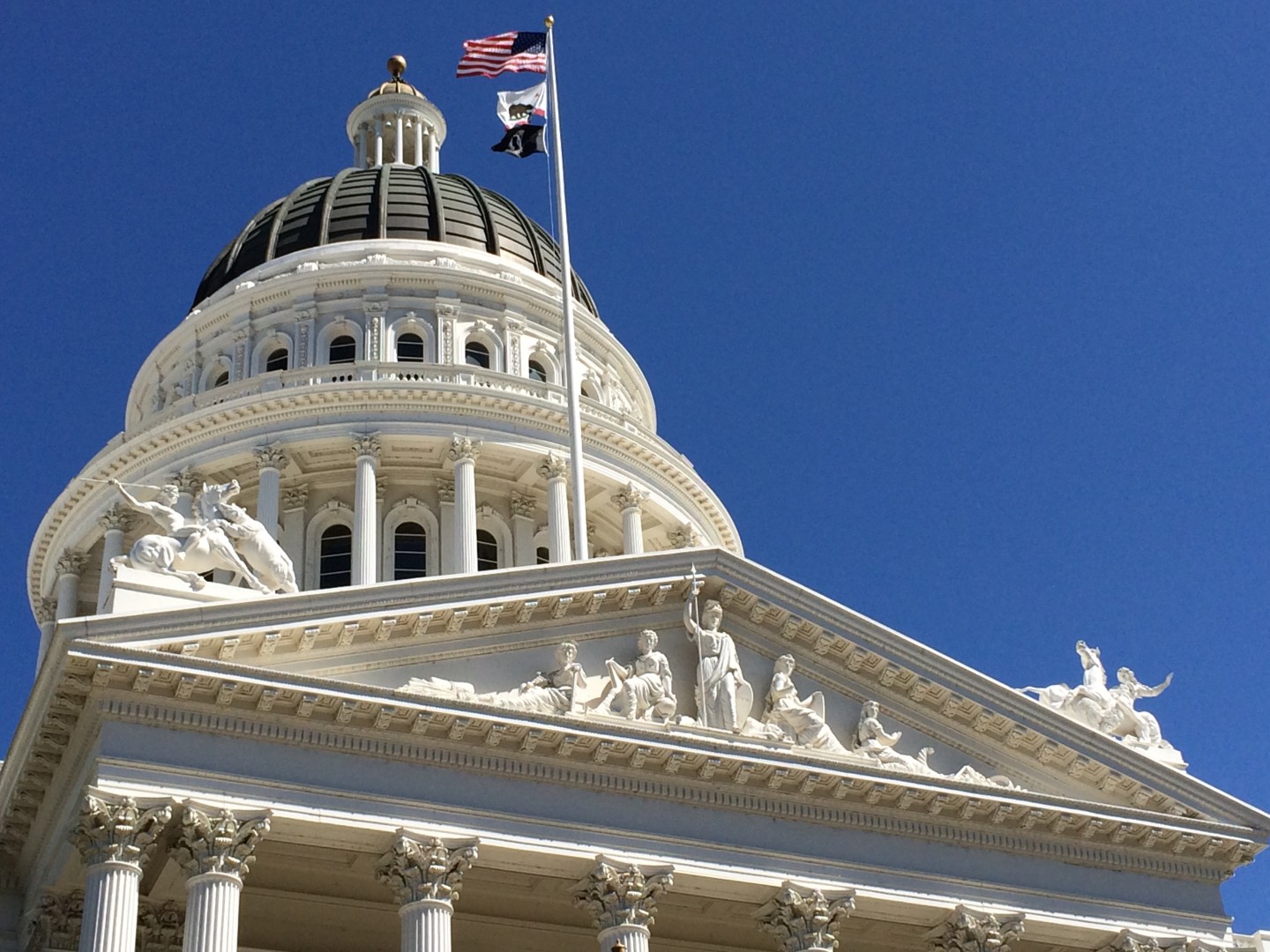
"caption": "State Capitol",
"description": "State Capitol",
"title": "IMG_3008",
"credit": "John Myers/KQED",
"status": "inherit",
"isLoading": false,
"fetchFailed": false
},
"news_10621026": {
"type": "attachments",
"id": "news_10621026",
"meta": {
"index": "attachments_1716263798",
"site": "news",
"id": "10621026",
"found": true
},
"parent": 10621023,
"imgSizes": {
"twentyfourteen-full-width": {
"file": "https://ww2.kqed.org/app/uploads/sites/10/2015/07/RS3237_heatwavepower220120813-1038x576.jpg",
"width": 1038,
"mimeType": "image/jpeg",
"height": 576
},
"thumbnail": {
"file": "https://ww2.kqed.org/app/uploads/sites/10/2015/07/RS3237_heatwavepower220120813-400x273.jpg",
"width": 400,
"mimeType": "image/jpeg",
"height": 273
},
"fd-sm": {
"file": "https://ww2.kqed.org/app/uploads/sites/10/2015/07/RS3237_heatwavepower220120813-960x655.jpg",
"width": 960,
"mimeType": "image/jpeg",
"height": 655
},
"post-thumbnail": {
"file": "https://ww2.kqed.org/app/uploads/sites/10/2015/07/RS3237_heatwavepower220120813-672x372.jpg",
"width": 672,
"mimeType": "image/jpeg",
"height": 372
},
"kqedFullSize": {
"file": "https://ww2.kqed.org/app/uploads/sites/10/2015/07/RS3237_heatwavepower220120813-e1438187512592.jpg",
"width": 1919,
"height": 1309
},
"large": {
"file": "https://ww2.kqed.org/app/uploads/sites/10/2015/07/RS3237_heatwavepower220120813-1440x982.jpg",
"width": 1440,
"mimeType": "image/jpeg",
"height": 982
},
"guest-author-96": {
"file": "https://ww2.kqed.org/app/uploads/sites/10/2015/07/RS3237_heatwavepower220120813-96x96.jpg",
"width": 96,
"mimeType": "image/jpeg",
"height": 96
},
"medium": {
"file": "https://ww2.kqed.org/app/uploads/sites/10/2015/07/RS3237_heatwavepower220120813-800x546.jpg",
"width": 800,
"mimeType": "image/jpeg",
"height": 546
},
"guest-author-64": {
"file": "https://ww2.kqed.org/app/uploads/sites/10/2015/07/RS3237_heatwavepower220120813-64x64.jpg",
"width": 64,
"mimeType": "image/jpeg",
"height": 64
},
"guest-author-32": {
"file": "https://ww2.kqed.org/app/uploads/sites/10/2015/07/RS3237_heatwavepower220120813-32x32.jpg",
"width": 32,
"mimeType": "image/jpeg",
"height": 32
},
"jmtc-small-thumb": {
"file": "https://ww2.kqed.org/app/uploads/sites/10/2015/07/RS3237_heatwavepower220120813-280x150.jpg",
"width": 280,
"mimeType": "image/jpeg",
"height": 150
},
"fd-lrg": {
"file": "https://ww2.kqed.org/app/uploads/sites/10/2015/07/RS3237_heatwavepower220120813-1920x1309.jpg",
"width": 1920,
"mimeType": "image/jpeg",
"height": 1309
},
"fd-med": {
"file": "https://ww2.kqed.org/app/uploads/sites/10/2015/07/RS3237_heatwavepower220120813-1180x805.jpg",
"width": 1180,
"mimeType": "image/jpeg",
"height": 805
},
"detail": {
"file": "https://ww2.kqed.org/app/uploads/sites/10/2015/07/RS3237_heatwavepower220120813-75x75.jpg",
"width": 75,
"mimeType": "image/jpeg",
"height": 75
},
"guest-author-128": {
"file": "https://ww2.kqed.org/app/uploads/sites/10/2015/07/RS3237_heatwavepower220120813-128x128.jpg",
"width": 128,
"mimeType": "image/jpeg",
"height": 128
}
},
"publishDate": 1438187501,
"modified": 1438211864,
"caption": "A new poll finds strong support for new climate change and renewable energy goals being considered in the California Legislature.",
"description": null,
"title": "California Power Grid Strained By Heat Wave",
"credit": "Justin Sullivan/Getty Images",
"status": "inherit",
"isLoading": false,
"fetchFailed": false
},
"news_10602347": {
"type": "attachments",
"id": "news_10602347",
"meta": {
"index": "attachments_1716263798",
"site": "news",
"id": "10602347",
"found": true
},
"parent": 10602288,
"imgSizes": {
"twentyfourteen-full-width": {
"file": "https://ww2.kqed.org/app/uploads/sites/10/2015/07/calmatters_cap_trade_solar-461-1038x576.jpg",
"width": 1038,
"mimeType": "image/jpeg",
"height": 576
},
"thumbnail": {
"file": "https://ww2.kqed.org/app/uploads/sites/10/2015/07/calmatters_cap_trade_solar-461-400x267.jpg",
"width": 400,
"mimeType": "image/jpeg",
"height": 267
},
"fd-sm": {
"file": "https://ww2.kqed.org/app/uploads/sites/10/2015/07/calmatters_cap_trade_solar-461-960x640.jpg",
"width": 960,
"mimeType": "image/jpeg",
"height": 640
},
"post-thumbnail": {
"file": "https://ww2.kqed.org/app/uploads/sites/10/2015/07/calmatters_cap_trade_solar-461-672x372.jpg",
"width": 672,
"mimeType": "image/jpeg",
"height": 372
},
"kqedFullSize": {
"file": "https://ww2.kqed.org/app/uploads/sites/10/2015/07/calmatters_cap_trade_solar-461-e1437007616210.jpg",
"width": 1920,
"height": 1280
},
"large": {
"file": "https://ww2.kqed.org/app/uploads/sites/10/2015/07/calmatters_cap_trade_solar-461-1440x960.jpg",
"width": 1440,
"mimeType": "image/jpeg",
"height": 960
},
"guest-author-96": {
"file": "https://ww2.kqed.org/app/uploads/sites/10/2015/07/calmatters_cap_trade_solar-461-96x96.jpg",
"width": 96,
"mimeType": "image/jpeg",
"height": 96
},
"medium": {
"file": "https://ww2.kqed.org/app/uploads/sites/10/2015/07/calmatters_cap_trade_solar-461-800x533.jpg",
"width": 800,
"mimeType": "image/jpeg",
"height": 533
},
"guest-author-64": {
"file": "https://ww2.kqed.org/app/uploads/sites/10/2015/07/calmatters_cap_trade_solar-461-64x64.jpg",
"width": 64,
"mimeType": "image/jpeg",
"height": 64
},
"guest-author-32": {
"file": "https://ww2.kqed.org/app/uploads/sites/10/2015/07/calmatters_cap_trade_solar-461-32x32.jpg",
"width": 32,
"mimeType": "image/jpeg",
"height": 32
},
"jmtc-small-thumb": {
"file": "https://ww2.kqed.org/app/uploads/sites/10/2015/07/calmatters_cap_trade_solar-461-280x150.jpg",
"width": 280,
"mimeType": "image/jpeg",
"height": 150
},
"fd-lrg": {
"file": "https://ww2.kqed.org/app/uploads/sites/10/2015/07/calmatters_cap_trade_solar-461-1400x933.jpg",
"width": 1400,
"mimeType": "image/jpeg",
"height": 933
},
"fd-med": {
"file": "https://ww2.kqed.org/app/uploads/sites/10/2015/07/calmatters_cap_trade_solar-461-1180x787.jpg",
"width": 1180,
"mimeType": "image/jpeg",
"height": 787
},
"detail": {
"file": "https://ww2.kqed.org/app/uploads/sites/10/2015/07/calmatters_cap_trade_solar-461-75x75.jpg",
"width": 75,
"mimeType": "image/jpeg",
"height": 75
},
"guest-author-128": {
"file": "https://ww2.kqed.org/app/uploads/sites/10/2015/07/calmatters_cap_trade_solar-461-128x128.jpg",
"width": 128,
"mimeType": "image/jpeg",
"height": 128
}
},
"publishDate": 1437007598,
"modified": 1437007642,
"caption": "California Senate leader Kevin de León addresses the media Monday, May 18, 2015 during the installation of solar panels on the roor of a South Sacramento home.",
"description": "California Senate leader Kevin de León addresses the media Monday, May 18, 2015 during the installation of solar panels on the roor of a South Sacramento home.",
"title": "calmatters_cap_trade_solar-461",
"credit": "Carl Costas/CALmatters.",
"status": "inherit",
"isLoading": false,
"fetchFailed": false
},
"news_10604897": {
"type": "attachments",
"id": "news_10604897",
"meta": {
"index": "attachments_1716263798",
"site": "news",
"id": "10604897",
"found": true
},
"parent": 10602225,
"imgSizes": {
"twentyfourteen-full-width": {
"file": "https://ww2.kqed.org/app/uploads/sites/10/2015/07/PearsBig-1038x576.jpg",
"width": 1038,
"mimeType": "image/jpeg",
"height": 576
},
"thumbnail": {
"file": "https://ww2.kqed.org/app/uploads/sites/10/2015/07/PearsBig-400x266.jpg",
"width": 400,
"mimeType": "image/jpeg",
"height": 266
},
"fd-sm": {
"file": "https://ww2.kqed.org/app/uploads/sites/10/2015/07/PearsBig-960x639.jpg",
"width": 960,
"mimeType": "image/jpeg",
"height": 639
},
"post-thumbnail": {
"file": "https://ww2.kqed.org/app/uploads/sites/10/2015/07/PearsBig-672x372.jpg",
"width": 672,
"mimeType": "image/jpeg",
"height": 372
},
"kqedFullSize": {
"file": "https://ww2.kqed.org/app/uploads/sites/10/2015/07/PearsBig.jpg",
"width": 1920,
"height": 1278
},
"large": {
"file": "https://ww2.kqed.org/app/uploads/sites/10/2015/07/PearsBig-1440x959.jpg",
"width": 1440,
"mimeType": "image/jpeg",
"height": 959
},
"guest-author-96": {
"file": "https://ww2.kqed.org/app/uploads/sites/10/2015/07/PearsBig-96x96.jpg",
"width": 96,
"mimeType": "image/jpeg",
"height": 96
},
"medium": {
"file": "https://ww2.kqed.org/app/uploads/sites/10/2015/07/PearsBig-800x533.jpg",
"width": 800,
"mimeType": "image/jpeg",
"height": 533
},
"guest-author-64": {
"file": "https://ww2.kqed.org/app/uploads/sites/10/2015/07/PearsBig-64x64.jpg",
"width": 64,
"mimeType": "image/jpeg",
"height": 64
},
"guest-author-32": {
"file": "https://ww2.kqed.org/app/uploads/sites/10/2015/07/PearsBig-32x32.jpg",
"width": 32,
"mimeType": "image/jpeg",
"height": 32
},
"jmtc-small-thumb": {
"file": "https://ww2.kqed.org/app/uploads/sites/10/2015/07/PearsBig-280x150.jpg",
"width": 280,
"mimeType": "image/jpeg",
"height": 150
},
"fd-lrg": {
"file": "https://ww2.kqed.org/app/uploads/sites/10/2015/07/PearsBig-1400x932.jpg",
"width": 1400,
"mimeType": "image/jpeg",
"height": 932
},
"fd-med": {
"file": "https://ww2.kqed.org/app/uploads/sites/10/2015/07/PearsBig-1180x785.jpg",
"width": 1180,
"mimeType": "image/jpeg",
"height": 785
},
"detail": {
"file": "https://ww2.kqed.org/app/uploads/sites/10/2015/07/PearsBig-75x75.jpg",
"width": 75,
"mimeType": "image/jpeg",
"height": 75
},
"guest-author-128": {
"file": "https://ww2.kqed.org/app/uploads/sites/10/2015/07/PearsBig-128x128.jpg",
"width": 128,
"mimeType": "image/jpeg",
"height": 128
}
},
"publishDate": 1437173851,
"modified": 1437174238,
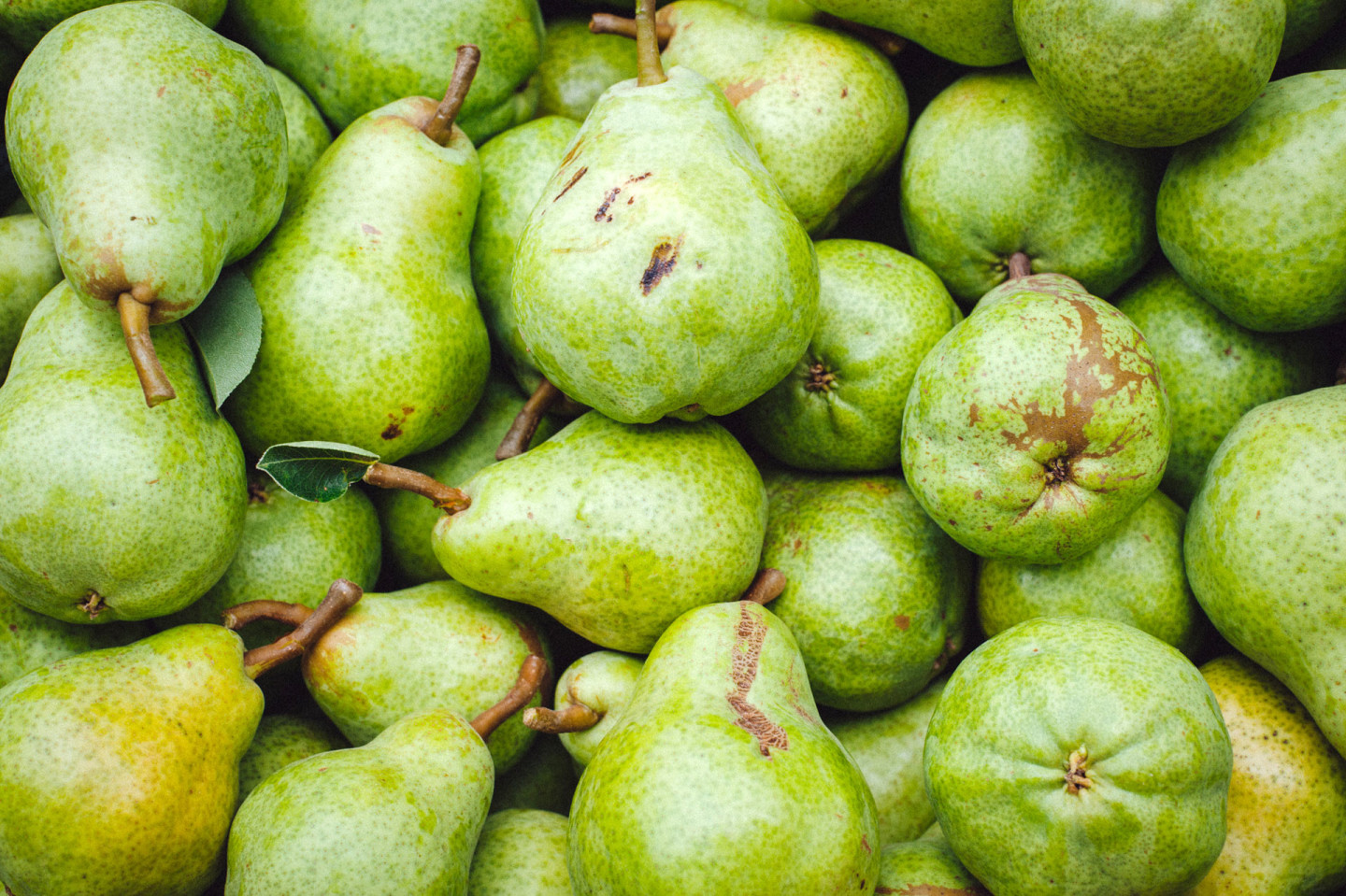
"caption": "Pears with cosmetic blemishes such as \"limb rub\" -- surface imperfections that have nothing to do with quality or taste -- wind up in a different market category.",
"description": "Pears with cosmetic blemishes such as \"limb rub\" -- surface imperfections that have nothing to do with quality or taste -- wind up in a different market category.",
"title": "PearsBig",
"credit": "Cynthia E. Wood/KQED",
"status": "inherit",
"isLoading": false,
"fetchFailed": false
},
"news_10603237": {
"type": "attachments",
"id": "news_10603237",
"meta": {
"index": "attachments_1716263798",
"site": "news",
"id": "10603237",
"found": true
},
"parent": 10603234,
"imgSizes": {
"twentyfourteen-full-width": {
"file": "https://ww2.kqed.org/app/uploads/sites/10/2015/07/5937_transform-1038x576.jpg",
"width": 1038,
"mimeType": "image/jpeg",
"height": 576
},
"thumbnail": {
"file": "https://ww2.kqed.org/app/uploads/sites/10/2015/07/5937_transform-400x266.jpg",
"width": 400,
"mimeType": "image/jpeg",
"height": 266
},
"fd-sm": {
"file": "https://ww2.kqed.org/app/uploads/sites/10/2015/07/5937_transform-960x639.jpg",
"width": 960,
"mimeType": "image/jpeg",
"height": 639
},
"post-thumbnail": {
"file": "https://ww2.kqed.org/app/uploads/sites/10/2015/07/5937_transform-672x372.jpg",
"width": 672,
"mimeType": "image/jpeg",
"height": 372
},
"kqedFullSize": {
"file": "https://ww2.kqed.org/app/uploads/sites/10/2015/07/5937_transform.jpg",
"width": 1920,
"height": 1278
},
"large": {
"file": "https://ww2.kqed.org/app/uploads/sites/10/2015/07/5937_transform-1440x959.jpg",
"width": 1440,
"mimeType": "image/jpeg",
"height": 959
},
"guest-author-96": {
"file": "https://ww2.kqed.org/app/uploads/sites/10/2015/07/5937_transform-96x96.jpg",
"width": 96,
"mimeType": "image/jpeg",
"height": 96
},
"medium": {
"file": "https://ww2.kqed.org/app/uploads/sites/10/2015/07/5937_transform-800x533.jpg",
"width": 800,
"mimeType": "image/jpeg",
"height": 533
},
"guest-author-64": {
"file": "https://ww2.kqed.org/app/uploads/sites/10/2015/07/5937_transform-64x64.jpg",
"width": 64,
"mimeType": "image/jpeg",
"height": 64
},
"guest-author-32": {
"file": "https://ww2.kqed.org/app/uploads/sites/10/2015/07/5937_transform-32x32.jpg",
"width": 32,
"mimeType": "image/jpeg",
"height": 32
},
"jmtc-small-thumb": {
"file": "https://ww2.kqed.org/app/uploads/sites/10/2015/07/5937_transform-280x150.jpg",
"width": 280,
"mimeType": "image/jpeg",
"height": 150
},
"fd-lrg": {
"file": "https://ww2.kqed.org/app/uploads/sites/10/2015/07/5937_transform-1400x932.jpg",
"width": 1400,
"mimeType": "image/jpeg",
"height": 932
},
"fd-med": {
"file": "https://ww2.kqed.org/app/uploads/sites/10/2015/07/5937_transform-1180x785.jpg",
"width": 1180,
"mimeType": "image/jpeg",
"height": 785
},
"detail": {
"file": "https://ww2.kqed.org/app/uploads/sites/10/2015/07/5937_transform-75x75.jpg",
"width": 75,
"mimeType": "image/jpeg",
"height": 75
},
"guest-author-128": {
"file": "https://ww2.kqed.org/app/uploads/sites/10/2015/07/5937_transform-128x128.jpg",
"width": 128,
"mimeType": "image/jpeg",
"height": 128
}
},
"publishDate": 1437070247,
"modified": 1437169847,
"caption": "Governor Jerry Brown will discuss climate change with Pope Francis next week.",
"description": null,
"title": "BRAZIL-POPE-WYD-DEPARTURE",
"credit": "Luca Zennaro/AFP/Getty Images",
"status": "inherit",
"isLoading": false,
"fetchFailed": false
},
"news_10559950": {
"type": "attachments",
"id": "news_10559950",
"meta": {
"index": "attachments_1716263798",
"site": "news",
"id": "10559950",
"found": true
},
"parent": 10556883,
"imgSizes": {
"twentyfourteen-full-width": {
"file": "https://ww2.kqed.org/app/uploads/sites/10/2015/06/20150522-CynthiaWoodPhoto-DSC_9826-1038x576.jpg",
"width": 1038,
"mimeType": "image/jpeg",
"height": 576
},
"thumbnail": {
"file": "https://ww2.kqed.org/app/uploads/sites/10/2015/06/20150522-CynthiaWoodPhoto-DSC_9826-400x268.jpg",
"width": 400,
"mimeType": "image/jpeg",
"height": 268
},
"fd-sm": {
"file": "https://ww2.kqed.org/app/uploads/sites/10/2015/06/20150522-CynthiaWoodPhoto-DSC_9826-960x643.jpg",
"width": 960,
"mimeType": "image/jpeg",
"height": 643
},
"post-thumbnail": {
"file": "https://ww2.kqed.org/app/uploads/sites/10/2015/06/20150522-CynthiaWoodPhoto-DSC_9826-672x372.jpg",
"width": 672,
"mimeType": "image/jpeg",
"height": 372
},
"kqedFullSize": {
"file": "https://ww2.kqed.org/app/uploads/sites/10/2015/06/20150522-CynthiaWoodPhoto-DSC_9826.jpg",
"width": 2000,
"height": 1339
},
"large": {
"file": "https://ww2.kqed.org/app/uploads/sites/10/2015/06/20150522-CynthiaWoodPhoto-DSC_9826-1440x964.jpg",
"width": 1440,
"mimeType": "image/jpeg",
"height": 964
},
"guest-author-96": {
"file": "https://ww2.kqed.org/app/uploads/sites/10/2015/06/20150522-CynthiaWoodPhoto-DSC_9826-96x96.jpg",
"width": 96,
"mimeType": "image/jpeg",
"height": 96
},
"medium": {
"file": "https://ww2.kqed.org/app/uploads/sites/10/2015/06/20150522-CynthiaWoodPhoto-DSC_9826-800x536.jpg",
"width": 800,
"mimeType": "image/jpeg",
"height": 536
},
"guest-author-64": {
"file": "https://ww2.kqed.org/app/uploads/sites/10/2015/06/20150522-CynthiaWoodPhoto-DSC_9826-64x64.jpg",
"width": 64,
"mimeType": "image/jpeg",
"height": 64
},
"guest-author-32": {
"file": "https://ww2.kqed.org/app/uploads/sites/10/2015/06/20150522-CynthiaWoodPhoto-DSC_9826-32x32.jpg",
"width": 32,
"mimeType": "image/jpeg",
"height": 32
},
"fd-med": {
"file": "https://ww2.kqed.org/app/uploads/sites/10/2015/06/20150522-CynthiaWoodPhoto-DSC_9826-1180x790.jpg",
"width": 1180,
"mimeType": "image/jpeg",
"height": 790
},
"detail": {
"file": "https://ww2.kqed.org/app/uploads/sites/10/2015/06/20150522-CynthiaWoodPhoto-DSC_9826-75x75.jpg",
"width": 75,
"mimeType": "image/jpeg",
"height": 75
},
"guest-author-128": {
"file": "https://ww2.kqed.org/app/uploads/sites/10/2015/06/20150522-CynthiaWoodPhoto-DSC_9826-128x128.jpg",
"width": 128,
"mimeType": "image/jpeg",
"height": 128
}
},
"publishDate": 1434088666,
"modified": 1434088769,
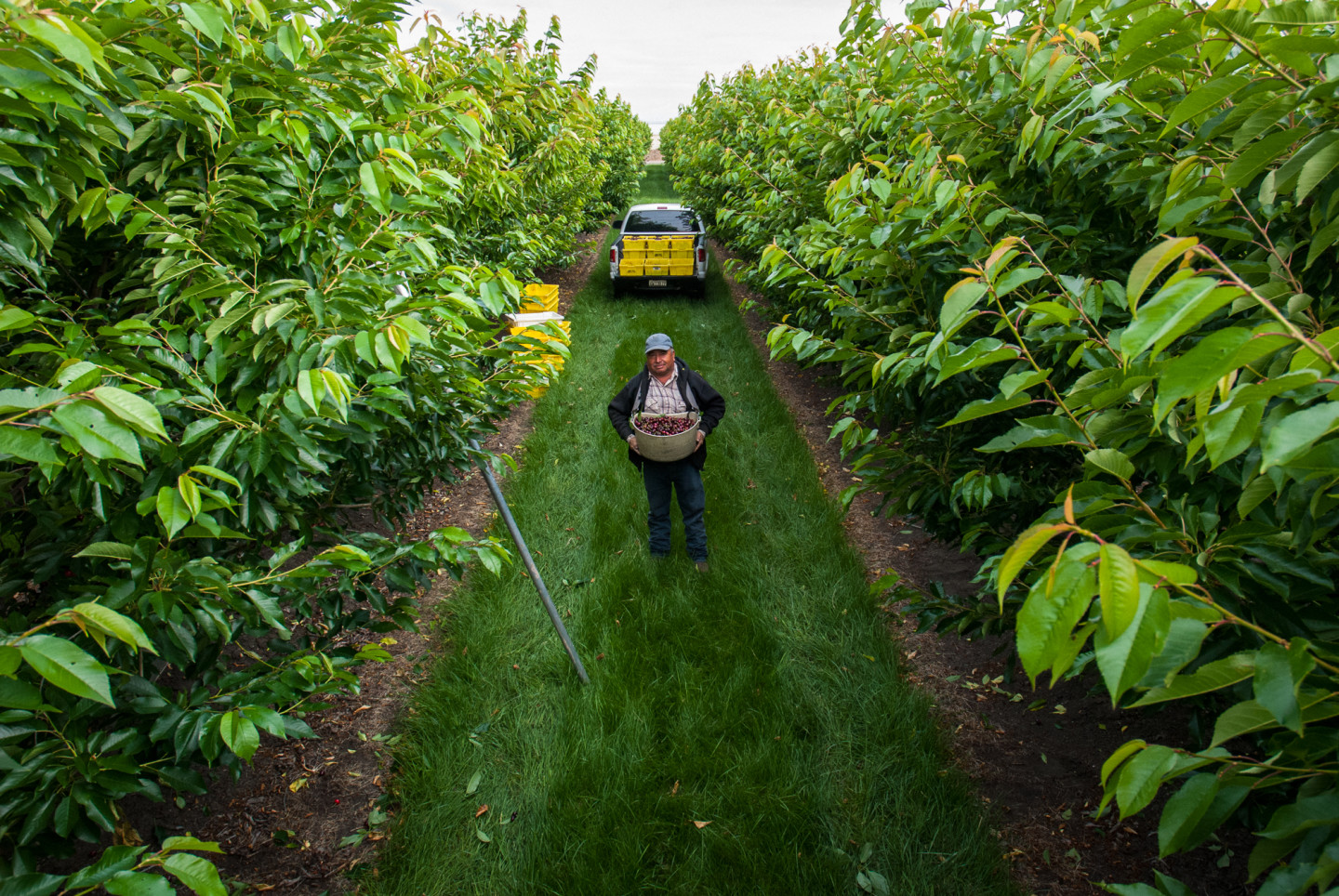
"caption": "Farm worker, Juan Espinoza, stands amid the rows of healthy cherry trees in Gilroy, Calif.",
"description": "Farm worker, Juan Espinoza, stands amid the rows of healthy cherry trees in Gilroy, Calif.",
"title": "20150522-CynthiaWoodPhoto-DSC_9826",
"credit": "Cynthia E. Wood/KQED",
"status": "inherit",
"isLoading": false,
"fetchFailed": false
},
"news_10350795": {
"type": "attachments",
"id": "news_10350795",
"meta": {
"index": "attachments_1716263798",
"site": "news",
"id": "10350795",
"found": true
},
"parent": 10349655,
"imgSizes": {
"twentyfourteen-full-width": {
"file": "https://ww2.kqed.org/app/uploads/sites/10/2014/11/QuinoaPicking-1038x576.jpg",
"width": 1038,
"mimeType": "image/jpeg",
"height": 576
},
"thumbnail": {
"file": "https://ww2.kqed.org/app/uploads/sites/10/2014/11/QuinoaPicking-400x278.jpg",
"width": 400,
"mimeType": "image/jpeg",
"height": 278
},
"post-thumbnail": {
"file": "https://ww2.kqed.org/app/uploads/sites/10/2014/11/QuinoaPicking-672x372.jpg",
"width": 672,
"mimeType": "image/jpeg",
"height": 372
},
"kqedFullSize": {
"file": "https://ww2.kqed.org/app/uploads/sites/10/2014/11/QuinoaPicking.jpg",
"width": 1440,
"height": 1003
},
"guest-author-96": {
"file": "https://ww2.kqed.org/app/uploads/sites/10/2014/11/QuinoaPicking-96x96.jpg",
"width": 96,
"mimeType": "image/jpeg",
"height": 96
},
"medium": {
"file": "https://ww2.kqed.org/app/uploads/sites/10/2014/11/QuinoaPicking-800x557.jpg",
"width": 800,
"mimeType": "image/jpeg",
"height": 557
},
"guest-author-64": {
"file": "https://ww2.kqed.org/app/uploads/sites/10/2014/11/QuinoaPicking-64x64.jpg",
"width": 64,
"mimeType": "image/jpeg",
"height": 64
},
"detail": {
"file": "https://ww2.kqed.org/app/uploads/sites/10/2014/11/QuinoaPicking-75x75.jpg",
"width": 75,
"mimeType": "image/jpeg",
"height": 75
},
"guest-author-32": {
"file": "https://ww2.kqed.org/app/uploads/sites/10/2014/11/QuinoaPicking-32x32.jpg",
"width": 32,
"mimeType": "image/jpeg",
"height": 32
},
"guest-author-128": {
"file": "https://ww2.kqed.org/app/uploads/sites/10/2014/11/QuinoaPicking-128x128.jpg",
"width": 128,
"mimeType": "image/jpeg",
"height": 128
}
},
"publishDate": 1416536954,
"modified": 1416536966,
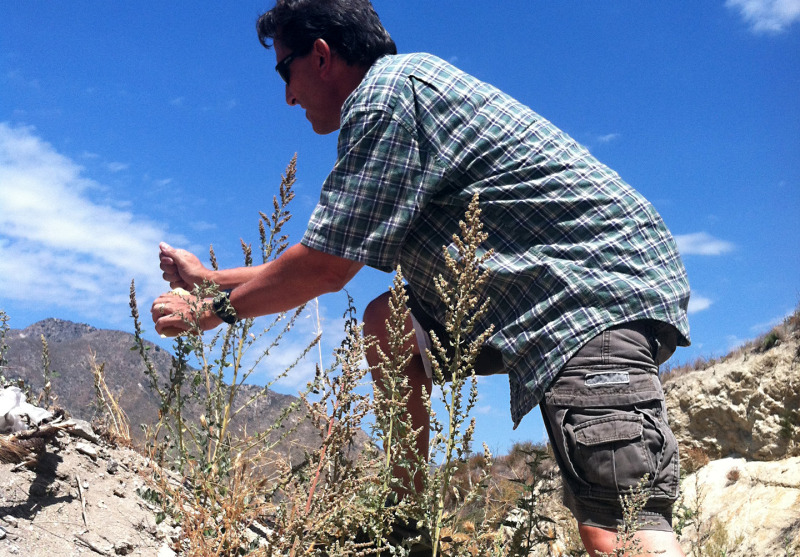
"caption": "Rick Jellen collects varieties of wild quinoa on the side of the road throughout Los Angeles. (Casey Miner/KQED)",
"description": "Rick Jellen collects varieties of wild quinoa on the side of the road throughout Los Angeles. (Casey Miner/KQED)",
"title": "QuinoaPicking",
"credit": null,
"status": "inherit",
"isLoading": false,
"fetchFailed": false
},
"news_10344194": {
"type": "attachments",
"id": "news_10344194",
"meta": {
"index": "attachments_1716263798",
"site": "news",
"id": "10344194",
"found": true
},
"parent": 10344190,
"imgSizes": {
"twentyfourteen-full-width": {
"file": "https://ww2.kqed.org/app/uploads/sites/10/2014/10/8617633643_edba6bae10_o-1038x576.jpg",
"width": 1038,
"mimeType": "image/jpeg",
"height": 576
},
"thumbnail": {
"file": "https://ww2.kqed.org/app/uploads/sites/10/2014/10/8617633643_edba6bae10_o-400x300.jpg",
"width": 400,
"mimeType": "image/jpeg",
"height": 300
},
"post-thumbnail": {
"file": "https://ww2.kqed.org/app/uploads/sites/10/2014/10/8617633643_edba6bae10_o-672x372.jpg",
"width": 672,
"mimeType": "image/jpeg",
"height": 372
},
"kqedFullSize": {
"file": "https://ww2.kqed.org/app/uploads/sites/10/2014/10/8617633643_edba6bae10_o.jpg",
"width": 1440,
"height": 1080
},
"guest-author-96": {
"file": "https://ww2.kqed.org/app/uploads/sites/10/2014/10/8617633643_edba6bae10_o-96x96.jpg",
"width": 96,
"mimeType": "image/jpeg",
"height": 96
},
"medium": {
"file": "https://ww2.kqed.org/app/uploads/sites/10/2014/10/8617633643_edba6bae10_o-800x600.jpg",
"width": 800,
"mimeType": "image/jpeg",
"height": 600
},
"guest-author-64": {
"file": "https://ww2.kqed.org/app/uploads/sites/10/2014/10/8617633643_edba6bae10_o-64x64.jpg",
"width": 64,
"mimeType": "image/jpeg",
"height": 64
},
"detail": {
"file": "https://ww2.kqed.org/app/uploads/sites/10/2014/10/8617633643_edba6bae10_o-75x75.jpg",
"width": 75,
"mimeType": "image/jpeg",
"height": 75
},
"guest-author-32": {
"file": "https://ww2.kqed.org/app/uploads/sites/10/2014/10/8617633643_edba6bae10_o-32x32.jpg",
"width": 32,
"mimeType": "image/jpeg",
"height": 32
},
"guest-author-128": {
"file": "https://ww2.kqed.org/app/uploads/sites/10/2014/10/8617633643_edba6bae10_o-128x128.jpg",
"width": 128,
"mimeType": "image/jpeg",
"height": 128
}
},
"publishDate": 1413518917,
"modified": 1413518917,
"caption": "A view from Sugarloaf Ridge State Park, where the recordings were made. (\u003ca href=\"https://www.flickr.com/photos/jeffhester/8617633643/in/photolist-9y43ha-5w8KuC-5xLjQm-6xkzmq-89CnM3-ayVVB4-e8vCAz-5EaRoA-5xHqzK-5E6Fti-5xHj5H-5xHtfx-9y6XbL-9y6YPy-9y3Vrc-9y3WRB-9y71Wm-9y3YqM-9y41i6-9y72sY-9y3VKt-9y6Tub-9y6UiW-9y3YFP-9y3ZcP-9y76wJ-9y3UY8-9y72c9-9y3UJk-9y3Wm6-5YXHqP-5Z2VBY-5E7fUB-7C8A2n-5YXHkt-e8vCfp-e8vBvB-5xN3pU-5xHmJp-5xMao5-e8vC2r-5EbEwo-5xMmtd-6rGVVu-89CmbY-8uTXpA-e8BjdY-e8vCbk-5xG5Zz-5xM3rJ\" target=\"_blank\">Jeff Hester/Flickr\u003c/a>)",
"description": "A view from Sugarloaf Ridge State Park, where the recordings were made. (\u003ca href=\"https://www.flickr.com/photos/jeffhester/8617633643/in/photolist-9y43ha-5w8KuC-5xLjQm-6xkzmq-89CnM3-ayVVB4-e8vCAz-5EaRoA-5xHqzK-5E6Fti-5xHj5H-5xHtfx-9y6XbL-9y6YPy-9y3Vrc-9y3WRB-9y71Wm-9y3YqM-9y41i6-9y72sY-9y3VKt-9y6Tub-9y6UiW-9y3YFP-9y3ZcP-9y76wJ-9y3UY8-9y72c9-9y3UJk-9y3Wm6-5YXHqP-5Z2VBY-5E7fUB-7C8A2n-5YXHkt-e8vCfp-e8vBvB-5xN3pU-5xHmJp-5xMao5-e8vC2r-5EbEwo-5xMmtd-6rGVVu-89CmbY-8uTXpA-e8BjdY-e8vCbk-5xG5Zz-5xM3rJ\" target=\"_blank\">Jeff Hester/Flickr\u003c/a>)",
"title": "8617633643_edba6bae10_o",
"credit": null,
"status": "inherit",
"isLoading": false,
"fetchFailed": false
}
},
"audioPlayerReducer": {
"postId": "stream_live",
"isPaused": true,
"isPlaying": false,
"pfsActive": false,
"pledgeModalIsOpen": true,
"playerDrawerIsOpen": false,
"liveAudioPlayStartedAt": 0,
"liveAudioPlayContext": ""
},
"authorsReducer": {
"byline_news_10602288": {
"type": "authors",
"id": "byline_news_10602288",
"meta": {
"override": true
},
"slug": "byline_news_10602288",
"name": "\u003cstrong>Kate Galbraith\u003cbr />CALmatters\u003c/strong>",
"isLoading": false
},
"byline_news_10349655": {
"type": "authors",
"id": "byline_news_10349655",
"meta": {
"override": true
},
"slug": "byline_news_10349655",
"name": "Casey Miner",
"isLoading": false
},
"ohubertallen": {
"type": "authors",
"id": "102",
"meta": {
"index": "authors_1716337520",
"id": "102",
"found": true
},
"name": "Olivia Allen-Price",
"firstName": "Olivia",
"lastName": "Allen-Price",
"slug": "ohubertallen",
"email": "oallenprice@kqed.org",
"display_author_email": false,
"staff_mastheads": [
"news"
],
"title": "Senior Editor",
"bio": "Olivia Allen-Price is senior editor and host of the award-winning Bay Curious podcast. Prior to joining KQED in 2013, Olivia worked at The Baltimore Sun and The Virginian-Pilot in Norfolk, Va. She holds degrees in journalism and political science from Elon University. Her work has earned awards from the Society of Professional Journalists, the Hearst Foundation and Hearken. She loves to talk about running and curly hair.\r\n\r\nFollow: \u003ca href=\"https://twitter.com/oallenprice\">@oallenprice\u003c/a>\r\nEmail: \u003ca href=\"mailto:oallenprice@kqed.org\">oallenprice@kqed.org\u003c/a>",
"avatar": "https://secure.gravatar.com/avatar/07f7803c1f6be56f3be58ef276dfa64dce898502e0554408ef4858451a8294f7?s=600&d=blank&r=g",
"twitter": "oallenprice",
"bluesky": null,
"facebook": null,
"instagram": null,
"linkedin": null,
"sites": [
{
"site": "",
"roles": [
"editor"
]
},
{
"site": "arts",
"roles": [
"subscriber"
]
},
{
"site": "news",
"roles": [
"administrator"
]
},
{
"site": "pop",
"roles": [
"administrator"
]
},
{
"site": "bayareabites",
"roles": [
"contributor"
]
},
{
"site": "stateofhealth",
"roles": [
"administrator"
]
},
{
"site": "science",
"roles": [
"editor"
]
}
],
"headData": {
"title": "Olivia Allen-Price | KQED",
"description": "Senior Editor",
"ogImgSrc": "https://secure.gravatar.com/avatar/07f7803c1f6be56f3be58ef276dfa64dce898502e0554408ef4858451a8294f7?s=600&d=blank&r=g",
"twImgSrc": "https://secure.gravatar.com/avatar/07f7803c1f6be56f3be58ef276dfa64dce898502e0554408ef4858451a8294f7?s=600&d=blank&r=g"
},
"isLoading": false,
"link": "/author/ohubertallen"
},
"jmyers": {
"type": "authors",
"id": "232",
"meta": {
"index": "authors_1716337520",
"id": "232",
"found": true
},
"name": "John Myers",
"firstName": "John",
"lastName": "Myers",
"slug": "jmyers",
"email": "jmyers@kqed.org",
"display_author_email": false,
"staff_mastheads": [],
"title": null,
"bio": "John Myers is Senior Editor of KQED's new California Politics and Government Desk. A veteran of almost two decades of political coverage, he was KQED's longest serving statehouse bureau chief and recently was political editor for Sacramento's ABC affiliate, News10 (KXTV). John was moderator of the only 2014 gubernatorial debate, and was named by \u003cem>The Washington Post\u003c/em> to two \"Best Of\" lists: the 2015 list of top state politics reporters and 2014's list of America's most influential statehouse reporters.",
"avatar": "https://secure.gravatar.com/avatar/c0ac98482caf0b8229a792662b38722a?s=600&d=blank&r=g",
"twitter": "johnmyers",
"facebook": null,
"instagram": null,
"linkedin": null,
"sites": [
{
"site": "news",
"roles": [
"subscriber"
]
}
],
"headData": {
"title": "John Myers | KQED",
"description": null,
"ogImgSrc": "https://secure.gravatar.com/avatar/c0ac98482caf0b8229a792662b38722a?s=600&d=blank&r=g",
"twImgSrc": "https://secure.gravatar.com/avatar/c0ac98482caf0b8229a792662b38722a?s=600&d=blank&r=g"
},
"isLoading": false,
"link": "/author/jmyers"
},
"lmorehouse": {
"type": "authors",
"id": "3229",
"meta": {
"index": "authors_1716337520",
"id": "3229",
"found": true
},
"name": "Lisa Morehouse",
"firstName": "Lisa",
"lastName": "Morehouse",
"slug": "lmorehouse",
"email": "morehouse.lisa@gmail.com",
"display_author_email": false,
"staff_mastheads": [],
"title": "KQED Contributor",
"bio": "Lisa Morehouse is an award-winning public radio and print journalist, who has filed for National Public Radio, American Public Media, KQED Public Radio, Edutopia, and McSweeney’s. Her reporting has taken her from Samoan traveling circuses to Mississippi Delta classrooms to the homes of Lao refugees in rural Iowa. In addition to reporting, she teaches radio production to at-risk youth in the Bay Area. Her series \u003ca href=\"http://afterthegoldrushradio.com/\">After the Gold Rush\u003c/a> featured the changing industries, populations and identities of rural towns throughout California. She’s now producing \u003ca href=\"http://www.californiafoodways.com/\">California Foodways\u003c/a>, a series exploring the intersections of food, culture, economics, history and labor. Follow along on the \u003ca href=\"https://www.facebook.com/californiafoodways?ref=hl\">Facebook page\u003c/a> or on Twitter @cafoodways.",
"avatar": "https://secure.gravatar.com/avatar/dae74b002a6e256f39abb19d6f5acaea?s=600&d=blank&r=g",
"twitter": null,
"facebook": null,
"instagram": null,
"linkedin": null,
"sites": [
{
"site": "",
"roles": [
"editor"
]
},
{
"site": "news",
"roles": [
"author"
]
}
],
"headData": {
"title": "Lisa Morehouse | KQED",
"description": "KQED Contributor",
"ogImgSrc": "https://secure.gravatar.com/avatar/dae74b002a6e256f39abb19d6f5acaea?s=600&d=blank&r=g",
"twImgSrc": "https://secure.gravatar.com/avatar/dae74b002a6e256f39abb19d6f5acaea?s=600&d=blank&r=g"
},
"isLoading": false,
"link": "/author/lmorehouse"
},
"mlagos": {
"type": "authors",
"id": "3239",
"meta": {
"index": "authors_1716337520",
"id": "3239",
"found": true
},
"name": "Marisa Lagos",
"firstName": "Marisa",
"lastName": "Lagos",
"slug": "mlagos",
"email": "mlagos@kqed.org",
"display_author_email": false,
"staff_mastheads": [
"news"
],
"title": "KQED Contributor",
"bio": "Marisa Lagos is a correspondent for KQED’s California Politics and Government Desk and co-hosts the award-winning show and podcast, Political Breakdown. At KQED, Lagos also conducts reporting, analysis and investigations into state, local and national politics for radio, TV, online and onstage. In 2022, she and co-host, Scott Shafer, moderated the only gubernatorial debate in California. In 2020, the \u003ci>Washington Post\u003c/i> named her one of the top political journalists in California; she was nominated for a Peabody and won several other awards for her work investigating the 2017 California wildfires. She has worked at the \u003ci>San Francisco Chronicle\u003c/i>, \u003ci>San Francisco Examiner\u003c/i> and \u003ci>Los Angeles Times\u003c/i>. A UC Santa Barbara graduate, she lives in San Francisco with her two sons and husband.",
"avatar": "https://secure.gravatar.com/avatar/a261a0d3696fc066871ef96b85b5e7d2?s=600&d=blank&r=g",
"twitter": "@mlagos",
"facebook": null,
"instagram": null,
"linkedin": null,
"sites": [
{
"site": "arts",
"roles": [
"author"
]
},
{
"site": "news",
"roles": [
"editor"
]
},
{
"site": "science",
"roles": [
"editor"
]
},
{
"site": "forum",
"roles": [
"author"
]
},
{
"site": "liveblog",
"roles": [
"author"
]
}
],
"headData": {
"title": "Marisa Lagos | KQED",
"description": "KQED Contributor",
"ogImgSrc": "https://secure.gravatar.com/avatar/a261a0d3696fc066871ef96b85b5e7d2?s=600&d=blank&r=g",
"twImgSrc": "https://secure.gravatar.com/avatar/a261a0d3696fc066871ef96b85b5e7d2?s=600&d=blank&r=g"
},
"isLoading": false,
"link": "/author/mlagos"
}
},
"pagesReducer": {
"news_tag_climate-change": {
"type": "terms",
"id": "news_255",
"meta": {
"index": "terms_1716263798",
"site": "news",
"id": "255",
"score": 7.9464717
},
"featImg": null,
"name": "climate change",
"description": null,
"taxonomy": "tag",
"headData": {
"twImgId": null,
"twTitle": null,
"ogTitle": null,
"ogImgId": null,
"twDescription": null,
"description": null,
"title": "climate change Archives | KQED News",
"ogDescription": null
},
"ttid": 263,
"slug": "climate-change",
"isLoading": false,
"title": "climate change",
"pageMeta": {
"site": "news",
"WpPageTemplate": "page-topic-editorial",
"currentPage": 45
},
"blocks": [
{
"blockName": "kqed/post-list",
"attrs": {
"layout": "cardArticle2",
"query": "posts/news?tag=climate-change",
"seeMore": false,
"paginated": true,
"page": 45
}
},
{
"blockName": "kqed/ad"
}
]
}
},
"pfsSessionReducer": {},
"postsReducer": {
"stream_live": {
"type": "live",
"id": "stream_live",
"audioUrl": "https://streams.kqed.org/kqedradio",
"title": "Live Stream",
"excerpt": "Live Stream information currently unavailable.",
"link": "/radio",
"featImg": "",
"label": {
"name": "KQED Live",
"link": "/"
}
},
"stream_kqedNewscast": {
"type": "posts",
"id": "stream_kqedNewscast",
"audioUrl": "https://www.kqed.org/.stream/anon/radio/RDnews/newscast.mp3?_=1",
"title": "KQED Newscast",
"featImg": "",
"label": {
"name": "88.5 FM",
"link": "/"
}
},
"news_10651408": {
"type": "posts",
"id": "news_10651408",
"meta": {
"index": "posts_1716263798",
"site": "news",
"id": "10651408",
"score": null,
"sort": [
1440140512000
]
},
"guestAuthors": [],
"slug": "turning-up-the-heat-california-politics-podcast",
"title": "Turning Up The Heat: California Politics Podcast",
"publishDate": 1440140512,
"format": "audio",
"headTitle": "Turning Up The Heat: California Politics Podcast | KQED",
"labelTerm": {
"term": 7051,
"site": "news"
},
"content": "\u003cp>It was a hot week in Sacramento, with triple-digit temperatures outside and heated debate and accusations under the state Capitol dome.\u003c/p>\n\u003cp>This week’s California Politics Podcast examines some new clashes over climate change legislation and \u003ca href=\"http://abcnews.go.com/US/wireStory/ap-exclusive-california-measure-fails-create-green-jobs-33125600\" target=\"_blank\" rel=\"noopener\">a news story looking back at one 2012 environmental ballot measure\u003c/a>. We also discuss Gov. Jerry Brown’s careful choice of words on how to fund transportation.\u003c/p>\n\u003cp>And we examine two bills that caused some buzz in Sacramento this week: a new effort to legalize medically assisted suicide and a quick fix for some students who couldn’t take the state’s high school exit exam.\u003c/p>\n\u003cp>I’m joined by KQED News’ Marisa Lagos.\u003c/p>\n\u003cp>[ad fullwidth]\u003c/p>\u003cp>\u003c/p>\n",
"blocks": [],
"excerpt": "This week's podcast: Climate change clashing, plus a quick Capitol fix for the high school exit exam.",
"status": "publish",
"parent": 0,
"modified": 1726001955,
"stats": {
"hasAudio": false,
"hasVideo": false,
"hasChartOrMap": false,
"iframeSrcs": [],
"hasGoogleForm": false,
"hasGallery": false,
"hasHearkenModule": false,
"hasPolis": false,
"paragraphCount": 6,
"wordCount": 119
},
"headData": {
"title": "Turning Up The Heat: California Politics Podcast | KQED",
"description": "This week's podcast: Climate change clashing, plus a quick Capitol fix for the high school exit exam.",
"ogTitle": "",
"ogDescription": "",
"ogImgId": "",
"twTitle": "",
"twDescription": "",
"twImgId": "",
"schema": {
"@context": "https://schema.org",
"@type": "NewsArticle",
"headline": "Turning Up The Heat: California Politics Podcast",
"datePublished": "2015-08-21T00:01:52-07:00",
"dateModified": "2024-09-10T13:59:15-07:00",
"image": "https://cdn.kqed.org/wp-content/uploads/2020/02/KQED-OG-Image@1x.png",
"isAccessibleForFree": "True",
"publisher": {
"@type": "NewsMediaOrganization",
"@id": "https://www.kqed.org/#organization",
"name": "KQED",
"logo": "https://cdn.kqed.org/wp-content/uploads/2020/02/KQED-OG-Image@1x.png",
"url": "https://www.kqed.org",
"sameAs": [
"https://www.facebook.com/KQED",
"https://twitter.com/KQED",
"https://www.instagram.com/kqed/",
"https://www.tiktok.com/@kqedofficial",
"https://www.linkedin.com/company/kqed",
"https://www.youtube.com/channel/UCeC0IOo7i1P_61zVUWbJ4nw"
]
}
}
},
"audioUrl": "https://www.kqed.org/.stream/mp3splice/radio/RDnews/2015/08/PolPodcast082015.mp3",
"sticky": false,
"path": "/news/10651408/turning-up-the-heat-california-politics-podcast",
"audioDuration": null,
"audioTrackLength": null,
"parsedContent": [
{
"type": "contentString",
"content": "\u003cdiv class=\"post-body\">\u003cp>\u003cp>It was a hot week in Sacramento, with triple-digit temperatures outside and heated debate and accusations under the state Capitol dome.\u003c/p>\n\u003cp>This week’s California Politics Podcast examines some new clashes over climate change legislation and \u003ca href=\"http://abcnews.go.com/US/wireStory/ap-exclusive-california-measure-fails-create-green-jobs-33125600\" target=\"_blank\" rel=\"noopener\">a news story looking back at one 2012 environmental ballot measure\u003c/a>. We also discuss Gov. Jerry Brown’s careful choice of words on how to fund transportation.\u003c/p>\n\u003cp>And we examine two bills that caused some buzz in Sacramento this week: a new effort to legalize medically assisted suicide and a quick fix for some students who couldn’t take the state’s high school exit exam.\u003c/p>\n\u003cp>I’m joined by KQED News’ Marisa Lagos.\u003c/p>\n\u003cp>\u003c/p>\u003c/div>",
"attributes": {
"named": {},
"numeric": []
}
},
{
"type": "component",
"content": "",
"name": "ad",
"attributes": {
"named": {
"label": "fullwidth"
},
"numeric": [
"fullwidth"
]
}
},
{
"type": "contentString",
"content": "\u003cdiv class=\"post-body\">\u003cp>\u003c/p>\u003cp>\u003c/p>\n\u003c/div>\u003c/p>",
"attributes": {
"named": {},
"numeric": []
}
}
],
"link": "/news/10651408/turning-up-the-heat-california-politics-podcast",
"authors": [
"232"
],
"programs": [
"news_72",
"news_7051"
],
"categories": [
"news_34165",
"news_19906",
"news_13",
"news_17793"
],
"tags": [
"news_255",
"news_17599",
"news_30",
"news_18391"
],
"featImg": "news_10651410",
"label": "news_7051"
},
"news_10641123": {
"type": "posts",
"id": "news_10641123",
"meta": {
"index": "posts_1716263798",
"site": "news",
"id": "10641123",
"score": null,
"sort": [
1439794890000
]
},
"guestAuthors": [],
"slug": "big-battles-to-watch-in-california-legislatures-final-month",
"title": "Big Battles to Watch In California Legislature's Final Month",
"publishDate": 1439794890,
"format": "standard",
"headTitle": "Big Battles to Watch In California Legislature’s Final Month | KQED",
"labelTerm": {
"term": 72,
"site": "news"
},
"content": "\u003cp>At most, there are only 20 days of official business left at the state Capitol. By the time it’s over, huge policy and political fights will have been waged, some of which may set the stage for debates left for the voters to settle in 2016.\u003c/p>\n\u003cp>Legislators return on Monday to Sacramento for the final sprint to the end of this year’s duties, the halfway mark of the two-year legislative session that began in January. Hundreds of bills are left to be debated, covering topics from environmental policy to privacy rights and long-term funding for roads and highways.\u003c/p>\n\u003cp>Here are our top picks for the battles worth watching:\u003c/p>\n\u003cp>\u003cstrong>The Biggie: Climate Clash\u003c/strong>\u003c/p>\n\u003cp>California’s reputation on the international stage as a leader on climate change regulations has been front and center in recent months, and legislators may be on the verge of doubling down on that effort. Most notable are two bills to further reduce greenhouse gas emissions, and separate legislation to cut the state’s reliance on fossil fuels.\u003c/p>\n\u003cp>[ad fullwidth]\u003c/p>\n\u003cp>The greenhouse gas bills (\u003ca href=\"http://www.leginfo.ca.gov/pub/15-16/bill/sen/sb_0001-0050/sb_32_cfa_20150710_120306_asm_comm.html\" target=\"_blank\" rel=\"noopener\">SB 32\u003c/a> and \u003ca href=\"http://www.leginfo.ca.gov/pub/15-16/bill/asm/ab_1251-1300/ab_1288_cfa_20150713_150625_sen_comm.html\" target=\"_blank\" rel=\"noopener\">AB 1288\u003c/a>) push beyond the state’s 2006 landmark law, which seeks to shrink emissions to 1990 levels by 2020. AB 1288, by Assembly Speaker Toni Atkins (D-San Diego), would extend the state’s use of cap-and-trade as a tool to limit greenhouse gas emissions. SB 32, by state Sen. Fran Pavley (D-Agoura Hills), would ratchet down emission levels by mid-century to 80 percent below 1990 levels.\u003c/p>\n\u003cfigure id=\"attachment_10643312\" class=\"wp-caption alignleft\" style=\"max-width: 400px\">\u003cimg loading=\"lazy\" decoding=\"async\" class=\"size-thumbnail wp-image-10643312\" src=\"http://ww2.kqed.org/news/wp-content/uploads/sites/10/2015/08/RS15578_BUDGET_34-400x267.jpg\" alt=\"State Senate President pro Tem Kevin de León is the author of SB 350.\" width=\"400\" height=\"267\" srcset=\"https://cdn.kqed.org/wp-content/uploads/sites/10/2015/08/RS15578_BUDGET_34-400x267.jpg 400w, https://cdn.kqed.org/wp-content/uploads/sites/10/2015/08/RS15578_BUDGET_34-800x533.jpg 800w, https://cdn.kqed.org/wp-content/uploads/sites/10/2015/08/RS15578_BUDGET_34-1440x960.jpg 1440w, https://cdn.kqed.org/wp-content/uploads/sites/10/2015/08/RS15578_BUDGET_34-1920x1280.jpg 1920w, https://cdn.kqed.org/wp-content/uploads/sites/10/2015/08/RS15578_BUDGET_34-1180x787.jpg 1180w, https://cdn.kqed.org/wp-content/uploads/sites/10/2015/08/RS15578_BUDGET_34-960x640.jpg 960w\" sizes=\"(max-width: 400px) 100vw, 400px\">\u003cfigcaption class=\"wp-caption-text\">State Senate President pro Tem Kevin de León is the author of SB 350. \u003ccite>(Max Whittaker/KQED)\u003c/cite>\u003c/figcaption>\u003c/figure>\n\u003cp>Hard to believe, but those bills may spark debate that seems tepid compared to \u003ca href=\"http://www.leginfo.ca.gov/cgi-bin/postquery?bill_number=sb_350&sess=CUR&house=B&author=de_le%F3n_%3Cde_leon%3E\" target=\"_blank\" rel=\"noopener\">SB 350\u003c/a> by Senate President pro Tem Kevin de León (D-Los Angeles). This bill is an attempt to pull off the equivalent of a climate change hat trick: More renewable energy, more energy efficient buildings, and a 50 percent reduction in the use of petroleum by cars and trucks.\u003c/p>\n\u003cp>That last element — a big downsizing of gasoline use — is the one the oil industry has vowed to kill, with \u003ca href=\"http://www.californiadriversalliance.org/\" target=\"_blank\" rel=\"noopener\">an aggressive PR campaign over the last few weeks\u003c/a> and a list of business-leaning Democrats in the Assembly who they hope will lead the charge to weaken the Senate leader’s bill.\u003c/p>\n\u003cp>Historically, a bill authored by a legislative leader can be hard to stop. And de León holds some powerful cards in his hand — namely, the bills of assemblymembers that have made it to the Senate, bills he could amend or kill to get his way with SB 350.\u003c/p>\n\u003cp>This is the biggest of the final legislative battles. And keep your eye on Gov. Jerry Brown, who may play a key role behind the scenes on an issue which he seems to increasingly view as a big part of his legacy.\u003c/p>\n\u003cp>\u003cstrong>Money Talks: Health Care and Tobacco\u003c/strong>\u003c/p>\n\u003cp>Lawmakers will be working both on regular-session issues and, concurrently, on two special legislative sessions — dealing with health care and transportation.\u003c/p>\n\u003cp>\u003ca href=\"http://gov.ca.gov/docs/6.16.15_Health_Care_Special_Session.pdf\" target=\"_blank\" rel=\"noopener\">While Brown’s call for a special health care session\u003c/a> is mostly aimed at finding a way to fund Medi-Cal, it seems a new round of tobacco wars will be taking front and center in the debate as well.\u003cimg loading=\"lazy\" decoding=\"async\" class=\"alignright size-thumbnail wp-image-10643161\" src=\"http://ww2.kqed.org/news/wp-content/uploads/sites/10/2015/08/RS3292_NoSmokingSign-400x286.jpg\" alt=\"RS3292_NoSmokingSign\" width=\"400\" height=\"286\" srcset=\"https://cdn.kqed.org/wp-content/uploads/sites/10/2015/08/RS3292_NoSmokingSign-400x286.jpg 400w, https://cdn.kqed.org/wp-content/uploads/sites/10/2015/08/RS3292_NoSmokingSign-800x572.jpg 800w, https://cdn.kqed.org/wp-content/uploads/sites/10/2015/08/RS3292_NoSmokingSign-960x686.jpg 960w, https://cdn.kqed.org/wp-content/uploads/sites/10/2015/08/RS3292_NoSmokingSign.jpg 1024w\" sizes=\"(max-width: 400px) 100vw, 400px\">\u003c/p>\n\u003cp>Several Democratic lawmakers have already introduced legislation as part of the special session that would define e-cigarettes as tobacco products and bring them under the state’s existing anti-smoking laws.\u003c/p>\n\u003cp>Both Senate Bill xx5 by Senator Mark Leno (D-San Francisco) and Assembly Bill xx6 by Assemblymember Jim Cooper (D-Elk Grove) are essentially do-overs of Leno’s SB 140, which was \u003ca href=\"http://www.sfgate.com/politics/article/Assembly-amendments-kill-bill-to-regulate-6374014.php\" target=\"_blank\" rel=\"noopener\">unceremoniously gutted in July by Assemblyman Adam Gray \u003c/a>(D-Merced), chair of the lower house’s powerful governmental organization committee. So it seems that legislation, combined with other bills, could set up an interesting battle in the Assembly, whose more moderate members have recently been loath to expand anti-tobacco laws.\u003c/p>\n\u003cp>(By the way, the “x” in the bill numbers refers to the fact that these were introduced in the \u003cem>special session\u003c/em>.)\u003c/p>\n\u003cp>Also on the tobacco docket: \u003ca href=\"http://www.leginfo.ca.gov/pub/15-16/bill/asm/ab_0001-0050/abx2_10_bill_20150716_introduced.htm\" target=\"_blank\" rel=\"noopener\">Assembly Bill xx10\u003c/a> by Assemblyman Richard Bloom (D-Santa Monica), which would allow counties to impose their own tobacco taxes; \u003ca href=\"http://www.leginfo.ca.gov/pub/15-16/bill/sen/sb_0001-0050/sbx2_7_bill_20150716_introduced.htm\" target=\"_blank\" rel=\"noopener\">Senate Bill xx7\u003c/a> by Sen. Ed Hernandez (D-San Gabriel Valley) and \u003ca href=\"http://www.leginfo.ca.gov/pub/15-16/bill/asm/ab_0001-0050/abx2_8_bill_20150716_introduced.htm\" target=\"_blank\" rel=\"noopener\">Assembly Bill xx8\u003c/a> by Assemblyman Jim Wood (D-Healdsburg), which would both raise the smoking age to 21; \u003ca href=\"http://www.leginfo.ca.gov/pub/15-16/bill/sen/sb_0001-0050/sbx2_6_bill_20150716_introduced.htm\" target=\"_blank\" rel=\"noopener\">Senate Bill xx6\u003c/a> by Sen. Bill Monning (D-Carmel), which would close some loopholes in the state’s workplace smoking laws; and \u003ca href=\"http://www.leginfo.ca.gov/pub/15-16/bill/sen/sb_0001-0050/sbx2_8_bill_20150716_introduced.htm\" target=\"_blank\" rel=\"noopener\">Senate Bill xx8\u003c/a> by Sen. Carol Liu (D-La Cañada Flintridge), which would expand tobacco-free programs to charter schools.\u003c/p>\n\u003cp>The health care session, of course, is actually aimed at finding a way to backfill \u003ca href=\"http://www.capradio.org/articles/2015/06/22/california-must-change-tax-or-face-losing-billions/\" target=\"_blank\" rel=\"noopener\">$1.1 billion in funding for Medi-Cal that will dry up next June\u003c/a>, when the federal government starts enforcing new rules around how the low-income health insurance is funded. Democrats and Republicans also want to increase reimbursement rates for doctors who serve Medi-Cal patients and to increase funding for developmental disability services; Democratic lawmakers are pushing, too for more funding for the state’s In-Home Supportive Services program.\u003c/p>\n\u003cp>Assemblyman Marc Levine (D-San Rafael) has proposed a flat tax on all managed care organizations in the state of $7.88 per patient, per month. He said the tax would raise the $1.1 billion for Medi-Cal, as well as money for the other programs. Republicans say that tax is unnecessary, and they would like to see the state instead dedicate any new general fund revenues above and beyond 2015 budget levels to developmental disability services and Medi-Cal rates.\u003c/p>\n\u003cp>\u003cstrong>Transportation’s Tax Troubles\u003c/strong>\u003c/p>\n\u003cp>The other big special session debate over the final month will be over new dollars for California’s aging roads, highways and bridges. Getting consensus on the seriousness of the issue was the easy part; finding a way to pay for it — given that most revenue remedies will require a supermajority, bipartisan vote of each house — is the hard part.\u003c/p>\n\u003cp>How much money? An \u003ca href=\"https://cafwd.app.box.com/s/cmibxng0bc6m345umly51adylv3zpu2s\" target=\"_blank\" rel=\"noopener\">all-star coalition of local governments, business, and transportation groups\u003c/a> says it needs to be at least $6 billion. Annually. That’s a heavy lift in the political world.\u003c/p>\n\u003cp>Key debates will include how much to earmark for things like roads and bridges, and how much some urban legislators may demand for public transit; how many different fees or taxes can or should be raised, from gas taxes to vehicle registration fees; how much of the ever-growing pot of cash from cap-and-trade’s auction of emission allowances should be tapped; and the idea of moving away from per gallon taxes and towards “\u003ca href=\"http://www.dot.ca.gov/road_charge/\" target=\"_blank\" rel=\"noopener\">road charging\u003c/a>,” where drivers pay based on how many miles they drive.\u003c/p>\n\u003cp>\u003cstrong>Crime … and Accountability\u003c/strong>\u003c/p>\n\u003cp>Two controversial criminal justice bills will also be up for debate this month, both of them \u003ca href=\"/Users/mlagos/Downloads/201520160AB953_Senate%20Public%20Safety-.pdf\" target=\"_blank\" rel=\"noopener\">opposed\u003c/a> by law enforcement.\u003c/p>\n\u003cp>\u003ca href=\"http://leginfo.legislature.ca.gov/faces/billTextClient.xhtml?bill_id=201520160AB953\" target=\"_blank\" rel=\"noopener\">Assembly Bill 953\u003c/a>, by Assemblywoman Shirley Weber (D-San Diego), is billed by supporters, including the ACLU, as the “\u003ca href=\"https://www.aclunc.org/sites/default/files/AB953_fact_sheet.pdf\" target=\"_blank\" rel=\"noopener\">Racial and Identity Profiling Act of 2015.”\u003c/a> It would mandate a system for law enforcement to collect information on each stop they make, data that would have to be reported to the attorney general each year. AB 953 would also expand the state’s definition of profiling beyond race to include things such as gender, national origin, religion and sexual orientation. It’s supported by a long list of civil rights groups and opposed by most of the state’s large police organizations.\u003c/p>\n\u003cfigure id=\"attachment_10643241\" class=\"wp-caption alignleft\" style=\"max-width: 800px\">\u003ca href=\"http://ww2.kqed.org/news/wp-content/uploads/sites/10/2015/08/RS11767_IMG_1723-copy.jpg-alt_318.jpg\">\u003cimg loading=\"lazy\" decoding=\"async\" class=\"size-medium wp-image-10643241\" src=\"http://ww2.kqed.org/news/wp-content/uploads/sites/10/2015/08/RS11767_IMG_1723-copy.jpg-alt_318-800x533.jpg\" alt=\"Police protests around the nation, including this one in San Francisco, helped spur AB953.\" width=\"800\" height=\"533\" srcset=\"https://cdn.kqed.org/wp-content/uploads/sites/10/2015/08/RS11767_IMG_1723-copy.jpg-alt_318-800x533.jpg 800w, https://cdn.kqed.org/wp-content/uploads/sites/10/2015/08/RS11767_IMG_1723-copy.jpg-alt_318-400x267.jpg 400w, https://cdn.kqed.org/wp-content/uploads/sites/10/2015/08/RS11767_IMG_1723-copy.jpg-alt_318-1440x960.jpg 1440w, https://cdn.kqed.org/wp-content/uploads/sites/10/2015/08/RS11767_IMG_1723-copy.jpg-alt_318.jpg 1920w, https://cdn.kqed.org/wp-content/uploads/sites/10/2015/08/RS11767_IMG_1723-copy.jpg-alt_318-1180x787.jpg 1180w, https://cdn.kqed.org/wp-content/uploads/sites/10/2015/08/RS11767_IMG_1723-copy.jpg-alt_318-960x640.jpg 960w\" sizes=\"(max-width: 800px) 100vw, 800px\">\u003c/a>\u003cfigcaption class=\"wp-caption-text\">Police protests around the nation, including this one in San Francisco, helped spur AB953. \u003ccite>(Mark Andrew Boyer / KQED)\u003c/cite>\u003c/figcaption>\u003c/figure>\n\u003cp>Leno is again attempting to curb warrantless searches of phones, computers and other electronic devices with \u003ca href=\"http://leginfo.legislature.ca.gov/faces/billNavClient.xhtml?bill_id=201520160SB178\" target=\"_blank\" rel=\"noopener\">Senate Bill 178\u003c/a>. It’s his fourth run at the issue, which has repeatedly been embraced by lawmakers but vetoed by Brown in the face of law enforcement opposition.\u003c/p>\n\u003cp>The bill would require law enforcement to secure a court order before they compel service providers to give them personal communications, or before they search an electronic device. It has some exceptions for emergency situations. It’s supported by tech companies, consumer organizations and civil liberties groups, but opposed by prosecutors, police and sheriffs.\u003c/p>\n\u003cp>\u003cstrong>Elections and Disclosure Laws\u003c/strong>\u003c/p>\n\u003cp>A handful of notable bills in the final month may make important changes in the conducting of elections and campaigns, starting as soon as next year’s contest. The most talked about of these is \u003ca href=\"http://www.leginfo.ca.gov/pub/15-16/bill/asm/ab_1451-1500/ab_1461_bill_20150623_amended_sen_v94.htm\" target=\"_blank\" rel=\"noopener\">AB 1461\u003c/a> by Assemblywoman Lorena Gonzalez (D-San Diego), requiring DMV and state elections officials to automatically register to vote those who are eligible.\u003c/p>\n\u003cp>Other bills that will be worth watching include a state-funded recount for razor-thin statewide candidate or ballot measure elections, and new donor disclosure rules on campaign mailers.\u003c/p>\n\u003cp>Speaking of disclosure: Keep an eye on \u003ca href=\"http://www.leginfo.ca.gov/pub/15-16/bill/asm/ab_1151-1200/ab_1200_cfa_20150706_131902_sen_comm.html\" target=\"_blank\" rel=\"noopener\">AB 1200\u003c/a>, the effort by Assemblyman Rich Gordon (D-Menlo Park) to apply lobbying reports for those who seek government contracts — an area, \u003ca href=\"http://ww2.kqed.org/news/2015/08/13/240-million-education-contract-illustrates-state-lobbying-loopholes\" target=\"_blank\" rel=\"noopener\">as we reported last week, that’s virtually opaque when it comes to seeing who’s influencing what\u003c/a>.\u003c/p>\n\u003cp>\u003cstrong>Affordability Issues\u003c/strong>\u003c/p>\n\u003cp>Democrats are also attempting to change a handful of state laws that they argue will make life easier for working families and individuals.\u003c/p>\n\u003cfigure id=\"attachment_10643242\" class=\"wp-caption alignright\" style=\"max-width: 800px\">\u003ca href=\"http://ww2.kqed.org/news/wp-content/uploads/sites/10/2015/08/1093_transform.jpg\">\u003cimg loading=\"lazy\" decoding=\"async\" class=\"size-medium wp-image-10643242\" src=\"http://ww2.kqed.org/news/wp-content/uploads/sites/10/2015/08/1093_transform-800x598.jpg\" alt=\"Efforts to raise the minimum wage are also happening at the local level. \" width=\"800\" height=\"598\" srcset=\"https://cdn.kqed.org/wp-content/uploads/sites/10/2015/08/1093_transform-800x598.jpg 800w, https://cdn.kqed.org/wp-content/uploads/sites/10/2015/08/1093_transform-400x299.jpg 400w, https://cdn.kqed.org/wp-content/uploads/sites/10/2015/08/1093_transform-1440x1076.jpg 1440w, https://cdn.kqed.org/wp-content/uploads/sites/10/2015/08/1093_transform.jpg 1920w, https://cdn.kqed.org/wp-content/uploads/sites/10/2015/08/1093_transform-1180x881.jpg 1180w, https://cdn.kqed.org/wp-content/uploads/sites/10/2015/08/1093_transform-960x717.jpg 960w\" sizes=\"(max-width: 800px) 100vw, 800px\">\u003c/a>\u003cfigcaption class=\"wp-caption-text\">Efforts to raise the minimum wage are also happening at the local level. \u003ccite>(Peter Jon Shuler/KQED)\u003c/cite>\u003c/figcaption>\u003c/figure>\n\u003cp>\u003ca href=\"http://leginfo.legislature.ca.gov/faces/billNavClient.xhtml?bill_id=201520160AB908\" target=\"_blank\" rel=\"noopener\">Assembly Bill 908\u003c/a>, by Assemblyman Jimmy Gomez (D-Los Angeles) would \u003ca href=\"http://www.bizjournals.com/sacramento/news/2015/06/26/bill-to-expand-paid-family-leave-gains-traction.html\" target=\"_blank\" rel=\"noopener\">expand paid family leave in California\u003c/a>; \u003ca href=\"http://leginfo.legislature.ca.gov/faces/billNavClient.xhtml?bill_id=201520160SB406\" target=\"_blank\" rel=\"noopener\">Senate Bill 406\u003c/a>, by Sen. Hannah Beth Jackson (D-Santa Barbara) would also \u003ca href=\"http://sd19.senate.ca.gov/news/2015-04-07-jackson-bill-would-provide-job-protection-paid-family-leave\" target=\"_blank\" rel=\"noopener\">expand job protections for Californians\u003c/a> that take paid family leave; Jackson’s Senate Bill 358 would\u003ca href=\"http://www.sfchronicle.com/opinion/article/Time-to-require-equal-pay-for-similar-work-6405957.php\" target=\"_blank\" rel=\"noopener\"> strengthen California’s gender pay protections\u003c/a>; and Leno’s \u003ca href=\"http://leginfo.legislature.ca.gov/faces/billNavClient.xhtml?bill_id=201520160SB3\" target=\"_blank\" rel=\"noopener\">Senate Bill 3\u003c/a> would raise the state’s minimum wage to $13 an hour by 2017, with automatic future increases based on the rate of inflation — the same kind of inflation “indexing” that’s been opposed in previous incarnations by Gov. Jerry Brown.\u003c/p>\n\u003cp>\u003cstrong>Ripped From The Headlines?\u003c/strong>\u003c/p>\n\u003cp>And finally, there will be legislative debates that, even more than some of the bills mentioned above, are largely driven by the state or national news cycle.\u003c/p>\n\u003cp>Republicans \u003ca href=\"https://ad67.assemblygop.com/featured-news/melendez-calls-full-state-audit-planned-parenthood\" target=\"_blank\" rel=\"noopener\">are vowing to fight for more information on Planned Parenthood’s use of state tax dollars\u003c/a>, after the summertime controversy over a hidden video and accusations of selling fetal tissue for medical research. While \u003ca href=\"http://www.wsj.com/articles/hhs-warns-states-of-possible-violation-in-ending-medicaid-funds-for-planned-parenthood-1439392786\" target=\"_blank\" rel=\"noopener\">GOP-dominant legislatures in other states are provoking a fight with the feds on the issue\u003c/a>, a debate in the heavily Democratic statehouse in Sacramento would be mostly symbolic.\u003c/p>\n\u003cp>The summer’s tragic headline of a San Francisco murder, allegedly carried out by an undocumented felon who was released from custody just days earlier, may also make its way to the Legislature. Republican state Sen. Jeff Stone (R-Murrieta) \u003ca href=\"http://www.latimes.com/local/political/la-me-pc-california-senator-proposes-immigration-holds-on-felons-in-the-country-illegally-20150813-story.html\" target=\"_blank\" rel=\"noopener\">plans to introduce a bill \u003c/a>to require that local law enforcement notify federal immigrations officials before releasing a convicted felon.\u003c/p>\n\u003cp>[ad floatright]\u003c/p>\n\u003cp>Less sensational, but also part of a national narrative, is \u003ca href=\"http://www.leginfo.ca.gov/pub/15-16/bill/sen/sb_0101-0150/sb_142_cfa_20150715_173328_asm_floor.html\" target=\"_blank\" rel=\"noopener\">SB 142\u003c/a> by Sen. Hannah-Beth Jackson (D-Santa Barbara) to ban drone aircraft within a 350-foot zone of privacy over private property. Jackson and other legislators also are calling for \u003ca href=\"http://ww2.kqed.org/news/2015/07/20/firefighters-could-destroy-drones-under-proposed-california-law/\" target=\"_blank\" rel=\"noopener\">new laws regarding drones interfering with firefighting efforts\u003c/a>.\u003c/p>\n\n",
"blocks": [],
"excerpt": "Legislators have four weeks left to wrap up their work. Here are the debates worth keeping tabs on.",
"status": "publish",
"parent": 0,
"modified": 1726001958,
"stats": {
"hasAudio": false,
"hasVideo": false,
"hasChartOrMap": false,
"iframeSrcs": [],
"hasGoogleForm": false,
"hasGallery": false,
"hasHearkenModule": false,
"hasPolis": false,
"paragraphCount": 42,
"wordCount": 1953
},
"headData": {
"title": "Big Battles to Watch In California Legislature's Final Month | KQED",
"description": "Legislators have four weeks left to wrap up their work. Here are the debates worth keeping tabs on.",
"ogTitle": "",
"ogDescription": "",
"ogImgId": "",
"twTitle": "",
"twDescription": "",
"twImgId": "",
"schema": {
"@context": "https://schema.org",
"@type": "NewsArticle",
"headline": "Big Battles to Watch In California Legislature's Final Month",
"datePublished": "2015-08-17T00:01:30-07:00",
"dateModified": "2024-09-10T13:59:18-07:00",
"image": "https://cdn.kqed.org/wp-content/uploads/2020/02/KQED-OG-Image@1x.png",
"isAccessibleForFree": "True",
"publisher": {
"@type": "NewsMediaOrganization",
"@id": "https://www.kqed.org/#organization",
"name": "KQED",
"logo": "https://cdn.kqed.org/wp-content/uploads/2020/02/KQED-OG-Image@1x.png",
"url": "https://www.kqed.org",
"sameAs": [
"https://www.facebook.com/KQED",
"https://twitter.com/KQED",
"https://www.instagram.com/kqed/",
"https://www.tiktok.com/@kqedofficial",
"https://www.linkedin.com/company/kqed",
"https://www.youtube.com/channel/UCeC0IOo7i1P_61zVUWbJ4nw"
]
}
}
},
"sticky": false,
"customPermalink": "2015/08/16/the-big-battles-to-watch-in-final-2015-debates-california-state-legislature/",
"path": "/news/10641123/big-battles-to-watch-in-california-legislatures-final-month",
"audioTrackLength": null,
"parsedContent": [
{
"type": "contentString",
"content": "\u003cdiv class=\"post-body\">\u003cp>\u003cp>At most, there are only 20 days of official business left at the state Capitol. By the time it’s over, huge policy and political fights will have been waged, some of which may set the stage for debates left for the voters to settle in 2016.\u003c/p>\n\u003cp>Legislators return on Monday to Sacramento for the final sprint to the end of this year’s duties, the halfway mark of the two-year legislative session that began in January. Hundreds of bills are left to be debated, covering topics from environmental policy to privacy rights and long-term funding for roads and highways.\u003c/p>\n\u003cp>Here are our top picks for the battles worth watching:\u003c/p>\n\u003cp>\u003cstrong>The Biggie: Climate Clash\u003c/strong>\u003c/p>\n\u003cp>California’s reputation on the international stage as a leader on climate change regulations has been front and center in recent months, and legislators may be on the verge of doubling down on that effort. Most notable are two bills to further reduce greenhouse gas emissions, and separate legislation to cut the state’s reliance on fossil fuels.\u003c/p>\n\u003cp>\u003c/p>\u003c/div>",
"attributes": {
"named": {},
"numeric": []
}
},
{
"type": "component",
"content": "",
"name": "ad",
"attributes": {
"named": {
"label": "fullwidth"
},
"numeric": [
"fullwidth"
]
}
},
{
"type": "contentString",
"content": "\u003cdiv class=\"post-body\">\u003cp>\u003c/p>\n\u003cp>The greenhouse gas bills (\u003ca href=\"http://www.leginfo.ca.gov/pub/15-16/bill/sen/sb_0001-0050/sb_32_cfa_20150710_120306_asm_comm.html\" target=\"_blank\" rel=\"noopener\">SB 32\u003c/a> and \u003ca href=\"http://www.leginfo.ca.gov/pub/15-16/bill/asm/ab_1251-1300/ab_1288_cfa_20150713_150625_sen_comm.html\" target=\"_blank\" rel=\"noopener\">AB 1288\u003c/a>) push beyond the state’s 2006 landmark law, which seeks to shrink emissions to 1990 levels by 2020. AB 1288, by Assembly Speaker Toni Atkins (D-San Diego), would extend the state’s use of cap-and-trade as a tool to limit greenhouse gas emissions. SB 32, by state Sen. Fran Pavley (D-Agoura Hills), would ratchet down emission levels by mid-century to 80 percent below 1990 levels.\u003c/p>\n\u003cfigure id=\"attachment_10643312\" class=\"wp-caption alignleft\" style=\"max-width: 400px\">\u003cimg loading=\"lazy\" decoding=\"async\" class=\"size-thumbnail wp-image-10643312\" src=\"http://ww2.kqed.org/news/wp-content/uploads/sites/10/2015/08/RS15578_BUDGET_34-400x267.jpg\" alt=\"State Senate President pro Tem Kevin de León is the author of SB 350.\" width=\"400\" height=\"267\" srcset=\"https://cdn.kqed.org/wp-content/uploads/sites/10/2015/08/RS15578_BUDGET_34-400x267.jpg 400w, https://cdn.kqed.org/wp-content/uploads/sites/10/2015/08/RS15578_BUDGET_34-800x533.jpg 800w, https://cdn.kqed.org/wp-content/uploads/sites/10/2015/08/RS15578_BUDGET_34-1440x960.jpg 1440w, https://cdn.kqed.org/wp-content/uploads/sites/10/2015/08/RS15578_BUDGET_34-1920x1280.jpg 1920w, https://cdn.kqed.org/wp-content/uploads/sites/10/2015/08/RS15578_BUDGET_34-1180x787.jpg 1180w, https://cdn.kqed.org/wp-content/uploads/sites/10/2015/08/RS15578_BUDGET_34-960x640.jpg 960w\" sizes=\"(max-width: 400px) 100vw, 400px\">\u003cfigcaption class=\"wp-caption-text\">State Senate President pro Tem Kevin de León is the author of SB 350. \u003ccite>(Max Whittaker/KQED)\u003c/cite>\u003c/figcaption>\u003c/figure>\n\u003cp>Hard to believe, but those bills may spark debate that seems tepid compared to \u003ca href=\"http://www.leginfo.ca.gov/cgi-bin/postquery?bill_number=sb_350&sess=CUR&house=B&author=de_le%F3n_%3Cde_leon%3E\" target=\"_blank\" rel=\"noopener\">SB 350\u003c/a> by Senate President pro Tem Kevin de León (D-Los Angeles). This bill is an attempt to pull off the equivalent of a climate change hat trick: More renewable energy, more energy efficient buildings, and a 50 percent reduction in the use of petroleum by cars and trucks.\u003c/p>\n\u003cp>That last element — a big downsizing of gasoline use — is the one the oil industry has vowed to kill, with \u003ca href=\"http://www.californiadriversalliance.org/\" target=\"_blank\" rel=\"noopener\">an aggressive PR campaign over the last few weeks\u003c/a> and a list of business-leaning Democrats in the Assembly who they hope will lead the charge to weaken the Senate leader’s bill.\u003c/p>\n\u003cp>Historically, a bill authored by a legislative leader can be hard to stop. And de León holds some powerful cards in his hand — namely, the bills of assemblymembers that have made it to the Senate, bills he could amend or kill to get his way with SB 350.\u003c/p>\n\u003cp>This is the biggest of the final legislative battles. And keep your eye on Gov. Jerry Brown, who may play a key role behind the scenes on an issue which he seems to increasingly view as a big part of his legacy.\u003c/p>\n\u003cp>\u003cstrong>Money Talks: Health Care and Tobacco\u003c/strong>\u003c/p>\n\u003cp>Lawmakers will be working both on regular-session issues and, concurrently, on two special legislative sessions — dealing with health care and transportation.\u003c/p>\n\u003cp>\u003ca href=\"http://gov.ca.gov/docs/6.16.15_Health_Care_Special_Session.pdf\" target=\"_blank\" rel=\"noopener\">While Brown’s call for a special health care session\u003c/a> is mostly aimed at finding a way to fund Medi-Cal, it seems a new round of tobacco wars will be taking front and center in the debate as well.\u003cimg loading=\"lazy\" decoding=\"async\" class=\"alignright size-thumbnail wp-image-10643161\" src=\"http://ww2.kqed.org/news/wp-content/uploads/sites/10/2015/08/RS3292_NoSmokingSign-400x286.jpg\" alt=\"RS3292_NoSmokingSign\" width=\"400\" height=\"286\" srcset=\"https://cdn.kqed.org/wp-content/uploads/sites/10/2015/08/RS3292_NoSmokingSign-400x286.jpg 400w, https://cdn.kqed.org/wp-content/uploads/sites/10/2015/08/RS3292_NoSmokingSign-800x572.jpg 800w, https://cdn.kqed.org/wp-content/uploads/sites/10/2015/08/RS3292_NoSmokingSign-960x686.jpg 960w, https://cdn.kqed.org/wp-content/uploads/sites/10/2015/08/RS3292_NoSmokingSign.jpg 1024w\" sizes=\"(max-width: 400px) 100vw, 400px\">\u003c/p>\n\u003cp>Several Democratic lawmakers have already introduced legislation as part of the special session that would define e-cigarettes as tobacco products and bring them under the state’s existing anti-smoking laws.\u003c/p>\n\u003cp>Both Senate Bill xx5 by Senator Mark Leno (D-San Francisco) and Assembly Bill xx6 by Assemblymember Jim Cooper (D-Elk Grove) are essentially do-overs of Leno’s SB 140, which was \u003ca href=\"http://www.sfgate.com/politics/article/Assembly-amendments-kill-bill-to-regulate-6374014.php\" target=\"_blank\" rel=\"noopener\">unceremoniously gutted in July by Assemblyman Adam Gray \u003c/a>(D-Merced), chair of the lower house’s powerful governmental organization committee. So it seems that legislation, combined with other bills, could set up an interesting battle in the Assembly, whose more moderate members have recently been loath to expand anti-tobacco laws.\u003c/p>\n\u003cp>(By the way, the “x” in the bill numbers refers to the fact that these were introduced in the \u003cem>special session\u003c/em>.)\u003c/p>\n\u003cp>Also on the tobacco docket: \u003ca href=\"http://www.leginfo.ca.gov/pub/15-16/bill/asm/ab_0001-0050/abx2_10_bill_20150716_introduced.htm\" target=\"_blank\" rel=\"noopener\">Assembly Bill xx10\u003c/a> by Assemblyman Richard Bloom (D-Santa Monica), which would allow counties to impose their own tobacco taxes; \u003ca href=\"http://www.leginfo.ca.gov/pub/15-16/bill/sen/sb_0001-0050/sbx2_7_bill_20150716_introduced.htm\" target=\"_blank\" rel=\"noopener\">Senate Bill xx7\u003c/a> by Sen. Ed Hernandez (D-San Gabriel Valley) and \u003ca href=\"http://www.leginfo.ca.gov/pub/15-16/bill/asm/ab_0001-0050/abx2_8_bill_20150716_introduced.htm\" target=\"_blank\" rel=\"noopener\">Assembly Bill xx8\u003c/a> by Assemblyman Jim Wood (D-Healdsburg), which would both raise the smoking age to 21; \u003ca href=\"http://www.leginfo.ca.gov/pub/15-16/bill/sen/sb_0001-0050/sbx2_6_bill_20150716_introduced.htm\" target=\"_blank\" rel=\"noopener\">Senate Bill xx6\u003c/a> by Sen. Bill Monning (D-Carmel), which would close some loopholes in the state’s workplace smoking laws; and \u003ca href=\"http://www.leginfo.ca.gov/pub/15-16/bill/sen/sb_0001-0050/sbx2_8_bill_20150716_introduced.htm\" target=\"_blank\" rel=\"noopener\">Senate Bill xx8\u003c/a> by Sen. Carol Liu (D-La Cañada Flintridge), which would expand tobacco-free programs to charter schools.\u003c/p>\n\u003cp>The health care session, of course, is actually aimed at finding a way to backfill \u003ca href=\"http://www.capradio.org/articles/2015/06/22/california-must-change-tax-or-face-losing-billions/\" target=\"_blank\" rel=\"noopener\">$1.1 billion in funding for Medi-Cal that will dry up next June\u003c/a>, when the federal government starts enforcing new rules around how the low-income health insurance is funded. Democrats and Republicans also want to increase reimbursement rates for doctors who serve Medi-Cal patients and to increase funding for developmental disability services; Democratic lawmakers are pushing, too for more funding for the state’s In-Home Supportive Services program.\u003c/p>\n\u003cp>Assemblyman Marc Levine (D-San Rafael) has proposed a flat tax on all managed care organizations in the state of $7.88 per patient, per month. He said the tax would raise the $1.1 billion for Medi-Cal, as well as money for the other programs. Republicans say that tax is unnecessary, and they would like to see the state instead dedicate any new general fund revenues above and beyond 2015 budget levels to developmental disability services and Medi-Cal rates.\u003c/p>\n\u003cp>\u003cstrong>Transportation’s Tax Troubles\u003c/strong>\u003c/p>\n\u003cp>The other big special session debate over the final month will be over new dollars for California’s aging roads, highways and bridges. Getting consensus on the seriousness of the issue was the easy part; finding a way to pay for it — given that most revenue remedies will require a supermajority, bipartisan vote of each house — is the hard part.\u003c/p>\n\u003cp>How much money? An \u003ca href=\"https://cafwd.app.box.com/s/cmibxng0bc6m345umly51adylv3zpu2s\" target=\"_blank\" rel=\"noopener\">all-star coalition of local governments, business, and transportation groups\u003c/a> says it needs to be at least $6 billion. Annually. That’s a heavy lift in the political world.\u003c/p>\n\u003cp>Key debates will include how much to earmark for things like roads and bridges, and how much some urban legislators may demand for public transit; how many different fees or taxes can or should be raised, from gas taxes to vehicle registration fees; how much of the ever-growing pot of cash from cap-and-trade’s auction of emission allowances should be tapped; and the idea of moving away from per gallon taxes and towards “\u003ca href=\"http://www.dot.ca.gov/road_charge/\" target=\"_blank\" rel=\"noopener\">road charging\u003c/a>,” where drivers pay based on how many miles they drive.\u003c/p>\n\u003cp>\u003cstrong>Crime … and Accountability\u003c/strong>\u003c/p>\n\u003cp>Two controversial criminal justice bills will also be up for debate this month, both of them \u003ca href=\"/Users/mlagos/Downloads/201520160AB953_Senate%20Public%20Safety-.pdf\" target=\"_blank\" rel=\"noopener\">opposed\u003c/a> by law enforcement.\u003c/p>\n\u003cp>\u003ca href=\"http://leginfo.legislature.ca.gov/faces/billTextClient.xhtml?bill_id=201520160AB953\" target=\"_blank\" rel=\"noopener\">Assembly Bill 953\u003c/a>, by Assemblywoman Shirley Weber (D-San Diego), is billed by supporters, including the ACLU, as the “\u003ca href=\"https://www.aclunc.org/sites/default/files/AB953_fact_sheet.pdf\" target=\"_blank\" rel=\"noopener\">Racial and Identity Profiling Act of 2015.”\u003c/a> It would mandate a system for law enforcement to collect information on each stop they make, data that would have to be reported to the attorney general each year. AB 953 would also expand the state’s definition of profiling beyond race to include things such as gender, national origin, religion and sexual orientation. It’s supported by a long list of civil rights groups and opposed by most of the state’s large police organizations.\u003c/p>\n\u003cfigure id=\"attachment_10643241\" class=\"wp-caption alignleft\" style=\"max-width: 800px\">\u003ca href=\"http://ww2.kqed.org/news/wp-content/uploads/sites/10/2015/08/RS11767_IMG_1723-copy.jpg-alt_318.jpg\">\u003cimg loading=\"lazy\" decoding=\"async\" class=\"size-medium wp-image-10643241\" src=\"http://ww2.kqed.org/news/wp-content/uploads/sites/10/2015/08/RS11767_IMG_1723-copy.jpg-alt_318-800x533.jpg\" alt=\"Police protests around the nation, including this one in San Francisco, helped spur AB953.\" width=\"800\" height=\"533\" srcset=\"https://cdn.kqed.org/wp-content/uploads/sites/10/2015/08/RS11767_IMG_1723-copy.jpg-alt_318-800x533.jpg 800w, https://cdn.kqed.org/wp-content/uploads/sites/10/2015/08/RS11767_IMG_1723-copy.jpg-alt_318-400x267.jpg 400w, https://cdn.kqed.org/wp-content/uploads/sites/10/2015/08/RS11767_IMG_1723-copy.jpg-alt_318-1440x960.jpg 1440w, https://cdn.kqed.org/wp-content/uploads/sites/10/2015/08/RS11767_IMG_1723-copy.jpg-alt_318.jpg 1920w, https://cdn.kqed.org/wp-content/uploads/sites/10/2015/08/RS11767_IMG_1723-copy.jpg-alt_318-1180x787.jpg 1180w, https://cdn.kqed.org/wp-content/uploads/sites/10/2015/08/RS11767_IMG_1723-copy.jpg-alt_318-960x640.jpg 960w\" sizes=\"(max-width: 800px) 100vw, 800px\">\u003c/a>\u003cfigcaption class=\"wp-caption-text\">Police protests around the nation, including this one in San Francisco, helped spur AB953. \u003ccite>(Mark Andrew Boyer / KQED)\u003c/cite>\u003c/figcaption>\u003c/figure>\n\u003cp>Leno is again attempting to curb warrantless searches of phones, computers and other electronic devices with \u003ca href=\"http://leginfo.legislature.ca.gov/faces/billNavClient.xhtml?bill_id=201520160SB178\" target=\"_blank\" rel=\"noopener\">Senate Bill 178\u003c/a>. It’s his fourth run at the issue, which has repeatedly been embraced by lawmakers but vetoed by Brown in the face of law enforcement opposition.\u003c/p>\n\u003cp>The bill would require law enforcement to secure a court order before they compel service providers to give them personal communications, or before they search an electronic device. It has some exceptions for emergency situations. It’s supported by tech companies, consumer organizations and civil liberties groups, but opposed by prosecutors, police and sheriffs.\u003c/p>\n\u003cp>\u003cstrong>Elections and Disclosure Laws\u003c/strong>\u003c/p>\n\u003cp>A handful of notable bills in the final month may make important changes in the conducting of elections and campaigns, starting as soon as next year’s contest. The most talked about of these is \u003ca href=\"http://www.leginfo.ca.gov/pub/15-16/bill/asm/ab_1451-1500/ab_1461_bill_20150623_amended_sen_v94.htm\" target=\"_blank\" rel=\"noopener\">AB 1461\u003c/a> by Assemblywoman Lorena Gonzalez (D-San Diego), requiring DMV and state elections officials to automatically register to vote those who are eligible.\u003c/p>\n\u003cp>Other bills that will be worth watching include a state-funded recount for razor-thin statewide candidate or ballot measure elections, and new donor disclosure rules on campaign mailers.\u003c/p>\n\u003cp>Speaking of disclosure: Keep an eye on \u003ca href=\"http://www.leginfo.ca.gov/pub/15-16/bill/asm/ab_1151-1200/ab_1200_cfa_20150706_131902_sen_comm.html\" target=\"_blank\" rel=\"noopener\">AB 1200\u003c/a>, the effort by Assemblyman Rich Gordon (D-Menlo Park) to apply lobbying reports for those who seek government contracts — an area, \u003ca href=\"http://ww2.kqed.org/news/2015/08/13/240-million-education-contract-illustrates-state-lobbying-loopholes\" target=\"_blank\" rel=\"noopener\">as we reported last week, that’s virtually opaque when it comes to seeing who’s influencing what\u003c/a>.\u003c/p>\n\u003cp>\u003cstrong>Affordability Issues\u003c/strong>\u003c/p>\n\u003cp>Democrats are also attempting to change a handful of state laws that they argue will make life easier for working families and individuals.\u003c/p>\n\u003cfigure id=\"attachment_10643242\" class=\"wp-caption alignright\" style=\"max-width: 800px\">\u003ca href=\"http://ww2.kqed.org/news/wp-content/uploads/sites/10/2015/08/1093_transform.jpg\">\u003cimg loading=\"lazy\" decoding=\"async\" class=\"size-medium wp-image-10643242\" src=\"http://ww2.kqed.org/news/wp-content/uploads/sites/10/2015/08/1093_transform-800x598.jpg\" alt=\"Efforts to raise the minimum wage are also happening at the local level. \" width=\"800\" height=\"598\" srcset=\"https://cdn.kqed.org/wp-content/uploads/sites/10/2015/08/1093_transform-800x598.jpg 800w, https://cdn.kqed.org/wp-content/uploads/sites/10/2015/08/1093_transform-400x299.jpg 400w, https://cdn.kqed.org/wp-content/uploads/sites/10/2015/08/1093_transform-1440x1076.jpg 1440w, https://cdn.kqed.org/wp-content/uploads/sites/10/2015/08/1093_transform.jpg 1920w, https://cdn.kqed.org/wp-content/uploads/sites/10/2015/08/1093_transform-1180x881.jpg 1180w, https://cdn.kqed.org/wp-content/uploads/sites/10/2015/08/1093_transform-960x717.jpg 960w\" sizes=\"(max-width: 800px) 100vw, 800px\">\u003c/a>\u003cfigcaption class=\"wp-caption-text\">Efforts to raise the minimum wage are also happening at the local level. \u003ccite>(Peter Jon Shuler/KQED)\u003c/cite>\u003c/figcaption>\u003c/figure>\n\u003cp>\u003ca href=\"http://leginfo.legislature.ca.gov/faces/billNavClient.xhtml?bill_id=201520160AB908\" target=\"_blank\" rel=\"noopener\">Assembly Bill 908\u003c/a>, by Assemblyman Jimmy Gomez (D-Los Angeles) would \u003ca href=\"http://www.bizjournals.com/sacramento/news/2015/06/26/bill-to-expand-paid-family-leave-gains-traction.html\" target=\"_blank\" rel=\"noopener\">expand paid family leave in California\u003c/a>; \u003ca href=\"http://leginfo.legislature.ca.gov/faces/billNavClient.xhtml?bill_id=201520160SB406\" target=\"_blank\" rel=\"noopener\">Senate Bill 406\u003c/a>, by Sen. Hannah Beth Jackson (D-Santa Barbara) would also \u003ca href=\"http://sd19.senate.ca.gov/news/2015-04-07-jackson-bill-would-provide-job-protection-paid-family-leave\" target=\"_blank\" rel=\"noopener\">expand job protections for Californians\u003c/a> that take paid family leave; Jackson’s Senate Bill 358 would\u003ca href=\"http://www.sfchronicle.com/opinion/article/Time-to-require-equal-pay-for-similar-work-6405957.php\" target=\"_blank\" rel=\"noopener\"> strengthen California’s gender pay protections\u003c/a>; and Leno’s \u003ca href=\"http://leginfo.legislature.ca.gov/faces/billNavClient.xhtml?bill_id=201520160SB3\" target=\"_blank\" rel=\"noopener\">Senate Bill 3\u003c/a> would raise the state’s minimum wage to $13 an hour by 2017, with automatic future increases based on the rate of inflation — the same kind of inflation “indexing” that’s been opposed in previous incarnations by Gov. Jerry Brown.\u003c/p>\n\u003cp>\u003cstrong>Ripped From The Headlines?\u003c/strong>\u003c/p>\n\u003cp>And finally, there will be legislative debates that, even more than some of the bills mentioned above, are largely driven by the state or national news cycle.\u003c/p>\n\u003cp>Republicans \u003ca href=\"https://ad67.assemblygop.com/featured-news/melendez-calls-full-state-audit-planned-parenthood\" target=\"_blank\" rel=\"noopener\">are vowing to fight for more information on Planned Parenthood’s use of state tax dollars\u003c/a>, after the summertime controversy over a hidden video and accusations of selling fetal tissue for medical research. While \u003ca href=\"http://www.wsj.com/articles/hhs-warns-states-of-possible-violation-in-ending-medicaid-funds-for-planned-parenthood-1439392786\" target=\"_blank\" rel=\"noopener\">GOP-dominant legislatures in other states are provoking a fight with the feds on the issue\u003c/a>, a debate in the heavily Democratic statehouse in Sacramento would be mostly symbolic.\u003c/p>\n\u003cp>The summer’s tragic headline of a San Francisco murder, allegedly carried out by an undocumented felon who was released from custody just days earlier, may also make its way to the Legislature. Republican state Sen. Jeff Stone (R-Murrieta) \u003ca href=\"http://www.latimes.com/local/political/la-me-pc-california-senator-proposes-immigration-holds-on-felons-in-the-country-illegally-20150813-story.html\" target=\"_blank\" rel=\"noopener\">plans to introduce a bill \u003c/a>to require that local law enforcement notify federal immigrations officials before releasing a convicted felon.\u003c/p>\n\u003cp>\u003c/p>\u003c/div>",
"attributes": {
"named": {},
"numeric": []
}
},
{
"type": "component",
"content": "",
"name": "ad",
"attributes": {
"named": {
"label": "floatright"
},
"numeric": [
"floatright"
]
}
},
{
"type": "contentString",
"content": "\u003cdiv class=\"post-body\">\u003cp>\u003c/p>\n\u003cp>Less sensational, but also part of a national narrative, is \u003ca href=\"http://www.leginfo.ca.gov/pub/15-16/bill/sen/sb_0101-0150/sb_142_cfa_20150715_173328_asm_floor.html\" target=\"_blank\" rel=\"noopener\">SB 142\u003c/a> by Sen. Hannah-Beth Jackson (D-Santa Barbara) to ban drone aircraft within a 350-foot zone of privacy over private property. Jackson and other legislators also are calling for \u003ca href=\"http://ww2.kqed.org/news/2015/07/20/firefighters-could-destroy-drones-under-proposed-california-law/\" target=\"_blank\" rel=\"noopener\">new laws regarding drones interfering with firefighting efforts\u003c/a>.\u003c/p>\n\n\u003c/div>\u003c/p>",
"attributes": {
"named": {},
"numeric": []
}
}
],
"link": "/news/10641123/big-battles-to-watch-in-california-legislatures-final-month",
"authors": [
"232",
"3239"
],
"programs": [
"news_7051",
"news_6944",
"news_72"
],
"categories": [
"news_34165",
"news_19906",
"news_457",
"news_6188",
"news_13",
"news_1397"
],
"tags": [
"news_2704",
"news_255",
"news_17599",
"news_30",
"news_18391",
"news_17286"
],
"featImg": "news_10641124",
"label": "news_72"
},
"news_10642072": {
"type": "posts",
"id": "news_10642072",
"meta": {
"index": "posts_1716263798",
"site": "news",
"id": "10642072",
"score": null,
"sort": [
1439535713000
]
},
"guestAuthors": [],
"slug": "back-in-sac-california-politics-podcast",
"title": "Back In Sac: California Politics Podcast",
"publishDate": 1439535713,
"format": "audio",
"headTitle": "Back In Sac: California Politics Podcast | KQED",
"labelTerm": {
"term": 72,
"site": "news"
},
"content": "\u003cp>The final sprint of the California Legislature’s work for 2015 is about to begin, and there’s a lot on tap before the last gavel falls in early September.\u003c/p>\n\u003cp>On this week’s California Politics Podcast, we assess some of the biggest debates coming to a statehouse near you — from climate change to special session work on health care and beyond.\u003c/p>\n\u003cp>I’m joined by Anthony York of the Grizzly Bear Project and Marisa Lagos of KQED News.\u003c/p>\n\u003cp>[ad fullwidth]\u003c/p>\u003cp>\u003c/p>\n",
"blocks": [],
"excerpt": "California legislators return to Sacramento for a final month. We dig into the big debates to watch.",
"status": "publish",
"parent": 0,
"modified": 1726001962,
"stats": {
"hasAudio": false,
"hasVideo": false,
"hasChartOrMap": false,
"iframeSrcs": [],
"hasGoogleForm": false,
"hasGallery": false,
"hasHearkenModule": false,
"hasPolis": false,
"paragraphCount": 5,
"wordCount": 86
},
"headData": {
"title": "Back In Sac: California Politics Podcast | KQED",
"description": "California legislators return to Sacramento for a final month. We dig into the big debates to watch.",
"ogTitle": "",
"ogDescription": "",
"ogImgId": "",
"twTitle": "",
"twDescription": "",
"twImgId": "",
"schema": {
"@context": "https://schema.org",
"@type": "NewsArticle",
"headline": "Back In Sac: California Politics Podcast",
"datePublished": "2015-08-14T00:01:53-07:00",
"dateModified": "2024-09-10T13:59:22-07:00",
"image": "https://cdn.kqed.org/wp-content/uploads/2020/02/KQED-OG-Image@1x.png",
"isAccessibleForFree": "True",
"publisher": {
"@type": "NewsMediaOrganization",
"@id": "https://www.kqed.org/#organization",
"name": "KQED",
"logo": "https://cdn.kqed.org/wp-content/uploads/2020/02/KQED-OG-Image@1x.png",
"url": "https://www.kqed.org",
"sameAs": [
"https://www.facebook.com/KQED",
"https://twitter.com/KQED",
"https://www.instagram.com/kqed/",
"https://www.tiktok.com/@kqedofficial",
"https://www.linkedin.com/company/kqed",
"https://www.youtube.com/channel/UCeC0IOo7i1P_61zVUWbJ4nw"
]
}
}
},
"audioUrl": "https://www.kqed.org/.stream/mp3splice/radio/RDnews/2015/08/PolPodcast081415.mp3",
"sticky": false,
"customPermalink": "2015/08/14/legislature-comes-back-to-sacramento-california-politics-podcast/",
"path": "/news/10642072/back-in-sac-california-politics-podcast",
"audioDuration": 1718000,
"audioTrackLength": null,
"parsedContent": [
{
"type": "contentString",
"content": "\u003cdiv class=\"post-body\">\u003cp>\u003cp>The final sprint of the California Legislature’s work for 2015 is about to begin, and there’s a lot on tap before the last gavel falls in early September.\u003c/p>\n\u003cp>On this week’s California Politics Podcast, we assess some of the biggest debates coming to a statehouse near you — from climate change to special session work on health care and beyond.\u003c/p>\n\u003cp>I’m joined by Anthony York of the Grizzly Bear Project and Marisa Lagos of KQED News.\u003c/p>\n\u003cp>\u003c/p>\u003c/div>",
"attributes": {
"named": {},
"numeric": []
}
},
{
"type": "component",
"content": "",
"name": "ad",
"attributes": {
"named": {
"label": "fullwidth"
},
"numeric": [
"fullwidth"
]
}
},
{
"type": "contentString",
"content": "\u003cdiv class=\"post-body\">\u003cp>\u003c/p>\u003cp>\u003c/p>\n\u003c/div>\u003c/p>",
"attributes": {
"named": {},
"numeric": []
}
}
],
"link": "/news/10642072/back-in-sac-california-politics-podcast",
"authors": [
"232"
],
"programs": [
"news_7051",
"news_72"
],
"categories": [
"news_34165",
"news_19906",
"news_13",
"news_17793"
],
"tags": [
"news_2704",
"news_255",
"news_17599",
"news_30",
"news_17041"
],
"featImg": "news_10642074",
"label": "news_72"
},
"news_10633392": {
"type": "posts",
"id": "news_10633392",
"meta": {
"index": "posts_1716263798",
"site": "news",
"id": "10633392",
"score": null,
"sort": [
1438930888000
]
},
"guestAuthors": [],
"slug": "summer-suspense-california-politics-podcast",
"title": "Summer Suspense: California Politics Podcast",
"publishDate": 1438930888,
"format": "audio",
"headTitle": "Summer Suspense: California Politics Podcast | KQED",
"labelTerm": {
"term": 7051,
"site": "news"
},
"content": "\u003cp>Who knew one week could offer so much political intrigue, from the cloud of scandal to the potential for a 2016 ballot measure smackdown?\u003c/p>\n\u003cp>This week’s California Politics Podcast examines the new chapter of corruption allegations revealed this week in San Francisco, and whether the case — or the media frenzy — has legs.\u003c/p>\n\u003cp>We also discuss the throwing down of the gas gauntlet, so to speak, by billionaire activist Tom Steyer in his battle with Big Oil. And we look back at this week’s end of an era — the final payment of California’s deficit debts from more than a decade ago.\u003c/p>\n\u003cp>I’m joined by Marisa Lagos of KQED News and Anthony York of the Grizzly Bear Project.\u003c/p>\n\u003cp>[ad fullwidth]\u003c/p>\u003cp>\u003c/p>\n",
"blocks": [],
"excerpt": "This week: New San Francisco corruption allegations; a Big Oil showdown; and erasing California debt.",
"status": "publish",
"parent": 0,
"modified": 1726001964,
"stats": {
"hasAudio": false,
"hasVideo": false,
"hasChartOrMap": false,
"iframeSrcs": [],
"hasGoogleForm": false,
"hasGallery": false,
"hasHearkenModule": false,
"hasPolis": false,
"paragraphCount": 6,
"wordCount": 130
},
"headData": {
"title": "Summer Suspense: California Politics Podcast | KQED",
"description": "This week: New San Francisco corruption allegations; a Big Oil showdown; and erasing California debt.",
"ogTitle": "",
"ogDescription": "",
"ogImgId": "",
"twTitle": "",
"twDescription": "",
"twImgId": "",
"schema": {
"@context": "https://schema.org",
"@type": "NewsArticle",
"headline": "Summer Suspense: California Politics Podcast",
"datePublished": "2015-08-07T00:01:28-07:00",
"dateModified": "2024-09-10T13:59:24-07:00",
"image": "https://cdn.kqed.org/wp-content/uploads/2020/02/KQED-OG-Image@1x.png",
"isAccessibleForFree": "True",
"publisher": {
"@type": "NewsMediaOrganization",
"@id": "https://www.kqed.org/#organization",
"name": "KQED",
"logo": "https://cdn.kqed.org/wp-content/uploads/2020/02/KQED-OG-Image@1x.png",
"url": "https://www.kqed.org",
"sameAs": [
"https://www.facebook.com/KQED",
"https://twitter.com/KQED",
"https://www.instagram.com/kqed/",
"https://www.tiktok.com/@kqedofficial",
"https://www.linkedin.com/company/kqed",
"https://www.youtube.com/channel/UCeC0IOo7i1P_61zVUWbJ4nw"
]
}
}
},
"audioUrl": "https://www.kqed.org/.stream/mp3splice/radio/RDnews/2015/08/PolPodcast080615.mp3",
"sticky": false,
"path": "/news/10633392/summer-suspense-california-politics-podcast",
"audioDuration": 2525000,
"audioTrackLength": null,
"parsedContent": [
{
"type": "contentString",
"content": "\u003cdiv class=\"post-body\">\u003cp>\u003cp>Who knew one week could offer so much political intrigue, from the cloud of scandal to the potential for a 2016 ballot measure smackdown?\u003c/p>\n\u003cp>This week’s California Politics Podcast examines the new chapter of corruption allegations revealed this week in San Francisco, and whether the case — or the media frenzy — has legs.\u003c/p>\n\u003cp>We also discuss the throwing down of the gas gauntlet, so to speak, by billionaire activist Tom Steyer in his battle with Big Oil. And we look back at this week’s end of an era — the final payment of California’s deficit debts from more than a decade ago.\u003c/p>\n\u003cp>I’m joined by Marisa Lagos of KQED News and Anthony York of the Grizzly Bear Project.\u003c/p>\n\u003cp>\u003c/p>\u003c/div>",
"attributes": {
"named": {},
"numeric": []
}
},
{
"type": "component",
"content": "",
"name": "ad",
"attributes": {
"named": {
"label": "fullwidth"
},
"numeric": [
"fullwidth"
]
}
},
{
"type": "contentString",
"content": "\u003cdiv class=\"post-body\">\u003cp>\u003c/p>\u003cp>\u003c/p>\n\u003c/div>\u003c/p>",
"attributes": {
"named": {},
"numeric": []
}
}
],
"link": "/news/10633392/summer-suspense-california-politics-podcast",
"authors": [
"232"
],
"programs": [
"news_7051"
],
"categories": [
"news_34165",
"news_8",
"news_13",
"news_17793"
],
"tags": [
"news_65",
"news_402",
"news_255",
"news_543",
"news_17599",
"news_30",
"news_18418",
"news_6058"
],
"featImg": "news_10633394",
"label": "news_7051"
},
"news_10624207": {
"type": "posts",
"id": "news_10624207",
"meta": {
"index": "posts_1716263798",
"site": "news",
"id": "10624207",
"score": null,
"sort": [
1438382876000
]
},
"guestAuthors": [],
"slug": "political-climatology-2016-california-politics-podcast",
"title": "Political Climatology 2016: California Politics Podcast",
"publishDate": 1438382876,
"format": "audio",
"headTitle": "Political Climatology 2016: California Politics Podcast | KQED",
"labelTerm": {
"term": 7051,
"site": "news"
},
"content": "\u003cp>Bob Dylan may have famously once sang that “You don’t need a weatherman to tell you which way the wind blows,” but in politics you do need some data. And right now, it’s looking like Democrats in California have the wind at their backs on some big environmental issues.\u003c/p>\n\u003cp>This week’s California Politics Podcast takes a closer look at some new polling data on Californians and climate change, and the possible connection to the 2016 elections.\u003c/p>\n\u003cp>We also open up our Twitter feed for what we’re calling political potpourri — a chance to briefly chat about political news and notes that you’ve suggested.\u003c/p>\n\u003cp>I’m joined by Marisa Lagos of KQED News, while Anthony York of the Grizzly Bear Project is away.\u003c/p>\n\u003cp>[ad fullwidth]\u003c/p>\u003cp>\u003c/p>\n",
"blocks": [],
"excerpt": "The battle brews over expanding California's climate laws, plus we answer your Twitter questions!",
"status": "publish",
"parent": 0,
"modified": 1726001967,
"stats": {
"hasAudio": false,
"hasVideo": false,
"hasChartOrMap": false,
"iframeSrcs": [],
"hasGoogleForm": false,
"hasGallery": false,
"hasHearkenModule": false,
"hasPolis": false,
"paragraphCount": 6,
"wordCount": 137
},
"headData": {
"title": "Political Climatology 2016: California Politics Podcast | KQED",
"description": "The battle brews over expanding California's climate laws, plus we answer your Twitter questions!",
"ogTitle": "",
"ogDescription": "",
"ogImgId": "",
"twTitle": "",
"twDescription": "",
"twImgId": "",
"schema": {
"@context": "https://schema.org",
"@type": "NewsArticle",
"headline": "Political Climatology 2016: California Politics Podcast",
"datePublished": "2015-07-31T15:47:56-07:00",
"dateModified": "2024-09-10T13:59:27-07:00",
"image": "https://cdn.kqed.org/wp-content/uploads/2020/02/KQED-OG-Image@1x.png",
"isAccessibleForFree": "True",
"publisher": {
"@type": "NewsMediaOrganization",
"@id": "https://www.kqed.org/#organization",
"name": "KQED",
"logo": "https://cdn.kqed.org/wp-content/uploads/2020/02/KQED-OG-Image@1x.png",
"url": "https://www.kqed.org",
"sameAs": [
"https://www.facebook.com/KQED",
"https://twitter.com/KQED",
"https://www.instagram.com/kqed/",
"https://www.tiktok.com/@kqedofficial",
"https://www.linkedin.com/company/kqed",
"https://www.youtube.com/channel/UCeC0IOo7i1P_61zVUWbJ4nw"
]
}
}
},
"audioUrl": "http://www.kqed.org/.stream/mp3splice/radio/RDnews/2015/07/PolPodcast073115.mp3",
"guestFields": "0",
"sticky": false,
"customPermalink": "2015/07/31/political-climatology-2016-california-politics-podcast/",
"nprStoryId": "464341357",
"path": "/news/10624207/political-climatology-2016-california-politics-podcast",
"audioDuration": null,
"audioTrackLength": null,
"parsedContent": [
{
"type": "contentString",
"content": "\u003cdiv class=\"post-body\">\u003cp>\u003cp>Bob Dylan may have famously once sang that “You don’t need a weatherman to tell you which way the wind blows,” but in politics you do need some data. And right now, it’s looking like Democrats in California have the wind at their backs on some big environmental issues.\u003c/p>\n\u003cp>This week’s California Politics Podcast takes a closer look at some new polling data on Californians and climate change, and the possible connection to the 2016 elections.\u003c/p>\n\u003cp>We also open up our Twitter feed for what we’re calling political potpourri — a chance to briefly chat about political news and notes that you’ve suggested.\u003c/p>\n\u003cp>I’m joined by Marisa Lagos of KQED News, while Anthony York of the Grizzly Bear Project is away.\u003c/p>\n\u003cp>\u003c/p>\u003c/div>",
"attributes": {
"named": {},
"numeric": []
}
},
{
"type": "component",
"content": "",
"name": "ad",
"attributes": {
"named": {
"label": "fullwidth"
},
"numeric": [
"fullwidth"
]
}
},
{
"type": "contentString",
"content": "\u003cdiv class=\"post-body\">\u003cp>\u003c/p>\u003cp>\u003c/p>\n\u003c/div>\u003c/p>",
"attributes": {
"named": {},
"numeric": []
}
}
],
"link": "/news/10624207/political-climatology-2016-california-politics-podcast",
"authors": [
"232"
],
"programs": [
"news_7051"
],
"series": [
"news_19101"
],
"categories": [
"news_34165",
"news_8",
"news_13",
"news_17793"
],
"tags": [
"news_2704",
"news_255",
"news_17599",
"news_30",
"news_17714"
],
"featImg": "news_10508407",
"label": "news_7051"
},
"news_10621023": {
"type": "posts",
"id": "news_10621023",
"meta": {
"index": "posts_1716263798",
"site": "news",
"id": "10621023",
"score": null,
"sort": [
1438228839000
]
},
"guestAuthors": [],
"slug": "poll-suggests-governor-democrats-winning-climate-debate-for-now",
"title": "Poll Suggests Governor, Democrats Winning Climate Debate -- for Now",
"publishDate": 1438228839,
"format": "standard",
"headTitle": "Poll Suggests Governor, Democrats Winning Climate Debate — for Now | KQED",
"labelTerm": {
"term": 7051,
"site": "news"
},
"content": "\u003cp>For Gov. Jerry Brown, this has been a summer to remember. With negotiations over the state budget quickly and neatly sewn up in almost record time, he’s been able to focus instead on a national and international pilgrimage for action on climate change. And a new poll suggests he and his fellow Democrats are pretty much speaking what Californians want to hear.\u003c/p>\n\u003cp>The \u003ca href=\"http://www.ppic.org/main/publication.asp?i=1159\" target=\"_blank\" rel=\"noopener\">Wednesday night poll by the nonpartisan Public Policy Institute of California (PPIC)\u003c/a> finds strong support for not only the idea that climate change is linked to the state’s historic drought, but also equally robust support for a handful of legislative ideas to double down on the state’s response.\u003c/p>\n\u003cp>Sixty-one percent of likely voters — and 64 percent of all adults in the survey — agree that California needs to do its own thing to combat the effects of carbon emissions and not wait for action in Washington, D.C. And almost eight of every 10 state residents in the poll say the climate change threat is serious, with most (52 percent) calling it very serious.\u003c/p>\n\u003cp>The governor, long regarded as the politician who seems to have the best barometer on what Californians think, has ramped up his defense of quick action on the part of the state. His trip this month to the Vatican for a climate change summit made headlines across the globe.\u003c/p>\n\u003cp>“A fundamental challenge is our inability to imagine where we could end up if we don’t take the measures that we have to,” Brown said in a \u003ca href=\"http://gov.ca.gov/news.php?id=19048\" target=\"_blank\" rel=\"noopener\">speech\u003c/a> on the final day of the Vatican symposium. “It’s hard to imagine catastrophe, it’s hard to imagine extinction.”\u003c/p>\n\u003cp>[ad fullwidth]\u003c/p>\n\u003cp>Brown has spent most of 2015 attempting to use the crisis of the drought as a defense of California’s aggressive climate laws, and the polling suggests it’s in line with the citizenry. Sixty-four percent of adults in the new poll say the overall warming of the planet has contributed to California’s lack of water, and 84 percent say they are somewhat or very concerned about the possibility of even more severe droughts.\u003c/p>\n\u003cp>It remains to be seen whether the governor will succeed in his attempt to link those fears to public and political acceptance of his effort to rejigger California’s water supply system — highlighted by plans for twin underground water tunnels around the Sacramento-San Joaquin Delta. But his fellow Democrats in the California Legislature have other goals in mind, and the new survey offers them some possible momentum.\u003c/p>\n\u003cp>Asked whether those surveyed support the idea of cutting California’s 1990-measured greenhouse gases by 80 percent over the next 3½ decades, the answer is yes: 69 percent like that idea. The proposal is now under consideration in the Legislature, one of \u003ca href=\"http://focus.senate.ca.gov/climate\" target=\"_blank\" rel=\"noopener\">a package of ambitious climate change bills being pushed by Democrats in the state Senate\u003c/a>.\u003c/p>\n\u003cp>That package, sure to be one of the most-watched sets of bills when legislators return in August from the summer recess, gets a lot of love in the new PPIC poll. Its centerpiece is Senate Bill 350, an aggressive mandate of 50 percent less petroleum use in cars, 50 percent more renewable energy, and a doubling of energy efficiency in existing buildings, all in just 15 years.\u003c/p>\n\u003cp>These proposals were outlined by Brown in his January State of the State speech, and the new poll finds strong support for all three — between seven and eight in 10 of all adults for each proposal.\u003c/p>\n\u003cp>But the politics of these proposals, of this plan, are far from settled. The poll comes just two days after the oil industry launched an aggressive campaign to recast the bill — especially its mandate of less gas for cars — as a disaster of another kind.\u003c/p>\n\u003cp>[youtube https://www.youtube.com/watch?v=usjtzx-7SBE?rel=0]\u003c/p>\n\u003cp>“If you can afford a Tesla, then this message won’t really matter to you,” says the spokesperson in the very first words uttered in the TV ad — a not-so-subtle jab at class and wealth issues in an election season in which those distinctions will be talked about a lot, especially by Democrats.\u003c/p>\n\u003cp>The ad is sponsored by the \u003ca href=\"http://www.californiadriversalliance.org/\" target=\"_blank\" rel=\"noopener\">California Drivers Alliance\u003c/a>, an advocacy group bankrolled by the state’s oil and gas industry.\u003c/p>\n\u003cp>Other critics accuse California Democrats of selling out their traditional base support in working-poor communities for “a policy of environmental puritanism,” as writer Joel Kotkin \u003ca href=\"http://www.foxandhoundsdaily.com/2015/07/putting-climate-change-ahead-of-constituents/\" target=\"_blank\" rel=\"noopener\">opined just hours before the new poll was released\u003c/a>.\u003c/p>\n\u003cp>Kotkin took particular aim at the legislative champion of the new climate change agenda, Senate President pro Tem Kevin de León (D-Los Angeles):\u003c/p>\n\u003cblockquote>\u003cp>So how does de León’s priority on climate change help his two-thirds-Latino district, where a quarter of households were under the poverty line in 2014 and nearly half of all households earned less than $34,000?… Unless you fear that rising seas will flood the eastern parts of Los Angeles in the near future, a radically decarbonized economy offers limited benefits to a district where 40 percent of residents don’t have even high school degrees and that is unlikely to emerge soon as a software engineering hotbed or a center of media or finance.\u003c/p>\u003c/blockquote>\n\u003cp>Nonetheless, the new polling suggests that the starting point of the debate is in favor of Democrats on these issues.\u003c/p>\n\u003cp>When examining the various subgroups of Californians surveyed, there’s strong support for the three essential components of de León’s SB350. Even 63 percent of Republicans surveyed support the expansion of renewable energy. And contrary to the assertions in the oil industry ad, 81 percent of the state’s lowest-income residents in the PPIC survey — those making under $40,000 a year — support the idea of cutting petroleum use.\u003c/p>\n\u003cp>The question then may be whether the state’s most prominent proponent of the effort to build on existing law — Brown — can beat back any kind of vocal and well-funded opposition in the weeks and months to come.\u003c/p>\n\u003cp>PPIC’s new poll shows the governor gets good marks for his job performance from 53 percent of Californians surveyed, and 55 percent of the all-important likely voters. But his handling of environmental issues, the poll finds, is a little less popular: 47 percent of all adults, 48 percent of likely voters.\u003c/p>\n\u003cp>The TV ad from the oil industry, in particular, is a sign that these poll numbers matter. Whether it’s a shot across the bow for legislators and Brown as they negotiate on a final plan, or a harbinger of a 2016 political campaign to come, remains to be seen. After all, the oil industry could, \u003ca href=\"http://ww2.kqed.org/news/2014/11/12-might-california-low-voter-turnout-spark-2016-initiative-frenzy/\" target=\"_blank\" rel=\"noopener\">more easily than at any time in decades\u003c/a>, qualify a referendum to try and overturn the new climate change law next November.\u003c/p>\n\u003cp>[ad floatright]\u003c/p>\n\u003cp>And they no doubt know that Brown is sitting on some $23 million in unspent campaign cash — just the kind of money he’d need for a huge ballot measure battle that could, in many ways, shape his political legacy.\u003c/p>\n\n",
"blocks": [],
"excerpt": "A new poll finds strong support for more climate change efforts. Might a 2016 fight be in the making?",
"status": "publish",
"parent": 0,
"modified": 1726001971,
"stats": {
"hasAudio": false,
"hasVideo": true,
"hasChartOrMap": false,
"iframeSrcs": [],
"hasGoogleForm": false,
"hasGallery": false,
"hasHearkenModule": false,
"hasPolis": false,
"paragraphCount": 25,
"wordCount": 1229
},
"headData": {
"title": "Poll Suggests Governor, Democrats Winning Climate Debate -- for Now | KQED",
"description": "A new poll finds strong support for more climate change efforts. Might a 2016 fight be in the making?",
"ogTitle": "",
"ogDescription": "",
"ogImgId": "",
"twTitle": "",
"twDescription": "",
"twImgId": "",
"schema": {
"@context": "https://schema.org",
"@type": "NewsArticle",
"headline": "Poll Suggests Governor, Democrats Winning Climate Debate -- for Now",
"datePublished": "2015-07-29T21:00:39-07:00",
"dateModified": "2024-09-10T13:59:31-07:00",
"image": "https://cdn.kqed.org/wp-content/uploads/2020/02/KQED-OG-Image@1x.png",
"isAccessibleForFree": "True",
"publisher": {
"@type": "NewsMediaOrganization",
"@id": "https://www.kqed.org/#organization",
"name": "KQED",
"logo": "https://cdn.kqed.org/wp-content/uploads/2020/02/KQED-OG-Image@1x.png",
"url": "https://www.kqed.org",
"sameAs": [
"https://www.facebook.com/KQED",
"https://twitter.com/KQED",
"https://www.instagram.com/kqed/",
"https://www.tiktok.com/@kqedofficial",
"https://www.linkedin.com/company/kqed",
"https://www.youtube.com/channel/UCeC0IOo7i1P_61zVUWbJ4nw"
]
}
}
},
"sticky": false,
"customPermalink": "california-poll-suggests-jerry-brown-and-legislative-democrats-winning-climate-change-debate/",
"path": "/news/10621023/poll-suggests-governor-democrats-winning-climate-debate-for-now",
"audioTrackLength": null,
"parsedContent": [
{
"type": "contentString",
"content": "\u003cdiv class=\"post-body\">\u003cp>\u003cp>For Gov. Jerry Brown, this has been a summer to remember. With negotiations over the state budget quickly and neatly sewn up in almost record time, he’s been able to focus instead on a national and international pilgrimage for action on climate change. And a new poll suggests he and his fellow Democrats are pretty much speaking what Californians want to hear.\u003c/p>\n\u003cp>The \u003ca href=\"http://www.ppic.org/main/publication.asp?i=1159\" target=\"_blank\" rel=\"noopener\">Wednesday night poll by the nonpartisan Public Policy Institute of California (PPIC)\u003c/a> finds strong support for not only the idea that climate change is linked to the state’s historic drought, but also equally robust support for a handful of legislative ideas to double down on the state’s response.\u003c/p>\n\u003cp>Sixty-one percent of likely voters — and 64 percent of all adults in the survey — agree that California needs to do its own thing to combat the effects of carbon emissions and not wait for action in Washington, D.C. And almost eight of every 10 state residents in the poll say the climate change threat is serious, with most (52 percent) calling it very serious.\u003c/p>\n\u003cp>The governor, long regarded as the politician who seems to have the best barometer on what Californians think, has ramped up his defense of quick action on the part of the state. His trip this month to the Vatican for a climate change summit made headlines across the globe.\u003c/p>\n\u003cp>“A fundamental challenge is our inability to imagine where we could end up if we don’t take the measures that we have to,” Brown said in a \u003ca href=\"http://gov.ca.gov/news.php?id=19048\" target=\"_blank\" rel=\"noopener\">speech\u003c/a> on the final day of the Vatican symposium. “It’s hard to imagine catastrophe, it’s hard to imagine extinction.”\u003c/p>\n\u003cp>\u003c/p>\u003c/div>",
"attributes": {
"named": {},
"numeric": []
}
},
{
"type": "component",
"content": "",
"name": "ad",
"attributes": {
"named": {
"label": "fullwidth"
},
"numeric": [
"fullwidth"
]
}
},
{
"type": "contentString",
"content": "\u003cdiv class=\"post-body\">\u003cp>\u003c/p>\n\u003cp>Brown has spent most of 2015 attempting to use the crisis of the drought as a defense of California’s aggressive climate laws, and the polling suggests it’s in line with the citizenry. Sixty-four percent of adults in the new poll say the overall warming of the planet has contributed to California’s lack of water, and 84 percent say they are somewhat or very concerned about the possibility of even more severe droughts.\u003c/p>\n\u003cp>It remains to be seen whether the governor will succeed in his attempt to link those fears to public and political acceptance of his effort to rejigger California’s water supply system — highlighted by plans for twin underground water tunnels around the Sacramento-San Joaquin Delta. But his fellow Democrats in the California Legislature have other goals in mind, and the new survey offers them some possible momentum.\u003c/p>\n\u003cp>Asked whether those surveyed support the idea of cutting California’s 1990-measured greenhouse gases by 80 percent over the next 3½ decades, the answer is yes: 69 percent like that idea. The proposal is now under consideration in the Legislature, one of \u003ca href=\"http://focus.senate.ca.gov/climate\" target=\"_blank\" rel=\"noopener\">a package of ambitious climate change bills being pushed by Democrats in the state Senate\u003c/a>.\u003c/p>\n\u003cp>That package, sure to be one of the most-watched sets of bills when legislators return in August from the summer recess, gets a lot of love in the new PPIC poll. Its centerpiece is Senate Bill 350, an aggressive mandate of 50 percent less petroleum use in cars, 50 percent more renewable energy, and a doubling of energy efficiency in existing buildings, all in just 15 years.\u003c/p>\n\u003cp>These proposals were outlined by Brown in his January State of the State speech, and the new poll finds strong support for all three — between seven and eight in 10 of all adults for each proposal.\u003c/p>\n\u003cp>But the politics of these proposals, of this plan, are far from settled. The poll comes just two days after the oil industry launched an aggressive campaign to recast the bill — especially its mandate of less gas for cars — as a disaster of another kind.\u003c/p>\n\u003cp>\u003c/p>\u003cp>\u003cspan class='utils-parseShortcode-shortcodes-__youtubeShortcode__embedYoutube'>\n \u003cspan class='utils-parseShortcode-shortcodes-__youtubeShortcode__embedYoutubeInside'>\n \u003ciframe\n loading='lazy'\n class='utils-parseShortcode-shortcodes-__youtubeShortcode__youtubePlayer'\n type='text/html'\n src='//www.youtube.com/embed/usjtzx-7SBE?rel=0'\n title='//www.youtube.com/embed/usjtzx-7SBE?rel=0'\n allowfullscreen='true'\n style='border:0;'>\u003c/iframe>\n \u003c/span>\n \u003c/span>\u003c/p>\u003cp>\u003c/p>\n\u003cp>“If you can afford a Tesla, then this message won’t really matter to you,” says the spokesperson in the very first words uttered in the TV ad — a not-so-subtle jab at class and wealth issues in an election season in which those distinctions will be talked about a lot, especially by Democrats.\u003c/p>\n\u003cp>The ad is sponsored by the \u003ca href=\"http://www.californiadriversalliance.org/\" target=\"_blank\" rel=\"noopener\">California Drivers Alliance\u003c/a>, an advocacy group bankrolled by the state’s oil and gas industry.\u003c/p>\n\u003cp>Other critics accuse California Democrats of selling out their traditional base support in working-poor communities for “a policy of environmental puritanism,” as writer Joel Kotkin \u003ca href=\"http://www.foxandhoundsdaily.com/2015/07/putting-climate-change-ahead-of-constituents/\" target=\"_blank\" rel=\"noopener\">opined just hours before the new poll was released\u003c/a>.\u003c/p>\n\u003cp>Kotkin took particular aim at the legislative champion of the new climate change agenda, Senate President pro Tem Kevin de León (D-Los Angeles):\u003c/p>\n\u003cblockquote>\u003cp>So how does de León’s priority on climate change help his two-thirds-Latino district, where a quarter of households were under the poverty line in 2014 and nearly half of all households earned less than $34,000?… Unless you fear that rising seas will flood the eastern parts of Los Angeles in the near future, a radically decarbonized economy offers limited benefits to a district where 40 percent of residents don’t have even high school degrees and that is unlikely to emerge soon as a software engineering hotbed or a center of media or finance.\u003c/p>\u003c/blockquote>\n\u003cp>Nonetheless, the new polling suggests that the starting point of the debate is in favor of Democrats on these issues.\u003c/p>\n\u003cp>When examining the various subgroups of Californians surveyed, there’s strong support for the three essential components of de León’s SB350. Even 63 percent of Republicans surveyed support the expansion of renewable energy. And contrary to the assertions in the oil industry ad, 81 percent of the state’s lowest-income residents in the PPIC survey — those making under $40,000 a year — support the idea of cutting petroleum use.\u003c/p>\n\u003cp>The question then may be whether the state’s most prominent proponent of the effort to build on existing law — Brown — can beat back any kind of vocal and well-funded opposition in the weeks and months to come.\u003c/p>\n\u003cp>PPIC’s new poll shows the governor gets good marks for his job performance from 53 percent of Californians surveyed, and 55 percent of the all-important likely voters. But his handling of environmental issues, the poll finds, is a little less popular: 47 percent of all adults, 48 percent of likely voters.\u003c/p>\n\u003cp>The TV ad from the oil industry, in particular, is a sign that these poll numbers matter. Whether it’s a shot across the bow for legislators and Brown as they negotiate on a final plan, or a harbinger of a 2016 political campaign to come, remains to be seen. After all, the oil industry could, \u003ca href=\"http://ww2.kqed.org/news/2014/11/12-might-california-low-voter-turnout-spark-2016-initiative-frenzy/\" target=\"_blank\" rel=\"noopener\">more easily than at any time in decades\u003c/a>, qualify a referendum to try and overturn the new climate change law next November.\u003c/p>\n\u003cp>\u003c/p>\u003c/div>",
"attributes": {
"named": {},
"numeric": []
}
},
{
"type": "component",
"content": "",
"name": "ad",
"attributes": {
"named": {
"label": "floatright"
},
"numeric": [
"floatright"
]
}
},
{
"type": "contentString",
"content": "\u003cdiv class=\"post-body\">\u003cp>\u003c/p>\n\u003cp>And they no doubt know that Brown is sitting on some $23 million in unspent campaign cash — just the kind of money he’d need for a huge ballot measure battle that could, in many ways, shape his political legacy.\u003c/p>\n\n\u003c/div>\u003c/p>",
"attributes": {
"named": {},
"numeric": []
}
}
],
"link": "/news/10621023/poll-suggests-governor-democrats-winning-climate-debate-for-now",
"authors": [
"232"
],
"programs": [
"news_6944",
"news_72",
"news_7051"
],
"categories": [
"news_34165",
"news_1758",
"news_19906",
"news_8",
"news_13"
],
"tags": [
"news_2704",
"news_255",
"news_17599",
"news_30",
"news_18391",
"news_347",
"news_17041"
],
"featImg": "news_10621026",
"label": "news_7051"
},
"news_10602288": {
"type": "posts",
"id": "news_10602288",
"meta": {
"index": "posts_1716263798",
"site": "news",
"id": "10602288",
"score": null,
"sort": [
1437289280000
]
},
"guestAuthors": [],
"slug": "on-climate-a-rough-road-ahead-for-california",
"title": "On Climate, a Rough Road Ahead for California",
"publishDate": 1437289280,
"format": "standard",
"headTitle": "On Climate, a Rough Road Ahead for California | KQED",
"labelTerm": {
"term": 72,
"site": "news"
},
"content": "\u003cp>\u003cspan style=\"font-size: 4.6875em;float: left;line-height: 0.733em;padding: 0.05em 0.1em 0 0;font-family: times, serif, georgia\">N\u003c/span>early a decade ago, California policymakers, facing a frightening future of shriveling snow packs and rising seas, created the nation’s most aggressive program to combat global warming.\u003c/p>\n\u003cp>The 2006 law mandated broad reductions of greenhouse gas emissions by 2020. Now, as the deadline approaches, Gov. Jerry Brown and Democratic lawmakers are intensifying their efforts. They are crafting emissions-reduction targets for 2030 and 2050 that will be far more difficult to meet. One bill seeks to slash petroleum use in vehicles to levels not seen since Lyndon Johnson’s presidency.\u003c/p>\n\u003caside class=\"alignright\">\u003cstrong>Listen to the story\u003c/strong>\u003cbr>\n[soundcloud url=”https://api.soundcloud.com/tracks/215553879″ params=”color=ff5500&auto_play=false&hide_related=false&show_comments=true&show_user=true&show_reposts=false” width=”100%” height=”166″ iframe=”true” /]\u003c/aside>\n\u003cp>Yet as the debate continues, a number of questions remain unanswered. Among them: Will other states or nations follow California in pursuing deep emissions cuts? Will California be able to meet the new targets, and if so, how? What are the total costs and benefits of the programs? How much will the price of gasoline and electricity increase?\u003c/p>\n\u003cp>Here’s some of what we do know:\u003c/p>\n\u003cp>• The state has emerged as a global leader in fighting climate change, despite producing only about one percent of the world’s greenhouse gas emissions. It has created a dizzying array of programs to cut pollution, from reducing the carbon content of motor fuels to capping emissions at large factories.\u003c/p>\n\u003cp>[ad fullwidth]\u003c/p>\n\u003cp>• The 2006 law, Assembly Bill 32, established a goal of cutting the state’s greenhouse gas emission to 1990 levels by 2020. To meet that goal, emissions need to fall by six percent between 2013 (the latest year for which figures are available) and 2020. Brown and other political leaders expect that to happen. However, emissions have fallen only slightly since 2009, when the recession ended.\u003c/p>\n\u003cp>• An executive order issued by Brown this spring would \u003ca href=\"http://gov.ca.gov/news.php?id=18938\" target=\"_blank\" rel=\"noopener\">reduce greenhouse gas emissions to 40 percent below 1990 levels by 2030\u003c/a>.\u003c/p>\n\u003cp>That will be much harder to achieve. Over the 10 years leading up to Brown’s deadline, emissions must fall up to seven times as fast as during the preceding decade. And emissions would have to fall another 40 percentage points by 2050 if a \u003ca href=\"http://www.leginfo.ca.gov/cgi-bin/postquery?bill_number=sb_32&sess=CUR&house=B&author=pavley_%3Cpavley%3E\" target=\"_blank\" rel=\"noopener\">bill\u003c/a> currently before the Assembly passes.\u003c/p>\n\u003cp>• Cutting emissions brings costs. To date, consumers in the state have seen an estimated three to five percent rise in electricity rates, and are paying about an extra dime per gallon of gasoline, due to specific climate-related programs. Going forward, a \u003ca href=\"https://ethree.com/documents/E3_PATHWAYS_GHG_Scenarios_Updated_April2015.pdf\" target=\"_blank\" rel=\"noopener\">study\u003c/a> by a San Francisco consulting group found that deep emissions cuts by 2030 could carry costs of up to $23 billion yearly. That figure could go higher by 2050, according to the group, which did not tally the health benefits of cleaner air or the climate benefits of lower emissions.\u003c/p>\n\u003cp>• Despite the pioneering policies, emissions have fallen more slowly in the state than in the rest of the nation. Greenhouse gas emissions in California dropped by 7 percent from their peak in 2004 to 2013, compared to\u003ca href=\"http://www.epa.gov/climatechange/ghgemissions/inventoryexplorer/#allsectors/allgas/gas/all\" target=\"_blank\" rel=\"noopener\"> 9 percent nationwide over the same period\u003c/a>. Reducing emissions is harder here because the state’s economy is already relatively energy-frugal.\u003c/p>\n\u003cdiv style=\"width: 100%; max-width: 100%; position: relative; padding-top: 75%;\">\n\u003c!-- iframe plugin v.4.3 wordpress.org/plugins/iframe/ -->\u003cbr>\n\u003ciframe loading=\"lazy\" src=\"http://calmatters.org/iframes/20150709_greenhouse/\" style=\"position: absolute; top: 0px; left: 0px; width: 100%; height: 100%;\" width=\"100%\" height=\"500\" scrolling=\"yes\" class=\"iframe-class\" frameborder=\"0\">\u003c/iframe>\n \u003c/div>\n\u003cp>When AB 32 passed, establishing the nation’s first broad plan for cutting greenhouse gas emissions, environmentalists hoped the action would touch off a revolution. The target established by the law was ambitious, especially considering the continuing population and economic growth. It built on an earlier groundbreaking \u003ca href=\"http://www.arb.ca.gov/cc/ccms/ccms.htm\" target=\"_blank\" rel=\"noopener\">bill\u003c/a> to reduce the greenhouse gases in car exhaust.\u003c/p>\n\u003cp>“We realized under AB 32 and the car bill, we’re not just talking about polar bears and arctic ice caps but this was real impacts to California,” said Sen. Fran Pavley, D-Agoura Hills, an author of both bills. Melting mountain snows, rising seas, and poor health resulting from warmer temperatures — all resonated with Californians, she said.\u003c/p>\n\u003cp>At a \u003ca href=\"https://www.youtube.com/watch?v=hxddSAFOyxI\" target=\"_blank\" rel=\"noopener\">signing ceremony\u003c/a> for AB 32 on San Francisco’s Treasure Island, then-Governor Arnold Schwarzenegger predicted that major nations like Mexico, Brazil, China and India would join the fight against climate change. So would the federal government.\u003c/p>\n\u003cp>“Trust me,” Schwarzenegger said to applause, as international flags fluttered behind him in the breeze. “I am convinced of that, that this will happen, because nothing is more important than protecting our planet.”\u003c/p>\n\u003cp>Change did not come as swiftly as Pavley and Schwarzenegger had hoped. Democrats and some Republicans in Congress tried to pass a bill that would cap greenhouse gas emissions nationally, but it failed. Pavley’s effort to clean up cars’ tailpipes did eventually \u003ca href=\"http://sd27.senate.ca.gov/news/2010-03-31-senator-fran-pavley-s-landmark-clean-cars-law-becomes-national-standard\" target=\"_blank\" rel=\"noopener\">become the basis of a national policy\u003c/a>. But federal rules on climate change still lack the breadth of California’s. Nations like China and Brazil have also moved slowly, at least until recently.\u003c/p>\n\u003cp>But the state has forged ahead, still hoping to sow inspiration beyond its borders. To stop climate change, the whole world — not just California — must participate. As Brown travels to the Vatican this week and to a major United Nations climate change summit in Paris in December, he will surely argue that if one of the world’s largest economies can slash emissions, others can too.\u003c/p>\n\u003cp>A kaleidoscope of programs has arisen to accelerate California’s shift to a clean economy. The broadest and perhaps most controversial of these is a cap-and-trade policy, which subjects the state’s most-polluting companies to a cap on their greenhouse gas emissions and allows them to trade credits to pollute. The California Chamber of Commerce has challenged the legality of a key feature of the program. The state has prevailed so far, but the lawsuit is working its way through an appeal.\u003c/p>\n\u003cp>Other policies for cutting greenhouse gas emissions include a requirement for most electricity providers to get 33 percent of their energy from renewable source, such as wind farms and solar arrays by 2020, and a low-carbon fuel standard that requires producers of fuels like gasoline and diesel to make their products 10 percent less carbon-\u003cbr>\nintensive by 2020.\u003c/p>\n\u003cp>Many other programs also exist, including goals making buildings more energy efficient, increasing the number of electric vehicles and maximizing the use of public transportation.\u003c/p>\n\u003cdiv style=\"width: 100%; max-width: 100%; position: relative; padding-top: 75%;\">\n\u003cp>\u003c!-- iframe plugin v.4.3 wordpress.org/plugins/iframe/ -->\u003cbr>\n\u003ciframe loading=\"lazy\" src=\"http://calmatters.org/iframes/20150708_greenhouse-policies/\" style=\"position: absolute; top: 0px; left: 0px; width: 100%; height: 100%;\" width=\"100%\" height=\"500\" scrolling=\"yes\" class=\"iframe-class\" frameborder=\"0\">\u003c/iframe>\n\u003c/p>\u003c/div>\n\u003cp>These rules, arcane and complex, remain largely invisible to Californians. But they result in slightly increased prices, notably at the gas pump, where economists say the cap-and-trade program has added roughly a dime to each gallon since the beginning of this year. Electric bills are also rising. The state’s Public Utilities Commission estimates that electric power rates have increased by three to five percent due to the renewable energy requirements.\u003c/p>\n\u003cp>“I wish we could mark on a nice spreadsheet the incremental cost for every regulation,” said Tupper Hull, vice-president of the Western States Petroleum Association.\u003c/p>\n\u003cp>It is difficult to find companies that have left the state specifically because of climate policies, as opposed to California’s broad basket of regulations. But industry groups and their advocates predict this will happen in the future, as policies grow stricter.\u003c/p>\n\u003cp>“Energy cost in the state will necessarily rise, and that will create challenges for retaining employment,” said Robert Wyman, Jr., a Los Angeles-based partner at the firm Latham & Watkins, who represents many business clients. He argues that California’s system of interlocking policies has made compliance more expensive than it would be under a single, market-oriented system, like cap-and-trade.\u003c/p>\n\u003cp>California officials do not know how much their climate rules have cost or saved. The Air Resources Board, the state regulatory body that oversees the greenhouse gas reductions, stated in a key \u003ca href=\"http://www.arb.ca.gov/cc/scopingplan/2013_update/first_update_climate_change_scoping_plan.pdf\" target=\"_blank\" rel=\"noopener\">document\u003c/a> last year that the law’s impact on economic growth remains unknown. Some years earlier, a knot of studies estimated that California’s gross state product could see anywhere from a 1 percent gain to a 2.2 percent decline as a result of AB 32. The models differed in their assumptions, such as how they forecast the pace of technological change.\u003c/p>\n\u003cp>Proponents of AB 32 say that in addition to cleaning the air, the law has contributed to a vibrant clean-energy industry that is innovating with startling speed. A \u003ca href=\"http://info.aee.net/hs-fs/hub/211732/file-2173902479-pdf/PDF/aeei-california-advanced-energy-employment-survey-fnl.pdf\" target=\"_blank\" rel=\"noopener\">survey\u003c/a> released in December by the Advanced Energy Economy Institute, an environmental organization co-founded by the billionaire and clean-energy activist Tom Steyer, found that employment in the state’s clean-energy sectors like solar and wind, along with nuclear and natural gas electricity generation, rose by five percent over the prior year. Another \u003ca href=\"http://www.next10.org/sites/next10.huang.radicaldesigns.org/files/FINAL%20Climate%20Pathways%202015.pdf\" target=\"_blank\" rel=\"noopener\">recent study\u003c/a>, funded by the environmental innovation nonprofit Next 10, argues that using less gasoline (as electric and hybrid cars make possible) should free up spending and create jobs.\u003c/p>\n\u003cfigure id=\"attachment_10604970\" class=\"wp-caption alignright\" style=\"max-width: 800px\">\u003ca href=\"http://ww2.kqed.org/news/wp-content/uploads/sites/10/2015/07/windmill-e1437176751200.jpg\">\u003cimg loading=\"lazy\" decoding=\"async\" src=\"http://ww2.kqed.org/news/wp-content/uploads/sites/10/2015/07/windmill-800x533.jpg\" alt=\"Wind power is an important part of California's energy plan.\" width=\"800\" height=\"533\" class=\"size-medium wp-image-10604970\">\u003c/a>\u003cfigcaption class=\"wp-caption-text\">Wind power is an important part of California’s energy plan. \u003ccite>(Carl Costas/CALmatters.)\u003c/cite>\u003c/figcaption>\u003c/figure>\n\u003cp>Mary Nichols, chair of the Air Resources Board, noted in an interview that jobs and investment are increasing in California. “We look at that happening at the same time that the cap and trade program has been in effect and we say, “‘What’s the problem?’” she said.\u003c/p>\n\u003cp>The long-term future of California’s greenhouse gas programs lies in two bills that have passed the state Senate and are being evaluated this summer by the Assembly.\u003c/p>\n\u003cp>Senate Bill 350 aims at three pieces of the energy puzzle — petroleum, electricity and buildings. It seeks to cut petroleum use in motor vehicles by 50 percent (a very difficult target, analysts agree), boost electric utilities’ reliance on renewable energy to 50 percent, and double the energy efficiency in buildings – all by the year 2030.\u003c/p>\n\u003cp>Senate Bill 32 would require the state to reduce greenhouse gas emissions to 80 percent below 1990 levels by mid-century. It would codify into law an executive order issued by Schwarzenegger, a step that helps ensure that the goal is binding. The long-term targets are drawn from international climate science: If large nations cut their emissions that sharply, scientists believe it can limit the world’s warming.\u003c/p>\n\u003cp>What programs California will use to meet these tougher targets remains uncertain, though Democratic political leaders stress that they will bring more green jobs to the state and reduce unhealthy air pollution.\u003c/p>\n\u003cp>“Unless we do something, our economy will be severely damaged,” said state Senate leader Kevin de Leon, D-Los Angeles, who co-authored SB 350. “The public health of our children will be severely impaired.”\u003c/p>\n\u003cp>An illuminating view came from a \u003ca href=\"https://ethree.com/documents/E3_PATHWAYS_GHG_Scenarios_Updated_April2015.pdf\" target=\"_blank\" rel=\"noopener\">study\u003c/a> this spring by Energy and Environmental Economics (E3), a San Francisco-based consulting group hired by the state to evaluate future greenhouse gas reductions. To reduce emissions by 26 to 38 percent below 1990 levels by 2030 — a level not quite as ambitious as the 40 percent reduction recently ordered by Brown — the group forecast a range of results, from savings of $8 billion to costs of $23 billion per year. (E3’s projections are in 2012 dollars.) A cut of 33 percent by 2030 could cost about $50 per Californian per year, the study found.\u003c/p>\n\u003cp>To meet those future goals, the model incorporated some technologies only minimally in use today, such as increased reliance on renewable diesel, according to Amber Mahone, director of climate policy analysis at E3. It also assumed that new or expanded regulations would be needed. For example, the analysis factored in more capture of the potent greenhouse gas methane from manure at California’s dairy farms, a sector that, for now, largely falls outside mandatory regulations.\u003c/p>\n\u003cp>The impact of reaching the tougher targets of slashing greenhouse gas emissions to 80 percent below 1990 levels, the E3 study found, could range from a savings of around $15 billion to costs of almost $100 billion yearly, under a scenario in which emissions fall at a steady rate. This projection is highly uncertain, Mahone emphasized.\u003c/p>\n\u003cp>On the human level, modeling by Bloomberg New Energy Finance, an analysis firm, found that the cap-and-trade program could raise gasoline prices by 22 cents a gallon by 2025, though there is an outside chance of prices increasing by as much as 50 cents a gallon, according to Colleen Regan, a senior analyst with the firm for North American power and environmental markets. However, Californians should need less gas as cars become more fuel-efficient or electric.\u003c/p>\n\u003cp>Many of these numbers are hazy predictions. What is clear is that meeting long-term targets will be difficult.\u003c/p>\n\u003cp>In the words of a \u003ca href=\"http://www.arb.ca.gov/cc/scopingplan/2013_update/first_update_climate_change_scoping_plan.pdf\" target=\"_blank\" rel=\"noopener\">state plan\u003c/a> on climate change released last year, “Progressing toward California’s long-term climate goals will require that greenhouse gas reduction rates be significantly accelerated.”\u003c/p>\n\u003cp>Not only must the emissions reductions come faster in the future, but the reductions may also be harder. That is evident already. California has not been able to bring down its greenhouse gas emissions as quickly as the nation in recent years, as a comparison between state and federal inventories shows. Indeed, the data hint at difficulties ahead. \u003ca href=\"http://www.boe.ca.gov/sptaxprog/reports/MVF_10_Year_Report.pdf\" target=\"_blank\" rel=\"noopener\">Gasoline sales\u003c/a> are ticking up. Emissions have been largely flat since falling steeply in 2008-9 as the recession hit, though state officials and outside analysts expect that future reductions, brought about by programs just starting to have an impact, will be sufficient to meet or exceed the 2020 goals.\u003c/p>\n\u003cp>“On greenhouse gas emissions, California has always been an A student,” said Ashley Lawson, a senior carbon analyst at Thomson Reuters. “So to perform any better, you have to work really, really hard to go from an A to an A plus.” The rest of the country, which is replacing coal-fired power plants with less-polluting natural gas plants, “was able to go from a C to a B, with almost no effort at all,” she said.\u003c/p>\n\u003cp>Critics like the Chamber of Commerce say that the drastic emissions measures planned for the future could harm the economy and take away jobs. Supporters counter that past sky-is-falling projections have not come to pass, and that technological innovation is speeding up.\u003c/p>\n\u003cp>When Schwarzenegger signed AB 32, above the howls of industry groups, electric cars had barely begun to hit the roadways, and a rooftop’s worth of solar panels cost more than a year at a private college. Prices have fallen rapidly since then, and California is getting cleaner. The question for the future is whether it can get clean enough.\u003c/p>\n\u003cp>[ad floatright]\u003c/p>\n\u003cp>\u003cem>\u003ca href=\"http://www.calmatters.org/\" target=\"_blank\" rel=\"noopener\">CALmatters\u003c/a> is a non-profit journalism venture dedicated to explaining California policies ands politics.\u003c/em>\u003c/p>\n\n",
"blocks": [],
"excerpt": "Nearly a decade ago, California policymakers created the nation’s most aggressive program to combat global warming. ",
"status": "publish",
"parent": 0,
"modified": 1726001974,
"stats": {
"hasAudio": false,
"hasVideo": false,
"hasChartOrMap": true,
"iframeSrcs": [
"http://calmatters.org/iframes/20150709_greenhouse/",
"http://calmatters.org/iframes/20150708_greenhouse-policies/"
],
"hasGoogleForm": false,
"hasGallery": false,
"hasHearkenModule": false,
"hasPolis": false,
"paragraphCount": 45,
"wordCount": 2476
},
"headData": {
"title": "On Climate, a Rough Road Ahead for California | KQED",
"description": "Nearly a decade ago, California policymakers created the nation’s most aggressive program to combat global warming. ",
"ogTitle": "",
"ogDescription": "",
"ogImgId": "",
"twTitle": "",
"twDescription": "",
"twImgId": "",
"schema": {
"@context": "https://schema.org",
"@type": "NewsArticle",
"headline": "On Climate, a Rough Road Ahead for California",
"datePublished": "2015-07-19T00:01:20-07:00",
"dateModified": "2024-09-10T13:59:34-07:00",
"image": "https://cdn.kqed.org/wp-content/uploads/2020/02/KQED-OG-Image@1x.png",
"isAccessibleForFree": "True",
"publisher": {
"@type": "NewsMediaOrganization",
"@id": "https://www.kqed.org/#organization",
"name": "KQED",
"logo": "https://cdn.kqed.org/wp-content/uploads/2020/02/KQED-OG-Image@1x.png",
"url": "https://www.kqed.org",
"sameAs": [
"https://www.facebook.com/KQED",
"https://twitter.com/KQED",
"https://www.instagram.com/kqed/",
"https://www.tiktok.com/@kqedofficial",
"https://www.linkedin.com/company/kqed",
"https://www.youtube.com/channel/UCeC0IOo7i1P_61zVUWbJ4nw"
]
}
}
},
"sticky": false,
"nprByline": "\u003cstrong>Kate Galbraith\u003cbr />CALmatters\u003c/strong>",
"path": "/news/10602288/on-climate-a-rough-road-ahead-for-california",
"audioTrackLength": null,
"parsedContent": [
{
"type": "contentString",
"content": "\u003cdiv class=\"post-body\">\u003cp>\u003cp>\u003cspan style=\"font-size: 4.6875em;float: left;line-height: 0.733em;padding: 0.05em 0.1em 0 0;font-family: times, serif, georgia\">N\u003c/span>early a decade ago, California policymakers, facing a frightening future of shriveling snow packs and rising seas, created the nation’s most aggressive program to combat global warming.\u003c/p>\n\u003cp>The 2006 law mandated broad reductions of greenhouse gas emissions by 2020. Now, as the deadline approaches, Gov. Jerry Brown and Democratic lawmakers are intensifying their efforts. They are crafting emissions-reduction targets for 2030 and 2050 that will be far more difficult to meet. One bill seeks to slash petroleum use in vehicles to levels not seen since Lyndon Johnson’s presidency.\u003c/p>\n\u003caside class=\"alignright\">\u003cstrong>Listen to the story\u003c/strong>\u003cbr>\n\u003c/p>\u003cp>\u003cdiv class='utils-parseShortcode-shortcodes-__shortcodes__shortcodeWrapper'>\n \u003ciframe width='”100%”' height='”166″'\n scrolling='no' frameborder='no'\n src='https://w.soundcloud.com/player/?url=”https://api.soundcloud.com/tracks/215553879″&visual=true&”color=ff5500&auto_play=false&hide_related=false&show_comments=true&show_user=true&show_reposts=false”'\n title='”https://api.soundcloud.com/tracks/215553879″'>\n \u003c/iframe>\n \u003c/div>\u003c/p>\u003cp>\u003c/aside>\n\u003cp>Yet as the debate continues, a number of questions remain unanswered. Among them: Will other states or nations follow California in pursuing deep emissions cuts? Will California be able to meet the new targets, and if so, how? What are the total costs and benefits of the programs? How much will the price of gasoline and electricity increase?\u003c/p>\n\u003cp>Here’s some of what we do know:\u003c/p>\n\u003cp>• The state has emerged as a global leader in fighting climate change, despite producing only about one percent of the world’s greenhouse gas emissions. It has created a dizzying array of programs to cut pollution, from reducing the carbon content of motor fuels to capping emissions at large factories.\u003c/p>\n\u003cp>\u003c/p>\u003c/div>",
"attributes": {
"named": {},
"numeric": []
}
},
{
"type": "component",
"content": "",
"name": "ad",
"attributes": {
"named": {
"label": "fullwidth"
},
"numeric": [
"fullwidth"
]
}
},
{
"type": "contentString",
"content": "\u003cdiv class=\"post-body\">\u003cp>\u003c/p>\n\u003cp>• The 2006 law, Assembly Bill 32, established a goal of cutting the state’s greenhouse gas emission to 1990 levels by 2020. To meet that goal, emissions need to fall by six percent between 2013 (the latest year for which figures are available) and 2020. Brown and other political leaders expect that to happen. However, emissions have fallen only slightly since 2009, when the recession ended.\u003c/p>\n\u003cp>• An executive order issued by Brown this spring would \u003ca href=\"http://gov.ca.gov/news.php?id=18938\" target=\"_blank\" rel=\"noopener\">reduce greenhouse gas emissions to 40 percent below 1990 levels by 2030\u003c/a>.\u003c/p>\n\u003cp>That will be much harder to achieve. Over the 10 years leading up to Brown’s deadline, emissions must fall up to seven times as fast as during the preceding decade. And emissions would have to fall another 40 percentage points by 2050 if a \u003ca href=\"http://www.leginfo.ca.gov/cgi-bin/postquery?bill_number=sb_32&sess=CUR&house=B&author=pavley_%3Cpavley%3E\" target=\"_blank\" rel=\"noopener\">bill\u003c/a> currently before the Assembly passes.\u003c/p>\n\u003cp>• Cutting emissions brings costs. To date, consumers in the state have seen an estimated three to five percent rise in electricity rates, and are paying about an extra dime per gallon of gasoline, due to specific climate-related programs. Going forward, a \u003ca href=\"https://ethree.com/documents/E3_PATHWAYS_GHG_Scenarios_Updated_April2015.pdf\" target=\"_blank\" rel=\"noopener\">study\u003c/a> by a San Francisco consulting group found that deep emissions cuts by 2030 could carry costs of up to $23 billion yearly. That figure could go higher by 2050, according to the group, which did not tally the health benefits of cleaner air or the climate benefits of lower emissions.\u003c/p>\n\u003cp>• Despite the pioneering policies, emissions have fallen more slowly in the state than in the rest of the nation. Greenhouse gas emissions in California dropped by 7 percent from their peak in 2004 to 2013, compared to\u003ca href=\"http://www.epa.gov/climatechange/ghgemissions/inventoryexplorer/#allsectors/allgas/gas/all\" target=\"_blank\" rel=\"noopener\"> 9 percent nationwide over the same period\u003c/a>. Reducing emissions is harder here because the state’s economy is already relatively energy-frugal.\u003c/p>\n\u003cdiv style=\"width: 100%; max-width: 100%; position: relative; padding-top: 75%;\">\n\u003c!-- iframe plugin v.4.3 wordpress.org/plugins/iframe/ -->\u003cbr>\n\u003ciframe loading=\"lazy\" src=\"http://calmatters.org/iframes/20150709_greenhouse/\" style=\"position: absolute; top: 0px; left: 0px; width: 100%; height: 100%;\" width=\"100%\" height=\"500\" scrolling=\"yes\" class=\"iframe-class\" frameborder=\"0\">\u003c/iframe>\n \u003c/div>\n\u003cp>When AB 32 passed, establishing the nation’s first broad plan for cutting greenhouse gas emissions, environmentalists hoped the action would touch off a revolution. The target established by the law was ambitious, especially considering the continuing population and economic growth. It built on an earlier groundbreaking \u003ca href=\"http://www.arb.ca.gov/cc/ccms/ccms.htm\" target=\"_blank\" rel=\"noopener\">bill\u003c/a> to reduce the greenhouse gases in car exhaust.\u003c/p>\n\u003cp>“We realized under AB 32 and the car bill, we’re not just talking about polar bears and arctic ice caps but this was real impacts to California,” said Sen. Fran Pavley, D-Agoura Hills, an author of both bills. Melting mountain snows, rising seas, and poor health resulting from warmer temperatures — all resonated with Californians, she said.\u003c/p>\n\u003cp>At a \u003ca href=\"https://www.youtube.com/watch?v=hxddSAFOyxI\" target=\"_blank\" rel=\"noopener\">signing ceremony\u003c/a> for AB 32 on San Francisco’s Treasure Island, then-Governor Arnold Schwarzenegger predicted that major nations like Mexico, Brazil, China and India would join the fight against climate change. So would the federal government.\u003c/p>\n\u003cp>“Trust me,” Schwarzenegger said to applause, as international flags fluttered behind him in the breeze. “I am convinced of that, that this will happen, because nothing is more important than protecting our planet.”\u003c/p>\n\u003cp>Change did not come as swiftly as Pavley and Schwarzenegger had hoped. Democrats and some Republicans in Congress tried to pass a bill that would cap greenhouse gas emissions nationally, but it failed. Pavley’s effort to clean up cars’ tailpipes did eventually \u003ca href=\"http://sd27.senate.ca.gov/news/2010-03-31-senator-fran-pavley-s-landmark-clean-cars-law-becomes-national-standard\" target=\"_blank\" rel=\"noopener\">become the basis of a national policy\u003c/a>. But federal rules on climate change still lack the breadth of California’s. Nations like China and Brazil have also moved slowly, at least until recently.\u003c/p>\n\u003cp>But the state has forged ahead, still hoping to sow inspiration beyond its borders. To stop climate change, the whole world — not just California — must participate. As Brown travels to the Vatican this week and to a major United Nations climate change summit in Paris in December, he will surely argue that if one of the world’s largest economies can slash emissions, others can too.\u003c/p>\n\u003cp>A kaleidoscope of programs has arisen to accelerate California’s shift to a clean economy. The broadest and perhaps most controversial of these is a cap-and-trade policy, which subjects the state’s most-polluting companies to a cap on their greenhouse gas emissions and allows them to trade credits to pollute. The California Chamber of Commerce has challenged the legality of a key feature of the program. The state has prevailed so far, but the lawsuit is working its way through an appeal.\u003c/p>\n\u003cp>Other policies for cutting greenhouse gas emissions include a requirement for most electricity providers to get 33 percent of their energy from renewable source, such as wind farms and solar arrays by 2020, and a low-carbon fuel standard that requires producers of fuels like gasoline and diesel to make their products 10 percent less carbon-\u003cbr>\nintensive by 2020.\u003c/p>\n\u003cp>Many other programs also exist, including goals making buildings more energy efficient, increasing the number of electric vehicles and maximizing the use of public transportation.\u003c/p>\n\u003cdiv style=\"width: 100%; max-width: 100%; position: relative; padding-top: 75%;\">\n\u003cp>\u003c!-- iframe plugin v.4.3 wordpress.org/plugins/iframe/ -->\u003cbr>\n\u003ciframe loading=\"lazy\" src=\"http://calmatters.org/iframes/20150708_greenhouse-policies/\" style=\"position: absolute; top: 0px; left: 0px; width: 100%; height: 100%;\" width=\"100%\" height=\"500\" scrolling=\"yes\" class=\"iframe-class\" frameborder=\"0\">\u003c/iframe>\n\u003c/p>\u003c/div>\n\u003cp>These rules, arcane and complex, remain largely invisible to Californians. But they result in slightly increased prices, notably at the gas pump, where economists say the cap-and-trade program has added roughly a dime to each gallon since the beginning of this year. Electric bills are also rising. The state’s Public Utilities Commission estimates that electric power rates have increased by three to five percent due to the renewable energy requirements.\u003c/p>\n\u003cp>“I wish we could mark on a nice spreadsheet the incremental cost for every regulation,” said Tupper Hull, vice-president of the Western States Petroleum Association.\u003c/p>\n\u003cp>It is difficult to find companies that have left the state specifically because of climate policies, as opposed to California’s broad basket of regulations. But industry groups and their advocates predict this will happen in the future, as policies grow stricter.\u003c/p>\n\u003cp>“Energy cost in the state will necessarily rise, and that will create challenges for retaining employment,” said Robert Wyman, Jr., a Los Angeles-based partner at the firm Latham & Watkins, who represents many business clients. He argues that California’s system of interlocking policies has made compliance more expensive than it would be under a single, market-oriented system, like cap-and-trade.\u003c/p>\n\u003cp>California officials do not know how much their climate rules have cost or saved. The Air Resources Board, the state regulatory body that oversees the greenhouse gas reductions, stated in a key \u003ca href=\"http://www.arb.ca.gov/cc/scopingplan/2013_update/first_update_climate_change_scoping_plan.pdf\" target=\"_blank\" rel=\"noopener\">document\u003c/a> last year that the law’s impact on economic growth remains unknown. Some years earlier, a knot of studies estimated that California’s gross state product could see anywhere from a 1 percent gain to a 2.2 percent decline as a result of AB 32. The models differed in their assumptions, such as how they forecast the pace of technological change.\u003c/p>\n\u003cp>Proponents of AB 32 say that in addition to cleaning the air, the law has contributed to a vibrant clean-energy industry that is innovating with startling speed. A \u003ca href=\"http://info.aee.net/hs-fs/hub/211732/file-2173902479-pdf/PDF/aeei-california-advanced-energy-employment-survey-fnl.pdf\" target=\"_blank\" rel=\"noopener\">survey\u003c/a> released in December by the Advanced Energy Economy Institute, an environmental organization co-founded by the billionaire and clean-energy activist Tom Steyer, found that employment in the state’s clean-energy sectors like solar and wind, along with nuclear and natural gas electricity generation, rose by five percent over the prior year. Another \u003ca href=\"http://www.next10.org/sites/next10.huang.radicaldesigns.org/files/FINAL%20Climate%20Pathways%202015.pdf\" target=\"_blank\" rel=\"noopener\">recent study\u003c/a>, funded by the environmental innovation nonprofit Next 10, argues that using less gasoline (as electric and hybrid cars make possible) should free up spending and create jobs.\u003c/p>\n\u003cfigure id=\"attachment_10604970\" class=\"wp-caption alignright\" style=\"max-width: 800px\">\u003ca href=\"http://ww2.kqed.org/news/wp-content/uploads/sites/10/2015/07/windmill-e1437176751200.jpg\">\u003cimg loading=\"lazy\" decoding=\"async\" src=\"http://ww2.kqed.org/news/wp-content/uploads/sites/10/2015/07/windmill-800x533.jpg\" alt=\"Wind power is an important part of California's energy plan.\" width=\"800\" height=\"533\" class=\"size-medium wp-image-10604970\">\u003c/a>\u003cfigcaption class=\"wp-caption-text\">Wind power is an important part of California’s energy plan. \u003ccite>(Carl Costas/CALmatters.)\u003c/cite>\u003c/figcaption>\u003c/figure>\n\u003cp>Mary Nichols, chair of the Air Resources Board, noted in an interview that jobs and investment are increasing in California. “We look at that happening at the same time that the cap and trade program has been in effect and we say, “‘What’s the problem?’” she said.\u003c/p>\n\u003cp>The long-term future of California’s greenhouse gas programs lies in two bills that have passed the state Senate and are being evaluated this summer by the Assembly.\u003c/p>\n\u003cp>Senate Bill 350 aims at three pieces of the energy puzzle — petroleum, electricity and buildings. It seeks to cut petroleum use in motor vehicles by 50 percent (a very difficult target, analysts agree), boost electric utilities’ reliance on renewable energy to 50 percent, and double the energy efficiency in buildings – all by the year 2030.\u003c/p>\n\u003cp>Senate Bill 32 would require the state to reduce greenhouse gas emissions to 80 percent below 1990 levels by mid-century. It would codify into law an executive order issued by Schwarzenegger, a step that helps ensure that the goal is binding. The long-term targets are drawn from international climate science: If large nations cut their emissions that sharply, scientists believe it can limit the world’s warming.\u003c/p>\n\u003cp>What programs California will use to meet these tougher targets remains uncertain, though Democratic political leaders stress that they will bring more green jobs to the state and reduce unhealthy air pollution.\u003c/p>\n\u003cp>“Unless we do something, our economy will be severely damaged,” said state Senate leader Kevin de Leon, D-Los Angeles, who co-authored SB 350. “The public health of our children will be severely impaired.”\u003c/p>\n\u003cp>An illuminating view came from a \u003ca href=\"https://ethree.com/documents/E3_PATHWAYS_GHG_Scenarios_Updated_April2015.pdf\" target=\"_blank\" rel=\"noopener\">study\u003c/a> this spring by Energy and Environmental Economics (E3), a San Francisco-based consulting group hired by the state to evaluate future greenhouse gas reductions. To reduce emissions by 26 to 38 percent below 1990 levels by 2030 — a level not quite as ambitious as the 40 percent reduction recently ordered by Brown — the group forecast a range of results, from savings of $8 billion to costs of $23 billion per year. (E3’s projections are in 2012 dollars.) A cut of 33 percent by 2030 could cost about $50 per Californian per year, the study found.\u003c/p>\n\u003cp>To meet those future goals, the model incorporated some technologies only minimally in use today, such as increased reliance on renewable diesel, according to Amber Mahone, director of climate policy analysis at E3. It also assumed that new or expanded regulations would be needed. For example, the analysis factored in more capture of the potent greenhouse gas methane from manure at California’s dairy farms, a sector that, for now, largely falls outside mandatory regulations.\u003c/p>\n\u003cp>The impact of reaching the tougher targets of slashing greenhouse gas emissions to 80 percent below 1990 levels, the E3 study found, could range from a savings of around $15 billion to costs of almost $100 billion yearly, under a scenario in which emissions fall at a steady rate. This projection is highly uncertain, Mahone emphasized.\u003c/p>\n\u003cp>On the human level, modeling by Bloomberg New Energy Finance, an analysis firm, found that the cap-and-trade program could raise gasoline prices by 22 cents a gallon by 2025, though there is an outside chance of prices increasing by as much as 50 cents a gallon, according to Colleen Regan, a senior analyst with the firm for North American power and environmental markets. However, Californians should need less gas as cars become more fuel-efficient or electric.\u003c/p>\n\u003cp>Many of these numbers are hazy predictions. What is clear is that meeting long-term targets will be difficult.\u003c/p>\n\u003cp>In the words of a \u003ca href=\"http://www.arb.ca.gov/cc/scopingplan/2013_update/first_update_climate_change_scoping_plan.pdf\" target=\"_blank\" rel=\"noopener\">state plan\u003c/a> on climate change released last year, “Progressing toward California’s long-term climate goals will require that greenhouse gas reduction rates be significantly accelerated.”\u003c/p>\n\u003cp>Not only must the emissions reductions come faster in the future, but the reductions may also be harder. That is evident already. California has not been able to bring down its greenhouse gas emissions as quickly as the nation in recent years, as a comparison between state and federal inventories shows. Indeed, the data hint at difficulties ahead. \u003ca href=\"http://www.boe.ca.gov/sptaxprog/reports/MVF_10_Year_Report.pdf\" target=\"_blank\" rel=\"noopener\">Gasoline sales\u003c/a> are ticking up. Emissions have been largely flat since falling steeply in 2008-9 as the recession hit, though state officials and outside analysts expect that future reductions, brought about by programs just starting to have an impact, will be sufficient to meet or exceed the 2020 goals.\u003c/p>\n\u003cp>“On greenhouse gas emissions, California has always been an A student,” said Ashley Lawson, a senior carbon analyst at Thomson Reuters. “So to perform any better, you have to work really, really hard to go from an A to an A plus.” The rest of the country, which is replacing coal-fired power plants with less-polluting natural gas plants, “was able to go from a C to a B, with almost no effort at all,” she said.\u003c/p>\n\u003cp>Critics like the Chamber of Commerce say that the drastic emissions measures planned for the future could harm the economy and take away jobs. Supporters counter that past sky-is-falling projections have not come to pass, and that technological innovation is speeding up.\u003c/p>\n\u003cp>When Schwarzenegger signed AB 32, above the howls of industry groups, electric cars had barely begun to hit the roadways, and a rooftop’s worth of solar panels cost more than a year at a private college. Prices have fallen rapidly since then, and California is getting cleaner. The question for the future is whether it can get clean enough.\u003c/p>\n\u003cp>\u003c/p>\u003c/div>",
"attributes": {
"named": {},
"numeric": []
}
},
{
"type": "component",
"content": "",
"name": "ad",
"attributes": {
"named": {
"label": "floatright"
},
"numeric": [
"floatright"
]
}
},
{
"type": "contentString",
"content": "\u003cdiv class=\"post-body\">\u003cp>\u003c/p>\n\u003cp>\u003cem>\u003ca href=\"http://www.calmatters.org/\" target=\"_blank\" rel=\"noopener\">CALmatters\u003c/a> is a non-profit journalism venture dedicated to explaining California policies ands politics.\u003c/em>\u003c/p>\n\n\u003c/div>\u003c/p>",
"attributes": {
"named": {},
"numeric": []
}
}
],
"link": "/news/10602288/on-climate-a-rough-road-ahead-for-california",
"authors": [
"byline_news_10602288"
],
"programs": [
"news_72"
],
"categories": [
"news_34165",
"news_19906",
"news_8",
"news_13",
"news_356"
],
"tags": [
"news_255",
"news_4695",
"news_17286",
"news_17041"
],
"featImg": "news_10602347",
"label": "news_72"
},
"news_10602225": {
"type": "posts",
"id": "news_10602225",
"meta": {
"index": "posts_1716263798",
"site": "news",
"id": "10602225",
"score": null,
"sort": [
1437224405000
]
},
"guestAuthors": [],
"slug": "fighting-food-waste-at-the-grocery-store",
"title": "Fighting Climate Change and Food Waste With 'Imperfect Produce'",
"publishDate": 1437224405,
"format": "image",
"headTitle": "Fighting Climate Change and Food Waste With ‘Imperfect Produce’ | KQED",
"labelTerm": {
"term": 72,
"site": "news"
},
"content": "\u003cp>If you fit the public media stereotype, you probably pride yourself on caring about the environment, right? Maybe you’re letting your lawn go brown, or trying to drive less. Some experts say there’s another way you can be environmentally friendly: Stop wasting food.\u003c/p>\n\u003cp>From the farm to the fridge, it’s estimated that 40 percent of what could be eaten just isn’t, and that can impact climate change.\u003c/p>\n\u003cp>To find out more, I go to the Sacramento Delta, where pear season has just begun. I’m talking to Chuck Baker, a lifelong pear farmer who manages a ranch for \u003ca href=\"http://www.rivermaid.com/\">Rivermaid Trading Co\u003c/a>., and I’m trying to stay out of the way of workers literally running from tree to tree with ladders picking the biggest pears.\u003c/p>\n\u003cp>[soundcloud url=”https://api.soundcloud.com/tracks/215210476″ params=”color=ff5500&auto_play=false&hide_related=false&show_comments=true&show_user=true&show_reposts=false” width=”100%” height=”166″ iframe=”true” /]\u003c/p>\n\u003cp>“We have a lot of wind in the delta,” Baker says. “That’s why we have very good fruit, because of those cool delta breezes at night.”\u003c/p>\n\u003cp>[ad fullwidth]\u003c/p>\n\u003cp>However, he says that helpful wind can also cause what’s called limb rub. He points out a fat pear, with small marks on the skin.\u003c/p>\n\u003cfigure id=\"attachment_10605055\" class=\"wp-caption alignright\" style=\"max-width: 800px\">\u003cimg loading=\"lazy\" decoding=\"async\" class=\"size-medium wp-image-10605055\" src=\"http://ww2.kqed.org/news/wp-content/uploads/sites/10/2015/07/LimbRub-800x523.jpg\" alt='An example of \"limb rub\" on an otherwise perfect pear.' width=\"800\" height=\"523\" srcset=\"https://cdn.kqed.org/wp-content/uploads/sites/10/2015/07/LimbRub-800x523.jpg 800w, https://cdn.kqed.org/wp-content/uploads/sites/10/2015/07/LimbRub-400x261.jpg 400w, https://cdn.kqed.org/wp-content/uploads/sites/10/2015/07/LimbRub-1440x941.jpg 1440w, https://cdn.kqed.org/wp-content/uploads/sites/10/2015/07/LimbRub-1400x914.jpg 1400w, https://cdn.kqed.org/wp-content/uploads/sites/10/2015/07/LimbRub-1180x771.jpg 1180w, https://cdn.kqed.org/wp-content/uploads/sites/10/2015/07/LimbRub-960x627.jpg 960w, https://cdn.kqed.org/wp-content/uploads/sites/10/2015/07/LimbRub.jpg 1920w\" sizes=\"(max-width: 800px) 100vw, 800px\">\u003cfigcaption class=\"wp-caption-text\">An example of “limb rub” on an otherwise perfect pear. \u003ccite>(Cynthia E. Wood/KQED)\u003c/cite>\u003c/figcaption>\u003c/figure>\n\u003cp>“This is just from the wind swinging the pear against another pear or limb, and it makes a mark,” he explains. “The industry in the past has set standards very high, where they don’t allow those marks. A lot of that fruit has good value, there’s nothing wrong with it. It’s just a little cosmetically challenged, like all of us.”\u003c/p>\n\u003cp>As workers dump loads of pears into bins on a tractor, produce broker Ron Clark laments these standards.\u003c/p>\n\u003cp>“It’s not just in our food, it’s in our lives,” he says. “We have a lot of images sent to us of thin models, perfect-looking Hollywood faces. But that’s not reality, is it?”\u003c/p>\n\u003caside class=\"pullquote alignleft\">‘There’s nothing wrong with it. It’s just a little cosmetically challenged, like all of us.’\u003ccite>Chuck Baker\u003c/cite>\u003c/aside>\n\u003cp>Clark is co-founder of a new startup called \u003ca href=\"http://www.imperfectproduce.com/home.php\">Imperfect Produce\u003c/a>, which is working to change consumers’ perceptions and find homes for “cosmetically challenged” produce. They’re starting with low-cost CSA boxes and a grocery store partnership (more about that at the end of this story). He takes me to a nearby packing shed, where the fruit gets washed and then sorted by lines of women quickly separating imperfect pears from marketable ones, which get hand-wrapped and packaged.\u003c/p>\n\u003cfigure id=\"attachment_10604908\" class=\"wp-caption alignright\" style=\"max-width: 800px\">\u003cimg loading=\"lazy\" decoding=\"async\" class=\"size-medium wp-image-10604908\" src=\"http://ww2.kqed.org/news/wp-content/uploads/sites/10/2015/07/SortingPears-800x533.jpg\" alt=\"Workers sort pears at the Rivermaid Trading Company packing shed in Lodi.\" width=\"800\" height=\"533\" srcset=\"https://cdn.kqed.org/wp-content/uploads/sites/10/2015/07/SortingPears-800x533.jpg 800w, https://cdn.kqed.org/wp-content/uploads/sites/10/2015/07/SortingPears-400x266.jpg 400w, https://cdn.kqed.org/wp-content/uploads/sites/10/2015/07/SortingPears-1440x959.jpg 1440w, https://cdn.kqed.org/wp-content/uploads/sites/10/2015/07/SortingPears-1400x932.jpg 1400w, https://cdn.kqed.org/wp-content/uploads/sites/10/2015/07/SortingPears-1180x785.jpg 1180w, https://cdn.kqed.org/wp-content/uploads/sites/10/2015/07/SortingPears-960x639.jpg 960w, https://cdn.kqed.org/wp-content/uploads/sites/10/2015/07/SortingPears.jpg 1920w\" sizes=\"(max-width: 800px) 100vw, 800px\">\u003cfigcaption class=\"wp-caption-text\">Workers sort pears at the Rivermaid Trading Company packing shed in Lodi. \u003ccite>(Cynthia E. Wood/KQED)\u003c/cite>\u003c/figcaption>\u003c/figure>\n\u003cp>“Twenty percent of fresh produce that’s grown for the fresh market never makes it to human consumption,” Clark says. That means it doesn’t make it onto grocery shelves, or in canned products, or even juices. “It either gets plowed back into the field, composted or ends up in landfill.”\u003c/p>\n\u003cp>So, what’s the big deal about food waste? Jonathan Bloom, author of “\u003ca href=\"http://www.wastedfood.com/\">American Wasteland\u003c/a>,” says, “We’re basically aiding climate change from the food we throw away.” First, there’s water, certainly among the hottest topics in California. “About one-quarter of fresh water usage is embedded in food that is ultimately thrown out,” he says.\u003c/p>\n\u003cp>Then there’s oil. “There’s a tremendous amount of oil that goes into producing our food,” Bloom says. The best estimates he’s seen are that 4 percent of all U.S. energy consumption is used to produce food we don’t use — energy for on-farm tractors, transportation and refrigeration.\u003c/p>\n\u003cp>All the wasted food goes to the landfill, and it decomposes without air, creating methane, says Bloom. While there are lots of questions about how to definitively and consistently collect data relating to food waste, Bloom says, “What we do know is that the two largest creators of waste are farms and households.”\u003c/p>\n\u003cfigure id=\"attachment_10605194\" class=\"wp-caption alignright\" style=\"max-width: 800px\">\u003cimg loading=\"lazy\" decoding=\"async\" class=\"size-medium wp-image-10605194\" src=\"http://ww2.kqed.org/news/wp-content/uploads/sites/10/2015/07/Meg-800x533.jpg\" alt=\"Meg Burritt, director of wellness and sustainability at Raley's.\" width=\"800\" height=\"533\" srcset=\"https://cdn.kqed.org/wp-content/uploads/sites/10/2015/07/Meg-800x533.jpg 800w, https://cdn.kqed.org/wp-content/uploads/sites/10/2015/07/Meg-400x266.jpg 400w, https://cdn.kqed.org/wp-content/uploads/sites/10/2015/07/Meg-1440x959.jpg 1440w, https://cdn.kqed.org/wp-content/uploads/sites/10/2015/07/Meg-1400x932.jpg 1400w, https://cdn.kqed.org/wp-content/uploads/sites/10/2015/07/Meg-1180x785.jpg 1180w, https://cdn.kqed.org/wp-content/uploads/sites/10/2015/07/Meg-960x639.jpg 960w, https://cdn.kqed.org/wp-content/uploads/sites/10/2015/07/Meg.jpg 1920w\" sizes=\"(max-width: 800px) 100vw, 800px\">\u003cfigcaption class=\"wp-caption-text\">Meg Burritt, director of wellness and sustainability at Raley’s. \u003ccite>(Cynthia E. Wood/KQED)\u003c/cite>\u003c/figcaption>\u003c/figure>\n\u003cp>Enter Meg Burritt. She’s the director of wellness and sustainability for the grocery store chain \u003ca href=\"http://www.raleys.com/www/\">Raley’s\u003c/a>, which has over 100 stores in Northern California and Nevada.\u003c/p>\n\u003cp>“There are a couple of problems that I think we as grocers haven’t addressed in our history as an institution. One of them is food waste,” she says.\u003c/p>\n\u003cp>Another is helping people on a budget access enough nutritious produce. She didn’t know exactly what part Raley’s could play, until last fall when she saw a \u003ca href=\"https://vimeo.com/98441820\">catchy video \u003c/a>produced by French grocer \u003cspan class=\"st\">Intermarché\u003c/span>, in which the store specifically marketed “ugly produce.” The video went viral, and \u003cspan class=\"st\">Intermarché\u003c/span> reported spectacular sales. A similar program started in a huge Canadian chain.\u003c/p>\n\u003cp>“I’m an optimist, so I thought: Well, they’re doing it in France, they’re doing it in Canada, we can definitely do it here in the States,” says Burritt.\u003c/p>\n\u003caside class=\"pullquote alignright\">Four percent of all U.S. energy consumption is used to produce food we don’t use\u003c/aside>\n\u003cp>Raley’s has partnered with \u003ca href=\"http://www.imperfectproduce.com/home.php\">Imperfect\u003c/a>, and just last weekend they launched a pilot program in 10 California stores. They targeted neighborhoods where customers may have tighter budgets, or where there aren’t a lot of options for buying produce.\u003c/p>\n\u003cp>I visit a Raley’s in the Gold Country town of Auburn. The display of what they’re calling \u003ca href=\"http://www.raleysseasons.com/newsroom/lightening-the-landfill-load-raleys-launches-real-good-produce-program/\">Real Good produce\u003c/a> is just steps from the door, and it’s piled high with pears and bell peppers. Regular customer Rich Purdom gravitates toward the bright red elongated peppers.\u003c/p>\n\u003cfigure id=\"attachment_10605196\" class=\"wp-caption alignleft\" style=\"max-width: 800px\">\u003cimg loading=\"lazy\" decoding=\"async\" class=\"size-medium wp-image-10605196\" src=\"http://ww2.kqed.org/news/wp-content/uploads/sites/10/2015/07/Peppers-800x533.jpg\" alt=\"Mike Selepec, produce team leader at Raley's, holds a $2 "perfect" red pepper next to "imperfect" peppers, which sell for $1.19 per pound.\" width=\"800\" height=\"533\" srcset=\"https://cdn.kqed.org/wp-content/uploads/sites/10/2015/07/Peppers-800x533.jpg 800w, https://cdn.kqed.org/wp-content/uploads/sites/10/2015/07/Peppers-400x266.jpg 400w, https://cdn.kqed.org/wp-content/uploads/sites/10/2015/07/Peppers-1440x959.jpg 1440w, https://cdn.kqed.org/wp-content/uploads/sites/10/2015/07/Peppers-1400x932.jpg 1400w, https://cdn.kqed.org/wp-content/uploads/sites/10/2015/07/Peppers-1180x785.jpg 1180w, https://cdn.kqed.org/wp-content/uploads/sites/10/2015/07/Peppers-960x639.jpg 960w, https://cdn.kqed.org/wp-content/uploads/sites/10/2015/07/Peppers.jpg 1920w\" sizes=\"(max-width: 800px) 100vw, 800px\">\u003cfigcaption class=\"wp-caption-text\">Mike Selepec, produce team leader at Raley’s, holds a $2 “perfect” red pepper next to two “imperfect” peppers, which sell for $1.19 per pound. \u003ccite>(Cynthia E. Wood/KQED)\u003c/cite>\u003c/figcaption>\u003c/figure>\n\u003cp>“I go by color when I buy vegetables,” he says.\u003c/p>\n\u003cp>I point out that the prices are lower — about 75 cents each, compared with $2 for a regular pepper — because of how they look.\u003c/p>\n\u003cp>“Funny-looking? That doesn’t bother me,” he says. “They’re going to get chopped up in fajitas. It all ends up in the same spot, right?”\u003c/p>\n\u003cp>Kate Johnson makes a beeline for the pears, which she’s loading into a paper bag. She’s been shopping here 35 years, and read about the Real Good produce program in the newspaper.\u003c/p>\n\u003cp>“They mentioned they’re going to use fruit you may not usually buy because it’s a little smaller or a little blemished,” she says, “but we know it’s perfectly all right.”\u003c/p>\n\u003cp>When I say that not everyone knows that, she laughs. “Well, they should be a little more informed!”\u003c/p>\n\u003cp>The pilot program will last about 90 days, starting with pears, plums and red and green peppers and then moving to other produce. If the Auburn store is any indication, it’s going well so far. It has sold more imperfect produce than expected in the first week.\u003c/p>\n\u003cp>[ad floatright]\u003c/p>\n\u003cp>\u003cem>This piece is part of the series \u003ca href=\"http://www.californiafoodways.com\" target=\"_blank\" rel=\"noopener\">California Foodways\u003c/a>. Stories in the series about food and climate change are funded by a grant from Invoking the Pause.\u003c/em>\u003c/p>\n\n",
"blocks": [],
"excerpt": "Major grocery chain pilots program selling imperfect produce, at a discount.",
"status": "publish",
"parent": 0,
"modified": 1726001977,
"stats": {
"hasAudio": false,
"hasVideo": false,
"hasChartOrMap": false,
"iframeSrcs": [],
"hasGoogleForm": false,
"hasGallery": false,
"hasHearkenModule": false,
"hasPolis": false,
"paragraphCount": 30,
"wordCount": 1319
},
"headData": {
"title": "Fighting Climate Change and Food Waste With 'Imperfect Produce' | KQED",
"description": "Major grocery chain pilots program selling imperfect produce, at a discount.",
"ogTitle": "",
"ogDescription": "",
"ogImgId": "",
"twTitle": "",
"twDescription": "",
"twImgId": "",
"schema": {
"@context": "https://schema.org",
"@type": "NewsArticle",
"headline": "Fighting Climate Change and Food Waste With 'Imperfect Produce'",
"datePublished": "2015-07-18T06:00:05-07:00",
"dateModified": "2024-09-10T13:59:37-07:00",
"image": "https://cdn.kqed.org/wp-content/uploads/2020/02/KQED-OG-Image@1x.png",
"isAccessibleForFree": "True",
"publisher": {
"@type": "NewsMediaOrganization",
"@id": "https://www.kqed.org/#organization",
"name": "KQED",
"logo": "https://cdn.kqed.org/wp-content/uploads/2020/02/KQED-OG-Image@1x.png",
"url": "https://www.kqed.org",
"sameAs": [
"https://www.facebook.com/KQED",
"https://twitter.com/KQED",
"https://www.instagram.com/kqed/",
"https://www.tiktok.com/@kqedofficial",
"https://www.linkedin.com/company/kqed",
"https://www.youtube.com/channel/UCeC0IOo7i1P_61zVUWbJ4nw"
]
}
}
},
"sticky": false,
"path": "/news/10602225/fighting-food-waste-at-the-grocery-store",
"audioTrackLength": null,
"parsedContent": [
{
"type": "contentString",
"content": "\u003cdiv class=\"post-body\">\u003cp>\u003cp>If you fit the public media stereotype, you probably pride yourself on caring about the environment, right? Maybe you’re letting your lawn go brown, or trying to drive less. Some experts say there’s another way you can be environmentally friendly: Stop wasting food.\u003c/p>\n\u003cp>From the farm to the fridge, it’s estimated that 40 percent of what could be eaten just isn’t, and that can impact climate change.\u003c/p>\n\u003cp>To find out more, I go to the Sacramento Delta, where pear season has just begun. I’m talking to Chuck Baker, a lifelong pear farmer who manages a ranch for \u003ca href=\"http://www.rivermaid.com/\">Rivermaid Trading Co\u003c/a>., and I’m trying to stay out of the way of workers literally running from tree to tree with ladders picking the biggest pears.\u003c/p>\n\u003cp>\u003c/p>\u003cp>\u003cdiv class='utils-parseShortcode-shortcodes-__shortcodes__shortcodeWrapper'>\n \u003ciframe width='”100%”' height='”166″'\n scrolling='no' frameborder='no'\n src='https://w.soundcloud.com/player/?url=”https://api.soundcloud.com/tracks/215210476″&visual=true&”color=ff5500&auto_play=false&hide_related=false&show_comments=true&show_user=true&show_reposts=false”'\n title='”https://api.soundcloud.com/tracks/215210476″'>\n \u003c/iframe>\n \u003c/div>\u003c/p>\u003cp>\u003c/p>\n\u003cp>“We have a lot of wind in the delta,” Baker says. “That’s why we have very good fruit, because of those cool delta breezes at night.”\u003c/p>\n\u003cp>\u003c/p>\u003c/div>",
"attributes": {
"named": {},
"numeric": []
}
},
{
"type": "component",
"content": "",
"name": "ad",
"attributes": {
"named": {
"label": "fullwidth"
},
"numeric": [
"fullwidth"
]
}
},
{
"type": "contentString",
"content": "\u003cdiv class=\"post-body\">\u003cp>\u003c/p>\n\u003cp>However, he says that helpful wind can also cause what’s called limb rub. He points out a fat pear, with small marks on the skin.\u003c/p>\n\u003cfigure id=\"attachment_10605055\" class=\"wp-caption alignright\" style=\"max-width: 800px\">\u003cimg loading=\"lazy\" decoding=\"async\" class=\"size-medium wp-image-10605055\" src=\"http://ww2.kqed.org/news/wp-content/uploads/sites/10/2015/07/LimbRub-800x523.jpg\" alt='An example of \"limb rub\" on an otherwise perfect pear.' width=\"800\" height=\"523\" srcset=\"https://cdn.kqed.org/wp-content/uploads/sites/10/2015/07/LimbRub-800x523.jpg 800w, https://cdn.kqed.org/wp-content/uploads/sites/10/2015/07/LimbRub-400x261.jpg 400w, https://cdn.kqed.org/wp-content/uploads/sites/10/2015/07/LimbRub-1440x941.jpg 1440w, https://cdn.kqed.org/wp-content/uploads/sites/10/2015/07/LimbRub-1400x914.jpg 1400w, https://cdn.kqed.org/wp-content/uploads/sites/10/2015/07/LimbRub-1180x771.jpg 1180w, https://cdn.kqed.org/wp-content/uploads/sites/10/2015/07/LimbRub-960x627.jpg 960w, https://cdn.kqed.org/wp-content/uploads/sites/10/2015/07/LimbRub.jpg 1920w\" sizes=\"(max-width: 800px) 100vw, 800px\">\u003cfigcaption class=\"wp-caption-text\">An example of “limb rub” on an otherwise perfect pear. \u003ccite>(Cynthia E. Wood/KQED)\u003c/cite>\u003c/figcaption>\u003c/figure>\n\u003cp>“This is just from the wind swinging the pear against another pear or limb, and it makes a mark,” he explains. “The industry in the past has set standards very high, where they don’t allow those marks. A lot of that fruit has good value, there’s nothing wrong with it. It’s just a little cosmetically challenged, like all of us.”\u003c/p>\n\u003cp>As workers dump loads of pears into bins on a tractor, produce broker Ron Clark laments these standards.\u003c/p>\n\u003cp>“It’s not just in our food, it’s in our lives,” he says. “We have a lot of images sent to us of thin models, perfect-looking Hollywood faces. But that’s not reality, is it?”\u003c/p>\n\u003caside class=\"pullquote alignleft\">‘There’s nothing wrong with it. It’s just a little cosmetically challenged, like all of us.’\u003ccite>Chuck Baker\u003c/cite>\u003c/aside>\n\u003cp>Clark is co-founder of a new startup called \u003ca href=\"http://www.imperfectproduce.com/home.php\">Imperfect Produce\u003c/a>, which is working to change consumers’ perceptions and find homes for “cosmetically challenged” produce. They’re starting with low-cost CSA boxes and a grocery store partnership (more about that at the end of this story). He takes me to a nearby packing shed, where the fruit gets washed and then sorted by lines of women quickly separating imperfect pears from marketable ones, which get hand-wrapped and packaged.\u003c/p>\n\u003cfigure id=\"attachment_10604908\" class=\"wp-caption alignright\" style=\"max-width: 800px\">\u003cimg loading=\"lazy\" decoding=\"async\" class=\"size-medium wp-image-10604908\" src=\"http://ww2.kqed.org/news/wp-content/uploads/sites/10/2015/07/SortingPears-800x533.jpg\" alt=\"Workers sort pears at the Rivermaid Trading Company packing shed in Lodi.\" width=\"800\" height=\"533\" srcset=\"https://cdn.kqed.org/wp-content/uploads/sites/10/2015/07/SortingPears-800x533.jpg 800w, https://cdn.kqed.org/wp-content/uploads/sites/10/2015/07/SortingPears-400x266.jpg 400w, https://cdn.kqed.org/wp-content/uploads/sites/10/2015/07/SortingPears-1440x959.jpg 1440w, https://cdn.kqed.org/wp-content/uploads/sites/10/2015/07/SortingPears-1400x932.jpg 1400w, https://cdn.kqed.org/wp-content/uploads/sites/10/2015/07/SortingPears-1180x785.jpg 1180w, https://cdn.kqed.org/wp-content/uploads/sites/10/2015/07/SortingPears-960x639.jpg 960w, https://cdn.kqed.org/wp-content/uploads/sites/10/2015/07/SortingPears.jpg 1920w\" sizes=\"(max-width: 800px) 100vw, 800px\">\u003cfigcaption class=\"wp-caption-text\">Workers sort pears at the Rivermaid Trading Company packing shed in Lodi. \u003ccite>(Cynthia E. Wood/KQED)\u003c/cite>\u003c/figcaption>\u003c/figure>\n\u003cp>“Twenty percent of fresh produce that’s grown for the fresh market never makes it to human consumption,” Clark says. That means it doesn’t make it onto grocery shelves, or in canned products, or even juices. “It either gets plowed back into the field, composted or ends up in landfill.”\u003c/p>\n\u003cp>So, what’s the big deal about food waste? Jonathan Bloom, author of “\u003ca href=\"http://www.wastedfood.com/\">American Wasteland\u003c/a>,” says, “We’re basically aiding climate change from the food we throw away.” First, there’s water, certainly among the hottest topics in California. “About one-quarter of fresh water usage is embedded in food that is ultimately thrown out,” he says.\u003c/p>\n\u003cp>Then there’s oil. “There’s a tremendous amount of oil that goes into producing our food,” Bloom says. The best estimates he’s seen are that 4 percent of all U.S. energy consumption is used to produce food we don’t use — energy for on-farm tractors, transportation and refrigeration.\u003c/p>\n\u003cp>All the wasted food goes to the landfill, and it decomposes without air, creating methane, says Bloom. While there are lots of questions about how to definitively and consistently collect data relating to food waste, Bloom says, “What we do know is that the two largest creators of waste are farms and households.”\u003c/p>\n\u003cfigure id=\"attachment_10605194\" class=\"wp-caption alignright\" style=\"max-width: 800px\">\u003cimg loading=\"lazy\" decoding=\"async\" class=\"size-medium wp-image-10605194\" src=\"http://ww2.kqed.org/news/wp-content/uploads/sites/10/2015/07/Meg-800x533.jpg\" alt=\"Meg Burritt, director of wellness and sustainability at Raley's.\" width=\"800\" height=\"533\" srcset=\"https://cdn.kqed.org/wp-content/uploads/sites/10/2015/07/Meg-800x533.jpg 800w, https://cdn.kqed.org/wp-content/uploads/sites/10/2015/07/Meg-400x266.jpg 400w, https://cdn.kqed.org/wp-content/uploads/sites/10/2015/07/Meg-1440x959.jpg 1440w, https://cdn.kqed.org/wp-content/uploads/sites/10/2015/07/Meg-1400x932.jpg 1400w, https://cdn.kqed.org/wp-content/uploads/sites/10/2015/07/Meg-1180x785.jpg 1180w, https://cdn.kqed.org/wp-content/uploads/sites/10/2015/07/Meg-960x639.jpg 960w, https://cdn.kqed.org/wp-content/uploads/sites/10/2015/07/Meg.jpg 1920w\" sizes=\"(max-width: 800px) 100vw, 800px\">\u003cfigcaption class=\"wp-caption-text\">Meg Burritt, director of wellness and sustainability at Raley’s. \u003ccite>(Cynthia E. Wood/KQED)\u003c/cite>\u003c/figcaption>\u003c/figure>\n\u003cp>Enter Meg Burritt. She’s the director of wellness and sustainability for the grocery store chain \u003ca href=\"http://www.raleys.com/www/\">Raley’s\u003c/a>, which has over 100 stores in Northern California and Nevada.\u003c/p>\n\u003cp>“There are a couple of problems that I think we as grocers haven’t addressed in our history as an institution. One of them is food waste,” she says.\u003c/p>\n\u003cp>Another is helping people on a budget access enough nutritious produce. She didn’t know exactly what part Raley’s could play, until last fall when she saw a \u003ca href=\"https://vimeo.com/98441820\">catchy video \u003c/a>produced by French grocer \u003cspan class=\"st\">Intermarché\u003c/span>, in which the store specifically marketed “ugly produce.” The video went viral, and \u003cspan class=\"st\">Intermarché\u003c/span> reported spectacular sales. A similar program started in a huge Canadian chain.\u003c/p>\n\u003cp>“I’m an optimist, so I thought: Well, they’re doing it in France, they’re doing it in Canada, we can definitely do it here in the States,” says Burritt.\u003c/p>\n\u003caside class=\"pullquote alignright\">Four percent of all U.S. energy consumption is used to produce food we don’t use\u003c/aside>\n\u003cp>Raley’s has partnered with \u003ca href=\"http://www.imperfectproduce.com/home.php\">Imperfect\u003c/a>, and just last weekend they launched a pilot program in 10 California stores. They targeted neighborhoods where customers may have tighter budgets, or where there aren’t a lot of options for buying produce.\u003c/p>\n\u003cp>I visit a Raley’s in the Gold Country town of Auburn. The display of what they’re calling \u003ca href=\"http://www.raleysseasons.com/newsroom/lightening-the-landfill-load-raleys-launches-real-good-produce-program/\">Real Good produce\u003c/a> is just steps from the door, and it’s piled high with pears and bell peppers. Regular customer Rich Purdom gravitates toward the bright red elongated peppers.\u003c/p>\n\u003cfigure id=\"attachment_10605196\" class=\"wp-caption alignleft\" style=\"max-width: 800px\">\u003cimg loading=\"lazy\" decoding=\"async\" class=\"size-medium wp-image-10605196\" src=\"http://ww2.kqed.org/news/wp-content/uploads/sites/10/2015/07/Peppers-800x533.jpg\" alt=\"Mike Selepec, produce team leader at Raley's, holds a $2 "perfect" red pepper next to "imperfect" peppers, which sell for $1.19 per pound.\" width=\"800\" height=\"533\" srcset=\"https://cdn.kqed.org/wp-content/uploads/sites/10/2015/07/Peppers-800x533.jpg 800w, https://cdn.kqed.org/wp-content/uploads/sites/10/2015/07/Peppers-400x266.jpg 400w, https://cdn.kqed.org/wp-content/uploads/sites/10/2015/07/Peppers-1440x959.jpg 1440w, https://cdn.kqed.org/wp-content/uploads/sites/10/2015/07/Peppers-1400x932.jpg 1400w, https://cdn.kqed.org/wp-content/uploads/sites/10/2015/07/Peppers-1180x785.jpg 1180w, https://cdn.kqed.org/wp-content/uploads/sites/10/2015/07/Peppers-960x639.jpg 960w, https://cdn.kqed.org/wp-content/uploads/sites/10/2015/07/Peppers.jpg 1920w\" sizes=\"(max-width: 800px) 100vw, 800px\">\u003cfigcaption class=\"wp-caption-text\">Mike Selepec, produce team leader at Raley’s, holds a $2 “perfect” red pepper next to two “imperfect” peppers, which sell for $1.19 per pound. \u003ccite>(Cynthia E. Wood/KQED)\u003c/cite>\u003c/figcaption>\u003c/figure>\n\u003cp>“I go by color when I buy vegetables,” he says.\u003c/p>\n\u003cp>I point out that the prices are lower — about 75 cents each, compared with $2 for a regular pepper — because of how they look.\u003c/p>\n\u003cp>“Funny-looking? That doesn’t bother me,” he says. “They’re going to get chopped up in fajitas. It all ends up in the same spot, right?”\u003c/p>\n\u003cp>Kate Johnson makes a beeline for the pears, which she’s loading into a paper bag. She’s been shopping here 35 years, and read about the Real Good produce program in the newspaper.\u003c/p>\n\u003cp>“They mentioned they’re going to use fruit you may not usually buy because it’s a little smaller or a little blemished,” she says, “but we know it’s perfectly all right.”\u003c/p>\n\u003cp>When I say that not everyone knows that, she laughs. “Well, they should be a little more informed!”\u003c/p>\n\u003cp>The pilot program will last about 90 days, starting with pears, plums and red and green peppers and then moving to other produce. If the Auburn store is any indication, it’s going well so far. It has sold more imperfect produce than expected in the first week.\u003c/p>\n\u003cp>\u003c/p>\u003c/div>",
"attributes": {
"named": {},
"numeric": []
}
},
{
"type": "component",
"content": "",
"name": "ad",
"attributes": {
"named": {
"label": "floatright"
},
"numeric": [
"floatright"
]
}
},
{
"type": "contentString",
"content": "\u003cdiv class=\"post-body\">\u003cp>\u003c/p>\n\u003cp>\u003cem>This piece is part of the series \u003ca href=\"http://www.californiafoodways.com\" target=\"_blank\" rel=\"noopener\">California Foodways\u003c/a>. Stories in the series about food and climate change are funded by a grant from Invoking the Pause.\u003c/em>\u003c/p>\n\n\u003c/div>\u003c/p>",
"attributes": {
"named": {},
"numeric": []
}
}
],
"link": "/news/10602225/fighting-food-waste-at-the-grocery-store",
"authors": [
"3229"
],
"programs": [
"news_72"
],
"series": [
"news_17045"
],
"categories": [
"news_34165",
"news_1758",
"news_19906",
"news_457",
"news_356"
],
"tags": [
"news_255",
"news_333",
"news_18351",
"news_17286",
"news_17041"
],
"featImg": "news_10604897",
"label": "news_72"
},
"news_10603234": {
"type": "posts",
"id": "news_10603234",
"meta": {
"index": "posts_1716263798",
"site": "news",
"id": "10603234",
"score": null,
"sort": [
1437143036000
]
},
"guestAuthors": [],
"slug": "jerry-brown-goes-to-the-vatican-california-politics-podcast",
"title": "Jerry Brown Goes to the Vatican: California Politics Podcast",
"publishDate": 1437143036,
"format": "audio",
"headTitle": "Jerry Brown Goes to the Vatican: California Politics Podcast | KQED",
"labelTerm": {
"term": 7051,
"site": "news"
},
"content": "\u003cp>It’s an event that combines two of Gov. Jerry Brown’s favorite topics: Religion and climate change.\u003c/p>\n\u003cp>The governor heads to the Vatican next week for Pope Francis’ symposium on climate change and modern slavery. Brown will join political leaders from across the globe for the two-day event.\u003c/p>\n\u003cp>On this week’s California Politics Podcast, we discuss the trip — and why it’s so important to Brown. Also on deck: A proposed ballot measure that could undercut Brown’s plan to build twin tunnels under the Delta, and the continuing political fallout over a tragic murder in San Francisco that has reignited debate over immigration policies.\u003c/p>\n\u003cp>I’m joined by Anthony York of the Grizzly Bear Project, while KQED News’ John Myers is on vacation.\u003c/p>\n\u003cp>[ad fullwidth]\u003c/p>\u003cp>\u003c/p>\n",
"blocks": [],
"excerpt": "Jerry Brown heads to a climate change summit at the Vatican on this week's California Politics Podcast. ",
"status": "publish",
"parent": 0,
"modified": 1726001980,
"stats": {
"hasAudio": false,
"hasVideo": false,
"hasChartOrMap": false,
"iframeSrcs": [],
"hasGoogleForm": false,
"hasGallery": false,
"hasHearkenModule": false,
"hasPolis": false,
"paragraphCount": 6,
"wordCount": 141
},
"headData": {
"title": "Jerry Brown Goes to the Vatican: California Politics Podcast | KQED",
"description": "Jerry Brown heads to a climate change summit at the Vatican on this week's California Politics Podcast. ",
"ogTitle": "",
"ogDescription": "",
"ogImgId": "",
"twTitle": "",
"twDescription": "",
"twImgId": "",
"schema": {
"@context": "https://schema.org",
"@type": "NewsArticle",
"headline": "Jerry Brown Goes to the Vatican: California Politics Podcast",
"datePublished": "2015-07-17T07:23:56-07:00",
"dateModified": "2024-09-10T13:59:40-07:00",
"image": "https://cdn.kqed.org/wp-content/uploads/2020/02/KQED-OG-Image@1x.png",
"isAccessibleForFree": "True",
"publisher": {
"@type": "NewsMediaOrganization",
"@id": "https://www.kqed.org/#organization",
"name": "KQED",
"logo": "https://cdn.kqed.org/wp-content/uploads/2020/02/KQED-OG-Image@1x.png",
"url": "https://www.kqed.org",
"sameAs": [
"https://www.facebook.com/KQED",
"https://twitter.com/KQED",
"https://www.instagram.com/kqed/",
"https://www.tiktok.com/@kqedofficial",
"https://www.linkedin.com/company/kqed",
"https://www.youtube.com/channel/UCeC0IOo7i1P_61zVUWbJ4nw"
]
}
}
},
"audioUrl": "http://www.kqed.org/.stream/mp3splice/radio/RDnews/2015/07/PolPodcast071715.mp3",
"sticky": false,
"path": "/news/10603234/jerry-brown-goes-to-the-vatican-california-politics-podcast",
"audioDuration": 1738000,
"audioTrackLength": null,
"parsedContent": [
{
"type": "contentString",
"content": "\u003cdiv class=\"post-body\">\u003cp>\u003cp>It’s an event that combines two of Gov. Jerry Brown’s favorite topics: Religion and climate change.\u003c/p>\n\u003cp>The governor heads to the Vatican next week for Pope Francis’ symposium on climate change and modern slavery. Brown will join political leaders from across the globe for the two-day event.\u003c/p>\n\u003cp>On this week’s California Politics Podcast, we discuss the trip — and why it’s so important to Brown. Also on deck: A proposed ballot measure that could undercut Brown’s plan to build twin tunnels under the Delta, and the continuing political fallout over a tragic murder in San Francisco that has reignited debate over immigration policies.\u003c/p>\n\u003cp>I’m joined by Anthony York of the Grizzly Bear Project, while KQED News’ John Myers is on vacation.\u003c/p>\n\u003cp>\u003c/p>\u003c/div>",
"attributes": {
"named": {},
"numeric": []
}
},
{
"type": "component",
"content": "",
"name": "ad",
"attributes": {
"named": {
"label": "fullwidth"
},
"numeric": [
"fullwidth"
]
}
},
{
"type": "contentString",
"content": "\u003cdiv class=\"post-body\">\u003cp>\u003c/p>\u003cp>\u003c/p>\n\u003c/div>\u003c/p>",
"attributes": {
"named": {},
"numeric": []
}
}
],
"link": "/news/10603234/jerry-brown-goes-to-the-vatican-california-politics-podcast",
"authors": [
"3239"
],
"programs": [
"news_7051"
],
"categories": [
"news_34165",
"news_13",
"news_17793"
],
"tags": [
"news_255",
"news_17599",
"news_30",
"news_17714"
],
"featImg": "news_10603237",
"label": "news_7051"
},
"news_10556883": {
"type": "posts",
"id": "news_10556883",
"meta": {
"index": "posts_1716263798",
"site": "news",
"id": "10556883",
"score": null,
"sort": [
1434124837000
]
},
"parent": 0,
"labelTerm": {
"site": "news",
"term": 72
},
"blocks": [],
"publishDate": 1434124837,
"format": "image",
"disqusTitle": "Warmer Winter Nights Mean Small Cherry Crop",
"title": "Warmer Winter Nights Mean Small Cherry Crop",
"headTitle": "California Foodways | The California Report | KQED News",
"content": "\u003cp>There’s just something about cherries. They’re small, sweet and crunchy, with an early harvest that tells us summer’s coming. Right now, though, this beloved fruit is a bit of a canary in a coal mine. The last couple of cherry harvests could be a warning about climate change and its impact on future tree crops.\u003c/p>\n\u003cp>To find out more, I went to the south end of the Santa Clara Valley to meet Nicole Rajkovich. She started working with her family at Fairhaven Orchards when she was a little kid.\u003c/p>\n\u003cp>“That was my fun summer vacation,” she says. “I didn’t go to the beach. I didn’t go on family vacation. We were working in the fruit stand every summer, and it was just so much fun.”\u003c/p>\n\u003cp>[soundcloud url=\"https://api.soundcloud.com/tracks/210100639\" params=\"color=ff5500&auto_play=false&hide_related=false&show_comments=true&show_user=true&show_reposts=false\" width=\"100%\" height=\"166\" iframe=\"true\" /]\u003c/p>\n\u003cp> \u003c/p>\n\u003cfigure id=\"attachment_10559890\" class=\"wp-caption alignleft\" style=\"max-width: 400px\">\u003ca href=\"http://ww2.kqed.org/news/wp-content/uploads/sites/10/2015/06/20150522-CynthiaWoodPhoto-DSC_7324.jpg\">\u003cimg class=\"wp-image-10559890 size-thumbnail\" src=\"http://ww2.kqed.org/news/wp-content/uploads/sites/10/2015/06/20150522-CynthiaWoodPhoto-DSC_7324-400x266.jpg\" alt=\"Nicole Rajkovich standing in her family’s Bing cherry orchard in Hollister, Calif. (Cynthia E. Wood/KQED)\" width=\"400\" height=\"266\" srcset=\"https://ww2.kqed.org/app/uploads/sites/10/2015/06/20150522-CynthiaWoodPhoto-DSC_7324-400x266.jpg 400w, https://ww2.kqed.org/app/uploads/sites/10/2015/06/20150522-CynthiaWoodPhoto-DSC_7324-800x532.jpg 800w, https://ww2.kqed.org/app/uploads/sites/10/2015/06/20150522-CynthiaWoodPhoto-DSC_7324-1440x958.jpg 1440w, https://ww2.kqed.org/app/uploads/sites/10/2015/06/20150522-CynthiaWoodPhoto-DSC_7324-1180x785.jpg 1180w, https://ww2.kqed.org/app/uploads/sites/10/2015/06/20150522-CynthiaWoodPhoto-DSC_7324-960x639.jpg 960w, https://ww2.kqed.org/app/uploads/sites/10/2015/06/20150522-CynthiaWoodPhoto-DSC_7324.jpg 2000w\" sizes=\"(max-width: 400px) 100vw, 400px\">\u003c/a>\u003cfigcaption class=\"wp-caption-text\">Nicole Rajkovich standing in her family’s Bing cherry orchard in Hollister, Calif. (Cynthia E. Wood/KQED) \u003ccite>(Cynthia E. Wood/KQED)\u003c/cite>\u003c/figcaption>\u003c/figure>\n\u003cp>So when the weather got weird this winter, she was nervous. Up near Yreka, people got flooded out. At Huntington Beach, it hailed. In San Francisco, where I was walking around in a sundress, meteorologists announced it was the driest January ever. Rajkovich distinctly remembers the 90-degree heat.\u003c/p>\n\u003cp>[ad fullwidth]\u003c/p>\n\u003cp>“That’s great for sunbathing, but it’s not optimal weather for our crops,” she says.\u003c/p>\n\u003cp>I meet up with her at one plot a couple of hours south of San Francisco, in the shadow of big box stores in Gilroy. The four men on the crew use ladders to reach all the deep-red Royal Hazel cherries, dropping them into buckets slung around their necks then loading them into bins on a truck. Rajkovitch says this is one of only a handful of orchards they can harvest this year.\u003c/p>\n\u003cp>“It seems like the past couple years the warmer winters made us have huge failures in our crops,” she says.\u003c/p>\n\u003cp>She’s not talking about the drought, though that certainly doesn’t help. They’re not getting any water from their former source, the Central Valley Water Project, but their wells are holding up okay. What really hurts the cherry trees is that winter temperatures here weren’t cold enough for long enough.\u003c/p>\n\u003cfigure id=\"attachment_10559941\" class=\"wp-caption aligncenter\" style=\"max-width: 800px\">\u003ca href=\"http://ww2.kqed.org/news/wp-content/uploads/sites/10/2015/06/20150522-CynthiaWoodPhoto-DSC_71431.jpg\">\u003cimg class=\"wp-image-10559941 size-medium\" src=\"http://ww2.kqed.org/news/wp-content/uploads/sites/10/2015/06/20150522-CynthiaWoodPhoto-DSC_71431-800x532.jpg\" alt=\"Though the drought has taken its toll, warm winters are to blame for a shrinking cherry crop. (Cynthia E. Wood/KQED)\" width=\"800\" height=\"532\" srcset=\"https://ww2.kqed.org/app/uploads/sites/10/2015/06/20150522-CynthiaWoodPhoto-DSC_71431-800x532.jpg 800w, https://ww2.kqed.org/app/uploads/sites/10/2015/06/20150522-CynthiaWoodPhoto-DSC_71431-400x266.jpg 400w, https://ww2.kqed.org/app/uploads/sites/10/2015/06/20150522-CynthiaWoodPhoto-DSC_71431-1440x958.jpg 1440w, https://ww2.kqed.org/app/uploads/sites/10/2015/06/20150522-CynthiaWoodPhoto-DSC_71431-1180x785.jpg 1180w, https://ww2.kqed.org/app/uploads/sites/10/2015/06/20150522-CynthiaWoodPhoto-DSC_71431-960x639.jpg 960w, https://ww2.kqed.org/app/uploads/sites/10/2015/06/20150522-CynthiaWoodPhoto-DSC_71431.jpg 2000w\" sizes=\"(max-width: 800px) 100vw, 800px\">\u003c/a>\u003cfigcaption class=\"wp-caption-text\">Though the drought has taken its toll, warm winters are to blame for the smaller cherry crop. (Cynthia E. Wood/KQED) \u003ccite>(Cynthia E. Wood/KQED)\u003c/cite>\u003c/figcaption>\u003c/figure>\n\u003cp>“If they don’t get enough chill hours they don’t produce the fruit,” she says.\u003c/p>\n\u003cp>Put simply: Chill hours are crucial blocks of time when temperatures drop below 45 degrees. To produce a robust crop, fruit and nut trees need a certain amount of chilling for a healthy dormancy period. Cherries are really sensitive, needing more chill hours than most tree crops.\u003c/p>\n\u003cp>Case in point: the cherries in the Rajkovich home orchard in nearby Hollister. Here, the classic Bing cherry trees look confused about what season it is, what they’re supposed to be doing. I meet up with Bill Coates, a longtime farm adviser here in San Benito County, to learn more.\u003c/p>\n\u003cp>“You have some ripe cherries, you have some blossoms, some branches that are almost devoid of leaves, and you have some buds that are still dormant,” he explains. “And this is all a result of lack of chilling.”\u003c/p>\n\u003cp>[gallery size=\"large\" type=\"rectangular\" ids=\"10559948,10559947\"]\u003c/p>\n\u003cp>Bing cherries need about 1,000 hours, but San Benito County got just over \u003ca href=\"http://fruitsandnuts.ucdavis.edu/Weather_Services/chilling_accumulation_models/Chill_Calculators/index.cfm\">500\u003c/a>. Chill hours are down all over the state. In California, the \u003ca href=\"http://www.ers.usda.gov/media/1679168/fts-357.pdf\">USDA reports\u003c/a> last year’s cherry production down 60 percent. And scientists at \u003ca href=\"http://journals.plos.org/plosone/article?id=10.1371/journal.pone.0006166\">UC Davis predict\u003c/a> that if greenhouse gas emissions aren’t curbed, chill hours will continue to shrink.\u003c/p>\n\u003cp>“People may disagree on the cause of the change,” Coates says, “but there definitely has been a change in the climate, and it’s going to impact tree crops greatly.”\u003c/p>\n\u003cp> \u003c/p>\n\u003cp>[contextly_sidebar id=\"JQ0dflQvnFxaDQnRImRZgo4RTAgWu8cK\"]\u003c/p>\n\u003cp>He would love to see more effort put into breeding varieties that can withstand less chilling. Cherries won’t make or break California’s agricultural economy on their own, but the way they’re hit by fewer chill hours may serve as a warning for more lucrative commodities that are slightly less sensitive, tree crops like apples, pears and walnuts.\u003c/p>\n\u003cp>A few feet away from the orchard, Nicole’s father, George Rajkovich, maneuvers a forklift, loading pallets of cherries onto a customer’s truck. This fruit all comes from those few orchards in production in Gilroy.\u003c/p>\n\u003cp>“This year, there’s nothing out there in our Hollister orchards ... nothing,” Rajkovich says.\u003c/p>\n\u003cp>Of the few cherries that did grow, many were damaged by rain in May. He thinks they’ll get 5 percent of a normal harvest in Hollister.\u003c/p>\n\u003cp>“In my lifetime, I’ve never seen one so bad,” he says.\u003c/p>\n\u003cfigure id=\"attachment_10559957\" class=\"wp-caption aligncenter\" style=\"max-width: 800px\">\u003ca href=\"http://ww2.kqed.org/news/wp-content/uploads/sites/10/2015/06/20150522-CynthiaWoodPhoto-DSC_9931.jpg\">\u003cimg class=\"size-medium wp-image-10559957\" src=\"http://ww2.kqed.org/news/wp-content/uploads/sites/10/2015/06/20150522-CynthiaWoodPhoto-DSC_9931-800x536.jpg\" alt=\"Workers sort cherries at the Rajkovich’s farm stand and sorting facility in Hollister, Calif.\" width=\"800\" height=\"536\" srcset=\"https://ww2.kqed.org/app/uploads/sites/10/2015/06/20150522-CynthiaWoodPhoto-DSC_9931-800x536.jpg 800w, https://ww2.kqed.org/app/uploads/sites/10/2015/06/20150522-CynthiaWoodPhoto-DSC_9931-400x268.jpg 400w, https://ww2.kqed.org/app/uploads/sites/10/2015/06/20150522-CynthiaWoodPhoto-DSC_9931-1440x964.jpg 1440w, https://ww2.kqed.org/app/uploads/sites/10/2015/06/20150522-CynthiaWoodPhoto-DSC_9931-1180x790.jpg 1180w, https://ww2.kqed.org/app/uploads/sites/10/2015/06/20150522-CynthiaWoodPhoto-DSC_9931-960x643.jpg 960w, https://ww2.kqed.org/app/uploads/sites/10/2015/06/20150522-CynthiaWoodPhoto-DSC_9931.jpg 2000w\" sizes=\"(max-width: 800px) 100vw, 800px\">\u003c/a>\u003cfigcaption class=\"wp-caption-text\">Workers sort cherries at the Rajkovich’s farm stand and sorting facility. \u003ccite>(Cyntha E. Wood/KQED)\u003c/cite>\u003c/figcaption>\u003c/figure>\n\u003cp>And Rajkovich has seen a lot of cherry harvests. His father planted in San Jose after he emigrated from a region of the Austro-Hungarian Empire, before it became Yugoslavia, before it became Croatia. He and his brother would go running through the orchards, chasing their father and uncle, waiting for their mother to bring them lunch.\u003c/p>\n\u003cp>“I knew nothing else,” he says.\u003c/p>\n\u003cp>He and his brother farmed all over this region, and they started planting cherries in Hollister in the late '50s, and started a fruit stand in the '70s. Rajkovich remembers decades ago when they’d have to put smudge pots in the orchards in the middle of the night and turn on fans to keep frost from killing a crop. He says he hasn’t had to do that in 20 years.\u003c/p>\n\u003cp>When his brother died eight years ago, Rajkovich had a talk with his kids.\u003c/p>\n\u003cfigure id=\"attachment_10560453\" class=\"wp-caption alignright\" style=\"max-width: 400px\">\u003ca href=\"http://ww2.kqed.org/news/wp-content/uploads/sites/10/2015/06/20150522-CynthiaWoodPhoto-DSC_0071.jpg\">\u003cimg class=\"size-thumbnail wp-image-10560453\" src=\"http://ww2.kqed.org/news/wp-content/uploads/sites/10/2015/06/20150522-CynthiaWoodPhoto-DSC_0071-400x268.jpg\" alt=\"George and Lucille Rajkovich, along with their children, have started to plant other crops on their land.\" width=\"400\" height=\"268\" srcset=\"https://ww2.kqed.org/app/uploads/sites/10/2015/06/20150522-CynthiaWoodPhoto-DSC_0071-400x268.jpg 400w, https://ww2.kqed.org/app/uploads/sites/10/2015/06/20150522-CynthiaWoodPhoto-DSC_0071-800x536.jpg 800w, https://ww2.kqed.org/app/uploads/sites/10/2015/06/20150522-CynthiaWoodPhoto-DSC_0071-1440x964.jpg 1440w, https://ww2.kqed.org/app/uploads/sites/10/2015/06/20150522-CynthiaWoodPhoto-DSC_0071-1180x790.jpg 1180w, https://ww2.kqed.org/app/uploads/sites/10/2015/06/20150522-CynthiaWoodPhoto-DSC_0071-960x643.jpg 960w, https://ww2.kqed.org/app/uploads/sites/10/2015/06/20150522-CynthiaWoodPhoto-DSC_0071.jpg 2000w\" sizes=\"(max-width: 400px) 100vw, 400px\">\u003c/a>\u003cfigcaption class=\"wp-caption-text\">George and Lucille Rajkovich, along with their children, have started to plant other crops on their land. \u003ccite>(Cynthia E. Wood/KQED)\u003c/cite>\u003c/figcaption>\u003c/figure>\n\u003cp>“It’s up to you now,” he recalls, choking up. ‘We’ll sell it, or take it over.”\u003c/p>\n\u003cp>They did. The kids joined their parents and continue to look for ways to lessen climate change’s negative impact: planting sod between rows of trees to keep moisture in the ground, experimenting with different cherry varieties, and using technology to figure out exactly when to apply chemicals that can help trees produce despite reduced chilling. Why all the effort? Because unlike lettuce or strawberries, for instance, trees have to be planned sometimes decades ahead.\u003c/p>\n\u003cp>“We have a whole lifetime actually of work and expense in planting and nurturing these orchards,” Rajkovich says. “If we don’t get chilling and don’t get production we have to start changing crops.”\u003c/p>\n\u003cp>They’re already doing that. On new land they’ve bought, and orchards they’ve had to pull, the Rajkovich’s planted walnut trees, not cherries.\u003c/p>\n\u003cp>[ad floatright]\u003c/p>\n\u003cp>\u003cem>This piece is part of the series \u003ca href=\"http://www.californiafoodways.com/\">California Foodways\u003c/a>. Stories in the series about food and climate change are funded by a grant from \u003ca href=\"http://invokingthepause.org/\">Invoking the Pause\u003c/a>. Lisa Morehouse produced this story while at a residency at the Mesa Refuge.\u003c/em>\u003c/p>\n\n",
"disqusIdentifier": "10556883 http://ww2.kqed.org/news/?p=10556883",
"disqusUrl": "https://ww2.kqed.org/news/2015/06/12/warmer-winter-nights-mean-small-cherry-crop/",
"stats": {
"hasVideo": false,
"hasChartOrMap": false,
"hasAudio": false,
"hasPolis": false,
"wordCount": 1284,
"hasGoogleForm": false,
"hasGallery": true,
"hasHearkenModule": false,
"iframeSrcs": [],
"paragraphCount": 33
},
"modified": 1434166179,
"excerpt": "As climate change impacts cherries, farmers and scientists worry about the loss of future tree crops.",
"headData": {
"twImgId": "",
"twTitle": "",
"ogTitle": "",
"ogImgId": "",
"twDescription": "",
"description": "As climate change impacts cherries, farmers and scientists worry about the loss of future tree crops.",
"title": "Warmer Winter Nights Mean Small Cherry Crop | KQED",
"ogDescription": "",
"schema": {
"@context": "https://schema.org",
"@type": "NewsArticle",
"headline": "Warmer Winter Nights Mean Small Cherry Crop",
"datePublished": "2015-06-12T09:00:37-07:00",
"dateModified": "2015-06-12T20:29:39-07:00",
"image": "https://cdn.kqed.org/wp-content/uploads/2020/02/KQED-OG-Image@1x.png",
"isAccessibleForFree": "True",
"publisher": {
"@type": "NewsMediaOrganization",
"@id": "https://www.kqed.org/#organization",
"name": "KQED",
"logo": "https://cdn.kqed.org/wp-content/uploads/2020/02/KQED-OG-Image@1x.png",
"url": "https://www.kqed.org",
"sameAs": [
"https://www.facebook.com/KQED",
"https://twitter.com/KQED",
"https://www.instagram.com/kqed/",
"https://www.tiktok.com/@kqedofficial",
"https://www.linkedin.com/company/kqed",
"https://www.youtube.com/channel/UCeC0IOo7i1P_61zVUWbJ4nw"
]
}
}
},
"guestAuthors": [],
"slug": "warmer-winter-nights-mean-small-cherry-crop",
"status": "publish",
"sourceUrl": "http://www.californiafoodways.com/",
"path": "/news/10556883/warmer-winter-nights-mean-small-cherry-crop",
"audioTrackLength": null,
"parsedContent": [
{
"type": "contentString",
"content": "\u003cdiv class=\"post-body\">\u003cp>\u003cp>There’s just something about cherries. They’re small, sweet and crunchy, with an early harvest that tells us summer’s coming. Right now, though, this beloved fruit is a bit of a canary in a coal mine. The last couple of cherry harvests could be a warning about climate change and its impact on future tree crops.\u003c/p>\n\u003cp>To find out more, I went to the south end of the Santa Clara Valley to meet Nicole Rajkovich. She started working with her family at Fairhaven Orchards when she was a little kid.\u003c/p>\n\u003cp>“That was my fun summer vacation,” she says. “I didn’t go to the beach. I didn’t go on family vacation. We were working in the fruit stand every summer, and it was just so much fun.”\u003c/p>\n\u003cp>\u003c/p>\u003cp>\u003cdiv class='utils-parseShortcode-shortcodes-__shortcodes__shortcodeWrapper'>\n \u003ciframe width='100%' height='166'\n scrolling='no' frameborder='no'\n src='https://w.soundcloud.com/player/?url=https://api.soundcloud.com/tracks/210100639&visual=true&color=ff5500&auto_play=false&hide_related=false&show_comments=true&show_user=true&show_reposts=false'\n title='https://api.soundcloud.com/tracks/210100639'>\n \u003c/iframe>\n \u003c/div>\u003c/p>\u003cp>\u003c/p>\n\u003cp> \u003c/p>\n\u003cfigure id=\"attachment_10559890\" class=\"wp-caption alignleft\" style=\"max-width: 400px\">\u003ca href=\"http://ww2.kqed.org/news/wp-content/uploads/sites/10/2015/06/20150522-CynthiaWoodPhoto-DSC_7324.jpg\">\u003cimg class=\"wp-image-10559890 size-thumbnail\" src=\"http://ww2.kqed.org/news/wp-content/uploads/sites/10/2015/06/20150522-CynthiaWoodPhoto-DSC_7324-400x266.jpg\" alt=\"Nicole Rajkovich standing in her family’s Bing cherry orchard in Hollister, Calif. (Cynthia E. Wood/KQED)\" width=\"400\" height=\"266\" srcset=\"https://ww2.kqed.org/app/uploads/sites/10/2015/06/20150522-CynthiaWoodPhoto-DSC_7324-400x266.jpg 400w, https://ww2.kqed.org/app/uploads/sites/10/2015/06/20150522-CynthiaWoodPhoto-DSC_7324-800x532.jpg 800w, https://ww2.kqed.org/app/uploads/sites/10/2015/06/20150522-CynthiaWoodPhoto-DSC_7324-1440x958.jpg 1440w, https://ww2.kqed.org/app/uploads/sites/10/2015/06/20150522-CynthiaWoodPhoto-DSC_7324-1180x785.jpg 1180w, https://ww2.kqed.org/app/uploads/sites/10/2015/06/20150522-CynthiaWoodPhoto-DSC_7324-960x639.jpg 960w, https://ww2.kqed.org/app/uploads/sites/10/2015/06/20150522-CynthiaWoodPhoto-DSC_7324.jpg 2000w\" sizes=\"(max-width: 400px) 100vw, 400px\">\u003c/a>\u003cfigcaption class=\"wp-caption-text\">Nicole Rajkovich standing in her family’s Bing cherry orchard in Hollister, Calif. (Cynthia E. Wood/KQED) \u003ccite>(Cynthia E. Wood/KQED)\u003c/cite>\u003c/figcaption>\u003c/figure>\n\u003cp>So when the weather got weird this winter, she was nervous. Up near Yreka, people got flooded out. At Huntington Beach, it hailed. In San Francisco, where I was walking around in a sundress, meteorologists announced it was the driest January ever. Rajkovich distinctly remembers the 90-degree heat.\u003c/p>\n\u003cp>\u003c/p>\u003c/div>",
"attributes": {
"named": {},
"numeric": []
}
},
{
"type": "component",
"content": "",
"name": "ad",
"attributes": {
"named": {
"label": "fullwidth"
},
"numeric": [
"fullwidth"
]
}
},
{
"type": "contentString",
"content": "\u003cdiv class=\"post-body\">\u003cp>\u003c/p>\n\u003cp>“That’s great for sunbathing, but it’s not optimal weather for our crops,” she says.\u003c/p>\n\u003cp>I meet up with her at one plot a couple of hours south of San Francisco, in the shadow of big box stores in Gilroy. The four men on the crew use ladders to reach all the deep-red Royal Hazel cherries, dropping them into buckets slung around their necks then loading them into bins on a truck. Rajkovitch says this is one of only a handful of orchards they can harvest this year.\u003c/p>\n\u003cp>“It seems like the past couple years the warmer winters made us have huge failures in our crops,” she says.\u003c/p>\n\u003cp>She’s not talking about the drought, though that certainly doesn’t help. They’re not getting any water from their former source, the Central Valley Water Project, but their wells are holding up okay. What really hurts the cherry trees is that winter temperatures here weren’t cold enough for long enough.\u003c/p>\n\u003cfigure id=\"attachment_10559941\" class=\"wp-caption aligncenter\" style=\"max-width: 800px\">\u003ca href=\"http://ww2.kqed.org/news/wp-content/uploads/sites/10/2015/06/20150522-CynthiaWoodPhoto-DSC_71431.jpg\">\u003cimg class=\"wp-image-10559941 size-medium\" src=\"http://ww2.kqed.org/news/wp-content/uploads/sites/10/2015/06/20150522-CynthiaWoodPhoto-DSC_71431-800x532.jpg\" alt=\"Though the drought has taken its toll, warm winters are to blame for a shrinking cherry crop. (Cynthia E. Wood/KQED)\" width=\"800\" height=\"532\" srcset=\"https://ww2.kqed.org/app/uploads/sites/10/2015/06/20150522-CynthiaWoodPhoto-DSC_71431-800x532.jpg 800w, https://ww2.kqed.org/app/uploads/sites/10/2015/06/20150522-CynthiaWoodPhoto-DSC_71431-400x266.jpg 400w, https://ww2.kqed.org/app/uploads/sites/10/2015/06/20150522-CynthiaWoodPhoto-DSC_71431-1440x958.jpg 1440w, https://ww2.kqed.org/app/uploads/sites/10/2015/06/20150522-CynthiaWoodPhoto-DSC_71431-1180x785.jpg 1180w, https://ww2.kqed.org/app/uploads/sites/10/2015/06/20150522-CynthiaWoodPhoto-DSC_71431-960x639.jpg 960w, https://ww2.kqed.org/app/uploads/sites/10/2015/06/20150522-CynthiaWoodPhoto-DSC_71431.jpg 2000w\" sizes=\"(max-width: 800px) 100vw, 800px\">\u003c/a>\u003cfigcaption class=\"wp-caption-text\">Though the drought has taken its toll, warm winters are to blame for the smaller cherry crop. (Cynthia E. Wood/KQED) \u003ccite>(Cynthia E. Wood/KQED)\u003c/cite>\u003c/figcaption>\u003c/figure>\n\u003cp>“If they don’t get enough chill hours they don’t produce the fruit,” she says.\u003c/p>\n\u003cp>Put simply: Chill hours are crucial blocks of time when temperatures drop below 45 degrees. To produce a robust crop, fruit and nut trees need a certain amount of chilling for a healthy dormancy period. Cherries are really sensitive, needing more chill hours than most tree crops.\u003c/p>\n\u003cp>Case in point: the cherries in the Rajkovich home orchard in nearby Hollister. Here, the classic Bing cherry trees look confused about what season it is, what they’re supposed to be doing. I meet up with Bill Coates, a longtime farm adviser here in San Benito County, to learn more.\u003c/p>\n\u003cp>“You have some ripe cherries, you have some blossoms, some branches that are almost devoid of leaves, and you have some buds that are still dormant,” he explains. “And this is all a result of lack of chilling.”\u003c/p>\n\u003cp>\u003c/p>\u003c/div>",
"attributes": {
"named": {},
"numeric": []
}
},
{
"type": "component",
"content": "",
"name": "gallery",
"attributes": {
"named": {
"size": "large",
"type": "rectangular",
"ids": "10559948,10559947",
"label": ""
},
"numeric": []
}
},
{
"type": "contentString",
"content": "\u003cdiv class=\"post-body\">\u003cp>\u003c/p>\n\u003cp>Bing cherries need about 1,000 hours, but San Benito County got just over \u003ca href=\"http://fruitsandnuts.ucdavis.edu/Weather_Services/chilling_accumulation_models/Chill_Calculators/index.cfm\">500\u003c/a>. Chill hours are down all over the state. In California, the \u003ca href=\"http://www.ers.usda.gov/media/1679168/fts-357.pdf\">USDA reports\u003c/a> last year’s cherry production down 60 percent. And scientists at \u003ca href=\"http://journals.plos.org/plosone/article?id=10.1371/journal.pone.0006166\">UC Davis predict\u003c/a> that if greenhouse gas emissions aren’t curbed, chill hours will continue to shrink.\u003c/p>\n\u003cp>“People may disagree on the cause of the change,” Coates says, “but there definitely has been a change in the climate, and it’s going to impact tree crops greatly.”\u003c/p>\n\u003cp> \u003c/p>\n\u003cp>\u003c/p>\u003cp>\u003c/p>\u003cp>\u003c/p>\n\u003cp>He would love to see more effort put into breeding varieties that can withstand less chilling. Cherries won’t make or break California’s agricultural economy on their own, but the way they’re hit by fewer chill hours may serve as a warning for more lucrative commodities that are slightly less sensitive, tree crops like apples, pears and walnuts.\u003c/p>\n\u003cp>A few feet away from the orchard, Nicole’s father, George Rajkovich, maneuvers a forklift, loading pallets of cherries onto a customer’s truck. This fruit all comes from those few orchards in production in Gilroy.\u003c/p>\n\u003cp>“This year, there’s nothing out there in our Hollister orchards ... nothing,” Rajkovich says.\u003c/p>\n\u003cp>Of the few cherries that did grow, many were damaged by rain in May. He thinks they’ll get 5 percent of a normal harvest in Hollister.\u003c/p>\n\u003cp>“In my lifetime, I’ve never seen one so bad,” he says.\u003c/p>\n\u003cfigure id=\"attachment_10559957\" class=\"wp-caption aligncenter\" style=\"max-width: 800px\">\u003ca href=\"http://ww2.kqed.org/news/wp-content/uploads/sites/10/2015/06/20150522-CynthiaWoodPhoto-DSC_9931.jpg\">\u003cimg class=\"size-medium wp-image-10559957\" src=\"http://ww2.kqed.org/news/wp-content/uploads/sites/10/2015/06/20150522-CynthiaWoodPhoto-DSC_9931-800x536.jpg\" alt=\"Workers sort cherries at the Rajkovich’s farm stand and sorting facility in Hollister, Calif.\" width=\"800\" height=\"536\" srcset=\"https://ww2.kqed.org/app/uploads/sites/10/2015/06/20150522-CynthiaWoodPhoto-DSC_9931-800x536.jpg 800w, https://ww2.kqed.org/app/uploads/sites/10/2015/06/20150522-CynthiaWoodPhoto-DSC_9931-400x268.jpg 400w, https://ww2.kqed.org/app/uploads/sites/10/2015/06/20150522-CynthiaWoodPhoto-DSC_9931-1440x964.jpg 1440w, https://ww2.kqed.org/app/uploads/sites/10/2015/06/20150522-CynthiaWoodPhoto-DSC_9931-1180x790.jpg 1180w, https://ww2.kqed.org/app/uploads/sites/10/2015/06/20150522-CynthiaWoodPhoto-DSC_9931-960x643.jpg 960w, https://ww2.kqed.org/app/uploads/sites/10/2015/06/20150522-CynthiaWoodPhoto-DSC_9931.jpg 2000w\" sizes=\"(max-width: 800px) 100vw, 800px\">\u003c/a>\u003cfigcaption class=\"wp-caption-text\">Workers sort cherries at the Rajkovich’s farm stand and sorting facility. \u003ccite>(Cyntha E. Wood/KQED)\u003c/cite>\u003c/figcaption>\u003c/figure>\n\u003cp>And Rajkovich has seen a lot of cherry harvests. His father planted in San Jose after he emigrated from a region of the Austro-Hungarian Empire, before it became Yugoslavia, before it became Croatia. He and his brother would go running through the orchards, chasing their father and uncle, waiting for their mother to bring them lunch.\u003c/p>\n\u003cp>“I knew nothing else,” he says.\u003c/p>\n\u003cp>He and his brother farmed all over this region, and they started planting cherries in Hollister in the late '50s, and started a fruit stand in the '70s. Rajkovich remembers decades ago when they’d have to put smudge pots in the orchards in the middle of the night and turn on fans to keep frost from killing a crop. He says he hasn’t had to do that in 20 years.\u003c/p>\n\u003cp>When his brother died eight years ago, Rajkovich had a talk with his kids.\u003c/p>\n\u003cfigure id=\"attachment_10560453\" class=\"wp-caption alignright\" style=\"max-width: 400px\">\u003ca href=\"http://ww2.kqed.org/news/wp-content/uploads/sites/10/2015/06/20150522-CynthiaWoodPhoto-DSC_0071.jpg\">\u003cimg class=\"size-thumbnail wp-image-10560453\" src=\"http://ww2.kqed.org/news/wp-content/uploads/sites/10/2015/06/20150522-CynthiaWoodPhoto-DSC_0071-400x268.jpg\" alt=\"George and Lucille Rajkovich, along with their children, have started to plant other crops on their land.\" width=\"400\" height=\"268\" srcset=\"https://ww2.kqed.org/app/uploads/sites/10/2015/06/20150522-CynthiaWoodPhoto-DSC_0071-400x268.jpg 400w, https://ww2.kqed.org/app/uploads/sites/10/2015/06/20150522-CynthiaWoodPhoto-DSC_0071-800x536.jpg 800w, https://ww2.kqed.org/app/uploads/sites/10/2015/06/20150522-CynthiaWoodPhoto-DSC_0071-1440x964.jpg 1440w, https://ww2.kqed.org/app/uploads/sites/10/2015/06/20150522-CynthiaWoodPhoto-DSC_0071-1180x790.jpg 1180w, https://ww2.kqed.org/app/uploads/sites/10/2015/06/20150522-CynthiaWoodPhoto-DSC_0071-960x643.jpg 960w, https://ww2.kqed.org/app/uploads/sites/10/2015/06/20150522-CynthiaWoodPhoto-DSC_0071.jpg 2000w\" sizes=\"(max-width: 400px) 100vw, 400px\">\u003c/a>\u003cfigcaption class=\"wp-caption-text\">George and Lucille Rajkovich, along with their children, have started to plant other crops on their land. \u003ccite>(Cynthia E. Wood/KQED)\u003c/cite>\u003c/figcaption>\u003c/figure>\n\u003cp>“It’s up to you now,” he recalls, choking up. ‘We’ll sell it, or take it over.”\u003c/p>\n\u003cp>They did. The kids joined their parents and continue to look for ways to lessen climate change’s negative impact: planting sod between rows of trees to keep moisture in the ground, experimenting with different cherry varieties, and using technology to figure out exactly when to apply chemicals that can help trees produce despite reduced chilling. Why all the effort? Because unlike lettuce or strawberries, for instance, trees have to be planned sometimes decades ahead.\u003c/p>\n\u003cp>“We have a whole lifetime actually of work and expense in planting and nurturing these orchards,” Rajkovich says. “If we don’t get chilling and don’t get production we have to start changing crops.”\u003c/p>\n\u003cp>They’re already doing that. On new land they’ve bought, and orchards they’ve had to pull, the Rajkovich’s planted walnut trees, not cherries.\u003c/p>\n\u003cp>\u003c/p>\u003c/div>",
"attributes": {
"named": {},
"numeric": []
}
},
{
"type": "component",
"content": "",
"name": "ad",
"attributes": {
"named": {
"label": "floatright"
},
"numeric": [
"floatright"
]
}
},
{
"type": "contentString",
"content": "\u003cdiv class=\"post-body\">\u003cp>\u003c/p>\n\u003cp>\u003cem>This piece is part of the series \u003ca href=\"http://www.californiafoodways.com/\">California Foodways\u003c/a>. Stories in the series about food and climate change are funded by a grant from \u003ca href=\"http://invokingthepause.org/\">Invoking the Pause\u003c/a>. Lisa Morehouse produced this story while at a residency at the Mesa Refuge.\u003c/em>\u003c/p>\n\n\u003c/div>\u003c/p>",
"attributes": {
"named": {},
"numeric": []
}
}
],
"link": "/news/10556883/warmer-winter-nights-mean-small-cherry-crop",
"authors": [
"3229"
],
"programs": [
"news_72"
],
"series": [
"news_17045"
],
"categories": [
"news_1758",
"news_19906"
],
"tags": [
"news_17886",
"news_255"
],
"featImg": "news_10559950",
"label": "news_72"
},
"news_10349655": {
"type": "posts",
"id": "news_10349655",
"meta": {
"index": "posts_1716263798",
"site": "news",
"id": "10349655",
"score": null,
"sort": [
1416672033000
]
},
"parent": 0,
"labelTerm": {
"site": "news",
"term": 72
},
"blocks": [],
"publishDate": 1416672033,
"format": "standard",
"disqusTitle": "How L.A.'s Wild Quinoa Can Help Fight Global Food Shortages",
"title": "How L.A.'s Wild Quinoa Can Help Fight Global Food Shortages",
"headTitle": "The California Report | KQED News",
"content": "\u003cp>By now you’ve probably heard of \u003ca href=\"http://wholegrainscouncil.org/node/5889/print\" target=\"_blank\">quinoa,\u003c/a> the protein-packed grain that’s becoming a staple on restaurant menus. Your default might be to head to Whole Foods to buy it. But if you live in Los Angeles, you can just grab some from the side of the road.\u003c/p>\n\u003cp>Wild quinoa grows all over L.A. It’s actually thriving, despite the drought. And that’s caught \u003ca href=\"http://www.researchgate.net/profile/Rick_Jellen/publications\" target=\"_blank\">Rick Jellen’s\u003c/a> attention. He’s a plant geneticist at Brigham Young University, and he thinks this roadside weed could help feed the world.\u003c/p>\n\u003cp>\u003cstrong>Pick your dinner on Mulholland Drive\u003c/strong>\u003c/p>\n\u003cp>“It’s not like a pristine habitat or anything, not by any stretch of the imagination,” says Jellen, raising his voice above the traffic. We’re standing on the side of a windy, two-lane road in Los Angeles, not far from Mulholland Drive. Not exactly a pastoral paradise, but it’s ideal for what we’re trying to find: pitseed goosefoot, also known as wild quinoa. It’s growing all around us, just a foot or two from the pavement: thin stalks, about shin height, with purplish gray seeds.\u003c/p>\n\u003cp>[soundcloud url=\"https://api.soundcloud.com/tracks/178056951\" params=\"color=ff5500&auto_play=false&hide_related=false&show_comments=true&show_user=true&show_reposts=false\" width=\"100%\" height=\"166\" iframe=\"true\" /]\u003c/p>\n\u003cp>“People don’t recognize this as a genetic resource,” says Jellen, funneling small seeds into a tiny manila envelope. “They recognize it as a weed.”\u003c/p>\n\u003cp>[ad fullwidth]\u003c/p>\n\u003cp>Jellen’s a little obsessed with this weed. When he spots wild quinoa on the side of the road, he beelines for it, swerving across oncoming traffic while cheerfully saying things like, “Let’s hope we don’t get T-boned!” He’s a plant guy, so he might be this fascinated no matter what. But we should pay attention, too.\u003c/p>\n\u003cp>Grocery-store quinoa is mainly farmed in the Andes in South America. It is adapted to that climate. But wild quinoa grows all over the place, in all kinds of conditions. As the climate shifts and growing conditions change, the hunt is on for foods that can survive challenges like extreme heat and prolonged drought.\u003c/p>\n\u003cp>Jellen thinks wild quinoa is one of these foods. Los Angeles, in its fourth year of drought, is a real-life laboratory. And right now, the wild-quinoa experiment looks like a success.\u003c/p>\n\u003cp>\u003cstrong>Wild relatives\u003c/strong>\u003c/p>\n\u003cp>There are teams of scientists around the world collecting the wild relatives of many common crops, not just quinoa. These plants contain genetic secrets that could help all our food. But it’s a long way from the side of the road to your dinner table. Plant breeding can take decades, and in the meantime, someone has to keep an eye on the samples we have and make sure they stay alive.\u003c/p>\n\u003cfigure id=\"attachment_10350798\" class=\"wp-caption alignleft\" style=\"max-width: 315px\">\u003ca href=\"http://ww2.kqed.org/news/wp-content/uploads/sites/10/2014/11/WildQuinoaGrows.jpg\">\u003cimg class=\"wp-image-10350798\" src=\"http://ww2.kqed.org/news/wp-content/uploads/sites/10/2014/11/WildQuinoaGrows-400x586.jpg\" alt=\"Wild quinoa growing by the side of a Los Angeles road near Mulholland Drive. (Casey Miner/KQED)\" width=\"315\" height=\"461\" srcset=\"https://ww2.kqed.org/app/uploads/sites/10/2014/11/WildQuinoaGrows-400x586.jpg 400w, https://ww2.kqed.org/app/uploads/sites/10/2014/11/WildQuinoaGrows-800x1173.jpg 800w, https://ww2.kqed.org/app/uploads/sites/10/2014/11/WildQuinoaGrows.jpg 1440w\" sizes=\"(max-width: 315px) 100vw, 315px\">\u003c/a>\u003cfigcaption class=\"wp-caption-text\">Wild quinoa growing by the side of a Los Angeles road near Mulholland Drive. (Casey Miner/KQED)\u003c/figcaption>\u003c/figure>\n\u003cp>That’s where people like \u003ca href=\"http://science.kqed.org/quest/audio/building-a-better-tastier-tomato/\" target=\"_blank\">Roger Chetelat\u003c/a> come in. Chetelat directs the \u003ca href=\"http://tgrc.ucdavis.edu/background.html\" target=\"_blank\">Tomato Genetics Resource Center\u003c/a> at UC Davis – the country’s biggest store of tomato wild relatives. Hundreds of them are housed in a big, warm greenhouse. It smells a little like pasta sauce, but in some cases that’s the only clue that you’re looking at tomatoes.\u003c/p>\n\u003cp>Chetelat's mentor was the scientist \u003ca href=\"http://tgrc.ucdavis.edu/charlie.aspx\" target=\"_blank\">Charles Rick,\u003c/a> who collected a lot of the tomatoes in here from places where you’d never imagine a tomato growing. For example, Chetelat shows me one variety that doesn’t ripen, exactly.\u003c/p>\n\u003cp>“The fruit are probably about the size of a pea, abut the color of a pea, too. They're green and they never turn red,” he says. “They slowly dehydrate and they become like an eggshell.” That one’s called S\u003cem>olanum lycopersicoides – \u003c/em>the Peruvian Wolfpeach. It’s a very distant relative of the cultivated tomato and grows only at 10,000 feet in a bone-dry desert. Just a few feet down is another, \u003cem>solanum jugulandifolium, \u003c/em>that grows only in deep, wet jungle.\u003c/p>\n\u003cp>\u003cstrong>Fake bees and the future of food\u003c/strong>\u003c/p>\n\u003cp>Chetelat’s challenge is to keep these two very different plants happy in the same greenhouse – while making sure they grow as close as possible to the way they would in the wild. This means taking some things out of nature’s hands.\u003c/p>\n\u003cp>“We've eliminated bees in our greenhouse,” says Chetelat. Instead, they use an electric bee to pollinate each plant by hand.\u003c/p>\n\u003cp>“It’s not what you think, it’s not like a drone,” he says. “It’s a vibrator.” A kind of long metal stick.\u003c/p>\n\u003cp>This is the amount of control we’re talking about here. And it matters. Because how we eat in the future could depend on how well we understand the way these plants handle extremes.\u003c/p>\n\u003cp>“Having access to genetic sources of traits like disease resistance, increased yield, improved nutritional value of fruits -- those are all traits that are really directly relevant to consumers,” says Chetelat. It’s up to scientists like him and Rick Jellen to find those traits, and unlock the secrets of the wild plants. When they do, we may all look a little differently at the weeds on the side of the road.\u003c/p>\n\u003cp>\u003cem>This story was produced with support from the UC Berkeley 11\u003csup>th\u003c/sup> Hour Food and Farming Fellowship. \u003c/em>\u003c/p>\n\u003cp>\u003c/p>\n\u003cp>\u003cstrong> \u003c/strong>\u003c/p>\n\n",
"disqusIdentifier": "10349655 http://ww2.kqed.org/news/?p=10349655",
"disqusUrl": "https://ww2.kqed.org/news/2014/11/22/how-l-a-s-wild-quinoa-can-help-fight-global-food-shortages/",
"stats": {
"hasVideo": false,
"hasChartOrMap": false,
"hasAudio": false,
"hasPolis": false,
"wordCount": 941,
"hasGoogleForm": false,
"hasGallery": false,
"hasHearkenModule": false,
"iframeSrcs": [],
"paragraphCount": 23
},
"modified": 1416850207,
"excerpt": "As the climate shifts, the hunt is on for foods that can survive extreme heat and prolonged drought.",
"headData": {
"twImgId": "",
"twTitle": "",
"ogTitle": "",
"ogImgId": "",
"twDescription": "",
"description": "As the climate shifts, the hunt is on for foods that can survive extreme heat and prolonged drought.",
"title": "How L.A.'s Wild Quinoa Can Help Fight Global Food Shortages | KQED",
"ogDescription": "",
"schema": {
"@context": "https://schema.org",
"@type": "NewsArticle",
"headline": "How L.A.'s Wild Quinoa Can Help Fight Global Food Shortages",
"datePublished": "2014-11-22T08:00:33-08:00",
"dateModified": "2014-11-24T09:30:07-08:00",
"image": "https://cdn.kqed.org/wp-content/uploads/2020/02/KQED-OG-Image@1x.png",
"isAccessibleForFree": "True",
"publisher": {
"@type": "NewsMediaOrganization",
"@id": "https://www.kqed.org/#organization",
"name": "KQED",
"logo": "https://cdn.kqed.org/wp-content/uploads/2020/02/KQED-OG-Image@1x.png",
"url": "https://www.kqed.org",
"sameAs": [
"https://www.facebook.com/KQED",
"https://twitter.com/KQED",
"https://www.instagram.com/kqed/",
"https://www.tiktok.com/@kqedofficial",
"https://www.linkedin.com/company/kqed",
"https://www.youtube.com/channel/UCeC0IOo7i1P_61zVUWbJ4nw"
]
}
}
},
"guestAuthors": [],
"slug": "how-l-a-s-wild-quinoa-can-help-fight-global-food-shortages",
"status": "publish",
"customPermalink": "2014/11/22/how-los-angeles-wild-quinoa-can-help-fight-global-food-shortages/",
"nprByline": "Casey Miner",
"path": "/news/10349655/how-l-a-s-wild-quinoa-can-help-fight-global-food-shortages",
"audioTrackLength": null,
"parsedContent": [
{
"type": "contentString",
"content": "\u003cdiv class=\"post-body\">\u003cp>\u003cp>By now you’ve probably heard of \u003ca href=\"http://wholegrainscouncil.org/node/5889/print\" target=\"_blank\">quinoa,\u003c/a> the protein-packed grain that’s becoming a staple on restaurant menus. Your default might be to head to Whole Foods to buy it. But if you live in Los Angeles, you can just grab some from the side of the road.\u003c/p>\n\u003cp>Wild quinoa grows all over L.A. It’s actually thriving, despite the drought. And that’s caught \u003ca href=\"http://www.researchgate.net/profile/Rick_Jellen/publications\" target=\"_blank\">Rick Jellen’s\u003c/a> attention. He’s a plant geneticist at Brigham Young University, and he thinks this roadside weed could help feed the world.\u003c/p>\n\u003cp>\u003cstrong>Pick your dinner on Mulholland Drive\u003c/strong>\u003c/p>\n\u003cp>“It’s not like a pristine habitat or anything, not by any stretch of the imagination,” says Jellen, raising his voice above the traffic. We’re standing on the side of a windy, two-lane road in Los Angeles, not far from Mulholland Drive. Not exactly a pastoral paradise, but it’s ideal for what we’re trying to find: pitseed goosefoot, also known as wild quinoa. It’s growing all around us, just a foot or two from the pavement: thin stalks, about shin height, with purplish gray seeds.\u003c/p>\n\u003cp>\u003c/p>\u003cp>\u003cdiv class='utils-parseShortcode-shortcodes-__shortcodes__shortcodeWrapper'>\n \u003ciframe width='100%' height='166'\n scrolling='no' frameborder='no'\n src='https://w.soundcloud.com/player/?url=https://api.soundcloud.com/tracks/178056951&visual=true&color=ff5500&auto_play=false&hide_related=false&show_comments=true&show_user=true&show_reposts=false'\n title='https://api.soundcloud.com/tracks/178056951'>\n \u003c/iframe>\n \u003c/div>\u003c/p>\u003cp>\u003c/p>\n\u003cp>“People don’t recognize this as a genetic resource,” says Jellen, funneling small seeds into a tiny manila envelope. “They recognize it as a weed.”\u003c/p>\n\u003cp>\u003c/p>\u003c/div>",
"attributes": {
"named": {},
"numeric": []
}
},
{
"type": "component",
"content": "",
"name": "ad",
"attributes": {
"named": {
"label": "fullwidth"
},
"numeric": [
"fullwidth"
]
}
},
{
"type": "contentString",
"content": "\u003cdiv class=\"post-body\">\u003cp>\u003c/p>\n\u003cp>Jellen’s a little obsessed with this weed. When he spots wild quinoa on the side of the road, he beelines for it, swerving across oncoming traffic while cheerfully saying things like, “Let’s hope we don’t get T-boned!” He’s a plant guy, so he might be this fascinated no matter what. But we should pay attention, too.\u003c/p>\n\u003cp>Grocery-store quinoa is mainly farmed in the Andes in South America. It is adapted to that climate. But wild quinoa grows all over the place, in all kinds of conditions. As the climate shifts and growing conditions change, the hunt is on for foods that can survive challenges like extreme heat and prolonged drought.\u003c/p>\n\u003cp>Jellen thinks wild quinoa is one of these foods. Los Angeles, in its fourth year of drought, is a real-life laboratory. And right now, the wild-quinoa experiment looks like a success.\u003c/p>\n\u003cp>\u003cstrong>Wild relatives\u003c/strong>\u003c/p>\n\u003cp>There are teams of scientists around the world collecting the wild relatives of many common crops, not just quinoa. These plants contain genetic secrets that could help all our food. But it’s a long way from the side of the road to your dinner table. Plant breeding can take decades, and in the meantime, someone has to keep an eye on the samples we have and make sure they stay alive.\u003c/p>\n\u003cfigure id=\"attachment_10350798\" class=\"wp-caption alignleft\" style=\"max-width: 315px\">\u003ca href=\"http://ww2.kqed.org/news/wp-content/uploads/sites/10/2014/11/WildQuinoaGrows.jpg\">\u003cimg class=\"wp-image-10350798\" src=\"http://ww2.kqed.org/news/wp-content/uploads/sites/10/2014/11/WildQuinoaGrows-400x586.jpg\" alt=\"Wild quinoa growing by the side of a Los Angeles road near Mulholland Drive. (Casey Miner/KQED)\" width=\"315\" height=\"461\" srcset=\"https://ww2.kqed.org/app/uploads/sites/10/2014/11/WildQuinoaGrows-400x586.jpg 400w, https://ww2.kqed.org/app/uploads/sites/10/2014/11/WildQuinoaGrows-800x1173.jpg 800w, https://ww2.kqed.org/app/uploads/sites/10/2014/11/WildQuinoaGrows.jpg 1440w\" sizes=\"(max-width: 315px) 100vw, 315px\">\u003c/a>\u003cfigcaption class=\"wp-caption-text\">Wild quinoa growing by the side of a Los Angeles road near Mulholland Drive. (Casey Miner/KQED)\u003c/figcaption>\u003c/figure>\n\u003cp>That’s where people like \u003ca href=\"http://science.kqed.org/quest/audio/building-a-better-tastier-tomato/\" target=\"_blank\">Roger Chetelat\u003c/a> come in. Chetelat directs the \u003ca href=\"http://tgrc.ucdavis.edu/background.html\" target=\"_blank\">Tomato Genetics Resource Center\u003c/a> at UC Davis – the country’s biggest store of tomato wild relatives. Hundreds of them are housed in a big, warm greenhouse. It smells a little like pasta sauce, but in some cases that’s the only clue that you’re looking at tomatoes.\u003c/p>\n\u003cp>Chetelat's mentor was the scientist \u003ca href=\"http://tgrc.ucdavis.edu/charlie.aspx\" target=\"_blank\">Charles Rick,\u003c/a> who collected a lot of the tomatoes in here from places where you’d never imagine a tomato growing. For example, Chetelat shows me one variety that doesn’t ripen, exactly.\u003c/p>\n\u003cp>“The fruit are probably about the size of a pea, abut the color of a pea, too. They're green and they never turn red,” he says. “They slowly dehydrate and they become like an eggshell.” That one’s called S\u003cem>olanum lycopersicoides – \u003c/em>the Peruvian Wolfpeach. It’s a very distant relative of the cultivated tomato and grows only at 10,000 feet in a bone-dry desert. Just a few feet down is another, \u003cem>solanum jugulandifolium, \u003c/em>that grows only in deep, wet jungle.\u003c/p>\n\u003cp>\u003cstrong>Fake bees and the future of food\u003c/strong>\u003c/p>\n\u003cp>Chetelat’s challenge is to keep these two very different plants happy in the same greenhouse – while making sure they grow as close as possible to the way they would in the wild. This means taking some things out of nature’s hands.\u003c/p>\n\u003cp>“We've eliminated bees in our greenhouse,” says Chetelat. Instead, they use an electric bee to pollinate each plant by hand.\u003c/p>\n\u003cp>“It’s not what you think, it’s not like a drone,” he says. “It’s a vibrator.” A kind of long metal stick.\u003c/p>\n\u003cp>This is the amount of control we’re talking about here. And it matters. Because how we eat in the future could depend on how well we understand the way these plants handle extremes.\u003c/p>\n\u003cp>“Having access to genetic sources of traits like disease resistance, increased yield, improved nutritional value of fruits -- those are all traits that are really directly relevant to consumers,” says Chetelat. It’s up to scientists like him and Rick Jellen to find those traits, and unlock the secrets of the wild plants. When they do, we may all look a little differently at the weeds on the side of the road.\u003c/p>\n\u003cp>\u003cem>This story was produced with support from the UC Berkeley 11\u003csup>th\u003c/sup> Hour Food and Farming Fellowship. \u003c/em>\u003c/p>\n\u003cp>\u003c/p>\n\u003cp>\u003cstrong> \u003c/strong>\u003c/p>\n\n\u003c/div>\u003c/p>",
"attributes": {
"named": {},
"numeric": []
}
}
],
"link": "/news/10349655/how-l-a-s-wild-quinoa-can-help-fight-global-food-shortages",
"authors": [
"byline_news_10349655"
],
"programs": [
"news_72"
],
"categories": [
"news_8",
"news_356"
],
"tags": [
"news_255",
"news_17601",
"news_333",
"news_4",
"news_17041"
],
"featImg": "news_10350795",
"label": "news_72"
},
"news_10344190": {
"type": "posts",
"id": "news_10344190",
"meta": {
"index": "posts_1716263798",
"site": "news",
"id": "10344190",
"score": null,
"sort": [
1413813644000
]
},
"parent": 0,
"labelTerm": {
"site": "news",
"term": 6944
},
"blocks": [],
"publishDate": 1413813644,
"format": "standard",
"disqusTitle": "Listen Closely As This California Forest Falls Eerily Quiet Over 10 Years",
"title": "Listen Closely As This California Forest Falls Eerily Quiet Over 10 Years",
"headTitle": "News Fix | KQED News",
"content": "\u003cp>Does the sound of the forest change over time?\u003c/p>\n\u003cp>\u003ca href=\"https://twitter.com/BernieKrause\" target=\"_blank\">Bernie Krause\u003c/a> knows.\u003c/p>\n\u003cp>The expert bio-acoustician has spent decades recording natural sounds all over the world, including one particular \u003ca href=\"https://www.google.com/maps/place/38%C2%B026'20.1%22N+122%C2%B029'56.0%22W/@38.438903,-122.498889,17z/data=!3m1!4b1!4m2!3m1!1s0x0:0x0?hl=en\" target=\"_blank\">section of forest\u003c/a> between Napa and Sonoma valleys.\u003c/p>\n\u003cp>Over a ten year stretch, from 2004 to 2014, he's noticed a major change in the \u003cem>biophony\u003c/em> of the section of forest where he records.\u003c/p>\n\u003cp>Listen in to hear the startling changes.\u003c/p>\n\u003cp>[ad fullwidth]\u003c/p>\n\u003cp>[soundcloud url=\"https://api.soundcloud.com/tracks/172636623\" params=\"color=ff5500&auto_play=false&hide_related=false&show_comments=true&show_user=true&show_reposts=false\" width=\"100%\" height=\"166\" iframe=\"true\" /]\u003c/p>\n\u003cp>It should be noted that Krause uses high-end recording gear when capturing these sounds at Sugarloaf Ridge State Park. And he follows strict standards, like taking the recordings at the same time of day and using the same settings, so audio tracks can be compared from year to year with credibility.\u003c/p>\n\u003cp>\"Spring at that spot is occurring two weeks earlier than when I started in the mid-90s,\" Krause said.\u003c/p>\n\u003cp>He warns that it's too early to draw major conclusions from his recordings, but one theory is that climate change is impacting bird migration patterns through this section of California.\u003c/p>\n\u003cp>\"The biophony is a strong indicator of habitat viability. Think of it as the voice of the natural world,\" he says. \"Right now at that particular spot, the narrative expressed through that voice is not robust.\"\u003c/p>\n\u003cp>One thing that definitely stands out in these records is the impact of the current drought. In 2004, and 2009, the water of the nearby stream is loud and sounds as if it is moving swiftly. Yet in 2014, the water can barely be heard at all.\u003c/p>\n\u003cp>Krause intends to continue his annual recordings in Sugarloaf Ridge State Park for years to come.\u003c/p>\n\u003cp>Here are the individual tracks by year, so you can listen again.\u003c/p>\n\u003cp>[soundcloud url=\"https://api.soundcloud.com/playlists/55484522\" params=\"color=ff5500&auto_play=false&hide_related=false&show_comments=true&show_user=true&show_reposts=false\" width=\"100%\" height=\"325\" iframe=\"true\" /]\u003c/p>\n\u003cp>\u003cem>Learn more about \u003ca href=\"http://www.wildsanctuary.com/\" target=\"_blank\">Bernie Krause and Wild Sanctuary.\u003c/a>\u003c/em>\u003c/p>\n\u003cp>\u003c/p>\n\u003cp>\u003cem>KQED Science Editor Craig Miller contributed to this report.\u003c/em>\u003c/p>\n\n",
"disqusIdentifier": "10344190 http://ww2.kqed.org/news/?p=10344190",
"disqusUrl": "https://ww2.kqed.org/news/2014/10/20/where-have-all-the-birds-gone-listen-as-a-california-forest-grows-quiet-over-time/",
"stats": {
"hasVideo": false,
"hasChartOrMap": false,
"hasAudio": false,
"hasPolis": false,
"wordCount": 371,
"hasGoogleForm": false,
"hasGallery": false,
"hasHearkenModule": false,
"iframeSrcs": [],
"paragraphCount": 18
},
"modified": 1415132263,
"excerpt": "Listen to an audio timelapse of one California forest over the course of a decade. ",
"headData": {
"twImgId": "",
"twTitle": "",
"ogTitle": "",
"ogImgId": "",
"twDescription": "",
"description": "Listen to an audio timelapse of one California forest over the course of a decade. ",
"title": "Listen Closely As This California Forest Falls Eerily Quiet Over 10 Years | KQED",
"ogDescription": "",
"schema": {
"@context": "https://schema.org",
"@type": "NewsArticle",
"headline": "Listen Closely As This California Forest Falls Eerily Quiet Over 10 Years",
"datePublished": "2014-10-20T07:00:44-07:00",
"dateModified": "2014-11-04T12:17:43-08:00",
"image": "https://cdn.kqed.org/wp-content/uploads/2020/02/KQED-OG-Image@1x.png",
"isAccessibleForFree": "True",
"publisher": {
"@type": "NewsMediaOrganization",
"@id": "https://www.kqed.org/#organization",
"name": "KQED",
"logo": "https://cdn.kqed.org/wp-content/uploads/2020/02/KQED-OG-Image@1x.png",
"url": "https://www.kqed.org",
"sameAs": [
"https://www.facebook.com/KQED",
"https://twitter.com/KQED",
"https://www.instagram.com/kqed/",
"https://www.tiktok.com/@kqedofficial",
"https://www.linkedin.com/company/kqed",
"https://www.youtube.com/channel/UCeC0IOo7i1P_61zVUWbJ4nw"
]
}
}
},
"guestAuthors": [],
"slug": "where-have-all-the-birds-gone-listen-as-a-california-forest-grows-quiet-over-time",
"status": "publish",
"customPermalink": "2014/10/16/listen-as-a-california-forest-grows-quiet-over-time/",
"path": "/news/10344190/where-have-all-the-birds-gone-listen-as-a-california-forest-grows-quiet-over-time",
"audioTrackLength": null,
"parsedContent": [
{
"type": "contentString",
"content": "\u003cdiv class=\"post-body\">\u003cp>\u003cp>Does the sound of the forest change over time?\u003c/p>\n\u003cp>\u003ca href=\"https://twitter.com/BernieKrause\" target=\"_blank\">Bernie Krause\u003c/a> knows.\u003c/p>\n\u003cp>The expert bio-acoustician has spent decades recording natural sounds all over the world, including one particular \u003ca href=\"https://www.google.com/maps/place/38%C2%B026'20.1%22N+122%C2%B029'56.0%22W/@38.438903,-122.498889,17z/data=!3m1!4b1!4m2!3m1!1s0x0:0x0?hl=en\" target=\"_blank\">section of forest\u003c/a> between Napa and Sonoma valleys.\u003c/p>\n\u003cp>Over a ten year stretch, from 2004 to 2014, he's noticed a major change in the \u003cem>biophony\u003c/em> of the section of forest where he records.\u003c/p>\n\u003cp>Listen in to hear the startling changes.\u003c/p>\n\u003cp>\u003c/p>\u003c/div>",
"attributes": {
"named": {},
"numeric": []
}
},
{
"type": "component",
"content": "",
"name": "ad",
"attributes": {
"named": {
"label": "fullwidth"
},
"numeric": [
"fullwidth"
]
}
},
{
"type": "contentString",
"content": "\u003cdiv class=\"post-body\">\u003cp>\u003c/p>\n\u003cp>\u003c/p>\u003cp>\u003cdiv class='utils-parseShortcode-shortcodes-__shortcodes__shortcodeWrapper'>\n \u003ciframe width='100%' height='166'\n scrolling='no' frameborder='no'\n src='https://w.soundcloud.com/player/?url=https://api.soundcloud.com/tracks/172636623&visual=true&color=ff5500&auto_play=false&hide_related=false&show_comments=true&show_user=true&show_reposts=false'\n title='https://api.soundcloud.com/tracks/172636623'>\n \u003c/iframe>\n \u003c/div>\u003c/p>\u003cp>\u003c/p>\n\u003cp>It should be noted that Krause uses high-end recording gear when capturing these sounds at Sugarloaf Ridge State Park. And he follows strict standards, like taking the recordings at the same time of day and using the same settings, so audio tracks can be compared from year to year with credibility.\u003c/p>\n\u003cp>\"Spring at that spot is occurring two weeks earlier than when I started in the mid-90s,\" Krause said.\u003c/p>\n\u003cp>He warns that it's too early to draw major conclusions from his recordings, but one theory is that climate change is impacting bird migration patterns through this section of California.\u003c/p>\n\u003cp>\"The biophony is a strong indicator of habitat viability. Think of it as the voice of the natural world,\" he says. \"Right now at that particular spot, the narrative expressed through that voice is not robust.\"\u003c/p>\n\u003cp>One thing that definitely stands out in these records is the impact of the current drought. In 2004, and 2009, the water of the nearby stream is loud and sounds as if it is moving swiftly. Yet in 2014, the water can barely be heard at all.\u003c/p>\n\u003cp>Krause intends to continue his annual recordings in Sugarloaf Ridge State Park for years to come.\u003c/p>\n\u003cp>Here are the individual tracks by year, so you can listen again.\u003c/p>\n\u003cp>\u003c/p>\u003cp>\u003cdiv class='utils-parseShortcode-shortcodes-__shortcodes__shortcodeWrapper'>\n \u003ciframe width='100%' height='325'\n scrolling='no' frameborder='no'\n src='https://w.soundcloud.com/player/?url=https://api.soundcloud.com/playlists/55484522&visual=true&color=ff5500&auto_play=false&hide_related=false&show_comments=true&show_user=true&show_reposts=false'\n title='https://api.soundcloud.com/playlists/55484522'>\n \u003c/iframe>\n \u003c/div>\u003c/p>\u003cp>\u003c/p>\n\u003cp>\u003cem>Learn more about \u003ca href=\"http://www.wildsanctuary.com/\" target=\"_blank\">Bernie Krause and Wild Sanctuary.\u003c/a>\u003c/em>\u003c/p>\n\u003cp>\u003c/p>\n\u003cp>\u003cem>KQED Science Editor Craig Miller contributed to this report.\u003c/em>\u003c/p>\n\n\u003c/div>\u003c/p>",
"attributes": {
"named": {},
"numeric": []
}
}
],
"link": "/news/10344190/where-have-all-the-birds-gone-listen-as-a-california-forest-grows-quiet-over-time",
"authors": [
"102"
],
"programs": [
"news_6944"
],
"categories": [
"news_19906",
"news_8",
"news_356"
],
"tags": [
"news_255"
],
"featImg": "news_10344194",
"label": "news_6944"
}
},
"podcastsReducer": {
"isFetching": false,
"fetchFailed": false,
"hasFetched": false,
"podcasts": {}
},
"radioProgramsReducer": {
"isFetching": false,
"fetchFailed": false,
"hasFetched": false,
"radioPrograms": {}
},
"radioSearchSegmentsReducer": {},
"programsReducer": {
"all-things-considered": {
"id": "all-things-considered",
"title": "All Things Considered",
"info": "Every weekday, \u003cem>All Things Considered\u003c/em> hosts Robert Siegel, Audie Cornish, Ari Shapiro, and Kelly McEvers present the program's trademark mix of news, interviews, commentaries, reviews, and offbeat features. Michel Martin hosts on the weekends.",
"airtime": "MON-FRI 1pm-2pm, 4:30pm-6:30pm\u003cbr />SAT-SUN 5pm-6pm",
"imageSrc": "https://cdn.kqed.org/wp-content/uploads/2024/04/All-Things-Considered-Podcast-Tile-360x360-1.jpg",
"officialWebsiteLink": "https://www.npr.org/programs/all-things-considered/",
"meta": {
"site": "news",
"source": "npr"
},
"link": "/radio/program/all-things-considered"
},
"american-suburb-podcast": {
"id": "american-suburb-podcast",
"title": "American Suburb: The Podcast",
"tagline": "The flip side of gentrification, told through one town",
"info": "Gentrification is changing cities across America, forcing people from neighborhoods they have long called home. Call them the displaced. Now those priced out of the Bay Area are looking for a better life in an unlikely place. American Suburb follows this migration to one California town along the Delta, 45 miles from San Francisco. But is this once sleepy suburb ready for them?",
"imageSrc": "https://cdn.kqed.org/wp-content/uploads/2024/04/American-Suburb-Podcast-Tile-703x703-1.jpg",
"officialWebsiteLink": "/news/series/american-suburb-podcast",
"meta": {
"site": "news",
"source": "kqed",
"order": 19
},
"link": "/news/series/american-suburb-podcast/",
"subscribe": {
"npr": "https://rpb3r.app.goo.gl/RBrW",
"apple": "https://itunes.apple.com/WebObjects/MZStore.woa/wa/viewPodcast?mt=2&id=1287748328",
"tuneIn": "https://tunein.com/radio/American-Suburb-p1086805/",
"rss": "https://ww2.kqed.org/news/series/american-suburb-podcast/feed/podcast",
"google": "https://podcasts.google.com/feed/aHR0cHM6Ly9mZWVkcy5tZWdhcGhvbmUuZm0vS1FJTkMzMDExODgxNjA5"
}
},
"baycurious": {
"id": "baycurious",
"title": "Bay Curious",
"tagline": "Exploring the Bay Area, one question at a time",
"info": "KQED’s new podcast, Bay Curious, gets to the bottom of the mysteries — both profound and peculiar — that give the Bay Area its unique identity. And we’ll do it with your help! You ask the questions. You decide what Bay Curious investigates. And you join us on the journey to find the answers.",
"imageSrc": "https://cdn.kqed.org/wp-content/uploads/2024/04/Bay-Curious-Podcast-Tile-703x703-1.jpg",
"imageAlt": "KQED Bay Curious",
"officialWebsiteLink": "/news/series/baycurious",
"meta": {
"site": "news",
"source": "kqed",
"order": 3
},
"link": "/podcasts/baycurious",
"subscribe": {
"apple": "https://podcasts.apple.com/us/podcast/bay-curious/id1172473406",
"npr": "https://www.npr.org/podcasts/500557090/bay-curious",
"rss": "https://ww2.kqed.org/news/category/bay-curious-podcast/feed/podcast",
"amazon": "https://music.amazon.com/podcasts/9a90d476-aa04-455d-9a4c-0871ed6216d4/bay-curious",
"stitcher": "https://www.stitcher.com/podcast/kqed/bay-curious",
"spotify": "https://open.spotify.com/show/6O76IdmhixfijmhTZLIJ8k"
}
},
"bbc-world-service": {
"id": "bbc-world-service",
"title": "BBC World Service",
"info": "The day's top stories from BBC News compiled twice daily in the week, once at weekends.",
"airtime": "MON-FRI 9pm-10pm, TUE-FRI 1am-2am",
"imageSrc": "https://cdn.kqed.org/wp-content/uploads/2024/04/BBC-World-Service-Podcast-Tile-360x360-1.jpg",
"officialWebsiteLink": "https://www.bbc.co.uk/sounds/play/live:bbc_world_service",
"meta": {
"site": "news",
"source": "BBC World Service"
},
"link": "/radio/program/bbc-world-service",
"subscribe": {
"apple": "https://itunes.apple.com/us/podcast/global-news-podcast/id135067274?mt=2",
"tuneIn": "https://tunein.com/radio/BBC-World-Service-p455581/",
"rss": "https://podcasts.files.bbci.co.uk/p02nq0gn.rss"
}
},
"californiareport": {
"id": "californiareport",
"title": "The California Report",
"tagline": "California, day by day",
"info": "KQED’s statewide radio news program providing daily coverage of issues, trends and public policy decisions.",
"imageSrc": "https://cdn.kqed.org/wp-content/uploads/2024/04/The-California-Report-Podcast-Tile-703x703-1.jpg",
"imageAlt": "KQED The California Report",
"officialWebsiteLink": "/californiareport",
"meta": {
"site": "news",
"source": "kqed",
"order": 8
},
"link": "/californiareport",
"subscribe": {
"apple": "https://podcasts.apple.com/us/podcast/kqeds-the-california-report/id79681292",
"amazon": "https://music.amazon.com/podcasts/26099305-72af-4542-9dde-ac1807fe36d5/kqed-s-the-california-report",
"npr": "https://www.npr.org/podcasts/432285393/the-california-report",
"stitcher": "https://www.stitcher.com/podcast/kqedfm-kqeds-the-california-report-podcast-8838",
"rss": "https://ww2.kqed.org/news/tag/tcram/feed/podcast"
}
},
"californiareportmagazine": {
"id": "californiareportmagazine",
"title": "The California Report Magazine",
"tagline": "Your state, your stories",
"info": "Every week, The California Report Magazine takes you on a road trip for the ears: to visit the places and meet the people who make California unique. The in-depth storytelling podcast from the California Report.",
"airtime": "FRI 4:30pm-5pm, 6:30pm-7pm, 11pm-11:30pm",
"imageSrc": "https://cdn.kqed.org/wp-content/uploads/2024/04/The-California-Report-Magazine-Podcast-Tile-703x703-1.jpg",
"imageAlt": "KQED The California Report Magazine",
"officialWebsiteLink": "/californiareportmagazine",
"meta": {
"site": "news",
"source": "kqed",
"order": 10
},
"link": "/californiareportmagazine",
"subscribe": {
"apple": "https://podcasts.apple.com/us/podcast/the-california-report-magazine/id1314750545",
"google": "https://podcasts.google.com/feed/aHR0cHM6Ly9mZWVkcy5tZWdhcGhvbmUuZm0vS1FJTkM3NjkwNjk1OTAz",
"npr": "https://www.npr.org/podcasts/564733126/the-california-report-magazine",
"stitcher": "https://www.stitcher.com/podcast/kqed/the-california-report-magazine",
"rss": "https://ww2.kqed.org/news/tag/tcrmag/feed/podcast"
}
},
"city-arts": {
"id": "city-arts",
"title": "City Arts & Lectures",
"info": "A one-hour radio program to hear celebrated writers, artists and thinkers address contemporary ideas and values, often discussing the creative process. Please note: tapes or transcripts are not available",
"imageSrc": "https://ww2.kqed.org/radio/wp-content/uploads/sites/50/2018/05/cityartsandlecture-300x300.jpg",
"officialWebsiteLink": "https://www.cityarts.net/",
"airtime": "SUN 1pm-2pm, TUE 10pm, WED 1am",
"meta": {
"site": "news",
"source": "City Arts & Lectures"
},
"link": "https://www.cityarts.net",
"subscribe": {
"tuneIn": "https://tunein.com/radio/City-Arts-and-Lectures-p692/",
"rss": "https://www.cityarts.net/feed/"
}
},
"closealltabs": {
"id": "closealltabs",
"title": "Close All Tabs",
"tagline": "Your irreverent guide to the trends redefining our world",
"info": "Close All Tabs breaks down how digital culture shapes our world through thoughtful insights and irreverent humor.",
"imageSrc": "https://cdn.kqed.org/wp-content/uploads/2025/02/CAT_2_Tile-scaled.jpg",
"imageAlt": "KQED Close All Tabs",
"officialWebsiteLink": "/podcasts/closealltabs",
"meta": {
"site": "news",
"source": "kqed",
"order": 1
},
"link": "/podcasts/closealltabs",
"subscribe": {
"apple": "https://podcasts.apple.com/us/podcast/close-all-tabs/id214663465",
"rss": "https://feeds.megaphone.fm/KQINC6993880386",
"amazon": "https://music.amazon.com/podcasts/92d9d4ac-67a3-4eed-b10a-fb45d45b1ef2/close-all-tabs",
"spotify": "https://open.spotify.com/show/6LAJFHnGK1pYXYzv6SIol6?si=deb0cae19813417c"
}
},
"code-switch-life-kit": {
"id": "code-switch-life-kit",
"title": "Code Switch / Life Kit",
"info": "\u003cem>Code Switch\u003c/em>, which listeners will hear in the first part of the hour, has fearless and much-needed conversations about race. Hosted by journalists of color, the show tackles the subject of race head-on, exploring how it impacts every part of society — from politics and pop culture to history, sports and more.\u003cbr />\u003cbr />\u003cem>Life Kit\u003c/em>, which will be in the second part of the hour, guides you through spaces and feelings no one prepares you for — from finances to mental health, from workplace microaggressions to imposter syndrome, from relationships to parenting. The show features experts with real world experience and shares their knowledge. Because everyone needs a little help being human.\u003cbr />\u003cbr />\u003ca href=\"https://www.npr.org/podcasts/510312/codeswitch\">\u003cem>Code Switch\u003c/em> offical site and podcast\u003c/a>\u003cbr />\u003ca href=\"https://www.npr.org/lifekit\">\u003cem>Life Kit\u003c/em> offical site and podcast\u003c/a>\u003cbr />",
"airtime": "SUN 9pm-10pm",
"imageSrc": "https://cdn.kqed.org/wp-content/uploads/2024/04/Code-Switch-Life-Kit-Podcast-Tile-360x360-1.jpg",
"meta": {
"site": "radio",
"source": "npr"
},
"link": "/radio/program/code-switch-life-kit",
"subscribe": {
"apple": "https://podcasts.apple.com/podcast/1112190608?mt=2&at=11l79Y&ct=nprdirectory",
"google": "https://podcasts.google.com/feed/aHR0cHM6Ly93d3cubnByLm9yZy9yc3MvcG9kY2FzdC5waHA_aWQ9NTEwMzEy",
"spotify": "https://open.spotify.com/show/3bExJ9JQpkwNhoHvaIIuyV",
"rss": "https://feeds.npr.org/510312/podcast.xml"
}
},
"commonwealth-club": {
"id": "commonwealth-club",
"title": "Commonwealth Club of California Podcast",
"info": "The Commonwealth Club of California is the nation's oldest and largest public affairs forum. As a non-partisan forum, The Club brings to the public airwaves diverse viewpoints on important topics. The Club's weekly radio broadcast - the oldest in the U.S., dating back to 1924 - is carried across the nation on public radio stations and is now podcasting. Our website archive features audio of our recent programs, as well as selected speeches from our long and distinguished history. This podcast feed is usually updated twice a week and is always un-edited.",
"airtime": "THU 10pm, FRI 1am",
"imageSrc": "https://cdn.kqed.org/wp-content/uploads/2024/04/Commonwealth-Club-Podcast-Tile-360x360-1.jpg",
"officialWebsiteLink": "https://www.commonwealthclub.org/podcasts",
"meta": {
"site": "news",
"source": "Commonwealth Club of California"
},
"link": "/radio/program/commonwealth-club",
"subscribe": {
"apple": "https://itunes.apple.com/us/podcast/commonwealth-club-of-california-podcast/id976334034?mt=2",
"google": "https://podcasts.google.com/feed/aHR0cDovL3d3dy5jb21tb253ZWFsdGhjbHViLm9yZy9hdWRpby9wb2RjYXN0L3dlZWtseS54bWw",
"tuneIn": "https://tunein.com/radio/Commonwealth-Club-of-California-p1060/"
}
},
"forum": {
"id": "forum",
"title": "Forum",
"tagline": "The conversation starts here",
"info": "KQED’s live call-in program discussing local, state, national and international issues, as well as in-depth interviews.",
"airtime": "MON-FRI 9am-11am, 10pm-11pm",
"imageSrc": "https://cdn.kqed.org/wp-content/uploads/2024/04/Forum-Podcast-Tile-703x703-1.jpg",
"imageAlt": "KQED Forum with Mina Kim and Alexis Madrigal",
"officialWebsiteLink": "/forum",
"meta": {
"site": "news",
"source": "kqed",
"order": 9
},
"link": "/forum",
"subscribe": {
"apple": "https://podcasts.apple.com/us/podcast/kqeds-forum/id73329719",
"google": "https://podcasts.google.com/feed/aHR0cHM6Ly9mZWVkcy5tZWdhcGhvbmUuZm0vS1FJTkM5NTU3MzgxNjMz",
"npr": "https://www.npr.org/podcasts/432307980/forum",
"stitcher": "https://www.stitcher.com/podcast/kqedfm-kqeds-forum-podcast",
"rss": "https://feeds.megaphone.fm/KQINC9557381633"
}
},
"freakonomics-radio": {
"id": "freakonomics-radio",
"title": "Freakonomics Radio",
"info": "Freakonomics Radio is a one-hour award-winning podcast and public-radio project hosted by Stephen Dubner, with co-author Steve Levitt as a regular guest. It is produced in partnership with WNYC.",
"imageSrc": "https://ww2.kqed.org/news/wp-content/uploads/sites/10/2018/05/freakonomicsRadio.png",
"officialWebsiteLink": "http://freakonomics.com/",
"airtime": "SUN 1am-2am, SAT 3pm-4pm",
"meta": {
"site": "radio",
"source": "WNYC"
},
"link": "/radio/program/freakonomics-radio",
"subscribe": {
"npr": "https://rpb3r.app.goo.gl/4s8b",
"apple": "https://itunes.apple.com/us/podcast/freakonomics-radio/id354668519",
"tuneIn": "https://tunein.com/podcasts/WNYC-Podcasts/Freakonomics-Radio-p272293/",
"rss": "https://feeds.feedburner.com/freakonomicsradio"
}
},
"fresh-air": {
"id": "fresh-air",
"title": "Fresh Air",
"info": "Hosted by Terry Gross, \u003cem>Fresh Air from WHYY\u003c/em> is the Peabody Award-winning weekday magazine of contemporary arts and issues. One of public radio's most popular programs, Fresh Air features intimate conversations with today's biggest luminaries.",
"airtime": "MON-FRI 7pm-8pm",
"imageSrc": "https://cdn.kqed.org/wp-content/uploads/2024/04/Fresh-Air-Podcast-Tile-360x360-1.jpg",
"officialWebsiteLink": "https://www.npr.org/programs/fresh-air/",
"meta": {
"site": "radio",
"source": "npr"
},
"link": "/radio/program/fresh-air",
"subscribe": {
"npr": "https://rpb3r.app.goo.gl/4s8b",
"apple": "https://itunes.apple.com/WebObjects/MZStore.woa/wa/viewPodcast?s=143441&mt=2&id=214089682&at=11l79Y&ct=nprdirectory",
"tuneIn": "https://tunein.com/radio/Fresh-Air-p17/",
"rss": "https://feeds.npr.org/381444908/podcast.xml"
}
},
"here-and-now": {
"id": "here-and-now",
"title": "Here & Now",
"info": "A live production of NPR and WBUR Boston, in collaboration with stations across the country, Here & Now reflects the fluid world of news as it's happening in the middle of the day, with timely, in-depth news, interviews and conversation. Hosted by Robin Young, Jeremy Hobson and Tonya Mosley.",
"airtime": "MON-THU 11am-12pm",
"imageSrc": "https://cdn.kqed.org/wp-content/uploads/2024/04/Here-And-Now-Podcast-Tile-360x360-1.jpg",
"officialWebsiteLink": "http://www.wbur.org/hereandnow",
"meta": {
"site": "news",
"source": "npr"
},
"link": "/radio/program/here-and-now",
"subsdcribe": {
"apple": "https://itunes.apple.com/WebObjects/MZStore.woa/wa/viewPodcast?mt=2&id=426698661",
"tuneIn": "https://tunein.com/radio/Here--Now-p211/",
"rss": "https://feeds.npr.org/510051/podcast.xml"
}
},
"hidden-brain": {
"id": "hidden-brain",
"title": "Hidden Brain",
"info": "Shankar Vedantam uses science and storytelling to reveal the unconscious patterns that drive human behavior, shape our choices and direct our relationships.",
"imageSrc": "https://ww2.kqed.org/radio/wp-content/uploads/sites/50/2018/05/hiddenbrain.jpg",
"officialWebsiteLink": "https://www.npr.org/series/423302056/hidden-brain",
"airtime": "SUN 7pm-8pm",
"meta": {
"site": "news",
"source": "NPR"
},
"link": "/radio/program/hidden-brain",
"subscribe": {
"apple": "https://itunes.apple.com/us/podcast/hidden-brain/id1028908750?mt=2",
"tuneIn": "https://tunein.com/podcasts/Science-Podcasts/Hidden-Brain-p787503/",
"rss": "https://feeds.npr.org/510308/podcast.xml"
}
},
"how-i-built-this": {
"id": "how-i-built-this",
"title": "How I Built This with Guy Raz",
"info": "Guy Raz dives into the stories behind some of the world's best known companies. How I Built This weaves a narrative journey about innovators, entrepreneurs and idealists—and the movements they built.",
"imageSrc": "https://ww2.kqed.org/news/wp-content/uploads/sites/10/2018/05/howIBuiltThis.png",
"officialWebsiteLink": "https://www.npr.org/podcasts/510313/how-i-built-this",
"airtime": "SUN 7:30pm-8pm",
"meta": {
"site": "news",
"source": "npr"
},
"link": "/radio/program/how-i-built-this",
"subscribe": {
"npr": "https://rpb3r.app.goo.gl/3zxy",
"apple": "https://itunes.apple.com/us/podcast/how-i-built-this-with-guy-raz/id1150510297?mt=2",
"tuneIn": "https://tunein.com/podcasts/Arts--Culture-Podcasts/How-I-Built-This-p910896/",
"rss": "https://feeds.npr.org/510313/podcast.xml"
}
},
"hyphenacion": {
"id": "hyphenacion",
"title": "Hyphenación",
"tagline": "Where conversation and cultura meet",
"info": "What kind of no sabo word is Hyphenación? For us, it’s about living within a hyphenation. Like being a third-gen Mexican-American from the Texas border now living that Bay Area Chicano life. Like Xorje! Each week we bring together a couple of hyphenated Latinos to talk all about personal life choices: family, careers, relationships, belonging … everything is on the table. ",
"imageSrc": "https://cdn.kqed.org/wp-content/uploads/2025/03/Hyphenacion_FinalAssets_PodcastTile.png",
"imageAlt": "KQED Hyphenación",
"officialWebsiteLink": "/podcasts/hyphenacion",
"meta": {
"site": "news",
"source": "kqed",
"order": 15
},
"link": "/podcasts/hyphenacion",
"subscribe": {
"apple": "https://podcasts.apple.com/us/podcast/hyphenaci%C3%B3n/id1191591838",
"spotify": "https://open.spotify.com/show/2p3Fifq96nw9BPcmFdIq0o?si=39209f7b25774f38",
"youtube": "https://www.youtube.com/c/kqedarts",
"amazon": "https://music.amazon.com/podcasts/6c3dd23c-93fb-4aab-97ba-1725fa6315f1/hyphenaci%C3%B3n",
"rss": "https://feeds.megaphone.fm/KQINC2275451163"
}
},
"jerrybrown": {
"id": "jerrybrown",
"title": "The Political Mind of Jerry Brown",
"tagline": "Lessons from a lifetime in politics",
"info": "The Political Mind of Jerry Brown brings listeners the wisdom of the former Governor, Mayor, and presidential candidate. Scott Shafer interviewed Brown for more than 40 hours, covering the former governor's life and half-century in the political game – and Brown has some lessons he'd like to share. ",
"imageSrc": "https://cdn.kqed.org/wp-content/uploads/2024/04/The-Political-Mind-of-Jerry-Brown-Podcast-Tile-703x703-1.jpg",
"imageAlt": "KQED The Political Mind of Jerry Brown",
"officialWebsiteLink": "/podcasts/jerrybrown",
"meta": {
"site": "news",
"source": "kqed",
"order": 18
},
"link": "/podcasts/jerrybrown",
"subscribe": {
"npr": "https://www.npr.org/podcasts/790253322/the-political-mind-of-jerry-brown",
"apple": "https://itunes.apple.com/us/podcast/id1492194549",
"rss": "https://ww2.kqed.org/news/series/jerrybrown/feed/podcast/",
"tuneIn": "http://tun.in/pjGcK",
"stitcher": "https://www.stitcher.com/podcast/kqed/the-political-mind-of-jerry-brown",
"spotify": "https://open.spotify.com/show/54C1dmuyFyKMFttY6X2j6r?si=K8SgRCoISNK6ZbjpXrX5-w",
"amazon": "https://music.amazon.com/podcasts/44420f75-3b0e-4301-ab3b-16da6b09e543/the-political-mind-of-jerry-brown"
}
},
"latino-usa": {
"id": "latino-usa",
"title": "Latino USA",
"airtime": "MON 1am-2am, SUN 6pm-7pm",
"info": "Latino USA, the radio journal of news and culture, is the only national, English-language radio program produced from a Latino perspective.",
"imageSrc": "https://ww2.kqed.org/radio/wp-content/uploads/sites/50/2018/04/latinoUsa.jpg",
"officialWebsiteLink": "http://latinousa.org/",
"meta": {
"site": "news",
"source": "npr"
},
"link": "/radio/program/latino-usa",
"subscribe": {
"npr": "https://rpb3r.app.goo.gl/xtTd",
"apple": "https://itunes.apple.com/WebObjects/MZStore.woa/wa/viewPodcast?s=143441&mt=2&id=79681317&at=11l79Y&ct=nprdirectory",
"tuneIn": "https://tunein.com/radio/Latino-USA-p621/",
"rss": "https://feeds.npr.org/510016/podcast.xml"
}
},
"marketplace": {
"id": "marketplace",
"title": "Marketplace",
"info": "Our flagship program, helmed by Kai Ryssdal, examines what the day in money delivered, through stories, conversations, newsworthy numbers and more. Updated Monday through Friday at about 3:30 p.m. PT.",
"airtime": "MON-FRI 4pm-4:30pm, MON-WED 6:30pm-7pm",
"imageSrc": "https://cdn.kqed.org/wp-content/uploads/2024/04/Marketplace-Podcast-Tile-360x360-1.jpg",
"officialWebsiteLink": "https://www.marketplace.org/",
"meta": {
"site": "news",
"source": "American Public Media"
},
"link": "/radio/program/marketplace",
"subscribe": {
"apple": "https://itunes.apple.com/WebObjects/MZStore.woa/wa/viewPodcast?s=143441&mt=2&id=201853034&at=11l79Y&ct=nprdirectory",
"tuneIn": "https://tunein.com/radio/APM-Marketplace-p88/",
"rss": "https://feeds.publicradio.org/public_feeds/marketplace-pm/rss/rss"
}
},
"masters-of-scale": {
"id": "masters-of-scale",
"title": "Masters of Scale",
"info": "Masters of Scale is an original podcast in which LinkedIn co-founder and Greylock Partner Reid Hoffman sets out to describe and prove theories that explain how great entrepreneurs take their companies from zero to a gazillion in ingenious fashion.",
"airtime": "Every other Wednesday June 12 through October 16 at 8pm (repeats Thursdays at 2am)",
"imageSrc": "https://cdn.kqed.org/wp-content/uploads/2024/04/Masters-of-Scale-Podcast-Tile-360x360-1.jpg",
"officialWebsiteLink": "https://mastersofscale.com/",
"meta": {
"site": "radio",
"source": "WaitWhat"
},
"link": "/radio/program/masters-of-scale",
"subscribe": {
"apple": "http://mastersofscale.app.link/",
"rss": "https://rss.art19.com/masters-of-scale"
}
},
"mindshift": {
"id": "mindshift",
"title": "MindShift",
"tagline": "A podcast about the future of learning and how we raise our kids",
"info": "The MindShift podcast explores the innovations in education that are shaping how kids learn. Hosts Ki Sung and Katrina Schwartz introduce listeners to educators, researchers, parents and students who are developing effective ways to improve how kids learn. We cover topics like how fed-up administrators are developing surprising tactics to deal with classroom disruptions; how listening to podcasts are helping kids develop reading skills; the consequences of overparenting; and why interdisciplinary learning can engage students on all ends of the traditional achievement spectrum. This podcast is part of the MindShift education site, a division of KQED News. KQED is an NPR/PBS member station based in San Francisco. You can also visit the MindShift website for episodes and supplemental blog posts or tweet us \u003ca href=\"https://twitter.com/MindShiftKQED\">@MindShiftKQED\u003c/a> or visit us at \u003ca href=\"/mindshift\">MindShift.KQED.org\u003c/a>",
"imageSrc": "https://cdn.kqed.org/wp-content/uploads/2024/04/Mindshift-Podcast-Tile-703x703-1.jpg",
"imageAlt": "KQED MindShift: How We Will Learn",
"officialWebsiteLink": "/mindshift/",
"meta": {
"site": "news",
"source": "kqed",
"order": 12
},
"link": "/podcasts/mindshift",
"subscribe": {
"apple": "https://podcasts.apple.com/us/podcast/mindshift-podcast/id1078765985",
"google": "https://podcasts.google.com/feed/aHR0cHM6Ly9mZWVkcy5tZWdhcGhvbmUuZm0vS1FJTkM1NzY0NjAwNDI5",
"npr": "https://www.npr.org/podcasts/464615685/mind-shift-podcast",
"stitcher": "https://www.stitcher.com/podcast/kqed/stories-teachers-share",
"spotify": "https://open.spotify.com/show/0MxSpNYZKNprFLCl7eEtyx"
}
},
"morning-edition": {
"id": "morning-edition",
"title": "Morning Edition",
"info": "\u003cem>Morning Edition\u003c/em> takes listeners around the country and the world with multi-faceted stories and commentaries every weekday. Hosts Steve Inskeep, David Greene and Rachel Martin bring you the latest breaking news and features to prepare you for the day.",
"airtime": "MON-FRI 3am-9am",
"imageSrc": "https://cdn.kqed.org/wp-content/uploads/2024/04/Morning-Edition-Podcast-Tile-360x360-1.jpg",
"officialWebsiteLink": "https://www.npr.org/programs/morning-edition/",
"meta": {
"site": "news",
"source": "npr"
},
"link": "/radio/program/morning-edition"
},
"onourwatch": {
"id": "onourwatch",
"title": "On Our Watch",
"tagline": "Deeply-reported investigative journalism",
"info": "For decades, the process for how police police themselves has been inconsistent – if not opaque. In some states, like California, these proceedings were completely hidden. After a new police transparency law unsealed scores of internal affairs files, our reporters set out to examine these cases and the shadow world of police discipline. On Our Watch brings listeners into the rooms where officers are questioned and witnesses are interrogated to find out who this system is really protecting. Is it the officers, or the public they've sworn to serve?",
"imageSrc": "https://cdn.kqed.org/wp-content/uploads/2024/04/On-Our-Watch-Podcast-Tile-703x703-1.jpg",
"imageAlt": "On Our Watch from NPR and KQED",
"officialWebsiteLink": "/podcasts/onourwatch",
"meta": {
"site": "news",
"source": "kqed",
"order": 11
},
"link": "/podcasts/onourwatch",
"subscribe": {
"apple": "https://podcasts.apple.com/podcast/id1567098962",
"google": "https://podcasts.google.com/feed/aHR0cHM6Ly9mZWVkcy5ucHIub3JnLzUxMDM2MC9wb2RjYXN0LnhtbD9zYz1nb29nbGVwb2RjYXN0cw",
"npr": "https://rpb3r.app.goo.gl/onourwatch",
"spotify": "https://open.spotify.com/show/0OLWoyizopu6tY1XiuX70x",
"tuneIn": "https://tunein.com/radio/On-Our-Watch-p1436229/",
"stitcher": "https://www.stitcher.com/show/on-our-watch",
"rss": "https://feeds.npr.org/510360/podcast.xml"
}
},
"on-the-media": {
"id": "on-the-media",
"title": "On The Media",
"info": "Our weekly podcast explores how the media 'sausage' is made, casts an incisive eye on fluctuations in the marketplace of ideas, and examines threats to the freedom of information and expression in America and abroad. For one hour a week, the show tries to lift the veil from the process of \"making media,\" especially news media, because it's through that lens that we see the world and the world sees us",
"airtime": "SUN 2pm-3pm, MON 12am-1am",
"imageSrc": "https://ww2.kqed.org/radio/wp-content/uploads/sites/50/2018/04/onTheMedia.png",
"officialWebsiteLink": "https://www.wnycstudios.org/shows/otm",
"meta": {
"site": "news",
"source": "wnyc"
},
"link": "/radio/program/on-the-media",
"subscribe": {
"apple": "https://itunes.apple.com/us/podcast/on-the-media/id73330715?mt=2",
"tuneIn": "https://tunein.com/radio/On-the-Media-p69/",
"rss": "http://feeds.wnyc.org/onthemedia"
}
},
"pbs-newshour": {
"id": "pbs-newshour",
"title": "PBS NewsHour",
"info": "Analysis, background reports and updates from the PBS NewsHour putting today's news in context.",
"airtime": "MON-FRI 3pm-4pm",
"imageSrc": "https://cdn.kqed.org/wp-content/uploads/2024/04/PBS-News-Hour-Podcast-Tile-360x360-1.jpg",
"officialWebsiteLink": "https://www.pbs.org/newshour/",
"meta": {
"site": "news",
"source": "pbs"
},
"link": "/radio/program/pbs-newshour",
"subscribe": {
"apple": "https://itunes.apple.com/us/podcast/pbs-newshour-full-show/id394432287?mt=2",
"tuneIn": "https://tunein.com/radio/PBS-NewsHour---Full-Show-p425698/",
"rss": "https://www.pbs.org/newshour/feeds/rss/podcasts/show"
}
},
"perspectives": {
"id": "perspectives",
"title": "Perspectives",
"tagline": "KQED's series of daily listener commentaries since 1991",
"info": "KQED's series of daily listener commentaries since 1991.",
"imageSrc": "https://cdn.kqed.org/wp-content/uploads/2025/01/Perspectives_Tile_Final.jpg",
"imageAlt": "KQED Perspectives",
"officialWebsiteLink": "/perspectives/",
"meta": {
"site": "radio",
"source": "kqed",
"order": 14
},
"link": "/perspectives",
"subscribe": {
"apple": "https://podcasts.apple.com/us/podcast/id73801135",
"npr": "https://www.npr.org/podcasts/432309616/perspectives",
"rss": "https://ww2.kqed.org/perspectives/category/perspectives/feed/",
"google": "https://podcasts.google.com/feed/aHR0cHM6Ly93dzIua3FlZC5vcmcvcGVyc3BlY3RpdmVzL2NhdGVnb3J5L3BlcnNwZWN0aXZlcy9mZWVkLw"
}
},
"planet-money": {
"id": "planet-money",
"title": "Planet Money",
"info": "The economy explained. Imagine you could call up a friend and say, Meet me at the bar and tell me what's going on with the economy. Now imagine that's actually a fun evening.",
"airtime": "SUN 3pm-4pm",
"imageSrc": "https://ww2.kqed.org/radio/wp-content/uploads/sites/50/2018/04/planetmoney.jpg",
"officialWebsiteLink": "https://www.npr.org/sections/money/",
"meta": {
"site": "news",
"source": "npr"
},
"link": "/radio/program/planet-money",
"subscribe": {
"npr": "https://rpb3r.app.goo.gl/M4f5",
"apple": "https://itunes.apple.com/us/podcast/planet-money/id290783428?mt=2",
"tuneIn": "https://tunein.com/podcasts/Business--Economics-Podcasts/Planet-Money-p164680/",
"rss": "https://feeds.npr.org/510289/podcast.xml"
}
},
"politicalbreakdown": {
"id": "politicalbreakdown",
"title": "Political Breakdown",
"tagline": "Politics from a personal perspective",
"info": "Political Breakdown is a new series that explores the political intersection of California and the nation. Each week hosts Scott Shafer and Marisa Lagos are joined with a new special guest to unpack politics -- with personality — and offer an insider’s glimpse at how politics happens.",
"airtime": "THU 6:30pm-7pm",
"imageSrc": "https://cdn.kqed.org/wp-content/uploads/2024/04/Political-Breakdown-2024-Podcast-Tile-703x703-1.jpg",
"imageAlt": "KQED Political Breakdown",
"officialWebsiteLink": "/podcasts/politicalbreakdown",
"meta": {
"site": "radio",
"source": "kqed",
"order": 5
},
"link": "/podcasts/politicalbreakdown",
"subscribe": {
"apple": "https://podcasts.apple.com/us/podcast/political-breakdown/id1327641087",
"amazon": "https://music.amazon.com/podcasts/e0c2d153-ad36-4c8d-901d-f1da6a724824/political-breakdown",
"npr": "https://www.npr.org/podcasts/572155894/political-breakdown",
"stitcher": "https://www.stitcher.com/podcast/kqed/political-breakdown",
"spotify": "https://open.spotify.com/show/07RVyIjIdk2WDuVehvBMoN",
"rss": "https://ww2.kqed.org/news/tag/political-breakdown/feed/podcast"
}
},
"possible": {
"id": "possible",
"title": "Possible",
"info": "Possible is hosted by entrepreneur Reid Hoffman and writer Aria Finger. Together in Possible, Hoffman and Finger lead enlightening discussions about building a brighter collective future. The show features interviews with visionary guests like Trevor Noah, Sam Altman and Janette Sadik-Khan. Possible paints an optimistic portrait of the world we can create through science, policy, business, art and our shared humanity. It asks: What if everything goes right for once? How can we get there? Each episode also includes a short fiction story generated by advanced AI GPT-4, serving as a thought-provoking springboard to speculate how humanity could leverage technology for good.",
"airtime": "SUN 2pm",
"imageSrc": "https://cdn.kqed.org/wp-content/uploads/2024/04/Possible-Podcast-Tile-360x360-1.jpg",
"officialWebsiteLink": "https://www.possible.fm/",
"meta": {
"site": "news",
"source": "Possible"
},
"link": "/radio/program/possible",
"subscribe": {
"apple": "https://podcasts.apple.com/us/podcast/possible/id1677184070",
"spotify": "https://open.spotify.com/show/730YpdUSNlMyPQwNnyjp4k"
}
},
"pri-the-world": {
"id": "pri-the-world",
"title": "PRI's The World: Latest Edition",
"info": "Each weekday, host Marco Werman and his team of producers bring you the world's most interesting stories in an hour of radio that reminds us just how small our planet really is.",
"airtime": "MON-FRI 2pm-3pm",
"imageSrc": "https://cdn.kqed.org/wp-content/uploads/2024/04/The-World-Podcast-Tile-360x360-1.jpg",
"officialWebsiteLink": "https://www.pri.org/programs/the-world",
"meta": {
"site": "news",
"source": "PRI"
},
"link": "/radio/program/pri-the-world",
"subscribe": {
"apple": "https://itunes.apple.com/us/podcast/pris-the-world-latest-edition/id278196007?mt=2",
"tuneIn": "https://tunein.com/podcasts/News--Politics-Podcasts/PRIs-The-World-p24/",
"rss": "http://feeds.feedburner.com/pri/theworld"
}
},
"radiolab": {
"id": "radiolab",
"title": "Radiolab",
"info": "A two-time Peabody Award-winner, Radiolab is an investigation told through sounds and stories, and centered around one big idea. In the Radiolab world, information sounds like music and science and culture collide. Hosted by Jad Abumrad and Robert Krulwich, the show is designed for listeners who demand skepticism, but appreciate wonder. WNYC Studios is the producer of other leading podcasts including Freakonomics Radio, Death, Sex & Money, On the Media and many more.",
"airtime": "SUN 12am-1am, SAT 2pm-3pm",
"imageSrc": "https://ww2.kqed.org/radio/wp-content/uploads/sites/50/2018/04/radiolab1400.png",
"officialWebsiteLink": "https://www.wnycstudios.org/shows/radiolab/",
"meta": {
"site": "science",
"source": "WNYC"
},
"link": "/radio/program/radiolab",
"subscribe": {
"apple": "https://itunes.apple.com/us/podcast/radiolab/id152249110?mt=2",
"tuneIn": "https://tunein.com/radio/RadioLab-p68032/",
"rss": "https://feeds.wnyc.org/radiolab"
}
},
"reveal": {
"id": "reveal",
"title": "Reveal",
"info": "Created by The Center for Investigative Reporting and PRX, Reveal is public radios first one-hour weekly radio show and podcast dedicated to investigative reporting. Credible, fact based and without a partisan agenda, Reveal combines the power and artistry of driveway moment storytelling with data-rich reporting on critically important issues. The result is stories that inform and inspire, arming our listeners with information to right injustices, hold the powerful accountable and improve lives.Reveal is hosted by Al Letson and showcases the award-winning work of CIR and newsrooms large and small across the nation. In a radio and podcast market crowded with choices, Reveal focuses on important and often surprising stories that illuminate the world for our listeners.",
"airtime": "SAT 4pm-5pm",
"imageSrc": "https://ww2.kqed.org/radio/wp-content/uploads/sites/50/2018/04/reveal300px.png",
"officialWebsiteLink": "https://www.revealnews.org/episodes/",
"meta": {
"site": "news",
"source": "npr"
},
"link": "/radio/program/reveal",
"subscribe": {
"apple": "https://itunes.apple.com/us/podcast/reveal/id886009669",
"tuneIn": "https://tunein.com/radio/Reveal-p679597/",
"rss": "http://feeds.revealradio.org/revealpodcast"
}
},
"rightnowish": {
"id": "rightnowish",
"title": "Rightnowish",
"tagline": "Art is where you find it",
"info": "Rightnowish digs into life in the Bay Area right now… ish. Journalist Pendarvis Harshaw takes us to galleries painted on the sides of liquor stores in West Oakland. We'll dance in warehouses in the Bayview, make smoothies with kids in South Berkeley, and listen to classical music in a 1984 Cutlass Supreme in Richmond. Every week, Pen talks to movers and shakers about how the Bay Area shapes what they create, and how they shape the place we call home.",
"imageSrc": "https://cdn.kqed.org/wp-content/uploads/2024/04/Rightnowish-Podcast-Tile-500x500-1.jpg",
"imageAlt": "KQED Rightnowish with Pendarvis Harshaw",
"officialWebsiteLink": "/podcasts/rightnowish",
"meta": {
"site": "arts",
"source": "kqed",
"order": 16
},
"link": "/podcasts/rightnowish",
"subscribe": {
"npr": "https://www.npr.org/podcasts/721590300/rightnowish",
"rss": "https://ww2.kqed.org/arts/programs/rightnowish/feed/podcast",
"apple": "https://podcasts.apple.com/us/podcast/rightnowish/id1482187648",
"stitcher": "https://www.stitcher.com/podcast/kqed/rightnowish",
"google": "https://podcasts.google.com/feed/aHR0cHM6Ly9mZWVkcy5tZWdhcGhvbmUuZm0vS1FJTkMxMjU5MTY3NDc4",
"spotify": "https://open.spotify.com/show/7kEJuafTzTVan7B78ttz1I"
}
},
"science-friday": {
"id": "science-friday",
"title": "Science Friday",
"info": "Science Friday is a weekly science talk show, broadcast live over public radio stations nationwide. Each week, the show focuses on science topics that are in the news and tries to bring an educated, balanced discussion to bear on the scientific issues at hand. Panels of expert guests join host Ira Flatow, a veteran science journalist, to discuss science and to take questions from listeners during the call-in portion of the program.",
"airtime": "FRI 11am-1pm",
"imageSrc": "https://cdn.kqed.org/wp-content/uploads/2024/04/Science-Friday-Podcast-Tile-360x360-1.jpg",
"officialWebsiteLink": "https://www.wnycstudios.org/shows/science-friday",
"meta": {
"site": "news",
"source": "npr"
},
"link": "/radio/program/science-friday",
"subscribe": {
"apple": "https://itunes.apple.com/WebObjects/MZStore.woa/wa/viewPodcast?s=143441&mt=2&id=73329284&at=11l79Y&ct=nprdirectory",
"tuneIn": "https://tunein.com/radio/Science-Friday-p394/",
"rss": "http://feeds.wnyc.org/science-friday"
}
},
"snap-judgment": {
"id": "snap-judgment",
"title": "Snap Judgment",
"tagline": "Real stories with killer beats",
"info": "The Snap Judgment radio show and podcast mixes real stories with killer beats to produce cinematic, dramatic radio. Snap's musical brand of storytelling dares listeners to see the world through the eyes of another. This is storytelling... with a BEAT!! Snap first aired on public radio stations nationwide in July 2010. Today, Snap Judgment airs on over 450 public radio stations and is brought to the airwaves by KQED & PRX.",
"airtime": "SAT 1pm-2pm, 9pm-10pm",
"imageSrc": "https://cdn.kqed.org/wp-content/uploads/2024/05/Snap-Judgment-Podcast-Tile-703x703-1.jpg",
"imageAlt": "KQED Snap Judgment",
"officialWebsiteLink": "https://snapjudgment.org",
"meta": {
"site": "arts",
"source": "kqed",
"order": 4
},
"link": "https://snapjudgment.org",
"subscribe": {
"apple": "https://podcasts.apple.com/us/podcast/snap-judgment/id283657561",
"npr": "https://www.npr.org/podcasts/449018144/snap-judgment",
"stitcher": "https://www.pandora.com/podcast/snap-judgment/PC:241?source=stitcher-sunset",
"spotify": "https://open.spotify.com/show/3Cct7ZWmxHNAtLgBTqjC5v",
"rss": "https://snap.feed.snapjudgment.org/"
}
},
"soldout": {
"id": "soldout",
"title": "SOLD OUT: Rethinking Housing in America",
"tagline": "A new future for housing",
"info": "Sold Out: Rethinking Housing in America",
"imageSrc": "https://cdn.kqed.org/wp-content/uploads/2024/04/Sold-Out-Podcast-Tile-703x703-1.jpg",
"imageAlt": "KQED Sold Out: Rethinking Housing in America",
"officialWebsiteLink": "/podcasts/soldout",
"meta": {
"site": "news",
"source": "kqed",
"order": 13
},
"link": "/podcasts/soldout",
"subscribe": {
"npr": "https://www.npr.org/podcasts/911586047/s-o-l-d-o-u-t-a-new-future-for-housing",
"apple": "https://podcasts.apple.com/us/podcast/introducing-sold-out-rethinking-housing-in-america/id1531354937",
"rss": "https://feeds.megaphone.fm/soldout",
"spotify": "https://open.spotify.com/show/38dTBSk2ISFoPiyYNoKn1X",
"stitcher": "https://www.stitcher.com/podcast/kqed/sold-out-rethinking-housing-in-america",
"tunein": "https://tunein.com/radio/SOLD-OUT-Rethinking-Housing-in-America-p1365871/"
}
},
"spooked": {
"id": "spooked",
"title": "Spooked",
"tagline": "True-life supernatural stories",
"info": "",
"imageSrc": "https://cdn.kqed.org/wp-content/uploads/2024/10/Spooked-Podcast-Tile-703x703-1.jpg",
"imageAlt": "KQED Spooked",
"officialWebsiteLink": "https://spookedpodcast.org/",
"meta": {
"site": "news",
"source": "kqed",
"order": 7
},
"link": "https://spookedpodcast.org/",
"subscribe": {
"apple": "https://podcasts.apple.com/us/podcast/spooked/id1279361017",
"npr": "https://www.npr.org/podcasts/549547848/snap-judgment-presents-spooked",
"spotify": "https://open.spotify.com/show/76571Rfl3m7PLJQZKQIGCT",
"rss": "https://feeds.simplecast.com/TBotaapn"
}
},
"tech-nation": {
"id": "tech-nation",
"title": "Tech Nation Radio Podcast",
"info": "Tech Nation is a weekly public radio program, hosted by Dr. Moira Gunn. Founded in 1993, it has grown from a simple interview show to a multi-faceted production, featuring conversations with noted technology and science leaders, and a weekly science and technology-related commentary.",
"airtime": "FRI 10pm",
"imageSrc": "https://cdn.kqed.org/wp-content/uploads/2024/04/Tech-Nation-Radio-Podcast-Tile-360x360-1.jpg",
"officialWebsiteLink": "http://technation.podomatic.com/",
"meta": {
"site": "science",
"source": "Tech Nation Media"
},
"link": "/radio/program/tech-nation",
"subscribe": {
"rss": "https://technation.podomatic.com/rss2.xml"
}
},
"ted-radio-hour": {
"id": "ted-radio-hour",
"title": "TED Radio Hour",
"info": "The TED Radio Hour is a journey through fascinating ideas, astonishing inventions, fresh approaches to old problems, and new ways to think and create.",
"airtime": "SUN 3pm-4pm, SAT 10pm-11pm",
"imageSrc": "https://ww2.kqed.org/radio/wp-content/uploads/sites/50/2018/04/tedRadioHour.jpg",
"officialWebsiteLink": "https://www.npr.org/programs/ted-radio-hour/?showDate=2018-06-22",
"meta": {
"site": "news",
"source": "npr"
},
"link": "/radio/program/ted-radio-hour",
"subscribe": {
"npr": "https://rpb3r.app.goo.gl/8vsS",
"apple": "https://itunes.apple.com/WebObjects/MZStore.woa/wa/viewPodcast?s=143441&mt=2&id=523121474&at=11l79Y&ct=nprdirectory",
"tuneIn": "https://tunein.com/radio/TED-Radio-Hour-p418021/",
"rss": "https://feeds.npr.org/510298/podcast.xml"
}
},
"thebay": {
"id": "thebay",
"title": "The Bay",
"tagline": "Local news to keep you rooted",
"info": "Host Devin Katayama walks you through the biggest story of the day with reporters and newsmakers.",
"imageSrc": "https://cdn.kqed.org/wp-content/uploads/2024/04/The-Bay-Podcast-Tile-703x703-1.jpg",
"imageAlt": "KQED The Bay",
"officialWebsiteLink": "/podcasts/thebay",
"meta": {
"site": "radio",
"source": "kqed",
"order": 2
},
"link": "/podcasts/thebay",
"subscribe": {
"apple": "https://podcasts.apple.com/us/podcast/the-bay/id1350043452",
"amazon": "https://music.amazon.com/podcasts/d800ea4c-7a2c-42f2-b861-edaf78a5db0b/the-bay",
"npr": "https://www.npr.org/podcasts/586725995/the-bay",
"stitcher": "https://www.stitcher.com/podcast/kqed/the-bay",
"spotify": "https://open.spotify.com/show/4BIKBKIujizLHlIlBNaAqQ",
"rss": "https://feeds.megaphone.fm/KQINC8259786327"
}
},
"thelatest": {
"id": "thelatest",
"title": "The Latest",
"tagline": "Trusted local news in real time",
"info": "",
"imageSrc": "https://cdn.kqed.org/wp-content/uploads/2025/05/The-Latest-2025-Podcast-Tile-703x703-1.jpg",
"imageAlt": "KQED The Latest",
"officialWebsiteLink": "/thelatest",
"meta": {
"site": "news",
"source": "kqed",
"order": 6
},
"link": "/thelatest",
"subscribe": {
"apple": "https://podcasts.apple.com/us/podcast/the-latest-from-kqed/id1197721799",
"npr": "https://www.npr.org/podcasts/1257949365/the-latest-from-k-q-e-d",
"spotify": "https://open.spotify.com/show/5KIIXMgM9GTi5AepwOYvIZ?si=bd3053fec7244dba",
"rss": "https://feeds.megaphone.fm/KQINC9137121918"
}
},
"theleap": {
"id": "theleap",
"title": "The Leap",
"tagline": "What if you closed your eyes, and jumped?",
"info": "Stories about people making dramatic, risky changes, told by award-winning public radio reporter Judy Campbell.",
"imageSrc": "https://cdn.kqed.org/wp-content/uploads/2024/04/The-Leap-Podcast-Tile-703x703-1.jpg",
"imageAlt": "KQED The Leap",
"officialWebsiteLink": "/podcasts/theleap",
"meta": {
"site": "news",
"source": "kqed",
"order": 17
},
"link": "/podcasts/theleap",
"subscribe": {
"apple": "https://podcasts.apple.com/us/podcast/the-leap/id1046668171",
"npr": "https://www.npr.org/podcasts/447248267/the-leap",
"stitcher": "https://www.stitcher.com/podcast/kqed/the-leap",
"spotify": "https://open.spotify.com/show/3sSlVHHzU0ytLwuGs1SD1U",
"rss": "https://ww2.kqed.org/news/programs/the-leap/feed/podcast"
}
},
"the-moth-radio-hour": {
"id": "the-moth-radio-hour",
"title": "The Moth Radio Hour",
"info": "Since its launch in 1997, The Moth has presented thousands of true stories, told live and without notes, to standing-room-only crowds worldwide. Moth storytellers stand alone, under a spotlight, with only a microphone and a roomful of strangers. The storyteller and the audience embark on a high-wire act of shared experience which is both terrifying and exhilarating. Since 2008, The Moth podcast has featured many of our favorite stories told live on Moth stages around the country. For information on all of our programs and live events, visit themoth.org.",
"airtime": "SAT 8pm-9pm and SUN 11am-12pm",
"imageSrc": "https://ww2.kqed.org/radio/wp-content/uploads/sites/50/2018/04/theMoth.jpg",
"officialWebsiteLink": "https://themoth.org/",
"meta": {
"site": "arts",
"source": "prx"
},
"link": "/radio/program/the-moth-radio-hour",
"subscribe": {
"apple": "https://itunes.apple.com/us/podcast/the-moth-podcast/id275699983?mt=2",
"tuneIn": "https://tunein.com/radio/The-Moth-p273888/",
"rss": "http://feeds.themoth.org/themothpodcast"
}
},
"the-new-yorker-radio-hour": {
"id": "the-new-yorker-radio-hour",
"title": "The New Yorker Radio Hour",
"info": "The New Yorker Radio Hour is a weekly program presented by the magazine's editor, David Remnick, and produced by WNYC Studios and The New Yorker. Each episode features a diverse mix of interviews, profiles, storytelling, and an occasional burst of humor inspired by the magazine, and shaped by its writers, artists, and editors. This isn't a radio version of a magazine, but something all its own, reflecting the rich possibilities of audio storytelling and conversation. Theme music for the show was composed and performed by Merrill Garbus of tUnE-YArDs.",
"airtime": "SAT 10am-11am",
"imageSrc": "https://cdn.kqed.org/wp-content/uploads/2024/04/The-New-Yorker-Podcast-Tile-360x360-1.jpg",
"officialWebsiteLink": "https://www.wnycstudios.org/shows/tnyradiohour",
"meta": {
"site": "arts",
"source": "WNYC"
},
"link": "/radio/program/the-new-yorker-radio-hour",
"subscribe": {
"apple": "https://itunes.apple.com/us/podcast/id1050430296",
"tuneIn": "https://tunein.com/podcasts/WNYC-Podcasts/New-Yorker-Radio-Hour-p803804/",
"rss": "https://feeds.feedburner.com/newyorkerradiohour"
}
},
"the-sam-sanders-show": {
"id": "the-sam-sanders-show",
"title": "The Sam Sanders Show",
"info": "One of public radio's most dynamic voices, Sam Sanders helped launch The NPR Politics Podcast and hosted NPR's hit show It's Been A Minute. Now, the award-winning host returns with something brand new, The Sam Sanders Show. Every week, Sam Sanders and friends dig into the culture that shapes our lives: what's driving the biggest trends, how artists really think, and even the memes you can't stop scrolling past. Sam is beloved for his way of unpacking the world and bringing you up close to fresh currents and engaging conversations. The Sam Sanders Show is smart, funny and always a good time.",
"airtime": "FRI 12-1pm AND SAT 11am-12pm",
"imageSrc": "https://cdn.kqed.org/wp-content/uploads/2025/11/The-Sam-Sanders-Show-Podcast-Tile-400x400-1.jpg",
"officialWebsiteLink": "https://www.kcrw.com/shows/the-sam-sanders-show/latest",
"meta": {
"site": "arts",
"source": "KCRW"
},
"link": "https://www.kcrw.com/shows/the-sam-sanders-show/latest",
"subscribe": {
"rss": "https://feed.cdnstream1.com/zjb/feed/download/ac/28/59/ac28594c-e1d0-4231-8728-61865cdc80e8.xml"
}
},
"the-splendid-table": {
"id": "the-splendid-table",
"title": "The Splendid Table",
"info": "\u003cem>The Splendid Table\u003c/em> hosts our nation's conversations about cooking, sustainability and food culture.",
"imageSrc": "https://cdn.kqed.org/wp-content/uploads/2024/04/The-Splendid-Table-Podcast-Tile-360x360-1.jpg",
"officialWebsiteLink": "https://www.splendidtable.org/",
"airtime": "SUN 10-11 pm",
"meta": {
"site": "radio",
"source": "npr"
},
"link": "/radio/program/the-splendid-table"
},
"this-american-life": {
"id": "this-american-life",
"title": "This American Life",
"info": "This American Life is a weekly public radio show, heard by 2.2 million people on more than 500 stations. Another 2.5 million people download the weekly podcast. It is hosted by Ira Glass, produced in collaboration with Chicago Public Media, delivered to stations by PRX The Public Radio Exchange, and has won all of the major broadcasting awards.",
"airtime": "SAT 12pm-1pm, 7pm-8pm",
"imageSrc": "https://ww2.kqed.org/radio/wp-content/uploads/sites/50/2018/04/thisAmericanLife.png",
"officialWebsiteLink": "https://www.thisamericanlife.org/",
"meta": {
"site": "news",
"source": "wbez"
},
"link": "/radio/program/this-american-life",
"subscribe": {
"apple": "https://itunes.apple.com/WebObjects/MZStore.woa/wa/viewPodcast?s=143441&mt=2&id=201671138&at=11l79Y&ct=nprdirectory",
"rss": "https://www.thisamericanlife.org/podcast/rss.xml"
}
},
"tinydeskradio": {
"id": "tinydeskradio",
"title": "Tiny Desk Radio",
"info": "We're bringing the best of Tiny Desk to the airwaves, only on public radio.",
"airtime": "SUN 8pm and SAT 9pm",
"imageSrc": "https://cdn.kqed.org/wp-content/uploads/2025/04/300x300-For-Member-Station-Logo-Tiny-Desk-Radio-@2x.png",
"officialWebsiteLink": "https://www.npr.org/series/g-s1-52030/tiny-desk-radio",
"meta": {
"site": "news",
"source": "npr"
},
"link": "/radio/program/tinydeskradio",
"subscribe": {
"rss": "https://feeds.npr.org/g-s1-52030/rss.xml"
}
},
"wait-wait-dont-tell-me": {
"id": "wait-wait-dont-tell-me",
"title": "Wait Wait... Don't Tell Me!",
"info": "Peter Sagal and Bill Kurtis host the weekly NPR News quiz show alongside some of the best and brightest news and entertainment personalities.",
"airtime": "SUN 10am-11am, SAT 11am-12pm, SAT 6pm-7pm",
"imageSrc": "https://cdn.kqed.org/wp-content/uploads/2024/04/Wait-Wait-Podcast-Tile-300x300-1.jpg",
"officialWebsiteLink": "https://www.npr.org/programs/wait-wait-dont-tell-me/",
"meta": {
"site": "news",
"source": "npr"
},
"link": "/radio/program/wait-wait-dont-tell-me",
"subscribe": {
"npr": "https://rpb3r.app.goo.gl/Xogv",
"apple": "https://itunes.apple.com/WebObjects/MZStore.woa/wa/viewPodcast?s=143441&mt=2&id=121493804&at=11l79Y&ct=nprdirectory",
"tuneIn": "https://tunein.com/radio/Wait-Wait-Dont-Tell-Me-p46/",
"rss": "https://feeds.npr.org/344098539/podcast.xml"
}
},
"weekend-edition-saturday": {
"id": "weekend-edition-saturday",
"title": "Weekend Edition Saturday",
"info": "Weekend Edition Saturday wraps up the week's news and offers a mix of analysis and features on a wide range of topics, including arts, sports, entertainment, and human interest stories. The two-hour program is hosted by NPR's Peabody Award-winning Scott Simon.",
"airtime": "SAT 5am-10am",
"imageSrc": "https://cdn.kqed.org/wp-content/uploads/2024/04/Weekend-Edition-Podcast-Tile-360x360-1.jpg",
"officialWebsiteLink": "https://www.npr.org/programs/weekend-edition-saturday/",
"meta": {
"site": "news",
"source": "npr"
},
"link": "/radio/program/weekend-edition-saturday"
},
"weekend-edition-sunday": {
"id": "weekend-edition-sunday",
"title": "Weekend Edition Sunday",
"info": "Weekend Edition Sunday features interviews with newsmakers, artists, scientists, politicians, musicians, writers, theologians and historians. The program has covered news events from Nelson Mandela's 1990 release from a South African prison to the capture of Saddam Hussein.",
"airtime": "SUN 5am-10am",
"imageSrc": "https://cdn.kqed.org/wp-content/uploads/2024/04/Weekend-Edition-Podcast-Tile-360x360-1.jpg",
"officialWebsiteLink": "https://www.npr.org/programs/weekend-edition-sunday/",
"meta": {
"site": "news",
"source": "npr"
},
"link": "/radio/program/weekend-edition-sunday"
}
},
"racesReducer": {},
"racesGenElectionReducer": {},
"racesGenElection2026Reducer": {},
"radioSchedulesReducer": {},
"listsReducer": {
"posts/news?tag=climate-change": {
"isFetching": false,
"latestQuery": {
"from": 528,
"size": 12
},
"vitalsOnly": false,
"totalRequested": 12,
"isLoading": false,
"isLoadingMore": true,
"total": {
"value": 578,
"relation": "eq"
},
"items": [
"news_10651408",
"news_10641123",
"news_10642072",
"news_10633392",
"news_10624207",
"news_10621023",
"news_10602288",
"news_10602225",
"news_10603234",
"news_10556883",
"news_10349655",
"news_10344190"
],
"complete": true
}
},
"recallGuideReducer": {
"intros": {},
"policy": {},
"candidates": {}
},
"savedArticleReducer": {
"articles": [],
"status": {}
},
"newslettersReducer": {
"isFetching": false,
"fetchFailed": false,
"hasFetched": false,
"newsletters": {},
"isSubscribing": false,
"isUnsubscribing": false,
"subscribedNewsletters": {}
},
"termsReducer": {
"about": {
"name": "About",
"type": "terms",
"id": "about",
"slug": "about",
"link": "/about",
"taxonomy": "site"
},
"arts": {
"name": "Arts & Culture",
"grouping": [
"arts",
"pop",
"trulyca"
],
"description": "KQED Arts provides daily in-depth coverage of the Bay Area's music, art, film, performing arts, literature and arts news, as well as cultural commentary and criticism.",
"type": "terms",
"id": "arts",
"slug": "arts",
"link": "/arts",
"taxonomy": "site"
},
"artschool": {
"name": "Art School",
"parent": "arts",
"type": "terms",
"id": "artschool",
"slug": "artschool",
"link": "/artschool",
"taxonomy": "site"
},
"bayareabites": {
"name": "KQED food",
"grouping": [
"food",
"bayareabites",
"checkplease"
],
"parent": "food",
"type": "terms",
"id": "bayareabites",
"slug": "bayareabites",
"link": "/food",
"taxonomy": "site"
},
"bayareahiphop": {
"name": "Bay Area Hiphop",
"type": "terms",
"id": "bayareahiphop",
"slug": "bayareahiphop",
"link": "/bayareahiphop",
"taxonomy": "site"
},
"campaign21": {
"name": "Campaign 21",
"type": "terms",
"id": "campaign21",
"slug": "campaign21",
"link": "/campaign21",
"taxonomy": "site"
},
"careers": {
"name": "Careers",
"type": "terms",
"id": "careers",
"slug": "careers",
"link": "/careers",
"taxonomy": "site"
},
"checkplease": {
"name": "KQED food",
"grouping": [
"food",
"bayareabites",
"checkplease"
],
"parent": "food",
"type": "terms",
"id": "checkplease",
"slug": "checkplease",
"link": "/food",
"taxonomy": "site"
},
"education": {
"name": "Education",
"grouping": [
"education"
],
"type": "terms",
"id": "education",
"slug": "education",
"link": "/education",
"taxonomy": "site"
},
"elections": {
"name": "Elections",
"type": "terms",
"id": "elections",
"slug": "elections",
"link": "/elections",
"taxonomy": "site"
},
"events": {
"name": "Events",
"type": "terms",
"id": "events",
"slug": "events",
"link": "/events",
"taxonomy": "site"
},
"event": {
"name": "Event",
"alias": "events",
"type": "terms",
"id": "event",
"slug": "event",
"link": "/event",
"taxonomy": "site"
},
"filmschoolshorts": {
"name": "Film School Shorts",
"type": "terms",
"id": "filmschoolshorts",
"slug": "filmschoolshorts",
"link": "/filmschoolshorts",
"taxonomy": "site"
},
"food": {
"name": "KQED food",
"grouping": [
"food",
"bayareabites",
"checkplease"
],
"type": "terms",
"id": "food",
"slug": "food",
"link": "/food",
"taxonomy": "site"
},
"forum": {
"name": "Forum",
"relatedContentQuery": "posts/forum?",
"parent": "news",
"type": "terms",
"id": "forum",
"slug": "forum",
"link": "/forum",
"taxonomy": "site"
},
"futureofyou": {
"name": "Future of You",
"grouping": [
"science",
"futureofyou"
],
"parent": "science",
"type": "terms",
"id": "futureofyou",
"slug": "futureofyou",
"link": "/futureofyou",
"taxonomy": "site"
},
"jpepinheart": {
"name": "KQED food",
"relatedContentQuery": "posts/food,bayareabites,checkplease",
"parent": "food",
"type": "terms",
"id": "jpepinheart",
"slug": "jpepinheart",
"link": "/food",
"taxonomy": "site"
},
"liveblog": {
"name": "Live Blog",
"type": "terms",
"id": "liveblog",
"slug": "liveblog",
"link": "/liveblog",
"taxonomy": "site"
},
"livetv": {
"name": "Live TV",
"parent": "tv",
"type": "terms",
"id": "livetv",
"slug": "livetv",
"link": "/livetv",
"taxonomy": "site"
},
"lowdown": {
"name": "The Lowdown",
"relatedContentQuery": "posts/lowdown?",
"parent": "news",
"type": "terms",
"id": "lowdown",
"slug": "lowdown",
"link": "/lowdown",
"taxonomy": "site"
},
"mindshift": {
"name": "Mindshift",
"parent": "news",
"description": "MindShift explores the future of education by highlighting the innovative – and sometimes counterintuitive – ways educators and parents are helping all children succeed.",
"type": "terms",
"id": "mindshift",
"slug": "mindshift",
"link": "/mindshift",
"taxonomy": "site"
},
"news": {
"name": "News",
"grouping": [
"news",
"forum"
],
"type": "terms",
"id": "news",
"slug": "news",
"link": "/news",
"taxonomy": "site"
},
"newsletters": {
"name": "newsletters",
"type": "terms",
"id": "newsletters",
"slug": "newsletters",
"link": "/newsletters",
"taxonomy": "site"
},
"perspectives": {
"name": "Perspectives",
"parent": "radio",
"type": "terms",
"id": "perspectives",
"slug": "perspectives",
"link": "/perspectives",
"taxonomy": "site"
},
"podcasts": {
"name": "Podcasts",
"type": "terms",
"id": "podcasts",
"slug": "podcasts",
"link": "/podcasts",
"taxonomy": "site"
},
"pop": {
"name": "Pop",
"parent": "arts",
"type": "terms",
"id": "pop",
"slug": "pop",
"link": "/pop",
"taxonomy": "site"
},
"pressroom": {
"name": "Pressroom",
"type": "terms",
"id": "pressroom",
"slug": "pressroom",
"link": "/pressroom",
"taxonomy": "site"
},
"quest": {
"name": "Quest",
"parent": "science",
"type": "terms",
"id": "quest",
"slug": "quest",
"link": "/quest",
"taxonomy": "site"
},
"radio": {
"name": "Radio",
"grouping": [
"forum",
"perspectives"
],
"description": "Listen to KQED Public Radio – home of Forum and The California Report – on 88.5 FM in San Francisco, 89.3 FM in Sacramento, 88.3 FM in Santa Rosa and 88.1 FM in Martinez.",
"type": "terms",
"id": "radio",
"slug": "radio",
"link": "/radio",
"taxonomy": "site"
},
"root": {
"name": "KQED",
"image": "https://ww2.kqed.org/app/uploads/2020/02/KQED-OG-Image@1x.png",
"imageWidth": 1200,
"imageHeight": 630,
"headData": {
"title": "KQED | News, Radio, Podcasts, TV | Public Media for Northern California",
"description": "KQED provides public radio, television, and independent reporting on issues that matter to the Bay Area. We’re the NPR and PBS member station for Northern California."
},
"type": "terms",
"id": "root",
"slug": "root",
"link": "/root",
"taxonomy": "site"
},
"science": {
"name": "Science",
"grouping": [
"science",
"futureofyou"
],
"description": "KQED Science brings you award-winning science and environment coverage from the Bay Area and beyond.",
"type": "terms",
"id": "science",
"slug": "science",
"link": "/science",
"taxonomy": "site"
},
"stateofhealth": {
"name": "State of Health",
"parent": "science",
"type": "terms",
"id": "stateofhealth",
"slug": "stateofhealth",
"link": "/stateofhealth",
"taxonomy": "site"
},
"support": {
"name": "Support",
"type": "terms",
"id": "support",
"slug": "support",
"link": "/support",
"taxonomy": "site"
},
"thedolist": {
"name": "The Do List",
"parent": "arts",
"type": "terms",
"id": "thedolist",
"slug": "thedolist",
"link": "/thedolist",
"taxonomy": "site"
},
"trulyca": {
"name": "Truly CA",
"grouping": [
"arts",
"pop",
"trulyca"
],
"parent": "arts",
"type": "terms",
"id": "trulyca",
"slug": "trulyca",
"link": "/trulyca",
"taxonomy": "site"
},
"tv": {
"name": "TV",
"type": "terms",
"id": "tv",
"slug": "tv",
"link": "/tv",
"taxonomy": "site"
},
"voterguide": {
"name": "Voter Guide",
"parent": "elections",
"alias": "elections",
"type": "terms",
"id": "voterguide",
"slug": "voterguide",
"link": "/voterguide",
"taxonomy": "site"
},
"guiaelectoral": {
"name": "Guia Electoral",
"parent": "elections",
"alias": "elections",
"type": "terms",
"id": "guiaelectoral",
"slug": "guiaelectoral",
"link": "/guiaelectoral",
"taxonomy": "site"
},
"news_tag_climate-change": {
"isLoading": true
},
"news_255": {
"type": "terms",
"id": "news_255",
"meta": {
"index": "terms_1716263798",
"site": "news",
"id": "255",
"found": true
},
"relationships": {},
"featImg": null,
"name": "climate change",
"description": null,
"taxonomy": "tag",
"headData": {
"twImgId": null,
"twTitle": null,
"ogTitle": null,
"ogImgId": null,
"twDescription": null,
"description": null,
"title": "climate change Archives | KQED News",
"ogDescription": null
},
"ttid": 263,
"slug": "climate-change",
"isLoading": false,
"link": "/news/tag/climate-change"
},
"news_72": {
"type": "terms",
"id": "news_72",
"meta": {
"index": "terms_1716263798",
"site": "news",
"id": "72",
"found": true
},
"relationships": {},
"featImg": "https://ww2.kqed.org/app/uploads/sites/10/2014/10/TCR-2-Logo-Web-Banners-03.png",
"name": "The California Report",
"description": null,
"taxonomy": "program",
"headData": {
"twImgId": null,
"twTitle": null,
"ogTitle": null,
"ogImgId": null,
"twDescription": null,
"description": null,
"title": "The California Report Archives | KQED News",
"ogDescription": null
},
"ttid": 6969,
"slug": "the-california-report",
"isLoading": false,
"link": "/news/program/the-california-report"
},
"news_7051": {
"type": "terms",
"id": "news_7051",
"meta": {
"index": "terms_1716263798",
"site": "news",
"id": "7051",
"found": true
},
"relationships": {},
"featImg": "https://ww2.kqed.org/app/uploads/sites/10/2014/10/Faultlines-2.png",
"name": "FaultLines",
"description": null,
"taxonomy": "program",
"headData": {
"twImgId": null,
"twTitle": null,
"ogTitle": null,
"ogImgId": null,
"twDescription": null,
"description": null,
"title": "FaultLines Archives | KQED News",
"ogDescription": null
},
"ttid": 7077,
"slug": "faultlines",
"isLoading": false,
"link": "/news/program/faultlines"
},
"news_34165": {
"type": "terms",
"id": "news_34165",
"meta": {
"index": "terms_1716263798",
"site": "news",
"id": "34165",
"found": true
},
"relationships": {},
"name": "Climate",
"slug": "climate",
"taxonomy": "category",
"description": null,
"featImg": null,
"headData": {
"title": "Climate Archives | KQED News",
"description": null,
"ogTitle": null,
"ogDescription": null,
"ogImgId": null,
"twTitle": null,
"twDescription": null,
"twImgId": null
},
"ttid": 34182,
"isLoading": false,
"link": "/news/category/climate"
},
"news_19906": {
"type": "terms",
"id": "news_19906",
"meta": {
"index": "terms_1716263798",
"site": "news",
"id": "19906",
"found": true
},
"relationships": {},
"featImg": null,
"name": "Environment",
"description": null,
"taxonomy": "category",
"headData": {
"twImgId": null,
"twTitle": null,
"ogTitle": null,
"ogImgId": null,
"twDescription": null,
"description": null,
"title": "Environment Archives | KQED News",
"ogDescription": null
},
"ttid": 19923,
"slug": "environment",
"isLoading": false,
"link": "/news/category/environment"
},
"news_13": {
"type": "terms",
"id": "news_13",
"meta": {
"index": "terms_1716263798",
"site": "news",
"id": "13",
"found": true
},
"relationships": {},
"name": "Politics",
"slug": "politics",
"taxonomy": "category",
"description": null,
"featImg": null,
"headData": {
"title": "Politics | KQED News",
"description": null,
"ogTitle": null,
"ogDescription": null,
"ogImgId": null,
"twTitle": null,
"twDescription": null,
"twImgId": null
},
"ttid": 13,
"isLoading": false,
"link": "/news/category/politics"
},
"news_17793": {
"type": "terms",
"id": "news_17793",
"meta": {
"index": "terms_1716263798",
"site": "news",
"id": "17793",
"found": true
},
"relationships": {},
"featImg": null,
"name": "Politics Podcast",
"description": null,
"taxonomy": "category",
"headData": {
"twImgId": null,
"twTitle": null,
"ogTitle": null,
"ogImgId": null,
"twDescription": null,
"description": null,
"title": "Politics Podcast Archives | KQED News",
"ogDescription": null
},
"ttid": 17827,
"slug": "politics-podcast",
"isLoading": false,
"link": "/news/category/politics-podcast"
},
"news_17599": {
"type": "terms",
"id": "news_17599",
"meta": {
"index": "terms_1716263798",
"site": "news",
"id": "17599",
"found": true
},
"relationships": {},
"featImg": null,
"name": "faultlines-featured",
"description": null,
"taxonomy": "tag",
"headData": {
"twImgId": null,
"twTitle": null,
"ogTitle": null,
"ogImgId": null,
"twDescription": null,
"description": null,
"title": "faultlines-featured Archives | KQED News",
"ogDescription": null
},
"ttid": 17633,
"slug": "faultlines-featured",
"isLoading": false,
"link": "/news/tag/faultlines-featured"
},
"news_30": {
"type": "terms",
"id": "news_30",
"meta": {
"index": "terms_1716263798",
"site": "news",
"id": "30",
"found": true
},
"relationships": {},
"featImg": null,
"name": "Jerry Brown",
"description": null,
"taxonomy": "tag",
"headData": {
"twImgId": null,
"twTitle": null,
"ogTitle": null,
"ogImgId": null,
"twDescription": null,
"description": null,
"title": "Jerry Brown Archives | KQED News",
"ogDescription": null
},
"ttid": 30,
"slug": "jerry-brown",
"isLoading": false,
"link": "/news/tag/jerry-brown"
},
"news_18391": {
"type": "terms",
"id": "news_18391",
"meta": {
"index": "terms_1716263798",
"site": "news",
"id": "18391",
"found": true
},
"relationships": {},
"featImg": null,
"name": "Kevin de Leon",
"description": null,
"taxonomy": "tag",
"headData": {
"twImgId": null,
"twTitle": null,
"ogTitle": null,
"ogImgId": null,
"twDescription": null,
"description": null,
"title": "Kevin de Leon Archives | KQED News",
"ogDescription": null
},
"ttid": 18425,
"slug": "kevin-de-leon",
"isLoading": false,
"link": "/news/tag/kevin-de-leon"
},
"news_6944": {
"type": "terms",
"id": "news_6944",
"meta": {
"index": "terms_1716263798",
"site": "news",
"id": "6944",
"found": true
},
"relationships": {},
"featImg": "https://ww2.kqed.org/app/uploads/sites/10/2014/10/News-Fix-Logo-Web-Banners-04.png",
"name": "News Fix",
"description": null,
"taxonomy": "program",
"headData": {
"twImgId": null,
"twTitle": null,
"ogTitle": null,
"ogImgId": null,
"twDescription": null,
"description": "The News Fix is a daily news podcast from KQED that breaks down the latest headlines and provides in-depth analysis of the stories that matter to the Bay Area.",
"title": "News Fix - Daily Dose of Bay Area News | KQED",
"ogDescription": null
},
"ttid": 6968,
"slug": "news-fix",
"isLoading": false,
"link": "/news/program/news-fix"
},
"news_457": {
"type": "terms",
"id": "news_457",
"meta": {
"index": "terms_1716263798",
"site": "news",
"id": "457",
"found": true
},
"relationships": {},
"featImg": null,
"name": "Health",
"description": null,
"taxonomy": "category",
"headData": {
"twImgId": null,
"twTitle": null,
"ogTitle": null,
"ogImgId": null,
"twDescription": null,
"description": null,
"title": "Health Archives | KQED News",
"ogDescription": null
},
"ttid": 16998,
"slug": "health",
"isLoading": false,
"link": "/news/category/health"
},
"news_6188": {
"type": "terms",
"id": "news_6188",
"meta": {
"index": "terms_1716263798",
"site": "news",
"id": "6188",
"found": true
},
"relationships": {},
"featImg": null,
"name": "Law and Justice",
"description": null,
"taxonomy": "category",
"headData": {
"twImgId": null,
"twTitle": null,
"ogTitle": null,
"ogImgId": null,
"twDescription": null,
"description": null,
"title": "Law and Justice Archives | KQED News",
"ogDescription": null
},
"ttid": 6212,
"slug": "law-and-justice",
"isLoading": false,
"link": "/news/category/law-and-justice"
},
"news_1397": {
"type": "terms",
"id": "news_1397",
"meta": {
"index": "terms_1716263798",
"site": "news",
"id": "1397",
"found": true
},
"relationships": {},
"featImg": null,
"name": "Transportation",
"description": null,
"taxonomy": "category",
"headData": {
"twImgId": null,
"twTitle": null,
"ogTitle": null,
"ogImgId": null,
"twDescription": null,
"description": null,
"title": "Transportation Archives | KQED News",
"ogDescription": null
},
"ttid": 1409,
"slug": "transportation",
"isLoading": false,
"link": "/news/category/transportation"
},
"news_2704": {
"type": "terms",
"id": "news_2704",
"meta": {
"index": "terms_1716263798",
"site": "news",
"id": "2704",
"found": true
},
"relationships": {},
"featImg": null,
"name": "California Legislature",
"description": null,
"taxonomy": "tag",
"headData": {
"twImgId": null,
"twTitle": null,
"ogTitle": null,
"ogImgId": null,
"twDescription": null,
"description": null,
"title": "California Legislature Archives | KQED News",
"ogDescription": null
},
"ttid": 2722,
"slug": "california-legislature",
"isLoading": false,
"link": "/news/tag/california-legislature"
},
"news_17286": {
"type": "terms",
"id": "news_17286",
"meta": {
"index": "terms_1716263798",
"site": "news",
"id": "17286",
"found": true
},
"relationships": {},
"featImg": null,
"name": "tcr",
"description": null,
"taxonomy": "tag",
"headData": {
"twImgId": null,
"twTitle": null,
"ogTitle": null,
"ogImgId": null,
"twDescription": null,
"description": null,
"title": "tcr Archives | KQED News",
"ogDescription": null
},
"ttid": 17318,
"slug": "tcr",
"isLoading": false,
"link": "/news/tag/tcr"
},
"news_17041": {
"type": "terms",
"id": "news_17041",
"meta": {
"index": "terms_1716263798",
"site": "news",
"id": "17041",
"found": true
},
"relationships": {},
"featImg": null,
"name": "the-california-report-featured",
"description": null,
"taxonomy": "tag",
"headData": {
"twImgId": null,
"twTitle": null,
"ogTitle": null,
"ogImgId": null,
"twDescription": null,
"description": null,
"title": "the-california-report-featured Archives | KQED News",
"ogDescription": null
},
"ttid": 17067,
"slug": "the-california-report-featured",
"isLoading": false,
"link": "/news/tag/the-california-report-featured"
},
"news_8": {
"type": "terms",
"id": "news_8",
"meta": {
"index": "terms_1716263798",
"site": "news",
"id": "8",
"found": true
},
"relationships": {},
"featImg": null,
"name": "News",
"description": null,
"taxonomy": "category",
"headData": {
"twImgId": null,
"twTitle": null,
"ogTitle": null,
"ogImgId": null,
"twDescription": null,
"description": null,
"title": "News Archives | KQED News",
"ogDescription": null
},
"ttid": 8,
"slug": "news",
"isLoading": false,
"link": "/news/category/news"
},
"news_65": {
"type": "terms",
"id": "news_65",
"meta": {
"index": "terms_1716263798",
"site": "news",
"id": "65",
"found": true
},
"relationships": {},
"featImg": null,
"name": "Arnold Schwarzenegger",
"description": null,
"taxonomy": "tag",
"headData": {
"twImgId": null,
"twTitle": null,
"ogTitle": null,
"ogImgId": null,
"twDescription": null,
"description": null,
"title": "Arnold Schwarzenegger Archives | KQED News",
"ogDescription": null
},
"ttid": 66,
"slug": "arnold-schwarzenegger",
"isLoading": false,
"link": "/news/tag/arnold-schwarzenegger"
},
"news_402": {
"type": "terms",
"id": "news_402",
"meta": {
"index": "terms_1716263798",
"site": "news",
"id": "402",
"found": true
},
"relationships": {},
"featImg": null,
"name": "California budget",
"description": null,
"taxonomy": "tag",
"headData": {
"twImgId": null,
"twTitle": null,
"ogTitle": null,
"ogImgId": null,
"twDescription": null,
"description": null,
"title": "California budget Archives | KQED News",
"ogDescription": null
},
"ttid": 410,
"slug": "california-budget",
"isLoading": false,
"link": "/news/tag/california-budget"
},
"news_543": {
"type": "terms",
"id": "news_543",
"meta": {
"index": "terms_1716263798",
"site": "news",
"id": "543",
"found": true
},
"relationships": {},
"featImg": null,
"name": "Ed Lee",
"description": null,
"taxonomy": "tag",
"headData": {
"twImgId": null,
"twTitle": null,
"ogTitle": null,
"ogImgId": null,
"twDescription": null,
"description": null,
"title": "Ed Lee Archives | KQED News",
"ogDescription": null
},
"ttid": 552,
"slug": "ed-lee",
"isLoading": false,
"link": "/news/tag/ed-lee"
},
"news_18418": {
"type": "terms",
"id": "news_18418",
"meta": {
"index": "terms_1716263798",
"site": "news",
"id": "18418",
"found": true
},
"relationships": {},
"featImg": null,
"name": "Proposition 57",
"description": null,
"taxonomy": "tag",
"headData": {
"twImgId": null,
"twTitle": null,
"ogTitle": null,
"ogImgId": null,
"twDescription": null,
"description": null,
"title": "Proposition 57 Archives | KQED News",
"ogDescription": null
},
"ttid": 18452,
"slug": "proposition-57",
"isLoading": false,
"link": "/news/tag/proposition-57"
},
"news_6058": {
"type": "terms",
"id": "news_6058",
"meta": {
"index": "terms_1716263798",
"site": "news",
"id": "6058",
"found": true
},
"relationships": {},
"featImg": null,
"name": "Shrimp Boy",
"description": null,
"taxonomy": "tag",
"headData": {
"twImgId": null,
"twTitle": null,
"ogTitle": null,
"ogImgId": null,
"twDescription": null,
"description": null,
"title": "Shrimp Boy Archives | KQED News",
"ogDescription": null
},
"ttid": 6082,
"slug": "shrimp-boy",
"isLoading": false,
"link": "/news/tag/shrimp-boy"
},
"news_19101": {
"type": "terms",
"id": "news_19101",
"meta": {
"index": "terms_1716263798",
"site": "news",
"id": "19101",
"found": true
},
"relationships": {},
"featImg": "https://ww2.kqed.org/app/uploads/sites/10/2016/04/election2016_hor.png",
"name": "Election 2016",
"description": null,
"taxonomy": "series",
"headData": {
"twImgId": null,
"twTitle": null,
"ogTitle": null,
"ogImgId": null,
"twDescription": null,
"description": null,
"title": "Election 2016 Archives | KQED News",
"ogDescription": null
},
"ttid": 19118,
"slug": "election-2016",
"isLoading": false,
"link": "/news/series/election-2016"
},
"news_17714": {
"type": "terms",
"id": "news_17714",
"meta": {
"index": "terms_1716263798",
"site": "news",
"id": "17714",
"found": true
},
"relationships": {},
"featImg": null,
"name": "Politics Podcast",
"description": null,
"taxonomy": "tag",
"headData": {
"twImgId": null,
"twTitle": null,
"ogTitle": null,
"ogImgId": null,
"twDescription": null,
"description": null,
"title": "Politics Podcast Archives | KQED News",
"ogDescription": null
},
"ttid": 17748,
"slug": "politics-podcast",
"isLoading": false,
"link": "/news/tag/politics-podcast"
},
"news_1758": {
"type": "terms",
"id": "news_1758",
"meta": {
"index": "terms_1716263798",
"site": "news",
"id": "1758",
"found": true
},
"relationships": {},
"featImg": null,
"name": "Economy",
"description": null,
"taxonomy": "category",
"headData": {
"twImgId": null,
"twTitle": null,
"ogTitle": null,
"ogImgId": null,
"twDescription": null,
"description": "Full coverage of the economy",
"title": "Economy Archives | KQED News",
"ogDescription": null
},
"ttid": 2648,
"slug": "economy",
"isLoading": false,
"link": "/news/category/economy"
},
"news_347": {
"type": "terms",
"id": "news_347",
"meta": {
"index": "terms_1716263798",
"site": "news",
"id": "347",
"found": true
},
"relationships": {},
"featImg": null,
"name": "PPIC",
"description": null,
"taxonomy": "tag",
"headData": {
"twImgId": null,
"twTitle": null,
"ogTitle": null,
"ogImgId": null,
"twDescription": null,
"description": null,
"title": "PPIC Archives | KQED News",
"ogDescription": null
},
"ttid": 355,
"slug": "ppic",
"isLoading": false,
"link": "/news/tag/ppic"
},
"news_356": {
"type": "terms",
"id": "news_356",
"meta": {
"index": "terms_1716263798",
"site": "news",
"id": "356",
"found": true
},
"relationships": {},
"featImg": null,
"name": "Science",
"description": null,
"taxonomy": "category",
"headData": {
"twImgId": null,
"twTitle": null,
"ogTitle": null,
"ogImgId": null,
"twDescription": null,
"description": null,
"title": "Science Archives | KQED News",
"ogDescription": null
},
"ttid": 364,
"slug": "science",
"isLoading": false,
"link": "/news/category/science"
},
"news_4695": {
"type": "terms",
"id": "news_4695",
"meta": {
"index": "terms_1716263798",
"site": "news",
"id": "4695",
"found": true
},
"relationships": {},
"featImg": null,
"name": "solar energy",
"description": null,
"taxonomy": "tag",
"headData": {
"twImgId": null,
"twTitle": null,
"ogTitle": null,
"ogImgId": null,
"twDescription": null,
"description": null,
"title": "solar energy Archives | KQED News",
"ogDescription": null
},
"ttid": 4714,
"slug": "solar-energy",
"isLoading": false,
"link": "/news/tag/solar-energy"
},
"news_17045": {
"type": "terms",
"id": "news_17045",
"meta": {
"index": "terms_1716263798",
"site": "news",
"id": "17045",
"found": true
},
"relationships": {},
"featImg": null,
"name": "California Foodways",
"description": "\u003ca href=\"http://www.californiafoodways.com/\" target=\"_blank\">California Foodways\u003c/a> is a series by independent producer Lisa Morehouse. She's traveling county by county reporting on people and places at the intersection of food, culture, history and economy.\r\n\r\nFollow the series on \u003ca href=\"https://www.facebook.com/californiafoodways\">Facebook\u003c/a> and Twitter \u003ca href=\"https://twitter.com/cafoodways\">@cafoodways.\r\n\u003c/a>\r\n\u003cem>Funded in part by \u003ca href=\"http://www.calhum.org/\">Cal Humanities\u003c/a>.\u003c/em>",
"taxonomy": "series",
"headData": {
"twImgId": null,
"twTitle": null,
"ogTitle": null,
"ogImgId": null,
"twDescription": null,
"description": "California Foodways is a series by independent producer Lisa Morehouse. She's traveling county by county reporting on people and places at the intersection of food, culture, history and economy. Follow the series on Facebook and Twitter @cafoodways. Funded in part by Cal Humanities.",
"title": "California Foodways Archives | KQED News",
"ogDescription": null
},
"ttid": 17073,
"slug": "california-foodways",
"isLoading": false,
"link": "/news/series/california-foodways"
},
"news_333": {
"type": "terms",
"id": "news_333",
"meta": {
"index": "terms_1716263798",
"site": "news",
"id": "333",
"found": true
},
"relationships": {},
"featImg": null,
"name": "Food",
"description": null,
"taxonomy": "tag",
"headData": {
"twImgId": null,
"twTitle": null,
"ogTitle": null,
"ogImgId": null,
"twDescription": null,
"description": null,
"title": "Food Archives | KQED News",
"ogDescription": null
},
"ttid": 341,
"slug": "food",
"isLoading": false,
"link": "/news/tag/food"
},
"news_18351": {
"type": "terms",
"id": "news_18351",
"meta": {
"index": "terms_1716263798",
"site": "news",
"id": "18351",
"found": true
},
"relationships": {},
"name": "food waste",
"slug": "food-waste",
"taxonomy": "tag",
"description": null,
"featImg": null,
"headData": {
"title": "food waste | KQED News",
"description": null,
"ogTitle": null,
"ogDescription": null,
"ogImgId": null,
"twTitle": null,
"twDescription": null,
"twImgId": null,
"metaRobotsNoIndex": "noindex"
},
"ttid": 18385,
"isLoading": false,
"link": "/news/tag/food-waste"
},
"news_17886": {
"type": "terms",
"id": "news_17886",
"meta": {
"index": "terms_1716263798",
"site": "news",
"id": "17886",
"found": true
},
"relationships": {},
"featImg": null,
"name": "California Foodways",
"description": null,
"taxonomy": "tag",
"headData": {
"twImgId": null,
"twTitle": null,
"ogTitle": null,
"ogImgId": null,
"twDescription": null,
"description": null,
"title": "California Foodways Archives | KQED News",
"ogDescription": null
},
"ttid": 17920,
"slug": "california-foodways",
"isLoading": false,
"link": "/news/tag/california-foodways"
},
"news_17601": {
"type": "terms",
"id": "news_17601",
"meta": {
"index": "terms_1716263798",
"site": "news",
"id": "17601",
"found": true
},
"relationships": {},
"featImg": null,
"name": "Drought",
"description": null,
"taxonomy": "tag",
"headData": {
"twImgId": null,
"twTitle": null,
"ogTitle": null,
"ogImgId": null,
"twDescription": null,
"description": null,
"title": "Drought Archives | KQED News",
"ogDescription": null
},
"ttid": 17635,
"slug": "drought",
"isLoading": false,
"link": "/news/tag/drought"
},
"news_4": {
"type": "terms",
"id": "news_4",
"meta": {
"index": "terms_1716263798",
"site": "news",
"id": "4",
"found": true
},
"relationships": {},
"featImg": null,
"name": "los angeles",
"description": null,
"taxonomy": "tag",
"headData": {
"twImgId": null,
"twTitle": null,
"ogTitle": null,
"ogImgId": null,
"twDescription": null,
"description": null,
"title": "los angeles Archives | KQED News",
"ogDescription": null
},
"ttid": 4,
"slug": "los-angeles",
"isLoading": false,
"link": "/news/tag/los-angeles"
}
},
"userPermissionsReducer": {
"wpLoggedIn": false
},
"eventsReducer": {},
"fssReducer": {},
"tvDailyScheduleReducer": {},
"tvWeeklyScheduleReducer": {},
"tvPrimetimeScheduleReducer": {},
"tvMonthlyScheduleReducer": {},
"userAccountReducer": {
"user": {
"email": null,
"emailStatus": "EMAIL_UNVALIDATED",
"loggedStatus": "LOGGED_OUT",
"loggingChecked": false,
"articles": [],
"firstName": null,
"lastName": null,
"phoneNumber": null,
"fetchingMembership": false,
"membershipError": false,
"memberships": [
{
"id": null,
"startDate": null,
"firstName": null,
"lastName": null,
"familyNumber": null,
"memberNumber": null,
"memberSince": null,
"expirationDate": null,
"pfsEligible": false,
"isSustaining": false,
"membershipLevel": "Prospect",
"membershipStatus": "Non Member",
"lastGiftDate": null,
"renewalDate": null,
"lastDonationAmount": null
}
]
},
"authModal": {
"isOpen": false,
"view": "LANDING_VIEW"
},
"error": null
},
"youthMediaReducer": {},
"checkPleaseReducer": {
"filterData": {
"region": {
"key": "Restaurant Region",
"filters": [
"Any Region"
]
},
"cuisine": {
"key": "Restaurant Cuisine",
"filters": [
"Any Cuisine"
]
}
},
"restaurantDataById": {},
"restaurantIdsSorted": [],
"error": null
},
"userAgentReducer": {
"userAgent": "Mozilla/5.0 AppleWebKit/537.36 (KHTML, like Gecko; compatible; ClaudeBot/1.0; +claudebot@anthropic.com)",
"isBot": true
},
"requestOutcomesReducer": {
"notFound": []
}
}