window.__IS_SSR__=true
window.__INITIAL_STATE__={
"attachmentsReducer": {
"audio_0": {
"type": "attachments",
"id": "audio_0",
"imgSizes": {
"kqedFullSize": {
"file": "https://ww2.kqed.org/news/wp-content/themes/KQED-unified/img/audio_bgs/background0.jpg"
}
}
},
"audio_1": {
"type": "attachments",
"id": "audio_1",
"imgSizes": {
"kqedFullSize": {
"file": "https://ww2.kqed.org/news/wp-content/themes/KQED-unified/img/audio_bgs/background1.jpg"
}
}
},
"audio_2": {
"type": "attachments",
"id": "audio_2",
"imgSizes": {
"kqedFullSize": {
"file": "https://ww2.kqed.org/news/wp-content/themes/KQED-unified/img/audio_bgs/background2.jpg"
}
}
},
"audio_3": {
"type": "attachments",
"id": "audio_3",
"imgSizes": {
"kqedFullSize": {
"file": "https://ww2.kqed.org/news/wp-content/themes/KQED-unified/img/audio_bgs/background3.jpg"
}
}
},
"audio_4": {
"type": "attachments",
"id": "audio_4",
"imgSizes": {
"kqedFullSize": {
"file": "https://ww2.kqed.org/news/wp-content/themes/KQED-unified/img/audio_bgs/background4.jpg"
}
}
},
"placeholder": {
"type": "attachments",
"id": "placeholder",
"imgSizes": {
"thumbnail": {
"file": "https://cdn.kqed.org/wp-content/uploads/2024/12/KQED-Default-Image-816638274-2000x1333-1-160x107.jpg",
"width": 160,
"height": 107,
"mimeType": "image/jpeg"
},
"medium": {
"file": "https://cdn.kqed.org/wp-content/uploads/2024/12/KQED-Default-Image-816638274-2000x1333-1-800x533.jpg",
"width": 800,
"height": 533,
"mimeType": "image/jpeg"
},
"medium_large": {
"file": "https://cdn.kqed.org/wp-content/uploads/2024/12/KQED-Default-Image-816638274-2000x1333-1-768x512.jpg",
"width": 768,
"height": 512,
"mimeType": "image/jpeg"
},
"large": {
"file": "https://cdn.kqed.org/wp-content/uploads/2024/12/KQED-Default-Image-816638274-2000x1333-1-1020x680.jpg",
"width": 1020,
"height": 680,
"mimeType": "image/jpeg"
},
"1536x1536": {
"file": "https://cdn.kqed.org/wp-content/uploads/2024/12/KQED-Default-Image-816638274-2000x1333-1-1536x1024.jpg",
"width": 1536,
"height": 1024,
"mimeType": "image/jpeg"
},
"fd-lrg": {
"file": "https://cdn.kqed.org/wp-content/uploads/2024/12/KQED-Default-Image-816638274-2000x1333-1-1536x1024.jpg",
"width": 1536,
"height": 1024,
"mimeType": "image/jpeg"
},
"fd-med": {
"file": "https://cdn.kqed.org/wp-content/uploads/2024/12/KQED-Default-Image-816638274-2000x1333-1-1020x680.jpg",
"width": 1020,
"height": 680,
"mimeType": "image/jpeg"
},
"fd-sm": {
"file": "https://cdn.kqed.org/wp-content/uploads/2024/12/KQED-Default-Image-816638274-2000x1333-1-800x533.jpg",
"width": 800,
"height": 533,
"mimeType": "image/jpeg"
},
"post-thumbnail": {
"file": "https://cdn.kqed.org/wp-content/uploads/2024/12/KQED-Default-Image-816638274-2000x1333-1-672x372.jpg",
"width": 672,
"height": 372,
"mimeType": "image/jpeg"
},
"twentyfourteen-full-width": {
"file": "https://cdn.kqed.org/wp-content/uploads/2024/12/KQED-Default-Image-816638274-2000x1333-1-1038x576.jpg",
"width": 1038,
"height": 576,
"mimeType": "image/jpeg"
},
"xxsmall": {
"file": "https://cdn.kqed.org/wp-content/uploads/2024/12/KQED-Default-Image-816638274-2000x1333-1-160x107.jpg",
"width": 160,
"height": 107,
"mimeType": "image/jpeg"
},
"xsmall": {
"file": "https://cdn.kqed.org/wp-content/uploads/2024/12/KQED-Default-Image-816638274-2000x1333-1-672x372.jpg",
"width": 672,
"height": 372,
"mimeType": "image/jpeg"
},
"small": {
"file": "https://cdn.kqed.org/wp-content/uploads/2024/12/KQED-Default-Image-816638274-2000x1333-1-672x372.jpg",
"width": 672,
"height": 372,
"mimeType": "image/jpeg"
},
"xlarge": {
"file": "https://cdn.kqed.org/wp-content/uploads/2024/12/KQED-Default-Image-816638274-2000x1333-1-1020x680.jpg",
"width": 1020,
"height": 680,
"mimeType": "image/jpeg"
},
"full-width": {
"file": "https://cdn.kqed.org/wp-content/uploads/2024/12/KQED-Default-Image-816638274-2000x1333-1-1920x1280.jpg",
"width": 1920,
"height": 1280,
"mimeType": "image/jpeg"
},
"guest-author-32": {
"file": "https://cdn.kqed.org/wp-content/uploads/2025/01/KQED-Default-Image-816638274-1333x1333-1-160x160.jpg",
"width": 32,
"height": 32,
"mimeType": "image/jpeg"
},
"guest-author-50": {
"file": "https://cdn.kqed.org/wp-content/uploads/2025/01/KQED-Default-Image-816638274-1333x1333-1-160x160.jpg",
"width": 50,
"height": 50,
"mimeType": "image/jpeg"
},
"guest-author-64": {
"file": "https://cdn.kqed.org/wp-content/uploads/2025/01/KQED-Default-Image-816638274-1333x1333-1-160x160.jpg",
"width": 64,
"height": 64,
"mimeType": "image/jpeg"
},
"guest-author-96": {
"file": "https://cdn.kqed.org/wp-content/uploads/2025/01/KQED-Default-Image-816638274-1333x1333-1-160x160.jpg",
"width": 96,
"height": 96,
"mimeType": "image/jpeg"
},
"guest-author-128": {
"file": "https://cdn.kqed.org/wp-content/uploads/2025/01/KQED-Default-Image-816638274-1333x1333-1-160x160.jpg",
"width": 128,
"height": 128,
"mimeType": "image/jpeg"
},
"detail": {
"file": "https://cdn.kqed.org/wp-content/uploads/2025/01/KQED-Default-Image-816638274-1333x1333-1-160x160.jpg",
"width": 160,
"height": 160,
"mimeType": "image/jpeg"
},
"kqedFullSize": {
"file": "https://cdn.kqed.org/wp-content/uploads/2024/12/KQED-Default-Image-816638274-2000x1333-1.jpg",
"width": 2000,
"height": 1333
}
}
},
"news_11978681": {
"type": "attachments",
"id": "news_11978681",
"meta": {
"index": "attachments_1716263798",
"site": "news",
"id": "11978681",
"found": true
},
"parent": 11978670,
"imgSizes": {
"twentyfourteen-full-width": {
"file": "https://cdn.kqed.org/wp-content/uploads/sites/10/2024/03/GettyImages-139404582-1038x576.jpg",
"width": 1038,
"mimeType": "image/jpeg",
"height": 576
},
"thumbnail": {
"file": "https://cdn.kqed.org/wp-content/uploads/sites/10/2024/03/GettyImages-139404582-160x120.jpg",
"width": 160,
"mimeType": "image/jpeg",
"height": 120
},
"post-thumbnail": {
"file": "https://cdn.kqed.org/wp-content/uploads/sites/10/2024/03/GettyImages-139404582-672x372.jpg",
"width": 672,
"mimeType": "image/jpeg",
"height": 372
},
"kqedFullSize": {
"file": "https://cdn.kqed.org/wp-content/uploads/sites/10/2024/03/GettyImages-139404582.jpg",
"width": 2272,
"height": 1704
},
"2048x2048": {
"file": "https://cdn.kqed.org/wp-content/uploads/sites/10/2024/03/GettyImages-139404582-2048x1536.jpg",
"width": 2048,
"mimeType": "image/jpeg",
"height": 1536
},
"large": {
"file": "https://cdn.kqed.org/wp-content/uploads/sites/10/2024/03/GettyImages-139404582-1020x765.jpg",
"width": 1020,
"mimeType": "image/jpeg",
"height": 765
},
"1536x1536": {
"file": "https://cdn.kqed.org/wp-content/uploads/sites/10/2024/03/GettyImages-139404582-1536x1152.jpg",
"width": 1536,
"mimeType": "image/jpeg",
"height": 1152
},
"full-width": {
"file": "https://cdn.kqed.org/wp-content/uploads/sites/10/2024/03/GettyImages-139404582-1920x1440.jpg",
"width": 1920,
"mimeType": "image/jpeg",
"height": 1440
},
"medium": {
"file": "https://cdn.kqed.org/wp-content/uploads/sites/10/2024/03/GettyImages-139404582-800x600.jpg",
"width": 800,
"mimeType": "image/jpeg",
"height": 600
}
},
"publishDate": 1709926237,
"modified": 1709942332,
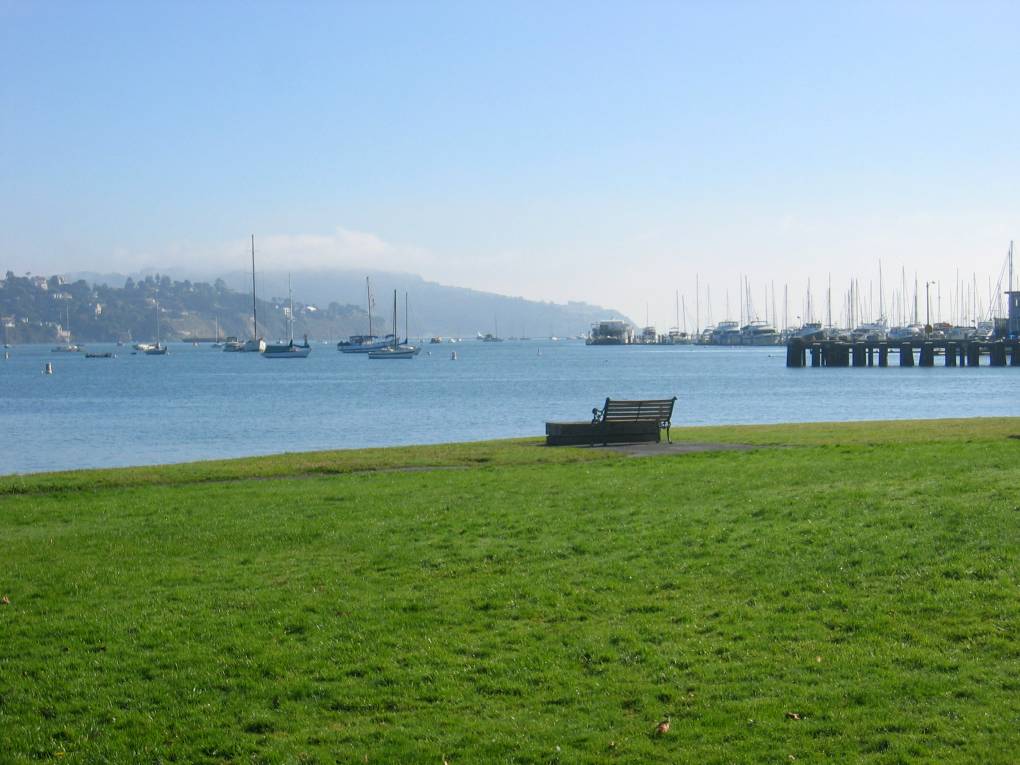
"caption": "As part of the agreement with the state, a small number of vessels will be allowed to remain anchored if they are deemed 'seaworthy,' at least through October 2026. After that, all boats and vessels will be allowed only 72-hour anchorage, according to the San Francisco Bay Conservation and Development Commission. ",
"description": null,
"title": "Sausalito Marina",
"credit": "iStock/Getty Images",
"status": "inherit",
"altTag": "To the left, boats scattered in bay, while to the right, a pier is seen. In the foreground, a bench sits in a field of green grass.",
"isLoading": false,
"fetchFailed": false
},
"news_11978158": {
"type": "attachments",
"id": "news_11978158",
"meta": {
"index": "attachments_1716263798",
"site": "news",
"id": "11978158",
"found": true
},
"parent": 11978157,
"imgSizes": {
"twentyfourteen-full-width": {
"file": "https://cdn.kqed.org/wp-content/uploads/sites/10/2024/03/rocket.falcon-e16f78272c2a1c64771caf753b22eec463597627-1038x576.jpg",
"width": 1038,
"mimeType": "image/jpeg",
"height": 576
},
"thumbnail": {
"file": "https://cdn.kqed.org/wp-content/uploads/sites/10/2024/03/rocket.falcon-e16f78272c2a1c64771caf753b22eec463597627-160x120.jpg",
"width": 160,
"mimeType": "image/jpeg",
"height": 120
},
"post-thumbnail": {
"file": "https://cdn.kqed.org/wp-content/uploads/sites/10/2024/03/rocket.falcon-e16f78272c2a1c64771caf753b22eec463597627-672x372.jpg",
"width": 672,
"mimeType": "image/jpeg",
"height": 372
},
"kqedFullSize": {
"file": "https://cdn.kqed.org/wp-content/uploads/sites/10/2024/03/rocket.falcon-e16f78272c2a1c64771caf753b22eec463597627-scaled.jpg",
"width": 2560,
"height": 1920
},
"2048x2048": {
"file": "https://cdn.kqed.org/wp-content/uploads/sites/10/2024/03/rocket.falcon-e16f78272c2a1c64771caf753b22eec463597627-2048x1536.jpg",
"width": 2048,
"mimeType": "image/jpeg",
"height": 1536
},
"large": {
"file": "https://cdn.kqed.org/wp-content/uploads/sites/10/2024/03/rocket.falcon-e16f78272c2a1c64771caf753b22eec463597627-1020x765.jpg",
"width": 1020,
"mimeType": "image/jpeg",
"height": 765
},
"1536x1536": {
"file": "https://cdn.kqed.org/wp-content/uploads/sites/10/2024/03/rocket.falcon-e16f78272c2a1c64771caf753b22eec463597627-1536x1152.jpg",
"width": 1536,
"mimeType": "image/jpeg",
"height": 1152
},
"full-width": {
"file": "https://cdn.kqed.org/wp-content/uploads/sites/10/2024/03/rocket.falcon-e16f78272c2a1c64771caf753b22eec463597627-1920x1440.jpg",
"width": 1920,
"mimeType": "image/jpeg",
"height": 1440
},
"medium": {
"file": "https://cdn.kqed.org/wp-content/uploads/sites/10/2024/03/rocket.falcon-e16f78272c2a1c64771caf753b22eec463597627-800x600.jpg",
"width": 800,
"mimeType": "image/jpeg",
"height": 600
}
},
"publishDate": 1709668636,
"modified": 1709678993,
"caption": "A SpaceX Falcon 9 rocket blasts into space. On board is a satellite with a climate solutions mission. It's designed to detect methane, a potent planet-warming gas.",
"description": null,
"title": "A SpaceX Falcon 9 rocket blasts into space. On board is a satellite with a climate solutions mission. It's designed to detect methane, a potent planet warming gas.",
"credit": null,
"status": "inherit",
"altTag": null,
"isLoading": false,
"fetchFailed": false
},
"news_11978126": {
"type": "attachments",
"id": "news_11978126",
"meta": {
"index": "attachments_1716263798",
"site": "news",
"id": "11978126",
"found": true
},
"parent": 11978125,
"imgSizes": {
"twentyfourteen-full-width": {
"file": "https://cdn.kqed.org/wp-content/uploads/sites/10/2024/03/IMG_3401_qut-1038x576.jpg",
"width": 1038,
"mimeType": "image/jpeg",
"height": 576
},
"thumbnail": {
"file": "https://cdn.kqed.org/wp-content/uploads/sites/10/2024/03/IMG_3401_qut-160x107.jpg",
"width": 160,
"mimeType": "image/jpeg",
"height": 107
},
"post-thumbnail": {
"file": "https://cdn.kqed.org/wp-content/uploads/sites/10/2024/03/IMG_3401_qut-672x372.jpg",
"width": 672,
"mimeType": "image/jpeg",
"height": 372
},
"kqedFullSize": {
"file": "https://cdn.kqed.org/wp-content/uploads/sites/10/2024/03/IMG_3401_qut.jpg",
"width": 1920,
"height": 1280
},
"large": {
"file": "https://cdn.kqed.org/wp-content/uploads/sites/10/2024/03/IMG_3401_qut-1020x680.jpg",
"width": 1020,
"mimeType": "image/jpeg",
"height": 680
},
"1536x1536": {
"file": "https://cdn.kqed.org/wp-content/uploads/sites/10/2024/03/IMG_3401_qut-1536x1024.jpg",
"width": 1536,
"mimeType": "image/jpeg",
"height": 1024
},
"medium": {
"file": "https://cdn.kqed.org/wp-content/uploads/sites/10/2024/03/IMG_3401_qut-800x533.jpg",
"width": 800,
"mimeType": "image/jpeg",
"height": 533
}
},
"publishDate": 1709662118,
"modified": 1709685706,
"caption": "Officials say this is the first prosecution in the US to include charges related to the Clean Air Act, which prohibits the importation of hydrofluorocarbons without permission from the Environmental Protection Agency.",
"description": null,
"title": "IMG_3401_qut",
"credit": "Alex Hall/KQED",
"status": "inherit",
"altTag": null,
"isLoading": false,
"fetchFailed": false
},
"news_11976711": {
"type": "attachments",
"id": "news_11976711",
"meta": {
"index": "attachments_1716263798",
"site": "news",
"id": "11976711",
"found": true
},
"parent": 11976710,
"imgSizes": {
"twentyfourteen-full-width": {
"file": "https://cdn.kqed.org/wp-content/uploads/sites/10/2024/02/021324_Sara-Fee_EF_16-CM-copy-1038x576.jpg",
"width": 1038,
"mimeType": "image/jpeg",
"height": 576
},
"thumbnail": {
"file": "https://cdn.kqed.org/wp-content/uploads/sites/10/2024/02/021324_Sara-Fee_EF_16-CM-copy-160x107.jpg",
"width": 160,
"mimeType": "image/jpeg",
"height": 107
},
"post-thumbnail": {
"file": "https://cdn.kqed.org/wp-content/uploads/sites/10/2024/02/021324_Sara-Fee_EF_16-CM-copy-672x372.jpg",
"width": 672,
"mimeType": "image/jpeg",
"height": 372
},
"kqedFullSize": {
"file": "https://cdn.kqed.org/wp-content/uploads/sites/10/2024/02/021324_Sara-Fee_EF_16-CM-copy.jpg",
"width": 2000,
"height": 1334
},
"large": {
"file": "https://cdn.kqed.org/wp-content/uploads/sites/10/2024/02/021324_Sara-Fee_EF_16-CM-copy-1020x680.jpg",
"width": 1020,
"mimeType": "image/jpeg",
"height": 680
},
"1536x1536": {
"file": "https://cdn.kqed.org/wp-content/uploads/sites/10/2024/02/021324_Sara-Fee_EF_16-CM-copy-1536x1025.jpg",
"width": 1536,
"mimeType": "image/jpeg",
"height": 1025
},
"full-width": {
"file": "https://cdn.kqed.org/wp-content/uploads/sites/10/2024/02/021324_Sara-Fee_EF_16-CM-copy-1920x1281.jpg",
"width": 1920,
"mimeType": "image/jpeg",
"height": 1281
},
"medium": {
"file": "https://cdn.kqed.org/wp-content/uploads/sites/10/2024/02/021324_Sara-Fee_EF_16-CM-copy-800x534.jpg",
"width": 800,
"mimeType": "image/jpeg",
"height": 534
}
},
"publishDate": 1708625402,
"modified": 1708630540,
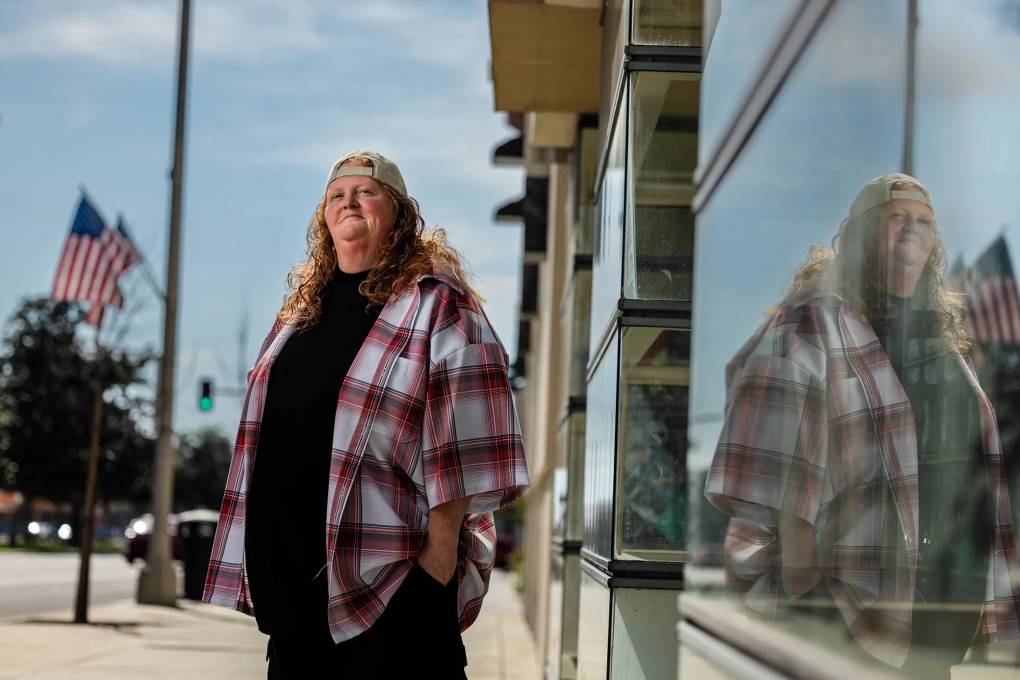
"caption": "Inland Empire Amazon Workers United founder Sara Fee in front of the Warehouse Worker Resource Center in Ontario on Feb. 13, 2024.\n",
"description": null,
"title": "021324_Sara-Fee_EF_16-CM copy",
"credit": "Elisa Ferrari for CalMatters",
"status": "inherit",
"altTag": "An older white woman with a trucker's cap and a plaid shirt stands outside a store on the street, looking away from the camera.",
"isLoading": false,
"fetchFailed": false
},
"news_11971383": {
"type": "attachments",
"id": "news_11971383",
"meta": {
"index": "attachments_1716263798",
"site": "news",
"id": "11971383",
"found": true
},
"parent": 11971382,
"imgSizes": {
"twentyfourteen-full-width": {
"file": "https://cdn.kqed.org/wp-content/uploads/sites/10/2024/01/gettyimages-1538649049-1a3d138870057dbb2c364ff6f2f5af00074eaa4a-1038x576.jpg",
"width": 1038,
"mimeType": "image/jpeg",
"height": 576
},
"thumbnail": {
"file": "https://cdn.kqed.org/wp-content/uploads/sites/10/2024/01/gettyimages-1538649049-1a3d138870057dbb2c364ff6f2f5af00074eaa4a-160x120.jpg",
"width": 160,
"mimeType": "image/jpeg",
"height": 120
},
"post-thumbnail": {
"file": "https://cdn.kqed.org/wp-content/uploads/sites/10/2024/01/gettyimages-1538649049-1a3d138870057dbb2c364ff6f2f5af00074eaa4a-672x372.jpg",
"width": 672,
"mimeType": "image/jpeg",
"height": 372
},
"kqedFullSize": {
"file": "https://cdn.kqed.org/wp-content/uploads/sites/10/2024/01/gettyimages-1538649049-1a3d138870057dbb2c364ff6f2f5af00074eaa4a-scaled.jpg",
"width": 2560,
"height": 1920
},
"2048x2048": {
"file": "https://cdn.kqed.org/wp-content/uploads/sites/10/2024/01/gettyimages-1538649049-1a3d138870057dbb2c364ff6f2f5af00074eaa4a-2048x1536.jpg",
"width": 2048,
"mimeType": "image/jpeg",
"height": 1536
},
"large": {
"file": "https://cdn.kqed.org/wp-content/uploads/sites/10/2024/01/gettyimages-1538649049-1a3d138870057dbb2c364ff6f2f5af00074eaa4a-1020x765.jpg",
"width": 1020,
"mimeType": "image/jpeg",
"height": 765
},
"1536x1536": {
"file": "https://cdn.kqed.org/wp-content/uploads/sites/10/2024/01/gettyimages-1538649049-1a3d138870057dbb2c364ff6f2f5af00074eaa4a-1536x1152.jpg",
"width": 1536,
"mimeType": "image/jpeg",
"height": 1152
},
"full-width": {
"file": "https://cdn.kqed.org/wp-content/uploads/sites/10/2024/01/gettyimages-1538649049-1a3d138870057dbb2c364ff6f2f5af00074eaa4a-1920x1440.jpg",
"width": 1920,
"mimeType": "image/jpeg",
"height": 1440
},
"medium": {
"file": "https://cdn.kqed.org/wp-content/uploads/sites/10/2024/01/gettyimages-1538649049-1a3d138870057dbb2c364ff6f2f5af00074eaa4a-800x600.jpg",
"width": 800,
"mimeType": "image/jpeg",
"height": 600
}
},
"publishDate": 1704219603,
"modified": 1704226673,
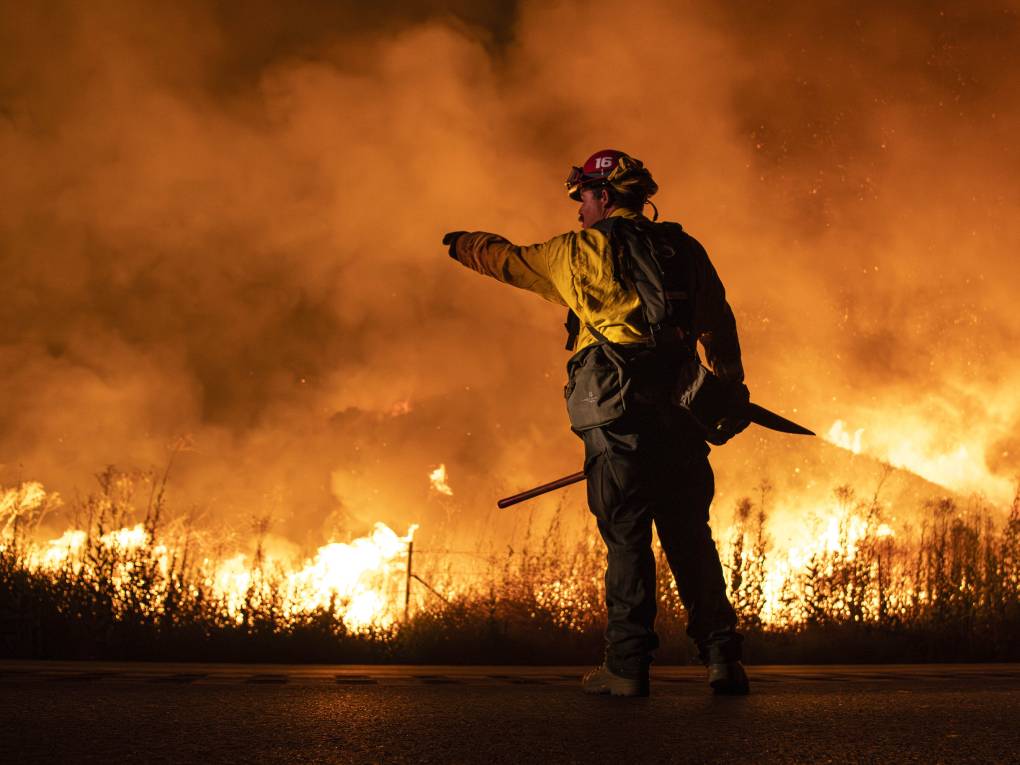
"caption": "A CalFire firefighter points at a potential hot spot during the Rabbit Fire in Moreno Valley. Companies and researchers are using AI to both detect wildfires early and help prevent megafires.",
"description": null,
"title": null,
"credit": "Jon Putman/SOPA Images/LightRocket via Getty Images",
"status": "inherit",
"altTag": "A firefighter stands in front of a burning wildfire.",
"isLoading": false,
"fetchFailed": false
},
"news_11970946": {
"type": "attachments",
"id": "news_11970946",
"meta": {
"index": "attachments_1716263798",
"site": "news",
"id": "11970946",
"found": true
},
"parent": 11970945,
"imgSizes": {
"twentyfourteen-full-width": {
"file": "https://cdn.kqed.org/wp-content/uploads/sites/10/2023/12/img_1158-2e0e3c9d3fd1fab0e5f05b7d06438852ce07bfe9-1038x576.jpg",
"width": 1038,
"mimeType": "image/jpeg",
"height": 576
},
"thumbnail": {
"file": "https://cdn.kqed.org/wp-content/uploads/sites/10/2023/12/img_1158-2e0e3c9d3fd1fab0e5f05b7d06438852ce07bfe9-160x120.jpg",
"width": 160,
"mimeType": "image/jpeg",
"height": 120
},
"post-thumbnail": {
"file": "https://cdn.kqed.org/wp-content/uploads/sites/10/2023/12/img_1158-2e0e3c9d3fd1fab0e5f05b7d06438852ce07bfe9-672x372.jpg",
"width": 672,
"mimeType": "image/jpeg",
"height": 372
},
"kqedFullSize": {
"file": "https://cdn.kqed.org/wp-content/uploads/sites/10/2023/12/img_1158-2e0e3c9d3fd1fab0e5f05b7d06438852ce07bfe9-scaled.jpg",
"width": 2560,
"height": 1918
},
"2048x2048": {
"file": "https://cdn.kqed.org/wp-content/uploads/sites/10/2023/12/img_1158-2e0e3c9d3fd1fab0e5f05b7d06438852ce07bfe9-2048x1534.jpg",
"width": 2048,
"mimeType": "image/jpeg",
"height": 1534
},
"large": {
"file": "https://cdn.kqed.org/wp-content/uploads/sites/10/2023/12/img_1158-2e0e3c9d3fd1fab0e5f05b7d06438852ce07bfe9-1020x764.jpg",
"width": 1020,
"mimeType": "image/jpeg",
"height": 764
},
"1536x1536": {
"file": "https://cdn.kqed.org/wp-content/uploads/sites/10/2023/12/img_1158-2e0e3c9d3fd1fab0e5f05b7d06438852ce07bfe9-1536x1151.jpg",
"width": 1536,
"mimeType": "image/jpeg",
"height": 1151
},
"full-width": {
"file": "https://cdn.kqed.org/wp-content/uploads/sites/10/2023/12/img_1158-2e0e3c9d3fd1fab0e5f05b7d06438852ce07bfe9-1920x1438.jpg",
"width": 1920,
"mimeType": "image/jpeg",
"height": 1438
},
"medium": {
"file": "https://cdn.kqed.org/wp-content/uploads/sites/10/2023/12/img_1158-2e0e3c9d3fd1fab0e5f05b7d06438852ce07bfe9-800x599.jpg",
"width": 800,
"mimeType": "image/jpeg",
"height": 599
}
},
"publishDate": 1703626357,
"modified": 1703626357,
"caption": null,
"description": null,
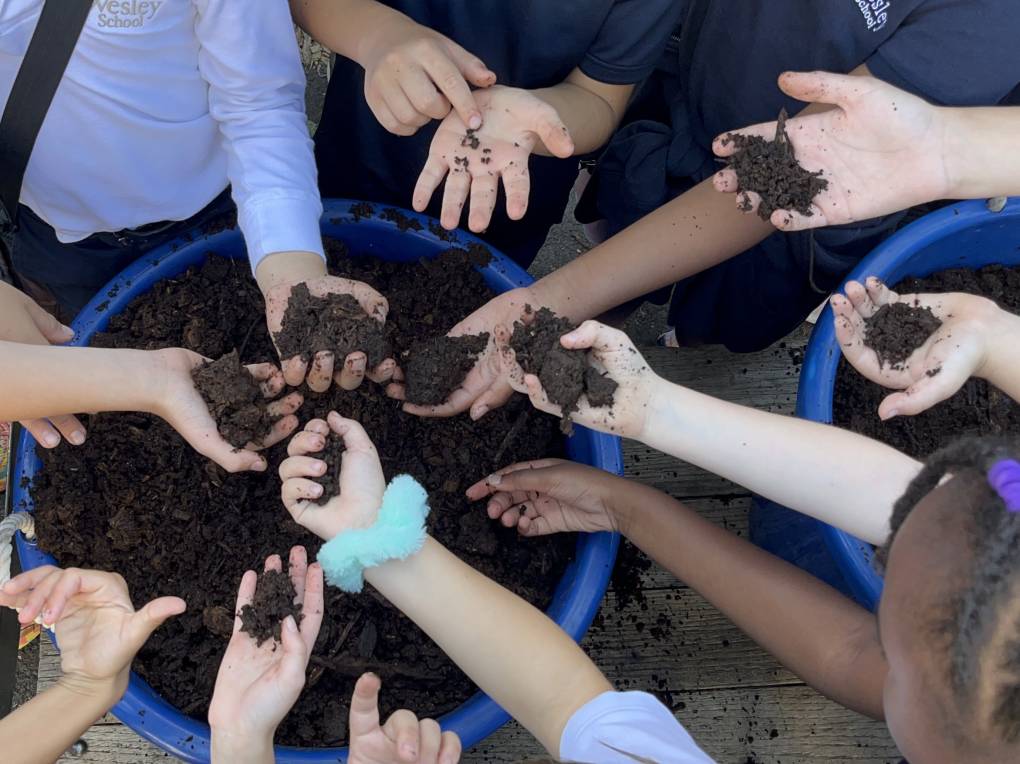
"title": "Students at The Wesley School in the Los Angeles neighborhood of North Hollywood collected their food waste for a year and turned it into compost.",
"credit": null,
"status": "inherit",
"altTag": null,
"isLoading": false,
"fetchFailed": false
},
"news_11970320": {
"type": "attachments",
"id": "news_11970320",
"meta": {
"index": "attachments_1716263798",
"site": "news",
"id": "11970320",
"found": true
},
"parent": 0,
"imgSizes": {
"twentyfourteen-full-width": {
"file": "https://cdn.kqed.org/wp-content/uploads/sites/10/2023/12/231218-YIP-Lede-MD-02-KQED-1038x576.jpg",
"width": 1038,
"mimeType": "image/jpeg",
"height": 576
},
"thumbnail": {
"file": "https://cdn.kqed.org/wp-content/uploads/sites/10/2023/12/231218-YIP-Lede-MD-02-KQED-160x107.jpg",
"width": 160,
"mimeType": "image/jpeg",
"height": 107
},
"post-thumbnail": {
"file": "https://cdn.kqed.org/wp-content/uploads/sites/10/2023/12/231218-YIP-Lede-MD-02-KQED-672x372.jpg",
"width": 672,
"mimeType": "image/jpeg",
"height": 372
},
"kqedFullSize": {
"file": "https://cdn.kqed.org/wp-content/uploads/sites/10/2023/12/231218-YIP-Lede-MD-02-KQED.jpg",
"width": 2000,
"height": 1333
},
"large": {
"file": "https://cdn.kqed.org/wp-content/uploads/sites/10/2023/12/231218-YIP-Lede-MD-02-KQED-1020x680.jpg",
"width": 1020,
"mimeType": "image/jpeg",
"height": 680
},
"1536x1536": {
"file": "https://cdn.kqed.org/wp-content/uploads/sites/10/2023/12/231218-YIP-Lede-MD-02-KQED-1536x1024.jpg",
"width": 1536,
"mimeType": "image/jpeg",
"height": 1024
},
"full-width": {
"file": "https://cdn.kqed.org/wp-content/uploads/sites/10/2023/12/231218-YIP-Lede-MD-02-KQED-1920x1280.jpg",
"width": 1920,
"mimeType": "image/jpeg",
"height": 1280
},
"medium": {
"file": "https://cdn.kqed.org/wp-content/uploads/sites/10/2023/12/231218-YIP-Lede-MD-02-KQED-800x533.jpg",
"width": 800,
"mimeType": "image/jpeg",
"height": 533
}
},
"publishDate": 1702931704,
"modified": 1702939529,
"caption": null,
"description": null,
"title": "231218-Year In Photos Lede-MD-02-KQED",
"credit": null,
"status": "inherit",
"altTag": "A collage of nine photos made over the course of 2023.",
"isLoading": false,
"fetchFailed": false
},
"news_11970021": {
"type": "attachments",
"id": "news_11970021",
"meta": {
"index": "attachments_1716263798",
"site": "news",
"id": "11970021",
"found": true
},
"parent": 0,
"imgSizes": {
"twentyfourteen-full-width": {
"file": "https://cdn.kqed.org/wp-content/uploads/sites/10/2023/12/231212-crabseason-28-bl-KQED-1038x576.jpg",
"width": 1038,
"mimeType": "image/jpeg",
"height": 576
},
"thumbnail": {
"file": "https://cdn.kqed.org/wp-content/uploads/sites/10/2023/12/231212-crabseason-28-bl-KQED-160x107.jpg",
"width": 160,
"mimeType": "image/jpeg",
"height": 107
},
"post-thumbnail": {
"file": "https://cdn.kqed.org/wp-content/uploads/sites/10/2023/12/231212-crabseason-28-bl-KQED-672x372.jpg",
"width": 672,
"mimeType": "image/jpeg",
"height": 372
},
"kqedFullSize": {
"file": "https://cdn.kqed.org/wp-content/uploads/sites/10/2023/12/231212-crabseason-28-bl-KQED.jpg",
"width": 2000,
"height": 1333
},
"large": {
"file": "https://cdn.kqed.org/wp-content/uploads/sites/10/2023/12/231212-crabseason-28-bl-KQED-1020x680.jpg",
"width": 1020,
"mimeType": "image/jpeg",
"height": 680
},
"1536x1536": {
"file": "https://cdn.kqed.org/wp-content/uploads/sites/10/2023/12/231212-crabseason-28-bl-KQED-1536x1024.jpg",
"width": 1536,
"mimeType": "image/jpeg",
"height": 1024
},
"full-width": {
"file": "https://cdn.kqed.org/wp-content/uploads/sites/10/2023/12/231212-crabseason-28-bl-KQED-1920x1280.jpg",
"width": 1920,
"mimeType": "image/jpeg",
"height": 1280
},
"medium": {
"file": "https://cdn.kqed.org/wp-content/uploads/sites/10/2023/12/231212-crabseason-28-bl-KQED-800x533.jpg",
"width": 800,
"mimeType": "image/jpeg",
"height": 533
}
},
"publishDate": 1702659071,
"modified": 1702668552,
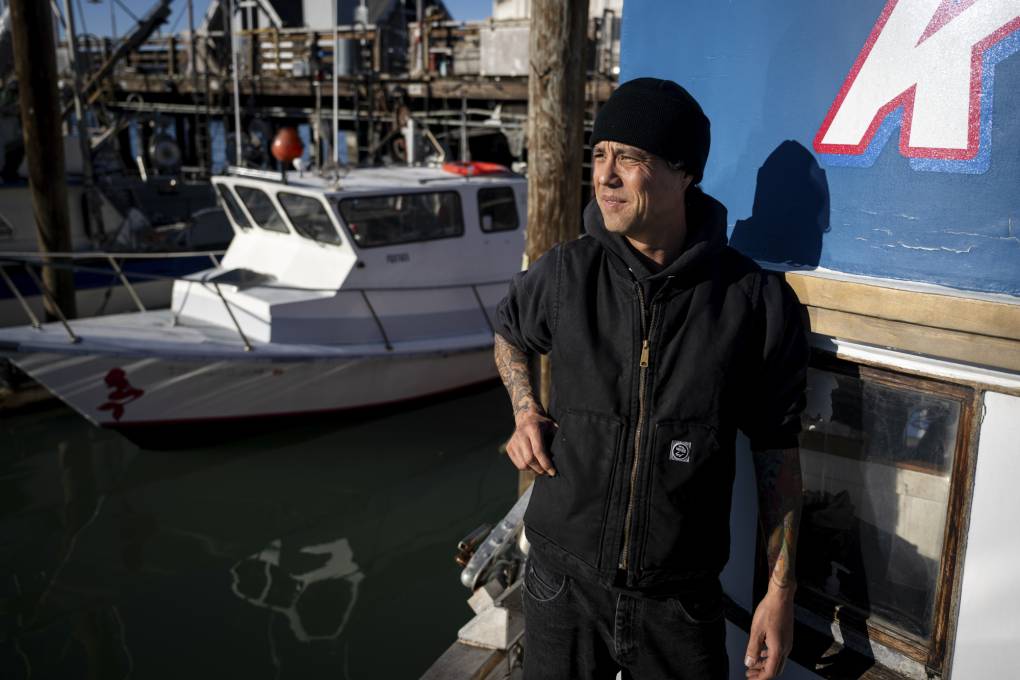
"caption": "Shawn Chen Flading stands on the bow of his boat near Pier 45 in San Francisco’s Fisherman’s Wharf neighborhood on Dec. 12, 2023. He is awaiting an announcement of the official start of California’s Dungeness crab season, which has been delayed due to the risk of humpback whales and endangered Pacific leatherback sea turtles being caught in fishing equipment.",
"description": null,
"title": "231212-crabseason-28-bl-KQED",
"credit": "Beth LaBerge/KQED",
"status": "inherit",
"altTag": "A person in a black beanie stands on the prow of a boat.",
"isLoading": false,
"fetchFailed": false
},
"news_11970160": {
"type": "attachments",
"id": "news_11970160",
"meta": {
"index": "attachments_1716263798",
"site": "news",
"id": "11970160",
"found": true
},
"parent": 11970148,
"imgSizes": {
"twentyfourteen-full-width": {
"file": "https://cdn.kqed.org/wp-content/uploads/sites/10/2023/12/DJI_0297-scaled-1-1038x576.jpeg",
"width": 1038,
"mimeType": "image/jpeg",
"height": 576
},
"thumbnail": {
"file": "https://cdn.kqed.org/wp-content/uploads/sites/10/2023/12/DJI_0297-scaled-1-160x107.jpeg",
"width": 160,
"mimeType": "image/jpeg",
"height": 107
},
"post-thumbnail": {
"file": "https://cdn.kqed.org/wp-content/uploads/sites/10/2023/12/DJI_0297-scaled-1-672x372.jpeg",
"width": 672,
"mimeType": "image/jpeg",
"height": 372
},
"kqedFullSize": {
"file": "https://cdn.kqed.org/wp-content/uploads/sites/10/2023/12/DJI_0297-scaled-1.jpeg",
"width": 2560,
"height": 1707
},
"2048x2048": {
"file": "https://cdn.kqed.org/wp-content/uploads/sites/10/2023/12/DJI_0297-scaled-1-2048x1366.jpeg",
"width": 2048,
"mimeType": "image/jpeg",
"height": 1366
},
"large": {
"file": "https://cdn.kqed.org/wp-content/uploads/sites/10/2023/12/DJI_0297-scaled-1-1020x680.jpeg",
"width": 1020,
"mimeType": "image/jpeg",
"height": 680
},
"1536x1536": {
"file": "https://cdn.kqed.org/wp-content/uploads/sites/10/2023/12/DJI_0297-scaled-1-1536x1024.jpeg",
"width": 1536,
"mimeType": "image/jpeg",
"height": 1024
},
"full-width": {
"file": "https://cdn.kqed.org/wp-content/uploads/sites/10/2023/12/DJI_0297-scaled-1-1920x1280.jpeg",
"width": 1920,
"mimeType": "image/jpeg",
"height": 1280
},
"medium": {
"file": "https://cdn.kqed.org/wp-content/uploads/sites/10/2023/12/DJI_0297-scaled-1-800x533.jpeg",
"width": 800,
"mimeType": "image/jpeg",
"height": 533
}
},
"publishDate": 1702685750,
"modified": 1702685813,
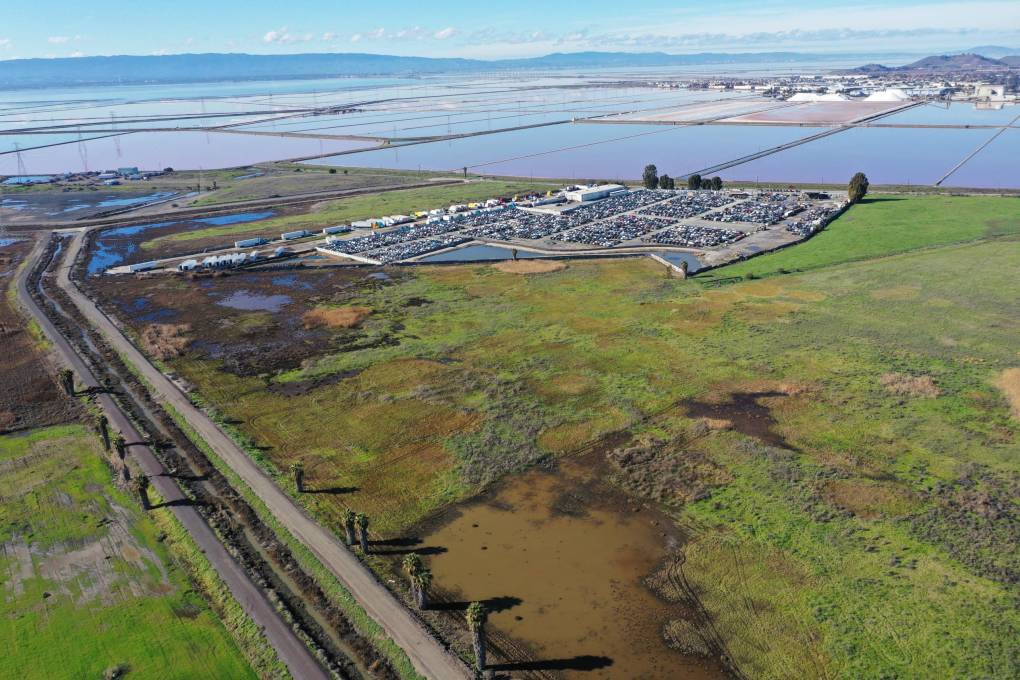
"caption": "A developer would like to build more than 200 homes on the site of an active Pick-n-Pull auto parts yard in the East Bay city of Newark. Climate advocates oppose the idea because of its proximity to the shoreline and fears about rising sea levels. (Photo Courtesy of Derell Licht)",
"description": null,
"title": "DJI_0297-scaled",
"credit": null,
"status": "inherit",
"altTag": null,
"isLoading": false,
"fetchFailed": false
},
"news_11969672": {
"type": "attachments",
"id": "news_11969672",
"meta": {
"index": "attachments_1716263798",
"site": "news",
"id": "11969672",
"found": true
},
"parent": 11969669,
"imgSizes": {
"twentyfourteen-full-width": {
"file": "https://cdn.kqed.org/wp-content/uploads/sites/10/2023/12/Erica-Hellerstein_Oakland_02-1038x576.jpg",
"width": 1038,
"mimeType": "image/jpeg",
"height": 576
},
"thumbnail": {
"file": "https://cdn.kqed.org/wp-content/uploads/sites/10/2023/12/Erica-Hellerstein_Oakland_02-160x107.jpg",
"width": 160,
"mimeType": "image/jpeg",
"height": 107
},
"post-thumbnail": {
"file": "https://cdn.kqed.org/wp-content/uploads/sites/10/2023/12/Erica-Hellerstein_Oakland_02-672x372.jpg",
"width": 672,
"mimeType": "image/jpeg",
"height": 372
},
"kqedFullSize": {
"file": "https://cdn.kqed.org/wp-content/uploads/sites/10/2023/12/Erica-Hellerstein_Oakland_02-scaled.jpg",
"width": 2560,
"height": 1706
},
"2048x2048": {
"file": "https://cdn.kqed.org/wp-content/uploads/sites/10/2023/12/Erica-Hellerstein_Oakland_02-2048x1365.jpg",
"width": 2048,
"mimeType": "image/jpeg",
"height": 1365
},
"large": {
"file": "https://cdn.kqed.org/wp-content/uploads/sites/10/2023/12/Erica-Hellerstein_Oakland_02-1020x680.jpg",
"width": 1020,
"mimeType": "image/jpeg",
"height": 680
},
"1536x1536": {
"file": "https://cdn.kqed.org/wp-content/uploads/sites/10/2023/12/Erica-Hellerstein_Oakland_02-1536x1024.jpg",
"width": 1536,
"mimeType": "image/jpeg",
"height": 1024
},
"full-width": {
"file": "https://cdn.kqed.org/wp-content/uploads/sites/10/2023/12/Erica-Hellerstein_Oakland_02-1920x1280.jpg",
"width": 1920,
"mimeType": "image/jpeg",
"height": 1280
},
"medium": {
"file": "https://cdn.kqed.org/wp-content/uploads/sites/10/2023/12/Erica-Hellerstein_Oakland_02-800x533.jpg",
"width": 800,
"mimeType": "image/jpeg",
"height": 533
}
},
"publishDate": 1702422877,
"modified": 1703379710,
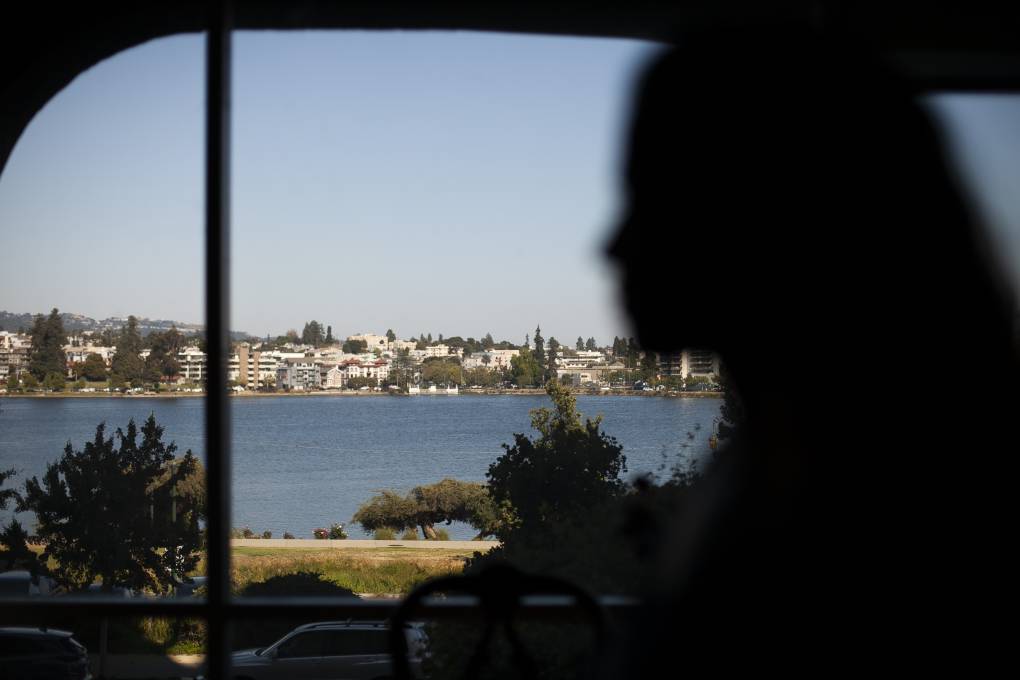
"caption": "Oakland-based journalist Erica Hellerstein poses for a portrait in her apartment overlooking Lake Merritt, on June 30, 2023. In her Coda Story essay, 'Grieving California,' she explored feelings of climate anxiety associated with grief — specifically, 'grieving a future that may never come to pass' as a result of warming global temperatures. ",
"description": null,
"title": "Erica Hellerstein_Oakland_02",
"credit": "Erin Baldassari",
"status": "inherit",
"altTag": null,
"isLoading": false,
"fetchFailed": false
},
"news_11968649": {
"type": "attachments",
"id": "news_11968649",
"meta": {
"index": "attachments_1716263798",
"site": "news",
"id": "11968649",
"found": true
},
"parent": 11968647,
"imgSizes": {
"twentyfourteen-full-width": {
"file": "https://ww2.kqed.org/app/uploads/sites/10/2023/11/AP23332813324164-1038x576.jpg",
"width": 1038,
"mimeType": "image/jpeg",
"height": 576
},
"thumbnail": {
"file": "https://ww2.kqed.org/app/uploads/sites/10/2023/11/AP23332813324164-160x109.jpg",
"width": 160,
"mimeType": "image/jpeg",
"height": 109
},
"post-thumbnail": {
"file": "https://ww2.kqed.org/app/uploads/sites/10/2023/11/AP23332813324164-672x372.jpg",
"width": 672,
"mimeType": "image/jpeg",
"height": 372
},
"kqedFullSize": {
"file": "https://ww2.kqed.org/app/uploads/sites/10/2023/11/AP23332813324164.jpg",
"width": 1547,
"height": 1055
},
"large": {
"file": "https://ww2.kqed.org/app/uploads/sites/10/2023/11/AP23332813324164-1020x696.jpg",
"width": 1020,
"mimeType": "image/jpeg",
"height": 696
},
"1536x1536": {
"file": "https://ww2.kqed.org/app/uploads/sites/10/2023/11/AP23332813324164-1536x1047.jpg",
"width": 1536,
"mimeType": "image/jpeg",
"height": 1047
},
"medium": {
"file": "https://ww2.kqed.org/app/uploads/sites/10/2023/11/AP23332813324164-800x546.jpg",
"width": 800,
"mimeType": "image/jpeg",
"height": 546
}
},
"publishDate": 1701299679,
"modified": 1701308564,
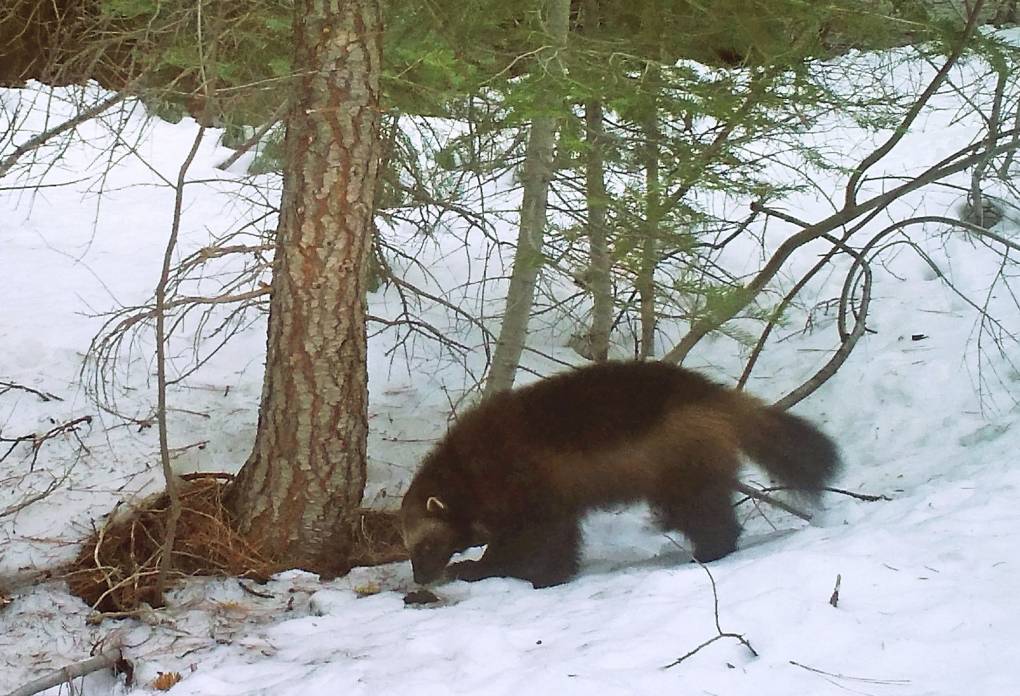
"caption": "A wolverine in the Tahoe National Forest near Truckee, California, on Feb. 27, 2016 — a rare sighting of the elusive species in the state. Scientists estimate that only about 300 wolverines survive in the contiguous U.S.",
"description": null,
"title": "Wolverine Protections",
"credit": "Chris Stermer/California Department of Fish and Wildlife via AP",
"status": "inherit",
"altTag": "A wolverine in the snow in the woods.",
"isLoading": false,
"fetchFailed": false
},
"news_11968507": {
"type": "attachments",
"id": "news_11968507",
"meta": {
"index": "attachments_1716263798",
"site": "news",
"id": "11968507",
"found": true
},
"parent": 11968495,
"imgSizes": {
"twentyfourteen-full-width": {
"file": "https://ww2.kqed.org/app/uploads/sites/10/2023/11/Coastal-Fog-1038x576.jpg",
"width": 1038,
"mimeType": "image/jpeg",
"height": 576
},
"thumbnail": {
"file": "https://ww2.kqed.org/app/uploads/sites/10/2023/11/Coastal-Fog-160x107.jpg",
"width": 160,
"mimeType": "image/jpeg",
"height": 107
},
"post-thumbnail": {
"file": "https://ww2.kqed.org/app/uploads/sites/10/2023/11/Coastal-Fog-672x372.jpg",
"width": 672,
"mimeType": "image/jpeg",
"height": 372
},
"kqedFullSize": {
"file": "https://ww2.kqed.org/app/uploads/sites/10/2023/11/Coastal-Fog.jpg",
"width": 1920,
"height": 1280
},
"large": {
"file": "https://ww2.kqed.org/app/uploads/sites/10/2023/11/Coastal-Fog-1020x680.jpg",
"width": 1020,
"mimeType": "image/jpeg",
"height": 680
},
"1536x1536": {
"file": "https://ww2.kqed.org/app/uploads/sites/10/2023/11/Coastal-Fog-1536x1024.jpg",
"width": 1536,
"mimeType": "image/jpeg",
"height": 1024
},
"medium": {
"file": "https://ww2.kqed.org/app/uploads/sites/10/2023/11/Coastal-Fog-800x533.jpg",
"width": 800,
"mimeType": "image/jpeg",
"height": 533
}
},
"publishDate": 1701214047,
"modified": 1701214179,
"caption": null,
"description": null,
"title": "Coastal Fog",
"credit": "Carly Severn/KQED",
"status": "inherit",
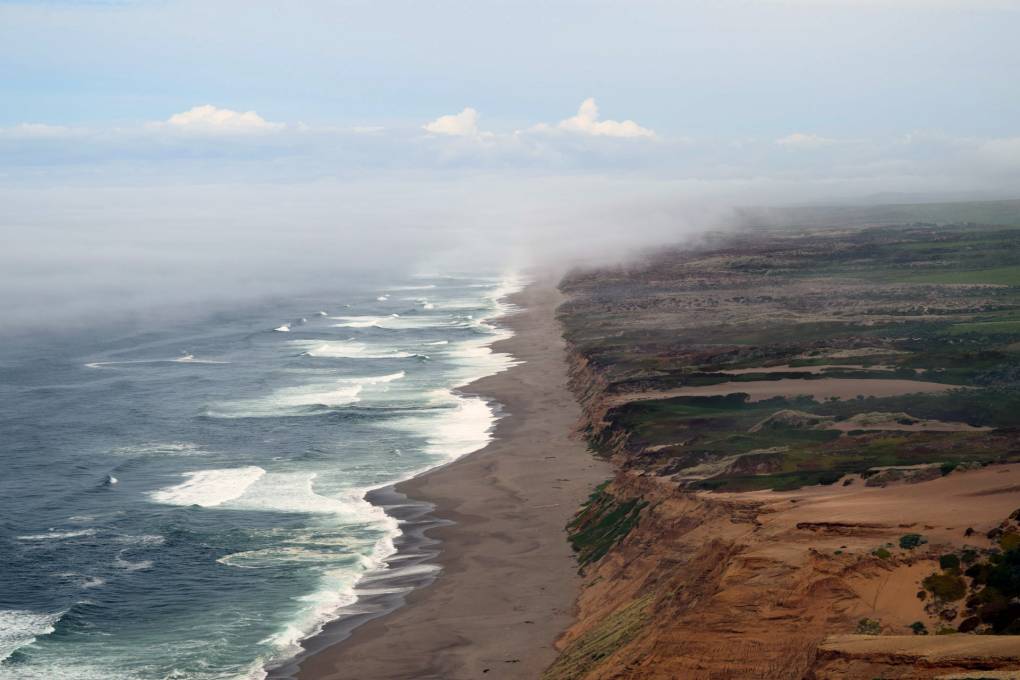
"altTag": "Aerial view of the California coast. On the left side of the image, the ocean laps against the shore, on the right side, plant covered sand dunes rise from the beach. Fog rolls in.",
"isLoading": false,
"fetchFailed": false
}
},
"audioPlayerReducer": {
"postId": "stream_live",
"isPaused": true,
"isPlaying": false,
"pfsActive": false,
"pledgeModalIsOpen": true,
"playerDrawerIsOpen": false,
"liveAudioPlayStartedAt": 0,
"liveAudioPlayContext": ""
},
"authorsReducer": {
"byline_news_11978670": {
"type": "authors",
"id": "byline_news_11978670",
"meta": {
"override": true
},
"slug": "byline_news_11978670",
"name": "\u003ca href=\"https://twitter.com/BouncerSF\">Katy St. Clair\u003c/a> \u003cbr> Bay City News",
"isLoading": false
},
"byline_news_11978157": {
"type": "authors",
"id": "byline_news_11978157",
"meta": {
"override": true
},
"slug": "byline_news_11978157",
"name": "Julia Simon",
"isLoading": false
},
"byline_news_11978125": {
"type": "authors",
"id": "byline_news_11978125",
"meta": {
"override": true
},
"slug": "byline_news_11978125",
"name": "\u003ca href=\"https://apnews.com/\">The Associated Press\u003c/a>",
"isLoading": false
},
"byline_news_11976710": {
"type": "authors",
"id": "byline_news_11976710",
"meta": {
"override": true
},
"slug": "byline_news_11976710",
"name": "\u003ca href=\"https://calmatters.org/author/jeanne-kuang/\">Jeanne Kuang\u003c/a>",
"isLoading": false
},
"byline_news_11971382": {
"type": "authors",
"id": "byline_news_11971382",
"meta": {
"override": true
},
"slug": "byline_news_11971382",
"name": "\u003ca href=\"https://www.npr.org/people/1119646476/julia-simon\">Julia Simon\u003c/a>",
"isLoading": false
},
"byline_news_11970945": {
"type": "authors",
"id": "byline_news_11970945",
"meta": {
"override": true
},
"slug": "byline_news_11970945",
"name": "Caleigh Wells",
"isLoading": false
},
"byline_news_11970292": {
"type": "authors",
"id": "byline_news_11970292",
"meta": {
"override": true
},
"slug": "byline_news_11970292",
"name": "KQED Photo Team",
"isLoading": false
},
"byline_news_11968647": {
"type": "authors",
"id": "byline_news_11968647",
"meta": {
"override": true
},
"slug": "byline_news_11968647",
"name": "Matthew Brown\u003cbr>The Associated Press",
"isLoading": false
},
"ecruzguevarra": {
"type": "authors",
"id": "8654",
"meta": {
"index": "authors_1716337520",
"id": "8654",
"found": true
},
"name": "Ericka Cruz Guevarra",
"firstName": "Ericka",
"lastName": "Cruz Guevarra",
"slug": "ecruzguevarra",
"email": "ecruzguevarra@kqed.org",
"display_author_email": true,
"staff_mastheads": [
"news"
],
"title": "Producer, The Bay Podcast",
"bio": "Ericka Cruz Guevarra is host of \u003ca href=\"https://www.kqed.org/podcasts/thebay\">\u003cem>The Bay\u003c/em>\u003c/a> podcast at KQED. Before host, she was the show’s producer. Her work in that capacity includes a three-part reported series on policing in Vallejo, which won a 2020 excellence in journalism award from the Society of Professional Journalists. Ericka has worked as a breaking news reporter at Oregon Public Broadcasting, helped produce the Code Switch podcast, and was KQED’s inaugural Raul Ramirez Diversity Fund intern. She’s also an alumna of NPR’s Next Generation Radio program. Send her an email if you have strong feelings about whether Fairfield and Suisun City are the Bay. Ericka is represented by SAG-AFTRA.",
"avatar": "https://secure.gravatar.com/avatar/accefc1de4bafc7e234b69bcb9b6f6536c130fd84709bc3069ef11a78787e1bb?s=600&d=blank&r=g",
"twitter": "NotoriousECG",
"bluesky": null,
"facebook": null,
"instagram": null,
"linkedin": null,
"sites": [
{
"site": "arts",
"roles": [
"subscriber"
]
},
{
"site": "news",
"roles": [
"editor",
"manage_categories"
]
},
{
"site": "futureofyou",
"roles": [
"subscriber"
]
},
{
"site": "stateofhealth",
"roles": [
"subscriber"
]
},
{
"site": "science",
"roles": [
"editor"
]
},
{
"site": "forum",
"roles": [
"subscriber"
]
}
],
"headData": {
"title": "Ericka Cruz Guevarra | KQED",
"description": "Producer, The Bay Podcast",
"ogImgSrc": "https://secure.gravatar.com/avatar/accefc1de4bafc7e234b69bcb9b6f6536c130fd84709bc3069ef11a78787e1bb?s=600&d=blank&r=g",
"twImgSrc": "https://secure.gravatar.com/avatar/accefc1de4bafc7e234b69bcb9b6f6536c130fd84709bc3069ef11a78787e1bb?s=600&d=blank&r=g"
},
"isLoading": false,
"link": "/author/ecruzguevarra"
},
"dcronin": {
"type": "authors",
"id": "11362",
"meta": {
"index": "authors_1716337520",
"id": "11362",
"found": true
},
"name": "Dana Cronin",
"firstName": "Dana",
"lastName": "Cronin",
"slug": "dcronin",
"email": "dcronin@KQED.org",
"display_author_email": true,
"staff_mastheads": [],
"title": "KQED Contributor",
"bio": "Dana Cronin is a reporter for KQED News. She loves writing stories about climate change, environmental issues, food and agriculture. She's reported across the country, from Colorado to Washington D.C. to Illinois, and has won numerous awards for her coverage. Her work is regularly featured on national broadcasts, including NPR’s Morning Edition, All Things Considered, PBS Newshour and Science Friday. She lives in Oakland and has an avocado tree in her back yard.",
"avatar": "https://secure.gravatar.com/avatar/bcf89e3455ff7235f96ab6fa7258dd95?s=600&d=blank&r=g",
"twitter": "DanaHCronin",
"facebook": null,
"instagram": null,
"linkedin": null,
"sites": [
{
"site": "arts",
"roles": [
"author"
]
},
{
"site": "news",
"roles": [
"editor"
]
},
{
"site": "science",
"roles": [
"author"
]
},
{
"site": "liveblog",
"roles": [
"author"
]
}
],
"headData": {
"title": "Dana Cronin | KQED",
"description": "KQED Contributor",
"ogImgSrc": "https://secure.gravatar.com/avatar/bcf89e3455ff7235f96ab6fa7258dd95?s=600&d=blank&r=g",
"twImgSrc": "https://secure.gravatar.com/avatar/bcf89e3455ff7235f96ab6fa7258dd95?s=600&d=blank&r=g"
},
"isLoading": false,
"link": "/author/dcronin"
},
"amontecillo": {
"type": "authors",
"id": "11649",
"meta": {
"index": "authors_1716337520",
"id": "11649",
"found": true
},
"name": "Alan Montecillo",
"firstName": "Alan",
"lastName": "Montecillo",
"slug": "amontecillo",
"email": "amontecillo@kqed.org",
"display_author_email": false,
"staff_mastheads": [
"news"
],
"title": "KQED Contributor",
"bio": "Alan Montecillo is the senior editor of \u003cem>\u003ca href=\"http://kqed.org/thebay\">The Bay\u003c/a>, \u003c/em> KQED's local news podcast. Before moving to the Bay Area, he worked as a senior talk show producer for WILL in Champaign-Urbana, Illinois and at Oregon Public Broadcasting in Portland, Oregon. He has won journalism awards from the Society of Professional Journalists Northern California, the Public Media Journalists Association, The Signal Awards, and has also received a regional Edward R. Murrow award. Alan is a Filipino American from Hong Kong and a graduate of Reed College.",
"avatar": "https://secure.gravatar.com/avatar/268f53a2066899ea9efdd8a5900218b17c822d9862cbc9326cccec53ef41d349?s=600&d=blank&r=g",
"twitter": "alanmontecillo",
"bluesky": null,
"facebook": null,
"instagram": null,
"linkedin": null,
"sites": [
{
"site": "",
"roles": [
"editor"
]
},
{
"site": "news",
"roles": [
"editor",
"manage_categories"
]
}
],
"headData": {
"title": "Alan Montecillo | KQED",
"description": "KQED Contributor",
"ogImgSrc": "https://secure.gravatar.com/avatar/268f53a2066899ea9efdd8a5900218b17c822d9862cbc9326cccec53ef41d349?s=600&d=blank&r=g",
"twImgSrc": "https://secure.gravatar.com/avatar/268f53a2066899ea9efdd8a5900218b17c822d9862cbc9326cccec53ef41d349?s=600&d=blank&r=g"
},
"isLoading": false,
"link": "/author/amontecillo"
},
"ebaldassari": {
"type": "authors",
"id": "11652",
"meta": {
"index": "authors_1716337520",
"id": "11652",
"found": true
},
"name": "Erin Baldassari",
"firstName": "Erin",
"lastName": "Baldassari",
"slug": "ebaldassari",
"email": "ebaldassari@KQED.org",
"display_author_email": true,
"staff_mastheads": [
"news"
],
"title": "Staff Writer",
"bio": "Erin Baldassari covers housing for KQED. She's a former print journalist and most recently worked as the transportation reporter for the \u003cem>Mercury News\u003c/em> and \u003cem>East Bay Times. \u003c/em>There, she focused on how the Bay Area’s housing shortage has changed the way people move around the region. She also served on the \u003cem>East Bay Times\u003c/em>’ 2017 Pulitzer Prize-winning team for coverage of the Ghost Ship Fire in Oakland. Prior to that, Erin worked as a breaking news and general assignment reporter for a variety of outlets in the Bay Area and the greater Boston area. A Tufts University alumna, Erin grew up in the foothills of the Sierra Nevada mountains and in Sonoma County. She is a life-long KQED listener.",
"avatar": "https://secure.gravatar.com/avatar/5e95cad64a8ca08288082212e199d2b0cbeb4fd8e8ef5339395f361032bbe005?s=600&d=blank&r=g",
"twitter": "e_baldi",
"bluesky": null,
"facebook": null,
"instagram": null,
"linkedin": null,
"sites": [
{
"site": "news",
"roles": [
"edit_others_posts",
"editor"
]
},
{
"site": "science",
"roles": [
"editor"
]
},
{
"site": "liveblog",
"roles": [
"editor"
]
}
],
"headData": {
"title": "Erin Baldassari | KQED",
"description": "Staff Writer",
"ogImgSrc": "https://secure.gravatar.com/avatar/5e95cad64a8ca08288082212e199d2b0cbeb4fd8e8ef5339395f361032bbe005?s=600&d=blank&r=g",
"twImgSrc": "https://secure.gravatar.com/avatar/5e95cad64a8ca08288082212e199d2b0cbeb4fd8e8ef5339395f361032bbe005?s=600&d=blank&r=g"
},
"isLoading": false,
"link": "/author/ebaldassari"
},
"eromero": {
"type": "authors",
"id": "11746",
"meta": {
"index": "authors_1716337520",
"id": "11746",
"found": true
},
"name": "Ezra David Romero",
"firstName": "Ezra David",
"lastName": "Romero",
"slug": "eromero",
"email": "eromero@kqed.org",
"display_author_email": true,
"staff_mastheads": [
"news",
"science"
],
"title": "Climate Reporter",
"bio": "Ezra David Romero is a climate reporter for KQED News. He covers the absence and excess of water in the Bay Area — think sea level rise, flooding and drought. For nearly a decade he’s covered how warming temperatures are altering the lives of Californians. He’s reported on farmers worried their pistachio trees aren’t getting enough sleep, families desperate for water, scientists studying dying giant sequoias, and alongside firefighters containing wildfires. His work has appeared on local stations across California and nationally on public radio shows like Morning Edition, Here and Now, All Things Considered and Science Friday. ",
"avatar": "https://secure.gravatar.com/avatar/c76404d287c10ed40224227551ac36e24352c7306f106632caf6fead76f8801f?s=600&d=blank&r=g",
"twitter": "ezraromero",
"bluesky": null,
"facebook": null,
"instagram": null,
"linkedin": null,
"sites": [
{
"site": "arts",
"roles": [
"editor"
]
},
{
"site": "news",
"roles": [
"editor"
]
},
{
"site": "science",
"roles": [
"editor"
]
},
{
"site": "liveblog",
"roles": [
"author"
]
}
],
"headData": {
"title": "Ezra David Romero | KQED",
"description": "Climate Reporter",
"ogImgSrc": "https://secure.gravatar.com/avatar/c76404d287c10ed40224227551ac36e24352c7306f106632caf6fead76f8801f?s=600&d=blank&r=g",
"twImgSrc": "https://secure.gravatar.com/avatar/c76404d287c10ed40224227551ac36e24352c7306f106632caf6fead76f8801f?s=600&d=blank&r=g"
},
"isLoading": false,
"link": "/author/eromero"
},
"adahlstromeckman": {
"type": "authors",
"id": "11785",
"meta": {
"index": "authors_1716337520",
"id": "11785",
"found": true
},
"name": "Azul Dahlstrom-Eckman",
"firstName": "Azul",
"lastName": "Dahlstrom-Eckman",
"slug": "adahlstromeckman",
"email": "adahlstrom-eckman@kqed.org",
"display_author_email": true,
"staff_mastheads": [],
"title": "Reporter",
"bio": "Azul is a reporter for KQED focusing on transportation and features. He joined KQED in 2021 as an alumna of KALW's Audio Academy radio journalism training program.",
"avatar": "https://secure.gravatar.com/avatar/9cb750298435add7815a777f55bf1f46845c1386bb8452555c60a7b820b5aba3?s=600&d=blank&r=g",
"twitter": "@zuliemann",
"bluesky": "@azul415.bsky.social",
"facebook": null,
"instagram": null,
"linkedin": null,
"sites": [
{
"site": "arts",
"roles": [
"editor"
]
},
{
"site": "news",
"roles": [
"editor"
]
},
{
"site": "science",
"roles": [
"editor"
]
},
{
"site": "liveblog",
"roles": [
"author"
]
}
],
"headData": {
"title": "Azul Dahlstrom-Eckman | KQED",
"description": "Reporter",
"ogImgSrc": "https://secure.gravatar.com/avatar/9cb750298435add7815a777f55bf1f46845c1386bb8452555c60a7b820b5aba3?s=600&d=blank&r=g",
"twImgSrc": "https://secure.gravatar.com/avatar/9cb750298435add7815a777f55bf1f46845c1386bb8452555c60a7b820b5aba3?s=600&d=blank&r=g"
},
"isLoading": false,
"link": "/author/adahlstromeckman"
},
"mesquinca": {
"type": "authors",
"id": "11802",
"meta": {
"index": "authors_1716337520",
"id": "11802",
"found": true
},
"name": "Maria Esquinca",
"firstName": "Maria",
"lastName": "Esquinca",
"slug": "mesquinca",
"email": "mesquinca@kqed.org",
"display_author_email": false,
"staff_mastheads": [],
"title": "Producer, The Bay",
"bio": "María Esquinca is a producer of The Bay. Before that, she was a New York Women’s Foundation IGNITE Fellow at Latino USA. She worked at Radio Bilingue where she covered the San Joaquin Valley. Maria has interned at WLRN, News 21, The New York Times Student Journalism Institute and at Crain’s Detroit Business as a Dow Jones News Fund Business Reporting Intern. She is an MFA graduate from the University of Miami. In 2017, she graduated from the Walter Cronkite School of Journalism and Mass Communication with a Master of Mass Communication. A fronteriza, she was born in Ciudad Juárez, Chihuahua, Mexico and grew up in El Paso, Texas.",
"avatar": "https://secure.gravatar.com/avatar/77cedba18aae91da775038ba06dcd8d0?s=600&d=blank&r=g",
"twitter": "@m_esquinca",
"facebook": null,
"instagram": null,
"linkedin": null,
"sites": [
{
"site": "news",
"roles": []
}
],
"headData": {
"title": "Maria Esquinca | KQED",
"description": "Producer, The Bay",
"ogImgSrc": "https://secure.gravatar.com/avatar/77cedba18aae91da775038ba06dcd8d0?s=600&d=blank&r=g",
"twImgSrc": "https://secure.gravatar.com/avatar/77cedba18aae91da775038ba06dcd8d0?s=600&d=blank&r=g"
},
"isLoading": false,
"link": "/author/mesquinca"
}
},
"pagesReducer": {
"news_tag_climate-change": {
"type": "terms",
"id": "news_255",
"meta": {
"index": "terms_1716263798",
"site": "news",
"id": "255",
"score": 7.9464717
},
"featImg": null,
"name": "climate change",
"description": null,
"taxonomy": "tag",
"headData": {
"twImgId": null,
"twTitle": null,
"ogTitle": null,
"ogImgId": null,
"twDescription": null,
"description": null,
"title": "climate change Archives | KQED News",
"ogDescription": null
},
"ttid": 263,
"slug": "climate-change",
"isLoading": false,
"title": "climate change",
"pageMeta": {
"site": "news",
"WpPageTemplate": "page-topic-editorial",
"currentPage": 16
},
"blocks": [
{
"blockName": "kqed/post-list",
"attrs": {
"layout": "cardArticle2",
"query": "posts/news?tag=climate-change",
"seeMore": false,
"paginated": true,
"page": 16
}
},
{
"blockName": "kqed/ad"
}
]
}
},
"pfsSessionReducer": {},
"postsReducer": {
"stream_live": {
"type": "live",
"id": "stream_live",
"audioUrl": "https://streams.kqed.org/kqedradio",
"title": "Live Stream",
"excerpt": "Live Stream information currently unavailable.",
"link": "/radio",
"featImg": "",
"label": {
"name": "KQED Live",
"link": "/"
}
},
"stream_kqedNewscast": {
"type": "posts",
"id": "stream_kqedNewscast",
"audioUrl": "https://www.kqed.org/.stream/anon/radio/RDnews/newscast.mp3?_=1",
"title": "KQED Newscast",
"featImg": "",
"label": {
"name": "88.5 FM",
"link": "/"
}
},
"news_11978670": {
"type": "posts",
"id": "news_11978670",
"meta": {
"index": "posts_1716263798",
"site": "news",
"id": "11978670",
"score": null,
"sort": [
1709935214000
]
},
"guestAuthors": [],
"slug": "sausalitos-last-anchor-out-floating-home-removed-from-richardson-bay",
"title": "Sausalito's Last Floating Anchored Homes Removed From Richardson Bay",
"publishDate": 1709935214,
"format": "standard",
"headTitle": "Sausalito’s Last Floating Anchored Homes Removed From Richardson Bay | KQED",
"labelTerm": {
"site": "news"
},
"content": "\u003cp>The last floating home in Marin County’s ecologically fragile Richardson Bay has been removed following a state mandate to protect area eelgrass that is a vital part of the water’s ecosystem, a spokesperson for the Richardson Bay Regional Agency said Thursday.\u003c/p>\n\u003cp>The removal is also a coda to what had been a controversial floating subculture of boaters living on the waters off Sausalito.\u003c/p>\n\u003cp>In 2021, the San Francisco Bay Conservation and Development Commission entered into an agreement with the Richardson Bay Regional Agency, ordering that all illegally anchored vessels and floating homes be removed from the Bay by Oct. 15, 2026. The arrangement was also largely driven by the need to protect the vulnerable eelgrass ecosystem in the area.[aside postID=news_11739421 hero='https://ww2.kqed.org/app/uploads/sites/10/2019/04/RS36515_DSC_2298-qut-1020x676.jpg']Brad Gross, the executive director of Richardson Bay Regional Agency, stressed to KQED that there are still boats out in the bay, but the last floating home, which he said is a different designation from a recreational or commercial boat, was identified as one of four vessels for removal.\u003c/p>\n\u003cp>“A boat is a boat that you can transport yourself on the water for recreation or commerce, whereas a floating home is like those houses that are strictly for living that you see off in Sausalito,” Gross said. “These floating homes were out anchored independently in Richardson Bay. That’s what has been removed.”\u003c/p>\n\u003cp>But the decision to remove the array of floating homes manned by people termed “anchor-outs,” who have lived rent-free on the water in a subculture that romantics might call aquatic-bohemian, but others describe as an eyesore, resulted in at least one lawsuit and accusations that the county and RBRA were throwing people off the Bay and onto the street.\u003c/p>\n\u003cp>[ad fullwidth]\u003c/p>\n\u003cp>Local agencies raised nearly $6 million to facilitate housing transitions and restore the Bay’s eelgrass. Last year, the county housing authority approved vouchers for those living on boats, who would otherwise face homelessness, to relocate to land-based residences. Many boat residents were moored illegally.\u003c/p>\n\u003cp>As of March, Gross estimated about 32 boats left in the anchorage.\u003c/p>\n\u003cp>One such anchor out was Daniel Knight, who won a preliminary injunction against the RBRA last year when it tried to remove his vessel first through offering a voucher — he said the amount would be far less than the boat’s worth — and then tried to remove his boat by calling it “marine debris.”\u003c/p>\n\u003cp>According to Knight’s attorneys, he eventually settled the case for an undisclosed amount.\u003c/p>\n\u003cp>The environmental impact the boats and vessels had on the eelgrass in the area, however, was indeed significant.[pullquote size=\"medium\" align=\"right\" citation=\"Richardson Bay Regional Agency\"]‘[Eelgrass] supports herring runs, reduces erosion, sequesters carbon and is a crucial ecological resource for harbor porpoises and sea lions.’[/pullquote]“Eelgrass is a critical component of a healthy and vibrant Richardson Bay,” said a statement released Thursday by the RBRA. “It supports herring runs, reduces erosion, sequesters carbon and is a crucial ecological resource for harbor porpoises and sea lions.”\u003c/p>\n\u003cp>Thousands of migratory birds also rely on the eelgrass for feeding and resting along the Pacific Flyway.\u003c/p>\n\u003cp>RBRA officials said that when anchors, chains and other ground tackle from vessels scrape the bottom of the Bay, they act as a “lawn mower” for any living plants and create areas where eelgrass cannot grow.\u003c/p>\n\u003cp>An area “four times the size of Alcatraz” now exists where the grass has been destroyed, the agency said.\u003c/p>\n\u003cp>In addition to the housing vouchers, 16 vessels were removed with the help of a buyback program funded by the RBRA.\u003c/p>\n\u003cp>As part of the agreement with the state, a small number of vessels will be allowed to remain anchored if they are deemed “seaworthy,” at least through October 2026. After that, all boats and vessels will be allowed only 72-hour anchorage, according to BCDC.\u003c/p>\n\u003cp>\u003cem>This story includes reporting from\u003ca href=\"https://www.kqed.org/author/opalma\"> KQED’s Oscar Palma\u003c/a>.\u003c/em>\u003c/p>\n\u003cp>\u003c/p>\n",
"blocks": [],
"excerpt": "State and regional environmental regulators agreed several years ago to clear all illegally anchored vessels and floating homes in the bay, primarily to protect the eelgrass that is vital to its ecologically fragile ecosystem.",
"status": "publish",
"parent": 0,
"modified": 1726000584,
"stats": {
"hasAudio": false,
"hasVideo": false,
"hasChartOrMap": false,
"iframeSrcs": [],
"hasGoogleForm": false,
"hasGallery": false,
"hasHearkenModule": false,
"hasPolis": false,
"paragraphCount": 18,
"wordCount": 697
},
"headData": {
"title": "Sausalito's Last Floating Anchored Homes Removed From Richardson Bay | KQED",
"description": "State and regional environmental regulators agreed several years ago to clear all illegally anchored vessels and floating homes in the bay, primarily to protect the eelgrass that is vital to its ecologically fragile ecosystem.",
"ogTitle": "",
"ogDescription": "",
"ogImgId": "",
"twTitle": "",
"twDescription": "",
"twImgId": "",
"schema": {
"@context": "https://schema.org",
"@type": "NewsArticle",
"headline": "Sausalito's Last Floating Anchored Homes Removed From Richardson Bay",
"datePublished": "2024-03-08T14:00:14-08:00",
"dateModified": "2024-09-10T13:36:24-07:00",
"image": "https://cdn.kqed.org/wp-content/uploads/2020/02/KQED-OG-Image@1x.png",
"isAccessibleForFree": "True",
"publisher": {
"@type": "NewsMediaOrganization",
"@id": "https://www.kqed.org/#organization",
"name": "KQED",
"logo": "https://cdn.kqed.org/wp-content/uploads/2020/02/KQED-OG-Image@1x.png",
"url": "https://www.kqed.org",
"sameAs": [
"https://www.facebook.com/KQED",
"https://twitter.com/KQED",
"https://www.instagram.com/kqed/",
"https://www.tiktok.com/@kqedofficial",
"https://www.linkedin.com/company/kqed",
"https://www.youtube.com/channel/UCeC0IOo7i1P_61zVUWbJ4nw"
]
}
}
},
"sticky": false,
"nprByline": "\u003ca href=\"https://twitter.com/BouncerSF\">Katy St. Clair\u003c/a> \u003cbr> Bay City News",
"excludeFromSiteSearch": "Include",
"showOnAuthorArchivePages": "No",
"articleAge": "0",
"path": "/news/11978670/sausalitos-last-anchor-out-floating-home-removed-from-richardson-bay",
"audioTrackLength": null,
"parsedContent": [
{
"type": "contentString",
"content": "\u003cdiv class=\"post-body\">\u003cp>\u003cp>The last floating home in Marin County’s ecologically fragile Richardson Bay has been removed following a state mandate to protect area eelgrass that is a vital part of the water’s ecosystem, a spokesperson for the Richardson Bay Regional Agency said Thursday.\u003c/p>\n\u003cp>The removal is also a coda to what had been a controversial floating subculture of boaters living on the waters off Sausalito.\u003c/p>\n\u003cp>In 2021, the San Francisco Bay Conservation and Development Commission entered into an agreement with the Richardson Bay Regional Agency, ordering that all illegally anchored vessels and floating homes be removed from the Bay by Oct. 15, 2026. The arrangement was also largely driven by the need to protect the vulnerable eelgrass ecosystem in the area.\u003c/p>\u003c/div>",
"attributes": {
"named": {},
"numeric": []
}
},
{
"type": "component",
"content": "",
"name": "aside",
"attributes": {
"named": {
"postid": "news_11739421",
"hero": "https://ww2.kqed.org/app/uploads/sites/10/2019/04/RS36515_DSC_2298-qut-1020x676.jpg",
"label": ""
},
"numeric": []
}
},
{
"type": "contentString",
"content": "\u003cdiv class=\"post-body\">\u003cp>Brad Gross, the executive director of Richardson Bay Regional Agency, stressed to KQED that there are still boats out in the bay, but the last floating home, which he said is a different designation from a recreational or commercial boat, was identified as one of four vessels for removal.\u003c/p>\n\u003cp>“A boat is a boat that you can transport yourself on the water for recreation or commerce, whereas a floating home is like those houses that are strictly for living that you see off in Sausalito,” Gross said. “These floating homes were out anchored independently in Richardson Bay. That’s what has been removed.”\u003c/p>\n\u003cp>But the decision to remove the array of floating homes manned by people termed “anchor-outs,” who have lived rent-free on the water in a subculture that romantics might call aquatic-bohemian, but others describe as an eyesore, resulted in at least one lawsuit and accusations that the county and RBRA were throwing people off the Bay and onto the street.\u003c/p>\n\u003cp>\u003c/p>\u003c/div>",
"attributes": {
"named": {},
"numeric": []
}
},
{
"type": "component",
"content": "",
"name": "ad",
"attributes": {
"named": {
"label": "fullwidth"
},
"numeric": [
"fullwidth"
]
}
},
{
"type": "contentString",
"content": "\u003cdiv class=\"post-body\">\u003cp>\u003c/p>\n\u003cp>Local agencies raised nearly $6 million to facilitate housing transitions and restore the Bay’s eelgrass. Last year, the county housing authority approved vouchers for those living on boats, who would otherwise face homelessness, to relocate to land-based residences. Many boat residents were moored illegally.\u003c/p>\n\u003cp>As of March, Gross estimated about 32 boats left in the anchorage.\u003c/p>\n\u003cp>One such anchor out was Daniel Knight, who won a preliminary injunction against the RBRA last year when it tried to remove his vessel first through offering a voucher — he said the amount would be far less than the boat’s worth — and then tried to remove his boat by calling it “marine debris.”\u003c/p>\n\u003cp>According to Knight’s attorneys, he eventually settled the case for an undisclosed amount.\u003c/p>\n\u003cp>The environmental impact the boats and vessels had on the eelgrass in the area, however, was indeed significant.\u003c/p>\u003c/div>",
"attributes": {
"named": {},
"numeric": []
}
},
{
"type": "component",
"content": "‘[Eelgrass] supports herring runs, reduces erosion, sequesters carbon and is a crucial ecological resource for harbor porpoises and sea lions.’",
"name": "pullquote",
"attributes": {
"named": {
"size": "medium",
"align": "right",
"citation": "Richardson Bay Regional Agency",
"label": ""
},
"numeric": []
}
},
{
"type": "contentString",
"content": "\u003cdiv class=\"post-body\">\u003cp>“Eelgrass is a critical component of a healthy and vibrant Richardson Bay,” said a statement released Thursday by the RBRA. “It supports herring runs, reduces erosion, sequesters carbon and is a crucial ecological resource for harbor porpoises and sea lions.”\u003c/p>\n\u003cp>Thousands of migratory birds also rely on the eelgrass for feeding and resting along the Pacific Flyway.\u003c/p>\n\u003cp>RBRA officials said that when anchors, chains and other ground tackle from vessels scrape the bottom of the Bay, they act as a “lawn mower” for any living plants and create areas where eelgrass cannot grow.\u003c/p>\n\u003cp>An area “four times the size of Alcatraz” now exists where the grass has been destroyed, the agency said.\u003c/p>\n\u003cp>In addition to the housing vouchers, 16 vessels were removed with the help of a buyback program funded by the RBRA.\u003c/p>\n\u003cp>As part of the agreement with the state, a small number of vessels will be allowed to remain anchored if they are deemed “seaworthy,” at least through October 2026. After that, all boats and vessels will be allowed only 72-hour anchorage, according to BCDC.\u003c/p>\n\u003cp>\u003cem>This story includes reporting from\u003ca href=\"https://www.kqed.org/author/opalma\"> KQED’s Oscar Palma\u003c/a>.\u003c/em>\u003c/p>\n\u003cp>\u003c/p>\n\u003c/div>\u003c/p>",
"attributes": {
"named": {},
"numeric": []
}
}
],
"link": "/news/11978670/sausalitos-last-anchor-out-floating-home-removed-from-richardson-bay",
"authors": [
"byline_news_11978670"
],
"categories": [
"news_34165",
"news_6266",
"news_8"
],
"tags": [
"news_18538",
"news_255",
"news_20023",
"news_1775",
"news_3729",
"news_30111",
"news_1861",
"news_655"
],
"featImg": "news_11978681",
"label": "news"
},
"news_11978157": {
"type": "posts",
"id": "news_11978157",
"meta": {
"index": "posts_1716263798",
"site": "news",
"id": "11978157",
"score": null,
"sort": [
1709755234000
]
},
"guestAuthors": [],
"slug": "spacex-rocket-launched-new-satellite-that-tracks-climate-warming-pollution",
"title": "SpaceX Rocket Launched New Satellite That Tracks Climate-Warming Pollution",
"publishDate": 1709755234,
"format": "standard",
"headTitle": "SpaceX Rocket Launched New Satellite That Tracks Climate-Warming Pollution | KQED",
"labelTerm": {
"term": 253,
"site": "news"
},
"content": "\u003cp>Not far from the Pacific Ocean, where just to the south, \u003ca href=\"https://www.independent.com/2022/01/19/so-long-offshore-platforms/\">oil platforms\u003c/a> dot the horizon, a SpaceX Falcon 9 rocket blasted into space Monday with dozens of satellites on board.\u003c/p>\n\u003cp>Four miles away from the launch site, a crowd including scientists, engineers and their families erupted into celebration. They were applauding largely for one satellite on board: \u003ca href=\"https://www.methanesat.org/\">MethaneSAT\u003c/a>, which is built to detect methane. That’s a gas that, in the short term, packs an even bigger planet-warming punch than carbon dioxide.[pullquote size=\"medium\" align=\"right\" citation=\"Steven Hamburg, chief scientist, Environmental Defense Fund\"]‘For the first time [we’ll] have high-quality empirical data for an entire sector across the globe.’[/pullquote]MethaneSAT — led by the Environmental Defense Fund — will focus on spotting methane from the oil and gas industry, which leaks at various parts of the fossil fuel production process. Sometimes, oil companies deliberately burn methane gas if they can’t pipe it somewhere.\u003c/p>\n\u003cp>Reducing methane pollution can help the \u003ca href=\"https://www.npr.org/2023/11/20/1213207121/this-is-how-far-behind-the-world-is-on-controlling-planet-warming-pollution#:~:text=Under%20the%20Paris%20Agreement%2C%20nations,re%20currently%20on%20track%20to.\">world meet its climate targets,\u003c/a> but for years, researchers had little understanding of where exactly methane leaks were coming from. \u003ca href=\"https://www.jpl.nasa.gov/news/nasa-mission-excels-at-spotting-greenhouse-gas-emission-sources\">Recent projects have helped\u003c/a> give a clearer picture. Still, the data hasn’t always been public or precise — especially from oil fields, says \u003ca href=\"https://www.edf.org/people/steven-hamburg\">Steven Hamburg\u003c/a>, chief scientist for the Environmental Defense Fund (EDF) who led the MethaneSAT project.\u003c/p>\n\u003cp>The goal of MethaneSAT is to have a granular picture of where exactly methane comes from in oil and gas operations around the globe, in places like Texas, Russia and Nigeria. “For the first time [we’ll] have high-quality empirical data for an entire sector across the globe,” Hamburg says.\u003c/p>\n\u003cp>[ad fullwidth]\u003c/p>\n\u003cp>The oil and gas industry has historically had a culture of confidentiality, says \u003ca href=\"https://www.energypolicy.columbia.edu/antoine-halff/\">Antoine Halff\u003c/a>, chief analyst at Kayrros, a climate analytics firm. “They like to keep their data private,” he says. “There’s, I think, a cultural discomfort with the transparency provided by independent monitoring.”\u003c/p>\n\u003cp>When this satellite is fully operational in the coming months, it will provide data that will be free to the public. That will allow governments, researchers and others to have an unbiased view from space of most oil and gas operations, says \u003ca href=\"https://profiles.stanford.edu/adam-brandt\">Adam Brandt\u003c/a>, a professor in the Department of Energy Science and Engineering at Stanford University who was not involved with the project.\u003c/p>\n\u003cp>“The beauty of having MethaneSAT,” Brandt says, is “we don’t have to ask [oil companies] permission nicely to go on site and make measurements, right?”\u003c/p>\n\u003ch2>The decision to look at oil and gas pollution\u003c/h2>\n\u003cp>\u003ca href=\"https://wedocs.unep.org/bitstream/handle/20.500.11822/44216/eye_on_methane_summary.pdf?sequence=3\">About 30% of global warming\u003c/a> comes from human-caused methane pollution. \u003ca href=\"https://www.edf.org/people/mark-brownstein\">Mark Brownstein\u003c/a>, a senior vice president at EDF, says the question for a long time was how much methane comes from the oil and gas sector.\u003c/p>\n\u003cp>Other sectors also create methane pollution. Agriculture — specifically gas-belching cows and gas-emitting manure — \u003ca href=\"https://www.epa.gov/ghgemissions/overview-greenhouse-gases#methane\">is the single biggest source of methane in the U.S\u003c/a>., according to data from the Environmental Protection Agency (EPA).[aside label='More on Climate Change' tag='climate-change']But focusing on the oil and gas sector was strategic, Hamburg says. Oil and gas have a concentrated number of players with bigger budgets to clean up their operations. “The ability to remediate is much greater, and it’s cost-effective,” he says.\u003c/p>\n\u003cp>In the past six years, EDF put together a team — including scientists from Harvard University and other groups — to build a satellite to get a better picture of the oil industry. The satellite has sensors specifically designed to pick up the fingerprint of the methane molecule. The sensors now orbiting in space will then send data back to Earth in the coming months.\u003c/p>\n\u003cp>The hope is that regulators will use this data, Hamburg says. “There’s interest. There’s conversations, not just with the U.S. EPA, but in other governments and other regulators,” he says.\u003c/p>\n\u003cp>Late last year, \u003ca href=\"https://www.npr.org/2023/12/02/1216401828/epa-aims-to-slash-the-oil-industrys-climate-warming-methane-pollution\">the EPA made a new rule that, for the first time,\u003c/a> requires oil and gas operators to \u003ca href=\"https://www.epa.gov/controlling-air-pollution-oil-and-natural-gas-operations/epas-final-rule-oil-and-natural-gas\">monitor, detect and fix methane leaks\u003c/a>.\u003c/p>\n\u003cp>A spokesperson for the EPA says in an emailed statement that the EPA’s new rule “has a mechanism for third-party notifiers using approved remote sensing technologies to be certified — enabling them to notify EPA of methane super-emitter events.” Super-emitter events happen when large amounts of methane are released. “EDF, along with other owners of remote sensing technologies, may apply to be certified,” the EPA says.[pullquote size=\"medium\" align=\"right\" citation=\"Aaron Padilla, vice president of corporate policy, American Petroleum Institute\"]‘Our industry’s experience shows that one really needs to use a range of technologies working together across their strengths and weaknesses in order to get a truly accurate picture of where you have methane emissions.’[/pullquote]\u003ca href=\"https://www.api.org/about/aaron-padilla\">Aaron Padilla\u003c/a>, vice president of corporate policy at the American Petroleum Institute, the country’s largest oil and gas lobby, says his industry has many years of experience using its own satellites and technologies to identify and then reduce methane emissions.\u003c/p>\n\u003cp>“Our industry’s experience shows that one really needs to use a range of technologies working together across their strengths and weaknesses in order to get a truly accurate picture of where you have methane emissions,” Padilla says.\u003c/p>\n\u003cp>Ultimately, Hamburg says he hopes that data from the MethaneSAT will move more oil and gas companies to clean up methane pollution.\u003c/p>\n\u003cp>“This is an industry that recognizes that their reputation, their markets are under threat,” Hamburg says. “So, if you’re going to compete in a world in which the demand is going down, you want to prove that you’re a better actor.”\u003c/p>\n\u003cp>\u003c/p>\n",
"blocks": [],
"excerpt": "A satellite with a climate solutions mission blasted off on a SpaceX rocket Monday. It's on a mission to detect planet-heating methane pollution from the oil and gas sector.",
"status": "publish",
"parent": 0,
"modified": 1727905228,
"stats": {
"hasAudio": false,
"hasVideo": false,
"hasChartOrMap": false,
"iframeSrcs": [],
"hasGoogleForm": false,
"hasGallery": false,
"hasHearkenModule": false,
"hasPolis": false,
"paragraphCount": 18,
"wordCount": 985
},
"headData": {
"title": "SpaceX Rocket Launched New Satellite That Tracks Climate-Warming Pollution | KQED",
"description": "A satellite with a climate solutions mission blasted off on a SpaceX rocket Monday. It's on a mission to detect planet-heating methane pollution from the oil and gas sector.",
"ogTitle": "",
"ogDescription": "",
"ogImgId": "",
"twTitle": "",
"twDescription": "",
"twImgId": "",
"schema": {
"@context": "https://schema.org",
"@type": "NewsArticle",
"headline": "SpaceX Rocket Launched New Satellite That Tracks Climate-Warming Pollution",
"datePublished": "2024-03-06T12:00:34-08:00",
"dateModified": "2024-10-02T14:40:28-07:00",
"image": "https://cdn.kqed.org/wp-content/uploads/2020/02/KQED-OG-Image@1x.png",
"isAccessibleForFree": "True",
"publisher": {
"@type": "NewsMediaOrganization",
"@id": "https://www.kqed.org/#organization",
"name": "KQED",
"logo": "https://cdn.kqed.org/wp-content/uploads/2020/02/KQED-OG-Image@1x.png",
"url": "https://www.kqed.org",
"sameAs": [
"https://www.facebook.com/KQED",
"https://twitter.com/KQED",
"https://www.instagram.com/kqed/",
"https://www.tiktok.com/@kqedofficial",
"https://www.linkedin.com/company/kqed",
"https://www.youtube.com/channel/UCeC0IOo7i1P_61zVUWbJ4nw"
]
}
}
},
"sticky": false,
"nprByline": "Julia Simon",
"nprImageAgency": "Courtesy SpaceX",
"nprStoryId": "1235694992",
"nprApiLink": "http://api.npr.org/query?id=1235694992&apiKey=MDAxOTAwOTE4MDEyMTkxMDAzNjczZDljZA004",
"nprHtmlLink": "https://www.npr.org/2024/03/05/1235694992/a-new-satellite-will-track-climate-warming-pollution-heres-why-thats-a-big-deal?ft=nprml&f=1235694992",
"nprRetrievedStory": "1",
"nprPubDate": "Tue, 05 Mar 2024 14:29:00 -0500",
"nprStoryDate": "Tue, 05 Mar 2024 06:00:37 -0500",
"nprLastModifiedDate": "Tue, 05 Mar 2024 14:29:36 -0500",
"nprAudio": "https://play.podtrac.com/npr-191676894/ondemand.npr.org/anon.npr-mp3/npr/me/2024/03/20240305_me_methane_satellite.mp3?orgId=1&topicId=1167&d=213&story=1235694992&ft=nprml&f=1235694992",
"nprAudioM3u": "http://api.npr.org/m3u/11236012662-dbd7d3.m3u?orgId=1&topicId=1167&d=213&story=1235694992&ft=nprml&f=1235694992",
"excludeFromSiteSearch": "Include",
"showOnAuthorArchivePages": "No",
"articleAge": "0",
"path": "/news/11978157/spacex-rocket-launched-new-satellite-that-tracks-climate-warming-pollution",
"audioUrl": "https://play.podtrac.com/npr-191676894/ondemand.npr.org/anon.npr-mp3/npr/me/2024/03/20240305_me_methane_satellite.mp3?orgId=1&topicId=1167&d=213&story=1235694992&ft=nprml&f=1235694992",
"audioTrackLength": null,
"parsedContent": [
{
"type": "contentString",
"content": "\u003cdiv class=\"post-body\">\u003cp>\u003cp>Not far from the Pacific Ocean, where just to the south, \u003ca href=\"https://www.independent.com/2022/01/19/so-long-offshore-platforms/\">oil platforms\u003c/a> dot the horizon, a SpaceX Falcon 9 rocket blasted into space Monday with dozens of satellites on board.\u003c/p>\n\u003cp>Four miles away from the launch site, a crowd including scientists, engineers and their families erupted into celebration. They were applauding largely for one satellite on board: \u003ca href=\"https://www.methanesat.org/\">MethaneSAT\u003c/a>, which is built to detect methane. That’s a gas that, in the short term, packs an even bigger planet-warming punch than carbon dioxide.\u003c/p>\u003c/div>",
"attributes": {
"named": {},
"numeric": []
}
},
{
"type": "component",
"content": "‘For the first time [we’ll] have high-quality empirical data for an entire sector across the globe.’",
"name": "pullquote",
"attributes": {
"named": {
"size": "medium",
"align": "right",
"citation": "Steven Hamburg, chief scientist, Environmental Defense Fund",
"label": ""
},
"numeric": []
}
},
{
"type": "contentString",
"content": "\u003cdiv class=\"post-body\">\u003cp>MethaneSAT — led by the Environmental Defense Fund — will focus on spotting methane from the oil and gas industry, which leaks at various parts of the fossil fuel production process. Sometimes, oil companies deliberately burn methane gas if they can’t pipe it somewhere.\u003c/p>\n\u003cp>Reducing methane pollution can help the \u003ca href=\"https://www.npr.org/2023/11/20/1213207121/this-is-how-far-behind-the-world-is-on-controlling-planet-warming-pollution#:~:text=Under%20the%20Paris%20Agreement%2C%20nations,re%20currently%20on%20track%20to.\">world meet its climate targets,\u003c/a> but for years, researchers had little understanding of where exactly methane leaks were coming from. \u003ca href=\"https://www.jpl.nasa.gov/news/nasa-mission-excels-at-spotting-greenhouse-gas-emission-sources\">Recent projects have helped\u003c/a> give a clearer picture. Still, the data hasn’t always been public or precise — especially from oil fields, says \u003ca href=\"https://www.edf.org/people/steven-hamburg\">Steven Hamburg\u003c/a>, chief scientist for the Environmental Defense Fund (EDF) who led the MethaneSAT project.\u003c/p>\n\u003cp>The goal of MethaneSAT is to have a granular picture of where exactly methane comes from in oil and gas operations around the globe, in places like Texas, Russia and Nigeria. “For the first time [we’ll] have high-quality empirical data for an entire sector across the globe,” Hamburg says.\u003c/p>\n\u003cp>\u003c/p>\u003c/div>",
"attributes": {
"named": {},
"numeric": []
}
},
{
"type": "component",
"content": "",
"name": "ad",
"attributes": {
"named": {
"label": "fullwidth"
},
"numeric": [
"fullwidth"
]
}
},
{
"type": "contentString",
"content": "\u003cdiv class=\"post-body\">\u003cp>\u003c/p>\n\u003cp>The oil and gas industry has historically had a culture of confidentiality, says \u003ca href=\"https://www.energypolicy.columbia.edu/antoine-halff/\">Antoine Halff\u003c/a>, chief analyst at Kayrros, a climate analytics firm. “They like to keep their data private,” he says. “There’s, I think, a cultural discomfort with the transparency provided by independent monitoring.”\u003c/p>\n\u003cp>When this satellite is fully operational in the coming months, it will provide data that will be free to the public. That will allow governments, researchers and others to have an unbiased view from space of most oil and gas operations, says \u003ca href=\"https://profiles.stanford.edu/adam-brandt\">Adam Brandt\u003c/a>, a professor in the Department of Energy Science and Engineering at Stanford University who was not involved with the project.\u003c/p>\n\u003cp>“The beauty of having MethaneSAT,” Brandt says, is “we don’t have to ask [oil companies] permission nicely to go on site and make measurements, right?”\u003c/p>\n\u003ch2>The decision to look at oil and gas pollution\u003c/h2>\n\u003cp>\u003ca href=\"https://wedocs.unep.org/bitstream/handle/20.500.11822/44216/eye_on_methane_summary.pdf?sequence=3\">About 30% of global warming\u003c/a> comes from human-caused methane pollution. \u003ca href=\"https://www.edf.org/people/mark-brownstein\">Mark Brownstein\u003c/a>, a senior vice president at EDF, says the question for a long time was how much methane comes from the oil and gas sector.\u003c/p>\n\u003cp>Other sectors also create methane pollution. Agriculture — specifically gas-belching cows and gas-emitting manure — \u003ca href=\"https://www.epa.gov/ghgemissions/overview-greenhouse-gases#methane\">is the single biggest source of methane in the U.S\u003c/a>., according to data from the Environmental Protection Agency (EPA).\u003c/p>\u003c/div>",
"attributes": {
"named": {},
"numeric": []
}
},
{
"type": "component",
"content": "",
"name": "aside",
"attributes": {
"named": {
"label": "More on Climate Change ",
"tag": "climate-change"
},
"numeric": []
}
},
{
"type": "contentString",
"content": "\u003cdiv class=\"post-body\">\u003cp>But focusing on the oil and gas sector was strategic, Hamburg says. Oil and gas have a concentrated number of players with bigger budgets to clean up their operations. “The ability to remediate is much greater, and it’s cost-effective,” he says.\u003c/p>\n\u003cp>In the past six years, EDF put together a team — including scientists from Harvard University and other groups — to build a satellite to get a better picture of the oil industry. The satellite has sensors specifically designed to pick up the fingerprint of the methane molecule. The sensors now orbiting in space will then send data back to Earth in the coming months.\u003c/p>\n\u003cp>The hope is that regulators will use this data, Hamburg says. “There’s interest. There’s conversations, not just with the U.S. EPA, but in other governments and other regulators,” he says.\u003c/p>\n\u003cp>Late last year, \u003ca href=\"https://www.npr.org/2023/12/02/1216401828/epa-aims-to-slash-the-oil-industrys-climate-warming-methane-pollution\">the EPA made a new rule that, for the first time,\u003c/a> requires oil and gas operators to \u003ca href=\"https://www.epa.gov/controlling-air-pollution-oil-and-natural-gas-operations/epas-final-rule-oil-and-natural-gas\">monitor, detect and fix methane leaks\u003c/a>.\u003c/p>\n\u003cp>A spokesperson for the EPA says in an emailed statement that the EPA’s new rule “has a mechanism for third-party notifiers using approved remote sensing technologies to be certified — enabling them to notify EPA of methane super-emitter events.” Super-emitter events happen when large amounts of methane are released. “EDF, along with other owners of remote sensing technologies, may apply to be certified,” the EPA says.\u003c/p>\u003c/div>",
"attributes": {
"named": {},
"numeric": []
}
},
{
"type": "component",
"content": "‘Our industry’s experience shows that one really needs to use a range of technologies working together across their strengths and weaknesses in order to get a truly accurate picture of where you have methane emissions.’",
"name": "pullquote",
"attributes": {
"named": {
"size": "medium",
"align": "right",
"citation": "Aaron Padilla, vice president of corporate policy, American Petroleum Institute",
"label": ""
},
"numeric": []
}
},
{
"type": "contentString",
"content": "\u003cdiv class=\"post-body\">\u003cp>\u003ca href=\"https://www.api.org/about/aaron-padilla\">Aaron Padilla\u003c/a>, vice president of corporate policy at the American Petroleum Institute, the country’s largest oil and gas lobby, says his industry has many years of experience using its own satellites and technologies to identify and then reduce methane emissions.\u003c/p>\n\u003cp>“Our industry’s experience shows that one really needs to use a range of technologies working together across their strengths and weaknesses in order to get a truly accurate picture of where you have methane emissions,” Padilla says.\u003c/p>\n\u003cp>Ultimately, Hamburg says he hopes that data from the MethaneSAT will move more oil and gas companies to clean up methane pollution.\u003c/p>\n\u003cp>“This is an industry that recognizes that their reputation, their markets are under threat,” Hamburg says. “So, if you’re going to compete in a world in which the demand is going down, you want to prove that you’re a better actor.”\u003c/p>\n\u003cp>\u003c/p>\n\u003c/div>\u003c/p>",
"attributes": {
"named": {},
"numeric": []
}
}
],
"link": "/news/11978157/spacex-rocket-launched-new-satellite-that-tracks-climate-warming-pollution",
"authors": [
"byline_news_11978157"
],
"categories": [
"news_34165",
"news_8",
"news_356"
],
"tags": [
"news_19204",
"news_255",
"news_31830",
"news_27626",
"news_2920",
"news_3187"
],
"affiliates": [
"news_253"
],
"featImg": "news_11978158",
"label": "news_253"
},
"news_11978125": {
"type": "posts",
"id": "news_11978125",
"meta": {
"index": "posts_1716263798",
"site": "news",
"id": "11978125",
"score": null,
"sort": [
1709668847000
]
},
"guestAuthors": [],
"slug": "california-man-faces-first-ever-us-charges-for-smuggling-greenhouse-gases",
"title": "California Man Faces First-Ever US Charges for Smuggling Greenhouse Gases",
"publishDate": 1709668847,
"format": "standard",
"headTitle": "California Man Faces First-Ever US Charges for Smuggling Greenhouse Gases | KQED",
"labelTerm": {
"site": "news"
},
"content": "\u003cp>A Southern California man was arrested Monday on suspicion of smuggling refrigerants into the U.S. from Mexico, and federal prosecutors said he’s the first person to be charged with violating regulations intended to curb the use of greenhouse gases that contribute to climate change.[aside label='More on California Laws' tag='california-laws']The indictment alleges Michael Hart, of San Diego, smuggled the ozone-depleting chemicals across the border concealed under a tarp and tools in his vehicle. He posted them for sale on the internet, according to a statement from the U.S. Attorney’s Office.\u003c/p>\n\u003cp>Hart was arraigned Monday afternoon and pleaded not guilty to 13 charges, including conspiracy, sale of prohibited materials and illegal importation, the statement said.\u003c/p>\n\u003cp>It’s the first prosecution in the U.S. to include charges related to a 2020 law that prohibits the importation of hydrofluorocarbons, commonly used as refrigerants, without permission from the Environmental Protection Agency, according to prosecutors.[pullquote size=\"medium\" align=\"left\" citation=\"U.S. Attorney Tara McGrath\"]‘This is the first time the Department of Justice is prosecuting someone for illegally importing greenhouse gases, and it will not be the last.’[/pullquote]“This is the first time the Department of Justice is prosecuting someone for illegally importing greenhouse gases, and it will not be the last,” U.S. Attorney Tara McGrath said in a statement. “We are using every means possible to protect our planet from the harm caused by toxic pollutants, including bringing criminal charges.”\u003c/p>\n\u003cp>Hydrofluorocarbons are regulated under the Clean Air Act. They are used in refrigeration, air-conditioning, building insulation, fire extinguishing systems and aerosols.\u003c/p>\n\u003cp>Hart was ordered to return to court on March 25.\u003c/p>\n\u003cp>[ad fullwidth]\u003c/p>\n\u003cp>\u003c/p>\n",
"blocks": [],
"excerpt": "'This is the first time the Department of Justice is prosecuting someone for illegally importing greenhouse gases, and it will not be the last,' US Attorney Tara McGrath said in a statement. ",
"status": "publish",
"parent": 0,
"modified": 1726000589,
"stats": {
"hasAudio": false,
"hasVideo": false,
"hasChartOrMap": false,
"iframeSrcs": [],
"hasGoogleForm": false,
"hasGallery": false,
"hasHearkenModule": false,
"hasPolis": false,
"paragraphCount": 7,
"wordCount": 293
},
"headData": {
"title": "California Man Faces First-Ever US Charges for Smuggling Greenhouse Gases | KQED",
"description": "'This is the first time the Department of Justice is prosecuting someone for illegally importing greenhouse gases, and it will not be the last,' US Attorney Tara McGrath said in a statement. ",
"ogTitle": "",
"ogDescription": "",
"ogImgId": "",
"twTitle": "",
"twDescription": "",
"twImgId": "",
"schema": {
"@context": "https://schema.org",
"@type": "NewsArticle",
"headline": "California Man Faces First-Ever US Charges for Smuggling Greenhouse Gases",
"datePublished": "2024-03-05T12:00:47-08:00",
"dateModified": "2024-09-10T13:36:29-07:00",
"image": "https://cdn.kqed.org/wp-content/uploads/2020/02/KQED-OG-Image@1x.png",
"isAccessibleForFree": "True",
"publisher": {
"@type": "NewsMediaOrganization",
"@id": "https://www.kqed.org/#organization",
"name": "KQED",
"logo": "https://cdn.kqed.org/wp-content/uploads/2020/02/KQED-OG-Image@1x.png",
"url": "https://www.kqed.org",
"sameAs": [
"https://www.facebook.com/KQED",
"https://twitter.com/KQED",
"https://www.instagram.com/kqed/",
"https://www.tiktok.com/@kqedofficial",
"https://www.linkedin.com/company/kqed",
"https://www.youtube.com/channel/UCeC0IOo7i1P_61zVUWbJ4nw"
]
}
}
},
"sticky": false,
"nprByline": "\u003ca href=\"https://apnews.com/\">The Associated Press\u003c/a>",
"excludeFromSiteSearch": "Include",
"showOnAuthorArchivePages": "No",
"articleAge": "0",
"path": "/news/11978125/california-man-faces-first-ever-us-charges-for-smuggling-greenhouse-gases",
"audioTrackLength": null,
"parsedContent": [
{
"type": "contentString",
"content": "\u003cdiv class=\"post-body\">\u003cp>\u003cp>A Southern California man was arrested Monday on suspicion of smuggling refrigerants into the U.S. from Mexico, and federal prosecutors said he’s the first person to be charged with violating regulations intended to curb the use of greenhouse gases that contribute to climate change.\u003c/p>\u003c/div>",
"attributes": {
"named": {},
"numeric": []
}
},
{
"type": "component",
"content": "",
"name": "aside",
"attributes": {
"named": {
"label": "More on California Laws ",
"tag": "california-laws"
},
"numeric": []
}
},
{
"type": "contentString",
"content": "\u003cdiv class=\"post-body\">\u003cp>The indictment alleges Michael Hart, of San Diego, smuggled the ozone-depleting chemicals across the border concealed under a tarp and tools in his vehicle. He posted them for sale on the internet, according to a statement from the U.S. Attorney’s Office.\u003c/p>\n\u003cp>Hart was arraigned Monday afternoon and pleaded not guilty to 13 charges, including conspiracy, sale of prohibited materials and illegal importation, the statement said.\u003c/p>\n\u003cp>It’s the first prosecution in the U.S. to include charges related to a 2020 law that prohibits the importation of hydrofluorocarbons, commonly used as refrigerants, without permission from the Environmental Protection Agency, according to prosecutors.\u003c/p>\u003c/div>",
"attributes": {
"named": {},
"numeric": []
}
},
{
"type": "component",
"content": "‘This is the first time the Department of Justice is prosecuting someone for illegally importing greenhouse gases, and it will not be the last.’",
"name": "pullquote",
"attributes": {
"named": {
"size": "medium",
"align": "left",
"citation": "U.S. Attorney Tara McGrath",
"label": ""
},
"numeric": []
}
},
{
"type": "contentString",
"content": "\u003cdiv class=\"post-body\">\u003cp>“This is the first time the Department of Justice is prosecuting someone for illegally importing greenhouse gases, and it will not be the last,” U.S. Attorney Tara McGrath said in a statement. “We are using every means possible to protect our planet from the harm caused by toxic pollutants, including bringing criminal charges.”\u003c/p>\n\u003cp>Hydrofluorocarbons are regulated under the Clean Air Act. They are used in refrigeration, air-conditioning, building insulation, fire extinguishing systems and aerosols.\u003c/p>\n\u003cp>Hart was ordered to return to court on March 25.\u003c/p>\n\u003cp>\u003c/p>\u003c/div>",
"attributes": {
"named": {},
"numeric": []
}
},
{
"type": "component",
"content": "",
"name": "ad",
"attributes": {
"named": {
"label": "fullwidth"
},
"numeric": [
"fullwidth"
]
}
},
{
"type": "contentString",
"content": "\u003cdiv class=\"post-body\">\u003cp>\u003c/p>\n\u003cp>\u003c/p>\n\u003c/div>\u003c/p>",
"attributes": {
"named": {},
"numeric": []
}
}
],
"link": "/news/11978125/california-man-faces-first-ever-us-charges-for-smuggling-greenhouse-gases",
"authors": [
"byline_news_11978125"
],
"categories": [
"news_34165",
"news_8"
],
"tags": [
"news_18538",
"news_20962",
"news_255",
"news_27626",
"news_2403",
"news_4486",
"news_21038"
],
"featImg": "news_11978126",
"label": "news"
},
"news_11976710": {
"type": "posts",
"id": "news_11976710",
"meta": {
"index": "posts_1716263798",
"site": "news",
"id": "11976710",
"score": null,
"sort": [
1708632024000
]
},
"guestAuthors": [],
"slug": "waiting-and-sweltering-why-are-californias-indoor-heat-protections-for-workers-5-years-late",
"title": "Why It's Taken 5 Years for California Workers to Get Indoor Heat Protection",
"publishDate": 1708632024,
"format": "standard",
"headTitle": "Why It’s Taken 5 Years for California Workers to Get Indoor Heat Protection | KQED",
"labelTerm": {
"term": 18481,
"site": "news"
},
"content": "\u003cp>After sorting and loading packages through a 100-plus-degree heat wave at an Inland Empire Amazon air freight hub last July, workers and their advocates called California’s workplace safety agency to complain of unsafe conditions.\u003c/p>\n\u003cp>Cal/OSHA inspectors came out, and in a citation issued in January and announced this week, agreed with the workers: The online retail giant hadn’t done enough to address the heat for those working outside on the tarmac and had committed “serious” safety violations.\u003c/p>\n\u003cp>But workers didn’t get all the accountability they wanted.\u003c/p>\n\u003cp>Cal/OSHA dismissed nearly half their complaints — the ones alleging hot working conditions inside the warehouses. One possible reason: While California requires employers to reduce the risks of heat illness for outdoor workers, a comparable rule still isn’t on the books for indoor workers. And though state lawmakers ordered one in 2016 and set a 2019 deadline, it won’t be until next month when the state is finally expected to adopt a rule to go into effect by the summer.\u003c/p>\n\u003cp>[pullquote align=\"right\" size=\"medium\" citation=\"Shane Gusman, lobbyist who represented the Teamsters and other unions during discussions\"]‘There’s a lot of push and pull between the employers’ and the workers’ side on this. It’s just something at this point in time we need to get in place. Summer’s coming.’[/pullquote]Excessive heat can cause nausea, vomiting, fainting, and, in the most extreme cases, heat stroke, leading to organ damage or death. In California, \u003ca href=\"https://www.rand.org/pubs/working_papers/WRA1386-1.html\">seven workers died\u003c/a> from indoor heat from 2010 through 2017. In recent years, summer temperatures \u003ca href=\"https://ktla.com/news/local-news/these-southern-california-temperatures-are-now-the-highest-ever-recorded/\">across southern California\u003c/a> have broken historical records.\u003c/p>\n\u003cp>Amazon disputed the citation and said it is appealing. It said that its San Bernardino air hub is air-conditioned, workers are encouraged to take breaks, and the company generally supports an indoor heat standard. It declined to comment on the state’s proposed rule. “We’ve seen the positive impacts of an effective heat mitigation program and believe all employers should be held to the same standard as we have proactively set,” company spokesperson Maureen Lynch Vogel wrote in an email.\u003c/p>\n\u003cp>To understand why a state rule has taken so long — even with lives at stake — is to take a journey through the byzantine world of administrative rulemaking in California.\u003c/p>\n\u003cp>A CalMatters review found:\u003c/p>\n\u003cul>\n\u003cli>The 2016 law gave \u003ca href=\"https://www.dir.ca.gov/dosh/\">Cal/OSHA\u003c/a> the option to adopt an indoor heat rule targeted at certain industries, but the agency wrote a broad one, prompting immediate pushback from a wide swath of employers;\u003c/li>\n\u003cli>The Cal/OSHA advisory committee took employer and worker input and drafted a rule by the 2019 deadline, but it had to be submitted to a little-known state workplace safety board for approval;\u003c/li>\n\u003cli>During the pandemic, that safety board, part of the understaffed Department of Industrial Relations, was focused on emergency COVID-19 prevention rules;\u003c/li>\n\u003cli>Before any vote could happen, the rule triggered a requirement in state law for an economic impact study;\u003c/li>\n\u003cli>The state hired two different contractors to complete the economic assessment and didn’t submit the final study until September 2021;\u003c/li>\n\u003cli>After another year-plus of “detailed consultation” with other agencies, the safety board started its own rulemaking process in March 2023. Still, there have been four public comment periods since — more than most other recent regulations.\u003c/li>\n\u003c/ul>\n\u003cp>The \u003ca href=\"https://www.dir.ca.gov/oshsb/oshsb.html\">Occupational Safety and Health Standards Board\u003c/a> is expected to give final approval to the rule at its March 21 meeting, making California the third state with indoor heat protections.\u003c/p>\n\u003cp>[ad fullwidth]\u003c/p>\n\u003cp>Approval would come at the last possible minute:\u003cstrong> \u003c/strong>If there are further amendments and the vote doesn’t happen in March, the workplace safety board’s formal rulemaking process — which can take as long as a year — would have to start over.\u003c/p>\n\u003cp>“There’s a lot of push and pull between the employers’ and the workers’ side on this,” said Shane Gusman, a lobbyist who represented the Teamsters and other unions during the discussions. “It’s just something at this point in time we need to get in place. Summer’s coming.”\u003c/p>\n\u003ch2>What’s in the indoor heat rule\u003c/h2>\n\u003cp>The rule would require employers statewide to provide cooling areas and monitor workers who take cooling breaks for signs of heat illness when indoor workplaces hit 82 degrees.\u003c/p>\n\u003cp>If the temperature hits 87, or if workers wear restrictive clothing or work near a heat source, businesses would have to take further steps: First, to cool the worksite, if feasible. If not, employers must adjust work schedules, slow production, allow more breaks or rotate workers through assignments. They’d have to provide personal fans or cooling vests as a last resort.\u003c/p>\n\u003cp>Industries expected to be most affected include warehouses, manufacturing and restaurants.\u003c/p>\n\u003cp>[pullquote align=\"right\" size=\"medium\" citation=\"Sara Fee, former Amazon air hub employee\"]‘The humidity inside the building was unbearable. You felt heavy in your chest like it was hard to breathe.’[/pullquote]Neither advocates for workers nor employers are satisfied with the proposed rule. Workers want to require lower temperatures. Employers said the rule is too complicated, conflicts with the outdoor heat rule and is too broad to apply to vastly different indoor workplaces.\u003c/p>\n\u003cp>“The hard part about this regulation for California employers has been trying to find language that works equally well for an office building, a restaurant kitchen and a storage shed,” said Rob Moutrie, policy advocate for the California Chamber of Commerce.\u003c/p>\n\u003cp>Workers’ advocates said their top priority now is to get a rule on the books without further delay.\u003c/p>\n\u003cp>Without the indoor rule, workers complaining of heat at the Amazon warehouse last summer asked Cal/OSHA to inspect inside under a general rule requiring safe workplaces.\u003c/p>\n\u003cp>“The humidity inside the building was unbearable,” said former air hub employee Sara Fee, who helped file the complaint along with the San Bernardino-based Warehouse Worker Resource Center, where she now works. “You felt heavy in your chest like it was hard to breathe.”\u003c/p>\n\u003cp>Hauling packages in and out of truck trailers was the hottest task. The metal containers sitting in the sun easily climbed above 100 degrees, Fee said, and even with air conditioners in the warehouse and fans near the trucks, the trailers “feel like a sauna” with workers in “constant motion.”\u003c/p>\n\u003cfigure id=\"attachment_11976716\" class=\"wp-caption alignnone\" style=\"max-width: 1568px\">\u003cimg loading=\"lazy\" decoding=\"async\" class=\"size-full wp-image-11976716\" src=\"https://cdn.kqed.org/wp-content/uploads/sites/10/2024/02/021324_Sara-Fee_EF_04-CM-copy.jpg\" alt=\"An older white woman with a plaid shirt on a black tshirt and a black truckers hat with a map behind her and looking at the camera with a slight smile. \" width=\"1568\" height=\"1046\" srcset=\"https://cdn.kqed.org/wp-content/uploads/sites/10/2024/02/021324_Sara-Fee_EF_04-CM-copy.jpg 1568w, https://cdn.kqed.org/wp-content/uploads/sites/10/2024/02/021324_Sara-Fee_EF_04-CM-copy-800x534.jpg 800w, https://cdn.kqed.org/wp-content/uploads/sites/10/2024/02/021324_Sara-Fee_EF_04-CM-copy-1020x680.jpg 1020w, https://cdn.kqed.org/wp-content/uploads/sites/10/2024/02/021324_Sara-Fee_EF_04-CM-copy-160x107.jpg 160w, https://cdn.kqed.org/wp-content/uploads/sites/10/2024/02/021324_Sara-Fee_EF_04-CM-copy-1536x1025.jpg 1536w\" sizes=\"(max-width: 1568px) 100vw, 1568px\">\u003cfigcaption class=\"wp-caption-text\">Inland Empire Amazon Workers United founder Sara Fee in front of the Warehouse Worker Resource Center in Ontario on Feb 13, 2024. \u003ccite>(Elisa Ferrari for CalMatters)\u003c/cite>\u003c/figcaption>\u003c/figure>\n\u003cp>“The heat that comes from the trailer almost knocks you over,” Fee said. “We had fans you could turn around and face into the trailers, but you might as well be standing there with a straw in your mouth blowing air.”\u003c/p>\n\u003cp>The agency found no evidence of safety violations indoors, according to the citation.\u003c/p>\n\u003cp>Amazon is appealing the outdoor citations and disputed claims about hot working conditions both inside and outside the 660,000-square-foot KSBD facility at San Bernardino International Airport, where about 1,400 workers carry cargo off arriving planes, sort them with the help of large robots and load them onto truck trailers.\u003c/p>\n\u003cp>[pullquote align=\"right\" size=\"medium\" citation=\"Lynch Vogel, spokesperson, Amazon\"]‘There’s simply no truth to claims that KSBD workers are working in extreme temperatures indoors.’[/pullquote]Amazon spokesperson Lynch Vogel said the facility is fully air-conditioned — unlike many others in the distribution industry — and never hotter than 78 degrees inside. “There’s simply no truth to claims that KSBD workers are working in extreme temperatures indoors,” she wrote in a statement.\u003c/p>\n\u003cp>But Tim Shadix, legal director of the Warehouse Worker Resource Center, said he suspects the lack of an indoor heat rule made it more difficult to issue violations inside the warehouse. The prior summer, workers wearing thermometers inside the warehouse and truck trailers reported temperatures of between 75 and 96 degrees and between 80 and 121 on the tarmac — \u003ca href=\"https://www.latimes.com/business/story/2022-09-21/amazon-heat-wave-california-work\">a report that\u003c/a> Amazon also disputed.\u003c/p>\n\u003cp>“Having a clear standard would give more clear indication to employers to take more proactive steps, and if there’s still a need for citations, having explicit standards that are required to be followed will make that process a clearer path for Cal/OSHA,” Shadix said.\u003c/p>\n\u003ch2>A long, hot history\u003c/h2>\n\u003cp>Though recent heat waves have made the \u003ca href=\"https://calmatters.org/california-divide/2023/07/workplace-injuries-rising-temperatures/\">risks of hot workplaces\u003c/a> top-of-mind for policymakers, workers have been pushing for protections for decades.\u003c/p>\n\u003cp>Workers in factories and even libraries in Southern California were petitioning the state for a general heat standard — indoors and outdoors — as early as the 1980s, said Kevin Riley, director of the Labor Occupational Safety and Health Program at UCLA.\u003c/p>\n\u003cp>“The library branches didn’t have air conditioning yet, and (librarians) got sick in the stacks,” he said. “Then in the subsequent decade or two, a lot of those spaces became air-conditioned.”\u003c/p>\n\u003cp>In 2005, the heat-related deaths of four farmworkers prompted California to adopt an outdoor heat illness prevention rule, which requires shade and water when the temperature hits 80 degrees and, for farming and construction work, additional breaks and monitoring when it hits 95. It was the first such rule in the nation; a 2021 study \u003ca href=\"https://docs.iza.org/dp14560.pdf\">suggested it has helped (PDF)\u003c/a> to decrease workplace injuries on hot days.\u003c/p>\n\u003cp>Other workers, such as those in the newly booming warehouses of the High Desert and Inland Empire, took up the cause of an indoor heat rule. In 2011, a union representing workers at a Lancaster warehouse secured heat protections in its contract with Rite Aid, but union president Luisa Gratz said as the climate gets hotter, workers need stronger protections in state law, too.\u003c/p>\n\u003cfigure id=\"attachment_11976719\" class=\"wp-caption alignnone\" style=\"max-width: 1568px\">\u003cimg loading=\"lazy\" decoding=\"async\" class=\"size-full wp-image-11976719\" src=\"https://cdn.kqed.org/wp-content/uploads/sites/10/2024/02/022024-Amazon-Warehouse-REUTERS-SH-CM-copy.jpg\" alt=\"\" width=\"1568\" height=\"1045\" srcset=\"https://cdn.kqed.org/wp-content/uploads/sites/10/2024/02/022024-Amazon-Warehouse-REUTERS-SH-CM-copy.jpg 1568w, https://cdn.kqed.org/wp-content/uploads/sites/10/2024/02/022024-Amazon-Warehouse-REUTERS-SH-CM-copy-800x533.jpg 800w, https://cdn.kqed.org/wp-content/uploads/sites/10/2024/02/022024-Amazon-Warehouse-REUTERS-SH-CM-copy-1020x680.jpg 1020w, https://cdn.kqed.org/wp-content/uploads/sites/10/2024/02/022024-Amazon-Warehouse-REUTERS-SH-CM-copy-160x107.jpg 160w, https://cdn.kqed.org/wp-content/uploads/sites/10/2024/02/022024-Amazon-Warehouse-REUTERS-SH-CM-copy-1536x1024.jpg 1536w\" sizes=\"(max-width: 1568px) 100vw, 1568px\">\u003cfigcaption class=\"wp-caption-text\">Workers load packages into electric trucks at an Amazon facility in Poway on Nov. 16, 2022. \u003ccite>(Sandy Huffaker/REUTERS)\u003c/cite>\u003c/figcaption>\u003c/figure>\n\u003cp>Last year, the Teamsters secured a contract with UPS that averted a nationwide strike and that, besides higher pay, included air conditioning in delivery trucks for drivers and additional fans, ice machines and water fountains in buildings.\u003c/p>\n\u003cp>In California, \u003ca href=\"https://www.rand.org/pubs/working_papers/WRA1386-1.html\">20 workers died\u003c/a> from heat illness between 2010 and 2017, seven of them because of indoor heat, according to the Rand Corp., which analyzed the state’s proposed indoor heat rules. Workers compensation data analyzed by Cal/OSHA show between 2010 and 2018 — the hottest decade on record — an average of 185 workers a year claimed injuries from indoor heat, a figure that was rising, and nearly 20% of all workplace heat injuries.\u003c/p>\n\u003cp>The agency only recently began separately counting safety complaints that mention indoor heat; it received 194 such complaints in 2022 and 549 last year.\u003c/p>\n\u003cp>Those most likely to experience injuries are younger and male, a likely indication of who is working in industries with the most heat exposure, said Amy Heinzerling, chief of the Emerging Workplace Hazards Unit at the California Department of Public Health. Nearly 10% were injured within the first two weeks on the job, Heinzerling found in another study, highlighting the importance of “gradually increasing worker exposure to hot conditions and really keeping a close eye on them for signs of heat illness.”\u003c/p>\n\u003cp>In 2016, former state Sen. \u003ca href=\"https://calmatters.org/legislator-tracker/connie-leyva-1967/\">Connie Leyva\u003c/a>, a labor-friendly Democrat from the Inland Empire, introduced the bill for Cal/OSHA to develop an indoor heat rule. It was a direct response to reports of workers falling ill from heat in warehouses concentrated in her district, she said.\u003c/p>\n\u003cp>She initially wanted the rule to take effect in 2017 and said in a recent interview she “had no idea that it would take this long.”\u003c/p>\n\u003cp>“I did expect it to happen right away,” she said.\u003c/p>\n\u003ch2>Delays in rulemaking\u003c/h2>\n\u003cp>When Cal/OSHA’s indoor heat advisory committee began meeting to draft the rule in February 2017, a wide range of employers pushed back immediately, some questioning the need for an indoor rule at all.\u003c/p>\n\u003cp>The committee met over the next two years, going back and forth on the temperature and whether to consider other factors, such as workers’ activity level and humidity levels in the workplace. Worker advocates wanted an across-the-board 80-degree threshold, while some employers called for stricter protections to kick in only at 95 degrees.\u003c/p>\n\u003cp>In early 2019, the agency had a draft proposal ready for the workplace safety board to kick off formal rulemaking — a process that can be as short as a few months and as long as one year.\u003c/p>\n\u003cp>That’s where the delays really began.\u003c/p>\n\u003cp>Because the rule would have at least $50 million in economic impact, a 2011 state law required a study to be submitted to the Department of Finance. The requirement has irked labor advocates, who argue workplace regulations are already subject to vetting. The Cal/OSHA advisory committee on indoor heat met three times and revised a draft rule seven times before submitting it to the safety board, which also takes comments.\u003c/p>\n\u003cp>[aside label=\"Related Stories\" postID=\"news_11956922,news_11969338,news_11886628\"]Leyva, backed by the California Labor Federation, tried in 2017 and 2021 to exempt Cal/OSHA from conducting economic impact studies, saying they slow down regulations that are needed for workers’ safety. Both times, the bill cleared the Senate and then died. Leyva blamed business interests that were hostile to new regulations.\u003c/p>\n\u003cp>“All the people who were always talking about streamlining things and saying, ‘There’s too much regulation, there’s too many hoops to jump through,’” she said, “We propose a bill that’s going to streamline it, and all of a sudden, ‘Oh, no, we can’t do that.’”\u003c/p>\n\u003cp>In February 2020, the Department of Industrial Relations, which houses Cal/OSHA and the occupational safety board, submitted a draft study to the Department of Finance. While that study was underway, the department put out a second contract. It submitted a final study a year and a half later, using the new contractor.\u003c/p>\n\u003cp>Neither department explained why two contractors were needed. The final economic impact study conducted by the Rand Corp. estimated that the proposed rule would cost employers statewide $215 million in the first year and about $88 million annually afterward, mostly for employers to install AC or fans or provide cool-down areas. The analysis also predicted the rule would cut indoor workplace heat injuries by 40% by 2030.\u003c/p>\n\u003cp>Another year passed. Asked for an explanation for the delay, the Department of Industrial Relations said only that it was talking to other agencies, including the governor’s office, between late 2021 and early 2023. The department responded in a statement Wednesday after weeks of inquiries. It declined to make a representative of the safety board available for an interview.\u003c/p>\n\u003cp>“This was a complex rulemaking that required detailed consultation with subject matter experts at various points, which led to further edits and refinements to the documents,” a department spokesperson said.\u003c/p>\n\u003cp>In November 2022, then-Assembly Labor chairperson \u003ca href=\"https://calmatters.org/legislator-tracker/ash-kalra-1972/\">Ash Kalra\u003c/a>, a San José Democrat, asked an embattled and understaffed Cal/OSHA about why the rule was taking so long. Director Jeff Killip, who \u003ca href=\"https://www.cal-osha.com/flash-report/dosh-chief-resigns/\">left his post in January\u003c/a>, replied that the pandemic had “diverted our focus,” and the standards board would soon be ready to begin formal rulemaking.\u003c/p>\n\u003cp>The board, which the governor appoints, kicked off that process in March 2023. Its vote of approval, along with the Department of Finance’s approval of the economic impact document, is among the last steps that are still needed.\u003c/p>\n\u003cp>[pullquote align=\"right\" size=\"medium\" citation=\"Tim Shadix, legal director, Warehouse Worker Resource Center\"]‘The clock was ticking on the deadline, and of course, the clock is ticking every day for workers in terms of exposure to heat illness. We would like to see it in place for the summer.’[/pullquote]During a public hearing last May, workers pleaded with the board to adopt the rule without further delay. But for the past year, the rule has undergone three more revisions requiring a new public comment period each time, the last of which ended in January.\u003c/p>\n\u003cp>In the past year, employers have pushed to exempt businesses where workers are only briefly inside a truck, trailer or storage shed. Business groups such as the California Farm Bureau remain upset that the latest exemption doesn’t apply if it’s hotter than 95 degrees.\u003c/p>\n\u003cp>“The temperature in those spaces is going to exceed 95 degrees for much of the year,” said the bureau’s director of labor affairs, Bryan Little. “It’s just not going to be very useful.”\u003c/p>\n\u003cp>The number of revisions is unusual compared to the \u003ca href=\"https://www.dir.ca.gov/oshsb/apprvd.html\">dozens of other\u003c/a> workplace safety rules approved since 2017. Of those, which ranged from regulations narrowly targeted at a single industry to a wider COVID-19 prevention standard, only one other rule — on protective equipment for firefighters — has undergone as many board revisions as indoor heat.\u003c/p>\n\u003cp>Workers’ groups are concerned about how the rule will be enforced, with Cal/OSHA currently without a director and suffering vacancy rates of one-third, and the rule only allowing workers’ representatives into unionized worksites.\u003c/p>\n\u003cp>But Shadix of the warehouse workers’ center said he just wants to see a rule adopted.\u003c/p>\n\u003cp>“The clock was ticking on the deadline, and of course, the clock is ticking every day for workers in terms of exposure to heat illness,” he said. “We would like to see it in place for the summer.”\u003c/p>\n\u003cp>[ad floatright]\u003c/p>\n",
"blocks": [],
"excerpt": "In March, the state is finally set to approve rules to protect workers from excessive heat indoors. Officials busted a 2019 deadline — a delay that demonstrates California's byzantine rulemaking process.",
"status": "publish",
"parent": 0,
"modified": 1726000592,
"stats": {
"hasAudio": false,
"hasVideo": false,
"hasChartOrMap": false,
"iframeSrcs": [],
"hasGoogleForm": false,
"hasGallery": false,
"hasHearkenModule": false,
"hasPolis": false,
"paragraphCount": 60,
"wordCount": 3007
},
"headData": {
"title": "Why It's Taken 5 Years for California Workers to Get Indoor Heat Protection | KQED",
"description": "In March, the state is finally set to approve rules to protect workers from excessive heat indoors. Officials busted a 2019 deadline — a delay that demonstrates California's byzantine rulemaking process.",
"ogTitle": "",
"ogDescription": "",
"ogImgId": "",
"twTitle": "",
"twDescription": "",
"twImgId": "",
"schema": {
"@context": "https://schema.org",
"@type": "NewsArticle",
"headline": "Why It's Taken 5 Years for California Workers to Get Indoor Heat Protection",
"datePublished": "2024-02-22T12:00:24-08:00",
"dateModified": "2024-09-10T13:36:32-07:00",
"image": "https://cdn.kqed.org/wp-content/uploads/2020/02/KQED-OG-Image@1x.png",
"isAccessibleForFree": "True",
"publisher": {
"@type": "NewsMediaOrganization",
"@id": "https://www.kqed.org/#organization",
"name": "KQED",
"logo": "https://cdn.kqed.org/wp-content/uploads/2020/02/KQED-OG-Image@1x.png",
"url": "https://www.kqed.org",
"sameAs": [
"https://www.facebook.com/KQED",
"https://twitter.com/KQED",
"https://www.instagram.com/kqed/",
"https://www.tiktok.com/@kqedofficial",
"https://www.linkedin.com/company/kqed",
"https://www.youtube.com/channel/UCeC0IOo7i1P_61zVUWbJ4nw"
]
}
}
},
"sticky": false,
"nprByline": "\u003ca href=\"https://calmatters.org/author/jeanne-kuang/\">Jeanne Kuang\u003c/a>",
"excludeFromSiteSearch": "Include",
"showOnAuthorArchivePages": "No",
"articleAge": "0",
"path": "/news/11976710/waiting-and-sweltering-why-are-californias-indoor-heat-protections-for-workers-5-years-late",
"audioTrackLength": null,
"parsedContent": [
{
"type": "contentString",
"content": "\u003cdiv class=\"post-body\">\u003cp>\u003cp>After sorting and loading packages through a 100-plus-degree heat wave at an Inland Empire Amazon air freight hub last July, workers and their advocates called California’s workplace safety agency to complain of unsafe conditions.\u003c/p>\n\u003cp>Cal/OSHA inspectors came out, and in a citation issued in January and announced this week, agreed with the workers: The online retail giant hadn’t done enough to address the heat for those working outside on the tarmac and had committed “serious” safety violations.\u003c/p>\n\u003cp>But workers didn’t get all the accountability they wanted.\u003c/p>\n\u003cp>Cal/OSHA dismissed nearly half their complaints — the ones alleging hot working conditions inside the warehouses. One possible reason: While California requires employers to reduce the risks of heat illness for outdoor workers, a comparable rule still isn’t on the books for indoor workers. And though state lawmakers ordered one in 2016 and set a 2019 deadline, it won’t be until next month when the state is finally expected to adopt a rule to go into effect by the summer.\u003c/p>\n\u003cp>\u003c/p>\u003c/div>",
"attributes": {
"named": {},
"numeric": []
}
},
{
"type": "component",
"content": "‘There’s a lot of push and pull between the employers’ and the workers’ side on this. It’s just something at this point in time we need to get in place. Summer’s coming.’",
"name": "pullquote",
"attributes": {
"named": {
"align": "right",
"size": "medium",
"citation": "Shane Gusman, lobbyist who represented the Teamsters and other unions during discussions",
"label": ""
},
"numeric": []
}
},
{
"type": "contentString",
"content": "\u003cdiv class=\"post-body\">\u003cp>Excessive heat can cause nausea, vomiting, fainting, and, in the most extreme cases, heat stroke, leading to organ damage or death. In California, \u003ca href=\"https://www.rand.org/pubs/working_papers/WRA1386-1.html\">seven workers died\u003c/a> from indoor heat from 2010 through 2017. In recent years, summer temperatures \u003ca href=\"https://ktla.com/news/local-news/these-southern-california-temperatures-are-now-the-highest-ever-recorded/\">across southern California\u003c/a> have broken historical records.\u003c/p>\n\u003cp>Amazon disputed the citation and said it is appealing. It said that its San Bernardino air hub is air-conditioned, workers are encouraged to take breaks, and the company generally supports an indoor heat standard. It declined to comment on the state’s proposed rule. “We’ve seen the positive impacts of an effective heat mitigation program and believe all employers should be held to the same standard as we have proactively set,” company spokesperson Maureen Lynch Vogel wrote in an email.\u003c/p>\n\u003cp>To understand why a state rule has taken so long — even with lives at stake — is to take a journey through the byzantine world of administrative rulemaking in California.\u003c/p>\n\u003cp>A CalMatters review found:\u003c/p>\n\u003cul>\n\u003cli>The 2016 law gave \u003ca href=\"https://www.dir.ca.gov/dosh/\">Cal/OSHA\u003c/a> the option to adopt an indoor heat rule targeted at certain industries, but the agency wrote a broad one, prompting immediate pushback from a wide swath of employers;\u003c/li>\n\u003cli>The Cal/OSHA advisory committee took employer and worker input and drafted a rule by the 2019 deadline, but it had to be submitted to a little-known state workplace safety board for approval;\u003c/li>\n\u003cli>During the pandemic, that safety board, part of the understaffed Department of Industrial Relations, was focused on emergency COVID-19 prevention rules;\u003c/li>\n\u003cli>Before any vote could happen, the rule triggered a requirement in state law for an economic impact study;\u003c/li>\n\u003cli>The state hired two different contractors to complete the economic assessment and didn’t submit the final study until September 2021;\u003c/li>\n\u003cli>After another year-plus of “detailed consultation” with other agencies, the safety board started its own rulemaking process in March 2023. Still, there have been four public comment periods since — more than most other recent regulations.\u003c/li>\n\u003c/ul>\n\u003cp>The \u003ca href=\"https://www.dir.ca.gov/oshsb/oshsb.html\">Occupational Safety and Health Standards Board\u003c/a> is expected to give final approval to the rule at its March 21 meeting, making California the third state with indoor heat protections.\u003c/p>\n\u003cp>\u003c/p>\u003c/div>",
"attributes": {
"named": {},
"numeric": []
}
},
{
"type": "component",
"content": "",
"name": "ad",
"attributes": {
"named": {
"label": "fullwidth"
},
"numeric": [
"fullwidth"
]
}
},
{
"type": "contentString",
"content": "\u003cdiv class=\"post-body\">\u003cp>\u003c/p>\n\u003cp>Approval would come at the last possible minute:\u003cstrong> \u003c/strong>If there are further amendments and the vote doesn’t happen in March, the workplace safety board’s formal rulemaking process — which can take as long as a year — would have to start over.\u003c/p>\n\u003cp>“There’s a lot of push and pull between the employers’ and the workers’ side on this,” said Shane Gusman, a lobbyist who represented the Teamsters and other unions during the discussions. “It’s just something at this point in time we need to get in place. Summer’s coming.”\u003c/p>\n\u003ch2>What’s in the indoor heat rule\u003c/h2>\n\u003cp>The rule would require employers statewide to provide cooling areas and monitor workers who take cooling breaks for signs of heat illness when indoor workplaces hit 82 degrees.\u003c/p>\n\u003cp>If the temperature hits 87, or if workers wear restrictive clothing or work near a heat source, businesses would have to take further steps: First, to cool the worksite, if feasible. If not, employers must adjust work schedules, slow production, allow more breaks or rotate workers through assignments. They’d have to provide personal fans or cooling vests as a last resort.\u003c/p>\n\u003cp>Industries expected to be most affected include warehouses, manufacturing and restaurants.\u003c/p>\n\u003cp>\u003c/p>\u003c/div>",
"attributes": {
"named": {},
"numeric": []
}
},
{
"type": "component",
"content": "‘The humidity inside the building was unbearable. You felt heavy in your chest like it was hard to breathe.’",
"name": "pullquote",
"attributes": {
"named": {
"align": "right",
"size": "medium",
"citation": "Sara Fee, former Amazon air hub employee",
"label": ""
},
"numeric": []
}
},
{
"type": "contentString",
"content": "\u003cdiv class=\"post-body\">\u003cp>Neither advocates for workers nor employers are satisfied with the proposed rule. Workers want to require lower temperatures. Employers said the rule is too complicated, conflicts with the outdoor heat rule and is too broad to apply to vastly different indoor workplaces.\u003c/p>\n\u003cp>“The hard part about this regulation for California employers has been trying to find language that works equally well for an office building, a restaurant kitchen and a storage shed,” said Rob Moutrie, policy advocate for the California Chamber of Commerce.\u003c/p>\n\u003cp>Workers’ advocates said their top priority now is to get a rule on the books without further delay.\u003c/p>\n\u003cp>Without the indoor rule, workers complaining of heat at the Amazon warehouse last summer asked Cal/OSHA to inspect inside under a general rule requiring safe workplaces.\u003c/p>\n\u003cp>“The humidity inside the building was unbearable,” said former air hub employee Sara Fee, who helped file the complaint along with the San Bernardino-based Warehouse Worker Resource Center, where she now works. “You felt heavy in your chest like it was hard to breathe.”\u003c/p>\n\u003cp>Hauling packages in and out of truck trailers was the hottest task. The metal containers sitting in the sun easily climbed above 100 degrees, Fee said, and even with air conditioners in the warehouse and fans near the trucks, the trailers “feel like a sauna” with workers in “constant motion.”\u003c/p>\n\u003cfigure id=\"attachment_11976716\" class=\"wp-caption alignnone\" style=\"max-width: 1568px\">\u003cimg loading=\"lazy\" decoding=\"async\" class=\"size-full wp-image-11976716\" src=\"https://cdn.kqed.org/wp-content/uploads/sites/10/2024/02/021324_Sara-Fee_EF_04-CM-copy.jpg\" alt=\"An older white woman with a plaid shirt on a black tshirt and a black truckers hat with a map behind her and looking at the camera with a slight smile. \" width=\"1568\" height=\"1046\" srcset=\"https://cdn.kqed.org/wp-content/uploads/sites/10/2024/02/021324_Sara-Fee_EF_04-CM-copy.jpg 1568w, https://cdn.kqed.org/wp-content/uploads/sites/10/2024/02/021324_Sara-Fee_EF_04-CM-copy-800x534.jpg 800w, https://cdn.kqed.org/wp-content/uploads/sites/10/2024/02/021324_Sara-Fee_EF_04-CM-copy-1020x680.jpg 1020w, https://cdn.kqed.org/wp-content/uploads/sites/10/2024/02/021324_Sara-Fee_EF_04-CM-copy-160x107.jpg 160w, https://cdn.kqed.org/wp-content/uploads/sites/10/2024/02/021324_Sara-Fee_EF_04-CM-copy-1536x1025.jpg 1536w\" sizes=\"(max-width: 1568px) 100vw, 1568px\">\u003cfigcaption class=\"wp-caption-text\">Inland Empire Amazon Workers United founder Sara Fee in front of the Warehouse Worker Resource Center in Ontario on Feb 13, 2024. \u003ccite>(Elisa Ferrari for CalMatters)\u003c/cite>\u003c/figcaption>\u003c/figure>\n\u003cp>“The heat that comes from the trailer almost knocks you over,” Fee said. “We had fans you could turn around and face into the trailers, but you might as well be standing there with a straw in your mouth blowing air.”\u003c/p>\n\u003cp>The agency found no evidence of safety violations indoors, according to the citation.\u003c/p>\n\u003cp>Amazon is appealing the outdoor citations and disputed claims about hot working conditions both inside and outside the 660,000-square-foot KSBD facility at San Bernardino International Airport, where about 1,400 workers carry cargo off arriving planes, sort them with the help of large robots and load them onto truck trailers.\u003c/p>\n\u003cp>\u003c/p>\u003c/div>",
"attributes": {
"named": {},
"numeric": []
}
},
{
"type": "component",
"content": "‘There’s simply no truth to claims that KSBD workers are working in extreme temperatures indoors.’",
"name": "pullquote",
"attributes": {
"named": {
"align": "right",
"size": "medium",
"citation": "Lynch Vogel, spokesperson, Amazon",
"label": ""
},
"numeric": []
}
},
{
"type": "contentString",
"content": "\u003cdiv class=\"post-body\">\u003cp>Amazon spokesperson Lynch Vogel said the facility is fully air-conditioned — unlike many others in the distribution industry — and never hotter than 78 degrees inside. “There’s simply no truth to claims that KSBD workers are working in extreme temperatures indoors,” she wrote in a statement.\u003c/p>\n\u003cp>But Tim Shadix, legal director of the Warehouse Worker Resource Center, said he suspects the lack of an indoor heat rule made it more difficult to issue violations inside the warehouse. The prior summer, workers wearing thermometers inside the warehouse and truck trailers reported temperatures of between 75 and 96 degrees and between 80 and 121 on the tarmac — \u003ca href=\"https://www.latimes.com/business/story/2022-09-21/amazon-heat-wave-california-work\">a report that\u003c/a> Amazon also disputed.\u003c/p>\n\u003cp>“Having a clear standard would give more clear indication to employers to take more proactive steps, and if there’s still a need for citations, having explicit standards that are required to be followed will make that process a clearer path for Cal/OSHA,” Shadix said.\u003c/p>\n\u003ch2>A long, hot history\u003c/h2>\n\u003cp>Though recent heat waves have made the \u003ca href=\"https://calmatters.org/california-divide/2023/07/workplace-injuries-rising-temperatures/\">risks of hot workplaces\u003c/a> top-of-mind for policymakers, workers have been pushing for protections for decades.\u003c/p>\n\u003cp>Workers in factories and even libraries in Southern California were petitioning the state for a general heat standard — indoors and outdoors — as early as the 1980s, said Kevin Riley, director of the Labor Occupational Safety and Health Program at UCLA.\u003c/p>\n\u003cp>“The library branches didn’t have air conditioning yet, and (librarians) got sick in the stacks,” he said. “Then in the subsequent decade or two, a lot of those spaces became air-conditioned.”\u003c/p>\n\u003cp>In 2005, the heat-related deaths of four farmworkers prompted California to adopt an outdoor heat illness prevention rule, which requires shade and water when the temperature hits 80 degrees and, for farming and construction work, additional breaks and monitoring when it hits 95. It was the first such rule in the nation; a 2021 study \u003ca href=\"https://docs.iza.org/dp14560.pdf\">suggested it has helped (PDF)\u003c/a> to decrease workplace injuries on hot days.\u003c/p>\n\u003cp>Other workers, such as those in the newly booming warehouses of the High Desert and Inland Empire, took up the cause of an indoor heat rule. In 2011, a union representing workers at a Lancaster warehouse secured heat protections in its contract with Rite Aid, but union president Luisa Gratz said as the climate gets hotter, workers need stronger protections in state law, too.\u003c/p>\n\u003cfigure id=\"attachment_11976719\" class=\"wp-caption alignnone\" style=\"max-width: 1568px\">\u003cimg loading=\"lazy\" decoding=\"async\" class=\"size-full wp-image-11976719\" src=\"https://cdn.kqed.org/wp-content/uploads/sites/10/2024/02/022024-Amazon-Warehouse-REUTERS-SH-CM-copy.jpg\" alt=\"\" width=\"1568\" height=\"1045\" srcset=\"https://cdn.kqed.org/wp-content/uploads/sites/10/2024/02/022024-Amazon-Warehouse-REUTERS-SH-CM-copy.jpg 1568w, https://cdn.kqed.org/wp-content/uploads/sites/10/2024/02/022024-Amazon-Warehouse-REUTERS-SH-CM-copy-800x533.jpg 800w, https://cdn.kqed.org/wp-content/uploads/sites/10/2024/02/022024-Amazon-Warehouse-REUTERS-SH-CM-copy-1020x680.jpg 1020w, https://cdn.kqed.org/wp-content/uploads/sites/10/2024/02/022024-Amazon-Warehouse-REUTERS-SH-CM-copy-160x107.jpg 160w, https://cdn.kqed.org/wp-content/uploads/sites/10/2024/02/022024-Amazon-Warehouse-REUTERS-SH-CM-copy-1536x1024.jpg 1536w\" sizes=\"(max-width: 1568px) 100vw, 1568px\">\u003cfigcaption class=\"wp-caption-text\">Workers load packages into electric trucks at an Amazon facility in Poway on Nov. 16, 2022. \u003ccite>(Sandy Huffaker/REUTERS)\u003c/cite>\u003c/figcaption>\u003c/figure>\n\u003cp>Last year, the Teamsters secured a contract with UPS that averted a nationwide strike and that, besides higher pay, included air conditioning in delivery trucks for drivers and additional fans, ice machines and water fountains in buildings.\u003c/p>\n\u003cp>In California, \u003ca href=\"https://www.rand.org/pubs/working_papers/WRA1386-1.html\">20 workers died\u003c/a> from heat illness between 2010 and 2017, seven of them because of indoor heat, according to the Rand Corp., which analyzed the state’s proposed indoor heat rules. Workers compensation data analyzed by Cal/OSHA show between 2010 and 2018 — the hottest decade on record — an average of 185 workers a year claimed injuries from indoor heat, a figure that was rising, and nearly 20% of all workplace heat injuries.\u003c/p>\n\u003cp>The agency only recently began separately counting safety complaints that mention indoor heat; it received 194 such complaints in 2022 and 549 last year.\u003c/p>\n\u003cp>Those most likely to experience injuries are younger and male, a likely indication of who is working in industries with the most heat exposure, said Amy Heinzerling, chief of the Emerging Workplace Hazards Unit at the California Department of Public Health. Nearly 10% were injured within the first two weeks on the job, Heinzerling found in another study, highlighting the importance of “gradually increasing worker exposure to hot conditions and really keeping a close eye on them for signs of heat illness.”\u003c/p>\n\u003cp>In 2016, former state Sen. \u003ca href=\"https://calmatters.org/legislator-tracker/connie-leyva-1967/\">Connie Leyva\u003c/a>, a labor-friendly Democrat from the Inland Empire, introduced the bill for Cal/OSHA to develop an indoor heat rule. It was a direct response to reports of workers falling ill from heat in warehouses concentrated in her district, she said.\u003c/p>\n\u003cp>She initially wanted the rule to take effect in 2017 and said in a recent interview she “had no idea that it would take this long.”\u003c/p>\n\u003cp>“I did expect it to happen right away,” she said.\u003c/p>\n\u003ch2>Delays in rulemaking\u003c/h2>\n\u003cp>When Cal/OSHA’s indoor heat advisory committee began meeting to draft the rule in February 2017, a wide range of employers pushed back immediately, some questioning the need for an indoor rule at all.\u003c/p>\n\u003cp>The committee met over the next two years, going back and forth on the temperature and whether to consider other factors, such as workers’ activity level and humidity levels in the workplace. Worker advocates wanted an across-the-board 80-degree threshold, while some employers called for stricter protections to kick in only at 95 degrees.\u003c/p>\n\u003cp>In early 2019, the agency had a draft proposal ready for the workplace safety board to kick off formal rulemaking — a process that can be as short as a few months and as long as one year.\u003c/p>\n\u003cp>That’s where the delays really began.\u003c/p>\n\u003cp>Because the rule would have at least $50 million in economic impact, a 2011 state law required a study to be submitted to the Department of Finance. The requirement has irked labor advocates, who argue workplace regulations are already subject to vetting. The Cal/OSHA advisory committee on indoor heat met three times and revised a draft rule seven times before submitting it to the safety board, which also takes comments.\u003c/p>\n\u003cp>\u003c/p>\u003c/div>",
"attributes": {
"named": {},
"numeric": []
}
},
{
"type": "component",
"content": "",
"name": "aside",
"attributes": {
"named": {
"label": "Related Stories ",
"postid": "news_11956922,news_11969338,news_11886628"
},
"numeric": []
}
},
{
"type": "contentString",
"content": "\u003cdiv class=\"post-body\">\u003cp>Leyva, backed by the California Labor Federation, tried in 2017 and 2021 to exempt Cal/OSHA from conducting economic impact studies, saying they slow down regulations that are needed for workers’ safety. Both times, the bill cleared the Senate and then died. Leyva blamed business interests that were hostile to new regulations.\u003c/p>\n\u003cp>“All the people who were always talking about streamlining things and saying, ‘There’s too much regulation, there’s too many hoops to jump through,’” she said, “We propose a bill that’s going to streamline it, and all of a sudden, ‘Oh, no, we can’t do that.’”\u003c/p>\n\u003cp>In February 2020, the Department of Industrial Relations, which houses Cal/OSHA and the occupational safety board, submitted a draft study to the Department of Finance. While that study was underway, the department put out a second contract. It submitted a final study a year and a half later, using the new contractor.\u003c/p>\n\u003cp>Neither department explained why two contractors were needed. The final economic impact study conducted by the Rand Corp. estimated that the proposed rule would cost employers statewide $215 million in the first year and about $88 million annually afterward, mostly for employers to install AC or fans or provide cool-down areas. The analysis also predicted the rule would cut indoor workplace heat injuries by 40% by 2030.\u003c/p>\n\u003cp>Another year passed. Asked for an explanation for the delay, the Department of Industrial Relations said only that it was talking to other agencies, including the governor’s office, between late 2021 and early 2023. The department responded in a statement Wednesday after weeks of inquiries. It declined to make a representative of the safety board available for an interview.\u003c/p>\n\u003cp>“This was a complex rulemaking that required detailed consultation with subject matter experts at various points, which led to further edits and refinements to the documents,” a department spokesperson said.\u003c/p>\n\u003cp>In November 2022, then-Assembly Labor chairperson \u003ca href=\"https://calmatters.org/legislator-tracker/ash-kalra-1972/\">Ash Kalra\u003c/a>, a San José Democrat, asked an embattled and understaffed Cal/OSHA about why the rule was taking so long. Director Jeff Killip, who \u003ca href=\"https://www.cal-osha.com/flash-report/dosh-chief-resigns/\">left his post in January\u003c/a>, replied that the pandemic had “diverted our focus,” and the standards board would soon be ready to begin formal rulemaking.\u003c/p>\n\u003cp>The board, which the governor appoints, kicked off that process in March 2023. Its vote of approval, along with the Department of Finance’s approval of the economic impact document, is among the last steps that are still needed.\u003c/p>\n\u003cp>\u003c/p>\u003c/div>",
"attributes": {
"named": {},
"numeric": []
}
},
{
"type": "component",
"content": "‘The clock was ticking on the deadline, and of course, the clock is ticking every day for workers in terms of exposure to heat illness. We would like to see it in place for the summer.’",
"name": "pullquote",
"attributes": {
"named": {
"align": "right",
"size": "medium",
"citation": "Tim Shadix, legal director, Warehouse Worker Resource Center",
"label": ""
},
"numeric": []
}
},
{
"type": "contentString",
"content": "\u003cdiv class=\"post-body\">\u003cp>During a public hearing last May, workers pleaded with the board to adopt the rule without further delay. But for the past year, the rule has undergone three more revisions requiring a new public comment period each time, the last of which ended in January.\u003c/p>\n\u003cp>In the past year, employers have pushed to exempt businesses where workers are only briefly inside a truck, trailer or storage shed. Business groups such as the California Farm Bureau remain upset that the latest exemption doesn’t apply if it’s hotter than 95 degrees.\u003c/p>\n\u003cp>“The temperature in those spaces is going to exceed 95 degrees for much of the year,” said the bureau’s director of labor affairs, Bryan Little. “It’s just not going to be very useful.”\u003c/p>\n\u003cp>The number of revisions is unusual compared to the \u003ca href=\"https://www.dir.ca.gov/oshsb/apprvd.html\">dozens of other\u003c/a> workplace safety rules approved since 2017. Of those, which ranged from regulations narrowly targeted at a single industry to a wider COVID-19 prevention standard, only one other rule — on protective equipment for firefighters — has undergone as many board revisions as indoor heat.\u003c/p>\n\u003cp>Workers’ groups are concerned about how the rule will be enforced, with Cal/OSHA currently without a director and suffering vacancy rates of one-third, and the rule only allowing workers’ representatives into unionized worksites.\u003c/p>\n\u003cp>But Shadix of the warehouse workers’ center said he just wants to see a rule adopted.\u003c/p>\n\u003cp>“The clock was ticking on the deadline, and of course, the clock is ticking every day for workers in terms of exposure to heat illness,” he said. “We would like to see it in place for the summer.”\u003c/p>\n\u003cp>\u003c/p>\u003c/div>",
"attributes": {
"named": {},
"numeric": []
}
},
{
"type": "component",
"content": "",
"name": "ad",
"attributes": {
"named": {
"label": "floatright"
},
"numeric": [
"floatright"
]
}
},
{
"type": "contentString",
"content": "\u003cdiv class=\"post-body\">\u003cp>\u003c/p>\n\u003c/div>\u003c/p>",
"attributes": {
"named": {},
"numeric": []
}
}
],
"link": "/news/11976710/waiting-and-sweltering-why-are-californias-indoor-heat-protections-for-workers-5-years-late",
"authors": [
"byline_news_11976710"
],
"categories": [
"news_34165",
"news_8"
],
"tags": [
"news_6145",
"news_255",
"news_27626",
"news_2929",
"news_19904",
"news_4569"
],
"affiliates": [
"news_18481"
],
"featImg": "news_11976711",
"label": "news_18481"
},
"news_11971382": {
"type": "posts",
"id": "news_11971382",
"meta": {
"index": "posts_1716263798",
"site": "news",
"id": "11971382",
"score": null,
"sort": [
1704227447000
]
},
"guestAuthors": [],
"slug": "4-ways-ai-could-help-fight-climate-change",
"title": "4 Ways AI Could Help Fight Climate Change",
"publishDate": 1704227447,
"format": "standard",
"headTitle": "4 Ways AI Could Help Fight Climate Change | KQED",
"labelTerm": {},
"content": "\u003cp>Lots of industries have embraced artificial intelligence as a tool this past year, including climate solutions companies. From detecting pollution to wildfires, companies are finding AI can help translate vast amounts of climate-related data faster and more efficiently, says Sasha Luccioni, climate lead for AI company Hugging Face.\u003c/p>\n\u003cp>Luccioni notes it’s important to be cautious about whether AI is always necessary. Generative AI, which makes new content, can use large amounts of energy and have a big carbon footprint. But she says there are many applications for AI in the green transition.\u003c/p>\n\u003cp>Here are four ways companies, researchers and governments use AI for climate solutions.\u003c/p>\n\u003ch3>Using AI to detect planet-heating methane\u003c/h3>\n\u003cp>Methane emissions, the second biggest contributor to global warming after carbon dioxide, are climbing. The highly potent pollutant — the main ingredient in natural gas — gets released by the energy sector, as well as agriculture and decomposing material in landfills.\u003c/p>\n\u003cp>Now,\u003ca href=\"https://www.ox.ac.uk/news/2023-11-23-ai-automatically-detects-methane-plumes-space-could-be-powerful-tool-combating\"> researchers\u003c/a> and \u003ca href=\"https://www.accenture.com/us-en/case-studies/utilities/duke-energy-powers-ai-platform\">companies\u003c/a> are using AI to interpret huge quantities of satellite images to track global methane emissions on a daily basis.\u003c/p>\n\u003cp>[ad fullwidth]\u003c/p>\n\u003cp>“Before we could mine satellite information with AI, we had no idea where methane was coming from,” says Antoine Halff, co-founder and chief analyst at Kayrros, a climate analytics firm. “We understood the climate risk that this represented. But there was no understanding of the sources.”\u003c/p>\n\u003cp>When Kayrros began in 2016, Halff says the world knew about only a handful of occurrences of large methane leaks and other releases. He says his team can now detect dozens of them every week and thousands yearly. “For methane,” Halff says, “AI really reveals things that could not be known.”\u003c/p>\n\u003cp>The United Nations uses Kayrros’s AI-fueled data to verify that companies’ reports on methane emissions are accurate. Other governments are gearing up for more methane monitoring:\u003ca href=\"https://www.npr.org/2023/12/02/1216401828/epa-aims-to-slash-the-oil-industrys-climate-warming-methane-pollution\"> the U.S. Environmental Protection Agency\u003c/a> and\u003ca href=\"https://apnews.com/article/eu-methane-emissions-law-pollution-0c7e15ee81a05aad88e56935ae24216f\"> the European Union\u003c/a> recently passed new methane regulations.\u003c/p>\n\u003cp>Because methane is so potent, targeting it through AI makes strategic sense, Halff says. “If you eliminate methane emissions today,” he says, “you can very quickly have an impact on the curve of global warming.”\u003c/p>\n\u003cfigure id=\"attachment_11971401\" class=\"wp-caption aligncenter\" style=\"max-width: 1600px\">\u003ca href=\"https://ww2.kqed.org/news/2024/01/02/4-ways-ai-could-help-fight-climate-change/gettyimages-1351224007_custom-0e5e0ed77722cb64595a41f527f6769e6304ddff-s1600-c85/\" rel=\"attachment wp-att-11971401\">\u003cimg loading=\"lazy\" decoding=\"async\" class=\"size-full wp-image-11971401\" src=\"https://cdn.kqed.org/wp-content/uploads/sites/10/2024/01/gettyimages-1351224007_custom-0e5e0ed77722cb64595a41f527f6769e6304ddff-s1600-c85.jpg\" alt=\"a field of gas and oil drills\" width=\"1600\" height=\"1054\" srcset=\"https://cdn.kqed.org/wp-content/uploads/sites/10/2024/01/gettyimages-1351224007_custom-0e5e0ed77722cb64595a41f527f6769e6304ddff-s1600-c85.jpg 1600w, https://cdn.kqed.org/wp-content/uploads/sites/10/2024/01/gettyimages-1351224007_custom-0e5e0ed77722cb64595a41f527f6769e6304ddff-s1600-c85-800x527.jpg 800w, https://cdn.kqed.org/wp-content/uploads/sites/10/2024/01/gettyimages-1351224007_custom-0e5e0ed77722cb64595a41f527f6769e6304ddff-s1600-c85-1020x672.jpg 1020w, https://cdn.kqed.org/wp-content/uploads/sites/10/2024/01/gettyimages-1351224007_custom-0e5e0ed77722cb64595a41f527f6769e6304ddff-s1600-c85-160x105.jpg 160w, https://cdn.kqed.org/wp-content/uploads/sites/10/2024/01/gettyimages-1351224007_custom-0e5e0ed77722cb64595a41f527f6769e6304ddff-s1600-c85-1536x1012.jpg 1536w\" sizes=\"(max-width: 1600px) 100vw, 1600px\">\u003c/a>\u003cfigcaption class=\"wp-caption-text\">Companies like KoBold Metals and Earth AI are using AI to speed up the search for critical minerals like lithium, cobalt and copper. These minerals are key for climate solutions like solar panels and electric vehicles. \u003ccite>(Lucas Aguayo Araos/Anadolu Agency via Getty Images)\u003c/cite>\u003c/figcaption>\u003c/figure>\n\u003ch3>Using AI for early detection of forest fires\u003c/h3>\n\u003cp>Climate change is driving more frequent and intense wildfires, and those burns are making up an\u003ca href=\"https://news.uci.edu/2023/03/02/wildfires-in-2021-emitted-a-record-breaking-amount-of-carbon-dioxide/\"> increasing share\u003c/a> of planet-heating pollution.\u003c/p>\n\u003cp>Now, a Berlin-based startup uses AI with sensors in forests to find small burns before they spread into megafires. \u003ca href=\"https://www.dryad.net/team\">Carsten Brinkschulte\u003c/a>, CEO of Dryad, uses AI to train sensors to detect the specific gasses that get released when organic material burns.\u003c/p>\n\u003cp>“They’re basically like an electronic nose that we embed in the forest,” Brinkschulte says.\u003c/p>\n\u003cp>The nose-like sensors can detect the fires early in the smoldering stage, “when it’s still easy or relatively easy to extinguish the fire,” he says.\u003c/p>\n\u003cp>The company has 50 sensor installations from the Middle East to California. \u003ca href=\"https://www.globenewswire.com/news-release/2023/12/18/2797950/0/en/Dryad-s-Silvanet-Detects-Unauthorized-Wildfire-in-Lebanon-in-30-Minutes-Prompting-Timely-Response-and-Resolution.html\">Last month in Lebanon\u003c/a>, sensors reacted to a small fire within 30 minutes, Brinkschulte says.\u003c/p>\n\u003ch3>Using AI to prevent new wildfires\u003c/h3>\n\u003cp>Another way to stop megafires is to set “controlled burns” outside of fire season to remove the excess brush and vegetation that become fuel for fires.\u003c/p>\n\u003cp>Typically, so-called burn managers — who are people from utilities, the federal forest service or other entities — deploy teams to designated areas to set controlled burns. (Native tribes have a \u003ca href=\"https://www.npr.org/2020/08/24/899422710/to-manage-wildfire-california-looks-to-what-tribes-have-known-all-along\">long history of making these controlled burns\u003c/a>.)\u003c/p>\n\u003cp>But to do the work safely, burn managers need lots of information to know how the fire might behave so it doesn’t spin out of control. They need to know things like the wind conditions and amount of moisture in the vegetation, says Yolanda Gil, director for strategic AI and data science initiatives at the Information Sciences Institute at the University of Southern California.\u003c/p>\n\u003cp>After interviewing fire scientists, Gil and their team used AI to create a so-called intelligent or smart assistant —like Apple’s Siri or Amazon’s Alexa —that can access vast data sets and complex models. Burn managers can use these Siri-like assistants to decide where and when to make controlled burns. “It’s kind of like Siri, but for burn managers,” Gil says.\u003c/p>\n\u003cp>Gil says burn managers can ask the smart assistant about a particular area. The assistant can take information about the topography, the vegetation, weather patterns and recommend a potential burn model —a way to make a safe controlled burn, Gil says. The goal, they say, is to make these assistants widely available for utilities, the forest service, and others doing controlled burns to make them safer and plentiful.\u003c/p>\n\u003cp>They plan to send out the first prototypes of the smart assistants in the coming months.\u003c/p>\n\u003cfigure id=\"attachment_11971385\" class=\"wp-caption aligncenter\" style=\"max-width: 2542px\">\u003ca href=\"https://ww2.kqed.org/news/2024/01/02/4-ways-ai-could-help-fight-climate-change/companies-like-kobold-metals-and-earth-ai-are-using-ai-to-speed-up-the-search-for-critical-minerals-like-lithium-cobalt-and-copper-these-minerals-are-key-for-climate-solutions-like-solar-panels-and/\" rel=\"attachment wp-att-11971385\">\u003cimg loading=\"lazy\" decoding=\"async\" class=\"size-full wp-image-11971385\" src=\"https://cdn.kqed.org/wp-content/uploads/sites/10/2024/01/gettyimages-1244574317-8e6dbce1f990a88457afe5db80dc8cb8d5cde292.jpg\" alt=\"a dump truck mining a field of minerals\" width=\"2542\" height=\"1907\" srcset=\"https://cdn.kqed.org/wp-content/uploads/sites/10/2024/01/gettyimages-1244574317-8e6dbce1f990a88457afe5db80dc8cb8d5cde292.jpg 2542w, https://cdn.kqed.org/wp-content/uploads/sites/10/2024/01/gettyimages-1244574317-8e6dbce1f990a88457afe5db80dc8cb8d5cde292-800x600.jpg 800w, https://cdn.kqed.org/wp-content/uploads/sites/10/2024/01/gettyimages-1244574317-8e6dbce1f990a88457afe5db80dc8cb8d5cde292-1020x765.jpg 1020w, https://cdn.kqed.org/wp-content/uploads/sites/10/2024/01/gettyimages-1244574317-8e6dbce1f990a88457afe5db80dc8cb8d5cde292-160x120.jpg 160w, https://cdn.kqed.org/wp-content/uploads/sites/10/2024/01/gettyimages-1244574317-8e6dbce1f990a88457afe5db80dc8cb8d5cde292-1536x1152.jpg 1536w, https://cdn.kqed.org/wp-content/uploads/sites/10/2024/01/gettyimages-1244574317-8e6dbce1f990a88457afe5db80dc8cb8d5cde292-2048x1536.jpg 2048w, https://cdn.kqed.org/wp-content/uploads/sites/10/2024/01/gettyimages-1244574317-8e6dbce1f990a88457afe5db80dc8cb8d5cde292-1920x1440.jpg 1920w\" sizes=\"(max-width: 2542px) 100vw, 2542px\">\u003c/a>\u003cfigcaption class=\"wp-caption-text\">Companies like KoBold Metals and Earth AI are using AI to speed up the search for critical minerals like lithium, cobalt and copper. These minerals are key for climate solutions like solar panels and electric vehicles. \u003ccite>(Lucas Aguayo Araos/Anadolu Agency via Getty Images)\u003c/cite>\u003c/figcaption>\u003c/figure>\n\u003ch3>Using AI in green tech mining\u003c/h3>\n\u003cp>Climate solutions from solar panels to electric vehicles require immense amounts of minerals like cobalt, lithium and copper. But current supplies are not enough to meet growing demand. By 2030, projected lithium demand will be five times the current global supply, according to the\u003ca href=\"https://www.iea.org/\"> International Energy Agency\u003c/a>.\u003c/p>\n\u003cp>Now, governments, researchers, and companies are using AI to explore critical minerals. Colin Williams, mineral resources program coordinator for the U.S. Geological Survey, writes in an email that his team\u003ca href=\"https://criticalminerals.darpa.mil/\"> uses AI\u003c/a> to analyze data to determine which areas in the U.S. have the best potential for mining critical metals. He adds that using AI means “dramatic time savings.”\u003c/p>\n\u003cp>There is a lot of data out there about what it looks like under the earth’s surface. Using AI to sift through all this data helps minimize uncertainty, Williams says. Because mining operations \u003ca href=\"https://www.spglobal.com/marketintelligence/en/news-insights/research/ces-2023-monetary-tightening-weighs-down-exploration-activity\">spend billions of dollars\u003c/a> trying to find profitable areas to exploit, companies say using AI can help save a lot of time and money in locating minerals.\u003c/p>\n\u003cp>Companies \u003ca href=\"https://www.spglobal.com/marketintelligence/en/news-insights/latest-news-headlines/mining-looks-to-ai-for-edge-in-finding-new-metal-76345909\">all over the world\u003c/a> —from Australian \u003ca href=\"https://sensore.com/about/\">SensOre\u003c/a> to California-based\u003ca href=\"https://www.koboldmetals.com/\"> KoBold Metals\u003c/a> —are now using AI to explore for minerals on several continents.\u003c/p>\n\u003cp>[ad floatright]\u003c/p>\n\u003cp>\u003cem>Copyright 2024 NPR. To see more, visit \u003ca>www.npr.org.\u003c/a>\u003c/em>\u003c/p>\n\n",
"blocks": [],
"excerpt": "From detecting methane to managing controlled burns, companies use artificial intelligence to manage huge amounts of climate-related data.",
"status": "publish",
"parent": 0,
"modified": 1726245175,
"stats": {
"hasAudio": false,
"hasVideo": false,
"hasChartOrMap": false,
"iframeSrcs": [],
"hasGoogleForm": false,
"hasGallery": false,
"hasHearkenModule": false,
"hasPolis": false,
"paragraphCount": 27,
"wordCount": 1118
},
"headData": {
"title": "4 Ways AI Could Help Fight Climate Change | KQED",
"description": "From detecting methane to managing controlled burns, companies use artificial intelligence to manage huge amounts of climate-related data.",
"ogTitle": "",
"ogDescription": "",
"ogImgId": "",
"twTitle": "",
"twDescription": "",
"twImgId": "",
"schema": {
"@context": "https://schema.org",
"@type": "NewsArticle",
"headline": "4 Ways AI Could Help Fight Climate Change",
"datePublished": "2024-01-02T12:30:47-08:00",
"dateModified": "2024-09-13T09:32:55-07:00",
"image": "https://cdn.kqed.org/wp-content/uploads/2020/02/KQED-OG-Image@1x.png",
"isAccessibleForFree": "True",
"publisher": {
"@type": "NewsMediaOrganization",
"@id": "https://www.kqed.org/#organization",
"name": "KQED",
"logo": "https://cdn.kqed.org/wp-content/uploads/2020/02/KQED-OG-Image@1x.png",
"url": "https://www.kqed.org",
"sameAs": [
"https://www.facebook.com/KQED",
"https://twitter.com/KQED",
"https://www.instagram.com/kqed/",
"https://www.tiktok.com/@kqedofficial",
"https://www.linkedin.com/company/kqed",
"https://www.youtube.com/channel/UCeC0IOo7i1P_61zVUWbJ4nw"
]
}
}
},
"source": "NPR",
"sourceUrl": "https://www.npr.org/2024/01/02/1218677963/ai-climate-change-solutions-fires-lithium-methane",
"sticky": false,
"nprImageCredit": "Jon Putman",
"nprByline": "\u003ca href=\"https://www.npr.org/people/1119646476/julia-simon\">Julia Simon\u003c/a>",
"nprImageAgency": "SOPA Images/LightRocket via Gett",
"nprStoryId": "1218677963",
"nprApiLink": "http://api.npr.org/query?id=1218677963&apiKey=MDAxOTAwOTE4MDEyMTkxMDAzNjczZDljZA004",
"nprHtmlLink": "https://www.npr.org/2024/01/02/1218677963/ai-climate-change-solutions-fires-lithium-methane?ft=nprml&f=1218677963",
"nprRetrievedStory": "1",
"nprPubDate": "Tue, 02 Jan 2024 05:01:00 -0500",
"nprStoryDate": "Tue, 02 Jan 2024 05:01:13 -0500",
"nprLastModifiedDate": "Tue, 02 Jan 2024 05:01:13 -0500",
"nprAudio": "https://play.podtrac.com/npr-1179119151/ondemand.npr.org/anon.npr-mp3/npr/atc/2023/12/20231228_atc_ai_climate_solutions_end_of_year.mp3?orgId=1&topicId=1167&d=226&story=1218677963&ft=nprml&f=1218677963",
"nprAudioM3u": "http://api.npr.org/m3u/11222083710-b44a36.m3u?orgId=1&topicId=1167&d=226&story=1218677963&ft=nprml&f=1218677963",
"excludeFromSiteSearch": "Include",
"showOnAuthorArchivePages": "No",
"articleAge": "0",
"path": "/news/11971382/4-ways-ai-could-help-fight-climate-change",
"audioUrl": "https://play.podtrac.com/npr-1179119151/ondemand.npr.org/anon.npr-mp3/npr/atc/2023/12/20231228_atc_ai_climate_solutions_end_of_year.mp3?orgId=1&topicId=1167&d=226&story=1218677963&ft=nprml&f=1218677963",
"audioTrackLength": null,
"parsedContent": [
{
"type": "contentString",
"content": "\u003cdiv class=\"post-body\">\u003cp>\u003cp>Lots of industries have embraced artificial intelligence as a tool this past year, including climate solutions companies. From detecting pollution to wildfires, companies are finding AI can help translate vast amounts of climate-related data faster and more efficiently, says Sasha Luccioni, climate lead for AI company Hugging Face.\u003c/p>\n\u003cp>Luccioni notes it’s important to be cautious about whether AI is always necessary. Generative AI, which makes new content, can use large amounts of energy and have a big carbon footprint. But she says there are many applications for AI in the green transition.\u003c/p>\n\u003cp>Here are four ways companies, researchers and governments use AI for climate solutions.\u003c/p>\n\u003ch3>Using AI to detect planet-heating methane\u003c/h3>\n\u003cp>Methane emissions, the second biggest contributor to global warming after carbon dioxide, are climbing. The highly potent pollutant — the main ingredient in natural gas — gets released by the energy sector, as well as agriculture and decomposing material in landfills.\u003c/p>\n\u003cp>Now,\u003ca href=\"https://www.ox.ac.uk/news/2023-11-23-ai-automatically-detects-methane-plumes-space-could-be-powerful-tool-combating\"> researchers\u003c/a> and \u003ca href=\"https://www.accenture.com/us-en/case-studies/utilities/duke-energy-powers-ai-platform\">companies\u003c/a> are using AI to interpret huge quantities of satellite images to track global methane emissions on a daily basis.\u003c/p>\n\u003cp>\u003c/p>\u003c/div>",
"attributes": {
"named": {},
"numeric": []
}
},
{
"type": "component",
"content": "",
"name": "ad",
"attributes": {
"named": {
"label": "fullwidth"
},
"numeric": [
"fullwidth"
]
}
},
{
"type": "contentString",
"content": "\u003cdiv class=\"post-body\">\u003cp>\u003c/p>\n\u003cp>“Before we could mine satellite information with AI, we had no idea where methane was coming from,” says Antoine Halff, co-founder and chief analyst at Kayrros, a climate analytics firm. “We understood the climate risk that this represented. But there was no understanding of the sources.”\u003c/p>\n\u003cp>When Kayrros began in 2016, Halff says the world knew about only a handful of occurrences of large methane leaks and other releases. He says his team can now detect dozens of them every week and thousands yearly. “For methane,” Halff says, “AI really reveals things that could not be known.”\u003c/p>\n\u003cp>The United Nations uses Kayrros’s AI-fueled data to verify that companies’ reports on methane emissions are accurate. Other governments are gearing up for more methane monitoring:\u003ca href=\"https://www.npr.org/2023/12/02/1216401828/epa-aims-to-slash-the-oil-industrys-climate-warming-methane-pollution\"> the U.S. Environmental Protection Agency\u003c/a> and\u003ca href=\"https://apnews.com/article/eu-methane-emissions-law-pollution-0c7e15ee81a05aad88e56935ae24216f\"> the European Union\u003c/a> recently passed new methane regulations.\u003c/p>\n\u003cp>Because methane is so potent, targeting it through AI makes strategic sense, Halff says. “If you eliminate methane emissions today,” he says, “you can very quickly have an impact on the curve of global warming.”\u003c/p>\n\u003cfigure id=\"attachment_11971401\" class=\"wp-caption aligncenter\" style=\"max-width: 1600px\">\u003ca href=\"https://ww2.kqed.org/news/2024/01/02/4-ways-ai-could-help-fight-climate-change/gettyimages-1351224007_custom-0e5e0ed77722cb64595a41f527f6769e6304ddff-s1600-c85/\" rel=\"attachment wp-att-11971401\">\u003cimg loading=\"lazy\" decoding=\"async\" class=\"size-full wp-image-11971401\" src=\"https://cdn.kqed.org/wp-content/uploads/sites/10/2024/01/gettyimages-1351224007_custom-0e5e0ed77722cb64595a41f527f6769e6304ddff-s1600-c85.jpg\" alt=\"a field of gas and oil drills\" width=\"1600\" height=\"1054\" srcset=\"https://cdn.kqed.org/wp-content/uploads/sites/10/2024/01/gettyimages-1351224007_custom-0e5e0ed77722cb64595a41f527f6769e6304ddff-s1600-c85.jpg 1600w, https://cdn.kqed.org/wp-content/uploads/sites/10/2024/01/gettyimages-1351224007_custom-0e5e0ed77722cb64595a41f527f6769e6304ddff-s1600-c85-800x527.jpg 800w, https://cdn.kqed.org/wp-content/uploads/sites/10/2024/01/gettyimages-1351224007_custom-0e5e0ed77722cb64595a41f527f6769e6304ddff-s1600-c85-1020x672.jpg 1020w, https://cdn.kqed.org/wp-content/uploads/sites/10/2024/01/gettyimages-1351224007_custom-0e5e0ed77722cb64595a41f527f6769e6304ddff-s1600-c85-160x105.jpg 160w, https://cdn.kqed.org/wp-content/uploads/sites/10/2024/01/gettyimages-1351224007_custom-0e5e0ed77722cb64595a41f527f6769e6304ddff-s1600-c85-1536x1012.jpg 1536w\" sizes=\"(max-width: 1600px) 100vw, 1600px\">\u003c/a>\u003cfigcaption class=\"wp-caption-text\">Companies like KoBold Metals and Earth AI are using AI to speed up the search for critical minerals like lithium, cobalt and copper. These minerals are key for climate solutions like solar panels and electric vehicles. \u003ccite>(Lucas Aguayo Araos/Anadolu Agency via Getty Images)\u003c/cite>\u003c/figcaption>\u003c/figure>\n\u003ch3>Using AI for early detection of forest fires\u003c/h3>\n\u003cp>Climate change is driving more frequent and intense wildfires, and those burns are making up an\u003ca href=\"https://news.uci.edu/2023/03/02/wildfires-in-2021-emitted-a-record-breaking-amount-of-carbon-dioxide/\"> increasing share\u003c/a> of planet-heating pollution.\u003c/p>\n\u003cp>Now, a Berlin-based startup uses AI with sensors in forests to find small burns before they spread into megafires. \u003ca href=\"https://www.dryad.net/team\">Carsten Brinkschulte\u003c/a>, CEO of Dryad, uses AI to train sensors to detect the specific gasses that get released when organic material burns.\u003c/p>\n\u003cp>“They’re basically like an electronic nose that we embed in the forest,” Brinkschulte says.\u003c/p>\n\u003cp>The nose-like sensors can detect the fires early in the smoldering stage, “when it’s still easy or relatively easy to extinguish the fire,” he says.\u003c/p>\n\u003cp>The company has 50 sensor installations from the Middle East to California. \u003ca href=\"https://www.globenewswire.com/news-release/2023/12/18/2797950/0/en/Dryad-s-Silvanet-Detects-Unauthorized-Wildfire-in-Lebanon-in-30-Minutes-Prompting-Timely-Response-and-Resolution.html\">Last month in Lebanon\u003c/a>, sensors reacted to a small fire within 30 minutes, Brinkschulte says.\u003c/p>\n\u003ch3>Using AI to prevent new wildfires\u003c/h3>\n\u003cp>Another way to stop megafires is to set “controlled burns” outside of fire season to remove the excess brush and vegetation that become fuel for fires.\u003c/p>\n\u003cp>Typically, so-called burn managers — who are people from utilities, the federal forest service or other entities — deploy teams to designated areas to set controlled burns. (Native tribes have a \u003ca href=\"https://www.npr.org/2020/08/24/899422710/to-manage-wildfire-california-looks-to-what-tribes-have-known-all-along\">long history of making these controlled burns\u003c/a>.)\u003c/p>\n\u003cp>But to do the work safely, burn managers need lots of information to know how the fire might behave so it doesn’t spin out of control. They need to know things like the wind conditions and amount of moisture in the vegetation, says Yolanda Gil, director for strategic AI and data science initiatives at the Information Sciences Institute at the University of Southern California.\u003c/p>\n\u003cp>After interviewing fire scientists, Gil and their team used AI to create a so-called intelligent or smart assistant —like Apple’s Siri or Amazon’s Alexa —that can access vast data sets and complex models. Burn managers can use these Siri-like assistants to decide where and when to make controlled burns. “It’s kind of like Siri, but for burn managers,” Gil says.\u003c/p>\n\u003cp>Gil says burn managers can ask the smart assistant about a particular area. The assistant can take information about the topography, the vegetation, weather patterns and recommend a potential burn model —a way to make a safe controlled burn, Gil says. The goal, they say, is to make these assistants widely available for utilities, the forest service, and others doing controlled burns to make them safer and plentiful.\u003c/p>\n\u003cp>They plan to send out the first prototypes of the smart assistants in the coming months.\u003c/p>\n\u003cfigure id=\"attachment_11971385\" class=\"wp-caption aligncenter\" style=\"max-width: 2542px\">\u003ca href=\"https://ww2.kqed.org/news/2024/01/02/4-ways-ai-could-help-fight-climate-change/companies-like-kobold-metals-and-earth-ai-are-using-ai-to-speed-up-the-search-for-critical-minerals-like-lithium-cobalt-and-copper-these-minerals-are-key-for-climate-solutions-like-solar-panels-and/\" rel=\"attachment wp-att-11971385\">\u003cimg loading=\"lazy\" decoding=\"async\" class=\"size-full wp-image-11971385\" src=\"https://cdn.kqed.org/wp-content/uploads/sites/10/2024/01/gettyimages-1244574317-8e6dbce1f990a88457afe5db80dc8cb8d5cde292.jpg\" alt=\"a dump truck mining a field of minerals\" width=\"2542\" height=\"1907\" srcset=\"https://cdn.kqed.org/wp-content/uploads/sites/10/2024/01/gettyimages-1244574317-8e6dbce1f990a88457afe5db80dc8cb8d5cde292.jpg 2542w, https://cdn.kqed.org/wp-content/uploads/sites/10/2024/01/gettyimages-1244574317-8e6dbce1f990a88457afe5db80dc8cb8d5cde292-800x600.jpg 800w, https://cdn.kqed.org/wp-content/uploads/sites/10/2024/01/gettyimages-1244574317-8e6dbce1f990a88457afe5db80dc8cb8d5cde292-1020x765.jpg 1020w, https://cdn.kqed.org/wp-content/uploads/sites/10/2024/01/gettyimages-1244574317-8e6dbce1f990a88457afe5db80dc8cb8d5cde292-160x120.jpg 160w, https://cdn.kqed.org/wp-content/uploads/sites/10/2024/01/gettyimages-1244574317-8e6dbce1f990a88457afe5db80dc8cb8d5cde292-1536x1152.jpg 1536w, https://cdn.kqed.org/wp-content/uploads/sites/10/2024/01/gettyimages-1244574317-8e6dbce1f990a88457afe5db80dc8cb8d5cde292-2048x1536.jpg 2048w, https://cdn.kqed.org/wp-content/uploads/sites/10/2024/01/gettyimages-1244574317-8e6dbce1f990a88457afe5db80dc8cb8d5cde292-1920x1440.jpg 1920w\" sizes=\"(max-width: 2542px) 100vw, 2542px\">\u003c/a>\u003cfigcaption class=\"wp-caption-text\">Companies like KoBold Metals and Earth AI are using AI to speed up the search for critical minerals like lithium, cobalt and copper. These minerals are key for climate solutions like solar panels and electric vehicles. \u003ccite>(Lucas Aguayo Araos/Anadolu Agency via Getty Images)\u003c/cite>\u003c/figcaption>\u003c/figure>\n\u003ch3>Using AI in green tech mining\u003c/h3>\n\u003cp>Climate solutions from solar panels to electric vehicles require immense amounts of minerals like cobalt, lithium and copper. But current supplies are not enough to meet growing demand. By 2030, projected lithium demand will be five times the current global supply, according to the\u003ca href=\"https://www.iea.org/\"> International Energy Agency\u003c/a>.\u003c/p>\n\u003cp>Now, governments, researchers, and companies are using AI to explore critical minerals. Colin Williams, mineral resources program coordinator for the U.S. Geological Survey, writes in an email that his team\u003ca href=\"https://criticalminerals.darpa.mil/\"> uses AI\u003c/a> to analyze data to determine which areas in the U.S. have the best potential for mining critical metals. He adds that using AI means “dramatic time savings.”\u003c/p>\n\u003cp>There is a lot of data out there about what it looks like under the earth’s surface. Using AI to sift through all this data helps minimize uncertainty, Williams says. Because mining operations \u003ca href=\"https://www.spglobal.com/marketintelligence/en/news-insights/research/ces-2023-monetary-tightening-weighs-down-exploration-activity\">spend billions of dollars\u003c/a> trying to find profitable areas to exploit, companies say using AI can help save a lot of time and money in locating minerals.\u003c/p>\n\u003cp>Companies \u003ca href=\"https://www.spglobal.com/marketintelligence/en/news-insights/latest-news-headlines/mining-looks-to-ai-for-edge-in-finding-new-metal-76345909\">all over the world\u003c/a> —from Australian \u003ca href=\"https://sensore.com/about/\">SensOre\u003c/a> to California-based\u003ca href=\"https://www.koboldmetals.com/\"> KoBold Metals\u003c/a> —are now using AI to explore for minerals on several continents.\u003c/p>\n\u003cp>\u003c/p>\u003c/div>",
"attributes": {
"named": {},
"numeric": []
}
},
{
"type": "component",
"content": "",
"name": "ad",
"attributes": {
"named": {
"label": "floatright"
},
"numeric": [
"floatright"
]
}
},
{
"type": "contentString",
"content": "\u003cdiv class=\"post-body\">\u003cp>\u003c/p>\n\u003cp>\u003cem>Copyright 2024 NPR. To see more, visit \u003ca>www.npr.org.\u003c/a>\u003c/em>\u003c/p>\n\n\u003c/div>\u003c/p>",
"attributes": {
"named": {},
"numeric": []
}
}
],
"link": "/news/11971382/4-ways-ai-could-help-fight-climate-change",
"authors": [
"byline_news_11971382"
],
"categories": [
"news_34165",
"news_8",
"news_356"
],
"tags": [
"news_25184",
"news_255",
"news_328"
],
"affiliates": [
"news_253"
],
"featImg": "news_11971383",
"label": "source_news_11971382"
},
"news_11970945": {
"type": "posts",
"id": "news_11970945",
"meta": {
"index": "posts_1716263798",
"site": "news",
"id": "11970945",
"score": null,
"sort": [
1703714403000
]
},
"guestAuthors": [],
"slug": "california-k-8-students-get-their-hands-dirty-to-fight-climate-change",
"title": "California K–8 Students Get Their Hands Dirty to Fight Climate Change",
"publishDate": 1703714403,
"format": "standard",
"headTitle": "California K–8 Students Get Their Hands Dirty to Fight Climate Change | KQED",
"labelTerm": {
"term": 253,
"site": "news"
},
"content": "\u003cp>A composting program at \u003ca href=\"https://www.wesleyschool.org/\">The Wesley School\u003c/a> in Los Angeles is helping kindergarten through eighth-grade students get hands-on experience with making dirt while also teaching them ways to address human-driven climate change.\u003c/p>\n\u003cp>For the past year, all the leftover food waste from the school has gone into composting containers rather than a landfill where it would just decompose and produce planet-warming gasses. [aside postID=science_1985830 hero='https://cdn.kqed.org/wp-content/uploads/sites/35/2023/12/GettyImages-1419796991-1020x667.jpg']\u003ca href=\"https://www.jennisilverstein.com/\">Jennifer Silverstein,\u003c/a> a therapist, a social worker, and part of the \u003ca href=\"https://www.climatepsychology.us/\">Climate Psychology Alliance of North America, \u003c/a>says the school’s composting program checks a lot of the boxes for effective, positive climate education.\u003c/p>\n\u003cp>“Instead of [teaching kids] just, ‘all these horrible things are happening,’ it’s like, ‘all these horrible things are happening, and there’s all these adults out there who are really actively trying to make it better. And here’s ways you can participate,'” Silverstein says.\u003c/p>\n\u003cp>The school’s composting program started in 2022, and in October this year, the school held a celebration to reveal what happened inside a series of five-foot-tall containers.\u003c/p>\n\u003cp>“OK! Want to crack this baby open?” says Steven Wynbrandt, a \u003ca href=\"https://www.wynbrandtfarms.com/\">local farmer\u003c/a> and composting consultant who has helped the school with its program.\u003c/p>\n\u003cp>[ad fullwidth]\u003c/p>\n\u003cp>The “Yeah!” from the dozens of students to his question is deafening.\u003c/p>\n\u003cp>They pepper Wynbrandt with questions as he breaks the ties that hold the container closed: “Is it going to smell?” “What’s it going to look like?” “Is it going to spill out?”\u003c/p>\n\u003cp>Rich black compost spills out from the container.\u003c/p>\n\u003cp>“It doesn’t stink at all!” says one of the kids. “It smells earthy!”\u003c/p>\n\u003cp>The 5,200 pounds of food waste diverted from a landfill is \u003ca href=\"https://www.epa.gov/snep/composting-food-waste-keeping-good-thing-going#:~:text=In%20addition%2C%20composting%20lowers%20greenhouse,in%20the%20presence%20of%20oxygen.\">great news for the climate\u003c/a>. Food that breaks down in a landfill produces \u003ca href=\"https://www.epa.gov/gmi/importance-methane\">methane\u003c/a> — one of the most potent planet-warming gasses. But transforming organic material into compost means there’s less methane going into the atmosphere.\u003c/p>\n\u003cp>The Wesley School staff could have easily tossed the school’s food waste into a city-provided green bin. California law requires municipal food waste to be recycled. But taking it out of sight, which would have been easier, would have missed the point, says science teacher Johnna Hampton-Walker.\u003c/p>\n\u003cp>“When it’s invisible like that, they don’t see it,” she says. “They know, but it doesn’t sink in.” [aside postID=news_11967943 hero='https://ww2.kqed.org/app/uploads/sites/10/2023/11/EdSource01-1020x755.jpeg']When sixth grader Finn saw the finished compost pile, it sank in.\u003c/p>\n\u003cp>“That’s my orange chicken in there,” he says. “That’s not just like any food. Somewhere in there is \u003cem>my \u003c/em>food.”\u003c/p>\n\u003cp>The school will use the compost on plants around campus. Some will be offered to families that want to use it at home, and whatever is left will be donated.\u003c/p>\n\u003cp>Fifth grader Kingston was excited to learn his food waste will help grow new food on campus. “It feels good that you’re doing something that helps the planet, instead of just sitting and watching it get destroyed,” he says.\u003c/p>\n\u003cp>That’s the response Wynbrandt wants. He wants to work with more schools like The Wesley School to start these composting programs. “A lot of us, especially kids, feel really overwhelmed and powerless and don’t know what to do,” Wynbrandt says about the climate crisis. “This is quite an existential crisis, and how do we make a difference? How do we make a dent?”\u003c/p>\n\u003cp>Therapist Jennifer Silverstein says part of helping youth understand the gravity of human-caused climate change is to build their tolerance to new — and sometimes devastating — information. She says during those difficult conversations, it helps to allow them to be outside in nature, and participate in collective action. [pullquote size=\"medium\" align=\"right\" citation=\"Leo, a fifth grader, The Wesley School in Los Angeles\"]‘Knowing I’m a part of something good just helps me sleep at night. If we can just work together, it’s all going to be OK and everything’s going to work out fine.’[/pullquote]Fifth grader Sloan felt so empowered by the school’s compositing program she decided to take climate action outside of school. Along with several other fifth graders, Sloane says, “We did a lemonade stand at our friend’s house and we made over $200, and we donated it to the \u003ca href=\"https://www.nrdc.org/\">NRDC\u003c/a>,” the Natural Resources Defense Council. They also helped create a petition to replace the plastic forks and spoons in the school cafeteria with compostable ones.\u003c/p>\n\u003cp>Fifth grader Leo says he’s found the composting program helpful.\u003c/p>\n\u003cp>“Knowing I’m a part of something good just helps me sleep at night,” he says. “If we can just work together, it’s all going to be OK and everything’s going to work out fine.”\u003c/p>\n\u003cp>In October it took two hours for the container of compost to be emptied and prepared to receive the next day’s lunch leftovers. The other four containers remain full of food waste that’s in the process of breaking down. Decorated posters on the outside of each container indicate when in the new year they can be opened so that the next generation of plants on campus can benefit from the rich soil.\u003c/p>\n\u003cp>\u003c/p>\n",
"blocks": [],
"excerpt": "A school composting program in Los Angeles helps teach students how to take climate action through its composting program.",
"status": "publish",
"parent": 0,
"modified": 1726000598,
"stats": {
"hasAudio": false,
"hasVideo": false,
"hasChartOrMap": false,
"iframeSrcs": [],
"hasGoogleForm": false,
"hasGallery": false,
"hasHearkenModule": false,
"hasPolis": false,
"paragraphCount": 22,
"wordCount": 964
},
"headData": {
"title": "California K–8 Students Get Their Hands Dirty to Fight Climate Change | KQED",
"description": "A school composting program in Los Angeles helps teach students how to take climate action through its composting program.",
"ogTitle": "",
"ogDescription": "",
"ogImgId": "",
"twTitle": "",
"twDescription": "",
"twImgId": "",
"schema": {
"@context": "https://schema.org",
"@type": "NewsArticle",
"headline": "California K–8 Students Get Their Hands Dirty to Fight Climate Change",
"datePublished": "2023-12-27T14:00:03-08:00",
"dateModified": "2024-09-10T13:36:38-07:00",
"image": "https://cdn.kqed.org/wp-content/uploads/2020/02/KQED-OG-Image@1x.png",
"isAccessibleForFree": "True",
"publisher": {
"@type": "NewsMediaOrganization",
"@id": "https://www.kqed.org/#organization",
"name": "KQED",
"logo": "https://cdn.kqed.org/wp-content/uploads/2020/02/KQED-OG-Image@1x.png",
"url": "https://www.kqed.org",
"sameAs": [
"https://www.facebook.com/KQED",
"https://twitter.com/KQED",
"https://www.instagram.com/kqed/",
"https://www.tiktok.com/@kqedofficial",
"https://www.linkedin.com/company/kqed",
"https://www.youtube.com/channel/UCeC0IOo7i1P_61zVUWbJ4nw"
]
}
}
},
"sticky": false,
"nprImageCredit": "Steven Wynbrandt",
"nprByline": "Caleigh Wells",
"nprImageAgency": "Steven Wynbrandt",
"nprStoryId": "1221100212",
"nprApiLink": "http://api.npr.org/query?id=1221100212&apiKey=MDAxOTAwOTE4MDEyMTkxMDAzNjczZDljZA004",
"nprHtmlLink": "https://www.npr.org/2023/12/26/1221100212/how-to-inspire-climate-hope-in-kids-get-their-hands-dirty?ft=nprml&f=1221100212",
"nprRetrievedStory": "1",
"nprPubDate": "Tue, 26 Dec 2023 12:04:00 -0500",
"nprStoryDate": "Tue, 26 Dec 2023 05:00:50 -0500",
"nprLastModifiedDate": "Tue, 26 Dec 2023 12:04:50 -0500",
"nprAudio": "https://play.podtrac.com/npr-1149128116/ondemand.npr.org/anon.npr-mp3/npr/me/2023/12/20231212_me_kids_in_los_angeled_fight_climate_change_by_tackling_food_waste_at_school.mp3?orgId=55&topicId=1167&d=212&story=1221100212&ft=nprml&f=1221100212",
"nprAudioM3u": "http://api.npr.org/m3u/11221102714-780c90.m3u?orgId=55&topicId=1167&d=212&story=1221100212&ft=nprml&f=1221100212",
"excludeFromSiteSearch": "Include",
"showOnAuthorArchivePages": "No",
"articleAge": "0",
"path": "/news/11970945/california-k-8-students-get-their-hands-dirty-to-fight-climate-change",
"audioUrl": "https://play.podtrac.com/npr-1149128116/ondemand.npr.org/anon.npr-mp3/npr/me/2023/12/20231212_me_kids_in_los_angeled_fight_climate_change_by_tackling_food_waste_at_school.mp3?orgId=55&topicId=1167&d=212&story=1221100212&ft=nprml&f=1221100212",
"audioTrackLength": null,
"parsedContent": [
{
"type": "contentString",
"content": "\u003cdiv class=\"post-body\">\u003cp>\u003cp>A composting program at \u003ca href=\"https://www.wesleyschool.org/\">The Wesley School\u003c/a> in Los Angeles is helping kindergarten through eighth-grade students get hands-on experience with making dirt while also teaching them ways to address human-driven climate change.\u003c/p>\n\u003cp>For the past year, all the leftover food waste from the school has gone into composting containers rather than a landfill where it would just decompose and produce planet-warming gasses. \u003c/p>\u003c/div>",
"attributes": {
"named": {},
"numeric": []
}
},
{
"type": "component",
"content": "",
"name": "aside",
"attributes": {
"named": {
"postid": "science_1985830",
"hero": "https://cdn.kqed.org/wp-content/uploads/sites/35/2023/12/GettyImages-1419796991-1020x667.jpg",
"label": ""
},
"numeric": []
}
},
{
"type": "contentString",
"content": "\u003cdiv class=\"post-body\">\u003cp>\u003ca href=\"https://www.jennisilverstein.com/\">Jennifer Silverstein,\u003c/a> a therapist, a social worker, and part of the \u003ca href=\"https://www.climatepsychology.us/\">Climate Psychology Alliance of North America, \u003c/a>says the school’s composting program checks a lot of the boxes for effective, positive climate education.\u003c/p>\n\u003cp>“Instead of [teaching kids] just, ‘all these horrible things are happening,’ it’s like, ‘all these horrible things are happening, and there’s all these adults out there who are really actively trying to make it better. And here’s ways you can participate,'” Silverstein says.\u003c/p>\n\u003cp>The school’s composting program started in 2022, and in October this year, the school held a celebration to reveal what happened inside a series of five-foot-tall containers.\u003c/p>\n\u003cp>“OK! Want to crack this baby open?” says Steven Wynbrandt, a \u003ca href=\"https://www.wynbrandtfarms.com/\">local farmer\u003c/a> and composting consultant who has helped the school with its program.\u003c/p>\n\u003cp>\u003c/p>\u003c/div>",
"attributes": {
"named": {},
"numeric": []
}
},
{
"type": "component",
"content": "",
"name": "ad",
"attributes": {
"named": {
"label": "fullwidth"
},
"numeric": [
"fullwidth"
]
}
},
{
"type": "contentString",
"content": "\u003cdiv class=\"post-body\">\u003cp>\u003c/p>\n\u003cp>The “Yeah!” from the dozens of students to his question is deafening.\u003c/p>\n\u003cp>They pepper Wynbrandt with questions as he breaks the ties that hold the container closed: “Is it going to smell?” “What’s it going to look like?” “Is it going to spill out?”\u003c/p>\n\u003cp>Rich black compost spills out from the container.\u003c/p>\n\u003cp>“It doesn’t stink at all!” says one of the kids. “It smells earthy!”\u003c/p>\n\u003cp>The 5,200 pounds of food waste diverted from a landfill is \u003ca href=\"https://www.epa.gov/snep/composting-food-waste-keeping-good-thing-going#:~:text=In%20addition%2C%20composting%20lowers%20greenhouse,in%20the%20presence%20of%20oxygen.\">great news for the climate\u003c/a>. Food that breaks down in a landfill produces \u003ca href=\"https://www.epa.gov/gmi/importance-methane\">methane\u003c/a> — one of the most potent planet-warming gasses. But transforming organic material into compost means there’s less methane going into the atmosphere.\u003c/p>\n\u003cp>The Wesley School staff could have easily tossed the school’s food waste into a city-provided green bin. California law requires municipal food waste to be recycled. But taking it out of sight, which would have been easier, would have missed the point, says science teacher Johnna Hampton-Walker.\u003c/p>\n\u003cp>“When it’s invisible like that, they don’t see it,” she says. “They know, but it doesn’t sink in.” \u003c/p>\u003c/div>",
"attributes": {
"named": {},
"numeric": []
}
},
{
"type": "component",
"content": "",
"name": "aside",
"attributes": {
"named": {
"postid": "news_11967943",
"hero": "https://ww2.kqed.org/app/uploads/sites/10/2023/11/EdSource01-1020x755.jpeg",
"label": ""
},
"numeric": []
}
},
{
"type": "contentString",
"content": "\u003cdiv class=\"post-body\">\u003cp>When sixth grader Finn saw the finished compost pile, it sank in.\u003c/p>\n\u003cp>“That’s my orange chicken in there,” he says. “That’s not just like any food. Somewhere in there is \u003cem>my \u003c/em>food.”\u003c/p>\n\u003cp>The school will use the compost on plants around campus. Some will be offered to families that want to use it at home, and whatever is left will be donated.\u003c/p>\n\u003cp>Fifth grader Kingston was excited to learn his food waste will help grow new food on campus. “It feels good that you’re doing something that helps the planet, instead of just sitting and watching it get destroyed,” he says.\u003c/p>\n\u003cp>That’s the response Wynbrandt wants. He wants to work with more schools like The Wesley School to start these composting programs. “A lot of us, especially kids, feel really overwhelmed and powerless and don’t know what to do,” Wynbrandt says about the climate crisis. “This is quite an existential crisis, and how do we make a difference? How do we make a dent?”\u003c/p>\n\u003cp>Therapist Jennifer Silverstein says part of helping youth understand the gravity of human-caused climate change is to build their tolerance to new — and sometimes devastating — information. She says during those difficult conversations, it helps to allow them to be outside in nature, and participate in collective action. \u003c/p>\u003c/div>",
"attributes": {
"named": {},
"numeric": []
}
},
{
"type": "component",
"content": "‘Knowing I’m a part of something good just helps me sleep at night. If we can just work together, it’s all going to be OK and everything’s going to work out fine.’",
"name": "pullquote",
"attributes": {
"named": {
"size": "medium",
"align": "right",
"citation": "Leo, a fifth grader, The Wesley School in Los Angeles",
"label": ""
},
"numeric": []
}
},
{
"type": "contentString",
"content": "\u003cdiv class=\"post-body\">\u003cp>Fifth grader Sloan felt so empowered by the school’s compositing program she decided to take climate action outside of school. Along with several other fifth graders, Sloane says, “We did a lemonade stand at our friend’s house and we made over $200, and we donated it to the \u003ca href=\"https://www.nrdc.org/\">NRDC\u003c/a>,” the Natural Resources Defense Council. They also helped create a petition to replace the plastic forks and spoons in the school cafeteria with compostable ones.\u003c/p>\n\u003cp>Fifth grader Leo says he’s found the composting program helpful.\u003c/p>\n\u003cp>“Knowing I’m a part of something good just helps me sleep at night,” he says. “If we can just work together, it’s all going to be OK and everything’s going to work out fine.”\u003c/p>\n\u003cp>In October it took two hours for the container of compost to be emptied and prepared to receive the next day’s lunch leftovers. The other four containers remain full of food waste that’s in the process of breaking down. Decorated posters on the outside of each container indicate when in the new year they can be opened so that the next generation of plants on campus can benefit from the rich soil.\u003c/p>\n\u003cp>\u003c/p>\n\u003c/div>\u003c/p>",
"attributes": {
"named": {},
"numeric": []
}
}
],
"link": "/news/11970945/california-k-8-students-get-their-hands-dirty-to-fight-climate-change",
"authors": [
"byline_news_11970945"
],
"categories": [
"news_34165",
"news_8"
],
"tags": [
"news_255",
"news_20013",
"news_20023",
"news_27626",
"news_4",
"news_3187"
],
"affiliates": [
"news_253"
],
"featImg": "news_11970946",
"label": "news_253"
},
"news_11970292": {
"type": "posts",
"id": "news_11970292",
"meta": {
"index": "posts_1716263798",
"site": "news",
"id": "11970292",
"score": null,
"sort": [
1703620837000
]
},
"guestAuthors": [],
"slug": "2023-in-photos-moments-that-shaped-the-bay-area-and-beyond",
"title": "2023 in Photos: Moments That Shaped the Bay Area and Beyond",
"publishDate": 1703620837,
"format": "standard",
"headTitle": "2023 in Photos: Moments That Shaped the Bay Area and Beyond | KQED",
"labelTerm": {
"site": "news"
},
"content": "\u003cp>\u003cspan style=\"font-weight: 400\">As 2023 draws to a close, we look back on a year that has been nothing short of \u003c/span>\u003cspan style=\"font-weight: 400\">extraordinary. In our annual “Year in Photos” feature, we invite you to journey through the moments, both monumental and minute, that have defined the past 12 months. \u003c/span>\u003c/p>\n\u003cp>\u003cspan style=\"font-weight: 400\">Across the nine Bay Area counties and beyond, our team captured glimpses of the vivid tapestry of life in Northern California — flooded streets in San Francisco, an East Oakland track team in the Junior Olympics, jam-packed stalls at the Berryessa Flea Market, the Bay Bridge blocked by protesters. At times, we documented celebrations of the joy and resilience of communities — and at times, we witnessed devastation and loss. \u003c/span>\u003c/p>\n\u003cp>\u003cspan style=\"font-weight: 400\">Each image reminds us of the challenges we’ve faced and the milestones we’ve celebrated. These photographs not only reflect the events of 2023 but also the emotions and experiences that will shape our region for years to come.\u003c/span>\u003c/p>\n\u003cp>[ad fullwidth]\u003c/p>\n\u003cfigure id=\"attachment_11970045\" class=\"wp-caption aligncenter\" style=\"max-width: 1920px\">\u003cimg loading=\"lazy\" decoding=\"async\" class=\"size-full wp-image-11970045\" src=\"https://cdn.kqed.org/wp-content/uploads/sites/10/2023/12/022_KQED_StormSanFrancisco_01102023-qut.jpg\" alt=\"Two people stand in deep water working with long tools in an urban setting.\" width=\"1920\" height=\"1280\" srcset=\"https://cdn.kqed.org/wp-content/uploads/sites/10/2023/12/022_KQED_StormSanFrancisco_01102023-qut.jpg 1920w, https://cdn.kqed.org/wp-content/uploads/sites/10/2023/12/022_KQED_StormSanFrancisco_01102023-qut-800x533.jpg 800w, https://cdn.kqed.org/wp-content/uploads/sites/10/2023/12/022_KQED_StormSanFrancisco_01102023-qut-1020x680.jpg 1020w, https://cdn.kqed.org/wp-content/uploads/sites/10/2023/12/022_KQED_StormSanFrancisco_01102023-qut-160x107.jpg 160w, https://cdn.kqed.org/wp-content/uploads/sites/10/2023/12/022_KQED_StormSanFrancisco_01102023-qut-1536x1024.jpg 1536w\" sizes=\"(max-width: 1920px) 100vw, 1920px\">\u003cfigcaption class=\"wp-caption-text\">Two Mission District residents work to open a clogged drain on Mission and 21st Streets in San Francisco on Jan. 10, 2023. \u003ccite>(Beth LaBerge/KQED)\u003c/cite>\u003c/figcaption>\u003c/figure>\n\u003cfigure id=\"attachment_11970081\" class=\"wp-caption aligncenter\" style=\"max-width: 2500px\">\u003cimg loading=\"lazy\" decoding=\"async\" class=\"size-full wp-image-11970081\" src=\"https://cdn.kqed.org/wp-content/uploads/sites/10/2023/12/231215-2023-YIP-1-KQED.jpg\" alt=\"Two photos: On the left, a large group of people marches holding signs at night. On the right, a large group of people marches holding signs at during the day.\" width=\"2500\" height=\"826\" srcset=\"https://cdn.kqed.org/wp-content/uploads/sites/10/2023/12/231215-2023-YIP-1-KQED.jpg 2500w, https://cdn.kqed.org/wp-content/uploads/sites/10/2023/12/231215-2023-YIP-1-KQED-800x264.jpg 800w, https://cdn.kqed.org/wp-content/uploads/sites/10/2023/12/231215-2023-YIP-1-KQED-1020x337.jpg 1020w, https://cdn.kqed.org/wp-content/uploads/sites/10/2023/12/231215-2023-YIP-1-KQED-160x53.jpg 160w, https://cdn.kqed.org/wp-content/uploads/sites/10/2023/12/231215-2023-YIP-1-KQED-1536x507.jpg 1536w, https://cdn.kqed.org/wp-content/uploads/sites/10/2023/12/231215-2023-YIP-1-KQED-2048x677.jpg 2048w, https://cdn.kqed.org/wp-content/uploads/sites/10/2023/12/231215-2023-YIP-1-KQED-1920x634.jpg 1920w\" sizes=\"(max-width: 2500px) 100vw, 2500px\">\u003cfigcaption class=\"wp-caption-text\">Left: Sloane Noel-Johnson, with the Black Organizing Project, marches with demonstrators against the Memphis police killing of Tyre Nichols in Oakland on Jan. 29, 2023. Right: Faye Crosley, center left, walks down Highland Ave in Richmond, California, with a group of friends, neighbors and family to protest her eviction from her home of several decades on Feb. 12, 2023. \u003ccite>(Beth LaBerge/ KQED; Kori Suzuki/KQED)\u003c/cite>\u003c/figcaption>\u003c/figure>\n\u003cfigure id=\"attachment_11944322\" class=\"wp-caption aligncenter\" style=\"max-width: 1920px\">\u003cimg loading=\"lazy\" decoding=\"async\" class=\"size-full wp-image-11944322\" src=\"https://cdn.kqed.org/wp-content/uploads/sites/10/2023/03/RS63633_03122023_kqed_fameservice-256-qut.jpg\" alt=\"An African American woman wearing a pink jumpsuit stands with both hands raised among several people who are seated in a building.\" width=\"1920\" height=\"1282\" srcset=\"https://cdn.kqed.org/wp-content/uploads/sites/10/2023/03/RS63633_03122023_kqed_fameservice-256-qut.jpg 1920w, https://cdn.kqed.org/wp-content/uploads/sites/10/2023/03/RS63633_03122023_kqed_fameservice-256-qut-800x534.jpg 800w, https://cdn.kqed.org/wp-content/uploads/sites/10/2023/03/RS63633_03122023_kqed_fameservice-256-qut-1020x681.jpg 1020w, https://cdn.kqed.org/wp-content/uploads/sites/10/2023/03/RS63633_03122023_kqed_fameservice-256-qut-160x107.jpg 160w, https://cdn.kqed.org/wp-content/uploads/sites/10/2023/03/RS63633_03122023_kqed_fameservice-256-qut-1536x1026.jpg 1536w\" sizes=\"(max-width: 1920px) 100vw, 1920px\">\u003cfigcaption class=\"wp-caption-text\">Debra Chambers, 56, bows her head during the First African Methodist Episcopal Church congregation’s Sunday service, temporarily being held at Temple Beth Abraham in Oakland on March 12, 2023. \u003ccite>(Kori Suzuki/KQED)\u003c/cite>\u003c/figcaption>\u003c/figure>\n\u003cfigure id=\"attachment_11944304\" class=\"wp-caption aligncenter\" style=\"max-width: 1920px\">\u003cimg loading=\"lazy\" decoding=\"async\" class=\"size-full wp-image-11944304\" src=\"https://cdn.kqed.org/wp-content/uploads/sites/10/2023/03/RS63704_03192023_kqed_pajarobridge-107-qut.jpg\" alt=\"A group of people stand behind police caution tape.\" width=\"1920\" height=\"1277\" srcset=\"https://cdn.kqed.org/wp-content/uploads/sites/10/2023/03/RS63704_03192023_kqed_pajarobridge-107-qut.jpg 1920w, https://cdn.kqed.org/wp-content/uploads/sites/10/2023/03/RS63704_03192023_kqed_pajarobridge-107-qut-800x532.jpg 800w, https://cdn.kqed.org/wp-content/uploads/sites/10/2023/03/RS63704_03192023_kqed_pajarobridge-107-qut-1020x678.jpg 1020w, https://cdn.kqed.org/wp-content/uploads/sites/10/2023/03/RS63704_03192023_kqed_pajarobridge-107-qut-160x106.jpg 160w, https://cdn.kqed.org/wp-content/uploads/sites/10/2023/03/RS63704_03192023_kqed_pajarobridge-107-qut-1536x1022.jpg 1536w\" sizes=\"(max-width: 1920px) 100vw, 1920px\">\u003cfigcaption class=\"wp-caption-text\">Residents of Pajaro, the unincorporated area in Monterey County that flooded due to a levee breach, gather just across the river in Watsonville, on March 19, 2023, waiting for authorities to let them return home. \u003ccite>(Kori Suzuki/KQED)\u003c/cite>\u003c/figcaption>\u003c/figure>\n\u003cfigure id=\"attachment_11970047\" class=\"wp-caption aligncenter\" style=\"max-width: 1920px\">\u003cimg loading=\"lazy\" decoding=\"async\" class=\"size-full wp-image-11970047\" src=\"https://cdn.kqed.org/wp-content/uploads/sites/10/2023/12/04282023_pajaroupdate-599-qut.jpg\" alt=\"A young person wearing rubber boots stands in a small galley kitchen, where appliances on piled on the counter, looking at a mud-caked floor and beside an older person looking at the camera.\" width=\"1920\" height=\"1277\" srcset=\"https://cdn.kqed.org/wp-content/uploads/sites/10/2023/12/04282023_pajaroupdate-599-qut.jpg 1920w, https://cdn.kqed.org/wp-content/uploads/sites/10/2023/12/04282023_pajaroupdate-599-qut-800x532.jpg 800w, https://cdn.kqed.org/wp-content/uploads/sites/10/2023/12/04282023_pajaroupdate-599-qut-1020x678.jpg 1020w, https://cdn.kqed.org/wp-content/uploads/sites/10/2023/12/04282023_pajaroupdate-599-qut-160x106.jpg 160w, https://cdn.kqed.org/wp-content/uploads/sites/10/2023/12/04282023_pajaroupdate-599-qut-1536x1022.jpg 1536w\" sizes=\"(max-width: 1920px) 100vw, 1920px\">\u003cfigcaption class=\"wp-caption-text\">Denia Escutia and her mother, Carla, pose for a portrait inside the family’s home in Pajaro on April 28, 2023. \u003ccite>(Kori Suzuki/KQED)\u003c/cite>\u003c/figcaption>\u003c/figure>\n\u003cfigure id=\"attachment_11970083\" class=\"wp-caption aligncenter\" style=\"max-width: 2500px\">\u003cimg loading=\"lazy\" decoding=\"async\" class=\"size-full wp-image-11970083\" src=\"https://cdn.kqed.org/wp-content/uploads/sites/10/2023/12/231215-2023-YIP-2-KQED.jpg\" alt=\"Two photos: On the left, a person with long hair is interviewed by reporters in front of a large official-looking building. On the right, bright purple flowers bloom on a hillside.\" width=\"2500\" height=\"826\" srcset=\"https://cdn.kqed.org/wp-content/uploads/sites/10/2023/12/231215-2023-YIP-2-KQED.jpg 2500w, https://cdn.kqed.org/wp-content/uploads/sites/10/2023/12/231215-2023-YIP-2-KQED-800x264.jpg 800w, https://cdn.kqed.org/wp-content/uploads/sites/10/2023/12/231215-2023-YIP-2-KQED-1020x337.jpg 1020w, https://cdn.kqed.org/wp-content/uploads/sites/10/2023/12/231215-2023-YIP-2-KQED-160x53.jpg 160w, https://cdn.kqed.org/wp-content/uploads/sites/10/2023/12/231215-2023-YIP-2-KQED-1536x507.jpg 1536w, https://cdn.kqed.org/wp-content/uploads/sites/10/2023/12/231215-2023-YIP-2-KQED-2048x677.jpg 2048w, https://cdn.kqed.org/wp-content/uploads/sites/10/2023/12/231215-2023-YIP-2-KQED-1920x634.jpg 1920w\" sizes=\"(max-width: 2500px) 100vw, 2500px\">\u003cfigcaption class=\"wp-caption-text\">Left: Oakland Mayor Sheng Thao speaks to reporters in front of city hall during a city-led “Welcome Back Wednesday” event to promote the recovery of the city’s downtown area on April 5, 2023. Right: Stems of purple lupine blossom along Grizzly Peak Boulevard in Berkeley on April 26, 2023. \u003ccite>(Kori Suzuki/KQED)\u003c/cite>\u003c/figcaption>\u003c/figure>\n\u003cfigure id=\"attachment_11946233\" class=\"wp-caption aligncenter\" style=\"max-width: 1920px\">\u003cimg loading=\"lazy\" decoding=\"async\" class=\"size-full wp-image-11946233\" src=\"https://cdn.kqed.org/wp-content/uploads/sites/10/2023/04/029_KQED_WoodStreetCommonsEviction_04102023.jpg\" alt=\"A woman with short, black hair and a purple bandana tied around her forehead looks distraught as tears stream down her cheeks. A crowd of blurred faces are in the background.\" width=\"1920\" height=\"1280\" srcset=\"https://cdn.kqed.org/wp-content/uploads/sites/10/2023/04/029_KQED_WoodStreetCommonsEviction_04102023.jpg 1920w, https://cdn.kqed.org/wp-content/uploads/sites/10/2023/04/029_KQED_WoodStreetCommonsEviction_04102023-800x533.jpg 800w, https://cdn.kqed.org/wp-content/uploads/sites/10/2023/04/029_KQED_WoodStreetCommonsEviction_04102023-1020x680.jpg 1020w, https://cdn.kqed.org/wp-content/uploads/sites/10/2023/04/029_KQED_WoodStreetCommonsEviction_04102023-160x107.jpg 160w, https://cdn.kqed.org/wp-content/uploads/sites/10/2023/04/029_KQED_WoodStreetCommonsEviction_04102023-1536x1024.jpg 1536w\" sizes=\"(max-width: 1920px) 100vw, 1920px\">\u003cfigcaption class=\"wp-caption-text\">Wood Street resident Mayana Sparks cries while watching the city of Oakland begin to evict the encampment in West Oakland on April 10, 2023. \u003ccite>(Beth LaBerge/KQED)\u003c/cite>\u003c/figcaption>\u003c/figure>\n\u003cfigure id=\"attachment_11970048\" class=\"wp-caption aligncenter\" style=\"max-width: 1920px\">\u003cimg loading=\"lazy\" decoding=\"async\" class=\"size-full wp-image-11970048\" src=\"https://cdn.kqed.org/wp-content/uploads/sites/10/2023/12/027_KQED_HetchHetchyCentennial_05022023-qut.jpg\" alt=\"A person speaks at a podium beside a large body of water set in a mountainous area.\" width=\"1920\" height=\"1280\" srcset=\"https://cdn.kqed.org/wp-content/uploads/sites/10/2023/12/027_KQED_HetchHetchyCentennial_05022023-qut.jpg 1920w, https://cdn.kqed.org/wp-content/uploads/sites/10/2023/12/027_KQED_HetchHetchyCentennial_05022023-qut-800x533.jpg 800w, https://cdn.kqed.org/wp-content/uploads/sites/10/2023/12/027_KQED_HetchHetchyCentennial_05022023-qut-1020x680.jpg 1020w, https://cdn.kqed.org/wp-content/uploads/sites/10/2023/12/027_KQED_HetchHetchyCentennial_05022023-qut-160x107.jpg 160w, https://cdn.kqed.org/wp-content/uploads/sites/10/2023/12/027_KQED_HetchHetchyCentennial_05022023-qut-1536x1024.jpg 1536w\" sizes=\"(max-width: 1920px) 100vw, 1920px\">\u003cfigcaption class=\"wp-caption-text\">San Francisco Mayor London Breed speaks during a centennial celebration of the Hetch Hetchy Reservoir in Yosemite National Park on May 2, 2023. \u003ccite>(Beth LaBerge/KQED)\u003c/cite>\u003c/figcaption>\u003c/figure>\n\u003cfigure id=\"attachment_11970084\" class=\"wp-caption aligncenter\" style=\"max-width: 2500px\">\u003cimg loading=\"lazy\" decoding=\"async\" class=\"size-full wp-image-11970084\" src=\"https://cdn.kqed.org/wp-content/uploads/sites/10/2023/12/231215-2023-YIP-3-KQED.jpg\" alt=\"Two photos: On the left, A group of colorfully dressed people ride a cable care waving pride flags. On the right, A crowd of people pack a city street.\" width=\"2500\" height=\"826\" srcset=\"https://cdn.kqed.org/wp-content/uploads/sites/10/2023/12/231215-2023-YIP-3-KQED.jpg 2500w, https://cdn.kqed.org/wp-content/uploads/sites/10/2023/12/231215-2023-YIP-3-KQED-800x264.jpg 800w, https://cdn.kqed.org/wp-content/uploads/sites/10/2023/12/231215-2023-YIP-3-KQED-1020x337.jpg 1020w, https://cdn.kqed.org/wp-content/uploads/sites/10/2023/12/231215-2023-YIP-3-KQED-160x53.jpg 160w, https://cdn.kqed.org/wp-content/uploads/sites/10/2023/12/231215-2023-YIP-3-KQED-1536x507.jpg 1536w, https://cdn.kqed.org/wp-content/uploads/sites/10/2023/12/231215-2023-YIP-3-KQED-2048x677.jpg 2048w, https://cdn.kqed.org/wp-content/uploads/sites/10/2023/12/231215-2023-YIP-3-KQED-1920x634.jpg 1920w\" sizes=\"(max-width: 2500px) 100vw, 2500px\">\u003cfigcaption class=\"wp-caption-text\">Left: San Francisco Mayor London Breed, center, waves a Pride flag from the side of a cable car as the 2023 Pride parade passes down Market Street in downtown San Francisco on June 25, 2023. Right: Bay to Breakers participants surge down Hayes Street in San Francisco on May 21, 2023. \u003ccite>(Kori Suzuki/KQED)\u003c/cite>\u003c/figcaption>\u003c/figure>\n\u003cfigure id=\"attachment_11970057\" class=\"wp-caption aligncenter\" style=\"max-width: 1920px\">\u003cimg loading=\"lazy\" decoding=\"async\" class=\"size-full wp-image-11970057\" src=\"https://cdn.kqed.org/wp-content/uploads/sites/10/2023/12/013_KQED_LongCOVIDCharlieMcCone_05182023-qut.jpg\" alt=\"A white man with light brown curly hair and eyeglasses has a steam inhaler in his mouth as he laws reclines against a sofa in his living room.\" width=\"1920\" height=\"1280\" srcset=\"https://cdn.kqed.org/wp-content/uploads/sites/10/2023/12/013_KQED_LongCOVIDCharlieMcCone_05182023-qut.jpg 1920w, https://cdn.kqed.org/wp-content/uploads/sites/10/2023/12/013_KQED_LongCOVIDCharlieMcCone_05182023-qut-800x533.jpg 800w, https://cdn.kqed.org/wp-content/uploads/sites/10/2023/12/013_KQED_LongCOVIDCharlieMcCone_05182023-qut-1020x680.jpg 1020w, https://cdn.kqed.org/wp-content/uploads/sites/10/2023/12/013_KQED_LongCOVIDCharlieMcCone_05182023-qut-160x107.jpg 160w, https://cdn.kqed.org/wp-content/uploads/sites/10/2023/12/013_KQED_LongCOVIDCharlieMcCone_05182023-qut-1536x1024.jpg 1536w\" sizes=\"(max-width: 1920px) 100vw, 1920px\">\u003cfigcaption class=\"wp-caption-text\">Long COVID patient Charlie McCone uses a steam inhaler at his home in San Francisco on May 18, 2023. \u003ccite>(Beth LaBerge/KQED)\u003c/cite>\u003c/figcaption>\u003c/figure>\n\u003cfigure id=\"attachment_11950737\" class=\"wp-caption aligncenter\" style=\"max-width: 1920px\">\u003cimg loading=\"lazy\" decoding=\"async\" class=\"size-full wp-image-11950737\" src=\"https://cdn.kqed.org/wp-content/uploads/sites/10/2023/05/RS65885_05252023_bankobrownfuneral-486-qut.jpg\" alt=\"African American men carry a white coffin to a hearse outside a church.\" width=\"1920\" height=\"1278\" srcset=\"https://cdn.kqed.org/wp-content/uploads/sites/10/2023/05/RS65885_05252023_bankobrownfuneral-486-qut.jpg 1920w, https://cdn.kqed.org/wp-content/uploads/sites/10/2023/05/RS65885_05252023_bankobrownfuneral-486-qut-800x533.jpg 800w, https://cdn.kqed.org/wp-content/uploads/sites/10/2023/05/RS65885_05252023_bankobrownfuneral-486-qut-1020x679.jpg 1020w, https://cdn.kqed.org/wp-content/uploads/sites/10/2023/05/RS65885_05252023_bankobrownfuneral-486-qut-160x107.jpg 160w, https://cdn.kqed.org/wp-content/uploads/sites/10/2023/05/RS65885_05252023_bankobrownfuneral-486-qut-1536x1022.jpg 1536w\" sizes=\"(max-width: 1920px) 100vw, 1920px\">\u003cfigcaption class=\"wp-caption-text\">Calvin Breedlove, Banko Brown’s cousin, and other pallbearers escort Brown’s coffin out of the historic Third Baptist Church in San Francisco on May 25, 2023. \u003ccite>(Kori Suzuki/KQED)\u003c/cite>\u003c/figcaption>\u003c/figure>\n\u003cfigure id=\"attachment_11970085\" class=\"wp-caption aligncenter\" style=\"max-width: 2500px\">\u003cimg loading=\"lazy\" decoding=\"async\" class=\"size-full wp-image-11970085\" src=\"https://cdn.kqed.org/wp-content/uploads/sites/10/2023/12/231215-2023-YIP-4-KQED.jpg\" alt=\"Two photos: On the left, a person with long hair standing in the doorway to a restaurant. On the right, a person with a bald head and blue jumpsuit stands beside a door in front of a large gate covered in concertina wire.\" width=\"2500\" height=\"826\" srcset=\"https://cdn.kqed.org/wp-content/uploads/sites/10/2023/12/231215-2023-YIP-4-KQED.jpg 2500w, https://cdn.kqed.org/wp-content/uploads/sites/10/2023/12/231215-2023-YIP-4-KQED-800x264.jpg 800w, https://cdn.kqed.org/wp-content/uploads/sites/10/2023/12/231215-2023-YIP-4-KQED-1020x337.jpg 1020w, https://cdn.kqed.org/wp-content/uploads/sites/10/2023/12/231215-2023-YIP-4-KQED-160x53.jpg 160w, https://cdn.kqed.org/wp-content/uploads/sites/10/2023/12/231215-2023-YIP-4-KQED-1536x507.jpg 1536w, https://cdn.kqed.org/wp-content/uploads/sites/10/2023/12/231215-2023-YIP-4-KQED-2048x677.jpg 2048w, https://cdn.kqed.org/wp-content/uploads/sites/10/2023/12/231215-2023-YIP-4-KQED-1920x634.jpg 1920w\" sizes=\"(max-width: 2500px) 100vw, 2500px\">\u003cfigcaption class=\"wp-caption-text\">Left: Lena Turner, 93, poses for a portrait in her restaurant, Chika and Sake, in San Francisco’s Japantown on Thursday, July 27, 2023. Right: Steve Brooks, Editor in Chief of San Quentin News, stands outside of the media center at San Quentin State Prison on July 26, 2023. \u003ccite>(Juliana Yamada/ KQED; Martin do Nascimento/KQED)\u003c/cite>\u003c/figcaption>\u003c/figure>\n\u003cfigure id=\"attachment_11970058\" class=\"wp-caption aligncenter\" style=\"max-width: 1920px\">\u003cimg loading=\"lazy\" decoding=\"async\" class=\"size-full wp-image-11970058\" src=\"https://cdn.kqed.org/wp-content/uploads/sites/10/2023/12/230720-HEINOLDS-MHN-08-KQED-qut.jpg\" alt=\"A bar tender speaks to two customers from behind a slanted bar.\" width=\"1920\" height=\"1280\" srcset=\"https://cdn.kqed.org/wp-content/uploads/sites/10/2023/12/230720-HEINOLDS-MHN-08-KQED-qut.jpg 1920w, https://cdn.kqed.org/wp-content/uploads/sites/10/2023/12/230720-HEINOLDS-MHN-08-KQED-qut-800x533.jpg 800w, https://cdn.kqed.org/wp-content/uploads/sites/10/2023/12/230720-HEINOLDS-MHN-08-KQED-qut-1020x680.jpg 1020w, https://cdn.kqed.org/wp-content/uploads/sites/10/2023/12/230720-HEINOLDS-MHN-08-KQED-qut-160x107.jpg 160w, https://cdn.kqed.org/wp-content/uploads/sites/10/2023/12/230720-HEINOLDS-MHN-08-KQED-qut-1536x1024.jpg 1536w\" sizes=\"(max-width: 1920px) 100vw, 1920px\">\u003cfigcaption class=\"wp-caption-text\">Lauren Barrett tends the bar at Heinold’s First and Last Chance Saloon in Oakland on July 20, 2023. \u003ccite>(Martin do Nascimento/KQED)\u003c/cite>\u003c/figcaption>\u003c/figure>\n\u003cfigure id=\"attachment_11957360\" class=\"wp-caption aligncenter\" style=\"max-width: 2000px\">\u003cimg loading=\"lazy\" decoding=\"async\" class=\"size-full wp-image-11957360\" src=\"https://cdn.kqed.org/wp-content/uploads/sites/10/2023/08/RS67667_230729-BERRYESSA-FLEA-MARKET-RT-06-KQED.jpg\" alt=\"Two people stand in front of a stall full of wares.\" width=\"2000\" height=\"1333\" srcset=\"https://cdn.kqed.org/wp-content/uploads/sites/10/2023/08/RS67667_230729-BERRYESSA-FLEA-MARKET-RT-06-KQED.jpg 2000w, https://cdn.kqed.org/wp-content/uploads/sites/10/2023/08/RS67667_230729-BERRYESSA-FLEA-MARKET-RT-06-KQED-800x533.jpg 800w, https://cdn.kqed.org/wp-content/uploads/sites/10/2023/08/RS67667_230729-BERRYESSA-FLEA-MARKET-RT-06-KQED-1020x680.jpg 1020w, https://cdn.kqed.org/wp-content/uploads/sites/10/2023/08/RS67667_230729-BERRYESSA-FLEA-MARKET-RT-06-KQED-160x107.jpg 160w, https://cdn.kqed.org/wp-content/uploads/sites/10/2023/08/RS67667_230729-BERRYESSA-FLEA-MARKET-RT-06-KQED-1536x1024.jpg 1536w, https://cdn.kqed.org/wp-content/uploads/sites/10/2023/08/RS67667_230729-BERRYESSA-FLEA-MARKET-RT-06-KQED-1920x1280.jpg 1920w\" sizes=\"(max-width: 2000px) 100vw, 2000px\">\u003cfigcaption class=\"wp-caption-text\">Hector Garcia (left) and Lizeth Valtierra (right) working at the BayFresh Piñateria, located in the Berryessa Flea Market in San José on July 29, 2023. \u003ccite>(Raphaël Timmons/KQED)\u003c/cite>\u003c/figcaption>\u003c/figure>\n\u003cfigure id=\"attachment_11957050\" class=\"wp-caption aligncenter\" style=\"max-width: 2000px\">\u003cimg loading=\"lazy\" decoding=\"async\" class=\"size-full wp-image-11957050\" src=\"https://cdn.kqed.org/wp-content/uploads/sites/10/2023/08/RS67509_230730-MariachiBonitasWedding-63-BL-KQED.jpg\" alt=\"Women wearing ornate white outfits and holding instruments in an indoor setting.\" width=\"2000\" height=\"1333\" srcset=\"https://cdn.kqed.org/wp-content/uploads/sites/10/2023/08/RS67509_230730-MariachiBonitasWedding-63-BL-KQED.jpg 2000w, https://cdn.kqed.org/wp-content/uploads/sites/10/2023/08/RS67509_230730-MariachiBonitasWedding-63-BL-KQED-800x533.jpg 800w, https://cdn.kqed.org/wp-content/uploads/sites/10/2023/08/RS67509_230730-MariachiBonitasWedding-63-BL-KQED-1020x680.jpg 1020w, https://cdn.kqed.org/wp-content/uploads/sites/10/2023/08/RS67509_230730-MariachiBonitasWedding-63-BL-KQED-160x107.jpg 160w, https://cdn.kqed.org/wp-content/uploads/sites/10/2023/08/RS67509_230730-MariachiBonitasWedding-63-BL-KQED-1536x1024.jpg 1536w, https://cdn.kqed.org/wp-content/uploads/sites/10/2023/08/RS67509_230730-MariachiBonitasWedding-63-BL-KQED-1920x1280.jpg 1920w\" sizes=\"(max-width: 2000px) 100vw, 2000px\">\u003cfigcaption class=\"wp-caption-text\">The group Mariachi Bonitas line up on a staircase for a group photo during a break from playing a wedding at Grand Island Mansion in Walnut Grove, Calif., on July 30, 2023. \u003ccite>(Beth LaBerge/KQED)\u003c/cite>\u003c/figcaption>\u003c/figure>\n\u003cfigure id=\"attachment_11970086\" class=\"wp-caption aligncenter\" style=\"max-width: 2500px\">\u003cimg loading=\"lazy\" decoding=\"async\" class=\"size-full wp-image-11970086\" src=\"https://cdn.kqed.org/wp-content/uploads/sites/10/2023/12/231215-2023-YIP-5-KQED.jpg\" alt=\"Two photos: On the left, an adult helps a child lace up their shots. On the right, the shadows of two children running are seen on a racetrack.\" width=\"2500\" height=\"826\" srcset=\"https://cdn.kqed.org/wp-content/uploads/sites/10/2023/12/231215-2023-YIP-5-KQED.jpg 2500w, https://cdn.kqed.org/wp-content/uploads/sites/10/2023/12/231215-2023-YIP-5-KQED-800x264.jpg 800w, https://cdn.kqed.org/wp-content/uploads/sites/10/2023/12/231215-2023-YIP-5-KQED-1020x337.jpg 1020w, https://cdn.kqed.org/wp-content/uploads/sites/10/2023/12/231215-2023-YIP-5-KQED-160x53.jpg 160w, https://cdn.kqed.org/wp-content/uploads/sites/10/2023/12/231215-2023-YIP-5-KQED-1536x507.jpg 1536w, https://cdn.kqed.org/wp-content/uploads/sites/10/2023/12/231215-2023-YIP-5-KQED-2048x677.jpg 2048w, https://cdn.kqed.org/wp-content/uploads/sites/10/2023/12/231215-2023-YIP-5-KQED-1920x634.jpg 1920w\" sizes=\"(max-width: 2500px) 100vw, 2500px\">\u003cfigcaption class=\"wp-caption-text\">Left: East Oakland Track Gems Coach Traivon Soto-Johnson (right) helps Kayden Thompson (left) tie his shoes at Castlemont High School in Oakland on July 31, 2023. Right: Kaden Remson (left) and John Howard III (right) run a drill on the track at Castlemont High School in Oakland on July 31, 2023. \u003ccite>(Juliana Yamada/ KQED)\u003c/cite>\u003c/figcaption>\u003c/figure>\n\u003cfigure id=\"attachment_11957034\" class=\"wp-caption aligncenter\" style=\"max-width: 2000px\">\u003cimg loading=\"lazy\" decoding=\"async\" class=\"size-full wp-image-11957034\" src=\"https://cdn.kqed.org/wp-content/uploads/sites/10/2023/08/RS67469_20230731-EastOaklandTrackGems-43-JY-KQED.jpg\" alt=\"A boy poses for a photo with medals hanging from around his neck.\" width=\"2000\" height=\"1333\" srcset=\"https://cdn.kqed.org/wp-content/uploads/sites/10/2023/08/RS67469_20230731-EastOaklandTrackGems-43-JY-KQED.jpg 2000w, https://cdn.kqed.org/wp-content/uploads/sites/10/2023/08/RS67469_20230731-EastOaklandTrackGems-43-JY-KQED-800x533.jpg 800w, https://cdn.kqed.org/wp-content/uploads/sites/10/2023/08/RS67469_20230731-EastOaklandTrackGems-43-JY-KQED-1020x680.jpg 1020w, https://cdn.kqed.org/wp-content/uploads/sites/10/2023/08/RS67469_20230731-EastOaklandTrackGems-43-JY-KQED-160x107.jpg 160w, https://cdn.kqed.org/wp-content/uploads/sites/10/2023/08/RS67469_20230731-EastOaklandTrackGems-43-JY-KQED-1536x1024.jpg 1536w, https://cdn.kqed.org/wp-content/uploads/sites/10/2023/08/RS67469_20230731-EastOaklandTrackGems-43-JY-KQED-1920x1280.jpg 1920w\" sizes=\"(max-width: 2000px) 100vw, 2000px\">\u003cfigcaption class=\"wp-caption-text\">Kaden Remson, 9, poses for a portrait with his track medals during track practice at Castlemont High School in Oakland on July 31, 2023. \u003ccite>(Juliana Yamada/KQED)\u003c/cite>\u003c/figcaption>\u003c/figure>\n\u003cfigure id=\"attachment_11970060\" class=\"wp-caption aligncenter\" style=\"max-width: 1920px\">\u003cimg loading=\"lazy\" decoding=\"async\" class=\"size-full wp-image-11970060\" src=\"https://cdn.kqed.org/wp-content/uploads/sites/10/2023/12/20230826-BonPop-45-JY-qut.jpg\" alt=\"People dance in KOHO’s BonPop Obon in the Japantown Peace Plaza in San Francisco on Saturday, August 26, 2023. This is KOHO’s second year holding Obon in Japantown, a traditional Japanese holiday that honors one’s ancestors.\" width=\"1920\" height=\"1280\" srcset=\"https://cdn.kqed.org/wp-content/uploads/sites/10/2023/12/20230826-BonPop-45-JY-qut.jpg 1920w, https://cdn.kqed.org/wp-content/uploads/sites/10/2023/12/20230826-BonPop-45-JY-qut-800x533.jpg 800w, https://cdn.kqed.org/wp-content/uploads/sites/10/2023/12/20230826-BonPop-45-JY-qut-1020x680.jpg 1020w, https://cdn.kqed.org/wp-content/uploads/sites/10/2023/12/20230826-BonPop-45-JY-qut-160x107.jpg 160w, https://cdn.kqed.org/wp-content/uploads/sites/10/2023/12/20230826-BonPop-45-JY-qut-1536x1024.jpg 1536w\" sizes=\"(max-width: 1920px) 100vw, 1920px\">\u003cfigcaption class=\"wp-caption-text\">People dance in KOHO’s BonPop Obon in the Japantown Peace Plaza in San Francisco on Aug. 26, 2023. This is KOHO’s second year holding Obon in Japantown, a traditional Japanese holiday that honors one’s ancestors. \u003ccite>(Juliana Yamada/KQED)\u003c/cite>\u003c/figcaption>\u003c/figure>\n\u003cfigure id=\"attachment_11970087\" class=\"wp-caption aligncenter\" style=\"max-width: 2500px\">\u003cimg loading=\"lazy\" decoding=\"async\" class=\"wp-image-11970087 size-full\" src=\"https://cdn.kqed.org/wp-content/uploads/sites/10/2023/12/231215-2023-YIP-6-KQED.jpg\" alt=\"Two photos: On the left, a group of people strikes expressive poses as they dance outdoors. On the right, a group of people wearing ornate clothing dances outdoors.\" width=\"2500\" height=\"826\" srcset=\"https://cdn.kqed.org/wp-content/uploads/sites/10/2023/12/231215-2023-YIP-6-KQED.jpg 2500w, https://cdn.kqed.org/wp-content/uploads/sites/10/2023/12/231215-2023-YIP-6-KQED-800x264.jpg 800w, https://cdn.kqed.org/wp-content/uploads/sites/10/2023/12/231215-2023-YIP-6-KQED-1020x337.jpg 1020w, https://cdn.kqed.org/wp-content/uploads/sites/10/2023/12/231215-2023-YIP-6-KQED-160x53.jpg 160w, https://cdn.kqed.org/wp-content/uploads/sites/10/2023/12/231215-2023-YIP-6-KQED-1536x507.jpg 1536w, https://cdn.kqed.org/wp-content/uploads/sites/10/2023/12/231215-2023-YIP-6-KQED-2048x677.jpg 2048w, https://cdn.kqed.org/wp-content/uploads/sites/10/2023/12/231215-2023-YIP-6-KQED-1920x634.jpg 1920w\" sizes=\"(max-width: 2500px) 100vw, 2500px\">\u003cfigcaption class=\"wp-caption-text\">Left: Partygoers dancing in front of the Lake Merritt Pergola at Days Like This in Oakland on Aug. 25, 2023. Right: Linus Lancaster (left) and Mari Lancaster (center) dance at KOHO’s BonPop Obon in the Japantown Peace Plaza in San Francisco on Aug. 26, 2023. \u003ccite>(Raphael Timmons/KQED; Juliana Yamada/ KQED)\u003c/cite>\u003c/figcaption>\u003c/figure>\n\u003cfigure id=\"attachment_11970064\" class=\"wp-caption aligncenter\" style=\"max-width: 1920px\">\u003cimg loading=\"lazy\" decoding=\"async\" class=\"size-full wp-image-11970064\" src=\"https://cdn.kqed.org/wp-content/uploads/sites/10/2023/12/230830-BeyonceFans-21-BL-qut.jpg\" alt=\"A person wears a disco ball on their head with a white sequined body suit.\" width=\"1920\" height=\"1280\" srcset=\"https://cdn.kqed.org/wp-content/uploads/sites/10/2023/12/230830-BeyonceFans-21-BL-qut.jpg 1920w, https://cdn.kqed.org/wp-content/uploads/sites/10/2023/12/230830-BeyonceFans-21-BL-qut-800x533.jpg 800w, https://cdn.kqed.org/wp-content/uploads/sites/10/2023/12/230830-BeyonceFans-21-BL-qut-1020x680.jpg 1020w, https://cdn.kqed.org/wp-content/uploads/sites/10/2023/12/230830-BeyonceFans-21-BL-qut-160x107.jpg 160w, https://cdn.kqed.org/wp-content/uploads/sites/10/2023/12/230830-BeyonceFans-21-BL-qut-1536x1024.jpg 1536w\" sizes=\"(max-width: 1920px) 100vw, 1920px\">\u003cfigcaption class=\"wp-caption-text\">West Walker, also known as the Disco Cowboy of San Francisco and ‘Wild West,’ kicks a sequined boot into the air before getting in line for Beyoncé at Levi’s Stadium in Santa Clara on Aug. 30, 2023. \u003ccite>(Beth LaBerge/KQED)\u003c/cite>\u003c/figcaption>\u003c/figure>\n\u003cfigure id=\"attachment_11960676\" class=\"wp-caption aligncenter\" style=\"max-width: 2000px\">\u003cimg loading=\"lazy\" decoding=\"async\" class=\"size-full wp-image-11960676\" src=\"https://cdn.kqed.org/wp-content/uploads/sites/10/2023/09/091023-CAMBODIAN-MENTAL-HEALTH-MD-01-KQED.jpg\" alt=\"A boy holds his hands together in prayer while sitting in a large group of people doing the same indoors.\" width=\"2000\" height=\"1333\" srcset=\"https://cdn.kqed.org/wp-content/uploads/sites/10/2023/09/091023-CAMBODIAN-MENTAL-HEALTH-MD-01-KQED.jpg 2000w, https://cdn.kqed.org/wp-content/uploads/sites/10/2023/09/091023-CAMBODIAN-MENTAL-HEALTH-MD-01-KQED-800x533.jpg 800w, https://cdn.kqed.org/wp-content/uploads/sites/10/2023/09/091023-CAMBODIAN-MENTAL-HEALTH-MD-01-KQED-1020x680.jpg 1020w, https://cdn.kqed.org/wp-content/uploads/sites/10/2023/09/091023-CAMBODIAN-MENTAL-HEALTH-MD-01-KQED-160x107.jpg 160w, https://cdn.kqed.org/wp-content/uploads/sites/10/2023/09/091023-CAMBODIAN-MENTAL-HEALTH-MD-01-KQED-1536x1024.jpg 1536w, https://cdn.kqed.org/wp-content/uploads/sites/10/2023/09/091023-CAMBODIAN-MENTAL-HEALTH-MD-01-KQED-1920x1280.jpg 1920w\" sizes=\"(max-width: 2000px) 100vw, 2000px\">\u003cfigcaption class=\"wp-caption-text\">Tyler Neang (center) prays alongside his family at the Fresno Cambodian Buddhist Society temple on Sept. 9, 2023. \u003ccite>(Martin do Nascimento/KQED)\u003c/cite>\u003c/figcaption>\u003c/figure>\n\u003cfigure id=\"attachment_11963112\" class=\"wp-caption aligncenter\" style=\"max-width: 2000px\">\u003cimg loading=\"lazy\" decoding=\"async\" class=\"size-full wp-image-11963112\" src=\"https://cdn.kqed.org/wp-content/uploads/sites/10/2023/10/231002-TULUWAT-ISLAND-01-KQED.jpg\" alt=\"Two people stand together in an outdoor setting looking at the camera.\" width=\"2000\" height=\"1333\" srcset=\"https://cdn.kqed.org/wp-content/uploads/sites/10/2023/10/231002-TULUWAT-ISLAND-01-KQED.jpg 2000w, https://cdn.kqed.org/wp-content/uploads/sites/10/2023/10/231002-TULUWAT-ISLAND-01-KQED-800x533.jpg 800w, https://cdn.kqed.org/wp-content/uploads/sites/10/2023/10/231002-TULUWAT-ISLAND-01-KQED-1020x680.jpg 1020w, https://cdn.kqed.org/wp-content/uploads/sites/10/2023/10/231002-TULUWAT-ISLAND-01-KQED-160x107.jpg 160w, https://cdn.kqed.org/wp-content/uploads/sites/10/2023/10/231002-TULUWAT-ISLAND-01-KQED-1536x1024.jpg 1536w, https://cdn.kqed.org/wp-content/uploads/sites/10/2023/10/231002-TULUWAT-ISLAND-01-KQED-1920x1280.jpg 1920w\" sizes=\"(max-width: 2000px) 100vw, 2000px\">\u003cfigcaption class=\"wp-caption-text\">Cheryl Seidner (right) and her grand-niece Hilanea Wilkinson in Loleta on Sept. 22, 2023. \u003ccite>(Alexandra Hootnick for KQED)\u003c/cite>\u003c/figcaption>\u003c/figure>\n\u003cfigure id=\"attachment_11962031\" class=\"wp-caption aligncenter\" style=\"max-width: 2000px\">\u003cimg loading=\"lazy\" decoding=\"async\" class=\"size-full wp-image-11962031\" src=\"https://cdn.kqed.org/wp-content/uploads/sites/10/2023/09/230920-OAKLAND-AIR-QUALITY-MD-08-KQED.jpg\" alt=\"A city shrouded in haze.\" width=\"2000\" height=\"1333\" srcset=\"https://cdn.kqed.org/wp-content/uploads/sites/10/2023/09/230920-OAKLAND-AIR-QUALITY-MD-08-KQED.jpg 2000w, https://cdn.kqed.org/wp-content/uploads/sites/10/2023/09/230920-OAKLAND-AIR-QUALITY-MD-08-KQED-800x533.jpg 800w, https://cdn.kqed.org/wp-content/uploads/sites/10/2023/09/230920-OAKLAND-AIR-QUALITY-MD-08-KQED-1020x680.jpg 1020w, https://cdn.kqed.org/wp-content/uploads/sites/10/2023/09/230920-OAKLAND-AIR-QUALITY-MD-08-KQED-160x107.jpg 160w, https://cdn.kqed.org/wp-content/uploads/sites/10/2023/09/230920-OAKLAND-AIR-QUALITY-MD-08-KQED-1536x1024.jpg 1536w, https://cdn.kqed.org/wp-content/uploads/sites/10/2023/09/230920-OAKLAND-AIR-QUALITY-MD-08-KQED-1920x1280.jpg 1920w\" sizes=\"(max-width: 2000px) 100vw, 2000px\">\u003cfigcaption class=\"wp-caption-text\">Downtown Oakland is seen through the wildfire-caused haze on Sept. 20, 2023. \u003ccite>(Martin do Nascimento/KQED)\u003c/cite>\u003c/figcaption>\u003c/figure>\n\u003cfigure id=\"attachment_11963467\" class=\"wp-caption aligncenter\" style=\"max-width: 2000px\">\u003cimg loading=\"lazy\" decoding=\"async\" class=\"size-full wp-image-11963467\" src=\"https://cdn.kqed.org/wp-content/uploads/sites/10/2023/10/20231004-Feinstein-Lying-in-State-006-JY-KQED.jpg\" alt='A large group of people salute a casket draped in an American flag as it enters a building with the words \"City Hall\" over the door.' width=\"2000\" height=\"1333\" srcset=\"https://cdn.kqed.org/wp-content/uploads/sites/10/2023/10/20231004-Feinstein-Lying-in-State-006-JY-KQED.jpg 2000w, https://cdn.kqed.org/wp-content/uploads/sites/10/2023/10/20231004-Feinstein-Lying-in-State-006-JY-KQED-800x533.jpg 800w, https://cdn.kqed.org/wp-content/uploads/sites/10/2023/10/20231004-Feinstein-Lying-in-State-006-JY-KQED-1020x680.jpg 1020w, https://cdn.kqed.org/wp-content/uploads/sites/10/2023/10/20231004-Feinstein-Lying-in-State-006-JY-KQED-160x107.jpg 160w, https://cdn.kqed.org/wp-content/uploads/sites/10/2023/10/20231004-Feinstein-Lying-in-State-006-JY-KQED-1536x1024.jpg 1536w, https://cdn.kqed.org/wp-content/uploads/sites/10/2023/10/20231004-Feinstein-Lying-in-State-006-JY-KQED-1920x1280.jpg 1920w\" sizes=\"(max-width: 2000px) 100vw, 2000px\">\u003cfigcaption class=\"wp-caption-text\">The body of Sen. Dianne Feinstein is carried into City Hall to lie in state in San Francisco on Oct. 4, 2023. Feinstein was the longest-serving female senator and longest-serving senator from California before her passing. \u003ccite>(Juliana Yamada/KQED)\u003c/cite>\u003c/figcaption>\u003c/figure>\n\u003cfigure id=\"attachment_11970088\" class=\"wp-caption aligncenter\" style=\"max-width: 2500px\">\u003cimg loading=\"lazy\" decoding=\"async\" class=\"size-full wp-image-11970088\" src=\"https://cdn.kqed.org/wp-content/uploads/sites/10/2023/12/231215-2023-YIP-7-KQED.jpg\" alt=\"Two photos: On the left, A person in a blue sport coat cries in front of a flag-draped casket. On the right, a flag draped casket in a large darkened room.\" width=\"2500\" height=\"826\" srcset=\"https://cdn.kqed.org/wp-content/uploads/sites/10/2023/12/231215-2023-YIP-7-KQED.jpg 2500w, https://cdn.kqed.org/wp-content/uploads/sites/10/2023/12/231215-2023-YIP-7-KQED-800x264.jpg 800w, https://cdn.kqed.org/wp-content/uploads/sites/10/2023/12/231215-2023-YIP-7-KQED-1020x337.jpg 1020w, https://cdn.kqed.org/wp-content/uploads/sites/10/2023/12/231215-2023-YIP-7-KQED-160x53.jpg 160w, https://cdn.kqed.org/wp-content/uploads/sites/10/2023/12/231215-2023-YIP-7-KQED-1536x507.jpg 1536w, https://cdn.kqed.org/wp-content/uploads/sites/10/2023/12/231215-2023-YIP-7-KQED-2048x677.jpg 2048w, https://cdn.kqed.org/wp-content/uploads/sites/10/2023/12/231215-2023-YIP-7-KQED-1920x634.jpg 1920w\" sizes=\"(max-width: 2500px) 100vw, 2500px\">\u003cfigcaption class=\"wp-caption-text\">Left: House Speaker Emerita Nancy Pelosi holds her hands to her face as she pays respect to Sen. Dianne Feinstein as she lies in state for public viewing at City Hall in San Francisco on Oct. 4, 2023. Right: The body of Senator Dianne Feinstein lies in state at City Hall in San Francisco on Oct. 4, 2023. \u003ccite>(Beth LaBerge/KQED; Juliana Yamada/KQED)\u003c/cite>\u003c/figcaption>\u003c/figure>\n\u003cfigure id=\"attachment_11970066\" class=\"wp-caption aligncenter\" style=\"max-width: 1920px\">\u003cimg loading=\"lazy\" decoding=\"async\" class=\"size-full wp-image-11970066\" src=\"https://cdn.kqed.org/wp-content/uploads/sites/10/2023/12/231008-ZUMBI-VIGIL-MD-04-qut.jpg\" alt=\"A person wearing a baseball cap looks down at a candle in their hands while standing in a large group of people.\" width=\"1920\" height=\"1280\" srcset=\"https://cdn.kqed.org/wp-content/uploads/sites/10/2023/12/231008-ZUMBI-VIGIL-MD-04-qut.jpg 1920w, https://cdn.kqed.org/wp-content/uploads/sites/10/2023/12/231008-ZUMBI-VIGIL-MD-04-qut-800x533.jpg 800w, https://cdn.kqed.org/wp-content/uploads/sites/10/2023/12/231008-ZUMBI-VIGIL-MD-04-qut-1020x680.jpg 1020w, https://cdn.kqed.org/wp-content/uploads/sites/10/2023/12/231008-ZUMBI-VIGIL-MD-04-qut-160x107.jpg 160w, https://cdn.kqed.org/wp-content/uploads/sites/10/2023/12/231008-ZUMBI-VIGIL-MD-04-qut-1536x1024.jpg 1536w\" sizes=\"(max-width: 1920px) 100vw, 1920px\">\u003cfigcaption class=\"wp-caption-text\">The Grouch (right), a collaborator of the rapper Zumbi, who died in 2021 at the hands of Alta Bates staff and security, attends a vigil in front of Alta Bates Summit Medical Center in Berkeley on Oct. 8, 2023. \u003ccite>(Martin do Nascimento/KQED)\u003c/cite>\u003c/figcaption>\u003c/figure>\n\u003cfigure id=\"attachment_11970067\" class=\"wp-caption aligncenter\" style=\"max-width: 1920px\">\u003cimg loading=\"lazy\" decoding=\"async\" class=\"wp-image-11970067 size-full\" src=\"https://cdn.kqed.org/wp-content/uploads/sites/10/2023/12/E-40-81-qut.jpg\" alt='An African American man holds a sign up that says \"E-40 Way.\"' width=\"1920\" height=\"1281\" srcset=\"https://cdn.kqed.org/wp-content/uploads/sites/10/2023/12/E-40-81-qut.jpg 1920w, https://cdn.kqed.org/wp-content/uploads/sites/10/2023/12/E-40-81-qut-800x534.jpg 800w, https://cdn.kqed.org/wp-content/uploads/sites/10/2023/12/E-40-81-qut-1020x681.jpg 1020w, https://cdn.kqed.org/wp-content/uploads/sites/10/2023/12/E-40-81-qut-160x107.jpg 160w, https://cdn.kqed.org/wp-content/uploads/sites/10/2023/12/E-40-81-qut-1536x1025.jpg 1536w\" sizes=\"(max-width: 1920px) 100vw, 1920px\">\u003cfigcaption class=\"wp-caption-text\">Earl “E-40” Stevens stands for a portrait outside his childhood home in Magazine St, aka E-40 Way, after the honorary ceremony on Oct. 21, 2023, in Vallejo. \u003ccite>(Michaela Vatcheva for KQED)\u003c/cite>\u003c/figcaption>\u003c/figure>\n\u003cfigure id=\"attachment_11970068\" class=\"wp-caption aligncenter\" style=\"max-width: 1920px\">\u003cimg loading=\"lazy\" decoding=\"async\" class=\"size-full wp-image-11970068\" src=\"https://cdn.kqed.org/wp-content/uploads/sites/10/2023/12/231019-MYCHAL-THREETS-MD-04-qut.jpg\" alt='A person with their hair in an afro stands in front of a building with the word \"Library\" written over the entrance.' width=\"1920\" height=\"1280\" srcset=\"https://cdn.kqed.org/wp-content/uploads/sites/10/2023/12/231019-MYCHAL-THREETS-MD-04-qut.jpg 1920w, https://cdn.kqed.org/wp-content/uploads/sites/10/2023/12/231019-MYCHAL-THREETS-MD-04-qut-800x533.jpg 800w, https://cdn.kqed.org/wp-content/uploads/sites/10/2023/12/231019-MYCHAL-THREETS-MD-04-qut-1020x680.jpg 1020w, https://cdn.kqed.org/wp-content/uploads/sites/10/2023/12/231019-MYCHAL-THREETS-MD-04-qut-160x107.jpg 160w, https://cdn.kqed.org/wp-content/uploads/sites/10/2023/12/231019-MYCHAL-THREETS-MD-04-qut-1536x1024.jpg 1536w\" sizes=\"(max-width: 1920px) 100vw, 1920px\">\u003cfigcaption class=\"wp-caption-text\">Mychal Threets at the Fairfield Civic Center Library in Fairfield on Oct. 19, 2023. \u003ccite>(Martin do Nascimento/KQED)\u003c/cite>\u003c/figcaption>\u003c/figure>\n\u003cfigure id=\"attachment_11970089\" class=\"wp-caption aligncenter\" style=\"max-width: 2500px\">\u003cimg loading=\"lazy\" decoding=\"async\" class=\"size-full wp-image-11970089\" src=\"https://cdn.kqed.org/wp-content/uploads/sites/10/2023/12/231215-2023-YIP-8-KQED.jpg\" alt=\"hold signs and mark. On the right, a person with a beard holds up a sign in front of a large building.\" width=\"2500\" height=\"826\" srcset=\"https://cdn.kqed.org/wp-content/uploads/sites/10/2023/12/231215-2023-YIP-8-KQED.jpg 2500w, https://cdn.kqed.org/wp-content/uploads/sites/10/2023/12/231215-2023-YIP-8-KQED-800x264.jpg 800w, https://cdn.kqed.org/wp-content/uploads/sites/10/2023/12/231215-2023-YIP-8-KQED-1020x337.jpg 1020w, https://cdn.kqed.org/wp-content/uploads/sites/10/2023/12/231215-2023-YIP-8-KQED-160x53.jpg 160w, https://cdn.kqed.org/wp-content/uploads/sites/10/2023/12/231215-2023-YIP-8-KQED-1536x507.jpg 1536w, https://cdn.kqed.org/wp-content/uploads/sites/10/2023/12/231215-2023-YIP-8-KQED-2048x677.jpg 2048w, https://cdn.kqed.org/wp-content/uploads/sites/10/2023/12/231215-2023-YIP-8-KQED-1920x634.jpg 1920w\" sizes=\"(max-width: 2500px) 100vw, 2500px\">\u003cfigcaption class=\"wp-caption-text\">Left: Kaiser workers strike in front of the Kaiser Permanente Oakland Medical Center in Oakland on Oct. 4, 2023. Right: Michael Jones and others strike at the Kaiser Permanente Oakland Medical Center in Oakland on Oct. 4, 2023. \u003ccite>(Martin do Nascimento/KQED)\u003c/cite>\u003c/figcaption>\u003c/figure>\n\u003cfigure id=\"attachment_11967609\" class=\"wp-caption aligncenter\" style=\"max-width: 1920px\">\u003cimg loading=\"lazy\" decoding=\"async\" class=\"size-full wp-image-11967609\" src=\"https://cdn.kqed.org/wp-content/uploads/sites/10/2023/11/231116-BayBridgeShutdown-003-BL-1.jpg\" alt=\"A woman yells into megaphone surrounding by protesters on a bridge. Police are in the background.\" width=\"1920\" height=\"1280\" srcset=\"https://cdn.kqed.org/wp-content/uploads/sites/10/2023/11/231116-BayBridgeShutdown-003-BL-1.jpg 1920w, https://cdn.kqed.org/wp-content/uploads/sites/10/2023/11/231116-BayBridgeShutdown-003-BL-1-800x533.jpg 800w, https://cdn.kqed.org/wp-content/uploads/sites/10/2023/11/231116-BayBridgeShutdown-003-BL-1-1020x680.jpg 1020w, https://cdn.kqed.org/wp-content/uploads/sites/10/2023/11/231116-BayBridgeShutdown-003-BL-1-160x107.jpg 160w, https://cdn.kqed.org/wp-content/uploads/sites/10/2023/11/231116-BayBridgeShutdown-003-BL-1-1536x1024.jpg 1536w\" sizes=\"(max-width: 1920px) 100vw, 1920px\">\u003cfigcaption class=\"wp-caption-text\">Protesters demanding a cease-fire in the Israel-Hamas war in Gaza block all westbound lanes of the Bay Bridge, unfurling banners reading “stop genocide” and “no US military aid to Israel” on Nov. 16, 2023. \u003ccite>(Beth LaBerge/KQED)\u003c/cite>\u003c/figcaption>\u003c/figure>\n\u003cfigure id=\"attachment_11970091\" class=\"wp-caption aligncenter\" style=\"max-width: 2500px\">\u003cimg loading=\"lazy\" decoding=\"async\" class=\"size-full wp-image-11970091\" src=\"https://cdn.kqed.org/wp-content/uploads/sites/10/2023/12/231215-2023-YIP-9-KQED.jpg\" alt=\"Two photos: On the left, a large group of people waving flags and holding signs. On the right, the reflection of a large group of people in the sunglasses of a person wearing a clear full face mask.\" width=\"2500\" height=\"826\" srcset=\"https://cdn.kqed.org/wp-content/uploads/sites/10/2023/12/231215-2023-YIP-9-KQED.jpg 2500w, https://cdn.kqed.org/wp-content/uploads/sites/10/2023/12/231215-2023-YIP-9-KQED-800x264.jpg 800w, https://cdn.kqed.org/wp-content/uploads/sites/10/2023/12/231215-2023-YIP-9-KQED-1020x337.jpg 1020w, https://cdn.kqed.org/wp-content/uploads/sites/10/2023/12/231215-2023-YIP-9-KQED-160x53.jpg 160w, https://cdn.kqed.org/wp-content/uploads/sites/10/2023/12/231215-2023-YIP-9-KQED-1536x507.jpg 1536w, https://cdn.kqed.org/wp-content/uploads/sites/10/2023/12/231215-2023-YIP-9-KQED-2048x677.jpg 2048w, https://cdn.kqed.org/wp-content/uploads/sites/10/2023/12/231215-2023-YIP-9-KQED-1920x634.jpg 1920w\" sizes=\"(max-width: 2500px) 100vw, 2500px\">\u003cfigcaption class=\"wp-caption-text\">Left: Amaani Cassim marches in Downtown San Francisco on Nov. 12, 2023, in opposition to the APEC international economic summit. Right: Protesters demanding a cease-fire in the Israel-Hamas war in Gaza are seen reflected in the glasses of a law enforcement officer as they block all westbound lanes of the Bay Bridge Nov. 16, 2023. \u003ccite>(Beth LaBerge/KQED)\u003c/cite>\u003c/figcaption>\u003c/figure>\n\u003cfigure id=\"attachment_11970069\" class=\"wp-caption aligncenter\" style=\"max-width: 1920px\">\u003cimg loading=\"lazy\" decoding=\"async\" class=\"size-full wp-image-11970069\" src=\"https://cdn.kqed.org/wp-content/uploads/sites/10/2023/12/231129-PALESTINE-SOLIDARITY-DAY-MD-07-qut.jpg\" alt=\"A group of people marches through the high-rises of an urban area.\" width=\"1920\" height=\"1280\" srcset=\"https://cdn.kqed.org/wp-content/uploads/sites/10/2023/12/231129-PALESTINE-SOLIDARITY-DAY-MD-07-qut.jpg 1920w, https://cdn.kqed.org/wp-content/uploads/sites/10/2023/12/231129-PALESTINE-SOLIDARITY-DAY-MD-07-qut-800x533.jpg 800w, https://cdn.kqed.org/wp-content/uploads/sites/10/2023/12/231129-PALESTINE-SOLIDARITY-DAY-MD-07-qut-1020x680.jpg 1020w, https://cdn.kqed.org/wp-content/uploads/sites/10/2023/12/231129-PALESTINE-SOLIDARITY-DAY-MD-07-qut-160x107.jpg 160w, https://cdn.kqed.org/wp-content/uploads/sites/10/2023/12/231129-PALESTINE-SOLIDARITY-DAY-MD-07-qut-1536x1024.jpg 1536w\" sizes=\"(max-width: 1920px) 100vw, 1920px\">\u003cfigcaption class=\"wp-caption-text\">Emad Abdulrahim (center) marches through downtown San Francisco on the International Day of Solidarity With the Palestinian People to demand a permanent cease-fire between Israel and Hamas on Nov. 29, 2023. \u003ccite>(Martin do Nascimento/KQED)\u003c/cite>\u003c/figcaption>\u003c/figure>\n\u003cfigure id=\"attachment_11968878\" class=\"wp-caption aligncenter\" style=\"max-width: 1920px\">\u003cimg loading=\"lazy\" decoding=\"async\" class=\"size-full wp-image-11968878\" src=\"https://cdn.kqed.org/wp-content/uploads/sites/10/2023/12/231202-SFIsADrag-25-BL.jpg\" alt=\"A drag performer in a white dress singing on a traffic island as cars go by.\" width=\"1920\" height=\"1280\" srcset=\"https://cdn.kqed.org/wp-content/uploads/sites/10/2023/12/231202-SFIsADrag-25-BL.jpg 1920w, https://cdn.kqed.org/wp-content/uploads/sites/10/2023/12/231202-SFIsADrag-25-BL-800x533.jpg 800w, https://cdn.kqed.org/wp-content/uploads/sites/10/2023/12/231202-SFIsADrag-25-BL-1020x680.jpg 1020w, https://cdn.kqed.org/wp-content/uploads/sites/10/2023/12/231202-SFIsADrag-25-BL-160x107.jpg 160w, https://cdn.kqed.org/wp-content/uploads/sites/10/2023/12/231202-SFIsADrag-25-BL-1536x1024.jpg 1536w\" sizes=\"(max-width: 1920px) 100vw, 1920px\">\u003cfigcaption class=\"wp-caption-text\">Dulce De Leche performs on Columbus Avenue during the San Francisco is a Drag! event on Saturday, Dec. 2, 2023. \u003ccite>(Beth LaBerge/KQED)\u003c/cite>\u003c/figcaption>\u003c/figure>\n\u003cp>[ad floatright]\u003c/p>\n",
"blocks": [],
"excerpt": "Reflecting on 2023: KQED’s ‘Year in Photos’ captures the Bay Area’s vivid tapestry, from flooded streets to celebrations and loss. Each image embodies the challenges and milestones shaping our region for years to come.",
"status": "publish",
"parent": 0,
"modified": 1726000602,
"stats": {
"hasAudio": false,
"hasVideo": false,
"hasChartOrMap": false,
"iframeSrcs": [],
"hasGoogleForm": false,
"hasGallery": false,
"hasHearkenModule": false,
"hasPolis": false,
"paragraphCount": 5,
"wordCount": 1408
},
"headData": {
"title": "2023 in Photos: Moments That Shaped the Bay Area and Beyond | KQED",
"description": "Reflecting on 2023: KQED’s ‘Year in Photos’ captures the Bay Area’s vivid tapestry, from flooded streets to celebrations and loss. Each image embodies the challenges and milestones shaping our region for years to come.",
"ogTitle": "",
"ogDescription": "",
"ogImgId": "",
"twTitle": "",
"twDescription": "",
"twImgId": "",
"schema": {
"@context": "https://schema.org",
"@type": "NewsArticle",
"headline": "2023 in Photos: Moments That Shaped the Bay Area and Beyond",
"datePublished": "2023-12-26T12:00:37-08:00",
"dateModified": "2024-09-10T13:36:42-07:00",
"image": "https://cdn.kqed.org/wp-content/uploads/2020/02/KQED-OG-Image@1x.png",
"isAccessibleForFree": "True",
"publisher": {
"@type": "NewsMediaOrganization",
"@id": "https://www.kqed.org/#organization",
"name": "KQED",
"logo": "https://cdn.kqed.org/wp-content/uploads/2020/02/KQED-OG-Image@1x.png",
"url": "https://www.kqed.org",
"sameAs": [
"https://www.facebook.com/KQED",
"https://twitter.com/KQED",
"https://www.instagram.com/kqed/",
"https://www.tiktok.com/@kqedofficial",
"https://www.linkedin.com/company/kqed",
"https://www.youtube.com/channel/UCeC0IOo7i1P_61zVUWbJ4nw"
]
}
}
},
"sticky": false,
"nprByline": "KQED Photo Team",
"excludeFromSiteSearch": "Include",
"showOnAuthorArchivePages": "No",
"articleAge": "0",
"path": "/news/11970292/2023-in-photos-moments-that-shaped-the-bay-area-and-beyond",
"audioTrackLength": null,
"parsedContent": [
{
"type": "contentString",
"content": "\u003cdiv class=\"post-body\">\u003cp>\u003cp>\u003cspan style=\"font-weight: 400\">As 2023 draws to a close, we look back on a year that has been nothing short of \u003c/span>\u003cspan style=\"font-weight: 400\">extraordinary. In our annual “Year in Photos” feature, we invite you to journey through the moments, both monumental and minute, that have defined the past 12 months. \u003c/span>\u003c/p>\n\u003cp>\u003cspan style=\"font-weight: 400\">Across the nine Bay Area counties and beyond, our team captured glimpses of the vivid tapestry of life in Northern California — flooded streets in San Francisco, an East Oakland track team in the Junior Olympics, jam-packed stalls at the Berryessa Flea Market, the Bay Bridge blocked by protesters. At times, we documented celebrations of the joy and resilience of communities — and at times, we witnessed devastation and loss. \u003c/span>\u003c/p>\n\u003cp>\u003cspan style=\"font-weight: 400\">Each image reminds us of the challenges we’ve faced and the milestones we’ve celebrated. These photographs not only reflect the events of 2023 but also the emotions and experiences that will shape our region for years to come.\u003c/span>\u003c/p>\n\u003cp>\u003c/p>\u003c/div>",
"attributes": {
"named": {},
"numeric": []
}
},
{
"type": "component",
"content": "",
"name": "ad",
"attributes": {
"named": {
"label": "fullwidth"
},
"numeric": [
"fullwidth"
]
}
},
{
"type": "contentString",
"content": "\u003cdiv class=\"post-body\">\u003cp>\u003c/p>\n\u003cfigure id=\"attachment_11970045\" class=\"wp-caption aligncenter\" style=\"max-width: 1920px\">\u003cimg loading=\"lazy\" decoding=\"async\" class=\"size-full wp-image-11970045\" src=\"https://cdn.kqed.org/wp-content/uploads/sites/10/2023/12/022_KQED_StormSanFrancisco_01102023-qut.jpg\" alt=\"Two people stand in deep water working with long tools in an urban setting.\" width=\"1920\" height=\"1280\" srcset=\"https://cdn.kqed.org/wp-content/uploads/sites/10/2023/12/022_KQED_StormSanFrancisco_01102023-qut.jpg 1920w, https://cdn.kqed.org/wp-content/uploads/sites/10/2023/12/022_KQED_StormSanFrancisco_01102023-qut-800x533.jpg 800w, https://cdn.kqed.org/wp-content/uploads/sites/10/2023/12/022_KQED_StormSanFrancisco_01102023-qut-1020x680.jpg 1020w, https://cdn.kqed.org/wp-content/uploads/sites/10/2023/12/022_KQED_StormSanFrancisco_01102023-qut-160x107.jpg 160w, https://cdn.kqed.org/wp-content/uploads/sites/10/2023/12/022_KQED_StormSanFrancisco_01102023-qut-1536x1024.jpg 1536w\" sizes=\"(max-width: 1920px) 100vw, 1920px\">\u003cfigcaption class=\"wp-caption-text\">Two Mission District residents work to open a clogged drain on Mission and 21st Streets in San Francisco on Jan. 10, 2023. \u003ccite>(Beth LaBerge/KQED)\u003c/cite>\u003c/figcaption>\u003c/figure>\n\u003cfigure id=\"attachment_11970081\" class=\"wp-caption aligncenter\" style=\"max-width: 2500px\">\u003cimg loading=\"lazy\" decoding=\"async\" class=\"size-full wp-image-11970081\" src=\"https://cdn.kqed.org/wp-content/uploads/sites/10/2023/12/231215-2023-YIP-1-KQED.jpg\" alt=\"Two photos: On the left, a large group of people marches holding signs at night. On the right, a large group of people marches holding signs at during the day.\" width=\"2500\" height=\"826\" srcset=\"https://cdn.kqed.org/wp-content/uploads/sites/10/2023/12/231215-2023-YIP-1-KQED.jpg 2500w, https://cdn.kqed.org/wp-content/uploads/sites/10/2023/12/231215-2023-YIP-1-KQED-800x264.jpg 800w, https://cdn.kqed.org/wp-content/uploads/sites/10/2023/12/231215-2023-YIP-1-KQED-1020x337.jpg 1020w, https://cdn.kqed.org/wp-content/uploads/sites/10/2023/12/231215-2023-YIP-1-KQED-160x53.jpg 160w, https://cdn.kqed.org/wp-content/uploads/sites/10/2023/12/231215-2023-YIP-1-KQED-1536x507.jpg 1536w, https://cdn.kqed.org/wp-content/uploads/sites/10/2023/12/231215-2023-YIP-1-KQED-2048x677.jpg 2048w, https://cdn.kqed.org/wp-content/uploads/sites/10/2023/12/231215-2023-YIP-1-KQED-1920x634.jpg 1920w\" sizes=\"(max-width: 2500px) 100vw, 2500px\">\u003cfigcaption class=\"wp-caption-text\">Left: Sloane Noel-Johnson, with the Black Organizing Project, marches with demonstrators against the Memphis police killing of Tyre Nichols in Oakland on Jan. 29, 2023. Right: Faye Crosley, center left, walks down Highland Ave in Richmond, California, with a group of friends, neighbors and family to protest her eviction from her home of several decades on Feb. 12, 2023. \u003ccite>(Beth LaBerge/ KQED; Kori Suzuki/KQED)\u003c/cite>\u003c/figcaption>\u003c/figure>\n\u003cfigure id=\"attachment_11944322\" class=\"wp-caption aligncenter\" style=\"max-width: 1920px\">\u003cimg loading=\"lazy\" decoding=\"async\" class=\"size-full wp-image-11944322\" src=\"https://cdn.kqed.org/wp-content/uploads/sites/10/2023/03/RS63633_03122023_kqed_fameservice-256-qut.jpg\" alt=\"An African American woman wearing a pink jumpsuit stands with both hands raised among several people who are seated in a building.\" width=\"1920\" height=\"1282\" srcset=\"https://cdn.kqed.org/wp-content/uploads/sites/10/2023/03/RS63633_03122023_kqed_fameservice-256-qut.jpg 1920w, https://cdn.kqed.org/wp-content/uploads/sites/10/2023/03/RS63633_03122023_kqed_fameservice-256-qut-800x534.jpg 800w, https://cdn.kqed.org/wp-content/uploads/sites/10/2023/03/RS63633_03122023_kqed_fameservice-256-qut-1020x681.jpg 1020w, https://cdn.kqed.org/wp-content/uploads/sites/10/2023/03/RS63633_03122023_kqed_fameservice-256-qut-160x107.jpg 160w, https://cdn.kqed.org/wp-content/uploads/sites/10/2023/03/RS63633_03122023_kqed_fameservice-256-qut-1536x1026.jpg 1536w\" sizes=\"(max-width: 1920px) 100vw, 1920px\">\u003cfigcaption class=\"wp-caption-text\">Debra Chambers, 56, bows her head during the First African Methodist Episcopal Church congregation’s Sunday service, temporarily being held at Temple Beth Abraham in Oakland on March 12, 2023. \u003ccite>(Kori Suzuki/KQED)\u003c/cite>\u003c/figcaption>\u003c/figure>\n\u003cfigure id=\"attachment_11944304\" class=\"wp-caption aligncenter\" style=\"max-width: 1920px\">\u003cimg loading=\"lazy\" decoding=\"async\" class=\"size-full wp-image-11944304\" src=\"https://cdn.kqed.org/wp-content/uploads/sites/10/2023/03/RS63704_03192023_kqed_pajarobridge-107-qut.jpg\" alt=\"A group of people stand behind police caution tape.\" width=\"1920\" height=\"1277\" srcset=\"https://cdn.kqed.org/wp-content/uploads/sites/10/2023/03/RS63704_03192023_kqed_pajarobridge-107-qut.jpg 1920w, https://cdn.kqed.org/wp-content/uploads/sites/10/2023/03/RS63704_03192023_kqed_pajarobridge-107-qut-800x532.jpg 800w, https://cdn.kqed.org/wp-content/uploads/sites/10/2023/03/RS63704_03192023_kqed_pajarobridge-107-qut-1020x678.jpg 1020w, https://cdn.kqed.org/wp-content/uploads/sites/10/2023/03/RS63704_03192023_kqed_pajarobridge-107-qut-160x106.jpg 160w, https://cdn.kqed.org/wp-content/uploads/sites/10/2023/03/RS63704_03192023_kqed_pajarobridge-107-qut-1536x1022.jpg 1536w\" sizes=\"(max-width: 1920px) 100vw, 1920px\">\u003cfigcaption class=\"wp-caption-text\">Residents of Pajaro, the unincorporated area in Monterey County that flooded due to a levee breach, gather just across the river in Watsonville, on March 19, 2023, waiting for authorities to let them return home. \u003ccite>(Kori Suzuki/KQED)\u003c/cite>\u003c/figcaption>\u003c/figure>\n\u003cfigure id=\"attachment_11970047\" class=\"wp-caption aligncenter\" style=\"max-width: 1920px\">\u003cimg loading=\"lazy\" decoding=\"async\" class=\"size-full wp-image-11970047\" src=\"https://cdn.kqed.org/wp-content/uploads/sites/10/2023/12/04282023_pajaroupdate-599-qut.jpg\" alt=\"A young person wearing rubber boots stands in a small galley kitchen, where appliances on piled on the counter, looking at a mud-caked floor and beside an older person looking at the camera.\" width=\"1920\" height=\"1277\" srcset=\"https://cdn.kqed.org/wp-content/uploads/sites/10/2023/12/04282023_pajaroupdate-599-qut.jpg 1920w, https://cdn.kqed.org/wp-content/uploads/sites/10/2023/12/04282023_pajaroupdate-599-qut-800x532.jpg 800w, https://cdn.kqed.org/wp-content/uploads/sites/10/2023/12/04282023_pajaroupdate-599-qut-1020x678.jpg 1020w, https://cdn.kqed.org/wp-content/uploads/sites/10/2023/12/04282023_pajaroupdate-599-qut-160x106.jpg 160w, https://cdn.kqed.org/wp-content/uploads/sites/10/2023/12/04282023_pajaroupdate-599-qut-1536x1022.jpg 1536w\" sizes=\"(max-width: 1920px) 100vw, 1920px\">\u003cfigcaption class=\"wp-caption-text\">Denia Escutia and her mother, Carla, pose for a portrait inside the family’s home in Pajaro on April 28, 2023. \u003ccite>(Kori Suzuki/KQED)\u003c/cite>\u003c/figcaption>\u003c/figure>\n\u003cfigure id=\"attachment_11970083\" class=\"wp-caption aligncenter\" style=\"max-width: 2500px\">\u003cimg loading=\"lazy\" decoding=\"async\" class=\"size-full wp-image-11970083\" src=\"https://cdn.kqed.org/wp-content/uploads/sites/10/2023/12/231215-2023-YIP-2-KQED.jpg\" alt=\"Two photos: On the left, a person with long hair is interviewed by reporters in front of a large official-looking building. On the right, bright purple flowers bloom on a hillside.\" width=\"2500\" height=\"826\" srcset=\"https://cdn.kqed.org/wp-content/uploads/sites/10/2023/12/231215-2023-YIP-2-KQED.jpg 2500w, https://cdn.kqed.org/wp-content/uploads/sites/10/2023/12/231215-2023-YIP-2-KQED-800x264.jpg 800w, https://cdn.kqed.org/wp-content/uploads/sites/10/2023/12/231215-2023-YIP-2-KQED-1020x337.jpg 1020w, https://cdn.kqed.org/wp-content/uploads/sites/10/2023/12/231215-2023-YIP-2-KQED-160x53.jpg 160w, https://cdn.kqed.org/wp-content/uploads/sites/10/2023/12/231215-2023-YIP-2-KQED-1536x507.jpg 1536w, https://cdn.kqed.org/wp-content/uploads/sites/10/2023/12/231215-2023-YIP-2-KQED-2048x677.jpg 2048w, https://cdn.kqed.org/wp-content/uploads/sites/10/2023/12/231215-2023-YIP-2-KQED-1920x634.jpg 1920w\" sizes=\"(max-width: 2500px) 100vw, 2500px\">\u003cfigcaption class=\"wp-caption-text\">Left: Oakland Mayor Sheng Thao speaks to reporters in front of city hall during a city-led “Welcome Back Wednesday” event to promote the recovery of the city’s downtown area on April 5, 2023. Right: Stems of purple lupine blossom along Grizzly Peak Boulevard in Berkeley on April 26, 2023. \u003ccite>(Kori Suzuki/KQED)\u003c/cite>\u003c/figcaption>\u003c/figure>\n\u003cfigure id=\"attachment_11946233\" class=\"wp-caption aligncenter\" style=\"max-width: 1920px\">\u003cimg loading=\"lazy\" decoding=\"async\" class=\"size-full wp-image-11946233\" src=\"https://cdn.kqed.org/wp-content/uploads/sites/10/2023/04/029_KQED_WoodStreetCommonsEviction_04102023.jpg\" alt=\"A woman with short, black hair and a purple bandana tied around her forehead looks distraught as tears stream down her cheeks. A crowd of blurred faces are in the background.\" width=\"1920\" height=\"1280\" srcset=\"https://cdn.kqed.org/wp-content/uploads/sites/10/2023/04/029_KQED_WoodStreetCommonsEviction_04102023.jpg 1920w, https://cdn.kqed.org/wp-content/uploads/sites/10/2023/04/029_KQED_WoodStreetCommonsEviction_04102023-800x533.jpg 800w, https://cdn.kqed.org/wp-content/uploads/sites/10/2023/04/029_KQED_WoodStreetCommonsEviction_04102023-1020x680.jpg 1020w, https://cdn.kqed.org/wp-content/uploads/sites/10/2023/04/029_KQED_WoodStreetCommonsEviction_04102023-160x107.jpg 160w, https://cdn.kqed.org/wp-content/uploads/sites/10/2023/04/029_KQED_WoodStreetCommonsEviction_04102023-1536x1024.jpg 1536w\" sizes=\"(max-width: 1920px) 100vw, 1920px\">\u003cfigcaption class=\"wp-caption-text\">Wood Street resident Mayana Sparks cries while watching the city of Oakland begin to evict the encampment in West Oakland on April 10, 2023. \u003ccite>(Beth LaBerge/KQED)\u003c/cite>\u003c/figcaption>\u003c/figure>\n\u003cfigure id=\"attachment_11970048\" class=\"wp-caption aligncenter\" style=\"max-width: 1920px\">\u003cimg loading=\"lazy\" decoding=\"async\" class=\"size-full wp-image-11970048\" src=\"https://cdn.kqed.org/wp-content/uploads/sites/10/2023/12/027_KQED_HetchHetchyCentennial_05022023-qut.jpg\" alt=\"A person speaks at a podium beside a large body of water set in a mountainous area.\" width=\"1920\" height=\"1280\" srcset=\"https://cdn.kqed.org/wp-content/uploads/sites/10/2023/12/027_KQED_HetchHetchyCentennial_05022023-qut.jpg 1920w, https://cdn.kqed.org/wp-content/uploads/sites/10/2023/12/027_KQED_HetchHetchyCentennial_05022023-qut-800x533.jpg 800w, https://cdn.kqed.org/wp-content/uploads/sites/10/2023/12/027_KQED_HetchHetchyCentennial_05022023-qut-1020x680.jpg 1020w, https://cdn.kqed.org/wp-content/uploads/sites/10/2023/12/027_KQED_HetchHetchyCentennial_05022023-qut-160x107.jpg 160w, https://cdn.kqed.org/wp-content/uploads/sites/10/2023/12/027_KQED_HetchHetchyCentennial_05022023-qut-1536x1024.jpg 1536w\" sizes=\"(max-width: 1920px) 100vw, 1920px\">\u003cfigcaption class=\"wp-caption-text\">San Francisco Mayor London Breed speaks during a centennial celebration of the Hetch Hetchy Reservoir in Yosemite National Park on May 2, 2023. \u003ccite>(Beth LaBerge/KQED)\u003c/cite>\u003c/figcaption>\u003c/figure>\n\u003cfigure id=\"attachment_11970084\" class=\"wp-caption aligncenter\" style=\"max-width: 2500px\">\u003cimg loading=\"lazy\" decoding=\"async\" class=\"size-full wp-image-11970084\" src=\"https://cdn.kqed.org/wp-content/uploads/sites/10/2023/12/231215-2023-YIP-3-KQED.jpg\" alt=\"Two photos: On the left, A group of colorfully dressed people ride a cable care waving pride flags. On the right, A crowd of people pack a city street.\" width=\"2500\" height=\"826\" srcset=\"https://cdn.kqed.org/wp-content/uploads/sites/10/2023/12/231215-2023-YIP-3-KQED.jpg 2500w, https://cdn.kqed.org/wp-content/uploads/sites/10/2023/12/231215-2023-YIP-3-KQED-800x264.jpg 800w, https://cdn.kqed.org/wp-content/uploads/sites/10/2023/12/231215-2023-YIP-3-KQED-1020x337.jpg 1020w, https://cdn.kqed.org/wp-content/uploads/sites/10/2023/12/231215-2023-YIP-3-KQED-160x53.jpg 160w, https://cdn.kqed.org/wp-content/uploads/sites/10/2023/12/231215-2023-YIP-3-KQED-1536x507.jpg 1536w, https://cdn.kqed.org/wp-content/uploads/sites/10/2023/12/231215-2023-YIP-3-KQED-2048x677.jpg 2048w, https://cdn.kqed.org/wp-content/uploads/sites/10/2023/12/231215-2023-YIP-3-KQED-1920x634.jpg 1920w\" sizes=\"(max-width: 2500px) 100vw, 2500px\">\u003cfigcaption class=\"wp-caption-text\">Left: San Francisco Mayor London Breed, center, waves a Pride flag from the side of a cable car as the 2023 Pride parade passes down Market Street in downtown San Francisco on June 25, 2023. Right: Bay to Breakers participants surge down Hayes Street in San Francisco on May 21, 2023. \u003ccite>(Kori Suzuki/KQED)\u003c/cite>\u003c/figcaption>\u003c/figure>\n\u003cfigure id=\"attachment_11970057\" class=\"wp-caption aligncenter\" style=\"max-width: 1920px\">\u003cimg loading=\"lazy\" decoding=\"async\" class=\"size-full wp-image-11970057\" src=\"https://cdn.kqed.org/wp-content/uploads/sites/10/2023/12/013_KQED_LongCOVIDCharlieMcCone_05182023-qut.jpg\" alt=\"A white man with light brown curly hair and eyeglasses has a steam inhaler in his mouth as he laws reclines against a sofa in his living room.\" width=\"1920\" height=\"1280\" srcset=\"https://cdn.kqed.org/wp-content/uploads/sites/10/2023/12/013_KQED_LongCOVIDCharlieMcCone_05182023-qut.jpg 1920w, https://cdn.kqed.org/wp-content/uploads/sites/10/2023/12/013_KQED_LongCOVIDCharlieMcCone_05182023-qut-800x533.jpg 800w, https://cdn.kqed.org/wp-content/uploads/sites/10/2023/12/013_KQED_LongCOVIDCharlieMcCone_05182023-qut-1020x680.jpg 1020w, https://cdn.kqed.org/wp-content/uploads/sites/10/2023/12/013_KQED_LongCOVIDCharlieMcCone_05182023-qut-160x107.jpg 160w, https://cdn.kqed.org/wp-content/uploads/sites/10/2023/12/013_KQED_LongCOVIDCharlieMcCone_05182023-qut-1536x1024.jpg 1536w\" sizes=\"(max-width: 1920px) 100vw, 1920px\">\u003cfigcaption class=\"wp-caption-text\">Long COVID patient Charlie McCone uses a steam inhaler at his home in San Francisco on May 18, 2023. \u003ccite>(Beth LaBerge/KQED)\u003c/cite>\u003c/figcaption>\u003c/figure>\n\u003cfigure id=\"attachment_11950737\" class=\"wp-caption aligncenter\" style=\"max-width: 1920px\">\u003cimg loading=\"lazy\" decoding=\"async\" class=\"size-full wp-image-11950737\" src=\"https://cdn.kqed.org/wp-content/uploads/sites/10/2023/05/RS65885_05252023_bankobrownfuneral-486-qut.jpg\" alt=\"African American men carry a white coffin to a hearse outside a church.\" width=\"1920\" height=\"1278\" srcset=\"https://cdn.kqed.org/wp-content/uploads/sites/10/2023/05/RS65885_05252023_bankobrownfuneral-486-qut.jpg 1920w, https://cdn.kqed.org/wp-content/uploads/sites/10/2023/05/RS65885_05252023_bankobrownfuneral-486-qut-800x533.jpg 800w, https://cdn.kqed.org/wp-content/uploads/sites/10/2023/05/RS65885_05252023_bankobrownfuneral-486-qut-1020x679.jpg 1020w, https://cdn.kqed.org/wp-content/uploads/sites/10/2023/05/RS65885_05252023_bankobrownfuneral-486-qut-160x107.jpg 160w, https://cdn.kqed.org/wp-content/uploads/sites/10/2023/05/RS65885_05252023_bankobrownfuneral-486-qut-1536x1022.jpg 1536w\" sizes=\"(max-width: 1920px) 100vw, 1920px\">\u003cfigcaption class=\"wp-caption-text\">Calvin Breedlove, Banko Brown’s cousin, and other pallbearers escort Brown’s coffin out of the historic Third Baptist Church in San Francisco on May 25, 2023. \u003ccite>(Kori Suzuki/KQED)\u003c/cite>\u003c/figcaption>\u003c/figure>\n\u003cfigure id=\"attachment_11970085\" class=\"wp-caption aligncenter\" style=\"max-width: 2500px\">\u003cimg loading=\"lazy\" decoding=\"async\" class=\"size-full wp-image-11970085\" src=\"https://cdn.kqed.org/wp-content/uploads/sites/10/2023/12/231215-2023-YIP-4-KQED.jpg\" alt=\"Two photos: On the left, a person with long hair standing in the doorway to a restaurant. On the right, a person with a bald head and blue jumpsuit stands beside a door in front of a large gate covered in concertina wire.\" width=\"2500\" height=\"826\" srcset=\"https://cdn.kqed.org/wp-content/uploads/sites/10/2023/12/231215-2023-YIP-4-KQED.jpg 2500w, https://cdn.kqed.org/wp-content/uploads/sites/10/2023/12/231215-2023-YIP-4-KQED-800x264.jpg 800w, https://cdn.kqed.org/wp-content/uploads/sites/10/2023/12/231215-2023-YIP-4-KQED-1020x337.jpg 1020w, https://cdn.kqed.org/wp-content/uploads/sites/10/2023/12/231215-2023-YIP-4-KQED-160x53.jpg 160w, https://cdn.kqed.org/wp-content/uploads/sites/10/2023/12/231215-2023-YIP-4-KQED-1536x507.jpg 1536w, https://cdn.kqed.org/wp-content/uploads/sites/10/2023/12/231215-2023-YIP-4-KQED-2048x677.jpg 2048w, https://cdn.kqed.org/wp-content/uploads/sites/10/2023/12/231215-2023-YIP-4-KQED-1920x634.jpg 1920w\" sizes=\"(max-width: 2500px) 100vw, 2500px\">\u003cfigcaption class=\"wp-caption-text\">Left: Lena Turner, 93, poses for a portrait in her restaurant, Chika and Sake, in San Francisco’s Japantown on Thursday, July 27, 2023. Right: Steve Brooks, Editor in Chief of San Quentin News, stands outside of the media center at San Quentin State Prison on July 26, 2023. \u003ccite>(Juliana Yamada/ KQED; Martin do Nascimento/KQED)\u003c/cite>\u003c/figcaption>\u003c/figure>\n\u003cfigure id=\"attachment_11970058\" class=\"wp-caption aligncenter\" style=\"max-width: 1920px\">\u003cimg loading=\"lazy\" decoding=\"async\" class=\"size-full wp-image-11970058\" src=\"https://cdn.kqed.org/wp-content/uploads/sites/10/2023/12/230720-HEINOLDS-MHN-08-KQED-qut.jpg\" alt=\"A bar tender speaks to two customers from behind a slanted bar.\" width=\"1920\" height=\"1280\" srcset=\"https://cdn.kqed.org/wp-content/uploads/sites/10/2023/12/230720-HEINOLDS-MHN-08-KQED-qut.jpg 1920w, https://cdn.kqed.org/wp-content/uploads/sites/10/2023/12/230720-HEINOLDS-MHN-08-KQED-qut-800x533.jpg 800w, https://cdn.kqed.org/wp-content/uploads/sites/10/2023/12/230720-HEINOLDS-MHN-08-KQED-qut-1020x680.jpg 1020w, https://cdn.kqed.org/wp-content/uploads/sites/10/2023/12/230720-HEINOLDS-MHN-08-KQED-qut-160x107.jpg 160w, https://cdn.kqed.org/wp-content/uploads/sites/10/2023/12/230720-HEINOLDS-MHN-08-KQED-qut-1536x1024.jpg 1536w\" sizes=\"(max-width: 1920px) 100vw, 1920px\">\u003cfigcaption class=\"wp-caption-text\">Lauren Barrett tends the bar at Heinold’s First and Last Chance Saloon in Oakland on July 20, 2023. \u003ccite>(Martin do Nascimento/KQED)\u003c/cite>\u003c/figcaption>\u003c/figure>\n\u003cfigure id=\"attachment_11957360\" class=\"wp-caption aligncenter\" style=\"max-width: 2000px\">\u003cimg loading=\"lazy\" decoding=\"async\" class=\"size-full wp-image-11957360\" src=\"https://cdn.kqed.org/wp-content/uploads/sites/10/2023/08/RS67667_230729-BERRYESSA-FLEA-MARKET-RT-06-KQED.jpg\" alt=\"Two people stand in front of a stall full of wares.\" width=\"2000\" height=\"1333\" srcset=\"https://cdn.kqed.org/wp-content/uploads/sites/10/2023/08/RS67667_230729-BERRYESSA-FLEA-MARKET-RT-06-KQED.jpg 2000w, https://cdn.kqed.org/wp-content/uploads/sites/10/2023/08/RS67667_230729-BERRYESSA-FLEA-MARKET-RT-06-KQED-800x533.jpg 800w, https://cdn.kqed.org/wp-content/uploads/sites/10/2023/08/RS67667_230729-BERRYESSA-FLEA-MARKET-RT-06-KQED-1020x680.jpg 1020w, https://cdn.kqed.org/wp-content/uploads/sites/10/2023/08/RS67667_230729-BERRYESSA-FLEA-MARKET-RT-06-KQED-160x107.jpg 160w, https://cdn.kqed.org/wp-content/uploads/sites/10/2023/08/RS67667_230729-BERRYESSA-FLEA-MARKET-RT-06-KQED-1536x1024.jpg 1536w, https://cdn.kqed.org/wp-content/uploads/sites/10/2023/08/RS67667_230729-BERRYESSA-FLEA-MARKET-RT-06-KQED-1920x1280.jpg 1920w\" sizes=\"(max-width: 2000px) 100vw, 2000px\">\u003cfigcaption class=\"wp-caption-text\">Hector Garcia (left) and Lizeth Valtierra (right) working at the BayFresh Piñateria, located in the Berryessa Flea Market in San José on July 29, 2023. \u003ccite>(Raphaël Timmons/KQED)\u003c/cite>\u003c/figcaption>\u003c/figure>\n\u003cfigure id=\"attachment_11957050\" class=\"wp-caption aligncenter\" style=\"max-width: 2000px\">\u003cimg loading=\"lazy\" decoding=\"async\" class=\"size-full wp-image-11957050\" src=\"https://cdn.kqed.org/wp-content/uploads/sites/10/2023/08/RS67509_230730-MariachiBonitasWedding-63-BL-KQED.jpg\" alt=\"Women wearing ornate white outfits and holding instruments in an indoor setting.\" width=\"2000\" height=\"1333\" srcset=\"https://cdn.kqed.org/wp-content/uploads/sites/10/2023/08/RS67509_230730-MariachiBonitasWedding-63-BL-KQED.jpg 2000w, https://cdn.kqed.org/wp-content/uploads/sites/10/2023/08/RS67509_230730-MariachiBonitasWedding-63-BL-KQED-800x533.jpg 800w, https://cdn.kqed.org/wp-content/uploads/sites/10/2023/08/RS67509_230730-MariachiBonitasWedding-63-BL-KQED-1020x680.jpg 1020w, https://cdn.kqed.org/wp-content/uploads/sites/10/2023/08/RS67509_230730-MariachiBonitasWedding-63-BL-KQED-160x107.jpg 160w, https://cdn.kqed.org/wp-content/uploads/sites/10/2023/08/RS67509_230730-MariachiBonitasWedding-63-BL-KQED-1536x1024.jpg 1536w, https://cdn.kqed.org/wp-content/uploads/sites/10/2023/08/RS67509_230730-MariachiBonitasWedding-63-BL-KQED-1920x1280.jpg 1920w\" sizes=\"(max-width: 2000px) 100vw, 2000px\">\u003cfigcaption class=\"wp-caption-text\">The group Mariachi Bonitas line up on a staircase for a group photo during a break from playing a wedding at Grand Island Mansion in Walnut Grove, Calif., on July 30, 2023. \u003ccite>(Beth LaBerge/KQED)\u003c/cite>\u003c/figcaption>\u003c/figure>\n\u003cfigure id=\"attachment_11970086\" class=\"wp-caption aligncenter\" style=\"max-width: 2500px\">\u003cimg loading=\"lazy\" decoding=\"async\" class=\"size-full wp-image-11970086\" src=\"https://cdn.kqed.org/wp-content/uploads/sites/10/2023/12/231215-2023-YIP-5-KQED.jpg\" alt=\"Two photos: On the left, an adult helps a child lace up their shots. On the right, the shadows of two children running are seen on a racetrack.\" width=\"2500\" height=\"826\" srcset=\"https://cdn.kqed.org/wp-content/uploads/sites/10/2023/12/231215-2023-YIP-5-KQED.jpg 2500w, https://cdn.kqed.org/wp-content/uploads/sites/10/2023/12/231215-2023-YIP-5-KQED-800x264.jpg 800w, https://cdn.kqed.org/wp-content/uploads/sites/10/2023/12/231215-2023-YIP-5-KQED-1020x337.jpg 1020w, https://cdn.kqed.org/wp-content/uploads/sites/10/2023/12/231215-2023-YIP-5-KQED-160x53.jpg 160w, https://cdn.kqed.org/wp-content/uploads/sites/10/2023/12/231215-2023-YIP-5-KQED-1536x507.jpg 1536w, https://cdn.kqed.org/wp-content/uploads/sites/10/2023/12/231215-2023-YIP-5-KQED-2048x677.jpg 2048w, https://cdn.kqed.org/wp-content/uploads/sites/10/2023/12/231215-2023-YIP-5-KQED-1920x634.jpg 1920w\" sizes=\"(max-width: 2500px) 100vw, 2500px\">\u003cfigcaption class=\"wp-caption-text\">Left: East Oakland Track Gems Coach Traivon Soto-Johnson (right) helps Kayden Thompson (left) tie his shoes at Castlemont High School in Oakland on July 31, 2023. Right: Kaden Remson (left) and John Howard III (right) run a drill on the track at Castlemont High School in Oakland on July 31, 2023. \u003ccite>(Juliana Yamada/ KQED)\u003c/cite>\u003c/figcaption>\u003c/figure>\n\u003cfigure id=\"attachment_11957034\" class=\"wp-caption aligncenter\" style=\"max-width: 2000px\">\u003cimg loading=\"lazy\" decoding=\"async\" class=\"size-full wp-image-11957034\" src=\"https://cdn.kqed.org/wp-content/uploads/sites/10/2023/08/RS67469_20230731-EastOaklandTrackGems-43-JY-KQED.jpg\" alt=\"A boy poses for a photo with medals hanging from around his neck.\" width=\"2000\" height=\"1333\" srcset=\"https://cdn.kqed.org/wp-content/uploads/sites/10/2023/08/RS67469_20230731-EastOaklandTrackGems-43-JY-KQED.jpg 2000w, https://cdn.kqed.org/wp-content/uploads/sites/10/2023/08/RS67469_20230731-EastOaklandTrackGems-43-JY-KQED-800x533.jpg 800w, https://cdn.kqed.org/wp-content/uploads/sites/10/2023/08/RS67469_20230731-EastOaklandTrackGems-43-JY-KQED-1020x680.jpg 1020w, https://cdn.kqed.org/wp-content/uploads/sites/10/2023/08/RS67469_20230731-EastOaklandTrackGems-43-JY-KQED-160x107.jpg 160w, https://cdn.kqed.org/wp-content/uploads/sites/10/2023/08/RS67469_20230731-EastOaklandTrackGems-43-JY-KQED-1536x1024.jpg 1536w, https://cdn.kqed.org/wp-content/uploads/sites/10/2023/08/RS67469_20230731-EastOaklandTrackGems-43-JY-KQED-1920x1280.jpg 1920w\" sizes=\"(max-width: 2000px) 100vw, 2000px\">\u003cfigcaption class=\"wp-caption-text\">Kaden Remson, 9, poses for a portrait with his track medals during track practice at Castlemont High School in Oakland on July 31, 2023. \u003ccite>(Juliana Yamada/KQED)\u003c/cite>\u003c/figcaption>\u003c/figure>\n\u003cfigure id=\"attachment_11970060\" class=\"wp-caption aligncenter\" style=\"max-width: 1920px\">\u003cimg loading=\"lazy\" decoding=\"async\" class=\"size-full wp-image-11970060\" src=\"https://cdn.kqed.org/wp-content/uploads/sites/10/2023/12/20230826-BonPop-45-JY-qut.jpg\" alt=\"People dance in KOHO’s BonPop Obon in the Japantown Peace Plaza in San Francisco on Saturday, August 26, 2023. This is KOHO’s second year holding Obon in Japantown, a traditional Japanese holiday that honors one’s ancestors.\" width=\"1920\" height=\"1280\" srcset=\"https://cdn.kqed.org/wp-content/uploads/sites/10/2023/12/20230826-BonPop-45-JY-qut.jpg 1920w, https://cdn.kqed.org/wp-content/uploads/sites/10/2023/12/20230826-BonPop-45-JY-qut-800x533.jpg 800w, https://cdn.kqed.org/wp-content/uploads/sites/10/2023/12/20230826-BonPop-45-JY-qut-1020x680.jpg 1020w, https://cdn.kqed.org/wp-content/uploads/sites/10/2023/12/20230826-BonPop-45-JY-qut-160x107.jpg 160w, https://cdn.kqed.org/wp-content/uploads/sites/10/2023/12/20230826-BonPop-45-JY-qut-1536x1024.jpg 1536w\" sizes=\"(max-width: 1920px) 100vw, 1920px\">\u003cfigcaption class=\"wp-caption-text\">People dance in KOHO’s BonPop Obon in the Japantown Peace Plaza in San Francisco on Aug. 26, 2023. This is KOHO’s second year holding Obon in Japantown, a traditional Japanese holiday that honors one’s ancestors. \u003ccite>(Juliana Yamada/KQED)\u003c/cite>\u003c/figcaption>\u003c/figure>\n\u003cfigure id=\"attachment_11970087\" class=\"wp-caption aligncenter\" style=\"max-width: 2500px\">\u003cimg loading=\"lazy\" decoding=\"async\" class=\"wp-image-11970087 size-full\" src=\"https://cdn.kqed.org/wp-content/uploads/sites/10/2023/12/231215-2023-YIP-6-KQED.jpg\" alt=\"Two photos: On the left, a group of people strikes expressive poses as they dance outdoors. On the right, a group of people wearing ornate clothing dances outdoors.\" width=\"2500\" height=\"826\" srcset=\"https://cdn.kqed.org/wp-content/uploads/sites/10/2023/12/231215-2023-YIP-6-KQED.jpg 2500w, https://cdn.kqed.org/wp-content/uploads/sites/10/2023/12/231215-2023-YIP-6-KQED-800x264.jpg 800w, https://cdn.kqed.org/wp-content/uploads/sites/10/2023/12/231215-2023-YIP-6-KQED-1020x337.jpg 1020w, https://cdn.kqed.org/wp-content/uploads/sites/10/2023/12/231215-2023-YIP-6-KQED-160x53.jpg 160w, https://cdn.kqed.org/wp-content/uploads/sites/10/2023/12/231215-2023-YIP-6-KQED-1536x507.jpg 1536w, https://cdn.kqed.org/wp-content/uploads/sites/10/2023/12/231215-2023-YIP-6-KQED-2048x677.jpg 2048w, https://cdn.kqed.org/wp-content/uploads/sites/10/2023/12/231215-2023-YIP-6-KQED-1920x634.jpg 1920w\" sizes=\"(max-width: 2500px) 100vw, 2500px\">\u003cfigcaption class=\"wp-caption-text\">Left: Partygoers dancing in front of the Lake Merritt Pergola at Days Like This in Oakland on Aug. 25, 2023. Right: Linus Lancaster (left) and Mari Lancaster (center) dance at KOHO’s BonPop Obon in the Japantown Peace Plaza in San Francisco on Aug. 26, 2023. \u003ccite>(Raphael Timmons/KQED; Juliana Yamada/ KQED)\u003c/cite>\u003c/figcaption>\u003c/figure>\n\u003cfigure id=\"attachment_11970064\" class=\"wp-caption aligncenter\" style=\"max-width: 1920px\">\u003cimg loading=\"lazy\" decoding=\"async\" class=\"size-full wp-image-11970064\" src=\"https://cdn.kqed.org/wp-content/uploads/sites/10/2023/12/230830-BeyonceFans-21-BL-qut.jpg\" alt=\"A person wears a disco ball on their head with a white sequined body suit.\" width=\"1920\" height=\"1280\" srcset=\"https://cdn.kqed.org/wp-content/uploads/sites/10/2023/12/230830-BeyonceFans-21-BL-qut.jpg 1920w, https://cdn.kqed.org/wp-content/uploads/sites/10/2023/12/230830-BeyonceFans-21-BL-qut-800x533.jpg 800w, https://cdn.kqed.org/wp-content/uploads/sites/10/2023/12/230830-BeyonceFans-21-BL-qut-1020x680.jpg 1020w, https://cdn.kqed.org/wp-content/uploads/sites/10/2023/12/230830-BeyonceFans-21-BL-qut-160x107.jpg 160w, https://cdn.kqed.org/wp-content/uploads/sites/10/2023/12/230830-BeyonceFans-21-BL-qut-1536x1024.jpg 1536w\" sizes=\"(max-width: 1920px) 100vw, 1920px\">\u003cfigcaption class=\"wp-caption-text\">West Walker, also known as the Disco Cowboy of San Francisco and ‘Wild West,’ kicks a sequined boot into the air before getting in line for Beyoncé at Levi’s Stadium in Santa Clara on Aug. 30, 2023. \u003ccite>(Beth LaBerge/KQED)\u003c/cite>\u003c/figcaption>\u003c/figure>\n\u003cfigure id=\"attachment_11960676\" class=\"wp-caption aligncenter\" style=\"max-width: 2000px\">\u003cimg loading=\"lazy\" decoding=\"async\" class=\"size-full wp-image-11960676\" src=\"https://cdn.kqed.org/wp-content/uploads/sites/10/2023/09/091023-CAMBODIAN-MENTAL-HEALTH-MD-01-KQED.jpg\" alt=\"A boy holds his hands together in prayer while sitting in a large group of people doing the same indoors.\" width=\"2000\" height=\"1333\" srcset=\"https://cdn.kqed.org/wp-content/uploads/sites/10/2023/09/091023-CAMBODIAN-MENTAL-HEALTH-MD-01-KQED.jpg 2000w, https://cdn.kqed.org/wp-content/uploads/sites/10/2023/09/091023-CAMBODIAN-MENTAL-HEALTH-MD-01-KQED-800x533.jpg 800w, https://cdn.kqed.org/wp-content/uploads/sites/10/2023/09/091023-CAMBODIAN-MENTAL-HEALTH-MD-01-KQED-1020x680.jpg 1020w, https://cdn.kqed.org/wp-content/uploads/sites/10/2023/09/091023-CAMBODIAN-MENTAL-HEALTH-MD-01-KQED-160x107.jpg 160w, https://cdn.kqed.org/wp-content/uploads/sites/10/2023/09/091023-CAMBODIAN-MENTAL-HEALTH-MD-01-KQED-1536x1024.jpg 1536w, https://cdn.kqed.org/wp-content/uploads/sites/10/2023/09/091023-CAMBODIAN-MENTAL-HEALTH-MD-01-KQED-1920x1280.jpg 1920w\" sizes=\"(max-width: 2000px) 100vw, 2000px\">\u003cfigcaption class=\"wp-caption-text\">Tyler Neang (center) prays alongside his family at the Fresno Cambodian Buddhist Society temple on Sept. 9, 2023. \u003ccite>(Martin do Nascimento/KQED)\u003c/cite>\u003c/figcaption>\u003c/figure>\n\u003cfigure id=\"attachment_11963112\" class=\"wp-caption aligncenter\" style=\"max-width: 2000px\">\u003cimg loading=\"lazy\" decoding=\"async\" class=\"size-full wp-image-11963112\" src=\"https://cdn.kqed.org/wp-content/uploads/sites/10/2023/10/231002-TULUWAT-ISLAND-01-KQED.jpg\" alt=\"Two people stand together in an outdoor setting looking at the camera.\" width=\"2000\" height=\"1333\" srcset=\"https://cdn.kqed.org/wp-content/uploads/sites/10/2023/10/231002-TULUWAT-ISLAND-01-KQED.jpg 2000w, https://cdn.kqed.org/wp-content/uploads/sites/10/2023/10/231002-TULUWAT-ISLAND-01-KQED-800x533.jpg 800w, https://cdn.kqed.org/wp-content/uploads/sites/10/2023/10/231002-TULUWAT-ISLAND-01-KQED-1020x680.jpg 1020w, https://cdn.kqed.org/wp-content/uploads/sites/10/2023/10/231002-TULUWAT-ISLAND-01-KQED-160x107.jpg 160w, https://cdn.kqed.org/wp-content/uploads/sites/10/2023/10/231002-TULUWAT-ISLAND-01-KQED-1536x1024.jpg 1536w, https://cdn.kqed.org/wp-content/uploads/sites/10/2023/10/231002-TULUWAT-ISLAND-01-KQED-1920x1280.jpg 1920w\" sizes=\"(max-width: 2000px) 100vw, 2000px\">\u003cfigcaption class=\"wp-caption-text\">Cheryl Seidner (right) and her grand-niece Hilanea Wilkinson in Loleta on Sept. 22, 2023. \u003ccite>(Alexandra Hootnick for KQED)\u003c/cite>\u003c/figcaption>\u003c/figure>\n\u003cfigure id=\"attachment_11962031\" class=\"wp-caption aligncenter\" style=\"max-width: 2000px\">\u003cimg loading=\"lazy\" decoding=\"async\" class=\"size-full wp-image-11962031\" src=\"https://cdn.kqed.org/wp-content/uploads/sites/10/2023/09/230920-OAKLAND-AIR-QUALITY-MD-08-KQED.jpg\" alt=\"A city shrouded in haze.\" width=\"2000\" height=\"1333\" srcset=\"https://cdn.kqed.org/wp-content/uploads/sites/10/2023/09/230920-OAKLAND-AIR-QUALITY-MD-08-KQED.jpg 2000w, https://cdn.kqed.org/wp-content/uploads/sites/10/2023/09/230920-OAKLAND-AIR-QUALITY-MD-08-KQED-800x533.jpg 800w, https://cdn.kqed.org/wp-content/uploads/sites/10/2023/09/230920-OAKLAND-AIR-QUALITY-MD-08-KQED-1020x680.jpg 1020w, https://cdn.kqed.org/wp-content/uploads/sites/10/2023/09/230920-OAKLAND-AIR-QUALITY-MD-08-KQED-160x107.jpg 160w, https://cdn.kqed.org/wp-content/uploads/sites/10/2023/09/230920-OAKLAND-AIR-QUALITY-MD-08-KQED-1536x1024.jpg 1536w, https://cdn.kqed.org/wp-content/uploads/sites/10/2023/09/230920-OAKLAND-AIR-QUALITY-MD-08-KQED-1920x1280.jpg 1920w\" sizes=\"(max-width: 2000px) 100vw, 2000px\">\u003cfigcaption class=\"wp-caption-text\">Downtown Oakland is seen through the wildfire-caused haze on Sept. 20, 2023. \u003ccite>(Martin do Nascimento/KQED)\u003c/cite>\u003c/figcaption>\u003c/figure>\n\u003cfigure id=\"attachment_11963467\" class=\"wp-caption aligncenter\" style=\"max-width: 2000px\">\u003cimg loading=\"lazy\" decoding=\"async\" class=\"size-full wp-image-11963467\" src=\"https://cdn.kqed.org/wp-content/uploads/sites/10/2023/10/20231004-Feinstein-Lying-in-State-006-JY-KQED.jpg\" alt='A large group of people salute a casket draped in an American flag as it enters a building with the words \"City Hall\" over the door.' width=\"2000\" height=\"1333\" srcset=\"https://cdn.kqed.org/wp-content/uploads/sites/10/2023/10/20231004-Feinstein-Lying-in-State-006-JY-KQED.jpg 2000w, https://cdn.kqed.org/wp-content/uploads/sites/10/2023/10/20231004-Feinstein-Lying-in-State-006-JY-KQED-800x533.jpg 800w, https://cdn.kqed.org/wp-content/uploads/sites/10/2023/10/20231004-Feinstein-Lying-in-State-006-JY-KQED-1020x680.jpg 1020w, https://cdn.kqed.org/wp-content/uploads/sites/10/2023/10/20231004-Feinstein-Lying-in-State-006-JY-KQED-160x107.jpg 160w, https://cdn.kqed.org/wp-content/uploads/sites/10/2023/10/20231004-Feinstein-Lying-in-State-006-JY-KQED-1536x1024.jpg 1536w, https://cdn.kqed.org/wp-content/uploads/sites/10/2023/10/20231004-Feinstein-Lying-in-State-006-JY-KQED-1920x1280.jpg 1920w\" sizes=\"(max-width: 2000px) 100vw, 2000px\">\u003cfigcaption class=\"wp-caption-text\">The body of Sen. Dianne Feinstein is carried into City Hall to lie in state in San Francisco on Oct. 4, 2023. Feinstein was the longest-serving female senator and longest-serving senator from California before her passing. \u003ccite>(Juliana Yamada/KQED)\u003c/cite>\u003c/figcaption>\u003c/figure>\n\u003cfigure id=\"attachment_11970088\" class=\"wp-caption aligncenter\" style=\"max-width: 2500px\">\u003cimg loading=\"lazy\" decoding=\"async\" class=\"size-full wp-image-11970088\" src=\"https://cdn.kqed.org/wp-content/uploads/sites/10/2023/12/231215-2023-YIP-7-KQED.jpg\" alt=\"Two photos: On the left, A person in a blue sport coat cries in front of a flag-draped casket. On the right, a flag draped casket in a large darkened room.\" width=\"2500\" height=\"826\" srcset=\"https://cdn.kqed.org/wp-content/uploads/sites/10/2023/12/231215-2023-YIP-7-KQED.jpg 2500w, https://cdn.kqed.org/wp-content/uploads/sites/10/2023/12/231215-2023-YIP-7-KQED-800x264.jpg 800w, https://cdn.kqed.org/wp-content/uploads/sites/10/2023/12/231215-2023-YIP-7-KQED-1020x337.jpg 1020w, https://cdn.kqed.org/wp-content/uploads/sites/10/2023/12/231215-2023-YIP-7-KQED-160x53.jpg 160w, https://cdn.kqed.org/wp-content/uploads/sites/10/2023/12/231215-2023-YIP-7-KQED-1536x507.jpg 1536w, https://cdn.kqed.org/wp-content/uploads/sites/10/2023/12/231215-2023-YIP-7-KQED-2048x677.jpg 2048w, https://cdn.kqed.org/wp-content/uploads/sites/10/2023/12/231215-2023-YIP-7-KQED-1920x634.jpg 1920w\" sizes=\"(max-width: 2500px) 100vw, 2500px\">\u003cfigcaption class=\"wp-caption-text\">Left: House Speaker Emerita Nancy Pelosi holds her hands to her face as she pays respect to Sen. Dianne Feinstein as she lies in state for public viewing at City Hall in San Francisco on Oct. 4, 2023. Right: The body of Senator Dianne Feinstein lies in state at City Hall in San Francisco on Oct. 4, 2023. \u003ccite>(Beth LaBerge/KQED; Juliana Yamada/KQED)\u003c/cite>\u003c/figcaption>\u003c/figure>\n\u003cfigure id=\"attachment_11970066\" class=\"wp-caption aligncenter\" style=\"max-width: 1920px\">\u003cimg loading=\"lazy\" decoding=\"async\" class=\"size-full wp-image-11970066\" src=\"https://cdn.kqed.org/wp-content/uploads/sites/10/2023/12/231008-ZUMBI-VIGIL-MD-04-qut.jpg\" alt=\"A person wearing a baseball cap looks down at a candle in their hands while standing in a large group of people.\" width=\"1920\" height=\"1280\" srcset=\"https://cdn.kqed.org/wp-content/uploads/sites/10/2023/12/231008-ZUMBI-VIGIL-MD-04-qut.jpg 1920w, https://cdn.kqed.org/wp-content/uploads/sites/10/2023/12/231008-ZUMBI-VIGIL-MD-04-qut-800x533.jpg 800w, https://cdn.kqed.org/wp-content/uploads/sites/10/2023/12/231008-ZUMBI-VIGIL-MD-04-qut-1020x680.jpg 1020w, https://cdn.kqed.org/wp-content/uploads/sites/10/2023/12/231008-ZUMBI-VIGIL-MD-04-qut-160x107.jpg 160w, https://cdn.kqed.org/wp-content/uploads/sites/10/2023/12/231008-ZUMBI-VIGIL-MD-04-qut-1536x1024.jpg 1536w\" sizes=\"(max-width: 1920px) 100vw, 1920px\">\u003cfigcaption class=\"wp-caption-text\">The Grouch (right), a collaborator of the rapper Zumbi, who died in 2021 at the hands of Alta Bates staff and security, attends a vigil in front of Alta Bates Summit Medical Center in Berkeley on Oct. 8, 2023. \u003ccite>(Martin do Nascimento/KQED)\u003c/cite>\u003c/figcaption>\u003c/figure>\n\u003cfigure id=\"attachment_11970067\" class=\"wp-caption aligncenter\" style=\"max-width: 1920px\">\u003cimg loading=\"lazy\" decoding=\"async\" class=\"wp-image-11970067 size-full\" src=\"https://cdn.kqed.org/wp-content/uploads/sites/10/2023/12/E-40-81-qut.jpg\" alt='An African American man holds a sign up that says \"E-40 Way.\"' width=\"1920\" height=\"1281\" srcset=\"https://cdn.kqed.org/wp-content/uploads/sites/10/2023/12/E-40-81-qut.jpg 1920w, https://cdn.kqed.org/wp-content/uploads/sites/10/2023/12/E-40-81-qut-800x534.jpg 800w, https://cdn.kqed.org/wp-content/uploads/sites/10/2023/12/E-40-81-qut-1020x681.jpg 1020w, https://cdn.kqed.org/wp-content/uploads/sites/10/2023/12/E-40-81-qut-160x107.jpg 160w, https://cdn.kqed.org/wp-content/uploads/sites/10/2023/12/E-40-81-qut-1536x1025.jpg 1536w\" sizes=\"(max-width: 1920px) 100vw, 1920px\">\u003cfigcaption class=\"wp-caption-text\">Earl “E-40” Stevens stands for a portrait outside his childhood home in Magazine St, aka E-40 Way, after the honorary ceremony on Oct. 21, 2023, in Vallejo. \u003ccite>(Michaela Vatcheva for KQED)\u003c/cite>\u003c/figcaption>\u003c/figure>\n\u003cfigure id=\"attachment_11970068\" class=\"wp-caption aligncenter\" style=\"max-width: 1920px\">\u003cimg loading=\"lazy\" decoding=\"async\" class=\"size-full wp-image-11970068\" src=\"https://cdn.kqed.org/wp-content/uploads/sites/10/2023/12/231019-MYCHAL-THREETS-MD-04-qut.jpg\" alt='A person with their hair in an afro stands in front of a building with the word \"Library\" written over the entrance.' width=\"1920\" height=\"1280\" srcset=\"https://cdn.kqed.org/wp-content/uploads/sites/10/2023/12/231019-MYCHAL-THREETS-MD-04-qut.jpg 1920w, https://cdn.kqed.org/wp-content/uploads/sites/10/2023/12/231019-MYCHAL-THREETS-MD-04-qut-800x533.jpg 800w, https://cdn.kqed.org/wp-content/uploads/sites/10/2023/12/231019-MYCHAL-THREETS-MD-04-qut-1020x680.jpg 1020w, https://cdn.kqed.org/wp-content/uploads/sites/10/2023/12/231019-MYCHAL-THREETS-MD-04-qut-160x107.jpg 160w, https://cdn.kqed.org/wp-content/uploads/sites/10/2023/12/231019-MYCHAL-THREETS-MD-04-qut-1536x1024.jpg 1536w\" sizes=\"(max-width: 1920px) 100vw, 1920px\">\u003cfigcaption class=\"wp-caption-text\">Mychal Threets at the Fairfield Civic Center Library in Fairfield on Oct. 19, 2023. \u003ccite>(Martin do Nascimento/KQED)\u003c/cite>\u003c/figcaption>\u003c/figure>\n\u003cfigure id=\"attachment_11970089\" class=\"wp-caption aligncenter\" style=\"max-width: 2500px\">\u003cimg loading=\"lazy\" decoding=\"async\" class=\"size-full wp-image-11970089\" src=\"https://cdn.kqed.org/wp-content/uploads/sites/10/2023/12/231215-2023-YIP-8-KQED.jpg\" alt=\"hold signs and mark. On the right, a person with a beard holds up a sign in front of a large building.\" width=\"2500\" height=\"826\" srcset=\"https://cdn.kqed.org/wp-content/uploads/sites/10/2023/12/231215-2023-YIP-8-KQED.jpg 2500w, https://cdn.kqed.org/wp-content/uploads/sites/10/2023/12/231215-2023-YIP-8-KQED-800x264.jpg 800w, https://cdn.kqed.org/wp-content/uploads/sites/10/2023/12/231215-2023-YIP-8-KQED-1020x337.jpg 1020w, https://cdn.kqed.org/wp-content/uploads/sites/10/2023/12/231215-2023-YIP-8-KQED-160x53.jpg 160w, https://cdn.kqed.org/wp-content/uploads/sites/10/2023/12/231215-2023-YIP-8-KQED-1536x507.jpg 1536w, https://cdn.kqed.org/wp-content/uploads/sites/10/2023/12/231215-2023-YIP-8-KQED-2048x677.jpg 2048w, https://cdn.kqed.org/wp-content/uploads/sites/10/2023/12/231215-2023-YIP-8-KQED-1920x634.jpg 1920w\" sizes=\"(max-width: 2500px) 100vw, 2500px\">\u003cfigcaption class=\"wp-caption-text\">Left: Kaiser workers strike in front of the Kaiser Permanente Oakland Medical Center in Oakland on Oct. 4, 2023. Right: Michael Jones and others strike at the Kaiser Permanente Oakland Medical Center in Oakland on Oct. 4, 2023. \u003ccite>(Martin do Nascimento/KQED)\u003c/cite>\u003c/figcaption>\u003c/figure>\n\u003cfigure id=\"attachment_11967609\" class=\"wp-caption aligncenter\" style=\"max-width: 1920px\">\u003cimg loading=\"lazy\" decoding=\"async\" class=\"size-full wp-image-11967609\" src=\"https://cdn.kqed.org/wp-content/uploads/sites/10/2023/11/231116-BayBridgeShutdown-003-BL-1.jpg\" alt=\"A woman yells into megaphone surrounding by protesters on a bridge. Police are in the background.\" width=\"1920\" height=\"1280\" srcset=\"https://cdn.kqed.org/wp-content/uploads/sites/10/2023/11/231116-BayBridgeShutdown-003-BL-1.jpg 1920w, https://cdn.kqed.org/wp-content/uploads/sites/10/2023/11/231116-BayBridgeShutdown-003-BL-1-800x533.jpg 800w, https://cdn.kqed.org/wp-content/uploads/sites/10/2023/11/231116-BayBridgeShutdown-003-BL-1-1020x680.jpg 1020w, https://cdn.kqed.org/wp-content/uploads/sites/10/2023/11/231116-BayBridgeShutdown-003-BL-1-160x107.jpg 160w, https://cdn.kqed.org/wp-content/uploads/sites/10/2023/11/231116-BayBridgeShutdown-003-BL-1-1536x1024.jpg 1536w\" sizes=\"(max-width: 1920px) 100vw, 1920px\">\u003cfigcaption class=\"wp-caption-text\">Protesters demanding a cease-fire in the Israel-Hamas war in Gaza block all westbound lanes of the Bay Bridge, unfurling banners reading “stop genocide” and “no US military aid to Israel” on Nov. 16, 2023. \u003ccite>(Beth LaBerge/KQED)\u003c/cite>\u003c/figcaption>\u003c/figure>\n\u003cfigure id=\"attachment_11970091\" class=\"wp-caption aligncenter\" style=\"max-width: 2500px\">\u003cimg loading=\"lazy\" decoding=\"async\" class=\"size-full wp-image-11970091\" src=\"https://cdn.kqed.org/wp-content/uploads/sites/10/2023/12/231215-2023-YIP-9-KQED.jpg\" alt=\"Two photos: On the left, a large group of people waving flags and holding signs. On the right, the reflection of a large group of people in the sunglasses of a person wearing a clear full face mask.\" width=\"2500\" height=\"826\" srcset=\"https://cdn.kqed.org/wp-content/uploads/sites/10/2023/12/231215-2023-YIP-9-KQED.jpg 2500w, https://cdn.kqed.org/wp-content/uploads/sites/10/2023/12/231215-2023-YIP-9-KQED-800x264.jpg 800w, https://cdn.kqed.org/wp-content/uploads/sites/10/2023/12/231215-2023-YIP-9-KQED-1020x337.jpg 1020w, https://cdn.kqed.org/wp-content/uploads/sites/10/2023/12/231215-2023-YIP-9-KQED-160x53.jpg 160w, https://cdn.kqed.org/wp-content/uploads/sites/10/2023/12/231215-2023-YIP-9-KQED-1536x507.jpg 1536w, https://cdn.kqed.org/wp-content/uploads/sites/10/2023/12/231215-2023-YIP-9-KQED-2048x677.jpg 2048w, https://cdn.kqed.org/wp-content/uploads/sites/10/2023/12/231215-2023-YIP-9-KQED-1920x634.jpg 1920w\" sizes=\"(max-width: 2500px) 100vw, 2500px\">\u003cfigcaption class=\"wp-caption-text\">Left: Amaani Cassim marches in Downtown San Francisco on Nov. 12, 2023, in opposition to the APEC international economic summit. Right: Protesters demanding a cease-fire in the Israel-Hamas war in Gaza are seen reflected in the glasses of a law enforcement officer as they block all westbound lanes of the Bay Bridge Nov. 16, 2023. \u003ccite>(Beth LaBerge/KQED)\u003c/cite>\u003c/figcaption>\u003c/figure>\n\u003cfigure id=\"attachment_11970069\" class=\"wp-caption aligncenter\" style=\"max-width: 1920px\">\u003cimg loading=\"lazy\" decoding=\"async\" class=\"size-full wp-image-11970069\" src=\"https://cdn.kqed.org/wp-content/uploads/sites/10/2023/12/231129-PALESTINE-SOLIDARITY-DAY-MD-07-qut.jpg\" alt=\"A group of people marches through the high-rises of an urban area.\" width=\"1920\" height=\"1280\" srcset=\"https://cdn.kqed.org/wp-content/uploads/sites/10/2023/12/231129-PALESTINE-SOLIDARITY-DAY-MD-07-qut.jpg 1920w, https://cdn.kqed.org/wp-content/uploads/sites/10/2023/12/231129-PALESTINE-SOLIDARITY-DAY-MD-07-qut-800x533.jpg 800w, https://cdn.kqed.org/wp-content/uploads/sites/10/2023/12/231129-PALESTINE-SOLIDARITY-DAY-MD-07-qut-1020x680.jpg 1020w, https://cdn.kqed.org/wp-content/uploads/sites/10/2023/12/231129-PALESTINE-SOLIDARITY-DAY-MD-07-qut-160x107.jpg 160w, https://cdn.kqed.org/wp-content/uploads/sites/10/2023/12/231129-PALESTINE-SOLIDARITY-DAY-MD-07-qut-1536x1024.jpg 1536w\" sizes=\"(max-width: 1920px) 100vw, 1920px\">\u003cfigcaption class=\"wp-caption-text\">Emad Abdulrahim (center) marches through downtown San Francisco on the International Day of Solidarity With the Palestinian People to demand a permanent cease-fire between Israel and Hamas on Nov. 29, 2023. \u003ccite>(Martin do Nascimento/KQED)\u003c/cite>\u003c/figcaption>\u003c/figure>\n\u003cfigure id=\"attachment_11968878\" class=\"wp-caption aligncenter\" style=\"max-width: 1920px\">\u003cimg loading=\"lazy\" decoding=\"async\" class=\"size-full wp-image-11968878\" src=\"https://cdn.kqed.org/wp-content/uploads/sites/10/2023/12/231202-SFIsADrag-25-BL.jpg\" alt=\"A drag performer in a white dress singing on a traffic island as cars go by.\" width=\"1920\" height=\"1280\" srcset=\"https://cdn.kqed.org/wp-content/uploads/sites/10/2023/12/231202-SFIsADrag-25-BL.jpg 1920w, https://cdn.kqed.org/wp-content/uploads/sites/10/2023/12/231202-SFIsADrag-25-BL-800x533.jpg 800w, https://cdn.kqed.org/wp-content/uploads/sites/10/2023/12/231202-SFIsADrag-25-BL-1020x680.jpg 1020w, https://cdn.kqed.org/wp-content/uploads/sites/10/2023/12/231202-SFIsADrag-25-BL-160x107.jpg 160w, https://cdn.kqed.org/wp-content/uploads/sites/10/2023/12/231202-SFIsADrag-25-BL-1536x1024.jpg 1536w\" sizes=\"(max-width: 1920px) 100vw, 1920px\">\u003cfigcaption class=\"wp-caption-text\">Dulce De Leche performs on Columbus Avenue during the San Francisco is a Drag! event on Saturday, Dec. 2, 2023. \u003ccite>(Beth LaBerge/KQED)\u003c/cite>\u003c/figcaption>\u003c/figure>\n\u003cp>\u003c/p>\u003c/div>",
"attributes": {
"named": {},
"numeric": []
}
},
{
"type": "component",
"content": "",
"name": "ad",
"attributes": {
"named": {
"label": "floatright"
},
"numeric": [
"floatright"
]
}
},
{
"type": "contentString",
"content": "\u003cdiv class=\"post-body\">\u003cp>\u003c/p>\n\u003c/div>\u003c/p>",
"attributes": {
"named": {},
"numeric": []
}
}
],
"link": "/news/11970292/2023-in-photos-moments-that-shaped-the-bay-area-and-beyond",
"authors": [
"byline_news_11970292"
],
"categories": [
"news_34165",
"news_8"
],
"tags": [
"news_18538",
"news_255",
"news_17725",
"news_20013",
"news_27626",
"news_6631",
"news_5930",
"news_2672",
"news_17968",
"news_38",
"news_18541",
"news_3187"
],
"featImg": "news_11970320",
"label": "news"
},
"news_11970092": {
"type": "posts",
"id": "news_11970092",
"meta": {
"index": "posts_1716263798",
"site": "news",
"id": "11970092",
"score": null,
"sort": [
1702913438000
]
},
"guestAuthors": [],
"slug": "dungeness-crab-season-delayed-again-sf-crabbers-miss-holiday-haul",
"title": "Dungeness Crab Season Delayed Again, SF Crabbers Miss Holiday Haul",
"publishDate": 1702913438,
"format": "standard",
"headTitle": "Dungeness Crab Season Delayed Again, SF Crabbers Miss Holiday Haul | KQED",
"labelTerm": {
"site": "news"
},
"content": "\u003cp>For decades, fishers have earned a living selling Dungeness crab out of San Francisco’s Fisherman’s Wharf. But many, like Shawn Chen Flading, have struggled over the last five years as the state has consecutively delayed the commercial season.\u003c/p>\n\u003cp>“Every delay is difficult. Right now, I have zero income as a fisherman,” Flading said. He told KQED that he’s been working side jobs to financially stay afloat. [pullquote size=\"medium\" align=\"right\" citation=\"Shawn Chen Flading, fisher, San Francisco\"]‘Every delay is difficult. Right now, I have zero income as a fisherman.’[/pullquote]The season, which has historically started on Nov. 15, is delayed until at least New Year’s Day to protect migrating humpback whales. Crabbers like Flading hope to catch the tail end of the holidays to recoup what they’ve lost.\u003c/p>\n\u003cp>This is also primetime for crab sales as many San Franciscans prepare festive meals that feature the crustacean as opposed to turkey or ham.\u003c/p>\n\u003cp>“It’s something people like to splurge on to create a feast,” Flading said. “But with the delay, we’ve lost all the holiday markets.”\u003c/p>\n\u003cp>[ad fullwidth]\u003c/p>\n\u003cp>Last year, Dungeness crab sales topped $20 million in California. The state also exports Dungeness crab to neighboring states and abroad (last year, the state sold $4 million worth of Dungeness crab to China). But this season’s delay has hampered the export market, too.\u003c/p>\n\u003cp>“Instead of Washington importing California crabs, they’re selling crabs to California,” said John Barnett, president of the San Francisco Crab Boat Owners Association.\u003c/p>\n\u003cfigure id=\"attachment_11970016\" class=\"wp-caption aligncenter\" style=\"max-width: 2000px\">\u003cimg loading=\"lazy\" decoding=\"async\" class=\"wp-image-11970016 size-full\" src=\"https://cdn.kqed.org/wp-content/uploads/sites/10/2023/12/231212-crabseason-01-bl-KQED.jpg\" alt=\"Large red crabs sit in ice.\" width=\"2000\" height=\"1333\" srcset=\"https://cdn.kqed.org/wp-content/uploads/sites/10/2023/12/231212-crabseason-01-bl-KQED.jpg 2000w, https://cdn.kqed.org/wp-content/uploads/sites/10/2023/12/231212-crabseason-01-bl-KQED-800x533.jpg 800w, https://cdn.kqed.org/wp-content/uploads/sites/10/2023/12/231212-crabseason-01-bl-KQED-1020x680.jpg 1020w, https://cdn.kqed.org/wp-content/uploads/sites/10/2023/12/231212-crabseason-01-bl-KQED-160x107.jpg 160w, https://cdn.kqed.org/wp-content/uploads/sites/10/2023/12/231212-crabseason-01-bl-KQED-1536x1024.jpg 1536w, https://cdn.kqed.org/wp-content/uploads/sites/10/2023/12/231212-crabseason-01-bl-KQED-1920x1280.jpg 1920w\" sizes=\"(max-width: 2000px) 100vw, 2000px\">\u003cfigcaption class=\"wp-caption-text\">Crab sits in a display case at The Crab Station in Fisherman’s Wharf San Francisco. \u003ccite>(Beth LaBerge/KQED)\u003c/cite>\u003c/figcaption>\u003c/figure>\n\u003cp>Imported crabs from Washington currently sold on the Wharf are about twice as expensive as local ones — up to $27 per pound.\u003c/p>\n\u003cp>“Everyone just looks at the price, and then they just leave,” said Timothy But, who works at the Crab Station, a restaurant on the Wharf. [pullquote size=\"medium\" align=\"right\" citation=\"Timothy But, employee, The Crab Station, a restaurant at Fisherman’s Wharf\"]‘Everyone just looks at the price, and then they just leave.’[/pullquote]Don MacFarlane, owner of Sabella and La Torre, a 96-year-old seafood restaurant on the Wharf, said his business also relies on the holidays to make extra cash by selling crab.\u003c/p>\n\u003cp>“It’s just a ripple effect,” he added.\u003c/p>\n\u003cp>The California Department of Fish and Wildlife delayed the season in recent years due to the presence of humpback whales off California waters.\u003c/p>\n\u003cp>Commercial crab traps pose a threat to humpback whales, blue whales, and leatherback sea turtles — all animals listed under the Endangered Species Act. Commercial Crab fishing gear, which consists of a trap that rests on the ocean floor and is connected by a line that leads to a buoy, can entangle these animals and cause injury or death.\u003c/p>\n\u003cfigure id=\"attachment_11970018\" class=\"wp-caption aligncenter\" style=\"max-width: 2000px\">\u003cimg loading=\"lazy\" decoding=\"async\" class=\"wp-image-11970018 size-full\" src=\"https://cdn.kqed.org/wp-content/uploads/sites/10/2023/12/231212-crabseason-05-bl-KQED.jpg\" alt=\"A pile of crab pots are seen stacked up beside a large building.\" width=\"2000\" height=\"1333\" srcset=\"https://cdn.kqed.org/wp-content/uploads/sites/10/2023/12/231212-crabseason-05-bl-KQED.jpg 2000w, https://cdn.kqed.org/wp-content/uploads/sites/10/2023/12/231212-crabseason-05-bl-KQED-800x533.jpg 800w, https://cdn.kqed.org/wp-content/uploads/sites/10/2023/12/231212-crabseason-05-bl-KQED-1020x680.jpg 1020w, https://cdn.kqed.org/wp-content/uploads/sites/10/2023/12/231212-crabseason-05-bl-KQED-160x107.jpg 160w, https://cdn.kqed.org/wp-content/uploads/sites/10/2023/12/231212-crabseason-05-bl-KQED-1536x1024.jpg 1536w, https://cdn.kqed.org/wp-content/uploads/sites/10/2023/12/231212-crabseason-05-bl-KQED-1920x1280.jpg 1920w\" sizes=\"(max-width: 2000px) 100vw, 2000px\">\u003cfigcaption class=\"wp-caption-text\">Empty crab pots sit outside of Flannery Seafood on Pier 45 in San Francisco. \u003ccite>(Beth LaBerge/KQED)\u003c/cite>\u003c/figcaption>\u003c/figure>\n\u003cp>During the 2015–16 season, a noted rise in entanglements of mostly humpback whales prompted the nonprofit Center for Biological Diversity to sue the California Department of Fish and Wildlife and the Pacific Coast Federation of Fishermen’s Associations.\u003c/p>\n\u003cp>The lawsuit alleged that the organizations failed to prevent the animals from becoming entangled. The parties eventually settled in 2019.\u003c/p>\n\u003cp>Now, the department must delay the season if the animals are found swimming off the coast in high enough numbers or if too many animals get entangled in fishing gear over a set period.\u003c/p>\n\u003cp>In the five years since the settlement agreement was enacted, the start of every commercial Dungeness Crab season in the state has been delayed. [aside label='More Stories on Dungeness Crab' tag='dungeness-crab']Migrating humpback whales are now starting their southward journey later in the year and coming closer to shore than before. In previous decades, they headed south by the start of the crab season, but climate change is affecting the timing of that migration, according to Jordan Traverso, deputy director of communications, education and outreach for the Department of Fish and Wildlife.\u003c/p>\n\u003cp>Traverso said the spike in entanglements seen in 2015 and 2016 was, in part, caused by abnormally warm waters bringing whales closer to shore.\u003c/p>\n\u003cp>“There’s a number of things going on that are making it so that our seasons don’t really match up with the calendar year that they have been expected to for a really long time,” Traverso said. “Nov. 15 is a lot warmer than it has been. There’s different food sources in the ocean than we were normally expecting.”\u003c/p>\n\u003cp>Estimates \u003ca href=\"https://www.fisheries.noaa.gov/national/marine-mammal-protection/marine-mammal-stock-assessment-reports-species-stock\">reported by the National Oceanic and Atmospheric Administration\u003c/a> show humpback whale populations have steadily increased in recent decades, recovering from when they were nearly hunted to extinction by the commercial whaling industry in the 19th and 20th centuries.\u003c/p>\n\u003cfigure id=\"attachment_11970020\" class=\"wp-caption aligncenter\" style=\"max-width: 2000px\">\u003cimg loading=\"lazy\" decoding=\"async\" class=\"size-full wp-image-11970020\" src=\"https://cdn.kqed.org/wp-content/uploads/sites/10/2023/12/231212-crabseason-25-bl-KQED.jpg\" alt=\"A boat docked in a harbor is seen through a window.\" width=\"2000\" height=\"1333\" srcset=\"https://cdn.kqed.org/wp-content/uploads/sites/10/2023/12/231212-crabseason-25-bl-KQED.jpg 2000w, https://cdn.kqed.org/wp-content/uploads/sites/10/2023/12/231212-crabseason-25-bl-KQED-800x533.jpg 800w, https://cdn.kqed.org/wp-content/uploads/sites/10/2023/12/231212-crabseason-25-bl-KQED-1020x680.jpg 1020w, https://cdn.kqed.org/wp-content/uploads/sites/10/2023/12/231212-crabseason-25-bl-KQED-160x107.jpg 160w, https://cdn.kqed.org/wp-content/uploads/sites/10/2023/12/231212-crabseason-25-bl-KQED-1536x1024.jpg 1536w, https://cdn.kqed.org/wp-content/uploads/sites/10/2023/12/231212-crabseason-25-bl-KQED-1920x1280.jpg 1920w\" sizes=\"(max-width: 2000px) 100vw, 2000px\">\u003cfigcaption class=\"wp-caption-text\">A view of Fisherman’s Wharf from Shawn Chen Flading’s boat near Pier 45 in San Francisco. \u003ccite>(Beth LaBerge/KQED)\u003c/cite>\u003c/figcaption>\u003c/figure>\n\u003cp>More whales, combined with their changing migration patterns, have crabbers worried that a crab season that opens in time for the holidays is now a thing of the past.\u003c/p>\n\u003cp>“The whales are doing fantastic. It’s the commercial fishermen that are really becoming extinct,” Flading said.\u003c/p>\n\u003cp>Flading is also a member of the California Dungeness Crab Fishing Gear Working Group, a group of fishermen, environmentalists, scientists, and state officials that guides the state on how to best prevent whale entanglements. That includes changing crabbing practices, like keeping lines taut, retrieving gear promptly, and avoiding areas where whales are spotted.\u003c/p>\n\u003cp>“We as a commercial fleet feel very comfortable doing our best practices to limit the interactions and not have any kind of bad effect on the growing population,” Flading said. [pullquote size=\"medium\" align=\"right\" citation=\"Shawn Chen Flading, fisher, San Francisco\"]‘I love the adventure of it, the freedom of it., it’s something I love to do. And now, trying to make a living out of it, it’s been really rough.’[/pullquote]To change this, the state Department of Fish and Wildlife could submit a conservation plan, called an Incidental Take Permit, to the federal government. This permit would allow for a small number of humpbacks to be unintentionally killed by commercial crabbing — as long as the state can show it would have a negligible impact on the overall whale population.\u003c/p>\n\u003cp>The Department of Fish and Wildlife has been working on an application but has not yet submitted it.\u003c/p>\n\u003cp>California Department of Fish and Wildlife Spokesperson Traverso told KQED in an email that the department expects the conservation plan to resemble the current management plan responsible for the delays.\u003c/p>\n\u003cp>Some crabbers are hopeful that as Humpback populations continue to increase, the regulations will no longer be necessary. In the meantime, crabbers like Flading want to get back out on the water and pursue their passion.\u003c/p>\n\u003cp>“I love the adventure of it, the freedom of it, it’s something I love to do,” he said. “And now, trying to make a living out of it, it’s been really rough.”\u003c/p>\n\u003cp>A preliminary assessment and management recommendation by \u003ca href=\"https://nrm.dfg.ca.gov/FileHandler.ashx?DocumentID=218183&inline\">the California Department of Fish and Wildlife on Friday\u003c/a> recommended that the commercial crab season open on Jan. 5, north of Sonoma County, with a 50% reduction in the amount of traps crabbers can use. From Sonoma County south to the border with Mexico, the Department recommends delaying the season further, citing the ongoing presence of humpback whales.\u003c/p>\n\u003cp>[ad floatright]\u003c/p>\n",
"blocks": [],
"excerpt": "Dungeness crab season is delayed until at least New Year’s Day, hurting local businesses, including restaurants and crabbers at San Francisco’s Fisherman’s Wharf.",
"status": "publish",
"parent": 0,
"modified": 1726000605,
"stats": {
"hasAudio": false,
"hasVideo": false,
"hasChartOrMap": false,
"iframeSrcs": [],
"hasGoogleForm": false,
"hasGallery": false,
"hasHearkenModule": false,
"hasPolis": false,
"paragraphCount": 29,
"wordCount": 1298
},
"headData": {
"title": "Dungeness Crab Season Delayed Again, SF Crabbers Miss Holiday Haul | KQED",
"description": "Dungeness crab season is delayed until at least New Year’s Day, hurting local businesses, including restaurants and crabbers at San Francisco’s Fisherman’s Wharf.",
"ogTitle": "",
"ogDescription": "",
"ogImgId": "",
"twTitle": "",
"twDescription": "",
"twImgId": "",
"schema": {
"@context": "https://schema.org",
"@type": "NewsArticle",
"headline": "Dungeness Crab Season Delayed Again, SF Crabbers Miss Holiday Haul",
"datePublished": "2023-12-18T07:30:38-08:00",
"dateModified": "2024-09-10T13:36:45-07:00",
"image": "https://cdn.kqed.org/wp-content/uploads/2020/02/KQED-OG-Image@1x.png",
"isAccessibleForFree": "True",
"publisher": {
"@type": "NewsMediaOrganization",
"@id": "https://www.kqed.org/#organization",
"name": "KQED",
"logo": "https://cdn.kqed.org/wp-content/uploads/2020/02/KQED-OG-Image@1x.png",
"url": "https://www.kqed.org",
"sameAs": [
"https://www.facebook.com/KQED",
"https://twitter.com/KQED",
"https://www.instagram.com/kqed/",
"https://www.tiktok.com/@kqedofficial",
"https://www.linkedin.com/company/kqed",
"https://www.youtube.com/channel/UCeC0IOo7i1P_61zVUWbJ4nw"
]
}
}
},
"audioUrl": "https://traffic.omny.fm/d/clips/0af137ef-751e-4b19-a055-aaef00d2d578/ffca7e9f-6831-41c5-bcaf-aaef00f5a073/db661bfa-6c24-49ba-a6ef-b0d00116cd91/audio.mp3",
"sticky": false,
"excludeFromSiteSearch": "Include",
"articleAge": "0",
"path": "/news/11970092/dungeness-crab-season-delayed-again-sf-crabbers-miss-holiday-haul",
"audioTrackLength": null,
"parsedContent": [
{
"type": "contentString",
"content": "\u003cdiv class=\"post-body\">\u003cp>\u003cp>For decades, fishers have earned a living selling Dungeness crab out of San Francisco’s Fisherman’s Wharf. But many, like Shawn Chen Flading, have struggled over the last five years as the state has consecutively delayed the commercial season.\u003c/p>\n\u003cp>“Every delay is difficult. Right now, I have zero income as a fisherman,” Flading said. He told KQED that he’s been working side jobs to financially stay afloat. \u003c/p>\u003c/div>",
"attributes": {
"named": {},
"numeric": []
}
},
{
"type": "component",
"content": "‘Every delay is difficult. Right now, I have zero income as a fisherman.’",
"name": "pullquote",
"attributes": {
"named": {
"size": "medium",
"align": "right",
"citation": "Shawn Chen Flading, fisher, San Francisco",
"label": ""
},
"numeric": []
}
},
{
"type": "contentString",
"content": "\u003cdiv class=\"post-body\">\u003cp>The season, which has historically started on Nov. 15, is delayed until at least New Year’s Day to protect migrating humpback whales. Crabbers like Flading hope to catch the tail end of the holidays to recoup what they’ve lost.\u003c/p>\n\u003cp>This is also primetime for crab sales as many San Franciscans prepare festive meals that feature the crustacean as opposed to turkey or ham.\u003c/p>\n\u003cp>“It’s something people like to splurge on to create a feast,” Flading said. “But with the delay, we’ve lost all the holiday markets.”\u003c/p>\n\u003cp>\u003c/p>\u003c/div>",
"attributes": {
"named": {},
"numeric": []
}
},
{
"type": "component",
"content": "",
"name": "ad",
"attributes": {
"named": {
"label": "fullwidth"
},
"numeric": [
"fullwidth"
]
}
},
{
"type": "contentString",
"content": "\u003cdiv class=\"post-body\">\u003cp>\u003c/p>\n\u003cp>Last year, Dungeness crab sales topped $20 million in California. The state also exports Dungeness crab to neighboring states and abroad (last year, the state sold $4 million worth of Dungeness crab to China). But this season’s delay has hampered the export market, too.\u003c/p>\n\u003cp>“Instead of Washington importing California crabs, they’re selling crabs to California,” said John Barnett, president of the San Francisco Crab Boat Owners Association.\u003c/p>\n\u003cfigure id=\"attachment_11970016\" class=\"wp-caption aligncenter\" style=\"max-width: 2000px\">\u003cimg loading=\"lazy\" decoding=\"async\" class=\"wp-image-11970016 size-full\" src=\"https://cdn.kqed.org/wp-content/uploads/sites/10/2023/12/231212-crabseason-01-bl-KQED.jpg\" alt=\"Large red crabs sit in ice.\" width=\"2000\" height=\"1333\" srcset=\"https://cdn.kqed.org/wp-content/uploads/sites/10/2023/12/231212-crabseason-01-bl-KQED.jpg 2000w, https://cdn.kqed.org/wp-content/uploads/sites/10/2023/12/231212-crabseason-01-bl-KQED-800x533.jpg 800w, https://cdn.kqed.org/wp-content/uploads/sites/10/2023/12/231212-crabseason-01-bl-KQED-1020x680.jpg 1020w, https://cdn.kqed.org/wp-content/uploads/sites/10/2023/12/231212-crabseason-01-bl-KQED-160x107.jpg 160w, https://cdn.kqed.org/wp-content/uploads/sites/10/2023/12/231212-crabseason-01-bl-KQED-1536x1024.jpg 1536w, https://cdn.kqed.org/wp-content/uploads/sites/10/2023/12/231212-crabseason-01-bl-KQED-1920x1280.jpg 1920w\" sizes=\"(max-width: 2000px) 100vw, 2000px\">\u003cfigcaption class=\"wp-caption-text\">Crab sits in a display case at The Crab Station in Fisherman’s Wharf San Francisco. \u003ccite>(Beth LaBerge/KQED)\u003c/cite>\u003c/figcaption>\u003c/figure>\n\u003cp>Imported crabs from Washington currently sold on the Wharf are about twice as expensive as local ones — up to $27 per pound.\u003c/p>\n\u003cp>“Everyone just looks at the price, and then they just leave,” said Timothy But, who works at the Crab Station, a restaurant on the Wharf. \u003c/p>\u003c/div>",
"attributes": {
"named": {},
"numeric": []
}
},
{
"type": "component",
"content": "‘Everyone just looks at the price, and then they just leave.’",
"name": "pullquote",
"attributes": {
"named": {
"size": "medium",
"align": "right",
"citation": "Timothy But, employee, The Crab Station, a restaurant at Fisherman’s Wharf",
"label": ""
},
"numeric": []
}
},
{
"type": "contentString",
"content": "\u003cdiv class=\"post-body\">\u003cp>Don MacFarlane, owner of Sabella and La Torre, a 96-year-old seafood restaurant on the Wharf, said his business also relies on the holidays to make extra cash by selling crab.\u003c/p>\n\u003cp>“It’s just a ripple effect,” he added.\u003c/p>\n\u003cp>The California Department of Fish and Wildlife delayed the season in recent years due to the presence of humpback whales off California waters.\u003c/p>\n\u003cp>Commercial crab traps pose a threat to humpback whales, blue whales, and leatherback sea turtles — all animals listed under the Endangered Species Act. Commercial Crab fishing gear, which consists of a trap that rests on the ocean floor and is connected by a line that leads to a buoy, can entangle these animals and cause injury or death.\u003c/p>\n\u003cfigure id=\"attachment_11970018\" class=\"wp-caption aligncenter\" style=\"max-width: 2000px\">\u003cimg loading=\"lazy\" decoding=\"async\" class=\"wp-image-11970018 size-full\" src=\"https://cdn.kqed.org/wp-content/uploads/sites/10/2023/12/231212-crabseason-05-bl-KQED.jpg\" alt=\"A pile of crab pots are seen stacked up beside a large building.\" width=\"2000\" height=\"1333\" srcset=\"https://cdn.kqed.org/wp-content/uploads/sites/10/2023/12/231212-crabseason-05-bl-KQED.jpg 2000w, https://cdn.kqed.org/wp-content/uploads/sites/10/2023/12/231212-crabseason-05-bl-KQED-800x533.jpg 800w, https://cdn.kqed.org/wp-content/uploads/sites/10/2023/12/231212-crabseason-05-bl-KQED-1020x680.jpg 1020w, https://cdn.kqed.org/wp-content/uploads/sites/10/2023/12/231212-crabseason-05-bl-KQED-160x107.jpg 160w, https://cdn.kqed.org/wp-content/uploads/sites/10/2023/12/231212-crabseason-05-bl-KQED-1536x1024.jpg 1536w, https://cdn.kqed.org/wp-content/uploads/sites/10/2023/12/231212-crabseason-05-bl-KQED-1920x1280.jpg 1920w\" sizes=\"(max-width: 2000px) 100vw, 2000px\">\u003cfigcaption class=\"wp-caption-text\">Empty crab pots sit outside of Flannery Seafood on Pier 45 in San Francisco. \u003ccite>(Beth LaBerge/KQED)\u003c/cite>\u003c/figcaption>\u003c/figure>\n\u003cp>During the 2015–16 season, a noted rise in entanglements of mostly humpback whales prompted the nonprofit Center for Biological Diversity to sue the California Department of Fish and Wildlife and the Pacific Coast Federation of Fishermen’s Associations.\u003c/p>\n\u003cp>The lawsuit alleged that the organizations failed to prevent the animals from becoming entangled. The parties eventually settled in 2019.\u003c/p>\n\u003cp>Now, the department must delay the season if the animals are found swimming off the coast in high enough numbers or if too many animals get entangled in fishing gear over a set period.\u003c/p>\n\u003cp>In the five years since the settlement agreement was enacted, the start of every commercial Dungeness Crab season in the state has been delayed. \u003c/p>\u003c/div>",
"attributes": {
"named": {},
"numeric": []
}
},
{
"type": "component",
"content": "",
"name": "aside",
"attributes": {
"named": {
"label": "More Stories on Dungeness Crab ",
"tag": "dungeness-crab"
},
"numeric": []
}
},
{
"type": "contentString",
"content": "\u003cdiv class=\"post-body\">\u003cp>Migrating humpback whales are now starting their southward journey later in the year and coming closer to shore than before. In previous decades, they headed south by the start of the crab season, but climate change is affecting the timing of that migration, according to Jordan Traverso, deputy director of communications, education and outreach for the Department of Fish and Wildlife.\u003c/p>\n\u003cp>Traverso said the spike in entanglements seen in 2015 and 2016 was, in part, caused by abnormally warm waters bringing whales closer to shore.\u003c/p>\n\u003cp>“There’s a number of things going on that are making it so that our seasons don’t really match up with the calendar year that they have been expected to for a really long time,” Traverso said. “Nov. 15 is a lot warmer than it has been. There’s different food sources in the ocean than we were normally expecting.”\u003c/p>\n\u003cp>Estimates \u003ca href=\"https://www.fisheries.noaa.gov/national/marine-mammal-protection/marine-mammal-stock-assessment-reports-species-stock\">reported by the National Oceanic and Atmospheric Administration\u003c/a> show humpback whale populations have steadily increased in recent decades, recovering from when they were nearly hunted to extinction by the commercial whaling industry in the 19th and 20th centuries.\u003c/p>\n\u003cfigure id=\"attachment_11970020\" class=\"wp-caption aligncenter\" style=\"max-width: 2000px\">\u003cimg loading=\"lazy\" decoding=\"async\" class=\"size-full wp-image-11970020\" src=\"https://cdn.kqed.org/wp-content/uploads/sites/10/2023/12/231212-crabseason-25-bl-KQED.jpg\" alt=\"A boat docked in a harbor is seen through a window.\" width=\"2000\" height=\"1333\" srcset=\"https://cdn.kqed.org/wp-content/uploads/sites/10/2023/12/231212-crabseason-25-bl-KQED.jpg 2000w, https://cdn.kqed.org/wp-content/uploads/sites/10/2023/12/231212-crabseason-25-bl-KQED-800x533.jpg 800w, https://cdn.kqed.org/wp-content/uploads/sites/10/2023/12/231212-crabseason-25-bl-KQED-1020x680.jpg 1020w, https://cdn.kqed.org/wp-content/uploads/sites/10/2023/12/231212-crabseason-25-bl-KQED-160x107.jpg 160w, https://cdn.kqed.org/wp-content/uploads/sites/10/2023/12/231212-crabseason-25-bl-KQED-1536x1024.jpg 1536w, https://cdn.kqed.org/wp-content/uploads/sites/10/2023/12/231212-crabseason-25-bl-KQED-1920x1280.jpg 1920w\" sizes=\"(max-width: 2000px) 100vw, 2000px\">\u003cfigcaption class=\"wp-caption-text\">A view of Fisherman’s Wharf from Shawn Chen Flading’s boat near Pier 45 in San Francisco. \u003ccite>(Beth LaBerge/KQED)\u003c/cite>\u003c/figcaption>\u003c/figure>\n\u003cp>More whales, combined with their changing migration patterns, have crabbers worried that a crab season that opens in time for the holidays is now a thing of the past.\u003c/p>\n\u003cp>“The whales are doing fantastic. It’s the commercial fishermen that are really becoming extinct,” Flading said.\u003c/p>\n\u003cp>Flading is also a member of the California Dungeness Crab Fishing Gear Working Group, a group of fishermen, environmentalists, scientists, and state officials that guides the state on how to best prevent whale entanglements. That includes changing crabbing practices, like keeping lines taut, retrieving gear promptly, and avoiding areas where whales are spotted.\u003c/p>\n\u003cp>“We as a commercial fleet feel very comfortable doing our best practices to limit the interactions and not have any kind of bad effect on the growing population,” Flading said. \u003c/p>\u003c/div>",
"attributes": {
"named": {},
"numeric": []
}
},
{
"type": "component",
"content": "‘I love the adventure of it, the freedom of it., it’s something I love to do. And now, trying to make a living out of it, it’s been really rough.’",
"name": "pullquote",
"attributes": {
"named": {
"size": "medium",
"align": "right",
"citation": "Shawn Chen Flading, fisher, San Francisco",
"label": ""
},
"numeric": []
}
},
{
"type": "contentString",
"content": "\u003cdiv class=\"post-body\">\u003cp>To change this, the state Department of Fish and Wildlife could submit a conservation plan, called an Incidental Take Permit, to the federal government. This permit would allow for a small number of humpbacks to be unintentionally killed by commercial crabbing — as long as the state can show it would have a negligible impact on the overall whale population.\u003c/p>\n\u003cp>The Department of Fish and Wildlife has been working on an application but has not yet submitted it.\u003c/p>\n\u003cp>California Department of Fish and Wildlife Spokesperson Traverso told KQED in an email that the department expects the conservation plan to resemble the current management plan responsible for the delays.\u003c/p>\n\u003cp>Some crabbers are hopeful that as Humpback populations continue to increase, the regulations will no longer be necessary. In the meantime, crabbers like Flading want to get back out on the water and pursue their passion.\u003c/p>\n\u003cp>“I love the adventure of it, the freedom of it, it’s something I love to do,” he said. “And now, trying to make a living out of it, it’s been really rough.”\u003c/p>\n\u003cp>A preliminary assessment and management recommendation by \u003ca href=\"https://nrm.dfg.ca.gov/FileHandler.ashx?DocumentID=218183&inline\">the California Department of Fish and Wildlife on Friday\u003c/a> recommended that the commercial crab season open on Jan. 5, north of Sonoma County, with a 50% reduction in the amount of traps crabbers can use. From Sonoma County south to the border with Mexico, the Department recommends delaying the season further, citing the ongoing presence of humpback whales.\u003c/p>\n\u003cp>\u003c/p>\u003c/div>",
"attributes": {
"named": {},
"numeric": []
}
},
{
"type": "component",
"content": "",
"name": "ad",
"attributes": {
"named": {
"label": "floatright"
},
"numeric": [
"floatright"
]
}
},
{
"type": "contentString",
"content": "\u003cdiv class=\"post-body\">\u003cp>\u003c/p>\n\u003c/div>\u003c/p>",
"attributes": {
"named": {},
"numeric": []
}
}
],
"link": "/news/11970092/dungeness-crab-season-delayed-again-sf-crabbers-miss-holiday-haul",
"authors": [
"11785"
],
"categories": [
"news_34165",
"news_8"
],
"tags": [
"news_1386",
"news_255",
"news_30489",
"news_19172",
"news_27626",
"news_38"
],
"featImg": "news_11970021",
"label": "news"
},
"news_11970148": {
"type": "posts",
"id": "news_11970148",
"meta": {
"index": "posts_1716263798",
"site": "news",
"id": "11970148",
"score": null,
"sort": [
1702897217000
]
},
"guestAuthors": [],
"slug": "housing-or-wetlands-newark-faces-a-difficult-choice",
"title": "Housing or Wetlands? Newark Faces a Difficult Choice",
"publishDate": 1702897217,
"format": "audio",
"headTitle": "Housing or Wetlands? Newark Faces a Difficult Choice | KQED",
"labelTerm": {},
"content": "\u003cp>\u003ca href=\"#episode-transcript\">\u003ci>\u003cspan style=\"font-weight: 400\">View the full episode transcript.\u003c/span>\u003c/i>\u003c/a>\u003c/p>\n\u003cp>\u003cspan style=\"font-weight: 400\">Two very Bay Area crises – sea level rise and the housing crisis – are colliding in the East Bay city of Newark, where the city will consider plans to build housing on one of the few remnants of the Bay’s vast marshland. It’s a fight for the marshes’ future, which environmentalists say should be maintained as natural flood protection. \u003c/span>\u003c/p>\n\u003cp>Links:\u003c/p>\n\u003cul>\n\u003cli>\u003ca href=\"https://www.kqed.org/science/1985322/bay-area-housing-project-raises-concerns-about-sea-level-rise\" target=\"_blank\" rel=\"noopener\">Bay Area Housing Project Raises Concerns About Sea-Level Rise\u003c/a>\u003c/li>\n\u003c/ul>\n\u003cp id=\"embed-code\" class=\"inconsolata\">\n\u003c!-- iframe plugin v.4.3 wordpress.org/plugins/iframe/ -->\u003cbr>\n\u003ciframe loading=\"lazy\" frameborder=\"0\" height=\"200\" scrolling=\"no\" src=\"https://playlist.megaphone.fm/?e=KQINC3722034951&light=true\" width=\"100%\" class=\"iframe-class\">\u003c/iframe>\n\u003c/p>\n\u003ch2 id=\"episode-transcript\">Episode Transcript\u003c/h2>\n\u003cp>\u003ci>\u003cspan style=\"font-weight: 400\">This is a computer-generated transcript. While our team has reviewed it, there may be errors.\u003c/span>\u003c/i>\u003c/p>\n\u003cp>[ad fullwidth]\u003c/p>\n\u003cp>\u003cstrong>Ericka Cruz Guevarra: \u003c/strong>I’m Ericka Cruz Guevarra, and welcome to the Bay; local news to keep you rooted. In the East Bay city of Newark, right along the water, you can find vast open wetlands, remnants of what used to be the Bay Area’s expansive marshes. On the other side is an auto yard with rolling hills in the distance. This area of land is facing the threat of sea level rise. It’s also the site of plans to build new housing.\u003c/p>\n\u003cp>\u003cstrong>Ezra David Romero: \u003c/strong>Some developers there want to build about 600 homes on these two sites, and that’s kind of where the tension is.\u003c/p>\n\u003cp>\u003cstrong>Ericka Cruz Guevarra: \u003c/strong>The city of Newark is debating what kind of future this plot of land will have. Will it be more housing or will it be restored into the kind of vast wetlands that once thrived here? Today, we talk with KQED climate reporter Ezra David Romero about one of the few remaining marshlands in the Bay Area and whether we should build on top of it.\u003c/p>\n\u003cp>\u003cstrong>Ezra David Romero: \u003c/strong>Before the Bay Area grew up, there were about 150,000 acres of marshland all around the Bay Area, and that’s been reduced to about 10%. And so these were few remaining areas like in Sassoon Marsh or down here and Newark are just the remnants of what was there in the past.\u003c/p>\n\u003cp>\u003cstrong>Ericka Cruz Guevarra: \u003c/strong>And so now there are plans to potentially build housing in this remaining land, at least in Newark. What type of housing do they want to build here?\u003c/p>\n\u003cp>\u003cstrong>Ezra David Romero: \u003c/strong>So at the sight of the auto wrecking yard, they want to build like 204 single family homes. I sort of describe them as like the American dream style homes, you know, two stories with a big front yard and a big backyard. There’s going to be a skate park in the community. The other property, they want to build something similar. And I think it’ll be a bit more of a mixed use type housing. So some of these small homes may be smaller ones. Those would be kind of on these like three or four manufactured islands within this wetland area. So they’d be in this razed spot and the houses would be all on that.\u003c/p>\n\u003cp>\u003cstrong>Ericka Cruz Guevarra: \u003c/strong>So why build here of all places?\u003c/p>\n\u003cp>\u003cstrong>Ezra David Romero: \u003c/strong>You know, there’s not that many places to build in the Bay Area because, you know, there’s like something like 8 million people here we’ve developed right up to the shoreline. So some of the only places to build an open land are in places like Newark, where there is open land to build.\u003c/p>\n\u003cp>\u003cstrong>Evan Knapp: \u003c/strong>We know we’re in a housing crisis. There’s no doubt about that.\u003c/p>\n\u003cp>\u003cstrong>Ezra David Romero: \u003c/strong>I spoke with Evan Knapp. He’s with Integral Communities. He’s one of the developers. He said there’s really this need for this middle income earner households, something like teachers and firefighters and people like that. And he believes this is an answer to get housing for them.\u003c/p>\n\u003cp>\u003cstrong>Evan Knapp: \u003c/strong>We can actually better the area by getting rid of an auto dump, providing housing in an urban setting.\u003c/p>\n\u003cp>\u003cstrong>Ezra David Romero: \u003c/strong>You know, Newark’s about an hour south of San Francisco if there’s no traffic. And so Evan talked about how, you know, Newark’s a great place to build a family and in like kind of like an Americana style place with a cute downtown and proximity to big cities like San Jose in San Francisco and Oakland. But also you can have like shoreline living.\u003c/p>\n\u003cp>\u003cstrong>Evan Knapp: \u003c/strong>Every house will have a yard, a side yard, a backyard. Every house will have a driveway. You start checking the boxes, looking at it. It’s an overwhelming positive for the city of community.\u003c/p>\n\u003cp>\u003cstrong>Ezra David Romero: \u003c/strong>There are other groups that are also wanting this to happen. I talked to the representative from the Bay Area Council. That’s a regional business association. They really support this project because they believe it’s going to help create middle income housing. And then there are residents who I spoke to as well that are also for people like Nick Valencia.\u003c/p>\n\u003cp>\u003cstrong>Nick Valencia: \u003c/strong>I tend to trust developers and them kind of coming up with plans on how to mitigate those impacts. I mean, I think the developer obviously has a vested interest. They don’t want to build a community that is just going to get washed away. There’s a couple of different areas too, or I think a lot more people, well, can also help Newark as well.\u003c/p>\n\u003cp>\u003cstrong>Ericka Cruz Guevarra: \u003c/strong>So the developers say that this is a great location. We need more housing. This can help make a dent in the housing crisis. But what are the concerns? Generally.\u003c/p>\n\u003cp>\u003cstrong>Ezra David Romero: \u003c/strong>I think comes down to like the beauty of the bay is that risk and then the future when it comes to sea level rise that these houses would be in jeopardy.\u003c/p>\n\u003cp>\u003cstrong>Taran Singh: \u003c/strong>I believe that if you build on this and keep building like this, Newark or cities like us would have existential crisis in the future.\u003c/p>\n\u003cp>\u003cstrong>Ezra David Romero: \u003c/strong>I spoke to Taran Singh, he’s this like long time Newark resident. He’s been there more than 15 years. He moved there after college. Do you go to these wetlands a lot?\u003c/p>\n\u003cp>\u003cstrong>Taran Singh: \u003c/strong>I definitely go every day on and off. My evening routine is to take a walk every day.\u003c/p>\n\u003cp>\u003cstrong>Ezra David Romero: \u003c/strong>He’s really concerned that by putting housing there would destroy this, like, vibrant place he loves to go to this.\u003c/p>\n\u003cp>\u003cstrong>Taran Singh: \u003c/strong>Wetlands lies in the path of so many migrating birds that come and go to the Bay Area. This land is prestigious due to the wetlands that have been here prior to human being inhabiting the bay.\u003c/p>\n\u003cp>\u003cstrong>Ezra David Romero: \u003c/strong>And then secondarily, he’s worried that with climate change as seas rise because of ice sheets melting and the ocean expanding, that these houses will be in jeopardy and that they could be underwater in the future.\u003c/p>\n\u003cp>\u003cstrong>Taran Singh: \u003c/strong>These are our only buffer zones for auction as the bay is not expanded. With the melting ice, we have no place for the water to go.\u003c/p>\n\u003cp>\u003cstrong>Ericka Cruz Guevarra: \u003c/strong>Coming up, why environmentalists say these wetlands are worth saving. Stay with us.\u003c/p>\n\u003cp>\u003cstrong>Ezra David Romero: \u003c/strong>So the entire bay is supposed to rise by about a foot, by 2015. It could rise by more than a meter by the end of the century. And those are like middle of the road levels. Like if the world doesn’t curb its emissions faster, those numbers could be a lot higher. And so this is an area that could soak up the seas like marshes, kind of act like a sponge as water goes into them. And so by putting houses on this marshland or what we call upland, like the little hills next to it would kind of rob Newark of this like natural climate solution that they already have that already exists there.\u003c/p>\n\u003cp>\u003cstrong>Ezra David Romero: \u003c/strong>And the second thing is that marshes act like a carbon sink. They pull carbon out of the air and hold it in the ground. And, you know, carbon is what’s warming up the atmosphere. And so they are this like climate solution that pulls the very thing that’s warming our world out of the air and holds it underground. When we have drought or flooding from like big storms or wildfire, it’s here right now. Like we see those effects immediately. But when it comes a sea level rise, it’s this long game.\u003c/p>\n\u003cp>\u003cstrong>Ezra David Romero: \u003c/strong>And scientists are studying like how fast Antarctica or Greenland or melting seas could rise faster than what the scientists are actually outlined in these guidelines as of right now. So I think a lot of people hear those headlines and they question these kind of projects right on the day, because while the developer has an idea of like, we’re going to raise these houses like 14 feet, the larger question is like, should we build there if seas are going to rise and we don’t actually know to what level?\u003c/p>\n\u003cp>\u003cstrong>Ericka Cruz Guevarra: \u003c/strong>Well, what other ideas then, are there for what to do with this land, Ezra?\u003c/p>\n\u003cp>\u003cstrong>Ezra David Romero: \u003c/strong>So I think at the base level, they want to see this area restored to the wetlands that were once there. And like them, the grassy green areas above them where, like the marshes could migrate to as seas rise. So, like, those marshes have a place to go. I talked to Victor Flores about this. He’s an East Bay resilience manager for the environmental group Greenbelt Alliance.\u003c/p>\n\u003cp>\u003cstrong>Victor Flores: \u003c/strong>Those marshes are some of the greatest carbon capturing systems that we have out there.\u003c/p>\n\u003cp>\u003cstrong>Ezra David Romero: \u003c/strong>Because there are so few marshlands or wetlands anywhere in the Bay Area. So this could be a really big opportunity to save them.\u003c/p>\n\u003cp>\u003cstrong>Victor Flores: \u003c/strong>If we missed that opportunity. We’re going to see sea level rise, ground water continue to impact Newark, which it already has been. If you lose this section. That opportunity is going to be gone. You’re not going to come in and bulldoze 200, 600 homes. So if we don’t do this now, we’re probably going to be looking at those impacts pretty soon and regretting those decisions that were made.\u003c/p>\n\u003cp>\u003cstrong>Ericka Cruz Guevarra: \u003c/strong>This story highlights this tension between our very immediate needs for housing in the Bay Area, but also the threat of rising sea levels and climate change. Where does that leave things now? Like what is the status of the project in Newark?\u003c/p>\n\u003cp>\u003cstrong>Ezra David Romero: \u003c/strong>This project is going to go before the City Council sometime next year, as soon as January, and the City Council will decide what can happen with this property. And so I’m sure there’s going to be a big city council meeting with lots of people in favor and against it, talking about how they feel about it and whether it should be restored, too, or if houses should be built there.\u003c/p>\n\u003cp>\u003cstrong>Michael Hannon: \u003c/strong>I want to make sure that the community knows that these are not done deals.\u003c/p>\n\u003cp>\u003cstrong>Ezra David Romero: \u003c/strong>I spoke to the mayor, Michael Hannon. He said he heard about the project. He hasn’t seen all the formal documents for it. He’s really interested in seeing what the housing opportunities are to fill housing in the town. But he also said, like if it is going to destroy the environment or it like rids the community of a climate solution. He said he’s open to actually hearing that side of the argument.\u003c/p>\n\u003cp>\u003cstrong>Michael Hannon: \u003c/strong>I’m really sensitive to the issues that the environmentalists raised. I certainly don’t want to be, you know, approving a project that, you know, ten, 20 years from now. You know, folks that are living in that project are concerned about their own health and safety. And we’re not going to go into any approval of any project blindly without recognizing that these issues occur and these concerns are out there.\u003c/p>\n\u003cp>\u003cstrong>Ericka Cruz Guevarra: \u003c/strong>You know, we’re talking about this one random patch of land in Newark. Why are we talking about this now? And what do you think it can tell us about the region as a whole?\u003c/p>\n\u003cp>\u003cstrong>Ezra David Romero: \u003c/strong>I think we’re talking about this now because what happens in Newark is like this microcosm of the rest of the Bay Area. We have these housing battles all around the bay, whether that’s in San Francisco or Newark or Menlo Park or Oakland, where people want to live on the shoreline. It’s sort of like this American dream, like you want to have a piece of the shore, you want a beautiful view. But like the climate crisis is like coming head on to that view of that American dream. And so we have this moment in California right now before seas rise to a point where our homes are underwater to make a change.\u003c/p>\n\u003cp>\u003cstrong>Ezra David Romero: \u003c/strong>And we have this very small opportunity to restore this kind of land that’s that that is this natural solution. Because the other option is to build seawalls or big barriers in the water or big levees to protect these communities that are like harden the sides of the bay, make it look very different. So this is an opportunity to make it look beautiful and have it be green and lush with birds and things like that. Earlier this week, I went across the bay to Menlo Park where they actually broke a levee and they restored a wetland.\u003c/p>\n\u003cp>\u003cstrong>Ezra David Romero: \u003c/strong>It was like this very beautiful sight, like you saw the water turn this like dry moonscape into like this lush area again. And that’s that is going to help protect the city of Menlo Park in East Palo Alto. It kind of gave me a glimpse of what Newark could have just across the bay, this area that could be protected in this natural way. Out of all the people I talked to, none of them were like climate denying this, right. Like, they all understood that climate change is real. Sea level rise is happening. It’s more about like where they put their trust.\u003c/p>\n\u003cp>\u003cstrong>Ezra David Romero: \u003c/strong>Do they put their trust in the developer that they’re going to do the right thing and build in a place and like protect this place? We all we all know we need houses. It’s like the basic tenet of life, like you want a place to live, protected from the elements. Right? But what if those elements get a lot worse because of climate change? Is the house going to be okay? So I think that’s the concern of the people I spoke to in the story.\u003c/p>\n\u003cp>\u003cstrong>Ericka Cruz Guevarra: \u003c/strong>Well, Ezra, thank you so much.\u003c/p>\n\u003cp>\u003cstrong>Ezra David Romero: \u003c/strong>Thanks for having me.\u003c/p>\n\u003cp>[ad floatright]\u003c/p>\n\u003cp>\u003cstrong>Ericka Cruz Guevarra: \u003c/strong>That was Ezra David Romero, a climate reporter for KQED. This 30 minute conversation with Ezra was cut down and edited by producer Maria Esquinca. Allan Montecillo is our senior editor. He scored this episode and added all the tape. If you liked this episode, share it with a friend. Word of mouth is the best way to help others find our show. The Bay is a production of member supported KQED in San Francisco. I’m Ericka Cruz Guevarra. Thanks for listening. Peace.\u003c/p>\n\n",
"blocks": [],
"excerpt": "In the East Bay city of Newark, city officials are considering plans to build housing an one of the few remaining marshlands in the region. It’s a fight for the marshes’ future, which environmentalists say should be maintained as natural flood protection. ",
"status": "publish",
"parent": 0,
"modified": 1755699843,
"stats": {
"hasAudio": true,
"hasVideo": false,
"hasChartOrMap": false,
"iframeSrcs": [],
"hasGoogleForm": false,
"hasGallery": false,
"hasHearkenModule": false,
"hasPolis": false,
"paragraphCount": 52,
"wordCount": 2658
},
"headData": {
"title": "Housing or Wetlands? Newark Faces a Difficult Choice | KQED",
"description": "In the East Bay city of Newark, city officials are considering plans to build housing an one of the few remaining marshlands in the region. It’s a fight for the marshes’ future, which environmentalists say should be maintained as natural flood protection. ",
"ogTitle": "",
"ogDescription": "",
"ogImgId": "",
"twTitle": "",
"twDescription": "",
"twImgId": "",
"schema": {
"@context": "https://schema.org",
"@type": "NewsArticle",
"headline": "Housing or Wetlands? Newark Faces a Difficult Choice",
"datePublished": "2023-12-18T03:00:17-08:00",
"dateModified": "2025-08-20T07:24:03-07:00",
"image": "https://cdn.kqed.org/wp-content/uploads/2020/02/KQED-OG-Image@1x.png",
"isAccessibleForFree": "True",
"publisher": {
"@type": "NewsMediaOrganization",
"@id": "https://www.kqed.org/#organization",
"name": "KQED",
"logo": "https://cdn.kqed.org/wp-content/uploads/2020/02/KQED-OG-Image@1x.png",
"url": "https://www.kqed.org",
"sameAs": [
"https://www.facebook.com/KQED",
"https://twitter.com/KQED",
"https://www.instagram.com/kqed/",
"https://www.tiktok.com/@kqedofficial",
"https://www.linkedin.com/company/kqed",
"https://www.youtube.com/channel/UCeC0IOo7i1P_61zVUWbJ4nw"
]
}
}
},
"source": "The Bay",
"sourceUrl": "https://www.kqed.org/podcasts/thebay",
"audioUrl": "https://www.podtrac.com/pts/redirect.mp3/chrt.fm/track/G6C7C3/traffic.megaphone.fm/KQINC3722034951.mp3?updated=1702682527",
"sticky": false,
"excludeFromSiteSearch": "Include",
"articleAge": "0",
"path": "/news/11970148/housing-or-wetlands-newark-faces-a-difficult-choice",
"audioTrackLength": null,
"parsedContent": [
{
"type": "contentString",
"content": "\u003cdiv class=\"post-body\">\u003cp>\u003cp>\u003ca href=\"#episode-transcript\">\u003ci>\u003cspan style=\"font-weight: 400\">View the full episode transcript.\u003c/span>\u003c/i>\u003c/a>\u003c/p>\n\u003cp>\u003cspan style=\"font-weight: 400\">Two very Bay Area crises – sea level rise and the housing crisis – are colliding in the East Bay city of Newark, where the city will consider plans to build housing on one of the few remnants of the Bay’s vast marshland. It’s a fight for the marshes’ future, which environmentalists say should be maintained as natural flood protection. \u003c/span>\u003c/p>\n\u003cp>Links:\u003c/p>\n\u003cul>\n\u003cli>\u003ca href=\"https://www.kqed.org/science/1985322/bay-area-housing-project-raises-concerns-about-sea-level-rise\" target=\"_blank\" rel=\"noopener\">Bay Area Housing Project Raises Concerns About Sea-Level Rise\u003c/a>\u003c/li>\n\u003c/ul>\n\u003cp id=\"embed-code\" class=\"inconsolata\">\n\u003c!-- iframe plugin v.4.3 wordpress.org/plugins/iframe/ -->\u003cbr>\n\u003ciframe loading=\"lazy\" frameborder=\"0\" height=\"200\" scrolling=\"no\" src=\"https://playlist.megaphone.fm/?e=KQINC3722034951&light=true\" width=\"100%\" class=\"iframe-class\">\u003c/iframe>\u003c/div>",
"attributes": {
"named": {},
"numeric": []
}
},
{
"type": "contentString",
"content": "\u003cdiv class=\"post-content post-body\">\u003ch2 id=\"episode-transcript\">Episode Transcript\u003c/h2>\n\u003cp>\u003ci>\u003cspan style=\"font-weight: 400\">This is a computer-generated transcript. While our team has reviewed it, there may be errors.\u003c/span>\u003c/i>\u003c/p>\n\u003cp>\u003c/p>\n\u003cp>\u003cstrong>Ericka Cruz Guevarra: \u003c/strong>I’m Ericka Cruz Guevarra, and welcome to the Bay; local news to keep you rooted. In the East Bay city of Newark, right along the water, you can find vast open wetlands, remnants of what used to be the Bay Area’s expansive marshes. On the other side is an auto yard with rolling hills in the distance. This area of land is facing the threat of sea level rise. It’s also the site of plans to build new housing.\u003c/p>\n\u003cp>\u003cstrong>Ezra David Romero: \u003c/strong>Some developers there want to build about 600 homes on these two sites, and that’s kind of where the tension is.\u003c/p>\n\u003cp>\u003cstrong>Ericka Cruz Guevarra: \u003c/strong>The city of Newark is debating what kind of future this plot of land will have. Will it be more housing or will it be restored into the kind of vast wetlands that once thrived here? Today, we talk with KQED climate reporter Ezra David Romero about one of the few remaining marshlands in the Bay Area and whether we should build on top of it.\u003c/p>\n\u003cp>\u003cstrong>Ezra David Romero: \u003c/strong>Before the Bay Area grew up, there were about 150,000 acres of marshland all around the Bay Area, and that’s been reduced to about 10%. And so these were few remaining areas like in Sassoon Marsh or down here and Newark are just the remnants of what was there in the past.\u003c/p>\n\u003cp>\u003cstrong>Ericka Cruz Guevarra: \u003c/strong>And so now there are plans to potentially build housing in this remaining land, at least in Newark. What type of housing do they want to build here?\u003c/p>\n\u003cp>\u003cstrong>Ezra David Romero: \u003c/strong>So at the sight of the auto wrecking yard, they want to build like 204 single family homes. I sort of describe them as like the American dream style homes, you know, two stories with a big front yard and a big backyard. There’s going to be a skate park in the community. The other property, they want to build something similar. And I think it’ll be a bit more of a mixed use type housing. So some of these small homes may be smaller ones. Those would be kind of on these like three or four manufactured islands within this wetland area. So they’d be in this razed spot and the houses would be all on that.\u003c/p>\n\u003cp>\u003cstrong>Ericka Cruz Guevarra: \u003c/strong>So why build here of all places?\u003c/p>\n\u003cp>\u003cstrong>Ezra David Romero: \u003c/strong>You know, there’s not that many places to build in the Bay Area because, you know, there’s like something like 8 million people here we’ve developed right up to the shoreline. So some of the only places to build an open land are in places like Newark, where there is open land to build.\u003c/p>\n\u003cp>\u003cstrong>Evan Knapp: \u003c/strong>We know we’re in a housing crisis. There’s no doubt about that.\u003c/p>\n\u003cp>\u003cstrong>Ezra David Romero: \u003c/strong>I spoke with Evan Knapp. He’s with Integral Communities. He’s one of the developers. He said there’s really this need for this middle income earner households, something like teachers and firefighters and people like that. And he believes this is an answer to get housing for them.\u003c/p>\n\u003cp>\u003cstrong>Evan Knapp: \u003c/strong>We can actually better the area by getting rid of an auto dump, providing housing in an urban setting.\u003c/p>\n\u003cp>\u003cstrong>Ezra David Romero: \u003c/strong>You know, Newark’s about an hour south of San Francisco if there’s no traffic. And so Evan talked about how, you know, Newark’s a great place to build a family and in like kind of like an Americana style place with a cute downtown and proximity to big cities like San Jose in San Francisco and Oakland. But also you can have like shoreline living.\u003c/p>\n\u003cp>\u003cstrong>Evan Knapp: \u003c/strong>Every house will have a yard, a side yard, a backyard. Every house will have a driveway. You start checking the boxes, looking at it. It’s an overwhelming positive for the city of community.\u003c/p>\n\u003cp>\u003cstrong>Ezra David Romero: \u003c/strong>There are other groups that are also wanting this to happen. I talked to the representative from the Bay Area Council. That’s a regional business association. They really support this project because they believe it’s going to help create middle income housing. And then there are residents who I spoke to as well that are also for people like Nick Valencia.\u003c/p>\n\u003cp>\u003cstrong>Nick Valencia: \u003c/strong>I tend to trust developers and them kind of coming up with plans on how to mitigate those impacts. I mean, I think the developer obviously has a vested interest. They don’t want to build a community that is just going to get washed away. There’s a couple of different areas too, or I think a lot more people, well, can also help Newark as well.\u003c/p>\n\u003cp>\u003cstrong>Ericka Cruz Guevarra: \u003c/strong>So the developers say that this is a great location. We need more housing. This can help make a dent in the housing crisis. But what are the concerns? Generally.\u003c/p>\n\u003cp>\u003cstrong>Ezra David Romero: \u003c/strong>I think comes down to like the beauty of the bay is that risk and then the future when it comes to sea level rise that these houses would be in jeopardy.\u003c/p>\n\u003cp>\u003cstrong>Taran Singh: \u003c/strong>I believe that if you build on this and keep building like this, Newark or cities like us would have existential crisis in the future.\u003c/p>\n\u003cp>\u003cstrong>Ezra David Romero: \u003c/strong>I spoke to Taran Singh, he’s this like long time Newark resident. He’s been there more than 15 years. He moved there after college. Do you go to these wetlands a lot?\u003c/p>\n\u003cp>\u003cstrong>Taran Singh: \u003c/strong>I definitely go every day on and off. My evening routine is to take a walk every day.\u003c/p>\n\u003cp>\u003cstrong>Ezra David Romero: \u003c/strong>He’s really concerned that by putting housing there would destroy this, like, vibrant place he loves to go to this.\u003c/p>\n\u003cp>\u003cstrong>Taran Singh: \u003c/strong>Wetlands lies in the path of so many migrating birds that come and go to the Bay Area. This land is prestigious due to the wetlands that have been here prior to human being inhabiting the bay.\u003c/p>\n\u003cp>\u003cstrong>Ezra David Romero: \u003c/strong>And then secondarily, he’s worried that with climate change as seas rise because of ice sheets melting and the ocean expanding, that these houses will be in jeopardy and that they could be underwater in the future.\u003c/p>\n\u003cp>\u003cstrong>Taran Singh: \u003c/strong>These are our only buffer zones for auction as the bay is not expanded. With the melting ice, we have no place for the water to go.\u003c/p>\n\u003cp>\u003cstrong>Ericka Cruz Guevarra: \u003c/strong>Coming up, why environmentalists say these wetlands are worth saving. Stay with us.\u003c/p>\n\u003cp>\u003cstrong>Ezra David Romero: \u003c/strong>So the entire bay is supposed to rise by about a foot, by 2015. It could rise by more than a meter by the end of the century. And those are like middle of the road levels. Like if the world doesn’t curb its emissions faster, those numbers could be a lot higher. And so this is an area that could soak up the seas like marshes, kind of act like a sponge as water goes into them. And so by putting houses on this marshland or what we call upland, like the little hills next to it would kind of rob Newark of this like natural climate solution that they already have that already exists there.\u003c/p>\n\u003cp>\u003cstrong>Ezra David Romero: \u003c/strong>And the second thing is that marshes act like a carbon sink. They pull carbon out of the air and hold it in the ground. And, you know, carbon is what’s warming up the atmosphere. And so they are this like climate solution that pulls the very thing that’s warming our world out of the air and holds it underground. When we have drought or flooding from like big storms or wildfire, it’s here right now. Like we see those effects immediately. But when it comes a sea level rise, it’s this long game.\u003c/p>\n\u003cp>\u003cstrong>Ezra David Romero: \u003c/strong>And scientists are studying like how fast Antarctica or Greenland or melting seas could rise faster than what the scientists are actually outlined in these guidelines as of right now. So I think a lot of people hear those headlines and they question these kind of projects right on the day, because while the developer has an idea of like, we’re going to raise these houses like 14 feet, the larger question is like, should we build there if seas are going to rise and we don’t actually know to what level?\u003c/p>\n\u003cp>\u003cstrong>Ericka Cruz Guevarra: \u003c/strong>Well, what other ideas then, are there for what to do with this land, Ezra?\u003c/p>\n\u003cp>\u003cstrong>Ezra David Romero: \u003c/strong>So I think at the base level, they want to see this area restored to the wetlands that were once there. And like them, the grassy green areas above them where, like the marshes could migrate to as seas rise. So, like, those marshes have a place to go. I talked to Victor Flores about this. He’s an East Bay resilience manager for the environmental group Greenbelt Alliance.\u003c/p>\n\u003cp>\u003cstrong>Victor Flores: \u003c/strong>Those marshes are some of the greatest carbon capturing systems that we have out there.\u003c/p>\n\u003cp>\u003cstrong>Ezra David Romero: \u003c/strong>Because there are so few marshlands or wetlands anywhere in the Bay Area. So this could be a really big opportunity to save them.\u003c/p>\n\u003cp>\u003cstrong>Victor Flores: \u003c/strong>If we missed that opportunity. We’re going to see sea level rise, ground water continue to impact Newark, which it already has been. If you lose this section. That opportunity is going to be gone. You’re not going to come in and bulldoze 200, 600 homes. So if we don’t do this now, we’re probably going to be looking at those impacts pretty soon and regretting those decisions that were made.\u003c/p>\n\u003cp>\u003cstrong>Ericka Cruz Guevarra: \u003c/strong>This story highlights this tension between our very immediate needs for housing in the Bay Area, but also the threat of rising sea levels and climate change. Where does that leave things now? Like what is the status of the project in Newark?\u003c/p>\n\u003cp>\u003cstrong>Ezra David Romero: \u003c/strong>This project is going to go before the City Council sometime next year, as soon as January, and the City Council will decide what can happen with this property. And so I’m sure there’s going to be a big city council meeting with lots of people in favor and against it, talking about how they feel about it and whether it should be restored, too, or if houses should be built there.\u003c/p>\n\u003cp>\u003cstrong>Michael Hannon: \u003c/strong>I want to make sure that the community knows that these are not done deals.\u003c/p>\n\u003cp>\u003cstrong>Ezra David Romero: \u003c/strong>I spoke to the mayor, Michael Hannon. He said he heard about the project. He hasn’t seen all the formal documents for it. He’s really interested in seeing what the housing opportunities are to fill housing in the town. But he also said, like if it is going to destroy the environment or it like rids the community of a climate solution. He said he’s open to actually hearing that side of the argument.\u003c/p>\n\u003cp>\u003cstrong>Michael Hannon: \u003c/strong>I’m really sensitive to the issues that the environmentalists raised. I certainly don’t want to be, you know, approving a project that, you know, ten, 20 years from now. You know, folks that are living in that project are concerned about their own health and safety. And we’re not going to go into any approval of any project blindly without recognizing that these issues occur and these concerns are out there.\u003c/p>\n\u003cp>\u003cstrong>Ericka Cruz Guevarra: \u003c/strong>You know, we’re talking about this one random patch of land in Newark. Why are we talking about this now? And what do you think it can tell us about the region as a whole?\u003c/p>\n\u003cp>\u003cstrong>Ezra David Romero: \u003c/strong>I think we’re talking about this now because what happens in Newark is like this microcosm of the rest of the Bay Area. We have these housing battles all around the bay, whether that’s in San Francisco or Newark or Menlo Park or Oakland, where people want to live on the shoreline. It’s sort of like this American dream, like you want to have a piece of the shore, you want a beautiful view. But like the climate crisis is like coming head on to that view of that American dream. And so we have this moment in California right now before seas rise to a point where our homes are underwater to make a change.\u003c/p>\n\u003cp>\u003cstrong>Ezra David Romero: \u003c/strong>And we have this very small opportunity to restore this kind of land that’s that that is this natural solution. Because the other option is to build seawalls or big barriers in the water or big levees to protect these communities that are like harden the sides of the bay, make it look very different. So this is an opportunity to make it look beautiful and have it be green and lush with birds and things like that. Earlier this week, I went across the bay to Menlo Park where they actually broke a levee and they restored a wetland.\u003c/p>\n\u003cp>\u003cstrong>Ezra David Romero: \u003c/strong>It was like this very beautiful sight, like you saw the water turn this like dry moonscape into like this lush area again. And that’s that is going to help protect the city of Menlo Park in East Palo Alto. It kind of gave me a glimpse of what Newark could have just across the bay, this area that could be protected in this natural way. Out of all the people I talked to, none of them were like climate denying this, right. Like, they all understood that climate change is real. Sea level rise is happening. It’s more about like where they put their trust.\u003c/p>\n\u003cp>\u003cstrong>Ezra David Romero: \u003c/strong>Do they put their trust in the developer that they’re going to do the right thing and build in a place and like protect this place? We all we all know we need houses. It’s like the basic tenet of life, like you want a place to live, protected from the elements. Right? But what if those elements get a lot worse because of climate change? Is the house going to be okay? So I think that’s the concern of the people I spoke to in the story.\u003c/p>\n\u003cp>\u003cstrong>Ericka Cruz Guevarra: \u003c/strong>Well, Ezra, thank you so much.\u003c/p>\n\u003cp>\u003cstrong>Ezra David Romero: \u003c/strong>Thanks for having me.\u003c/p>\n\u003cp>\u003c/p>\n\u003cp>\u003cstrong>Ericka Cruz Guevarra: \u003c/strong>That was Ezra David Romero, a climate reporter for KQED. This 30 minute conversation with Ezra was cut down and edited by producer Maria Esquinca. Allan Montecillo is our senior editor. He scored this episode and added all the tape. If you liked this episode, share it with a friend. Word of mouth is the best way to help others find our show. The Bay is a production of member supported KQED in San Francisco. I’m Ericka Cruz Guevarra. Thanks for listening. Peace.\u003c/p>\n\n\u003c/div>"
}
],
"link": "/news/11970148/housing-or-wetlands-newark-faces-a-difficult-choice",
"authors": [
"8654",
"11746",
"11649",
"11802"
],
"programs": [
"news_28779"
],
"categories": [
"news_34165",
"news_8",
"news_33520"
],
"tags": [
"news_32945",
"news_255",
"news_22598"
],
"featImg": "news_11970160",
"label": "source_news_11970148"
},
"news_11969669": {
"type": "posts",
"id": "news_11969669",
"meta": {
"index": "posts_1716263798",
"site": "news",
"id": "11969669",
"score": null,
"sort": [
1702465222000
]
},
"guestAuthors": [],
"slug": "how-we-grieve-a-changing-california",
"title": "How We Grieve a Changing California",
"publishDate": 1702465222,
"format": "audio",
"headTitle": "How We Grieve a Changing California | KQED",
"labelTerm": {},
"content": "\u003cp>\u003ca href=\"#episode-transcript\">\u003ci>\u003cspan style=\"font-weight: 400\">View the full episode transcript.\u003c/span>\u003c/i>\u003c/a>\u003c/p>\n\u003cp>\u003cspan style=\"font-weight: 400\">Our beautiful state is in danger. Human-caused climate change has dramatically increased the risk of destructive wildfires — and now we anticipate them every year.\u003c/span>\u003c/p>\n\u003cp>\u003cspan style=\"font-weight: 400\">So how do we process the grief of what we’re losing? And how can we use that pain as fuel to make change?\u003c/span>\u003c/p>\n\u003cp>\u003cb>Links:\u003c/b>\u003c/p>\n\u003cul>\n\u003cli style=\"font-weight: 400\">\u003ca href=\"https://www.codastory.com/rewriting-history/grieving-california/\" target=\"_blank\" rel=\"noopener\">\u003cspan style=\"font-weight: 400\">Grieving California\u003c/span>\u003c/a>\u003c/li>\n\u003cli style=\"font-weight: 400\">\u003ca href=\"https://www.goodgriefnetwork.org\" target=\"_blank\" rel=\"noopener\">\u003cspan style=\"font-weight: 400\">Good Grief Network\u003c/span>\u003c/a>\u003c/li>\n\u003c/ul>\n\u003cdiv class=\"card card--enclosed grey\">\n\u003cp id=\"embed-code\" class=\"inconsolata\">\n\u003c!-- iframe plugin v.4.3 wordpress.org/plugins/iframe/ -->\u003cbr>\n\u003ciframe loading=\"lazy\" frameborder=\"0\" height=\"200\" scrolling=\"no\" src=\"https://playlist.megaphone.fm/?e=KQINC3893047156&light=true\" width=\"100%\" class=\"iframe-class\">\u003c/iframe>\n\u003c/p>\n\u003ch2 id=\"episode-transcript\">Episode Transcript\u003c/h2>\n\u003cp>\u003ci>\u003cspan style=\"font-weight: 400\">This is a computer-generated transcript. While our team has reviewed it, there may be errors.\u003c/span>\u003c/i>\u003c/p>\n\u003cp>\u003cstrong>Ericka Cruz Guevarra: \u003c/strong>I’m Ericka Cruz Guevarra and welcome to the Bay. Local news to keep you rooted. Yearly wildfires weren’t really a thing that I remember worrying about growing up in California. But I remember clearly when that shift happened for me back in 2017 when Napa and Sonoma counties were on fire. There have been so many fires since then. So what does it mean to witness that shift that’s happening? How do we wrestle with the fear and the uncertainty of what’s to come? To know and also accept that our beautiful state is not only changing, but in danger.\u003c/p>\n\u003cp>\u003cstrong>Erica Hellerstein: \u003c/strong>I was thinking about how I was kind of nostalgic for this other time, sort of this period of my childhood where I could live here without being perpetually afraid of fire.\u003c/p>\n\u003cp>\u003cstrong>Ericka Cruz Guevarra: \u003c/strong>That’s what today’s episode is about. You’re going to hear from investigative reporter Erica Hellerstein, who wrote a piece called Grieving California for Coda Story in 2022. Erica talks about how we grieve the California we once knew and how we can use that grief to fuel us.\u003c/p>\n\u003cp>\u003cstrong>Erica Hellerstein: \u003c/strong>California has always been sort of at the front lines of change demographically in the U.S., but also politically, Culturally, like we’ve always kind of experienced things a little bit earlier than other parts of the country. And you could definitely say the same is true of the impacts of climate change. 2020, I was around Truckee. There was a fire and it was very smoky and it was in August. I was walking my dog. There weren’t very many people. There was very heavy smoke. It wasn’t advisable to be out. And there was a man out, like sort of at the Bank of Donner Lake, just looking around in disbelief.\u003c/p>\n\u003cp>\u003cstrong>Erica Hellerstein: \u003c/strong>And he was from there and he’d grown up there and like this was very much, you know, his home. And he could not understand what was happening. I remember we had a conversation and he just kept repeating like, it’s not supposed to be like this. It’s not supposed to be like this. He was, you know, an adult older man. And just seeing that like visible anxiety and frustration and confusion and anger like all coming together just at the banks of Donner Lake in this moment. When he was going through it, like really embodied what a lot of people were going through and and feel like this is not how it’s supposed to be.\u003c/p>\n\u003cp>\u003cstrong>Erica Hellerstein: \u003c/strong>And yet, if you choose to stay in wherever it is, that might be how it is. That might be what the future is like. And like, what do you do with that? In 2021. I was just thinking about seasons and how my relationship to seasons in California felt like it was changing because in the past, growing up in the Bay Area, I always thought of that sort of like September-October period as the best time and in the bay because it was finally hot now. I was always absolutely terrified of those. Like I was feeling really scared because there’s this certainty that there will be fires.\u003c/p>\n\u003cp>\u003cstrong>Erica Hellerstein: \u003c/strong>I think a lot of people now approach that time of year with a lot of fear. And so I was just like, Huh, that’s interesting that my relationship with seasons feels so different, and I wonder if other people feel that way. And so I just kind of started talking to my friends about it. But I was thinking about how I was kind of nostalgic for this other time and nostalgia for, you know, sort of this period of my childhood where I could live here without being perpetually afraid of fire, literally just typed into Google. Like nostalgia, sadness, fire, just to be like, who’s talking about this? Because I also just didn’t feel like it was something I was hearing about.\u003c/p>\n\u003cp>\u003cstrong>Erica Hellerstein: \u003c/strong>Like we obviously heard about environmental consequences of fire and climate change and the physical health consequences. But the mental health part of it, like it was just not something that I felt like I had been exposed to conversations about that. So lo and behold, I found that there was this really interesting environmental philosopher who came up with his own word to describe the feeling of homesickness when you never leave. So the word is called “solastalgia,” Glenn Albrechtt, who’s this environmental philosopher, came up with that.\u003c/p>\n\u003cp>\u003cstrong>Erica Hellerstein: \u003c/strong>The way that he described this, you know, homesickness for a home you’ve never left because it’s changing so much due to the environment and climate change. Knowing that there’s someone else who felt the same way and felt that it was so urgent to come up with language to describe it felt very validating to me, like, I’m not the only person who feels this way. And I also began to learn that there was this very like new group of people that I had never heard about who were God, I guess I call them the climate givers, but they’re involved in this climate grief movement where they believe that grieving losses associated with climate change are very crucial to actually dealing with it.\u003c/p>\n\u003cp>\u003cstrong>Erica Hellerstein: \u003c/strong>I met with some of them and learned about their processes and they enter sort of a ten step program similar to Alcoholics Anonymous. And the idea is to get people comfortable with thinking about the grief that they feel associated with fires and climate change and ultimately lead up to action, but that you can’t necessarily start with action if you haven’t begun to accept the grief that you feel.\u003c/p>\n\u003cp>\u003cstrong>Ericka Cruz Guevarra: \u003c/strong>Step one Accept the severity of the predicament. Step two be with uncertainty. Step three Honor my mortality and the mortality of all. Step four Do inner work. Step five Develop awareness of biases and perception. Step six Practice Gratitude. Witness beauty and create connections. Step seven Take breaks and rest. Step eight Grieve the harm I have caused. Step nine Show up. And step ten Reinvest in meaningful efforts.\u003c/p>\n\u003cp>\u003cstrong>Erica Hellerstein: \u003c/strong>I definitely identified with some of these steps and talked to people who started. The first step, which I found really profound, was just accept the severity of the crisis. And that is such a difficult thing for a lot of people to do because once you accept this, it’s like, what then? It’s accepting that the lives that we remembered from our childhood like that may not be the lives that our children have. And what do you do with that? Based on a lot of conversations I had with people, that’s kind of the hardest place to start.\u003c/p>\n\u003cp>\u003cstrong>Erica Hellerstein: \u003c/strong>But there’s something very unburdening as well about it, because part of it is that people don’t really talk about this that much. We grieve people we love when they die, and these wild places we love are dying and changing and like, why would we not be very sad about that? Why would we not be mourning? When I was in the depths of grief over the suicide of my best friend, I finally, like went to therapy after, like way too long, something my therapist said, which, you know, took me like, a long time to absorb, was you’ll miss how much you’re grieving because it’s an expression of how close you feel to this person right now.\u003c/p>\n\u003cp>\u003cstrong>Erica Hellerstein: \u003c/strong>And so there’s sort of this parallel, like the more acute the grief is, the more connected to the person you’re grieving. You feel because it’s closer to the loss, the grief that you feel is an expression also of your closeness to this place and how much you love it. And I did a lot of my interviews with people who are involved in the climate grieving movement. I just told them to bring me to a place where they feel their grief most acutely. And so we would go to these trails or the mountains or the ocean. And I’d never sort of intentionally gone to that space, those kinds of spaces, thinking about grief and climate change.\u003c/p>\n\u003cp>\u003cstrong>Erica Hellerstein: \u003c/strong>And it totally changed my experience. But I also felt like it was very important because it made me understand the stakes and think about the stakes differently. At a certain point in that arc of grief, I had to be like, okay, I really now do need to accept that this is a real loss. And now my acceptance of the loss means that I have to chart a future that doesn’t look like what I thought it would look like. And that’s terrifying. Now I need to think about accepting the place that we’re in and that collectively our lives might look different and the things that we’ve gotten used to.\u003c/p>\n\u003cp>\u003cstrong>Erica Hellerstein: \u003c/strong>And it’s very consumption-oriented lifestyle we’ve had where we just always think we can get everything on demand. Like maybe there’s actually consequences to that. Accepting that the status quo is unsustainable. For me was actually kind of weirdly liberating. Be like, okay, now I have to like make my life. And I have to think about the future differently. One thing I thought that was interesting about or useful about the way the Good Grief Network approaches the idea of action is it’s not like prescriptive. It’s not like action has to look like going to a rally for everybody or being involved in local politics or, you know, advocacy.\u003c/p>\n\u003cp>\u003cstrong>Erica Hellerstein: \u003c/strong>They approach it in a very open way. So everybody gets to decide what action means for them. So maybe it’s being a youth educator and dealing with the next generation. Maybe it’s being involved in the nascent and fascinating field of psychology that is really aimed at exactly some of these things we’re thinking about, and even integrating climate change into approaches and therapy. Or maybe you’re an artist. There’s not one way to be active in that. There’s not one way to be involved and in this and take action.\u003c/p>\n\u003cp>\u003cstrong>Erica Hellerstein: \u003c/strong>That’s kind of why I see accepting the uncertainty of the future as strangely empowering because it allows for reimagining our lives and our livelihoods and how we live. And it opens the door to change and trying to make that outcome a little bit better. There’s like almost a responsibility that we have to ourselves, our peers and our children to not be nihilistic. That’s like really, really our responsibility in some ways because it is, I think, so easy to fall into that. I guess I can’t not feel hopeful because that feels too nihilistic for me.\u003c/p>\n\u003cp>\u003cstrong>Ericka Cruz Guevarra: \u003c/strong>That was investigative reporter Erica Hellerstein in conversation with KQED’s Erin Baldassari, who talked with Erica for the latest season of Sold Out: rethinking Housing in America. This season is all about the intersection of our housing and climate crises. And you can find Sold Out wherever you found the Bay. Erica’s piece, Grieving California, was originally written for Coda Story. We’ll leave you a link to that in our show notes. This two hour conversation was cut down and edited by producer Maria Esquinca and senior editor Alan Montecillo, who scored this episode. Music courtesy of Blue Dot Sessions and FirstCom Music. The Bay is a production of KQED in San Francisco. I’m Ericka Cruz Guevarra. Thanks for listening. Talk to you next time.\u003c/p>\n\u003c/div>\n\u003cp>[ad fullwidth]\u003c/p>\u003cp>[ad floatright]\u003c/p>\n",
"blocks": [],
"excerpt": "Human-caused climate change has dramatically increased the risk of destructive wildfires — and now we anticipate them every year. So how do we process the grief of what we’re losing? And how can we use that pain as fuel to make change? To answer this, we hear from investigative reporter, Erica Hellerstein.\r\n",
"status": "publish",
"parent": 0,
"modified": 1726000613,
"stats": {
"hasAudio": true,
"hasVideo": false,
"hasChartOrMap": false,
"iframeSrcs": [],
"hasGoogleForm": false,
"hasGallery": false,
"hasHearkenModule": false,
"hasPolis": false,
"paragraphCount": 26,
"wordCount": 2134
},
"headData": {
"title": "How We Grieve a Changing California | KQED",
"description": "Human-caused climate change has dramatically increased the risk of destructive wildfires — and now we anticipate them every year. So how do we process the grief of what we’re losing? And how can we use that pain as fuel to make change? To answer this, we hear from investigative reporter, Erica Hellerstein.\r\n",
"ogTitle": "",
"ogDescription": "",
"ogImgId": "",
"twTitle": "",
"twDescription": "",
"twImgId": "",
"schema": {
"@context": "https://schema.org",
"@type": "NewsArticle",
"headline": "How We Grieve a Changing California",
"datePublished": "2023-12-13T03:00:22-08:00",
"dateModified": "2024-09-10T13:36:53-07:00",
"image": "https://cdn.kqed.org/wp-content/uploads/2020/02/KQED-OG-Image@1x.png",
"isAccessibleForFree": "True",
"publisher": {
"@type": "NewsMediaOrganization",
"@id": "https://www.kqed.org/#organization",
"name": "KQED",
"logo": "https://cdn.kqed.org/wp-content/uploads/2020/02/KQED-OG-Image@1x.png",
"url": "https://www.kqed.org",
"sameAs": [
"https://www.facebook.com/KQED",
"https://twitter.com/KQED",
"https://www.instagram.com/kqed/",
"https://www.tiktok.com/@kqedofficial",
"https://www.linkedin.com/company/kqed",
"https://www.youtube.com/channel/UCeC0IOo7i1P_61zVUWbJ4nw"
]
}
}
},
"source": "The Bay",
"sourceUrl": "https://www.kqed.org/podcasts/thebay",
"audioUrl": "https://www.podtrac.com/pts/redirect.mp3/chrt.fm/track/G6C7C3/traffic.megaphone.fm/KQINC3893047156.mp3?updated=1702422882",
"sticky": false,
"excludeFromSiteSearch": "Include",
"articleAge": "0",
"path": "/news/11969669/how-we-grieve-a-changing-california",
"audioTrackLength": null,
"parsedContent": [
{
"type": "contentString",
"content": "\u003cdiv class=\"post-body\">\u003cp>\u003cp>\u003ca href=\"#episode-transcript\">\u003ci>\u003cspan style=\"font-weight: 400\">View the full episode transcript.\u003c/span>\u003c/i>\u003c/a>\u003c/p>\n\u003cp>\u003cspan style=\"font-weight: 400\">Our beautiful state is in danger. Human-caused climate change has dramatically increased the risk of destructive wildfires — and now we anticipate them every year.\u003c/span>\u003c/p>\n\u003cp>\u003cspan style=\"font-weight: 400\">So how do we process the grief of what we’re losing? And how can we use that pain as fuel to make change?\u003c/span>\u003c/p>\n\u003cp>\u003cb>Links:\u003c/b>\u003c/p>\n\u003cul>\n\u003cli style=\"font-weight: 400\">\u003ca href=\"https://www.codastory.com/rewriting-history/grieving-california/\" target=\"_blank\" rel=\"noopener\">\u003cspan style=\"font-weight: 400\">Grieving California\u003c/span>\u003c/a>\u003c/li>\n\u003cli style=\"font-weight: 400\">\u003ca href=\"https://www.goodgriefnetwork.org\" target=\"_blank\" rel=\"noopener\">\u003cspan style=\"font-weight: 400\">Good Grief Network\u003c/span>\u003c/a>\u003c/li>\n\u003c/ul>\n\u003cdiv class=\"card card--enclosed grey\">\n\u003cp id=\"embed-code\" class=\"inconsolata\">\n\u003c!-- iframe plugin v.4.3 wordpress.org/plugins/iframe/ -->\u003cbr>\n\u003ciframe loading=\"lazy\" frameborder=\"0\" height=\"200\" scrolling=\"no\" src=\"https://playlist.megaphone.fm/?e=KQINC3893047156&light=true\" width=\"100%\" class=\"iframe-class\">\u003c/iframe>\u003c/div>",
"attributes": {
"named": {},
"numeric": []
}
},
{
"type": "contentString",
"content": "\u003cdiv class=\"post-content post-body\">\u003ch2 id=\"episode-transcript\">Episode Transcript\u003c/h2>\n\u003cp>\u003ci>\u003cspan style=\"font-weight: 400\">This is a computer-generated transcript. While our team has reviewed it, there may be errors.\u003c/span>\u003c/i>\u003c/p>\n\u003cp>\u003cstrong>Ericka Cruz Guevarra: \u003c/strong>I’m Ericka Cruz Guevarra and welcome to the Bay. Local news to keep you rooted. Yearly wildfires weren’t really a thing that I remember worrying about growing up in California. But I remember clearly when that shift happened for me back in 2017 when Napa and Sonoma counties were on fire. There have been so many fires since then. So what does it mean to witness that shift that’s happening? How do we wrestle with the fear and the uncertainty of what’s to come? To know and also accept that our beautiful state is not only changing, but in danger.\u003c/p>\n\u003cp>\u003cstrong>Erica Hellerstein: \u003c/strong>I was thinking about how I was kind of nostalgic for this other time, sort of this period of my childhood where I could live here without being perpetually afraid of fire.\u003c/p>\n\u003cp>\u003cstrong>Ericka Cruz Guevarra: \u003c/strong>That’s what today’s episode is about. You’re going to hear from investigative reporter Erica Hellerstein, who wrote a piece called Grieving California for Coda Story in 2022. Erica talks about how we grieve the California we once knew and how we can use that grief to fuel us.\u003c/p>\n\u003cp>\u003cstrong>Erica Hellerstein: \u003c/strong>California has always been sort of at the front lines of change demographically in the U.S., but also politically, Culturally, like we’ve always kind of experienced things a little bit earlier than other parts of the country. And you could definitely say the same is true of the impacts of climate change. 2020, I was around Truckee. There was a fire and it was very smoky and it was in August. I was walking my dog. There weren’t very many people. There was very heavy smoke. It wasn’t advisable to be out. And there was a man out, like sort of at the Bank of Donner Lake, just looking around in disbelief.\u003c/p>\n\u003cp>\u003cstrong>Erica Hellerstein: \u003c/strong>And he was from there and he’d grown up there and like this was very much, you know, his home. And he could not understand what was happening. I remember we had a conversation and he just kept repeating like, it’s not supposed to be like this. It’s not supposed to be like this. He was, you know, an adult older man. And just seeing that like visible anxiety and frustration and confusion and anger like all coming together just at the banks of Donner Lake in this moment. When he was going through it, like really embodied what a lot of people were going through and and feel like this is not how it’s supposed to be.\u003c/p>\n\u003cp>\u003cstrong>Erica Hellerstein: \u003c/strong>And yet, if you choose to stay in wherever it is, that might be how it is. That might be what the future is like. And like, what do you do with that? In 2021. I was just thinking about seasons and how my relationship to seasons in California felt like it was changing because in the past, growing up in the Bay Area, I always thought of that sort of like September-October period as the best time and in the bay because it was finally hot now. I was always absolutely terrified of those. Like I was feeling really scared because there’s this certainty that there will be fires.\u003c/p>\n\u003cp>\u003cstrong>Erica Hellerstein: \u003c/strong>I think a lot of people now approach that time of year with a lot of fear. And so I was just like, Huh, that’s interesting that my relationship with seasons feels so different, and I wonder if other people feel that way. And so I just kind of started talking to my friends about it. But I was thinking about how I was kind of nostalgic for this other time and nostalgia for, you know, sort of this period of my childhood where I could live here without being perpetually afraid of fire, literally just typed into Google. Like nostalgia, sadness, fire, just to be like, who’s talking about this? Because I also just didn’t feel like it was something I was hearing about.\u003c/p>\n\u003cp>\u003cstrong>Erica Hellerstein: \u003c/strong>Like we obviously heard about environmental consequences of fire and climate change and the physical health consequences. But the mental health part of it, like it was just not something that I felt like I had been exposed to conversations about that. So lo and behold, I found that there was this really interesting environmental philosopher who came up with his own word to describe the feeling of homesickness when you never leave. So the word is called “solastalgia,” Glenn Albrechtt, who’s this environmental philosopher, came up with that.\u003c/p>\n\u003cp>\u003cstrong>Erica Hellerstein: \u003c/strong>The way that he described this, you know, homesickness for a home you’ve never left because it’s changing so much due to the environment and climate change. Knowing that there’s someone else who felt the same way and felt that it was so urgent to come up with language to describe it felt very validating to me, like, I’m not the only person who feels this way. And I also began to learn that there was this very like new group of people that I had never heard about who were God, I guess I call them the climate givers, but they’re involved in this climate grief movement where they believe that grieving losses associated with climate change are very crucial to actually dealing with it.\u003c/p>\n\u003cp>\u003cstrong>Erica Hellerstein: \u003c/strong>I met with some of them and learned about their processes and they enter sort of a ten step program similar to Alcoholics Anonymous. And the idea is to get people comfortable with thinking about the grief that they feel associated with fires and climate change and ultimately lead up to action, but that you can’t necessarily start with action if you haven’t begun to accept the grief that you feel.\u003c/p>\n\u003cp>\u003cstrong>Ericka Cruz Guevarra: \u003c/strong>Step one Accept the severity of the predicament. Step two be with uncertainty. Step three Honor my mortality and the mortality of all. Step four Do inner work. Step five Develop awareness of biases and perception. Step six Practice Gratitude. Witness beauty and create connections. Step seven Take breaks and rest. Step eight Grieve the harm I have caused. Step nine Show up. And step ten Reinvest in meaningful efforts.\u003c/p>\n\u003cp>\u003cstrong>Erica Hellerstein: \u003c/strong>I definitely identified with some of these steps and talked to people who started. The first step, which I found really profound, was just accept the severity of the crisis. And that is such a difficult thing for a lot of people to do because once you accept this, it’s like, what then? It’s accepting that the lives that we remembered from our childhood like that may not be the lives that our children have. And what do you do with that? Based on a lot of conversations I had with people, that’s kind of the hardest place to start.\u003c/p>\n\u003cp>\u003cstrong>Erica Hellerstein: \u003c/strong>But there’s something very unburdening as well about it, because part of it is that people don’t really talk about this that much. We grieve people we love when they die, and these wild places we love are dying and changing and like, why would we not be very sad about that? Why would we not be mourning? When I was in the depths of grief over the suicide of my best friend, I finally, like went to therapy after, like way too long, something my therapist said, which, you know, took me like, a long time to absorb, was you’ll miss how much you’re grieving because it’s an expression of how close you feel to this person right now.\u003c/p>\n\u003cp>\u003cstrong>Erica Hellerstein: \u003c/strong>And so there’s sort of this parallel, like the more acute the grief is, the more connected to the person you’re grieving. You feel because it’s closer to the loss, the grief that you feel is an expression also of your closeness to this place and how much you love it. And I did a lot of my interviews with people who are involved in the climate grieving movement. I just told them to bring me to a place where they feel their grief most acutely. And so we would go to these trails or the mountains or the ocean. And I’d never sort of intentionally gone to that space, those kinds of spaces, thinking about grief and climate change.\u003c/p>\n\u003cp>\u003cstrong>Erica Hellerstein: \u003c/strong>And it totally changed my experience. But I also felt like it was very important because it made me understand the stakes and think about the stakes differently. At a certain point in that arc of grief, I had to be like, okay, I really now do need to accept that this is a real loss. And now my acceptance of the loss means that I have to chart a future that doesn’t look like what I thought it would look like. And that’s terrifying. Now I need to think about accepting the place that we’re in and that collectively our lives might look different and the things that we’ve gotten used to.\u003c/p>\n\u003cp>\u003cstrong>Erica Hellerstein: \u003c/strong>And it’s very consumption-oriented lifestyle we’ve had where we just always think we can get everything on demand. Like maybe there’s actually consequences to that. Accepting that the status quo is unsustainable. For me was actually kind of weirdly liberating. Be like, okay, now I have to like make my life. And I have to think about the future differently. One thing I thought that was interesting about or useful about the way the Good Grief Network approaches the idea of action is it’s not like prescriptive. It’s not like action has to look like going to a rally for everybody or being involved in local politics or, you know, advocacy.\u003c/p>\n\u003cp>\u003cstrong>Erica Hellerstein: \u003c/strong>They approach it in a very open way. So everybody gets to decide what action means for them. So maybe it’s being a youth educator and dealing with the next generation. Maybe it’s being involved in the nascent and fascinating field of psychology that is really aimed at exactly some of these things we’re thinking about, and even integrating climate change into approaches and therapy. Or maybe you’re an artist. There’s not one way to be active in that. There’s not one way to be involved and in this and take action.\u003c/p>\n\u003cp>\u003cstrong>Erica Hellerstein: \u003c/strong>That’s kind of why I see accepting the uncertainty of the future as strangely empowering because it allows for reimagining our lives and our livelihoods and how we live. And it opens the door to change and trying to make that outcome a little bit better. There’s like almost a responsibility that we have to ourselves, our peers and our children to not be nihilistic. That’s like really, really our responsibility in some ways because it is, I think, so easy to fall into that. I guess I can’t not feel hopeful because that feels too nihilistic for me.\u003c/p>\n\u003cp>\u003cstrong>Ericka Cruz Guevarra: \u003c/strong>That was investigative reporter Erica Hellerstein in conversation with KQED’s Erin Baldassari, who talked with Erica for the latest season of Sold Out: rethinking Housing in America. This season is all about the intersection of our housing and climate crises. And you can find Sold Out wherever you found the Bay. Erica’s piece, Grieving California, was originally written for Coda Story. We’ll leave you a link to that in our show notes. This two hour conversation was cut down and edited by producer Maria Esquinca and senior editor Alan Montecillo, who scored this episode. Music courtesy of Blue Dot Sessions and FirstCom Music. The Bay is a production of KQED in San Francisco. I’m Ericka Cruz Guevarra. Thanks for listening. Talk to you next time.\u003c/p>\n\u003c/div>\n\u003cp>\u003c/p>\u003cp>\u003c/p>\n\u003c/div>"
}
],
"link": "/news/11969669/how-we-grieve-a-changing-california",
"authors": [
"8654",
"11649",
"11802",
"11652"
],
"categories": [
"news_34165",
"news_8"
],
"tags": [
"news_255",
"news_22598",
"news_4463"
],
"featImg": "news_11969672",
"label": "source_news_11969669"
},
"news_11968647": {
"type": "posts",
"id": "news_11968647",
"meta": {
"index": "posts_1716263798",
"site": "news",
"id": "11968647",
"score": null,
"sort": [
1701345650000
]
},
"guestAuthors": [],
"slug": "us-moves-to-protect-wolverines-as-climate-change-melts-their-mountain-refuges-threatens-extinction",
"title": "US Moves to Protect Wolverines as Climate Change Melts Their Mountain Refuges",
"publishDate": 1701345650,
"format": "standard",
"headTitle": "US Moves to Protect Wolverines as Climate Change Melts Their Mountain Refuges | KQED",
"labelTerm": {
"site": "news"
},
"content": "\u003cp>The \u003ca href=\"https://apnews.com/article/climate-politics-lawsuits-environment-animals-8d4b93a5c9238cbdf4a296c53cdf7d85\">North American wolverine\u003c/a> will receive long-delayed threatened species protections under a Biden administration proposal released Wednesday in response to scientists warning that \u003ca href=\"https://apnews.com/hub/climate-change#:~:text=A%20first%2Dof%2Dits%2D,ice%20associated%20with%20climate%20change.\">climate change\u003c/a> will likely melt away the rare species’ snowy mountain refuges and push them toward extinction.\u003c/p>\n\u003cp>Across most of the U.S., wolverines were nearly wiped out by the early 1900s from unregulated trapping and poisoning campaigns. About 300 surviving animals in the contiguous U.S. live in fragmented, isolated groups at high elevations, mainly in the northern Rocky Mountains.\u003c/p>\n\u003cp>Wolverines join a growing number of animals, plants and insects — from polar bears in Alaska to crocodiles in southern Florida — that officials said are at growing risk as increasing temperatures bake the planet, altering snowfall patterns and raising sea levels.\u003c/p>\n\u003cp>In the coming decades, warming temperatures are expected to shrink the mountain snowpack that wolverines rely on to dig dens where they birth and raise their young.\u003c/p>\n\u003cp>The decision on Wednesday by the U.S. Fish and Wildlife Service follows more than \u003ca href=\"https://apnews.com/general-news-fa3be8170854475a8e7559ab06585e8d\">two decades of disputes\u003c/a> over the risks of climate change and how it threatens \u003ca href=\"https://apnews.com/861a27ed5fa846e890a87209d5f9891b\">the long-term survival\u003c/a> of the elusive species. Officials wrote in the proposal that protections under the Endangered Species Act were needed “due primarily to the ongoing and increasing impacts of climate change and associated habitat degradation and fragmentation.”[aside label=\"related coverage\" tag=\"endangered-species\"]The animals resemble small bears and are the world’s largest species of terrestrial weasels. Sometimes called “mountain devils,” they thrive in harsh alpine environments.\u003c/p>\n\u003cp>Protections were rejected under former President Donald Trump. A federal judge in 2022 ordered the administration of President Joe Biden to make a final decision this week on whether to seek protections.\u003c/p>\n\u003cp>Republican lawmakers in Montana had urged the administration to delay its decision, claiming the scientists’ estimates were too inaccurate to make a fair call about the dangers faced by wolverines. The lawmakers, led by hard-right conservative Rep. Matt Rosendale, warned that protections could lead to future restrictions on activities allowed in wolverine habitats, including snowmobiling and skiing.\u003c/p>\n\u003cp>Rosendale said Wednesday he would seek to revoke threatened species status for wolverines at the earliest chance if it’s finalized.\u003c/p>\n\u003cp>“Whether it’s private property, state property or federal property, if we are limited on the use of that land based upon this status, that’s a taking,” he said. “Is the federal government going to compensate the state for lack of use on state-owned lands? … I don’t think so.”\u003c/p>\n\u003cp>In September, government scientists \u003ca href=\"https://ecos.fws.gov/ServCat/DownloadFile/241046\">conceded some uncertainty\u003c/a> about how quickly mountain snowpacks could disappear every spring in areas with wolverines. They also said habitat loss due to climate change — combined with other problems such as increased development — will likely harm wolverine populations.\u003c/p>\n\u003cp>“The best available information suggests that habitat loss as a result of climate change and other stressors are likely to impact the viability of wolverines in the contiguous U.S. through the remainder of this century,” they concluded.\u003c/p>\n\u003cp>Fish and Wildlife Service officials said in documents released Wednesday that they were “not concerned” about the effects of existing developments such as ski resorts since wolverines likely already avoid those areas. But winter recreation could hurt wolverines in the future, they said, as activities like backcountry skiing and snowmobiling have become more popular in some areas.\u003c/p>\n\u003cp>The scientists added that some of those losses could be offset if wolverines can recolonize areas such as California’s Sierra Nevada and Colorado’s Rocky Mountains.\u003c/p>\n\u003cp>In multiple lawsuits against the Fish and Wildlife Service, environmentalists have argued that wolverines face localized extinction from climate change, habitat fragmentation and low genetic diversity.\u003c/p>\n\u003cp>The proposal to protect them “gives the wolverine a fighting chance for survival,” said Timothy Preso, an attorney for the group Earthjustice who’s been part of that legal effort.\u003c/p>\n\u003cp>Another environmental attorney said he still had concerns over legal trapping for other species in areas where wolverines live. The Fish and Wildlife Service proposal would allow some accidental killing of wolverines as long as trappers report any captures within five days and use “best practices” to avoid the animals.\u003c/p>\n\u003cp>“I’m not sure that’s possible. Wolverines are scavengers – they go everywhere and eat everything. We’ll be taking a closer look at this provision,” said Matt Bishop with the Western Environmental Law Center.\u003c/p>\n\u003cp>Wolverine populations live in remote areas of Montana, Wyoming, Idaho and Washington.\u003c/p>\n\u003cp>In recent years, individual animals have been documented in \u003ca href=\"https://apnews.com/article/wolverine-california-yosemite-conservation-36a566a327cf6906bb1565eae9a1f102\">California\u003c/a>, Utah, Colorado and Oregon. However, there’s been “no evidence” that the animals are becoming established and breeding in those states, officials said in Wednesday’s proposal.\u003c/p>\n\u003cp>The Wildlife Service received a petition to protect wolverines in 2000, and the agency recommended protections in 2010. The Obama administration proposed protections and later sought to withdraw them but was \u003ca href=\"https://apnews.com/article/fa3be8170854475a8e7559ab06585e8d\">blocked by a federal judge\u003c/a> who said in 2016 that the snow-dependent animals were “squarely in the path of climate change.”\u003c/p>\n\u003cp>Protections were rejected in 2020 under Trump based on research suggesting the animals’ prevalence was expanding, not contracting. Federal wildlife officials at the time predicted that despite warming temperatures, enough snow would persist at high elevations for wolverines to den in mountain snowfields each spring.\u003c/p>\n\u003cp>[ad fullwidth]\u003c/p>\n\u003cp>They reversed course in a revised analysis published in September that said wolverines were “less secure than we described.”\u003c/p>\n\u003cp>The animals need immense expanses of wildland to survive, with home ranges for adult male wolverines covering as much as 610 square miles, according to a study in central Idaho.\u003c/p>\n\u003cp>They also need protection from trapping, according to scientists. Wolverine populations in southwestern Canada plummeted by more than 40% over the past two decades due to overharvesting by trappers, which could have effects across the U.S. border, scientists said.\u003c/p>\n\u003cp>Wolverine trapping was once legal in some states, including Montana. They are still sometimes caught inadvertently by trappers targeting other fur-bearing animals.\u003c/p>\n\u003cp>At least 10 wolverines have been accidentally captured in Montana since trapping was restricted in 2012. Three were killed, and the others were released unharmed. In Idaho, trappers have accidentally captured 11 wolverines since 1995, including three that were killed.\u003c/p>\n\u003cp>[ad floatright]\u003c/p>\n",
"blocks": [],
"excerpt": "Wolverines join a growing number of animals, plants and insects that officials say are at growing risk as increasing temperatures bake the planet, altering snowfall patterns and raising sea levels.",
"status": "publish",
"parent": 0,
"modified": 1726000618,
"stats": {
"hasAudio": false,
"hasVideo": false,
"hasChartOrMap": false,
"iframeSrcs": [],
"hasGoogleForm": false,
"hasGallery": false,
"hasHearkenModule": false,
"hasPolis": false,
"paragraphCount": 28,
"wordCount": 1076
},
"headData": {
"title": "US Moves to Protect Wolverines as Climate Change Melts Their Mountain Refuges | KQED",
"description": "Wolverines join a growing number of animals, plants and insects that officials say are at growing risk as increasing temperatures bake the planet, altering snowfall patterns and raising sea levels.",
"ogTitle": "",
"ogDescription": "",
"ogImgId": "",
"twTitle": "",
"twDescription": "",
"twImgId": "",
"schema": {
"@context": "https://schema.org",
"@type": "NewsArticle",
"headline": "US Moves to Protect Wolverines as Climate Change Melts Their Mountain Refuges",
"datePublished": "2023-11-30T04:00:50-08:00",
"dateModified": "2024-09-10T13:36:58-07:00",
"image": "https://cdn.kqed.org/wp-content/uploads/2020/02/KQED-OG-Image@1x.png",
"isAccessibleForFree": "True",
"publisher": {
"@type": "NewsMediaOrganization",
"@id": "https://www.kqed.org/#organization",
"name": "KQED",
"logo": "https://cdn.kqed.org/wp-content/uploads/2020/02/KQED-OG-Image@1x.png",
"url": "https://www.kqed.org",
"sameAs": [
"https://www.facebook.com/KQED",
"https://twitter.com/KQED",
"https://www.instagram.com/kqed/",
"https://www.tiktok.com/@kqedofficial",
"https://www.linkedin.com/company/kqed",
"https://www.youtube.com/channel/UCeC0IOo7i1P_61zVUWbJ4nw"
]
}
}
},
"sticky": false,
"nprByline": "Matthew Brown\u003cbr>The Associated Press",
"excludeFromSiteSearch": "Include",
"showOnAuthorArchivePages": "No",
"articleAge": "0",
"path": "/news/11968647/us-moves-to-protect-wolverines-as-climate-change-melts-their-mountain-refuges-threatens-extinction",
"audioTrackLength": null,
"parsedContent": [
{
"type": "contentString",
"content": "\u003cdiv class=\"post-body\">\u003cp>\u003cp>The \u003ca href=\"https://apnews.com/article/climate-politics-lawsuits-environment-animals-8d4b93a5c9238cbdf4a296c53cdf7d85\">North American wolverine\u003c/a> will receive long-delayed threatened species protections under a Biden administration proposal released Wednesday in response to scientists warning that \u003ca href=\"https://apnews.com/hub/climate-change#:~:text=A%20first%2Dof%2Dits%2D,ice%20associated%20with%20climate%20change.\">climate change\u003c/a> will likely melt away the rare species’ snowy mountain refuges and push them toward extinction.\u003c/p>\n\u003cp>Across most of the U.S., wolverines were nearly wiped out by the early 1900s from unregulated trapping and poisoning campaigns. About 300 surviving animals in the contiguous U.S. live in fragmented, isolated groups at high elevations, mainly in the northern Rocky Mountains.\u003c/p>\n\u003cp>Wolverines join a growing number of animals, plants and insects — from polar bears in Alaska to crocodiles in southern Florida — that officials said are at growing risk as increasing temperatures bake the planet, altering snowfall patterns and raising sea levels.\u003c/p>\n\u003cp>In the coming decades, warming temperatures are expected to shrink the mountain snowpack that wolverines rely on to dig dens where they birth and raise their young.\u003c/p>\n\u003cp>The decision on Wednesday by the U.S. Fish and Wildlife Service follows more than \u003ca href=\"https://apnews.com/general-news-fa3be8170854475a8e7559ab06585e8d\">two decades of disputes\u003c/a> over the risks of climate change and how it threatens \u003ca href=\"https://apnews.com/861a27ed5fa846e890a87209d5f9891b\">the long-term survival\u003c/a> of the elusive species. Officials wrote in the proposal that protections under the Endangered Species Act were needed “due primarily to the ongoing and increasing impacts of climate change and associated habitat degradation and fragmentation.”\u003c/p>\u003c/div>",
"attributes": {
"named": {},
"numeric": []
}
},
{
"type": "component",
"content": "",
"name": "aside",
"attributes": {
"named": {
"label": "related coverage ",
"tag": "endangered-species"
},
"numeric": []
}
},
{
"type": "contentString",
"content": "\u003cdiv class=\"post-body\">\u003cp>The animals resemble small bears and are the world’s largest species of terrestrial weasels. Sometimes called “mountain devils,” they thrive in harsh alpine environments.\u003c/p>\n\u003cp>Protections were rejected under former President Donald Trump. A federal judge in 2022 ordered the administration of President Joe Biden to make a final decision this week on whether to seek protections.\u003c/p>\n\u003cp>Republican lawmakers in Montana had urged the administration to delay its decision, claiming the scientists’ estimates were too inaccurate to make a fair call about the dangers faced by wolverines. The lawmakers, led by hard-right conservative Rep. Matt Rosendale, warned that protections could lead to future restrictions on activities allowed in wolverine habitats, including snowmobiling and skiing.\u003c/p>\n\u003cp>Rosendale said Wednesday he would seek to revoke threatened species status for wolverines at the earliest chance if it’s finalized.\u003c/p>\n\u003cp>“Whether it’s private property, state property or federal property, if we are limited on the use of that land based upon this status, that’s a taking,” he said. “Is the federal government going to compensate the state for lack of use on state-owned lands? … I don’t think so.”\u003c/p>\n\u003cp>In September, government scientists \u003ca href=\"https://ecos.fws.gov/ServCat/DownloadFile/241046\">conceded some uncertainty\u003c/a> about how quickly mountain snowpacks could disappear every spring in areas with wolverines. They also said habitat loss due to climate change — combined with other problems such as increased development — will likely harm wolverine populations.\u003c/p>\n\u003cp>“The best available information suggests that habitat loss as a result of climate change and other stressors are likely to impact the viability of wolverines in the contiguous U.S. through the remainder of this century,” they concluded.\u003c/p>\n\u003cp>Fish and Wildlife Service officials said in documents released Wednesday that they were “not concerned” about the effects of existing developments such as ski resorts since wolverines likely already avoid those areas. But winter recreation could hurt wolverines in the future, they said, as activities like backcountry skiing and snowmobiling have become more popular in some areas.\u003c/p>\n\u003cp>The scientists added that some of those losses could be offset if wolverines can recolonize areas such as California’s Sierra Nevada and Colorado’s Rocky Mountains.\u003c/p>\n\u003cp>In multiple lawsuits against the Fish and Wildlife Service, environmentalists have argued that wolverines face localized extinction from climate change, habitat fragmentation and low genetic diversity.\u003c/p>\n\u003cp>The proposal to protect them “gives the wolverine a fighting chance for survival,” said Timothy Preso, an attorney for the group Earthjustice who’s been part of that legal effort.\u003c/p>\n\u003cp>Another environmental attorney said he still had concerns over legal trapping for other species in areas where wolverines live. The Fish and Wildlife Service proposal would allow some accidental killing of wolverines as long as trappers report any captures within five days and use “best practices” to avoid the animals.\u003c/p>\n\u003cp>“I’m not sure that’s possible. Wolverines are scavengers – they go everywhere and eat everything. We’ll be taking a closer look at this provision,” said Matt Bishop with the Western Environmental Law Center.\u003c/p>\n\u003cp>Wolverine populations live in remote areas of Montana, Wyoming, Idaho and Washington.\u003c/p>\n\u003cp>In recent years, individual animals have been documented in \u003ca href=\"https://apnews.com/article/wolverine-california-yosemite-conservation-36a566a327cf6906bb1565eae9a1f102\">California\u003c/a>, Utah, Colorado and Oregon. However, there’s been “no evidence” that the animals are becoming established and breeding in those states, officials said in Wednesday’s proposal.\u003c/p>\n\u003cp>The Wildlife Service received a petition to protect wolverines in 2000, and the agency recommended protections in 2010. The Obama administration proposed protections and later sought to withdraw them but was \u003ca href=\"https://apnews.com/article/fa3be8170854475a8e7559ab06585e8d\">blocked by a federal judge\u003c/a> who said in 2016 that the snow-dependent animals were “squarely in the path of climate change.”\u003c/p>\n\u003cp>Protections were rejected in 2020 under Trump based on research suggesting the animals’ prevalence was expanding, not contracting. Federal wildlife officials at the time predicted that despite warming temperatures, enough snow would persist at high elevations for wolverines to den in mountain snowfields each spring.\u003c/p>\n\u003cp>\u003c/p>\u003c/div>",
"attributes": {
"named": {},
"numeric": []
}
},
{
"type": "component",
"content": "",
"name": "ad",
"attributes": {
"named": {
"label": "fullwidth"
},
"numeric": [
"fullwidth"
]
}
},
{
"type": "contentString",
"content": "\u003cdiv class=\"post-body\">\u003cp>\u003c/p>\n\u003cp>They reversed course in a revised analysis published in September that said wolverines were “less secure than we described.”\u003c/p>\n\u003cp>The animals need immense expanses of wildland to survive, with home ranges for adult male wolverines covering as much as 610 square miles, according to a study in central Idaho.\u003c/p>\n\u003cp>They also need protection from trapping, according to scientists. Wolverine populations in southwestern Canada plummeted by more than 40% over the past two decades due to overharvesting by trappers, which could have effects across the U.S. border, scientists said.\u003c/p>\n\u003cp>Wolverine trapping was once legal in some states, including Montana. They are still sometimes caught inadvertently by trappers targeting other fur-bearing animals.\u003c/p>\n\u003cp>At least 10 wolverines have been accidentally captured in Montana since trapping was restricted in 2012. Three were killed, and the others were released unharmed. In Idaho, trappers have accidentally captured 11 wolverines since 1995, including three that were killed.\u003c/p>\n\u003cp>\u003c/p>\u003c/div>",
"attributes": {
"named": {},
"numeric": []
}
},
{
"type": "component",
"content": "",
"name": "ad",
"attributes": {
"named": {
"label": "floatright"
},
"numeric": [
"floatright"
]
}
},
{
"type": "contentString",
"content": "\u003cdiv class=\"post-body\">\u003cp>\u003c/p>\n\u003c/div>\u003c/p>",
"attributes": {
"named": {},
"numeric": []
}
}
],
"link": "/news/11968647/us-moves-to-protect-wolverines-as-climate-change-melts-their-mountain-refuges-threatens-extinction",
"authors": [
"byline_news_11968647"
],
"categories": [
"news_34165",
"news_8",
"news_356"
],
"tags": [
"news_255",
"news_18245",
"news_1848"
],
"featImg": "news_11968649",
"label": "news"
},
"news_11968495": {
"type": "posts",
"id": "news_11968495",
"meta": {
"index": "posts_1716263798",
"site": "news",
"id": "11968495",
"score": null,
"sort": [
1701342016000
]
},
"guestAuthors": [],
"slug": "with-climate-change-what-will-happen-to-the-bay-areas-fog",
"title": "With Climate Change, What Will Happen to the Bay Area’s Fog?",
"publishDate": 1701342016,
"format": "audio",
"headTitle": "With Climate Change, What Will Happen to the Bay Area’s Fog? | KQED",
"labelTerm": {},
"content": "\u003cp>\u003ca href=\"#episode-transcript\">\u003cem>Read a transcript of this episode.\u003c/em>\u003c/a>\u003c/p>\n\u003cp>Any San Franciscan knows the complex relationship between the city and its pervasive companion — fog.\u003c/p>\n\u003cp>“I both love and get frustrated by the fog,” said long-time resident and Bay Curious listener Lily Drexler. “I appreciate how it freshens the air and changes things up. But when there is fog for weeks on end with no break, that does get frustrating.” [baycuriousbug]\u003c/p>\n\u003cp>Drexler is getting ready to put down roots in San Francisco and is starting to look at real estate options in different neighborhoods around the city. But before she does so, she has one big question: what’s going to happen to fog in the future?\u003c/p>\n\u003cp>“Is it going to get more foggy as the sun bakes the ocean and creates the moisture, if that’s how fog works? Or is the heat and the warming of the planet going to decrease the fog?”\u003c/p>\n\u003cp>[ad fullwidth]\u003c/p>\n\u003cp>Where should a fog-averse city dweller choose to settle down? And, more broadly, what would a future look like with less fog? How do we rely on fog now in the Bay Area and how might its absence change us?\u003c/p>\n\u003cp>As it turns out, the answer to Drexler’s question is not simple or straightforward. There’s a shroud of mystery surrounding fog — much like the phenomenon itself — that has scientists unsure of what the future may hold.\u003c/p>\n\u003cp>\u003c!-- iframe plugin v.4.3 wordpress.org/plugins/iframe/ -->\u003cbr>\n\u003ciframe loading=\"lazy\" frameborder=\"0\" height=\"200\" scrolling=\"no\" src=\"https://playlist.megaphone.fm/?e=KQINC1678544124\" width=\"100%\" class=\"iframe-class\">\u003c/iframe>\u003c/p>\n\u003ch2>‘A Special Thing to Study’\u003c/h2>\n\u003cp>Even the basic definition of fog is not widely agreed upon.\u003c/p>\n\u003cp>“There’s a few ways to define fog and they’re somewhat overlapping, which kind of illustrates the complication when trying to define something like fog,” said \u003ca href=\"https://csumb.edu/fernandezlab/\">Daniel Fernandez\u003c/a>, an environmental studies professor at CSU Monterey Bay.\u003c/p>\n\u003cp>According to Fernandez, in order to be considered “fog,” this weather phenomenon must have three things:\u003c/p>\n\u003cul>\n\u003cli>Air must consist of tiny water droplets between one and 50 microns — thinner than a piece of hair.\u003c/li>\n\u003cli>There must be enough of those tiny droplets that it impede our ability to see beyond a kilometer.\u003c/li>\n\u003cli>Fog is a cloud that is in contact with the ground.\u003c/li>\n\u003c/ul>\n\u003cp>In order for that cocktail of ingredients to come together, there must be a temperature gradient over a given area. The cool ocean air and hot Central Valley, for example, is conducive to fog formation. (Bay Curious explained this phenomenon in detail in our episode: \u003ca href=\"https://www.kqed.org/news/11682511/why-san-francisco-gets-so-windy-and-foggy-in-the-summer\">Why San Francisco Gets So Windy and Foggy in the Summer\u003c/a>)\u003c/p>\n\u003cp>“I find fog mysterious, fascinating, scary and exciting,” Fernandez said. “I think that’s part of what makes it such a special thing to study.”\u003c/p>\n\u003cp>Fernandez has been studying fog for over a decade. It started with him wondering whether he could catch fog — as in, pull it out of the air and collect it as a liquid. It turns out you can. He now has dozens of fog collectors deployed all over the state.\u003c/p>\n\u003cfigure id=\"attachment_11968539\" class=\"wp-caption aligncenter\" style=\"max-width: 800px\">\u003ca href=\"https://ww2.kqed.org/app/uploads/sites/10/2023/11/IMG_6607-scaled-e1701215304411.jpg\">\u003cimg loading=\"lazy\" decoding=\"async\" class=\"size-medium wp-image-11968539\" src=\"https://ww2.kqed.org/app/uploads/sites/10/2023/11/IMG_6607-scaled-e1701215304411-800x600.jpg\" alt=\"A man stands in a field examining a tall black mesh screen that has been mounted onto a frame . \" width=\"800\" height=\"600\" srcset=\"https://cdn.kqed.org/wp-content/uploads/sites/10/2023/11/IMG_6607-scaled-e1701215304411-800x600.jpg 800w, https://cdn.kqed.org/wp-content/uploads/sites/10/2023/11/IMG_6607-scaled-e1701215304411-1020x765.jpg 1020w, https://cdn.kqed.org/wp-content/uploads/sites/10/2023/11/IMG_6607-scaled-e1701215304411-160x120.jpg 160w, https://cdn.kqed.org/wp-content/uploads/sites/10/2023/11/IMG_6607-scaled-e1701215304411-1536x1152.jpg 1536w, https://cdn.kqed.org/wp-content/uploads/sites/10/2023/11/IMG_6607-scaled-e1701215304411.jpg 1920w\" sizes=\"(max-width: 800px) 100vw, 800px\">\u003c/a>\u003cfigcaption class=\"wp-caption-text\">Professor Daniel Fernandez examines one of his ‘fog collecting’ screens. On a very foggy day, one of these screens can trap up to 9 gallons of water vapor. \u003ccite>(Dana Cronin/KQED)\u003c/cite>\u003c/figcaption>\u003c/figure>\n\u003cp>They’re essentially big, 4-by-10-foot pieces of mesh reaching into the sky with troughs underneath. The water vapor collects on the mesh and trickles down. The trough feeds into a bucket that contains a data logger, so Fernandez can keep track of how much water each one has collected — as much as nine gallons of water in one day, he said.\u003c/p>\n\u003cp>While that’s not nearly enough to offset California’s water shortage during drought years, that water could help farmers with irrigation or assist with state reforestation efforts, Fernandez said.\u003c/p>\n\u003cp>The fog collectors haven’t been established long enough for Fernandez to determine whether there’s been an increase or decrease in fog over time. And given the complex set of conditions surrounding it, fog is a difficult thing to predict. It can’t be forecasted in the same way that rain can be. And that’s why there’s some disagreement in the fog science community over how climate change is impacting fog.\u003c/p>\n\u003cp>But, Fernandez said, there is a small cadre of scientists who believe that fog is on the decline.\u003c/p>\n\u003cp>“On the whole, I think that we’re going to probably be seeing less fog, in general, and that we are currently seeing less than we may have seen a generation ago,” he said.\u003c/p>\n\u003cp>Some \u003ca href=\"https://www.pnas.org/doi/full/10.1073/pnas.0915062107\">studies have shown\u003c/a> that, since the 1950s, fog has declined about 30% during the summertime.\u003c/p>\n\u003cp>Fernandez emphasized there’s still a lot of uncertainty in the fog science community. For example, that 30% decline could come from the fact that a lot of cities have cleaned up their air since the 1950s, so these tiny droplets of water vapor have fewer particulates to cling to. In other words, perhaps there’s less of it not because of climate change but because of improving air quality standards.\u003c/p>\n\u003cp>Other studies completely contradict that. At least one used observational notes from ships off the coast of California to suggest fog is getting heavier.\u003c/p>\n\u003cp>But, according to Dan, there’s some level of consensus that fog is on the decline. And, if true, there would be consequences here in northern California.\u003c/p>\n\u003ch2>What Less Fog Would Mean for Northern California\u003c/h2>\n\u003cp>We rely on fog in all kinds of ways, both big and small. One big way is to help us grow food.\u003c/p>\n\u003cp>A half mile from the ocean in Watsonville, Rod Koda grows strawberries on 15 acres of land. His farm, \u003ca href=\"https://www.skberries.com/\">Shinta Kawahara Company\u003c/a>, thrives on fog.\u003c/p>\n\u003cp>“Here along the coast with the fog, the temperatures are cooler, so the berries ripen slower and get more sugar content,” he said on a recent foggy day.\u003c/p>\n\u003cp>In warmer parts of California where strawberries are grown, like Salinas and Gilroy, strawberries ripen more quickly. One heat wave and the berries have to be picked immediately. Whereas, thanks to the fog, Koda has more flexibility.\u003c/p>\n\u003cp>Fog even helps with simple tasks, like laying down plastic in preparation for planting strawberries, which Koda’s crew is working on the day I visit.\u003c/p>\n\u003cp>“It comes out really nice because the dirt is a little softer,” Koda said.\u003c/p>\n\u003cfigure id=\"attachment_11968541\" class=\"wp-caption aligncenter\" style=\"max-width: 800px\">\u003ca href=\"https://ww2.kqed.org/app/uploads/sites/10/2023/11/IMG_6582-scaled-e1701215326711.jpg\">\u003cimg loading=\"lazy\" decoding=\"async\" class=\"size-medium wp-image-11968541\" src=\"https://ww2.kqed.org/app/uploads/sites/10/2023/11/IMG_6582-scaled-e1701215326711-800x600.jpg\" alt=\"A man wearing a denim shirt and dusty jeans smiles warmly at the camera while standing in a plowed dirt agricultural field. A green tractor can be seen in the background.\" width=\"800\" height=\"600\" srcset=\"https://cdn.kqed.org/wp-content/uploads/sites/10/2023/11/IMG_6582-scaled-e1701215326711-800x600.jpg 800w, https://cdn.kqed.org/wp-content/uploads/sites/10/2023/11/IMG_6582-scaled-e1701215326711-1020x765.jpg 1020w, https://cdn.kqed.org/wp-content/uploads/sites/10/2023/11/IMG_6582-scaled-e1701215326711-160x120.jpg 160w, https://cdn.kqed.org/wp-content/uploads/sites/10/2023/11/IMG_6582-scaled-e1701215326711-1536x1152.jpg 1536w, https://cdn.kqed.org/wp-content/uploads/sites/10/2023/11/IMG_6582-scaled-e1701215326711.jpg 1920w\" sizes=\"(max-width: 800px) 100vw, 800px\">\u003c/a>\u003cfigcaption class=\"wp-caption-text\">Rod Koda, owner of the Shinta Kawahara Company, grows strawberries in Watsonville, CA. He says fog helps his berries grow slower and sweeter. \u003ccite>(Dana Cronin/KQED)\u003c/cite>\u003c/figcaption>\u003c/figure>\n\u003cp>In addition to temperature, strawberries also rely on the moisture from fog.\u003c/p>\n\u003cp>“Strawberry crops have greater water use efficiency during fog events compared to non-foggy periods,” said \u003ca href=\"https://environment.sfsu.edu/person/sara-baguskas\">Sara Baguskas\u003c/a>, an environmental professor at San Francisco State University.\u003c/p>\n\u003cp>Baguskas \u003ca href=\"https://environment.sfsu.edu/sites/default/files/2022-05/Baguskas-etal-Coastal-low-cloudiness-and-fog-increase-WUE-of-crops-AFM-2018.pdf\">conducted research in Salinas Valley\u003c/a> to find out how strawberry plants interact with fog. Ultimately, she found that strawberries don’t need as much water when it’s foggy and that they use sunlight more efficiently on foggy days.\u003c/p>\n\u003cp>“Even though the total amount of light that’s used by plants is lower like it’s dimmer, the photons are scattered, and so more of the leaves are engaged in photosynthesis in the plant,” Baguskas said.\u003c/p>\n\u003cp>Koda has noticed that on his farm.\u003c/p>\n\u003cp>“We typically have fog in July and August, and usually our volume is up during those times,” he said.\u003c/p>\n\u003cp>He hasn’t really noticed any major changes in the fog patterns in the decades he’s been farming. Every year feels different, he said.\u003c/p>\n\u003cp>But in a future without fog, farmers like Koda would have to compensate. In the future, growing strawberries could require more water, and some farmers might not have the same flexibility they have now when it comes to harvesting. And, for us consumers, the berries might be less tasty and more expensive.\u003c/p>\n\u003cp>And there are other ways the disappearance of fog would fundamentally change the Bay Area.\u003c/p>\n\u003cp>\u003ca href=\"https://www.kqed.org/news/11953504/the-bay-areas-famous-redwood-trees-are-struggling\">Redwood trees\u003c/a>, for example, are natural fog catchers. They essentially drink it in, relying on it for survival. It’s why they’re unique here to Northern California.\u003c/p>\n\u003cp>Many other species rely on fog, too, including manzanita trees and even certain types of lizards. That can have a ripple effect throughout an ecosystem.\u003c/p>\n\u003cp>“Because when one element of an ecosystem is impacted, how does that affect others?” said fog scientist Dan Fernandez.\u003c/p>\n\u003cp>Fog may even protect us from wildfires to some extent. The moisture it provides acts as a fire retardant and without it, Fernandez said many more areas would be susceptible to megafires.\u003c/p>\n\u003cp>Without fog, life in the Bay Area will change.\u003c/p>\n\u003cp>\u003ca href=\"https://ww2.kqed.org/app/uploads/sites/10/2023/11/BRIDGE_006-qut-scaled-e1701217012617.jpg\">\u003cimg loading=\"lazy\" decoding=\"async\" class=\"aligncenter size-medium wp-image-11968559\" src=\"https://ww2.kqed.org/app/uploads/sites/10/2023/11/BRIDGE_006-qut-scaled-e1701217012617-800x842.jpg\" alt=\"Two people stand silhouetted on a cement walkway while the Golden Gate Bridge is just barely visible through thick fog in the background.\" width=\"800\" height=\"842\" srcset=\"https://cdn.kqed.org/wp-content/uploads/sites/10/2023/11/BRIDGE_006-qut-scaled-e1701217012617-800x842.jpg 800w, https://cdn.kqed.org/wp-content/uploads/sites/10/2023/11/BRIDGE_006-qut-scaled-e1701217012617-1020x1074.jpg 1020w, https://cdn.kqed.org/wp-content/uploads/sites/10/2023/11/BRIDGE_006-qut-scaled-e1701217012617-160x168.jpg 160w, https://cdn.kqed.org/wp-content/uploads/sites/10/2023/11/BRIDGE_006-qut-scaled-e1701217012617-1459x1536.jpg 1459w, https://cdn.kqed.org/wp-content/uploads/sites/10/2023/11/BRIDGE_006-qut-scaled-e1701217012617.jpg 1702w\" sizes=\"(max-width: 800px) 100vw, 800px\">\u003c/a>\u003c/p>\n\u003ch2>The Real Estate of it All\u003c/h2>\n\u003cp>In short, there’s no straightforward answer to Bay Curious listener Lily Drexler’s question about fog and climate change.\u003c/p>\n\u003cp>But here’s some straightforward advice about what to look for in real estate: buy in a neighborhood that you can see yourself living in now.\u003c/p>\n\u003cp>“If it’s of concern to people, I would literally counsel them and say this house is going to be in the fog. If it’s a problem, then we probably need to look elsewhere,” said Alexander Clark, owner of \u003ca href=\"https://thefrontsteps.com/\">Front Steps Real Estate\u003c/a> in San Francisco, who has written about this topic before.\u003c/p>\n\u003cp>Clark said while he’s no fog scientist and doesn’t know what will happen in the future, his advice for a fog-averse house hunter is to focus your search on sunny neighborhoods. Though, he warns, those tend to be pricier.\u003c/p>\n\u003cp>Whether or not you want to live in the fog is a critical consideration, he said. “It’s a pretty important thing for people to know because it definitely affects people.”\u003c/p>\n\u003cp>[baycuriousquestion]\u003c/p>\n\u003ch2 id=\"episode-transcript\">Episode Transcript\u003c/h2>\n\u003cp>\u003ci>This is a computer-generated transcript. While our team has reviewed it, there may be errors.\u003c/i>\u003c/p>\n\u003cp>\u003cb>Olivia Allen-Price: \u003c/b>\u003cspan style=\"font-weight: 400;\">Lily Drexler grew up in San Francisco. And as anyone who lives in San Francisco can relate to… she has a complicated relationship with fog.\u003c/span>\u003c/p>\n\u003cp>\u003cb>Lily Drexler:\u003c/b>\u003cspan style=\"font-weight: 400;\"> I both love and get frustrated by the fog. \u003c/span>\u003c/p>\n\u003cp>\u003cb>Olivia Allen-Price: \u003c/b>\u003cspan style=\"font-weight: 400;\">On the one hand…\u003c/span>\u003c/p>\n\u003cp>\u003cb>Lily Drexler:\u003c/b>\u003cspan style=\"font-weight: 400;\"> I appreciate how it freshens the air. I appreciate how it changes things up. \u003c/span>\u003c/p>\n\u003cp>\u003cb>Olivia Allen-Price: \u003c/b>\u003cspan style=\"font-weight: 400;\">But, it can get old.\u003c/span>\u003c/p>\n\u003cp>\u003cb>Lily Drexler:\u003c/b>\u003cspan style=\"font-weight: 400;\"> When there is fog for, you know, a week, weeks on end with no break, that does get frustrating.\u003c/span>\u003c/p>\n\u003cp>\u003cb>Olivia Allen-Price: \u003c/b>\u003cspan style=\"font-weight: 400;\">I feel you, Lily. Lily rents in the Richmond district right now… and she’s thinking of settling down in San Francisco more permanently, maybe even investing in some real estate. But before she does that, she has some questions about fog. \u003c/span>\u003c/p>\n\u003cp>\u003cb>Lily Drexler:\u003c/b>\u003cspan style=\"font-weight: 400;\"> Is it going to get more foggy as the sun bakes the ocean and creates the moisture, if that’s how fog works? Or is it going to get less? Is the heat and the warming of the planet going to decrease the fog?\u003c/span>\u003c/p>\n\u003cp>\u003cb>Olivia Allen-Price: \u003c/b>\u003cspan style=\"font-weight: 400;\">As climate change alters everything in our region … where does that leave fog? \u003c/span>\u003c/p>\n\u003cp>\u003cspan style=\"font-weight: 400;\">Where should a fog-averse city dweller settle down? We’re going to answer that question … but we’re also going to zoom out and look at fog’s future in the Bay Area at large. How do we rely on fog now…and how might its absence change us? I’m Olivia Allen Price and you’re listening to Bay Curious.\u003c/span>\u003c/p>\n\u003cp>\u003ci>\u003cspan style=\"font-weight: 400;\">Sponsor message from Sierra Nevada Brewing Company\u003c/span>\u003c/i>\u003c/p>\n\u003cp>\u003cb>Olivia Allen-Price: \u003c/b>\u003cspan style=\"font-weight: 400;\">What does the future of the Bay Area’s fog look like, Lily Drexler asked Bay Curious… We sent reporter Dana Cronin out to get some insight…\u003c/span>\u003c/p>\n\u003cp>\u003ci>\u003cspan style=\"font-weight: 400;\">Curious music\u003c/span>\u003c/i>\u003c/p>\n\u003cp>\u003cb>Dana Cronin: \u003c/b>\u003cspan style=\"font-weight: 400;\">It’s a foggy day in Monterey. At least, I thought it was.\u003c/span>\u003c/p>\n\u003cp>\u003cb>Dan Fernandez: \u003c/b>\u003cspan style=\"font-weight: 400;\">The fog literally has to be at ground level. So I would call this low cloud, which might become fog. \u003c/span>\u003c/p>\n\u003cp>\u003cb>Dana Cronin: \u003c/b>\u003cspan style=\"font-weight: 400;\">This is fog expert Dan Fernandez. He’s a professor at CSU Monterey Bay. As you can tell… I have a lot to learn about fog before I try to answer Lily’s questions. And Dan’s gonna help me. \u003c/span>\u003c/p>\n\u003cp>\u003cb>Dana Cronin: \u003c/b>\u003cspan style=\"font-weight: 400;\">He’s been studying fog for more than a decade. Before he studied it, he was an electrical engineer and worked on measuring ocean surface currents. He thought about fog from time to time. But his real fascination with it came to him during a meditation retreat. He says he was sitting there meditating. It was a hot day. And he was thirsty. \u003c/span>\u003c/p>\n\u003cp>\u003cb>Dan Fernandez: \u003c/b>\u003cspan style=\"font-weight: 400;\">And of course when you’re meditating, minds go all sorts of places and this is where my mind went, went into water and then fog.\u003c/span>\u003ci>\u003cspan style=\"font-weight: 400;\"> \u003c/span>\u003c/i>\u003c/p>\n\u003cp>\u003cb>Dana Cronin: \u003c/b>\u003cspan style=\"font-weight: 400;\">More specifically, he wondered whether he could catch fog… as in pull it out of the air and collect it as a liquid. Turns out… you can.\u003c/span>\u003c/p>\n\u003cp>\u003cb>Dan Fernandez: \u003c/b>\u003cspan style=\"font-weight: 400;\">So this is one of ten of the larger fog collectors that I and a class of mine deployed here back in spring 2018.\u003c/span>\u003ci>\u003cspan style=\"font-weight: 400;\"> \u003c/span>\u003c/i>\u003c/p>\n\u003cp>\u003cb>Dana Cronin: \u003c/b>\u003cspan style=\"font-weight: 400;\">We’re standing next to a fog collector. It’s basically a big, 4-by-10 piece of mesh reaching into the sky with a trough underneath. \u003c/span>\u003c/p>\n\u003cp>\u003cb>Dan Fernandez: \u003c/b>\u003cspan style=\"font-weight: 400;\">So fog hits here on all of them, drips down, runs down this trough. And you can see birds visited, too. Even though I have bird spikes there, the water runs into the rain gauge. It goes through the rain gauge. It’s recorded here. And I have a data logger in there that records all the volume of water going through\u003c/span>\u003ci>\u003cspan style=\"font-weight: 400;\">.\u003c/span>\u003c/i>\u003c/p>\n\u003cp>\u003cb>Dana Cronin: \u003c/b>\u003cspan style=\"font-weight: 400;\">Because it’s apparently not a foggy day today… there’s no water in the buckets. But when it’s SUPER foggy, Dan says he’s collected as much as nine gallons in one day. \u003c/span>\u003c/p>\n\u003cp>\u003cb>Dana Cronin: \u003c/b>\u003cspan style=\"font-weight: 400;\">You might wonder what the point is of catching this fog. Could it be enough to help offset California’s water shortage during drought years, for example?\u003c/span>\u003c/p>\n\u003cp>\u003cb>Dan Fernandez: \u003c/b>\u003cspan style=\"font-weight: 400;\">There’s certainly not enough for us to consume the amount of water we consume\u003c/span>\u003ci>\u003cspan style=\"font-weight: 400;\">.\u003c/span>\u003c/i>\u003c/p>\n\u003cp>\u003cb>Dana Cronin: \u003c/b>\u003cspan style=\"font-weight: 400;\">So, no. But, Dan says, it could help farmers with irrigation. Or provide water for reforestation… which Dan’s fog collectors are working on now. He hasn’t had them set up for long enough to figure out whether there’s been more or less fog over time. And he says that question… how climate change is impacting fog… isn’t that simple. \u003c/span>\u003c/p>\n\u003cp>\u003cb>Dana Cronin: \u003c/b>\u003cspan style=\"font-weight: 400;\">There’s no general consensus in the science community about what will happen to fog in the future. In fact, they can hardly agree on how to define it. \u003c/span>\u003c/p>\n\u003cp>\u003cb>Dan Fernandez: \u003c/b>\u003cspan style=\"font-weight: 400;\">There’s a few ways to define fog and there’s somewhat overlapping, which kind of illustrates the sort of the complication when trying to define something like fog.\u003c/span>\u003c/p>\n\u003cp>\u003cb>Dana Cronin: \u003c/b>\u003cspan style=\"font-weight: 400;\">According to Dan, for something to be considered “fog,” it needs to have three things. One:\u003c/span>\u003c/p>\n\u003cp>\u003cb>Dan Fernandez: \u003c/b>\u003cspan style=\"font-weight: 400;\">So fog consists of water, tiny little droplets that vary in size between one-micron diameter spheres and 50-micron diameter spheres. \u003c/span>\u003c/p>\n\u003cp>\u003cb>Dana Cronin: \u003c/b>\u003cspan style=\"font-weight: 400;\">Your hair is about 100 microns. So these water droplets are thinner than that… so thin that they float in the air. \u003c/span>\u003c/p>\n\u003cp>\u003cb>Dan Fernandez: \u003c/b>\u003cspan style=\"font-weight: 400;\">But there have to be enough of these droplets to impede our visibility to be less than one kilometer. Then it’s defined as fog. \u003c/span>\u003c/p>\n\u003cp>\u003cb>Dana Cronin: \u003c/b>\u003cspan style=\"font-weight: 400;\">If you can see beyond one kilometer, then it’s considered mist — NOT fog. And thirdly…\u003c/span>\u003c/p>\n\u003cp>\u003cb>Dan Fernandez: \u003c/b>\u003cspan style=\"font-weight: 400;\">Fog is a cloud that’s in contact with the ground. \u003c/span>\u003c/p>\n\u003cp>\u003cb>Dana Cronin: \u003c/b>\u003cspan style=\"font-weight: 400;\">So, fog has to hover near the ground, it has to limit our visibility to one kilometer… and it consists of droplets between one and 50 microns. Simple, right?\u003c/span>\u003c/p>\n\u003cp>\u003cb>Dana Cronin: \u003c/b>\u003cspan style=\"font-weight: 400;\">And for that cocktail of ingredients to come together and form fog… we need a temperature gradient, as in something warm and something cool, like the cool ocean and the hot Central Valley, for example. As cool ocean air reaches land and warms up, it condenses and forms fog. It’s a complex phenomenon! But that’s why Dan likes it.\u003c/span>\u003c/p>\n\u003cp>\u003cb>Dan Fernandez: \u003c/b>\u003cspan style=\"font-weight: 400;\">I find fog mysterious, fascinating, it can be scary and exciting. It’s all of those. I think that’s part of what makes it such a special thing to study.\u003c/span>\u003c/p>\n\u003cp>\u003cb>Dana Cronin: \u003c/b>\u003cspan style=\"font-weight: 400;\">But it also makes it a difficult thing to study… and to predict. You can’t forecast it the same way you can forecast rain and thunderstorms. And that’s why scientists don’t know exactly how climate change is impacting fog. But Dan says they have an idea… \u003c/span>\u003c/p>\n\u003cp>\u003cb>Dan Fernandez: \u003c/b>\u003cspan style=\"font-weight: 400;\">You know, on the whole, I think that we’re going to probably be seeing less fog in general and that we have that we are currently seeing less than we may have seen a generation ago.\u003c/span>\u003c/p>\n\u003cp>\u003cb>Dana Cronin: \u003c/b>\u003cspan style=\"font-weight: 400;\">Some studies have shown that since the 1950’s fog has declined about 30% during the summertime. But Dan says there’s still a lot of uncertainty in the fog science community. For example… that decline could come from the fact that a lot of cities have cleaned up their air since the 50s… so fog has fewer particulates to cling to. Meaning, perhaps there’s less of it not because of climate change — but because of changing air quality standards. \u003c/span>\u003c/p>\n\u003cp>\u003cb>Dana Cronin: \u003c/b>\u003cspan style=\"font-weight: 400;\">And some studies completely contradict that… at least one used observational notes from ships off the coast of California to suggest fog is getting heavier. \u003c/span>\u003c/p>\n\u003cp>\u003cb>Dana Cronin: \u003c/b>\u003cspan style=\"font-weight: 400;\">But, according to Dan, there’s some level of consensus that fog is on the decline. And if that’s true… there would be consequences here in northern California. Because, as it turns out, we rely on fog in all kinds of ways — both big and small. I’m gonna walk you through a few of them. Starting with something we’re known for. Our food. \u003c/span>\u003c/p>\n\u003cp>\u003cb>Dana Cronin (in tape): \u003c/b>\u003cspan style=\"font-weight: 400;\">It is a very foggy day on the farm here. Wow. \u003c/span>\u003c/p>\n\u003cp>\u003cb>Dana Cronin: \u003c/b>\u003cspan style=\"font-weight: 400;\">No, for real this time. I’m at Shinta Kawahara Company farm in Watsonville, about a half mile from the ocean. I’m meeting up with farm owner Rod Koda.\u003c/span>\u003c/p>\n\u003cp>\u003cb>Dana Cronin (in tape):\u003c/b>\u003cspan style=\"font-weight: 400;\"> Can you usually see the ocean from here? \u003c/span>\u003c/p>\n\u003cp>\u003cb>Rod Koda: \u003c/b>\u003cspan style=\"font-weight: 400;\">Yes. We’re in the Monterey Bay. Um, on a nice day, I could see Pacific Grove and all the way to Santa Cruz. But not today. We got fog. It’s nice. Perfect. \u003c/span>\u003c/p>\n\u003cp>\u003cb>Dana Cronin: \u003c/b>\u003cspan style=\"font-weight: 400;\">Rod grows strawberries. Today his crew is preparing for planting… using a tractor to lay down plastic to protect the strawberries. \u003c/span>\u003c/p>\n\u003cp>\u003ci>\u003cspan style=\"font-weight: 400;\">Tractor sounds\u003c/span>\u003c/i>\u003c/p>\n\u003cp>\u003cb>Dana Cronin: \u003c/b>\u003cspan style=\"font-weight: 400;\">Rod says the fog is actually helping this process.\u003c/span>\u003c/p>\n\u003cp>\u003cb>Rod Koda: \u003c/b>\u003cspan style=\"font-weight: 400;\">It comes out really nice because it’s last that the dirt is a little softer. \u003c/span>\u003c/p>\n\u003cp>\u003cb>Dana Cronin: \u003c/b>\u003cspan style=\"font-weight: 400;\">And it helps in other ways too. Rod says in other parts of California where strawberries are grown… like Salinas and Gilroy… it’s warmer, and the berries ripen more quickly. One heat wave and the berries have to be picked immediately. Whereas, thanks to the fog, Rod has more flexibility.\u003c/span>\u003c/p>\n\u003cp>\u003cb>Rod Koda: \u003c/b>\u003cspan style=\"font-weight: 400;\">Here along the coast with the fog. The temperatures are cooler, which the berries ripen slower and get more sugar content.\u003c/span>\u003c/p>\n\u003cp>\u003cb>Dana Cronin (in tape): \u003c/b>\u003cspan style=\"font-weight: 400;\">So you’re saying they’re better strawberries along the coast with the fog influence or, well, tastier. \u003c/span>\u003c/p>\n\u003cp>\u003cb>Rod Koda: \u003c/b>\u003cspan style=\"font-weight: 400;\">Exactly\u003c/span>\u003c/p>\n\u003cp>\u003cb>Dana Cronin: \u003c/b>\u003cspan style=\"font-weight: 400;\">In addition to temperature… strawberries also rely on the moisture from fog… says environmental professor Sara Baguskas.\u003c/span>\u003c/p>\n\u003cp>\u003cb>Sara Baguskas: \u003c/b>\u003cspan style=\"font-weight: 400;\">We learned that strawberry crops have greater water use efficiency during fog events compared to non-foggy periods.\u003c/span>\u003c/p>\n\u003cp>\u003cb>Dana Cronin: \u003c/b>\u003cspan style=\"font-weight: 400;\">That basically means that strawberries don’t need as much water when it’s foggy. Sara’s team also found that the strawberry plants use sunlight more efficiently when it’s foggy. \u003c/span>\u003c/p>\n\u003cp>\u003cb>Sara Baguskas: \u003c/b>\u003cspan style=\"font-weight: 400;\">Even though the total amount of light that’s used by plants is lower, it’s like dimmer, but the photons are scattered and so more of the leaves are engaged in photosynthesis in the plant. \u003c/span>\u003c/p>\n\u003cp>\u003cb>Dana Cronin: \u003c/b>\u003cspan style=\"font-weight: 400;\">So basically, when it’s foggy, strawberry plants are more productive and need less water. Rod has noticed that on his farm. \u003c/span>\u003c/p>\n\u003cp>\u003cb>Rod Koda: \u003c/b>\u003cspan style=\"font-weight: 400;\">We typically have fog in July and August. And usually our volume is up during those times.\u003c/span>\u003c/p>\n\u003cp>\u003cb>Dana Cronin: \u003c/b>\u003cspan style=\"font-weight: 400;\">He says he hasn’t really noticed any major changes in the fog patterns in the decades he’s been farming. Every year feels different, he says. But if what fog scientist Dan Fernandez said is true, and there won’t be as much of it in the future, farmers like Rod might have to compensate. In the future, growing strawberries could require more water… and farmers might not have as much flexibility around when they harvest as they do now. And for us consumers… the berries might be less tasty and more expensive. \u003c/span>\u003c/p>\n\u003cp>\u003ci>\u003cspan style=\"font-weight: 400;\">Music\u003c/span>\u003c/i>\u003c/p>\n\u003cp>\u003cb>Dana Cronin: \u003c/b>\u003cspan style=\"font-weight: 400;\">Besides strawberries… there are many other ways the disappearance of fog could impact the Bay Area. So many of our ecosystems here rely on it —todd both for moisture and for the cooler temperatures. Redwood trees, for example, are natural fog catchers… they basically drink it and need it to survive. It’s why they’re unique here to Northern California.\u003c/span>\u003c/p>\n\u003cp>\u003cb>Dana Cronin: \u003c/b>\u003cspan style=\"font-weight: 400;\">Fog scientist Dan Fernandez says there are many other species that rely on it, too… including manzanita trees and even some types of lizards. \u003c/span>\u003c/p>\n\u003cp>\u003cb>Dan Fernandez: \u003c/b>\u003cspan style=\"font-weight: 400;\">And so when one element of an ecosystem is impacted, how does that affect others?\u003c/span>\u003c/p>\n\u003cp>\u003cb>Dana Cronin: \u003c/b>\u003cspan style=\"font-weight: 400;\">Fog may even protect us to some extent from wildfires. The moisture it provides acts as a fire retardant… and without it, Dan says many more areas would be susceptible to megafires. Overall… the loss of fog would fundamentally change the Bay Area. \u003c/span>\u003c/p>\n\u003cp>\u003ci>\u003cspan style=\"font-weight: 400;\">Music ends\u003c/span>\u003c/i>\u003c/p>\n\u003cp>\u003cb>Olivia Allen-Price: \u003c/b>\u003cspan style=\"font-weight: 400;\">OK Dana, but there’s one part of Lily’s question that’s still missing… where should she invest in property?\u003c/span>\u003c/p>\n\u003cp>\u003cb>Dana Cronin: \u003c/b>\u003cspan style=\"font-weight: 400;\">Well… like I said in the story, fog is really hard to predict. There isn’t a neighborhood-by-neighborhood projection of what its future looks like in San Francisco. But… I did reach out to a real estate agent to get their take on the situation. \u003c/span>\u003c/p>\n\u003cp>\u003cb>Alex Clark:\u003c/b>\u003cspan style=\"font-weight: 400;\"> A lot of my clients ask me like, So what’s the fog like with what are you going to do? And luckily, I know a lot about like the weather and just all the patterns and wind and which side of the street’s better…\u003c/span>\u003c/p>\n\u003cp>\u003cb>Dana Cronin: \u003c/b>\u003cspan style=\"font-weight: 400;\">This is Alex Clark, owner of Front Steps Real Estate in San Francisco. He told me fog is a really important thing to factor in when buying property. And while he’s no fog scientist… and doesn’t know what will happen in the future… he says the most important thing is to buy in a neighborhood that you can see yourself living in \u003c/span>\u003ci>\u003cspan style=\"font-weight: 400;\">now. \u003c/span>\u003c/i>\u003c/p>\n\u003cp>\u003cb>Alex Clark:\u003c/b>\u003cspan style=\"font-weight: 400;\"> If it’s of concern to people, I would literally counsel them and say this house is going to be in the fog. If it’s a problem, then we probably need to look elsewhere.\u003c/span>\u003c/p>\n\u003cp>\u003cb>Olivia Allen-Price: \u003c/b>\u003cspan style=\"font-weight: 400;\">Well, that’s something! Good luck in your search, Lily.\u003c/span>\u003c/p>\n\u003cp>\u003ci>\u003cspan style=\"font-weight: 400;\">Music\u003c/span>\u003c/i>\u003c/p>\n\u003cp>\u003cb>Olivia Allen-Price: \u003c/b>\u003cspan style=\"font-weight: 400;\">That story was reported by KQED’s Dana Cronin. \u003c/span>\u003c/p>\n\u003cp>\u003cb>Olivia Allen-Price: \u003c/b>\u003cspan style=\"font-weight: 400;\">Next week, our December Bay Curious newsletter goes out. We ventured to a Christmas Tree Farm in Petaluma to learn about the year-round work that goes into growing the \u003c/span>\u003ci>\u003cspan style=\"font-weight: 400;\">perfect\u003c/span>\u003c/i>\u003cspan style=\"font-weight: 400;\"> tree. It’s part of our unusual jobs series in the newsletter. Be sure you’re subscribed at baycurious.org/newsletter.\u003c/span>\u003c/p>\n\u003cp>[ad floatright]\u003c/p>\n\u003cp>\u003cb>Olivia Allen-Price: \u003c/b>\u003cspan style=\"font-weight: 400;\">Bay Curious is made in San Francisco at member-supported KQED. Our show is produced \u003c/span>\u003cspan style=\"font-weight: 400;\">by Amanda Font, Christopher Beale, and myself. Additional support from Jen Chien, Katie Sprenger, Cesar Saldana, Maha Sanad, Holly Kernan and the whole KQED Family. I’m Olivia Allen-Price. Have a wonderful week.\u003c/span>\u003c/p>\n\n",
"blocks": [],
"excerpt": "Climate change could be causing a decrease in our coastal fog. That's welcome news to some, but fog is more important that you might think. ",
"status": "publish",
"parent": 0,
"modified": 1726000620,
"stats": {
"hasAudio": true,
"hasVideo": false,
"hasChartOrMap": false,
"iframeSrcs": [],
"hasGoogleForm": false,
"hasGallery": false,
"hasHearkenModule": true,
"hasPolis": false,
"paragraphCount": 130,
"wordCount": 4208
},
"headData": {
"title": "With Climate Change, What Will Happen to the Bay Area’s Fog? | KQED",
"description": "Climate change could be causing a decrease in our coastal fog. That's welcome news to some, but fog is more important that you might think. ",
"ogTitle": "",
"ogDescription": "",
"ogImgId": "",
"twTitle": "",
"twDescription": "",
"twImgId": "",
"schema": {
"@context": "https://schema.org",
"@type": "NewsArticle",
"headline": "With Climate Change, What Will Happen to the Bay Area’s Fog?",
"datePublished": "2023-11-30T03:00:16-08:00",
"dateModified": "2024-09-10T13:37:00-07:00",
"image": "https://cdn.kqed.org/wp-content/uploads/2020/02/KQED-OG-Image@1x.png",
"isAccessibleForFree": "True",
"publisher": {
"@type": "NewsMediaOrganization",
"@id": "https://www.kqed.org/#organization",
"name": "KQED",
"logo": "https://cdn.kqed.org/wp-content/uploads/2020/02/KQED-OG-Image@1x.png",
"url": "https://www.kqed.org",
"sameAs": [
"https://www.facebook.com/KQED",
"https://twitter.com/KQED",
"https://www.instagram.com/kqed/",
"https://www.tiktok.com/@kqedofficial",
"https://www.linkedin.com/company/kqed",
"https://www.youtube.com/channel/UCeC0IOo7i1P_61zVUWbJ4nw"
]
}
}
},
"source": "Bay Curious",
"sourceUrl": "https://baycurious.org/",
"audioUrl": "https://www.podtrac.com/pts/redirect.mp3/pdst.fm/e/chrt.fm/track/G6C7C3/traffic.megaphone.fm/KQINC1678544124.mp3?updated=1701283981",
"sticky": false,
"excludeFromSiteSearch": "Include",
"articleAge": "0",
"path": "/news/11968495/with-climate-change-what-will-happen-to-the-bay-areas-fog",
"audioTrackLength": null,
"parsedContent": [
{
"type": "contentString",
"content": "\u003cdiv class=\"post-body\">\u003cp>\u003cp>\u003ca href=\"#episode-transcript\">\u003cem>Read a transcript of this episode.\u003c/em>\u003c/a>\u003c/p>\n\u003cp>Any San Franciscan knows the complex relationship between the city and its pervasive companion — fog.\u003c/p>\n\u003cp>“I both love and get frustrated by the fog,” said long-time resident and Bay Curious listener Lily Drexler. “I appreciate how it freshens the air and changes things up. But when there is fog for weeks on end with no break, that does get frustrating.” \u003c/p>\u003cp>\u003caside class=\"alignleft utils-parseShortcode-shortcodes-__bayCuriousPodcastShortcode__bayCurious\">\u003cimg src=https://cdn.kqed.org/wp-content/uploads/2023/02/bayCuriousLogo.png alt=\"Bay Curious Podcast\" loading=\"lazy\" />\n What do you wonder about the Bay Area, its culture or people that you want KQED to investigate?\n \u003ca href=\"/news/series/baycurious\">Ask Bay Curious.\u003c/a>\u003c/aside>\u003c/p>\u003cp>\u003c/p>\n\u003cp>Drexler is getting ready to put down roots in San Francisco and is starting to look at real estate options in different neighborhoods around the city. But before she does so, she has one big question: what’s going to happen to fog in the future?\u003c/p>\n\u003cp>“Is it going to get more foggy as the sun bakes the ocean and creates the moisture, if that’s how fog works? Or is the heat and the warming of the planet going to decrease the fog?”\u003c/p>\n\u003cp>\u003c/p>\u003c/div>",
"attributes": {
"named": {},
"numeric": []
}
},
{
"type": "component",
"content": "",
"name": "ad",
"attributes": {
"named": {
"label": "fullwidth"
},
"numeric": [
"fullwidth"
]
}
},
{
"type": "contentString",
"content": "\u003cdiv class=\"post-body\">\u003cp>\u003c/p>\n\u003cp>Where should a fog-averse city dweller choose to settle down? And, more broadly, what would a future look like with less fog? How do we rely on fog now in the Bay Area and how might its absence change us?\u003c/p>\n\u003cp>As it turns out, the answer to Drexler’s question is not simple or straightforward. There’s a shroud of mystery surrounding fog — much like the phenomenon itself — that has scientists unsure of what the future may hold.\u003c/p>\n\u003cp>\u003c!-- iframe plugin v.4.3 wordpress.org/plugins/iframe/ -->\u003cbr>\n\u003ciframe loading=\"lazy\" frameborder=\"0\" height=\"200\" scrolling=\"no\" src=\"https://playlist.megaphone.fm/?e=KQINC1678544124\" width=\"100%\" class=\"iframe-class\">\u003c/iframe>\u003c/p>\n\u003ch2>‘A Special Thing to Study’\u003c/h2>\n\u003cp>Even the basic definition of fog is not widely agreed upon.\u003c/p>\n\u003cp>“There’s a few ways to define fog and they’re somewhat overlapping, which kind of illustrates the complication when trying to define something like fog,” said \u003ca href=\"https://csumb.edu/fernandezlab/\">Daniel Fernandez\u003c/a>, an environmental studies professor at CSU Monterey Bay.\u003c/p>\n\u003cp>According to Fernandez, in order to be considered “fog,” this weather phenomenon must have three things:\u003c/p>\n\u003cul>\n\u003cli>Air must consist of tiny water droplets between one and 50 microns — thinner than a piece of hair.\u003c/li>\n\u003cli>There must be enough of those tiny droplets that it impede our ability to see beyond a kilometer.\u003c/li>\n\u003cli>Fog is a cloud that is in contact with the ground.\u003c/li>\n\u003c/ul>\n\u003cp>In order for that cocktail of ingredients to come together, there must be a temperature gradient over a given area. The cool ocean air and hot Central Valley, for example, is conducive to fog formation. (Bay Curious explained this phenomenon in detail in our episode: \u003ca href=\"https://www.kqed.org/news/11682511/why-san-francisco-gets-so-windy-and-foggy-in-the-summer\">Why San Francisco Gets So Windy and Foggy in the Summer\u003c/a>)\u003c/p>\n\u003cp>“I find fog mysterious, fascinating, scary and exciting,” Fernandez said. “I think that’s part of what makes it such a special thing to study.”\u003c/p>\n\u003cp>Fernandez has been studying fog for over a decade. It started with him wondering whether he could catch fog — as in, pull it out of the air and collect it as a liquid. It turns out you can. He now has dozens of fog collectors deployed all over the state.\u003c/p>\n\u003cfigure id=\"attachment_11968539\" class=\"wp-caption aligncenter\" style=\"max-width: 800px\">\u003ca href=\"https://ww2.kqed.org/app/uploads/sites/10/2023/11/IMG_6607-scaled-e1701215304411.jpg\">\u003cimg loading=\"lazy\" decoding=\"async\" class=\"size-medium wp-image-11968539\" src=\"https://ww2.kqed.org/app/uploads/sites/10/2023/11/IMG_6607-scaled-e1701215304411-800x600.jpg\" alt=\"A man stands in a field examining a tall black mesh screen that has been mounted onto a frame . \" width=\"800\" height=\"600\" srcset=\"https://cdn.kqed.org/wp-content/uploads/sites/10/2023/11/IMG_6607-scaled-e1701215304411-800x600.jpg 800w, https://cdn.kqed.org/wp-content/uploads/sites/10/2023/11/IMG_6607-scaled-e1701215304411-1020x765.jpg 1020w, https://cdn.kqed.org/wp-content/uploads/sites/10/2023/11/IMG_6607-scaled-e1701215304411-160x120.jpg 160w, https://cdn.kqed.org/wp-content/uploads/sites/10/2023/11/IMG_6607-scaled-e1701215304411-1536x1152.jpg 1536w, https://cdn.kqed.org/wp-content/uploads/sites/10/2023/11/IMG_6607-scaled-e1701215304411.jpg 1920w\" sizes=\"(max-width: 800px) 100vw, 800px\">\u003c/a>\u003cfigcaption class=\"wp-caption-text\">Professor Daniel Fernandez examines one of his ‘fog collecting’ screens. On a very foggy day, one of these screens can trap up to 9 gallons of water vapor. \u003ccite>(Dana Cronin/KQED)\u003c/cite>\u003c/figcaption>\u003c/figure>\n\u003cp>They’re essentially big, 4-by-10-foot pieces of mesh reaching into the sky with troughs underneath. The water vapor collects on the mesh and trickles down. The trough feeds into a bucket that contains a data logger, so Fernandez can keep track of how much water each one has collected — as much as nine gallons of water in one day, he said.\u003c/p>\n\u003cp>While that’s not nearly enough to offset California’s water shortage during drought years, that water could help farmers with irrigation or assist with state reforestation efforts, Fernandez said.\u003c/p>\n\u003cp>The fog collectors haven’t been established long enough for Fernandez to determine whether there’s been an increase or decrease in fog over time. And given the complex set of conditions surrounding it, fog is a difficult thing to predict. It can’t be forecasted in the same way that rain can be. And that’s why there’s some disagreement in the fog science community over how climate change is impacting fog.\u003c/p>\n\u003cp>But, Fernandez said, there is a small cadre of scientists who believe that fog is on the decline.\u003c/p>\n\u003cp>“On the whole, I think that we’re going to probably be seeing less fog, in general, and that we are currently seeing less than we may have seen a generation ago,” he said.\u003c/p>\n\u003cp>Some \u003ca href=\"https://www.pnas.org/doi/full/10.1073/pnas.0915062107\">studies have shown\u003c/a> that, since the 1950s, fog has declined about 30% during the summertime.\u003c/p>\n\u003cp>Fernandez emphasized there’s still a lot of uncertainty in the fog science community. For example, that 30% decline could come from the fact that a lot of cities have cleaned up their air since the 1950s, so these tiny droplets of water vapor have fewer particulates to cling to. In other words, perhaps there’s less of it not because of climate change but because of improving air quality standards.\u003c/p>\n\u003cp>Other studies completely contradict that. At least one used observational notes from ships off the coast of California to suggest fog is getting heavier.\u003c/p>\n\u003cp>But, according to Dan, there’s some level of consensus that fog is on the decline. And, if true, there would be consequences here in northern California.\u003c/p>\n\u003ch2>What Less Fog Would Mean for Northern California\u003c/h2>\n\u003cp>We rely on fog in all kinds of ways, both big and small. One big way is to help us grow food.\u003c/p>\n\u003cp>A half mile from the ocean in Watsonville, Rod Koda grows strawberries on 15 acres of land. His farm, \u003ca href=\"https://www.skberries.com/\">Shinta Kawahara Company\u003c/a>, thrives on fog.\u003c/p>\n\u003cp>“Here along the coast with the fog, the temperatures are cooler, so the berries ripen slower and get more sugar content,” he said on a recent foggy day.\u003c/p>\n\u003cp>In warmer parts of California where strawberries are grown, like Salinas and Gilroy, strawberries ripen more quickly. One heat wave and the berries have to be picked immediately. Whereas, thanks to the fog, Koda has more flexibility.\u003c/p>\n\u003cp>Fog even helps with simple tasks, like laying down plastic in preparation for planting strawberries, which Koda’s crew is working on the day I visit.\u003c/p>\n\u003cp>“It comes out really nice because the dirt is a little softer,” Koda said.\u003c/p>\n\u003cfigure id=\"attachment_11968541\" class=\"wp-caption aligncenter\" style=\"max-width: 800px\">\u003ca href=\"https://ww2.kqed.org/app/uploads/sites/10/2023/11/IMG_6582-scaled-e1701215326711.jpg\">\u003cimg loading=\"lazy\" decoding=\"async\" class=\"size-medium wp-image-11968541\" src=\"https://ww2.kqed.org/app/uploads/sites/10/2023/11/IMG_6582-scaled-e1701215326711-800x600.jpg\" alt=\"A man wearing a denim shirt and dusty jeans smiles warmly at the camera while standing in a plowed dirt agricultural field. A green tractor can be seen in the background.\" width=\"800\" height=\"600\" srcset=\"https://cdn.kqed.org/wp-content/uploads/sites/10/2023/11/IMG_6582-scaled-e1701215326711-800x600.jpg 800w, https://cdn.kqed.org/wp-content/uploads/sites/10/2023/11/IMG_6582-scaled-e1701215326711-1020x765.jpg 1020w, https://cdn.kqed.org/wp-content/uploads/sites/10/2023/11/IMG_6582-scaled-e1701215326711-160x120.jpg 160w, https://cdn.kqed.org/wp-content/uploads/sites/10/2023/11/IMG_6582-scaled-e1701215326711-1536x1152.jpg 1536w, https://cdn.kqed.org/wp-content/uploads/sites/10/2023/11/IMG_6582-scaled-e1701215326711.jpg 1920w\" sizes=\"(max-width: 800px) 100vw, 800px\">\u003c/a>\u003cfigcaption class=\"wp-caption-text\">Rod Koda, owner of the Shinta Kawahara Company, grows strawberries in Watsonville, CA. He says fog helps his berries grow slower and sweeter. \u003ccite>(Dana Cronin/KQED)\u003c/cite>\u003c/figcaption>\u003c/figure>\n\u003cp>In addition to temperature, strawberries also rely on the moisture from fog.\u003c/p>\n\u003cp>“Strawberry crops have greater water use efficiency during fog events compared to non-foggy periods,” said \u003ca href=\"https://environment.sfsu.edu/person/sara-baguskas\">Sara Baguskas\u003c/a>, an environmental professor at San Francisco State University.\u003c/p>\n\u003cp>Baguskas \u003ca href=\"https://environment.sfsu.edu/sites/default/files/2022-05/Baguskas-etal-Coastal-low-cloudiness-and-fog-increase-WUE-of-crops-AFM-2018.pdf\">conducted research in Salinas Valley\u003c/a> to find out how strawberry plants interact with fog. Ultimately, she found that strawberries don’t need as much water when it’s foggy and that they use sunlight more efficiently on foggy days.\u003c/p>\n\u003cp>“Even though the total amount of light that’s used by plants is lower like it’s dimmer, the photons are scattered, and so more of the leaves are engaged in photosynthesis in the plant,” Baguskas said.\u003c/p>\n\u003cp>Koda has noticed that on his farm.\u003c/p>\n\u003cp>“We typically have fog in July and August, and usually our volume is up during those times,” he said.\u003c/p>\n\u003cp>He hasn’t really noticed any major changes in the fog patterns in the decades he’s been farming. Every year feels different, he said.\u003c/p>\n\u003cp>But in a future without fog, farmers like Koda would have to compensate. In the future, growing strawberries could require more water, and some farmers might not have the same flexibility they have now when it comes to harvesting. And, for us consumers, the berries might be less tasty and more expensive.\u003c/p>\n\u003cp>And there are other ways the disappearance of fog would fundamentally change the Bay Area.\u003c/p>\n\u003cp>\u003ca href=\"https://www.kqed.org/news/11953504/the-bay-areas-famous-redwood-trees-are-struggling\">Redwood trees\u003c/a>, for example, are natural fog catchers. They essentially drink it in, relying on it for survival. It’s why they’re unique here to Northern California.\u003c/p>\n\u003cp>Many other species rely on fog, too, including manzanita trees and even certain types of lizards. That can have a ripple effect throughout an ecosystem.\u003c/p>\n\u003cp>“Because when one element of an ecosystem is impacted, how does that affect others?” said fog scientist Dan Fernandez.\u003c/p>\n\u003cp>Fog may even protect us from wildfires to some extent. The moisture it provides acts as a fire retardant and without it, Fernandez said many more areas would be susceptible to megafires.\u003c/p>\n\u003cp>Without fog, life in the Bay Area will change.\u003c/p>\n\u003cp>\u003ca href=\"https://ww2.kqed.org/app/uploads/sites/10/2023/11/BRIDGE_006-qut-scaled-e1701217012617.jpg\">\u003cimg loading=\"lazy\" decoding=\"async\" class=\"aligncenter size-medium wp-image-11968559\" src=\"https://ww2.kqed.org/app/uploads/sites/10/2023/11/BRIDGE_006-qut-scaled-e1701217012617-800x842.jpg\" alt=\"Two people stand silhouetted on a cement walkway while the Golden Gate Bridge is just barely visible through thick fog in the background.\" width=\"800\" height=\"842\" srcset=\"https://cdn.kqed.org/wp-content/uploads/sites/10/2023/11/BRIDGE_006-qut-scaled-e1701217012617-800x842.jpg 800w, https://cdn.kqed.org/wp-content/uploads/sites/10/2023/11/BRIDGE_006-qut-scaled-e1701217012617-1020x1074.jpg 1020w, https://cdn.kqed.org/wp-content/uploads/sites/10/2023/11/BRIDGE_006-qut-scaled-e1701217012617-160x168.jpg 160w, https://cdn.kqed.org/wp-content/uploads/sites/10/2023/11/BRIDGE_006-qut-scaled-e1701217012617-1459x1536.jpg 1459w, https://cdn.kqed.org/wp-content/uploads/sites/10/2023/11/BRIDGE_006-qut-scaled-e1701217012617.jpg 1702w\" sizes=\"(max-width: 800px) 100vw, 800px\">\u003c/a>\u003c/p>\n\u003ch2>The Real Estate of it All\u003c/h2>\n\u003cp>In short, there’s no straightforward answer to Bay Curious listener Lily Drexler’s question about fog and climate change.\u003c/p>\n\u003cp>But here’s some straightforward advice about what to look for in real estate: buy in a neighborhood that you can see yourself living in now.\u003c/p>\n\u003cp>“If it’s of concern to people, I would literally counsel them and say this house is going to be in the fog. If it’s a problem, then we probably need to look elsewhere,” said Alexander Clark, owner of \u003ca href=\"https://thefrontsteps.com/\">Front Steps Real Estate\u003c/a> in San Francisco, who has written about this topic before.\u003c/p>\n\u003cp>Clark said while he’s no fog scientist and doesn’t know what will happen in the future, his advice for a fog-averse house hunter is to focus your search on sunny neighborhoods. Though, he warns, those tend to be pricier.\u003c/p>\n\u003cp>Whether or not you want to live in the fog is a critical consideration, he said. “It’s a pretty important thing for people to know because it definitely affects people.”\u003c/p>\n\u003cp>\u003c/p>\u003c/div>",
"attributes": {
"named": {},
"numeric": []
}
},
{
"type": "component",
"content": "",
"name": "baycuriousquestion",
"attributes": {
"named": {
"label": ""
},
"numeric": []
}
},
{
"type": "contentString",
"content": "\u003cdiv class=\"post-body\">\u003c/div>",
"attributes": {
"named": {},
"numeric": []
}
},
{
"type": "contentString",
"content": "\u003cdiv class=\"post-content post-body\">\u003ch2 id=\"episode-transcript\">Episode Transcript\u003c/h2>\n\u003cp>\u003ci>This is a computer-generated transcript. While our team has reviewed it, there may be errors.\u003c/i>\u003c/p>\n\u003cp>\u003cb>Olivia Allen-Price: \u003c/b>\u003cspan style=\"font-weight: 400;\">Lily Drexler grew up in San Francisco. And as anyone who lives in San Francisco can relate to… she has a complicated relationship with fog.\u003c/span>\u003c/p>\n\u003cp>\u003cb>Lily Drexler:\u003c/b>\u003cspan style=\"font-weight: 400;\"> I both love and get frustrated by the fog. \u003c/span>\u003c/p>\n\u003cp>\u003cb>Olivia Allen-Price: \u003c/b>\u003cspan style=\"font-weight: 400;\">On the one hand…\u003c/span>\u003c/p>\n\u003cp>\u003cb>Lily Drexler:\u003c/b>\u003cspan style=\"font-weight: 400;\"> I appreciate how it freshens the air. I appreciate how it changes things up. \u003c/span>\u003c/p>\n\u003cp>\u003cb>Olivia Allen-Price: \u003c/b>\u003cspan style=\"font-weight: 400;\">But, it can get old.\u003c/span>\u003c/p>\n\u003cp>\u003cb>Lily Drexler:\u003c/b>\u003cspan style=\"font-weight: 400;\"> When there is fog for, you know, a week, weeks on end with no break, that does get frustrating.\u003c/span>\u003c/p>\n\u003cp>\u003cb>Olivia Allen-Price: \u003c/b>\u003cspan style=\"font-weight: 400;\">I feel you, Lily. Lily rents in the Richmond district right now… and she’s thinking of settling down in San Francisco more permanently, maybe even investing in some real estate. But before she does that, she has some questions about fog. \u003c/span>\u003c/p>\n\u003cp>\u003cb>Lily Drexler:\u003c/b>\u003cspan style=\"font-weight: 400;\"> Is it going to get more foggy as the sun bakes the ocean and creates the moisture, if that’s how fog works? Or is it going to get less? Is the heat and the warming of the planet going to decrease the fog?\u003c/span>\u003c/p>\n\u003cp>\u003cb>Olivia Allen-Price: \u003c/b>\u003cspan style=\"font-weight: 400;\">As climate change alters everything in our region … where does that leave fog? \u003c/span>\u003c/p>\n\u003cp>\u003cspan style=\"font-weight: 400;\">Where should a fog-averse city dweller settle down? We’re going to answer that question … but we’re also going to zoom out and look at fog’s future in the Bay Area at large. How do we rely on fog now…and how might its absence change us? I’m Olivia Allen Price and you’re listening to Bay Curious.\u003c/span>\u003c/p>\n\u003cp>\u003ci>\u003cspan style=\"font-weight: 400;\">Sponsor message from Sierra Nevada Brewing Company\u003c/span>\u003c/i>\u003c/p>\n\u003cp>\u003cb>Olivia Allen-Price: \u003c/b>\u003cspan style=\"font-weight: 400;\">What does the future of the Bay Area’s fog look like, Lily Drexler asked Bay Curious… We sent reporter Dana Cronin out to get some insight…\u003c/span>\u003c/p>\n\u003cp>\u003ci>\u003cspan style=\"font-weight: 400;\">Curious music\u003c/span>\u003c/i>\u003c/p>\n\u003cp>\u003cb>Dana Cronin: \u003c/b>\u003cspan style=\"font-weight: 400;\">It’s a foggy day in Monterey. At least, I thought it was.\u003c/span>\u003c/p>\n\u003cp>\u003cb>Dan Fernandez: \u003c/b>\u003cspan style=\"font-weight: 400;\">The fog literally has to be at ground level. So I would call this low cloud, which might become fog. \u003c/span>\u003c/p>\n\u003cp>\u003cb>Dana Cronin: \u003c/b>\u003cspan style=\"font-weight: 400;\">This is fog expert Dan Fernandez. He’s a professor at CSU Monterey Bay. As you can tell… I have a lot to learn about fog before I try to answer Lily’s questions. And Dan’s gonna help me. \u003c/span>\u003c/p>\n\u003cp>\u003cb>Dana Cronin: \u003c/b>\u003cspan style=\"font-weight: 400;\">He’s been studying fog for more than a decade. Before he studied it, he was an electrical engineer and worked on measuring ocean surface currents. He thought about fog from time to time. But his real fascination with it came to him during a meditation retreat. He says he was sitting there meditating. It was a hot day. And he was thirsty. \u003c/span>\u003c/p>\n\u003cp>\u003cb>Dan Fernandez: \u003c/b>\u003cspan style=\"font-weight: 400;\">And of course when you’re meditating, minds go all sorts of places and this is where my mind went, went into water and then fog.\u003c/span>\u003ci>\u003cspan style=\"font-weight: 400;\"> \u003c/span>\u003c/i>\u003c/p>\n\u003cp>\u003cb>Dana Cronin: \u003c/b>\u003cspan style=\"font-weight: 400;\">More specifically, he wondered whether he could catch fog… as in pull it out of the air and collect it as a liquid. Turns out… you can.\u003c/span>\u003c/p>\n\u003cp>\u003cb>Dan Fernandez: \u003c/b>\u003cspan style=\"font-weight: 400;\">So this is one of ten of the larger fog collectors that I and a class of mine deployed here back in spring 2018.\u003c/span>\u003ci>\u003cspan style=\"font-weight: 400;\"> \u003c/span>\u003c/i>\u003c/p>\n\u003cp>\u003cb>Dana Cronin: \u003c/b>\u003cspan style=\"font-weight: 400;\">We’re standing next to a fog collector. It’s basically a big, 4-by-10 piece of mesh reaching into the sky with a trough underneath. \u003c/span>\u003c/p>\n\u003cp>\u003cb>Dan Fernandez: \u003c/b>\u003cspan style=\"font-weight: 400;\">So fog hits here on all of them, drips down, runs down this trough. And you can see birds visited, too. Even though I have bird spikes there, the water runs into the rain gauge. It goes through the rain gauge. It’s recorded here. And I have a data logger in there that records all the volume of water going through\u003c/span>\u003ci>\u003cspan style=\"font-weight: 400;\">.\u003c/span>\u003c/i>\u003c/p>\n\u003cp>\u003cb>Dana Cronin: \u003c/b>\u003cspan style=\"font-weight: 400;\">Because it’s apparently not a foggy day today… there’s no water in the buckets. But when it’s SUPER foggy, Dan says he’s collected as much as nine gallons in one day. \u003c/span>\u003c/p>\n\u003cp>\u003cb>Dana Cronin: \u003c/b>\u003cspan style=\"font-weight: 400;\">You might wonder what the point is of catching this fog. Could it be enough to help offset California’s water shortage during drought years, for example?\u003c/span>\u003c/p>\n\u003cp>\u003cb>Dan Fernandez: \u003c/b>\u003cspan style=\"font-weight: 400;\">There’s certainly not enough for us to consume the amount of water we consume\u003c/span>\u003ci>\u003cspan style=\"font-weight: 400;\">.\u003c/span>\u003c/i>\u003c/p>\n\u003cp>\u003cb>Dana Cronin: \u003c/b>\u003cspan style=\"font-weight: 400;\">So, no. But, Dan says, it could help farmers with irrigation. Or provide water for reforestation… which Dan’s fog collectors are working on now. He hasn’t had them set up for long enough to figure out whether there’s been more or less fog over time. And he says that question… how climate change is impacting fog… isn’t that simple. \u003c/span>\u003c/p>\n\u003cp>\u003cb>Dana Cronin: \u003c/b>\u003cspan style=\"font-weight: 400;\">There’s no general consensus in the science community about what will happen to fog in the future. In fact, they can hardly agree on how to define it. \u003c/span>\u003c/p>\n\u003cp>\u003cb>Dan Fernandez: \u003c/b>\u003cspan style=\"font-weight: 400;\">There’s a few ways to define fog and there’s somewhat overlapping, which kind of illustrates the sort of the complication when trying to define something like fog.\u003c/span>\u003c/p>\n\u003cp>\u003cb>Dana Cronin: \u003c/b>\u003cspan style=\"font-weight: 400;\">According to Dan, for something to be considered “fog,” it needs to have three things. One:\u003c/span>\u003c/p>\n\u003cp>\u003cb>Dan Fernandez: \u003c/b>\u003cspan style=\"font-weight: 400;\">So fog consists of water, tiny little droplets that vary in size between one-micron diameter spheres and 50-micron diameter spheres. \u003c/span>\u003c/p>\n\u003cp>\u003cb>Dana Cronin: \u003c/b>\u003cspan style=\"font-weight: 400;\">Your hair is about 100 microns. So these water droplets are thinner than that… so thin that they float in the air. \u003c/span>\u003c/p>\n\u003cp>\u003cb>Dan Fernandez: \u003c/b>\u003cspan style=\"font-weight: 400;\">But there have to be enough of these droplets to impede our visibility to be less than one kilometer. Then it’s defined as fog. \u003c/span>\u003c/p>\n\u003cp>\u003cb>Dana Cronin: \u003c/b>\u003cspan style=\"font-weight: 400;\">If you can see beyond one kilometer, then it’s considered mist — NOT fog. And thirdly…\u003c/span>\u003c/p>\n\u003cp>\u003cb>Dan Fernandez: \u003c/b>\u003cspan style=\"font-weight: 400;\">Fog is a cloud that’s in contact with the ground. \u003c/span>\u003c/p>\n\u003cp>\u003cb>Dana Cronin: \u003c/b>\u003cspan style=\"font-weight: 400;\">So, fog has to hover near the ground, it has to limit our visibility to one kilometer… and it consists of droplets between one and 50 microns. Simple, right?\u003c/span>\u003c/p>\n\u003cp>\u003cb>Dana Cronin: \u003c/b>\u003cspan style=\"font-weight: 400;\">And for that cocktail of ingredients to come together and form fog… we need a temperature gradient, as in something warm and something cool, like the cool ocean and the hot Central Valley, for example. As cool ocean air reaches land and warms up, it condenses and forms fog. It’s a complex phenomenon! But that’s why Dan likes it.\u003c/span>\u003c/p>\n\u003cp>\u003cb>Dan Fernandez: \u003c/b>\u003cspan style=\"font-weight: 400;\">I find fog mysterious, fascinating, it can be scary and exciting. It’s all of those. I think that’s part of what makes it such a special thing to study.\u003c/span>\u003c/p>\n\u003cp>\u003cb>Dana Cronin: \u003c/b>\u003cspan style=\"font-weight: 400;\">But it also makes it a difficult thing to study… and to predict. You can’t forecast it the same way you can forecast rain and thunderstorms. And that’s why scientists don’t know exactly how climate change is impacting fog. But Dan says they have an idea… \u003c/span>\u003c/p>\n\u003cp>\u003cb>Dan Fernandez: \u003c/b>\u003cspan style=\"font-weight: 400;\">You know, on the whole, I think that we’re going to probably be seeing less fog in general and that we have that we are currently seeing less than we may have seen a generation ago.\u003c/span>\u003c/p>\n\u003cp>\u003cb>Dana Cronin: \u003c/b>\u003cspan style=\"font-weight: 400;\">Some studies have shown that since the 1950’s fog has declined about 30% during the summertime. But Dan says there’s still a lot of uncertainty in the fog science community. For example… that decline could come from the fact that a lot of cities have cleaned up their air since the 50s… so fog has fewer particulates to cling to. Meaning, perhaps there’s less of it not because of climate change — but because of changing air quality standards. \u003c/span>\u003c/p>\n\u003cp>\u003cb>Dana Cronin: \u003c/b>\u003cspan style=\"font-weight: 400;\">And some studies completely contradict that… at least one used observational notes from ships off the coast of California to suggest fog is getting heavier. \u003c/span>\u003c/p>\n\u003cp>\u003cb>Dana Cronin: \u003c/b>\u003cspan style=\"font-weight: 400;\">But, according to Dan, there’s some level of consensus that fog is on the decline. And if that’s true… there would be consequences here in northern California. Because, as it turns out, we rely on fog in all kinds of ways — both big and small. I’m gonna walk you through a few of them. Starting with something we’re known for. Our food. \u003c/span>\u003c/p>\n\u003cp>\u003cb>Dana Cronin (in tape): \u003c/b>\u003cspan style=\"font-weight: 400;\">It is a very foggy day on the farm here. Wow. \u003c/span>\u003c/p>\n\u003cp>\u003cb>Dana Cronin: \u003c/b>\u003cspan style=\"font-weight: 400;\">No, for real this time. I’m at Shinta Kawahara Company farm in Watsonville, about a half mile from the ocean. I’m meeting up with farm owner Rod Koda.\u003c/span>\u003c/p>\n\u003cp>\u003cb>Dana Cronin (in tape):\u003c/b>\u003cspan style=\"font-weight: 400;\"> Can you usually see the ocean from here? \u003c/span>\u003c/p>\n\u003cp>\u003cb>Rod Koda: \u003c/b>\u003cspan style=\"font-weight: 400;\">Yes. We’re in the Monterey Bay. Um, on a nice day, I could see Pacific Grove and all the way to Santa Cruz. But not today. We got fog. It’s nice. Perfect. \u003c/span>\u003c/p>\n\u003cp>\u003cb>Dana Cronin: \u003c/b>\u003cspan style=\"font-weight: 400;\">Rod grows strawberries. Today his crew is preparing for planting… using a tractor to lay down plastic to protect the strawberries. \u003c/span>\u003c/p>\n\u003cp>\u003ci>\u003cspan style=\"font-weight: 400;\">Tractor sounds\u003c/span>\u003c/i>\u003c/p>\n\u003cp>\u003cb>Dana Cronin: \u003c/b>\u003cspan style=\"font-weight: 400;\">Rod says the fog is actually helping this process.\u003c/span>\u003c/p>\n\u003cp>\u003cb>Rod Koda: \u003c/b>\u003cspan style=\"font-weight: 400;\">It comes out really nice because it’s last that the dirt is a little softer. \u003c/span>\u003c/p>\n\u003cp>\u003cb>Dana Cronin: \u003c/b>\u003cspan style=\"font-weight: 400;\">And it helps in other ways too. Rod says in other parts of California where strawberries are grown… like Salinas and Gilroy… it’s warmer, and the berries ripen more quickly. One heat wave and the berries have to be picked immediately. Whereas, thanks to the fog, Rod has more flexibility.\u003c/span>\u003c/p>\n\u003cp>\u003cb>Rod Koda: \u003c/b>\u003cspan style=\"font-weight: 400;\">Here along the coast with the fog. The temperatures are cooler, which the berries ripen slower and get more sugar content.\u003c/span>\u003c/p>\n\u003cp>\u003cb>Dana Cronin (in tape): \u003c/b>\u003cspan style=\"font-weight: 400;\">So you’re saying they’re better strawberries along the coast with the fog influence or, well, tastier. \u003c/span>\u003c/p>\n\u003cp>\u003cb>Rod Koda: \u003c/b>\u003cspan style=\"font-weight: 400;\">Exactly\u003c/span>\u003c/p>\n\u003cp>\u003cb>Dana Cronin: \u003c/b>\u003cspan style=\"font-weight: 400;\">In addition to temperature… strawberries also rely on the moisture from fog… says environmental professor Sara Baguskas.\u003c/span>\u003c/p>\n\u003cp>\u003cb>Sara Baguskas: \u003c/b>\u003cspan style=\"font-weight: 400;\">We learned that strawberry crops have greater water use efficiency during fog events compared to non-foggy periods.\u003c/span>\u003c/p>\n\u003cp>\u003cb>Dana Cronin: \u003c/b>\u003cspan style=\"font-weight: 400;\">That basically means that strawberries don’t need as much water when it’s foggy. Sara’s team also found that the strawberry plants use sunlight more efficiently when it’s foggy. \u003c/span>\u003c/p>\n\u003cp>\u003cb>Sara Baguskas: \u003c/b>\u003cspan style=\"font-weight: 400;\">Even though the total amount of light that’s used by plants is lower, it’s like dimmer, but the photons are scattered and so more of the leaves are engaged in photosynthesis in the plant. \u003c/span>\u003c/p>\n\u003cp>\u003cb>Dana Cronin: \u003c/b>\u003cspan style=\"font-weight: 400;\">So basically, when it’s foggy, strawberry plants are more productive and need less water. Rod has noticed that on his farm. \u003c/span>\u003c/p>\n\u003cp>\u003cb>Rod Koda: \u003c/b>\u003cspan style=\"font-weight: 400;\">We typically have fog in July and August. And usually our volume is up during those times.\u003c/span>\u003c/p>\n\u003cp>\u003cb>Dana Cronin: \u003c/b>\u003cspan style=\"font-weight: 400;\">He says he hasn’t really noticed any major changes in the fog patterns in the decades he’s been farming. Every year feels different, he says. But if what fog scientist Dan Fernandez said is true, and there won’t be as much of it in the future, farmers like Rod might have to compensate. In the future, growing strawberries could require more water… and farmers might not have as much flexibility around when they harvest as they do now. And for us consumers… the berries might be less tasty and more expensive. \u003c/span>\u003c/p>\n\u003cp>\u003ci>\u003cspan style=\"font-weight: 400;\">Music\u003c/span>\u003c/i>\u003c/p>\n\u003cp>\u003cb>Dana Cronin: \u003c/b>\u003cspan style=\"font-weight: 400;\">Besides strawberries… there are many other ways the disappearance of fog could impact the Bay Area. So many of our ecosystems here rely on it —todd both for moisture and for the cooler temperatures. Redwood trees, for example, are natural fog catchers… they basically drink it and need it to survive. It’s why they’re unique here to Northern California.\u003c/span>\u003c/p>\n\u003cp>\u003cb>Dana Cronin: \u003c/b>\u003cspan style=\"font-weight: 400;\">Fog scientist Dan Fernandez says there are many other species that rely on it, too… including manzanita trees and even some types of lizards. \u003c/span>\u003c/p>\n\u003cp>\u003cb>Dan Fernandez: \u003c/b>\u003cspan style=\"font-weight: 400;\">And so when one element of an ecosystem is impacted, how does that affect others?\u003c/span>\u003c/p>\n\u003cp>\u003cb>Dana Cronin: \u003c/b>\u003cspan style=\"font-weight: 400;\">Fog may even protect us to some extent from wildfires. The moisture it provides acts as a fire retardant… and without it, Dan says many more areas would be susceptible to megafires. Overall… the loss of fog would fundamentally change the Bay Area. \u003c/span>\u003c/p>\n\u003cp>\u003ci>\u003cspan style=\"font-weight: 400;\">Music ends\u003c/span>\u003c/i>\u003c/p>\n\u003cp>\u003cb>Olivia Allen-Price: \u003c/b>\u003cspan style=\"font-weight: 400;\">OK Dana, but there’s one part of Lily’s question that’s still missing… where should she invest in property?\u003c/span>\u003c/p>\n\u003cp>\u003cb>Dana Cronin: \u003c/b>\u003cspan style=\"font-weight: 400;\">Well… like I said in the story, fog is really hard to predict. There isn’t a neighborhood-by-neighborhood projection of what its future looks like in San Francisco. But… I did reach out to a real estate agent to get their take on the situation. \u003c/span>\u003c/p>\n\u003cp>\u003cb>Alex Clark:\u003c/b>\u003cspan style=\"font-weight: 400;\"> A lot of my clients ask me like, So what’s the fog like with what are you going to do? And luckily, I know a lot about like the weather and just all the patterns and wind and which side of the street’s better…\u003c/span>\u003c/p>\n\u003cp>\u003cb>Dana Cronin: \u003c/b>\u003cspan style=\"font-weight: 400;\">This is Alex Clark, owner of Front Steps Real Estate in San Francisco. He told me fog is a really important thing to factor in when buying property. And while he’s no fog scientist… and doesn’t know what will happen in the future… he says the most important thing is to buy in a neighborhood that you can see yourself living in \u003c/span>\u003ci>\u003cspan style=\"font-weight: 400;\">now. \u003c/span>\u003c/i>\u003c/p>\n\u003cp>\u003cb>Alex Clark:\u003c/b>\u003cspan style=\"font-weight: 400;\"> If it’s of concern to people, I would literally counsel them and say this house is going to be in the fog. If it’s a problem, then we probably need to look elsewhere.\u003c/span>\u003c/p>\n\u003cp>\u003cb>Olivia Allen-Price: \u003c/b>\u003cspan style=\"font-weight: 400;\">Well, that’s something! Good luck in your search, Lily.\u003c/span>\u003c/p>\n\u003cp>\u003ci>\u003cspan style=\"font-weight: 400;\">Music\u003c/span>\u003c/i>\u003c/p>\n\u003cp>\u003cb>Olivia Allen-Price: \u003c/b>\u003cspan style=\"font-weight: 400;\">That story was reported by KQED’s Dana Cronin. \u003c/span>\u003c/p>\n\u003cp>\u003cb>Olivia Allen-Price: \u003c/b>\u003cspan style=\"font-weight: 400;\">Next week, our December Bay Curious newsletter goes out. We ventured to a Christmas Tree Farm in Petaluma to learn about the year-round work that goes into growing the \u003c/span>\u003ci>\u003cspan style=\"font-weight: 400;\">perfect\u003c/span>\u003c/i>\u003cspan style=\"font-weight: 400;\"> tree. It’s part of our unusual jobs series in the newsletter. Be sure you’re subscribed at baycurious.org/newsletter.\u003c/span>\u003c/p>\n\u003cp>\u003c/p>\n\u003cp>\u003cb>Olivia Allen-Price: \u003c/b>\u003cspan style=\"font-weight: 400;\">Bay Curious is made in San Francisco at member-supported KQED. Our show is produced \u003c/span>\u003cspan style=\"font-weight: 400;\">by Amanda Font, Christopher Beale, and myself. Additional support from Jen Chien, Katie Sprenger, Cesar Saldana, Maha Sanad, Holly Kernan and the whole KQED Family. I’m Olivia Allen-Price. Have a wonderful week.\u003c/span>\u003c/p>\n\n\u003c/div>"
}
],
"link": "/news/11968495/with-climate-change-what-will-happen-to-the-bay-areas-fog",
"authors": [
"11362"
],
"programs": [
"news_33523"
],
"series": [
"news_17986"
],
"categories": [
"news_34165",
"news_8"
],
"tags": [
"news_255",
"news_2192",
"news_3187",
"news_3"
],
"featImg": "news_11968507",
"label": "source_news_11968495"
}
},
"podcastsReducer": {
"isFetching": false,
"fetchFailed": false,
"hasFetched": false,
"podcasts": {}
},
"radioProgramsReducer": {
"isFetching": false,
"fetchFailed": false,
"hasFetched": false,
"radioPrograms": {}
},
"radioSearchSegmentsReducer": {},
"programsReducer": {
"all-things-considered": {
"id": "all-things-considered",
"title": "All Things Considered",
"info": "Every weekday, \u003cem>All Things Considered\u003c/em> hosts Robert Siegel, Audie Cornish, Ari Shapiro, and Kelly McEvers present the program's trademark mix of news, interviews, commentaries, reviews, and offbeat features. Michel Martin hosts on the weekends.",
"airtime": "MON-FRI 1pm-2pm, 4:30pm-6:30pm\u003cbr />SAT-SUN 5pm-6pm",
"imageSrc": "https://cdn.kqed.org/wp-content/uploads/2024/04/All-Things-Considered-Podcast-Tile-360x360-1.jpg",
"officialWebsiteLink": "https://www.npr.org/programs/all-things-considered/",
"meta": {
"site": "news",
"source": "npr"
},
"link": "/radio/program/all-things-considered"
},
"american-suburb-podcast": {
"id": "american-suburb-podcast",
"title": "American Suburb: The Podcast",
"tagline": "The flip side of gentrification, told through one town",
"info": "Gentrification is changing cities across America, forcing people from neighborhoods they have long called home. Call them the displaced. Now those priced out of the Bay Area are looking for a better life in an unlikely place. American Suburb follows this migration to one California town along the Delta, 45 miles from San Francisco. But is this once sleepy suburb ready for them?",
"imageSrc": "https://cdn.kqed.org/wp-content/uploads/2024/04/American-Suburb-Podcast-Tile-703x703-1.jpg",
"officialWebsiteLink": "/news/series/american-suburb-podcast",
"meta": {
"site": "news",
"source": "kqed",
"order": 19
},
"link": "/news/series/american-suburb-podcast/",
"subscribe": {
"npr": "https://rpb3r.app.goo.gl/RBrW",
"apple": "https://itunes.apple.com/WebObjects/MZStore.woa/wa/viewPodcast?mt=2&id=1287748328",
"tuneIn": "https://tunein.com/radio/American-Suburb-p1086805/",
"rss": "https://ww2.kqed.org/news/series/american-suburb-podcast/feed/podcast",
"google": "https://podcasts.google.com/feed/aHR0cHM6Ly9mZWVkcy5tZWdhcGhvbmUuZm0vS1FJTkMzMDExODgxNjA5"
}
},
"baycurious": {
"id": "baycurious",
"title": "Bay Curious",
"tagline": "Exploring the Bay Area, one question at a time",
"info": "KQED’s new podcast, Bay Curious, gets to the bottom of the mysteries — both profound and peculiar — that give the Bay Area its unique identity. And we’ll do it with your help! You ask the questions. You decide what Bay Curious investigates. And you join us on the journey to find the answers.",
"imageSrc": "https://cdn.kqed.org/wp-content/uploads/2024/04/Bay-Curious-Podcast-Tile-703x703-1.jpg",
"imageAlt": "KQED Bay Curious",
"officialWebsiteLink": "/news/series/baycurious",
"meta": {
"site": "news",
"source": "kqed",
"order": 3
},
"link": "/podcasts/baycurious",
"subscribe": {
"apple": "https://podcasts.apple.com/us/podcast/bay-curious/id1172473406",
"npr": "https://www.npr.org/podcasts/500557090/bay-curious",
"rss": "https://ww2.kqed.org/news/category/bay-curious-podcast/feed/podcast",
"amazon": "https://music.amazon.com/podcasts/9a90d476-aa04-455d-9a4c-0871ed6216d4/bay-curious",
"stitcher": "https://www.stitcher.com/podcast/kqed/bay-curious",
"spotify": "https://open.spotify.com/show/6O76IdmhixfijmhTZLIJ8k"
}
},
"bbc-world-service": {
"id": "bbc-world-service",
"title": "BBC World Service",
"info": "The day's top stories from BBC News compiled twice daily in the week, once at weekends.",
"airtime": "MON-FRI 9pm-10pm, TUE-FRI 1am-2am",
"imageSrc": "https://cdn.kqed.org/wp-content/uploads/2024/04/BBC-World-Service-Podcast-Tile-360x360-1.jpg",
"officialWebsiteLink": "https://www.bbc.co.uk/sounds/play/live:bbc_world_service",
"meta": {
"site": "news",
"source": "BBC World Service"
},
"link": "/radio/program/bbc-world-service",
"subscribe": {
"apple": "https://itunes.apple.com/us/podcast/global-news-podcast/id135067274?mt=2",
"tuneIn": "https://tunein.com/radio/BBC-World-Service-p455581/",
"rss": "https://podcasts.files.bbci.co.uk/p02nq0gn.rss"
}
},
"californiareport": {
"id": "californiareport",
"title": "The California Report",
"tagline": "California, day by day",
"info": "KQED’s statewide radio news program providing daily coverage of issues, trends and public policy decisions.",
"imageSrc": "https://cdn.kqed.org/wp-content/uploads/2024/04/The-California-Report-Podcast-Tile-703x703-1.jpg",
"imageAlt": "KQED The California Report",
"officialWebsiteLink": "/californiareport",
"meta": {
"site": "news",
"source": "kqed",
"order": 8
},
"link": "/californiareport",
"subscribe": {
"apple": "https://podcasts.apple.com/us/podcast/kqeds-the-california-report/id79681292",
"amazon": "https://music.amazon.com/podcasts/26099305-72af-4542-9dde-ac1807fe36d5/kqed-s-the-california-report",
"npr": "https://www.npr.org/podcasts/432285393/the-california-report",
"stitcher": "https://www.stitcher.com/podcast/kqedfm-kqeds-the-california-report-podcast-8838",
"rss": "https://ww2.kqed.org/news/tag/tcram/feed/podcast"
}
},
"californiareportmagazine": {
"id": "californiareportmagazine",
"title": "The California Report Magazine",
"tagline": "Your state, your stories",
"info": "Every week, The California Report Magazine takes you on a road trip for the ears: to visit the places and meet the people who make California unique. The in-depth storytelling podcast from the California Report.",
"airtime": "FRI 4:30pm-5pm, 6:30pm-7pm, 11pm-11:30pm",
"imageSrc": "https://cdn.kqed.org/wp-content/uploads/2024/04/The-California-Report-Magazine-Podcast-Tile-703x703-1.jpg",
"imageAlt": "KQED The California Report Magazine",
"officialWebsiteLink": "/californiareportmagazine",
"meta": {
"site": "news",
"source": "kqed",
"order": 10
},
"link": "/californiareportmagazine",
"subscribe": {
"apple": "https://podcasts.apple.com/us/podcast/the-california-report-magazine/id1314750545",
"google": "https://podcasts.google.com/feed/aHR0cHM6Ly9mZWVkcy5tZWdhcGhvbmUuZm0vS1FJTkM3NjkwNjk1OTAz",
"npr": "https://www.npr.org/podcasts/564733126/the-california-report-magazine",
"stitcher": "https://www.stitcher.com/podcast/kqed/the-california-report-magazine",
"rss": "https://ww2.kqed.org/news/tag/tcrmag/feed/podcast"
}
},
"city-arts": {
"id": "city-arts",
"title": "City Arts & Lectures",
"info": "A one-hour radio program to hear celebrated writers, artists and thinkers address contemporary ideas and values, often discussing the creative process. Please note: tapes or transcripts are not available",
"imageSrc": "https://ww2.kqed.org/radio/wp-content/uploads/sites/50/2018/05/cityartsandlecture-300x300.jpg",
"officialWebsiteLink": "https://www.cityarts.net/",
"airtime": "SUN 1pm-2pm, TUE 10pm, WED 1am",
"meta": {
"site": "news",
"source": "City Arts & Lectures"
},
"link": "https://www.cityarts.net",
"subscribe": {
"tuneIn": "https://tunein.com/radio/City-Arts-and-Lectures-p692/",
"rss": "https://www.cityarts.net/feed/"
}
},
"closealltabs": {
"id": "closealltabs",
"title": "Close All Tabs",
"tagline": "Your irreverent guide to the trends redefining our world",
"info": "Close All Tabs breaks down how digital culture shapes our world through thoughtful insights and irreverent humor.",
"imageSrc": "https://cdn.kqed.org/wp-content/uploads/2025/02/CAT_2_Tile-scaled.jpg",
"imageAlt": "KQED Close All Tabs",
"officialWebsiteLink": "/podcasts/closealltabs",
"meta": {
"site": "news",
"source": "kqed",
"order": 1
},
"link": "/podcasts/closealltabs",
"subscribe": {
"apple": "https://podcasts.apple.com/us/podcast/close-all-tabs/id214663465",
"rss": "https://feeds.megaphone.fm/KQINC6993880386",
"amazon": "https://music.amazon.com/podcasts/92d9d4ac-67a3-4eed-b10a-fb45d45b1ef2/close-all-tabs",
"spotify": "https://open.spotify.com/show/6LAJFHnGK1pYXYzv6SIol6?si=deb0cae19813417c"
}
},
"code-switch-life-kit": {
"id": "code-switch-life-kit",
"title": "Code Switch / Life Kit",
"info": "\u003cem>Code Switch\u003c/em>, which listeners will hear in the first part of the hour, has fearless and much-needed conversations about race. Hosted by journalists of color, the show tackles the subject of race head-on, exploring how it impacts every part of society — from politics and pop culture to history, sports and more.\u003cbr />\u003cbr />\u003cem>Life Kit\u003c/em>, which will be in the second part of the hour, guides you through spaces and feelings no one prepares you for — from finances to mental health, from workplace microaggressions to imposter syndrome, from relationships to parenting. The show features experts with real world experience and shares their knowledge. Because everyone needs a little help being human.\u003cbr />\u003cbr />\u003ca href=\"https://www.npr.org/podcasts/510312/codeswitch\">\u003cem>Code Switch\u003c/em> offical site and podcast\u003c/a>\u003cbr />\u003ca href=\"https://www.npr.org/lifekit\">\u003cem>Life Kit\u003c/em> offical site and podcast\u003c/a>\u003cbr />",
"airtime": "SUN 9pm-10pm",
"imageSrc": "https://cdn.kqed.org/wp-content/uploads/2024/04/Code-Switch-Life-Kit-Podcast-Tile-360x360-1.jpg",
"meta": {
"site": "radio",
"source": "npr"
},
"link": "/radio/program/code-switch-life-kit",
"subscribe": {
"apple": "https://podcasts.apple.com/podcast/1112190608?mt=2&at=11l79Y&ct=nprdirectory",
"google": "https://podcasts.google.com/feed/aHR0cHM6Ly93d3cubnByLm9yZy9yc3MvcG9kY2FzdC5waHA_aWQ9NTEwMzEy",
"spotify": "https://open.spotify.com/show/3bExJ9JQpkwNhoHvaIIuyV",
"rss": "https://feeds.npr.org/510312/podcast.xml"
}
},
"commonwealth-club": {
"id": "commonwealth-club",
"title": "Commonwealth Club of California Podcast",
"info": "The Commonwealth Club of California is the nation's oldest and largest public affairs forum. As a non-partisan forum, The Club brings to the public airwaves diverse viewpoints on important topics. The Club's weekly radio broadcast - the oldest in the U.S., dating back to 1924 - is carried across the nation on public radio stations and is now podcasting. Our website archive features audio of our recent programs, as well as selected speeches from our long and distinguished history. This podcast feed is usually updated twice a week and is always un-edited.",
"airtime": "THU 10pm, FRI 1am",
"imageSrc": "https://cdn.kqed.org/wp-content/uploads/2024/04/Commonwealth-Club-Podcast-Tile-360x360-1.jpg",
"officialWebsiteLink": "https://www.commonwealthclub.org/podcasts",
"meta": {
"site": "news",
"source": "Commonwealth Club of California"
},
"link": "/radio/program/commonwealth-club",
"subscribe": {
"apple": "https://itunes.apple.com/us/podcast/commonwealth-club-of-california-podcast/id976334034?mt=2",
"google": "https://podcasts.google.com/feed/aHR0cDovL3d3dy5jb21tb253ZWFsdGhjbHViLm9yZy9hdWRpby9wb2RjYXN0L3dlZWtseS54bWw",
"tuneIn": "https://tunein.com/radio/Commonwealth-Club-of-California-p1060/"
}
},
"forum": {
"id": "forum",
"title": "Forum",
"tagline": "The conversation starts here",
"info": "KQED’s live call-in program discussing local, state, national and international issues, as well as in-depth interviews.",
"airtime": "MON-FRI 9am-11am, 10pm-11pm",
"imageSrc": "https://cdn.kqed.org/wp-content/uploads/2024/04/Forum-Podcast-Tile-703x703-1.jpg",
"imageAlt": "KQED Forum with Mina Kim and Alexis Madrigal",
"officialWebsiteLink": "/forum",
"meta": {
"site": "news",
"source": "kqed",
"order": 9
},
"link": "/forum",
"subscribe": {
"apple": "https://podcasts.apple.com/us/podcast/kqeds-forum/id73329719",
"google": "https://podcasts.google.com/feed/aHR0cHM6Ly9mZWVkcy5tZWdhcGhvbmUuZm0vS1FJTkM5NTU3MzgxNjMz",
"npr": "https://www.npr.org/podcasts/432307980/forum",
"stitcher": "https://www.stitcher.com/podcast/kqedfm-kqeds-forum-podcast",
"rss": "https://feeds.megaphone.fm/KQINC9557381633"
}
},
"freakonomics-radio": {
"id": "freakonomics-radio",
"title": "Freakonomics Radio",
"info": "Freakonomics Radio is a one-hour award-winning podcast and public-radio project hosted by Stephen Dubner, with co-author Steve Levitt as a regular guest. It is produced in partnership with WNYC.",
"imageSrc": "https://ww2.kqed.org/news/wp-content/uploads/sites/10/2018/05/freakonomicsRadio.png",
"officialWebsiteLink": "http://freakonomics.com/",
"airtime": "SUN 1am-2am, SAT 3pm-4pm",
"meta": {
"site": "radio",
"source": "WNYC"
},
"link": "/radio/program/freakonomics-radio",
"subscribe": {
"npr": "https://rpb3r.app.goo.gl/4s8b",
"apple": "https://itunes.apple.com/us/podcast/freakonomics-radio/id354668519",
"tuneIn": "https://tunein.com/podcasts/WNYC-Podcasts/Freakonomics-Radio-p272293/",
"rss": "https://feeds.feedburner.com/freakonomicsradio"
}
},
"fresh-air": {
"id": "fresh-air",
"title": "Fresh Air",
"info": "Hosted by Terry Gross, \u003cem>Fresh Air from WHYY\u003c/em> is the Peabody Award-winning weekday magazine of contemporary arts and issues. One of public radio's most popular programs, Fresh Air features intimate conversations with today's biggest luminaries.",
"airtime": "MON-FRI 7pm-8pm",
"imageSrc": "https://cdn.kqed.org/wp-content/uploads/2024/04/Fresh-Air-Podcast-Tile-360x360-1.jpg",
"officialWebsiteLink": "https://www.npr.org/programs/fresh-air/",
"meta": {
"site": "radio",
"source": "npr"
},
"link": "/radio/program/fresh-air",
"subscribe": {
"npr": "https://rpb3r.app.goo.gl/4s8b",
"apple": "https://itunes.apple.com/WebObjects/MZStore.woa/wa/viewPodcast?s=143441&mt=2&id=214089682&at=11l79Y&ct=nprdirectory",
"tuneIn": "https://tunein.com/radio/Fresh-Air-p17/",
"rss": "https://feeds.npr.org/381444908/podcast.xml"
}
},
"here-and-now": {
"id": "here-and-now",
"title": "Here & Now",
"info": "A live production of NPR and WBUR Boston, in collaboration with stations across the country, Here & Now reflects the fluid world of news as it's happening in the middle of the day, with timely, in-depth news, interviews and conversation. Hosted by Robin Young, Jeremy Hobson and Tonya Mosley.",
"airtime": "MON-THU 11am-12pm",
"imageSrc": "https://cdn.kqed.org/wp-content/uploads/2024/04/Here-And-Now-Podcast-Tile-360x360-1.jpg",
"officialWebsiteLink": "http://www.wbur.org/hereandnow",
"meta": {
"site": "news",
"source": "npr"
},
"link": "/radio/program/here-and-now",
"subsdcribe": {
"apple": "https://itunes.apple.com/WebObjects/MZStore.woa/wa/viewPodcast?mt=2&id=426698661",
"tuneIn": "https://tunein.com/radio/Here--Now-p211/",
"rss": "https://feeds.npr.org/510051/podcast.xml"
}
},
"hidden-brain": {
"id": "hidden-brain",
"title": "Hidden Brain",
"info": "Shankar Vedantam uses science and storytelling to reveal the unconscious patterns that drive human behavior, shape our choices and direct our relationships.",
"imageSrc": "https://ww2.kqed.org/radio/wp-content/uploads/sites/50/2018/05/hiddenbrain.jpg",
"officialWebsiteLink": "https://www.npr.org/series/423302056/hidden-brain",
"airtime": "SUN 7pm-8pm",
"meta": {
"site": "news",
"source": "NPR"
},
"link": "/radio/program/hidden-brain",
"subscribe": {
"apple": "https://itunes.apple.com/us/podcast/hidden-brain/id1028908750?mt=2",
"tuneIn": "https://tunein.com/podcasts/Science-Podcasts/Hidden-Brain-p787503/",
"rss": "https://feeds.npr.org/510308/podcast.xml"
}
},
"how-i-built-this": {
"id": "how-i-built-this",
"title": "How I Built This with Guy Raz",
"info": "Guy Raz dives into the stories behind some of the world's best known companies. How I Built This weaves a narrative journey about innovators, entrepreneurs and idealists—and the movements they built.",
"imageSrc": "https://ww2.kqed.org/news/wp-content/uploads/sites/10/2018/05/howIBuiltThis.png",
"officialWebsiteLink": "https://www.npr.org/podcasts/510313/how-i-built-this",
"airtime": "SUN 7:30pm-8pm",
"meta": {
"site": "news",
"source": "npr"
},
"link": "/radio/program/how-i-built-this",
"subscribe": {
"npr": "https://rpb3r.app.goo.gl/3zxy",
"apple": "https://itunes.apple.com/us/podcast/how-i-built-this-with-guy-raz/id1150510297?mt=2",
"tuneIn": "https://tunein.com/podcasts/Arts--Culture-Podcasts/How-I-Built-This-p910896/",
"rss": "https://feeds.npr.org/510313/podcast.xml"
}
},
"hyphenacion": {
"id": "hyphenacion",
"title": "Hyphenación",
"tagline": "Where conversation and cultura meet",
"info": "What kind of no sabo word is Hyphenación? For us, it’s about living within a hyphenation. Like being a third-gen Mexican-American from the Texas border now living that Bay Area Chicano life. Like Xorje! Each week we bring together a couple of hyphenated Latinos to talk all about personal life choices: family, careers, relationships, belonging … everything is on the table. ",
"imageSrc": "https://cdn.kqed.org/wp-content/uploads/2025/03/Hyphenacion_FinalAssets_PodcastTile.png",
"imageAlt": "KQED Hyphenación",
"officialWebsiteLink": "/podcasts/hyphenacion",
"meta": {
"site": "news",
"source": "kqed",
"order": 15
},
"link": "/podcasts/hyphenacion",
"subscribe": {
"apple": "https://podcasts.apple.com/us/podcast/hyphenaci%C3%B3n/id1191591838",
"spotify": "https://open.spotify.com/show/2p3Fifq96nw9BPcmFdIq0o?si=39209f7b25774f38",
"youtube": "https://www.youtube.com/c/kqedarts",
"amazon": "https://music.amazon.com/podcasts/6c3dd23c-93fb-4aab-97ba-1725fa6315f1/hyphenaci%C3%B3n",
"rss": "https://feeds.megaphone.fm/KQINC2275451163"
}
},
"jerrybrown": {
"id": "jerrybrown",
"title": "The Political Mind of Jerry Brown",
"tagline": "Lessons from a lifetime in politics",
"info": "The Political Mind of Jerry Brown brings listeners the wisdom of the former Governor, Mayor, and presidential candidate. Scott Shafer interviewed Brown for more than 40 hours, covering the former governor's life and half-century in the political game – and Brown has some lessons he'd like to share. ",
"imageSrc": "https://cdn.kqed.org/wp-content/uploads/2024/04/The-Political-Mind-of-Jerry-Brown-Podcast-Tile-703x703-1.jpg",
"imageAlt": "KQED The Political Mind of Jerry Brown",
"officialWebsiteLink": "/podcasts/jerrybrown",
"meta": {
"site": "news",
"source": "kqed",
"order": 18
},
"link": "/podcasts/jerrybrown",
"subscribe": {
"npr": "https://www.npr.org/podcasts/790253322/the-political-mind-of-jerry-brown",
"apple": "https://itunes.apple.com/us/podcast/id1492194549",
"rss": "https://ww2.kqed.org/news/series/jerrybrown/feed/podcast/",
"tuneIn": "http://tun.in/pjGcK",
"stitcher": "https://www.stitcher.com/podcast/kqed/the-political-mind-of-jerry-brown",
"spotify": "https://open.spotify.com/show/54C1dmuyFyKMFttY6X2j6r?si=K8SgRCoISNK6ZbjpXrX5-w",
"amazon": "https://music.amazon.com/podcasts/44420f75-3b0e-4301-ab3b-16da6b09e543/the-political-mind-of-jerry-brown"
}
},
"latino-usa": {
"id": "latino-usa",
"title": "Latino USA",
"airtime": "MON 1am-2am, SUN 6pm-7pm",
"info": "Latino USA, the radio journal of news and culture, is the only national, English-language radio program produced from a Latino perspective.",
"imageSrc": "https://ww2.kqed.org/radio/wp-content/uploads/sites/50/2018/04/latinoUsa.jpg",
"officialWebsiteLink": "http://latinousa.org/",
"meta": {
"site": "news",
"source": "npr"
},
"link": "/radio/program/latino-usa",
"subscribe": {
"npr": "https://rpb3r.app.goo.gl/xtTd",
"apple": "https://itunes.apple.com/WebObjects/MZStore.woa/wa/viewPodcast?s=143441&mt=2&id=79681317&at=11l79Y&ct=nprdirectory",
"tuneIn": "https://tunein.com/radio/Latino-USA-p621/",
"rss": "https://feeds.npr.org/510016/podcast.xml"
}
},
"marketplace": {
"id": "marketplace",
"title": "Marketplace",
"info": "Our flagship program, helmed by Kai Ryssdal, examines what the day in money delivered, through stories, conversations, newsworthy numbers and more. Updated Monday through Friday at about 3:30 p.m. PT.",
"airtime": "MON-FRI 4pm-4:30pm, MON-WED 6:30pm-7pm",
"imageSrc": "https://cdn.kqed.org/wp-content/uploads/2024/04/Marketplace-Podcast-Tile-360x360-1.jpg",
"officialWebsiteLink": "https://www.marketplace.org/",
"meta": {
"site": "news",
"source": "American Public Media"
},
"link": "/radio/program/marketplace",
"subscribe": {
"apple": "https://itunes.apple.com/WebObjects/MZStore.woa/wa/viewPodcast?s=143441&mt=2&id=201853034&at=11l79Y&ct=nprdirectory",
"tuneIn": "https://tunein.com/radio/APM-Marketplace-p88/",
"rss": "https://feeds.publicradio.org/public_feeds/marketplace-pm/rss/rss"
}
},
"masters-of-scale": {
"id": "masters-of-scale",
"title": "Masters of Scale",
"info": "Masters of Scale is an original podcast in which LinkedIn co-founder and Greylock Partner Reid Hoffman sets out to describe and prove theories that explain how great entrepreneurs take their companies from zero to a gazillion in ingenious fashion.",
"airtime": "Every other Wednesday June 12 through October 16 at 8pm (repeats Thursdays at 2am)",
"imageSrc": "https://cdn.kqed.org/wp-content/uploads/2024/04/Masters-of-Scale-Podcast-Tile-360x360-1.jpg",
"officialWebsiteLink": "https://mastersofscale.com/",
"meta": {
"site": "radio",
"source": "WaitWhat"
},
"link": "/radio/program/masters-of-scale",
"subscribe": {
"apple": "http://mastersofscale.app.link/",
"rss": "https://rss.art19.com/masters-of-scale"
}
},
"mindshift": {
"id": "mindshift",
"title": "MindShift",
"tagline": "A podcast about the future of learning and how we raise our kids",
"info": "The MindShift podcast explores the innovations in education that are shaping how kids learn. Hosts Ki Sung and Katrina Schwartz introduce listeners to educators, researchers, parents and students who are developing effective ways to improve how kids learn. We cover topics like how fed-up administrators are developing surprising tactics to deal with classroom disruptions; how listening to podcasts are helping kids develop reading skills; the consequences of overparenting; and why interdisciplinary learning can engage students on all ends of the traditional achievement spectrum. This podcast is part of the MindShift education site, a division of KQED News. KQED is an NPR/PBS member station based in San Francisco. You can also visit the MindShift website for episodes and supplemental blog posts or tweet us \u003ca href=\"https://twitter.com/MindShiftKQED\">@MindShiftKQED\u003c/a> or visit us at \u003ca href=\"/mindshift\">MindShift.KQED.org\u003c/a>",
"imageSrc": "https://cdn.kqed.org/wp-content/uploads/2024/04/Mindshift-Podcast-Tile-703x703-1.jpg",
"imageAlt": "KQED MindShift: How We Will Learn",
"officialWebsiteLink": "/mindshift/",
"meta": {
"site": "news",
"source": "kqed",
"order": 12
},
"link": "/podcasts/mindshift",
"subscribe": {
"apple": "https://podcasts.apple.com/us/podcast/mindshift-podcast/id1078765985",
"google": "https://podcasts.google.com/feed/aHR0cHM6Ly9mZWVkcy5tZWdhcGhvbmUuZm0vS1FJTkM1NzY0NjAwNDI5",
"npr": "https://www.npr.org/podcasts/464615685/mind-shift-podcast",
"stitcher": "https://www.stitcher.com/podcast/kqed/stories-teachers-share",
"spotify": "https://open.spotify.com/show/0MxSpNYZKNprFLCl7eEtyx"
}
},
"morning-edition": {
"id": "morning-edition",
"title": "Morning Edition",
"info": "\u003cem>Morning Edition\u003c/em> takes listeners around the country and the world with multi-faceted stories and commentaries every weekday. Hosts Steve Inskeep, David Greene and Rachel Martin bring you the latest breaking news and features to prepare you for the day.",
"airtime": "MON-FRI 3am-9am",
"imageSrc": "https://cdn.kqed.org/wp-content/uploads/2024/04/Morning-Edition-Podcast-Tile-360x360-1.jpg",
"officialWebsiteLink": "https://www.npr.org/programs/morning-edition/",
"meta": {
"site": "news",
"source": "npr"
},
"link": "/radio/program/morning-edition"
},
"onourwatch": {
"id": "onourwatch",
"title": "On Our Watch",
"tagline": "Deeply-reported investigative journalism",
"info": "For decades, the process for how police police themselves has been inconsistent – if not opaque. In some states, like California, these proceedings were completely hidden. After a new police transparency law unsealed scores of internal affairs files, our reporters set out to examine these cases and the shadow world of police discipline. On Our Watch brings listeners into the rooms where officers are questioned and witnesses are interrogated to find out who this system is really protecting. Is it the officers, or the public they've sworn to serve?",
"imageSrc": "https://cdn.kqed.org/wp-content/uploads/2024/04/On-Our-Watch-Podcast-Tile-703x703-1.jpg",
"imageAlt": "On Our Watch from NPR and KQED",
"officialWebsiteLink": "/podcasts/onourwatch",
"meta": {
"site": "news",
"source": "kqed",
"order": 11
},
"link": "/podcasts/onourwatch",
"subscribe": {
"apple": "https://podcasts.apple.com/podcast/id1567098962",
"google": "https://podcasts.google.com/feed/aHR0cHM6Ly9mZWVkcy5ucHIub3JnLzUxMDM2MC9wb2RjYXN0LnhtbD9zYz1nb29nbGVwb2RjYXN0cw",
"npr": "https://rpb3r.app.goo.gl/onourwatch",
"spotify": "https://open.spotify.com/show/0OLWoyizopu6tY1XiuX70x",
"tuneIn": "https://tunein.com/radio/On-Our-Watch-p1436229/",
"stitcher": "https://www.stitcher.com/show/on-our-watch",
"rss": "https://feeds.npr.org/510360/podcast.xml"
}
},
"on-the-media": {
"id": "on-the-media",
"title": "On The Media",
"info": "Our weekly podcast explores how the media 'sausage' is made, casts an incisive eye on fluctuations in the marketplace of ideas, and examines threats to the freedom of information and expression in America and abroad. For one hour a week, the show tries to lift the veil from the process of \"making media,\" especially news media, because it's through that lens that we see the world and the world sees us",
"airtime": "SUN 2pm-3pm, MON 12am-1am",
"imageSrc": "https://ww2.kqed.org/radio/wp-content/uploads/sites/50/2018/04/onTheMedia.png",
"officialWebsiteLink": "https://www.wnycstudios.org/shows/otm",
"meta": {
"site": "news",
"source": "wnyc"
},
"link": "/radio/program/on-the-media",
"subscribe": {
"apple": "https://itunes.apple.com/us/podcast/on-the-media/id73330715?mt=2",
"tuneIn": "https://tunein.com/radio/On-the-Media-p69/",
"rss": "http://feeds.wnyc.org/onthemedia"
}
},
"pbs-newshour": {
"id": "pbs-newshour",
"title": "PBS NewsHour",
"info": "Analysis, background reports and updates from the PBS NewsHour putting today's news in context.",
"airtime": "MON-FRI 3pm-4pm",
"imageSrc": "https://cdn.kqed.org/wp-content/uploads/2024/04/PBS-News-Hour-Podcast-Tile-360x360-1.jpg",
"officialWebsiteLink": "https://www.pbs.org/newshour/",
"meta": {
"site": "news",
"source": "pbs"
},
"link": "/radio/program/pbs-newshour",
"subscribe": {
"apple": "https://itunes.apple.com/us/podcast/pbs-newshour-full-show/id394432287?mt=2",
"tuneIn": "https://tunein.com/radio/PBS-NewsHour---Full-Show-p425698/",
"rss": "https://www.pbs.org/newshour/feeds/rss/podcasts/show"
}
},
"perspectives": {
"id": "perspectives",
"title": "Perspectives",
"tagline": "KQED's series of daily listener commentaries since 1991",
"info": "KQED's series of daily listener commentaries since 1991.",
"imageSrc": "https://cdn.kqed.org/wp-content/uploads/2025/01/Perspectives_Tile_Final.jpg",
"imageAlt": "KQED Perspectives",
"officialWebsiteLink": "/perspectives/",
"meta": {
"site": "radio",
"source": "kqed",
"order": 14
},
"link": "/perspectives",
"subscribe": {
"apple": "https://podcasts.apple.com/us/podcast/id73801135",
"npr": "https://www.npr.org/podcasts/432309616/perspectives",
"rss": "https://ww2.kqed.org/perspectives/category/perspectives/feed/",
"google": "https://podcasts.google.com/feed/aHR0cHM6Ly93dzIua3FlZC5vcmcvcGVyc3BlY3RpdmVzL2NhdGVnb3J5L3BlcnNwZWN0aXZlcy9mZWVkLw"
}
},
"planet-money": {
"id": "planet-money",
"title": "Planet Money",
"info": "The economy explained. Imagine you could call up a friend and say, Meet me at the bar and tell me what's going on with the economy. Now imagine that's actually a fun evening.",
"airtime": "SUN 3pm-4pm",
"imageSrc": "https://ww2.kqed.org/radio/wp-content/uploads/sites/50/2018/04/planetmoney.jpg",
"officialWebsiteLink": "https://www.npr.org/sections/money/",
"meta": {
"site": "news",
"source": "npr"
},
"link": "/radio/program/planet-money",
"subscribe": {
"npr": "https://rpb3r.app.goo.gl/M4f5",
"apple": "https://itunes.apple.com/us/podcast/planet-money/id290783428?mt=2",
"tuneIn": "https://tunein.com/podcasts/Business--Economics-Podcasts/Planet-Money-p164680/",
"rss": "https://feeds.npr.org/510289/podcast.xml"
}
},
"politicalbreakdown": {
"id": "politicalbreakdown",
"title": "Political Breakdown",
"tagline": "Politics from a personal perspective",
"info": "Political Breakdown is a new series that explores the political intersection of California and the nation. Each week hosts Scott Shafer and Marisa Lagos are joined with a new special guest to unpack politics -- with personality — and offer an insider’s glimpse at how politics happens.",
"airtime": "THU 6:30pm-7pm",
"imageSrc": "https://cdn.kqed.org/wp-content/uploads/2024/04/Political-Breakdown-2024-Podcast-Tile-703x703-1.jpg",
"imageAlt": "KQED Political Breakdown",
"officialWebsiteLink": "/podcasts/politicalbreakdown",
"meta": {
"site": "radio",
"source": "kqed",
"order": 5
},
"link": "/podcasts/politicalbreakdown",
"subscribe": {
"apple": "https://podcasts.apple.com/us/podcast/political-breakdown/id1327641087",
"amazon": "https://music.amazon.com/podcasts/e0c2d153-ad36-4c8d-901d-f1da6a724824/political-breakdown",
"npr": "https://www.npr.org/podcasts/572155894/political-breakdown",
"stitcher": "https://www.stitcher.com/podcast/kqed/political-breakdown",
"spotify": "https://open.spotify.com/show/07RVyIjIdk2WDuVehvBMoN",
"rss": "https://ww2.kqed.org/news/tag/political-breakdown/feed/podcast"
}
},
"possible": {
"id": "possible",
"title": "Possible",
"info": "Possible is hosted by entrepreneur Reid Hoffman and writer Aria Finger. Together in Possible, Hoffman and Finger lead enlightening discussions about building a brighter collective future. The show features interviews with visionary guests like Trevor Noah, Sam Altman and Janette Sadik-Khan. Possible paints an optimistic portrait of the world we can create through science, policy, business, art and our shared humanity. It asks: What if everything goes right for once? How can we get there? Each episode also includes a short fiction story generated by advanced AI GPT-4, serving as a thought-provoking springboard to speculate how humanity could leverage technology for good.",
"airtime": "SUN 2pm",
"imageSrc": "https://cdn.kqed.org/wp-content/uploads/2024/04/Possible-Podcast-Tile-360x360-1.jpg",
"officialWebsiteLink": "https://www.possible.fm/",
"meta": {
"site": "news",
"source": "Possible"
},
"link": "/radio/program/possible",
"subscribe": {
"apple": "https://podcasts.apple.com/us/podcast/possible/id1677184070",
"spotify": "https://open.spotify.com/show/730YpdUSNlMyPQwNnyjp4k"
}
},
"pri-the-world": {
"id": "pri-the-world",
"title": "PRI's The World: Latest Edition",
"info": "Each weekday, host Marco Werman and his team of producers bring you the world's most interesting stories in an hour of radio that reminds us just how small our planet really is.",
"airtime": "MON-FRI 2pm-3pm",
"imageSrc": "https://cdn.kqed.org/wp-content/uploads/2024/04/The-World-Podcast-Tile-360x360-1.jpg",
"officialWebsiteLink": "https://www.pri.org/programs/the-world",
"meta": {
"site": "news",
"source": "PRI"
},
"link": "/radio/program/pri-the-world",
"subscribe": {
"apple": "https://itunes.apple.com/us/podcast/pris-the-world-latest-edition/id278196007?mt=2",
"tuneIn": "https://tunein.com/podcasts/News--Politics-Podcasts/PRIs-The-World-p24/",
"rss": "http://feeds.feedburner.com/pri/theworld"
}
},
"radiolab": {
"id": "radiolab",
"title": "Radiolab",
"info": "A two-time Peabody Award-winner, Radiolab is an investigation told through sounds and stories, and centered around one big idea. In the Radiolab world, information sounds like music and science and culture collide. Hosted by Jad Abumrad and Robert Krulwich, the show is designed for listeners who demand skepticism, but appreciate wonder. WNYC Studios is the producer of other leading podcasts including Freakonomics Radio, Death, Sex & Money, On the Media and many more.",
"airtime": "SUN 12am-1am, SAT 2pm-3pm",
"imageSrc": "https://ww2.kqed.org/radio/wp-content/uploads/sites/50/2018/04/radiolab1400.png",
"officialWebsiteLink": "https://www.wnycstudios.org/shows/radiolab/",
"meta": {
"site": "science",
"source": "WNYC"
},
"link": "/radio/program/radiolab",
"subscribe": {
"apple": "https://itunes.apple.com/us/podcast/radiolab/id152249110?mt=2",
"tuneIn": "https://tunein.com/radio/RadioLab-p68032/",
"rss": "https://feeds.wnyc.org/radiolab"
}
},
"reveal": {
"id": "reveal",
"title": "Reveal",
"info": "Created by The Center for Investigative Reporting and PRX, Reveal is public radios first one-hour weekly radio show and podcast dedicated to investigative reporting. Credible, fact based and without a partisan agenda, Reveal combines the power and artistry of driveway moment storytelling with data-rich reporting on critically important issues. The result is stories that inform and inspire, arming our listeners with information to right injustices, hold the powerful accountable and improve lives.Reveal is hosted by Al Letson and showcases the award-winning work of CIR and newsrooms large and small across the nation. In a radio and podcast market crowded with choices, Reveal focuses on important and often surprising stories that illuminate the world for our listeners.",
"airtime": "SAT 4pm-5pm",
"imageSrc": "https://ww2.kqed.org/radio/wp-content/uploads/sites/50/2018/04/reveal300px.png",
"officialWebsiteLink": "https://www.revealnews.org/episodes/",
"meta": {
"site": "news",
"source": "npr"
},
"link": "/radio/program/reveal",
"subscribe": {
"apple": "https://itunes.apple.com/us/podcast/reveal/id886009669",
"tuneIn": "https://tunein.com/radio/Reveal-p679597/",
"rss": "http://feeds.revealradio.org/revealpodcast"
}
},
"rightnowish": {
"id": "rightnowish",
"title": "Rightnowish",
"tagline": "Art is where you find it",
"info": "Rightnowish digs into life in the Bay Area right now… ish. Journalist Pendarvis Harshaw takes us to galleries painted on the sides of liquor stores in West Oakland. We'll dance in warehouses in the Bayview, make smoothies with kids in South Berkeley, and listen to classical music in a 1984 Cutlass Supreme in Richmond. Every week, Pen talks to movers and shakers about how the Bay Area shapes what they create, and how they shape the place we call home.",
"imageSrc": "https://cdn.kqed.org/wp-content/uploads/2024/04/Rightnowish-Podcast-Tile-500x500-1.jpg",
"imageAlt": "KQED Rightnowish with Pendarvis Harshaw",
"officialWebsiteLink": "/podcasts/rightnowish",
"meta": {
"site": "arts",
"source": "kqed",
"order": 16
},
"link": "/podcasts/rightnowish",
"subscribe": {
"npr": "https://www.npr.org/podcasts/721590300/rightnowish",
"rss": "https://ww2.kqed.org/arts/programs/rightnowish/feed/podcast",
"apple": "https://podcasts.apple.com/us/podcast/rightnowish/id1482187648",
"stitcher": "https://www.stitcher.com/podcast/kqed/rightnowish",
"google": "https://podcasts.google.com/feed/aHR0cHM6Ly9mZWVkcy5tZWdhcGhvbmUuZm0vS1FJTkMxMjU5MTY3NDc4",
"spotify": "https://open.spotify.com/show/7kEJuafTzTVan7B78ttz1I"
}
},
"science-friday": {
"id": "science-friday",
"title": "Science Friday",
"info": "Science Friday is a weekly science talk show, broadcast live over public radio stations nationwide. Each week, the show focuses on science topics that are in the news and tries to bring an educated, balanced discussion to bear on the scientific issues at hand. Panels of expert guests join host Ira Flatow, a veteran science journalist, to discuss science and to take questions from listeners during the call-in portion of the program.",
"airtime": "FRI 11am-1pm",
"imageSrc": "https://cdn.kqed.org/wp-content/uploads/2024/04/Science-Friday-Podcast-Tile-360x360-1.jpg",
"officialWebsiteLink": "https://www.wnycstudios.org/shows/science-friday",
"meta": {
"site": "news",
"source": "npr"
},
"link": "/radio/program/science-friday",
"subscribe": {
"apple": "https://itunes.apple.com/WebObjects/MZStore.woa/wa/viewPodcast?s=143441&mt=2&id=73329284&at=11l79Y&ct=nprdirectory",
"tuneIn": "https://tunein.com/radio/Science-Friday-p394/",
"rss": "http://feeds.wnyc.org/science-friday"
}
},
"snap-judgment": {
"id": "snap-judgment",
"title": "Snap Judgment",
"tagline": "Real stories with killer beats",
"info": "The Snap Judgment radio show and podcast mixes real stories with killer beats to produce cinematic, dramatic radio. Snap's musical brand of storytelling dares listeners to see the world through the eyes of another. This is storytelling... with a BEAT!! Snap first aired on public radio stations nationwide in July 2010. Today, Snap Judgment airs on over 450 public radio stations and is brought to the airwaves by KQED & PRX.",
"airtime": "SAT 1pm-2pm, 9pm-10pm",
"imageSrc": "https://cdn.kqed.org/wp-content/uploads/2024/05/Snap-Judgment-Podcast-Tile-703x703-1.jpg",
"imageAlt": "KQED Snap Judgment",
"officialWebsiteLink": "https://snapjudgment.org",
"meta": {
"site": "arts",
"source": "kqed",
"order": 4
},
"link": "https://snapjudgment.org",
"subscribe": {
"apple": "https://podcasts.apple.com/us/podcast/snap-judgment/id283657561",
"npr": "https://www.npr.org/podcasts/449018144/snap-judgment",
"stitcher": "https://www.pandora.com/podcast/snap-judgment/PC:241?source=stitcher-sunset",
"spotify": "https://open.spotify.com/show/3Cct7ZWmxHNAtLgBTqjC5v",
"rss": "https://snap.feed.snapjudgment.org/"
}
},
"soldout": {
"id": "soldout",
"title": "SOLD OUT: Rethinking Housing in America",
"tagline": "A new future for housing",
"info": "Sold Out: Rethinking Housing in America",
"imageSrc": "https://cdn.kqed.org/wp-content/uploads/2024/04/Sold-Out-Podcast-Tile-703x703-1.jpg",
"imageAlt": "KQED Sold Out: Rethinking Housing in America",
"officialWebsiteLink": "/podcasts/soldout",
"meta": {
"site": "news",
"source": "kqed",
"order": 13
},
"link": "/podcasts/soldout",
"subscribe": {
"npr": "https://www.npr.org/podcasts/911586047/s-o-l-d-o-u-t-a-new-future-for-housing",
"apple": "https://podcasts.apple.com/us/podcast/introducing-sold-out-rethinking-housing-in-america/id1531354937",
"rss": "https://feeds.megaphone.fm/soldout",
"spotify": "https://open.spotify.com/show/38dTBSk2ISFoPiyYNoKn1X",
"stitcher": "https://www.stitcher.com/podcast/kqed/sold-out-rethinking-housing-in-america",
"tunein": "https://tunein.com/radio/SOLD-OUT-Rethinking-Housing-in-America-p1365871/"
}
},
"spooked": {
"id": "spooked",
"title": "Spooked",
"tagline": "True-life supernatural stories",
"info": "",
"imageSrc": "https://cdn.kqed.org/wp-content/uploads/2024/10/Spooked-Podcast-Tile-703x703-1.jpg",
"imageAlt": "KQED Spooked",
"officialWebsiteLink": "https://spookedpodcast.org/",
"meta": {
"site": "news",
"source": "kqed",
"order": 7
},
"link": "https://spookedpodcast.org/",
"subscribe": {
"apple": "https://podcasts.apple.com/us/podcast/spooked/id1279361017",
"npr": "https://www.npr.org/podcasts/549547848/snap-judgment-presents-spooked",
"spotify": "https://open.spotify.com/show/76571Rfl3m7PLJQZKQIGCT",
"rss": "https://feeds.simplecast.com/TBotaapn"
}
},
"tech-nation": {
"id": "tech-nation",
"title": "Tech Nation Radio Podcast",
"info": "Tech Nation is a weekly public radio program, hosted by Dr. Moira Gunn. Founded in 1993, it has grown from a simple interview show to a multi-faceted production, featuring conversations with noted technology and science leaders, and a weekly science and technology-related commentary.",
"airtime": "FRI 10pm",
"imageSrc": "https://cdn.kqed.org/wp-content/uploads/2024/04/Tech-Nation-Radio-Podcast-Tile-360x360-1.jpg",
"officialWebsiteLink": "http://technation.podomatic.com/",
"meta": {
"site": "science",
"source": "Tech Nation Media"
},
"link": "/radio/program/tech-nation",
"subscribe": {
"rss": "https://technation.podomatic.com/rss2.xml"
}
},
"ted-radio-hour": {
"id": "ted-radio-hour",
"title": "TED Radio Hour",
"info": "The TED Radio Hour is a journey through fascinating ideas, astonishing inventions, fresh approaches to old problems, and new ways to think and create.",
"airtime": "SUN 3pm-4pm, SAT 10pm-11pm",
"imageSrc": "https://ww2.kqed.org/radio/wp-content/uploads/sites/50/2018/04/tedRadioHour.jpg",
"officialWebsiteLink": "https://www.npr.org/programs/ted-radio-hour/?showDate=2018-06-22",
"meta": {
"site": "news",
"source": "npr"
},
"link": "/radio/program/ted-radio-hour",
"subscribe": {
"npr": "https://rpb3r.app.goo.gl/8vsS",
"apple": "https://itunes.apple.com/WebObjects/MZStore.woa/wa/viewPodcast?s=143441&mt=2&id=523121474&at=11l79Y&ct=nprdirectory",
"tuneIn": "https://tunein.com/radio/TED-Radio-Hour-p418021/",
"rss": "https://feeds.npr.org/510298/podcast.xml"
}
},
"thebay": {
"id": "thebay",
"title": "The Bay",
"tagline": "Local news to keep you rooted",
"info": "Host Devin Katayama walks you through the biggest story of the day with reporters and newsmakers.",
"imageSrc": "https://cdn.kqed.org/wp-content/uploads/2024/04/The-Bay-Podcast-Tile-703x703-1.jpg",
"imageAlt": "KQED The Bay",
"officialWebsiteLink": "/podcasts/thebay",
"meta": {
"site": "radio",
"source": "kqed",
"order": 2
},
"link": "/podcasts/thebay",
"subscribe": {
"apple": "https://podcasts.apple.com/us/podcast/the-bay/id1350043452",
"amazon": "https://music.amazon.com/podcasts/d800ea4c-7a2c-42f2-b861-edaf78a5db0b/the-bay",
"npr": "https://www.npr.org/podcasts/586725995/the-bay",
"stitcher": "https://www.stitcher.com/podcast/kqed/the-bay",
"spotify": "https://open.spotify.com/show/4BIKBKIujizLHlIlBNaAqQ",
"rss": "https://feeds.megaphone.fm/KQINC8259786327"
}
},
"thelatest": {
"id": "thelatest",
"title": "The Latest",
"tagline": "Trusted local news in real time",
"info": "",
"imageSrc": "https://cdn.kqed.org/wp-content/uploads/2025/05/The-Latest-2025-Podcast-Tile-703x703-1.jpg",
"imageAlt": "KQED The Latest",
"officialWebsiteLink": "/thelatest",
"meta": {
"site": "news",
"source": "kqed",
"order": 6
},
"link": "/thelatest",
"subscribe": {
"apple": "https://podcasts.apple.com/us/podcast/the-latest-from-kqed/id1197721799",
"npr": "https://www.npr.org/podcasts/1257949365/the-latest-from-k-q-e-d",
"spotify": "https://open.spotify.com/show/5KIIXMgM9GTi5AepwOYvIZ?si=bd3053fec7244dba",
"rss": "https://feeds.megaphone.fm/KQINC9137121918"
}
},
"theleap": {
"id": "theleap",
"title": "The Leap",
"tagline": "What if you closed your eyes, and jumped?",
"info": "Stories about people making dramatic, risky changes, told by award-winning public radio reporter Judy Campbell.",
"imageSrc": "https://cdn.kqed.org/wp-content/uploads/2024/04/The-Leap-Podcast-Tile-703x703-1.jpg",
"imageAlt": "KQED The Leap",
"officialWebsiteLink": "/podcasts/theleap",
"meta": {
"site": "news",
"source": "kqed",
"order": 17
},
"link": "/podcasts/theleap",
"subscribe": {
"apple": "https://podcasts.apple.com/us/podcast/the-leap/id1046668171",
"npr": "https://www.npr.org/podcasts/447248267/the-leap",
"stitcher": "https://www.stitcher.com/podcast/kqed/the-leap",
"spotify": "https://open.spotify.com/show/3sSlVHHzU0ytLwuGs1SD1U",
"rss": "https://ww2.kqed.org/news/programs/the-leap/feed/podcast"
}
},
"the-moth-radio-hour": {
"id": "the-moth-radio-hour",
"title": "The Moth Radio Hour",
"info": "Since its launch in 1997, The Moth has presented thousands of true stories, told live and without notes, to standing-room-only crowds worldwide. Moth storytellers stand alone, under a spotlight, with only a microphone and a roomful of strangers. The storyteller and the audience embark on a high-wire act of shared experience which is both terrifying and exhilarating. Since 2008, The Moth podcast has featured many of our favorite stories told live on Moth stages around the country. For information on all of our programs and live events, visit themoth.org.",
"airtime": "SAT 8pm-9pm and SUN 11am-12pm",
"imageSrc": "https://ww2.kqed.org/radio/wp-content/uploads/sites/50/2018/04/theMoth.jpg",
"officialWebsiteLink": "https://themoth.org/",
"meta": {
"site": "arts",
"source": "prx"
},
"link": "/radio/program/the-moth-radio-hour",
"subscribe": {
"apple": "https://itunes.apple.com/us/podcast/the-moth-podcast/id275699983?mt=2",
"tuneIn": "https://tunein.com/radio/The-Moth-p273888/",
"rss": "http://feeds.themoth.org/themothpodcast"
}
},
"the-new-yorker-radio-hour": {
"id": "the-new-yorker-radio-hour",
"title": "The New Yorker Radio Hour",
"info": "The New Yorker Radio Hour is a weekly program presented by the magazine's editor, David Remnick, and produced by WNYC Studios and The New Yorker. Each episode features a diverse mix of interviews, profiles, storytelling, and an occasional burst of humor inspired by the magazine, and shaped by its writers, artists, and editors. This isn't a radio version of a magazine, but something all its own, reflecting the rich possibilities of audio storytelling and conversation. Theme music for the show was composed and performed by Merrill Garbus of tUnE-YArDs.",
"airtime": "SAT 10am-11am",
"imageSrc": "https://cdn.kqed.org/wp-content/uploads/2024/04/The-New-Yorker-Podcast-Tile-360x360-1.jpg",
"officialWebsiteLink": "https://www.wnycstudios.org/shows/tnyradiohour",
"meta": {
"site": "arts",
"source": "WNYC"
},
"link": "/radio/program/the-new-yorker-radio-hour",
"subscribe": {
"apple": "https://itunes.apple.com/us/podcast/id1050430296",
"tuneIn": "https://tunein.com/podcasts/WNYC-Podcasts/New-Yorker-Radio-Hour-p803804/",
"rss": "https://feeds.feedburner.com/newyorkerradiohour"
}
},
"the-sam-sanders-show": {
"id": "the-sam-sanders-show",
"title": "The Sam Sanders Show",
"info": "One of public radio's most dynamic voices, Sam Sanders helped launch The NPR Politics Podcast and hosted NPR's hit show It's Been A Minute. Now, the award-winning host returns with something brand new, The Sam Sanders Show. Every week, Sam Sanders and friends dig into the culture that shapes our lives: what's driving the biggest trends, how artists really think, and even the memes you can't stop scrolling past. Sam is beloved for his way of unpacking the world and bringing you up close to fresh currents and engaging conversations. The Sam Sanders Show is smart, funny and always a good time.",
"airtime": "FRI 12-1pm AND SAT 11am-12pm",
"imageSrc": "https://cdn.kqed.org/wp-content/uploads/2025/11/The-Sam-Sanders-Show-Podcast-Tile-400x400-1.jpg",
"officialWebsiteLink": "https://www.kcrw.com/shows/the-sam-sanders-show/latest",
"meta": {
"site": "arts",
"source": "KCRW"
},
"link": "https://www.kcrw.com/shows/the-sam-sanders-show/latest",
"subscribe": {
"rss": "https://feed.cdnstream1.com/zjb/feed/download/ac/28/59/ac28594c-e1d0-4231-8728-61865cdc80e8.xml"
}
},
"the-splendid-table": {
"id": "the-splendid-table",
"title": "The Splendid Table",
"info": "\u003cem>The Splendid Table\u003c/em> hosts our nation's conversations about cooking, sustainability and food culture.",
"imageSrc": "https://cdn.kqed.org/wp-content/uploads/2024/04/The-Splendid-Table-Podcast-Tile-360x360-1.jpg",
"officialWebsiteLink": "https://www.splendidtable.org/",
"airtime": "SUN 10-11 pm",
"meta": {
"site": "radio",
"source": "npr"
},
"link": "/radio/program/the-splendid-table"
},
"this-american-life": {
"id": "this-american-life",
"title": "This American Life",
"info": "This American Life is a weekly public radio show, heard by 2.2 million people on more than 500 stations. Another 2.5 million people download the weekly podcast. It is hosted by Ira Glass, produced in collaboration with Chicago Public Media, delivered to stations by PRX The Public Radio Exchange, and has won all of the major broadcasting awards.",
"airtime": "SAT 12pm-1pm, 7pm-8pm",
"imageSrc": "https://ww2.kqed.org/radio/wp-content/uploads/sites/50/2018/04/thisAmericanLife.png",
"officialWebsiteLink": "https://www.thisamericanlife.org/",
"meta": {
"site": "news",
"source": "wbez"
},
"link": "/radio/program/this-american-life",
"subscribe": {
"apple": "https://itunes.apple.com/WebObjects/MZStore.woa/wa/viewPodcast?s=143441&mt=2&id=201671138&at=11l79Y&ct=nprdirectory",
"rss": "https://www.thisamericanlife.org/podcast/rss.xml"
}
},
"tinydeskradio": {
"id": "tinydeskradio",
"title": "Tiny Desk Radio",
"info": "We're bringing the best of Tiny Desk to the airwaves, only on public radio.",
"airtime": "SUN 8pm and SAT 9pm",
"imageSrc": "https://cdn.kqed.org/wp-content/uploads/2025/04/300x300-For-Member-Station-Logo-Tiny-Desk-Radio-@2x.png",
"officialWebsiteLink": "https://www.npr.org/series/g-s1-52030/tiny-desk-radio",
"meta": {
"site": "news",
"source": "npr"
},
"link": "/radio/program/tinydeskradio",
"subscribe": {
"rss": "https://feeds.npr.org/g-s1-52030/rss.xml"
}
},
"wait-wait-dont-tell-me": {
"id": "wait-wait-dont-tell-me",
"title": "Wait Wait... Don't Tell Me!",
"info": "Peter Sagal and Bill Kurtis host the weekly NPR News quiz show alongside some of the best and brightest news and entertainment personalities.",
"airtime": "SUN 10am-11am, SAT 11am-12pm, SAT 6pm-7pm",
"imageSrc": "https://cdn.kqed.org/wp-content/uploads/2024/04/Wait-Wait-Podcast-Tile-300x300-1.jpg",
"officialWebsiteLink": "https://www.npr.org/programs/wait-wait-dont-tell-me/",
"meta": {
"site": "news",
"source": "npr"
},
"link": "/radio/program/wait-wait-dont-tell-me",
"subscribe": {
"npr": "https://rpb3r.app.goo.gl/Xogv",
"apple": "https://itunes.apple.com/WebObjects/MZStore.woa/wa/viewPodcast?s=143441&mt=2&id=121493804&at=11l79Y&ct=nprdirectory",
"tuneIn": "https://tunein.com/radio/Wait-Wait-Dont-Tell-Me-p46/",
"rss": "https://feeds.npr.org/344098539/podcast.xml"
}
},
"weekend-edition-saturday": {
"id": "weekend-edition-saturday",
"title": "Weekend Edition Saturday",
"info": "Weekend Edition Saturday wraps up the week's news and offers a mix of analysis and features on a wide range of topics, including arts, sports, entertainment, and human interest stories. The two-hour program is hosted by NPR's Peabody Award-winning Scott Simon.",
"airtime": "SAT 5am-10am",
"imageSrc": "https://cdn.kqed.org/wp-content/uploads/2024/04/Weekend-Edition-Podcast-Tile-360x360-1.jpg",
"officialWebsiteLink": "https://www.npr.org/programs/weekend-edition-saturday/",
"meta": {
"site": "news",
"source": "npr"
},
"link": "/radio/program/weekend-edition-saturday"
},
"weekend-edition-sunday": {
"id": "weekend-edition-sunday",
"title": "Weekend Edition Sunday",
"info": "Weekend Edition Sunday features interviews with newsmakers, artists, scientists, politicians, musicians, writers, theologians and historians. The program has covered news events from Nelson Mandela's 1990 release from a South African prison to the capture of Saddam Hussein.",
"airtime": "SUN 5am-10am",
"imageSrc": "https://cdn.kqed.org/wp-content/uploads/2024/04/Weekend-Edition-Podcast-Tile-360x360-1.jpg",
"officialWebsiteLink": "https://www.npr.org/programs/weekend-edition-sunday/",
"meta": {
"site": "news",
"source": "npr"
},
"link": "/radio/program/weekend-edition-sunday"
}
},
"racesReducer": {},
"racesGenElectionReducer": {},
"racesGenElection2026Reducer": {},
"radioSchedulesReducer": {},
"listsReducer": {
"posts/news?tag=climate-change": {
"isFetching": false,
"latestQuery": {
"from": 180,
"size": 12
},
"vitalsOnly": false,
"totalRequested": 12,
"isLoading": false,
"isLoadingMore": true,
"total": {
"value": 578,
"relation": "eq"
},
"items": [
"news_11978670",
"news_11978157",
"news_11978125",
"news_11976710",
"news_11971382",
"news_11970945",
"news_11970292",
"news_11970092",
"news_11970148",
"news_11969669",
"news_11968647",
"news_11968495"
],
"complete": true
}
},
"recallGuideReducer": {
"intros": {},
"policy": {},
"candidates": {}
},
"savedArticleReducer": {
"articles": [],
"status": {}
},
"newslettersReducer": {
"isFetching": false,
"fetchFailed": false,
"hasFetched": false,
"newsletters": {},
"isSubscribing": false,
"isUnsubscribing": false,
"subscribedNewsletters": {}
},
"termsReducer": {
"about": {
"name": "About",
"type": "terms",
"id": "about",
"slug": "about",
"link": "/about",
"taxonomy": "site"
},
"arts": {
"name": "Arts & Culture",
"grouping": [
"arts",
"pop",
"trulyca"
],
"description": "KQED Arts provides daily in-depth coverage of the Bay Area's music, art, film, performing arts, literature and arts news, as well as cultural commentary and criticism.",
"type": "terms",
"id": "arts",
"slug": "arts",
"link": "/arts",
"taxonomy": "site"
},
"artschool": {
"name": "Art School",
"parent": "arts",
"type": "terms",
"id": "artschool",
"slug": "artschool",
"link": "/artschool",
"taxonomy": "site"
},
"bayareabites": {
"name": "KQED food",
"grouping": [
"food",
"bayareabites",
"checkplease"
],
"parent": "food",
"type": "terms",
"id": "bayareabites",
"slug": "bayareabites",
"link": "/food",
"taxonomy": "site"
},
"bayareahiphop": {
"name": "Bay Area Hiphop",
"type": "terms",
"id": "bayareahiphop",
"slug": "bayareahiphop",
"link": "/bayareahiphop",
"taxonomy": "site"
},
"campaign21": {
"name": "Campaign 21",
"type": "terms",
"id": "campaign21",
"slug": "campaign21",
"link": "/campaign21",
"taxonomy": "site"
},
"careers": {
"name": "Careers",
"type": "terms",
"id": "careers",
"slug": "careers",
"link": "/careers",
"taxonomy": "site"
},
"checkplease": {
"name": "KQED food",
"grouping": [
"food",
"bayareabites",
"checkplease"
],
"parent": "food",
"type": "terms",
"id": "checkplease",
"slug": "checkplease",
"link": "/food",
"taxonomy": "site"
},
"education": {
"name": "Education",
"grouping": [
"education"
],
"type": "terms",
"id": "education",
"slug": "education",
"link": "/education",
"taxonomy": "site"
},
"elections": {
"name": "Elections",
"type": "terms",
"id": "elections",
"slug": "elections",
"link": "/elections",
"taxonomy": "site"
},
"events": {
"name": "Events",
"type": "terms",
"id": "events",
"slug": "events",
"link": "/events",
"taxonomy": "site"
},
"event": {
"name": "Event",
"alias": "events",
"type": "terms",
"id": "event",
"slug": "event",
"link": "/event",
"taxonomy": "site"
},
"filmschoolshorts": {
"name": "Film School Shorts",
"type": "terms",
"id": "filmschoolshorts",
"slug": "filmschoolshorts",
"link": "/filmschoolshorts",
"taxonomy": "site"
},
"food": {
"name": "KQED food",
"grouping": [
"food",
"bayareabites",
"checkplease"
],
"type": "terms",
"id": "food",
"slug": "food",
"link": "/food",
"taxonomy": "site"
},
"forum": {
"name": "Forum",
"relatedContentQuery": "posts/forum?",
"parent": "news",
"type": "terms",
"id": "forum",
"slug": "forum",
"link": "/forum",
"taxonomy": "site"
},
"futureofyou": {
"name": "Future of You",
"grouping": [
"science",
"futureofyou"
],
"parent": "science",
"type": "terms",
"id": "futureofyou",
"slug": "futureofyou",
"link": "/futureofyou",
"taxonomy": "site"
},
"jpepinheart": {
"name": "KQED food",
"relatedContentQuery": "posts/food,bayareabites,checkplease",
"parent": "food",
"type": "terms",
"id": "jpepinheart",
"slug": "jpepinheart",
"link": "/food",
"taxonomy": "site"
},
"liveblog": {
"name": "Live Blog",
"type": "terms",
"id": "liveblog",
"slug": "liveblog",
"link": "/liveblog",
"taxonomy": "site"
},
"livetv": {
"name": "Live TV",
"parent": "tv",
"type": "terms",
"id": "livetv",
"slug": "livetv",
"link": "/livetv",
"taxonomy": "site"
},
"lowdown": {
"name": "The Lowdown",
"relatedContentQuery": "posts/lowdown?",
"parent": "news",
"type": "terms",
"id": "lowdown",
"slug": "lowdown",
"link": "/lowdown",
"taxonomy": "site"
},
"mindshift": {
"name": "Mindshift",
"parent": "news",
"description": "MindShift explores the future of education by highlighting the innovative – and sometimes counterintuitive – ways educators and parents are helping all children succeed.",
"type": "terms",
"id": "mindshift",
"slug": "mindshift",
"link": "/mindshift",
"taxonomy": "site"
},
"news": {
"name": "News",
"grouping": [
"news",
"forum"
],
"type": "terms",
"id": "news",
"slug": "news",
"link": "/news",
"taxonomy": "site"
},
"newsletters": {
"name": "newsletters",
"type": "terms",
"id": "newsletters",
"slug": "newsletters",
"link": "/newsletters",
"taxonomy": "site"
},
"perspectives": {
"name": "Perspectives",
"parent": "radio",
"type": "terms",
"id": "perspectives",
"slug": "perspectives",
"link": "/perspectives",
"taxonomy": "site"
},
"podcasts": {
"name": "Podcasts",
"type": "terms",
"id": "podcasts",
"slug": "podcasts",
"link": "/podcasts",
"taxonomy": "site"
},
"pop": {
"name": "Pop",
"parent": "arts",
"type": "terms",
"id": "pop",
"slug": "pop",
"link": "/pop",
"taxonomy": "site"
},
"pressroom": {
"name": "Pressroom",
"type": "terms",
"id": "pressroom",
"slug": "pressroom",
"link": "/pressroom",
"taxonomy": "site"
},
"quest": {
"name": "Quest",
"parent": "science",
"type": "terms",
"id": "quest",
"slug": "quest",
"link": "/quest",
"taxonomy": "site"
},
"radio": {
"name": "Radio",
"grouping": [
"forum",
"perspectives"
],
"description": "Listen to KQED Public Radio – home of Forum and The California Report – on 88.5 FM in San Francisco, 89.3 FM in Sacramento, 88.3 FM in Santa Rosa and 88.1 FM in Martinez.",
"type": "terms",
"id": "radio",
"slug": "radio",
"link": "/radio",
"taxonomy": "site"
},
"root": {
"name": "KQED",
"image": "https://ww2.kqed.org/app/uploads/2020/02/KQED-OG-Image@1x.png",
"imageWidth": 1200,
"imageHeight": 630,
"headData": {
"title": "KQED | News, Radio, Podcasts, TV | Public Media for Northern California",
"description": "KQED provides public radio, television, and independent reporting on issues that matter to the Bay Area. We’re the NPR and PBS member station for Northern California."
},
"type": "terms",
"id": "root",
"slug": "root",
"link": "/root",
"taxonomy": "site"
},
"science": {
"name": "Science",
"grouping": [
"science",
"futureofyou"
],
"description": "KQED Science brings you award-winning science and environment coverage from the Bay Area and beyond.",
"type": "terms",
"id": "science",
"slug": "science",
"link": "/science",
"taxonomy": "site"
},
"stateofhealth": {
"name": "State of Health",
"parent": "science",
"type": "terms",
"id": "stateofhealth",
"slug": "stateofhealth",
"link": "/stateofhealth",
"taxonomy": "site"
},
"support": {
"name": "Support",
"type": "terms",
"id": "support",
"slug": "support",
"link": "/support",
"taxonomy": "site"
},
"thedolist": {
"name": "The Do List",
"parent": "arts",
"type": "terms",
"id": "thedolist",
"slug": "thedolist",
"link": "/thedolist",
"taxonomy": "site"
},
"trulyca": {
"name": "Truly CA",
"grouping": [
"arts",
"pop",
"trulyca"
],
"parent": "arts",
"type": "terms",
"id": "trulyca",
"slug": "trulyca",
"link": "/trulyca",
"taxonomy": "site"
},
"tv": {
"name": "TV",
"type": "terms",
"id": "tv",
"slug": "tv",
"link": "/tv",
"taxonomy": "site"
},
"voterguide": {
"name": "Voter Guide",
"parent": "elections",
"alias": "elections",
"type": "terms",
"id": "voterguide",
"slug": "voterguide",
"link": "/voterguide",
"taxonomy": "site"
},
"guiaelectoral": {
"name": "Guia Electoral",
"parent": "elections",
"alias": "elections",
"type": "terms",
"id": "guiaelectoral",
"slug": "guiaelectoral",
"link": "/guiaelectoral",
"taxonomy": "site"
},
"news_tag_climate-change": {
"isLoading": true
},
"news_255": {
"type": "terms",
"id": "news_255",
"meta": {
"index": "terms_1716263798",
"site": "news",
"id": "255",
"found": true
},
"relationships": {},
"featImg": null,
"name": "climate change",
"description": null,
"taxonomy": "tag",
"headData": {
"twImgId": null,
"twTitle": null,
"ogTitle": null,
"ogImgId": null,
"twDescription": null,
"description": null,
"title": "climate change Archives | KQED News",
"ogDescription": null
},
"ttid": 263,
"slug": "climate-change",
"isLoading": false,
"link": "/news/tag/climate-change"
},
"source_news_11971382": {
"type": "terms",
"id": "source_news_11971382",
"meta": {
"override": true
},
"name": "NPR",
"link": "https://www.npr.org/2024/01/02/1218677963/ai-climate-change-solutions-fires-lithium-methane",
"isLoading": false
},
"source_news_11970148": {
"type": "terms",
"id": "source_news_11970148",
"meta": {
"override": true
},
"name": "The Bay",
"link": "https://www.kqed.org/podcasts/thebay",
"isLoading": false
},
"source_news_11969669": {
"type": "terms",
"id": "source_news_11969669",
"meta": {
"override": true
},
"name": "The Bay",
"link": "https://www.kqed.org/podcasts/thebay",
"isLoading": false
},
"source_news_11968495": {
"type": "terms",
"id": "source_news_11968495",
"meta": {
"override": true
},
"name": "Bay Curious",
"link": "https://baycurious.org/",
"isLoading": false
},
"news_34165": {
"type": "terms",
"id": "news_34165",
"meta": {
"index": "terms_1716263798",
"site": "news",
"id": "34165",
"found": true
},
"relationships": {},
"name": "Climate",
"slug": "climate",
"taxonomy": "category",
"description": null,
"featImg": null,
"headData": {
"title": "Climate Archives | KQED News",
"description": null,
"ogTitle": null,
"ogDescription": null,
"ogImgId": null,
"twTitle": null,
"twDescription": null,
"twImgId": null
},
"ttid": 34182,
"isLoading": false,
"link": "/news/category/climate"
},
"news_6266": {
"type": "terms",
"id": "news_6266",
"meta": {
"index": "terms_1716263798",
"site": "news",
"id": "6266",
"found": true
},
"relationships": {},
"featImg": null,
"name": "Housing",
"description": null,
"taxonomy": "category",
"headData": {
"twImgId": null,
"twTitle": null,
"ogTitle": null,
"ogImgId": null,
"twDescription": null,
"description": null,
"title": "Housing Archives | KQED News",
"ogDescription": null
},
"ttid": 6290,
"slug": "housing",
"isLoading": false,
"link": "/news/category/housing"
},
"news_8": {
"type": "terms",
"id": "news_8",
"meta": {
"index": "terms_1716263798",
"site": "news",
"id": "8",
"found": true
},
"relationships": {},
"featImg": null,
"name": "News",
"description": null,
"taxonomy": "category",
"headData": {
"twImgId": null,
"twTitle": null,
"ogTitle": null,
"ogImgId": null,
"twDescription": null,
"description": null,
"title": "News Archives | KQED News",
"ogDescription": null
},
"ttid": 8,
"slug": "news",
"isLoading": false,
"link": "/news/category/news"
},
"news_18538": {
"type": "terms",
"id": "news_18538",
"meta": {
"index": "terms_1716263798",
"site": "news",
"id": "18538",
"found": true
},
"relationships": {},
"featImg": null,
"name": "California",
"description": null,
"taxonomy": "tag",
"headData": {
"twImgId": null,
"twTitle": null,
"ogTitle": null,
"ogImgId": null,
"twDescription": null,
"description": null,
"title": "California Archives | KQED News",
"ogDescription": null
},
"ttid": 31,
"slug": "california",
"isLoading": false,
"link": "/news/tag/california"
},
"news_20023": {
"type": "terms",
"id": "news_20023",
"meta": {
"index": "terms_1716263798",
"site": "news",
"id": "20023",
"found": true
},
"relationships": {},
"featImg": null,
"name": "environment",
"description": null,
"taxonomy": "tag",
"headData": {
"twImgId": null,
"twTitle": null,
"ogTitle": null,
"ogImgId": null,
"twDescription": null,
"description": null,
"title": "environment Archives | KQED News",
"ogDescription": null
},
"ttid": 20040,
"slug": "environment",
"isLoading": false,
"link": "/news/tag/environment"
},
"news_1775": {
"type": "terms",
"id": "news_1775",
"meta": {
"index": "terms_1716263798",
"site": "news",
"id": "1775",
"found": true
},
"relationships": {},
"featImg": null,
"name": "housing",
"description": null,
"taxonomy": "tag",
"headData": {
"twImgId": null,
"twTitle": null,
"ogTitle": null,
"ogImgId": null,
"twDescription": null,
"description": null,
"title": "housing Archives | KQED News",
"ogDescription": null
},
"ttid": 1790,
"slug": "housing",
"isLoading": false,
"link": "/news/tag/housing"
},
"news_3729": {
"type": "terms",
"id": "news_3729",
"meta": {
"index": "terms_1716263798",
"site": "news",
"id": "3729",
"found": true
},
"relationships": {},
"featImg": null,
"name": "Marin County",
"description": null,
"taxonomy": "tag",
"headData": {
"twImgId": null,
"twTitle": null,
"ogTitle": null,
"ogImgId": null,
"twDescription": null,
"description": null,
"title": "Marin County Archives | KQED News",
"ogDescription": null
},
"ttid": 3747,
"slug": "marin-county",
"isLoading": false,
"link": "/news/tag/marin-county"
},
"news_30111": {
"type": "terms",
"id": "news_30111",
"meta": {
"index": "terms_1716263798",
"site": "news",
"id": "30111",
"found": true
},
"relationships": {},
"name": "Richardson Bay",
"slug": "richardson-bay",
"taxonomy": "tag",
"description": null,
"featImg": null,
"headData": {
"title": "Richardson Bay | KQED News",
"description": null,
"ogTitle": null,
"ogDescription": null,
"ogImgId": null,
"twTitle": null,
"twDescription": null,
"twImgId": null,
"metaRobotsNoIndex": "noindex"
},
"ttid": 30128,
"isLoading": false,
"link": "/news/tag/richardson-bay"
},
"news_1861": {
"type": "terms",
"id": "news_1861",
"meta": {
"index": "terms_1716263798",
"site": "news",
"id": "1861",
"found": true
},
"relationships": {},
"featImg": null,
"name": "San Francisco Bay",
"description": null,
"taxonomy": "tag",
"headData": {
"twImgId": null,
"twTitle": null,
"ogTitle": null,
"ogImgId": null,
"twDescription": null,
"description": null,
"title": "San Francisco Bay Archives | KQED News",
"ogDescription": null
},
"ttid": 1876,
"slug": "san-francisco-bay",
"isLoading": false,
"link": "/news/tag/san-francisco-bay"
},
"news_655": {
"type": "terms",
"id": "news_655",
"meta": {
"index": "terms_1716263798",
"site": "news",
"id": "655",
"found": true
},
"relationships": {},
"featImg": null,
"name": "Sausalito",
"description": null,
"taxonomy": "tag",
"headData": {
"twImgId": null,
"twTitle": null,
"ogTitle": null,
"ogImgId": null,
"twDescription": null,
"description": null,
"title": "Sausalito Archives | KQED News",
"ogDescription": null
},
"ttid": 664,
"slug": "sausalito",
"isLoading": false,
"link": "/news/tag/sausalito"
},
"news_33750": {
"type": "terms",
"id": "news_33750",
"meta": {
"index": "terms_1716263798",
"site": "news",
"id": "33750",
"found": true
},
"relationships": {},
"featImg": null,
"name": "Climate",
"description": null,
"taxonomy": "interest",
"headData": {
"twImgId": null,
"twTitle": null,
"ogTitle": null,
"ogImgId": null,
"twDescription": null,
"description": null,
"title": "Climate Archives | KQED News",
"ogDescription": null
},
"ttid": 33767,
"slug": "climate",
"isLoading": false,
"link": "/news/interest/climate"
},
"news_356": {
"type": "terms",
"id": "news_356",
"meta": {
"index": "terms_1716263798",
"site": "news",
"id": "356",
"found": true
},
"relationships": {},
"featImg": null,
"name": "Science",
"description": null,
"taxonomy": "category",
"headData": {
"twImgId": null,
"twTitle": null,
"ogTitle": null,
"ogImgId": null,
"twDescription": null,
"description": null,
"title": "Science Archives | KQED News",
"ogDescription": null
},
"ttid": 364,
"slug": "science",
"isLoading": false,
"link": "/news/category/science"
},
"news_19204": {
"type": "terms",
"id": "news_19204",
"meta": {
"index": "terms_1716263798",
"site": "news",
"id": "19204",
"found": true
},
"relationships": {},
"featImg": null,
"name": "climate",
"description": null,
"taxonomy": "tag",
"headData": {
"twImgId": null,
"twTitle": null,
"ogTitle": null,
"ogImgId": null,
"twDescription": null,
"description": null,
"title": "climate Archives | KQED News",
"ogDescription": null
},
"ttid": 19221,
"slug": "climate",
"isLoading": false,
"link": "/news/tag/climate"
},
"news_31830": {
"type": "terms",
"id": "news_31830",
"meta": {
"index": "terms_1716263798",
"site": "news",
"id": "31830",
"found": true
},
"relationships": {},
"featImg": null,
"name": "environmental pollution",
"description": null,
"taxonomy": "tag",
"headData": {
"twImgId": null,
"twTitle": null,
"ogTitle": null,
"ogImgId": null,
"twDescription": null,
"description": null,
"title": "environmental pollution Archives | KQED News",
"ogDescription": null
},
"ttid": 31847,
"slug": "environmental-pollution",
"isLoading": false,
"link": "/news/tag/environmental-pollution"
},
"news_27626": {
"type": "terms",
"id": "news_27626",
"meta": {
"index": "terms_1716263798",
"site": "news",
"id": "27626",
"found": true
},
"relationships": {},
"featImg": null,
"name": "featured-news",
"description": null,
"taxonomy": "tag",
"headData": {
"twImgId": null,
"twTitle": null,
"ogTitle": null,
"ogImgId": null,
"twDescription": null,
"description": null,
"title": "featured-news Archives | KQED News",
"ogDescription": null
},
"ttid": 27643,
"slug": "featured-news",
"isLoading": false,
"link": "/news/tag/featured-news"
},
"news_2920": {
"type": "terms",
"id": "news_2920",
"meta": {
"index": "terms_1716263798",
"site": "news",
"id": "2920",
"found": true
},
"relationships": {},
"featImg": null,
"name": "pollution",
"description": null,
"taxonomy": "tag",
"headData": {
"twImgId": null,
"twTitle": null,
"ogTitle": null,
"ogImgId": null,
"twDescription": null,
"description": null,
"title": "pollution Archives | KQED News",
"ogDescription": null
},
"ttid": 2938,
"slug": "pollution",
"isLoading": false,
"link": "/news/tag/pollution"
},
"news_3187": {
"type": "terms",
"id": "news_3187",
"meta": {
"index": "terms_1716263798",
"site": "news",
"id": "3187",
"found": true
},
"relationships": {},
"featImg": null,
"name": "science",
"description": null,
"taxonomy": "tag",
"headData": {
"twImgId": null,
"twTitle": null,
"ogTitle": null,
"ogImgId": null,
"twDescription": null,
"description": null,
"title": "science Archives | KQED News",
"ogDescription": null
},
"ttid": 3205,
"slug": "science-2",
"isLoading": false,
"link": "/news/tag/science-2"
},
"news_253": {
"type": "terms",
"id": "news_253",
"meta": {
"index": "terms_1716263798",
"site": "news",
"id": "253",
"found": true
},
"relationships": {},
"featImg": null,
"name": "NPR",
"description": null,
"taxonomy": "affiliate",
"headData": {
"twImgId": null,
"twTitle": null,
"ogTitle": null,
"ogImgId": null,
"twDescription": null,
"description": "KQED is the NPR station for the Bay Area, providing award-winning news, programming, and community engagement.",
"title": "NPR Archives - Get the Latest News and Reports from California | KQED",
"ogDescription": null
},
"ttid": 7083,
"slug": "npr",
"isLoading": false,
"link": "/news/affiliate/npr"
},
"news_20962": {
"type": "terms",
"id": "news_20962",
"meta": {
"index": "terms_1716263798",
"site": "news",
"id": "20962",
"found": true
},
"relationships": {},
"featImg": null,
"name": "Clean Air Act",
"description": null,
"taxonomy": "tag",
"headData": {
"twImgId": null,
"twTitle": null,
"ogTitle": null,
"ogImgId": null,
"twDescription": null,
"description": null,
"title": "Clean Air Act Archives | KQED News",
"ogDescription": null
},
"ttid": 20979,
"slug": "clean-air-act",
"isLoading": false,
"link": "/news/tag/clean-air-act"
},
"news_2403": {
"type": "terms",
"id": "news_2403",
"meta": {
"index": "terms_1716263798",
"site": "news",
"id": "2403",
"found": true
},
"relationships": {},
"featImg": null,
"name": "Mexico",
"description": null,
"taxonomy": "tag",
"headData": {
"twImgId": null,
"twTitle": null,
"ogTitle": null,
"ogImgId": null,
"twDescription": null,
"description": null,
"title": "Mexico Archives | KQED News",
"ogDescription": null
},
"ttid": 2418,
"slug": "mexico",
"isLoading": false,
"link": "/news/tag/mexico"
},
"news_4486": {
"type": "terms",
"id": "news_4486",
"meta": {
"index": "terms_1716263798",
"site": "news",
"id": "4486",
"found": true
},
"relationships": {},
"featImg": null,
"name": "San Diego",
"description": null,
"taxonomy": "tag",
"headData": {
"twImgId": null,
"twTitle": null,
"ogTitle": null,
"ogImgId": null,
"twDescription": null,
"description": null,
"title": "San Diego Archives | KQED News",
"ogDescription": null
},
"ttid": 4505,
"slug": "san-diego",
"isLoading": false,
"link": "/news/tag/san-diego"
},
"news_21038": {
"type": "terms",
"id": "news_21038",
"meta": {
"index": "terms_1716263798",
"site": "news",
"id": "21038",
"found": true
},
"relationships": {},
"featImg": null,
"name": "U.S. Mexico border",
"description": null,
"taxonomy": "tag",
"headData": {
"twImgId": null,
"twTitle": null,
"ogTitle": null,
"ogImgId": null,
"twDescription": null,
"description": null,
"title": "U.S. Mexico border Archives | KQED News",
"ogDescription": null
},
"ttid": 21055,
"slug": "u-s-mexico-border",
"isLoading": false,
"link": "/news/tag/u-s-mexico-border"
},
"news_33745": {
"type": "terms",
"id": "news_33745",
"meta": {
"index": "terms_1716263798",
"site": "news",
"id": "33745",
"found": true
},
"relationships": {},
"featImg": null,
"name": "Criminal Justice",
"description": null,
"taxonomy": "interest",
"headData": {
"twImgId": null,
"twTitle": null,
"ogTitle": null,
"ogImgId": null,
"twDescription": null,
"description": null,
"title": "Criminal Justice Archives | KQED News",
"ogDescription": null
},
"ttid": 33762,
"slug": "criminal-justice",
"isLoading": false,
"link": "/news/interest/criminal-justice"
},
"news_6145": {
"type": "terms",
"id": "news_6145",
"meta": {
"index": "terms_1716263798",
"site": "news",
"id": "6145",
"found": true
},
"relationships": {},
"featImg": null,
"name": "Cal-OSHA",
"description": null,
"taxonomy": "tag",
"headData": {
"twImgId": null,
"twTitle": null,
"ogTitle": null,
"ogImgId": null,
"twDescription": null,
"description": null,
"title": "Cal-OSHA Archives | KQED News",
"ogDescription": null
},
"ttid": 6169,
"slug": "cal-osha",
"isLoading": false,
"link": "/news/tag/cal-osha"
},
"news_2929": {
"type": "terms",
"id": "news_2929",
"meta": {
"index": "terms_1716263798",
"site": "news",
"id": "2929",
"found": true
},
"relationships": {},
"featImg": null,
"name": "heat",
"description": null,
"taxonomy": "tag",
"headData": {
"twImgId": null,
"twTitle": null,
"ogTitle": null,
"ogImgId": null,
"twDescription": null,
"description": null,
"title": "heat Archives | KQED News",
"ogDescription": null
},
"ttid": 2947,
"slug": "heat",
"isLoading": false,
"link": "/news/tag/heat"
},
"news_19904": {
"type": "terms",
"id": "news_19904",
"meta": {
"index": "terms_1716263798",
"site": "news",
"id": "19904",
"found": true
},
"relationships": {},
"name": "Labor",
"slug": "labor",
"taxonomy": "tag",
"description": null,
"featImg": null,
"headData": {
"title": "Labor | KQED News",
"description": null,
"ogTitle": null,
"ogDescription": null,
"ogImgId": null,
"twTitle": null,
"twDescription": null,
"twImgId": null
},
"ttid": 19921,
"isLoading": false,
"link": "/news/tag/labor"
},
"news_4569": {
"type": "terms",
"id": "news_4569",
"meta": {
"index": "terms_1716263798",
"site": "news",
"id": "4569",
"found": true
},
"relationships": {},
"featImg": null,
"name": "Workers",
"description": null,
"taxonomy": "tag",
"headData": {
"twImgId": null,
"twTitle": null,
"ogTitle": null,
"ogImgId": null,
"twDescription": null,
"description": null,
"title": "Workers Archives | KQED News",
"ogDescription": null
},
"ttid": 4588,
"slug": "workers",
"isLoading": false,
"link": "/news/tag/workers"
},
"news_18481": {
"type": "terms",
"id": "news_18481",
"meta": {
"index": "terms_1716263798",
"site": "news",
"id": "18481",
"found": true
},
"relationships": {},
"featImg": null,
"name": "CALmatters",
"description": null,
"taxonomy": "affiliate",
"headData": {
"twImgId": null,
"twTitle": null,
"ogTitle": null,
"ogImgId": null,
"twDescription": null,
"description": null,
"title": "CALmatters Archives | KQED Arts",
"ogDescription": null
},
"ttid": 18515,
"slug": "calmatters",
"isLoading": false,
"link": "/news/affiliate/calmatters"
},
"news_25184": {
"type": "terms",
"id": "news_25184",
"meta": {
"index": "terms_1716263798",
"site": "news",
"id": "25184",
"found": true
},
"relationships": {},
"featImg": null,
"name": "AI",
"description": null,
"taxonomy": "tag",
"headData": {
"twImgId": null,
"twTitle": null,
"ogTitle": null,
"ogImgId": null,
"twDescription": null,
"description": null,
"title": "AI Archives | KQED News",
"ogDescription": null
},
"ttid": 25201,
"slug": "ai",
"isLoading": false,
"link": "/news/tag/ai"
},
"news_328": {
"type": "terms",
"id": "news_328",
"meta": {
"index": "terms_1716263798",
"site": "news",
"id": "328",
"found": true
},
"relationships": {},
"featImg": null,
"name": "global warming",
"description": null,
"taxonomy": "tag",
"headData": {
"twImgId": null,
"twTitle": null,
"ogTitle": null,
"ogImgId": null,
"twDescription": null,
"description": null,
"title": "global warming Archives | KQED News",
"ogDescription": null
},
"ttid": 336,
"slug": "global-warming",
"isLoading": false,
"link": "/news/tag/global-warming"
},
"news_20013": {
"type": "terms",
"id": "news_20013",
"meta": {
"index": "terms_1716263798",
"site": "news",
"id": "20013",
"found": true
},
"relationships": {},
"featImg": null,
"name": "education",
"description": null,
"taxonomy": "tag",
"headData": {
"twImgId": null,
"twTitle": null,
"ogTitle": null,
"ogImgId": null,
"twDescription": null,
"description": null,
"title": "education Archives | KQED News",
"ogDescription": null
},
"ttid": 20030,
"slug": "education",
"isLoading": false,
"link": "/news/tag/education"
},
"news_4": {
"type": "terms",
"id": "news_4",
"meta": {
"index": "terms_1716263798",
"site": "news",
"id": "4",
"found": true
},
"relationships": {},
"featImg": null,
"name": "los angeles",
"description": null,
"taxonomy": "tag",
"headData": {
"twImgId": null,
"twTitle": null,
"ogTitle": null,
"ogImgId": null,
"twDescription": null,
"description": null,
"title": "los angeles Archives | KQED News",
"ogDescription": null
},
"ttid": 4,
"slug": "los-angeles",
"isLoading": false,
"link": "/news/tag/los-angeles"
},
"news_17725": {
"type": "terms",
"id": "news_17725",
"meta": {
"index": "terms_1716263798",
"site": "news",
"id": "17725",
"found": true
},
"relationships": {},
"featImg": null,
"name": "criminal justice",
"description": null,
"taxonomy": "tag",
"headData": {
"twImgId": null,
"twTitle": null,
"ogTitle": null,
"ogImgId": null,
"twDescription": null,
"description": null,
"title": "criminal justice Archives | KQED News",
"ogDescription": null
},
"ttid": 17759,
"slug": "criminal-justice",
"isLoading": false,
"link": "/news/tag/criminal-justice"
},
"news_6631": {
"type": "terms",
"id": "news_6631",
"meta": {
"index": "terms_1716263798",
"site": "news",
"id": "6631",
"found": true
},
"relationships": {},
"featImg": null,
"name": "Gaza",
"description": null,
"taxonomy": "tag",
"headData": {
"twImgId": null,
"twTitle": null,
"ogTitle": null,
"ogImgId": null,
"twDescription": null,
"description": null,
"title": "Gaza Archives | KQED News",
"ogDescription": null
},
"ttid": 6655,
"slug": "gaza",
"isLoading": false,
"link": "/news/tag/gaza"
},
"news_5930": {
"type": "terms",
"id": "news_5930",
"meta": {
"index": "terms_1716263798",
"site": "news",
"id": "5930",
"found": true
},
"relationships": {},
"featImg": null,
"name": "Northern California",
"description": null,
"taxonomy": "tag",
"headData": {
"twImgId": null,
"twTitle": null,
"ogTitle": null,
"ogImgId": null,
"twDescription": null,
"description": null,
"title": "Northern California Archives | KQED News",
"ogDescription": null
},
"ttid": 5954,
"slug": "northern-california",
"isLoading": false,
"link": "/news/tag/northern-california"
},
"news_2672": {
"type": "terms",
"id": "news_2672",
"meta": {
"index": "terms_1716263798",
"site": "news",
"id": "2672",
"found": true
},
"relationships": {},
"featImg": null,
"name": "Photography",
"description": "Witness the Bay Area through captivating images and compelling narratives. Explore the latest visually-driven storytelling by KQED and immerse yourself in the heart of our community.",
"taxonomy": "tag",
"headData": {
"twImgId": null,
"twTitle": null,
"ogTitle": null,
"ogImgId": null,
"twDescription": null,
"description": "Witness the Bay Area through captivating images and compelling narratives. Explore the latest visually-driven storytelling by KQED and immerse yourself in the heart of our community.",
"title": "Photography Archives | KQED News",
"ogDescription": null
},
"ttid": 2689,
"slug": "photography",
"isLoading": false,
"link": "/news/tag/photography"
},
"news_17968": {
"type": "terms",
"id": "news_17968",
"meta": {
"index": "terms_1716263798",
"site": "news",
"id": "17968",
"found": true
},
"relationships": {},
"name": "Politics",
"slug": "politics",
"taxonomy": "tag",
"description": null,
"featImg": null,
"headData": {
"title": "Politics | KQED News",
"description": null,
"ogTitle": null,
"ogDescription": null,
"ogImgId": null,
"twTitle": null,
"twDescription": null,
"twImgId": null
},
"ttid": 18002,
"isLoading": false,
"link": "/news/tag/politics"
},
"news_38": {
"type": "terms",
"id": "news_38",
"meta": {
"index": "terms_1716263798",
"site": "news",
"id": "38",
"found": true
},
"relationships": {},
"featImg": null,
"name": "San Francisco",
"description": null,
"taxonomy": "tag",
"headData": {
"twImgId": null,
"twTitle": null,
"ogTitle": null,
"ogImgId": null,
"twDescription": null,
"description": null,
"title": "San Francisco Archives | KQED News",
"ogDescription": null
},
"ttid": 58,
"slug": "san-francisco",
"isLoading": false,
"link": "/news/tag/san-francisco"
},
"news_18541": {
"type": "terms",
"id": "news_18541",
"meta": {
"index": "terms_1716263798",
"site": "news",
"id": "18541",
"found": true
},
"relationships": {},
"featImg": null,
"name": "San Jose",
"description": null,
"taxonomy": "tag",
"headData": {
"twImgId": null,
"twTitle": null,
"ogTitle": null,
"ogImgId": null,
"twDescription": null,
"description": null,
"title": "San Jose Archives | KQED News",
"ogDescription": null
},
"ttid": 91,
"slug": "san-jose",
"isLoading": false,
"link": "/news/tag/san-jose"
},
"news_1386": {
"type": "terms",
"id": "news_1386",
"meta": {
"index": "terms_1716263798",
"site": "news",
"id": "1386",
"found": true
},
"relationships": {},
"featImg": null,
"name": "Bay Area",
"description": null,
"taxonomy": "tag",
"headData": {
"twImgId": null,
"twTitle": null,
"ogTitle": null,
"ogImgId": null,
"twDescription": null,
"description": null,
"title": "Bay Area Archives | KQED News",
"ogDescription": null
},
"ttid": 1398,
"slug": "bay-area",
"isLoading": false,
"link": "/news/tag/bay-area"
},
"news_30489": {
"type": "terms",
"id": "news_30489",
"meta": {
"index": "terms_1716263798",
"site": "news",
"id": "30489",
"found": true
},
"relationships": {},
"name": "crab",
"slug": "crab",
"taxonomy": "tag",
"description": null,
"featImg": null,
"headData": {
"title": "crab | KQED News",
"description": null,
"ogTitle": null,
"ogDescription": null,
"ogImgId": null,
"twTitle": null,
"twDescription": null,
"twImgId": null,
"metaRobotsNoIndex": "noindex"
},
"ttid": 30506,
"isLoading": false,
"link": "/news/tag/crab"
},
"news_19172": {
"type": "terms",
"id": "news_19172",
"meta": {
"index": "terms_1716263798",
"site": "news",
"id": "19172",
"found": true
},
"relationships": {},
"featImg": null,
"name": "Dungeness crab",
"description": null,
"taxonomy": "tag",
"headData": {
"twImgId": null,
"twTitle": null,
"ogTitle": null,
"ogImgId": null,
"twDescription": null,
"description": null,
"title": "Dungeness crab Archives | KQED News",
"ogDescription": null
},
"ttid": 19189,
"slug": "dungeness-crab",
"isLoading": false,
"link": "/news/tag/dungeness-crab"
},
"news_28779": {
"type": "terms",
"id": "news_28779",
"meta": {
"index": "terms_1716263798",
"site": "news",
"id": "28779",
"found": true
},
"relationships": {},
"featImg": null,
"name": "The Bay",
"description": null,
"taxonomy": "program",
"headData": {
"twImgId": null,
"twTitle": null,
"ogTitle": null,
"ogImgId": null,
"twDescription": null,
"description": "The Bay is a daily news and culture program from KQED that covers the latest headlines, trends, and stories that matter to the Bay Area.",
"title": "The Bay Area Archives | KQED",
"ogDescription": null
},
"ttid": 28796,
"slug": "the-bay",
"isLoading": false,
"link": "/news/program/the-bay"
},
"news_33520": {
"type": "terms",
"id": "news_33520",
"meta": {
"index": "terms_1716263798",
"site": "news",
"id": "33520",
"found": true
},
"relationships": {},
"featImg": null,
"name": "Podcast",
"description": null,
"taxonomy": "category",
"headData": {
"twImgId": null,
"twTitle": null,
"ogTitle": null,
"ogImgId": null,
"twDescription": null,
"description": null,
"title": "Podcast Archives | KQED News",
"ogDescription": null
},
"ttid": 33537,
"slug": "podcast",
"isLoading": false,
"link": "/news/category/podcast"
},
"news_32945": {
"type": "terms",
"id": "news_32945",
"meta": {
"index": "terms_1716263798",
"site": "news",
"id": "32945",
"found": true
},
"relationships": {},
"featImg": null,
"name": "bay area housing",
"description": null,
"taxonomy": "tag",
"headData": {
"twImgId": null,
"twTitle": null,
"ogTitle": null,
"ogImgId": null,
"twDescription": null,
"description": null,
"title": "bay area housing Archives | KQED News",
"ogDescription": null
},
"ttid": 32962,
"slug": "bay-area-housing",
"isLoading": false,
"link": "/news/tag/bay-area-housing"
},
"news_22598": {
"type": "terms",
"id": "news_22598",
"meta": {
"index": "terms_1716263798",
"site": "news",
"id": "22598",
"found": true
},
"relationships": {},
"featImg": null,
"name": "The Bay",
"description": "\u003cimg class=\"alignnone size-medium wp-image-11638190\" src=\"https://ww2.kqed.org/news/wp-content/uploads/sites/10/2018/02/TheBay_1200x6301.png\" alt=\"\" />\r\n\u003cbr/>\r\n\r\nEvery good story starts local. So that’s where we start. \u003ci>The Bay\u003c/i> is storytelling for daily news. KQED host Devin Katayama talks with reporters to help us make sense of what’s happening in the Bay Area. One story. One conversation. One idea.\r\n\r\n\u003cstrong>Subscribe to The Bay:\u003c/strong>\r\n\r\n\u003ca href=\"https://itunes.apple.com/us/podcast/the-bay/id1350043452?mt=2\">\u003cimg src=\"https://ww2.kqed.org/news/wp-content/uploads/sites/10/2018/01/Listen_on_Apple_Podcasts_sRGB_US-e1515635079510.png\" />\u003c/a>",
"taxonomy": "tag",
"headData": {
"twImgId": null,
"twTitle": null,
"ogTitle": null,
"ogImgId": null,
"twDescription": null,
"description": "Every good story starts local. So that’s where we start. The Bay is storytelling for daily news. KQED host Devin Katayama talks with reporters to help us make sense of what’s happening in the Bay Area. One story. One conversation. One idea. Subscribe to The Bay:",
"title": "The Bay Archives | KQED News",
"ogDescription": null
},
"ttid": 22615,
"slug": "the-bay",
"isLoading": false,
"link": "/news/tag/the-bay"
},
"news_4463": {
"type": "terms",
"id": "news_4463",
"meta": {
"index": "terms_1716263798",
"site": "news",
"id": "4463",
"found": true
},
"relationships": {},
"featImg": null,
"name": "wildfires",
"description": null,
"taxonomy": "tag",
"headData": {
"twImgId": null,
"twTitle": null,
"ogTitle": null,
"ogImgId": null,
"twDescription": null,
"description": null,
"title": "wildfires Archives | KQED News",
"ogDescription": null
},
"ttid": 4482,
"slug": "wildfires",
"isLoading": false,
"link": "/news/tag/wildfires"
},
"news_18245": {
"type": "terms",
"id": "news_18245",
"meta": {
"index": "terms_1716263798",
"site": "news",
"id": "18245",
"found": true
},
"relationships": {},
"featImg": null,
"name": "endangered species",
"description": null,
"taxonomy": "tag",
"headData": {
"twImgId": null,
"twTitle": null,
"ogTitle": null,
"ogImgId": null,
"twDescription": null,
"description": null,
"title": "endangered species Archives | KQED News",
"ogDescription": null
},
"ttid": 18279,
"slug": "endangered-species",
"isLoading": false,
"link": "/news/tag/endangered-species"
},
"news_1848": {
"type": "terms",
"id": "news_1848",
"meta": {
"index": "terms_1716263798",
"site": "news",
"id": "1848",
"found": true
},
"relationships": {},
"featImg": null,
"name": "Endangered Species Act",
"description": null,
"taxonomy": "tag",
"headData": {
"twImgId": null,
"twTitle": null,
"ogTitle": null,
"ogImgId": null,
"twDescription": null,
"description": null,
"title": "Endangered Species Act Archives | KQED News",
"ogDescription": null
},
"ttid": 1863,
"slug": "endangered-species-act",
"isLoading": false,
"link": "/news/tag/endangered-species-act"
},
"news_33523": {
"type": "terms",
"id": "news_33523",
"meta": {
"index": "terms_1716263798",
"site": "news",
"id": "33523",
"found": true
},
"relationships": {},
"featImg": null,
"name": "Bay Curious",
"description": null,
"taxonomy": "program",
"headData": {
"twImgId": null,
"twTitle": null,
"ogTitle": null,
"ogImgId": null,
"twDescription": null,
"description": null,
"title": "Bay Curious Archives | KQED News",
"ogDescription": null
},
"ttid": 33540,
"slug": "bay-curious",
"isLoading": false,
"link": "/news/program/bay-curious"
},
"news_17986": {
"type": "terms",
"id": "news_17986",
"meta": {
"index": "terms_1716263798",
"site": "news",
"id": "17986",
"found": true
},
"relationships": {},
"featImg": "https://ww2.kqed.org/app/uploads/sites/10/2016/11/BayCuriousLogoFinal01-e1493662037229.png",
"name": "Bay Curious",
"description": "\u003ch2>A podcast exploring the Bay Area one question at a time\u003c/h2>\r\n\r\n\u003caside>\r\n\u003cdiv style=\"width: 100%; padding-right: 20px;\">\r\n\r\nKQED’s \u003cstrong>Bay Curious\u003c/strong> gets to the bottom of the mysteries — both profound and peculiar — that give the Bay Area its unique identity. And we’ll do it with your help! You ask the questions. You decide what Bay Curious investigates. And you join us on the journey to find the answers.\r\n\u003cbr />\r\n\u003cspan class=\"alignleft\">\u003ca href=\"https://itunes.apple.com/us/podcast/id1172473406\">\u003cimg width=\"75px\" src=\"https://ww2.kqed.org/news/wp-content/uploads/sites/10/2016/11/DownloadOniTunes_100x100.png\">\u003c/a> \u003ca href=\"https://goo.gl/app/playmusic?ibi=com.google.PlayMusic&isi=691797987&ius=googleplaymusic&link=https://play.google.com/music/m/Ipi2mc5aqfen4nr2daayiziiyuy?t%3DBay_Curious\">\u003cimg width=\"75px\" src=\"https://ww2.kqed.org/news/wp-content/uploads/sites/10/2016/11/Google_Play_100x100.png\">\u003c/a>\u003c/span>\u003c/div>\r\n\u003c/aside> \r\n\u003ch2>What's your question?\u003c/h2>\r\n\u003cdiv id=\"huxq6\" class=\"curiosity-module\" data-pym-src=\"//modules.wearehearken.com/kqed/curiosity_modules/133\">\u003c/div>\r\n\u003cscript src=\"//assets.wearehearken.com/production/thirdparty/p.m.js\">\u003c/script>\r\n\u003ch2>Bay Curious monthly newsletter\u003c/h2>\r\nWe're launching it soon! \u003ca href=\"https://docs.google.com/forms/d/e/1FAIpQLSdEtzbyNbSQkRHCCAkKhoGiAl3Bd0zWxhk0ZseJ1KH_o_ZDjQ/viewform\" target=\"_blank\">Sign up\u003c/a> so you don't miss it when it drops.\r\n",
"taxonomy": "series",
"headData": {
"twImgId": null,
"twTitle": null,
"ogTitle": null,
"ogImgId": null,
"twDescription": null,
"description": "A podcast exploring the Bay Area one question at a time KQED’s Bay Curious gets to the bottom of the mysteries — both profound and peculiar — that give the Bay Area its unique identity. And we’ll do it with your help! You ask the questions. You decide what Bay Curious investigates. And you join us on the journey to find the answers. What's your question? Bay Curious monthly newsletter We're launching it soon! Sign up so you don't miss it when it drops.",
"title": "Bay Curious Archives | KQED News",
"ogDescription": null
},
"ttid": 18020,
"slug": "baycurious",
"isLoading": false,
"link": "/news/series/baycurious"
},
"news_2192": {
"type": "terms",
"id": "news_2192",
"meta": {
"index": "terms_1716263798",
"site": "news",
"id": "2192",
"found": true
},
"relationships": {},
"featImg": null,
"name": "fog",
"description": null,
"taxonomy": "tag",
"headData": {
"twImgId": null,
"twTitle": null,
"ogTitle": null,
"ogImgId": null,
"twDescription": null,
"description": null,
"title": "fog Archives | KQED News",
"ogDescription": null
},
"ttid": 2207,
"slug": "fog",
"isLoading": false,
"link": "/news/tag/fog"
},
"news_3": {
"type": "terms",
"id": "news_3",
"meta": {
"index": "terms_1716263798",
"site": "news",
"id": "3",
"found": true
},
"relationships": {},
"featImg": null,
"name": "weather",
"description": null,
"taxonomy": "tag",
"headData": {
"twImgId": null,
"twTitle": null,
"ogTitle": null,
"ogImgId": null,
"twDescription": null,
"description": null,
"title": "weather Archives | KQED News",
"ogDescription": null
},
"ttid": 3,
"slug": "weather",
"isLoading": false,
"link": "/news/tag/weather"
}
},
"userPermissionsReducer": {
"wpLoggedIn": false
},
"eventsReducer": {},
"fssReducer": {},
"tvDailyScheduleReducer": {},
"tvWeeklyScheduleReducer": {},
"tvPrimetimeScheduleReducer": {},
"tvMonthlyScheduleReducer": {},
"userAccountReducer": {
"user": {
"email": null,
"emailStatus": "EMAIL_UNVALIDATED",
"loggedStatus": "LOGGED_OUT",
"loggingChecked": false,
"articles": [],
"firstName": null,
"lastName": null,
"phoneNumber": null,
"fetchingMembership": false,
"membershipError": false,
"memberships": [
{
"id": null,
"startDate": null,
"firstName": null,
"lastName": null,
"familyNumber": null,
"memberNumber": null,
"memberSince": null,
"expirationDate": null,
"pfsEligible": false,
"isSustaining": false,
"membershipLevel": "Prospect",
"membershipStatus": "Non Member",
"lastGiftDate": null,
"renewalDate": null,
"lastDonationAmount": null
}
]
},
"authModal": {
"isOpen": false,
"view": "LANDING_VIEW"
},
"error": null
},
"youthMediaReducer": {},
"checkPleaseReducer": {
"filterData": {
"region": {
"key": "Restaurant Region",
"filters": [
"Any Region"
]
},
"cuisine": {
"key": "Restaurant Cuisine",
"filters": [
"Any Cuisine"
]
}
},
"restaurantDataById": {},
"restaurantIdsSorted": [],
"error": null
},
"userAgentReducer": {
"userAgent": "Mozilla/5.0 AppleWebKit/537.36 (KHTML, like Gecko; compatible; ClaudeBot/1.0; +claudebot@anthropic.com)",
"isBot": true
},
"requestOutcomesReducer": {
"notFound": []
}
}