window.__IS_SSR__=true
window.__INITIAL_STATE__={
"attachmentsReducer": {
"audio_0": {
"type": "attachments",
"id": "audio_0",
"imgSizes": {
"kqedFullSize": {
"file": "https://ww2.kqed.org/news/wp-content/themes/KQED-unified/img/audio_bgs/background0.jpg"
}
}
},
"audio_1": {
"type": "attachments",
"id": "audio_1",
"imgSizes": {
"kqedFullSize": {
"file": "https://ww2.kqed.org/news/wp-content/themes/KQED-unified/img/audio_bgs/background1.jpg"
}
}
},
"audio_2": {
"type": "attachments",
"id": "audio_2",
"imgSizes": {
"kqedFullSize": {
"file": "https://ww2.kqed.org/news/wp-content/themes/KQED-unified/img/audio_bgs/background2.jpg"
}
}
},
"audio_3": {
"type": "attachments",
"id": "audio_3",
"imgSizes": {
"kqedFullSize": {
"file": "https://ww2.kqed.org/news/wp-content/themes/KQED-unified/img/audio_bgs/background3.jpg"
}
}
},
"audio_4": {
"type": "attachments",
"id": "audio_4",
"imgSizes": {
"kqedFullSize": {
"file": "https://ww2.kqed.org/news/wp-content/themes/KQED-unified/img/audio_bgs/background4.jpg"
}
}
},
"placeholder": {
"type": "attachments",
"id": "placeholder",
"imgSizes": {
"thumbnail": {
"file": "https://cdn.kqed.org/wp-content/uploads/2024/12/KQED-Default-Image-816638274-2000x1333-1-160x107.jpg",
"width": 160,
"height": 107,
"mimeType": "image/jpeg"
},
"medium": {
"file": "https://cdn.kqed.org/wp-content/uploads/2024/12/KQED-Default-Image-816638274-2000x1333-1-800x533.jpg",
"width": 800,
"height": 533,
"mimeType": "image/jpeg"
},
"medium_large": {
"file": "https://cdn.kqed.org/wp-content/uploads/2024/12/KQED-Default-Image-816638274-2000x1333-1-768x512.jpg",
"width": 768,
"height": 512,
"mimeType": "image/jpeg"
},
"large": {
"file": "https://cdn.kqed.org/wp-content/uploads/2024/12/KQED-Default-Image-816638274-2000x1333-1-1020x680.jpg",
"width": 1020,
"height": 680,
"mimeType": "image/jpeg"
},
"1536x1536": {
"file": "https://cdn.kqed.org/wp-content/uploads/2024/12/KQED-Default-Image-816638274-2000x1333-1-1536x1024.jpg",
"width": 1536,
"height": 1024,
"mimeType": "image/jpeg"
},
"fd-lrg": {
"file": "https://cdn.kqed.org/wp-content/uploads/2024/12/KQED-Default-Image-816638274-2000x1333-1-1536x1024.jpg",
"width": 1536,
"height": 1024,
"mimeType": "image/jpeg"
},
"fd-med": {
"file": "https://cdn.kqed.org/wp-content/uploads/2024/12/KQED-Default-Image-816638274-2000x1333-1-1020x680.jpg",
"width": 1020,
"height": 680,
"mimeType": "image/jpeg"
},
"fd-sm": {
"file": "https://cdn.kqed.org/wp-content/uploads/2024/12/KQED-Default-Image-816638274-2000x1333-1-800x533.jpg",
"width": 800,
"height": 533,
"mimeType": "image/jpeg"
},
"post-thumbnail": {
"file": "https://cdn.kqed.org/wp-content/uploads/2024/12/KQED-Default-Image-816638274-2000x1333-1-672x372.jpg",
"width": 672,
"height": 372,
"mimeType": "image/jpeg"
},
"twentyfourteen-full-width": {
"file": "https://cdn.kqed.org/wp-content/uploads/2024/12/KQED-Default-Image-816638274-2000x1333-1-1038x576.jpg",
"width": 1038,
"height": 576,
"mimeType": "image/jpeg"
},
"xxsmall": {
"file": "https://cdn.kqed.org/wp-content/uploads/2024/12/KQED-Default-Image-816638274-2000x1333-1-160x107.jpg",
"width": 160,
"height": 107,
"mimeType": "image/jpeg"
},
"xsmall": {
"file": "https://cdn.kqed.org/wp-content/uploads/2024/12/KQED-Default-Image-816638274-2000x1333-1-672x372.jpg",
"width": 672,
"height": 372,
"mimeType": "image/jpeg"
},
"small": {
"file": "https://cdn.kqed.org/wp-content/uploads/2024/12/KQED-Default-Image-816638274-2000x1333-1-672x372.jpg",
"width": 672,
"height": 372,
"mimeType": "image/jpeg"
},
"xlarge": {
"file": "https://cdn.kqed.org/wp-content/uploads/2024/12/KQED-Default-Image-816638274-2000x1333-1-1020x680.jpg",
"width": 1020,
"height": 680,
"mimeType": "image/jpeg"
},
"full-width": {
"file": "https://cdn.kqed.org/wp-content/uploads/2024/12/KQED-Default-Image-816638274-2000x1333-1-1920x1280.jpg",
"width": 1920,
"height": 1280,
"mimeType": "image/jpeg"
},
"guest-author-32": {
"file": "https://cdn.kqed.org/wp-content/uploads/2025/01/KQED-Default-Image-816638274-1333x1333-1-160x160.jpg",
"width": 32,
"height": 32,
"mimeType": "image/jpeg"
},
"guest-author-50": {
"file": "https://cdn.kqed.org/wp-content/uploads/2025/01/KQED-Default-Image-816638274-1333x1333-1-160x160.jpg",
"width": 50,
"height": 50,
"mimeType": "image/jpeg"
},
"guest-author-64": {
"file": "https://cdn.kqed.org/wp-content/uploads/2025/01/KQED-Default-Image-816638274-1333x1333-1-160x160.jpg",
"width": 64,
"height": 64,
"mimeType": "image/jpeg"
},
"guest-author-96": {
"file": "https://cdn.kqed.org/wp-content/uploads/2025/01/KQED-Default-Image-816638274-1333x1333-1-160x160.jpg",
"width": 96,
"height": 96,
"mimeType": "image/jpeg"
},
"guest-author-128": {
"file": "https://cdn.kqed.org/wp-content/uploads/2025/01/KQED-Default-Image-816638274-1333x1333-1-160x160.jpg",
"width": 128,
"height": 128,
"mimeType": "image/jpeg"
},
"detail": {
"file": "https://cdn.kqed.org/wp-content/uploads/2025/01/KQED-Default-Image-816638274-1333x1333-1-160x160.jpg",
"width": 160,
"height": 160,
"mimeType": "image/jpeg"
},
"kqedFullSize": {
"file": "https://cdn.kqed.org/wp-content/uploads/2024/12/KQED-Default-Image-816638274-2000x1333-1.jpg",
"width": 2000,
"height": 1333
}
}
},
"news_12009337": {
"type": "attachments",
"id": "news_12009337",
"meta": {
"index": "attachments_1716263798",
"site": "news",
"id": "12009337",
"found": true
},
"title": "California Budget",
"publishDate": 1728925641,
"status": "inherit",
"parent": 12009333,
"modified": 1728950262,
"caption": "California Gov. Gavin Newsom answers a reporter's question about his revised 2024–25 state budget during a news conference in Sacramento on May 10, 2024.",
"credit": "Rich Pedroncelli/AP Photo",
"altTag": null,
"description": null,
"imgSizes": {
"medium": {
"file": "https://cdn.kqed.org/wp-content/uploads/sites/10/2024/10/GavinNewsom2024AP-800x533.jpg",
"width": 800,
"height": 533,
"mimeType": "image/jpeg"
},
"large": {
"file": "https://cdn.kqed.org/wp-content/uploads/sites/10/2024/10/GavinNewsom2024AP-1020x680.jpg",
"width": 1020,
"height": 680,
"mimeType": "image/jpeg"
},
"thumbnail": {
"file": "https://cdn.kqed.org/wp-content/uploads/sites/10/2024/10/GavinNewsom2024AP-160x107.jpg",
"width": 160,
"height": 107,
"mimeType": "image/jpeg"
},
"1536x1536": {
"file": "https://cdn.kqed.org/wp-content/uploads/sites/10/2024/10/GavinNewsom2024AP-1536x1024.jpg",
"width": 1536,
"height": 1024,
"mimeType": "image/jpeg"
},
"post-thumbnail": {
"file": "https://cdn.kqed.org/wp-content/uploads/sites/10/2024/10/GavinNewsom2024AP-672x372.jpg",
"width": 672,
"height": 372,
"mimeType": "image/jpeg"
},
"twentyfourteen-full-width": {
"file": "https://cdn.kqed.org/wp-content/uploads/sites/10/2024/10/GavinNewsom2024AP-1038x576.jpg",
"width": 1038,
"height": 576,
"mimeType": "image/jpeg"
},
"full-width": {
"file": "https://cdn.kqed.org/wp-content/uploads/sites/10/2024/10/GavinNewsom2024AP-1920x1280.jpg",
"width": 1920,
"height": 1280,
"mimeType": "image/jpeg"
},
"kqedFullSize": {
"file": "https://cdn.kqed.org/wp-content/uploads/sites/10/2024/10/GavinNewsom2024AP.jpg",
"width": 2000,
"height": 1333
}
},
"isLoading": false,
"fetchFailed": false
},
"news_12009325": {
"type": "attachments",
"id": "news_12009325",
"meta": {
"index": "attachments_1716263798",
"site": "news",
"id": "12009325",
"found": true
},
"title": "Biden Administration Close To Naming First National Marine Sanctuary Site Designated By A Tribe, Chumash Heritage National Marine Sanctuary",
"publishDate": 1728924340,
"status": "inherit",
"parent": 12009324,
"modified": 1728932707,
"caption": "The waters off Central California are now part of the Chumash Heritage National Marine Sanctuary, the result of a decades-long campaign by local Indigenous leaders.",
"credit": "Mario Tama/Getty Images",
"altTag": "Waves crashing against rocks on a coastline.",
"description": "LOS OSOS, CALIFORNIA - SEPTEMBER 20: Pacific Ocean waves break in a marine area which is part of the proposed Chumash Heritage National Marine Sanctuary along California’s Central Coast on September 20, 2023 near Los Osos, California. The sanctuary would be the first national marine sanctuary in the country nominated by an Indigenous tribe and will protect ocean ecosystems, marine life and cultural sites while prohibiting energy development. Tribal members of the Chumash would also co-steward the 5,617-square-mile area as part of the Biden administration’s America the Beautiful conservation efforts to restore 30 percent of waters and lands in the U.S. by 2030. (Photo by Mario Tama/Getty Images)",
"imgSizes": {
"medium": {
"file": "https://cdn.kqed.org/wp-content/uploads/sites/10/2024/10/gettyimages-1692810551-800x520.jpeg",
"width": 800,
"height": 520,
"mimeType": "image/jpeg"
},
"large": {
"file": "https://cdn.kqed.org/wp-content/uploads/sites/10/2024/10/gettyimages-1692810551-1020x662.jpeg",
"width": 1020,
"height": 662,
"mimeType": "image/jpeg"
},
"thumbnail": {
"file": "https://cdn.kqed.org/wp-content/uploads/sites/10/2024/10/gettyimages-1692810551-160x104.jpeg",
"width": 160,
"height": 104,
"mimeType": "image/jpeg"
},
"post-thumbnail": {
"file": "https://cdn.kqed.org/wp-content/uploads/sites/10/2024/10/gettyimages-1692810551-672x372.jpeg",
"width": 672,
"height": 372,
"mimeType": "image/jpeg"
},
"twentyfourteen-full-width": {
"file": "https://cdn.kqed.org/wp-content/uploads/sites/10/2024/10/gettyimages-1692810551-1024x576.jpeg",
"width": 1024,
"height": 576,
"mimeType": "image/jpeg"
},
"kqedFullSize": {
"file": "https://cdn.kqed.org/wp-content/uploads/sites/10/2024/10/gettyimages-1692810551.jpeg",
"width": 1024,
"height": 665
}
},
"isLoading": false,
"fetchFailed": false
},
"news_12008796": {
"type": "attachments",
"id": "news_12008796",
"meta": {
"index": "attachments_1716263798",
"site": "news",
"id": "12008796",
"found": true
},
"title": "Hurricane Milton",
"publishDate": 1728512048,
"status": "inherit",
"parent": 12008755,
"modified": 1728512122,
"caption": "A Lee County Sheriff's officer patrols the streets of Cape Coral, Florida, as heavy rain falls ahead of Hurricane Milton on Wednesday, Oct. 9, 2024. As Hurricane Milton nears Florida, Menlo Park firefighters are deploying to aid affected communities, bringing rescue tools and boats to support relief efforts.",
"credit": "Marta Lavandier/AP Photo",
"altTag": null,
"description": null,
"imgSizes": {
"medium": {
"file": "https://cdn.kqed.org/wp-content/uploads/sites/10/2024/10/HurricanMilton2-800x533.jpg",
"width": 800,
"height": 533,
"mimeType": "image/jpeg"
},
"large": {
"file": "https://cdn.kqed.org/wp-content/uploads/sites/10/2024/10/HurricanMilton2-1020x680.jpg",
"width": 1020,
"height": 680,
"mimeType": "image/jpeg"
},
"thumbnail": {
"file": "https://cdn.kqed.org/wp-content/uploads/sites/10/2024/10/HurricanMilton2-160x107.jpg",
"width": 160,
"height": 107,
"mimeType": "image/jpeg"
},
"1536x1536": {
"file": "https://cdn.kqed.org/wp-content/uploads/sites/10/2024/10/HurricanMilton2-1536x1024.jpg",
"width": 1536,
"height": 1024,
"mimeType": "image/jpeg"
},
"post-thumbnail": {
"file": "https://cdn.kqed.org/wp-content/uploads/sites/10/2024/10/HurricanMilton2-672x372.jpg",
"width": 672,
"height": 372,
"mimeType": "image/jpeg"
},
"twentyfourteen-full-width": {
"file": "https://cdn.kqed.org/wp-content/uploads/sites/10/2024/10/HurricanMilton2-1038x576.jpg",
"width": 1038,
"height": 576,
"mimeType": "image/jpeg"
},
"full-width": {
"file": "https://cdn.kqed.org/wp-content/uploads/sites/10/2024/10/HurricanMilton2-1920x1280.jpg",
"width": 1920,
"height": 1280,
"mimeType": "image/jpeg"
},
"kqedFullSize": {
"file": "https://cdn.kqed.org/wp-content/uploads/sites/10/2024/10/HurricanMilton2.jpg",
"width": 2000,
"height": 1333
}
},
"isLoading": false,
"fetchFailed": false
},
"news_12007555": {
"type": "attachments",
"id": "news_12007555",
"meta": {
"index": "attachments_1716263798",
"site": "news",
"id": "12007555",
"found": true
},
"title": "241002-CHILDCARE AND CLIMATE CHANGE-MD-03-KQED",
"publishDate": 1727904824,
"status": "inherit",
"parent": 0,
"modified": 1728944701,
"caption": "Alondra Ortega guides preschoolers in doing an activity under a tented canopy at Fitch Mountain Preschool in Healdsburg, part of the North Bay Children's Center, on Oct. 2, 2024.",
"credit": "Martin do Nascimento/KQED",
"altTag": "A young woman works with three young children at an activity table.",
"description": null,
"imgSizes": {
"medium": {
"file": "https://cdn.kqed.org/wp-content/uploads/sites/10/2024/10/241002-CHILDCARE-AND-CLIMATE-CHANGE-MD-03-KQED-800x533.jpg",
"width": 800,
"height": 533,
"mimeType": "image/jpeg"
},
"large": {
"file": "https://cdn.kqed.org/wp-content/uploads/sites/10/2024/10/241002-CHILDCARE-AND-CLIMATE-CHANGE-MD-03-KQED-1020x680.jpg",
"width": 1020,
"height": 680,
"mimeType": "image/jpeg"
},
"thumbnail": {
"file": "https://cdn.kqed.org/wp-content/uploads/sites/10/2024/10/241002-CHILDCARE-AND-CLIMATE-CHANGE-MD-03-KQED-160x107.jpg",
"width": 160,
"height": 107,
"mimeType": "image/jpeg"
},
"1536x1536": {
"file": "https://cdn.kqed.org/wp-content/uploads/sites/10/2024/10/241002-CHILDCARE-AND-CLIMATE-CHANGE-MD-03-KQED-1536x1024.jpg",
"width": 1536,
"height": 1024,
"mimeType": "image/jpeg"
},
"post-thumbnail": {
"file": "https://cdn.kqed.org/wp-content/uploads/sites/10/2024/10/241002-CHILDCARE-AND-CLIMATE-CHANGE-MD-03-KQED-672x372.jpg",
"width": 672,
"height": 372,
"mimeType": "image/jpeg"
},
"twentyfourteen-full-width": {
"file": "https://cdn.kqed.org/wp-content/uploads/sites/10/2024/10/241002-CHILDCARE-AND-CLIMATE-CHANGE-MD-03-KQED-1038x576.jpg",
"width": 1038,
"height": 576,
"mimeType": "image/jpeg"
},
"full-width": {
"file": "https://cdn.kqed.org/wp-content/uploads/sites/10/2024/10/241002-CHILDCARE-AND-CLIMATE-CHANGE-MD-03-KQED-1920x1280.jpg",
"width": 1920,
"height": 1280,
"mimeType": "image/jpeg"
},
"kqedFullSize": {
"file": "https://cdn.kqed.org/wp-content/uploads/sites/10/2024/10/241002-CHILDCARE-AND-CLIMATE-CHANGE-MD-03-KQED.jpg",
"width": 2000,
"height": 1333
}
},
"isLoading": false,
"fetchFailed": false
},
"news_12007456": {
"type": "attachments",
"id": "news_12007456",
"meta": {
"index": "attachments_1716263798",
"site": "news",
"id": "12007456",
"found": true
},
"title": "Beachgoers During Heat Wave At Crissy Field In San Francisco, California",
"publishDate": 1727893031,
"status": "inherit",
"parent": 11878134,
"modified": 1727893064,
"caption": "Douglas Williams leads his son, DJ, 2, through a pool of water at Crissy Field in San Francisco on Tuesday, October 1, 2024. ",
"credit": "Scott Strazzante/San Francisco Chronicle via Getty Images",
"altTag": null,
"description": null,
"imgSizes": {
"medium": {
"file": "https://cdn.kqed.org/wp-content/uploads/sites/10/2024/09/GettyImages-2175344883-800x534.jpg",
"width": 800,
"height": 534,
"mimeType": "image/jpeg"
},
"large": {
"file": "https://cdn.kqed.org/wp-content/uploads/sites/10/2024/09/GettyImages-2175344883-1020x680.jpg",
"width": 1020,
"height": 680,
"mimeType": "image/jpeg"
},
"thumbnail": {
"file": "https://cdn.kqed.org/wp-content/uploads/sites/10/2024/09/GettyImages-2175344883-160x107.jpg",
"width": 160,
"height": 107,
"mimeType": "image/jpeg"
},
"1536x1536": {
"file": "https://cdn.kqed.org/wp-content/uploads/sites/10/2024/09/GettyImages-2175344883-1536x1025.jpg",
"width": 1536,
"height": 1025,
"mimeType": "image/jpeg"
},
"2048x2048": {
"file": "https://cdn.kqed.org/wp-content/uploads/sites/10/2024/09/GettyImages-2175344883-2048x1366.jpg",
"width": 2048,
"height": 1366,
"mimeType": "image/jpeg"
},
"post-thumbnail": {
"file": "https://cdn.kqed.org/wp-content/uploads/sites/10/2024/09/GettyImages-2175344883-672x372.jpg",
"width": 672,
"height": 372,
"mimeType": "image/jpeg"
},
"twentyfourteen-full-width": {
"file": "https://cdn.kqed.org/wp-content/uploads/sites/10/2024/09/GettyImages-2175344883-1038x576.jpg",
"width": 1038,
"height": 576,
"mimeType": "image/jpeg"
},
"full-width": {
"file": "https://cdn.kqed.org/wp-content/uploads/sites/10/2024/09/GettyImages-2175344883-1920x1281.jpg",
"width": 1920,
"height": 1281,
"mimeType": "image/jpeg"
},
"kqedFullSize": {
"file": "https://cdn.kqed.org/wp-content/uploads/sites/10/2024/09/GettyImages-2175344883-scaled-e1773420511511.jpg",
"width": 2000,
"height": 1334
}
},
"isLoading": false,
"fetchFailed": false
},
"news_12005886": {
"type": "attachments",
"id": "news_12005886",
"meta": {
"index": "attachments_1716263798",
"site": "news",
"id": "12005886",
"found": true
},
"title": "agave",
"publishDate": 1727097629,
"status": "inherit",
"parent": 12005885,
"modified": 1727097706,
"caption": "Raul Chavez tends to rows of Agave tequilana and Agave americana plants at Muller Ag in Woodland, California.",
"credit": "Manola Secaira/CapRadio",
"altTag": "agave",
"description": null,
"imgSizes": {
"medium": {
"file": "https://cdn.kqed.org/wp-content/uploads/sites/10/2024/09/agave-800x533.jpg",
"width": 800,
"height": 533,
"mimeType": "image/jpeg"
},
"large": {
"file": "https://cdn.kqed.org/wp-content/uploads/sites/10/2024/09/agave-1020x680.jpg",
"width": 1020,
"height": 680,
"mimeType": "image/jpeg"
},
"thumbnail": {
"file": "https://cdn.kqed.org/wp-content/uploads/sites/10/2024/09/agave-160x107.jpg",
"width": 160,
"height": 107,
"mimeType": "image/jpeg"
},
"post-thumbnail": {
"file": "https://cdn.kqed.org/wp-content/uploads/sites/10/2024/09/agave-672x372.jpg",
"width": 672,
"height": 372,
"mimeType": "image/jpeg"
},
"twentyfourteen-full-width": {
"file": "https://cdn.kqed.org/wp-content/uploads/sites/10/2024/09/agave-1038x576.jpg",
"width": 1038,
"height": 576,
"mimeType": "image/jpeg"
},
"kqedFullSize": {
"file": "https://cdn.kqed.org/wp-content/uploads/sites/10/2024/09/agave.jpg",
"width": 1200,
"height": 800
}
},
"isLoading": false,
"fetchFailed": false
},
"news_12003219": {
"type": "attachments",
"id": "news_12003219",
"meta": {
"index": "attachments_1716263798",
"site": "news",
"id": "12003219",
"found": true
},
"title": "CA. Projected Heat in Desert Cities",
"publishDate": 1725554622,
"status": "inherit",
"parent": 12003214,
"modified": 1725582357,
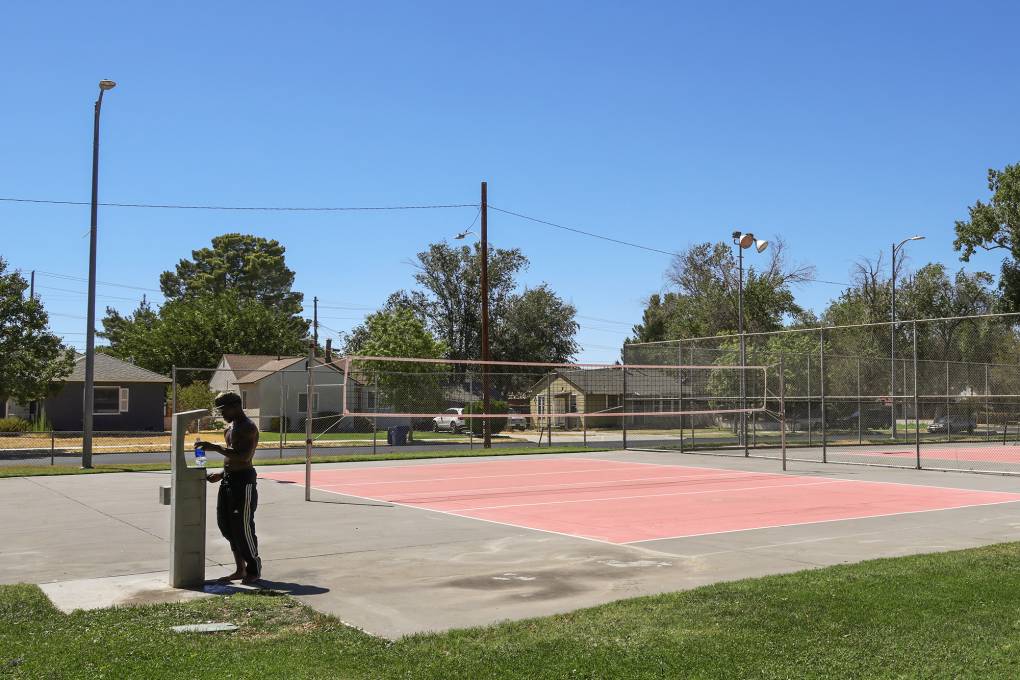
"caption": "A person fills their water bottle at an empty tennis court, where ground surface temperatures reached 150 degrees, in Lancaster on Aug. 15, 2024. ",
"credit": "Ted Soqui for CalMatters",
"altTag": "A person fills their water bottle at an empty tennis court.",
"description": null,
"imgSizes": {
"medium": {
"file": "https://cdn.kqed.org/wp-content/uploads/sites/10/2024/09/081524_CA-Projected-Heat_TS_CM-30-800x533.jpg",
"width": 800,
"height": 533,
"mimeType": "image/jpeg"
},
"large": {
"file": "https://cdn.kqed.org/wp-content/uploads/sites/10/2024/09/081524_CA-Projected-Heat_TS_CM-30-1020x680.jpg",
"width": 1020,
"height": 680,
"mimeType": "image/jpeg"
},
"thumbnail": {
"file": "https://cdn.kqed.org/wp-content/uploads/sites/10/2024/09/081524_CA-Projected-Heat_TS_CM-30-160x107.jpg",
"width": 160,
"height": 107,
"mimeType": "image/jpeg"
},
"1536x1536": {
"file": "https://cdn.kqed.org/wp-content/uploads/sites/10/2024/09/081524_CA-Projected-Heat_TS_CM-30-1536x1024.jpg",
"width": 1536,
"height": 1024,
"mimeType": "image/jpeg"
},
"post-thumbnail": {
"file": "https://cdn.kqed.org/wp-content/uploads/sites/10/2024/09/081524_CA-Projected-Heat_TS_CM-30-672x372.jpg",
"width": 672,
"height": 372,
"mimeType": "image/jpeg"
},
"twentyfourteen-full-width": {
"file": "https://cdn.kqed.org/wp-content/uploads/sites/10/2024/09/081524_CA-Projected-Heat_TS_CM-30-1038x576.jpg",
"width": 1038,
"height": 576,
"mimeType": "image/jpeg"
},
"full-width": {
"file": "https://cdn.kqed.org/wp-content/uploads/sites/10/2024/09/081524_CA-Projected-Heat_TS_CM-30-1920x1280.jpg",
"width": 1920,
"height": 1280,
"mimeType": "image/jpeg"
},
"kqedFullSize": {
"file": "https://cdn.kqed.org/wp-content/uploads/sites/10/2024/09/081524_CA-Projected-Heat_TS_CM-30.jpg",
"width": 2000,
"height": 1333
}
},
"isLoading": false,
"fetchFailed": false
},
"news_12002997": {
"type": "attachments",
"id": "news_12002997",
"meta": {
"index": "attachments_1716263798",
"site": "news",
"id": "12002997",
"found": true
},
"title": "Bakersfield, California",
"publishDate": 1725472226,
"status": "inherit",
"parent": 12002977,
"modified": 1725472248,
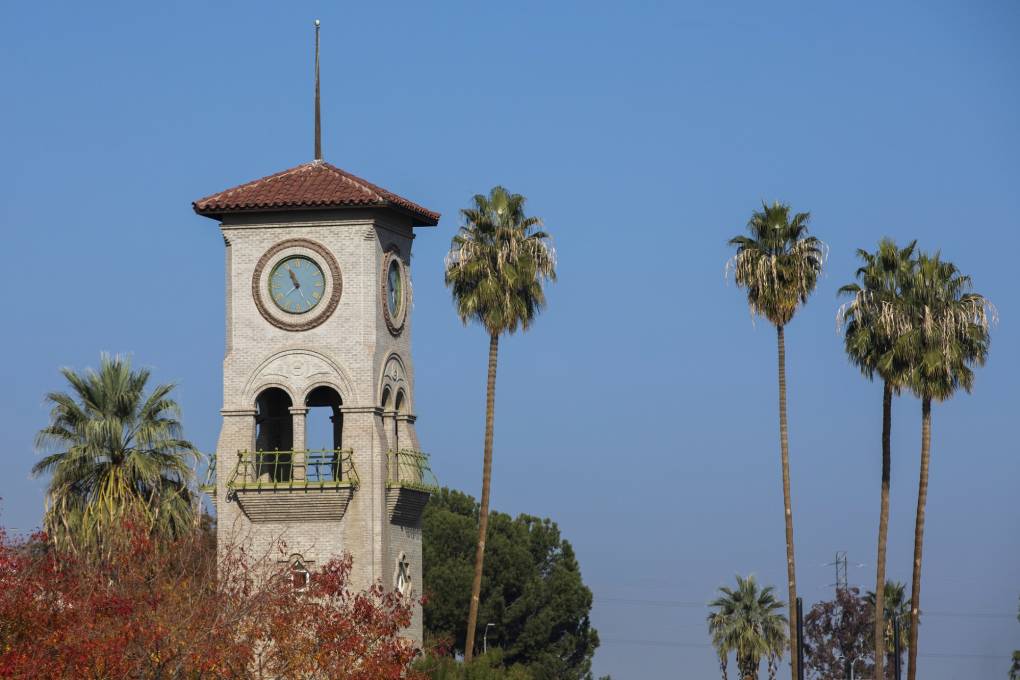
"caption": "Daytime view of a historic public clock tower in downtown Bakersfield, California, USA.",
"credit": "Matt Gush/Getty Images",
"altTag": null,
"description": null,
"imgSizes": {
"medium": {
"file": "https://cdn.kqed.org/wp-content/uploads/sites/10/2024/09/BakersfieldClockTowerGetty1-800x533.jpg",
"width": 800,
"height": 533,
"mimeType": "image/jpeg"
},
"large": {
"file": "https://cdn.kqed.org/wp-content/uploads/sites/10/2024/09/BakersfieldClockTowerGetty1-1020x680.jpg",
"width": 1020,
"height": 680,
"mimeType": "image/jpeg"
},
"thumbnail": {
"file": "https://cdn.kqed.org/wp-content/uploads/sites/10/2024/09/BakersfieldClockTowerGetty1-160x107.jpg",
"width": 160,
"height": 107,
"mimeType": "image/jpeg"
},
"1536x1536": {
"file": "https://cdn.kqed.org/wp-content/uploads/sites/10/2024/09/BakersfieldClockTowerGetty1-1536x1024.jpg",
"width": 1536,
"height": 1024,
"mimeType": "image/jpeg"
},
"post-thumbnail": {
"file": "https://cdn.kqed.org/wp-content/uploads/sites/10/2024/09/BakersfieldClockTowerGetty1-672x372.jpg",
"width": 672,
"height": 372,
"mimeType": "image/jpeg"
},
"twentyfourteen-full-width": {
"file": "https://cdn.kqed.org/wp-content/uploads/sites/10/2024/09/BakersfieldClockTowerGetty1-1038x576.jpg",
"width": 1038,
"height": 576,
"mimeType": "image/jpeg"
},
"full-width": {
"file": "https://cdn.kqed.org/wp-content/uploads/sites/10/2024/09/BakersfieldClockTowerGetty1-1920x1280.jpg",
"width": 1920,
"height": 1280,
"mimeType": "image/jpeg"
},
"kqedFullSize": {
"file": "https://cdn.kqed.org/wp-content/uploads/sites/10/2024/09/BakersfieldClockTowerGetty1.jpg",
"width": 2000,
"height": 1333
}
},
"isLoading": false,
"fetchFailed": false
},
"news_11998420": {
"type": "attachments",
"id": "news_11998420",
"meta": {
"index": "attachments_1716263798",
"site": "news",
"id": "11998420",
"found": true
},
"title": "240727-ParkFire-029-BL_qed",
"publishDate": 1722539012,
"status": "inherit",
"parent": 11998395,
"modified": 1722967403,
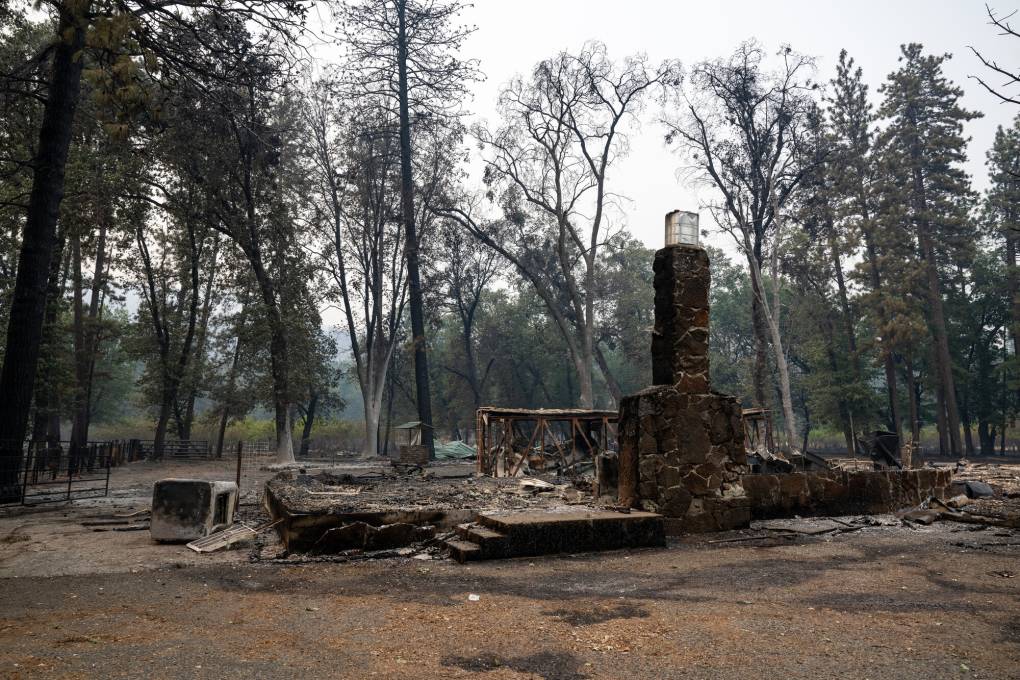
"caption": "The remains of a structure along Highway 36 near Paynes Creek on July 27, 2024, after the Park Fire swept through the area the evening before.",
"credit": "Beth LaBerge/KQED",
"altTag": null,
"description": null,
"imgSizes": {
"medium": {
"file": "https://cdn.kqed.org/wp-content/uploads/sites/10/2024/08/240727-ParkFire-029-BL_qed-800x533.jpg",
"width": 800,
"height": 533,
"mimeType": "image/jpeg"
},
"large": {
"file": "https://cdn.kqed.org/wp-content/uploads/sites/10/2024/08/240727-ParkFire-029-BL_qed-1020x680.jpg",
"width": 1020,
"height": 680,
"mimeType": "image/jpeg"
},
"thumbnail": {
"file": "https://cdn.kqed.org/wp-content/uploads/sites/10/2024/08/240727-ParkFire-029-BL_qed-160x107.jpg",
"width": 160,
"height": 107,
"mimeType": "image/jpeg"
},
"1536x1536": {
"file": "https://cdn.kqed.org/wp-content/uploads/sites/10/2024/08/240727-ParkFire-029-BL_qed-1536x1024.jpg",
"width": 1536,
"height": 1024,
"mimeType": "image/jpeg"
},
"post-thumbnail": {
"file": "https://cdn.kqed.org/wp-content/uploads/sites/10/2024/08/240727-ParkFire-029-BL_qed-672x372.jpg",
"width": 672,
"height": 372,
"mimeType": "image/jpeg"
},
"twentyfourteen-full-width": {
"file": "https://cdn.kqed.org/wp-content/uploads/sites/10/2024/08/240727-ParkFire-029-BL_qed-1038x576.jpg",
"width": 1038,
"height": 576,
"mimeType": "image/jpeg"
},
"full-width": {
"file": "https://cdn.kqed.org/wp-content/uploads/sites/10/2024/08/240727-ParkFire-029-BL_qed-1920x1280.jpg",
"width": 1920,
"height": 1280,
"mimeType": "image/jpeg"
},
"kqedFullSize": {
"file": "https://cdn.kqed.org/wp-content/uploads/sites/10/2024/08/240727-ParkFire-029-BL_qed.jpg",
"width": 2000,
"height": 1333
}
},
"isLoading": false,
"fetchFailed": false
},
"news_11997404": {
"type": "attachments",
"id": "news_11997404",
"meta": {
"index": "attachments_1716263798",
"site": "news",
"id": "11997404",
"found": true
},
"title": "Screenshot 2024-07-25 at 11.13.46 AM",
"publishDate": 1721931338,
"status": "inherit",
"parent": 11997390,
"modified": 1721931967,
"caption": "The San Joaquin River snakes through the landscape.",
"credit": "Geloy Concepcion/NPR",
"altTag": "A view of a river with trees and other vegetation around.",
"description": null,
"imgSizes": {
"medium": {
"file": "https://cdn.kqed.org/wp-content/uploads/sites/10/2024/07/Screenshot-2024-07-25-at-11.13.46 AM-800x530.png",
"width": 800,
"height": 530,
"mimeType": "image/png"
},
"large": {
"file": "https://cdn.kqed.org/wp-content/uploads/sites/10/2024/07/Screenshot-2024-07-25-at-11.13.46 AM-1020x675.png",
"width": 1020,
"height": 675,
"mimeType": "image/png"
},
"thumbnail": {
"file": "https://cdn.kqed.org/wp-content/uploads/sites/10/2024/07/Screenshot-2024-07-25-at-11.13.46 AM-160x106.png",
"width": 160,
"height": 106,
"mimeType": "image/png"
},
"1536x1536": {
"file": "https://cdn.kqed.org/wp-content/uploads/sites/10/2024/07/Screenshot-2024-07-25-at-11.13.46 AM-1536x1017.png",
"width": 1536,
"height": 1017,
"mimeType": "image/png"
},
"post-thumbnail": {
"file": "https://cdn.kqed.org/wp-content/uploads/sites/10/2024/07/Screenshot-2024-07-25-at-11.13.46 AM-672x372.png",
"width": 672,
"height": 372,
"mimeType": "image/png"
},
"twentyfourteen-full-width": {
"file": "https://cdn.kqed.org/wp-content/uploads/sites/10/2024/07/Screenshot-2024-07-25-at-11.13.46 AM-1038x576.png",
"width": 1038,
"height": 576,
"mimeType": "image/png"
},
"kqedFullSize": {
"file": "https://cdn.kqed.org/wp-content/uploads/sites/10/2024/07/Screenshot-2024-07-25-at-11.13.46 AM.png",
"width": 1740,
"height": 1152
}
},
"isLoading": false,
"fetchFailed": false
},
"news_11610689": {
"type": "attachments",
"id": "news_11610689",
"meta": {
"index": "attachments_1716263798",
"site": "news",
"id": "11610689",
"found": true
},
"parent": 11610688,
"imgSizes": {
"small": {
"file": "https://ww2.kqed.org/app/uploads/sites/10/2017/08/rts1axax_slide-882d321b832a51b2252a9c58d01f5af7f0c4b338-520x347.jpg",
"width": 520,
"mimeType": "image/jpeg",
"height": 347
},
"twentyfourteen-full-width": {
"file": "https://ww2.kqed.org/app/uploads/sites/10/2017/08/rts1axax_slide-882d321b832a51b2252a9c58d01f5af7f0c4b338-1038x576.jpg",
"width": 1038,
"mimeType": "image/jpeg",
"height": 576
},
"thumbnail": {
"file": "https://ww2.kqed.org/app/uploads/sites/10/2017/08/rts1axax_slide-882d321b832a51b2252a9c58d01f5af7f0c4b338-160x107.jpg",
"width": 160,
"mimeType": "image/jpeg",
"height": 107
},
"fd-sm": {
"file": "https://ww2.kqed.org/app/uploads/sites/10/2017/08/rts1axax_slide-882d321b832a51b2252a9c58d01f5af7f0c4b338-960x640.jpg",
"width": 960,
"mimeType": "image/jpeg",
"height": 640
},
"post-thumbnail": {
"file": "https://ww2.kqed.org/app/uploads/sites/10/2017/08/rts1axax_slide-882d321b832a51b2252a9c58d01f5af7f0c4b338-672x372.jpg",
"width": 672,
"mimeType": "image/jpeg",
"height": 372
},
"xsmall": {
"file": "https://ww2.kqed.org/app/uploads/sites/10/2017/08/rts1axax_slide-882d321b832a51b2252a9c58d01f5af7f0c4b338-375x250.jpg",
"width": 375,
"mimeType": "image/jpeg",
"height": 250
},
"kqedFullSize": {
"file": "https://ww2.kqed.org/app/uploads/sites/10/2017/08/rts1axax_slide-882d321b832a51b2252a9c58d01f5af7f0c4b338-e1502232768698.jpg",
"width": 1920,
"height": 1280
},
"large": {
"file": "https://ww2.kqed.org/app/uploads/sites/10/2017/08/rts1axax_slide-882d321b832a51b2252a9c58d01f5af7f0c4b338-1020x680.jpg",
"width": 1020,
"mimeType": "image/jpeg",
"height": 680
},
"xlarge": {
"file": "https://ww2.kqed.org/app/uploads/sites/10/2017/08/rts1axax_slide-882d321b832a51b2252a9c58d01f5af7f0c4b338-1180x786.jpg",
"width": 1180,
"mimeType": "image/jpeg",
"height": 786
},
"guest-author-50": {
"file": "https://ww2.kqed.org/app/uploads/sites/10/2017/08/rts1axax_slide-882d321b832a51b2252a9c58d01f5af7f0c4b338-50x50.jpg",
"width": 50,
"mimeType": "image/jpeg",
"height": 50
},
"guest-author-96": {
"file": "https://ww2.kqed.org/app/uploads/sites/10/2017/08/rts1axax_slide-882d321b832a51b2252a9c58d01f5af7f0c4b338-96x96.jpg",
"width": 96,
"mimeType": "image/jpeg",
"height": 96
},
"medium": {
"file": "https://ww2.kqed.org/app/uploads/sites/10/2017/08/rts1axax_slide-882d321b832a51b2252a9c58d01f5af7f0c4b338-800x533.jpg",
"width": 800,
"mimeType": "image/jpeg",
"height": 533
},
"guest-author-64": {
"file": "https://ww2.kqed.org/app/uploads/sites/10/2017/08/rts1axax_slide-882d321b832a51b2252a9c58d01f5af7f0c4b338-64x64.jpg",
"width": 64,
"mimeType": "image/jpeg",
"height": 64
},
"guest-author-32": {
"file": "https://ww2.kqed.org/app/uploads/sites/10/2017/08/rts1axax_slide-882d321b832a51b2252a9c58d01f5af7f0c4b338-32x32.jpg",
"width": 32,
"mimeType": "image/jpeg",
"height": 32
},
"fd-lrg": {
"file": "https://ww2.kqed.org/app/uploads/sites/10/2017/08/rts1axax_slide-882d321b832a51b2252a9c58d01f5af7f0c4b338-1920x1280.jpg",
"width": 1920,
"mimeType": "image/jpeg",
"height": 1280
},
"fd-med": {
"file": "https://ww2.kqed.org/app/uploads/sites/10/2017/08/rts1axax_slide-882d321b832a51b2252a9c58d01f5af7f0c4b338-1180x786.jpg",
"width": 1180,
"mimeType": "image/jpeg",
"height": 786
},
"full-width": {
"file": "https://ww2.kqed.org/app/uploads/sites/10/2017/08/rts1axax_slide-882d321b832a51b2252a9c58d01f5af7f0c4b338-1920x1280.jpg",
"width": 1920,
"mimeType": "image/jpeg",
"height": 1280
},
"detail": {
"file": "https://ww2.kqed.org/app/uploads/sites/10/2017/08/rts1axax_slide-882d321b832a51b2252a9c58d01f5af7f0c4b338-150x150.jpg",
"width": 150,
"mimeType": "image/jpeg",
"height": 150
},
"guest-author-128": {
"file": "https://ww2.kqed.org/app/uploads/sites/10/2017/08/rts1axax_slide-882d321b832a51b2252a9c58d01f5af7f0c4b338-128x128.jpg",
"width": 128,
"mimeType": "image/jpeg",
"height": 128
},
"xxsmall": {
"file": "https://ww2.kqed.org/app/uploads/sites/10/2017/08/rts1axax_slide-882d321b832a51b2252a9c58d01f5af7f0c4b338-240x160.jpg",
"width": 240,
"mimeType": "image/jpeg",
"height": 160
}
},
"publishDate": 1502232499,
"modified": 1502232756,
"caption": "Participants look at a world map showing climate anomalies during the World Climate Change Conference 2015 in France. A draft government report on climate, which was leaked ahead of publication, says the U.S. is already experiencing the consequences of global warming.",
"description": "Participants look at a world map showing climate anomalies during the World Climate Change Conference 2015 in France. A draft government report on climate, which was leaked ahead of publication, says the U.S. is already experiencing the consequences of global warming.",
"title": "Participants look at a world map showing climate anomalies during the World Climate Change Conference 2015 in France. A draft government report on climate, which was leaked ahead of publication, says the U.S. is already experiencing the consequences of global warming.",
"credit": "Stephane Mahe/Reuters",
"status": "inherit",
"isLoading": false,
"fetchFailed": false
},
"news_11997196": {
"type": "attachments",
"id": "news_11997196",
"meta": {
"index": "attachments_1716263798",
"site": "news",
"id": "11997196",
"found": true
},
"title": "Donald TrumpJD Vance",
"publishDate": 1721853839,
"status": "inherit",
"parent": 11997168,
"modified": 1756337631,
"caption": "Then-Republican presidential candidate and former President Donald Trump arrives at a campaign rally in Grand Rapids, Michigan, on July 20, 2024.",
"credit": "Evan Vucci/AP Photo",
"altTag": null,
"description": null,
"imgSizes": {
"medium": {
"file": "https://cdn.kqed.org/wp-content/uploads/sites/10/2024/07/TrumpRallyAP1-800x533.jpg",
"width": 800,
"height": 533,
"mimeType": "image/jpeg"
},
"large": {
"file": "https://cdn.kqed.org/wp-content/uploads/sites/10/2024/07/TrumpRallyAP1-1020x680.jpg",
"width": 1020,
"height": 680,
"mimeType": "image/jpeg"
},
"thumbnail": {
"file": "https://cdn.kqed.org/wp-content/uploads/sites/10/2024/07/TrumpRallyAP1-160x107.jpg",
"width": 160,
"height": 107,
"mimeType": "image/jpeg"
},
"1536x1536": {
"file": "https://cdn.kqed.org/wp-content/uploads/sites/10/2024/07/TrumpRallyAP1-1536x1024.jpg",
"width": 1536,
"height": 1024,
"mimeType": "image/jpeg"
},
"post-thumbnail": {
"file": "https://cdn.kqed.org/wp-content/uploads/sites/10/2024/07/TrumpRallyAP1-672x372.jpg",
"width": 672,
"height": 372,
"mimeType": "image/jpeg"
},
"twentyfourteen-full-width": {
"file": "https://cdn.kqed.org/wp-content/uploads/sites/10/2024/07/TrumpRallyAP1-1038x576.jpg",
"width": 1038,
"height": 576,
"mimeType": "image/jpeg"
},
"full-width": {
"file": "https://cdn.kqed.org/wp-content/uploads/sites/10/2024/07/TrumpRallyAP1-1920x1280.jpg",
"width": 1920,
"height": 1280,
"mimeType": "image/jpeg"
},
"kqedFullSize": {
"file": "https://cdn.kqed.org/wp-content/uploads/sites/10/2024/07/TrumpRallyAP1.jpg",
"width": 2000,
"height": 1333
}
},
"isLoading": false,
"fetchFailed": false
}
},
"audioPlayerReducer": {
"postId": "stream_live",
"isPaused": true,
"isPlaying": false,
"pfsActive": false,
"pledgeModalIsOpen": true,
"playerDrawerIsOpen": false,
"liveAudioPlayStartedAt": 0,
"liveAudioPlayContext": ""
},
"authorsReducer": {
"byline_news_12009324": {
"type": "authors",
"id": "byline_news_12009324",
"meta": {
"override": true
},
"slug": "byline_news_12009324",
"name": "Lauren Sommer, NPR",
"isLoading": false
},
"byline_news_12003214": {
"type": "authors",
"id": "byline_news_12003214",
"meta": {
"override": true
},
"slug": "byline_news_12003214",
"name": "\u003ca href=\"https://calmatters.org/author/alejandra-reyesvelarde\">Alejandra Reyes-Velarde\u003c/a> and \u003ca href=\"https://calmatters.org/author/arfa-momin\">Arfa Momin, \u003c/a>CalMatters",
"isLoading": false
},
"byline_news_11997390": {
"type": "authors",
"id": "byline_news_11997390",
"meta": {
"override": true
},
"slug": "byline_news_11997390",
"name": "Jonaki Mehta, NPR",
"isLoading": false
},
"carlysevern": {
"type": "authors",
"id": "3243",
"meta": {
"index": "authors_1716337520",
"id": "3243",
"found": true
},
"name": "Carly Severn",
"firstName": "Carly",
"lastName": "Severn",
"slug": "carlysevern",
"email": "csevern@kqed.org",
"display_author_email": false,
"staff_mastheads": [
"news"
],
"title": "Senior Editor, Audience News ",
"bio": "Carly is KQED's Senior Editor of Audience News on the Digital News team, and has reported for the California Report Magazine, Bay Curious and KQED Arts. She's formerly the host of \u003ca href=\"http://ww2.kqed.org/pop/category/the-cooler/\" rel=\"noopener noreferrer\">The Cooler\u003c/a> podcast.",
"avatar": "https://secure.gravatar.com/avatar/54037bf5c128fe678f0ef26cec97a93f2e7f220a22d7285703328f12c42c1b1d?s=600&d=blank&r=g",
"twitter": "teacupinthebay",
"bluesky": null,
"facebook": null,
"instagram": null,
"linkedin": null,
"sites": [
{
"site": "",
"roles": [
"editor"
]
},
{
"site": "arts",
"roles": [
"editor"
]
},
{
"site": "news",
"roles": [
"administrator"
]
},
{
"site": "pop",
"roles": [
"editor"
]
},
{
"site": "futureofyou",
"roles": [
"editor"
]
},
{
"site": "about",
"roles": [
"administrator"
]
},
{
"site": "mindshift",
"roles": [
"editor"
]
},
{
"site": "bayareabites",
"roles": [
"editor"
]
},
{
"site": "stateofhealth",
"roles": [
"editor"
]
},
{
"site": "science",
"roles": [
"editor"
]
},
{
"site": "food",
"roles": [
"contributor"
]
},
{
"site": "forum",
"roles": [
"editor"
]
},
{
"site": "perspectives",
"roles": [
"administrator"
]
},
{
"site": "liveblog",
"roles": [
"editor"
]
}
],
"headData": {
"title": "Carly Severn | KQED",
"description": "Senior Editor, Audience News ",
"ogImgSrc": "https://secure.gravatar.com/avatar/54037bf5c128fe678f0ef26cec97a93f2e7f220a22d7285703328f12c42c1b1d?s=600&d=blank&r=g",
"twImgSrc": "https://secure.gravatar.com/avatar/54037bf5c128fe678f0ef26cec97a93f2e7f220a22d7285703328f12c42c1b1d?s=600&d=blank&r=g"
},
"isLoading": false,
"link": "/author/carlysevern"
},
"dventon": {
"type": "authors",
"id": "11088",
"meta": {
"index": "authors_1716337520",
"id": "11088",
"found": true
},
"name": "Danielle Venton",
"firstName": "Danielle",
"lastName": "Venton",
"slug": "dventon",
"email": "dventon@kqed.org",
"display_author_email": true,
"staff_mastheads": [
"science"
],
"title": "Science reporter",
"bio": "Danielle Venton is a reporter for KQED Science. She covers wildfires, space and oceans (though she is prone to sea sickness).\r\n\r\nBefore joining KQED in 2015, Danielle was a staff reporter at KRCB in Sonoma County and a freelancer. She studied science communication at UC Santa Cruz and formerly worked at CERN in Geneva, Switzerland where she wrote about computing. She lives in Sonoma County and enjoys backpacking.",
"avatar": "https://secure.gravatar.com/avatar/37b292b5c40c8d93959c4f48d73b5286f41b7abd8588277e941905a3ed4c801c?s=600&d=blank&r=g",
"twitter": "DanielleVenton",
"bluesky": null,
"facebook": null,
"instagram": null,
"linkedin": null,
"sites": [
{
"site": "arts",
"roles": [
"contributor"
]
},
{
"site": "news",
"roles": [
"editor"
]
},
{
"site": "futureofyou",
"roles": [
"editor"
]
},
{
"site": "science",
"roles": [
"editor"
]
},
{
"site": "liveblog",
"roles": [
"contributor"
]
}
],
"headData": {
"title": "Danielle Venton | KQED",
"description": "Science reporter",
"ogImgSrc": "https://secure.gravatar.com/avatar/37b292b5c40c8d93959c4f48d73b5286f41b7abd8588277e941905a3ed4c801c?s=600&d=blank&r=g",
"twImgSrc": "https://secure.gravatar.com/avatar/37b292b5c40c8d93959c4f48d73b5286f41b7abd8588277e941905a3ed4c801c?s=600&d=blank&r=g"
},
"isLoading": false,
"link": "/author/dventon"
},
"mpeterson": {
"type": "authors",
"id": "11223",
"meta": {
"index": "authors_1716337520",
"id": "11223",
"found": true
},
"name": "Molly Peterson",
"firstName": "Molly",
"lastName": "Peterson",
"slug": "mpeterson",
"email": "mpeterson@kqed.org",
"display_author_email": false,
"staff_mastheads": [],
"title": null,
"bio": "Molly Peterson reports for KQED science and news on climate change, catastrophe and risk. Previously she was environment correspondent at Southern California Public Radio. Her work has also appeared at The New York Times, The Guardian, on NPR, at High Country News, on Code Switch, and other national outlets. She has been honored with awards from Public Radio News Directors Incorporated, Investigative Reporters and Editors, the Society for Professional Journalists, the Los Angeles Press Club, and RTNDA Edward R. Murrow awards, among others.",
"avatar": "https://secure.gravatar.com/avatar/7908e2807131f776cc8165c649530b05?s=600&d=blank&r=g",
"twitter": "Mollydacious",
"facebook": null,
"instagram": "https://www.instagram.com/radiomolly/",
"linkedin": null,
"sites": [
{
"site": "news",
"roles": [
"subscriber"
]
},
{
"site": "futureofyou",
"roles": [
"editor"
]
},
{
"site": "science",
"roles": [
"editor"
]
}
],
"headData": {
"title": "Molly Peterson | KQED",
"description": null,
"ogImgSrc": "https://secure.gravatar.com/avatar/7908e2807131f776cc8165c649530b05?s=600&d=blank&r=g",
"twImgSrc": "https://secure.gravatar.com/avatar/7908e2807131f776cc8165c649530b05?s=600&d=blank&r=g"
},
"isLoading": false,
"link": "/author/mpeterson"
},
"kevinstark": {
"type": "authors",
"id": "11608",
"meta": {
"index": "authors_1716337520",
"id": "11608",
"found": true
},
"name": "Kevin Stark",
"firstName": "Kevin",
"lastName": "Stark",
"slug": "kevinstark",
"email": "kstark@kqed.org",
"display_author_email": true,
"staff_mastheads": [
"science"
],
"title": "Senior Editor",
"bio": "Kevin is a senior editor for KQED Science, managing the station's health and climate desks. His journalism career began in the Pacific Northwest, and he later became a lead reporter for the San Francisco Public Press. His work has appeared in Pacific Standard magazine, the Energy News Network, the Center for Investigative Reporting's Reveal and WBEZ in Chicago. Kevin joined KQED in 2019, and has covered issues related to energy, wildfire, climate change and the environment.",
"avatar": "https://secure.gravatar.com/avatar/365aaa4b597d3a8374f67504ff0facd323d7906e8eb4be0a7efd2427408e802c?s=600&d=blank&r=g",
"twitter": "starkkev",
"bluesky": null,
"facebook": null,
"instagram": null,
"linkedin": null,
"sites": [
{
"site": "",
"roles": [
"editor"
]
},
{
"site": "news",
"roles": [
"editor"
]
},
{
"site": "science",
"roles": [
"administrator"
]
}
],
"headData": {
"title": "Kevin Stark | KQED",
"description": "Senior Editor",
"ogImgSrc": "https://secure.gravatar.com/avatar/365aaa4b597d3a8374f67504ff0facd323d7906e8eb4be0a7efd2427408e802c?s=600&d=blank&r=g",
"twImgSrc": "https://secure.gravatar.com/avatar/365aaa4b597d3a8374f67504ff0facd323d7906e8eb4be0a7efd2427408e802c?s=600&d=blank&r=g"
},
"isLoading": false,
"link": "/author/kevinstark"
},
"ccabreralomeli": {
"type": "authors",
"id": "11708",
"meta": {
"index": "authors_1716337520",
"id": "11708",
"found": true
},
"name": "Carlos Cabrera-Lomelí",
"firstName": "Carlos",
"lastName": "Cabrera-Lomelí",
"slug": "ccabreralomeli",
"email": "ccabreralomeli@KQED.org",
"display_author_email": true,
"staff_mastheads": [
"news"
],
"title": "Community Reporter",
"bio": "Carlos Cabrera-Lomelí is a community reporter with KQED's digital engagement team. He also reports and co-produces for KQED's bilingual news hub KQED en Español. He grew up in San Francisco's Mission District and has previously worked with Univision, 48 Hills and REFORMA in Mexico City.",
"avatar": "https://secure.gravatar.com/avatar/c309be9665e484f887b818c89e273ecc673004f426f36b24d00a4d813a2e0518?s=600&d=blank&r=g",
"twitter": "@LomeliCabrera",
"bluesky": null,
"facebook": null,
"instagram": null,
"linkedin": null,
"sites": [
{
"site": "arts",
"roles": [
"editor"
]
},
{
"site": "news",
"roles": [
"editor"
]
},
{
"site": "about",
"roles": [
"editor"
]
},
{
"site": "science",
"roles": [
"editor"
]
},
{
"site": "perspectives",
"roles": [
"editor"
]
},
{
"site": "elections",
"roles": [
"editor"
]
},
{
"site": "liveblog",
"roles": [
"contributor"
]
}
],
"headData": {
"title": "Carlos Cabrera-Lomelí | KQED",
"description": "Community Reporter",
"ogImgSrc": "https://secure.gravatar.com/avatar/c309be9665e484f887b818c89e273ecc673004f426f36b24d00a4d813a2e0518?s=600&d=blank&r=g",
"twImgSrc": "https://secure.gravatar.com/avatar/c309be9665e484f887b818c89e273ecc673004f426f36b24d00a4d813a2e0518?s=600&d=blank&r=g"
},
"isLoading": false,
"link": "/author/ccabreralomeli"
},
"kmizuguchi": {
"type": "authors",
"id": "11739",
"meta": {
"index": "authors_1716337520",
"id": "11739",
"found": true
},
"name": "Keith Mizuguchi",
"firstName": "Keith",
"lastName": "Mizuguchi",
"slug": "kmizuguchi",
"email": "kmizuguchi@kqed.org",
"display_author_email": false,
"staff_mastheads": [],
"title": "KQED Contributor",
"bio": null,
"avatar": "https://secure.gravatar.com/avatar/64d8a7de0723d4099b9fe4e915136103febcc20809abce228ee4415bcb237023?s=600&d=blank&r=g",
"twitter": null,
"bluesky": null,
"facebook": null,
"instagram": null,
"linkedin": null,
"sites": [
{
"site": "news",
"roles": [
"editor"
]
},
{
"site": "science",
"roles": [
"editor"
]
}
],
"headData": {
"title": "Keith Mizuguchi | KQED",
"description": "KQED Contributor",
"ogImgSrc": "https://secure.gravatar.com/avatar/64d8a7de0723d4099b9fe4e915136103febcc20809abce228ee4415bcb237023?s=600&d=blank&r=g",
"twImgSrc": "https://secure.gravatar.com/avatar/64d8a7de0723d4099b9fe4e915136103febcc20809abce228ee4415bcb237023?s=600&d=blank&r=g"
},
"isLoading": false,
"link": "/author/kmizuguchi"
},
"jservantez": {
"type": "authors",
"id": "11909",
"meta": {
"index": "authors_1716337520",
"id": "11909",
"found": true
},
"name": "Jared Servantez",
"firstName": "Jared",
"lastName": "Servantez",
"slug": "jservantez",
"email": "jservantez@kqed.org",
"display_author_email": true,
"staff_mastheads": [
"news"
],
"title": "KQED Contributor",
"bio": "Jared Servantez is the editor of KQED's Express Desk, leading the newsroom's online breaking news operation. He most recently worked for the Los Angeles Times, where he served as a breaking news editor, the Metro Desk's night editor, and a copy editor. Jared is a graduate of the USC Annenberg School for Communication and Journalism.",
"avatar": "https://secure.gravatar.com/avatar/f0e317c67bb498c3f077f033d1cc79e62f3bc1303fa20a14e8880d31fbe7e01e?s=600&d=blank&r=g",
"twitter": "jservantez",
"bluesky": null,
"facebook": null,
"instagram": null,
"linkedin": null,
"sites": [
{
"site": "news",
"roles": [
"editor"
]
},
{
"site": "science",
"roles": [
"editor",
"author"
]
},
{
"site": "liveblog",
"roles": [
"editor"
]
}
],
"headData": {
"title": "Jared Servantez | KQED",
"description": "KQED Contributor",
"ogImgSrc": "https://secure.gravatar.com/avatar/f0e317c67bb498c3f077f033d1cc79e62f3bc1303fa20a14e8880d31fbe7e01e?s=600&d=blank&r=g",
"twImgSrc": "https://secure.gravatar.com/avatar/f0e317c67bb498c3f077f033d1cc79e62f3bc1303fa20a14e8880d31fbe7e01e?s=600&d=blank&r=g"
},
"isLoading": false,
"link": "/author/jservantez"
},
"kdebenedetti": {
"type": "authors",
"id": "11913",
"meta": {
"index": "authors_1716337520",
"id": "11913",
"found": true
},
"name": "Katie DeBenedetti",
"firstName": "Katie",
"lastName": "DeBenedetti",
"slug": "kdebenedetti",
"email": "kdebenedetti@kqed.org",
"display_author_email": false,
"staff_mastheads": [
"news",
"science"
],
"title": "KQED Contributor",
"bio": "Katie DeBenedetti is a digital reporter covering daily news for the Express Desk. Prior to joining KQED as a culture reporting intern in January 2024, she covered education and city government for the Napa Valley Register.",
"avatar": "https://secure.gravatar.com/avatar/6e31073cb8f7e4214ab03f42771d0f45?s=600&d=blank&r=g",
"twitter": null,
"facebook": null,
"instagram": null,
"linkedin": null,
"sites": [
{
"site": "news",
"roles": [
"author"
]
},
{
"site": "science",
"roles": [
"author"
]
},
{
"site": "liveblog",
"roles": [
"author"
]
}
],
"headData": {
"title": "Katie DeBenedetti | KQED",
"description": "KQED Contributor",
"ogImgSrc": "https://secure.gravatar.com/avatar/6e31073cb8f7e4214ab03f42771d0f45?s=600&d=blank&r=g",
"twImgSrc": "https://secure.gravatar.com/avatar/6e31073cb8f7e4214ab03f42771d0f45?s=600&d=blank&r=g"
},
"isLoading": false,
"link": "/author/kdebenedetti"
}
},
"pagesReducer": {
"news_tag_climate-change": {
"type": "terms",
"id": "news_255",
"meta": {
"index": "terms_1716263798",
"site": "news",
"id": "255",
"score": 7.9464717
},
"featImg": null,
"name": "climate change",
"description": null,
"taxonomy": "tag",
"headData": {
"twImgId": null,
"twTitle": null,
"ogTitle": null,
"ogImgId": null,
"twDescription": null,
"description": null,
"title": "climate change Archives | KQED News",
"ogDescription": null
},
"ttid": 263,
"slug": "climate-change",
"isLoading": false,
"title": "climate change",
"pageMeta": {
"site": "news",
"WpPageTemplate": "page-topic-editorial",
"currentPage": 14
},
"blocks": [
{
"blockName": "kqed/post-list",
"attrs": {
"layout": "cardArticle2",
"query": "posts/news?tag=climate-change",
"seeMore": false,
"paginated": true,
"page": 14
}
},
{
"blockName": "kqed/ad"
}
]
}
},
"pfsSessionReducer": {},
"postsReducer": {
"stream_live": {
"type": "live",
"id": "stream_live",
"audioUrl": "https://streams.kqed.org/kqedradio",
"title": "Live Stream",
"excerpt": "Live Stream information currently unavailable.",
"link": "/radio",
"featImg": "",
"label": {
"name": "KQED Live",
"link": "/"
}
},
"stream_kqedNewscast": {
"type": "posts",
"id": "stream_kqedNewscast",
"audioUrl": "https://www.kqed.org/.stream/anon/radio/RDnews/newscast.mp3?_=1",
"title": "KQED Newscast",
"featImg": "",
"label": {
"name": "88.5 FM",
"link": "/"
}
},
"news_12009333": {
"type": "posts",
"id": "news_12009333",
"meta": {
"index": "posts_1716263798",
"site": "news",
"id": "12009333",
"score": null,
"sort": [
1728945511000
]
},
"guestAuthors": [],
"slug": "california-plan-to-keep-gas-prices-stable-is-signed-into-law-by-newsom",
"title": "California Plan to Keep Gas Prices Stable Is Signed Into Law by Newsom",
"publishDate": 1728945511,
"format": "standard",
"headTitle": "California Plan to Keep Gas Prices Stable Is Signed Into Law by Newsom | KQED",
"labelTerm": {
"site": "news"
},
"content": "\u003cp>Gov. \u003ca href=\"https://www.kqed.org/news/tag/gavin-newsom\">Gavin Newsom\u003c/a> on Monday signed into law his \u003ca href=\"https://www.kqed.org/news/12006862/can-california-really-push-gas-prices-lower\">plan to prevent gas price spikes\u003c/a> after more than a month of a special legislative session.\u003c/p>\n\u003cp>Assembly Bill X2-1 will allow the California Energy Commission to require oil refiners to maintain a certain inventory of fuel to deliver during periods of maintenance that reduce refining capacity.\u003c/p>\n\u003cp>Proponents say it will lessen volatility in prices at the pump, ultimately saving Californians money. However, opposition groups, led by the oil industry, have questioned the need for a special session to address the bill and want to redirect focus to maintaining the state’s dwindling number of oil refiners.\u003c/p>\n\u003cp>Newsom said he was proud that the Assembly was able to get the bill through despite pushback from the oil industry, particularly the Western States Petroleum Association.\u003c/p>\n\u003cp>“Big oil that knowingly continues to lie to the people of this state, our nation, for that matter, around the world,” Newsom said. “They are the polluted heart of this climate crisis. They continue to lie and they continue to manipulate. And they’re taking advantage of you.”\u003c/p>\n\u003cp>[ad fullwidth]\u003c/p>\n\u003cp>Newsom had hoped to pass the bill at the end of this year’s regular session but wasn’t able to get it through. In a statement, he said he had called for a special session this fall to address gas price spikes after identifying the problem as a result of gas-related bills passed during a special session last year.\u003c/p>\n\u003cp>Assemblymember Alex Lee, one of the principal co-authors of ABX2-1, said that working through the bill in a special session has given lawmakers more time to focus on the oil industry.\u003c/p>\n\u003cp>“We are opening up the big oil and oil industry to more scrutiny by our public regulators, enabling us to understand more how they price gouge and set prices,” he told KQED. “The more and more we’ve learned from the sector, there are very few … actors who play a big part in why there are so many shocking price spikes at the pump.”\u003c/p>\n\u003cp>The WSPA criticized the special session as unnecessary. Catherine Reheis-Boyd, the industry association’s CEO, said the state should be focused on retaining its refiners, which have dropped from 30 to nine since the 1990s.\u003c/p>\n\u003cp>“We don’t need a rushed special session to address the needed infrastructure and investment that we should be talking about to keep refineries running and producers producing,” Reheis-Boyd told KQED. “In our opinion, the conversation should be focused on production, on pipelines, on ports and all that impact on refineries.”\u003c/p>\n\u003cp>As time ran out on the regular legislative session, Newsom had found himself \u003ca href=\"https://www.kqed.org/science/1994047/newsom-is-in-a-standoff-with-democrats-on-energy-bills-time-is-running-out\">locked in a stalemate with lawmakers\u003c/a> over his energy agenda and whether to call the special session, which Senate President Pro Tem Mike McGuire (D–Healdsburg) was initially firmly against.\u003c/p>\n\u003cp>Republicans and labor groups also opposed the bill, and it did not receive universal support from Newsom’s own party.\u003c/p>\n\u003cp>Almost a fourth of Senate Democrats did not support the bill — Sen. Melissa Hurtado (D–Sanger) joined Republicans in voting against it, and eight Democrats abstained or were absent. The bill \u003ca href=\"https://www.kqed.org/news/12009203/california-senate-passes-bill-aimed-at-preventing-gas-price-spikes\">passed the Senate\u003c/a> on Friday with a 23–9 majority.\u003c/p>\n\u003cp>In the \u003ca href=\"https://www.kqed.org/news/12007232/california-lawmakers-pass-legislation-prevent-gas-price-spikes\">previous Assembly vote\u003c/a>, Assemblymembers Jasmeet Bains (D–Delano) and Esmeralda Soria (D–Fresno) joined Republican lawmakers opposing the bill, while 44 voted in favor. The other 17 lawmakers abstained.\u003c/p>\n\u003cp>[aside label='Related Coverage' tag='gas-prices']\u003c/p>\n\u003cp>While Newsom has touted the bill as a way to protect consumers from surging gas prices, Reheis-Boyd argued that it could increase prices if refiners are forced to maintain a reserve. She said there should be more focus on the fees and taxes Californians pay on gas.\u003c/p>\n\u003cp>Lee, however, said that those costs don’t add to the volatility ABX2-1 is designed to address.\u003c/p>\n\u003cp>“Conservatives and the oil companies love to blame taxes and fees and regulations, but those things are very constant,” he said. “What isn’t constant is if the consumer goes to the pump one week and it’s one price and then another week, it’s 10% more, and another week it’s 5% less.”\u003c/p>\n\u003cp>Lee \u003ca href=\"https://www.kqed.org/news/12007232/california-lawmakers-pass-legislation-prevent-gas-price-spikes\">previously told KQED\u003c/a> that Assembly hearings throughout the session have shown that these spikes and dips are due to oil availability and that without inventory concerns, “there should be much lower prices” for Californians.\u003c/p>\n\u003cp>Assemblymember Gregg Hart (D–Santa Barbara), who introduced the bill, \u003ca href=\"https://www.kqed.org/news/12007232/california-lawmakers-pass-legislation-prevent-gas-price-spikes\">told KQED earlier this month\u003c/a> that part of the reason the bill is needed is because the number of refiners in California will only continue to decline as the state moves to phase out gas cars.\u003c/p>\n\u003cp>“We will have constraints that occur with fuel supply as these steps in the ladder go down and refineries are closed,” he said. “We have to manage this collaboratively with the oil industry and figure out a way to smooth that out and make it work for consumers.”\u003c/p>\n\u003cp>Newsom said that now, the CEC will meet to assess the oil market and supply demands, look at health and safety concerns raised by refinery workers, and more to ultimately come up with the right standards.\u003c/p>\n\u003cp>\u003c/p>\n\u003cp>“I don’t want to overstate, I don’t want to overpromise, but we now have the tools,” he said.\u003c/p>\n\n",
"blocks": [],
"excerpt": "Gov. Gavin Newsom called a special legislative session to pass the bill, which allowed California to require oil refiners to keep a certain level of fuel reserves.",
"status": "publish",
"parent": 0,
"modified": 1728950653,
"stats": {
"hasAudio": false,
"hasVideo": false,
"hasChartOrMap": false,
"iframeSrcs": [],
"hasGoogleForm": false,
"hasGallery": false,
"hasHearkenModule": false,
"hasPolis": false,
"paragraphCount": 25,
"wordCount": 924
},
"headData": {
"title": "California Plan to Keep Gas Prices Stable Is Signed Into Law by Newsom | KQED",
"description": "Gov. Gavin Newsom called a special legislative session to pass the bill, which allowed California to require oil refiners to keep a certain level of fuel reserves.",
"ogTitle": "",
"ogDescription": "",
"ogImgId": "",
"twTitle": "",
"twDescription": "",
"twImgId": "",
"schema": {
"@context": "https://schema.org",
"@type": "NewsArticle",
"headline": "California Plan to Keep Gas Prices Stable Is Signed Into Law by Newsom",
"datePublished": "2024-10-14T15:38:31-07:00",
"dateModified": "2024-10-14T17:04:13-07:00",
"image": "https://cdn.kqed.org/wp-content/uploads/2020/02/KQED-OG-Image@1x.png",
"isAccessibleForFree": "True",
"publisher": {
"@type": "NewsMediaOrganization",
"@id": "https://www.kqed.org/#organization",
"name": "KQED",
"logo": "https://cdn.kqed.org/wp-content/uploads/2020/02/KQED-OG-Image@1x.png",
"url": "https://www.kqed.org",
"sameAs": [
"https://www.facebook.com/KQED",
"https://twitter.com/KQED",
"https://www.instagram.com/kqed/",
"https://www.tiktok.com/@kqedofficial",
"https://www.linkedin.com/company/kqed",
"https://www.youtube.com/channel/UCeC0IOo7i1P_61zVUWbJ4nw"
]
}
}
},
"sticky": false,
"nprStoryId": "kqed-12009333",
"excludeFromSiteSearch": "Include",
"articleAge": "0",
"path": "/news/12009333/california-plan-to-keep-gas-prices-stable-is-signed-into-law-by-newsom",
"audioTrackLength": null,
"parsedContent": [
{
"type": "contentString",
"content": "\u003cdiv class=\"post-body\">\u003cp>\u003cp>Gov. \u003ca href=\"https://www.kqed.org/news/tag/gavin-newsom\">Gavin Newsom\u003c/a> on Monday signed into law his \u003ca href=\"https://www.kqed.org/news/12006862/can-california-really-push-gas-prices-lower\">plan to prevent gas price spikes\u003c/a> after more than a month of a special legislative session.\u003c/p>\n\u003cp>Assembly Bill X2-1 will allow the California Energy Commission to require oil refiners to maintain a certain inventory of fuel to deliver during periods of maintenance that reduce refining capacity.\u003c/p>\n\u003cp>Proponents say it will lessen volatility in prices at the pump, ultimately saving Californians money. However, opposition groups, led by the oil industry, have questioned the need for a special session to address the bill and want to redirect focus to maintaining the state’s dwindling number of oil refiners.\u003c/p>\n\u003cp>Newsom said he was proud that the Assembly was able to get the bill through despite pushback from the oil industry, particularly the Western States Petroleum Association.\u003c/p>\n\u003cp>“Big oil that knowingly continues to lie to the people of this state, our nation, for that matter, around the world,” Newsom said. “They are the polluted heart of this climate crisis. They continue to lie and they continue to manipulate. And they’re taking advantage of you.”\u003c/p>\n\u003cp>\u003c/p>\u003c/div>",
"attributes": {
"named": {},
"numeric": []
}
},
{
"type": "component",
"content": "",
"name": "ad",
"attributes": {
"named": {
"label": "fullwidth"
},
"numeric": [
"fullwidth"
]
}
},
{
"type": "contentString",
"content": "\u003cdiv class=\"post-body\">\u003cp>\u003c/p>\n\u003cp>Newsom had hoped to pass the bill at the end of this year’s regular session but wasn’t able to get it through. In a statement, he said he had called for a special session this fall to address gas price spikes after identifying the problem as a result of gas-related bills passed during a special session last year.\u003c/p>\n\u003cp>Assemblymember Alex Lee, one of the principal co-authors of ABX2-1, said that working through the bill in a special session has given lawmakers more time to focus on the oil industry.\u003c/p>\n\u003cp>“We are opening up the big oil and oil industry to more scrutiny by our public regulators, enabling us to understand more how they price gouge and set prices,” he told KQED. “The more and more we’ve learned from the sector, there are very few … actors who play a big part in why there are so many shocking price spikes at the pump.”\u003c/p>\n\u003cp>The WSPA criticized the special session as unnecessary. Catherine Reheis-Boyd, the industry association’s CEO, said the state should be focused on retaining its refiners, which have dropped from 30 to nine since the 1990s.\u003c/p>\n\u003cp>“We don’t need a rushed special session to address the needed infrastructure and investment that we should be talking about to keep refineries running and producers producing,” Reheis-Boyd told KQED. “In our opinion, the conversation should be focused on production, on pipelines, on ports and all that impact on refineries.”\u003c/p>\n\u003cp>As time ran out on the regular legislative session, Newsom had found himself \u003ca href=\"https://www.kqed.org/science/1994047/newsom-is-in-a-standoff-with-democrats-on-energy-bills-time-is-running-out\">locked in a stalemate with lawmakers\u003c/a> over his energy agenda and whether to call the special session, which Senate President Pro Tem Mike McGuire (D–Healdsburg) was initially firmly against.\u003c/p>\n\u003cp>Republicans and labor groups also opposed the bill, and it did not receive universal support from Newsom’s own party.\u003c/p>\n\u003cp>Almost a fourth of Senate Democrats did not support the bill — Sen. Melissa Hurtado (D–Sanger) joined Republicans in voting against it, and eight Democrats abstained or were absent. The bill \u003ca href=\"https://www.kqed.org/news/12009203/california-senate-passes-bill-aimed-at-preventing-gas-price-spikes\">passed the Senate\u003c/a> on Friday with a 23–9 majority.\u003c/p>\n\u003cp>In the \u003ca href=\"https://www.kqed.org/news/12007232/california-lawmakers-pass-legislation-prevent-gas-price-spikes\">previous Assembly vote\u003c/a>, Assemblymembers Jasmeet Bains (D–Delano) and Esmeralda Soria (D–Fresno) joined Republican lawmakers opposing the bill, while 44 voted in favor. The other 17 lawmakers abstained.\u003c/p>\n\u003cp>\u003c/p>\u003c/div>",
"attributes": {
"named": {},
"numeric": []
}
},
{
"type": "component",
"content": "",
"name": "aside",
"attributes": {
"named": {
"label": "Related Coverage ",
"tag": "gas-prices"
},
"numeric": []
}
},
{
"type": "contentString",
"content": "\u003cdiv class=\"post-body\">\u003cp>\u003c/p>\n\u003cp>While Newsom has touted the bill as a way to protect consumers from surging gas prices, Reheis-Boyd argued that it could increase prices if refiners are forced to maintain a reserve. She said there should be more focus on the fees and taxes Californians pay on gas.\u003c/p>\n\u003cp>Lee, however, said that those costs don’t add to the volatility ABX2-1 is designed to address.\u003c/p>\n\u003cp>“Conservatives and the oil companies love to blame taxes and fees and regulations, but those things are very constant,” he said. “What isn’t constant is if the consumer goes to the pump one week and it’s one price and then another week, it’s 10% more, and another week it’s 5% less.”\u003c/p>\n\u003cp>Lee \u003ca href=\"https://www.kqed.org/news/12007232/california-lawmakers-pass-legislation-prevent-gas-price-spikes\">previously told KQED\u003c/a> that Assembly hearings throughout the session have shown that these spikes and dips are due to oil availability and that without inventory concerns, “there should be much lower prices” for Californians.\u003c/p>\n\u003cp>Assemblymember Gregg Hart (D–Santa Barbara), who introduced the bill, \u003ca href=\"https://www.kqed.org/news/12007232/california-lawmakers-pass-legislation-prevent-gas-price-spikes\">told KQED earlier this month\u003c/a> that part of the reason the bill is needed is because the number of refiners in California will only continue to decline as the state moves to phase out gas cars.\u003c/p>\n\u003cp>“We will have constraints that occur with fuel supply as these steps in the ladder go down and refineries are closed,” he said. “We have to manage this collaboratively with the oil industry and figure out a way to smooth that out and make it work for consumers.”\u003c/p>\n\u003cp>Newsom said that now, the CEC will meet to assess the oil market and supply demands, look at health and safety concerns raised by refinery workers, and more to ultimately come up with the right standards.\u003c/p>\n\u003cp>\u003c/p>\n\u003cp>“I don’t want to overstate, I don’t want to overpromise, but we now have the tools,” he said.\u003c/p>\n\n\u003c/div>\u003c/p>",
"attributes": {
"named": {},
"numeric": []
}
}
],
"link": "/news/12009333/california-plan-to-keep-gas-prices-stable-is-signed-into-law-by-newsom",
"authors": [
"11913"
],
"categories": [
"news_31795",
"news_8",
"news_13"
],
"tags": [
"news_18538",
"news_3651",
"news_30069",
"news_19204",
"news_255",
"news_27626",
"news_641",
"news_3273",
"news_16"
],
"featImg": "news_12009337",
"label": "news"
},
"news_12009324": {
"type": "posts",
"id": "news_12009324",
"meta": {
"index": "posts_1716263798",
"site": "news",
"id": "12009324",
"score": null,
"sort": [
1728932449000
]
},
"guestAuthors": [],
"slug": "the-u-s-gets-a-new-national-marine-sanctuary-the-first-led-by-a-tribe",
"title": "The US Gets a New National Marine Sanctuary, the First Led by a Tribe",
"publishDate": 1728932449,
"format": "standard",
"headTitle": "The US Gets a New National Marine Sanctuary, the First Led by a Tribe | KQED",
"labelTerm": {
"term": 253,
"site": "news"
},
"content": "\u003cp>The federal government will soon protect more than 4,500 square miles of ocean off the Central California coast. The Biden administration is creating a new national marine sanctuary, which will be the third largest in the U.S.\u003c/p>\n\u003cp>The sanctuary is also the first to be led by Indigenous people. It was nominated by members of the Northern Chumash Tribe, \u003ca href=\"https://www.npr.org/2023/08/10/1192122040/chumash-tribe-california-marine-sanctuary\">\u003cu>who drove the effort for more than a decade\u003c/u>\u003c/a> to protect the rugged coastline that is their historical homeland.\u003c/p>\n\u003cp>Going forward, the new \u003ca href=\"https://sanctuaries.noaa.gov/chumash-heritage/\">\u003cu>Chumash Heritage National Marine Sanctuary\u003c/u>\u003c/a> will be managed in partnership with tribes and Indigenous groups in the area, who will advise the federal government. It marks a growing movement under the Biden administration to give tribes a say over the lands and waters that were taken from them.\u003c/p>\n\u003cp>“We’re still here, and so are the Indigenous people wherever you live,” says Violet Sage Walker, chairwoman of the Northern Chumash Tribal Council, who led the campaign for the sanctuary. “Being able to address climate change, use traditional ecological knowledge, and participate in co-management is Indigenous peoples’ contribution to saving the planet.”\u003c/p>\n\u003cfigure class=\"wp-block-image size-large\">\u003cimg decoding=\"async\" src=\"https://npr.brightspotcdn.com/dims3/default/strip/false/crop/1000x563+0+0/resize/1200/quality/75/format/jpeg/?url=http%3A%2F%2Fnpr-brightspot.s3.amazonaws.com%2Ff1%2F6b%2F9ec7bc0b4453869e43ddd7e1adb4%2Funderwater2.gif\" alt=\"The Chumash Heritage National Marine Sanctuary will become the sixth off the West Coast, protecting a vibrant marine ecosystem.\">\u003cfigcaption>The Chumash Heritage National Marine Sanctuary will become the sixth off the West Coast, protecting a vibrant marine ecosystem. \u003ccite>(NOAA)\u003c/cite>\u003c/figcaption>\u003c/figure>\n\u003cp>The final sanctuary boundaries are \u003ca href=\"https://www.npr.org/2023/08/24/1195653011/biden-proposes-vast-new-marine-sanctuary-in-partnership-with-california-tribe\">\u003cu>smaller than originally proposed\u003c/u>\u003c/a> due to California’s burgeoning offshore wind industry. The National Oceanic and Atmospheric Administration (NOAA) says it plans to look at expanding the sanctuary in the future.\u003c/p>\n\u003cp>[ad fullwidth]\u003c/p>\n\u003cp>National marine sanctuaries are similar to a national forest on land. The new sanctuary will be protected from oil and gas drilling, as well as undersea mining, while fishing is still permitted. It also means more public outreach and monitoring for environmental impacts, something NOAA says is vital to understanding how the ecosystem is being affected by climate change.\u003c/p>\n\u003cp>“People will protect what they love, and they won’t love it unless they understand it,” says Paul Michel, regional policy coordinator for NOAA’s West Coast Office of National Marine Sanctuaries. “One of our challenges is to share this incredible resource with people to encourage their advocacy and support for ocean conservation.”\u003c/p>\n\u003ch2>A vision for protection\u003c/h2>\n\u003cp>The new sanctuary is the \u003ca href=\"https://www.npr.org/2023/08/10/1192122040/chumash-tribe-california-marine-sanctuary\">\u003cu>fulfillment of a lifelong dream\u003c/u>\u003c/a> of Walker’s father, Fred Collins. He nominated the area to become a sanctuary in 2015 with NOAA. The proposal languished under the Trump administration, and Collins passed away several years later.\u003c/p>\n\u003cp>“That’s all my dad ever wanted, that people would know that we are the stewards of this land,” Walker says. “One of the last conversations we had in the hospital before he passed away, he says the sanctuary was one of the most important things he did and that he wanted me to finish it.”\u003c/p>\n\u003cfigure id=\"attachment_12009358\" class=\"wp-caption aligncenter\" style=\"max-width: 1672px\">\u003ca href=\"https://cdn.kqed.org/wp-content/uploads/sites/10/2024/10/Screenshot-2024-10-14-at-10.48.52%E2%80%AFAM.png\">\u003cimg loading=\"lazy\" decoding=\"async\" class=\"size-full wp-image-12009358\" src=\"https://cdn.kqed.org/wp-content/uploads/sites/10/2024/10/Screenshot-2024-10-14-at-10.48.52%E2%80%AFAM.png\" alt='A map with different regions highlighted in shades of blue with a title that reads \"New national marine sanctuary off the California coast.\"' width=\"1672\" height=\"1496\" srcset=\"https://cdn.kqed.org/wp-content/uploads/sites/10/2024/10/Screenshot-2024-10-14-at-10.48.52 AM.png 1672w, https://cdn.kqed.org/wp-content/uploads/sites/10/2024/10/Screenshot-2024-10-14-at-10.48.52 AM-800x716.png 800w, https://cdn.kqed.org/wp-content/uploads/sites/10/2024/10/Screenshot-2024-10-14-at-10.48.52 AM-1020x913.png 1020w, https://cdn.kqed.org/wp-content/uploads/sites/10/2024/10/Screenshot-2024-10-14-at-10.48.52 AM-160x143.png 160w, https://cdn.kqed.org/wp-content/uploads/sites/10/2024/10/Screenshot-2024-10-14-at-10.48.52 AM-1536x1374.png 1536w\" sizes=\"(max-width: 1672px) 100vw, 1672px\">\u003c/a>\u003cfigcaption class=\"wp-caption-text\">Source: National Oceanic and Atmospheric Administration \u003ccite>(Connie Hanzhang Jin/NPR)\u003c/cite>\u003c/figcaption>\u003c/figure>\n\u003cp>The new sanctuary is home to a diverse marine ecosystem, where dense kelp forests support a broad array of l,ife from sea otters to migrating whales. For Walker, the area is also home to many sacred sites dating back thousands of years, like the rocky cliffs known as Point Conception.\u003c/p>\n\u003cp>“It’s where we spiritually believe that all people leave this world into the next life,” she says. “They take their journey – whatever faith you are, whatever spirituality you have – and that area will be fully and forever protected. For my father, our ancestors, elders who have passed – I think they would be the most excited about that.”\u003c/p>\n\u003cp>The Pacific Ocean has also been hit hard by climate change, like the massive marine heat wave \u003ca href=\"https://www.npr.org/2019/09/06/758042120/is-the-blob-back-latest-marine-heat-wave-could-pose-new-risks-to-sea-life\">\u003cu>known as “the Blob,”\u003c/u>\u003c/a> which dramatically altered the food web from 2014–16, affecting everything from \u003ca href=\"https://www.npr.org/2024/02/29/1234718984/humpback-whale-decline-pacific-climate-change\">\u003cu>the tiniest creatures to massive whales\u003c/u>\u003c/a>.\u003c/p>\n\u003cp>“The historic designation of the Chumash Heritage National Marine Sanctuary comes not a moment too soon,” says Congressman Salud Carbajal, who represents the area. “As our oceans and communities face unprecedented challenges from a changing marine environment, this new sanctuary comes at a critical time for our region.”\u003c/p>\n\u003ch2>Compromise with the wind industry\u003c/h2>\n\u003cp>In 2022, the federal government held the \u003ca href=\"https://www.doi.gov/pressreleases/biden-harris-administration-announces-winners-california-offshore-wind-energy-auction\">\u003cu>first offshore wind leases\u003c/u>\u003c/a> on the West Coast, opening the door for wind energy. The new floating turbines will be outside the sanctuary, but under the original sanctuary boundary, the undersea cables that bring power to shore would have been within it.[aside postID=\"news_11985188,news_11959107\" label=\"Related Stories\"]\u003c/p>\n\u003cp>After negotiations, wind energy companies and tribal groups agreed to a smaller boundary for the sanctuary, with a \u003ca href=\"https://evenkeelwind.invenergy.com/news/northern-chumash-tribal-council-and-morro-bay-offshore-wind-leaseholders-announce-joint-support-for-marine-sanctuary\">\u003cu>phased approach to expand it\u003c/u>\u003c/a>. The current boundary leaves a corridor for wind energy infrastructure to be built. After that, NOAA has said it will begin the process of considering expanding the sanctuary to the original proposed size, something wind companies say they’ll support.\u003c/p>\n\u003cp>“We have a commitment to ensuring that infrastructure advances with consideration of the natural environment and species of concern and sensitive natural resources,” says Erin Lieberman, vice president of environmental compliance and strategy at Invenergy, one of the wind companies developing a project. “How we incorporate that into our project placement and our project design is a priority. And I hope and believe that we can be a model for that.”\u003c/p>\n\u003cfigure class=\"wp-block-image size-large\">\u003cimg decoding=\"async\" src=\"https://npr.brightspotcdn.com/dims3/default/strip/false/crop/1000x563+0+0/resize/1200/quality/75/format/jpeg/?url=http%3A%2F%2Fnpr-brightspot.s3.amazonaws.com%2F6a%2Fb4%2Ff1d45e9342ac9cab1a5b8c76ba3b%2Fsanctuary1.gif\" alt=\"NOAA plans to consider expanding the new Chumash Heritage Marine Sanctuary in the years ahead, after new infrastructure is built for offshore wind farms.\">\u003cfigcaption>NOAA plans to consider expanding the new Chumash Heritage Marine Sanctuary in the years ahead after new infrastructure is built for offshore wind farms. \u003ccite> (NOAA)\u003c/cite>\u003c/figcaption>\u003c/figure>\n\u003cp>Offshore wind energy could be vital for California to reach its goal of getting 100% of its electricity by 2045 from sources that don’t emit planet-heating pollution. \u003ca href=\"https://schwarzenegger.usc.edu/wp-content/uploads/images/files/OSW_Report.pdf\">\u003cu>Studies show\u003c/u>\u003c/a> offshore wind produces power at a vital time for the state – right as the sun sets and solar farms start turning off.\u003c/p>\n\u003cp>“Compromises were made, but I think that’s the way we also move forward with addressing climate change,” Walker says. “Dealing with renewable green energy is not always easy.”\u003c/p>\n\u003ch2>Developing Indigenous co-management\u003c/h2>\n\u003cp>NOAA says it plans to manage the new Chumash Heritage National Marine Sanctuary with input from the \u003ca href=\"https://sanctuaries.noaa.gov/chumash-heritage/indigenous-heritage/\">\u003cu>tribes and Indigenous groups in the area\u003c/u>\u003c/a>. Since only one band of Chumash, the Santa Santa Ynez Band of Chumash Indians, is federally recognized, the involvement may look different for different groups, something NOAA is still determining.\u003c/p>\n\u003cp>“Really, what this represents is a starting point because we realize we’ve got a lot of work to do to get to know one another, to build some trust,” Michel says.\u003c/p>\n\u003cp>The federal government has piloted Indigenous co-management in a handful of places, \u003ca href=\"https://olympiccoast.noaa.gov/management/intergovernmentalpolicy.html\">\u003cu>like at the Olympic Coast National Marine Sanctuary\u003c/u>\u003c/a> in Washington state. On land, the government is also working with \u003ca href=\"https://www.doi.gov/pressreleases/blm-forest-service-and-five-tribes-bears-ears-commission-commit-historic-co-management\">\u003cu>five tribes in managing\u003c/u>\u003c/a> the Bears Ears National Monument in Utah.\u003c/p>\n\u003cp>After centuries of displacement and violence, Walker says it will take time for Indigenous peoples to repair the relationship with the federal government.\u003c/p>\n\u003cp>[ad floatright]\u003c/p>\n\u003cp>“This is a big step for them and we’ll just see how things go,” Walker says. “As long as I’m breathing, we’re going to be fighting to protect our Earth, Mother Earth. That’s just who most Indigenous people are.”\u003c/p>\n\n",
"blocks": [],
"excerpt": "Over 4,500 square miles of ocean will be protected off the California coast. It will also be managed in partnership with the Indigenous groups that fought to create it.",
"status": "publish",
"parent": 0,
"modified": 1729635924,
"stats": {
"hasAudio": false,
"hasVideo": false,
"hasChartOrMap": false,
"iframeSrcs": [],
"hasGoogleForm": false,
"hasGallery": false,
"hasHearkenModule": false,
"hasPolis": false,
"paragraphCount": 25,
"wordCount": 1224
},
"headData": {
"title": "The US Gets a New National Marine Sanctuary, the First Led by a Tribe | KQED",
"description": "Over 4,500 square miles of ocean will be protected off the California coast. It will also be managed in partnership with the Indigenous groups that fought to create it.",
"ogTitle": "",
"ogDescription": "",
"ogImgId": "",
"twTitle": "",
"twDescription": "",
"twImgId": "",
"schema": {
"@context": "https://schema.org",
"@type": "NewsArticle",
"headline": "The US Gets a New National Marine Sanctuary, the First Led by a Tribe",
"datePublished": "2024-10-14T12:00:49-07:00",
"dateModified": "2024-10-22T15:25:24-07:00",
"image": "https://cdn.kqed.org/wp-content/uploads/2020/02/KQED-OG-Image@1x.png",
"isAccessibleForFree": "True",
"publisher": {
"@type": "NewsMediaOrganization",
"@id": "https://www.kqed.org/#organization",
"name": "KQED",
"logo": "https://cdn.kqed.org/wp-content/uploads/2020/02/KQED-OG-Image@1x.png",
"url": "https://www.kqed.org",
"sameAs": [
"https://www.facebook.com/KQED",
"https://twitter.com/KQED",
"https://www.instagram.com/kqed/",
"https://www.tiktok.com/@kqedofficial",
"https://www.linkedin.com/company/kqed",
"https://www.youtube.com/channel/UCeC0IOo7i1P_61zVUWbJ4nw"
]
}
}
},
"audioUrl": "https://cdn.kqed.org/wp-content/uploads/sites/10/2024/10/20241014_me_the_first_tribally_nominated_marine_sanctuary.mp3",
"sticky": false,
"nprByline": "Lauren Sommer, NPR",
"nprStoryId": "nx-s1-5147914",
"nprHtmlLink": "https://www.npr.org/2024/10/13/nx-s1-5147914/the-u-s-gets-a-new-national-marine-sanctuary-the-first-led-by-a-tribe",
"nprRetrievedStory": "1",
"nprPubDate": "2024-10-14T05:15:26.717-04:00",
"nprStoryDate": "2024-10-14T05:15:26.717-04:00",
"nprLastModifiedDate": "2024-10-14T10:41:32.436-04:00",
"nprAudio": "https://ondemand.npr.org/anon.npr-mp3/npr/me/2024/10/20241014_me_the_first_tribally_nominated_marine_sanctuary.mp3?size=3102138&d=193832&e=nx-s1-5147914",
"excludeFromSiteSearch": "Include",
"showOnAuthorArchivePages": "No",
"articleAge": "0",
"path": "/news/12009324/the-u-s-gets-a-new-national-marine-sanctuary-the-first-led-by-a-tribe",
"audioTrackLength": null,
"parsedContent": [
{
"type": "contentString",
"content": "\u003cdiv class=\"post-body\">\u003cp>\u003cp>The federal government will soon protect more than 4,500 square miles of ocean off the Central California coast. The Biden administration is creating a new national marine sanctuary, which will be the third largest in the U.S.\u003c/p>\n\u003cp>The sanctuary is also the first to be led by Indigenous people. It was nominated by members of the Northern Chumash Tribe, \u003ca href=\"https://www.npr.org/2023/08/10/1192122040/chumash-tribe-california-marine-sanctuary\">\u003cu>who drove the effort for more than a decade\u003c/u>\u003c/a> to protect the rugged coastline that is their historical homeland.\u003c/p>\n\u003cp>Going forward, the new \u003ca href=\"https://sanctuaries.noaa.gov/chumash-heritage/\">\u003cu>Chumash Heritage National Marine Sanctuary\u003c/u>\u003c/a> will be managed in partnership with tribes and Indigenous groups in the area, who will advise the federal government. It marks a growing movement under the Biden administration to give tribes a say over the lands and waters that were taken from them.\u003c/p>\n\u003cp>“We’re still here, and so are the Indigenous people wherever you live,” says Violet Sage Walker, chairwoman of the Northern Chumash Tribal Council, who led the campaign for the sanctuary. “Being able to address climate change, use traditional ecological knowledge, and participate in co-management is Indigenous peoples’ contribution to saving the planet.”\u003c/p>\n\u003cfigure class=\"wp-block-image size-large\">\u003cimg decoding=\"async\" src=\"https://npr.brightspotcdn.com/dims3/default/strip/false/crop/1000x563+0+0/resize/1200/quality/75/format/jpeg/?url=http%3A%2F%2Fnpr-brightspot.s3.amazonaws.com%2Ff1%2F6b%2F9ec7bc0b4453869e43ddd7e1adb4%2Funderwater2.gif\" alt=\"The Chumash Heritage National Marine Sanctuary will become the sixth off the West Coast, protecting a vibrant marine ecosystem.\">\u003cfigcaption>The Chumash Heritage National Marine Sanctuary will become the sixth off the West Coast, protecting a vibrant marine ecosystem. \u003ccite>(NOAA)\u003c/cite>\u003c/figcaption>\u003c/figure>\n\u003cp>The final sanctuary boundaries are \u003ca href=\"https://www.npr.org/2023/08/24/1195653011/biden-proposes-vast-new-marine-sanctuary-in-partnership-with-california-tribe\">\u003cu>smaller than originally proposed\u003c/u>\u003c/a> due to California’s burgeoning offshore wind industry. The National Oceanic and Atmospheric Administration (NOAA) says it plans to look at expanding the sanctuary in the future.\u003c/p>\n\u003cp>\u003c/p>\u003c/div>",
"attributes": {
"named": {},
"numeric": []
}
},
{
"type": "component",
"content": "",
"name": "ad",
"attributes": {
"named": {
"label": "fullwidth"
},
"numeric": [
"fullwidth"
]
}
},
{
"type": "contentString",
"content": "\u003cdiv class=\"post-body\">\u003cp>\u003c/p>\n\u003cp>National marine sanctuaries are similar to a national forest on land. The new sanctuary will be protected from oil and gas drilling, as well as undersea mining, while fishing is still permitted. It also means more public outreach and monitoring for environmental impacts, something NOAA says is vital to understanding how the ecosystem is being affected by climate change.\u003c/p>\n\u003cp>“People will protect what they love, and they won’t love it unless they understand it,” says Paul Michel, regional policy coordinator for NOAA’s West Coast Office of National Marine Sanctuaries. “One of our challenges is to share this incredible resource with people to encourage their advocacy and support for ocean conservation.”\u003c/p>\n\u003ch2>A vision for protection\u003c/h2>\n\u003cp>The new sanctuary is the \u003ca href=\"https://www.npr.org/2023/08/10/1192122040/chumash-tribe-california-marine-sanctuary\">\u003cu>fulfillment of a lifelong dream\u003c/u>\u003c/a> of Walker’s father, Fred Collins. He nominated the area to become a sanctuary in 2015 with NOAA. The proposal languished under the Trump administration, and Collins passed away several years later.\u003c/p>\n\u003cp>“That’s all my dad ever wanted, that people would know that we are the stewards of this land,” Walker says. “One of the last conversations we had in the hospital before he passed away, he says the sanctuary was one of the most important things he did and that he wanted me to finish it.”\u003c/p>\n\u003cfigure id=\"attachment_12009358\" class=\"wp-caption aligncenter\" style=\"max-width: 1672px\">\u003ca href=\"https://cdn.kqed.org/wp-content/uploads/sites/10/2024/10/Screenshot-2024-10-14-at-10.48.52%E2%80%AFAM.png\">\u003cimg loading=\"lazy\" decoding=\"async\" class=\"size-full wp-image-12009358\" src=\"https://cdn.kqed.org/wp-content/uploads/sites/10/2024/10/Screenshot-2024-10-14-at-10.48.52%E2%80%AFAM.png\" alt='A map with different regions highlighted in shades of blue with a title that reads \"New national marine sanctuary off the California coast.\"' width=\"1672\" height=\"1496\" srcset=\"https://cdn.kqed.org/wp-content/uploads/sites/10/2024/10/Screenshot-2024-10-14-at-10.48.52 AM.png 1672w, https://cdn.kqed.org/wp-content/uploads/sites/10/2024/10/Screenshot-2024-10-14-at-10.48.52 AM-800x716.png 800w, https://cdn.kqed.org/wp-content/uploads/sites/10/2024/10/Screenshot-2024-10-14-at-10.48.52 AM-1020x913.png 1020w, https://cdn.kqed.org/wp-content/uploads/sites/10/2024/10/Screenshot-2024-10-14-at-10.48.52 AM-160x143.png 160w, https://cdn.kqed.org/wp-content/uploads/sites/10/2024/10/Screenshot-2024-10-14-at-10.48.52 AM-1536x1374.png 1536w\" sizes=\"(max-width: 1672px) 100vw, 1672px\">\u003c/a>\u003cfigcaption class=\"wp-caption-text\">Source: National Oceanic and Atmospheric Administration \u003ccite>(Connie Hanzhang Jin/NPR)\u003c/cite>\u003c/figcaption>\u003c/figure>\n\u003cp>The new sanctuary is home to a diverse marine ecosystem, where dense kelp forests support a broad array of l,ife from sea otters to migrating whales. For Walker, the area is also home to many sacred sites dating back thousands of years, like the rocky cliffs known as Point Conception.\u003c/p>\n\u003cp>“It’s where we spiritually believe that all people leave this world into the next life,” she says. “They take their journey – whatever faith you are, whatever spirituality you have – and that area will be fully and forever protected. For my father, our ancestors, elders who have passed – I think they would be the most excited about that.”\u003c/p>\n\u003cp>The Pacific Ocean has also been hit hard by climate change, like the massive marine heat wave \u003ca href=\"https://www.npr.org/2019/09/06/758042120/is-the-blob-back-latest-marine-heat-wave-could-pose-new-risks-to-sea-life\">\u003cu>known as “the Blob,”\u003c/u>\u003c/a> which dramatically altered the food web from 2014–16, affecting everything from \u003ca href=\"https://www.npr.org/2024/02/29/1234718984/humpback-whale-decline-pacific-climate-change\">\u003cu>the tiniest creatures to massive whales\u003c/u>\u003c/a>.\u003c/p>\n\u003cp>“The historic designation of the Chumash Heritage National Marine Sanctuary comes not a moment too soon,” says Congressman Salud Carbajal, who represents the area. “As our oceans and communities face unprecedented challenges from a changing marine environment, this new sanctuary comes at a critical time for our region.”\u003c/p>\n\u003ch2>Compromise with the wind industry\u003c/h2>\n\u003cp>In 2022, the federal government held the \u003ca href=\"https://www.doi.gov/pressreleases/biden-harris-administration-announces-winners-california-offshore-wind-energy-auction\">\u003cu>first offshore wind leases\u003c/u>\u003c/a> on the West Coast, opening the door for wind energy. The new floating turbines will be outside the sanctuary, but under the original sanctuary boundary, the undersea cables that bring power to shore would have been within it.\u003c/p>\u003c/div>",
"attributes": {
"named": {},
"numeric": []
}
},
{
"type": "component",
"content": "",
"name": "aside",
"attributes": {
"named": {
"postid": "news_11985188,news_11959107",
"label": "Related Stories "
},
"numeric": []
}
},
{
"type": "contentString",
"content": "\u003cdiv class=\"post-body\">\u003cp>\u003c/p>\n\u003cp>After negotiations, wind energy companies and tribal groups agreed to a smaller boundary for the sanctuary, with a \u003ca href=\"https://evenkeelwind.invenergy.com/news/northern-chumash-tribal-council-and-morro-bay-offshore-wind-leaseholders-announce-joint-support-for-marine-sanctuary\">\u003cu>phased approach to expand it\u003c/u>\u003c/a>. The current boundary leaves a corridor for wind energy infrastructure to be built. After that, NOAA has said it will begin the process of considering expanding the sanctuary to the original proposed size, something wind companies say they’ll support.\u003c/p>\n\u003cp>“We have a commitment to ensuring that infrastructure advances with consideration of the natural environment and species of concern and sensitive natural resources,” says Erin Lieberman, vice president of environmental compliance and strategy at Invenergy, one of the wind companies developing a project. “How we incorporate that into our project placement and our project design is a priority. And I hope and believe that we can be a model for that.”\u003c/p>\n\u003cfigure class=\"wp-block-image size-large\">\u003cimg decoding=\"async\" src=\"https://npr.brightspotcdn.com/dims3/default/strip/false/crop/1000x563+0+0/resize/1200/quality/75/format/jpeg/?url=http%3A%2F%2Fnpr-brightspot.s3.amazonaws.com%2F6a%2Fb4%2Ff1d45e9342ac9cab1a5b8c76ba3b%2Fsanctuary1.gif\" alt=\"NOAA plans to consider expanding the new Chumash Heritage Marine Sanctuary in the years ahead, after new infrastructure is built for offshore wind farms.\">\u003cfigcaption>NOAA plans to consider expanding the new Chumash Heritage Marine Sanctuary in the years ahead after new infrastructure is built for offshore wind farms. \u003ccite> (NOAA)\u003c/cite>\u003c/figcaption>\u003c/figure>\n\u003cp>Offshore wind energy could be vital for California to reach its goal of getting 100% of its electricity by 2045 from sources that don’t emit planet-heating pollution. \u003ca href=\"https://schwarzenegger.usc.edu/wp-content/uploads/images/files/OSW_Report.pdf\">\u003cu>Studies show\u003c/u>\u003c/a> offshore wind produces power at a vital time for the state – right as the sun sets and solar farms start turning off.\u003c/p>\n\u003cp>“Compromises were made, but I think that’s the way we also move forward with addressing climate change,” Walker says. “Dealing with renewable green energy is not always easy.”\u003c/p>\n\u003ch2>Developing Indigenous co-management\u003c/h2>\n\u003cp>NOAA says it plans to manage the new Chumash Heritage National Marine Sanctuary with input from the \u003ca href=\"https://sanctuaries.noaa.gov/chumash-heritage/indigenous-heritage/\">\u003cu>tribes and Indigenous groups in the area\u003c/u>\u003c/a>. Since only one band of Chumash, the Santa Santa Ynez Band of Chumash Indians, is federally recognized, the involvement may look different for different groups, something NOAA is still determining.\u003c/p>\n\u003cp>“Really, what this represents is a starting point because we realize we’ve got a lot of work to do to get to know one another, to build some trust,” Michel says.\u003c/p>\n\u003cp>The federal government has piloted Indigenous co-management in a handful of places, \u003ca href=\"https://olympiccoast.noaa.gov/management/intergovernmentalpolicy.html\">\u003cu>like at the Olympic Coast National Marine Sanctuary\u003c/u>\u003c/a> in Washington state. On land, the government is also working with \u003ca href=\"https://www.doi.gov/pressreleases/blm-forest-service-and-five-tribes-bears-ears-commission-commit-historic-co-management\">\u003cu>five tribes in managing\u003c/u>\u003c/a> the Bears Ears National Monument in Utah.\u003c/p>\n\u003cp>After centuries of displacement and violence, Walker says it will take time for Indigenous peoples to repair the relationship with the federal government.\u003c/p>\n\u003cp>\u003c/p>\u003c/div>",
"attributes": {
"named": {},
"numeric": []
}
},
{
"type": "component",
"content": "",
"name": "ad",
"attributes": {
"named": {
"label": "floatright"
},
"numeric": [
"floatright"
]
}
},
{
"type": "contentString",
"content": "\u003cdiv class=\"post-body\">\u003cp>\u003c/p>\n\u003cp>“This is a big step for them and we’ll just see how things go,” Walker says. “As long as I’m breathing, we’re going to be fighting to protect our Earth, Mother Earth. That’s just who most Indigenous people are.”\u003c/p>\n\n\u003c/div>\u003c/p>",
"attributes": {
"named": {},
"numeric": []
}
}
],
"link": "/news/12009324/the-u-s-gets-a-new-national-marine-sanctuary-the-first-led-by-a-tribe",
"authors": [
"byline_news_12009324"
],
"categories": [
"news_34165",
"news_19906",
"news_8",
"news_356"
],
"tags": [
"news_255",
"news_20023",
"news_27966",
"news_34650",
"news_1421"
],
"affiliates": [
"news_253"
],
"featImg": "news_12009325",
"label": "news_253"
},
"news_12008755": {
"type": "posts",
"id": "news_12008755",
"meta": {
"index": "posts_1716263798",
"site": "news",
"id": "12008755",
"score": null,
"sort": [
1728512796000
]
},
"guestAuthors": [],
"slug": "bay-area-firefighters-deploy-florida-hurricane-milton-approaches",
"title": "Bay Area Firefighters Deploy to Florida as Hurricane Milton Approaches",
"publishDate": 1728512796,
"format": "standard",
"headTitle": "Bay Area Firefighters Deploy to Florida as Hurricane Milton Approaches | KQED",
"labelTerm": {
"site": "news"
},
"content": "\u003cp>As \u003ca href=\"https://www.kqed.org/news/tag/florida\">Florida\u003c/a> prepares for a Category 3 hurricane to make landfall as early as Wednesday night, \u003ca href=\"https://www.kqed.org/news/tag/bay-area\">Bay Area\u003c/a> firefighters are en route to assist communities expected to be hit the hardest by the storm.\u003c/p>\n\u003cp>This isn’t the first time Menlo Park’s fire protection district has deployed firefighters for disaster relief beyond Northern California. Some were sent to New York after 9/11, while others helped clean up following Hurricane Katrina.\u003c/p>\n\u003cp>Jon Johnston, the city’s chief fire marshal, said that after Hurricane Milton hits Florida’s west and central coasts in the coming hours, the 80 or so firefighters from Menlo Park will be primarily focused on life-saving efforts and protecting property.\u003c/p>\n\u003cp>[ad fullwidth]\u003c/p>\n\u003cp>“People could be trapped in homes or buildings,” he told KQED. “If there is no access via roads to any of these individuals, we want to be able to get out and reach these individuals and rescue them and get them to safety.”\u003c/p>\n\u003cp>Menlo Park’s fire protection district is a sponsor of \u003ca href=\"https://www.catf3.org/\">California’s Task Force 3\u003c/a> Urban Search and Rescue team, which includes members of more than 10 local fire agencies, along with civilian members.\u003c/p>\n\u003cfigure id=\"attachment_12008757\" class=\"wp-caption aligncenter\" style=\"max-width: 2000px\">\u003cimg loading=\"lazy\" decoding=\"async\" class=\"size-full wp-image-12008757\" src=\"https://cdn.kqed.org/wp-content/uploads/sites/10/2024/10/HurricaneMiltonAP.jpg\" alt=\"\" width=\"2000\" height=\"1333\" srcset=\"https://cdn.kqed.org/wp-content/uploads/sites/10/2024/10/HurricaneMiltonAP.jpg 2000w, https://cdn.kqed.org/wp-content/uploads/sites/10/2024/10/HurricaneMiltonAP-800x533.jpg 800w, https://cdn.kqed.org/wp-content/uploads/sites/10/2024/10/HurricaneMiltonAP-1020x680.jpg 1020w, https://cdn.kqed.org/wp-content/uploads/sites/10/2024/10/HurricaneMiltonAP-160x107.jpg 160w, https://cdn.kqed.org/wp-content/uploads/sites/10/2024/10/HurricaneMiltonAP-1536x1024.jpg 1536w, https://cdn.kqed.org/wp-content/uploads/sites/10/2024/10/HurricaneMiltonAP-1920x1280.jpg 1920w\" sizes=\"auto, (max-width: 2000px) 100vw, 2000px\">\u003cfigcaption class=\"wp-caption-text\">Noah Weibel and his dog Cookie climb the steps to their home as their family prepares for Hurricane Milton on Monday, Oct. 7, 2024, in Port Richey, Florida. \u003ccite>(Mike Carlson/AP Photo)\u003c/cite>\u003c/figcaption>\u003c/figure>\n\u003cp>They operate under guidelines established through a cooperative agreement with the Federal Emergency Management Agency, according to their website, and are trained to respond to natural and human-made disasters and water rescues in varying weather conditions.\u003c/p>\n\u003cp>[aside postID=news_12005034 hero='https://cdn.kqed.org/wp-content/uploads/sites/10/2023/11/Coffey-Park-Insurance-1020x705.jpg']\u003c/p>\n\u003cp>Johnston said many task forces are deploying to Florida in preparation for Hurricane Milton. Menlo Park’s rescue tools and boats began their journey there on Sunday.\u003c/p>\n\u003cp>The team flew out Tuesday and Wednesday with their own food, water and shelter to be self-sufficient while there.\u003c/p>\n\u003cp>“Once we land in the area, we’re on,” Johnston said. “So it’s a matter of training and making sure that all the equipment is ready and functional so that we can do the best job possible.”\u003c/p>\n\u003cp>He said that while the current crisis is in Florida, it can be a reminder to Californians to prepare for a disaster here.\u003c/p>\n\u003cp>“You always need to be prepared, especially here in California. We are always anticipating an earthquake,” Johnston said. “Be prepared and be able to check in on your neighbors and be able to mitigate any small emergency that may be there because the fire department and others may not be able to get there as quickly. [That] allows us to do the greatest amount of good for the greatest amount of people and give it to those that need it.”\u003c/p>\n\u003cp>\u003cem>KQED’s \u003ca href=\"https://www.kqed.org/author/lesleymcclurg\">Lesley McClurg\u003c/a> contributed to this report.\u003c/em>\u003c/p>\n\u003cp>\u003c/p>\n",
"blocks": [],
"excerpt": "As Hurricane Milton nears Florida, Menlo Park firefighters are deploying to aid affected communities, bringing rescue tools and boats to support relief efforts.",
"status": "publish",
"parent": 0,
"modified": 1742667558,
"stats": {
"hasAudio": false,
"hasVideo": false,
"hasChartOrMap": false,
"iframeSrcs": [],
"hasGoogleForm": false,
"hasGallery": false,
"hasHearkenModule": false,
"hasPolis": false,
"paragraphCount": 15,
"wordCount": 501
},
"headData": {
"title": "Bay Area Firefighters Deploy to Florida as Hurricane Milton Approaches | KQED",
"description": "As Hurricane Milton nears Florida, Menlo Park firefighters are deploying to aid affected communities, bringing rescue tools and boats to support relief efforts.",
"ogTitle": "",
"ogDescription": "",
"ogImgId": "",
"twTitle": "",
"twDescription": "",
"twImgId": "",
"schema": {
"@context": "https://schema.org",
"@type": "NewsArticle",
"headline": "Bay Area Firefighters Deploy to Florida as Hurricane Milton Approaches",
"datePublished": "2024-10-09T15:26:36-07:00",
"dateModified": "2025-03-22T11:19:18-07:00",
"image": "https://cdn.kqed.org/wp-content/uploads/2020/02/KQED-OG-Image@1x.png",
"isAccessibleForFree": "True",
"publisher": {
"@type": "NewsMediaOrganization",
"@id": "https://www.kqed.org/#organization",
"name": "KQED",
"logo": "https://cdn.kqed.org/wp-content/uploads/2020/02/KQED-OG-Image@1x.png",
"url": "https://www.kqed.org",
"sameAs": [
"https://www.facebook.com/KQED",
"https://twitter.com/KQED",
"https://www.instagram.com/kqed/",
"https://www.tiktok.com/@kqedofficial",
"https://www.linkedin.com/company/kqed",
"https://www.youtube.com/channel/UCeC0IOo7i1P_61zVUWbJ4nw"
]
}
}
},
"sticky": false,
"nprStoryId": "kqed-12008755",
"templateType": "standard",
"featuredImageType": "standard",
"excludeFromSiteSearch": "Include",
"articleAge": "0",
"path": "/news/12008755/bay-area-firefighters-deploy-florida-hurricane-milton-approaches",
"audioTrackLength": null,
"parsedContent": [
{
"type": "contentString",
"content": "\u003cdiv class=\"post-body\">\u003cp>\u003cp>As \u003ca href=\"https://www.kqed.org/news/tag/florida\">Florida\u003c/a> prepares for a Category 3 hurricane to make landfall as early as Wednesday night, \u003ca href=\"https://www.kqed.org/news/tag/bay-area\">Bay Area\u003c/a> firefighters are en route to assist communities expected to be hit the hardest by the storm.\u003c/p>\n\u003cp>This isn’t the first time Menlo Park’s fire protection district has deployed firefighters for disaster relief beyond Northern California. Some were sent to New York after 9/11, while others helped clean up following Hurricane Katrina.\u003c/p>\n\u003cp>Jon Johnston, the city’s chief fire marshal, said that after Hurricane Milton hits Florida’s west and central coasts in the coming hours, the 80 or so firefighters from Menlo Park will be primarily focused on life-saving efforts and protecting property.\u003c/p>\n\u003cp>\u003c/p>\u003c/div>",
"attributes": {
"named": {},
"numeric": []
}
},
{
"type": "component",
"content": "",
"name": "ad",
"attributes": {
"named": {
"label": "fullwidth"
},
"numeric": [
"fullwidth"
]
}
},
{
"type": "contentString",
"content": "\u003cdiv class=\"post-body\">\u003cp>\u003c/p>\n\u003cp>“People could be trapped in homes or buildings,” he told KQED. “If there is no access via roads to any of these individuals, we want to be able to get out and reach these individuals and rescue them and get them to safety.”\u003c/p>\n\u003cp>Menlo Park’s fire protection district is a sponsor of \u003ca href=\"https://www.catf3.org/\">California’s Task Force 3\u003c/a> Urban Search and Rescue team, which includes members of more than 10 local fire agencies, along with civilian members.\u003c/p>\n\u003cfigure id=\"attachment_12008757\" class=\"wp-caption aligncenter\" style=\"max-width: 2000px\">\u003cimg loading=\"lazy\" decoding=\"async\" class=\"size-full wp-image-12008757\" src=\"https://cdn.kqed.org/wp-content/uploads/sites/10/2024/10/HurricaneMiltonAP.jpg\" alt=\"\" width=\"2000\" height=\"1333\" srcset=\"https://cdn.kqed.org/wp-content/uploads/sites/10/2024/10/HurricaneMiltonAP.jpg 2000w, https://cdn.kqed.org/wp-content/uploads/sites/10/2024/10/HurricaneMiltonAP-800x533.jpg 800w, https://cdn.kqed.org/wp-content/uploads/sites/10/2024/10/HurricaneMiltonAP-1020x680.jpg 1020w, https://cdn.kqed.org/wp-content/uploads/sites/10/2024/10/HurricaneMiltonAP-160x107.jpg 160w, https://cdn.kqed.org/wp-content/uploads/sites/10/2024/10/HurricaneMiltonAP-1536x1024.jpg 1536w, https://cdn.kqed.org/wp-content/uploads/sites/10/2024/10/HurricaneMiltonAP-1920x1280.jpg 1920w\" sizes=\"auto, (max-width: 2000px) 100vw, 2000px\">\u003cfigcaption class=\"wp-caption-text\">Noah Weibel and his dog Cookie climb the steps to their home as their family prepares for Hurricane Milton on Monday, Oct. 7, 2024, in Port Richey, Florida. \u003ccite>(Mike Carlson/AP Photo)\u003c/cite>\u003c/figcaption>\u003c/figure>\n\u003cp>They operate under guidelines established through a cooperative agreement with the Federal Emergency Management Agency, according to their website, and are trained to respond to natural and human-made disasters and water rescues in varying weather conditions.\u003c/p>\n\u003cp>\u003c/p>\u003c/div>",
"attributes": {
"named": {},
"numeric": []
}
},
{
"type": "component",
"content": "",
"name": "aside",
"attributes": {
"named": {
"postid": "news_12005034",
"hero": "https://cdn.kqed.org/wp-content/uploads/sites/10/2023/11/Coffey-Park-Insurance-1020x705.jpg",
"label": ""
},
"numeric": []
}
},
{
"type": "contentString",
"content": "\u003cdiv class=\"post-body\">\u003cp>\u003c/p>\n\u003cp>Johnston said many task forces are deploying to Florida in preparation for Hurricane Milton. Menlo Park’s rescue tools and boats began their journey there on Sunday.\u003c/p>\n\u003cp>The team flew out Tuesday and Wednesday with their own food, water and shelter to be self-sufficient while there.\u003c/p>\n\u003cp>“Once we land in the area, we’re on,” Johnston said. “So it’s a matter of training and making sure that all the equipment is ready and functional so that we can do the best job possible.”\u003c/p>\n\u003cp>He said that while the current crisis is in Florida, it can be a reminder to Californians to prepare for a disaster here.\u003c/p>\n\u003cp>“You always need to be prepared, especially here in California. We are always anticipating an earthquake,” Johnston said. “Be prepared and be able to check in on your neighbors and be able to mitigate any small emergency that may be there because the fire department and others may not be able to get there as quickly. [That] allows us to do the greatest amount of good for the greatest amount of people and give it to those that need it.”\u003c/p>\n\u003cp>\u003cem>KQED’s \u003ca href=\"https://www.kqed.org/author/lesleymcclurg\">Lesley McClurg\u003c/a> contributed to this report.\u003c/em>\u003c/p>\n\u003cp>\u003c/p>\n\u003c/div>\u003c/p>",
"attributes": {
"named": {},
"numeric": []
}
}
],
"link": "/news/12008755/bay-area-firefighters-deploy-florida-hurricane-milton-approaches",
"authors": [
"11913"
],
"categories": [
"news_31795",
"news_34165",
"news_8"
],
"tags": [
"news_1386",
"news_19204",
"news_255",
"news_18512",
"news_22608",
"news_480",
"news_6743",
"news_461",
"news_881",
"news_3"
],
"featImg": "news_12008796",
"label": "news"
},
"news_12008399": {
"type": "posts",
"id": "news_12008399",
"meta": {
"index": "posts_1716263798",
"site": "news",
"id": "12008399",
"score": null,
"sort": [
1728416238000
]
},
"guestAuthors": [],
"slug": "child-care-centers-challenged-by-extreme-heat",
"title": "Child Care Centers Challenged By Extreme Heat",
"publishDate": 1728416238,
"format": "standard",
"headTitle": "Child Care Centers Challenged By Extreme Heat | KQED",
"labelTerm": {},
"content": "\u003cp>\u003cb>Here are the morning’s top stories on Tuesday, October 8, 2024…\u003c/b>\u003c/p>\n\u003cul>\n\u003cli style=\"font-weight: 400\">\u003cspan style=\"font-weight: 400\">The recent hot weather has brought attention to schools, and how many of them lack air conditioning and other infrastructure to keep kids safe. The issue is even more crucial at child care centers because young kids have a harder time adapting. \u003c/span>\u003c/li>\n\u003cli style=\"font-weight: 400\">\u003cspan style=\"font-weight: 400\">Smoggy air has plagued California cities during this recent heat wave. And \u003ca href=\"https://www.kqed.org/news/12007473/mounting-evidence-shows-air-pollution-threatens-childrens-cognitive-development\">new research\u003c/a> shows that pollution may affect children’s brains.\u003c/span>\u003c/li>\n\u003c/ul>\n\u003ch2>\u003cstrong>Keeping Kids Safe Is A Challenge In Extreme Heat For Schools, Child Care Centers\u003c/strong>\u003c/h2>\n\u003cp>Teresa Fogelini directs the gardening and nutrition program for North Bay Children’s Center, which runs this and 13 other preschools. She says kids can play at the water table or under a tunnel-shaped willow structure before it gets too hot.\u003c/p>\n\u003cp>The center rents space from an elementary school in Healdsburg to operate Fitch Mountain. About six years ago, it ripped up asphalt in the play yard and covered it with mulch, fruit trees and garden beds. That’s because studies show asphalt in school yards can reach dangerous temperatures on hot days.\u003c/p>\n\u003cp>Stanford pediatrician Lisa Patel says small children are especially vulnerable to heat. “Their bodies heat up more quickly. They don’t have the same capacity to sweat and they really rely upon their caretakers for their safety,” Patel said. California is starting to help public schools replace asphalt with green spaces, but Patel says child care providers haven’t gotten the same kind of support. “The early childhood care ecosystem is so diverse and so it’s hard to have a unified approach because some of them have been out of people’s homes,” she said.” “Some of them happen in larger buildings. Some of them happen from a business that is offering daycare.”\u003c/p>\n\u003ch2 class=\"routes-Site-routes-Post-Title-__Title__title\">\u003ca href=\"https://www.kqed.org/news/12007473/mounting-evidence-shows-air-pollution-threatens-childrens-cognitive-development\">\u003cstrong>Mounting Evidence Shows Air Pollution Threatens Children’s Cognitive Development\u003c/strong>\u003c/a>\u003c/h2>\n\u003cp>When we think about air pollution, most of us focus on its effects on our lungs and maybe our hearts. But new \u003ca href=\"https://www.sciencedirect.com/science/article/pii/S1878929324000975?via%3Dihub\">research\u003c/a> reveals something more troubling: the air we breathe may affect \u003ca href=\"https://www.kqed.org/news/tag/children\">children’s\u003c/a> brains.\u003c/p>\n\u003cp>[ad fullwidth]\u003c/p>\n\u003cp>A team of \u003ca href=\"https://www.kqed.org/news/tag/uc-davis\">UC Davis\u003c/a> scientists systematically reviewed 40 different studies looking at how outdoor air pollution impacts the development of children’s brains. The research linked exposure to pollutants to changes in the brain. This includes differences in white matter, crucial for things like memory and learning, and even early signs of neurodegenerative diseases like Alzheimer’s.\u003c/p>\n\u003cp>\u003c/p>\n\u003cp>“We’re seeing notable differences in brain outcomes between kids exposed to higher pollution levels and those with lower exposure,” said Camelia Hostinar, associate professor of psychology at UC Davis and the study’s corresponding author.\u003c/p>\n\n",
"blocks": [],
"excerpt": null,
"status": "publish",
"parent": 0,
"modified": 1729131808,
"stats": {
"hasAudio": false,
"hasVideo": false,
"hasChartOrMap": false,
"iframeSrcs": [],
"hasGoogleForm": false,
"hasGallery": false,
"hasHearkenModule": false,
"hasPolis": false,
"paragraphCount": 9,
"wordCount": 472
},
"headData": {
"title": "Child Care Centers Challenged By Extreme Heat | KQED",
"description": "Here are the morning’s top stories on Tuesday, October 8, 2024… The recent hot weather has brought attention to schools, and how many of them lack air conditioning and other infrastructure to keep kids safe. The issue is even more crucial at child care centers because young kids have a harder time adapting. Smoggy air has plagued California cities during this recent heat wave. And new research shows that pollution may affect children’s brains. Keeping Kids Safe Is A Challenge In Extreme Heat For Schools, Child Care Centers Teresa Fogelini directs the gardening and nutrition program for North Bay Children’s",
"ogTitle": "",
"ogDescription": "",
"ogImgId": "",
"twTitle": "",
"twDescription": "",
"twImgId": "",
"schema": {
"@context": "https://schema.org",
"@type": "NewsArticle",
"headline": "Child Care Centers Challenged By Extreme Heat",
"datePublished": "2024-10-08T12:37:18-07:00",
"dateModified": "2024-10-16T19:23:28-07:00",
"image": "https://cdn.kqed.org/wp-content/uploads/2020/02/KQED-OG-Image@1x.png",
"isAccessibleForFree": "True",
"publisher": {
"@type": "NewsMediaOrganization",
"@id": "https://www.kqed.org/#organization",
"name": "KQED",
"logo": "https://cdn.kqed.org/wp-content/uploads/2020/02/KQED-OG-Image@1x.png",
"url": "https://www.kqed.org",
"sameAs": [
"https://www.facebook.com/KQED",
"https://twitter.com/KQED",
"https://www.instagram.com/kqed/",
"https://www.tiktok.com/@kqedofficial",
"https://www.linkedin.com/company/kqed",
"https://www.youtube.com/channel/UCeC0IOo7i1P_61zVUWbJ4nw"
]
}
}
},
"source": "The California Report",
"sourceUrl": "https://www.kqed.org/news/tag/tcrarchive/",
"audioUrl": "https://www.podtrac.com/pts/redirect.mp3/chrt.fm/track/G6C7C3/traffic.megaphone.fm/KQINC1641729594.mp3?updated=1728399765",
"sticky": false,
"nprStoryId": "kqed-12008399",
"excludeFromSiteSearch": "Include",
"articleAge": "0",
"path": "/news/12008399/child-care-centers-challenged-by-extreme-heat",
"audioTrackLength": null,
"parsedContent": [
{
"type": "contentString",
"content": "\u003cdiv class=\"post-body\">\u003cp>\u003cp>\u003cb>Here are the morning’s top stories on Tuesday, October 8, 2024…\u003c/b>\u003c/p>\n\u003cul>\n\u003cli style=\"font-weight: 400\">\u003cspan style=\"font-weight: 400\">The recent hot weather has brought attention to schools, and how many of them lack air conditioning and other infrastructure to keep kids safe. The issue is even more crucial at child care centers because young kids have a harder time adapting. \u003c/span>\u003c/li>\n\u003cli style=\"font-weight: 400\">\u003cspan style=\"font-weight: 400\">Smoggy air has plagued California cities during this recent heat wave. And \u003ca href=\"https://www.kqed.org/news/12007473/mounting-evidence-shows-air-pollution-threatens-childrens-cognitive-development\">new research\u003c/a> shows that pollution may affect children’s brains.\u003c/span>\u003c/li>\n\u003c/ul>\n\u003ch2>\u003cstrong>Keeping Kids Safe Is A Challenge In Extreme Heat For Schools, Child Care Centers\u003c/strong>\u003c/h2>\n\u003cp>Teresa Fogelini directs the gardening and nutrition program for North Bay Children’s Center, which runs this and 13 other preschools. She says kids can play at the water table or under a tunnel-shaped willow structure before it gets too hot.\u003c/p>\n\u003cp>The center rents space from an elementary school in Healdsburg to operate Fitch Mountain. About six years ago, it ripped up asphalt in the play yard and covered it with mulch, fruit trees and garden beds. That’s because studies show asphalt in school yards can reach dangerous temperatures on hot days.\u003c/p>\n\u003cp>Stanford pediatrician Lisa Patel says small children are especially vulnerable to heat. “Their bodies heat up more quickly. They don’t have the same capacity to sweat and they really rely upon their caretakers for their safety,” Patel said. California is starting to help public schools replace asphalt with green spaces, but Patel says child care providers haven’t gotten the same kind of support. “The early childhood care ecosystem is so diverse and so it’s hard to have a unified approach because some of them have been out of people’s homes,” she said.” “Some of them happen in larger buildings. Some of them happen from a business that is offering daycare.”\u003c/p>\n\u003ch2 class=\"routes-Site-routes-Post-Title-__Title__title\">\u003ca href=\"https://www.kqed.org/news/12007473/mounting-evidence-shows-air-pollution-threatens-childrens-cognitive-development\">\u003cstrong>Mounting Evidence Shows Air Pollution Threatens Children’s Cognitive Development\u003c/strong>\u003c/a>\u003c/h2>\n\u003cp>When we think about air pollution, most of us focus on its effects on our lungs and maybe our hearts. But new \u003ca href=\"https://www.sciencedirect.com/science/article/pii/S1878929324000975?via%3Dihub\">research\u003c/a> reveals something more troubling: the air we breathe may affect \u003ca href=\"https://www.kqed.org/news/tag/children\">children’s\u003c/a> brains.\u003c/p>\n\u003cp>\u003c/p>\u003c/div>",
"attributes": {
"named": {},
"numeric": []
}
},
{
"type": "component",
"content": "",
"name": "ad",
"attributes": {
"named": {
"label": "fullwidth"
},
"numeric": [
"fullwidth"
]
}
},
{
"type": "contentString",
"content": "\u003cdiv class=\"post-body\">\u003cp>\u003c/p>\n\u003cp>A team of \u003ca href=\"https://www.kqed.org/news/tag/uc-davis\">UC Davis\u003c/a> scientists systematically reviewed 40 different studies looking at how outdoor air pollution impacts the development of children’s brains. The research linked exposure to pollutants to changes in the brain. This includes differences in white matter, crucial for things like memory and learning, and even early signs of neurodegenerative diseases like Alzheimer’s.\u003c/p>\n\u003cp>\u003c/p>\n\u003cp>“We’re seeing notable differences in brain outcomes between kids exposed to higher pollution levels and those with lower exposure,” said Camelia Hostinar, associate professor of psychology at UC Davis and the study’s corresponding author.\u003c/p>\n\n\u003c/div>\u003c/p>",
"attributes": {
"named": {},
"numeric": []
}
}
],
"link": "/news/12008399/child-care-centers-challenged-by-extreme-heat",
"authors": [
"11739"
],
"programs": [
"news_72"
],
"categories": [
"news_34165",
"news_33520",
"news_34018"
],
"tags": [
"news_2036",
"news_32768",
"news_255",
"news_2929",
"news_21998",
"news_21268"
],
"featImg": "news_12007555",
"label": "source_news_12008399"
},
"news_11878134": {
"type": "posts",
"id": "news_11878134",
"meta": {
"index": "posts_1716263798",
"site": "news",
"id": "11878134",
"score": null,
"sort": [
1727893244000
]
},
"guestAuthors": [],
"slug": "bay-area-heat-wave-how-to-stay-safe-during-dangerously-hot-weather",
"title": "How to Stay Safe During the Bay Area Heat Wave",
"publishDate": 1727893244,
"format": "standard",
"headTitle": "How to Stay Safe During the Bay Area Heat Wave | KQED",
"labelTerm": {
"site": "news"
},
"content": "\u003cp>\u003ca href=\"https://www.kqed.org/science/1994574/bay-area-faces-another-heat-wave-this-week-as-fire-risk-rises\">Another heat wave is here, Bay Area\u003c/a>.\u003c/p>\n\u003cp>https://twitter.com/NWSBayArea/status/1841452245201850830\u003c/p>\n\u003cul>\n\u003cli>\u003ca href=\"#protect\">\u003cstrong>Jump straight to: Critical safety tips for extremely warm weather\u003c/strong>\u003c/a>\u003c/li>\n\u003c/ul>\n\u003cp>High levels of heat can be particularly dangerous for people who work outdoors, or who don’t have adequate cooling in their homes. For Bay Area residents, many of whom are not adjusted to living with high heat, even temperatures in the high 80s can be potentially hazardous.\u003c/p>\n\u003cp>Those most vulnerable are older adults, infants and children — who don’t sweat as efficiently as younger adults. Other vulnerable populations include those with underlying conditions, such as heart and lung issues, asthma, obesity and diabetes. (And yes, pets are vulnerable too.) If the nights also remain unusually warm during a heat wave, people don’t cool down as readily during sleep. So heat continues to build up in their bodies day after day as temperatures rise.\u003c/p>\n\u003cp>\u003c!-- iframe plugin v.4.3 wordpress.org/plugins/iframe/ -->\u003cbr>\n\u003ciframe loading=\"lazy\" src=\"https://kqedsf.maps.arcgis.com/apps/instant/basic/index.html?appid=bf643abda876496db0b74dacc2620b53\" width=\"1000\" height=\"700\" frameborder=\"0\" style=\"border:0\" scrolling=\"yes\" class=\"iframe-class\">\u003c/iframe>\u003cbr>\n\u003cstrong>Source: National Weather Service\u003c/strong> | \u003ci>Map by Matthew Green/KQED\u003c/i>\u003c/p>\n\u003cp>\u003cstrong>Jump straight to:\u003c/strong>\u003c/p>\n\u003cul>\n\u003cli>\u003ca href=\"#protect\">\u003cstrong>What you can do to protect yourself and loved ones in a heat wave\u003c/strong>\u003c/a>\u003c/li>\n\u003cli>\u003cstrong>\u003ca href=\"#center\">Find a cooling center near you\u003c/a>\u003c/strong>\u003c/li>\n\u003cli>\u003ca href=\"#work\">\u003cstrong>What to do if you’re working in the heat\u003c/strong>\u003c/a>\u003c/li>\n\u003c/ul>\n\u003ch2>\u003ca id=\"risk\">\u003c/a>Why everyone is at risk from extreme weather and climate change\u003c/h2>\n\u003cp>Your body isn’t prepared for sudden heat spikes. It’s possible to get used to heat — but not overnight.\u003c/p>\n\u003cp>“It takes almost two weeks for your body to acclimate to the heat,” said Dr. Naveena Bobba, who directs public health emergency preparedness and response for the San Francisco Department of Public Health.\u003c/p>\n\u003cp>\u003cstrong>You don’t need triple-digit temperatures for heat to be a threat in the Bay Area.\u003c/strong>\u003c/p>\n\u003cp>Even 85 degrees can be dangerous; in San Francisco, health officials say they start keeping an eye out when temperatures get that high. People who live in cooler climates can get heat-sick at lower temperatures, partly because they can’t adjust quickly. And when nighttime temperatures rise, it deprives people of the ability to cool down overnight — before temperatures heat up their bodies again the next day.\u003c/p>\n\u003cp>\u003cstrong>Where you live can make you more vulnerable to extreme heat.\u003c/strong>\u003c/p>\n\u003cp>When the Bay Area had a major heat wave in 2017, \u003ca href=\"https://www.kqed.org/science/1932903/extreme-heat-killed-14-people-in-the-bay-area-last-year-10-takeaways-from-our-investigation\">79% of people killed by heat began to get sick at home\u003c/a>. In Contra Costa and in Santa Clara counties, homes that had their temperature and humidity measured over a period of time became hotter inside than out, and held onto heat longer. At night, houses might be 15–20 degrees warmer inside than it is outside.\u003c/p>\n\u003cp>That’s a problem for people who can’t afford or don’t have air-conditioning, says the Public Health Institute’s Linda Rudolph. “When the nighttime temperatures don’t go down, which is what’s increasingly happening with climate change, it’s harder for them to get that kind of physiological rest period,” Rudolph said.\u003c/p>\n\u003ch2>\u003ca id=\"protect\">\u003c/a>Here’s how you can keep yourself safe in a heat wave\u003c/h2>\n\u003cp>\u003cstrong>DO: Drink lots of water. \u003c/strong>\u003cbr>\n“People lose huge amounts of fluid from their body when it’s hot. So the key message is drink, drink, drink — nonalcoholic, please,” said Dr. Gina Solomon, with the Public Health Institute.\u003c/p>\n\u003cp>\u003cstrong>DO: Check on your neighbors.\u003c/strong>\u003cbr>\n“During these unprecedented times, it’s most important that we’re neighborly and that we care for those who may be vulnerable to the impacts of [wildfire] smoke, heat and the virus,” said Dr. Rohan Radhakrishna, director of the California Department of Public Health’s Office of Health Equity.\u003c/p>\n\u003cfigure id=\"attachment_11925065\" class=\"wp-caption alignnone\" style=\"max-width: 800px\">\u003ca href=\"https://ww2.kqed.org/app/uploads/sites/10/2022/09/78396E80-ED07-4ACD-B88B-0319A2A341F9.jpg\">\u003cimg loading=\"lazy\" decoding=\"async\" class=\"size-medium wp-image-11925065\" src=\"https://ww2.kqed.org/app/uploads/sites/10/2022/09/78396E80-ED07-4ACD-B88B-0319A2A341F9-800x533.jpg\" alt=\"A girl and her father buy ice cream from an outdoor vendor.\" width=\"800\" height=\"533\" srcset=\"https://cdn.kqed.org/wp-content/uploads/sites/10/2022/09/78396E80-ED07-4ACD-B88B-0319A2A341F9-800x533.jpg 800w, https://cdn.kqed.org/wp-content/uploads/sites/10/2022/09/78396E80-ED07-4ACD-B88B-0319A2A341F9-1020x680.jpg 1020w, https://cdn.kqed.org/wp-content/uploads/sites/10/2022/09/78396E80-ED07-4ACD-B88B-0319A2A341F9-160x107.jpg 160w, https://cdn.kqed.org/wp-content/uploads/sites/10/2022/09/78396E80-ED07-4ACD-B88B-0319A2A341F9-1536x1024.jpg 1536w, https://cdn.kqed.org/wp-content/uploads/sites/10/2022/09/78396E80-ED07-4ACD-B88B-0319A2A341F9.jpg 1620w\" sizes=\"auto, (max-width: 800px) 100vw, 800px\">\u003c/a>\u003cfigcaption class=\"wp-caption-text\">A father buys her daughter ice cream outside of Meadow Homes Elementary School in Concord, where the temperature rose to 108 degrees, on Sept. 8, 2022. \u003ccite>(Beth LaBerge/KQED)\u003c/cite>\u003c/figcaption>\u003c/figure>\n\u003cp>\u003cstrong>DO: Take cool baths or showers. \u003c/strong>\u003cbr>\nAn all-over drench is great, but there are other ways to cool down quickly, like freezing a bandana and putting it around your neck (efficient), or sticking your head inside the freezer (inefficient).[aside postID=news_11776602 hero='https://ww2.kqed.org/app/uploads/sites/10/2019/09/ElderlyWoman-1020x680.jpg']Cooling your body’s pulse points, including behind your neck, inside your elbows, and behind your knees, can bring quick relief.\u003c/p>\n\u003cp>\u003cstrong>DO: Become familiar with the signs of heat illness.\u003c/strong>\u003cbr>\nHeat exhaustion happens when your body has lost too much water and salt. You may notice symptoms such as cramps, headache, nausea, tiredness or dizziness. Heatstroke happens when your body can no longer control its temperature, and your core temperature begins to rise. You may have a throbbing headache, nausea, confusion or hot, dry skin.\u003c/p>\n\u003cp>\u003ca href=\"https://www.cdph.ca.gov/Programs/EPO/pages/bi_natural-disasters_extreme-heat_tips-for-treating-heat-related-illness.aspx\">This guide from the state department of public health\u003c/a> has the lowdown, with special sections for older people, infants and pets.\u003c/p>\n\u003cp>\u003cstrong>AVOID: Alcohol and caffeine. \u003c/strong>\u003cbr>\nOr at the very least, know that you still need to drink water to offset them. That’s because they’re both potent diuretics: That is, they cause you to urinate. “That reduces your body water,” Solomon said. “You might think that drinking alcohol or drinking a lot of coffee would be helpful, but it’s less helpful than you think.”\u003c/p>\n\u003cp>[ad fullwidth]\u003c/p>\n\u003cp>\u003cstrong>AND: If there’s a wildfire and you’re choosing between a stuffy house and smoke pollution …\u003c/strong>\u003cbr>\nFirst choice would be to keep the windows closed. That’s advice from Mary Griffin, a nurse who leads the home care division for the nonprofit Institute on Aging. Griffin says to use a filter setting, if you can, on the air conditioner — and use fans if you can’t.\u003c/p>\n\u003cp>“A lot of people have these air conditioners that are in the window and they’re really not very good when there’s smoke out there, bringing air in from outside,” Griffin says. “So we’re saying use fans instead in the house because the fans will help circulate air in the house and not bring in outside air.”\u003c/p>\n\u003cp>However, indoor fans without air-conditioning \u003ca href=\"https://www.scientificamerican.com/article/fans-may-be-okay-for-muggy-days-but-avoid-them-in-extreme-dry-heat/\">may not be as good a choice in extreme and dry heat events, or when extreme heat combines with wildfire smoke\u003c/a>. Solomon of the Public Health Institute points out that in a battle between two threats, heat-related illness can kill people quickly.\u003c/p>\n\u003cp>“Air pollution isn’t good for people, but it’s less likely to kill you right away,” she said. “If you end up in a furnace situation in a closed house with no air-conditioning, that’s immediately dangerous to your health.”\u003c/p>\n\u003cp>The trouble with fans, says Radhakrishna, is that when temperatures hit the mid-90s, they start to just move hot air around, helping it to become drier, which doesn’t help. If you are experiencing smoke and heat, here are \u003ca href=\"https://covid-19.acgov.org/covid19-assets/docs/health-safety/wildfire-smoke-faq-2020.08.28.pdf\">tips from Alameda County public officials about protecting your health against smoke (PDF)\u003c/a>.\u003c/p>\n\u003ch2>\u003ca id=\"center\">\u003c/a>Find a cooling center near you\u003c/h2>\n\u003cp>If you don’t have access to air-conditioning, another option is to look for your county’s cooling center or your public library. Most counties keep up a list of available cooling centers — you can review what your county offers below and whether a cooling center near you is open:\u003c/p>\n\u003cul>\n\u003cli>\u003ca href=\"https://emergencymanagement.sccgov.org/residents/hot-weather-safety\">\u003cstrong>Cooling centers in Santa Clara County\u003c/strong>\u003c/a>\u003c/li>\n\u003cli>\u003cstrong>\u003ca href=\"https://www.acgov.org/cda/planning/sustainability/heat-health-resources.htm\">Cooling centers in Alameda County\u003c/a>\u003c/strong>\u003c/li>\n\u003cli>\u003ca href=\"https://socoemergency.org/emergency/cooling-centers/\">\u003cstrong>Cooling centers in Sonoma County\u003c/strong>\u003c/a>\u003c/li>\n\u003cli>\u003ca href=\"https://www.solanocounty.com/depts/oes/cooling_centers.asp\">\u003cstrong>Cooling centers in Solano County\u003c/strong>\u003c/a>\u003c/li>\n\u003cli>\u003ca href=\"https://www.countyofnapa.org/606/Visit\">\u003cstrong>Public libraries in Napa County\u003c/strong>\u003c/a>\u003c/li>\n\u003cli>\u003ca href=\"https://www.marinhhs.org/cooling-centers\">\u003cstrong>Cooling centers in Marin County\u003c/strong>\u003c/a>\u003c/li>\n\u003cli>\u003cstrong>\u003ca href=\"https://smcl.bibliocommons.com/locations/list/\">Public libraries in San Mateo County\u003c/a>\u003c/strong>\u003c/li>\n\u003cli>\u003ca href=\"https://sfpl.org/services/cooling-centers\">\u003cstrong>Cooling centers in San Francisco\u003c/strong>\u003c/a>\u003c/li>\n\u003c/ul>\n\u003cp>Contra Costa County says that during periods of “very hot weather,” information about their cooling centers will appear on \u003ca href=\"https://www.contracosta.ca.gov/\">the Contra Costa government website\u003c/a>.\u003c/p>\n\u003ch2>\u003ca id=\"work\">\u003c/a>If you work in the heat, outdoors or indoors, you have labor protections\u003c/h2>\n\u003cp>\u003cstrong>If you work outdoors in the heat\u003c/strong>\u003c/p>\n\u003cp>In July 2006, a major \u003ca href=\"https://oehha.ca.gov/epic/impacts-biological-systems/heat-related-mortality-and-morbidity\">heat wave in California resulted in at least 140 deaths\u003c/a> over two weeks, the highest fatality rate on record from a single heat event, prompting state regulators to strengthen protections.\u003c/p>\n\u003cp>“The employer must provide drinking water that is fresh, cool and free so that each worker has a sufficient amount to drink,” said Angela Yahaira Breining, a staff attorney with the Workers’ Rights Program at \u003ca href=\"https://www.centrolegal.org/\">Centro Legal de la Raza\u003c/a> in Oakland.[aside postID=\"news_11886628\" hero=\"https://ww2.kqed.org/app//uploads/sites/10/2021/08/RS50596_019_SanFrancisco_HeatWaveImpacts_08062021-qut-1020x680.jpg\"]California defines a “sufficient” drinking supply as at least one quart of water per hour. And even if workers bring their own water bottles, employers must still have enough water available on-site.\u003c/p>\n\u003cp>When temperatures rise above 80 degrees, employers must also provide an area with enough shade to accommodate every worker on-site. But, Breining adds, workers also have the right to request breaks in the shade — regardless of temperature — whenever they feel the need to.\u003c/p>\n\u003cp>And when temperatures rise over 95 degrees, “employers or supervisors must observe these employees regularly,” Breining said.\u003c/p>\n\u003cp>Having a supervisor on-site, she explains, is key to setting up a communication system that can swing into action if a worker starts to feel sick. “If someone is getting a headache, having them sit down, making sure that there is a safe way of communicating with higher-ups, and having an emergency plan in place,” she said.\u003c/p>\n\u003cp>Setting up an emergency plan is the next requirement for employers, says David Hornung from Cal/OSHA. That includes “training for all the employees so they recognize the signs and symptoms of heat illness in themselves or in their co-workers,” he said.\u003c/p>\n\u003cp>These protections include all workers — regardless of immigration or contract status. A misconception Hornung says he often hears is that Cal/OSHA rules only apply to certain industries.\u003c/p>\n\u003cp>“It applies to all outdoor workers, not just agriculture,” he said. “It applies to construction workers, gardeners, landscapers, maintenance people and anyone driving around in trucks that don’t have air-conditioning.”\u003c/p>\n\u003cp>\u003cstrong>If you work indoors in the heat\u003c/strong>\u003c/p>\n\u003cp>As of July 24, 2024, the state’s Occupational Safety and Health Standards Board (Cal/OSHA) enforced \u003ca href=\"https://www.dir.ca.gov/oshsb/documents/Indoor-Heat-updated-txtbrdconsider.pdf\">a whole set of rules that protect indoor workers\u003c/a> in addition to existing protections for outdoor workers, regardless of their immigration or employment status.\u003c/p>\n\u003cp>Now, the millions of Californians who work in restaurants, offices, warehouses, supermarkets and almost every other indoor workplace are legally protected by the state when working in excessive or dangerous heat. The protections lay out:\u003c/p>\n\u003cul>\n\u003cli>Your rights as an employee — and responsibilities of your employer — when temperatures in the workplace \u003cstrong>reach or exceed 82 degrees\u003c/strong>\u003c/li>\n\u003cli>What your employer must do when temperatures \u003cstrong>reach or exceed 87 degrees\u003c/strong>\u003c/li>\n\u003c/ul>\n\u003cp>The law now demands that employees are provided with water, rest, cool-down areas and training in certain heat-related situations. \u003ca href=\"https://www.kqed.org/news/11999014/working-inside-during-a-heat-wave-what-to-know-about-californias-new-protections\">Read KQED’s full guide to the new heat protections for indoor workers\u003c/a>, including what to do if your employer is refusing to follow the rules.\u003c/p>\n\u003cp>Cal/OSHA’s new rules protect every person working indoors in California — with one exception: people who work in prisons, local detention facilities and juvenile facilities. California’s prisons \u003ca href=\"https://www.kqed.org/news/11993408/incarcerated-women-plead-for-help-after-central-valley-prison-death-amid-extreme-heat\">employ tens of thousands of guards, nurses, janitors and other positions\u003c/a>, along with nearly 39,000 incarcerated people who also have jobs in state prisons, \u003ca href=\"https://www.kqed.org/news/11983846/state-prisons-offset-new-inmate-wage-hikes-by-cutting-hours-for-some-workers\">most of whom make less than $1 per hour\u003c/a>.\u003c/p>\n\u003cp>\u003cem>An earlier version of this story was published September 3, 2024. This post is adapted from \u003ca href=\"https://www.kqed.org/news/11836824/how-to-cope-with-the-california-heat-wave#tips\">an earlier KQED story\u003c/a> and includes reporting from Bay City News and The Associated Press.\u003c/em>\u003c/p>\n\u003cp>[ad floatright]\u003c/p>\n",
"blocks": [],
"excerpt": "Another California heat wave is hitting the Bay Area, and anyone's health can be at risk when the weather warms up. Here are the safety tips everyone should know.",
"status": "publish",
"parent": 0,
"modified": 1746515565,
"stats": {
"hasAudio": false,
"hasVideo": false,
"hasChartOrMap": true,
"iframeSrcs": [
"https://kqedsf.maps.arcgis.com/apps/instant/basic/index.html"
],
"hasGoogleForm": false,
"hasGallery": false,
"hasHearkenModule": false,
"hasPolis": false,
"paragraphCount": 42,
"wordCount": 1959
},
"headData": {
"title": "Stay Cool & Safe During Bay Area Heat Waves | KQED",
"description": "Discover essential tips to beat the heat and stay safe during a California heat wave in the Bay Area. Learn how to keep cool and protect your health.",
"ogTitle": "",
"ogDescription": "",
"ogImgId": "",
"twTitle": "",
"twDescription": "",
"twImgId": "",
"socialTitle": "Stay Cool & Safe During Bay Area Heat Waves | KQED",
"socialDescription": "Discover essential tips to beat the heat and stay safe during a California heat wave in the Bay Area. Learn how to keep cool and protect your health.",
"schema": {
"@context": "https://schema.org",
"@type": "NewsArticle",
"headline": "How to Stay Safe During the Bay Area Heat Wave",
"datePublished": "2024-10-02T11:20:44-07:00",
"dateModified": "2025-05-06T00:12:45-07:00",
"image": "https://cdn.kqed.org/wp-content/uploads/2020/02/KQED-OG-Image@1x.png",
"isAccessibleForFree": "True",
"publisher": {
"@type": "NewsMediaOrganization",
"@id": "https://www.kqed.org/#organization",
"name": "KQED",
"logo": "https://cdn.kqed.org/wp-content/uploads/2020/02/KQED-OG-Image@1x.png",
"url": "https://www.kqed.org",
"sameAs": [
"https://www.facebook.com/KQED",
"https://twitter.com/KQED",
"https://www.instagram.com/kqed/",
"https://www.tiktok.com/@kqedofficial",
"https://www.linkedin.com/company/kqed",
"https://www.youtube.com/channel/UCeC0IOo7i1P_61zVUWbJ4nw"
]
}
}
},
"sticky": false,
"templateType": "standard",
"featuredImageType": "standard",
"excludeFromSiteSearch": "Include",
"articleAge": "0",
"path": "/news/11878134/bay-area-heat-wave-how-to-stay-safe-during-dangerously-hot-weather",
"audioTrackLength": null,
"parsedContent": [
{
"type": "contentString",
"content": "\u003cdiv class=\"post-body\">\u003cp>\u003cp>\u003ca href=\"https://www.kqed.org/science/1994574/bay-area-faces-another-heat-wave-this-week-as-fire-risk-rises\">Another heat wave is here, Bay Area\u003c/a>.\u003c/p>\u003c/p>\u003c/div>",
"attributes": {
"named": {},
"numeric": []
}
},
{
"type": "component",
"content": "",
"name": "singleTwitterStatus",
"attributes": {
"named": {
"id": "1841452245201850830"
},
"numeric": []
}
},
{
"type": "contentString",
"content": "\u003cdiv class=\"post-body\">\u003cp>\n\u003cul>\n\u003cli>\u003ca href=\"#protect\">\u003cstrong>Jump straight to: Critical safety tips for extremely warm weather\u003c/strong>\u003c/a>\u003c/li>\n\u003c/ul>\n\u003cp>High levels of heat can be particularly dangerous for people who work outdoors, or who don’t have adequate cooling in their homes. For Bay Area residents, many of whom are not adjusted to living with high heat, even temperatures in the high 80s can be potentially hazardous.\u003c/p>\n\u003cp>Those most vulnerable are older adults, infants and children — who don’t sweat as efficiently as younger adults. Other vulnerable populations include those with underlying conditions, such as heart and lung issues, asthma, obesity and diabetes. (And yes, pets are vulnerable too.) If the nights also remain unusually warm during a heat wave, people don’t cool down as readily during sleep. So heat continues to build up in their bodies day after day as temperatures rise.\u003c/p>\n\u003cp>\u003c!-- iframe plugin v.4.3 wordpress.org/plugins/iframe/ -->\u003cbr>\n\u003ciframe loading=\"lazy\" src=\"https://kqedsf.maps.arcgis.com/apps/instant/basic/index.html?appid=bf643abda876496db0b74dacc2620b53\" width=\"1000\" height=\"700\" frameborder=\"0\" style=\"border:0\" scrolling=\"yes\" class=\"iframe-class\">\u003c/iframe>\u003cbr>\n\u003cstrong>Source: National Weather Service\u003c/strong> | \u003ci>Map by Matthew Green/KQED\u003c/i>\u003c/p>\n\u003cp>\u003cstrong>Jump straight to:\u003c/strong>\u003c/p>\n\u003cul>\n\u003cli>\u003ca href=\"#protect\">\u003cstrong>What you can do to protect yourself and loved ones in a heat wave\u003c/strong>\u003c/a>\u003c/li>\n\u003cli>\u003cstrong>\u003ca href=\"#center\">Find a cooling center near you\u003c/a>\u003c/strong>\u003c/li>\n\u003cli>\u003ca href=\"#work\">\u003cstrong>What to do if you’re working in the heat\u003c/strong>\u003c/a>\u003c/li>\n\u003c/ul>\n\u003ch2>\u003ca id=\"risk\">\u003c/a>Why everyone is at risk from extreme weather and climate change\u003c/h2>\n\u003cp>Your body isn’t prepared for sudden heat spikes. It’s possible to get used to heat — but not overnight.\u003c/p>\n\u003cp>“It takes almost two weeks for your body to acclimate to the heat,” said Dr. Naveena Bobba, who directs public health emergency preparedness and response for the San Francisco Department of Public Health.\u003c/p>\n\u003cp>\u003cstrong>You don’t need triple-digit temperatures for heat to be a threat in the Bay Area.\u003c/strong>\u003c/p>\n\u003cp>Even 85 degrees can be dangerous; in San Francisco, health officials say they start keeping an eye out when temperatures get that high. People who live in cooler climates can get heat-sick at lower temperatures, partly because they can’t adjust quickly. And when nighttime temperatures rise, it deprives people of the ability to cool down overnight — before temperatures heat up their bodies again the next day.\u003c/p>\n\u003cp>\u003cstrong>Where you live can make you more vulnerable to extreme heat.\u003c/strong>\u003c/p>\n\u003cp>When the Bay Area had a major heat wave in 2017, \u003ca href=\"https://www.kqed.org/science/1932903/extreme-heat-killed-14-people-in-the-bay-area-last-year-10-takeaways-from-our-investigation\">79% of people killed by heat began to get sick at home\u003c/a>. In Contra Costa and in Santa Clara counties, homes that had their temperature and humidity measured over a period of time became hotter inside than out, and held onto heat longer. At night, houses might be 15–20 degrees warmer inside than it is outside.\u003c/p>\n\u003cp>That’s a problem for people who can’t afford or don’t have air-conditioning, says the Public Health Institute’s Linda Rudolph. “When the nighttime temperatures don’t go down, which is what’s increasingly happening with climate change, it’s harder for them to get that kind of physiological rest period,” Rudolph said.\u003c/p>\n\u003ch2>\u003ca id=\"protect\">\u003c/a>Here’s how you can keep yourself safe in a heat wave\u003c/h2>\n\u003cp>\u003cstrong>DO: Drink lots of water. \u003c/strong>\u003cbr>\n“People lose huge amounts of fluid from their body when it’s hot. So the key message is drink, drink, drink — nonalcoholic, please,” said Dr. Gina Solomon, with the Public Health Institute.\u003c/p>\n\u003cp>\u003cstrong>DO: Check on your neighbors.\u003c/strong>\u003cbr>\n“During these unprecedented times, it’s most important that we’re neighborly and that we care for those who may be vulnerable to the impacts of [wildfire] smoke, heat and the virus,” said Dr. Rohan Radhakrishna, director of the California Department of Public Health’s Office of Health Equity.\u003c/p>\n\u003cfigure id=\"attachment_11925065\" class=\"wp-caption alignnone\" style=\"max-width: 800px\">\u003ca href=\"https://ww2.kqed.org/app/uploads/sites/10/2022/09/78396E80-ED07-4ACD-B88B-0319A2A341F9.jpg\">\u003cimg loading=\"lazy\" decoding=\"async\" class=\"size-medium wp-image-11925065\" src=\"https://ww2.kqed.org/app/uploads/sites/10/2022/09/78396E80-ED07-4ACD-B88B-0319A2A341F9-800x533.jpg\" alt=\"A girl and her father buy ice cream from an outdoor vendor.\" width=\"800\" height=\"533\" srcset=\"https://cdn.kqed.org/wp-content/uploads/sites/10/2022/09/78396E80-ED07-4ACD-B88B-0319A2A341F9-800x533.jpg 800w, https://cdn.kqed.org/wp-content/uploads/sites/10/2022/09/78396E80-ED07-4ACD-B88B-0319A2A341F9-1020x680.jpg 1020w, https://cdn.kqed.org/wp-content/uploads/sites/10/2022/09/78396E80-ED07-4ACD-B88B-0319A2A341F9-160x107.jpg 160w, https://cdn.kqed.org/wp-content/uploads/sites/10/2022/09/78396E80-ED07-4ACD-B88B-0319A2A341F9-1536x1024.jpg 1536w, https://cdn.kqed.org/wp-content/uploads/sites/10/2022/09/78396E80-ED07-4ACD-B88B-0319A2A341F9.jpg 1620w\" sizes=\"auto, (max-width: 800px) 100vw, 800px\">\u003c/a>\u003cfigcaption class=\"wp-caption-text\">A father buys her daughter ice cream outside of Meadow Homes Elementary School in Concord, where the temperature rose to 108 degrees, on Sept. 8, 2022. \u003ccite>(Beth LaBerge/KQED)\u003c/cite>\u003c/figcaption>\u003c/figure>\n\u003cp>\u003cstrong>DO: Take cool baths or showers. \u003c/strong>\u003cbr>\nAn all-over drench is great, but there are other ways to cool down quickly, like freezing a bandana and putting it around your neck (efficient), or sticking your head inside the freezer (inefficient).\u003c/p>\u003c/div>",
"attributes": {
"named": {},
"numeric": []
}
},
{
"type": "component",
"content": "",
"name": "aside",
"attributes": {
"named": {
"postid": "news_11776602",
"hero": "https://ww2.kqed.org/app/uploads/sites/10/2019/09/ElderlyWoman-1020x680.jpg",
"label": ""
},
"numeric": []
}
},
{
"type": "contentString",
"content": "\u003cdiv class=\"post-body\">\u003cp>Cooling your body’s pulse points, including behind your neck, inside your elbows, and behind your knees, can bring quick relief.\u003c/p>\n\u003cp>\u003cstrong>DO: Become familiar with the signs of heat illness.\u003c/strong>\u003cbr>\nHeat exhaustion happens when your body has lost too much water and salt. You may notice symptoms such as cramps, headache, nausea, tiredness or dizziness. Heatstroke happens when your body can no longer control its temperature, and your core temperature begins to rise. You may have a throbbing headache, nausea, confusion or hot, dry skin.\u003c/p>\n\u003cp>\u003ca href=\"https://www.cdph.ca.gov/Programs/EPO/pages/bi_natural-disasters_extreme-heat_tips-for-treating-heat-related-illness.aspx\">This guide from the state department of public health\u003c/a> has the lowdown, with special sections for older people, infants and pets.\u003c/p>\n\u003cp>\u003cstrong>AVOID: Alcohol and caffeine. \u003c/strong>\u003cbr>\nOr at the very least, know that you still need to drink water to offset them. That’s because they’re both potent diuretics: That is, they cause you to urinate. “That reduces your body water,” Solomon said. “You might think that drinking alcohol or drinking a lot of coffee would be helpful, but it’s less helpful than you think.”\u003c/p>\n\u003cp>\u003c/p>\u003c/div>",
"attributes": {
"named": {},
"numeric": []
}
},
{
"type": "component",
"content": "",
"name": "ad",
"attributes": {
"named": {
"label": "fullwidth"
},
"numeric": [
"fullwidth"
]
}
},
{
"type": "contentString",
"content": "\u003cdiv class=\"post-body\">\u003cp>\u003c/p>\n\u003cp>\u003cstrong>AND: If there’s a wildfire and you’re choosing between a stuffy house and smoke pollution …\u003c/strong>\u003cbr>\nFirst choice would be to keep the windows closed. That’s advice from Mary Griffin, a nurse who leads the home care division for the nonprofit Institute on Aging. Griffin says to use a filter setting, if you can, on the air conditioner — and use fans if you can’t.\u003c/p>\n\u003cp>“A lot of people have these air conditioners that are in the window and they’re really not very good when there’s smoke out there, bringing air in from outside,” Griffin says. “So we’re saying use fans instead in the house because the fans will help circulate air in the house and not bring in outside air.”\u003c/p>\n\u003cp>However, indoor fans without air-conditioning \u003ca href=\"https://www.scientificamerican.com/article/fans-may-be-okay-for-muggy-days-but-avoid-them-in-extreme-dry-heat/\">may not be as good a choice in extreme and dry heat events, or when extreme heat combines with wildfire smoke\u003c/a>. Solomon of the Public Health Institute points out that in a battle between two threats, heat-related illness can kill people quickly.\u003c/p>\n\u003cp>“Air pollution isn’t good for people, but it’s less likely to kill you right away,” she said. “If you end up in a furnace situation in a closed house with no air-conditioning, that’s immediately dangerous to your health.”\u003c/p>\n\u003cp>The trouble with fans, says Radhakrishna, is that when temperatures hit the mid-90s, they start to just move hot air around, helping it to become drier, which doesn’t help. If you are experiencing smoke and heat, here are \u003ca href=\"https://covid-19.acgov.org/covid19-assets/docs/health-safety/wildfire-smoke-faq-2020.08.28.pdf\">tips from Alameda County public officials about protecting your health against smoke (PDF)\u003c/a>.\u003c/p>\n\u003ch2>\u003ca id=\"center\">\u003c/a>Find a cooling center near you\u003c/h2>\n\u003cp>If you don’t have access to air-conditioning, another option is to look for your county’s cooling center or your public library. Most counties keep up a list of available cooling centers — you can review what your county offers below and whether a cooling center near you is open:\u003c/p>\n\u003cul>\n\u003cli>\u003ca href=\"https://emergencymanagement.sccgov.org/residents/hot-weather-safety\">\u003cstrong>Cooling centers in Santa Clara County\u003c/strong>\u003c/a>\u003c/li>\n\u003cli>\u003cstrong>\u003ca href=\"https://www.acgov.org/cda/planning/sustainability/heat-health-resources.htm\">Cooling centers in Alameda County\u003c/a>\u003c/strong>\u003c/li>\n\u003cli>\u003ca href=\"https://socoemergency.org/emergency/cooling-centers/\">\u003cstrong>Cooling centers in Sonoma County\u003c/strong>\u003c/a>\u003c/li>\n\u003cli>\u003ca href=\"https://www.solanocounty.com/depts/oes/cooling_centers.asp\">\u003cstrong>Cooling centers in Solano County\u003c/strong>\u003c/a>\u003c/li>\n\u003cli>\u003ca href=\"https://www.countyofnapa.org/606/Visit\">\u003cstrong>Public libraries in Napa County\u003c/strong>\u003c/a>\u003c/li>\n\u003cli>\u003ca href=\"https://www.marinhhs.org/cooling-centers\">\u003cstrong>Cooling centers in Marin County\u003c/strong>\u003c/a>\u003c/li>\n\u003cli>\u003cstrong>\u003ca href=\"https://smcl.bibliocommons.com/locations/list/\">Public libraries in San Mateo County\u003c/a>\u003c/strong>\u003c/li>\n\u003cli>\u003ca href=\"https://sfpl.org/services/cooling-centers\">\u003cstrong>Cooling centers in San Francisco\u003c/strong>\u003c/a>\u003c/li>\n\u003c/ul>\n\u003cp>Contra Costa County says that during periods of “very hot weather,” information about their cooling centers will appear on \u003ca href=\"https://www.contracosta.ca.gov/\">the Contra Costa government website\u003c/a>.\u003c/p>\n\u003ch2>\u003ca id=\"work\">\u003c/a>If you work in the heat, outdoors or indoors, you have labor protections\u003c/h2>\n\u003cp>\u003cstrong>If you work outdoors in the heat\u003c/strong>\u003c/p>\n\u003cp>In July 2006, a major \u003ca href=\"https://oehha.ca.gov/epic/impacts-biological-systems/heat-related-mortality-and-morbidity\">heat wave in California resulted in at least 140 deaths\u003c/a> over two weeks, the highest fatality rate on record from a single heat event, prompting state regulators to strengthen protections.\u003c/p>\n\u003cp>“The employer must provide drinking water that is fresh, cool and free so that each worker has a sufficient amount to drink,” said Angela Yahaira Breining, a staff attorney with the Workers’ Rights Program at \u003ca href=\"https://www.centrolegal.org/\">Centro Legal de la Raza\u003c/a> in Oakland.\u003c/p>\u003c/div>",
"attributes": {
"named": {},
"numeric": []
}
},
{
"type": "component",
"content": "",
"name": "aside",
"attributes": {
"named": {
"postid": "news_11886628",
"hero": "https://ww2.kqed.org/app//uploads/sites/10/2021/08/RS50596_019_SanFrancisco_HeatWaveImpacts_08062021-qut-1020x680.jpg",
"label": ""
},
"numeric": []
}
},
{
"type": "contentString",
"content": "\u003cdiv class=\"post-body\">\u003cp>California defines a “sufficient” drinking supply as at least one quart of water per hour. And even if workers bring their own water bottles, employers must still have enough water available on-site.\u003c/p>\n\u003cp>When temperatures rise above 80 degrees, employers must also provide an area with enough shade to accommodate every worker on-site. But, Breining adds, workers also have the right to request breaks in the shade — regardless of temperature — whenever they feel the need to.\u003c/p>\n\u003cp>And when temperatures rise over 95 degrees, “employers or supervisors must observe these employees regularly,” Breining said.\u003c/p>\n\u003cp>Having a supervisor on-site, she explains, is key to setting up a communication system that can swing into action if a worker starts to feel sick. “If someone is getting a headache, having them sit down, making sure that there is a safe way of communicating with higher-ups, and having an emergency plan in place,” she said.\u003c/p>\n\u003cp>Setting up an emergency plan is the next requirement for employers, says David Hornung from Cal/OSHA. That includes “training for all the employees so they recognize the signs and symptoms of heat illness in themselves or in their co-workers,” he said.\u003c/p>\n\u003cp>These protections include all workers — regardless of immigration or contract status. A misconception Hornung says he often hears is that Cal/OSHA rules only apply to certain industries.\u003c/p>\n\u003cp>“It applies to all outdoor workers, not just agriculture,” he said. “It applies to construction workers, gardeners, landscapers, maintenance people and anyone driving around in trucks that don’t have air-conditioning.”\u003c/p>\n\u003cp>\u003cstrong>If you work indoors in the heat\u003c/strong>\u003c/p>\n\u003cp>As of July 24, 2024, the state’s Occupational Safety and Health Standards Board (Cal/OSHA) enforced \u003ca href=\"https://www.dir.ca.gov/oshsb/documents/Indoor-Heat-updated-txtbrdconsider.pdf\">a whole set of rules that protect indoor workers\u003c/a> in addition to existing protections for outdoor workers, regardless of their immigration or employment status.\u003c/p>\n\u003cp>Now, the millions of Californians who work in restaurants, offices, warehouses, supermarkets and almost every other indoor workplace are legally protected by the state when working in excessive or dangerous heat. The protections lay out:\u003c/p>\n\u003cul>\n\u003cli>Your rights as an employee — and responsibilities of your employer — when temperatures in the workplace \u003cstrong>reach or exceed 82 degrees\u003c/strong>\u003c/li>\n\u003cli>What your employer must do when temperatures \u003cstrong>reach or exceed 87 degrees\u003c/strong>\u003c/li>\n\u003c/ul>\n\u003cp>The law now demands that employees are provided with water, rest, cool-down areas and training in certain heat-related situations. \u003ca href=\"https://www.kqed.org/news/11999014/working-inside-during-a-heat-wave-what-to-know-about-californias-new-protections\">Read KQED’s full guide to the new heat protections for indoor workers\u003c/a>, including what to do if your employer is refusing to follow the rules.\u003c/p>\n\u003cp>Cal/OSHA’s new rules protect every person working indoors in California — with one exception: people who work in prisons, local detention facilities and juvenile facilities. California’s prisons \u003ca href=\"https://www.kqed.org/news/11993408/incarcerated-women-plead-for-help-after-central-valley-prison-death-amid-extreme-heat\">employ tens of thousands of guards, nurses, janitors and other positions\u003c/a>, along with nearly 39,000 incarcerated people who also have jobs in state prisons, \u003ca href=\"https://www.kqed.org/news/11983846/state-prisons-offset-new-inmate-wage-hikes-by-cutting-hours-for-some-workers\">most of whom make less than $1 per hour\u003c/a>.\u003c/p>\n\u003cp>\u003cem>An earlier version of this story was published September 3, 2024. This post is adapted from \u003ca href=\"https://www.kqed.org/news/11836824/how-to-cope-with-the-california-heat-wave#tips\">an earlier KQED story\u003c/a> and includes reporting from Bay City News and The Associated Press.\u003c/em>\u003c/p>\n\u003cp>\u003c/p>\u003c/div>",
"attributes": {
"named": {},
"numeric": []
}
},
{
"type": "component",
"content": "",
"name": "ad",
"attributes": {
"named": {
"label": "floatright"
},
"numeric": [
"floatright"
]
}
},
{
"type": "contentString",
"content": "\u003cdiv class=\"post-body\">\u003cp>\u003c/p>\n\u003c/div>\u003c/p>",
"attributes": {
"named": {},
"numeric": []
}
}
],
"link": "/news/11878134/bay-area-heat-wave-how-to-stay-safe-during-dangerously-hot-weather",
"authors": [
"11223",
"11608",
"3243",
"11708"
],
"categories": [
"news_34165",
"news_34168",
"news_457",
"news_8",
"news_356"
],
"tags": [
"news_32707",
"news_255",
"news_2929",
"news_18578",
"news_3187"
],
"featImg": "news_12007456",
"label": "news"
},
"news_12005885": {
"type": "posts",
"id": "news_12005885",
"meta": {
"index": "posts_1716263798",
"site": "news",
"id": "12005885",
"score": null,
"sort": [
1727102841000
]
},
"guestAuthors": [],
"slug": "climate-change-leads-ca-farmers-to-seek-alternative-crops-like-agave",
"title": "Climate Change Leads CA Farmers To Seek Alternative Crops, Like Agave",
"publishDate": 1727102841,
"format": "standard",
"headTitle": "Climate Change Leads CA Farmers To Seek Alternative Crops, Like Agave | KQED",
"labelTerm": {},
"content": "\u003cp>\u003cb>Here are the morning’s top stories on Monday, September 23, 2024…\u003c/b>\u003c/p>\n\u003cul>\n\u003cli style=\"font-weight: 400\">\u003cspan style=\"font-weight: 400\">California is home to most of the country’s fruits and nuts, like avocados and almonds. But climate change means hotter temperatures and increased drought for the state, making it harder to grow those crops. That’s pushing \u003c/span>\u003ca href=\"https://www.capradio.org/articles/2024/09/09/california-farmers-turn-to-agave-amid-drought-conditions-and-climate-change/\">\u003cspan style=\"font-weight: 400\">farmers to seek alternative crops,\u003c/span>\u003c/a>\u003cspan style=\"font-weight: 400\"> like agave, that don’t need as much water. \u003c/span>\u003c/li>\n\u003cli>It was a busy weekend for Governor Newsom, who \u003ca href=\"https://www.gov.ca.gov/2024/09/22/governor-newsom-issues-legislative-update-9-22-24/\">signed and vetoed dozens of bills\u003c/a> on his desk. He approved several bills aimed at helping aging Californians, and also vetoed legislation that would have required public universities to hire undocumented students for campus jobs.\u003c/li>\n\u003c/ul>\n\u003ch2>\u003ca href=\"https://www.capradio.org/articles/2024/09/09/california-farmers-turn-to-agave-amid-drought-conditions-and-climate-change/\">\u003cb>California Farmers Turn To Agave Amid Drought Conditions And Climate Change\u003c/b>\u003c/a>\u003c/h2>\n\u003cp>\u003cspan style=\"font-weight: 400\">Most of the country’s fruits and nuts, like avocados and almonds, come from California. But scientists say human-caused climate change means more extreme heat and intensifying periods of drought for the state. That puts a strain on the state’s water supply, which challenges farmers cultivating water-thirsty crops — like almonds. \u003c/span>\u003cspan style=\"font-weight: 400\"> \u003c/span>\u003cspan style=\"font-weight: 400\">Now, many are seeking out less water-thirsty crops — \u003ca href=\"https://www.californiaagave.org/\">like agave\u003c/a>. \u003c/span>\u003cspan style=\"font-weight: 400\"> \u003c/span>\u003c/p>\n\u003cp>\u003cspan style=\"font-weight: 400\">The succulent has long been grown in Mexico and is the key ingredient in making Tequila and Mezcal. But agave as a crop is a new idea for the U.S. In California, it’s more often seen as a part of decorative landscaping.\u003c/span>\u003c/p>\n\u003cp>\u003cspan style=\"font-weight: 400\">That’s changing. Juan Rodriguez is among dozens of farmers who see the potential in the resilient plant. During the day he works as a roofer, something he’s done most of his life. But in the evenings and on weekends, he works with his wife Cecilia Rodriguez and cousin Orlando Flores on cultivating the two-acre field on his Vacaville property, near Sacramento. That’s where he planted his agave in neat rows a couple years ago. While the plants are not mature yet, they’ve grown enough that their pointed, outstretched leaves can brush his hip when he walks between the rows to check on them. It’s a familiar plant for Rodriguez. He grew up in a small town in the state of Jalisco, Mexico, where agave is everywhere. Generations of his family have cultivated the crop.\u003c/span>\u003c/p>\n\u003cp>Before 2023, less than 50 acres of agave were growing in California according to a UC Davis report. \u003ca href=\"https://caes.ucdavis.edu/news/investigating-agave-scientists-studying-emerging-crop\">That number has increased to over 200. Interest has also led to\u003c/a> the formation of the California Agave Council in 2022. The nonprofit supports growers, and now includes 80 growers and eight distillers.\u003c/p>\n\u003ch2>\u003cb>Governor Newsom Signs, Vetoes Dozens Of Bills\u003c/b>\u003c/h2>\n\u003cp>\u003cspan style=\"font-weight: 400\">As the deadline approaches to sign bills into law, California Governor Gavin Newsom signed and vetoed dozens of pieces of legislation over the last three days.\u003c/span>\u003c/p>\n\u003cp>[ad fullwidth]\u003c/p>\n\u003cp>\u003cspan style=\"font-weight: 400\">Among those he signed were \u003c/span>\u003ca href=\"https://www.gov.ca.gov/2024/09/21/on-world-alzheimers-day-governor-newsom-signs-legislation-to-take-on-dementia-and-help-californians-thrive-as-they-age/\">\u003cspan style=\"font-weight: 400\">a package of bills aimed at helping aging Californians\u003c/span>\u003c/a>\u003cspan style=\"font-weight: 400\">. \u003c/span>\u003ca href=\"https://digitaldemocracy.calmatters.org/bills/ca_202320240ab2541\">\u003cspan style=\"font-weight: 400\">AB 2541 \u003c/span>\u003c/a>\u003cspan style=\"font-weight: 400\">requires law enforcement to have training on preventing and responding to wandering by people with Alzheimer’s, autism, and dementia. And \u003c/span>\u003ca href=\"https://legiscan.com/CA/text/SB639/id/2840181\">\u003cspan style=\"font-weight: 400\">SB 639\u003c/span>\u003c/a>\u003cspan style=\"font-weight: 400\"> requires doctors, nurses, and other health care professionals who provide care for people 65 and older as at least 25% of their practice to take continuing education in geriatrics and dementia care.\u003c/span>\u003c/p>\n\u003cp>\u003cspan style=\"font-weight: 400\">He \u003c/span>\u003ca href=\"https://www.gov.ca.gov/2024/09/20/governor-newsom-signs-landmark-bill-to-protect-kids-from-social-media-addiction-takes-action-on-other-measures/\">\u003cspan style=\"font-weight: 400\">also signed SB 976\u003c/span>\u003c/a>\u003cspan style=\"font-weight: 400\">, which requires social media platforms to make children’s profiles private by default. The companies cannot send them notifications during typical sleeping or schooling hours. They are also barred from knowingly giving kids addictive feeds without parental consent. \u003c/span>\u003c/p>\n\u003cp>\u003c/p>\n\u003cp>\u003cspan style=\"font-weight: 400\">Among the governor’s vetoes was AB 2586 from Assemblyman David Alvarez. That bill would have directed the University of California, California State University and state community colleges to hire undocumented students for campus jobs. In \u003c/span>\u003ca href=\"https://www.gov.ca.gov/wp-content/uploads/2024/09/AB-2586-Veto-Message.pdf\">\u003cspan style=\"font-weight: 400\">a veto message\u003c/span>\u003c/a>\u003cspan style=\"font-weight: 400\">, the governor said \u003c/span>\u003cspan style=\"font-weight: 400\"> “\u003c/span>\u003cspan style=\"font-weight: 400\">given the gravity of the potential consequences of this bill, which include potential criminal and civil liability for state employees, it is critical that the courts address the legality of such a policy and the novel legal theory behind this legislation before proceeding.” In \u003c/span>\u003ca href=\"https://x.com/AlvarezSD/status/1838004718859079908\">\u003cspan style=\"font-weight: 400\">a social media post\u003c/span>\u003c/a>\u003cspan style=\"font-weight: 400\">, Alvarez said he was disappointed by the decision and will continue to stand with undocumented students. \u003c/span>\u003c/p>\n\n",
"blocks": [],
"excerpt": null,
"status": "publish",
"parent": 0,
"modified": 1728600485,
"stats": {
"hasAudio": false,
"hasVideo": false,
"hasChartOrMap": false,
"iframeSrcs": [],
"hasGoogleForm": false,
"hasGallery": false,
"hasHearkenModule": false,
"hasPolis": false,
"paragraphCount": 11,
"wordCount": 705
},
"headData": {
"title": "Climate Change Leads CA Farmers To Seek Alternative Crops, Like Agave | KQED",
"description": "Here are the morning’s top stories on Monday, September 23, 2024… California is home to most of the country’s fruits and nuts, like avocados and almonds. But climate change means hotter temperatures and increased drought for the state, making it harder to grow those crops. That’s pushing farmers to seek alternative crops, like agave, that don’t need as much water. It was a busy weekend for Governor Newsom, who signed and vetoed dozens of bills on his desk. He approved several bills aimed at helping aging Californians, and also vetoed legislation that would have required public universities to hire undocumented",
"ogTitle": "",
"ogDescription": "",
"ogImgId": "",
"twTitle": "",
"twDescription": "",
"twImgId": "",
"schema": {
"@context": "https://schema.org",
"@type": "NewsArticle",
"headline": "Climate Change Leads CA Farmers To Seek Alternative Crops, Like Agave",
"datePublished": "2024-09-23T07:47:21-07:00",
"dateModified": "2024-10-10T15:48:05-07:00",
"image": "https://cdn.kqed.org/wp-content/uploads/2020/02/KQED-OG-Image@1x.png",
"isAccessibleForFree": "True",
"publisher": {
"@type": "NewsMediaOrganization",
"@id": "https://www.kqed.org/#organization",
"name": "KQED",
"logo": "https://cdn.kqed.org/wp-content/uploads/2020/02/KQED-OG-Image@1x.png",
"url": "https://www.kqed.org",
"sameAs": [
"https://www.facebook.com/KQED",
"https://twitter.com/KQED",
"https://www.instagram.com/kqed/",
"https://www.tiktok.com/@kqedofficial",
"https://www.linkedin.com/company/kqed",
"https://www.youtube.com/channel/UCeC0IOo7i1P_61zVUWbJ4nw"
]
}
}
},
"source": "The California Report",
"sourceUrl": "https://www.kqed.org/news/tag/tcrarchive/",
"audioUrl": "https://www.podtrac.com/pts/redirect.mp3/chrt.fm/track/G6C7C3/traffic.megaphone.fm/KQINC2722742611.mp3?updated=1727099005",
"sticky": false,
"nprStoryId": "kqed-12005885",
"excludeFromSiteSearch": "Include",
"articleAge": "0",
"path": "/news/12005885/climate-change-leads-ca-farmers-to-seek-alternative-crops-like-agave",
"audioTrackLength": null,
"parsedContent": [
{
"type": "contentString",
"content": "\u003cdiv class=\"post-body\">\u003cp>\u003cp>\u003cb>Here are the morning’s top stories on Monday, September 23, 2024…\u003c/b>\u003c/p>\n\u003cul>\n\u003cli style=\"font-weight: 400\">\u003cspan style=\"font-weight: 400\">California is home to most of the country’s fruits and nuts, like avocados and almonds. But climate change means hotter temperatures and increased drought for the state, making it harder to grow those crops. That’s pushing \u003c/span>\u003ca href=\"https://www.capradio.org/articles/2024/09/09/california-farmers-turn-to-agave-amid-drought-conditions-and-climate-change/\">\u003cspan style=\"font-weight: 400\">farmers to seek alternative crops,\u003c/span>\u003c/a>\u003cspan style=\"font-weight: 400\"> like agave, that don’t need as much water. \u003c/span>\u003c/li>\n\u003cli>It was a busy weekend for Governor Newsom, who \u003ca href=\"https://www.gov.ca.gov/2024/09/22/governor-newsom-issues-legislative-update-9-22-24/\">signed and vetoed dozens of bills\u003c/a> on his desk. He approved several bills aimed at helping aging Californians, and also vetoed legislation that would have required public universities to hire undocumented students for campus jobs.\u003c/li>\n\u003c/ul>\n\u003ch2>\u003ca href=\"https://www.capradio.org/articles/2024/09/09/california-farmers-turn-to-agave-amid-drought-conditions-and-climate-change/\">\u003cb>California Farmers Turn To Agave Amid Drought Conditions And Climate Change\u003c/b>\u003c/a>\u003c/h2>\n\u003cp>\u003cspan style=\"font-weight: 400\">Most of the country’s fruits and nuts, like avocados and almonds, come from California. But scientists say human-caused climate change means more extreme heat and intensifying periods of drought for the state. That puts a strain on the state’s water supply, which challenges farmers cultivating water-thirsty crops — like almonds. \u003c/span>\u003cspan style=\"font-weight: 400\"> \u003c/span>\u003cspan style=\"font-weight: 400\">Now, many are seeking out less water-thirsty crops — \u003ca href=\"https://www.californiaagave.org/\">like agave\u003c/a>. \u003c/span>\u003cspan style=\"font-weight: 400\"> \u003c/span>\u003c/p>\n\u003cp>\u003cspan style=\"font-weight: 400\">The succulent has long been grown in Mexico and is the key ingredient in making Tequila and Mezcal. But agave as a crop is a new idea for the U.S. In California, it’s more often seen as a part of decorative landscaping.\u003c/span>\u003c/p>\n\u003cp>\u003cspan style=\"font-weight: 400\">That’s changing. Juan Rodriguez is among dozens of farmers who see the potential in the resilient plant. During the day he works as a roofer, something he’s done most of his life. But in the evenings and on weekends, he works with his wife Cecilia Rodriguez and cousin Orlando Flores on cultivating the two-acre field on his Vacaville property, near Sacramento. That’s where he planted his agave in neat rows a couple years ago. While the plants are not mature yet, they’ve grown enough that their pointed, outstretched leaves can brush his hip when he walks between the rows to check on them. It’s a familiar plant for Rodriguez. He grew up in a small town in the state of Jalisco, Mexico, where agave is everywhere. Generations of his family have cultivated the crop.\u003c/span>\u003c/p>\n\u003cp>Before 2023, less than 50 acres of agave were growing in California according to a UC Davis report. \u003ca href=\"https://caes.ucdavis.edu/news/investigating-agave-scientists-studying-emerging-crop\">That number has increased to over 200. Interest has also led to\u003c/a> the formation of the California Agave Council in 2022. The nonprofit supports growers, and now includes 80 growers and eight distillers.\u003c/p>\n\u003ch2>\u003cb>Governor Newsom Signs, Vetoes Dozens Of Bills\u003c/b>\u003c/h2>\n\u003cp>\u003cspan style=\"font-weight: 400\">As the deadline approaches to sign bills into law, California Governor Gavin Newsom signed and vetoed dozens of pieces of legislation over the last three days.\u003c/span>\u003c/p>\n\u003cp>\u003c/p>\u003c/div>",
"attributes": {
"named": {},
"numeric": []
}
},
{
"type": "component",
"content": "",
"name": "ad",
"attributes": {
"named": {
"label": "fullwidth"
},
"numeric": [
"fullwidth"
]
}
},
{
"type": "contentString",
"content": "\u003cdiv class=\"post-body\">\u003cp>\u003c/p>\n\u003cp>\u003cspan style=\"font-weight: 400\">Among those he signed were \u003c/span>\u003ca href=\"https://www.gov.ca.gov/2024/09/21/on-world-alzheimers-day-governor-newsom-signs-legislation-to-take-on-dementia-and-help-californians-thrive-as-they-age/\">\u003cspan style=\"font-weight: 400\">a package of bills aimed at helping aging Californians\u003c/span>\u003c/a>\u003cspan style=\"font-weight: 400\">. \u003c/span>\u003ca href=\"https://digitaldemocracy.calmatters.org/bills/ca_202320240ab2541\">\u003cspan style=\"font-weight: 400\">AB 2541 \u003c/span>\u003c/a>\u003cspan style=\"font-weight: 400\">requires law enforcement to have training on preventing and responding to wandering by people with Alzheimer’s, autism, and dementia. And \u003c/span>\u003ca href=\"https://legiscan.com/CA/text/SB639/id/2840181\">\u003cspan style=\"font-weight: 400\">SB 639\u003c/span>\u003c/a>\u003cspan style=\"font-weight: 400\"> requires doctors, nurses, and other health care professionals who provide care for people 65 and older as at least 25% of their practice to take continuing education in geriatrics and dementia care.\u003c/span>\u003c/p>\n\u003cp>\u003cspan style=\"font-weight: 400\">He \u003c/span>\u003ca href=\"https://www.gov.ca.gov/2024/09/20/governor-newsom-signs-landmark-bill-to-protect-kids-from-social-media-addiction-takes-action-on-other-measures/\">\u003cspan style=\"font-weight: 400\">also signed SB 976\u003c/span>\u003c/a>\u003cspan style=\"font-weight: 400\">, which requires social media platforms to make children’s profiles private by default. The companies cannot send them notifications during typical sleeping or schooling hours. They are also barred from knowingly giving kids addictive feeds without parental consent. \u003c/span>\u003c/p>\n\u003cp>\u003c/p>\n\u003cp>\u003cspan style=\"font-weight: 400\">Among the governor’s vetoes was AB 2586 from Assemblyman David Alvarez. That bill would have directed the University of California, California State University and state community colleges to hire undocumented students for campus jobs. In \u003c/span>\u003ca href=\"https://www.gov.ca.gov/wp-content/uploads/2024/09/AB-2586-Veto-Message.pdf\">\u003cspan style=\"font-weight: 400\">a veto message\u003c/span>\u003c/a>\u003cspan style=\"font-weight: 400\">, the governor said \u003c/span>\u003cspan style=\"font-weight: 400\"> “\u003c/span>\u003cspan style=\"font-weight: 400\">given the gravity of the potential consequences of this bill, which include potential criminal and civil liability for state employees, it is critical that the courts address the legality of such a policy and the novel legal theory behind this legislation before proceeding.” In \u003c/span>\u003ca href=\"https://x.com/AlvarezSD/status/1838004718859079908\">\u003cspan style=\"font-weight: 400\">a social media post\u003c/span>\u003c/a>\u003cspan style=\"font-weight: 400\">, Alvarez said he was disappointed by the decision and will continue to stand with undocumented students. \u003c/span>\u003c/p>\n\n\u003c/div>\u003c/p>",
"attributes": {
"named": {},
"numeric": []
}
}
],
"link": "/news/12005885/climate-change-leads-ca-farmers-to-seek-alternative-crops-like-agave",
"authors": [
"11739"
],
"programs": [
"news_72"
],
"categories": [
"news_34165",
"news_33520",
"news_34018"
],
"tags": [
"news_34556",
"news_34473",
"news_255",
"news_18163",
"news_21998",
"news_21268"
],
"featImg": "news_12005886",
"label": "source_news_12005885"
},
"news_12003214": {
"type": "posts",
"id": "news_12003214",
"meta": {
"index": "posts_1716263798",
"site": "news",
"id": "12003214",
"score": null,
"sort": [
1725633002000
]
},
"guestAuthors": [],
"slug": "danger-looms-as-california-cities-face-extreme-heat-is-death-valley-the-new-norm",
"title": "These California Cities Will Face the Most Extreme Heat Danger as Climate Changes",
"publishDate": 1725633002,
"format": "standard",
"headTitle": "These California Cities Will Face the Most Extreme Heat Danger as Climate Changes | KQED",
"labelTerm": {
"term": 18481,
"site": "news"
},
"content": "\u003cp>On a recent sunny afternoon in Lancaster, Cassandra Hughes looked for a place to cool down. She set up a lawn chair in the shade at the edge of a park and spent the afternoon with a coloring book, listening to hip-hop music.\u003c/p>\n\u003cp>Reaching a high of 97 degrees, this August day was pleasant by Lancaster standards — a breeze offered temporary relief. But just the week before, during a brutal heat wave, the high hit 109. For Hughes, the Mojave Desert city has been a dramatic change from the mild weather in El Segundo, the coastal city where she lived before moving in April.\u003c/p>\n\u003cp>Hughes, a retired nurse, is among the Californians who are moving inland in search of affordable housing and more space. But it comes at a price: dangerous heat driven by \u003ca href=\"https://calmatters.org/category/environment/climate-change/\">climate change\u003c/a>, accompanied by sky-high electric bills.\u003c/p>\n\u003cp>A CalMatters analysis shows that many California cities with the biggest recent population booms are the same places that will experience the most high heat days — a potentially deadly confluence. The combination of a growing population and rising extreme heat \u003ca href=\"https://calmatters.org/economy/2024/07/extreme-heat-report-insurance/\">will put more people at risk of illnesses\u003c/a> and pose a challenge for unprepared local officials.\u003c/p>\n\u003cp>As greenhouse gases warm the planet, more people around the globe are experiencing intensifying heat waves and higher temperatures. An international panel of climate scientists recently reported that it is “\u003ca href=\"https://www.ipcc.ch/report/ar6/wg1/\">virtually certain\u003c/a>” that “there has been increases in the intensity and duration of heat waves and in the number of heat wave days at the global scale.”\u003c/p>\n\u003cp>[ad fullwidth]\u003c/p>\n\u003cp>CalMatters identified the California communities most at risk — the top 1% of the state’s more than 8,000 census tracts that have grown by more than 500 people in recent years and are expected to experience the most intensifying heat under climate change projections.\u003c/p>\n\u003cp>The results: Lancaster and Palmdale in Los Angeles County; Apple Valley, Victorville and Hesperia in San Bernardino County; Lake Elsinore and Murrieta in Riverside County; and the Central Valley cities of Visalia, Fresno, Clovis and Tulare.\u003c/p>\n\u003cp>By 2050, neighborhoods in those 11 inland cities are expected to experience 25 or more high heat days every year, according to \u003ca href=\"https://cal-adapt.org/tools/extreme-heat/\">data from researchers\u003c/a> at Scripps Institution of Oceanography, University of Colorado Boulder and UC Berkeley. A high heat day is when an area’s maximum temperature exceeds the top 2% of its historic high — in other words, temperatures that soar above some of the highest levels ever recorded there this century. (The projections were based on an intermediate scenario for future planet-warming emissions.)\u003c/p>\n\u003cp>Many of these places facing this dangerous combination of worsening heat waves and growing populations are low-income Latino communities.\u003c/p>\n\u003cp>“We are seeing much more rapid warming of inland areas that were already hotter to begin with,” UCLA climate scientist Daniel Swain said.\u003c/p>\n\u003cp>“There’s an extreme contrast between the people who live within 5 to 10 miles of the beach and people who live as little as 20 miles inland,” he said. “It’s these inland areas where we see people who…are killed by this extreme heat or whose lives are at least made miserable.”\u003c/p>\n\u003cp>\u003c!-- iframe plugin v.4.3 wordpress.org/plugins/iframe/ -->\u003cbr>\n\u003ciframe loading=\"lazy\" src=\"https://calmatters-graphics-heat-housing.netlify.app/heat-days-lookup?initialWidth=780&childId=pym_0&parentTitle=More%20extreme%20heat%20%2B%20more%20people%20%3D%20danger%20in%20these%20CA%20cities%20-%20CalMatters&parentUrl=https%3A%2F%2Fcalmatters.org%2Fenvironment%2Fclimate-change%2F2024%2F09%2Fcalifornia-extreme-heat-population-growth-inland-communities%2F\" width=\"800\" height=\"800\" scrolling=\"yes\" class=\"iframe-class\" frameborder=\"0\">\u003c/iframe>\u003c/p>\n\u003cp>While temperatures are projected to rise across the state, neighborhoods along the coast will remain much more temperate.\u003c/p>\n\u003cp>San Francisco, Santa Barbara and Long Beach, for instance, are not projected to experience significantly more high heat days.\u003c/p>\n\u003cp>San Francisco will average six days a year in the 2050s, exceeding 87 degrees, compared to four days in the 2020s. In contrast, Visalia will jump from 17 days exceeding 103 degrees to 32 — more than a full month.\u003c/p>\n\u003cp>Unlike the growing inland populations, the cooler coastal counties — where more than two-thirds of Californians now live — are expected to lose about 1.3 million residents by 2050, according to the California Department of Finance.\u003c/p>\n\u003cp>High temperatures can be deadly, triggering heat strokes and \u003ca href=\"https://hms.harvard.edu/news/climate-change-fueled-weather-events-linked-worsened-heart-health#:~:text=Certain%20types%20of%20extreme%20weather,increased%20risk%20of%20heart%20disease.\">heart attacks\u003c/a> and exacerbating \u003ca href=\"https://www.hsph.harvard.edu/c-change/subtopics/climate-change-and-asthma/\">asthma\u003c/a>, \u003ca href=\"https://www.ncbi.nlm.nih.gov/pmc/articles/PMC10039694/\">diabetes\u003c/a>, \u003ca href=\"https://www.kidney.org/press-room/new-study-heat-waves-climate-change-pushing-kidney-patients-to-er\">kidney failure\u003c/a> and other illnesses, even some \u003ca href=\"https://www.cdc.gov/ncezid/priorities/climate-infectious-disease.html\">infectious diseases\u003c/a>.\u003c/p>\n\u003cfigure id=\"attachment_12003222\" class=\"wp-caption aligncenter\" style=\"max-width: 2000px\">\u003ca href=\"https://cdn.kqed.org/wp-content/uploads/sites/10/2024/09/081624_CA-Projected-Heat_TS_CM-76.jpg\">\u003cimg loading=\"lazy\" decoding=\"async\" class=\"size-full wp-image-12003222\" src=\"https://cdn.kqed.org/wp-content/uploads/sites/10/2024/09/081624_CA-Projected-Heat_TS_CM-76.jpg\" alt=\"A Black woman wearing a pink shirt and sun glasses sits in a folding chair with a board in her lap.\" width=\"2000\" height=\"1334\" srcset=\"https://cdn.kqed.org/wp-content/uploads/sites/10/2024/09/081624_CA-Projected-Heat_TS_CM-76.jpg 2000w, https://cdn.kqed.org/wp-content/uploads/sites/10/2024/09/081624_CA-Projected-Heat_TS_CM-76-800x534.jpg 800w, https://cdn.kqed.org/wp-content/uploads/sites/10/2024/09/081624_CA-Projected-Heat_TS_CM-76-1020x680.jpg 1020w, https://cdn.kqed.org/wp-content/uploads/sites/10/2024/09/081624_CA-Projected-Heat_TS_CM-76-160x107.jpg 160w, https://cdn.kqed.org/wp-content/uploads/sites/10/2024/09/081624_CA-Projected-Heat_TS_CM-76-1536x1025.jpg 1536w, https://cdn.kqed.org/wp-content/uploads/sites/10/2024/09/081624_CA-Projected-Heat_TS_CM-76-1920x1281.jpg 1920w\" sizes=\"(max-width: 2000px) 100vw, 2000px\">\u003c/a>\u003cfigcaption class=\"wp-caption-text\">Cassandra Hughes sits on a folding chair alongside her car in Lancaster on Aug. 15, 2024. \u003ccite>(Ted Soqui for CalMatters)\u003c/cite>\u003c/figcaption>\u003c/figure>\n\u003cp>In California, \u003ca href=\"https://www.insurance.ca.gov/01-consumers/180-climate-change/upload/Impacts-of-extreme-heat-to-California-s-people-infrastructure-and-economy-by-California-Department-of-Insurance-June-2024.pdf\">extreme heat contributed to\u003c/a> more than 5,000 hospitalizations and almost 10,600 emergency department visits over the past decade — and the health effects “fall disproportionately on already overburdened” Black people, Latinos and Native Americans, according to a recent state report.\u003c/p>\n\u003cp>City and county officials must grapple with how to protect residents who already are struggling to stay cool and pay their electric bills. Despite the warnings, many local governments have failed to respond.\u003c/p>\n\u003cp>\u003ca href=\"https://digitaldemocracy.calmatters.org/bills/ca_201520160sb379\">A 2015 state law \u003c/a>\u003ca href=\"https://leginfo.legislature.ca.gov/faces/billTextClient.xhtml?bill_id=201520160SB379\">required municipalities\u003c/a> to update their general plans, safety plans or hazard mitigation plans to include steps countering the effects of climate change, such as cooling roofs and pavement or urban greening projects.\u003c/p>\n\u003cp>But only about half of California’s 540 cities and counties had complied with new plans as of last year, according to the environmental nonprofit \u003ca href=\"https://www.climateresolve.org/ounce-of-prevention/\">Climate Resolve\u003c/a>.\u003c/p>\n\u003ch3>The California dream or a hellish reality?\u003c/h3>\n\u003cp>An exodus from California’s coastal regions is a\u003ca href=\"https://www.ppic.org/blog/whos-leaving-california-and-whos-moving-in/\"> decadeslong trend\u003c/a>, said Eric McGhee, a policy director who researches California demographic changes at the Public Policy Institute of California. People are \u003ca href=\"https://www.ppic.org/blog/how-has-remote-work-affected-migration-around-the-state/\">moving away from the coasts,\u003c/a> especially the Los Angeles region and Bay Area, to elsewhere in California and other states.\u003c/p>\n\u003cp>About 104,000 people moved from the Bay Area to the Sacramento area, the Inland Empire and the San Joaquin Valley in 2021 and 2022 and about 95,000 moved from Los Angeles, Ventura and Orange County to those same inland regions, according to data collected from the \u003ca href=\"https://usa.ipums.org/usa/\">Census\u003c/a>.\u003c/p>\n\u003cp>McGhee said most people moving inland are \u003ca href=\"https://www.ppic.org/blog/californias-population-shifts-may-lead-to-new-income-divides/\">low-income and middle-income Californians \u003c/a>looking to expand their families, find cheaper housing and live comfortably — and they’re willing to sacrifice other privileges, like cool weather.\u003c/p>\n\u003cp>California is “becoming more expensive, more exclusive in the places that are least likely to experience extreme heat,” Swain said. As a result, he said, “the people who are most at risk of extreme heat” — those with limited financial resources — “are precisely the people experiencing extreme heat.”\u003c/p>\n\u003cp>\u003c!-- iframe plugin v.4.3 wordpress.org/plugins/iframe/ -->\u003cbr>\n\u003ciframe loading=\"lazy\" src=\"https://datawrapper.dwcdn.net/scZs5/10/\" width=\"1100\" height=\"600\" scrolling=\"yes\" class=\"iframe-class\" frameborder=\"0\">\u003c/iframe>\u003c/p>\n\u003cp>The San Bernardino County city of \u003ca href=\"https://datausa.io/profile/geo/victorville-ca?redirect=true#demographics\">Victorville\u003c/a> — which is 55% Hispanic and has median incomes far below the state average — is among California’s fastest-growing areas, adding more than 12,500 new residents between 2018 and 2022. Nearby Apple Valley and Hesperia grew by about 3,000 and 6,000 people, respectively, while Lancaster, Palmdale and Visalia added between about 10,000 and 12,000.\u003c/p>\n\u003cp>In Victorville on an August day that reached 97 degrees, Eduardo Ceja wiped sweat from his forehead as he worked at Superior Grocers store, retrieving shopping carts.\u003c/p>\n\u003cp>The work is often grueling in this Mojave Desert town. He sometimes drinks five bottles of water to stay hydrated as he works, with the concrete parking lot radiating the heat back onto his skin. When he’s done pushing carts, he recovers in the air-conditioned store.\u003c/p>\n\u003cp>Ceja, 20, moved to nearby Apple Valley about a year ago, around the same time the new grocery store opened. He used to sleep on his parents’ couch in the San Gabriel Valley town of Covina, east of Los Angeles, which is often more than 10 degrees cooler than Apple Valley on summer days. But he wanted a place to himself at a low cost, so now he pays $400 a month for a bedroom in his brother’s home.\u003c/p>\n\u003cp>Since he moved here, he’s observed many businesses, including his own employer, expanding or opening in Apple Valley.\u003c/p>\n\u003cp>“I notice a lot of people from L.A. are coming here,” he said. It makes sense to him. “Out here, the apartments have more space.”\u003c/p>\n\u003cfigure id=\"attachment_12003221\" class=\"wp-caption aligncenter\" style=\"max-width: 2000px\">\u003ca href=\"https://cdn.kqed.org/wp-content/uploads/sites/10/2024/09/081624_CA-Projected-Heat_TS_CM-50.jpg\">\u003cimg loading=\"lazy\" decoding=\"async\" class=\"size-full wp-image-12003221\" src=\"https://cdn.kqed.org/wp-content/uploads/sites/10/2024/09/081624_CA-Projected-Heat_TS_CM-50.jpg\" alt=\"A white man wearing glasses and a black shirt stands outside by a tree.\" width=\"2000\" height=\"1333\" srcset=\"https://cdn.kqed.org/wp-content/uploads/sites/10/2024/09/081624_CA-Projected-Heat_TS_CM-50.jpg 2000w, https://cdn.kqed.org/wp-content/uploads/sites/10/2024/09/081624_CA-Projected-Heat_TS_CM-50-800x533.jpg 800w, https://cdn.kqed.org/wp-content/uploads/sites/10/2024/09/081624_CA-Projected-Heat_TS_CM-50-1020x680.jpg 1020w, https://cdn.kqed.org/wp-content/uploads/sites/10/2024/09/081624_CA-Projected-Heat_TS_CM-50-160x107.jpg 160w, https://cdn.kqed.org/wp-content/uploads/sites/10/2024/09/081624_CA-Projected-Heat_TS_CM-50-1536x1024.jpg 1536w, https://cdn.kqed.org/wp-content/uploads/sites/10/2024/09/081624_CA-Projected-Heat_TS_CM-50-1920x1280.jpg 1920w\" sizes=\"(max-width: 2000px) 100vw, 2000px\">\u003c/a>\u003cfigcaption class=\"wp-caption-text\">Apple Valley Mayor Scott Nassif on Aug. 16, 2024. \u003ccite>(Ted Soqui for CalMatters)\u003c/cite>\u003c/figcaption>\u003c/figure>\n\u003cp>\u003ca href=\"https://datausa.io/profile/geo/apple-valley-ca/#demographics\">Apple Valley\u003c/a> Mayor Scott Nassif has seen his desert town grow and get hotter over his lifetime. When he moved to the area in 1959, only a few thousand people lived there. Now it’s home to more than 75,000 people.\u003c/p>\n\u003cp>Nassif remembers only a few days that would reach above 100 degrees and multiple snowstorms in the winter. Now, snowstorms are rare, and weeklong heat waves above 110 degrees are commonplace.\u003c/p>\n\u003cp>The extreme heat “is noticeable,” he said. “I don’t think there was a day under 100 in July.”\u003c/p>\n\u003cp>Nassif attributes the town’s growing population to its good schools, a semi-rural lifestyle and affordable housing for families.\u003c/p>\n\u003cp>In the high desert town of Hesperia, growth is evident. Banners advertising “New homes!” are posted throughout the town, luring potential buyers to tract home communities. Residents are cautiously eyeing a new development, called the Silverwood Community, that has recently broken ground.\u003c/p>\n\u003cp>The massive, 9,000-plus acre development is authorized for more than 15,000 new homes, according to its website. A video on its website coaxes potential buyers: “True believers know the California dream is within reach.”\u003c/p>\n\u003cfigure id=\"attachment_12003220\" class=\"wp-caption aligncenter\" style=\"max-width: 2000px\">\u003ca href=\"https://cdn.kqed.org/wp-content/uploads/sites/10/2024/09/081624_CA-Projected-Heat_TS_CM_70.jpg\">\u003cimg loading=\"lazy\" decoding=\"async\" class=\"size-full wp-image-12003220\" src=\"https://cdn.kqed.org/wp-content/uploads/sites/10/2024/09/081624_CA-Projected-Heat_TS_CM_70.jpg\" alt=\"An aerial view of a residential area and surrounding dry land.\" width=\"2000\" height=\"1333\" srcset=\"https://cdn.kqed.org/wp-content/uploads/sites/10/2024/09/081624_CA-Projected-Heat_TS_CM_70.jpg 2000w, https://cdn.kqed.org/wp-content/uploads/sites/10/2024/09/081624_CA-Projected-Heat_TS_CM_70-800x533.jpg 800w, https://cdn.kqed.org/wp-content/uploads/sites/10/2024/09/081624_CA-Projected-Heat_TS_CM_70-1020x680.jpg 1020w, https://cdn.kqed.org/wp-content/uploads/sites/10/2024/09/081624_CA-Projected-Heat_TS_CM_70-160x107.jpg 160w, https://cdn.kqed.org/wp-content/uploads/sites/10/2024/09/081624_CA-Projected-Heat_TS_CM_70-1536x1024.jpg 1536w, https://cdn.kqed.org/wp-content/uploads/sites/10/2024/09/081624_CA-Projected-Heat_TS_CM_70-1920x1280.jpg 1920w\" sizes=\"(max-width: 2000px) 100vw, 2000px\">\u003c/a>\u003cfigcaption class=\"wp-caption-text\">An aerial view of the Silverwood project, a community development under construction, in Hesperia on Aug. 16, 2024. \u003ccite>(Ted Soqui for CalMatters)\u003c/cite>\u003c/figcaption>\u003c/figure>\n\u003cp>\u003ca href=\"https://datausa.io/profile/geo/hesperia-ca#demographics\">Hesperia\u003c/a>, which is almost two-thirds Hispanic and also has median incomes far below the state average, is anticipating continued growth as housing costs soar in other parts of California. Its planning includes rezoning some areas to allow for higher-density housing, which could bring more affordable housing, said Ryan Leonard, Hesperia’s principal planner.\u003c/p>\n\u003cp>“If people are willing to make a commute to San Bernardino, Riverside or Ontario — a 45-minute to an hour commute — they can afford to buy a home here when they might not be able to afford that same home down the hill,” Leonard said.\u003c/p>\n\u003ch3>Summer electric bills soar to $500 or more\u003c/h3>\n\u003cp>In the California towns at most risk of intensifying heat, people are already saddled with big power bills because of their reliance on air conditioning.\u003c/p>\n\u003cp>For instance, households in Lancaster, Palmdale and Apple Valley pay on average $200 to $259 a month for electricity, compared to a $177 average in Southern California Edison’s service area, according to California Public Utilities Commission data as of May 2023.\u003c/p>\n\u003cp>In summer months, average power use in these communities nearly triples compared to spring months, so some people’s bills can climb above $500.\u003c/p>\n\u003cp>And their bills are likely to grow as climate change intensifies heat waves and \u003ca href=\"https://www.publicadvocates.cpuc.ca.gov/-/media/cal-advocates-website/files/press-room/reports-and-analyses/240722-public-advocates-office-q2-2024-electric-rates-report.pdf#page=5\">utility rates rise\u003c/a>: Californians are \u003ca href=\"https://calmatters.org/housing/2024/05/californians-electricity-rates/\">paying about twice as much\u003c/a> for electricity than a decade ago. The state’s rates are \u003ca href=\"https://www.sfchronicle.com/california/article/electricity-price-rate-pge-19429422.php\">among the highest in the nation\u003c/a>.\u003c/p>\n\u003cp>Diane Carlson moved to \u003ca href=\"https://datausa.io/profile/geo/palmdale-ca#demographics\">Palmdale\u003c/a>, north of Los Angeles, 30 years ago. The housing was much cheaper, and she wanted to move where her children could attend school near where they live.\u003c/p>\n\u003cp>Over the years, she’s felt the temperatures in Palmdale rise.\u003c/p>\n\u003cp>Carlson said her electric bill during the summers used to average about $500, a significant chunk of her household budget. About four years ago, though, she had solar panels installed on their home, which cut her bill in half.\u003c/p>\n\u003cp>“You can’t not run the air conditioner all day, even if you run it low,” she said. “You wouldn’t survive otherwise. The heat is too oppressive.”\u003c/p>\n\u003cp>With multiple days in the summer reaching at least 115 degrees, Carlson is conscious that there may be a future where Palmdale isn’t livable for her anymore.\u003c/p>\n\u003cp>“Will it get as hot as Death Valley?” she wondered.\u003c/p>\n\u003cp>Death Valley, the hottest place on Earth, reached \u003ca href=\"https://www.latimes.com/california/story/2024-08-03/death-valley-sets-another-record-for-july-august-also-expected-to-be-above-average\">record temperatures\u003c/a> in July, averaging 108.5 degrees; the high was 121.9, tying a 1917 record. In comparison, Palmdale by 2050 is projected to have 25 days where the maximum temperature exceeds 105, up from nine days in the 2010s.\u003c/p>\n\u003cp>Carlson said she’d consider moving to the East Coast, where she’s originally from. But she’d face hurricanes rather than the heat. It all comes down to making a decision: “Which negatives are you willing to deal with?”\u003c/p>\n\u003cfigure id=\"attachment_12003217\" class=\"wp-caption aligncenter\" style=\"max-width: 2000px\">\u003ca href=\"https://cdn.kqed.org/wp-content/uploads/sites/10/2024/09/081524_CA-Projected-Heat_TS_CM_23.jpg\">\u003cimg loading=\"lazy\" decoding=\"async\" class=\"size-full wp-image-12003217\" src=\"https://cdn.kqed.org/wp-content/uploads/sites/10/2024/09/081524_CA-Projected-Heat_TS_CM_23.jpg\" alt=\"A man rides a bicycle past a house with a tent, table, several products and a woman standing in the background.\" width=\"2000\" height=\"1333\" srcset=\"https://cdn.kqed.org/wp-content/uploads/sites/10/2024/09/081524_CA-Projected-Heat_TS_CM_23.jpg 2000w, https://cdn.kqed.org/wp-content/uploads/sites/10/2024/09/081524_CA-Projected-Heat_TS_CM_23-800x533.jpg 800w, https://cdn.kqed.org/wp-content/uploads/sites/10/2024/09/081524_CA-Projected-Heat_TS_CM_23-1020x680.jpg 1020w, https://cdn.kqed.org/wp-content/uploads/sites/10/2024/09/081524_CA-Projected-Heat_TS_CM_23-160x107.jpg 160w, https://cdn.kqed.org/wp-content/uploads/sites/10/2024/09/081524_CA-Projected-Heat_TS_CM_23-1536x1024.jpg 1536w, https://cdn.kqed.org/wp-content/uploads/sites/10/2024/09/081524_CA-Projected-Heat_TS_CM_23-1920x1280.jpg 1920w\" sizes=\"(max-width: 2000px) 100vw, 2000px\">\u003c/a>\u003cfigcaption class=\"wp-caption-text\">A street vendor sells fans and mini pools in Lancaster on Aug. 15, 2024. \u003ccite>(Ted Soqui for CalMatters)\u003c/cite>\u003c/figcaption>\u003c/figure>\n\u003cp>Hughes, who lives in subsidized housing in \u003ca href=\"https://datausa.io/profile/geo/lancaster-ca\">Lancaster\u003c/a>, said surviving the heat means constantly checking the weather forecast and strategically cooling her home to keep electricity costs low. “I have air conditioning, a swamp cooler and two fans,” she said.\u003c/p>\n\u003cp>On a day when the temperature doesn’t reach triple digits, the air conditioner might stay off; she opens the windows and turns on the fans instead.\u003c/p>\n\u003cfigure id=\"attachment_12003216\" class=\"wp-caption aligncenter\" style=\"max-width: 2000px\">\u003ca href=\"https://cdn.kqed.org/wp-content/uploads/sites/10/2024/09/081524_CA-Projected-Heat_TS_CM_14.jpg\">\u003cimg loading=\"lazy\" decoding=\"async\" class=\"size-full wp-image-12003216\" src=\"https://cdn.kqed.org/wp-content/uploads/sites/10/2024/09/081524_CA-Projected-Heat_TS_CM_14.jpg\" alt=\"An infrared thermometer showing 137.3 degrees on the display.\" width=\"2000\" height=\"1333\" srcset=\"https://cdn.kqed.org/wp-content/uploads/sites/10/2024/09/081524_CA-Projected-Heat_TS_CM_14.jpg 2000w, https://cdn.kqed.org/wp-content/uploads/sites/10/2024/09/081524_CA-Projected-Heat_TS_CM_14-800x533.jpg 800w, https://cdn.kqed.org/wp-content/uploads/sites/10/2024/09/081524_CA-Projected-Heat_TS_CM_14-1020x680.jpg 1020w, https://cdn.kqed.org/wp-content/uploads/sites/10/2024/09/081524_CA-Projected-Heat_TS_CM_14-160x107.jpg 160w, https://cdn.kqed.org/wp-content/uploads/sites/10/2024/09/081524_CA-Projected-Heat_TS_CM_14-1536x1024.jpg 1536w, https://cdn.kqed.org/wp-content/uploads/sites/10/2024/09/081524_CA-Projected-Heat_TS_CM_14-1920x1280.jpg 1920w\" sizes=\"(max-width: 2000px) 100vw, 2000px\">\u003c/a>\u003cfigcaption class=\"wp-caption-text\">An infrared thermometer showing street surface temperature reaching 137 degrees in Lancaster on Aug. 15, 2024. \u003ccite>(Ted Soqui for CalMatters)\u003c/cite>\u003c/figcaption>\u003c/figure>\n\u003cp>Local leaders say they know more must be done to protect their residents.\u003c/p>\n\u003cp>Lancaster opens cooling centers in libraries for residents who need respite from the heat. During heat waves, residents ride buses for free, and city programs provide water and other resources to homeless people.\u003c/p>\n\u003cp>“Is it adequate? Of course, it’s not adequate,” Mayor R. Rex Parris said. “If you’ve got people who don’t read or don’t get a newspaper sitting in a sweltering apartment, the information is not getting to them, and we know it.”\u003c/p>\n\u003cp>Parris said air conditioning is necessary for families to stay cool in the hot desert summers, but with utility costs so high, it’s becoming a luxury.\u003c/p>\n\u003cfigure id=\"attachment_12003218\" class=\"wp-caption aligncenter\" style=\"max-width: 2000px\">\u003ca href=\"https://cdn.kqed.org/wp-content/uploads/sites/10/2024/09/081524_CA-Projected-Heat_TS_CM_45.jpg\">\u003cimg loading=\"lazy\" decoding=\"async\" class=\"size-full wp-image-12003218\" src=\"https://cdn.kqed.org/wp-content/uploads/sites/10/2024/09/081524_CA-Projected-Heat_TS_CM_45.jpg\" alt=\"A wire sculpture of a woman holding a leaf.\" width=\"2000\" height=\"1333\" srcset=\"https://cdn.kqed.org/wp-content/uploads/sites/10/2024/09/081524_CA-Projected-Heat_TS_CM_45.jpg 2000w, https://cdn.kqed.org/wp-content/uploads/sites/10/2024/09/081524_CA-Projected-Heat_TS_CM_45-800x533.jpg 800w, https://cdn.kqed.org/wp-content/uploads/sites/10/2024/09/081524_CA-Projected-Heat_TS_CM_45-1020x680.jpg 1020w, https://cdn.kqed.org/wp-content/uploads/sites/10/2024/09/081524_CA-Projected-Heat_TS_CM_45-160x107.jpg 160w, https://cdn.kqed.org/wp-content/uploads/sites/10/2024/09/081524_CA-Projected-Heat_TS_CM_45-1536x1024.jpg 1536w, https://cdn.kqed.org/wp-content/uploads/sites/10/2024/09/081524_CA-Projected-Heat_TS_CM_45-1920x1280.jpg 1920w\" sizes=\"(max-width: 2000px) 100vw, 2000px\">\u003c/a>\u003cfigcaption class=\"wp-caption-text\">Wire sculpture on a light pole in Lancaster on Aug. 15, 2024. \u003ccite>(Ted Soqui for CalMatters)\u003c/cite>\u003c/figcaption>\u003c/figure>\n\u003cp>With that in mind, he said the city is prioritizing hydrogen energy, which could lower electric bills in the long term. A new housing tract will be powered by solar panels and batteries that store power, backed up by hydrogen fuel cells, which will be cheaper than if the homes drew energy entirely from the grid, said Jason Caudle, head of Lancaster Energy.\u003c/p>\n\u003cp>Nassif, the Apple Valley mayor, said his town helps residents finance costly rooftop solar panels that can cut their power bills.\u003c/p>\n\u003cp>“Educating our public on how to save on their electric bills is a big thing because you can’t live up here without air conditioning,” Nassif said.\u003c/p>\n\u003ch3>Cooling centers aren’t enough to protect people\u003c/h3>\n\u003cp>On a Saturday morning in Visalia, as temperatures climbed to 99 degrees, Maribel Jimenez brought her 2-year-old son to an indoor playground to beat the heat. She sat at a kid-sized table with her son, Mateo, as he played with toy screws and blocks.\u003c/p>\n\u003cp>Jimenez, 33, has lived in \u003ca href=\"https://datausa.io/profile/geo/visalia-ca/\">Visalia\u003c/a> her whole life. She grew up on a dairy farm and remembers playing outdoors for hours in the summers. But things have changed. She can’t imagine letting her son play outdoors under the scorching sun. She worries he’s not getting the outdoor playtime he should be getting.\u003c/p>\n\u003cp>“It’s definitely gotten much hotter,” Jimenez said. “You can’t even have your kids outside. We want to take him out to the playground, but it’s too hot. By the time it cools down in the evening, it’s his bedtime.”\u003c/p>\n\u003cp>Other times, she and her family go to the mall for walks or anywhere where there’s air conditioning.\u003c/p>\n\u003cp>“As long as he’s out, he’s happy,” she said. “We try our best to protect him.”\u003c/p>\n\u003cfigure id=\"attachment_12003223\" class=\"wp-caption aligncenter\" style=\"max-width: 2000px\">\u003ca href=\"https://cdn.kqed.org/wp-content/uploads/sites/10/2024/09/081724-Visalia-Heat-LV_CM_01.jpg\">\u003cimg loading=\"lazy\" decoding=\"async\" class=\"size-full wp-image-12003223\" src=\"https://cdn.kqed.org/wp-content/uploads/sites/10/2024/09/081724-Visalia-Heat-LV_CM_01.jpg\" alt=\"A man and woman sit next to a small child by a fishing pond.\" width=\"2000\" height=\"1333\" srcset=\"https://cdn.kqed.org/wp-content/uploads/sites/10/2024/09/081724-Visalia-Heat-LV_CM_01.jpg 2000w, https://cdn.kqed.org/wp-content/uploads/sites/10/2024/09/081724-Visalia-Heat-LV_CM_01-800x533.jpg 800w, https://cdn.kqed.org/wp-content/uploads/sites/10/2024/09/081724-Visalia-Heat-LV_CM_01-1020x680.jpg 1020w, https://cdn.kqed.org/wp-content/uploads/sites/10/2024/09/081724-Visalia-Heat-LV_CM_01-160x107.jpg 160w, https://cdn.kqed.org/wp-content/uploads/sites/10/2024/09/081724-Visalia-Heat-LV_CM_01-1536x1024.jpg 1536w, https://cdn.kqed.org/wp-content/uploads/sites/10/2024/09/081724-Visalia-Heat-LV_CM_01-1920x1280.jpg 1920w\" sizes=\"(max-width: 2000px) 100vw, 2000px\">\u003c/a>\u003cfigcaption class=\"wp-caption-text\">Maribel Jimenez and Oscar Olmedo play with their son Mateo in the fishing pond at the ImagineU Children’s Museum in Visalia on Aug. 17, 2024. \u003ccite>(Larry Valenzuela/CalMatters/CatchLight Local)\u003c/cite>\u003c/figcaption>\u003c/figure>\n\u003cp>The effects of extreme heat on the body can happen quickly and can affect people of all ages and health conditions. Once symptoms of heat stroke begin — increased heart rate and a change in mental status — cooling off within 30 minutes is crucial to survival, said Tomás Aragón, director of the California Department of Public Health.\u003c/p>\n\u003cp>Many municipalities react to extreme heat by following state or county rules, which often involve opening cooling centers in public places when temperatures rise above a certain level for multiple days in a row.\u003c/p>\n\u003cp>“You want people to be in a space where your body can control its core temperature,” Aragón said. “It’s safer to be in an air-conditioned place (that) cools your body down. That’s what cooling centers are for. I tell people, go to the supermarket, go to the library, go to a cooling center, go and just let your body cool down.”\u003c/p>\n\u003cp>But community advocates say cooling centers are ineffective because they’re underused. Many people are unaware of them, and others have no transportation to reach them.\u003c/p>\n\u003cp>“I think everyone is used to that being the answer for what we do when it gets extremely hot,” said Jonathan Parfrey, executive director of Climate Resolve. “We need to expand our imagination to figure out other ways of taking care of people.”\u003c/p>\n\u003cp>Victorville has complied with the 2015 state law requiring plans to handle climate change, and Hesperia is in the process of updating its plans.\u003c/p>\n\u003cp>But Los Angeles County is an example of a local government that has gone above and beyond to comply, Parfrey said.\u003c/p>\n\u003cp>The county has updated its emergency preparedness plans and is in the early phases of developing a heat-specific plan for unincorporated areas, which will include urban greening and changes to the built environment to make neighborhoods cooler, said Ali Frazzini, policy director at the county’s Chief Sustainability office.\u003c/p>\n\u003cfigure id=\"attachment_12003224\" class=\"wp-caption aligncenter\" style=\"max-width: 2000px\">\u003ca href=\"https://cdn.kqed.org/wp-content/uploads/sites/10/2024/09/081724-Visalia-Heat-LV_CM_06.jpg\">\u003cimg loading=\"lazy\" decoding=\"async\" class=\"size-full wp-image-12003224\" src=\"https://cdn.kqed.org/wp-content/uploads/sites/10/2024/09/081724-Visalia-Heat-LV_CM_06.jpg\" alt=\"A water park playground area filled with adults and children.\" width=\"2000\" height=\"1333\" srcset=\"https://cdn.kqed.org/wp-content/uploads/sites/10/2024/09/081724-Visalia-Heat-LV_CM_06.jpg 2000w, https://cdn.kqed.org/wp-content/uploads/sites/10/2024/09/081724-Visalia-Heat-LV_CM_06-800x533.jpg 800w, https://cdn.kqed.org/wp-content/uploads/sites/10/2024/09/081724-Visalia-Heat-LV_CM_06-1020x680.jpg 1020w, https://cdn.kqed.org/wp-content/uploads/sites/10/2024/09/081724-Visalia-Heat-LV_CM_06-160x107.jpg 160w, https://cdn.kqed.org/wp-content/uploads/sites/10/2024/09/081724-Visalia-Heat-LV_CM_06-1536x1024.jpg 1536w, https://cdn.kqed.org/wp-content/uploads/sites/10/2024/09/081724-Visalia-Heat-LV_CM_06-1920x1280.jpg 1920w\" sizes=\"(max-width: 2000px) 100vw, 2000px\">\u003c/a>\u003cfigcaption class=\"wp-caption-text\">Families playing at the water park area of Adventure Park in Visalia on Aug. 17, 2024. \u003ccite>(Larry Valenzuela/CalMatters/CatchLight Local)\u003c/cite>\u003c/figcaption>\u003c/figure>\n\u003cp>“It’s not just about preventing deaths and other terrible outcomes of heat waves, although that’s extremely important,” Frazzini said. “It’s really about having livable communities where kids can play outside, and street vendors can run their businesses without risk of overexposure.”[aside postID=\"news_11999014,science_1994107,news_11878134\" label=\"Related Stories\"]\u003c/p>\n\u003cp>Parfrey said the state plays a role, but “they’re not in charge of the roads or building codes or where you put a water fountain or how you build a local park. All of that has to be done at a local level.”\u003c/p>\n\u003cp>In 2022, the Newsom administration issued an Extreme Heat Action Plan outlining state steps to make California more resilient to extreme heat. That includes funding new community resilience centers where people can cool down as well as find resources or shelter during other emergencies, such as wildfires. It’s a model that some community advocates prefer over traditional cooling centers that are underutilized.\u003c/p>\n\u003cp>The state has granted almost $98 million for 24 projects so far, said Anna Jane Jones, who leads the development of the centers for the state’s Strategic Growth Council.\u003c/p>\n\u003cp>In Visalia, Jimenez said her family doesn’t have many options for cool spaces where her young son can be entertained.\u003c/p>\n\u003cp>At home, the family uses the air conditioner sparingly and keeps the blinds closed. During a heat wave, their power bill can climb to $250. If the bills were lower, she’d use the air conditioner all the time. “We have to do what we have to do,” she said.\u003c/p>\n\u003cp>Jimenez and her husband have thought twice about expanding their family and have floated the idea of moving somewhere else, but many of the affordable options, like Texas or Arizona, are even hotter than Visalia.\u003c/p>\n\u003cp>[ad floatright]\u003c/p>\n\u003cp>“Global warming is a thing, and the heat isn’t getting any better anytime soon,” she said. “Everybody’s paying the price.”\u003c/p>\n\n",
"blocks": [],
"excerpt": "Inland communities with big population booms will experience the most extreme heat days under climate change projections. The combination puts more people at risk — and many cities are unprepared.",
"status": "publish",
"parent": 0,
"modified": 1726000495,
"stats": {
"hasAudio": false,
"hasVideo": false,
"hasChartOrMap": true,
"iframeSrcs": [
"https://calmatters-graphics-heat-housing.netlify.app/heat-days-lookup",
"https://datawrapper.dwcdn.net/scZs5/10/"
],
"hasGoogleForm": false,
"hasGallery": false,
"hasHearkenModule": false,
"hasPolis": false,
"paragraphCount": 84,
"wordCount": 3363
},
"headData": {
"title": "These California Cities Will Face the Most Extreme Heat Danger as Climate Changes | KQED",
"description": "Inland communities with big population booms will experience the most extreme heat days under climate change projections. The combination puts more people at risk — and many cities are unprepared.",
"ogTitle": "",
"ogDescription": "",
"ogImgId": "",
"twTitle": "",
"twDescription": "",
"twImgId": "",
"schema": {
"@context": "https://schema.org",
"@type": "NewsArticle",
"headline": "These California Cities Will Face the Most Extreme Heat Danger as Climate Changes",
"datePublished": "2024-09-06T07:30:02-07:00",
"dateModified": "2024-09-10T13:34:55-07:00",
"image": "https://cdn.kqed.org/wp-content/uploads/2020/02/KQED-OG-Image@1x.png",
"isAccessibleForFree": "True",
"publisher": {
"@type": "NewsMediaOrganization",
"@id": "https://www.kqed.org/#organization",
"name": "KQED",
"logo": "https://cdn.kqed.org/wp-content/uploads/2020/02/KQED-OG-Image@1x.png",
"url": "https://www.kqed.org",
"sameAs": [
"https://www.facebook.com/KQED",
"https://twitter.com/KQED",
"https://www.instagram.com/kqed/",
"https://www.tiktok.com/@kqedofficial",
"https://www.linkedin.com/company/kqed",
"https://www.youtube.com/channel/UCeC0IOo7i1P_61zVUWbJ4nw"
]
}
}
},
"sticky": false,
"nprByline": "\u003ca href=\"https://calmatters.org/author/alejandra-reyesvelarde\">Alejandra Reyes-Velarde\u003c/a> and \u003ca href=\"https://calmatters.org/author/arfa-momin\">Arfa Momin, \u003c/a>CalMatters",
"nprStoryId": "kqed-12003214",
"excludeFromSiteSearch": "Include",
"showOnAuthorArchivePages": "No",
"articleAge": "0",
"path": "/news/12003214/danger-looms-as-california-cities-face-extreme-heat-is-death-valley-the-new-norm",
"audioTrackLength": null,
"parsedContent": [
{
"type": "contentString",
"content": "\u003cdiv class=\"post-body\">\u003cp>\u003cp>On a recent sunny afternoon in Lancaster, Cassandra Hughes looked for a place to cool down. She set up a lawn chair in the shade at the edge of a park and spent the afternoon with a coloring book, listening to hip-hop music.\u003c/p>\n\u003cp>Reaching a high of 97 degrees, this August day was pleasant by Lancaster standards — a breeze offered temporary relief. But just the week before, during a brutal heat wave, the high hit 109. For Hughes, the Mojave Desert city has been a dramatic change from the mild weather in El Segundo, the coastal city where she lived before moving in April.\u003c/p>\n\u003cp>Hughes, a retired nurse, is among the Californians who are moving inland in search of affordable housing and more space. But it comes at a price: dangerous heat driven by \u003ca href=\"https://calmatters.org/category/environment/climate-change/\">climate change\u003c/a>, accompanied by sky-high electric bills.\u003c/p>\n\u003cp>A CalMatters analysis shows that many California cities with the biggest recent population booms are the same places that will experience the most high heat days — a potentially deadly confluence. The combination of a growing population and rising extreme heat \u003ca href=\"https://calmatters.org/economy/2024/07/extreme-heat-report-insurance/\">will put more people at risk of illnesses\u003c/a> and pose a challenge for unprepared local officials.\u003c/p>\n\u003cp>As greenhouse gases warm the planet, more people around the globe are experiencing intensifying heat waves and higher temperatures. An international panel of climate scientists recently reported that it is “\u003ca href=\"https://www.ipcc.ch/report/ar6/wg1/\">virtually certain\u003c/a>” that “there has been increases in the intensity and duration of heat waves and in the number of heat wave days at the global scale.”\u003c/p>\n\u003cp>\u003c/p>\u003c/div>",
"attributes": {
"named": {},
"numeric": []
}
},
{
"type": "component",
"content": "",
"name": "ad",
"attributes": {
"named": {
"label": "fullwidth"
},
"numeric": [
"fullwidth"
]
}
},
{
"type": "contentString",
"content": "\u003cdiv class=\"post-body\">\u003cp>\u003c/p>\n\u003cp>CalMatters identified the California communities most at risk — the top 1% of the state’s more than 8,000 census tracts that have grown by more than 500 people in recent years and are expected to experience the most intensifying heat under climate change projections.\u003c/p>\n\u003cp>The results: Lancaster and Palmdale in Los Angeles County; Apple Valley, Victorville and Hesperia in San Bernardino County; Lake Elsinore and Murrieta in Riverside County; and the Central Valley cities of Visalia, Fresno, Clovis and Tulare.\u003c/p>\n\u003cp>By 2050, neighborhoods in those 11 inland cities are expected to experience 25 or more high heat days every year, according to \u003ca href=\"https://cal-adapt.org/tools/extreme-heat/\">data from researchers\u003c/a> at Scripps Institution of Oceanography, University of Colorado Boulder and UC Berkeley. A high heat day is when an area’s maximum temperature exceeds the top 2% of its historic high — in other words, temperatures that soar above some of the highest levels ever recorded there this century. (The projections were based on an intermediate scenario for future planet-warming emissions.)\u003c/p>\n\u003cp>Many of these places facing this dangerous combination of worsening heat waves and growing populations are low-income Latino communities.\u003c/p>\n\u003cp>“We are seeing much more rapid warming of inland areas that were already hotter to begin with,” UCLA climate scientist Daniel Swain said.\u003c/p>\n\u003cp>“There’s an extreme contrast between the people who live within 5 to 10 miles of the beach and people who live as little as 20 miles inland,” he said. “It’s these inland areas where we see people who…are killed by this extreme heat or whose lives are at least made miserable.”\u003c/p>\n\u003cp>\u003c!-- iframe plugin v.4.3 wordpress.org/plugins/iframe/ -->\u003cbr>\n\u003ciframe loading=\"lazy\" src=\"https://calmatters-graphics-heat-housing.netlify.app/heat-days-lookup?initialWidth=780&childId=pym_0&parentTitle=More%20extreme%20heat%20%2B%20more%20people%20%3D%20danger%20in%20these%20CA%20cities%20-%20CalMatters&parentUrl=https%3A%2F%2Fcalmatters.org%2Fenvironment%2Fclimate-change%2F2024%2F09%2Fcalifornia-extreme-heat-population-growth-inland-communities%2F\" width=\"800\" height=\"800\" scrolling=\"yes\" class=\"iframe-class\" frameborder=\"0\">\u003c/iframe>\u003c/p>\n\u003cp>While temperatures are projected to rise across the state, neighborhoods along the coast will remain much more temperate.\u003c/p>\n\u003cp>San Francisco, Santa Barbara and Long Beach, for instance, are not projected to experience significantly more high heat days.\u003c/p>\n\u003cp>San Francisco will average six days a year in the 2050s, exceeding 87 degrees, compared to four days in the 2020s. In contrast, Visalia will jump from 17 days exceeding 103 degrees to 32 — more than a full month.\u003c/p>\n\u003cp>Unlike the growing inland populations, the cooler coastal counties — where more than two-thirds of Californians now live — are expected to lose about 1.3 million residents by 2050, according to the California Department of Finance.\u003c/p>\n\u003cp>High temperatures can be deadly, triggering heat strokes and \u003ca href=\"https://hms.harvard.edu/news/climate-change-fueled-weather-events-linked-worsened-heart-health#:~:text=Certain%20types%20of%20extreme%20weather,increased%20risk%20of%20heart%20disease.\">heart attacks\u003c/a> and exacerbating \u003ca href=\"https://www.hsph.harvard.edu/c-change/subtopics/climate-change-and-asthma/\">asthma\u003c/a>, \u003ca href=\"https://www.ncbi.nlm.nih.gov/pmc/articles/PMC10039694/\">diabetes\u003c/a>, \u003ca href=\"https://www.kidney.org/press-room/new-study-heat-waves-climate-change-pushing-kidney-patients-to-er\">kidney failure\u003c/a> and other illnesses, even some \u003ca href=\"https://www.cdc.gov/ncezid/priorities/climate-infectious-disease.html\">infectious diseases\u003c/a>.\u003c/p>\n\u003cfigure id=\"attachment_12003222\" class=\"wp-caption aligncenter\" style=\"max-width: 2000px\">\u003ca href=\"https://cdn.kqed.org/wp-content/uploads/sites/10/2024/09/081624_CA-Projected-Heat_TS_CM-76.jpg\">\u003cimg loading=\"lazy\" decoding=\"async\" class=\"size-full wp-image-12003222\" src=\"https://cdn.kqed.org/wp-content/uploads/sites/10/2024/09/081624_CA-Projected-Heat_TS_CM-76.jpg\" alt=\"A Black woman wearing a pink shirt and sun glasses sits in a folding chair with a board in her lap.\" width=\"2000\" height=\"1334\" srcset=\"https://cdn.kqed.org/wp-content/uploads/sites/10/2024/09/081624_CA-Projected-Heat_TS_CM-76.jpg 2000w, https://cdn.kqed.org/wp-content/uploads/sites/10/2024/09/081624_CA-Projected-Heat_TS_CM-76-800x534.jpg 800w, https://cdn.kqed.org/wp-content/uploads/sites/10/2024/09/081624_CA-Projected-Heat_TS_CM-76-1020x680.jpg 1020w, https://cdn.kqed.org/wp-content/uploads/sites/10/2024/09/081624_CA-Projected-Heat_TS_CM-76-160x107.jpg 160w, https://cdn.kqed.org/wp-content/uploads/sites/10/2024/09/081624_CA-Projected-Heat_TS_CM-76-1536x1025.jpg 1536w, https://cdn.kqed.org/wp-content/uploads/sites/10/2024/09/081624_CA-Projected-Heat_TS_CM-76-1920x1281.jpg 1920w\" sizes=\"(max-width: 2000px) 100vw, 2000px\">\u003c/a>\u003cfigcaption class=\"wp-caption-text\">Cassandra Hughes sits on a folding chair alongside her car in Lancaster on Aug. 15, 2024. \u003ccite>(Ted Soqui for CalMatters)\u003c/cite>\u003c/figcaption>\u003c/figure>\n\u003cp>In California, \u003ca href=\"https://www.insurance.ca.gov/01-consumers/180-climate-change/upload/Impacts-of-extreme-heat-to-California-s-people-infrastructure-and-economy-by-California-Department-of-Insurance-June-2024.pdf\">extreme heat contributed to\u003c/a> more than 5,000 hospitalizations and almost 10,600 emergency department visits over the past decade — and the health effects “fall disproportionately on already overburdened” Black people, Latinos and Native Americans, according to a recent state report.\u003c/p>\n\u003cp>City and county officials must grapple with how to protect residents who already are struggling to stay cool and pay their electric bills. Despite the warnings, many local governments have failed to respond.\u003c/p>\n\u003cp>\u003ca href=\"https://digitaldemocracy.calmatters.org/bills/ca_201520160sb379\">A 2015 state law \u003c/a>\u003ca href=\"https://leginfo.legislature.ca.gov/faces/billTextClient.xhtml?bill_id=201520160SB379\">required municipalities\u003c/a> to update their general plans, safety plans or hazard mitigation plans to include steps countering the effects of climate change, such as cooling roofs and pavement or urban greening projects.\u003c/p>\n\u003cp>But only about half of California’s 540 cities and counties had complied with new plans as of last year, according to the environmental nonprofit \u003ca href=\"https://www.climateresolve.org/ounce-of-prevention/\">Climate Resolve\u003c/a>.\u003c/p>\n\u003ch3>The California dream or a hellish reality?\u003c/h3>\n\u003cp>An exodus from California’s coastal regions is a\u003ca href=\"https://www.ppic.org/blog/whos-leaving-california-and-whos-moving-in/\"> decadeslong trend\u003c/a>, said Eric McGhee, a policy director who researches California demographic changes at the Public Policy Institute of California. People are \u003ca href=\"https://www.ppic.org/blog/how-has-remote-work-affected-migration-around-the-state/\">moving away from the coasts,\u003c/a> especially the Los Angeles region and Bay Area, to elsewhere in California and other states.\u003c/p>\n\u003cp>About 104,000 people moved from the Bay Area to the Sacramento area, the Inland Empire and the San Joaquin Valley in 2021 and 2022 and about 95,000 moved from Los Angeles, Ventura and Orange County to those same inland regions, according to data collected from the \u003ca href=\"https://usa.ipums.org/usa/\">Census\u003c/a>.\u003c/p>\n\u003cp>McGhee said most people moving inland are \u003ca href=\"https://www.ppic.org/blog/californias-population-shifts-may-lead-to-new-income-divides/\">low-income and middle-income Californians \u003c/a>looking to expand their families, find cheaper housing and live comfortably — and they’re willing to sacrifice other privileges, like cool weather.\u003c/p>\n\u003cp>California is “becoming more expensive, more exclusive in the places that are least likely to experience extreme heat,” Swain said. As a result, he said, “the people who are most at risk of extreme heat” — those with limited financial resources — “are precisely the people experiencing extreme heat.”\u003c/p>\n\u003cp>\u003c!-- iframe plugin v.4.3 wordpress.org/plugins/iframe/ -->\u003cbr>\n\u003ciframe loading=\"lazy\" src=\"https://datawrapper.dwcdn.net/scZs5/10/\" width=\"1100\" height=\"600\" scrolling=\"yes\" class=\"iframe-class\" frameborder=\"0\">\u003c/iframe>\u003c/p>\n\u003cp>The San Bernardino County city of \u003ca href=\"https://datausa.io/profile/geo/victorville-ca?redirect=true#demographics\">Victorville\u003c/a> — which is 55% Hispanic and has median incomes far below the state average — is among California’s fastest-growing areas, adding more than 12,500 new residents between 2018 and 2022. Nearby Apple Valley and Hesperia grew by about 3,000 and 6,000 people, respectively, while Lancaster, Palmdale and Visalia added between about 10,000 and 12,000.\u003c/p>\n\u003cp>In Victorville on an August day that reached 97 degrees, Eduardo Ceja wiped sweat from his forehead as he worked at Superior Grocers store, retrieving shopping carts.\u003c/p>\n\u003cp>The work is often grueling in this Mojave Desert town. He sometimes drinks five bottles of water to stay hydrated as he works, with the concrete parking lot radiating the heat back onto his skin. When he’s done pushing carts, he recovers in the air-conditioned store.\u003c/p>\n\u003cp>Ceja, 20, moved to nearby Apple Valley about a year ago, around the same time the new grocery store opened. He used to sleep on his parents’ couch in the San Gabriel Valley town of Covina, east of Los Angeles, which is often more than 10 degrees cooler than Apple Valley on summer days. But he wanted a place to himself at a low cost, so now he pays $400 a month for a bedroom in his brother’s home.\u003c/p>\n\u003cp>Since he moved here, he’s observed many businesses, including his own employer, expanding or opening in Apple Valley.\u003c/p>\n\u003cp>“I notice a lot of people from L.A. are coming here,” he said. It makes sense to him. “Out here, the apartments have more space.”\u003c/p>\n\u003cfigure id=\"attachment_12003221\" class=\"wp-caption aligncenter\" style=\"max-width: 2000px\">\u003ca href=\"https://cdn.kqed.org/wp-content/uploads/sites/10/2024/09/081624_CA-Projected-Heat_TS_CM-50.jpg\">\u003cimg loading=\"lazy\" decoding=\"async\" class=\"size-full wp-image-12003221\" src=\"https://cdn.kqed.org/wp-content/uploads/sites/10/2024/09/081624_CA-Projected-Heat_TS_CM-50.jpg\" alt=\"A white man wearing glasses and a black shirt stands outside by a tree.\" width=\"2000\" height=\"1333\" srcset=\"https://cdn.kqed.org/wp-content/uploads/sites/10/2024/09/081624_CA-Projected-Heat_TS_CM-50.jpg 2000w, https://cdn.kqed.org/wp-content/uploads/sites/10/2024/09/081624_CA-Projected-Heat_TS_CM-50-800x533.jpg 800w, https://cdn.kqed.org/wp-content/uploads/sites/10/2024/09/081624_CA-Projected-Heat_TS_CM-50-1020x680.jpg 1020w, https://cdn.kqed.org/wp-content/uploads/sites/10/2024/09/081624_CA-Projected-Heat_TS_CM-50-160x107.jpg 160w, https://cdn.kqed.org/wp-content/uploads/sites/10/2024/09/081624_CA-Projected-Heat_TS_CM-50-1536x1024.jpg 1536w, https://cdn.kqed.org/wp-content/uploads/sites/10/2024/09/081624_CA-Projected-Heat_TS_CM-50-1920x1280.jpg 1920w\" sizes=\"(max-width: 2000px) 100vw, 2000px\">\u003c/a>\u003cfigcaption class=\"wp-caption-text\">Apple Valley Mayor Scott Nassif on Aug. 16, 2024. \u003ccite>(Ted Soqui for CalMatters)\u003c/cite>\u003c/figcaption>\u003c/figure>\n\u003cp>\u003ca href=\"https://datausa.io/profile/geo/apple-valley-ca/#demographics\">Apple Valley\u003c/a> Mayor Scott Nassif has seen his desert town grow and get hotter over his lifetime. When he moved to the area in 1959, only a few thousand people lived there. Now it’s home to more than 75,000 people.\u003c/p>\n\u003cp>Nassif remembers only a few days that would reach above 100 degrees and multiple snowstorms in the winter. Now, snowstorms are rare, and weeklong heat waves above 110 degrees are commonplace.\u003c/p>\n\u003cp>The extreme heat “is noticeable,” he said. “I don’t think there was a day under 100 in July.”\u003c/p>\n\u003cp>Nassif attributes the town’s growing population to its good schools, a semi-rural lifestyle and affordable housing for families.\u003c/p>\n\u003cp>In the high desert town of Hesperia, growth is evident. Banners advertising “New homes!” are posted throughout the town, luring potential buyers to tract home communities. Residents are cautiously eyeing a new development, called the Silverwood Community, that has recently broken ground.\u003c/p>\n\u003cp>The massive, 9,000-plus acre development is authorized for more than 15,000 new homes, according to its website. A video on its website coaxes potential buyers: “True believers know the California dream is within reach.”\u003c/p>\n\u003cfigure id=\"attachment_12003220\" class=\"wp-caption aligncenter\" style=\"max-width: 2000px\">\u003ca href=\"https://cdn.kqed.org/wp-content/uploads/sites/10/2024/09/081624_CA-Projected-Heat_TS_CM_70.jpg\">\u003cimg loading=\"lazy\" decoding=\"async\" class=\"size-full wp-image-12003220\" src=\"https://cdn.kqed.org/wp-content/uploads/sites/10/2024/09/081624_CA-Projected-Heat_TS_CM_70.jpg\" alt=\"An aerial view of a residential area and surrounding dry land.\" width=\"2000\" height=\"1333\" srcset=\"https://cdn.kqed.org/wp-content/uploads/sites/10/2024/09/081624_CA-Projected-Heat_TS_CM_70.jpg 2000w, https://cdn.kqed.org/wp-content/uploads/sites/10/2024/09/081624_CA-Projected-Heat_TS_CM_70-800x533.jpg 800w, https://cdn.kqed.org/wp-content/uploads/sites/10/2024/09/081624_CA-Projected-Heat_TS_CM_70-1020x680.jpg 1020w, https://cdn.kqed.org/wp-content/uploads/sites/10/2024/09/081624_CA-Projected-Heat_TS_CM_70-160x107.jpg 160w, https://cdn.kqed.org/wp-content/uploads/sites/10/2024/09/081624_CA-Projected-Heat_TS_CM_70-1536x1024.jpg 1536w, https://cdn.kqed.org/wp-content/uploads/sites/10/2024/09/081624_CA-Projected-Heat_TS_CM_70-1920x1280.jpg 1920w\" sizes=\"(max-width: 2000px) 100vw, 2000px\">\u003c/a>\u003cfigcaption class=\"wp-caption-text\">An aerial view of the Silverwood project, a community development under construction, in Hesperia on Aug. 16, 2024. \u003ccite>(Ted Soqui for CalMatters)\u003c/cite>\u003c/figcaption>\u003c/figure>\n\u003cp>\u003ca href=\"https://datausa.io/profile/geo/hesperia-ca#demographics\">Hesperia\u003c/a>, which is almost two-thirds Hispanic and also has median incomes far below the state average, is anticipating continued growth as housing costs soar in other parts of California. Its planning includes rezoning some areas to allow for higher-density housing, which could bring more affordable housing, said Ryan Leonard, Hesperia’s principal planner.\u003c/p>\n\u003cp>“If people are willing to make a commute to San Bernardino, Riverside or Ontario — a 45-minute to an hour commute — they can afford to buy a home here when they might not be able to afford that same home down the hill,” Leonard said.\u003c/p>\n\u003ch3>Summer electric bills soar to $500 or more\u003c/h3>\n\u003cp>In the California towns at most risk of intensifying heat, people are already saddled with big power bills because of their reliance on air conditioning.\u003c/p>\n\u003cp>For instance, households in Lancaster, Palmdale and Apple Valley pay on average $200 to $259 a month for electricity, compared to a $177 average in Southern California Edison’s service area, according to California Public Utilities Commission data as of May 2023.\u003c/p>\n\u003cp>In summer months, average power use in these communities nearly triples compared to spring months, so some people’s bills can climb above $500.\u003c/p>\n\u003cp>And their bills are likely to grow as climate change intensifies heat waves and \u003ca href=\"https://www.publicadvocates.cpuc.ca.gov/-/media/cal-advocates-website/files/press-room/reports-and-analyses/240722-public-advocates-office-q2-2024-electric-rates-report.pdf#page=5\">utility rates rise\u003c/a>: Californians are \u003ca href=\"https://calmatters.org/housing/2024/05/californians-electricity-rates/\">paying about twice as much\u003c/a> for electricity than a decade ago. The state’s rates are \u003ca href=\"https://www.sfchronicle.com/california/article/electricity-price-rate-pge-19429422.php\">among the highest in the nation\u003c/a>.\u003c/p>\n\u003cp>Diane Carlson moved to \u003ca href=\"https://datausa.io/profile/geo/palmdale-ca#demographics\">Palmdale\u003c/a>, north of Los Angeles, 30 years ago. The housing was much cheaper, and she wanted to move where her children could attend school near where they live.\u003c/p>\n\u003cp>Over the years, she’s felt the temperatures in Palmdale rise.\u003c/p>\n\u003cp>Carlson said her electric bill during the summers used to average about $500, a significant chunk of her household budget. About four years ago, though, she had solar panels installed on their home, which cut her bill in half.\u003c/p>\n\u003cp>“You can’t not run the air conditioner all day, even if you run it low,” she said. “You wouldn’t survive otherwise. The heat is too oppressive.”\u003c/p>\n\u003cp>With multiple days in the summer reaching at least 115 degrees, Carlson is conscious that there may be a future where Palmdale isn’t livable for her anymore.\u003c/p>\n\u003cp>“Will it get as hot as Death Valley?” she wondered.\u003c/p>\n\u003cp>Death Valley, the hottest place on Earth, reached \u003ca href=\"https://www.latimes.com/california/story/2024-08-03/death-valley-sets-another-record-for-july-august-also-expected-to-be-above-average\">record temperatures\u003c/a> in July, averaging 108.5 degrees; the high was 121.9, tying a 1917 record. In comparison, Palmdale by 2050 is projected to have 25 days where the maximum temperature exceeds 105, up from nine days in the 2010s.\u003c/p>\n\u003cp>Carlson said she’d consider moving to the East Coast, where she’s originally from. But she’d face hurricanes rather than the heat. It all comes down to making a decision: “Which negatives are you willing to deal with?”\u003c/p>\n\u003cfigure id=\"attachment_12003217\" class=\"wp-caption aligncenter\" style=\"max-width: 2000px\">\u003ca href=\"https://cdn.kqed.org/wp-content/uploads/sites/10/2024/09/081524_CA-Projected-Heat_TS_CM_23.jpg\">\u003cimg loading=\"lazy\" decoding=\"async\" class=\"size-full wp-image-12003217\" src=\"https://cdn.kqed.org/wp-content/uploads/sites/10/2024/09/081524_CA-Projected-Heat_TS_CM_23.jpg\" alt=\"A man rides a bicycle past a house with a tent, table, several products and a woman standing in the background.\" width=\"2000\" height=\"1333\" srcset=\"https://cdn.kqed.org/wp-content/uploads/sites/10/2024/09/081524_CA-Projected-Heat_TS_CM_23.jpg 2000w, https://cdn.kqed.org/wp-content/uploads/sites/10/2024/09/081524_CA-Projected-Heat_TS_CM_23-800x533.jpg 800w, https://cdn.kqed.org/wp-content/uploads/sites/10/2024/09/081524_CA-Projected-Heat_TS_CM_23-1020x680.jpg 1020w, https://cdn.kqed.org/wp-content/uploads/sites/10/2024/09/081524_CA-Projected-Heat_TS_CM_23-160x107.jpg 160w, https://cdn.kqed.org/wp-content/uploads/sites/10/2024/09/081524_CA-Projected-Heat_TS_CM_23-1536x1024.jpg 1536w, https://cdn.kqed.org/wp-content/uploads/sites/10/2024/09/081524_CA-Projected-Heat_TS_CM_23-1920x1280.jpg 1920w\" sizes=\"(max-width: 2000px) 100vw, 2000px\">\u003c/a>\u003cfigcaption class=\"wp-caption-text\">A street vendor sells fans and mini pools in Lancaster on Aug. 15, 2024. \u003ccite>(Ted Soqui for CalMatters)\u003c/cite>\u003c/figcaption>\u003c/figure>\n\u003cp>Hughes, who lives in subsidized housing in \u003ca href=\"https://datausa.io/profile/geo/lancaster-ca\">Lancaster\u003c/a>, said surviving the heat means constantly checking the weather forecast and strategically cooling her home to keep electricity costs low. “I have air conditioning, a swamp cooler and two fans,” she said.\u003c/p>\n\u003cp>On a day when the temperature doesn’t reach triple digits, the air conditioner might stay off; she opens the windows and turns on the fans instead.\u003c/p>\n\u003cfigure id=\"attachment_12003216\" class=\"wp-caption aligncenter\" style=\"max-width: 2000px\">\u003ca href=\"https://cdn.kqed.org/wp-content/uploads/sites/10/2024/09/081524_CA-Projected-Heat_TS_CM_14.jpg\">\u003cimg loading=\"lazy\" decoding=\"async\" class=\"size-full wp-image-12003216\" src=\"https://cdn.kqed.org/wp-content/uploads/sites/10/2024/09/081524_CA-Projected-Heat_TS_CM_14.jpg\" alt=\"An infrared thermometer showing 137.3 degrees on the display.\" width=\"2000\" height=\"1333\" srcset=\"https://cdn.kqed.org/wp-content/uploads/sites/10/2024/09/081524_CA-Projected-Heat_TS_CM_14.jpg 2000w, https://cdn.kqed.org/wp-content/uploads/sites/10/2024/09/081524_CA-Projected-Heat_TS_CM_14-800x533.jpg 800w, https://cdn.kqed.org/wp-content/uploads/sites/10/2024/09/081524_CA-Projected-Heat_TS_CM_14-1020x680.jpg 1020w, https://cdn.kqed.org/wp-content/uploads/sites/10/2024/09/081524_CA-Projected-Heat_TS_CM_14-160x107.jpg 160w, https://cdn.kqed.org/wp-content/uploads/sites/10/2024/09/081524_CA-Projected-Heat_TS_CM_14-1536x1024.jpg 1536w, https://cdn.kqed.org/wp-content/uploads/sites/10/2024/09/081524_CA-Projected-Heat_TS_CM_14-1920x1280.jpg 1920w\" sizes=\"(max-width: 2000px) 100vw, 2000px\">\u003c/a>\u003cfigcaption class=\"wp-caption-text\">An infrared thermometer showing street surface temperature reaching 137 degrees in Lancaster on Aug. 15, 2024. \u003ccite>(Ted Soqui for CalMatters)\u003c/cite>\u003c/figcaption>\u003c/figure>\n\u003cp>Local leaders say they know more must be done to protect their residents.\u003c/p>\n\u003cp>Lancaster opens cooling centers in libraries for residents who need respite from the heat. During heat waves, residents ride buses for free, and city programs provide water and other resources to homeless people.\u003c/p>\n\u003cp>“Is it adequate? Of course, it’s not adequate,” Mayor R. Rex Parris said. “If you’ve got people who don’t read or don’t get a newspaper sitting in a sweltering apartment, the information is not getting to them, and we know it.”\u003c/p>\n\u003cp>Parris said air conditioning is necessary for families to stay cool in the hot desert summers, but with utility costs so high, it’s becoming a luxury.\u003c/p>\n\u003cfigure id=\"attachment_12003218\" class=\"wp-caption aligncenter\" style=\"max-width: 2000px\">\u003ca href=\"https://cdn.kqed.org/wp-content/uploads/sites/10/2024/09/081524_CA-Projected-Heat_TS_CM_45.jpg\">\u003cimg loading=\"lazy\" decoding=\"async\" class=\"size-full wp-image-12003218\" src=\"https://cdn.kqed.org/wp-content/uploads/sites/10/2024/09/081524_CA-Projected-Heat_TS_CM_45.jpg\" alt=\"A wire sculpture of a woman holding a leaf.\" width=\"2000\" height=\"1333\" srcset=\"https://cdn.kqed.org/wp-content/uploads/sites/10/2024/09/081524_CA-Projected-Heat_TS_CM_45.jpg 2000w, https://cdn.kqed.org/wp-content/uploads/sites/10/2024/09/081524_CA-Projected-Heat_TS_CM_45-800x533.jpg 800w, https://cdn.kqed.org/wp-content/uploads/sites/10/2024/09/081524_CA-Projected-Heat_TS_CM_45-1020x680.jpg 1020w, https://cdn.kqed.org/wp-content/uploads/sites/10/2024/09/081524_CA-Projected-Heat_TS_CM_45-160x107.jpg 160w, https://cdn.kqed.org/wp-content/uploads/sites/10/2024/09/081524_CA-Projected-Heat_TS_CM_45-1536x1024.jpg 1536w, https://cdn.kqed.org/wp-content/uploads/sites/10/2024/09/081524_CA-Projected-Heat_TS_CM_45-1920x1280.jpg 1920w\" sizes=\"(max-width: 2000px) 100vw, 2000px\">\u003c/a>\u003cfigcaption class=\"wp-caption-text\">Wire sculpture on a light pole in Lancaster on Aug. 15, 2024. \u003ccite>(Ted Soqui for CalMatters)\u003c/cite>\u003c/figcaption>\u003c/figure>\n\u003cp>With that in mind, he said the city is prioritizing hydrogen energy, which could lower electric bills in the long term. A new housing tract will be powered by solar panels and batteries that store power, backed up by hydrogen fuel cells, which will be cheaper than if the homes drew energy entirely from the grid, said Jason Caudle, head of Lancaster Energy.\u003c/p>\n\u003cp>Nassif, the Apple Valley mayor, said his town helps residents finance costly rooftop solar panels that can cut their power bills.\u003c/p>\n\u003cp>“Educating our public on how to save on their electric bills is a big thing because you can’t live up here without air conditioning,” Nassif said.\u003c/p>\n\u003ch3>Cooling centers aren’t enough to protect people\u003c/h3>\n\u003cp>On a Saturday morning in Visalia, as temperatures climbed to 99 degrees, Maribel Jimenez brought her 2-year-old son to an indoor playground to beat the heat. She sat at a kid-sized table with her son, Mateo, as he played with toy screws and blocks.\u003c/p>\n\u003cp>Jimenez, 33, has lived in \u003ca href=\"https://datausa.io/profile/geo/visalia-ca/\">Visalia\u003c/a> her whole life. She grew up on a dairy farm and remembers playing outdoors for hours in the summers. But things have changed. She can’t imagine letting her son play outdoors under the scorching sun. She worries he’s not getting the outdoor playtime he should be getting.\u003c/p>\n\u003cp>“It’s definitely gotten much hotter,” Jimenez said. “You can’t even have your kids outside. We want to take him out to the playground, but it’s too hot. By the time it cools down in the evening, it’s his bedtime.”\u003c/p>\n\u003cp>Other times, she and her family go to the mall for walks or anywhere where there’s air conditioning.\u003c/p>\n\u003cp>“As long as he’s out, he’s happy,” she said. “We try our best to protect him.”\u003c/p>\n\u003cfigure id=\"attachment_12003223\" class=\"wp-caption aligncenter\" style=\"max-width: 2000px\">\u003ca href=\"https://cdn.kqed.org/wp-content/uploads/sites/10/2024/09/081724-Visalia-Heat-LV_CM_01.jpg\">\u003cimg loading=\"lazy\" decoding=\"async\" class=\"size-full wp-image-12003223\" src=\"https://cdn.kqed.org/wp-content/uploads/sites/10/2024/09/081724-Visalia-Heat-LV_CM_01.jpg\" alt=\"A man and woman sit next to a small child by a fishing pond.\" width=\"2000\" height=\"1333\" srcset=\"https://cdn.kqed.org/wp-content/uploads/sites/10/2024/09/081724-Visalia-Heat-LV_CM_01.jpg 2000w, https://cdn.kqed.org/wp-content/uploads/sites/10/2024/09/081724-Visalia-Heat-LV_CM_01-800x533.jpg 800w, https://cdn.kqed.org/wp-content/uploads/sites/10/2024/09/081724-Visalia-Heat-LV_CM_01-1020x680.jpg 1020w, https://cdn.kqed.org/wp-content/uploads/sites/10/2024/09/081724-Visalia-Heat-LV_CM_01-160x107.jpg 160w, https://cdn.kqed.org/wp-content/uploads/sites/10/2024/09/081724-Visalia-Heat-LV_CM_01-1536x1024.jpg 1536w, https://cdn.kqed.org/wp-content/uploads/sites/10/2024/09/081724-Visalia-Heat-LV_CM_01-1920x1280.jpg 1920w\" sizes=\"(max-width: 2000px) 100vw, 2000px\">\u003c/a>\u003cfigcaption class=\"wp-caption-text\">Maribel Jimenez and Oscar Olmedo play with their son Mateo in the fishing pond at the ImagineU Children’s Museum in Visalia on Aug. 17, 2024. \u003ccite>(Larry Valenzuela/CalMatters/CatchLight Local)\u003c/cite>\u003c/figcaption>\u003c/figure>\n\u003cp>The effects of extreme heat on the body can happen quickly and can affect people of all ages and health conditions. Once symptoms of heat stroke begin — increased heart rate and a change in mental status — cooling off within 30 minutes is crucial to survival, said Tomás Aragón, director of the California Department of Public Health.\u003c/p>\n\u003cp>Many municipalities react to extreme heat by following state or county rules, which often involve opening cooling centers in public places when temperatures rise above a certain level for multiple days in a row.\u003c/p>\n\u003cp>“You want people to be in a space where your body can control its core temperature,” Aragón said. “It’s safer to be in an air-conditioned place (that) cools your body down. That’s what cooling centers are for. I tell people, go to the supermarket, go to the library, go to a cooling center, go and just let your body cool down.”\u003c/p>\n\u003cp>But community advocates say cooling centers are ineffective because they’re underused. Many people are unaware of them, and others have no transportation to reach them.\u003c/p>\n\u003cp>“I think everyone is used to that being the answer for what we do when it gets extremely hot,” said Jonathan Parfrey, executive director of Climate Resolve. “We need to expand our imagination to figure out other ways of taking care of people.”\u003c/p>\n\u003cp>Victorville has complied with the 2015 state law requiring plans to handle climate change, and Hesperia is in the process of updating its plans.\u003c/p>\n\u003cp>But Los Angeles County is an example of a local government that has gone above and beyond to comply, Parfrey said.\u003c/p>\n\u003cp>The county has updated its emergency preparedness plans and is in the early phases of developing a heat-specific plan for unincorporated areas, which will include urban greening and changes to the built environment to make neighborhoods cooler, said Ali Frazzini, policy director at the county’s Chief Sustainability office.\u003c/p>\n\u003cfigure id=\"attachment_12003224\" class=\"wp-caption aligncenter\" style=\"max-width: 2000px\">\u003ca href=\"https://cdn.kqed.org/wp-content/uploads/sites/10/2024/09/081724-Visalia-Heat-LV_CM_06.jpg\">\u003cimg loading=\"lazy\" decoding=\"async\" class=\"size-full wp-image-12003224\" src=\"https://cdn.kqed.org/wp-content/uploads/sites/10/2024/09/081724-Visalia-Heat-LV_CM_06.jpg\" alt=\"A water park playground area filled with adults and children.\" width=\"2000\" height=\"1333\" srcset=\"https://cdn.kqed.org/wp-content/uploads/sites/10/2024/09/081724-Visalia-Heat-LV_CM_06.jpg 2000w, https://cdn.kqed.org/wp-content/uploads/sites/10/2024/09/081724-Visalia-Heat-LV_CM_06-800x533.jpg 800w, https://cdn.kqed.org/wp-content/uploads/sites/10/2024/09/081724-Visalia-Heat-LV_CM_06-1020x680.jpg 1020w, https://cdn.kqed.org/wp-content/uploads/sites/10/2024/09/081724-Visalia-Heat-LV_CM_06-160x107.jpg 160w, https://cdn.kqed.org/wp-content/uploads/sites/10/2024/09/081724-Visalia-Heat-LV_CM_06-1536x1024.jpg 1536w, https://cdn.kqed.org/wp-content/uploads/sites/10/2024/09/081724-Visalia-Heat-LV_CM_06-1920x1280.jpg 1920w\" sizes=\"(max-width: 2000px) 100vw, 2000px\">\u003c/a>\u003cfigcaption class=\"wp-caption-text\">Families playing at the water park area of Adventure Park in Visalia on Aug. 17, 2024. \u003ccite>(Larry Valenzuela/CalMatters/CatchLight Local)\u003c/cite>\u003c/figcaption>\u003c/figure>\n\u003cp>“It’s not just about preventing deaths and other terrible outcomes of heat waves, although that’s extremely important,” Frazzini said. “It’s really about having livable communities where kids can play outside, and street vendors can run their businesses without risk of overexposure.”\u003c/p>\u003c/div>",
"attributes": {
"named": {},
"numeric": []
}
},
{
"type": "component",
"content": "",
"name": "aside",
"attributes": {
"named": {
"postid": "news_11999014,science_1994107,news_11878134",
"label": "Related Stories "
},
"numeric": []
}
},
{
"type": "contentString",
"content": "\u003cdiv class=\"post-body\">\u003cp>\u003c/p>\n\u003cp>Parfrey said the state plays a role, but “they’re not in charge of the roads or building codes or where you put a water fountain or how you build a local park. All of that has to be done at a local level.”\u003c/p>\n\u003cp>In 2022, the Newsom administration issued an Extreme Heat Action Plan outlining state steps to make California more resilient to extreme heat. That includes funding new community resilience centers where people can cool down as well as find resources or shelter during other emergencies, such as wildfires. It’s a model that some community advocates prefer over traditional cooling centers that are underutilized.\u003c/p>\n\u003cp>The state has granted almost $98 million for 24 projects so far, said Anna Jane Jones, who leads the development of the centers for the state’s Strategic Growth Council.\u003c/p>\n\u003cp>In Visalia, Jimenez said her family doesn’t have many options for cool spaces where her young son can be entertained.\u003c/p>\n\u003cp>At home, the family uses the air conditioner sparingly and keeps the blinds closed. During a heat wave, their power bill can climb to $250. If the bills were lower, she’d use the air conditioner all the time. “We have to do what we have to do,” she said.\u003c/p>\n\u003cp>Jimenez and her husband have thought twice about expanding their family and have floated the idea of moving somewhere else, but many of the affordable options, like Texas or Arizona, are even hotter than Visalia.\u003c/p>\n\u003cp>\u003c/p>\u003c/div>",
"attributes": {
"named": {},
"numeric": []
}
},
{
"type": "component",
"content": "",
"name": "ad",
"attributes": {
"named": {
"label": "floatright"
},
"numeric": [
"floatright"
]
}
},
{
"type": "contentString",
"content": "\u003cdiv class=\"post-body\">\u003cp>\u003c/p>\n\u003cp>“Global warming is a thing, and the heat isn’t getting any better anytime soon,” she said. “Everybody’s paying the price.”\u003c/p>\n\n\u003c/div>\u003c/p>",
"attributes": {
"named": {},
"numeric": []
}
}
],
"link": "/news/12003214/danger-looms-as-california-cities-face-extreme-heat-is-death-valley-the-new-norm",
"authors": [
"byline_news_12003214"
],
"categories": [
"news_34165",
"news_8"
],
"tags": [
"news_255",
"news_34354",
"news_34263",
"news_18578",
"news_20732",
"news_34444"
],
"affiliates": [
"news_18481"
],
"featImg": "news_12003219",
"label": "news_18481"
},
"news_12002977": {
"type": "posts",
"id": "news_12002977",
"meta": {
"index": "posts_1716263798",
"site": "news",
"id": "12002977",
"score": null,
"sort": [
1725479147000
]
},
"guestAuthors": [],
"slug": "valley-fever-cases-linked-to-california-music-festival-nearly-quadruple-and-more-are-likely",
"title": "Valley Fever Cases Linked to California Music Festival Nearly Quadruple, and More Are Likely",
"publishDate": 1725479147,
"format": "standard",
"headTitle": "Valley Fever Cases Linked to California Music Festival Nearly Quadruple, and More Are Likely | KQED",
"labelTerm": {
"site": "news"
},
"content": "\u003cp>\u003cem>Updated 1:50 p.m. Wednesday\u003c/em>\u003c/p>\n\u003cp>After a handful of people initially reported getting \u003ca href=\"https://www.kqed.org/news/12001154/valley-fever-rises-after-california-music-festival-experts-warn-of-climate-change-link\">valley fever at a Kern County music festival\u003c/a> in May, California public health officials say the number of cases linked to the event nearly quadrupled in a month.\u003c/p>\n\u003cp>In late July, the California Department of Public Health announced that five attendees of Lightning in a Bottle tested positive, and three were hospitalized with symptoms. Last week, the department said that \u003ca href=\"https://www.cdph.ca.gov/Programs/OPA/Pages/NR24-22.aspx\">as of Aug. 21\u003c/a>, the number of confirmed cases linked to the festival is at least 19, including eight hospitalizations.\u003c/p>\n\u003cp>The actual number of people infected is likely higher since \u003ca href=\"https://www.kqed.org/news/12001920/valley-fever-in-california-symptoms-protecting-yourself-and-why-cases-are-way-up\">valley fever symptoms\u003c/a> — cough, fever, chest pain and fatigue — can be confused with other common respiratory infections and COVID-19.\u003c/p>\n\u003cp>Valley fever is not contagious from person to person but infects people and animals who breathe in dust or dirt that contains fungal spores of coccidioides, or “cocci.” When this dust is blown up into the air, people in the area can inhale the cocci spores, which can infect the lungs.\u003c/p>\n\u003cp>[ad fullwidth]\u003c/p>\n\u003cp>State officials have warned that \u003ca href=\"https://www.kqed.org/news/12001920/valley-fever-in-california-symptoms-protecting-yourself-and-why-cases-are-way-up\">valley fever is on the rise\u003c/a> this year and being reported outside the Central Valley and Central Coast areas where it is traditionally most common. A music festival is somewhat of a perfect storm for the infection — dancing kicks loose dust containing the soil-dwelling fungus, and singing festival-goers breathe in the spores.\u003c/p>\n\u003cp>More than 20,000 people traveled from across the state and beyond to attend Lightning in a Bottle between May 22 and 27. Health officials are continuing to investigate the cases linked to the festival.\u003c/p>\n\u003cp>Following news stories about the cases, multiple \u003ca href=\"https://www.reddit.com/r/LightningInABottle/comments/1efxmgw/festival_is_hit_with_deadly_fungus_outbreak_that/\">Reddit users\u003c/a> discussing the festival reported feeling sick, and some say that getting a test for the infection has been difficult.\u003c/p>\n\u003cp>Lightning in a Bottle organizers told KQED that health and safety are a primary concern and that the festival adheres to guidance from the Centers for Disease Control and Prevention, CDPH and local authorities.\u003c/p>\n\u003cp>“We, like other large scale gatherings in the region, will continue to seek out the most up to date health and safety guidance made available to us as we plan for future events,” organizers said in a statement.\u003c/p>\n\u003cp>“You really have to advocate to get tested,” one said. Another reported having symptoms since two weeks after the festival but said they were turned away from the doctor’s office without a test.\u003c/p>\n\u003cp>[aside postID=news_12001920 hero='https://cdn.kqed.org/wp-content/uploads/sites/10/2024/08/GettyImages-1386022781.jpg']\u003c/p>\n\u003cp>State medical officials are warning of an increased risk of valley fever infection this fall, the high season throughout Central California. The disease has spread more rapidly this year so far than in previous years, with \u003ca href=\"https://www.cdph.ca.gov/Programs/CID/DCDC/CDPH%20Document%20Library/CocciinCAProvisionalMonthlyReport.pdf\">6,280 suspected, probable or confirmed infections through the end of July\u003c/a> — about 2,500 more than in the same period in 2023.\u003c/p>\n\u003cp>The disease is prevalent only in a few areas, including the San Joaquin Valley and desert regions of Arizona, but experts say that California’s \u003ca href=\"https://www.kqed.org/news/12001154/valley-fever-rises-after-california-music-festival-experts-warn-of-climate-change-link\">changing weather patterns\u003c/a> could make the climate here even more conducive to the fungus.\u003c/p>\n\u003cp>A recent study by Alexandra Heaney, an assistant professor of public health at UC San Diego, hypothesizes that the state’s flip-flopping heavy rain and drought periods fuel the fungus.\u003c/p>\n\u003cp>She and her co-authors believe extensive fungus grows during wet, rainy periods, while dry spells allow the fungus to form and release infectious spores into the air. Cocci can also withstand extremely dry, harsh conditions allowing it to outlast much of its competition during droughts.\u003c/p>\n\u003cp>“If this is going to continue to become more common due to climate change, it’s something that might be contributing to the increases we’ve seen and may actually promote increases in the future as well,” Heaney told KQED in August.\u003c/p>\n\u003cp>CDPH Director Dr. Tomás Aragón warns that the state is preparing for “another possible increase,” and Californians should be aware of valley fever symptoms to catch it early.\u003c/p>\n\u003cp>“If you have a lingering cough and fatigue, please talk to a doctor about valley fever, especially if you’ve been outdoors in dusty air in the Central Valley or Central Coast regions,” Aragón said in a statement.\u003c/p>\n\u003cp>\u003c/p>\n",
"blocks": [],
"excerpt": "The number of cases linked to Lightning in a Bottle has risen from five to 19 in a month as California public health officials warn of an increasing risk of infection.",
"status": "publish",
"parent": 0,
"modified": 1726000501,
"stats": {
"hasAudio": false,
"hasVideo": false,
"hasChartOrMap": false,
"iframeSrcs": [],
"hasGoogleForm": false,
"hasGallery": false,
"hasHearkenModule": false,
"hasPolis": false,
"paragraphCount": 21,
"wordCount": 734
},
"headData": {
"title": "Valley Fever Cases Linked to California Music Festival Nearly Quadruple, and More Are Likely | KQED",
"description": "The number of cases linked to Lightning in a Bottle has risen from five to 19 in a month as California public health officials warn of an increasing risk of infection.",
"ogTitle": "",
"ogDescription": "",
"ogImgId": "",
"twTitle": "",
"twDescription": "",
"twImgId": "",
"schema": {
"@context": "https://schema.org",
"@type": "NewsArticle",
"headline": "Valley Fever Cases Linked to California Music Festival Nearly Quadruple, and More Are Likely",
"datePublished": "2024-09-04T12:45:47-07:00",
"dateModified": "2024-09-10T13:35:01-07:00",
"image": "https://cdn.kqed.org/wp-content/uploads/2020/02/KQED-OG-Image@1x.png",
"isAccessibleForFree": "True",
"publisher": {
"@type": "NewsMediaOrganization",
"@id": "https://www.kqed.org/#organization",
"name": "KQED",
"logo": "https://cdn.kqed.org/wp-content/uploads/2020/02/KQED-OG-Image@1x.png",
"url": "https://www.kqed.org",
"sameAs": [
"https://www.facebook.com/KQED",
"https://twitter.com/KQED",
"https://www.instagram.com/kqed/",
"https://www.tiktok.com/@kqedofficial",
"https://www.linkedin.com/company/kqed",
"https://www.youtube.com/channel/UCeC0IOo7i1P_61zVUWbJ4nw"
]
}
}
},
"sticky": false,
"nprStoryId": "kqed-12002977",
"excludeFromSiteSearch": "Include",
"articleAge": "0",
"path": "/news/12002977/valley-fever-cases-linked-to-california-music-festival-nearly-quadruple-and-more-are-likely",
"audioTrackLength": null,
"parsedContent": [
{
"type": "contentString",
"content": "\u003cdiv class=\"post-body\">\u003cp>\u003cp>\u003cem>Updated 1:50 p.m. Wednesday\u003c/em>\u003c/p>\n\u003cp>After a handful of people initially reported getting \u003ca href=\"https://www.kqed.org/news/12001154/valley-fever-rises-after-california-music-festival-experts-warn-of-climate-change-link\">valley fever at a Kern County music festival\u003c/a> in May, California public health officials say the number of cases linked to the event nearly quadrupled in a month.\u003c/p>\n\u003cp>In late July, the California Department of Public Health announced that five attendees of Lightning in a Bottle tested positive, and three were hospitalized with symptoms. Last week, the department said that \u003ca href=\"https://www.cdph.ca.gov/Programs/OPA/Pages/NR24-22.aspx\">as of Aug. 21\u003c/a>, the number of confirmed cases linked to the festival is at least 19, including eight hospitalizations.\u003c/p>\n\u003cp>The actual number of people infected is likely higher since \u003ca href=\"https://www.kqed.org/news/12001920/valley-fever-in-california-symptoms-protecting-yourself-and-why-cases-are-way-up\">valley fever symptoms\u003c/a> — cough, fever, chest pain and fatigue — can be confused with other common respiratory infections and COVID-19.\u003c/p>\n\u003cp>Valley fever is not contagious from person to person but infects people and animals who breathe in dust or dirt that contains fungal spores of coccidioides, or “cocci.” When this dust is blown up into the air, people in the area can inhale the cocci spores, which can infect the lungs.\u003c/p>\n\u003cp>\u003c/p>\u003c/div>",
"attributes": {
"named": {},
"numeric": []
}
},
{
"type": "component",
"content": "",
"name": "ad",
"attributes": {
"named": {
"label": "fullwidth"
},
"numeric": [
"fullwidth"
]
}
},
{
"type": "contentString",
"content": "\u003cdiv class=\"post-body\">\u003cp>\u003c/p>\n\u003cp>State officials have warned that \u003ca href=\"https://www.kqed.org/news/12001920/valley-fever-in-california-symptoms-protecting-yourself-and-why-cases-are-way-up\">valley fever is on the rise\u003c/a> this year and being reported outside the Central Valley and Central Coast areas where it is traditionally most common. A music festival is somewhat of a perfect storm for the infection — dancing kicks loose dust containing the soil-dwelling fungus, and singing festival-goers breathe in the spores.\u003c/p>\n\u003cp>More than 20,000 people traveled from across the state and beyond to attend Lightning in a Bottle between May 22 and 27. Health officials are continuing to investigate the cases linked to the festival.\u003c/p>\n\u003cp>Following news stories about the cases, multiple \u003ca href=\"https://www.reddit.com/r/LightningInABottle/comments/1efxmgw/festival_is_hit_with_deadly_fungus_outbreak_that/\">Reddit users\u003c/a> discussing the festival reported feeling sick, and some say that getting a test for the infection has been difficult.\u003c/p>\n\u003cp>Lightning in a Bottle organizers told KQED that health and safety are a primary concern and that the festival adheres to guidance from the Centers for Disease Control and Prevention, CDPH and local authorities.\u003c/p>\n\u003cp>“We, like other large scale gatherings in the region, will continue to seek out the most up to date health and safety guidance made available to us as we plan for future events,” organizers said in a statement.\u003c/p>\n\u003cp>“You really have to advocate to get tested,” one said. Another reported having symptoms since two weeks after the festival but said they were turned away from the doctor’s office without a test.\u003c/p>\n\u003cp>\u003c/p>\u003c/div>",
"attributes": {
"named": {},
"numeric": []
}
},
{
"type": "component",
"content": "",
"name": "aside",
"attributes": {
"named": {
"postid": "news_12001920",
"hero": "https://cdn.kqed.org/wp-content/uploads/sites/10/2024/08/GettyImages-1386022781.jpg",
"label": ""
},
"numeric": []
}
},
{
"type": "contentString",
"content": "\u003cdiv class=\"post-body\">\u003cp>\u003c/p>\n\u003cp>State medical officials are warning of an increased risk of valley fever infection this fall, the high season throughout Central California. The disease has spread more rapidly this year so far than in previous years, with \u003ca href=\"https://www.cdph.ca.gov/Programs/CID/DCDC/CDPH%20Document%20Library/CocciinCAProvisionalMonthlyReport.pdf\">6,280 suspected, probable or confirmed infections through the end of July\u003c/a> — about 2,500 more than in the same period in 2023.\u003c/p>\n\u003cp>The disease is prevalent only in a few areas, including the San Joaquin Valley and desert regions of Arizona, but experts say that California’s \u003ca href=\"https://www.kqed.org/news/12001154/valley-fever-rises-after-california-music-festival-experts-warn-of-climate-change-link\">changing weather patterns\u003c/a> could make the climate here even more conducive to the fungus.\u003c/p>\n\u003cp>A recent study by Alexandra Heaney, an assistant professor of public health at UC San Diego, hypothesizes that the state’s flip-flopping heavy rain and drought periods fuel the fungus.\u003c/p>\n\u003cp>She and her co-authors believe extensive fungus grows during wet, rainy periods, while dry spells allow the fungus to form and release infectious spores into the air. Cocci can also withstand extremely dry, harsh conditions allowing it to outlast much of its competition during droughts.\u003c/p>\n\u003cp>“If this is going to continue to become more common due to climate change, it’s something that might be contributing to the increases we’ve seen and may actually promote increases in the future as well,” Heaney told KQED in August.\u003c/p>\n\u003cp>CDPH Director Dr. Tomás Aragón warns that the state is preparing for “another possible increase,” and Californians should be aware of valley fever symptoms to catch it early.\u003c/p>\n\u003cp>“If you have a lingering cough and fatigue, please talk to a doctor about valley fever, especially if you’ve been outdoors in dusty air in the Central Valley or Central Coast regions,” Aragón said in a statement.\u003c/p>\n\u003cp>\u003c/p>\n\u003c/div>\u003c/p>",
"attributes": {
"named": {},
"numeric": []
}
}
],
"link": "/news/12002977/valley-fever-cases-linked-to-california-music-festival-nearly-quadruple-and-more-are-likely",
"authors": [
"11913"
],
"categories": [
"news_31795",
"news_34165",
"news_457",
"news_8"
],
"tags": [
"news_5563",
"news_18538",
"news_1153",
"news_311",
"news_255",
"news_27626",
"news_18543",
"news_2496",
"news_19960",
"news_20548"
],
"featImg": "news_12002997",
"label": "news"
},
"news_11998395": {
"type": "posts",
"id": "news_11998395",
"meta": {
"index": "posts_1716263798",
"site": "news",
"id": "11998395",
"score": null,
"sort": [
1722541120000
]
},
"guestAuthors": [],
"slug": "massive-park-fire-is-on-the-verge-of-becoming-fourth-largest-in-california-history",
"title": "Massive Park Fire Is on the Verge of Becoming 4th Largest in California History",
"publishDate": 1722541120,
"format": "standard",
"headTitle": "Massive Park Fire Is on the Verge of Becoming 4th Largest in California History | KQED",
"labelTerm": {
"site": "news"
},
"content": "\u003cp>The massive \u003ca href=\"https://www.kqed.org/news/tag/park-fire\">Park Fire\u003c/a> burning north of Chico, one of the largest in California’s history, has destroyed at least 483 structures, Cal Fire said Thursday as damage assessment crews continue to comb through the area.\u003c/p>\n\u003cp>Hundreds of homes are among the destruction. The assessments, which are 85% complete, also found 47 damaged structures.\u003c/p>\n\u003cp>Although the blaze grew only slightly overnight, to 392,480 acres, the big concern looking ahead is weather — a heat wave is forecast to bring hotter, drier conditions into the weekend.\u003c/p>\n\u003cp>[ad fullwidth]\u003c/p>\n\u003cp>With temperatures rising into the 100s and daytime humidity levels falling below 20%, Thursday will be the first of several days with increasingly critical fire weather, Cal Fire said. Winds out of the south are expected to be drier, and the fire is likely to grow along its northern edge as gusts lead to more erratic fire behavior.\u003c/p>\n\u003cp>That could push the Park Fire into becoming the fourth-largest wildfire in California history if it grows by 4,000 more acres, surpassing the 396,625 acre \u003ca href=\"https://www.kqed.org/news/11835231/firefighters-battled-blazes-while-their-own-homes-were-threatened\">SCU Lightning Complex Fires\u003c/a> that burned across parts of Santa Clara, Alameda, Contra Costa, Stanislaus and San Joaquin counties in 2020.[aside postID=news_11997987 hero='https://cdn.kqed.org/wp-content/uploads/sites/10/2024/07/240726-ParkFire-112-BL_qed-1020x680.jpg']More than 6,000 \u003ca href=\"https://www.kqed.org/news/11997515/massive-park-fire-rages-crews-fight-save-rural-communities-near-chico\">firefighters\u003c/a>, including help from Utah and Texas, are battling the fire as crews continue to face difficult conditions.\u003c/p>\n\u003cp>Firefighting aircraft “cannot always fly in all the time because of the smoke conditions,” Cal Fire Battalion Chief Mark Brunton said. “But where they can, they are flying; they are doing their water-dropping missions as well as retardant missions through a mobile retardant base that is established.”\u003c/p>\n\u003cp>The massive blaze is now burning in four counties: Tehama, Butte, Shasta and Plumas.\u003c/p>\n\u003cp>On its northern edge, it is encroaching on Lassen National Forest, where winds are expected to pick up Thursday, potentially stoking the well-established fire activity in the Deer Creek and Mill Creek canyons, according to Cal Fire. Those are two of just three creeks left where the threatened Central Valley spring-run Chinook salmon still spawns in the wild, raising \u003ca href=\"https://www.kqed.org/news/11998224/park-fire-jeopardizes-californias-iconic-spring-run-chinook-salmon\">severe concerns from wildlife officials\u003c/a>.\u003c/p>\n\u003cp>There is a chance of thunderstorms on Friday and Saturday, including lightning strikes.\u003c/p>\n\u003cp>\u003cem>KQED’s \u003ca href=\"https://www.kqed.org/author/kmizuguchi\">Keith Mizuguchi\u003c/a> contributed to this report.\u003c/em>\u003c/p>\n\u003cp>\u003c/p>\n",
"blocks": [],
"excerpt": "The California wildfire burning north of Chico has destroyed at least 483 structures, including hundreds of homes, Cal Fire said.",
"status": "publish",
"parent": 0,
"modified": 1727905130,
"stats": {
"hasAudio": false,
"hasVideo": false,
"hasChartOrMap": false,
"iframeSrcs": [],
"hasGoogleForm": false,
"hasGallery": false,
"hasHearkenModule": false,
"hasPolis": false,
"paragraphCount": 12,
"wordCount": 393
},
"headData": {
"title": "Massive Park Fire Is on the Verge of Becoming 4th Largest in California History | KQED",
"description": "The California wildfire burning north of Chico has destroyed at least 483 structures, including hundreds of homes, Cal Fire said.",
"ogTitle": "",
"ogDescription": "",
"ogImgId": "",
"twTitle": "",
"twDescription": "",
"twImgId": "",
"schema": {
"@context": "https://schema.org",
"@type": "NewsArticle",
"headline": "Massive Park Fire Is on the Verge of Becoming 4th Largest in California History",
"datePublished": "2024-08-01T12:38:40-07:00",
"dateModified": "2024-10-02T14:38:50-07:00",
"image": "https://cdn.kqed.org/wp-content/uploads/2020/02/KQED-OG-Image@1x.png",
"isAccessibleForFree": "True",
"publisher": {
"@type": "NewsMediaOrganization",
"@id": "https://www.kqed.org/#organization",
"name": "KQED",
"logo": "https://cdn.kqed.org/wp-content/uploads/2020/02/KQED-OG-Image@1x.png",
"url": "https://www.kqed.org",
"sameAs": [
"https://www.facebook.com/KQED",
"https://twitter.com/KQED",
"https://www.instagram.com/kqed/",
"https://www.tiktok.com/@kqedofficial",
"https://www.linkedin.com/company/kqed",
"https://www.youtube.com/channel/UCeC0IOo7i1P_61zVUWbJ4nw"
]
}
}
},
"sticky": false,
"nprStoryId": "kqed-11998395",
"excludeFromSiteSearch": "Include",
"articleAge": "0",
"path": "/news/11998395/massive-park-fire-is-on-the-verge-of-becoming-fourth-largest-in-california-history",
"audioTrackLength": null,
"parsedContent": [
{
"type": "contentString",
"content": "\u003cdiv class=\"post-body\">\u003cp>\u003cp>The massive \u003ca href=\"https://www.kqed.org/news/tag/park-fire\">Park Fire\u003c/a> burning north of Chico, one of the largest in California’s history, has destroyed at least 483 structures, Cal Fire said Thursday as damage assessment crews continue to comb through the area.\u003c/p>\n\u003cp>Hundreds of homes are among the destruction. The assessments, which are 85% complete, also found 47 damaged structures.\u003c/p>\n\u003cp>Although the blaze grew only slightly overnight, to 392,480 acres, the big concern looking ahead is weather — a heat wave is forecast to bring hotter, drier conditions into the weekend.\u003c/p>\n\u003cp>\u003c/p>\u003c/div>",
"attributes": {
"named": {},
"numeric": []
}
},
{
"type": "component",
"content": "",
"name": "ad",
"attributes": {
"named": {
"label": "fullwidth"
},
"numeric": [
"fullwidth"
]
}
},
{
"type": "contentString",
"content": "\u003cdiv class=\"post-body\">\u003cp>\u003c/p>\n\u003cp>With temperatures rising into the 100s and daytime humidity levels falling below 20%, Thursday will be the first of several days with increasingly critical fire weather, Cal Fire said. Winds out of the south are expected to be drier, and the fire is likely to grow along its northern edge as gusts lead to more erratic fire behavior.\u003c/p>\n\u003cp>That could push the Park Fire into becoming the fourth-largest wildfire in California history if it grows by 4,000 more acres, surpassing the 396,625 acre \u003ca href=\"https://www.kqed.org/news/11835231/firefighters-battled-blazes-while-their-own-homes-were-threatened\">SCU Lightning Complex Fires\u003c/a> that burned across parts of Santa Clara, Alameda, Contra Costa, Stanislaus and San Joaquin counties in 2020.\u003c/p>\u003c/div>",
"attributes": {
"named": {},
"numeric": []
}
},
{
"type": "component",
"content": "",
"name": "aside",
"attributes": {
"named": {
"postid": "news_11997987",
"hero": "https://cdn.kqed.org/wp-content/uploads/sites/10/2024/07/240726-ParkFire-112-BL_qed-1020x680.jpg",
"label": ""
},
"numeric": []
}
},
{
"type": "contentString",
"content": "\u003cdiv class=\"post-body\">\u003cp>More than 6,000 \u003ca href=\"https://www.kqed.org/news/11997515/massive-park-fire-rages-crews-fight-save-rural-communities-near-chico\">firefighters\u003c/a>, including help from Utah and Texas, are battling the fire as crews continue to face difficult conditions.\u003c/p>\n\u003cp>Firefighting aircraft “cannot always fly in all the time because of the smoke conditions,” Cal Fire Battalion Chief Mark Brunton said. “But where they can, they are flying; they are doing their water-dropping missions as well as retardant missions through a mobile retardant base that is established.”\u003c/p>\n\u003cp>The massive blaze is now burning in four counties: Tehama, Butte, Shasta and Plumas.\u003c/p>\n\u003cp>On its northern edge, it is encroaching on Lassen National Forest, where winds are expected to pick up Thursday, potentially stoking the well-established fire activity in the Deer Creek and Mill Creek canyons, according to Cal Fire. Those are two of just three creeks left where the threatened Central Valley spring-run Chinook salmon still spawns in the wild, raising \u003ca href=\"https://www.kqed.org/news/11998224/park-fire-jeopardizes-californias-iconic-spring-run-chinook-salmon\">severe concerns from wildlife officials\u003c/a>.\u003c/p>\n\u003cp>There is a chance of thunderstorms on Friday and Saturday, including lightning strikes.\u003c/p>\n\u003cp>\u003cem>KQED’s \u003ca href=\"https://www.kqed.org/author/kmizuguchi\">Keith Mizuguchi\u003c/a> contributed to this report.\u003c/em>\u003c/p>\n\u003cp>\u003c/p>\n\u003c/div>\u003c/p>",
"attributes": {
"named": {},
"numeric": []
}
}
],
"link": "/news/11998395/massive-park-fire-is-on-the-verge-of-becoming-fourth-largest-in-california-history",
"authors": [
"11909"
],
"categories": [
"news_34165",
"news_8"
],
"tags": [
"news_24350",
"news_18538",
"news_19204",
"news_255",
"news_27626",
"news_34332",
"news_4463"
],
"featImg": "news_11998420",
"label": "news"
},
"news_11997390": {
"type": "posts",
"id": "news_11997390",
"meta": {
"index": "posts_1716263798",
"site": "news",
"id": "11997390",
"score": null,
"sort": [
1721941200000
]
},
"guestAuthors": [],
"slug": "step-into-the-past-at-californias-newest-state-park",
"title": "Step Into the Past at California's Newest State Park",
"publishDate": 1721941200,
"format": "standard",
"headTitle": "Step Into the Past at California’s Newest State Park | KQED",
"labelTerm": {
"term": 253,
"site": "news"
},
"content": "\u003cp>At the crack of dawn in California’s Central Valley, birds sing their morning songs and critters chirp unabashedly. In a shady grove next to a river, an owl swoops down from the spindling branches of an oak tree that has stood its ground for centuries.\u003c/p>\n\u003cp>A few feet above the tree’s base, its massive trunk is lined with a white ring, indicating how high the San Joaquin River rose during a flood last year. Dos Rios is \u003cem>supposed\u003c/em> to flood — it’s a floodplain, recently transformed into California’s newest state park.\u003c/p>\n\u003cp>The park opened this summer, emerging among the never-ending rows of agriculture the valley is known for. It’s a lush 2.5 square miles now bursting with hundreds of thousands of native trees, bushes and animals.\u003c/p>\n\u003cp>Dos Rios, named for the Tuolumne and San Joaquin rivers that meet at the edge of the park, is the first new California state park in more than a decade.\u003c/p>\n\u003cp>But it isn’t like most state parks. In addition to bringing much-needed green space to an underserved area, its unusual design uses nature-based climate solutions that reinvigorate native wildlife.\u003c/p>\n\u003cp>[ad fullwidth]\u003c/p>\n\u003cp>By restoring the natural floodplain, the park will also help mitigate flooding that threatens residents in the area.\u003c/p>\n\u003cfigure id=\"attachment_11997401\" class=\"wp-caption aligncenter\" style=\"max-width: 1742px\">\u003ca href=\"https://cdn.kqed.org/wp-content/uploads/sites/10/2024/07/Screenshot-2024-07-25-at-11.13.15%E2%80%AFAM.png\">\u003cimg loading=\"lazy\" decoding=\"async\" class=\"size-full wp-image-11997401\" src=\"https://cdn.kqed.org/wp-content/uploads/sites/10/2024/07/Screenshot-2024-07-25-at-11.13.15%E2%80%AFAM.png\" alt=\"Sunflowers in an oak grove.\" width=\"1742\" height=\"1302\" srcset=\"https://cdn.kqed.org/wp-content/uploads/sites/10/2024/07/Screenshot-2024-07-25-at-11.13.15 AM.png 1742w, https://cdn.kqed.org/wp-content/uploads/sites/10/2024/07/Screenshot-2024-07-25-at-11.13.15 AM-800x598.png 800w, https://cdn.kqed.org/wp-content/uploads/sites/10/2024/07/Screenshot-2024-07-25-at-11.13.15 AM-1020x762.png 1020w, https://cdn.kqed.org/wp-content/uploads/sites/10/2024/07/Screenshot-2024-07-25-at-11.13.15 AM-160x120.png 160w, https://cdn.kqed.org/wp-content/uploads/sites/10/2024/07/Screenshot-2024-07-25-at-11.13.15 AM-1536x1148.png 1536w\" sizes=\"auto, (max-width: 1742px) 100vw, 1742px\">\u003c/a>\u003cfigcaption class=\"wp-caption-text\">Sunflowers flourish near a Dos Rios oak grove. \u003ccite>(Geloy Concepcion/NPR)\u003c/cite>\u003c/figcaption>\u003c/figure>\n\u003ch2>Transforming farm fields back to a floodplain\u003c/h2>\n\u003cp>Dos Rios is like a time machine. Just 15 years ago, this plot of land looked much like its surroundings.\u003c/p>\n\u003cp>“These floodplains were once laser-leveled fields that grew alfalfa, or a rotation of corn and winter wheat, which would be harvested and moved over to where the dairies are to feed the cows,” conservationist Julie Rentner says.\u003c/p>\n\u003cp>Now, the land looks more like it did hundreds of years ago before farms and towns cropped up before the Central Valley became an agricultural hub of America.\u003c/p>\n\u003cfigure id=\"attachment_11997402\" class=\"wp-caption aligncenter\" style=\"max-width: 1290px\">\u003ca href=\"https://cdn.kqed.org/wp-content/uploads/sites/10/2024/07/Screenshot-2024-07-25-at-11.13.33%E2%80%AFAM.png\">\u003cimg loading=\"lazy\" decoding=\"async\" class=\"size-full wp-image-11997402\" src=\"https://cdn.kqed.org/wp-content/uploads/sites/10/2024/07/Screenshot-2024-07-25-at-11.13.33%E2%80%AFAM.png\" alt='A woman stands outside wearing a vest that says \"River Partners.\"' width=\"1290\" height=\"1558\" srcset=\"https://cdn.kqed.org/wp-content/uploads/sites/10/2024/07/Screenshot-2024-07-25-at-11.13.33 AM.png 1290w, https://cdn.kqed.org/wp-content/uploads/sites/10/2024/07/Screenshot-2024-07-25-at-11.13.33 AM-800x966.png 800w, https://cdn.kqed.org/wp-content/uploads/sites/10/2024/07/Screenshot-2024-07-25-at-11.13.33 AM-1020x1232.png 1020w, https://cdn.kqed.org/wp-content/uploads/sites/10/2024/07/Screenshot-2024-07-25-at-11.13.33 AM-160x193.png 160w, https://cdn.kqed.org/wp-content/uploads/sites/10/2024/07/Screenshot-2024-07-25-at-11.13.33 AM-1272x1536.png 1272w\" sizes=\"auto, (max-width: 1290px) 100vw, 1290px\">\u003c/a>\u003cfigcaption class=\"wp-caption-text\">Julie Rentner has had a hand in the formation of Dos Rios since its conception. She’s thrilled to see the park finally open to the public. \u003ccite>(Geloy Concepcion/NPR)\u003c/cite>\u003c/figcaption>\u003c/figure>\n\u003cp>Rentner is president of the nonprofit organization River Partners, which began the process of purchasing the plot from a farming family back in 2008. Since then, her team has been transforming the land to return it to some semblance of the floodplain it naturally was.\u003c/p>\n\u003cp>“Most of the critters here, the willows, the cottonwoods, the mugwort and the gum plants are actually stimulated by occasional flooding,” she says.\u003c/p>\n\u003cp>In the summer months, the San Joaquin and Tuolumne rivers flow lazily around the edges of this park, but in the spring and early summer, when snow melts in the Sierras, the rivers take on a forceful character, rampaging through this land, swelling above their banks and flooding this area.\u003c/p>\n\u003cp>Last year, the rivers rose about 20 feet higher than they are now. At the time, River Partners was giving boat tours through the area as floodwaters brought back animals like river otters, beavers and waterfowl.\u003c/p>\n\u003cfigure id=\"attachment_11997391\" class=\"wp-caption aligncenter\" style=\"max-width: 1920px\">\u003ca href=\"https://cdn.kqed.org/wp-content/uploads/sites/10/2024/07/dosrios-gconcepcion-23-scaled.jpeg\">\u003cimg loading=\"lazy\" decoding=\"async\" class=\"size-full wp-image-11997391\" src=\"https://cdn.kqed.org/wp-content/uploads/sites/10/2024/07/dosrios-gconcepcion-23-scaled.jpeg\" alt=\"A view from an oak grove.\" width=\"1920\" height=\"2560\" srcset=\"https://cdn.kqed.org/wp-content/uploads/sites/10/2024/07/dosrios-gconcepcion-23-scaled.jpeg 1920w, https://cdn.kqed.org/wp-content/uploads/sites/10/2024/07/dosrios-gconcepcion-23-800x1067.jpeg 800w, https://cdn.kqed.org/wp-content/uploads/sites/10/2024/07/dosrios-gconcepcion-23-1020x1360.jpeg 1020w, https://cdn.kqed.org/wp-content/uploads/sites/10/2024/07/dosrios-gconcepcion-23-160x213.jpeg 160w, https://cdn.kqed.org/wp-content/uploads/sites/10/2024/07/dosrios-gconcepcion-23-1152x1536.jpeg 1152w, https://cdn.kqed.org/wp-content/uploads/sites/10/2024/07/dosrios-gconcepcion-23-1536x2048.jpeg 1536w\" sizes=\"auto, (max-width: 1920px) 100vw, 1920px\">\u003c/a>\u003cfigcaption class=\"wp-caption-text\">A view from the Oak Tree Grove, photographed on June 28, 2024, in Dos Rios, located in Modesto. \u003ccite>(Geloy Concepcion/NPR)\u003c/cite>\u003c/figcaption>\u003c/figure>\n\u003ch2>Working with nature to tame floodwater risk\u003c/h2>\n\u003cp>While flooding is now welcome at Dos Rios, for Central Valley farmers and residents, it has long been a demon. It destroys crops and homes.\u003c/p>\n\u003cp>A \u003ca href=\"https://www.spk.usace.army.mil/Portals/12/documents/civil_works/lower_sj_river/final_eis-eir/01_San%20Joaquin%20River%20Basin%20Lower%20San%20Joaquin%20River_CA%20FINAL%20IIFR_EIS_EIR.pdf?ver=2018-02-01-184425-453\">2018 report from the U.S. Army Corps of Engineers\u003c/a> and its state partners says that Stockton, a large metropolitan city about 30 miles north of Dos Rios, faced an “unacceptably high risk of flooding from levee failure.” Dos Rios is meant to be an escape valve before torrents of water threaten levees in nearby places like Stockton.\u003c/p>\n\u003cp>“This place is reducing flood risk for downstream communities by absorbing floodwaters as they pour out of the Sierra Nevadas,” Rentner says.\u003c/p>\n\u003cp>Reengineering Dos Rios involved cutting holes into berms and levees and allowing the rivers to flood instead of attempting to constrain them. The floodwaters then soak into the ground, sparing nearby communities and recharging groundwater. Rentner says these solutions are designed to work \u003cem>with\u003c/em> nature instead of against it.\u003c/p>\n\u003cfigure id=\"attachment_11997405\" class=\"wp-caption aligncenter\" style=\"max-width: 1288px\">\u003ca href=\"https://cdn.kqed.org/wp-content/uploads/sites/10/2024/07/Screenshot-2024-07-25-at-11.13.58%E2%80%AFAM.png\">\u003cimg loading=\"lazy\" decoding=\"async\" class=\"size-full wp-image-11997405\" src=\"https://cdn.kqed.org/wp-content/uploads/sites/10/2024/07/Screenshot-2024-07-25-at-11.13.58%E2%80%AFAM.png\" alt=\"A woman wearing glasses looks out a window.\" width=\"1288\" height=\"1582\" srcset=\"https://cdn.kqed.org/wp-content/uploads/sites/10/2024/07/Screenshot-2024-07-25-at-11.13.58 AM.png 1288w, https://cdn.kqed.org/wp-content/uploads/sites/10/2024/07/Screenshot-2024-07-25-at-11.13.58 AM-800x983.png 800w, https://cdn.kqed.org/wp-content/uploads/sites/10/2024/07/Screenshot-2024-07-25-at-11.13.58 AM-1020x1253.png 1020w, https://cdn.kqed.org/wp-content/uploads/sites/10/2024/07/Screenshot-2024-07-25-at-11.13.58 AM-160x197.png 160w, https://cdn.kqed.org/wp-content/uploads/sites/10/2024/07/Screenshot-2024-07-25-at-11.13.58 AM-1251x1536.png 1251w\" sizes=\"auto, (max-width: 1288px) 100vw, 1288px\">\u003c/a>\u003cfigcaption class=\"wp-caption-text\">Lilia Lomeli-Gil has lived in Grayson for most of her life. She runs the community center there but wants more recreational spaces for the people of Grayson. \u003ccite>(Geloy Concepcion/NPR)\u003c/cite>\u003c/figcaption>\u003c/figure>\n\u003cp>Another community that could benefit from Dos Rios is Grayson, a small, unincorporated area just a few miles west of the park. Lilia Lomeli-Gil, a community leader there, remembers suffering from the devastating floods of 1997. At the time, she lived in Modesto, just east of Dos Rios.\u003c/p>\n\u003cp>“It still brings tears to my eyes,” she says, recalling her house swamped with 3 to 4 feet of water. “We had to start over, we were homeless.”\u003c/p>\n\u003cp>Eventually, Lomeli-Gil and her husband were able to relocate back to Grayson, where she had spent most of her life. Now she says she is relieved that Dos Rios is in Grayson’s backyard — not only because of flood-risk mitigation but also because it’s a new place to recreate.\u003c/p>\n\u003cp>“A place to go barbecue, join other family members,” and it’s a place to appreciate nature for local community members, she says. “I think that emotionally, it’s going to be very good for their mental health.”\u003c/p>\n\u003cp>Grayson is a tiny, 4-by-5-block farming community. Most of the residents are agricultural workers. The community center Lomeli-Gil runs is the only gathering place in town for residents, other than the gas station market next door.\u003c/p>\n\u003cp>“We need more; we need a variety, not just one place,” she says.\u003c/p>\n\u003cfigure id=\"attachment_11997406\" class=\"wp-caption aligncenter\" style=\"max-width: 1738px\">\u003ca href=\"https://cdn.kqed.org/wp-content/uploads/sites/10/2024/07/Screenshot-2024-07-25-at-11.14.07%E2%80%AFAM.png\">\u003cimg loading=\"lazy\" decoding=\"async\" class=\"size-full wp-image-11997406\" src=\"https://cdn.kqed.org/wp-content/uploads/sites/10/2024/07/Screenshot-2024-07-25-at-11.14.07%E2%80%AFAM.png\" alt='Two people look at sign and image of a river that says \"Dos Rios.\"' width=\"1738\" height=\"1150\" srcset=\"https://cdn.kqed.org/wp-content/uploads/sites/10/2024/07/Screenshot-2024-07-25-at-11.14.07 AM.png 1738w, https://cdn.kqed.org/wp-content/uploads/sites/10/2024/07/Screenshot-2024-07-25-at-11.14.07 AM-800x529.png 800w, https://cdn.kqed.org/wp-content/uploads/sites/10/2024/07/Screenshot-2024-07-25-at-11.14.07 AM-1020x675.png 1020w, https://cdn.kqed.org/wp-content/uploads/sites/10/2024/07/Screenshot-2024-07-25-at-11.14.07 AM-160x106.png 160w, https://cdn.kqed.org/wp-content/uploads/sites/10/2024/07/Screenshot-2024-07-25-at-11.14.07 AM-1536x1016.png 1536w\" sizes=\"auto, (max-width: 1738px) 100vw, 1738px\">\u003c/a>\u003cfigcaption class=\"wp-caption-text\">Grayson muralist Jose Muñóz hand-painted this sign welcoming visitors to Dos Rios. \u003ccite>(Geloy Concepcion/NPR)\u003c/cite>\u003c/figcaption>\u003c/figure>\n\u003ch2>A new place to enjoy nature\u003c/h2>\n\u003cp>At 8:30 on a recent Friday morning, Lomeli-Gil had gathered a group of parents, teenagers and young children from Grayson around picnic benches on the edge of an old riverbank at Dos Rios. Like most of the surrounding community, everyone in the group speaks Spanish, so their tour guides, Eduardo Gonzalez and Julian Morin, led the group through a portion of the park in English and Spanish.\u003c/p>\n\u003cp>“We want to continue to increase accessibility to parks; they’re out here for everybody,” Morin says. “Language barriers shouldn’t be why people can’t get out and enjoy state parks and experience everything they have to offer.”\u003c/p>\n\u003cp>Gonzalez leads the group on a walking path that, in a way, divides the past and future of this park: An old almond orchard is on one side, and a lush landscape of bushes, trees, birds and animals on the other.\u003c/p>\n\u003cfigure id=\"attachment_11997407\" class=\"wp-caption aligncenter\" style=\"max-width: 1734px\">\u003ca href=\"https://cdn.kqed.org/wp-content/uploads/sites/10/2024/07/Screenshot-2024-07-25-at-11.14.18%E2%80%AFAM.png\">\u003cimg loading=\"lazy\" decoding=\"async\" class=\"size-full wp-image-11997407\" src=\"https://cdn.kqed.org/wp-content/uploads/sites/10/2024/07/Screenshot-2024-07-25-at-11.14.18%E2%80%AFAM.png\" alt=\"Several people walk outside near a river.\" width=\"1734\" height=\"1158\" srcset=\"https://cdn.kqed.org/wp-content/uploads/sites/10/2024/07/Screenshot-2024-07-25-at-11.14.18 AM.png 1734w, https://cdn.kqed.org/wp-content/uploads/sites/10/2024/07/Screenshot-2024-07-25-at-11.14.18 AM-800x534.png 800w, https://cdn.kqed.org/wp-content/uploads/sites/10/2024/07/Screenshot-2024-07-25-at-11.14.18 AM-1020x681.png 1020w, https://cdn.kqed.org/wp-content/uploads/sites/10/2024/07/Screenshot-2024-07-25-at-11.14.18 AM-160x107.png 160w, https://cdn.kqed.org/wp-content/uploads/sites/10/2024/07/Screenshot-2024-07-25-at-11.14.18 AM-1536x1026.png 1536w\" sizes=\"auto, (max-width: 1734px) 100vw, 1734px\">\u003c/a>\u003cfigcaption class=\"wp-caption-text\">Eduardo Gonzalez and Julian Morin lead Grayson community members on a tour of Dos Rios in late June. \u003ccite>(Geloy Concepcion/NPR)\u003c/cite>\u003c/figcaption>\u003c/figure>\n\u003cp>In Spanish, Gonzalez says, “Twelve years ago, this was \u003cem>all \u003c/em>pure orchard, and [River Partners] removed them.” Pointing to the other side of the path, where birds are chirping loudly, he says, “And they began to plant more native plants that were here before agriculture.”\u003c/p>\n\u003cp>He tells the group that, like the rest of the park, that almond orchard will eventually become a campground or a place for families to gather. The park will also offer family events like group campfires and stargazing nights. When school is in session, the park plans to organize educational visits for students.\u003c/p>\n\u003ch2>Opening up the land to Indigenous people as a place to gather plants\u003c/h2>\n\u003cp>The Dos Rios team has also consulted with Indigenous tribes about how this new park can benefit their communities. Austin Stevenot, the San Joaquin field manager for River Partners, first came across the organization a few years ago when they invited his extended family to visit the park.\u003c/p>\n\u003cp>Stevenot and his family are members of the Northern Sierra Miwok tribe. Stevenot consulted his mother and aunts, founding members of the California Indian Basketweavers’ Association. They put together planting palettes of native plants — like a mood board for plants — that would be beneficial to the habitat but also for Indigenous medicinal and cultural practices.\u003c/p>\n\u003cp>“All the things we were like, ‘It would be great to gather this here!’”\u003c/p>\n\u003cfigure id=\"attachment_11997408\" class=\"wp-caption aligncenter\" style=\"max-width: 1282px\">\u003ca href=\"https://cdn.kqed.org/wp-content/uploads/sites/10/2024/07/Screenshot-2024-07-25-at-11.14.30%E2%80%AFAM.png\">\u003cimg loading=\"lazy\" decoding=\"async\" class=\"size-full wp-image-11997408\" src=\"https://cdn.kqed.org/wp-content/uploads/sites/10/2024/07/Screenshot-2024-07-25-at-11.14.30%E2%80%AFAM.png\" alt=\"A headshot of a man wearing a dark colored hat and shirt.\" width=\"1282\" height=\"1608\" srcset=\"https://cdn.kqed.org/wp-content/uploads/sites/10/2024/07/Screenshot-2024-07-25-at-11.14.30 AM.png 1282w, https://cdn.kqed.org/wp-content/uploads/sites/10/2024/07/Screenshot-2024-07-25-at-11.14.30 AM-800x1003.png 800w, https://cdn.kqed.org/wp-content/uploads/sites/10/2024/07/Screenshot-2024-07-25-at-11.14.30 AM-1020x1279.png 1020w, https://cdn.kqed.org/wp-content/uploads/sites/10/2024/07/Screenshot-2024-07-25-at-11.14.30 AM-160x201.png 160w, https://cdn.kqed.org/wp-content/uploads/sites/10/2024/07/Screenshot-2024-07-25-at-11.14.30 AM-1225x1536.png 1225w\" sizes=\"auto, (max-width: 1282px) 100vw, 1282px\">\u003c/a>\u003cfigcaption class=\"wp-caption-text\">Austin Stevenot helped design the Native Use Garden at Dos Rios. He hopes the entire park will one day be a place where tribal members can go to gather plants for cultural practices. \u003ccite>(Geloy Concepcion/NPR)\u003c/cite>\u003c/figcaption>\u003c/figure>\n\u003cp>Stevenot brought members of local tribes to plant native shrubs like Valley Sedge, which is used for basket weaving or mugwort, used as a natural bug repellent. Now, a 3-acre Native Use Garden is blooming at Dos Rios.\u003c/p>\n\u003cp>A century ago, he says, his people were forcibly removed from their ancestral village, about 60 miles from here. So it means a lot to him to have a piece of this land his family and other Indigenous people can use as their own.\u003c/p>\n\u003cp>“It looks like a big weed patch right now. But there’s a lot here. There’s a lot of meaning here,” he says.\u003c/p>\n\u003cp>Though removing plants from public lands is typically illegal, \u003ca href=\"https://www.law.cornell.edu/cfr/text/36/2.6\">a 2016 rule\u003c/a> permits parks to enter into plant-gathering agreements with Native American tribes. Stevenot says tribal members can reach out to the park to inquire about accessing the Native Use Garden now. Still, their goal is for the park to eventually implement a formal permitting process for tribal members to gather anywhere in Dos Rios.\u003c/p>\n\u003cp>“We need thousands more acres just like this,” he says. “Not just not for just water, not for habitat, but for the people of the land, for the people that were here long before anybody else.”\u003c/p>\n\u003cfigure id=\"attachment_11997409\" class=\"wp-caption aligncenter\" style=\"max-width: 1736px\">\u003ca href=\"https://cdn.kqed.org/wp-content/uploads/sites/10/2024/07/Screenshot-2024-07-25-at-11.14.37%E2%80%AFAM.png\">\u003cimg loading=\"lazy\" decoding=\"async\" class=\"size-full wp-image-11997409\" src=\"https://cdn.kqed.org/wp-content/uploads/sites/10/2024/07/Screenshot-2024-07-25-at-11.14.37%E2%80%AFAM.png\" alt=\"Plants in a field.\" width=\"1736\" height=\"1302\" srcset=\"https://cdn.kqed.org/wp-content/uploads/sites/10/2024/07/Screenshot-2024-07-25-at-11.14.37 AM.png 1736w, https://cdn.kqed.org/wp-content/uploads/sites/10/2024/07/Screenshot-2024-07-25-at-11.14.37 AM-800x600.png 800w, https://cdn.kqed.org/wp-content/uploads/sites/10/2024/07/Screenshot-2024-07-25-at-11.14.37 AM-1020x765.png 1020w, https://cdn.kqed.org/wp-content/uploads/sites/10/2024/07/Screenshot-2024-07-25-at-11.14.37 AM-160x120.png 160w, https://cdn.kqed.org/wp-content/uploads/sites/10/2024/07/Screenshot-2024-07-25-at-11.14.37 AM-1536x1152.png 1536w\" sizes=\"auto, (max-width: 1736px) 100vw, 1736px\">\u003c/a>\u003cfigcaption class=\"wp-caption-text\">The Native Use Garden is a place where tribal members can gather native plants for ceremonial use and other cultural practices with permission from Dos Rios staff. \u003ccite>(Geloy Concepcion/NPR)\u003c/cite>\u003c/figcaption>\u003c/figure>\n\u003ch2>’10 more Dos Rioses’ in the next 10 years\u003c/h2>\n\u003cp>Dos Rios holds great promise for the Central Valley — it provides new recreational space, restores native habitat, protects against flood damage and recharges dwindling groundwater in the Central Valley. But it’s only about 2 1/2 square miles in a vast region dominated by agricultural farms, and even restoring that much land has been no easy task.\u003c/p>\n\u003cp>“Here in the Central Valley, we have a history of fighting over water, really being at odds with the environmental movement,” Julie Rentner says. But she adds that over the years, the community surrounding Dos Rios has shown great excitement about its multiple benefits.\u003c/p>\n\u003cfigure id=\"attachment_11997411\" class=\"wp-caption aligncenter\" style=\"max-width: 1736px\">\u003ca href=\"https://cdn.kqed.org/wp-content/uploads/sites/10/2024/07/Screenshot-2024-07-25-at-11.14.48%E2%80%AFAM.png\">\u003cimg loading=\"lazy\" decoding=\"async\" class=\"size-full wp-image-11997411\" src=\"https://cdn.kqed.org/wp-content/uploads/sites/10/2024/07/Screenshot-2024-07-25-at-11.14.48%E2%80%AFAM.png\" alt=\"A man holds a plant outside.\" width=\"1736\" height=\"1292\" srcset=\"https://cdn.kqed.org/wp-content/uploads/sites/10/2024/07/Screenshot-2024-07-25-at-11.14.48 AM.png 1736w, https://cdn.kqed.org/wp-content/uploads/sites/10/2024/07/Screenshot-2024-07-25-at-11.14.48 AM-800x595.png 800w, https://cdn.kqed.org/wp-content/uploads/sites/10/2024/07/Screenshot-2024-07-25-at-11.14.48 AM-1020x759.png 1020w, https://cdn.kqed.org/wp-content/uploads/sites/10/2024/07/Screenshot-2024-07-25-at-11.14.48 AM-160x119.png 160w, https://cdn.kqed.org/wp-content/uploads/sites/10/2024/07/Screenshot-2024-07-25-at-11.14.48 AM-1536x1143.png 1536w\" sizes=\"auto, (max-width: 1736px) 100vw, 1736px\">\u003c/a>\u003cfigcaption class=\"wp-caption-text\">Stevenot rubs the leaves of a mugwort plant, which he explains has ceremonial uses and also works as a mosquito repellant. \u003ccite>(Geloy Concepcion/NPR)\u003c/cite>\u003c/figcaption>\u003c/figure>\n\u003cp>“You talk to anybody in this neighborhood, and you realize, oh my gosh, we all want the same things,” she says. “We want clean, healthy communities to live in. We want beautiful places to be able to take our kids and grandkids.”\u003c/p>\n\u003cp>And she says California’s state government is on board with more projects like Dos Rios, as evidenced by Gov. Gavin Newsom’s 2020 executive order, which has been dubbed the “\u003ca href=\"https://www.californianature.ca.gov/\">30 x 30\u003c/a>” initiative because it aims to conserve 30% of California’s lands and coastal waters by the year 2030. “And that encouraged us to think, how do you scale all of this?”\u003c/p>\n\u003cp>[ad floatright]\u003c/p>\n\u003cp>Rentner is optimistic. “We’ve done the planning, we’ve done the mapping,” she says, “We’re thinking about doing 10 more Dos Rioses just in the next decade. Maybe more.”\u003c/p>\n\u003cfigure id=\"attachment_11997412\" class=\"wp-caption aligncenter\" style=\"max-width: 1286px\">\u003ca href=\"https://cdn.kqed.org/wp-content/uploads/sites/10/2024/07/Screenshot-2024-07-25-at-11.15.08%E2%80%AFAM.png\">\u003cimg loading=\"lazy\" decoding=\"async\" class=\"size-full wp-image-11997412\" src=\"https://cdn.kqed.org/wp-content/uploads/sites/10/2024/07/Screenshot-2024-07-25-at-11.15.08%E2%80%AFAM.png\" alt=\"An oak tree.\" width=\"1286\" height=\"1614\" srcset=\"https://cdn.kqed.org/wp-content/uploads/sites/10/2024/07/Screenshot-2024-07-25-at-11.15.08 AM.png 1286w, https://cdn.kqed.org/wp-content/uploads/sites/10/2024/07/Screenshot-2024-07-25-at-11.15.08 AM-800x1004.png 800w, https://cdn.kqed.org/wp-content/uploads/sites/10/2024/07/Screenshot-2024-07-25-at-11.15.08 AM-1020x1280.png 1020w, https://cdn.kqed.org/wp-content/uploads/sites/10/2024/07/Screenshot-2024-07-25-at-11.15.08 AM-160x201.png 160w, https://cdn.kqed.org/wp-content/uploads/sites/10/2024/07/Screenshot-2024-07-25-at-11.15.08 AM-1224x1536.png 1224w\" sizes=\"auto, (max-width: 1286px) 100vw, 1286px\">\u003c/a>\u003cfigcaption class=\"wp-caption-text\">A centuries-old oak tree bears white rings that indicate how high floodwaters rose last spring. \u003ccite>(Geloy Concepcion/NPR)\u003c/cite>\u003c/figcaption>\u003c/figure>\n\n",
"blocks": [],
"excerpt": "California's newest state park, Dos Rios (Central Valley), just opened this summer — and a visit is like stepping into a time machine as its creators reimagine what a state park can be.",
"status": "publish",
"parent": 0,
"modified": 1738793930,
"stats": {
"hasAudio": false,
"hasVideo": false,
"hasChartOrMap": false,
"iframeSrcs": [],
"hasGoogleForm": false,
"hasGallery": false,
"hasHearkenModule": false,
"hasPolis": false,
"paragraphCount": 43,
"wordCount": 2009
},
"headData": {
"title": "Step Into the Past at California's Newest State Park | KQED",
"description": "California's newest state park, Dos Rios (Central Valley), just opened this summer — and a visit is like stepping into a time machine as its creators reimagine what a state park can be.",
"ogTitle": "",
"ogDescription": "",
"ogImgId": "",
"twTitle": "",
"twDescription": "",
"twImgId": "",
"schema": {
"@context": "https://schema.org",
"@type": "NewsArticle",
"headline": "Step Into the Past at California's Newest State Park",
"datePublished": "2024-07-25T14:00:00-07:00",
"dateModified": "2025-02-05T14:18:50-08:00",
"image": "https://cdn.kqed.org/wp-content/uploads/2020/02/KQED-OG-Image@1x.png",
"isAccessibleForFree": "True",
"publisher": {
"@type": "NewsMediaOrganization",
"@id": "https://www.kqed.org/#organization",
"name": "KQED",
"logo": "https://cdn.kqed.org/wp-content/uploads/2020/02/KQED-OG-Image@1x.png",
"url": "https://www.kqed.org",
"sameAs": [
"https://www.facebook.com/KQED",
"https://twitter.com/KQED",
"https://www.instagram.com/kqed/",
"https://www.tiktok.com/@kqedofficial",
"https://www.linkedin.com/company/kqed",
"https://www.youtube.com/channel/UCeC0IOo7i1P_61zVUWbJ4nw"
]
}
}
},
"sourceUrl": "https://www.npr.org/",
"sticky": false,
"nprByline": "Jonaki Mehta, NPR",
"nprStoryId": "nx-s1-5049899",
"nprHtmlLink": "https://www.npr.org/2024/07/25/nx-s1-5049899/california-state-park-dos-rios-flooding-climate-change",
"nprRetrievedStory": "1",
"nprPubDate": "2024-07-25T05:00:00-04:00",
"nprStoryDate": "2024-07-25T05:00:00-04:00",
"nprLastModifiedDate": "2024-07-25T05:02:36.599-04:00",
"nprAudio": "https://ondemand.npr.org/anon.npr-mp3/npr/atc/2024/07/20240724_atc_california_s_newest_state_park_is_like_a_time_machine.mp3?size=7931656&d=495679&e=nx-s1-5049899",
"excludeFromSiteSearch": "Include",
"showOnAuthorArchivePages": "No",
"articleAge": "0",
"path": "/news/11997390/step-into-the-past-at-californias-newest-state-park",
"audioUrl": "https://ondemand.npr.org/anon.npr-mp3/npr/atc/2024/07/20240724_atc_california_s_newest_state_park_is_like_a_time_machine.mp3?size=7931656&d=495679&e=nx-s1-5049899",
"audioTrackLength": null,
"parsedContent": [
{
"type": "contentString",
"content": "\u003cdiv class=\"post-body\">\u003cp>\u003cp>At the crack of dawn in California’s Central Valley, birds sing their morning songs and critters chirp unabashedly. In a shady grove next to a river, an owl swoops down from the spindling branches of an oak tree that has stood its ground for centuries.\u003c/p>\n\u003cp>A few feet above the tree’s base, its massive trunk is lined with a white ring, indicating how high the San Joaquin River rose during a flood last year. Dos Rios is \u003cem>supposed\u003c/em> to flood — it’s a floodplain, recently transformed into California’s newest state park.\u003c/p>\n\u003cp>The park opened this summer, emerging among the never-ending rows of agriculture the valley is known for. It’s a lush 2.5 square miles now bursting with hundreds of thousands of native trees, bushes and animals.\u003c/p>\n\u003cp>Dos Rios, named for the Tuolumne and San Joaquin rivers that meet at the edge of the park, is the first new California state park in more than a decade.\u003c/p>\n\u003cp>But it isn’t like most state parks. In addition to bringing much-needed green space to an underserved area, its unusual design uses nature-based climate solutions that reinvigorate native wildlife.\u003c/p>\n\u003cp>\u003c/p>\u003c/div>",
"attributes": {
"named": {},
"numeric": []
}
},
{
"type": "component",
"content": "",
"name": "ad",
"attributes": {
"named": {
"label": "fullwidth"
},
"numeric": [
"fullwidth"
]
}
},
{
"type": "contentString",
"content": "\u003cdiv class=\"post-body\">\u003cp>\u003c/p>\n\u003cp>By restoring the natural floodplain, the park will also help mitigate flooding that threatens residents in the area.\u003c/p>\n\u003cfigure id=\"attachment_11997401\" class=\"wp-caption aligncenter\" style=\"max-width: 1742px\">\u003ca href=\"https://cdn.kqed.org/wp-content/uploads/sites/10/2024/07/Screenshot-2024-07-25-at-11.13.15%E2%80%AFAM.png\">\u003cimg loading=\"lazy\" decoding=\"async\" class=\"size-full wp-image-11997401\" src=\"https://cdn.kqed.org/wp-content/uploads/sites/10/2024/07/Screenshot-2024-07-25-at-11.13.15%E2%80%AFAM.png\" alt=\"Sunflowers in an oak grove.\" width=\"1742\" height=\"1302\" srcset=\"https://cdn.kqed.org/wp-content/uploads/sites/10/2024/07/Screenshot-2024-07-25-at-11.13.15 AM.png 1742w, https://cdn.kqed.org/wp-content/uploads/sites/10/2024/07/Screenshot-2024-07-25-at-11.13.15 AM-800x598.png 800w, https://cdn.kqed.org/wp-content/uploads/sites/10/2024/07/Screenshot-2024-07-25-at-11.13.15 AM-1020x762.png 1020w, https://cdn.kqed.org/wp-content/uploads/sites/10/2024/07/Screenshot-2024-07-25-at-11.13.15 AM-160x120.png 160w, https://cdn.kqed.org/wp-content/uploads/sites/10/2024/07/Screenshot-2024-07-25-at-11.13.15 AM-1536x1148.png 1536w\" sizes=\"auto, (max-width: 1742px) 100vw, 1742px\">\u003c/a>\u003cfigcaption class=\"wp-caption-text\">Sunflowers flourish near a Dos Rios oak grove. \u003ccite>(Geloy Concepcion/NPR)\u003c/cite>\u003c/figcaption>\u003c/figure>\n\u003ch2>Transforming farm fields back to a floodplain\u003c/h2>\n\u003cp>Dos Rios is like a time machine. Just 15 years ago, this plot of land looked much like its surroundings.\u003c/p>\n\u003cp>“These floodplains were once laser-leveled fields that grew alfalfa, or a rotation of corn and winter wheat, which would be harvested and moved over to where the dairies are to feed the cows,” conservationist Julie Rentner says.\u003c/p>\n\u003cp>Now, the land looks more like it did hundreds of years ago before farms and towns cropped up before the Central Valley became an agricultural hub of America.\u003c/p>\n\u003cfigure id=\"attachment_11997402\" class=\"wp-caption aligncenter\" style=\"max-width: 1290px\">\u003ca href=\"https://cdn.kqed.org/wp-content/uploads/sites/10/2024/07/Screenshot-2024-07-25-at-11.13.33%E2%80%AFAM.png\">\u003cimg loading=\"lazy\" decoding=\"async\" class=\"size-full wp-image-11997402\" src=\"https://cdn.kqed.org/wp-content/uploads/sites/10/2024/07/Screenshot-2024-07-25-at-11.13.33%E2%80%AFAM.png\" alt='A woman stands outside wearing a vest that says \"River Partners.\"' width=\"1290\" height=\"1558\" srcset=\"https://cdn.kqed.org/wp-content/uploads/sites/10/2024/07/Screenshot-2024-07-25-at-11.13.33 AM.png 1290w, https://cdn.kqed.org/wp-content/uploads/sites/10/2024/07/Screenshot-2024-07-25-at-11.13.33 AM-800x966.png 800w, https://cdn.kqed.org/wp-content/uploads/sites/10/2024/07/Screenshot-2024-07-25-at-11.13.33 AM-1020x1232.png 1020w, https://cdn.kqed.org/wp-content/uploads/sites/10/2024/07/Screenshot-2024-07-25-at-11.13.33 AM-160x193.png 160w, https://cdn.kqed.org/wp-content/uploads/sites/10/2024/07/Screenshot-2024-07-25-at-11.13.33 AM-1272x1536.png 1272w\" sizes=\"auto, (max-width: 1290px) 100vw, 1290px\">\u003c/a>\u003cfigcaption class=\"wp-caption-text\">Julie Rentner has had a hand in the formation of Dos Rios since its conception. She’s thrilled to see the park finally open to the public. \u003ccite>(Geloy Concepcion/NPR)\u003c/cite>\u003c/figcaption>\u003c/figure>\n\u003cp>Rentner is president of the nonprofit organization River Partners, which began the process of purchasing the plot from a farming family back in 2008. Since then, her team has been transforming the land to return it to some semblance of the floodplain it naturally was.\u003c/p>\n\u003cp>“Most of the critters here, the willows, the cottonwoods, the mugwort and the gum plants are actually stimulated by occasional flooding,” she says.\u003c/p>\n\u003cp>In the summer months, the San Joaquin and Tuolumne rivers flow lazily around the edges of this park, but in the spring and early summer, when snow melts in the Sierras, the rivers take on a forceful character, rampaging through this land, swelling above their banks and flooding this area.\u003c/p>\n\u003cp>Last year, the rivers rose about 20 feet higher than they are now. At the time, River Partners was giving boat tours through the area as floodwaters brought back animals like river otters, beavers and waterfowl.\u003c/p>\n\u003cfigure id=\"attachment_11997391\" class=\"wp-caption aligncenter\" style=\"max-width: 1920px\">\u003ca href=\"https://cdn.kqed.org/wp-content/uploads/sites/10/2024/07/dosrios-gconcepcion-23-scaled.jpeg\">\u003cimg loading=\"lazy\" decoding=\"async\" class=\"size-full wp-image-11997391\" src=\"https://cdn.kqed.org/wp-content/uploads/sites/10/2024/07/dosrios-gconcepcion-23-scaled.jpeg\" alt=\"A view from an oak grove.\" width=\"1920\" height=\"2560\" srcset=\"https://cdn.kqed.org/wp-content/uploads/sites/10/2024/07/dosrios-gconcepcion-23-scaled.jpeg 1920w, https://cdn.kqed.org/wp-content/uploads/sites/10/2024/07/dosrios-gconcepcion-23-800x1067.jpeg 800w, https://cdn.kqed.org/wp-content/uploads/sites/10/2024/07/dosrios-gconcepcion-23-1020x1360.jpeg 1020w, https://cdn.kqed.org/wp-content/uploads/sites/10/2024/07/dosrios-gconcepcion-23-160x213.jpeg 160w, https://cdn.kqed.org/wp-content/uploads/sites/10/2024/07/dosrios-gconcepcion-23-1152x1536.jpeg 1152w, https://cdn.kqed.org/wp-content/uploads/sites/10/2024/07/dosrios-gconcepcion-23-1536x2048.jpeg 1536w\" sizes=\"auto, (max-width: 1920px) 100vw, 1920px\">\u003c/a>\u003cfigcaption class=\"wp-caption-text\">A view from the Oak Tree Grove, photographed on June 28, 2024, in Dos Rios, located in Modesto. \u003ccite>(Geloy Concepcion/NPR)\u003c/cite>\u003c/figcaption>\u003c/figure>\n\u003ch2>Working with nature to tame floodwater risk\u003c/h2>\n\u003cp>While flooding is now welcome at Dos Rios, for Central Valley farmers and residents, it has long been a demon. It destroys crops and homes.\u003c/p>\n\u003cp>A \u003ca href=\"https://www.spk.usace.army.mil/Portals/12/documents/civil_works/lower_sj_river/final_eis-eir/01_San%20Joaquin%20River%20Basin%20Lower%20San%20Joaquin%20River_CA%20FINAL%20IIFR_EIS_EIR.pdf?ver=2018-02-01-184425-453\">2018 report from the U.S. Army Corps of Engineers\u003c/a> and its state partners says that Stockton, a large metropolitan city about 30 miles north of Dos Rios, faced an “unacceptably high risk of flooding from levee failure.” Dos Rios is meant to be an escape valve before torrents of water threaten levees in nearby places like Stockton.\u003c/p>\n\u003cp>“This place is reducing flood risk for downstream communities by absorbing floodwaters as they pour out of the Sierra Nevadas,” Rentner says.\u003c/p>\n\u003cp>Reengineering Dos Rios involved cutting holes into berms and levees and allowing the rivers to flood instead of attempting to constrain them. The floodwaters then soak into the ground, sparing nearby communities and recharging groundwater. Rentner says these solutions are designed to work \u003cem>with\u003c/em> nature instead of against it.\u003c/p>\n\u003cfigure id=\"attachment_11997405\" class=\"wp-caption aligncenter\" style=\"max-width: 1288px\">\u003ca href=\"https://cdn.kqed.org/wp-content/uploads/sites/10/2024/07/Screenshot-2024-07-25-at-11.13.58%E2%80%AFAM.png\">\u003cimg loading=\"lazy\" decoding=\"async\" class=\"size-full wp-image-11997405\" src=\"https://cdn.kqed.org/wp-content/uploads/sites/10/2024/07/Screenshot-2024-07-25-at-11.13.58%E2%80%AFAM.png\" alt=\"A woman wearing glasses looks out a window.\" width=\"1288\" height=\"1582\" srcset=\"https://cdn.kqed.org/wp-content/uploads/sites/10/2024/07/Screenshot-2024-07-25-at-11.13.58 AM.png 1288w, https://cdn.kqed.org/wp-content/uploads/sites/10/2024/07/Screenshot-2024-07-25-at-11.13.58 AM-800x983.png 800w, https://cdn.kqed.org/wp-content/uploads/sites/10/2024/07/Screenshot-2024-07-25-at-11.13.58 AM-1020x1253.png 1020w, https://cdn.kqed.org/wp-content/uploads/sites/10/2024/07/Screenshot-2024-07-25-at-11.13.58 AM-160x197.png 160w, https://cdn.kqed.org/wp-content/uploads/sites/10/2024/07/Screenshot-2024-07-25-at-11.13.58 AM-1251x1536.png 1251w\" sizes=\"auto, (max-width: 1288px) 100vw, 1288px\">\u003c/a>\u003cfigcaption class=\"wp-caption-text\">Lilia Lomeli-Gil has lived in Grayson for most of her life. She runs the community center there but wants more recreational spaces for the people of Grayson. \u003ccite>(Geloy Concepcion/NPR)\u003c/cite>\u003c/figcaption>\u003c/figure>\n\u003cp>Another community that could benefit from Dos Rios is Grayson, a small, unincorporated area just a few miles west of the park. Lilia Lomeli-Gil, a community leader there, remembers suffering from the devastating floods of 1997. At the time, she lived in Modesto, just east of Dos Rios.\u003c/p>\n\u003cp>“It still brings tears to my eyes,” she says, recalling her house swamped with 3 to 4 feet of water. “We had to start over, we were homeless.”\u003c/p>\n\u003cp>Eventually, Lomeli-Gil and her husband were able to relocate back to Grayson, where she had spent most of her life. Now she says she is relieved that Dos Rios is in Grayson’s backyard — not only because of flood-risk mitigation but also because it’s a new place to recreate.\u003c/p>\n\u003cp>“A place to go barbecue, join other family members,” and it’s a place to appreciate nature for local community members, she says. “I think that emotionally, it’s going to be very good for their mental health.”\u003c/p>\n\u003cp>Grayson is a tiny, 4-by-5-block farming community. Most of the residents are agricultural workers. The community center Lomeli-Gil runs is the only gathering place in town for residents, other than the gas station market next door.\u003c/p>\n\u003cp>“We need more; we need a variety, not just one place,” she says.\u003c/p>\n\u003cfigure id=\"attachment_11997406\" class=\"wp-caption aligncenter\" style=\"max-width: 1738px\">\u003ca href=\"https://cdn.kqed.org/wp-content/uploads/sites/10/2024/07/Screenshot-2024-07-25-at-11.14.07%E2%80%AFAM.png\">\u003cimg loading=\"lazy\" decoding=\"async\" class=\"size-full wp-image-11997406\" src=\"https://cdn.kqed.org/wp-content/uploads/sites/10/2024/07/Screenshot-2024-07-25-at-11.14.07%E2%80%AFAM.png\" alt='Two people look at sign and image of a river that says \"Dos Rios.\"' width=\"1738\" height=\"1150\" srcset=\"https://cdn.kqed.org/wp-content/uploads/sites/10/2024/07/Screenshot-2024-07-25-at-11.14.07 AM.png 1738w, https://cdn.kqed.org/wp-content/uploads/sites/10/2024/07/Screenshot-2024-07-25-at-11.14.07 AM-800x529.png 800w, https://cdn.kqed.org/wp-content/uploads/sites/10/2024/07/Screenshot-2024-07-25-at-11.14.07 AM-1020x675.png 1020w, https://cdn.kqed.org/wp-content/uploads/sites/10/2024/07/Screenshot-2024-07-25-at-11.14.07 AM-160x106.png 160w, https://cdn.kqed.org/wp-content/uploads/sites/10/2024/07/Screenshot-2024-07-25-at-11.14.07 AM-1536x1016.png 1536w\" sizes=\"auto, (max-width: 1738px) 100vw, 1738px\">\u003c/a>\u003cfigcaption class=\"wp-caption-text\">Grayson muralist Jose Muñóz hand-painted this sign welcoming visitors to Dos Rios. \u003ccite>(Geloy Concepcion/NPR)\u003c/cite>\u003c/figcaption>\u003c/figure>\n\u003ch2>A new place to enjoy nature\u003c/h2>\n\u003cp>At 8:30 on a recent Friday morning, Lomeli-Gil had gathered a group of parents, teenagers and young children from Grayson around picnic benches on the edge of an old riverbank at Dos Rios. Like most of the surrounding community, everyone in the group speaks Spanish, so their tour guides, Eduardo Gonzalez and Julian Morin, led the group through a portion of the park in English and Spanish.\u003c/p>\n\u003cp>“We want to continue to increase accessibility to parks; they’re out here for everybody,” Morin says. “Language barriers shouldn’t be why people can’t get out and enjoy state parks and experience everything they have to offer.”\u003c/p>\n\u003cp>Gonzalez leads the group on a walking path that, in a way, divides the past and future of this park: An old almond orchard is on one side, and a lush landscape of bushes, trees, birds and animals on the other.\u003c/p>\n\u003cfigure id=\"attachment_11997407\" class=\"wp-caption aligncenter\" style=\"max-width: 1734px\">\u003ca href=\"https://cdn.kqed.org/wp-content/uploads/sites/10/2024/07/Screenshot-2024-07-25-at-11.14.18%E2%80%AFAM.png\">\u003cimg loading=\"lazy\" decoding=\"async\" class=\"size-full wp-image-11997407\" src=\"https://cdn.kqed.org/wp-content/uploads/sites/10/2024/07/Screenshot-2024-07-25-at-11.14.18%E2%80%AFAM.png\" alt=\"Several people walk outside near a river.\" width=\"1734\" height=\"1158\" srcset=\"https://cdn.kqed.org/wp-content/uploads/sites/10/2024/07/Screenshot-2024-07-25-at-11.14.18 AM.png 1734w, https://cdn.kqed.org/wp-content/uploads/sites/10/2024/07/Screenshot-2024-07-25-at-11.14.18 AM-800x534.png 800w, https://cdn.kqed.org/wp-content/uploads/sites/10/2024/07/Screenshot-2024-07-25-at-11.14.18 AM-1020x681.png 1020w, https://cdn.kqed.org/wp-content/uploads/sites/10/2024/07/Screenshot-2024-07-25-at-11.14.18 AM-160x107.png 160w, https://cdn.kqed.org/wp-content/uploads/sites/10/2024/07/Screenshot-2024-07-25-at-11.14.18 AM-1536x1026.png 1536w\" sizes=\"auto, (max-width: 1734px) 100vw, 1734px\">\u003c/a>\u003cfigcaption class=\"wp-caption-text\">Eduardo Gonzalez and Julian Morin lead Grayson community members on a tour of Dos Rios in late June. \u003ccite>(Geloy Concepcion/NPR)\u003c/cite>\u003c/figcaption>\u003c/figure>\n\u003cp>In Spanish, Gonzalez says, “Twelve years ago, this was \u003cem>all \u003c/em>pure orchard, and [River Partners] removed them.” Pointing to the other side of the path, where birds are chirping loudly, he says, “And they began to plant more native plants that were here before agriculture.”\u003c/p>\n\u003cp>He tells the group that, like the rest of the park, that almond orchard will eventually become a campground or a place for families to gather. The park will also offer family events like group campfires and stargazing nights. When school is in session, the park plans to organize educational visits for students.\u003c/p>\n\u003ch2>Opening up the land to Indigenous people as a place to gather plants\u003c/h2>\n\u003cp>The Dos Rios team has also consulted with Indigenous tribes about how this new park can benefit their communities. Austin Stevenot, the San Joaquin field manager for River Partners, first came across the organization a few years ago when they invited his extended family to visit the park.\u003c/p>\n\u003cp>Stevenot and his family are members of the Northern Sierra Miwok tribe. Stevenot consulted his mother and aunts, founding members of the California Indian Basketweavers’ Association. They put together planting palettes of native plants — like a mood board for plants — that would be beneficial to the habitat but also for Indigenous medicinal and cultural practices.\u003c/p>\n\u003cp>“All the things we were like, ‘It would be great to gather this here!’”\u003c/p>\n\u003cfigure id=\"attachment_11997408\" class=\"wp-caption aligncenter\" style=\"max-width: 1282px\">\u003ca href=\"https://cdn.kqed.org/wp-content/uploads/sites/10/2024/07/Screenshot-2024-07-25-at-11.14.30%E2%80%AFAM.png\">\u003cimg loading=\"lazy\" decoding=\"async\" class=\"size-full wp-image-11997408\" src=\"https://cdn.kqed.org/wp-content/uploads/sites/10/2024/07/Screenshot-2024-07-25-at-11.14.30%E2%80%AFAM.png\" alt=\"A headshot of a man wearing a dark colored hat and shirt.\" width=\"1282\" height=\"1608\" srcset=\"https://cdn.kqed.org/wp-content/uploads/sites/10/2024/07/Screenshot-2024-07-25-at-11.14.30 AM.png 1282w, https://cdn.kqed.org/wp-content/uploads/sites/10/2024/07/Screenshot-2024-07-25-at-11.14.30 AM-800x1003.png 800w, https://cdn.kqed.org/wp-content/uploads/sites/10/2024/07/Screenshot-2024-07-25-at-11.14.30 AM-1020x1279.png 1020w, https://cdn.kqed.org/wp-content/uploads/sites/10/2024/07/Screenshot-2024-07-25-at-11.14.30 AM-160x201.png 160w, https://cdn.kqed.org/wp-content/uploads/sites/10/2024/07/Screenshot-2024-07-25-at-11.14.30 AM-1225x1536.png 1225w\" sizes=\"auto, (max-width: 1282px) 100vw, 1282px\">\u003c/a>\u003cfigcaption class=\"wp-caption-text\">Austin Stevenot helped design the Native Use Garden at Dos Rios. He hopes the entire park will one day be a place where tribal members can go to gather plants for cultural practices. \u003ccite>(Geloy Concepcion/NPR)\u003c/cite>\u003c/figcaption>\u003c/figure>\n\u003cp>Stevenot brought members of local tribes to plant native shrubs like Valley Sedge, which is used for basket weaving or mugwort, used as a natural bug repellent. Now, a 3-acre Native Use Garden is blooming at Dos Rios.\u003c/p>\n\u003cp>A century ago, he says, his people were forcibly removed from their ancestral village, about 60 miles from here. So it means a lot to him to have a piece of this land his family and other Indigenous people can use as their own.\u003c/p>\n\u003cp>“It looks like a big weed patch right now. But there’s a lot here. There’s a lot of meaning here,” he says.\u003c/p>\n\u003cp>Though removing plants from public lands is typically illegal, \u003ca href=\"https://www.law.cornell.edu/cfr/text/36/2.6\">a 2016 rule\u003c/a> permits parks to enter into plant-gathering agreements with Native American tribes. Stevenot says tribal members can reach out to the park to inquire about accessing the Native Use Garden now. Still, their goal is for the park to eventually implement a formal permitting process for tribal members to gather anywhere in Dos Rios.\u003c/p>\n\u003cp>“We need thousands more acres just like this,” he says. “Not just not for just water, not for habitat, but for the people of the land, for the people that were here long before anybody else.”\u003c/p>\n\u003cfigure id=\"attachment_11997409\" class=\"wp-caption aligncenter\" style=\"max-width: 1736px\">\u003ca href=\"https://cdn.kqed.org/wp-content/uploads/sites/10/2024/07/Screenshot-2024-07-25-at-11.14.37%E2%80%AFAM.png\">\u003cimg loading=\"lazy\" decoding=\"async\" class=\"size-full wp-image-11997409\" src=\"https://cdn.kqed.org/wp-content/uploads/sites/10/2024/07/Screenshot-2024-07-25-at-11.14.37%E2%80%AFAM.png\" alt=\"Plants in a field.\" width=\"1736\" height=\"1302\" srcset=\"https://cdn.kqed.org/wp-content/uploads/sites/10/2024/07/Screenshot-2024-07-25-at-11.14.37 AM.png 1736w, https://cdn.kqed.org/wp-content/uploads/sites/10/2024/07/Screenshot-2024-07-25-at-11.14.37 AM-800x600.png 800w, https://cdn.kqed.org/wp-content/uploads/sites/10/2024/07/Screenshot-2024-07-25-at-11.14.37 AM-1020x765.png 1020w, https://cdn.kqed.org/wp-content/uploads/sites/10/2024/07/Screenshot-2024-07-25-at-11.14.37 AM-160x120.png 160w, https://cdn.kqed.org/wp-content/uploads/sites/10/2024/07/Screenshot-2024-07-25-at-11.14.37 AM-1536x1152.png 1536w\" sizes=\"auto, (max-width: 1736px) 100vw, 1736px\">\u003c/a>\u003cfigcaption class=\"wp-caption-text\">The Native Use Garden is a place where tribal members can gather native plants for ceremonial use and other cultural practices with permission from Dos Rios staff. \u003ccite>(Geloy Concepcion/NPR)\u003c/cite>\u003c/figcaption>\u003c/figure>\n\u003ch2>’10 more Dos Rioses’ in the next 10 years\u003c/h2>\n\u003cp>Dos Rios holds great promise for the Central Valley — it provides new recreational space, restores native habitat, protects against flood damage and recharges dwindling groundwater in the Central Valley. But it’s only about 2 1/2 square miles in a vast region dominated by agricultural farms, and even restoring that much land has been no easy task.\u003c/p>\n\u003cp>“Here in the Central Valley, we have a history of fighting over water, really being at odds with the environmental movement,” Julie Rentner says. But she adds that over the years, the community surrounding Dos Rios has shown great excitement about its multiple benefits.\u003c/p>\n\u003cfigure id=\"attachment_11997411\" class=\"wp-caption aligncenter\" style=\"max-width: 1736px\">\u003ca href=\"https://cdn.kqed.org/wp-content/uploads/sites/10/2024/07/Screenshot-2024-07-25-at-11.14.48%E2%80%AFAM.png\">\u003cimg loading=\"lazy\" decoding=\"async\" class=\"size-full wp-image-11997411\" src=\"https://cdn.kqed.org/wp-content/uploads/sites/10/2024/07/Screenshot-2024-07-25-at-11.14.48%E2%80%AFAM.png\" alt=\"A man holds a plant outside.\" width=\"1736\" height=\"1292\" srcset=\"https://cdn.kqed.org/wp-content/uploads/sites/10/2024/07/Screenshot-2024-07-25-at-11.14.48 AM.png 1736w, https://cdn.kqed.org/wp-content/uploads/sites/10/2024/07/Screenshot-2024-07-25-at-11.14.48 AM-800x595.png 800w, https://cdn.kqed.org/wp-content/uploads/sites/10/2024/07/Screenshot-2024-07-25-at-11.14.48 AM-1020x759.png 1020w, https://cdn.kqed.org/wp-content/uploads/sites/10/2024/07/Screenshot-2024-07-25-at-11.14.48 AM-160x119.png 160w, https://cdn.kqed.org/wp-content/uploads/sites/10/2024/07/Screenshot-2024-07-25-at-11.14.48 AM-1536x1143.png 1536w\" sizes=\"auto, (max-width: 1736px) 100vw, 1736px\">\u003c/a>\u003cfigcaption class=\"wp-caption-text\">Stevenot rubs the leaves of a mugwort plant, which he explains has ceremonial uses and also works as a mosquito repellant. \u003ccite>(Geloy Concepcion/NPR)\u003c/cite>\u003c/figcaption>\u003c/figure>\n\u003cp>“You talk to anybody in this neighborhood, and you realize, oh my gosh, we all want the same things,” she says. “We want clean, healthy communities to live in. We want beautiful places to be able to take our kids and grandkids.”\u003c/p>\n\u003cp>And she says California’s state government is on board with more projects like Dos Rios, as evidenced by Gov. Gavin Newsom’s 2020 executive order, which has been dubbed the “\u003ca href=\"https://www.californianature.ca.gov/\">30 x 30\u003c/a>” initiative because it aims to conserve 30% of California’s lands and coastal waters by the year 2030. “And that encouraged us to think, how do you scale all of this?”\u003c/p>\n\u003cp>\u003c/p>\u003c/div>",
"attributes": {
"named": {},
"numeric": []
}
},
{
"type": "component",
"content": "",
"name": "ad",
"attributes": {
"named": {
"label": "floatright"
},
"numeric": [
"floatright"
]
}
},
{
"type": "contentString",
"content": "\u003cdiv class=\"post-body\">\u003cp>\u003c/p>\n\u003cp>Rentner is optimistic. “We’ve done the planning, we’ve done the mapping,” she says, “We’re thinking about doing 10 more Dos Rioses just in the next decade. Maybe more.”\u003c/p>\n\u003cfigure id=\"attachment_11997412\" class=\"wp-caption aligncenter\" style=\"max-width: 1286px\">\u003ca href=\"https://cdn.kqed.org/wp-content/uploads/sites/10/2024/07/Screenshot-2024-07-25-at-11.15.08%E2%80%AFAM.png\">\u003cimg loading=\"lazy\" decoding=\"async\" class=\"size-full wp-image-11997412\" src=\"https://cdn.kqed.org/wp-content/uploads/sites/10/2024/07/Screenshot-2024-07-25-at-11.15.08%E2%80%AFAM.png\" alt=\"An oak tree.\" width=\"1286\" height=\"1614\" srcset=\"https://cdn.kqed.org/wp-content/uploads/sites/10/2024/07/Screenshot-2024-07-25-at-11.15.08 AM.png 1286w, https://cdn.kqed.org/wp-content/uploads/sites/10/2024/07/Screenshot-2024-07-25-at-11.15.08 AM-800x1004.png 800w, https://cdn.kqed.org/wp-content/uploads/sites/10/2024/07/Screenshot-2024-07-25-at-11.15.08 AM-1020x1280.png 1020w, https://cdn.kqed.org/wp-content/uploads/sites/10/2024/07/Screenshot-2024-07-25-at-11.15.08 AM-160x201.png 160w, https://cdn.kqed.org/wp-content/uploads/sites/10/2024/07/Screenshot-2024-07-25-at-11.15.08 AM-1224x1536.png 1224w\" sizes=\"auto, (max-width: 1286px) 100vw, 1286px\">\u003c/a>\u003cfigcaption class=\"wp-caption-text\">A centuries-old oak tree bears white rings that indicate how high floodwaters rose last spring. \u003ccite>(Geloy Concepcion/NPR)\u003c/cite>\u003c/figcaption>\u003c/figure>\n\n\u003c/div>\u003c/p>",
"attributes": {
"named": {},
"numeric": []
}
}
],
"link": "/news/11997390/step-into-the-past-at-californias-newest-state-park",
"authors": [
"byline_news_11997390"
],
"categories": [
"news_34165",
"news_19906",
"news_8",
"news_356"
],
"tags": [
"news_18538",
"news_255",
"news_3431",
"news_1419"
],
"affiliates": [
"news_253"
],
"featImg": "news_11997404",
"label": "news_253"
},
"news_11997338": {
"type": "posts",
"id": "news_11997338",
"meta": {
"index": "posts_1716263798",
"site": "news",
"id": "11997338",
"score": null,
"sort": [
1721930453000
]
},
"guestAuthors": [],
"slug": "california-at-a-climate-crossroads",
"title": "California At A Climate Crossroads",
"publishDate": 1721930453,
"format": "standard",
"headTitle": "California At A Climate Crossroads | KQED",
"labelTerm": {},
"content": "\u003cp>\u003cb>Here are the morning’s top stories on Thursday, July 25, 2024…\u003c/b>\u003c/p>\n\u003cul>\n\u003cli style=\"font-weight: 400\">\u003cspan style=\"font-weight: 400\">California finds itself at a climate crossroads. The state has strong, clean air and clean energy goals that are currently aligned with federal policy. And now, with Kamala Harris poised as the Democratic standard bearer, the Golden State could see one of its own in the White House. Harris has spent much of her career working on environmental and climate issues. A Harris administration could help the state meet its goals and perhaps give it additional momentum. But what might happen to the state goals \u003c/span>\u003ca href=\"https://www.kqed.org/news/11997168/california-largely-won-its-climate-fight-with-trump-round-2-could-be-tougher\">\u003cspan style=\"font-weight: 400\">under a second Trump presidency?\u003c/span>\u003c/a>\u003cspan style=\"font-weight: 400\"> \u003c/span>\u003c/li>\n\u003cli>Cal Fire is rushing crews to the latest rapidly growing wildfire in Northern California – this time \u003ca href=\"https://www.kqed.org/science/1993684/arson-suspect-arrested-park-fire-near-chico-californias-largest-this-year\">forcing thousands of people from their homes\u003c/a> in Butte and Tehama counties.\u003c/li>\n\u003c/ul>\n\u003ch2>\u003ca href=\"https://www.kqed.org/news/11997168/california-largely-won-its-climate-fight-with-trump-round-2-could-be-tougher\">\u003cb>California Largely Won Its Climate Fight With Trump. Round 2 Could Be Tougher\u003c/b>\u003c/a>\u003c/h2>\n\u003cp>\u003cspan style=\"font-weight: 400\">California has arguably never had so much climate momentum, enjoying a moment of alignment between its strong environmental goals and federal policy after battling with the Trump administration.\u003c/span>\u003c/p>\n\u003cp>\u003cspan style=\"font-weight: 400\">However, \u003c/span>\u003ca href=\"https://www.kqed.org/news/11993747/if-trump-wins-climate\">\u003cspan style=\"font-weight: 400\">a second term\u003c/span>\u003c/a>\u003cspan style=\"font-weight: 400\"> for former President Donald Trump — a Trump vs. California 2.0 — would almost certainly be a vicious legal rematch between the most populous state in the nation and an administration intent on weakening its regulations and protections.\u003c/span>\u003c/p>\n\u003cp>\u003cspan style=\"font-weight: 400\">California and the Trump administration were constantly fighting in court and in the headlines, with the state participating in almost 100 lawsuits against the U.S. during his presidency, \u003c/span>\u003ca href=\"https://attorneysgeneral.org/multistate-lawsuits-vs-the-federal-government/\">\u003cspan style=\"font-weight: 400\">according to a tracker\u003c/span>\u003c/a>\u003cspan style=\"font-weight: 400\"> developed by a Marquette University political scientist.\u003c/span>\u003c/p>\n\u003cp>\u003cspan style=\"font-weight: 400\">In hindsight, the state’s laws and policies \u003c/span>\u003ca href=\"https://www.kqed.org/science/1956379/on-the-environment-trump-is-getting-trounced-in-the-courts-at-least-so-far\">\u003cspan style=\"font-weight: 400\">emerged relatively unscathed\u003c/span>\u003c/a>\u003cspan style=\"font-weight: 400\">. However, during a second Trump term, the administration could be more successful in hampering California’s climate and environmental policies.\u003c/span>\u003c/p>\n\u003ch2>\u003ca href=\"https://www.kqed.org/science/1993684/arson-suspect-arrested-park-fire-near-chico-californias-largest-this-year\">\u003cb>Park Fire Near Chico Is Largest Burning In State\u003c/b>\u003c/a>\u003c/h2>\n\u003cp>\u003cspan style=\"font-weight: 400\">More fire concerns, this time in Northern California. A massive wildfire has forced thousands of people from their homes in Butte and Tehama counties. \u003c/span>\u003c/p>\n\u003cp>[ad fullwidth]\u003c/p>\n\u003cp>\u003ca href=\"https://www.fire.ca.gov/incidents/2024/7/24/park-fire\">\u003cspan style=\"font-weight: 400\">The Park Fire\u003c/span>\u003c/a>\u003cspan style=\"font-weight: 400\"> started Wednesday afternoon in a rugged open space on the outskirts of Chico. \u003c/span>\u003cspan style=\"font-weight: 400\">Driven by high winds, the fire raced across ridges and through canyons north of the city, cutting off Cohasset, a rural community of several hundred people.\u003c/span>\u003c/p>\n\u003cp>\u003c/p>\n\u003cp>\u003cspan style=\"font-weight: 400\">Cal Fire said its crews and workers from Sierra Pacific Industries, a major timber company in the area, joined to help residents drive back roads to safety.\u003c/span>\u003c/p>\n\n",
"blocks": [],
"excerpt": null,
"status": "publish",
"parent": 0,
"modified": 1738179958,
"stats": {
"hasAudio": false,
"hasVideo": false,
"hasChartOrMap": false,
"iframeSrcs": [],
"hasGoogleForm": false,
"hasGallery": false,
"hasHearkenModule": false,
"hasPolis": false,
"paragraphCount": 10,
"wordCount": 397
},
"headData": {
"title": "California At A Climate Crossroads | KQED",
"description": "Here are the morning's top stories on Thursday, July 25, 2024… California finds itself at a climate crossroads. The state has strong, clean air and clean energy goals that are currently aligned with federal policy. And now, with Kamala Harris poised as the Democratic standard bearer, the Golden State could see one of its own in the White House. Harris has spent much of her career working on environmental and climate issues. A Harris administration could help the state meet its goals and perhaps give it additional momentum. But what might happen to the state goals under a second Trump",
"ogTitle": "",
"ogDescription": "",
"ogImgId": "",
"twTitle": "",
"twDescription": "",
"twImgId": "",
"schema": {
"@context": "https://schema.org",
"@type": "NewsArticle",
"headline": "California At A Climate Crossroads",
"datePublished": "2024-07-25T11:00:53-07:00",
"dateModified": "2025-01-29T11:45:58-08:00",
"image": "https://cdn.kqed.org/wp-content/uploads/2020/02/KQED-OG-Image@1x.png",
"isAccessibleForFree": "True",
"publisher": {
"@type": "NewsMediaOrganization",
"@id": "https://www.kqed.org/#organization",
"name": "KQED",
"logo": "https://cdn.kqed.org/wp-content/uploads/2020/02/KQED-OG-Image@1x.png",
"url": "https://www.kqed.org",
"sameAs": [
"https://www.facebook.com/KQED",
"https://twitter.com/KQED",
"https://www.instagram.com/kqed/",
"https://www.tiktok.com/@kqedofficial",
"https://www.linkedin.com/company/kqed",
"https://www.youtube.com/channel/UCeC0IOo7i1P_61zVUWbJ4nw"
]
}
}
},
"source": "The California Report",
"sourceUrl": "https://www.kqed.org/news/tag/tcrarchive/",
"audioUrl": "https://www.podtrac.com/pts/redirect.mp3/chrt.fm/track/G6C7C3/traffic.megaphone.fm/KQINC2298628137.mp3?updated=1721928316",
"sticky": false,
"nprStoryId": "kqed-11997338",
"excludeFromSiteSearch": "Include",
"articleAge": "0",
"path": "/news/11997338/california-at-a-climate-crossroads",
"audioTrackLength": null,
"parsedContent": [
{
"type": "contentString",
"content": "\u003cdiv class=\"post-body\">\u003cp>\u003cp>\u003cb>Here are the morning’s top stories on Thursday, July 25, 2024…\u003c/b>\u003c/p>\n\u003cul>\n\u003cli style=\"font-weight: 400\">\u003cspan style=\"font-weight: 400\">California finds itself at a climate crossroads. The state has strong, clean air and clean energy goals that are currently aligned with federal policy. And now, with Kamala Harris poised as the Democratic standard bearer, the Golden State could see one of its own in the White House. Harris has spent much of her career working on environmental and climate issues. A Harris administration could help the state meet its goals and perhaps give it additional momentum. But what might happen to the state goals \u003c/span>\u003ca href=\"https://www.kqed.org/news/11997168/california-largely-won-its-climate-fight-with-trump-round-2-could-be-tougher\">\u003cspan style=\"font-weight: 400\">under a second Trump presidency?\u003c/span>\u003c/a>\u003cspan style=\"font-weight: 400\"> \u003c/span>\u003c/li>\n\u003cli>Cal Fire is rushing crews to the latest rapidly growing wildfire in Northern California – this time \u003ca href=\"https://www.kqed.org/science/1993684/arson-suspect-arrested-park-fire-near-chico-californias-largest-this-year\">forcing thousands of people from their homes\u003c/a> in Butte and Tehama counties.\u003c/li>\n\u003c/ul>\n\u003ch2>\u003ca href=\"https://www.kqed.org/news/11997168/california-largely-won-its-climate-fight-with-trump-round-2-could-be-tougher\">\u003cb>California Largely Won Its Climate Fight With Trump. Round 2 Could Be Tougher\u003c/b>\u003c/a>\u003c/h2>\n\u003cp>\u003cspan style=\"font-weight: 400\">California has arguably never had so much climate momentum, enjoying a moment of alignment between its strong environmental goals and federal policy after battling with the Trump administration.\u003c/span>\u003c/p>\n\u003cp>\u003cspan style=\"font-weight: 400\">However, \u003c/span>\u003ca href=\"https://www.kqed.org/news/11993747/if-trump-wins-climate\">\u003cspan style=\"font-weight: 400\">a second term\u003c/span>\u003c/a>\u003cspan style=\"font-weight: 400\"> for former President Donald Trump — a Trump vs. California 2.0 — would almost certainly be a vicious legal rematch between the most populous state in the nation and an administration intent on weakening its regulations and protections.\u003c/span>\u003c/p>\n\u003cp>\u003cspan style=\"font-weight: 400\">California and the Trump administration were constantly fighting in court and in the headlines, with the state participating in almost 100 lawsuits against the U.S. during his presidency, \u003c/span>\u003ca href=\"https://attorneysgeneral.org/multistate-lawsuits-vs-the-federal-government/\">\u003cspan style=\"font-weight: 400\">according to a tracker\u003c/span>\u003c/a>\u003cspan style=\"font-weight: 400\"> developed by a Marquette University political scientist.\u003c/span>\u003c/p>\n\u003cp>\u003cspan style=\"font-weight: 400\">In hindsight, the state’s laws and policies \u003c/span>\u003ca href=\"https://www.kqed.org/science/1956379/on-the-environment-trump-is-getting-trounced-in-the-courts-at-least-so-far\">\u003cspan style=\"font-weight: 400\">emerged relatively unscathed\u003c/span>\u003c/a>\u003cspan style=\"font-weight: 400\">. However, during a second Trump term, the administration could be more successful in hampering California’s climate and environmental policies.\u003c/span>\u003c/p>\n\u003ch2>\u003ca href=\"https://www.kqed.org/science/1993684/arson-suspect-arrested-park-fire-near-chico-californias-largest-this-year\">\u003cb>Park Fire Near Chico Is Largest Burning In State\u003c/b>\u003c/a>\u003c/h2>\n\u003cp>\u003cspan style=\"font-weight: 400\">More fire concerns, this time in Northern California. A massive wildfire has forced thousands of people from their homes in Butte and Tehama counties. \u003c/span>\u003c/p>\n\u003cp>\u003c/p>\u003c/div>",
"attributes": {
"named": {},
"numeric": []
}
},
{
"type": "component",
"content": "",
"name": "ad",
"attributes": {
"named": {
"label": "fullwidth"
},
"numeric": [
"fullwidth"
]
}
},
{
"type": "contentString",
"content": "\u003cdiv class=\"post-body\">\u003cp>\u003c/p>\n\u003cp>\u003ca href=\"https://www.fire.ca.gov/incidents/2024/7/24/park-fire\">\u003cspan style=\"font-weight: 400\">The Park Fire\u003c/span>\u003c/a>\u003cspan style=\"font-weight: 400\"> started Wednesday afternoon in a rugged open space on the outskirts of Chico. \u003c/span>\u003cspan style=\"font-weight: 400\">Driven by high winds, the fire raced across ridges and through canyons north of the city, cutting off Cohasset, a rural community of several hundred people.\u003c/span>\u003c/p>\n\u003cp>\u003c/p>\n\u003cp>\u003cspan style=\"font-weight: 400\">Cal Fire said its crews and workers from Sierra Pacific Industries, a major timber company in the area, joined to help residents drive back roads to safety.\u003c/span>\u003c/p>\n\n\u003c/div>\u003c/p>",
"attributes": {
"named": {},
"numeric": []
}
}
],
"link": "/news/11997338/california-at-a-climate-crossroads",
"authors": [
"11739"
],
"programs": [
"news_72"
],
"categories": [
"news_34165",
"news_33520",
"news_34018"
],
"tags": [
"news_24512",
"news_255",
"news_1323",
"news_34332",
"news_21998",
"news_21268"
],
"featImg": "news_11610689",
"label": "source_news_11997338"
},
"news_11997168": {
"type": "posts",
"id": "news_11997168",
"meta": {
"index": "posts_1716263798",
"site": "news",
"id": "11997168",
"score": null,
"sort": [
1721854416000
]
},
"guestAuthors": [],
"slug": "california-largely-won-its-climate-fight-with-trump-round-2-could-be-tougher",
"title": "California Largely Won Its Climate Fight With Trump. Round 2 Could Be Tougher",
"publishDate": 1721854416,
"format": "standard",
"headTitle": "California Largely Won Its Climate Fight With Trump. Round 2 Could Be Tougher | KQED",
"labelTerm": {
"site": "news"
},
"content": "\u003cp>California has arguably never had so much climate momentum, enjoying a moment of alignment between its strong environmental goals and federal policy after battling with the Trump administration.\u003c/p>\n\u003cp>However, \u003ca href=\"https://www.kqed.org/news/11993747/if-trump-wins-climate\">a second term\u003c/a> for former President Donald Trump — a Trump vs. California 2.0 — would almost certainly be a vicious legal rematch between the most populous state in the nation and an administration intent on weakening its regulations and protections.\u003c/p>\n\u003cp>California and the Trump administration were constantly fighting in court and in the headlines, with the state participating in almost 100 lawsuits against the U.S. during his presidency, \u003ca href=\"https://attorneysgeneral.org/multistate-lawsuits-vs-the-federal-government/\">according to a tracker\u003c/a> developed by a Marquette University political scientist.\u003c/p>\n\u003cp>In hindsight, the state’s laws and policies \u003ca href=\"https://www.kqed.org/science/1956379/on-the-environment-trump-is-getting-trounced-in-the-courts-at-least-so-far\">emerged relatively unscathed\u003c/a>. However, during a second Trump term, the administration could be more successful in hampering California’s climate and environmental policies.\u003c/p>\n\u003cp>[ad fullwidth]\u003c/p>\n\u003cp>For one, Trump staffers are likely to be more focused and competent than they were the first time around. Secondly, the legal landscape has changed as Trump-appointed judges sit on benches everywhere, from the Supreme Court to local districts.\u003c/p>\n\u003cp>Mary Nichols, former head of the California Air Resources Board, was one of \u003ca href=\"https://www.theatlantic.com/politics/archive/2018/10/trumps-coming-showdown-with-californias-queen-of-green/571051/\">the chief architects\u003c/a> of California’s ultimately successful legal battle against the Trump administration’s efforts to dismantle the state’s strict auto-emissions standards.\u003c/p>\n\u003cp>The state was helped, Nichols said, by the fact that many Trump appointees “took a long time to figure out how to do as much damage as they wanted to do.”\u003c/p>\n\u003cp>The state often beat them on the grounds that they hadn’t followed correct procedures. But during a second Trump administration, “they’ve already said they’re going to be much more prepared this time around to move very quickly, to start to dismantle everything they can possibly dismantle. So, it will be hard.”\u003c/p>\n\u003cp>On the other hand, with Vice President Kamala Harris poised as the Democratic standard bearer, the Golden State could see one of its own leading the White House. Raised in the Bay Area before she went on to serve as San Francisco district attorney and California attorney general, Harris has spent much of her career working on environmental and climate issues. A Harris administration could help the state meet its goals and perhaps \u003ca href=\"https://www.latimes.com/environment/story/2024-07-23/environmentalists-ecstatic-over-kamala-harris-candidacy\">give it additional momentum\u003c/a>.\u003c/p>\n\u003ch2>The legal landscape has changed\u003c/h2>\n\u003cp>No matter who the next person to enter the White House is, California’s legal chessboard has changed.\u003c/p>\n\u003cp>“The danger, of course, is the Supreme Court,” Nichols said, “which, in his first term, Trump succeeded in skewing very far to the right and particularly far in the direction of supporting an attack on any type of regulatory activity.”\u003c/p>\n\u003cp>Notably, in June, the \u003ca href=\"https://www.mercurynews.com/2024/06/28/landmark-supreme-court-ruling-in-chevron-case-could-curb-environmental-protections-in-california/\">court overturned\u003c/a> a 1984 Supreme Court decision known as the Chevron doctrine. That long-standing precedent said judges in lower courts should defer to the expertise of federal agencies, like the Environmental Protection Agency, when the laws passed by Congress are vague.[aside postID=news_11993386 hero='https://cdn.kqed.org/wp-content/uploads/sites/10/2024/07/ThompsonFireOrovilleAP1-1020x680.jpg']That decision fits into a larger pattern, said \u003ca href=\"https://law.ucla.edu/faculty/faculty-profiles/ann-e-carlson\">Ann Carlson\u003c/a>, an environmental law professor at UCLA and former chief counsel and acting administrator of the National Highway Traffic Safety Administration, under the Biden-Harris administration.\u003c/p>\n\u003cp>“The Supreme Court in the past year and a half or so has taken up four separate environmental cases and has struck down environmental regulations in every one of them, and they’ve done so on different grounds,” Carlson said.\u003c/p>\n\u003cp>The basis of those decisions — what’s known as the major questions doctrine — could be a bigger threat to California’s ability to regulate itself than any individual decision, such as the Chevron doctrine, she said.\u003c/p>\n\u003cp>“The basic idea from the court is that if a regulation transforms the economy in a significant way, and Congress hasn’t directly told the agency to issue that regulation, then the agency lacks the power to do that,” Carlson said.\u003c/p>\n\u003cp>In 2022, the court used this doctrine to \u003ca href=\"https://www.hsph.harvard.edu/news/features/the-supreme-court-curbed-epas-power-to-regulate-carbon-emissions-from-power-plants-what-comes-next/#:~:text=July%2019%2C%202022%20%E2%80%93%20In%20late,sources%20that%20emit%20less%20carbon\">invalidate the Clean Power Plan\u003c/a> (despite it already being scuttled by the Trump administration). It was used to \u003ca href=\"https://nortonrosefulbright.com/en-us/knowledge/publications/81586721/us-supreme-court-decisions-stay-osha-ets-uphold-cms-vaccine-mandate\">invalidate vaccine mandates\u003c/a> for corporations and businesses under the Occupational Safety and Health Administration. The court also used it to \u003ca href=\"https://www.law.upenn.edu/live/news/15982-questions-remain-on-major-questions-doctrine\">strike down\u003c/a> President Biden’s student loan forgiveness program.\u003c/p>\n\u003cp>“So this is a doctrine that they’ve been employing a lot to invalidate big regulatory programs issued by the Biden administration,” Carlson said.\u003c/p>\n\u003cp>A petition for the court to \u003ca href=\"https://www.eenews.net/articles/scotus-bait-legal-battle-over-calif-waiver-begins/\">take up a case challenging\u003c/a> California’s ability to set its own extra-tough vehicle emissions standards is still pending. Under that authority, California has enacted the Advanced Clean Cars Program and will \u003ca href=\"https://www.kqed.org/news/54794/carb-vehicle-emissions-rules\">push automakers to sell\u003c/a> an increasing number of electric vehicles in the state. The state considers this key to meeting not only its climate goals but also its clean air requirements.\u003c/p>\n\u003cp>Regardless of who is the next president, “there’s big legal threats right now to California’s ability to regulate,” Carlson said. “And then if Trump were to succeed and be elected president, there will be big political threats to California’s authority to regulate.”\u003c/p>\n\u003cp>Nichols, the former head of the California Air Resources Board, worries that the legal threats will make state officials wary of carrying out lawsuits. “Are we so afraid of being taken to court or going to court that we end up, you know, not standing up for things that we should be standing up for?”\u003c/p>\n\u003cp>California is likely to continue to face challenges at the Supreme Court, she said, but the state’s prospects will depend on the individual cases.\u003c/p>\n\u003cp>“I’m not convinced that this Supreme Court is just out to screw California or that they really want to, you know, prevent electric cars,” Nichols said. “We’re not automatically screwed. But it doesn’t mean that it’s not going to be harder than it was the last time around.”\u003c/p>\n\u003ch2>Whatever happens in November\u003c/h2>\n\u003cp>Ignoring the political horse race for a moment, Californians would do well to consider the fact that climate change is real, being felt by residents of the state every day and that burning fossil fuel is the primary driver of global heating.\u003c/p>\n\u003cp>“We are on the edge of existential crisis,” Carlson said. “We cannot afford to wait any longer to attack the problem as vigorously as possible.”\u003c/p>\n\u003cp>[ad floatright]\u003c/p>\n",
"blocks": [],
"excerpt": "California has arguably never had so much momentum on its climate goals. However, a second term for former President Donald Trump would almost certainly be a vicious legal rematch.",
"status": "publish",
"parent": 0,
"modified": 1727905146,
"stats": {
"hasAudio": false,
"hasVideo": false,
"hasChartOrMap": false,
"iframeSrcs": [],
"hasGoogleForm": false,
"hasGallery": false,
"hasHearkenModule": false,
"hasPolis": false,
"paragraphCount": 26,
"wordCount": 1115
},
"headData": {
"title": "California Largely Won Its Climate Fight With Trump. Round 2 Could Be Tougher | KQED",
"description": "California has arguably never had so much momentum on its climate goals. However, a second term for former President Donald Trump would almost certainly be a vicious legal rematch.",
"ogTitle": "",
"ogDescription": "",
"ogImgId": "",
"twTitle": "",
"twDescription": "",
"twImgId": "",
"schema": {
"@context": "https://schema.org",
"@type": "NewsArticle",
"headline": "California Largely Won Its Climate Fight With Trump. Round 2 Could Be Tougher",
"datePublished": "2024-07-24T13:53:36-07:00",
"dateModified": "2024-10-02T14:39:06-07:00",
"image": "https://cdn.kqed.org/wp-content/uploads/2020/02/KQED-OG-Image@1x.png",
"isAccessibleForFree": "True",
"publisher": {
"@type": "NewsMediaOrganization",
"@id": "https://www.kqed.org/#organization",
"name": "KQED",
"logo": "https://cdn.kqed.org/wp-content/uploads/2020/02/KQED-OG-Image@1x.png",
"url": "https://www.kqed.org",
"sameAs": [
"https://www.facebook.com/KQED",
"https://twitter.com/KQED",
"https://www.instagram.com/kqed/",
"https://www.tiktok.com/@kqedofficial",
"https://www.linkedin.com/company/kqed",
"https://www.youtube.com/channel/UCeC0IOo7i1P_61zVUWbJ4nw"
]
}
}
},
"sticky": false,
"nprStoryId": "kqed-11997168",
"excludeFromSiteSearch": "Include",
"articleAge": "0",
"path": "/news/11997168/california-largely-won-its-climate-fight-with-trump-round-2-could-be-tougher",
"audioTrackLength": null,
"parsedContent": [
{
"type": "contentString",
"content": "\u003cdiv class=\"post-body\">\u003cp>\u003cp>California has arguably never had so much climate momentum, enjoying a moment of alignment between its strong environmental goals and federal policy after battling with the Trump administration.\u003c/p>\n\u003cp>However, \u003ca href=\"https://www.kqed.org/news/11993747/if-trump-wins-climate\">a second term\u003c/a> for former President Donald Trump — a Trump vs. California 2.0 — would almost certainly be a vicious legal rematch between the most populous state in the nation and an administration intent on weakening its regulations and protections.\u003c/p>\n\u003cp>California and the Trump administration were constantly fighting in court and in the headlines, with the state participating in almost 100 lawsuits against the U.S. during his presidency, \u003ca href=\"https://attorneysgeneral.org/multistate-lawsuits-vs-the-federal-government/\">according to a tracker\u003c/a> developed by a Marquette University political scientist.\u003c/p>\n\u003cp>In hindsight, the state’s laws and policies \u003ca href=\"https://www.kqed.org/science/1956379/on-the-environment-trump-is-getting-trounced-in-the-courts-at-least-so-far\">emerged relatively unscathed\u003c/a>. However, during a second Trump term, the administration could be more successful in hampering California’s climate and environmental policies.\u003c/p>\n\u003cp>\u003c/p>\u003c/div>",
"attributes": {
"named": {},
"numeric": []
}
},
{
"type": "component",
"content": "",
"name": "ad",
"attributes": {
"named": {
"label": "fullwidth"
},
"numeric": [
"fullwidth"
]
}
},
{
"type": "contentString",
"content": "\u003cdiv class=\"post-body\">\u003cp>\u003c/p>\n\u003cp>For one, Trump staffers are likely to be more focused and competent than they were the first time around. Secondly, the legal landscape has changed as Trump-appointed judges sit on benches everywhere, from the Supreme Court to local districts.\u003c/p>\n\u003cp>Mary Nichols, former head of the California Air Resources Board, was one of \u003ca href=\"https://www.theatlantic.com/politics/archive/2018/10/trumps-coming-showdown-with-californias-queen-of-green/571051/\">the chief architects\u003c/a> of California’s ultimately successful legal battle against the Trump administration’s efforts to dismantle the state’s strict auto-emissions standards.\u003c/p>\n\u003cp>The state was helped, Nichols said, by the fact that many Trump appointees “took a long time to figure out how to do as much damage as they wanted to do.”\u003c/p>\n\u003cp>The state often beat them on the grounds that they hadn’t followed correct procedures. But during a second Trump administration, “they’ve already said they’re going to be much more prepared this time around to move very quickly, to start to dismantle everything they can possibly dismantle. So, it will be hard.”\u003c/p>\n\u003cp>On the other hand, with Vice President Kamala Harris poised as the Democratic standard bearer, the Golden State could see one of its own leading the White House. Raised in the Bay Area before she went on to serve as San Francisco district attorney and California attorney general, Harris has spent much of her career working on environmental and climate issues. A Harris administration could help the state meet its goals and perhaps \u003ca href=\"https://www.latimes.com/environment/story/2024-07-23/environmentalists-ecstatic-over-kamala-harris-candidacy\">give it additional momentum\u003c/a>.\u003c/p>\n\u003ch2>The legal landscape has changed\u003c/h2>\n\u003cp>No matter who the next person to enter the White House is, California’s legal chessboard has changed.\u003c/p>\n\u003cp>“The danger, of course, is the Supreme Court,” Nichols said, “which, in his first term, Trump succeeded in skewing very far to the right and particularly far in the direction of supporting an attack on any type of regulatory activity.”\u003c/p>\n\u003cp>Notably, in June, the \u003ca href=\"https://www.mercurynews.com/2024/06/28/landmark-supreme-court-ruling-in-chevron-case-could-curb-environmental-protections-in-california/\">court overturned\u003c/a> a 1984 Supreme Court decision known as the Chevron doctrine. That long-standing precedent said judges in lower courts should defer to the expertise of federal agencies, like the Environmental Protection Agency, when the laws passed by Congress are vague.\u003c/p>\u003c/div>",
"attributes": {
"named": {},
"numeric": []
}
},
{
"type": "component",
"content": "",
"name": "aside",
"attributes": {
"named": {
"postid": "news_11993386",
"hero": "https://cdn.kqed.org/wp-content/uploads/sites/10/2024/07/ThompsonFireOrovilleAP1-1020x680.jpg",
"label": ""
},
"numeric": []
}
},
{
"type": "contentString",
"content": "\u003cdiv class=\"post-body\">\u003cp>That decision fits into a larger pattern, said \u003ca href=\"https://law.ucla.edu/faculty/faculty-profiles/ann-e-carlson\">Ann Carlson\u003c/a>, an environmental law professor at UCLA and former chief counsel and acting administrator of the National Highway Traffic Safety Administration, under the Biden-Harris administration.\u003c/p>\n\u003cp>“The Supreme Court in the past year and a half or so has taken up four separate environmental cases and has struck down environmental regulations in every one of them, and they’ve done so on different grounds,” Carlson said.\u003c/p>\n\u003cp>The basis of those decisions — what’s known as the major questions doctrine — could be a bigger threat to California’s ability to regulate itself than any individual decision, such as the Chevron doctrine, she said.\u003c/p>\n\u003cp>“The basic idea from the court is that if a regulation transforms the economy in a significant way, and Congress hasn’t directly told the agency to issue that regulation, then the agency lacks the power to do that,” Carlson said.\u003c/p>\n\u003cp>In 2022, the court used this doctrine to \u003ca href=\"https://www.hsph.harvard.edu/news/features/the-supreme-court-curbed-epas-power-to-regulate-carbon-emissions-from-power-plants-what-comes-next/#:~:text=July%2019%2C%202022%20%E2%80%93%20In%20late,sources%20that%20emit%20less%20carbon\">invalidate the Clean Power Plan\u003c/a> (despite it already being scuttled by the Trump administration). It was used to \u003ca href=\"https://nortonrosefulbright.com/en-us/knowledge/publications/81586721/us-supreme-court-decisions-stay-osha-ets-uphold-cms-vaccine-mandate\">invalidate vaccine mandates\u003c/a> for corporations and businesses under the Occupational Safety and Health Administration. The court also used it to \u003ca href=\"https://www.law.upenn.edu/live/news/15982-questions-remain-on-major-questions-doctrine\">strike down\u003c/a> President Biden’s student loan forgiveness program.\u003c/p>\n\u003cp>“So this is a doctrine that they’ve been employing a lot to invalidate big regulatory programs issued by the Biden administration,” Carlson said.\u003c/p>\n\u003cp>A petition for the court to \u003ca href=\"https://www.eenews.net/articles/scotus-bait-legal-battle-over-calif-waiver-begins/\">take up a case challenging\u003c/a> California’s ability to set its own extra-tough vehicle emissions standards is still pending. Under that authority, California has enacted the Advanced Clean Cars Program and will \u003ca href=\"https://www.kqed.org/news/54794/carb-vehicle-emissions-rules\">push automakers to sell\u003c/a> an increasing number of electric vehicles in the state. The state considers this key to meeting not only its climate goals but also its clean air requirements.\u003c/p>\n\u003cp>Regardless of who is the next president, “there’s big legal threats right now to California’s ability to regulate,” Carlson said. “And then if Trump were to succeed and be elected president, there will be big political threats to California’s authority to regulate.”\u003c/p>\n\u003cp>Nichols, the former head of the California Air Resources Board, worries that the legal threats will make state officials wary of carrying out lawsuits. “Are we so afraid of being taken to court or going to court that we end up, you know, not standing up for things that we should be standing up for?”\u003c/p>\n\u003cp>California is likely to continue to face challenges at the Supreme Court, she said, but the state’s prospects will depend on the individual cases.\u003c/p>\n\u003cp>“I’m not convinced that this Supreme Court is just out to screw California or that they really want to, you know, prevent electric cars,” Nichols said. “We’re not automatically screwed. But it doesn’t mean that it’s not going to be harder than it was the last time around.”\u003c/p>\n\u003ch2>Whatever happens in November\u003c/h2>\n\u003cp>Ignoring the political horse race for a moment, Californians would do well to consider the fact that climate change is real, being felt by residents of the state every day and that burning fossil fuel is the primary driver of global heating.\u003c/p>\n\u003cp>“We are on the edge of existential crisis,” Carlson said. “We cannot afford to wait any longer to attack the problem as vigorously as possible.”\u003c/p>\n\u003cp>\u003c/p>\u003c/div>",
"attributes": {
"named": {},
"numeric": []
}
},
{
"type": "component",
"content": "",
"name": "ad",
"attributes": {
"named": {
"label": "floatright"
},
"numeric": [
"floatright"
]
}
},
{
"type": "contentString",
"content": "\u003cdiv class=\"post-body\">\u003cp>\u003c/p>\n\u003c/div>\u003c/p>",
"attributes": {
"named": {},
"numeric": []
}
}
],
"link": "/news/11997168/california-largely-won-its-climate-fight-with-trump-round-2-could-be-tougher",
"authors": [
"11088"
],
"categories": [
"news_34165",
"news_8"
],
"tags": [
"news_18538",
"news_19204",
"news_255",
"news_1323",
"news_20023",
"news_31830",
"news_27626",
"news_61",
"news_17968"
],
"featImg": "news_11997196",
"label": "news"
}
},
"podcastsReducer": {
"isFetching": false,
"fetchFailed": false,
"hasFetched": false,
"podcasts": {}
},
"radioProgramsReducer": {
"isFetching": false,
"fetchFailed": false,
"hasFetched": false,
"radioPrograms": {}
},
"radioSearchSegmentsReducer": {},
"programsReducer": {
"all-things-considered": {
"id": "all-things-considered",
"title": "All Things Considered",
"info": "Every weekday, \u003cem>All Things Considered\u003c/em> hosts Robert Siegel, Audie Cornish, Ari Shapiro, and Kelly McEvers present the program's trademark mix of news, interviews, commentaries, reviews, and offbeat features. Michel Martin hosts on the weekends.",
"airtime": "MON-FRI 1pm-2pm, 4:30pm-6:30pm\u003cbr />SAT-SUN 5pm-6pm",
"imageSrc": "https://cdn.kqed.org/wp-content/uploads/2024/04/All-Things-Considered-Podcast-Tile-360x360-1.jpg",
"officialWebsiteLink": "https://www.npr.org/programs/all-things-considered/",
"meta": {
"site": "news",
"source": "npr"
},
"link": "/radio/program/all-things-considered"
},
"american-suburb-podcast": {
"id": "american-suburb-podcast",
"title": "American Suburb: The Podcast",
"tagline": "The flip side of gentrification, told through one town",
"info": "Gentrification is changing cities across America, forcing people from neighborhoods they have long called home. Call them the displaced. Now those priced out of the Bay Area are looking for a better life in an unlikely place. American Suburb follows this migration to one California town along the Delta, 45 miles from San Francisco. But is this once sleepy suburb ready for them?",
"imageSrc": "https://cdn.kqed.org/wp-content/uploads/2024/04/American-Suburb-Podcast-Tile-703x703-1.jpg",
"officialWebsiteLink": "/news/series/american-suburb-podcast",
"meta": {
"site": "news",
"source": "kqed",
"order": 19
},
"link": "/news/series/american-suburb-podcast/",
"subscribe": {
"npr": "https://rpb3r.app.goo.gl/RBrW",
"apple": "https://itunes.apple.com/WebObjects/MZStore.woa/wa/viewPodcast?mt=2&id=1287748328",
"tuneIn": "https://tunein.com/radio/American-Suburb-p1086805/",
"rss": "https://ww2.kqed.org/news/series/american-suburb-podcast/feed/podcast",
"google": "https://podcasts.google.com/feed/aHR0cHM6Ly9mZWVkcy5tZWdhcGhvbmUuZm0vS1FJTkMzMDExODgxNjA5"
}
},
"baycurious": {
"id": "baycurious",
"title": "Bay Curious",
"tagline": "Exploring the Bay Area, one question at a time",
"info": "KQED’s new podcast, Bay Curious, gets to the bottom of the mysteries — both profound and peculiar — that give the Bay Area its unique identity. And we’ll do it with your help! You ask the questions. You decide what Bay Curious investigates. And you join us on the journey to find the answers.",
"imageSrc": "https://cdn.kqed.org/wp-content/uploads/2024/04/Bay-Curious-Podcast-Tile-703x703-1.jpg",
"imageAlt": "KQED Bay Curious",
"officialWebsiteLink": "/news/series/baycurious",
"meta": {
"site": "news",
"source": "kqed",
"order": 3
},
"link": "/podcasts/baycurious",
"subscribe": {
"apple": "https://podcasts.apple.com/us/podcast/bay-curious/id1172473406",
"npr": "https://www.npr.org/podcasts/500557090/bay-curious",
"rss": "https://ww2.kqed.org/news/category/bay-curious-podcast/feed/podcast",
"amazon": "https://music.amazon.com/podcasts/9a90d476-aa04-455d-9a4c-0871ed6216d4/bay-curious",
"stitcher": "https://www.stitcher.com/podcast/kqed/bay-curious",
"spotify": "https://open.spotify.com/show/6O76IdmhixfijmhTZLIJ8k"
}
},
"bbc-world-service": {
"id": "bbc-world-service",
"title": "BBC World Service",
"info": "The day's top stories from BBC News compiled twice daily in the week, once at weekends.",
"airtime": "MON-FRI 9pm-10pm, TUE-FRI 1am-2am",
"imageSrc": "https://cdn.kqed.org/wp-content/uploads/2024/04/BBC-World-Service-Podcast-Tile-360x360-1.jpg",
"officialWebsiteLink": "https://www.bbc.co.uk/sounds/play/live:bbc_world_service",
"meta": {
"site": "news",
"source": "BBC World Service"
},
"link": "/radio/program/bbc-world-service",
"subscribe": {
"apple": "https://itunes.apple.com/us/podcast/global-news-podcast/id135067274?mt=2",
"tuneIn": "https://tunein.com/radio/BBC-World-Service-p455581/",
"rss": "https://podcasts.files.bbci.co.uk/p02nq0gn.rss"
}
},
"californiareport": {
"id": "californiareport",
"title": "The California Report",
"tagline": "California, day by day",
"info": "KQED’s statewide radio news program providing daily coverage of issues, trends and public policy decisions.",
"imageSrc": "https://cdn.kqed.org/wp-content/uploads/2024/04/The-California-Report-Podcast-Tile-703x703-1.jpg",
"imageAlt": "KQED The California Report",
"officialWebsiteLink": "/californiareport",
"meta": {
"site": "news",
"source": "kqed",
"order": 8
},
"link": "/californiareport",
"subscribe": {
"apple": "https://podcasts.apple.com/us/podcast/kqeds-the-california-report/id79681292",
"amazon": "https://music.amazon.com/podcasts/26099305-72af-4542-9dde-ac1807fe36d5/kqed-s-the-california-report",
"npr": "https://www.npr.org/podcasts/432285393/the-california-report",
"stitcher": "https://www.stitcher.com/podcast/kqedfm-kqeds-the-california-report-podcast-8838",
"rss": "https://ww2.kqed.org/news/tag/tcram/feed/podcast"
}
},
"californiareportmagazine": {
"id": "californiareportmagazine",
"title": "The California Report Magazine",
"tagline": "Your state, your stories",
"info": "Every week, The California Report Magazine takes you on a road trip for the ears: to visit the places and meet the people who make California unique. The in-depth storytelling podcast from the California Report.",
"airtime": "FRI 4:30pm-5pm, 6:30pm-7pm, 11pm-11:30pm",
"imageSrc": "https://cdn.kqed.org/wp-content/uploads/2024/04/The-California-Report-Magazine-Podcast-Tile-703x703-1.jpg",
"imageAlt": "KQED The California Report Magazine",
"officialWebsiteLink": "/californiareportmagazine",
"meta": {
"site": "news",
"source": "kqed",
"order": 10
},
"link": "/californiareportmagazine",
"subscribe": {
"apple": "https://podcasts.apple.com/us/podcast/the-california-report-magazine/id1314750545",
"google": "https://podcasts.google.com/feed/aHR0cHM6Ly9mZWVkcy5tZWdhcGhvbmUuZm0vS1FJTkM3NjkwNjk1OTAz",
"npr": "https://www.npr.org/podcasts/564733126/the-california-report-magazine",
"stitcher": "https://www.stitcher.com/podcast/kqed/the-california-report-magazine",
"rss": "https://ww2.kqed.org/news/tag/tcrmag/feed/podcast"
}
},
"city-arts": {
"id": "city-arts",
"title": "City Arts & Lectures",
"info": "A one-hour radio program to hear celebrated writers, artists and thinkers address contemporary ideas and values, often discussing the creative process. Please note: tapes or transcripts are not available",
"imageSrc": "https://ww2.kqed.org/radio/wp-content/uploads/sites/50/2018/05/cityartsandlecture-300x300.jpg",
"officialWebsiteLink": "https://www.cityarts.net/",
"airtime": "SUN 1pm-2pm, TUE 10pm, WED 1am",
"meta": {
"site": "news",
"source": "City Arts & Lectures"
},
"link": "https://www.cityarts.net",
"subscribe": {
"tuneIn": "https://tunein.com/radio/City-Arts-and-Lectures-p692/",
"rss": "https://www.cityarts.net/feed/"
}
},
"closealltabs": {
"id": "closealltabs",
"title": "Close All Tabs",
"tagline": "Your irreverent guide to the trends redefining our world",
"info": "Close All Tabs breaks down how digital culture shapes our world through thoughtful insights and irreverent humor.",
"imageSrc": "https://cdn.kqed.org/wp-content/uploads/2025/02/CAT_2_Tile-scaled.jpg",
"imageAlt": "KQED Close All Tabs",
"officialWebsiteLink": "/podcasts/closealltabs",
"meta": {
"site": "news",
"source": "kqed",
"order": 1
},
"link": "/podcasts/closealltabs",
"subscribe": {
"apple": "https://podcasts.apple.com/us/podcast/close-all-tabs/id214663465",
"rss": "https://feeds.megaphone.fm/KQINC6993880386",
"amazon": "https://music.amazon.com/podcasts/92d9d4ac-67a3-4eed-b10a-fb45d45b1ef2/close-all-tabs",
"spotify": "https://open.spotify.com/show/6LAJFHnGK1pYXYzv6SIol6?si=deb0cae19813417c"
}
},
"code-switch-life-kit": {
"id": "code-switch-life-kit",
"title": "Code Switch / Life Kit",
"info": "\u003cem>Code Switch\u003c/em>, which listeners will hear in the first part of the hour, has fearless and much-needed conversations about race. Hosted by journalists of color, the show tackles the subject of race head-on, exploring how it impacts every part of society — from politics and pop culture to history, sports and more.\u003cbr />\u003cbr />\u003cem>Life Kit\u003c/em>, which will be in the second part of the hour, guides you through spaces and feelings no one prepares you for — from finances to mental health, from workplace microaggressions to imposter syndrome, from relationships to parenting. The show features experts with real world experience and shares their knowledge. Because everyone needs a little help being human.\u003cbr />\u003cbr />\u003ca href=\"https://www.npr.org/podcasts/510312/codeswitch\">\u003cem>Code Switch\u003c/em> offical site and podcast\u003c/a>\u003cbr />\u003ca href=\"https://www.npr.org/lifekit\">\u003cem>Life Kit\u003c/em> offical site and podcast\u003c/a>\u003cbr />",
"airtime": "SUN 9pm-10pm",
"imageSrc": "https://cdn.kqed.org/wp-content/uploads/2024/04/Code-Switch-Life-Kit-Podcast-Tile-360x360-1.jpg",
"meta": {
"site": "radio",
"source": "npr"
},
"link": "/radio/program/code-switch-life-kit",
"subscribe": {
"apple": "https://podcasts.apple.com/podcast/1112190608?mt=2&at=11l79Y&ct=nprdirectory",
"google": "https://podcasts.google.com/feed/aHR0cHM6Ly93d3cubnByLm9yZy9yc3MvcG9kY2FzdC5waHA_aWQ9NTEwMzEy",
"spotify": "https://open.spotify.com/show/3bExJ9JQpkwNhoHvaIIuyV",
"rss": "https://feeds.npr.org/510312/podcast.xml"
}
},
"commonwealth-club": {
"id": "commonwealth-club",
"title": "Commonwealth Club of California Podcast",
"info": "The Commonwealth Club of California is the nation's oldest and largest public affairs forum. As a non-partisan forum, The Club brings to the public airwaves diverse viewpoints on important topics. The Club's weekly radio broadcast - the oldest in the U.S., dating back to 1924 - is carried across the nation on public radio stations and is now podcasting. Our website archive features audio of our recent programs, as well as selected speeches from our long and distinguished history. This podcast feed is usually updated twice a week and is always un-edited.",
"airtime": "THU 10pm, FRI 1am",
"imageSrc": "https://cdn.kqed.org/wp-content/uploads/2024/04/Commonwealth-Club-Podcast-Tile-360x360-1.jpg",
"officialWebsiteLink": "https://www.commonwealthclub.org/podcasts",
"meta": {
"site": "news",
"source": "Commonwealth Club of California"
},
"link": "/radio/program/commonwealth-club",
"subscribe": {
"apple": "https://itunes.apple.com/us/podcast/commonwealth-club-of-california-podcast/id976334034?mt=2",
"google": "https://podcasts.google.com/feed/aHR0cDovL3d3dy5jb21tb253ZWFsdGhjbHViLm9yZy9hdWRpby9wb2RjYXN0L3dlZWtseS54bWw",
"tuneIn": "https://tunein.com/radio/Commonwealth-Club-of-California-p1060/"
}
},
"forum": {
"id": "forum",
"title": "Forum",
"tagline": "The conversation starts here",
"info": "KQED’s live call-in program discussing local, state, national and international issues, as well as in-depth interviews.",
"airtime": "MON-FRI 9am-11am, 10pm-11pm",
"imageSrc": "https://cdn.kqed.org/wp-content/uploads/2024/04/Forum-Podcast-Tile-703x703-1.jpg",
"imageAlt": "KQED Forum with Mina Kim and Alexis Madrigal",
"officialWebsiteLink": "/forum",
"meta": {
"site": "news",
"source": "kqed",
"order": 9
},
"link": "/forum",
"subscribe": {
"apple": "https://podcasts.apple.com/us/podcast/kqeds-forum/id73329719",
"google": "https://podcasts.google.com/feed/aHR0cHM6Ly9mZWVkcy5tZWdhcGhvbmUuZm0vS1FJTkM5NTU3MzgxNjMz",
"npr": "https://www.npr.org/podcasts/432307980/forum",
"stitcher": "https://www.stitcher.com/podcast/kqedfm-kqeds-forum-podcast",
"rss": "https://feeds.megaphone.fm/KQINC9557381633"
}
},
"freakonomics-radio": {
"id": "freakonomics-radio",
"title": "Freakonomics Radio",
"info": "Freakonomics Radio is a one-hour award-winning podcast and public-radio project hosted by Stephen Dubner, with co-author Steve Levitt as a regular guest. It is produced in partnership with WNYC.",
"imageSrc": "https://ww2.kqed.org/news/wp-content/uploads/sites/10/2018/05/freakonomicsRadio.png",
"officialWebsiteLink": "http://freakonomics.com/",
"airtime": "SUN 1am-2am, SAT 3pm-4pm",
"meta": {
"site": "radio",
"source": "WNYC"
},
"link": "/radio/program/freakonomics-radio",
"subscribe": {
"npr": "https://rpb3r.app.goo.gl/4s8b",
"apple": "https://itunes.apple.com/us/podcast/freakonomics-radio/id354668519",
"tuneIn": "https://tunein.com/podcasts/WNYC-Podcasts/Freakonomics-Radio-p272293/",
"rss": "https://feeds.feedburner.com/freakonomicsradio"
}
},
"fresh-air": {
"id": "fresh-air",
"title": "Fresh Air",
"info": "Hosted by Terry Gross, \u003cem>Fresh Air from WHYY\u003c/em> is the Peabody Award-winning weekday magazine of contemporary arts and issues. One of public radio's most popular programs, Fresh Air features intimate conversations with today's biggest luminaries.",
"airtime": "MON-FRI 7pm-8pm",
"imageSrc": "https://cdn.kqed.org/wp-content/uploads/2024/04/Fresh-Air-Podcast-Tile-360x360-1.jpg",
"officialWebsiteLink": "https://www.npr.org/programs/fresh-air/",
"meta": {
"site": "radio",
"source": "npr"
},
"link": "/radio/program/fresh-air",
"subscribe": {
"npr": "https://rpb3r.app.goo.gl/4s8b",
"apple": "https://itunes.apple.com/WebObjects/MZStore.woa/wa/viewPodcast?s=143441&mt=2&id=214089682&at=11l79Y&ct=nprdirectory",
"tuneIn": "https://tunein.com/radio/Fresh-Air-p17/",
"rss": "https://feeds.npr.org/381444908/podcast.xml"
}
},
"here-and-now": {
"id": "here-and-now",
"title": "Here & Now",
"info": "A live production of NPR and WBUR Boston, in collaboration with stations across the country, Here & Now reflects the fluid world of news as it's happening in the middle of the day, with timely, in-depth news, interviews and conversation. Hosted by Robin Young, Jeremy Hobson and Tonya Mosley.",
"airtime": "MON-THU 11am-12pm",
"imageSrc": "https://cdn.kqed.org/wp-content/uploads/2024/04/Here-And-Now-Podcast-Tile-360x360-1.jpg",
"officialWebsiteLink": "http://www.wbur.org/hereandnow",
"meta": {
"site": "news",
"source": "npr"
},
"link": "/radio/program/here-and-now",
"subsdcribe": {
"apple": "https://itunes.apple.com/WebObjects/MZStore.woa/wa/viewPodcast?mt=2&id=426698661",
"tuneIn": "https://tunein.com/radio/Here--Now-p211/",
"rss": "https://feeds.npr.org/510051/podcast.xml"
}
},
"hidden-brain": {
"id": "hidden-brain",
"title": "Hidden Brain",
"info": "Shankar Vedantam uses science and storytelling to reveal the unconscious patterns that drive human behavior, shape our choices and direct our relationships.",
"imageSrc": "https://ww2.kqed.org/radio/wp-content/uploads/sites/50/2018/05/hiddenbrain.jpg",
"officialWebsiteLink": "https://www.npr.org/series/423302056/hidden-brain",
"airtime": "SUN 7pm-8pm",
"meta": {
"site": "news",
"source": "NPR"
},
"link": "/radio/program/hidden-brain",
"subscribe": {
"apple": "https://itunes.apple.com/us/podcast/hidden-brain/id1028908750?mt=2",
"tuneIn": "https://tunein.com/podcasts/Science-Podcasts/Hidden-Brain-p787503/",
"rss": "https://feeds.npr.org/510308/podcast.xml"
}
},
"how-i-built-this": {
"id": "how-i-built-this",
"title": "How I Built This with Guy Raz",
"info": "Guy Raz dives into the stories behind some of the world's best known companies. How I Built This weaves a narrative journey about innovators, entrepreneurs and idealists—and the movements they built.",
"imageSrc": "https://ww2.kqed.org/news/wp-content/uploads/sites/10/2018/05/howIBuiltThis.png",
"officialWebsiteLink": "https://www.npr.org/podcasts/510313/how-i-built-this",
"airtime": "SUN 7:30pm-8pm",
"meta": {
"site": "news",
"source": "npr"
},
"link": "/radio/program/how-i-built-this",
"subscribe": {
"npr": "https://rpb3r.app.goo.gl/3zxy",
"apple": "https://itunes.apple.com/us/podcast/how-i-built-this-with-guy-raz/id1150510297?mt=2",
"tuneIn": "https://tunein.com/podcasts/Arts--Culture-Podcasts/How-I-Built-This-p910896/",
"rss": "https://feeds.npr.org/510313/podcast.xml"
}
},
"hyphenacion": {
"id": "hyphenacion",
"title": "Hyphenación",
"tagline": "Where conversation and cultura meet",
"info": "What kind of no sabo word is Hyphenación? For us, it’s about living within a hyphenation. Like being a third-gen Mexican-American from the Texas border now living that Bay Area Chicano life. Like Xorje! Each week we bring together a couple of hyphenated Latinos to talk all about personal life choices: family, careers, relationships, belonging … everything is on the table. ",
"imageSrc": "https://cdn.kqed.org/wp-content/uploads/2025/03/Hyphenacion_FinalAssets_PodcastTile.png",
"imageAlt": "KQED Hyphenación",
"officialWebsiteLink": "/podcasts/hyphenacion",
"meta": {
"site": "news",
"source": "kqed",
"order": 15
},
"link": "/podcasts/hyphenacion",
"subscribe": {
"apple": "https://podcasts.apple.com/us/podcast/hyphenaci%C3%B3n/id1191591838",
"spotify": "https://open.spotify.com/show/2p3Fifq96nw9BPcmFdIq0o?si=39209f7b25774f38",
"youtube": "https://www.youtube.com/c/kqedarts",
"amazon": "https://music.amazon.com/podcasts/6c3dd23c-93fb-4aab-97ba-1725fa6315f1/hyphenaci%C3%B3n",
"rss": "https://feeds.megaphone.fm/KQINC2275451163"
}
},
"jerrybrown": {
"id": "jerrybrown",
"title": "The Political Mind of Jerry Brown",
"tagline": "Lessons from a lifetime in politics",
"info": "The Political Mind of Jerry Brown brings listeners the wisdom of the former Governor, Mayor, and presidential candidate. Scott Shafer interviewed Brown for more than 40 hours, covering the former governor's life and half-century in the political game – and Brown has some lessons he'd like to share. ",
"imageSrc": "https://cdn.kqed.org/wp-content/uploads/2024/04/The-Political-Mind-of-Jerry-Brown-Podcast-Tile-703x703-1.jpg",
"imageAlt": "KQED The Political Mind of Jerry Brown",
"officialWebsiteLink": "/podcasts/jerrybrown",
"meta": {
"site": "news",
"source": "kqed",
"order": 18
},
"link": "/podcasts/jerrybrown",
"subscribe": {
"npr": "https://www.npr.org/podcasts/790253322/the-political-mind-of-jerry-brown",
"apple": "https://itunes.apple.com/us/podcast/id1492194549",
"rss": "https://ww2.kqed.org/news/series/jerrybrown/feed/podcast/",
"tuneIn": "http://tun.in/pjGcK",
"stitcher": "https://www.stitcher.com/podcast/kqed/the-political-mind-of-jerry-brown",
"spotify": "https://open.spotify.com/show/54C1dmuyFyKMFttY6X2j6r?si=K8SgRCoISNK6ZbjpXrX5-w",
"amazon": "https://music.amazon.com/podcasts/44420f75-3b0e-4301-ab3b-16da6b09e543/the-political-mind-of-jerry-brown"
}
},
"latino-usa": {
"id": "latino-usa",
"title": "Latino USA",
"airtime": "MON 1am-2am, SUN 6pm-7pm",
"info": "Latino USA, the radio journal of news and culture, is the only national, English-language radio program produced from a Latino perspective.",
"imageSrc": "https://ww2.kqed.org/radio/wp-content/uploads/sites/50/2018/04/latinoUsa.jpg",
"officialWebsiteLink": "http://latinousa.org/",
"meta": {
"site": "news",
"source": "npr"
},
"link": "/radio/program/latino-usa",
"subscribe": {
"npr": "https://rpb3r.app.goo.gl/xtTd",
"apple": "https://itunes.apple.com/WebObjects/MZStore.woa/wa/viewPodcast?s=143441&mt=2&id=79681317&at=11l79Y&ct=nprdirectory",
"tuneIn": "https://tunein.com/radio/Latino-USA-p621/",
"rss": "https://feeds.npr.org/510016/podcast.xml"
}
},
"marketplace": {
"id": "marketplace",
"title": "Marketplace",
"info": "Our flagship program, helmed by Kai Ryssdal, examines what the day in money delivered, through stories, conversations, newsworthy numbers and more. Updated Monday through Friday at about 3:30 p.m. PT.",
"airtime": "MON-FRI 4pm-4:30pm, MON-WED 6:30pm-7pm",
"imageSrc": "https://cdn.kqed.org/wp-content/uploads/2024/04/Marketplace-Podcast-Tile-360x360-1.jpg",
"officialWebsiteLink": "https://www.marketplace.org/",
"meta": {
"site": "news",
"source": "American Public Media"
},
"link": "/radio/program/marketplace",
"subscribe": {
"apple": "https://itunes.apple.com/WebObjects/MZStore.woa/wa/viewPodcast?s=143441&mt=2&id=201853034&at=11l79Y&ct=nprdirectory",
"tuneIn": "https://tunein.com/radio/APM-Marketplace-p88/",
"rss": "https://feeds.publicradio.org/public_feeds/marketplace-pm/rss/rss"
}
},
"masters-of-scale": {
"id": "masters-of-scale",
"title": "Masters of Scale",
"info": "Masters of Scale is an original podcast in which LinkedIn co-founder and Greylock Partner Reid Hoffman sets out to describe and prove theories that explain how great entrepreneurs take their companies from zero to a gazillion in ingenious fashion.",
"airtime": "Every other Wednesday June 12 through October 16 at 8pm (repeats Thursdays at 2am)",
"imageSrc": "https://cdn.kqed.org/wp-content/uploads/2024/04/Masters-of-Scale-Podcast-Tile-360x360-1.jpg",
"officialWebsiteLink": "https://mastersofscale.com/",
"meta": {
"site": "radio",
"source": "WaitWhat"
},
"link": "/radio/program/masters-of-scale",
"subscribe": {
"apple": "http://mastersofscale.app.link/",
"rss": "https://rss.art19.com/masters-of-scale"
}
},
"mindshift": {
"id": "mindshift",
"title": "MindShift",
"tagline": "A podcast about the future of learning and how we raise our kids",
"info": "The MindShift podcast explores the innovations in education that are shaping how kids learn. Hosts Ki Sung and Katrina Schwartz introduce listeners to educators, researchers, parents and students who are developing effective ways to improve how kids learn. We cover topics like how fed-up administrators are developing surprising tactics to deal with classroom disruptions; how listening to podcasts are helping kids develop reading skills; the consequences of overparenting; and why interdisciplinary learning can engage students on all ends of the traditional achievement spectrum. This podcast is part of the MindShift education site, a division of KQED News. KQED is an NPR/PBS member station based in San Francisco. You can also visit the MindShift website for episodes and supplemental blog posts or tweet us \u003ca href=\"https://twitter.com/MindShiftKQED\">@MindShiftKQED\u003c/a> or visit us at \u003ca href=\"/mindshift\">MindShift.KQED.org\u003c/a>",
"imageSrc": "https://cdn.kqed.org/wp-content/uploads/2024/04/Mindshift-Podcast-Tile-703x703-1.jpg",
"imageAlt": "KQED MindShift: How We Will Learn",
"officialWebsiteLink": "/mindshift/",
"meta": {
"site": "news",
"source": "kqed",
"order": 12
},
"link": "/podcasts/mindshift",
"subscribe": {
"apple": "https://podcasts.apple.com/us/podcast/mindshift-podcast/id1078765985",
"google": "https://podcasts.google.com/feed/aHR0cHM6Ly9mZWVkcy5tZWdhcGhvbmUuZm0vS1FJTkM1NzY0NjAwNDI5",
"npr": "https://www.npr.org/podcasts/464615685/mind-shift-podcast",
"stitcher": "https://www.stitcher.com/podcast/kqed/stories-teachers-share",
"spotify": "https://open.spotify.com/show/0MxSpNYZKNprFLCl7eEtyx"
}
},
"morning-edition": {
"id": "morning-edition",
"title": "Morning Edition",
"info": "\u003cem>Morning Edition\u003c/em> takes listeners around the country and the world with multi-faceted stories and commentaries every weekday. Hosts Steve Inskeep, David Greene and Rachel Martin bring you the latest breaking news and features to prepare you for the day.",
"airtime": "MON-FRI 3am-9am",
"imageSrc": "https://cdn.kqed.org/wp-content/uploads/2024/04/Morning-Edition-Podcast-Tile-360x360-1.jpg",
"officialWebsiteLink": "https://www.npr.org/programs/morning-edition/",
"meta": {
"site": "news",
"source": "npr"
},
"link": "/radio/program/morning-edition"
},
"onourwatch": {
"id": "onourwatch",
"title": "On Our Watch",
"tagline": "Deeply-reported investigative journalism",
"info": "For decades, the process for how police police themselves has been inconsistent – if not opaque. In some states, like California, these proceedings were completely hidden. After a new police transparency law unsealed scores of internal affairs files, our reporters set out to examine these cases and the shadow world of police discipline. On Our Watch brings listeners into the rooms where officers are questioned and witnesses are interrogated to find out who this system is really protecting. Is it the officers, or the public they've sworn to serve?",
"imageSrc": "https://cdn.kqed.org/wp-content/uploads/2024/04/On-Our-Watch-Podcast-Tile-703x703-1.jpg",
"imageAlt": "On Our Watch from NPR and KQED",
"officialWebsiteLink": "/podcasts/onourwatch",
"meta": {
"site": "news",
"source": "kqed",
"order": 11
},
"link": "/podcasts/onourwatch",
"subscribe": {
"apple": "https://podcasts.apple.com/podcast/id1567098962",
"google": "https://podcasts.google.com/feed/aHR0cHM6Ly9mZWVkcy5ucHIub3JnLzUxMDM2MC9wb2RjYXN0LnhtbD9zYz1nb29nbGVwb2RjYXN0cw",
"npr": "https://rpb3r.app.goo.gl/onourwatch",
"spotify": "https://open.spotify.com/show/0OLWoyizopu6tY1XiuX70x",
"tuneIn": "https://tunein.com/radio/On-Our-Watch-p1436229/",
"stitcher": "https://www.stitcher.com/show/on-our-watch",
"rss": "https://feeds.npr.org/510360/podcast.xml"
}
},
"on-the-media": {
"id": "on-the-media",
"title": "On The Media",
"info": "Our weekly podcast explores how the media 'sausage' is made, casts an incisive eye on fluctuations in the marketplace of ideas, and examines threats to the freedom of information and expression in America and abroad. For one hour a week, the show tries to lift the veil from the process of \"making media,\" especially news media, because it's through that lens that we see the world and the world sees us",
"airtime": "SUN 2pm-3pm, MON 12am-1am",
"imageSrc": "https://ww2.kqed.org/radio/wp-content/uploads/sites/50/2018/04/onTheMedia.png",
"officialWebsiteLink": "https://www.wnycstudios.org/shows/otm",
"meta": {
"site": "news",
"source": "wnyc"
},
"link": "/radio/program/on-the-media",
"subscribe": {
"apple": "https://itunes.apple.com/us/podcast/on-the-media/id73330715?mt=2",
"tuneIn": "https://tunein.com/radio/On-the-Media-p69/",
"rss": "http://feeds.wnyc.org/onthemedia"
}
},
"pbs-newshour": {
"id": "pbs-newshour",
"title": "PBS NewsHour",
"info": "Analysis, background reports and updates from the PBS NewsHour putting today's news in context.",
"airtime": "MON-FRI 3pm-4pm",
"imageSrc": "https://cdn.kqed.org/wp-content/uploads/2024/04/PBS-News-Hour-Podcast-Tile-360x360-1.jpg",
"officialWebsiteLink": "https://www.pbs.org/newshour/",
"meta": {
"site": "news",
"source": "pbs"
},
"link": "/radio/program/pbs-newshour",
"subscribe": {
"apple": "https://itunes.apple.com/us/podcast/pbs-newshour-full-show/id394432287?mt=2",
"tuneIn": "https://tunein.com/radio/PBS-NewsHour---Full-Show-p425698/",
"rss": "https://www.pbs.org/newshour/feeds/rss/podcasts/show"
}
},
"perspectives": {
"id": "perspectives",
"title": "Perspectives",
"tagline": "KQED's series of daily listener commentaries since 1991",
"info": "KQED's series of daily listener commentaries since 1991.",
"imageSrc": "https://cdn.kqed.org/wp-content/uploads/2025/01/Perspectives_Tile_Final.jpg",
"imageAlt": "KQED Perspectives",
"officialWebsiteLink": "/perspectives/",
"meta": {
"site": "radio",
"source": "kqed",
"order": 14
},
"link": "/perspectives",
"subscribe": {
"apple": "https://podcasts.apple.com/us/podcast/id73801135",
"npr": "https://www.npr.org/podcasts/432309616/perspectives",
"rss": "https://ww2.kqed.org/perspectives/category/perspectives/feed/",
"google": "https://podcasts.google.com/feed/aHR0cHM6Ly93dzIua3FlZC5vcmcvcGVyc3BlY3RpdmVzL2NhdGVnb3J5L3BlcnNwZWN0aXZlcy9mZWVkLw"
}
},
"planet-money": {
"id": "planet-money",
"title": "Planet Money",
"info": "The economy explained. Imagine you could call up a friend and say, Meet me at the bar and tell me what's going on with the economy. Now imagine that's actually a fun evening.",
"airtime": "SUN 3pm-4pm",
"imageSrc": "https://ww2.kqed.org/radio/wp-content/uploads/sites/50/2018/04/planetmoney.jpg",
"officialWebsiteLink": "https://www.npr.org/sections/money/",
"meta": {
"site": "news",
"source": "npr"
},
"link": "/radio/program/planet-money",
"subscribe": {
"npr": "https://rpb3r.app.goo.gl/M4f5",
"apple": "https://itunes.apple.com/us/podcast/planet-money/id290783428?mt=2",
"tuneIn": "https://tunein.com/podcasts/Business--Economics-Podcasts/Planet-Money-p164680/",
"rss": "https://feeds.npr.org/510289/podcast.xml"
}
},
"politicalbreakdown": {
"id": "politicalbreakdown",
"title": "Political Breakdown",
"tagline": "Politics from a personal perspective",
"info": "Political Breakdown is a new series that explores the political intersection of California and the nation. Each week hosts Scott Shafer and Marisa Lagos are joined with a new special guest to unpack politics -- with personality — and offer an insider’s glimpse at how politics happens.",
"airtime": "THU 6:30pm-7pm",
"imageSrc": "https://cdn.kqed.org/wp-content/uploads/2024/04/Political-Breakdown-2024-Podcast-Tile-703x703-1.jpg",
"imageAlt": "KQED Political Breakdown",
"officialWebsiteLink": "/podcasts/politicalbreakdown",
"meta": {
"site": "radio",
"source": "kqed",
"order": 5
},
"link": "/podcasts/politicalbreakdown",
"subscribe": {
"apple": "https://podcasts.apple.com/us/podcast/political-breakdown/id1327641087",
"amazon": "https://music.amazon.com/podcasts/e0c2d153-ad36-4c8d-901d-f1da6a724824/political-breakdown",
"npr": "https://www.npr.org/podcasts/572155894/political-breakdown",
"stitcher": "https://www.stitcher.com/podcast/kqed/political-breakdown",
"spotify": "https://open.spotify.com/show/07RVyIjIdk2WDuVehvBMoN",
"rss": "https://ww2.kqed.org/news/tag/political-breakdown/feed/podcast"
}
},
"possible": {
"id": "possible",
"title": "Possible",
"info": "Possible is hosted by entrepreneur Reid Hoffman and writer Aria Finger. Together in Possible, Hoffman and Finger lead enlightening discussions about building a brighter collective future. The show features interviews with visionary guests like Trevor Noah, Sam Altman and Janette Sadik-Khan. Possible paints an optimistic portrait of the world we can create through science, policy, business, art and our shared humanity. It asks: What if everything goes right for once? How can we get there? Each episode also includes a short fiction story generated by advanced AI GPT-4, serving as a thought-provoking springboard to speculate how humanity could leverage technology for good.",
"airtime": "SUN 2pm",
"imageSrc": "https://cdn.kqed.org/wp-content/uploads/2024/04/Possible-Podcast-Tile-360x360-1.jpg",
"officialWebsiteLink": "https://www.possible.fm/",
"meta": {
"site": "news",
"source": "Possible"
},
"link": "/radio/program/possible",
"subscribe": {
"apple": "https://podcasts.apple.com/us/podcast/possible/id1677184070",
"spotify": "https://open.spotify.com/show/730YpdUSNlMyPQwNnyjp4k"
}
},
"pri-the-world": {
"id": "pri-the-world",
"title": "PRI's The World: Latest Edition",
"info": "Each weekday, host Marco Werman and his team of producers bring you the world's most interesting stories in an hour of radio that reminds us just how small our planet really is.",
"airtime": "MON-FRI 2pm-3pm",
"imageSrc": "https://cdn.kqed.org/wp-content/uploads/2024/04/The-World-Podcast-Tile-360x360-1.jpg",
"officialWebsiteLink": "https://www.pri.org/programs/the-world",
"meta": {
"site": "news",
"source": "PRI"
},
"link": "/radio/program/pri-the-world",
"subscribe": {
"apple": "https://itunes.apple.com/us/podcast/pris-the-world-latest-edition/id278196007?mt=2",
"tuneIn": "https://tunein.com/podcasts/News--Politics-Podcasts/PRIs-The-World-p24/",
"rss": "http://feeds.feedburner.com/pri/theworld"
}
},
"radiolab": {
"id": "radiolab",
"title": "Radiolab",
"info": "A two-time Peabody Award-winner, Radiolab is an investigation told through sounds and stories, and centered around one big idea. In the Radiolab world, information sounds like music and science and culture collide. Hosted by Jad Abumrad and Robert Krulwich, the show is designed for listeners who demand skepticism, but appreciate wonder. WNYC Studios is the producer of other leading podcasts including Freakonomics Radio, Death, Sex & Money, On the Media and many more.",
"airtime": "SUN 12am-1am, SAT 2pm-3pm",
"imageSrc": "https://ww2.kqed.org/radio/wp-content/uploads/sites/50/2018/04/radiolab1400.png",
"officialWebsiteLink": "https://www.wnycstudios.org/shows/radiolab/",
"meta": {
"site": "science",
"source": "WNYC"
},
"link": "/radio/program/radiolab",
"subscribe": {
"apple": "https://itunes.apple.com/us/podcast/radiolab/id152249110?mt=2",
"tuneIn": "https://tunein.com/radio/RadioLab-p68032/",
"rss": "https://feeds.wnyc.org/radiolab"
}
},
"reveal": {
"id": "reveal",
"title": "Reveal",
"info": "Created by The Center for Investigative Reporting and PRX, Reveal is public radios first one-hour weekly radio show and podcast dedicated to investigative reporting. Credible, fact based and without a partisan agenda, Reveal combines the power and artistry of driveway moment storytelling with data-rich reporting on critically important issues. The result is stories that inform and inspire, arming our listeners with information to right injustices, hold the powerful accountable and improve lives.Reveal is hosted by Al Letson and showcases the award-winning work of CIR and newsrooms large and small across the nation. In a radio and podcast market crowded with choices, Reveal focuses on important and often surprising stories that illuminate the world for our listeners.",
"airtime": "SAT 4pm-5pm",
"imageSrc": "https://ww2.kqed.org/radio/wp-content/uploads/sites/50/2018/04/reveal300px.png",
"officialWebsiteLink": "https://www.revealnews.org/episodes/",
"meta": {
"site": "news",
"source": "npr"
},
"link": "/radio/program/reveal",
"subscribe": {
"apple": "https://itunes.apple.com/us/podcast/reveal/id886009669",
"tuneIn": "https://tunein.com/radio/Reveal-p679597/",
"rss": "http://feeds.revealradio.org/revealpodcast"
}
},
"rightnowish": {
"id": "rightnowish",
"title": "Rightnowish",
"tagline": "Art is where you find it",
"info": "Rightnowish digs into life in the Bay Area right now… ish. Journalist Pendarvis Harshaw takes us to galleries painted on the sides of liquor stores in West Oakland. We'll dance in warehouses in the Bayview, make smoothies with kids in South Berkeley, and listen to classical music in a 1984 Cutlass Supreme in Richmond. Every week, Pen talks to movers and shakers about how the Bay Area shapes what they create, and how they shape the place we call home.",
"imageSrc": "https://cdn.kqed.org/wp-content/uploads/2024/04/Rightnowish-Podcast-Tile-500x500-1.jpg",
"imageAlt": "KQED Rightnowish with Pendarvis Harshaw",
"officialWebsiteLink": "/podcasts/rightnowish",
"meta": {
"site": "arts",
"source": "kqed",
"order": 16
},
"link": "/podcasts/rightnowish",
"subscribe": {
"npr": "https://www.npr.org/podcasts/721590300/rightnowish",
"rss": "https://ww2.kqed.org/arts/programs/rightnowish/feed/podcast",
"apple": "https://podcasts.apple.com/us/podcast/rightnowish/id1482187648",
"stitcher": "https://www.stitcher.com/podcast/kqed/rightnowish",
"google": "https://podcasts.google.com/feed/aHR0cHM6Ly9mZWVkcy5tZWdhcGhvbmUuZm0vS1FJTkMxMjU5MTY3NDc4",
"spotify": "https://open.spotify.com/show/7kEJuafTzTVan7B78ttz1I"
}
},
"science-friday": {
"id": "science-friday",
"title": "Science Friday",
"info": "Science Friday is a weekly science talk show, broadcast live over public radio stations nationwide. Each week, the show focuses on science topics that are in the news and tries to bring an educated, balanced discussion to bear on the scientific issues at hand. Panels of expert guests join host Ira Flatow, a veteran science journalist, to discuss science and to take questions from listeners during the call-in portion of the program.",
"airtime": "FRI 11am-1pm",
"imageSrc": "https://cdn.kqed.org/wp-content/uploads/2024/04/Science-Friday-Podcast-Tile-360x360-1.jpg",
"officialWebsiteLink": "https://www.wnycstudios.org/shows/science-friday",
"meta": {
"site": "news",
"source": "npr"
},
"link": "/radio/program/science-friday",
"subscribe": {
"apple": "https://itunes.apple.com/WebObjects/MZStore.woa/wa/viewPodcast?s=143441&mt=2&id=73329284&at=11l79Y&ct=nprdirectory",
"tuneIn": "https://tunein.com/radio/Science-Friday-p394/",
"rss": "http://feeds.wnyc.org/science-friday"
}
},
"snap-judgment": {
"id": "snap-judgment",
"title": "Snap Judgment",
"tagline": "Real stories with killer beats",
"info": "The Snap Judgment radio show and podcast mixes real stories with killer beats to produce cinematic, dramatic radio. Snap's musical brand of storytelling dares listeners to see the world through the eyes of another. This is storytelling... with a BEAT!! Snap first aired on public radio stations nationwide in July 2010. Today, Snap Judgment airs on over 450 public radio stations and is brought to the airwaves by KQED & PRX.",
"airtime": "SAT 1pm-2pm, 9pm-10pm",
"imageSrc": "https://cdn.kqed.org/wp-content/uploads/2024/05/Snap-Judgment-Podcast-Tile-703x703-1.jpg",
"imageAlt": "KQED Snap Judgment",
"officialWebsiteLink": "https://snapjudgment.org",
"meta": {
"site": "arts",
"source": "kqed",
"order": 4
},
"link": "https://snapjudgment.org",
"subscribe": {
"apple": "https://podcasts.apple.com/us/podcast/snap-judgment/id283657561",
"npr": "https://www.npr.org/podcasts/449018144/snap-judgment",
"stitcher": "https://www.pandora.com/podcast/snap-judgment/PC:241?source=stitcher-sunset",
"spotify": "https://open.spotify.com/show/3Cct7ZWmxHNAtLgBTqjC5v",
"rss": "https://snap.feed.snapjudgment.org/"
}
},
"soldout": {
"id": "soldout",
"title": "SOLD OUT: Rethinking Housing in America",
"tagline": "A new future for housing",
"info": "Sold Out: Rethinking Housing in America",
"imageSrc": "https://cdn.kqed.org/wp-content/uploads/2024/04/Sold-Out-Podcast-Tile-703x703-1.jpg",
"imageAlt": "KQED Sold Out: Rethinking Housing in America",
"officialWebsiteLink": "/podcasts/soldout",
"meta": {
"site": "news",
"source": "kqed",
"order": 13
},
"link": "/podcasts/soldout",
"subscribe": {
"npr": "https://www.npr.org/podcasts/911586047/s-o-l-d-o-u-t-a-new-future-for-housing",
"apple": "https://podcasts.apple.com/us/podcast/introducing-sold-out-rethinking-housing-in-america/id1531354937",
"rss": "https://feeds.megaphone.fm/soldout",
"spotify": "https://open.spotify.com/show/38dTBSk2ISFoPiyYNoKn1X",
"stitcher": "https://www.stitcher.com/podcast/kqed/sold-out-rethinking-housing-in-america",
"tunein": "https://tunein.com/radio/SOLD-OUT-Rethinking-Housing-in-America-p1365871/"
}
},
"spooked": {
"id": "spooked",
"title": "Spooked",
"tagline": "True-life supernatural stories",
"info": "",
"imageSrc": "https://cdn.kqed.org/wp-content/uploads/2024/10/Spooked-Podcast-Tile-703x703-1.jpg",
"imageAlt": "KQED Spooked",
"officialWebsiteLink": "https://spookedpodcast.org/",
"meta": {
"site": "news",
"source": "kqed",
"order": 7
},
"link": "https://spookedpodcast.org/",
"subscribe": {
"apple": "https://podcasts.apple.com/us/podcast/spooked/id1279361017",
"npr": "https://www.npr.org/podcasts/549547848/snap-judgment-presents-spooked",
"spotify": "https://open.spotify.com/show/76571Rfl3m7PLJQZKQIGCT",
"rss": "https://feeds.simplecast.com/TBotaapn"
}
},
"tech-nation": {
"id": "tech-nation",
"title": "Tech Nation Radio Podcast",
"info": "Tech Nation is a weekly public radio program, hosted by Dr. Moira Gunn. Founded in 1993, it has grown from a simple interview show to a multi-faceted production, featuring conversations with noted technology and science leaders, and a weekly science and technology-related commentary.",
"airtime": "FRI 10pm",
"imageSrc": "https://cdn.kqed.org/wp-content/uploads/2024/04/Tech-Nation-Radio-Podcast-Tile-360x360-1.jpg",
"officialWebsiteLink": "http://technation.podomatic.com/",
"meta": {
"site": "science",
"source": "Tech Nation Media"
},
"link": "/radio/program/tech-nation",
"subscribe": {
"rss": "https://technation.podomatic.com/rss2.xml"
}
},
"ted-radio-hour": {
"id": "ted-radio-hour",
"title": "TED Radio Hour",
"info": "The TED Radio Hour is a journey through fascinating ideas, astonishing inventions, fresh approaches to old problems, and new ways to think and create.",
"airtime": "SUN 3pm-4pm, SAT 10pm-11pm",
"imageSrc": "https://ww2.kqed.org/radio/wp-content/uploads/sites/50/2018/04/tedRadioHour.jpg",
"officialWebsiteLink": "https://www.npr.org/programs/ted-radio-hour/?showDate=2018-06-22",
"meta": {
"site": "news",
"source": "npr"
},
"link": "/radio/program/ted-radio-hour",
"subscribe": {
"npr": "https://rpb3r.app.goo.gl/8vsS",
"apple": "https://itunes.apple.com/WebObjects/MZStore.woa/wa/viewPodcast?s=143441&mt=2&id=523121474&at=11l79Y&ct=nprdirectory",
"tuneIn": "https://tunein.com/radio/TED-Radio-Hour-p418021/",
"rss": "https://feeds.npr.org/510298/podcast.xml"
}
},
"thebay": {
"id": "thebay",
"title": "The Bay",
"tagline": "Local news to keep you rooted",
"info": "Host Devin Katayama walks you through the biggest story of the day with reporters and newsmakers.",
"imageSrc": "https://cdn.kqed.org/wp-content/uploads/2024/04/The-Bay-Podcast-Tile-703x703-1.jpg",
"imageAlt": "KQED The Bay",
"officialWebsiteLink": "/podcasts/thebay",
"meta": {
"site": "radio",
"source": "kqed",
"order": 2
},
"link": "/podcasts/thebay",
"subscribe": {
"apple": "https://podcasts.apple.com/us/podcast/the-bay/id1350043452",
"amazon": "https://music.amazon.com/podcasts/d800ea4c-7a2c-42f2-b861-edaf78a5db0b/the-bay",
"npr": "https://www.npr.org/podcasts/586725995/the-bay",
"stitcher": "https://www.stitcher.com/podcast/kqed/the-bay",
"spotify": "https://open.spotify.com/show/4BIKBKIujizLHlIlBNaAqQ",
"rss": "https://feeds.megaphone.fm/KQINC8259786327"
}
},
"thelatest": {
"id": "thelatest",
"title": "The Latest",
"tagline": "Trusted local news in real time",
"info": "",
"imageSrc": "https://cdn.kqed.org/wp-content/uploads/2025/05/The-Latest-2025-Podcast-Tile-703x703-1.jpg",
"imageAlt": "KQED The Latest",
"officialWebsiteLink": "/thelatest",
"meta": {
"site": "news",
"source": "kqed",
"order": 6
},
"link": "/thelatest",
"subscribe": {
"apple": "https://podcasts.apple.com/us/podcast/the-latest-from-kqed/id1197721799",
"npr": "https://www.npr.org/podcasts/1257949365/the-latest-from-k-q-e-d",
"spotify": "https://open.spotify.com/show/5KIIXMgM9GTi5AepwOYvIZ?si=bd3053fec7244dba",
"rss": "https://feeds.megaphone.fm/KQINC9137121918"
}
},
"theleap": {
"id": "theleap",
"title": "The Leap",
"tagline": "What if you closed your eyes, and jumped?",
"info": "Stories about people making dramatic, risky changes, told by award-winning public radio reporter Judy Campbell.",
"imageSrc": "https://cdn.kqed.org/wp-content/uploads/2024/04/The-Leap-Podcast-Tile-703x703-1.jpg",
"imageAlt": "KQED The Leap",
"officialWebsiteLink": "/podcasts/theleap",
"meta": {
"site": "news",
"source": "kqed",
"order": 17
},
"link": "/podcasts/theleap",
"subscribe": {
"apple": "https://podcasts.apple.com/us/podcast/the-leap/id1046668171",
"npr": "https://www.npr.org/podcasts/447248267/the-leap",
"stitcher": "https://www.stitcher.com/podcast/kqed/the-leap",
"spotify": "https://open.spotify.com/show/3sSlVHHzU0ytLwuGs1SD1U",
"rss": "https://ww2.kqed.org/news/programs/the-leap/feed/podcast"
}
},
"the-moth-radio-hour": {
"id": "the-moth-radio-hour",
"title": "The Moth Radio Hour",
"info": "Since its launch in 1997, The Moth has presented thousands of true stories, told live and without notes, to standing-room-only crowds worldwide. Moth storytellers stand alone, under a spotlight, with only a microphone and a roomful of strangers. The storyteller and the audience embark on a high-wire act of shared experience which is both terrifying and exhilarating. Since 2008, The Moth podcast has featured many of our favorite stories told live on Moth stages around the country. For information on all of our programs and live events, visit themoth.org.",
"airtime": "SAT 8pm-9pm and SUN 11am-12pm",
"imageSrc": "https://ww2.kqed.org/radio/wp-content/uploads/sites/50/2018/04/theMoth.jpg",
"officialWebsiteLink": "https://themoth.org/",
"meta": {
"site": "arts",
"source": "prx"
},
"link": "/radio/program/the-moth-radio-hour",
"subscribe": {
"apple": "https://itunes.apple.com/us/podcast/the-moth-podcast/id275699983?mt=2",
"tuneIn": "https://tunein.com/radio/The-Moth-p273888/",
"rss": "http://feeds.themoth.org/themothpodcast"
}
},
"the-new-yorker-radio-hour": {
"id": "the-new-yorker-radio-hour",
"title": "The New Yorker Radio Hour",
"info": "The New Yorker Radio Hour is a weekly program presented by the magazine's editor, David Remnick, and produced by WNYC Studios and The New Yorker. Each episode features a diverse mix of interviews, profiles, storytelling, and an occasional burst of humor inspired by the magazine, and shaped by its writers, artists, and editors. This isn't a radio version of a magazine, but something all its own, reflecting the rich possibilities of audio storytelling and conversation. Theme music for the show was composed and performed by Merrill Garbus of tUnE-YArDs.",
"airtime": "SAT 10am-11am",
"imageSrc": "https://cdn.kqed.org/wp-content/uploads/2024/04/The-New-Yorker-Podcast-Tile-360x360-1.jpg",
"officialWebsiteLink": "https://www.wnycstudios.org/shows/tnyradiohour",
"meta": {
"site": "arts",
"source": "WNYC"
},
"link": "/radio/program/the-new-yorker-radio-hour",
"subscribe": {
"apple": "https://itunes.apple.com/us/podcast/id1050430296",
"tuneIn": "https://tunein.com/podcasts/WNYC-Podcasts/New-Yorker-Radio-Hour-p803804/",
"rss": "https://feeds.feedburner.com/newyorkerradiohour"
}
},
"the-sam-sanders-show": {
"id": "the-sam-sanders-show",
"title": "The Sam Sanders Show",
"info": "One of public radio's most dynamic voices, Sam Sanders helped launch The NPR Politics Podcast and hosted NPR's hit show It's Been A Minute. Now, the award-winning host returns with something brand new, The Sam Sanders Show. Every week, Sam Sanders and friends dig into the culture that shapes our lives: what's driving the biggest trends, how artists really think, and even the memes you can't stop scrolling past. Sam is beloved for his way of unpacking the world and bringing you up close to fresh currents and engaging conversations. The Sam Sanders Show is smart, funny and always a good time.",
"airtime": "FRI 12-1pm AND SAT 11am-12pm",
"imageSrc": "https://cdn.kqed.org/wp-content/uploads/2025/11/The-Sam-Sanders-Show-Podcast-Tile-400x400-1.jpg",
"officialWebsiteLink": "https://www.kcrw.com/shows/the-sam-sanders-show/latest",
"meta": {
"site": "arts",
"source": "KCRW"
},
"link": "https://www.kcrw.com/shows/the-sam-sanders-show/latest",
"subscribe": {
"rss": "https://feed.cdnstream1.com/zjb/feed/download/ac/28/59/ac28594c-e1d0-4231-8728-61865cdc80e8.xml"
}
},
"the-splendid-table": {
"id": "the-splendid-table",
"title": "The Splendid Table",
"info": "\u003cem>The Splendid Table\u003c/em> hosts our nation's conversations about cooking, sustainability and food culture.",
"imageSrc": "https://cdn.kqed.org/wp-content/uploads/2024/04/The-Splendid-Table-Podcast-Tile-360x360-1.jpg",
"officialWebsiteLink": "https://www.splendidtable.org/",
"airtime": "SUN 10-11 pm",
"meta": {
"site": "radio",
"source": "npr"
},
"link": "/radio/program/the-splendid-table"
},
"this-american-life": {
"id": "this-american-life",
"title": "This American Life",
"info": "This American Life is a weekly public radio show, heard by 2.2 million people on more than 500 stations. Another 2.5 million people download the weekly podcast. It is hosted by Ira Glass, produced in collaboration with Chicago Public Media, delivered to stations by PRX The Public Radio Exchange, and has won all of the major broadcasting awards.",
"airtime": "SAT 12pm-1pm, 7pm-8pm",
"imageSrc": "https://ww2.kqed.org/radio/wp-content/uploads/sites/50/2018/04/thisAmericanLife.png",
"officialWebsiteLink": "https://www.thisamericanlife.org/",
"meta": {
"site": "news",
"source": "wbez"
},
"link": "/radio/program/this-american-life",
"subscribe": {
"apple": "https://itunes.apple.com/WebObjects/MZStore.woa/wa/viewPodcast?s=143441&mt=2&id=201671138&at=11l79Y&ct=nprdirectory",
"rss": "https://www.thisamericanlife.org/podcast/rss.xml"
}
},
"tinydeskradio": {
"id": "tinydeskradio",
"title": "Tiny Desk Radio",
"info": "We're bringing the best of Tiny Desk to the airwaves, only on public radio.",
"airtime": "SUN 8pm and SAT 9pm",
"imageSrc": "https://cdn.kqed.org/wp-content/uploads/2025/04/300x300-For-Member-Station-Logo-Tiny-Desk-Radio-@2x.png",
"officialWebsiteLink": "https://www.npr.org/series/g-s1-52030/tiny-desk-radio",
"meta": {
"site": "news",
"source": "npr"
},
"link": "/radio/program/tinydeskradio",
"subscribe": {
"rss": "https://feeds.npr.org/g-s1-52030/rss.xml"
}
},
"wait-wait-dont-tell-me": {
"id": "wait-wait-dont-tell-me",
"title": "Wait Wait... Don't Tell Me!",
"info": "Peter Sagal and Bill Kurtis host the weekly NPR News quiz show alongside some of the best and brightest news and entertainment personalities.",
"airtime": "SUN 10am-11am, SAT 11am-12pm, SAT 6pm-7pm",
"imageSrc": "https://cdn.kqed.org/wp-content/uploads/2024/04/Wait-Wait-Podcast-Tile-300x300-1.jpg",
"officialWebsiteLink": "https://www.npr.org/programs/wait-wait-dont-tell-me/",
"meta": {
"site": "news",
"source": "npr"
},
"link": "/radio/program/wait-wait-dont-tell-me",
"subscribe": {
"npr": "https://rpb3r.app.goo.gl/Xogv",
"apple": "https://itunes.apple.com/WebObjects/MZStore.woa/wa/viewPodcast?s=143441&mt=2&id=121493804&at=11l79Y&ct=nprdirectory",
"tuneIn": "https://tunein.com/radio/Wait-Wait-Dont-Tell-Me-p46/",
"rss": "https://feeds.npr.org/344098539/podcast.xml"
}
},
"weekend-edition-saturday": {
"id": "weekend-edition-saturday",
"title": "Weekend Edition Saturday",
"info": "Weekend Edition Saturday wraps up the week's news and offers a mix of analysis and features on a wide range of topics, including arts, sports, entertainment, and human interest stories. The two-hour program is hosted by NPR's Peabody Award-winning Scott Simon.",
"airtime": "SAT 5am-10am",
"imageSrc": "https://cdn.kqed.org/wp-content/uploads/2024/04/Weekend-Edition-Podcast-Tile-360x360-1.jpg",
"officialWebsiteLink": "https://www.npr.org/programs/weekend-edition-saturday/",
"meta": {
"site": "news",
"source": "npr"
},
"link": "/radio/program/weekend-edition-saturday"
},
"weekend-edition-sunday": {
"id": "weekend-edition-sunday",
"title": "Weekend Edition Sunday",
"info": "Weekend Edition Sunday features interviews with newsmakers, artists, scientists, politicians, musicians, writers, theologians and historians. The program has covered news events from Nelson Mandela's 1990 release from a South African prison to the capture of Saddam Hussein.",
"airtime": "SUN 5am-10am",
"imageSrc": "https://cdn.kqed.org/wp-content/uploads/2024/04/Weekend-Edition-Podcast-Tile-360x360-1.jpg",
"officialWebsiteLink": "https://www.npr.org/programs/weekend-edition-sunday/",
"meta": {
"site": "news",
"source": "npr"
},
"link": "/radio/program/weekend-edition-sunday"
}
},
"racesReducer": {},
"racesGenElectionReducer": {},
"racesGenElection2026Reducer": {},
"radioSchedulesReducer": {},
"listsReducer": {
"posts/news?tag=climate-change": {
"isFetching": false,
"latestQuery": {
"from": 156,
"size": 12
},
"vitalsOnly": false,
"totalRequested": 12,
"isLoading": false,
"isLoadingMore": true,
"total": {
"value": 578,
"relation": "eq"
},
"items": [
"news_12009333",
"news_12009324",
"news_12008755",
"news_12008399",
"news_11878134",
"news_12005885",
"news_12003214",
"news_12002977",
"news_11998395",
"news_11997390",
"news_11997338",
"news_11997168"
],
"complete": true
}
},
"recallGuideReducer": {
"intros": {},
"policy": {},
"candidates": {}
},
"savedArticleReducer": {
"articles": [],
"status": {}
},
"newslettersReducer": {
"isFetching": false,
"fetchFailed": false,
"hasFetched": false,
"newsletters": {},
"isSubscribing": false,
"isUnsubscribing": false,
"subscribedNewsletters": {}
},
"termsReducer": {
"about": {
"name": "About",
"type": "terms",
"id": "about",
"slug": "about",
"link": "/about",
"taxonomy": "site"
},
"arts": {
"name": "Arts & Culture",
"grouping": [
"arts",
"pop",
"trulyca"
],
"description": "KQED Arts provides daily in-depth coverage of the Bay Area's music, art, film, performing arts, literature and arts news, as well as cultural commentary and criticism.",
"type": "terms",
"id": "arts",
"slug": "arts",
"link": "/arts",
"taxonomy": "site"
},
"artschool": {
"name": "Art School",
"parent": "arts",
"type": "terms",
"id": "artschool",
"slug": "artschool",
"link": "/artschool",
"taxonomy": "site"
},
"bayareabites": {
"name": "KQED food",
"grouping": [
"food",
"bayareabites",
"checkplease"
],
"parent": "food",
"type": "terms",
"id": "bayareabites",
"slug": "bayareabites",
"link": "/food",
"taxonomy": "site"
},
"bayareahiphop": {
"name": "Bay Area Hiphop",
"type": "terms",
"id": "bayareahiphop",
"slug": "bayareahiphop",
"link": "/bayareahiphop",
"taxonomy": "site"
},
"campaign21": {
"name": "Campaign 21",
"type": "terms",
"id": "campaign21",
"slug": "campaign21",
"link": "/campaign21",
"taxonomy": "site"
},
"careers": {
"name": "Careers",
"type": "terms",
"id": "careers",
"slug": "careers",
"link": "/careers",
"taxonomy": "site"
},
"checkplease": {
"name": "KQED food",
"grouping": [
"food",
"bayareabites",
"checkplease"
],
"parent": "food",
"type": "terms",
"id": "checkplease",
"slug": "checkplease",
"link": "/food",
"taxonomy": "site"
},
"education": {
"name": "Education",
"grouping": [
"education"
],
"type": "terms",
"id": "education",
"slug": "education",
"link": "/education",
"taxonomy": "site"
},
"elections": {
"name": "Elections",
"type": "terms",
"id": "elections",
"slug": "elections",
"link": "/elections",
"taxonomy": "site"
},
"events": {
"name": "Events",
"type": "terms",
"id": "events",
"slug": "events",
"link": "/events",
"taxonomy": "site"
},
"event": {
"name": "Event",
"alias": "events",
"type": "terms",
"id": "event",
"slug": "event",
"link": "/event",
"taxonomy": "site"
},
"filmschoolshorts": {
"name": "Film School Shorts",
"type": "terms",
"id": "filmschoolshorts",
"slug": "filmschoolshorts",
"link": "/filmschoolshorts",
"taxonomy": "site"
},
"food": {
"name": "KQED food",
"grouping": [
"food",
"bayareabites",
"checkplease"
],
"type": "terms",
"id": "food",
"slug": "food",
"link": "/food",
"taxonomy": "site"
},
"forum": {
"name": "Forum",
"relatedContentQuery": "posts/forum?",
"parent": "news",
"type": "terms",
"id": "forum",
"slug": "forum",
"link": "/forum",
"taxonomy": "site"
},
"futureofyou": {
"name": "Future of You",
"grouping": [
"science",
"futureofyou"
],
"parent": "science",
"type": "terms",
"id": "futureofyou",
"slug": "futureofyou",
"link": "/futureofyou",
"taxonomy": "site"
},
"jpepinheart": {
"name": "KQED food",
"relatedContentQuery": "posts/food,bayareabites,checkplease",
"parent": "food",
"type": "terms",
"id": "jpepinheart",
"slug": "jpepinheart",
"link": "/food",
"taxonomy": "site"
},
"liveblog": {
"name": "Live Blog",
"type": "terms",
"id": "liveblog",
"slug": "liveblog",
"link": "/liveblog",
"taxonomy": "site"
},
"livetv": {
"name": "Live TV",
"parent": "tv",
"type": "terms",
"id": "livetv",
"slug": "livetv",
"link": "/livetv",
"taxonomy": "site"
},
"lowdown": {
"name": "The Lowdown",
"relatedContentQuery": "posts/lowdown?",
"parent": "news",
"type": "terms",
"id": "lowdown",
"slug": "lowdown",
"link": "/lowdown",
"taxonomy": "site"
},
"mindshift": {
"name": "Mindshift",
"parent": "news",
"description": "MindShift explores the future of education by highlighting the innovative – and sometimes counterintuitive – ways educators and parents are helping all children succeed.",
"type": "terms",
"id": "mindshift",
"slug": "mindshift",
"link": "/mindshift",
"taxonomy": "site"
},
"news": {
"name": "News",
"grouping": [
"news",
"forum"
],
"type": "terms",
"id": "news",
"slug": "news",
"link": "/news",
"taxonomy": "site"
},
"newsletters": {
"name": "newsletters",
"type": "terms",
"id": "newsletters",
"slug": "newsletters",
"link": "/newsletters",
"taxonomy": "site"
},
"perspectives": {
"name": "Perspectives",
"parent": "radio",
"type": "terms",
"id": "perspectives",
"slug": "perspectives",
"link": "/perspectives",
"taxonomy": "site"
},
"podcasts": {
"name": "Podcasts",
"type": "terms",
"id": "podcasts",
"slug": "podcasts",
"link": "/podcasts",
"taxonomy": "site"
},
"pop": {
"name": "Pop",
"parent": "arts",
"type": "terms",
"id": "pop",
"slug": "pop",
"link": "/pop",
"taxonomy": "site"
},
"pressroom": {
"name": "Pressroom",
"type": "terms",
"id": "pressroom",
"slug": "pressroom",
"link": "/pressroom",
"taxonomy": "site"
},
"quest": {
"name": "Quest",
"parent": "science",
"type": "terms",
"id": "quest",
"slug": "quest",
"link": "/quest",
"taxonomy": "site"
},
"radio": {
"name": "Radio",
"grouping": [
"forum",
"perspectives"
],
"description": "Listen to KQED Public Radio – home of Forum and The California Report – on 88.5 FM in San Francisco, 89.3 FM in Sacramento, 88.3 FM in Santa Rosa and 88.1 FM in Martinez.",
"type": "terms",
"id": "radio",
"slug": "radio",
"link": "/radio",
"taxonomy": "site"
},
"root": {
"name": "KQED",
"image": "https://ww2.kqed.org/app/uploads/2020/02/KQED-OG-Image@1x.png",
"imageWidth": 1200,
"imageHeight": 630,
"headData": {
"title": "KQED | News, Radio, Podcasts, TV | Public Media for Northern California",
"description": "KQED provides public radio, television, and independent reporting on issues that matter to the Bay Area. We’re the NPR and PBS member station for Northern California."
},
"type": "terms",
"id": "root",
"slug": "root",
"link": "/root",
"taxonomy": "site"
},
"science": {
"name": "Science",
"grouping": [
"science",
"futureofyou"
],
"description": "KQED Science brings you award-winning science and environment coverage from the Bay Area and beyond.",
"type": "terms",
"id": "science",
"slug": "science",
"link": "/science",
"taxonomy": "site"
},
"stateofhealth": {
"name": "State of Health",
"parent": "science",
"type": "terms",
"id": "stateofhealth",
"slug": "stateofhealth",
"link": "/stateofhealth",
"taxonomy": "site"
},
"support": {
"name": "Support",
"type": "terms",
"id": "support",
"slug": "support",
"link": "/support",
"taxonomy": "site"
},
"thedolist": {
"name": "The Do List",
"parent": "arts",
"type": "terms",
"id": "thedolist",
"slug": "thedolist",
"link": "/thedolist",
"taxonomy": "site"
},
"trulyca": {
"name": "Truly CA",
"grouping": [
"arts",
"pop",
"trulyca"
],
"parent": "arts",
"type": "terms",
"id": "trulyca",
"slug": "trulyca",
"link": "/trulyca",
"taxonomy": "site"
},
"tv": {
"name": "TV",
"type": "terms",
"id": "tv",
"slug": "tv",
"link": "/tv",
"taxonomy": "site"
},
"voterguide": {
"name": "Voter Guide",
"parent": "elections",
"alias": "elections",
"type": "terms",
"id": "voterguide",
"slug": "voterguide",
"link": "/voterguide",
"taxonomy": "site"
},
"guiaelectoral": {
"name": "Guia Electoral",
"parent": "elections",
"alias": "elections",
"type": "terms",
"id": "guiaelectoral",
"slug": "guiaelectoral",
"link": "/guiaelectoral",
"taxonomy": "site"
},
"news_tag_climate-change": {
"isLoading": true
},
"news_255": {
"type": "terms",
"id": "news_255",
"meta": {
"index": "terms_1716263798",
"site": "news",
"id": "255",
"found": true
},
"relationships": {},
"featImg": null,
"name": "climate change",
"description": null,
"taxonomy": "tag",
"headData": {
"twImgId": null,
"twTitle": null,
"ogTitle": null,
"ogImgId": null,
"twDescription": null,
"description": null,
"title": "climate change Archives | KQED News",
"ogDescription": null
},
"ttid": 263,
"slug": "climate-change",
"isLoading": false,
"link": "/news/tag/climate-change"
},
"source_news_12008399": {
"type": "terms",
"id": "source_news_12008399",
"meta": {
"override": true
},
"name": "The California Report",
"link": "https://www.kqed.org/news/tag/tcrarchive/",
"isLoading": false
},
"source_news_12005885": {
"type": "terms",
"id": "source_news_12005885",
"meta": {
"override": true
},
"name": "The California Report",
"link": "https://www.kqed.org/news/tag/tcrarchive/",
"isLoading": false
},
"source_news_11997338": {
"type": "terms",
"id": "source_news_11997338",
"meta": {
"override": true
},
"name": "The California Report",
"link": "https://www.kqed.org/news/tag/tcrarchive/",
"isLoading": false
},
"news_31795": {
"type": "terms",
"id": "news_31795",
"meta": {
"index": "terms_1716263798",
"site": "news",
"id": "31795",
"found": true
},
"relationships": {},
"featImg": null,
"name": "California",
"description": null,
"taxonomy": "category",
"headData": {
"twImgId": null,
"twTitle": null,
"ogTitle": null,
"ogImgId": null,
"twDescription": null,
"description": null,
"title": "California Archives | KQED News",
"ogDescription": null
},
"ttid": 31812,
"slug": "california",
"isLoading": false,
"link": "/news/category/california"
},
"news_8": {
"type": "terms",
"id": "news_8",
"meta": {
"index": "terms_1716263798",
"site": "news",
"id": "8",
"found": true
},
"relationships": {},
"featImg": null,
"name": "News",
"description": null,
"taxonomy": "category",
"headData": {
"twImgId": null,
"twTitle": null,
"ogTitle": null,
"ogImgId": null,
"twDescription": null,
"description": null,
"title": "News Archives | KQED News",
"ogDescription": null
},
"ttid": 8,
"slug": "news",
"isLoading": false,
"link": "/news/category/news"
},
"news_13": {
"type": "terms",
"id": "news_13",
"meta": {
"index": "terms_1716263798",
"site": "news",
"id": "13",
"found": true
},
"relationships": {},
"name": "Politics",
"slug": "politics",
"taxonomy": "category",
"description": null,
"featImg": null,
"headData": {
"title": "Politics | KQED News",
"description": null,
"ogTitle": null,
"ogDescription": null,
"ogImgId": null,
"twTitle": null,
"twDescription": null,
"twImgId": null
},
"ttid": 13,
"isLoading": false,
"link": "/news/category/politics"
},
"news_18538": {
"type": "terms",
"id": "news_18538",
"meta": {
"index": "terms_1716263798",
"site": "news",
"id": "18538",
"found": true
},
"relationships": {},
"featImg": null,
"name": "California",
"description": null,
"taxonomy": "tag",
"headData": {
"twImgId": null,
"twTitle": null,
"ogTitle": null,
"ogImgId": null,
"twDescription": null,
"description": null,
"title": "California Archives | KQED News",
"ogDescription": null
},
"ttid": 31,
"slug": "california",
"isLoading": false,
"link": "/news/tag/california"
},
"news_3651": {
"type": "terms",
"id": "news_3651",
"meta": {
"index": "terms_1716263798",
"site": "news",
"id": "3651",
"found": true
},
"relationships": {},
"featImg": null,
"name": "California economy",
"description": null,
"taxonomy": "tag",
"headData": {
"twImgId": null,
"twTitle": null,
"ogTitle": null,
"ogImgId": null,
"twDescription": null,
"description": null,
"title": "California economy Archives | KQED News",
"ogDescription": null
},
"ttid": 3669,
"slug": "california-economy",
"isLoading": false,
"link": "/news/tag/california-economy"
},
"news_30069": {
"type": "terms",
"id": "news_30069",
"meta": {
"index": "terms_1716263798",
"site": "news",
"id": "30069",
"found": true
},
"relationships": {},
"featImg": null,
"name": "california law",
"description": null,
"taxonomy": "tag",
"headData": {
"twImgId": null,
"twTitle": null,
"ogTitle": null,
"ogImgId": null,
"twDescription": null,
"description": null,
"title": "california law Archives | KQED News",
"ogDescription": null
},
"ttid": 30086,
"slug": "california-law",
"isLoading": false,
"link": "/news/tag/california-law"
},
"news_19204": {
"type": "terms",
"id": "news_19204",
"meta": {
"index": "terms_1716263798",
"site": "news",
"id": "19204",
"found": true
},
"relationships": {},
"featImg": null,
"name": "climate",
"description": null,
"taxonomy": "tag",
"headData": {
"twImgId": null,
"twTitle": null,
"ogTitle": null,
"ogImgId": null,
"twDescription": null,
"description": null,
"title": "climate Archives | KQED News",
"ogDescription": null
},
"ttid": 19221,
"slug": "climate",
"isLoading": false,
"link": "/news/tag/climate"
},
"news_27626": {
"type": "terms",
"id": "news_27626",
"meta": {
"index": "terms_1716263798",
"site": "news",
"id": "27626",
"found": true
},
"relationships": {},
"featImg": null,
"name": "featured-news",
"description": null,
"taxonomy": "tag",
"headData": {
"twImgId": null,
"twTitle": null,
"ogTitle": null,
"ogImgId": null,
"twDescription": null,
"description": null,
"title": "featured-news Archives | KQED News",
"ogDescription": null
},
"ttid": 27643,
"slug": "featured-news",
"isLoading": false,
"link": "/news/tag/featured-news"
},
"news_641": {
"type": "terms",
"id": "news_641",
"meta": {
"index": "terms_1716263798",
"site": "news",
"id": "641",
"found": true
},
"relationships": {},
"featImg": null,
"name": "gas prices",
"description": null,
"taxonomy": "tag",
"headData": {
"twImgId": null,
"twTitle": null,
"ogTitle": null,
"ogImgId": null,
"twDescription": null,
"description": null,
"title": "gas prices Archives | KQED News",
"ogDescription": null
},
"ttid": 650,
"slug": "gas-prices",
"isLoading": false,
"link": "/news/tag/gas-prices"
},
"news_3273": {
"type": "terms",
"id": "news_3273",
"meta": {
"index": "terms_1716263798",
"site": "news",
"id": "3273",
"found": true
},
"relationships": {},
"featImg": null,
"name": "gasoline",
"description": null,
"taxonomy": "tag",
"headData": {
"twImgId": null,
"twTitle": null,
"ogTitle": null,
"ogImgId": null,
"twDescription": null,
"description": null,
"title": "gasoline Archives | KQED News",
"ogDescription": null
},
"ttid": 3291,
"slug": "gasoline",
"isLoading": false,
"link": "/news/tag/gasoline"
},
"news_16": {
"type": "terms",
"id": "news_16",
"meta": {
"index": "terms_1716263798",
"site": "news",
"id": "16",
"found": true
},
"relationships": {},
"featImg": null,
"name": "Gavin Newsom",
"description": null,
"taxonomy": "tag",
"headData": {
"twImgId": null,
"twTitle": null,
"ogTitle": null,
"ogImgId": null,
"twDescription": null,
"description": null,
"title": "Gavin Newsom Archives | KQED News",
"ogDescription": null
},
"ttid": 16,
"slug": "gavin-newsom",
"isLoading": false,
"link": "/news/tag/gavin-newsom"
},
"news_33738": {
"type": "terms",
"id": "news_33738",
"meta": {
"index": "terms_1716263798",
"site": "news",
"id": "33738",
"found": true
},
"relationships": {},
"featImg": null,
"name": "California",
"description": null,
"taxonomy": "interest",
"headData": {
"twImgId": null,
"twTitle": null,
"ogTitle": null,
"ogImgId": null,
"twDescription": null,
"description": null,
"title": "California Archives | KQED News",
"ogDescription": null
},
"ttid": 33755,
"slug": "california",
"isLoading": false,
"link": "/news/interest/california"
},
"news_33734": {
"type": "terms",
"id": "news_33734",
"meta": {
"index": "terms_1716263798",
"site": "news",
"id": "33734",
"found": true
},
"relationships": {},
"featImg": null,
"name": "Local Politics",
"description": null,
"taxonomy": "interest",
"headData": {
"twImgId": null,
"twTitle": null,
"ogTitle": null,
"ogImgId": null,
"twDescription": null,
"description": null,
"title": "Local Politics Archives | KQED News",
"ogDescription": null
},
"ttid": 33751,
"slug": "local-politics",
"isLoading": false,
"link": "/news/interest/local-politics"
},
"news_33733": {
"type": "terms",
"id": "news_33733",
"meta": {
"index": "terms_1716263798",
"site": "news",
"id": "33733",
"found": true
},
"relationships": {},
"featImg": null,
"name": "News",
"description": null,
"taxonomy": "interest",
"headData": {
"twImgId": null,
"twTitle": null,
"ogTitle": null,
"ogImgId": null,
"twDescription": null,
"description": null,
"title": "News Archives | KQED News",
"ogDescription": null
},
"ttid": 33750,
"slug": "news",
"isLoading": false,
"link": "/news/interest/news"
},
"news_34165": {
"type": "terms",
"id": "news_34165",
"meta": {
"index": "terms_1716263798",
"site": "news",
"id": "34165",
"found": true
},
"relationships": {},
"name": "Climate",
"slug": "climate",
"taxonomy": "category",
"description": null,
"featImg": null,
"headData": {
"title": "Climate Archives | KQED News",
"description": null,
"ogTitle": null,
"ogDescription": null,
"ogImgId": null,
"twTitle": null,
"twDescription": null,
"twImgId": null
},
"ttid": 34182,
"isLoading": false,
"link": "/news/category/climate"
},
"news_19906": {
"type": "terms",
"id": "news_19906",
"meta": {
"index": "terms_1716263798",
"site": "news",
"id": "19906",
"found": true
},
"relationships": {},
"featImg": null,
"name": "Environment",
"description": null,
"taxonomy": "category",
"headData": {
"twImgId": null,
"twTitle": null,
"ogTitle": null,
"ogImgId": null,
"twDescription": null,
"description": null,
"title": "Environment Archives | KQED News",
"ogDescription": null
},
"ttid": 19923,
"slug": "environment",
"isLoading": false,
"link": "/news/category/environment"
},
"news_356": {
"type": "terms",
"id": "news_356",
"meta": {
"index": "terms_1716263798",
"site": "news",
"id": "356",
"found": true
},
"relationships": {},
"featImg": null,
"name": "Science",
"description": null,
"taxonomy": "category",
"headData": {
"twImgId": null,
"twTitle": null,
"ogTitle": null,
"ogImgId": null,
"twDescription": null,
"description": null,
"title": "Science Archives | KQED News",
"ogDescription": null
},
"ttid": 364,
"slug": "science",
"isLoading": false,
"link": "/news/category/science"
},
"news_20023": {
"type": "terms",
"id": "news_20023",
"meta": {
"index": "terms_1716263798",
"site": "news",
"id": "20023",
"found": true
},
"relationships": {},
"featImg": null,
"name": "environment",
"description": null,
"taxonomy": "tag",
"headData": {
"twImgId": null,
"twTitle": null,
"ogTitle": null,
"ogImgId": null,
"twDescription": null,
"description": null,
"title": "environment Archives | KQED News",
"ogDescription": null
},
"ttid": 20040,
"slug": "environment",
"isLoading": false,
"link": "/news/tag/environment"
},
"news_27966": {
"type": "terms",
"id": "news_27966",
"meta": {
"index": "terms_1716263798",
"site": "news",
"id": "27966",
"found": true
},
"relationships": {},
"featImg": null,
"name": "indigenous",
"description": null,
"taxonomy": "tag",
"headData": {
"twImgId": null,
"twTitle": null,
"ogTitle": null,
"ogImgId": null,
"twDescription": null,
"description": null,
"title": "indigenous Archives | KQED News",
"ogDescription": null
},
"ttid": 27983,
"slug": "indigenous",
"isLoading": false,
"link": "/news/tag/indigenous"
},
"news_34650": {
"type": "terms",
"id": "news_34650",
"meta": {
"index": "terms_1716263798",
"site": "news",
"id": "34650",
"found": true
},
"relationships": {},
"name": "marine reserves",
"slug": "marine-reserves",
"taxonomy": "tag",
"description": null,
"featImg": null,
"headData": {
"title": "marine reserves | KQED News",
"description": null,
"ogTitle": null,
"ogDescription": null,
"ogImgId": null,
"twTitle": null,
"twDescription": null,
"twImgId": null,
"metaRobotsNoIndex": "noindex"
},
"ttid": 34667,
"isLoading": false,
"link": "/news/tag/marine-reserves"
},
"news_1421": {
"type": "terms",
"id": "news_1421",
"meta": {
"index": "terms_1716263798",
"site": "news",
"id": "1421",
"found": true
},
"relationships": {},
"featImg": null,
"name": "wildlife",
"description": null,
"taxonomy": "tag",
"headData": {
"twImgId": null,
"twTitle": null,
"ogTitle": null,
"ogImgId": null,
"twDescription": null,
"description": null,
"title": "wildlife Archives | KQED News",
"ogDescription": null
},
"ttid": 1433,
"slug": "wildlife",
"isLoading": false,
"link": "/news/tag/wildlife"
},
"news_253": {
"type": "terms",
"id": "news_253",
"meta": {
"index": "terms_1716263798",
"site": "news",
"id": "253",
"found": true
},
"relationships": {},
"featImg": null,
"name": "NPR",
"description": null,
"taxonomy": "affiliate",
"headData": {
"twImgId": null,
"twTitle": null,
"ogTitle": null,
"ogImgId": null,
"twDescription": null,
"description": "KQED is the NPR station for the Bay Area, providing award-winning news, programming, and community engagement.",
"title": "NPR Archives - Get the Latest News and Reports from California | KQED",
"ogDescription": null
},
"ttid": 7083,
"slug": "npr",
"isLoading": false,
"link": "/news/affiliate/npr"
},
"news_33737": {
"type": "terms",
"id": "news_33737",
"meta": {
"index": "terms_1716263798",
"site": "news",
"id": "33737",
"found": true
},
"relationships": {},
"featImg": null,
"name": "Science",
"description": null,
"taxonomy": "interest",
"headData": {
"twImgId": null,
"twTitle": null,
"ogTitle": null,
"ogImgId": null,
"twDescription": null,
"description": null,
"title": "Science Archives | KQED News",
"ogDescription": null
},
"ttid": 33754,
"slug": "science",
"isLoading": false,
"link": "/news/interest/science"
},
"news_1386": {
"type": "terms",
"id": "news_1386",
"meta": {
"index": "terms_1716263798",
"site": "news",
"id": "1386",
"found": true
},
"relationships": {},
"featImg": null,
"name": "Bay Area",
"description": null,
"taxonomy": "tag",
"headData": {
"twImgId": null,
"twTitle": null,
"ogTitle": null,
"ogImgId": null,
"twDescription": null,
"description": null,
"title": "Bay Area Archives | KQED News",
"ogDescription": null
},
"ttid": 1398,
"slug": "bay-area",
"isLoading": false,
"link": "/news/tag/bay-area"
},
"news_18512": {
"type": "terms",
"id": "news_18512",
"meta": {
"index": "terms_1716263798",
"site": "news",
"id": "18512",
"found": true
},
"relationships": {},
"featImg": null,
"name": "firefighters",
"description": null,
"taxonomy": "tag",
"headData": {
"twImgId": null,
"twTitle": null,
"ogTitle": null,
"ogImgId": null,
"twDescription": null,
"description": null,
"title": "firefighters Archives | KQED News",
"ogDescription": null
},
"ttid": 18546,
"slug": "firefighters",
"isLoading": false,
"link": "/news/tag/firefighters"
},
"news_22608": {
"type": "terms",
"id": "news_22608",
"meta": {
"index": "terms_1716263798",
"site": "news",
"id": "22608",
"found": true
},
"relationships": {},
"featImg": null,
"name": "Florida",
"description": null,
"taxonomy": "tag",
"headData": {
"twImgId": null,
"twTitle": null,
"ogTitle": null,
"ogImgId": null,
"twDescription": null,
"description": null,
"title": "Florida Archives | KQED News",
"ogDescription": null
},
"ttid": 22625,
"slug": "florida",
"isLoading": false,
"link": "/news/tag/florida"
},
"news_480": {
"type": "terms",
"id": "news_480",
"meta": {
"index": "terms_1716263798",
"site": "news",
"id": "480",
"found": true
},
"relationships": {},
"featImg": null,
"name": "Menlo Park",
"description": null,
"taxonomy": "tag",
"headData": {
"twImgId": null,
"twTitle": null,
"ogTitle": null,
"ogImgId": null,
"twDescription": null,
"description": null,
"title": "Menlo Park Archives | KQED News",
"ogDescription": null
},
"ttid": 489,
"slug": "menlo-park",
"isLoading": false,
"link": "/news/tag/menlo-park"
},
"news_6743": {
"type": "terms",
"id": "news_6743",
"meta": {
"index": "terms_1716263798",
"site": "news",
"id": "6743",
"found": true
},
"relationships": {},
"name": "National Hurricane Center",
"slug": "national-hurricane-center",
"taxonomy": "tag",
"description": null,
"featImg": null,
"headData": {
"title": "National Hurricane Center | KQED News",
"description": null,
"ogTitle": null,
"ogDescription": null,
"ogImgId": null,
"twTitle": null,
"twDescription": null,
"twImgId": null,
"metaRobotsNoIndex": "noindex"
},
"ttid": 6767,
"isLoading": false,
"link": "/news/tag/national-hurricane-center"
},
"news_461": {
"type": "terms",
"id": "news_461",
"meta": {
"index": "terms_1716263798",
"site": "news",
"id": "461",
"found": true
},
"relationships": {},
"featImg": null,
"name": "National Weather Service",
"description": null,
"taxonomy": "tag",
"headData": {
"twImgId": null,
"twTitle": null,
"ogTitle": null,
"ogImgId": null,
"twDescription": null,
"description": null,
"title": "National Weather Service Archives | KQED News",
"ogDescription": null
},
"ttid": 470,
"slug": "national-weather-service",
"isLoading": false,
"link": "/news/tag/national-weather-service"
},
"news_881": {
"type": "terms",
"id": "news_881",
"meta": {
"index": "terms_1716263798",
"site": "news",
"id": "881",
"found": true
},
"relationships": {},
"featImg": null,
"name": "Natural Disasters",
"description": null,
"taxonomy": "tag",
"headData": {
"twImgId": null,
"twTitle": null,
"ogTitle": null,
"ogImgId": null,
"twDescription": null,
"description": null,
"title": "Natural Disasters Archives | KQED News",
"ogDescription": null
},
"ttid": 891,
"slug": "natural-disasters",
"isLoading": false,
"link": "/news/tag/natural-disasters"
},
"news_3": {
"type": "terms",
"id": "news_3",
"meta": {
"index": "terms_1716263798",
"site": "news",
"id": "3",
"found": true
},
"relationships": {},
"featImg": null,
"name": "weather",
"description": null,
"taxonomy": "tag",
"headData": {
"twImgId": null,
"twTitle": null,
"ogTitle": null,
"ogImgId": null,
"twDescription": null,
"description": null,
"title": "weather Archives | KQED News",
"ogDescription": null
},
"ttid": 3,
"slug": "weather",
"isLoading": false,
"link": "/news/tag/weather"
},
"news_33750": {
"type": "terms",
"id": "news_33750",
"meta": {
"index": "terms_1716263798",
"site": "news",
"id": "33750",
"found": true
},
"relationships": {},
"featImg": null,
"name": "Climate",
"description": null,
"taxonomy": "interest",
"headData": {
"twImgId": null,
"twTitle": null,
"ogTitle": null,
"ogImgId": null,
"twDescription": null,
"description": null,
"title": "Climate Archives | KQED News",
"ogDescription": null
},
"ttid": 33767,
"slug": "climate",
"isLoading": false,
"link": "/news/interest/climate"
},
"news_72": {
"type": "terms",
"id": "news_72",
"meta": {
"index": "terms_1716263798",
"site": "news",
"id": "72",
"found": true
},
"relationships": {},
"featImg": "https://ww2.kqed.org/app/uploads/sites/10/2014/10/TCR-2-Logo-Web-Banners-03.png",
"name": "The California Report",
"description": null,
"taxonomy": "program",
"headData": {
"twImgId": null,
"twTitle": null,
"ogTitle": null,
"ogImgId": null,
"twDescription": null,
"description": null,
"title": "The California Report Archives | KQED News",
"ogDescription": null
},
"ttid": 6969,
"slug": "the-california-report",
"isLoading": false,
"link": "/news/program/the-california-report"
},
"news_33520": {
"type": "terms",
"id": "news_33520",
"meta": {
"index": "terms_1716263798",
"site": "news",
"id": "33520",
"found": true
},
"relationships": {},
"featImg": null,
"name": "Podcast",
"description": null,
"taxonomy": "category",
"headData": {
"twImgId": null,
"twTitle": null,
"ogTitle": null,
"ogImgId": null,
"twDescription": null,
"description": null,
"title": "Podcast Archives | KQED News",
"ogDescription": null
},
"ttid": 33537,
"slug": "podcast",
"isLoading": false,
"link": "/news/category/podcast"
},
"news_34018": {
"type": "terms",
"id": "news_34018",
"meta": {
"index": "terms_1716263798",
"site": "news",
"id": "34018",
"found": true
},
"relationships": {},
"featImg": null,
"name": "tcr",
"description": null,
"taxonomy": "category",
"headData": {
"twImgId": null,
"twTitle": null,
"ogTitle": null,
"ogImgId": null,
"twDescription": null,
"description": null,
"title": "tcr Archives | KQED News",
"ogDescription": null
},
"ttid": 34035,
"slug": "tcr",
"isLoading": false,
"link": "/news/category/tcr"
},
"news_2036": {
"type": "terms",
"id": "news_2036",
"meta": {
"index": "terms_1716263798",
"site": "news",
"id": "2036",
"found": true
},
"relationships": {},
"featImg": null,
"name": "air pollution",
"description": null,
"taxonomy": "tag",
"headData": {
"twImgId": null,
"twTitle": null,
"ogTitle": null,
"ogImgId": null,
"twDescription": null,
"description": null,
"title": "air pollution Archives | KQED News",
"ogDescription": null
},
"ttid": 2051,
"slug": "air-pollution",
"isLoading": false,
"link": "/news/tag/air-pollution"
},
"news_32768": {
"type": "terms",
"id": "news_32768",
"meta": {
"index": "terms_1716263798",
"site": "news",
"id": "32768",
"found": true
},
"relationships": {},
"featImg": null,
"name": "child care centers",
"description": null,
"taxonomy": "tag",
"headData": {
"twImgId": null,
"twTitle": null,
"ogTitle": null,
"ogImgId": null,
"twDescription": null,
"description": null,
"title": "child care centers Archives | KQED News",
"ogDescription": null
},
"ttid": 32785,
"slug": "child-care-centers",
"isLoading": false,
"link": "/news/tag/child-care-centers"
},
"news_2929": {
"type": "terms",
"id": "news_2929",
"meta": {
"index": "terms_1716263798",
"site": "news",
"id": "2929",
"found": true
},
"relationships": {},
"featImg": null,
"name": "heat",
"description": null,
"taxonomy": "tag",
"headData": {
"twImgId": null,
"twTitle": null,
"ogTitle": null,
"ogImgId": null,
"twDescription": null,
"description": null,
"title": "heat Archives | KQED News",
"ogDescription": null
},
"ttid": 2947,
"slug": "heat",
"isLoading": false,
"link": "/news/tag/heat"
},
"news_21998": {
"type": "terms",
"id": "news_21998",
"meta": {
"index": "terms_1716263798",
"site": "news",
"id": "21998",
"found": true
},
"relationships": {},
"featImg": null,
"name": "TCRAM",
"description": null,
"taxonomy": "tag",
"headData": {
"twImgId": null,
"twTitle": null,
"ogTitle": null,
"ogImgId": null,
"twDescription": null,
"description": null,
"title": "TCRAM Archives | KQED News",
"ogDescription": null
},
"ttid": 22015,
"slug": "tcram",
"isLoading": false,
"link": "/news/tag/tcram"
},
"news_21268": {
"type": "terms",
"id": "news_21268",
"meta": {
"index": "terms_1716263798",
"site": "news",
"id": "21268",
"found": true
},
"relationships": {},
"featImg": null,
"name": "tcrarchive",
"description": null,
"taxonomy": "tag",
"headData": {
"twImgId": null,
"twTitle": null,
"ogTitle": null,
"ogImgId": null,
"twDescription": null,
"description": null,
"title": "tcrarchive Archives | KQED News",
"ogDescription": null
},
"ttid": 21285,
"slug": "tcrarchive",
"isLoading": false,
"link": "/news/tag/tcrarchive"
},
"news_34168": {
"type": "terms",
"id": "news_34168",
"meta": {
"index": "terms_1716263798",
"site": "news",
"id": "34168",
"found": true
},
"relationships": {},
"name": "Guides and Explainers",
"slug": "guides-and-explainers",
"taxonomy": "category",
"description": null,
"featImg": null,
"headData": {
"title": "Guides and Explainers Archives | KQED News",
"description": null,
"ogTitle": null,
"ogDescription": null,
"ogImgId": null,
"twTitle": null,
"twDescription": null,
"twImgId": null
},
"ttid": 34185,
"isLoading": false,
"link": "/news/category/guides-and-explainers"
},
"news_457": {
"type": "terms",
"id": "news_457",
"meta": {
"index": "terms_1716263798",
"site": "news",
"id": "457",
"found": true
},
"relationships": {},
"featImg": null,
"name": "Health",
"description": null,
"taxonomy": "category",
"headData": {
"twImgId": null,
"twTitle": null,
"ogTitle": null,
"ogImgId": null,
"twDescription": null,
"description": null,
"title": "Health Archives | KQED News",
"ogDescription": null
},
"ttid": 16998,
"slug": "health",
"isLoading": false,
"link": "/news/category/health"
},
"news_32707": {
"type": "terms",
"id": "news_32707",
"meta": {
"index": "terms_1716263798",
"site": "news",
"id": "32707",
"found": true
},
"relationships": {},
"featImg": null,
"name": "audience-news",
"description": null,
"taxonomy": "tag",
"headData": {
"twImgId": null,
"twTitle": null,
"ogTitle": null,
"ogImgId": null,
"twDescription": null,
"description": null,
"title": "audience-news Archives | KQED News",
"ogDescription": null
},
"ttid": 32724,
"slug": "audience-news",
"isLoading": false,
"link": "/news/tag/audience-news"
},
"news_18578": {
"type": "terms",
"id": "news_18578",
"meta": {
"index": "terms_1716263798",
"site": "news",
"id": "18578",
"found": true
},
"relationships": {},
"featImg": null,
"name": "heat wave",
"description": null,
"taxonomy": "tag",
"headData": {
"twImgId": null,
"twTitle": null,
"ogTitle": null,
"ogImgId": null,
"twDescription": null,
"description": null,
"title": "heat wave Archives | KQED News",
"ogDescription": null
},
"ttid": 18595,
"slug": "heat-wave",
"isLoading": false,
"link": "/news/tag/heat-wave"
},
"news_3187": {
"type": "terms",
"id": "news_3187",
"meta": {
"index": "terms_1716263798",
"site": "news",
"id": "3187",
"found": true
},
"relationships": {},
"featImg": null,
"name": "science",
"description": null,
"taxonomy": "tag",
"headData": {
"twImgId": null,
"twTitle": null,
"ogTitle": null,
"ogImgId": null,
"twDescription": null,
"description": null,
"title": "science Archives | KQED News",
"ogDescription": null
},
"ttid": 3205,
"slug": "science-2",
"isLoading": false,
"link": "/news/tag/science-2"
},
"news_33747": {
"type": "terms",
"id": "news_33747",
"meta": {
"index": "terms_1716263798",
"site": "news",
"id": "33747",
"found": true
},
"relationships": {},
"featImg": null,
"name": "Health",
"description": null,
"taxonomy": "interest",
"headData": {
"twImgId": null,
"twTitle": null,
"ogTitle": null,
"ogImgId": null,
"twDescription": null,
"description": null,
"title": "Health Archives | KQED News",
"ogDescription": null
},
"ttid": 33764,
"slug": "health",
"isLoading": false,
"link": "/news/interest/health"
},
"news_34556": {
"type": "terms",
"id": "news_34556",
"meta": {
"index": "terms_1716263798",
"site": "news",
"id": "34556",
"found": true
},
"relationships": {},
"name": "agave",
"slug": "agave",
"taxonomy": "tag",
"description": null,
"featImg": null,
"headData": {
"title": "agave | KQED News",
"description": null,
"ogTitle": null,
"ogDescription": null,
"ogImgId": null,
"twTitle": null,
"twDescription": null,
"twImgId": null,
"metaRobotsNoIndex": "noindex"
},
"ttid": 34573,
"isLoading": false,
"link": "/news/tag/agave"
},
"news_34473": {
"type": "terms",
"id": "news_34473",
"meta": {
"index": "terms_1716263798",
"site": "news",
"id": "34473",
"found": true
},
"relationships": {},
"name": "bills",
"slug": "bills",
"taxonomy": "tag",
"description": null,
"featImg": null,
"headData": {
"title": "bills | KQED News",
"description": null,
"ogTitle": null,
"ogDescription": null,
"ogImgId": null,
"twTitle": null,
"twDescription": null,
"twImgId": null
},
"ttid": 34490,
"isLoading": false,
"link": "/news/tag/bills"
},
"news_18163": {
"type": "terms",
"id": "news_18163",
"meta": {
"index": "terms_1716263798",
"site": "news",
"id": "18163",
"found": true
},
"relationships": {},
"featImg": null,
"name": "Farmers",
"description": null,
"taxonomy": "tag",
"headData": {
"twImgId": null,
"twTitle": null,
"ogTitle": null,
"ogImgId": null,
"twDescription": null,
"description": null,
"title": "Farmers Archives | KQED News",
"ogDescription": null
},
"ttid": 18197,
"slug": "farmers",
"isLoading": false,
"link": "/news/tag/farmers"
},
"news_34354": {
"type": "terms",
"id": "news_34354",
"meta": {
"index": "terms_1716263798",
"site": "news",
"id": "34354",
"found": true
},
"relationships": {},
"name": "Electricity bill",
"slug": "electricity-bill",
"taxonomy": "tag",
"description": null,
"featImg": null,
"headData": {
"title": "Electricity bill Archives | KQED News",
"description": null,
"ogTitle": null,
"ogDescription": null,
"ogImgId": null,
"twTitle": null,
"twDescription": null,
"twImgId": null
},
"ttid": 34371,
"isLoading": false,
"link": "/news/tag/electricity-bill"
},
"news_34263": {
"type": "terms",
"id": "news_34263",
"meta": {
"index": "terms_1716263798",
"site": "news",
"id": "34263",
"found": true
},
"relationships": {},
"name": "Extreme Heat",
"slug": "extreme-heat",
"taxonomy": "tag",
"description": null,
"featImg": null,
"headData": {
"title": "Extreme Heat Archives | KQED News",
"description": null,
"ogTitle": null,
"ogDescription": null,
"ogImgId": null,
"twTitle": null,
"twDescription": null,
"twImgId": null
},
"ttid": 34280,
"isLoading": false,
"link": "/news/tag/extreme-heat"
},
"news_20732": {
"type": "terms",
"id": "news_20732",
"meta": {
"index": "terms_1716263798",
"site": "news",
"id": "20732",
"found": true
},
"relationships": {},
"featImg": null,
"name": "Mojave Desert",
"description": null,
"taxonomy": "tag",
"headData": {
"twImgId": null,
"twTitle": null,
"ogTitle": null,
"ogImgId": null,
"twDescription": null,
"description": null,
"title": "Mojave Desert Archives | KQED News",
"ogDescription": null
},
"ttid": 20749,
"slug": "mojave-desert",
"isLoading": false,
"link": "/news/tag/mojave-desert"
},
"news_34444": {
"type": "terms",
"id": "news_34444",
"meta": {
"index": "terms_1716263798",
"site": "news",
"id": "34444",
"found": true
},
"relationships": {},
"name": "San Bernardino County",
"slug": "san-bernardino-county",
"taxonomy": "tag",
"description": null,
"featImg": null,
"headData": {
"title": "San Bernardino County | KQED News",
"description": null,
"ogTitle": null,
"ogDescription": null,
"ogImgId": null,
"twTitle": null,
"twDescription": null,
"twImgId": null,
"metaRobotsNoIndex": "noindex"
},
"ttid": 34461,
"isLoading": false,
"link": "/news/tag/san-bernardino-county"
},
"news_18481": {
"type": "terms",
"id": "news_18481",
"meta": {
"index": "terms_1716263798",
"site": "news",
"id": "18481",
"found": true
},
"relationships": {},
"featImg": null,
"name": "CALmatters",
"description": null,
"taxonomy": "affiliate",
"headData": {
"twImgId": null,
"twTitle": null,
"ogTitle": null,
"ogImgId": null,
"twDescription": null,
"description": null,
"title": "CALmatters Archives | KQED Arts",
"ogDescription": null
},
"ttid": 18515,
"slug": "calmatters",
"isLoading": false,
"link": "/news/affiliate/calmatters"
},
"news_5563": {
"type": "terms",
"id": "news_5563",
"meta": {
"index": "terms_1716263798",
"site": "news",
"id": "5563",
"found": true
},
"relationships": {},
"featImg": null,
"name": "Bakersfield",
"description": null,
"taxonomy": "tag",
"headData": {
"twImgId": null,
"twTitle": null,
"ogTitle": null,
"ogImgId": null,
"twDescription": null,
"description": null,
"title": "Bakersfield Archives | KQED News",
"ogDescription": null
},
"ttid": 5587,
"slug": "bakersfield",
"isLoading": false,
"link": "/news/tag/bakersfield"
},
"news_1153": {
"type": "terms",
"id": "news_1153",
"meta": {
"index": "terms_1716263798",
"site": "news",
"id": "1153",
"found": true
},
"relationships": {},
"featImg": null,
"name": "California Department of Public Health",
"description": null,
"taxonomy": "tag",
"headData": {
"twImgId": null,
"twTitle": null,
"ogTitle": null,
"ogImgId": null,
"twDescription": null,
"description": null,
"title": "California Department of Public Health Archives | KQED News",
"ogDescription": null
},
"ttid": 1164,
"slug": "california-department-of-public-health",
"isLoading": false,
"link": "/news/tag/california-department-of-public-health"
},
"news_311": {
"type": "terms",
"id": "news_311",
"meta": {
"index": "terms_1716263798",
"site": "news",
"id": "311",
"found": true
},
"relationships": {},
"featImg": null,
"name": "Central Valley",
"description": null,
"taxonomy": "tag",
"headData": {
"twImgId": null,
"twTitle": null,
"ogTitle": null,
"ogImgId": null,
"twDescription": null,
"description": null,
"title": "Central Valley Archives | KQED News",
"ogDescription": null
},
"ttid": 319,
"slug": "central-valley",
"isLoading": false,
"link": "/news/tag/central-valley"
},
"news_18543": {
"type": "terms",
"id": "news_18543",
"meta": {
"index": "terms_1716263798",
"site": "news",
"id": "18543",
"found": true
},
"relationships": {},
"featImg": null,
"name": "Health",
"description": null,
"taxonomy": "tag",
"headData": {
"twImgId": null,
"twTitle": null,
"ogTitle": null,
"ogImgId": null,
"twDescription": null,
"description": null,
"title": "Health Archives | KQED News",
"ogDescription": null
},
"ttid": 466,
"slug": "health",
"isLoading": false,
"link": "/news/tag/health"
},
"news_2496": {
"type": "terms",
"id": "news_2496",
"meta": {
"index": "terms_1716263798",
"site": "news",
"id": "2496",
"found": true
},
"relationships": {},
"featImg": null,
"name": "infectious disease",
"description": null,
"taxonomy": "tag",
"headData": {
"twImgId": null,
"twTitle": null,
"ogTitle": null,
"ogImgId": null,
"twDescription": null,
"description": null,
"title": "infectious disease Archives | KQED News",
"ogDescription": null
},
"ttid": 2511,
"slug": "infectious-disease",
"isLoading": false,
"link": "/news/tag/infectious-disease"
},
"news_19960": {
"type": "terms",
"id": "news_19960",
"meta": {
"index": "terms_1716263798",
"site": "news",
"id": "19960",
"found": true
},
"relationships": {},
"featImg": null,
"name": "public health",
"description": null,
"taxonomy": "tag",
"headData": {
"twImgId": null,
"twTitle": null,
"ogTitle": null,
"ogImgId": null,
"twDescription": null,
"description": null,
"title": "public health Archives | KQED News",
"ogDescription": null
},
"ttid": 19977,
"slug": "public-health",
"isLoading": false,
"link": "/news/tag/public-health"
},
"news_20548": {
"type": "terms",
"id": "news_20548",
"meta": {
"index": "terms_1716263798",
"site": "news",
"id": "20548",
"found": true
},
"relationships": {},
"featImg": null,
"name": "valley fever",
"description": null,
"taxonomy": "tag",
"headData": {
"twImgId": null,
"twTitle": null,
"ogTitle": null,
"ogImgId": null,
"twDescription": null,
"description": null,
"title": "valley fever Archives | KQED News",
"ogDescription": null
},
"ttid": 20565,
"slug": "valley-fever",
"isLoading": false,
"link": "/news/tag/valley-fever"
},
"news_24350": {
"type": "terms",
"id": "news_24350",
"meta": {
"index": "terms_1716263798",
"site": "news",
"id": "24350",
"found": true
},
"relationships": {},
"featImg": null,
"name": "arson",
"description": null,
"taxonomy": "tag",
"headData": {
"twImgId": null,
"twTitle": null,
"ogTitle": null,
"ogImgId": null,
"twDescription": null,
"description": null,
"title": "arson Archives | KQED News",
"ogDescription": null
},
"ttid": 24367,
"slug": "arson",
"isLoading": false,
"link": "/news/tag/arson"
},
"news_34332": {
"type": "terms",
"id": "news_34332",
"meta": {
"index": "terms_1716263798",
"site": "news",
"id": "34332",
"found": true
},
"relationships": {},
"name": "Park Fire",
"slug": "park-fire",
"taxonomy": "tag",
"description": null,
"featImg": null,
"headData": {
"title": "Park Fire Archives | KQED News",
"description": null,
"ogTitle": null,
"ogDescription": null,
"ogImgId": null,
"twTitle": null,
"twDescription": null,
"twImgId": null
},
"ttid": 34349,
"isLoading": false,
"link": "/news/tag/park-fire"
},
"news_4463": {
"type": "terms",
"id": "news_4463",
"meta": {
"index": "terms_1716263798",
"site": "news",
"id": "4463",
"found": true
},
"relationships": {},
"featImg": null,
"name": "wildfires",
"description": null,
"taxonomy": "tag",
"headData": {
"twImgId": null,
"twTitle": null,
"ogTitle": null,
"ogImgId": null,
"twDescription": null,
"description": null,
"title": "wildfires Archives | KQED News",
"ogDescription": null
},
"ttid": 4482,
"slug": "wildfires",
"isLoading": false,
"link": "/news/tag/wildfires"
},
"news_3431": {
"type": "terms",
"id": "news_3431",
"meta": {
"index": "terms_1716263798",
"site": "news",
"id": "3431",
"found": true
},
"relationships": {},
"name": "Flooding",
"slug": "flooding",
"taxonomy": "tag",
"description": null,
"featImg": null,
"headData": {
"title": "Flooding | KQED News",
"description": null,
"ogTitle": null,
"ogDescription": null,
"ogImgId": null,
"twTitle": null,
"twDescription": null,
"twImgId": null
},
"ttid": 3449,
"isLoading": false,
"link": "/news/tag/flooding"
},
"news_1419": {
"type": "terms",
"id": "news_1419",
"meta": {
"index": "terms_1716263798",
"site": "news",
"id": "1419",
"found": true
},
"relationships": {},
"featImg": null,
"name": "state parks",
"description": null,
"taxonomy": "tag",
"headData": {
"twImgId": null,
"twTitle": null,
"ogTitle": null,
"ogImgId": null,
"twDescription": null,
"description": null,
"title": "state parks Archives | KQED News",
"ogDescription": null
},
"ttid": 1431,
"slug": "state-parks",
"isLoading": false,
"link": "/news/tag/state-parks"
},
"news_24512": {
"type": "terms",
"id": "news_24512",
"meta": {
"index": "terms_1716263798",
"site": "news",
"id": "24512",
"found": true
},
"relationships": {},
"featImg": null,
"name": "chico",
"description": null,
"taxonomy": "tag",
"headData": {
"twImgId": null,
"twTitle": null,
"ogTitle": null,
"ogImgId": null,
"twDescription": null,
"description": null,
"title": "chico Archives | KQED News",
"ogDescription": null
},
"ttid": 24529,
"slug": "chico",
"isLoading": false,
"link": "/news/tag/chico"
},
"news_1323": {
"type": "terms",
"id": "news_1323",
"meta": {
"index": "terms_1716263798",
"site": "news",
"id": "1323",
"found": true
},
"relationships": {},
"featImg": null,
"name": "Donald Trump",
"description": null,
"taxonomy": "tag",
"headData": {
"twImgId": null,
"twTitle": null,
"ogTitle": null,
"ogImgId": null,
"twDescription": null,
"description": null,
"title": "Donald Trump Archives | KQED News",
"ogDescription": null
},
"ttid": 1335,
"slug": "donald-trump",
"isLoading": false,
"link": "/news/tag/donald-trump"
},
"news_31830": {
"type": "terms",
"id": "news_31830",
"meta": {
"index": "terms_1716263798",
"site": "news",
"id": "31830",
"found": true
},
"relationships": {},
"featImg": null,
"name": "environmental pollution",
"description": null,
"taxonomy": "tag",
"headData": {
"twImgId": null,
"twTitle": null,
"ogTitle": null,
"ogImgId": null,
"twDescription": null,
"description": null,
"title": "environmental pollution Archives | KQED News",
"ogDescription": null
},
"ttid": 31847,
"slug": "environmental-pollution",
"isLoading": false,
"link": "/news/tag/environmental-pollution"
},
"news_61": {
"type": "terms",
"id": "news_61",
"meta": {
"index": "terms_1716263798",
"site": "news",
"id": "61",
"found": true
},
"relationships": {},
"name": "Kamala Harris",
"slug": "kamala-harris",
"taxonomy": "tag",
"description": "Browse all our stories on Vice President Kamala Harris, including archive coverage of her accomplishments — and controversies — during her time in Bay Area and California politics before 2020.\r\n\r\nThe Oakland-born, Berkeley-raised Harris was San Francisco district attorney from 2004–10, California attorney general from 2011–17 and United States senator for California from 2017–21. In 2020, she became the first woman, the first Black woman and the first South Asian woman to be elected to vice president.",
"featImg": null,
"headData": {
"title": "Kamala Harris Archives | KQED News",
"description": "Browse all our stories on Vice President Kamala Harris, including archive coverage of her accomplishments — and controversies — during her time in Bay Area and California politics before 2020. The Oakland-born, Berkeley-raised Harris was San Francisco district attorney from 2004–10, California attorney general from 2011–17 and United States senator for California from 2017–21. In 2020, she became the first woman, the first Black woman and the first South Asian woman to be elected to vice president.",
"ogTitle": null,
"ogDescription": null,
"ogImgId": null,
"twTitle": null,
"twDescription": null,
"twImgId": null
},
"ttid": 62,
"isLoading": false,
"link": "/news/tag/kamala-harris"
},
"news_17968": {
"type": "terms",
"id": "news_17968",
"meta": {
"index": "terms_1716263798",
"site": "news",
"id": "17968",
"found": true
},
"relationships": {},
"name": "Politics",
"slug": "politics",
"taxonomy": "tag",
"description": null,
"featImg": null,
"headData": {
"title": "Politics | KQED News",
"description": null,
"ogTitle": null,
"ogDescription": null,
"ogImgId": null,
"twTitle": null,
"twDescription": null,
"twImgId": null
},
"ttid": 18002,
"isLoading": false,
"link": "/news/tag/politics"
}
},
"userPermissionsReducer": {
"wpLoggedIn": false
},
"eventsReducer": {},
"fssReducer": {},
"tvDailyScheduleReducer": {},
"tvWeeklyScheduleReducer": {},
"tvPrimetimeScheduleReducer": {},
"tvMonthlyScheduleReducer": {},
"userAccountReducer": {
"user": {
"email": null,
"emailStatus": "EMAIL_UNVALIDATED",
"loggedStatus": "LOGGED_OUT",
"loggingChecked": false,
"articles": [],
"firstName": null,
"lastName": null,
"phoneNumber": null,
"fetchingMembership": false,
"membershipError": false,
"memberships": [
{
"id": null,
"startDate": null,
"firstName": null,
"lastName": null,
"familyNumber": null,
"memberNumber": null,
"memberSince": null,
"expirationDate": null,
"pfsEligible": false,
"isSustaining": false,
"membershipLevel": "Prospect",
"membershipStatus": "Non Member",
"lastGiftDate": null,
"renewalDate": null,
"lastDonationAmount": null
}
]
},
"authModal": {
"isOpen": false,
"view": "LANDING_VIEW"
},
"error": null
},
"youthMediaReducer": {},
"checkPleaseReducer": {
"filterData": {
"region": {
"key": "Restaurant Region",
"filters": [
"Any Region"
]
},
"cuisine": {
"key": "Restaurant Cuisine",
"filters": [
"Any Cuisine"
]
}
},
"restaurantDataById": {},
"restaurantIdsSorted": [],
"error": null
},
"userAgentReducer": {
"userAgent": "Mozilla/5.0 AppleWebKit/537.36 (KHTML, like Gecko; compatible; ClaudeBot/1.0; +claudebot@anthropic.com)",
"isBot": true
},
"requestOutcomesReducer": {
"notFound": []
}
}